Friday
2 May 2014
- Dated photos
- 310
- Source pages
- 2
- Media
- 3
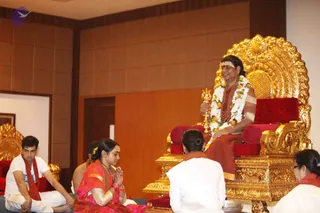
May 02 2014
Original wiki pageDescription:
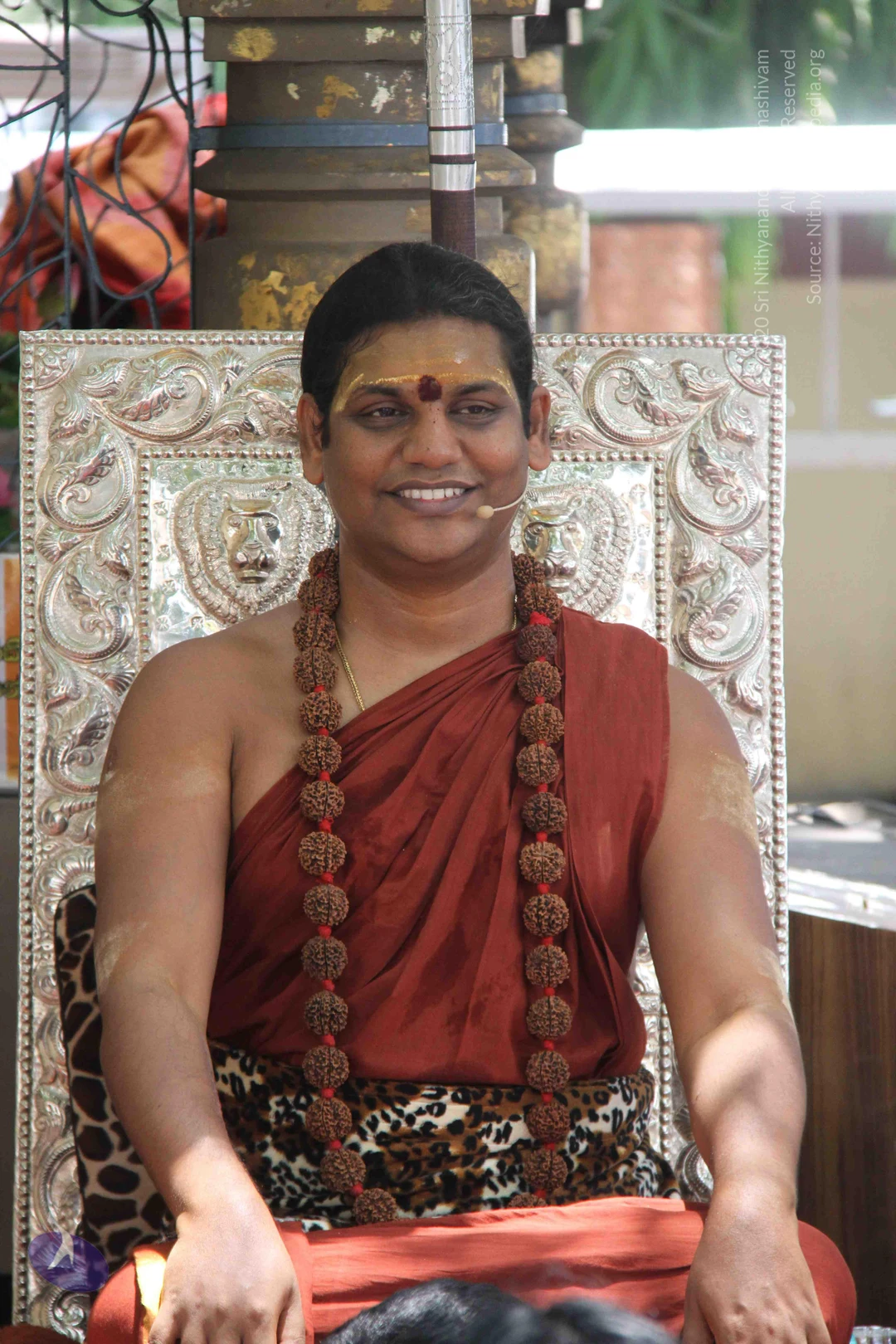
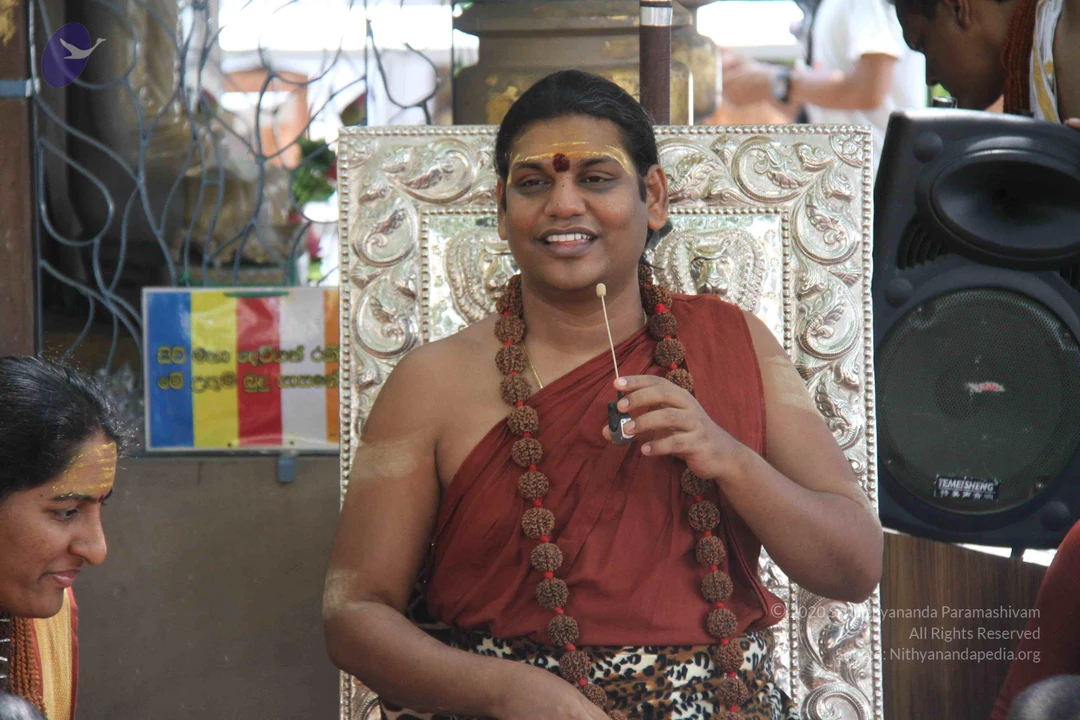
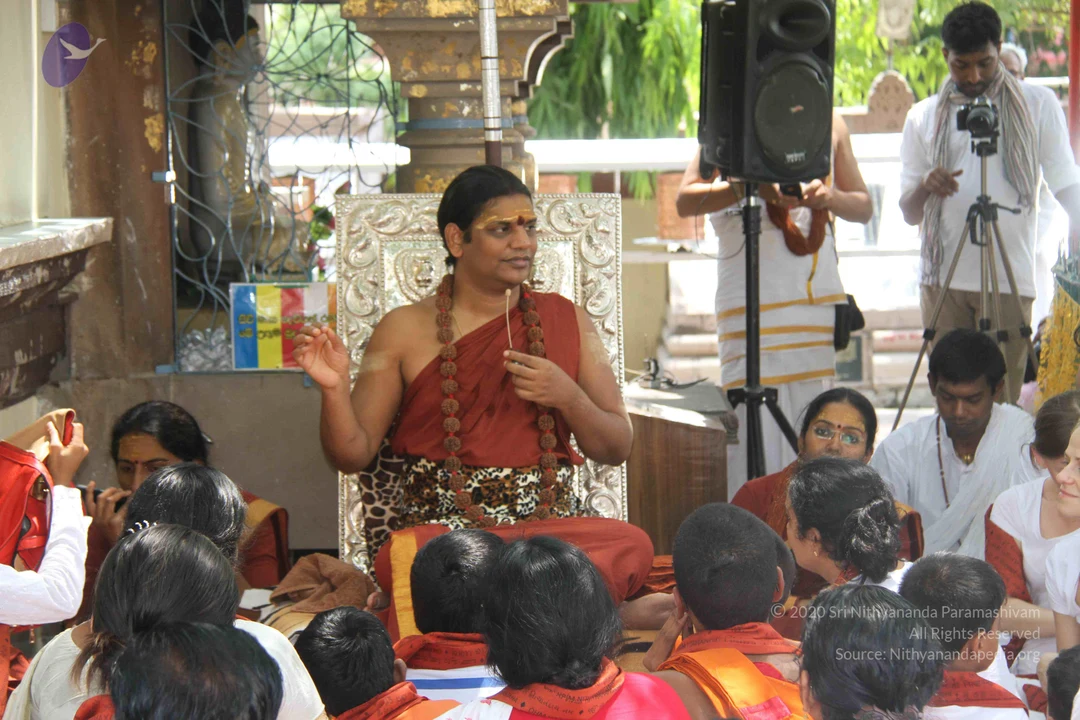
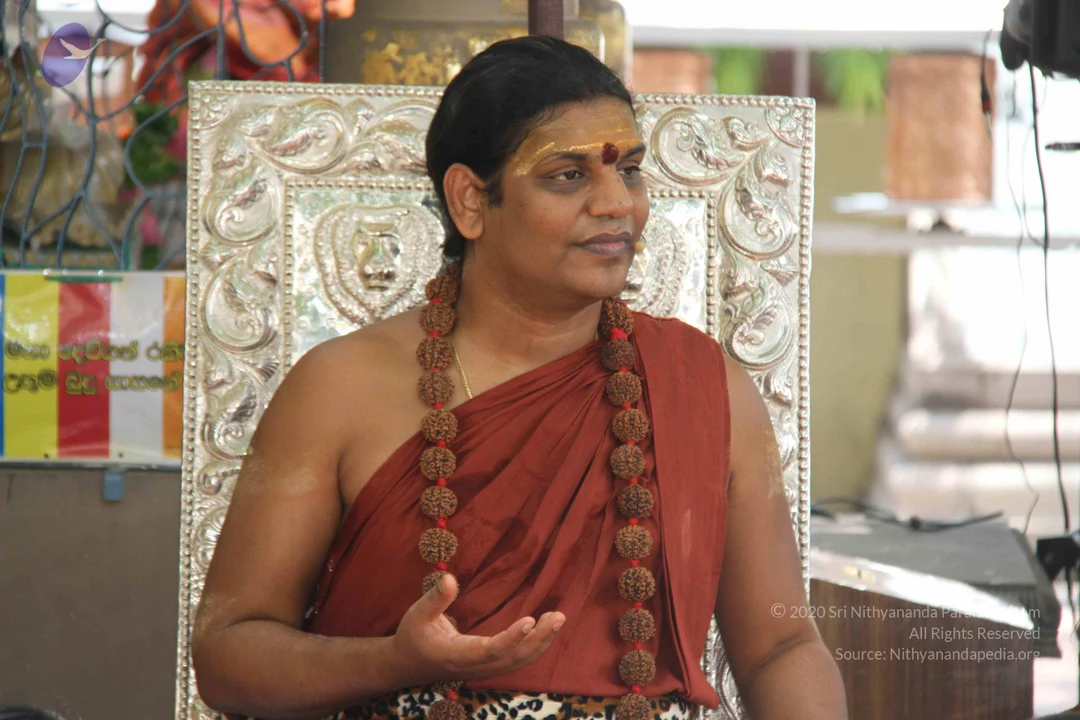
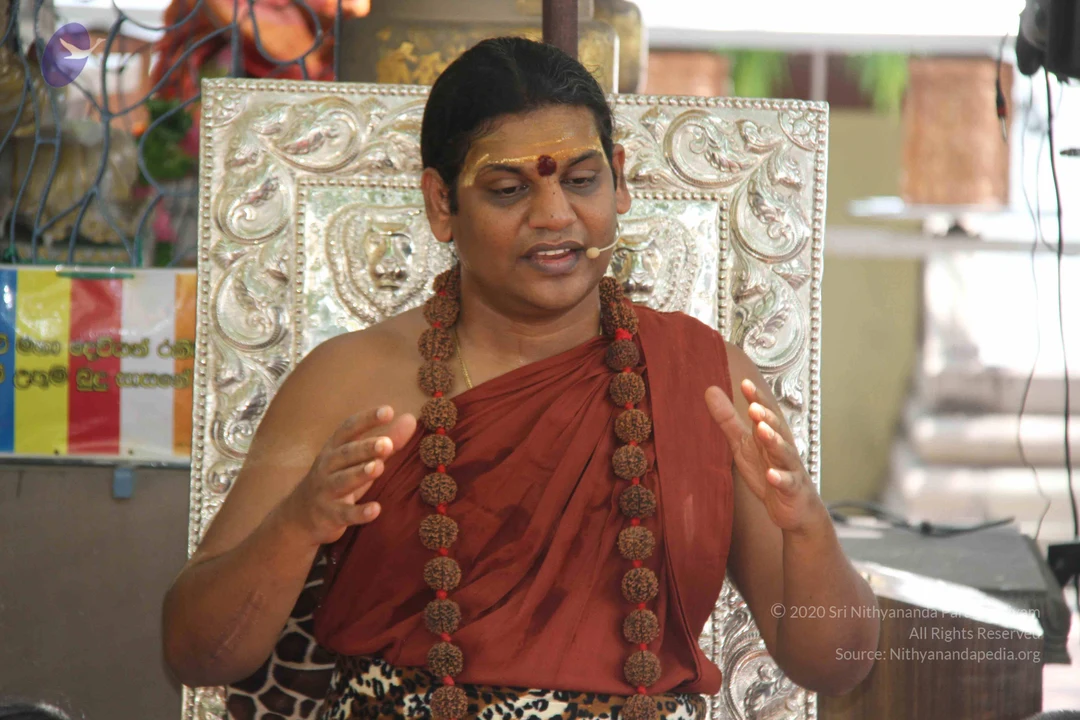
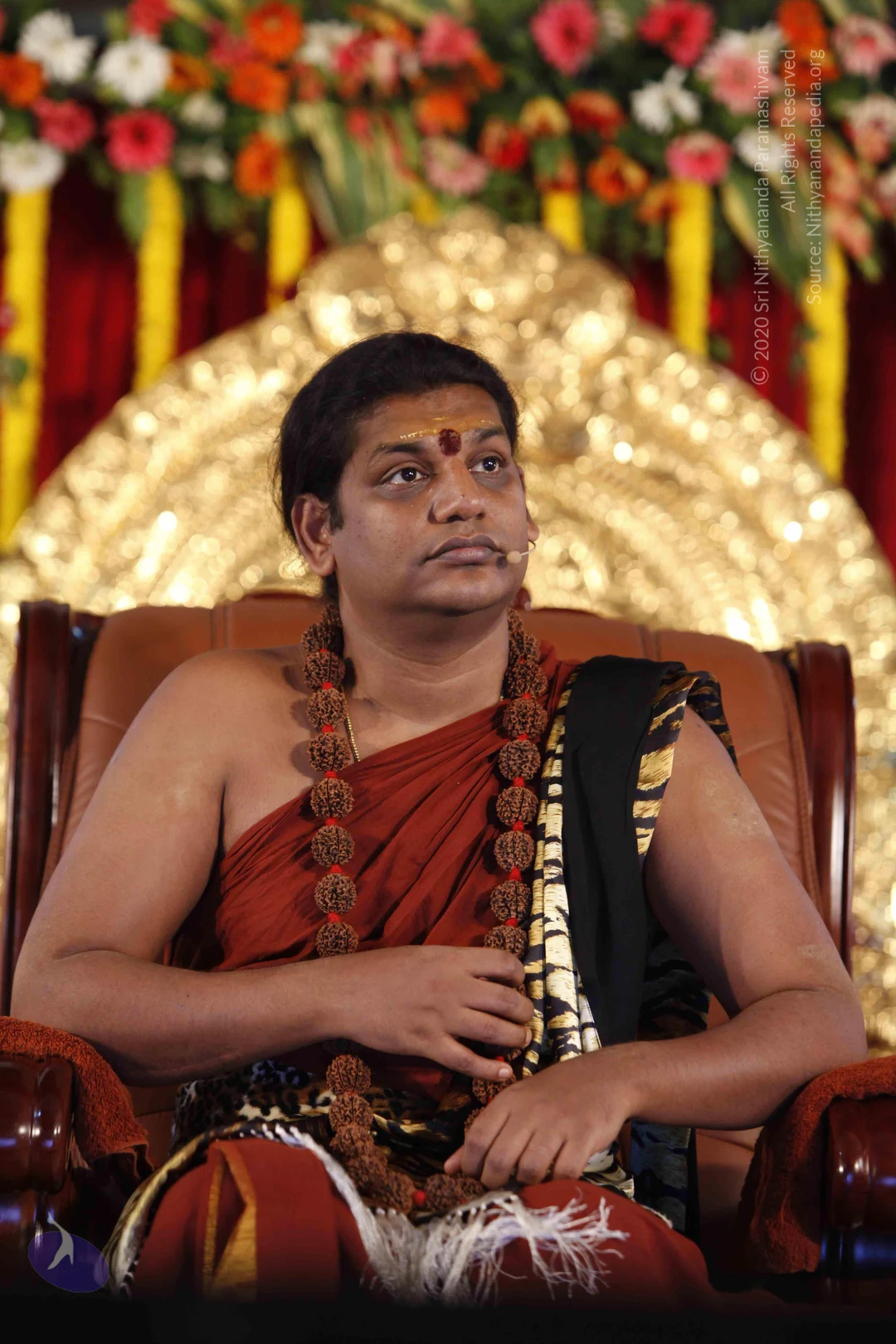
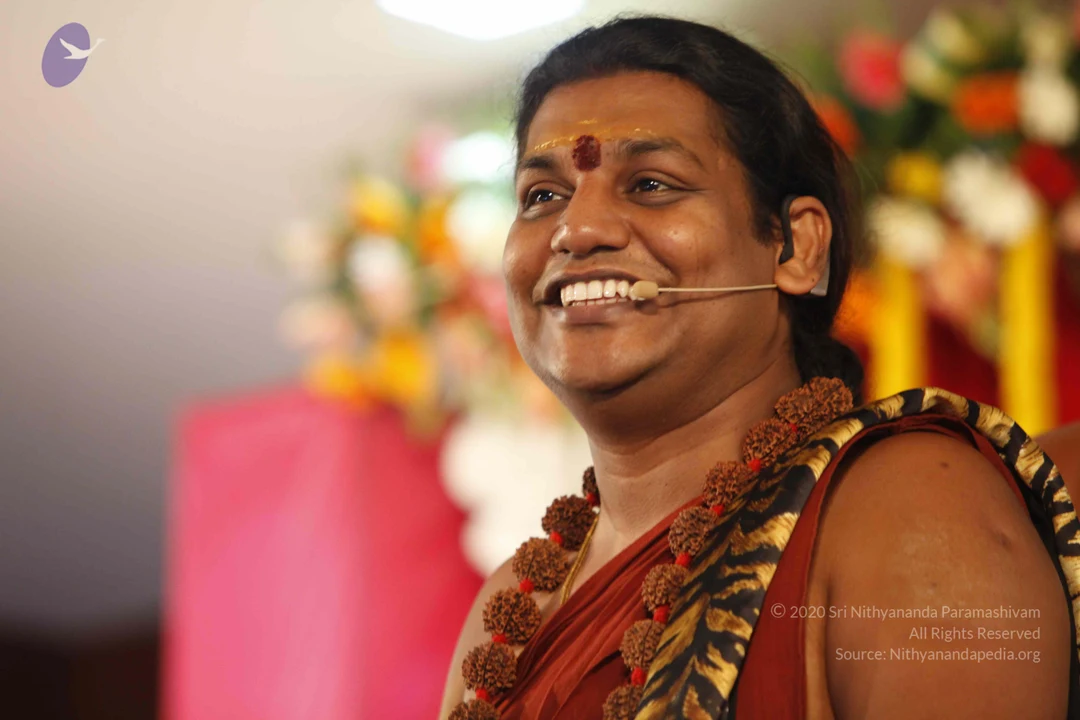
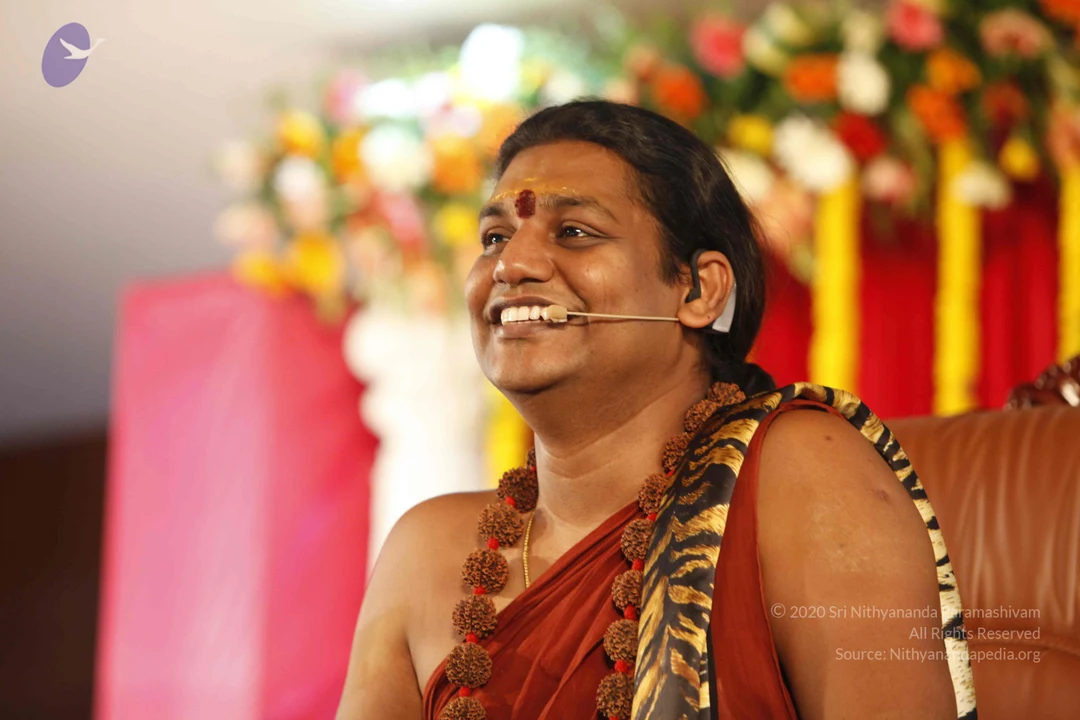
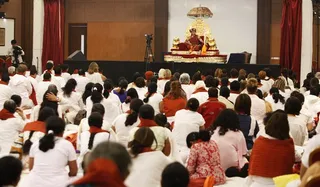
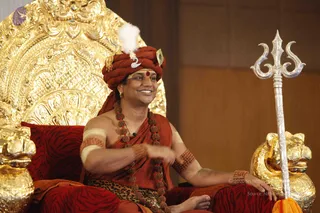
In today’s morning Satsang , Paramahamsa Nithyananda spoke briefly about the festival dimension of Sanatana Hindu Dharma, and went on to speak in detail about Buddhism. The second day Inner Awakening Initiations into Completion are taking place in the very spot where Buddha started teaching the Science of Completion. Then he explained the relationship of Buddhism, Jainism, Sikhism to Sanatana Hindu Dharma. In today’s morning Satsang , Paramahamsa Nithyananda spoke briefly about the festival dimension of Sanatana Hindu Dharma, and went on to speak in detail about Buddhism. The second day Inner Awakening Initiations into Completion are taking place in the very spot where Buddha started teaching the Science of Completion. Then he explained the relationship of Buddhism, Jainism, Sikhism to Sanatana Hindu Dharma.
Link to Video:
| Video | Audio |
Transcript:
Nithyanandeshwara Samaarambhaam
Nithyanandeshwari Madhyamaam |
Asmath Aachaarya Paryanthaam
Vandhey Guru Paramparaam ||
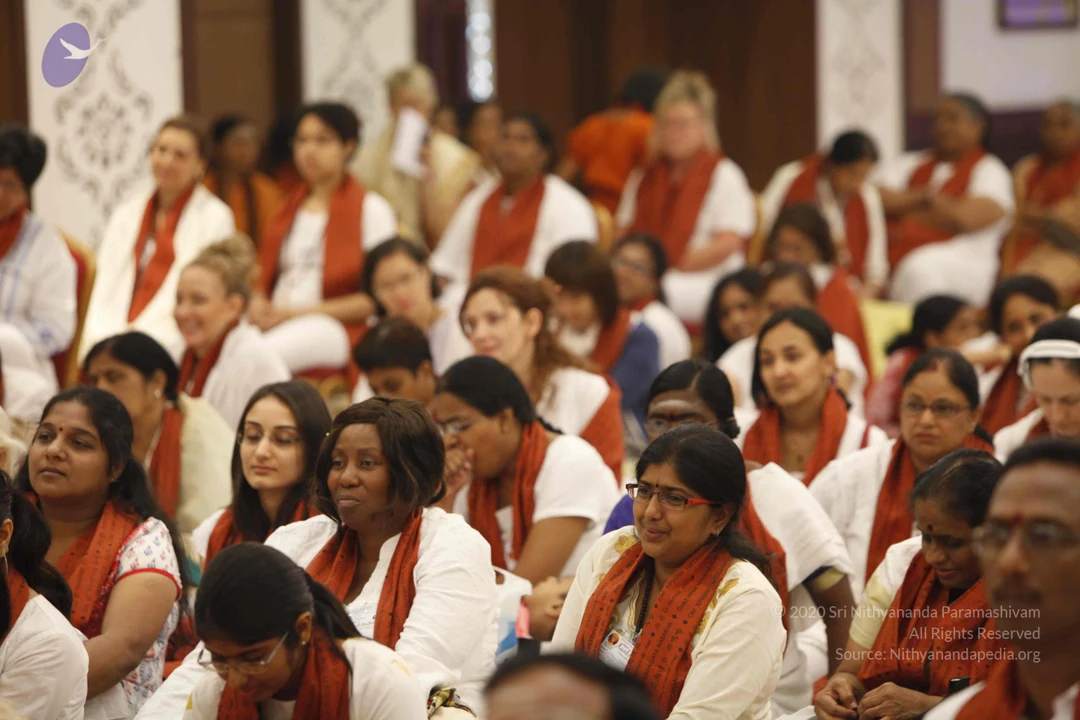
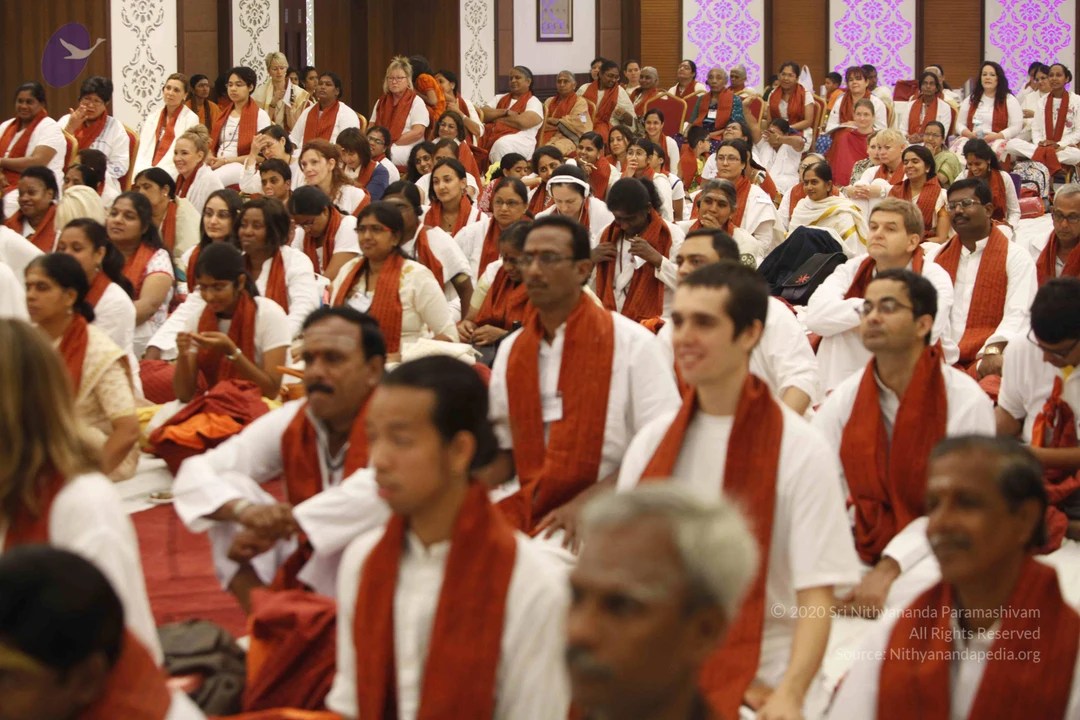
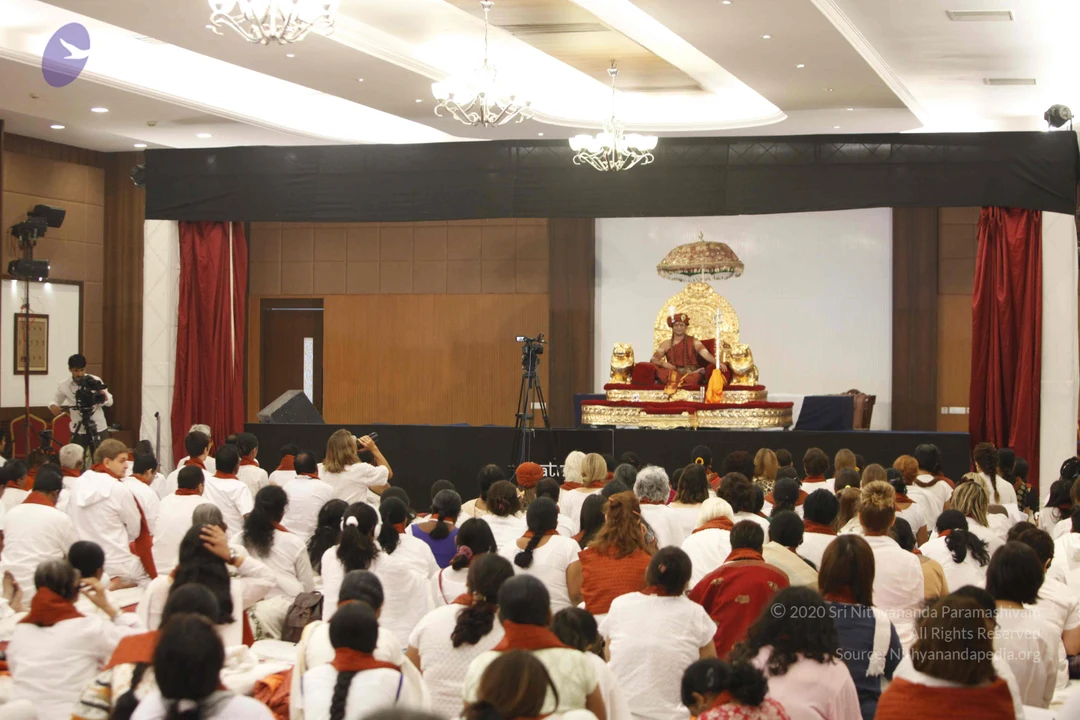
I welcome all the devotees, disciples, samajis, satsanghis, Shrimahants, Mahants, Kotharis, Thanedars, who are sitting with us all over the world through Nithyananda TV, Lotus TV, Sadhna TV, two-way video-conferencing having Nayana Deeksha.
Cities sitting with us in two-way video-conferencing having Nayana Deeksha: Scottsdale-Arizona, St. Louis, Ohio-Prayag, Toronto-Kailasam, Nithyananda Nagaramu-Hyderabad, Nithyananda Nagara-Bidadi, Nithyananda Nagar-Tiruvannamalai, Nithyananda University-Los Angeles, Nithyananda University-Paris, Singapore-Singapuram, Tiruvanmiyur, Charlotte-Srisailam, Oklahoma-Somanatham, Seattle-Chidambaram, Simi Valley-California, Toronto-Kailasam, Hyderabad-Gupta Kashi, High Point-North Carolina, Indrani-New Jersey, San Jose-Madurai, Houston-Kalahasti, Hong Kong-Sirkazhi, Sun Prairie-Wisconsin, New York-Varanasi, London-Kashi, Guadeloupe-Rameshwaram, Island Creek-North Carolina, Dubai-Vaidyanatham, Port Washington-New York, Tallahasee-Florida, Johns Creek-Georgia, Dakota Dunes, Warrington-UK, Toon Moon-Hong Kong.
I welcome all of you with my love and respects.
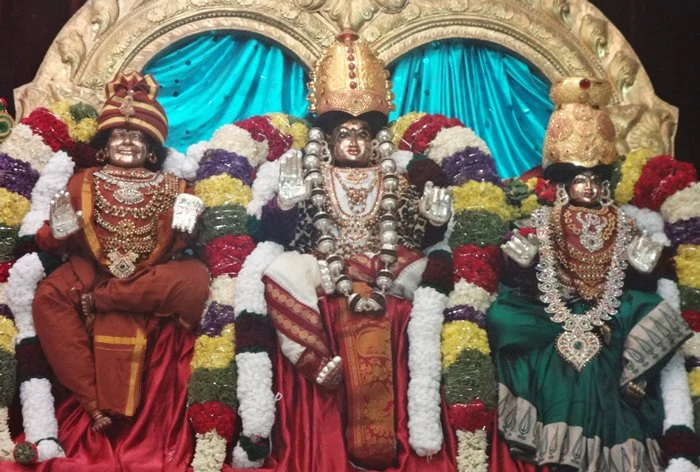
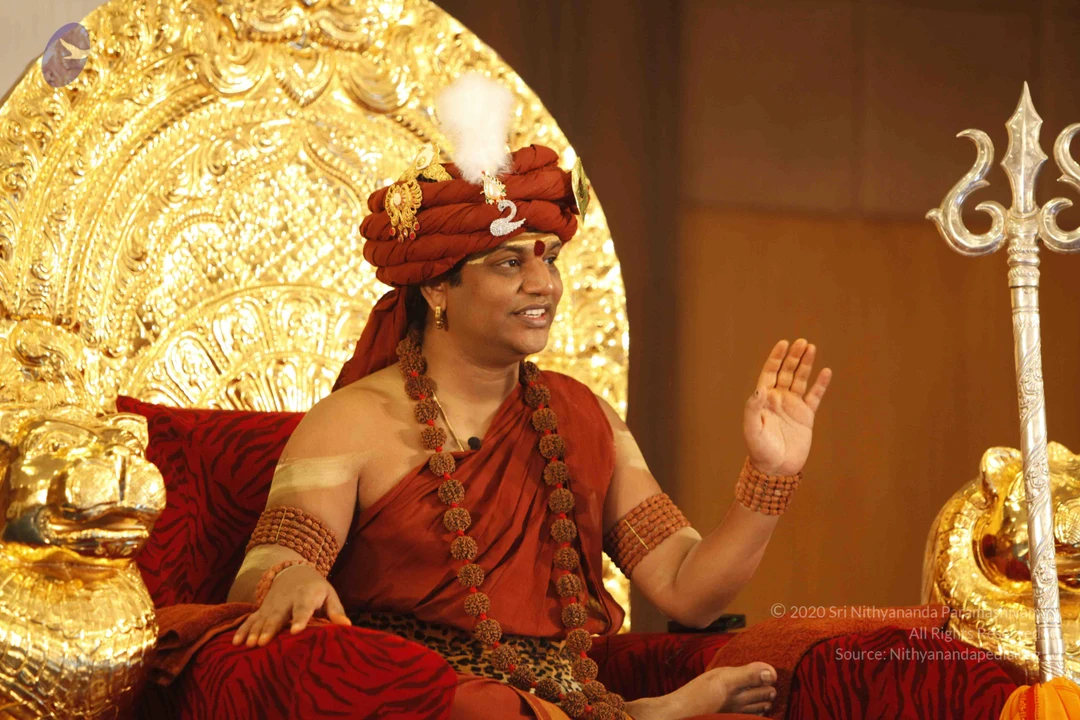
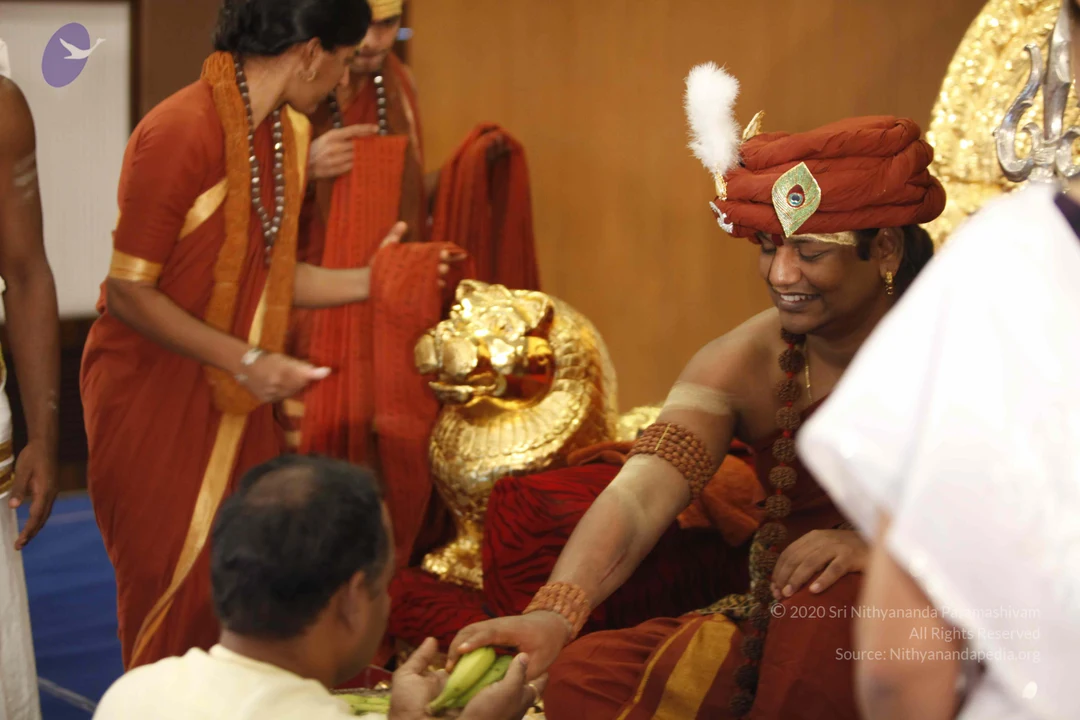
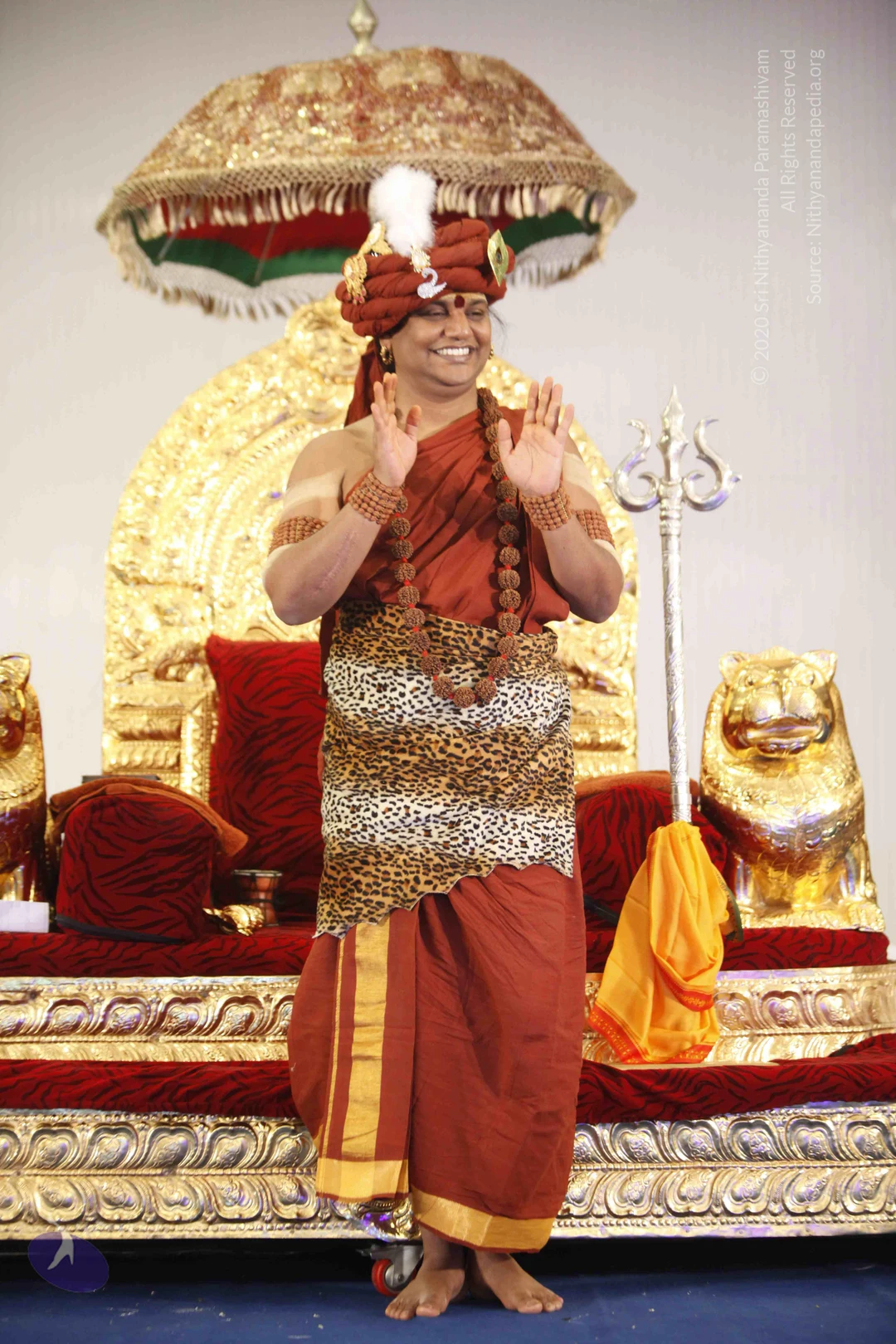
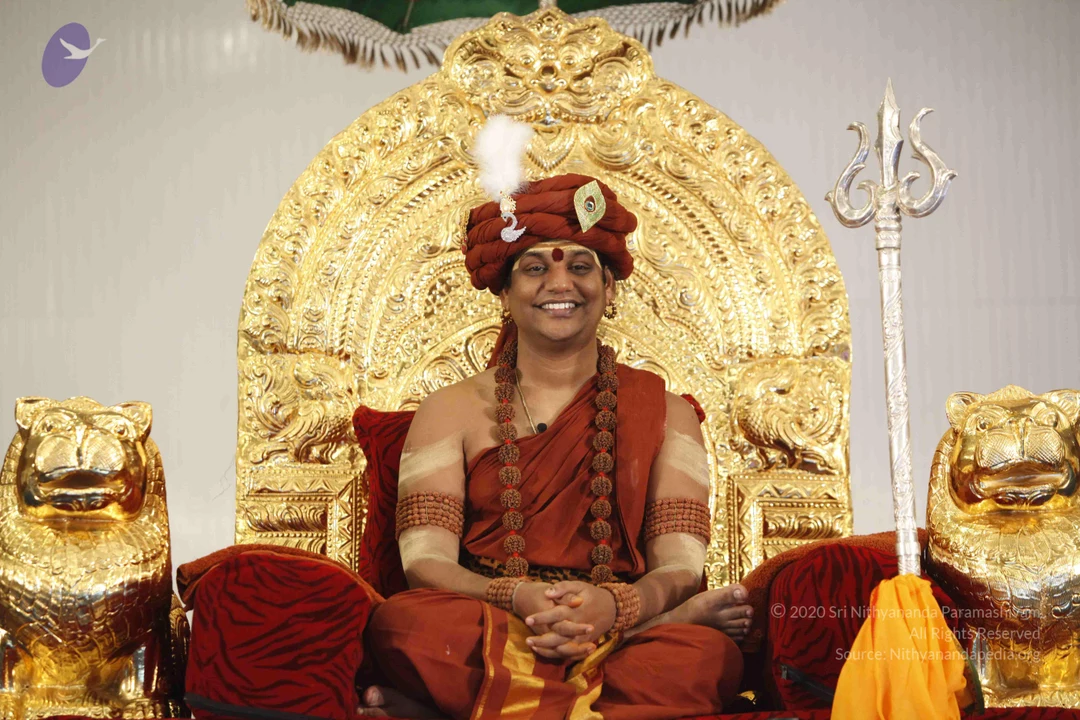
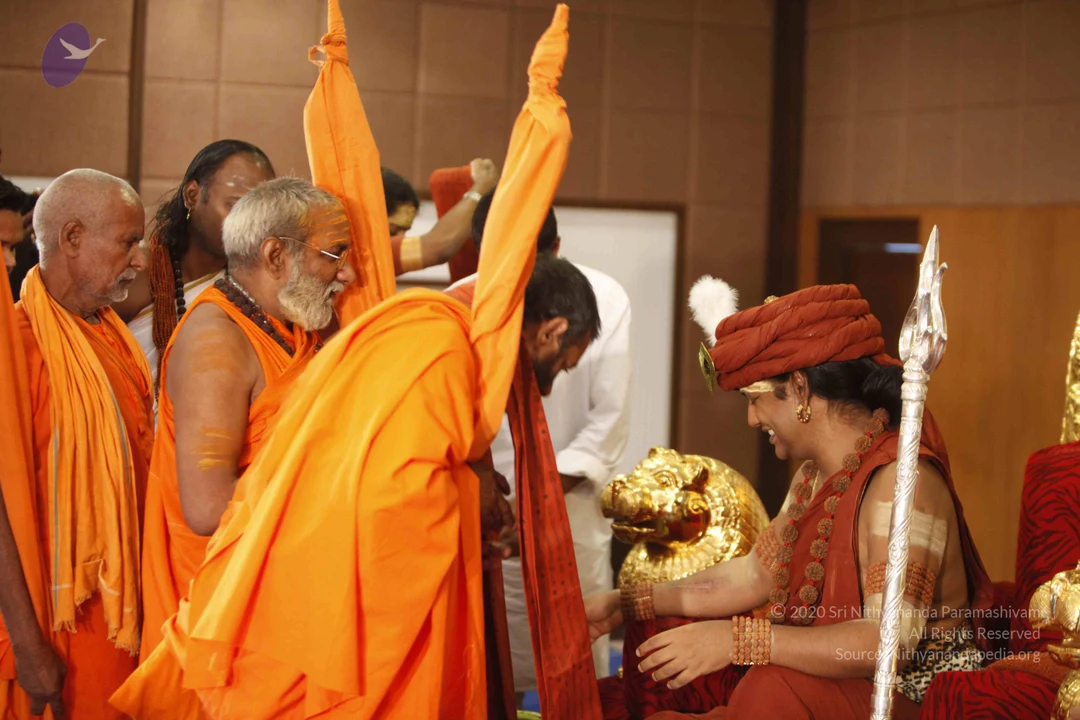
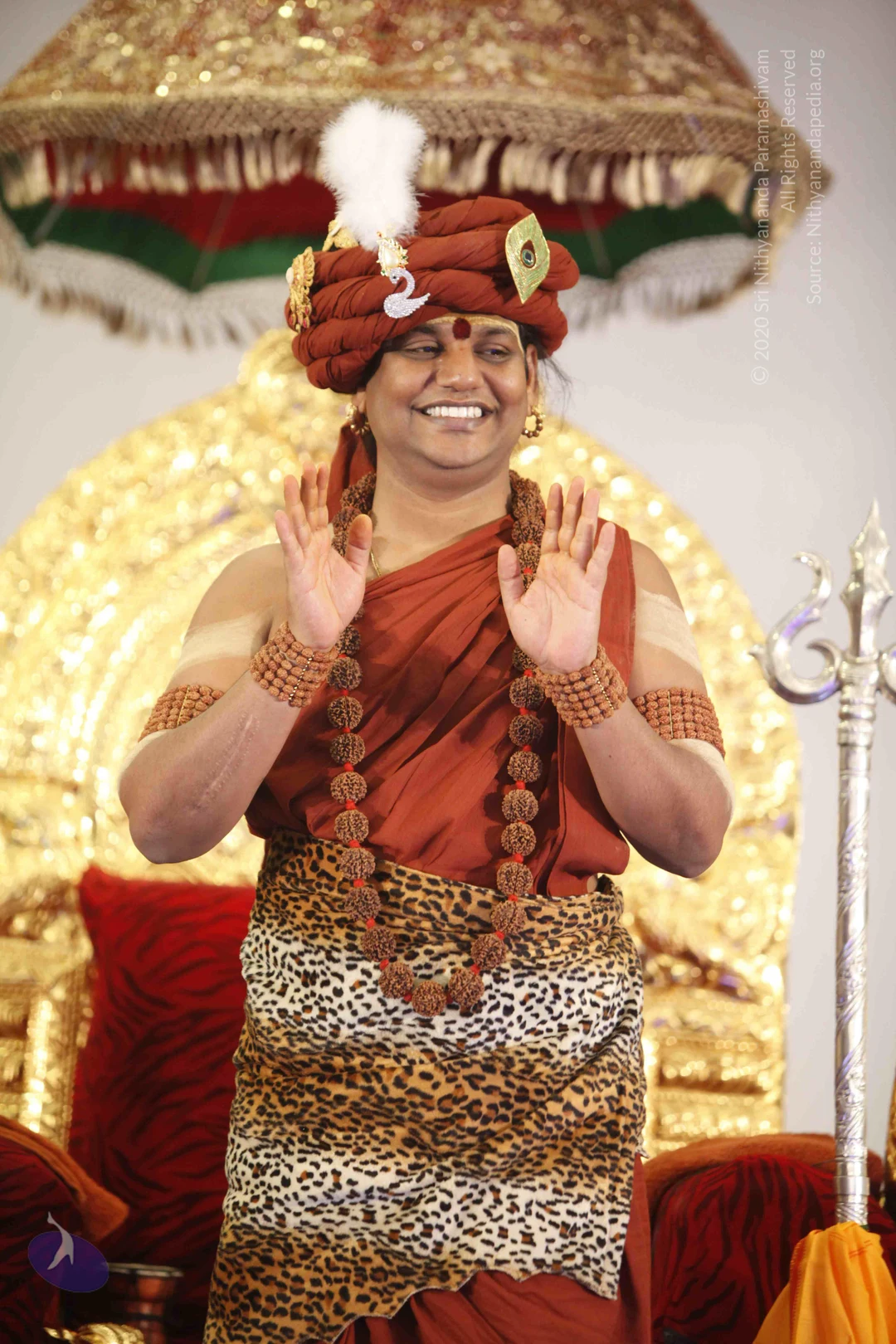
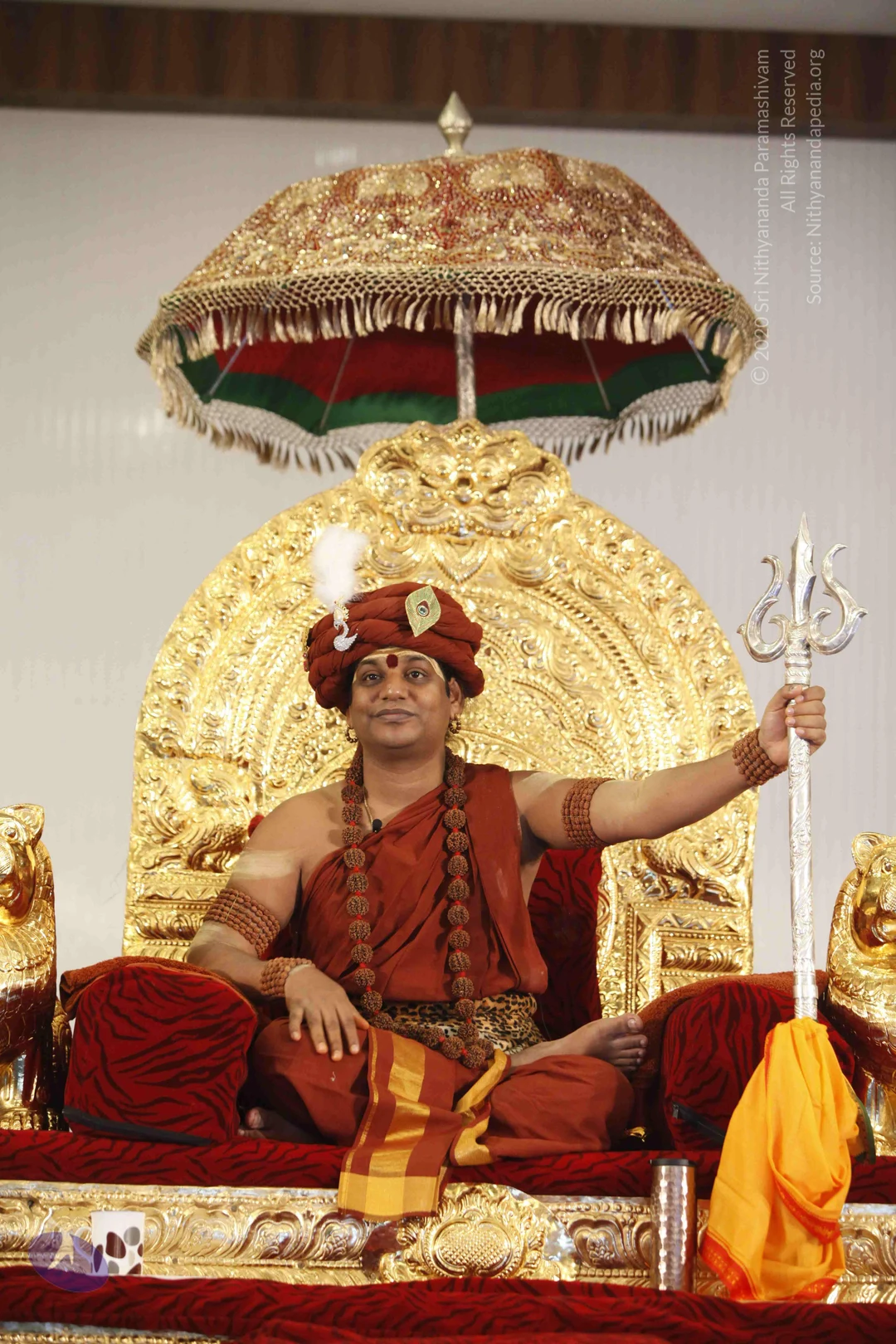
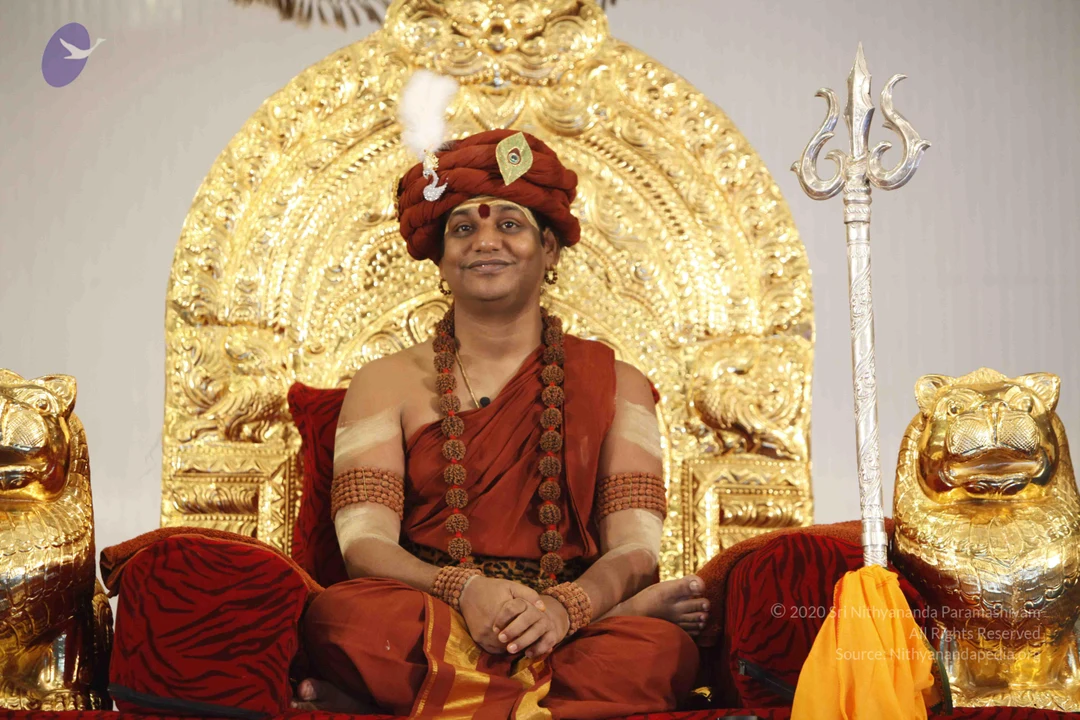
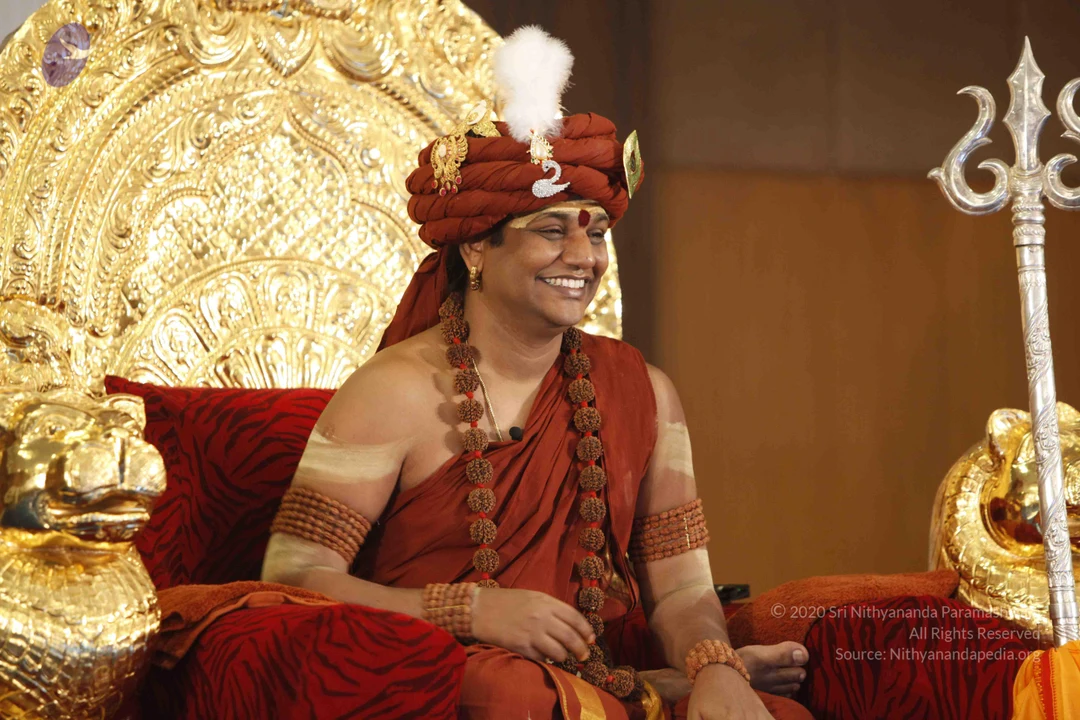
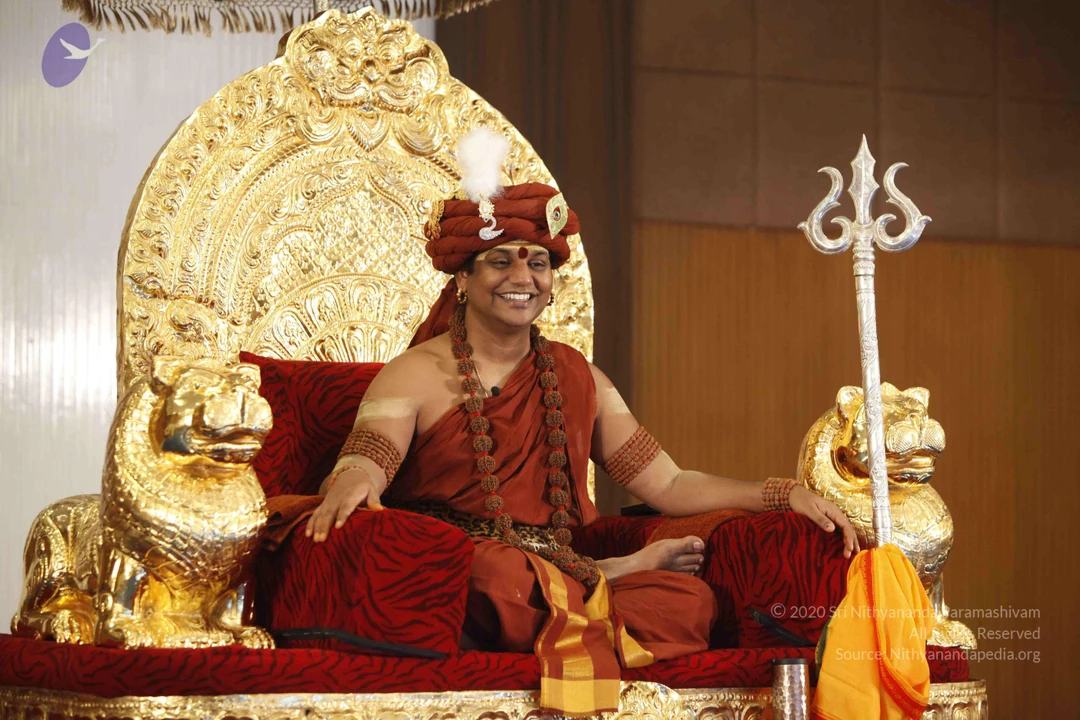
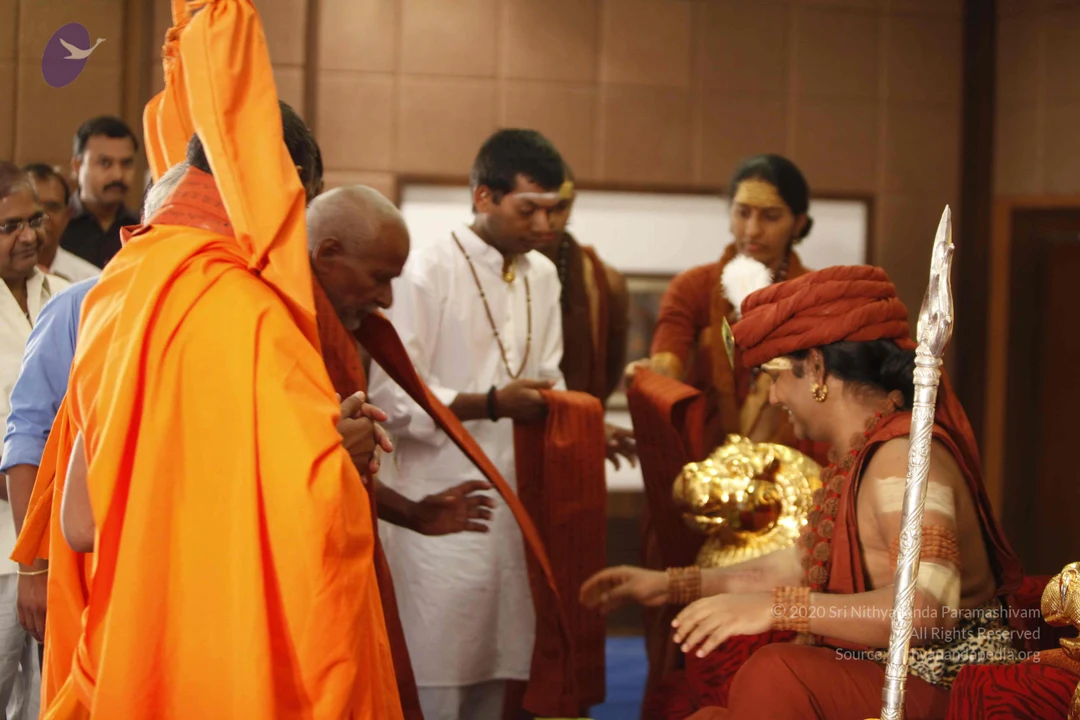
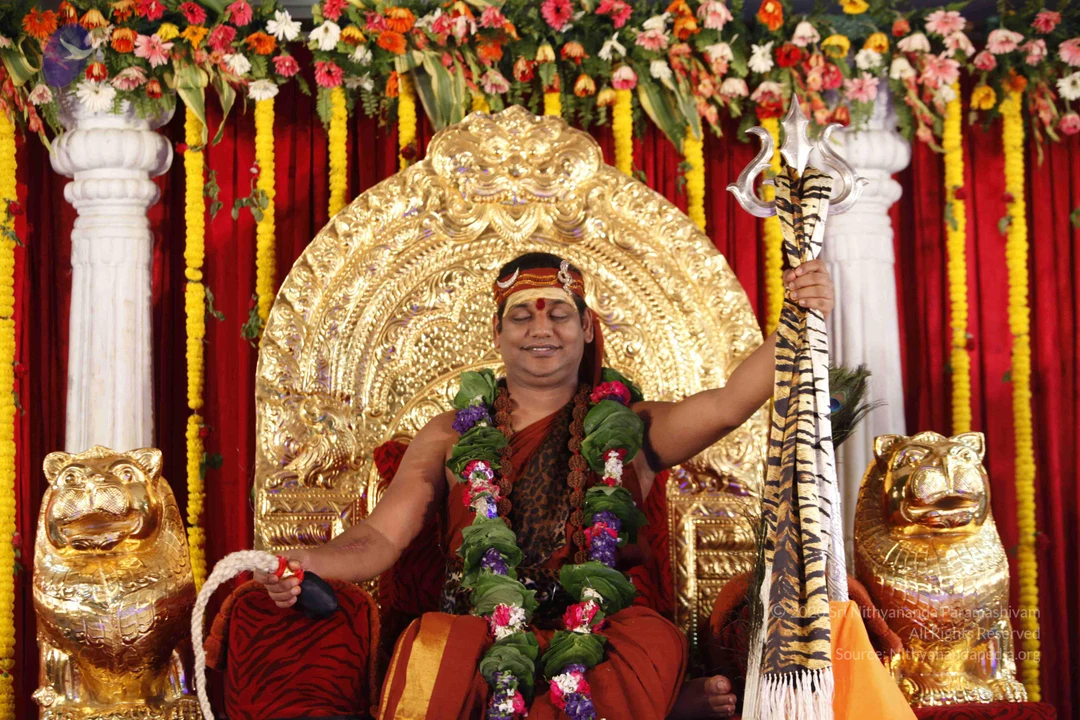
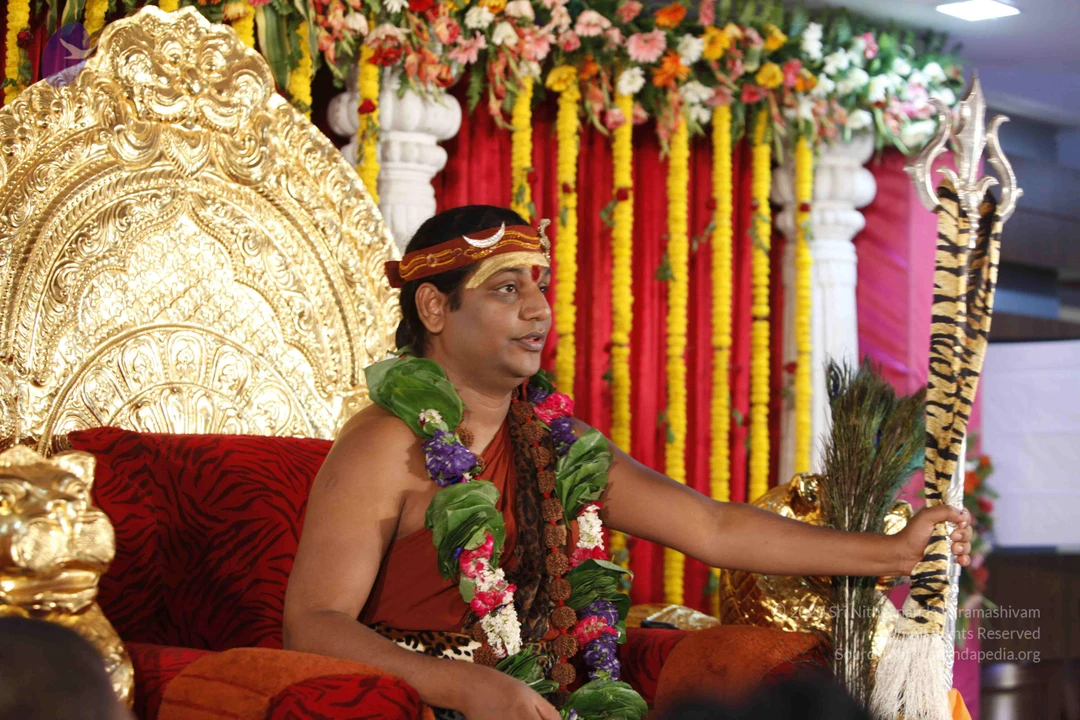
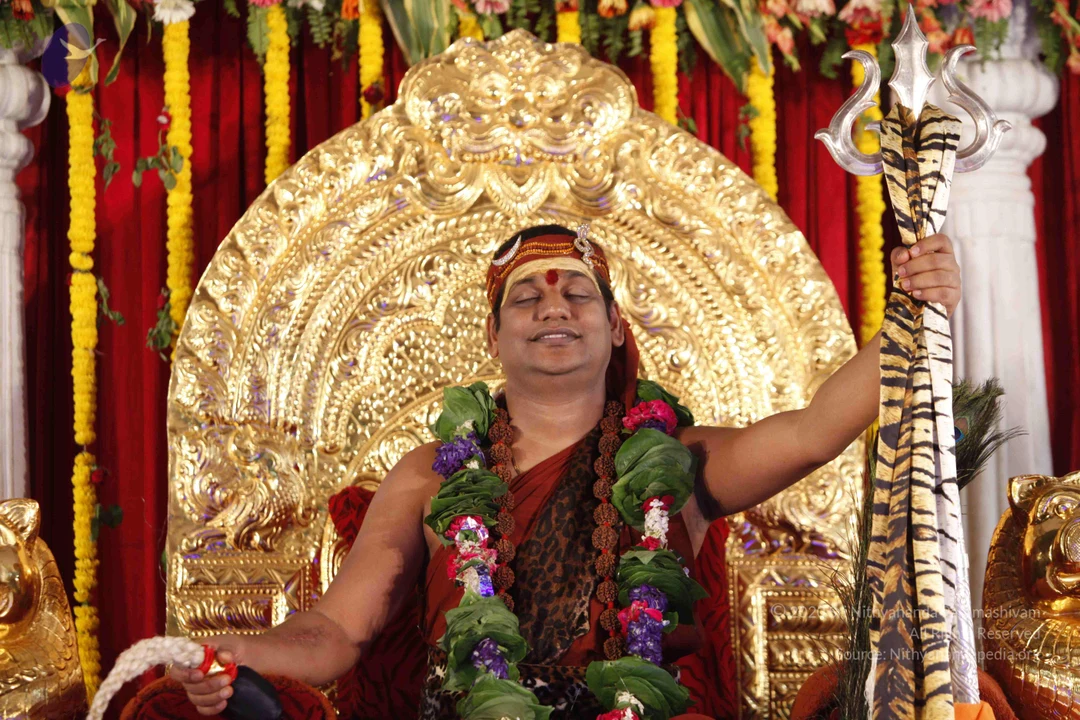
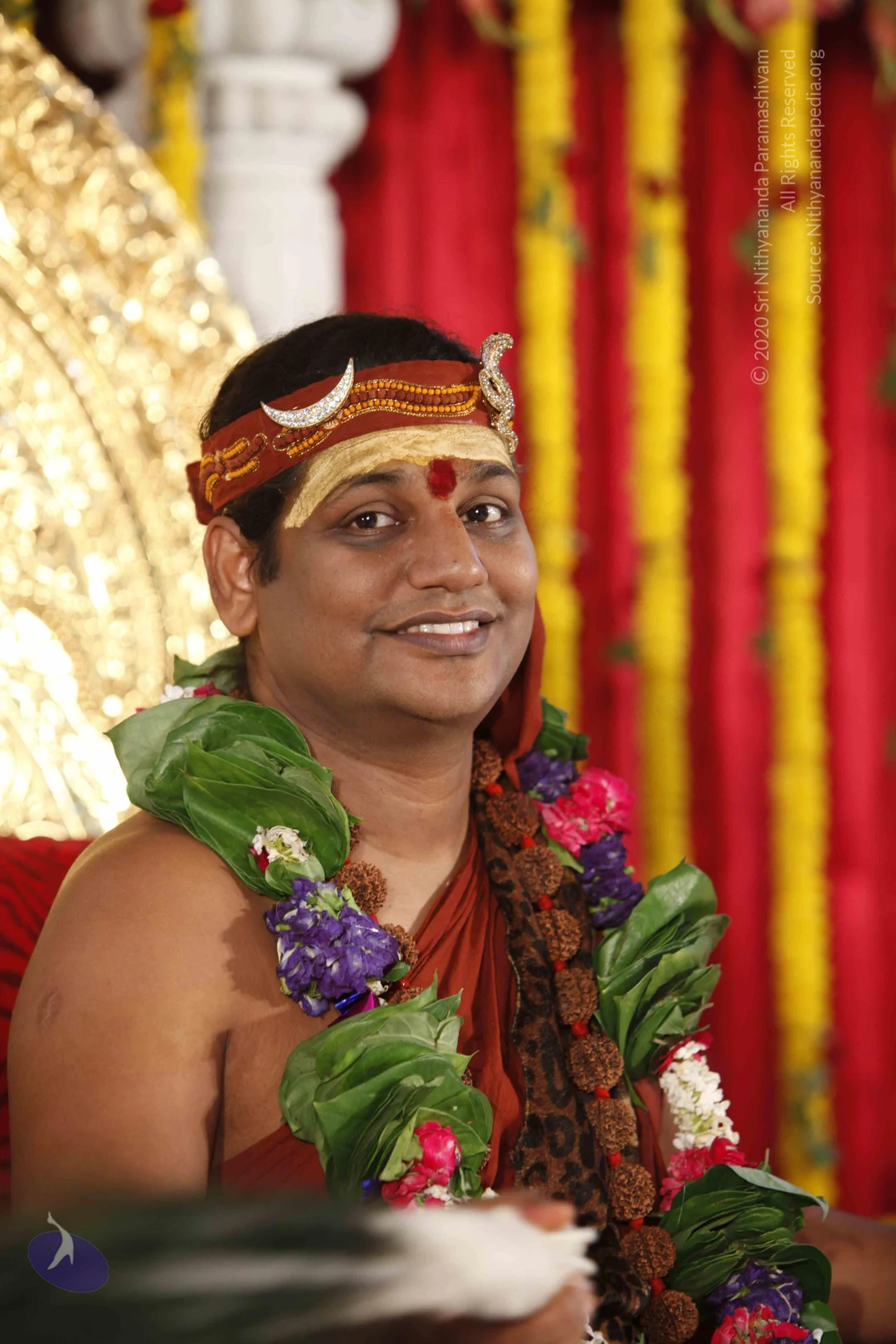
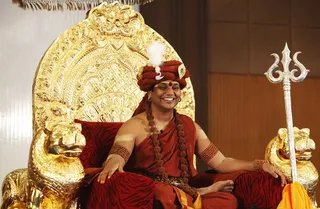
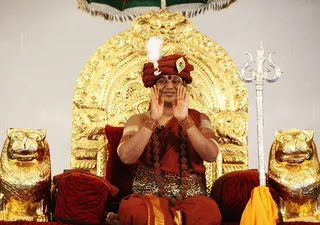
Today, the second day of Meenakshi Brahmotsava, the celebration of Meenakshi’s coronation! Today, Mahadeva and Devi are gracing with the pearl crown. Each day they give a new decoration, dressing. Today he is gracing with a pearl crown. Let us have first his darshan; then we will start the satsangh.
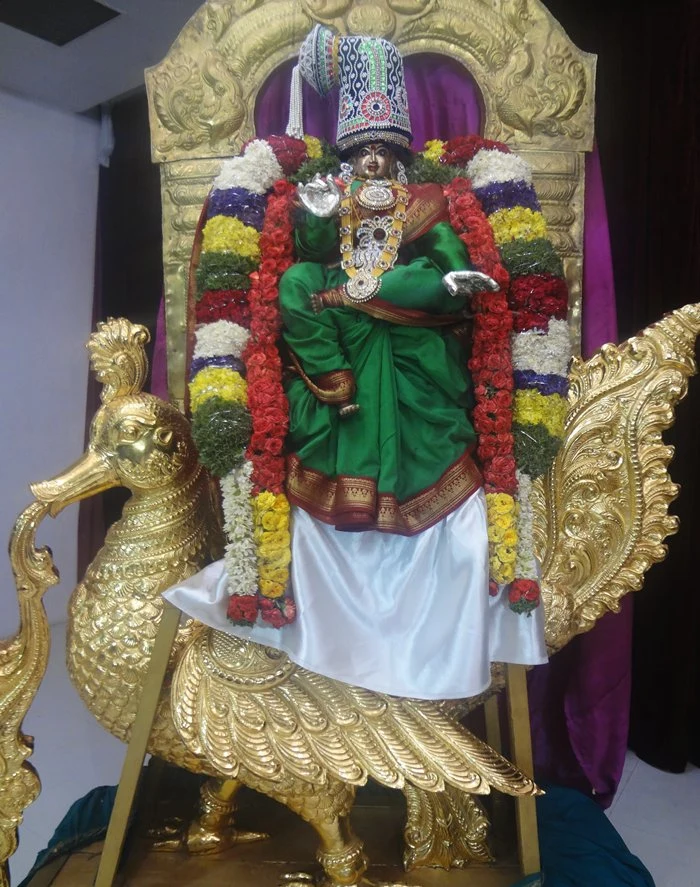
Bidadi is also celebrating Meenakshi Brahmotsava. Meenakshi and Sundareshwara are gracing Bidadi. Meenakshi is today on Suvarna Hamsa Vaahana, Golden Swan Vehicle. She is gracing in green saree and pearl crown. Only a devotee can enjoy all this. Dry, logical fellows can never enjoy, celebrate all this. Only a devotee has the reason to enjoy. The dry, logical fellows have only reason to cry. Only devotees have reason to enjoy. Devi is gracing on Golden Swan Vehicle in Bidadi. Blessings.
I always wanted some kind of Utsava, celebration, goes on every day, so, before the satsangh, I have a darshan, then we start the satsangh. I just want to constantly remind the festival dimension of Sanatana Hindu Dharma, which is a lifestyle, culture, heritage, which keeps us alive, which proves the utility value of our philosophies.
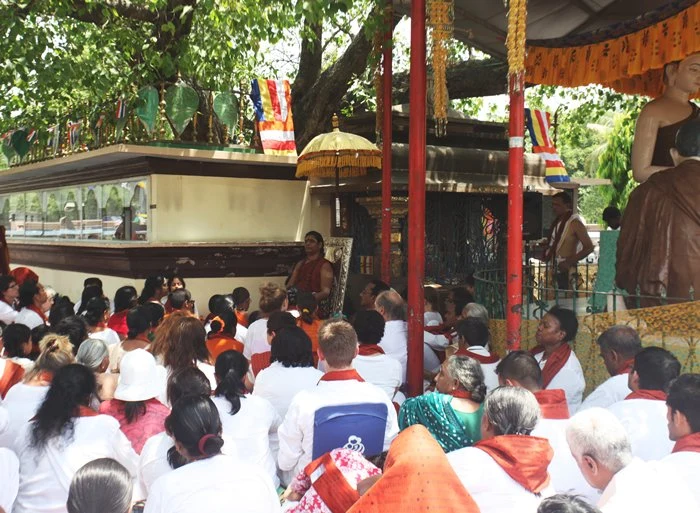
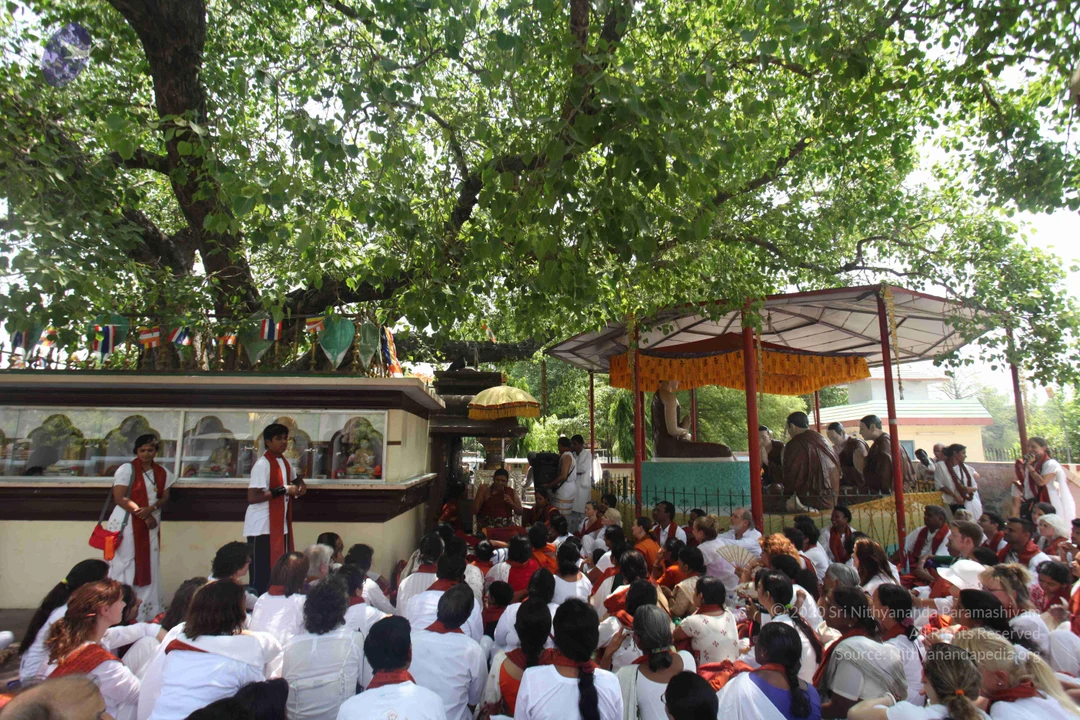
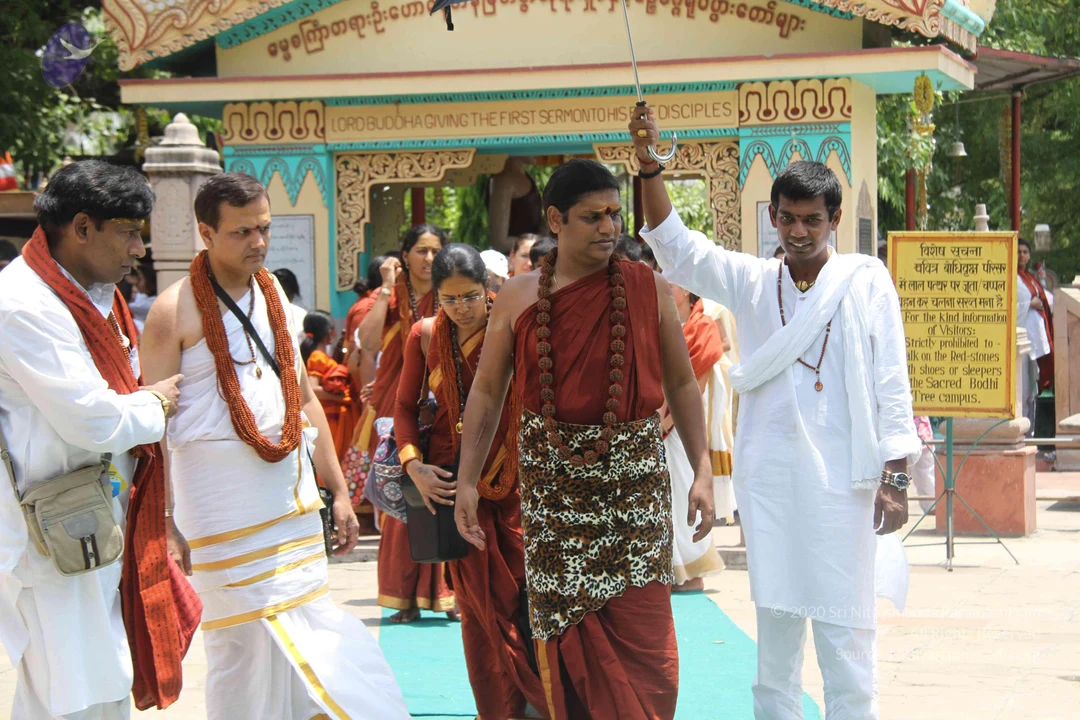
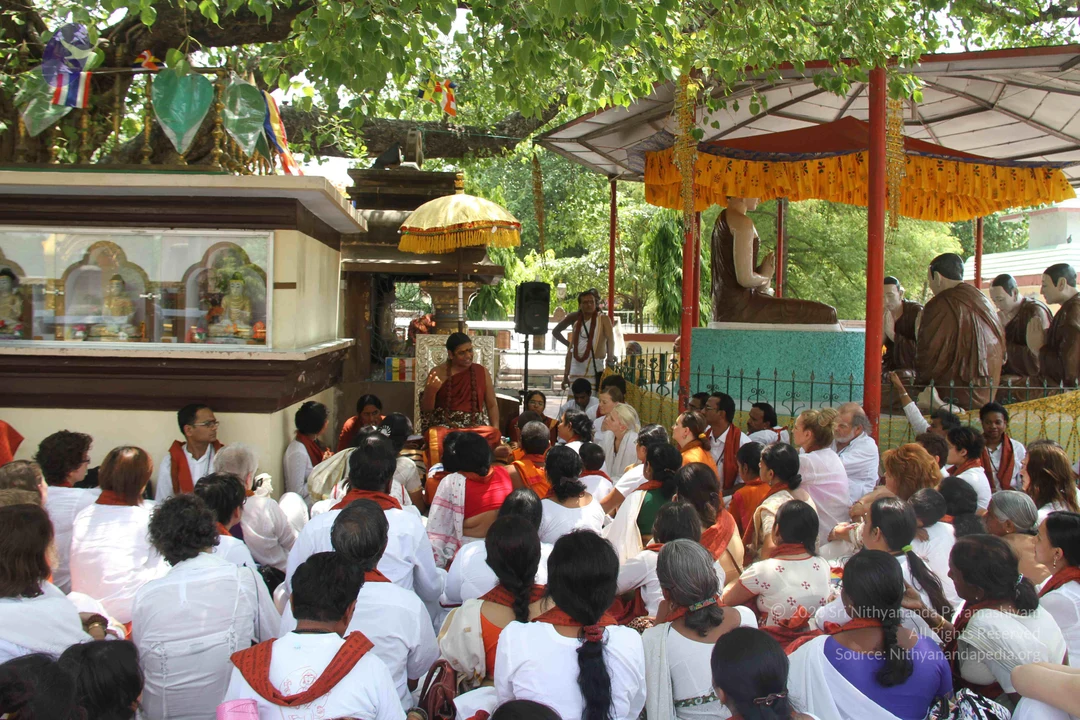
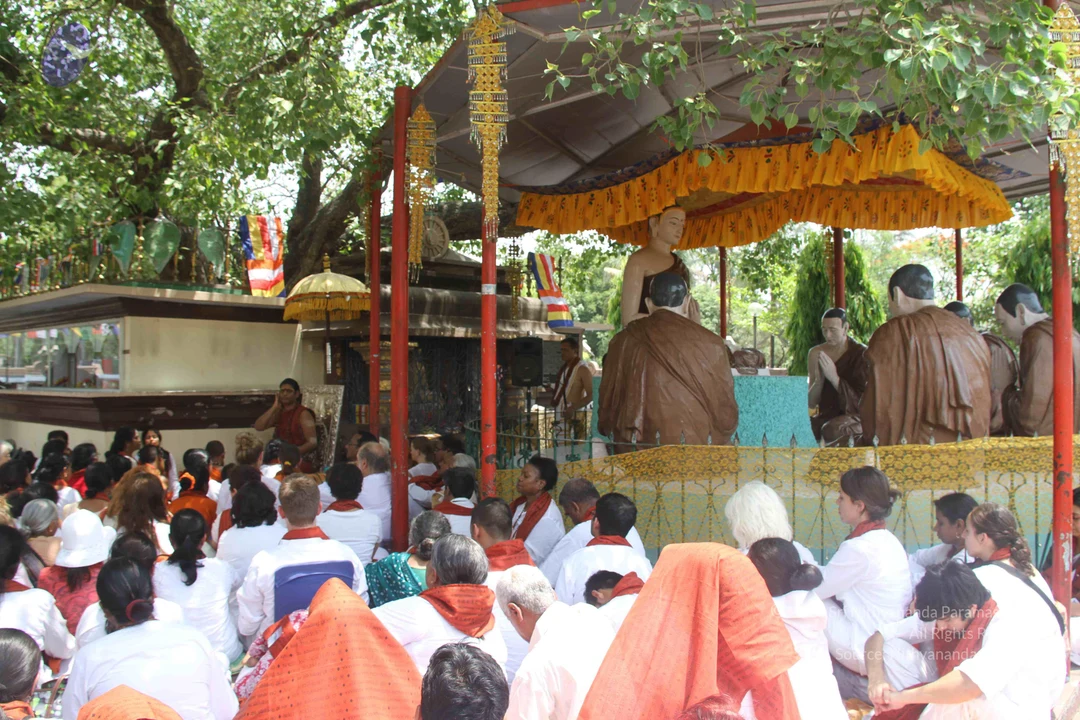
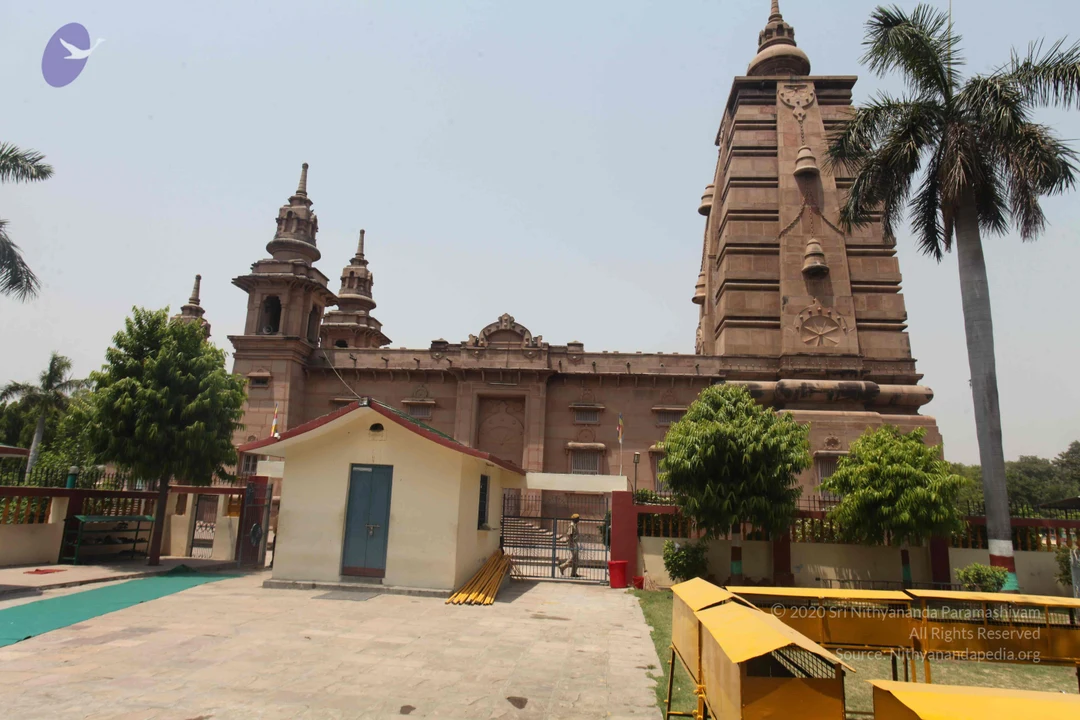
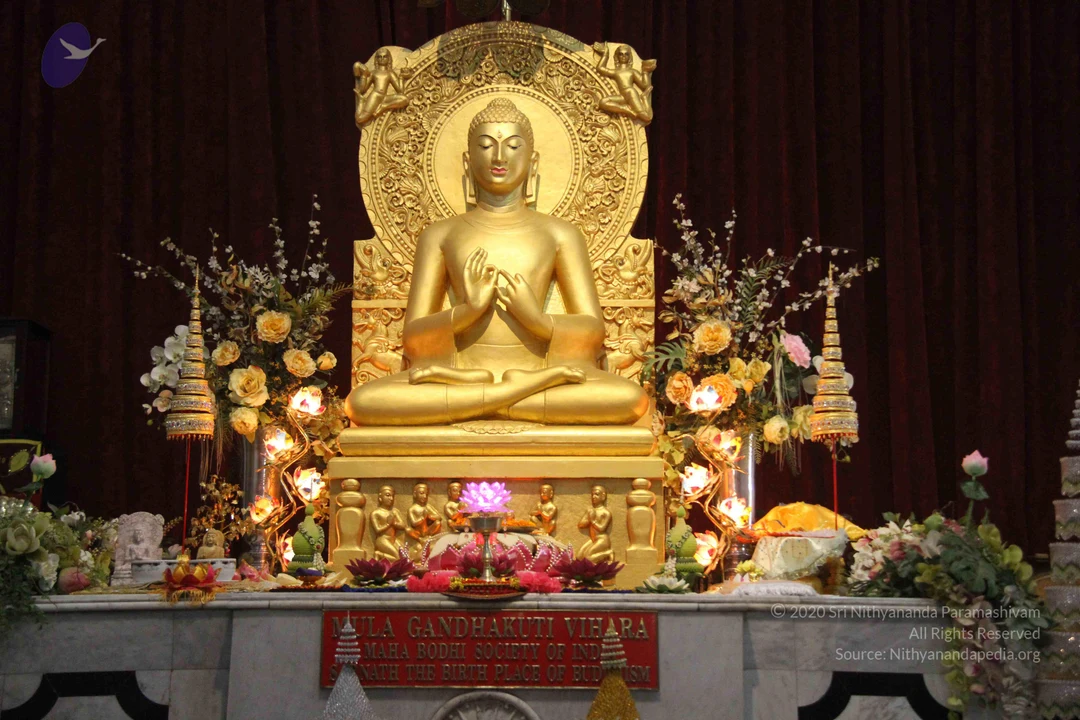
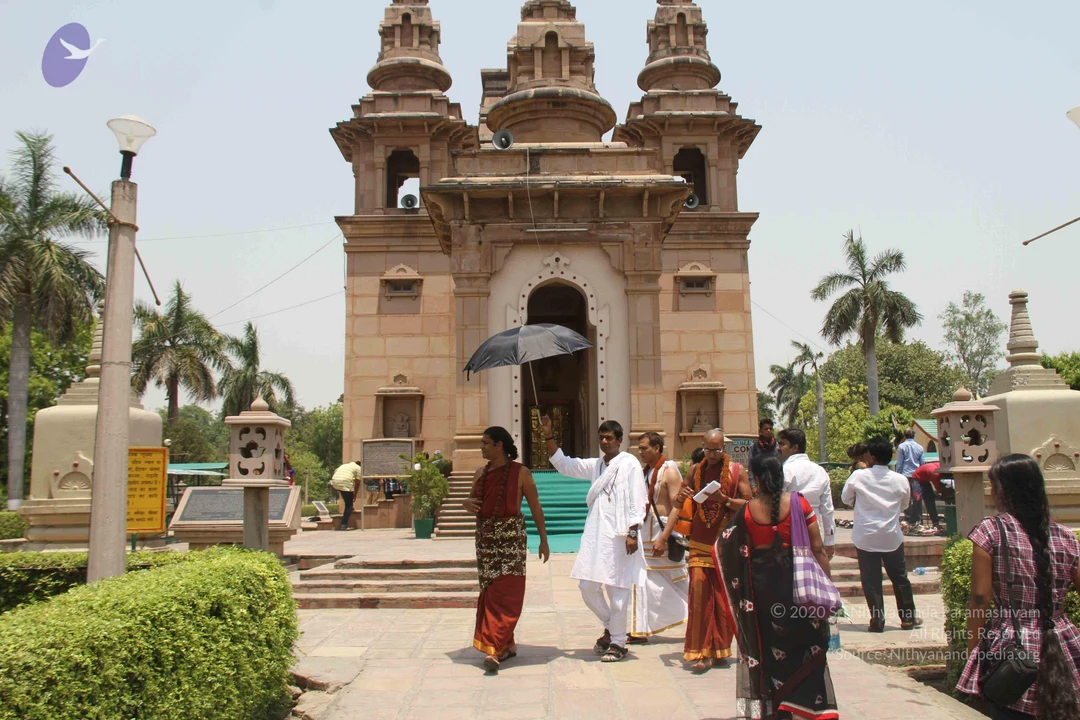
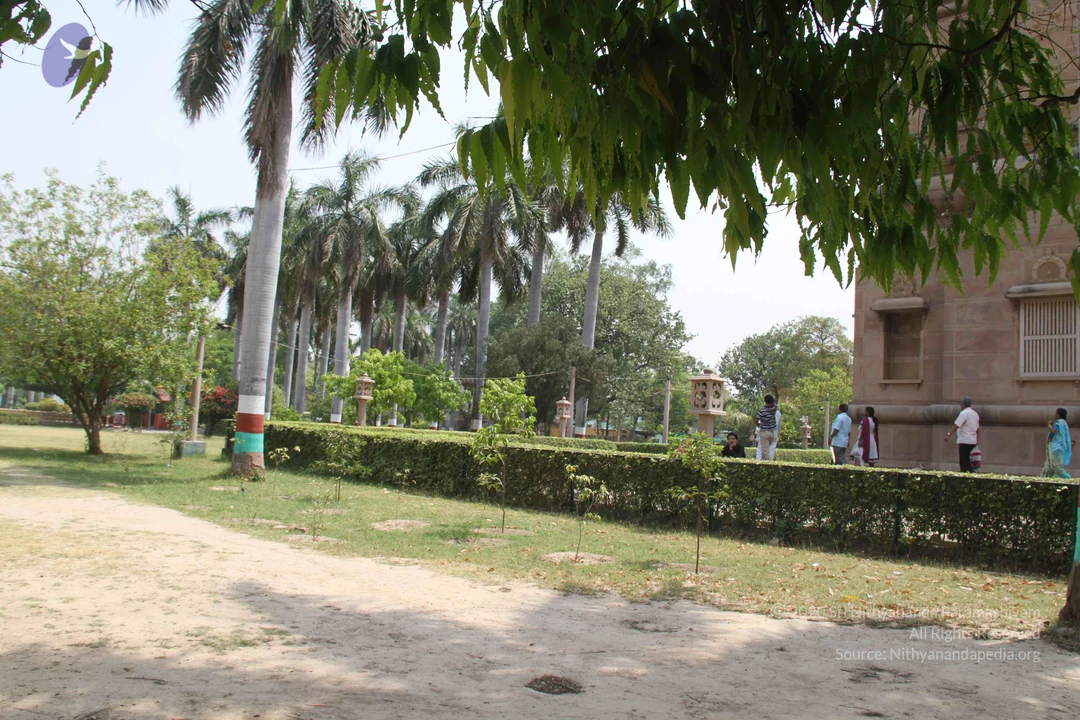
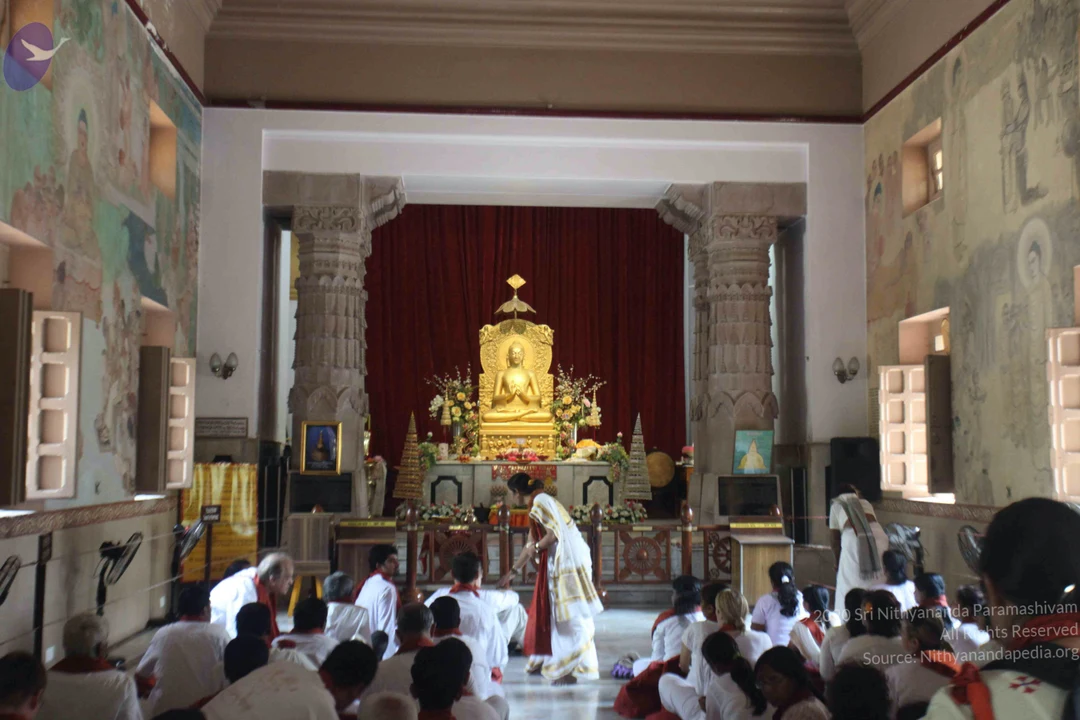
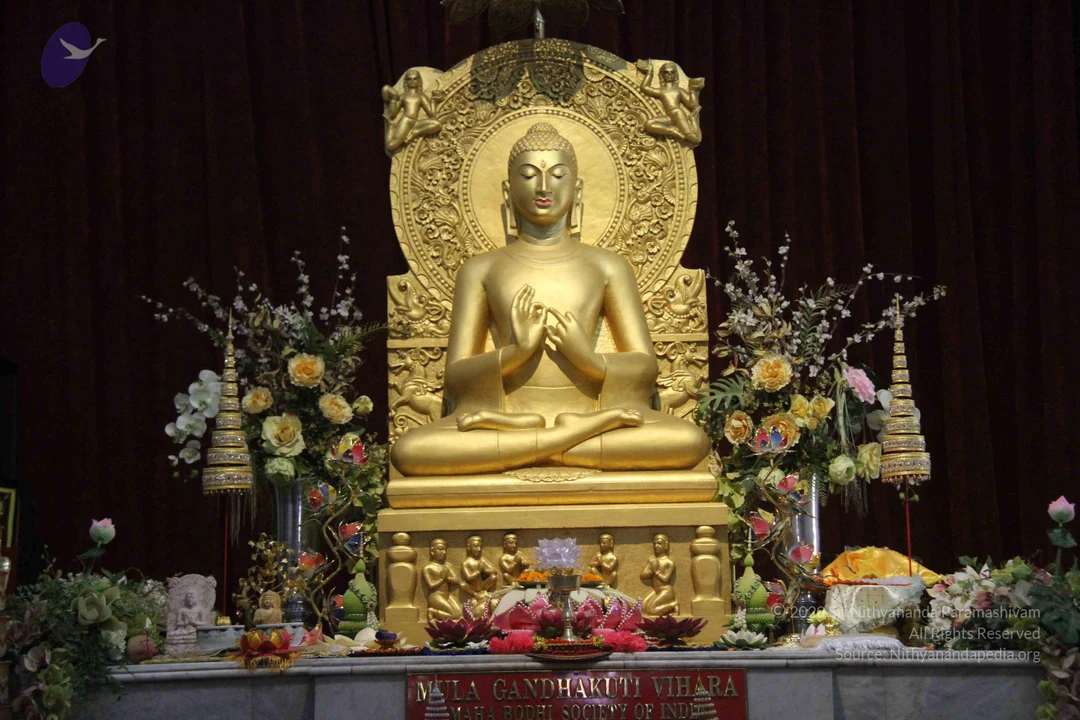
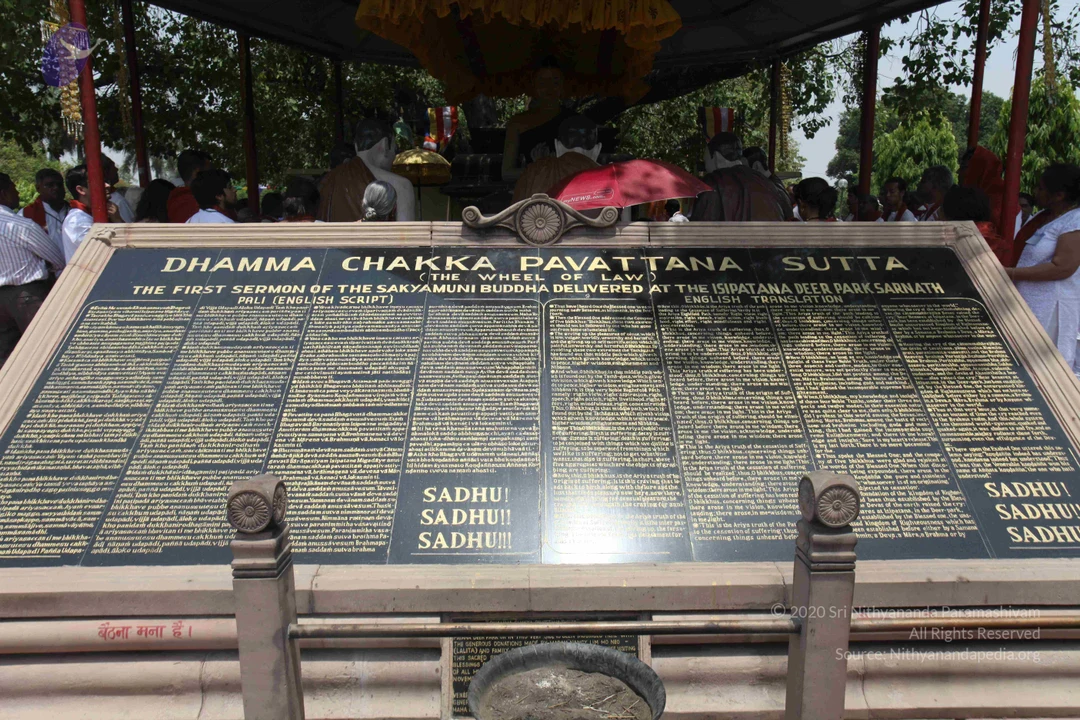
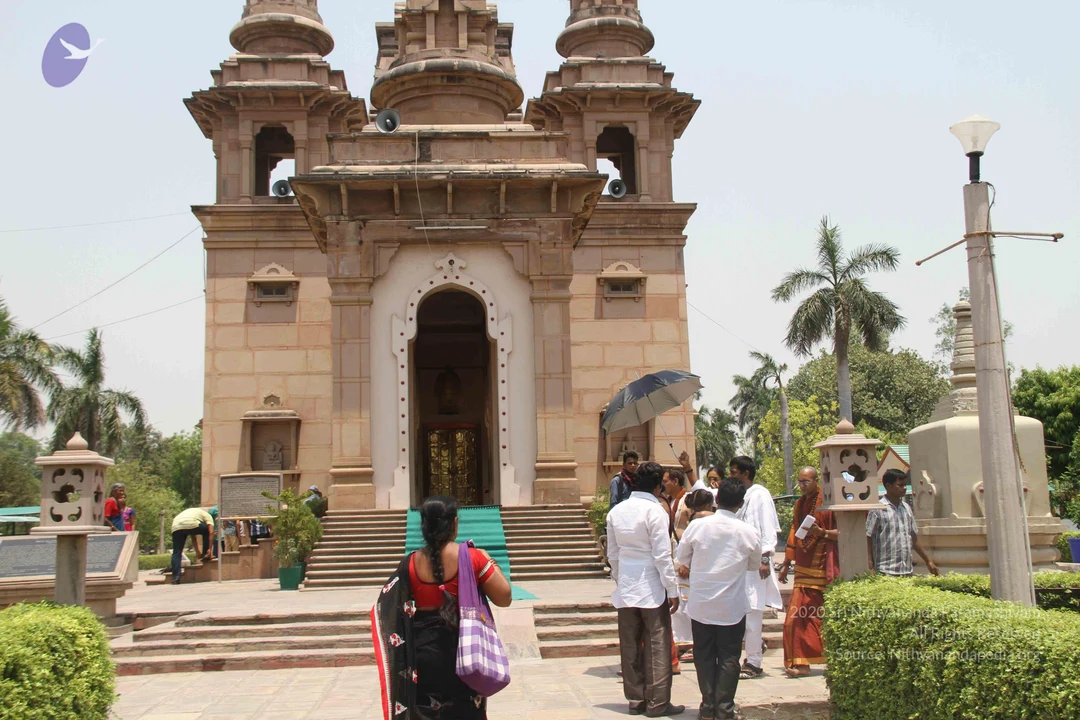
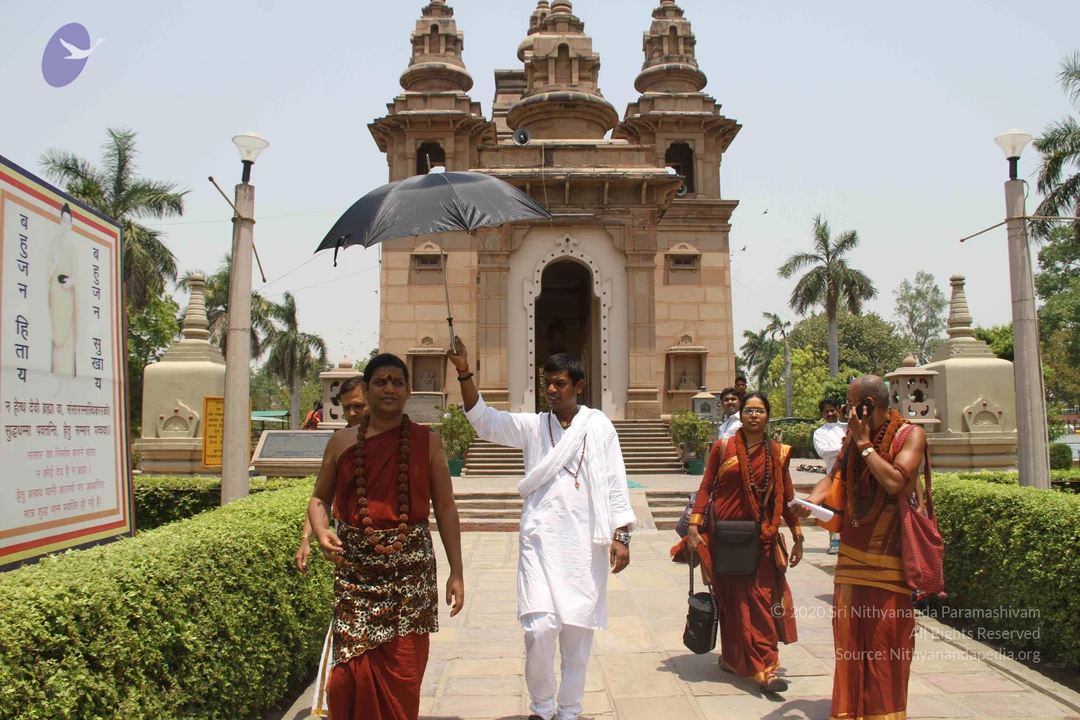
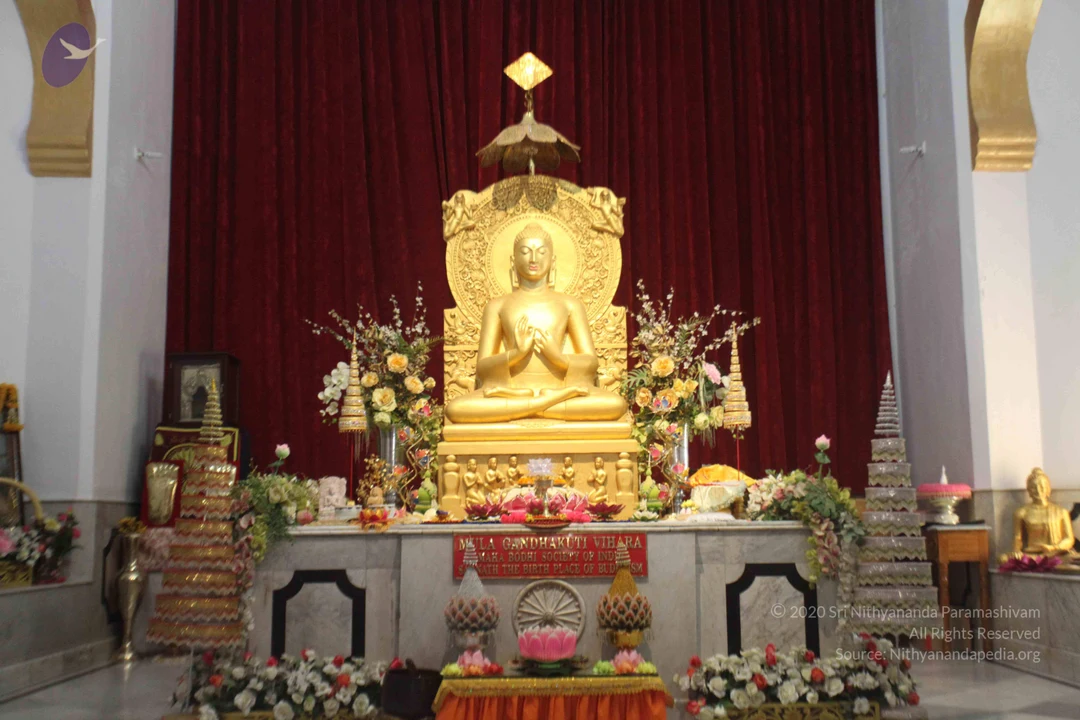
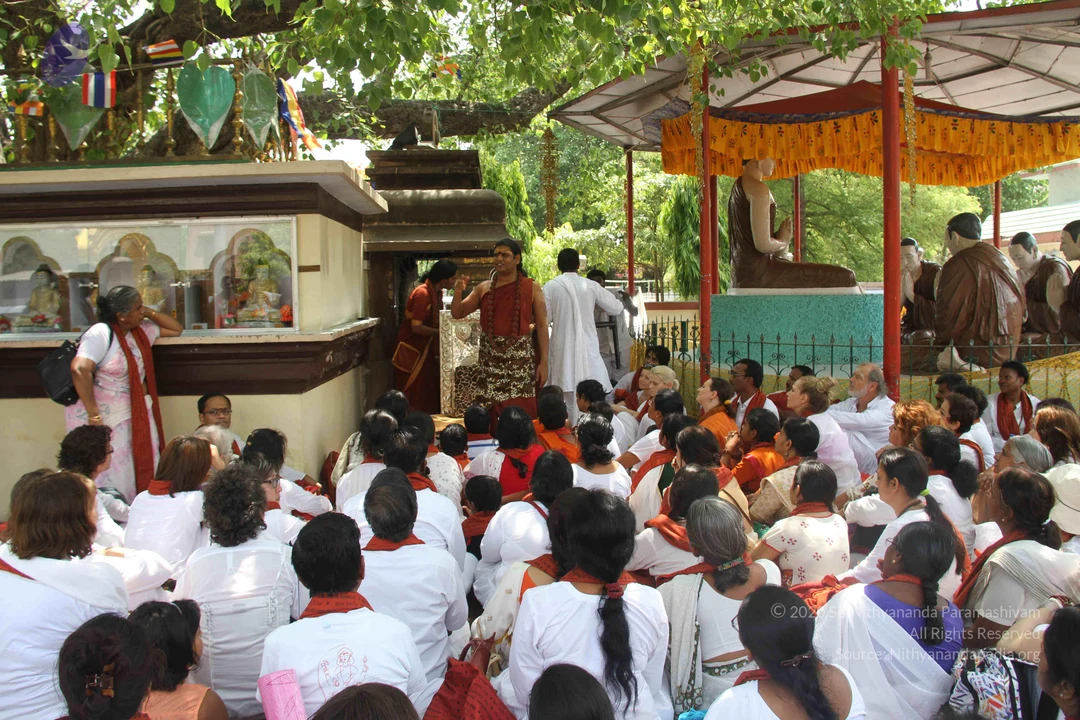
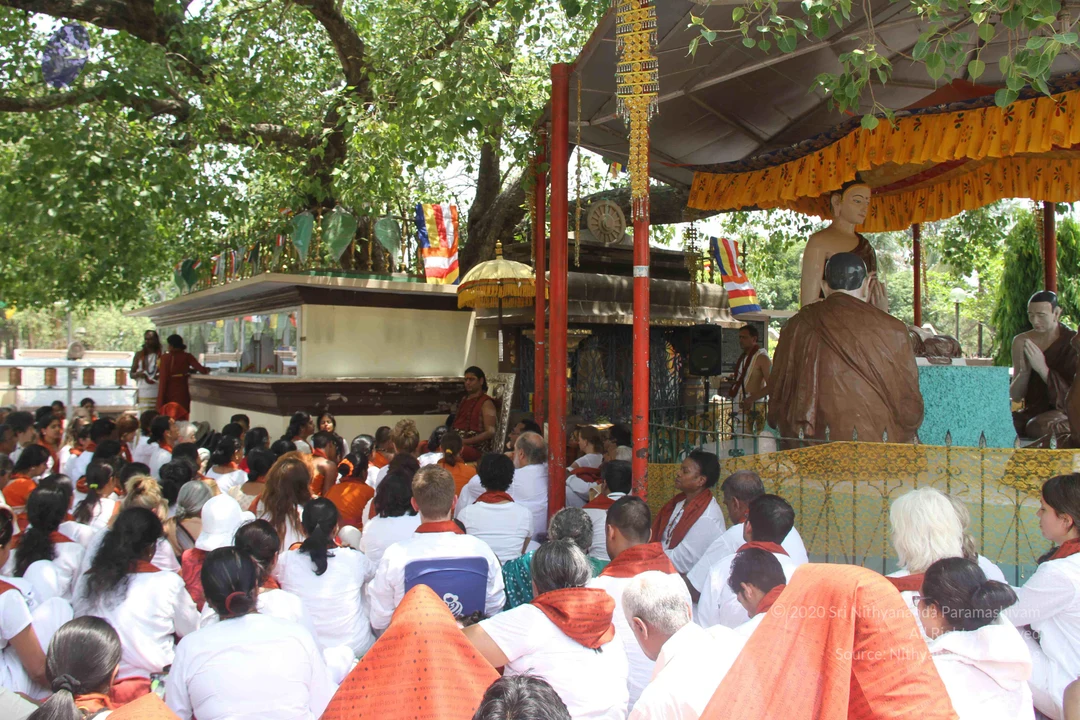
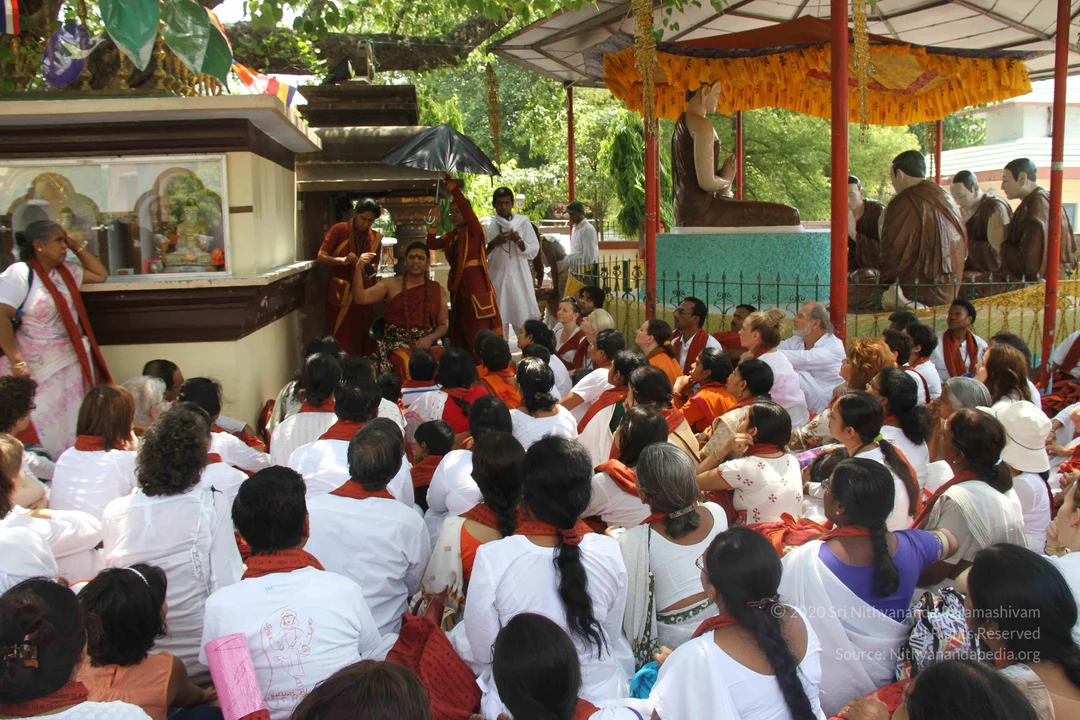
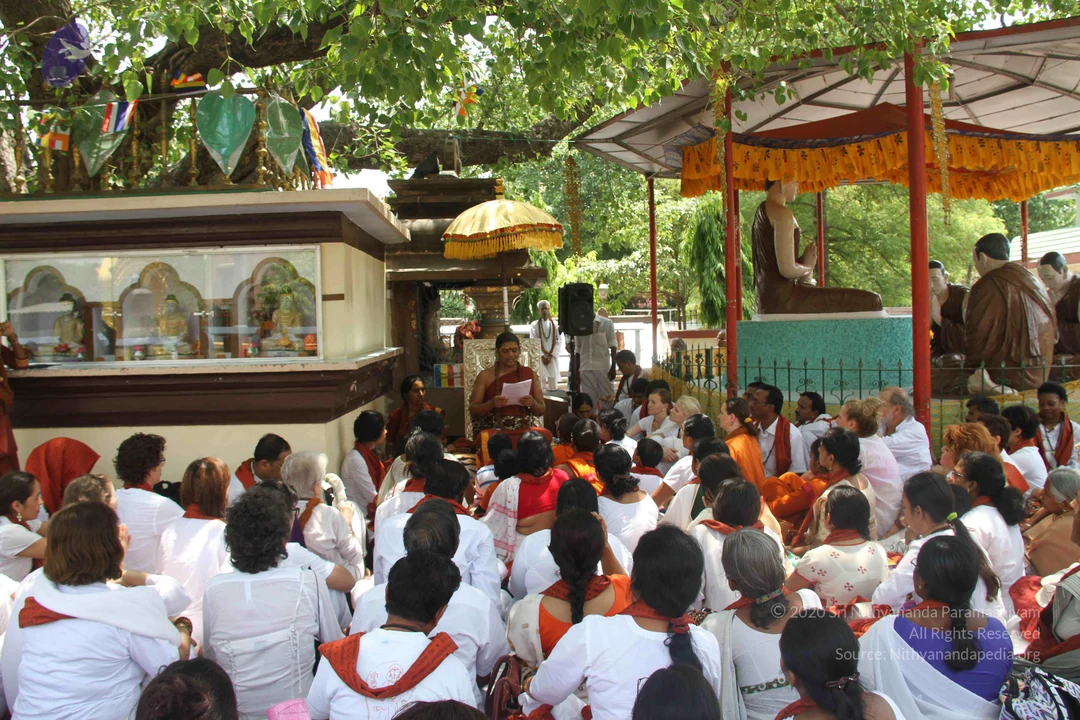
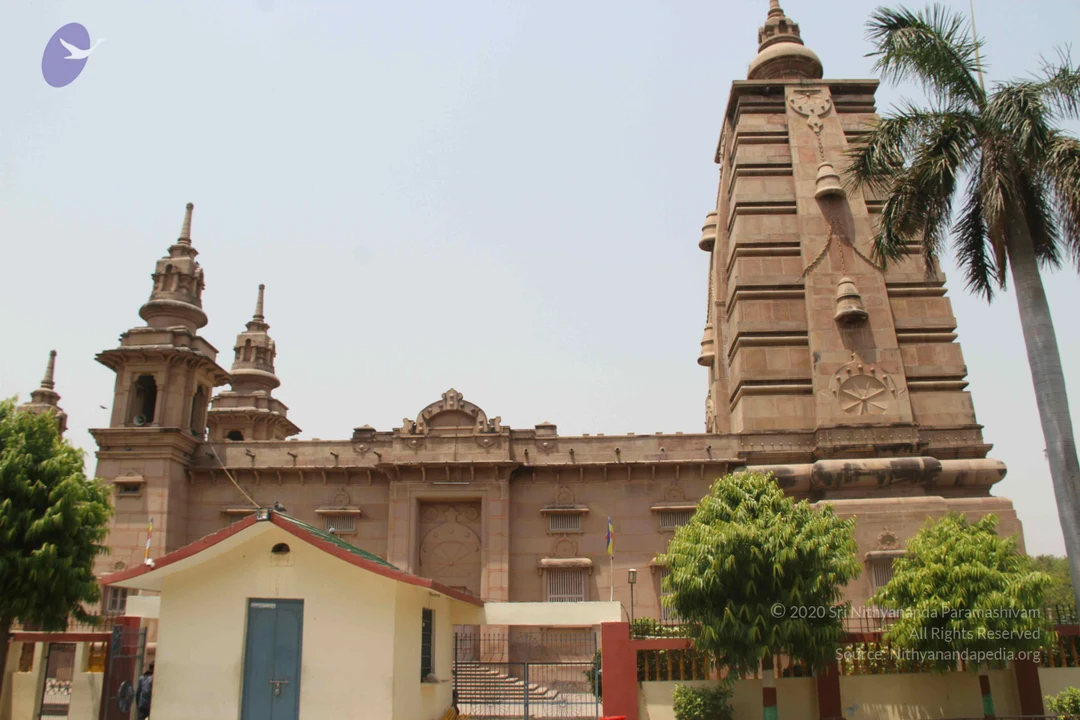
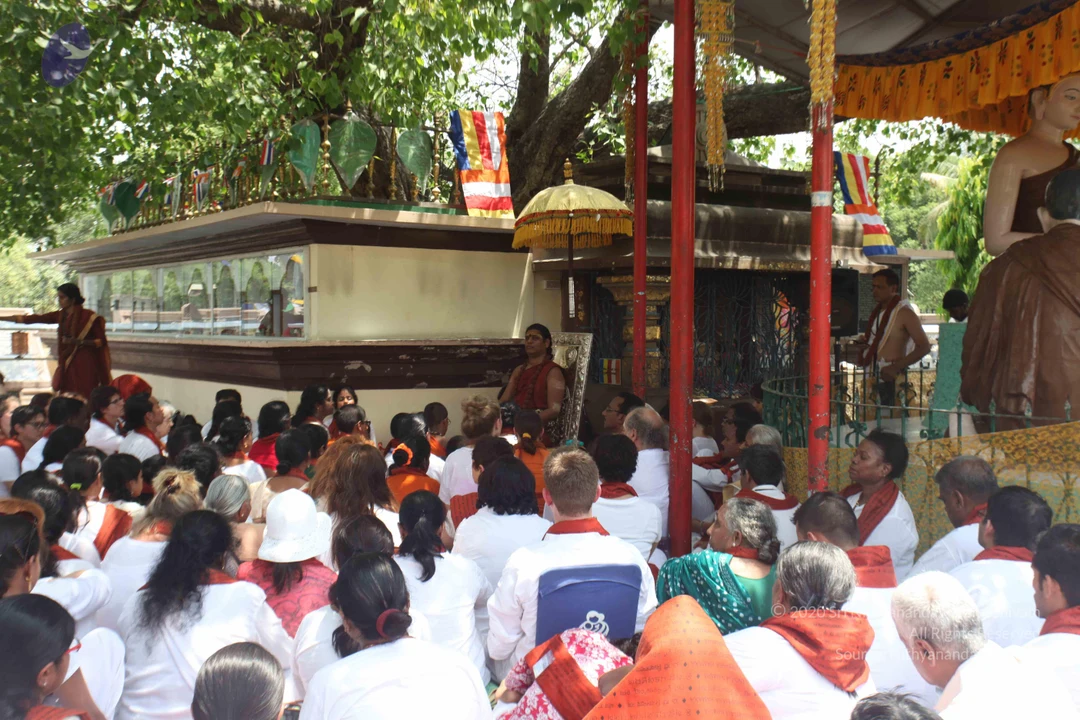
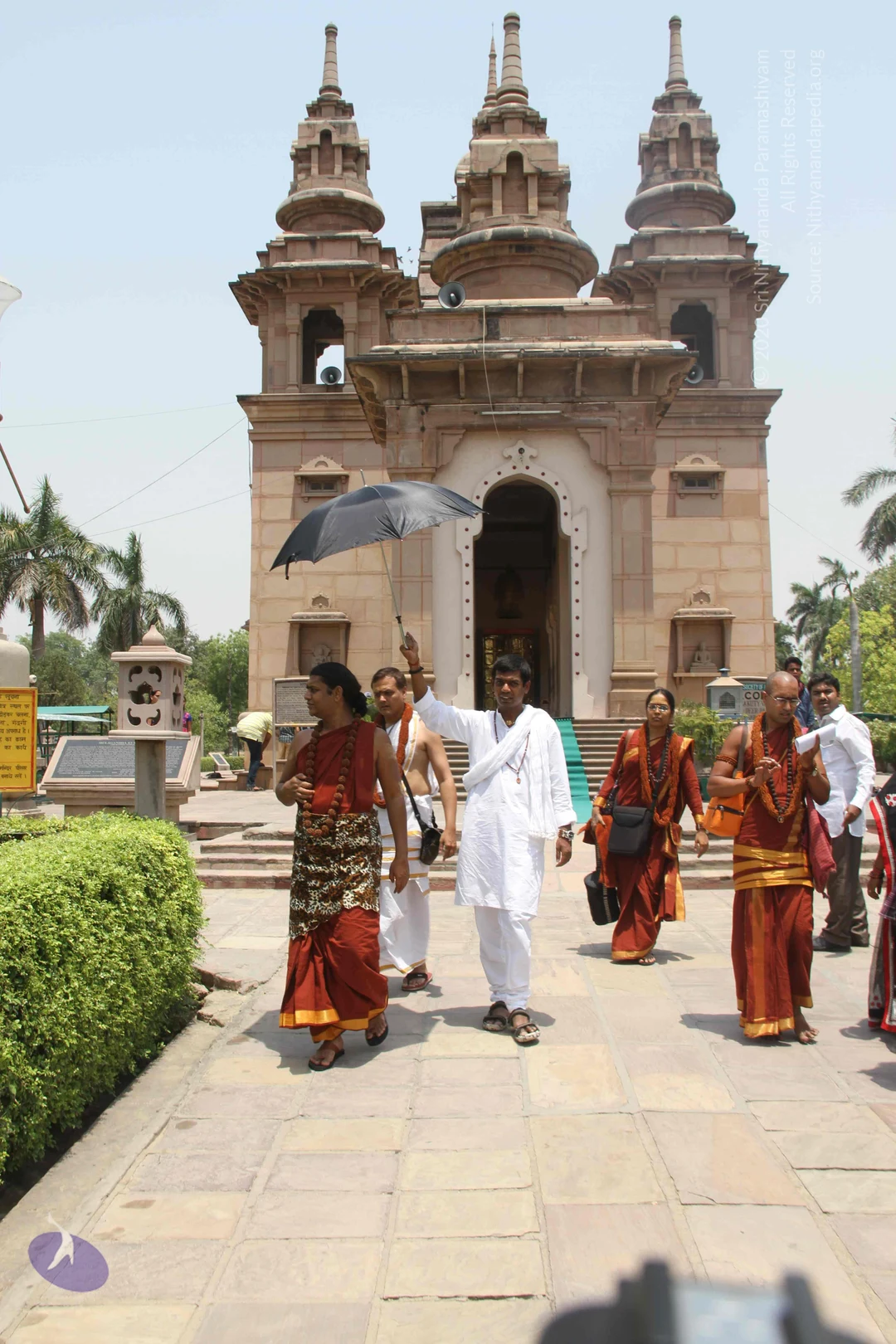
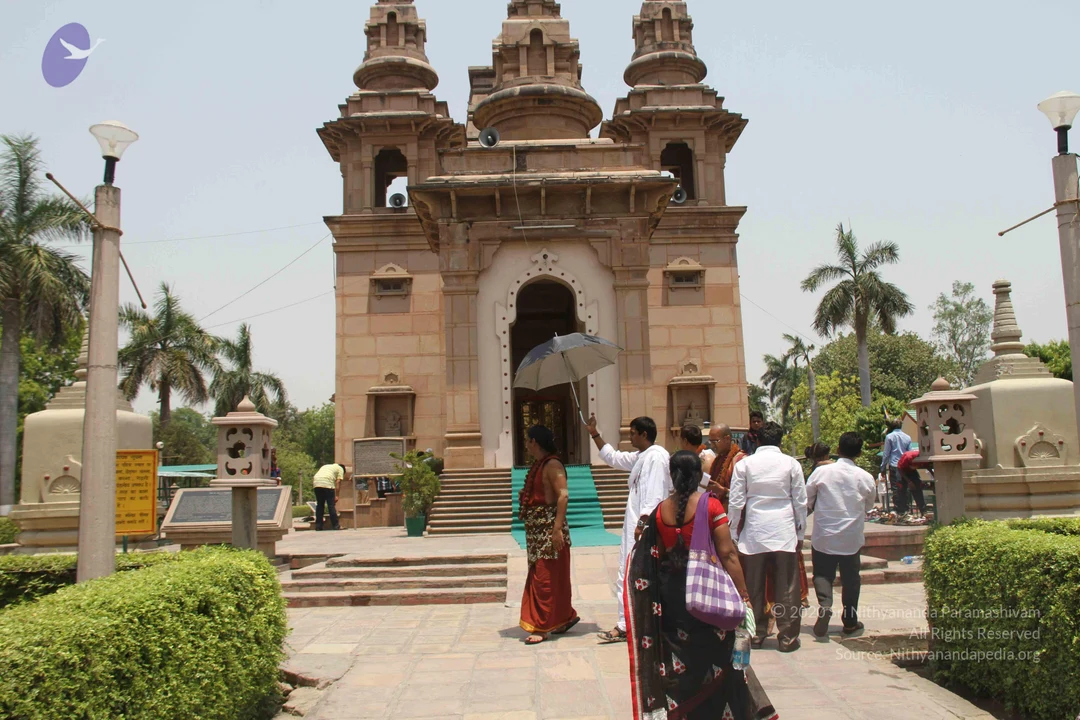
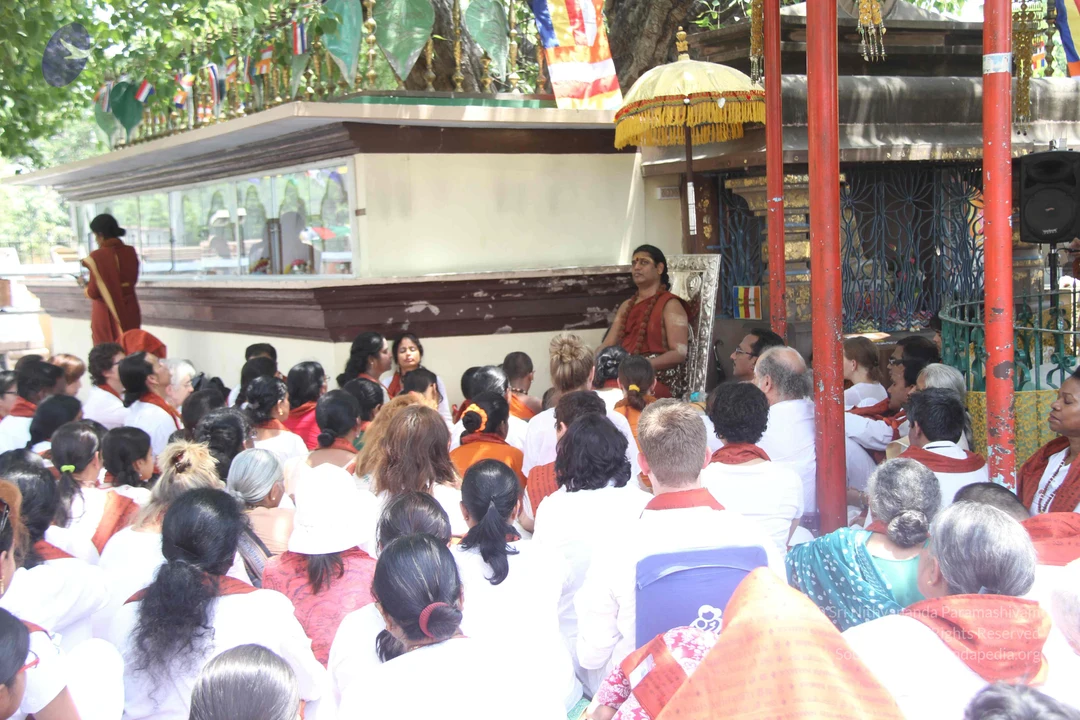
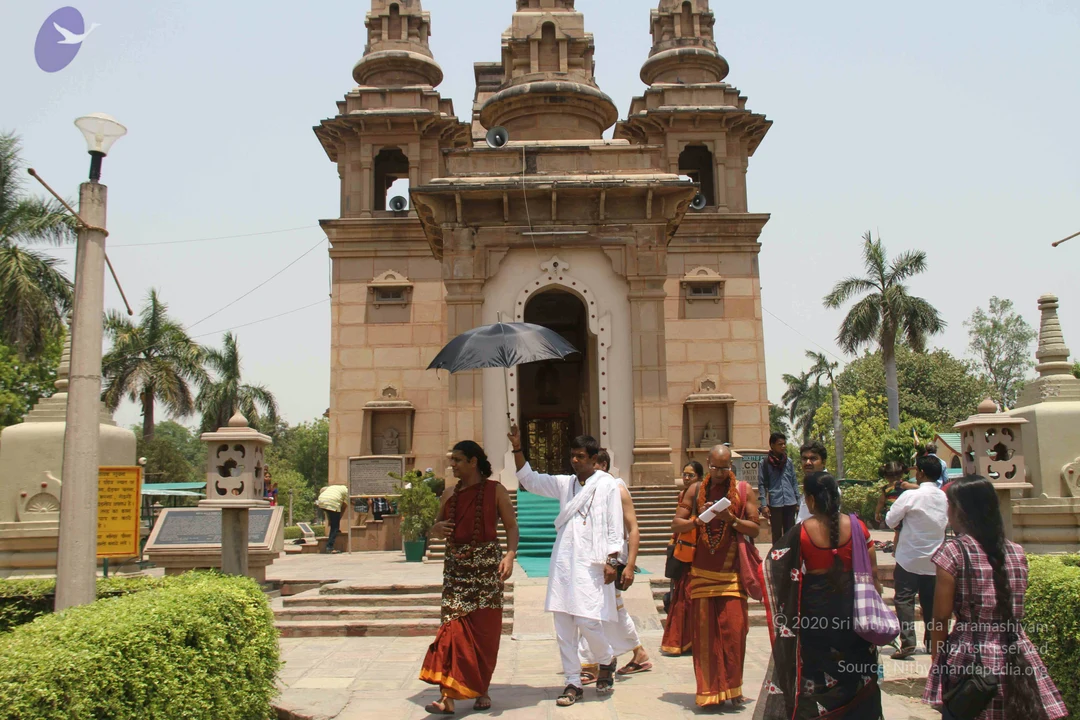
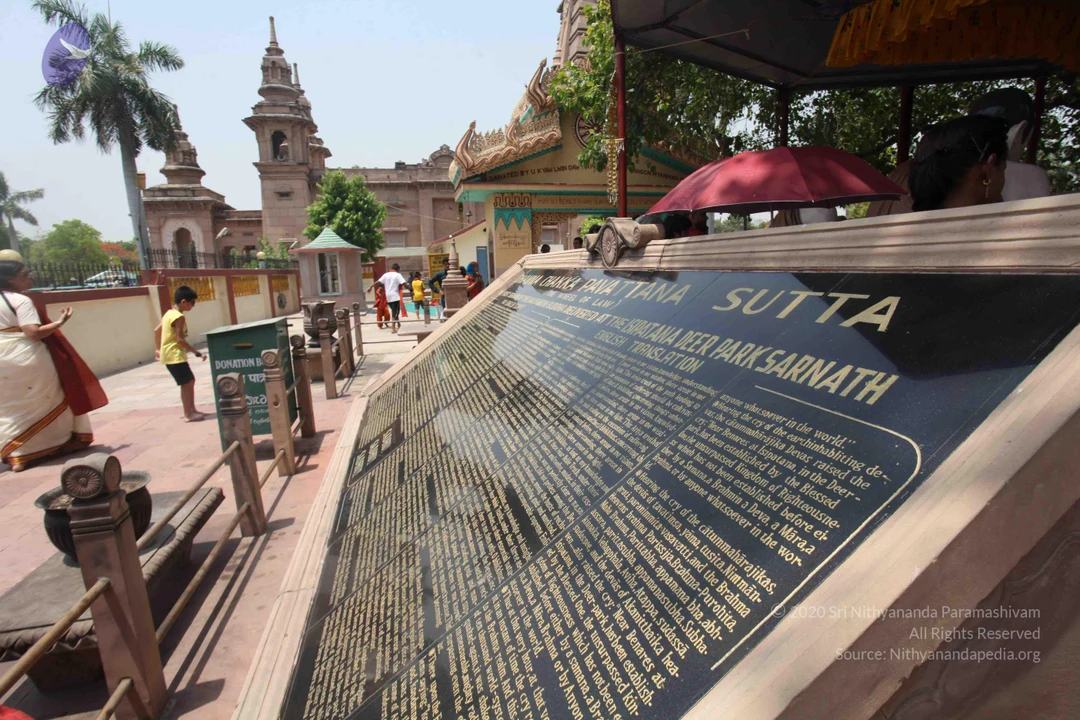
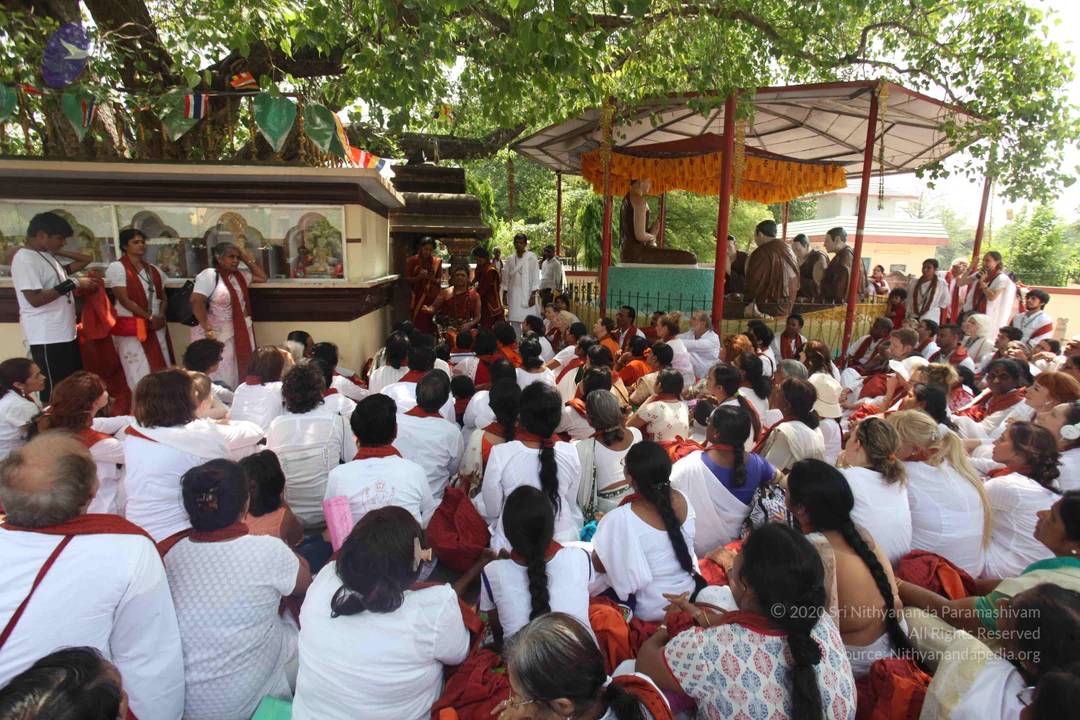
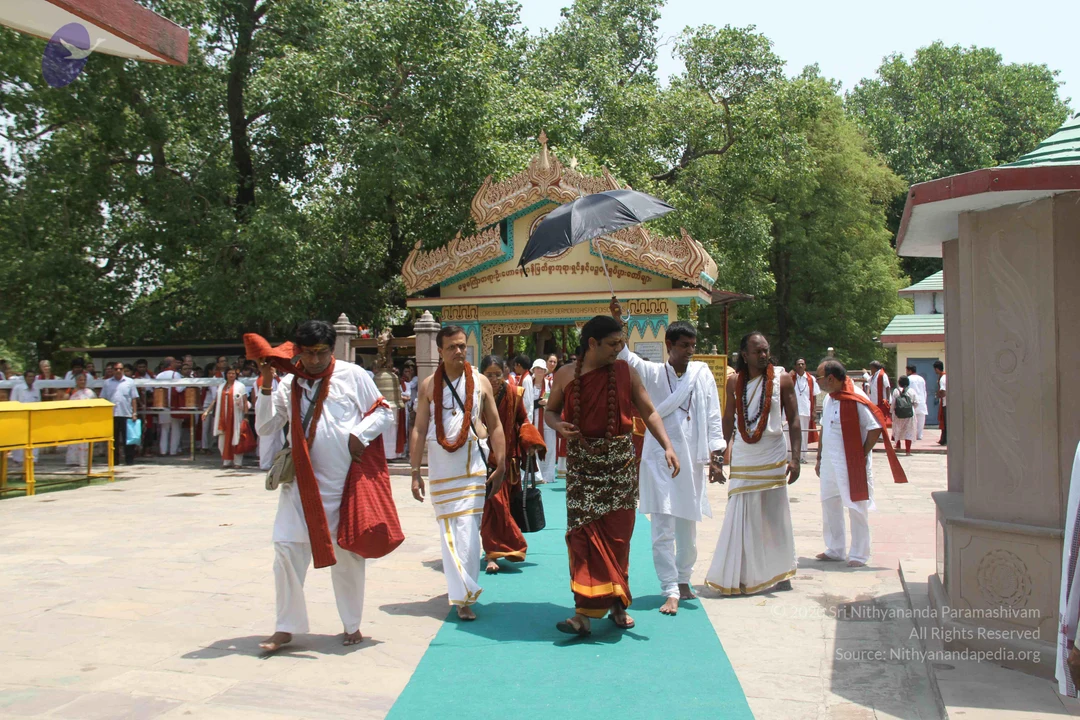
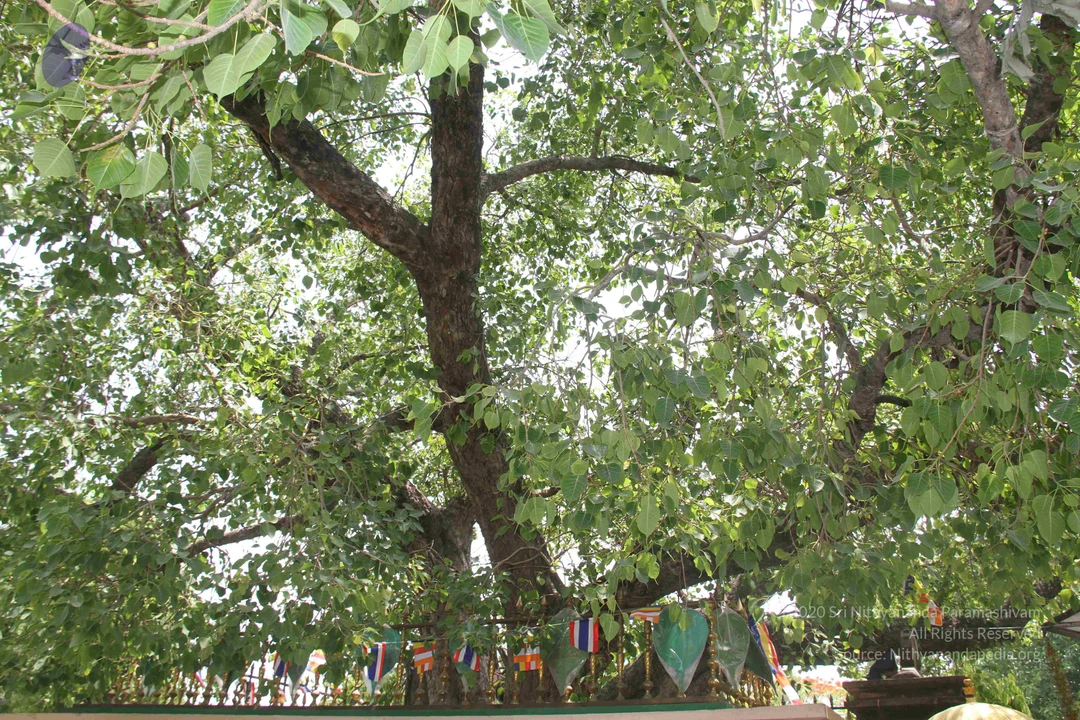
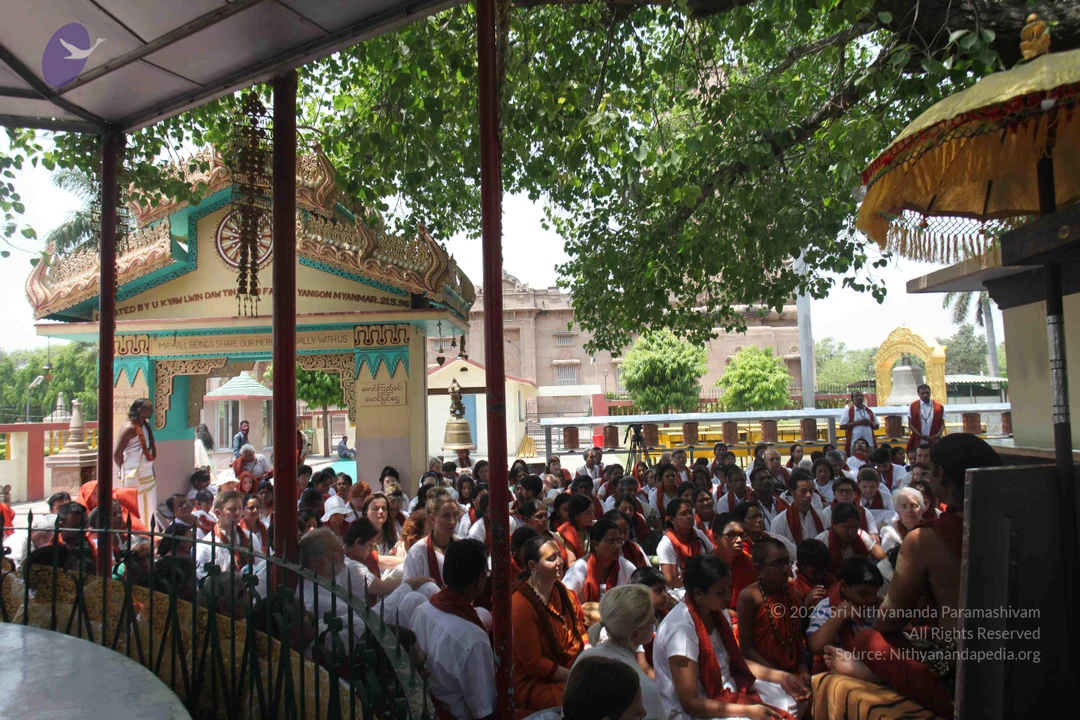
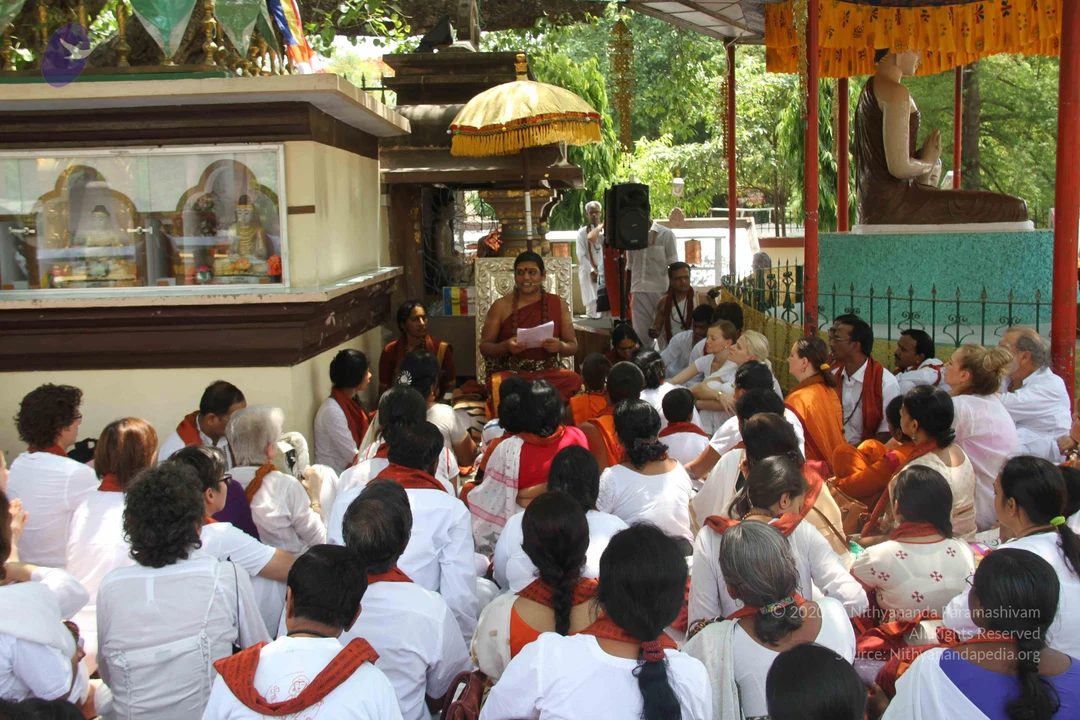
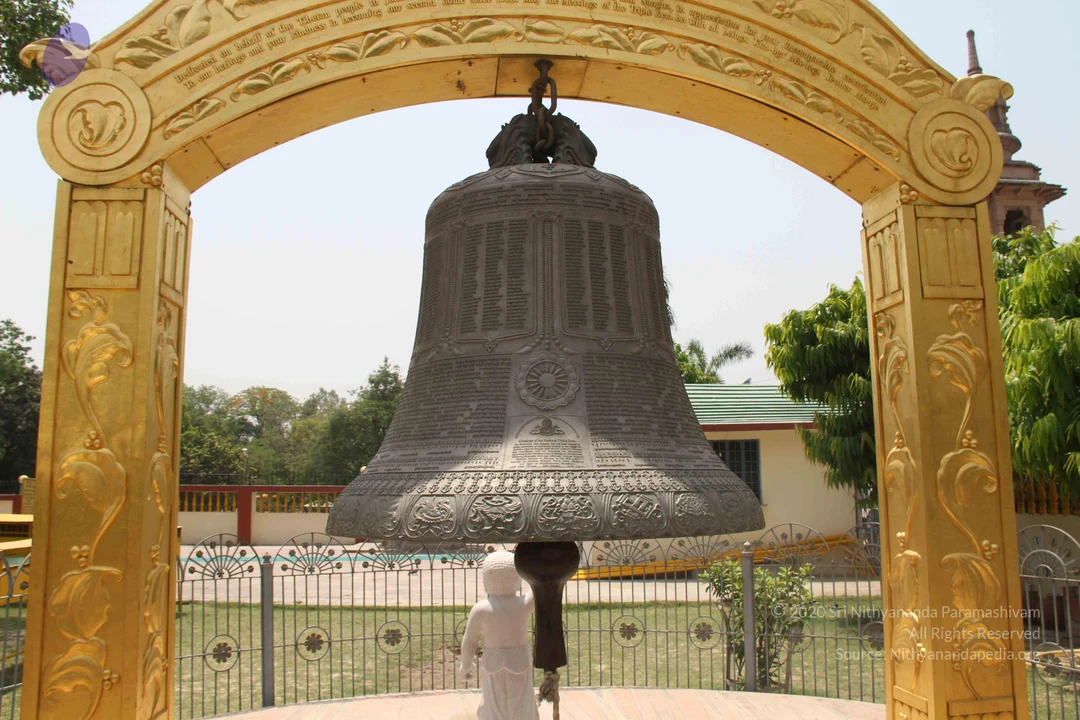
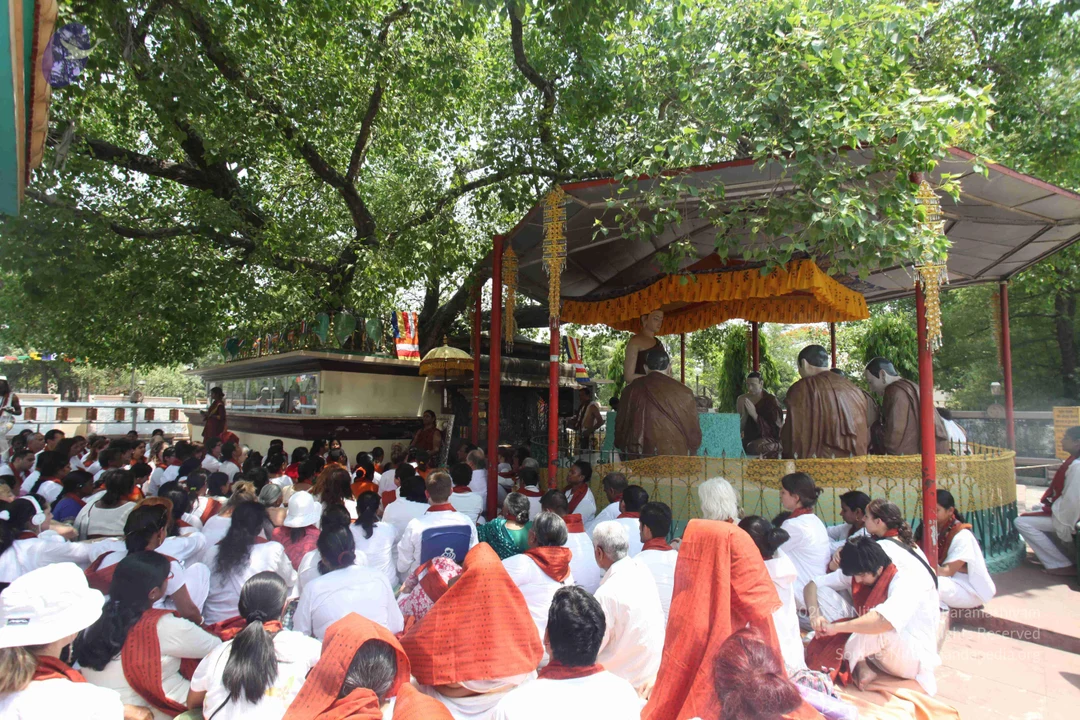
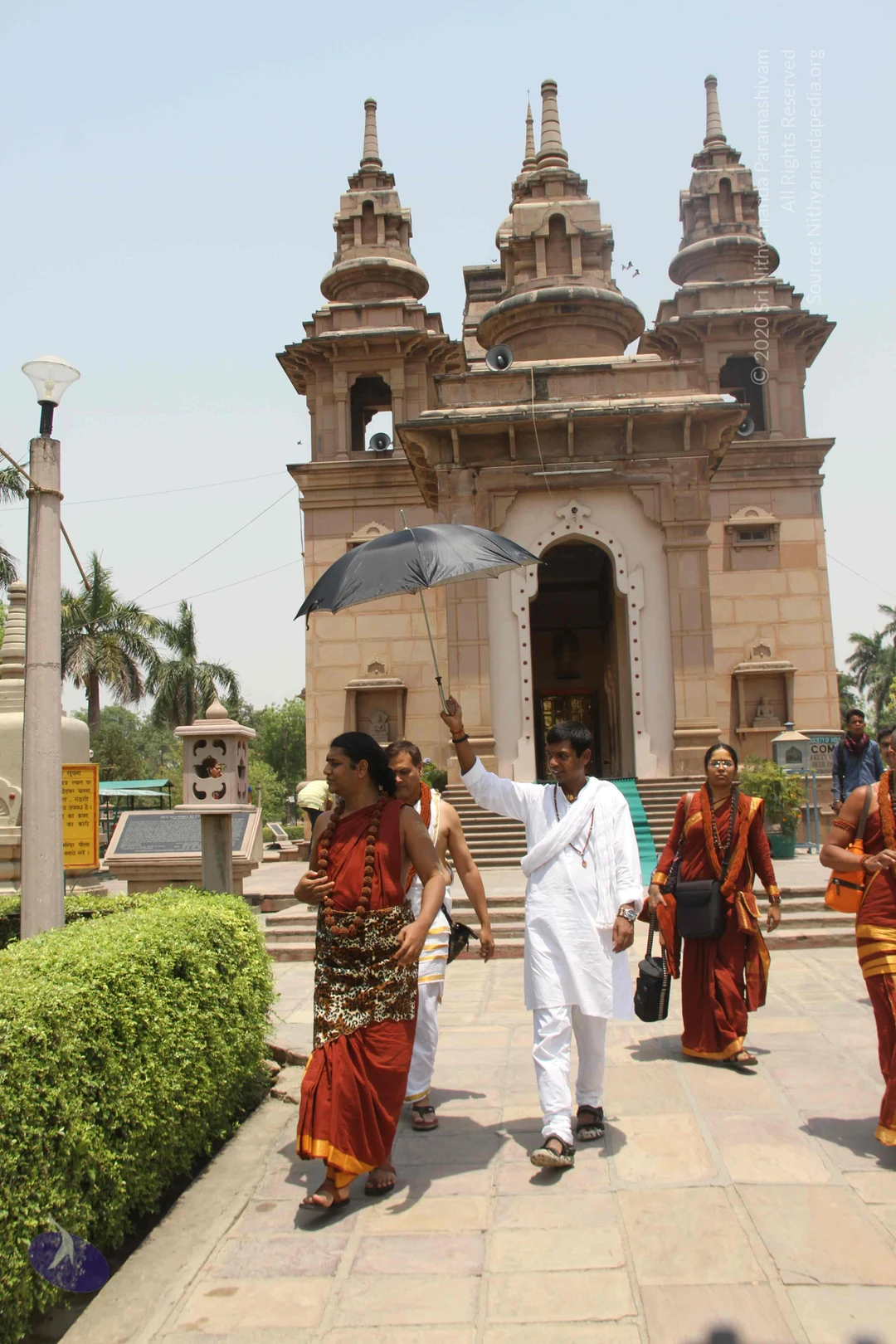
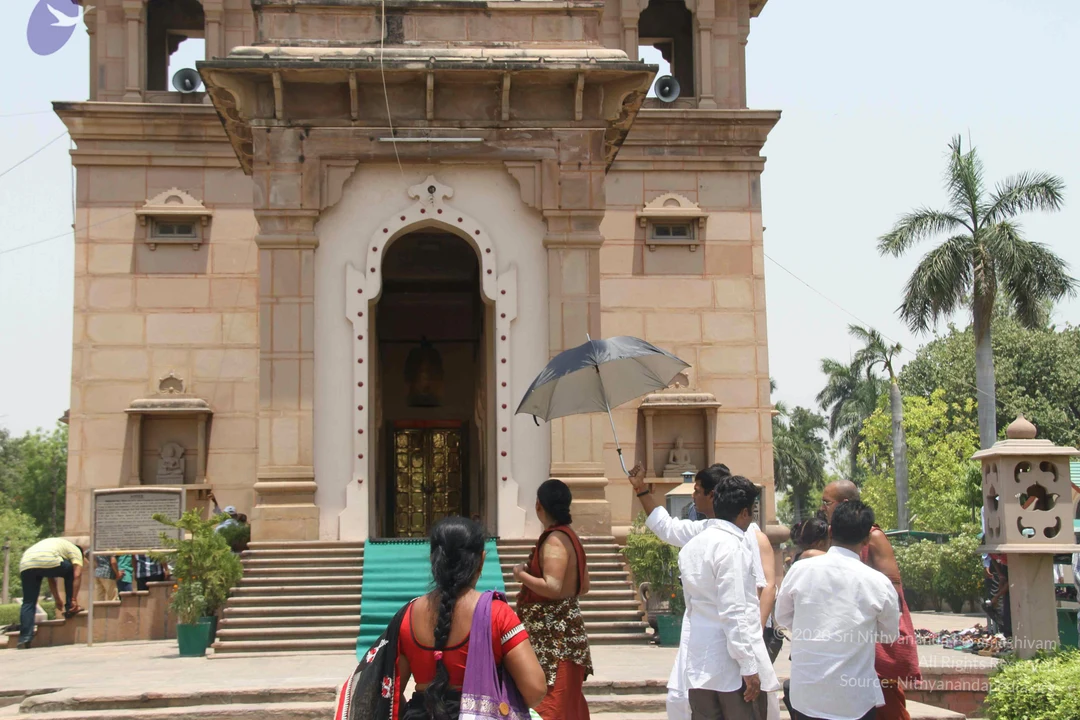
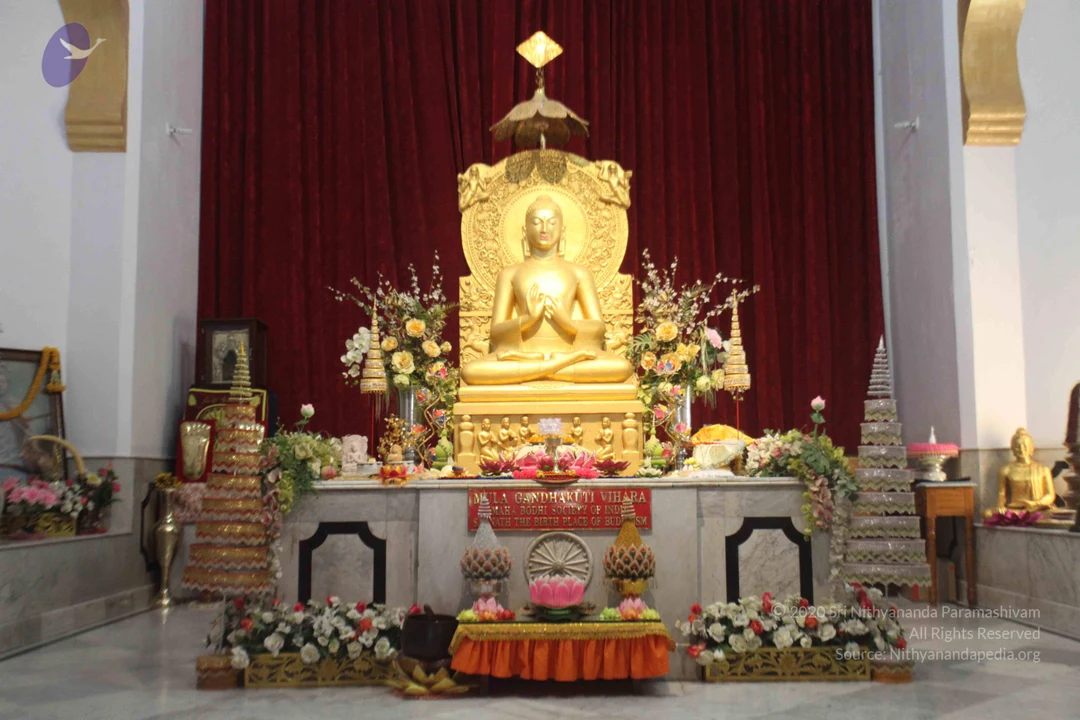
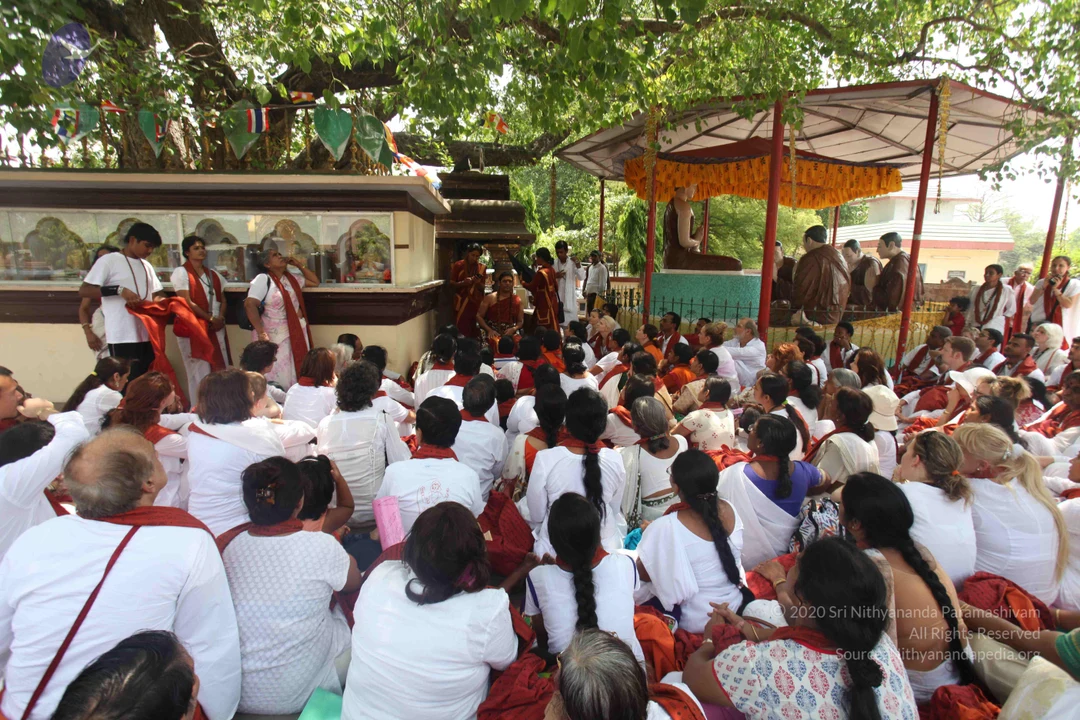
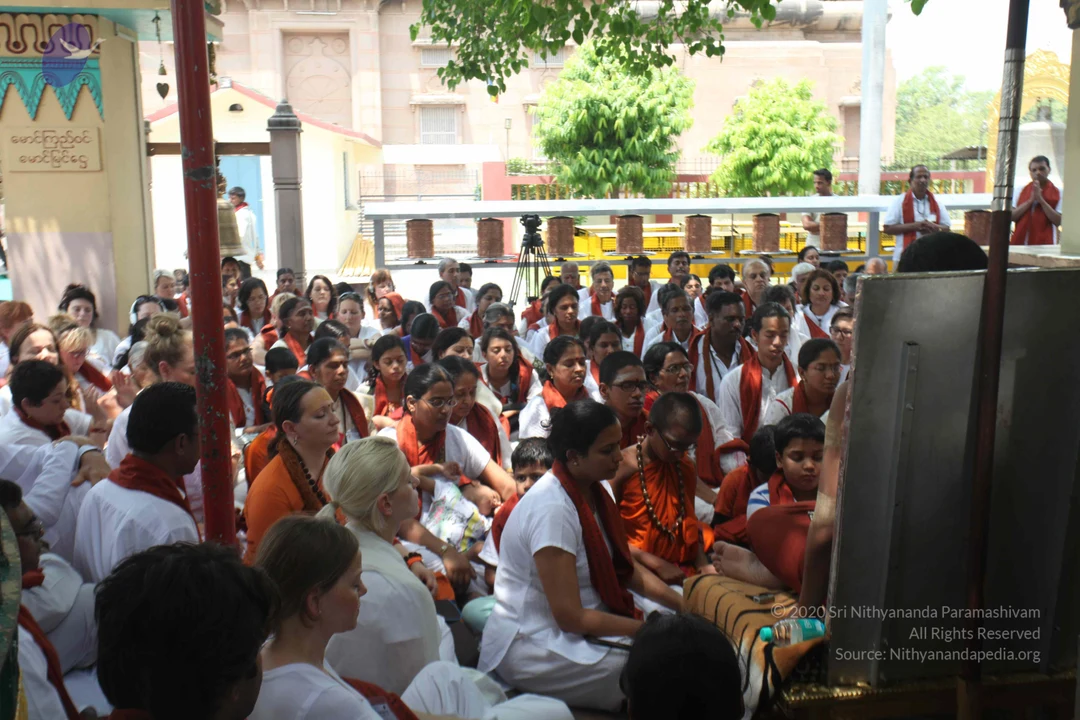
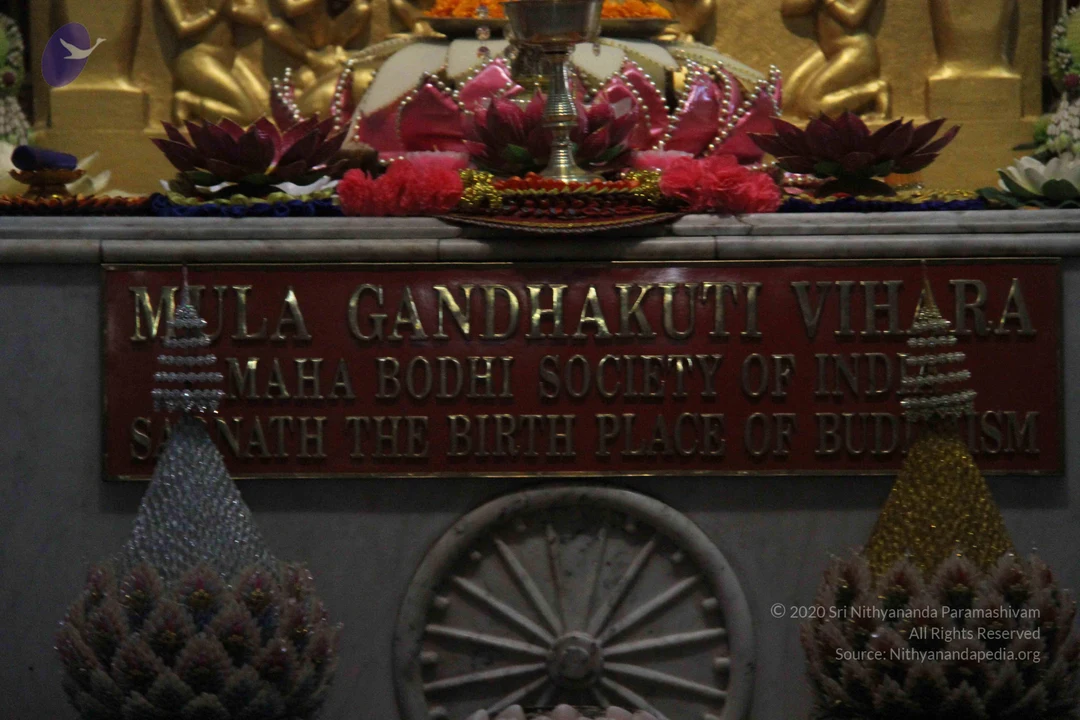
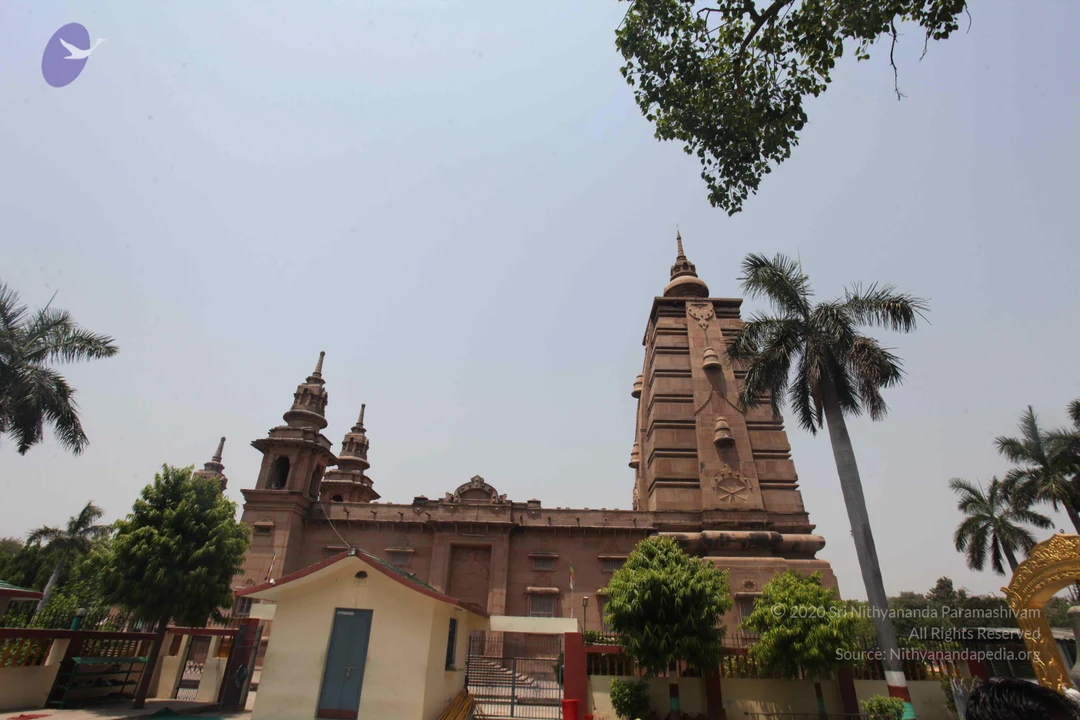
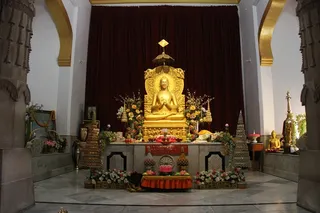
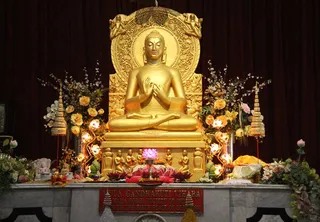
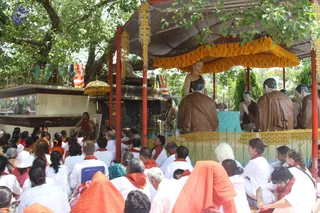
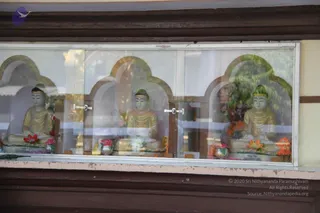
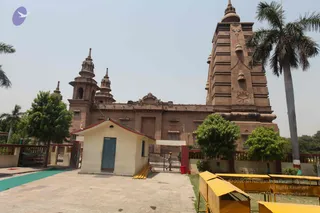
Next, today we are on the second day of Inner Awakening. As you all may be aware, the whole Inner Awakening programme is intertwined with visits to the sacred places, energy fields. Today is the day of Completion. So we are going to have the darshan of the embodiment of Completion – BUDDHA! Today we will go to Sarnath, the place where Buddha started teaching the Science of Completion. So from there we will have initiation into the Science of Completion. You may be wondering, being a Hindu Guru why am I starting the journey first with Buddha’s place. I wanted to put this on record: Being the Spiritual Head of the oldest apex body of Hinduism, Mahanirvani Peetha, and many traditional Mathas, Ashrams, Peethas. As per the definition of the Acharya Sabha – Acharya Sabha is one of the largest bodies in Hinduism – they define any organization older than four-hundred years, they call it as traditional Mathas and organizations. So, based on this scale, I am the Head of at least more than half-a-dozen traditional Mathas and ashrams and organizations. With that authority I want to tell and I wanted to put this on record, Buddha is incarnation of Sanatana Hindu Dharma, and even now the fifty-two branches of Mahanirvani Akhada, Buddhism is one branch. All the Buddhist monks and lamas are given the one branch respect in Kumbha Mela bhandara seat; means, one marhi; means, they will sit with us and eat and stay with us; the one quarters will be provided. Among the fifty-two marhis, one marhi is Buddhism. Unfortunately, Sanatana Hindu Dharma leaders did not tell this to the world.
Bhagavatha very clearly records Buddha as an incarnation before Kalki Avatar of Vishnu. Bhagavatha mentions twenty-four beings as incarnations and then says numerous will be happening. But twenty-four names clearly are mentioned. Buddha is very clearly recorded as an incarnation. I wanted to clear this confusion and I also want to put in record my strong condemnation of these separatists who are using words like “Buddhist religion”. I strongly condemn it! Buddhism, Jainism, Sikhism, are all just one of the traditions, sampradayas of Sanatana Hindu Dharma like Shaivism, Shakthism, Vaishanavism. And how the different sampradayas of Sanatana Hindu Dharma like Shaiva, Shaktha, Ganapathya, Kaumara, Sahura, Aghora, Vedanta, Shuddha Advaitha, Yoga, like different sampradayas of Sanatana Hindu Dharma, Buddhism, Jainism, Sikhism are all the part and parcel, different traditions of Sanatana Hindu Dharma. I am very clearly putting this on record.
And I also condemn strongly the efforts of separating Sikhism and Jainism by giving them minority status or trying to alienate them from the Hindu tradition. And I request Buddhist, Jain, Hindu brothers, do not claim minority status; let us all be together as brothers. Globally we are minorities; let us claim that. Globally we are minorities; let us claim that. Let us not separate ourselves as pieces for the small dry-bone minority benefits.
So, with this, at least I am declaring my stand, the stand of me in this whole issue. Today I am taking a few minutes to clarify this; because constantly this question was raised to me. I never took time to answer this question. That is the reason today I am taking a few minutes to clarify my stand and answer this question once for all.
So, today we will start our journey by having darshan of Buddha where Buddha started teaching this great Science of Completion. Buddha is embodiment of Completion and we all Hindus should start respecting and feeling one with Buddhism. Just like our different traditions. See Sanatana Hindu Dharma gives you such a beautiful space, your ishta nishta, your sincerity towards your chosen ideal never gets diluted, disturbed, by imbibing the great truths from various traditions. I always tell people, don’t go to religions or traditions which says don’t go to others. That’s all. Actually with this one definition, the whole division is clear – who are quality-based traditions, who are quantity-based traditions. Quality-based traditions and quantity-based traditions. Religions can have social dos and don’ts; but just social dos and don’ts do not constitute a religion. Religions can have social does and don’ts; but just social dos and don’ts does not constitute a religion. Anyhow, with this I will move.
Today you are all going to have initiation into the Science of Completion, a great science which purifies your inner organ, your psychological organ. I call it as “inner-space”. I don’t want to use the word “mind” because that word is too loaded by the western psychologists. The funny thing is the psychologists and psychiatrists, they are the largest suicide profession, you need to know that. Largest number of people commit suicide in that profession. And these fellows go on counselling, advising the world. That is why, I am telling you, so much of suicide. These modern-day psychologists, psychiatrists, the people who are in that field, they are responsible for all the suicides. Because they themselves strongly believe solution is not possible; and the way they define each technical term shows very clearly solution is not possible.
Please understand, in future – I am very clear again, I am not talking out of pride or arrogance I am just straight– future, I will be well-known as “definition specialist”, because of my definitions for every technical term. Please understand, all my definitions are solution-oriented. The way I define “incompletion” simply will lead you to Completion. Incompletions, see the word “incompletion” can be defined from impossibility or from the angle of possibility towards Completion. You being in a problem, physical or mental, continuously, is going to be the income source of somebody; then how do you expect they are going to cure you? What a foolish expectation to have? Your disease is their income source. Then how do you expect they are going to cure you? Your health is my passion. Your health is my success. Your enlightenment is my pride. Your physical health is my passion. Your mental health is my success. Your enlightenment is my pride. Understand that is why day in and day out, I am able to sit and continue to do this work, but satsangh never gets delayed. Sometimes sun rises little early or late but satsang never gets delayed. We have become more integrated than Sun and the Moon. Please listen. Again not for pride, I am telling you very clearly, your body and mind is their source of income. How do you expect they are going to heal you?
The definitions of the field of Psychology, each definitions they have given for the technical terms, I tell you, it is literally a terrorist attack on humanity! No, the way these fools have defined the word “mind”, I don’t want to use that word anymore. This Sigmund Freud and Junk – Jung only I call “junk”! Sigmund Fraud and Junk. No, really. See, I have nothing personal against them. But for the pollution they did to the human consciousness, the corruption they caused to human consciousness....God! I don’t want to use the word “mind”. That is why I am using new word – “inner-space”, psychological organ which you are carrying, “inner-space”.
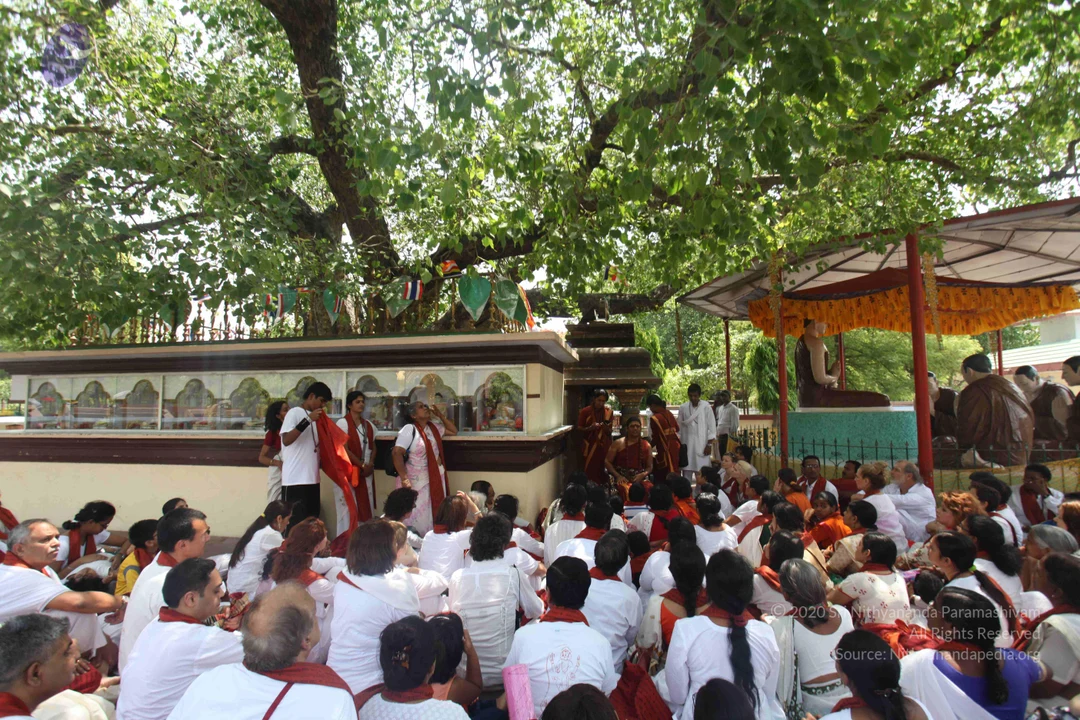
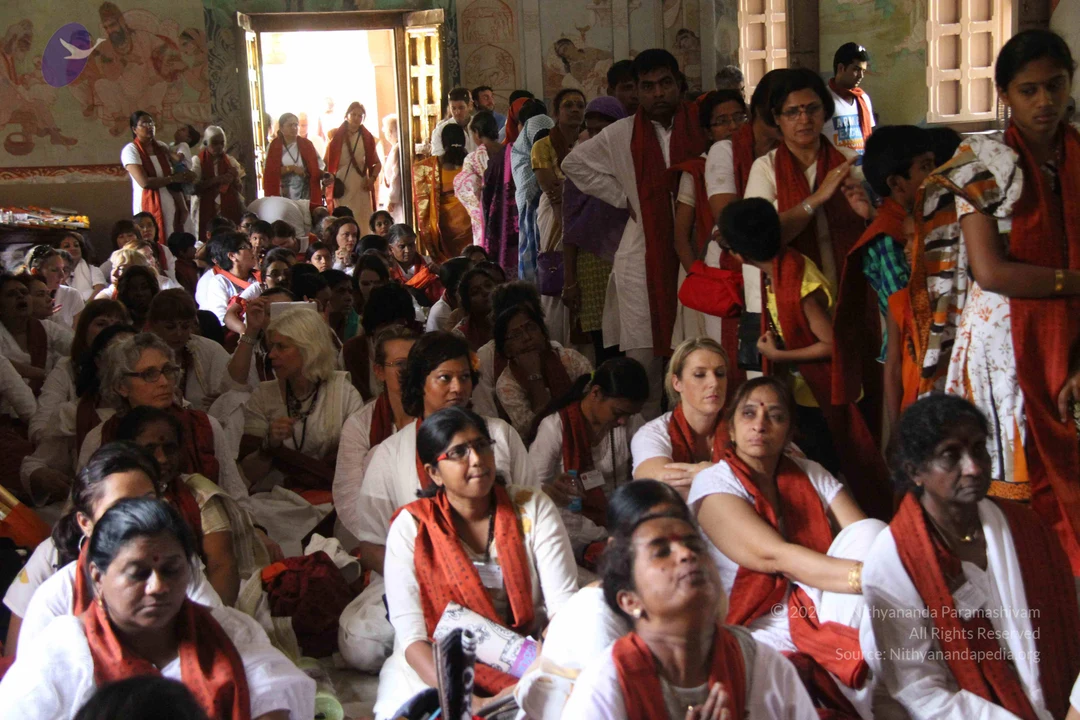
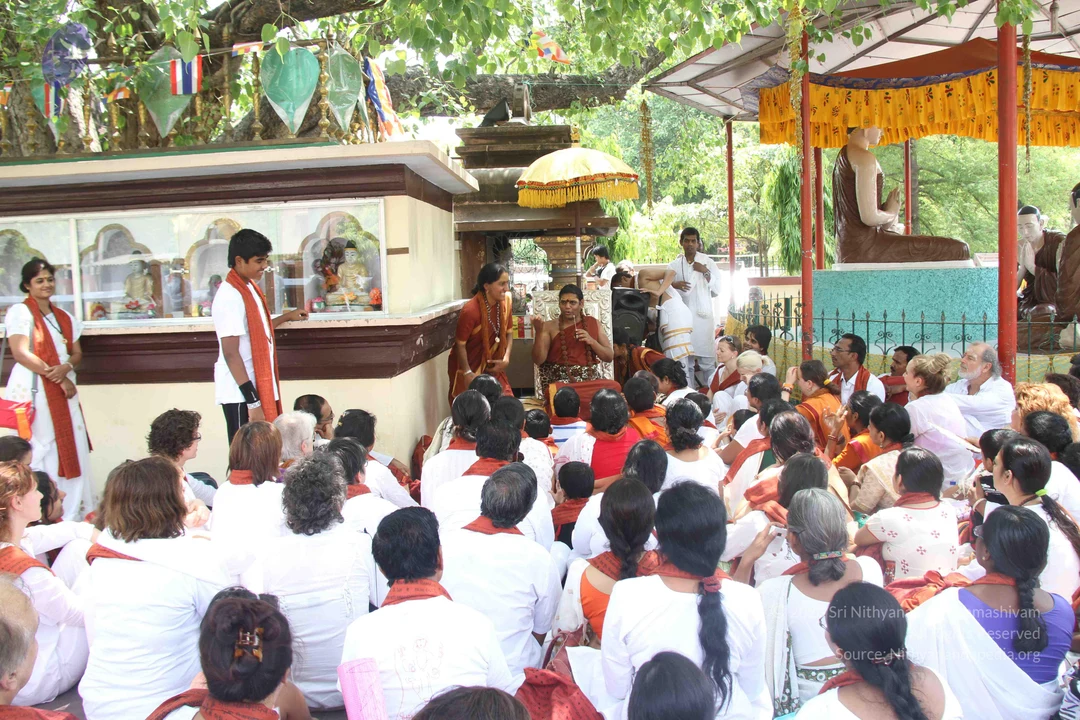
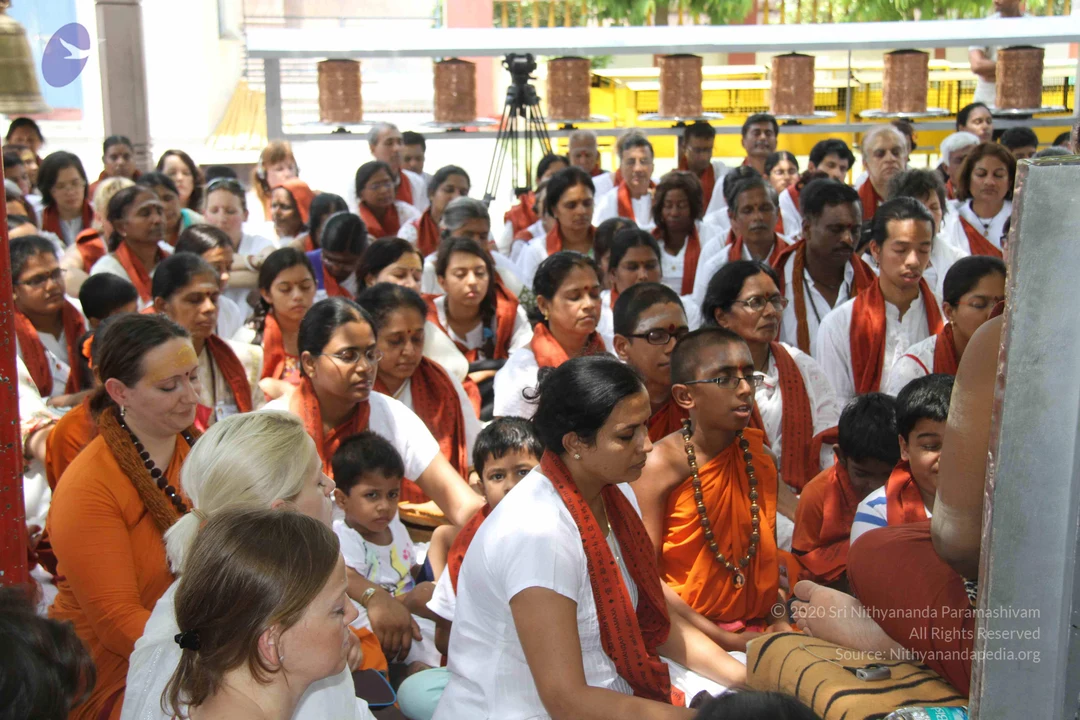
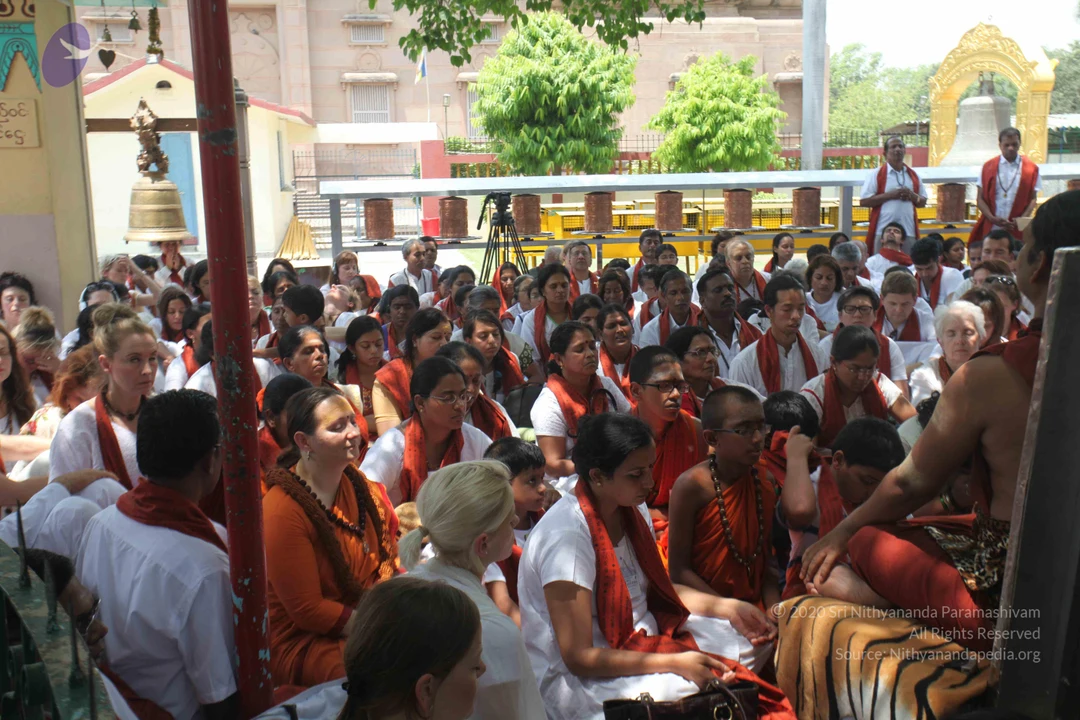
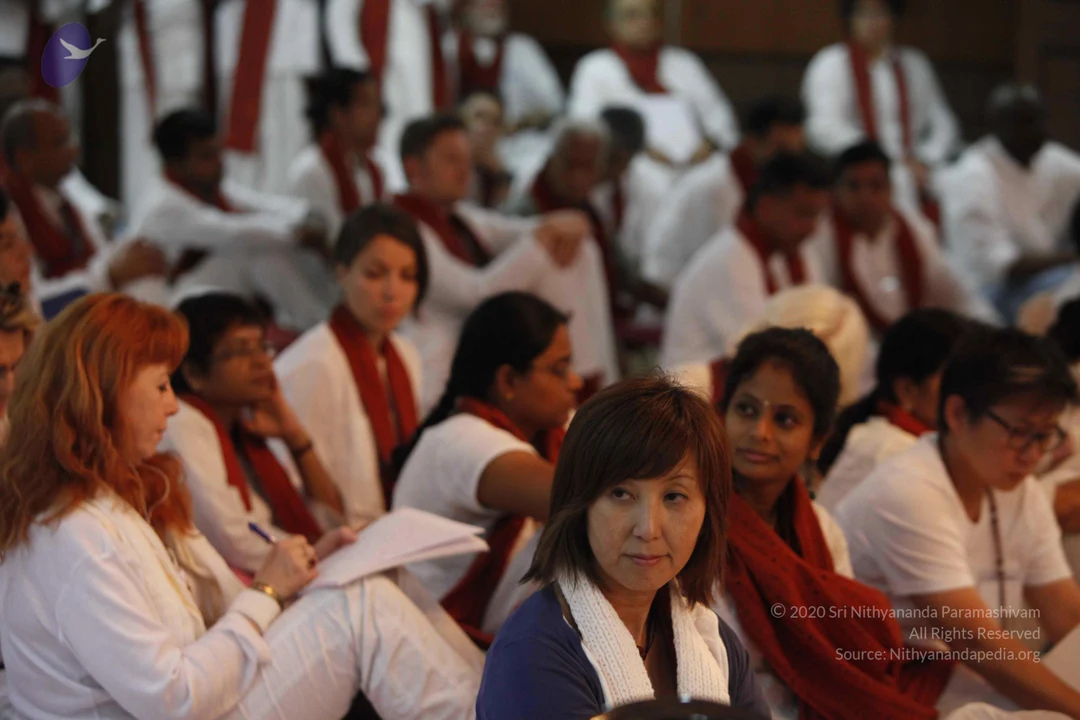
To remove all the incompletions from inner-space, the process of Completion which you need to go through today, you will be initiated into it. Understand, ultimately Completion is a space, not process. But as long as there is incompletions, removing them, discarding them, relieving them, is called Completion Process. Today all of you are going to have formal initiation. If the situation permits, there itself I’ll give a full instruction on Completion. If the situation is not that conducive for all of us to sit and you are able to hear what I am talking – I don’t know whether we will be allowed to have microphone – if the situation is not conducive, I’ll formally initiate all of you. Then we will come away and continue the classes and sessions and techniques in some other place. But the exact original spot where Buddha started teaching this Science of Completion, we will start the process from that spot, we’ll start the initiation from that spot. I am trying almost to tune in the places we are going and the processes we are doing. Almost ninety percent we have aligned it, we have aligned it. The remaining ten percent is more like a jolly ride it is not directly related to the process; just like that, jolly ride; just to spend time together, chill out, hang out, all these modern-day technical terms.
I wanted all of you to hear few things about Buddha. I know most of you already know about Buddha much. But just I wanted to give you formally a few words, because you need to carry tremendous love and respect; only then you will be able to enjoy that energy field.
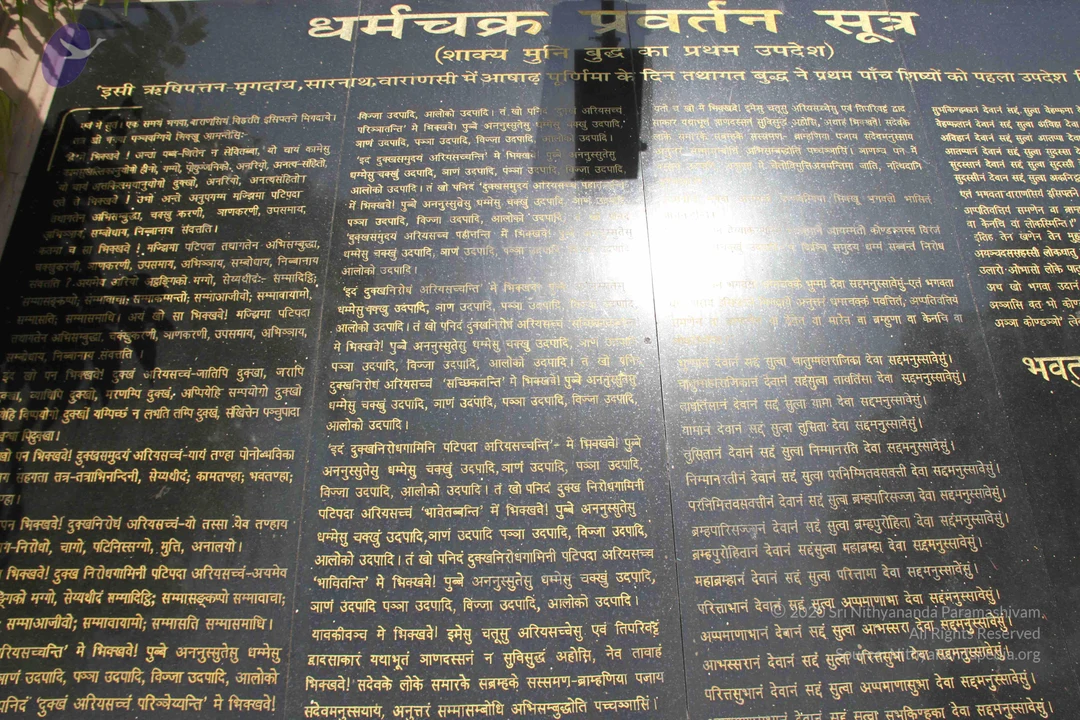
Buddha is one of the greatest incarnations who happened on Planet Earth, who shared the Science of Enlightenment. I tell you, he is responsible for keeping still the Science of Enlightenment alive on the Planet Earth. Our sampradaya bhedas cannot take away his whole contribution itself. We do have sampradaya bhedas; means, the internal understanding and misunderstanding. That is OK. Just because of that we cannot discredit his whole contribution. His whole contribution, his contribution to the Science of Enlightenment is unimaginable, amazing! He is responsible for keeping the Science of Completion, Science of Enlightenment alive. His impact on the intellectual dimension of Sanatana Hindu Dharma is unquestionable. Anything you read today – Upanishads, Agamas, Tantras, the commentaries on Advaitha Vedantic literatures – everything has his influence. Please understand, even our rituals have his influence. And he is one of the greatest incarnations. The place we are going to go today is the energy field where he started rolling the Wheel of Dharma; means, where he started preaching, enriching the world with this Science of Completion.
I bless you all. Let you all radiate with Integrity, Authenticity, Responsibility, Enriching and Causing eternal bliss, Nithyananda. Thank you.
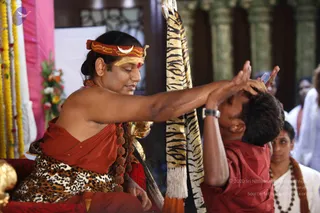
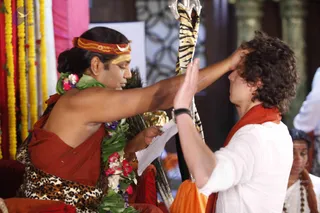
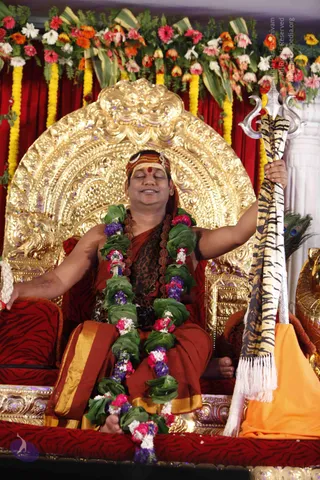
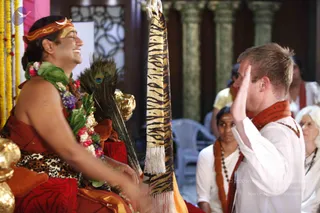
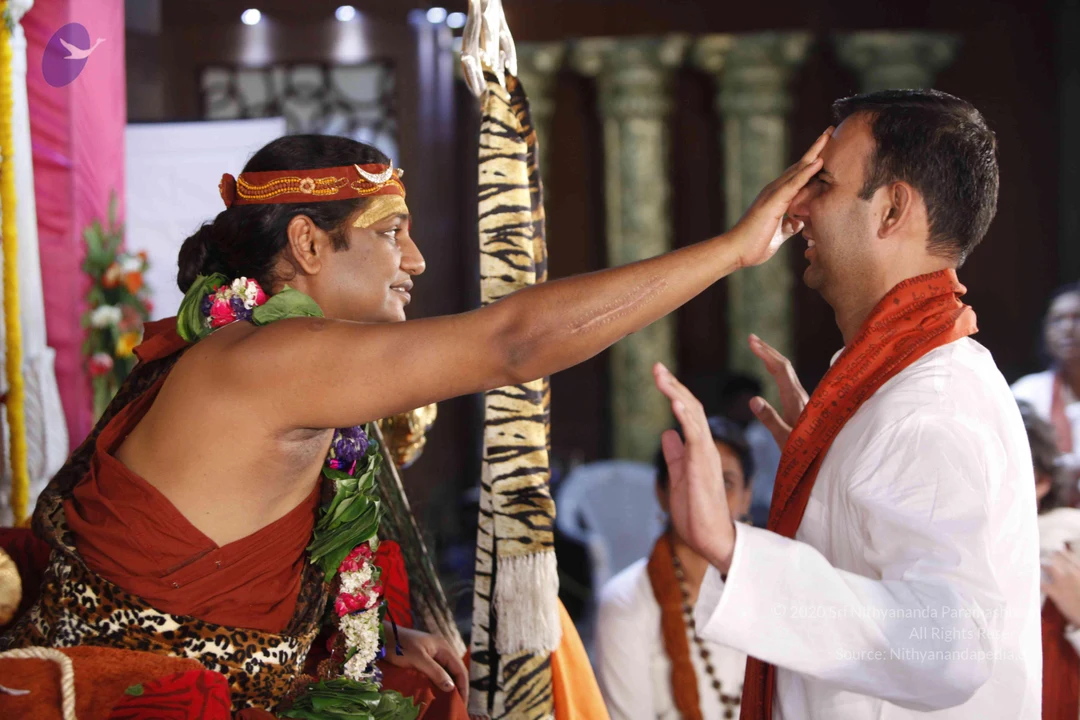
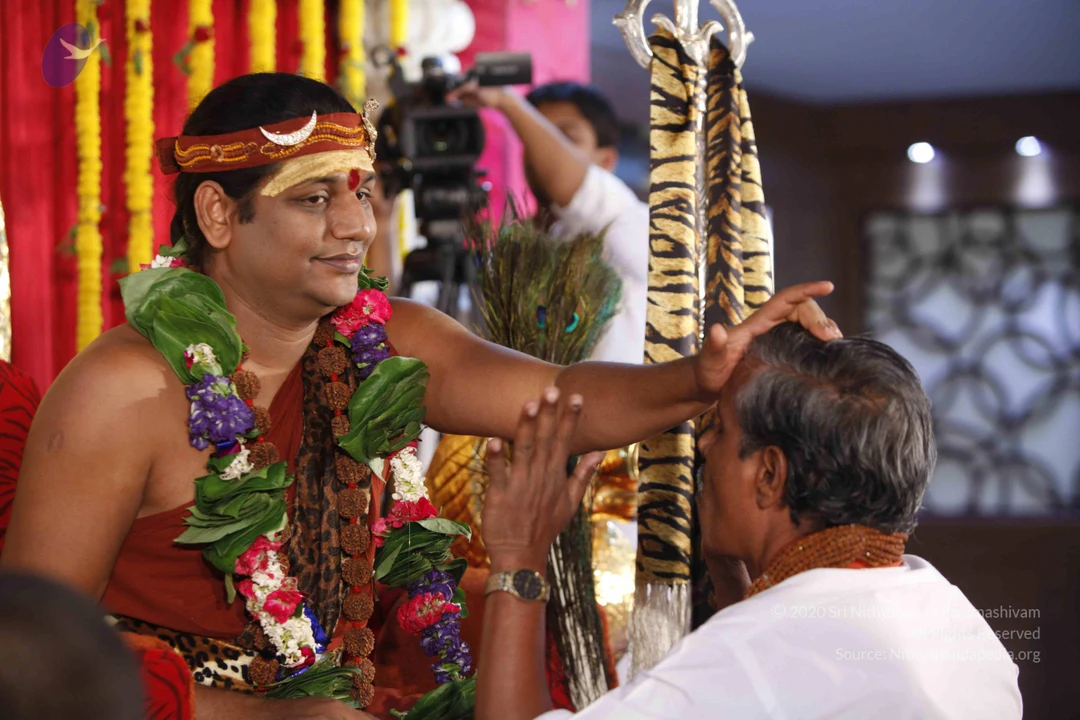
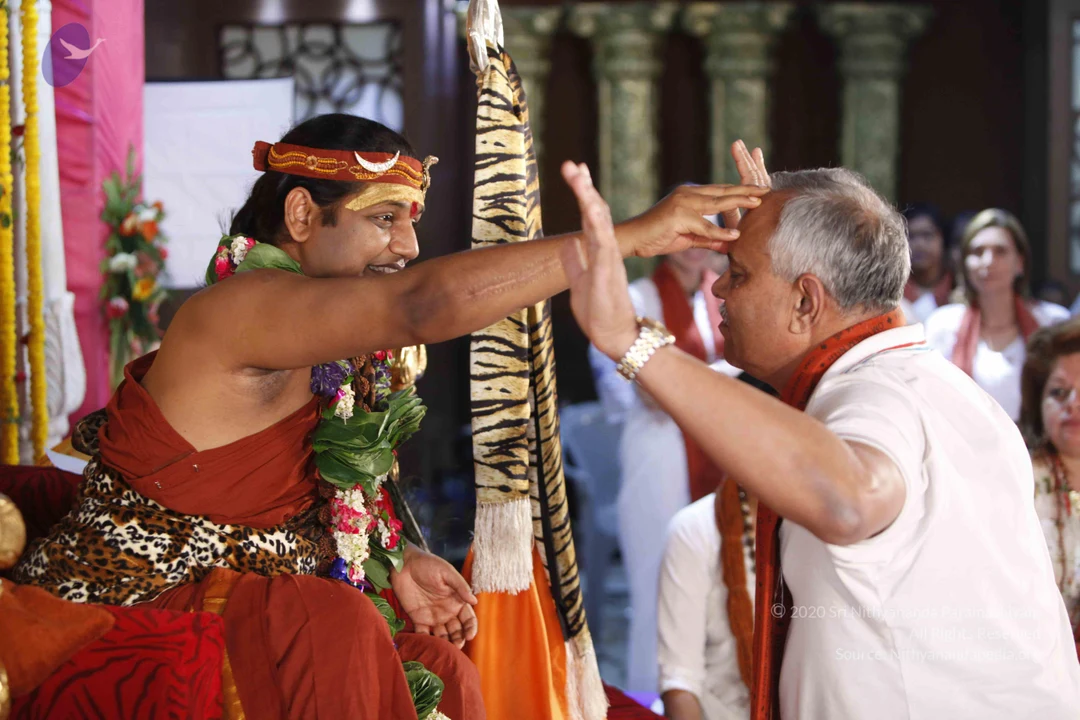
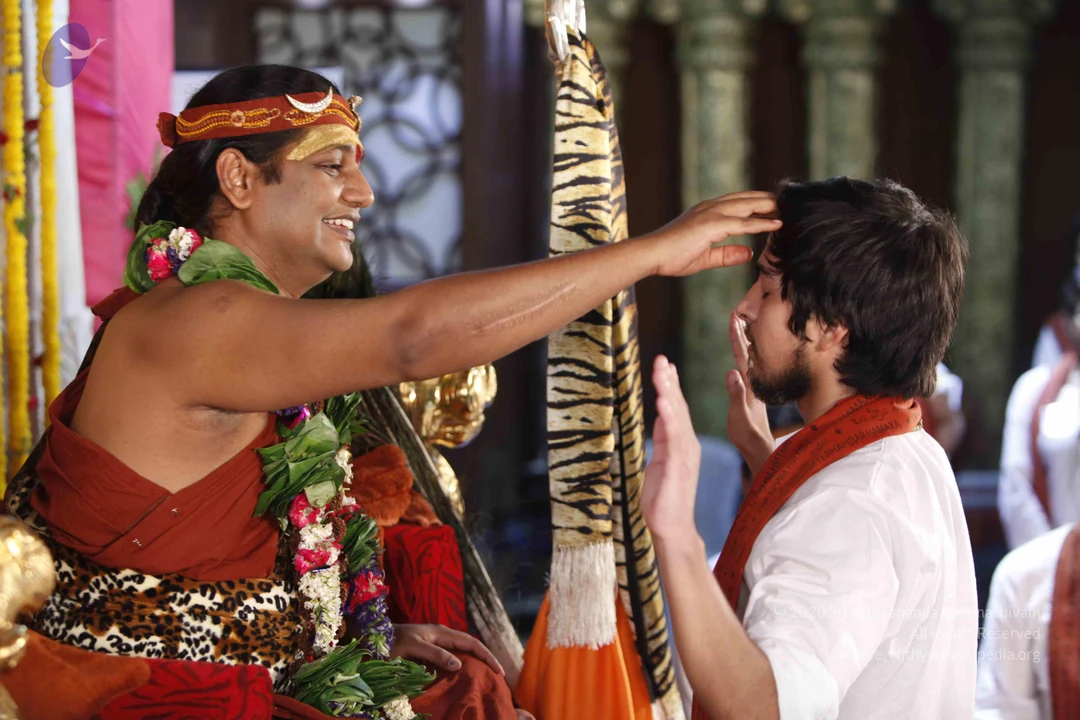
Photos From The Day:
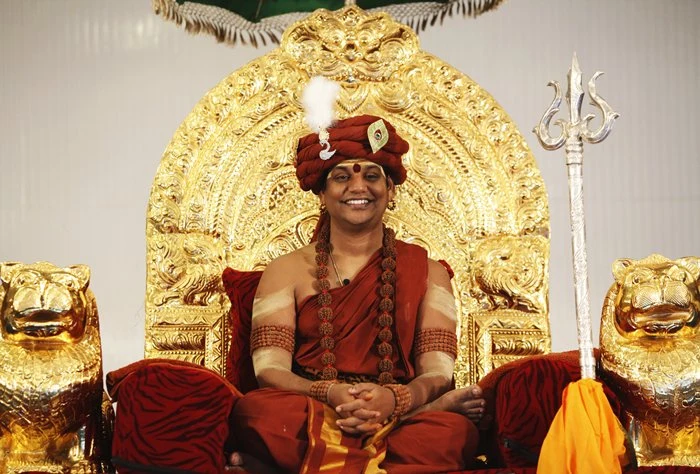
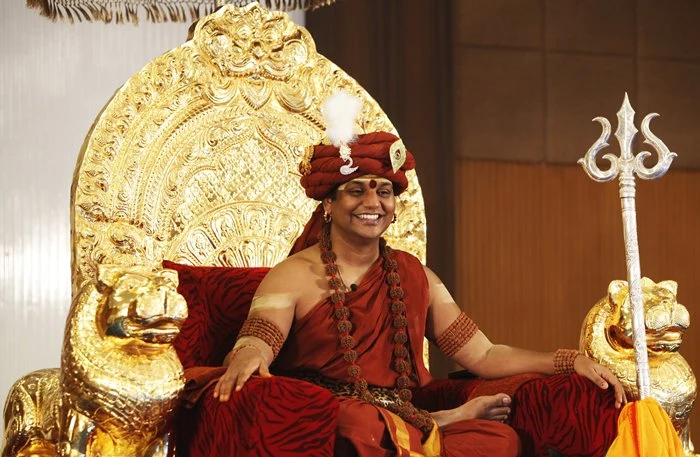
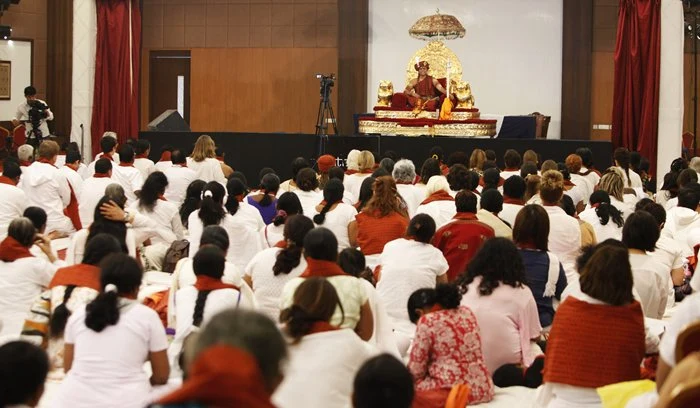
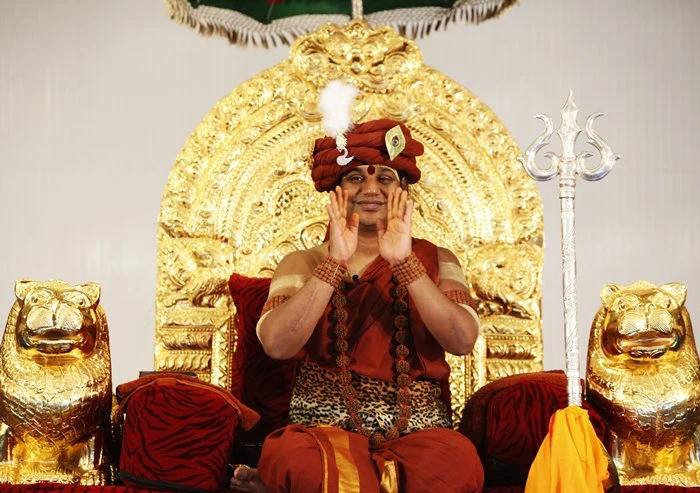
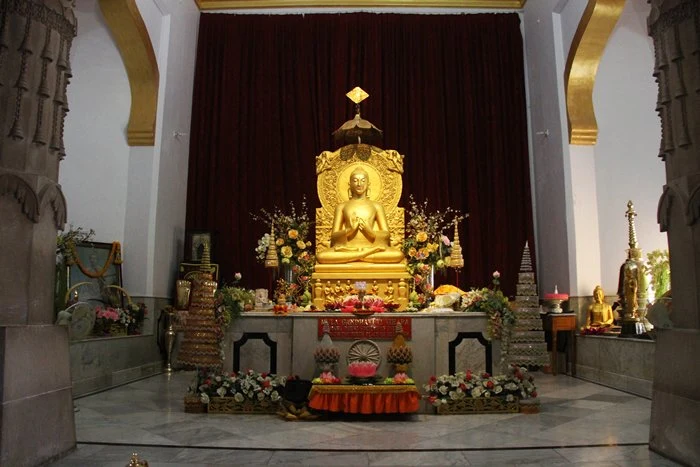
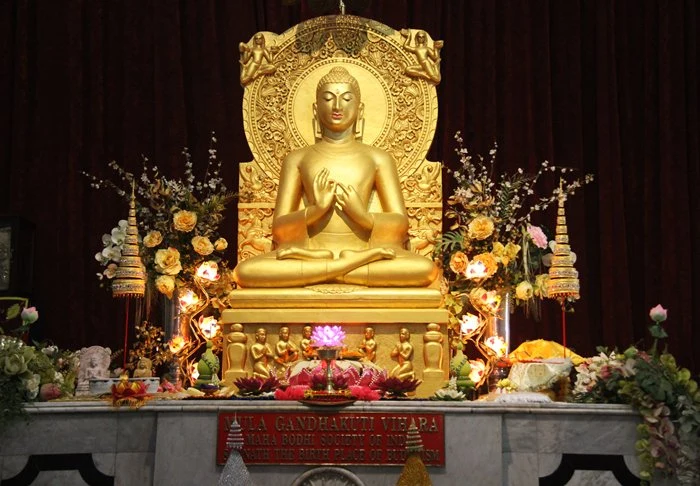
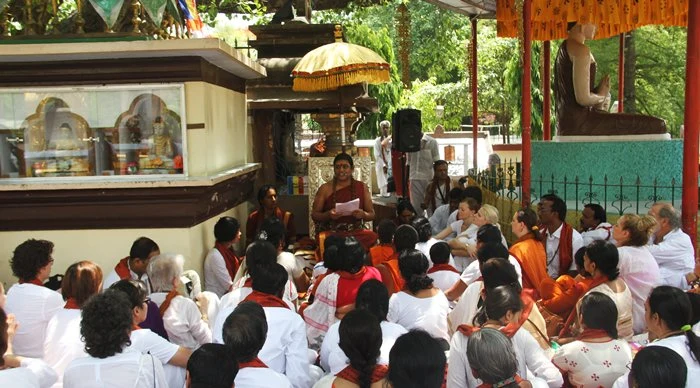
Tags:
Paramahamsa Nithyananda, festival dimension, Sanatana Hindu Dharma, Buddhism, Inner Awakening, Initiation, Completion, Science of Completion,Jainism, Sikhism.
Photos Of The Day:
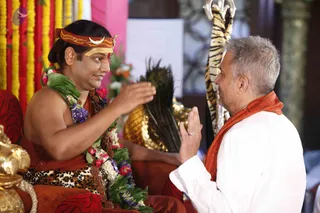
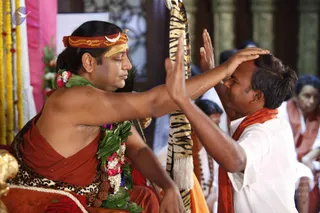
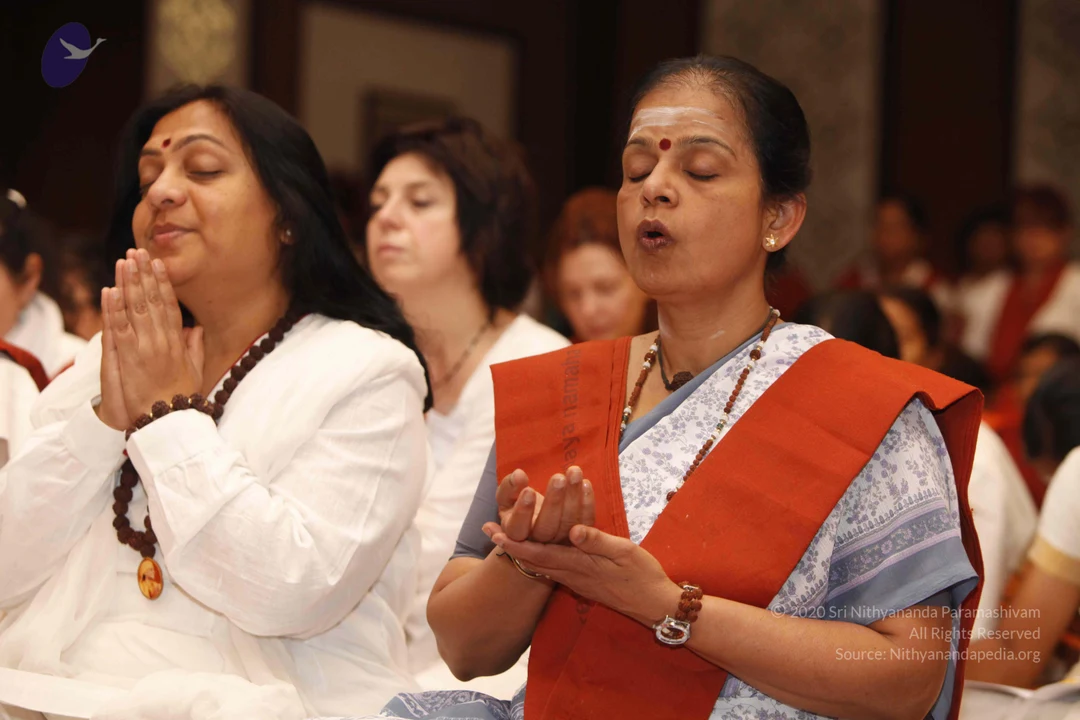
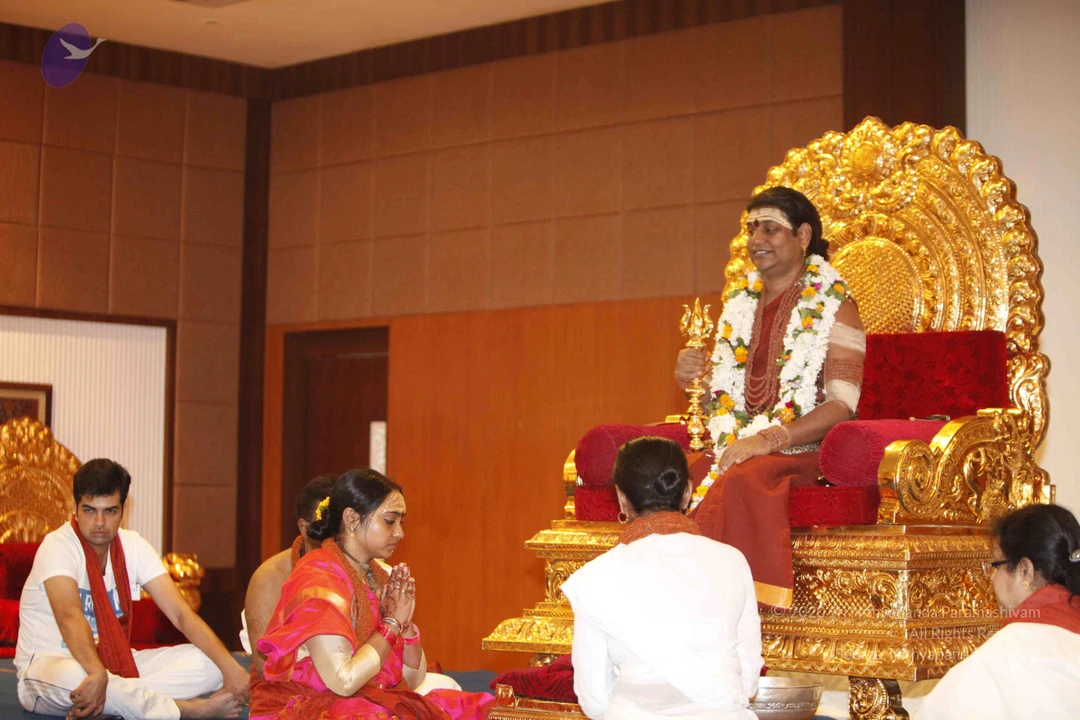
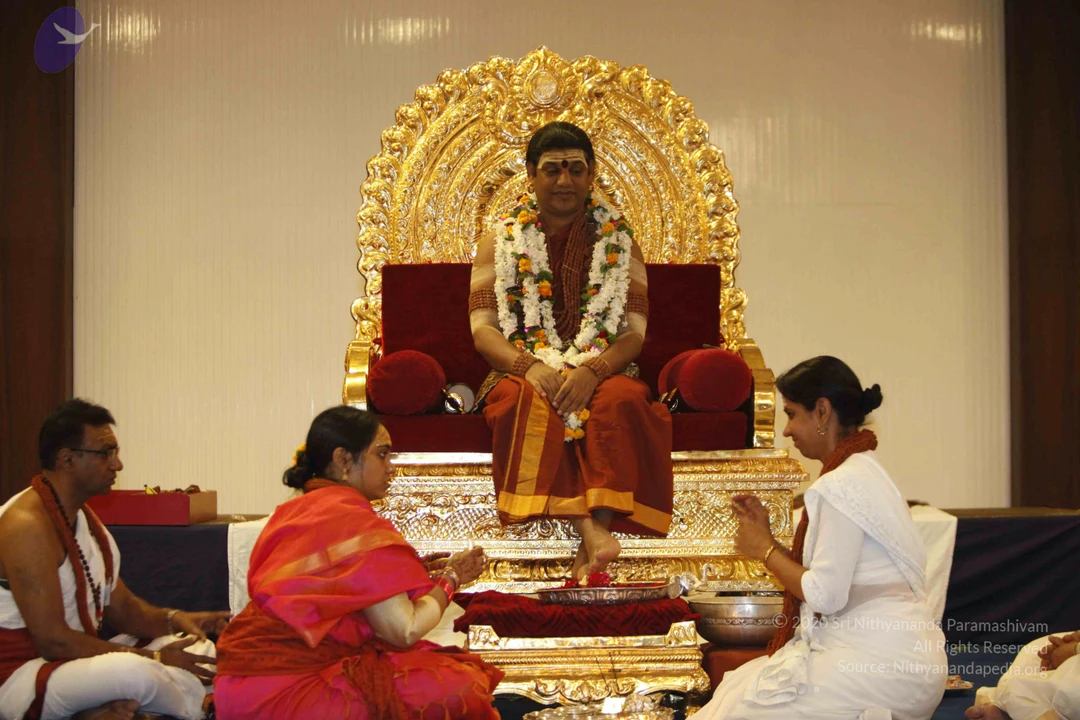
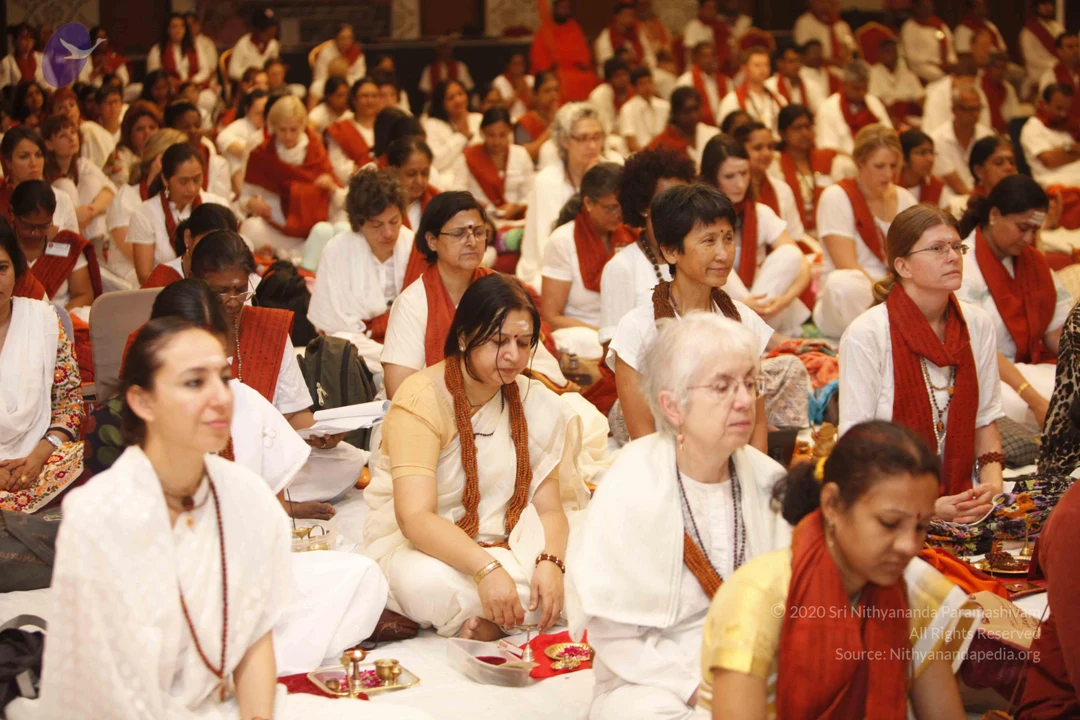
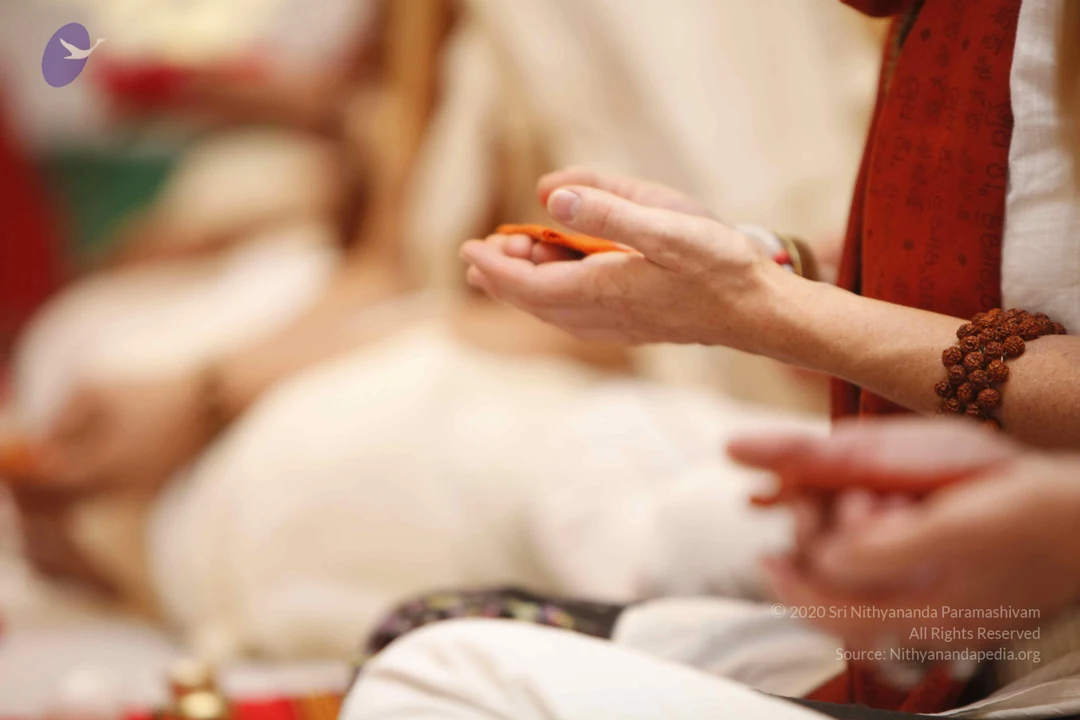
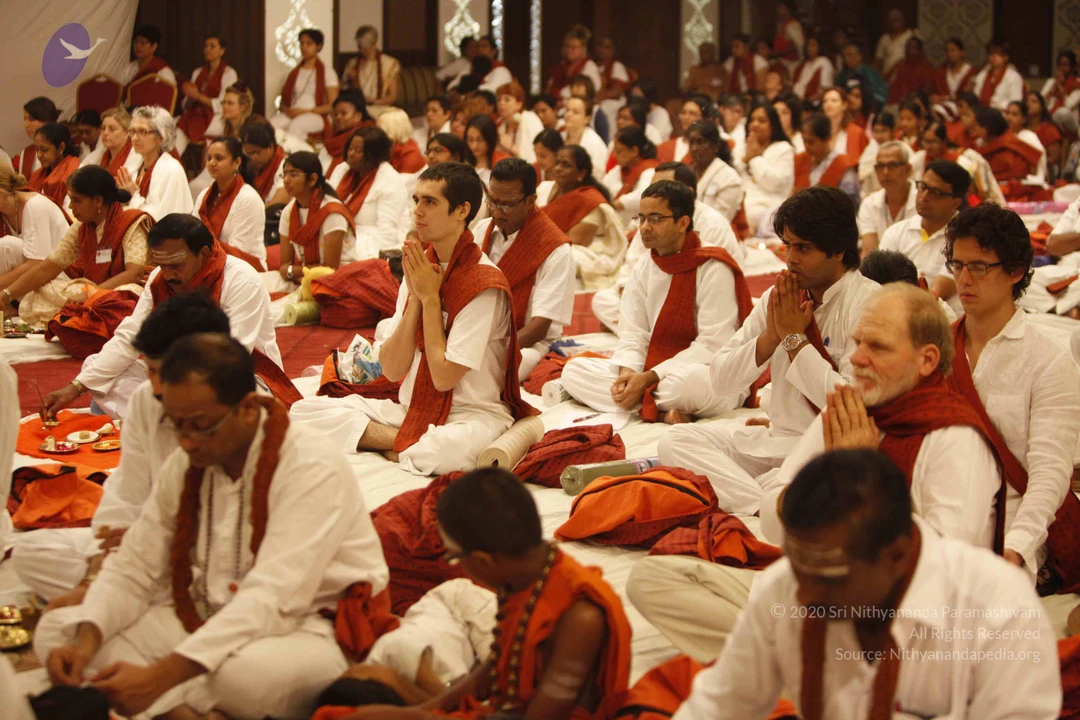
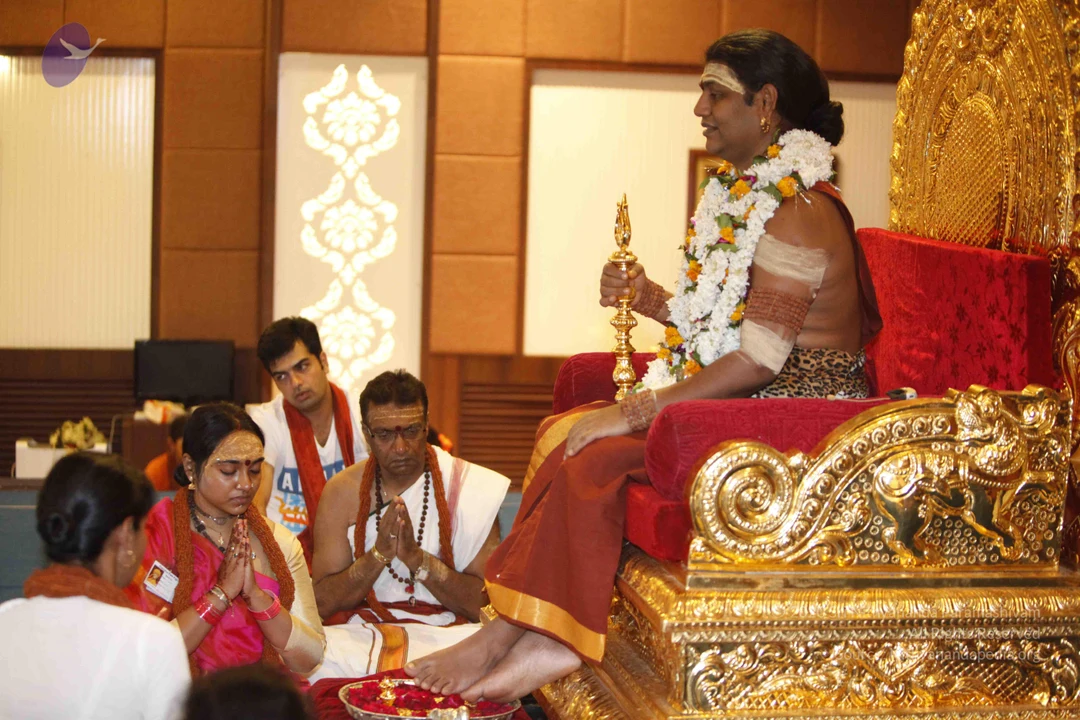
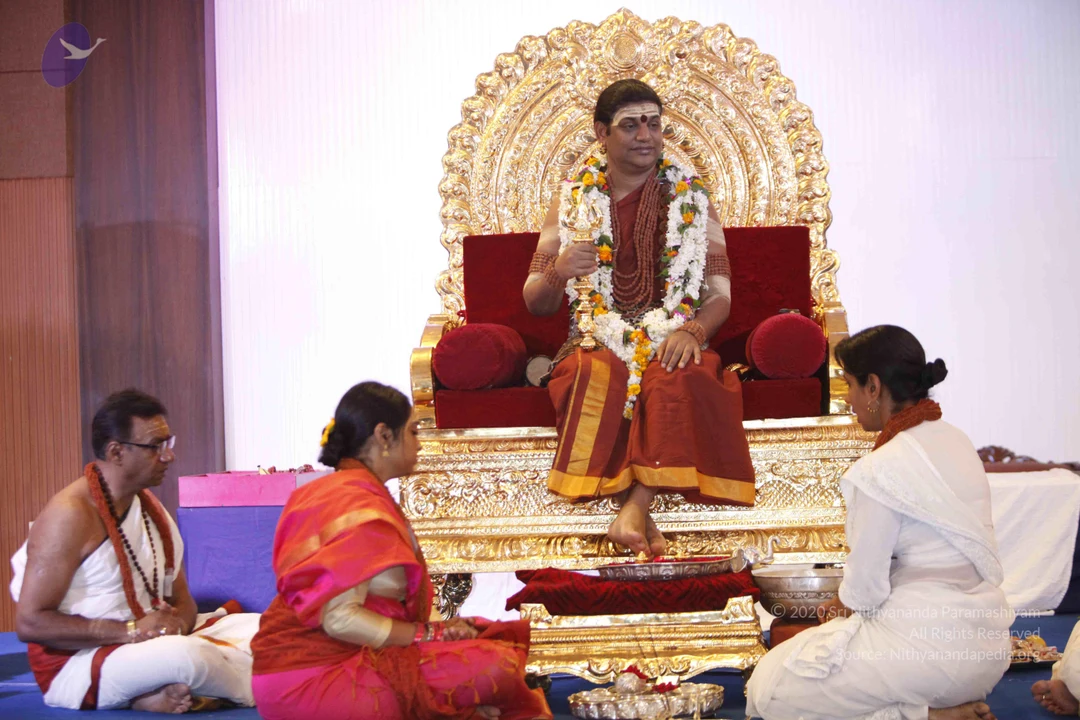
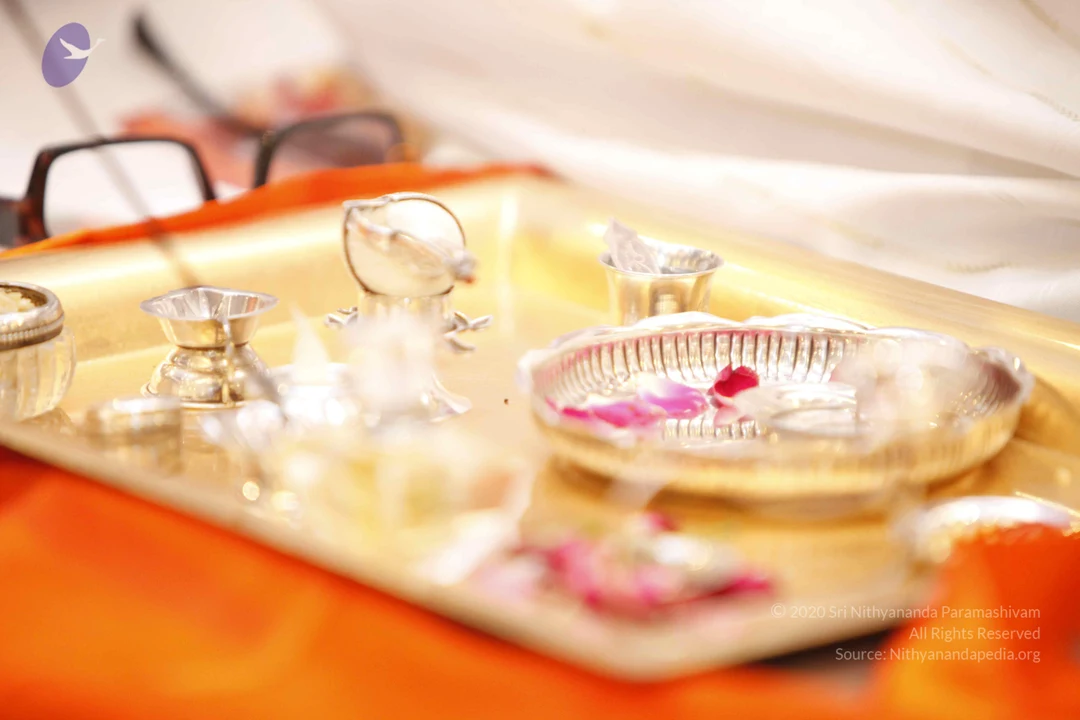
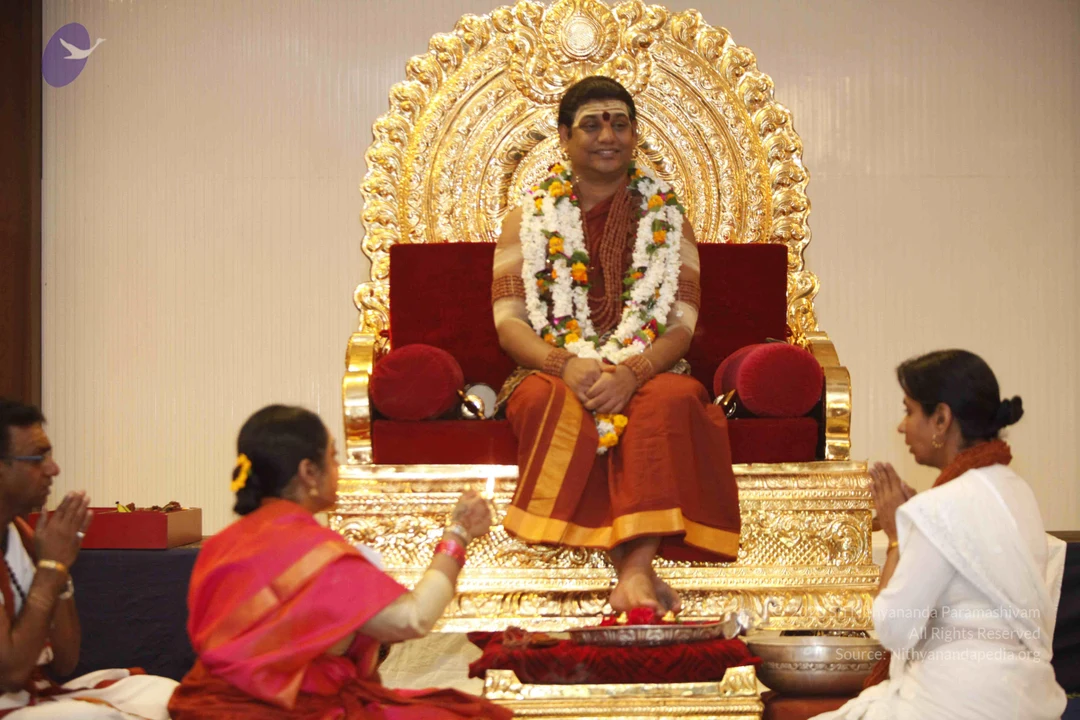
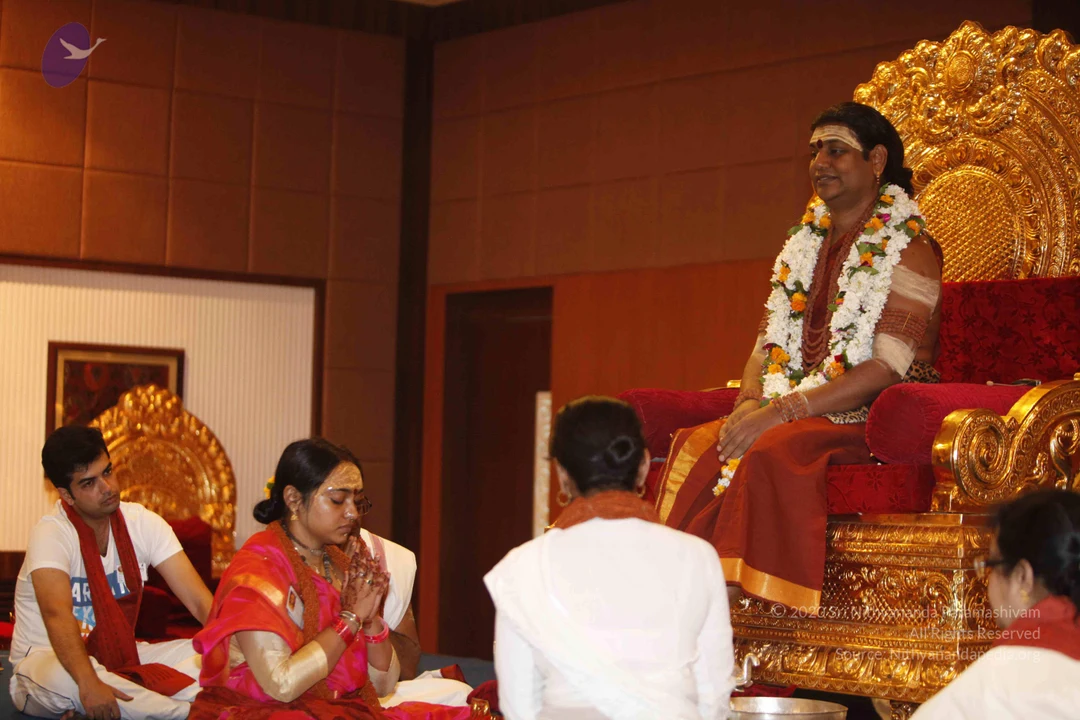
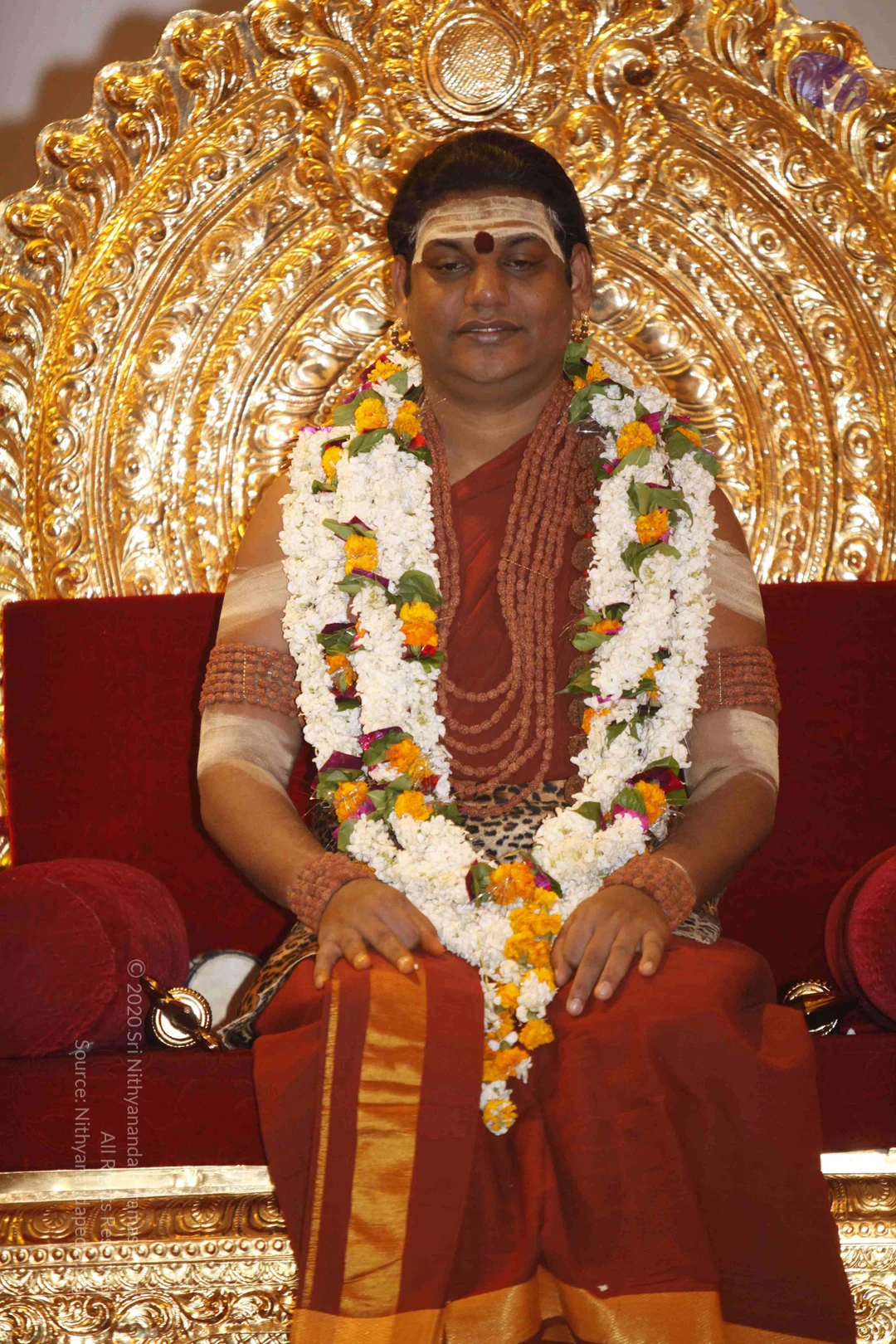
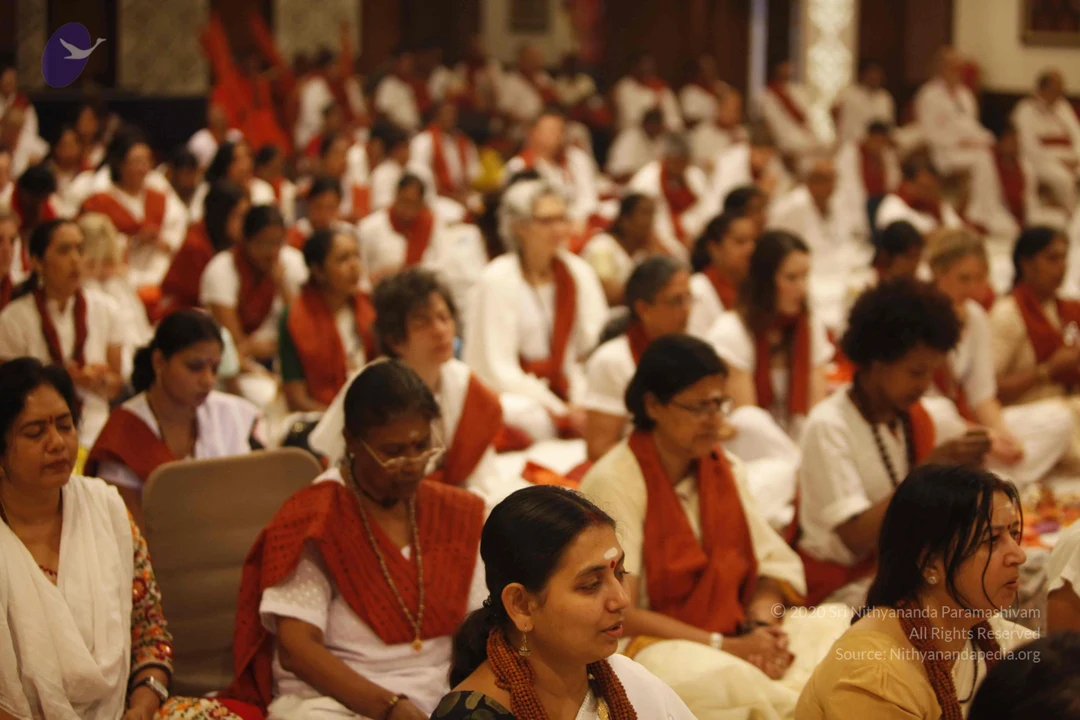
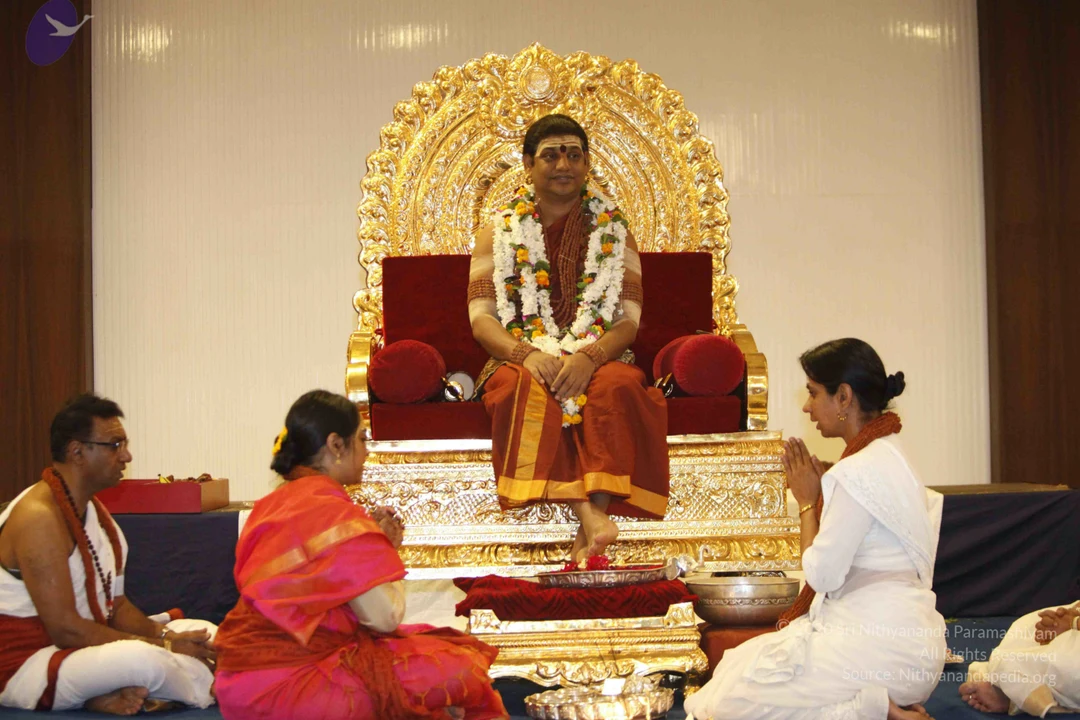
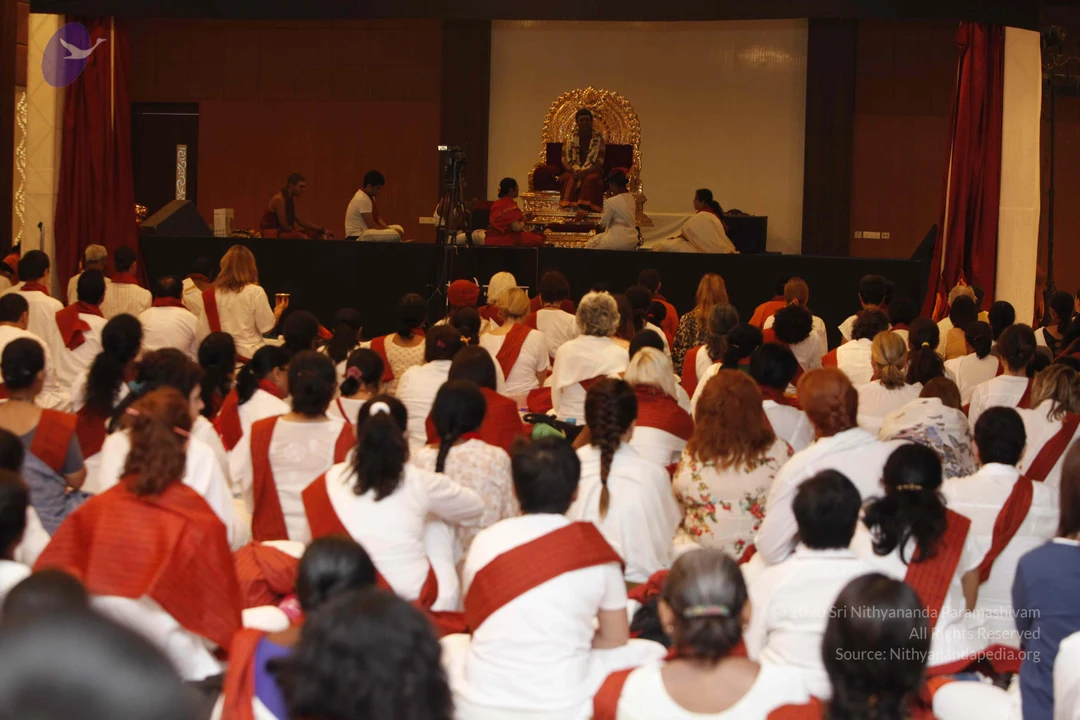
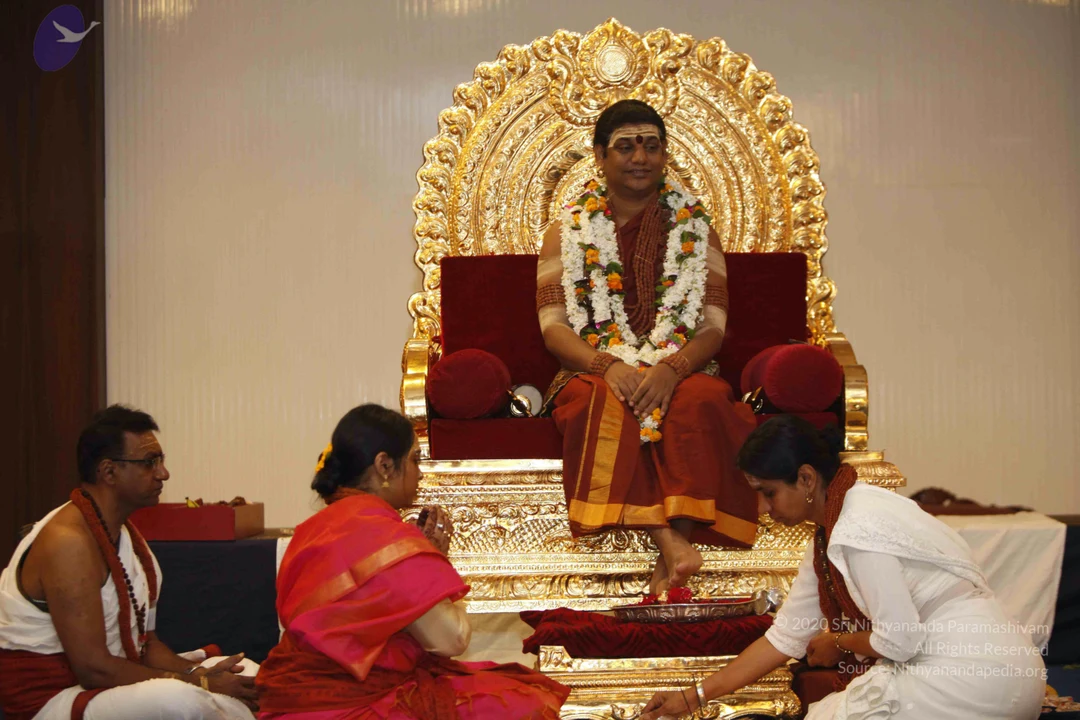
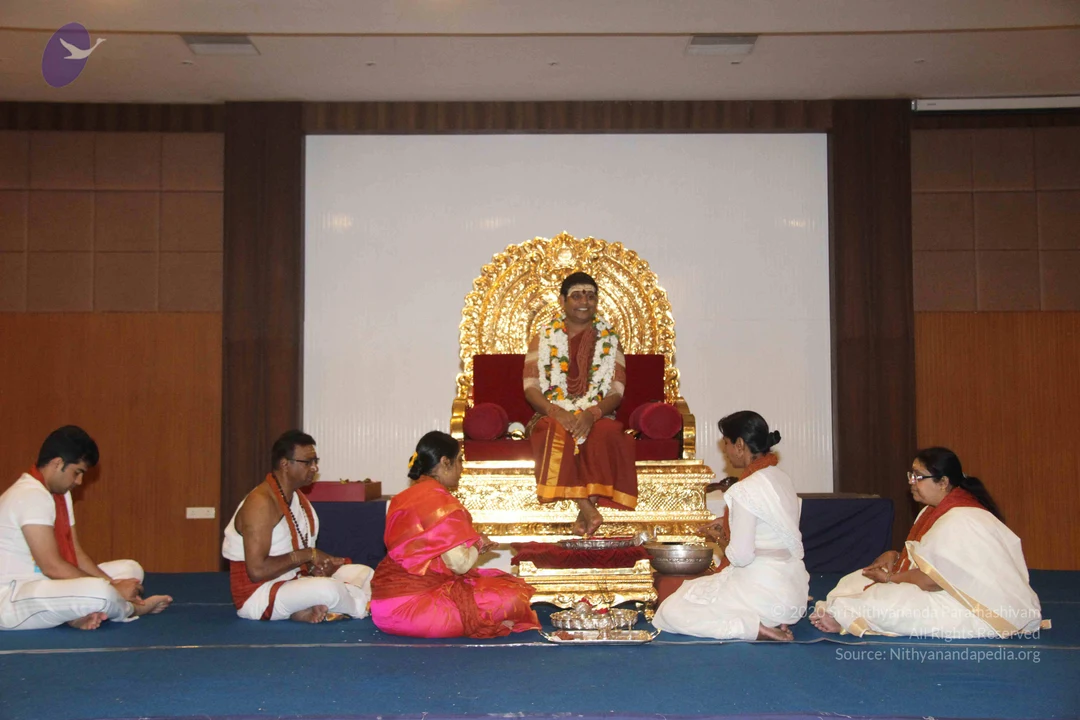
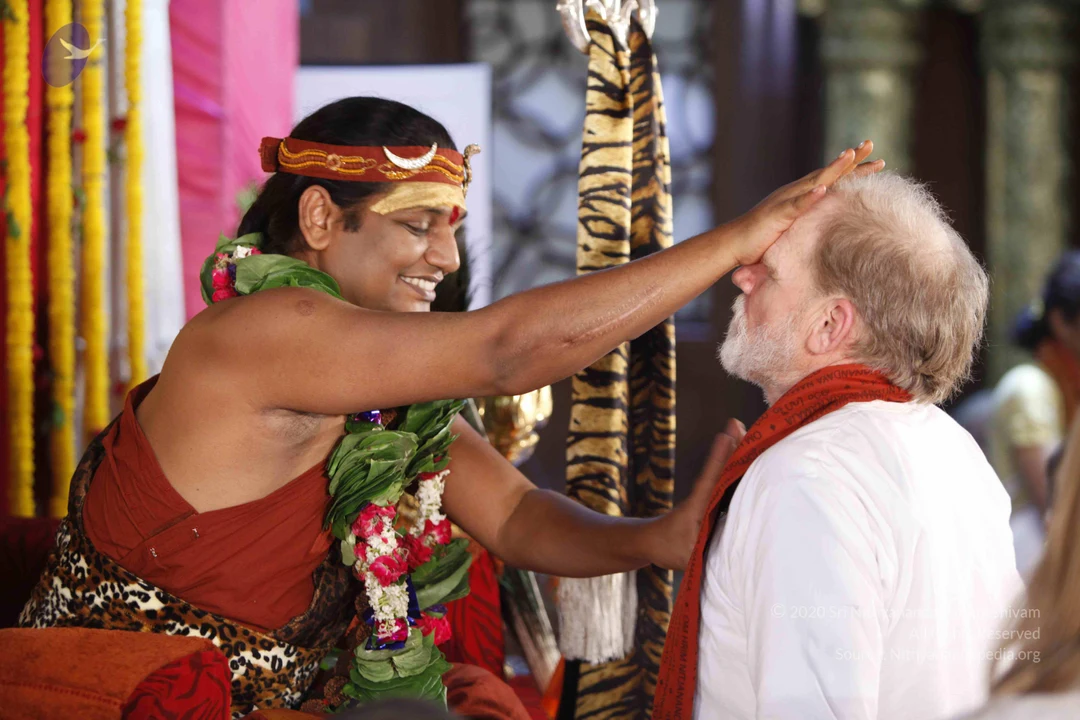
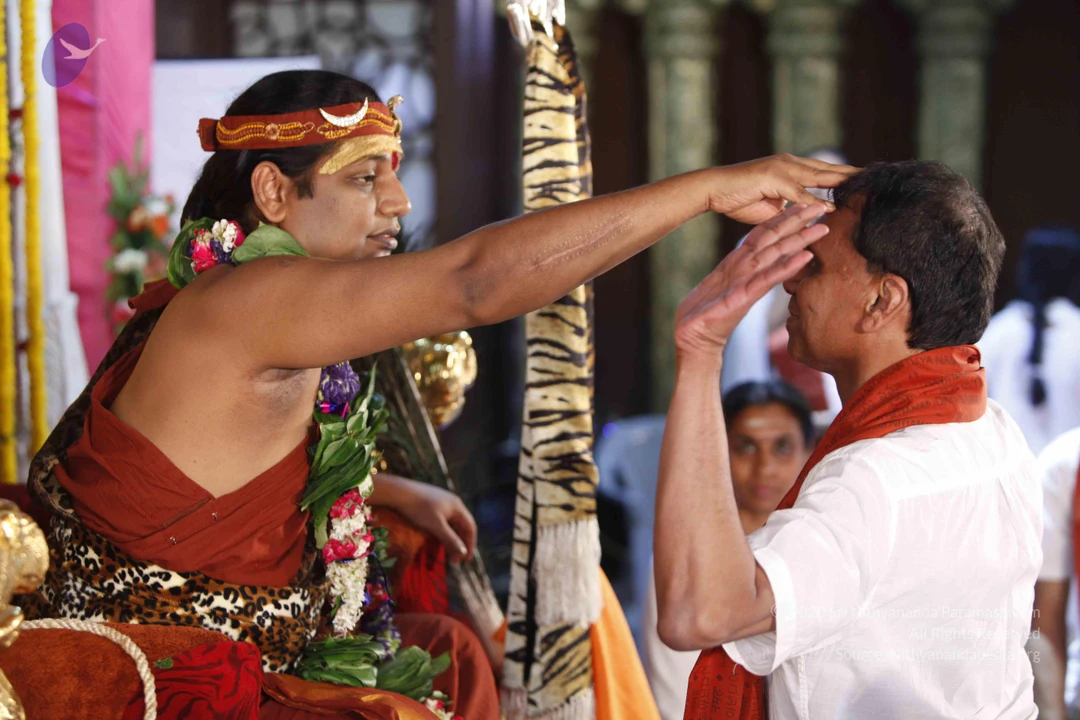
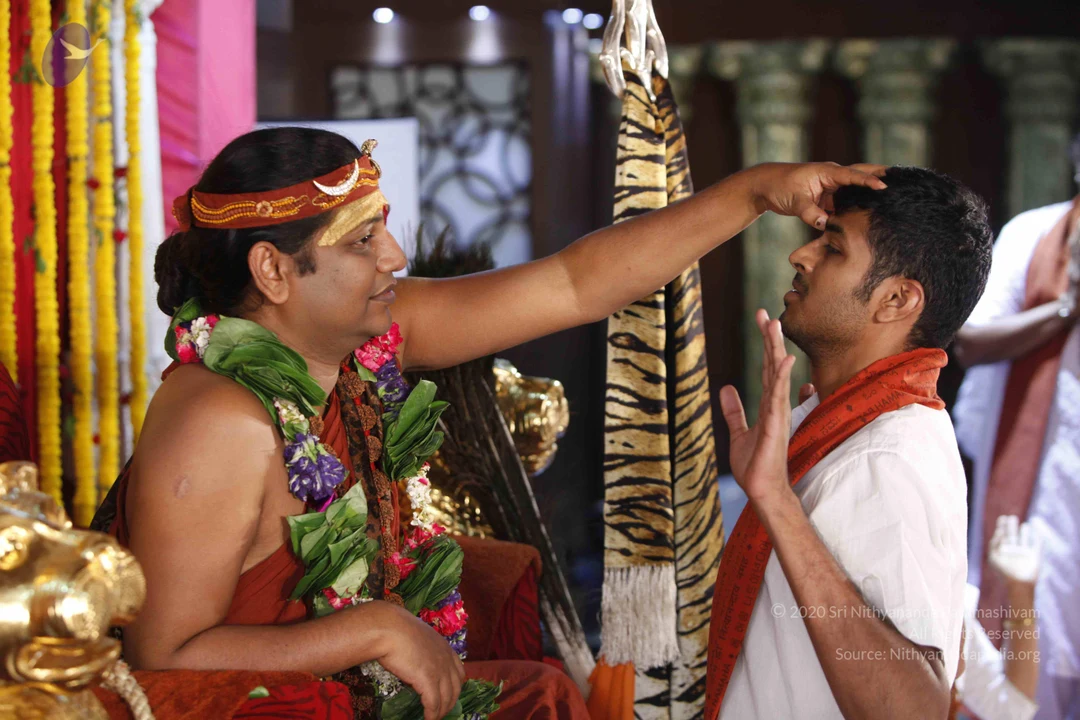
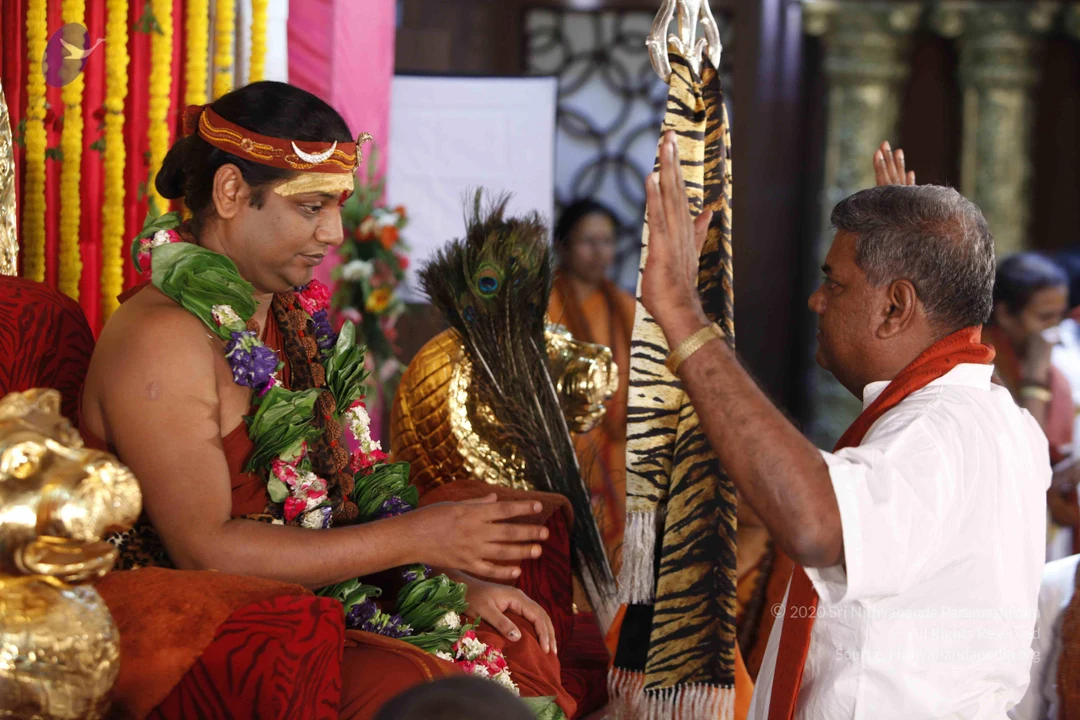
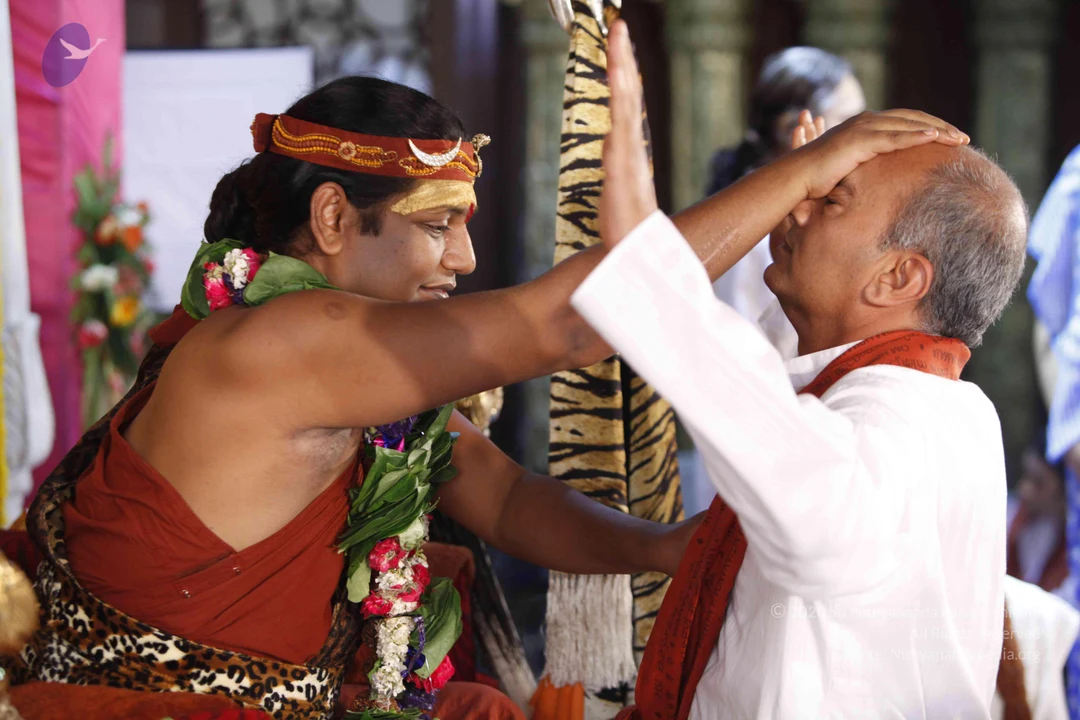
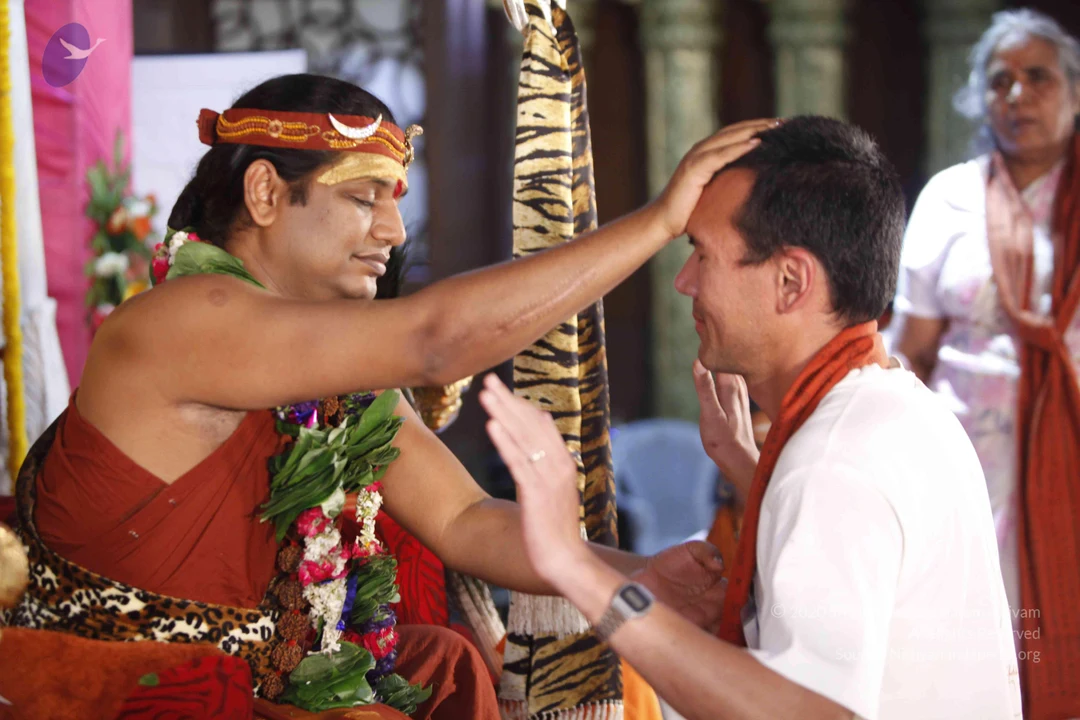
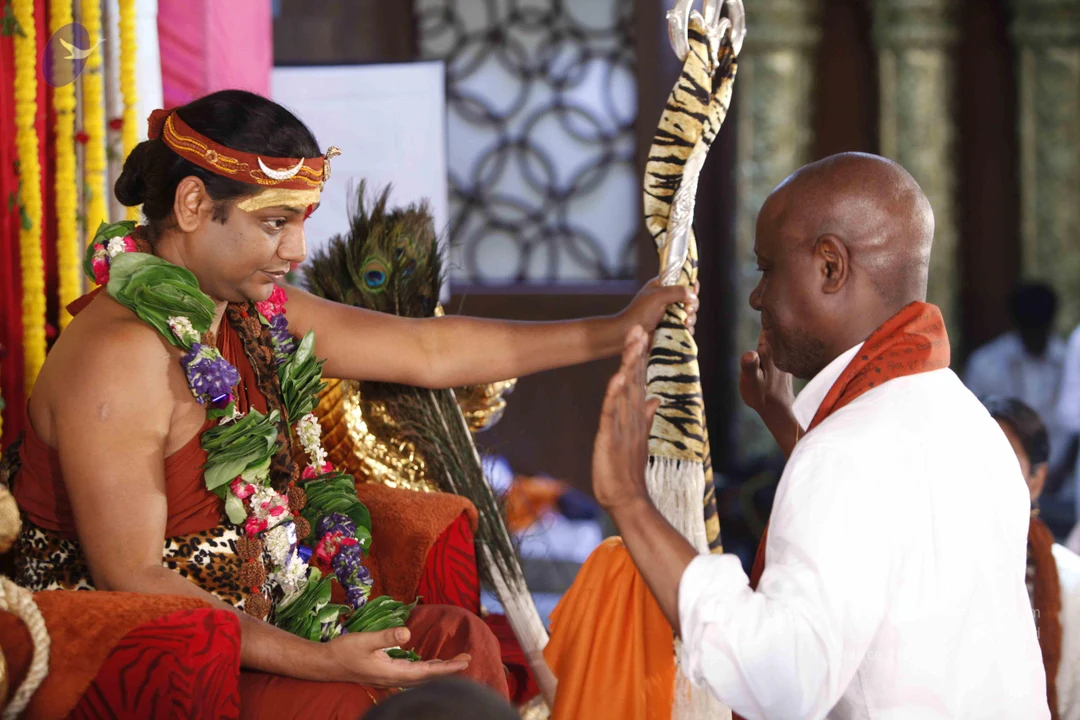
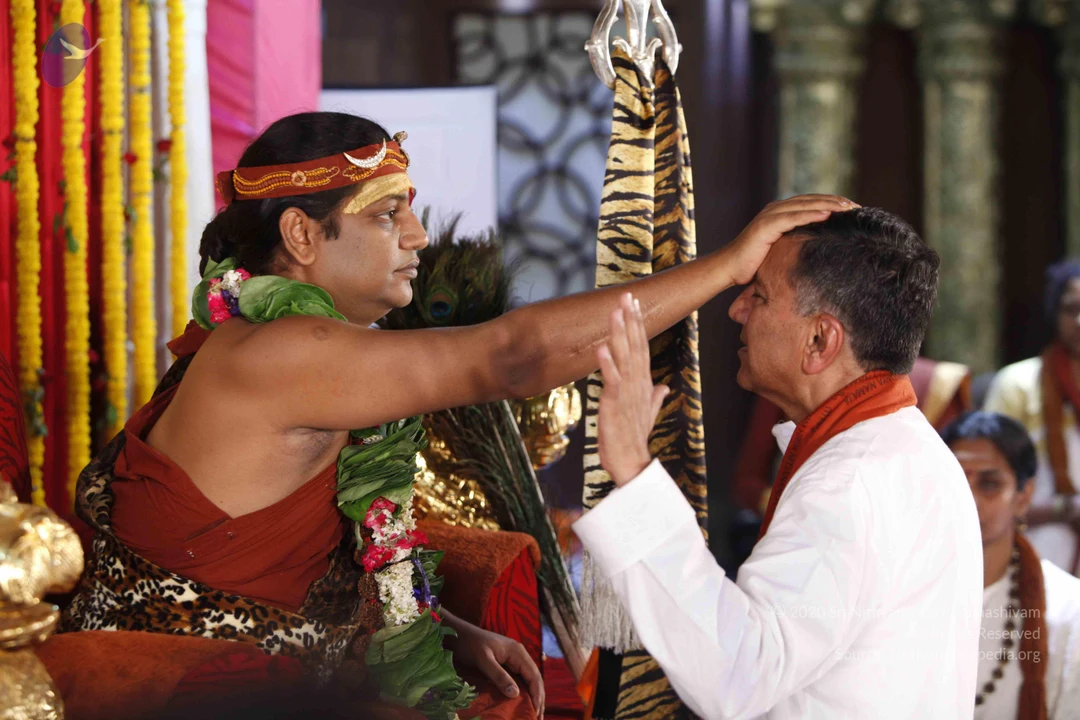
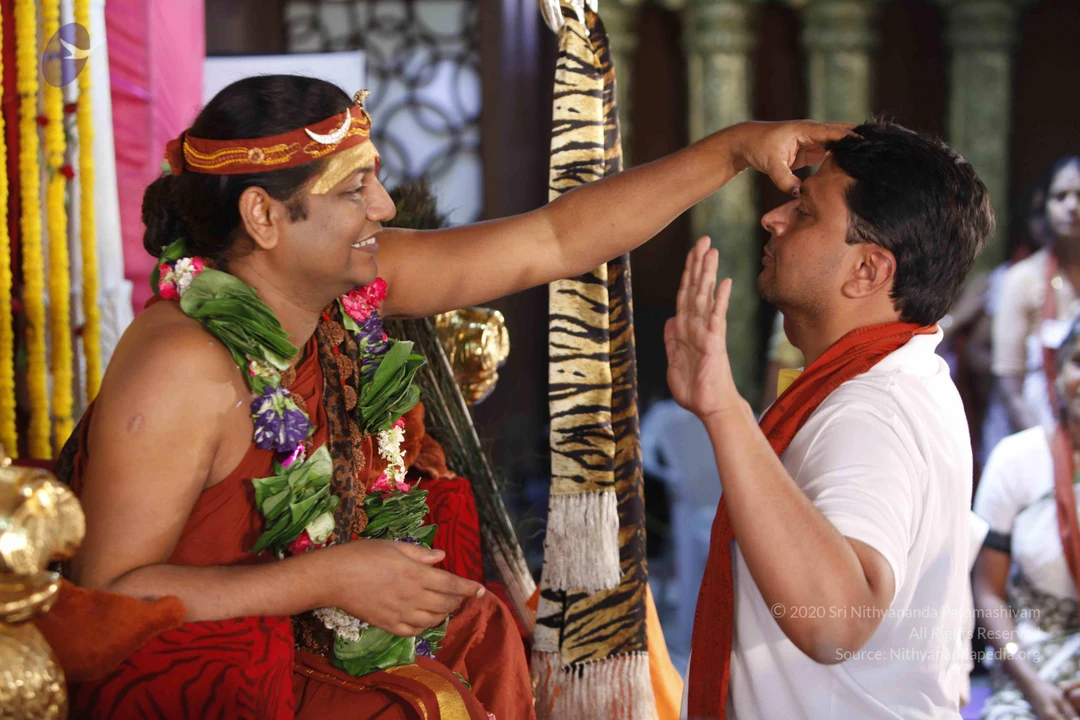
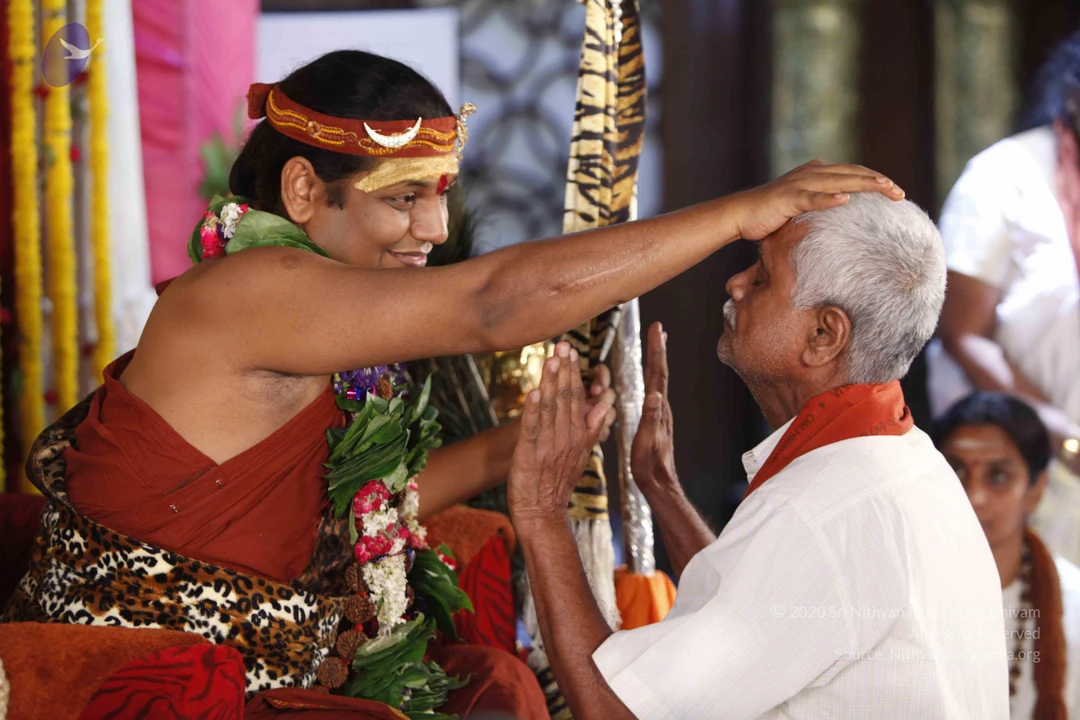
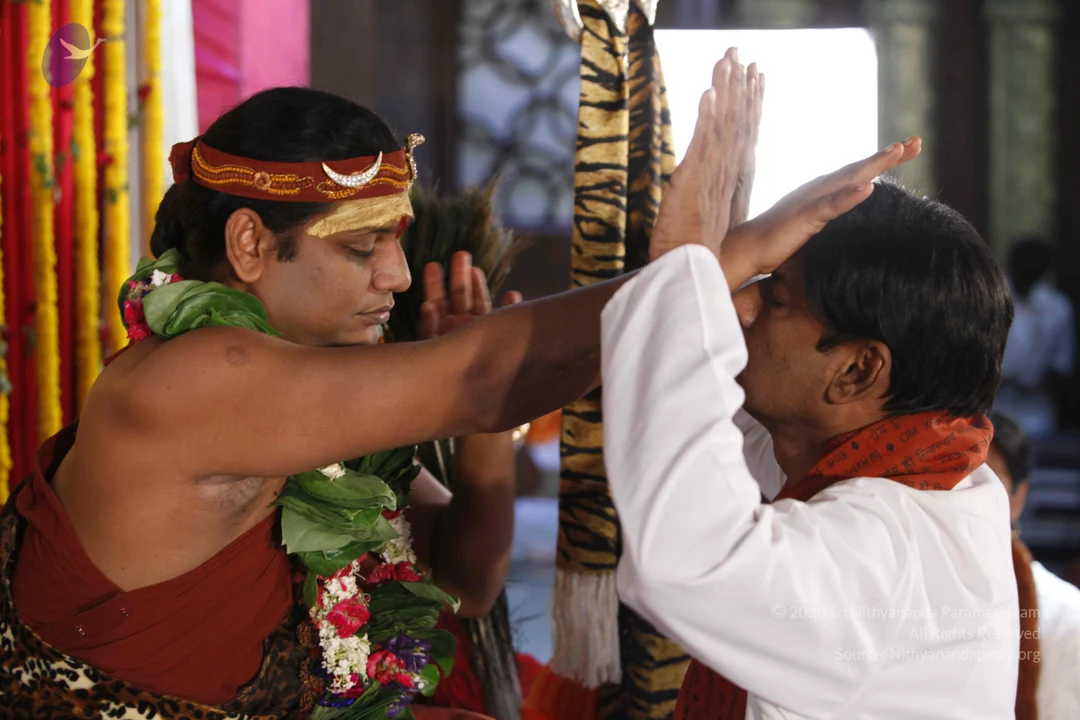
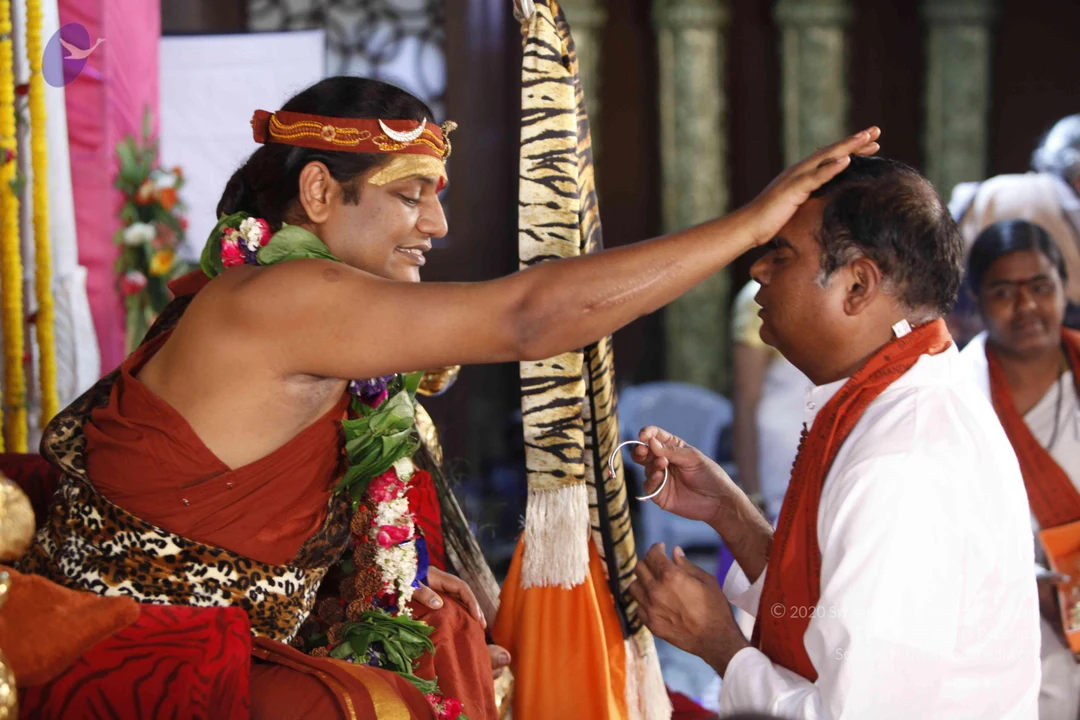
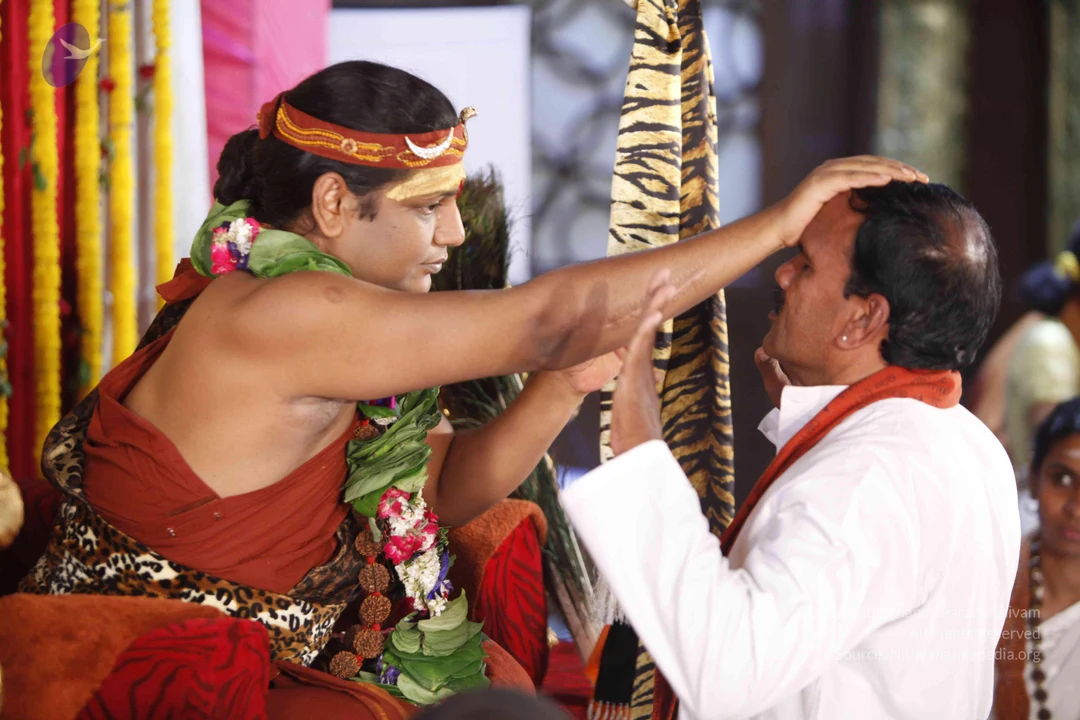
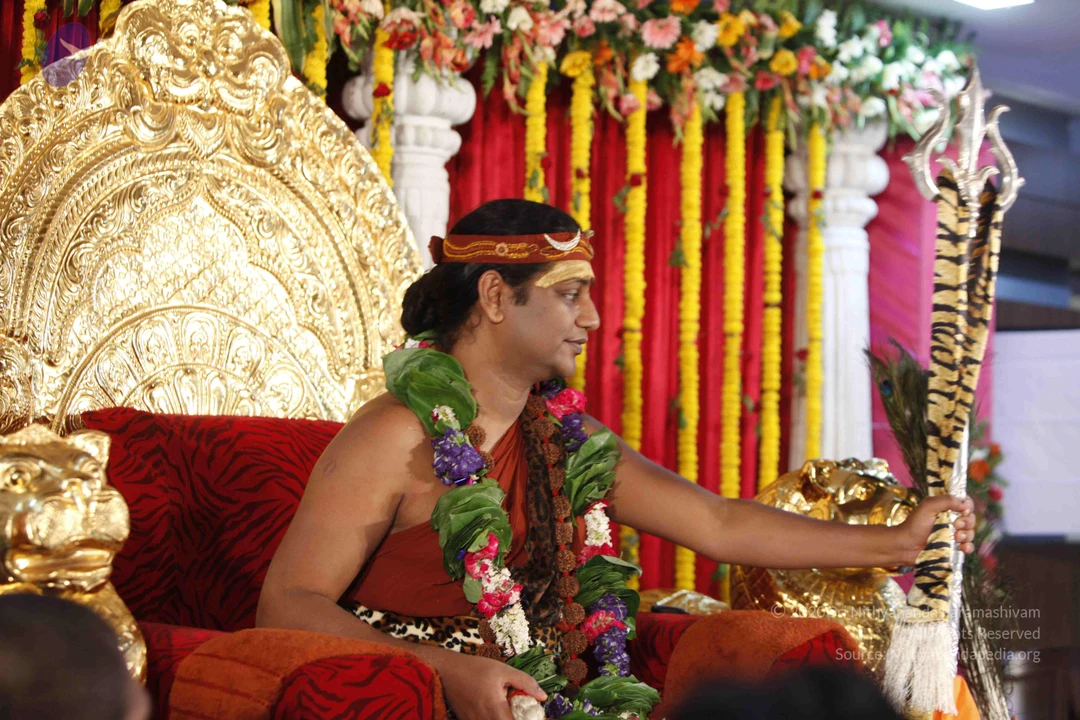
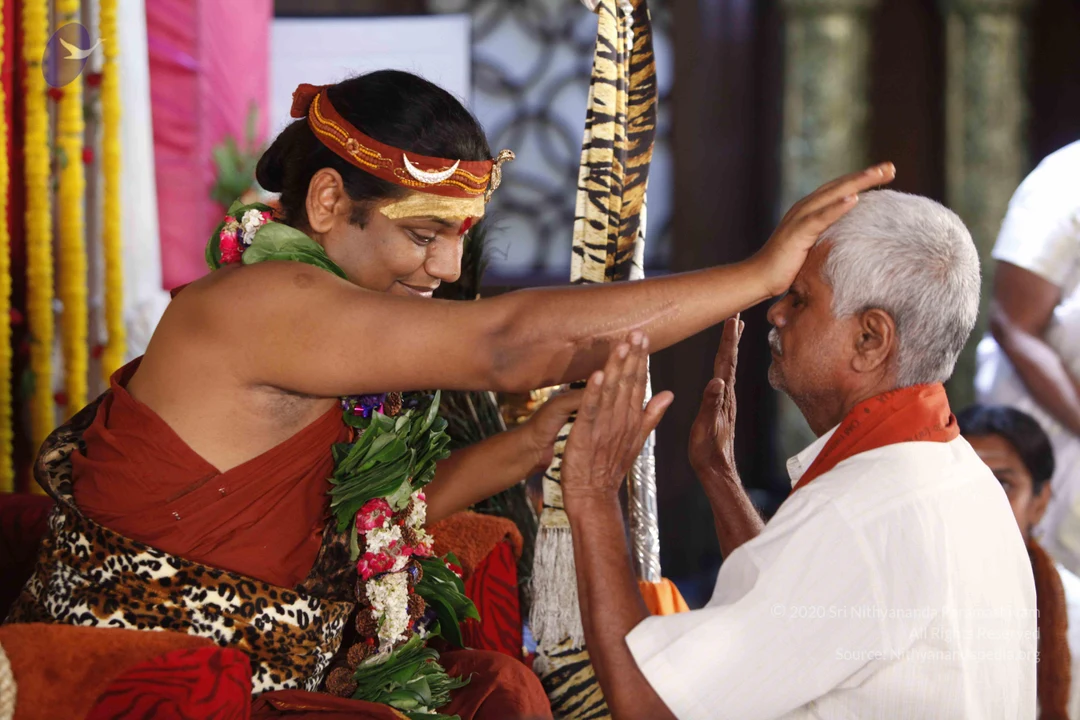
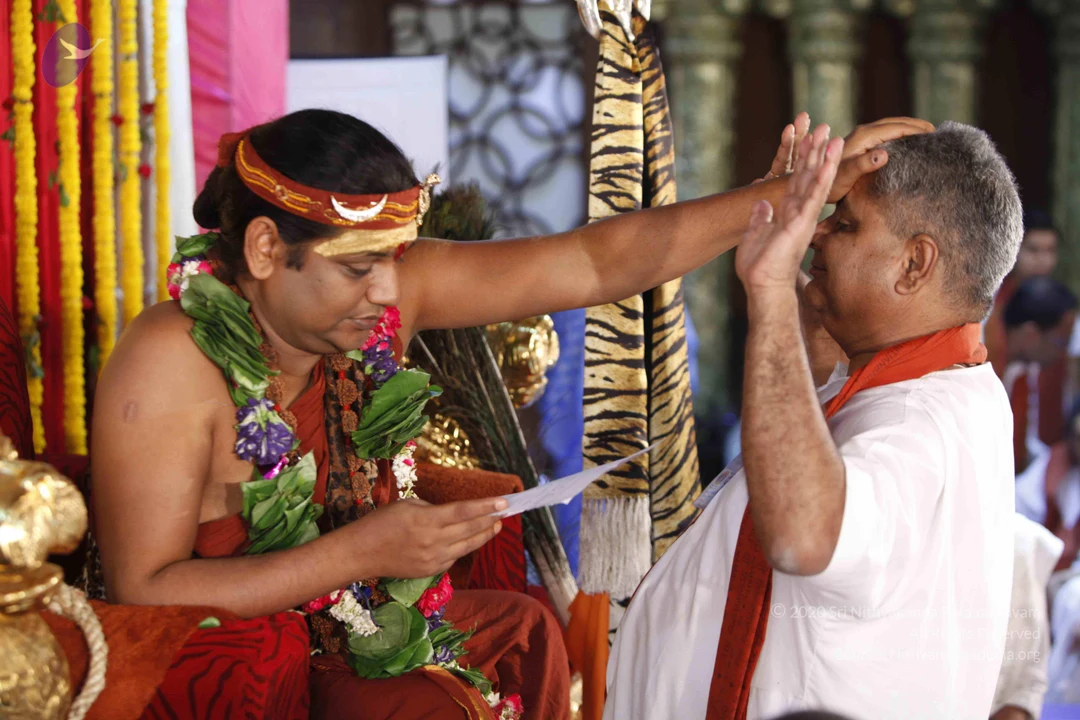
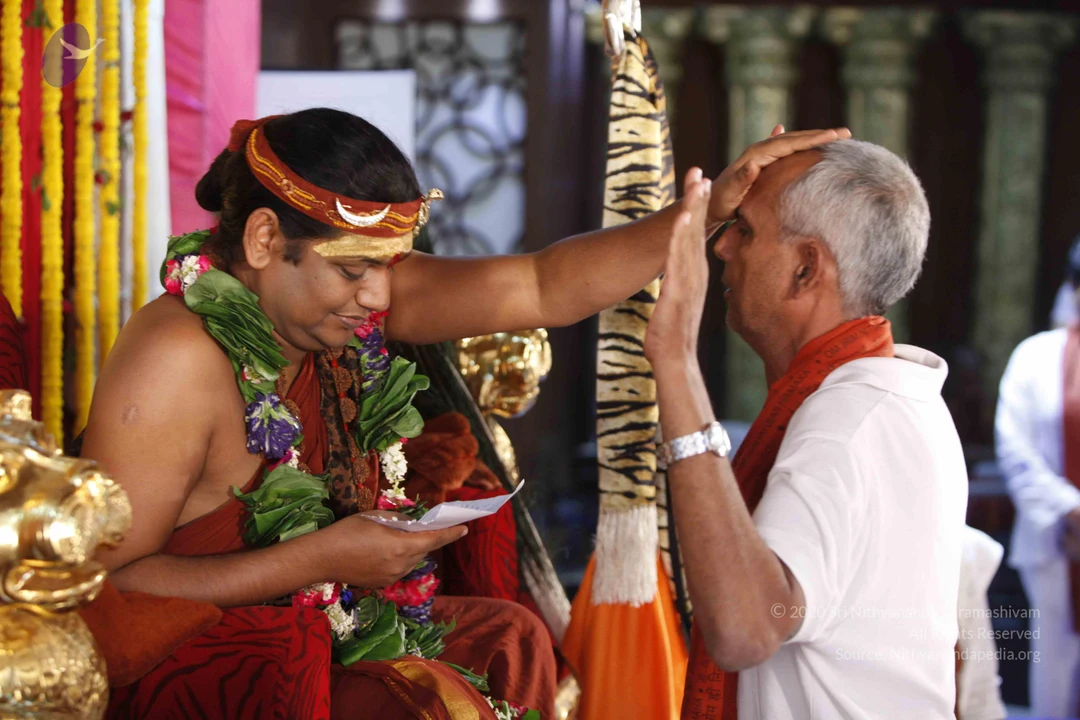
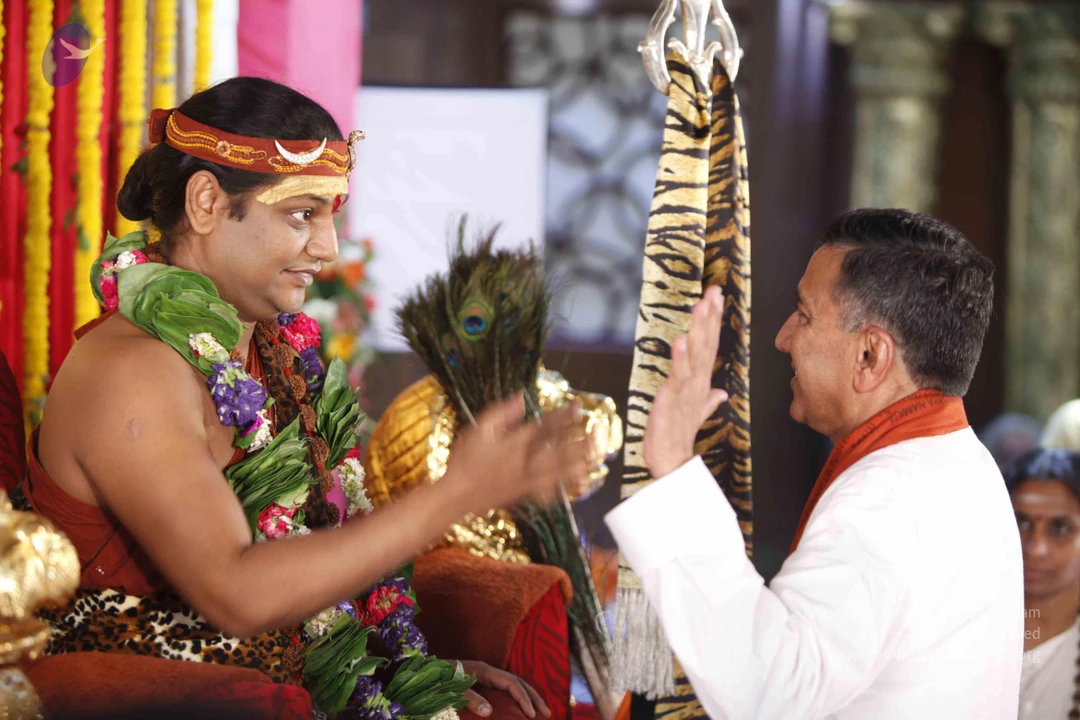
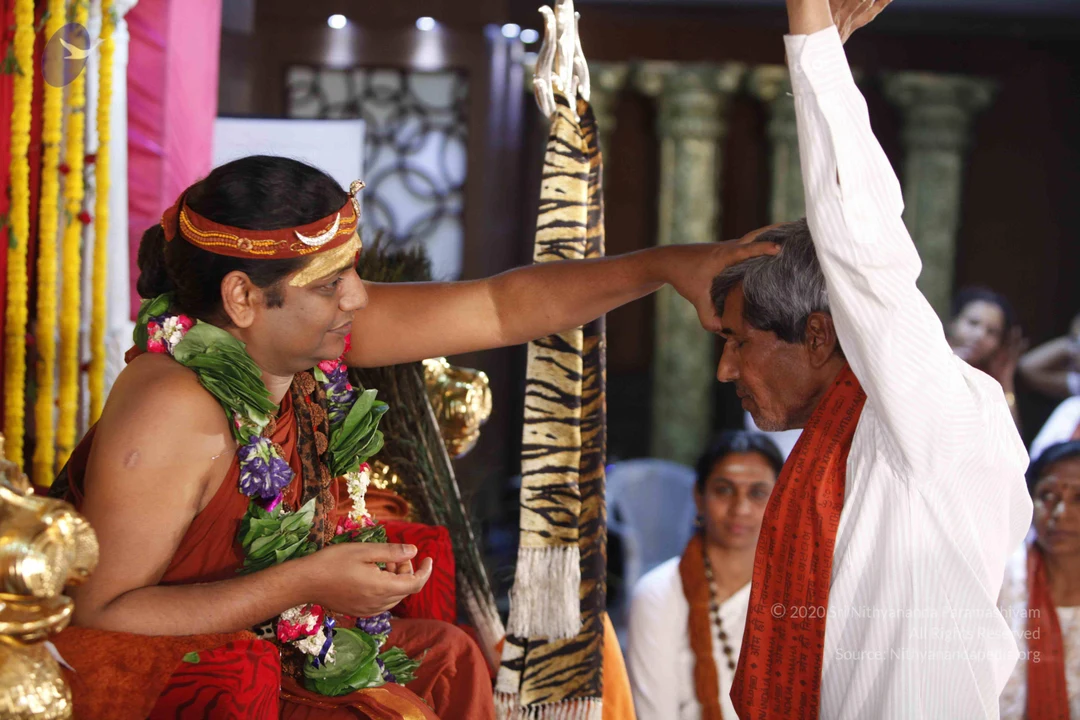
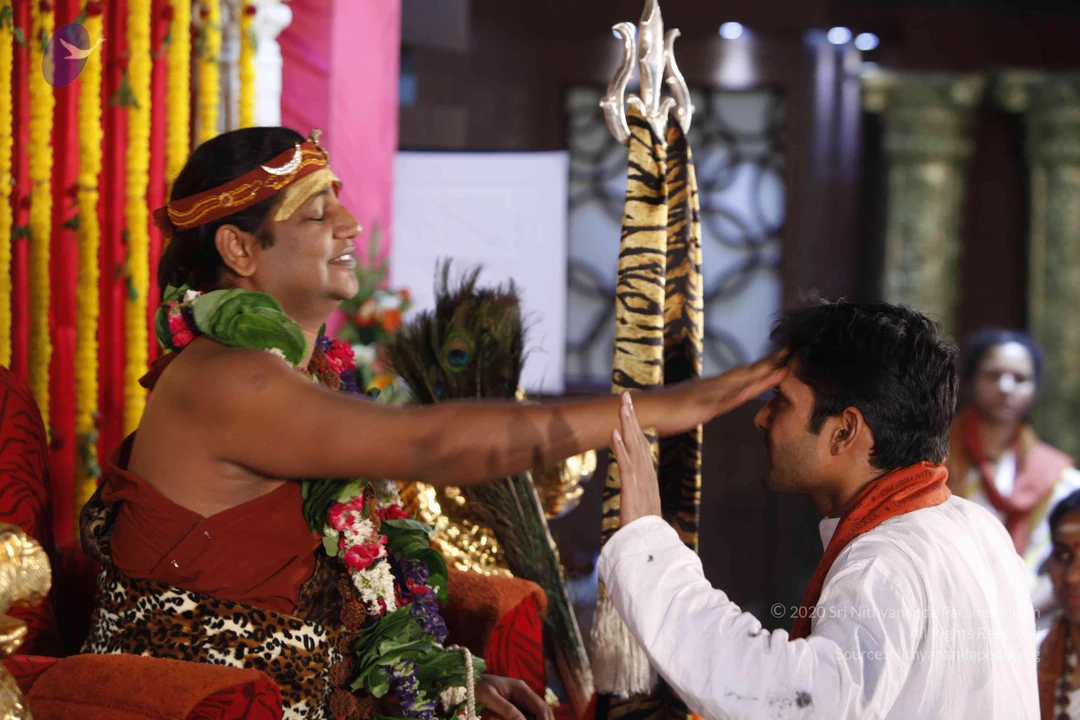
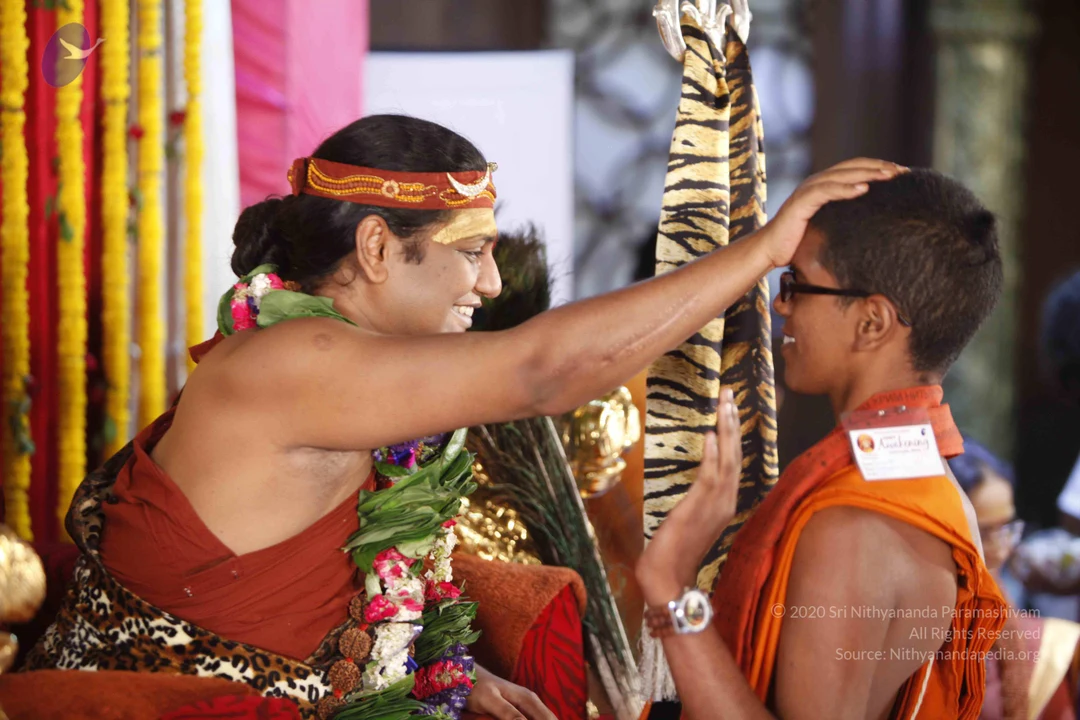
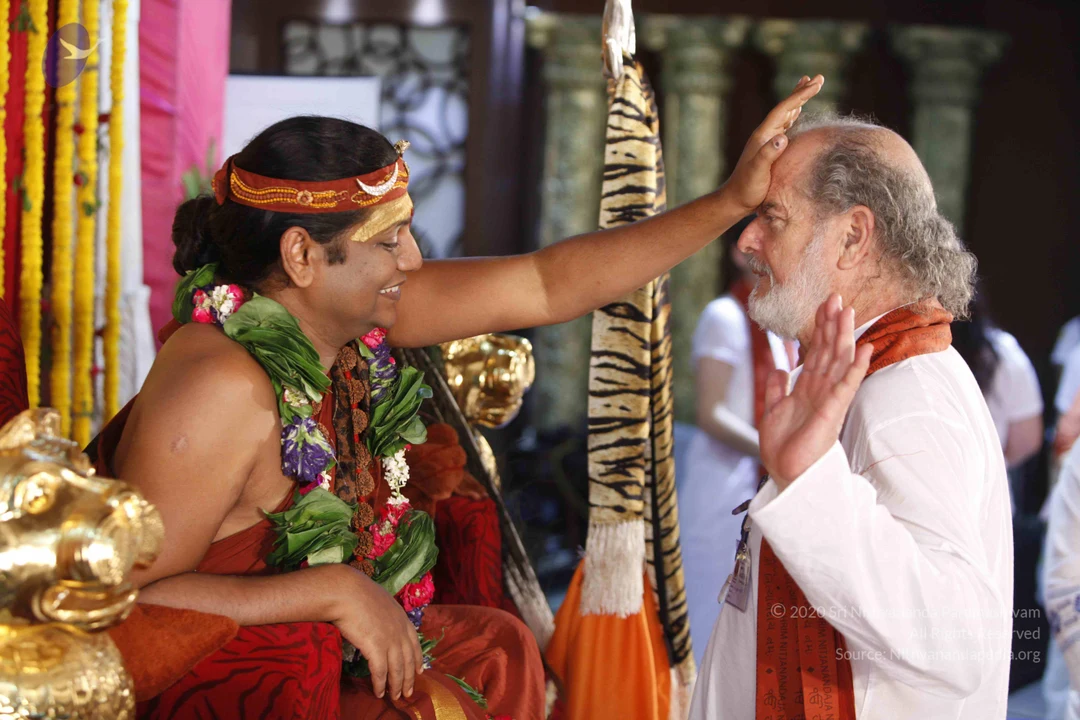
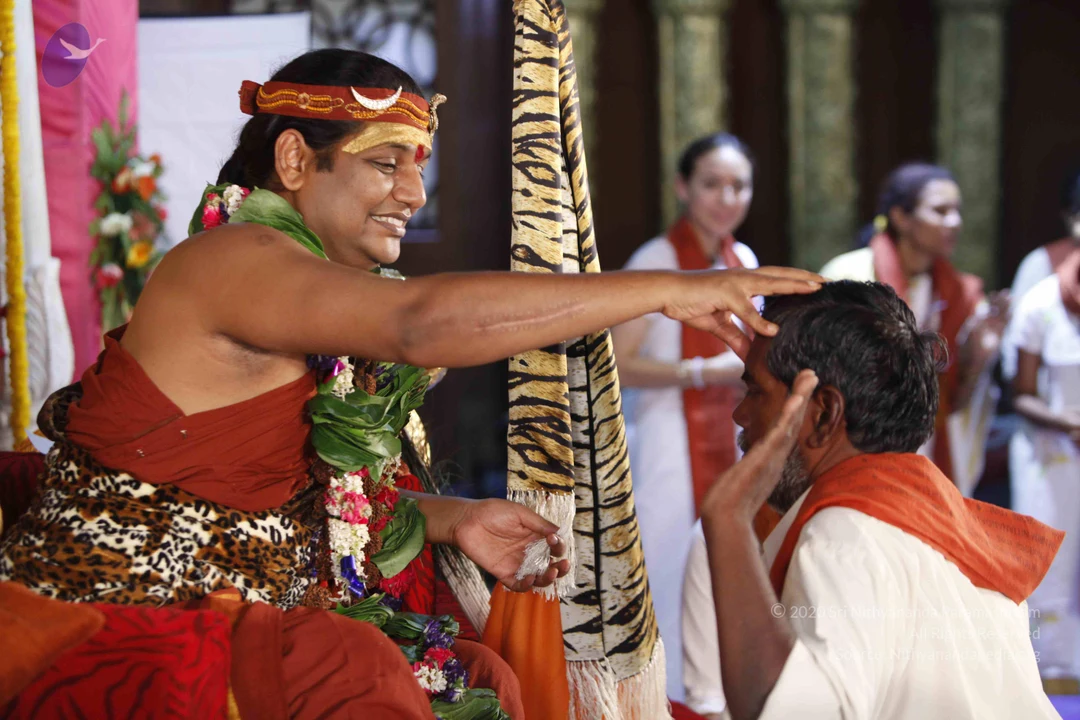
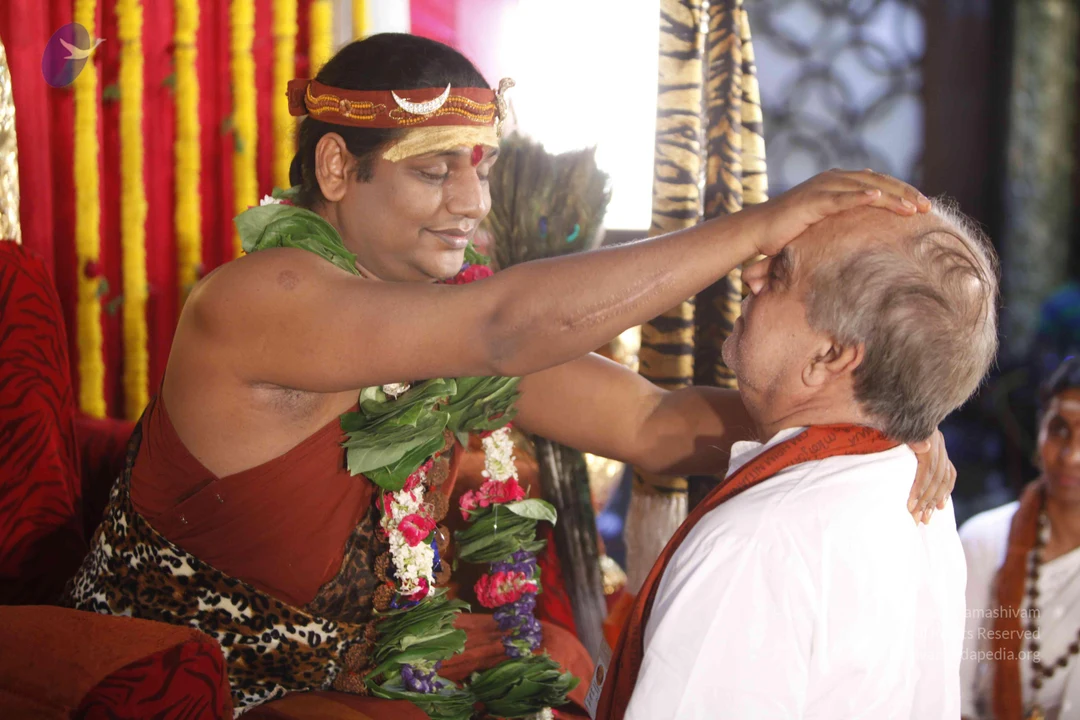
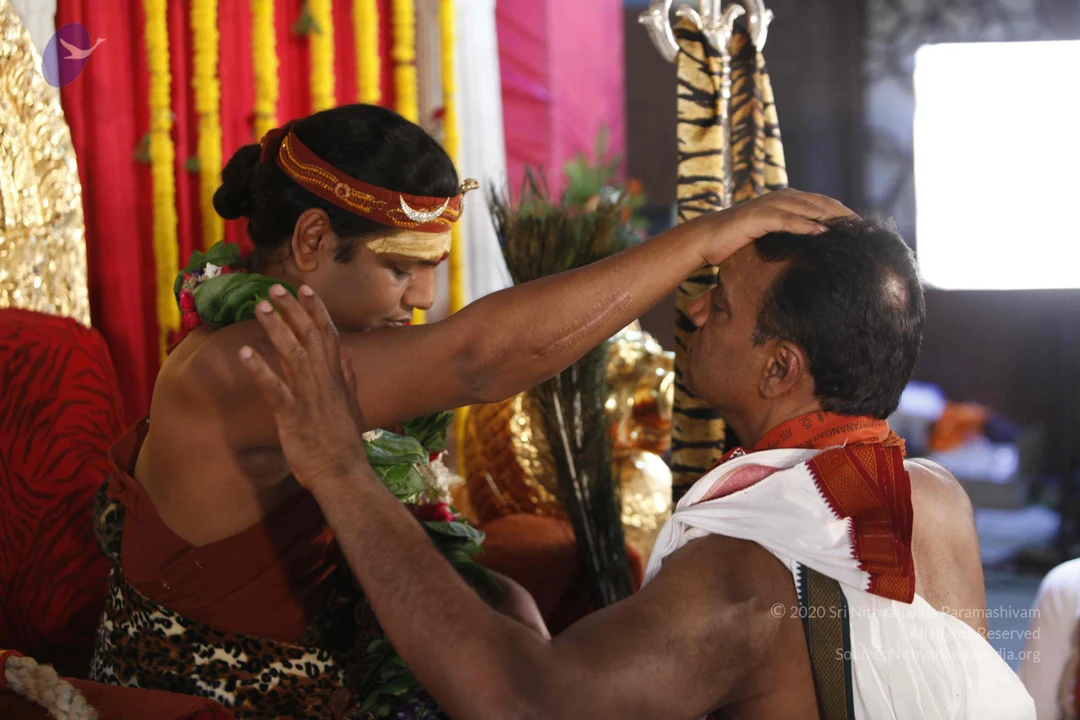
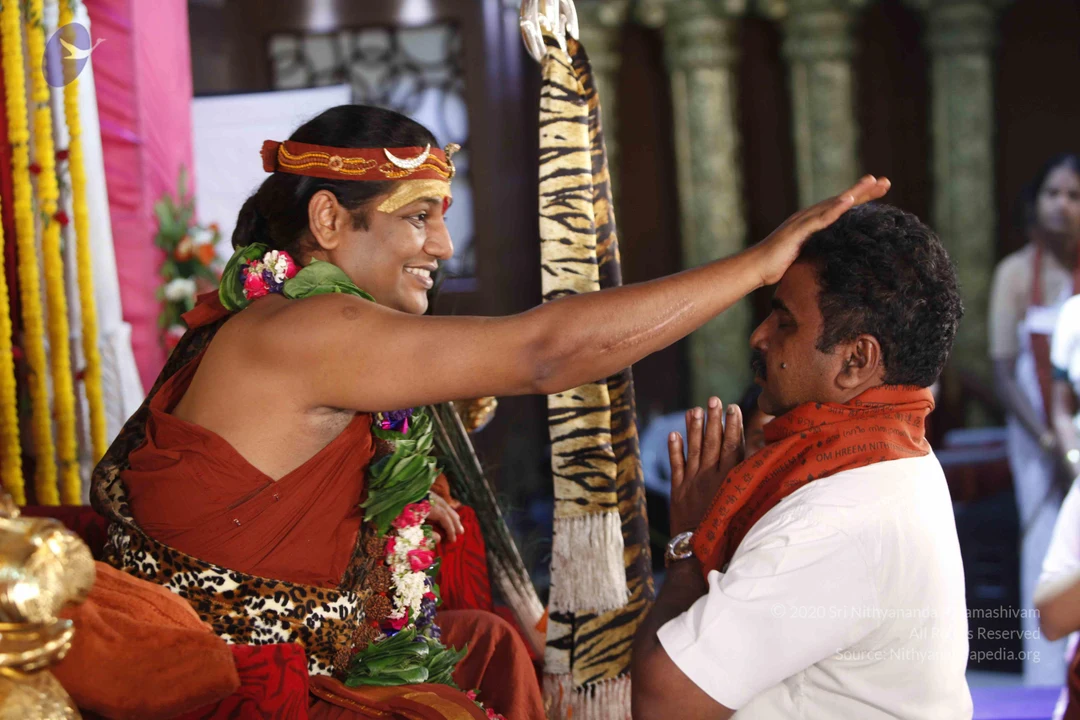
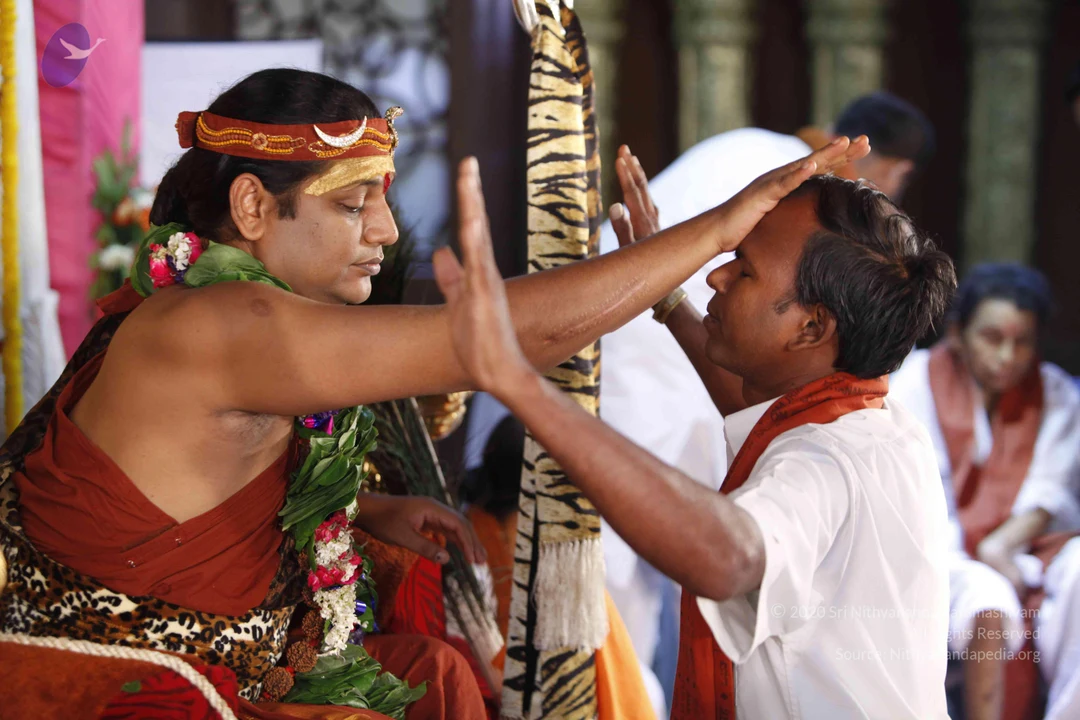
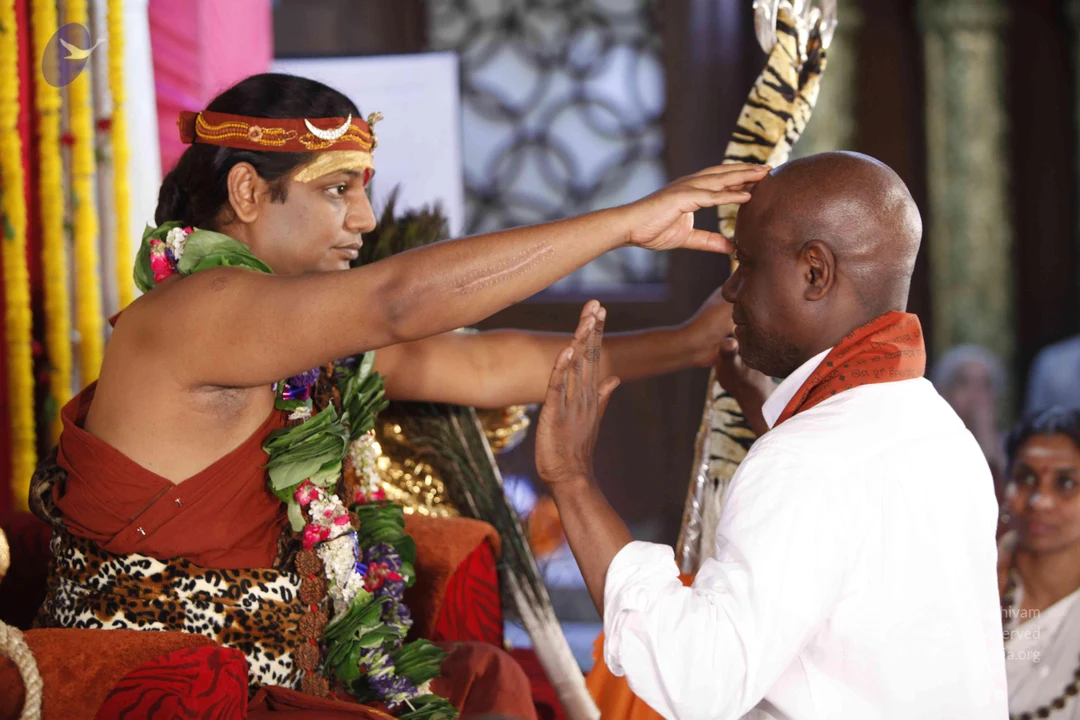
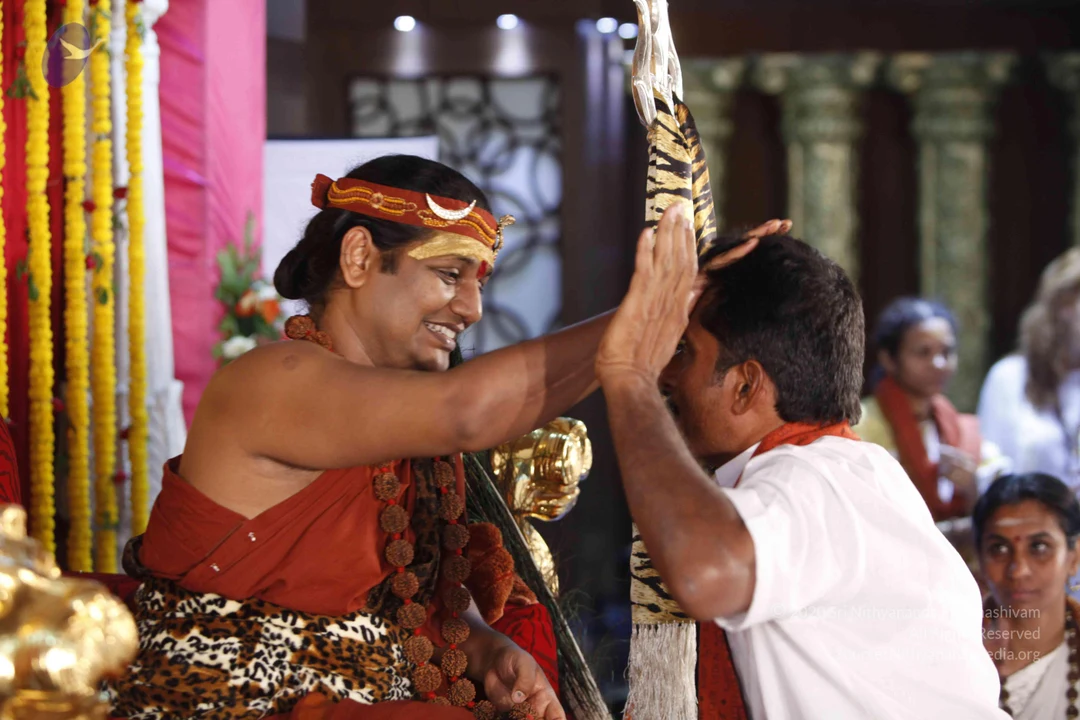
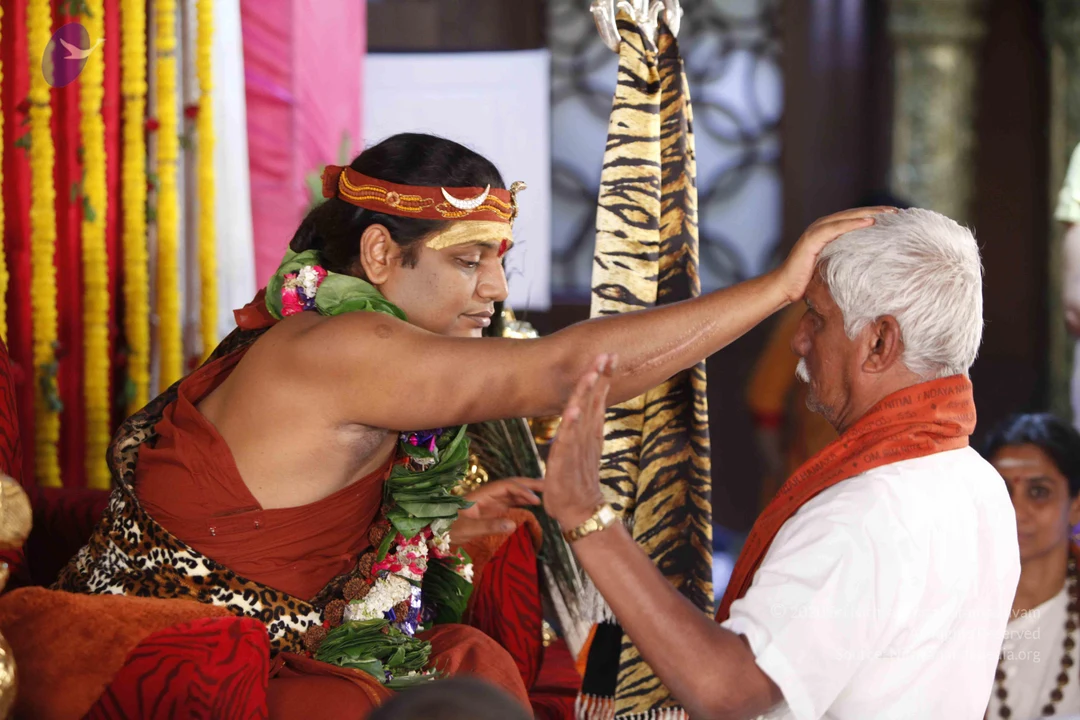
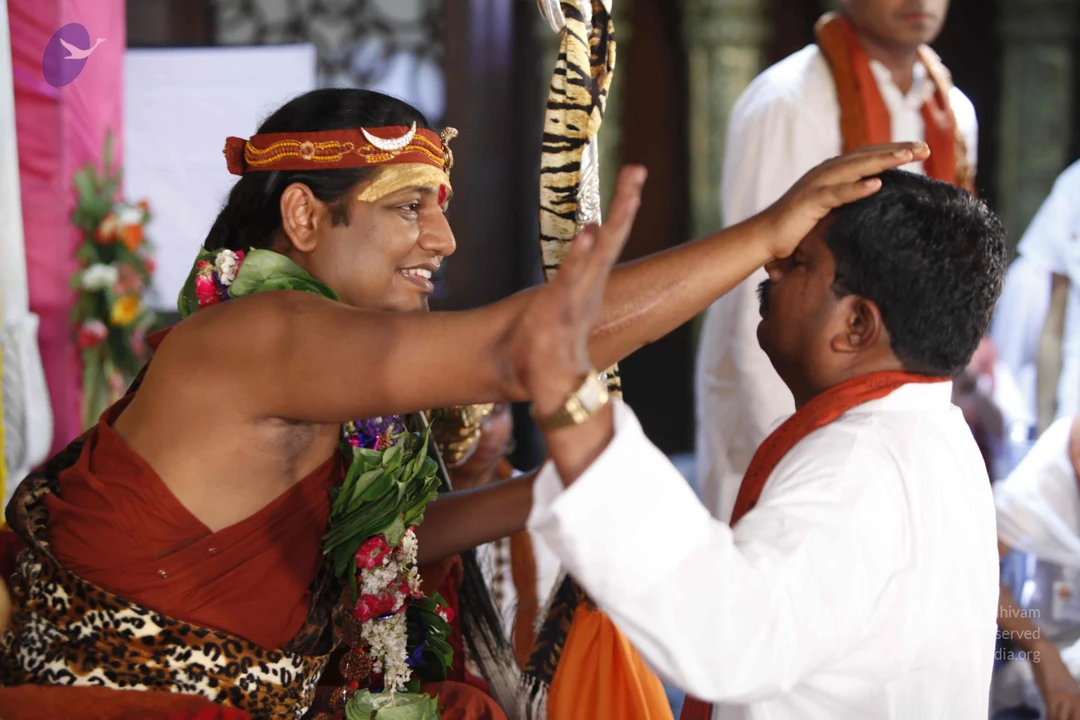
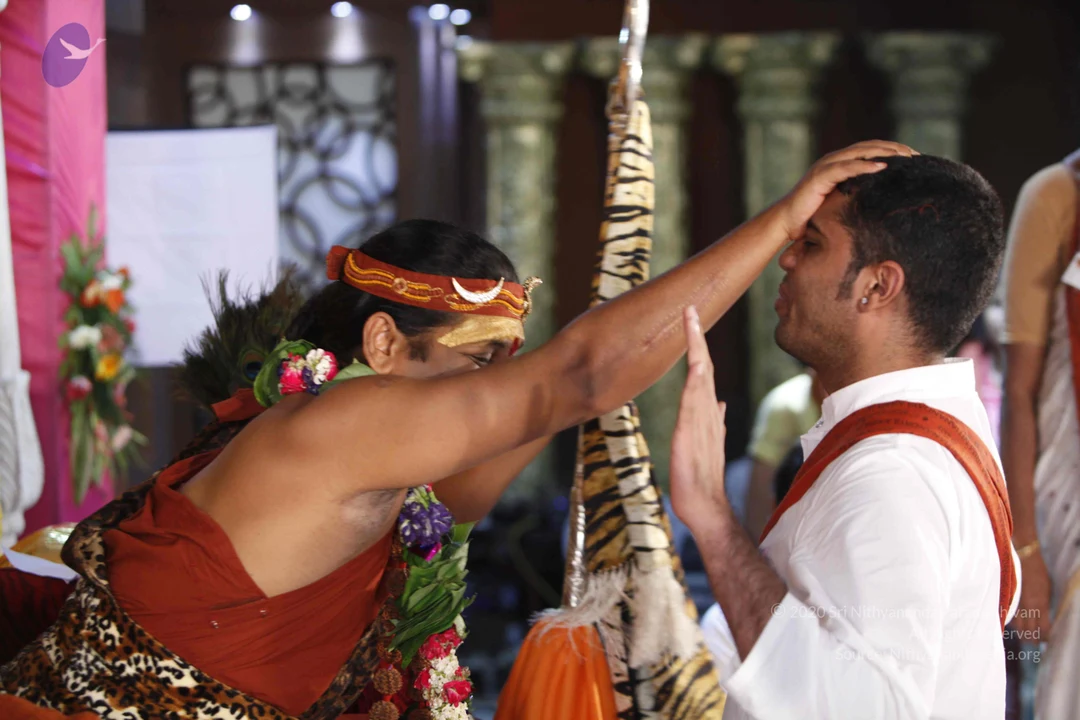
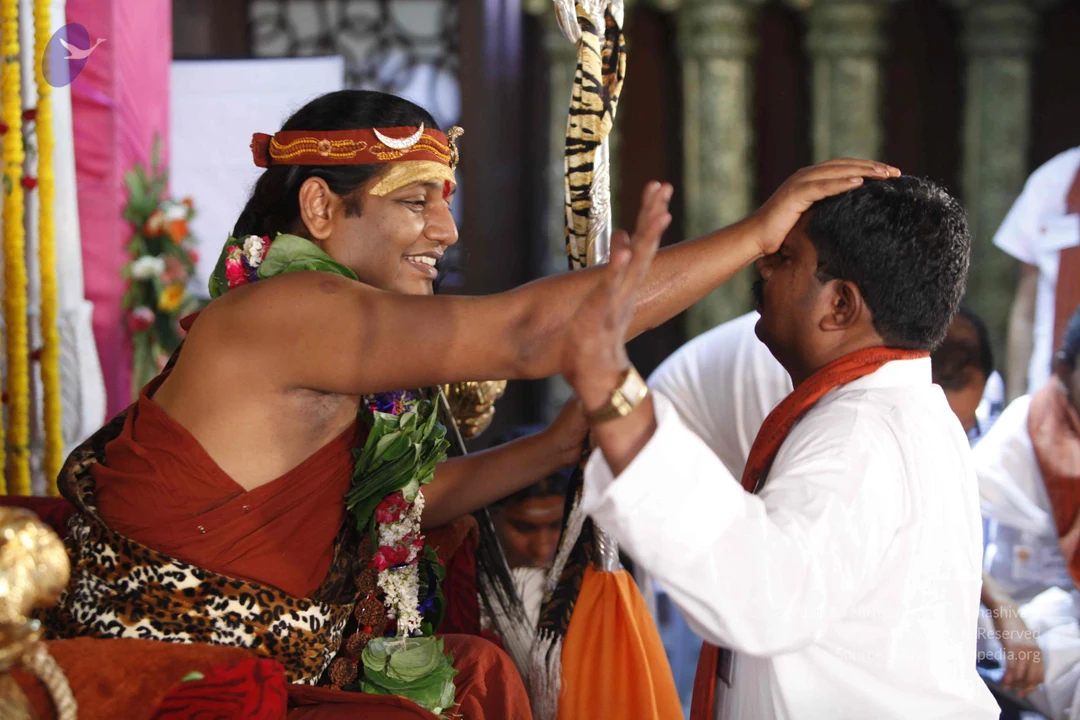
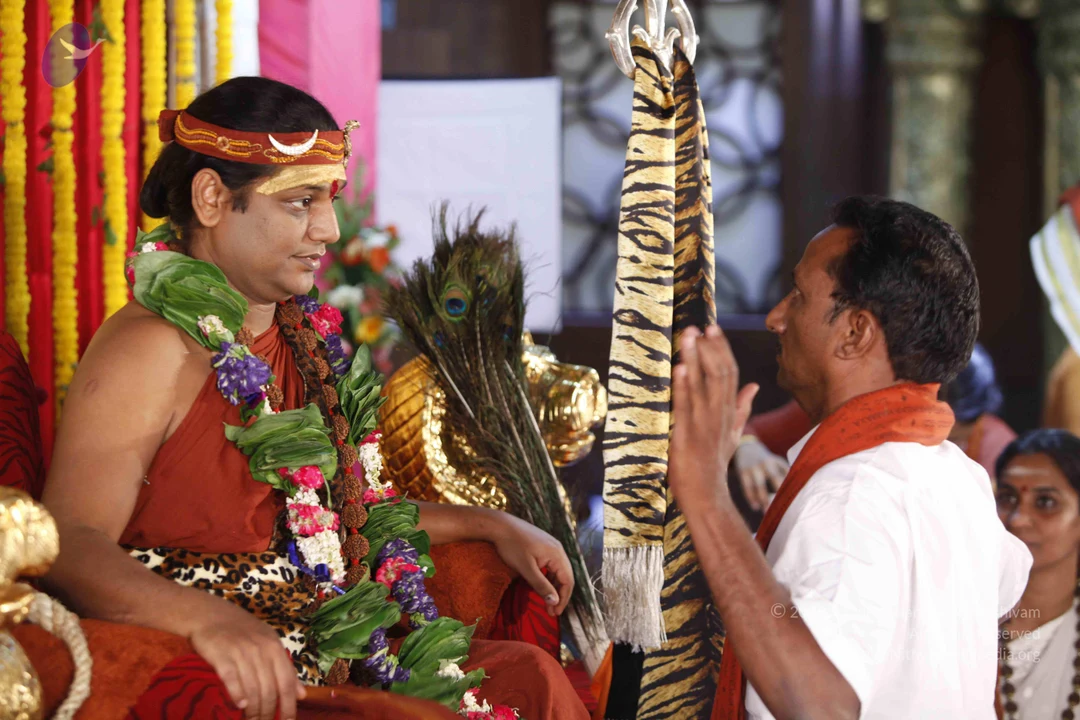
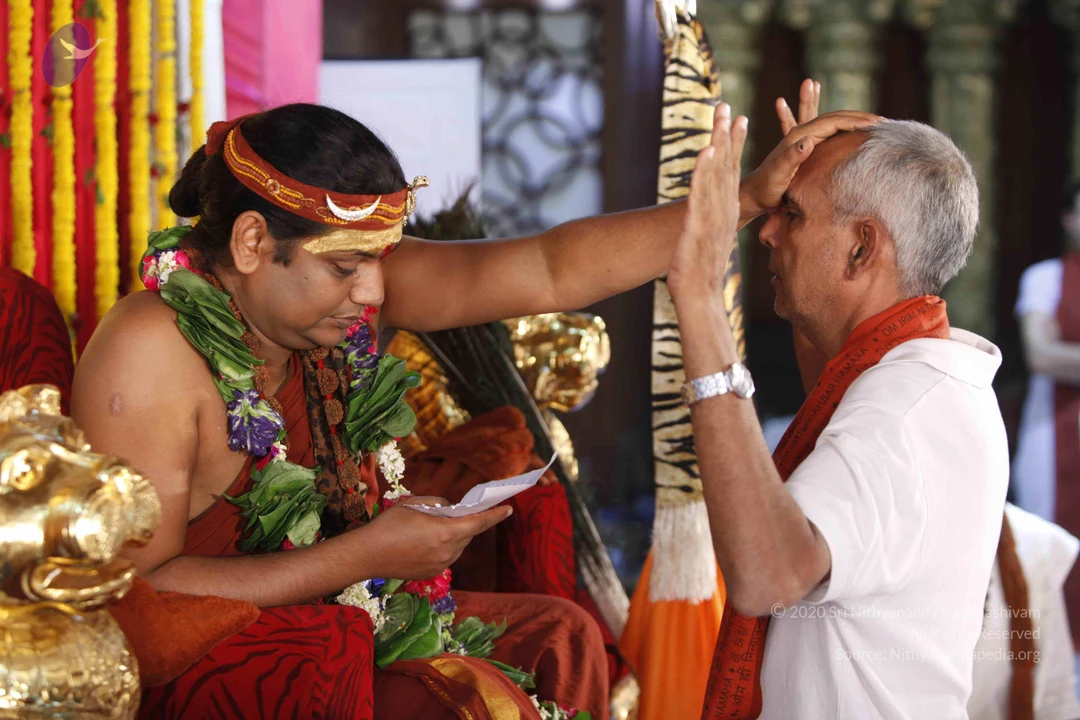
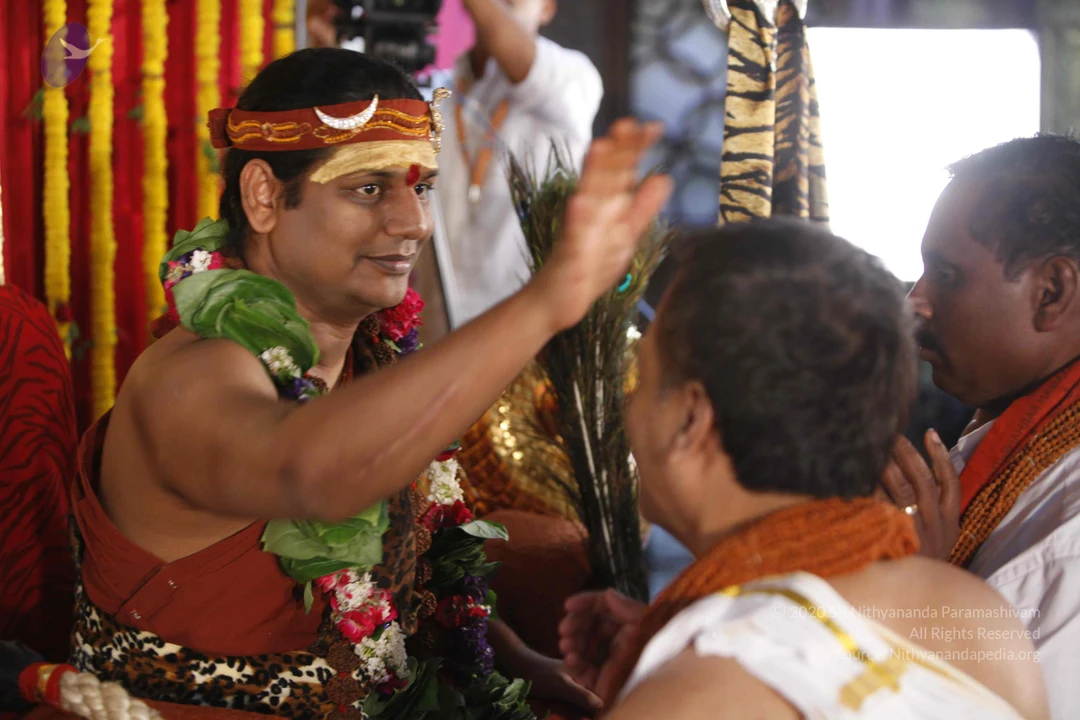
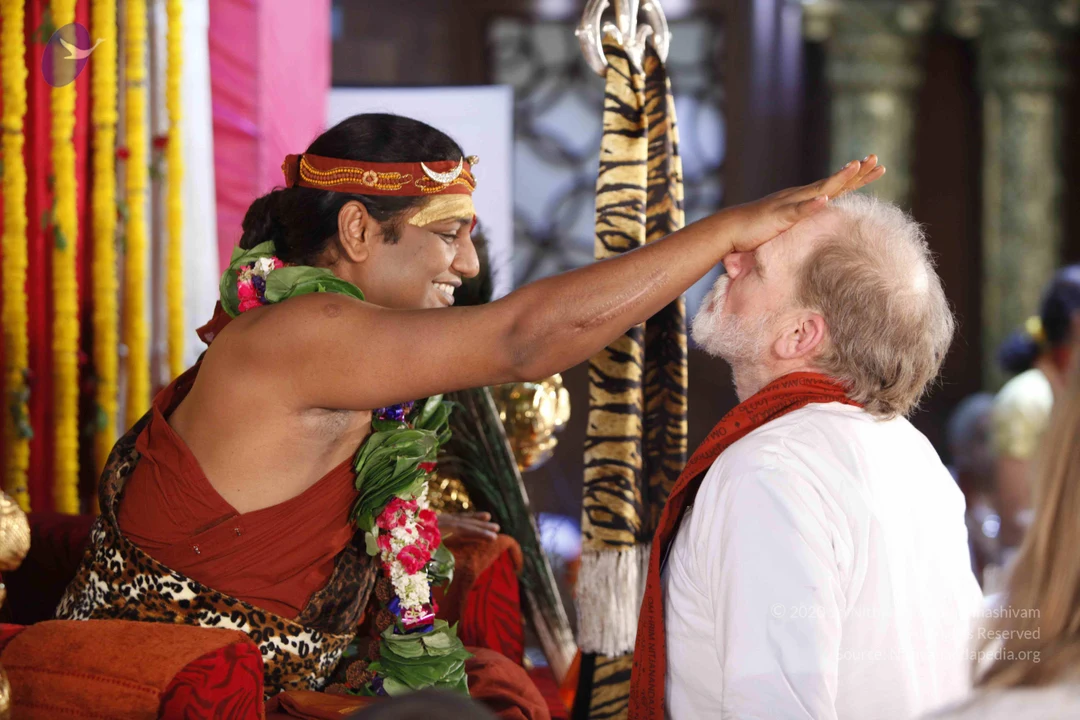
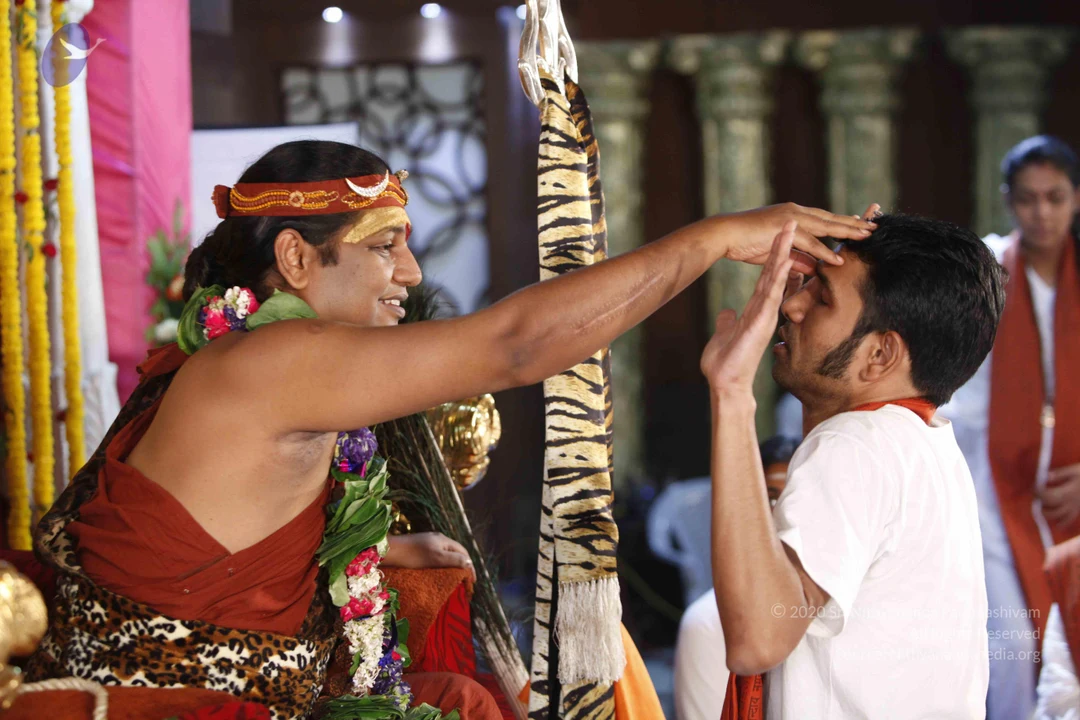
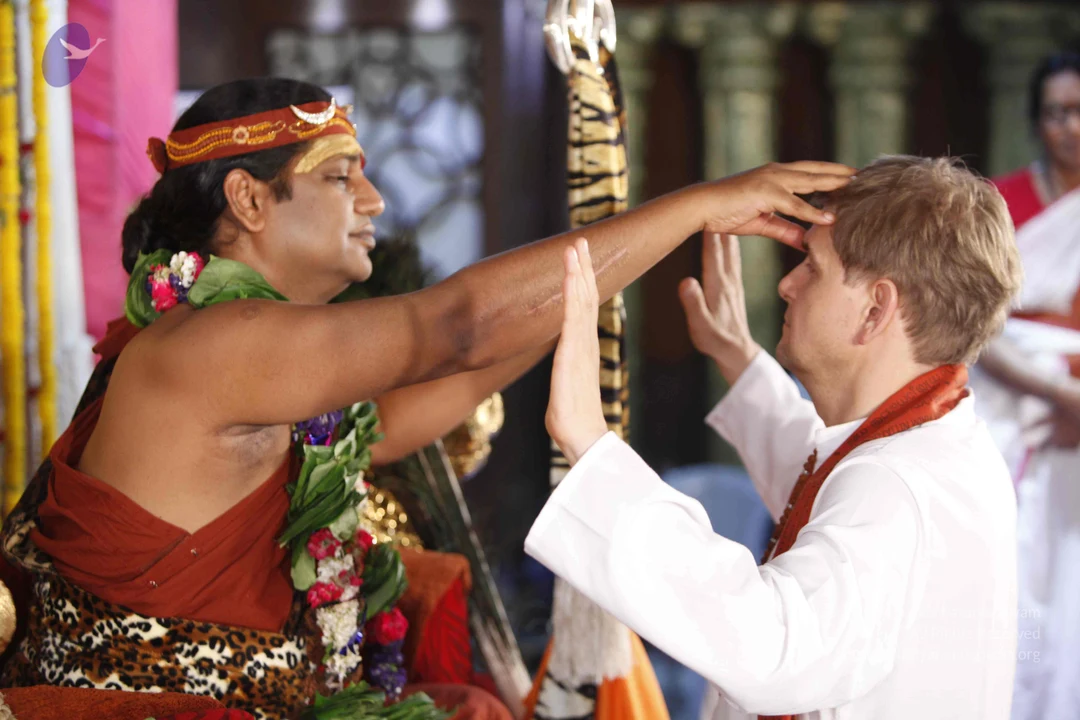
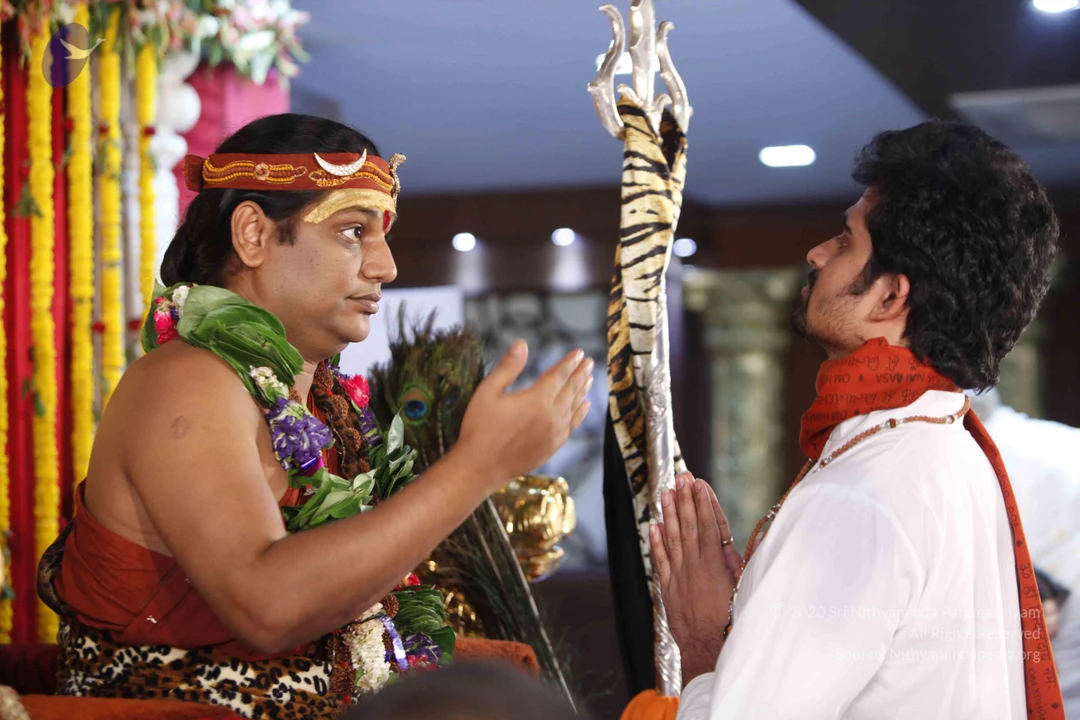
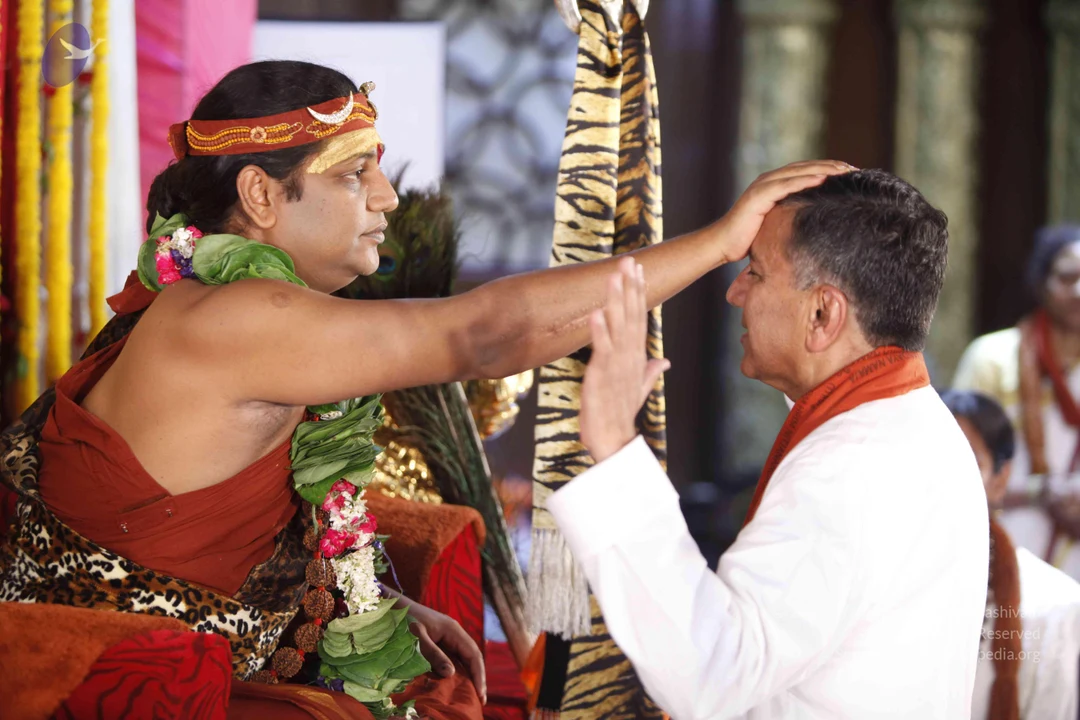
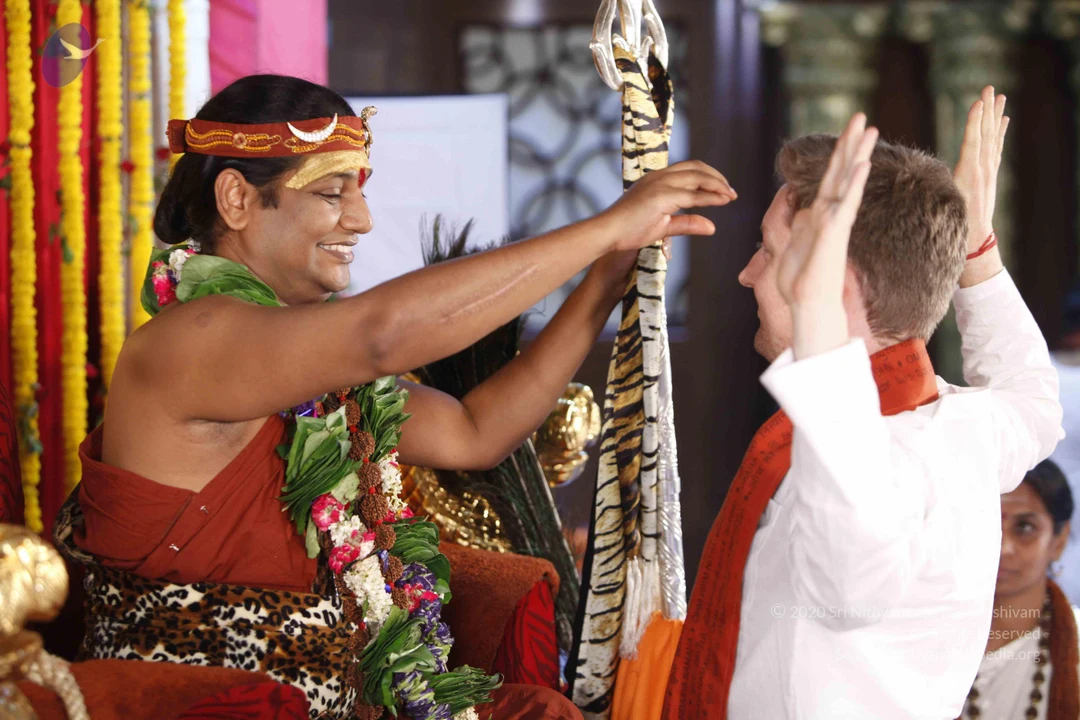
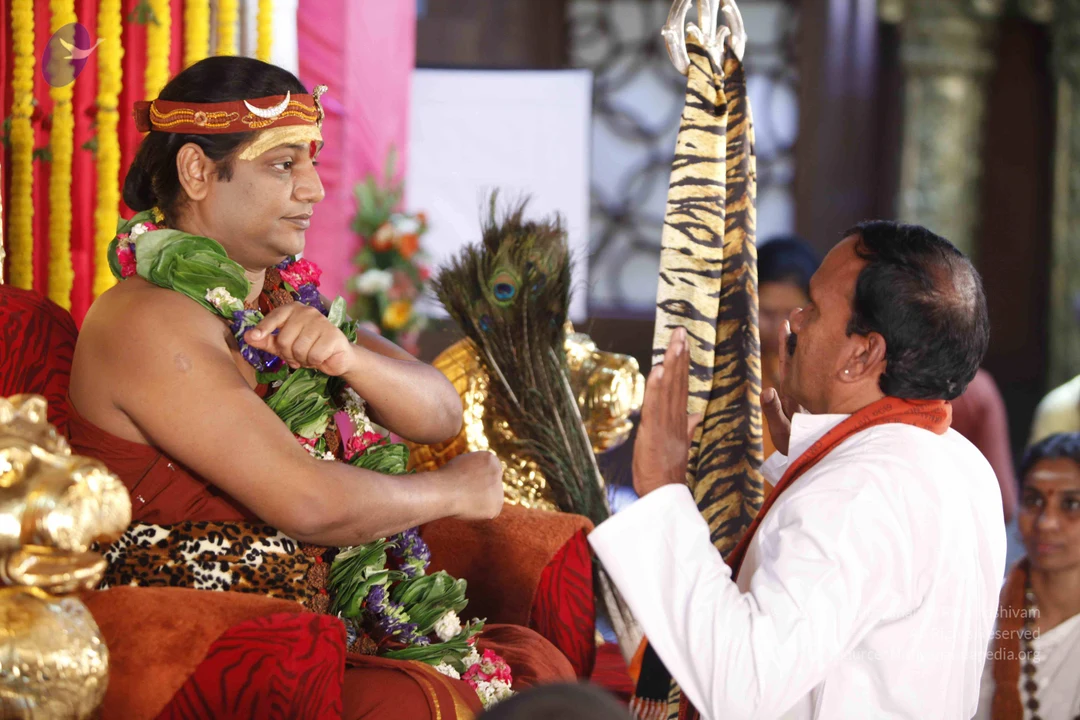
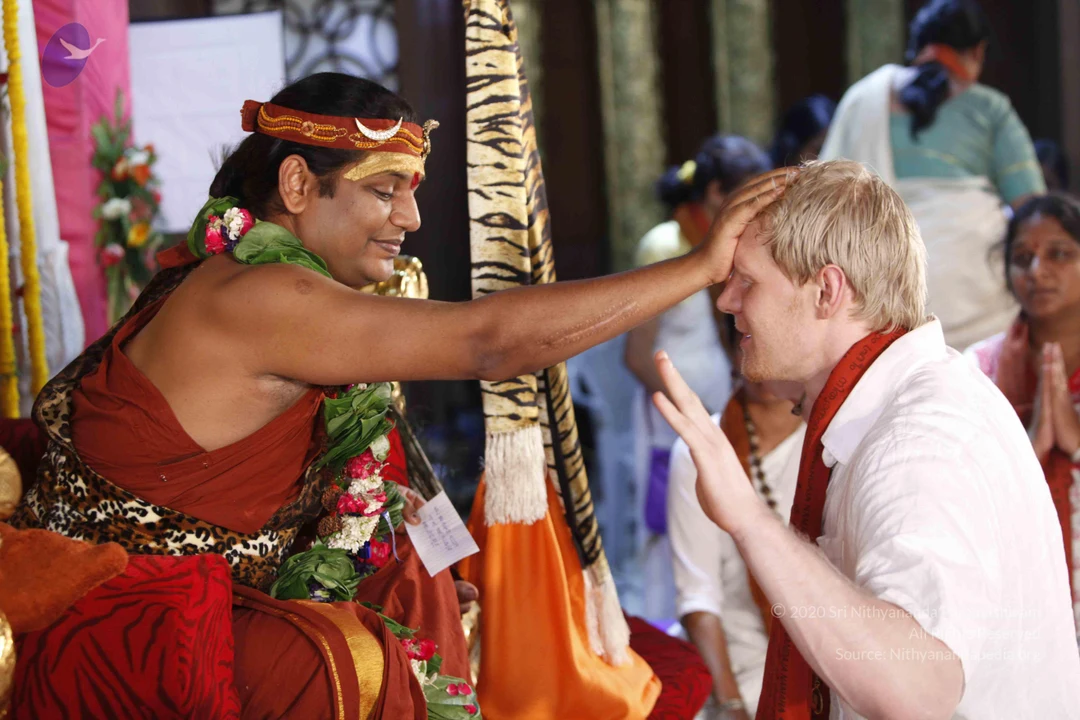
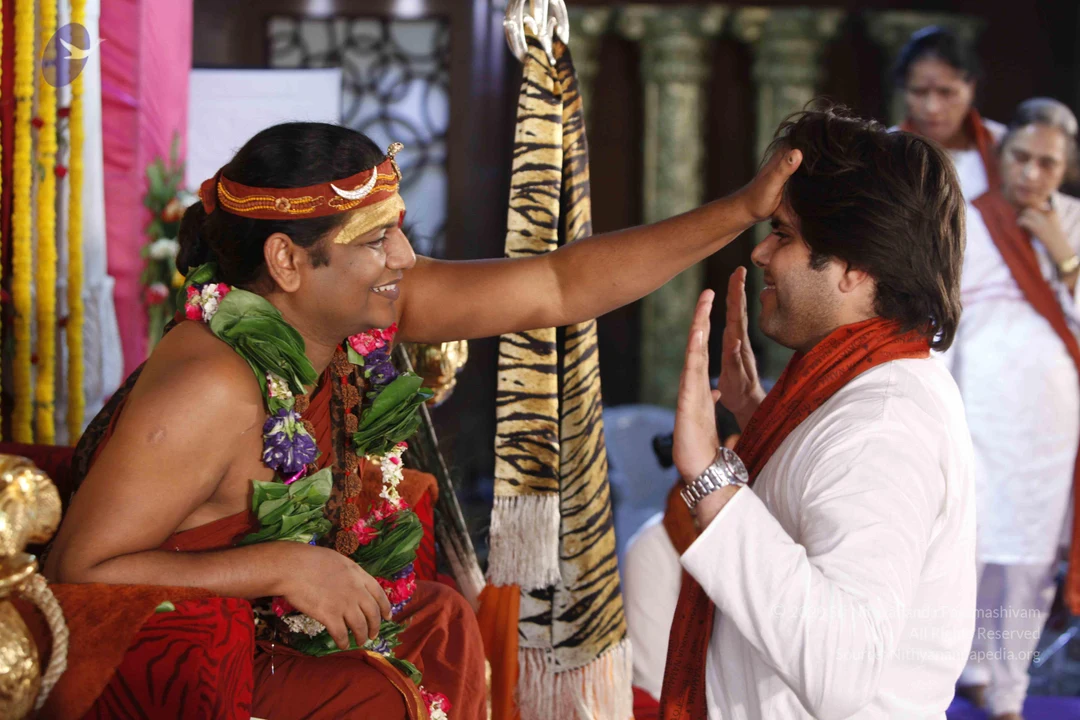
01-Pada-Puja
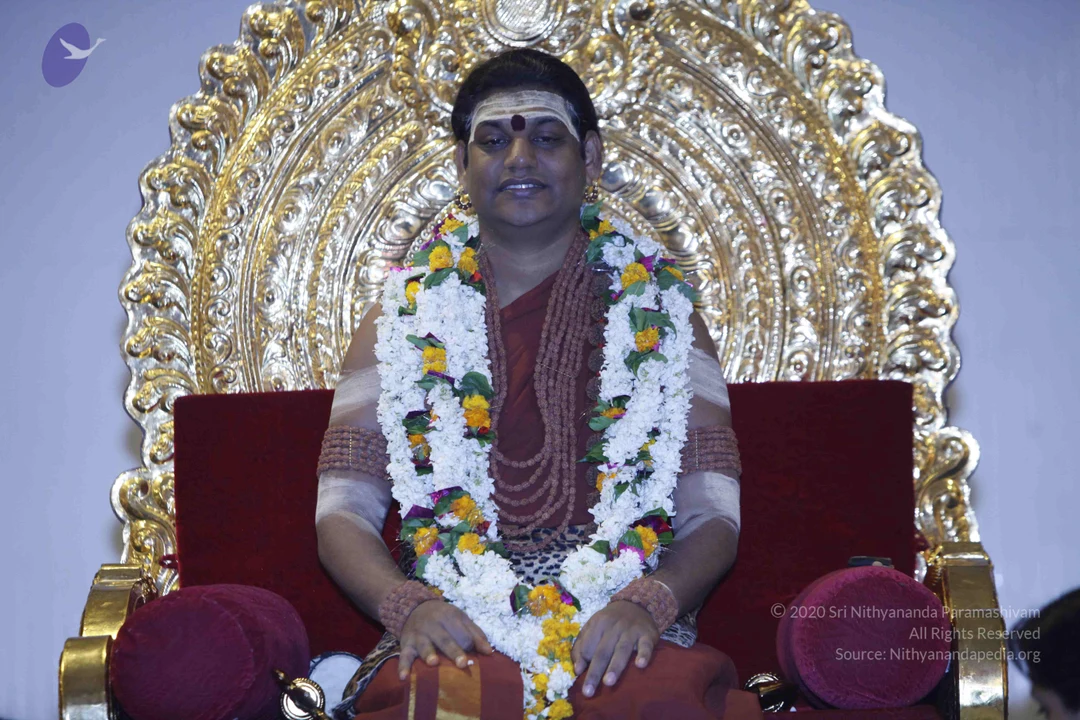
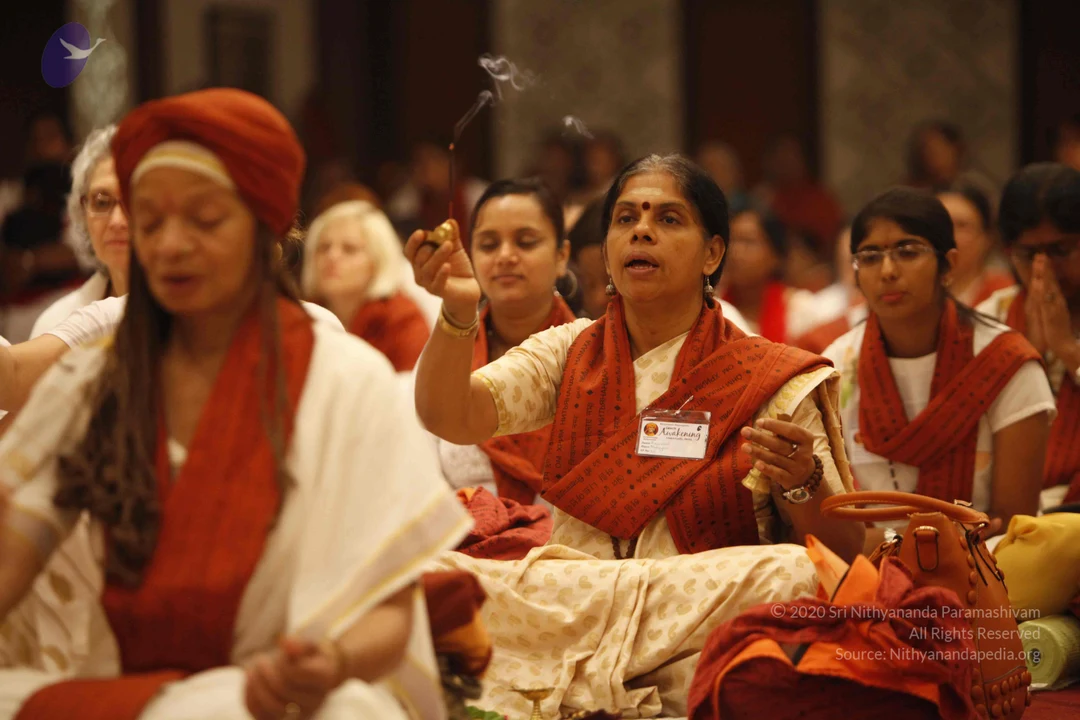
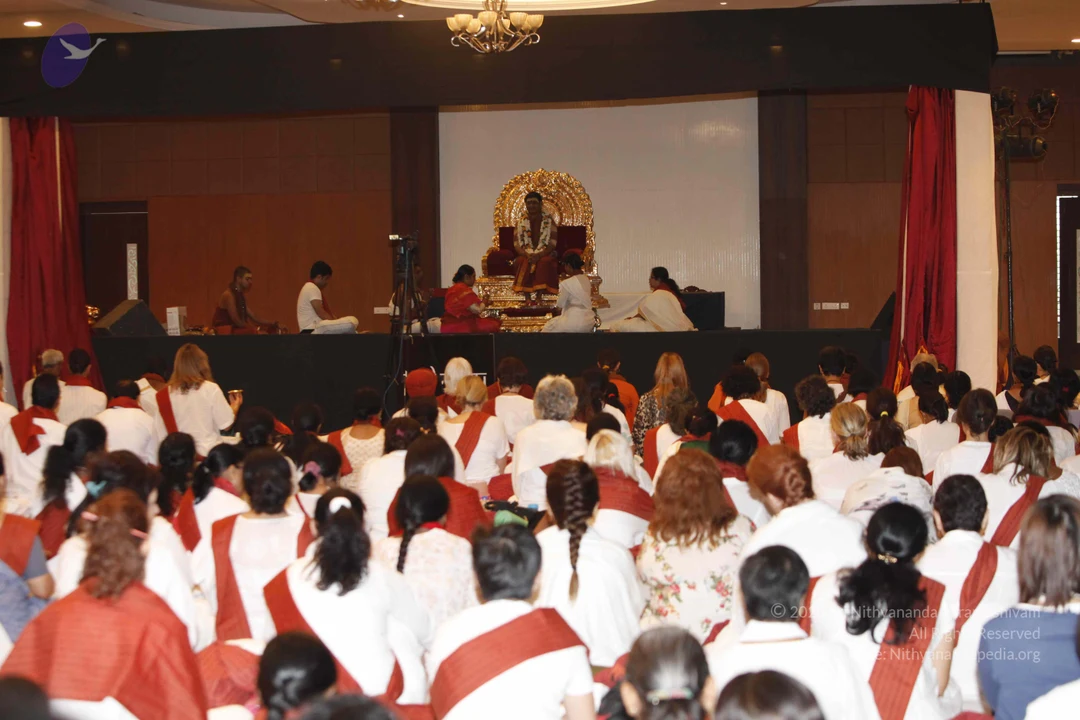
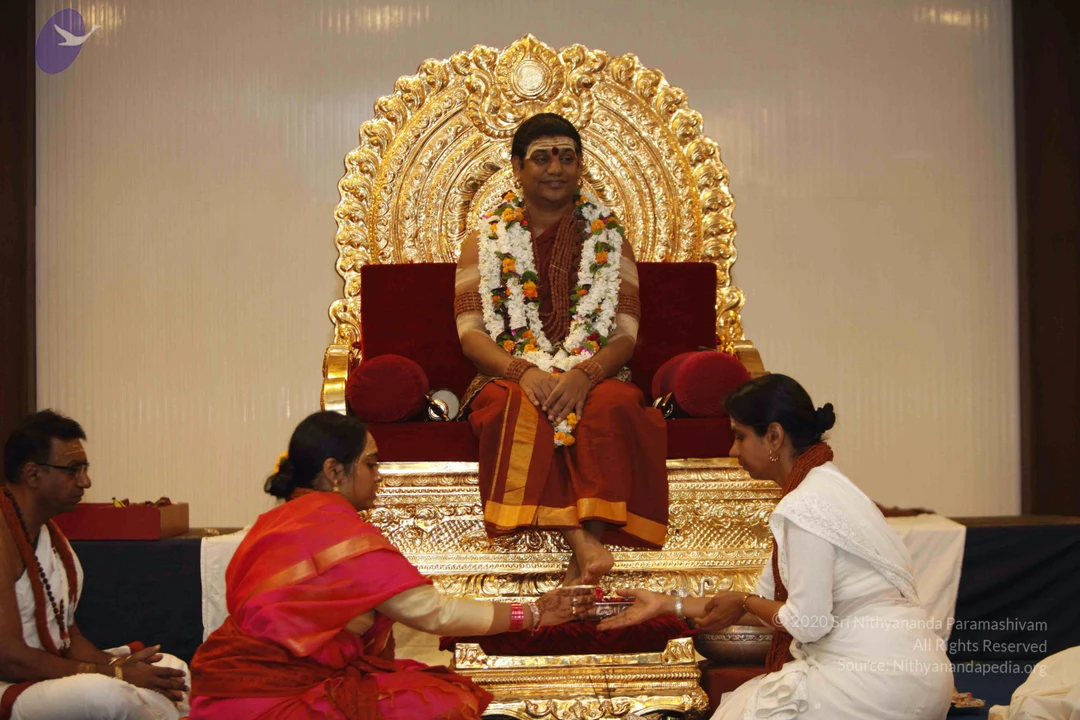
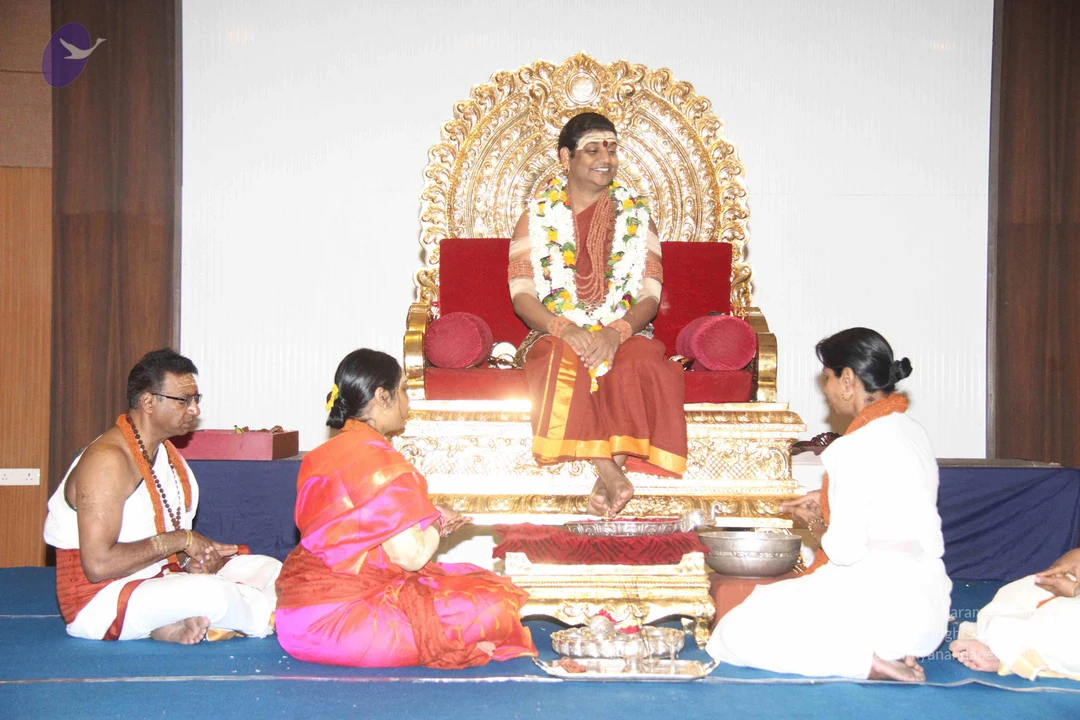
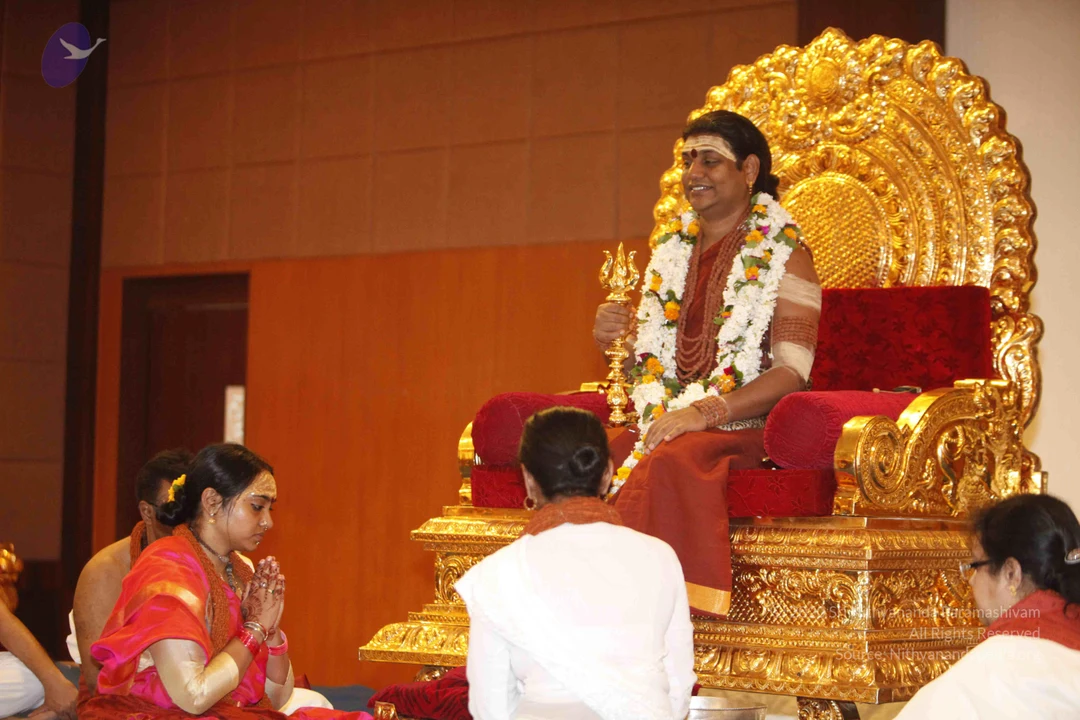

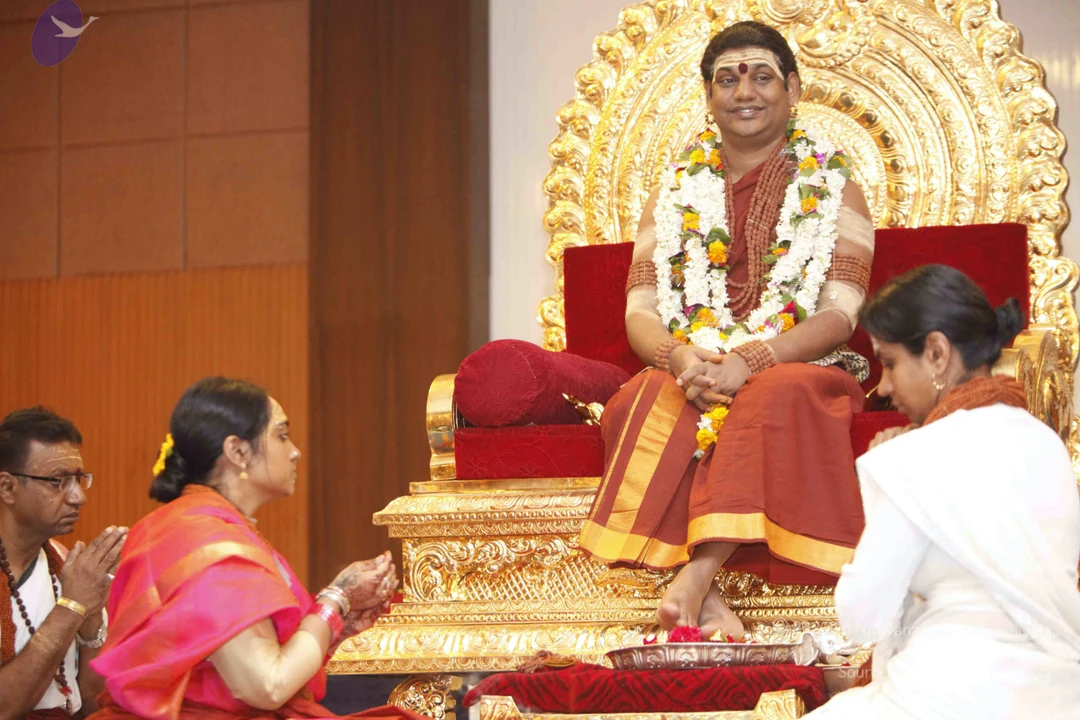
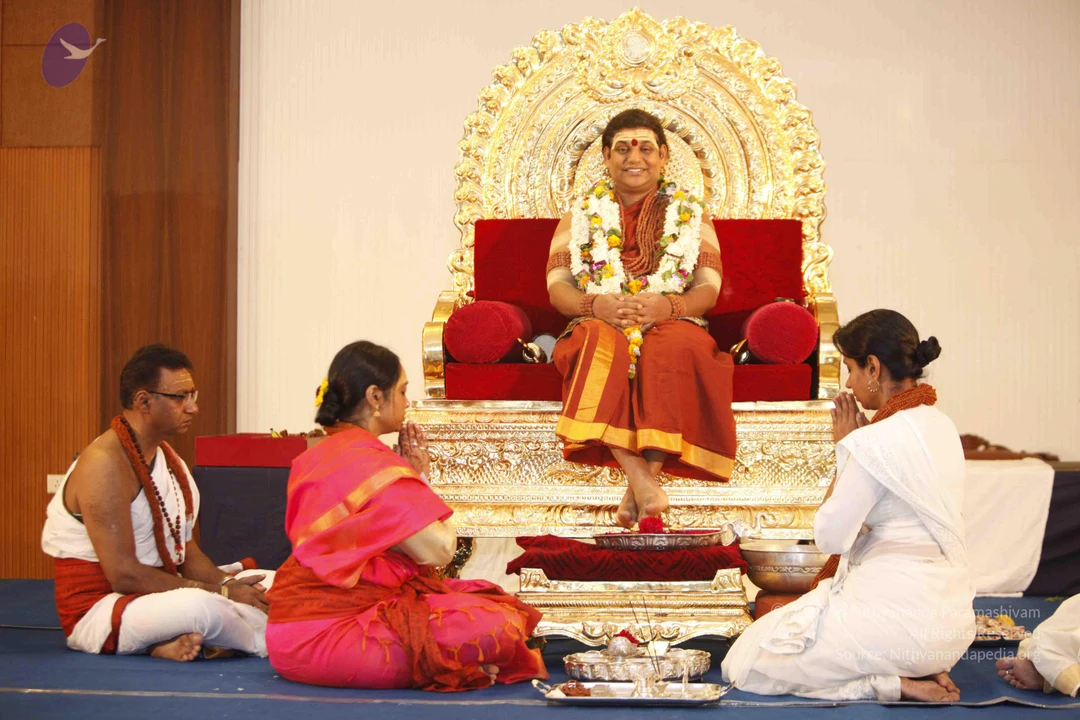
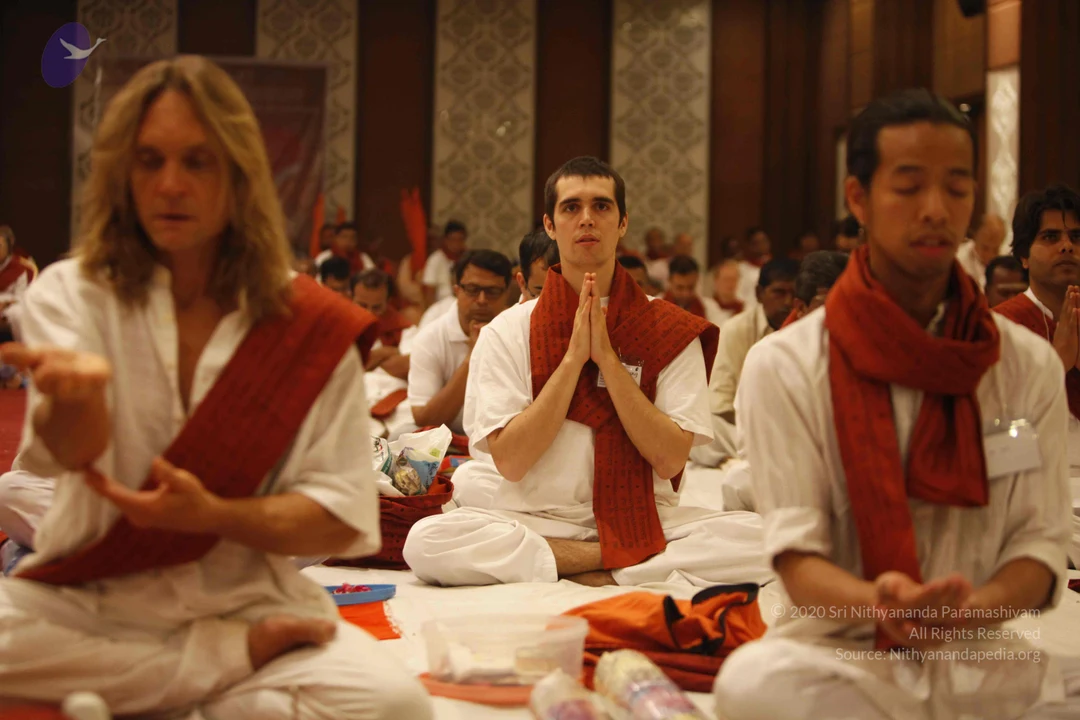
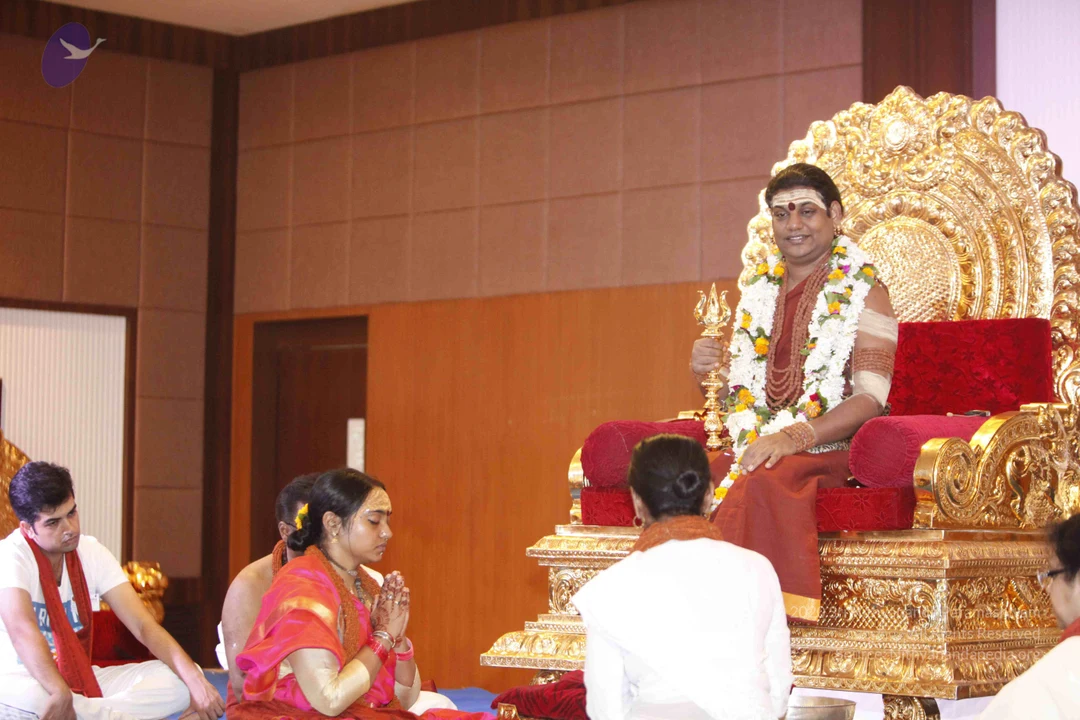
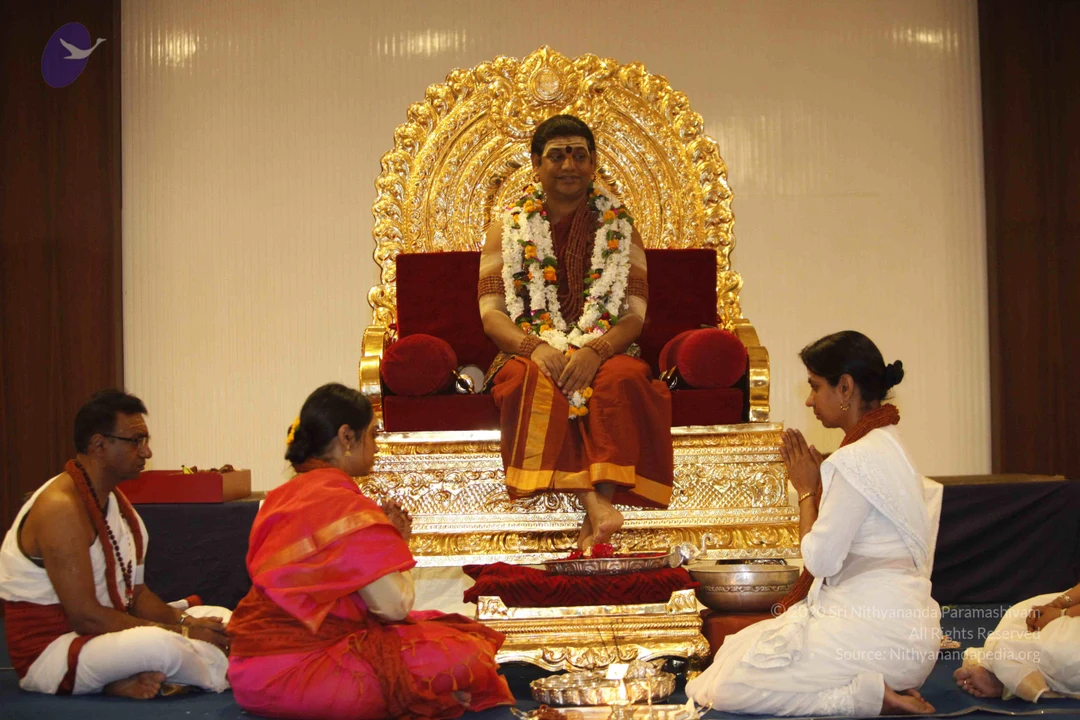
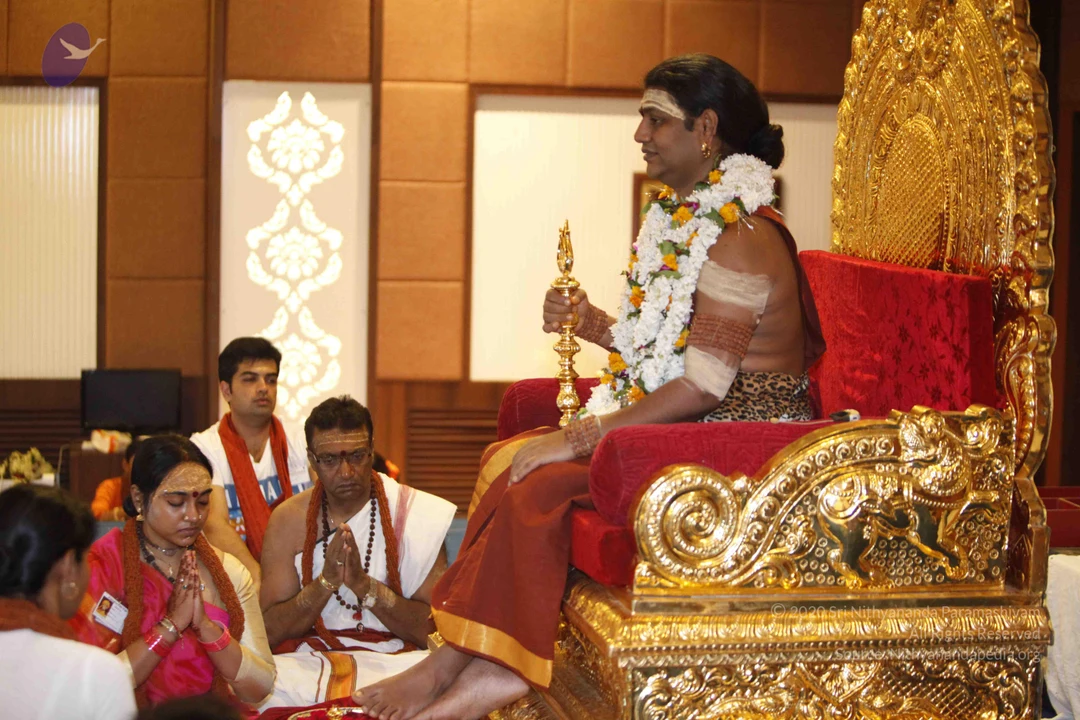
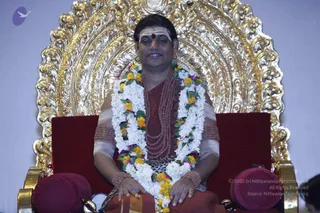
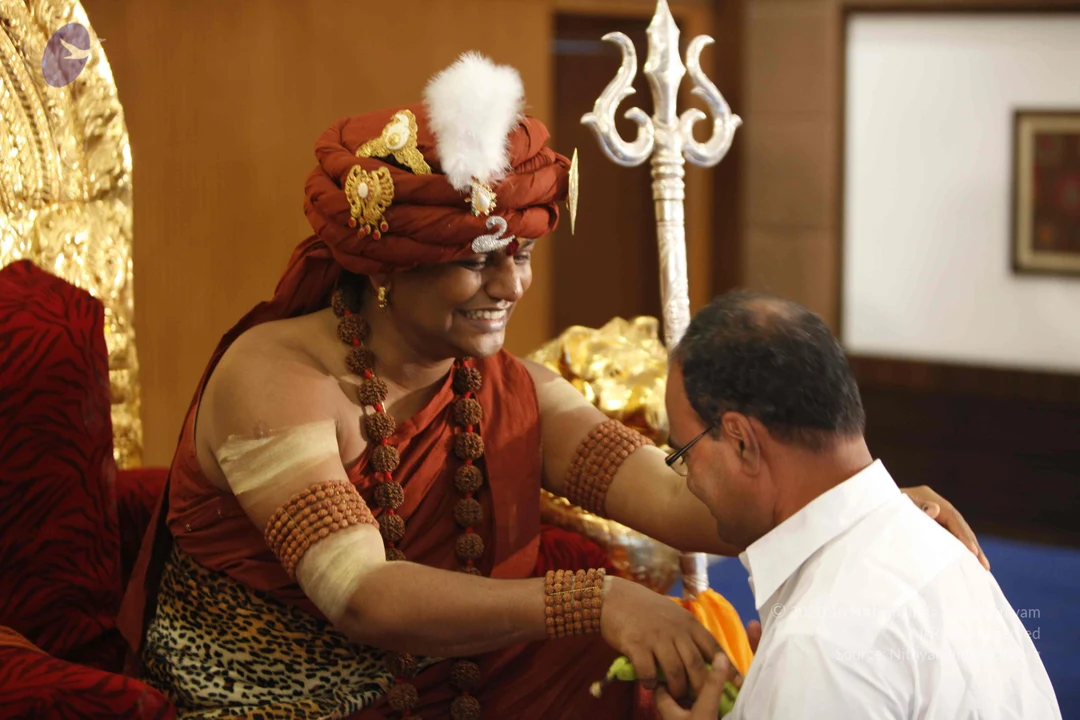
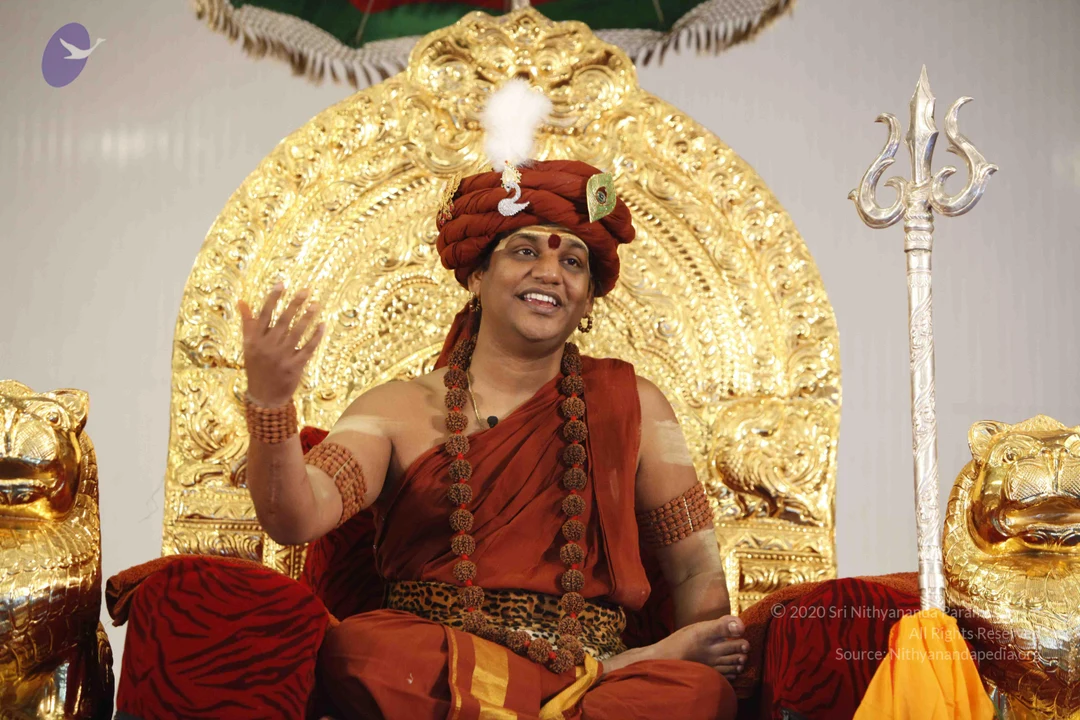
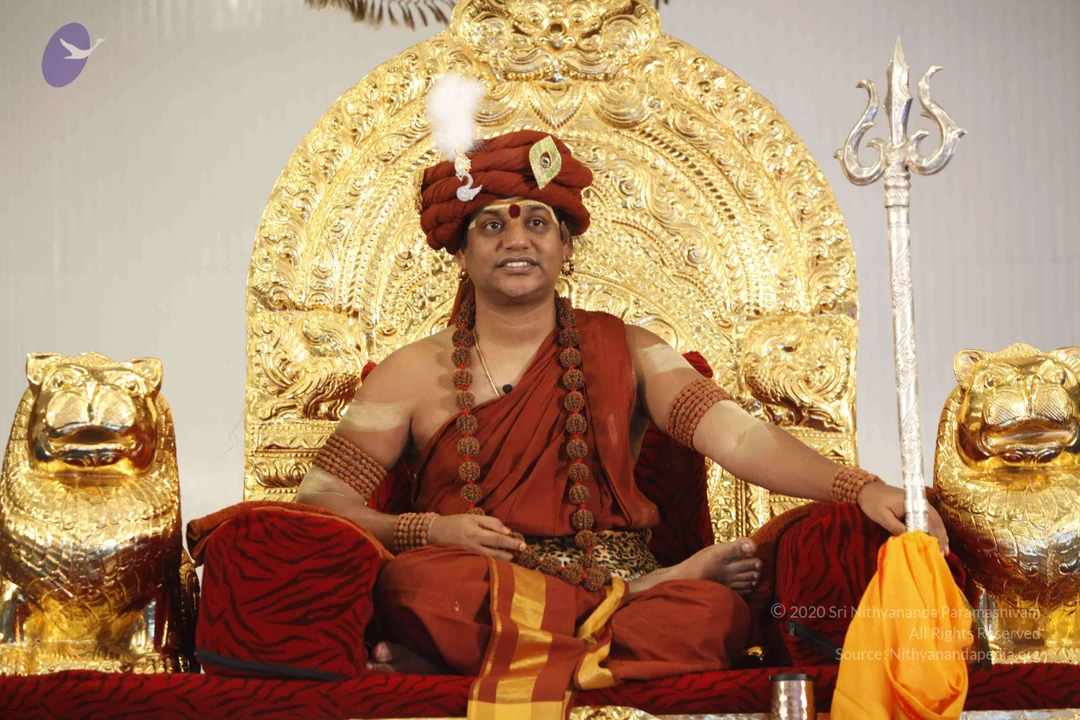
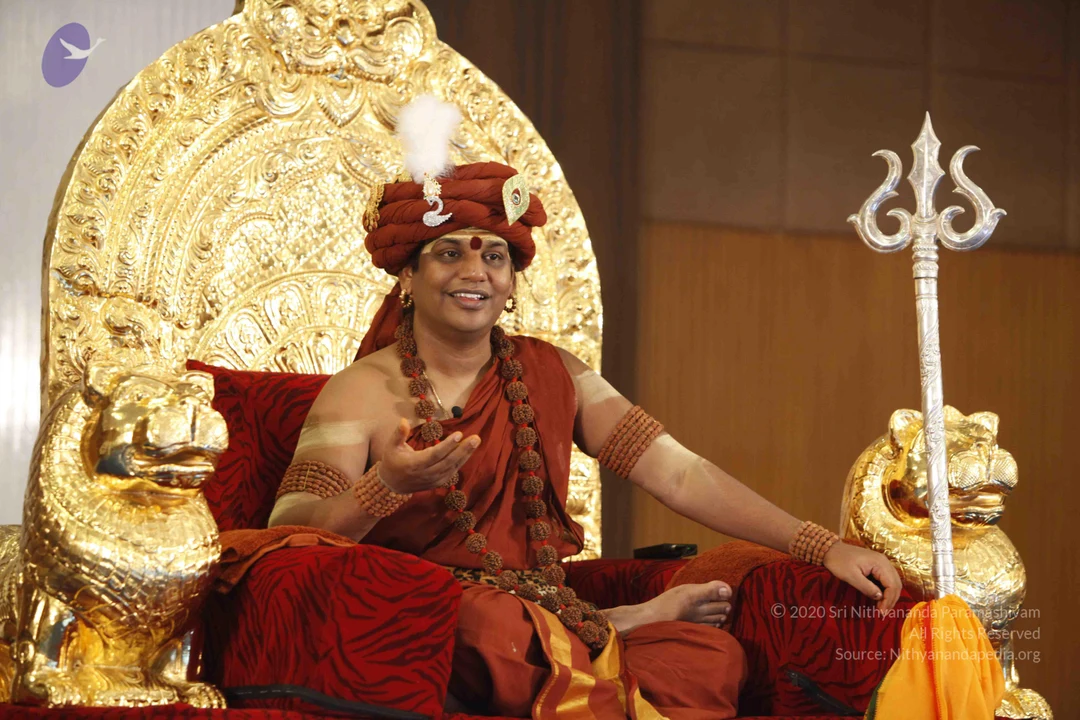
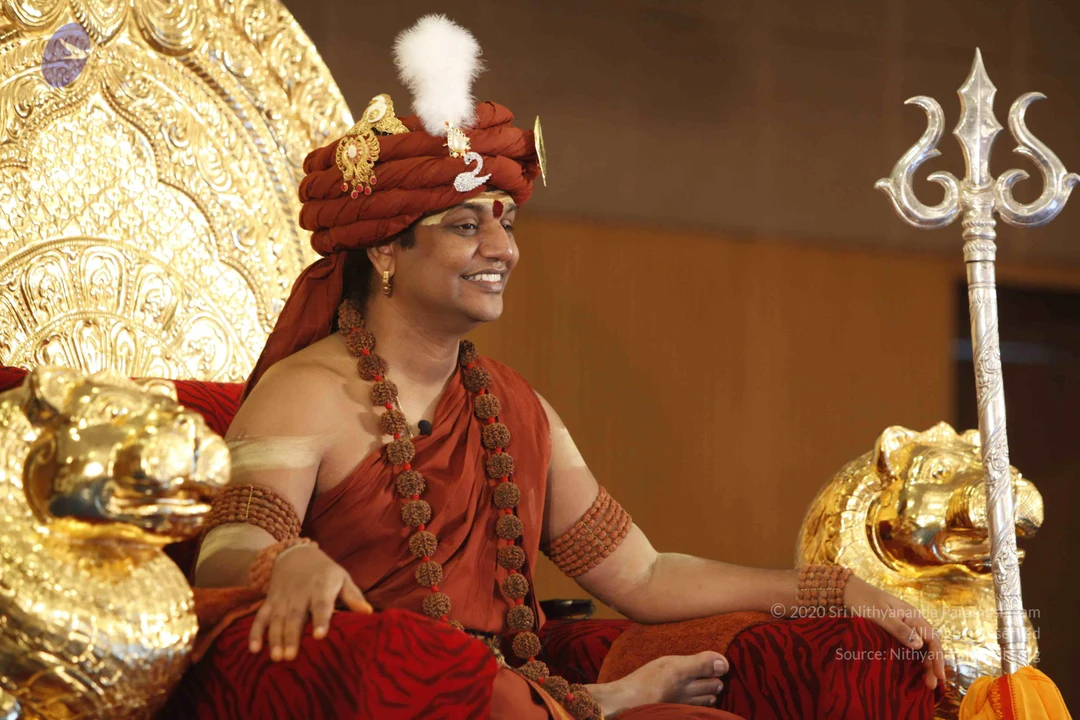
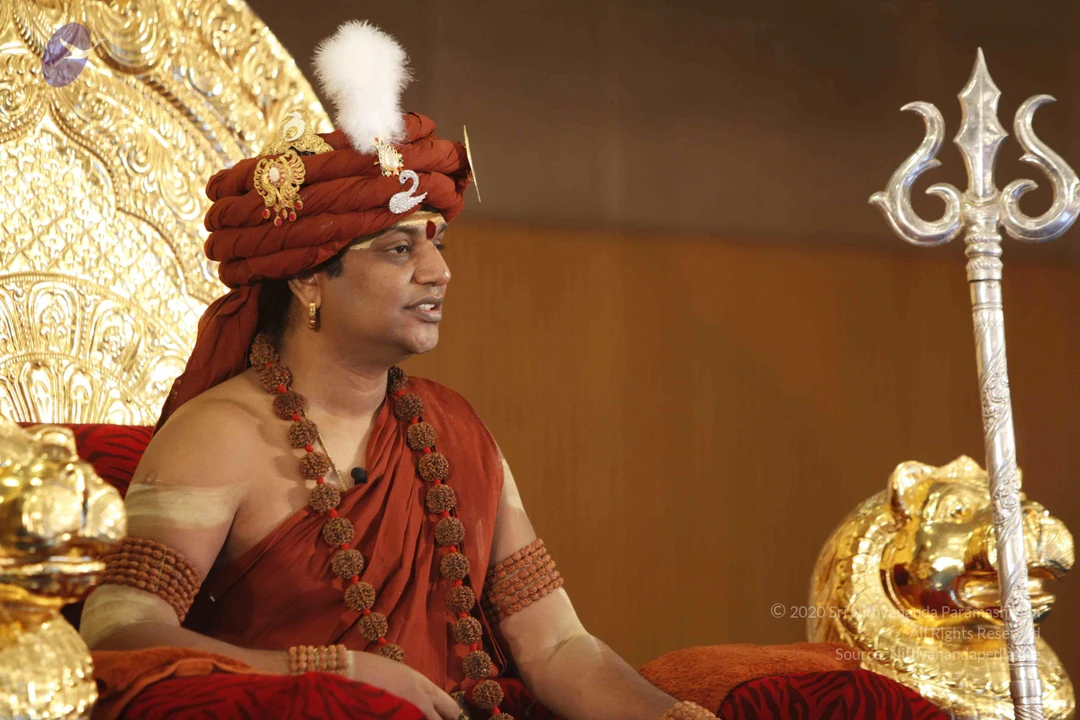
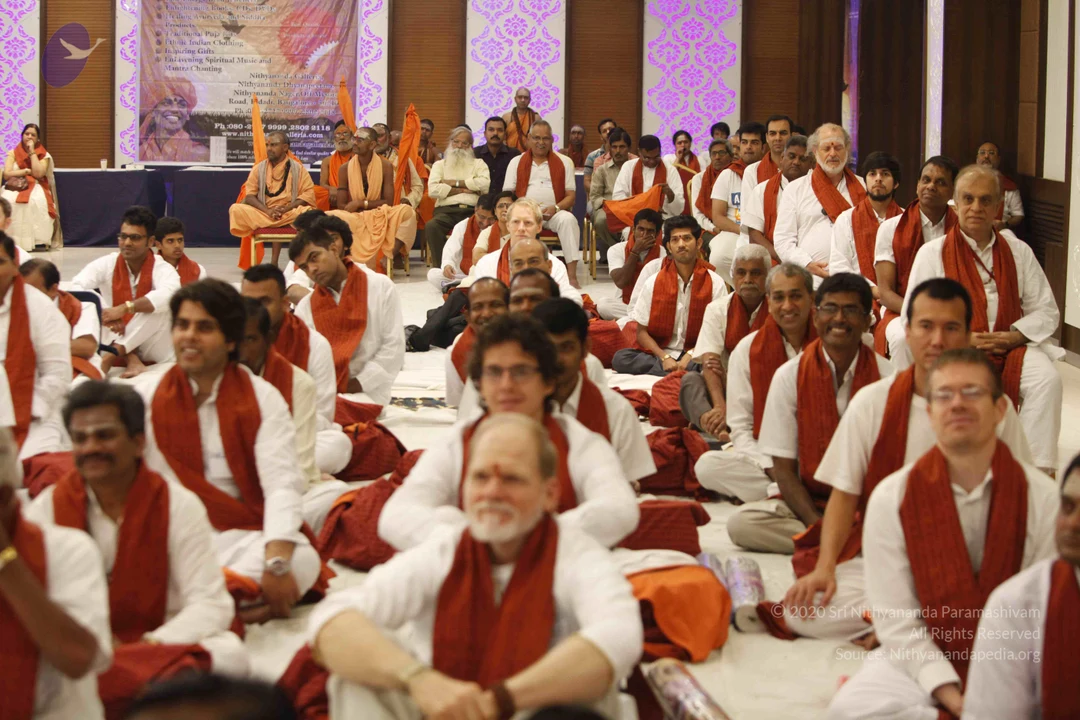
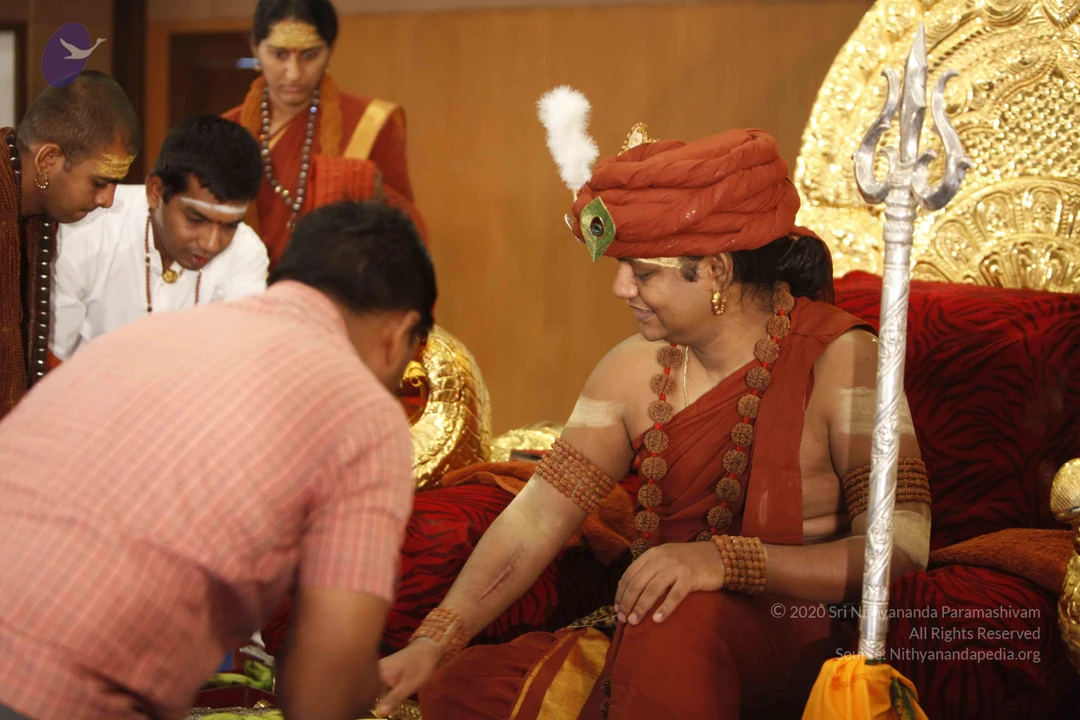
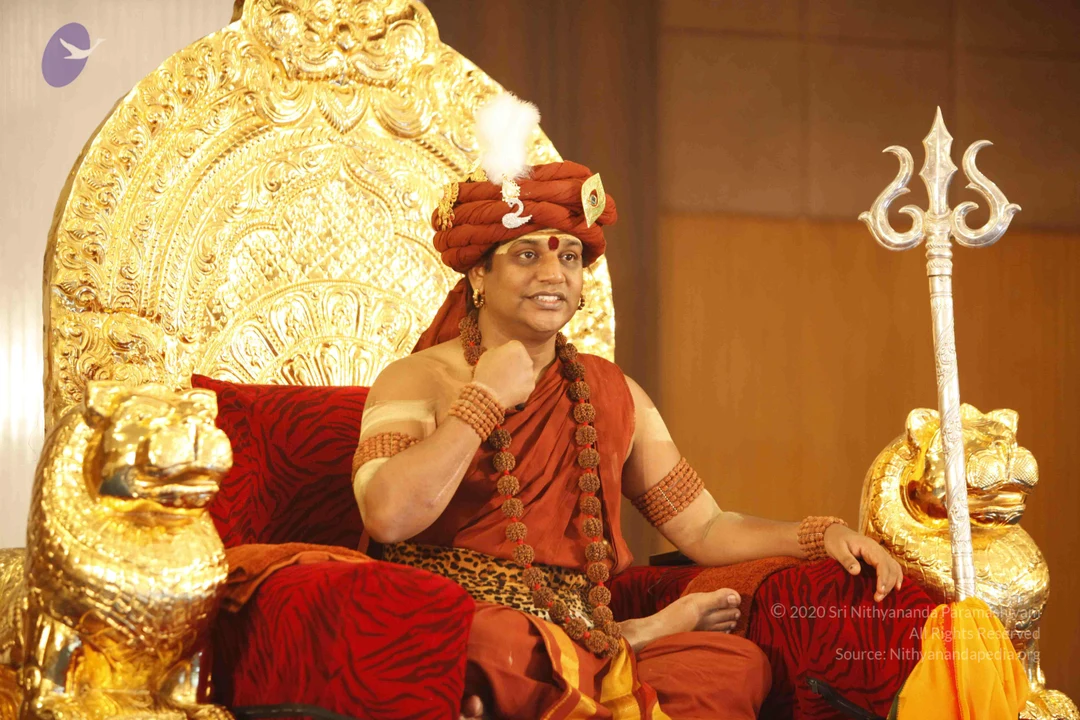
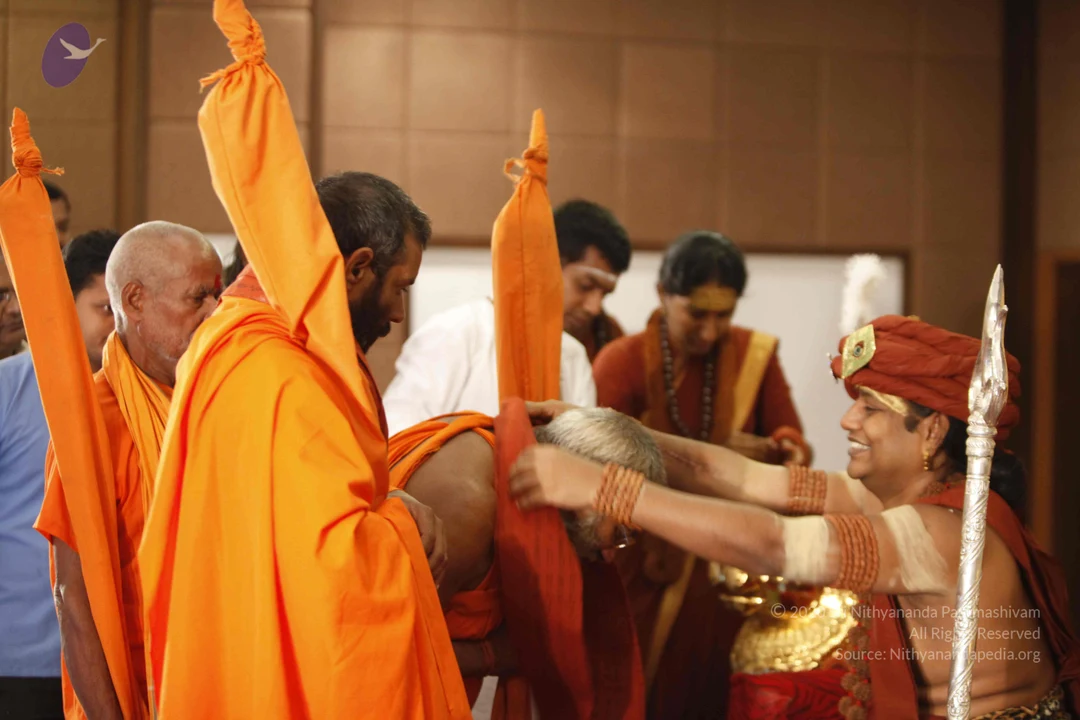
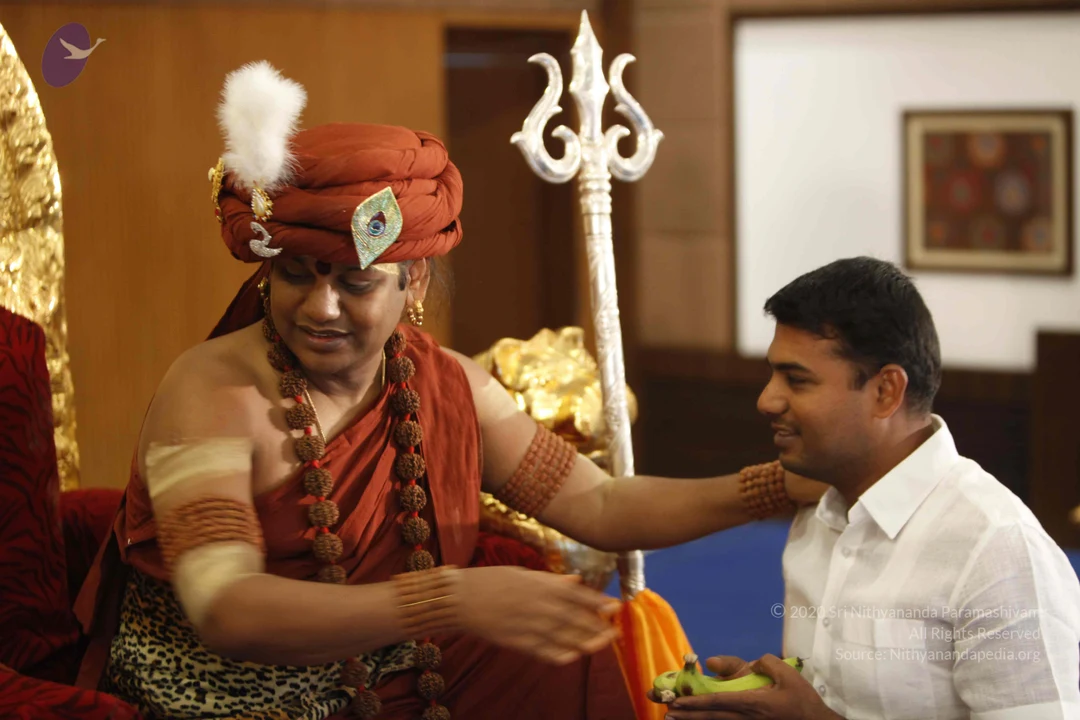
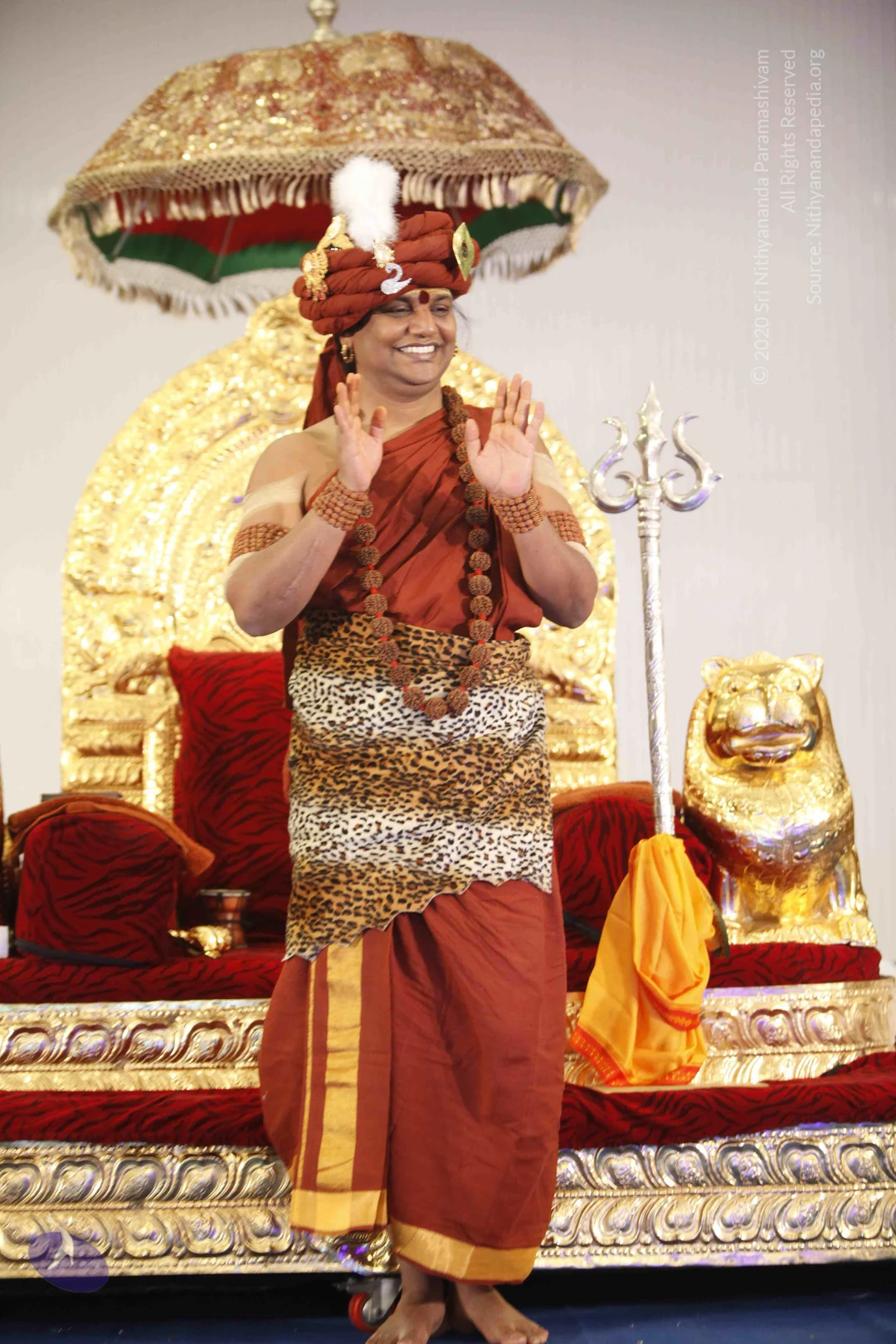
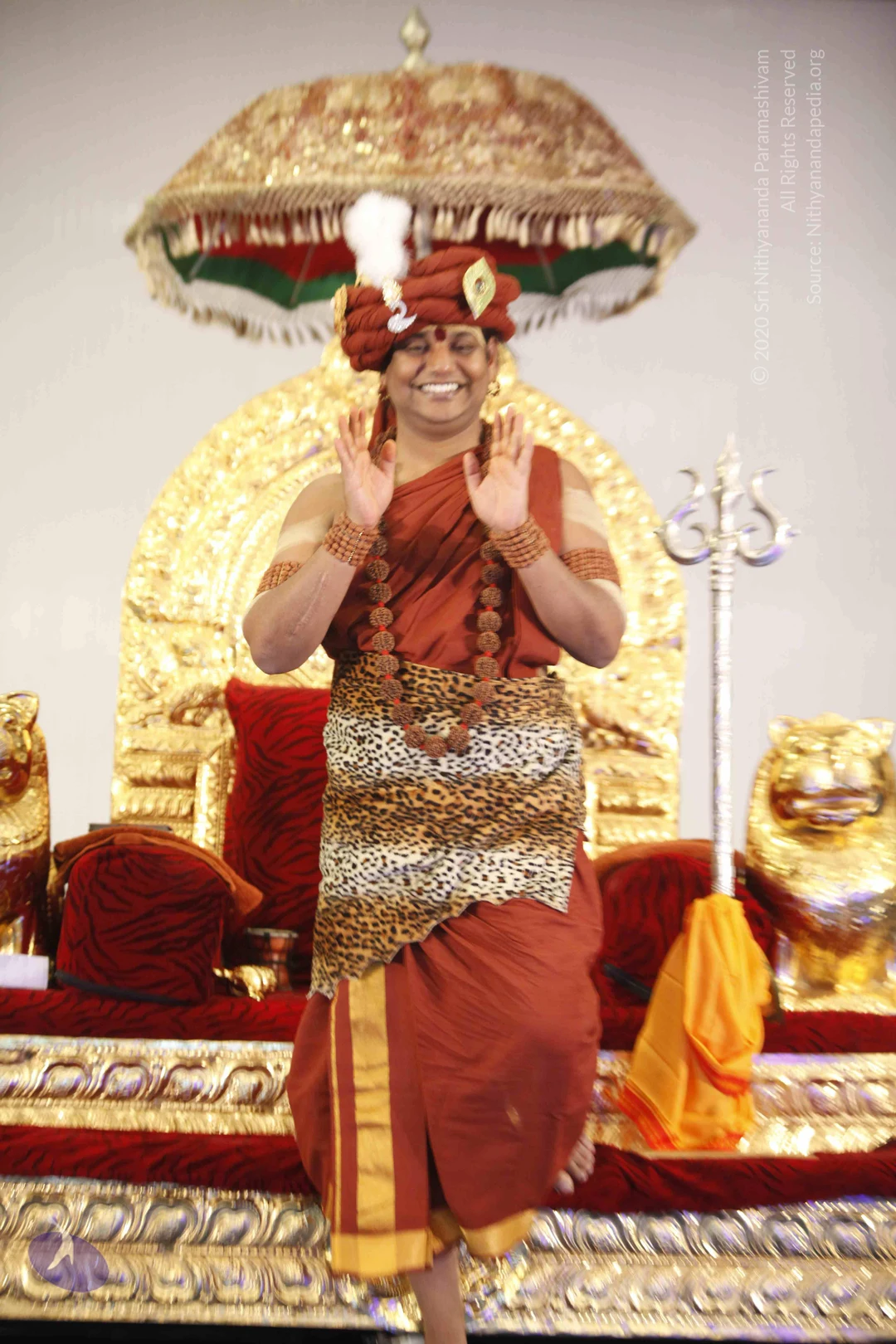
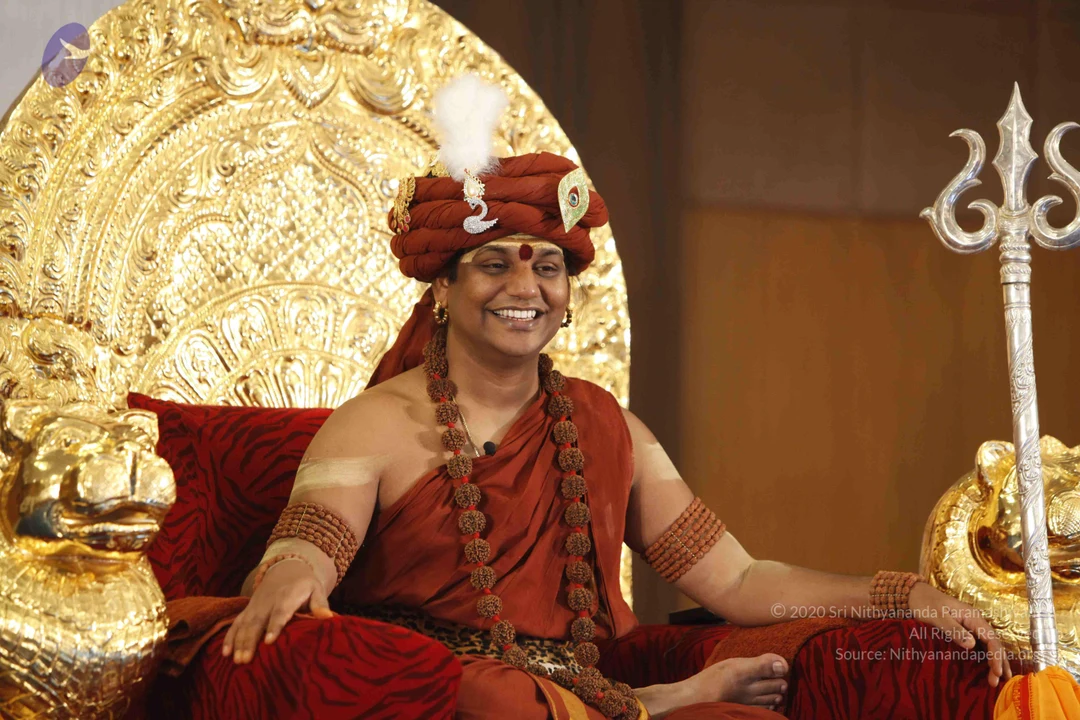
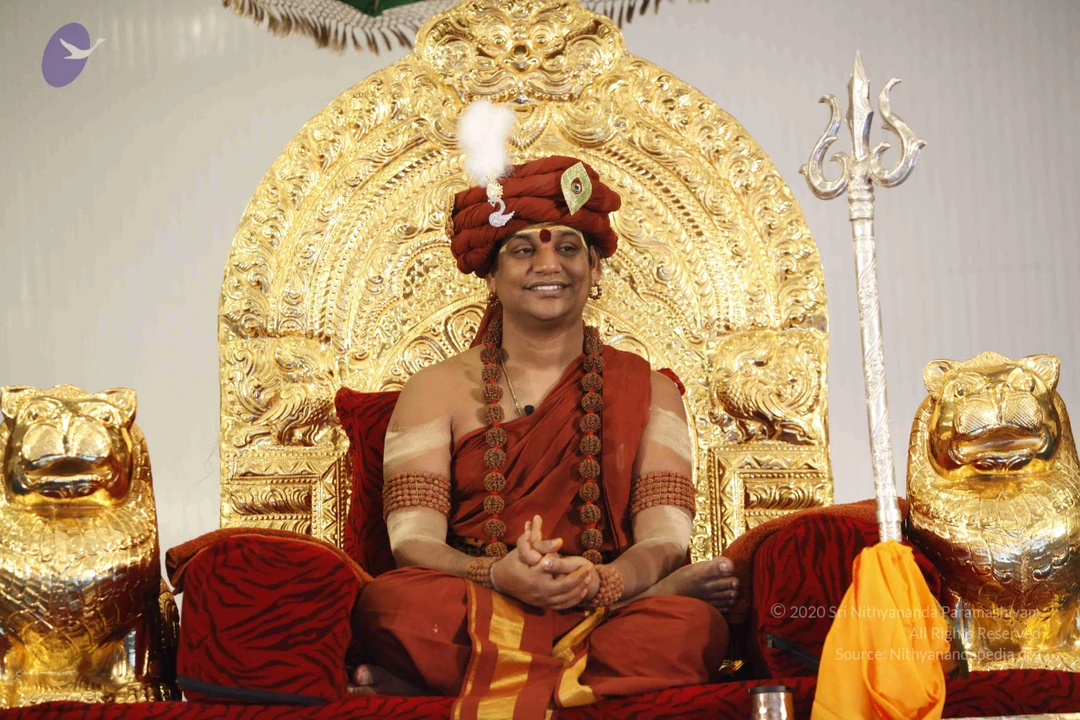
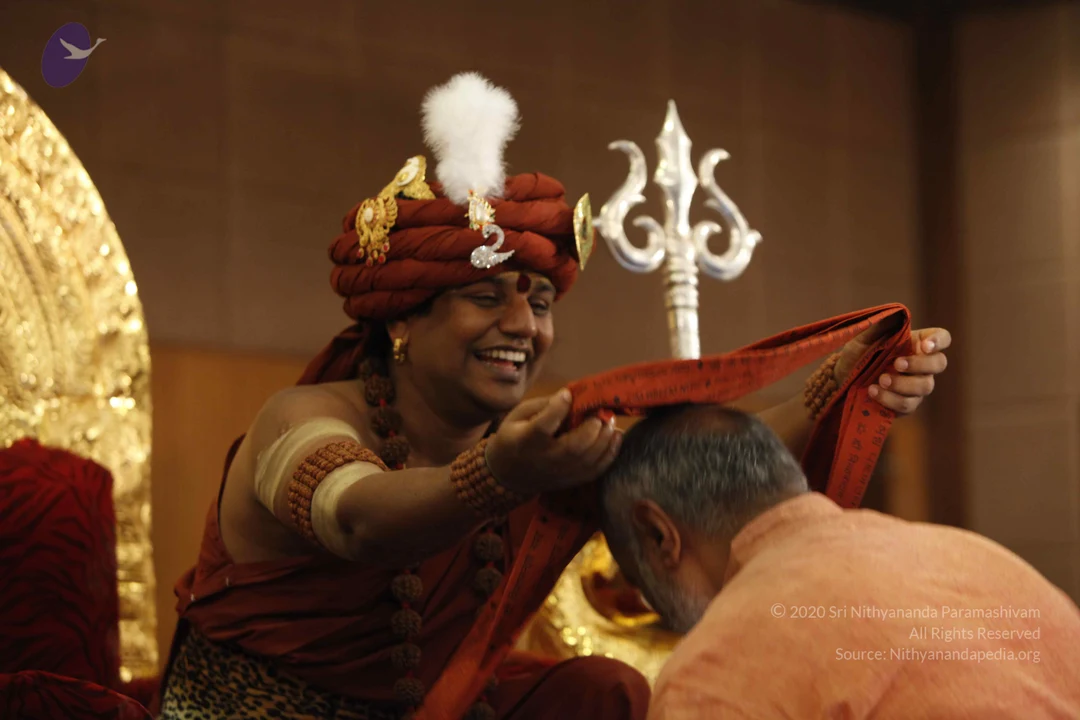
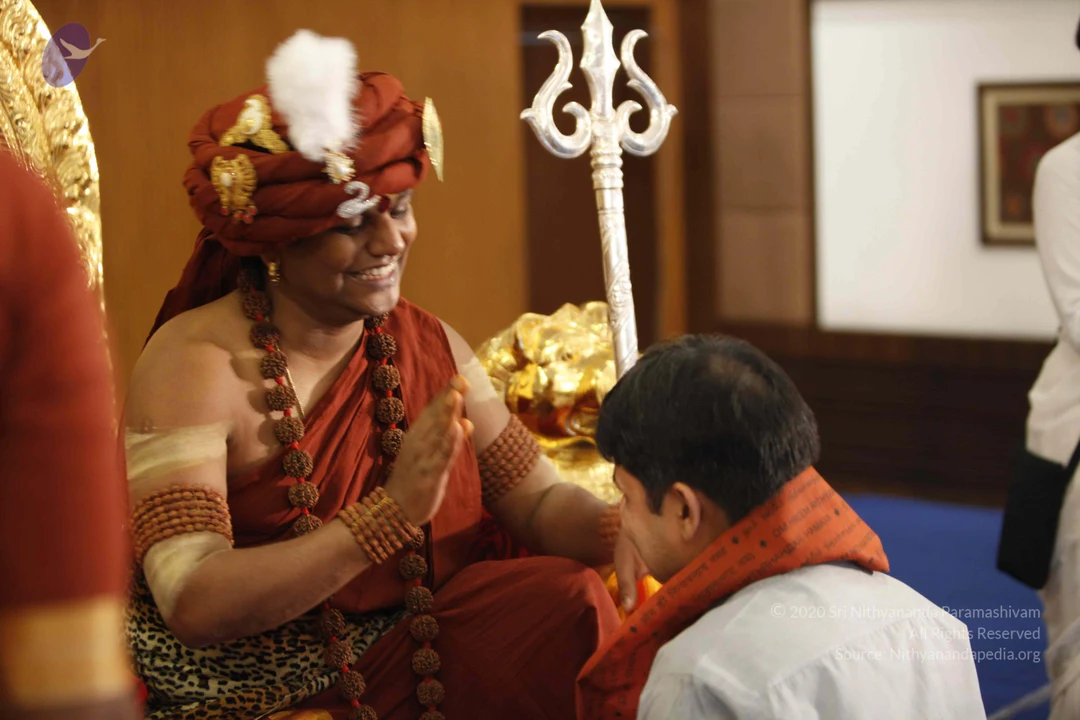
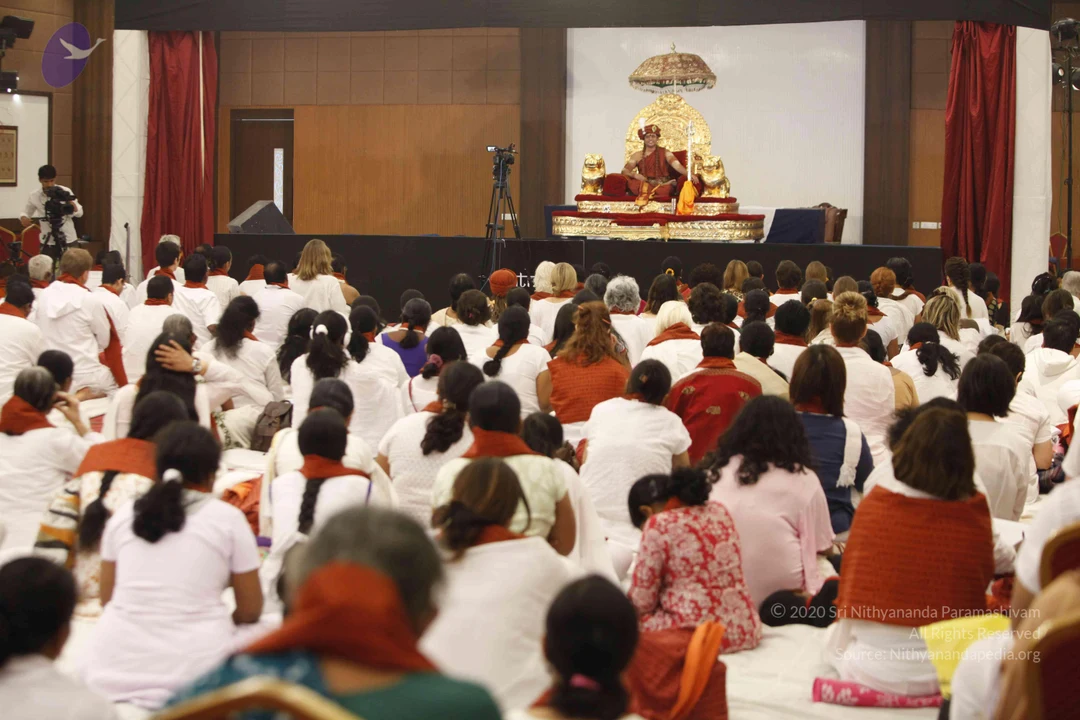
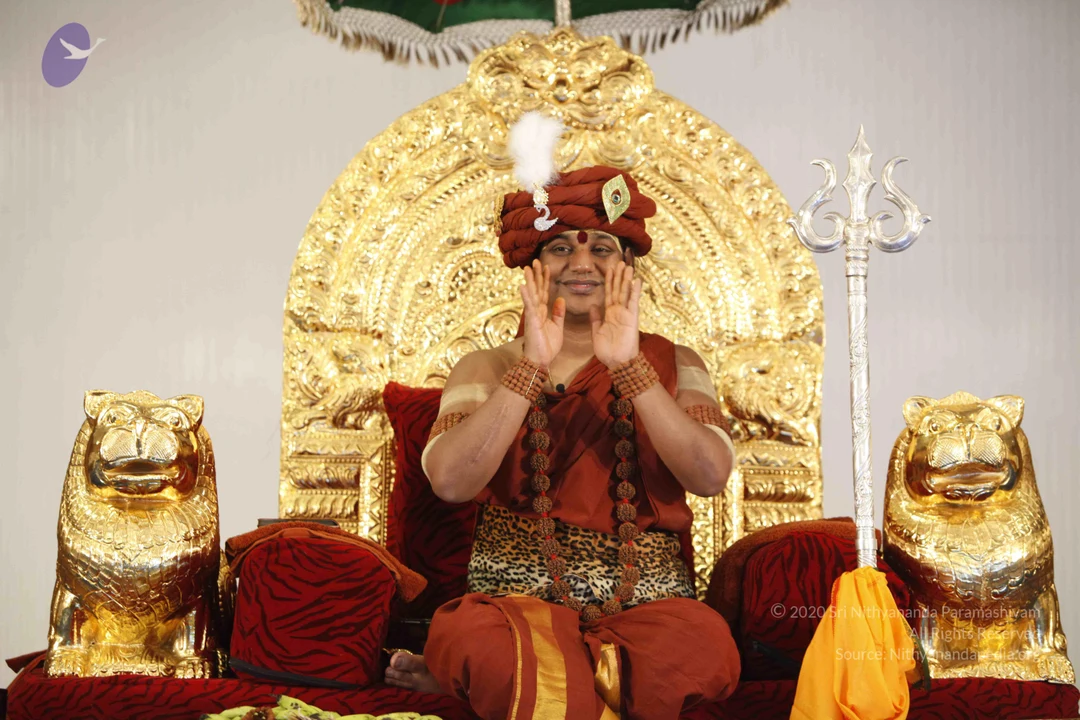
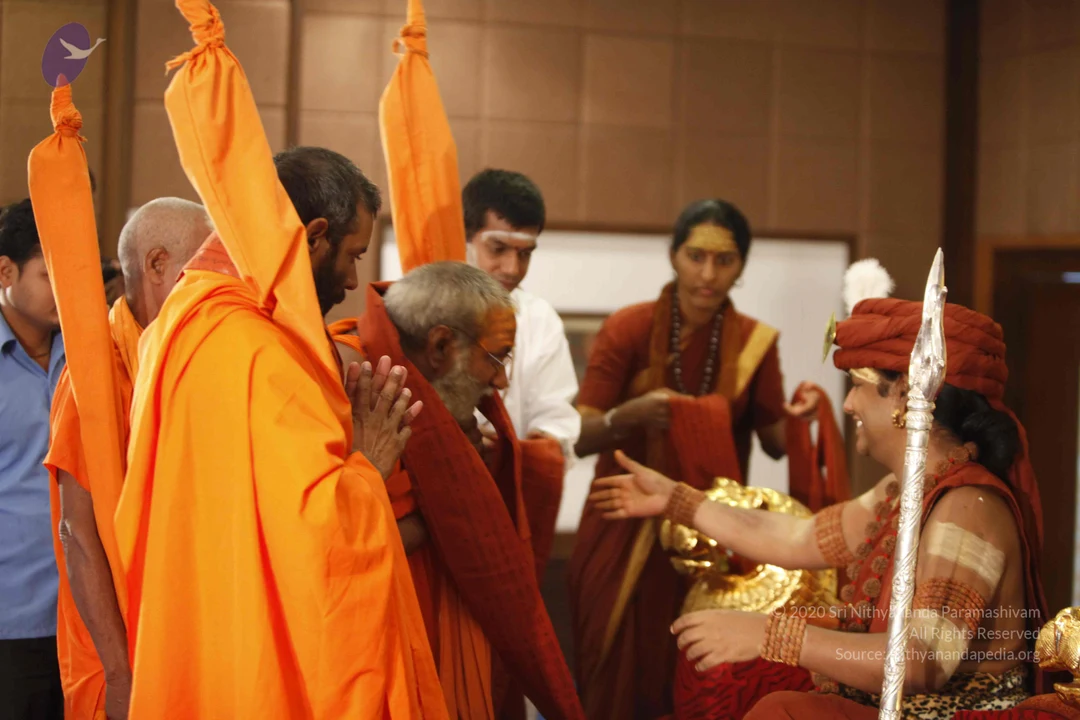
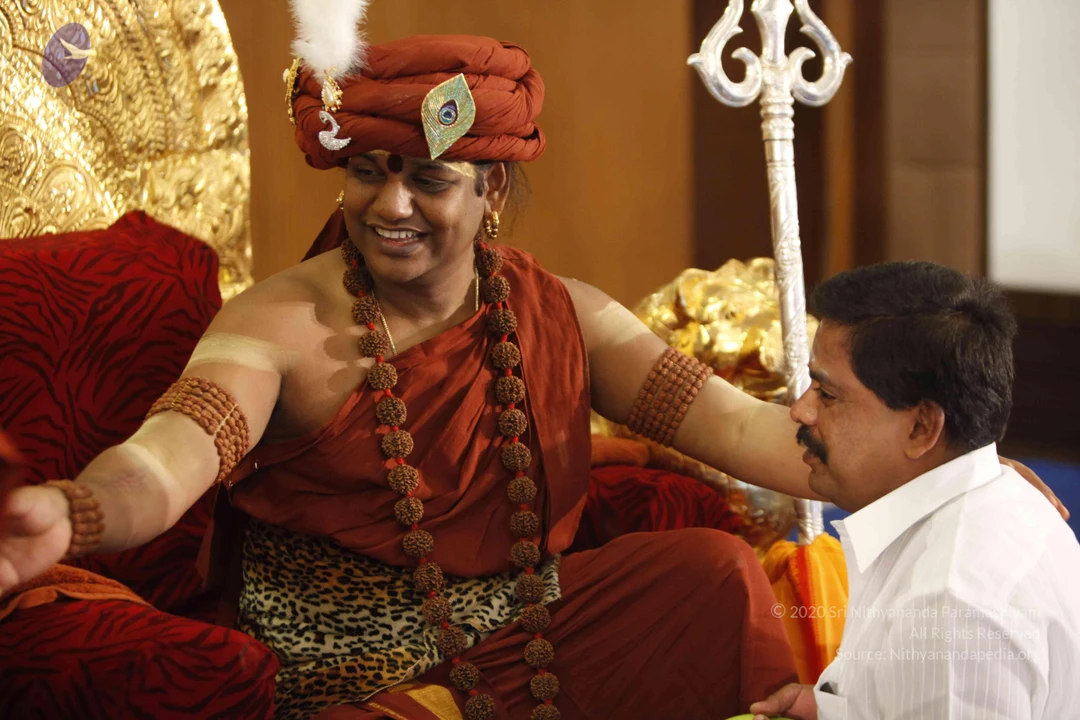
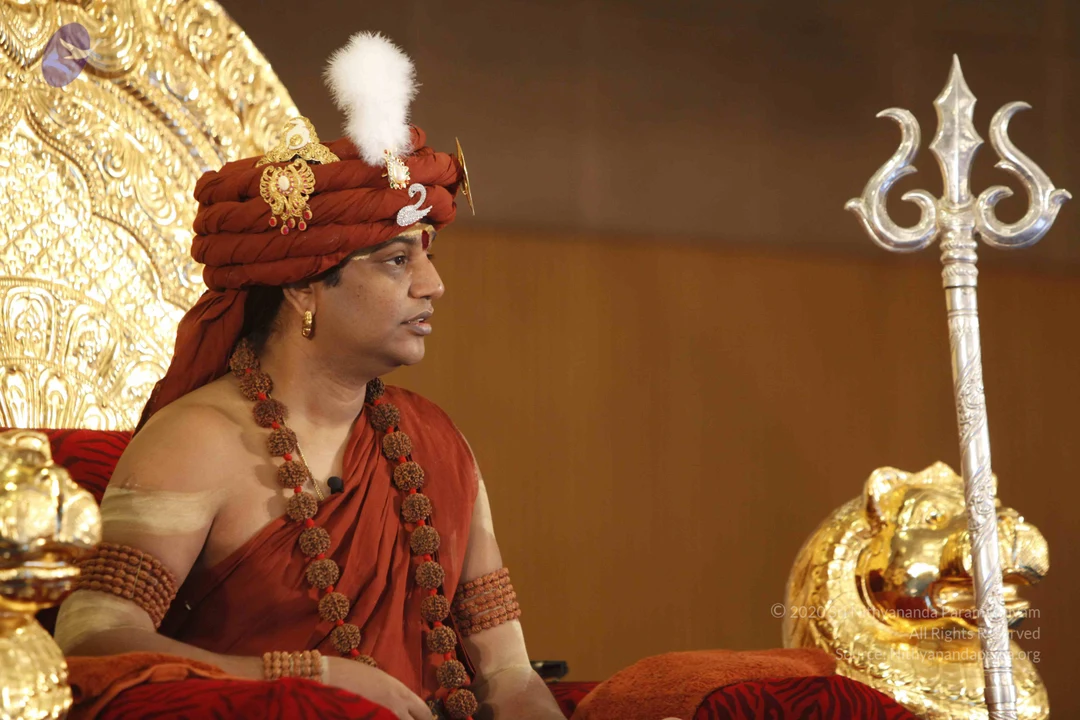
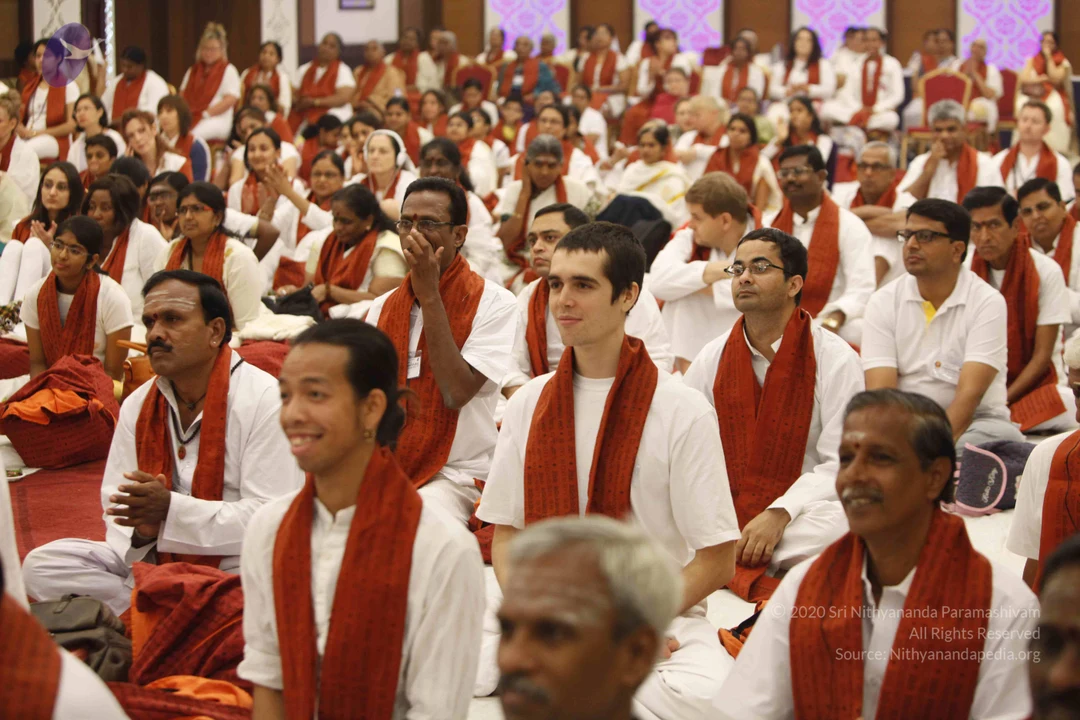
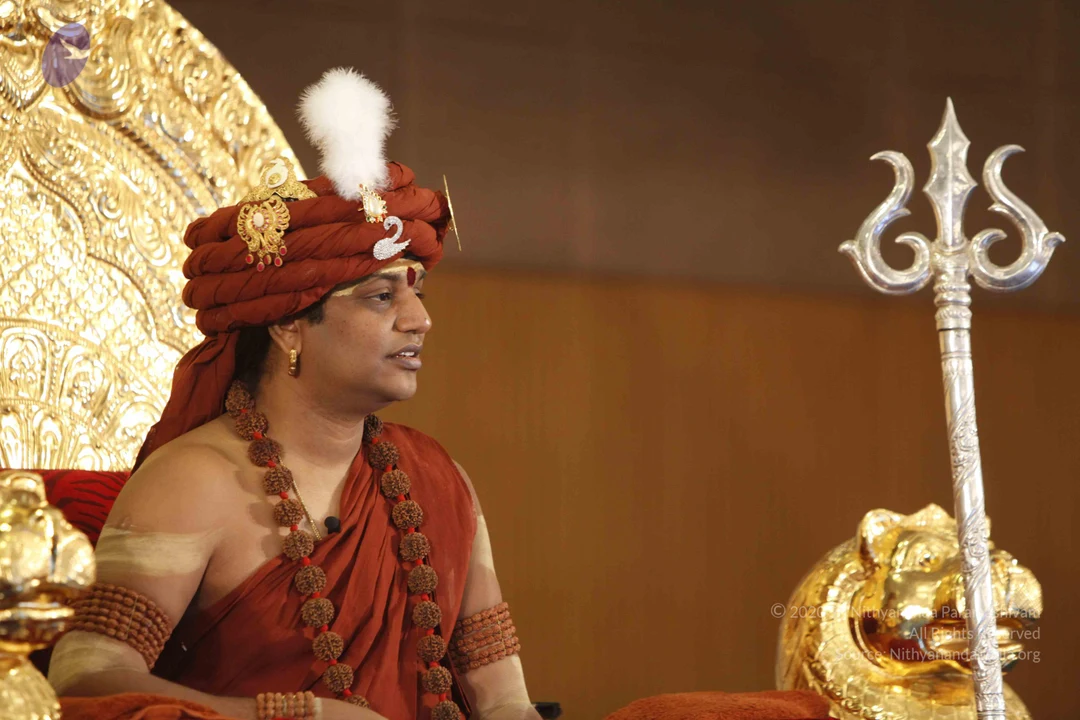
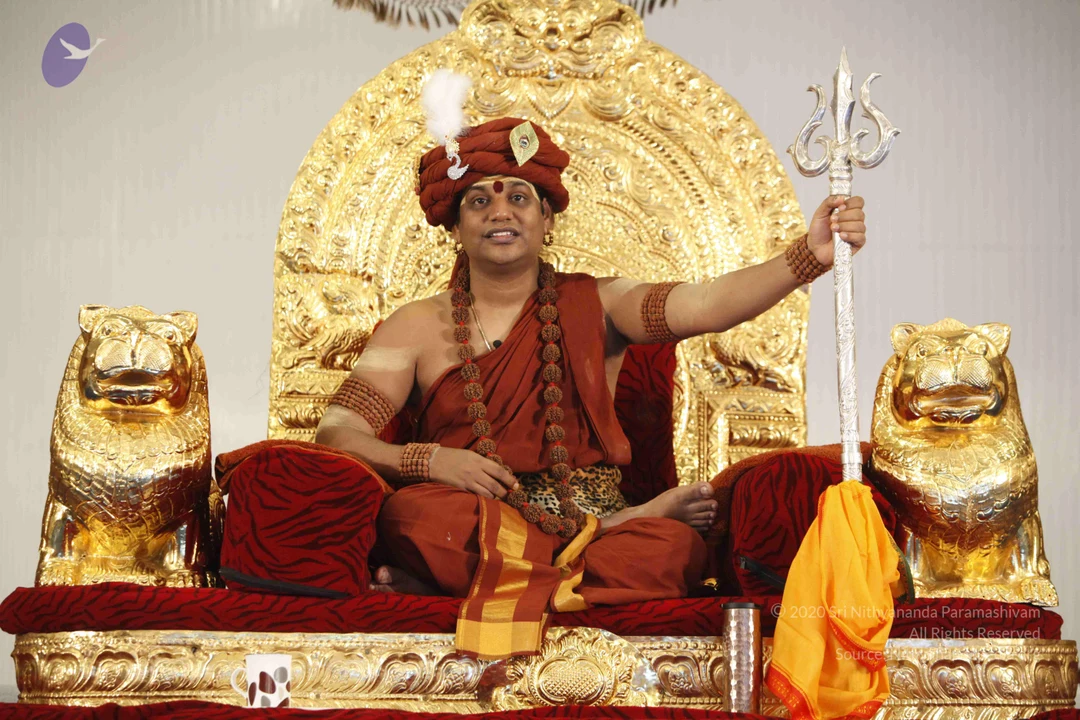
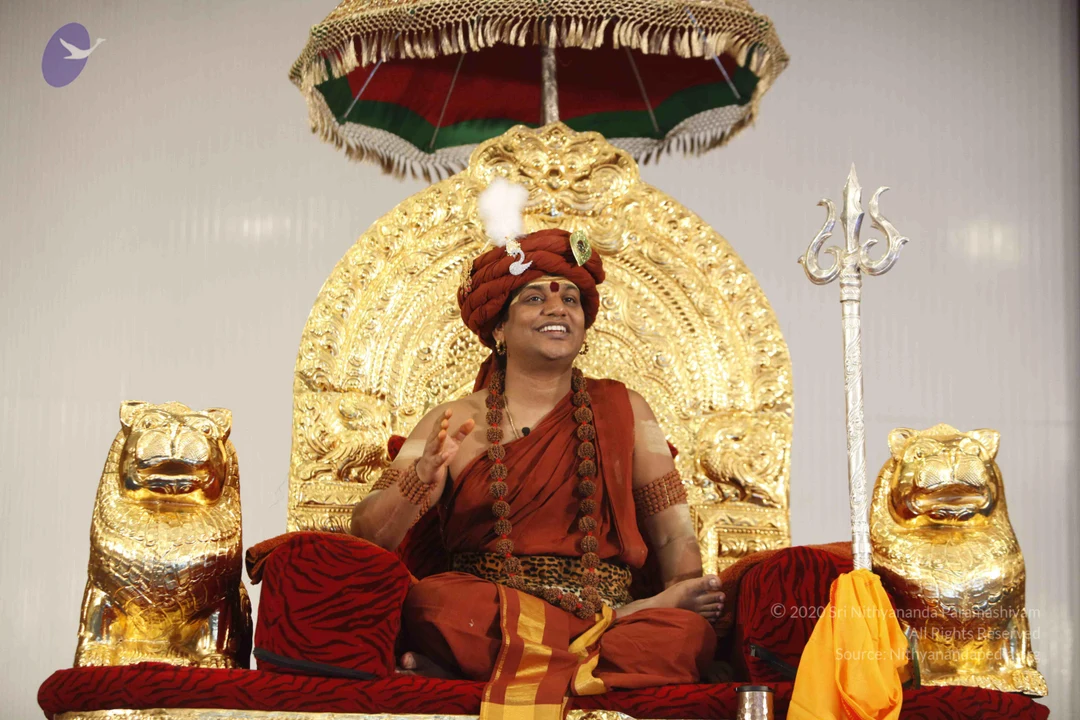
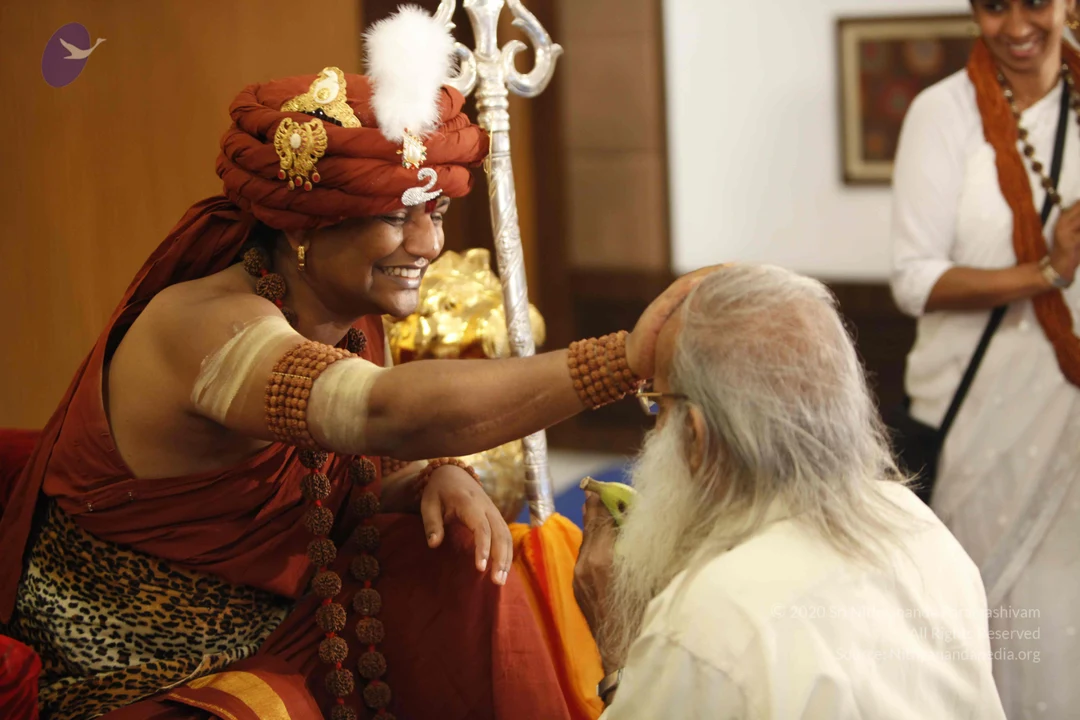
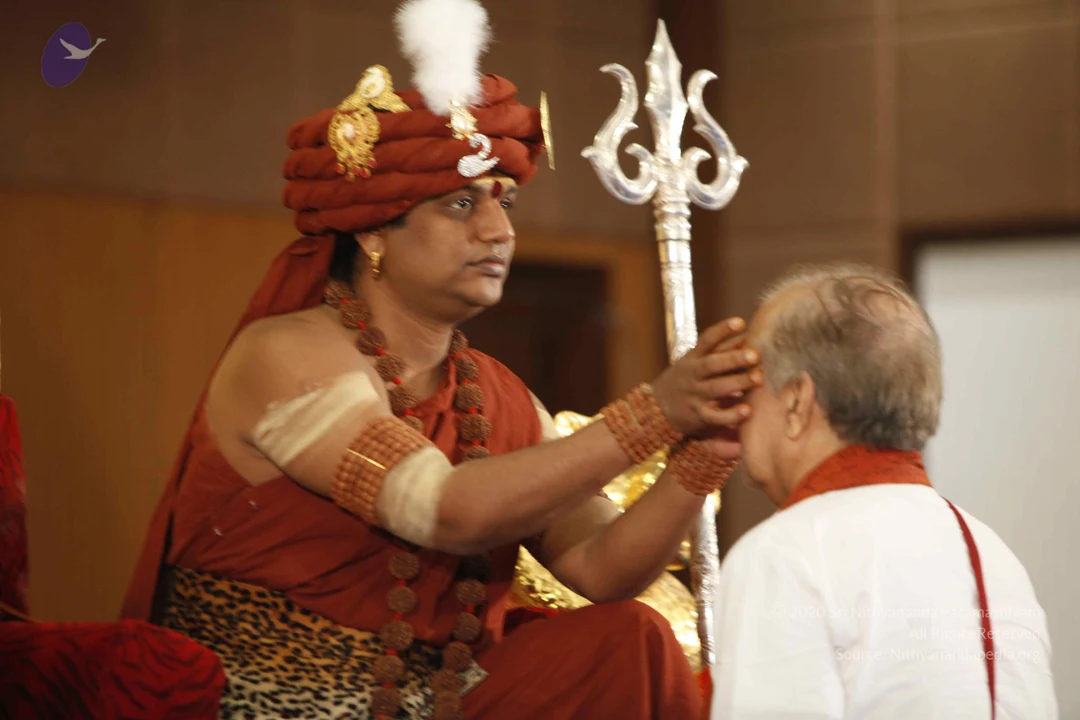
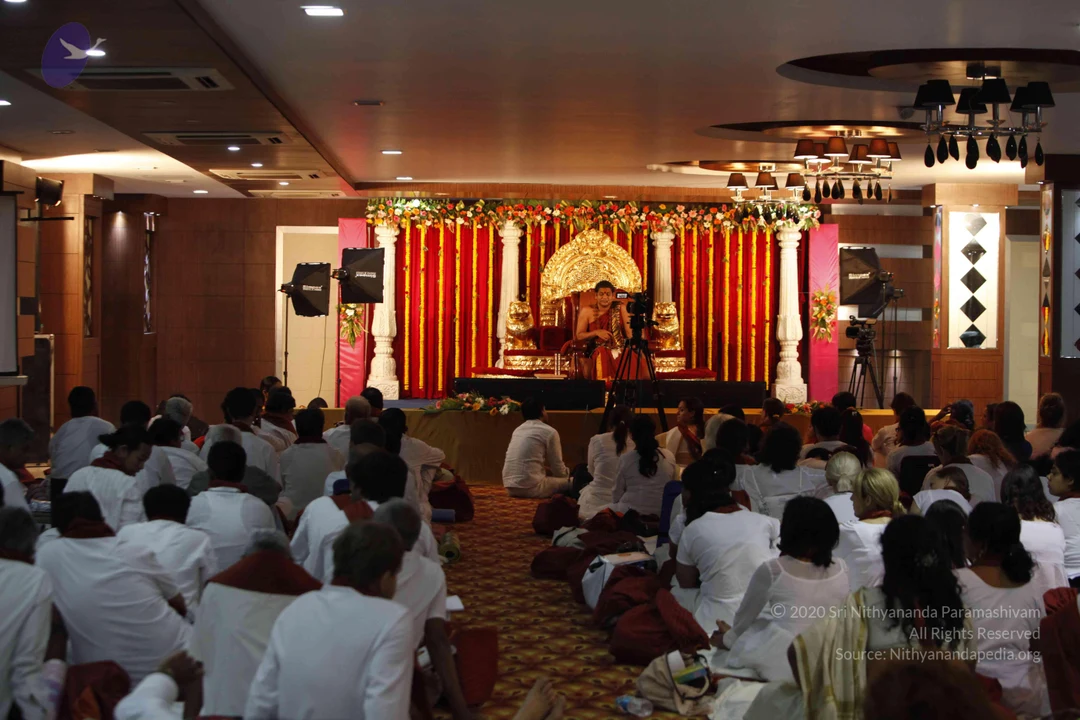
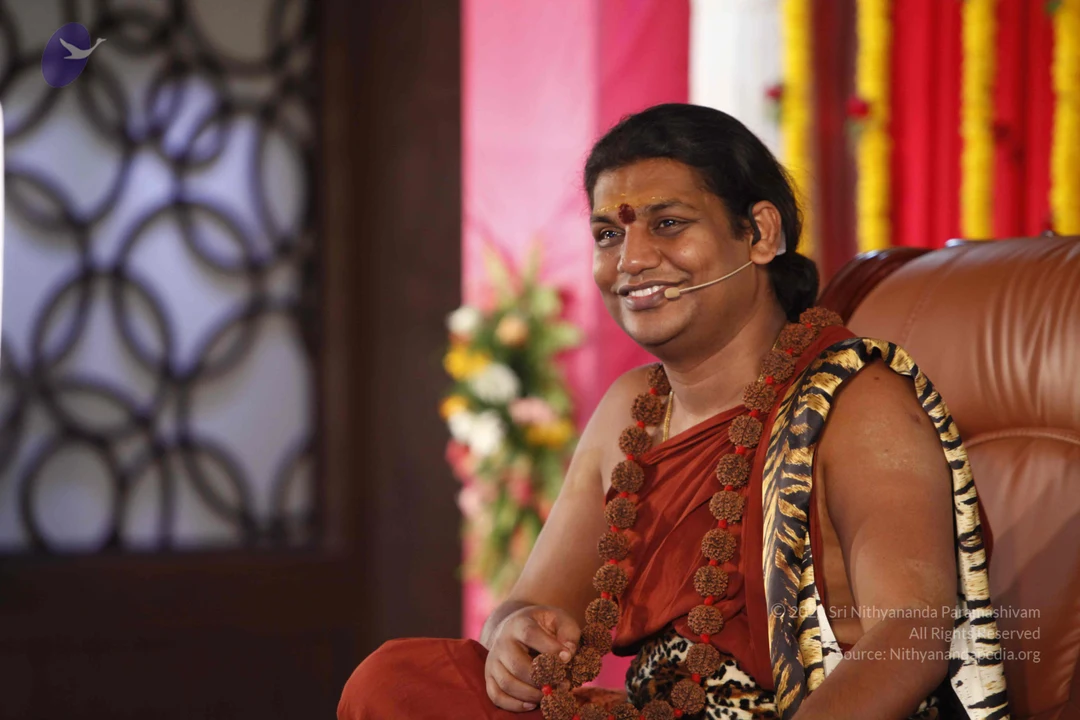
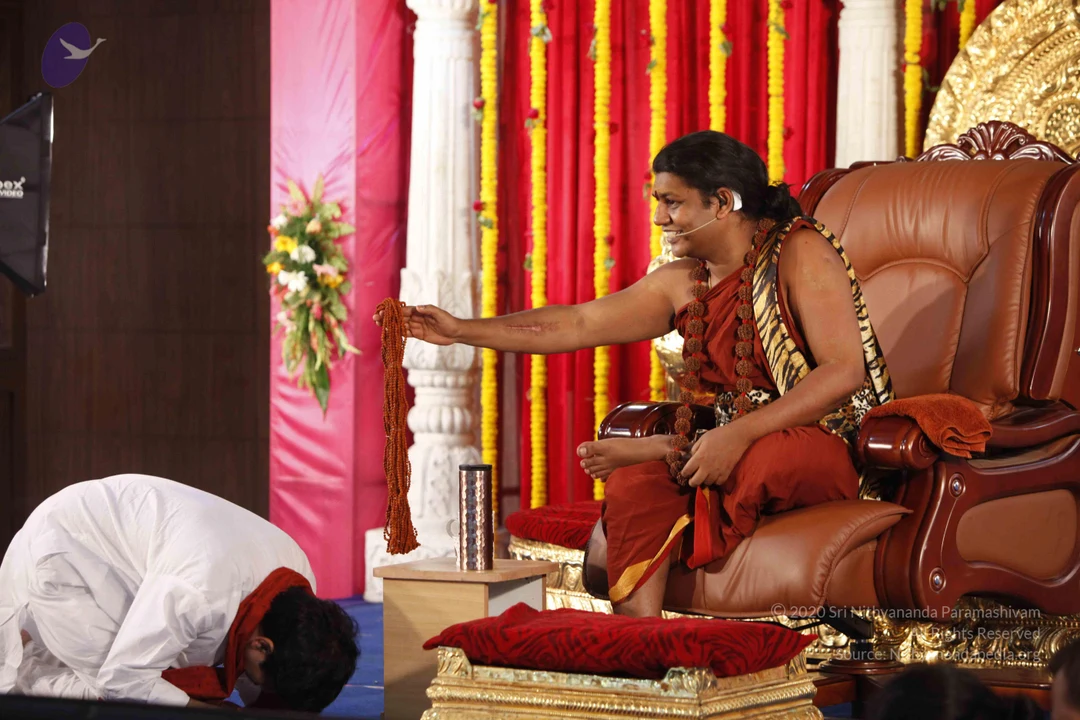
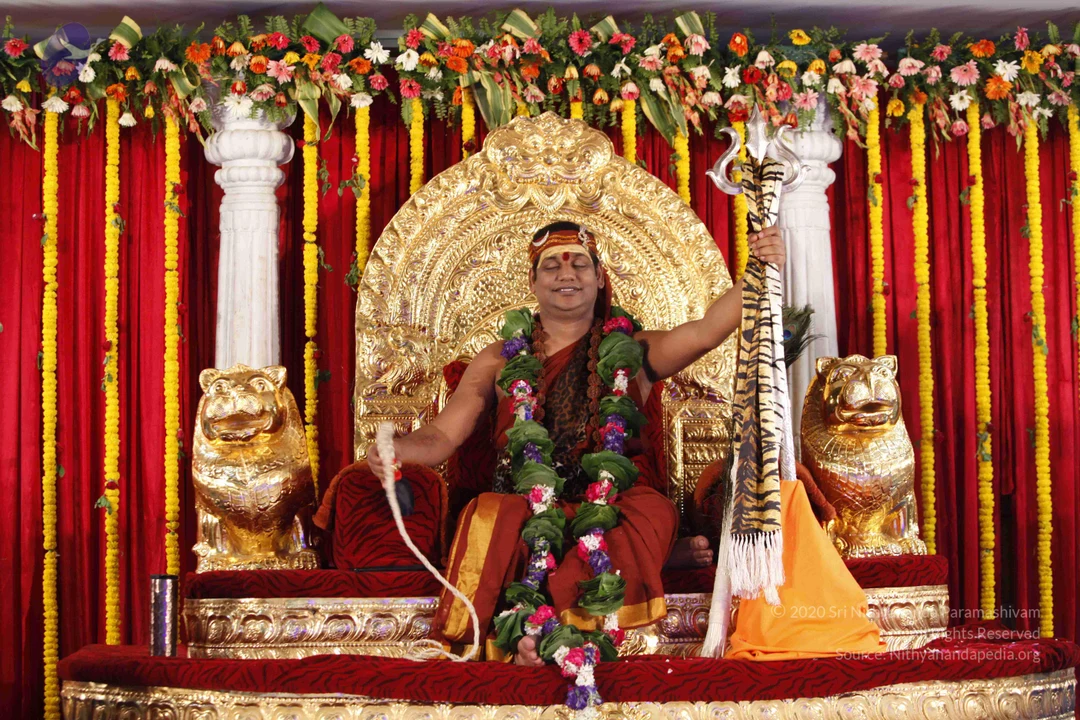
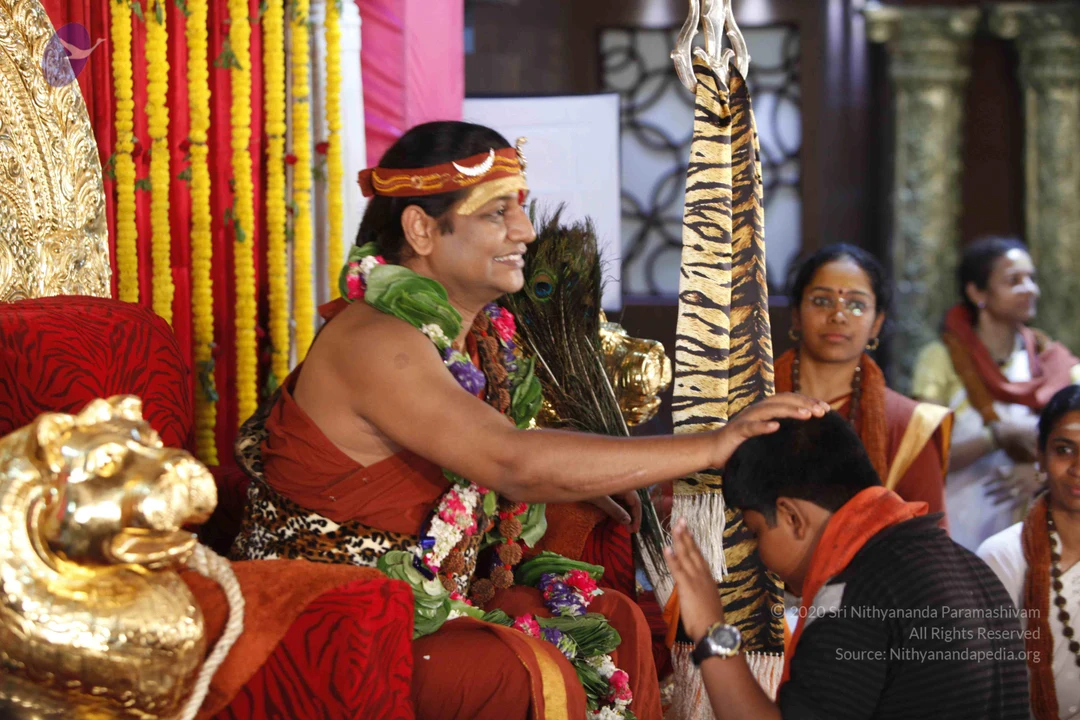
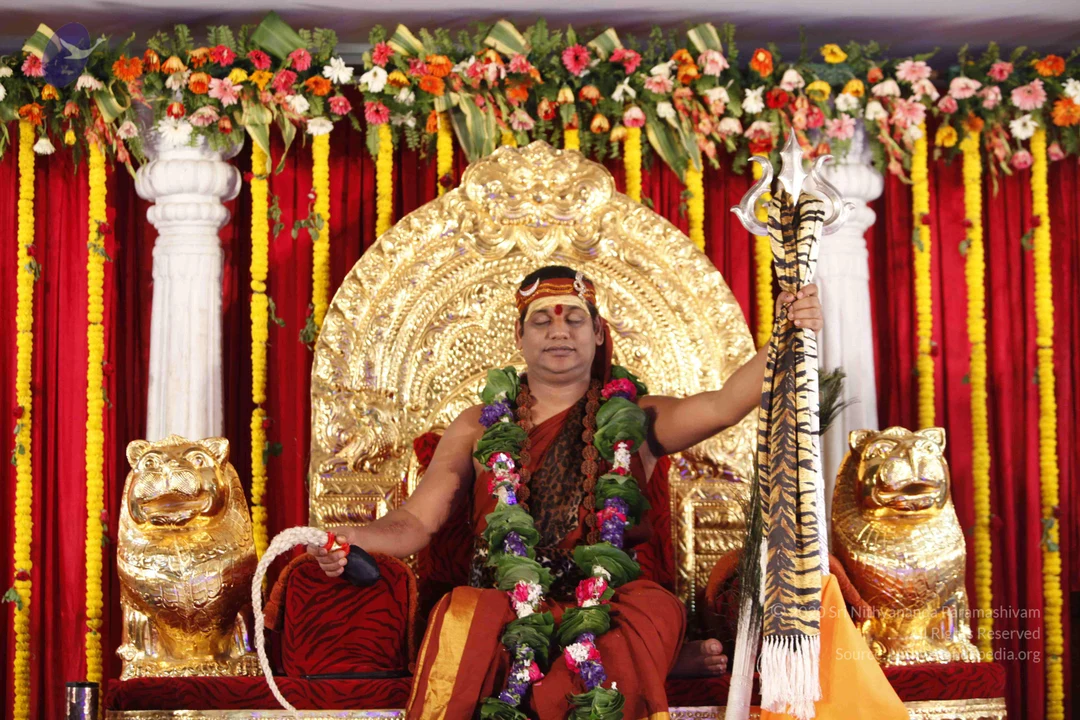
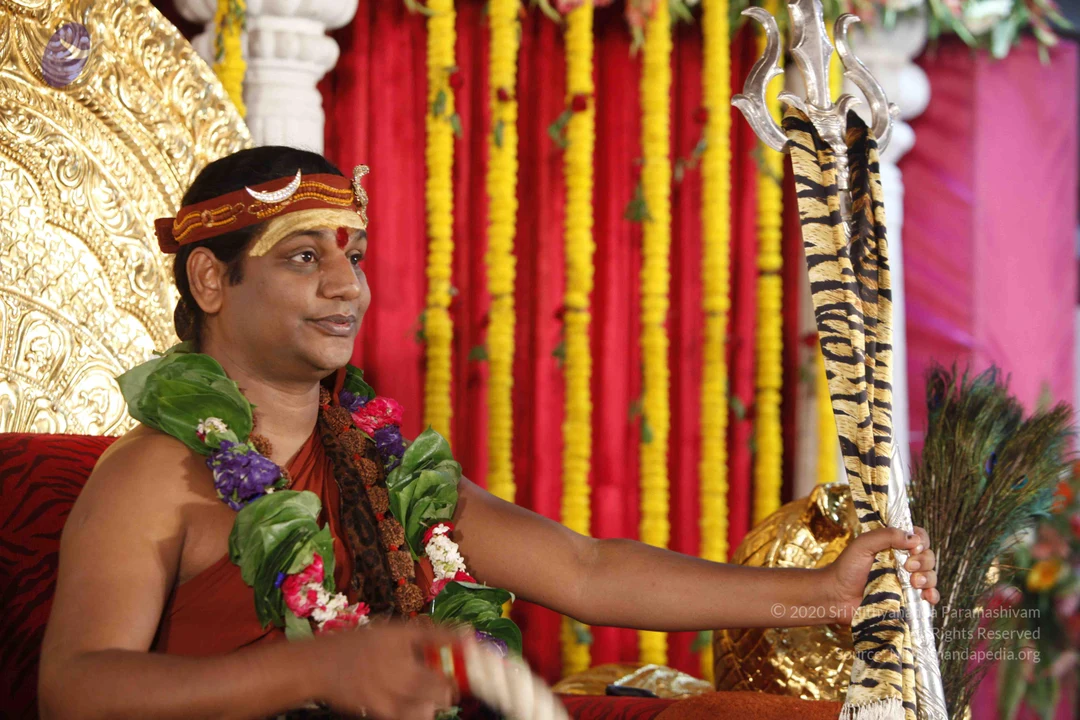
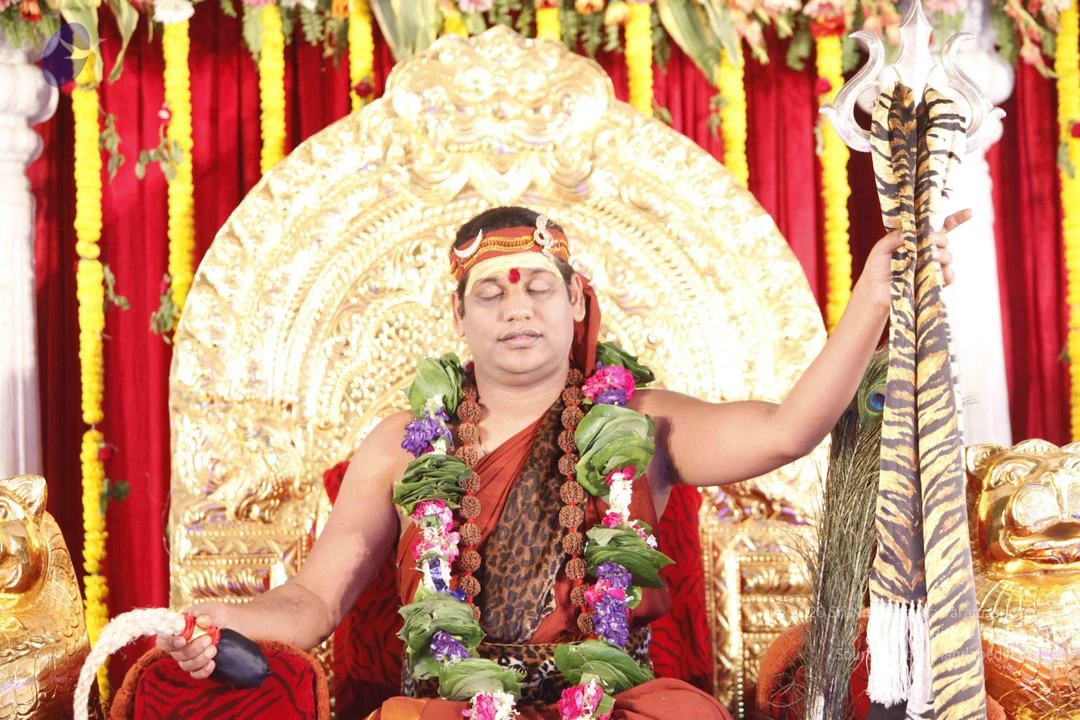
02-Satsang-and-Darshan
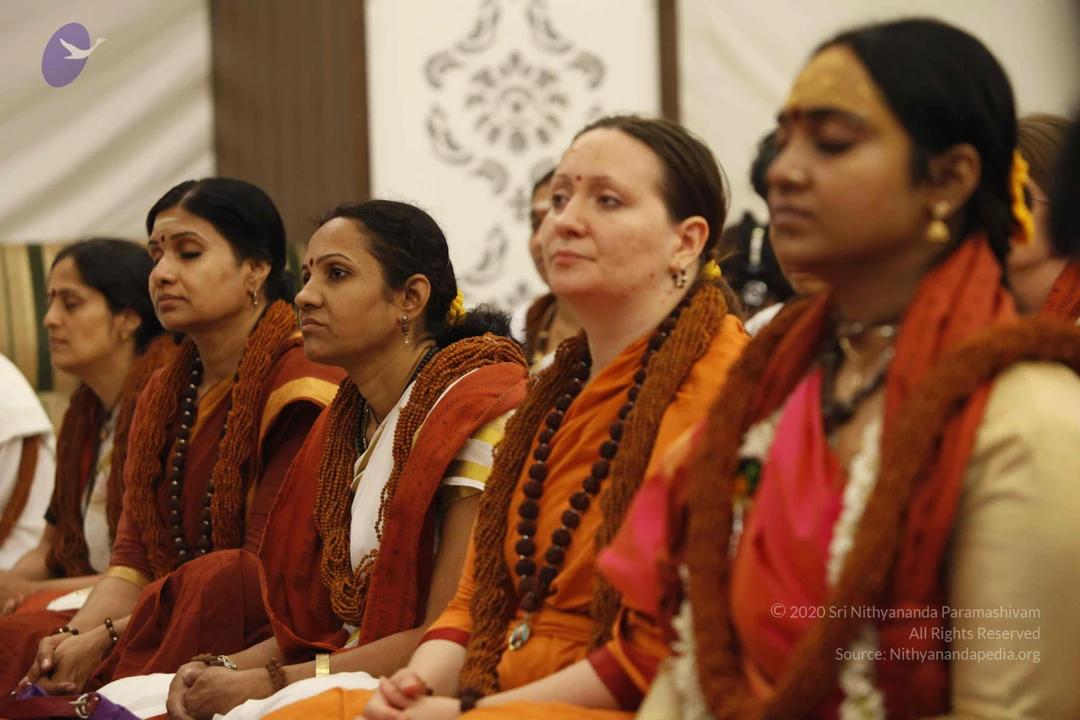

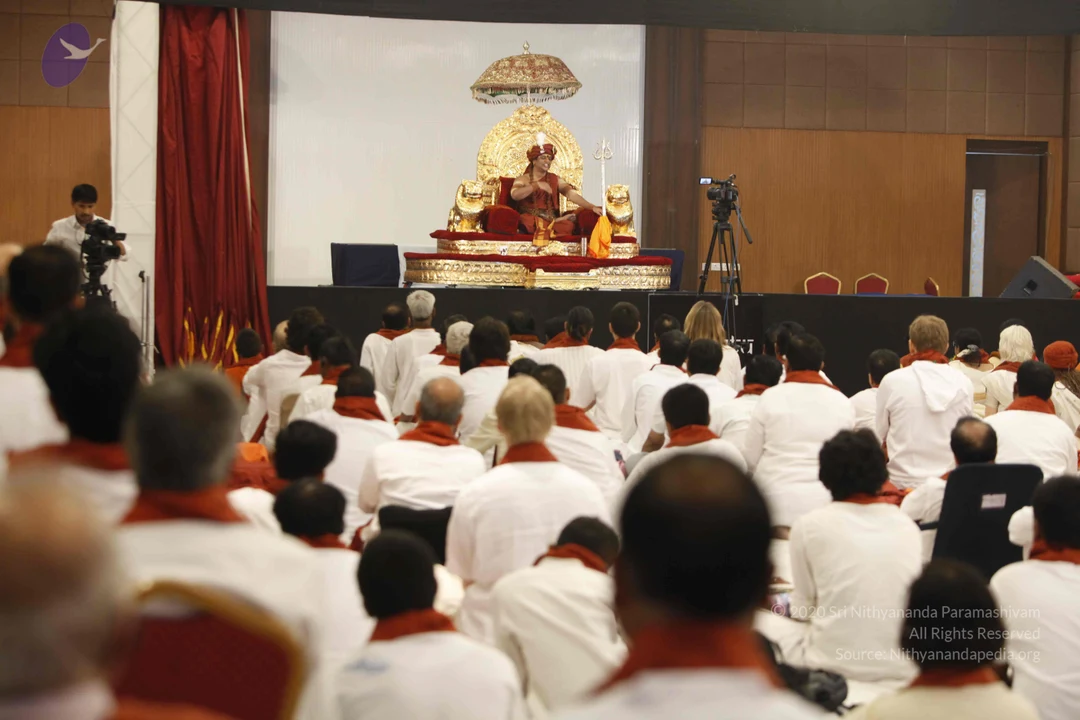
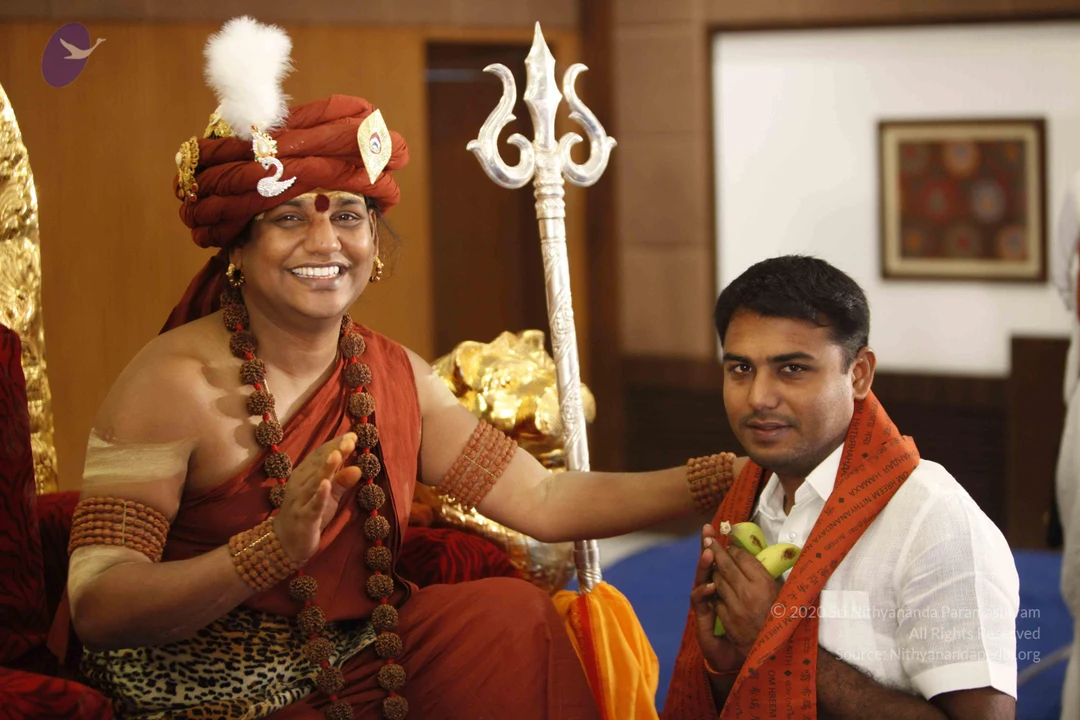
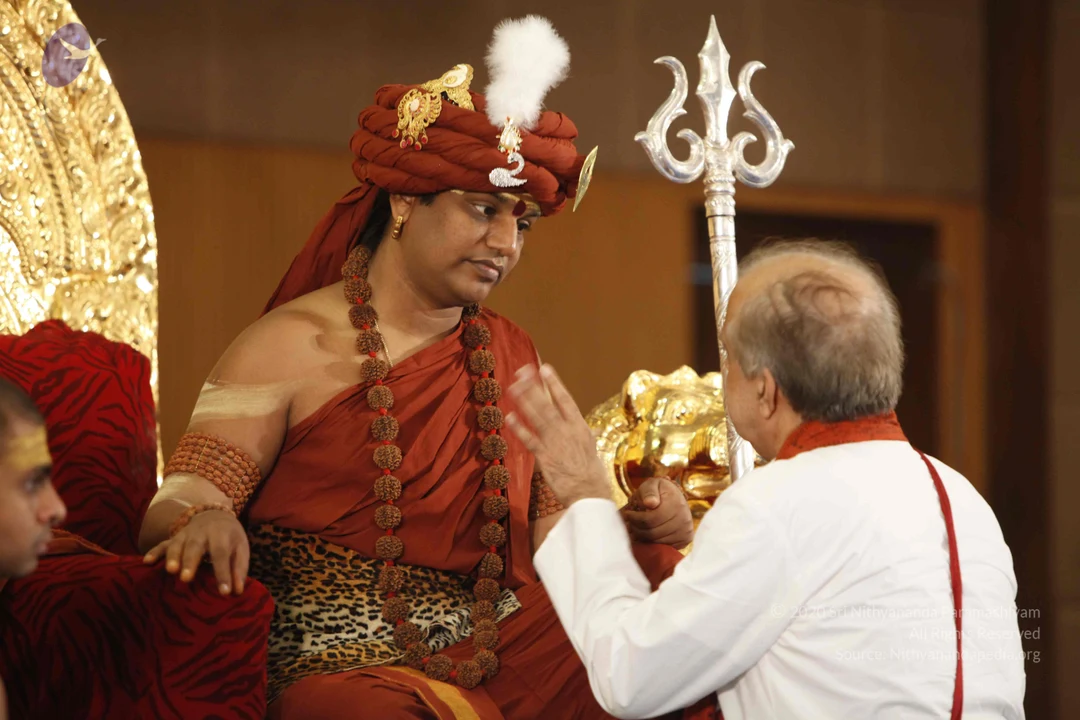
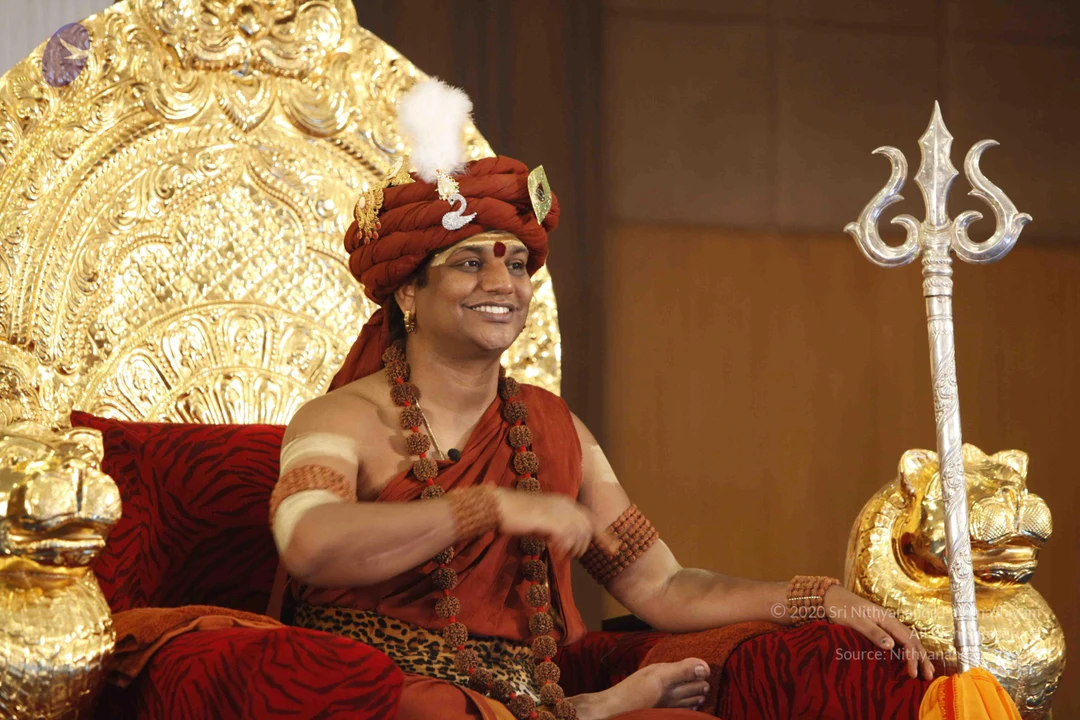
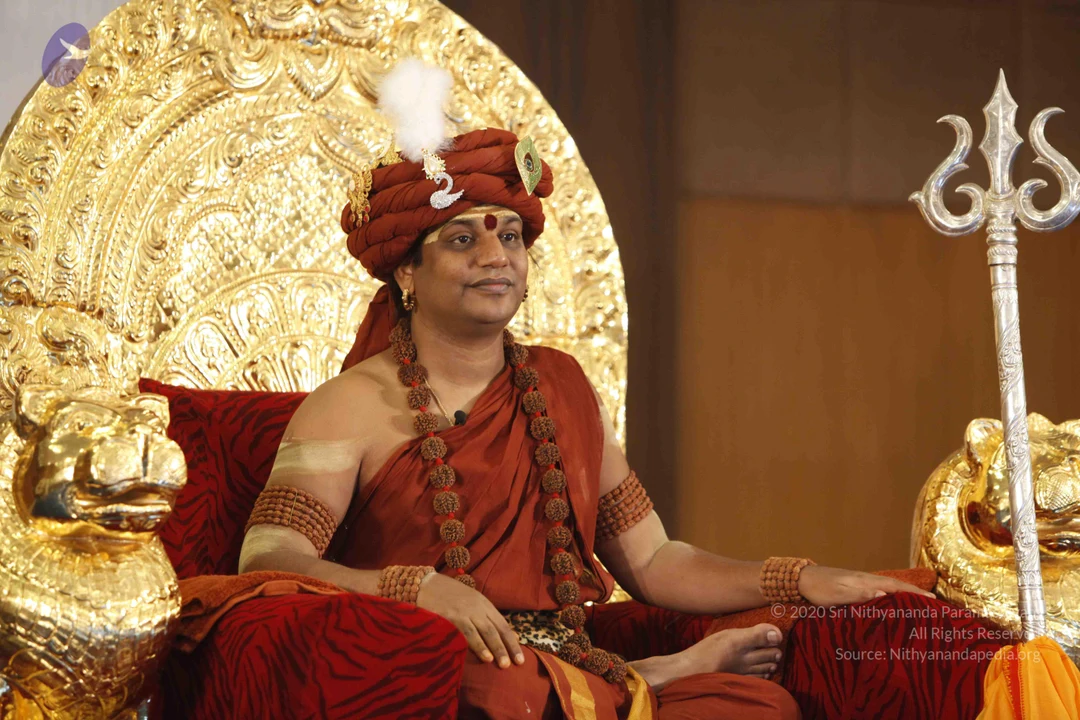
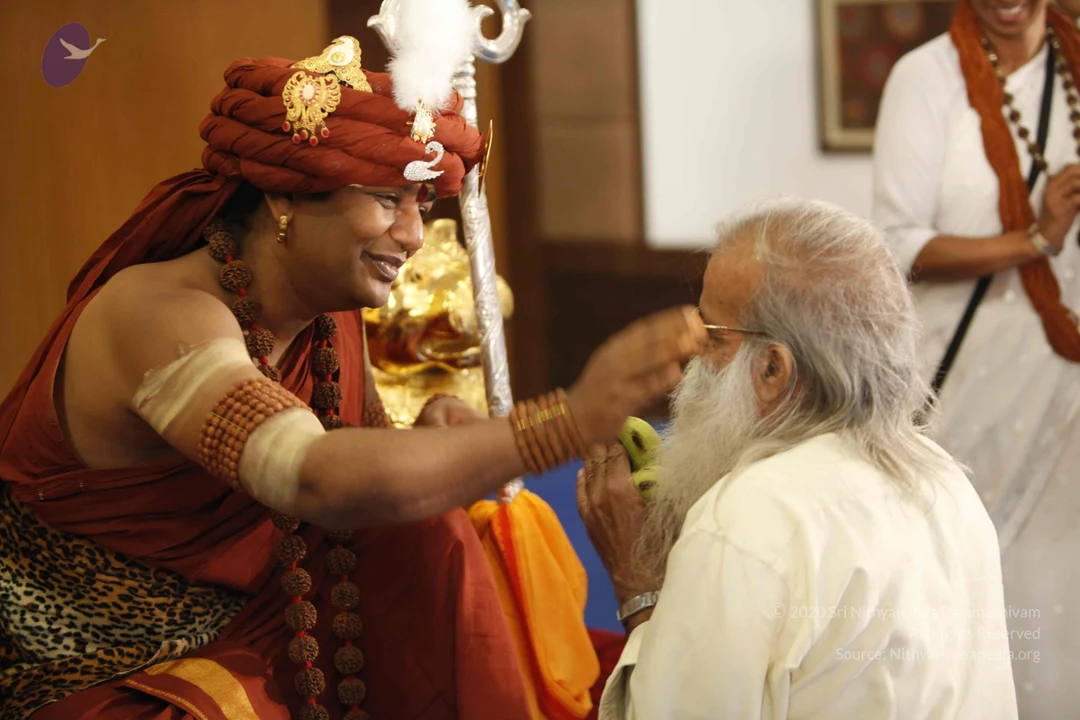
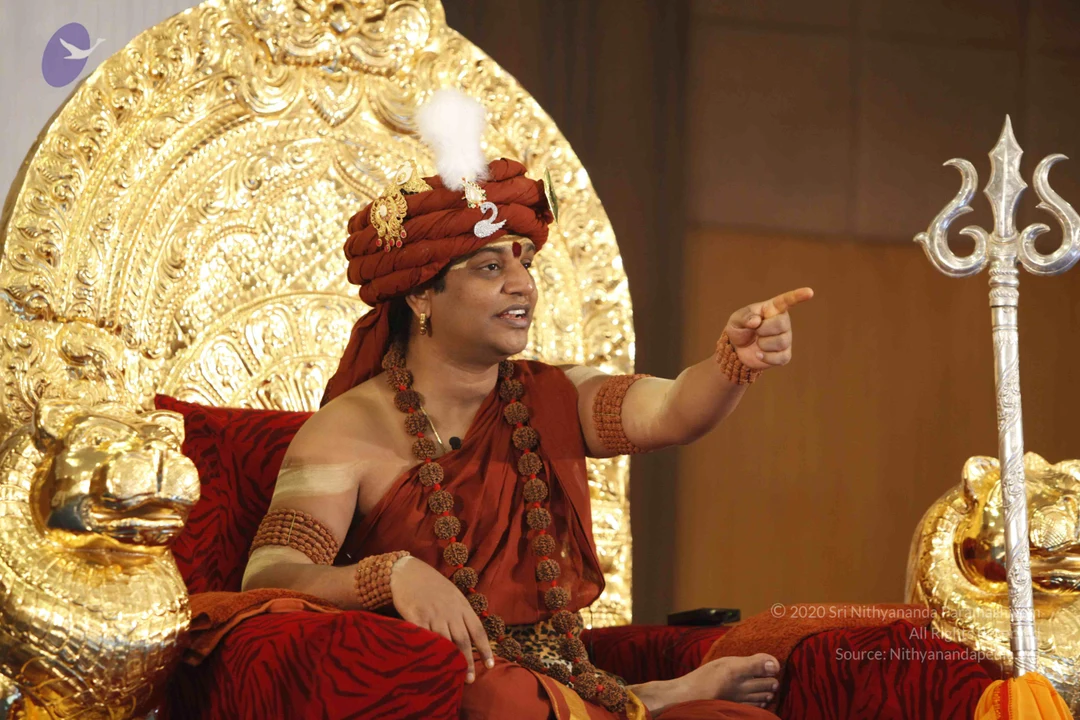
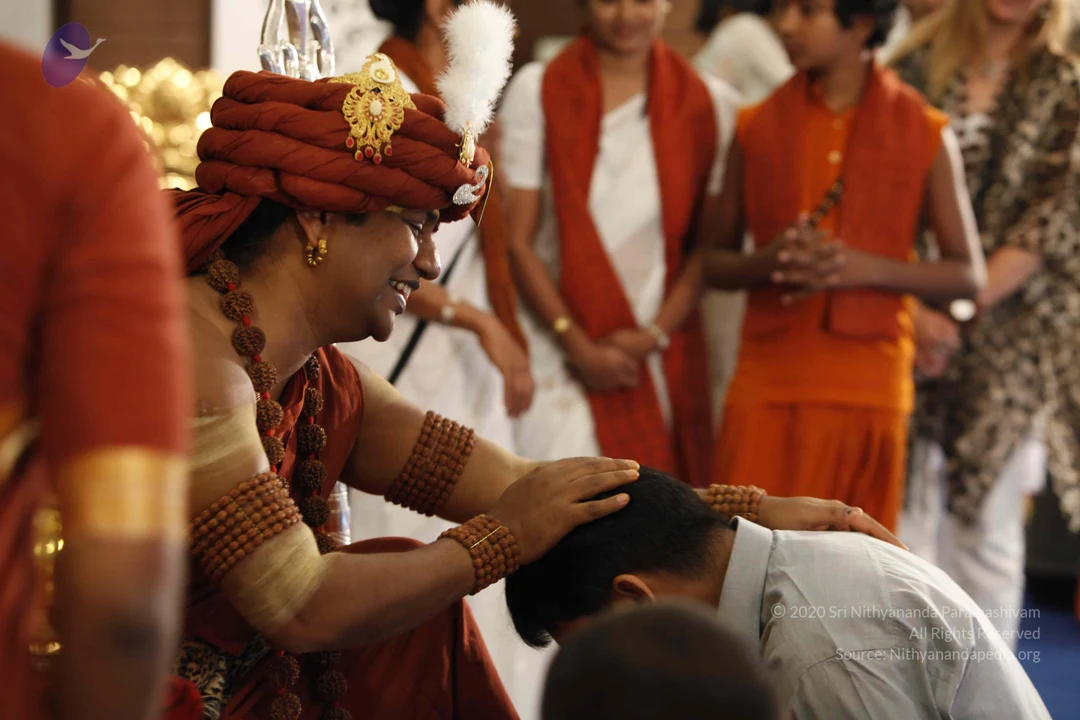
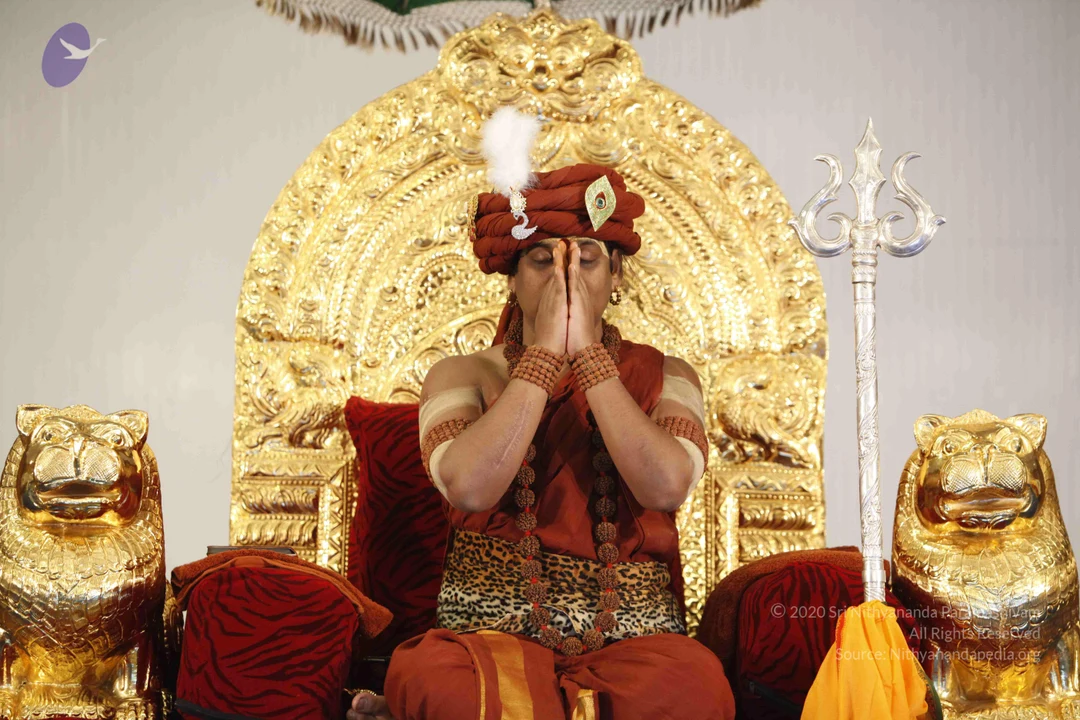
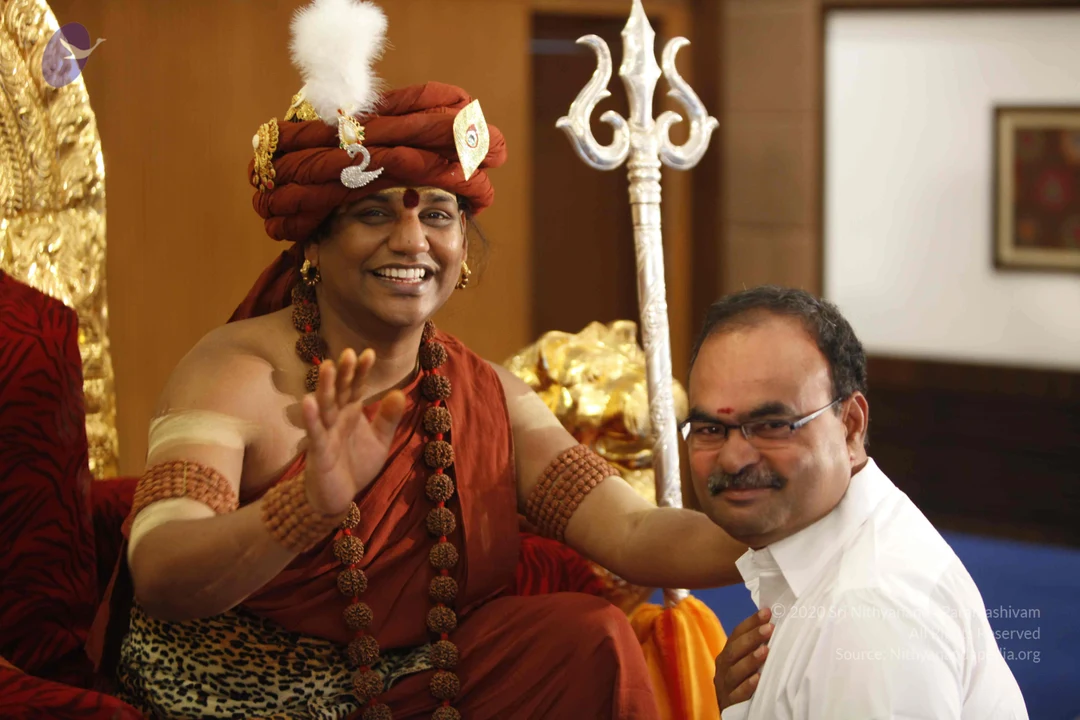
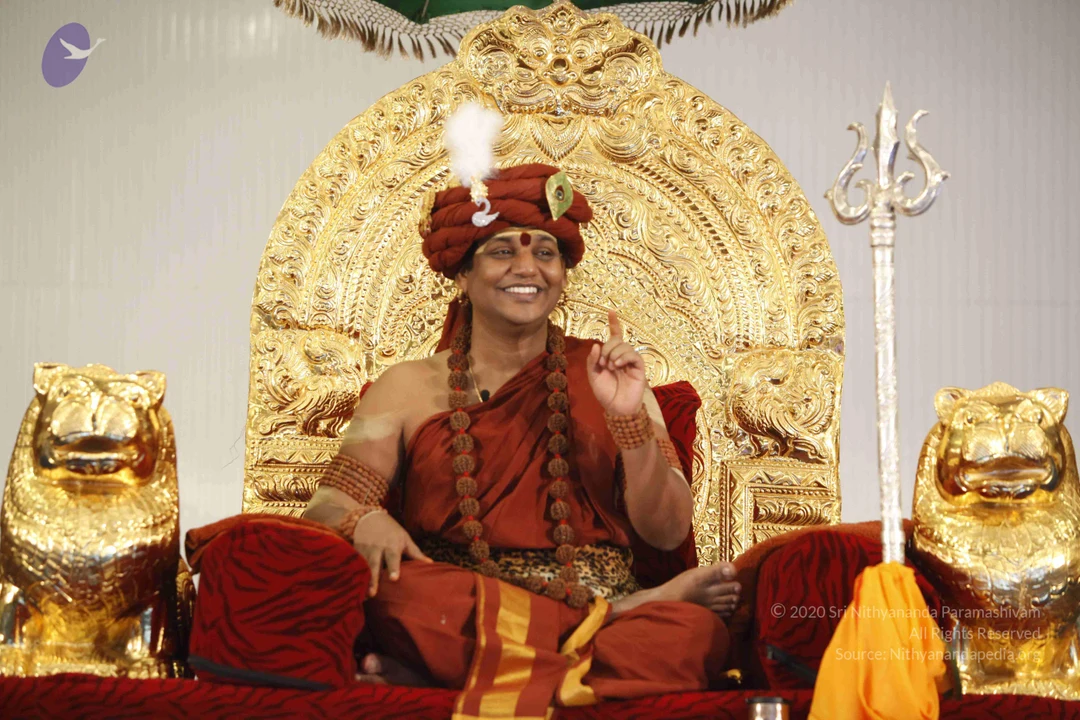
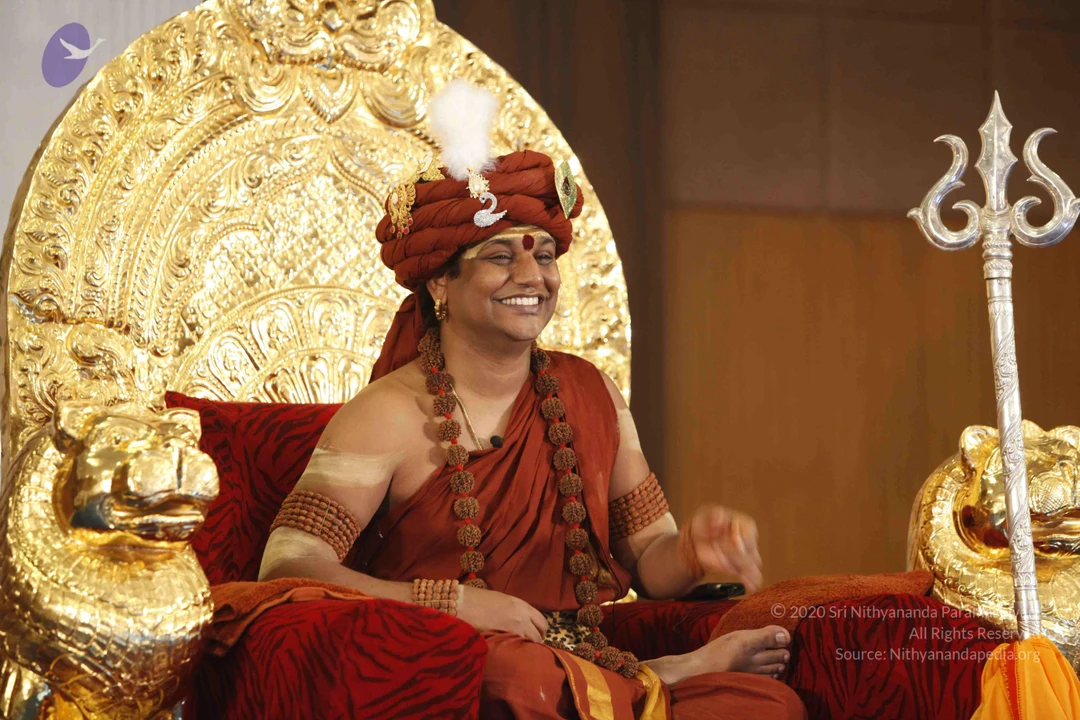
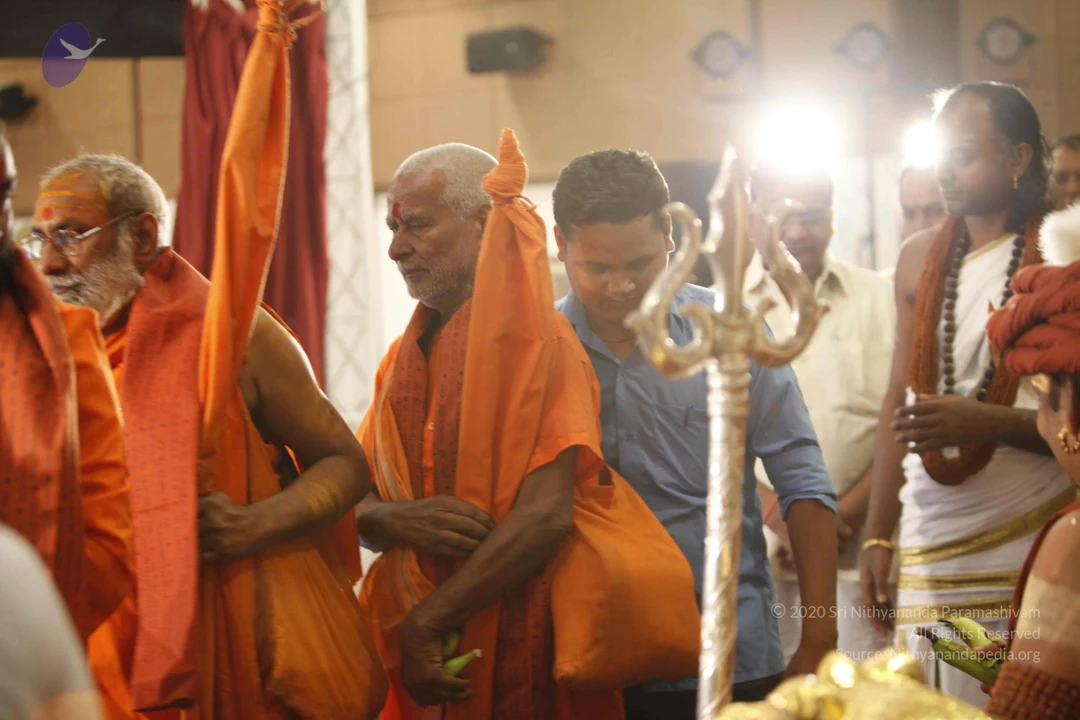

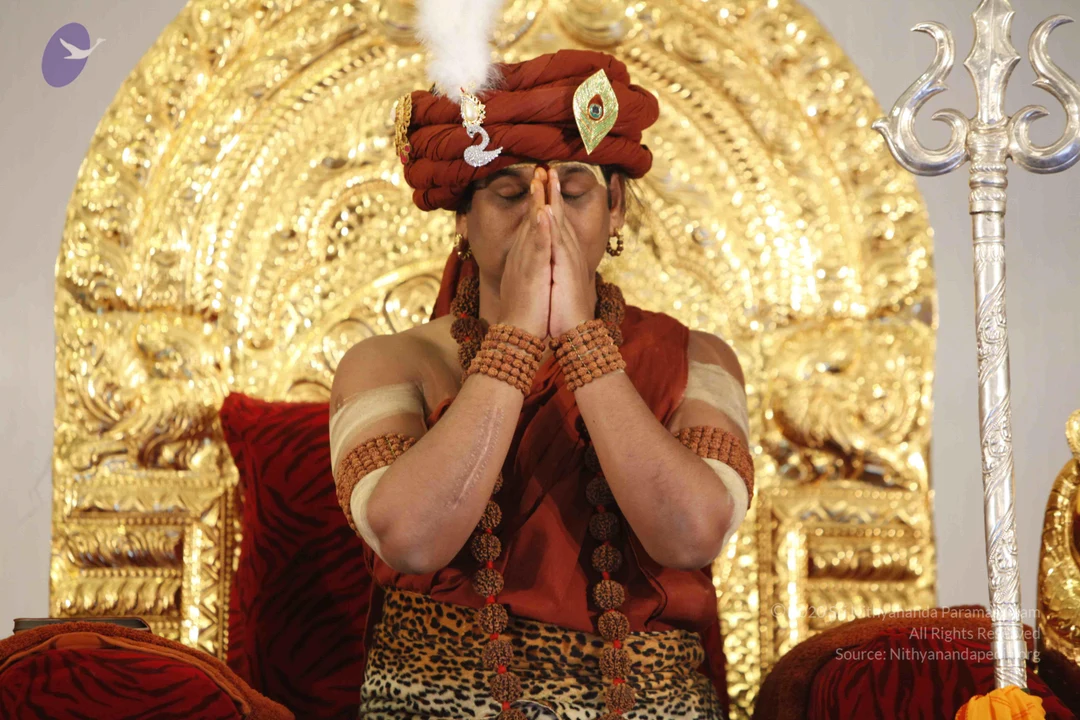
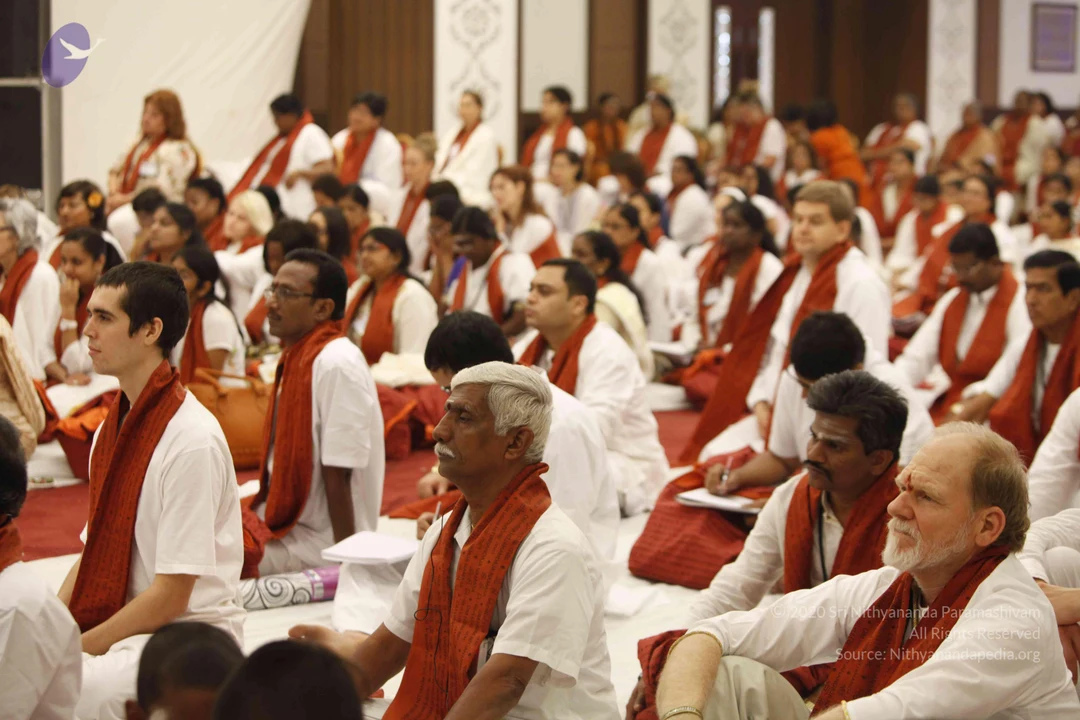
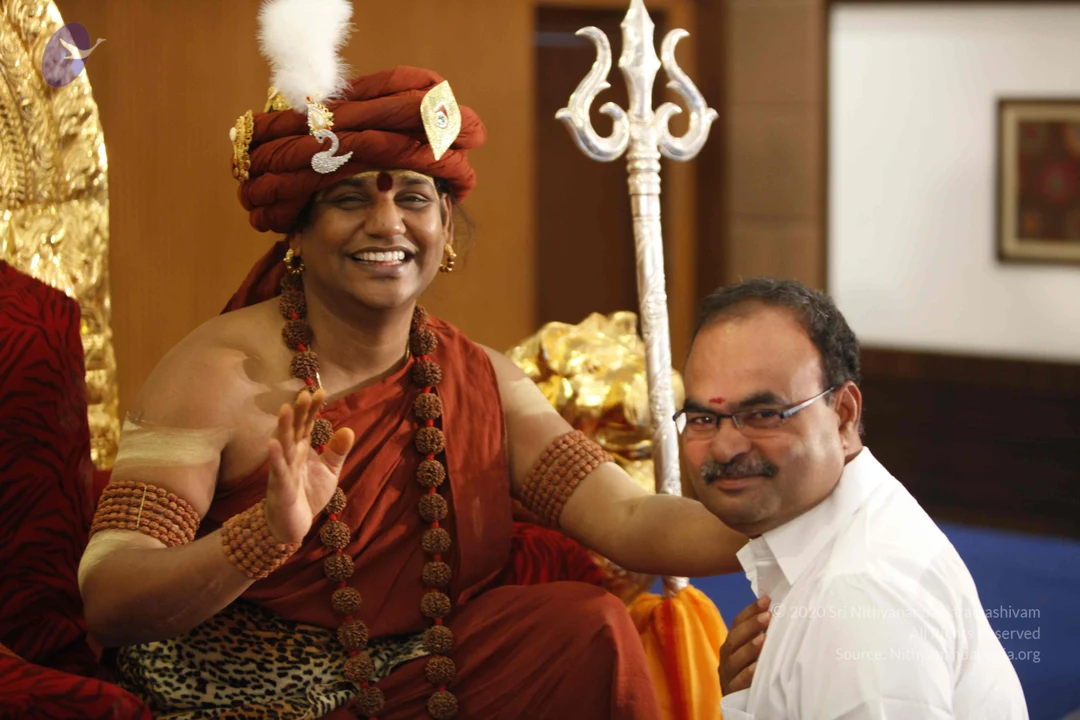
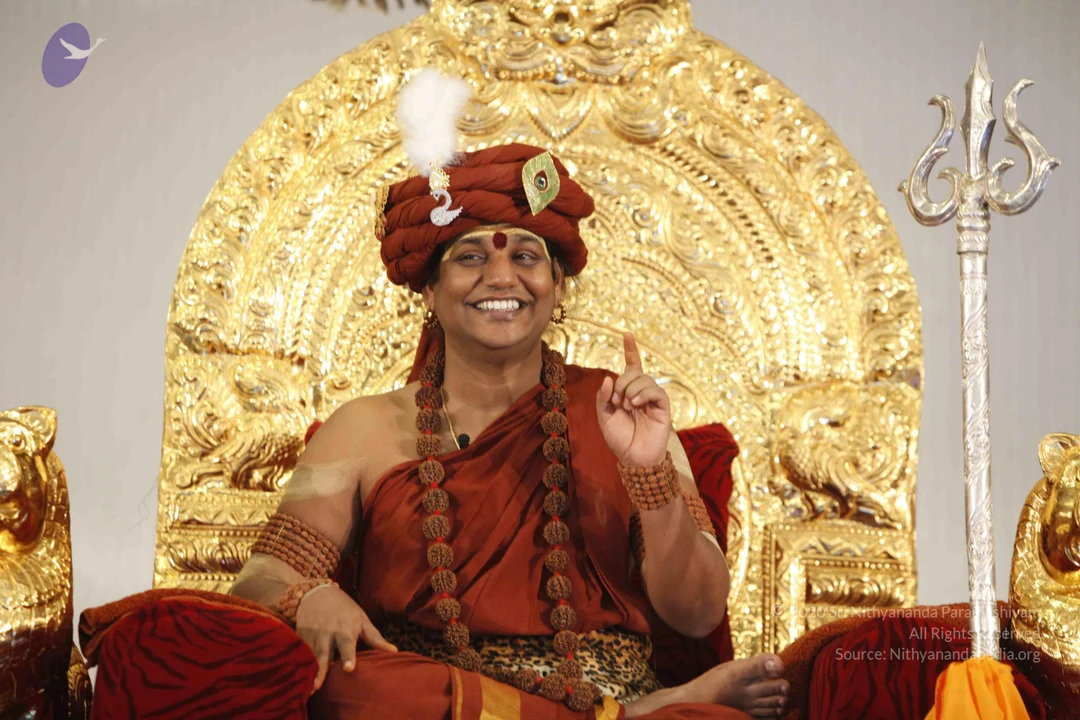
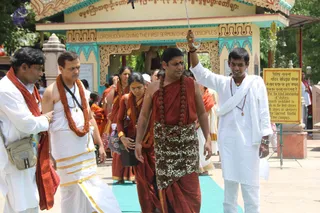
03-Sarnath-Visit
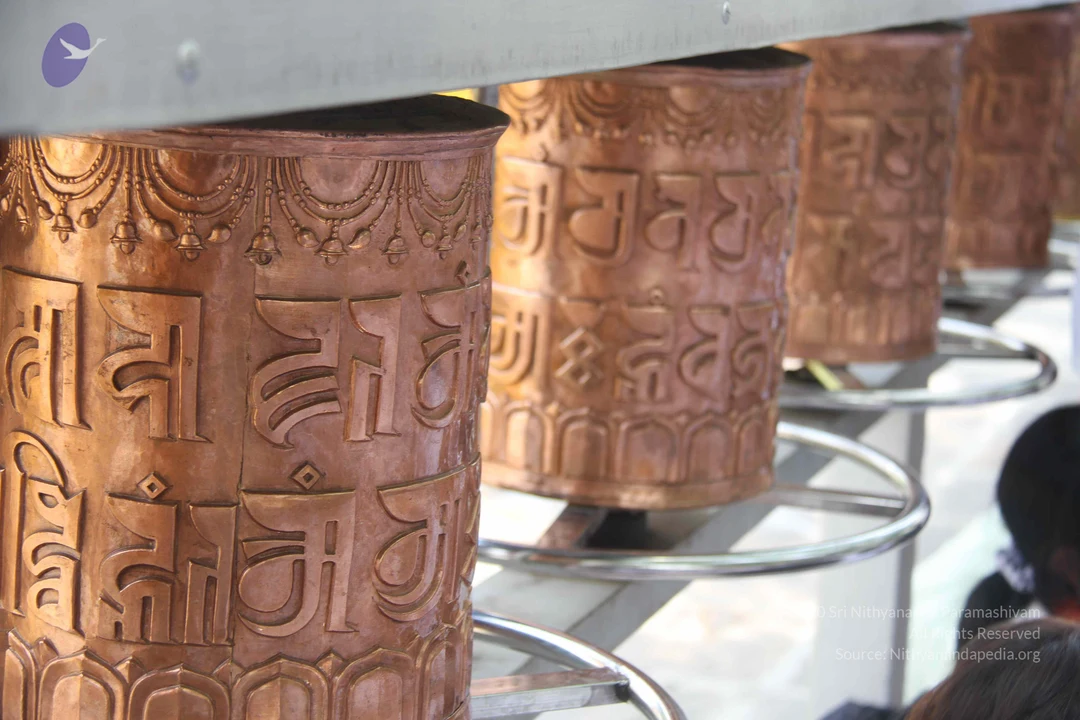
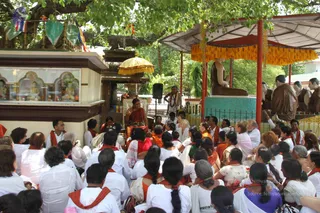
04-Inner-Awakening-Afternoon-Session
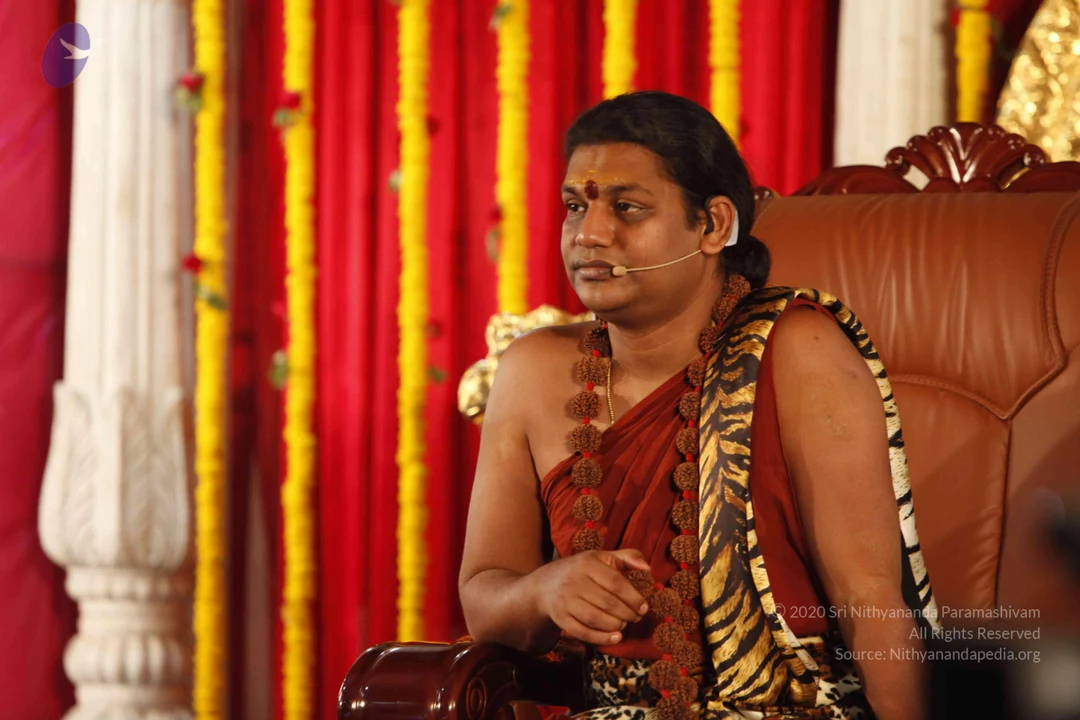
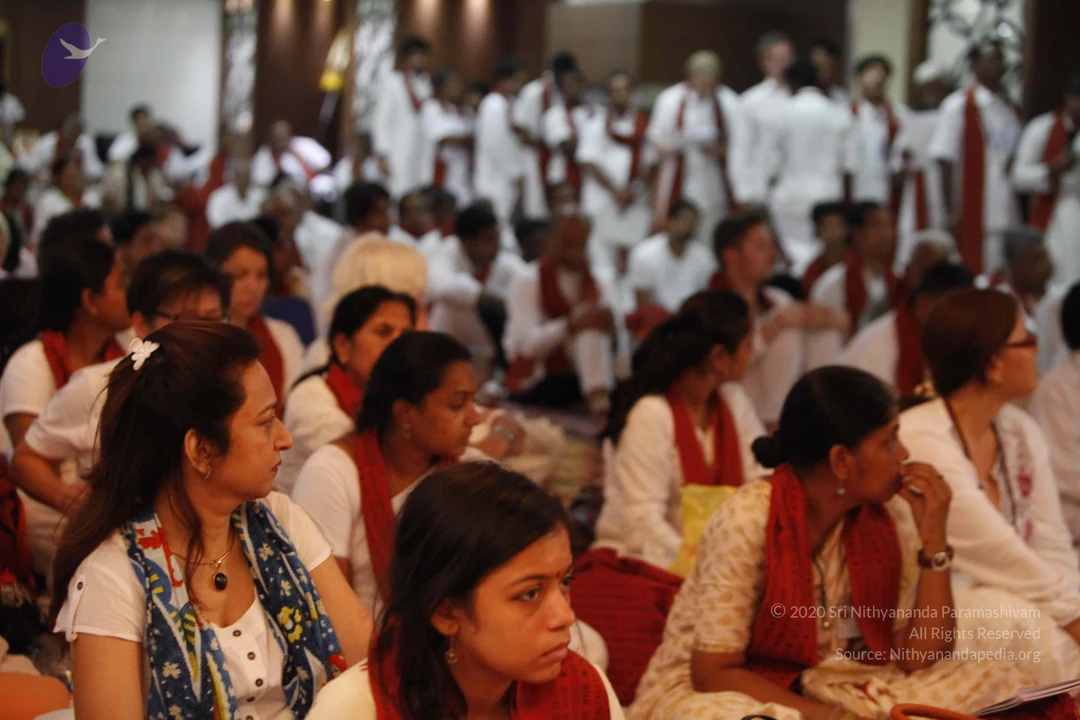
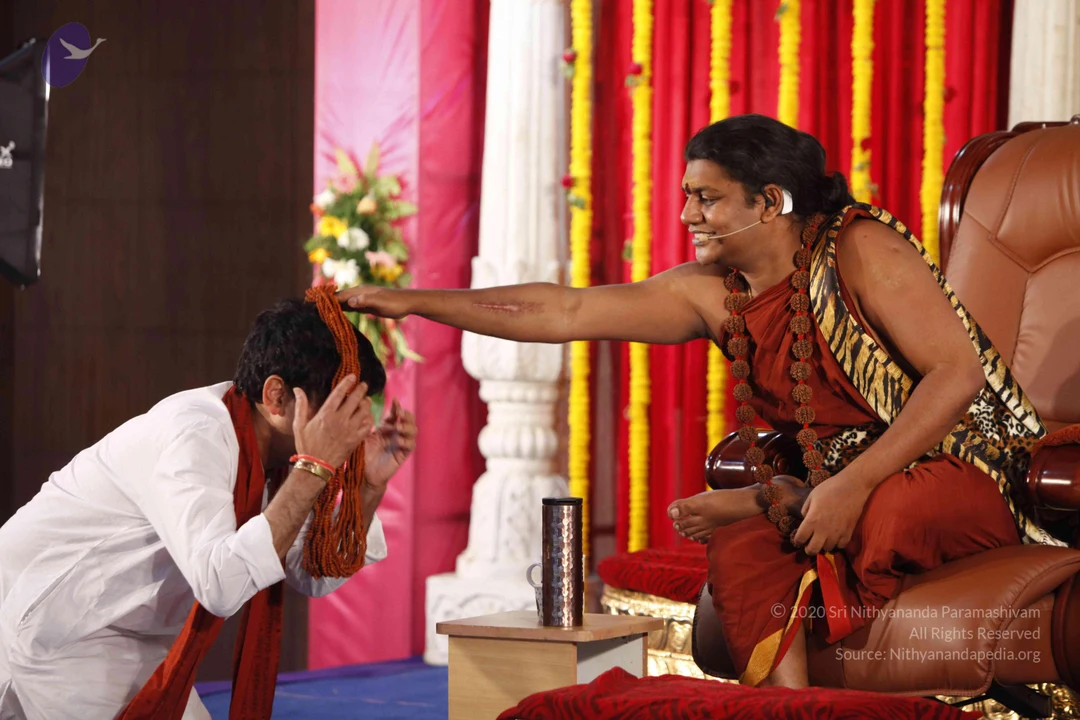
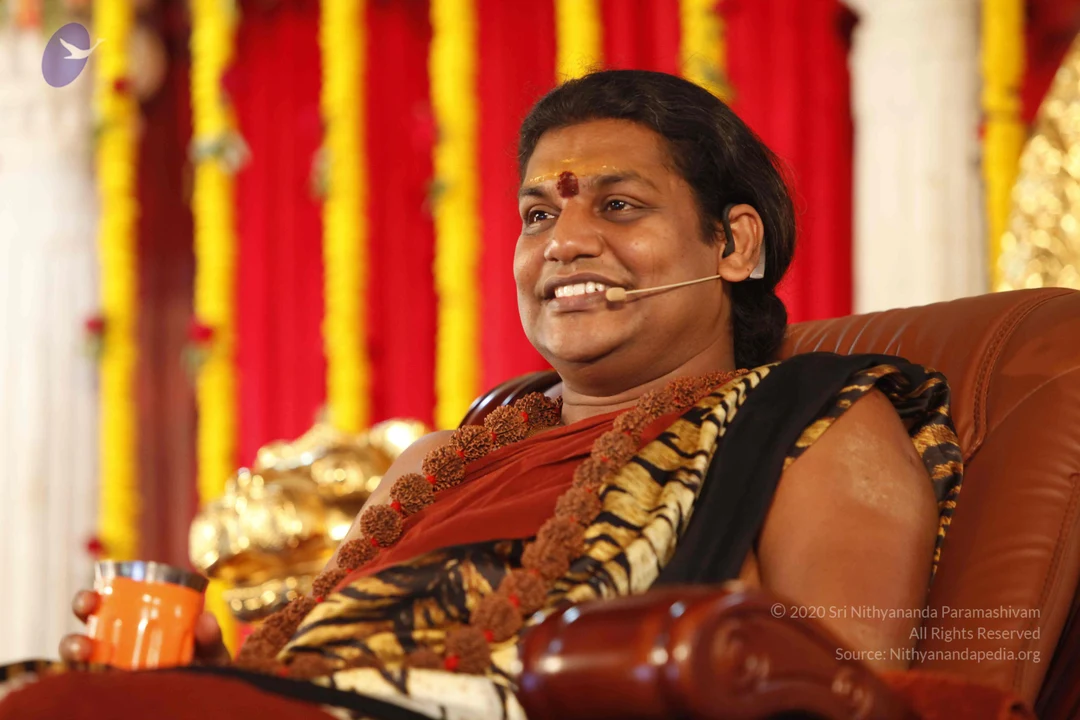
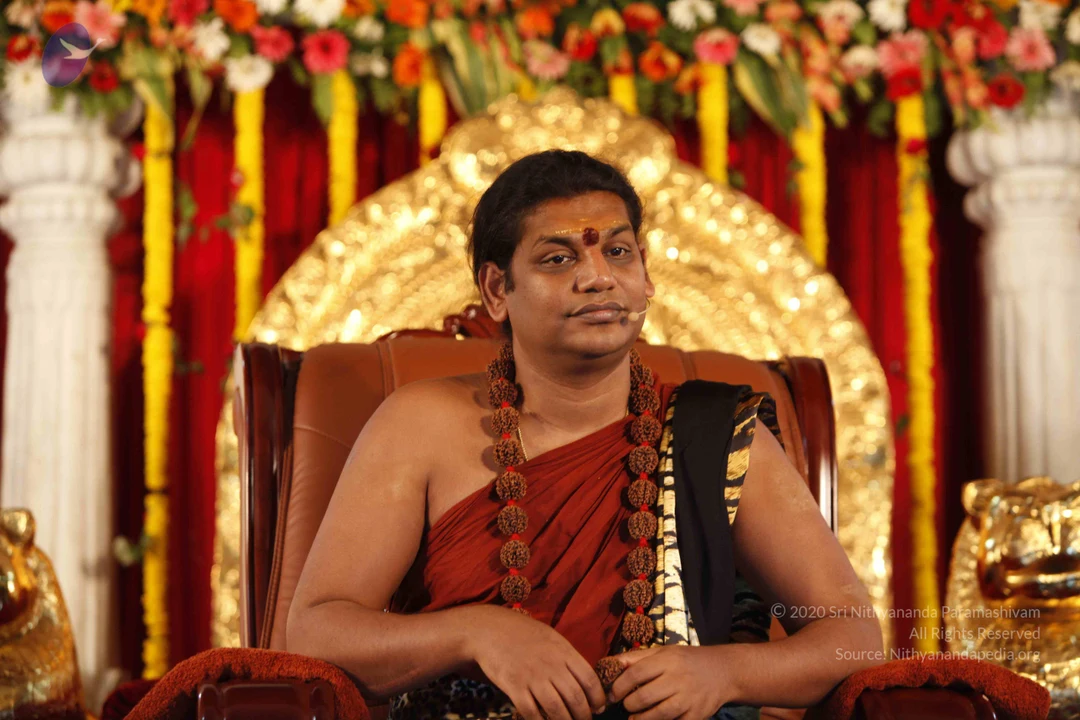
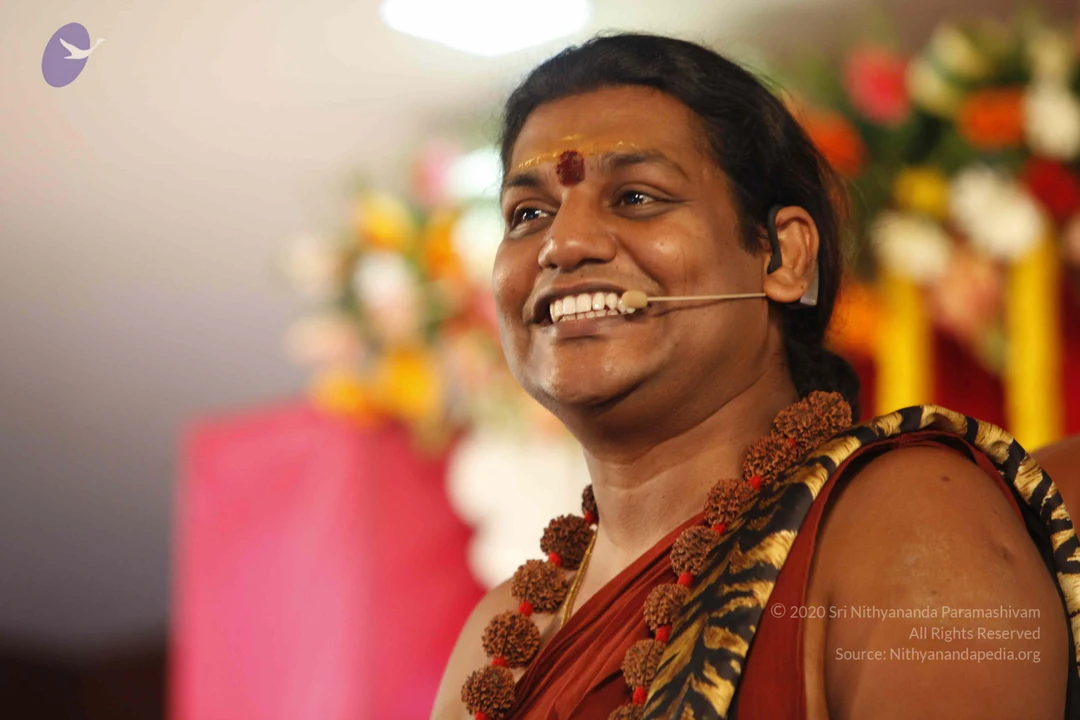
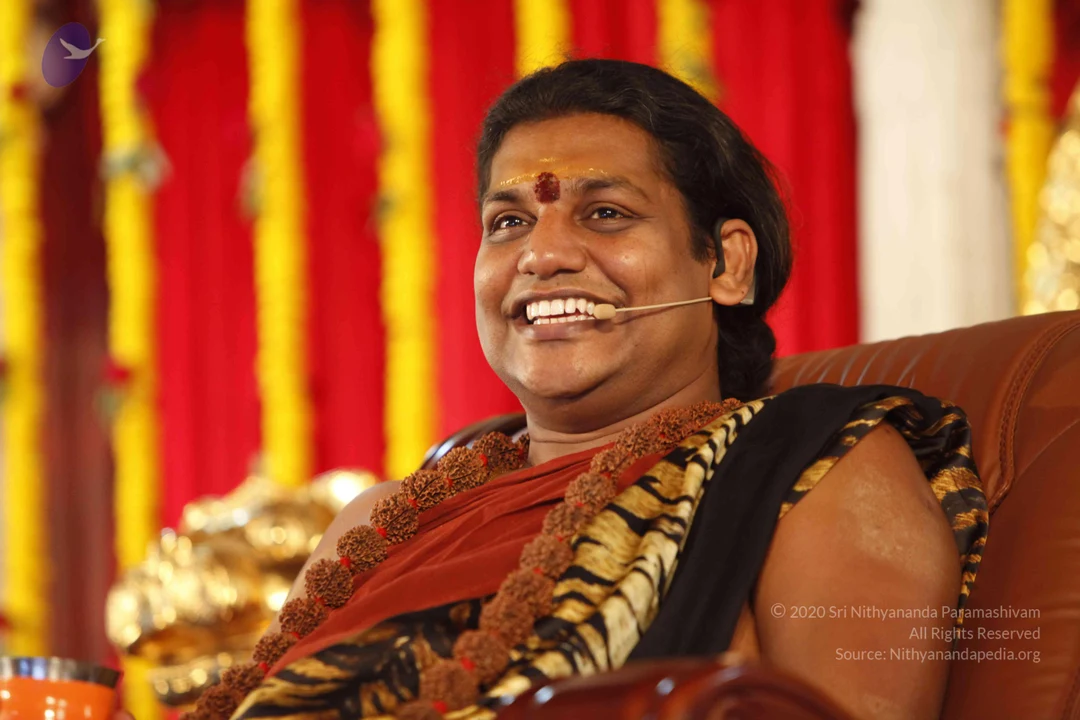
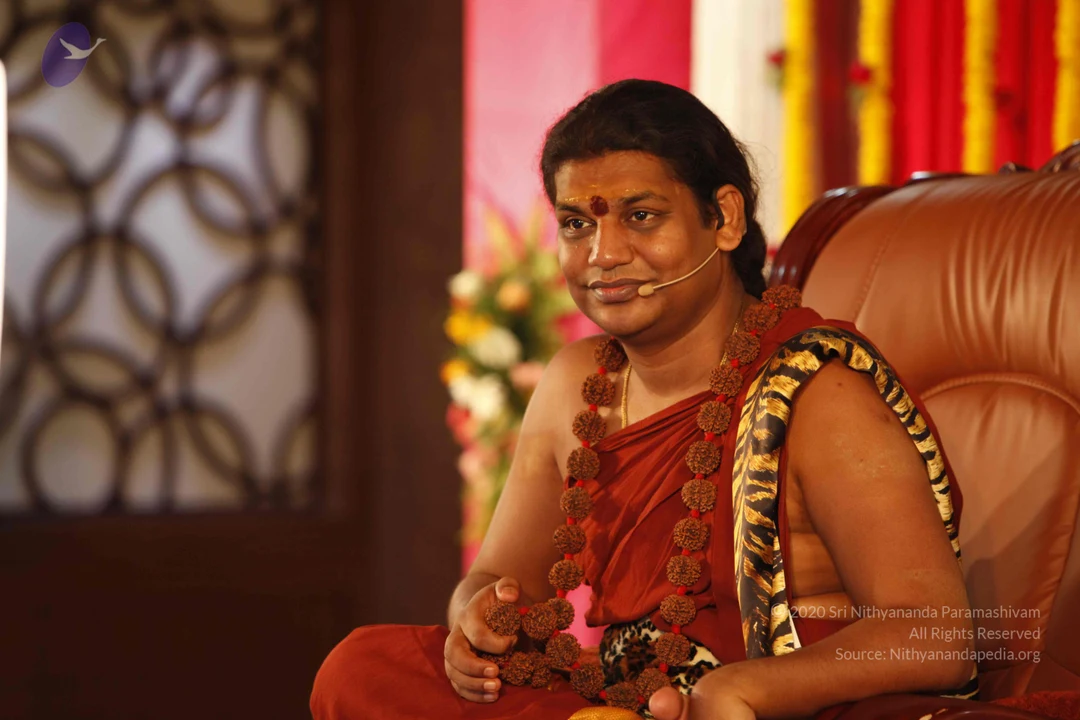
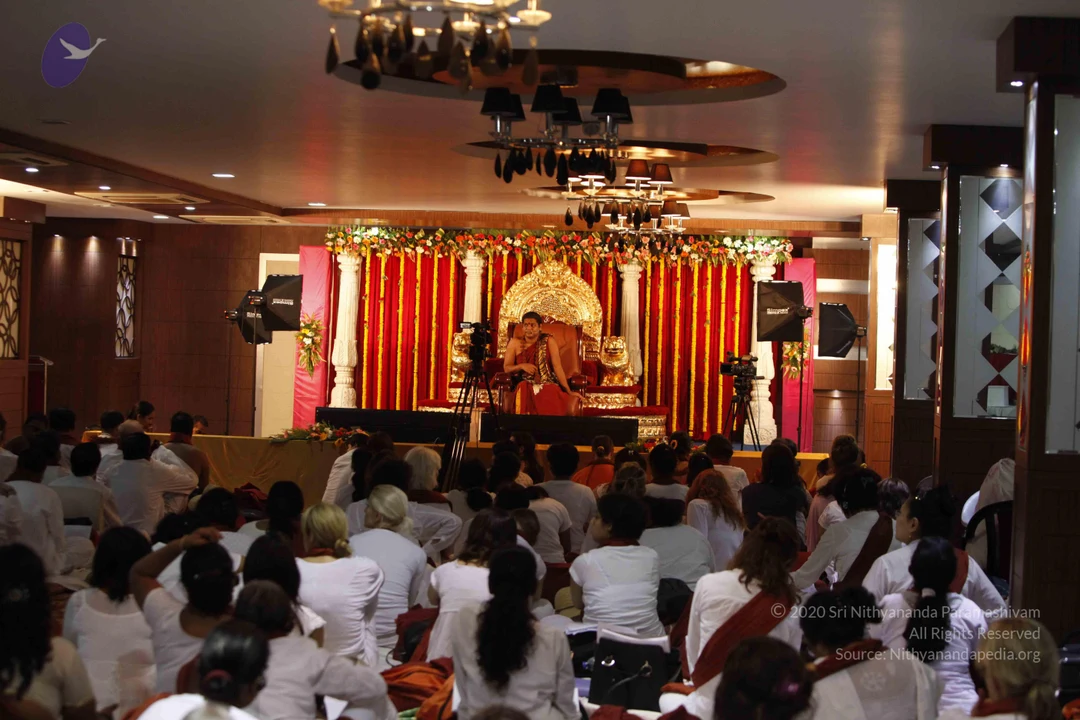
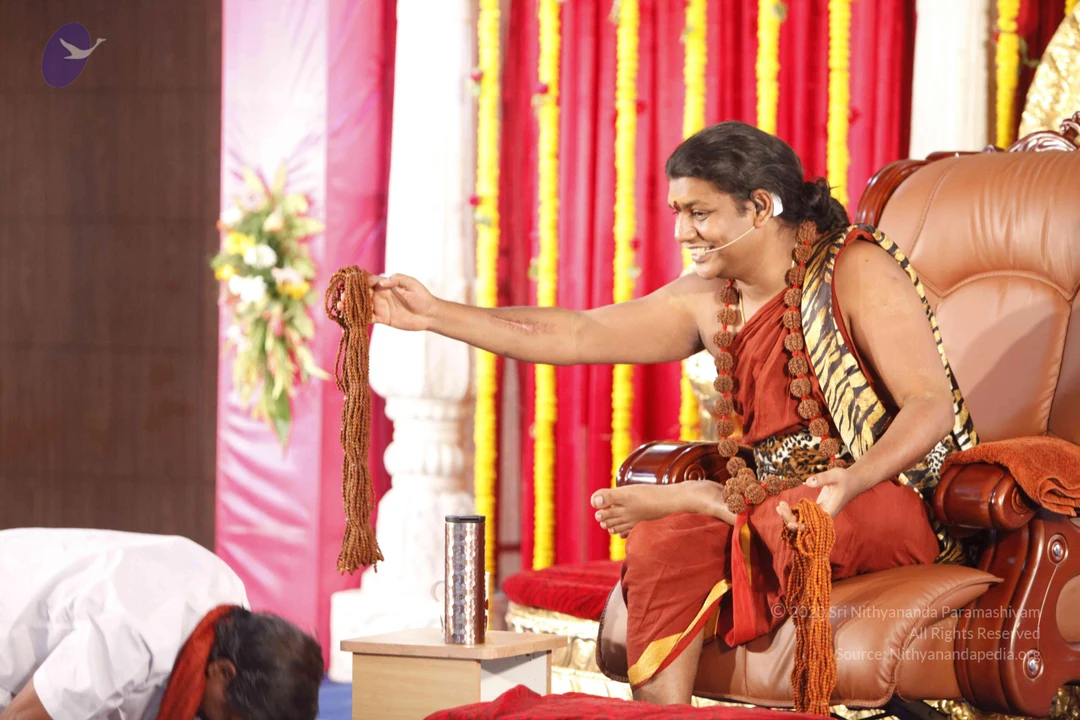
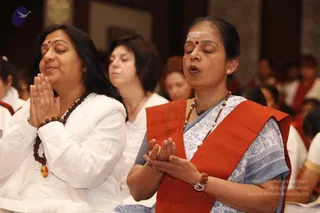
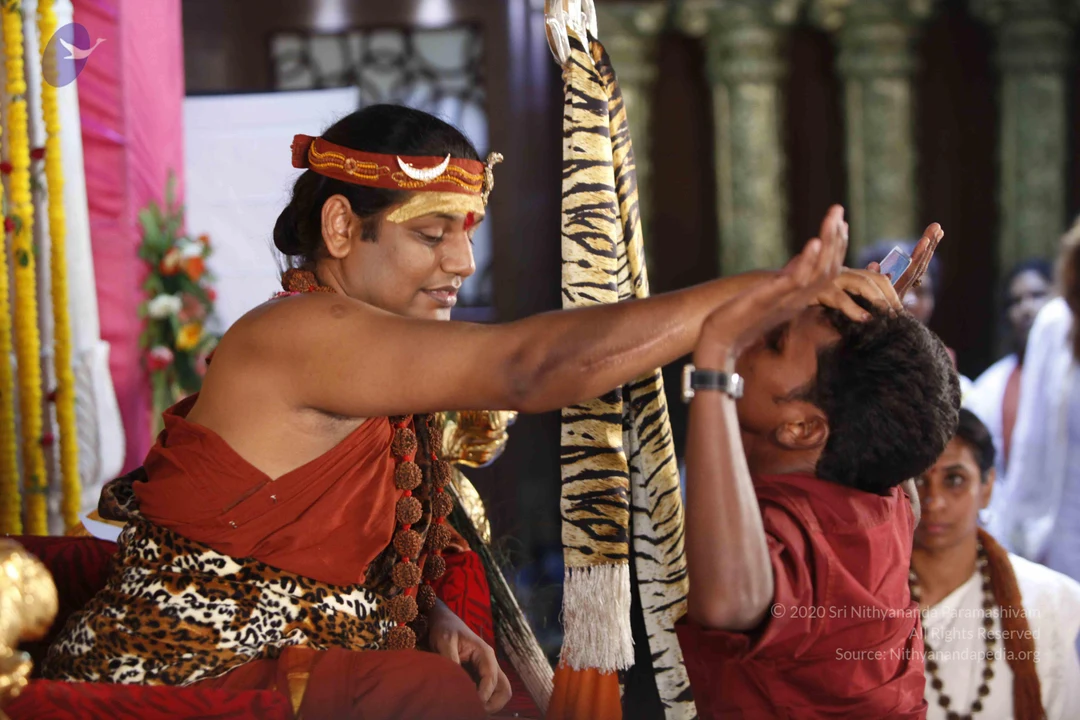
05-Inner-Awakening-Darshan
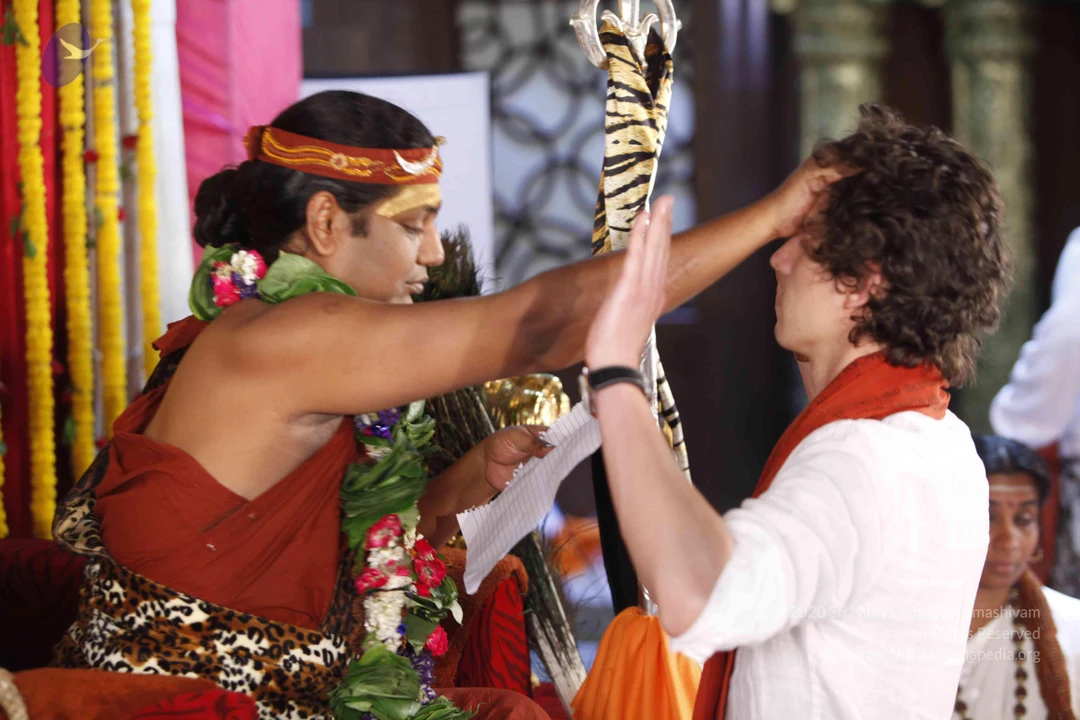
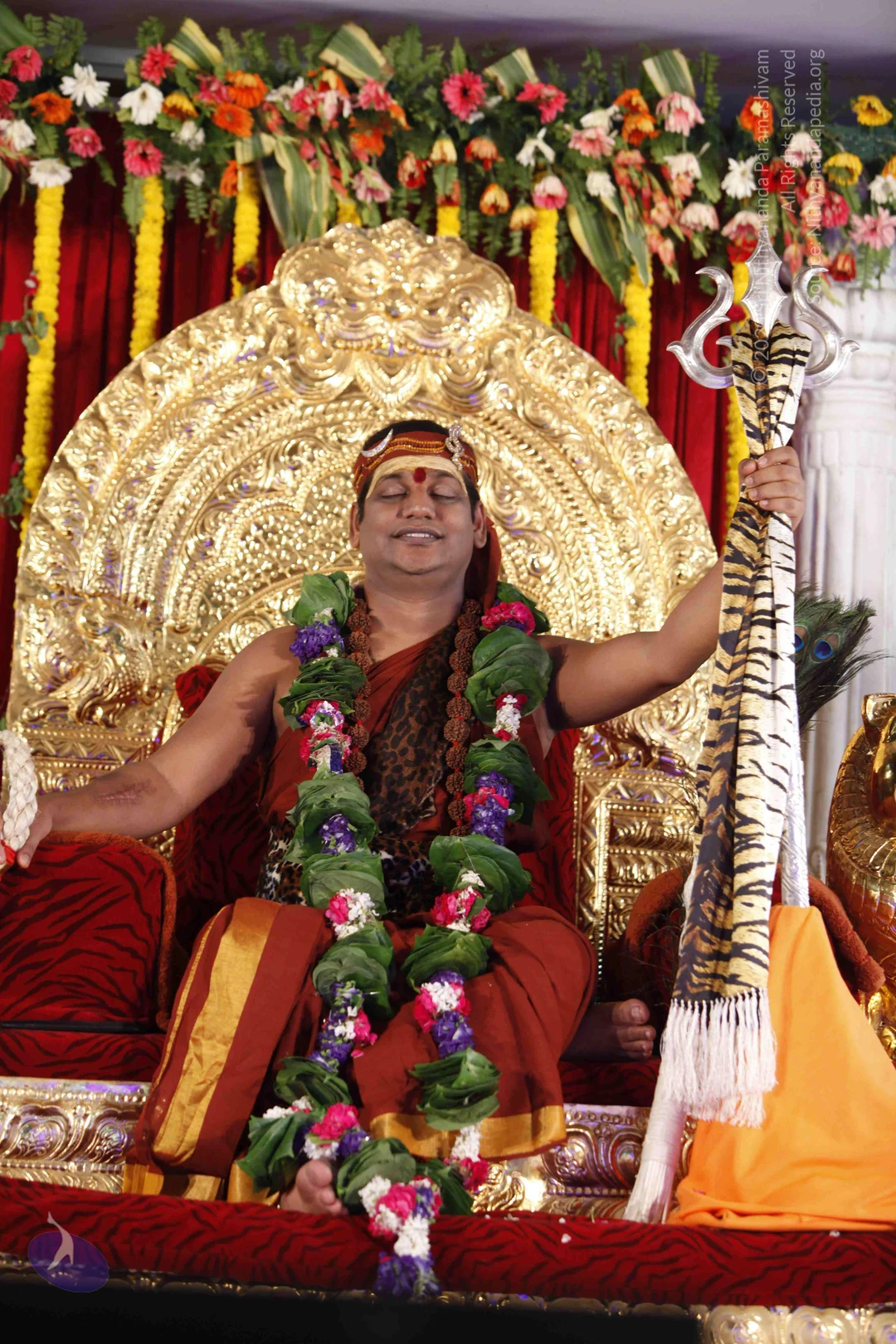
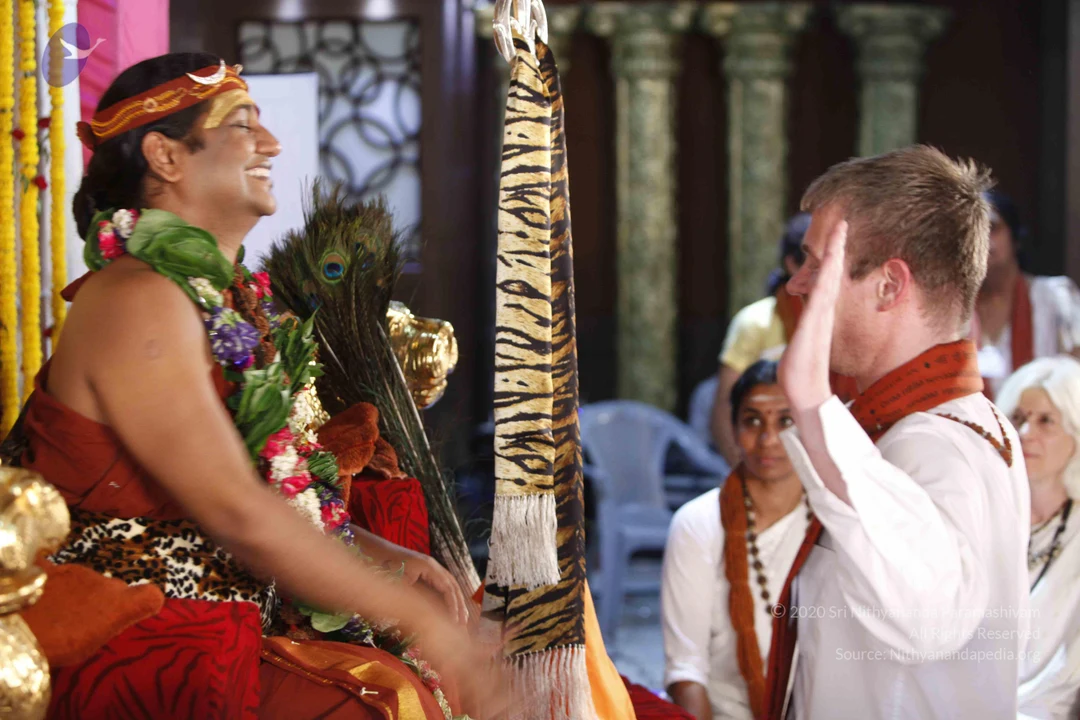
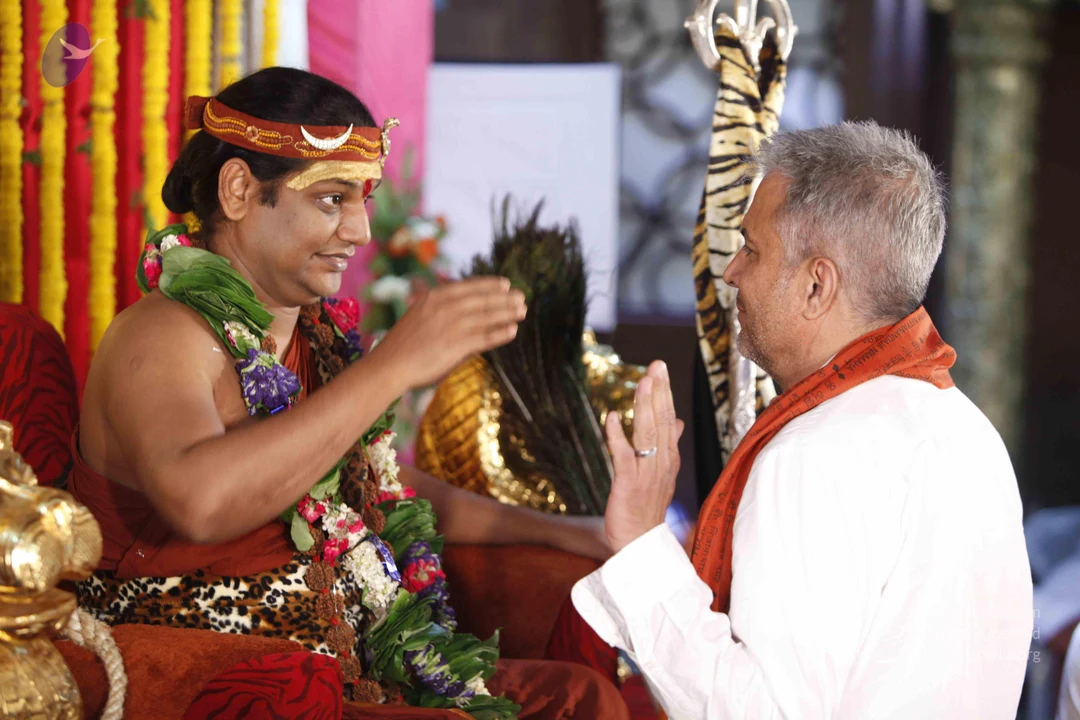
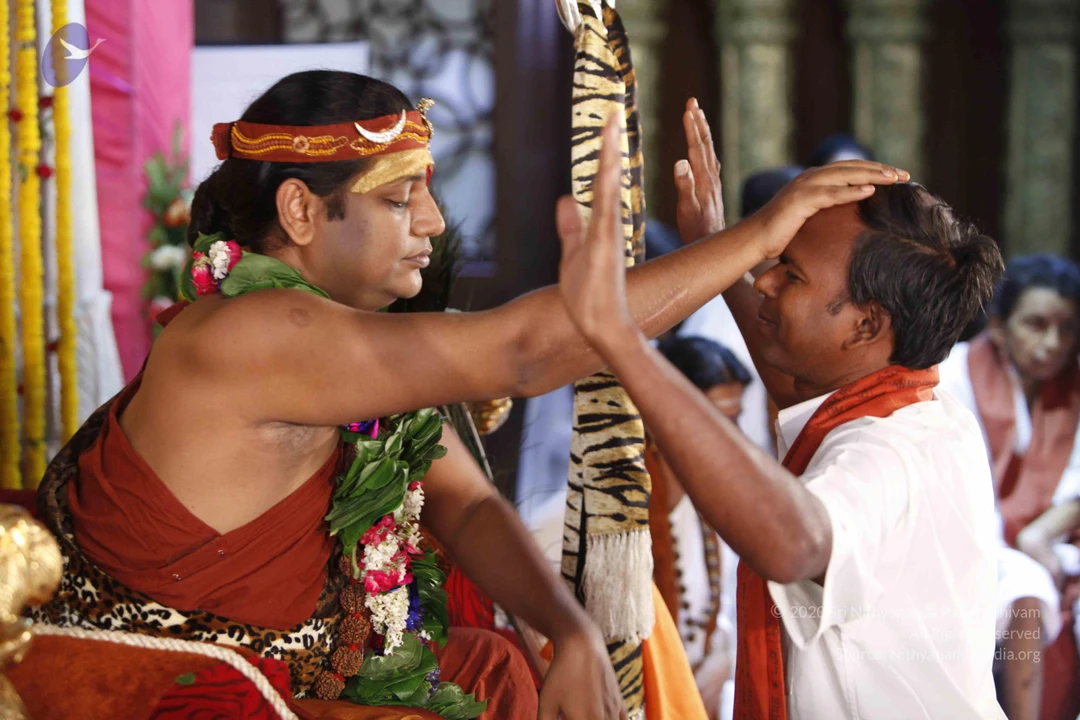
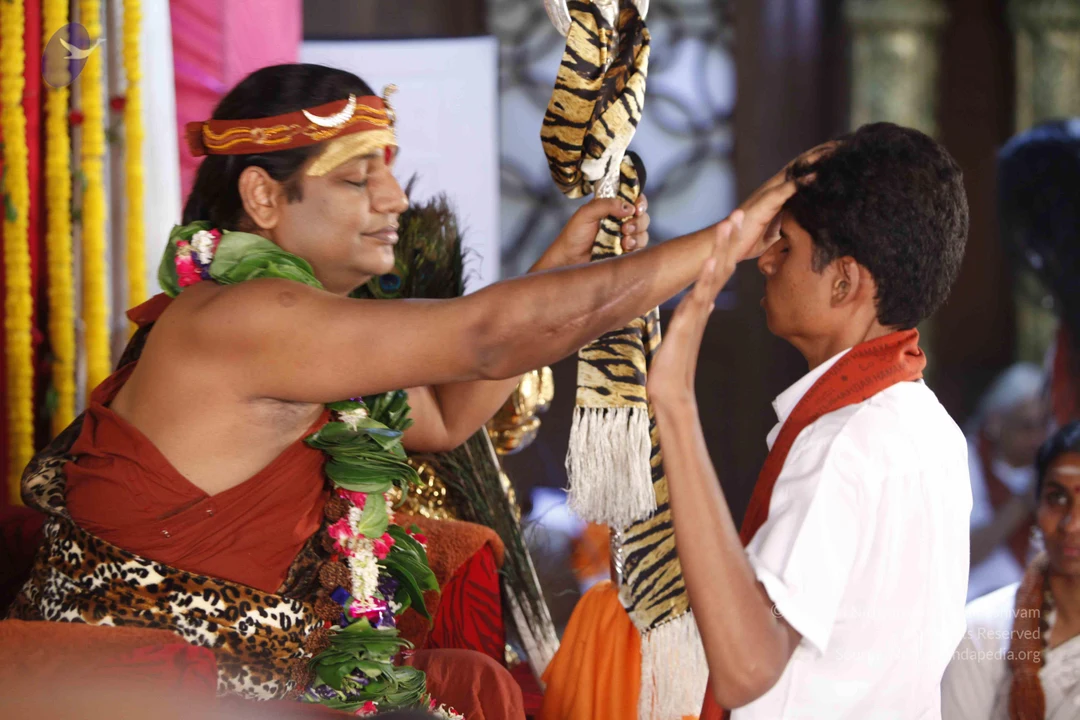
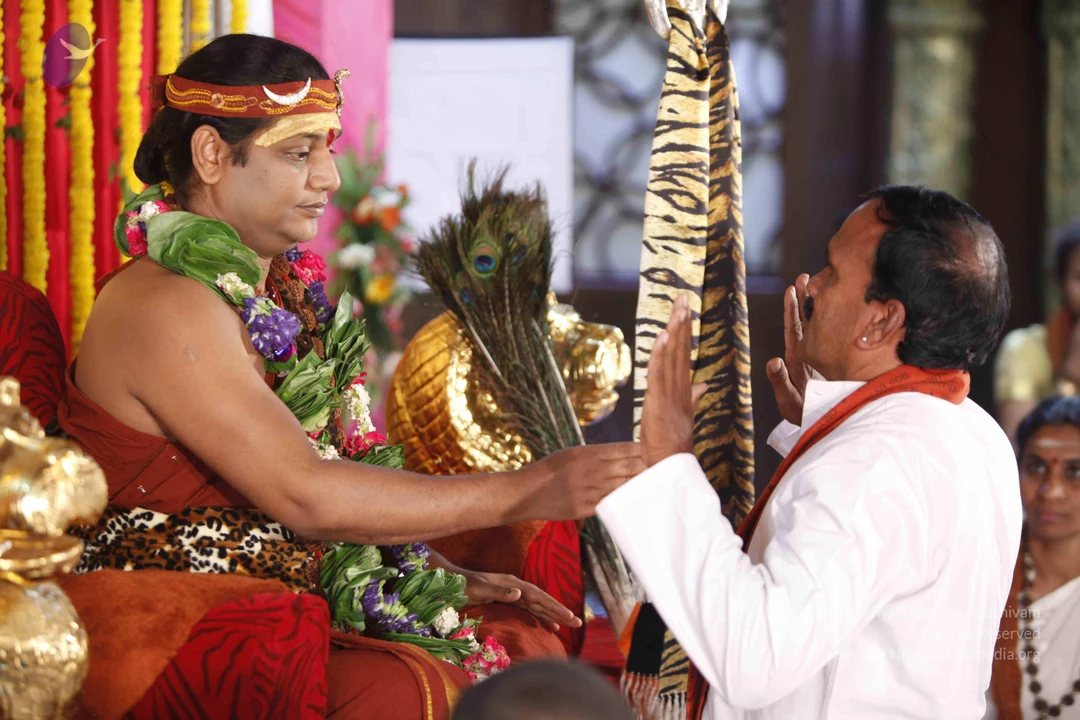
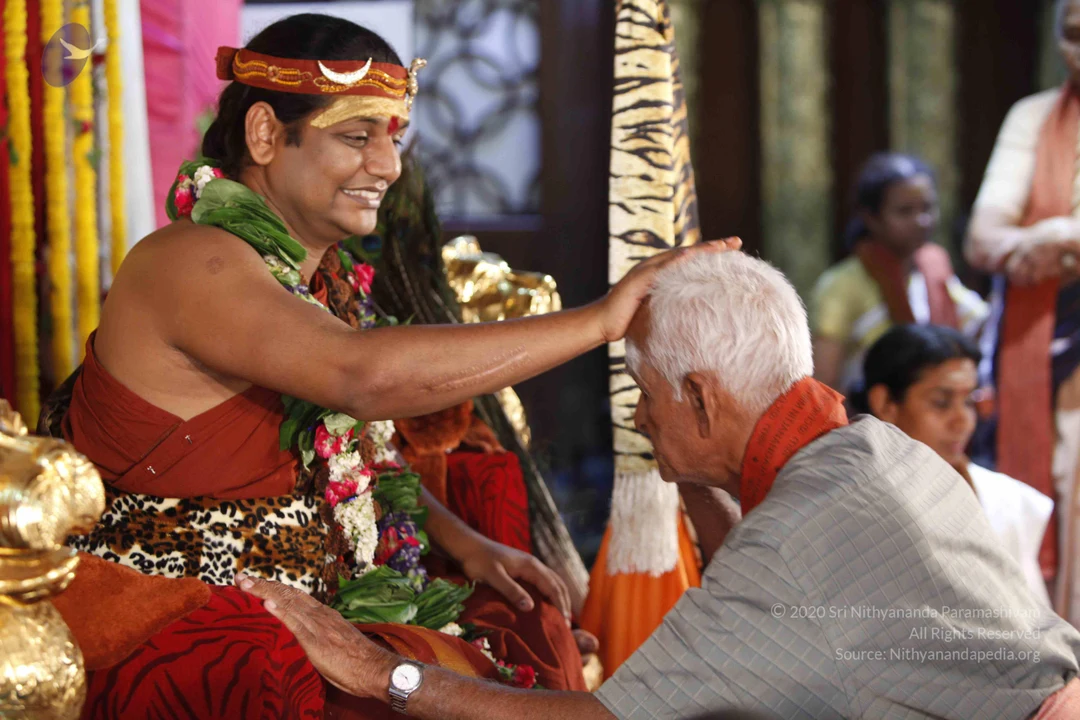
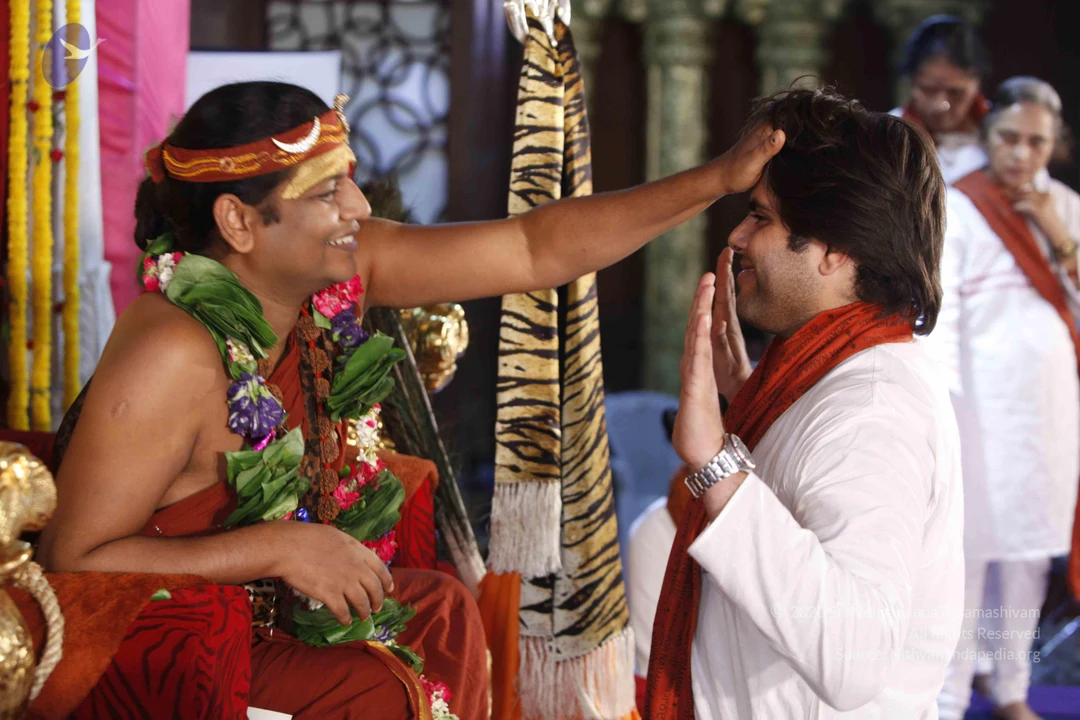
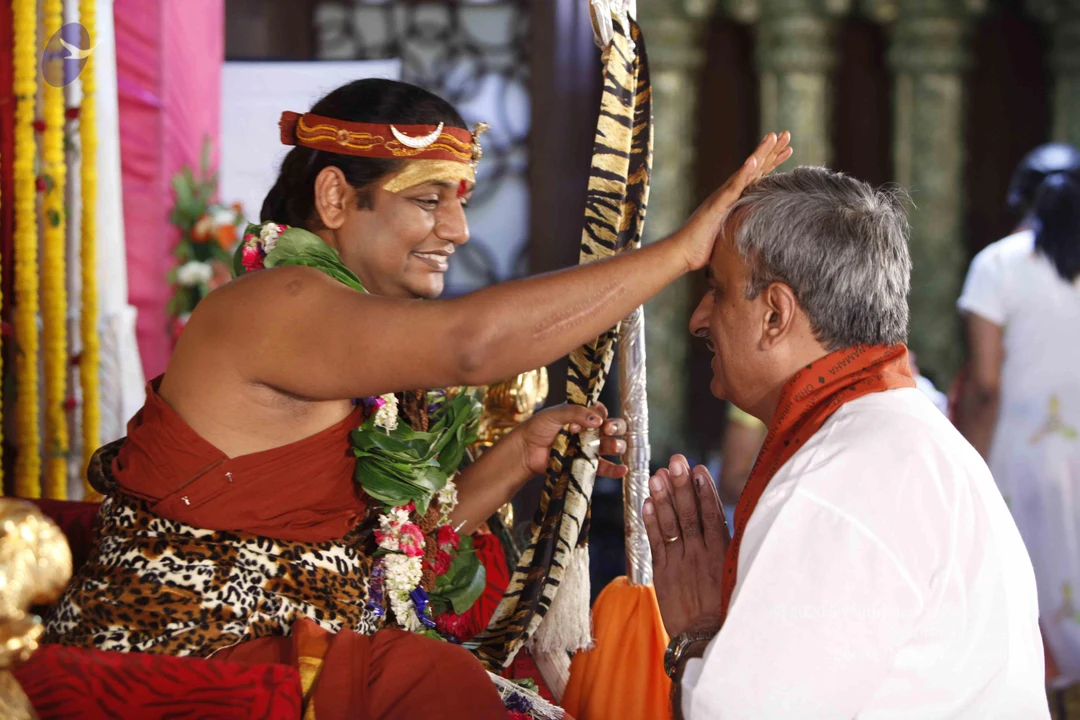
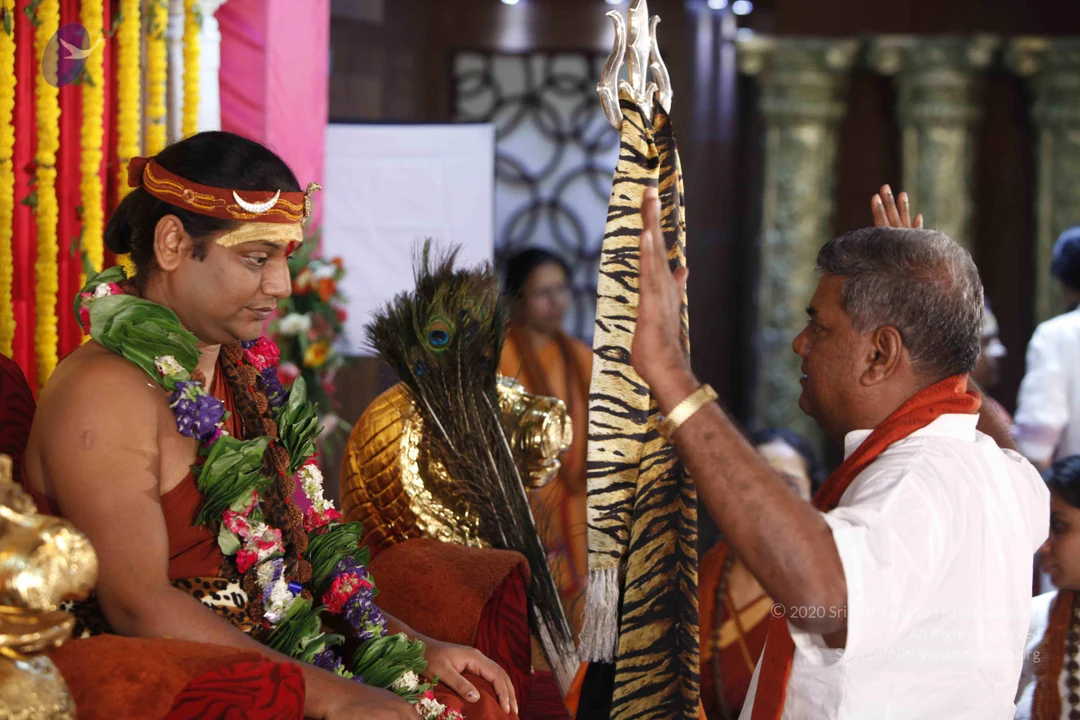

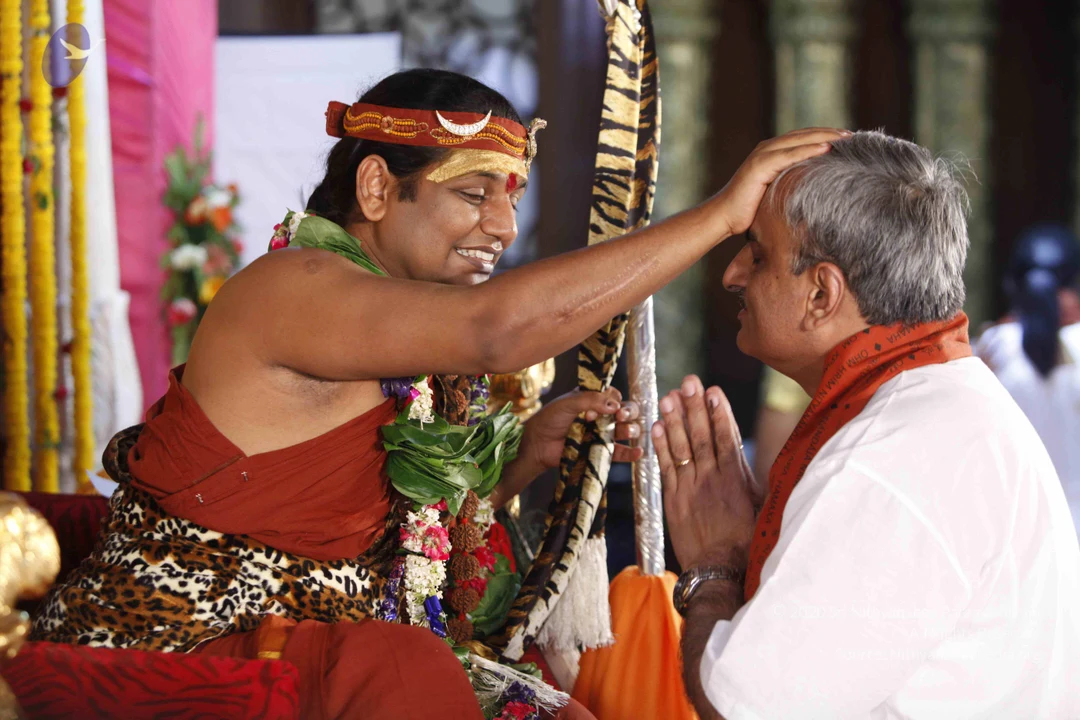

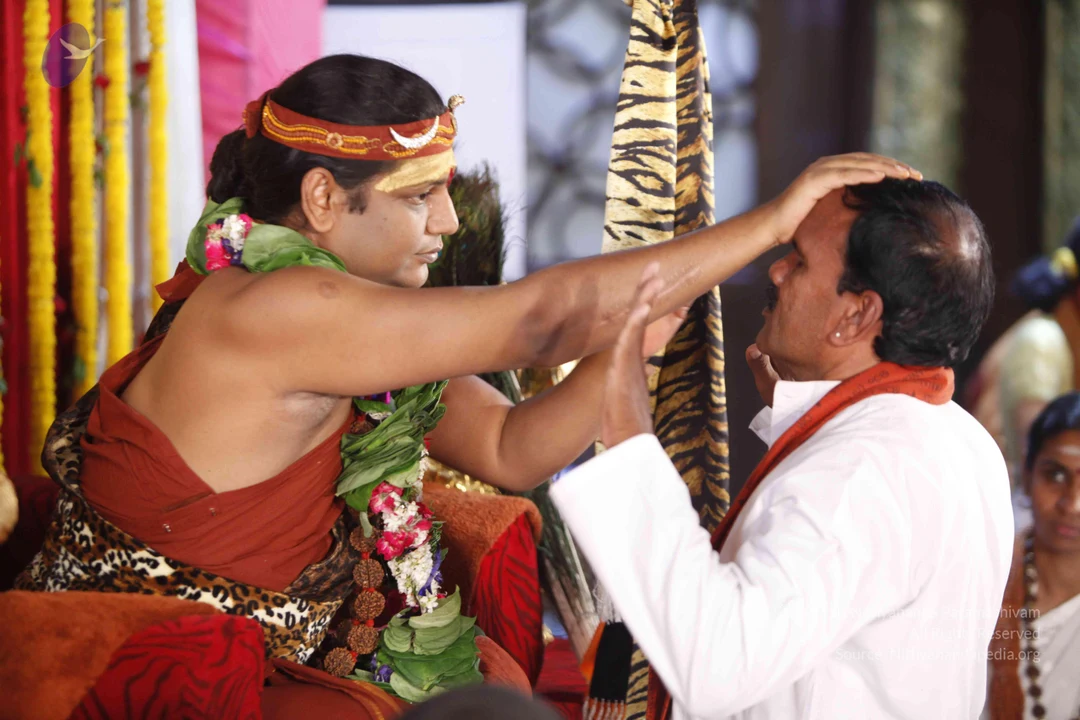

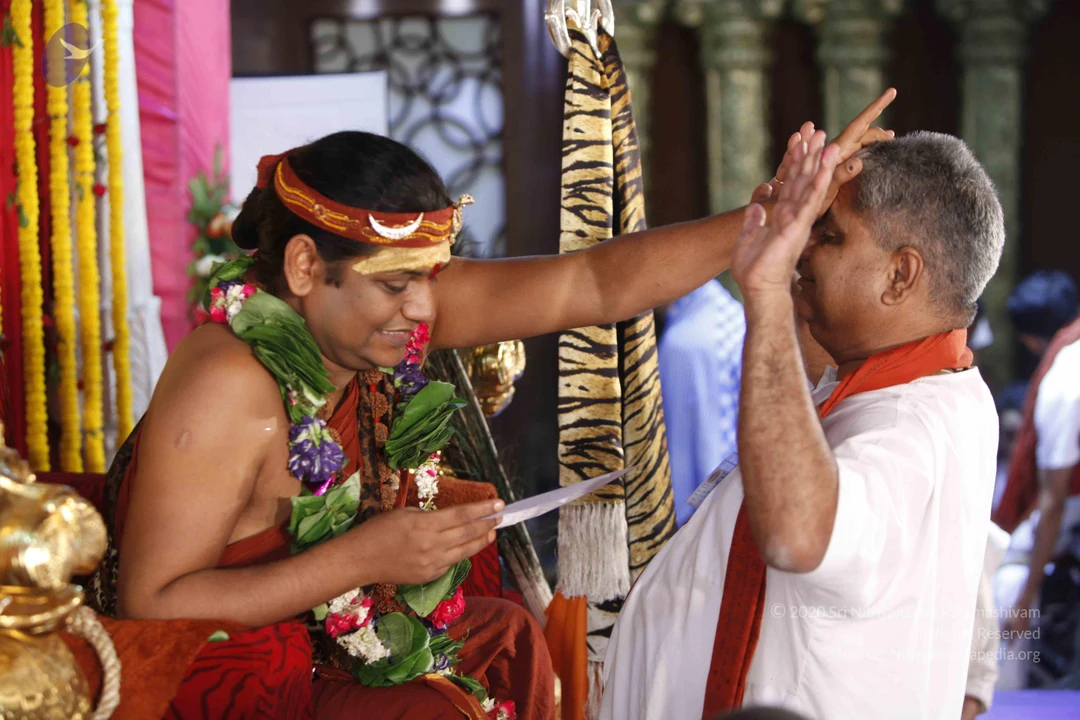
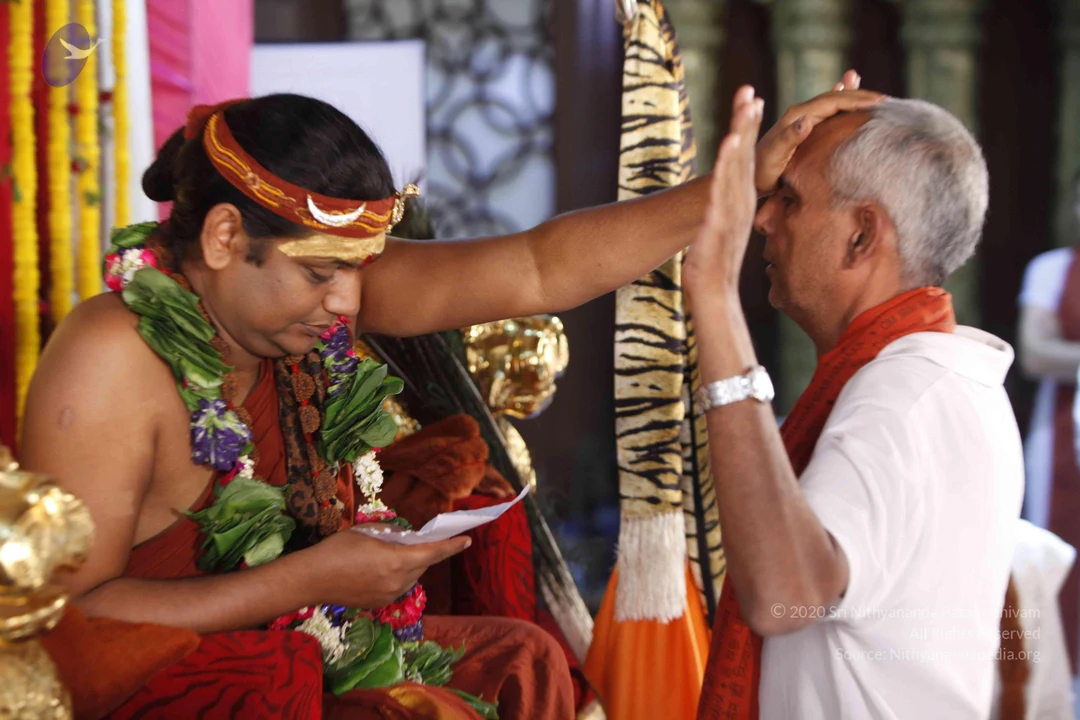
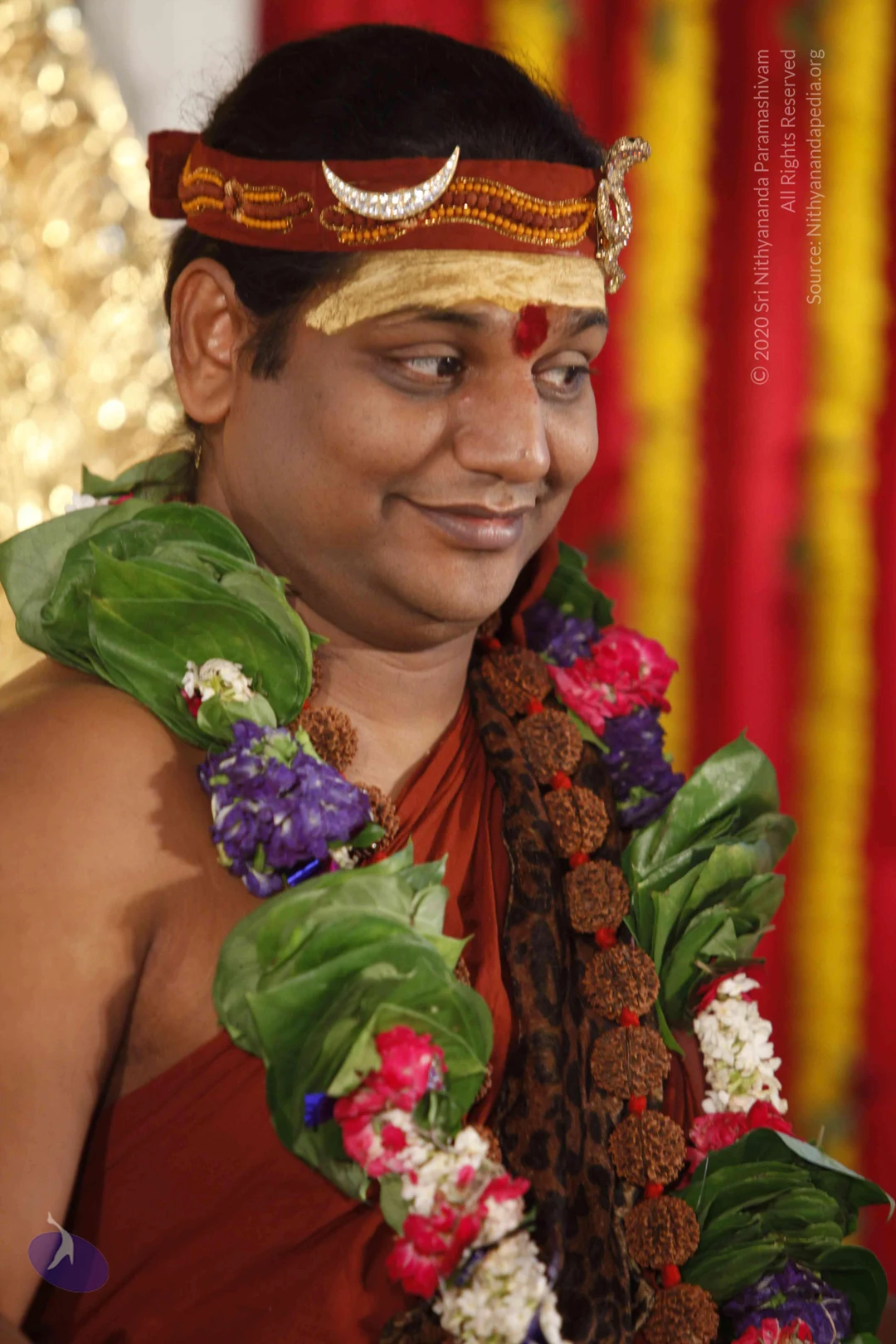


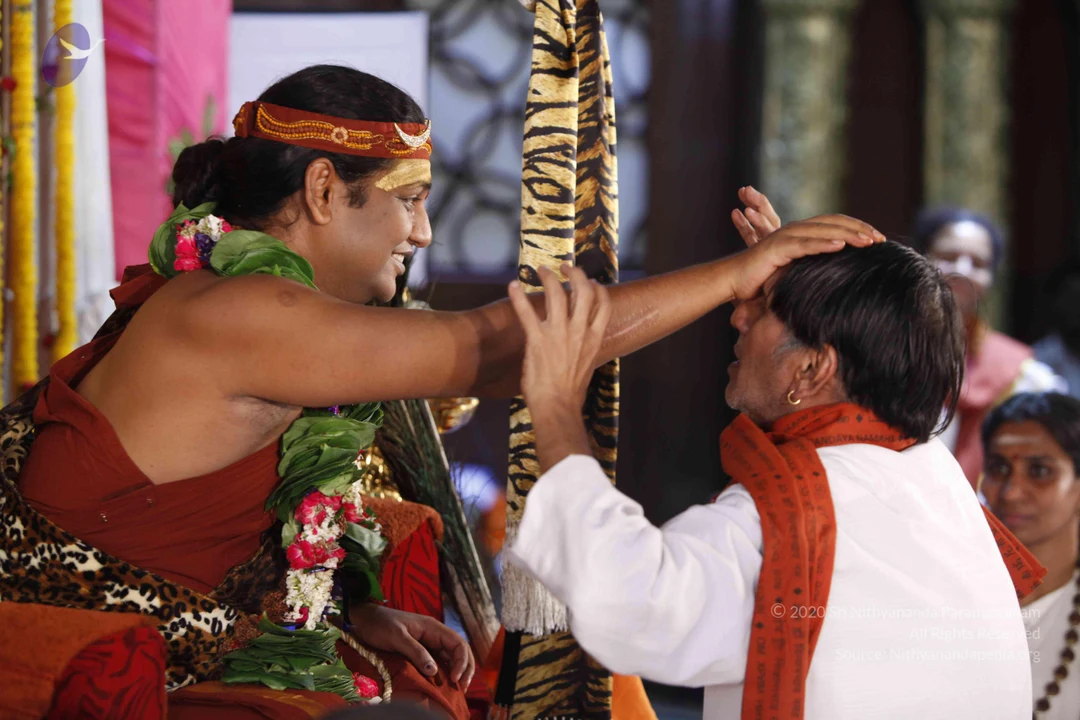
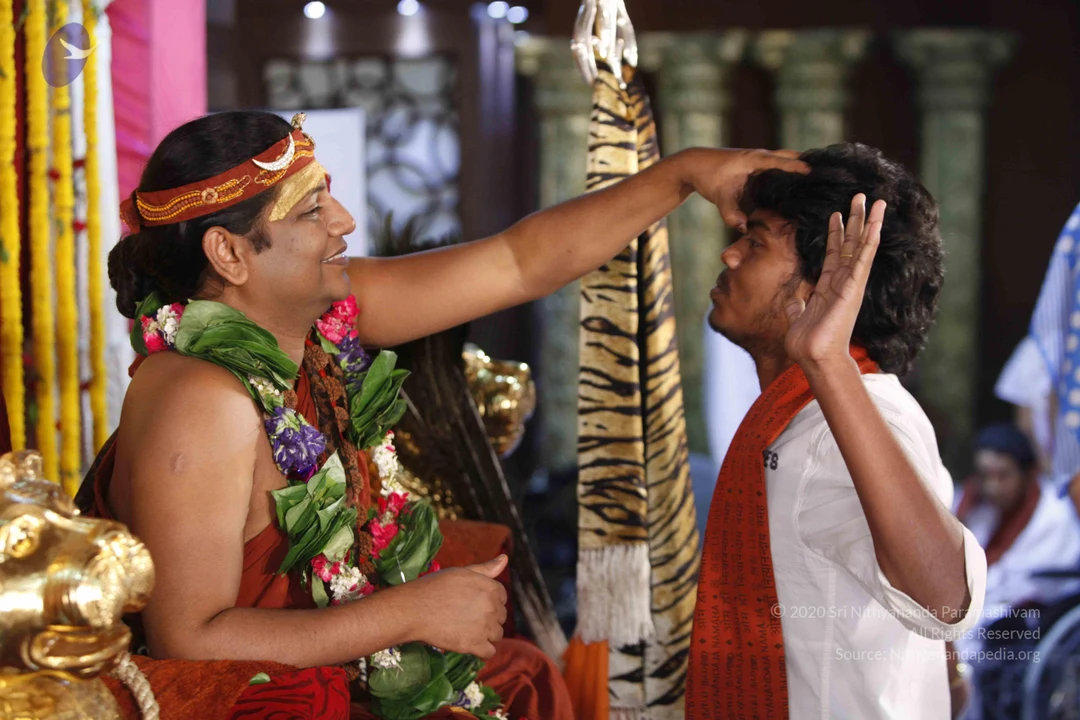
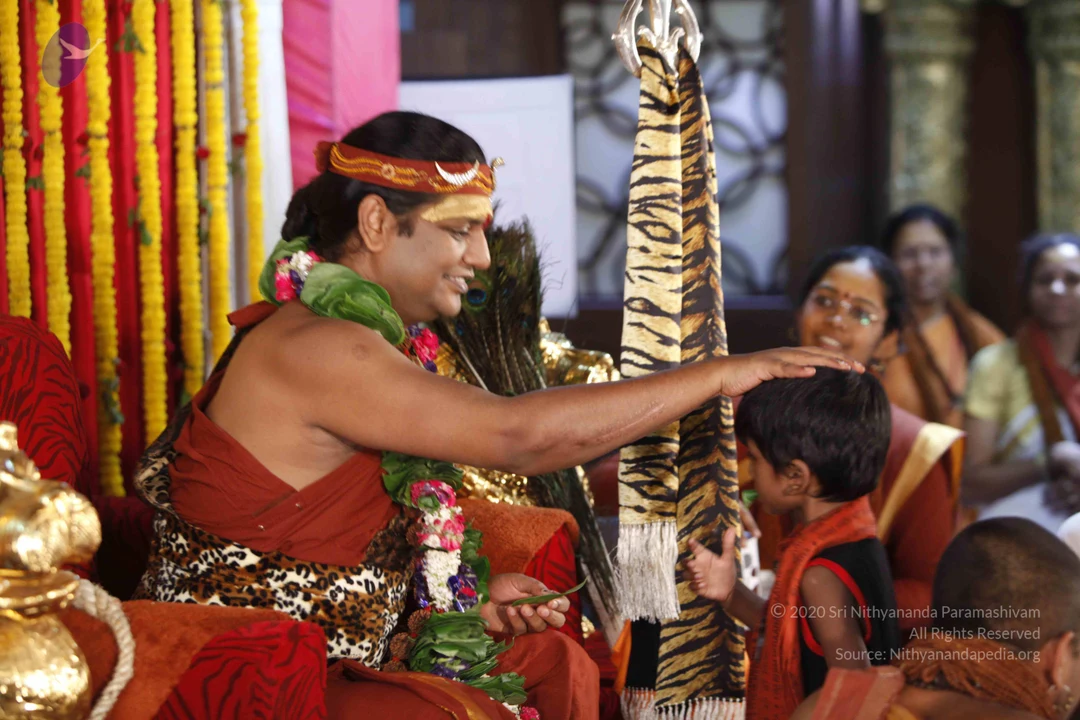
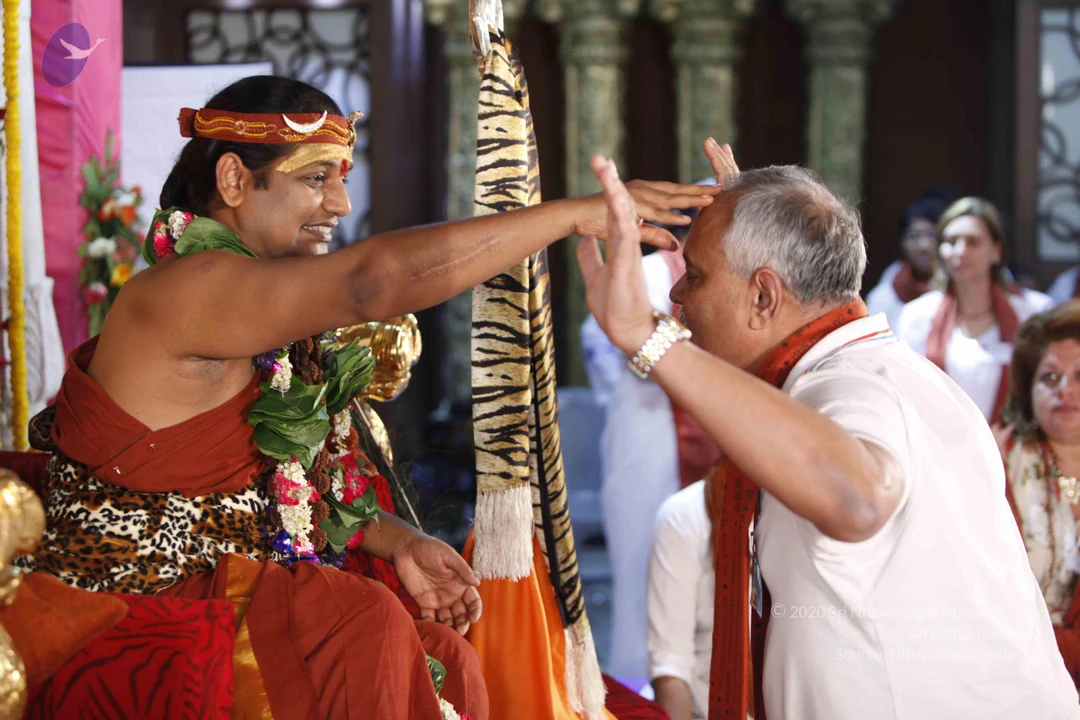
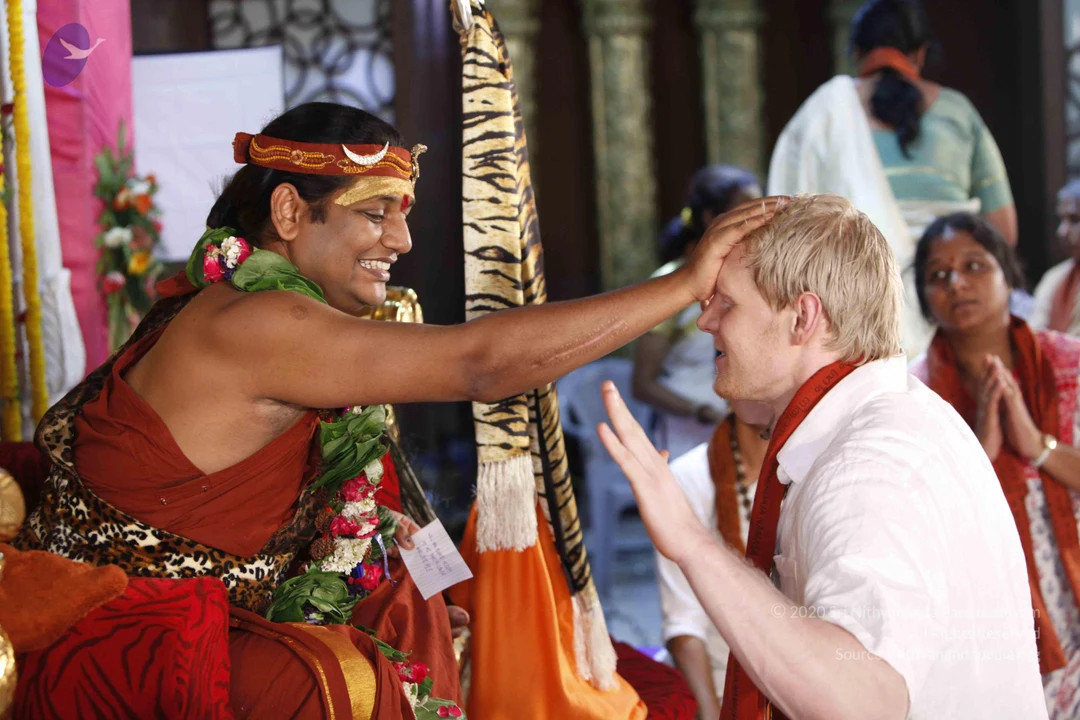
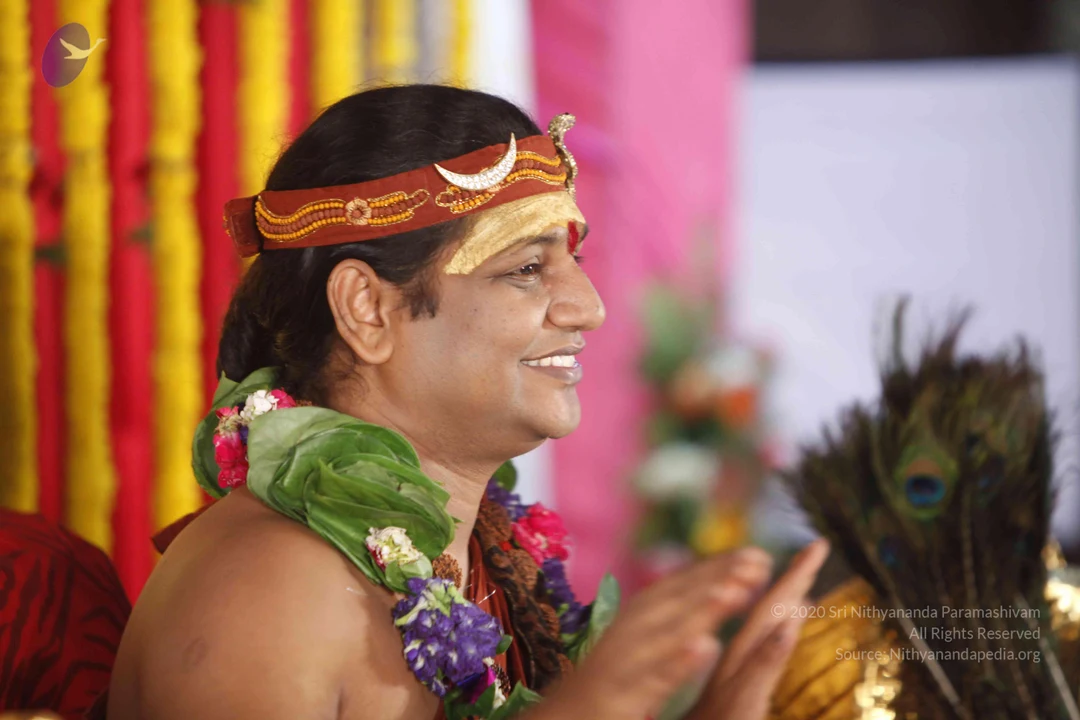
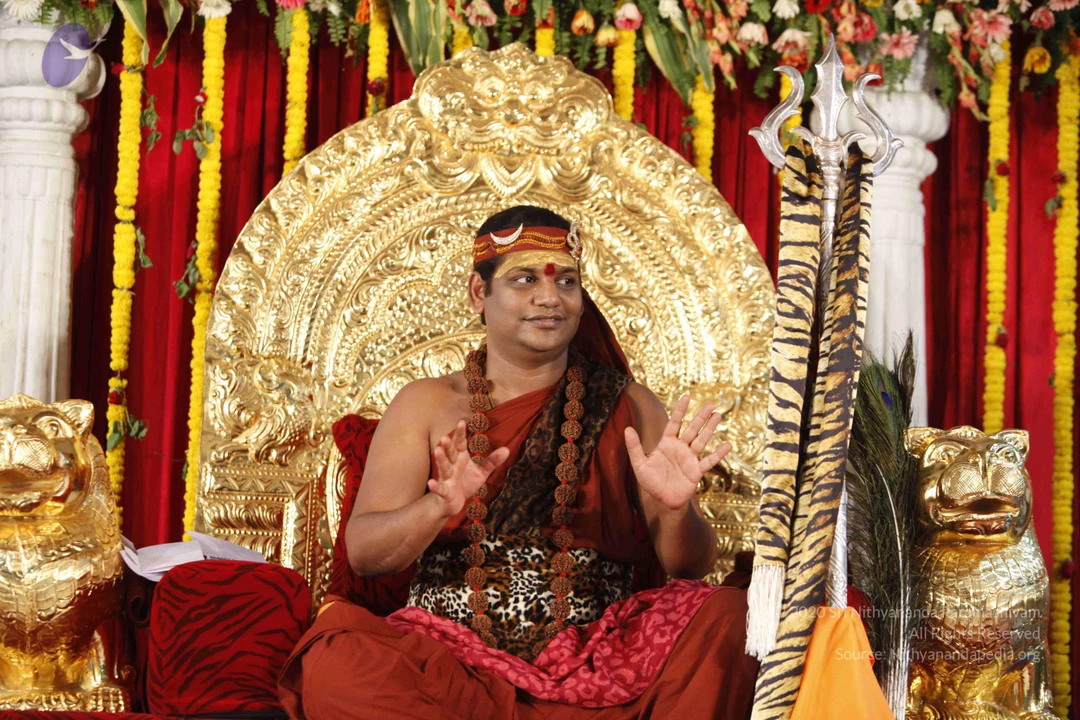
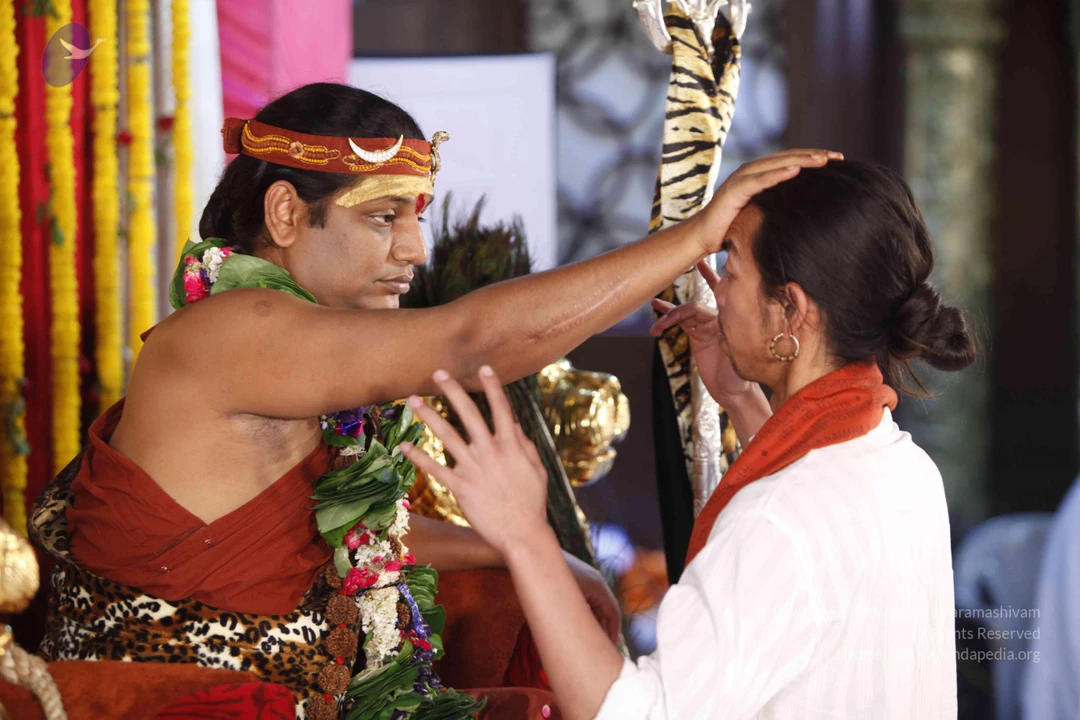
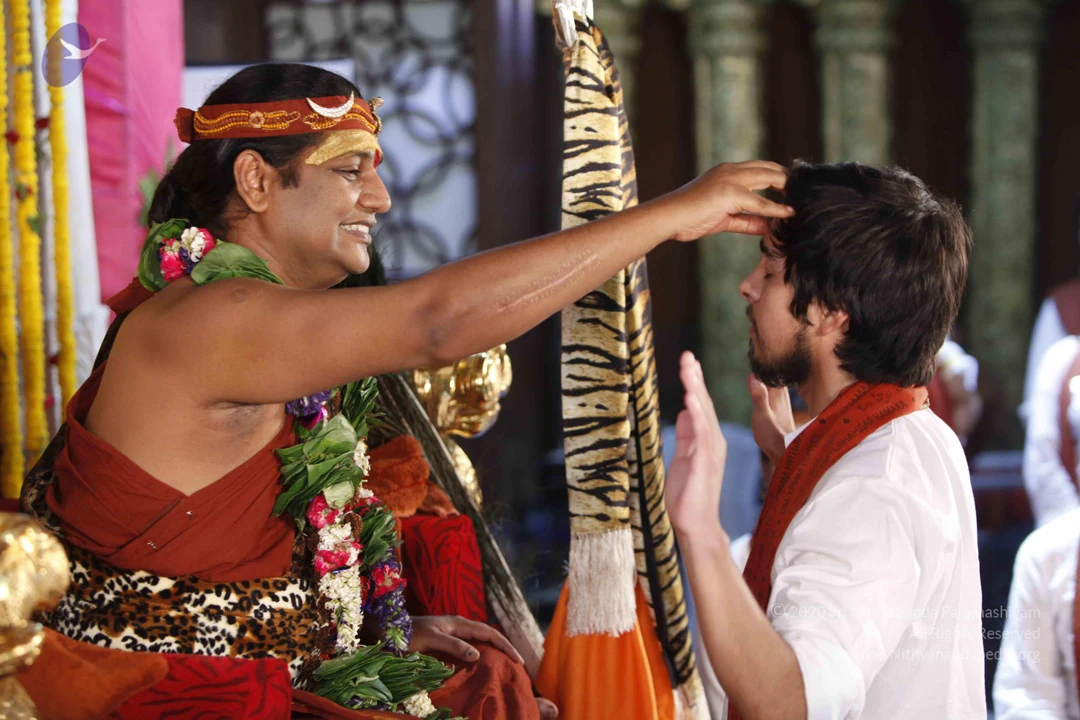
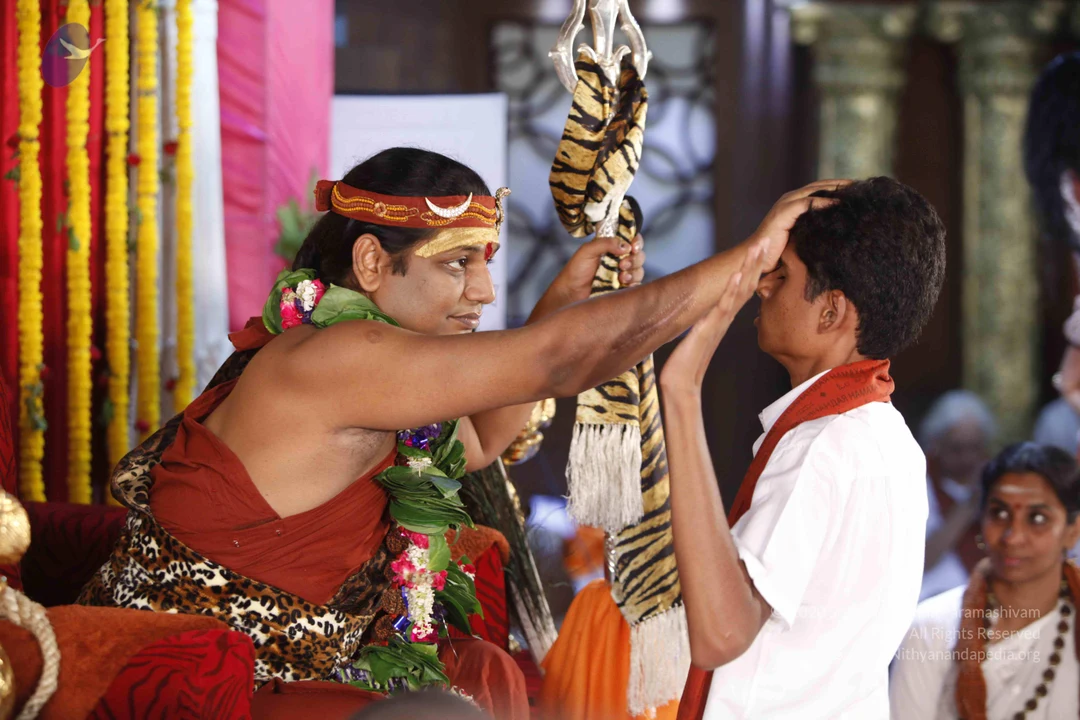
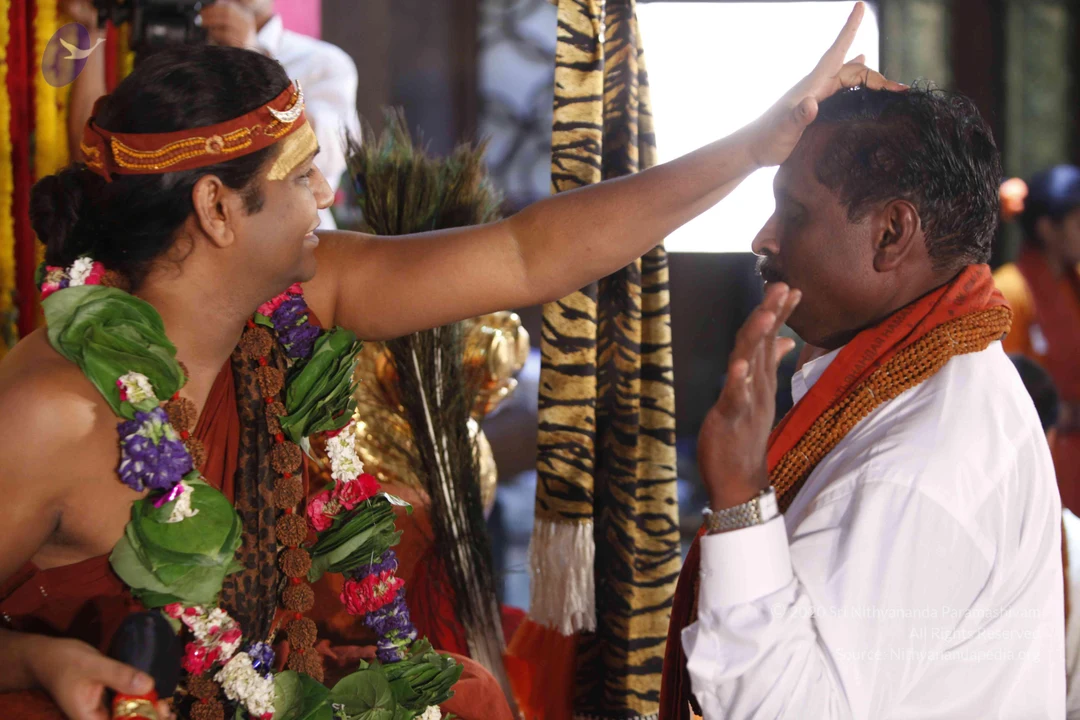
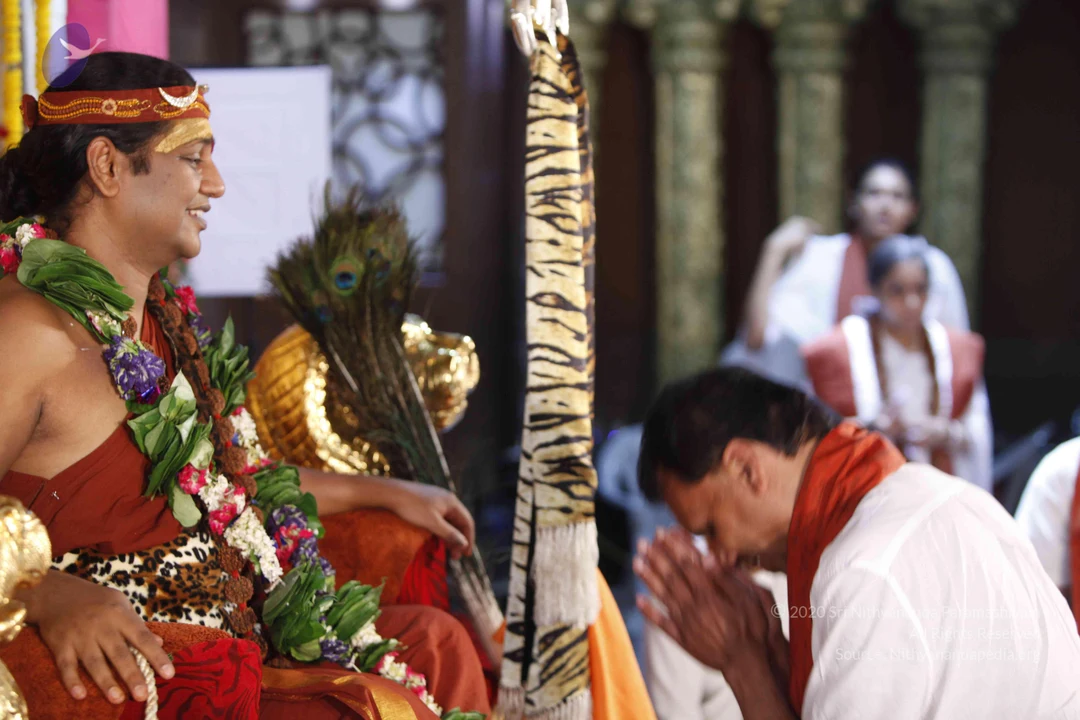
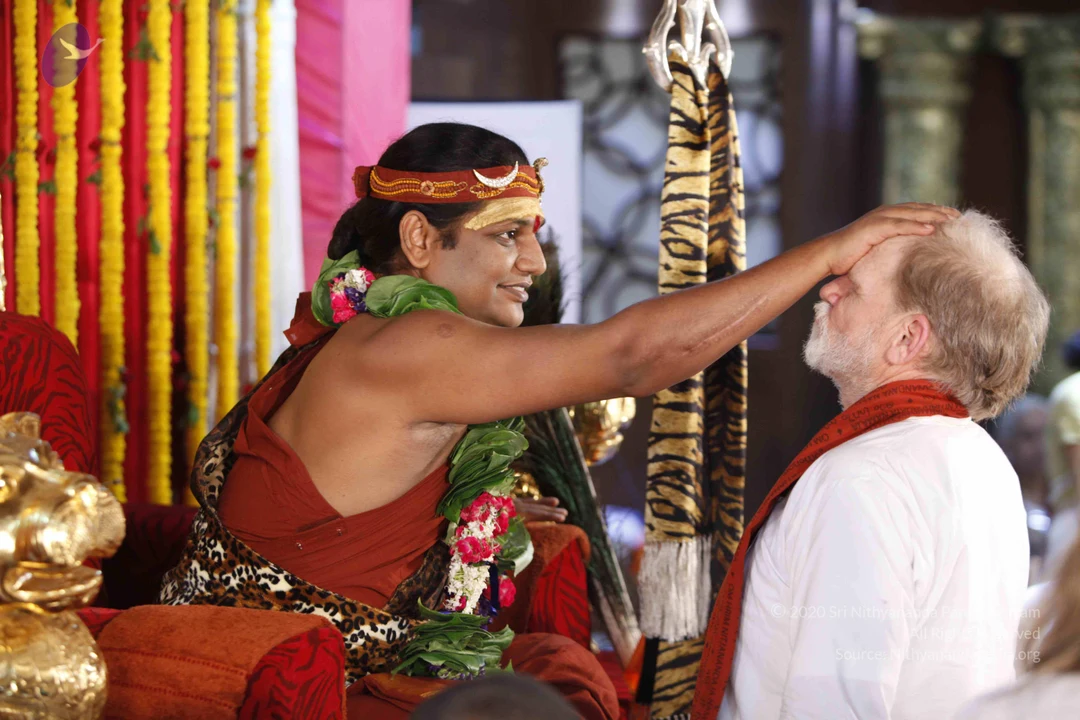
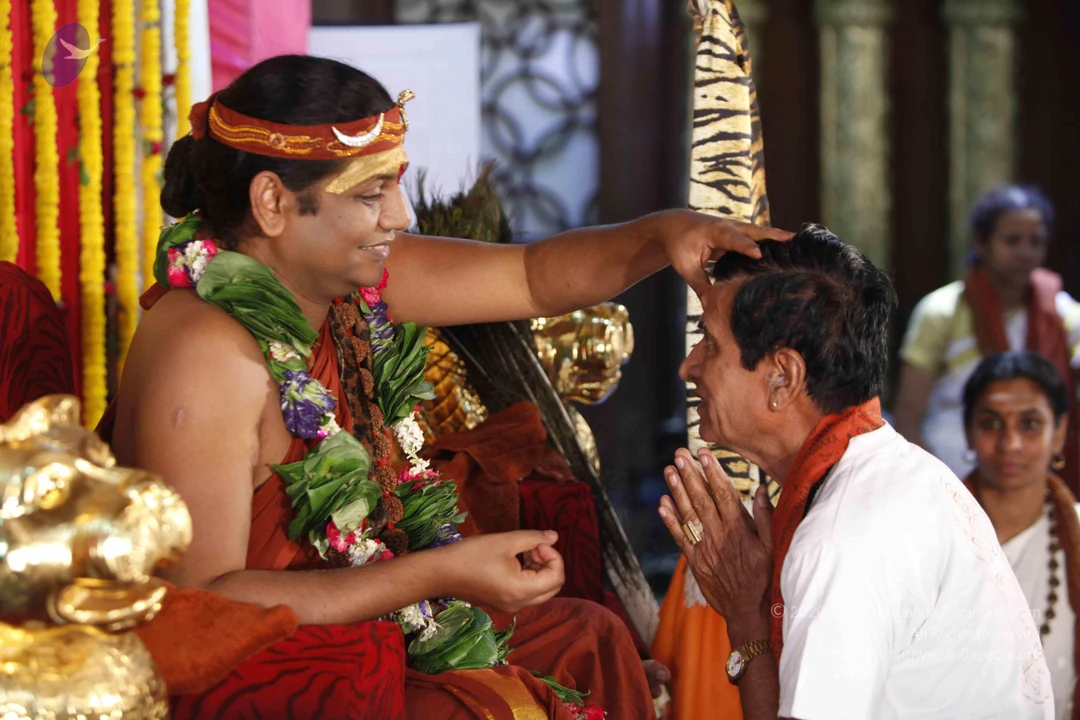
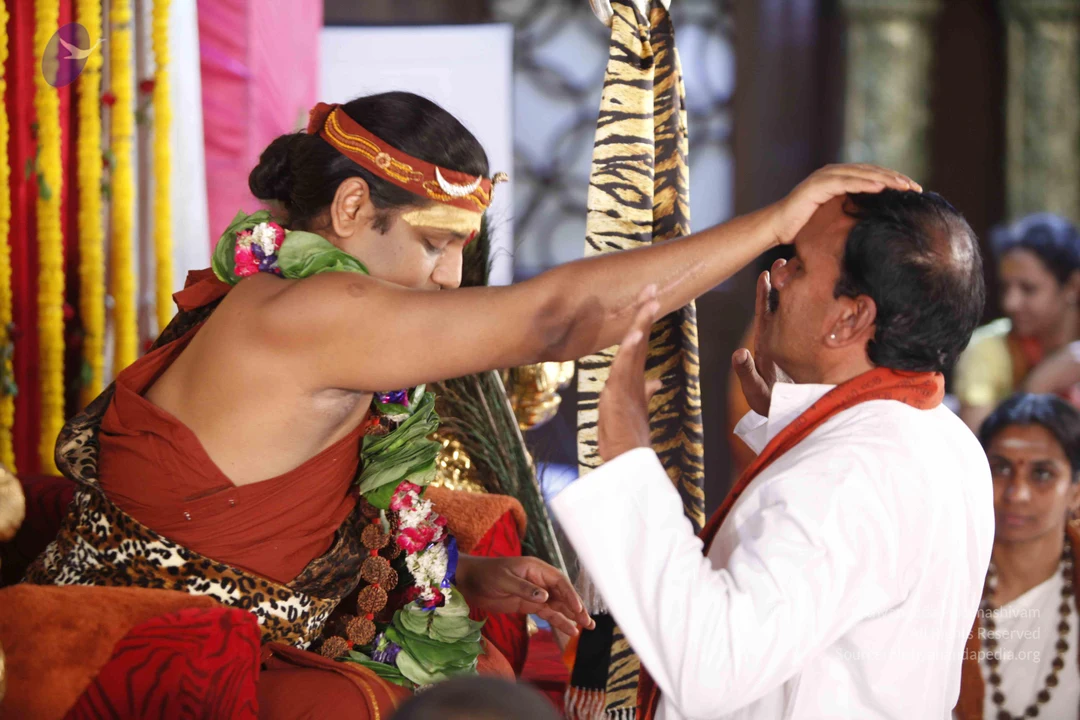
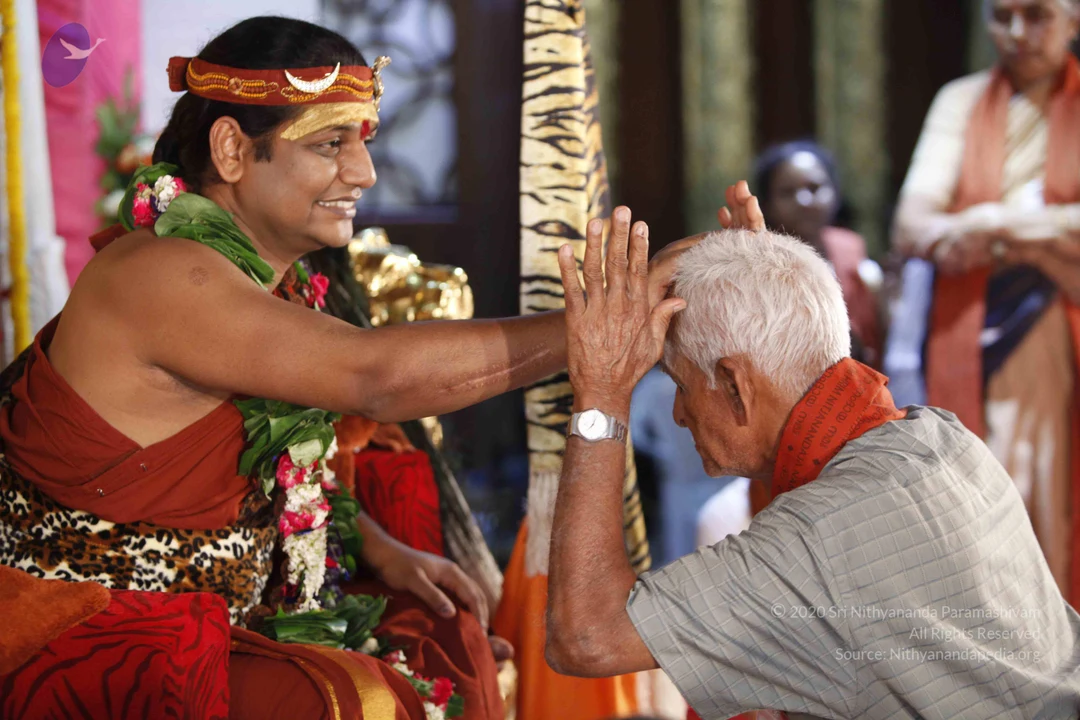
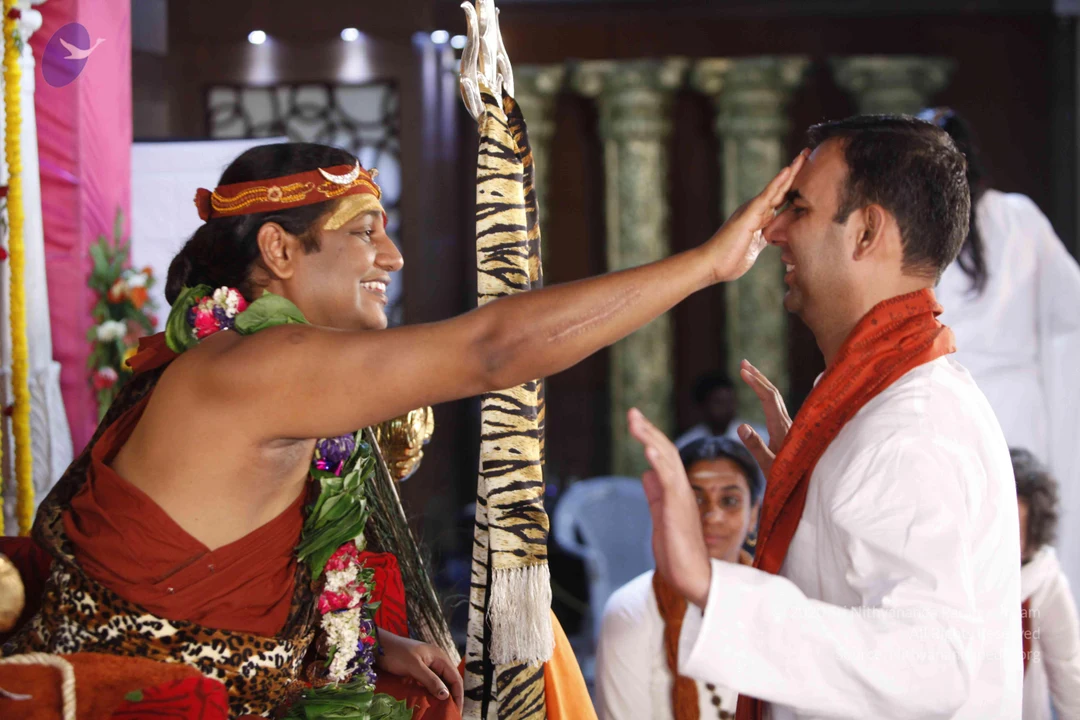
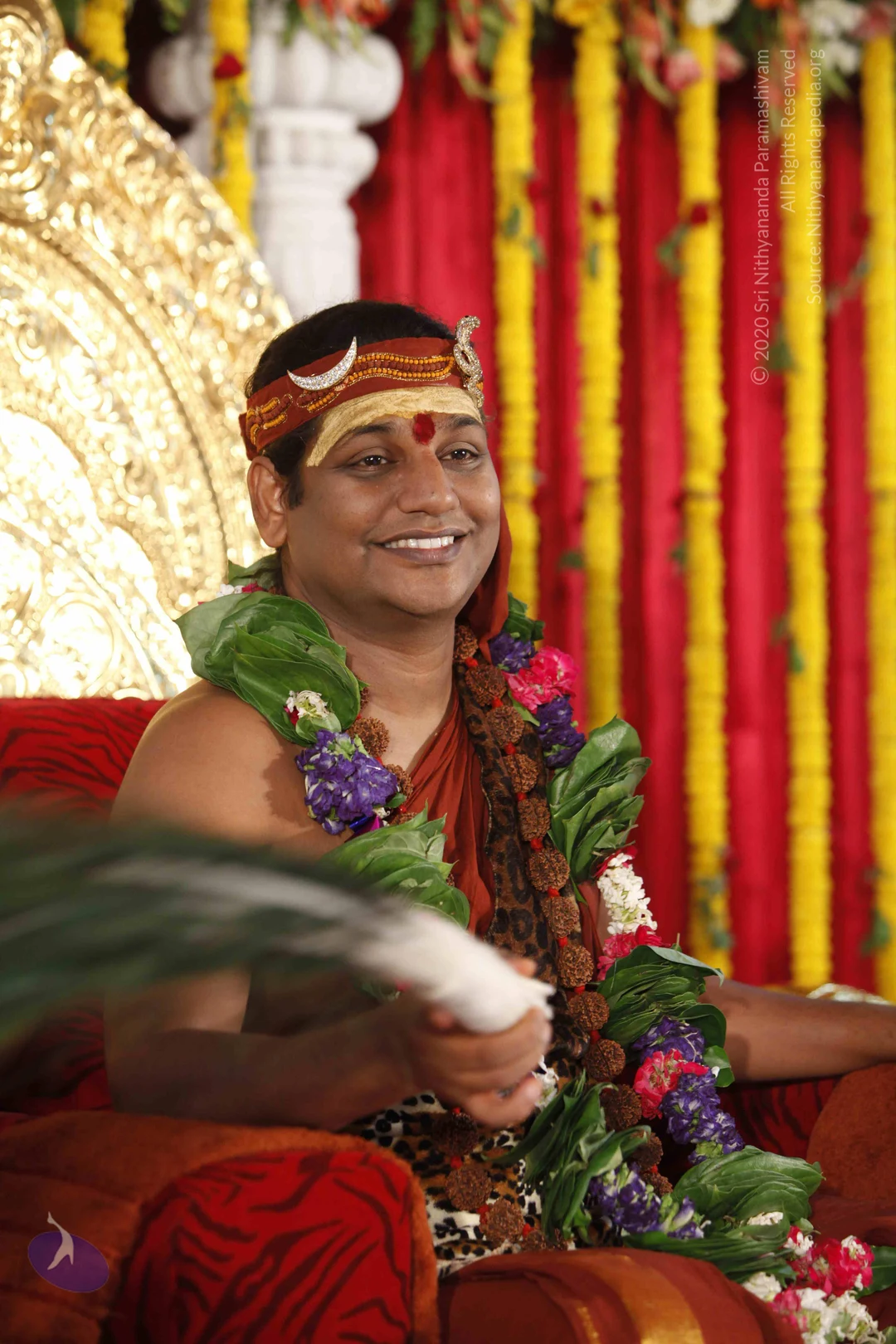
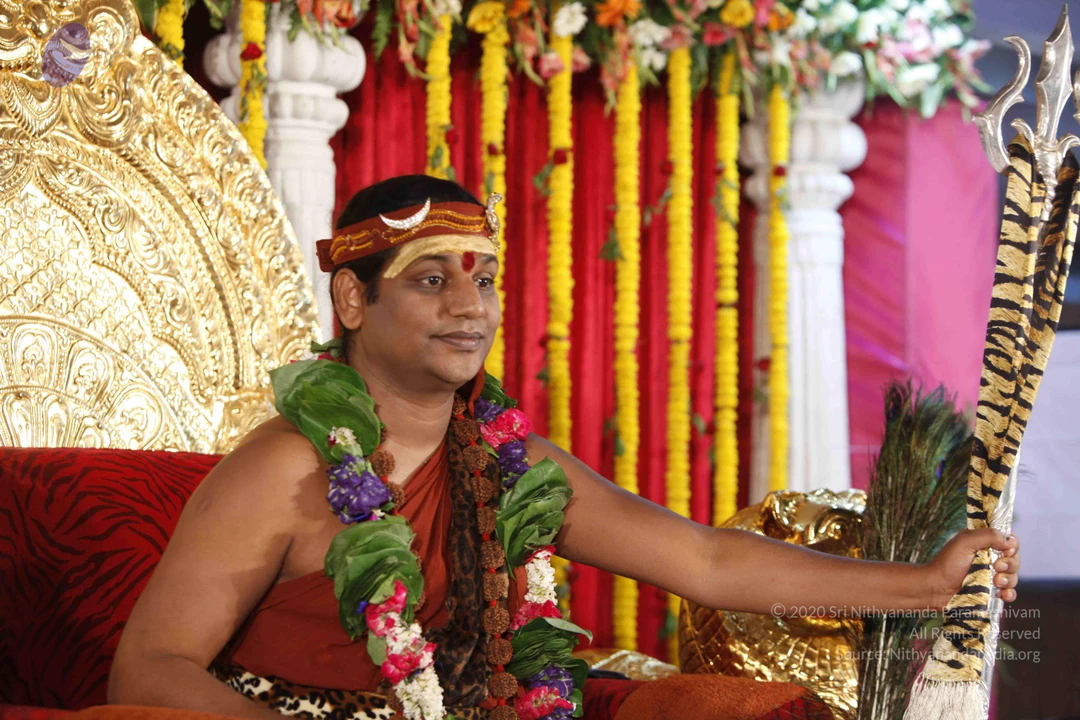
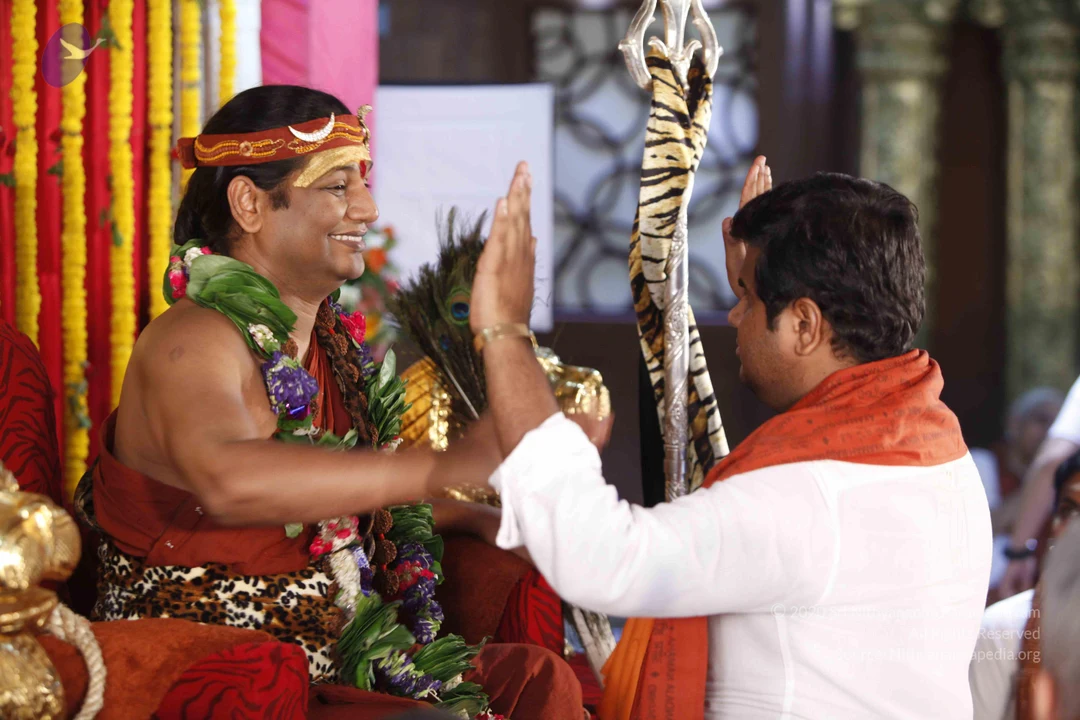
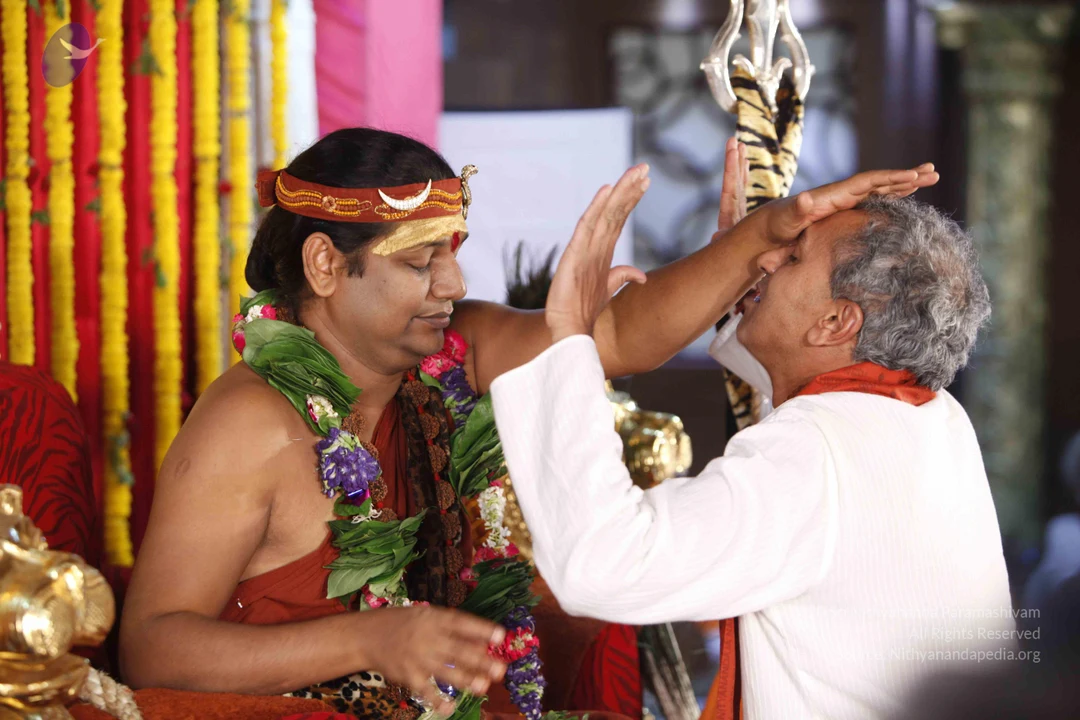
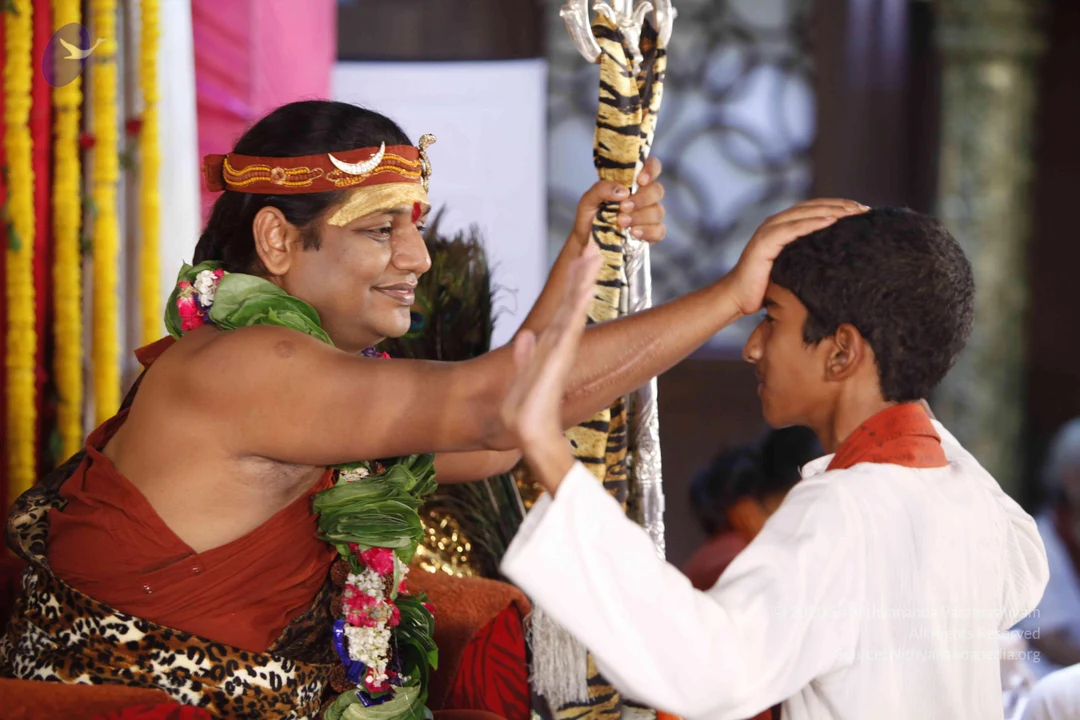
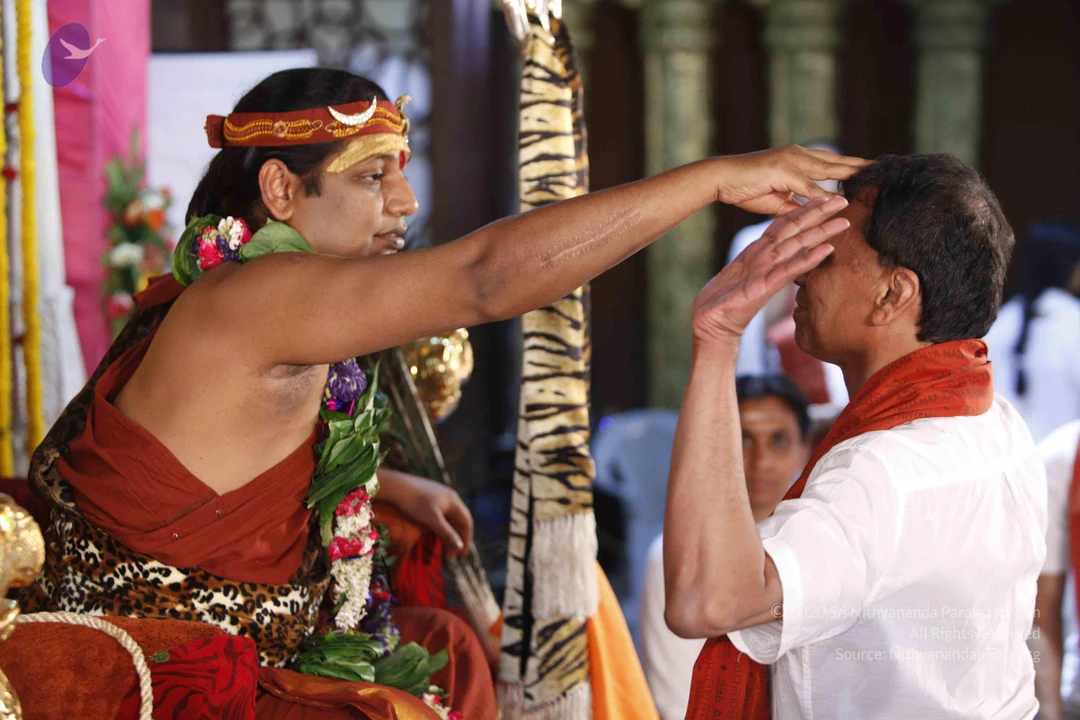
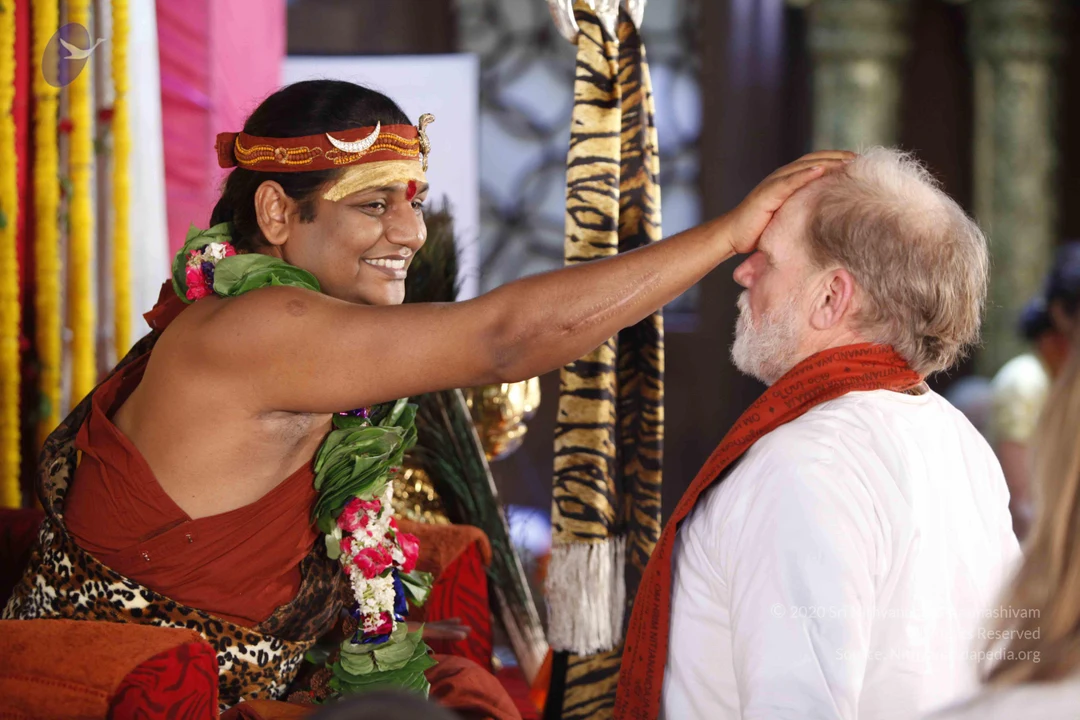

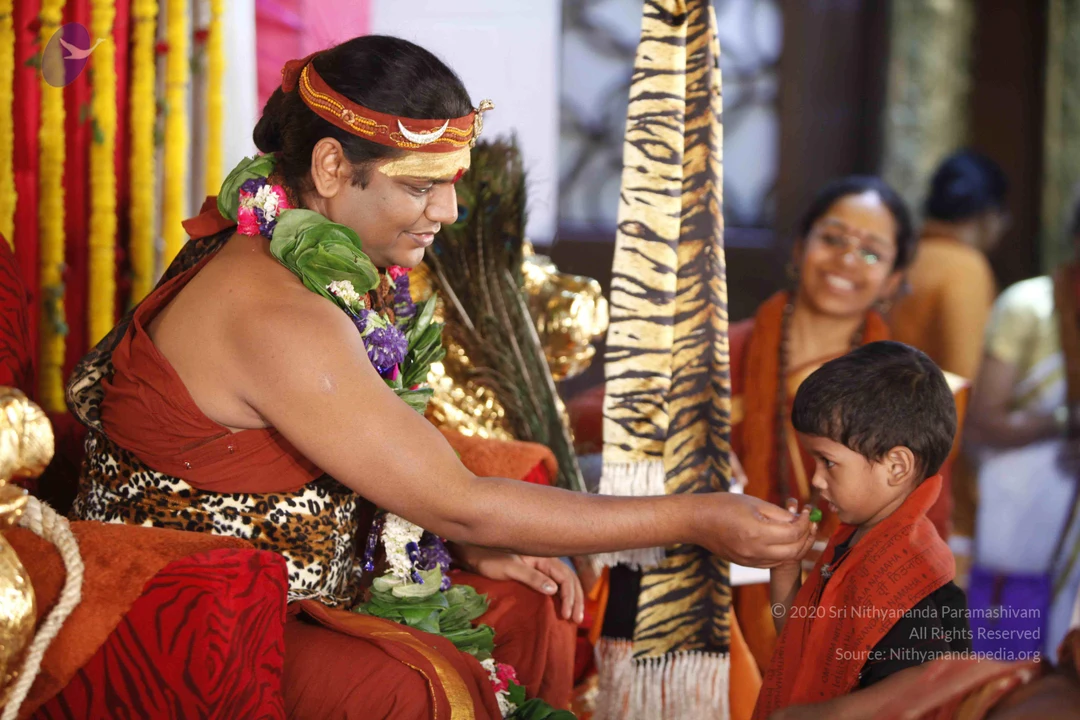

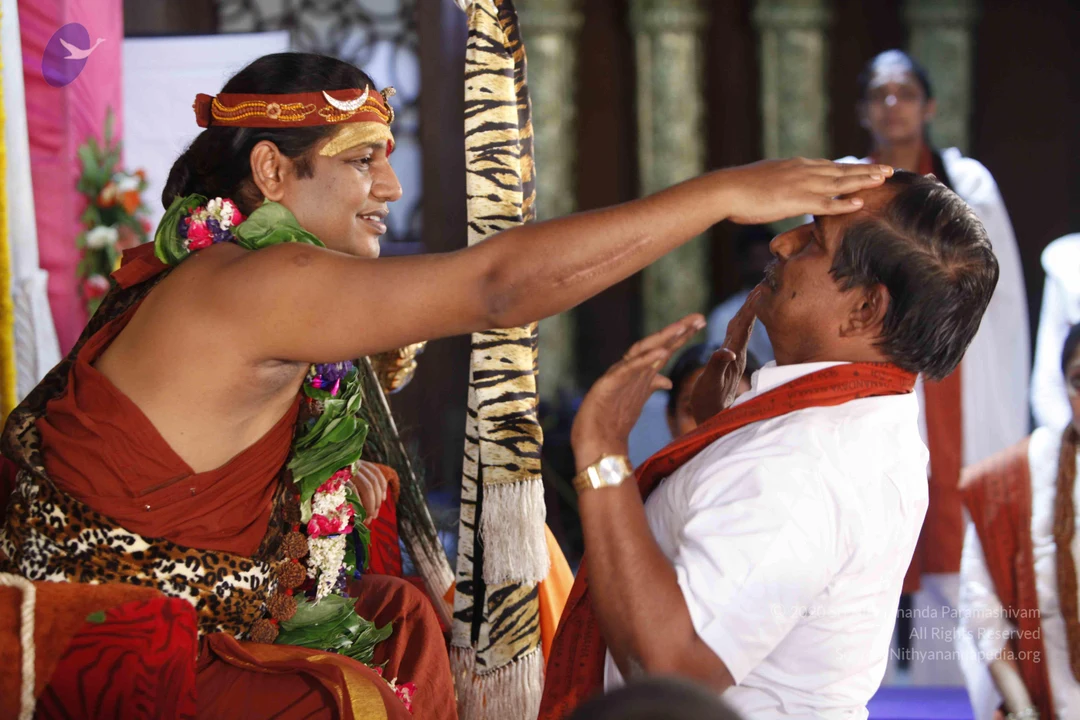
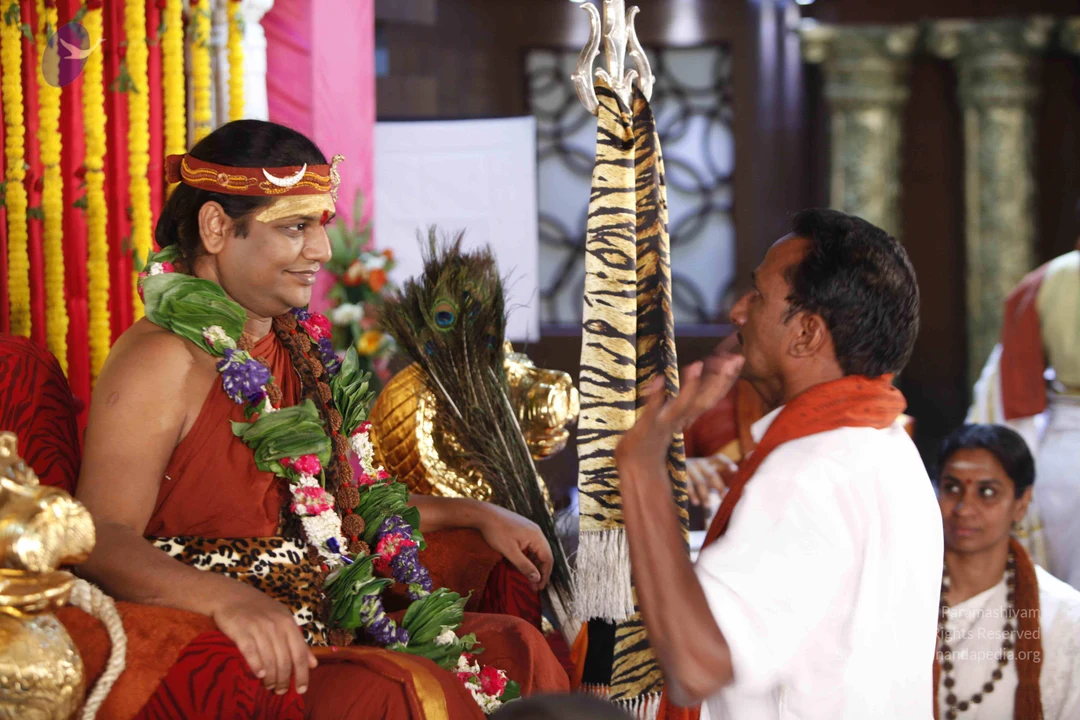
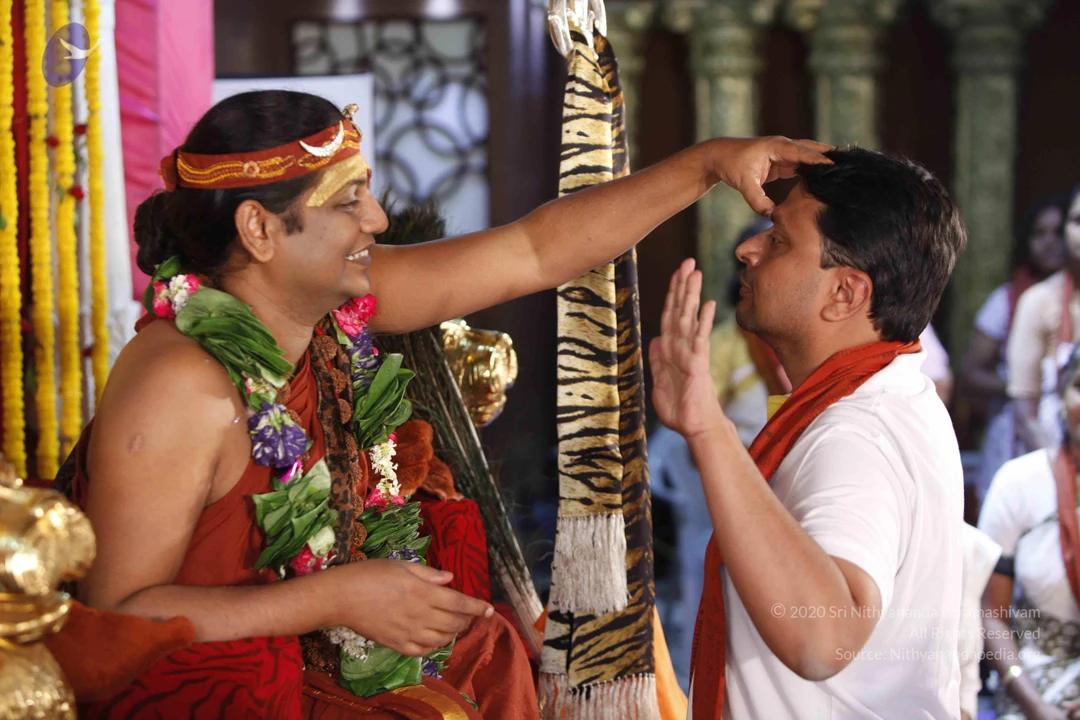
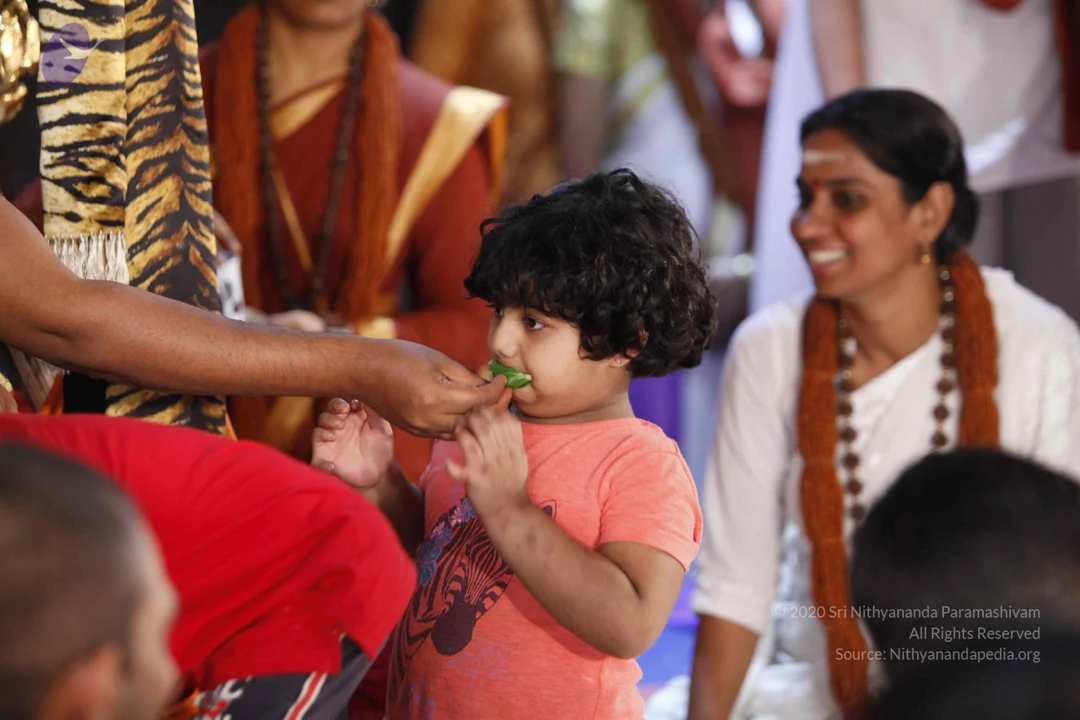
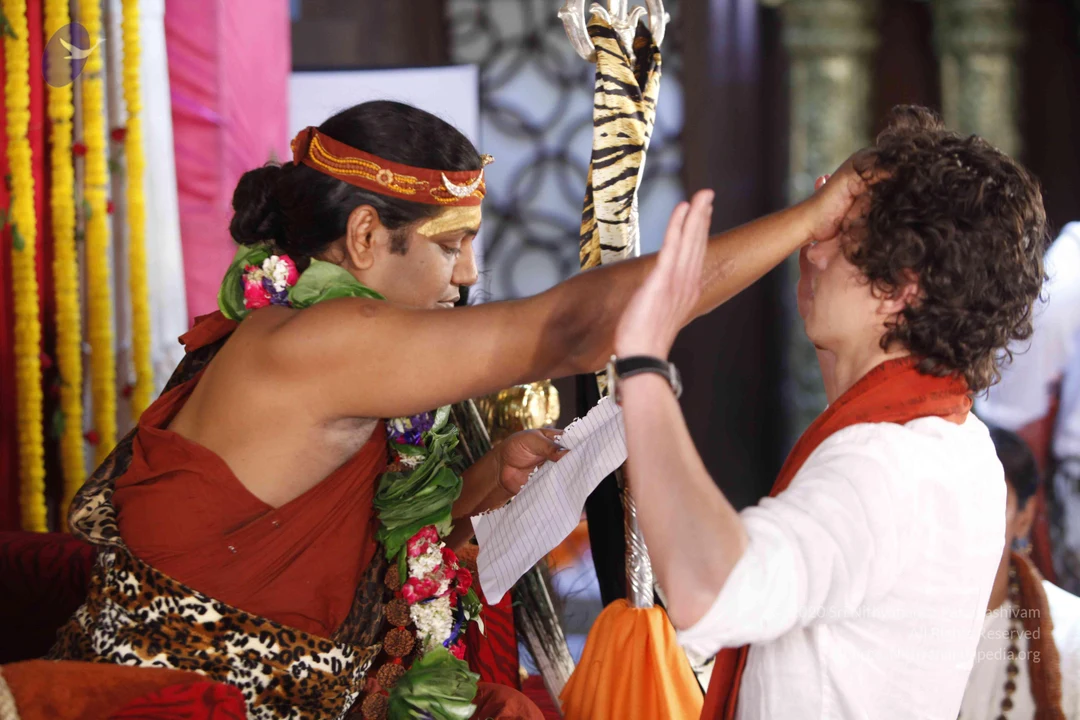

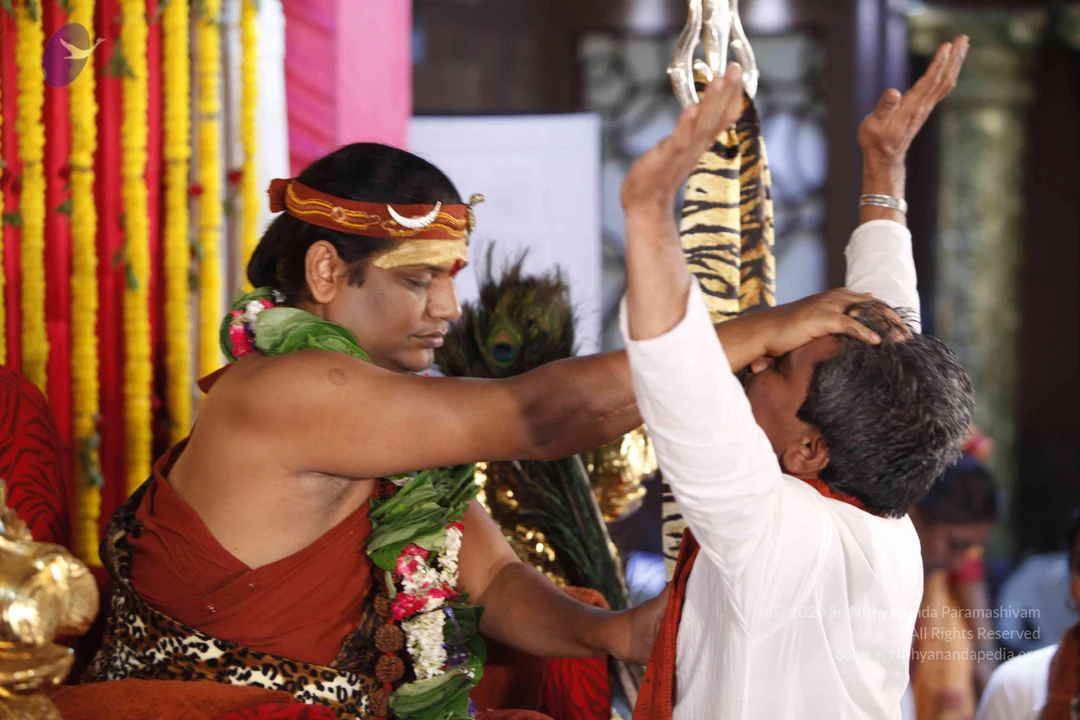
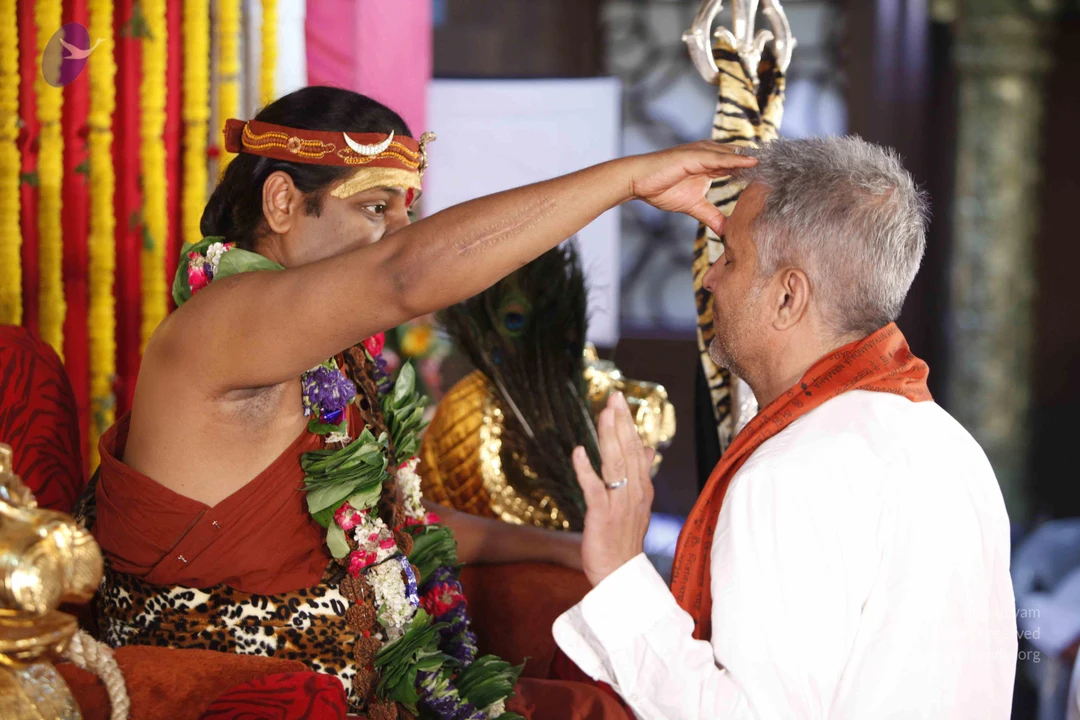
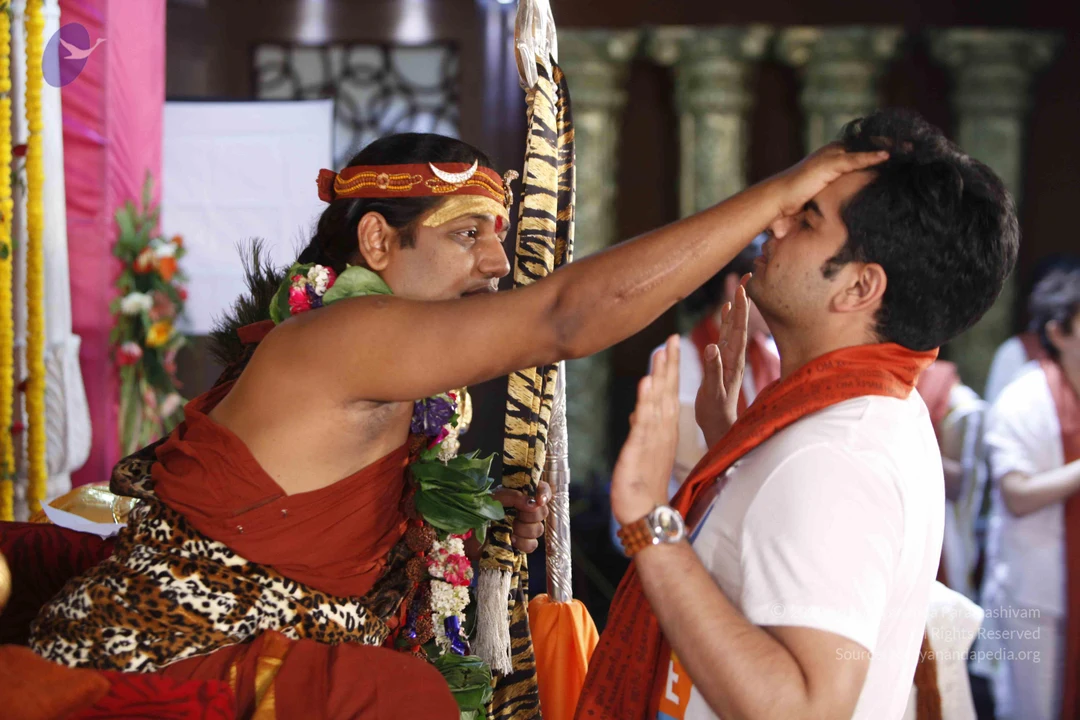
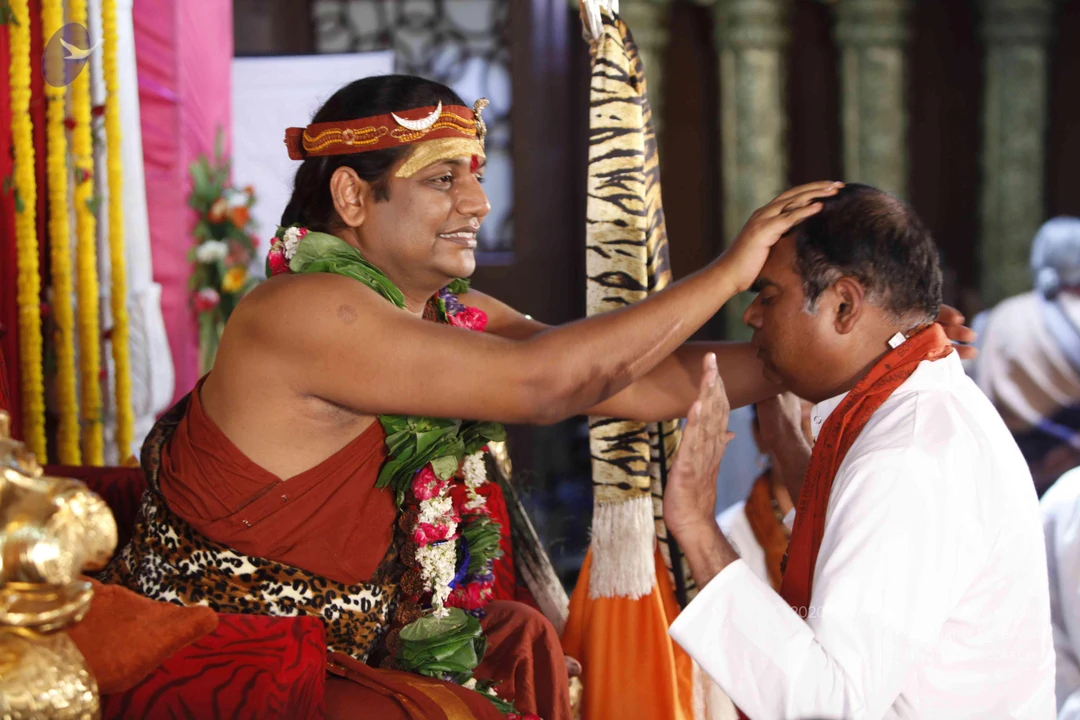

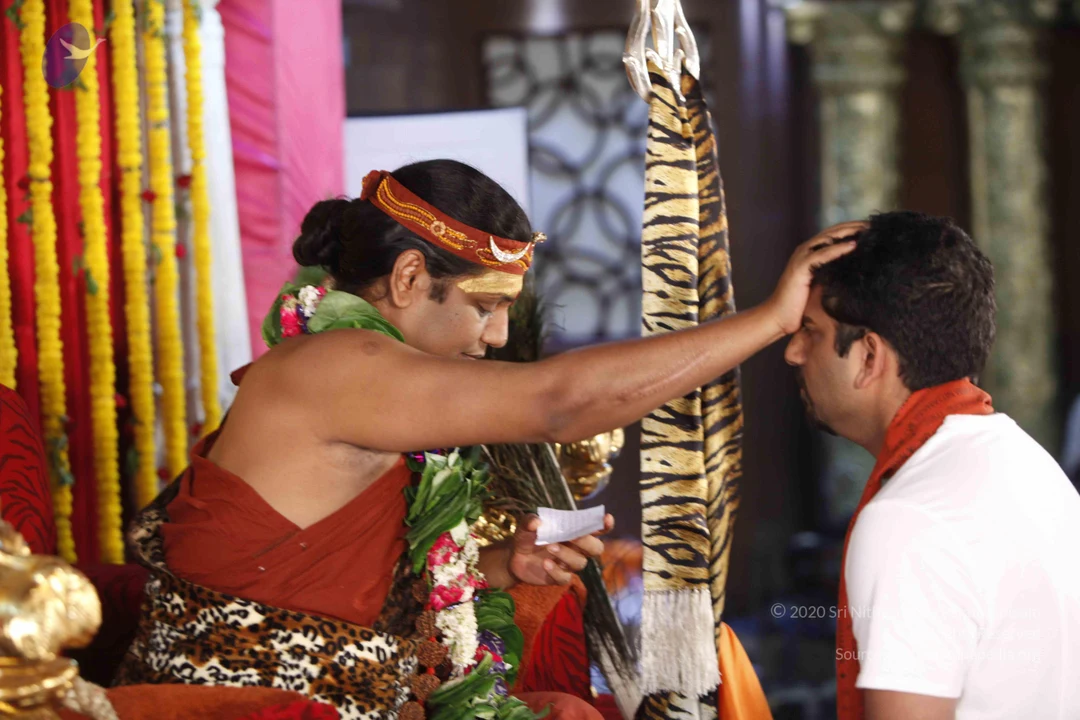
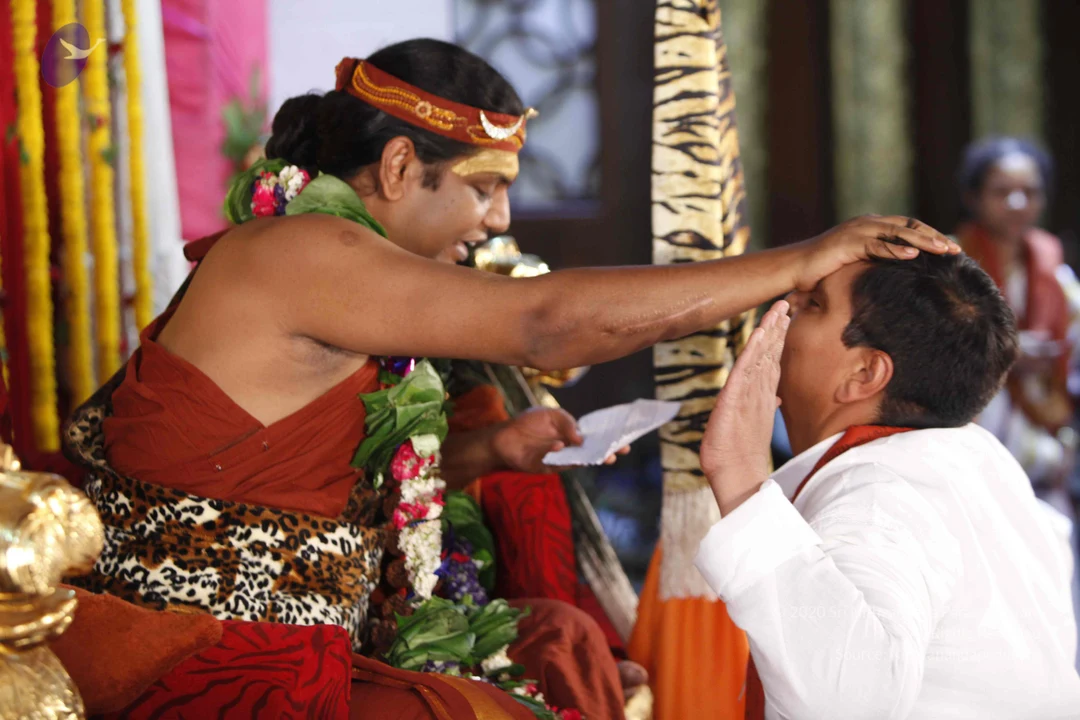
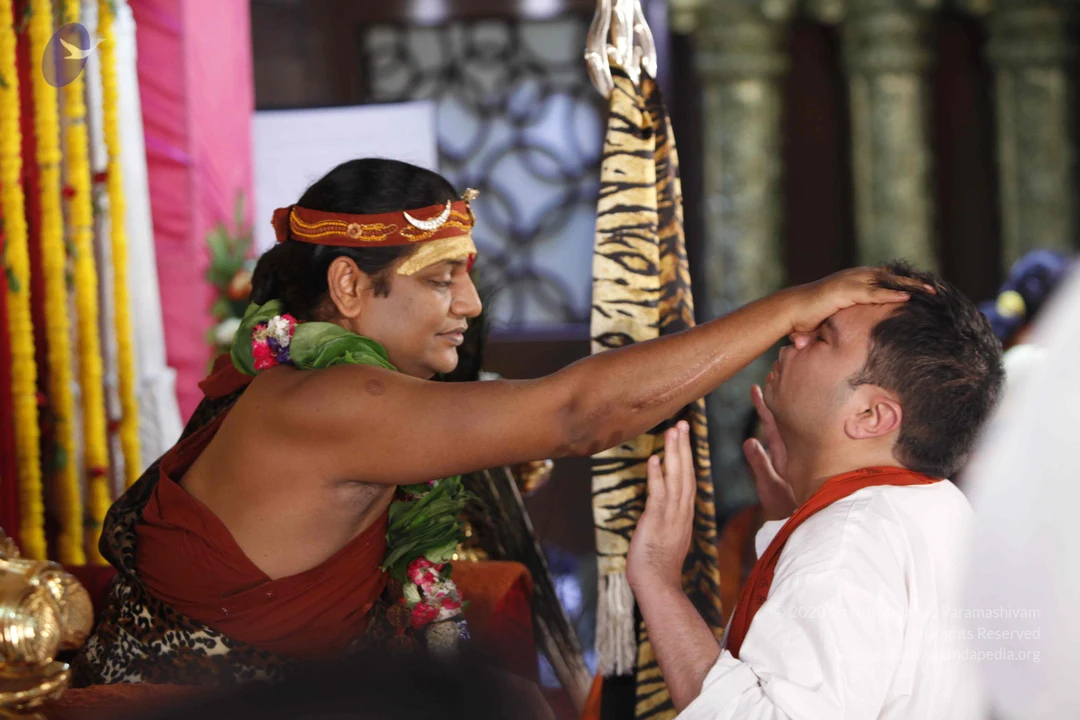
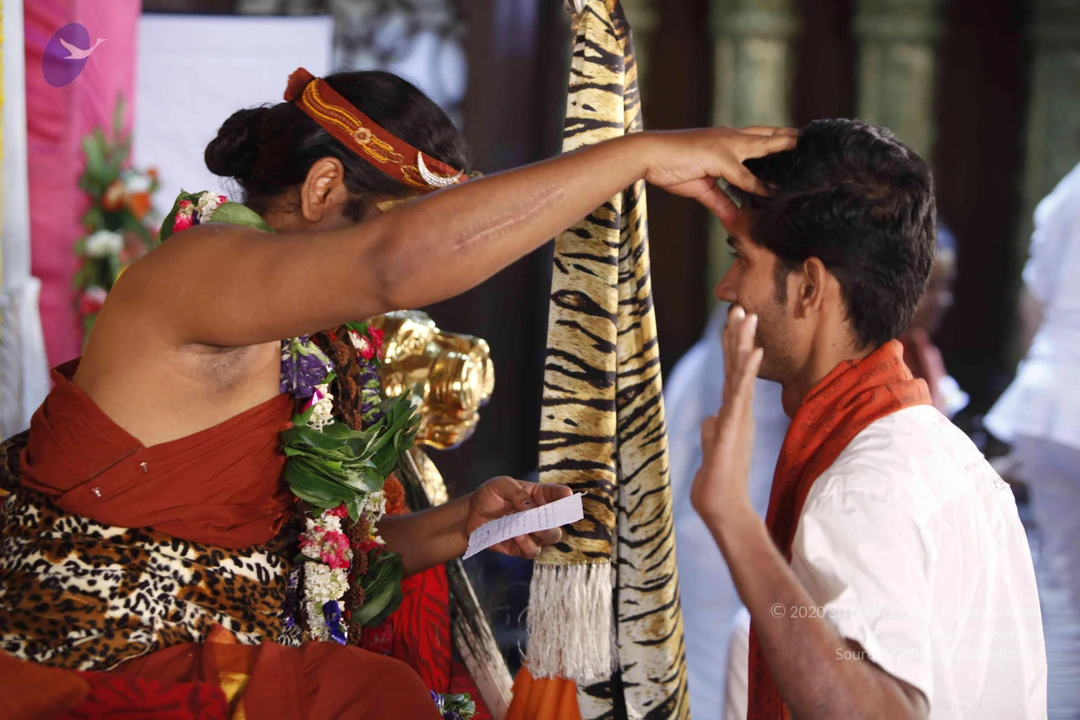
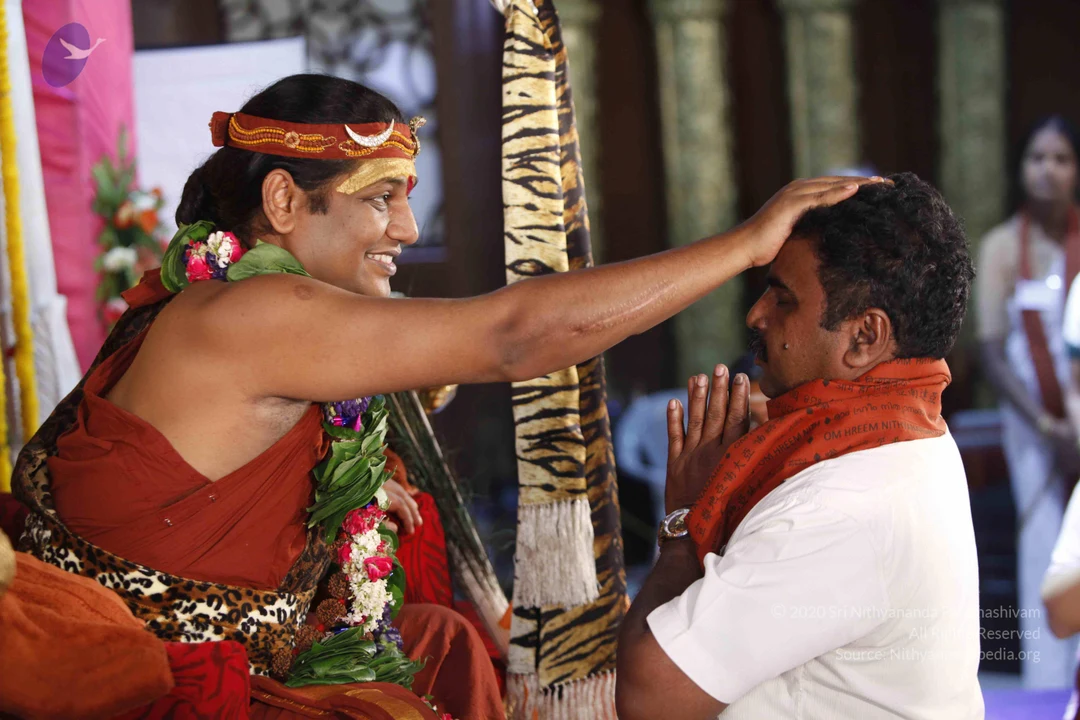
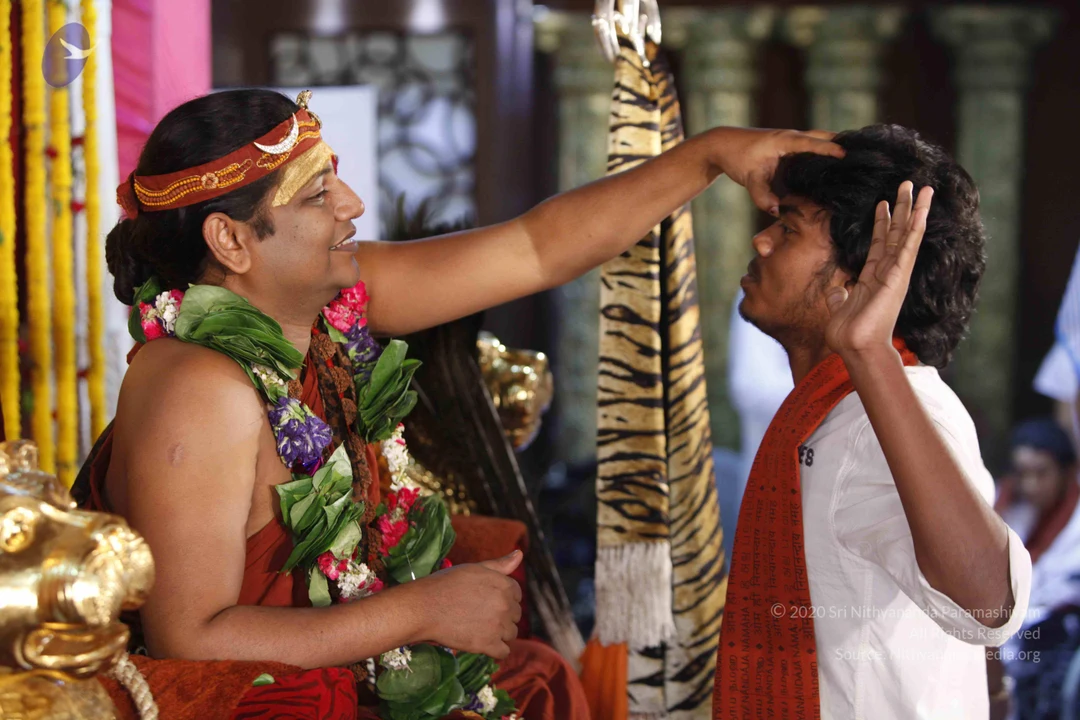
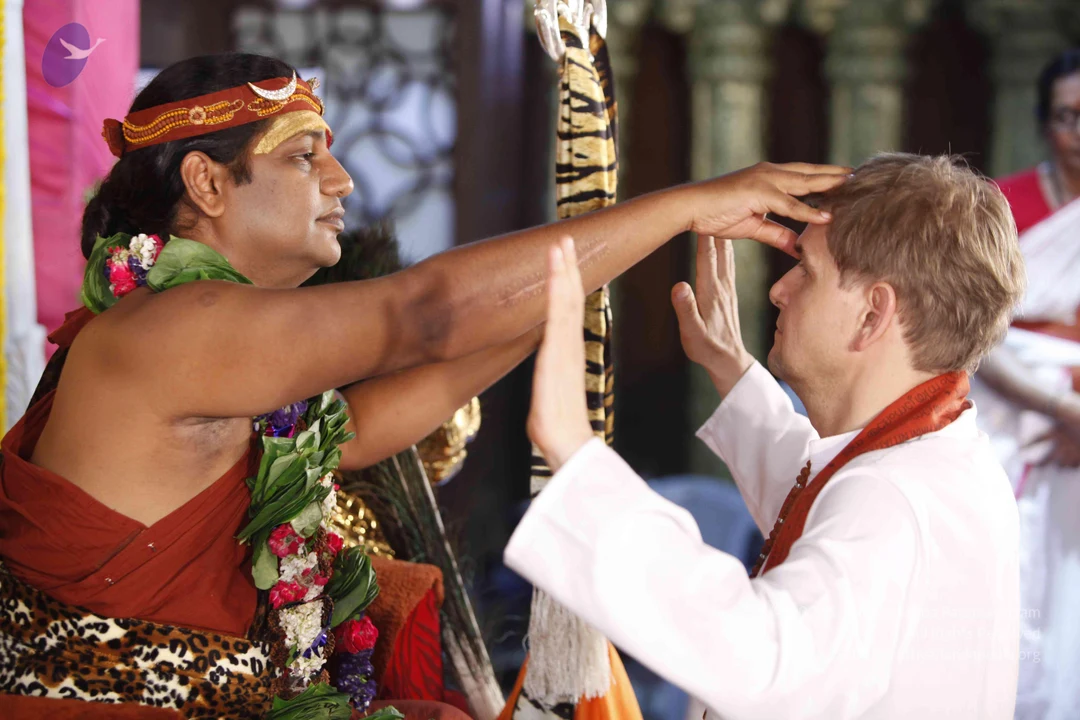
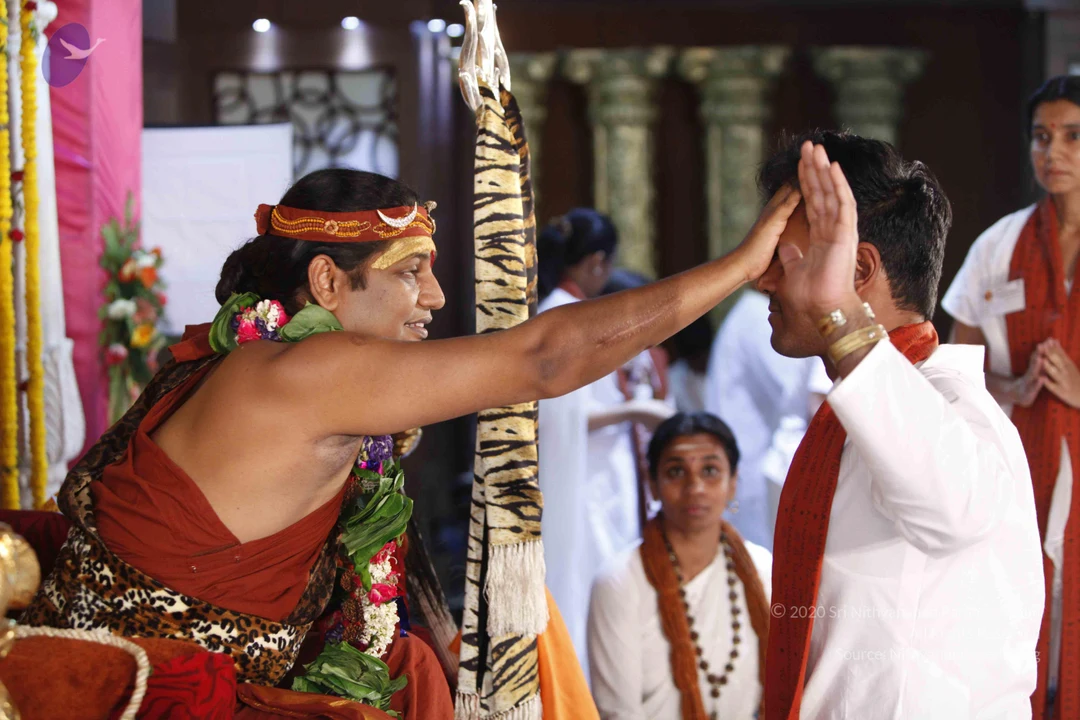
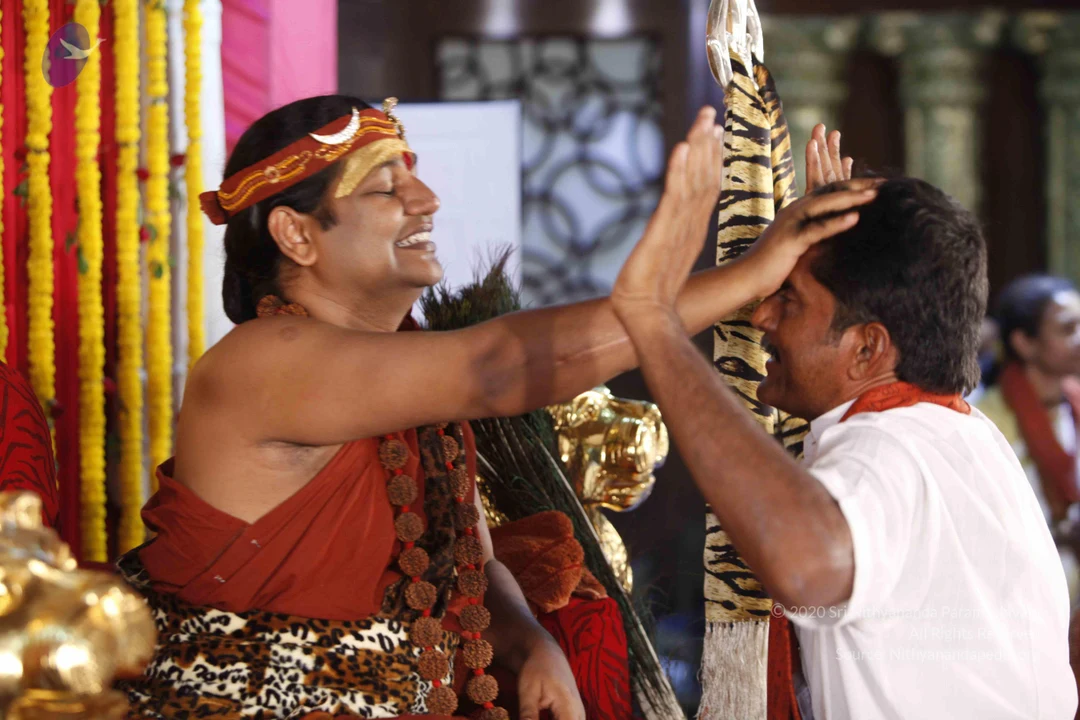
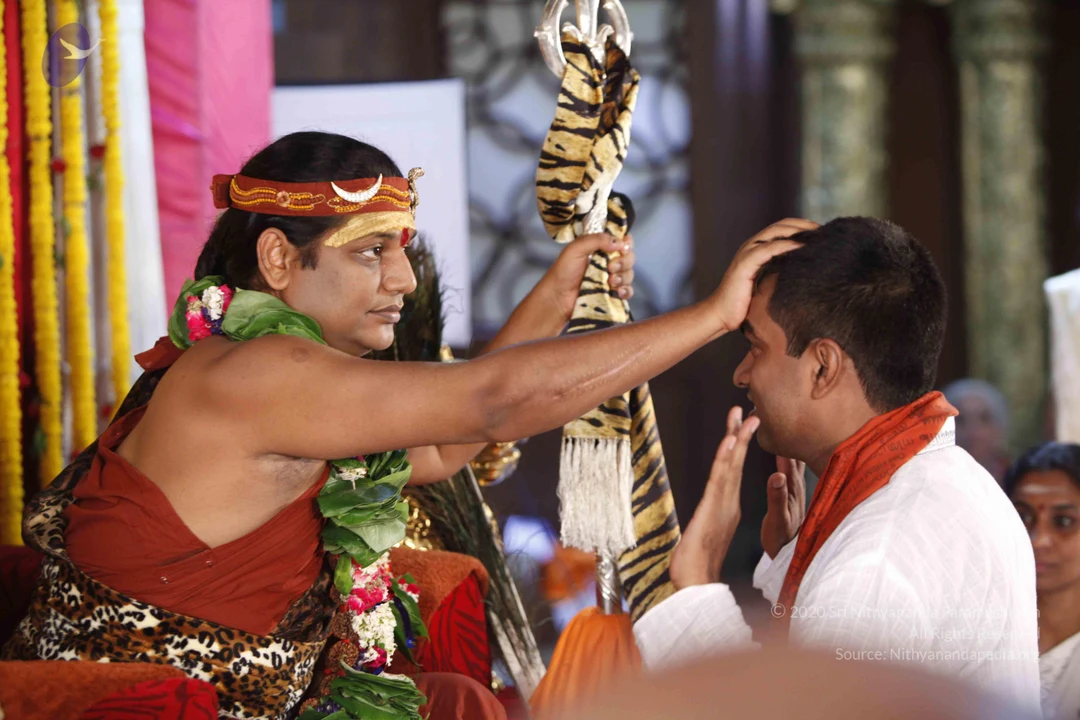
May 2 2014
Original wiki pageContents
Link to Video:
Link to Audio
'Description: Budha the empodiment of completion by HDH Bhagavan Nithyananda Paramashivam on 02 may 2014'
Description:
In today’s morning Satsang , Paramahamsa Nithyananda spoke briefly about the festival dimension of Sanatana Hindu Dharma, and went on to speak in detail about Buddhism. The second day Inner Awakening Initiations into Completion are taking place in the very spot where Buddha started teaching the Science of Completion. Then he explained the relationship of Buddhism, Jainism, Sikhism to Sanatana Hindu Dharma. In today’s morning Satsang , Paramahamsa Nithyananda spoke briefly about the festival dimension of Sanatana Hindu Dharma, and went on to speak in detail about Buddhism. The second day Inner Awakening Initiations into Completion are taking place in the very spot where Buddha started teaching the Science of Completion. Then he explained the relationship of Buddhism, Jainism, Sikhism to Sanatana Hindu Dharma.
Tags:
Paramahamsa Nithyananda, festival dimension, Sanatana Hindu Dharma, Buddhism, Inner Awakening, Initiation, Completion, Science of Completion,Jainism, Sikhism.
Transcript:
Nithyanandeshwara Samaarambhaam
Nithyanandeshwari Madhyamaam |
Asmath Aachaarya Paryanthaam
Vandhey Guru Paramparaam ||
I welcome all the devotees, disciples, samajis, satsanghis, Shrimahants, Mahants, Kotharis, Thanedars, who are sitting with us all over the world through Nithyananda TV, Lotus TV, Sadhna TV, two-way video-conferencing having Nayana Deeksha.
Cities sitting with us in two-way video-conferencing having Nayana Deeksha: Scottsdale-Arizona, St. Louis, Ohio-Prayag, Toronto-Kailasam, Nithyananda Nagaramu-Hyderabad, Nithyananda Nagara-Bidadi, Nithyananda Nagar-Tiruvannamalai, Nithyananda University-Los Angeles, Nithyananda University-Paris, Singapore-Singapuram, Tiruvanmiyur, Charlotte-Srisailam, Oklahoma-Somanatham, Seattle-Chidambaram, Simi Valley-California, Toronto-Kailasam, Hyderabad-Gupta Kashi, High Point-North Carolina, Indrani-New Jersey, San Jose-Madurai, Houston-Kalahasti, Hong Kong-Sirkazhi, Sun Prairie-Wisconsin, New York-Varanasi, London-Kashi, Guadeloupe-Rameshwaram, Island Creek-North Carolina, Dubai-Vaidyanatham, Port Washington-New York, Tallahasee-Florida, Johns Creek-Georgia, Dakota Dunes, Warrington-UK, Toon Moon-Hong Kong.
I welcome all of you with my love and respects.
Today, the second day of Meenakshi Brahmotsava, the celebration of Meenakshi’s coronation! Today, Mahadeva and Devi are gracing with the pearl crown. Each day they give a new decoration, dressing. Today he is gracing with a pearl crown. Let us have first his darshan; then we will start the satsangh.
Bidadi is also celebrating Meenakshi Brahmotsava. Meenakshi and Sundareshwara are gracing Bidadi. Meenakshi is today on Suvarna Hamsa Vaahana, Golden Swan Vehicle. She is gracing in green saree and pearl crown. Only a devotee can enjoy all this. Dry, logical fellows can never enjoy, celebrate all this. Only a devotee has the reason to enjoy. The dry, logical fellows have only reason to cry. Only devotees have reason to enjoy. Devi is gracing on Golden Swan Vehicle in Bidadi. Blessings.
I always wanted some kind of Utsava, celebration, goes on every day, so, before the satsangh, I have a darshan, then we start the satsangh. I just want to constantly remind the festival dimension of Sanatana Hindu Dharma, which is a lifestyle, culture, heritage, which keeps us alive, which proves the utility value of our philosophies.
Next, today we are on the second day of Inner Awakening. As you all may be aware, the whole Inner Awakening programme is intertwined with visits to the sacred places, energy fields. Today is the day of Completion. So we are going to have the darshan of the embodiment of Completion – BUDDHA! Today we will go to Sarnath, the place where Buddha started teaching the Science of Completion. So from there we will have initiation into the Science of Completion. You may be wondering, being a Hindu Guru why am I starting the journey first with Buddha’s place. I wanted to put this on record: Being the Spiritual Head of the oldest apex body of Hinduism, Mahanirvani Peetha, and many traditional Mathas, Ashrams, Peethas. As per the definition of the Acharya Sabha – Acharya Sabha is one of the largest bodies in Hinduism – they define any organization older than four-hundred years, they call it as traditional Mathas and organizations. So, based on this scale, I am the Head of at least more than half-a-dozen traditional Mathas and ashrams and organizations. With that authority I want to tell and I wanted to put this on record, Buddha is incarnation of Sanatana Hindu Dharma, and even now the fifty-two branches of Mahanirvani Akhada, Buddhism is one branch. All the Buddhist monks and lamas are given the one branch respect in Kumbha Mela bhandara seat; means, one marhi; means, they will sit with us and eat and stay with us; the one quarters will be provided. Among the fifty-two marhis, one marhi is Buddhism. Unfortunately, Sanatana Hindu Dharma leaders did not tell this to the world.
Bhagavatha very clearly records Buddha as an incarnation before Kalki Avatar of Vishnu. Bhagavatha mentions twenty-four beings as incarnations and then says numerous will be happening. But twenty-four names clearly are mentioned. Buddha is very clearly recorded as an incarnation. I wanted to clear this confusion and I also want to put in record my strong condemnation of these separatists who are using words like “Buddhist religion”. I strongly condemn it! Buddhism, Jainism, Sikhism, are all just one of the traditions, sampradayas of Sanatana Hindu Dharma like Shaivism, Shakthism, Vaishanavism. And how the different sampradayas of Sanatana Hindu Dharma like Shaiva, Shaktha, Ganapathya, Kaumara, Sahura, Aghora, Vedanta, Shuddha Advaitha, Yoga, like different sampradayas of Sanatana Hindu Dharma, Buddhism, Jainism, Sikhism are all the part and parcel, different traditions of Sanatana Hindu Dharma. I am very clearly putting this on record.
And I also condemn strongly the efforts of separating Sikhism and Jainism by giving them minority status or trying to alienate them from the Hindu tradition. And I request Buddhist, Jain, Hindu brothers, do not claim minority status; let us all be together as brothers. Globally we are minorities; let us claim that. Globally we are minorities; let us claim that. Let us not separate ourselves as pieces for the small dry-bone minority benefits.
So, with this, at least I am declaring my stand, the stand of me in this whole issue. Today I am taking a few minutes to clarify this; because constantly this question was raised to me. I never took time to answer this question. That is the reason today I am taking a few minutes to clarify my stand and answer this question once for all.
So, today we will start our journey by having darshan of Buddha where Buddha started teaching this great Science of Completion. Buddha is embodiment of Completion and we all Hindus should start respecting and feeling one with Buddhism. Just like our different traditions. See Sanatana Hindu Dharma gives you such a beautiful space, your ishta nishta, your sincerity towards your chosen ideal never gets diluted, disturbed, by imbibing the great truths from various traditions. I always tell people, don’t go to religions or traditions which says don’t go to others. That’s all. Actually with this one definition, the whole division is clear – who are quality-based traditions, who are quantity-based traditions. Quality-based traditions and quantity-based traditions. Religions can have social dos and don’ts; but just social dos and don’ts do not constitute a religion. Religions can have social does and don’ts; but just social dos and don’ts does not constitute a religion. Anyhow, with this I will move.
Today you are all going to have initiation into the Science of Completion, a great science which purifies your inner organ, your psychological organ. I call it as “inner-space”. I don’t want to use the word “mind” because that word is too loaded by the western psychologists. The funny thing is the psychologists and psychiatrists, they are the largest suicide profession, you need to know that. Largest number of people commit suicide in that profession. And these fellows go on counselling, advising the world. That is why, I am telling you, so much of suicide. These modern-day psychologists, psychiatrists, the people who are in that field, they are responsible for all the suicides. Because they themselves strongly believe solution is not possible; and the way they define each technical term shows very clearly solution is not possible.
Please understand, in future – I am very clear again, I am not talking out of pride or arrogance I am just straight– future, I will be well-known as “definition specialist”, because of my definitions for every technical term. Please understand, all my definitions are solution-oriented. The way I define “incompletion” simply will lead you to Completion. Incompletions, see the word “incompletion” can be defined from impossibility or from the angle of possibility towards Completion. You being in a problem, physical or mental, continuously, is going to be the income source of somebody; then how do you expect they are going to cure you? What a foolish expectation to have? Your disease is their income source. Then how do you expect they are going to cure you? Your health is my passion. Your health is my success. Your enlightenment is my pride. Your physical health is my passion. Your mental health is my success. Your enlightenment is my pride. Understand that is why day in and day out, I am able to sit and continue to do this work, but satsangh never gets delayed. Sometimes sun rises little early or late but satsang never gets delayed. We have become more integrated than Sun and the Moon. Please listen. Again not for pride, I am telling you very clearly, your body and mind is their source of income. How do you expect they are going to heal you?
The definitions of the field of Psychology, each definitions they have given for the technical terms, I tell you, it is literally a terrorist attack on humanity! No, the way these fools have defined the word “mind”, I don’t want to use that word anymore. This Sigmund Freud and Junk – Jung only I call “junk”! Sigmund Fraud and Junk. No, really. See, I have nothing personal against them. But for the pollution they did to the human consciousness, the corruption they caused to human consciousness....God! I don’t want to use the word “mind”. That is why I am using new word – “inner-space”, psychological organ which you are carrying, “inner-space”.
To remove all the incompletions from inner-space, the process of Completion which you need to go through today, you will be initiated into it. Understand, ultimately Completion is a space, not process. But as long as there is incompletions, removing them, discarding them, relieving them, is called Completion Process. Today all of you are going to have formal initiation. If the situation permits, there itself I’ll give a full instruction on Completion. If the situation is not that conducive for all of us to sit and you are able to hear what I am talking – I don’t know whether we will be allowed to have microphone – if the situation is not conducive, I’ll formally initiate all of you. Then we will come away and continue the classes and sessions and techniques in some other place. But the exact original spot where Buddha started teaching this Science of Completion, we will start the process from that spot, we’ll start the initiation from that spot. I am trying almost to tune in the places we are going and the processes we are doing. Almost ninety percent we have aligned it, we have aligned it. The remaining ten percent is more like a jolly ride it is not directly related to the process; just like that, jolly ride; just to spend time together, chill out, hang out, all these modern-day technical terms.
I wanted all of you to hear few things about Buddha. I know most of you already know about Buddha much. But just I wanted to give you formally a few words, because you need to carry tremendous love and respect; only then you will be able to enjoy that energy field.
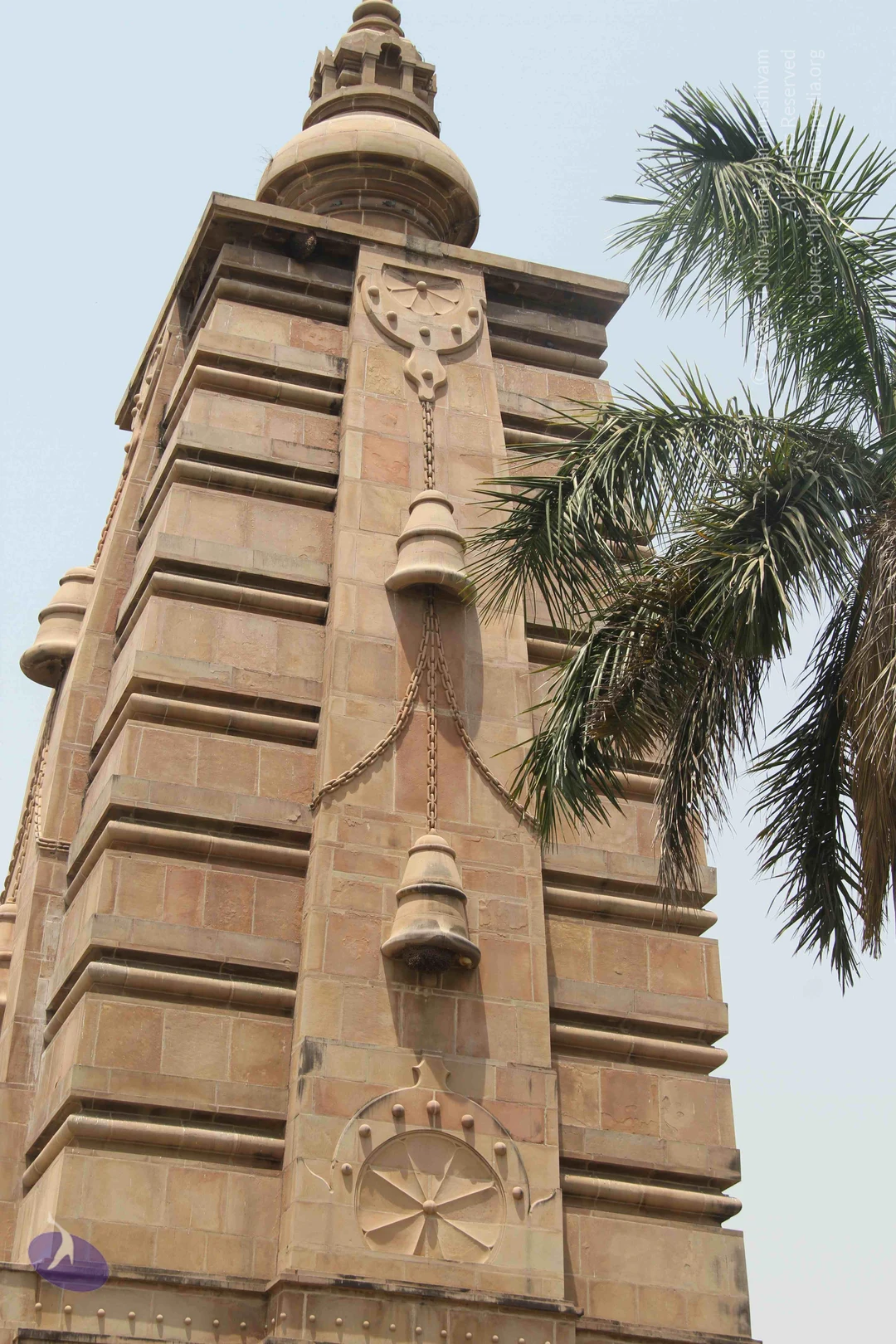
Buddha is one of the greatest incarnations who happened on Planet Earth, who shared the Science of Enlightenment. I tell you, he is responsible for keeping still the Science of Enlightenment alive on the Planet Earth. Our sampradaya bhedas cannot take away his whole contribution itself. We do have sampradaya bhedas; means, the internal understanding and misunderstanding. That is OK. Just because of that we cannot discredit his whole contribution. His whole contribution, his contribution to the Science of Enlightenment is unimaginable, amazing! He is responsible for keeping the Science of Completion, Science of Enlightenment alive. His impact on the intellectual dimension of Sanatana Hindu Dharma is unquestionable. Anything you read today – Upanishads, Agamas, Tantras, the commentaries on Advaitha Vedantic literatures – everything has his influence. Please understand, even our rituals have his influence. And he is one of the greatest incarnations. The place we are going to go today is the energy field where he started rolling the Wheel of Dharma; means, where he started preaching, enriching the world with this Science of Completion.
I bless you all. Let you all radiate with Integrity, Authenticity, Responsibility, Enriching and Causing eternal bliss, Nithyananda. Thank you.
Photos From The Day:
Copy Content From the Google Sheet Here With Photographs Links
Photos from this day
View all 310 photosPhotos From The Day:
10 photosSource gallery
01-Pada-Puja
32 photosSource gallery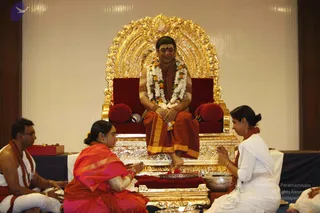
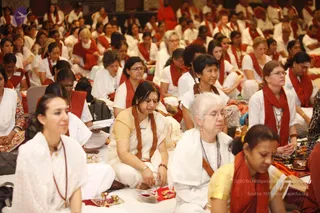

02-Satsang-and-Darshan
63 photosSource gallery
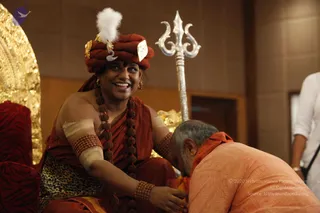
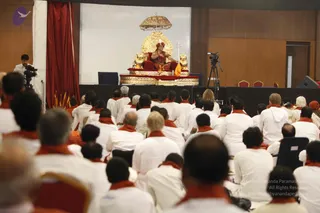
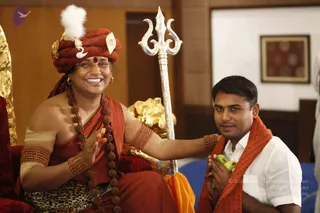
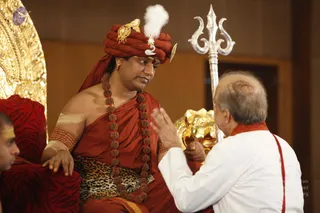
03-Sarnath-Visit
54 photosSource gallery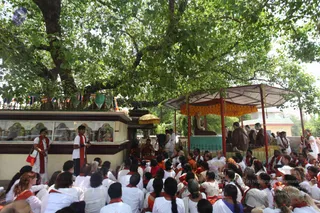
04-Inner-Awakening-Afternoon-Session
18 photosSource gallery
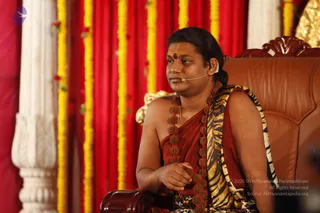

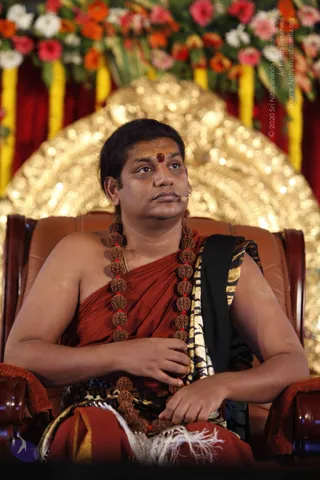
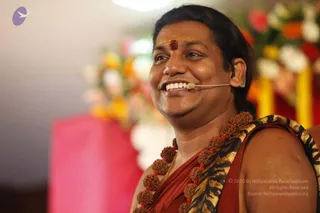

05-Inner-Awakening-Darshan
133 photosSource gallery