Thursday
1 May 2014
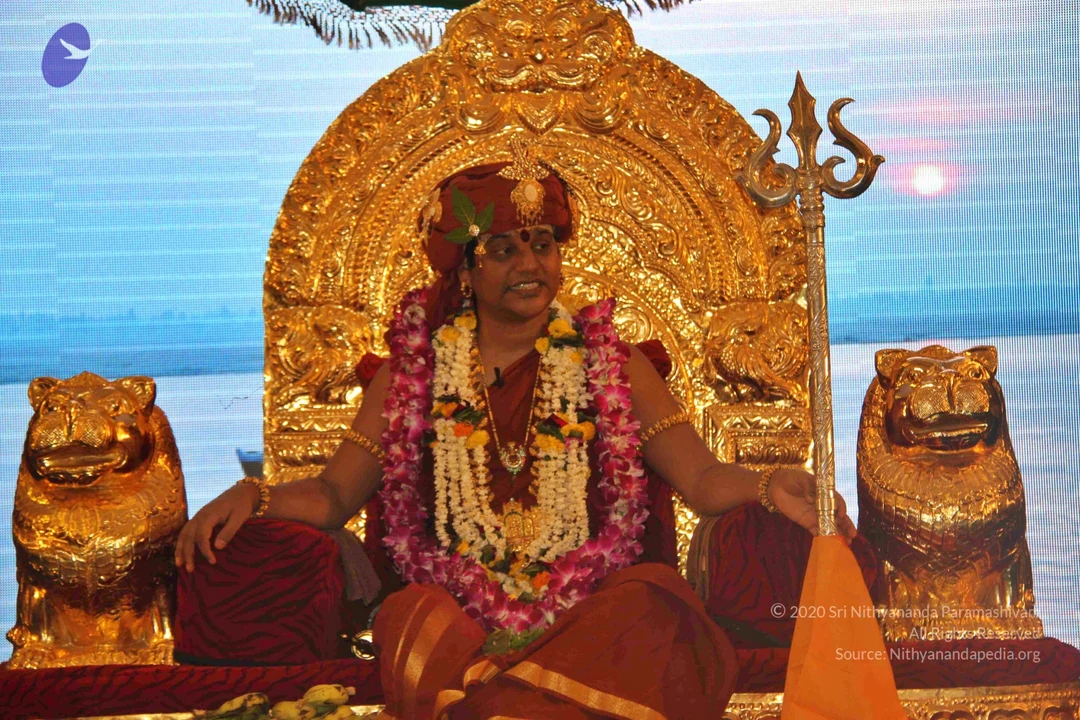
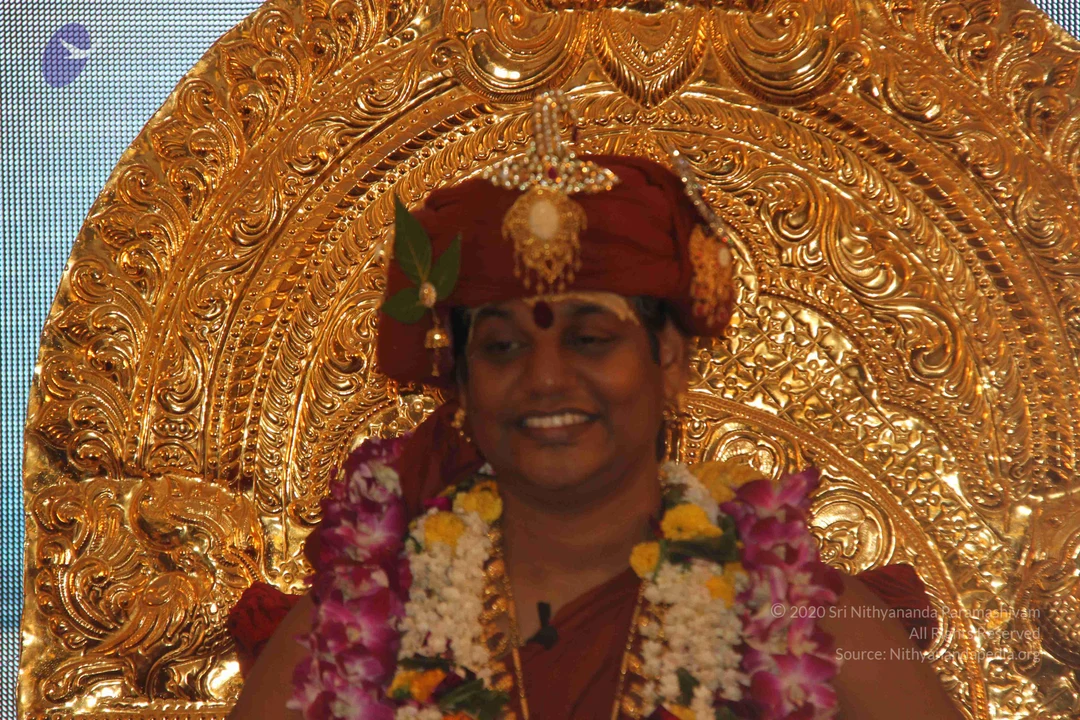
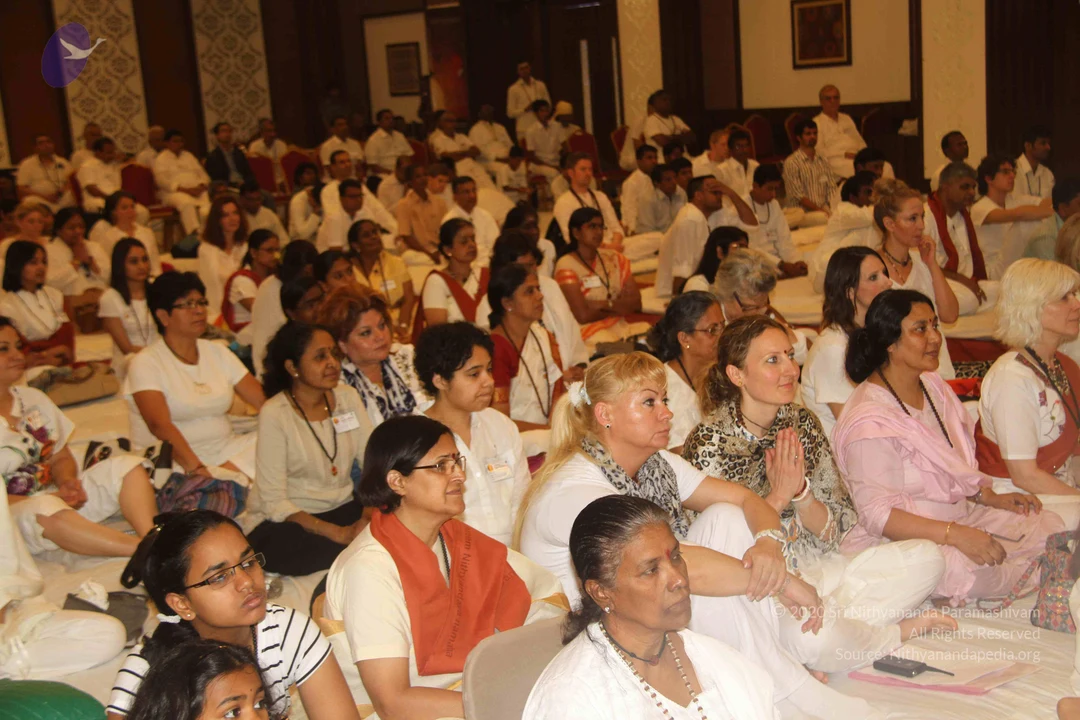
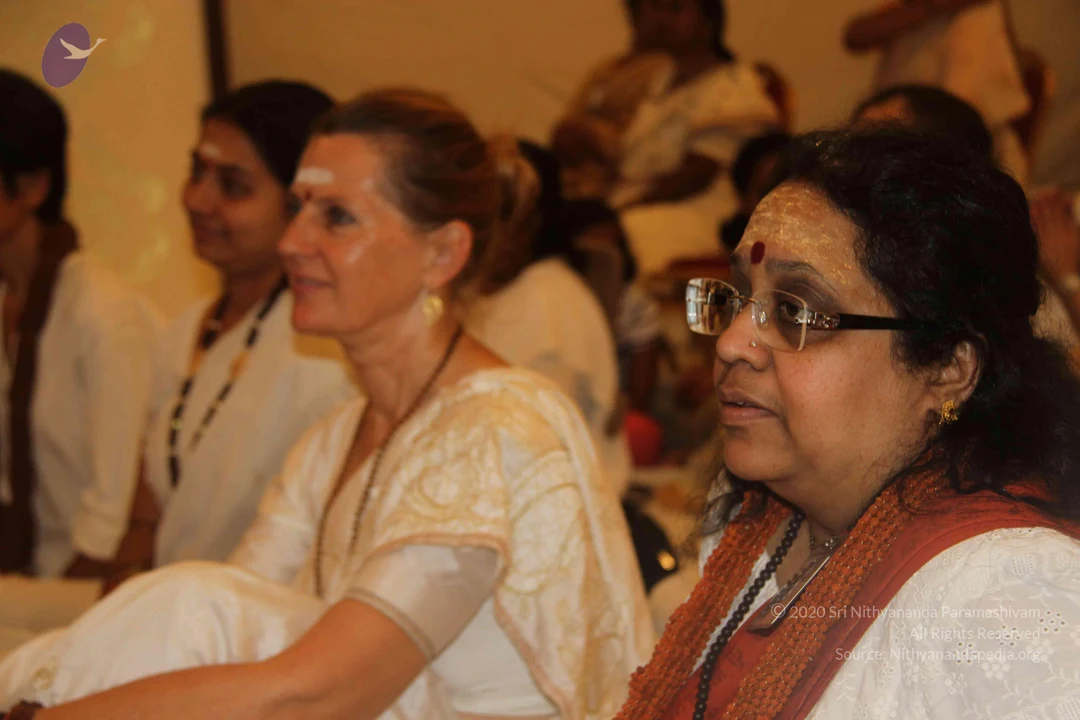
Inner Awakening Inaguration and Celebration in Anandavana
- Dated photos
- 729
- Source pages
- 1
- Media
- 4
May 01 2014
Original wiki pageTitle:
Inner Awakening Inaguration and Celebration in Anandavana
Description:
1st May, 2014 Inner Awakening Introductory session of Paramahamsa Nithyananda
Link to Video:
| Video | Audio |
Transcript:
Nithyanandeshwara Samaarambhaam Nithyanandeshwari Madhyamaam |
Asmath Aachaarya Paryanthaam Vandhey Guru Paramparaam ||
I welcome all of you, the devotees, disciples, samajis, satsanghis, Shrimahants, Mahants, Kotharis, Thanedars, participants, visible and invisible beings, siddhas, rishis, ganas, kinnaras, kimpurushas, gandharvas, yakshas, everyone who is here for the satsangh, sitting with us through Nithyananda TV, Sadhna TV, Lotus TV, two-way video-conferencing, all over the world, from all over the world here, and all over the world in their places.
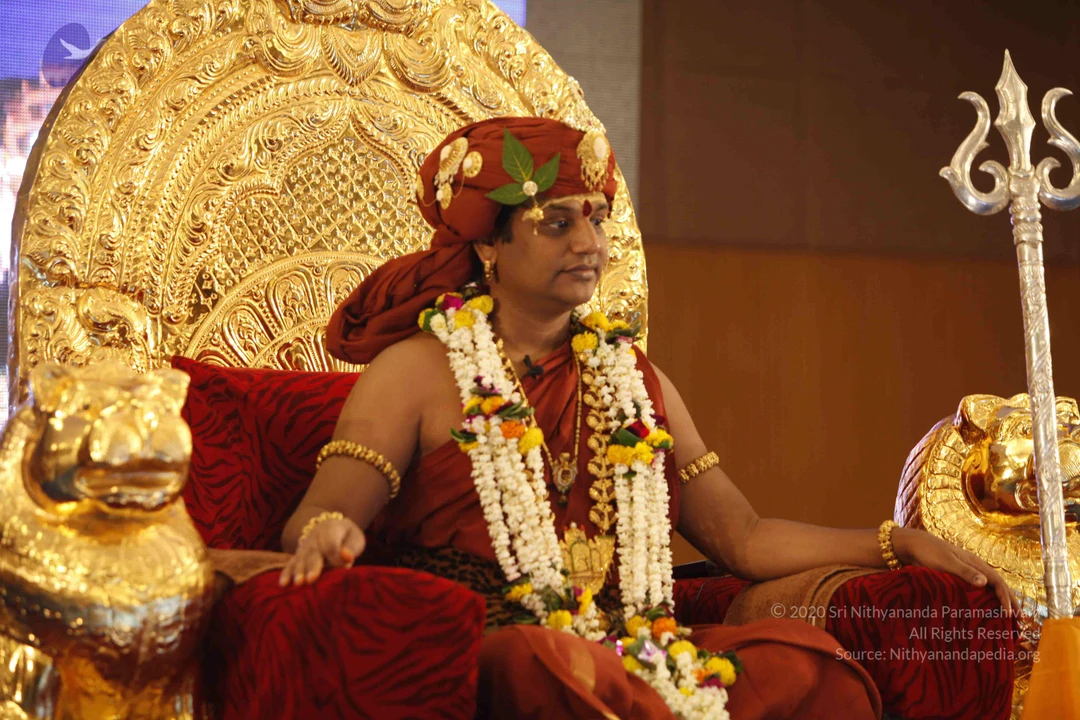
Blessings from Ananda Vana, Ananda Gandha madhye! Mahadeva Nithyam Adwitheeyam Ishta Daivatham Niranjanam who is eternally in the space of non-duality, loved by everyone and loves everyone, embodiment of beyond purity and impurity! Nice to be here in the Ananda Vana, and nice to have all of you in Ananda Vana. This place is originally called as Ananda Vana as Mahadeva settled here. This is the first city Mahadeva created for himself and for his ganas. The city is older than legends itself. The city is older than history itself. If you go to the original Varanasi, the place is called Avimuktha Kshetra never forsaken. Even during Pralaya (the great deluge), Mahadeva holds this city in the tip of his trishul (trident), and by raising his trishul he holds the city. That is why this city is Oordhwaamnaya. It is neither Dakshinaamnaya, nor Uttaraamnaya, or Paschimaamnaya. It is called Oordhwaamnaya. Shankara describes this city, Shankara divides the world as four parts southern part, northern part, eastern part, and western part. But he tells, Kashi is neither southern, nor eastern, nor western, or northern. He tells, Kashi is Oordhwaamnaya upward direction the city held by Mahadeva in the tip of his trishul.
I want all of you to know, I am not talking some stories or some old beliefs. Whatever I am uttering, I am responsible for it. So, please understand, with all my integrity I am saying, this city is older than history itself, older than legends itself, and this place is really Oordhwaamnaya, never forsaken, Avimuktha Kshetra! Mahadeva settled here when he was carrying the human body. This is the first city Mahadeva created, and this is where he started teaching the great science of enlightenment to the world. All the aspects of enlightenment Yoga, Hatha Yoga, Siddha Yoga, Tantra, Aghora, Natha all the great Sampradayas, the traditions of enlightenment, started overflowing from him in this very Ananda Vana.
Originally the place was named as Ananda Vana by Mahadeva. Even now, in all the sankalpas, puja mantras, Mahadeva is addressed in this place, the place is addressed as Ananda Vana. Please listen! Later on, when Ganga came here to have darshan of Mahadeva, two streams Varuna and Assi joined in Ganga. The place between the two streams was renamed as Varanasi. Every city has a spiritual name, every deity has a spiritual name in our tradition.
In Tiruvannamalai, the city is named as Arunachala, and the deity is Arunagiri Yogishwara. Officially the deity is called Arunagiri Yogishwara. So, when the puja is performed, the name Arunagiri Yogishwara only is used. Same way, in Madurai, the city's spiritual name is Madurapuri Kshetra, and the deity is called Sundareshwara Mahadeva. Each city has a spiritual name, and the deity has a spiritual name. Here, the city's spiritual name is Ananda Vana, the deity is called Nithyananda! If you go to Vishwanatha Temple and listen to the sankalpa mantra, you will see the pundits chanting: Ananda Vana, Ananda Gandha Madhye, Nithyanandaya, Idham Na Mama! They will be chanting In the Ananda Vana, in the centre of Ananda Gandha, Nithyananda is offered all this. Idham Na Mama means, I don't exist. Mahadeva is addressed here as Nithyananda. The place is addressed as Ananda Vana. This is the first Sarvajna Peetha that Mahadeva established. Means, the Seat of Learning which Mahadeva himself established. From Mahadeva all the rishis learned. Then starts the tradition of Narayana. Narayana was initiated here in the form of Kapila. Kapila Maharshi took the incarnation of Narayana, Vishnu, lived here, became enlightened here, and left the body here. His Samadhi is still in Varanasi where he lived and left the physical body he carried. From Narayana, Padmabhuva, Vasishta, Shakti, Parashara, Vyasa, Shuka, Goudapadha, Govindapadha, Shankara Bhagawathpadha, the Sampradaya continues.
I am so happy for all of you. You are all here, in the spiritual capital of the world, to learn the Science of Enlightenment. If I have to put it more precisely: To experience the Science of Enlightenment from the Source! Be rest assured, I am responsible for the last word! Be rest assured, with all my Integrity and Authenticity, I am giving you the word: YOU ARE LEARNING FROM THE ORIGINAL SOURCE! You are learning, you are experiencing from the original source in its pristine purity! Be rest assured about that! Be rest assured about that!
I welcome all of you to this Ananda Vana to learn from the Source, experience the Source, the great Science of Enlightenment, the science of life. This is the place where life started. This is the place where the science of living started. This is the place where the Science of Enlightenment is shared first time on the Planet Earth. I just welcome you all, and in one word if I have to say, I am so happy for all of you! Happy to be here! Happy to have all of you with me here! Get ready for a spiritual blast! As I said, this city, if you understand, the most fascinating!
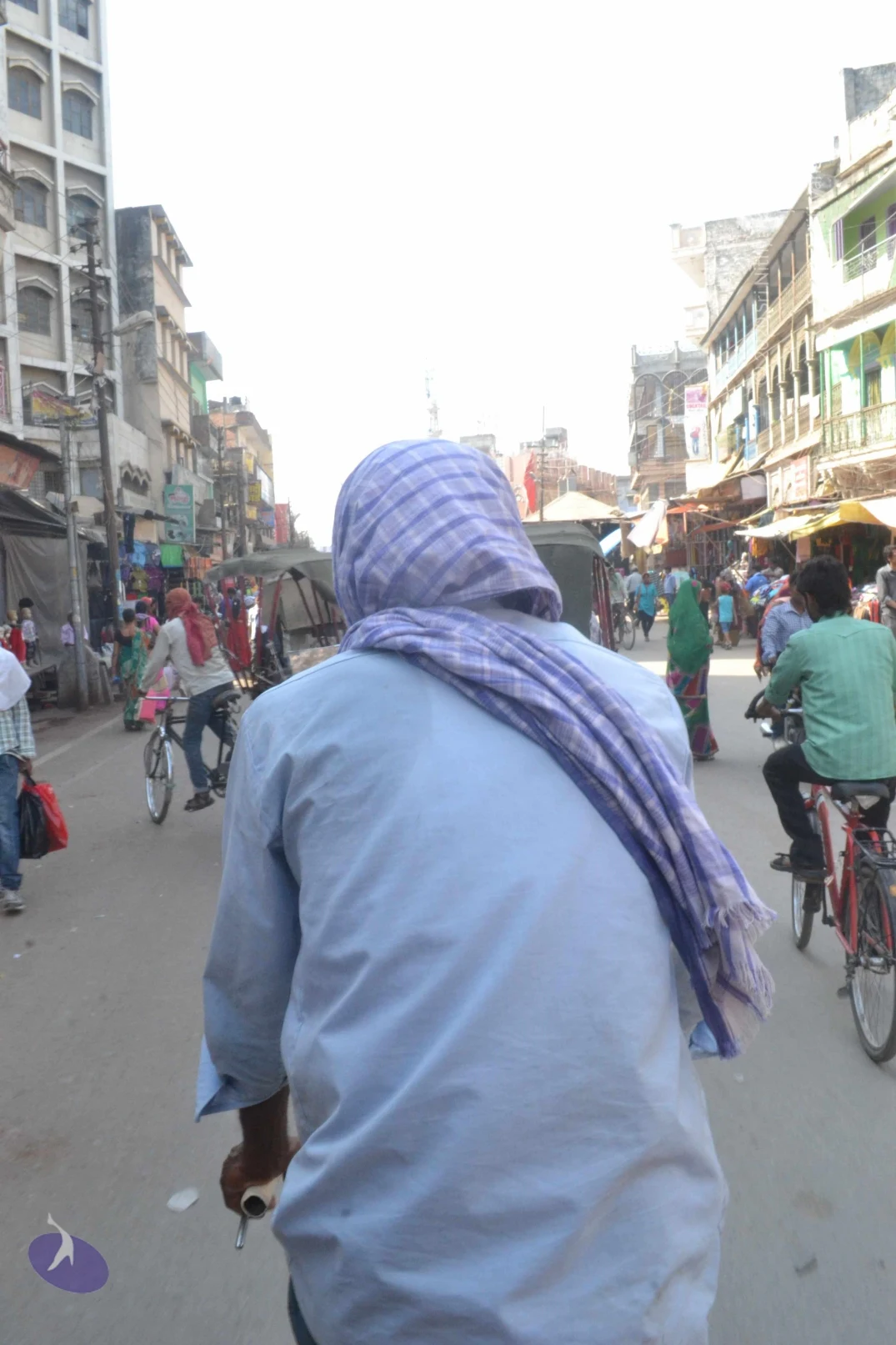
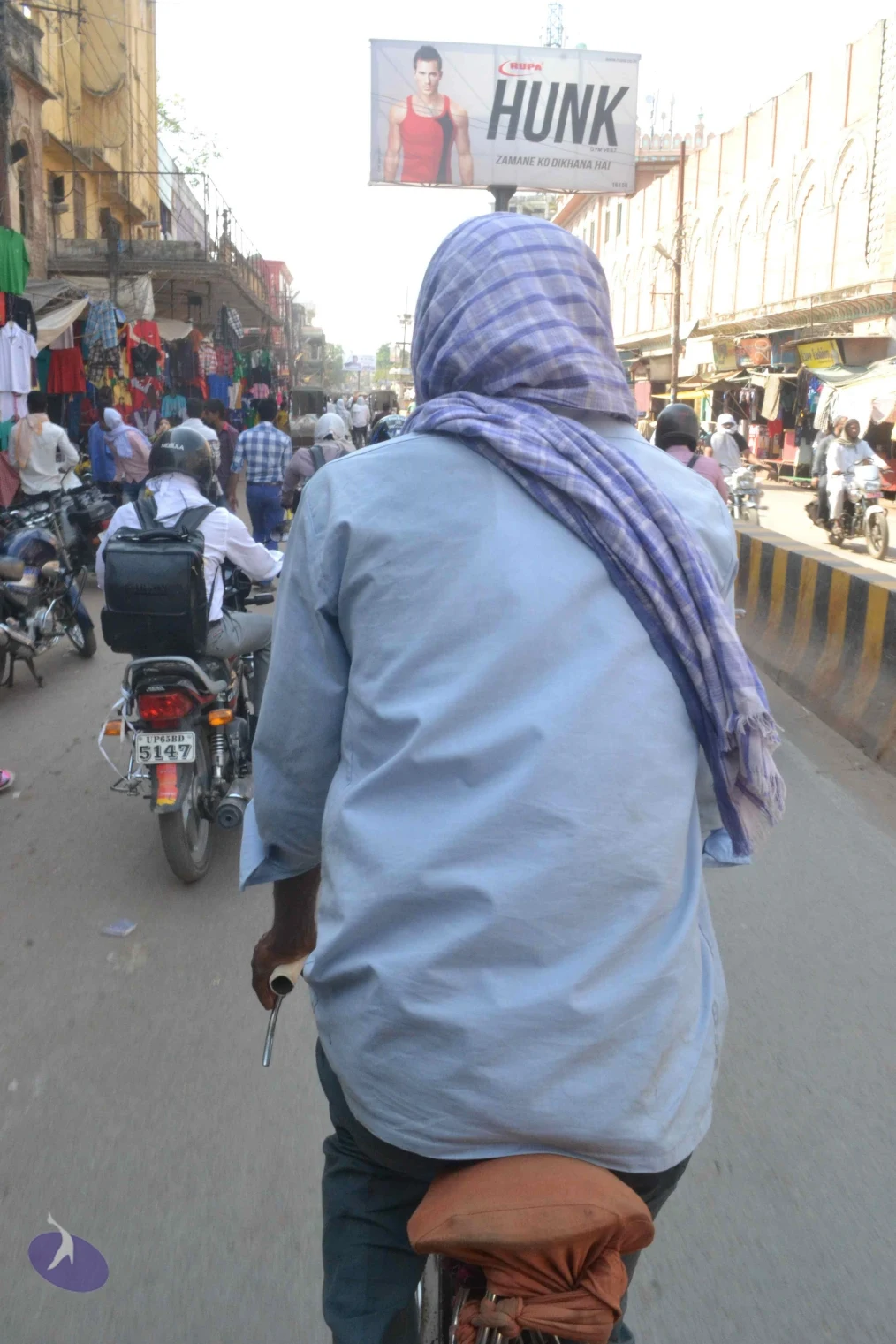
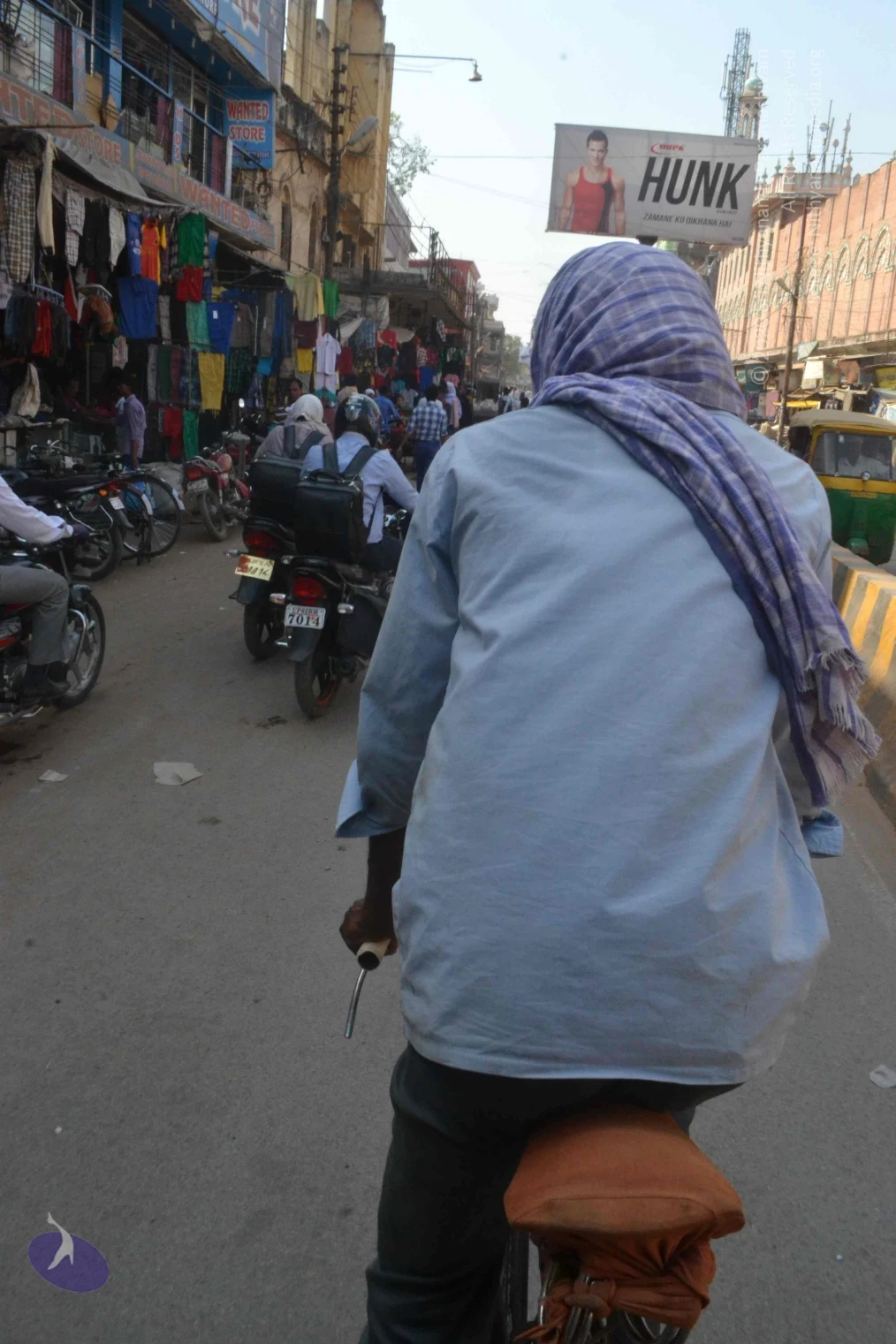
Please understand, this city is literally the Cosmos! If you understand, you will find such a great order in the chaos. If you dont, you will find chaos, so much of chaos in everything! The persons who understand, for them this city is most fascinating. If you dont understand, this will be most frustrating. Just like life! Just like life: If you understand, most fascinating! If not, most frustrating! Varanasi, Ananda Vana, is just a mirror Mahadeva shows to you. When you see the mirror, you can be frustrated; you can plan for your threading and make-up, or you can do Completion! It is all up to you! Varanasi is a mirror Mahadeva shows to you. If you understand, this is the most fascinating city; if not, the most frustrating city! Here, bulls, dogs, beggars, sadhus, great Paramahamsas, dead bodies, snakes, all of us walk together in small lanes, crisscrossing each other again and again, shoulder to shoulder! All of us have to live together. You cannot avoid anyone. And, the beauty is, no one hurts each other; everyone is happy to be in others space!
I tell you, I never had even one thought that this city is dirty or too congested. Never ever had one thought! If you go to the original Ananda Vana, there is no street which is more than three feet. Please understand, three feet width! Actually I was contemplating, why? I read some history books. They are saying that the city was planned and built before even the bullock-cart was invented! But I was not ready to believe that! I consciously scanned the Akashic Records.
I tell you, Kaalabhairava revealed very clearly that now whatever we are using as road is just drainage! The city was created for the people who had naturally the ability of flying! So, we never bothered to create roads. That was the response from Kaalabhairava. We never had roads, because we never had people who were walking! Originally, when the city was planned, it was not planned for the people who were walking on the ground; it was planned for the rishis, gandharvas, kinnaras, kimpurushas, ganas, ganadhyas, who were naturally flying and had the power of levitation and flying. They were living here. So, we never had the need for roads. The buildings are just the places where they just assumed the human body and taught this science or learned this science. Learned from the Masters, taught to disciples! So, this was the oldest city, the oldest university, oldest hospital, and oldest monastery, and what not!
On behalf of all the rishi, muni, gana, kinnara, kimpuruda, gandharva, deva, siddha, vidhyadhara, life of Kashi, and on behalf of the very Source itself, I welcome all of you to this sacred city. And, you need to know, they are all very happy, celebrating your presence. They are all really, really, really happy to have all of us here! This is the place where all the spiritual freaks gathered from time immemorial. The word Paramahamsa, I am translating as spiritual freaks. You may think the word looks too low; but, I tried, I could not find any other word in English.
So, I am okay with that word. From time immemorial, sadhus, nagas, siddhas, Paramahamsas, gathered to celebrate life and celebrate death! Here life is liberation, death is celebration! LIFE IS LIBERATION, DEATH IS CELEBRATION! This city is built out of our scared sentiments. That is why, every king of Bharat, from Gandhara-Afghanistan, to Bali-Indonesia, every king as their palace here. Whether Nepal king, or Bhutan, Burma of course, Burma does not have a king now; when they had. Nepal also does not have a king now; when they had from Gandhara to Bali, all the kings have their palace here.
All the great Jagatgurus, Peethadeeshwars, Masters, have their ashram or monastery here. This whole city is built not just with mud, stone, wood, mortar; it is built with our sacred sentiments! That is why, Ramakrishna says, this city is a Golden City; because all our sacred sentiments are filled and this city is built. If I have to introduce this place, I have to introduce the whole Hinduism, Sanatana Hindu Dharma! I have to introduce the whole Science of Enlightenment which I will be doing for the next twenty-one days.
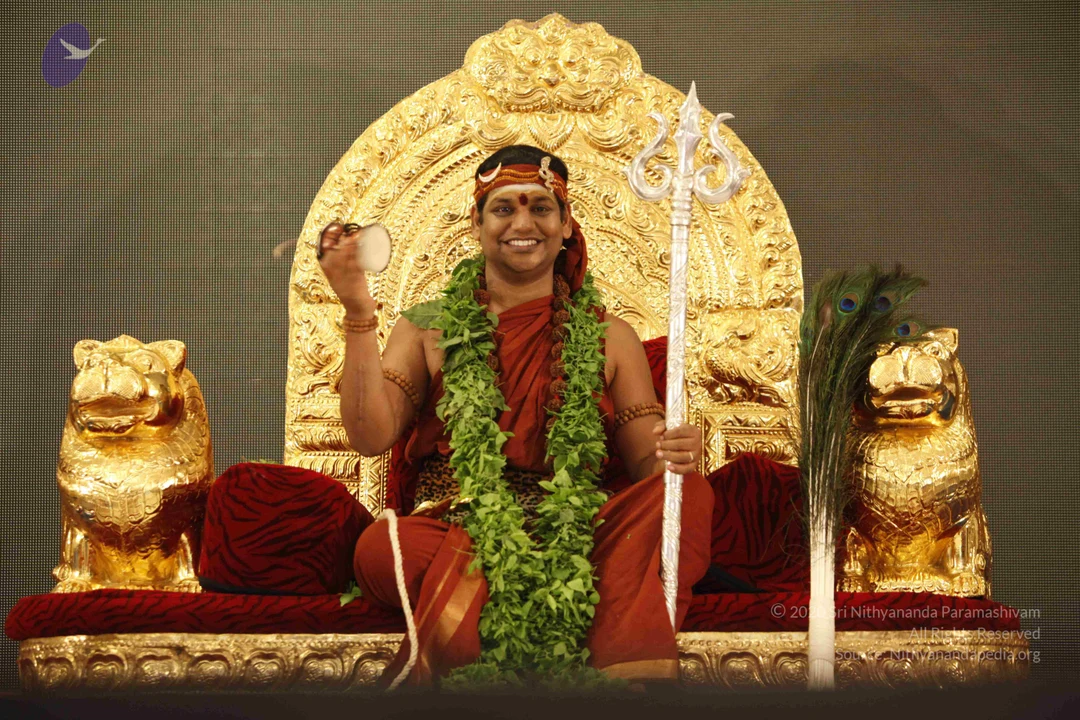
Today we have some more auspicious things: First, we are inaugurating the twenty-sixth Inner Awakening, the twenty-third eN-Genius, and the Nirahara Samyama, The Samyama batch. And today is also Ashramites Day. The first ashramites, Ma Sadananda, and Shri Nithya Sadananda, came to stay with me in the ashram in Erode. The way the Sangha was formed from Adi Nithyananda Dhyanapeetam, Avathipalayam! So, we celebrate today as the Ashramites Day. Honouring all beings who dedicated their life to be part of the Sangha as Sannyasi, Shrimahant, Mahant, Kothari, Thanedar, Rishi, Bala Sants, Krama Brahmachari, Brahmacharinis, Ma Swamis, Goswamis, and Shri Swamis, in every form, or as ashramite or volunteer, whatever way, whatever name, whatever title, all the beings who have dedicated, become ashramites, part of the Sangha, today is dedicated to them. With my being, I bless all of you! It is because of you I am here, and I know you are all here for me.
I congratulate and thank all the ashramites, whether you are a Bala Sant, or full-time volunteer, or ashramite, staying in our campuses, whatever way you are part, be very clear, you ARE a part, and I thank, congratulate, accept, respect, honour you being part of my Sangha, you being part of our Sangha. I know you are here for me. I want you to know, I am here for you! It is ashramites who kept the Sangha alive when these demons tried to attack. It is for the sake of ashramites I have also kept the Sangha. Understand, I was think I did it! this moment....
Green chilly may be a little spicy, but very good for digestion. Chilly may be a little spicy, but very good for digestion. Sometimes the words from my tongue will be a bit spicy, but very good for digestion! Now I take this moment to tell you guys, I am here for all of you, and you are all part of me! You are all my being! I am part of you. You-Me, Me-You is the only way we can define who we are for each other. If I have to define who you are for me, or if I have to define who I am for you, the only way I can describe this relationship is: You-Me, Me-You!
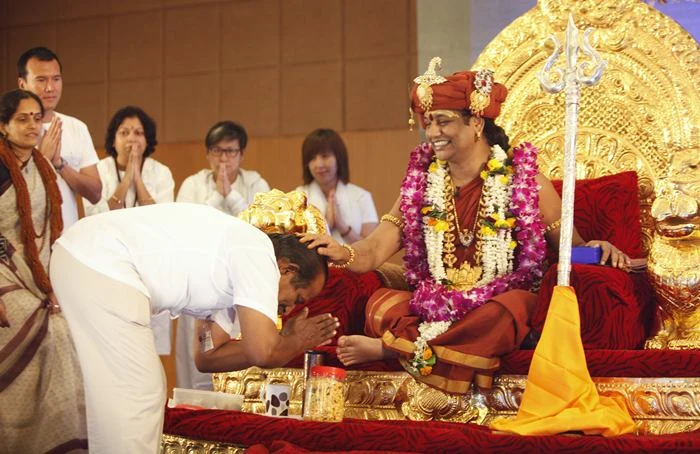
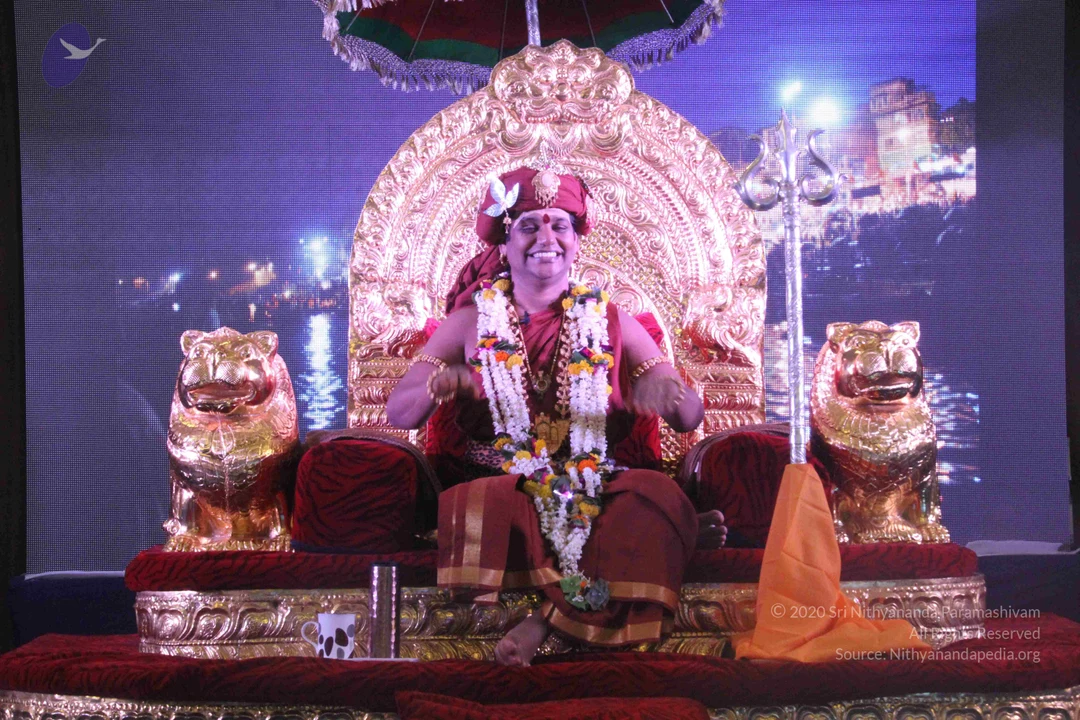
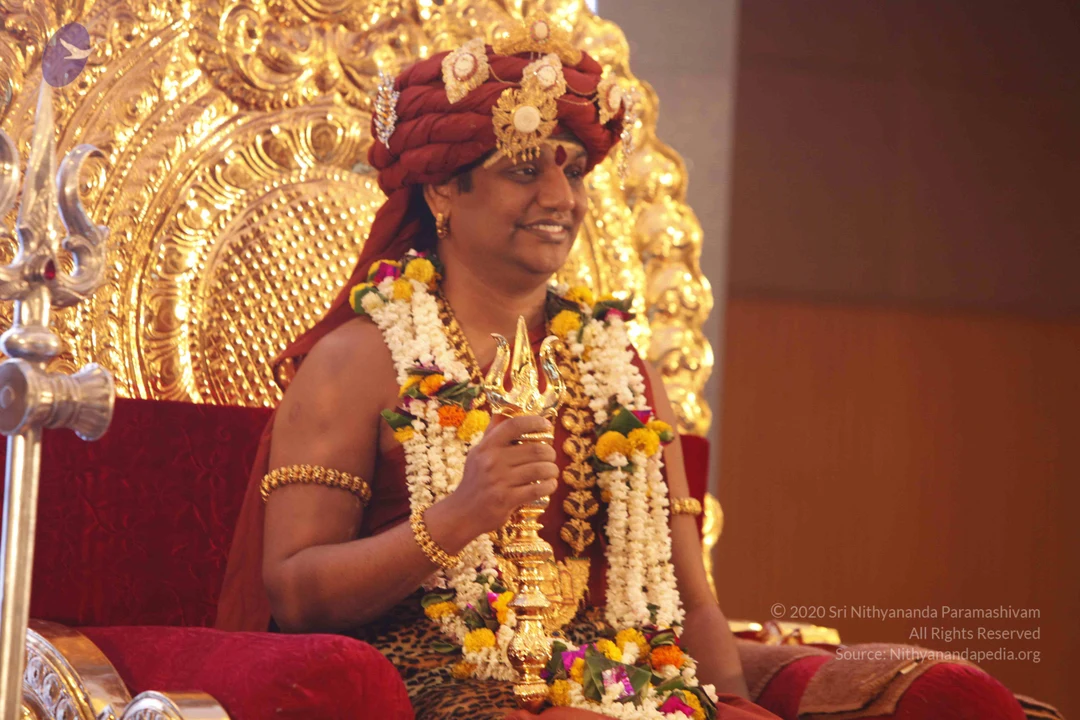
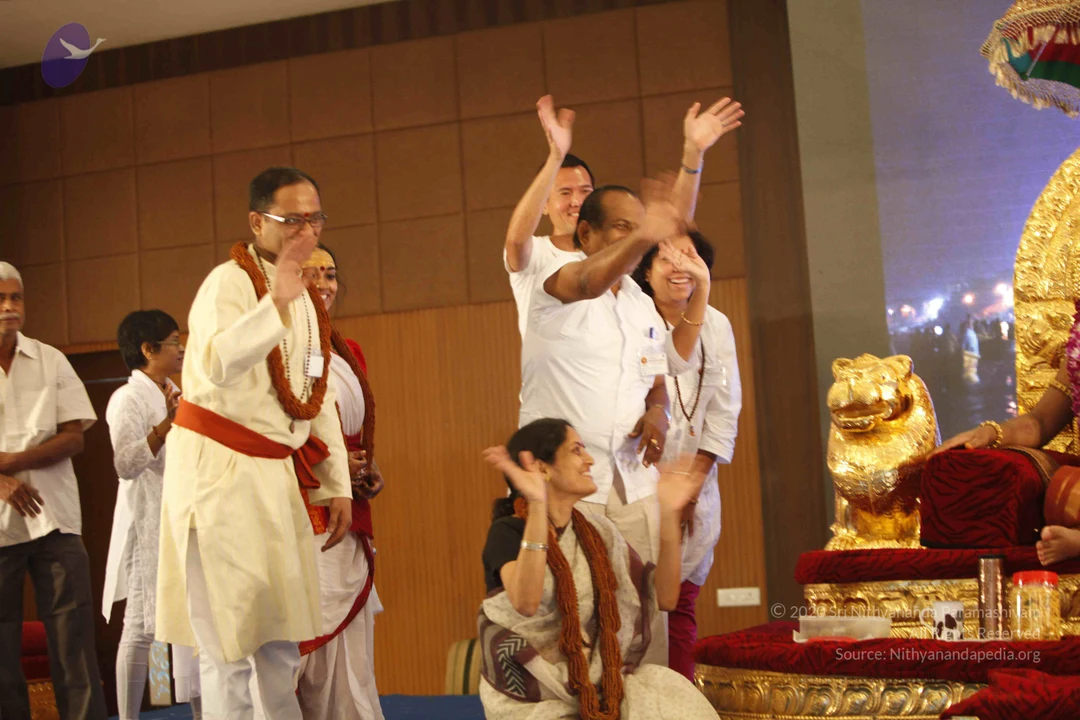
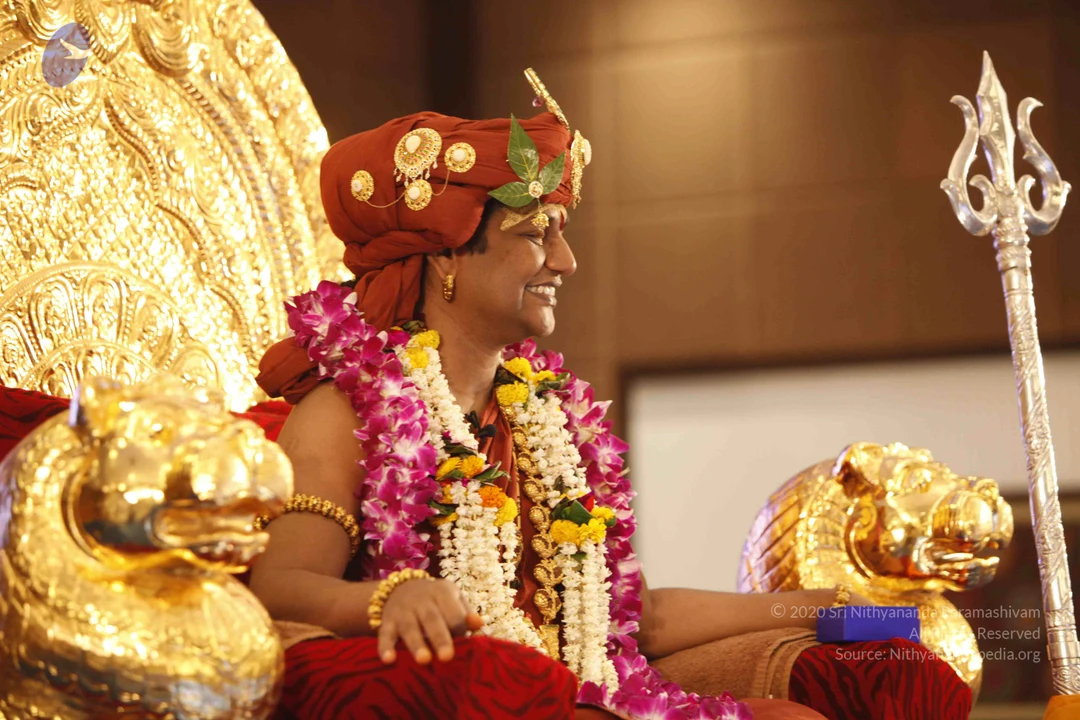
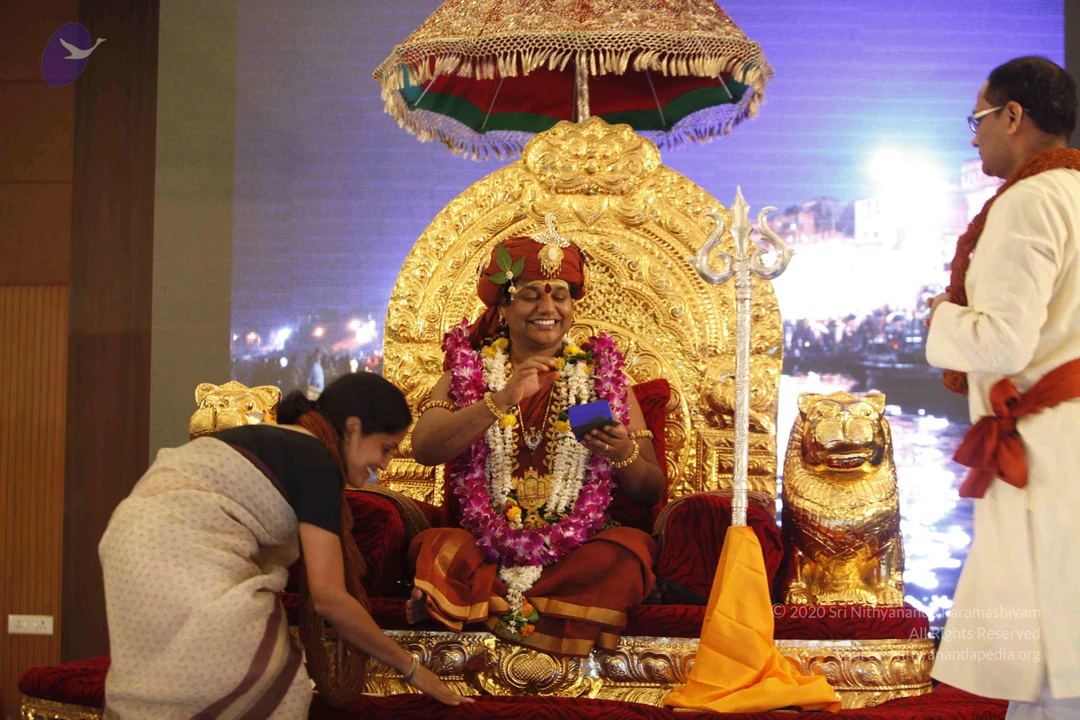
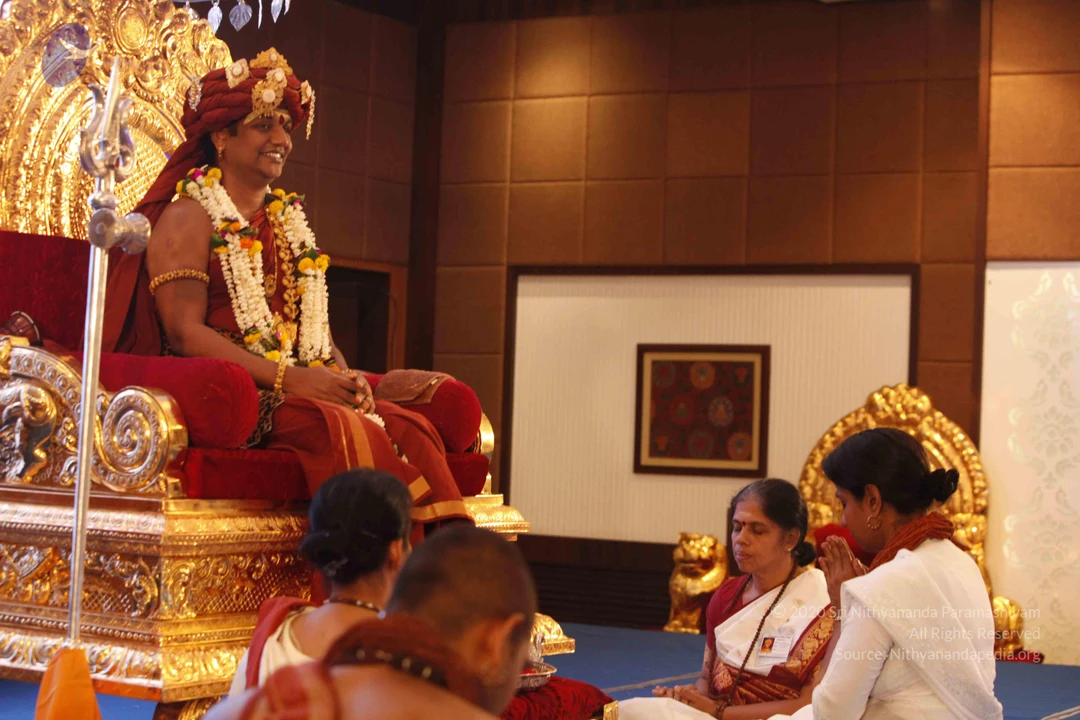
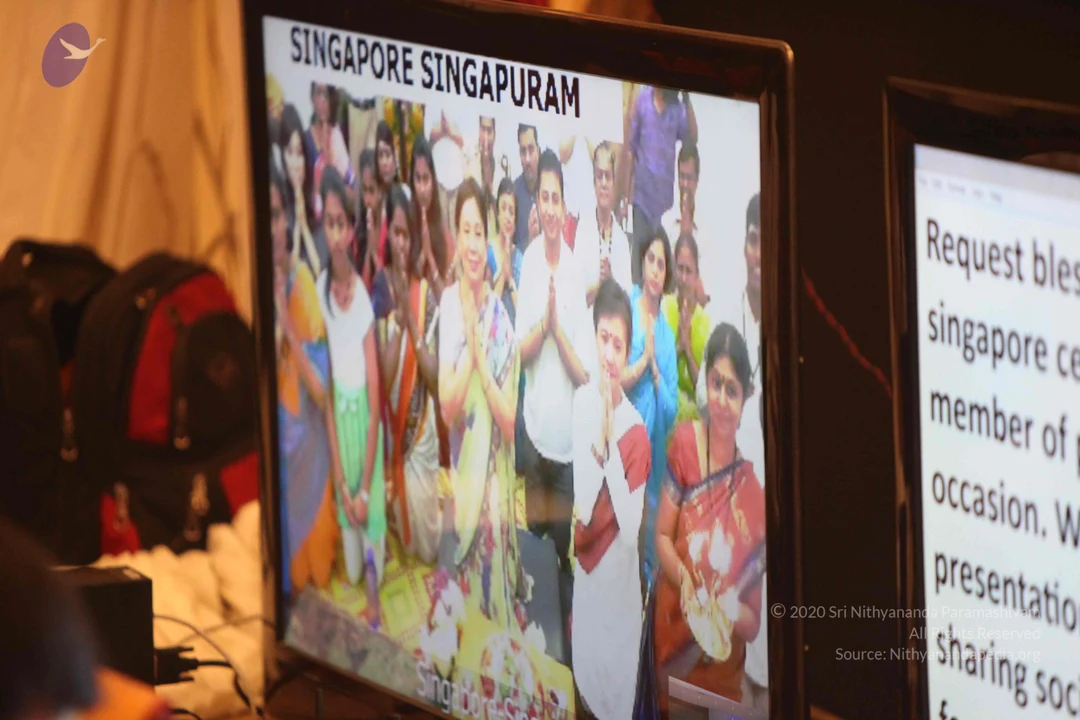
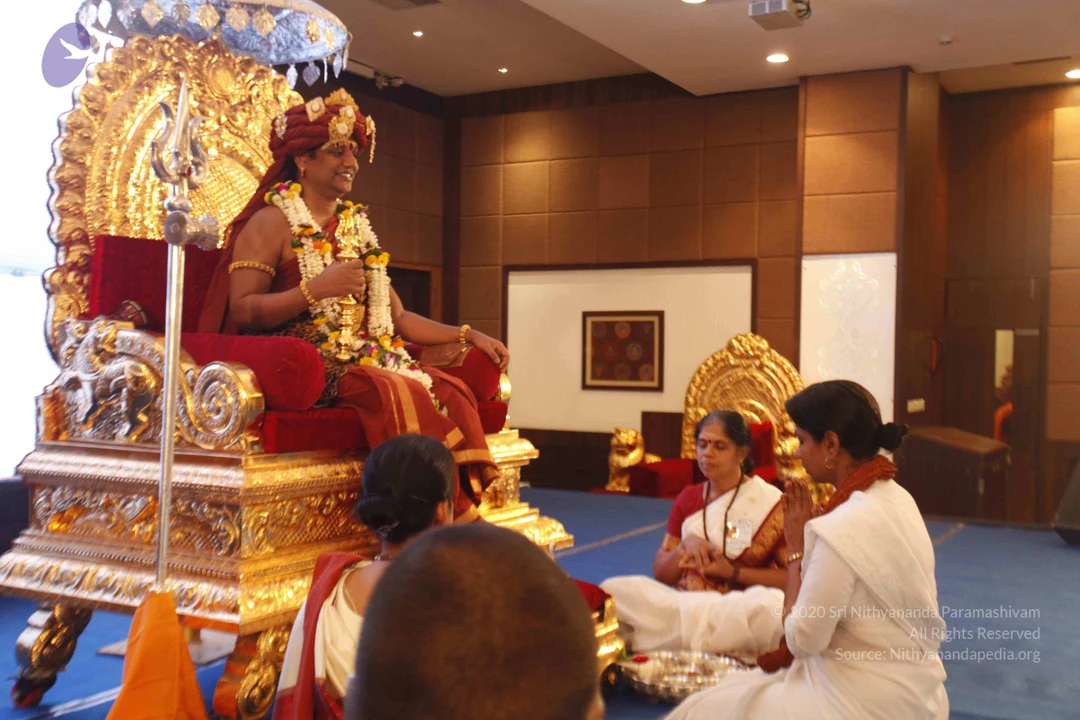
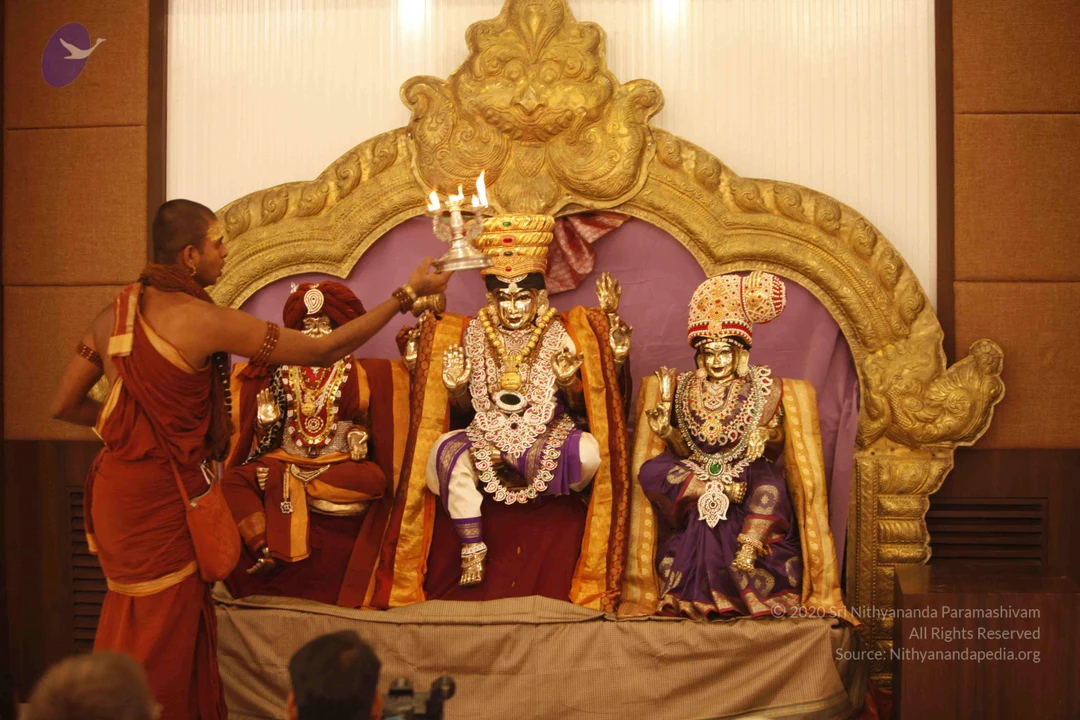
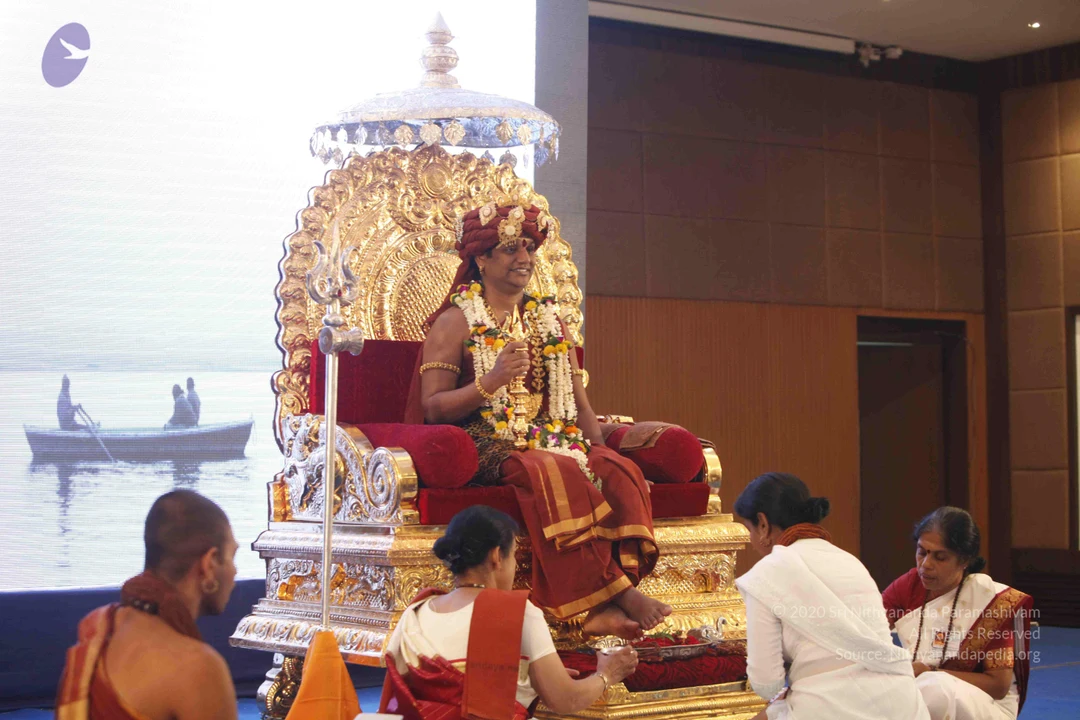
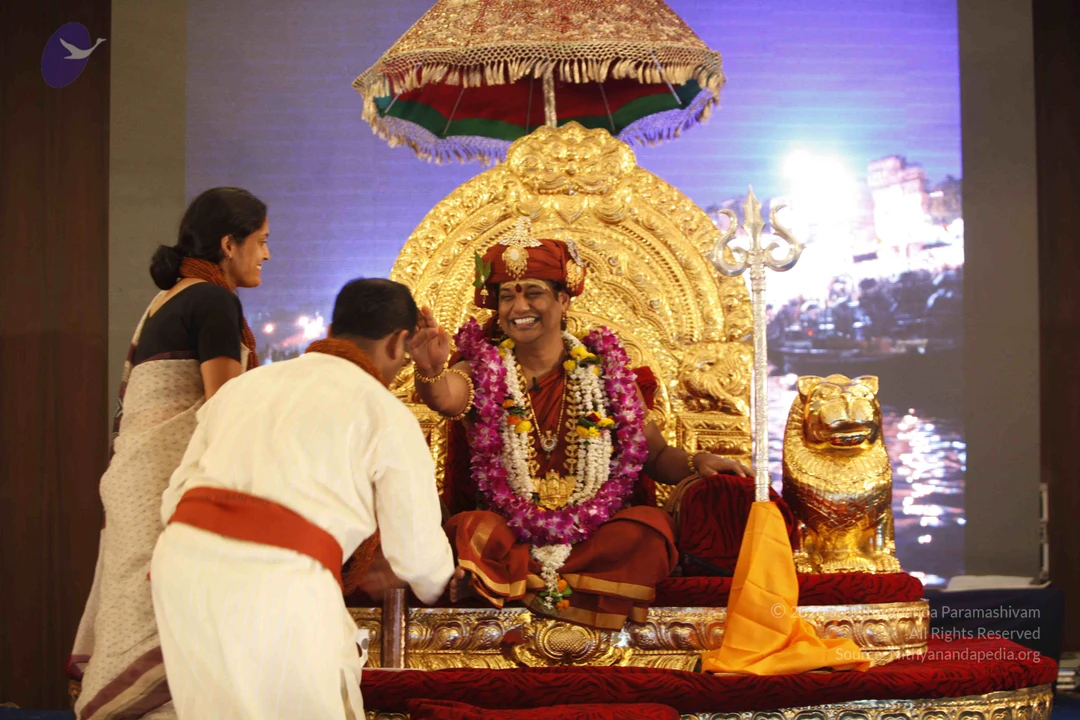
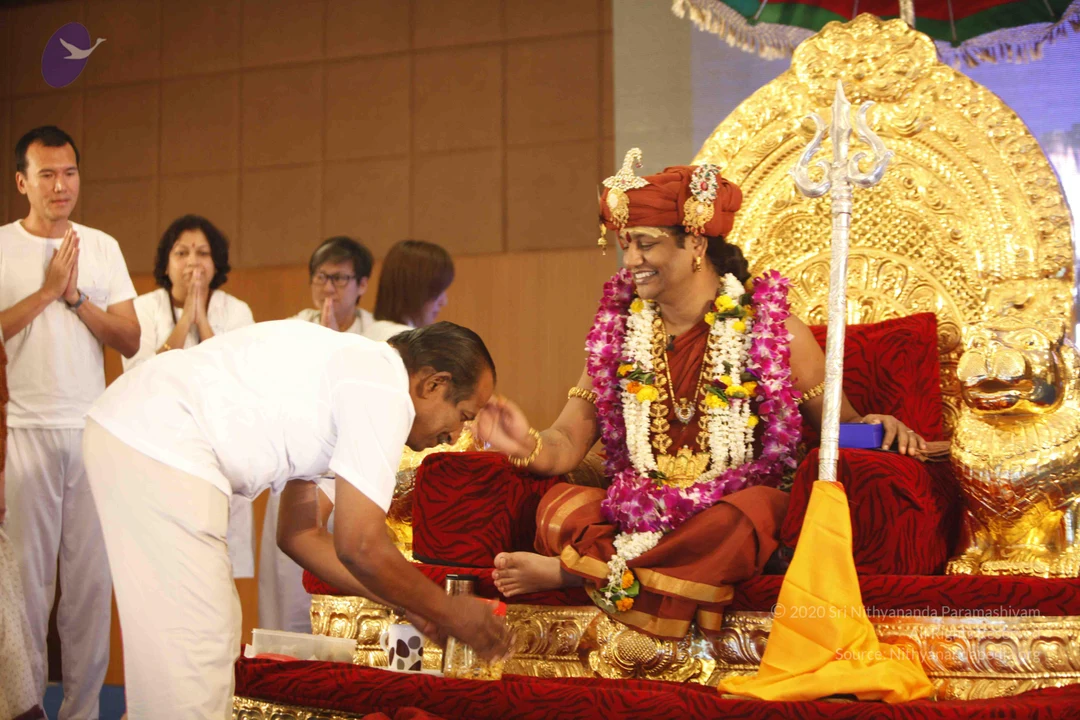
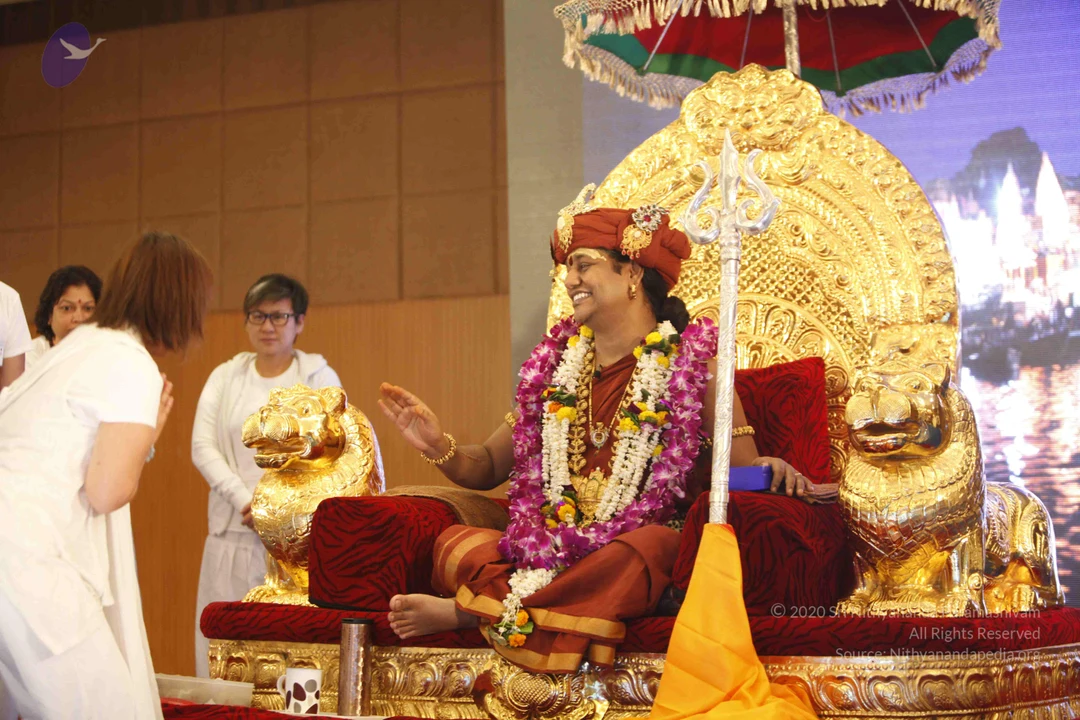
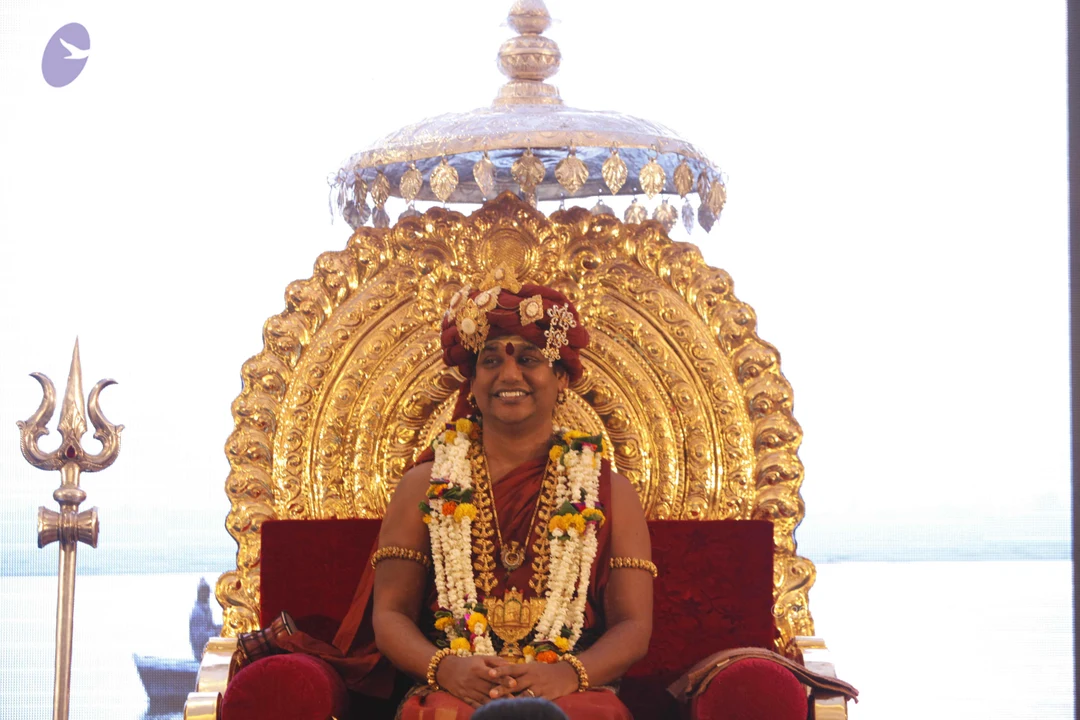
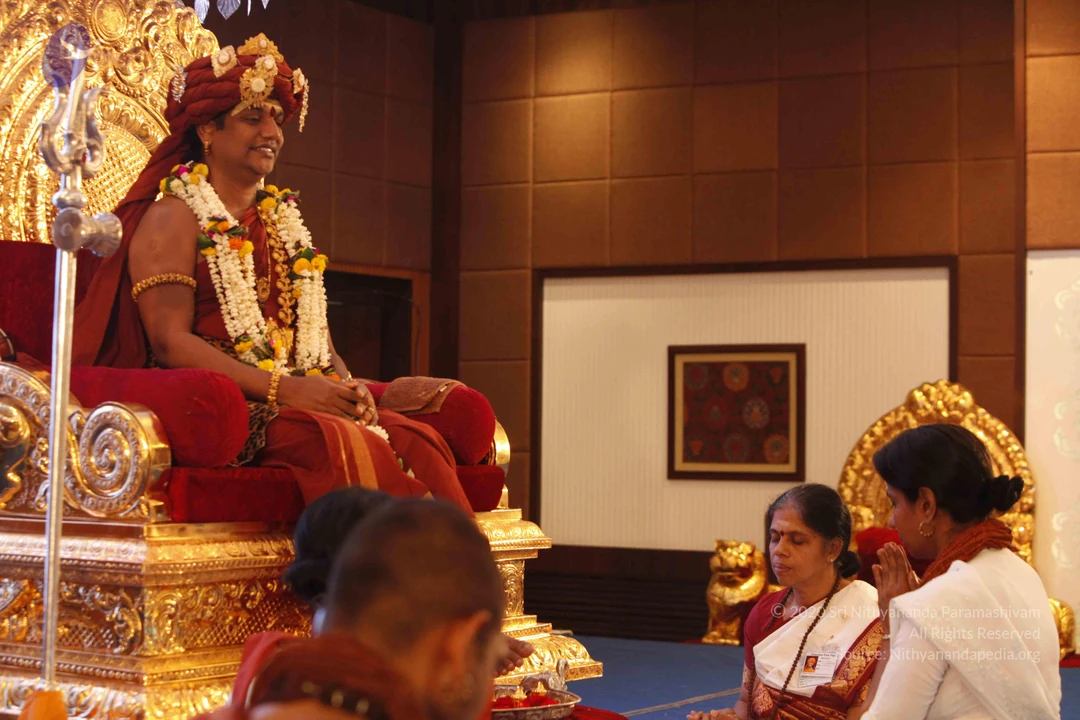
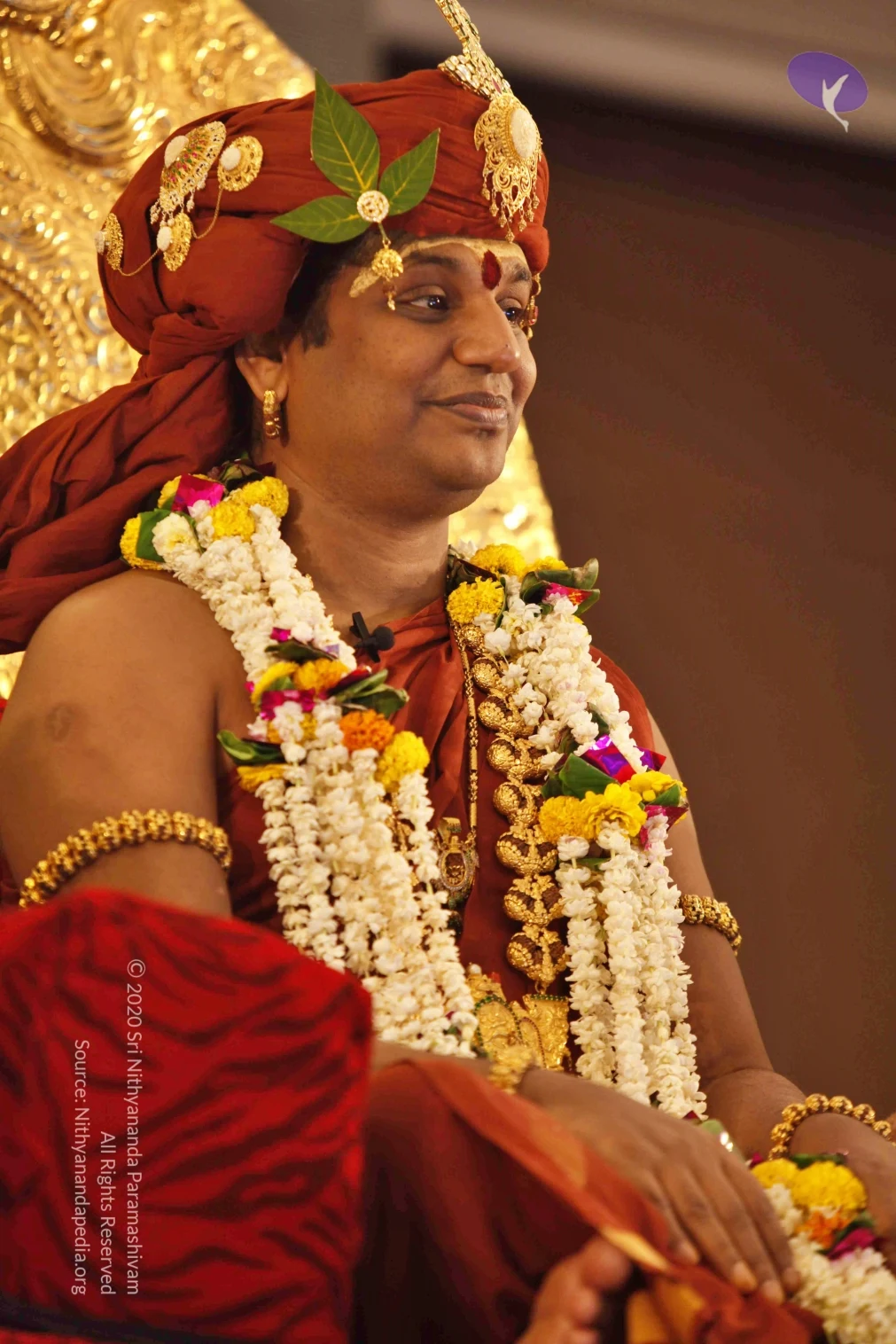
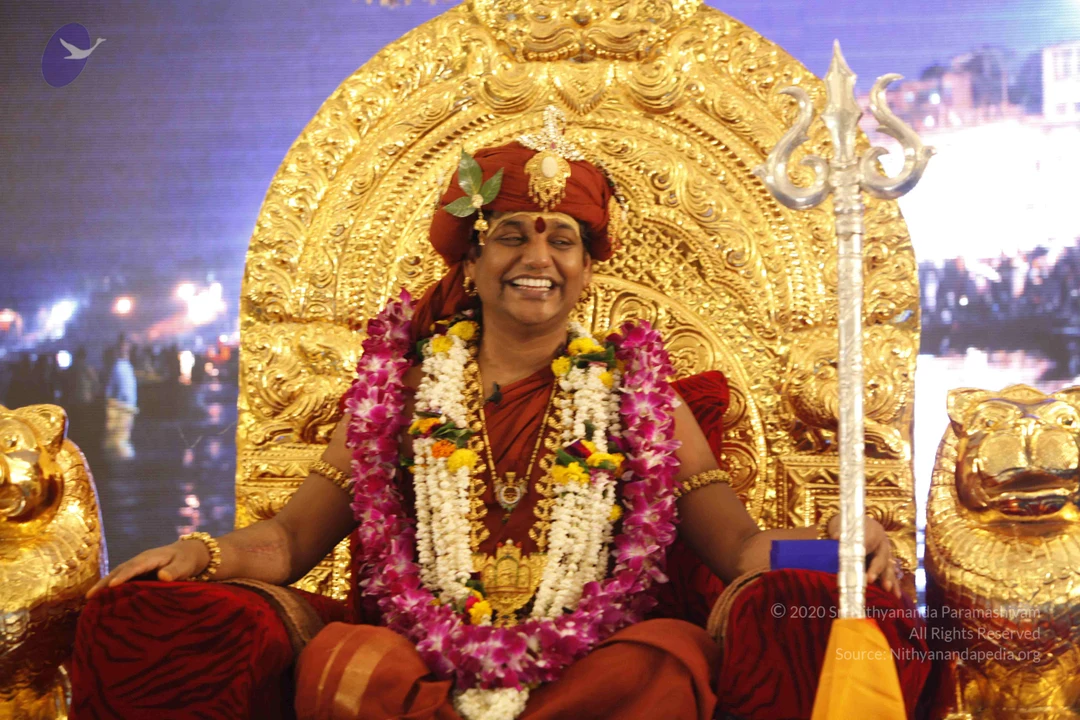
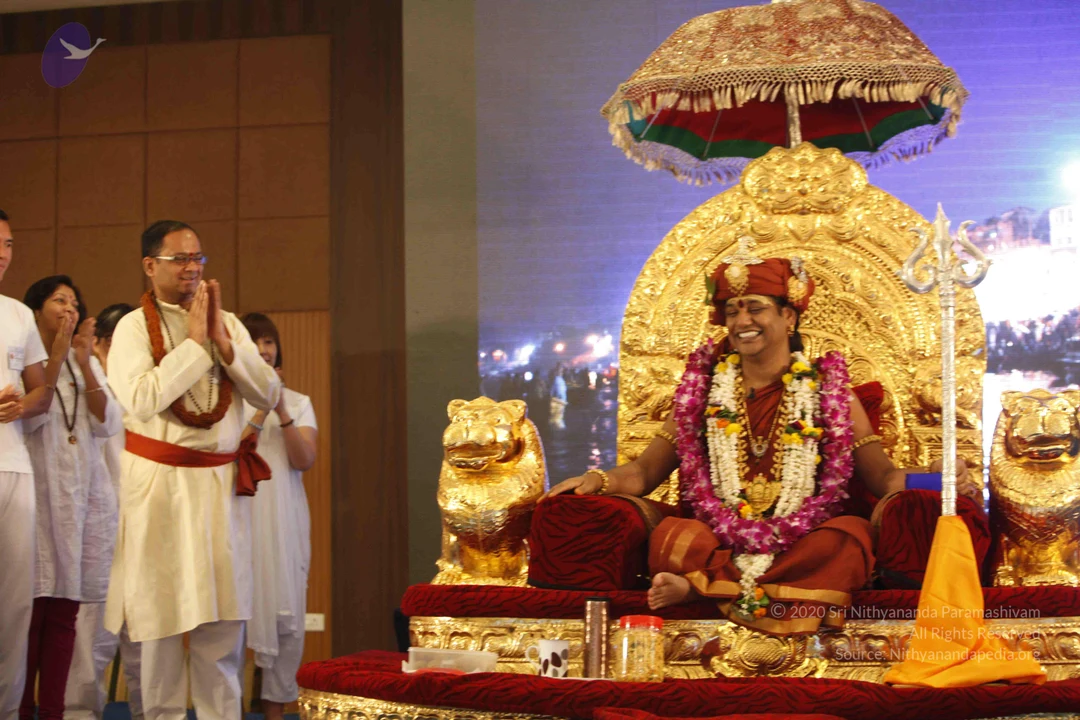
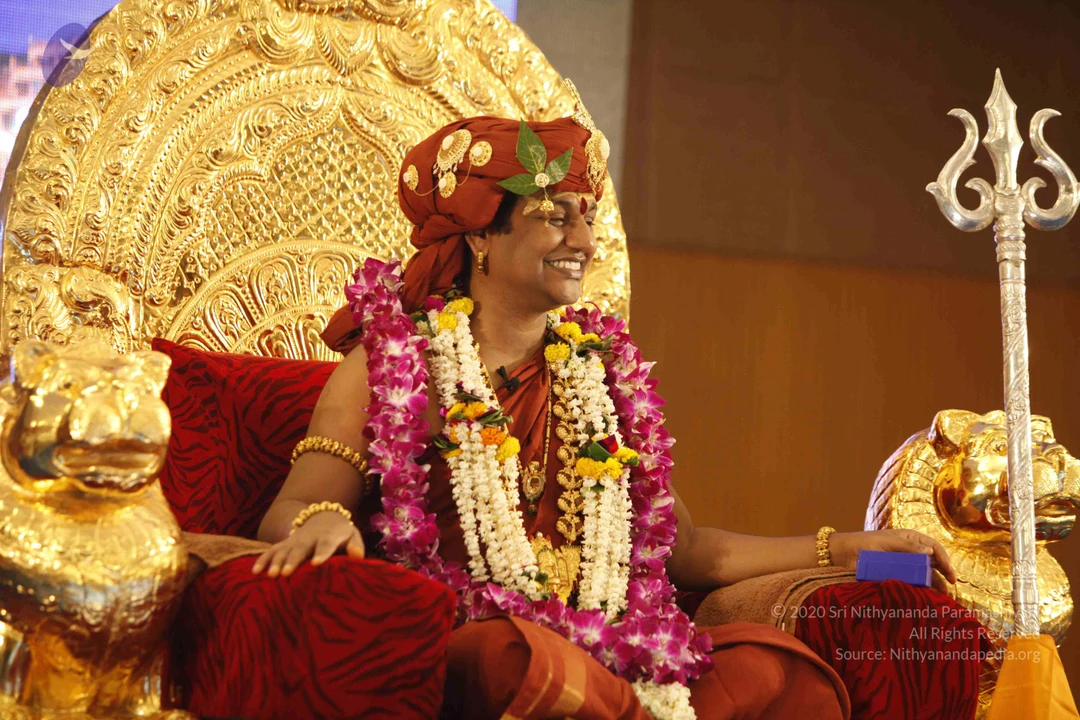
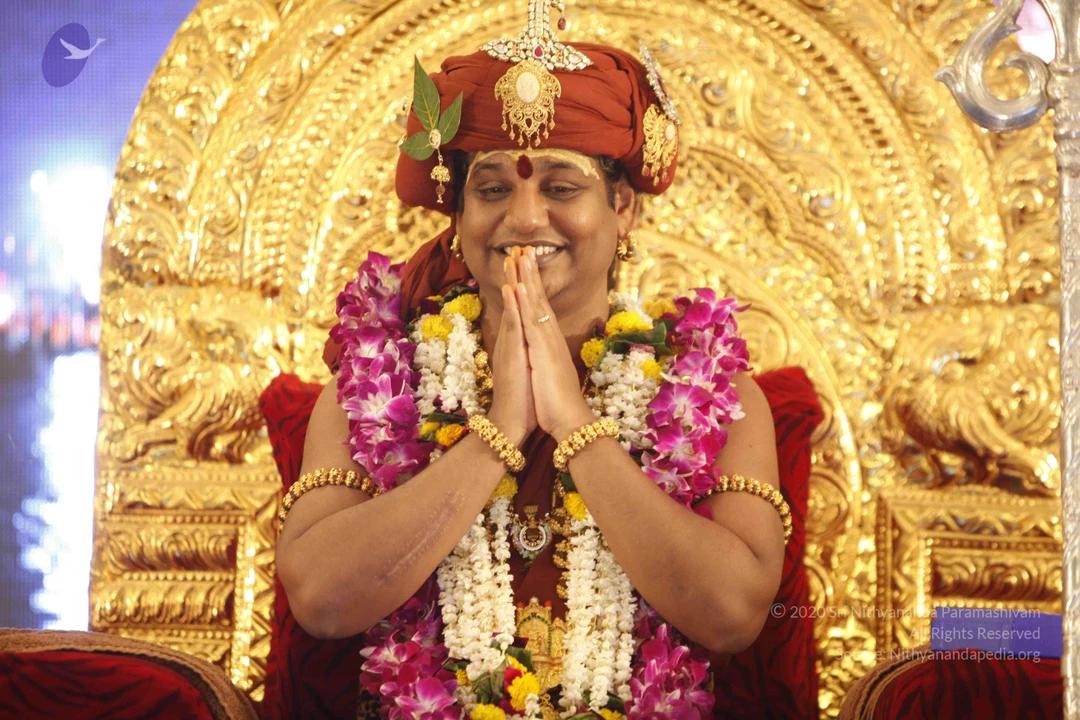
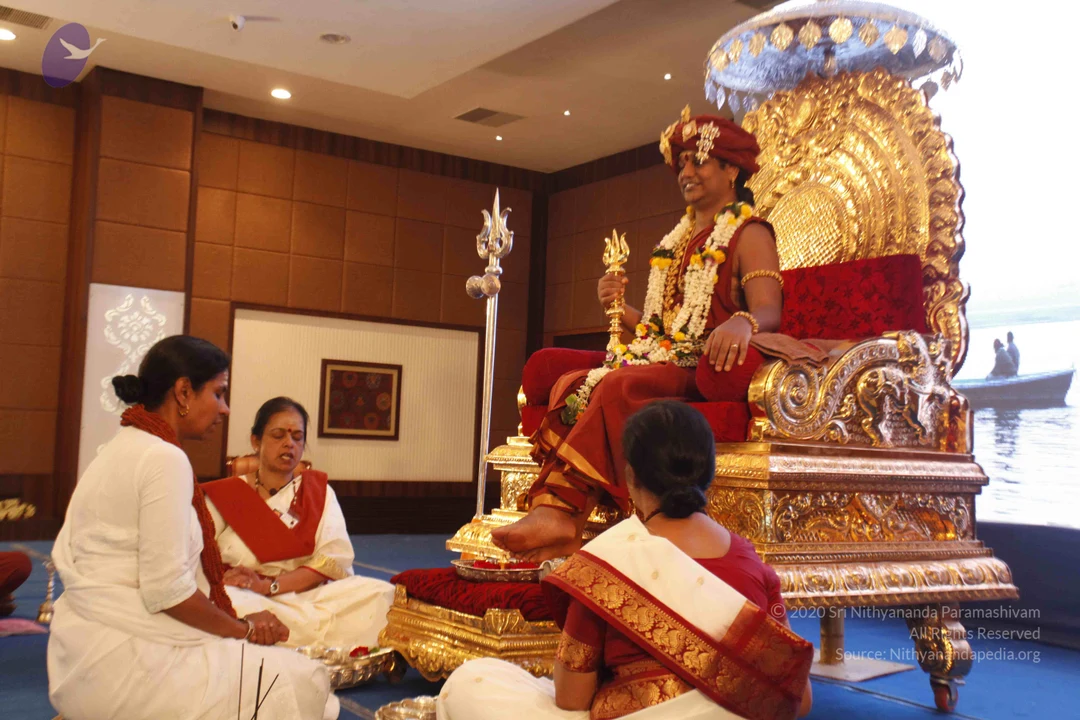
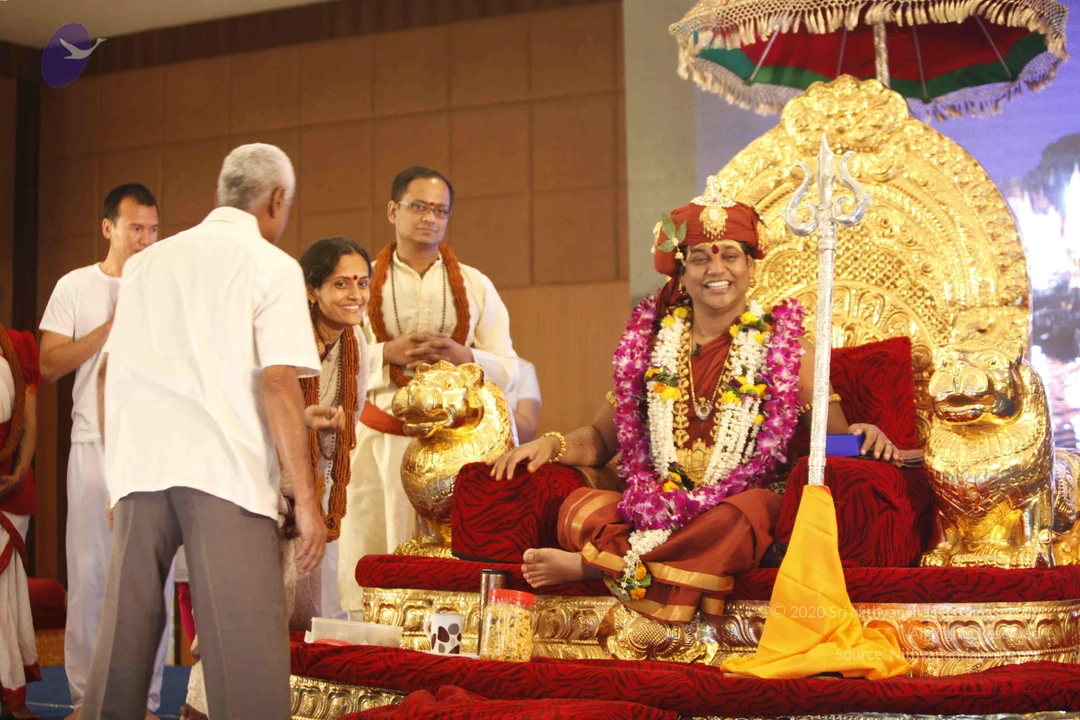
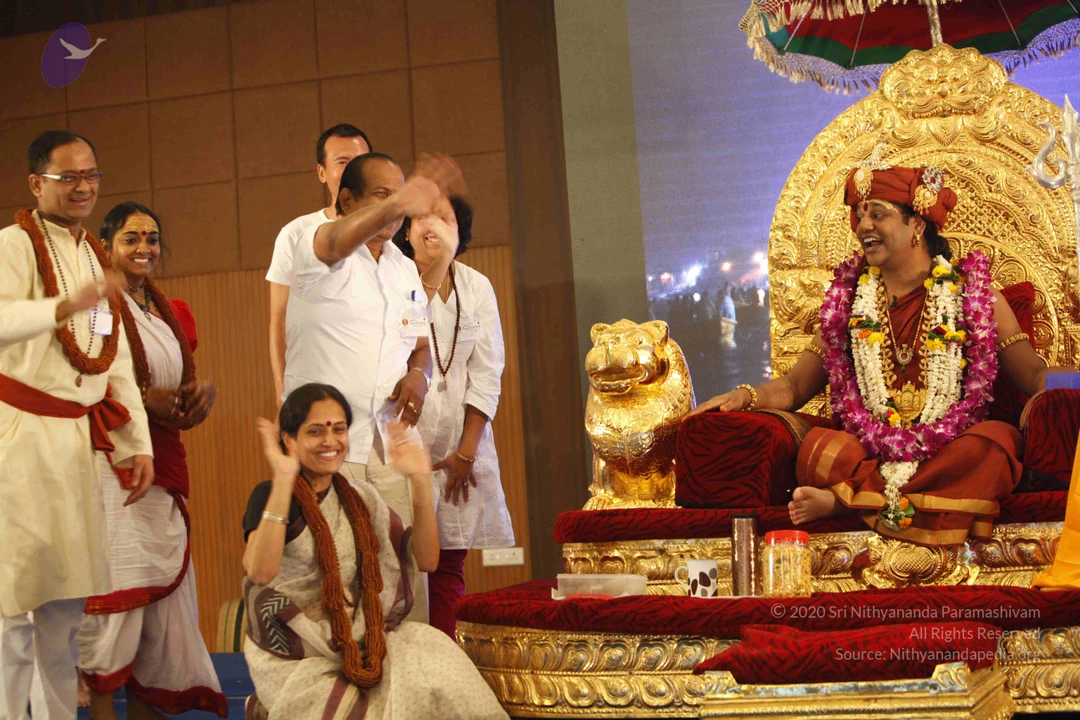
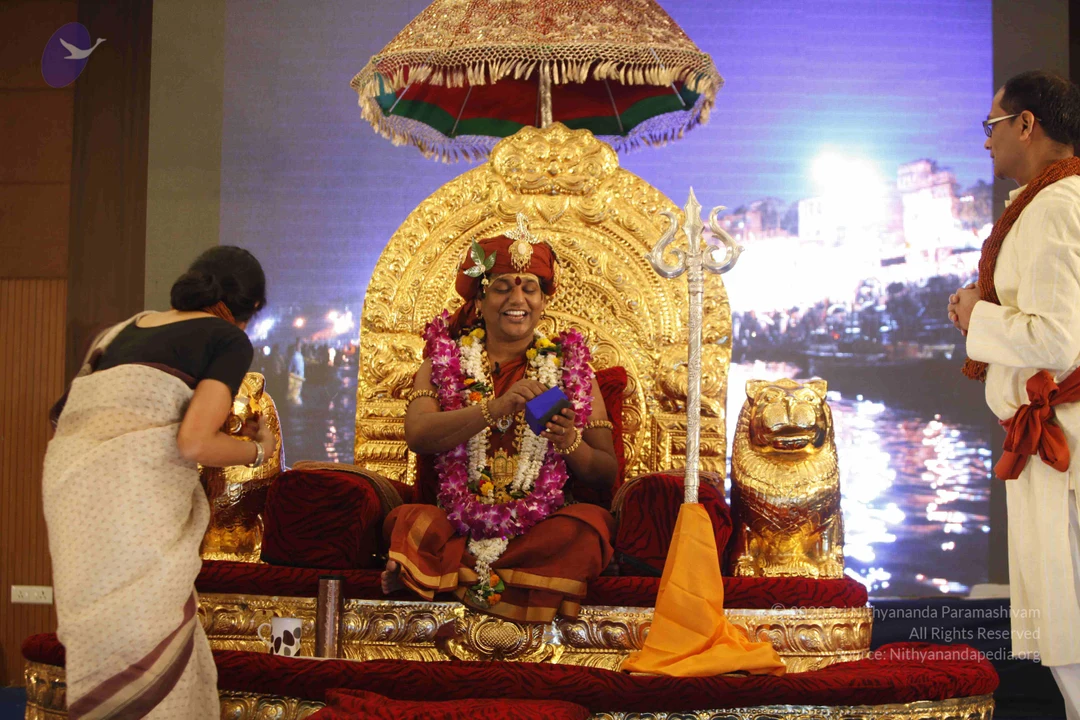
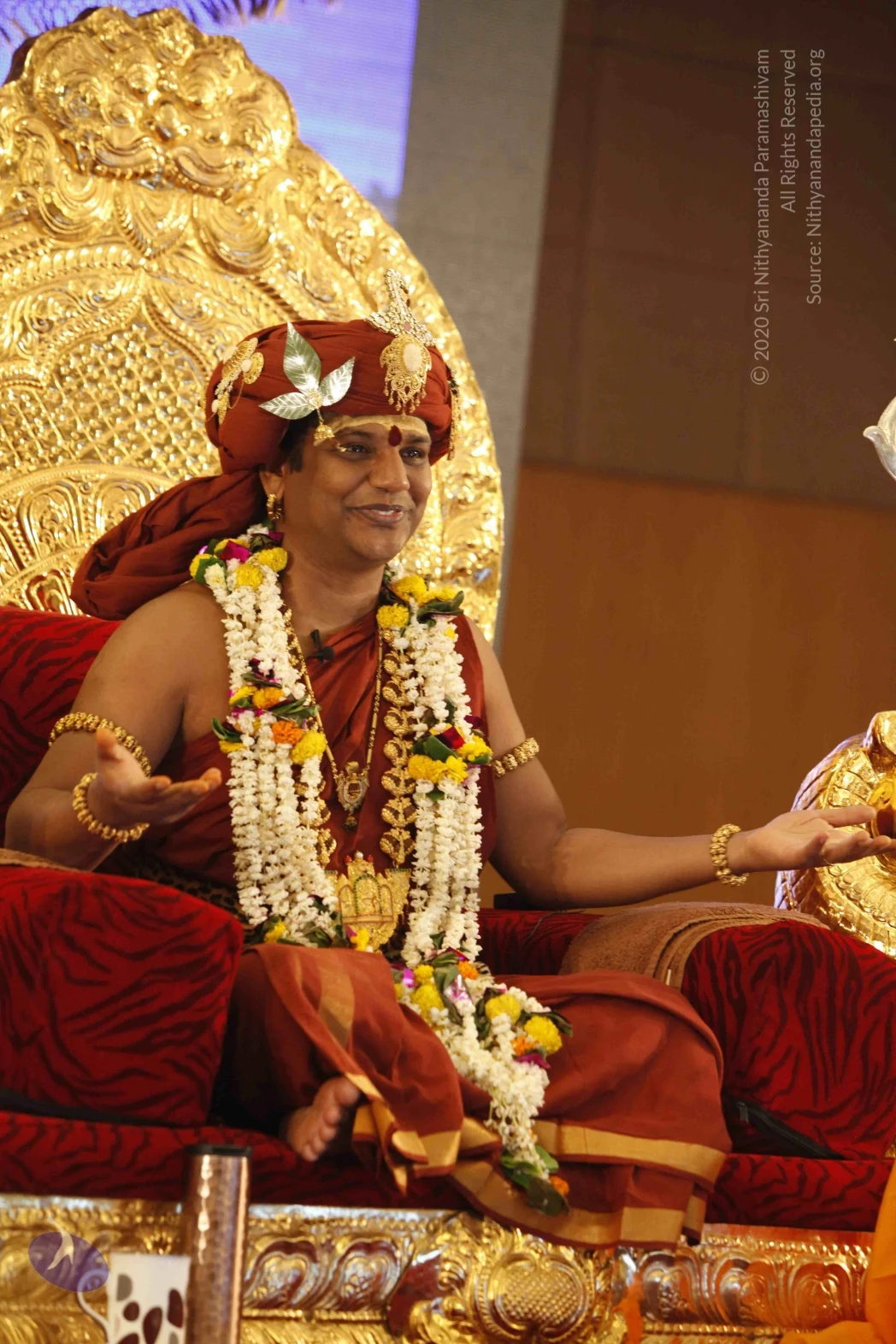
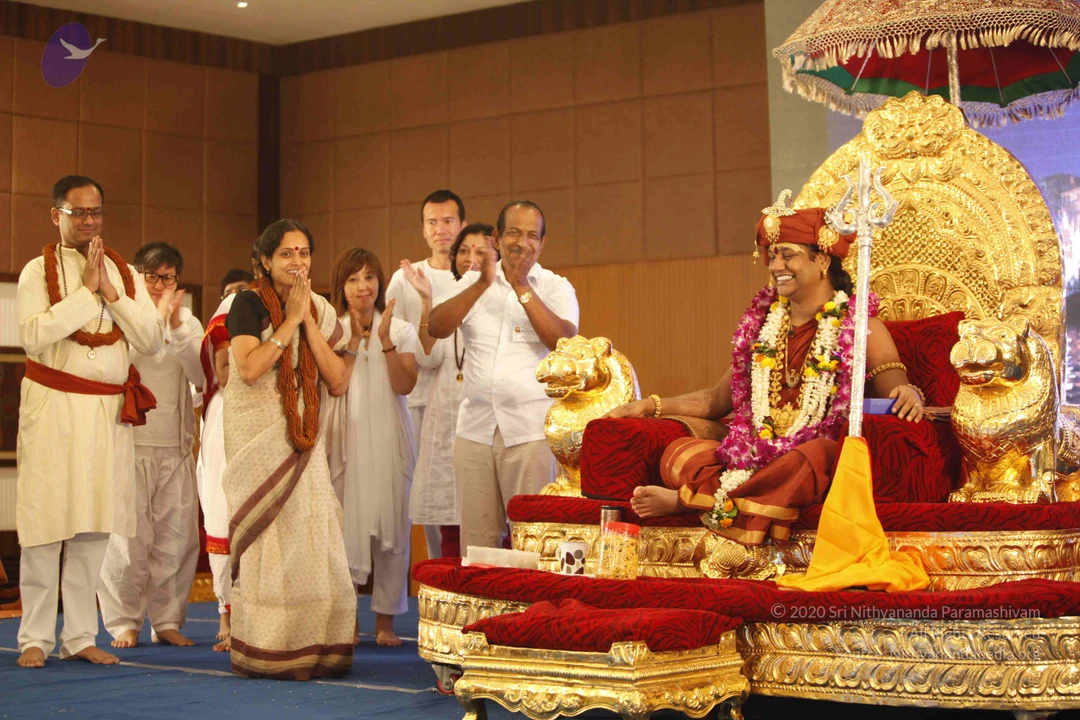
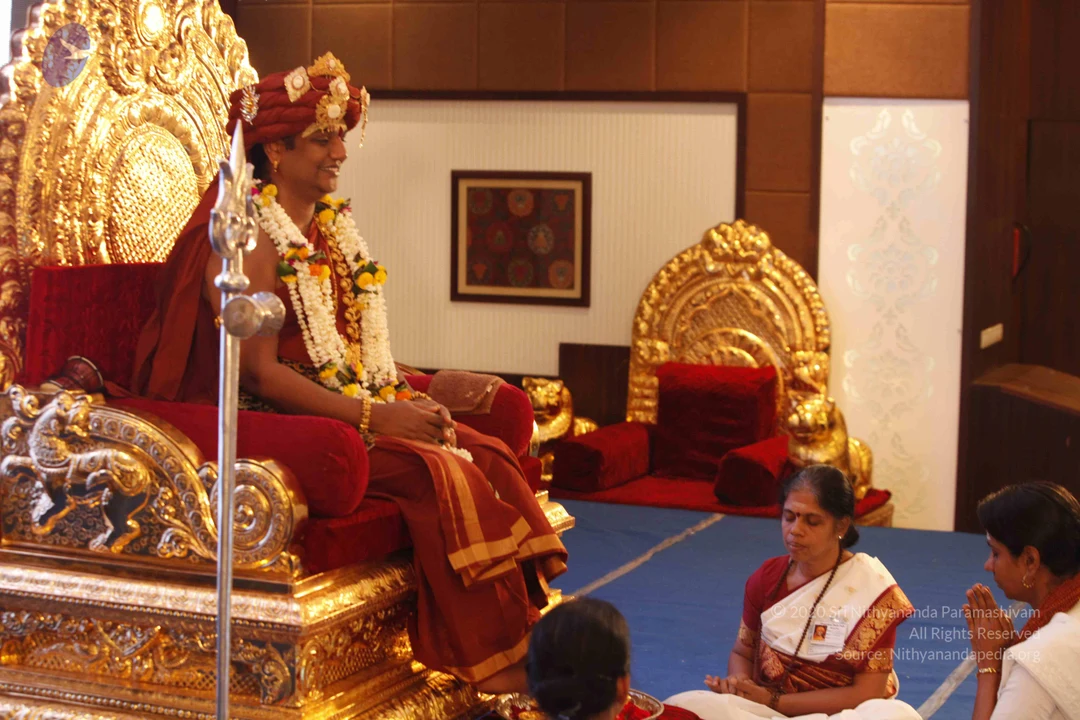
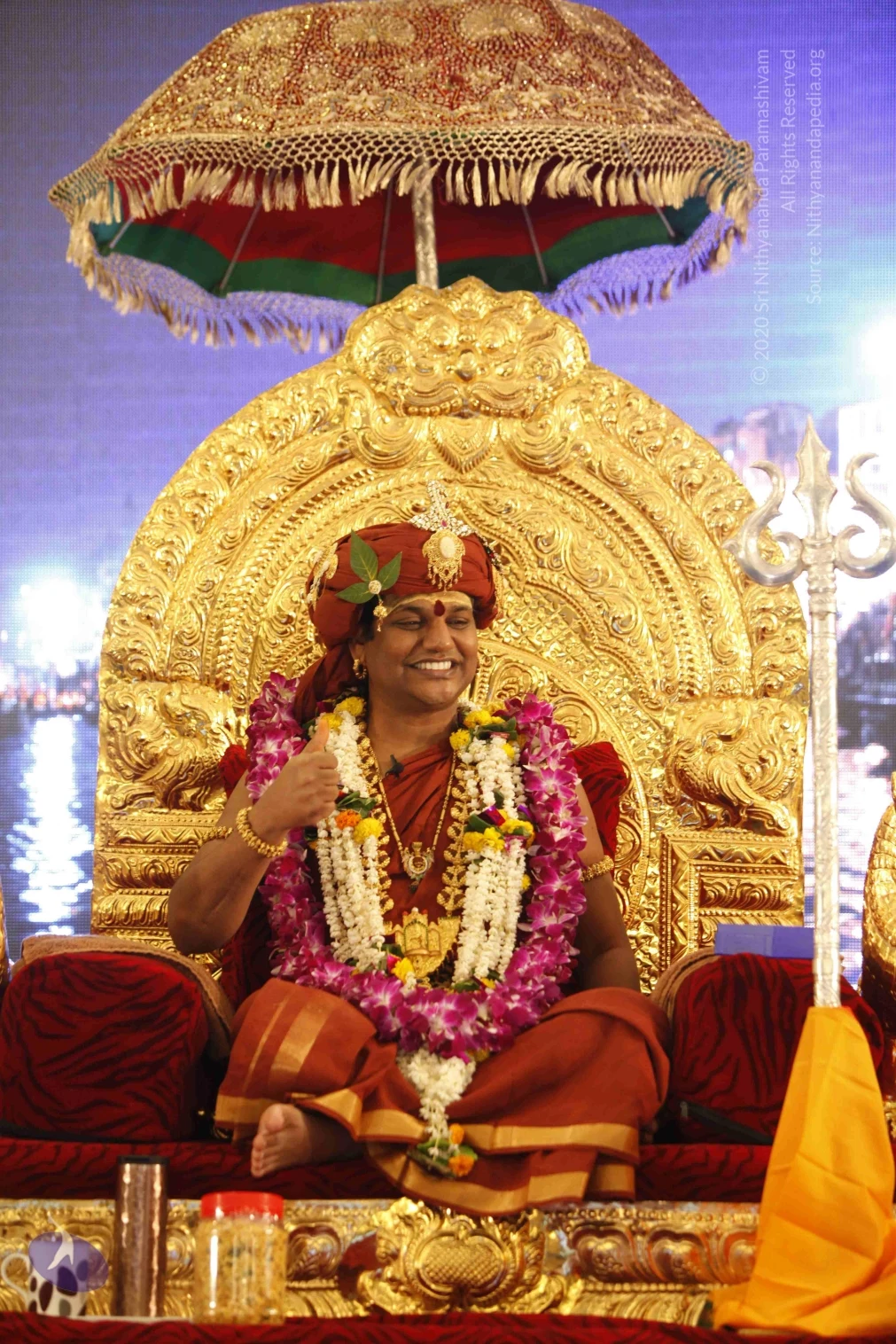
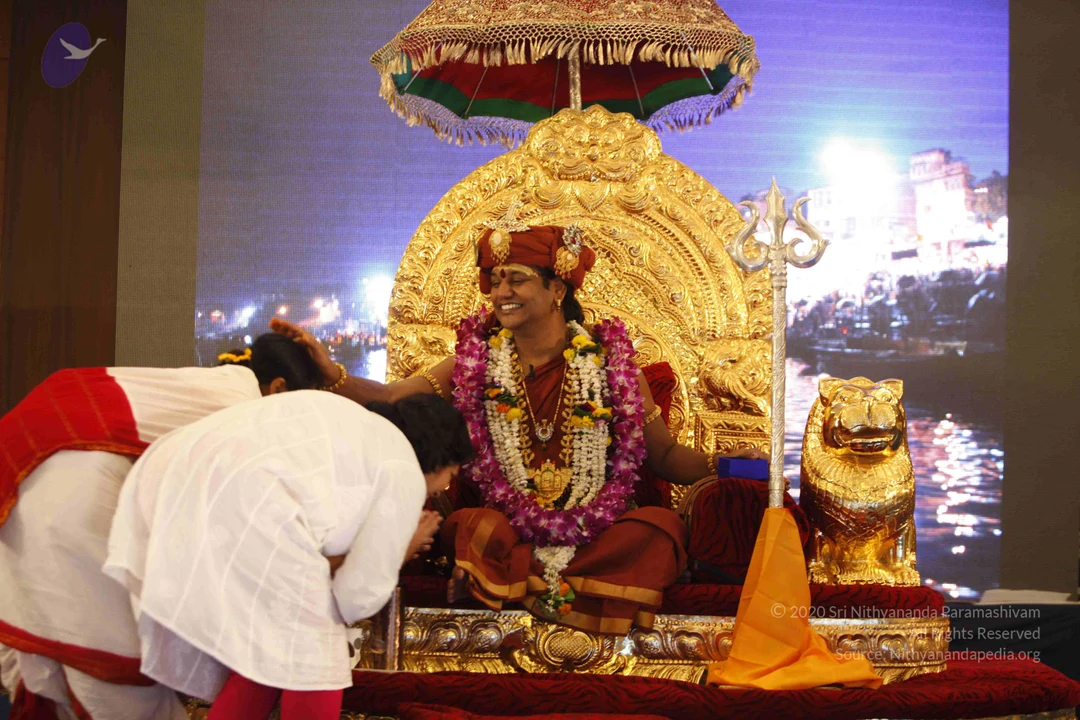
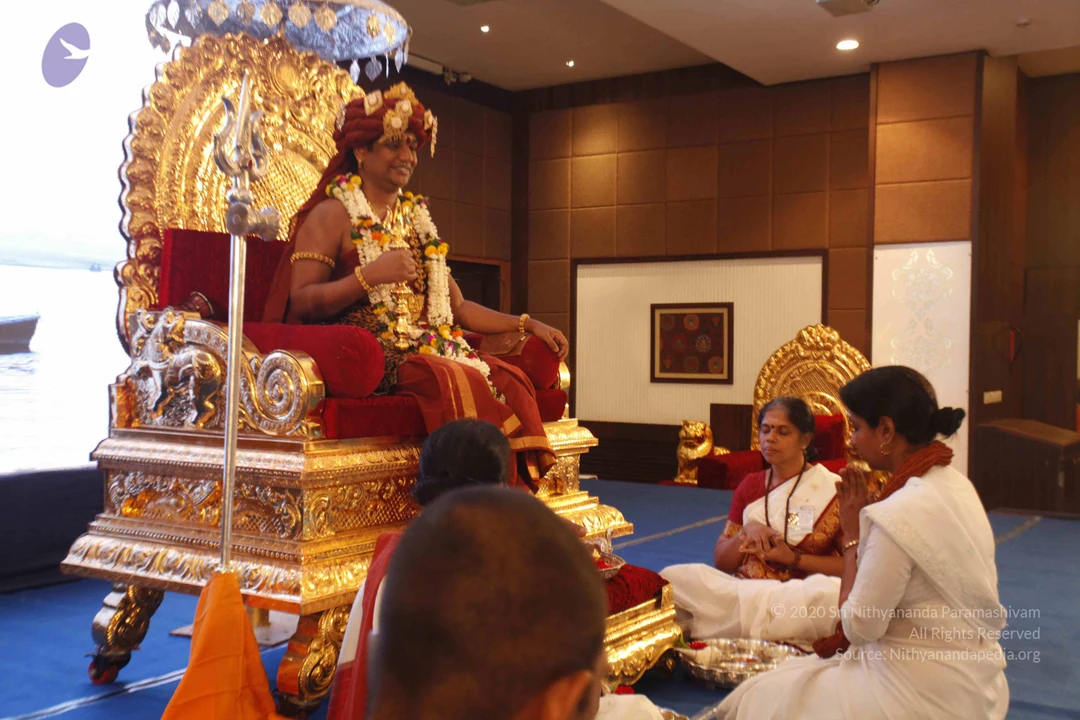
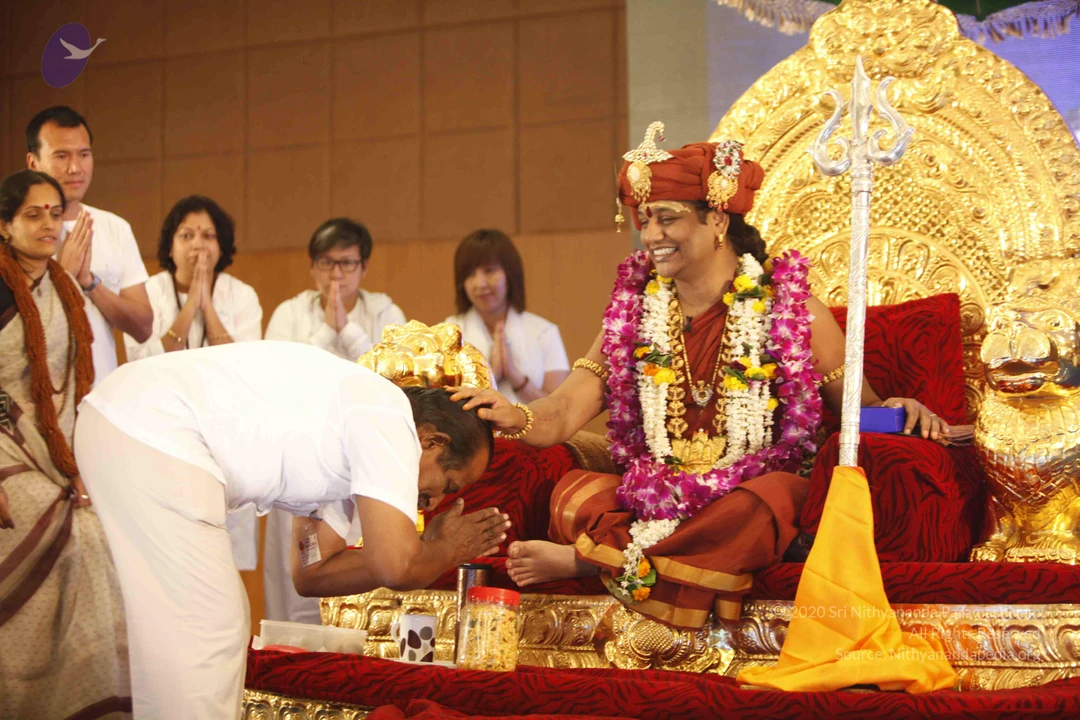
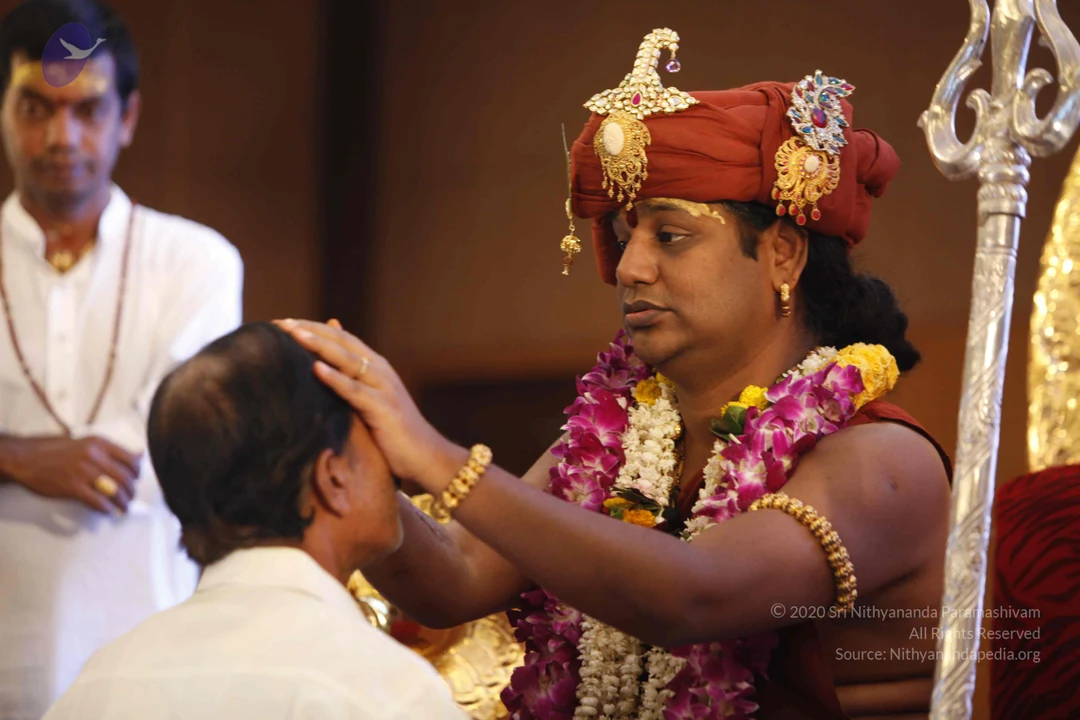
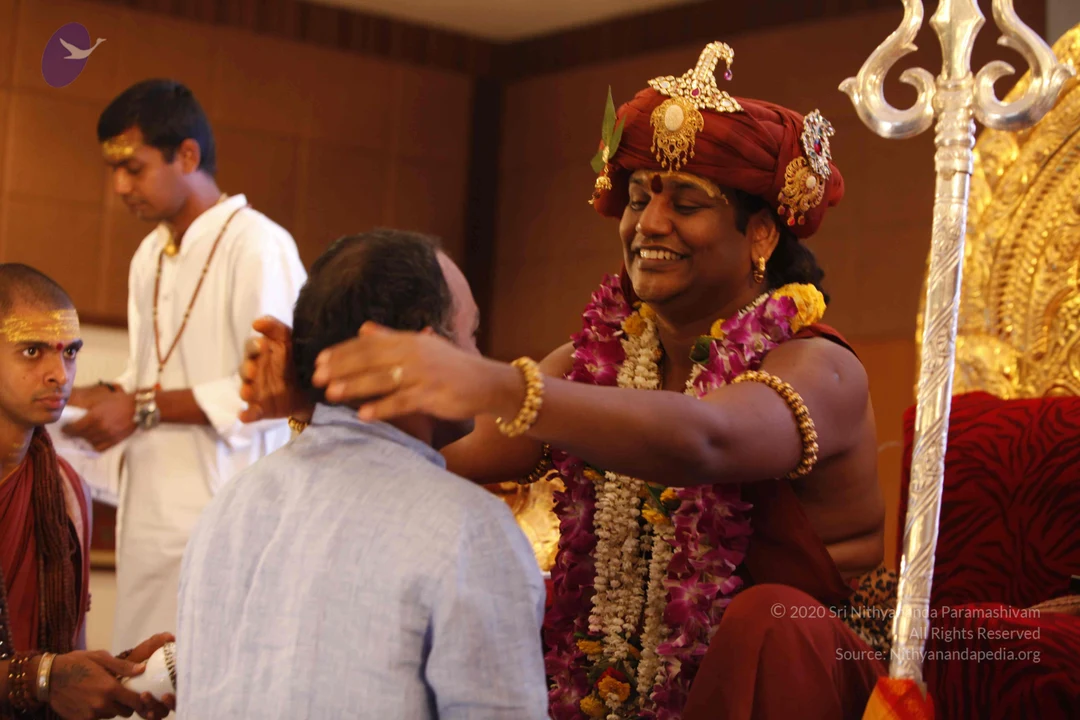
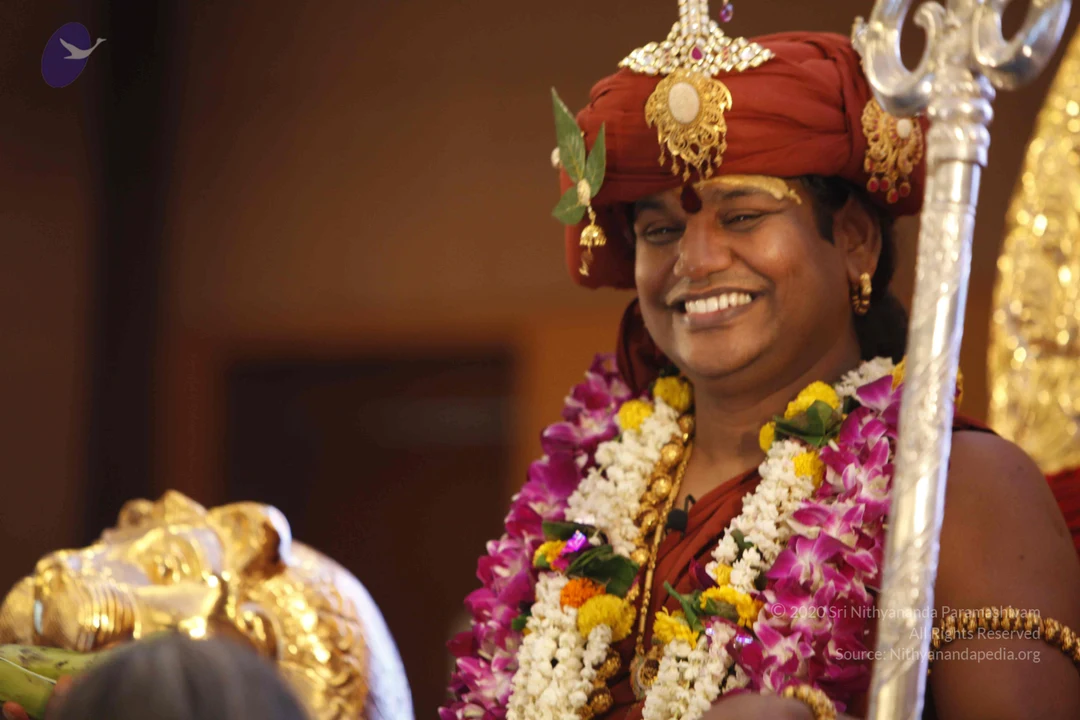
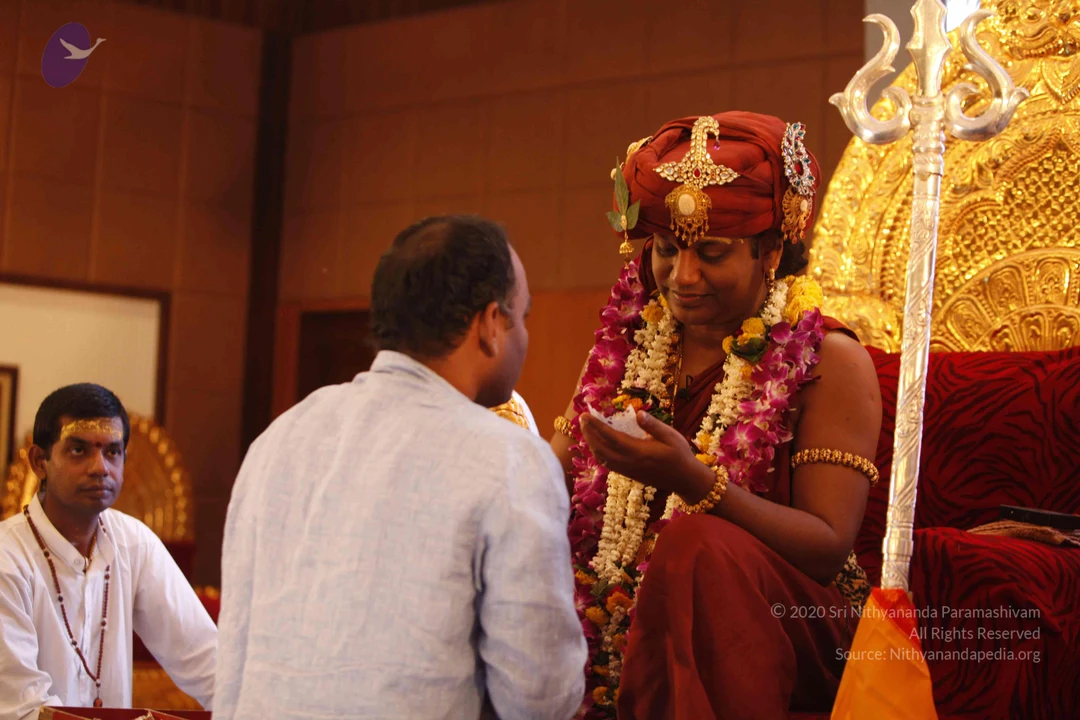
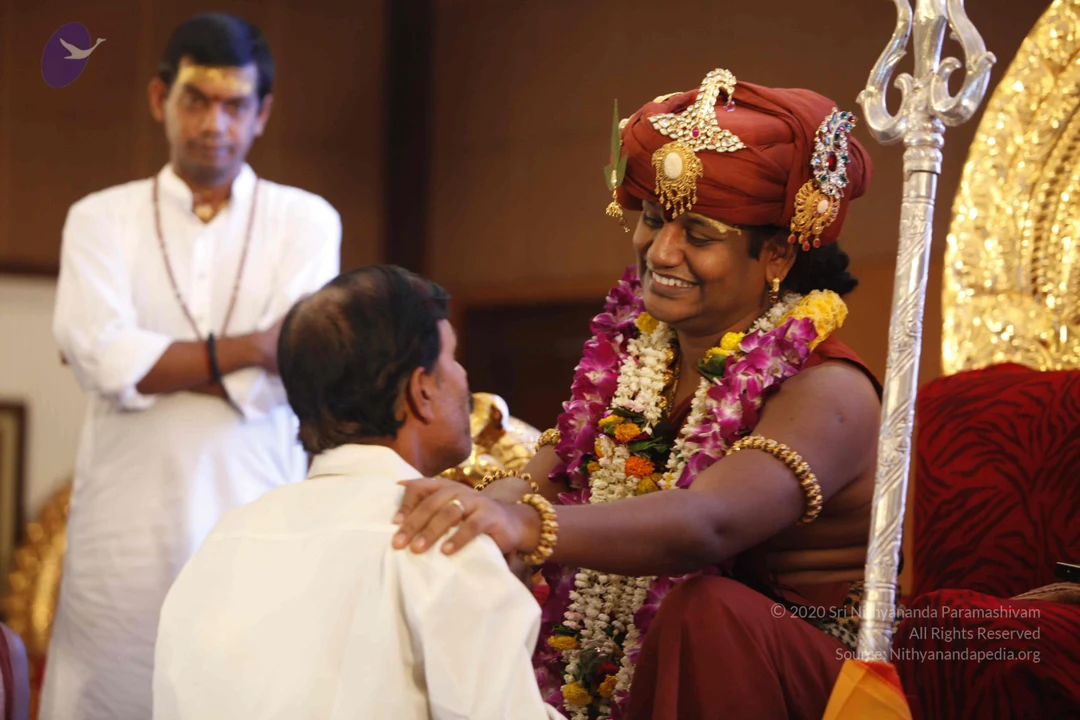
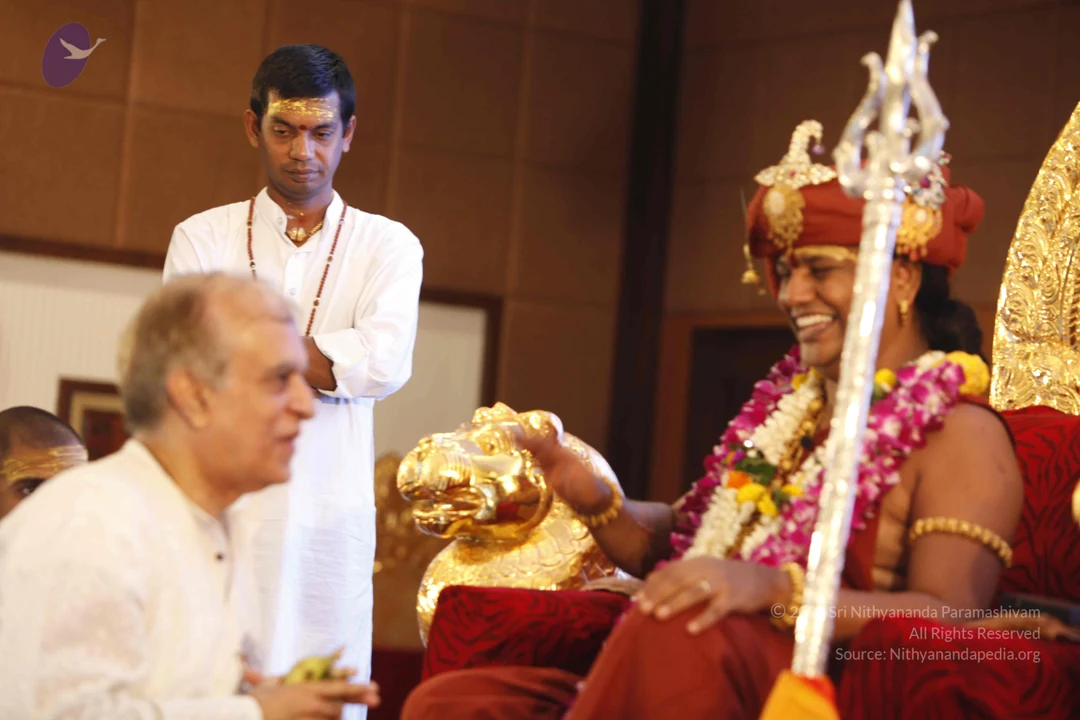
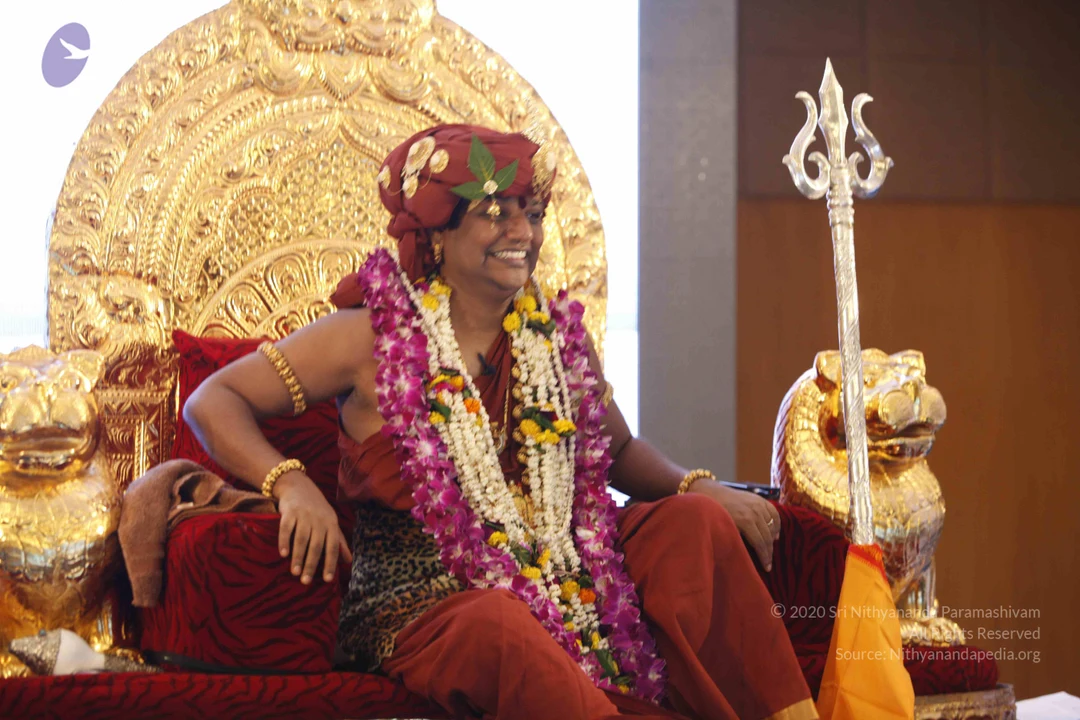
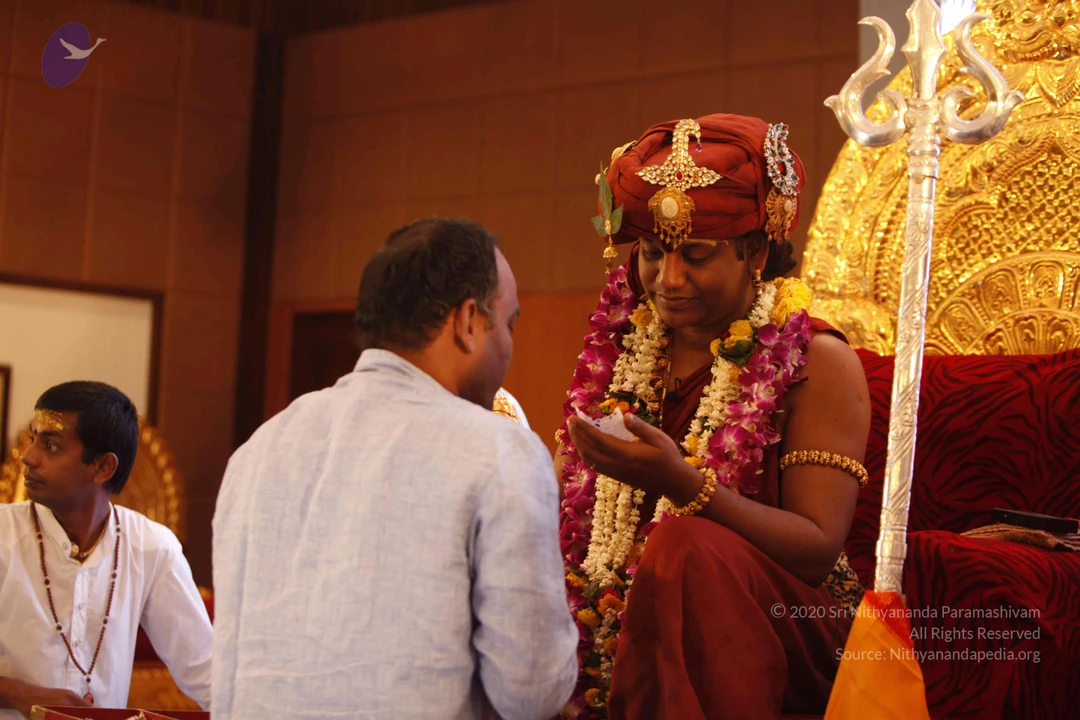
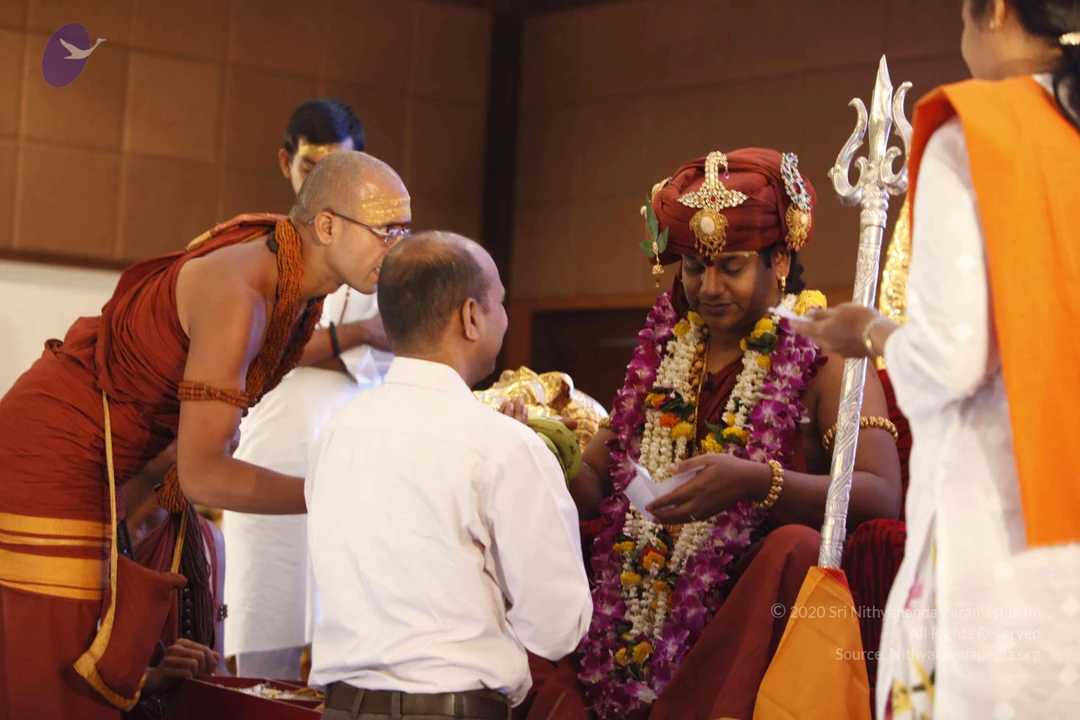
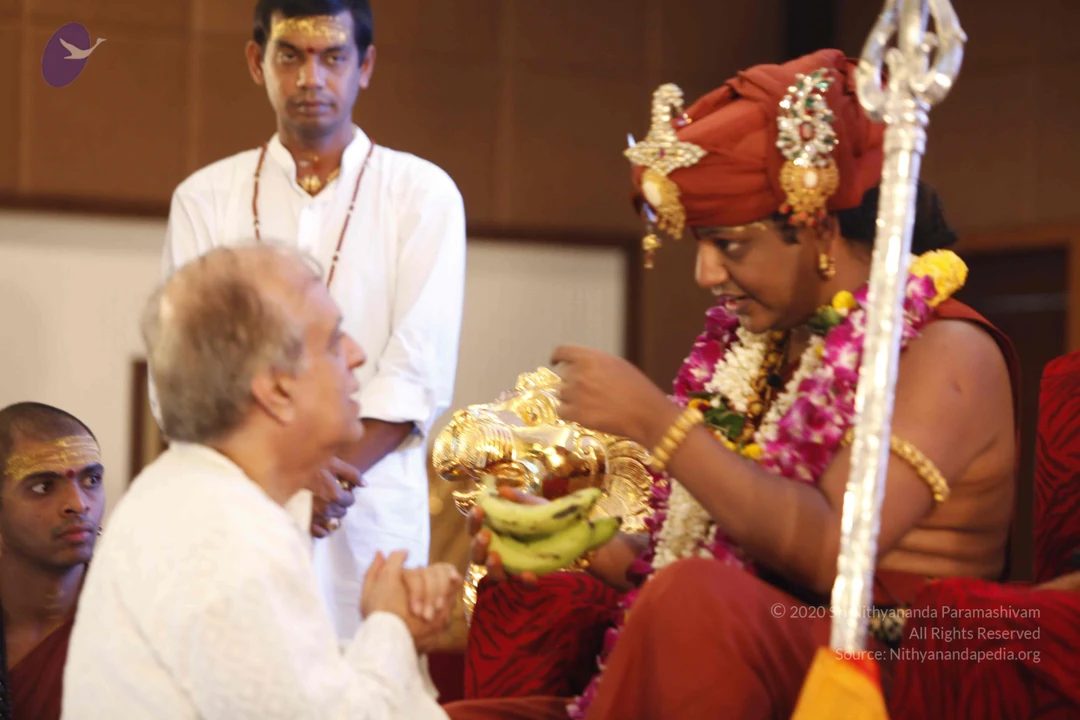
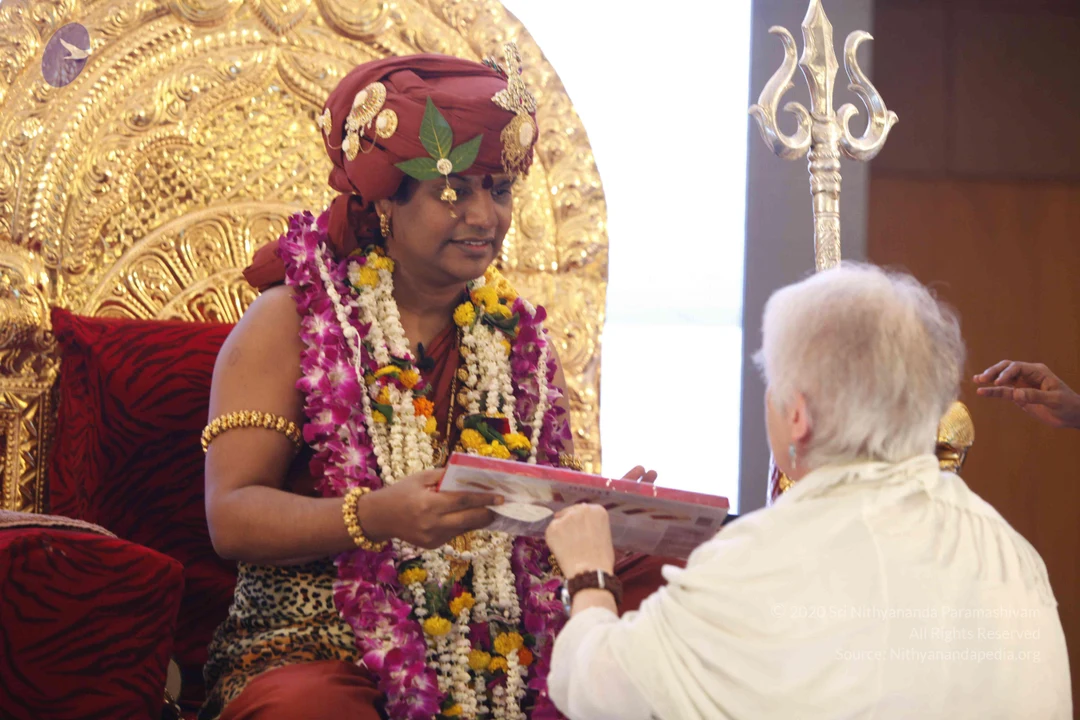
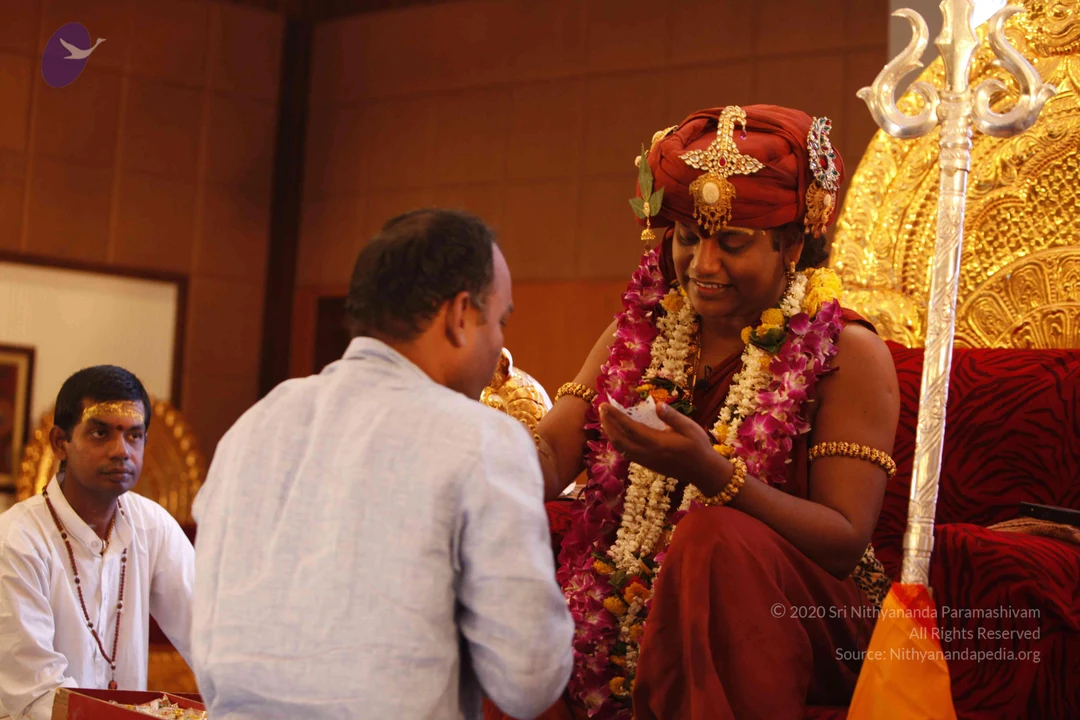
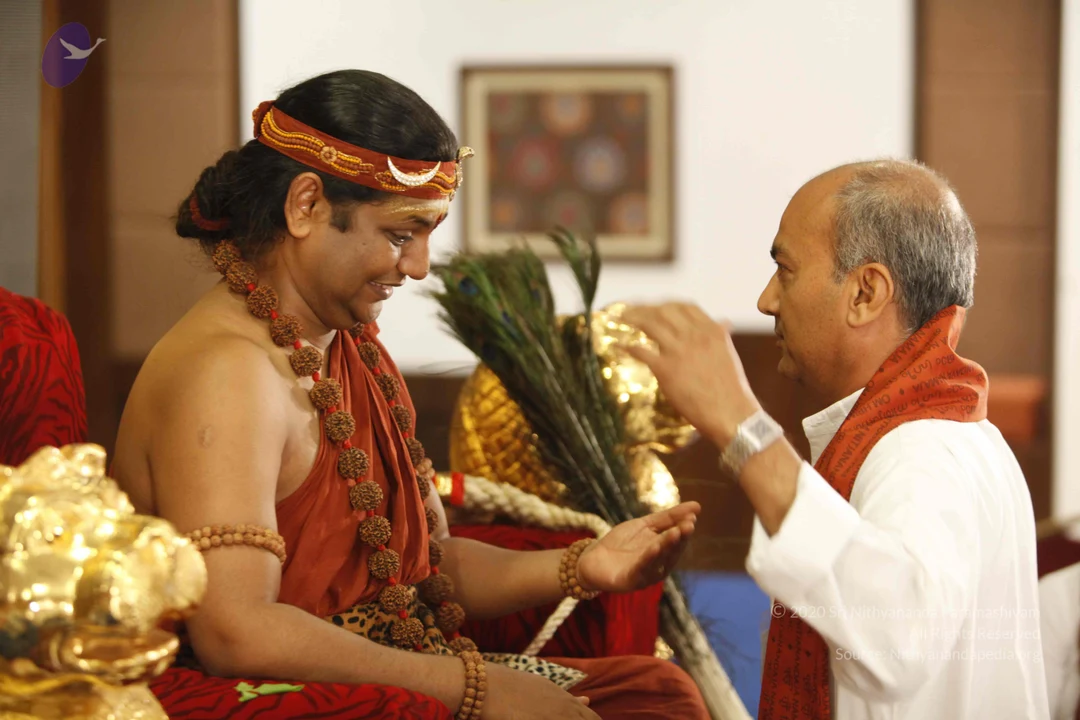
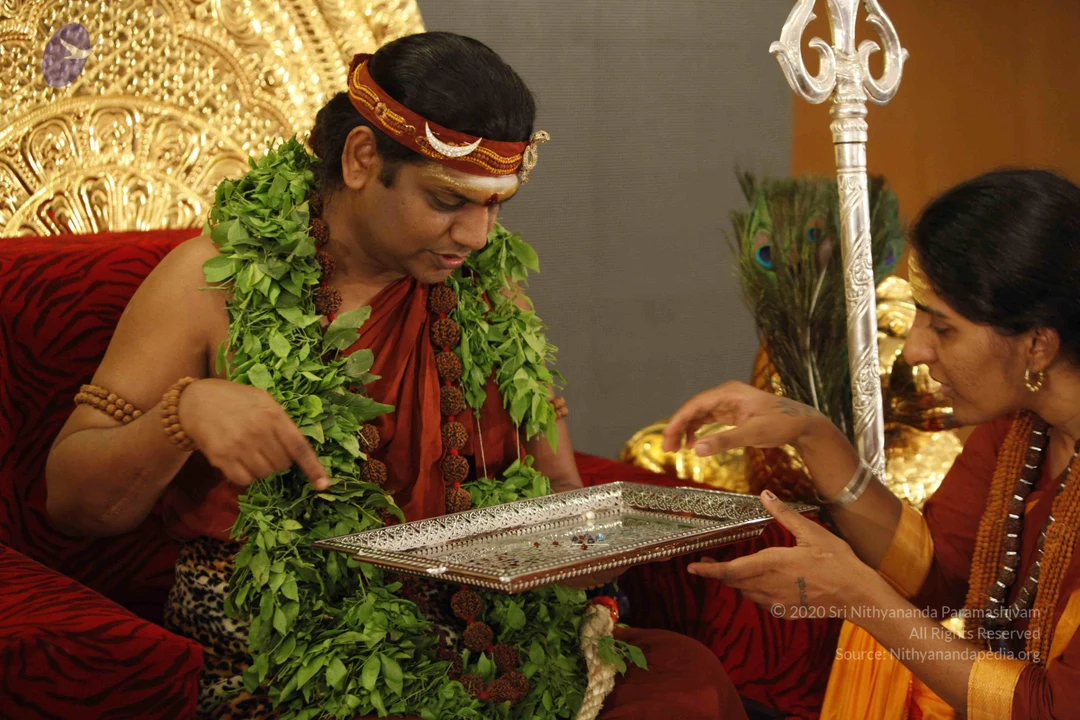
And second, I also inaugurate today the new Singapore Centre and Temple. Ma Jnanatma announces: The devotees of Singapore are now coming on the stage to offer the garland to Swamiji on the auspicious day of the inauguration of the new Singapore Centre. Swamiji: Blessings! Singapore is always one beautiful feather in my cap! HAHAHAHAHAHAHA! My blessings to the Singapore Centre! I accept the arathi and puja. So, through this, formally I inaugurate the Singapore new ashram and temple and centre. I also bless the nominated Member of Parliament, Shri Srinivas Rai gracing the occasion. Thank you for being here! I am happy to have you here in our Centre. And my blessings to all of you! It is so nice to have all of you! And, by this formal inauguration, I am throwing open the Singapore-Singapuram Nithyananda Vedic Temple, Ashram, Centre, to the people of Singapore. My blessings! As my gift to Singapore, I will be sending all the deities Nithyanandeshwara, Nithyanandeshwari, and Nithyananda and this turban which I am wearing today, as a gift to the Singapore ashram! Blessings! I also accept what you gave. And I also want to take this moment to thank our Mahants, Shrimahants, Thanedars, Kotharis, devotees, disciples, everyone for holding the Singapore Sangha together and making this new temple happen. Thank you! Thank you Singapore devotees!
Thank you Singapore Sangha! I know the terrorist attack Singapore Sangha suffered. The traitors are the worst terrorists! I call Singapore Sangha suffered. But the Singapore Sangha was courageous; they stood, and literally they revived themselves....just like Nithyananda! Stood true to the Nithyananda Sampradaya and Nithyananda Sangha, Nithyananda tradition. Thank you guys for this beautiful ashram-cum-temple-cum-centre and everything! Thank you! Blessings! And the deities are ready. You can ship it any moment you want. Any moment you want, you can take it. And the turban you can take it today after the Satsangh! HAHAHAHAHA! And, as part of the Ashramites Day, a few of our ashramites are offering....some of the ashramites in Singapore are offering a garland. I accept the garland and puja. Blessings! Blessings! Prema Tirtha, Ananda Sharva, and everyone! I know I can literally tell everyones name, and please think as if I have uttered everyones name. Especially women! If I forget womens name, that is all! I sincerely thank all of you, especially Kim for your scholarships for so many lives, for making Inner Awakening possible for them. Now I commit with you, all the merit they earn goes to you for making Inner Awakening possible for so many of them! My blessings! And, last but not the least, very, very, very, very important! Today, the Meenakshi Brahmotsavam starts!
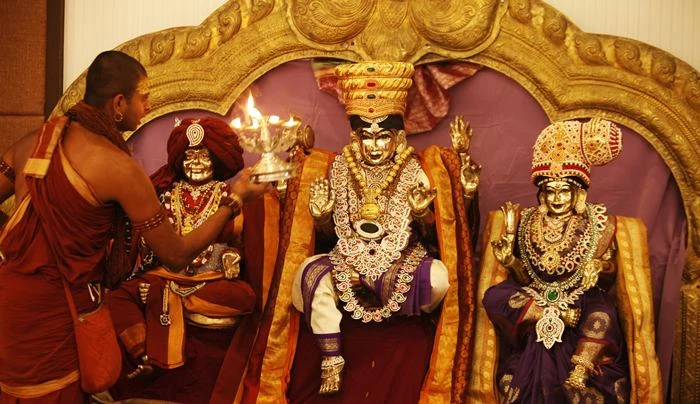
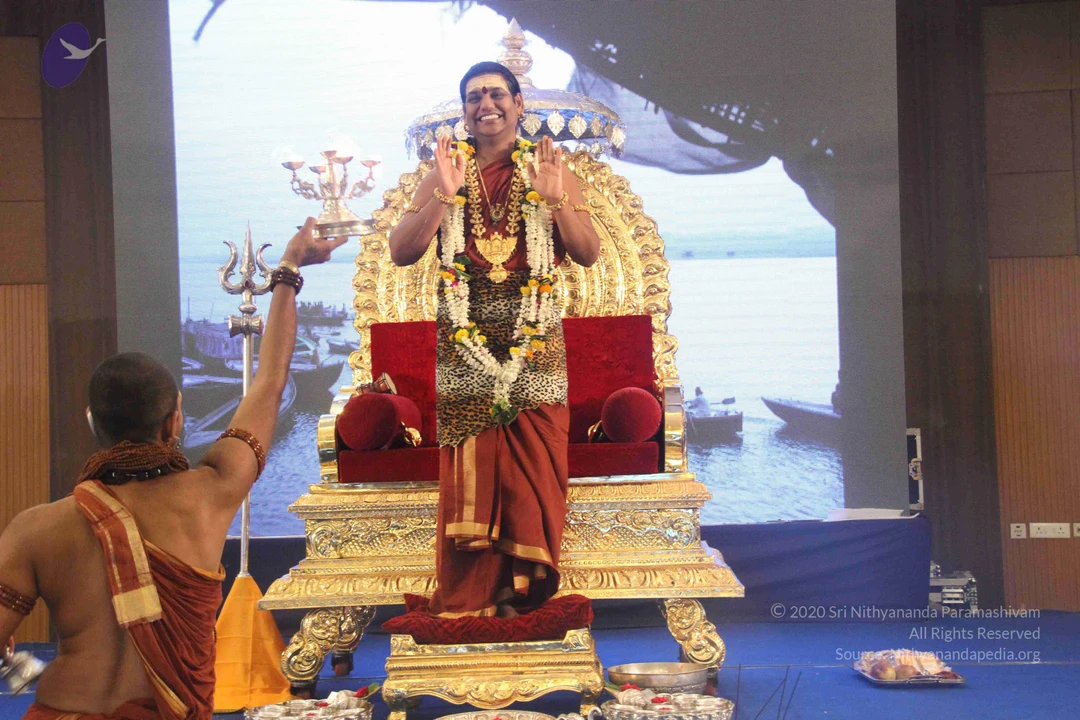
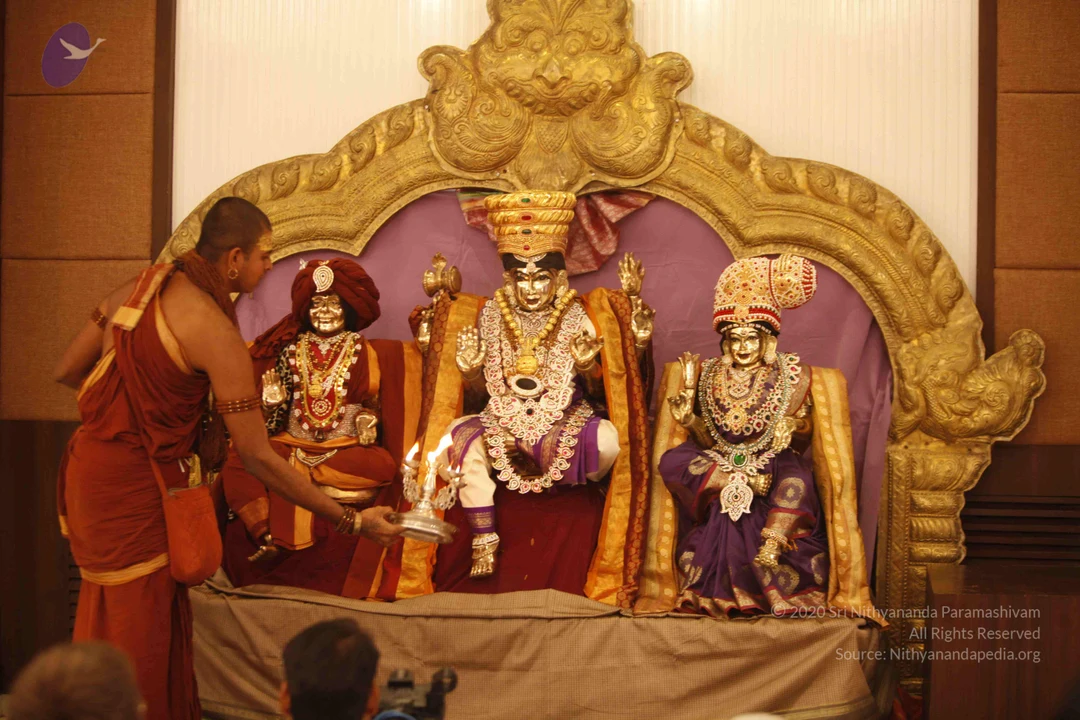
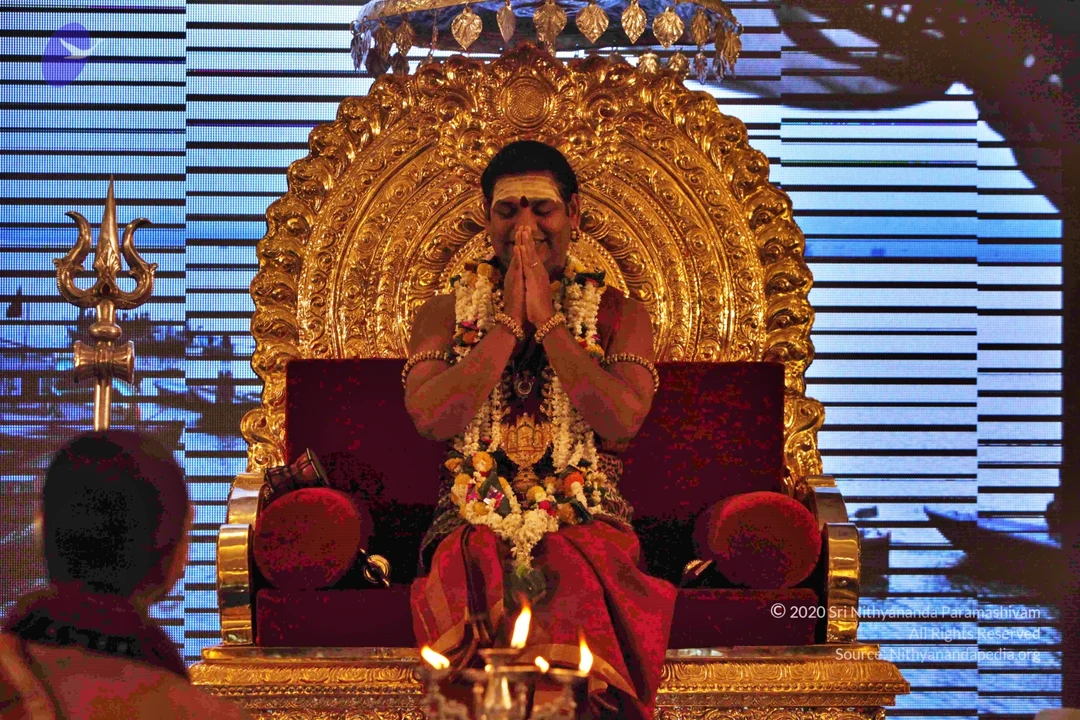
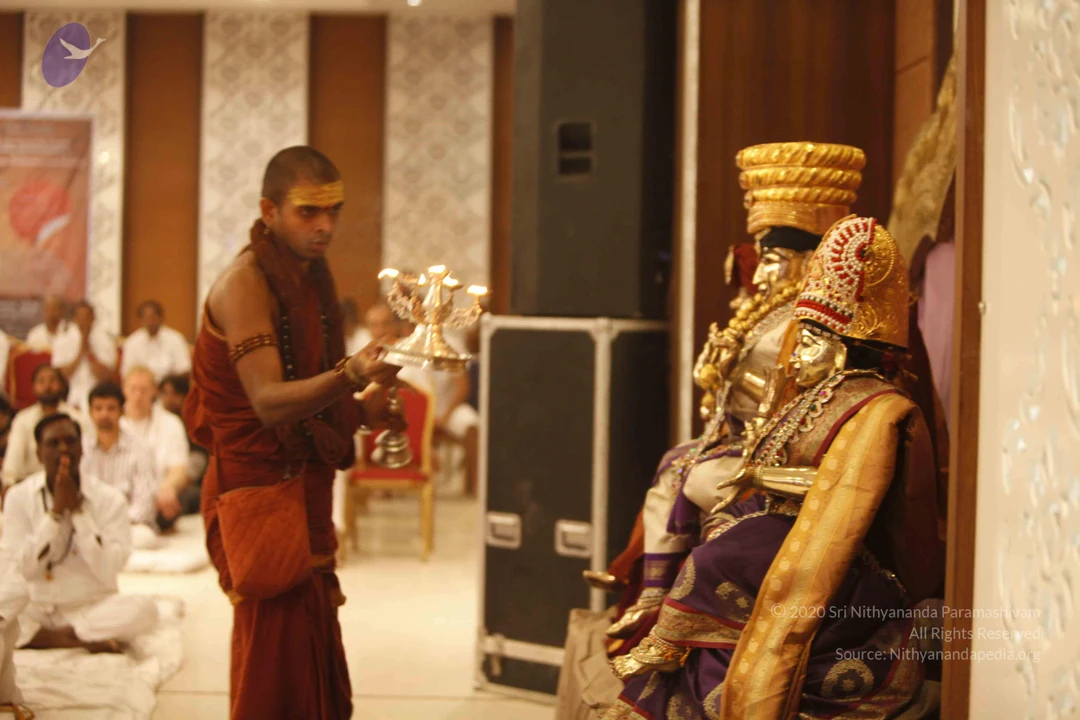
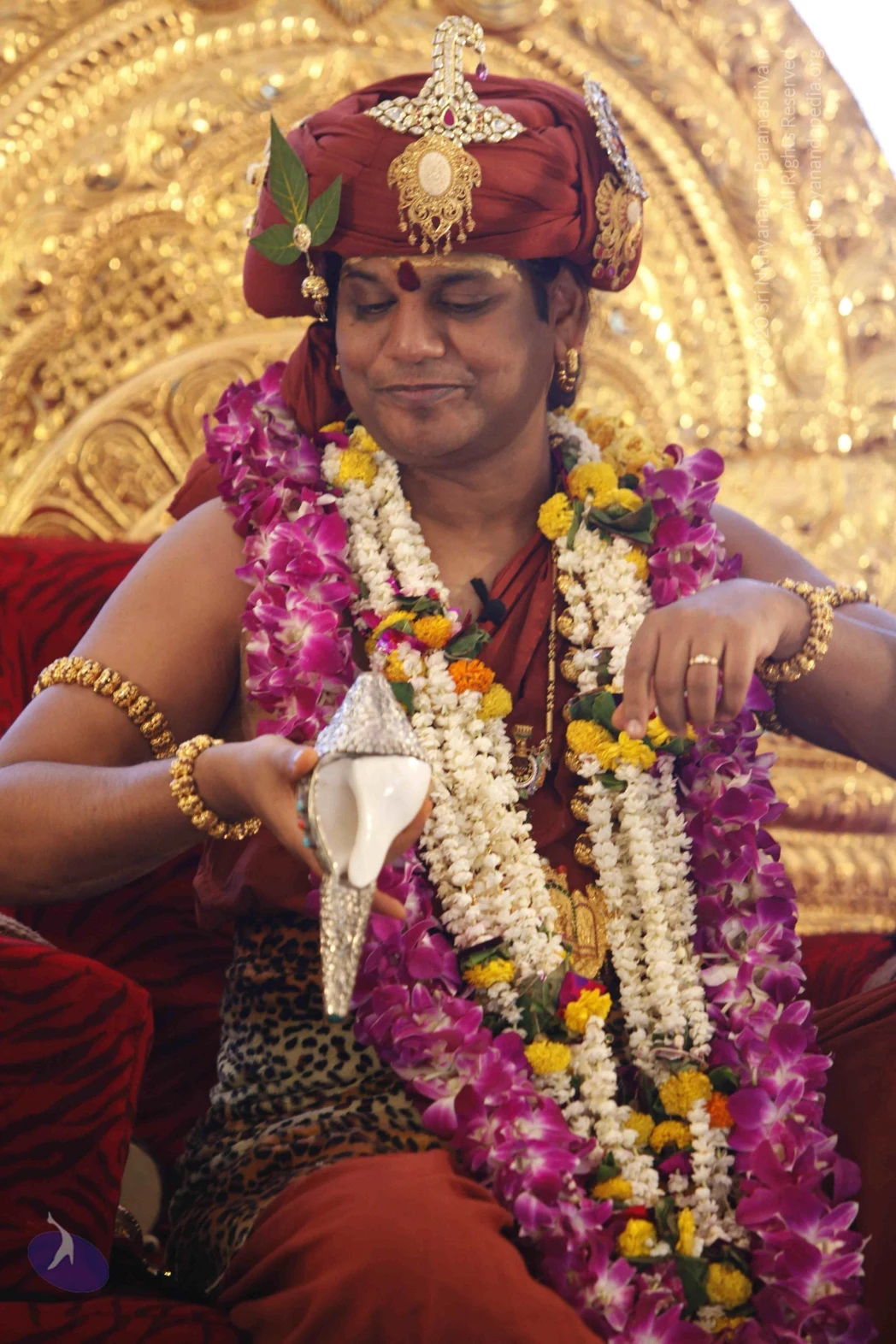
So, now, by offering arathi to Meenakshi and Sundareshwara, Nithyanandeshwara and Nithyanandeshwari and Nithyananda deities..... Today, 10:30 to 11 am, in our Bidadi Ashram, formal Dwajaarohanam in Bidadi Ashram and San Jose-Madurai, formal Dwarjaarohanam and Brahmotsavam will start. Now by formally offering this arathi, officially I inaugurate Meenakshis Chittirai Brahmotsavam! We will be celebrating Brahmotsavam here also formally. Through this arathi, formally I inaugurate Meenakshis Chittirai Brahmotsavam celebrations all over the world in all our ashrams, centres, and temples! Now the traditional rituals can start in Bidadi, San Jose, in all our Devi temples. So, we will be celebrating the Meenakshi Brahmotsavam here also in Varanasi. That is why the deties here. We will have the celebrations continuously for the next fifteen days. It is a fifteen-day Brahmotsavam! So, we will be celebrating from today. Just like Madurai! Twelve days for Mahadeva, three days for Vishnu. It is a fifteen-day Brahmotsavam.
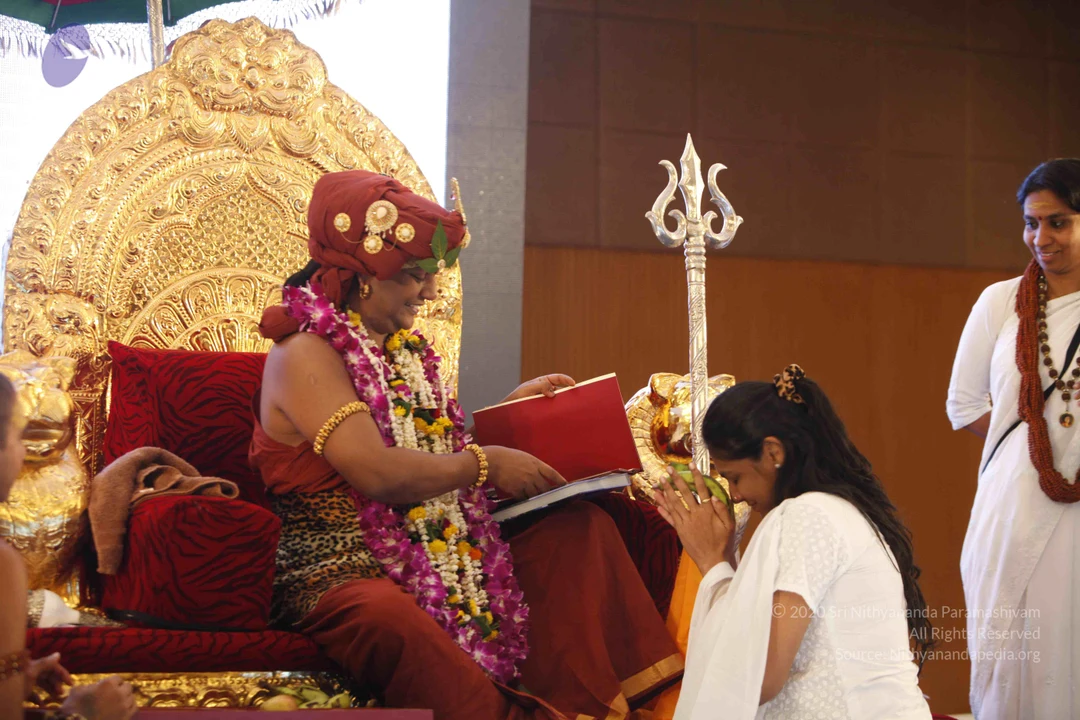
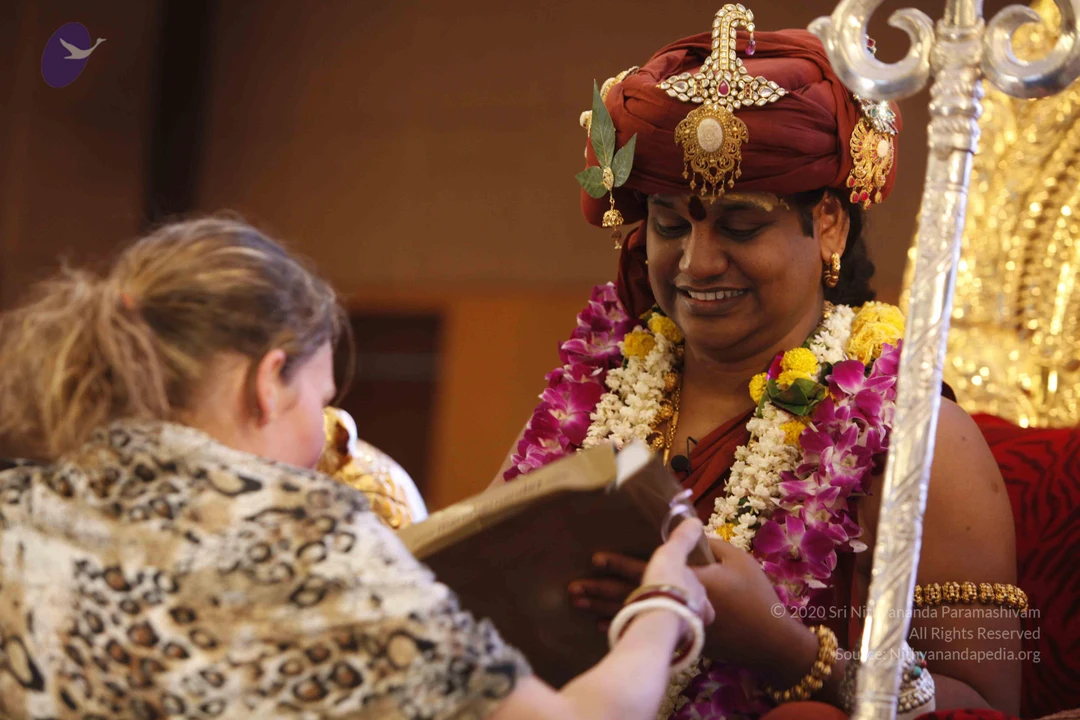
I also would like to inaugurate and release the book, this is the offering from Publications Department as a mark of Ashramites Day. The Essence of Living Enlightenment in Spanish. Thank you Publications Department! Thank you for this offering to the world, the flip book on Essence of Living Enlightenment in Spanish. Thank you! My blessings! Whoever reads this, let them experience living enlightenment! My blessings! So, thank you all for being here! The essence of todays satsangh: Thank you all for being here! Thank you all ashramites on this auspicious Ashramites Day! Understand, the best revenge is: Rebuild! I dont have the time to hate the people who hate me, because I am too busy in loving the people who love me! I dont have time to hate the people who hate me, because I am too busy in loving the people who love me! The best revenge is: Rebuild! We did it! O, my dear ashramites, we did it! And, thank you Singapore Sangha! Sentimentally inaugurating your new ashram, new campus today. My blessings! Get ready for a spiritual blast! I know, the spiritual blast has started yesterday itself with the formal Kashi Yatra. Yesterday itself we had a formal Kashi Yatra!
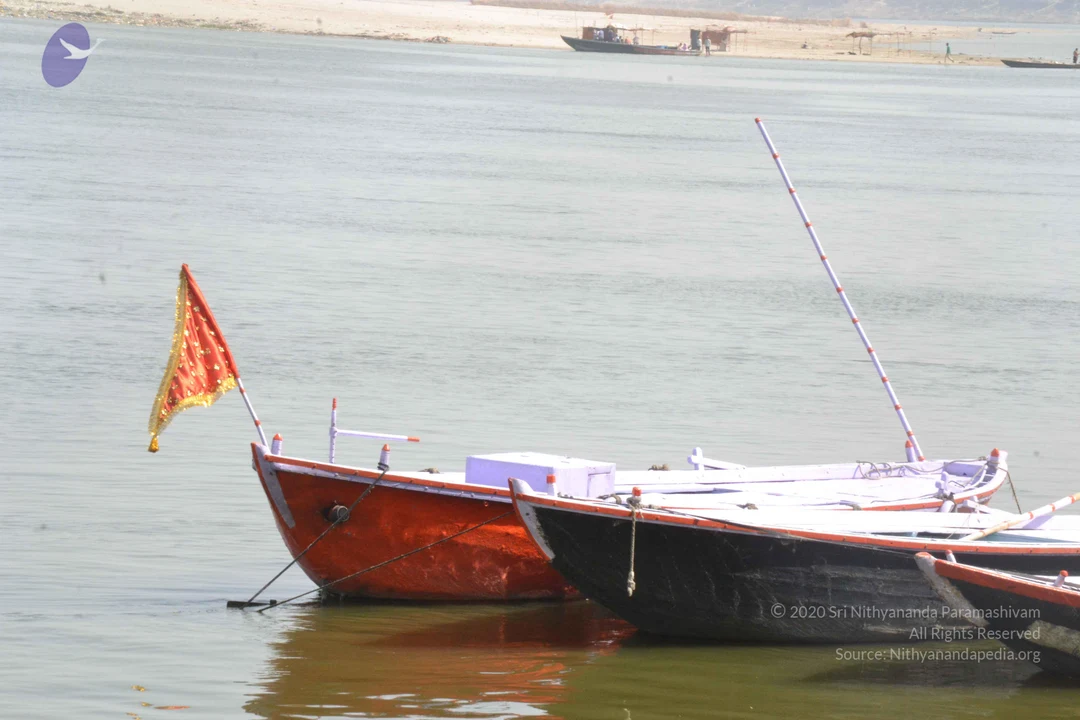
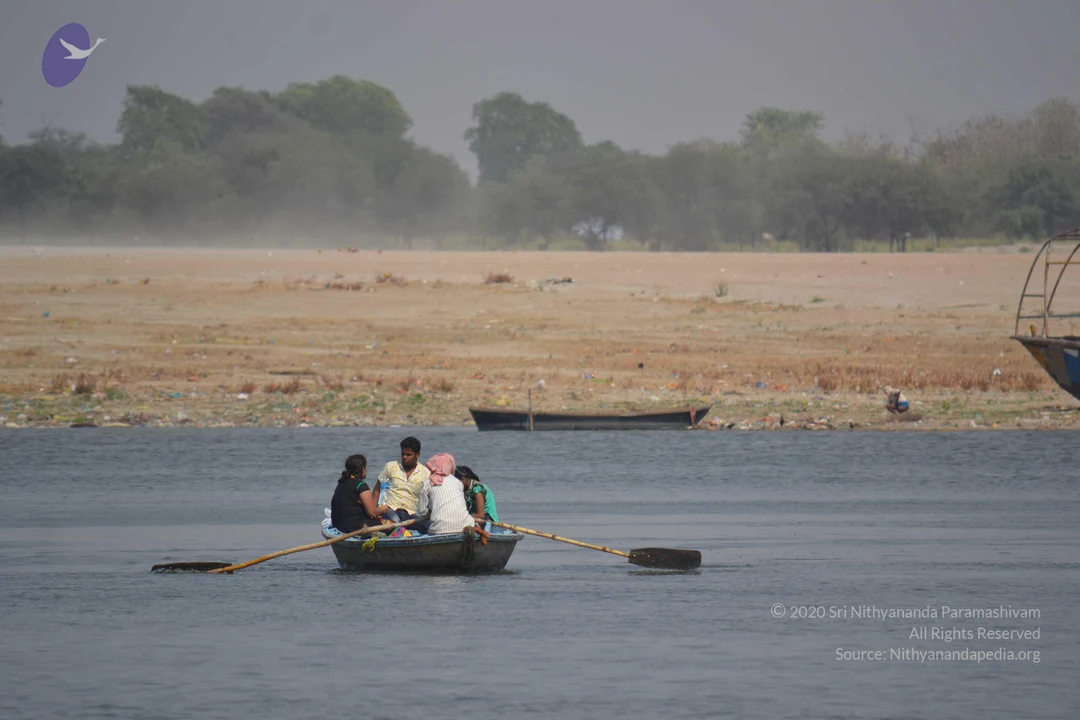
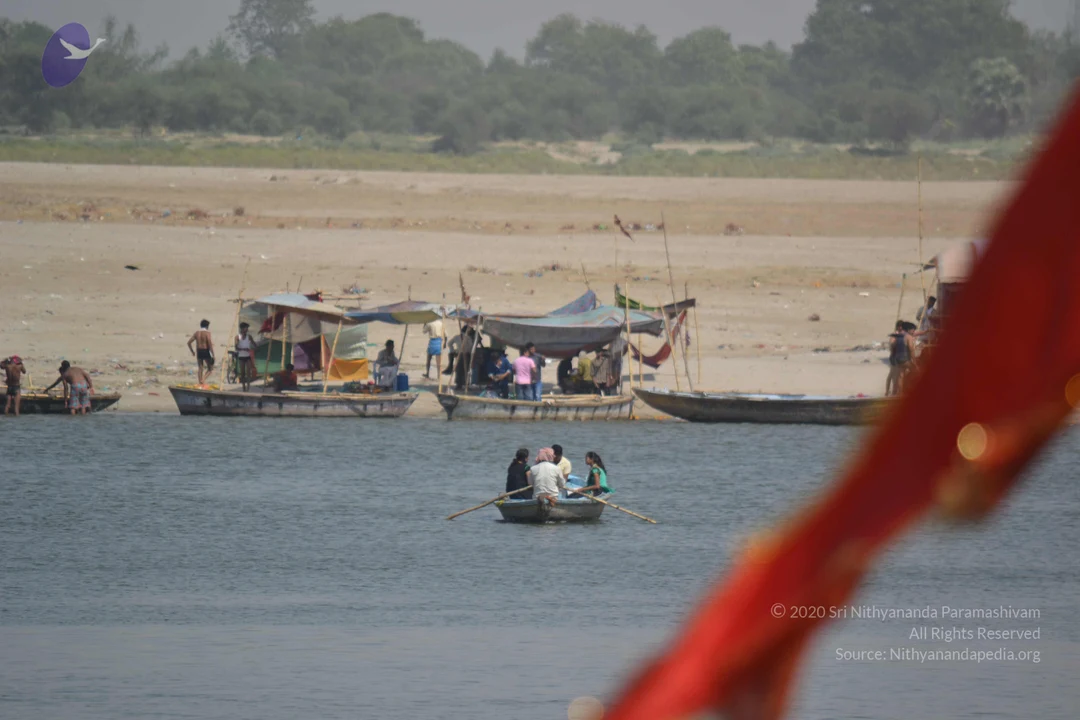
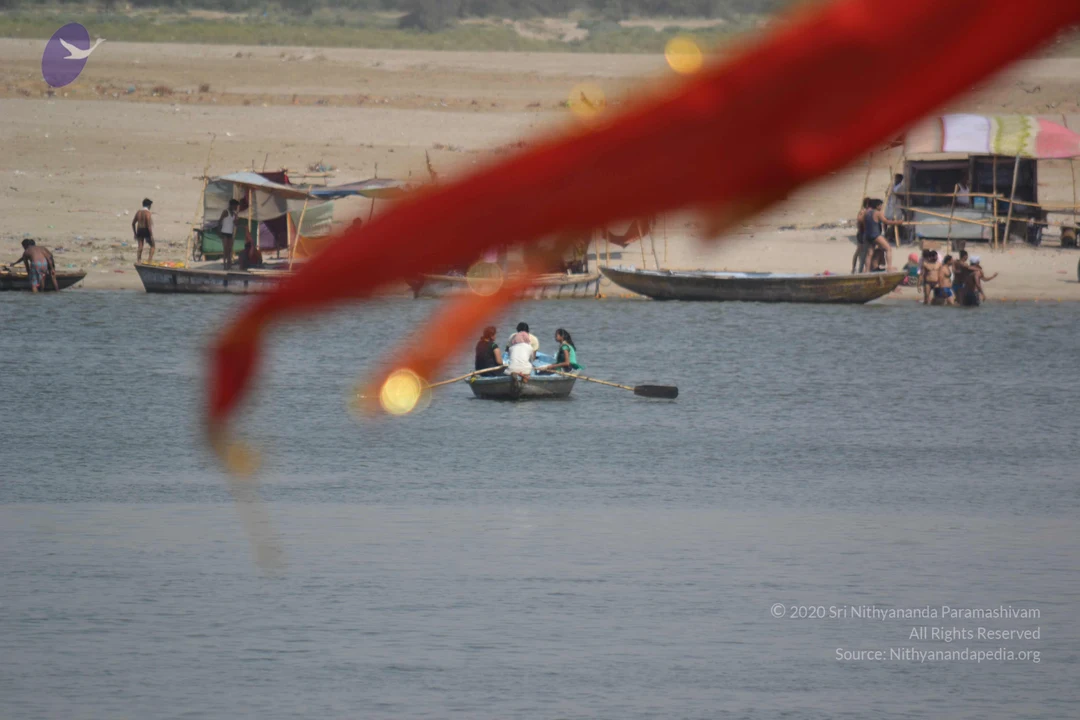
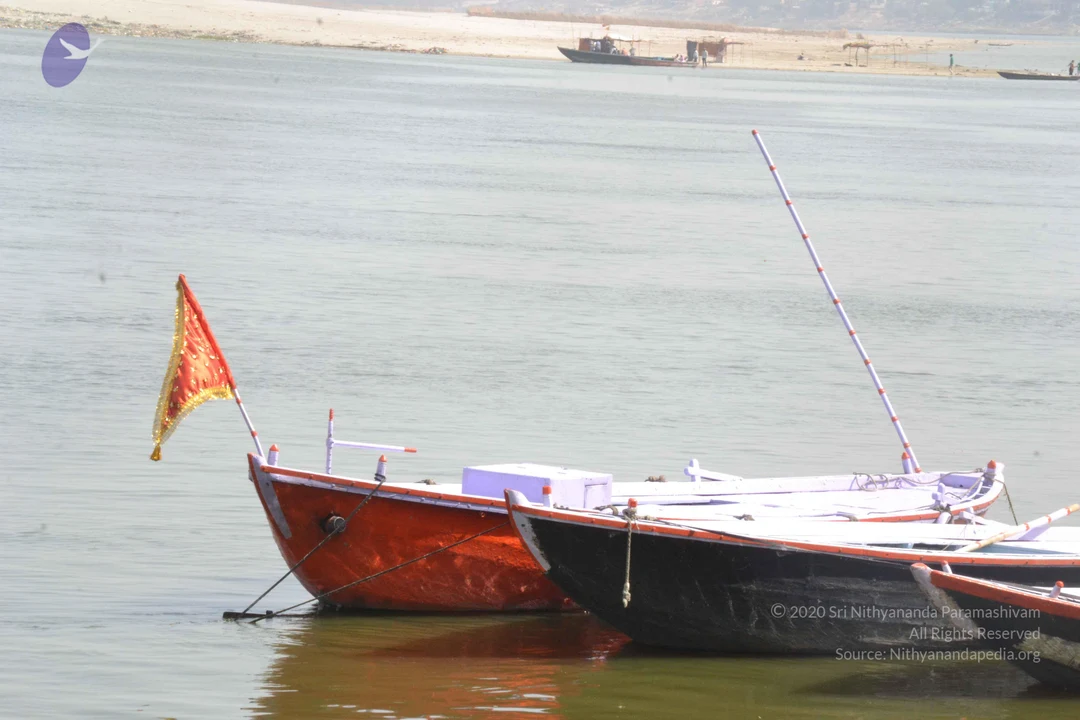
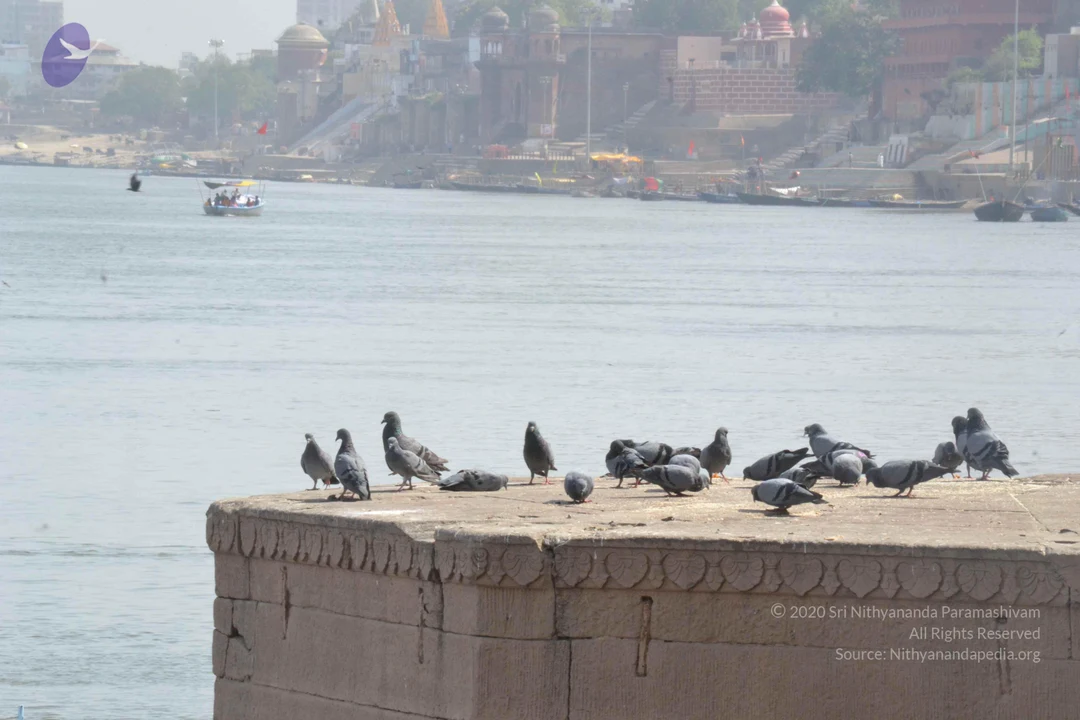
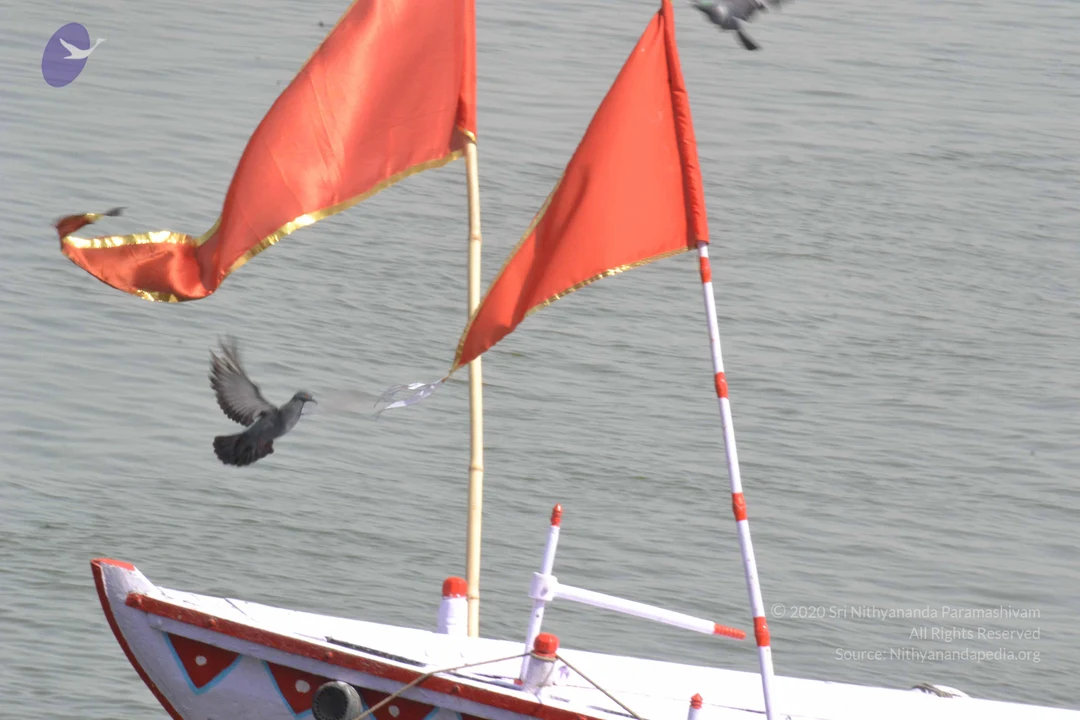
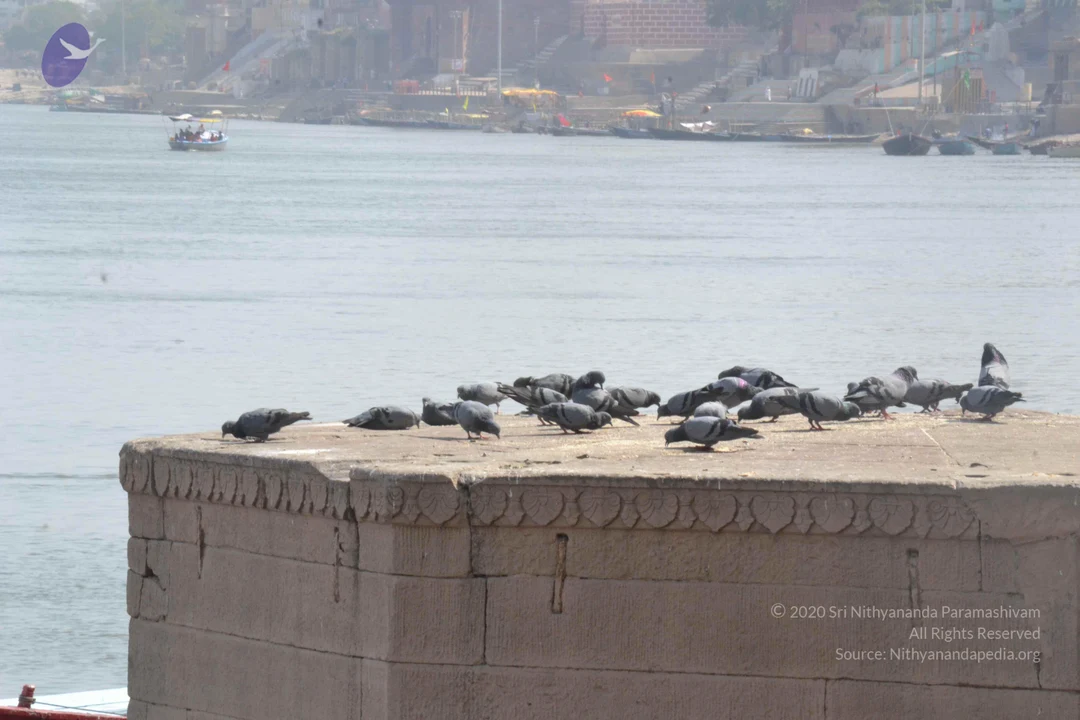
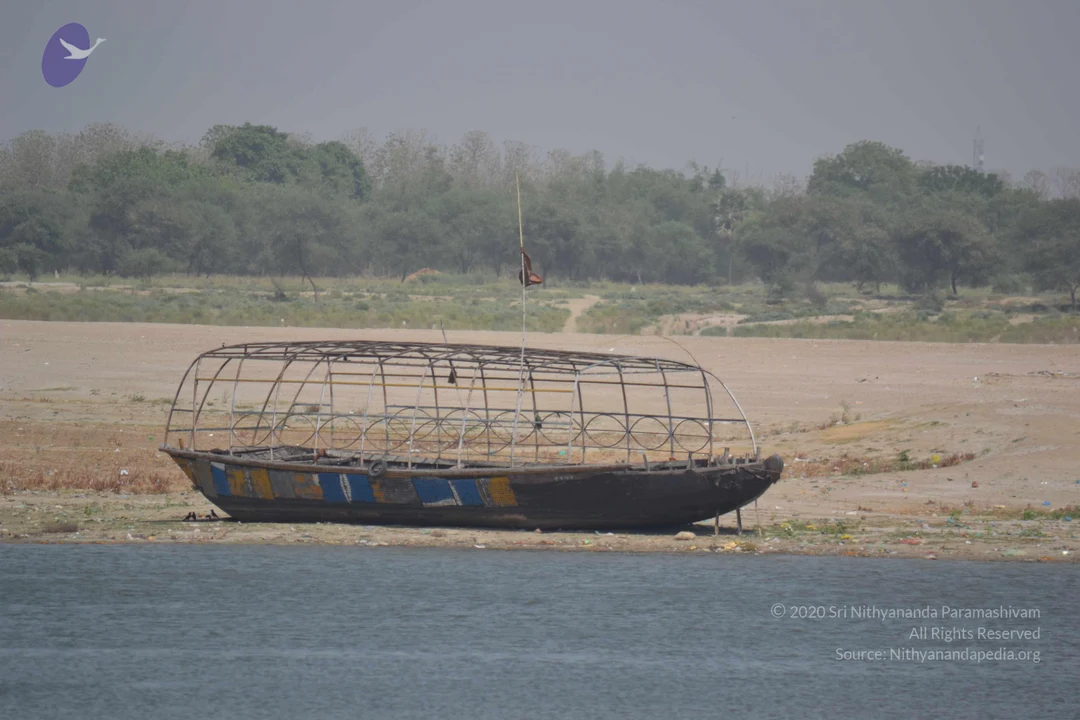
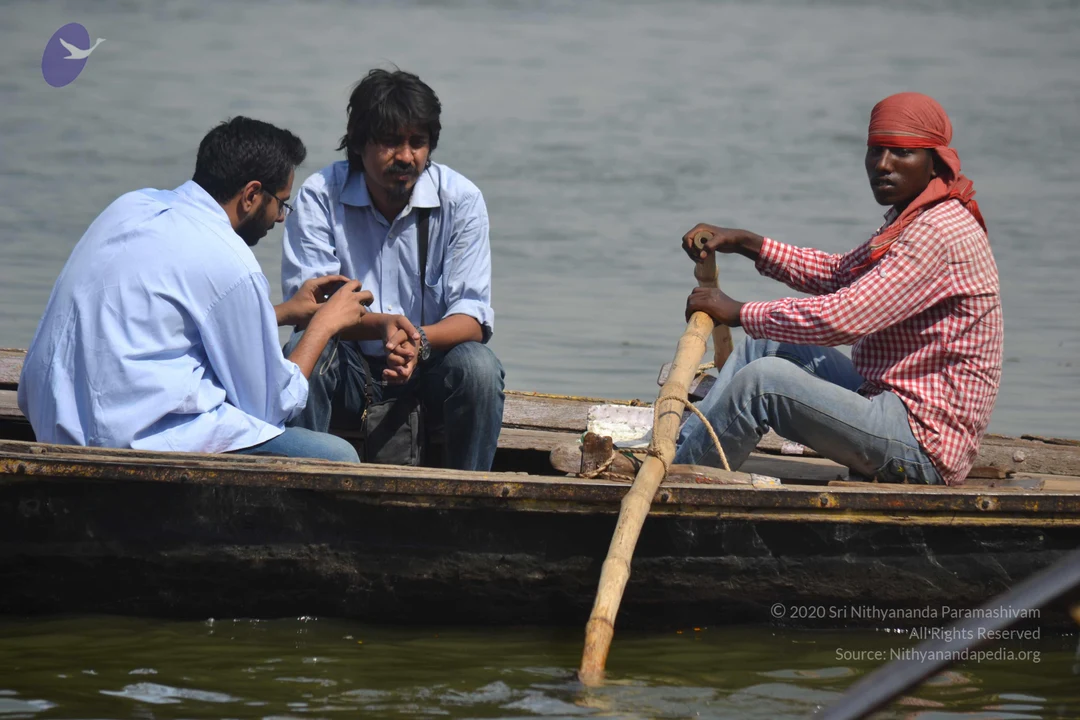
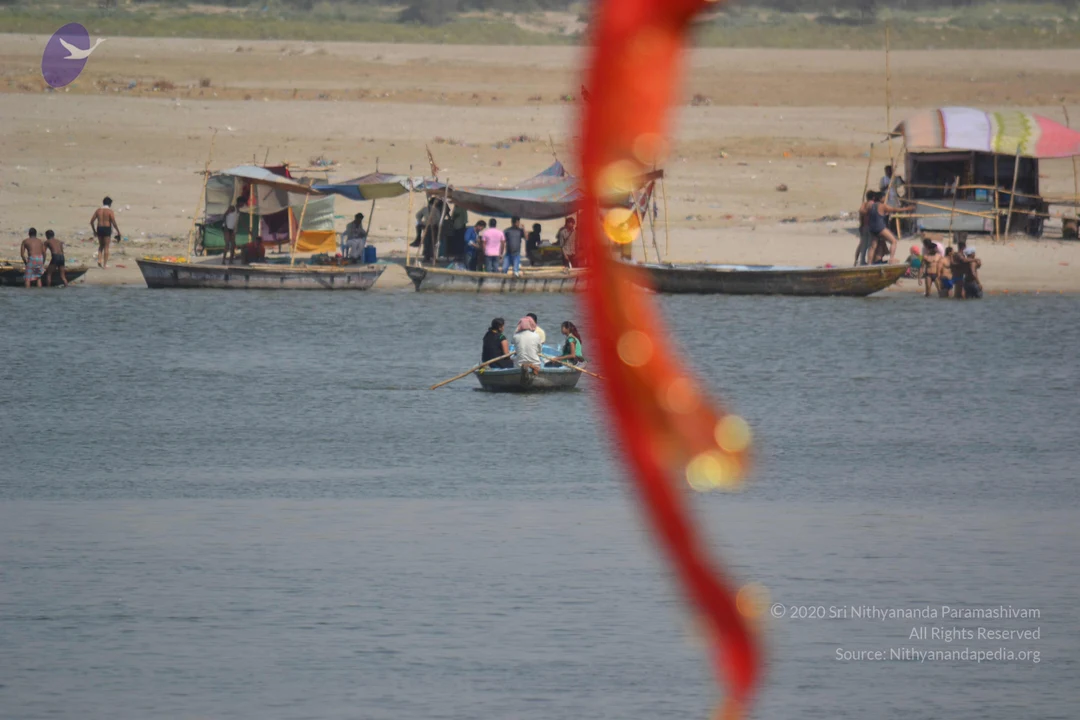
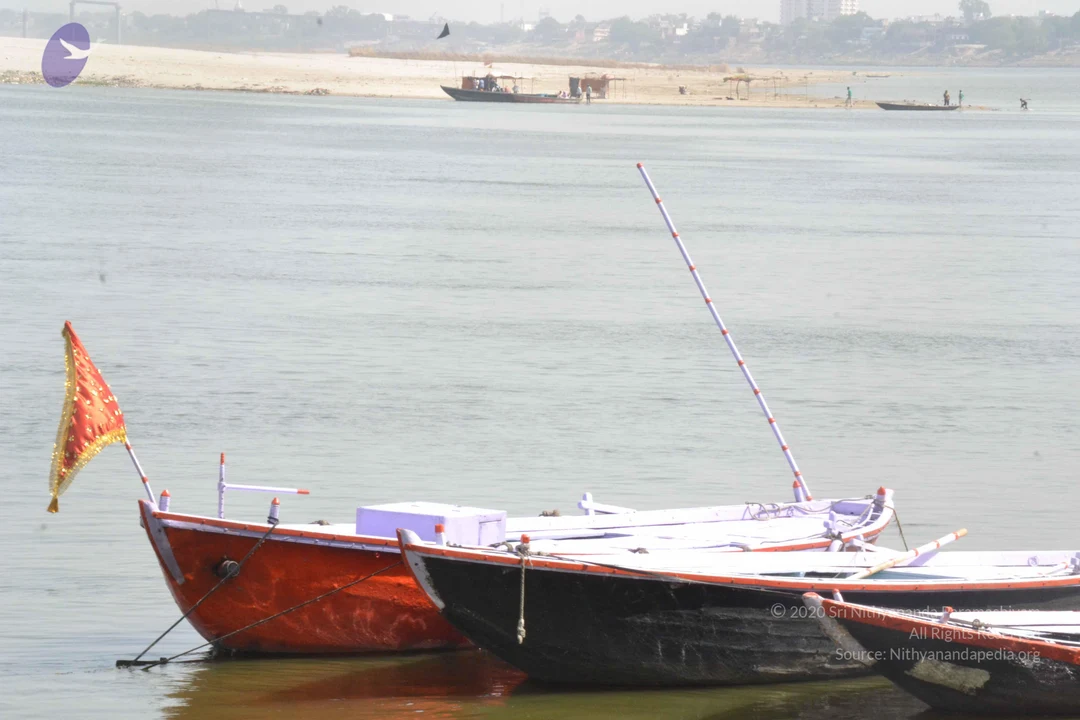
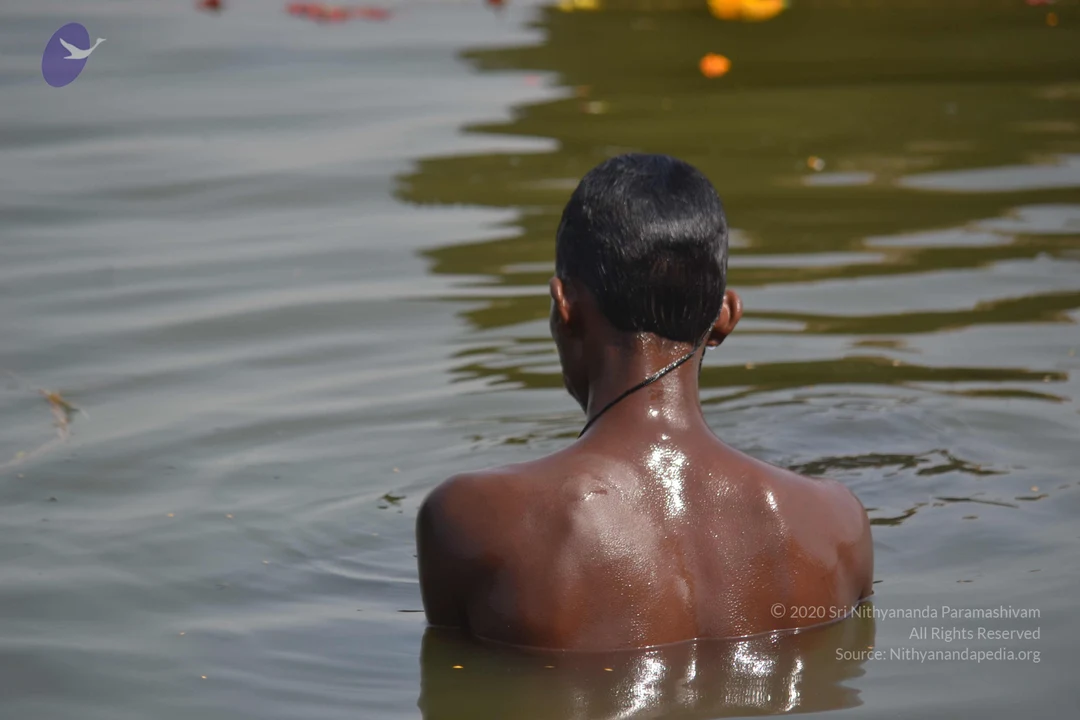
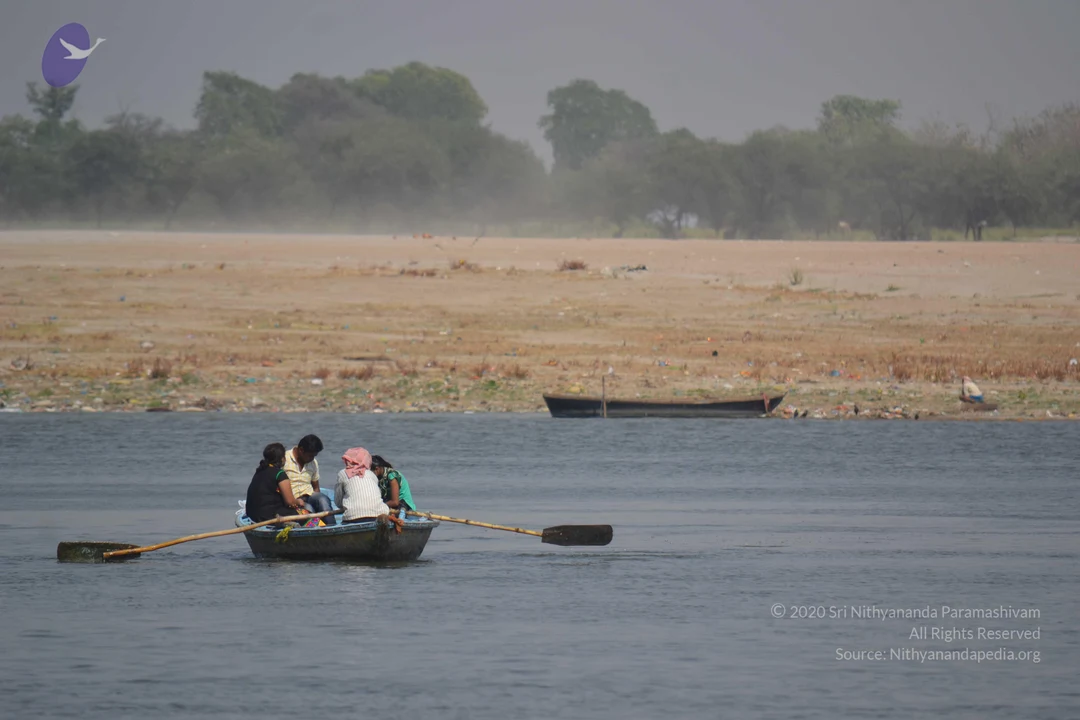
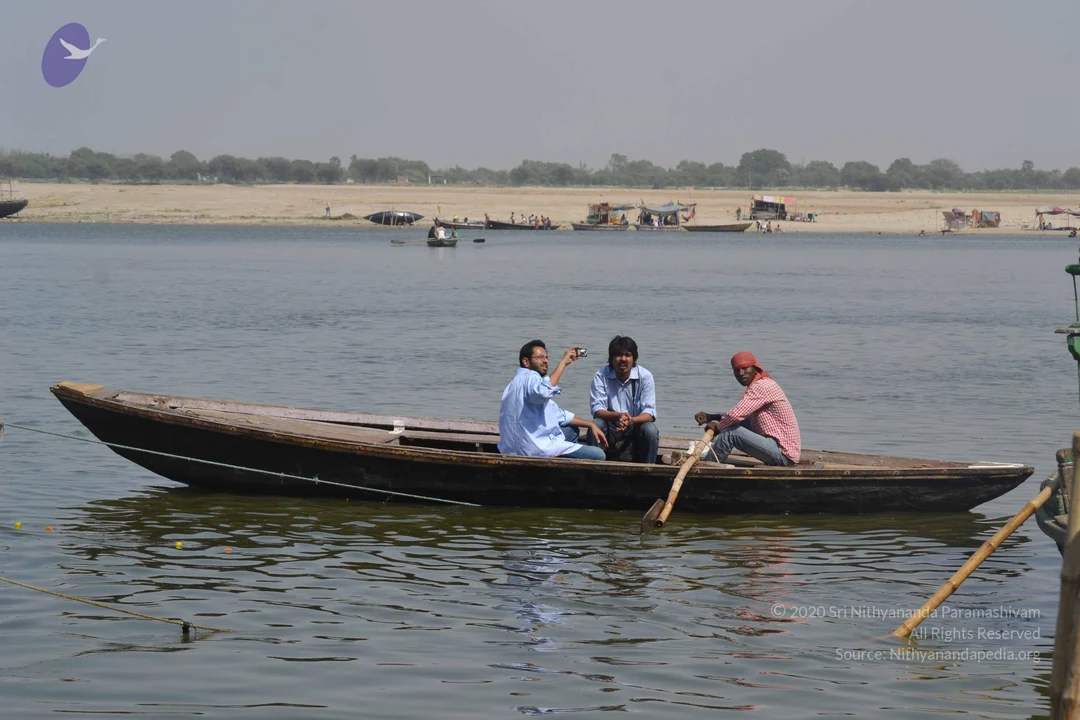
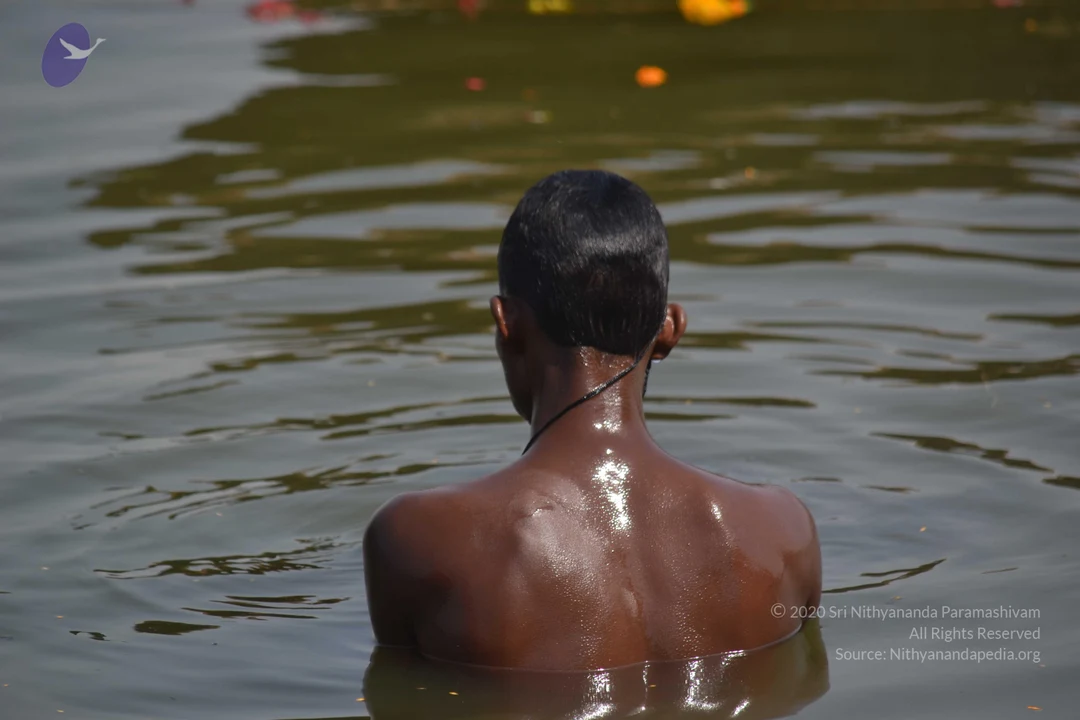
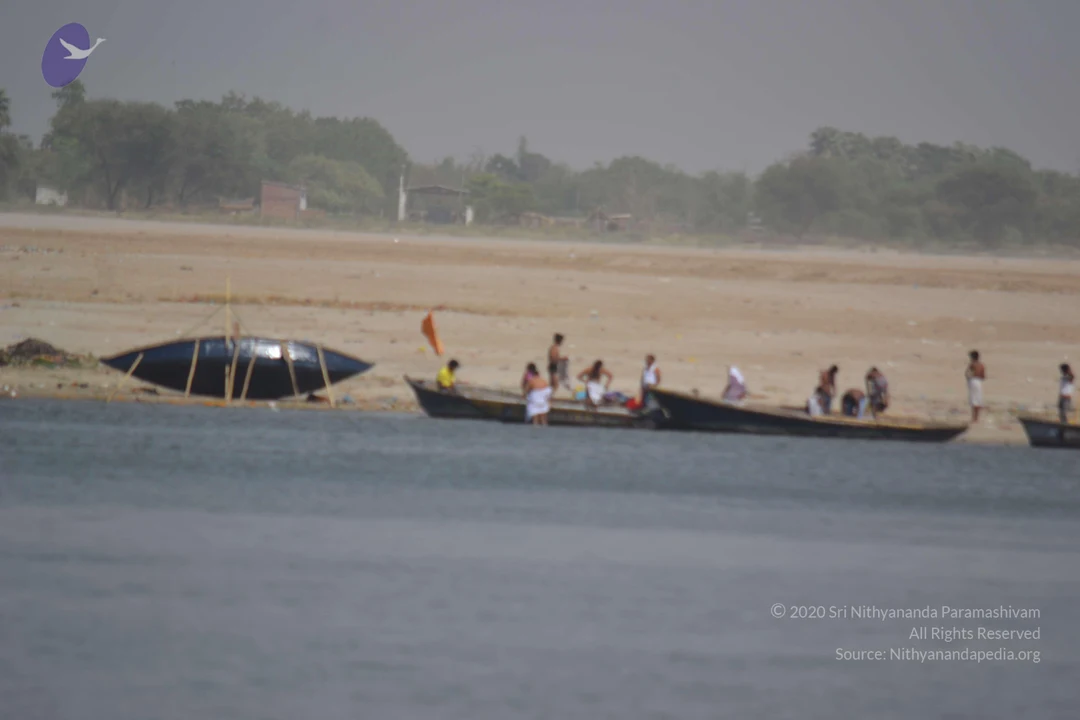
In Tiruvannamalai, the Arunachala, the hill itself is worshipped as Mahadeva. In Kailaasa, the Manasarovar itself is worshipped as Devi. Here, in Kashi, the city itself is worshipped as a goddess Kashiya Devi. So, first you are supposed to have the darshan of Kashiya Devi. Means, from Varuna to Assi you have to go by boat by bowing down to Kashiya Devi as per the tradition. Only then you can enter Kashi. So, yesterday we followed the tradition. Even if you are too big an Advaithi, please bear with me. I will be following a lot of this tradition. Sometimes, in the Internet I get a lot of messages. When I see your discourses, I think you are a great enlightened being! But, when I see here, every time you are bowing down to stones, you are bowing down to trees, you worship the street-side temples, I feel you may be still stuck somewhere! I dont know what you want to think or decide, but I am very clear, I am going to worship every tree, every stone, again and again and again! And I am going to create more and more stones and trees for worship purpose!
I will revive the Sanatana Hindu Dharma in all its juicy, colourful ways! So, the whole programme, not only it will be transmitting Advaithic experience to you, it will be transmitting and giving you the experience of the great culture of Sanatana Dharma through various traditional activities. Like yesterday I said, yesterday we did the Kashi Yatra, darshan of Kashiya Devi, and we may also do a lot of temple Vijaya Yatra, at least major temple Vijaya Yatra, pujas, homas, everything, everything, everything. In Devi Mahatmya, Devi says it is a quotation from our Vyaakarana Shiromani Shri Ambananda Swami: Who else is existing other than me? Devi herself is the embodiment of Advaitha.
So, bowing down to gods is bowing down to Advaitha! We will be having a lot of temples, rituals, pujas, kirtans, without missing the intensity of the Inner Awakening. You will have both in the right combination like Varanasi Bhang! Dont mistake....bhang, it is not intoxicant. Actually, the original bhang is not intoxicant. Later on, they started diluting it or adding many things. The original bhang is Ayurvedic liver cleanser. It does not intoxicate you; but it just gives you the joy, excitement. It never does the damage alcohol does to the system. So, bhang is the traditional Ayurvedic drink. It gives the excitement, but not intoxication. That is the big difference. It does not damage your liver or body; it only cleanses your body of all toxins. From Kashi bhang to Kashi paan! Kashi paan is also unique! From Kashi bhang to Kashi paan, pujas, rituals, get ready to have a spiritual blast! And I sincerely request and recommend to all of you, if you drop your resistance for deities and the culture of Sanatana Hindu Dharma.....
Please understand, it is like New York represents a way of life. No, I am not here to judge whether it is right or wrong. New York represents a way of life. Same way, this city represents our way of life. This represents Sanatana Hindu Dharma. So, it will be nice, the earlier you drop the resistance, the earlier you will start enjoying! This city will become fascinating for you! Whether you are from western countries, or you are an NRI, or RNI RNI means Residential Non-Indian; NRI is Non-Residential Indian, RNI is Residential Non-Indian whether you are from other countries, or an NRI, or RNI, if you drop resistance for Sanatana Hindu Dharma way of live, you will really, really enjoy! Because, whether you want it or not, you are in a programme, locked with a man for the next twenty-one days, whose passion is this Sanatana Hindu Dharma! HAHAHAHAHA! The quicker you drop your resistance, the more you will enjoy....the more you will enjoy!
I welcome all of you to enjoy, celebrate! I am not saying you accept whatever Kashi represents, Varanasi represents. I am only saying: Dont resist, dont accept! Just see what it can do to you, thats all! I am not saying you accept; I am not saying resist. If you have already accepted and are waiting to enjoy....great! Come on, join the club! Otherwise, dont resist, dont accept. Just see what it can do to you. I tell you, it will do to you what it did to me! Bhang may not be intoxicating, Paan may not be intoxicating, but Banaras itself is intoxicating! Understand, the Banarasi bhang may not be intoxicating, the Banarasi paan may not be intoxicating, but Banaras is intoxicating! I can tell you that much! It is such a fascinating city! That is the right word I will use: Such a fascinating city! I lived and slept, died in this city!
Understand, I lived in this city, ate, slept, died in this city! Everything in this city, including death, was fascinating! I can go through anything in this city! It is worth going through! I tell you, I can go through anything in this city, including death! It is worth going through! Thank you guys for being here to share this joy with me. It is because of all of you I am here. So, thank you, thank you, thank you for being here to share, celebrate Varanasi!
You may be here for whatever reason, whether for your physical healing, mental healing, or to have enlightenment, or to learn the science of accumulating more wealth, or to complete with your relationships, heal your relationship, revive your life energy, awaken your Kundalini, whatever may be the purpose you are here, said, unsaid, with my Integrity, Authenticity, Responsibility, and Enriching, I give you the word, please listen, I give you the word, my commitment, keeping Kaalabhairava as witness, I will be your Co-creator and cause the reality you wanted to create, cause the reality you wanted to create! I commit with you, I will do everything, everything needed! It is my commitment! I know I will fulfil it!
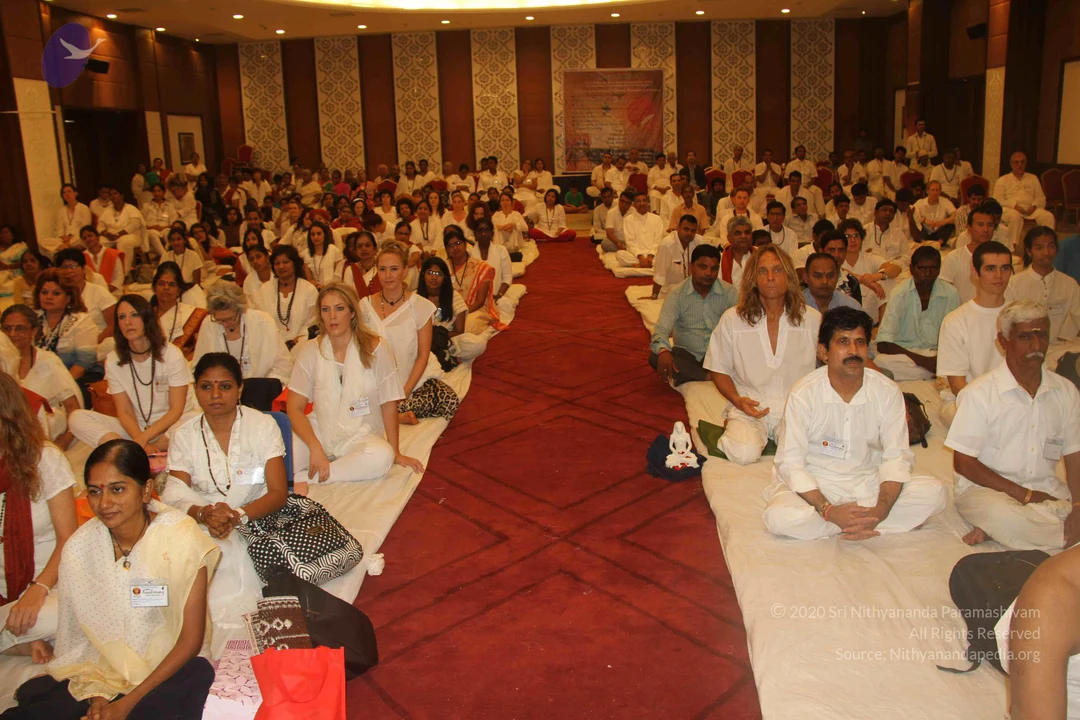
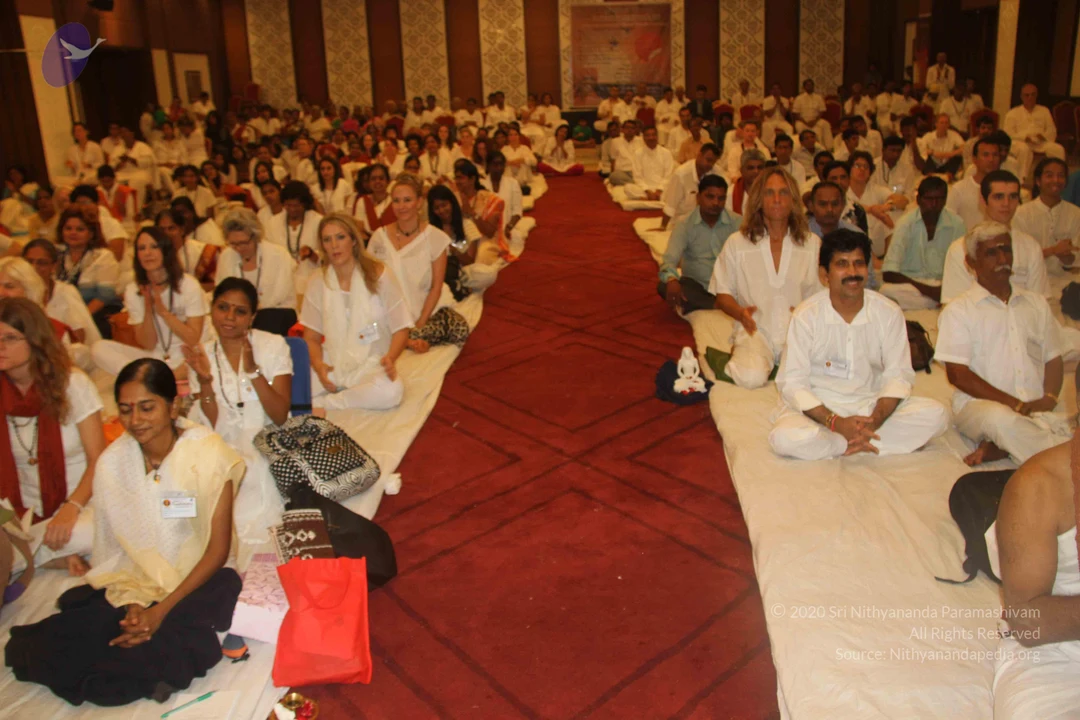
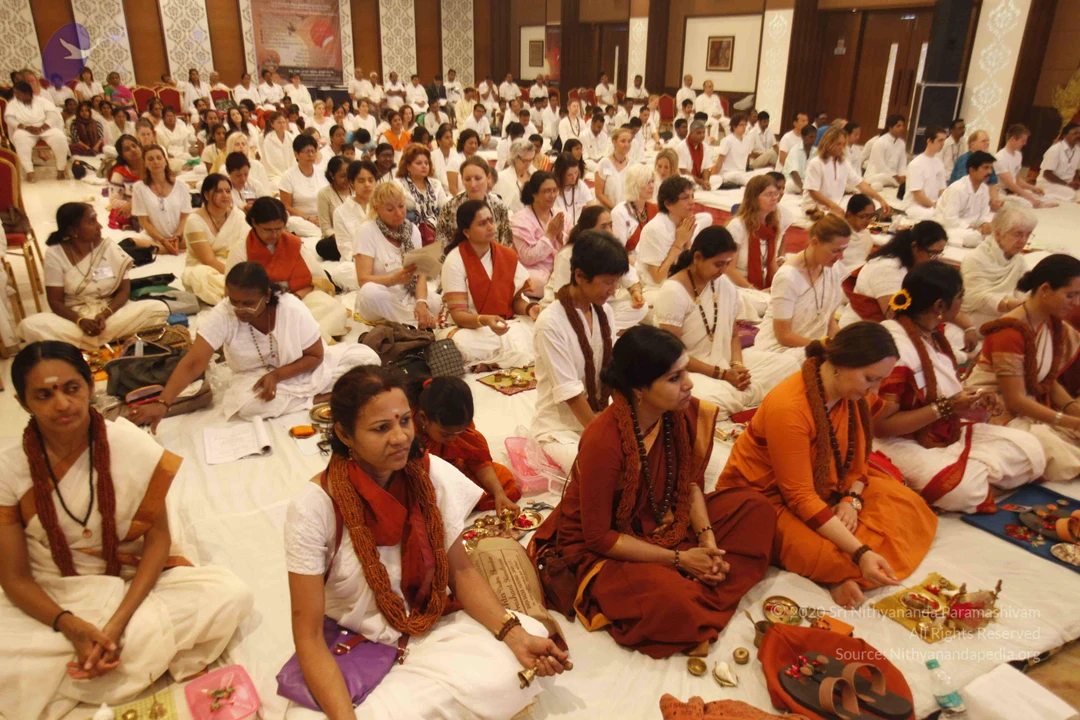
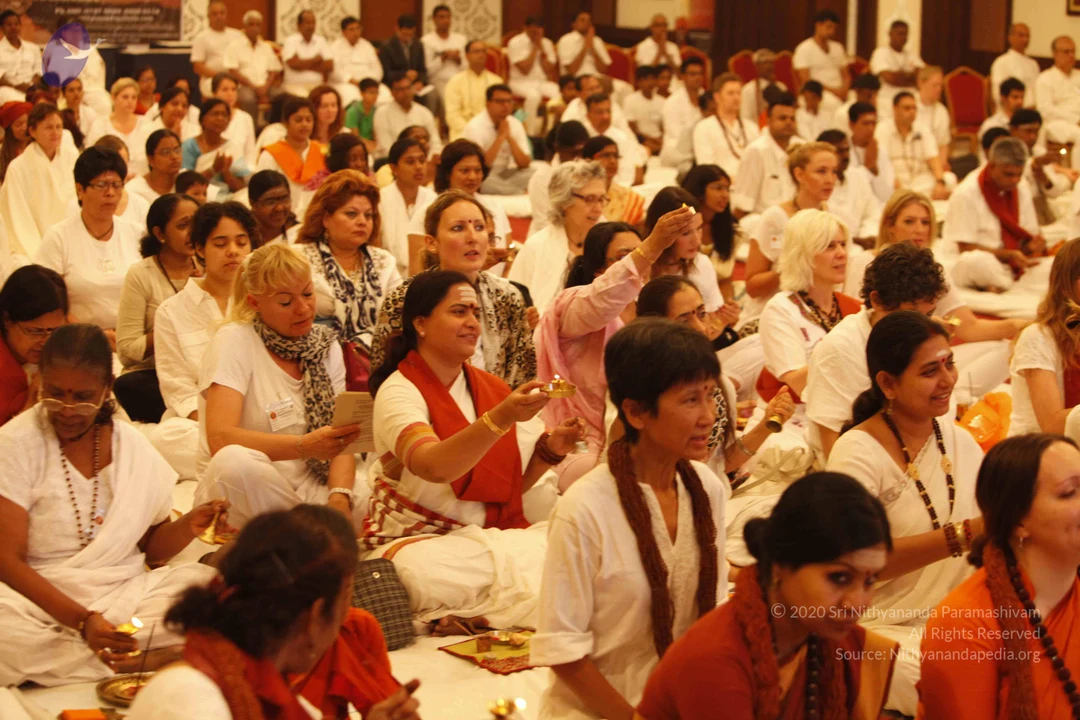
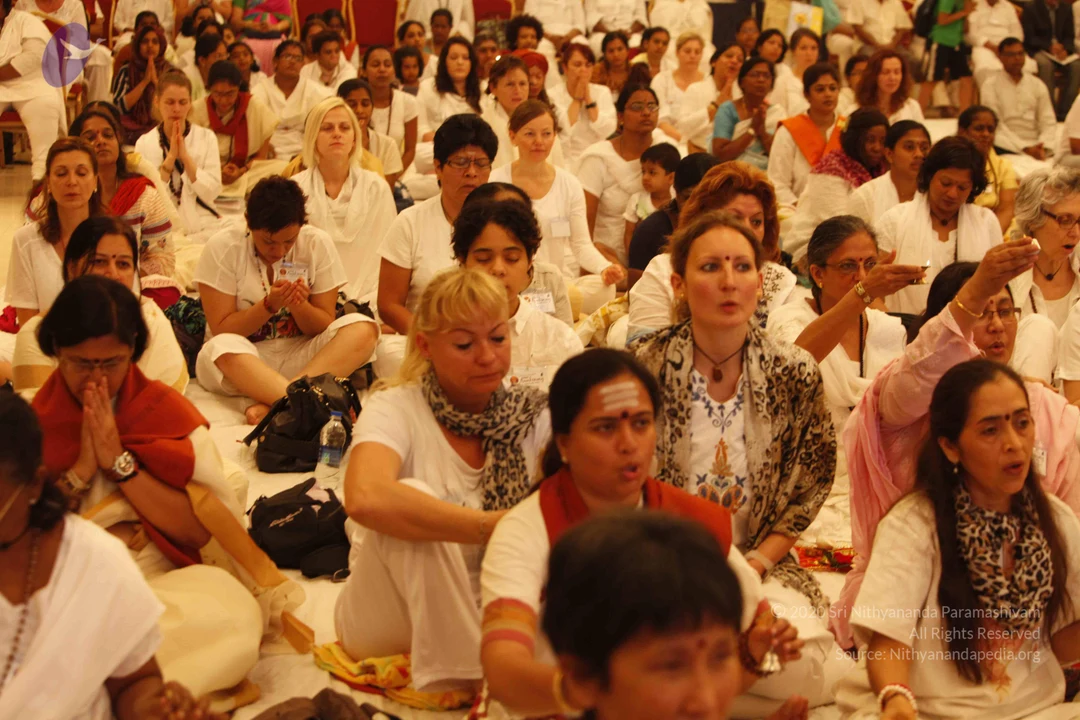
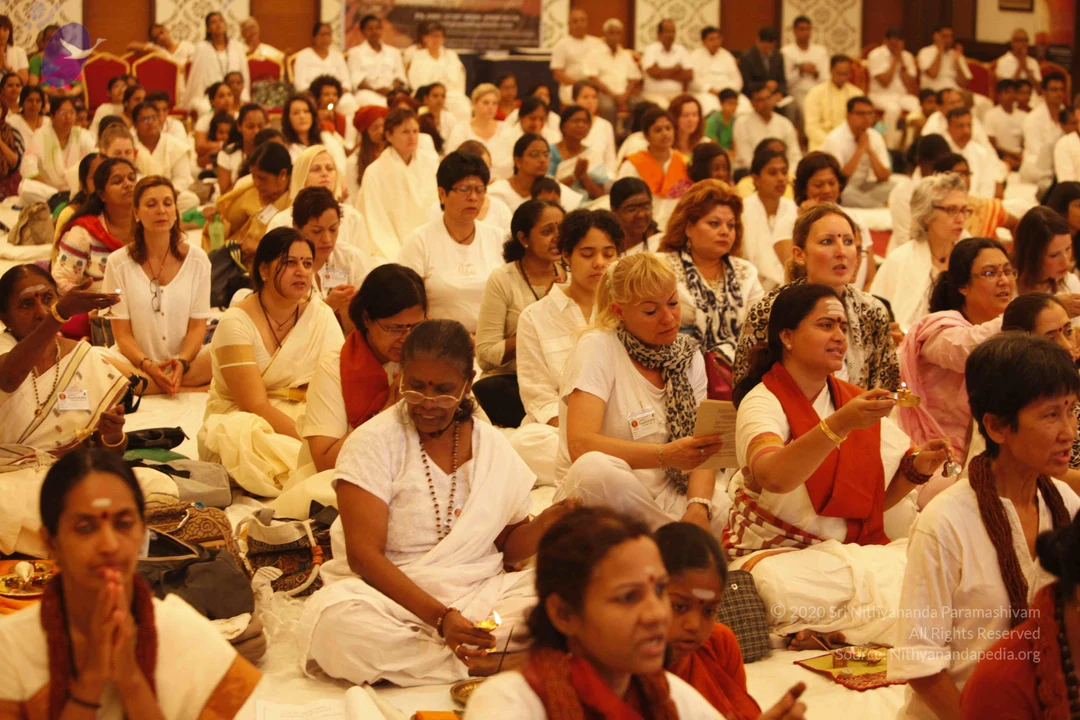
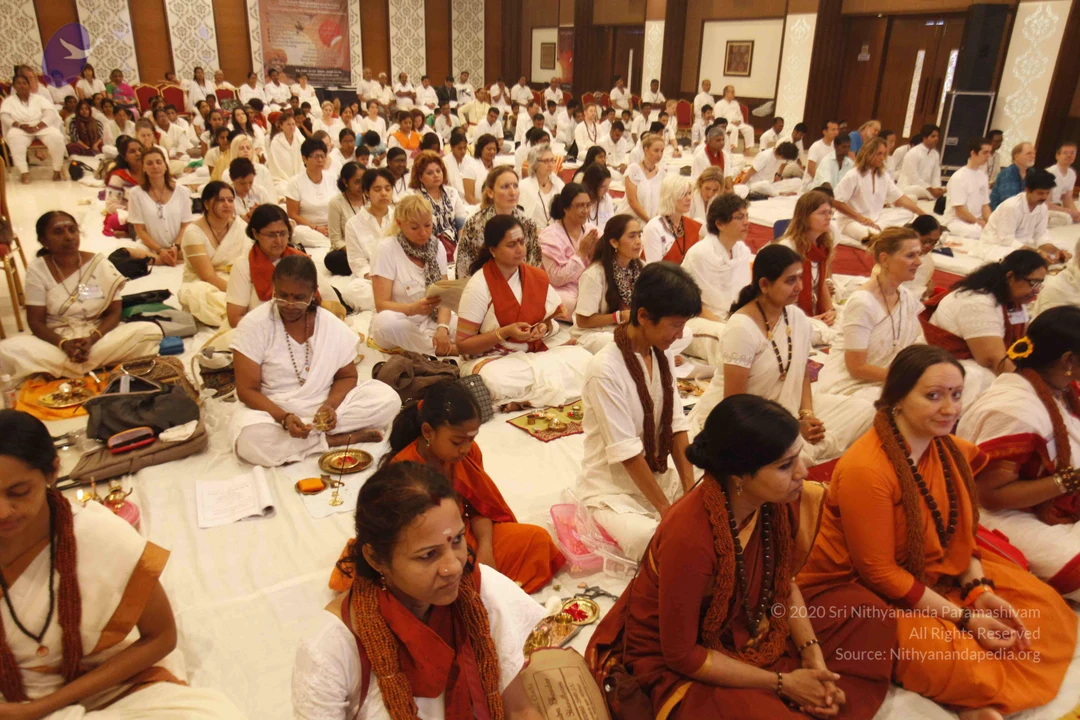
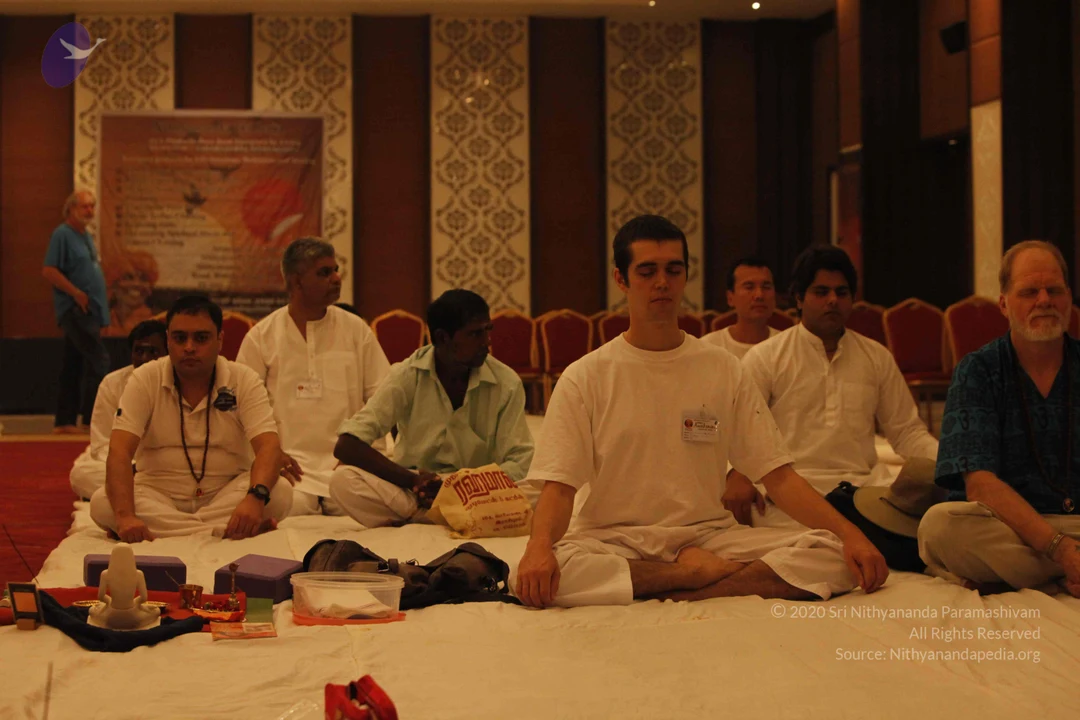
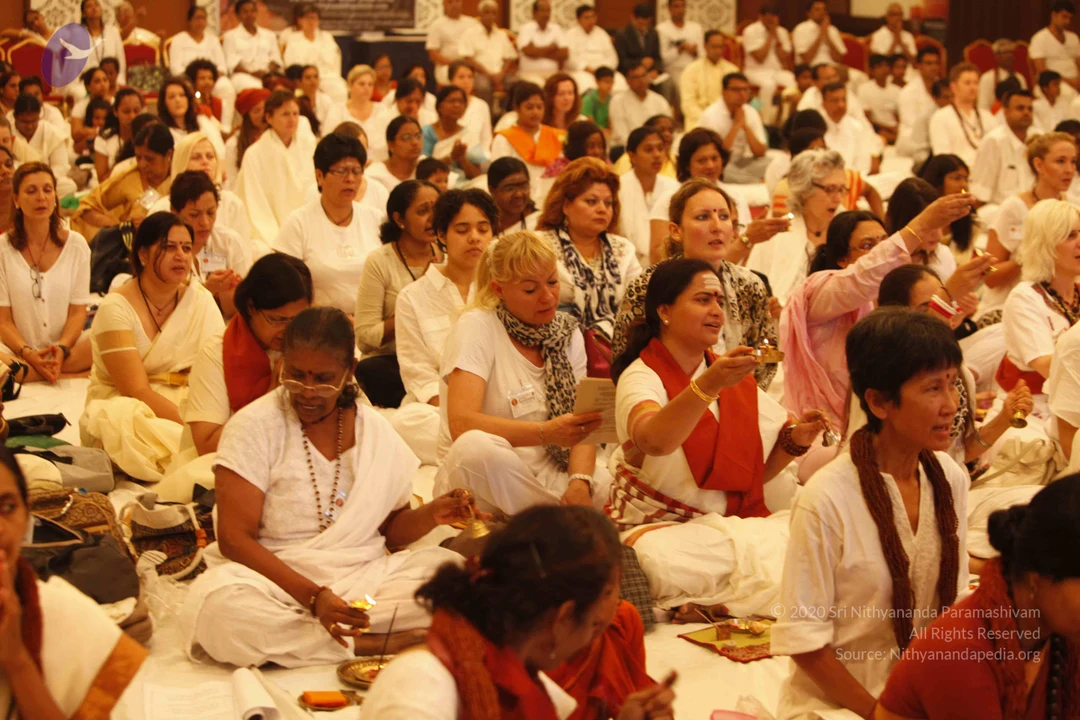
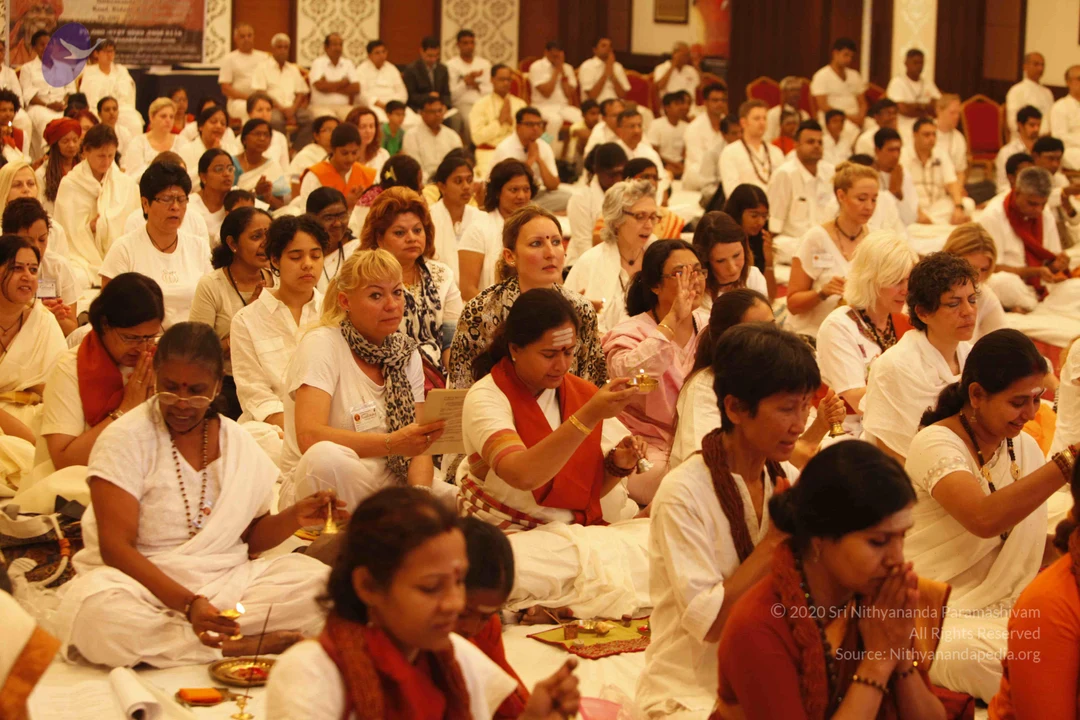
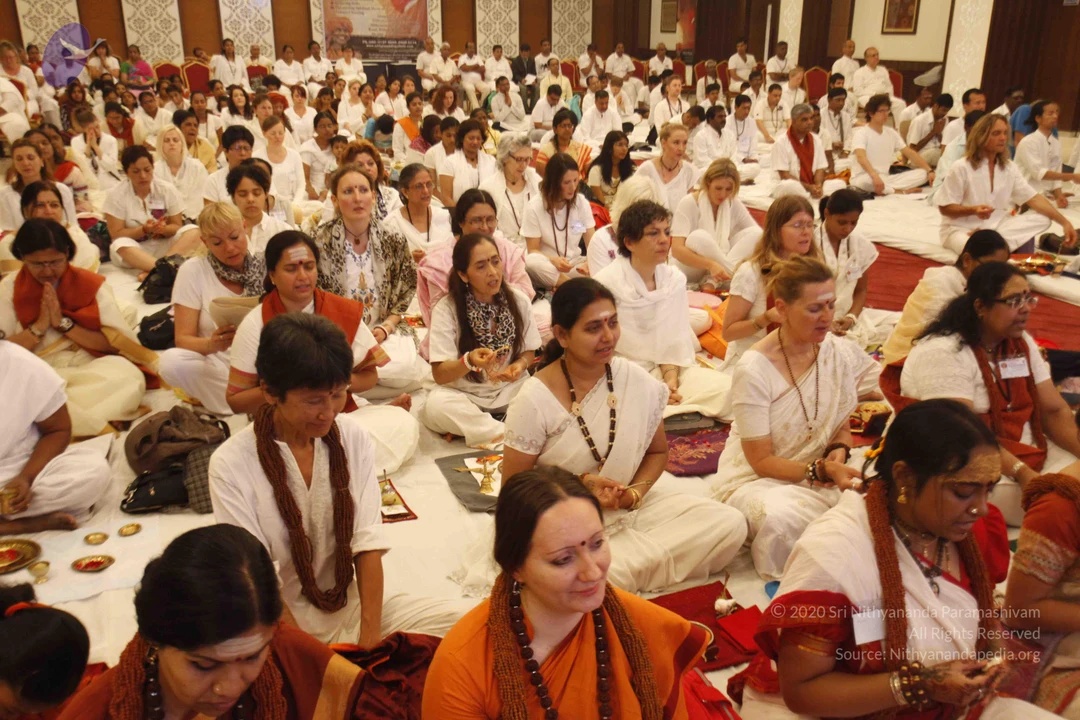
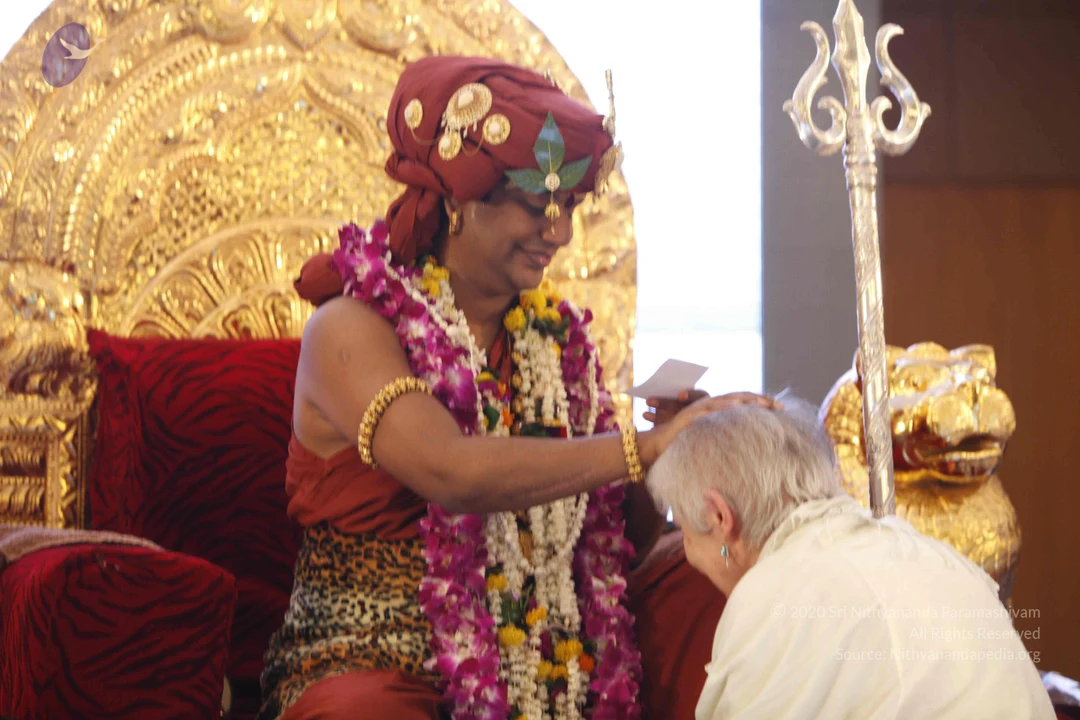
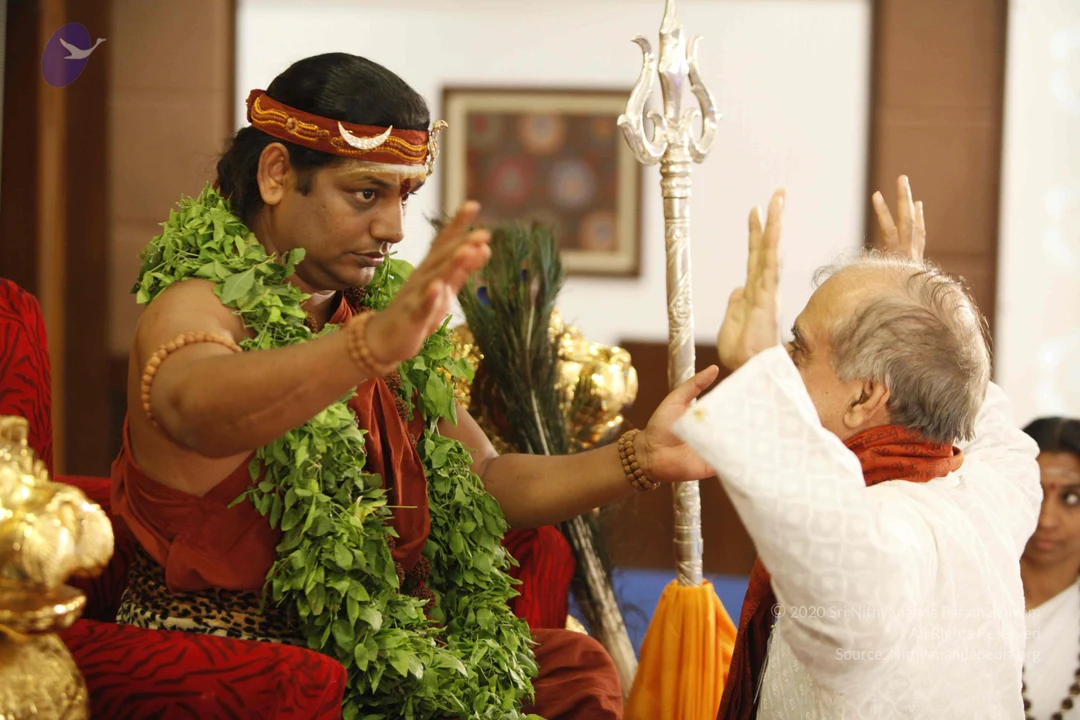
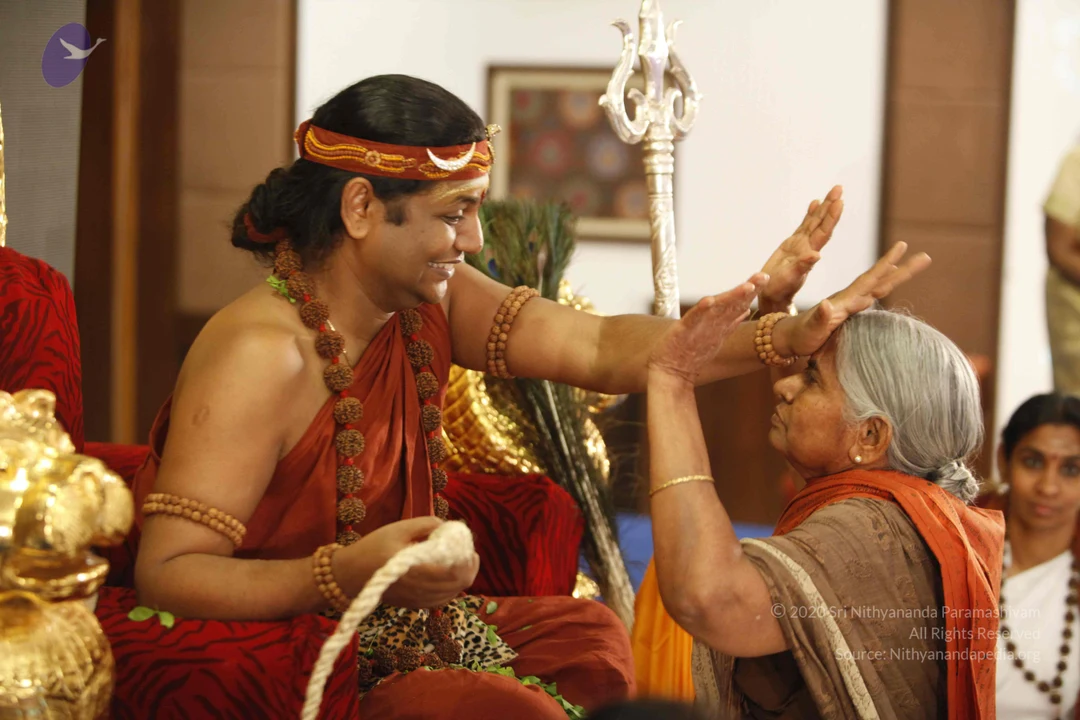
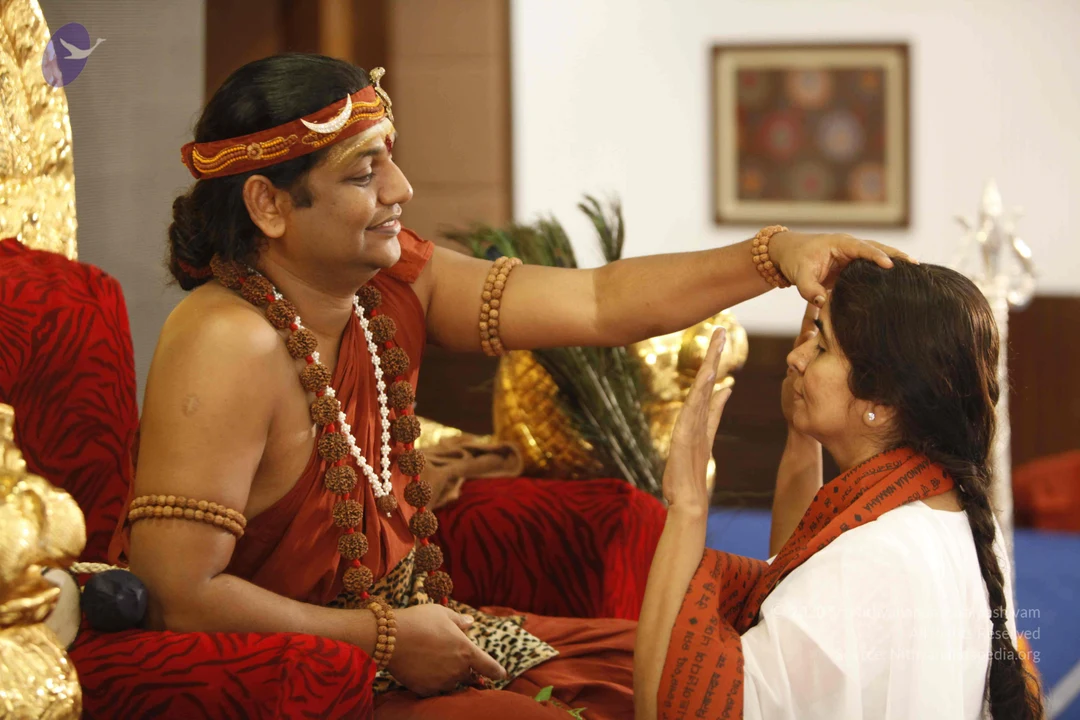
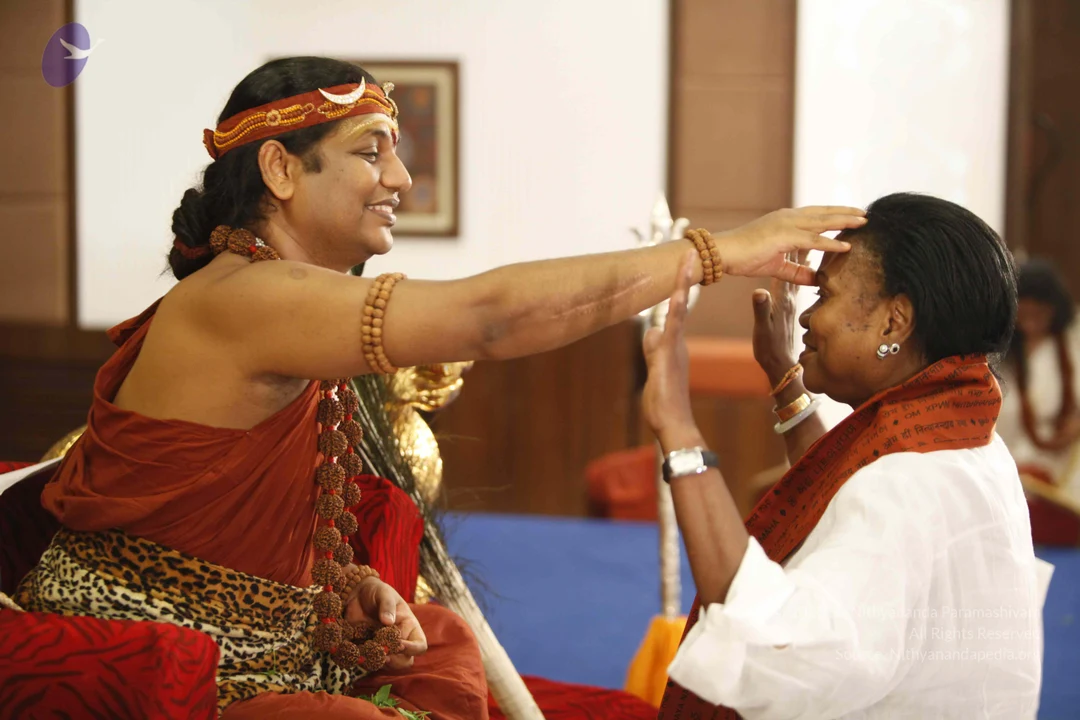
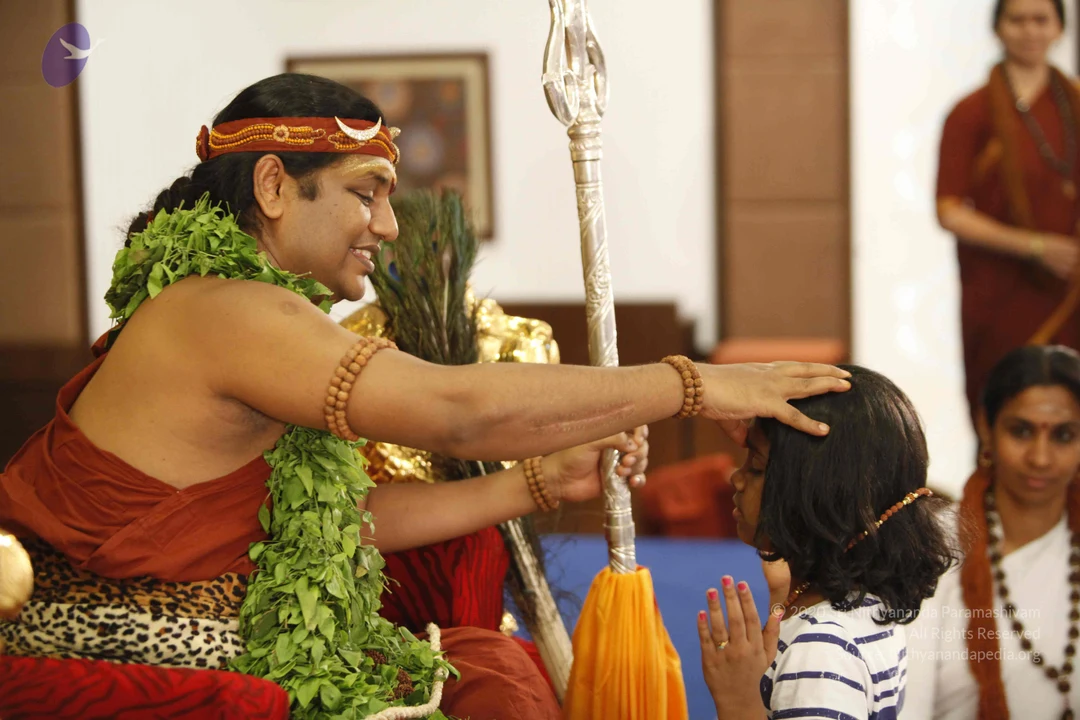
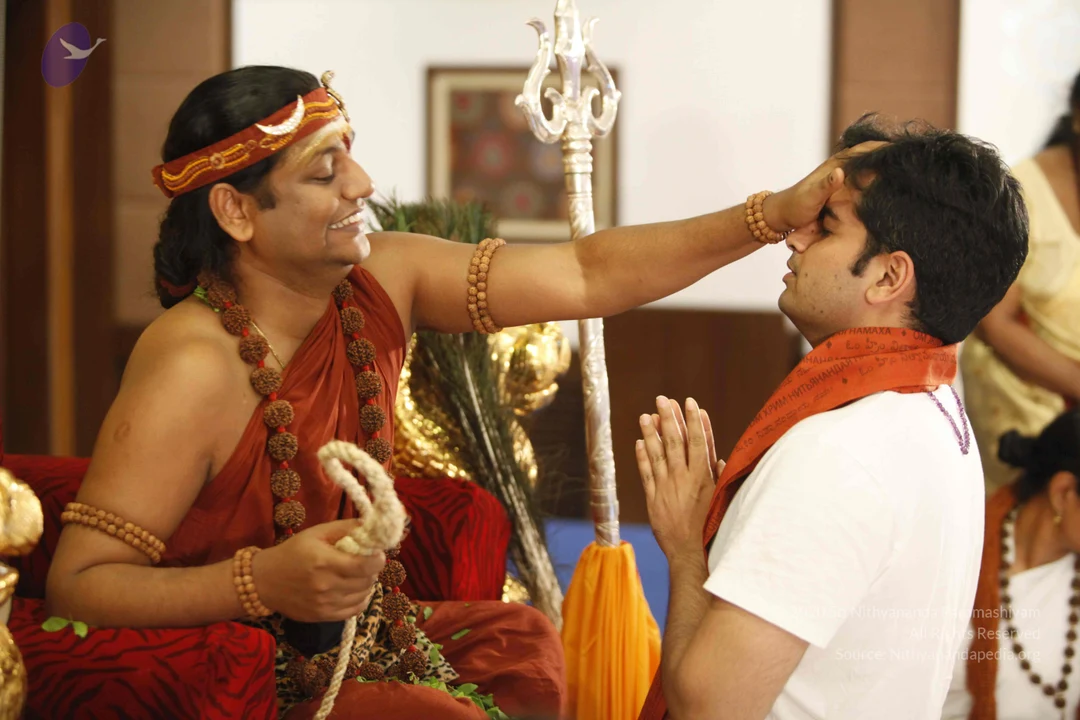
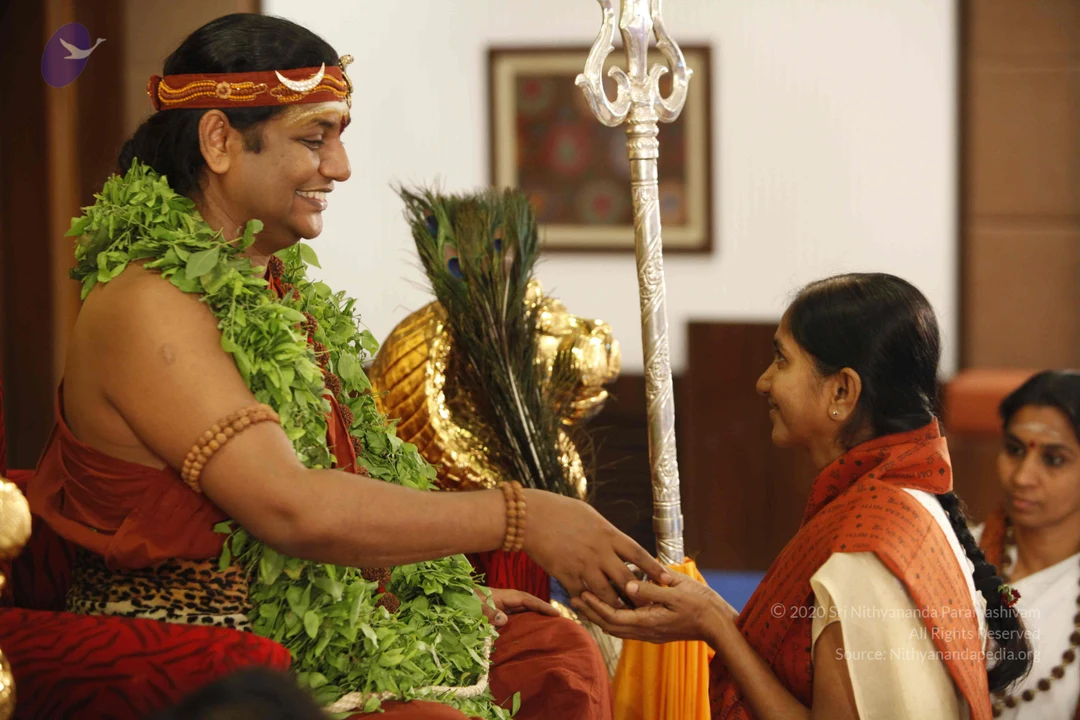
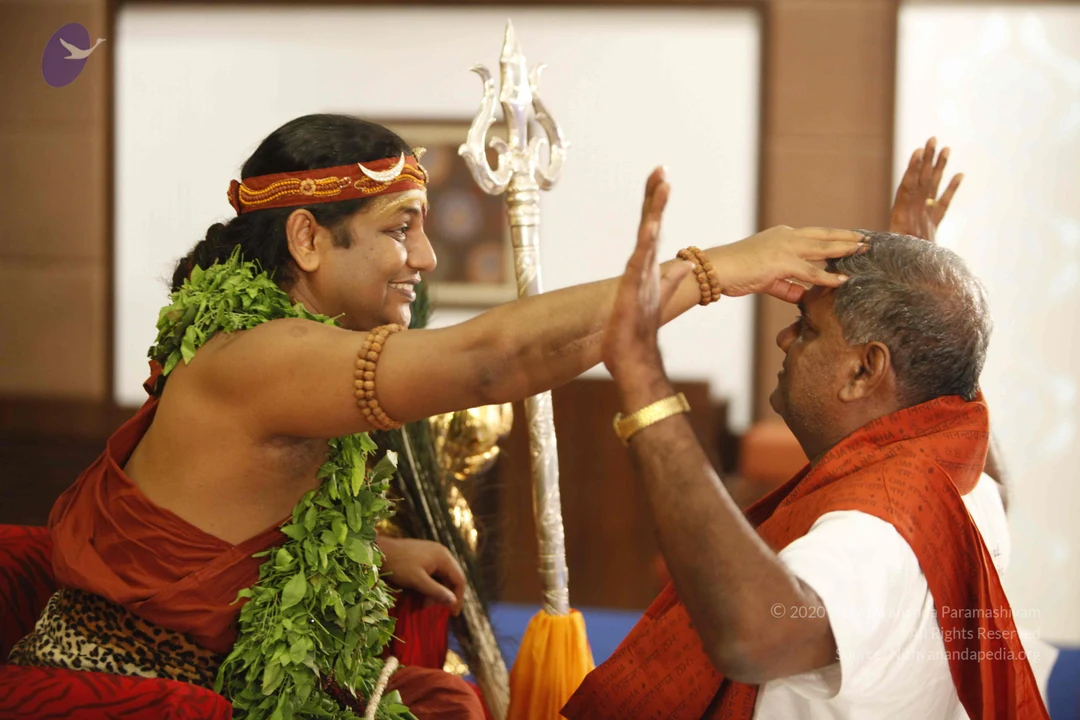
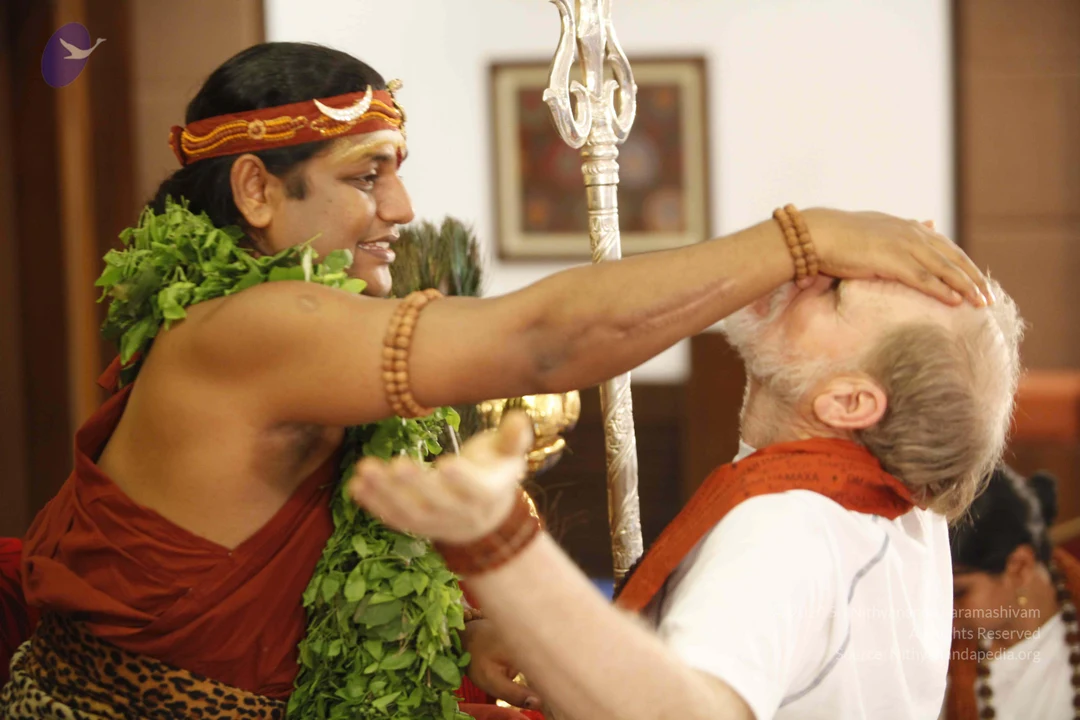
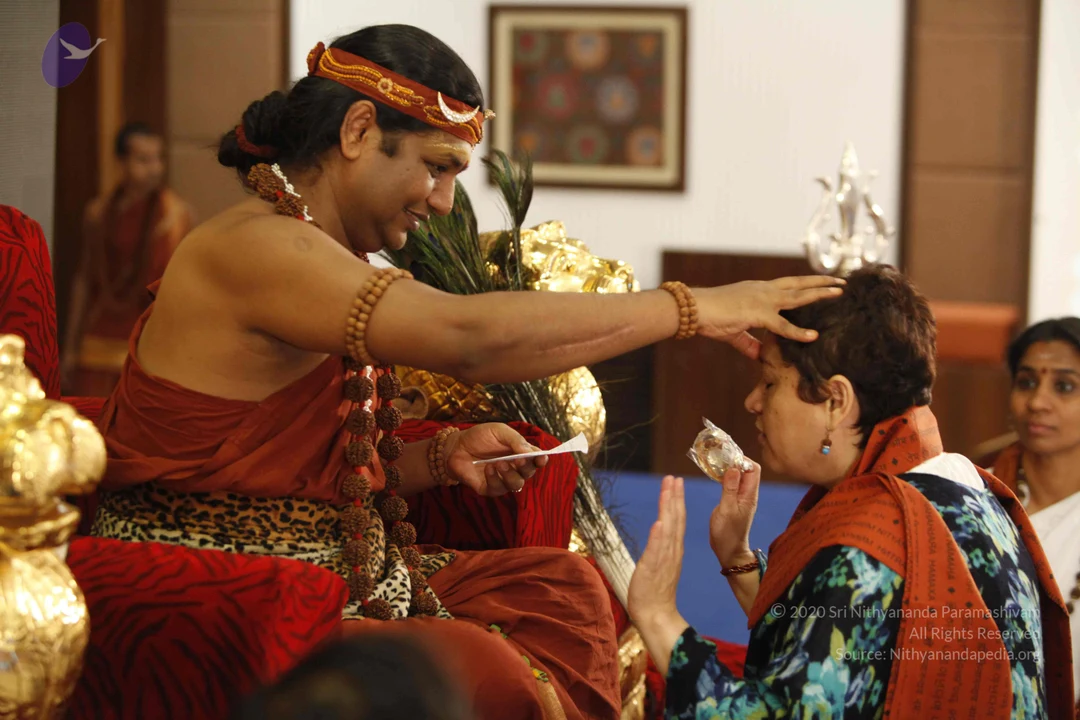
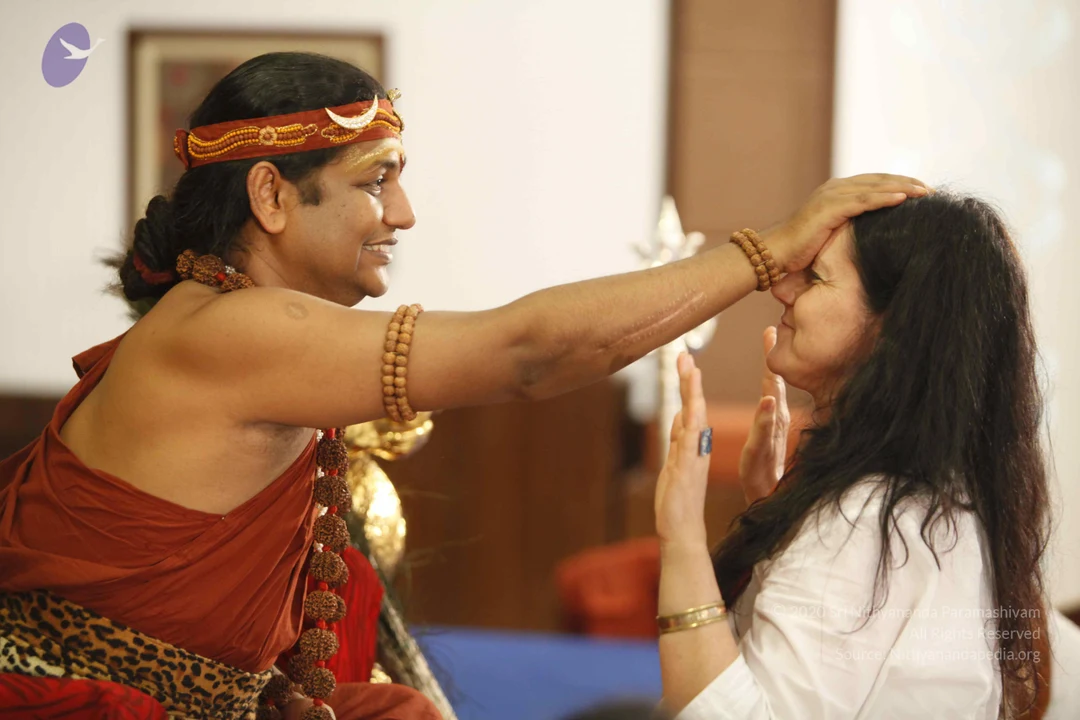
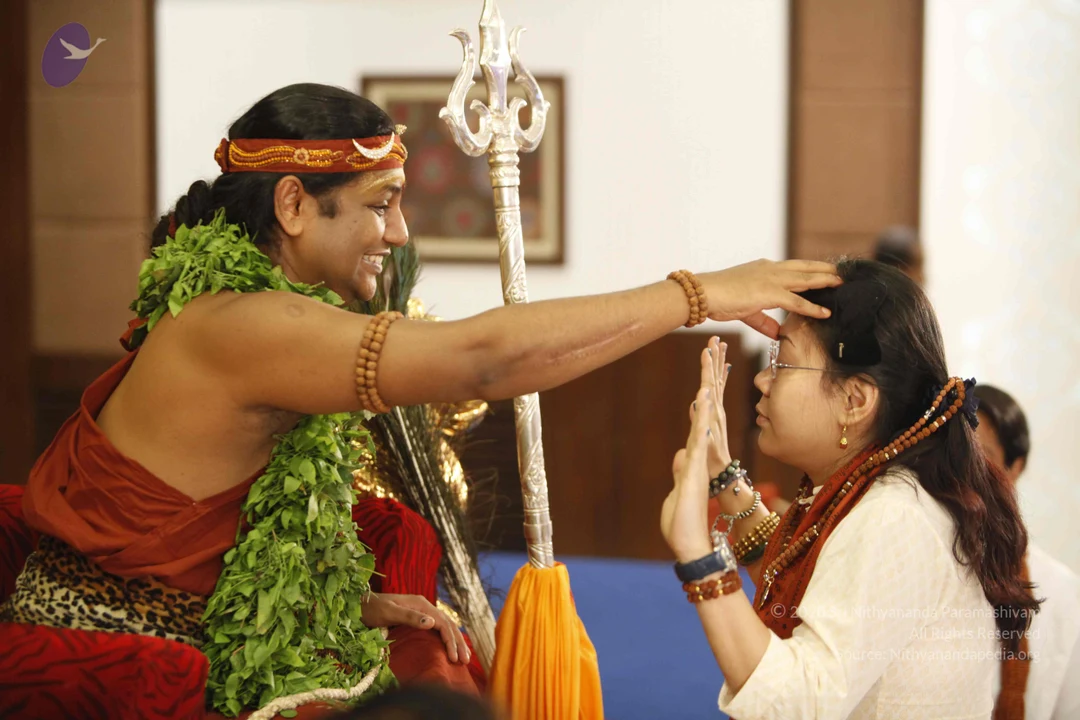
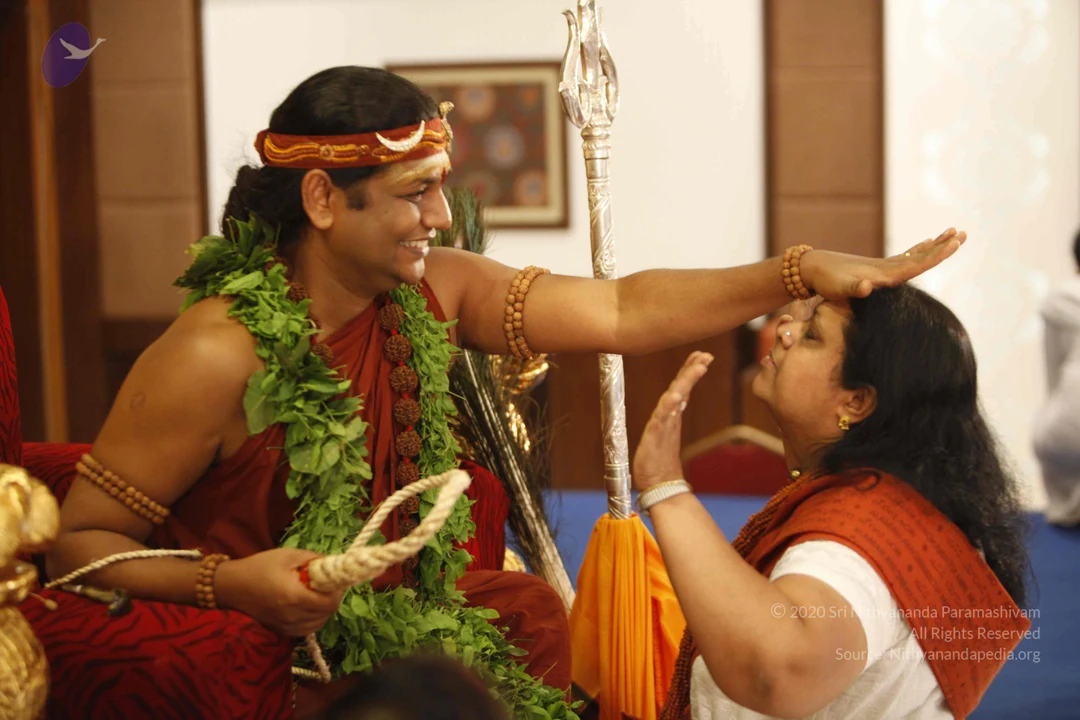
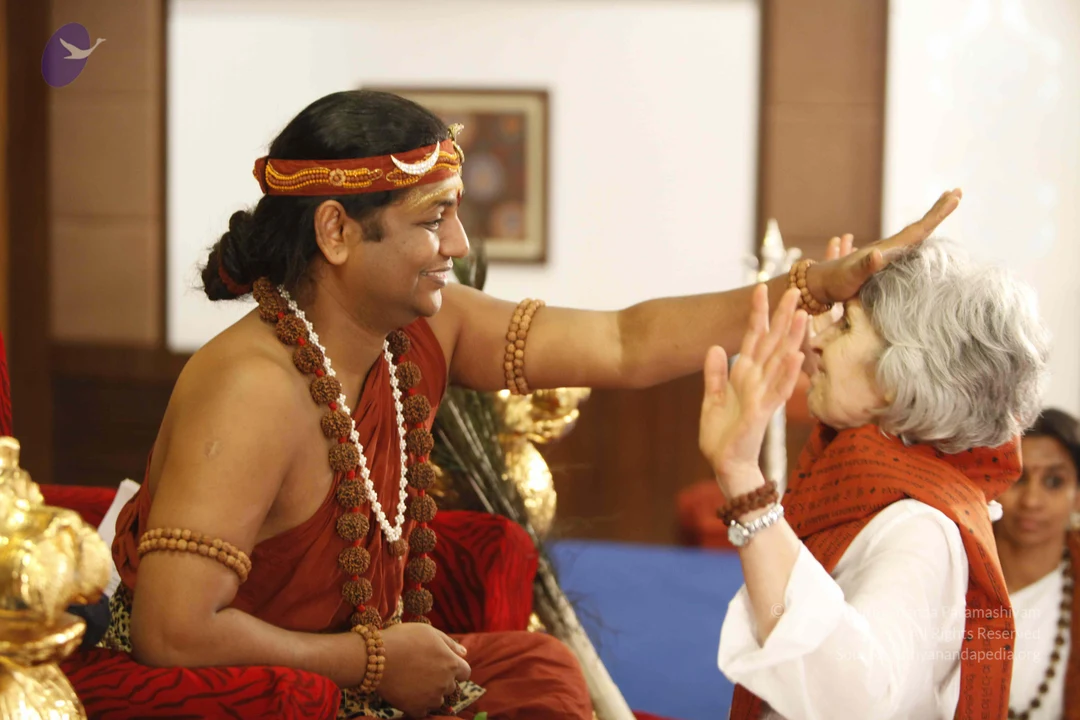
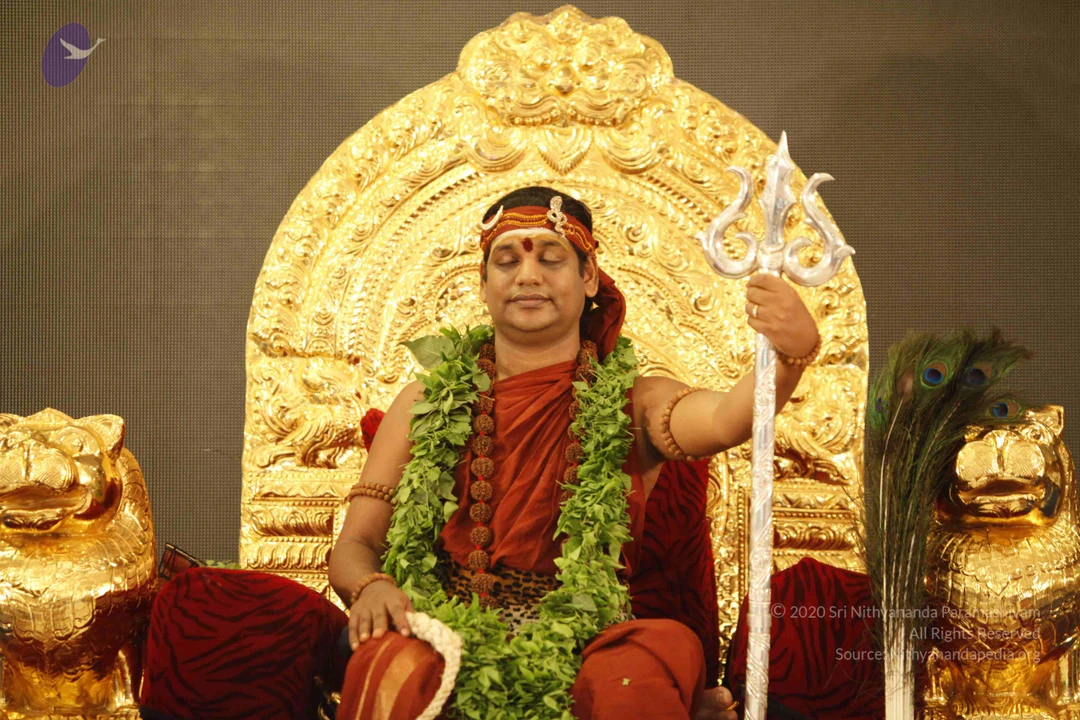
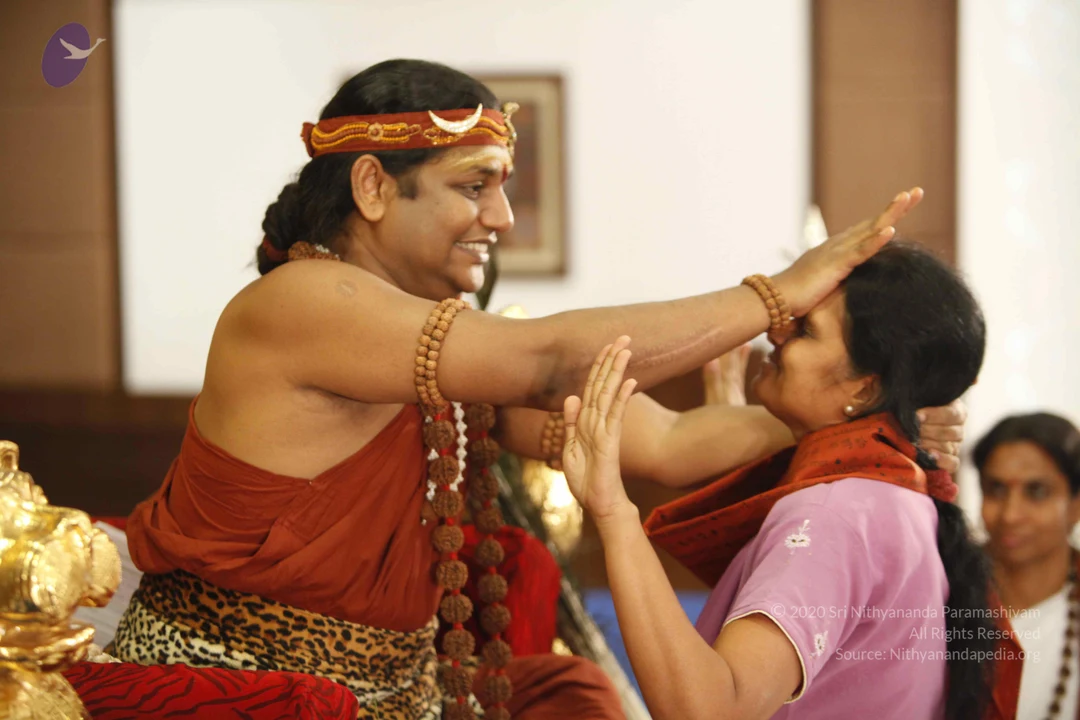
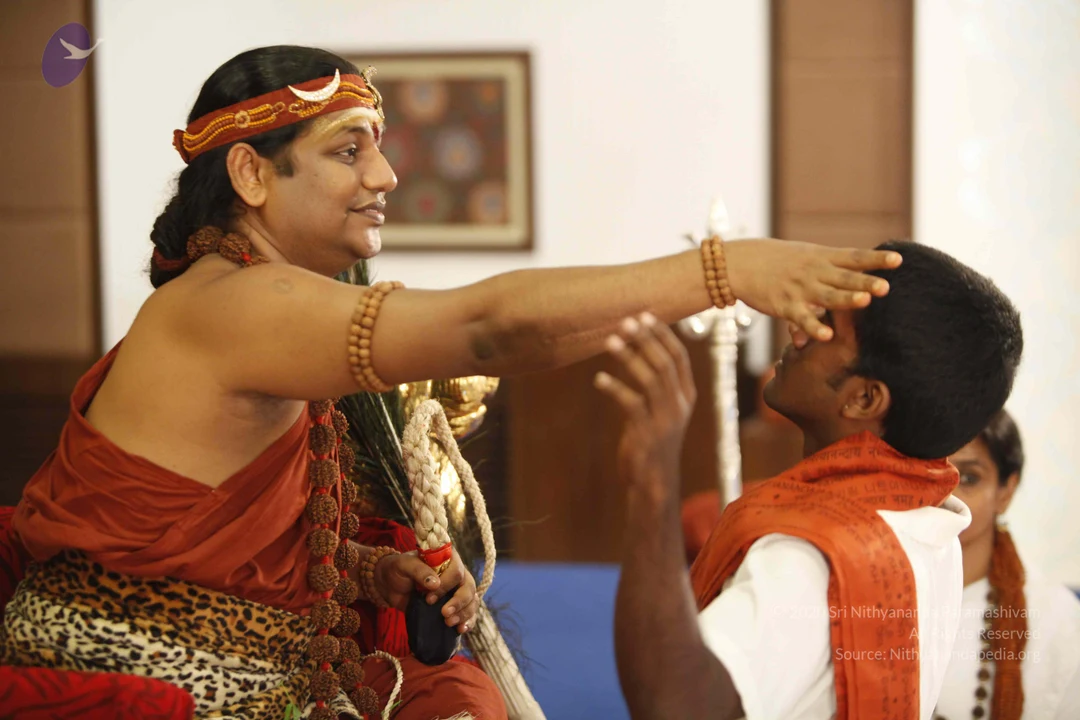
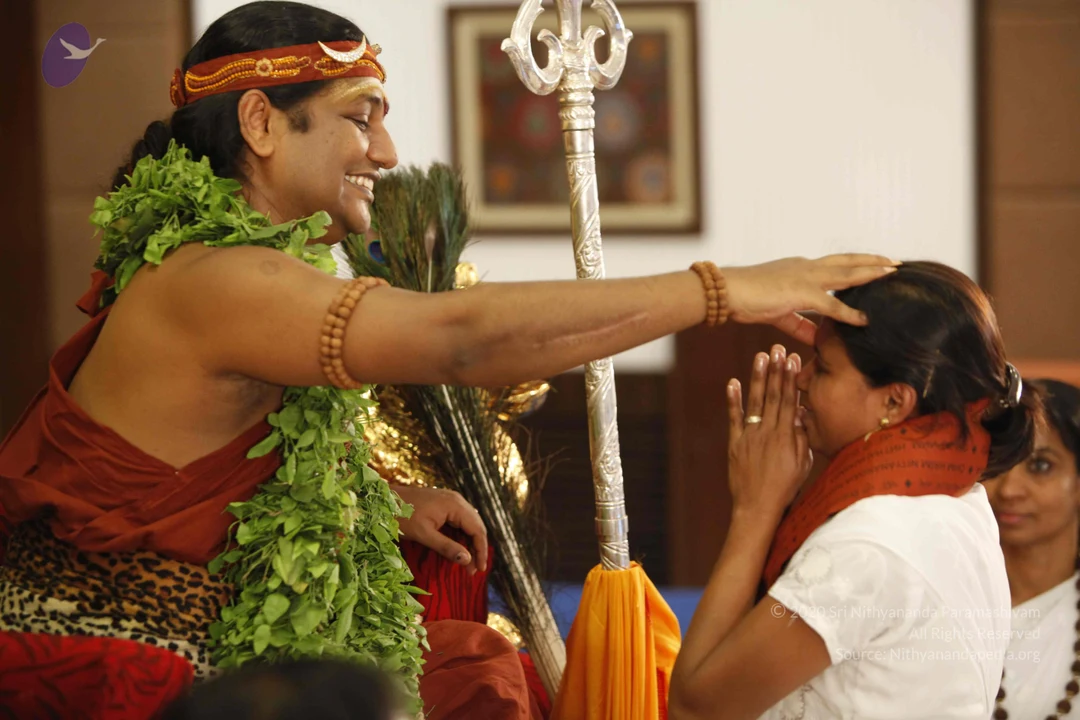
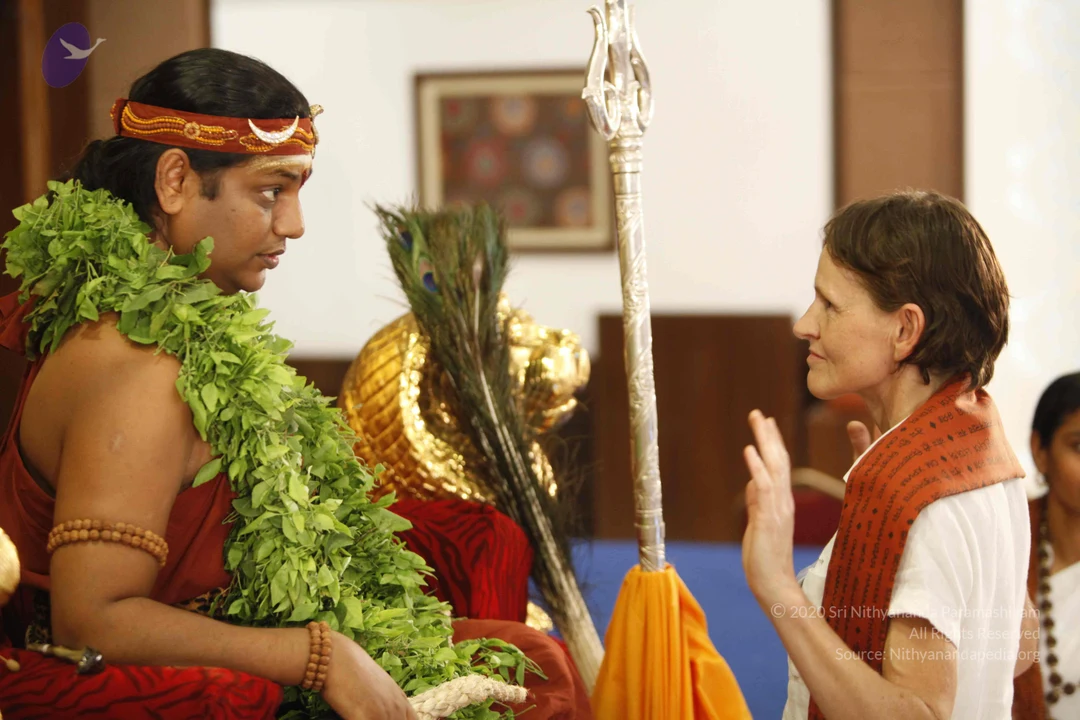
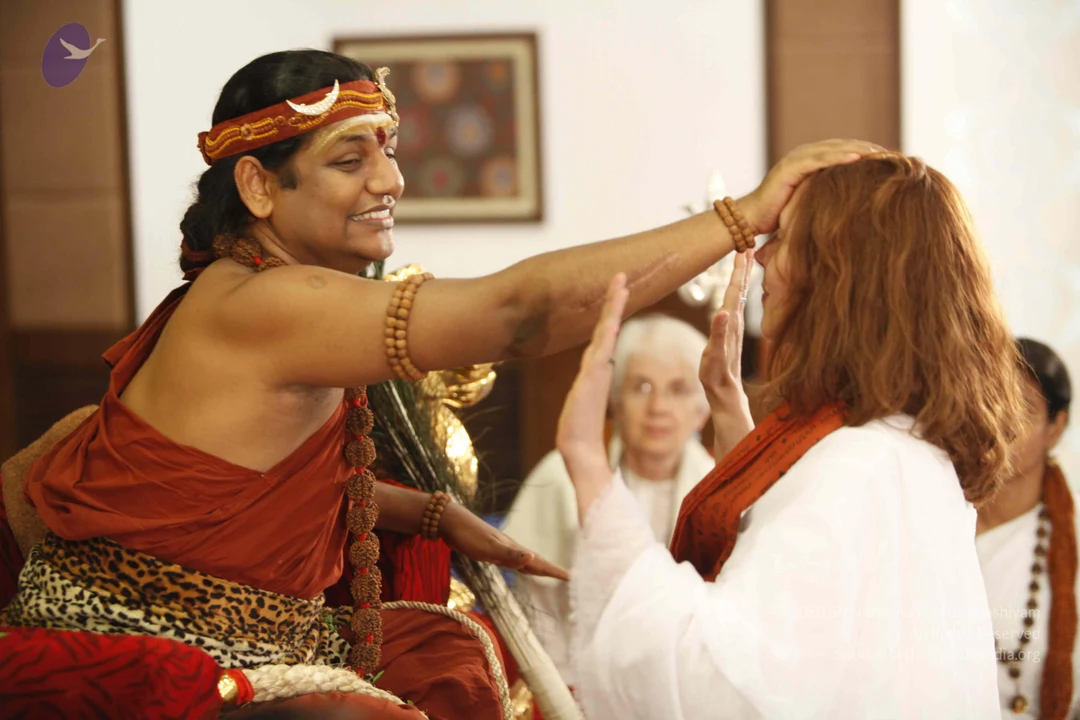
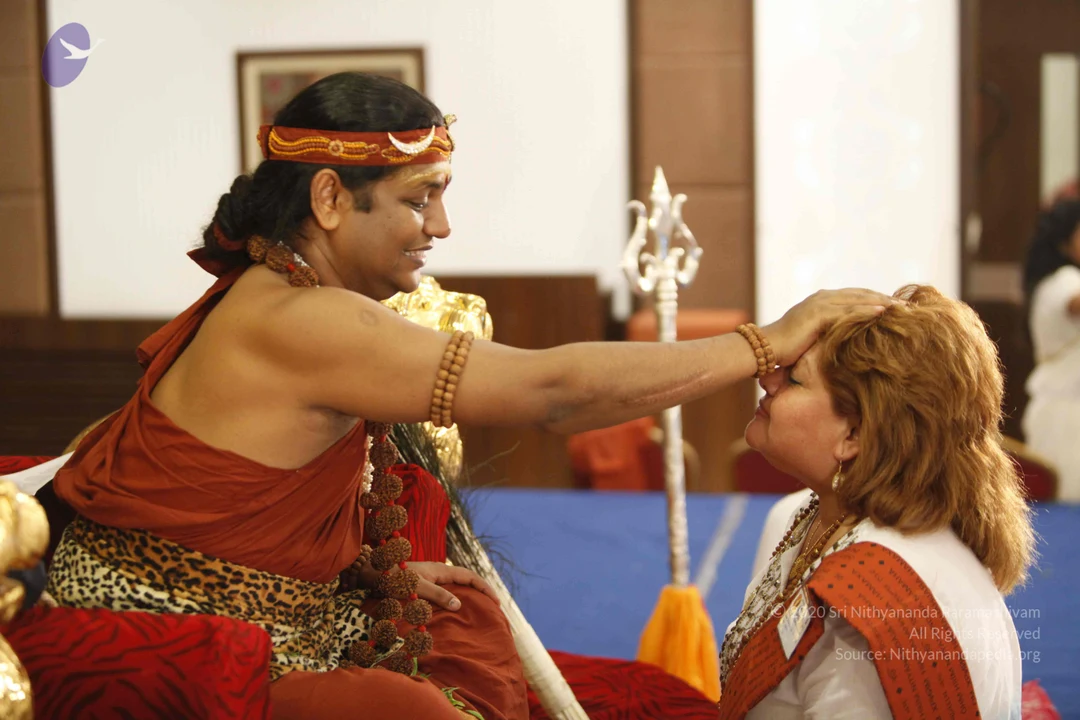
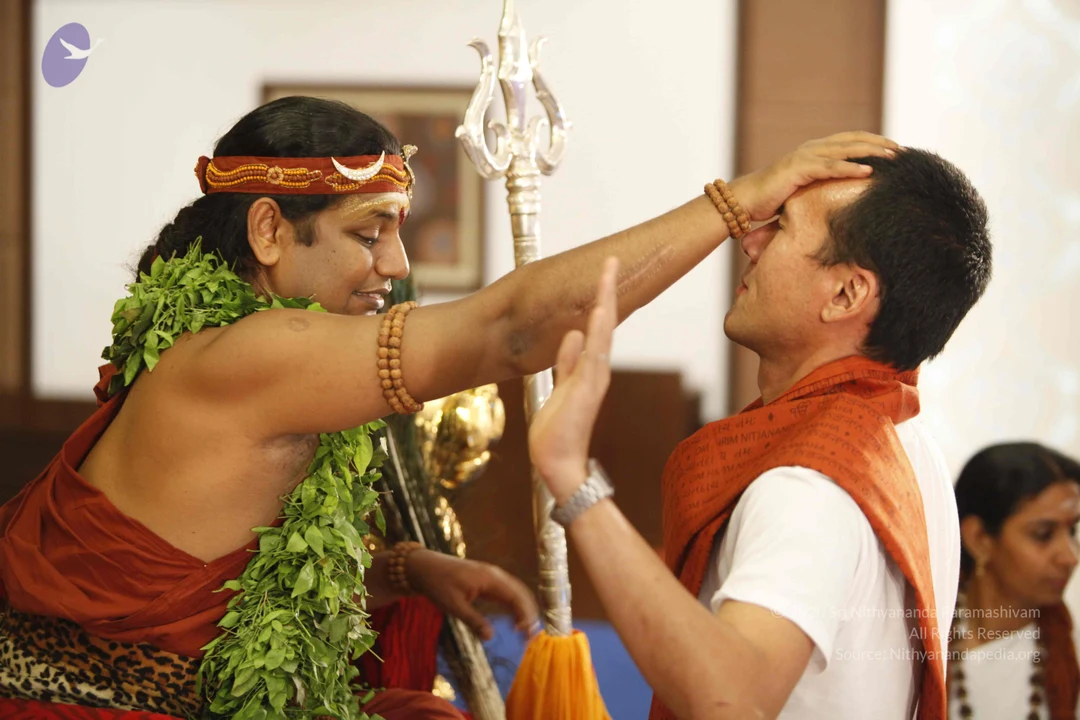
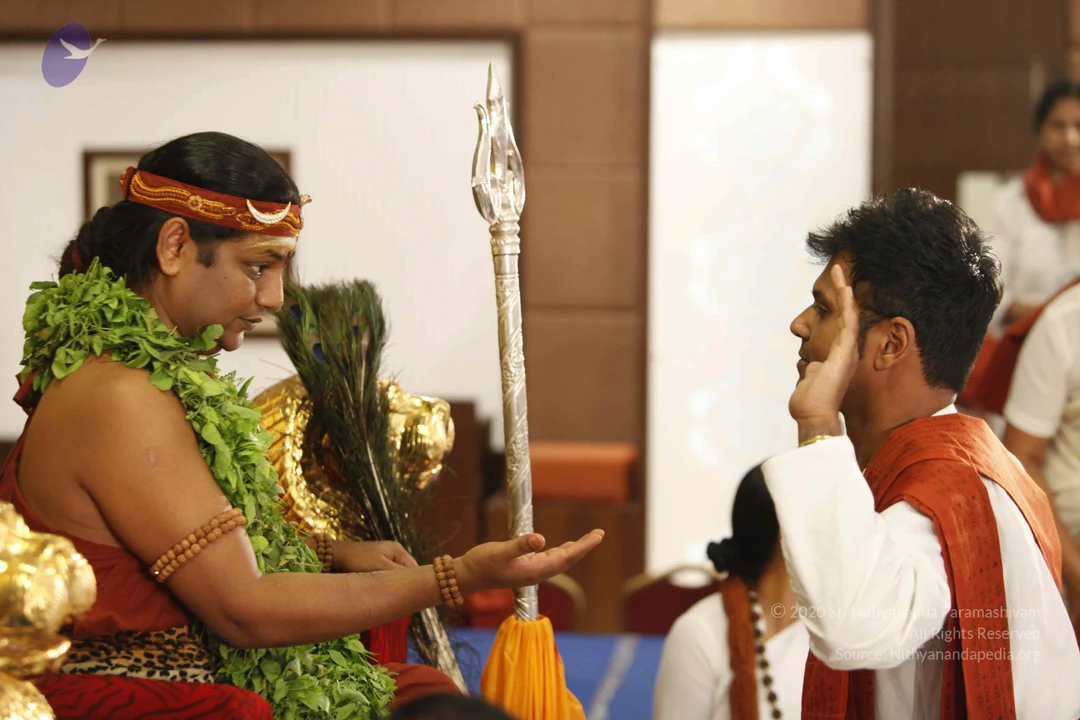
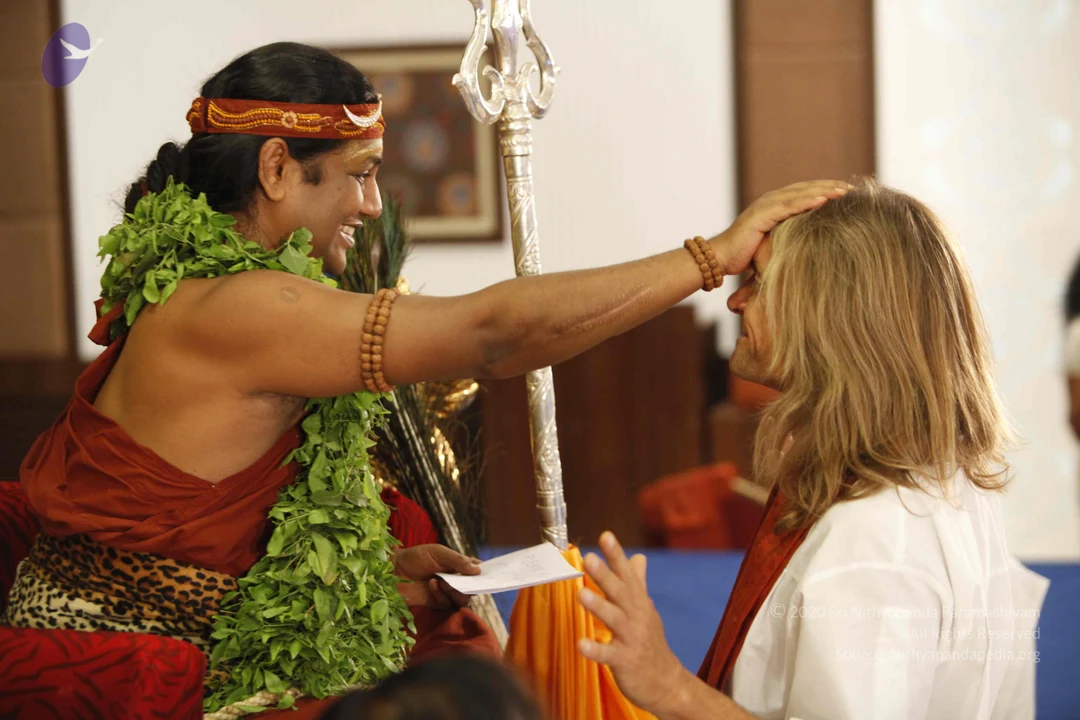
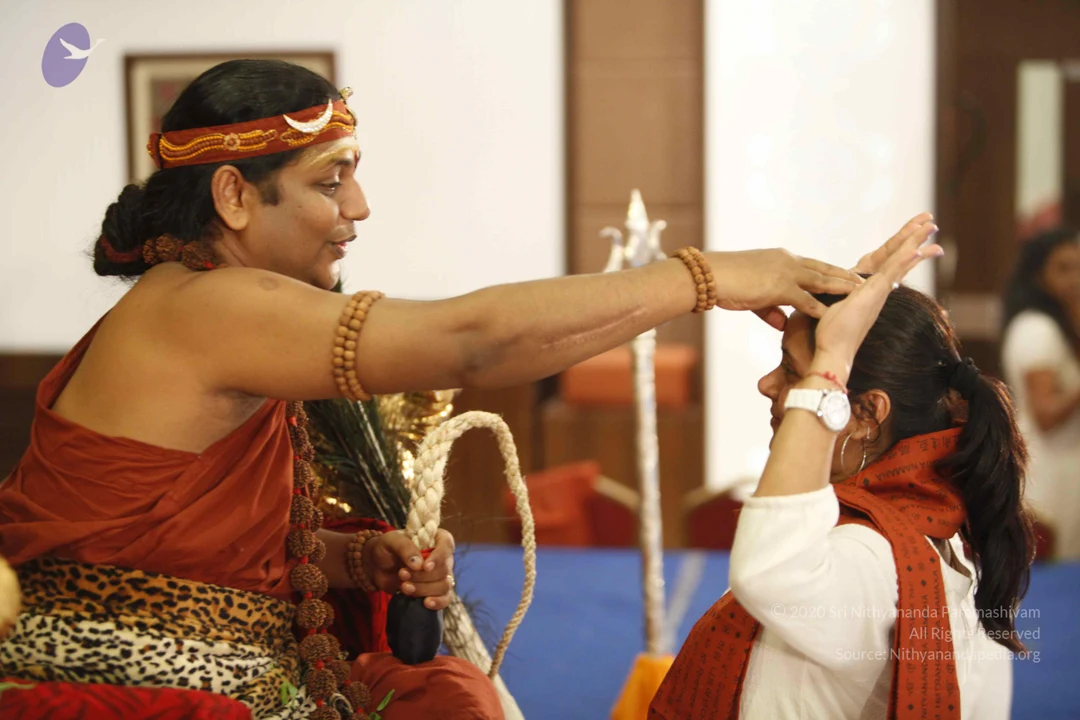
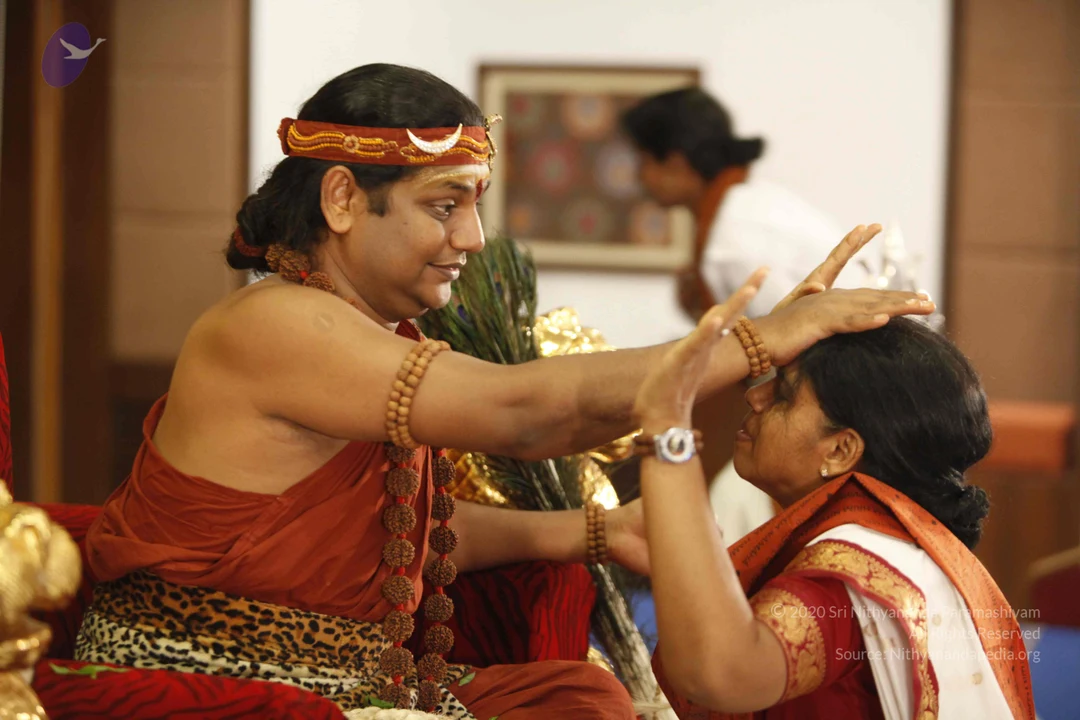
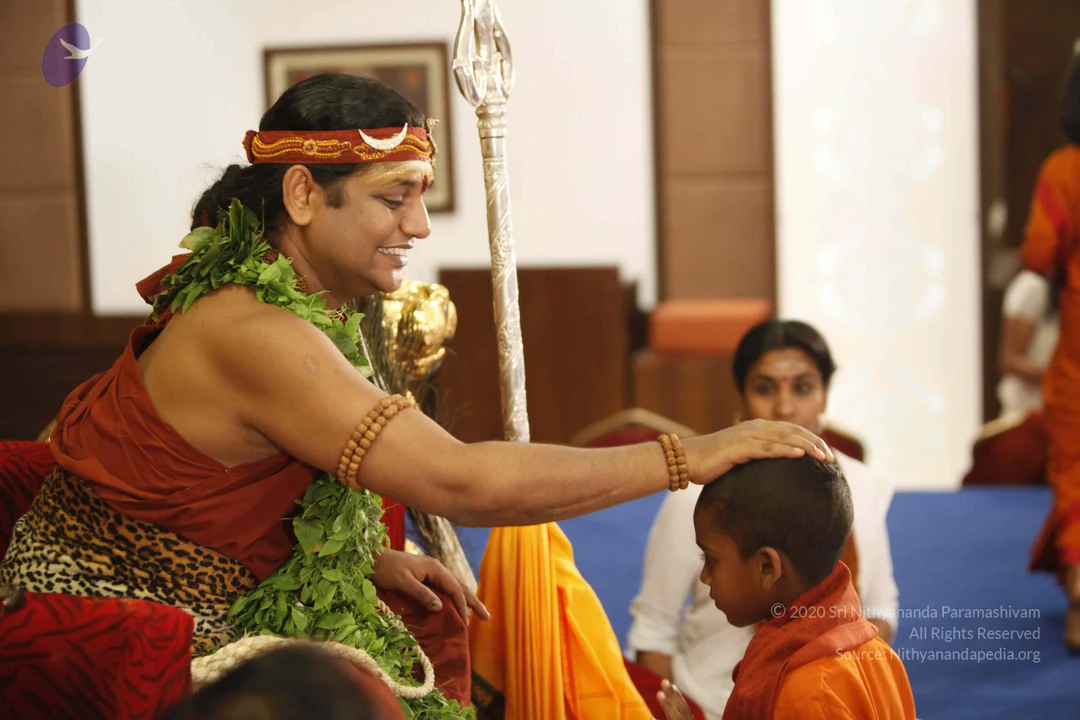
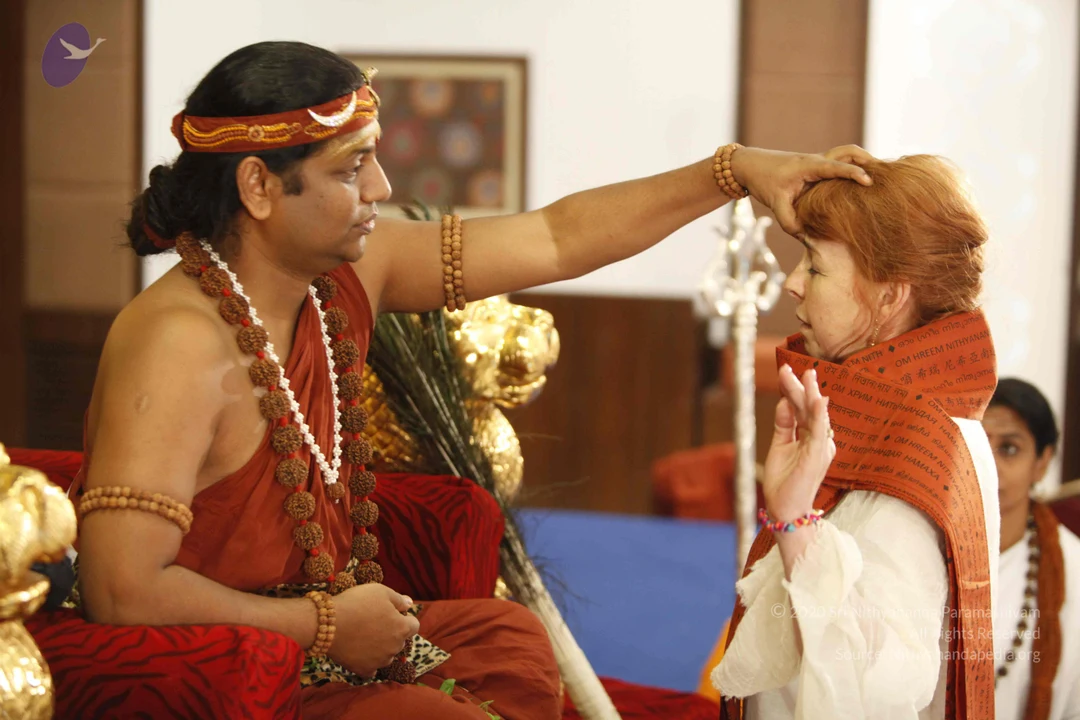
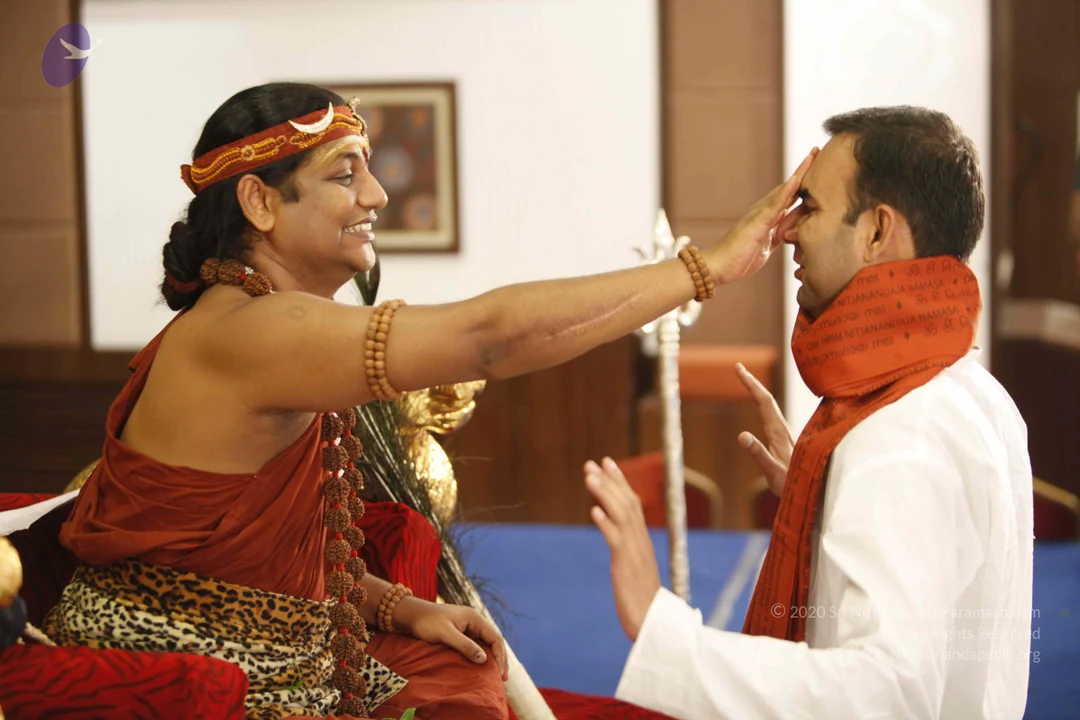
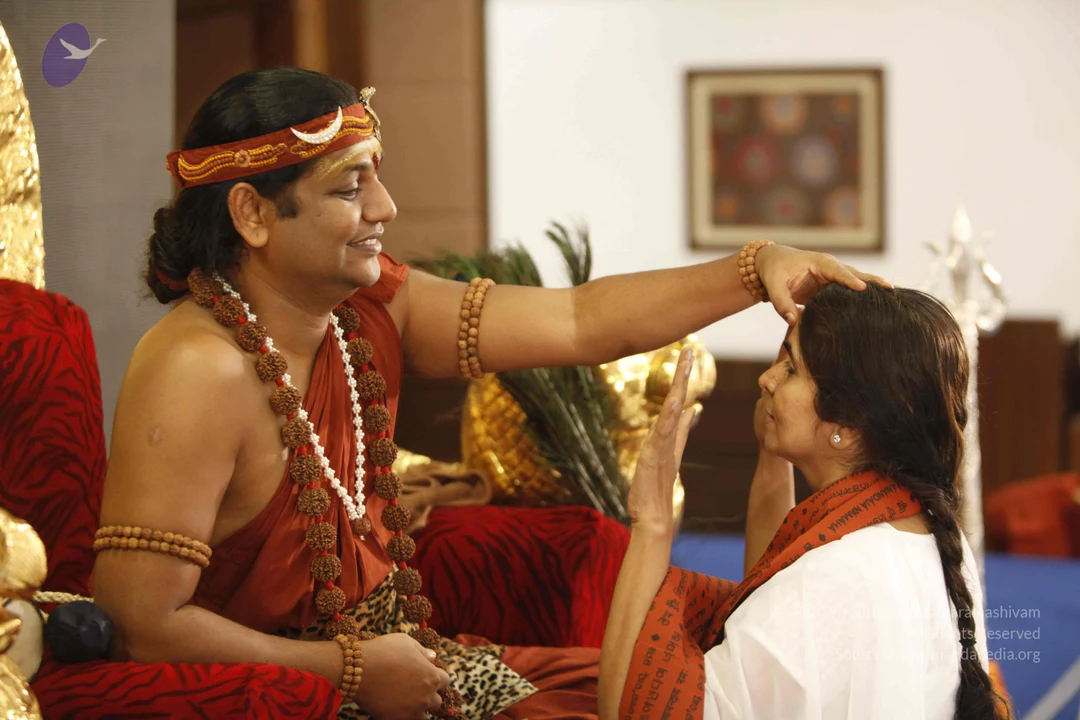
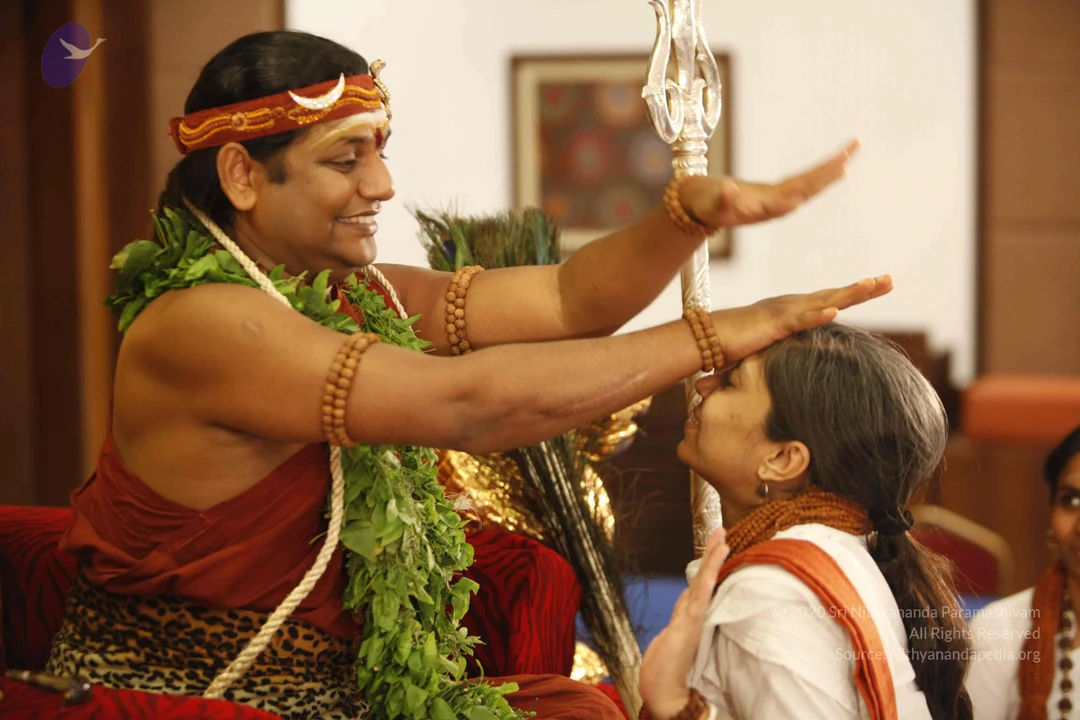
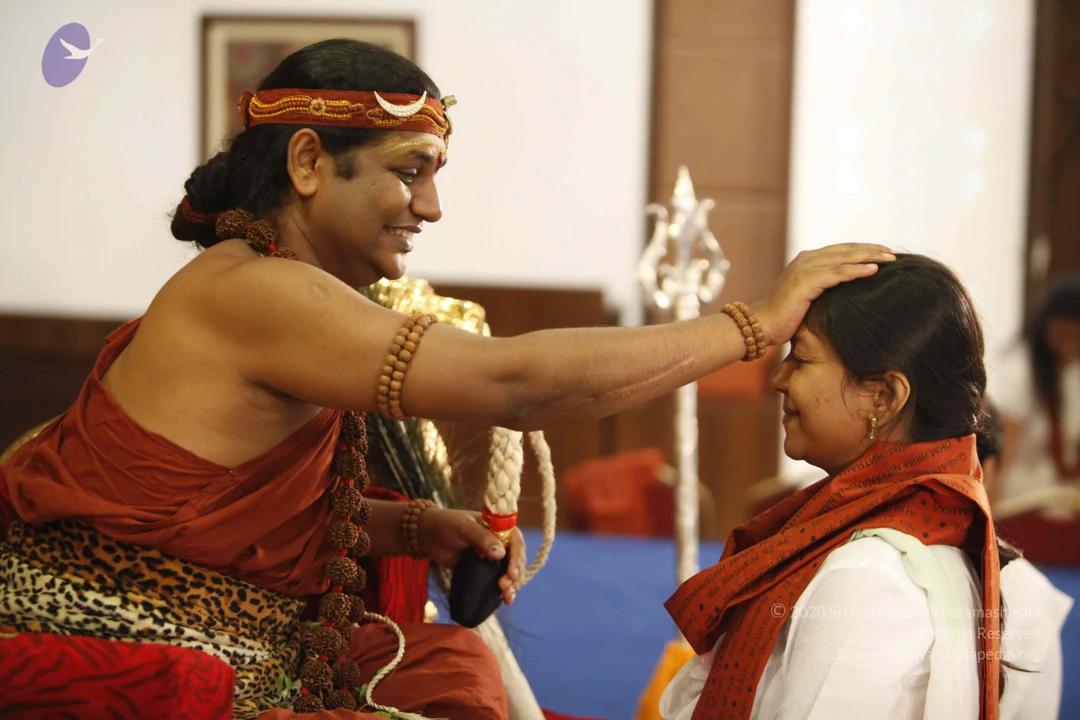
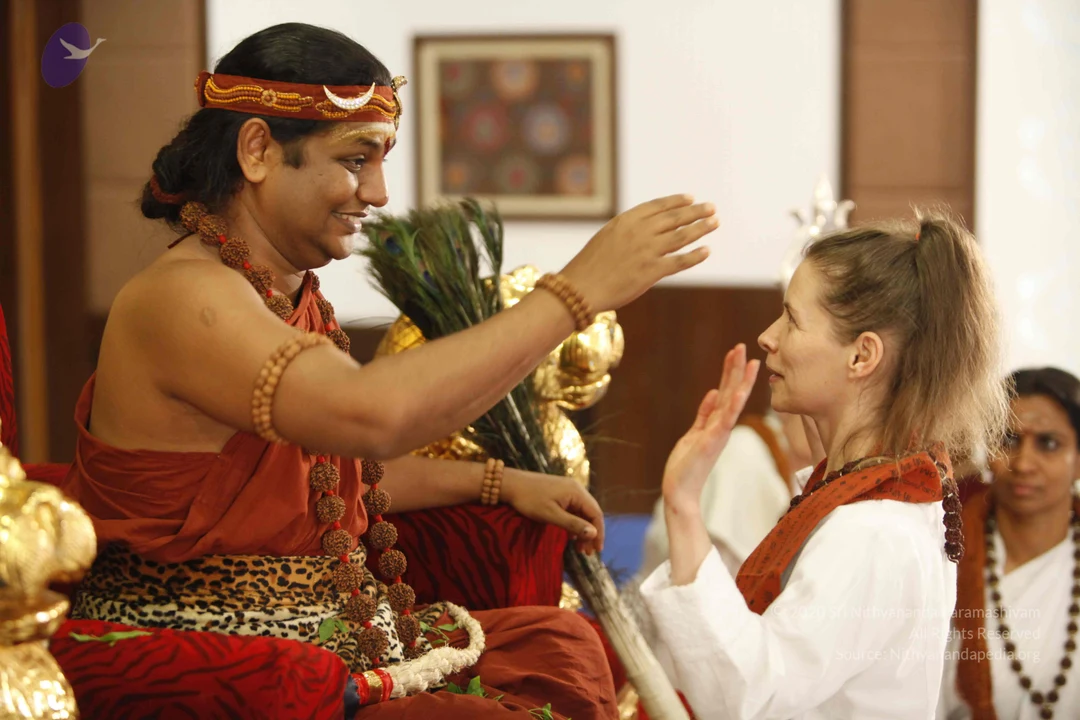
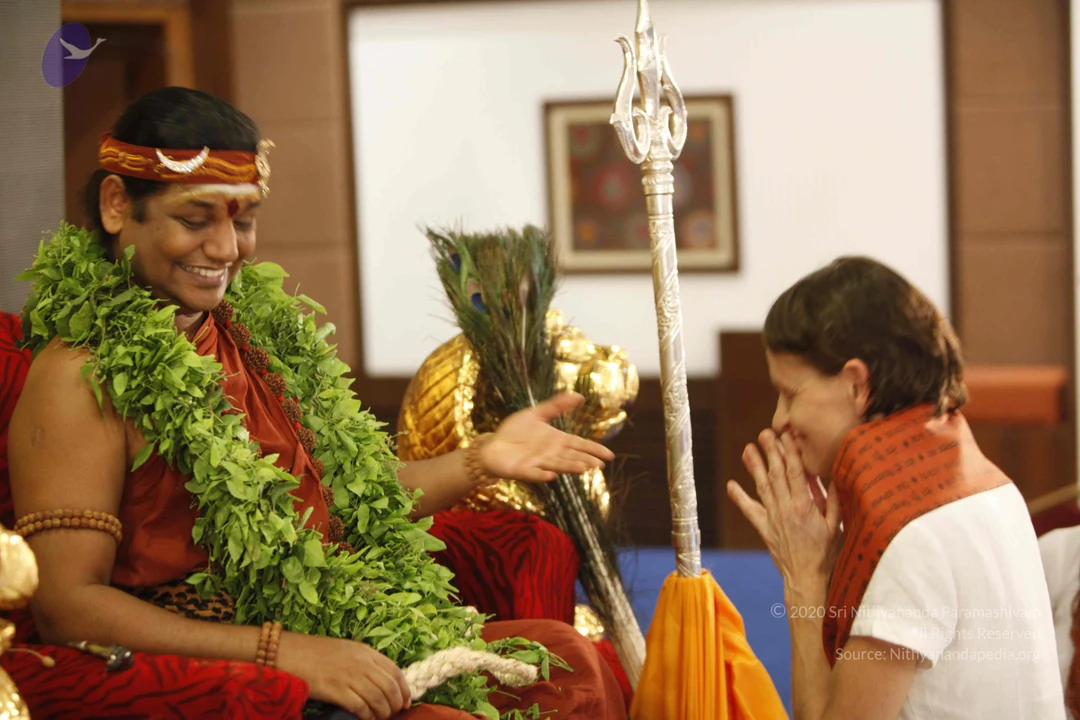
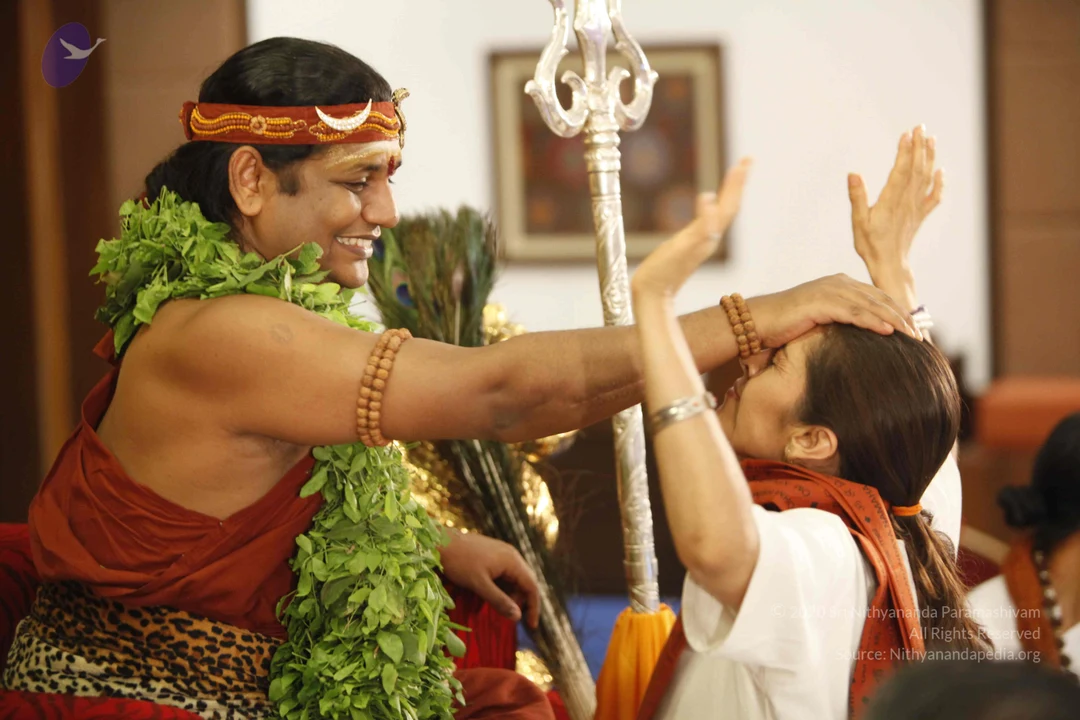
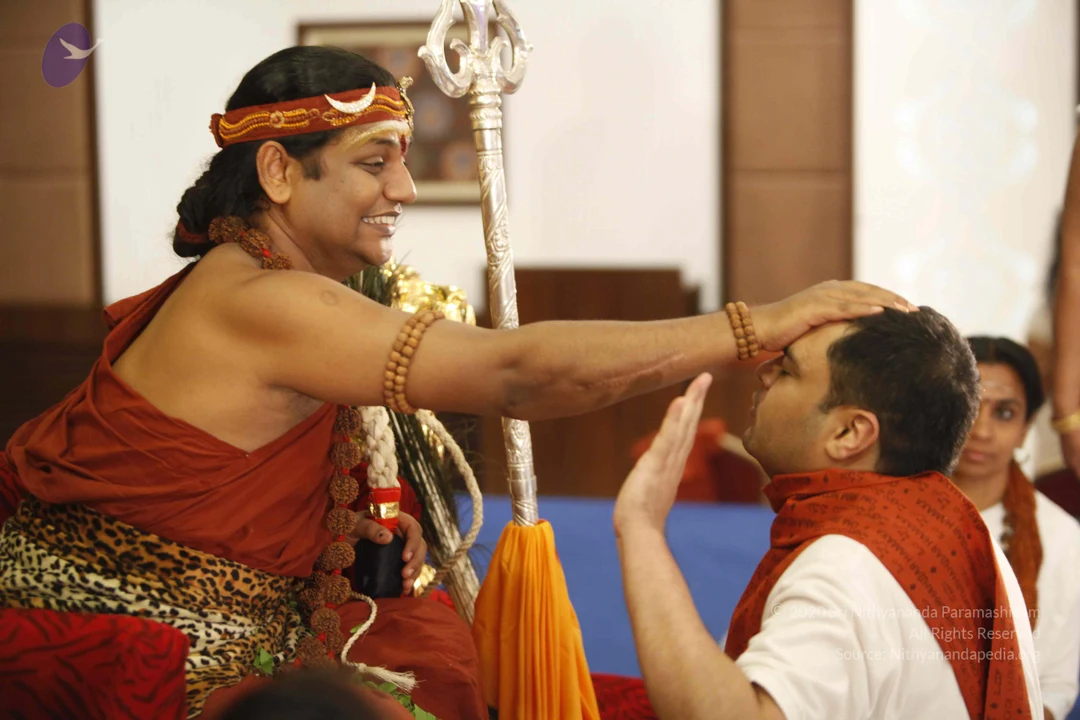
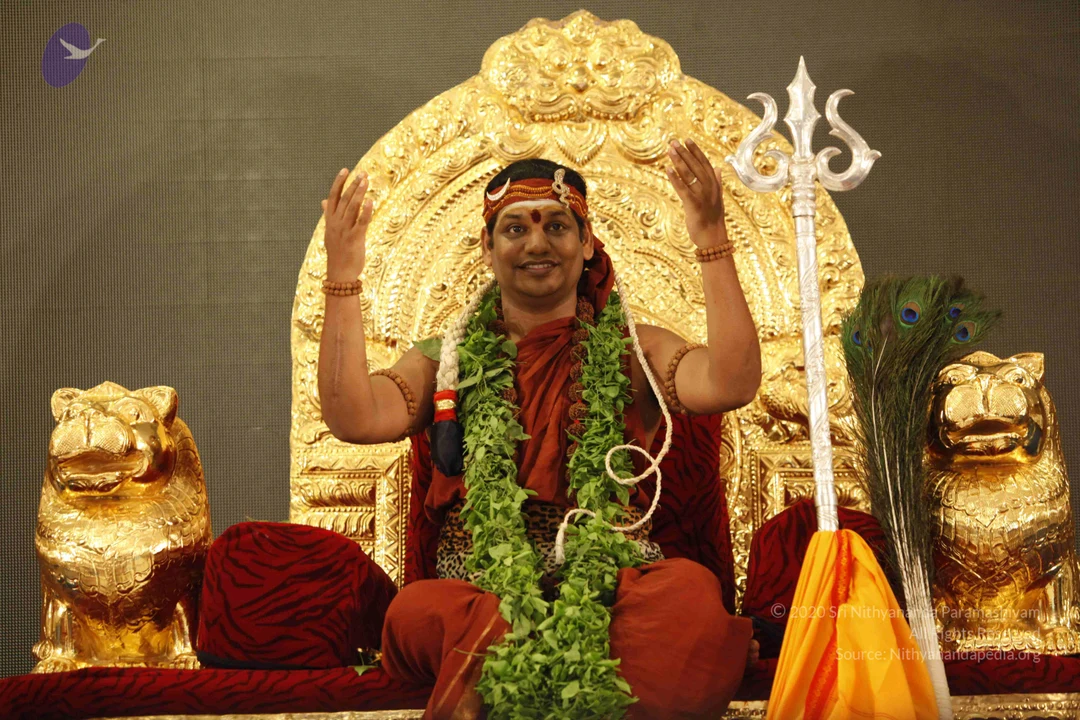
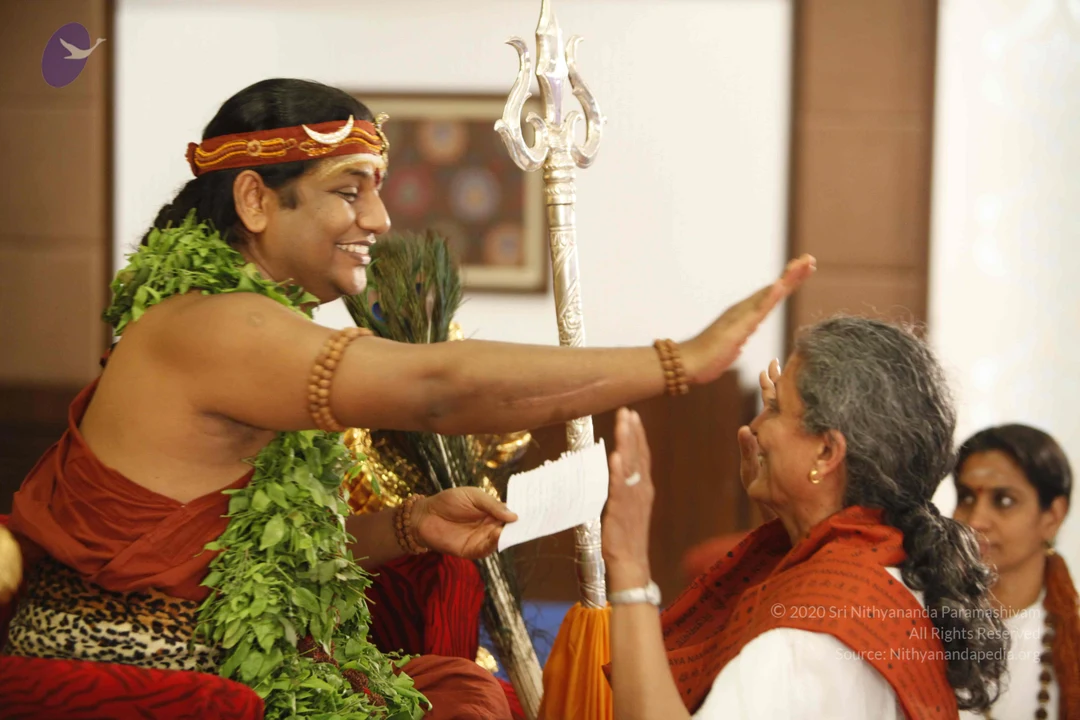
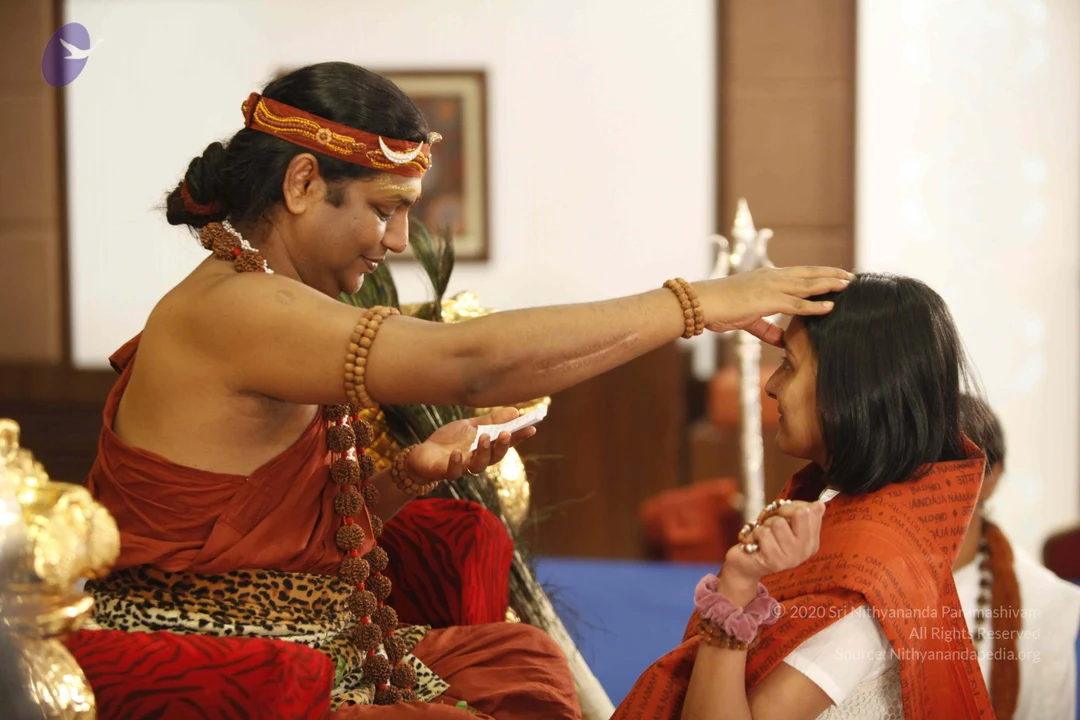
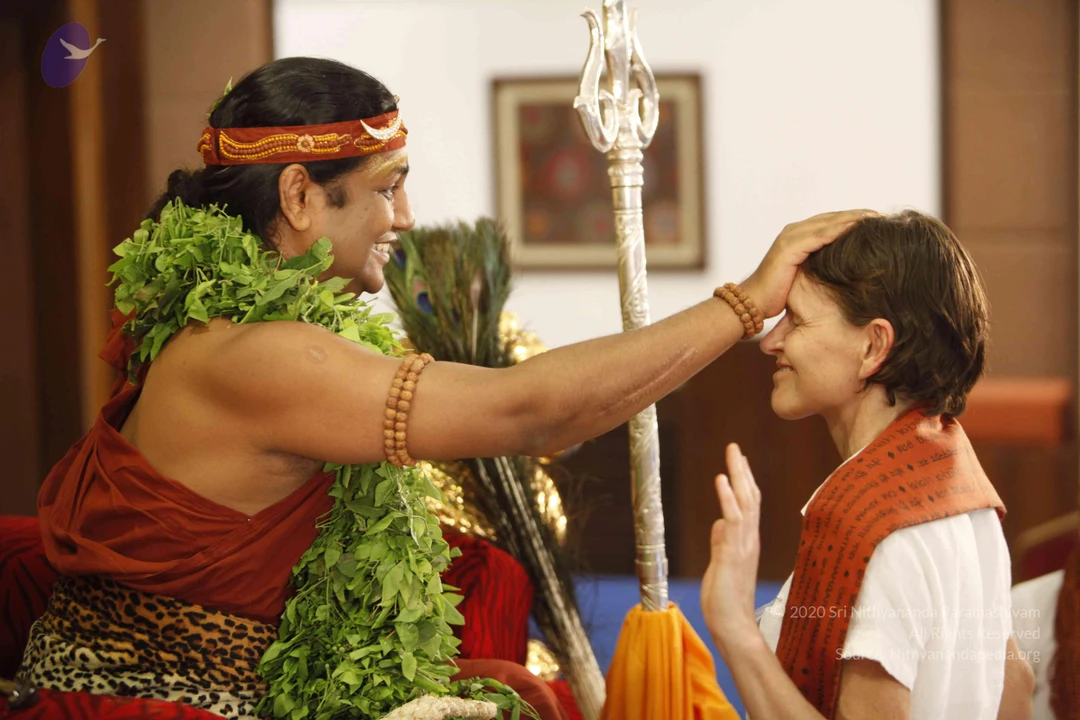
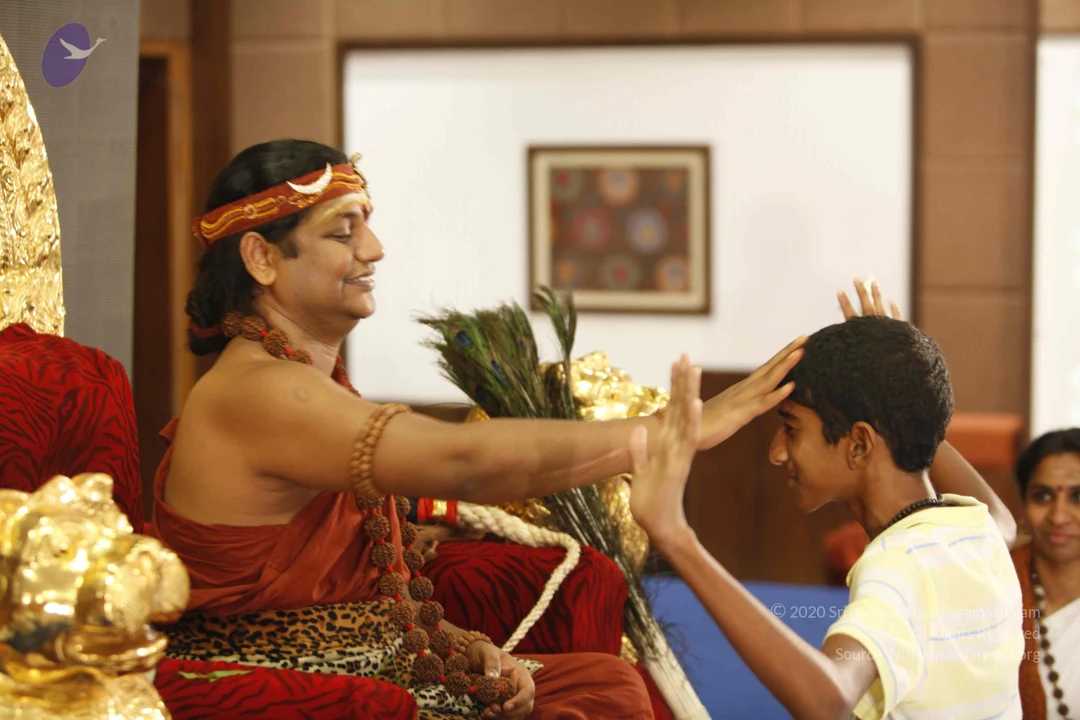
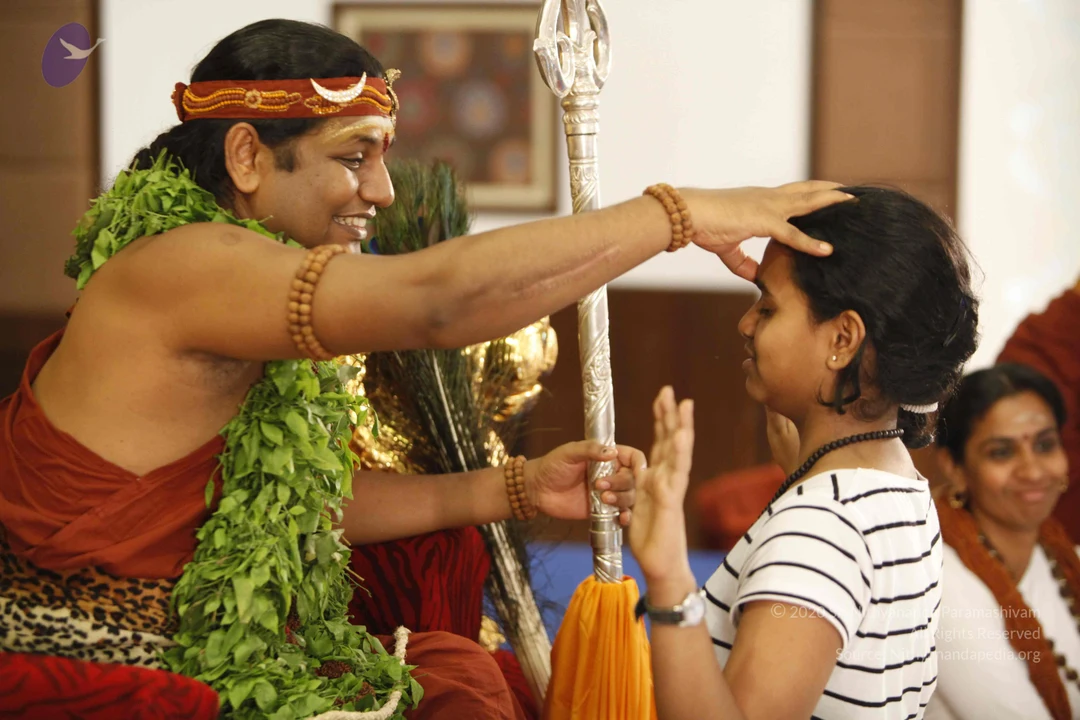
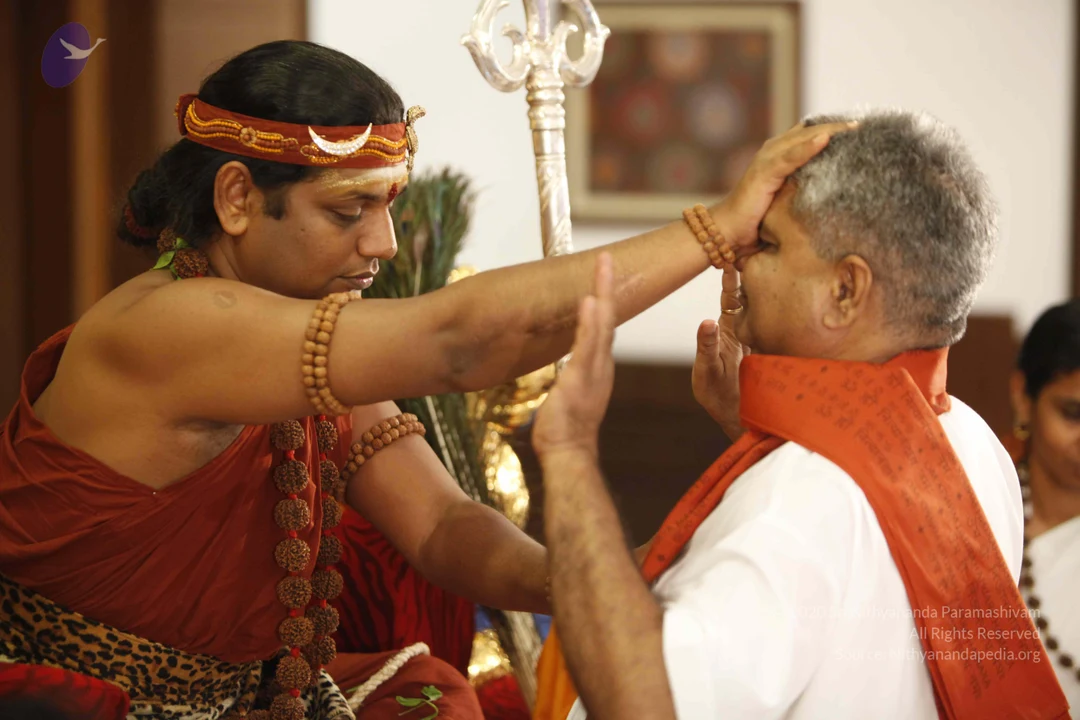
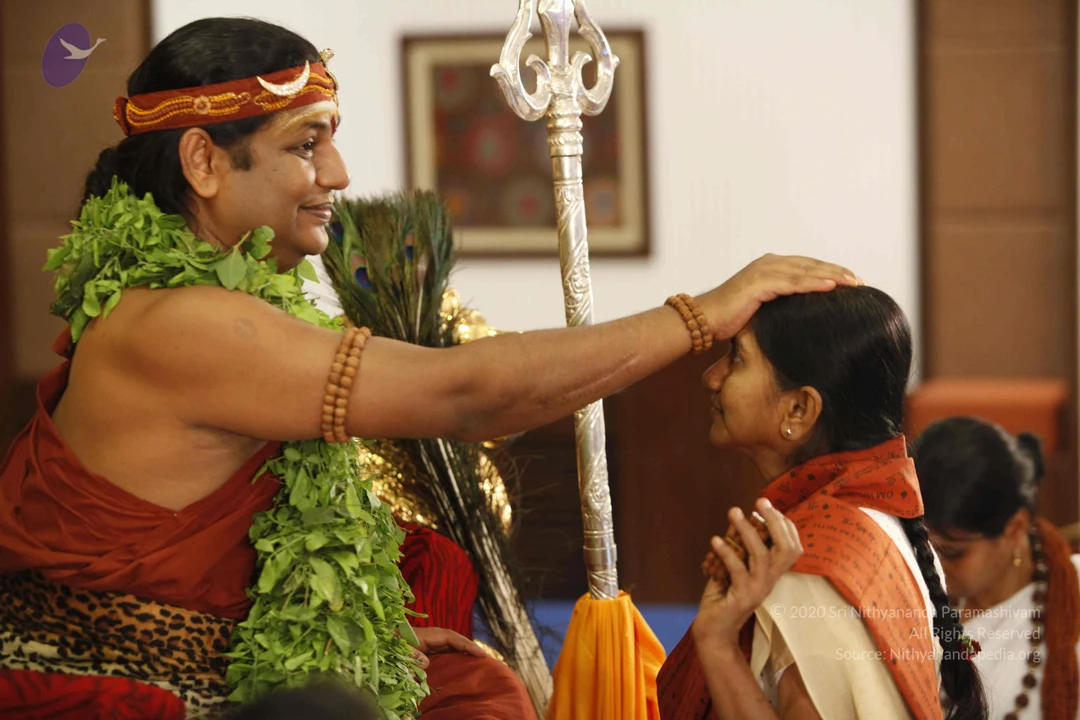
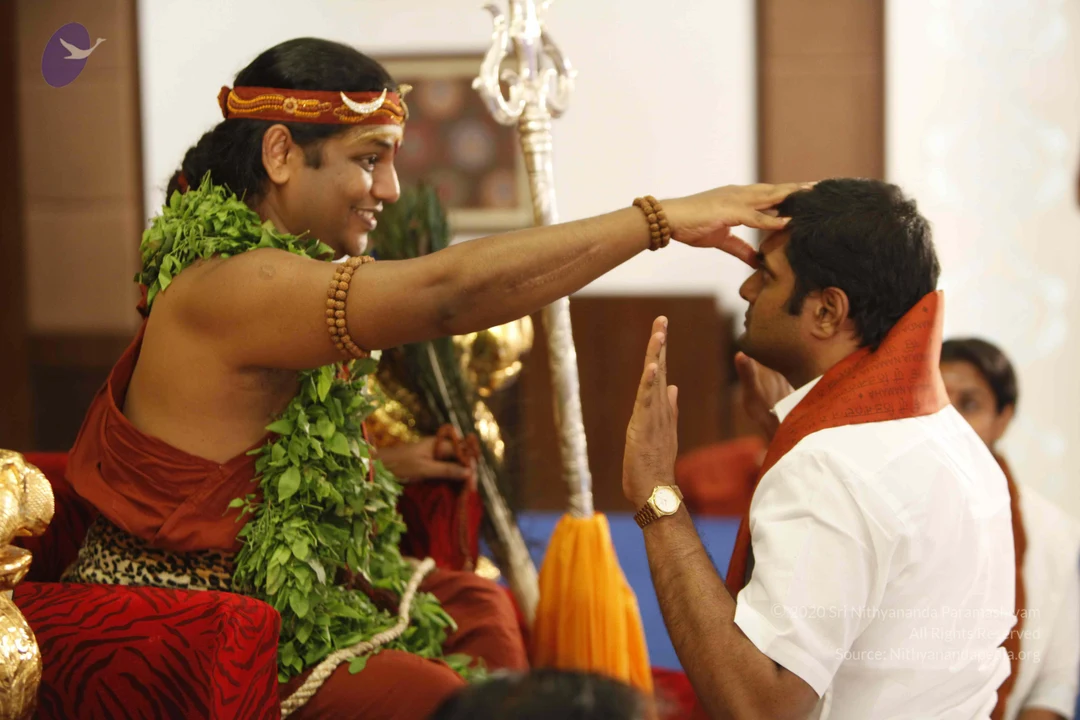
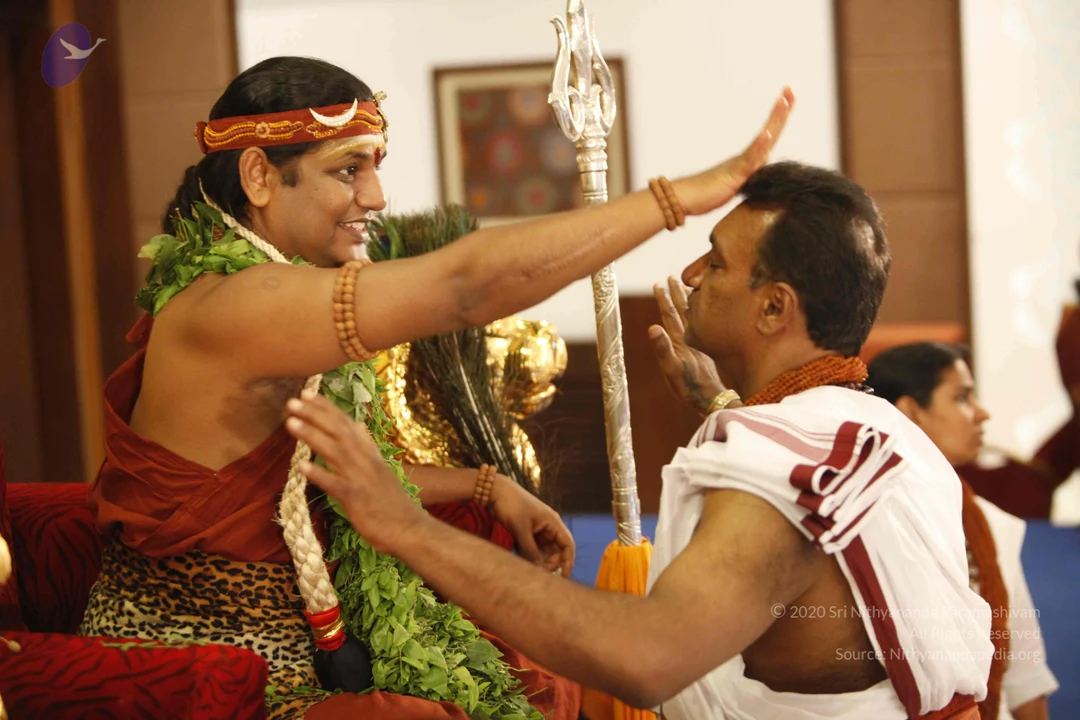
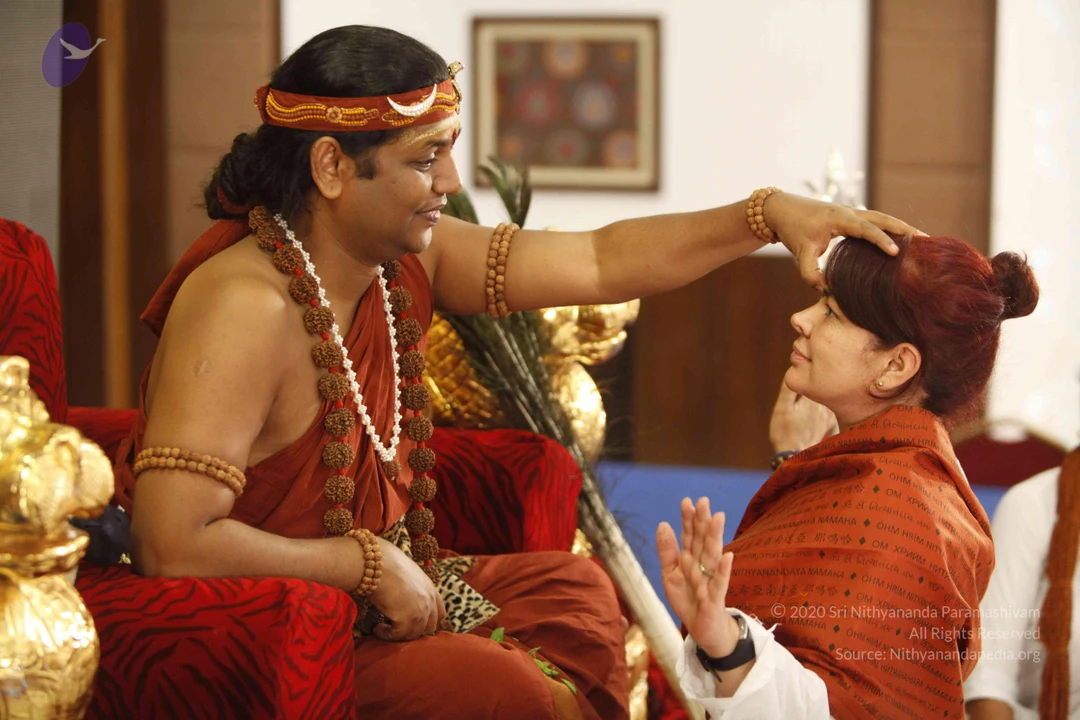
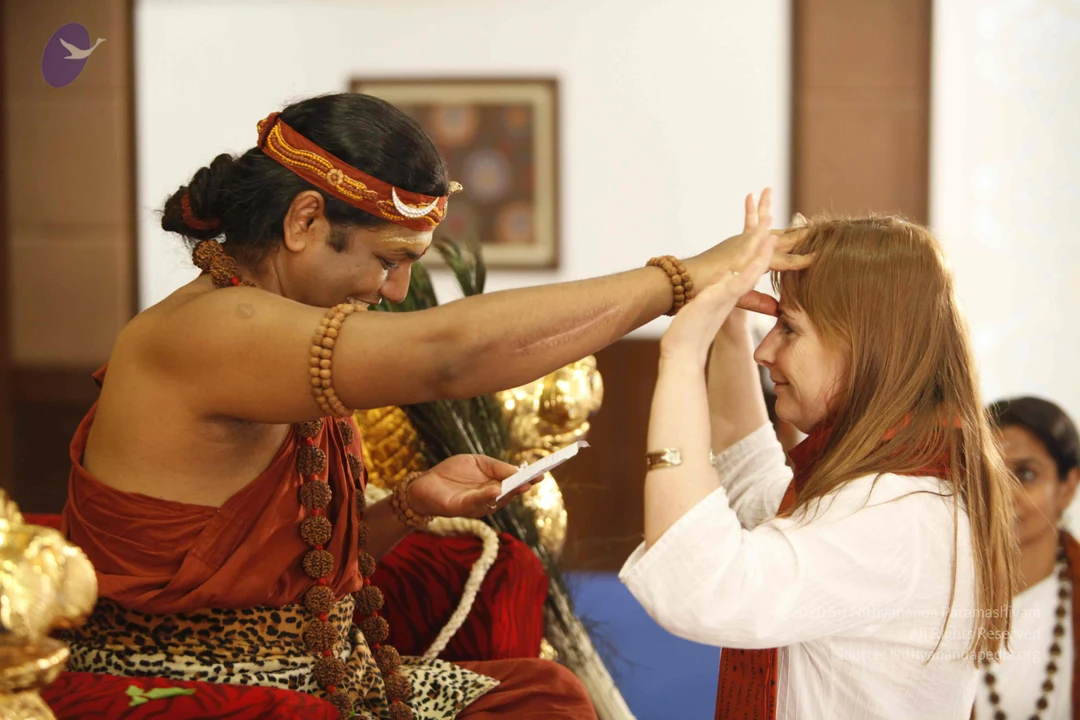
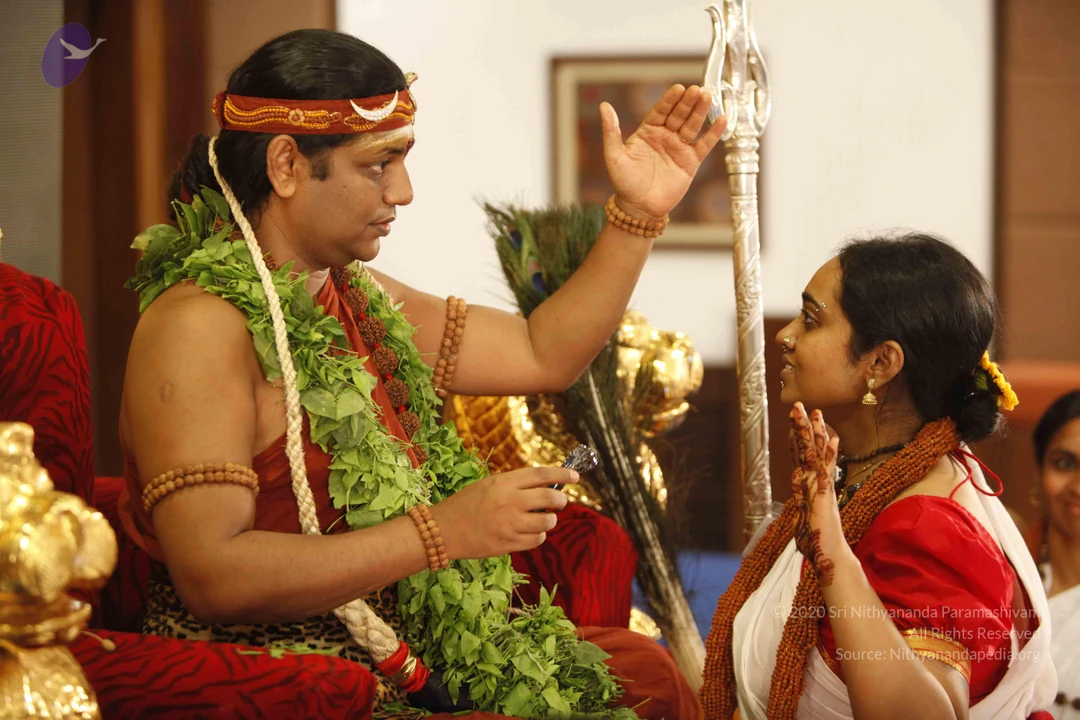
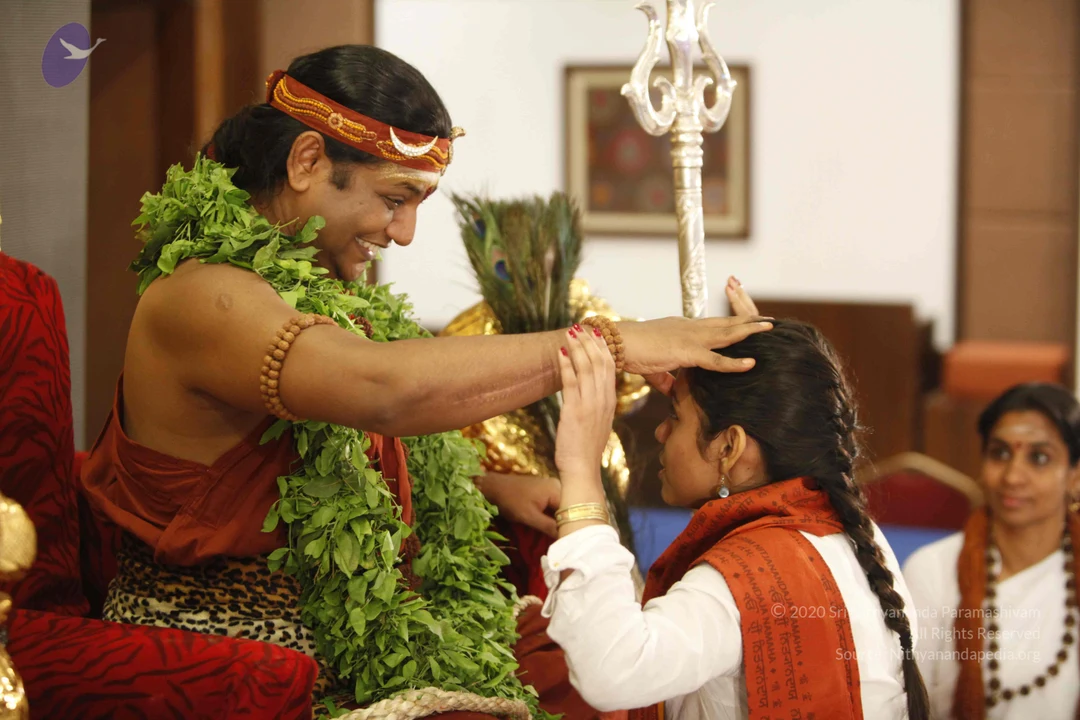
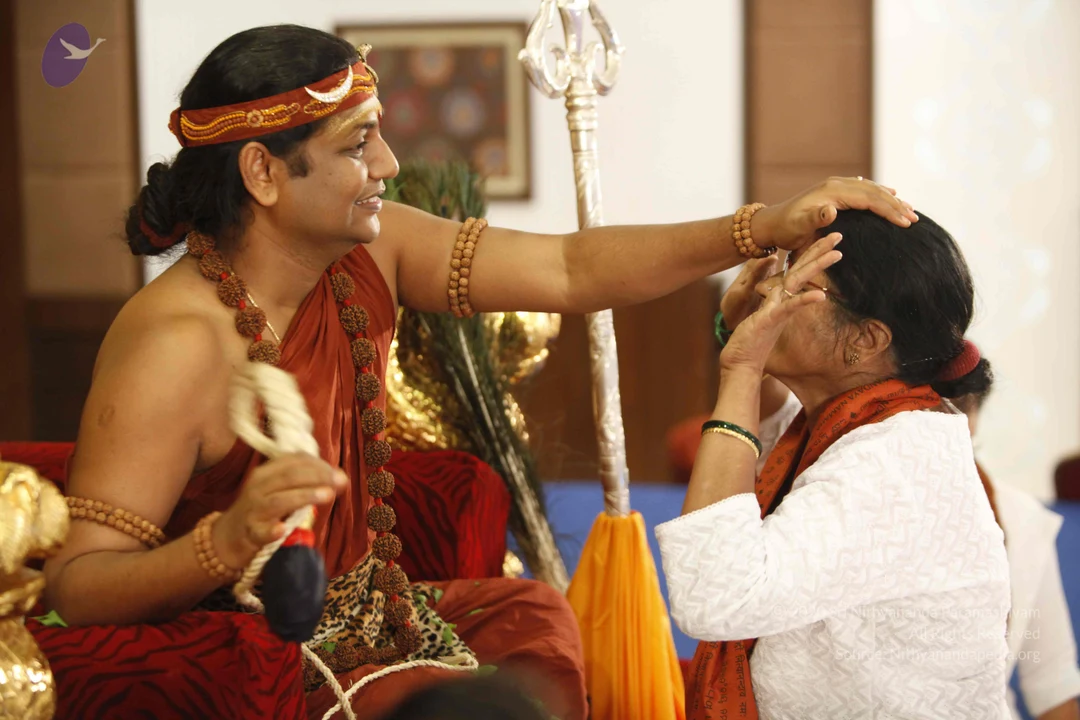
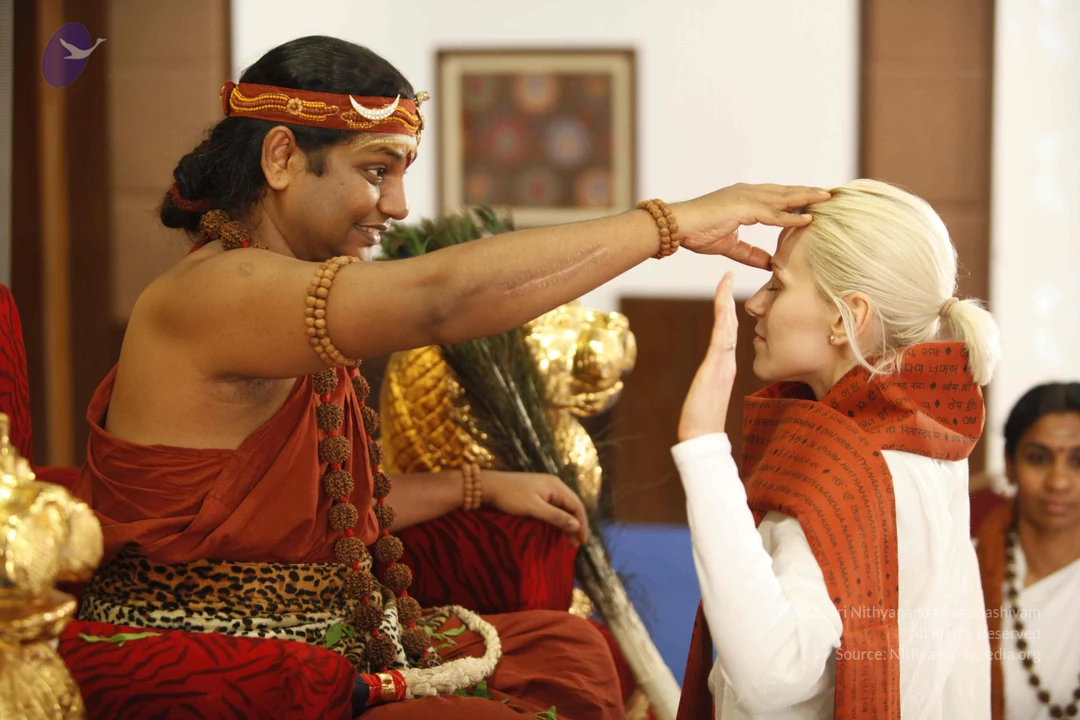
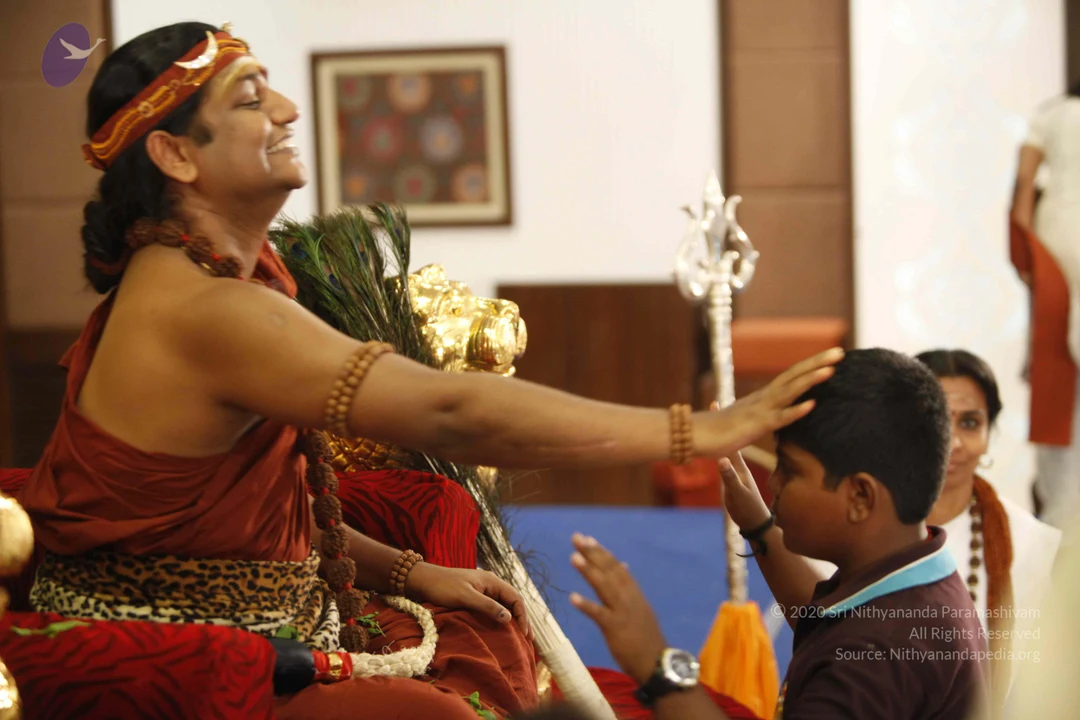
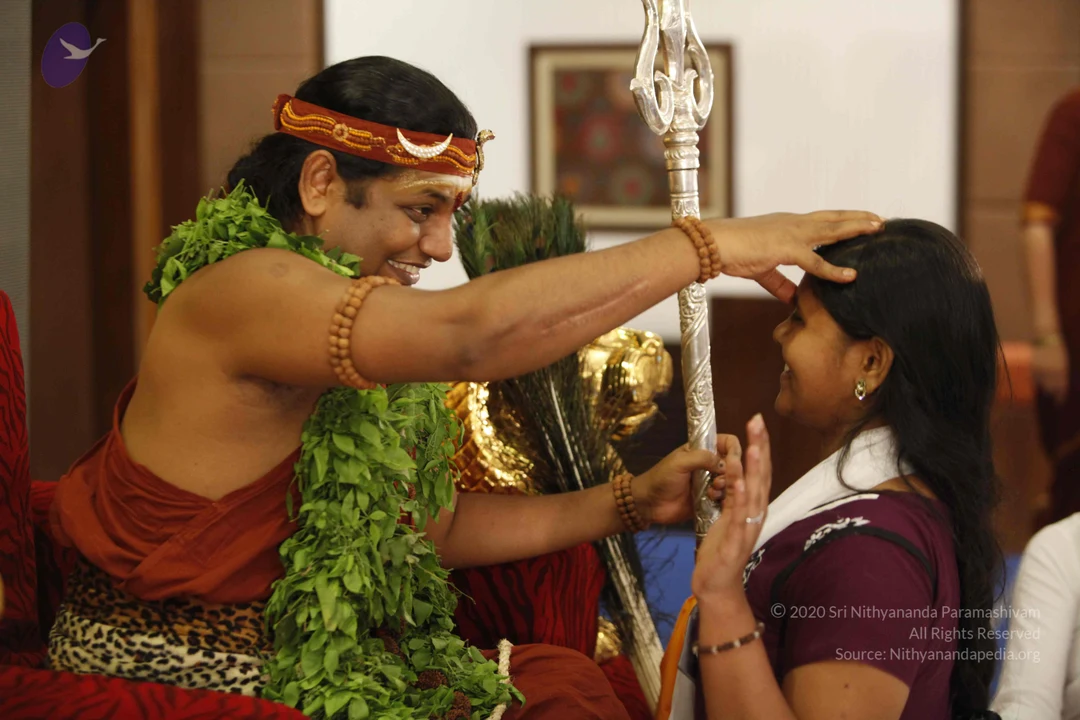
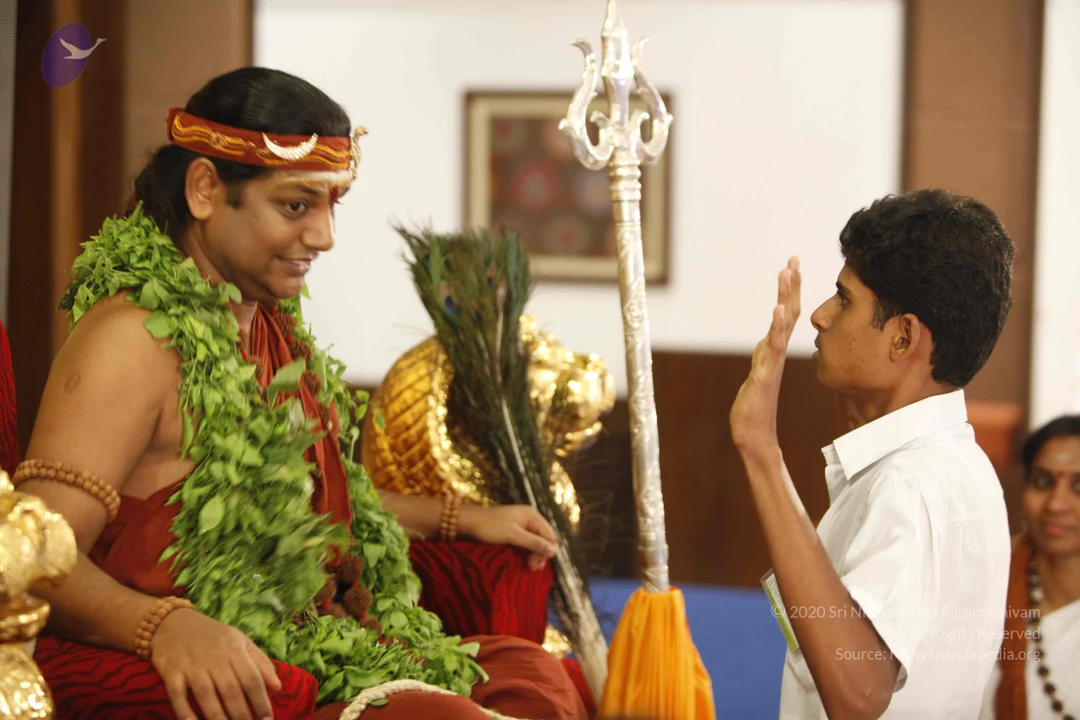
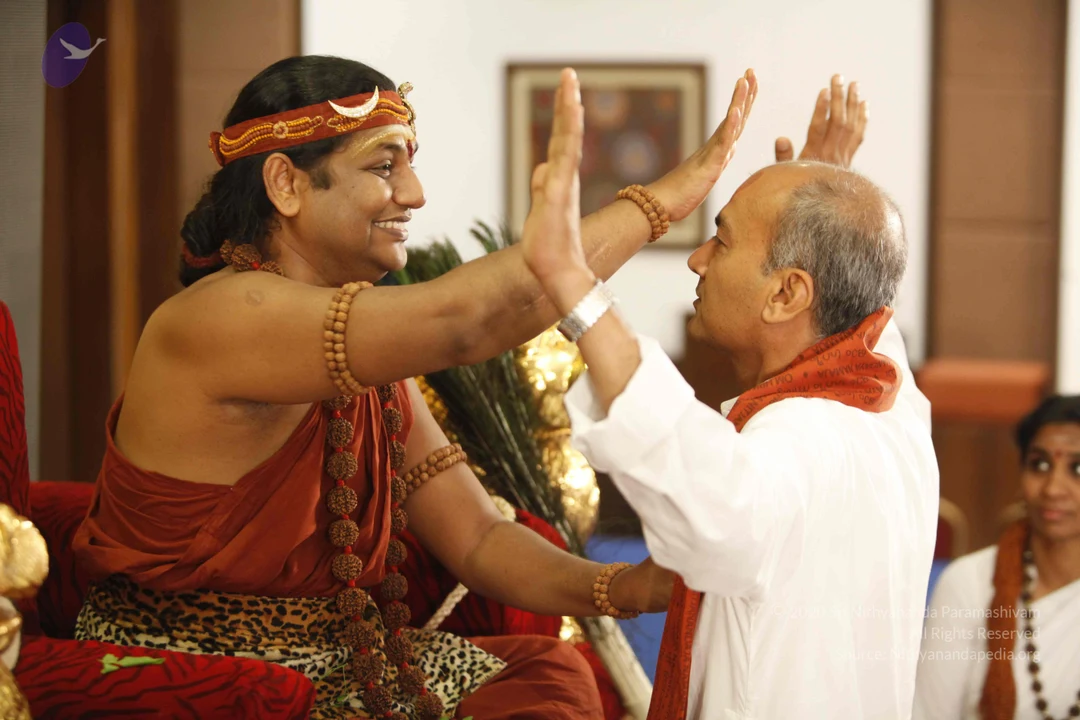
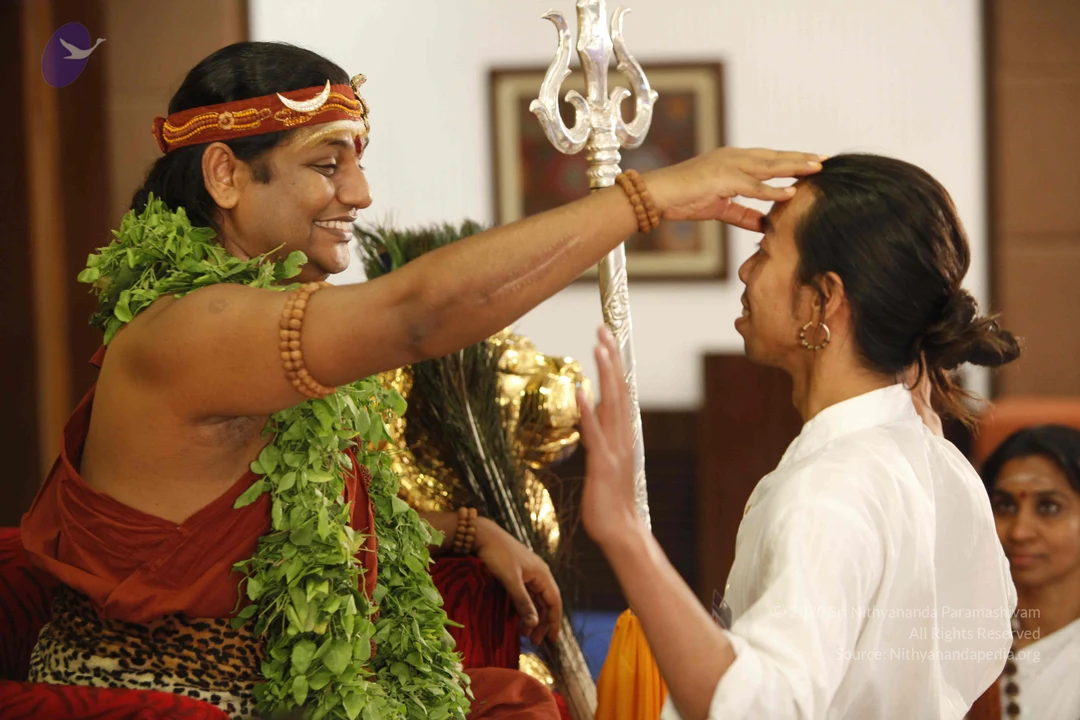
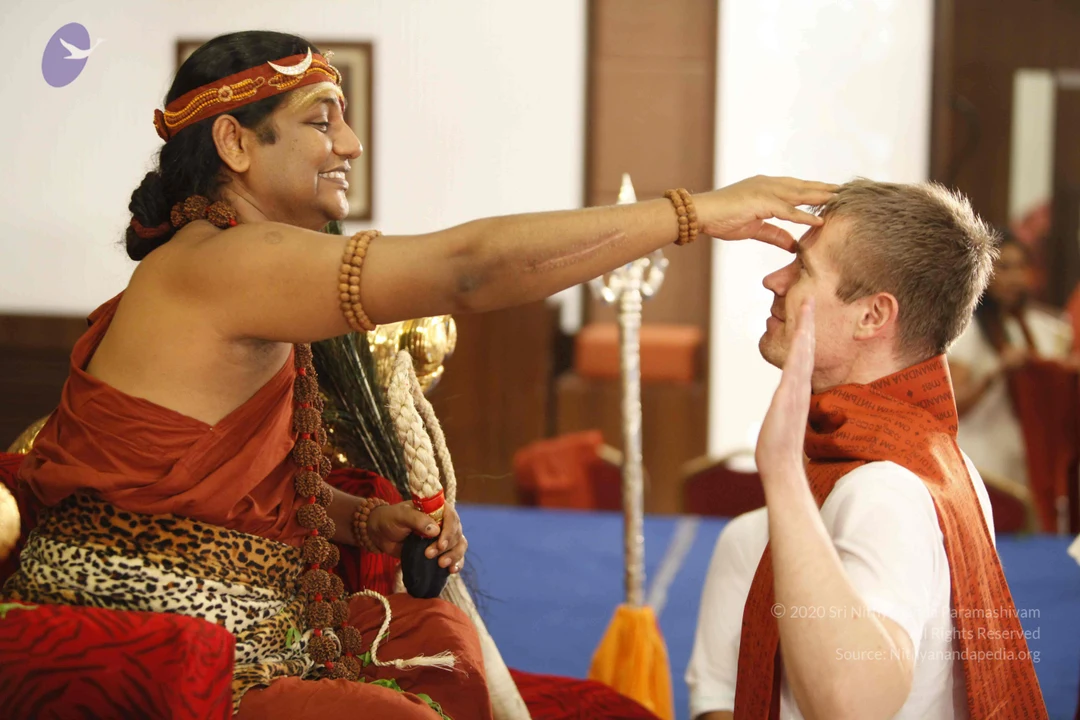
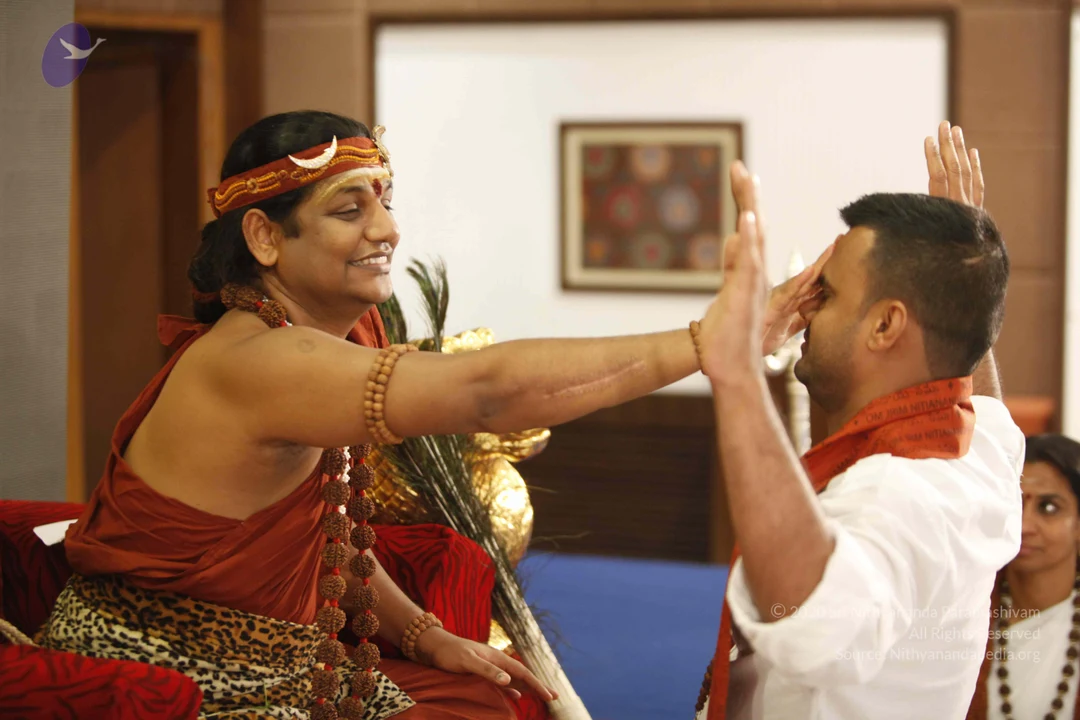
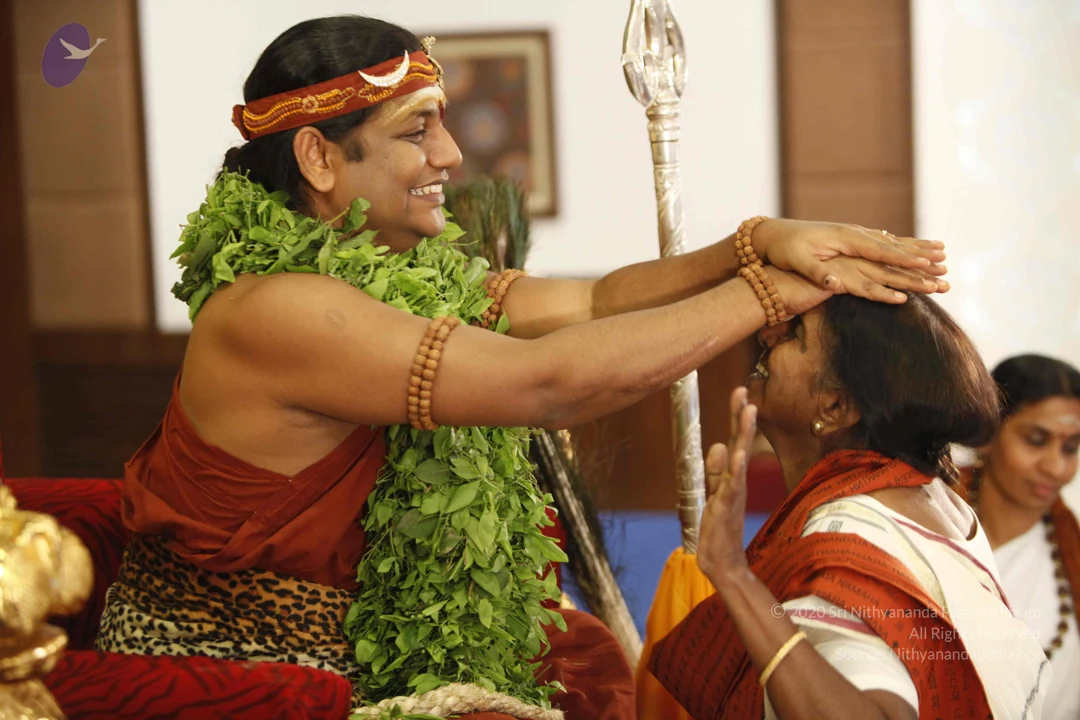
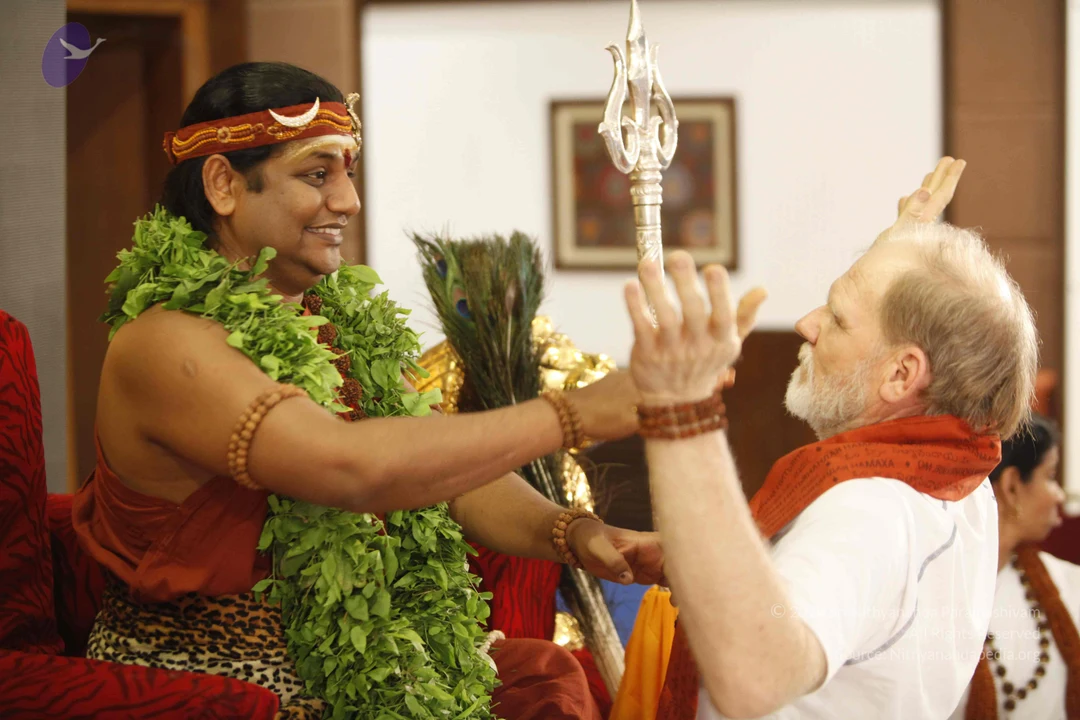
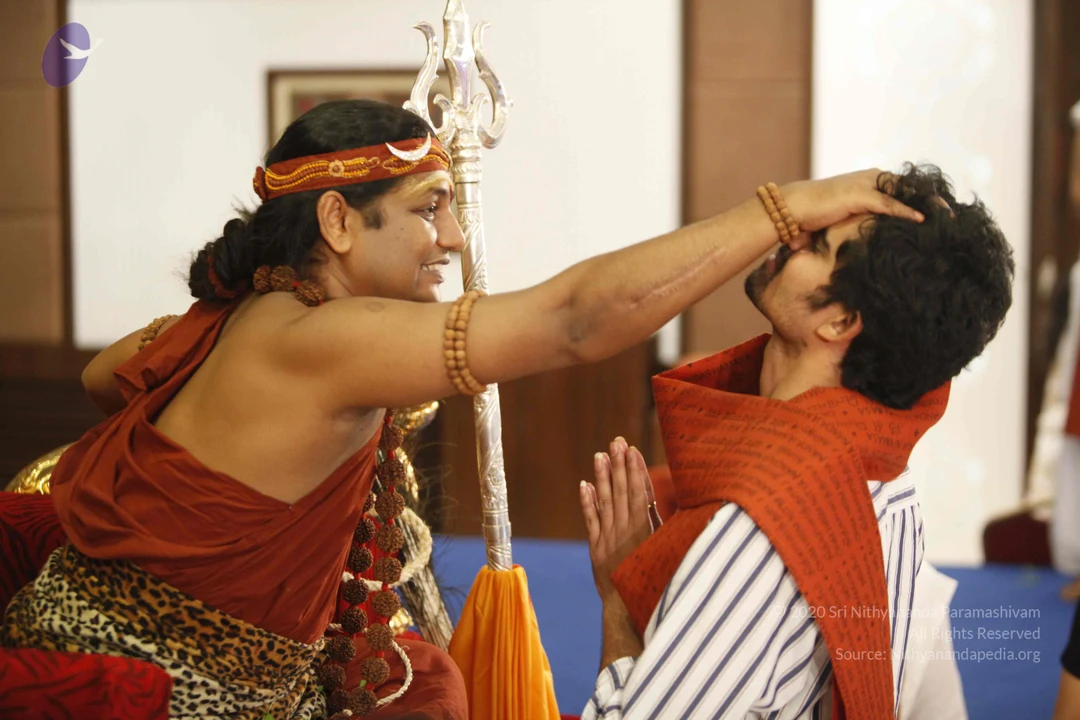
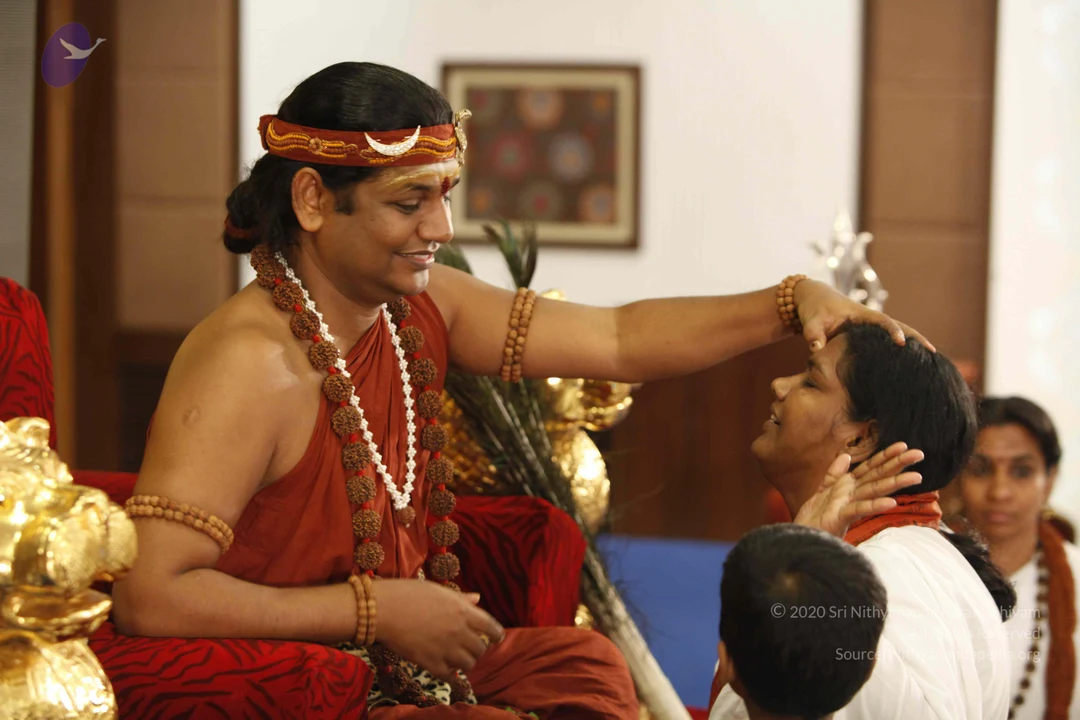
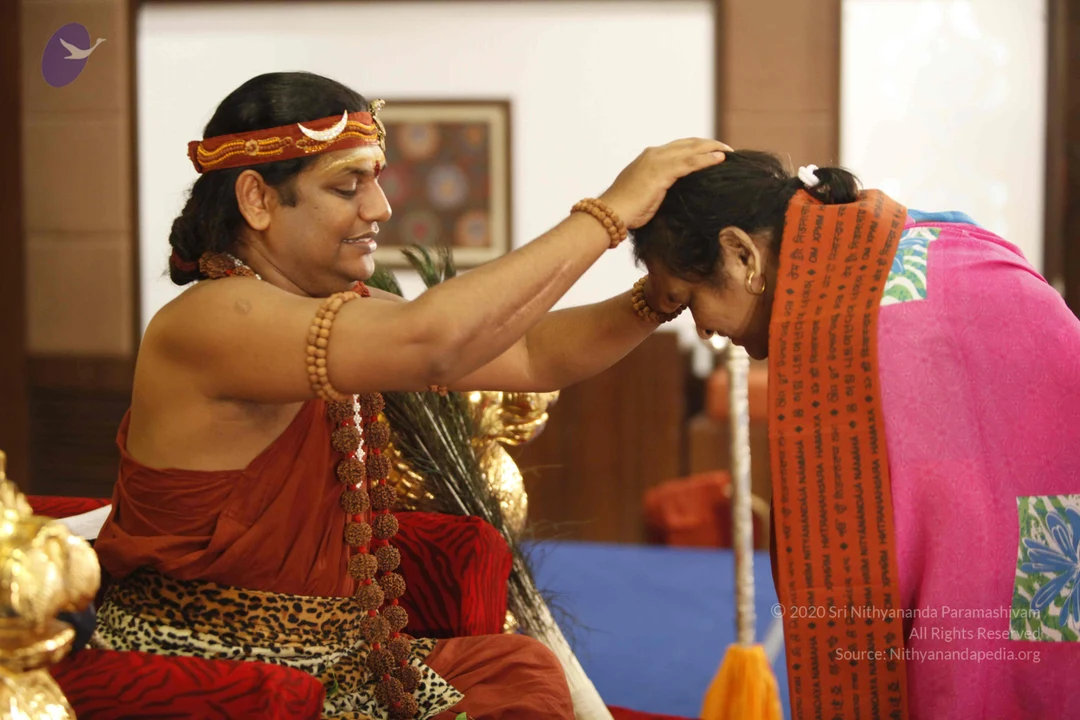
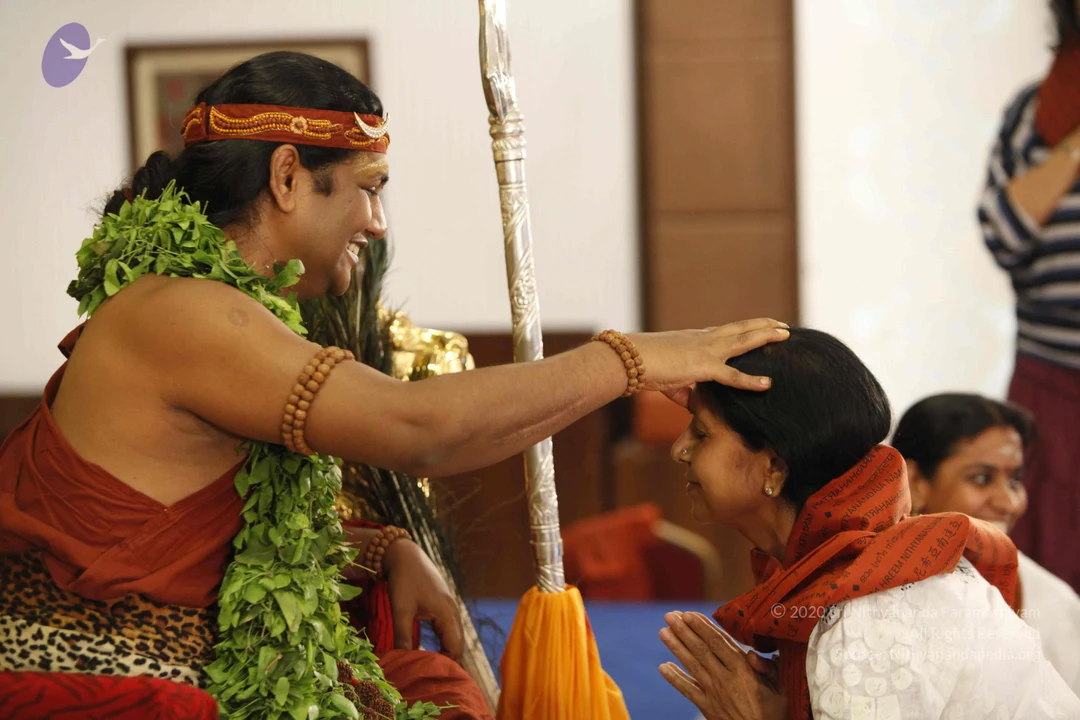
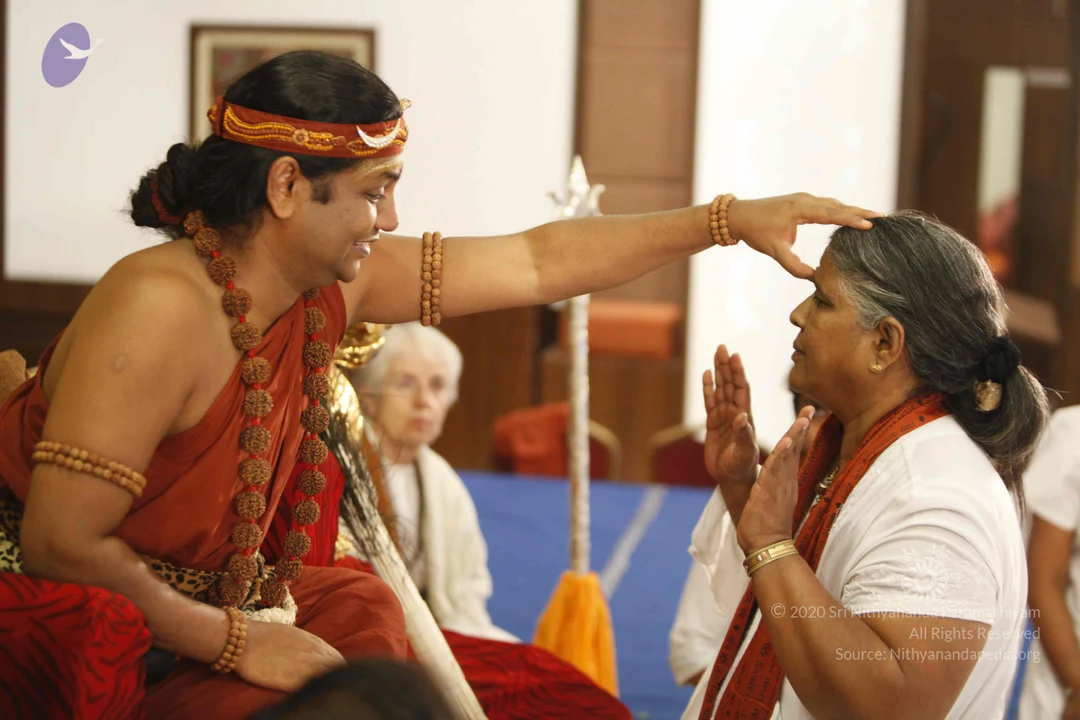
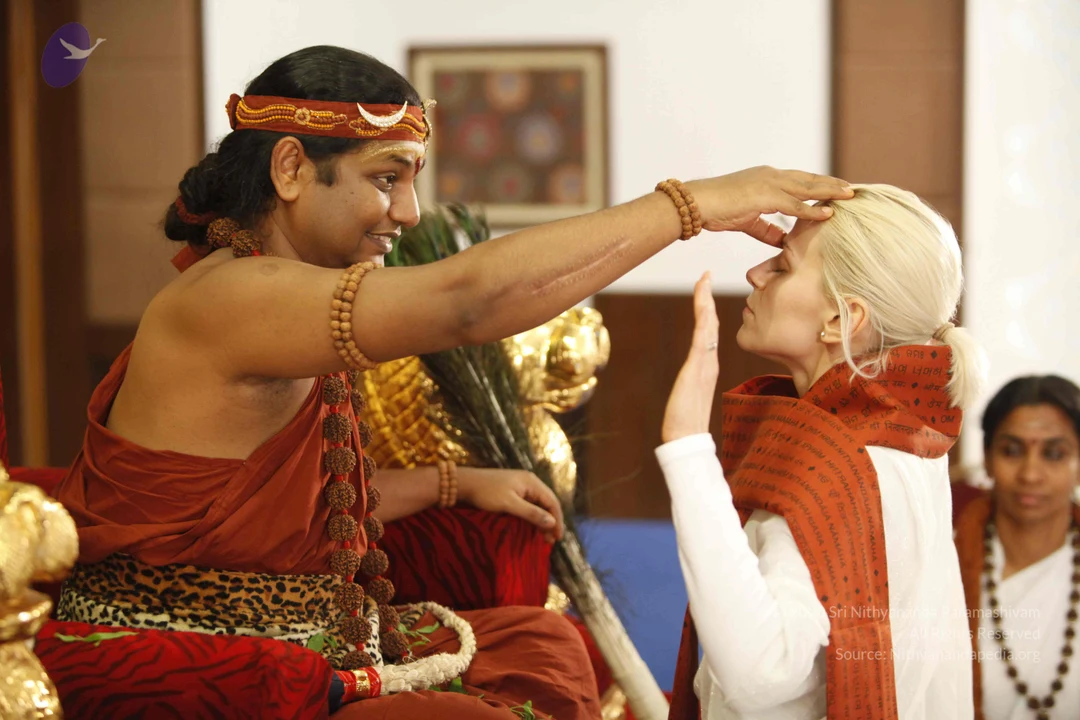
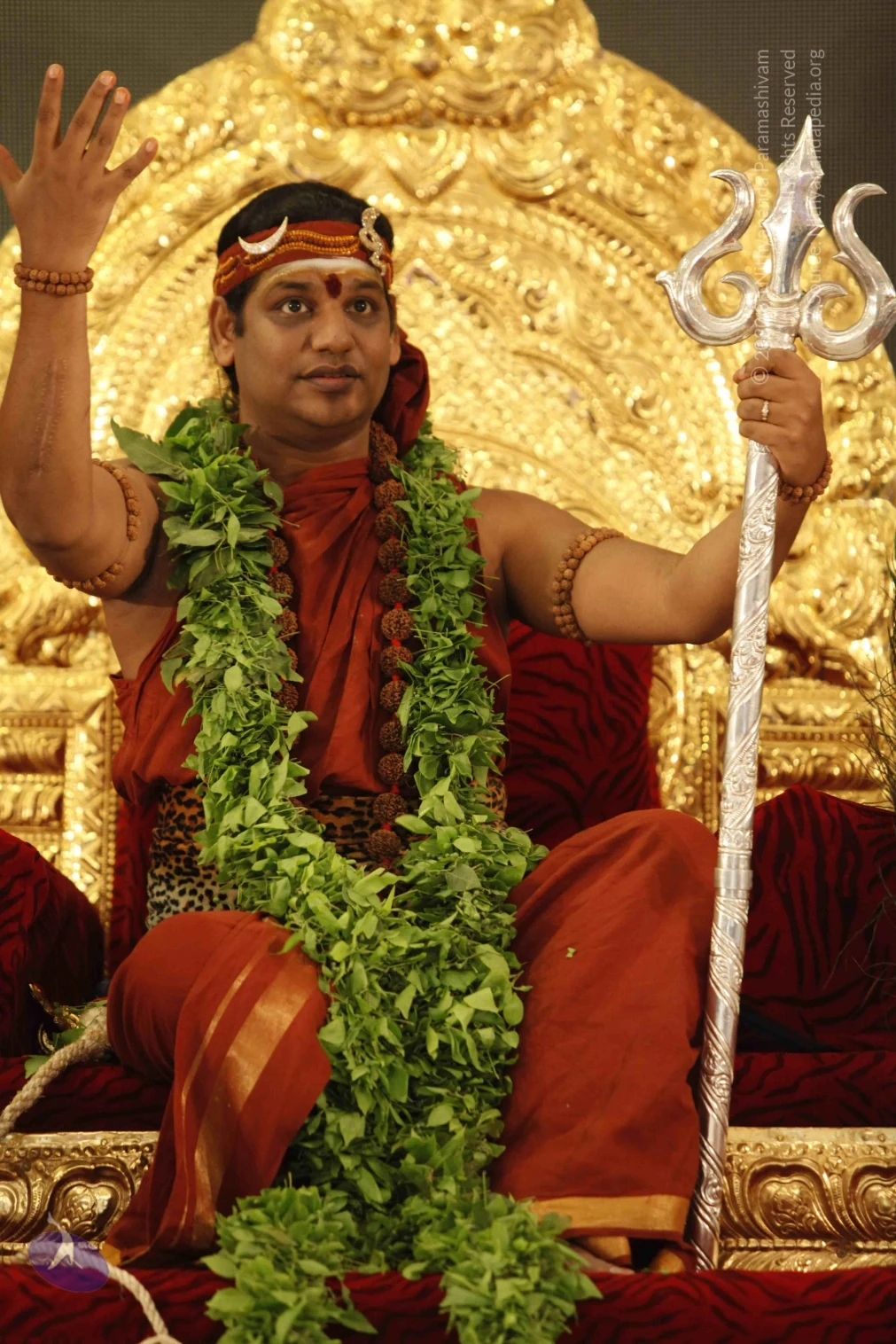
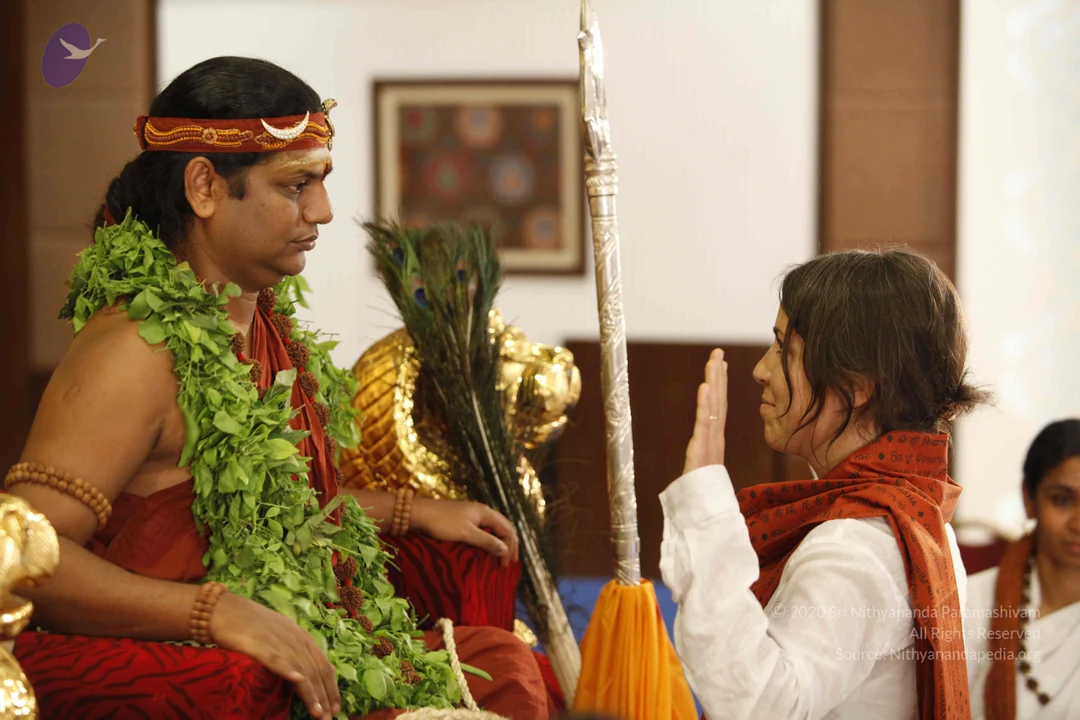
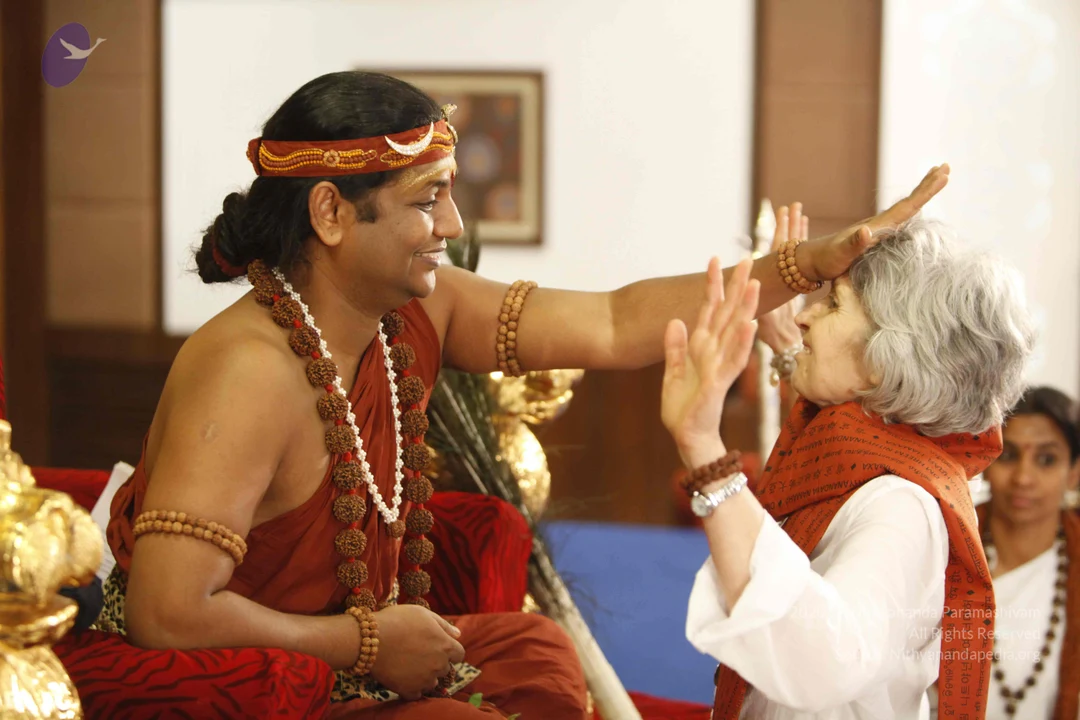
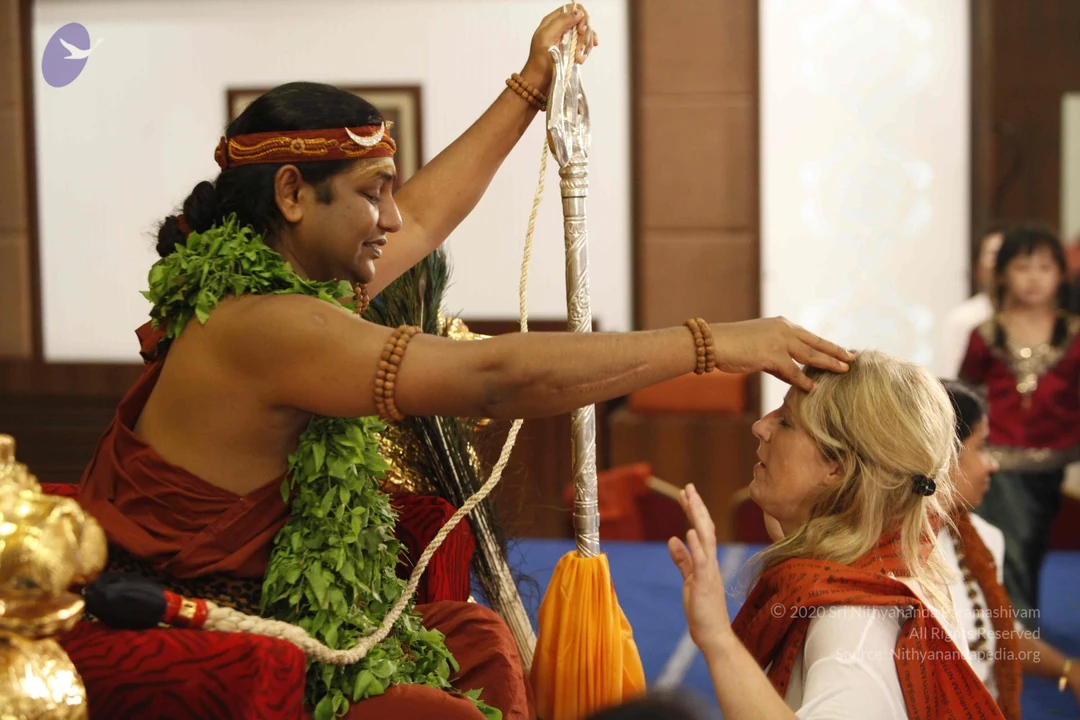
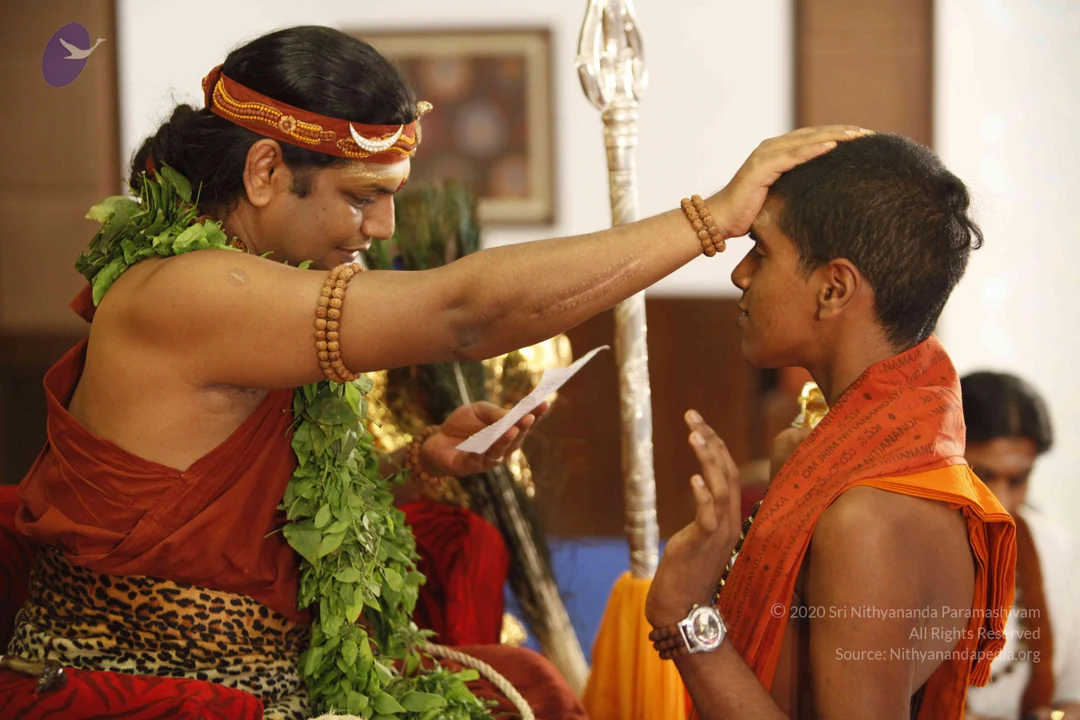
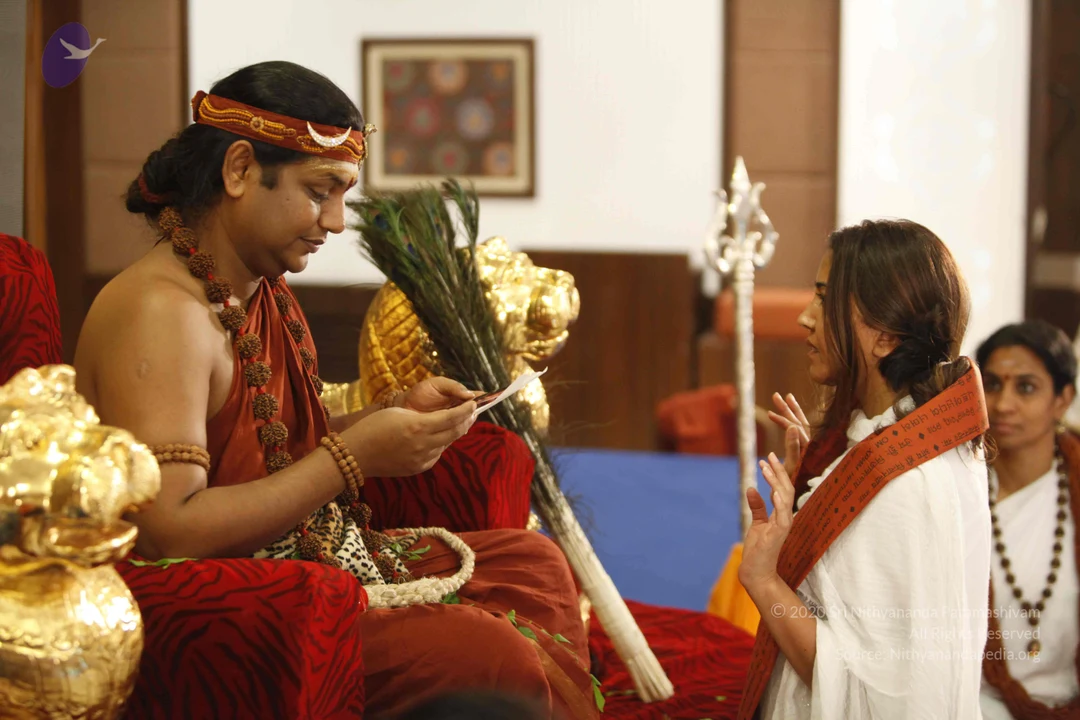
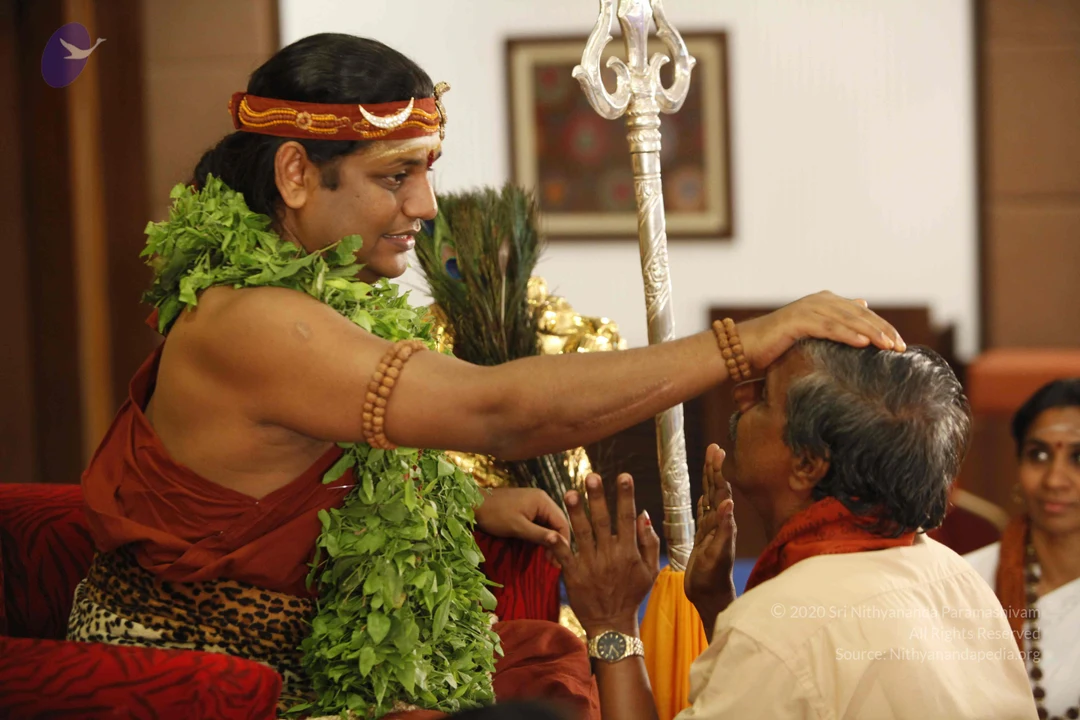
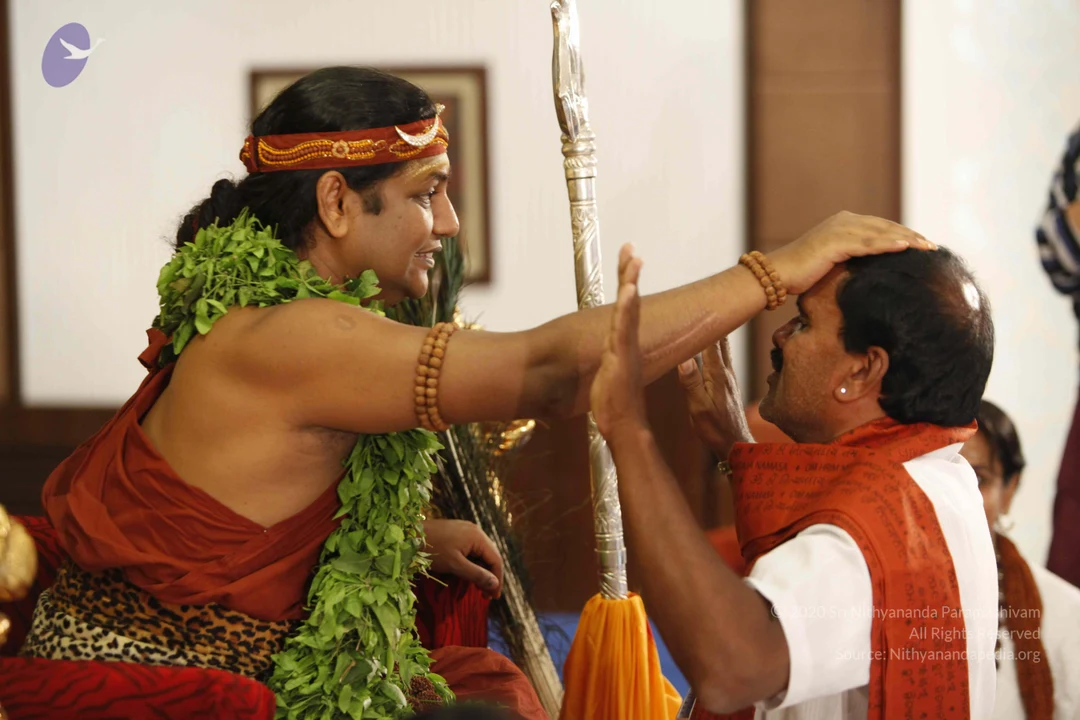
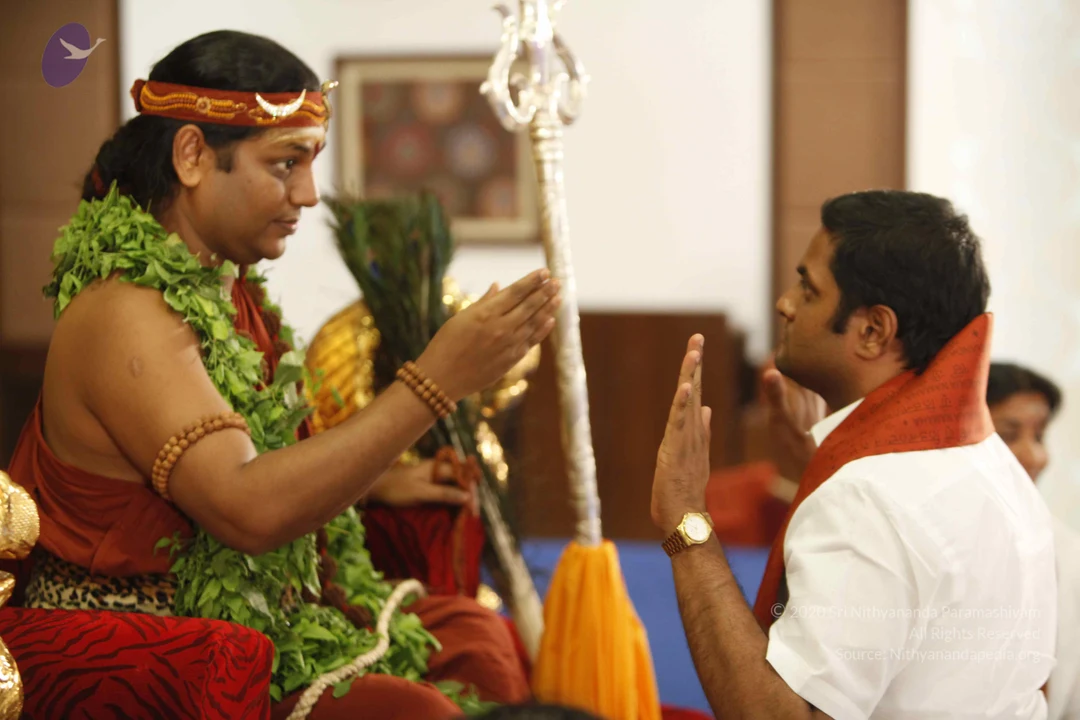
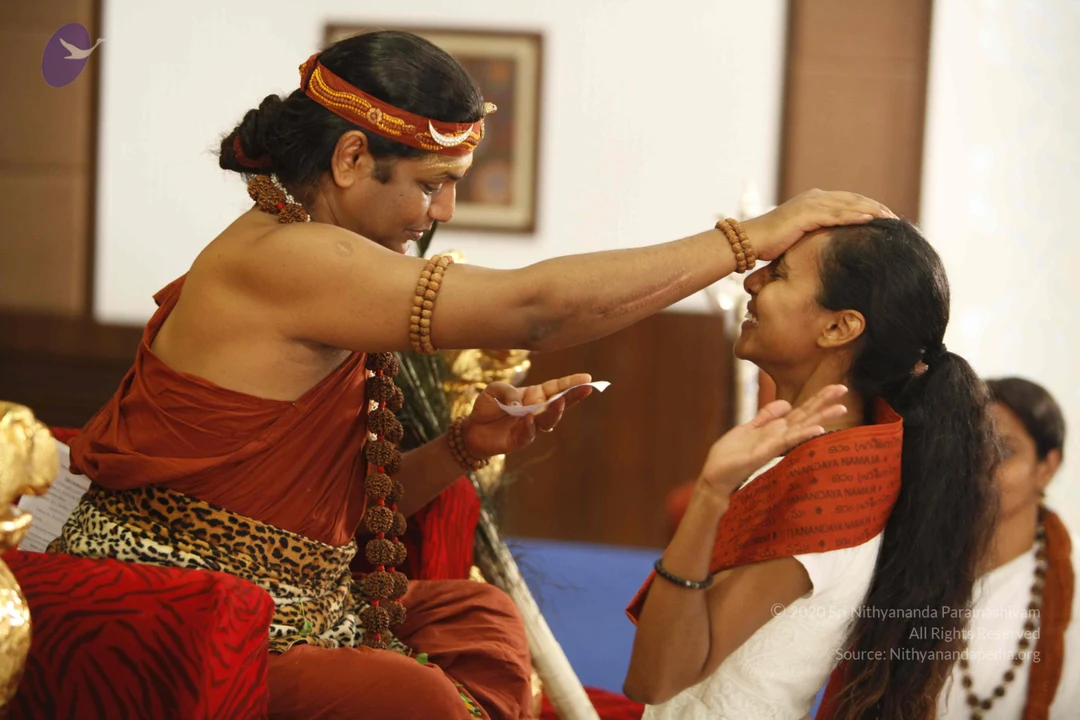
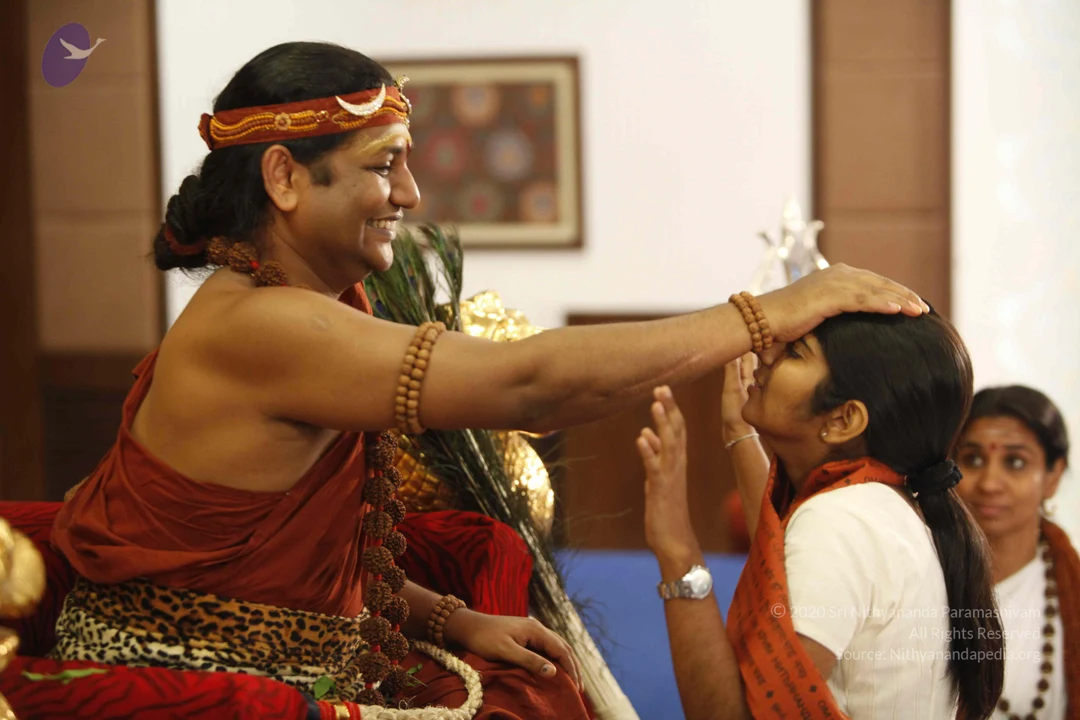
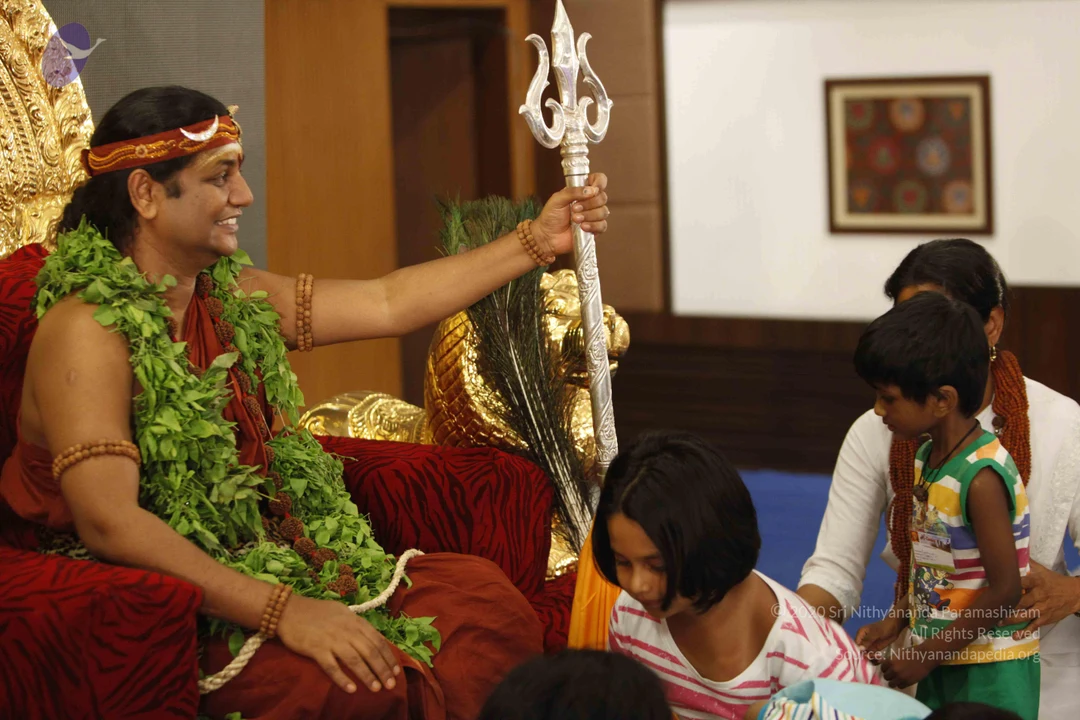
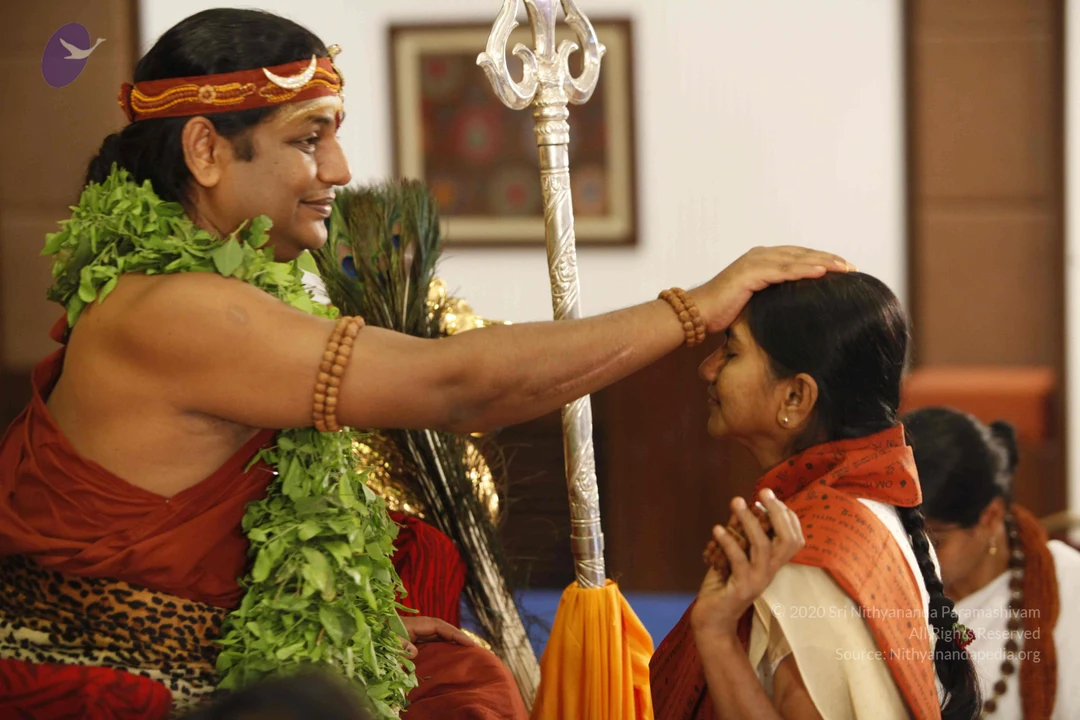
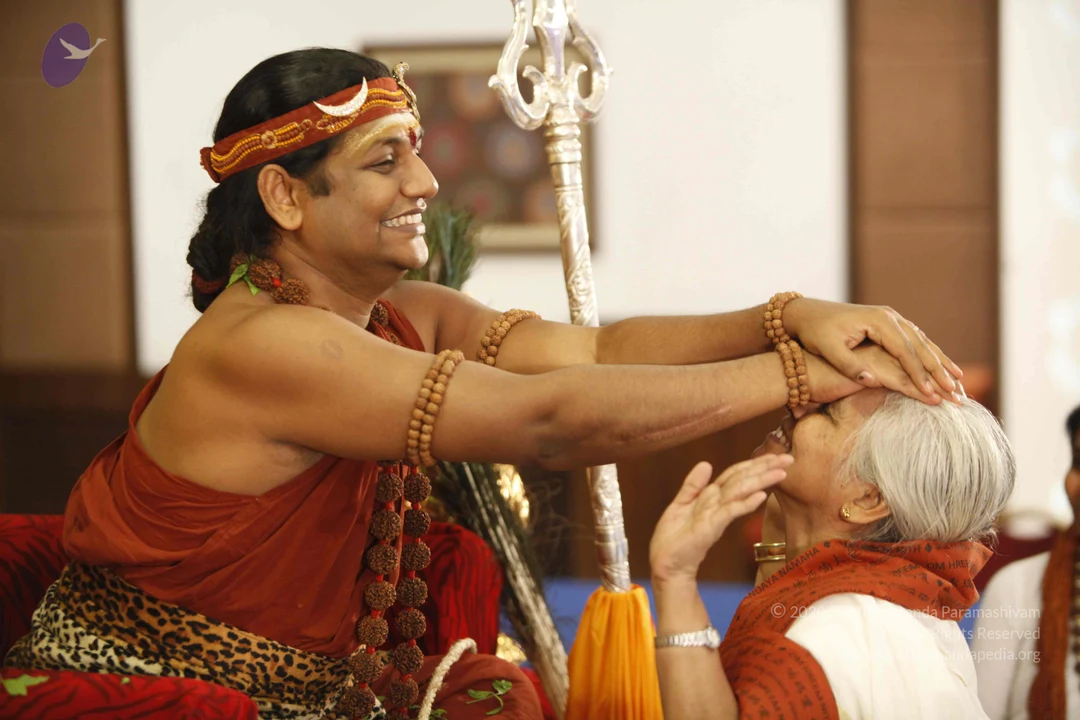
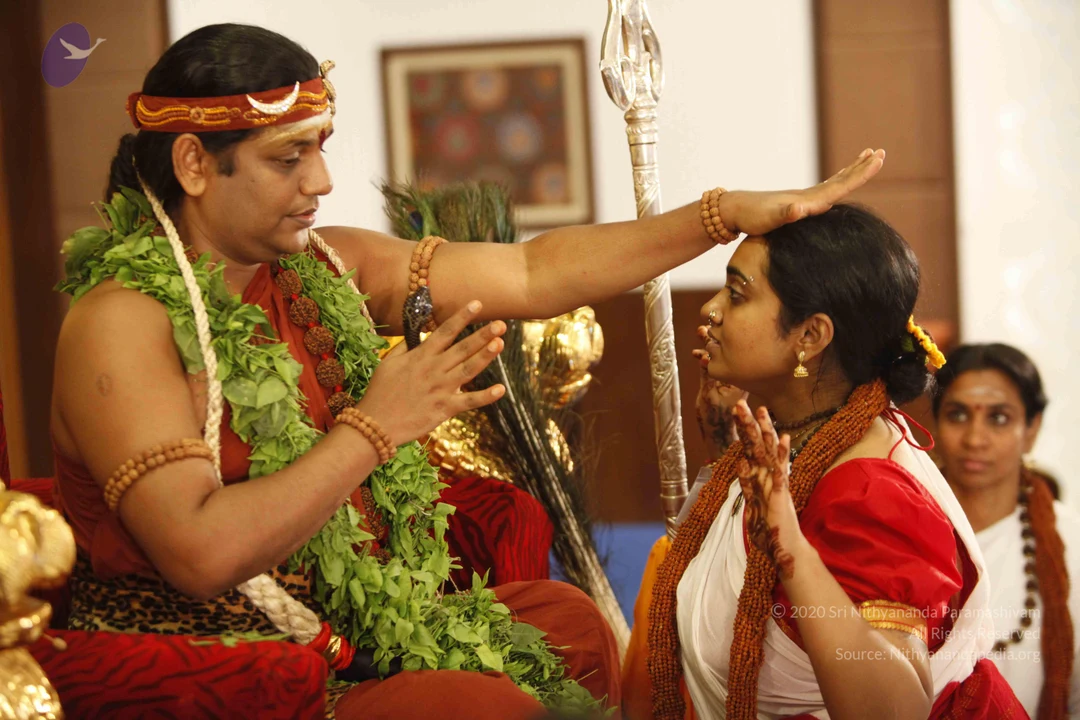
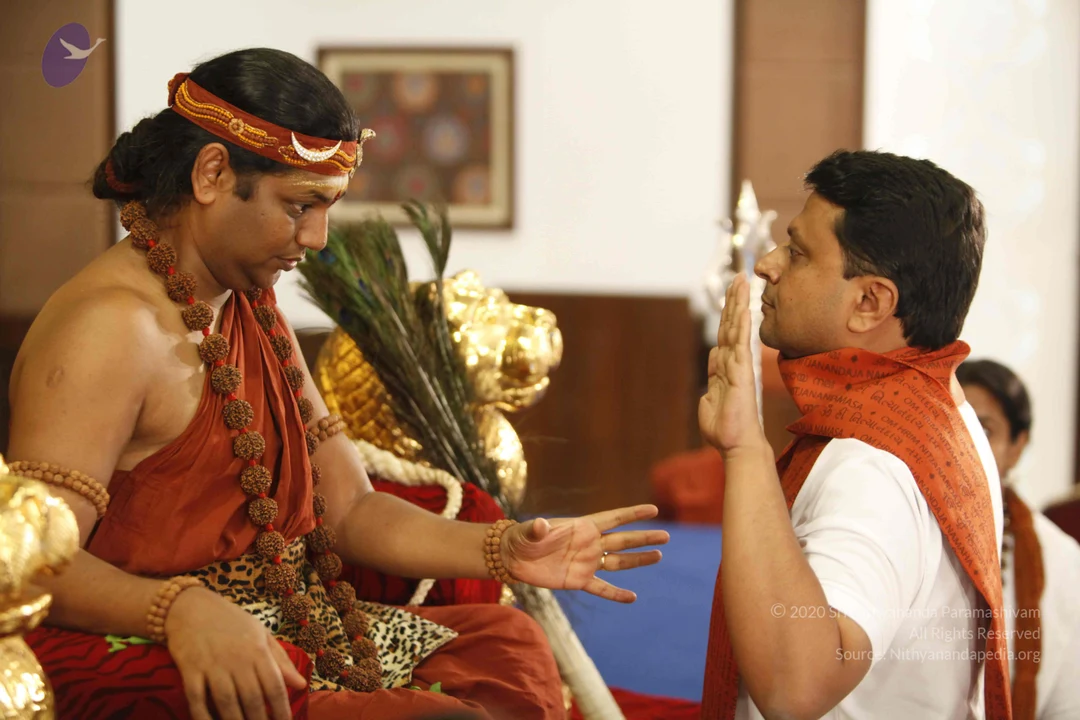
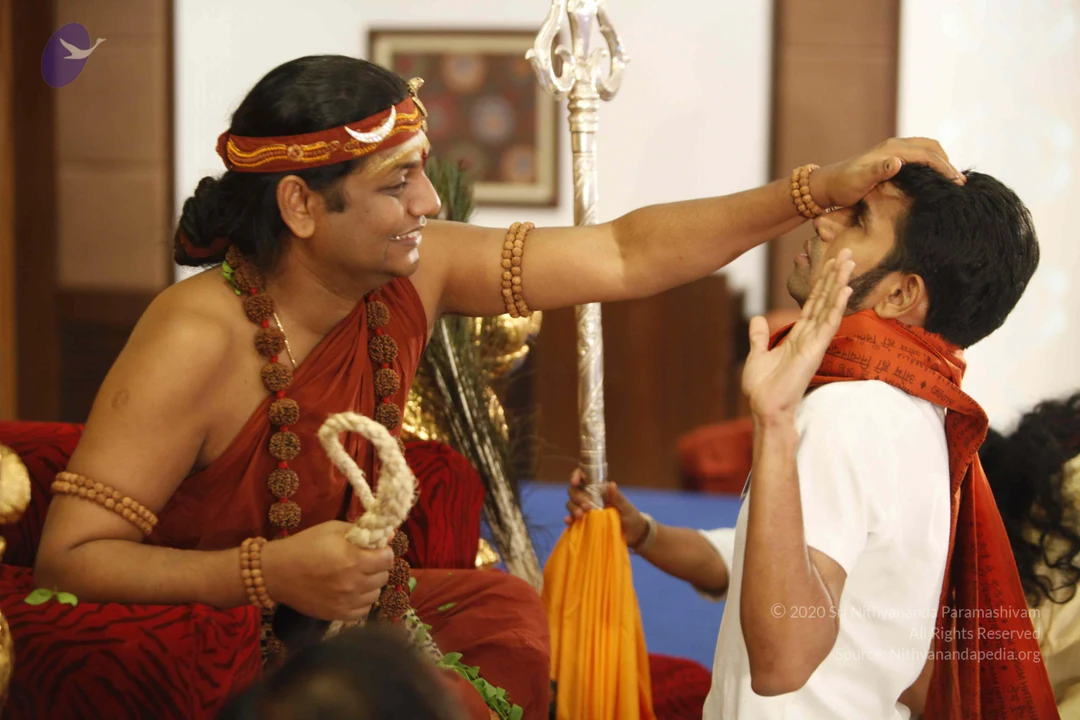
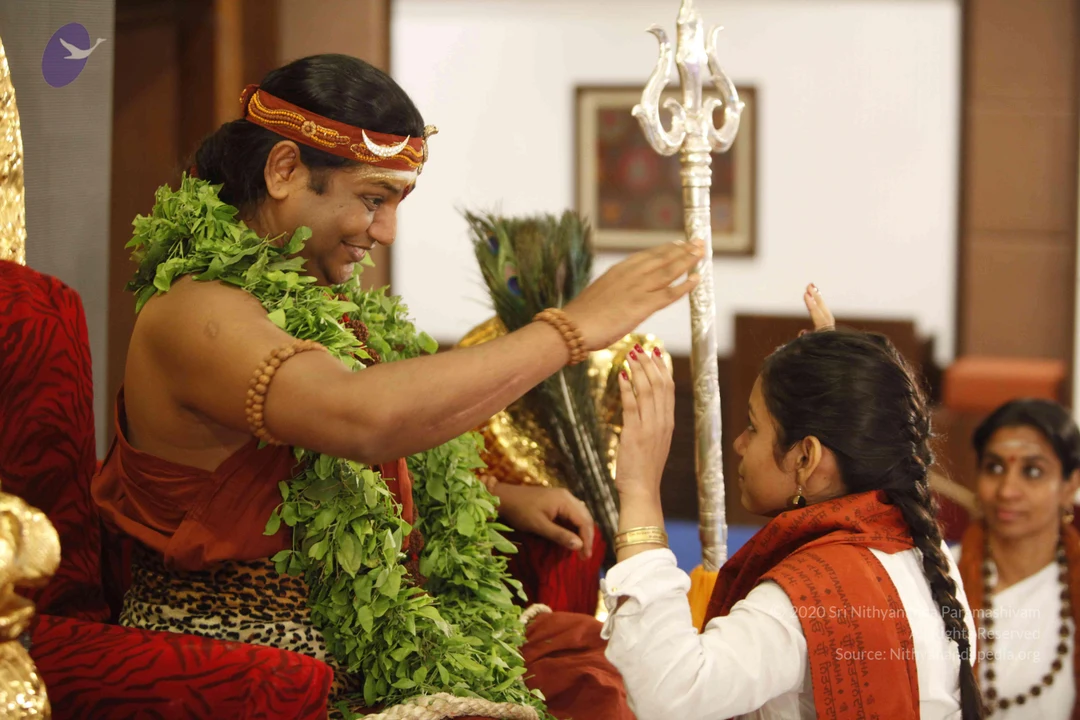
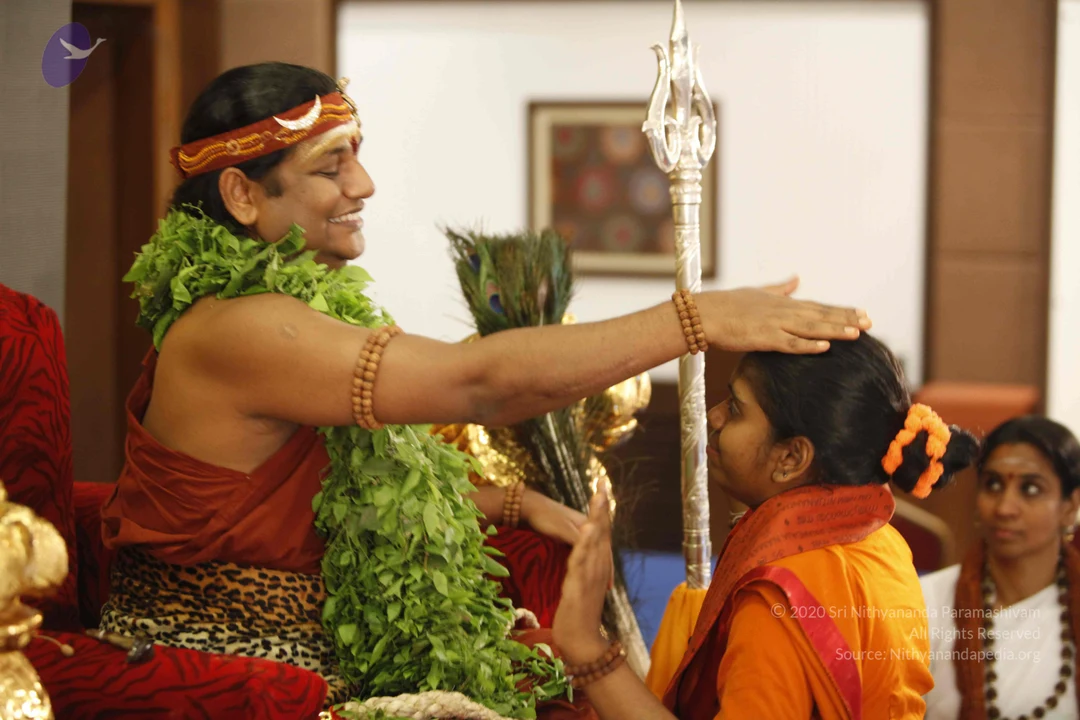
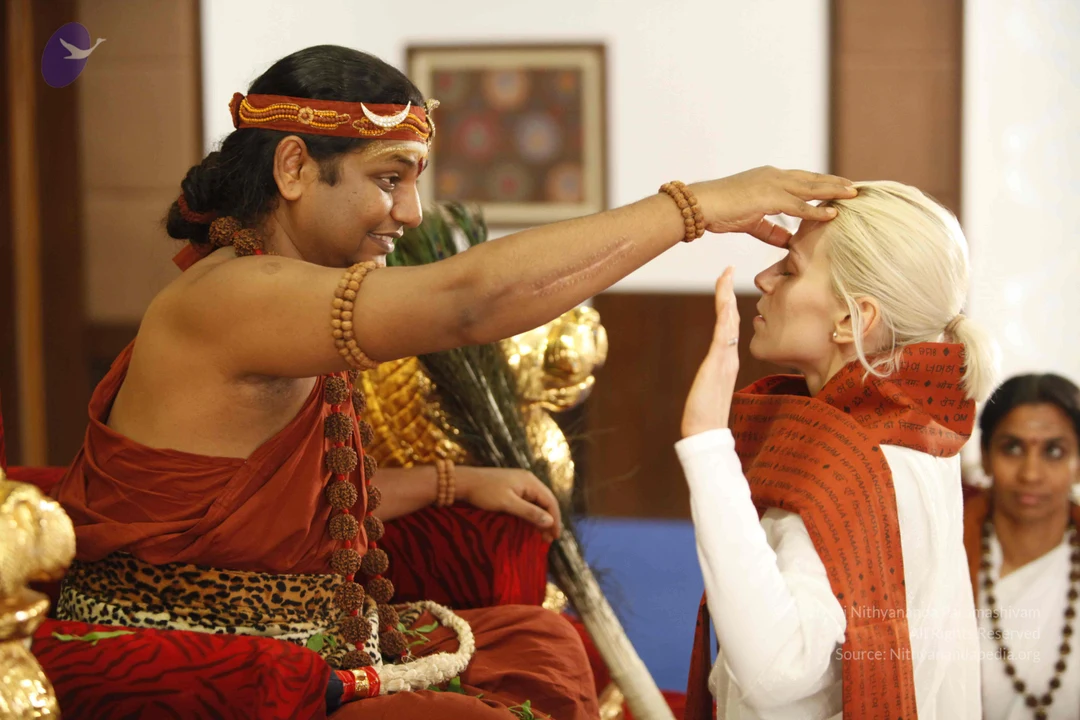
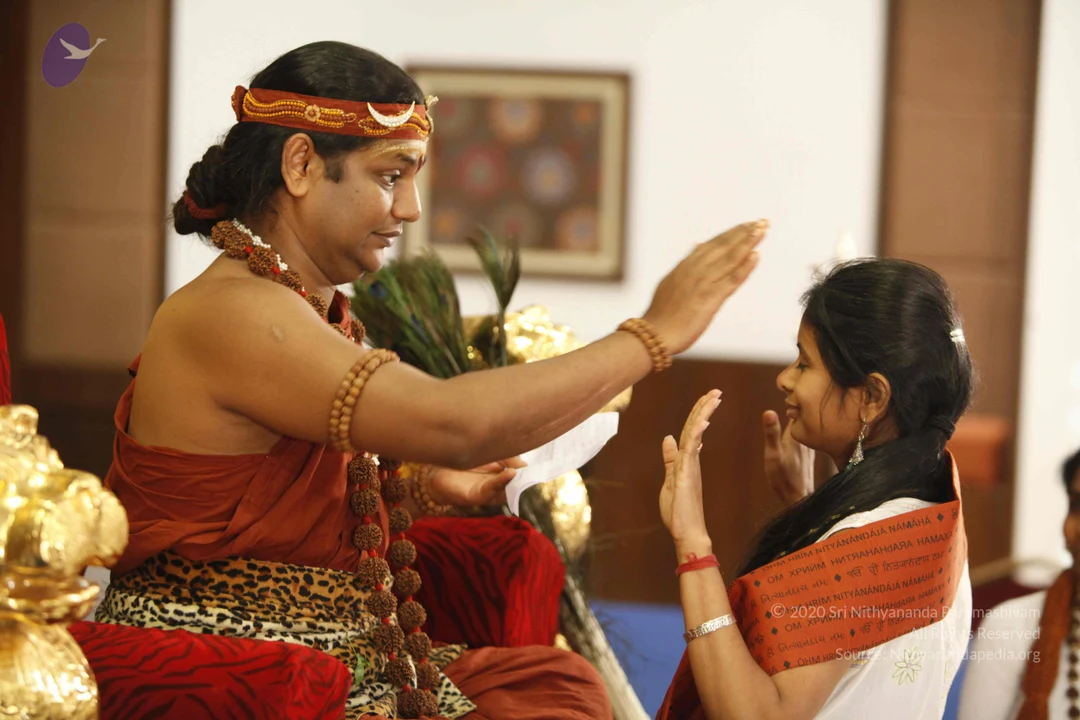
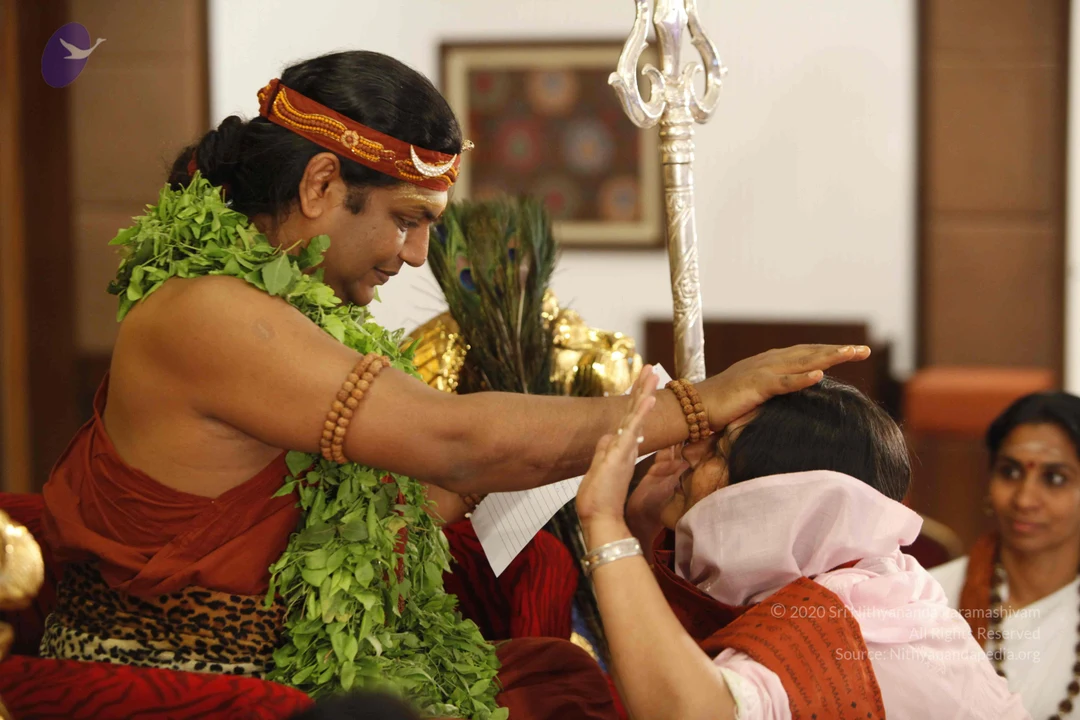
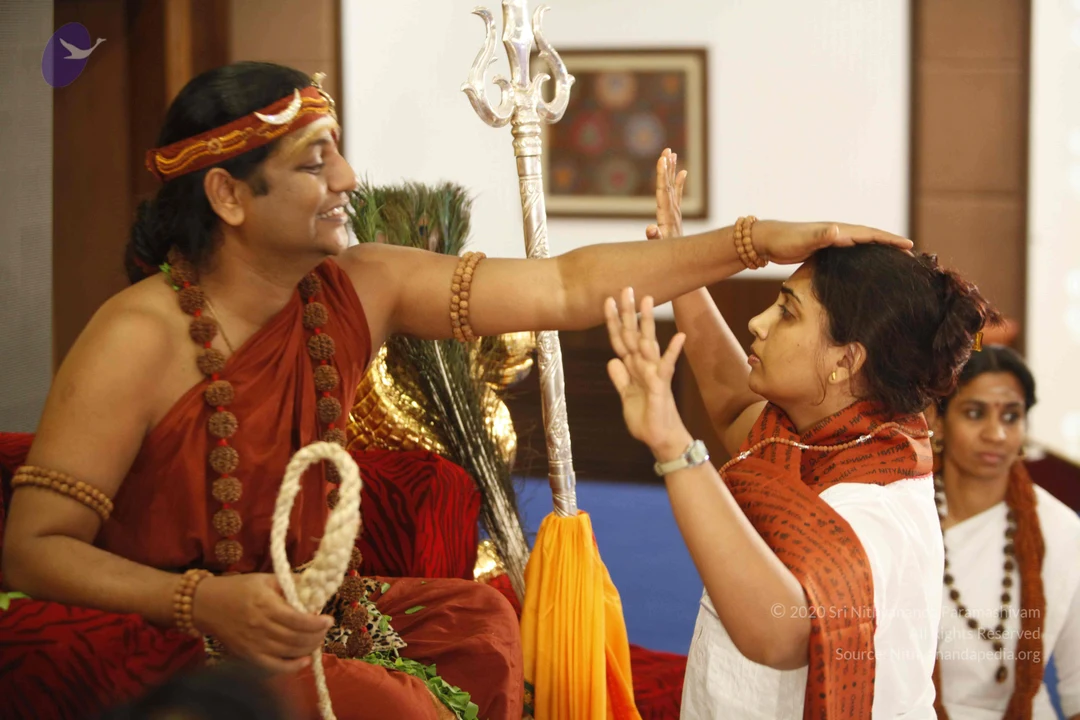
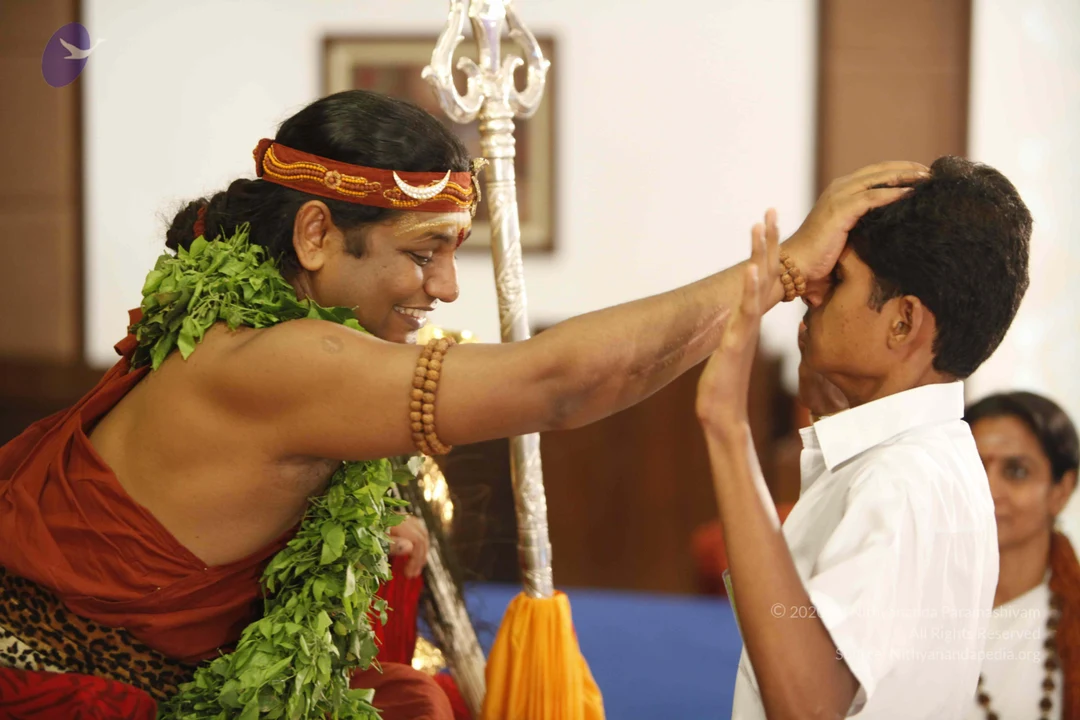
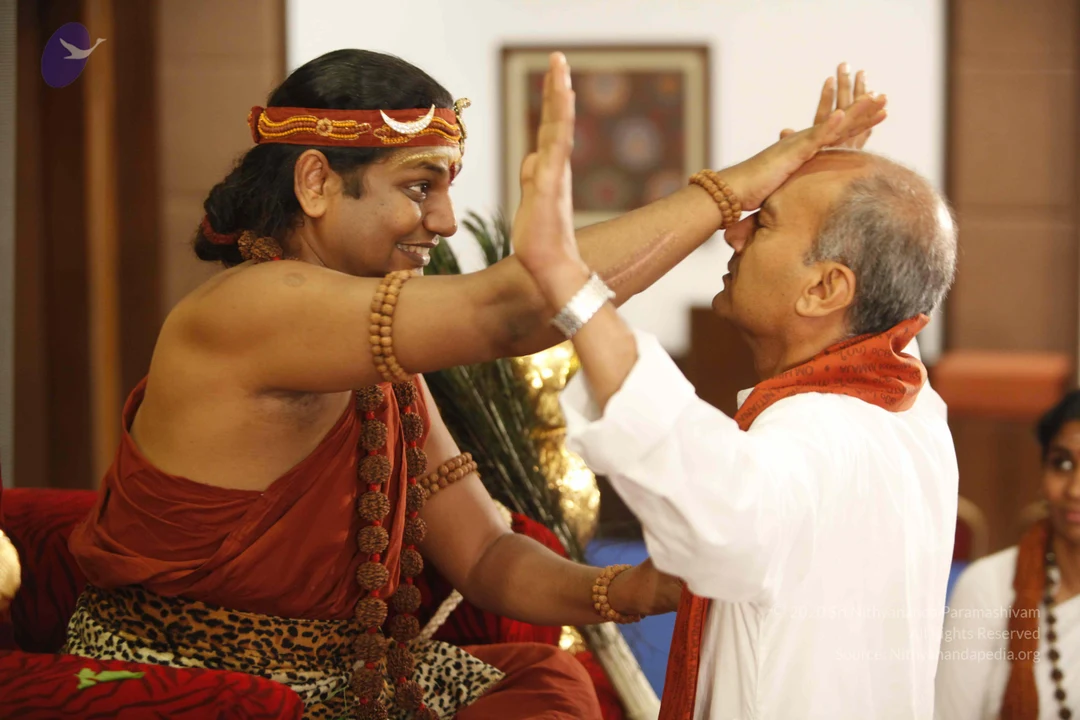
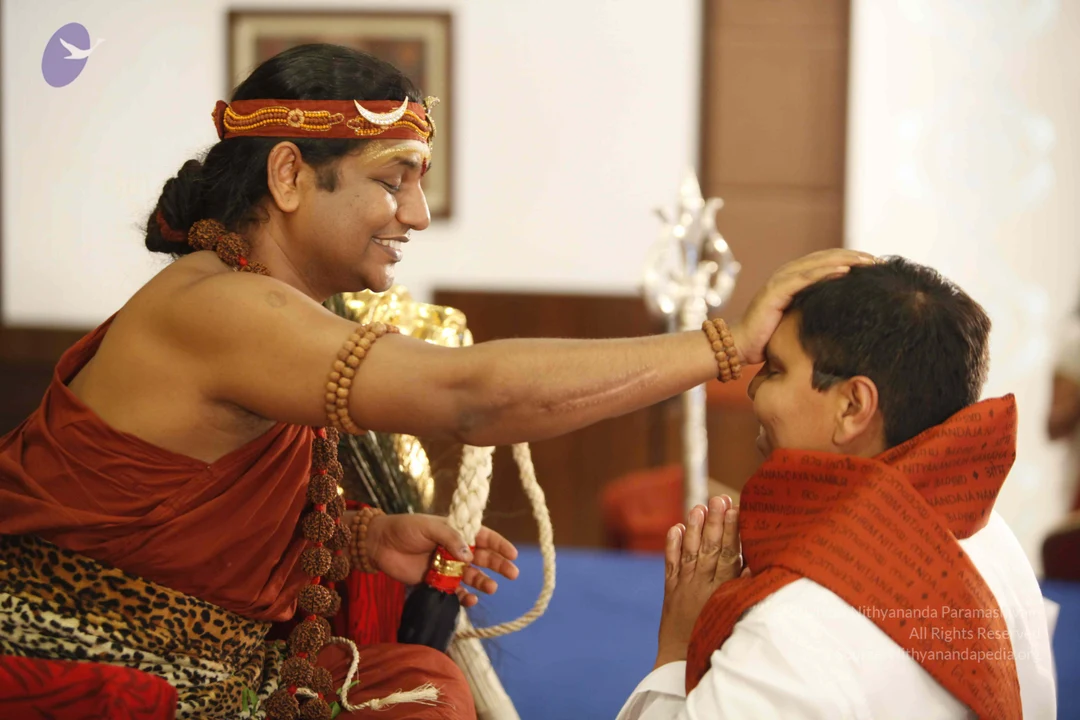
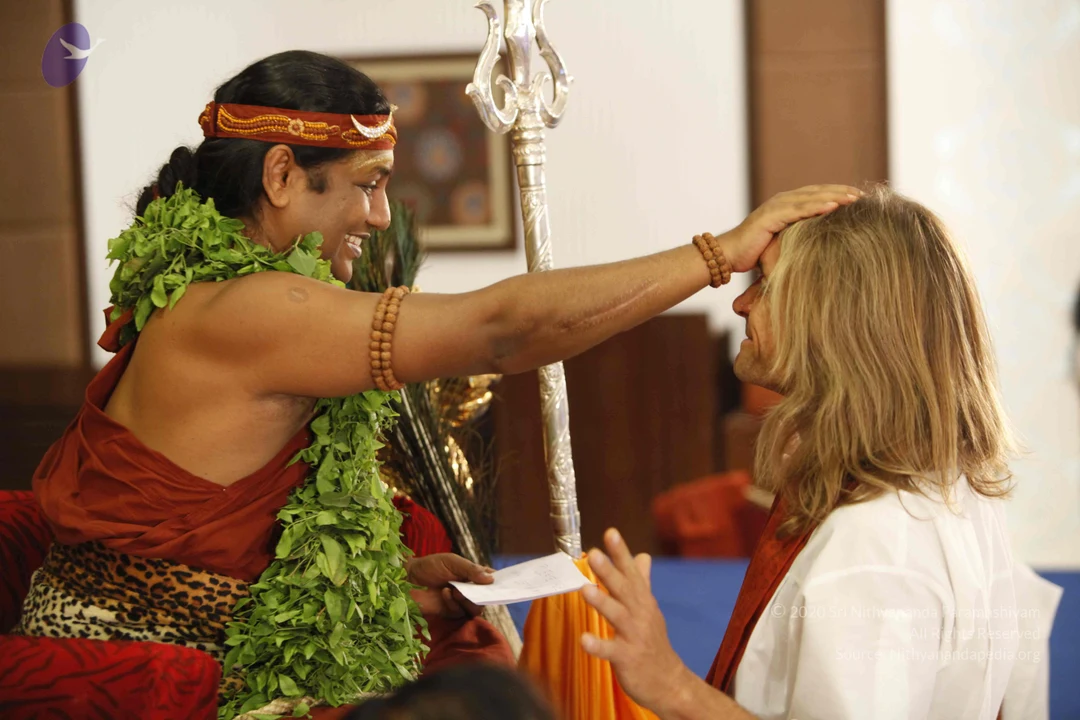
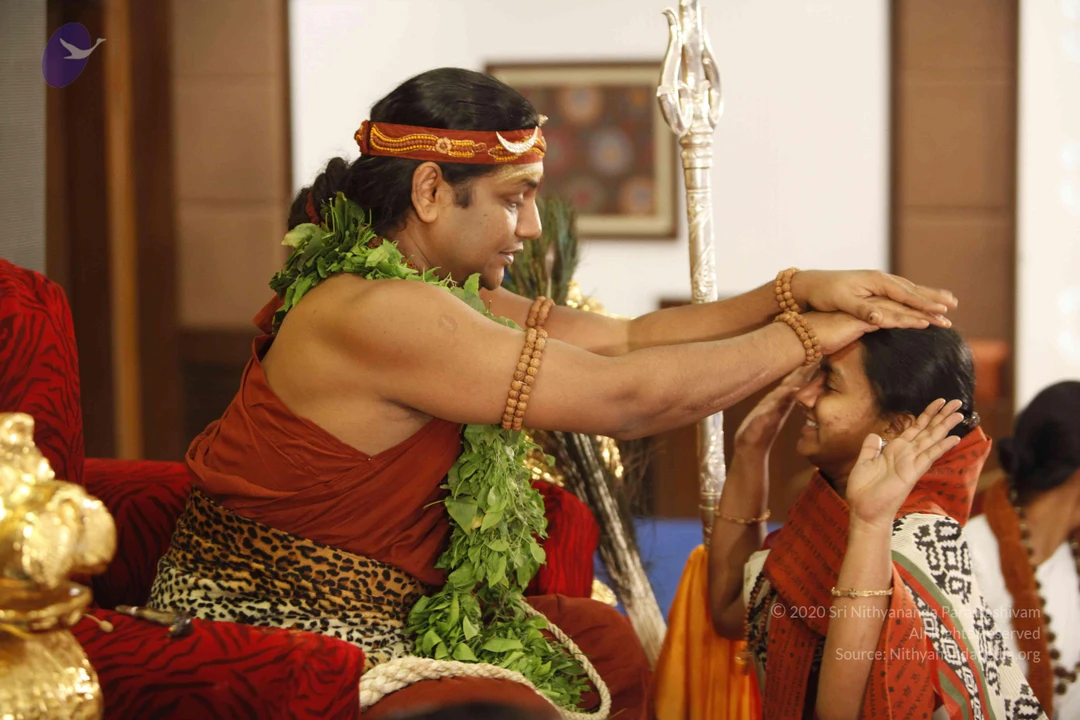
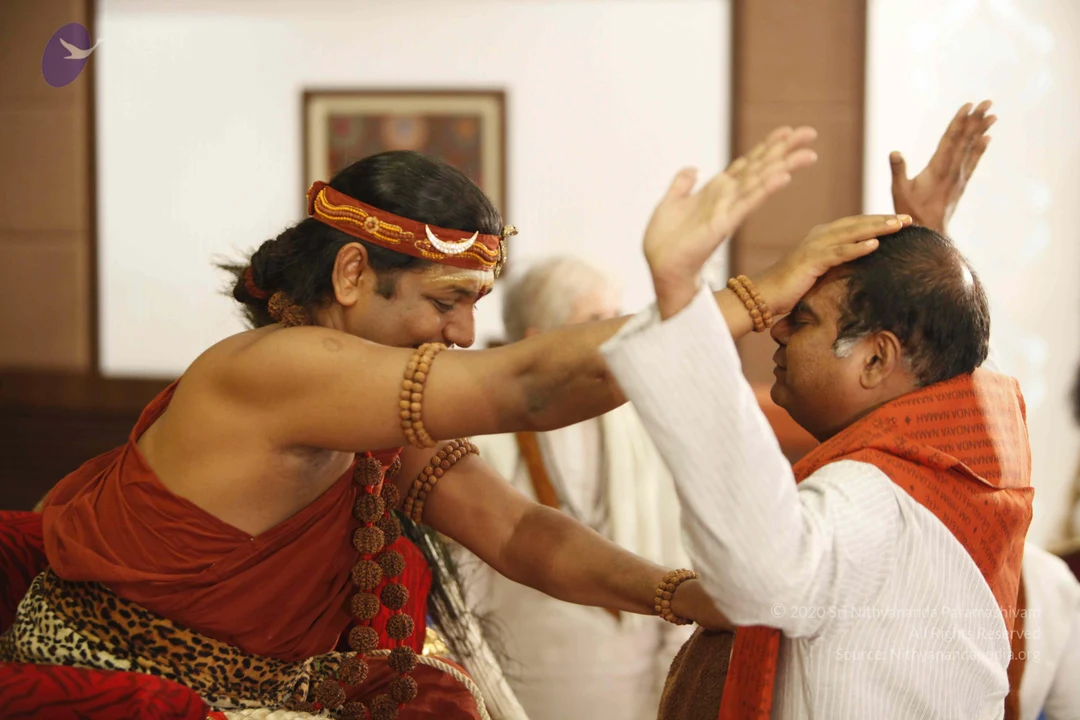
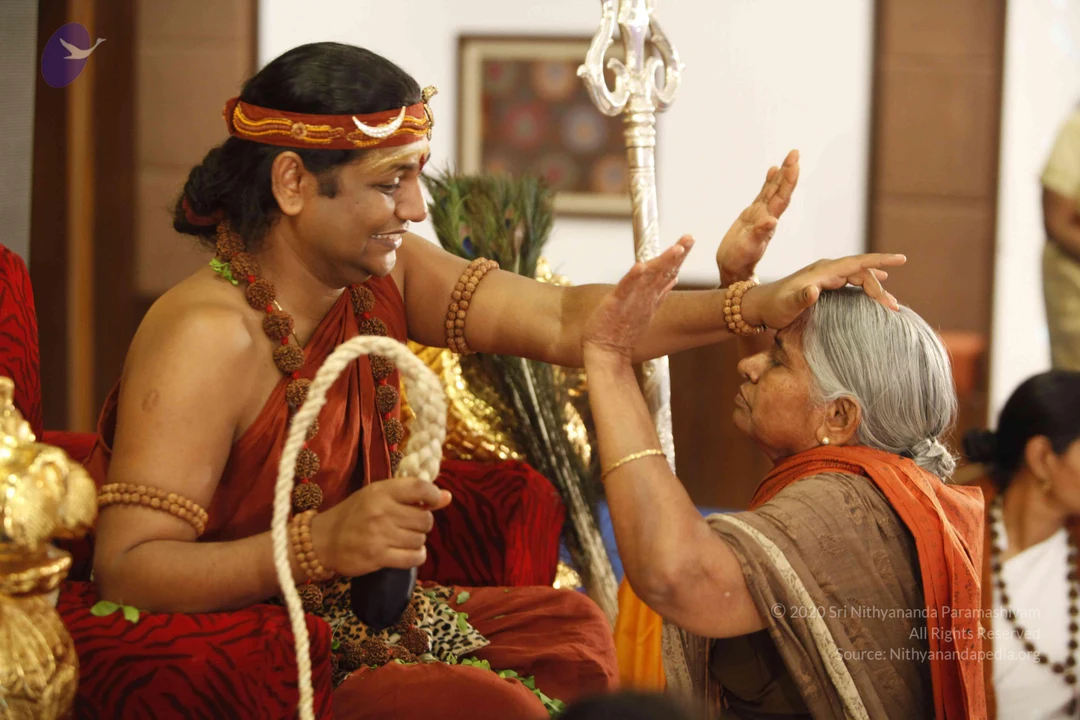
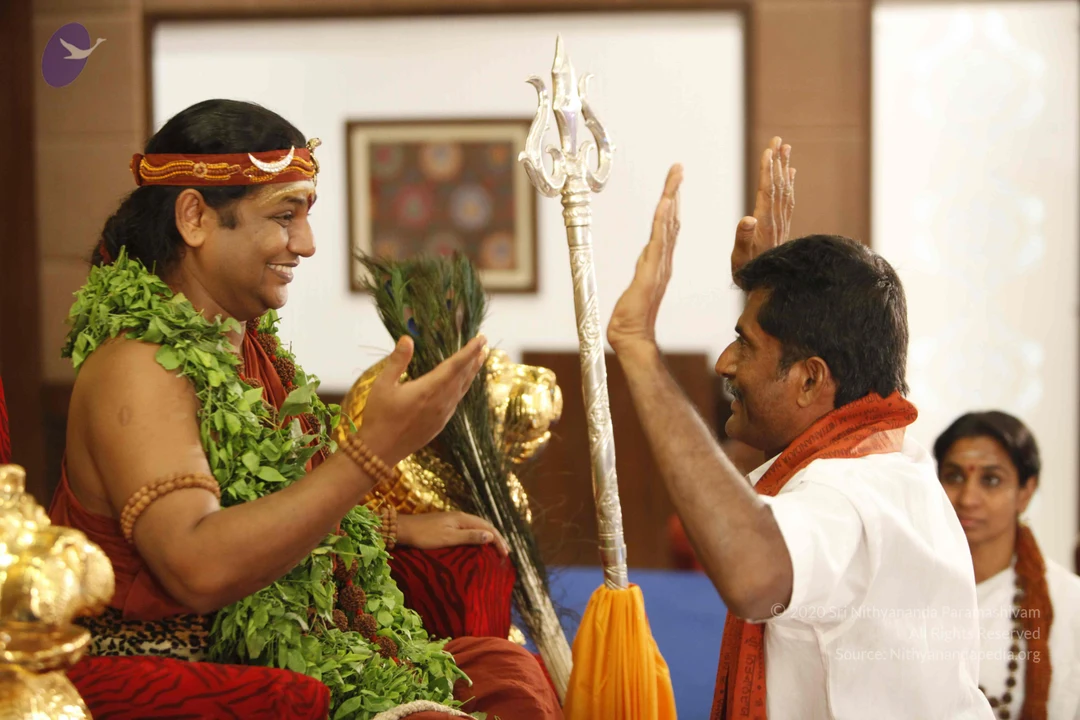
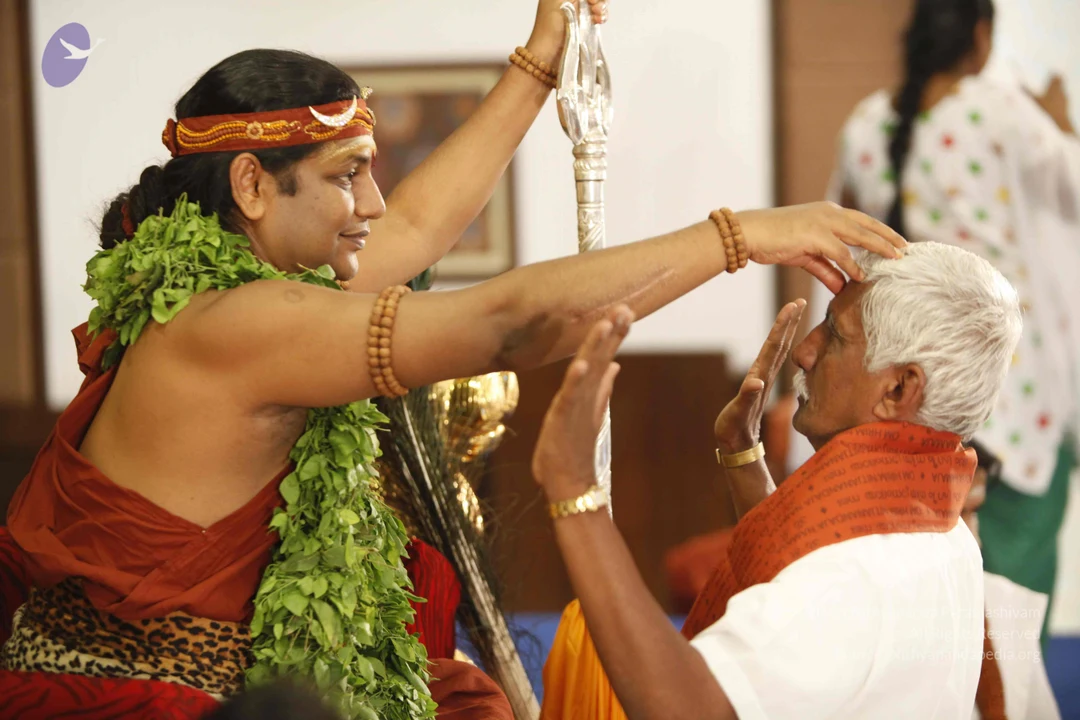
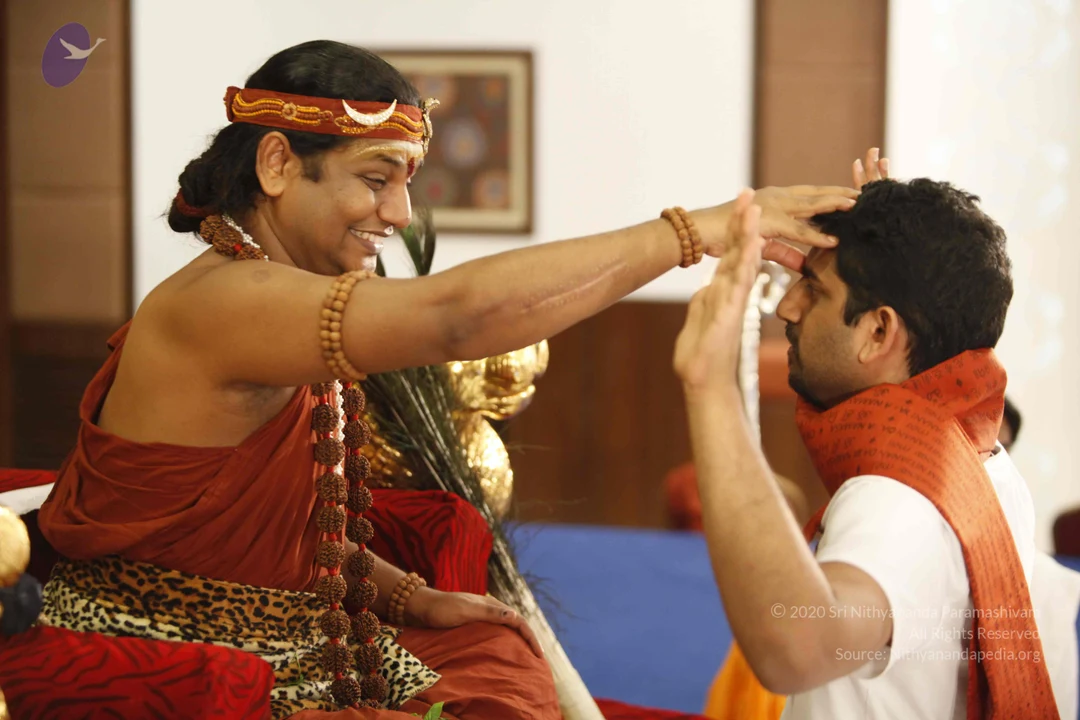
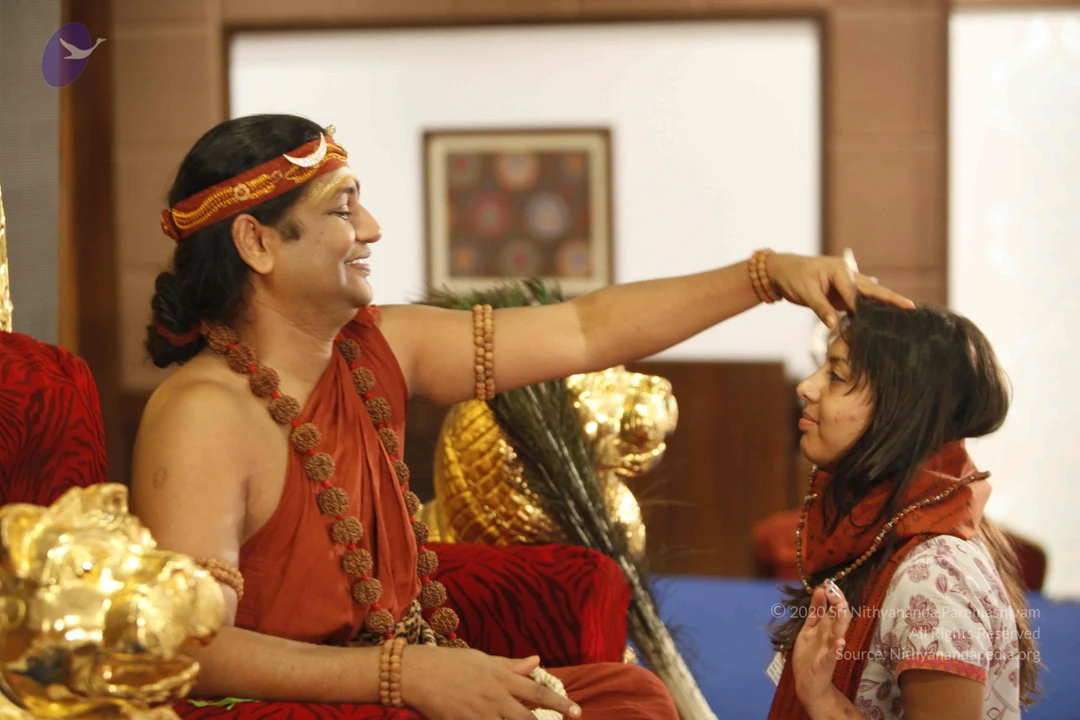
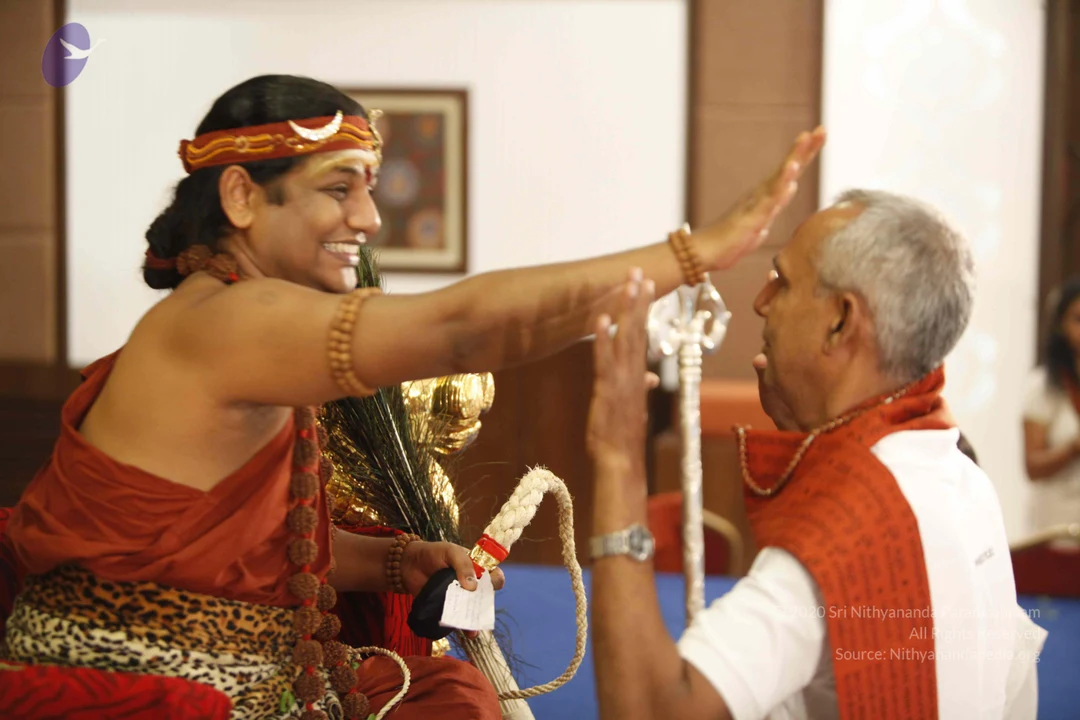
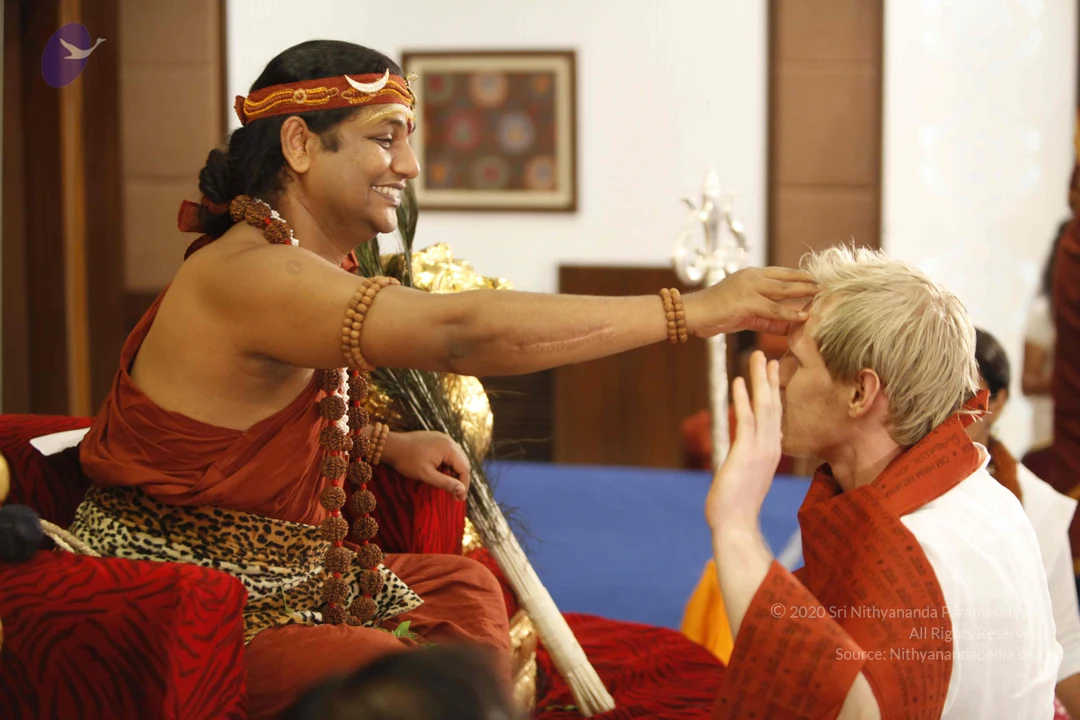
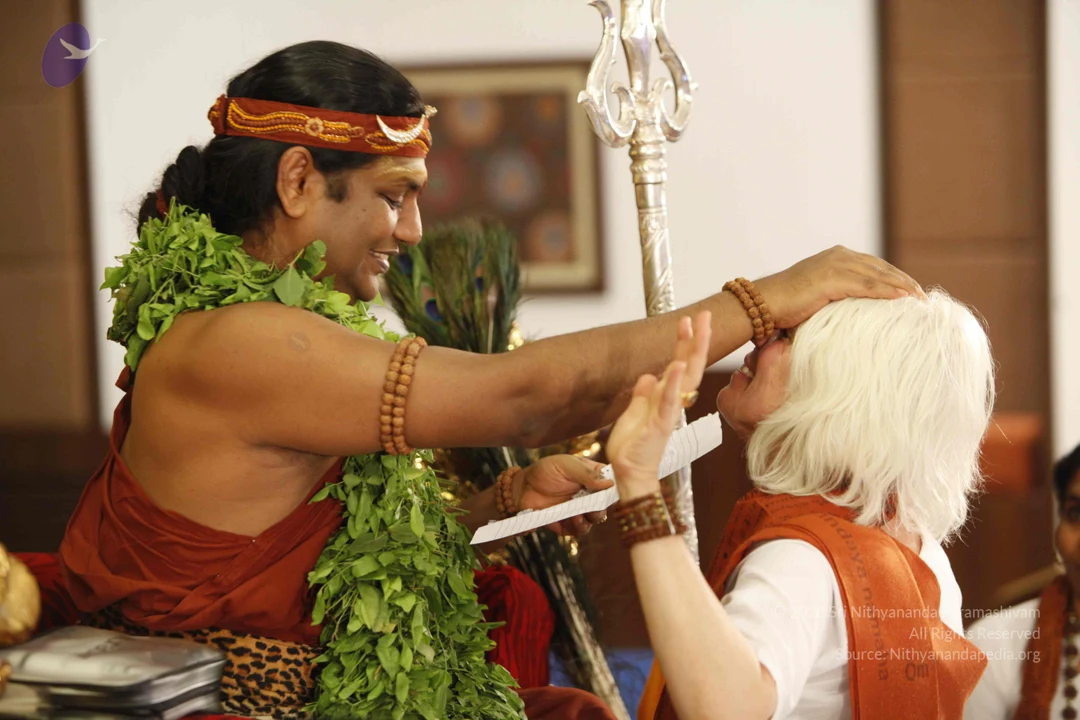
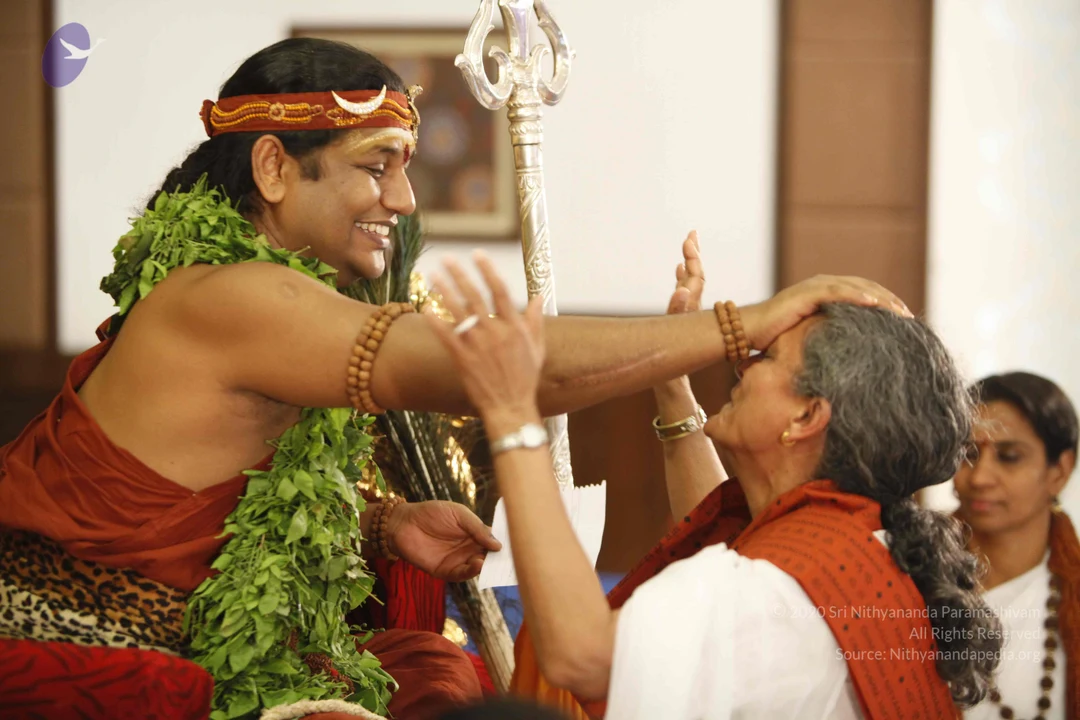
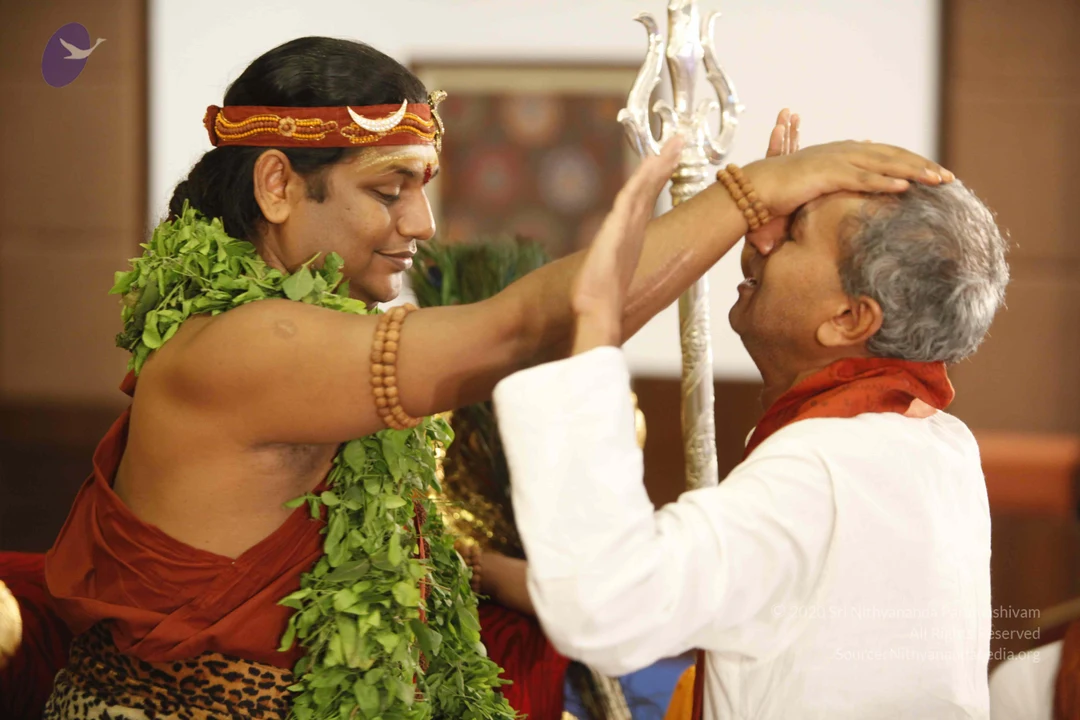
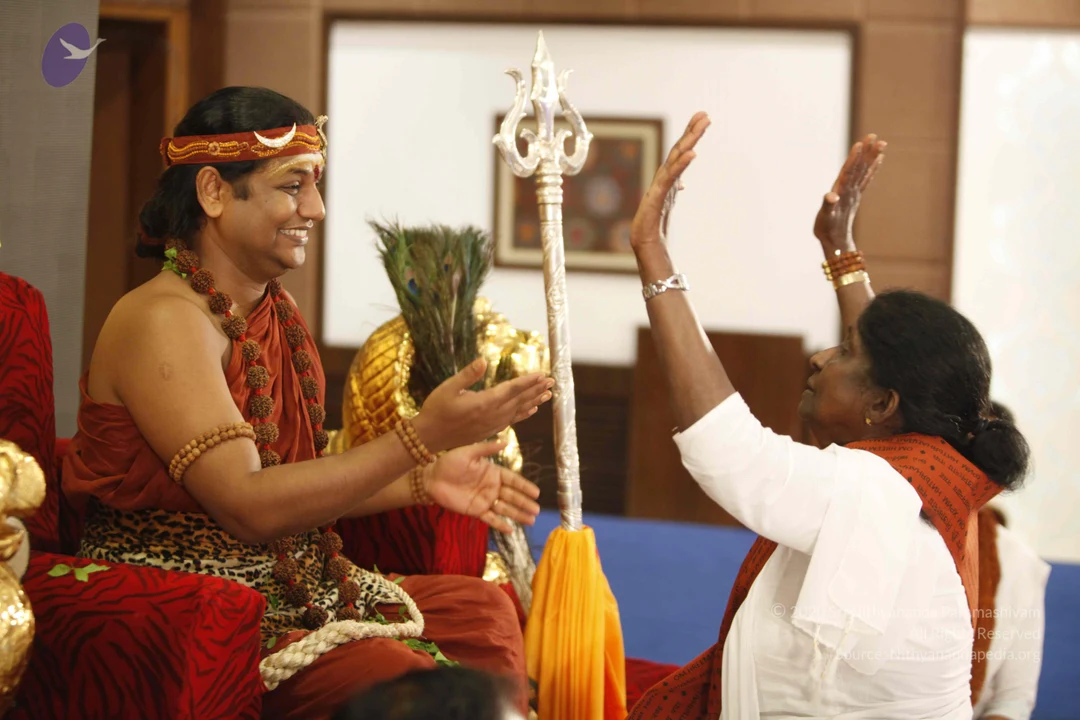
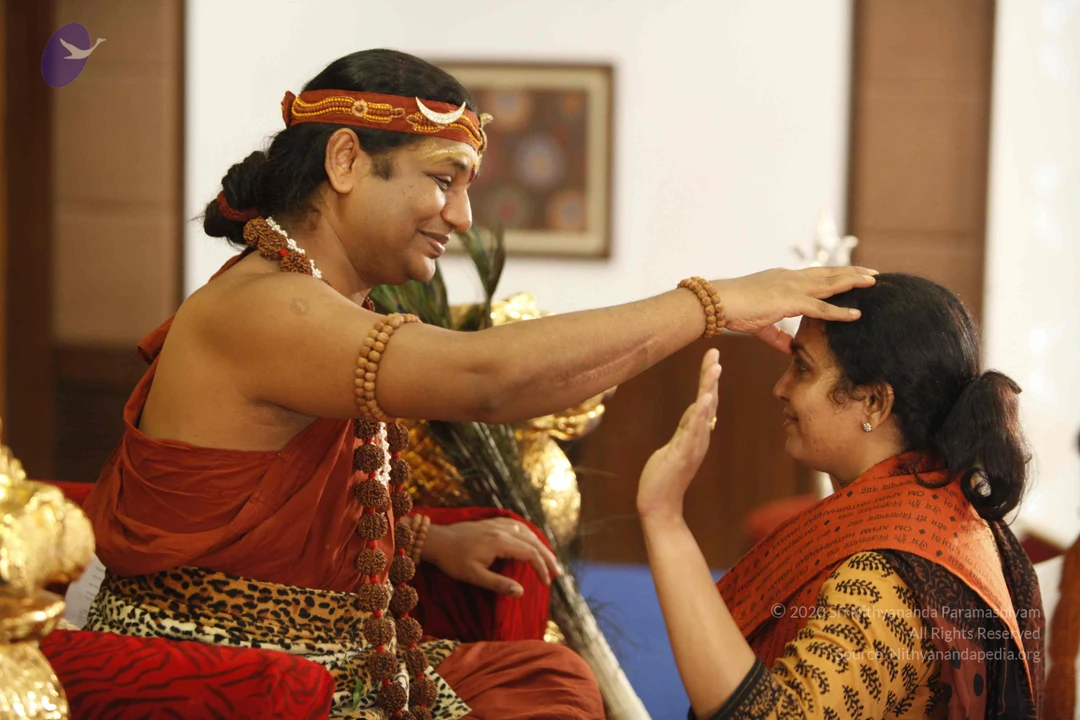
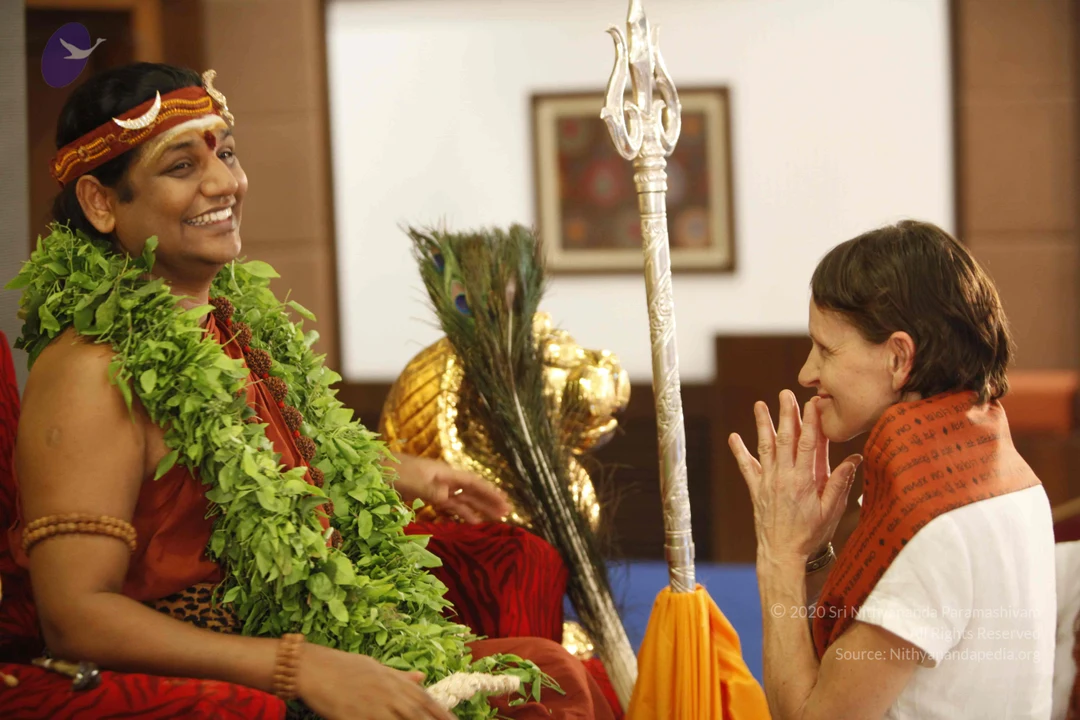
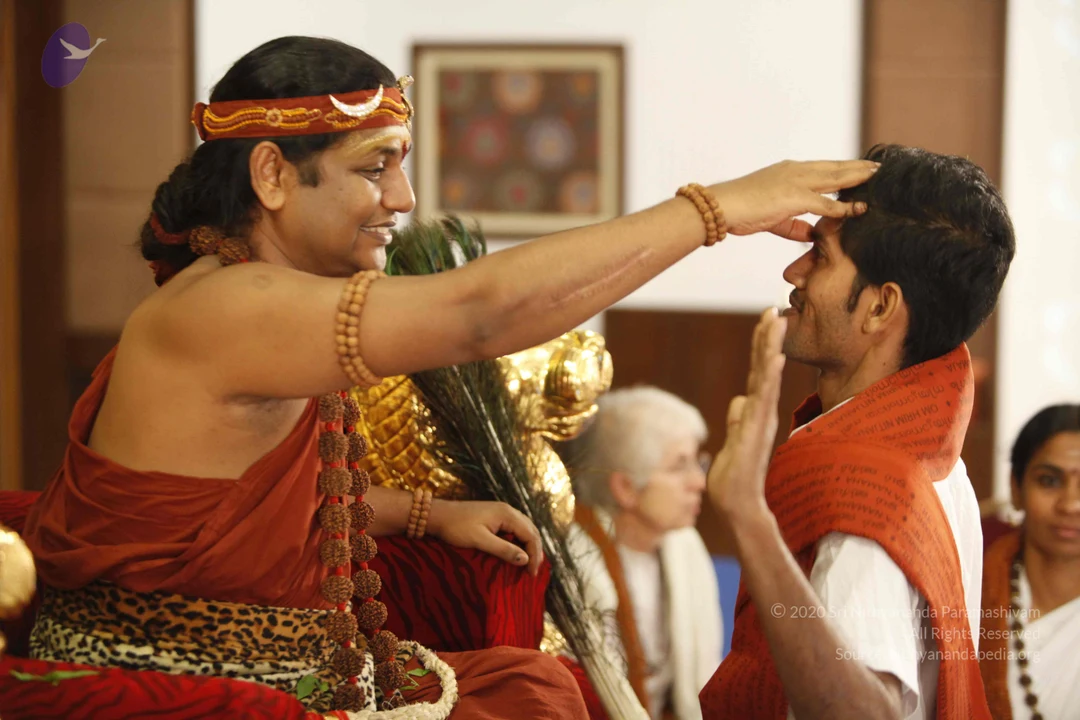
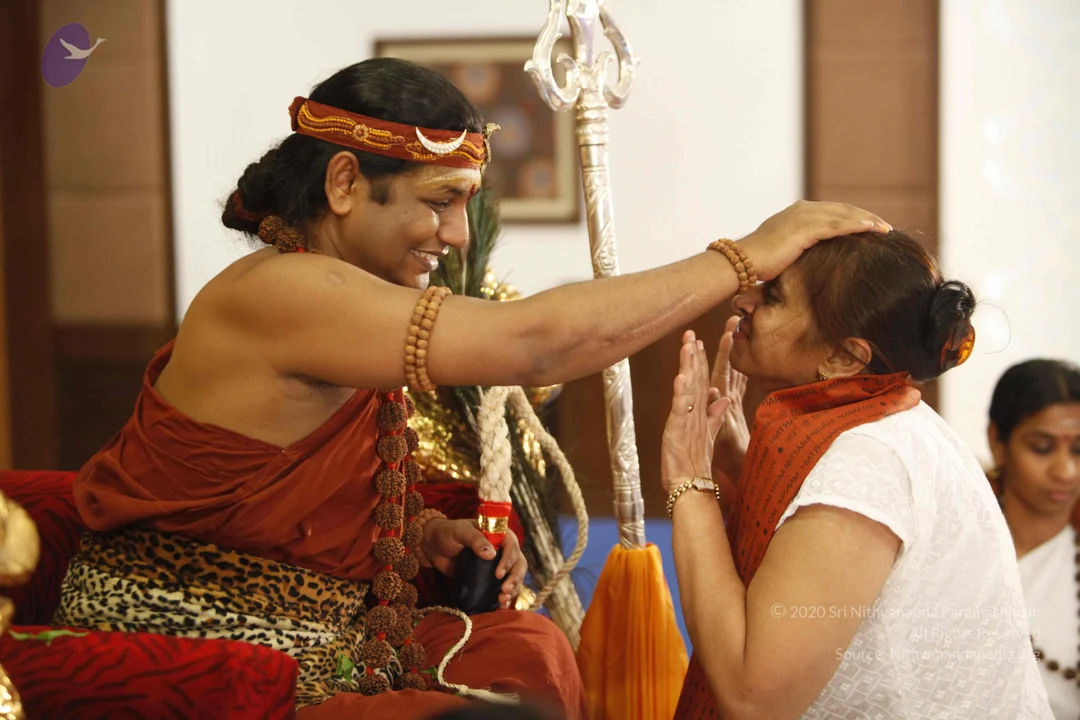
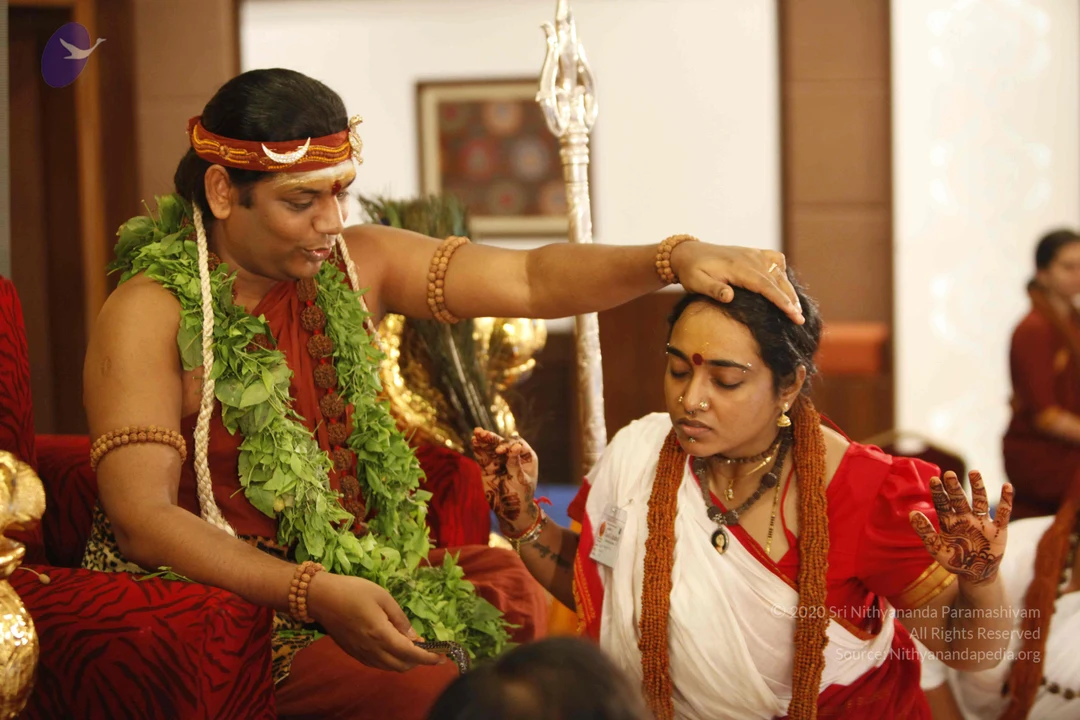
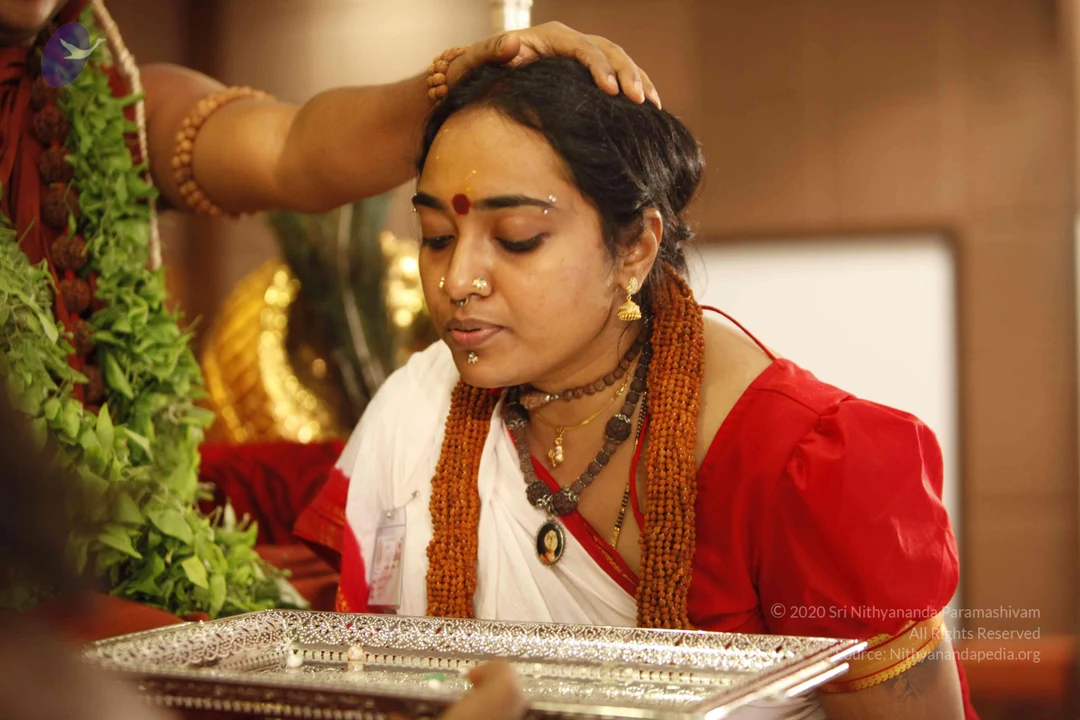
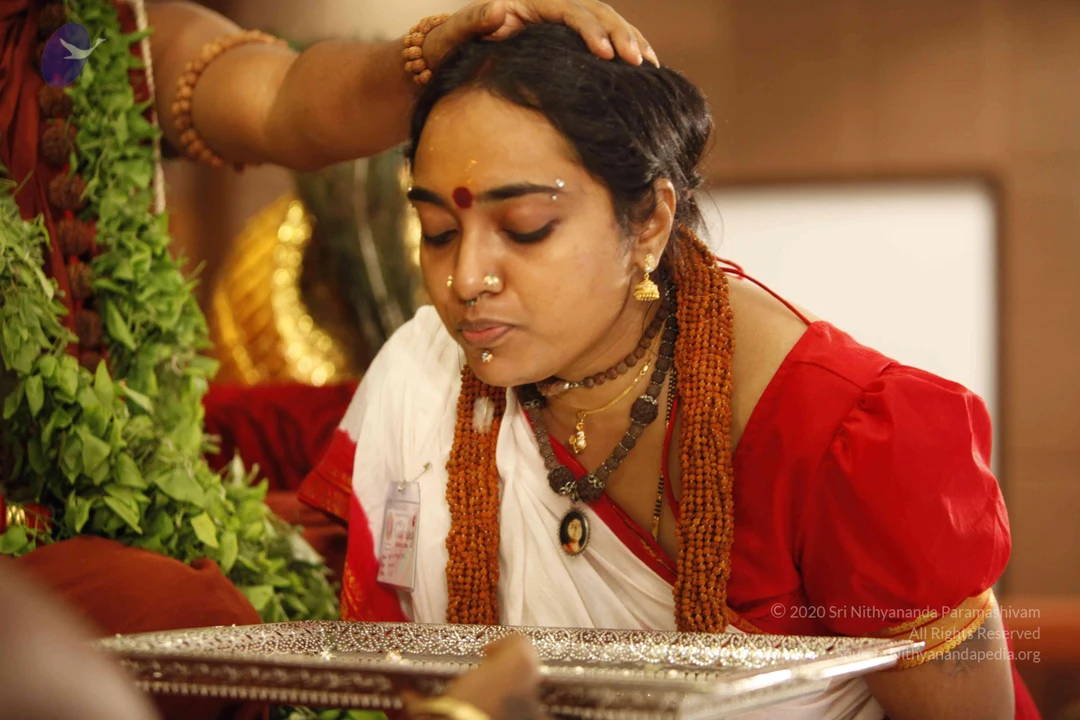
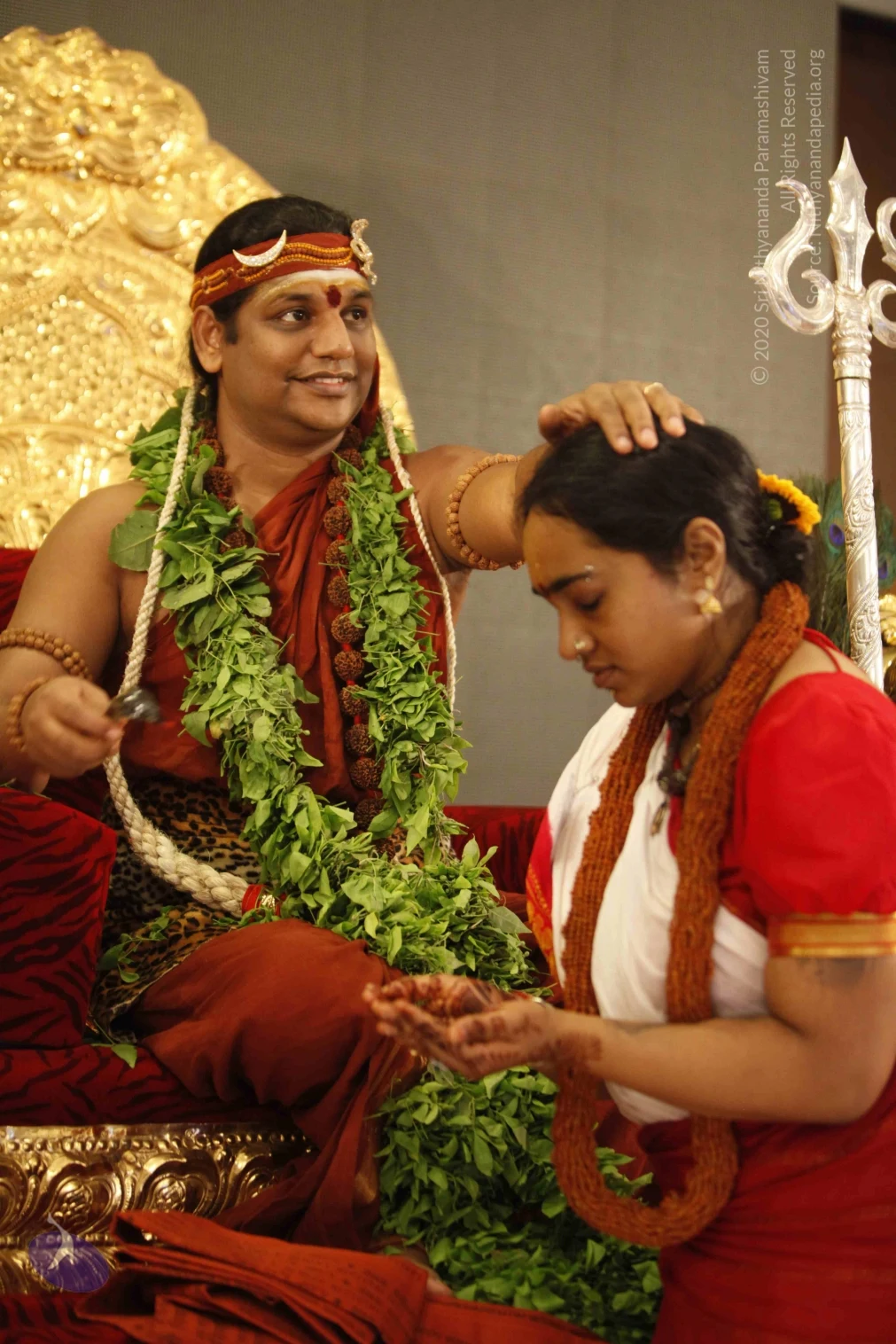
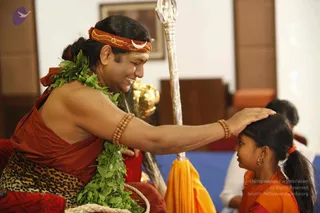
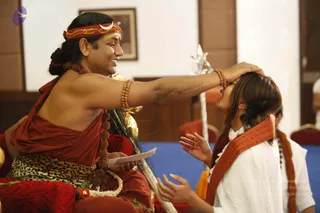
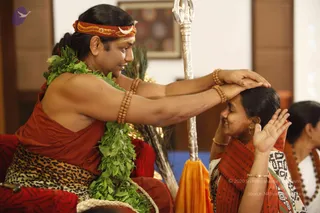
In a few minutes I will lead you all into the Kalpataru process. All the non-Inner Awakening participants can have Kalpataru Darshan. Because, all the Inner Awakening participants, all of you are going to have Energy Darshan, so these few minutes in the morning we will give it to Kashi vaasis who have come here for Kalpataru Darshan, to devotees from Varanasi who have come for Kalpataru Darshan. So, all the participants who are here for Kalpataru and Inner Awakening, let us enter into the Kalpataru process.
Title:
Varanasi: A Fascinating Mirror of Life
Description:
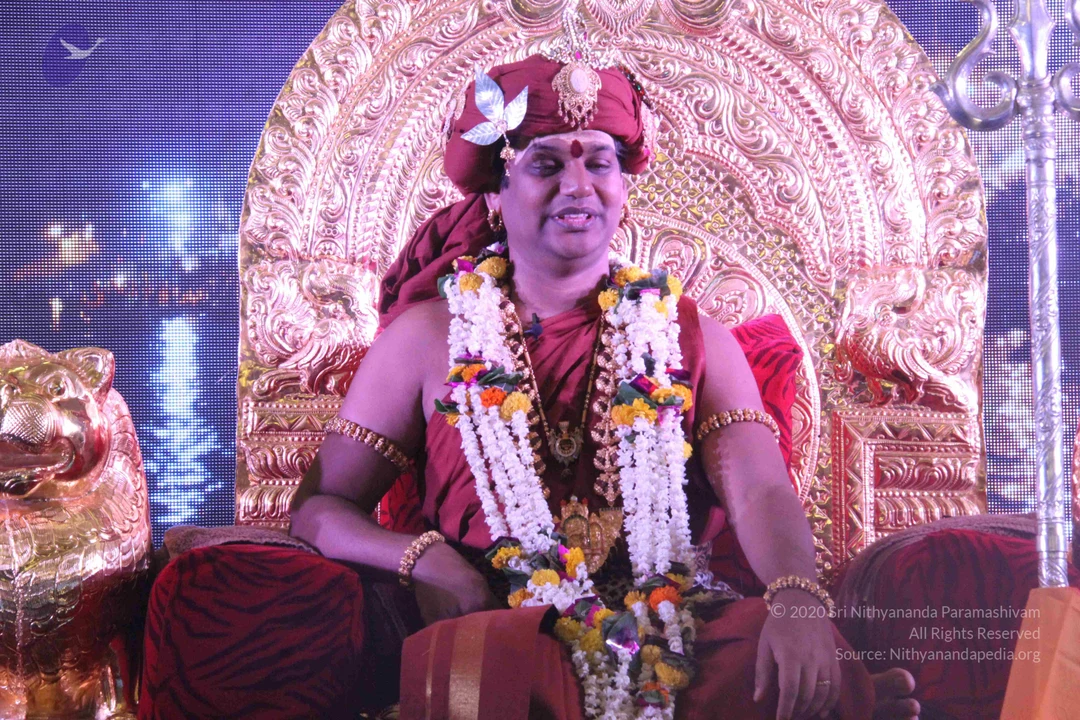
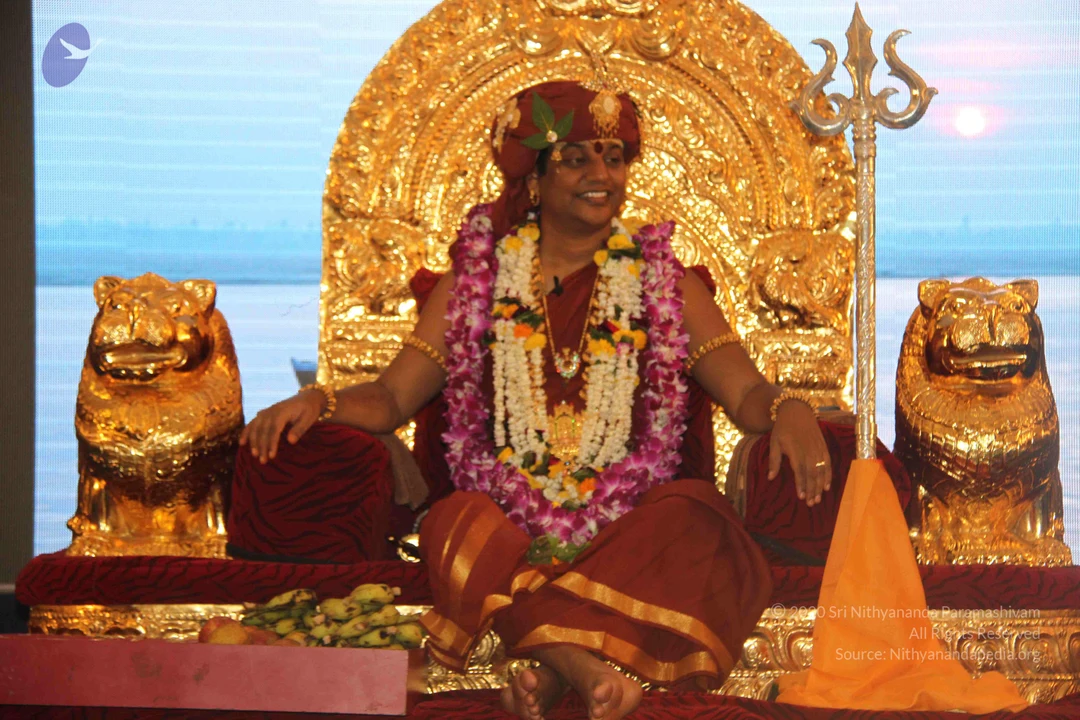
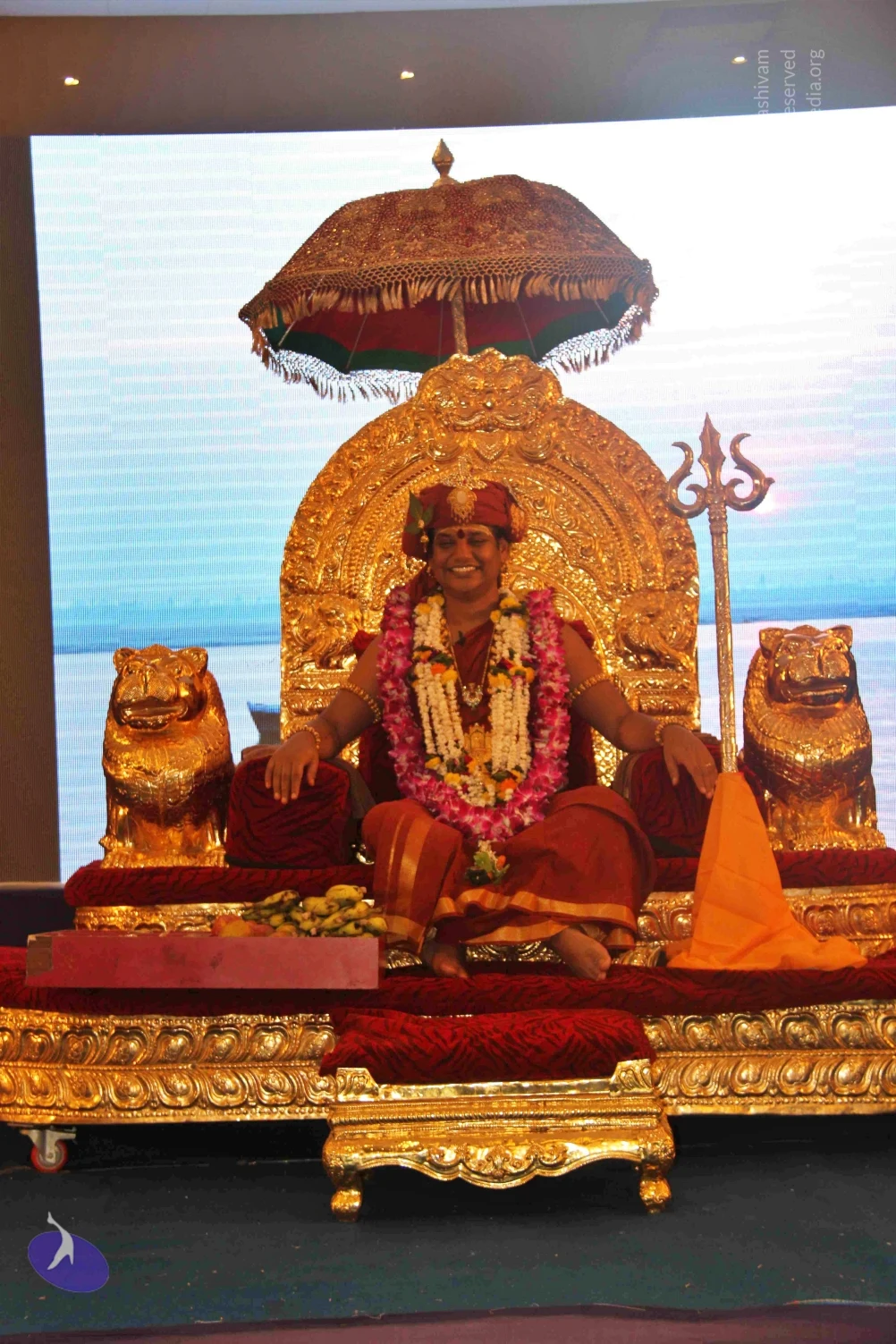
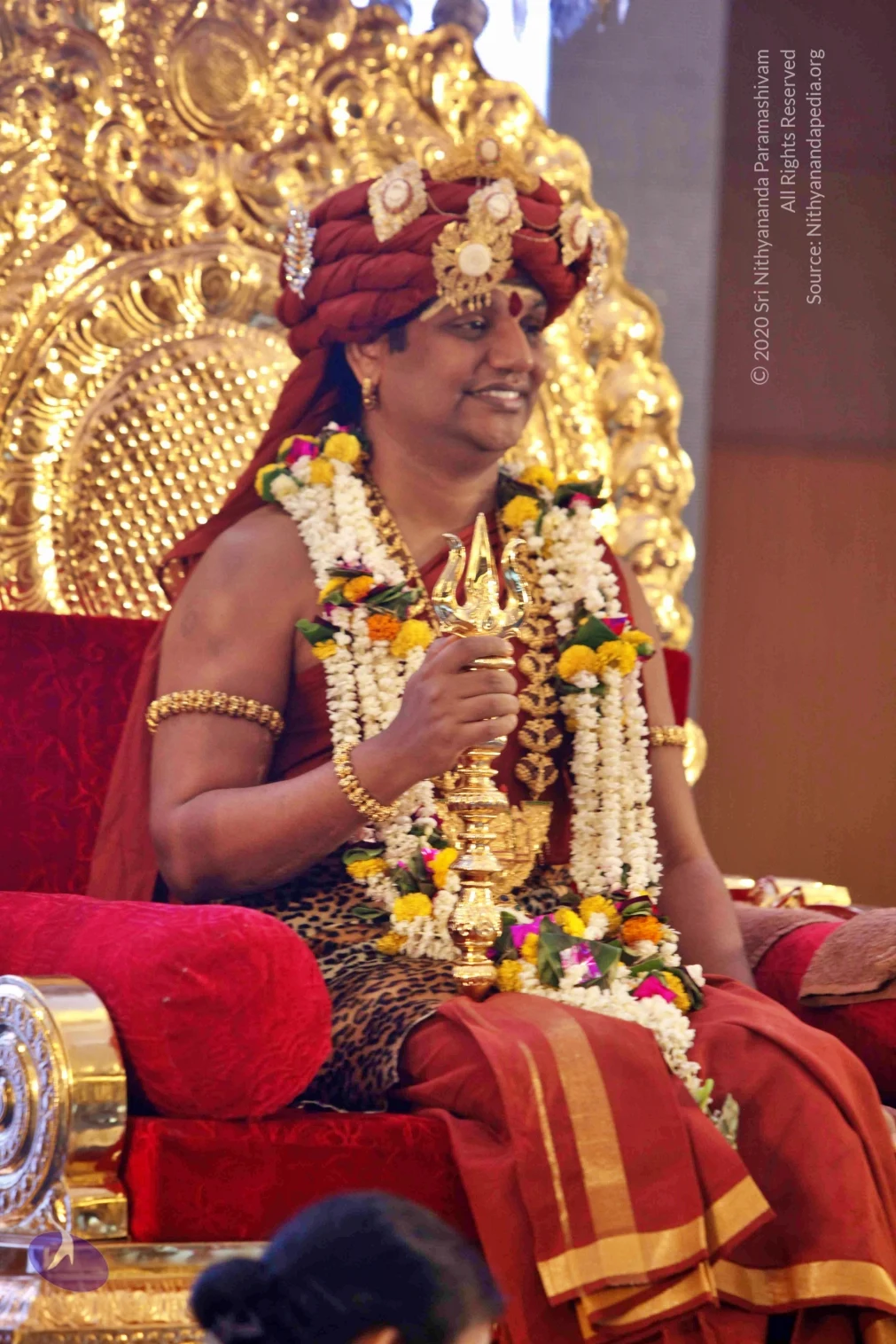
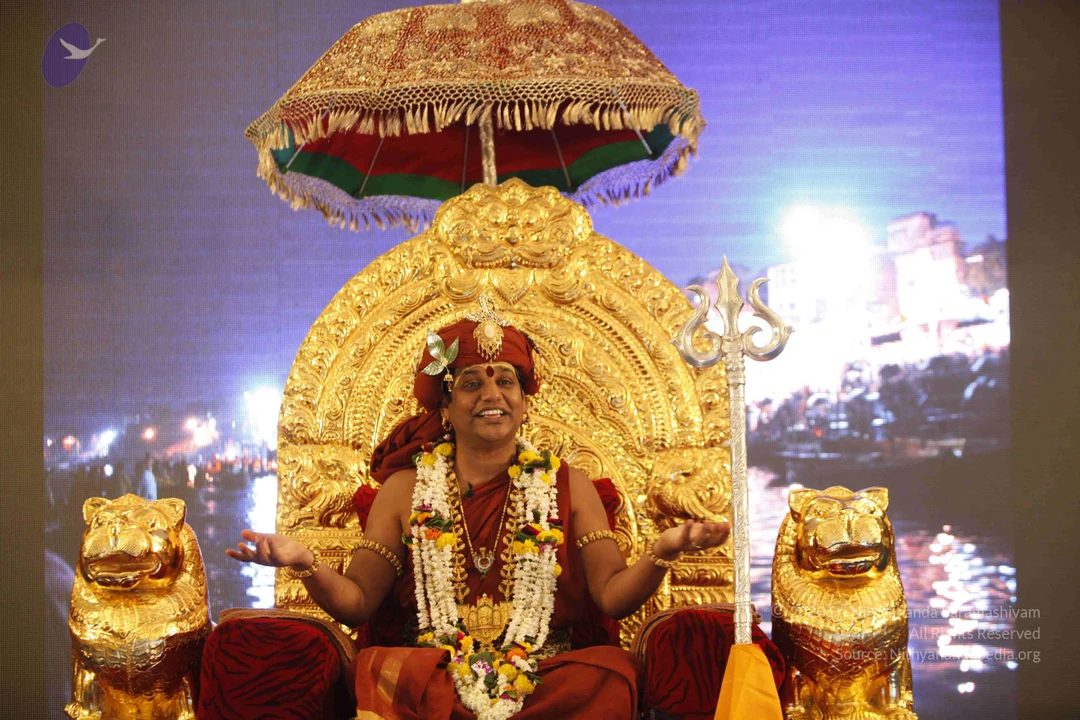
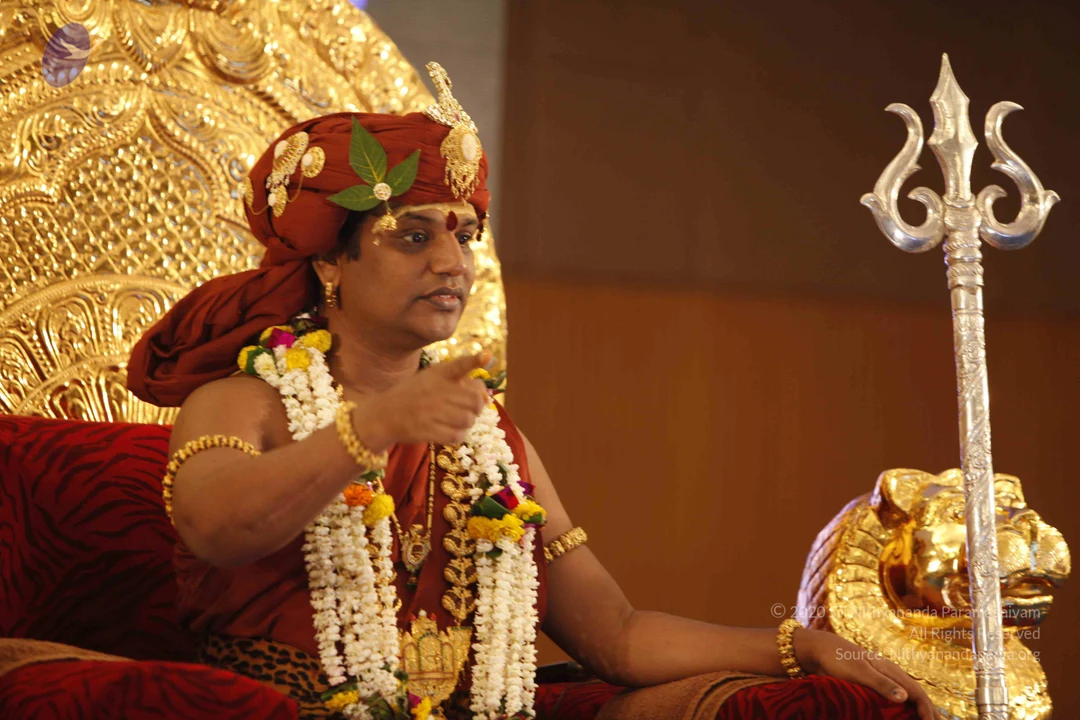
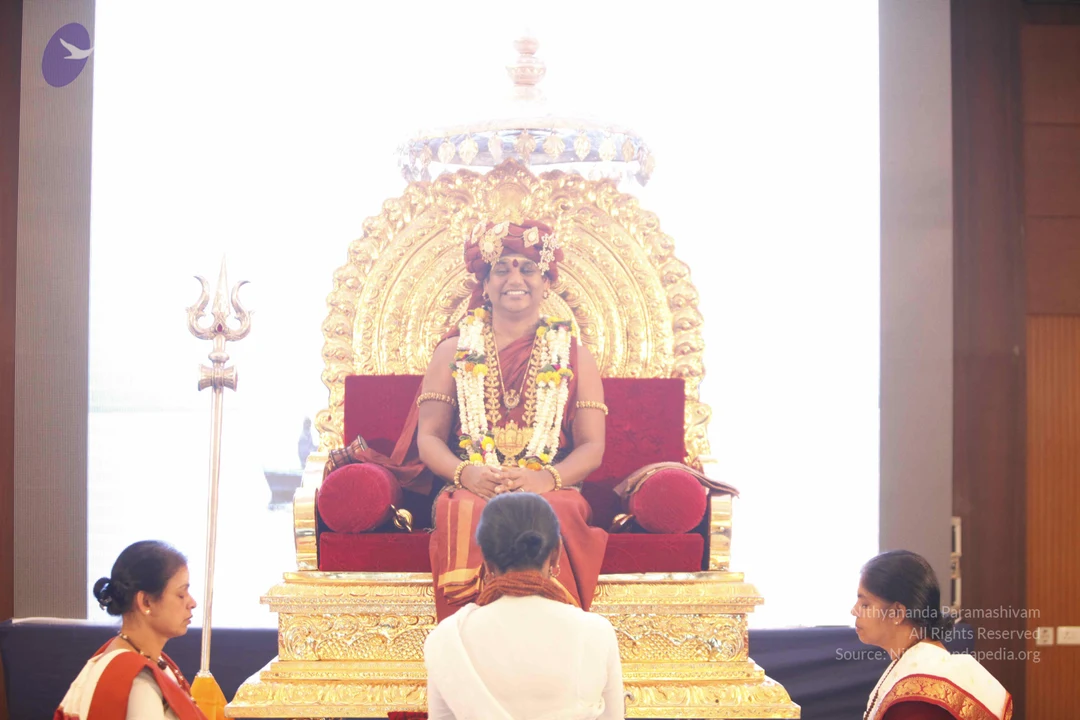
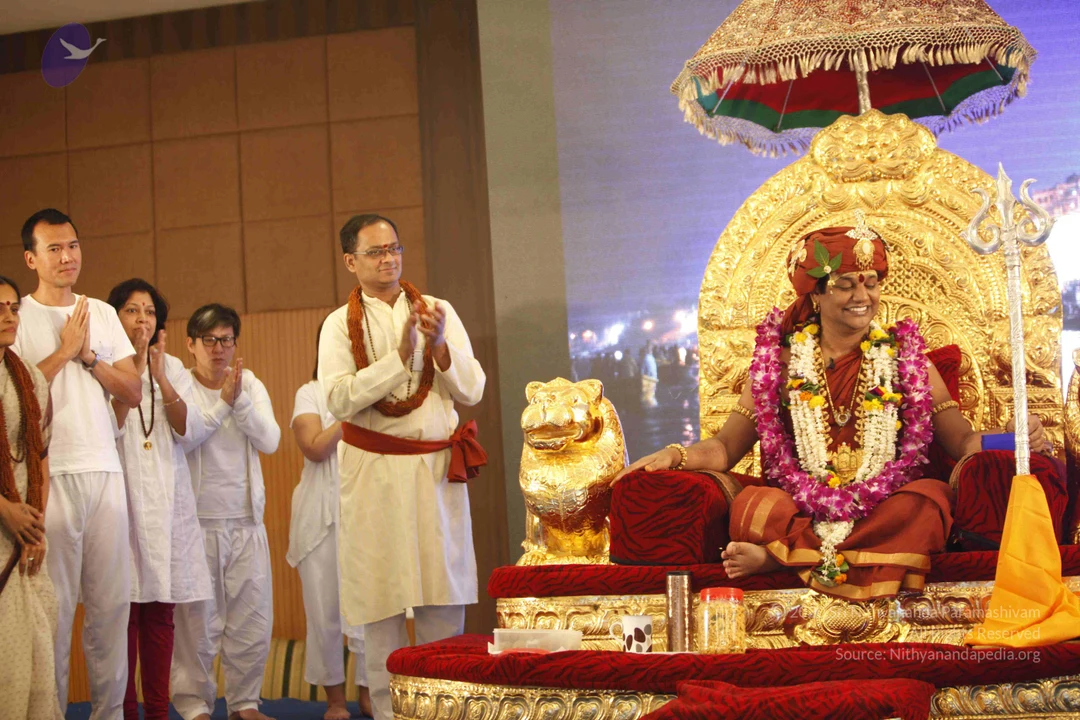
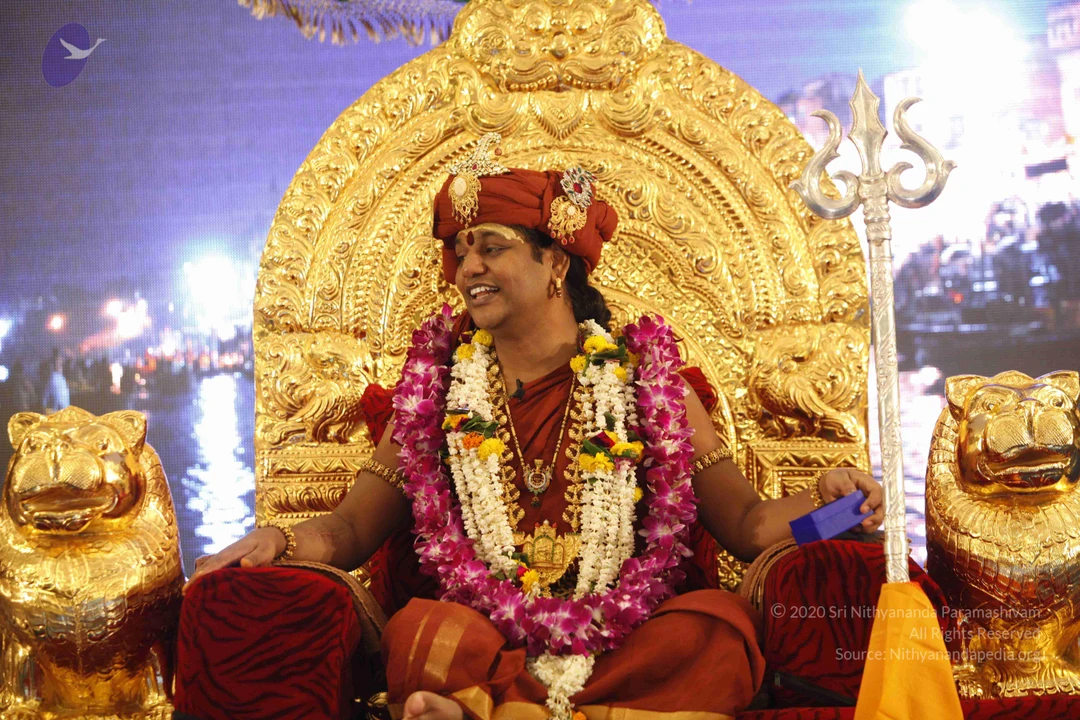
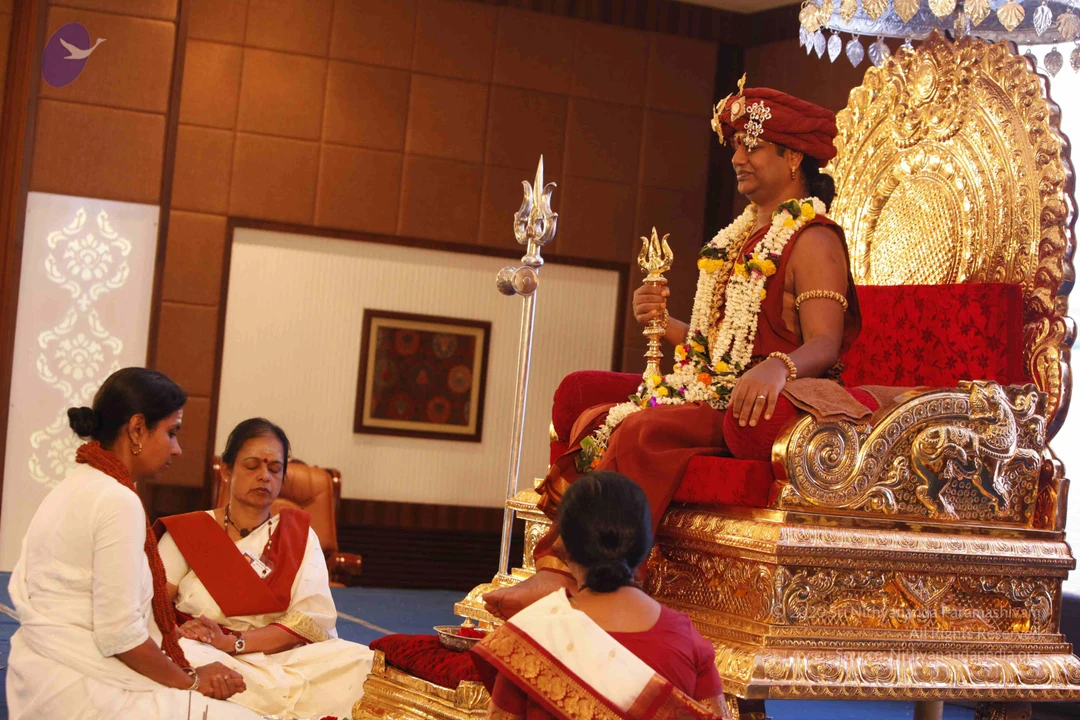
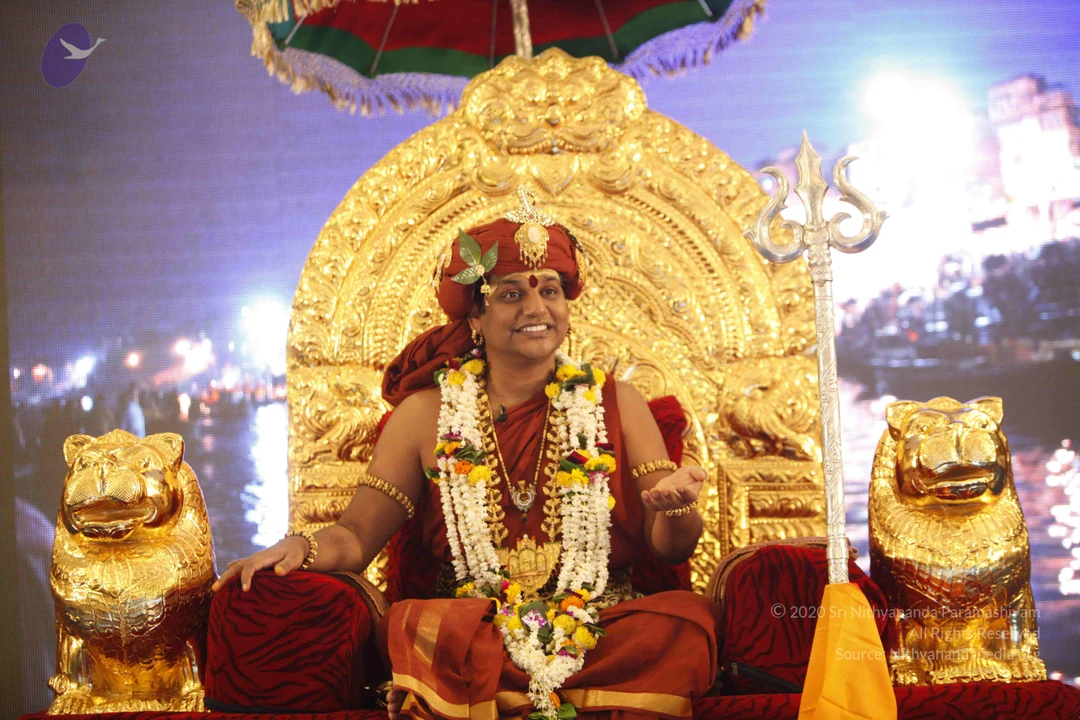
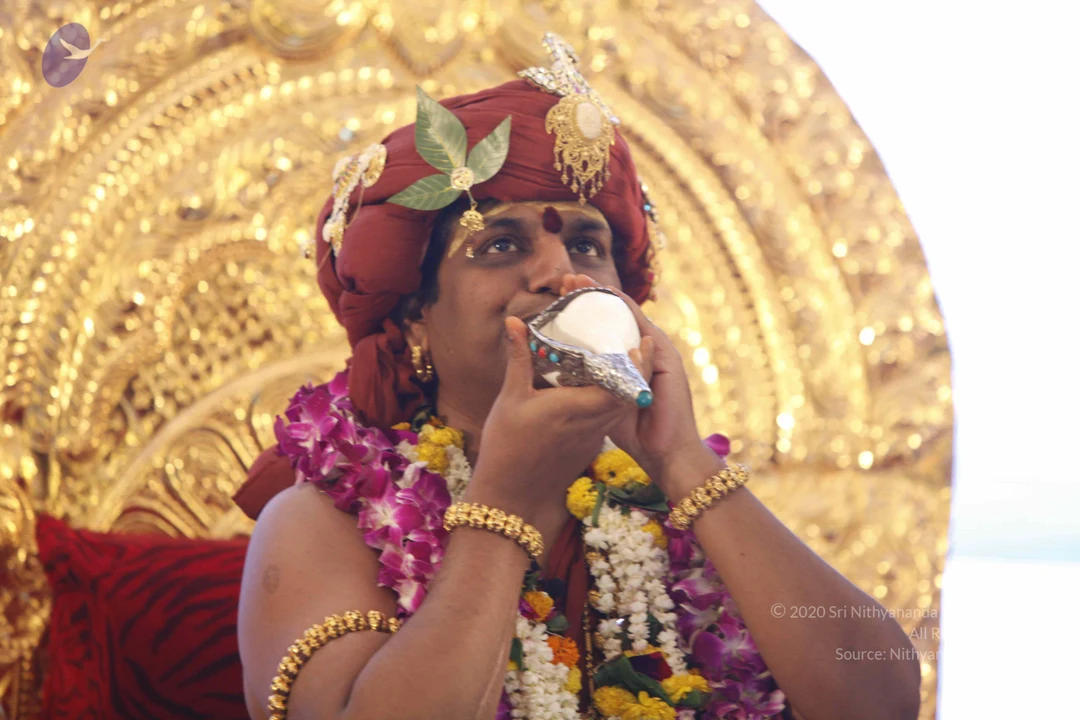
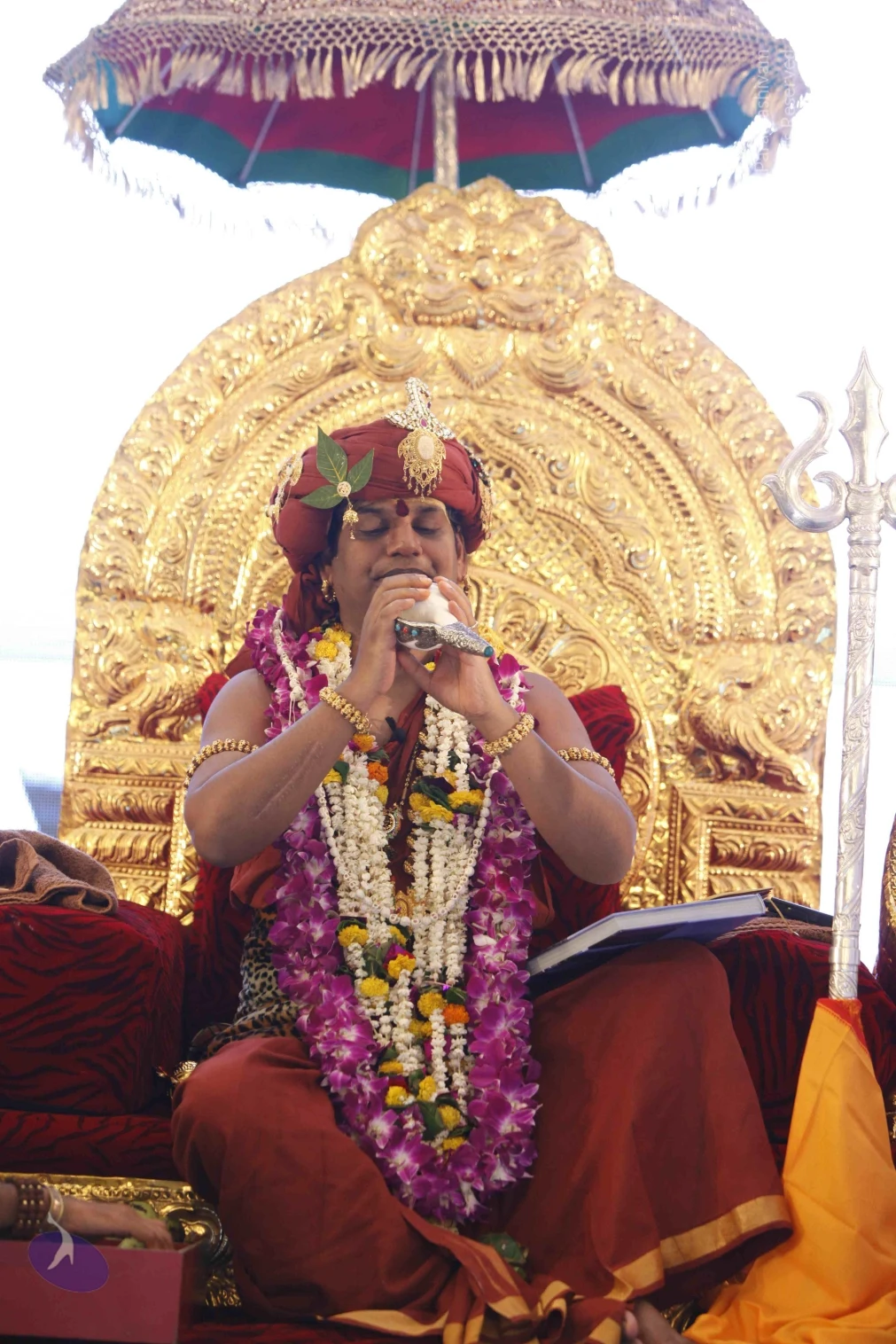
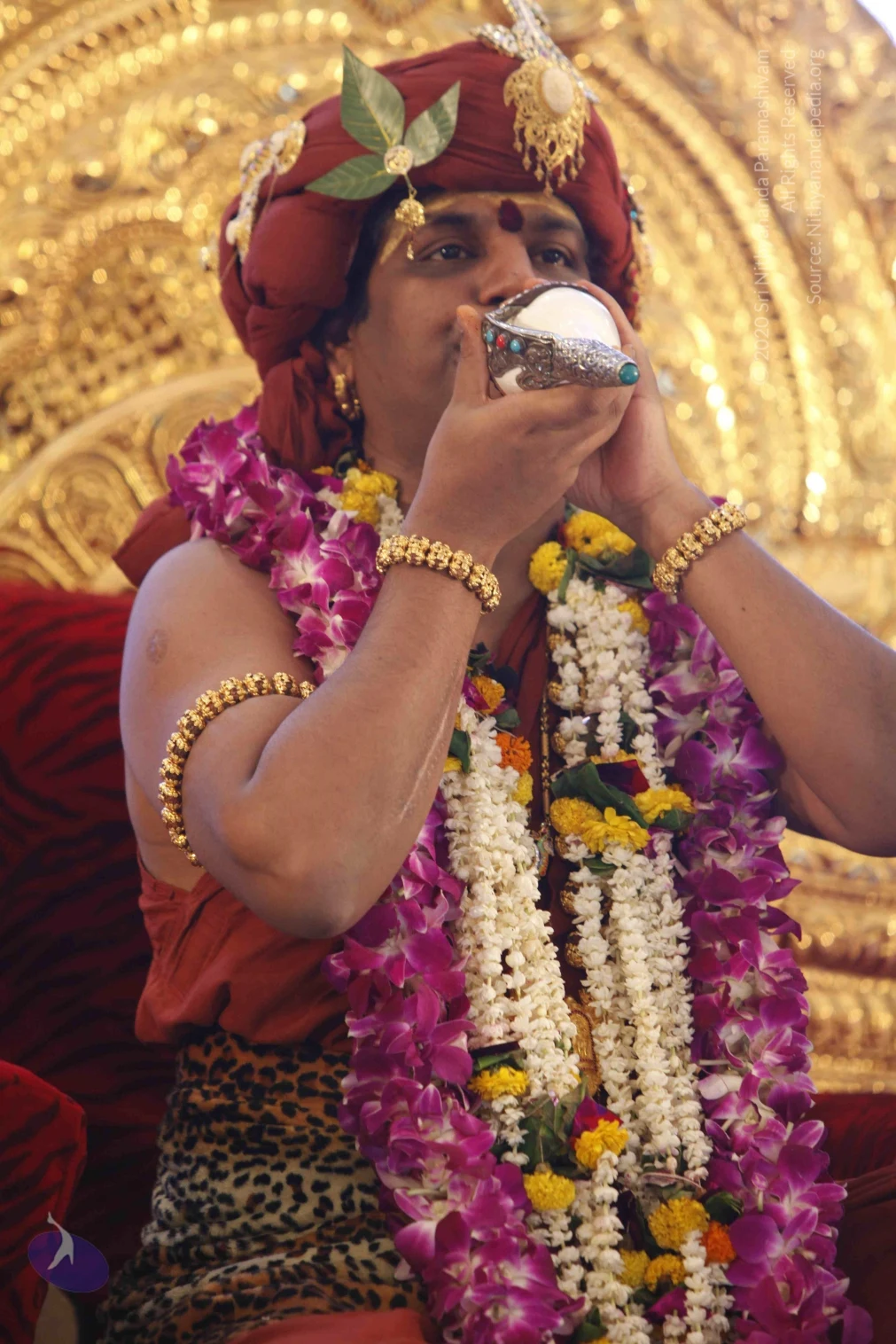
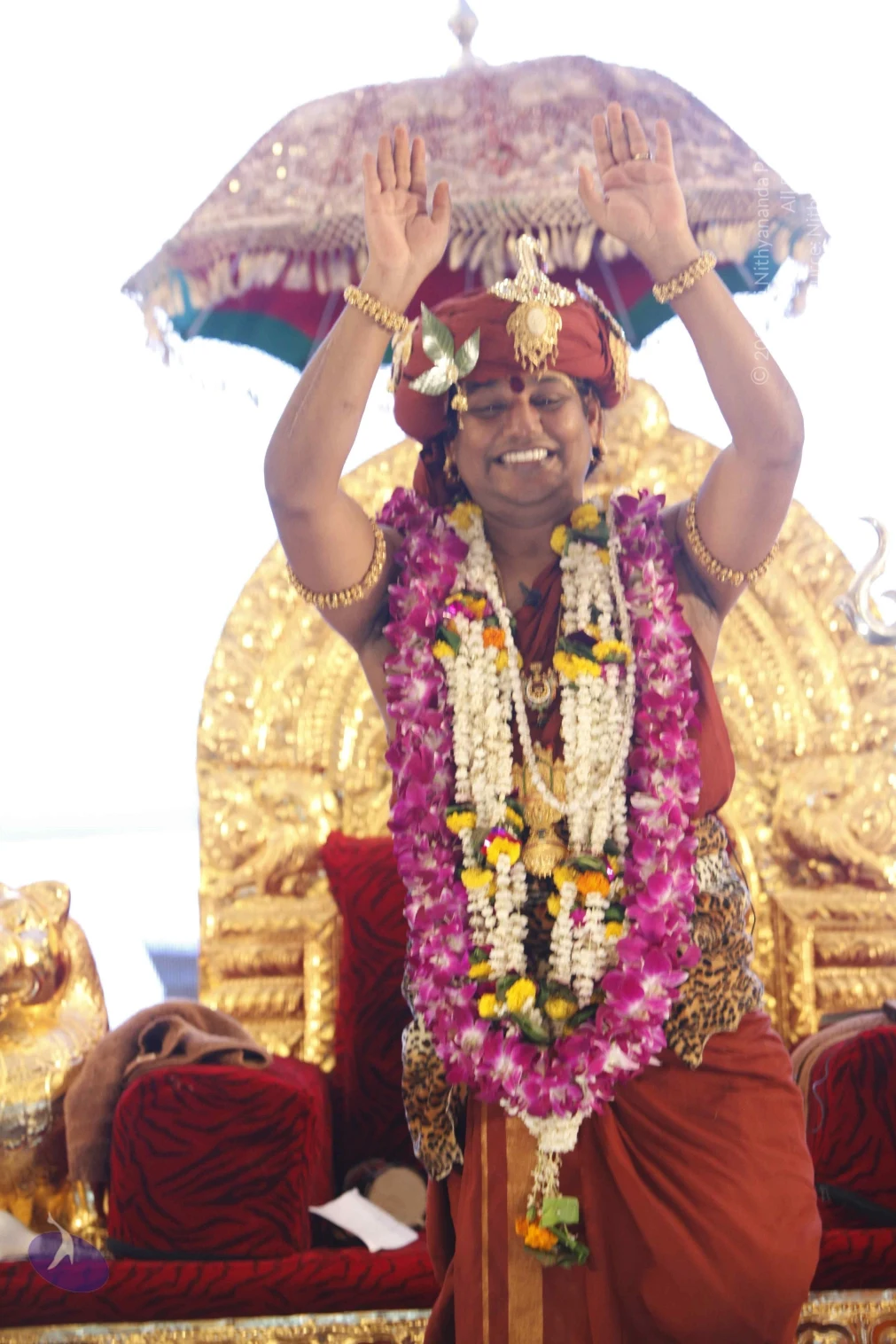
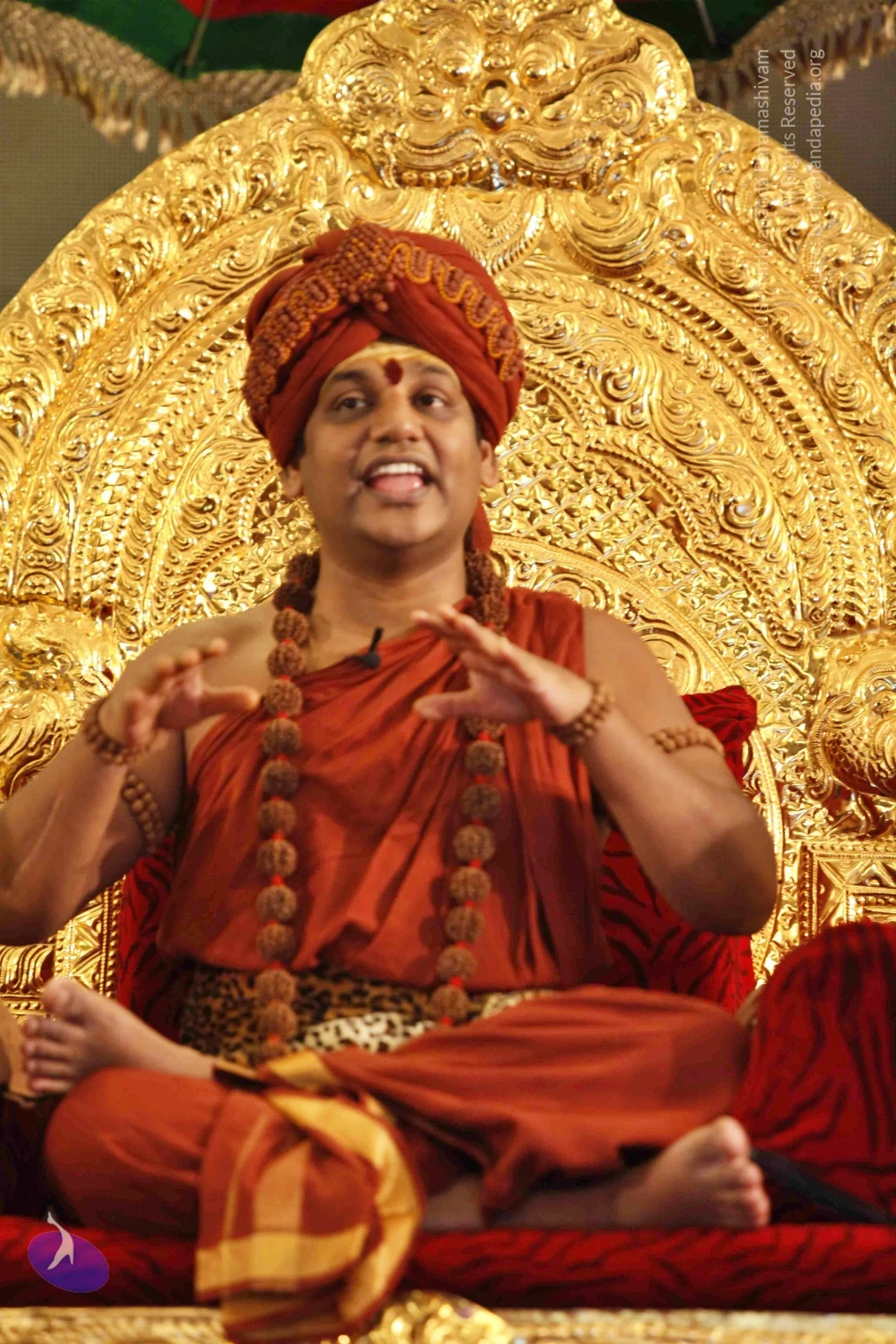
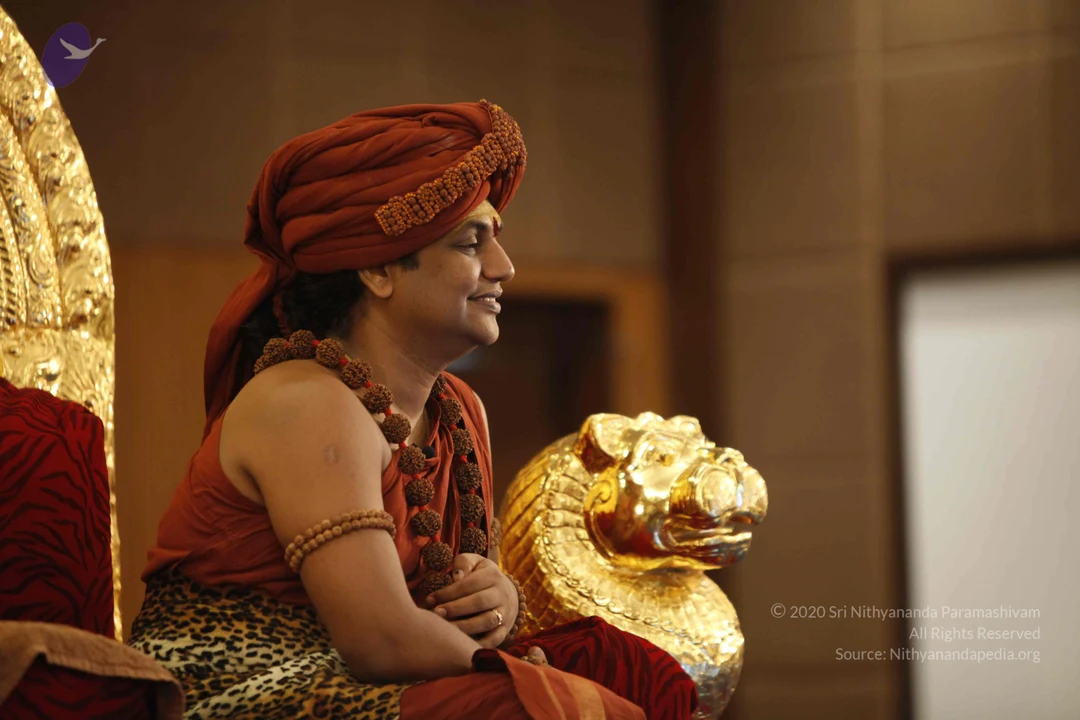
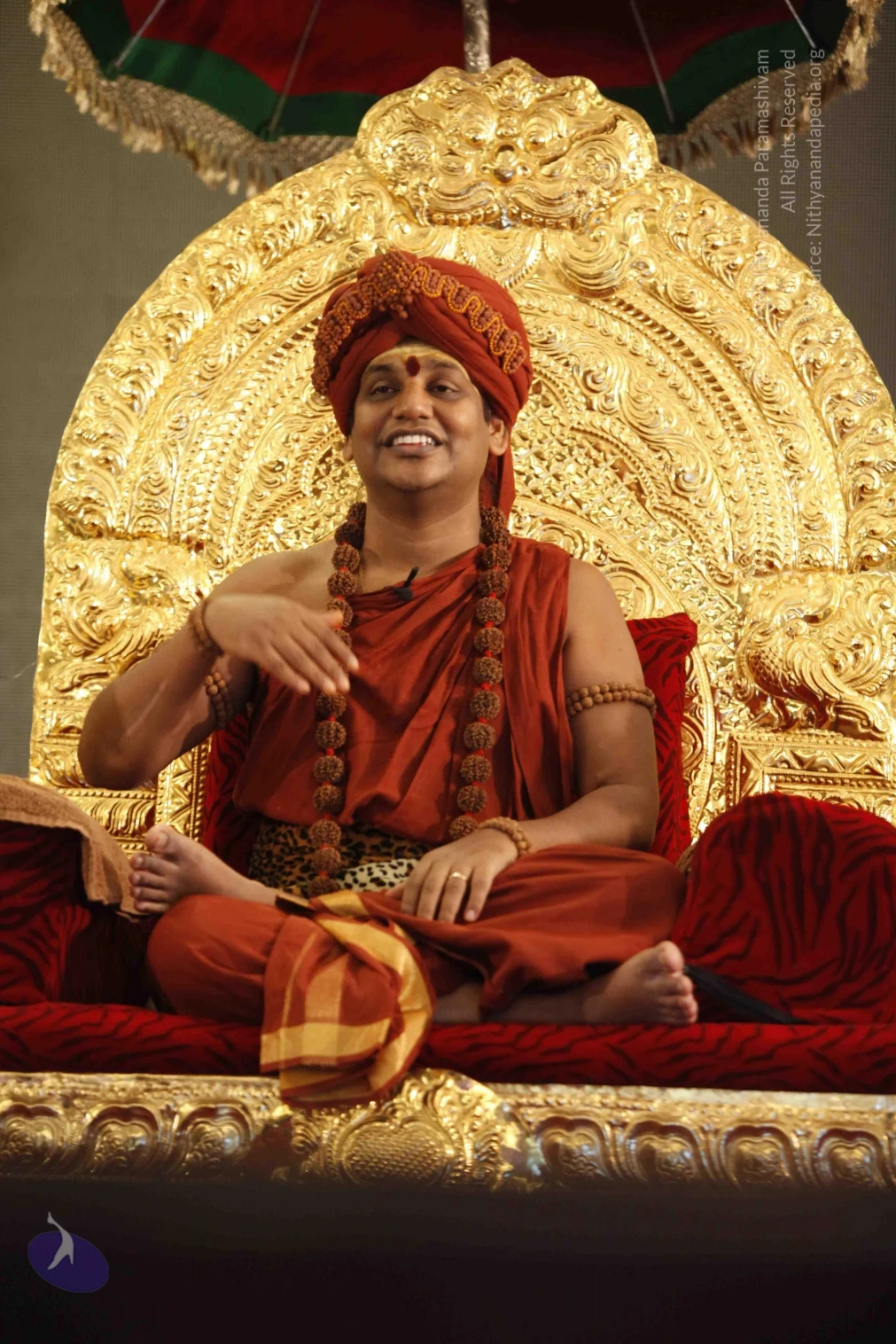
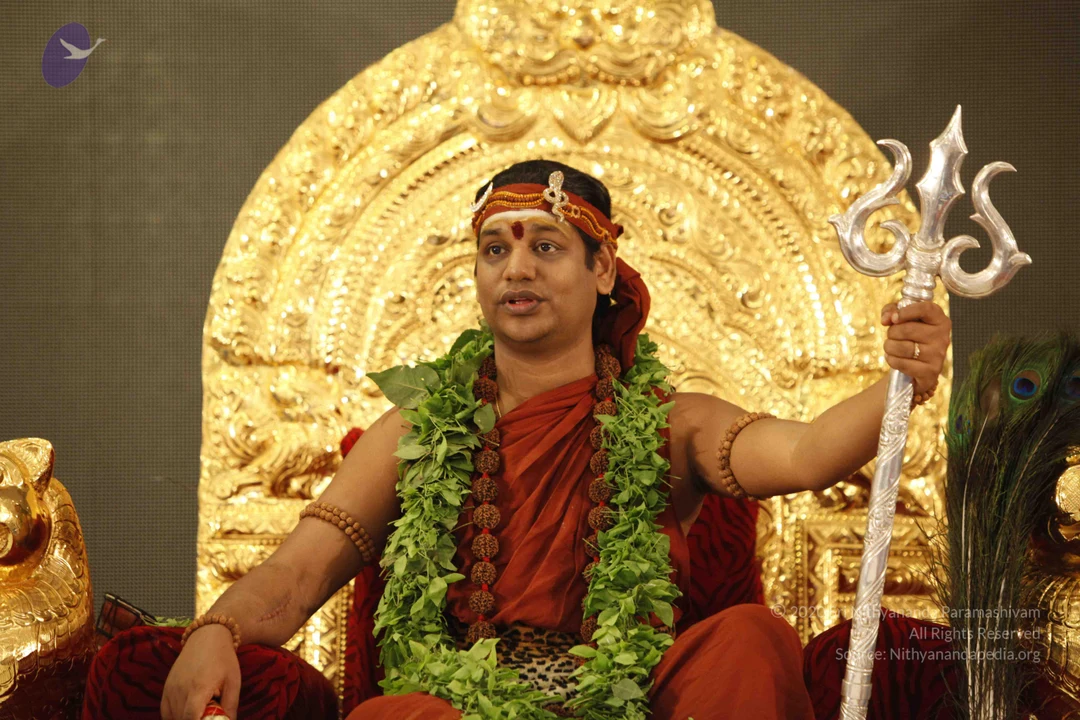
In today's (1st May, 2014) morning satsang, Paramahamsa Nithyananda talks about the amazing city of Varanasi and how it us a mirror that reflects life.
Link to Video:
| Video | Audio |
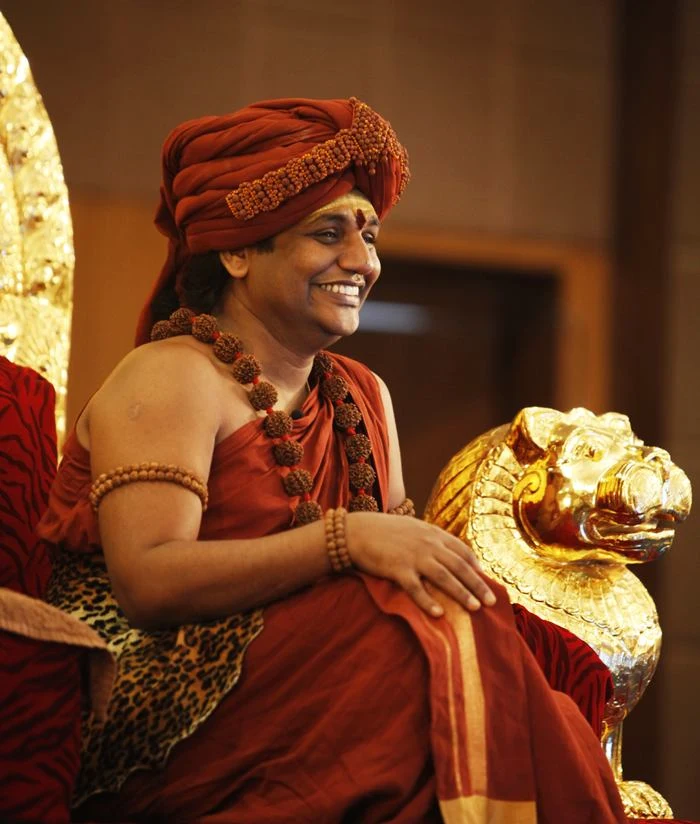
Photos From The Day:
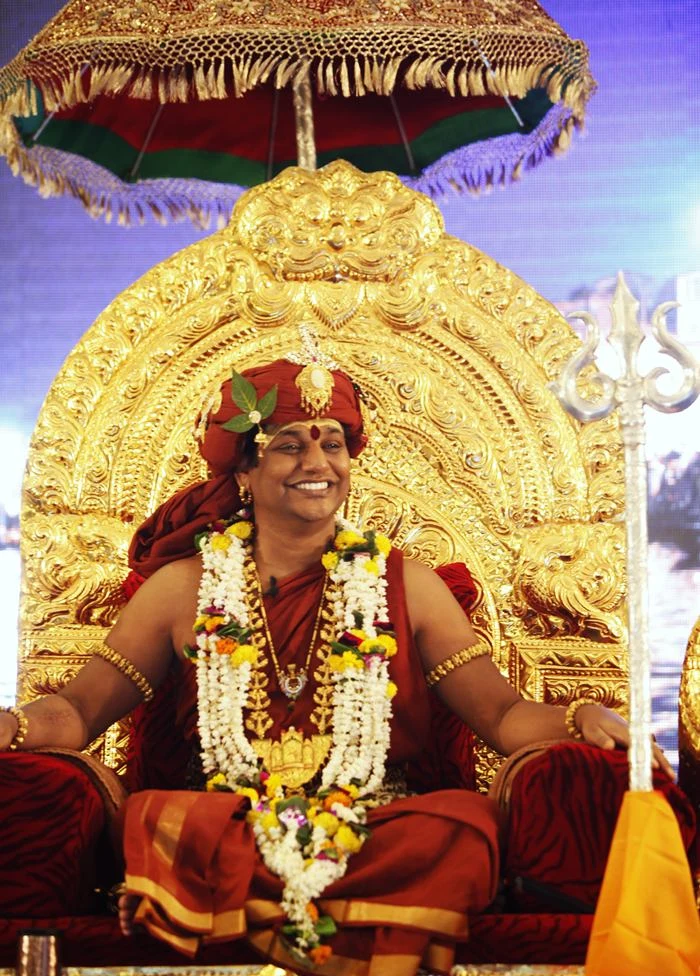
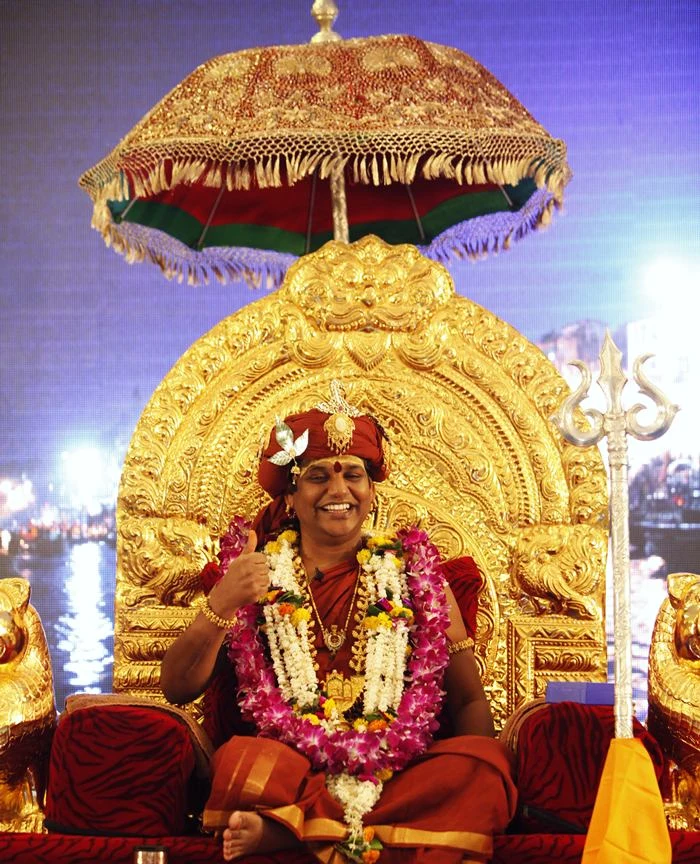
Tags:
Paramahamsa Nithyananda, Varanasi, Ashramites, Ashram, Temple, center, Singapore, Meenakshi Brahmotsavam, Science of Living Enlightenment, Kalpataru, Process, Darshan
Photos Of The Day:
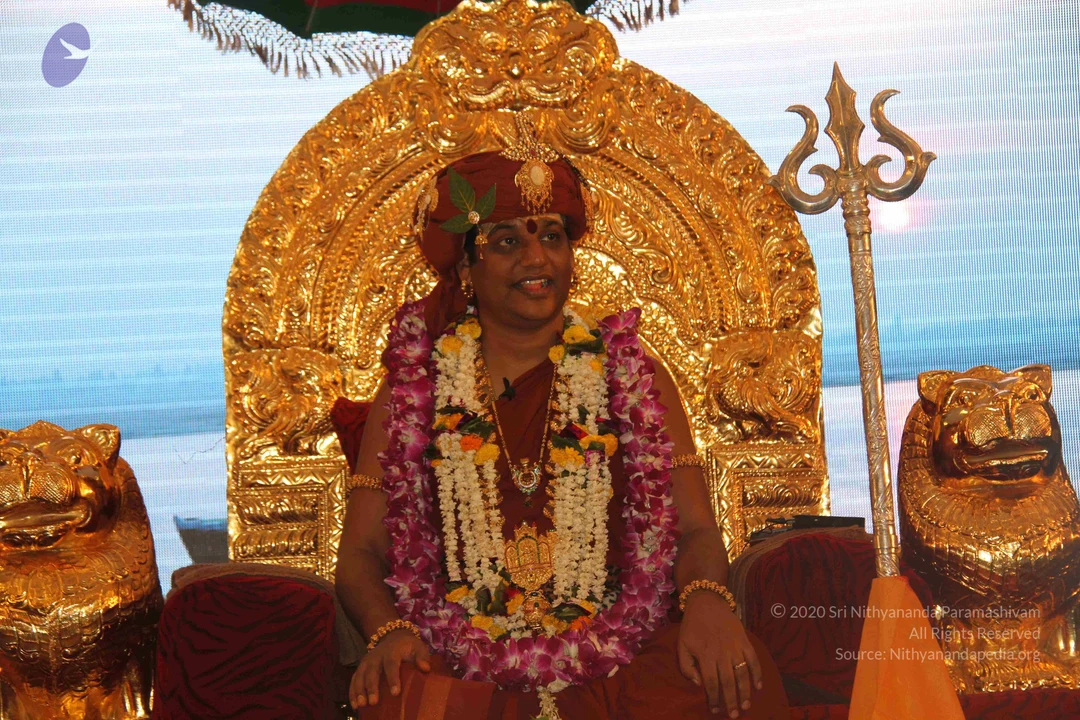
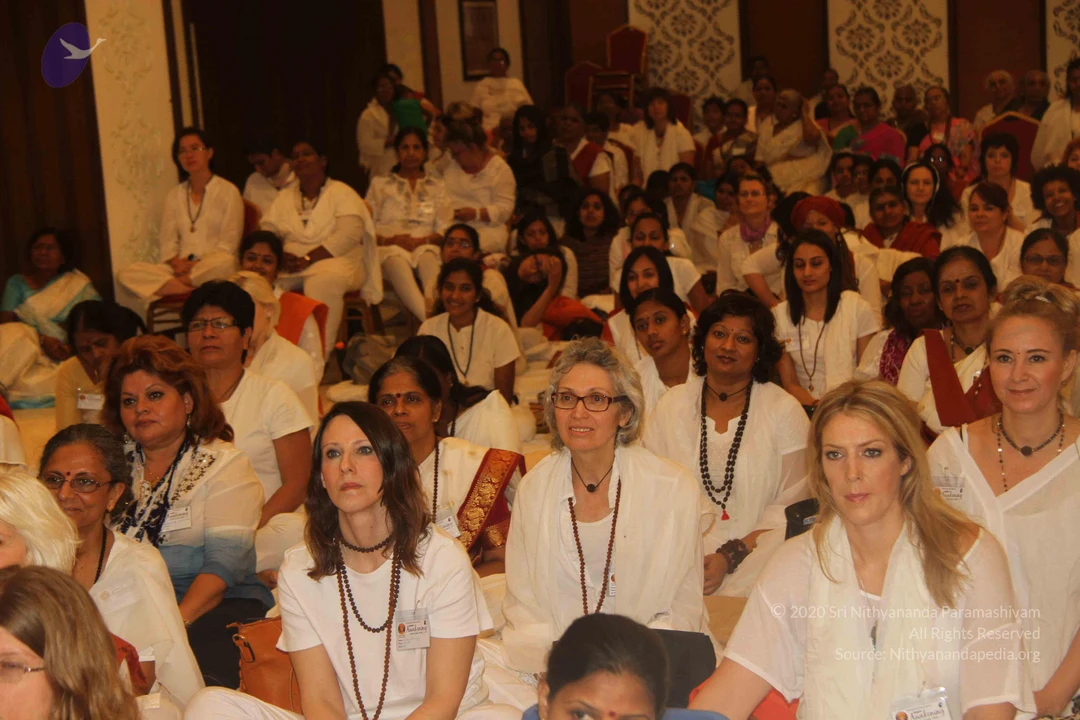
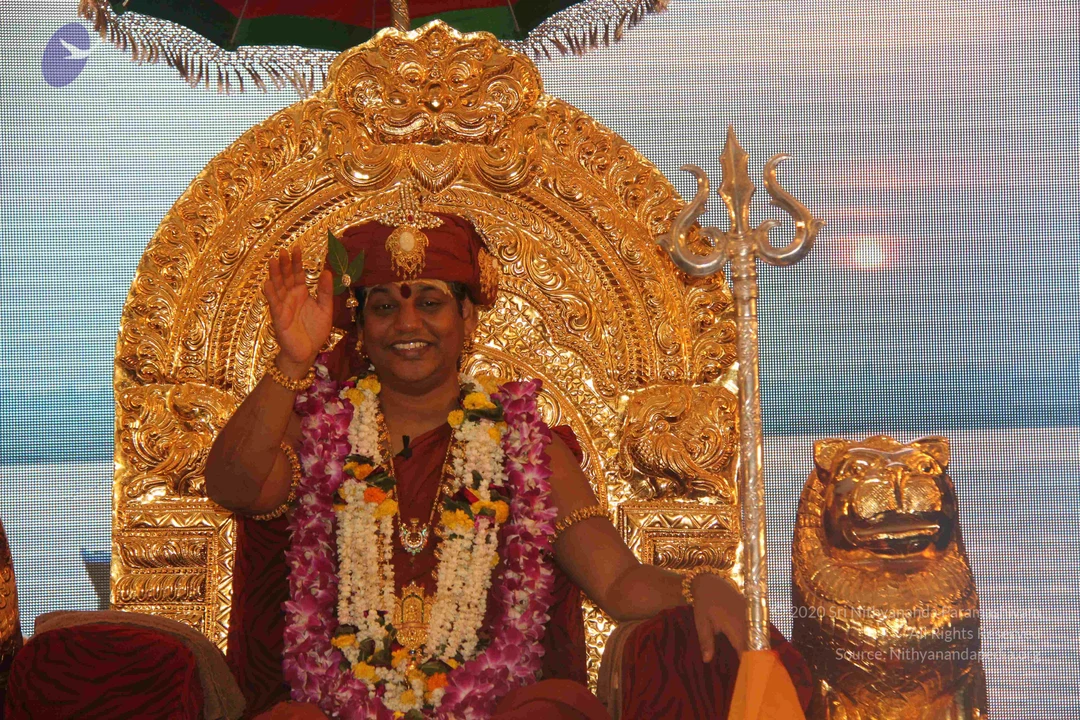
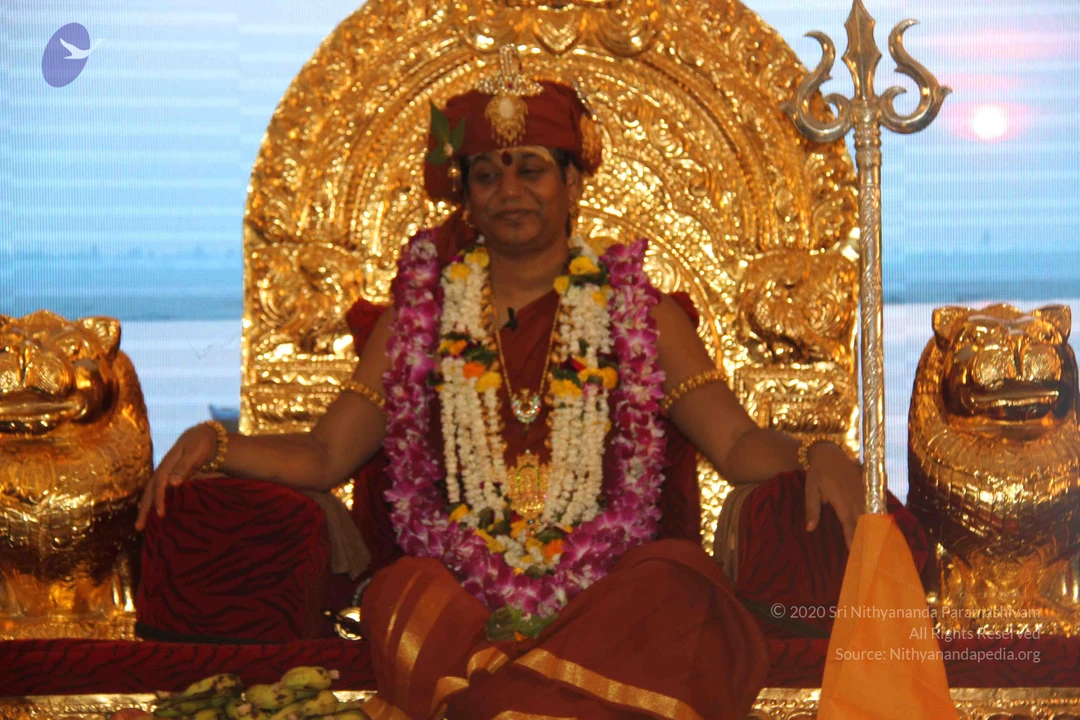
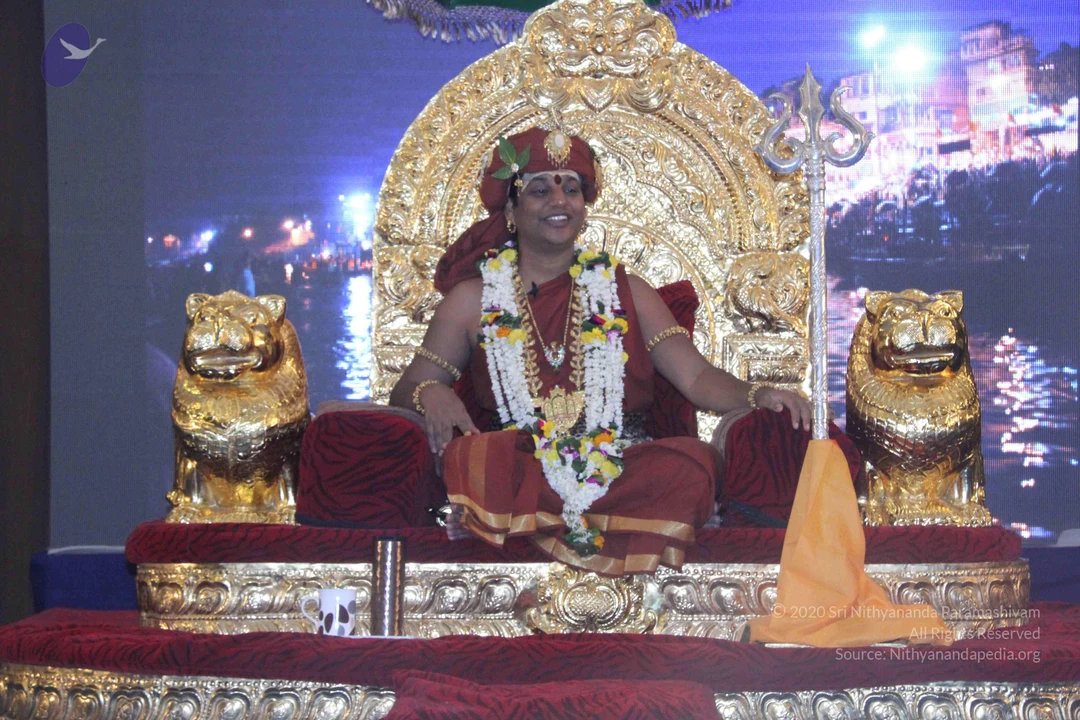
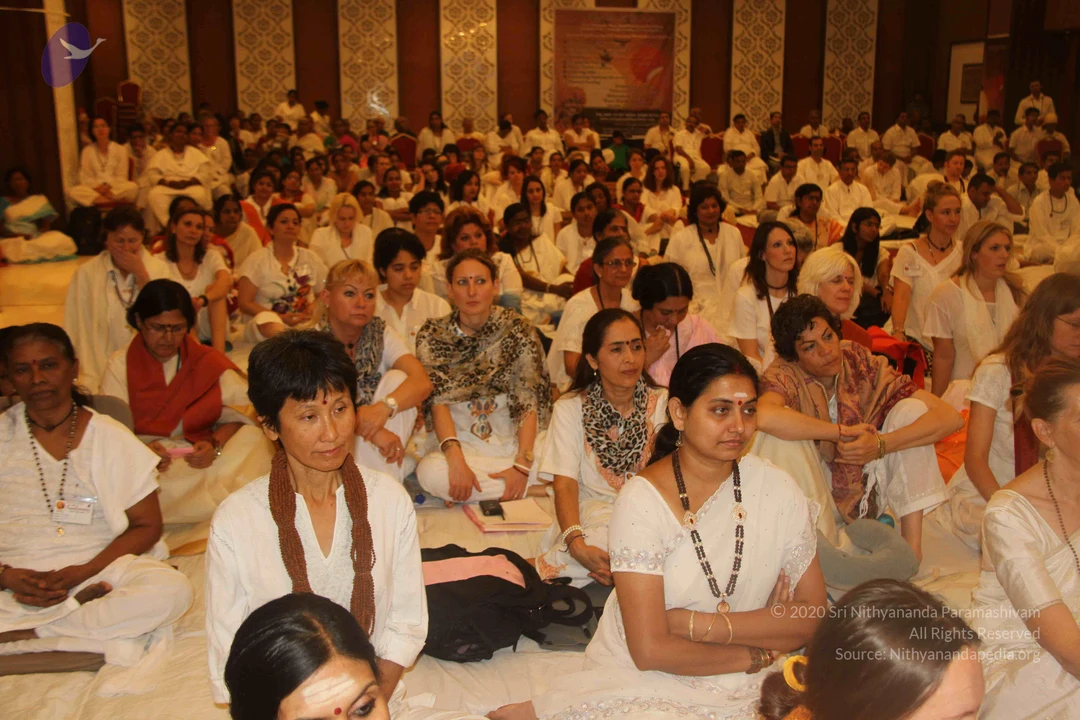
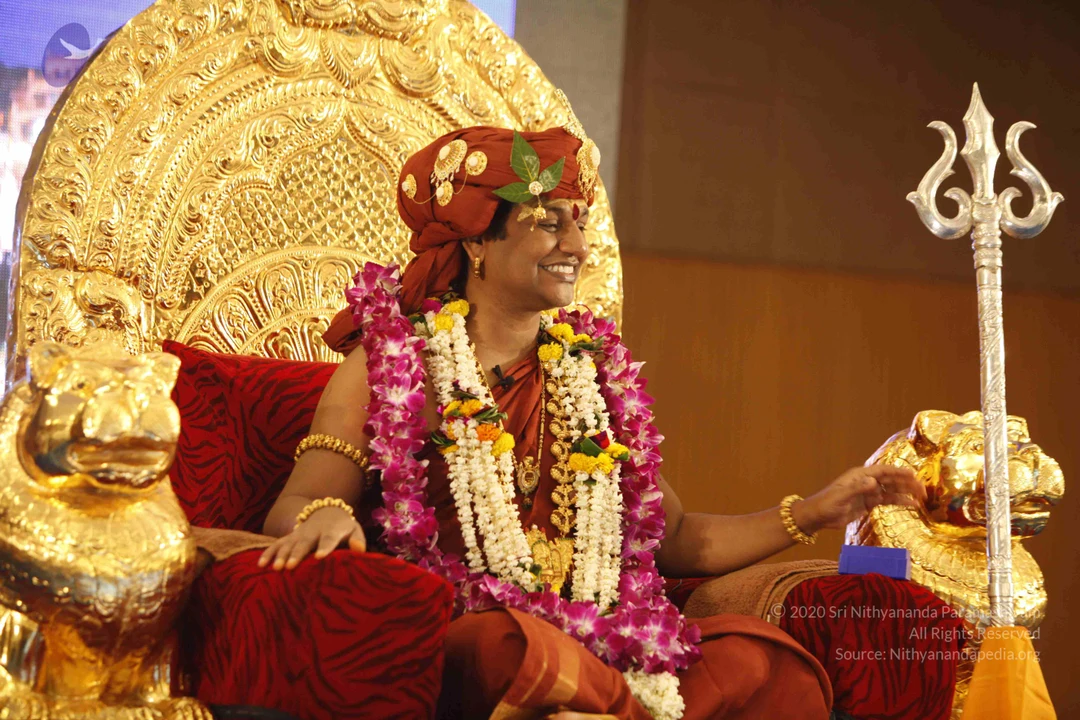
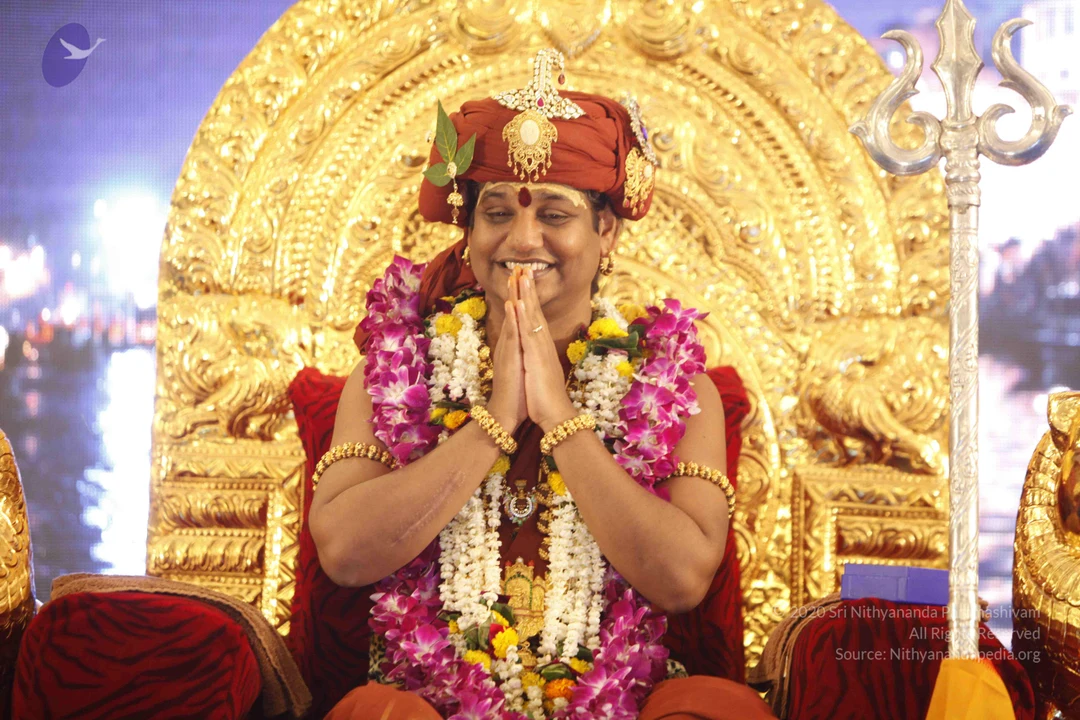
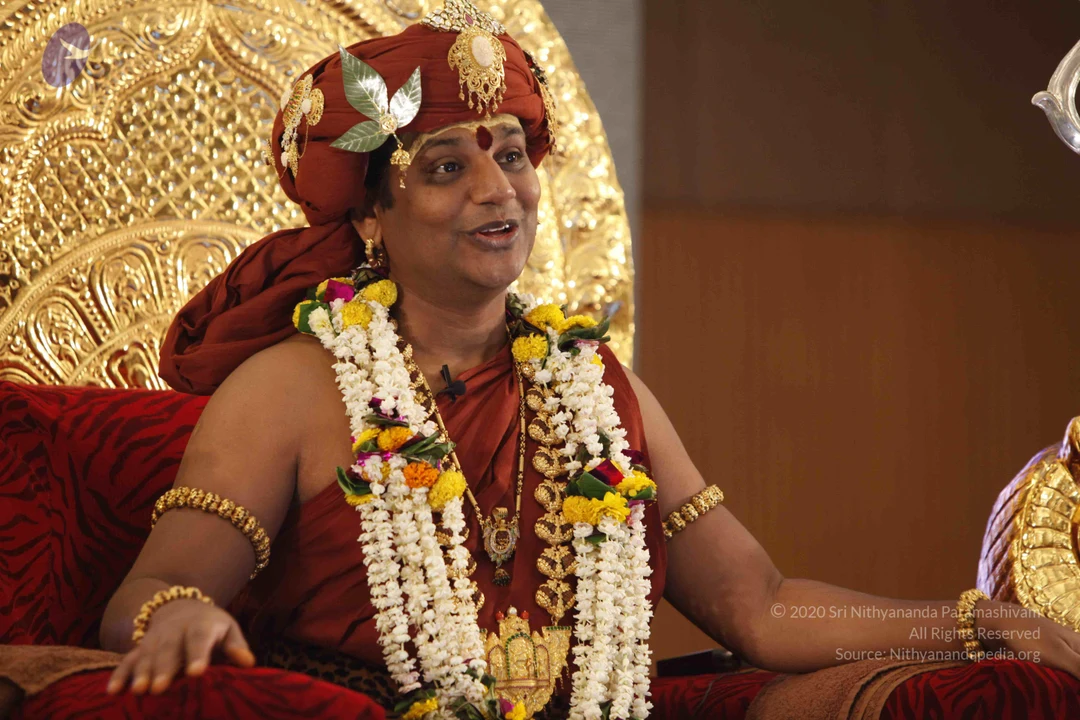
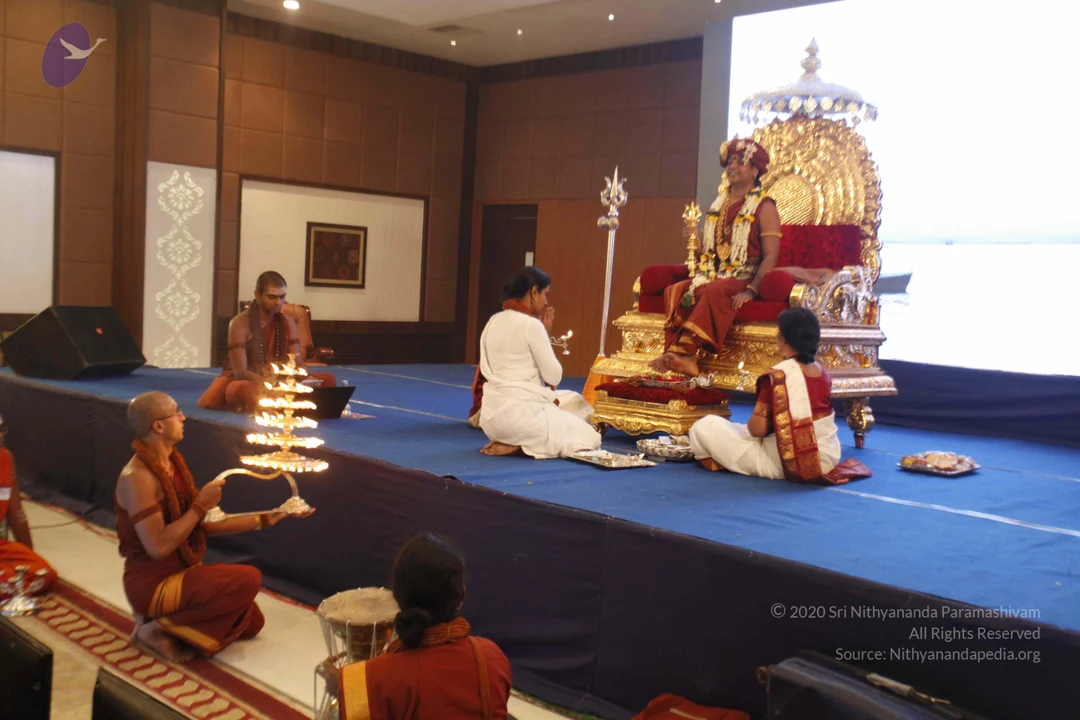
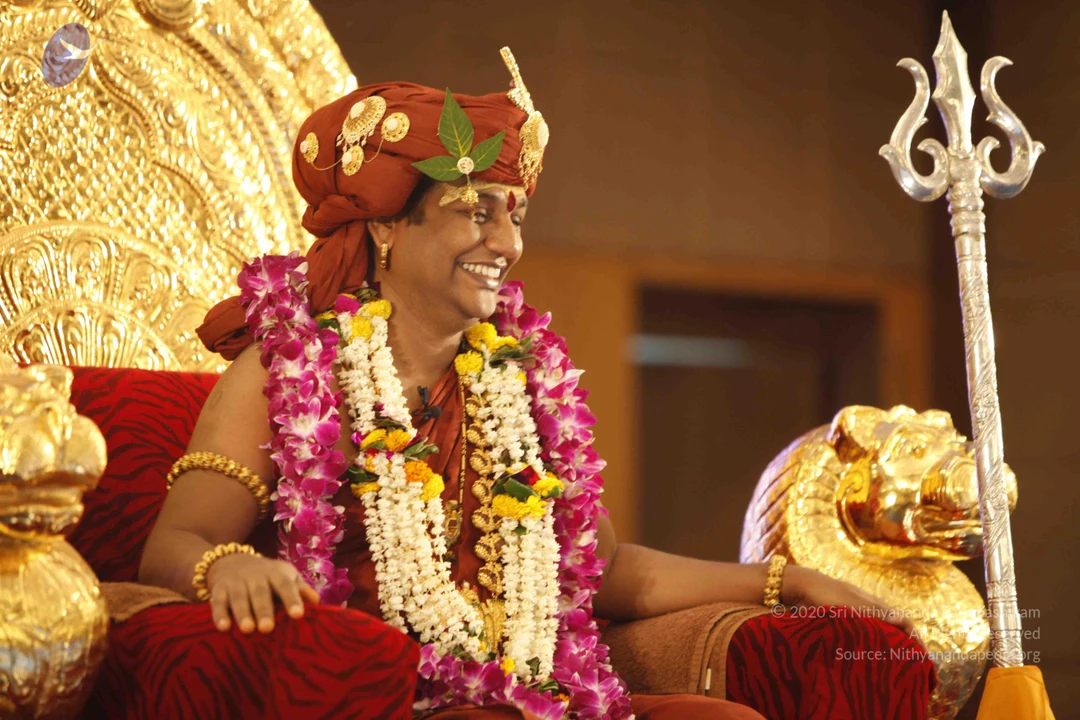
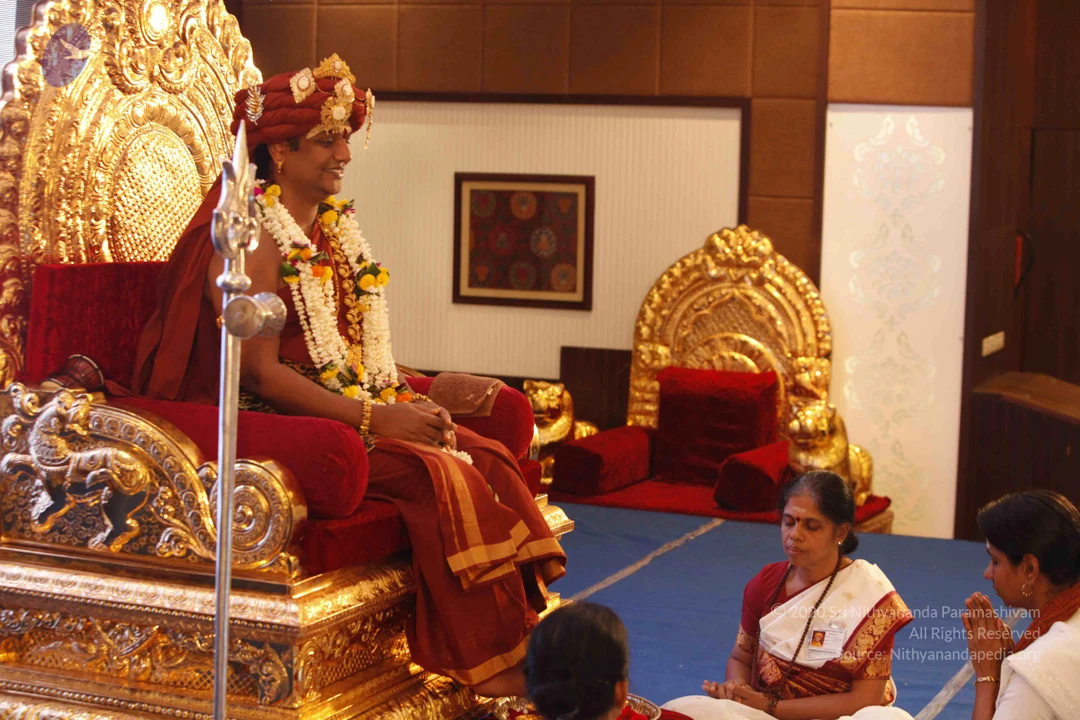
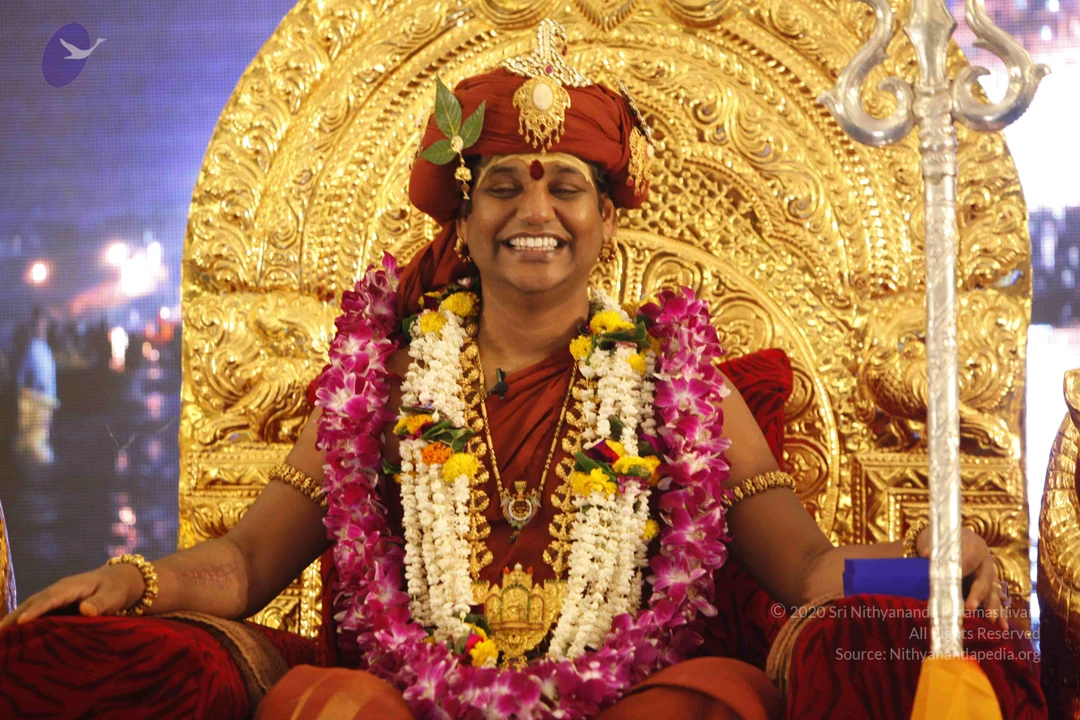
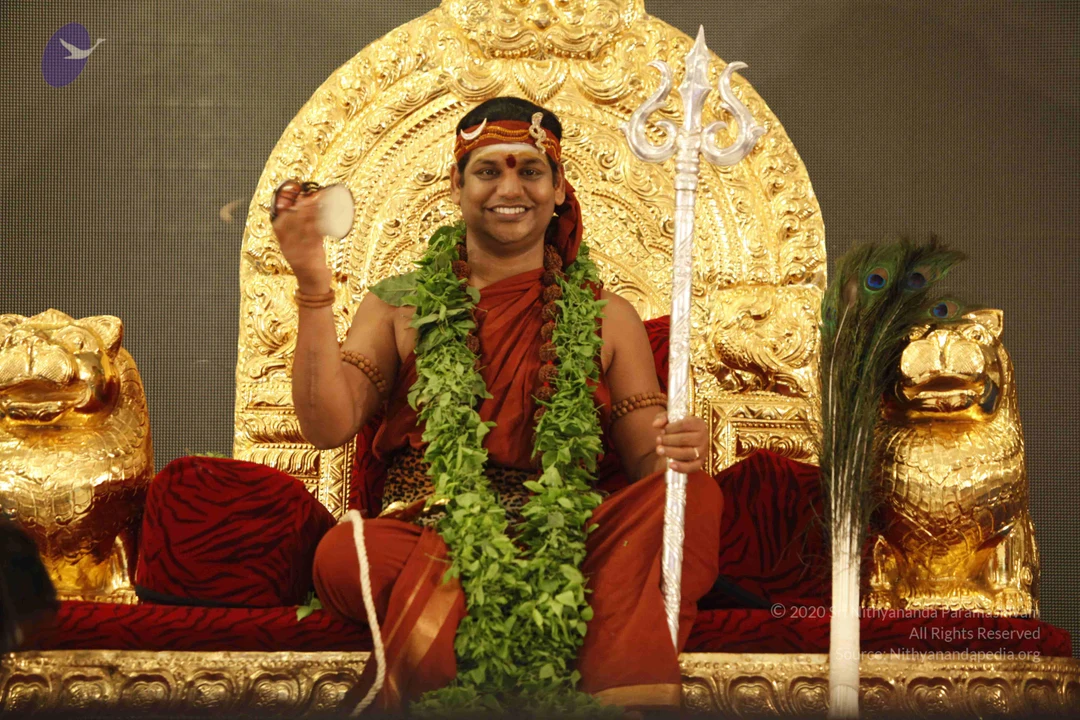
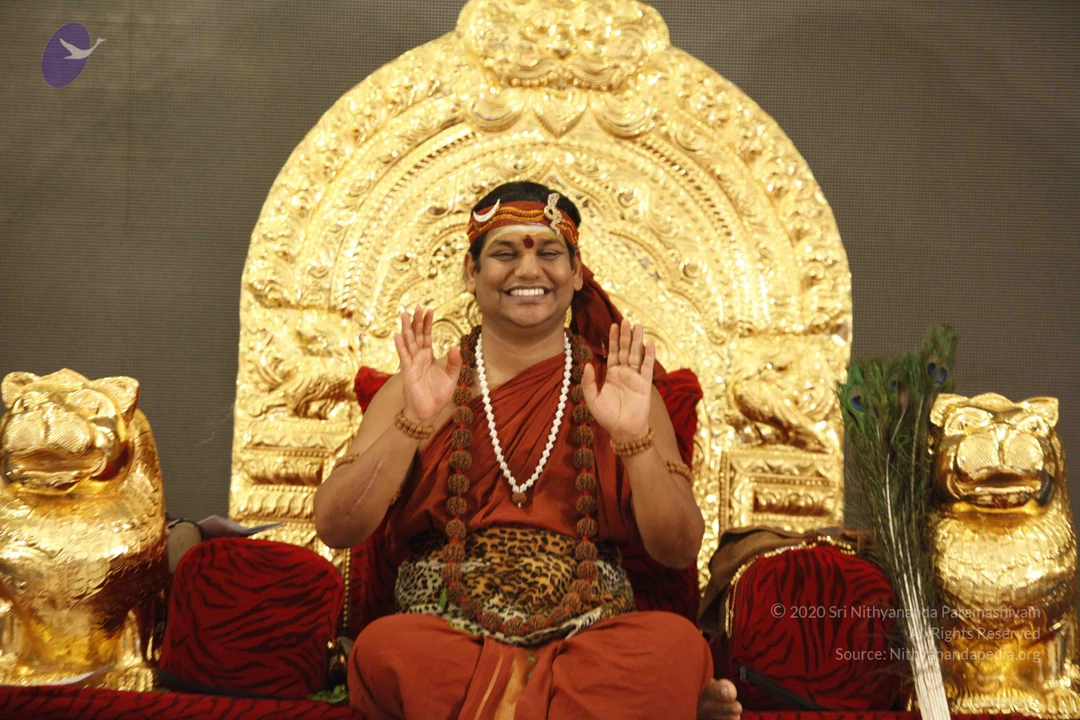
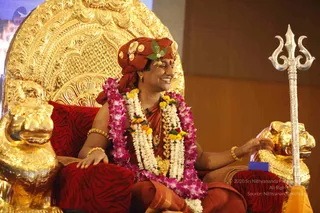
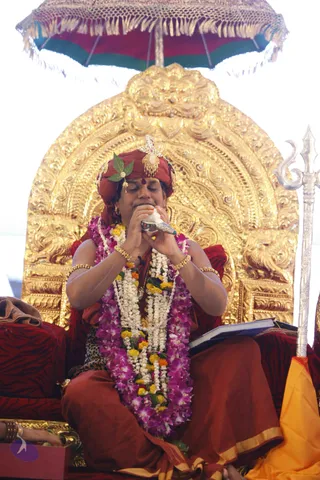
01--Satsang
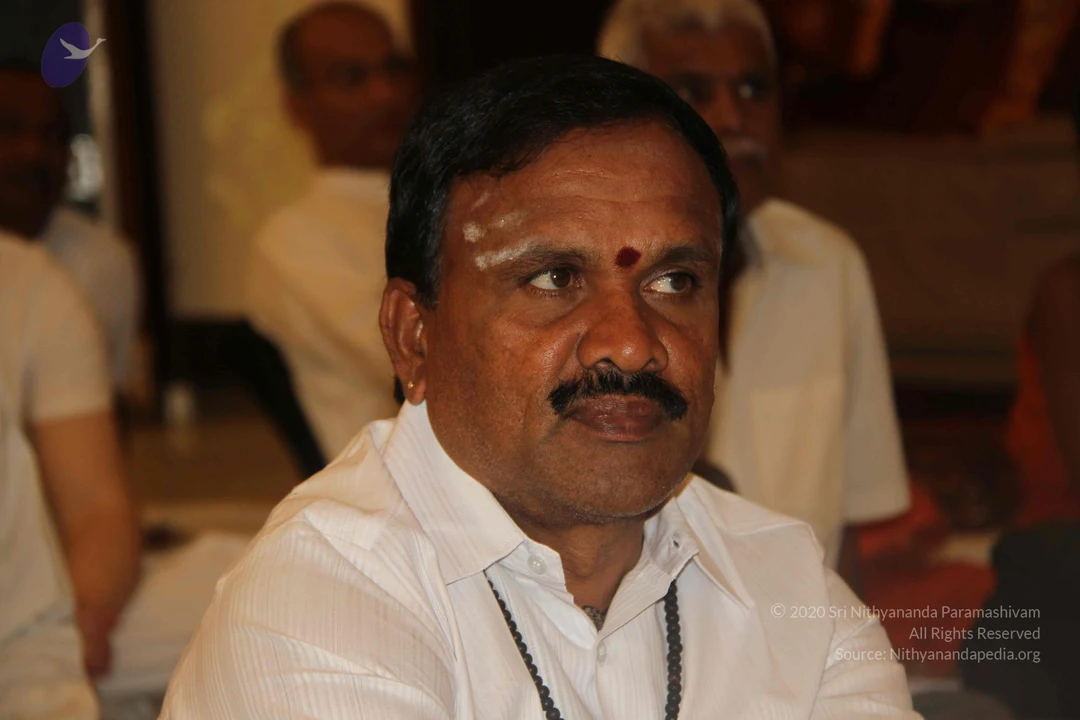
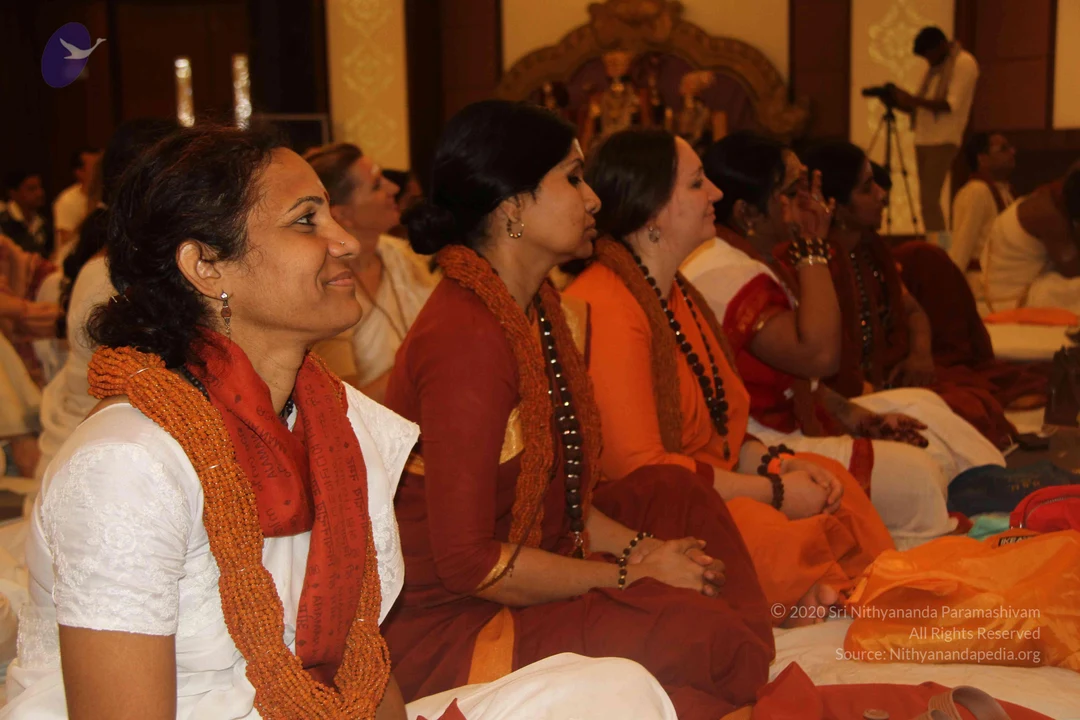
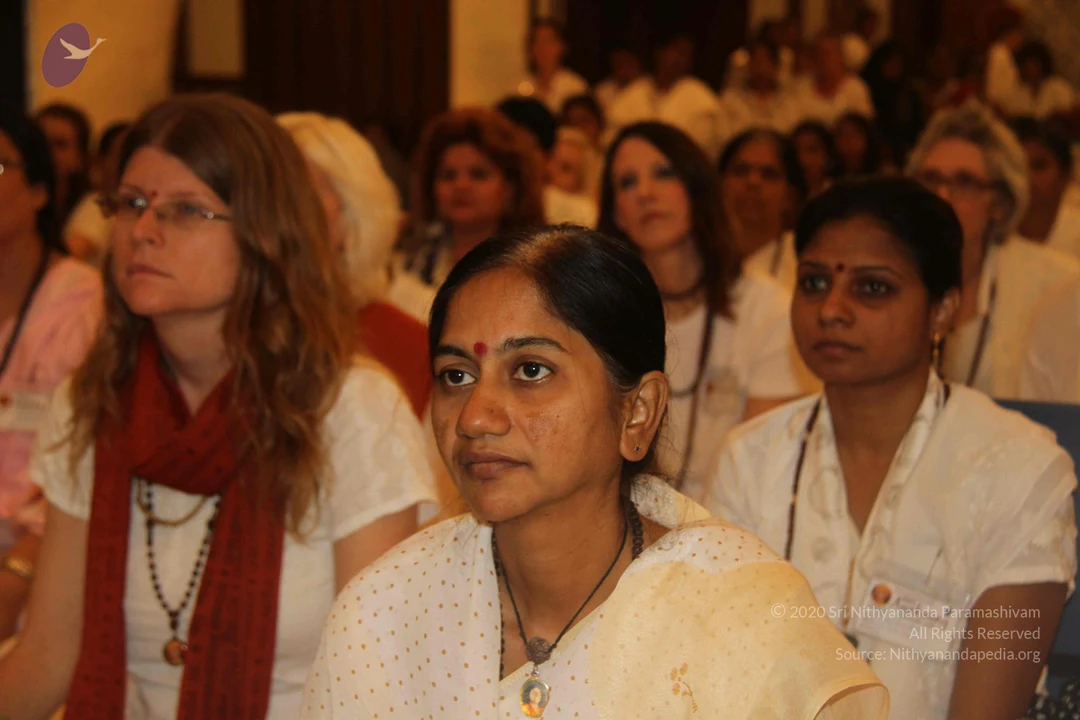
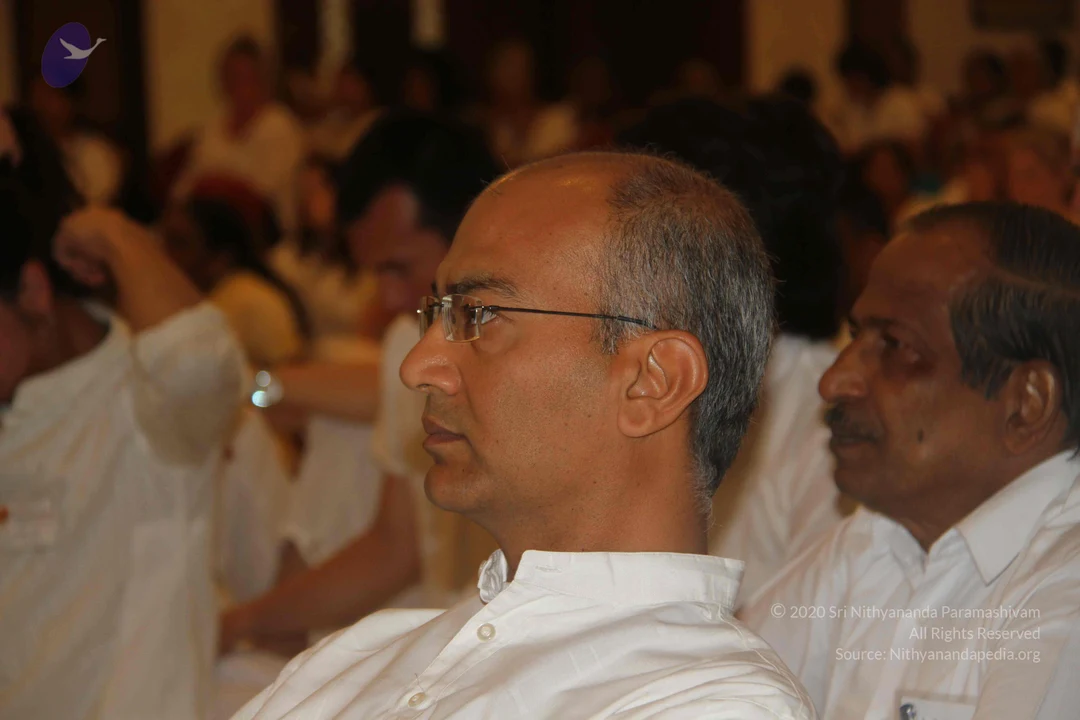
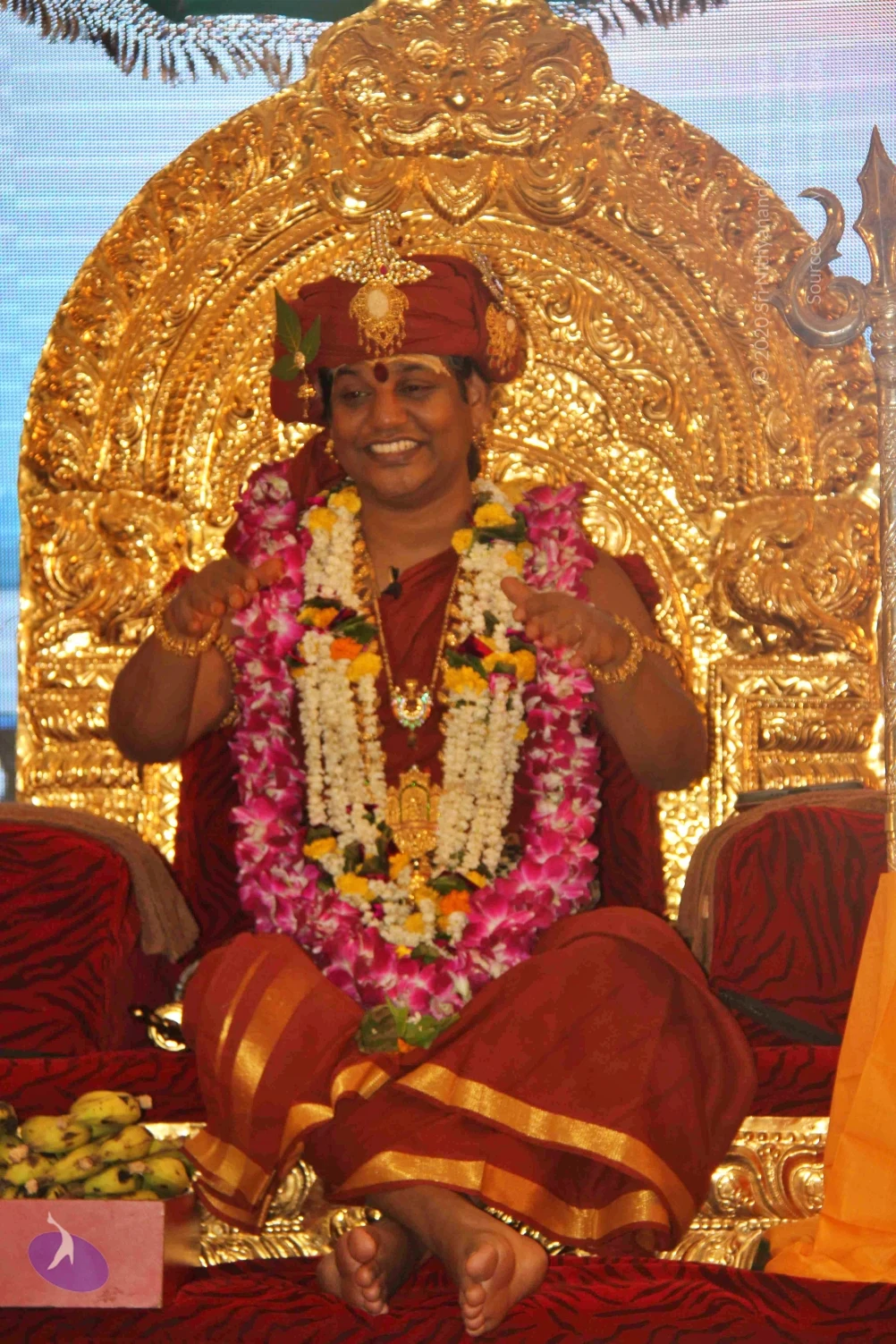
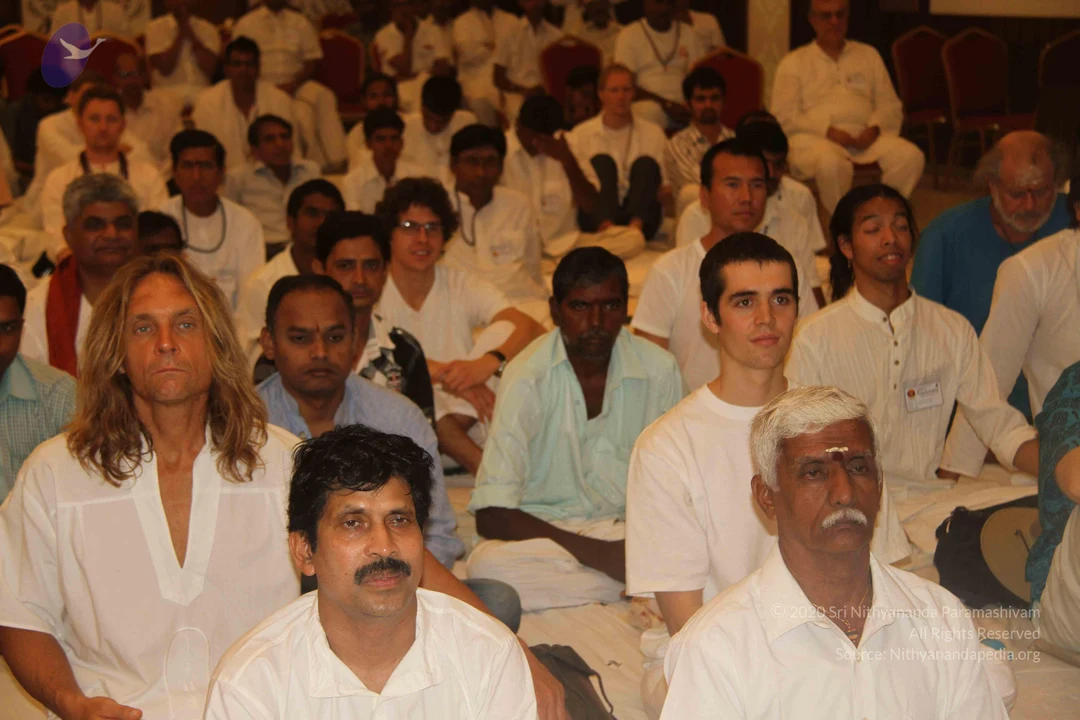
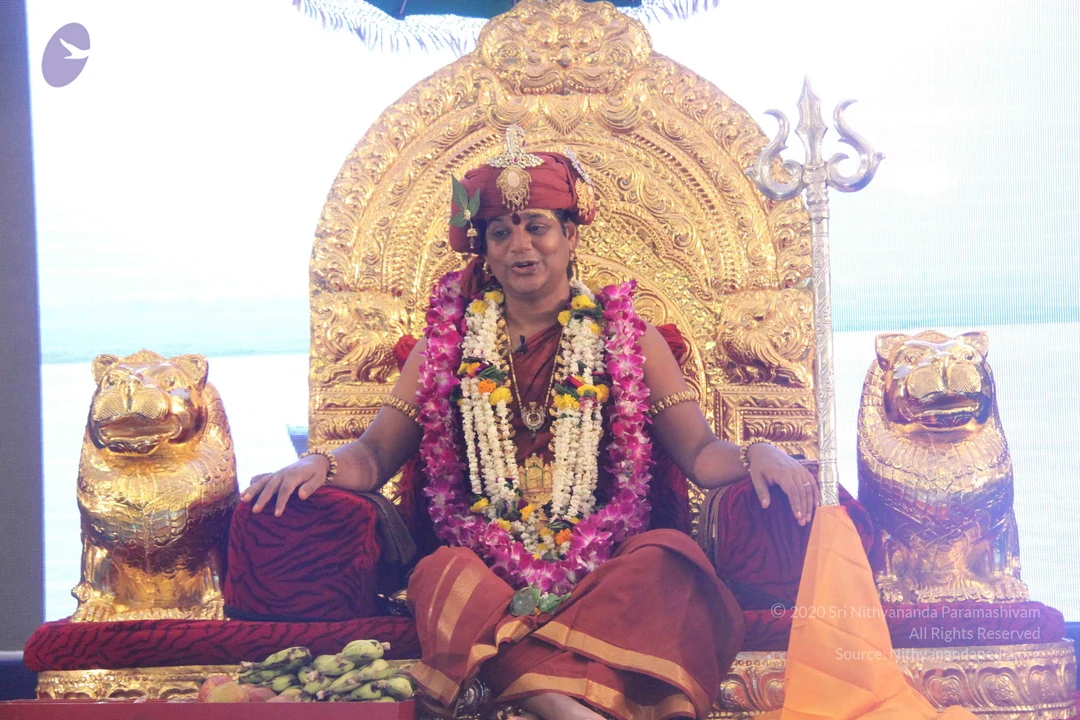
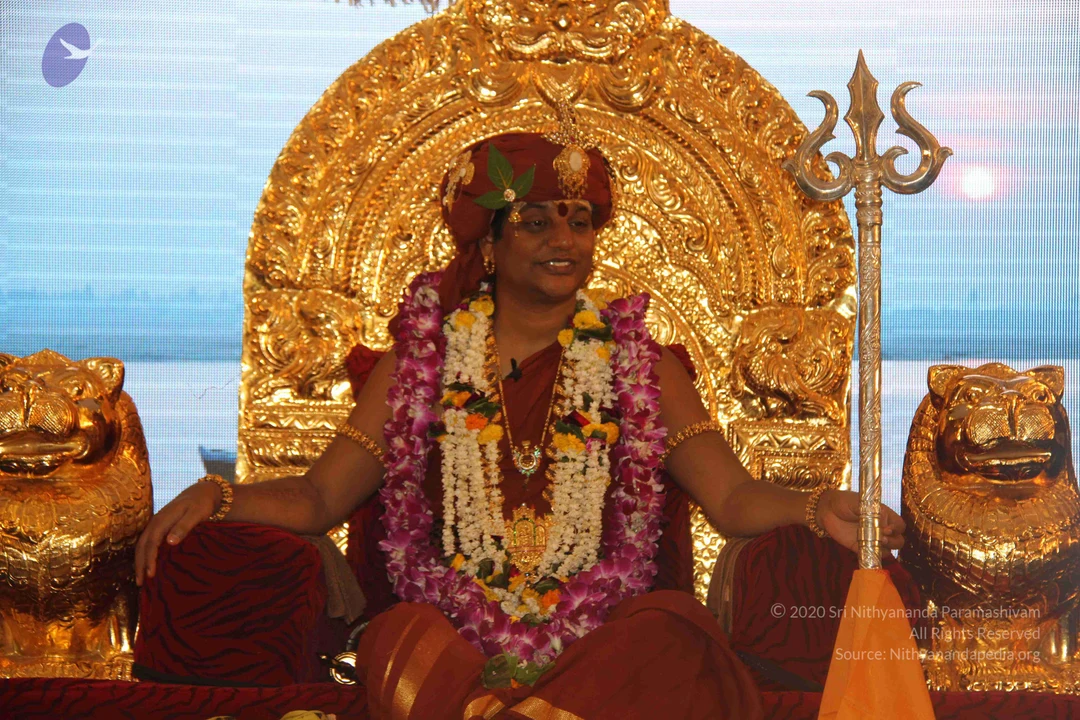
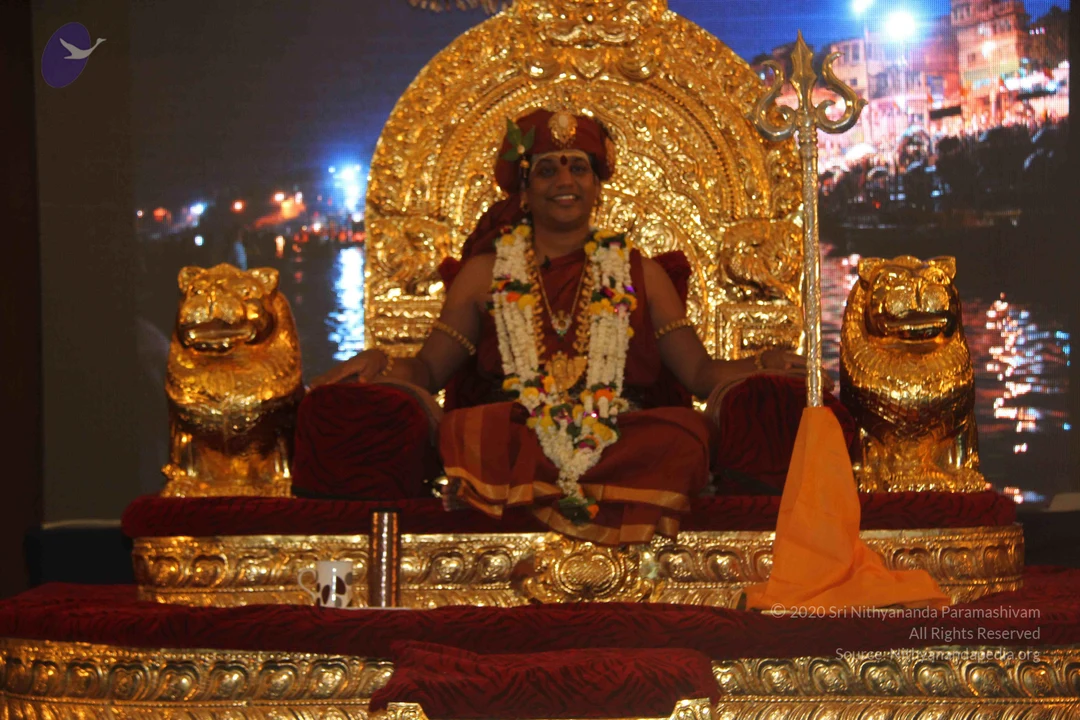
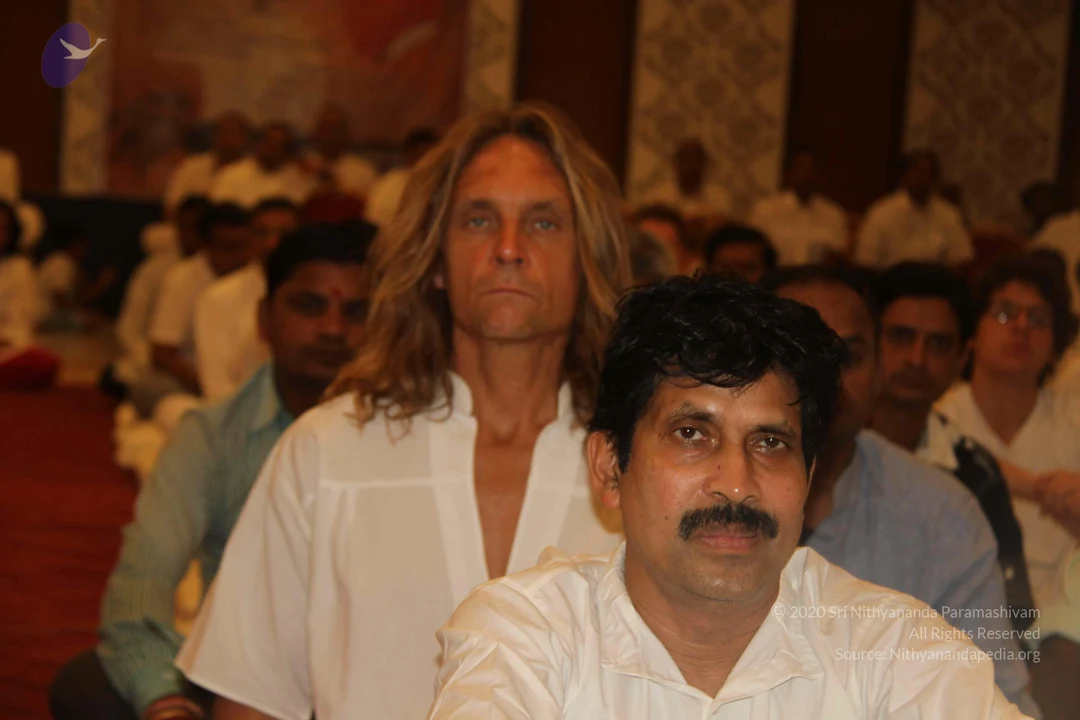
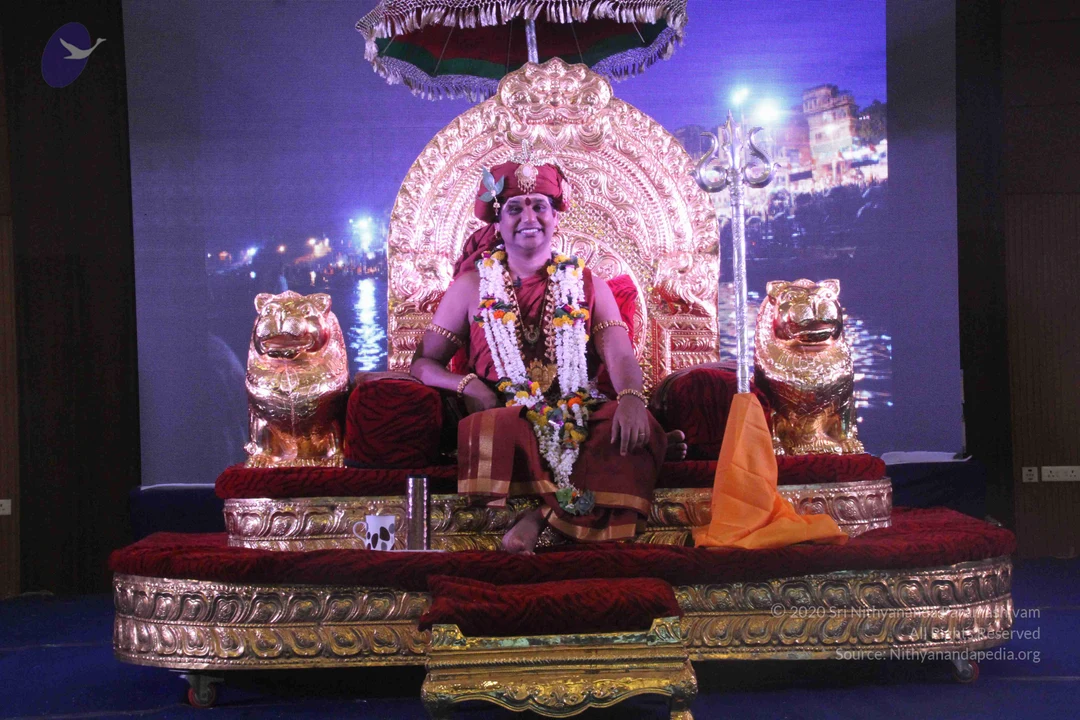
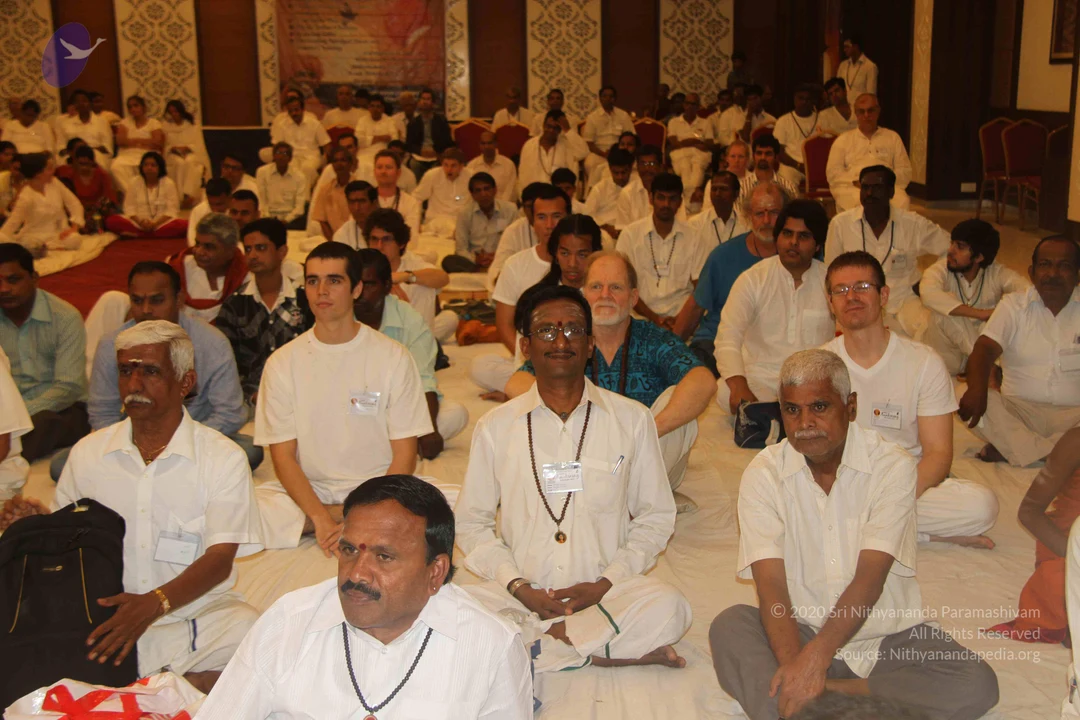
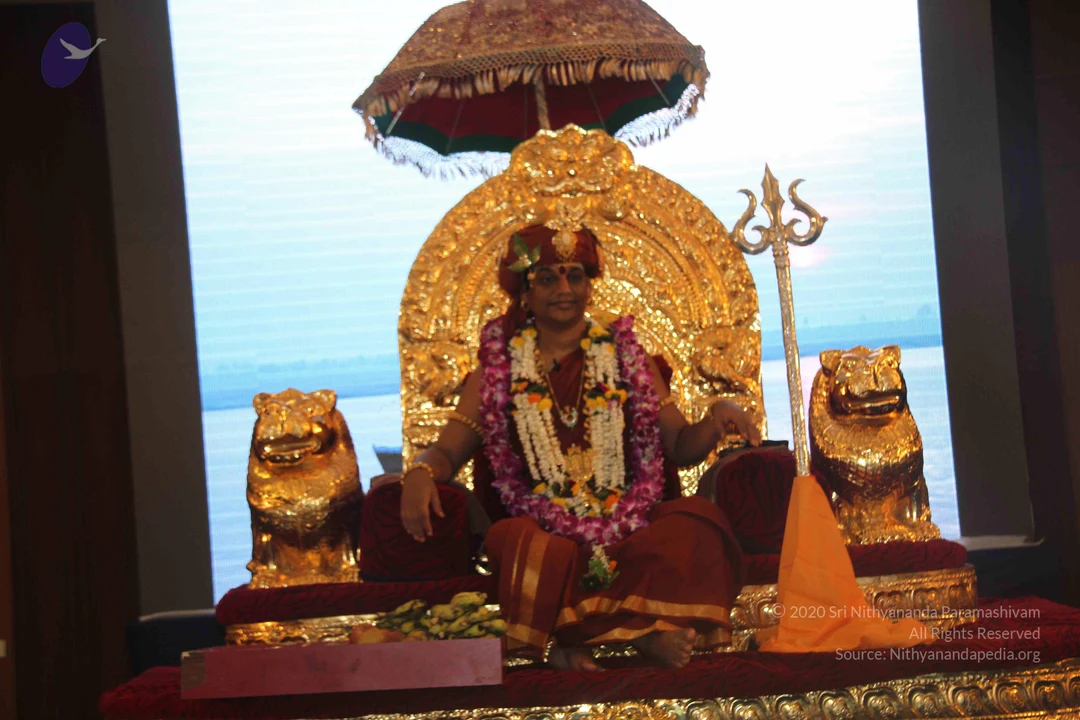
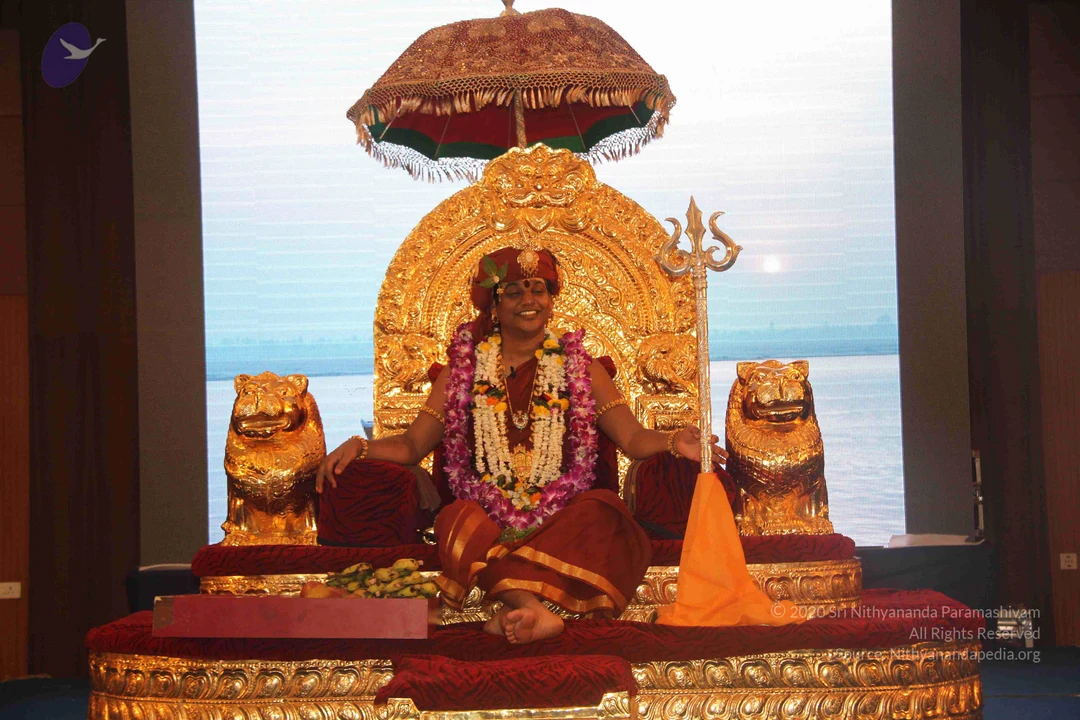
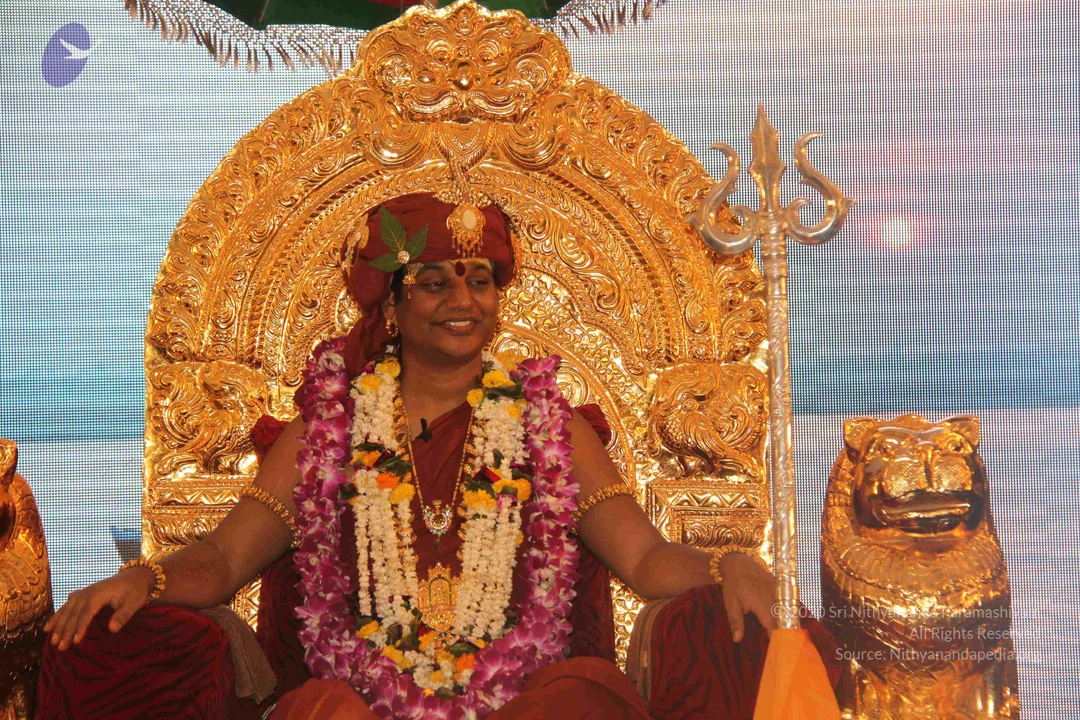
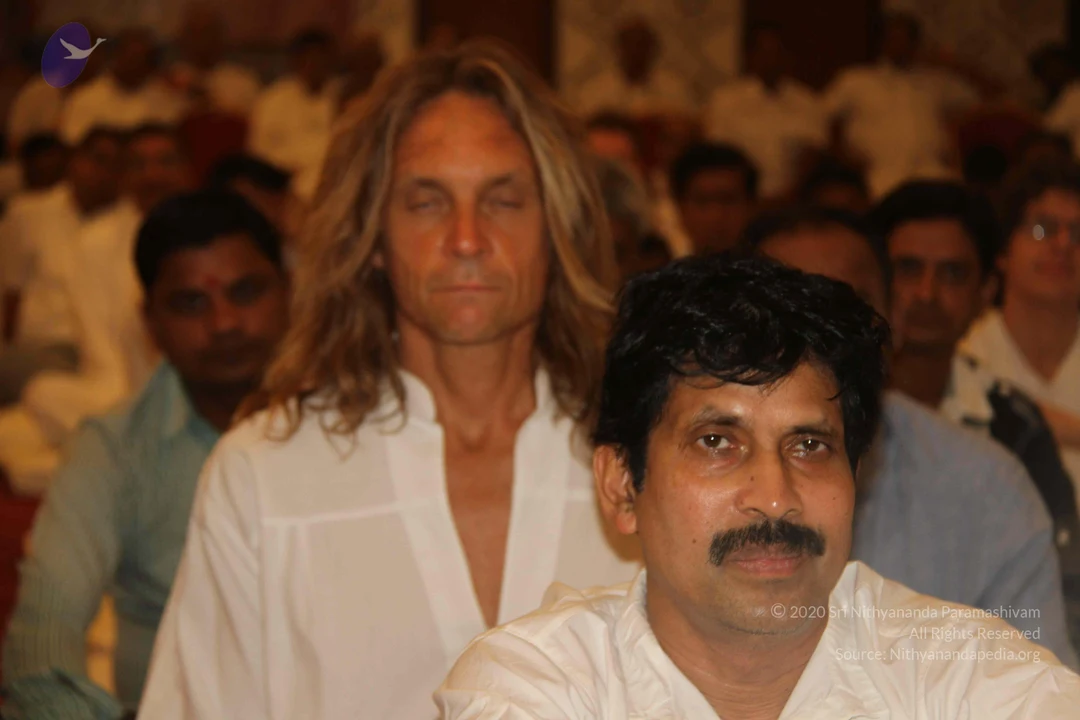
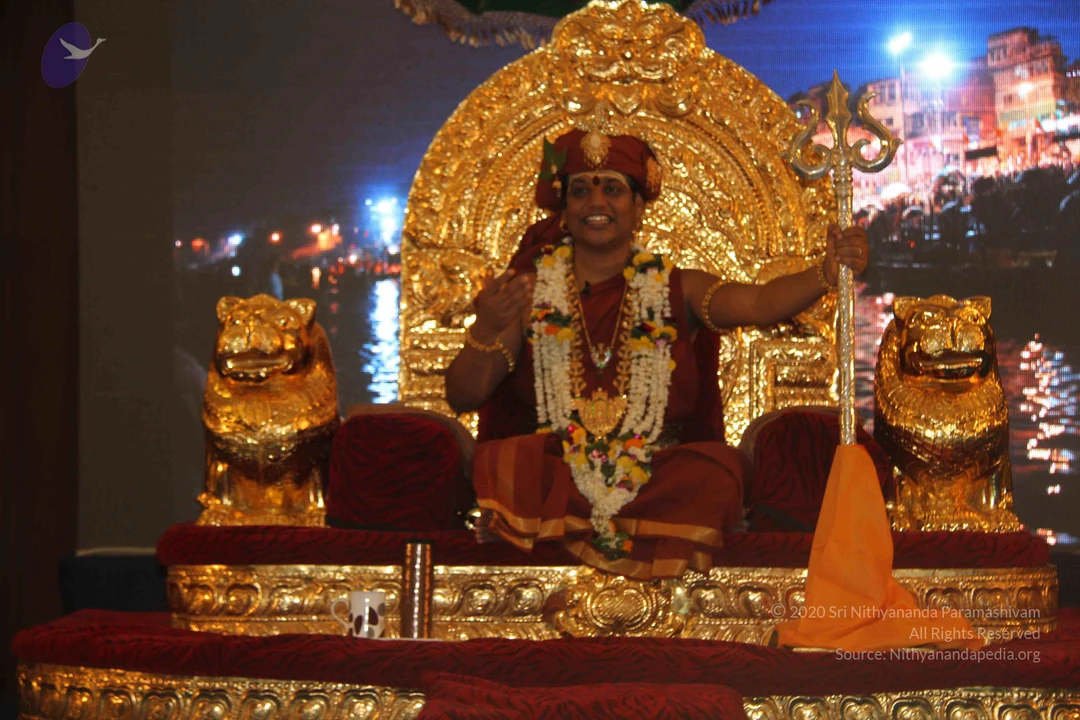
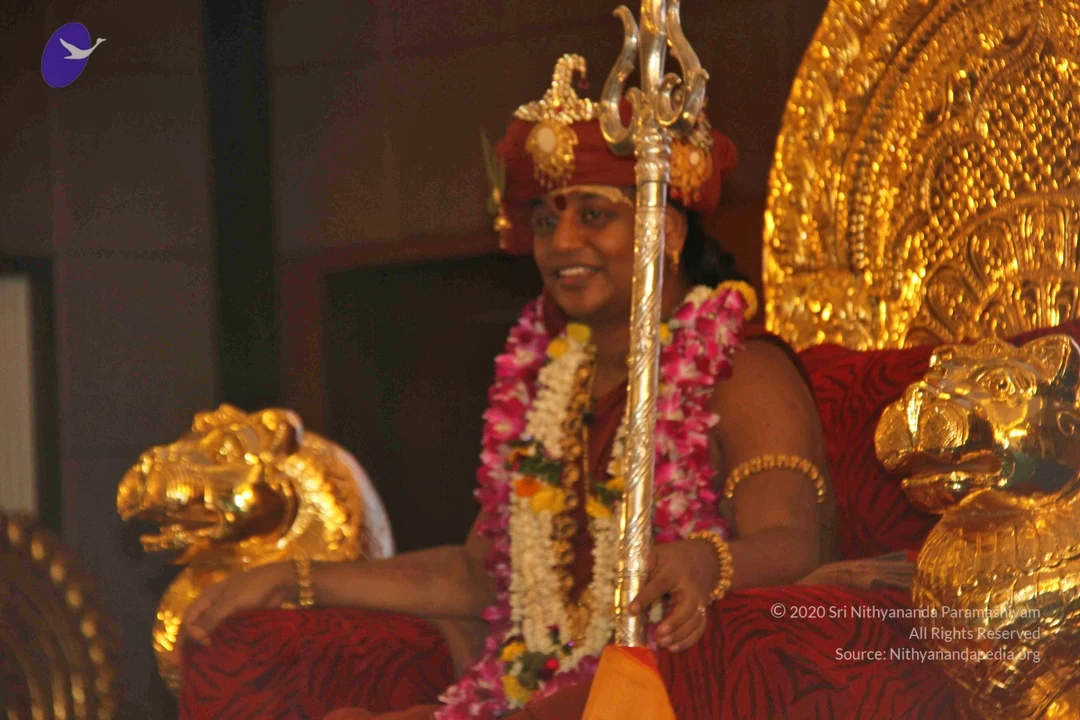
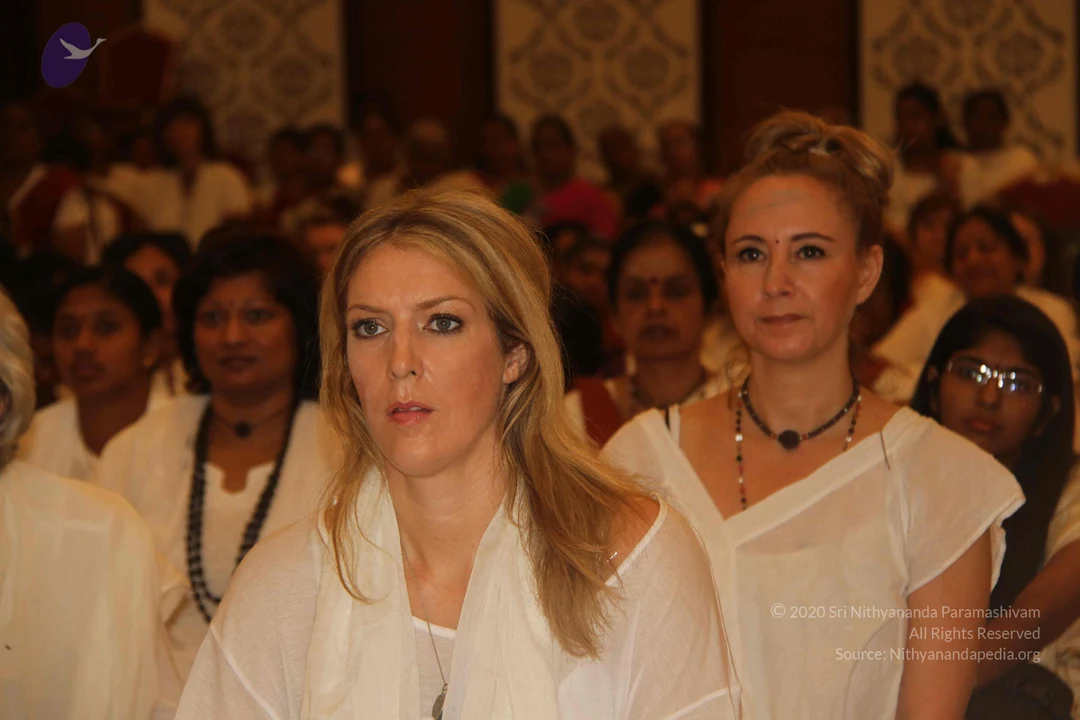
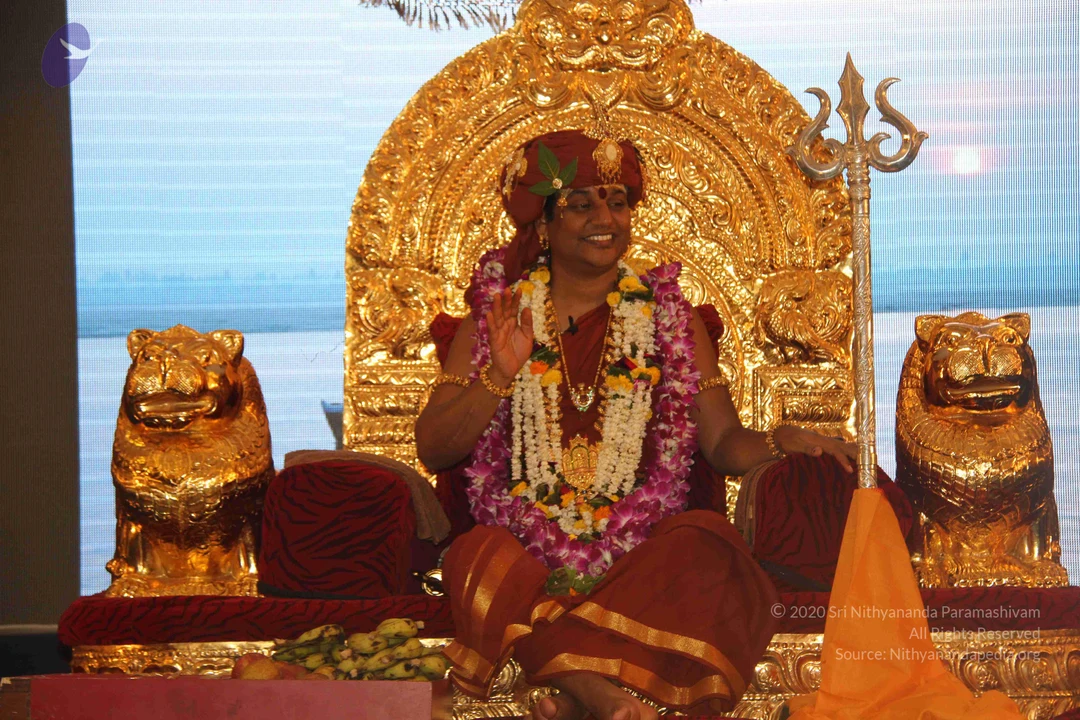
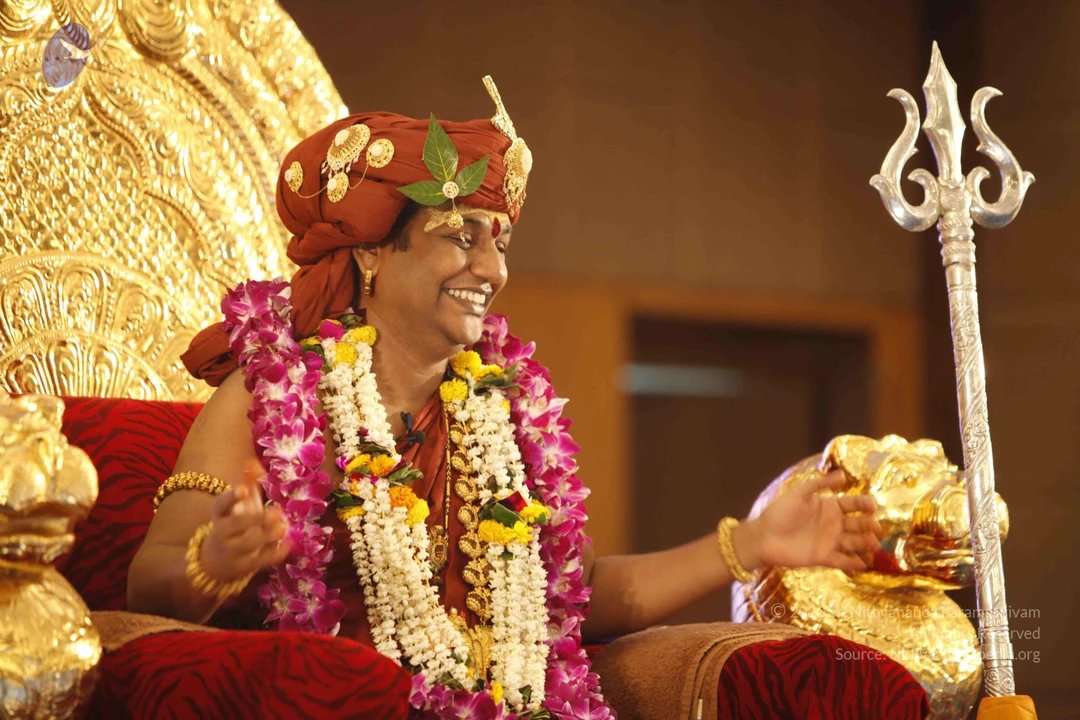
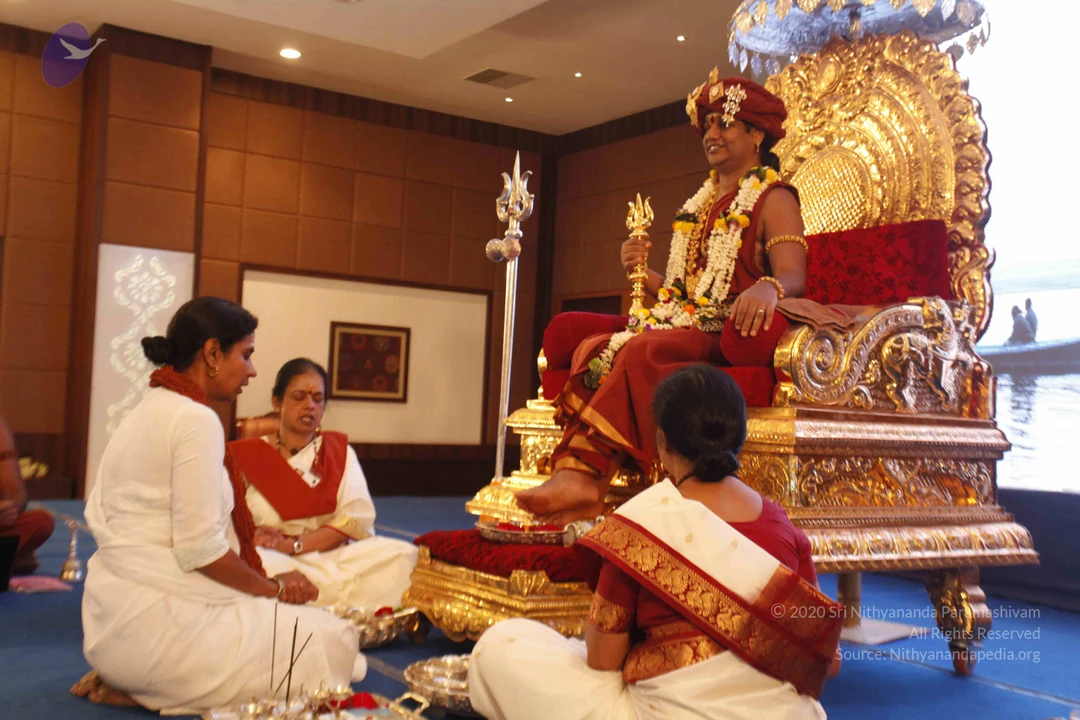
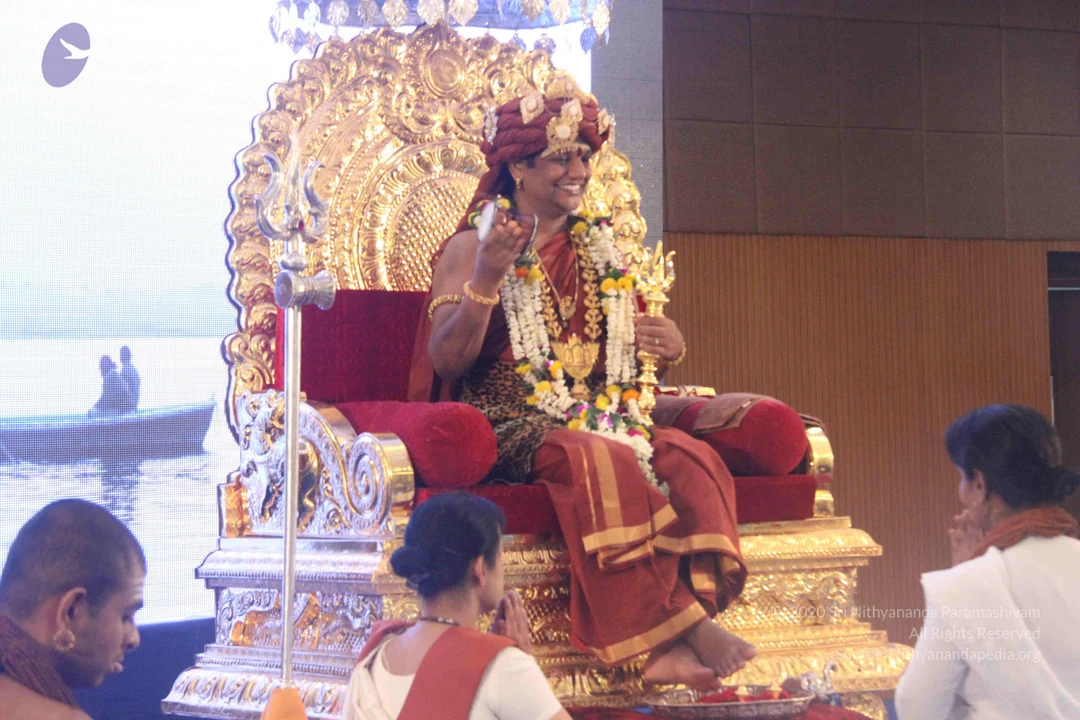
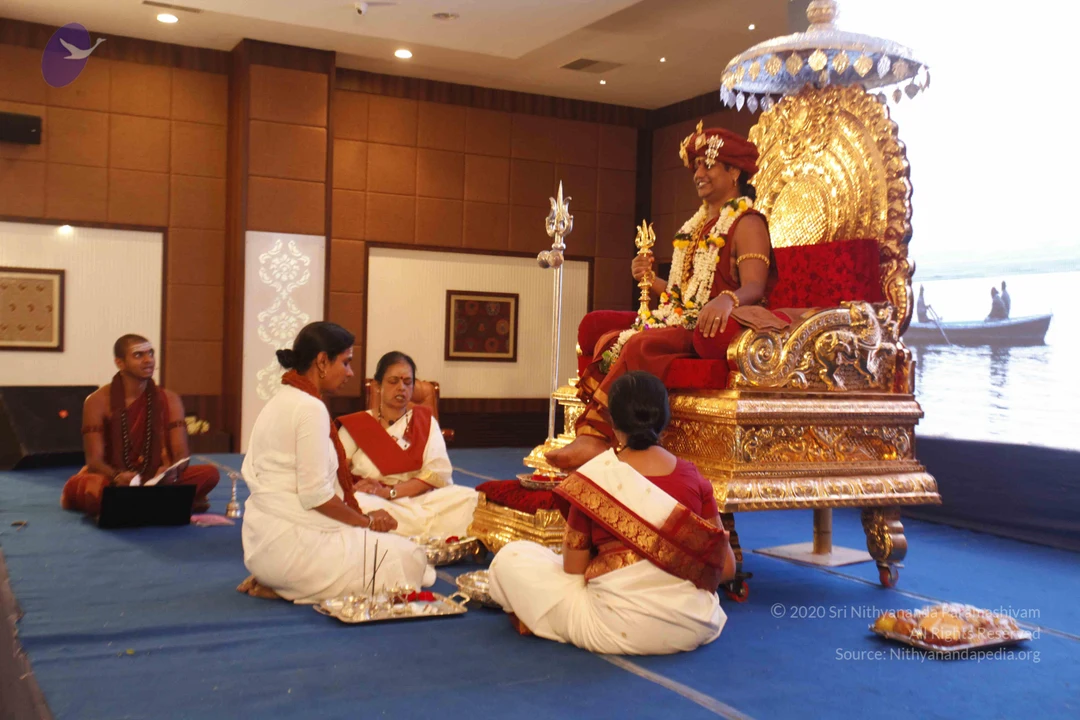
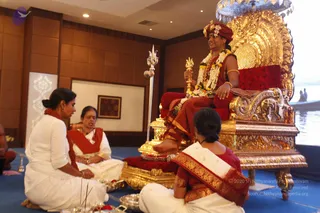
02--Pada puja
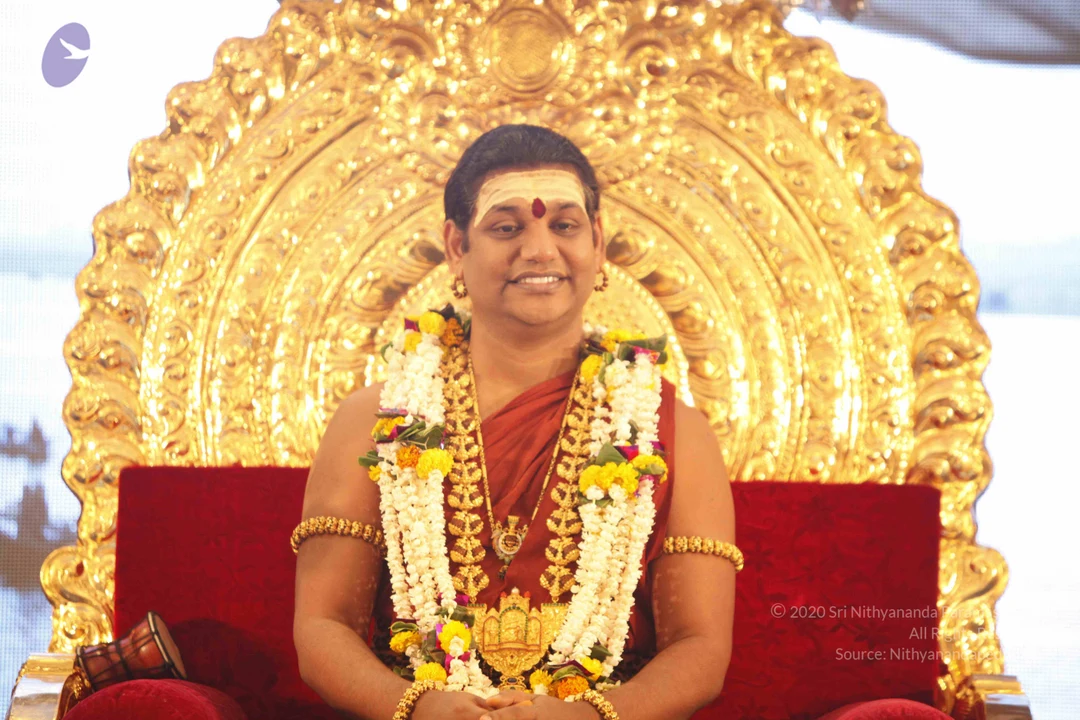
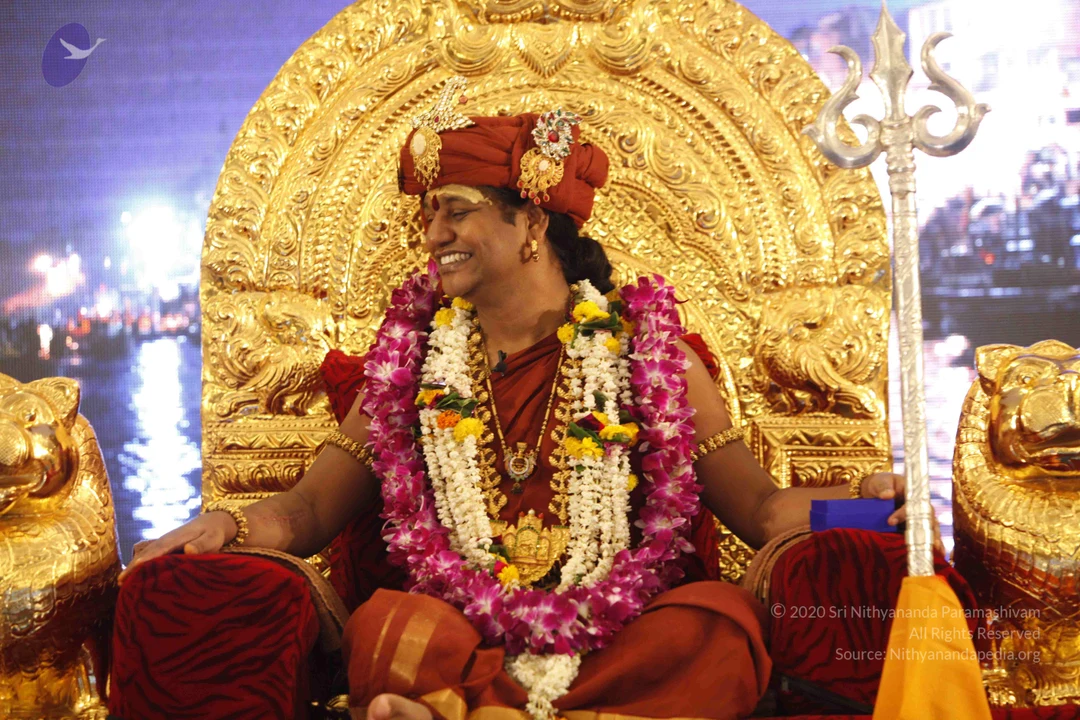
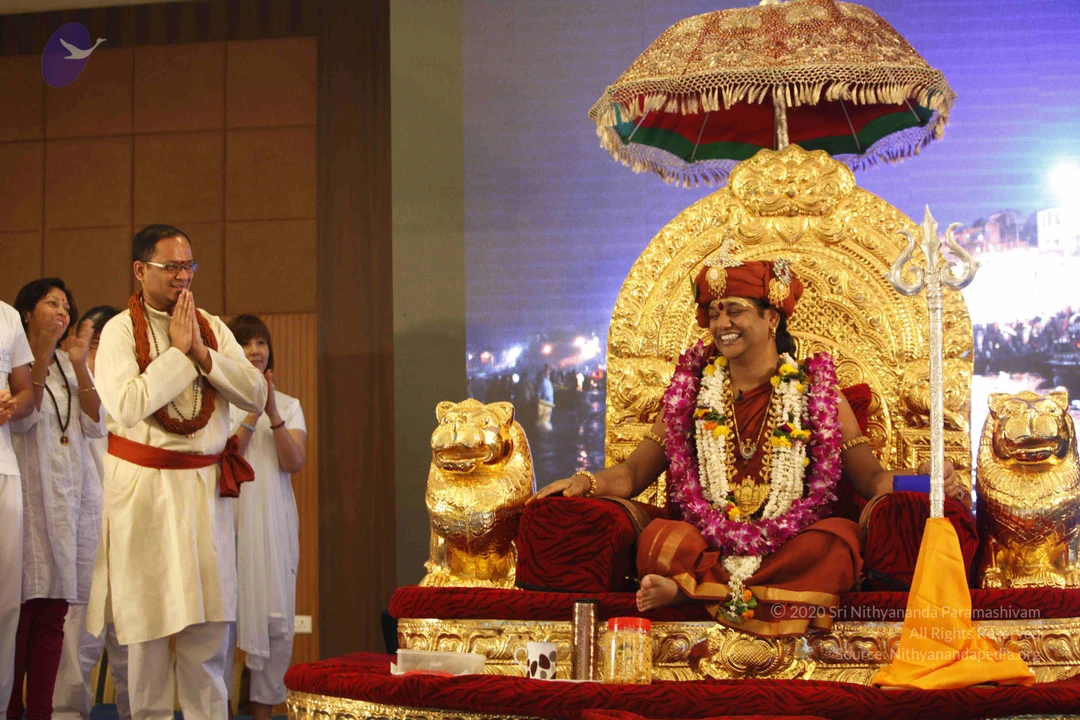
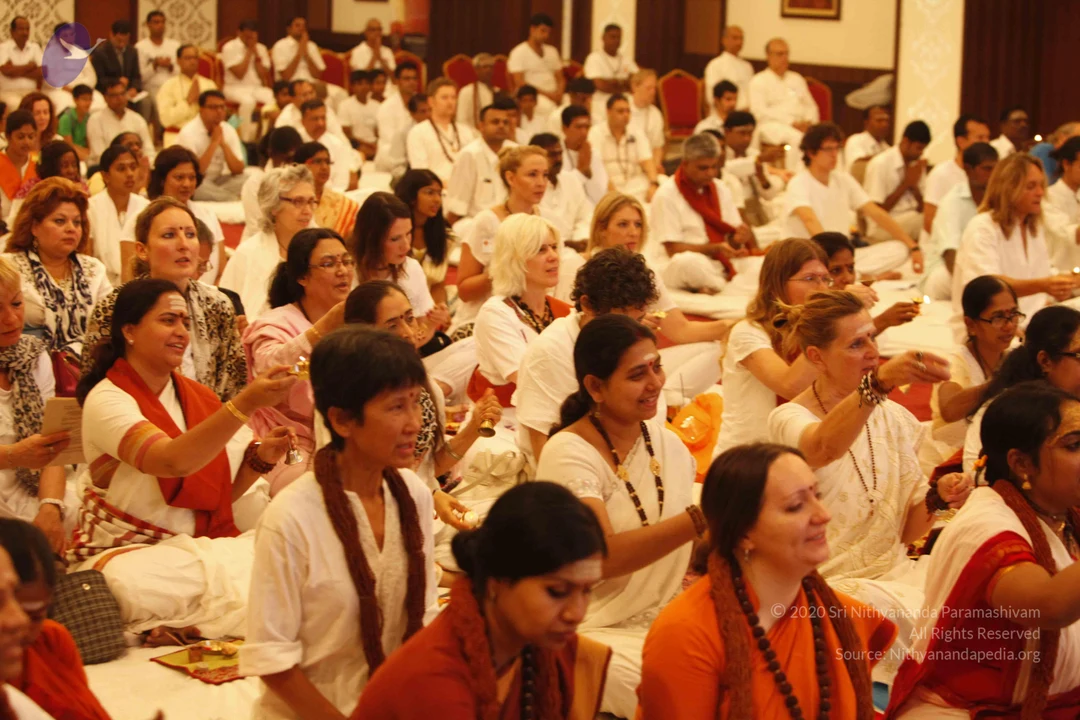
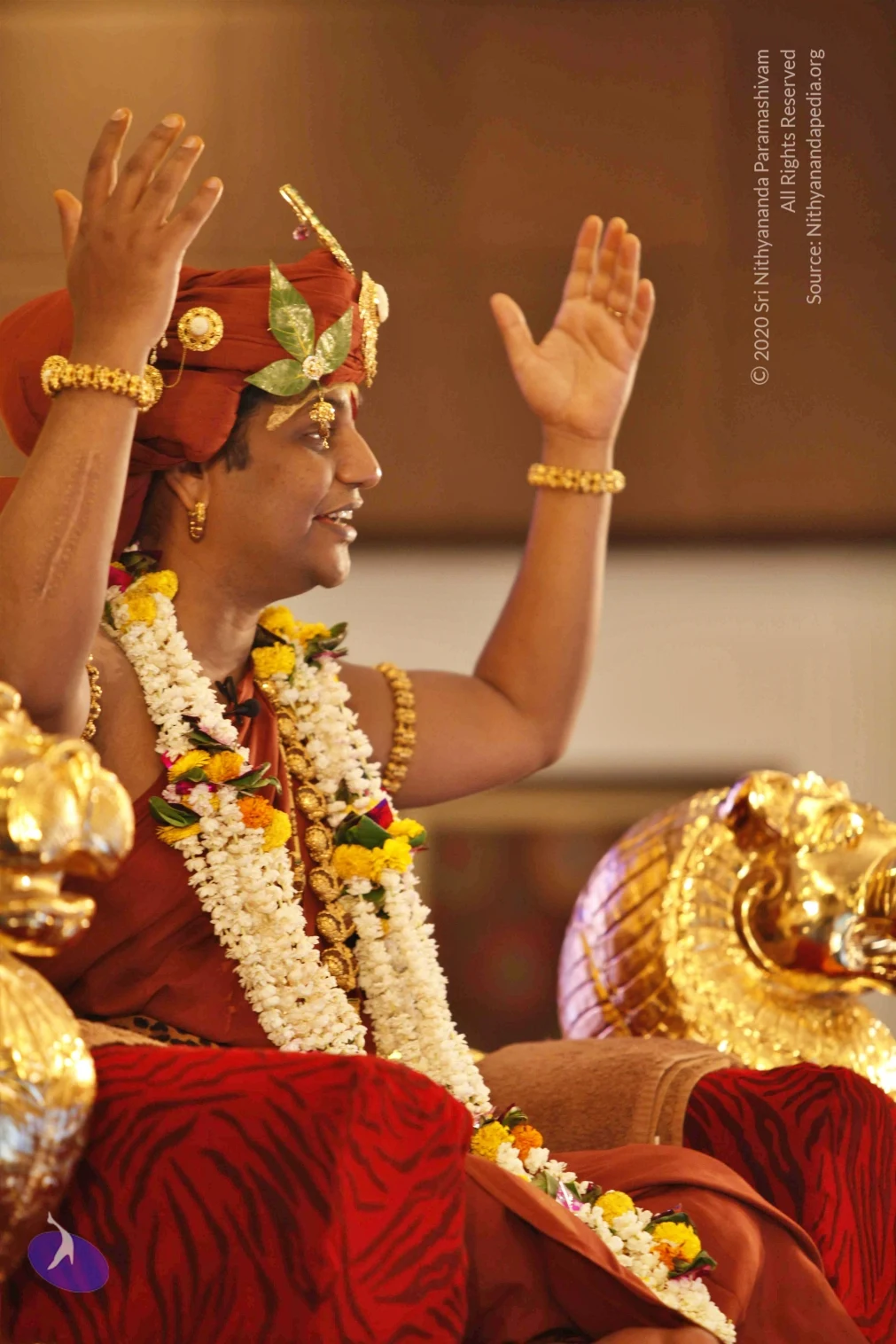
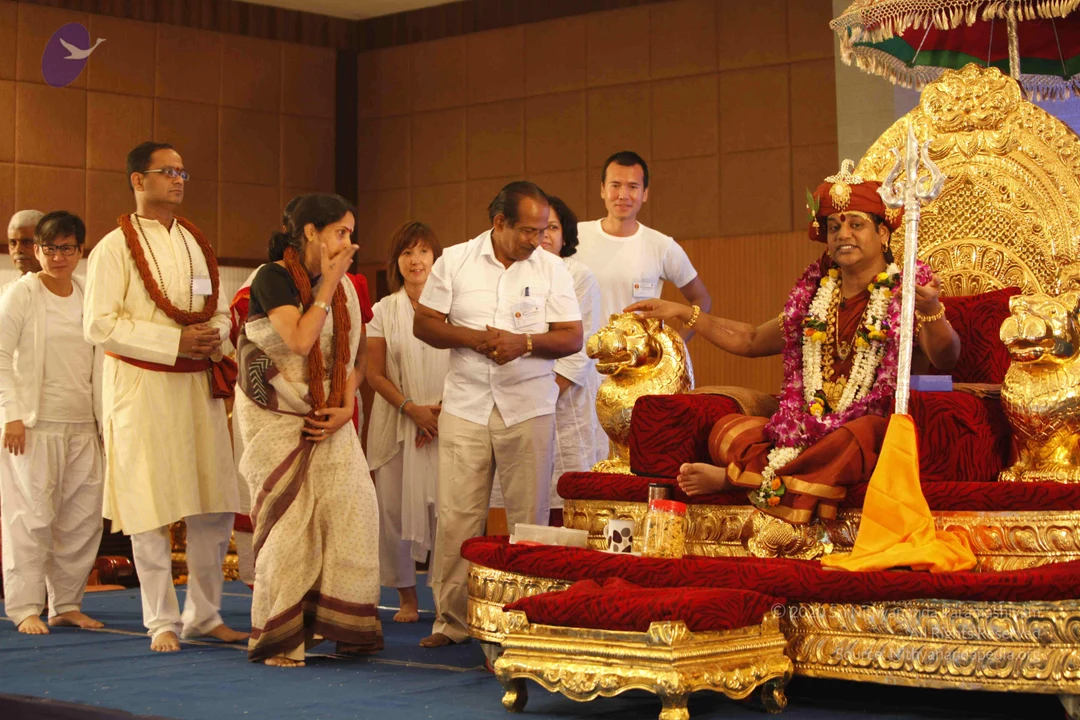
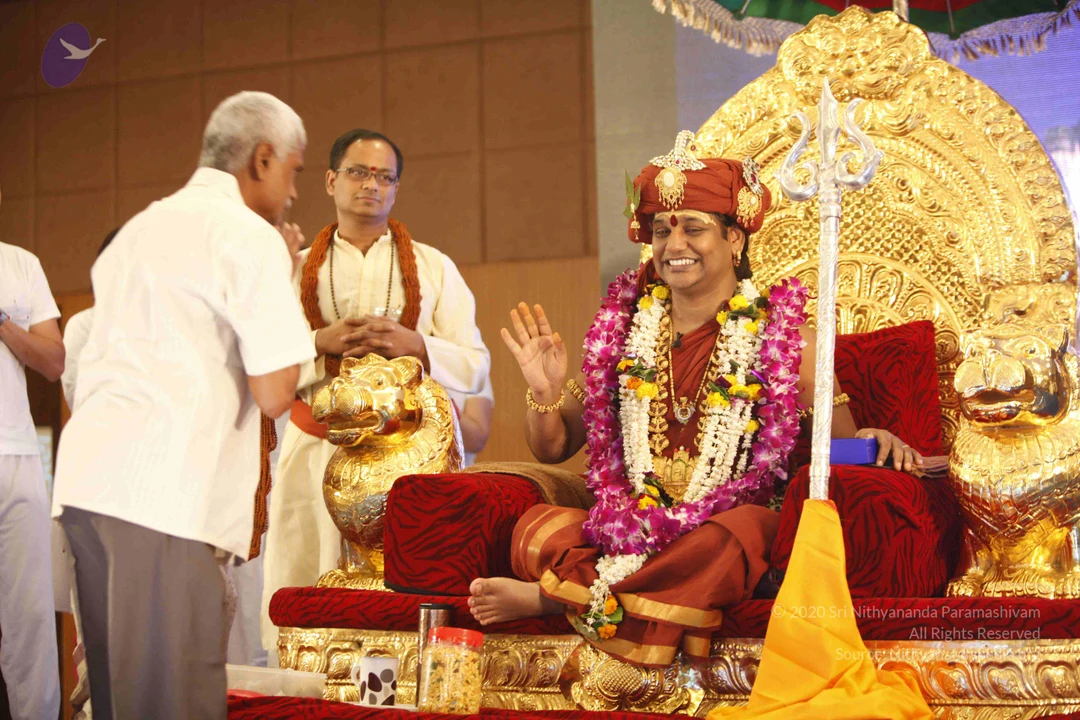
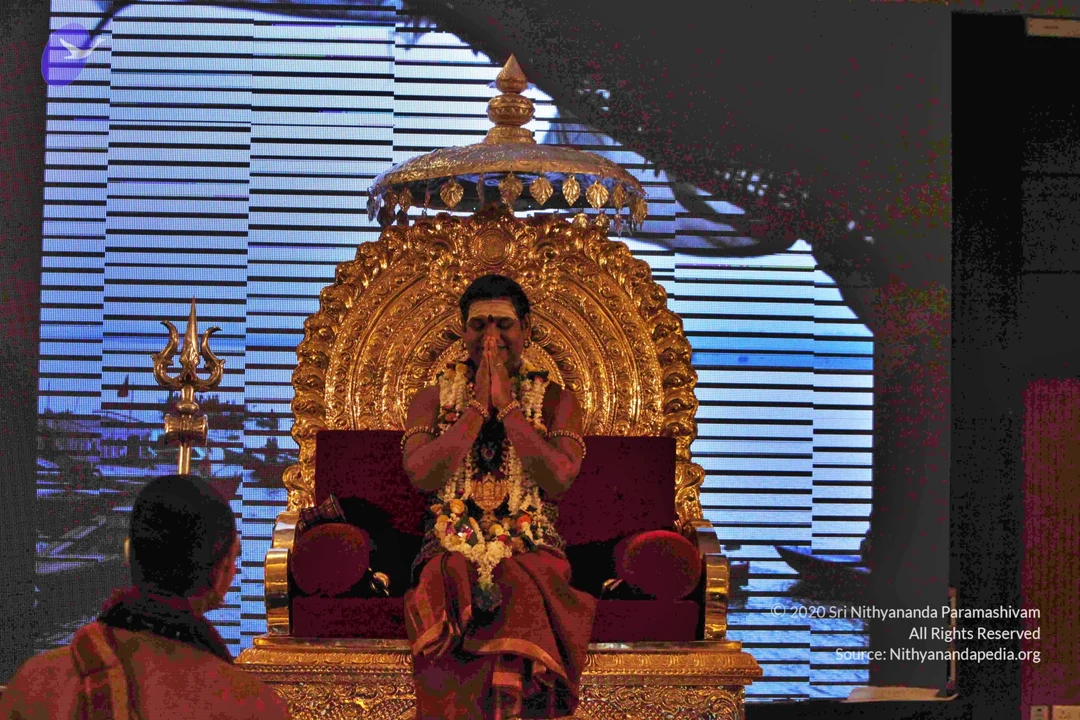
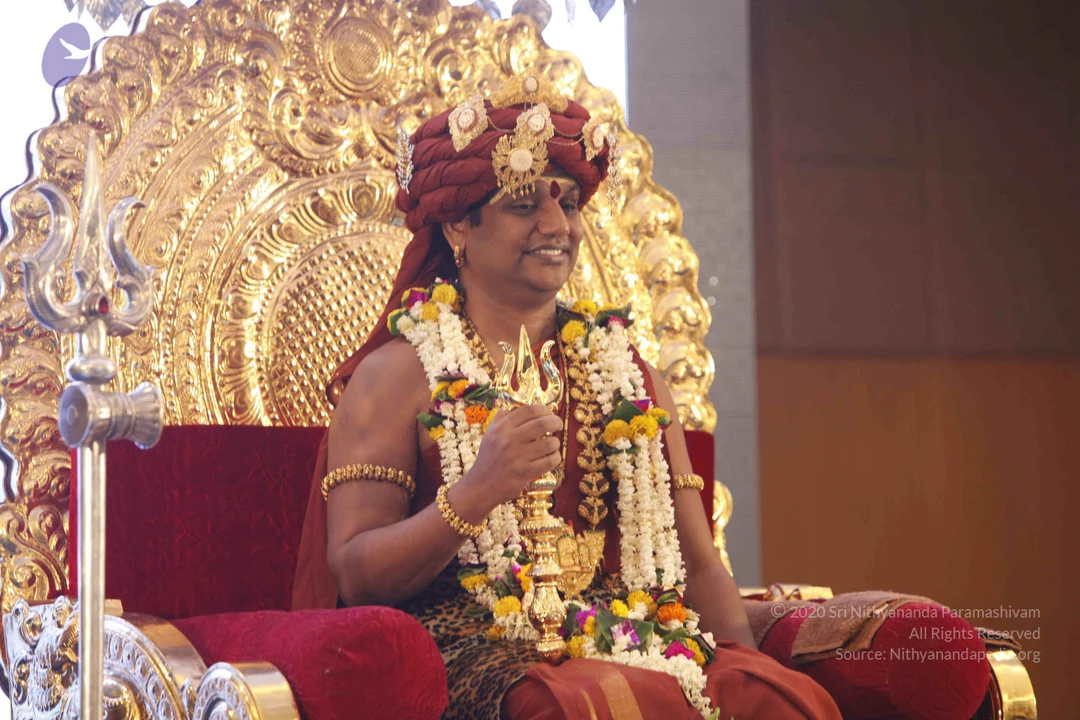
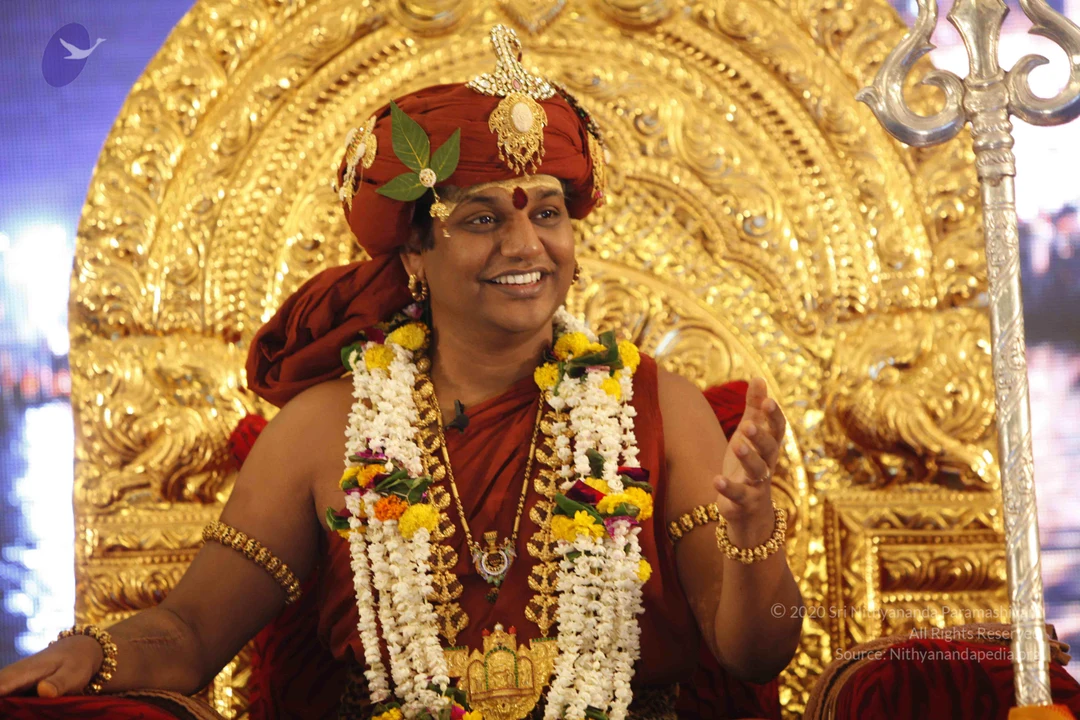
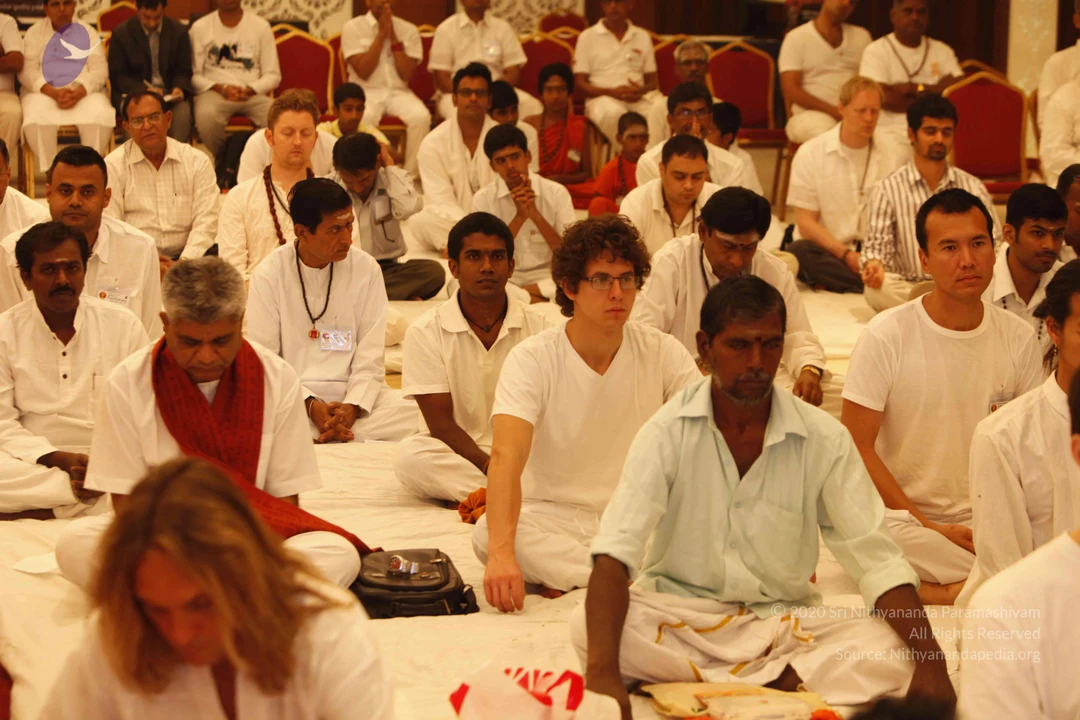
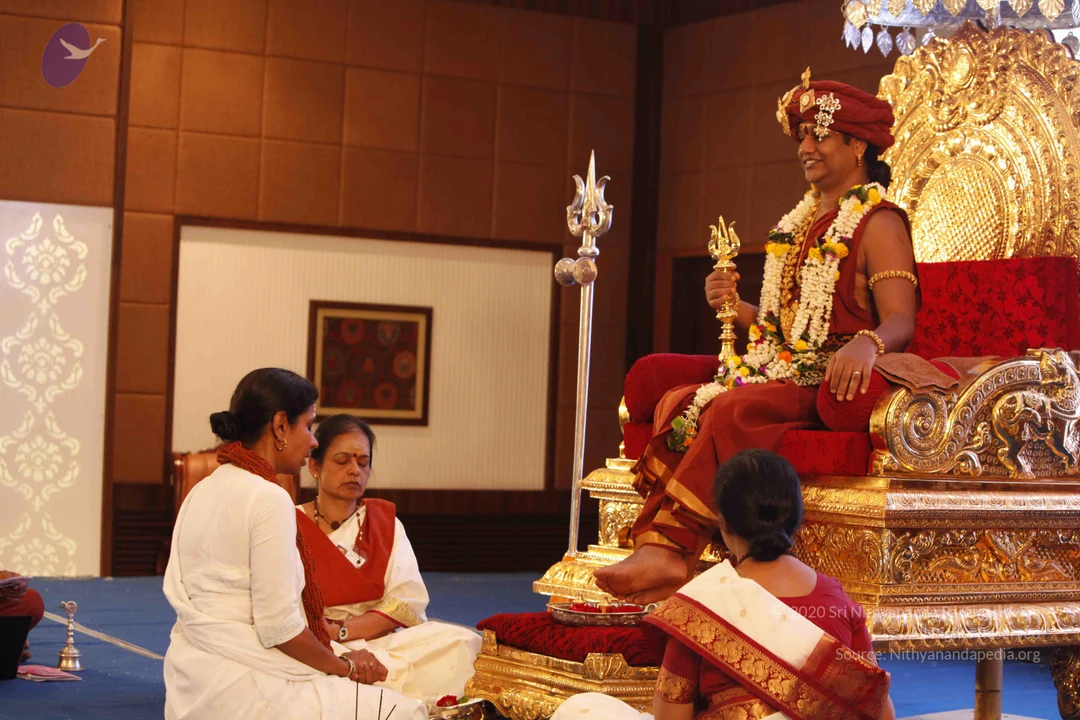
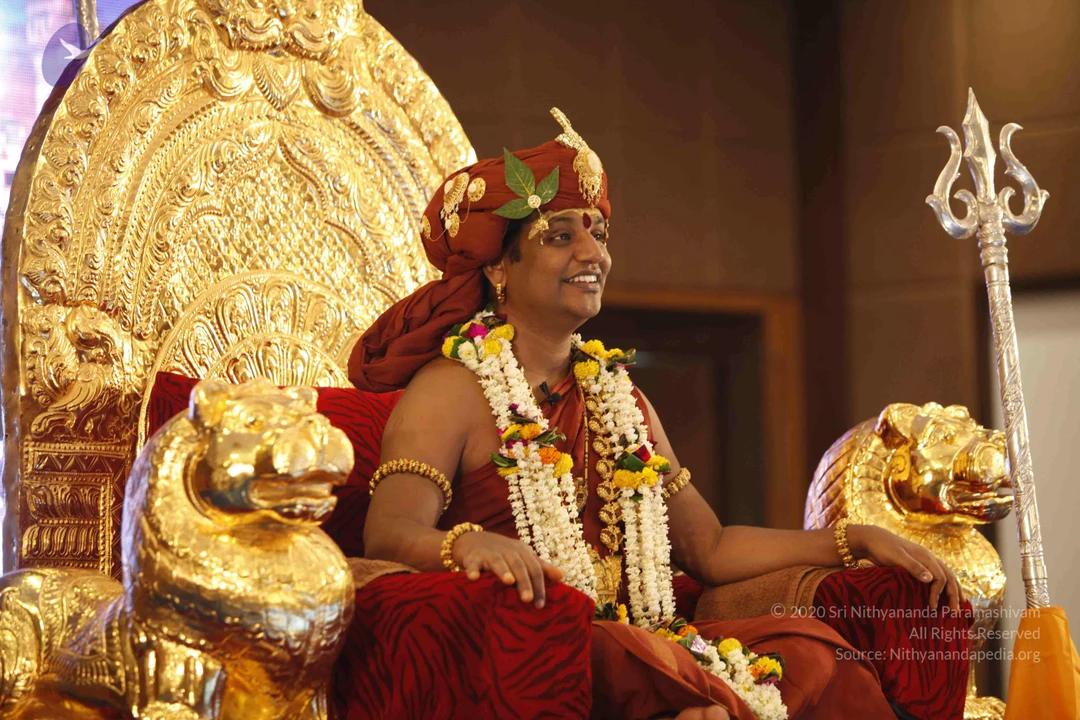
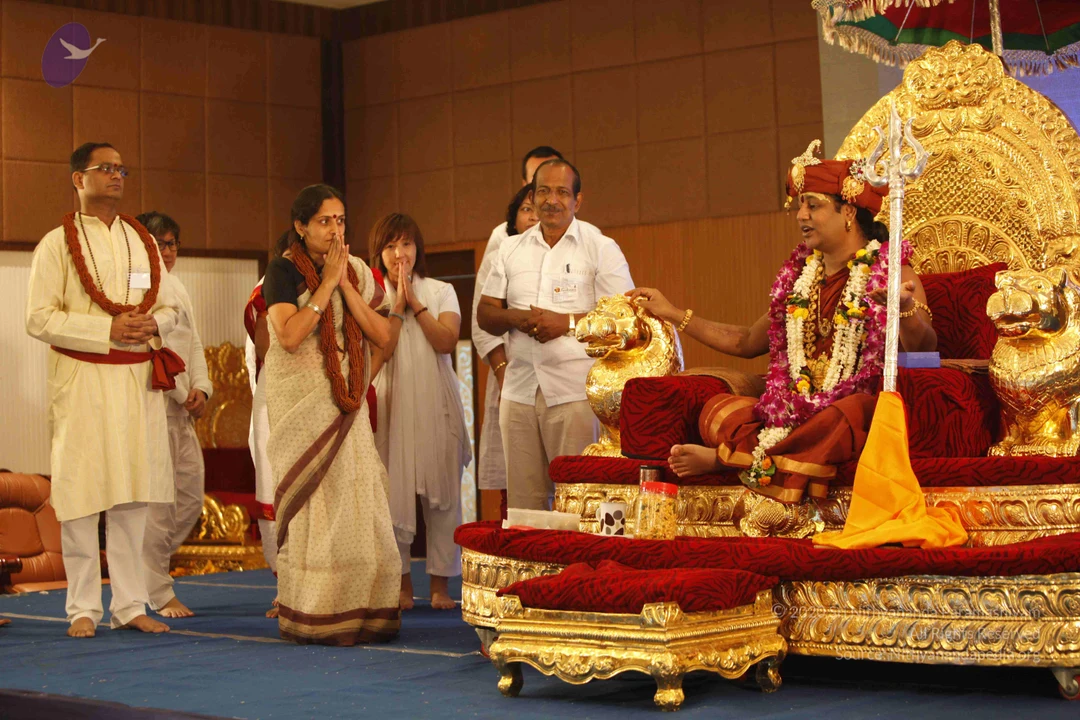
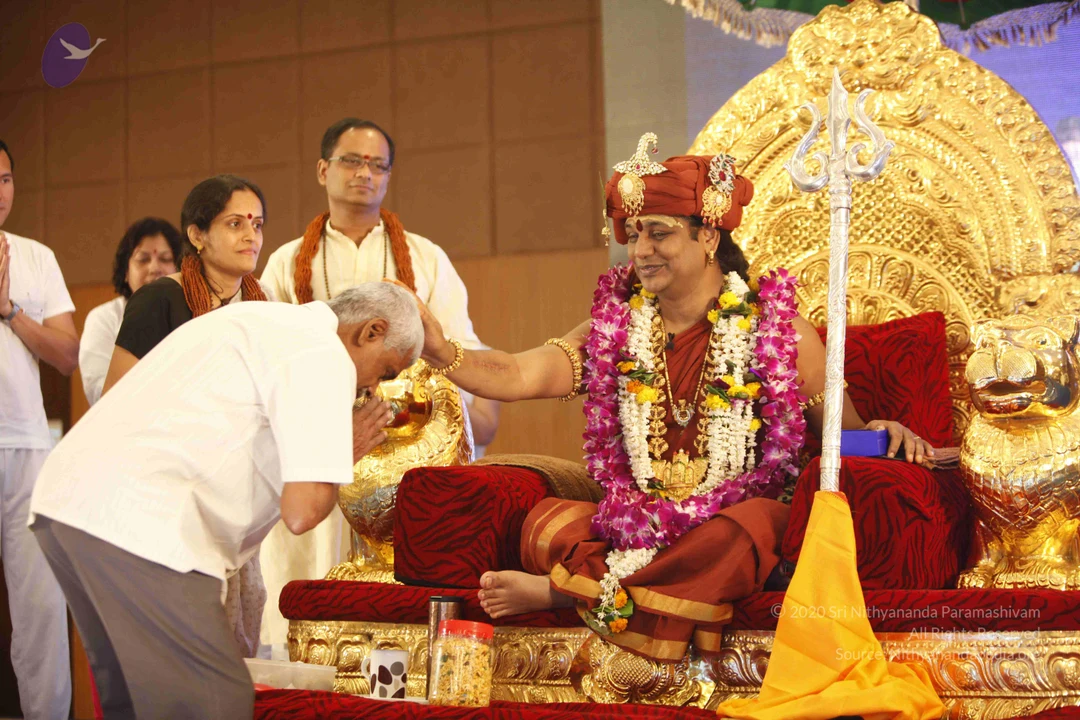
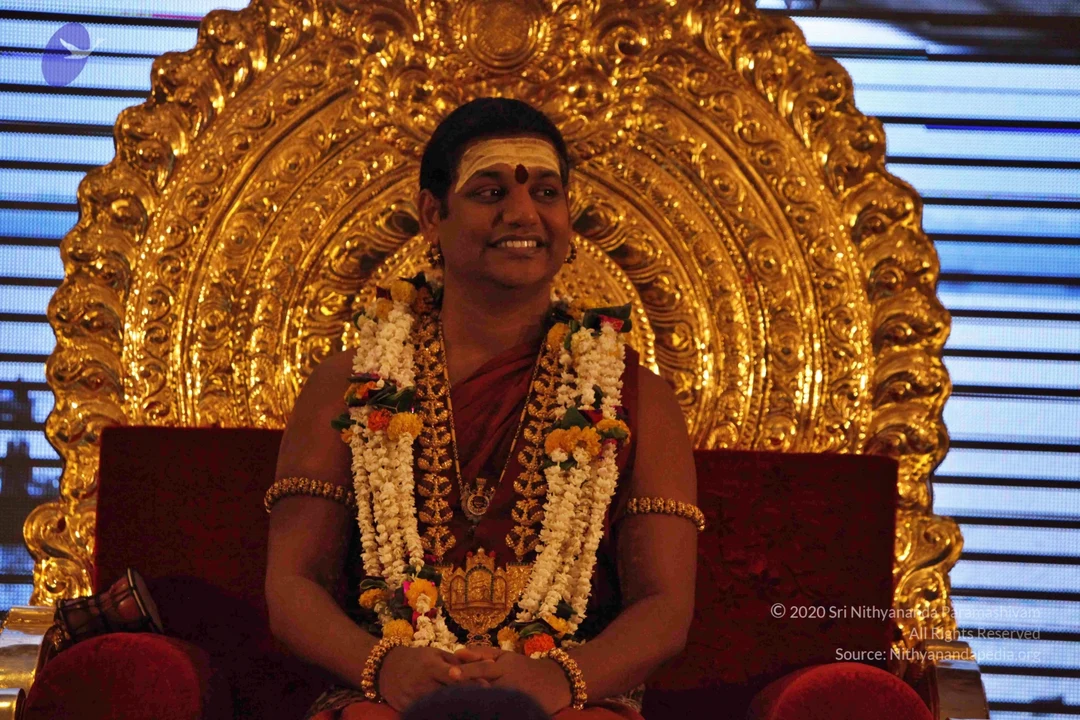
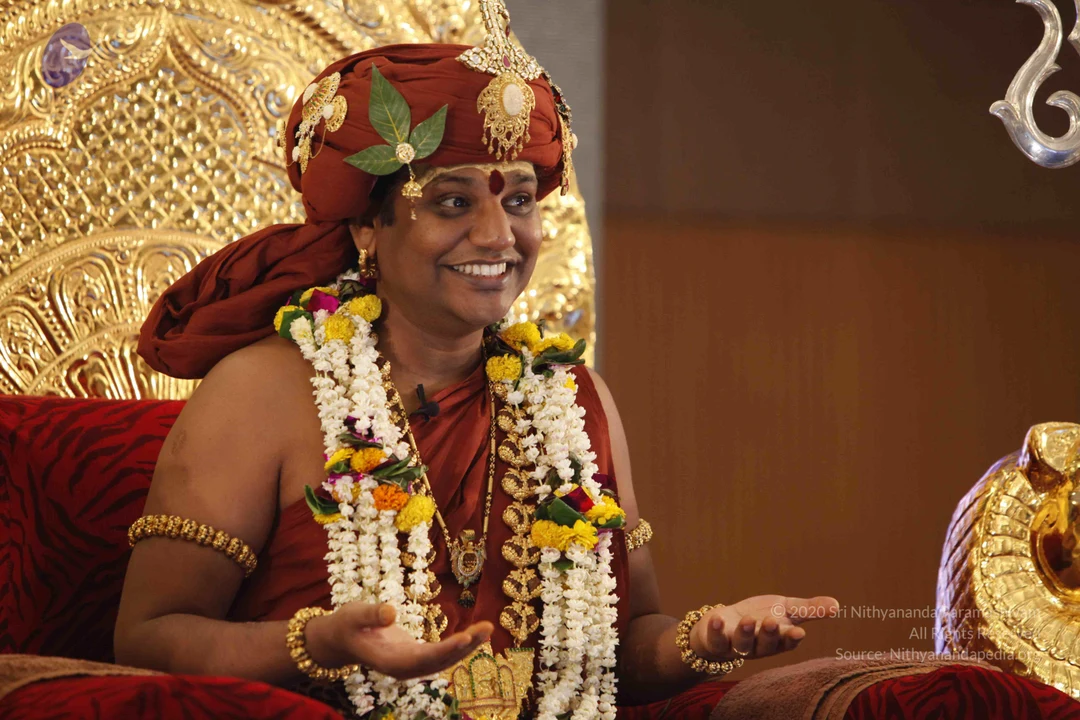
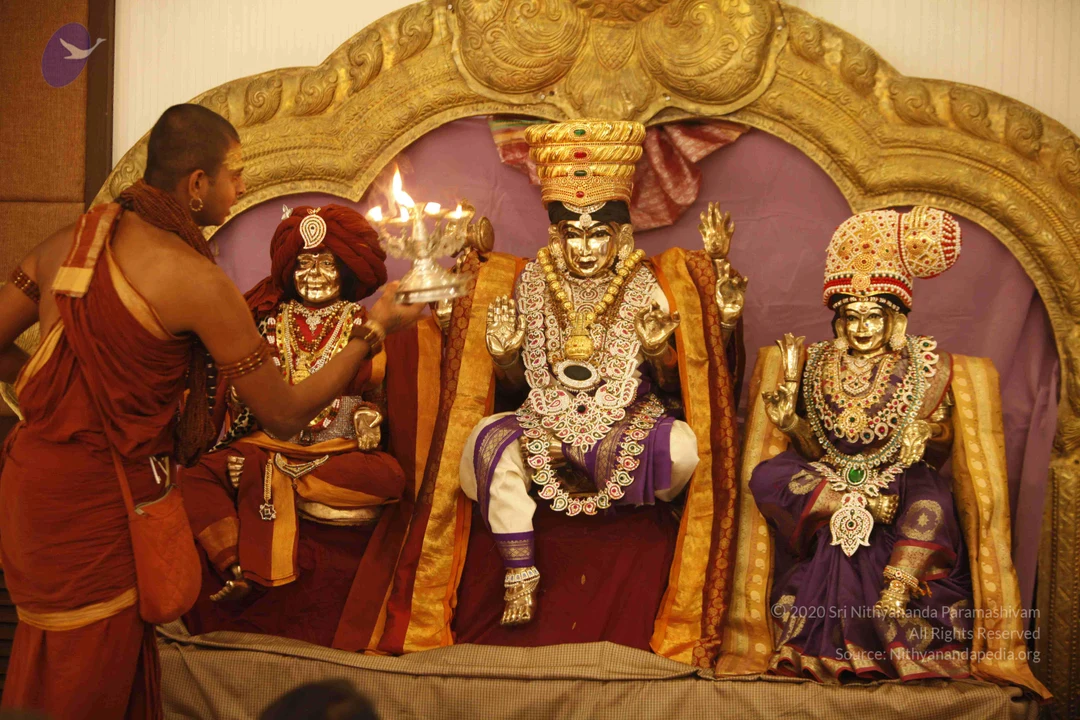
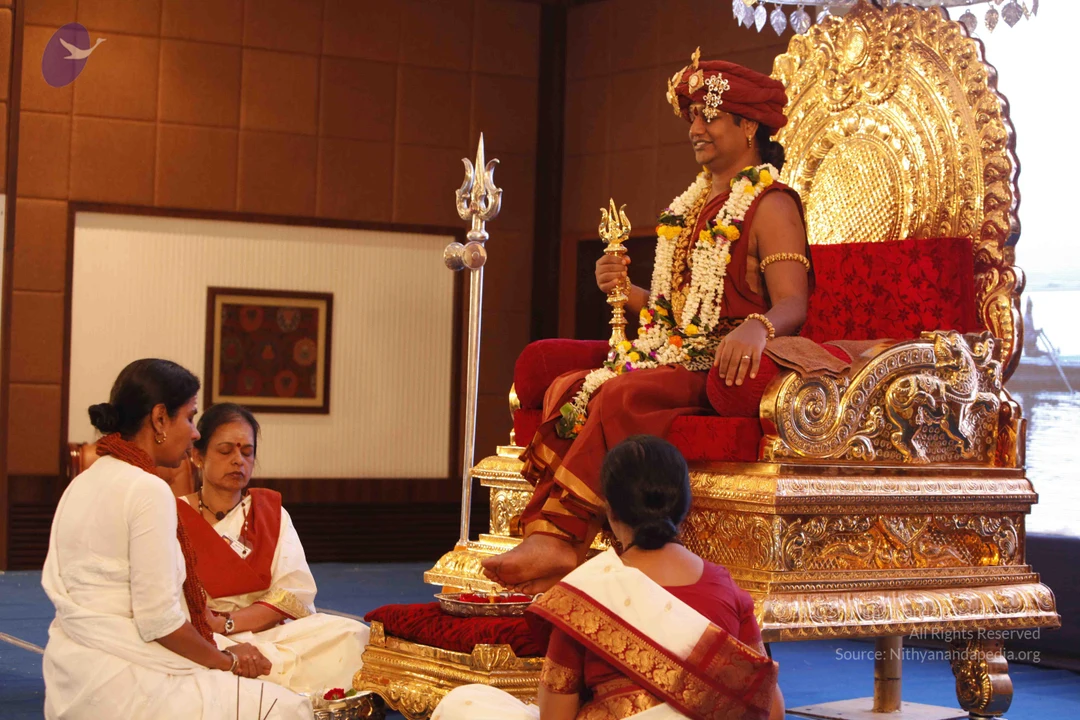
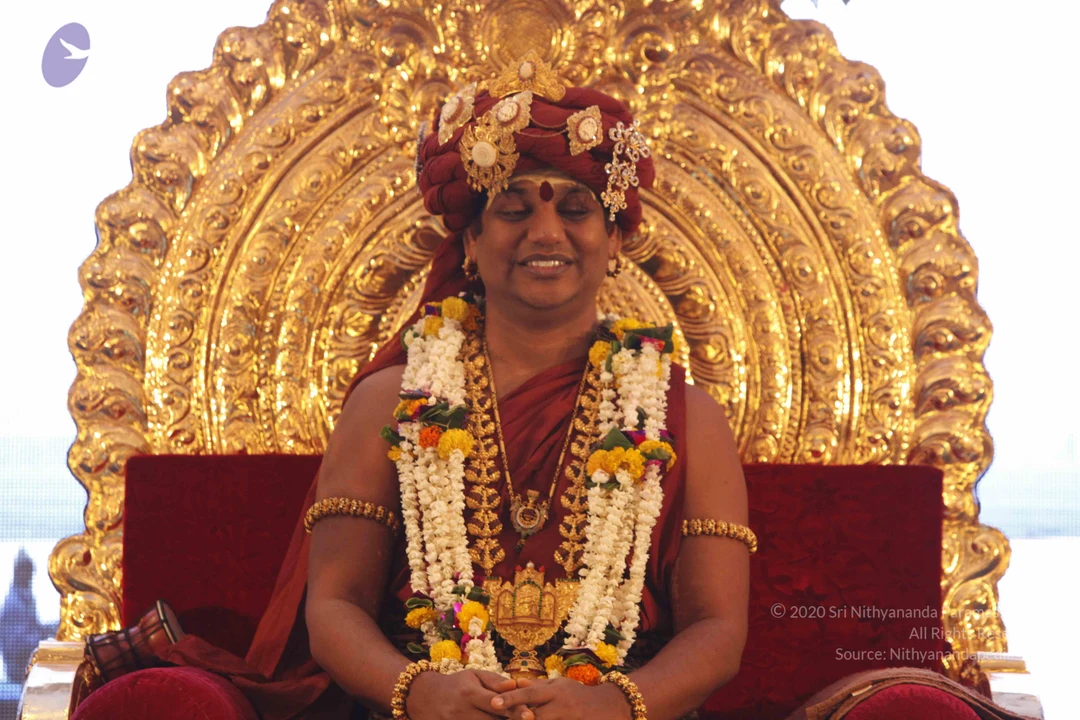
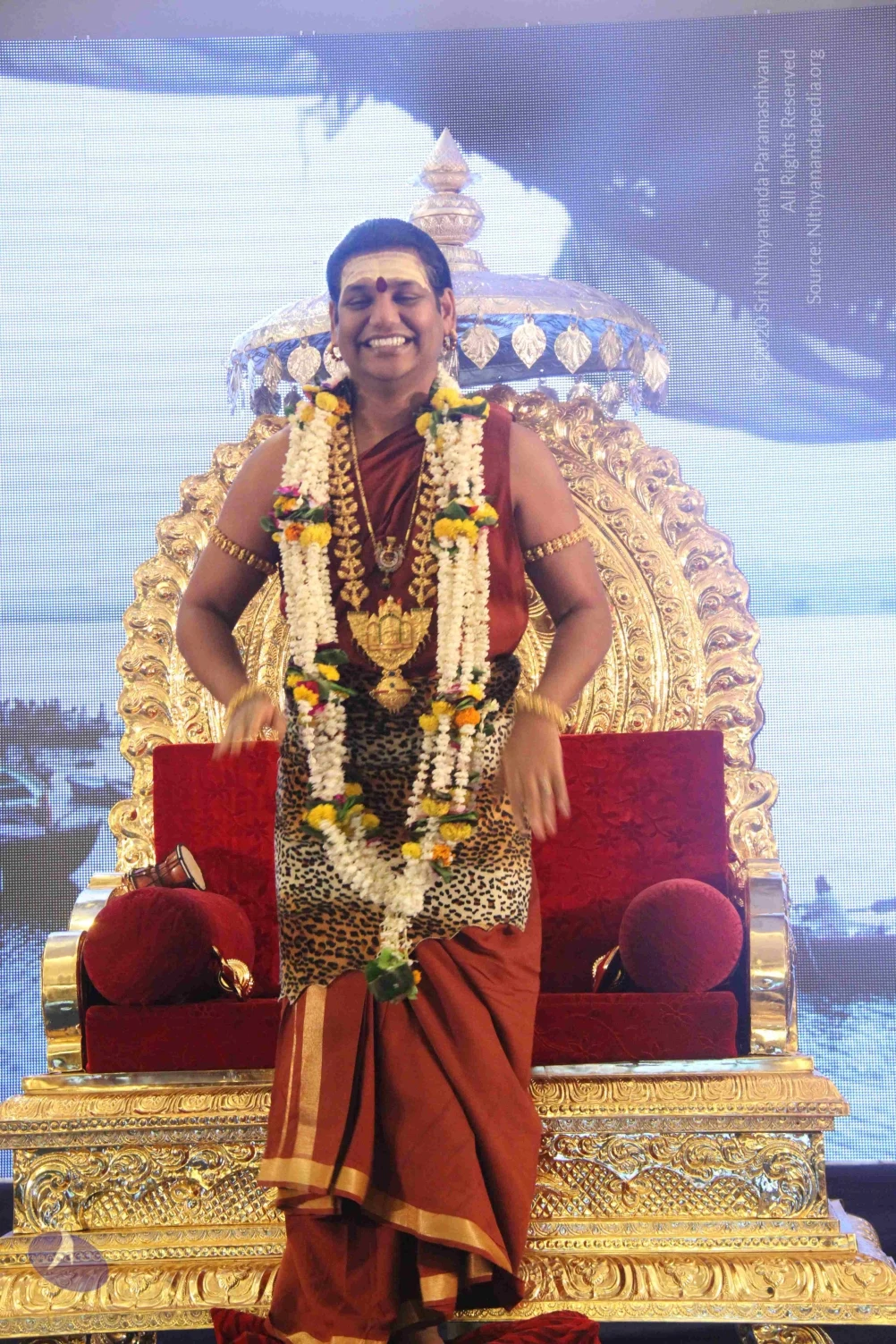
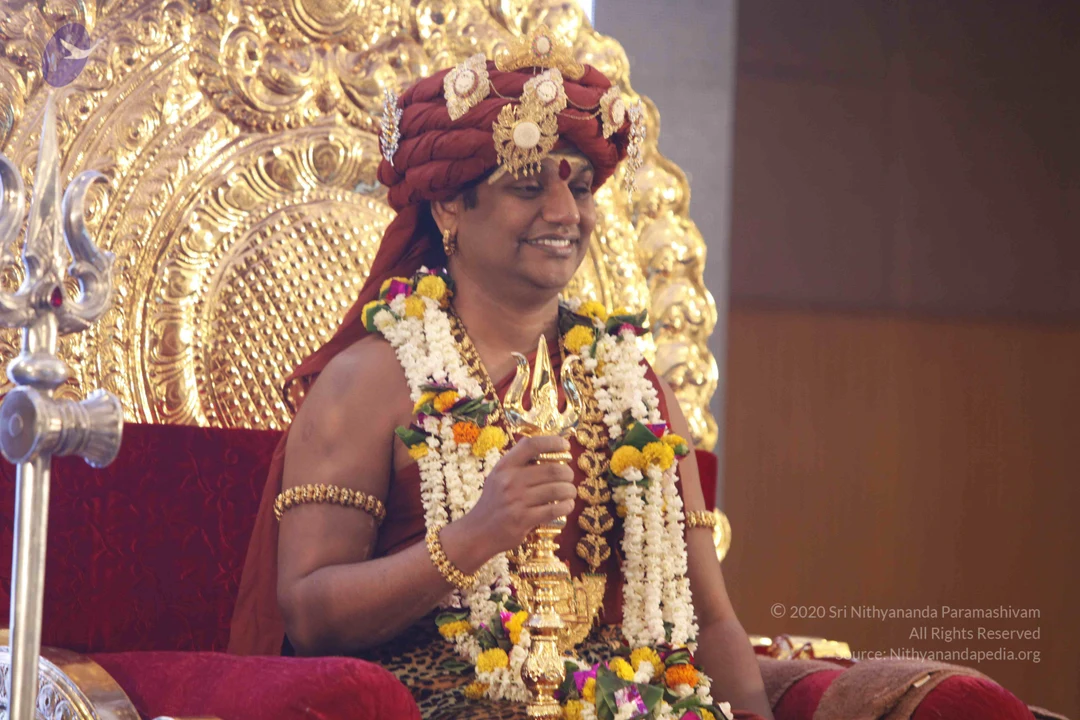
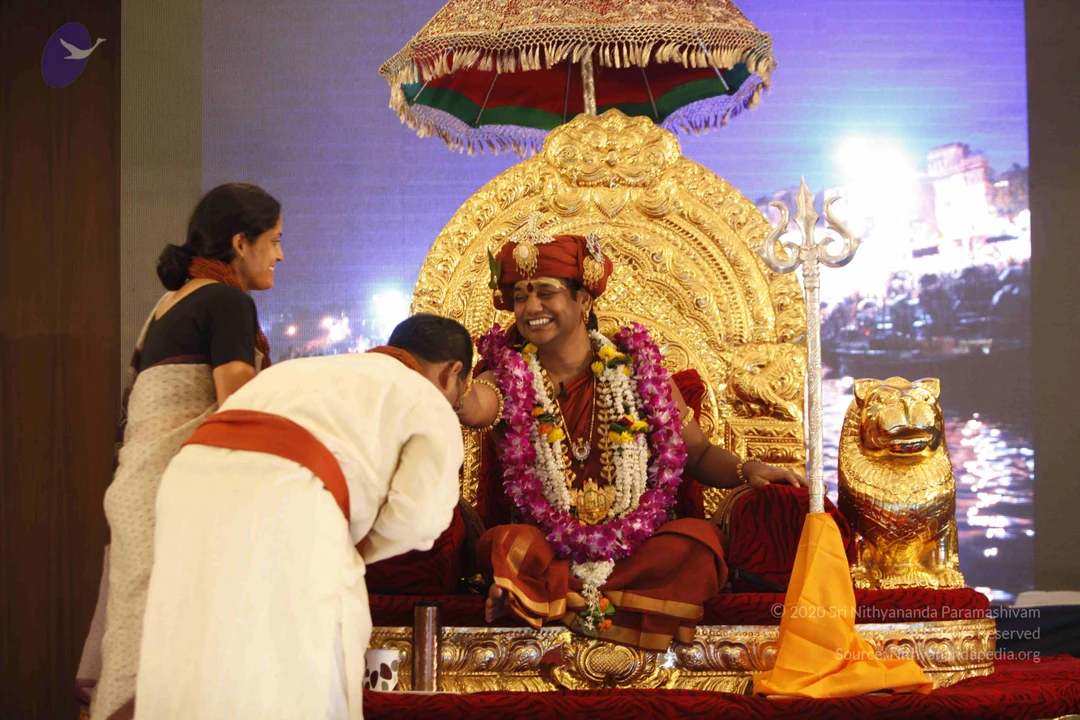
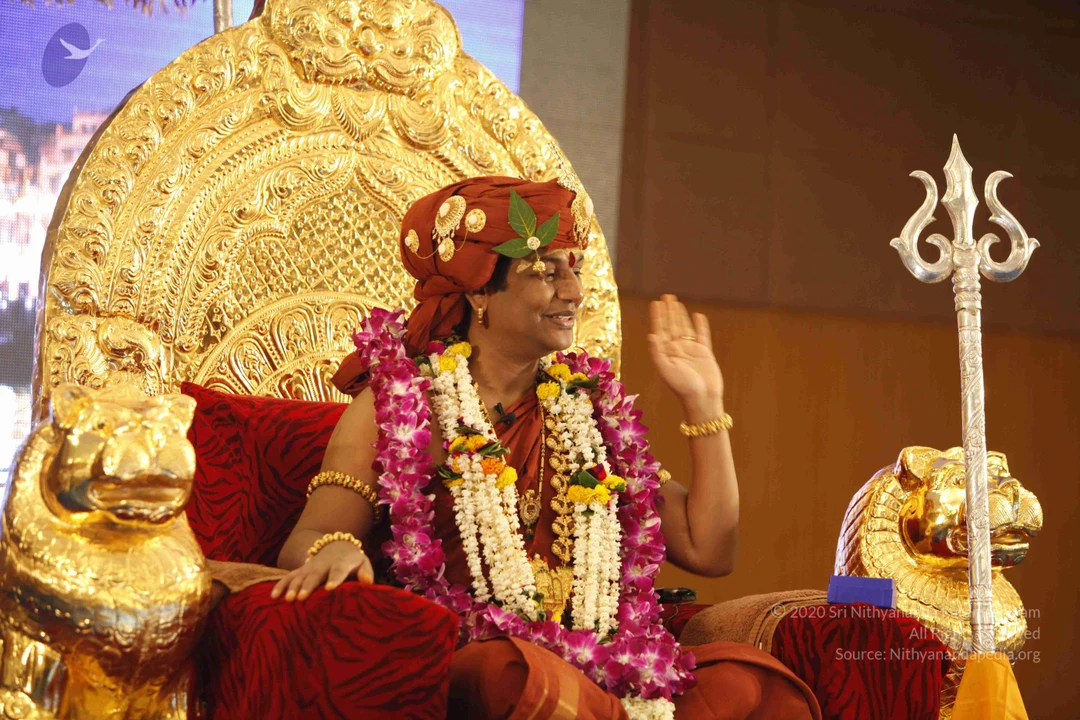
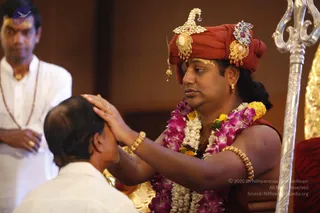
03--Kalpataru
.jpg)
.jpg)
.jpg)
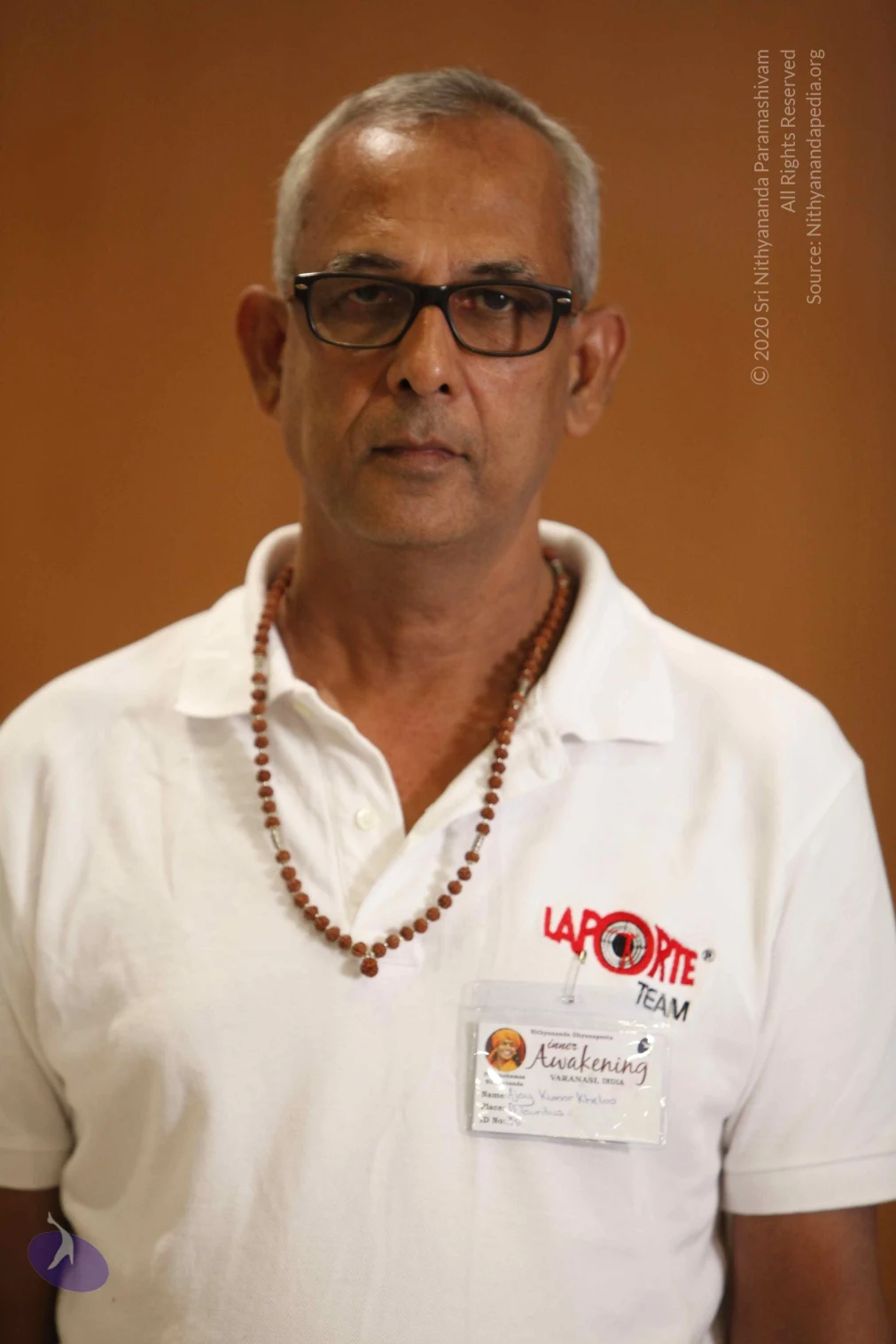
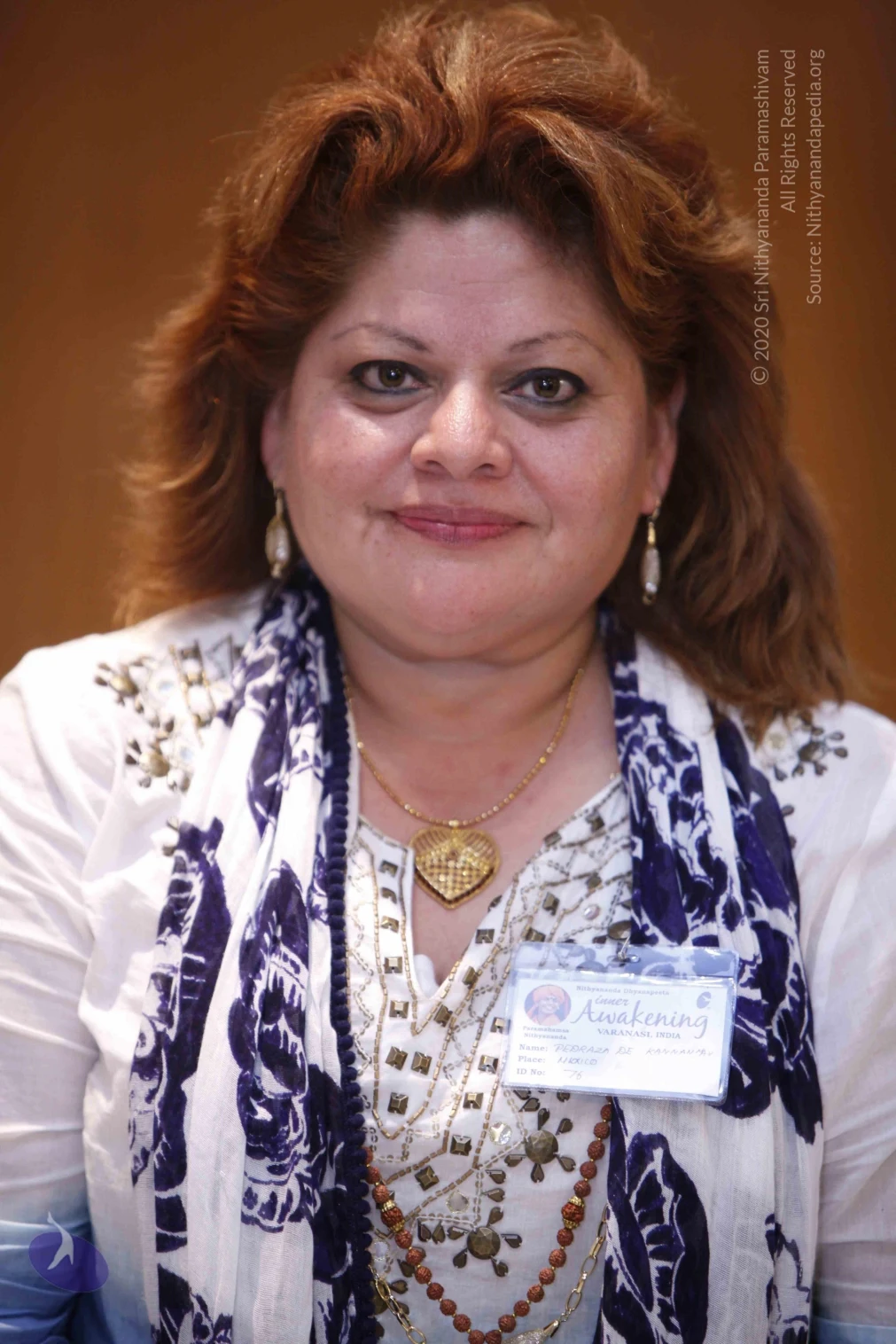
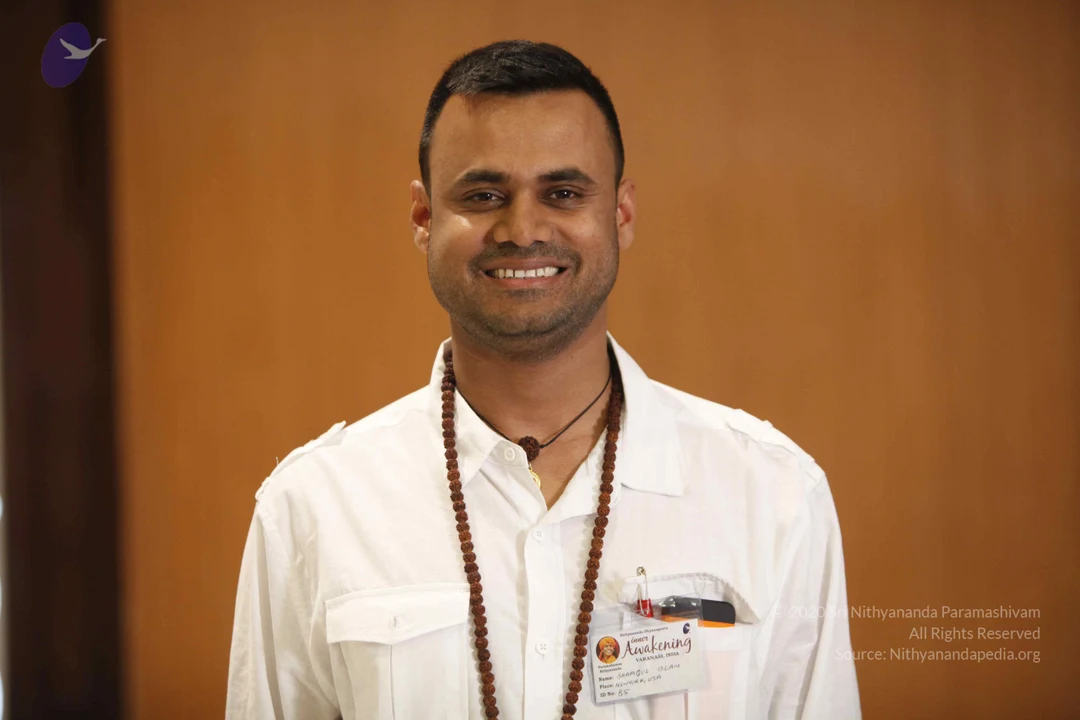
04--IA session photos
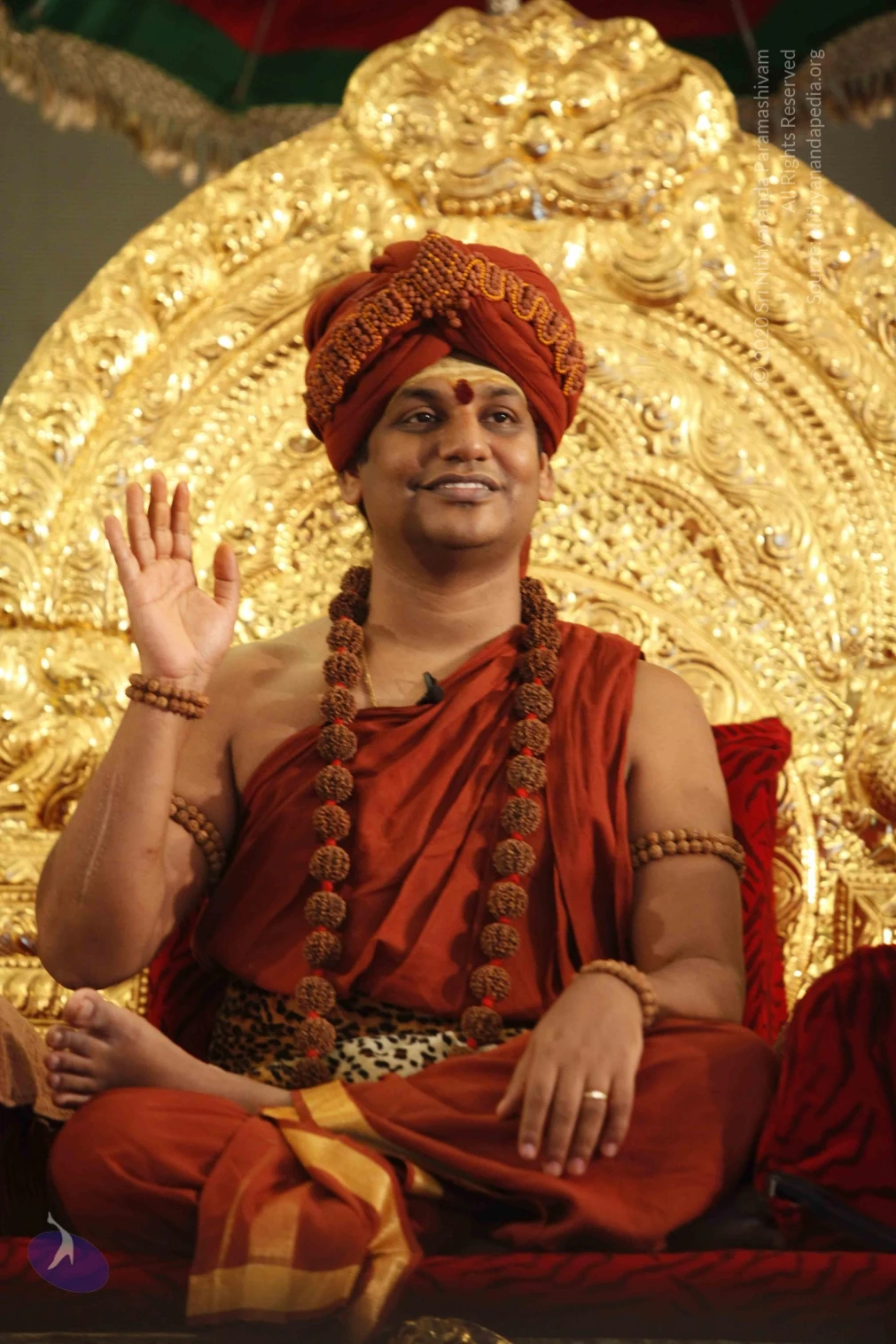
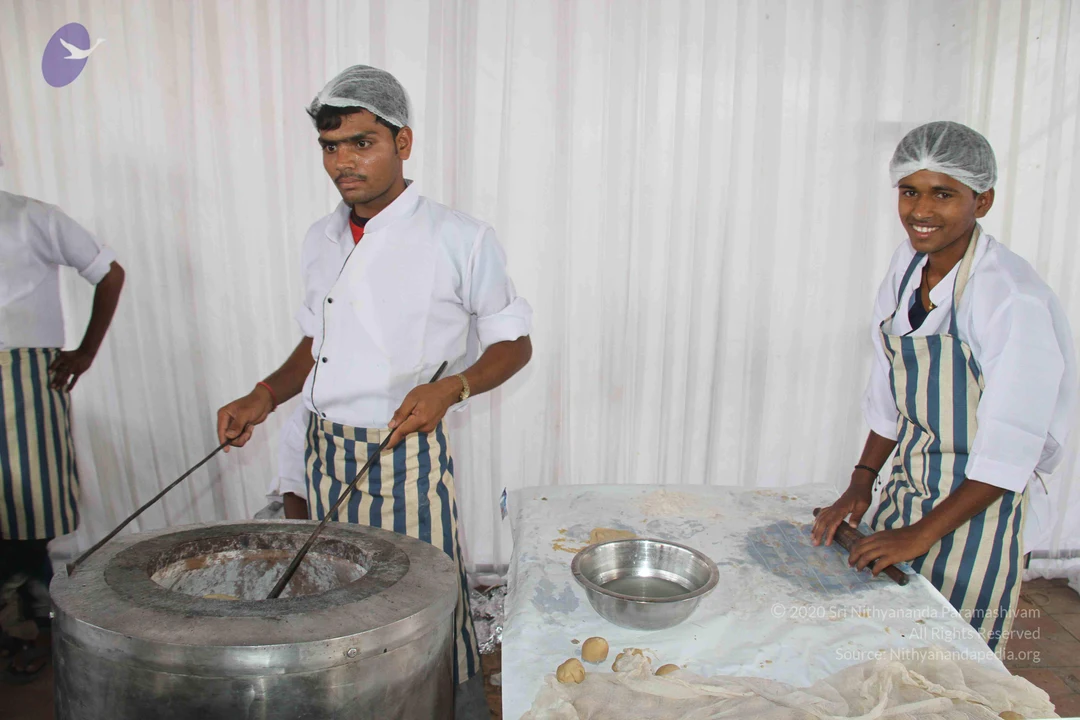
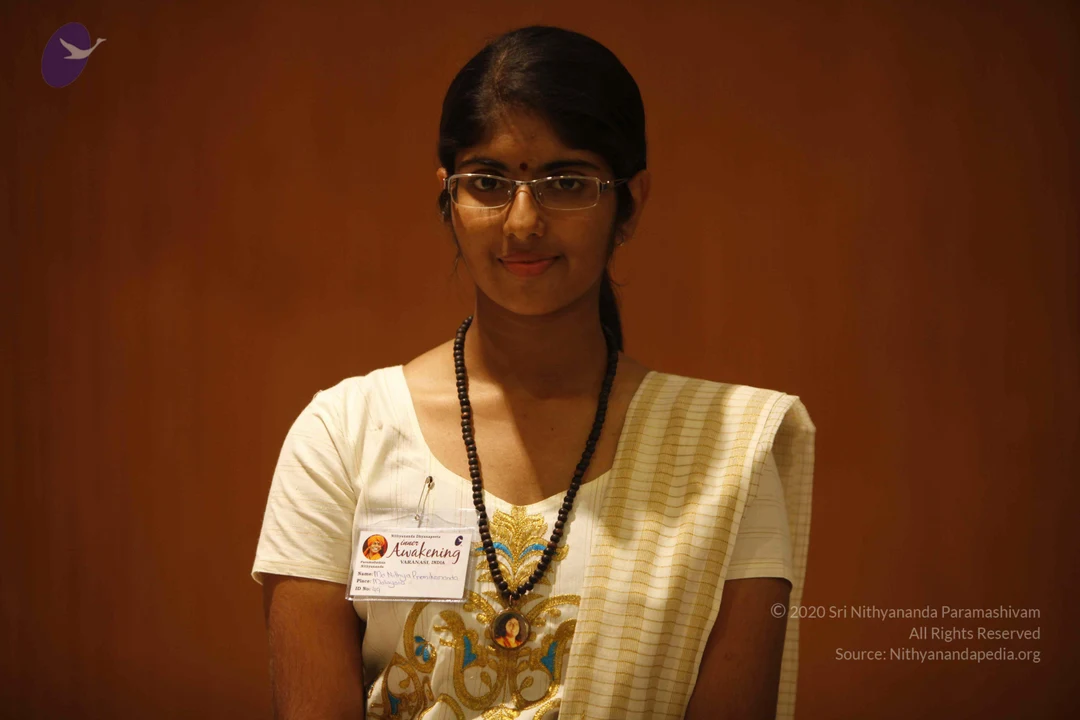
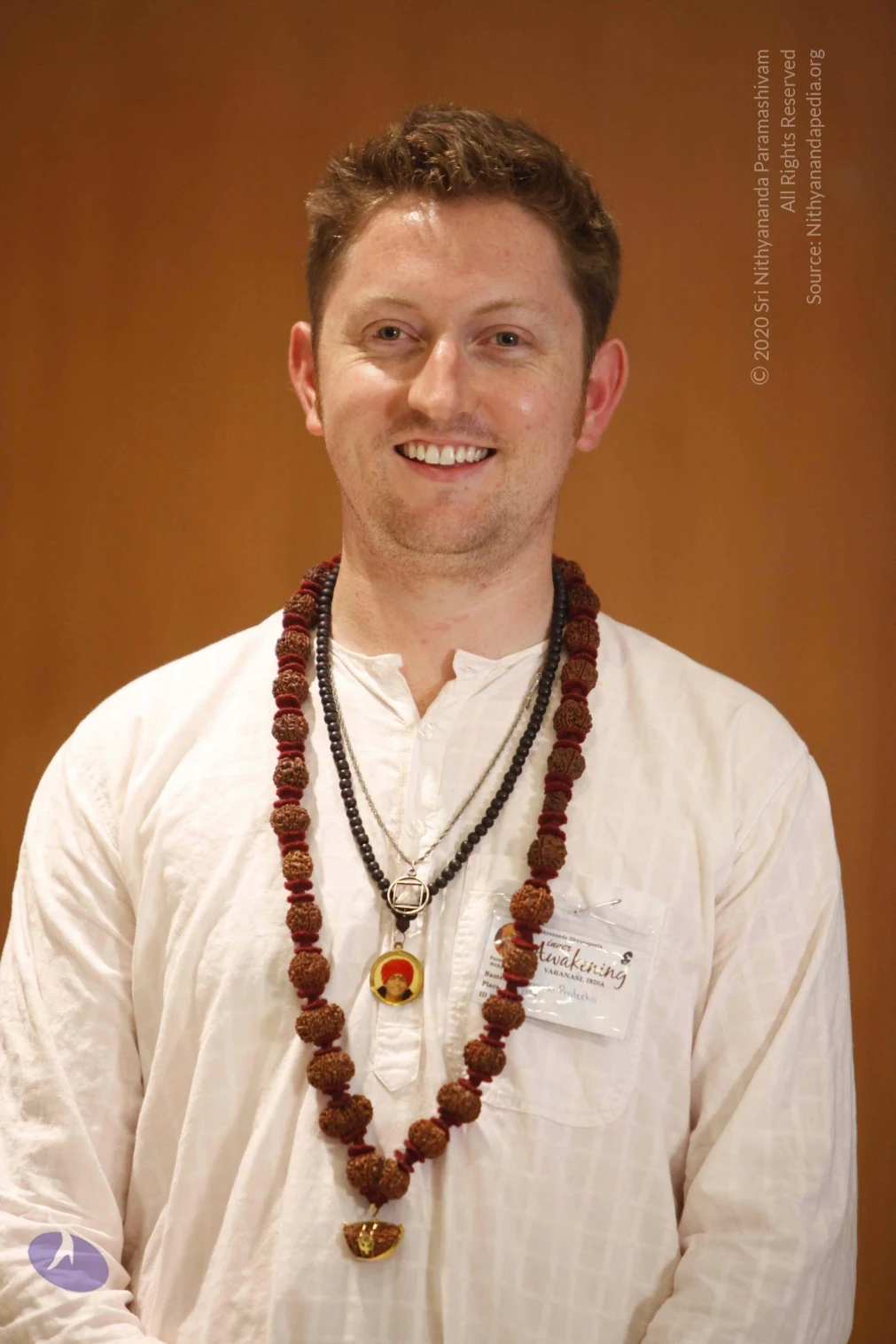
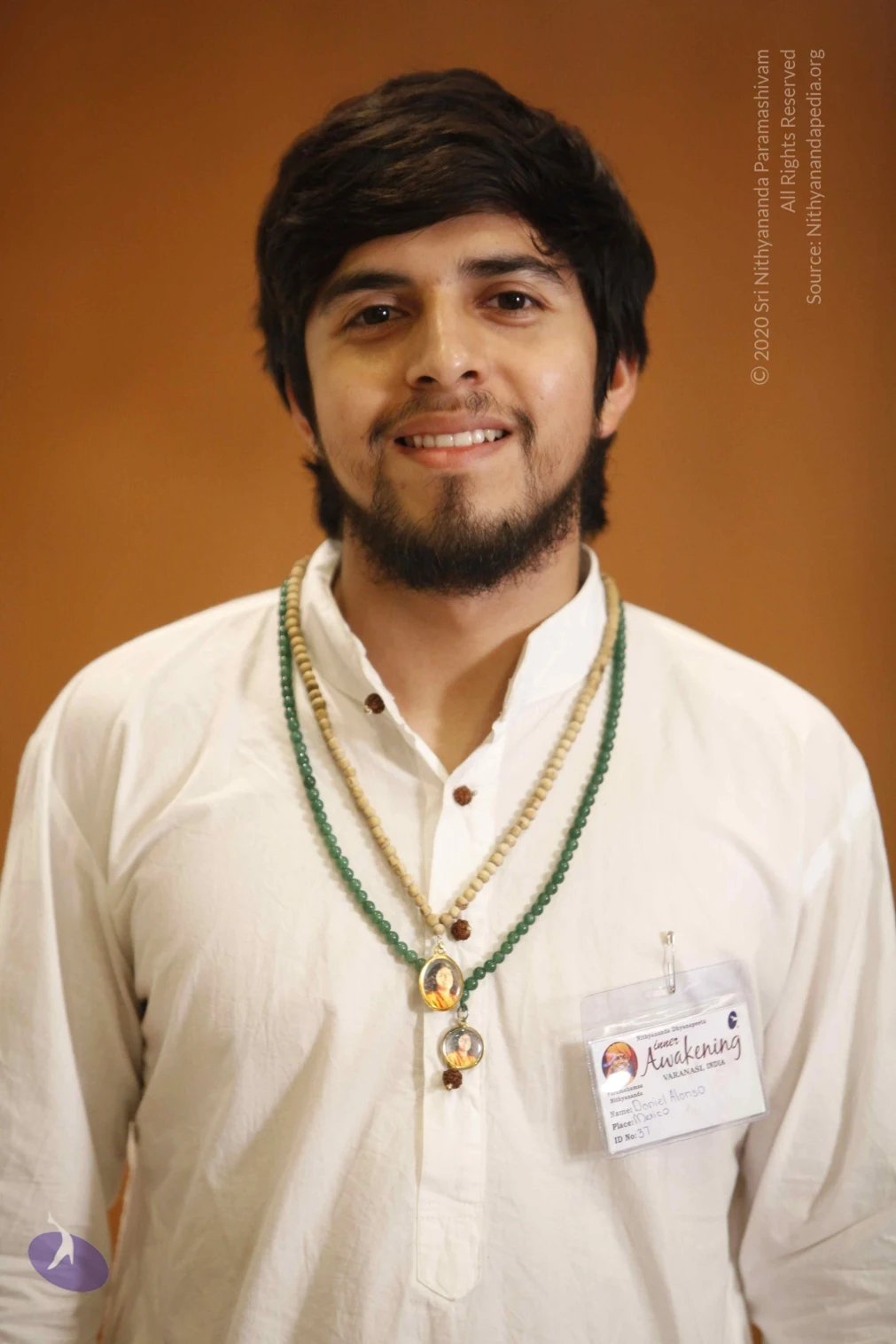
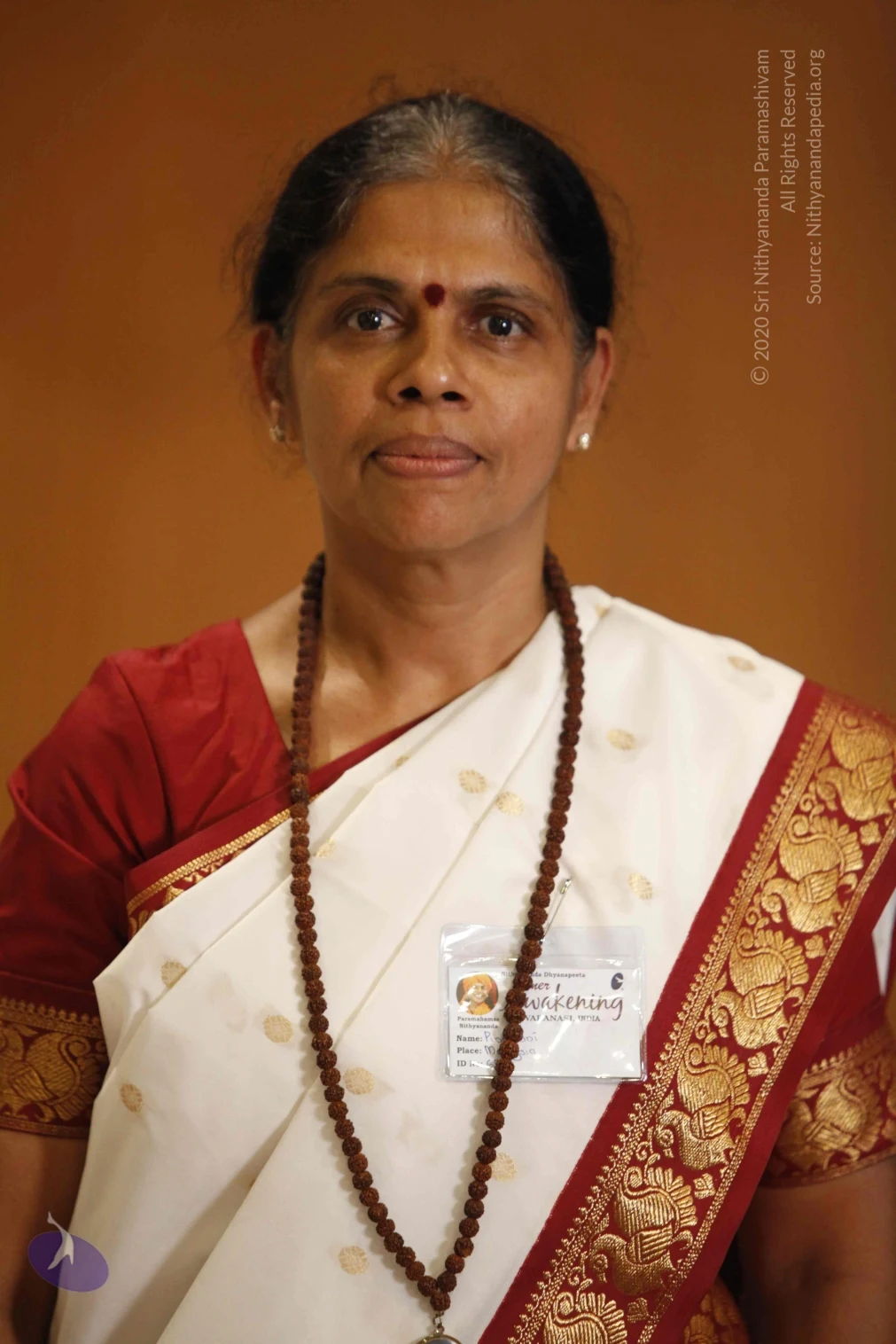
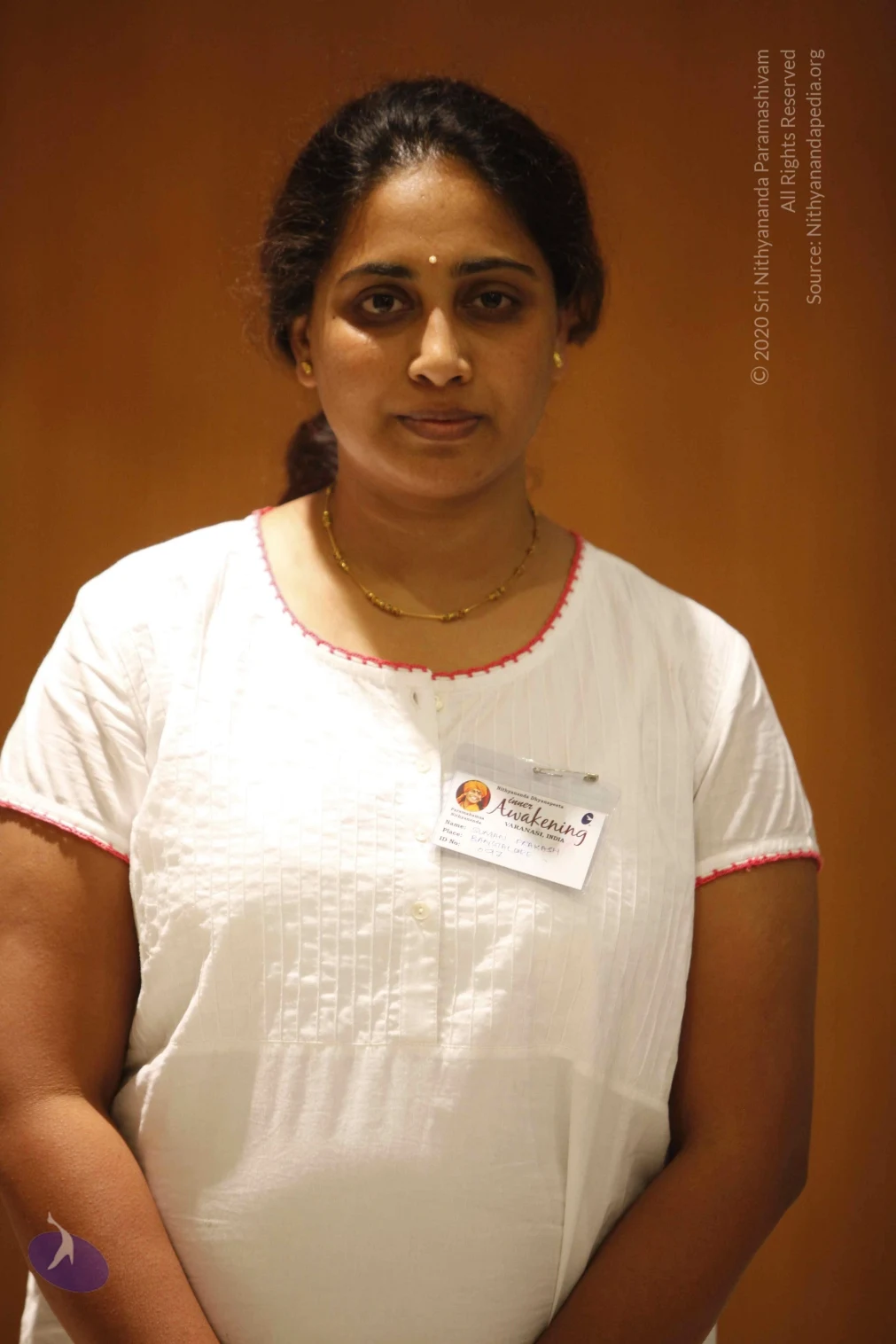

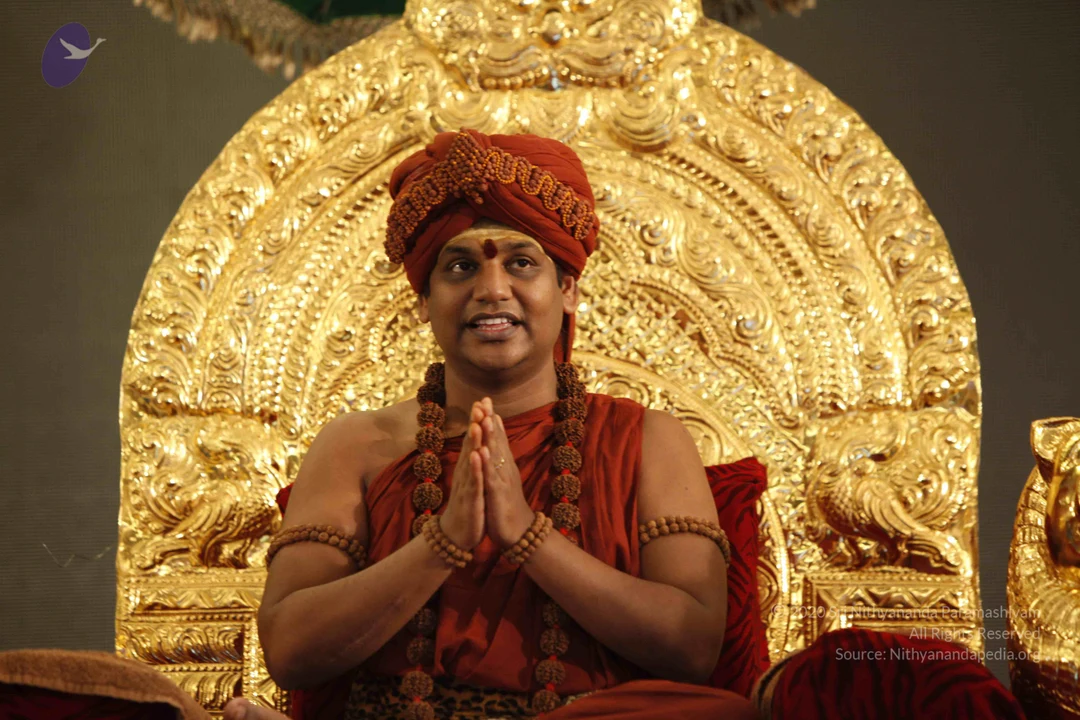
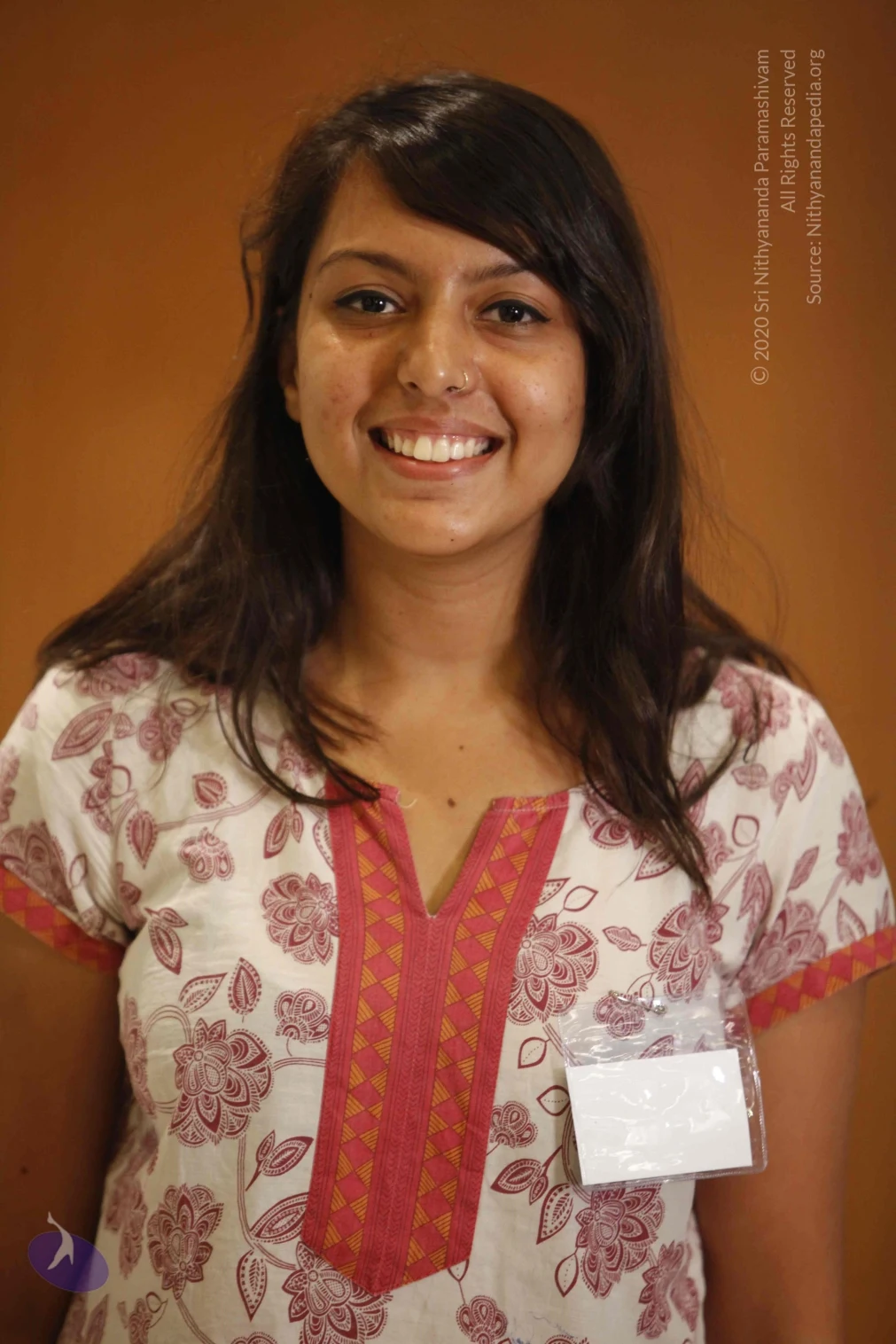

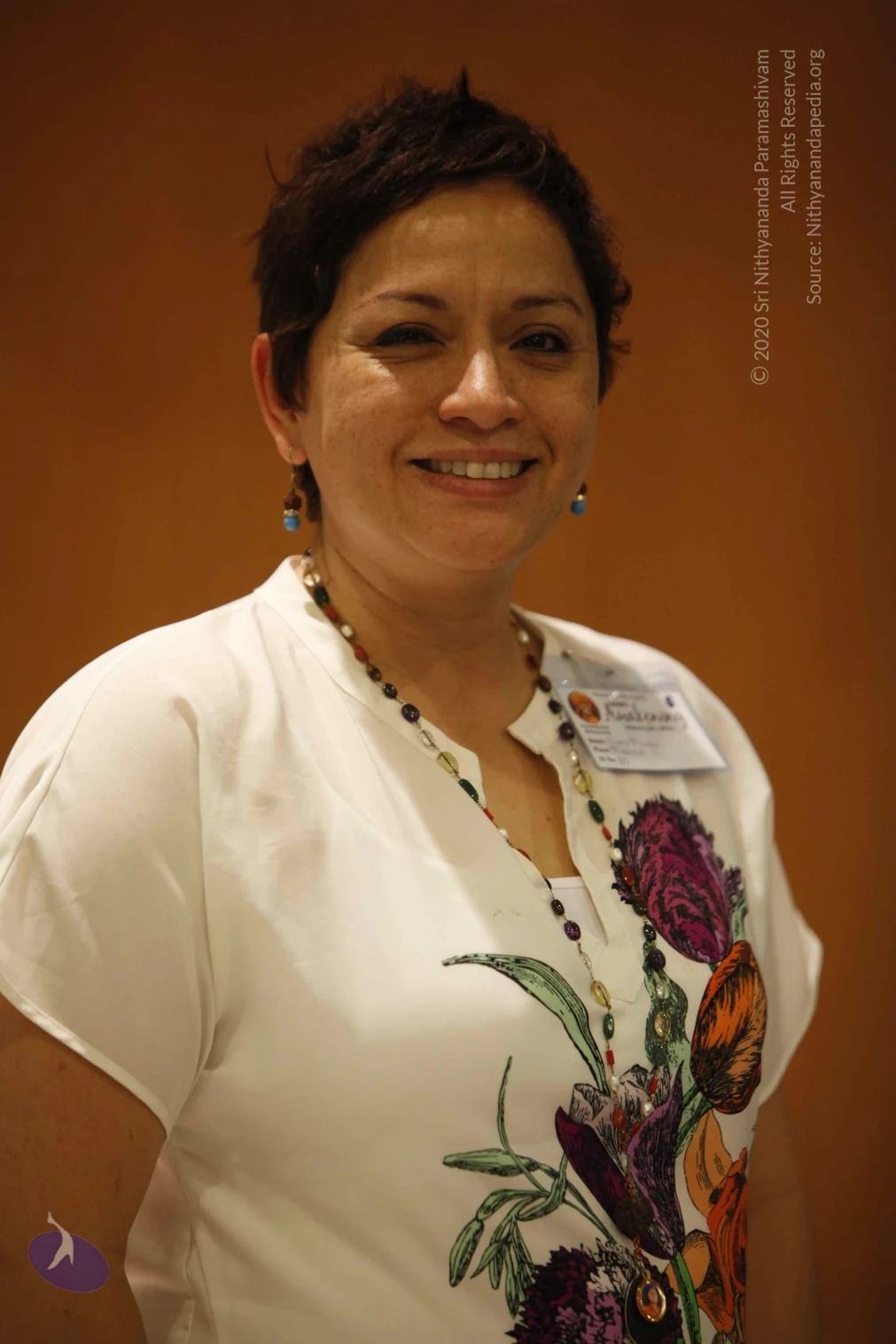
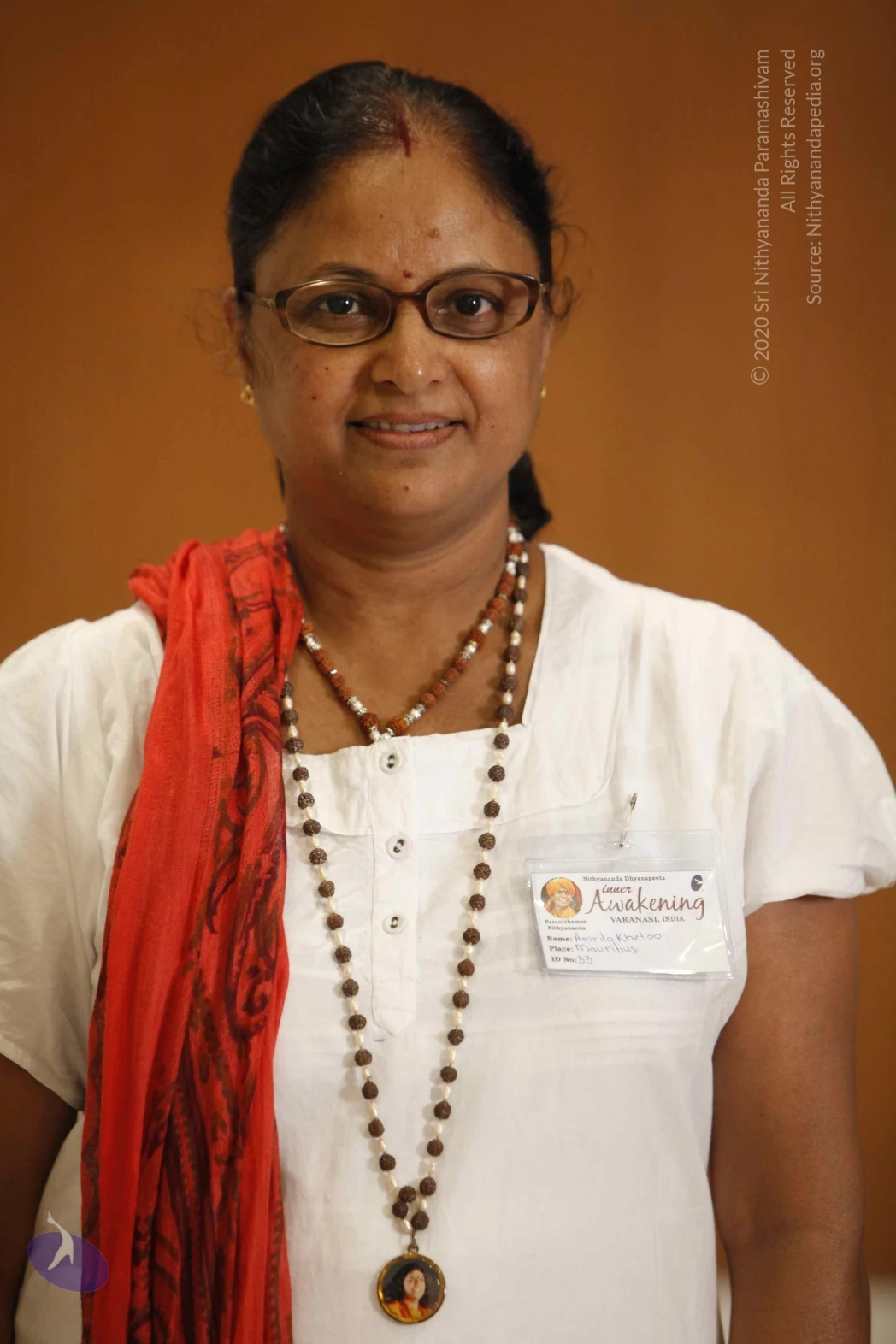
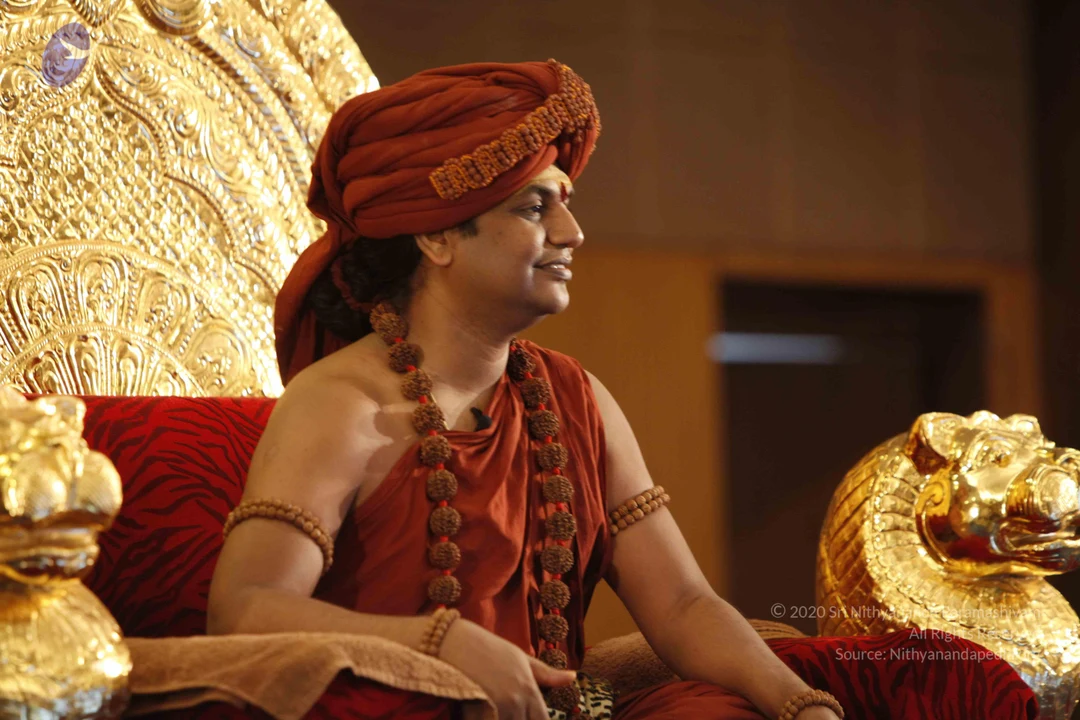
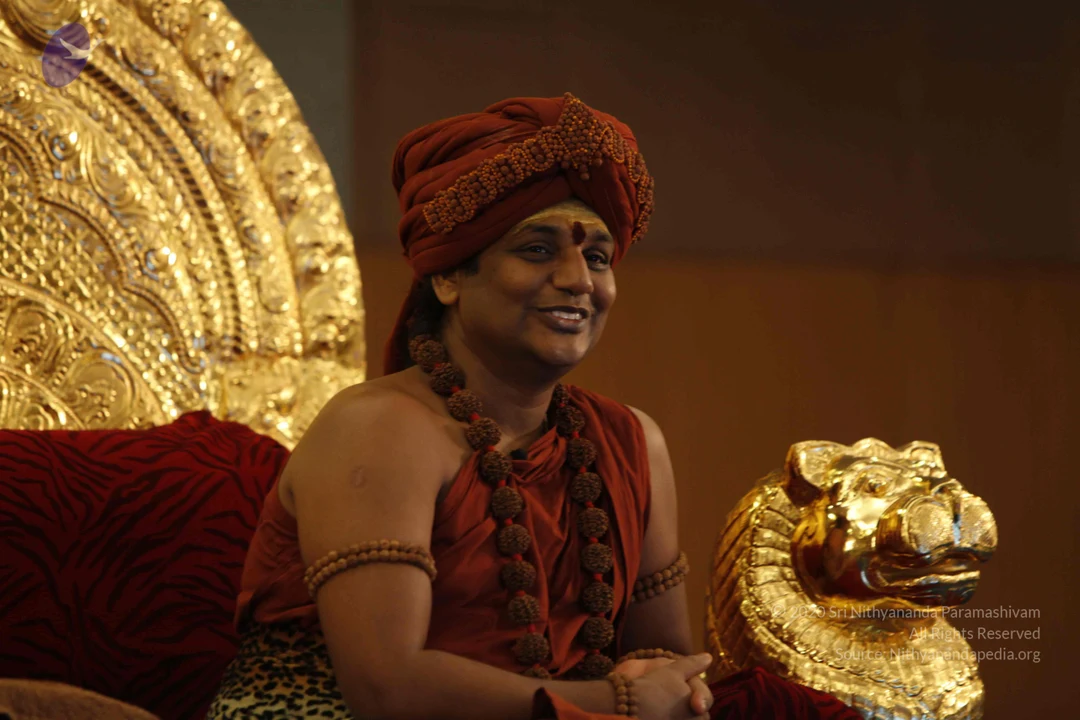
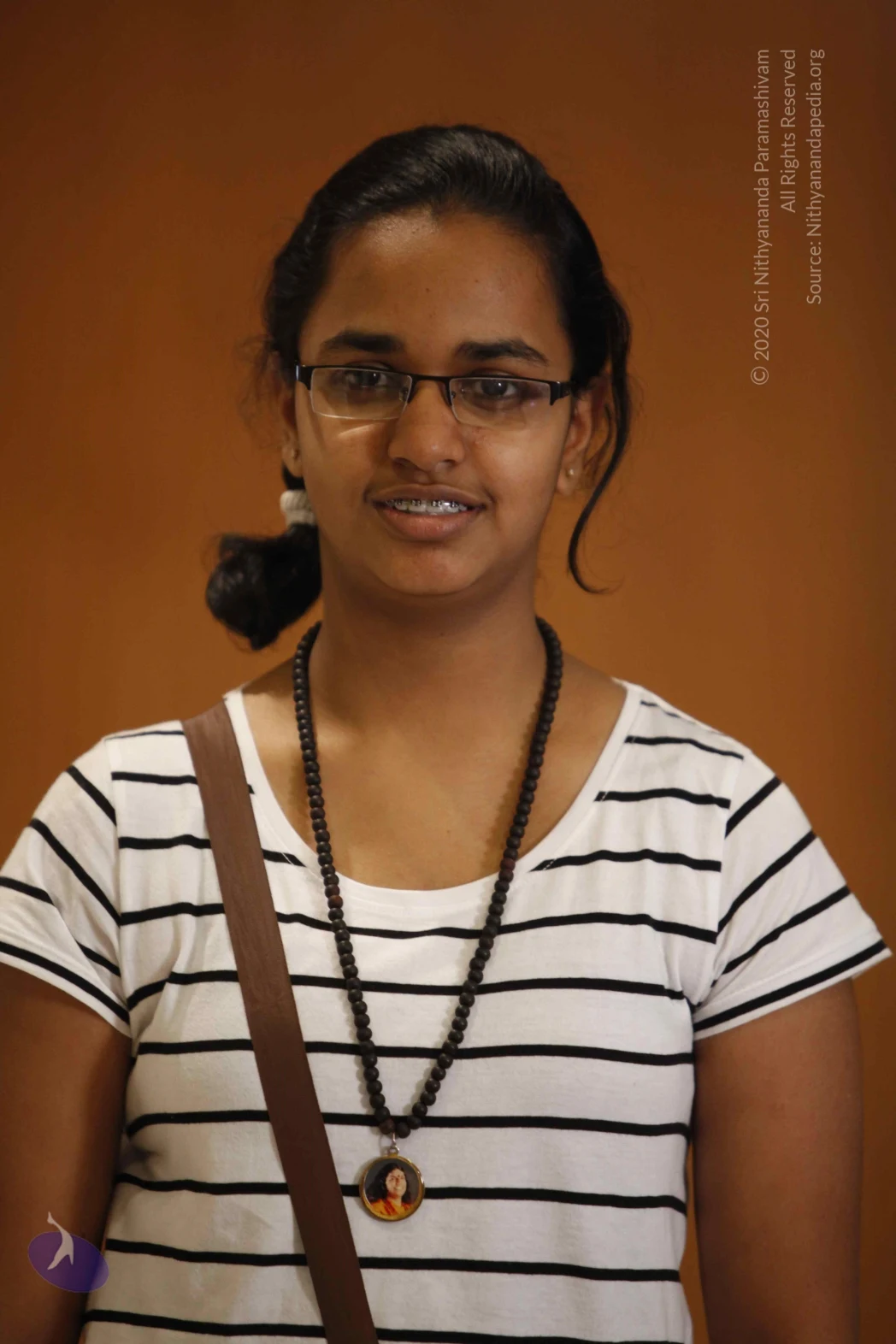
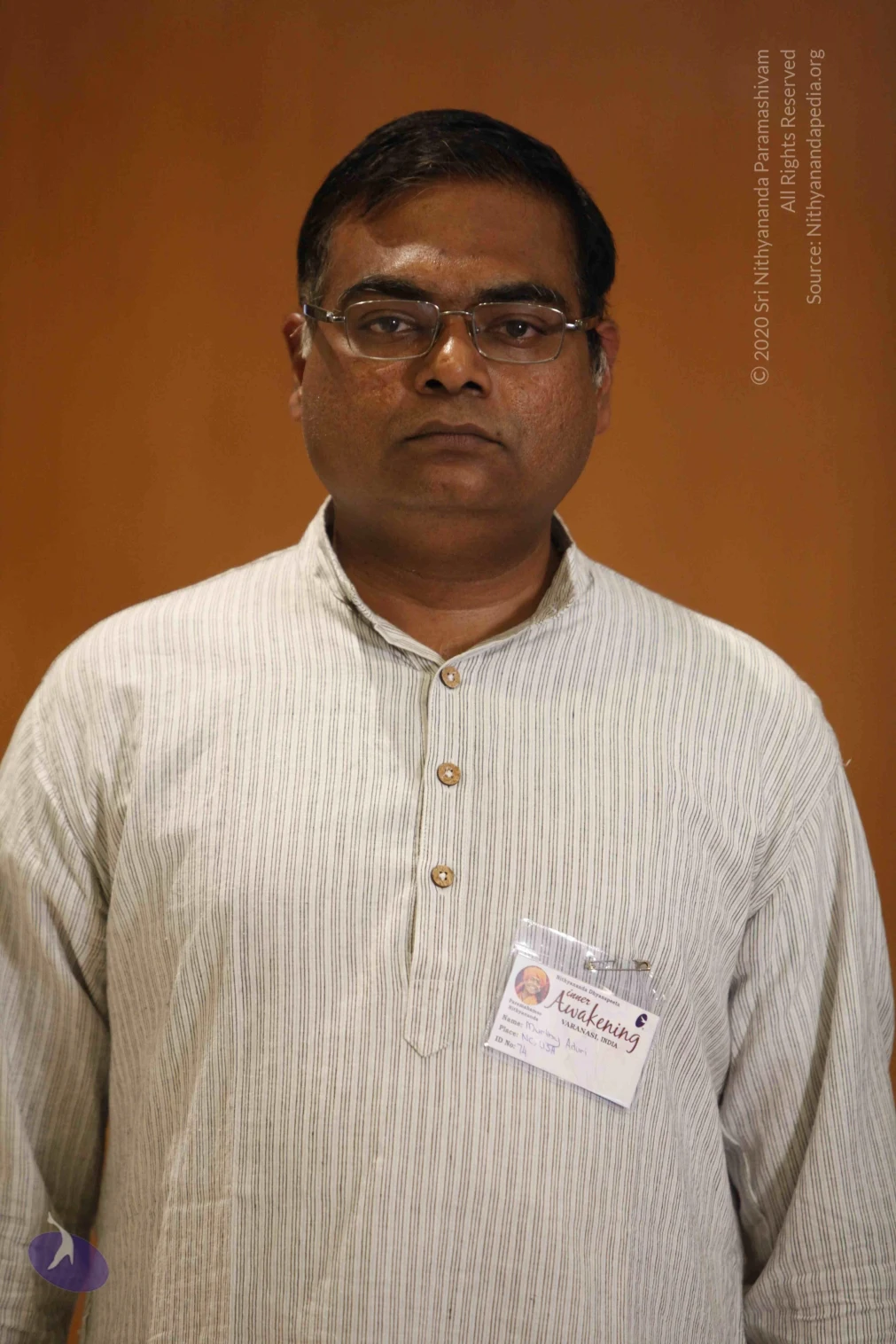
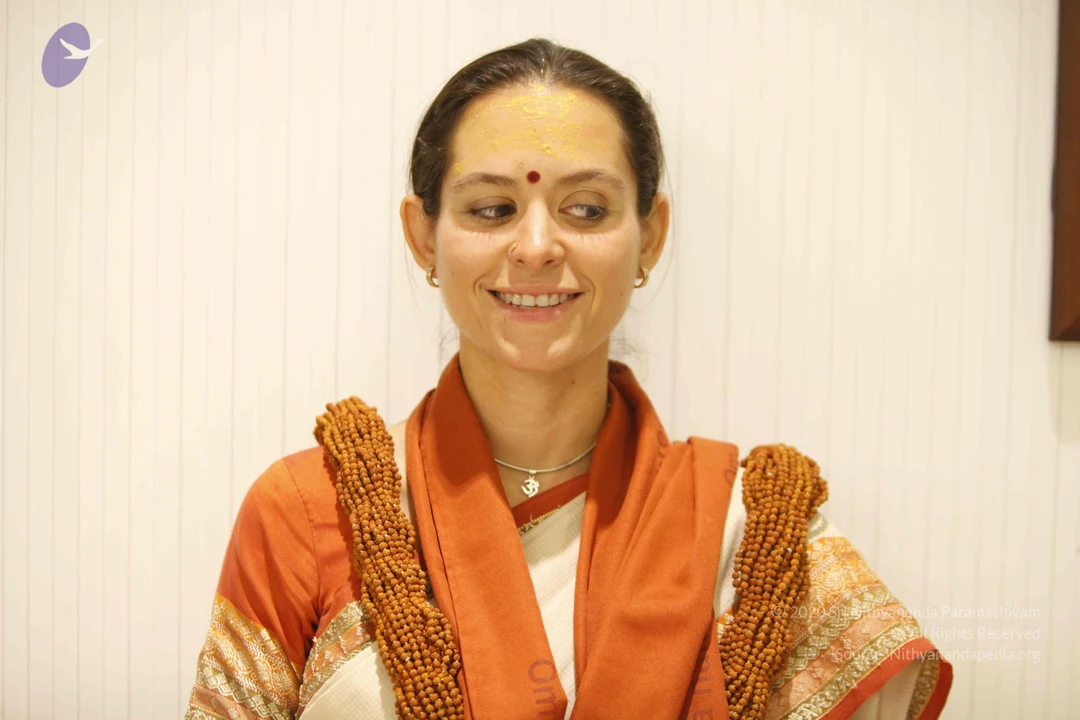
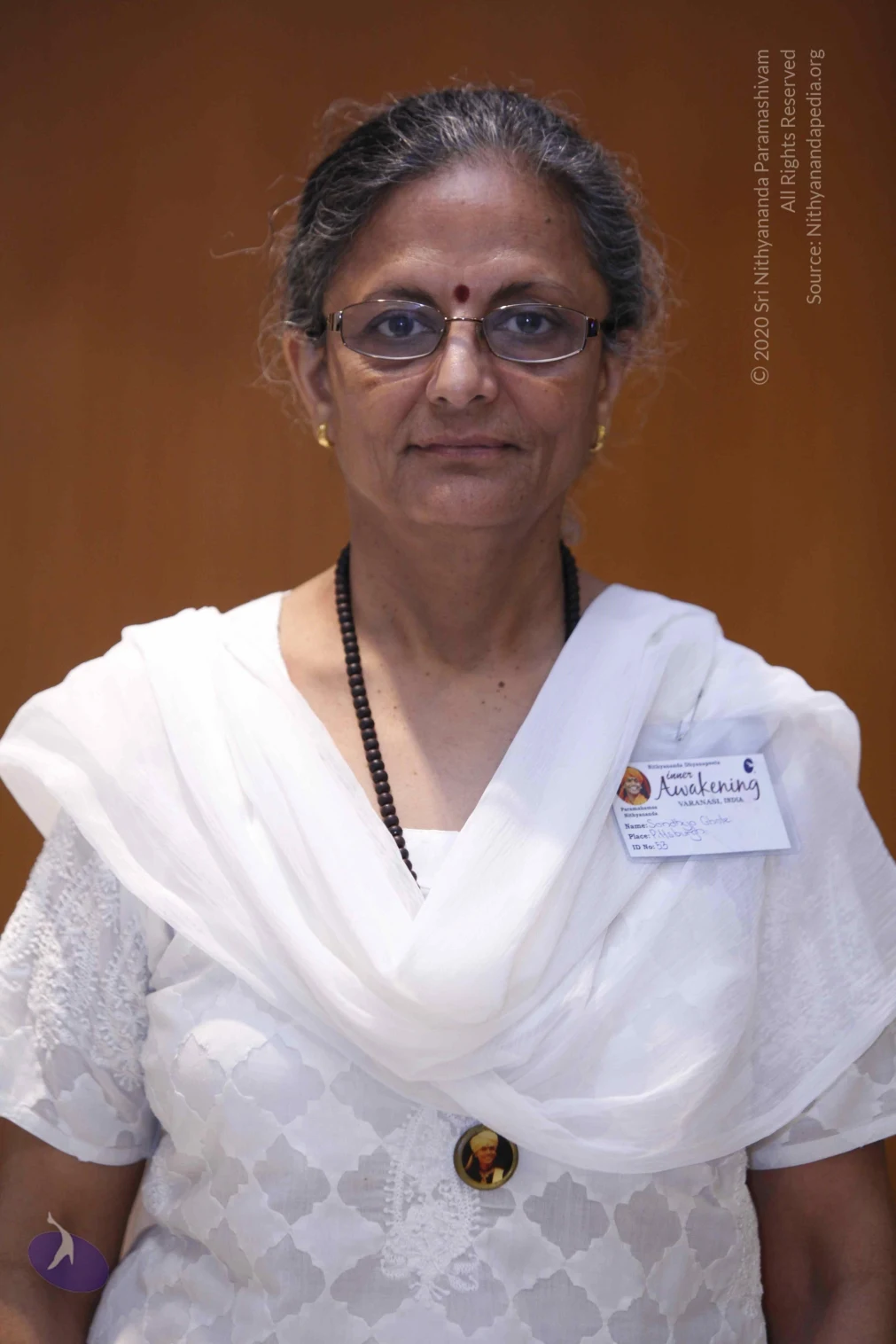
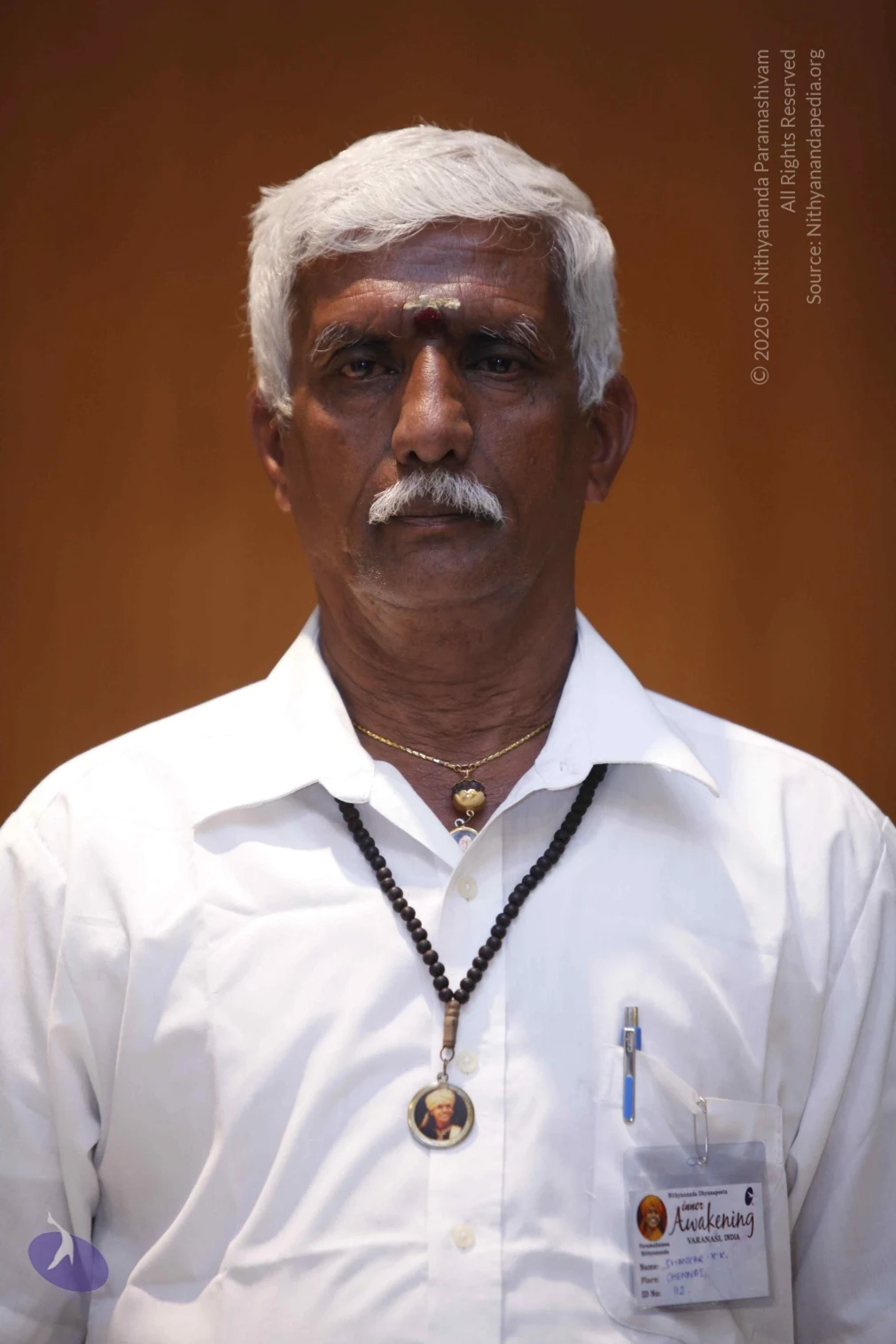
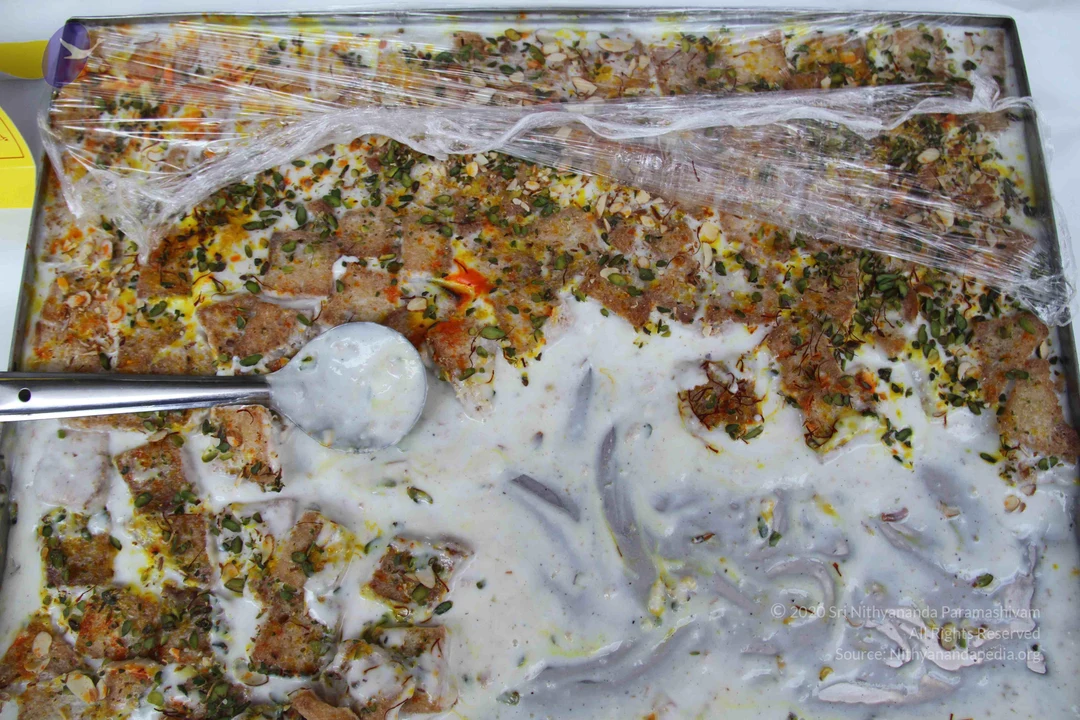
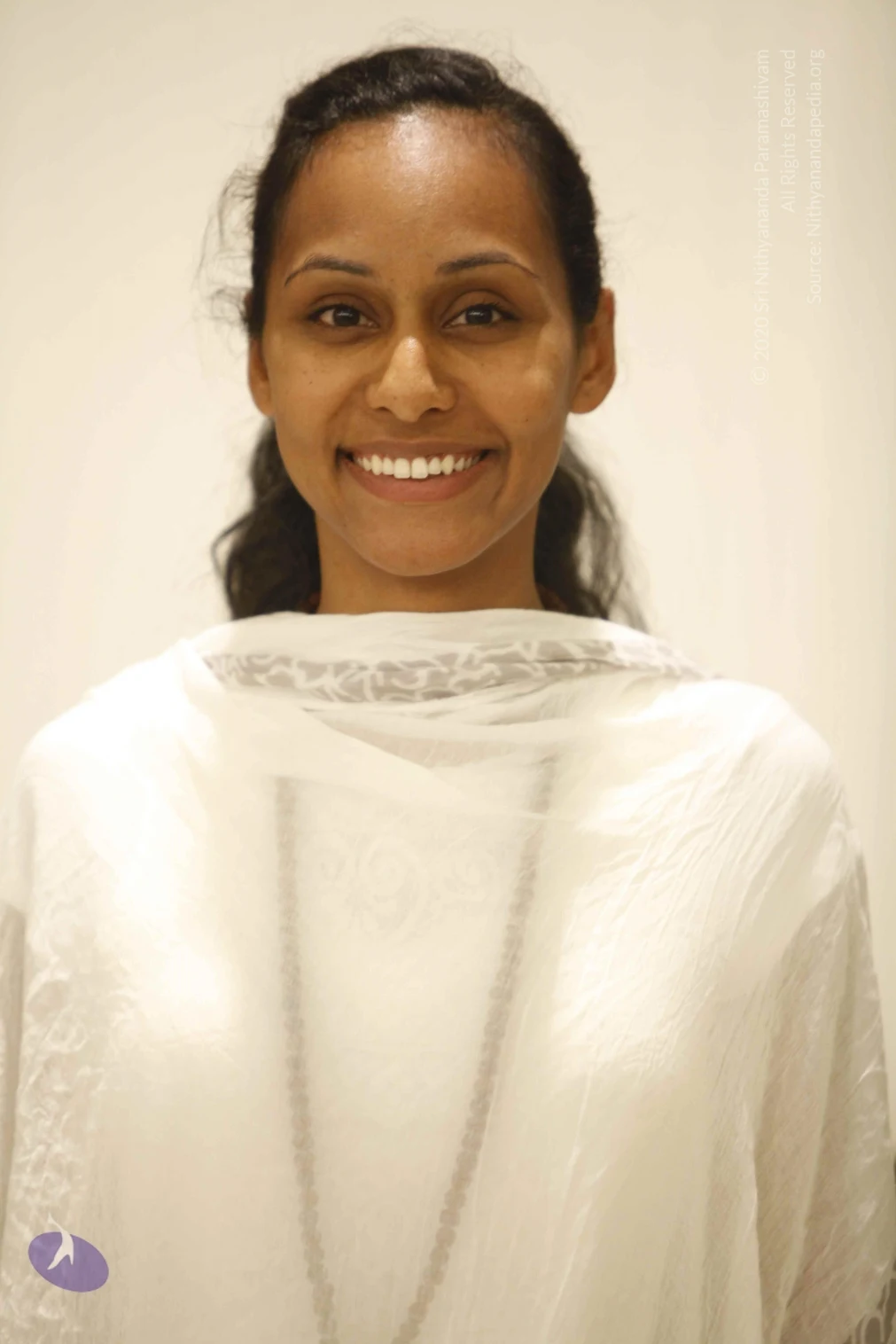
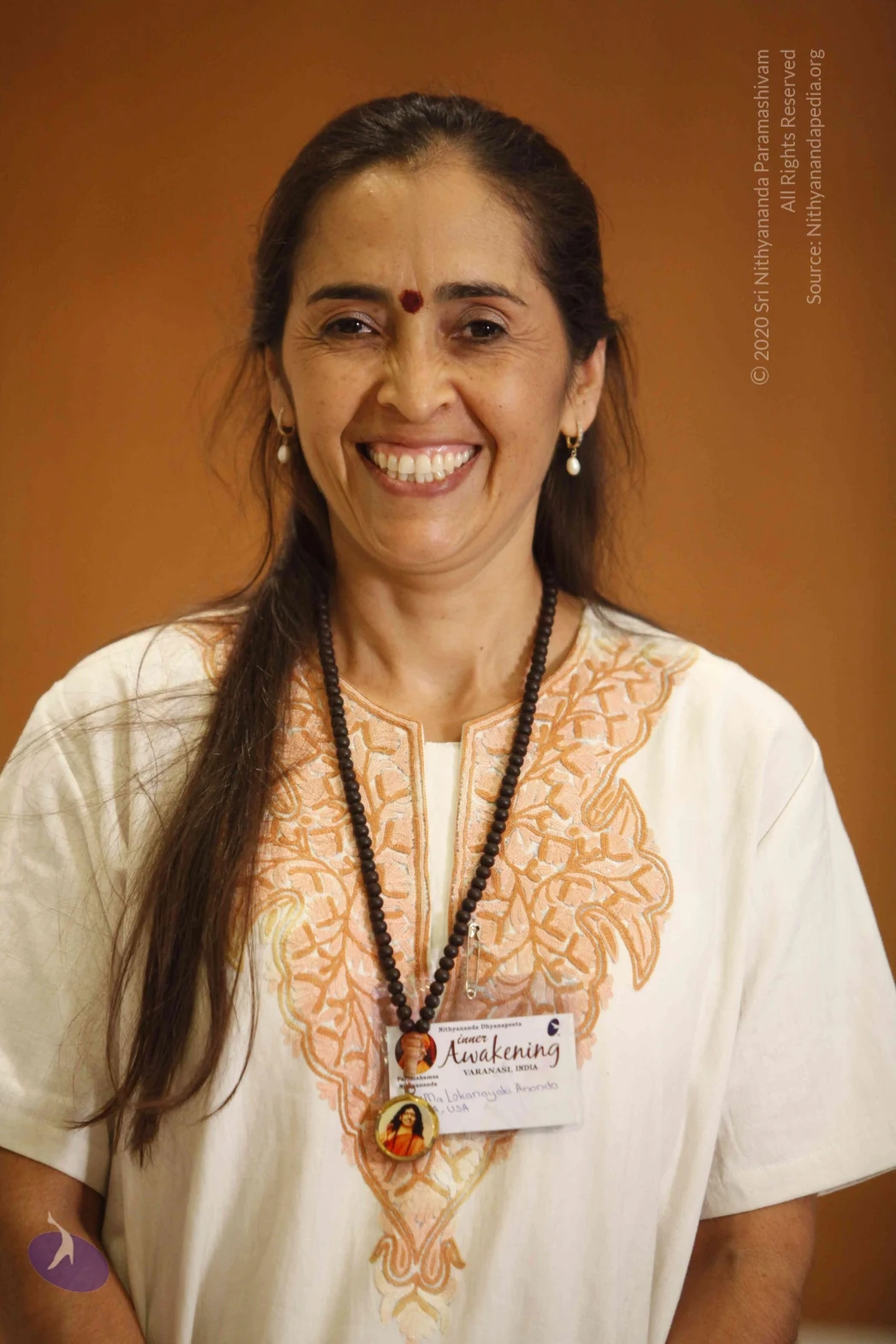
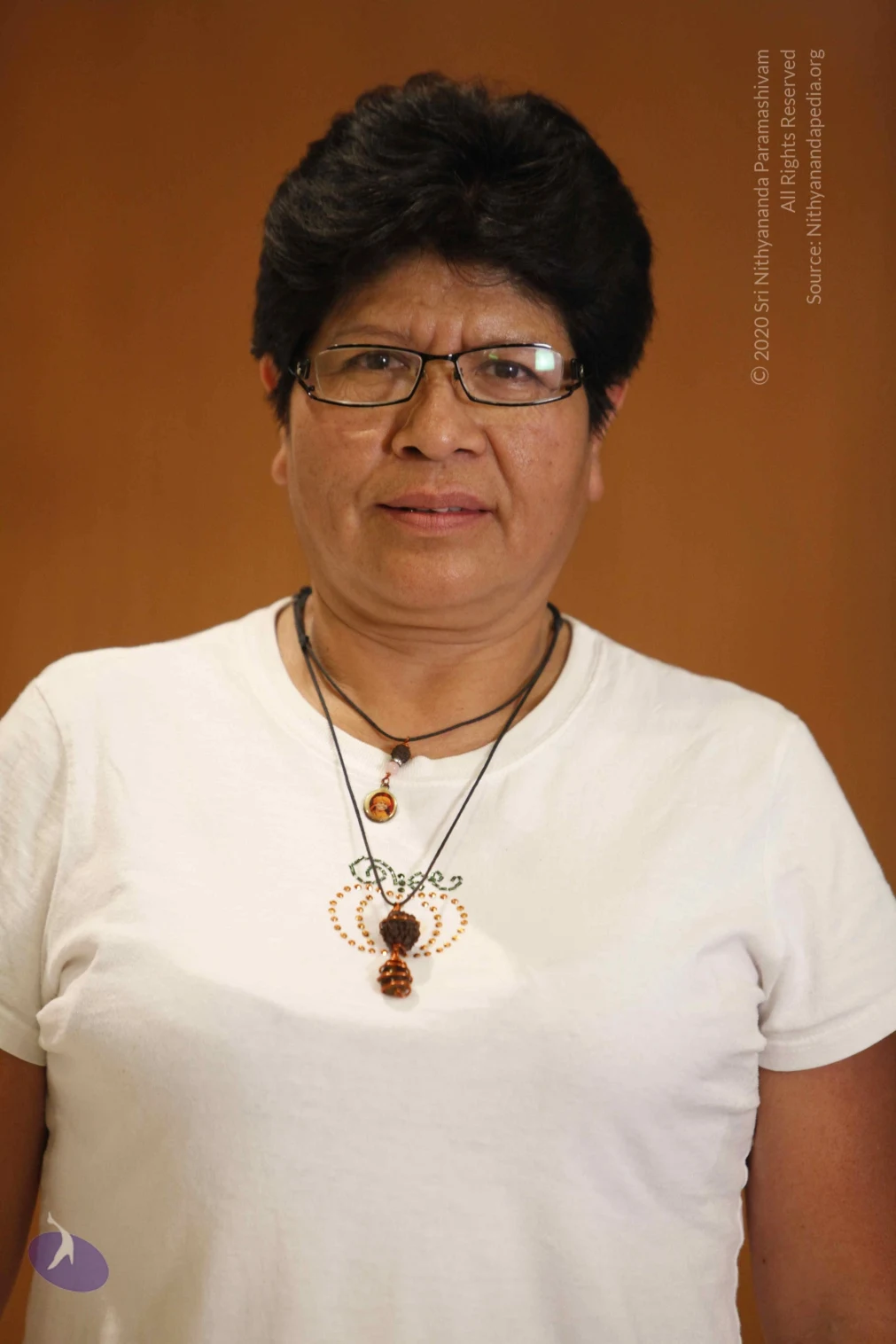
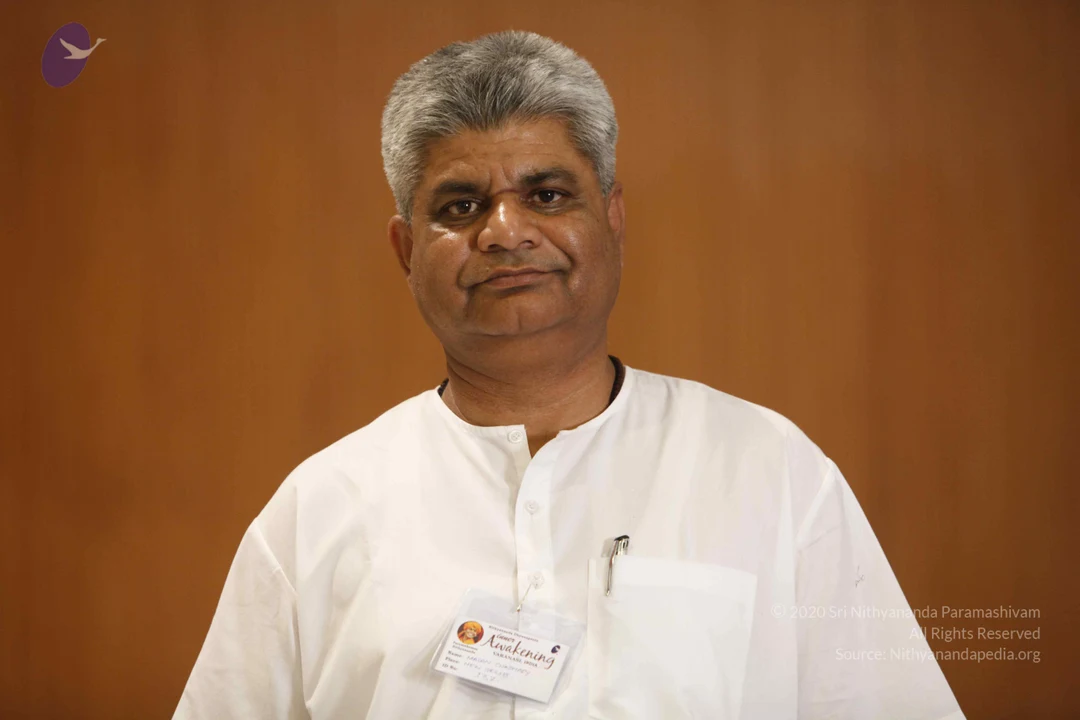
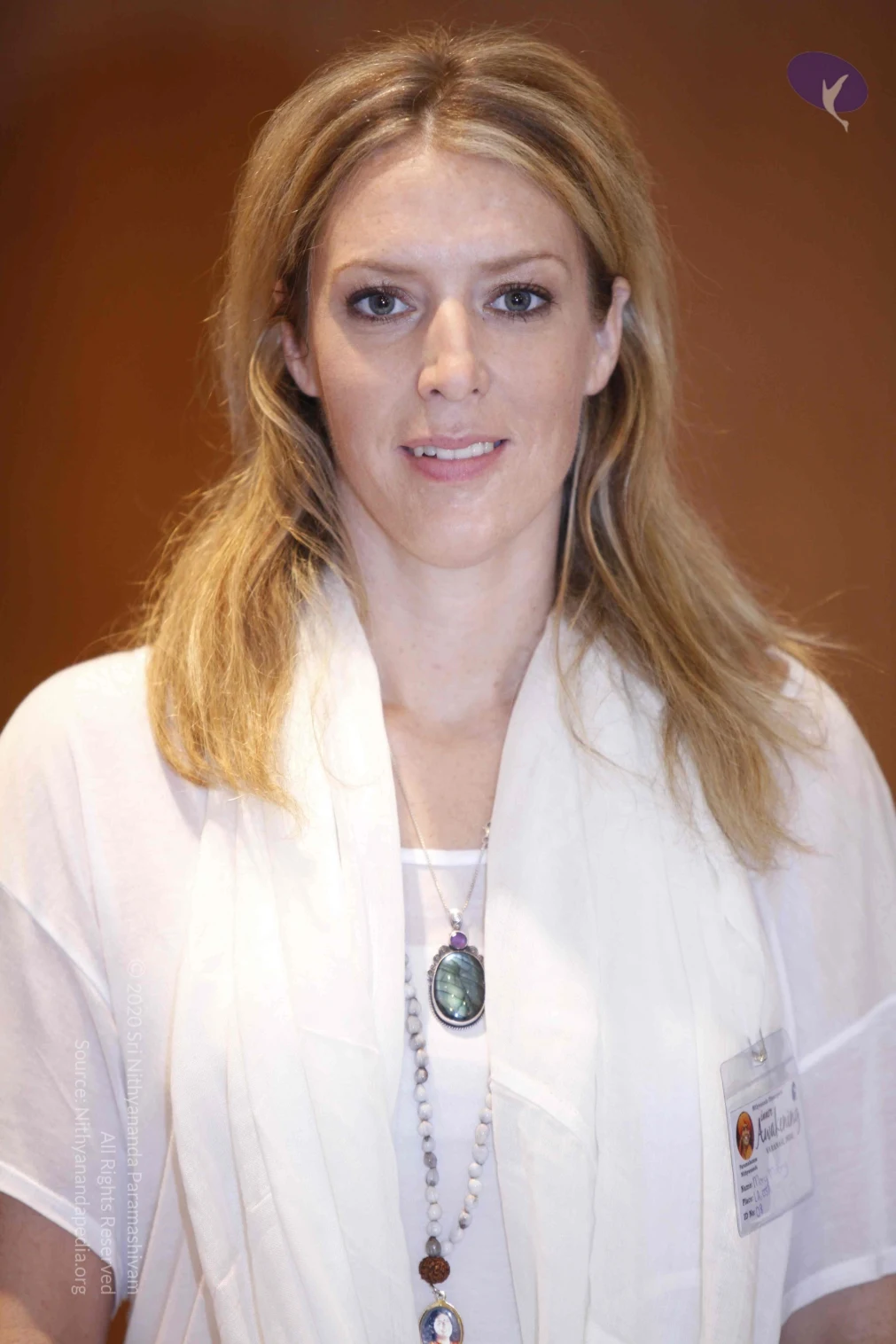
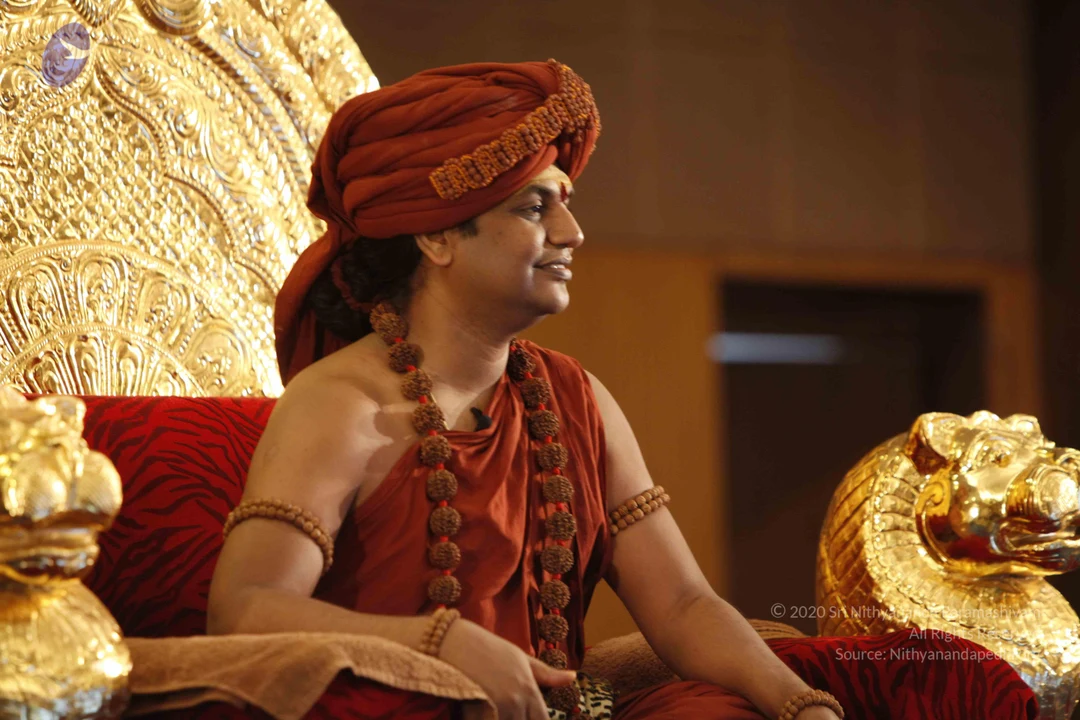
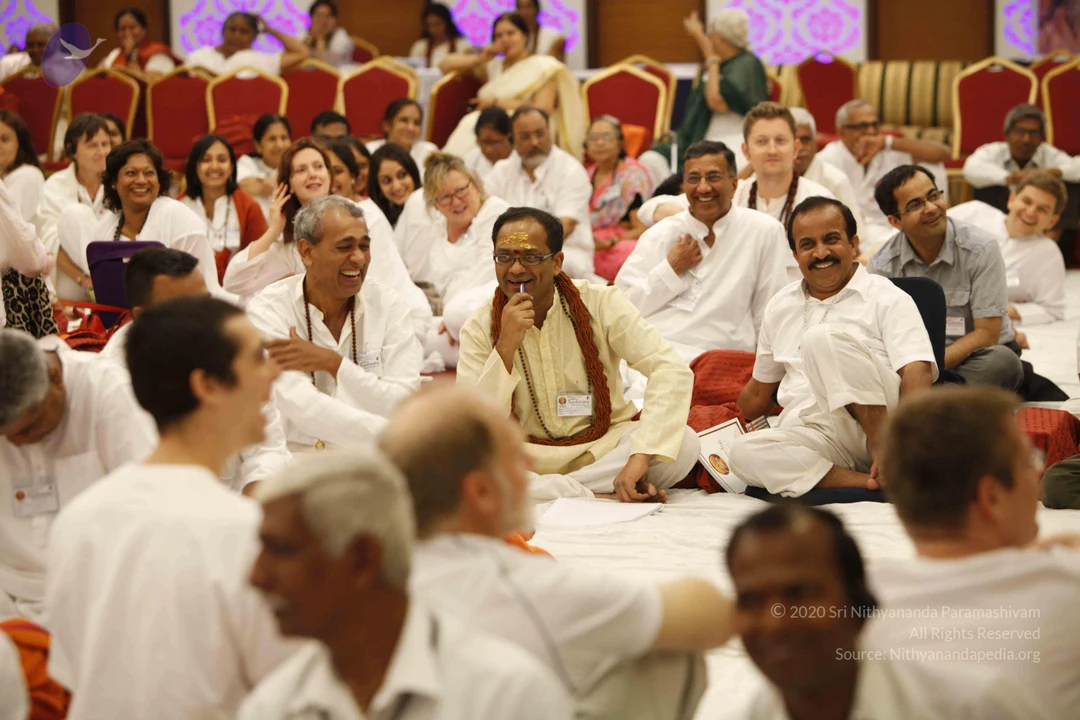
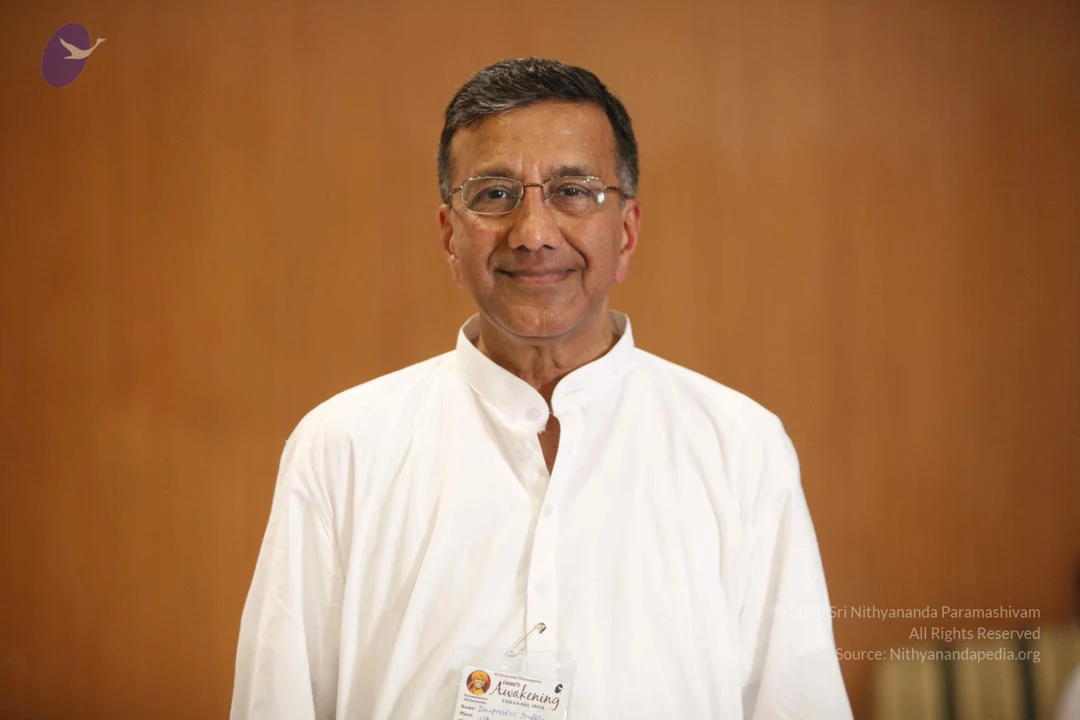
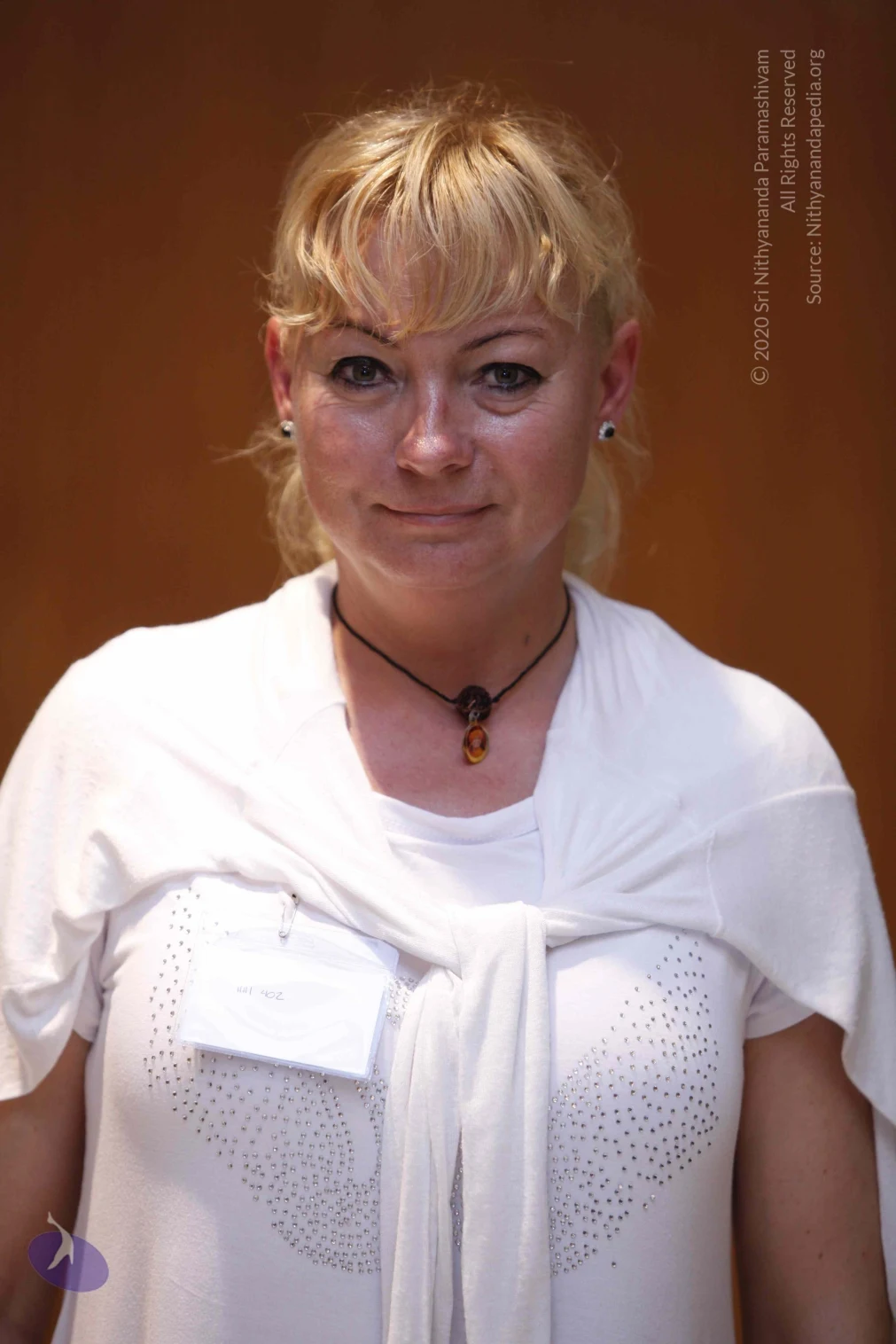
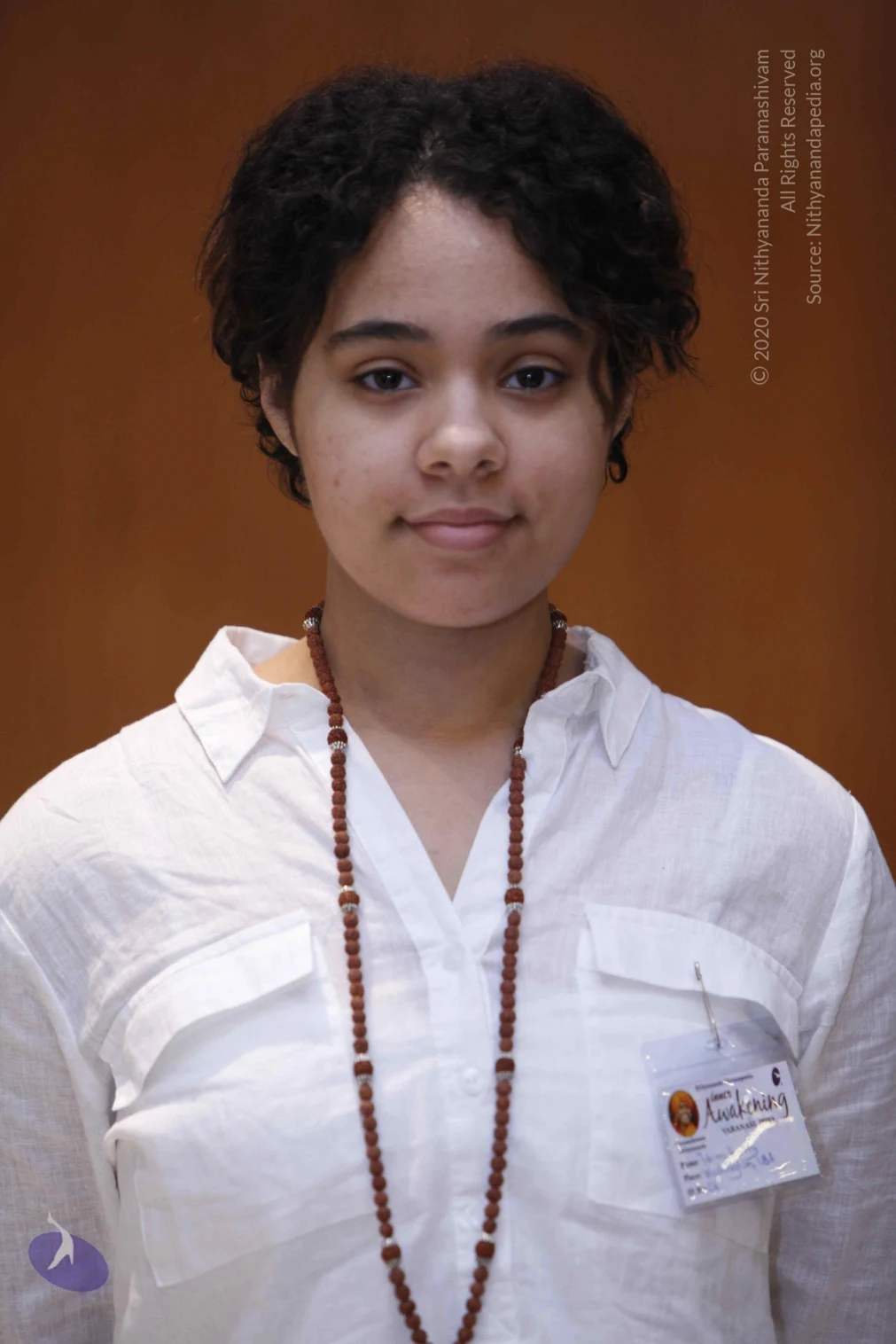
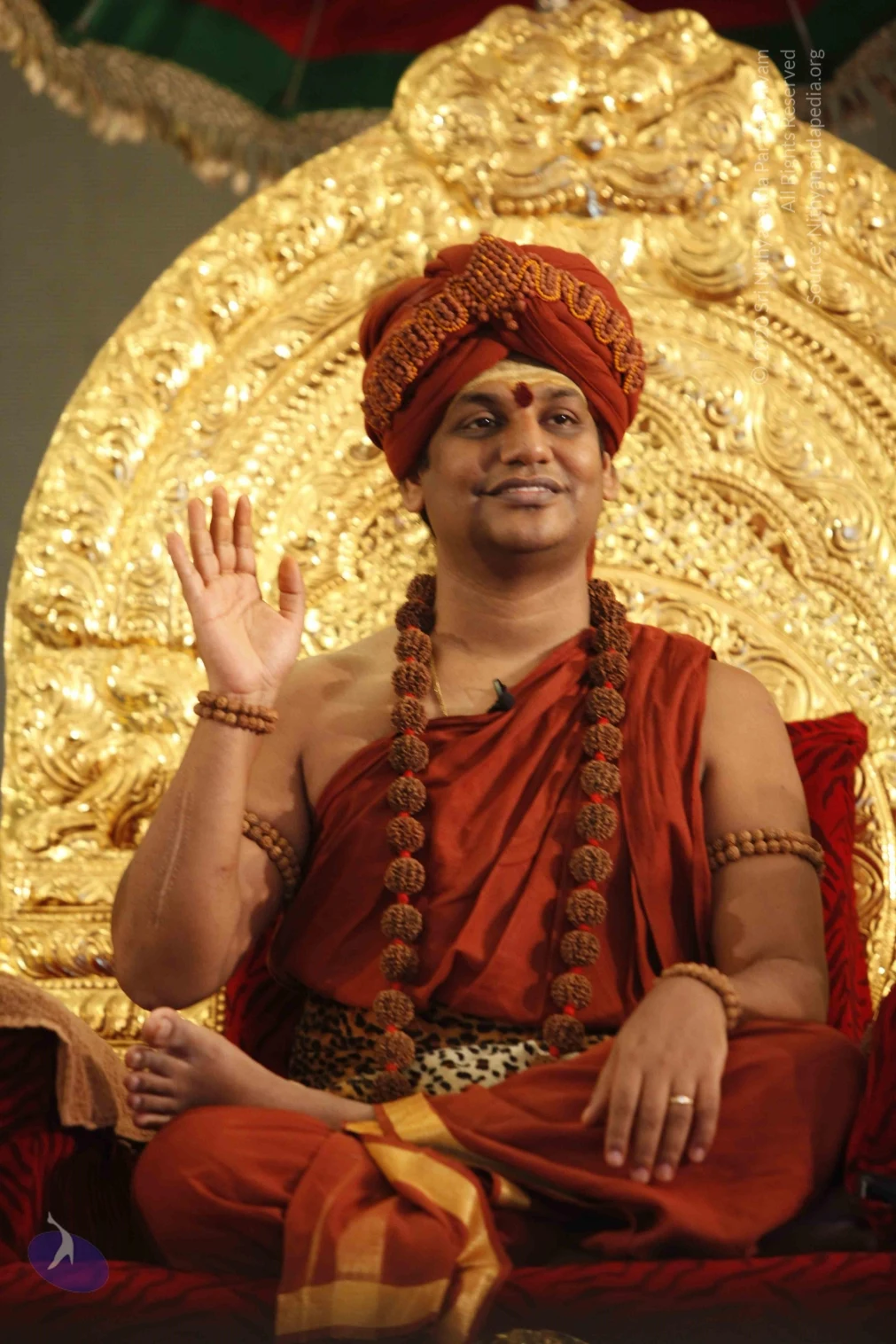
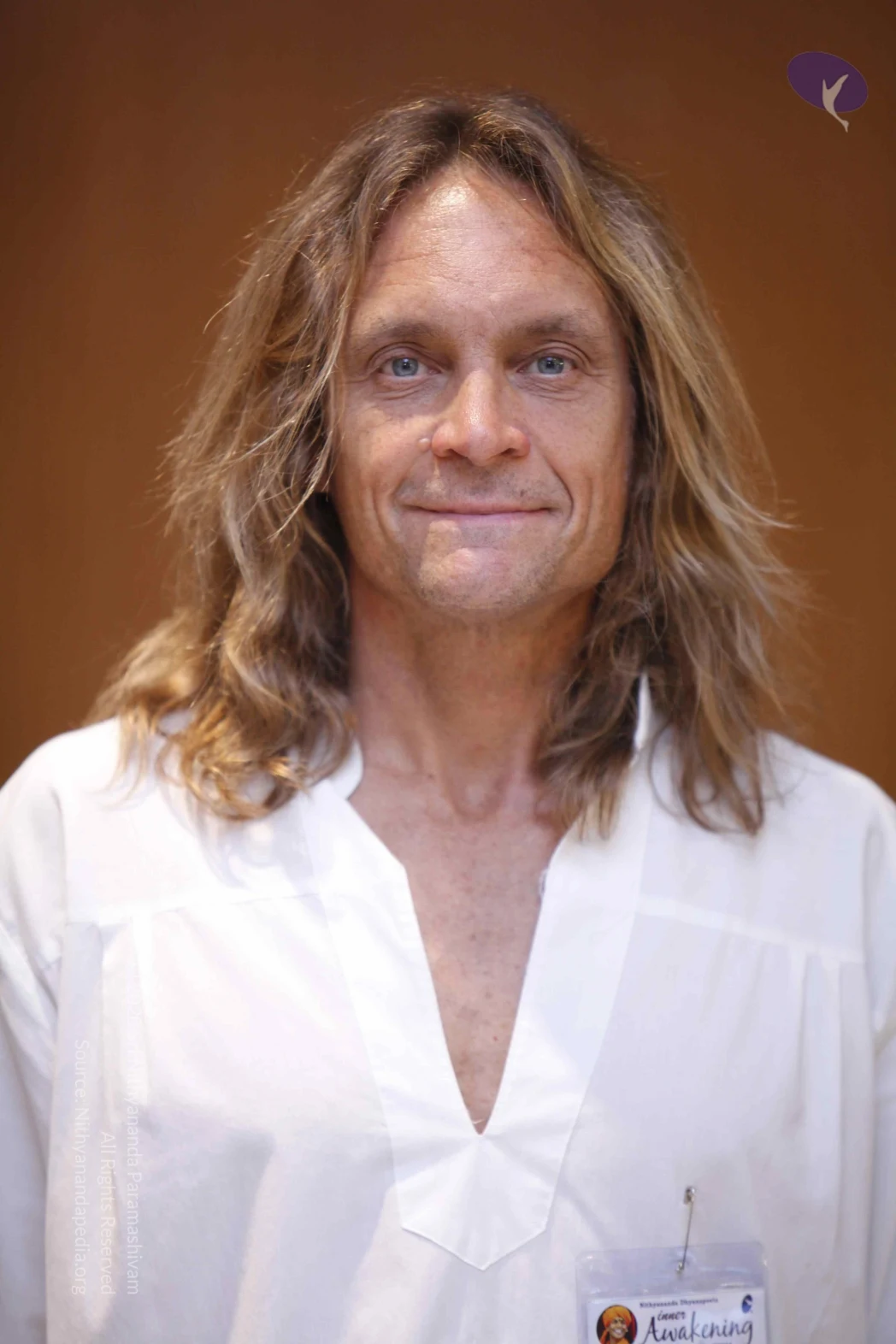
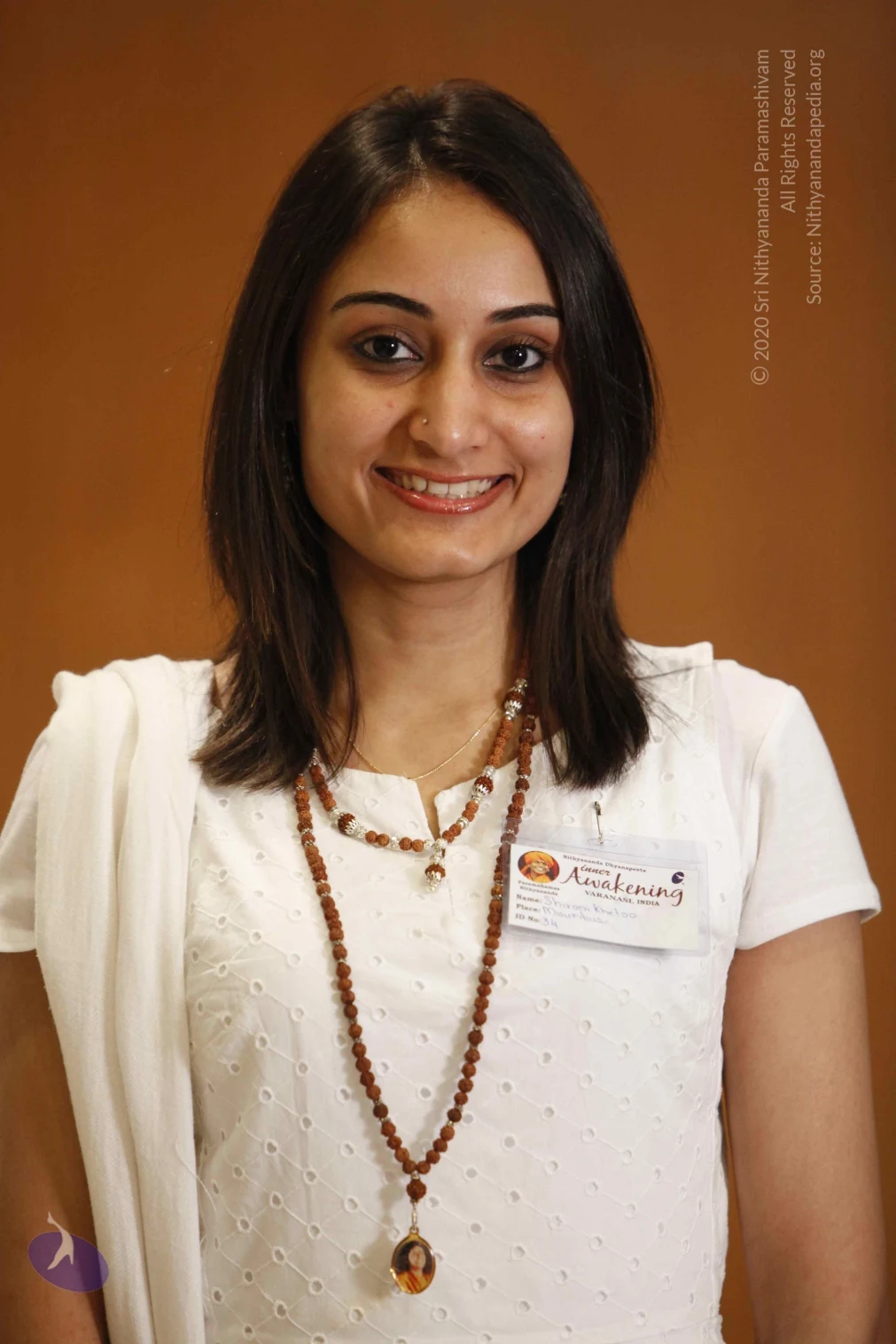
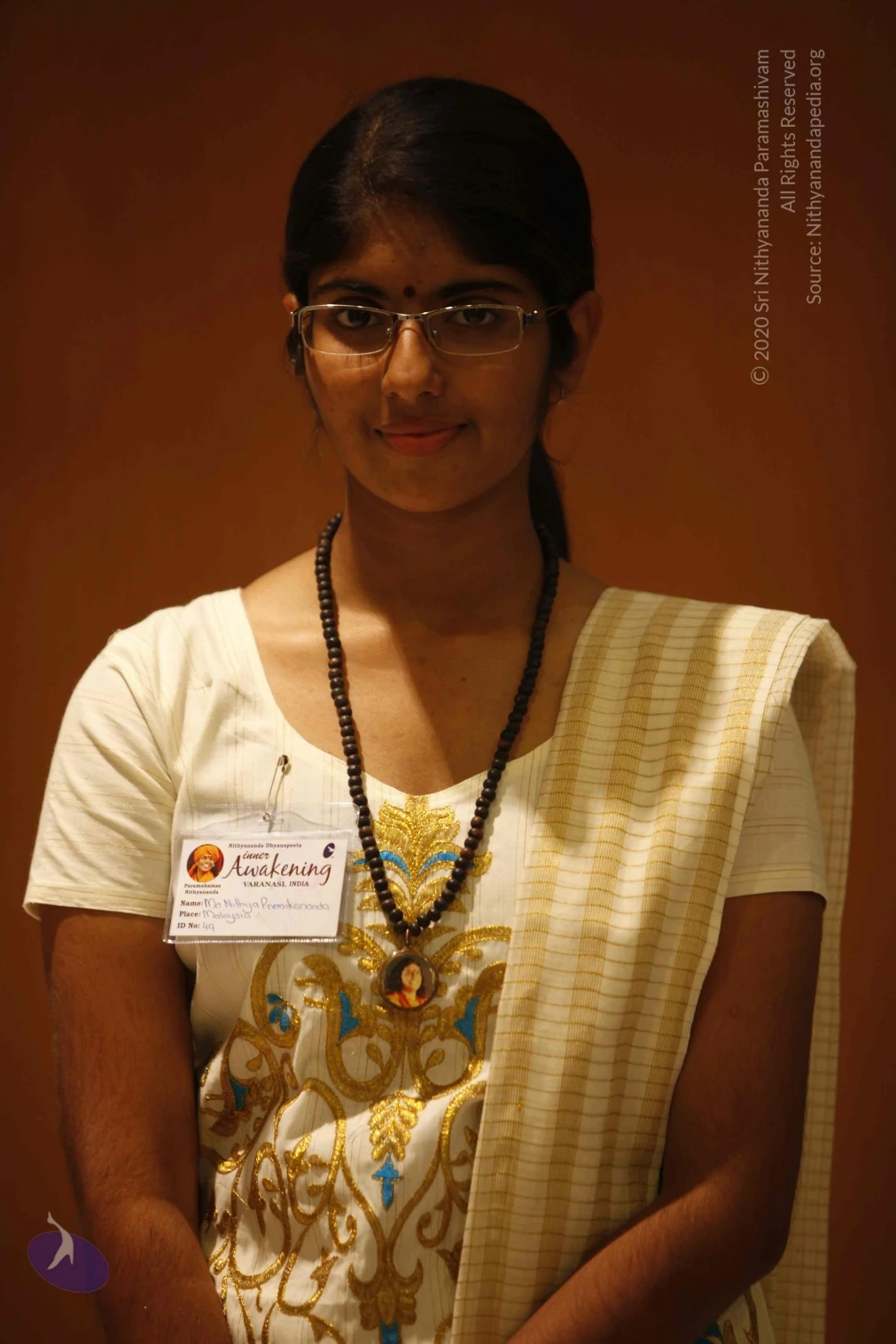
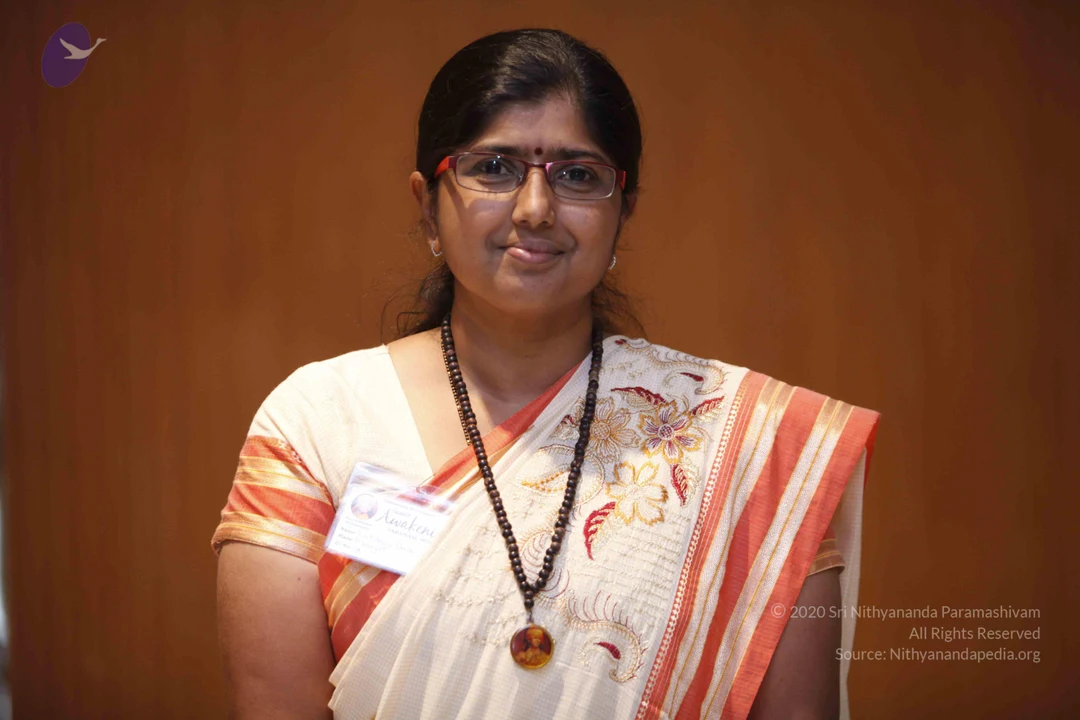
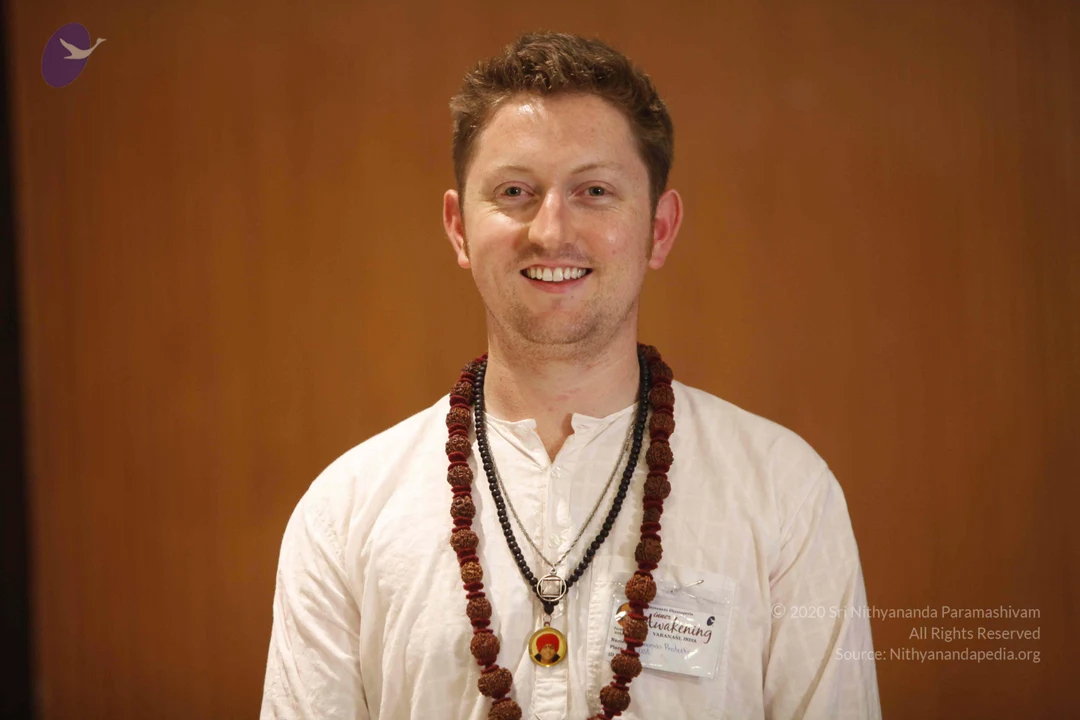
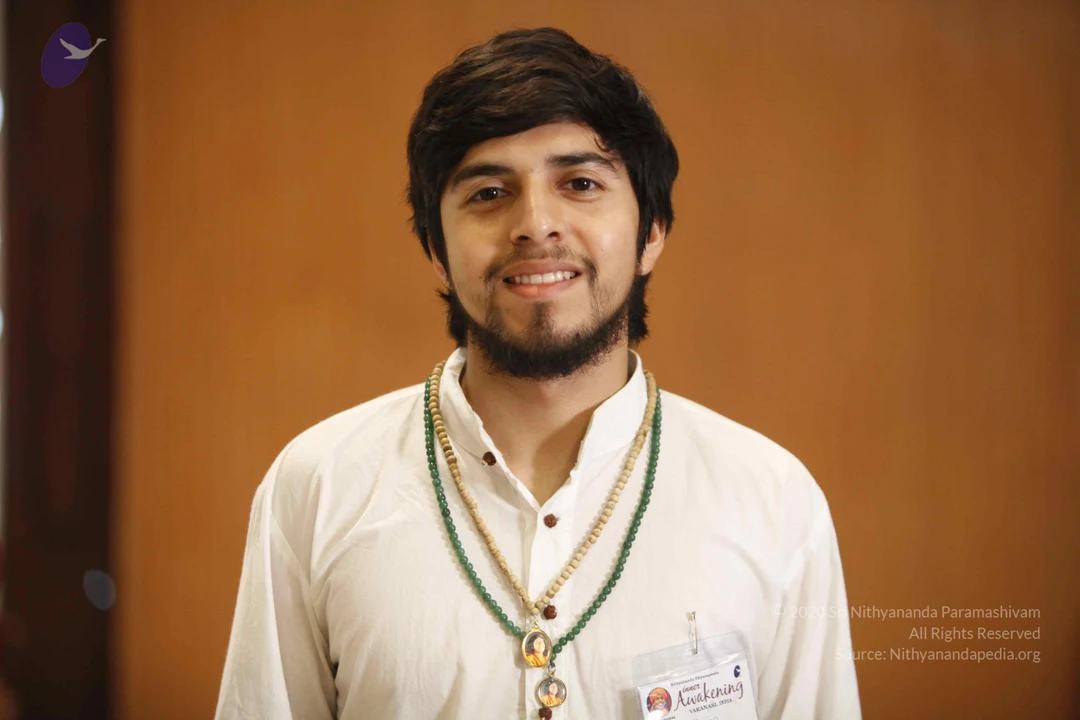
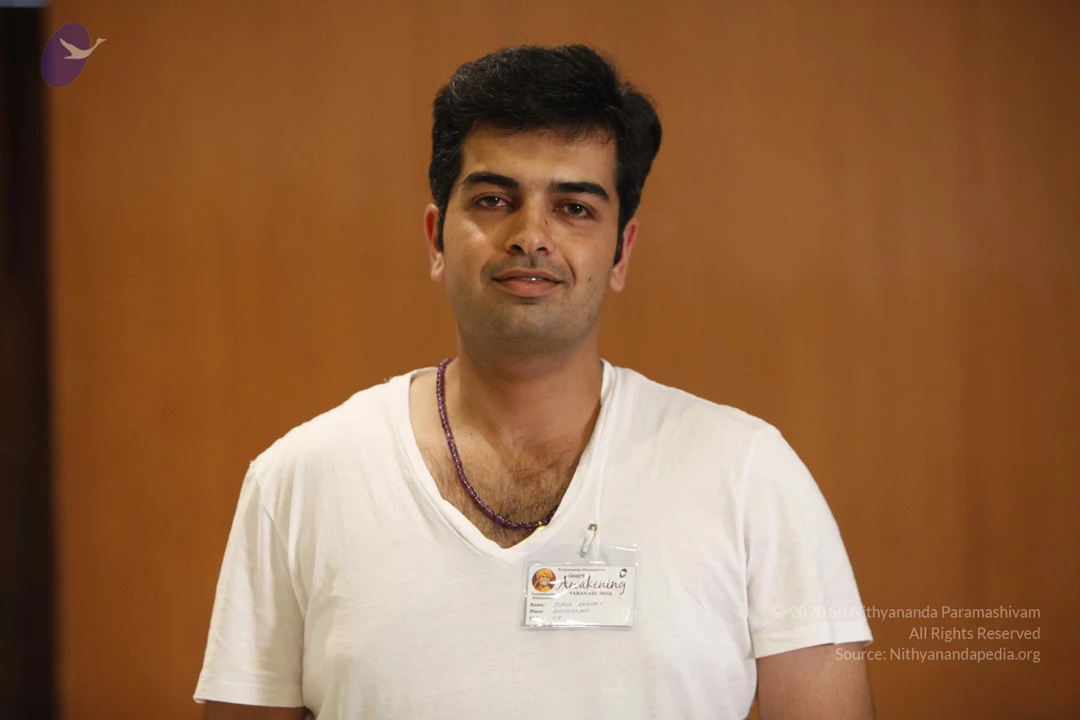
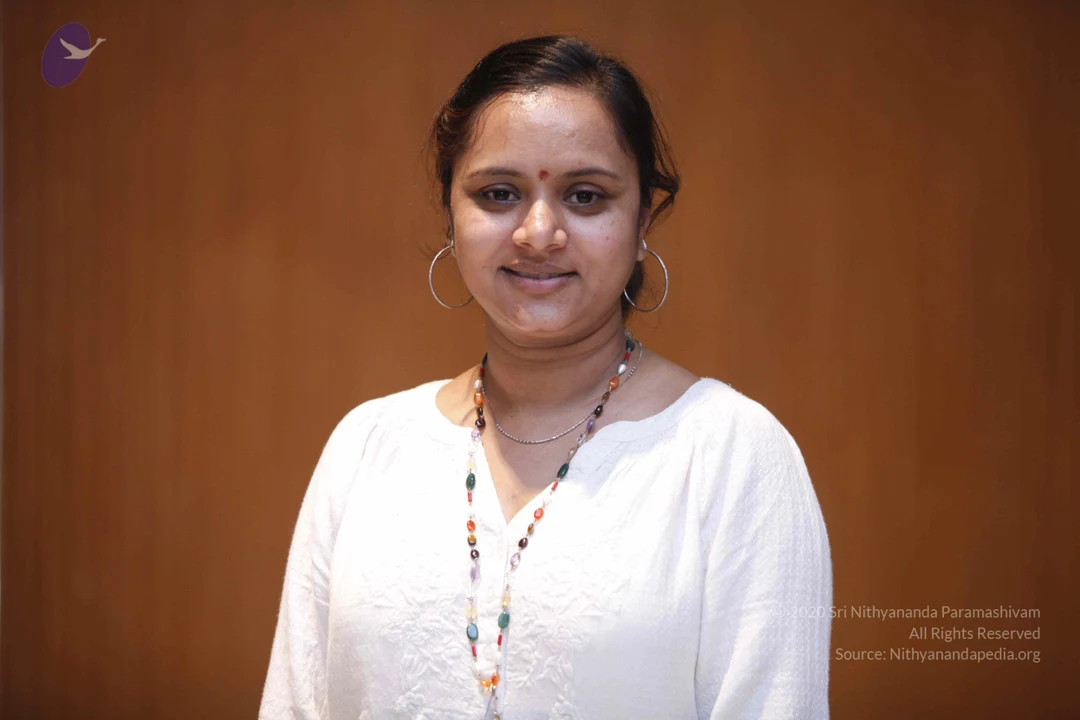
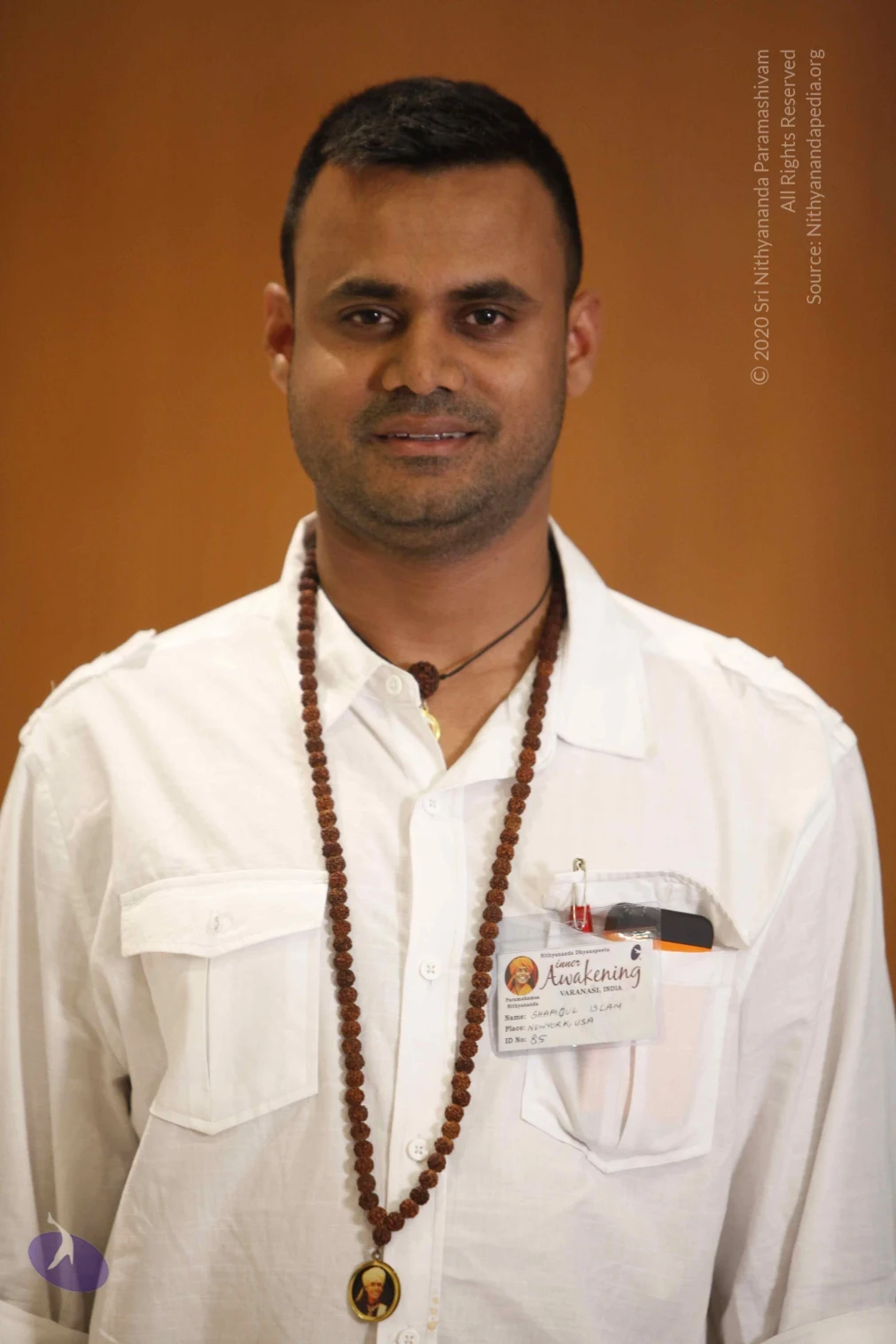
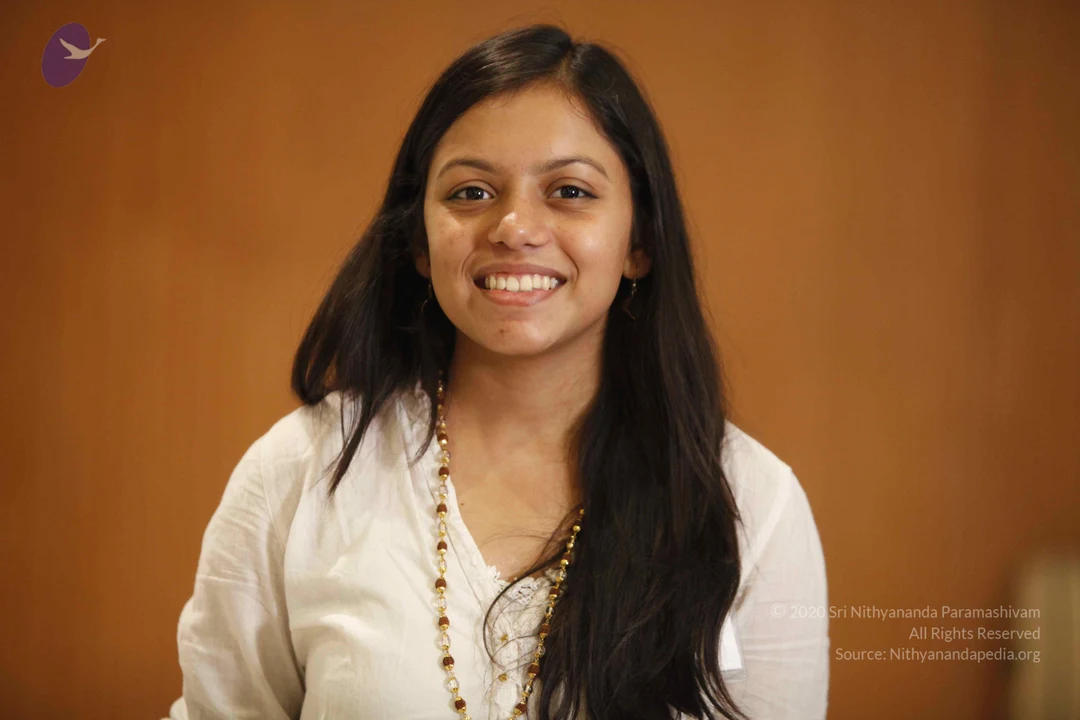
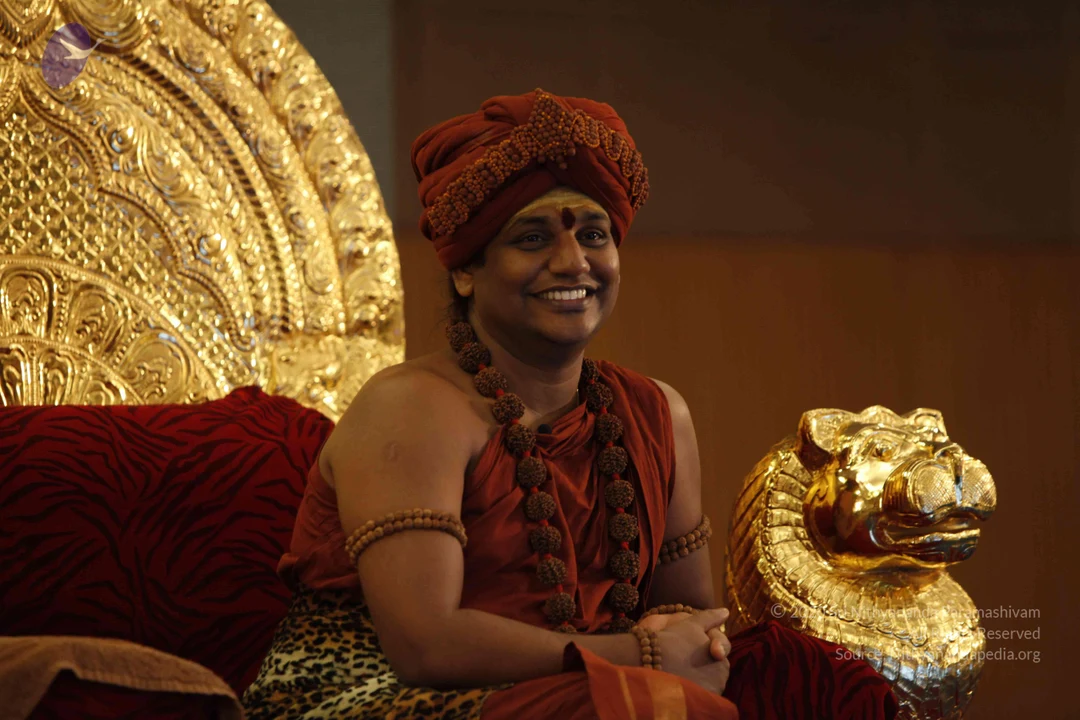
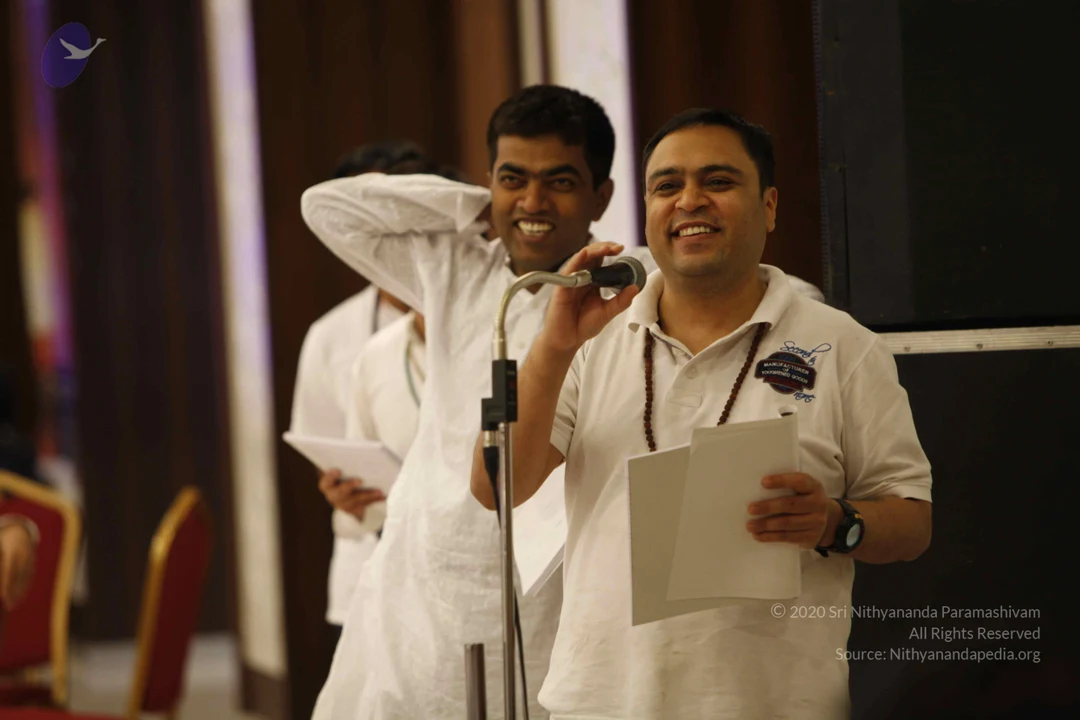
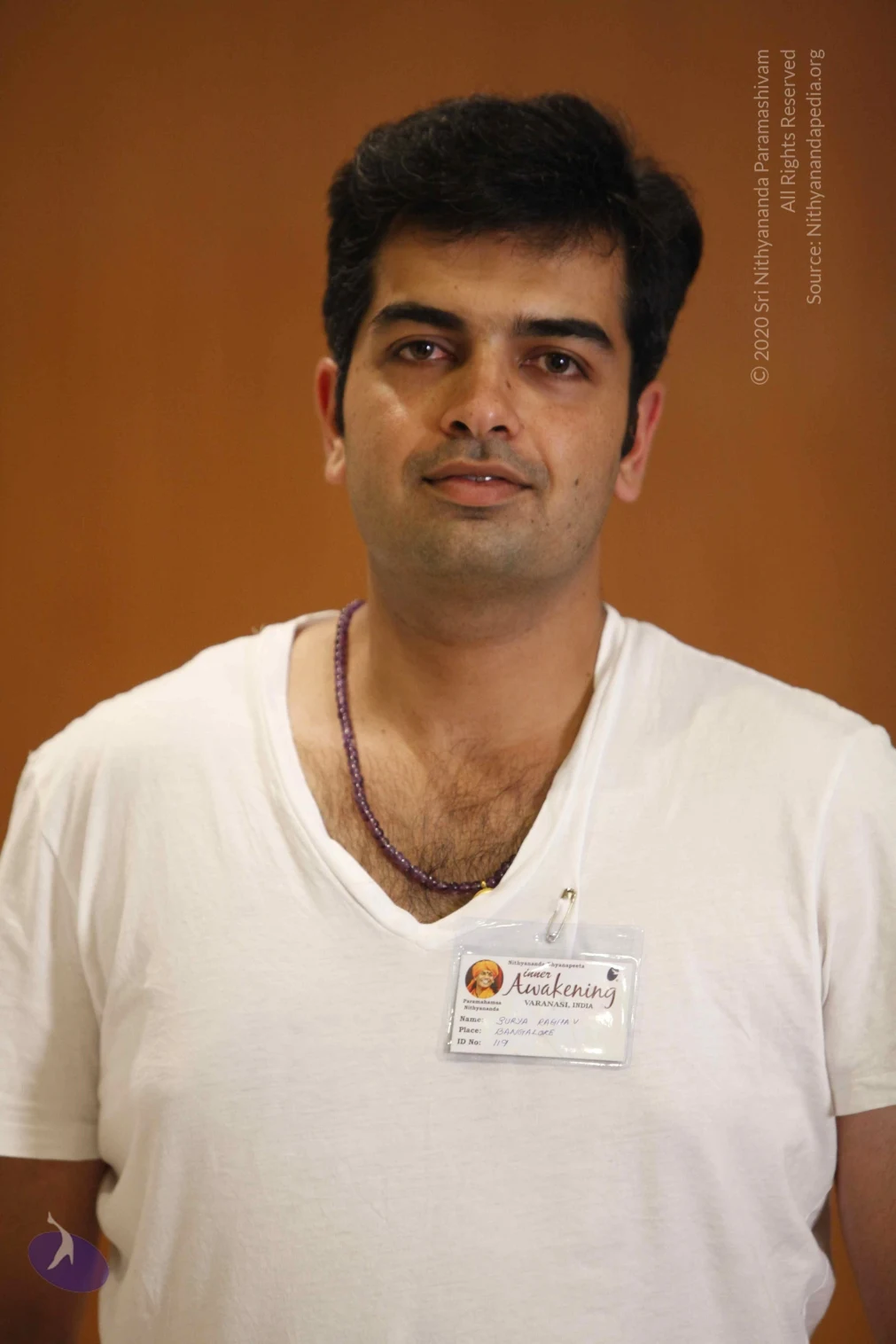
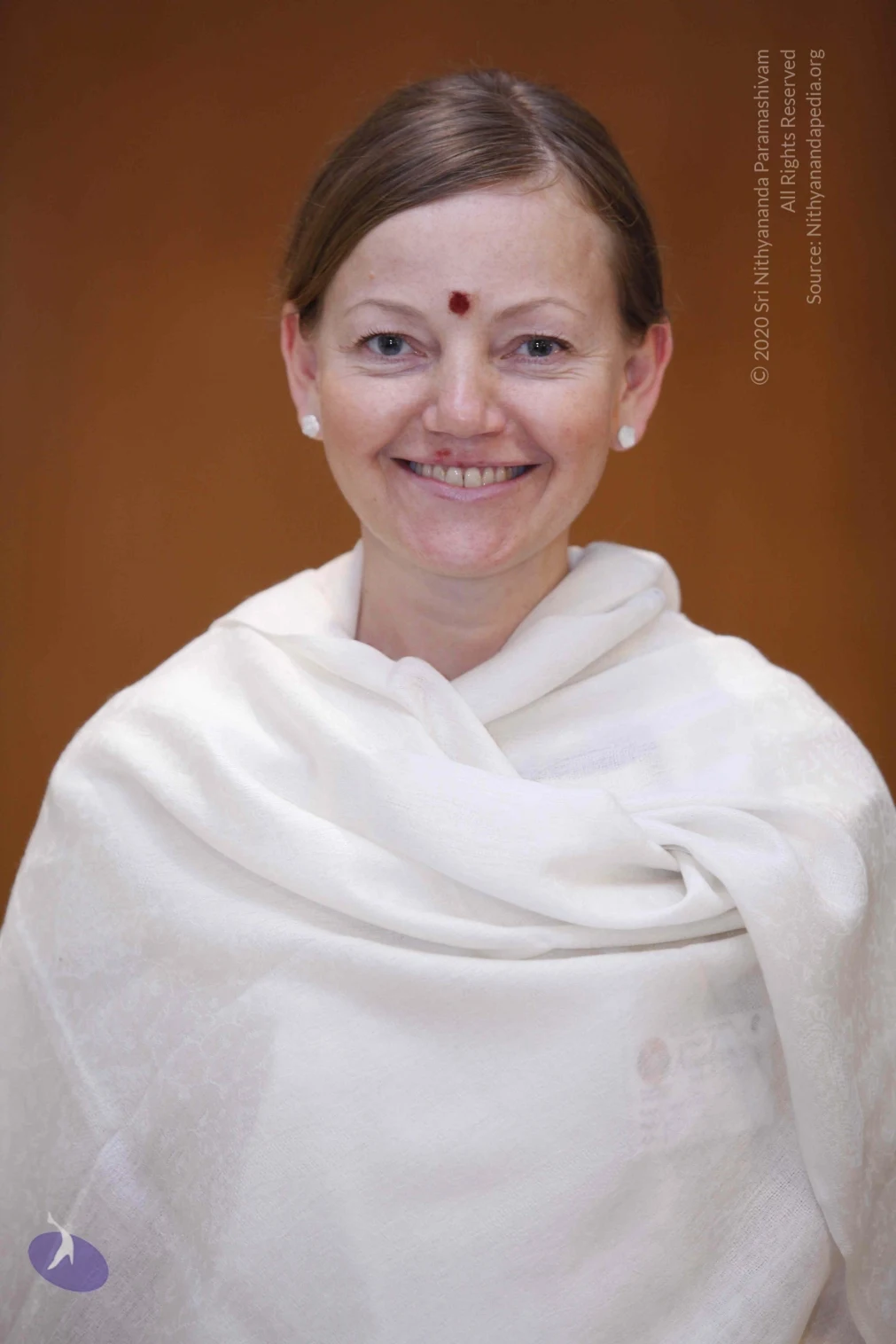

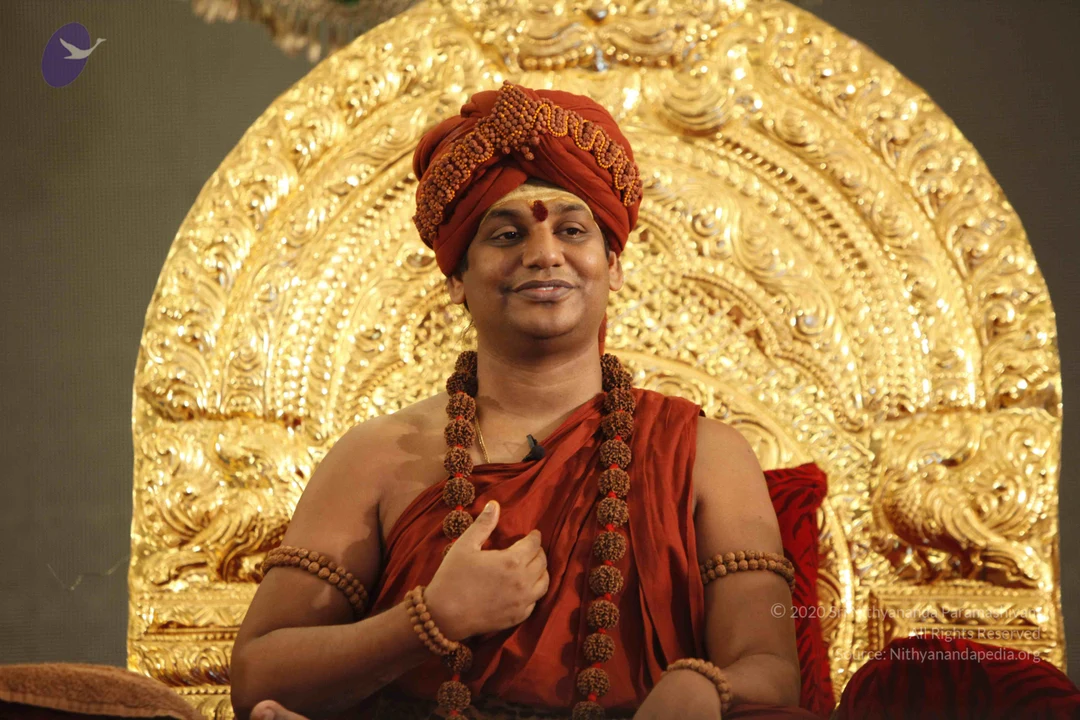
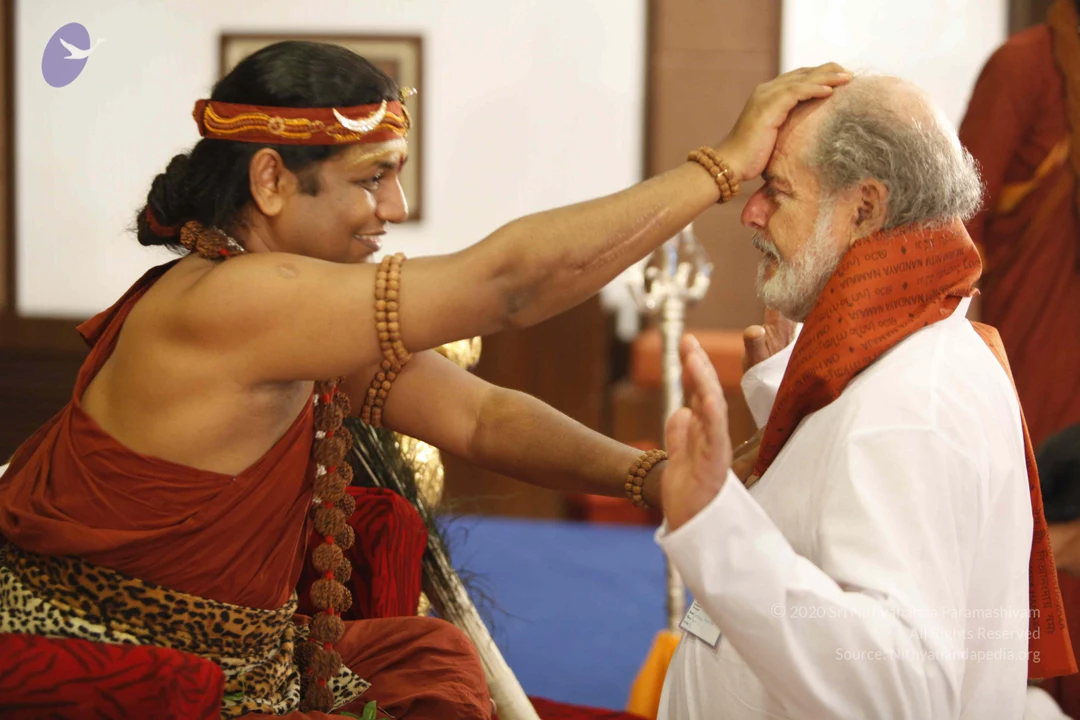
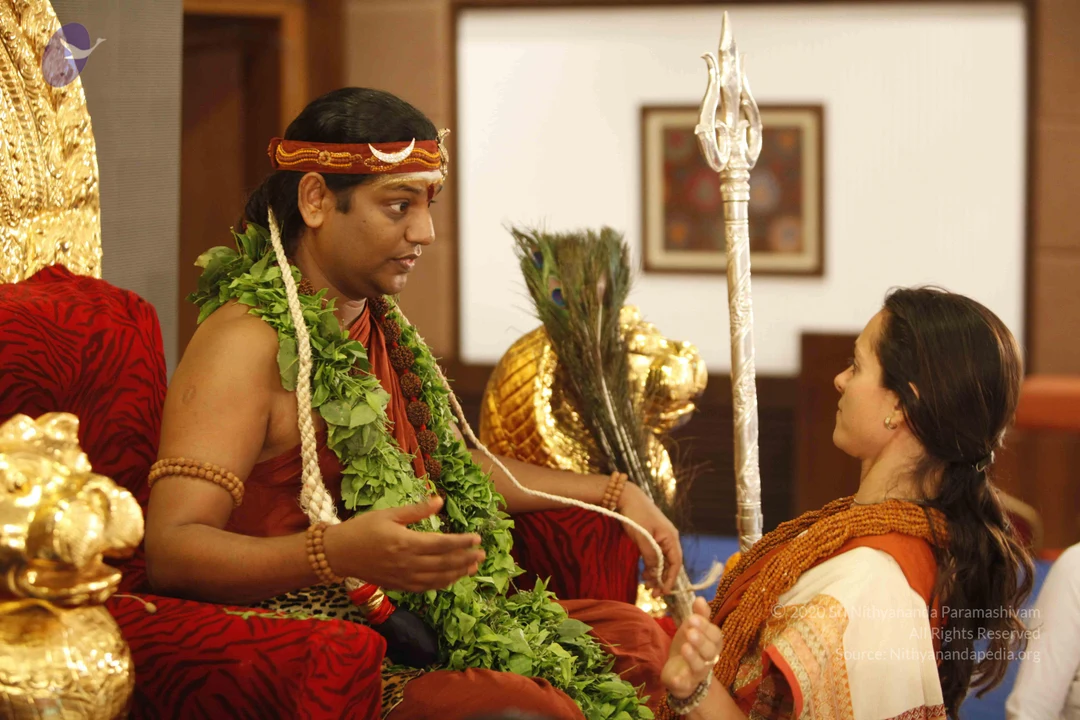
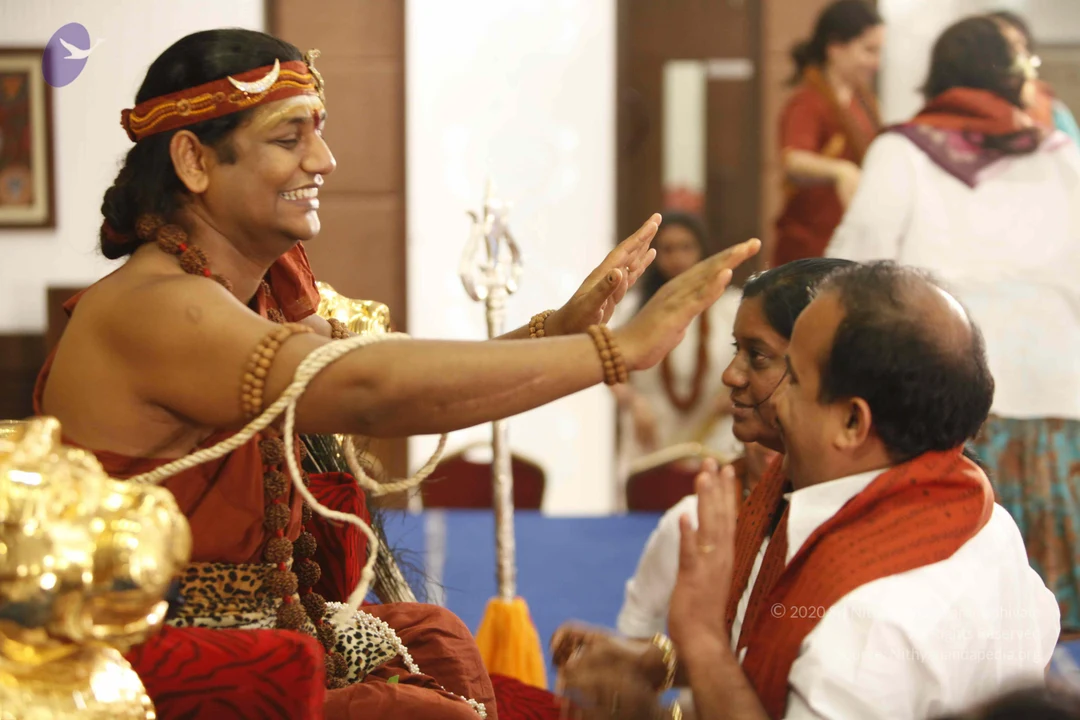
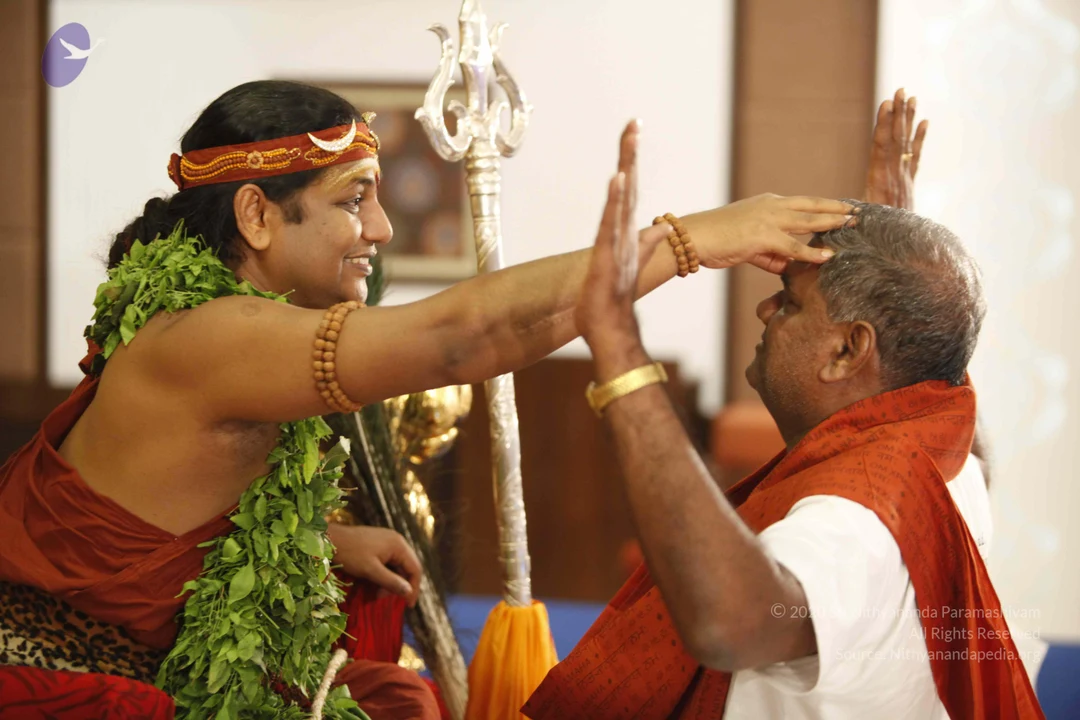
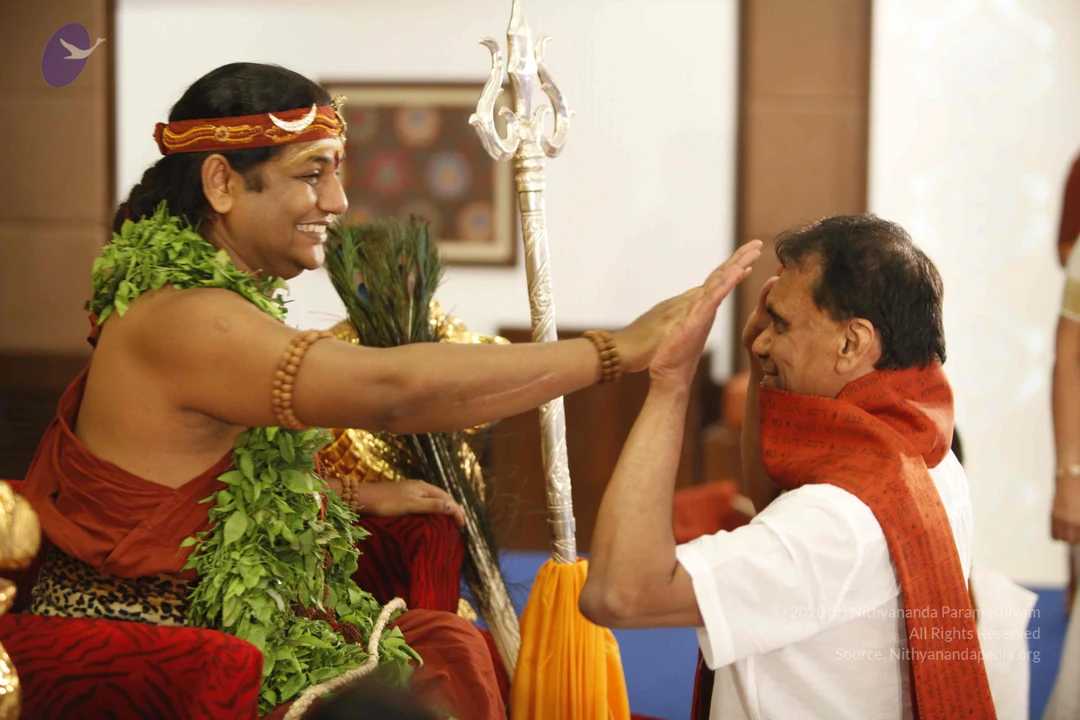
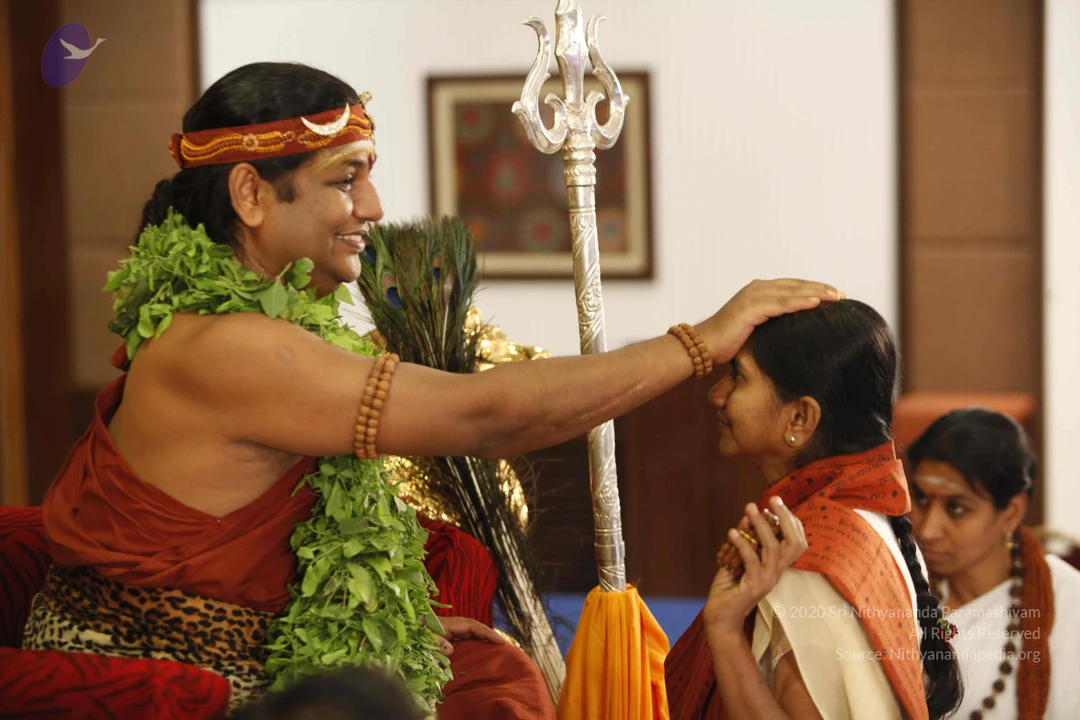
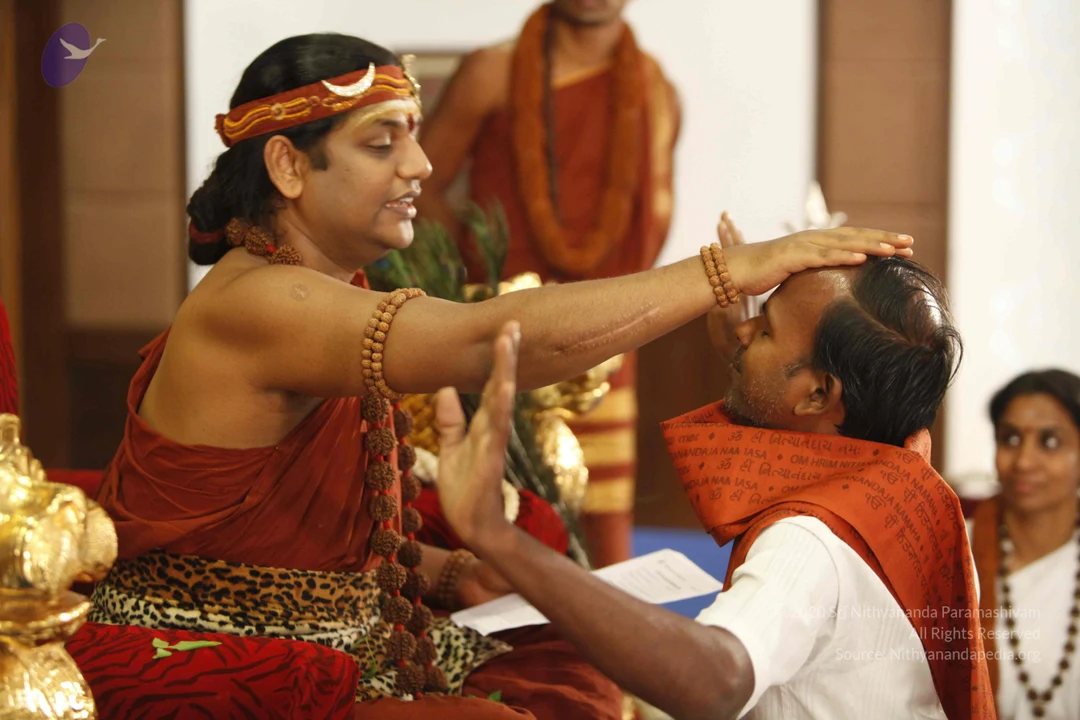
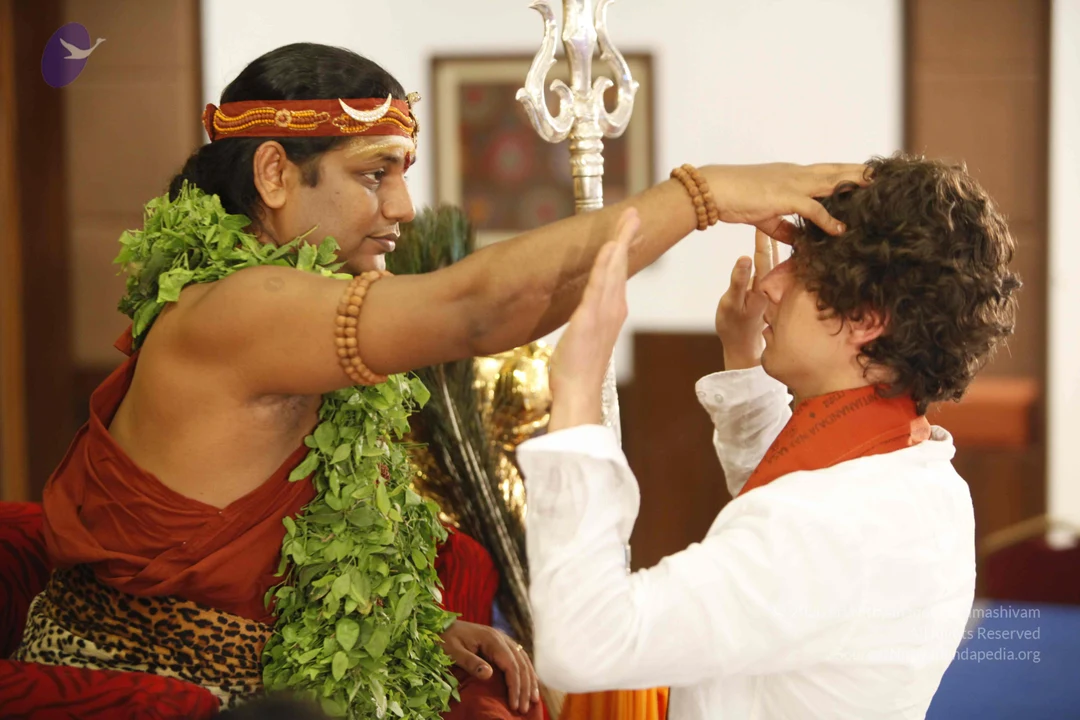
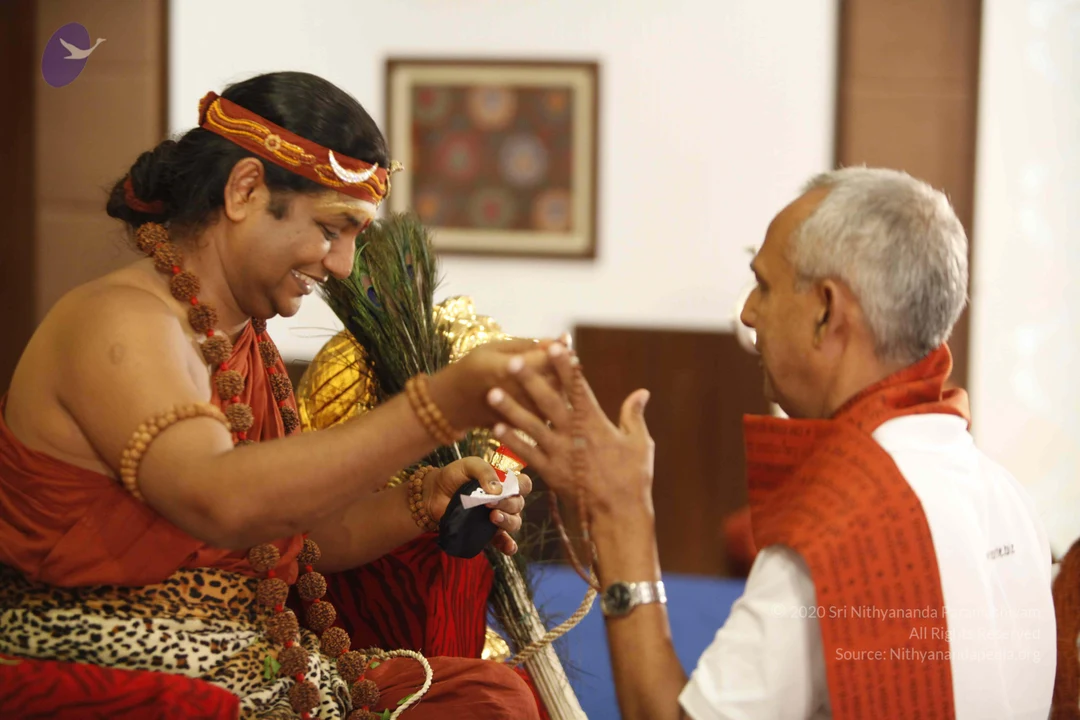
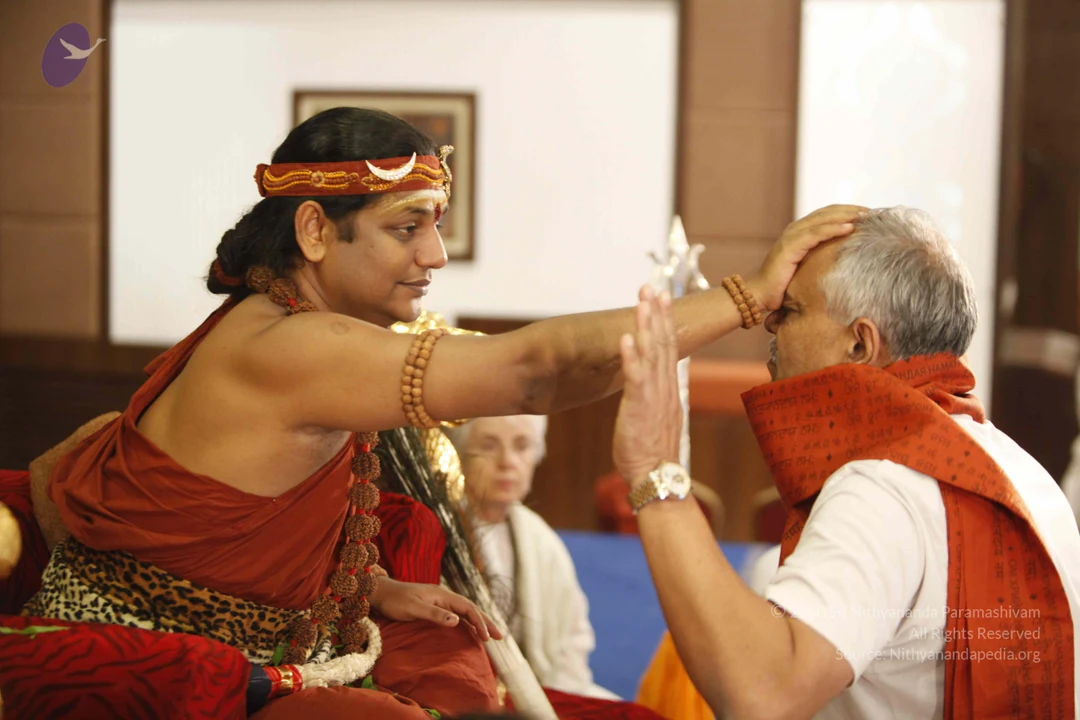
05--Darshan
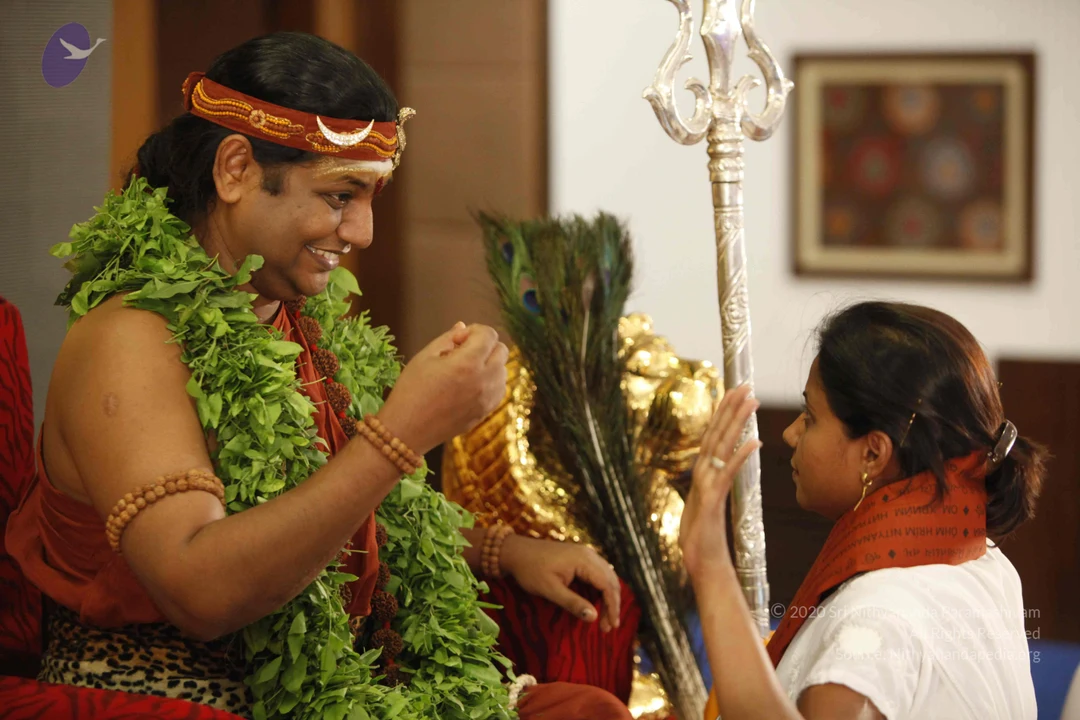
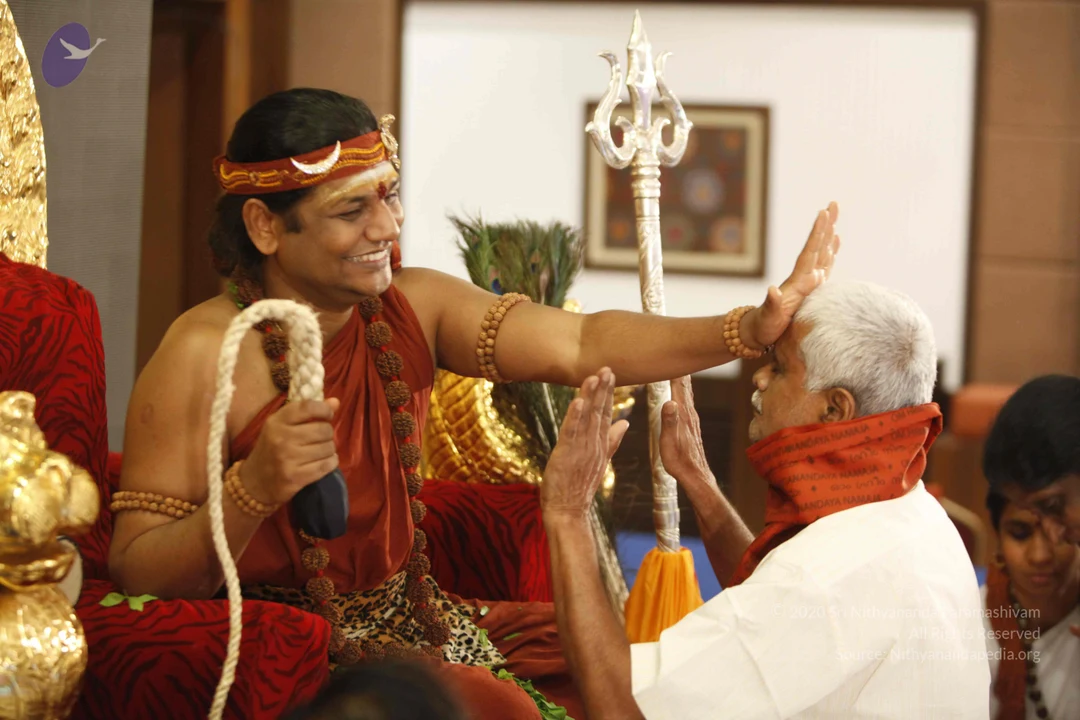
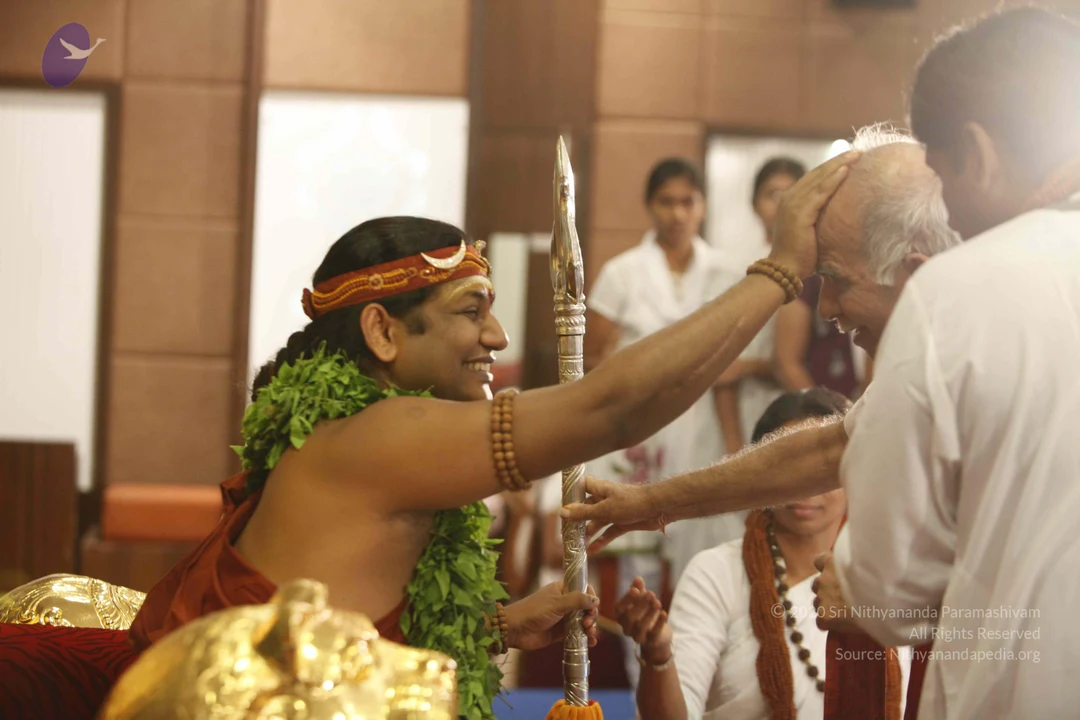
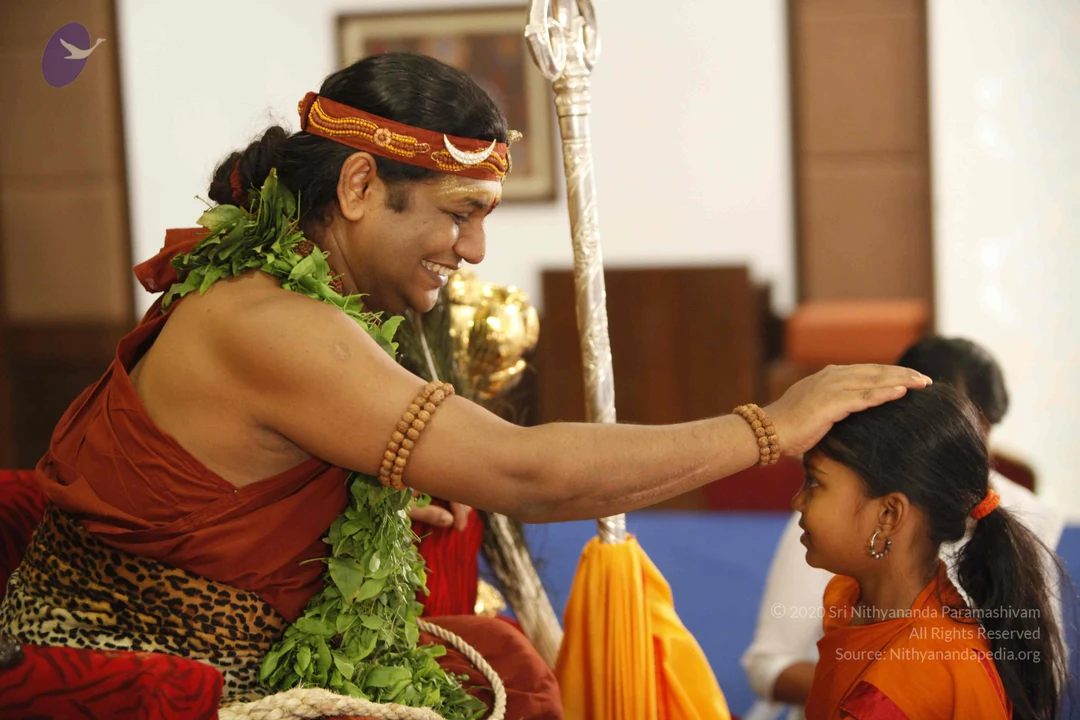
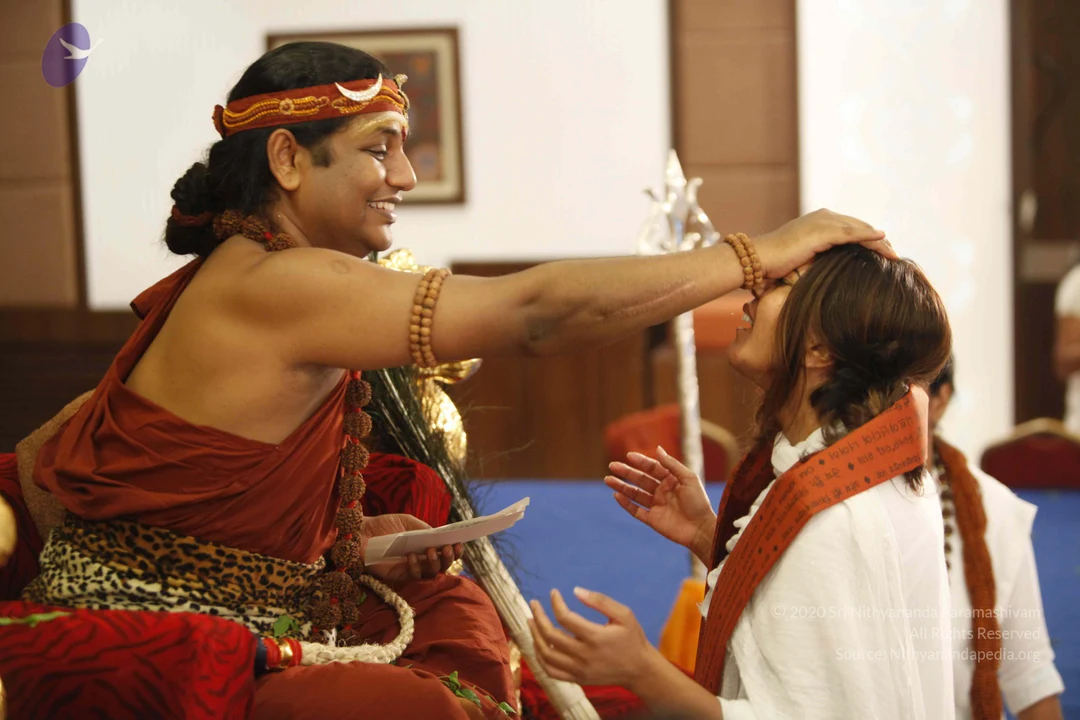
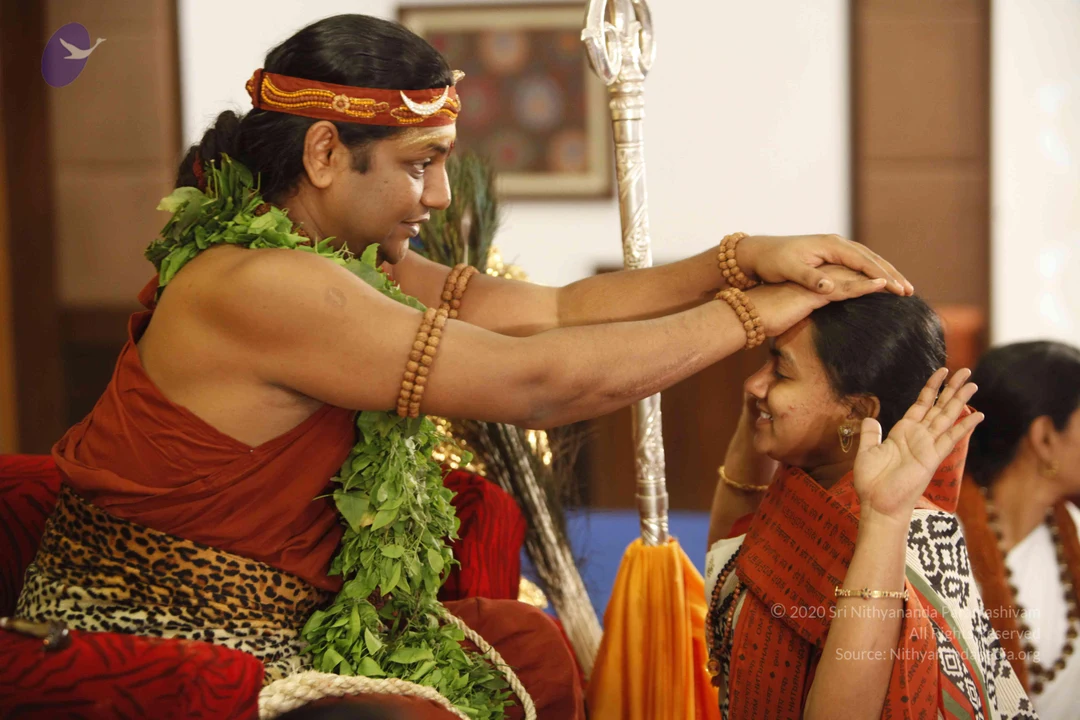
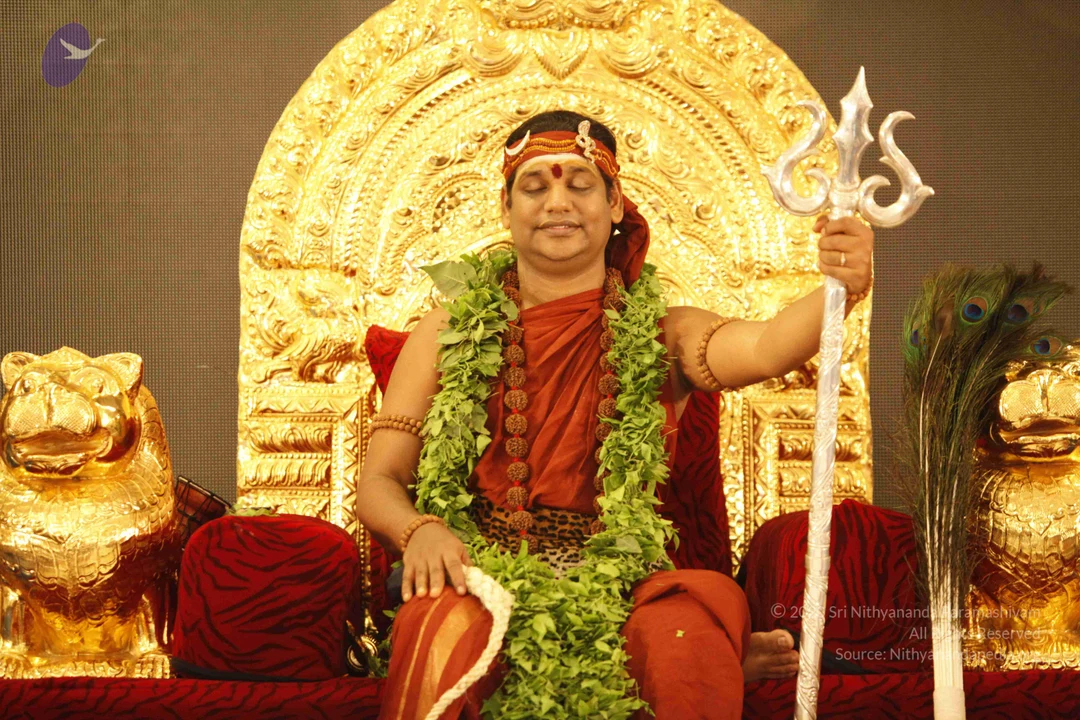
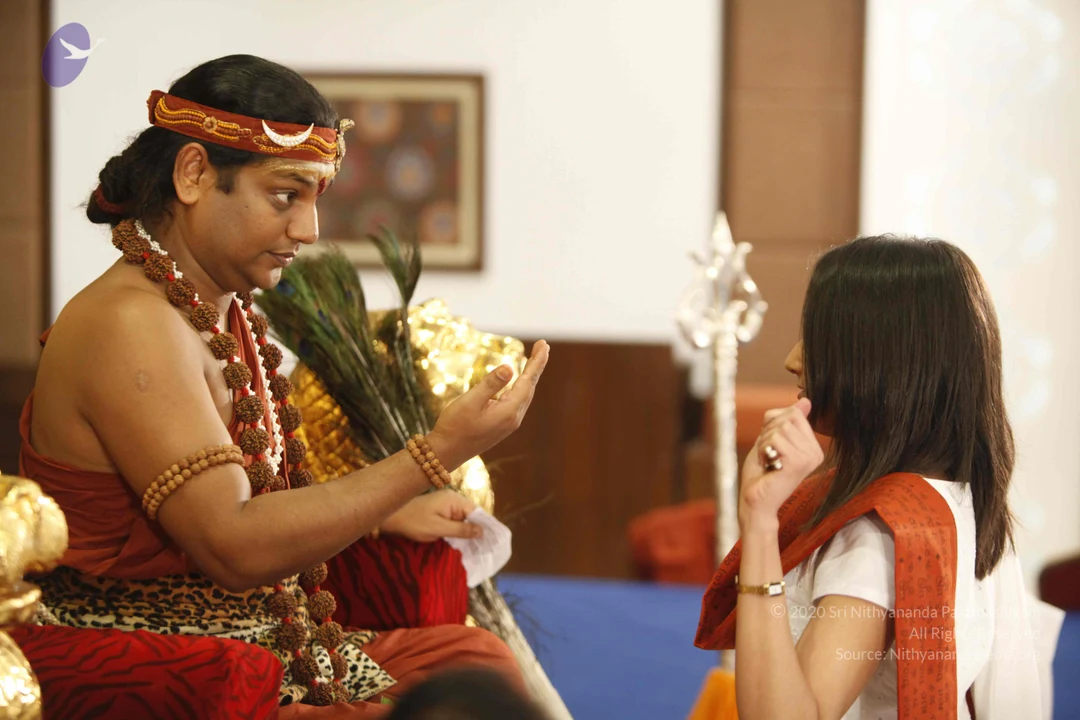
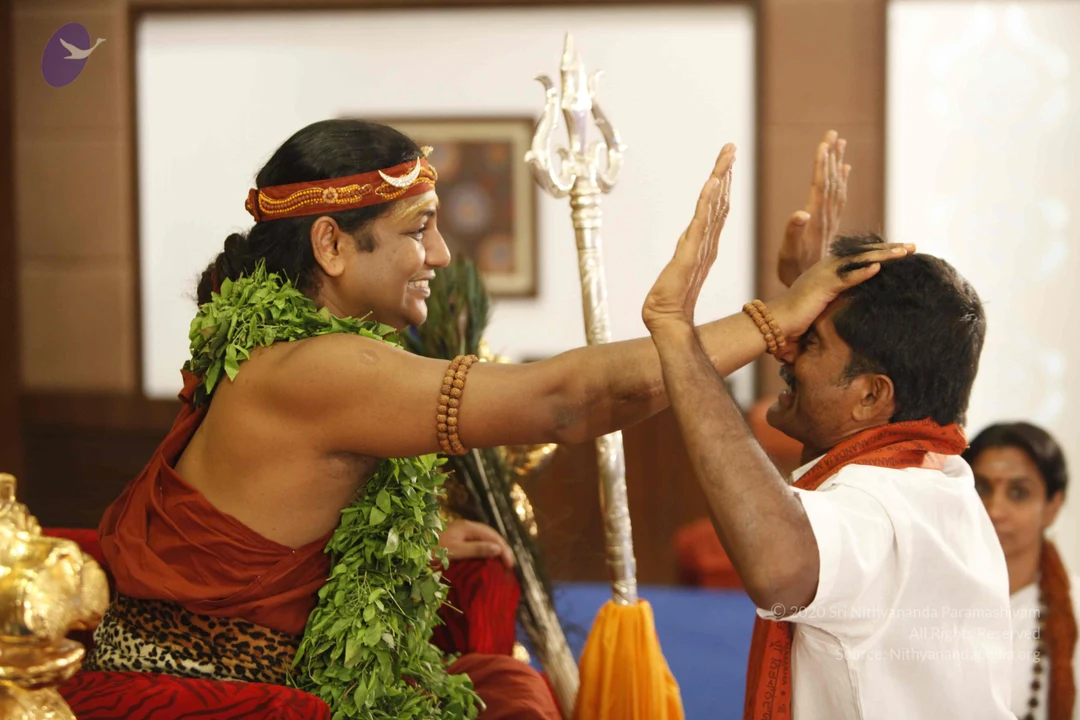
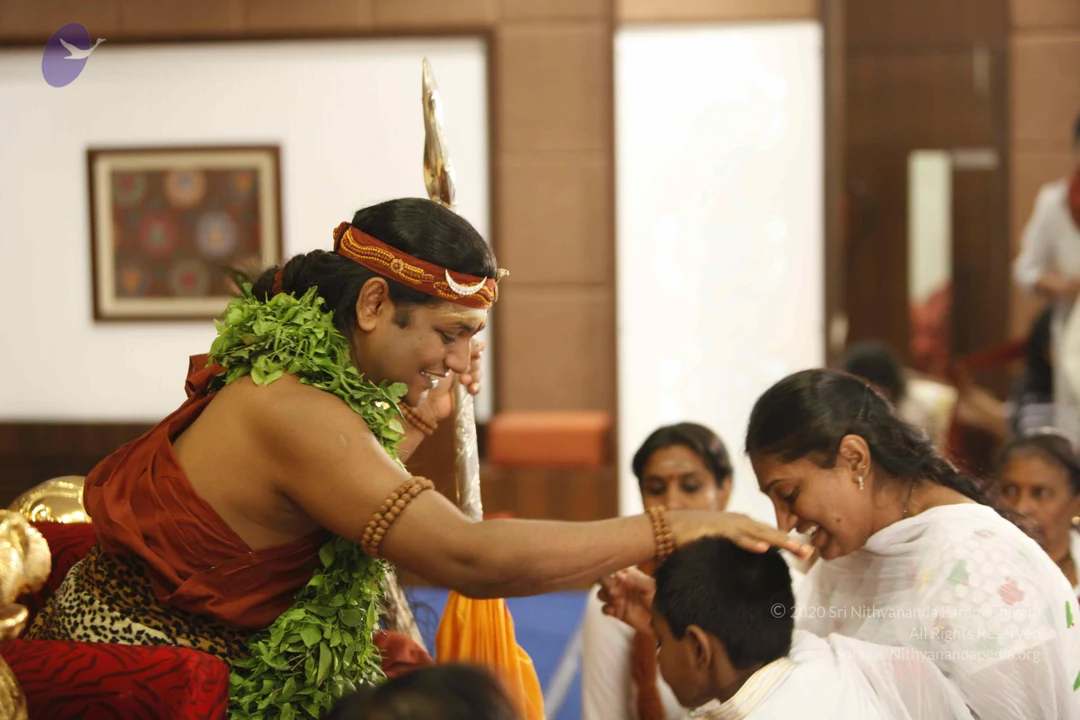
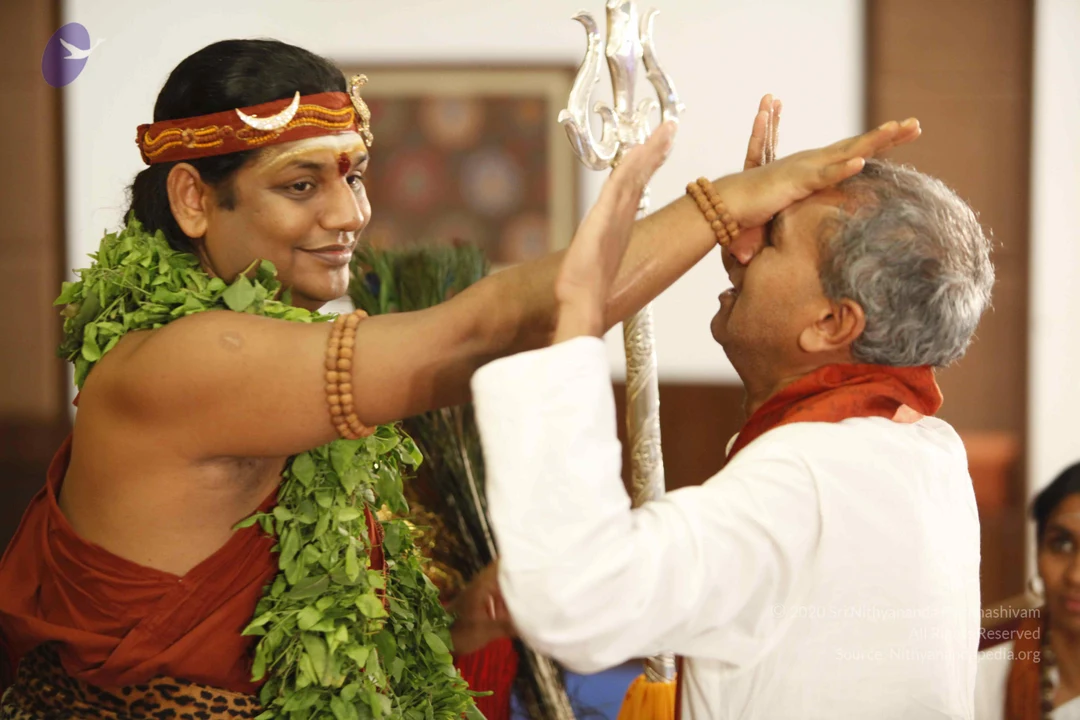
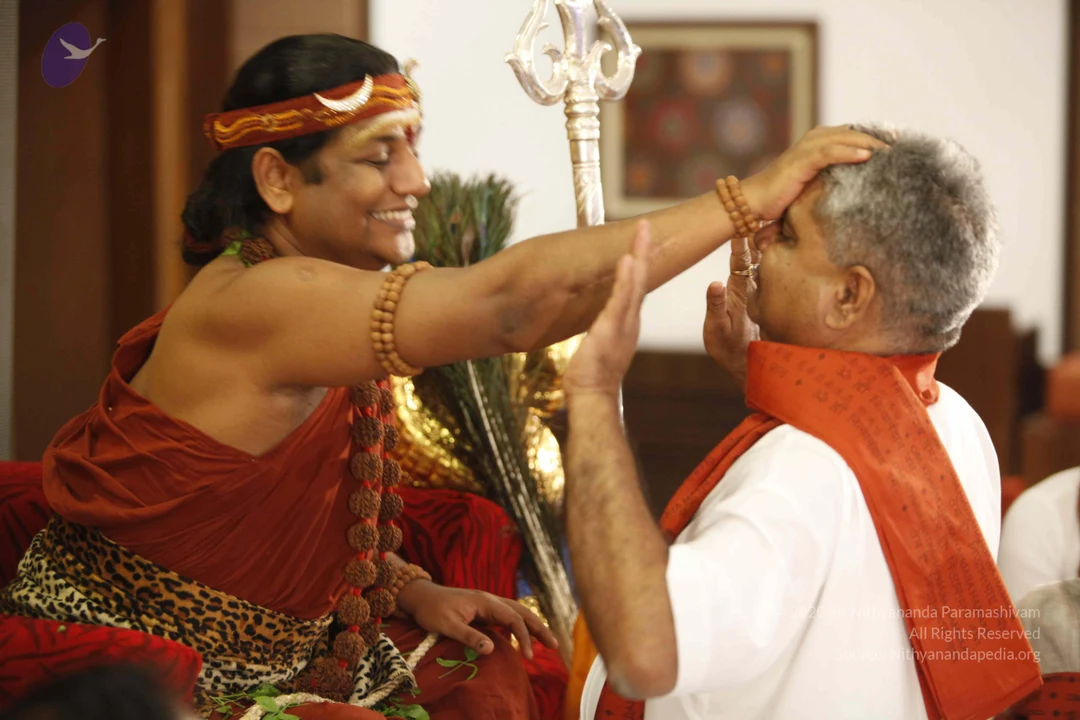
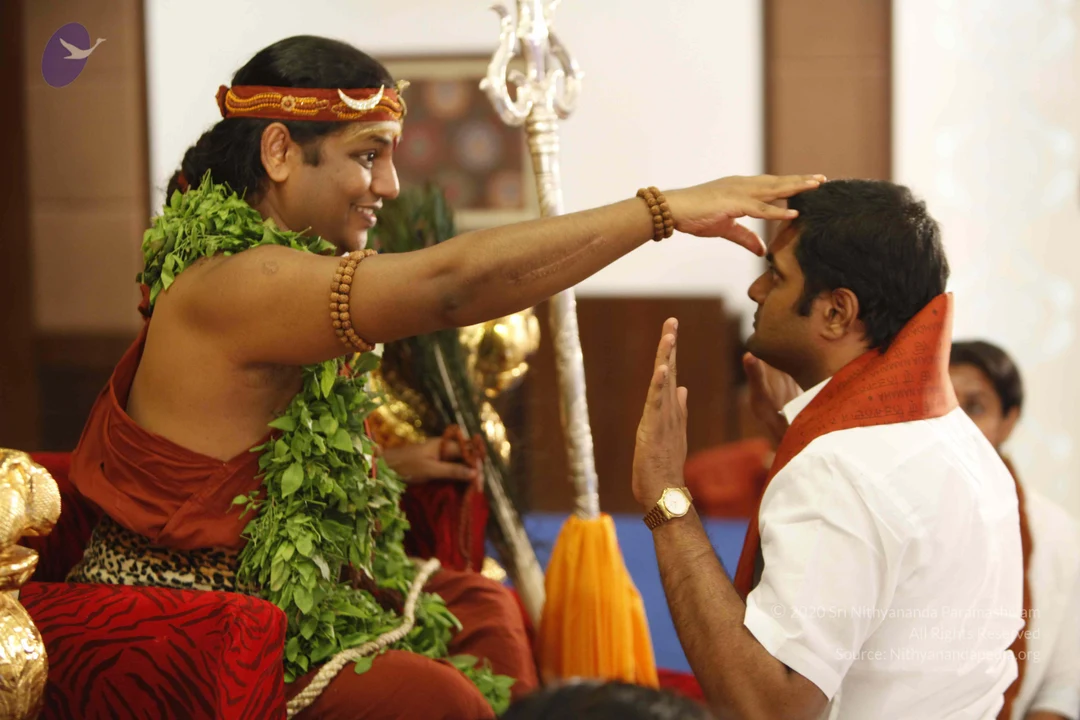
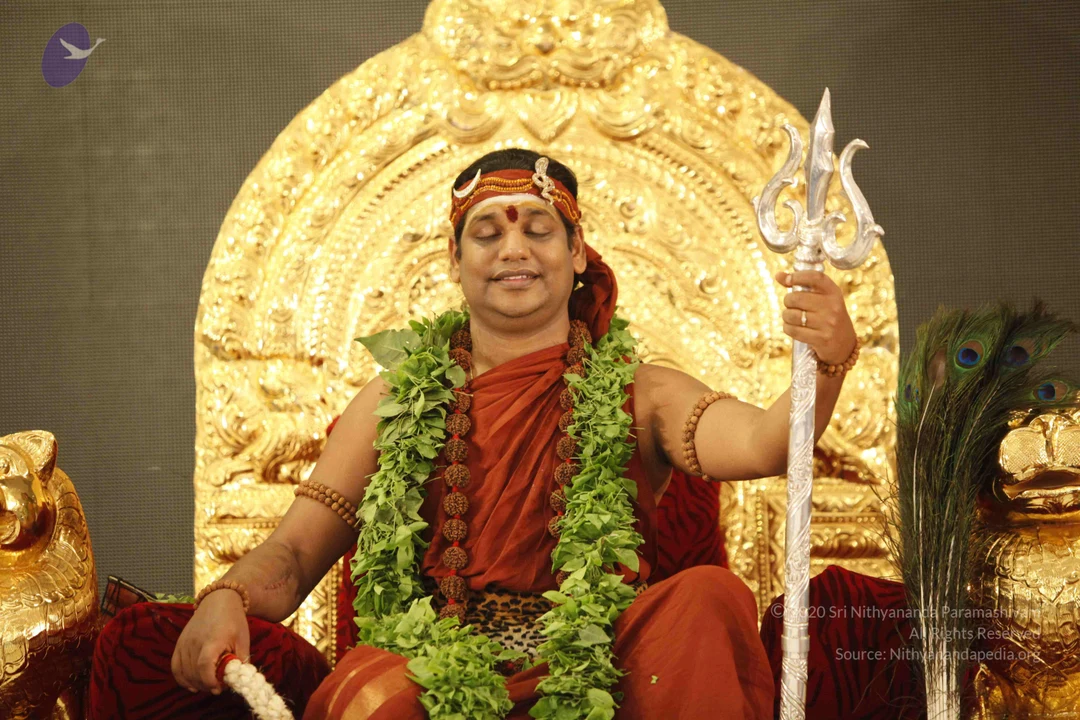
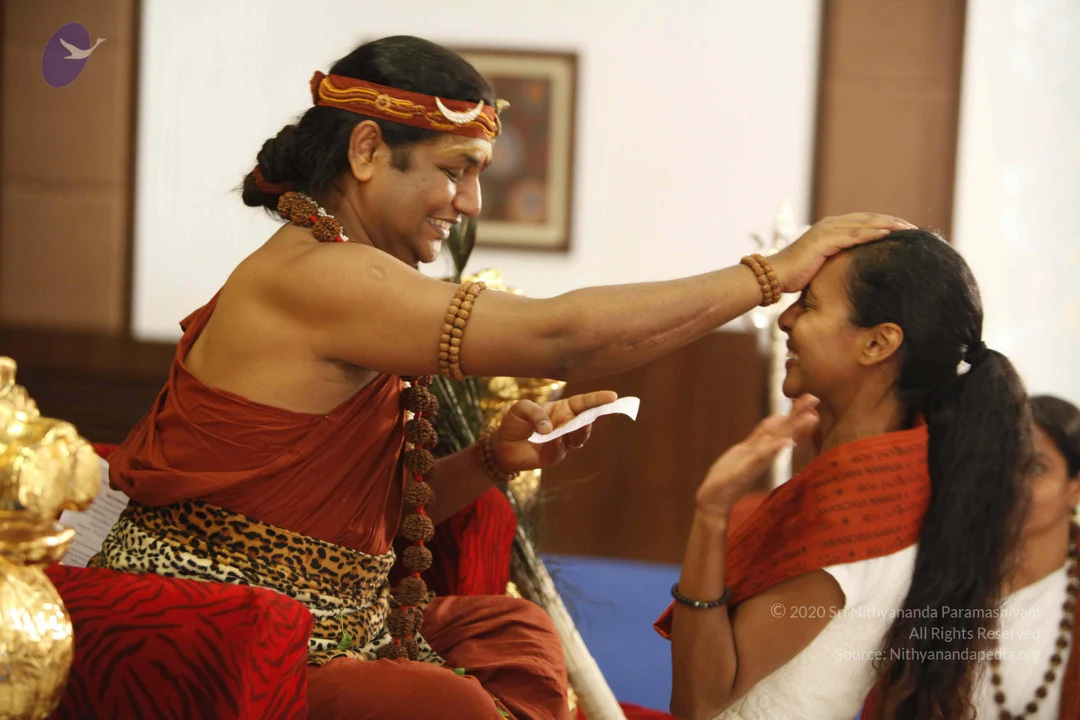
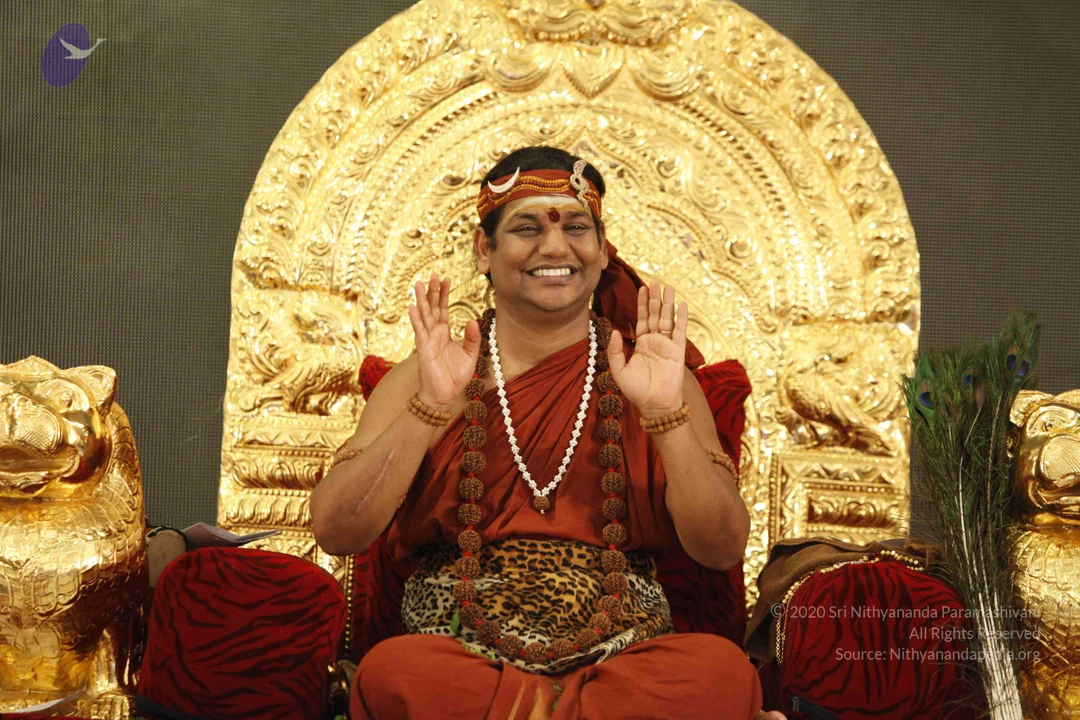
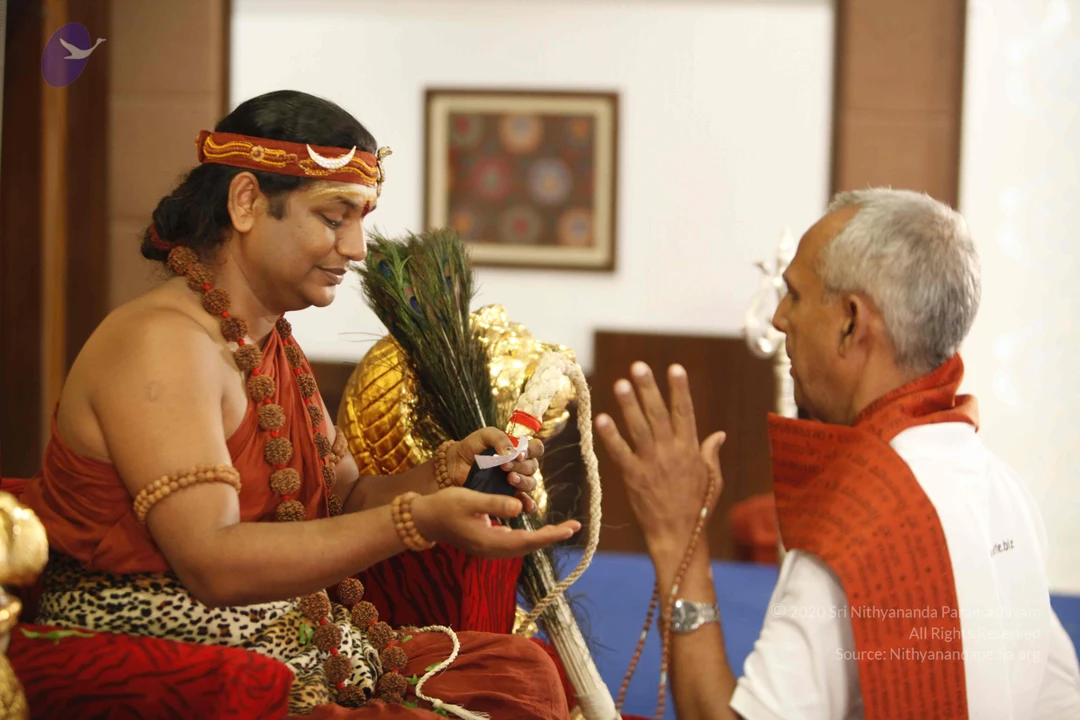
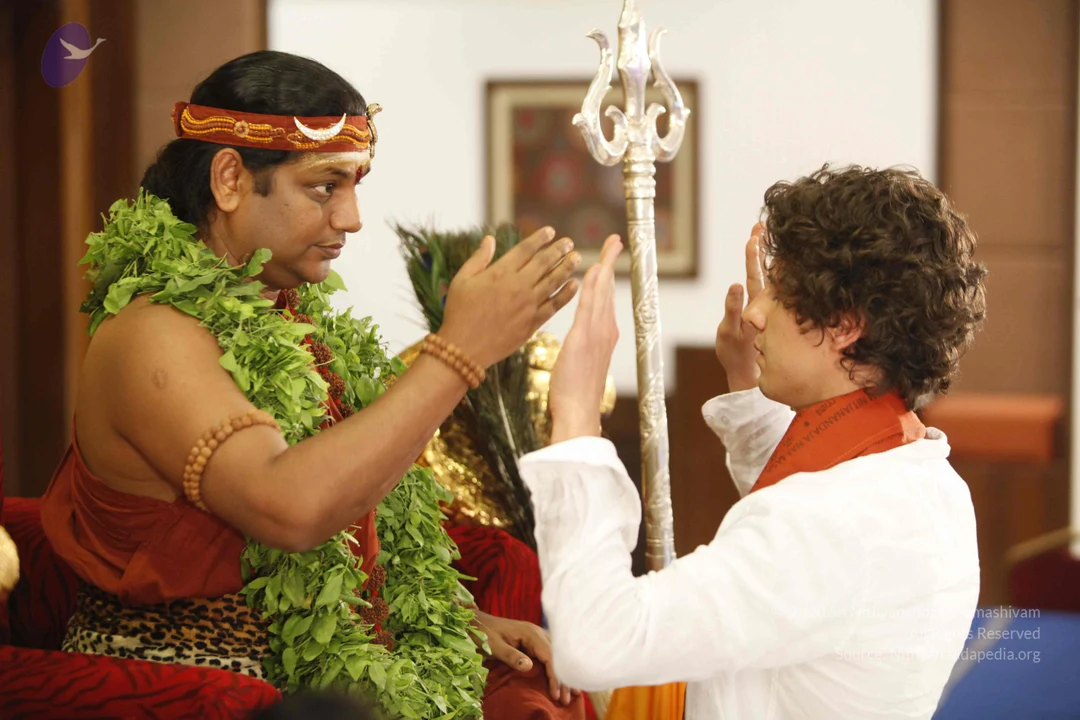
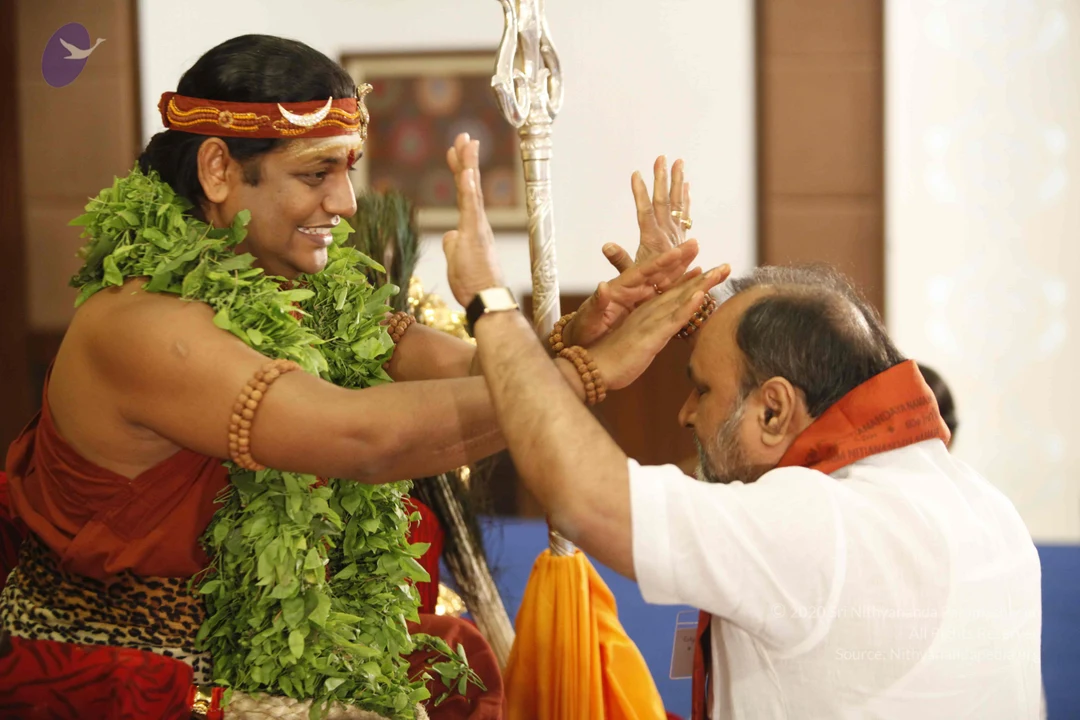
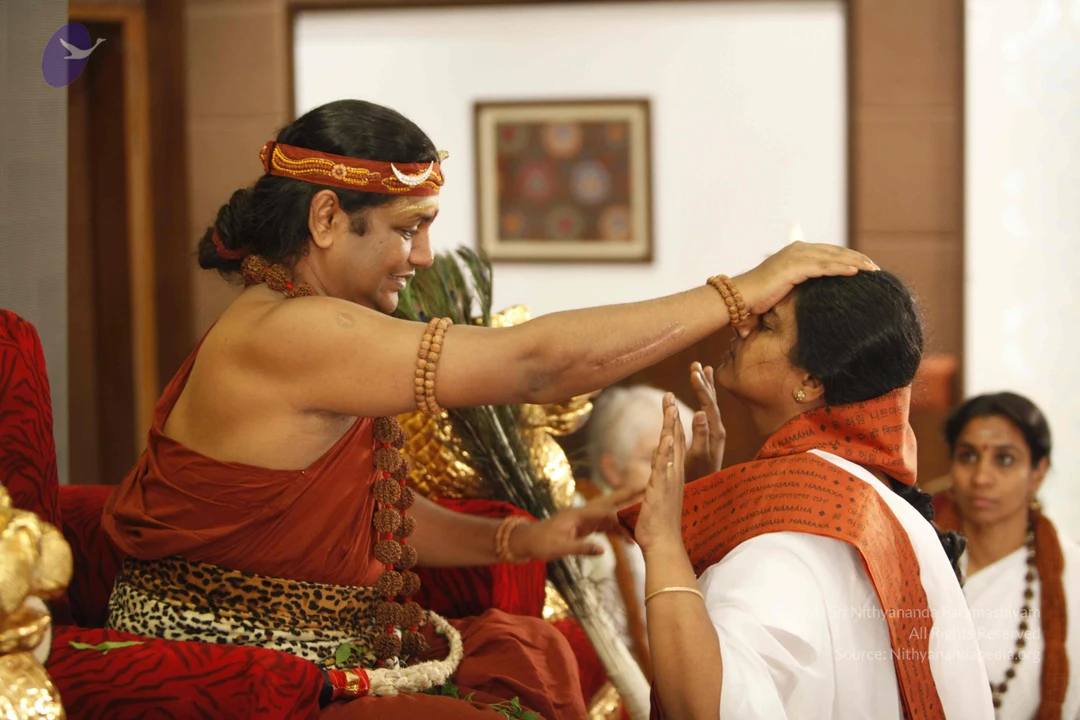
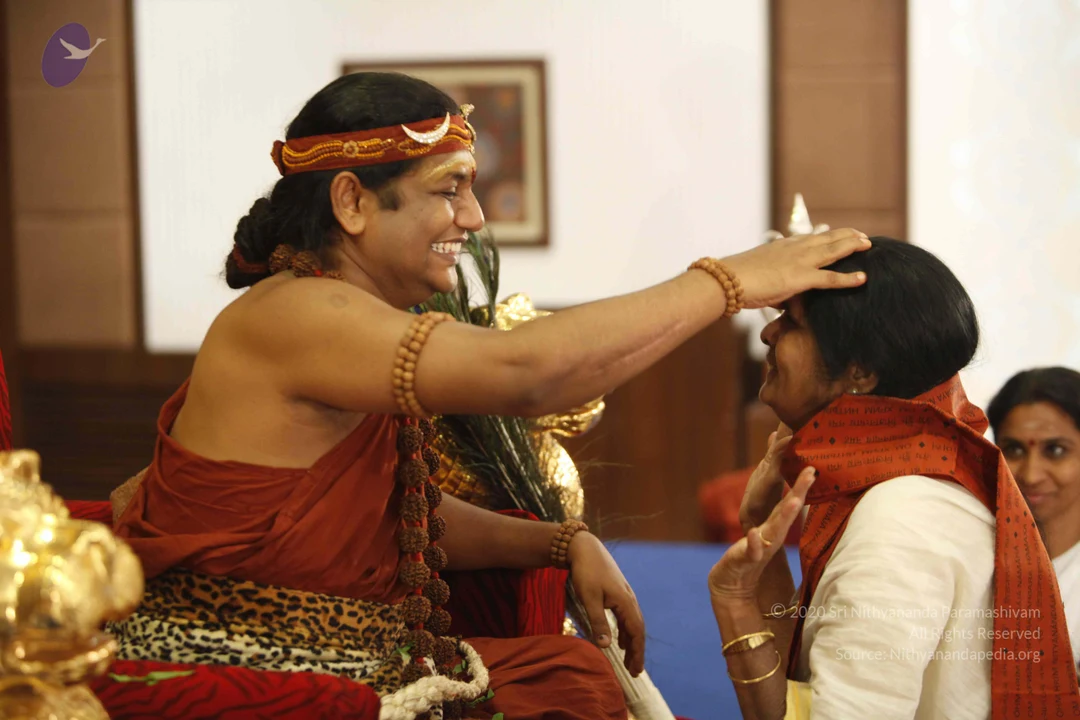
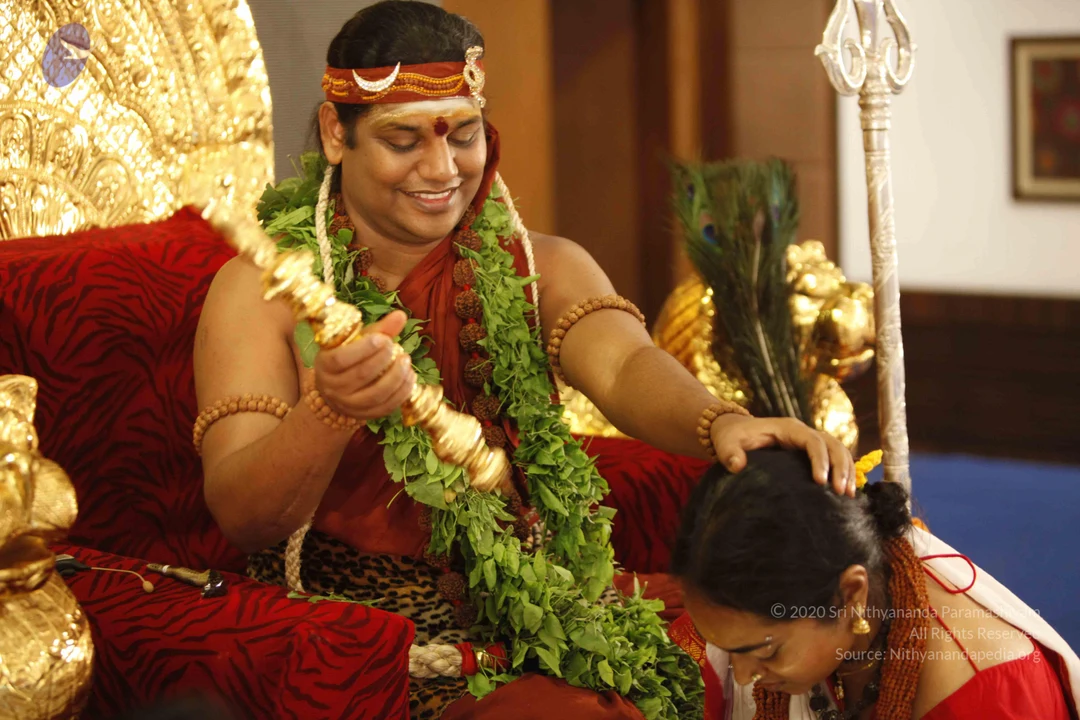
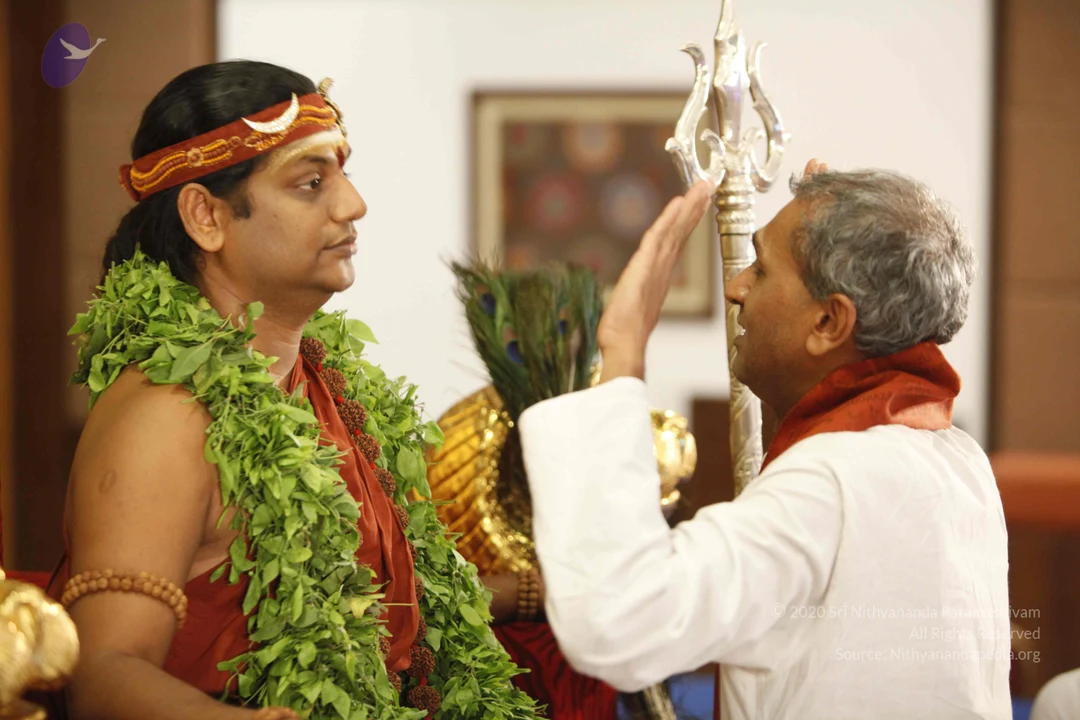
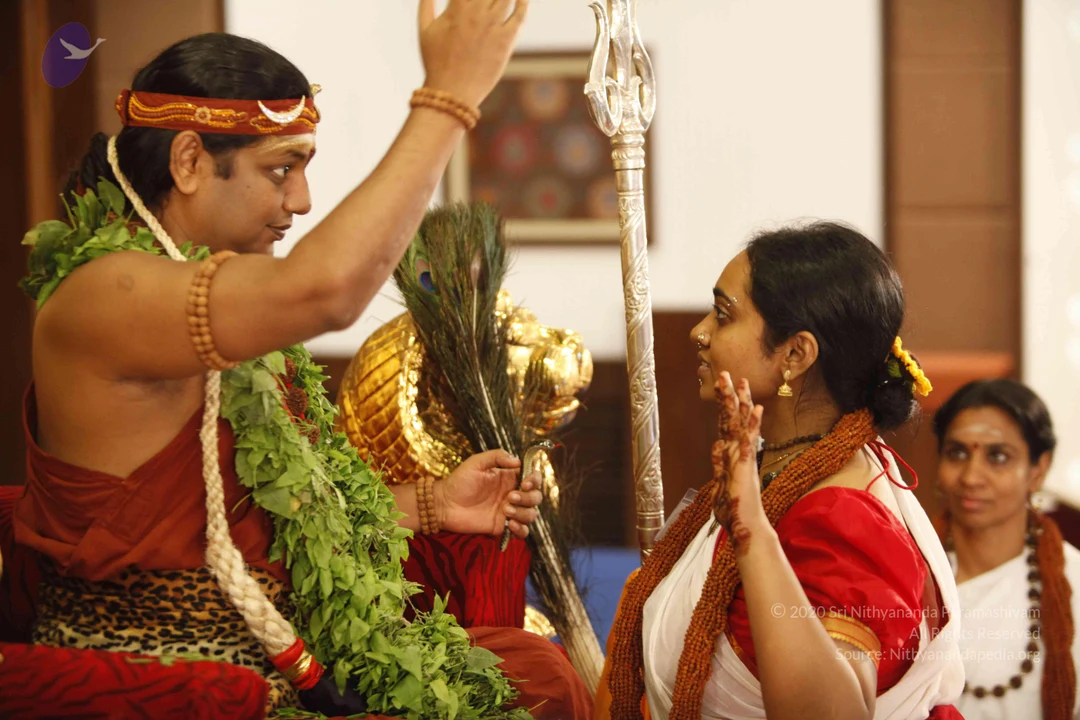
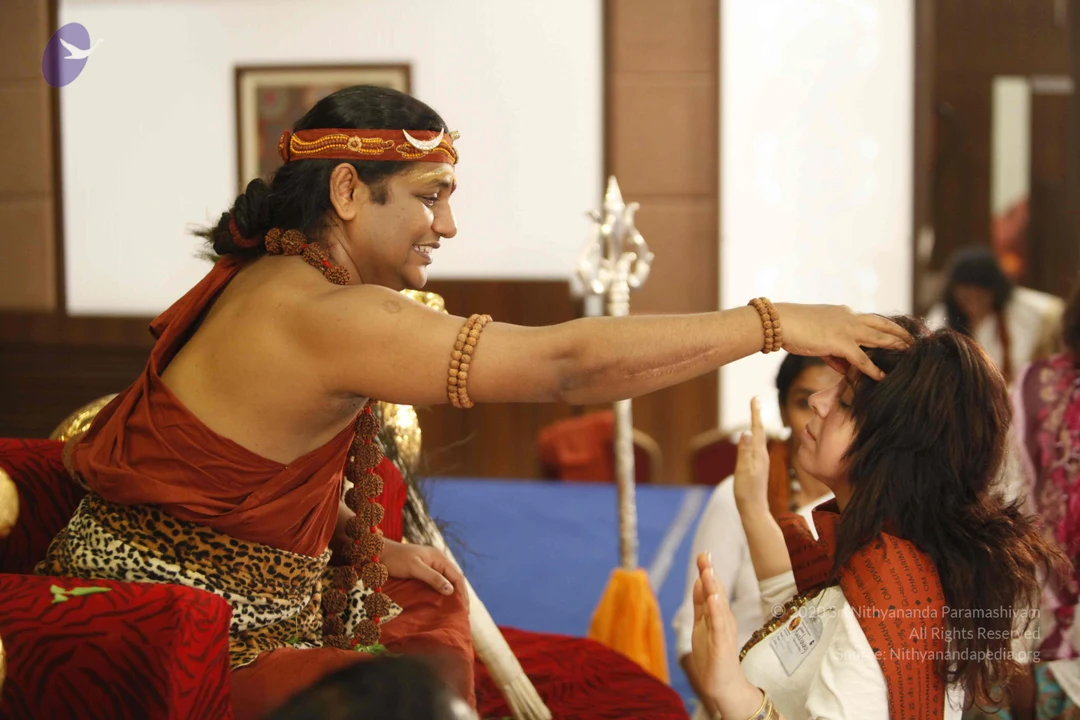
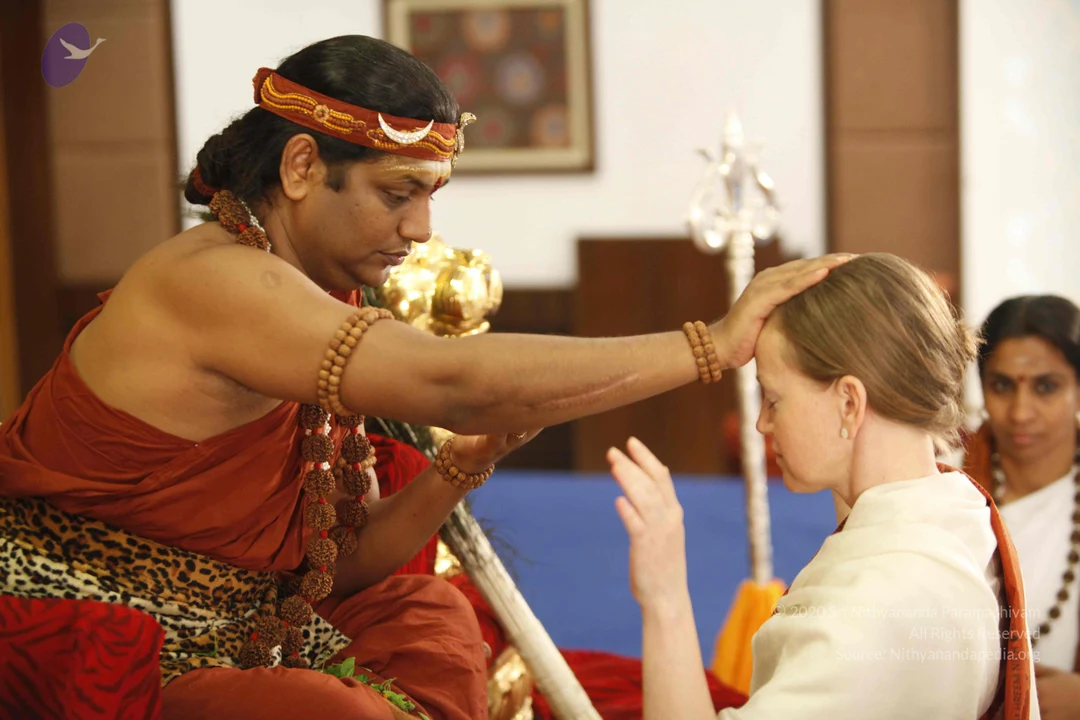
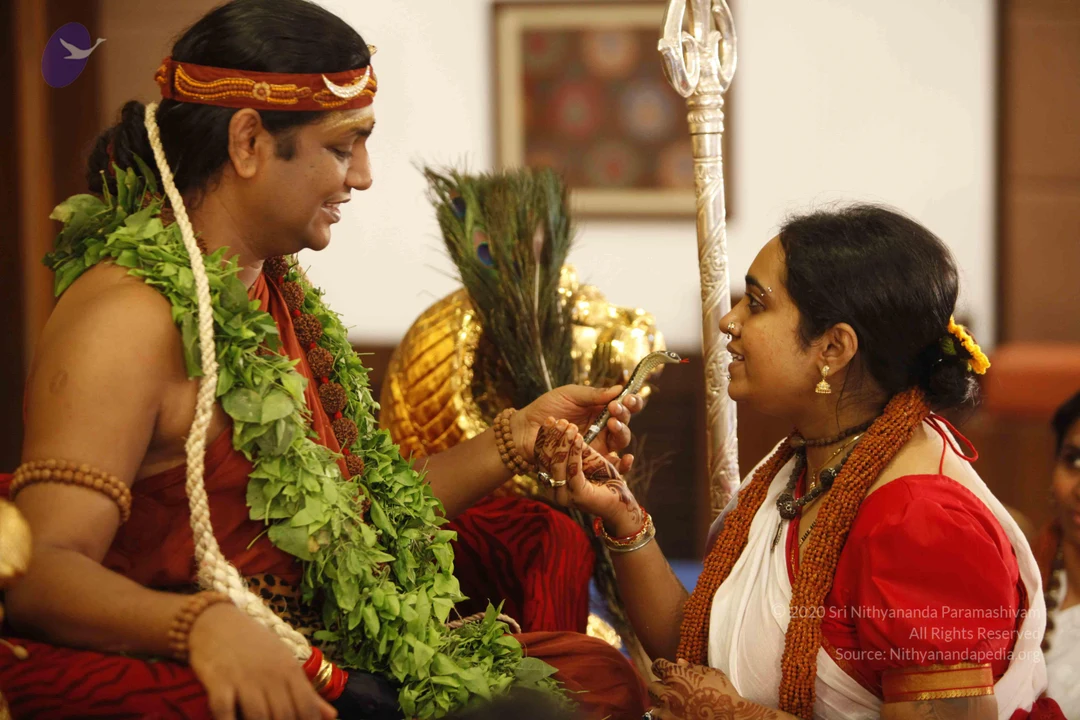
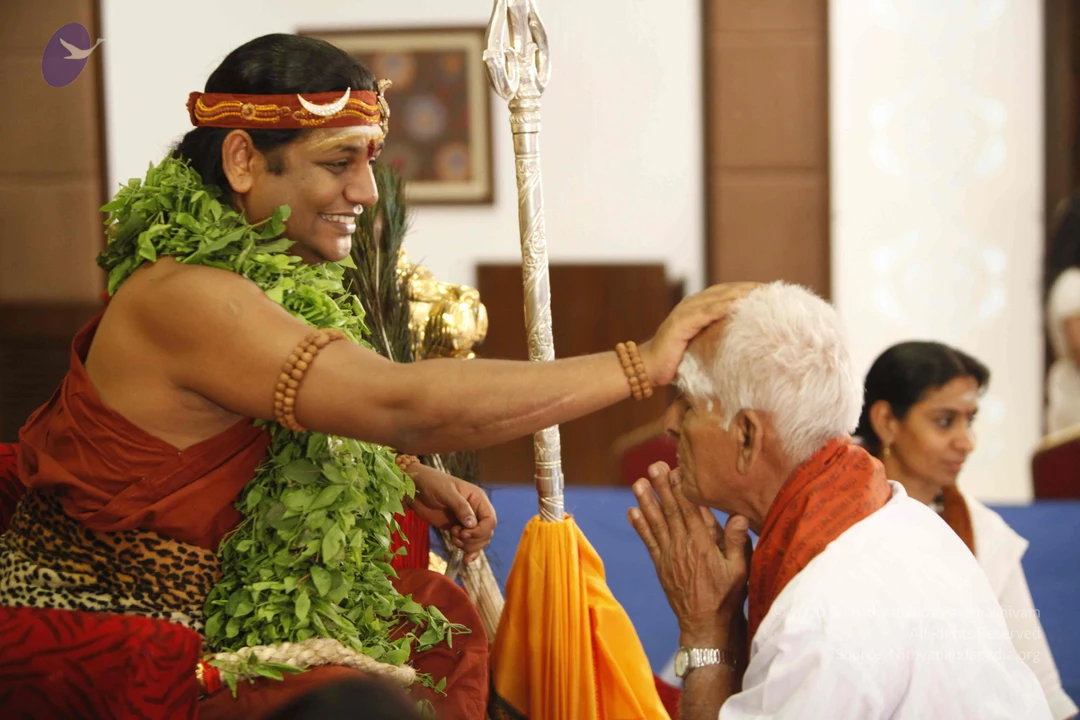
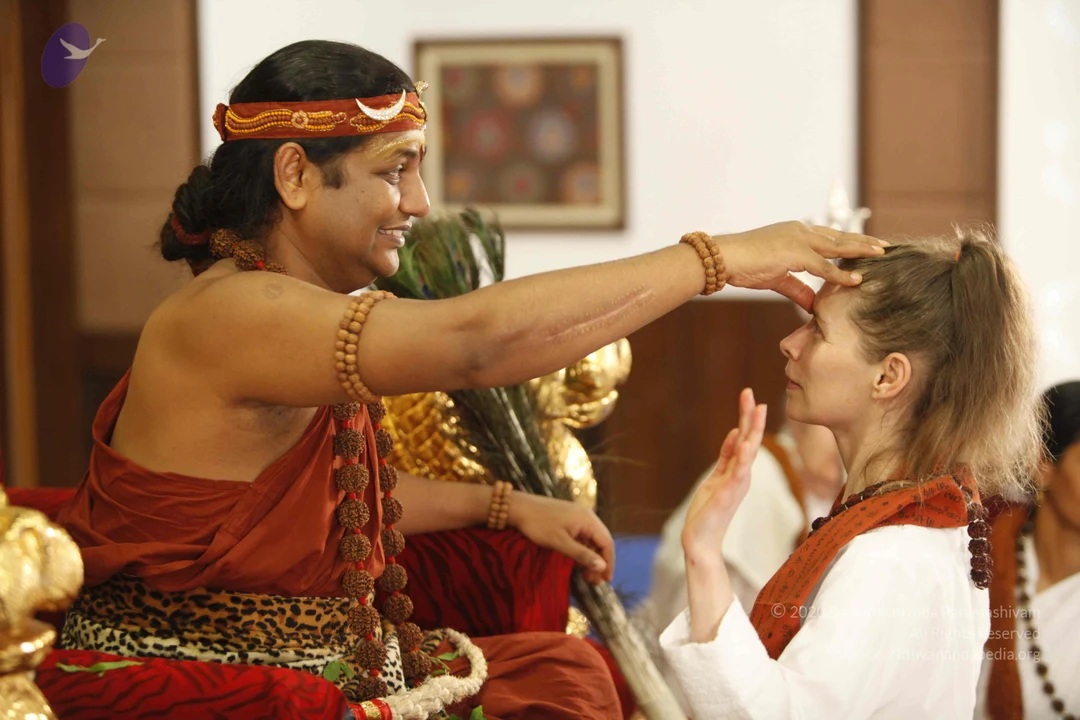
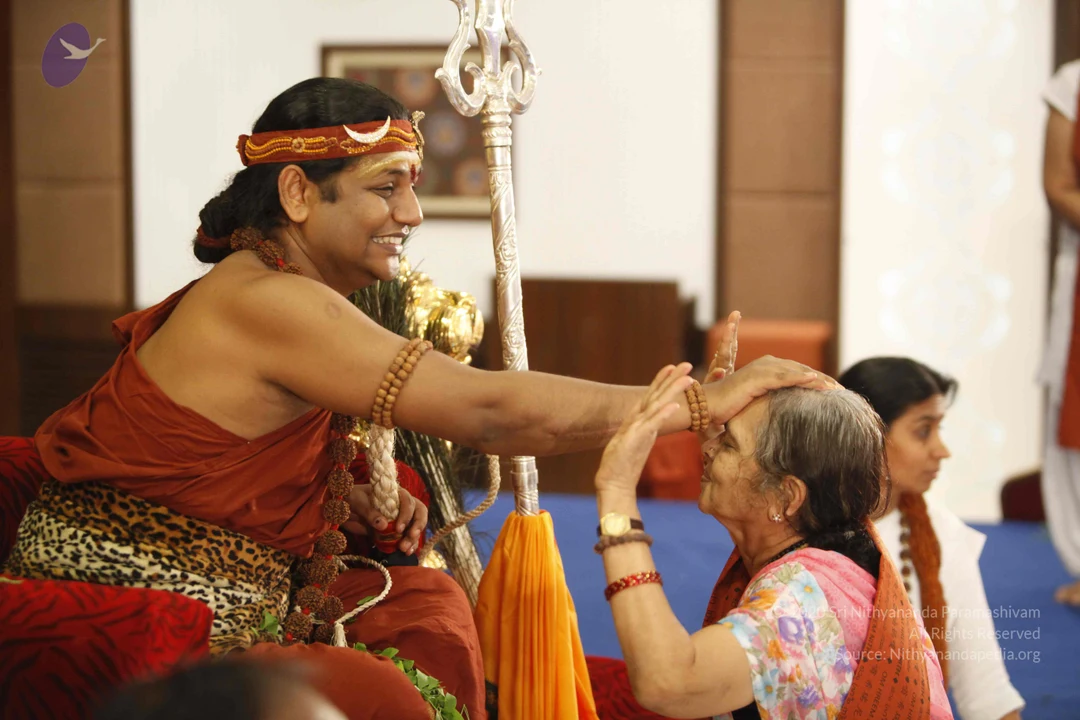
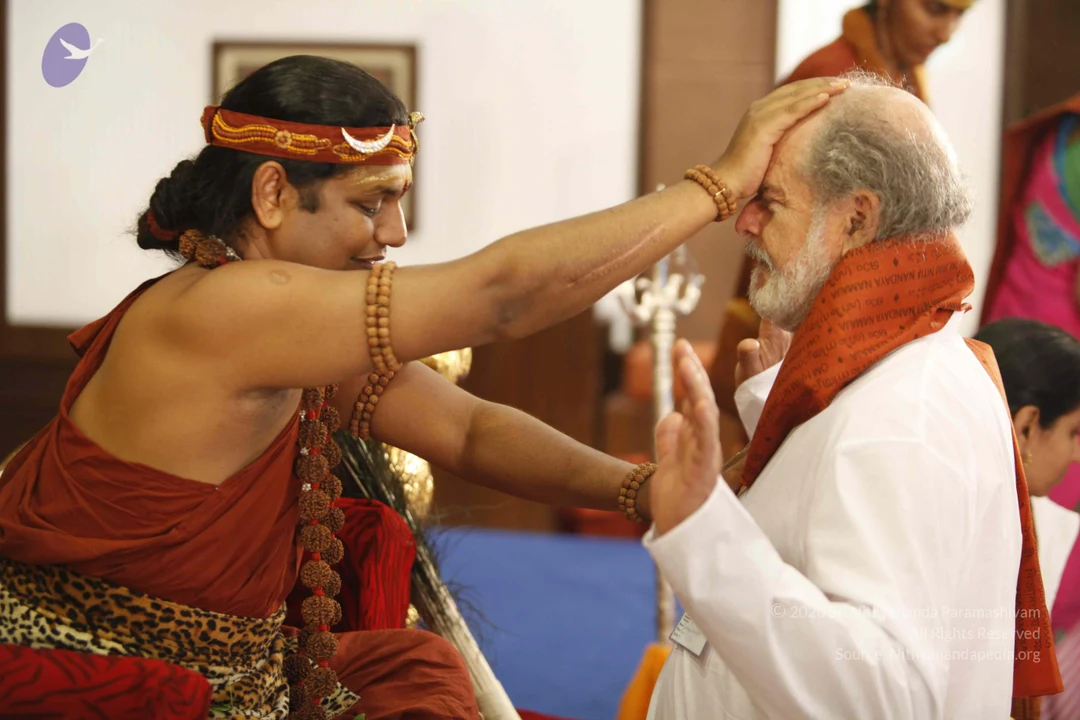
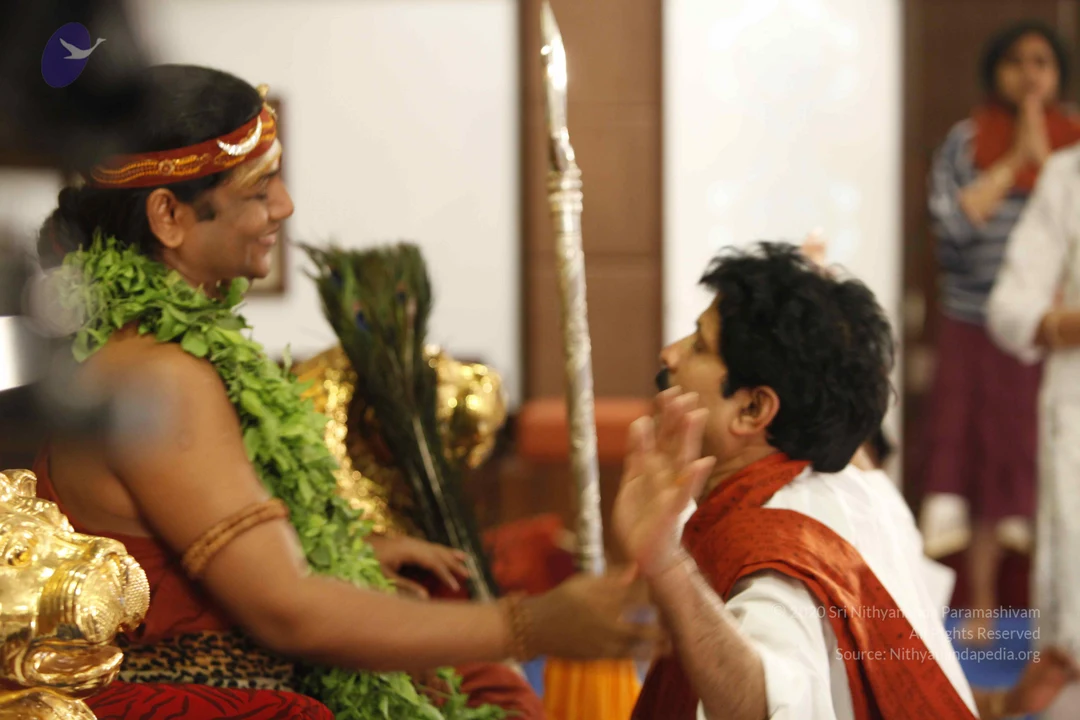
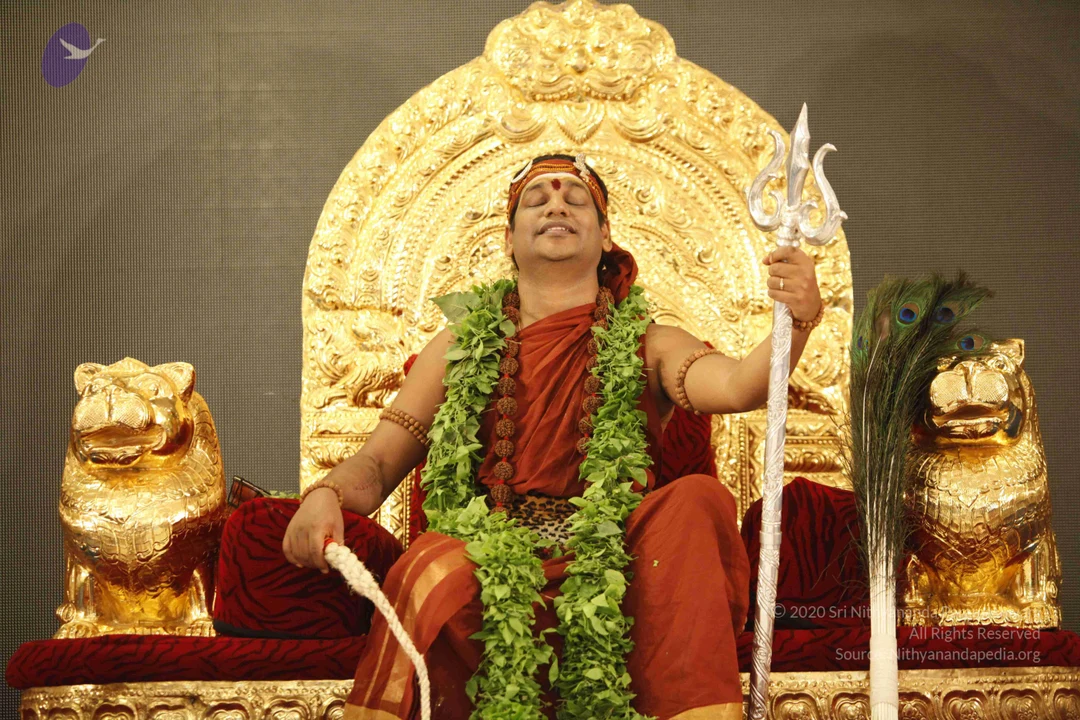
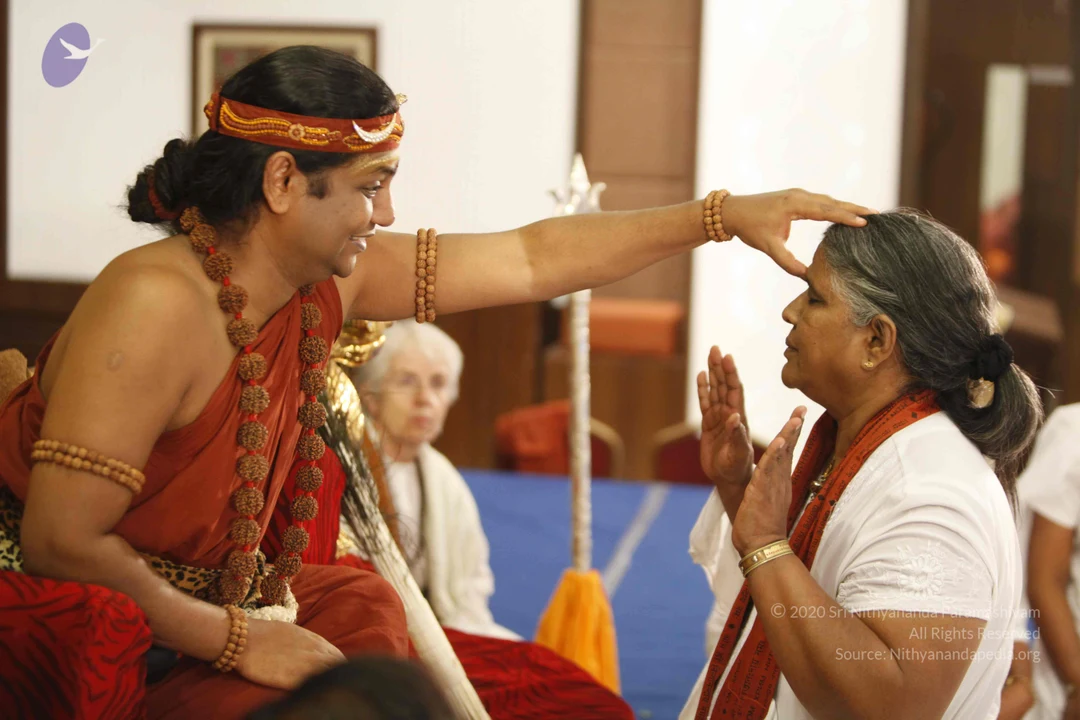
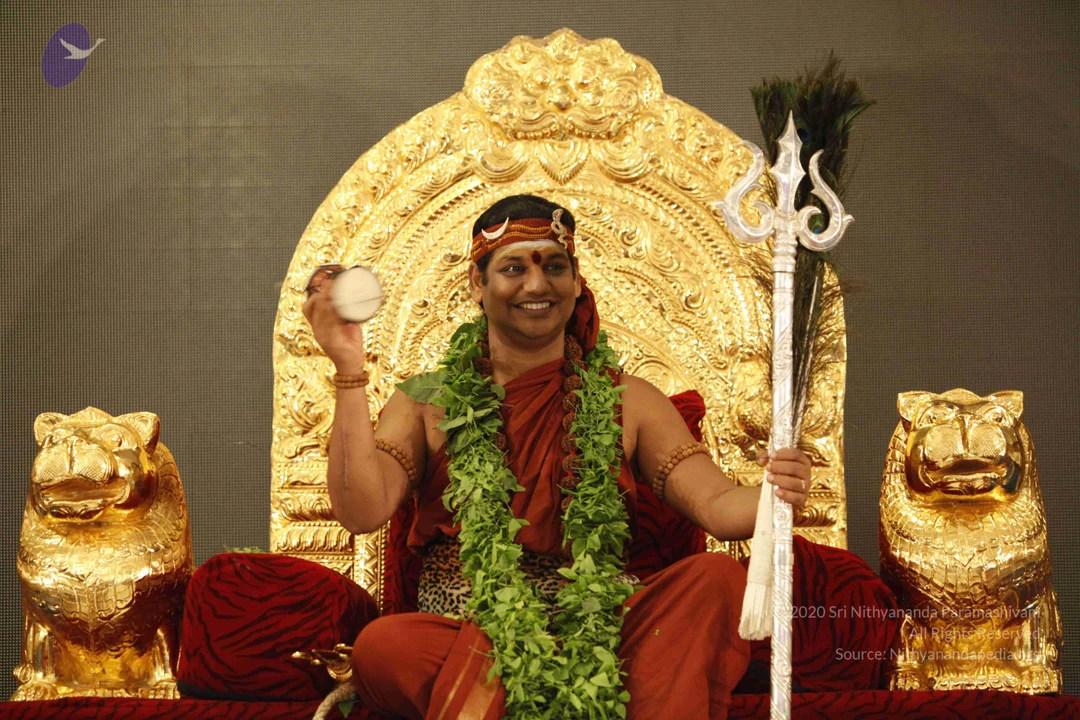
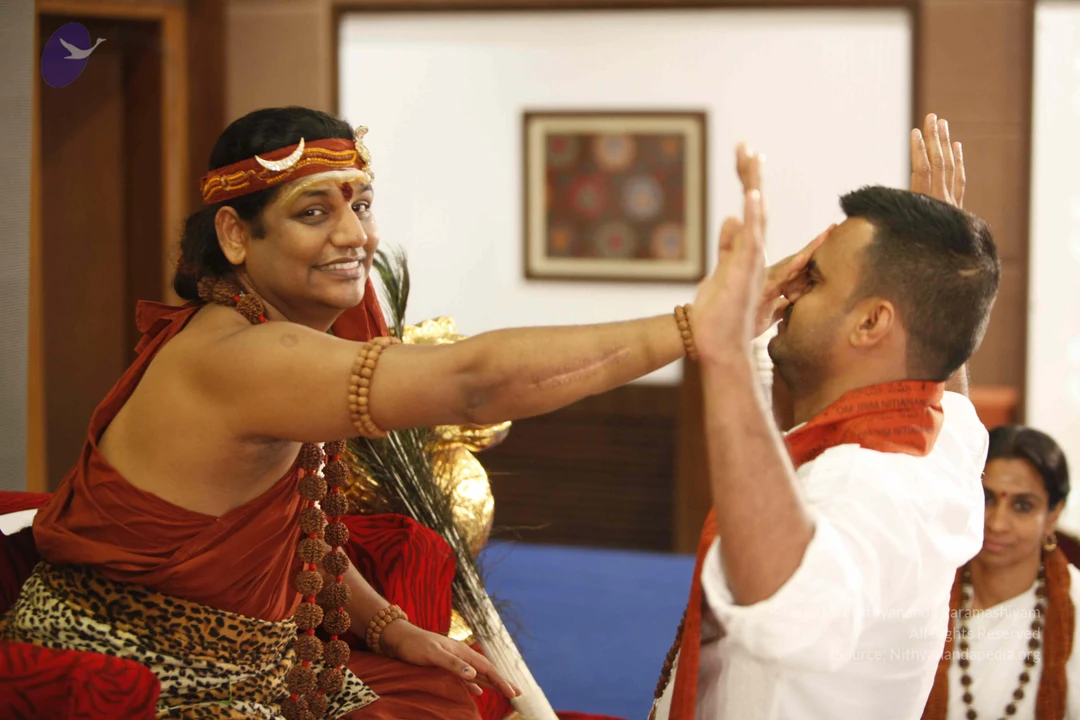
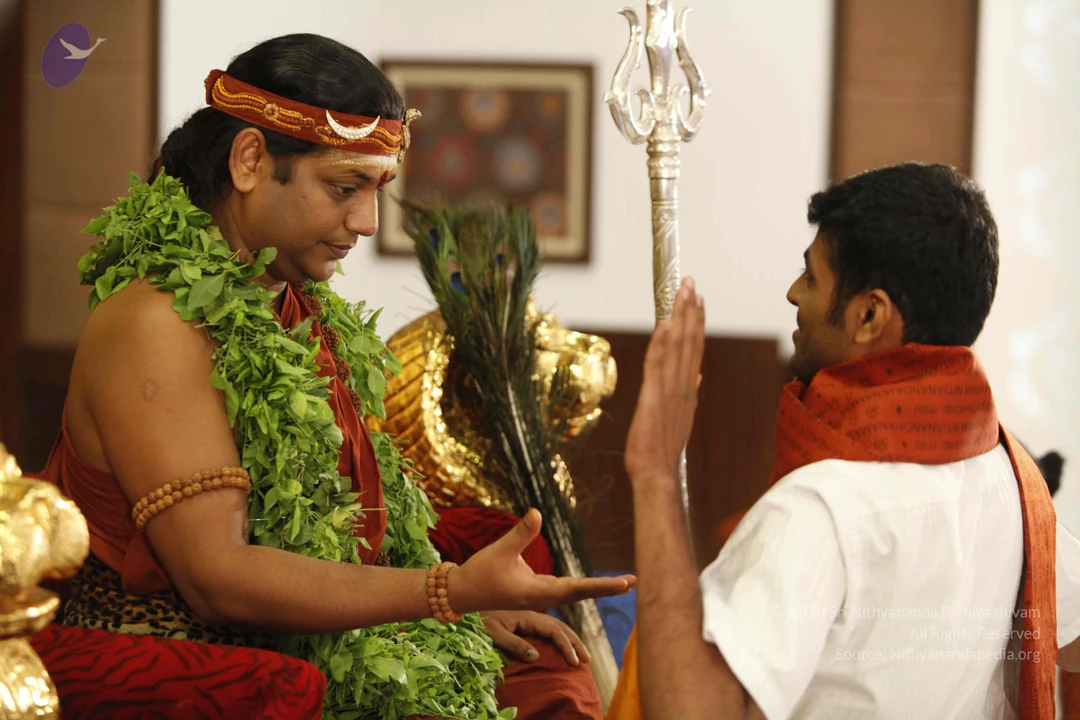
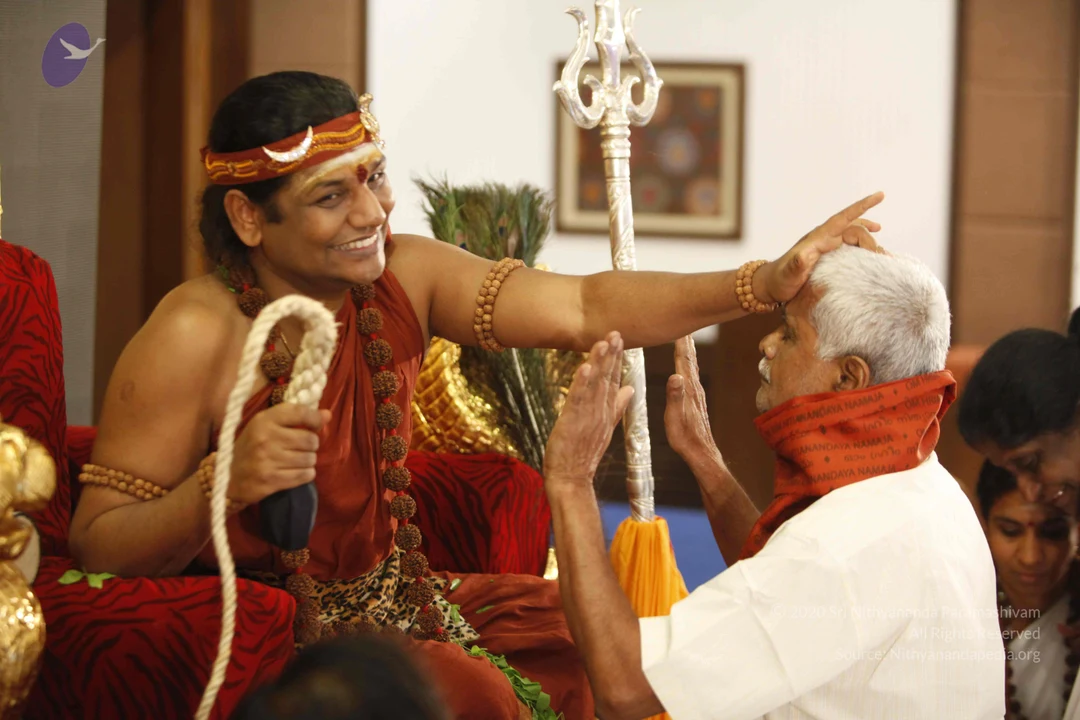
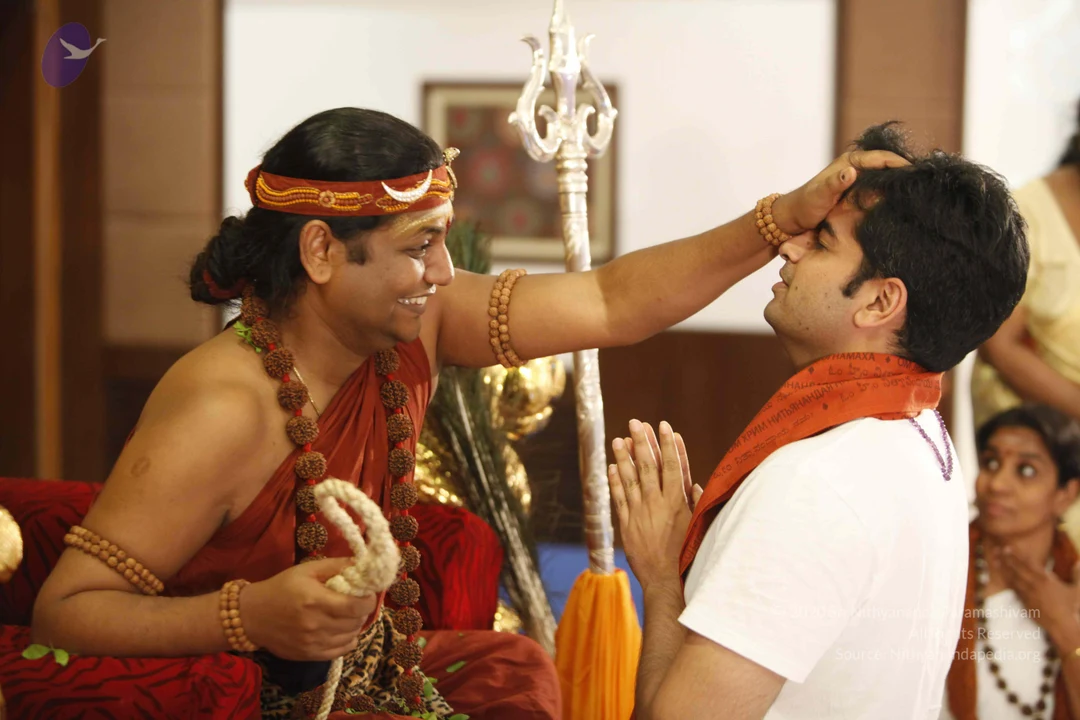
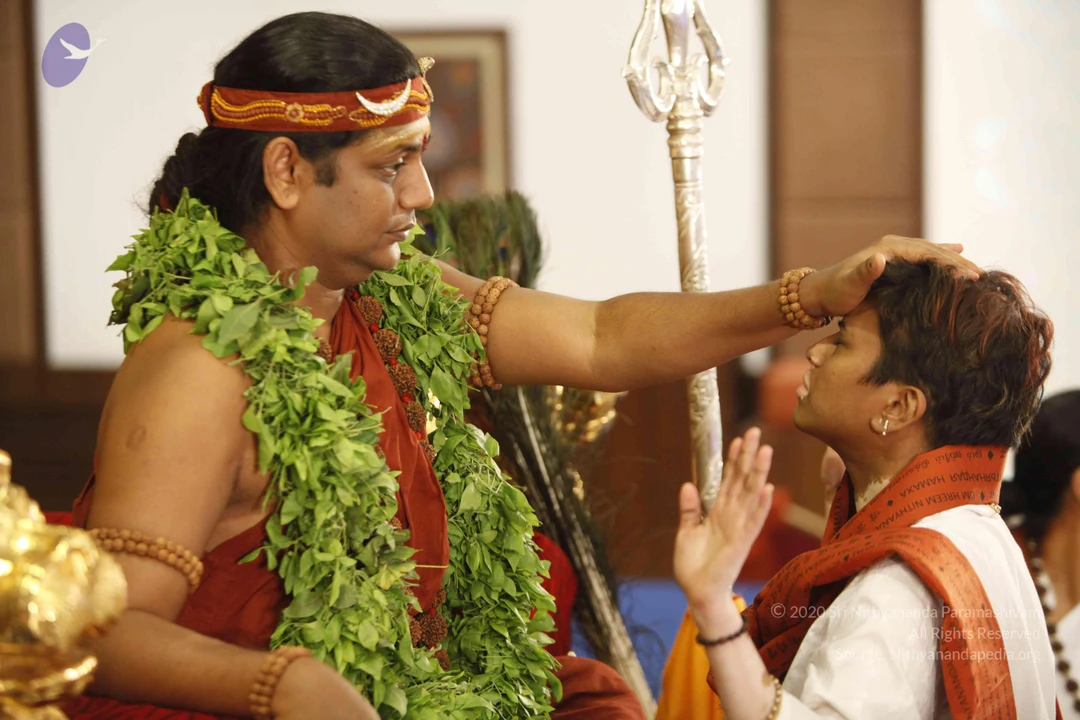
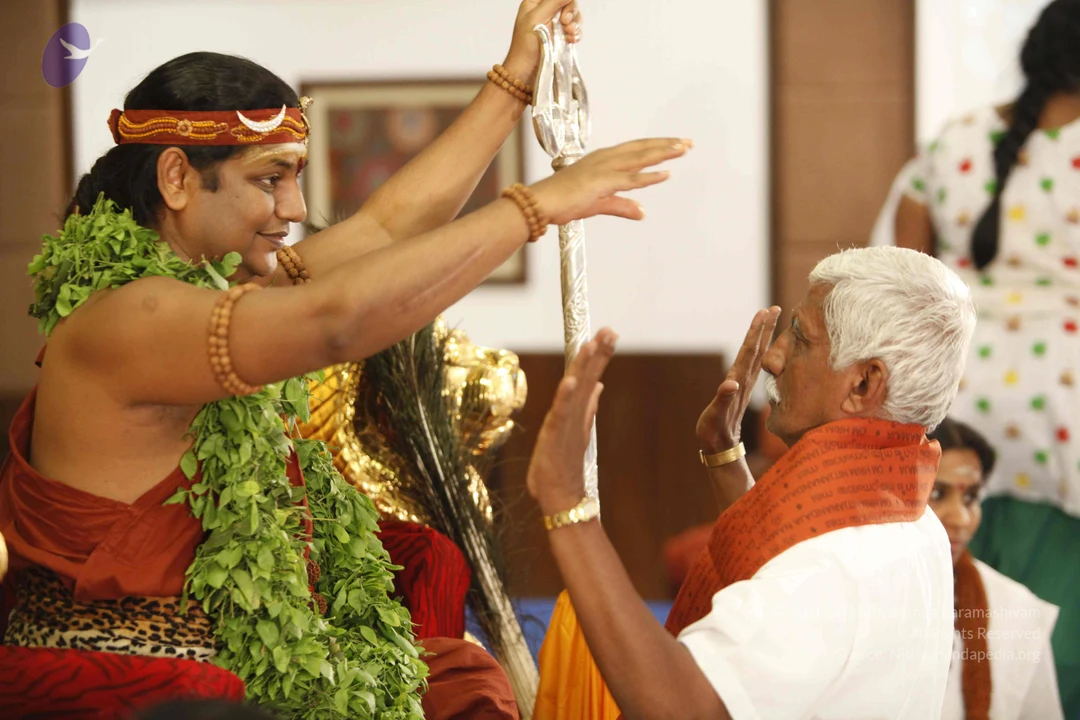
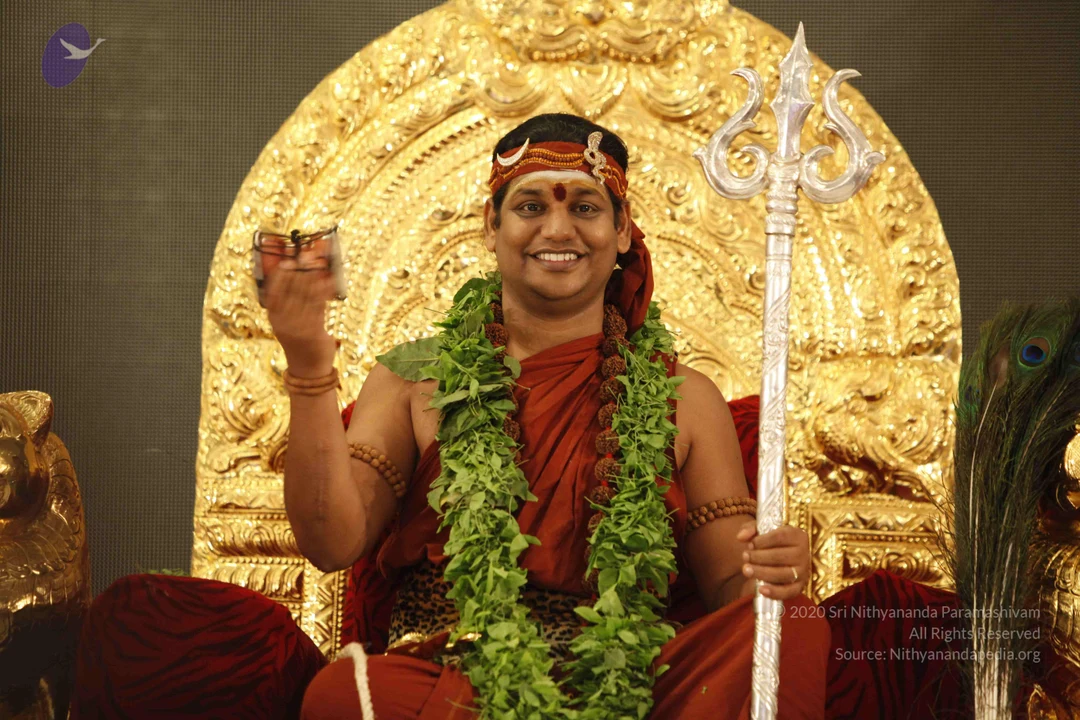
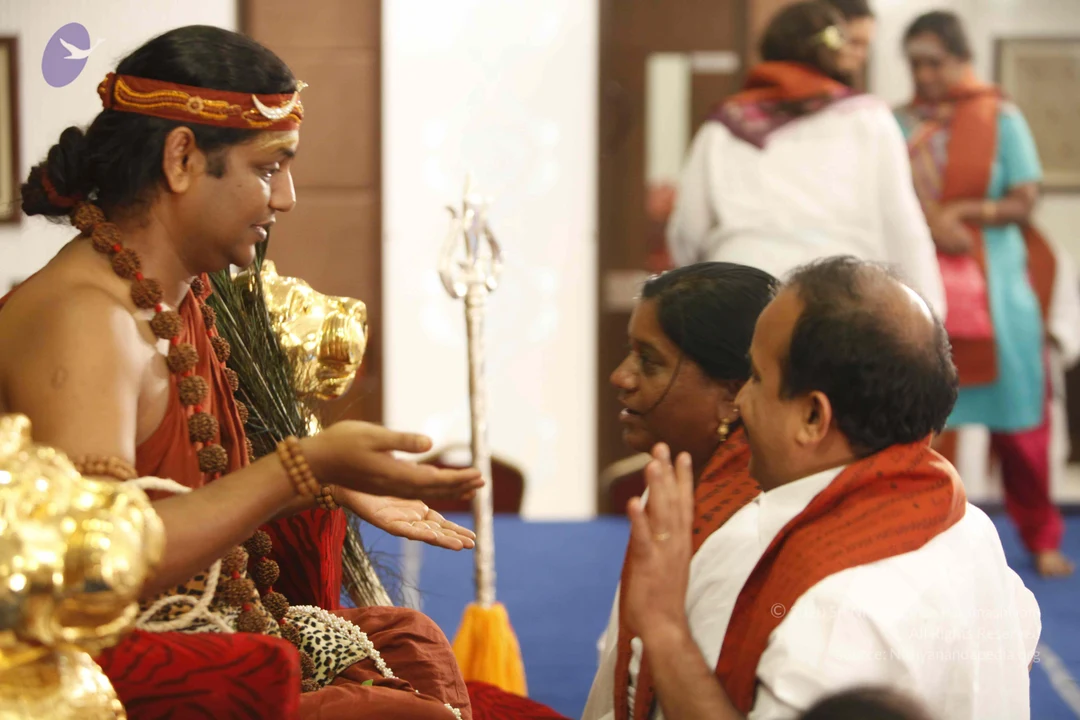
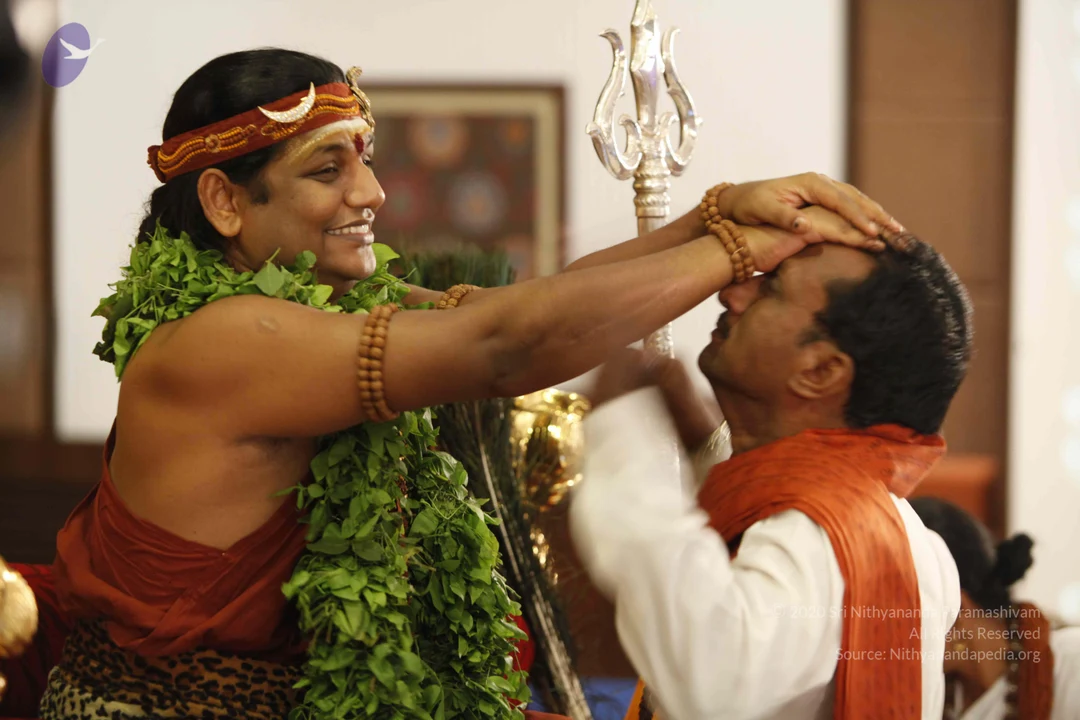
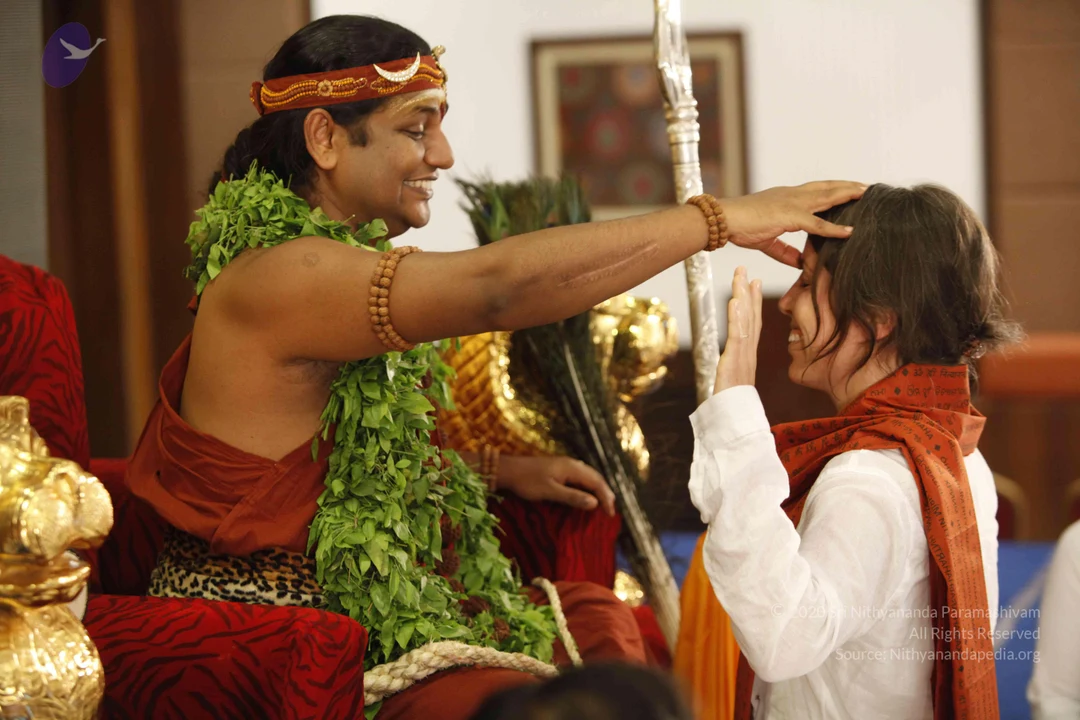
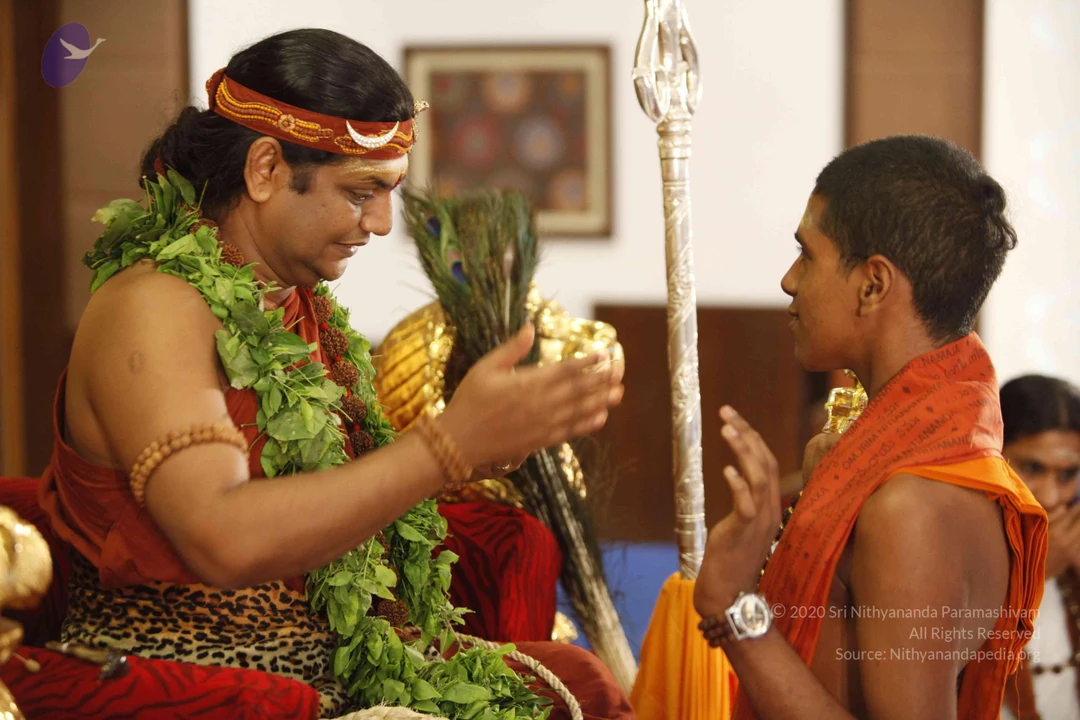
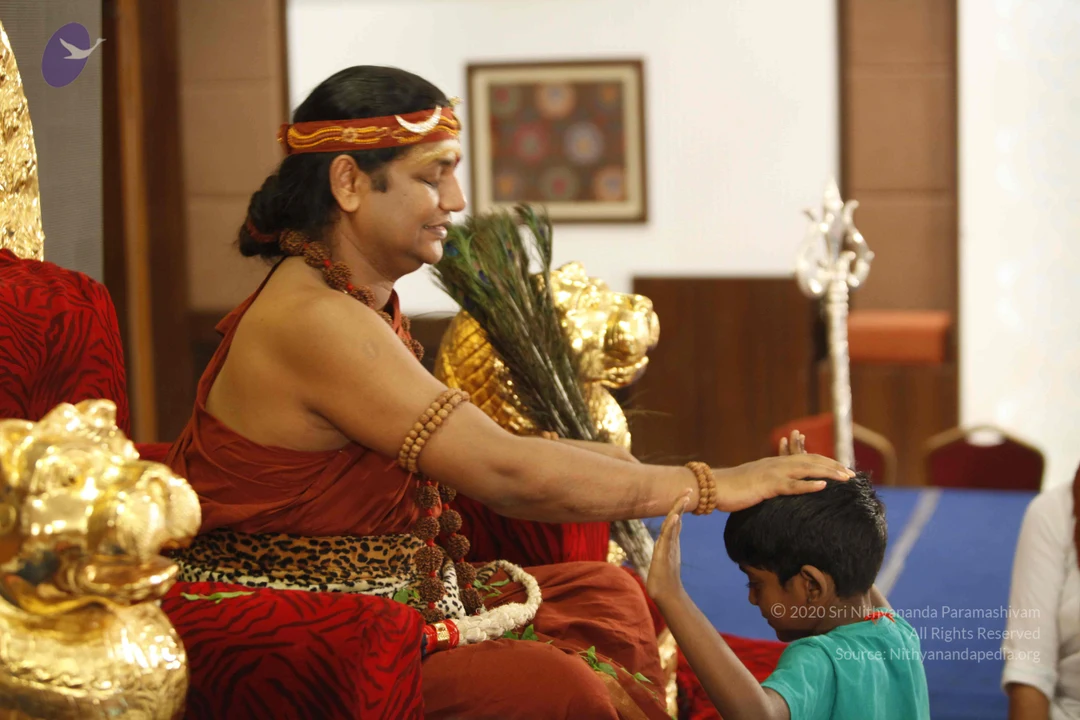
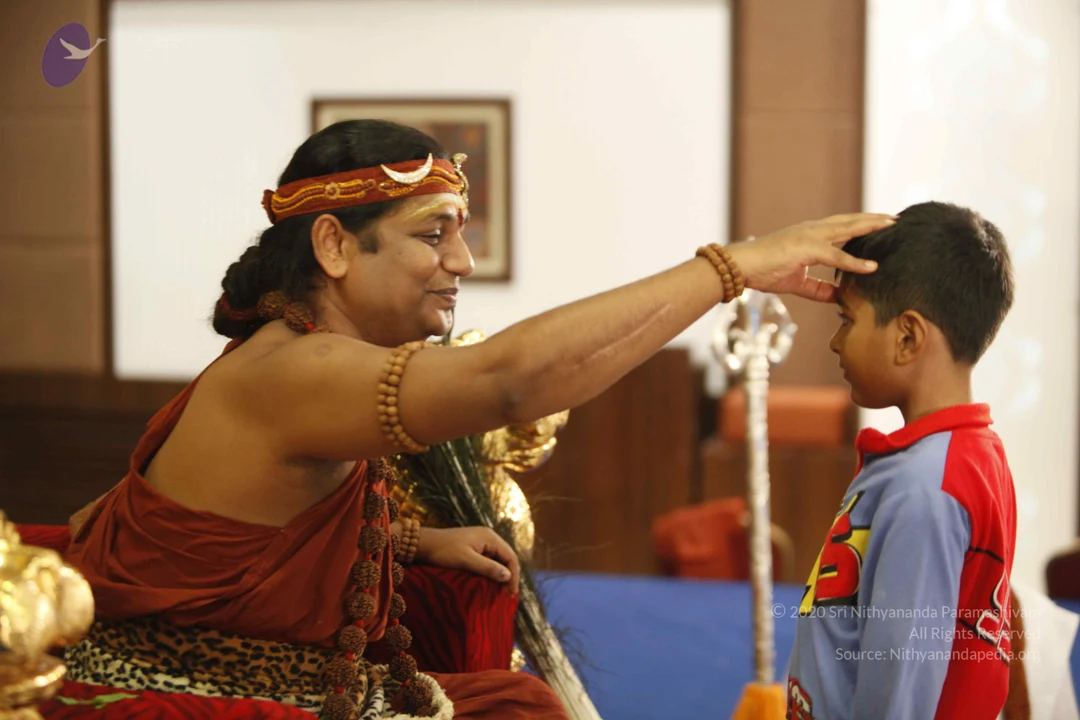
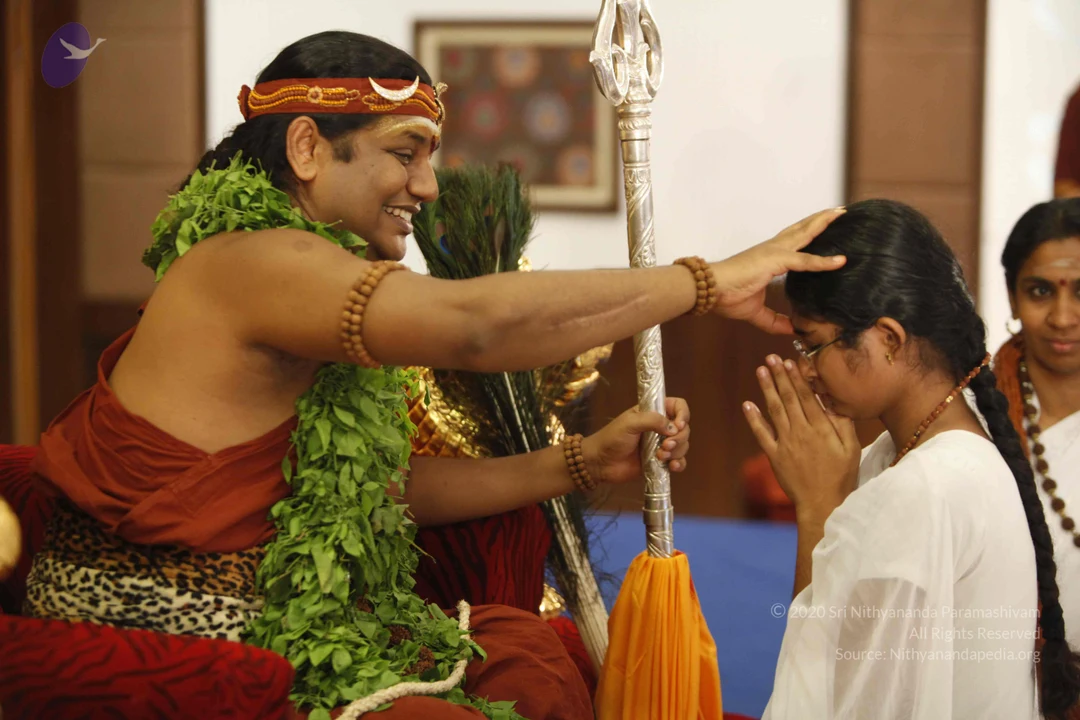
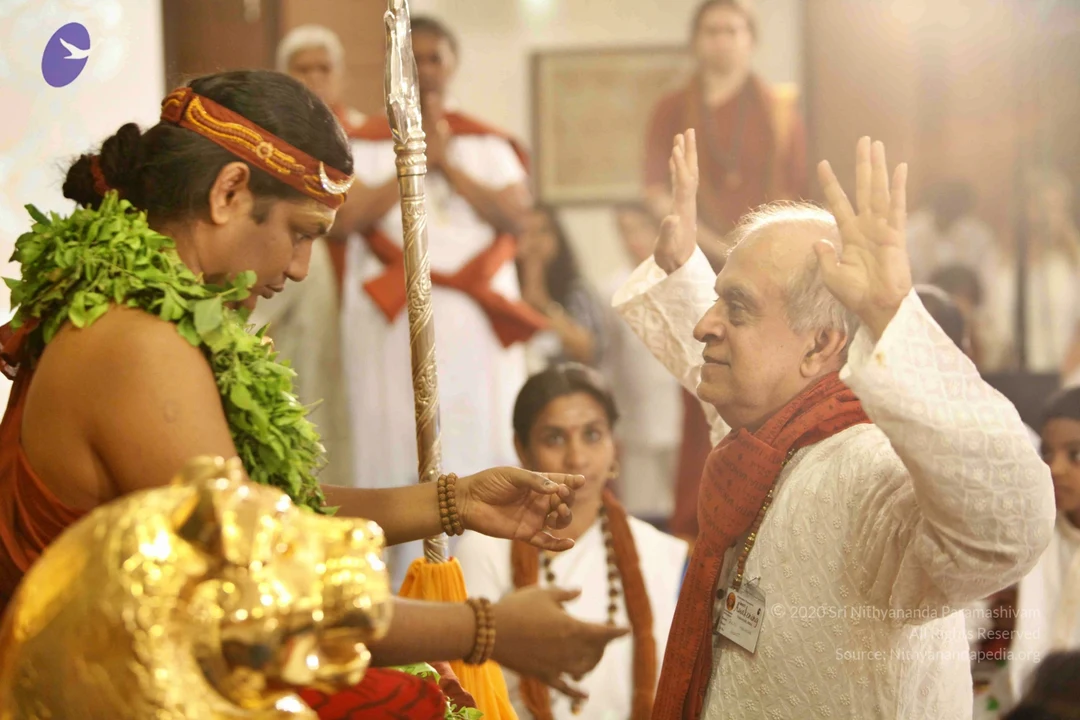
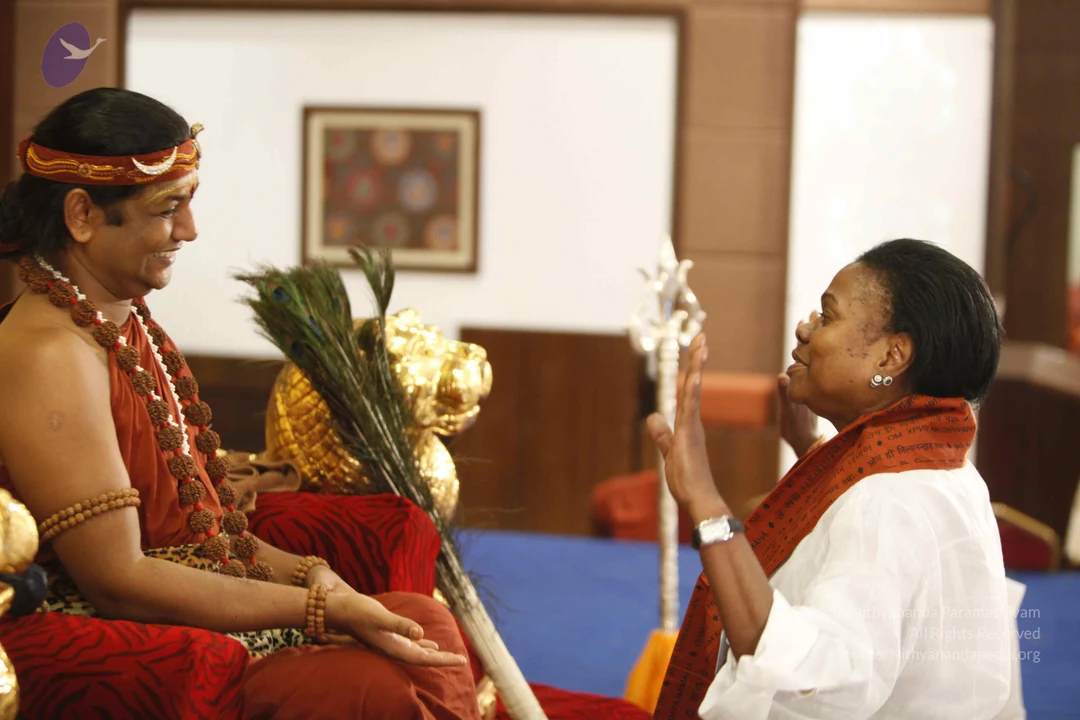
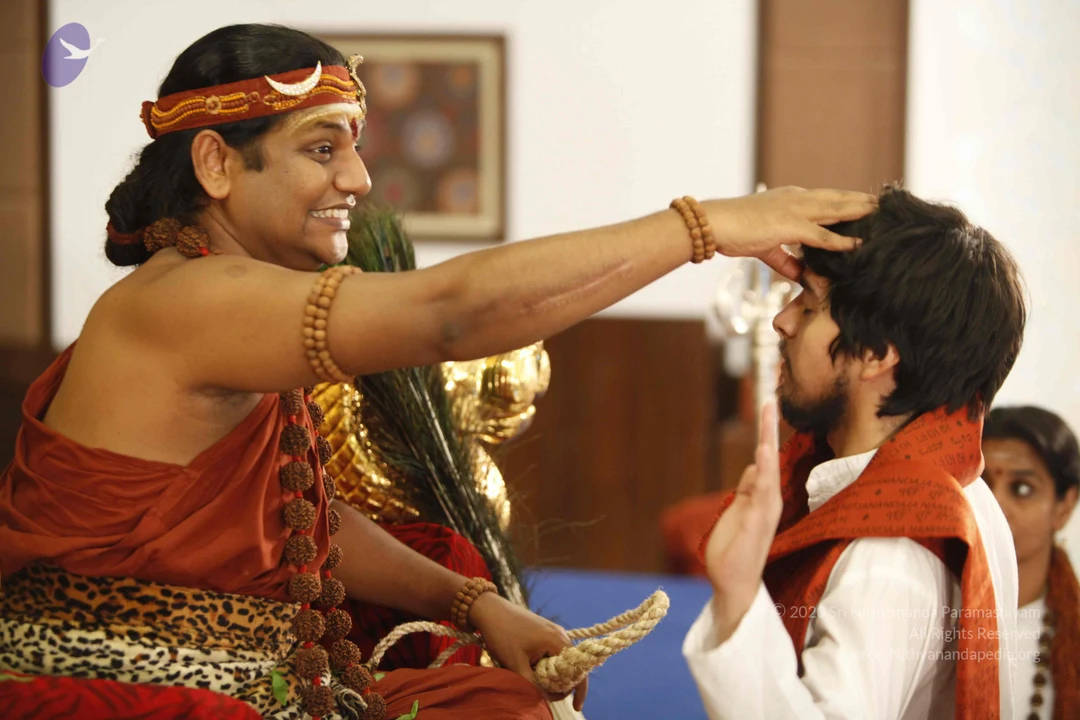
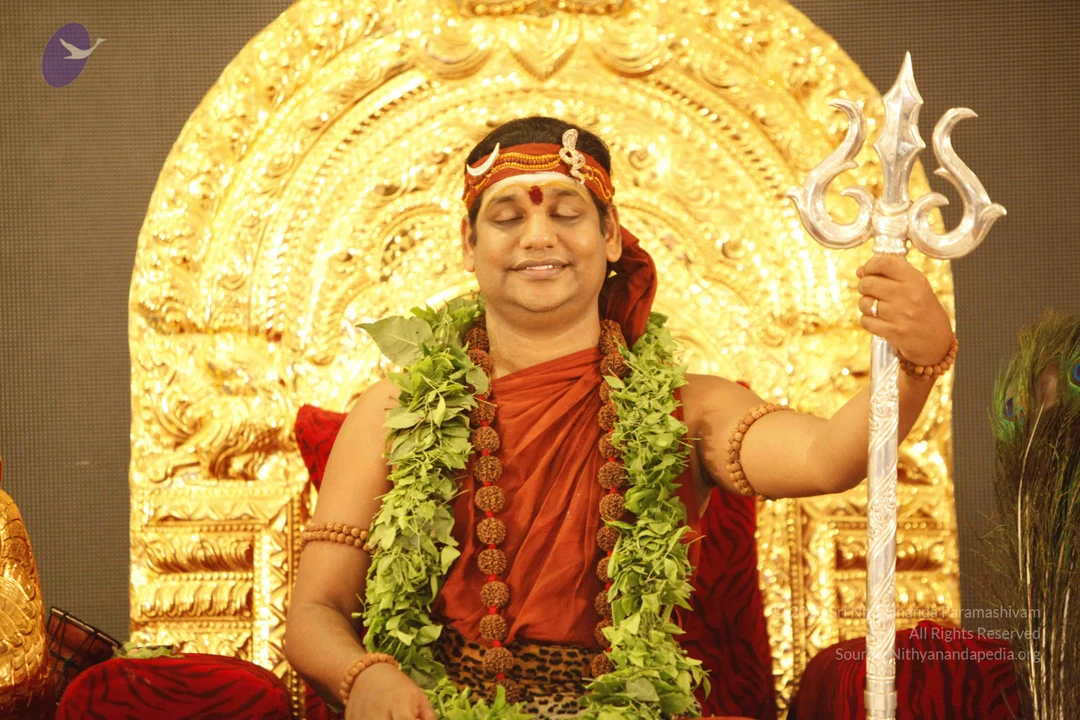
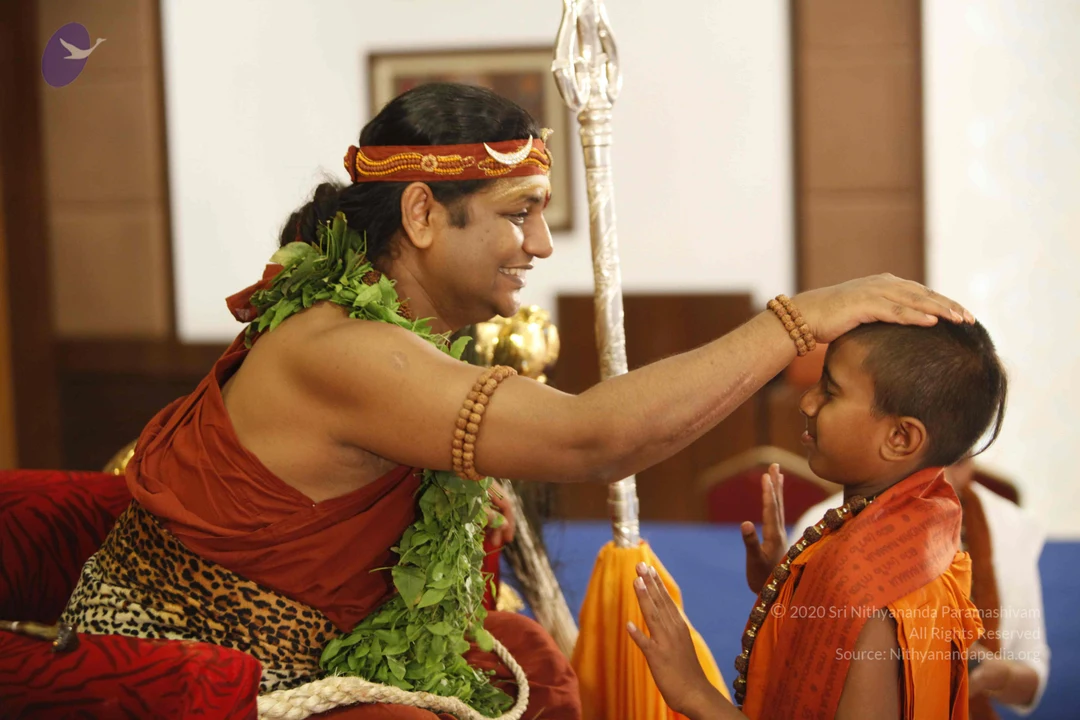
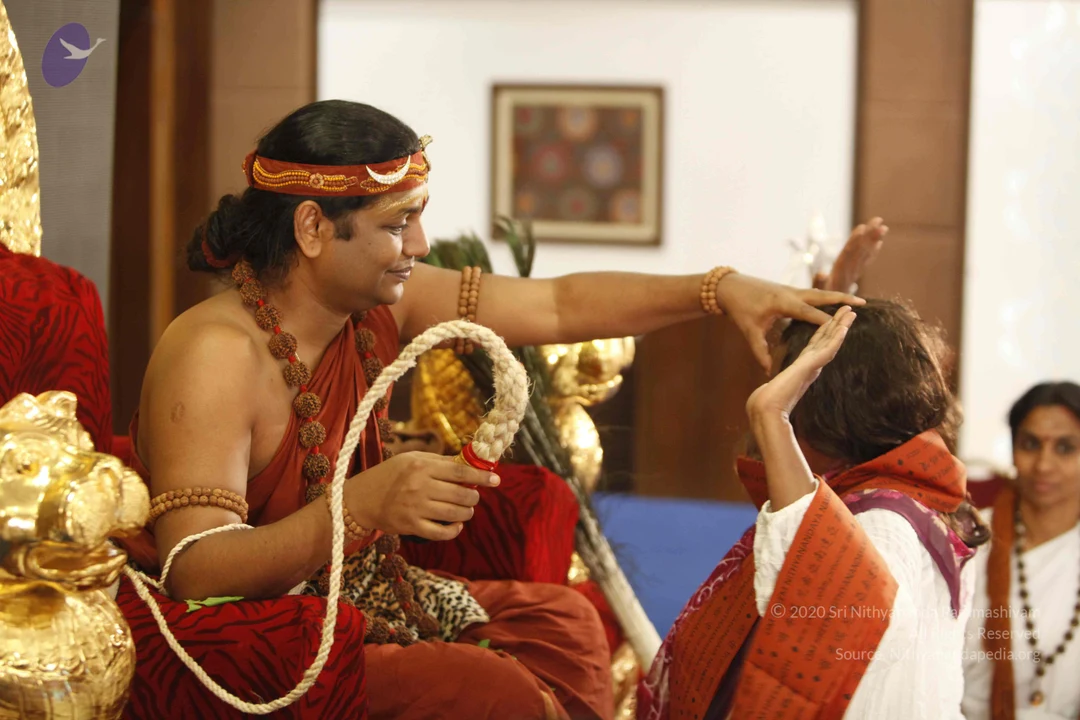
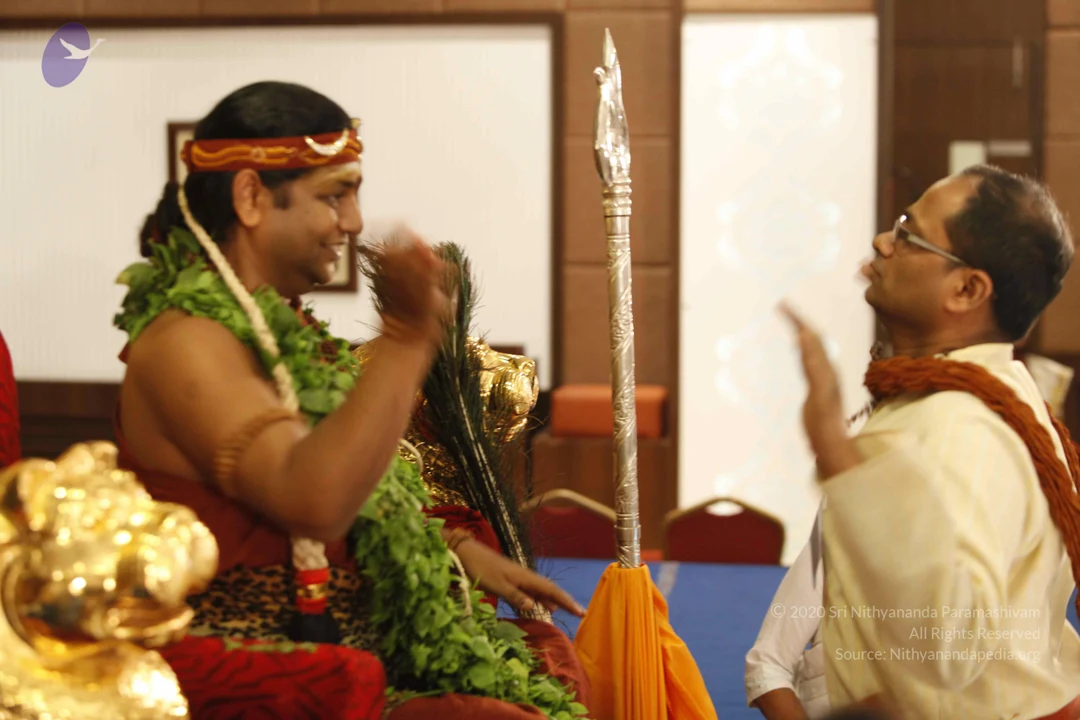
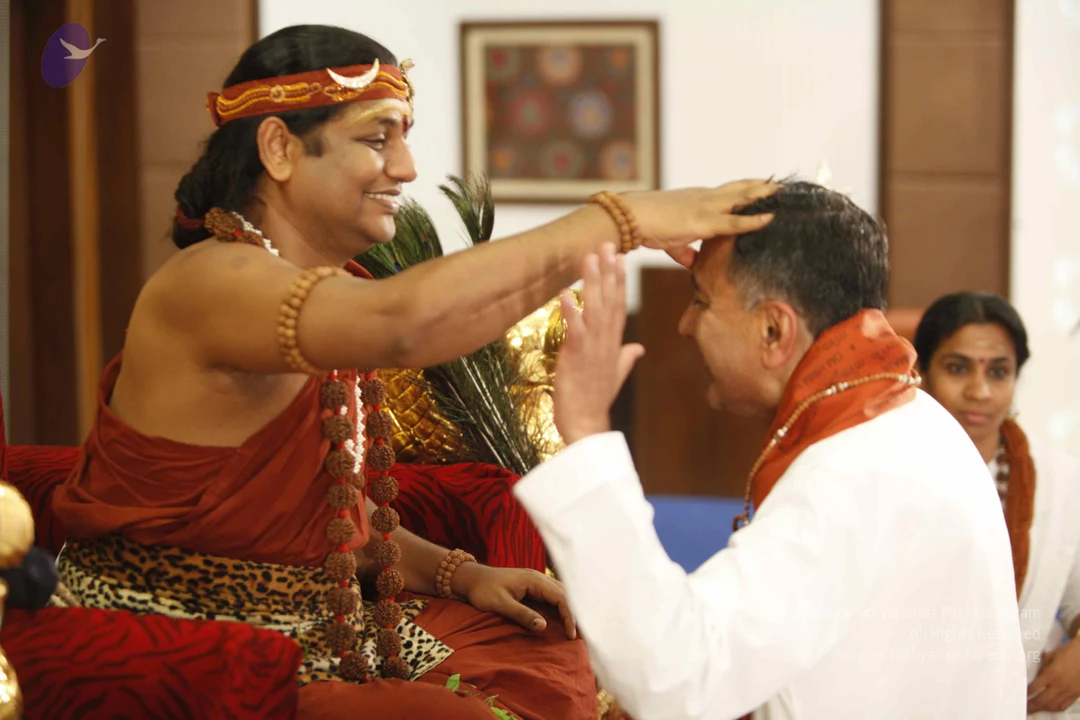
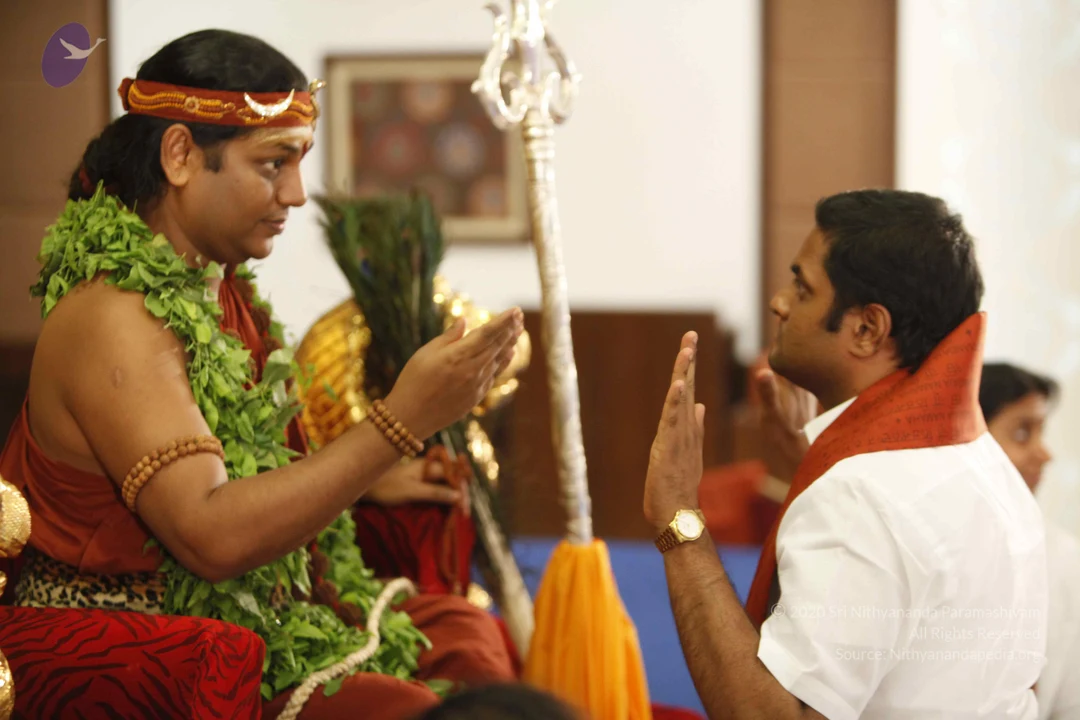
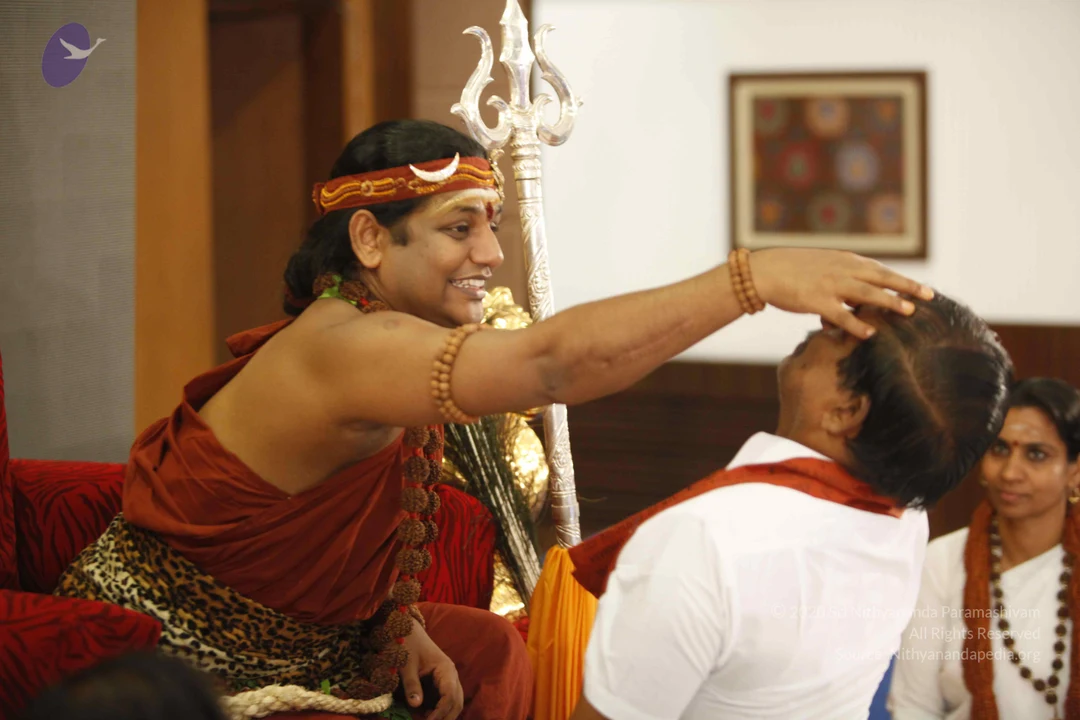
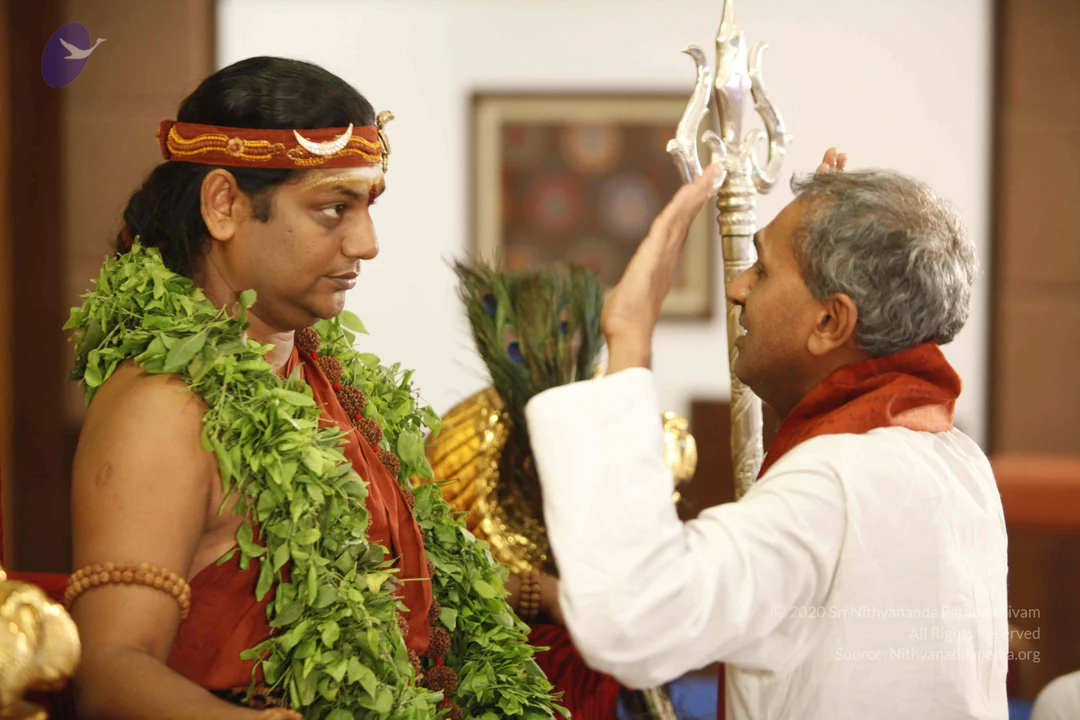
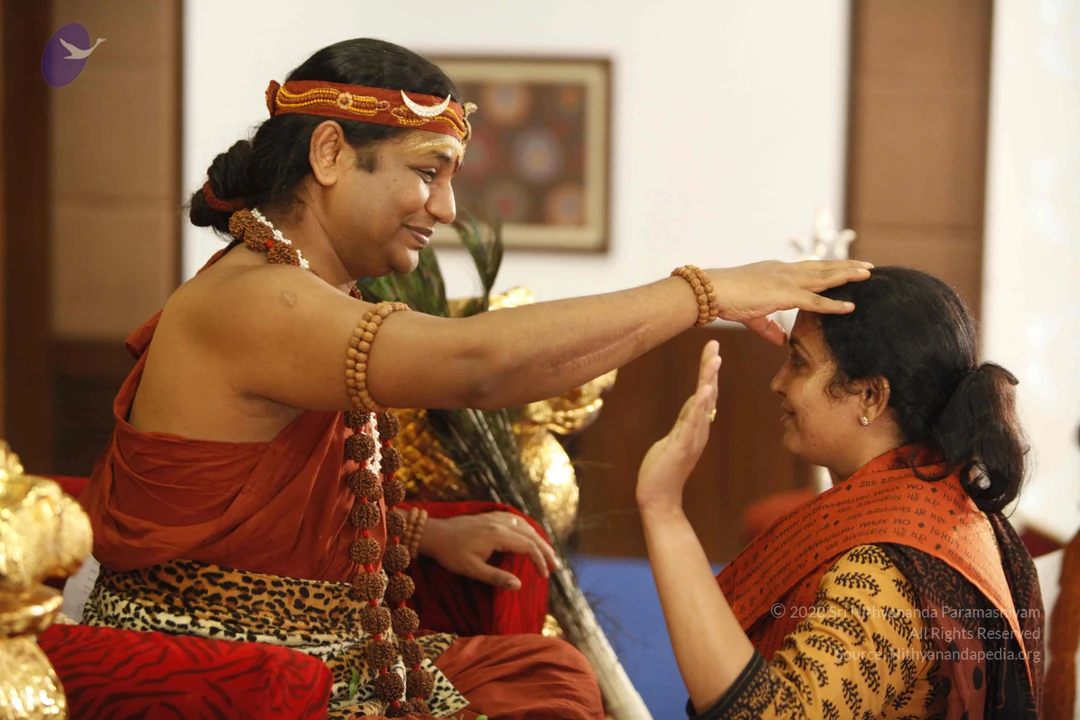
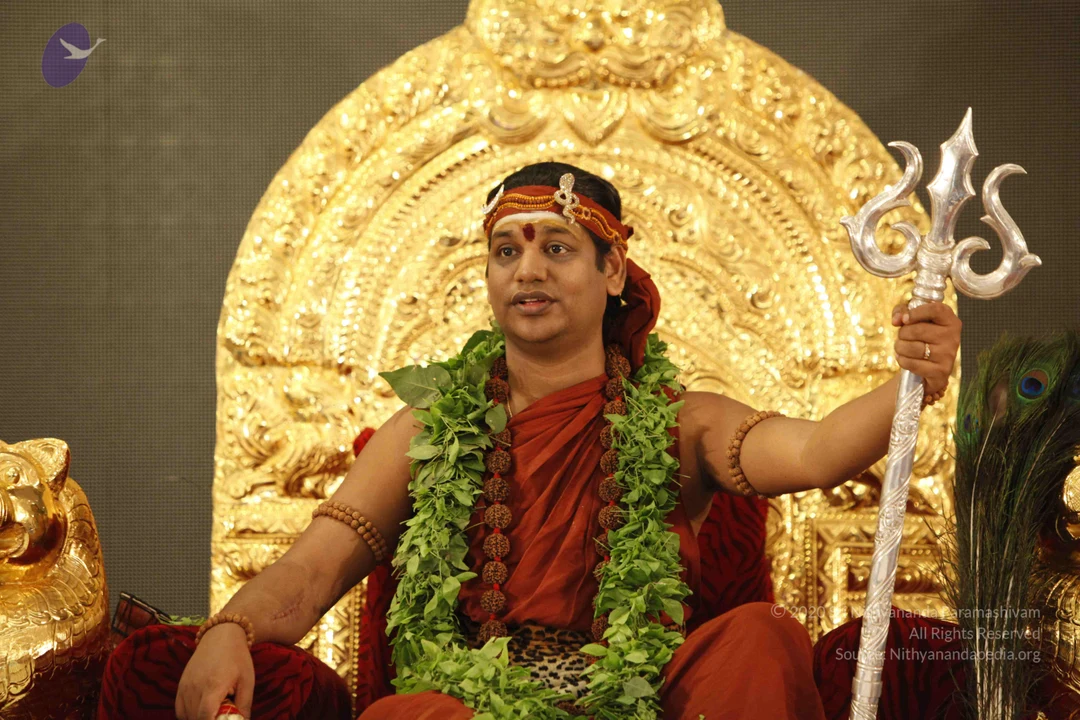
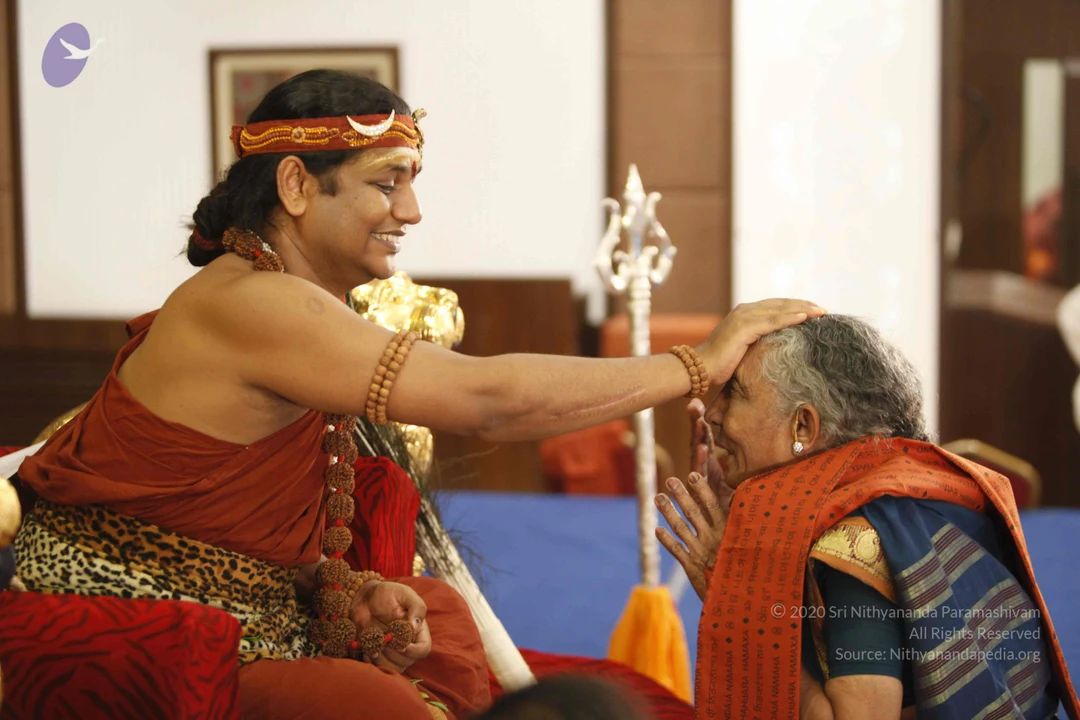
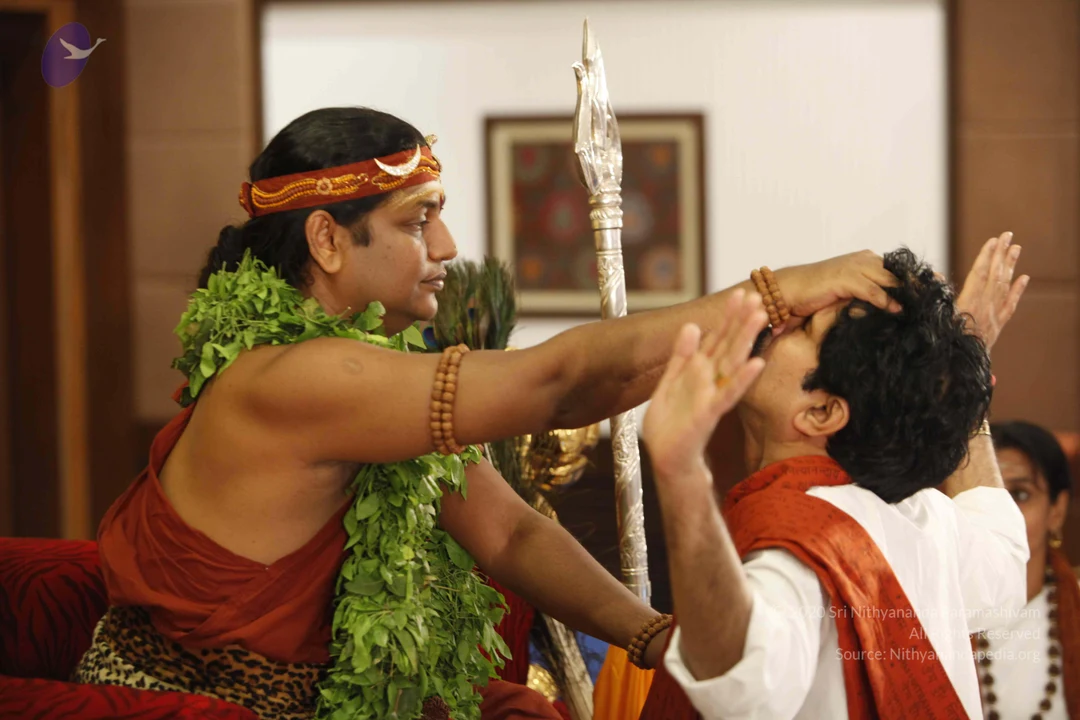
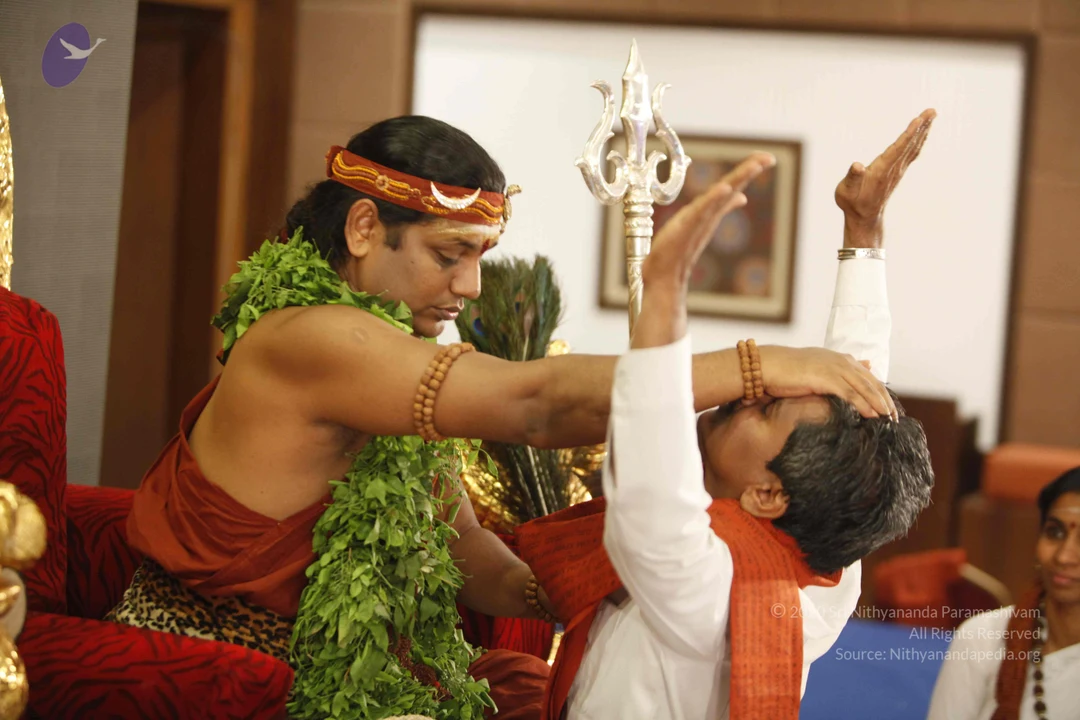
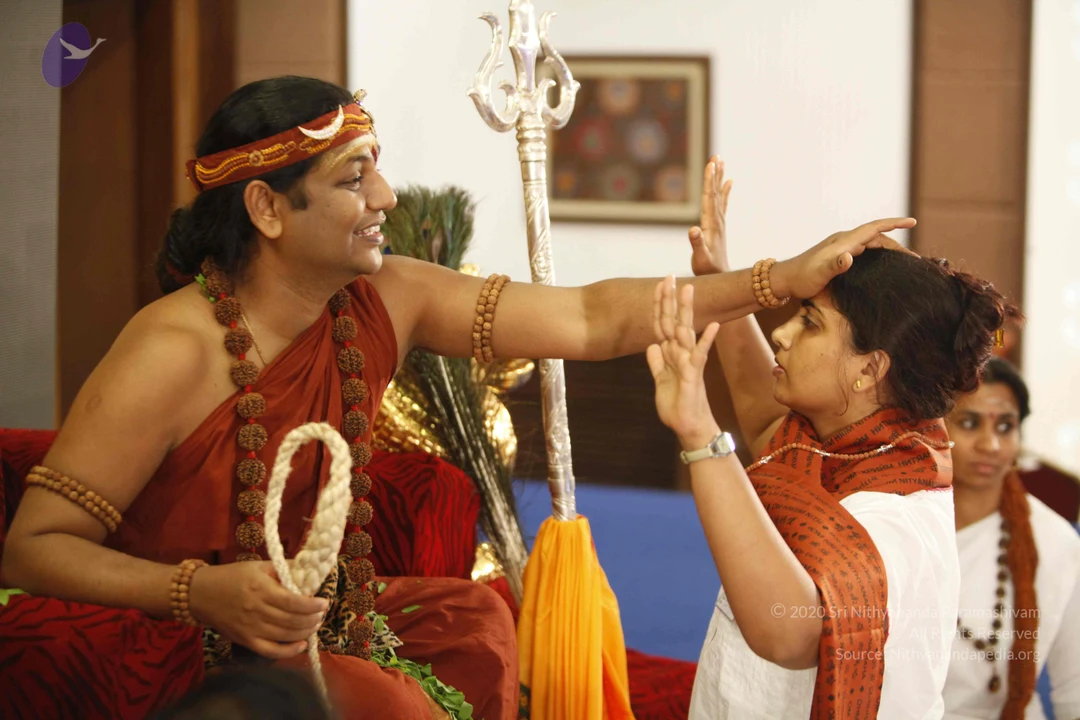
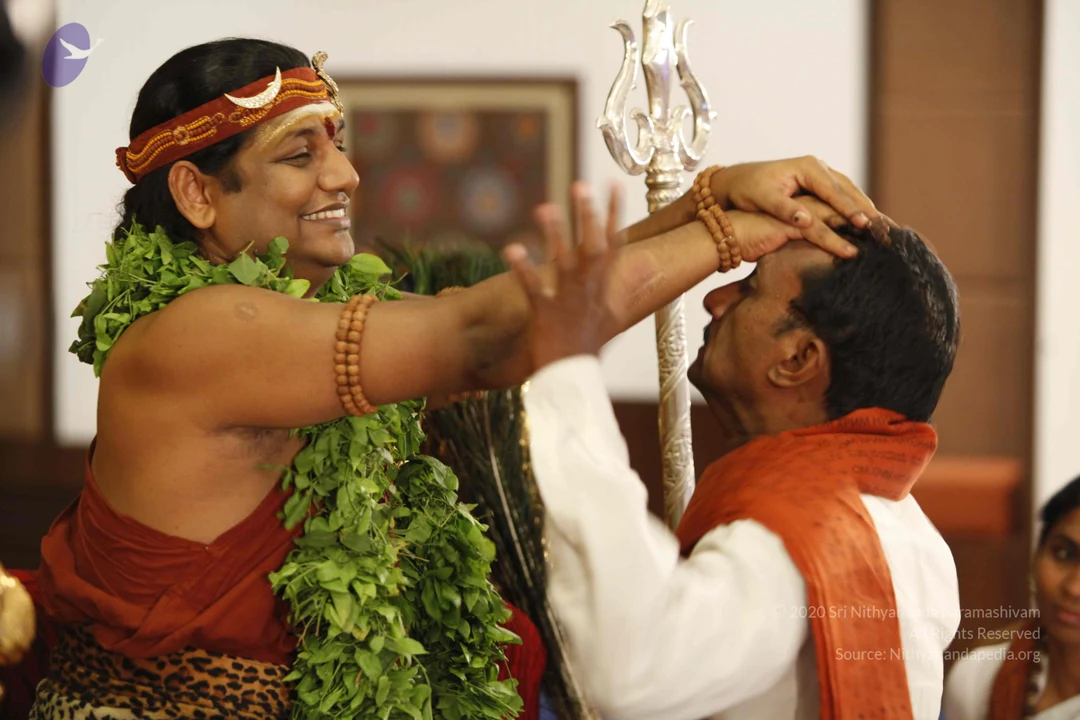
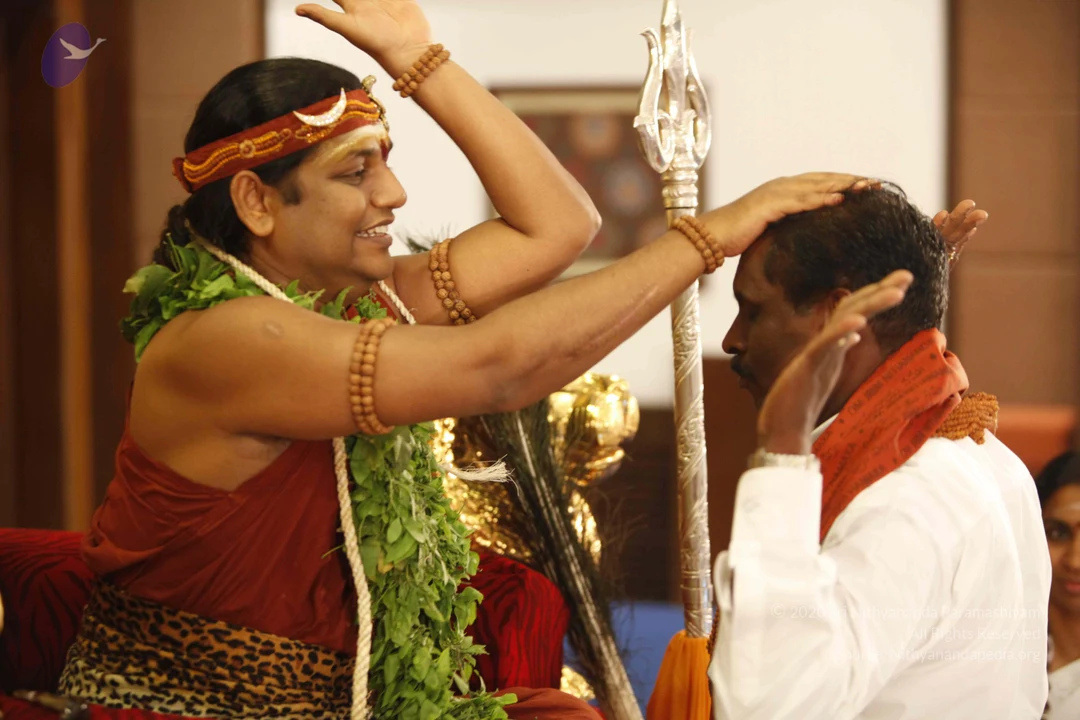
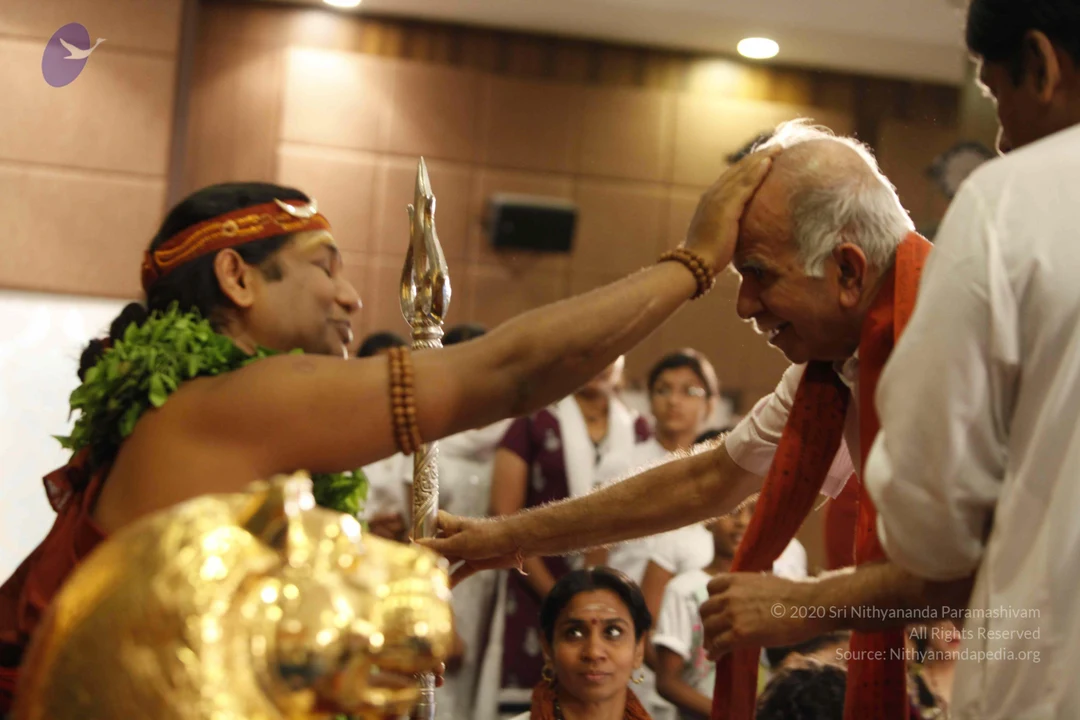
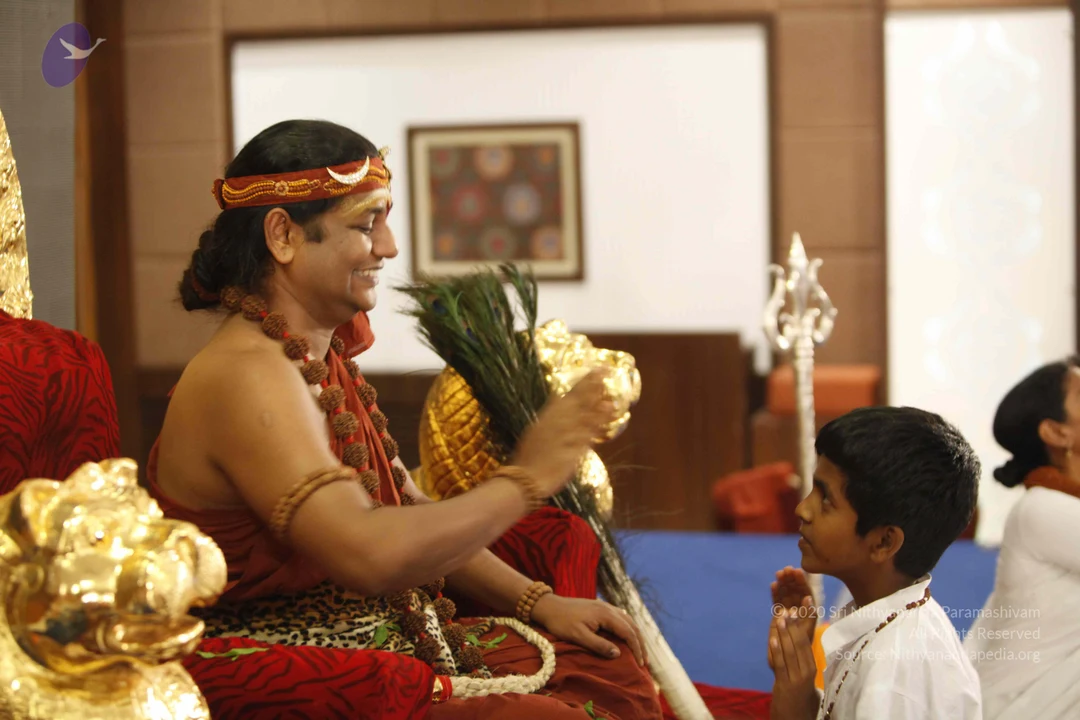
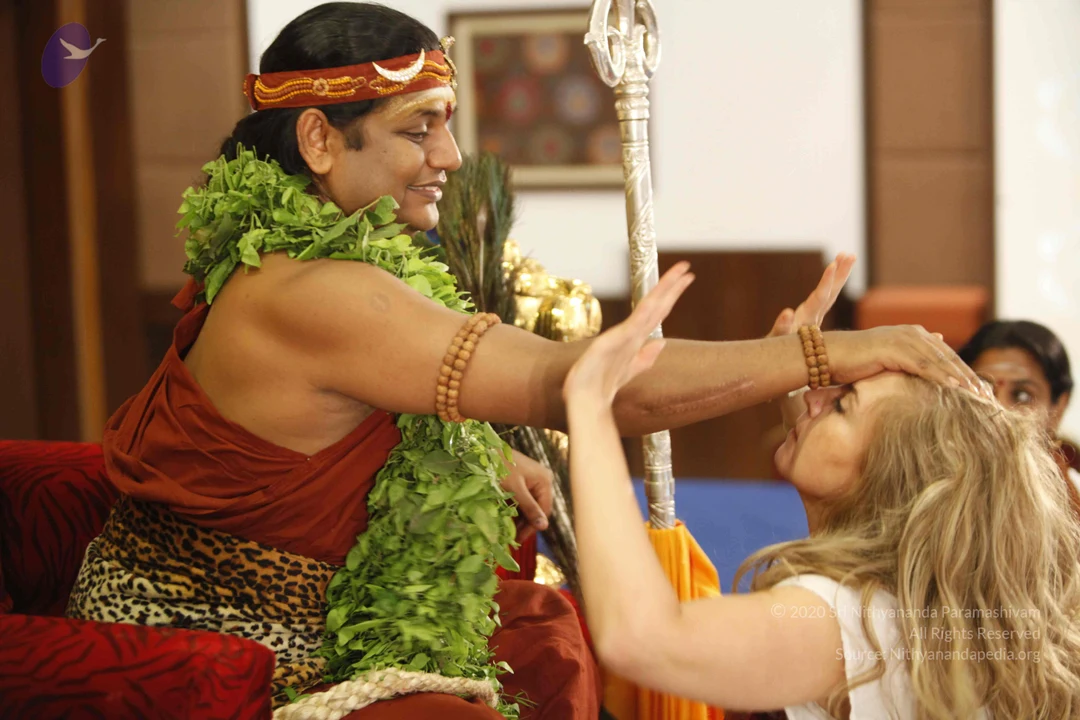
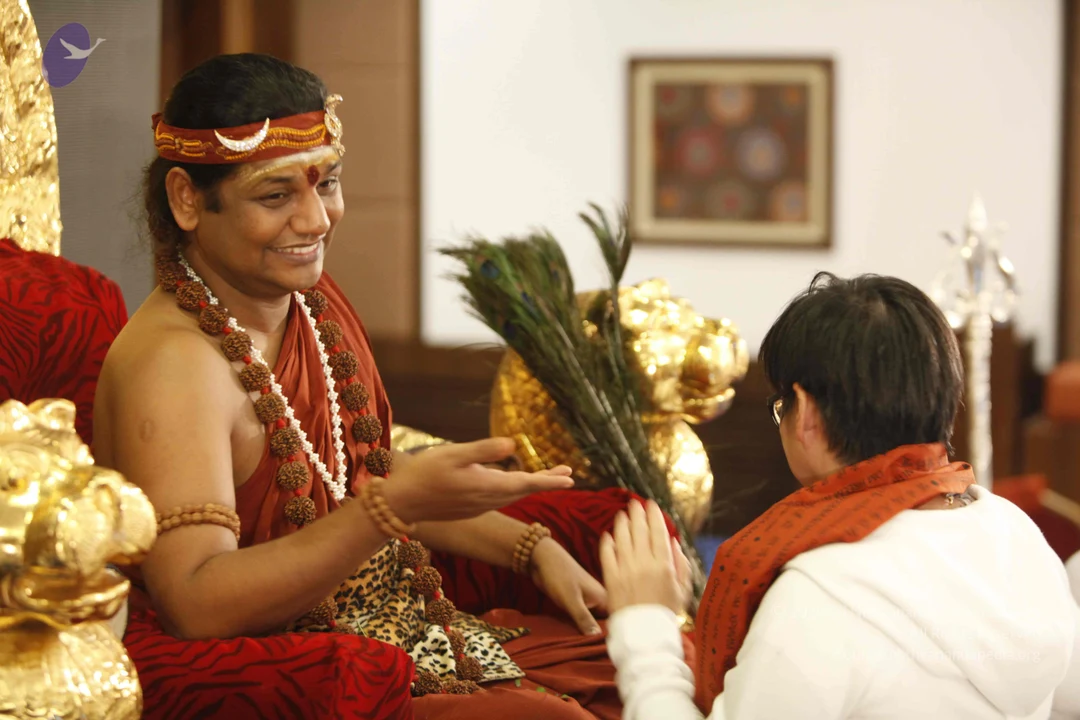
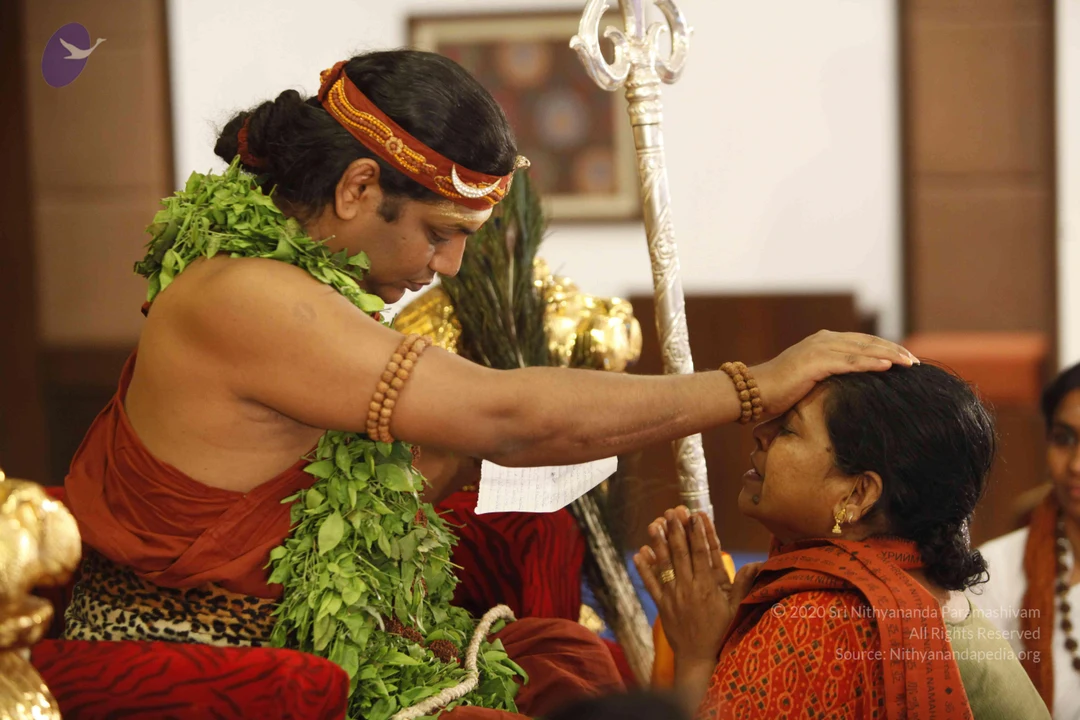
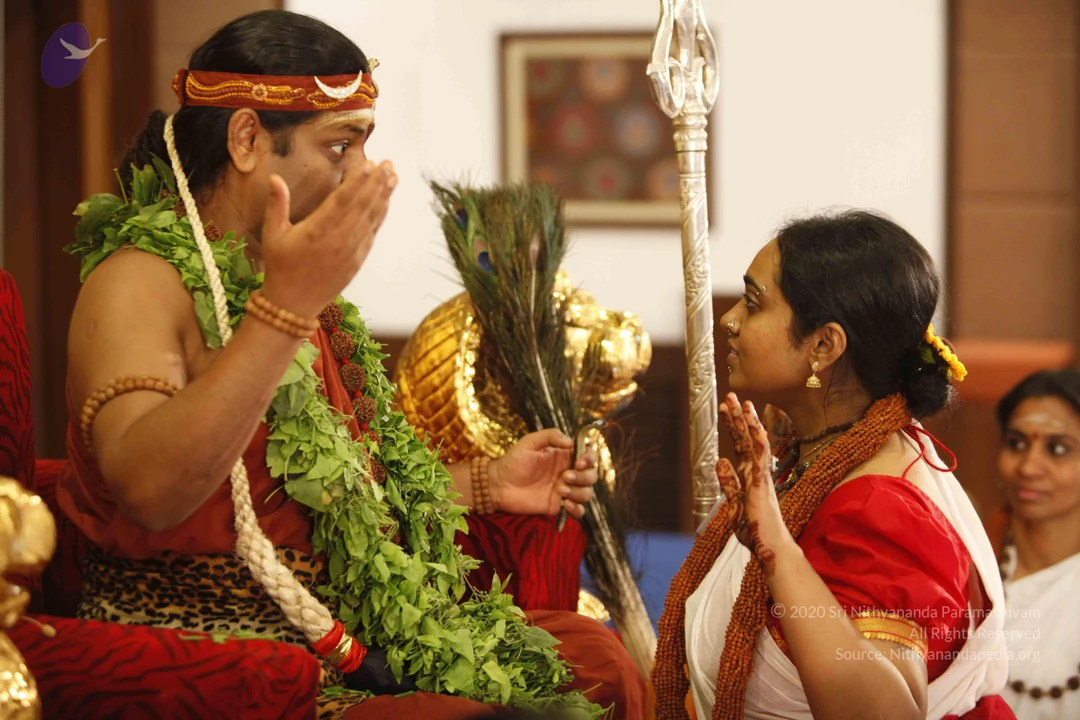
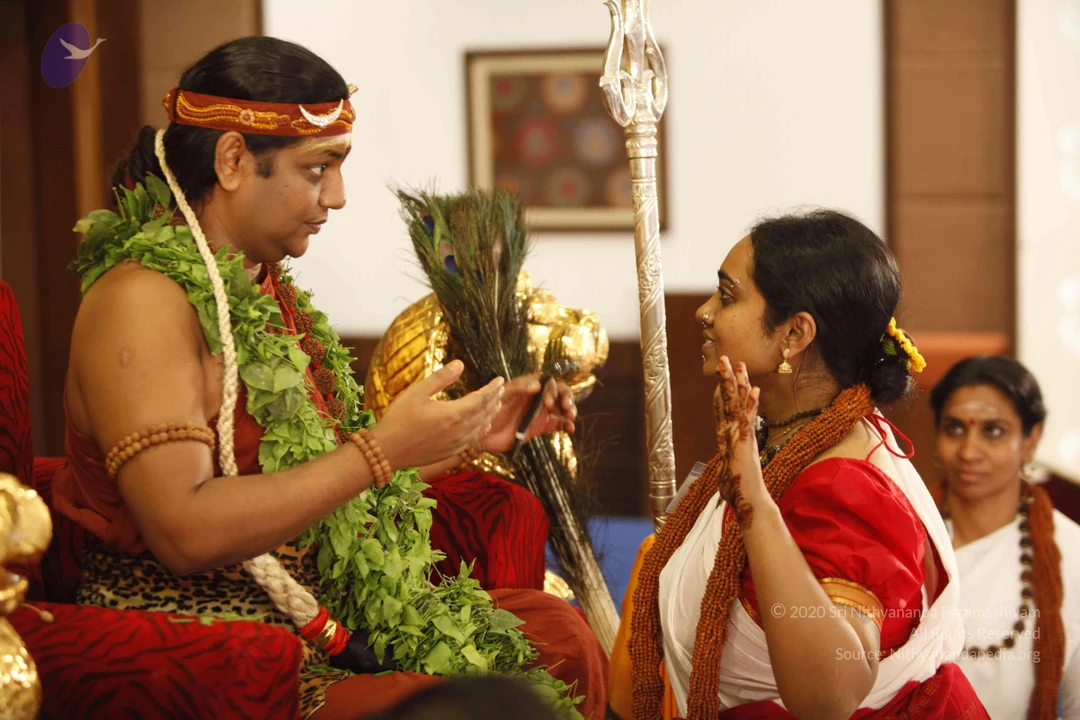
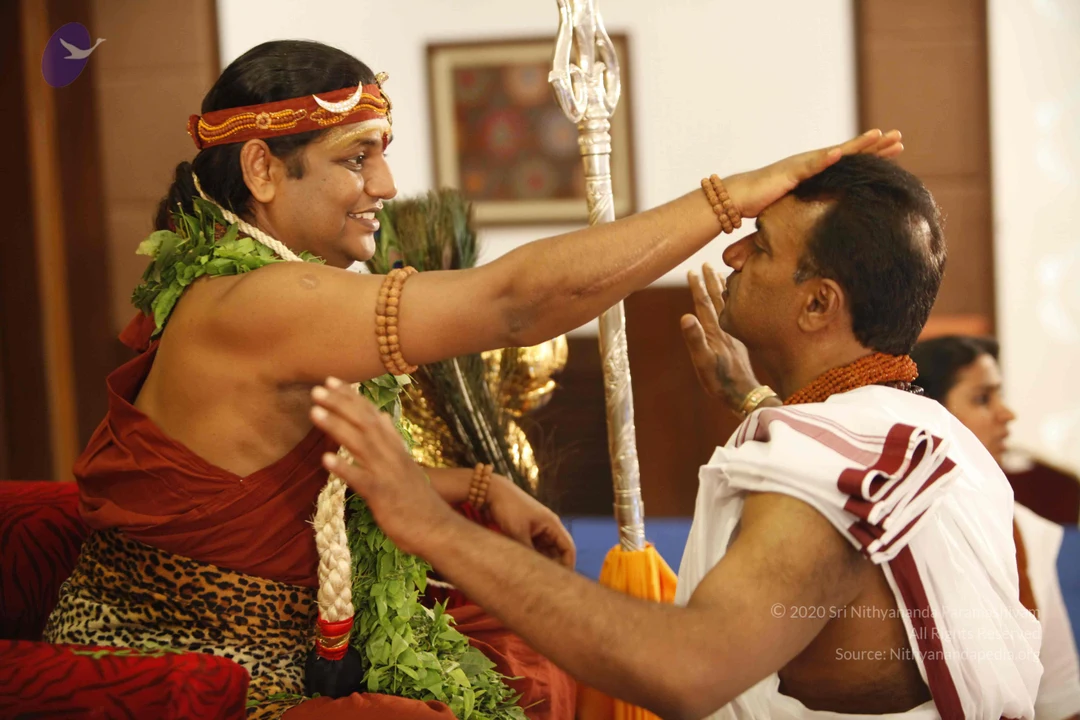
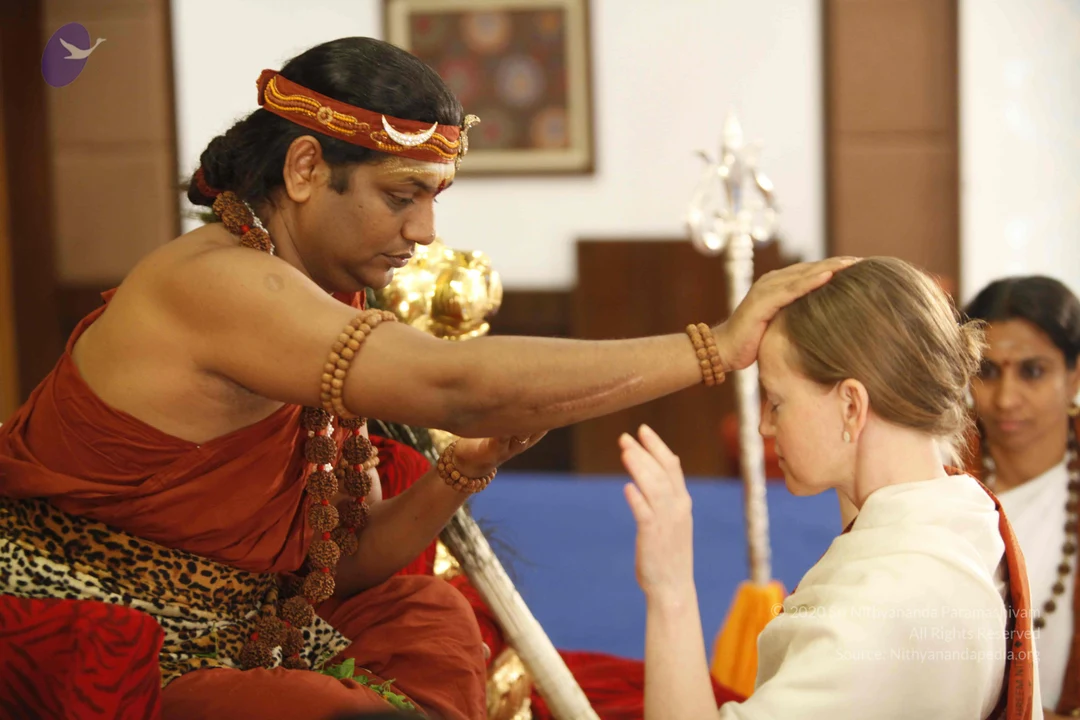
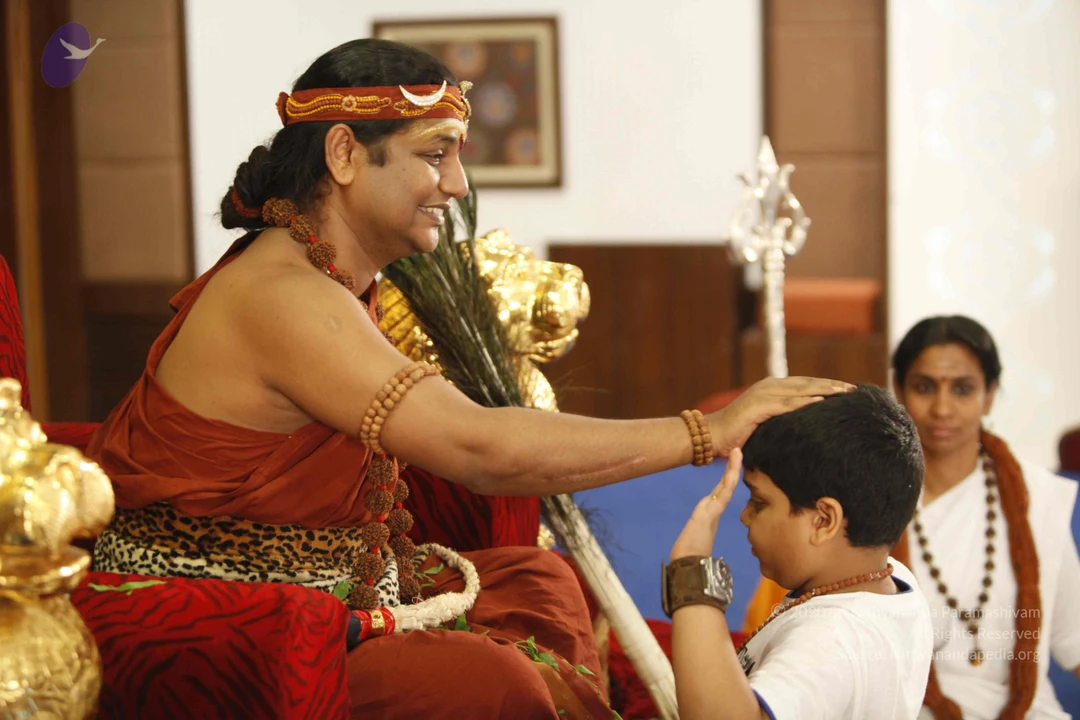
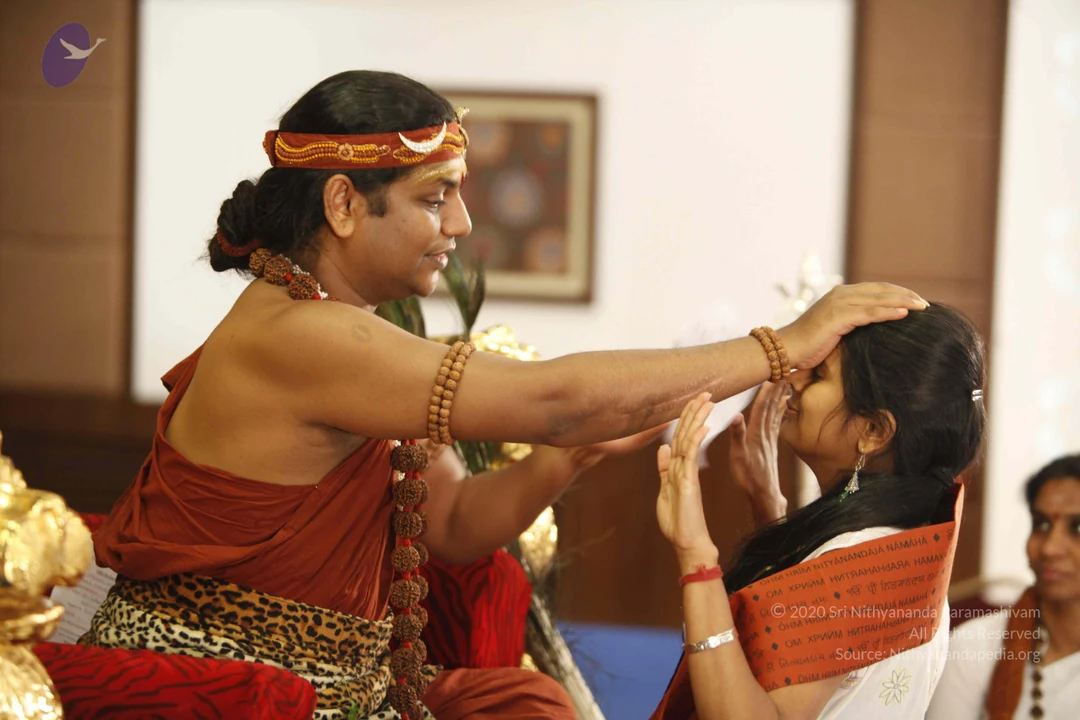
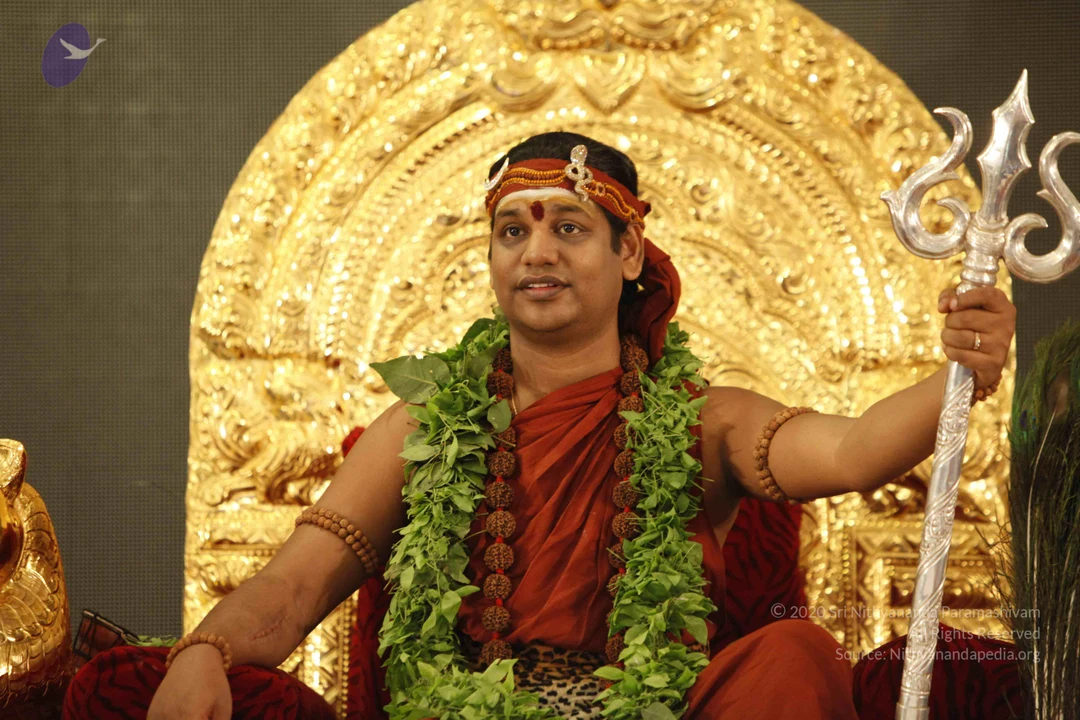
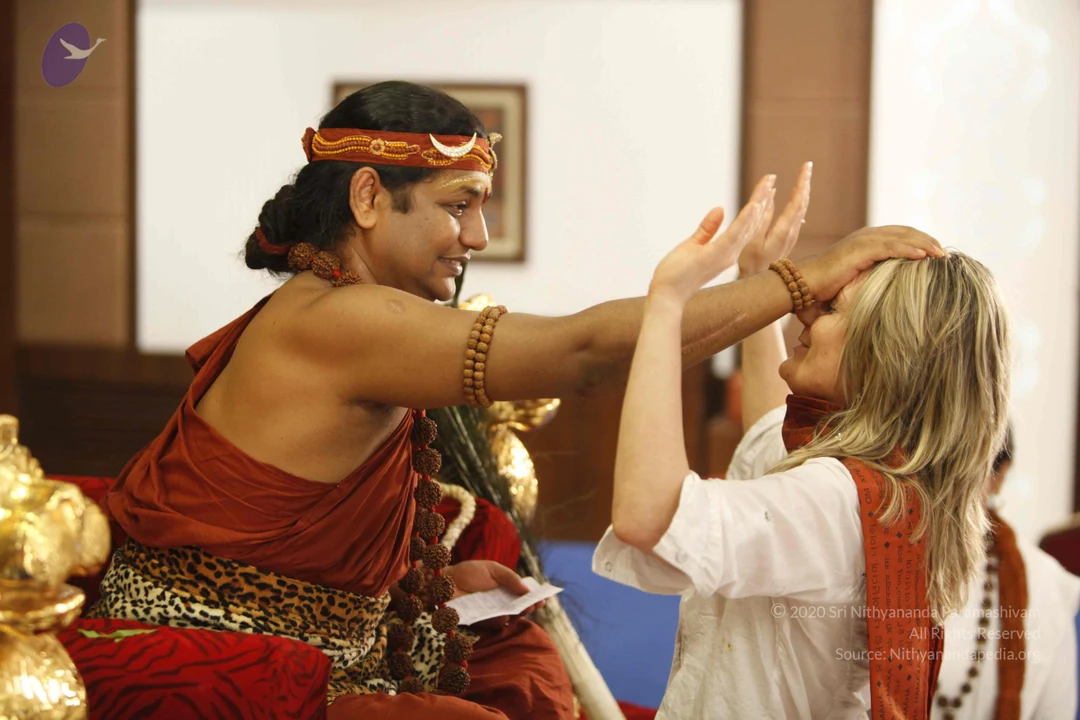
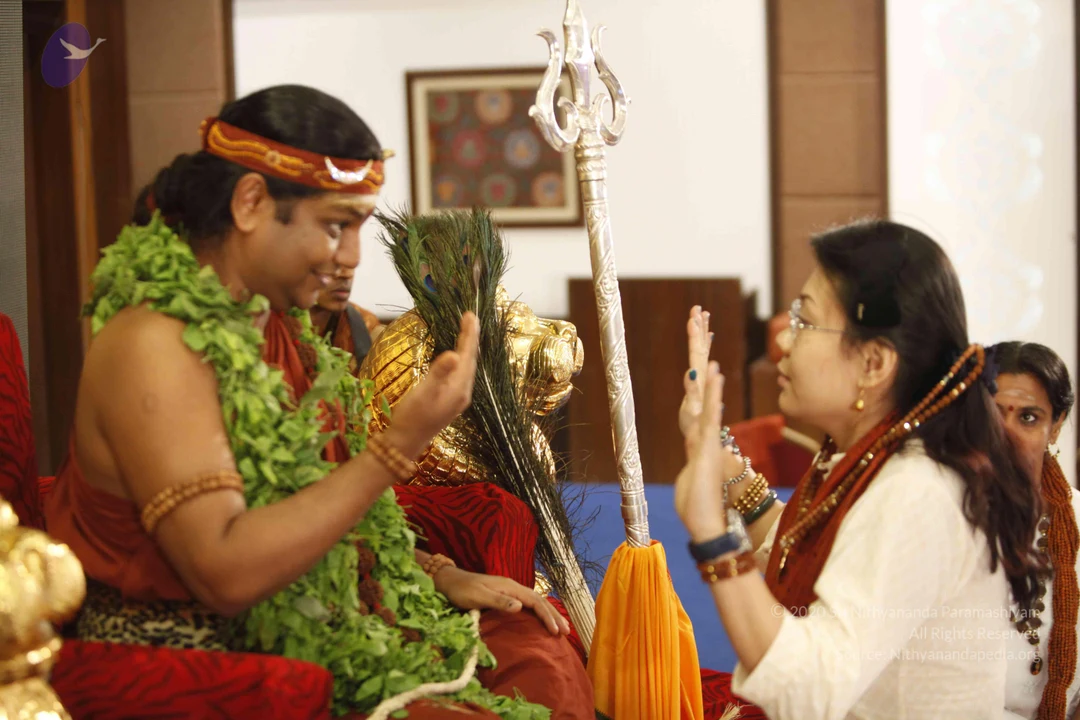
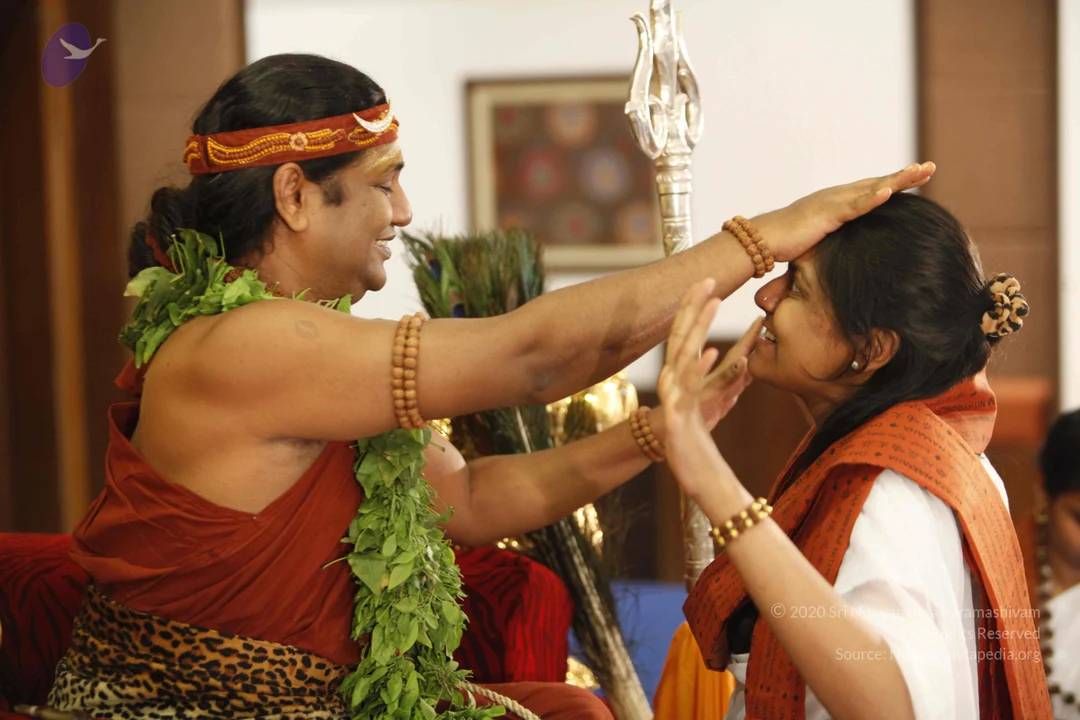
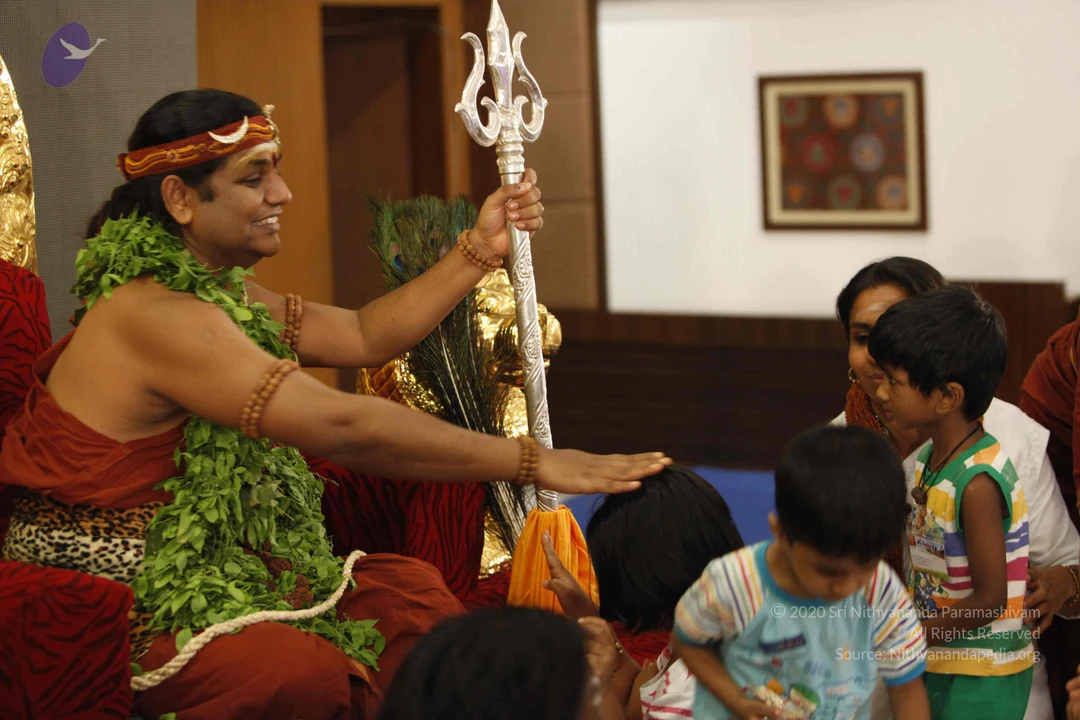
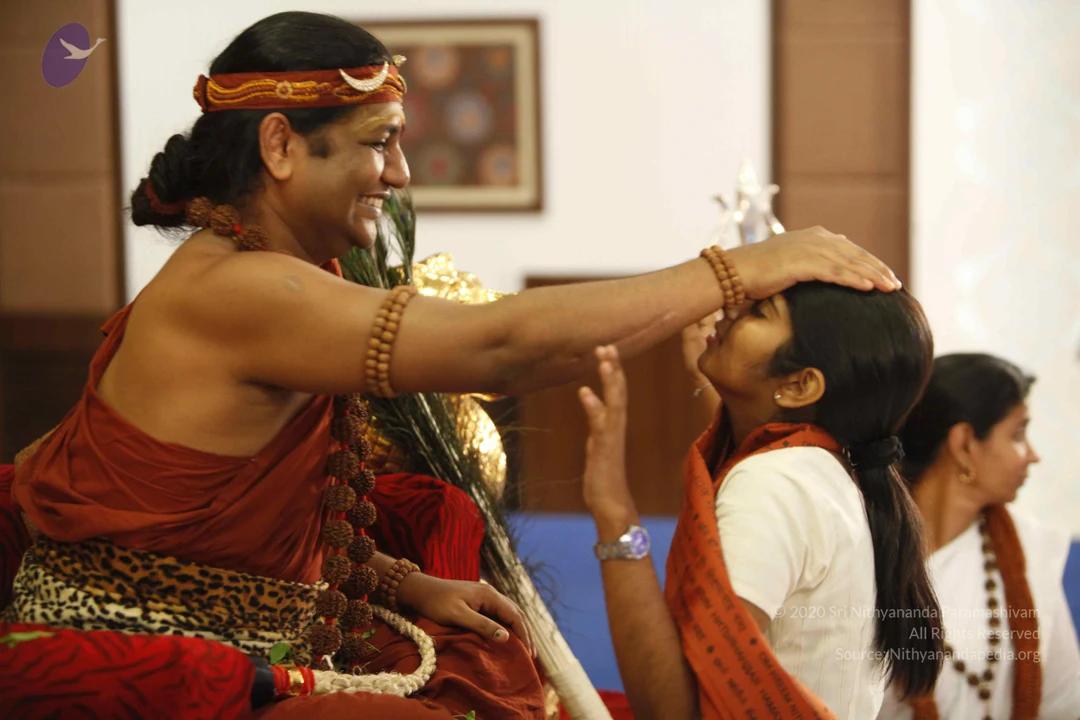
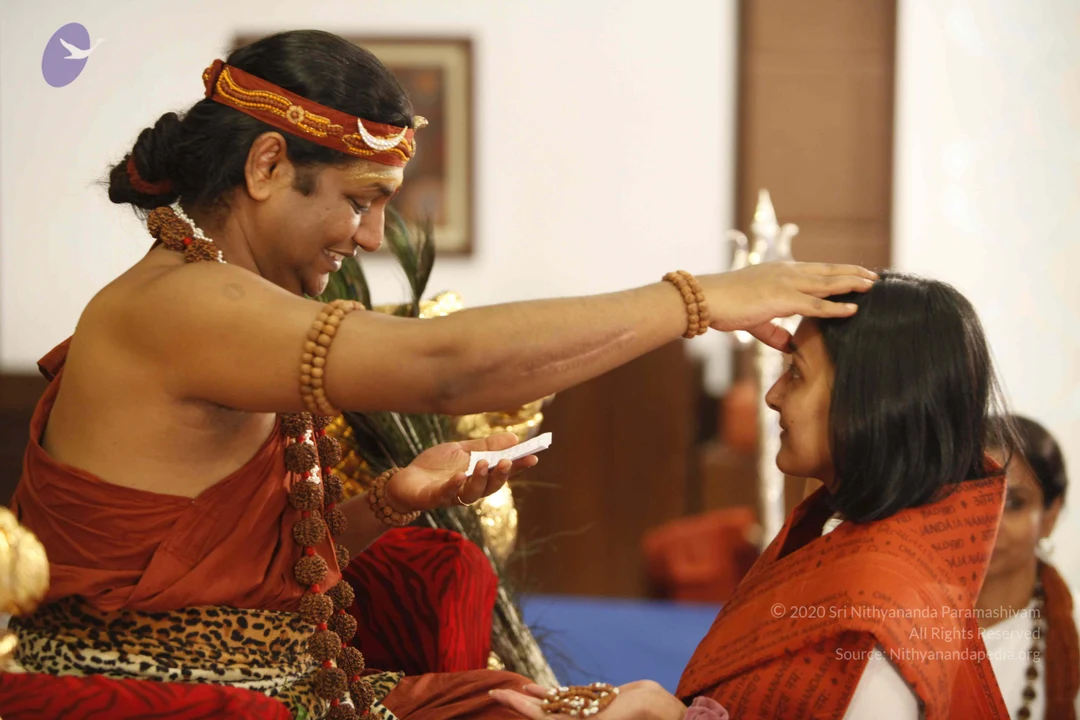
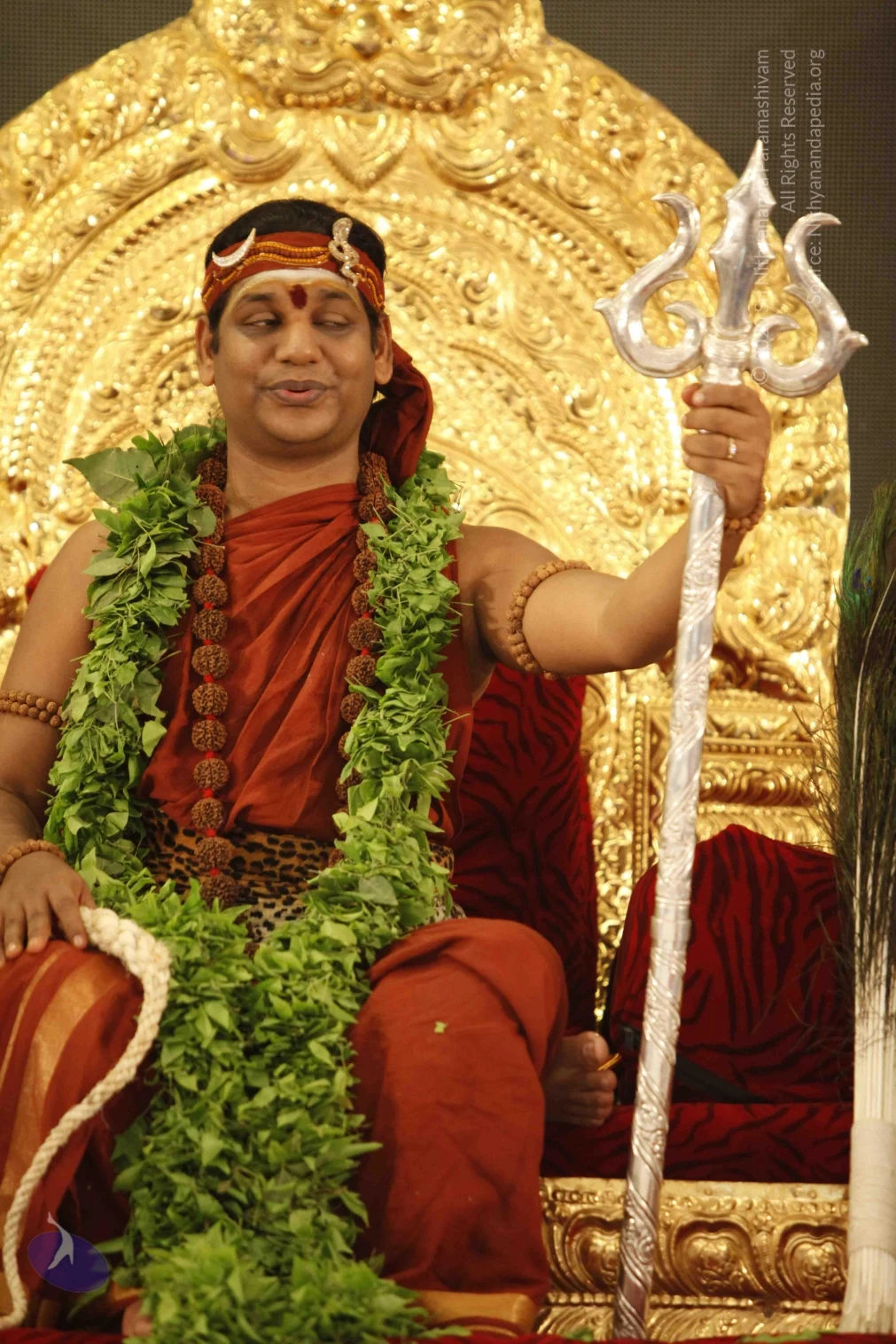
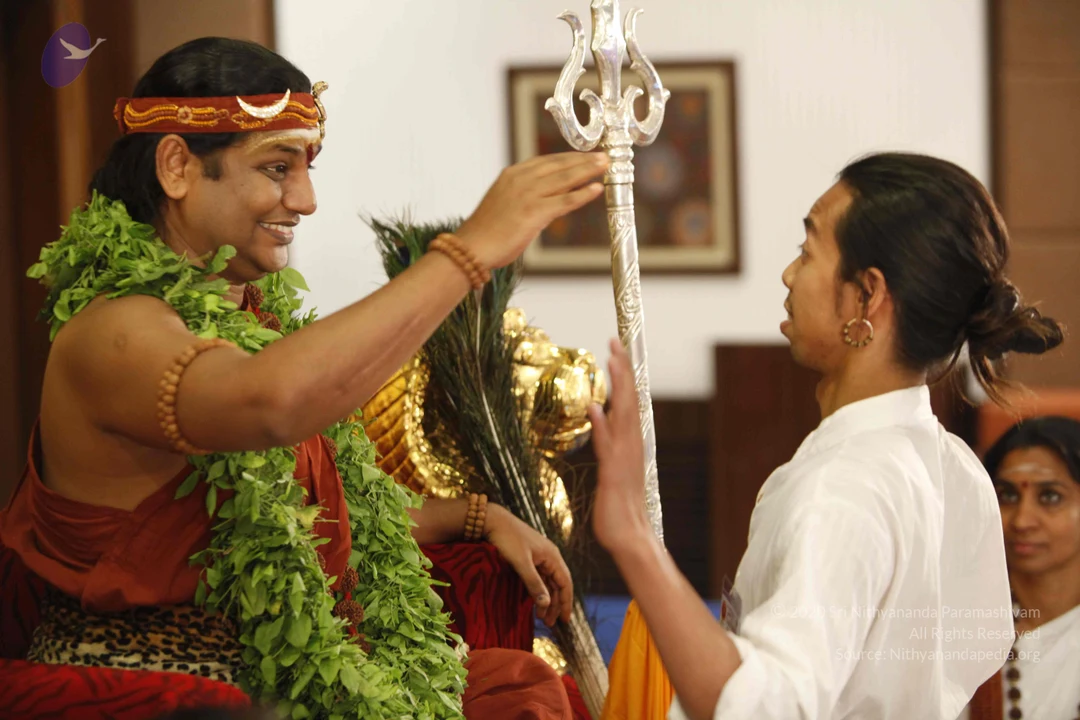
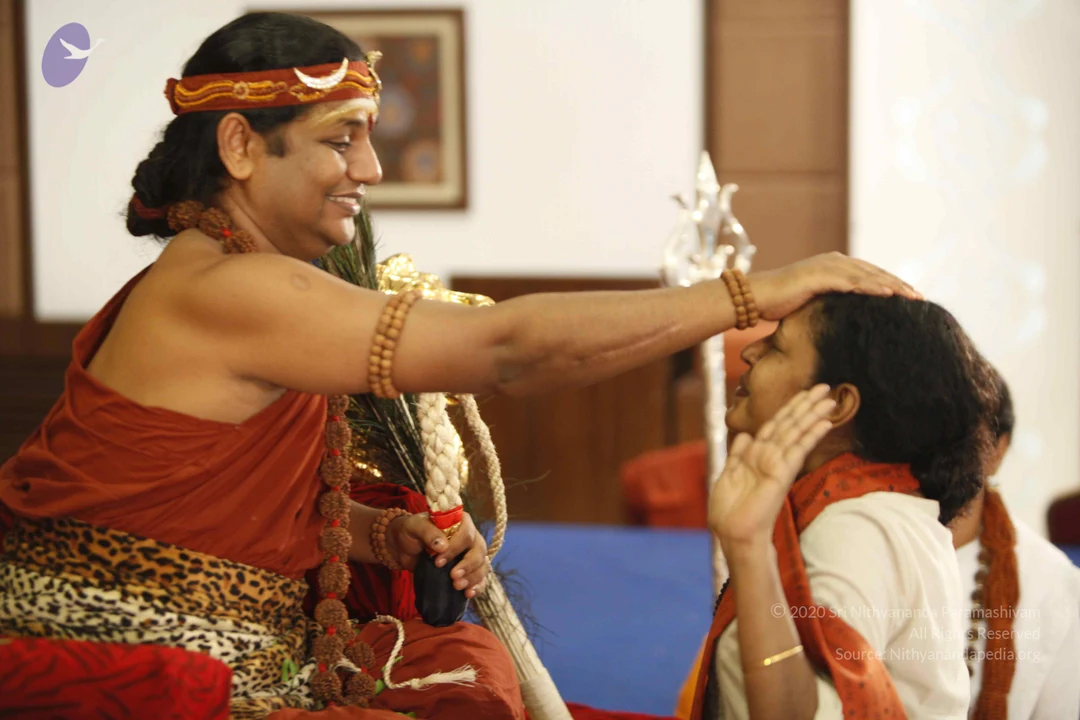
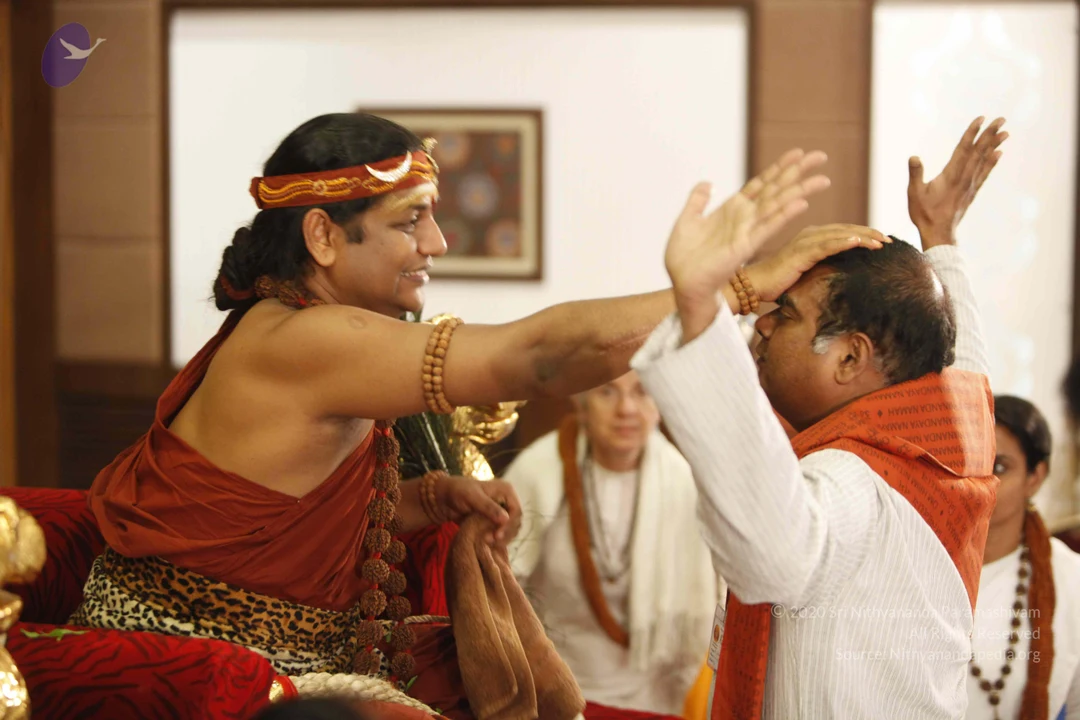
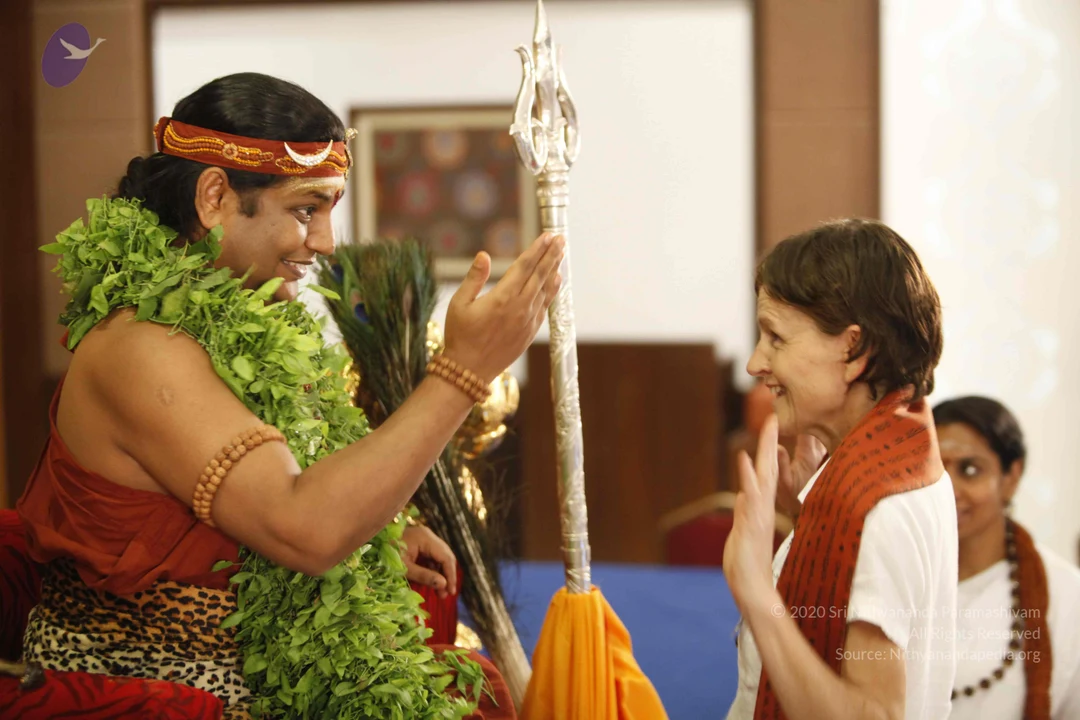
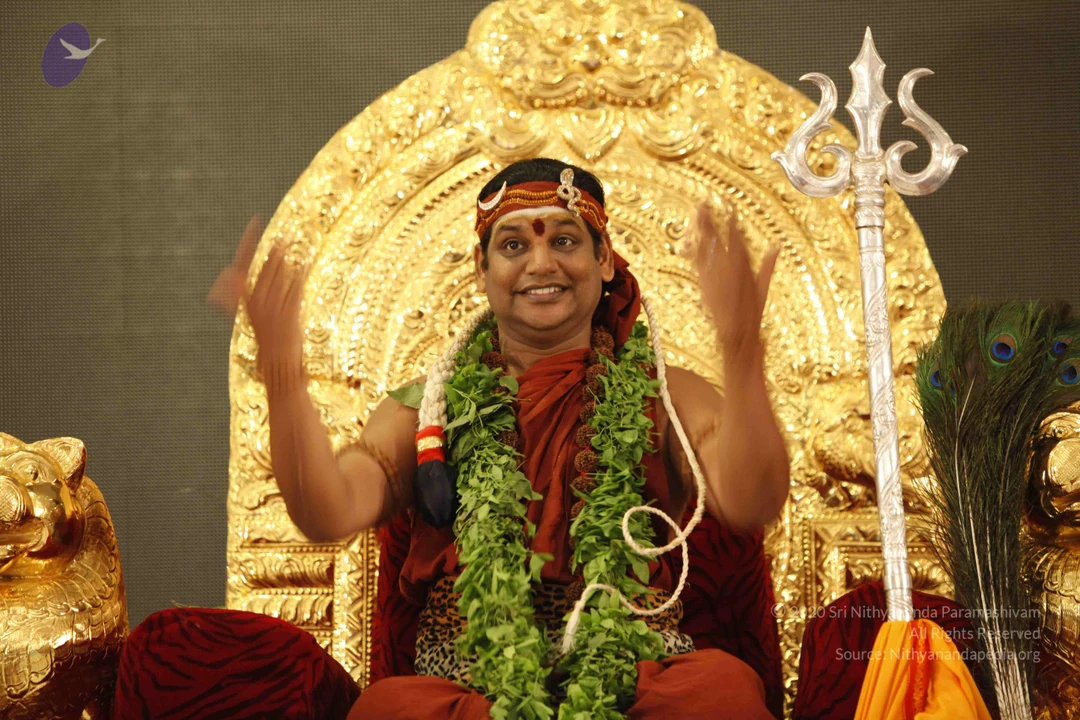
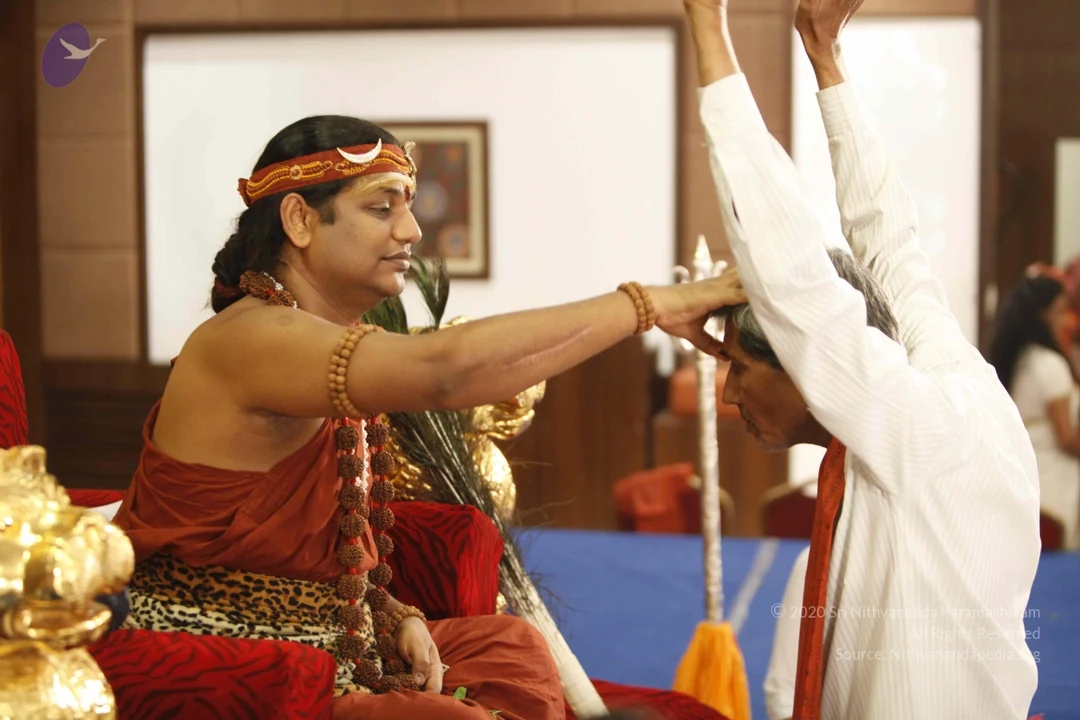
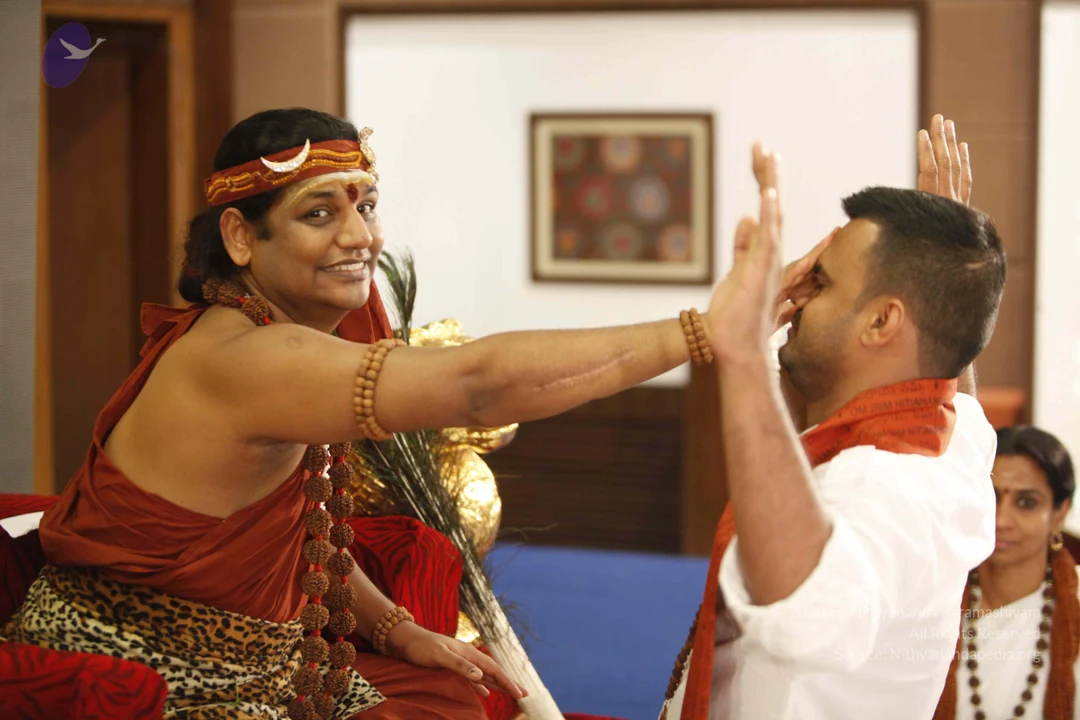
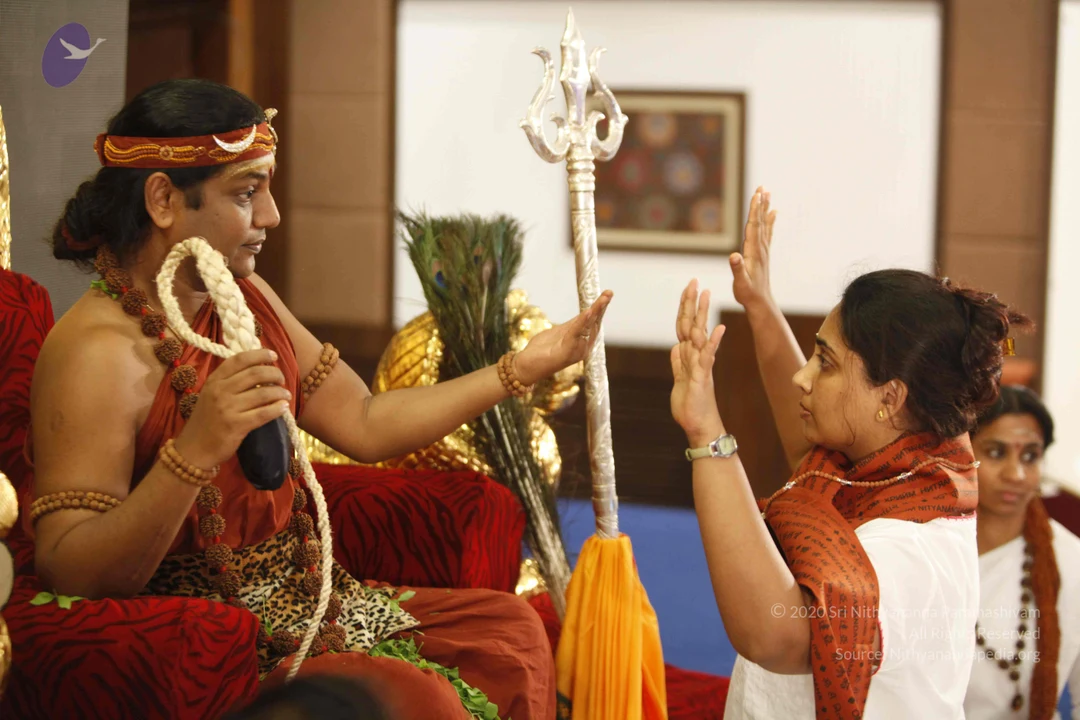
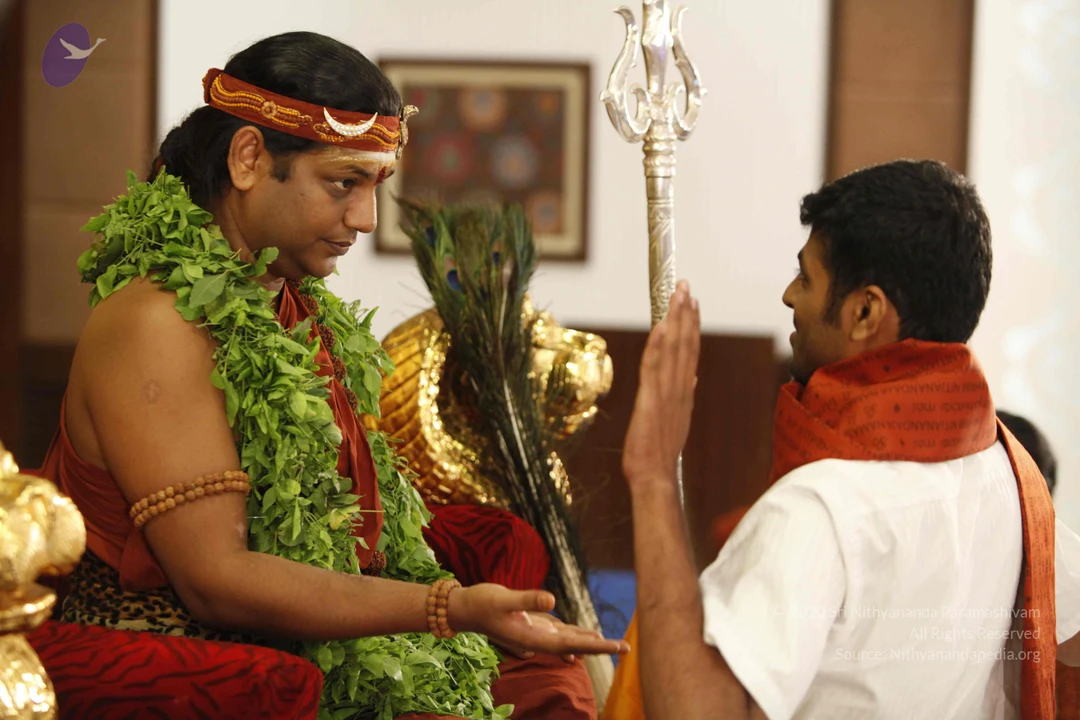
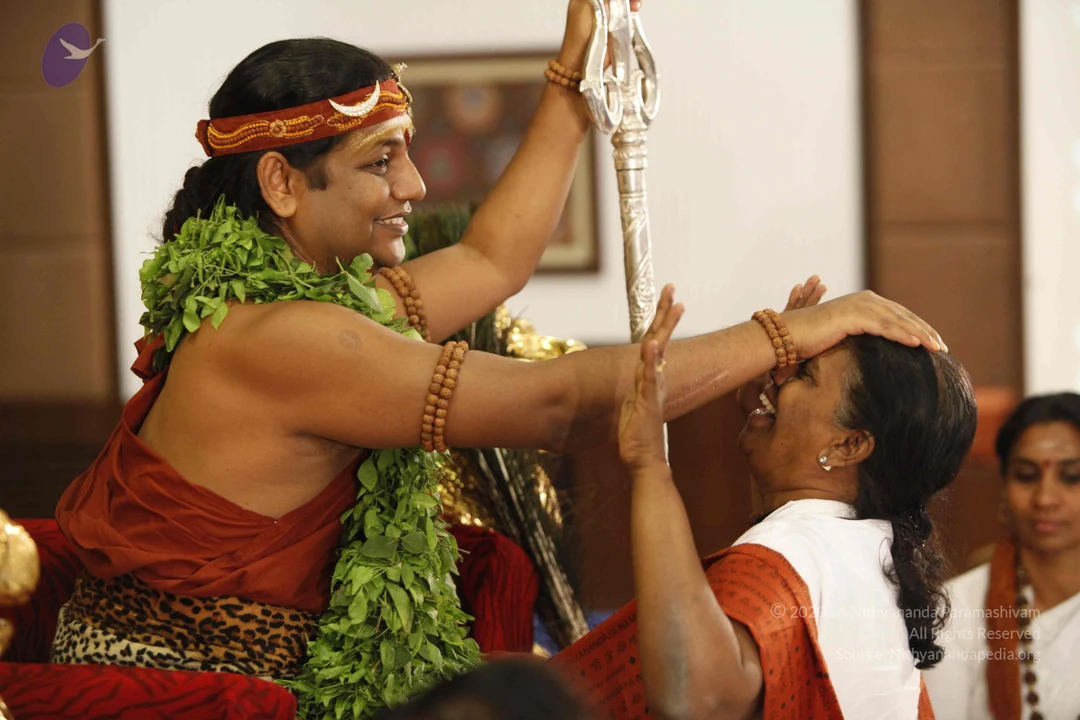
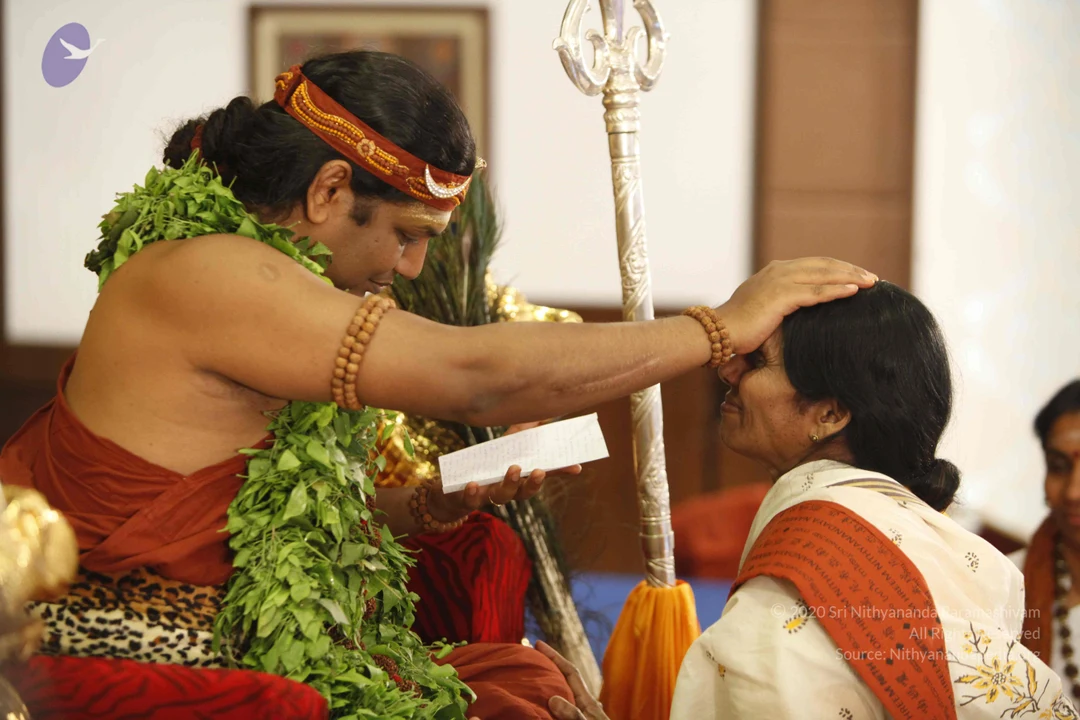
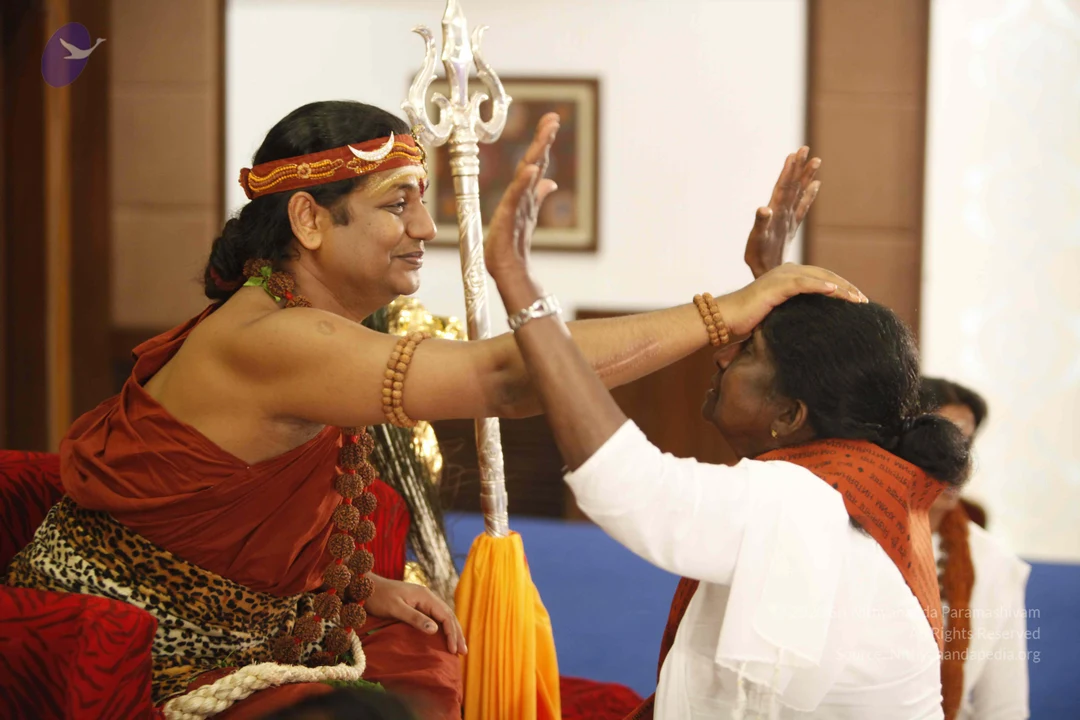
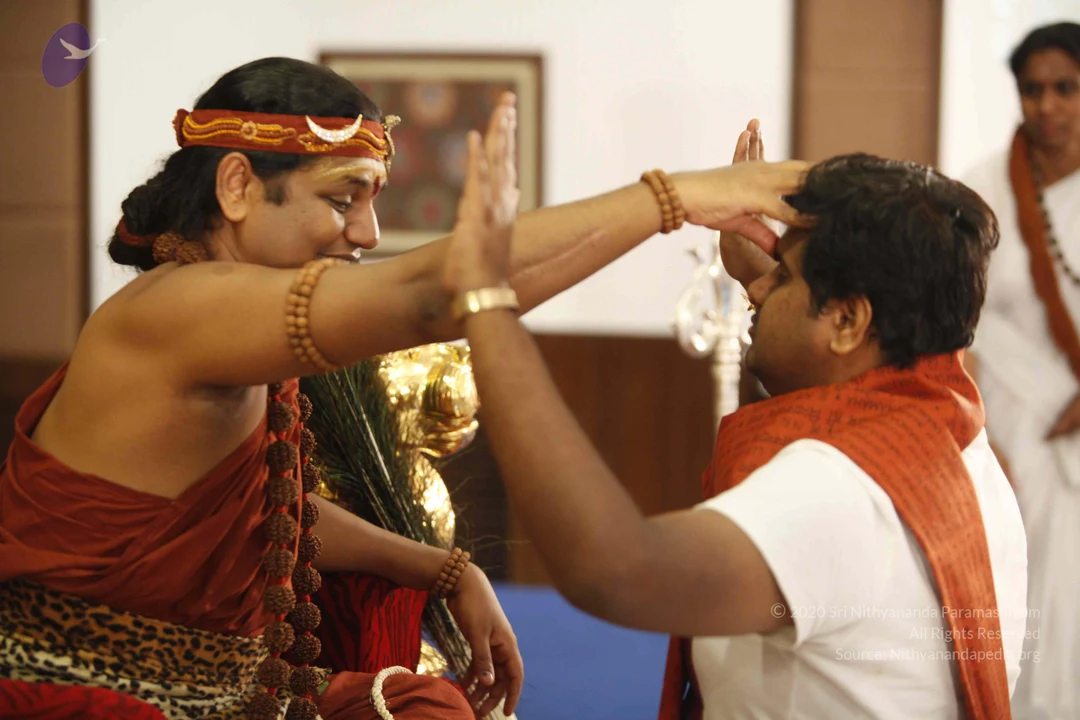
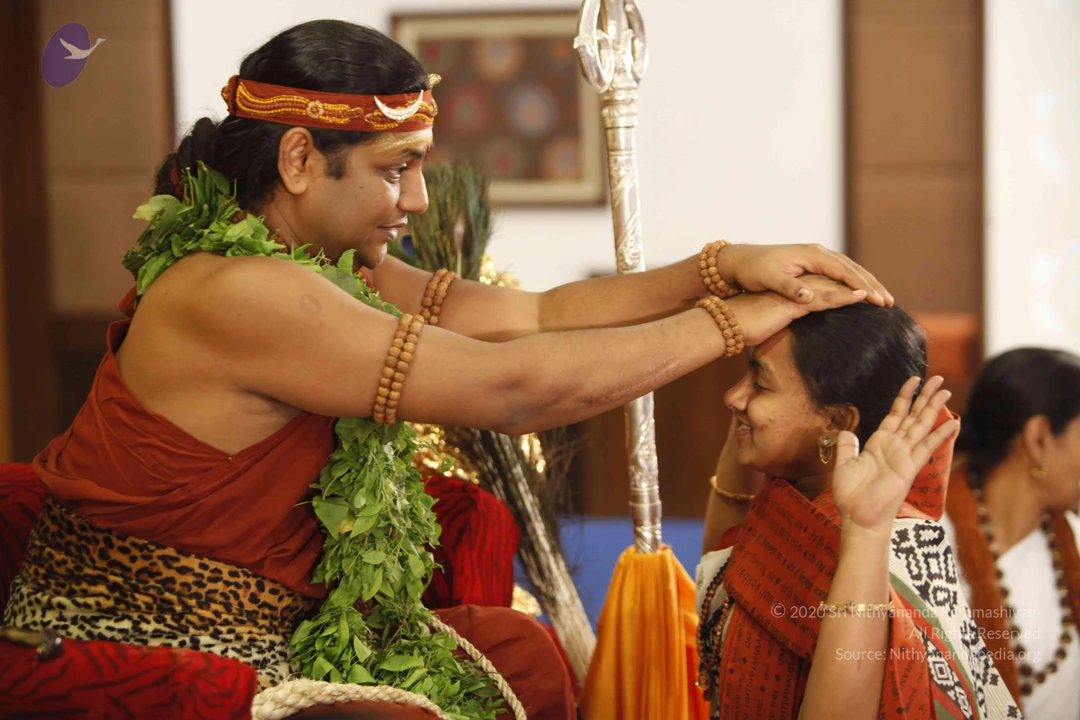
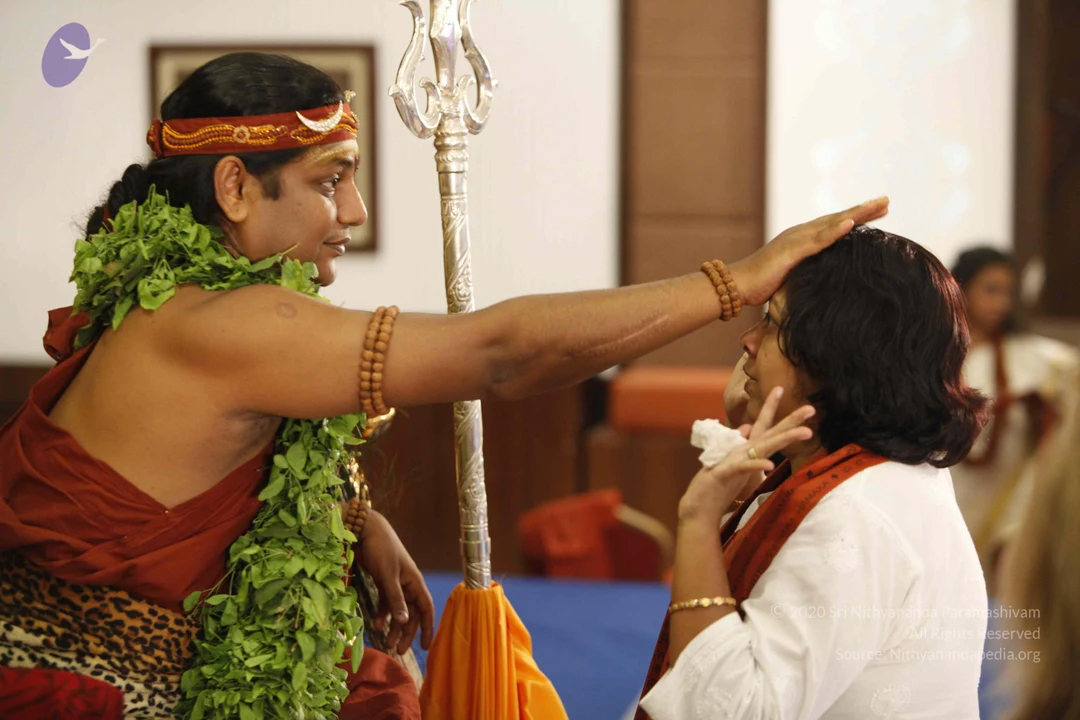
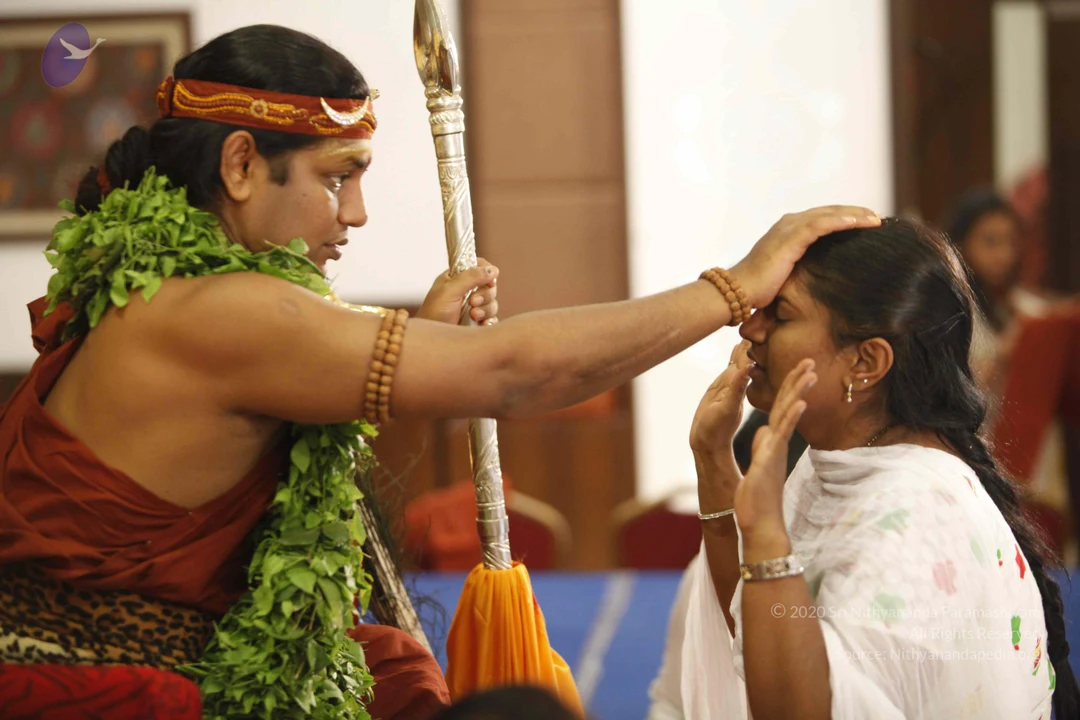
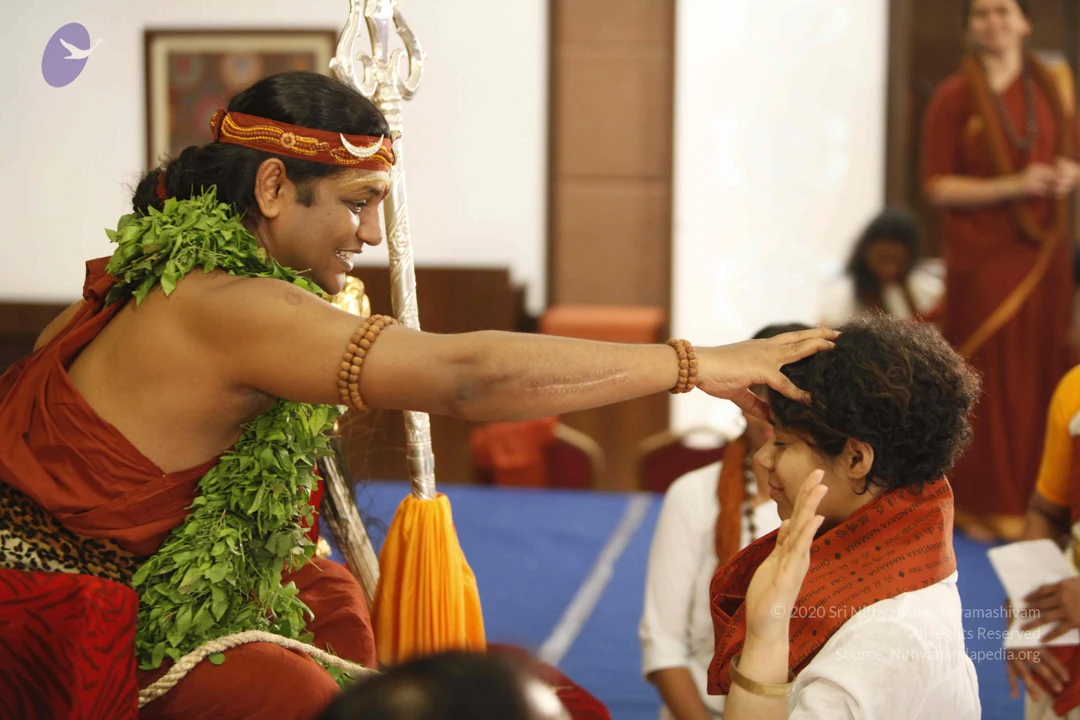
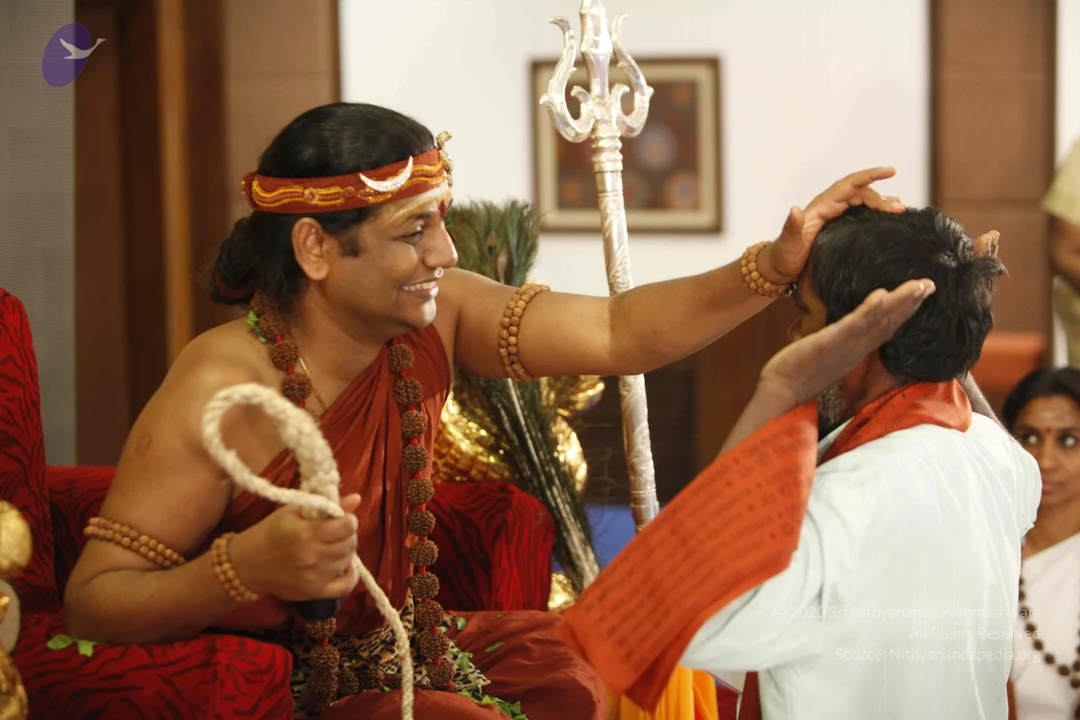
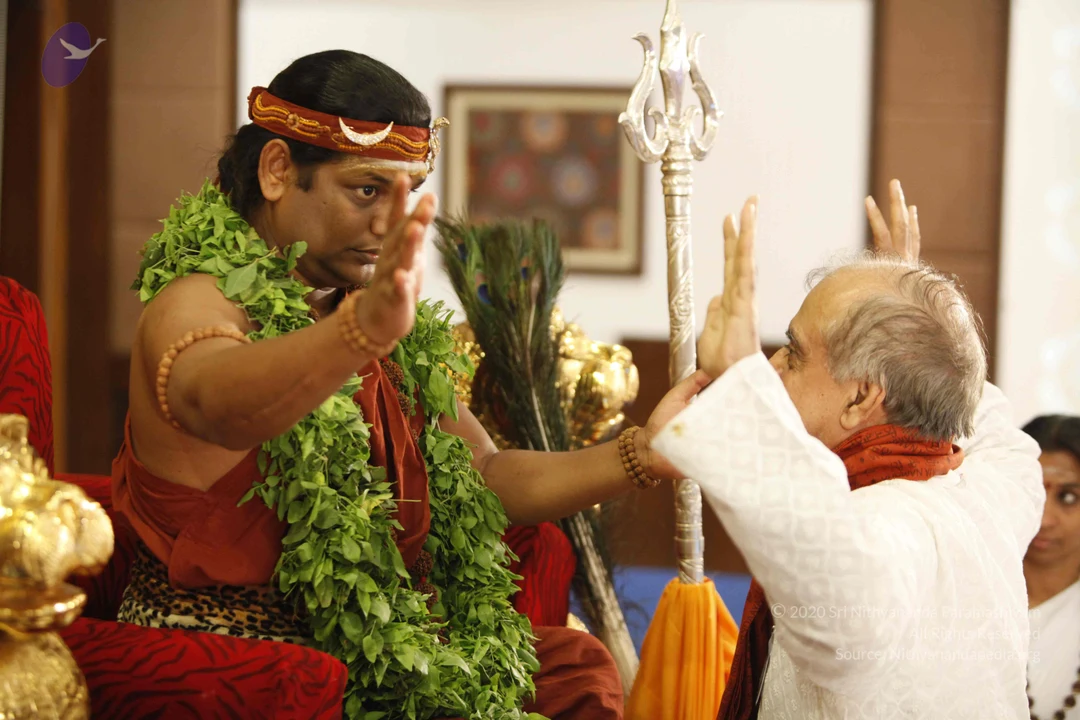
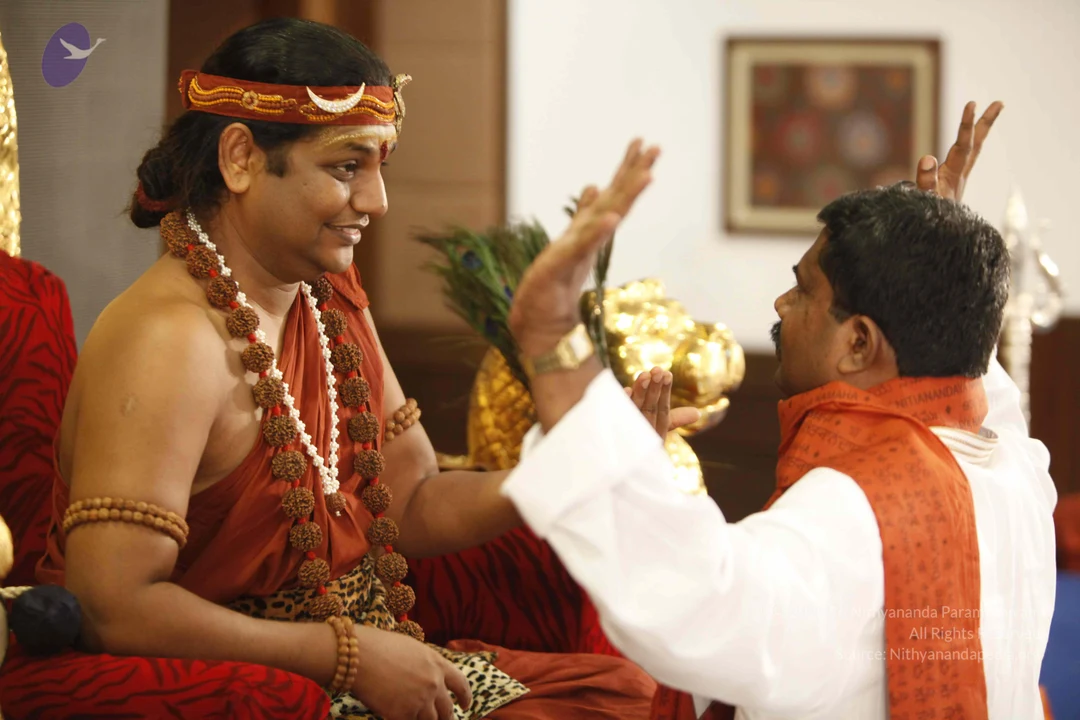
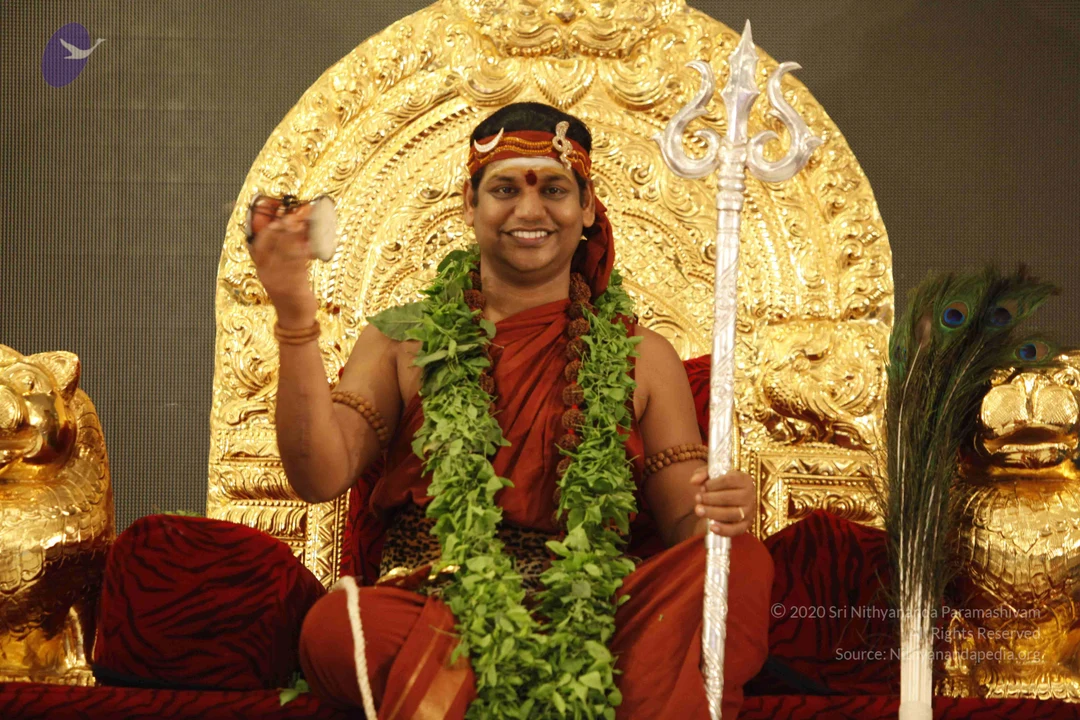
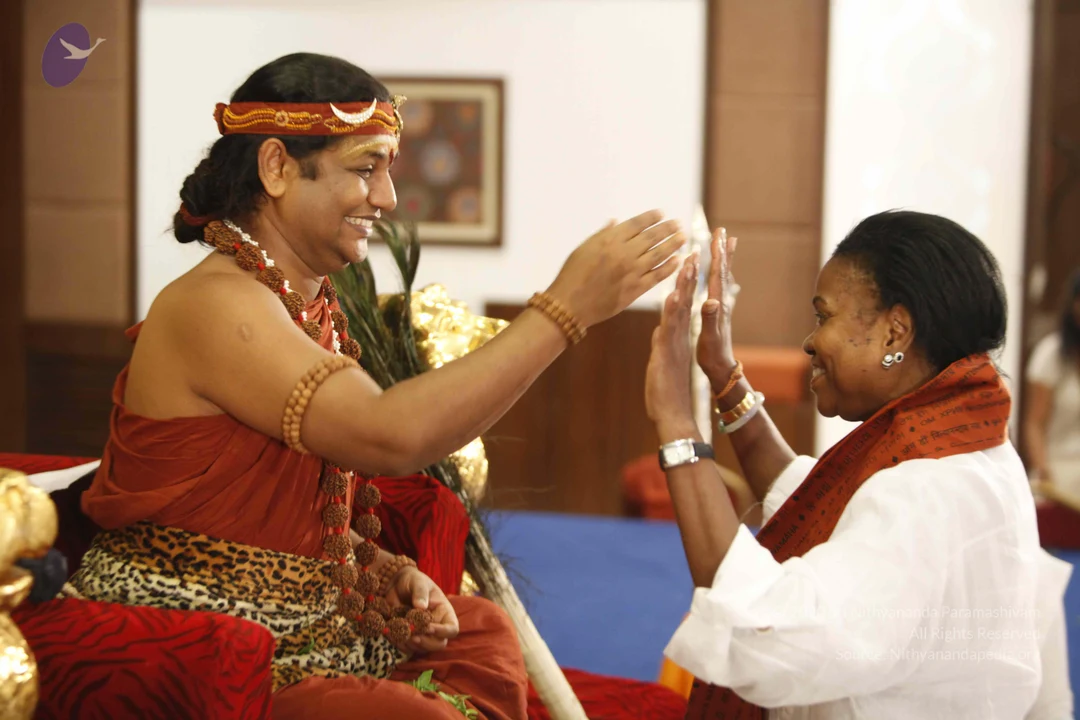
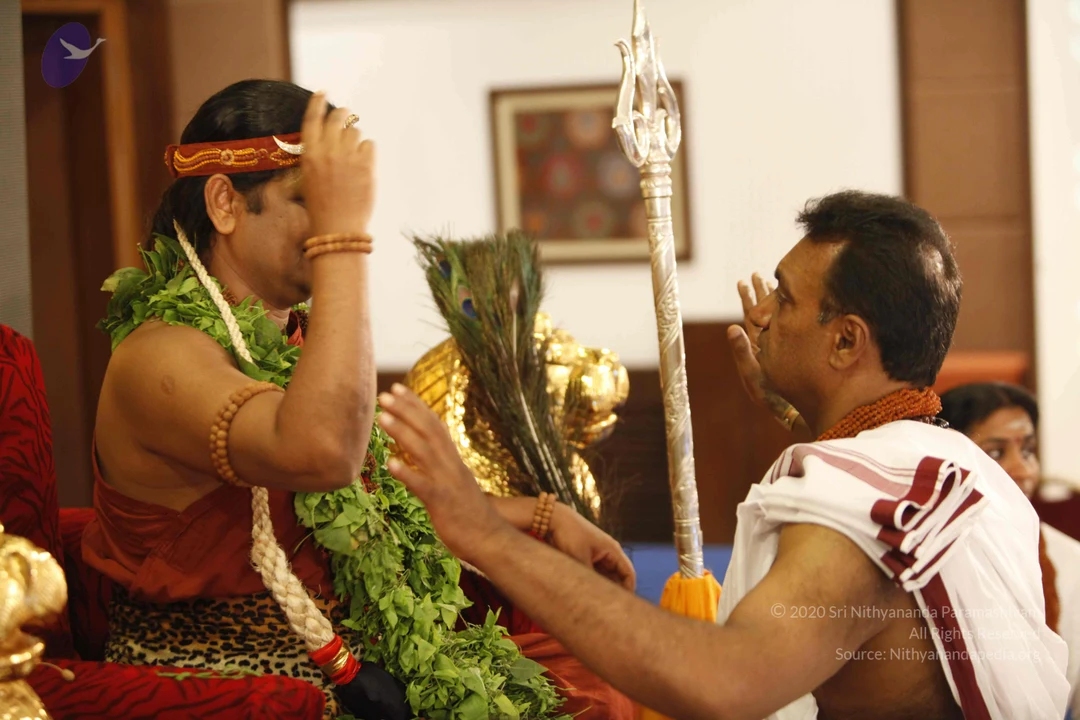
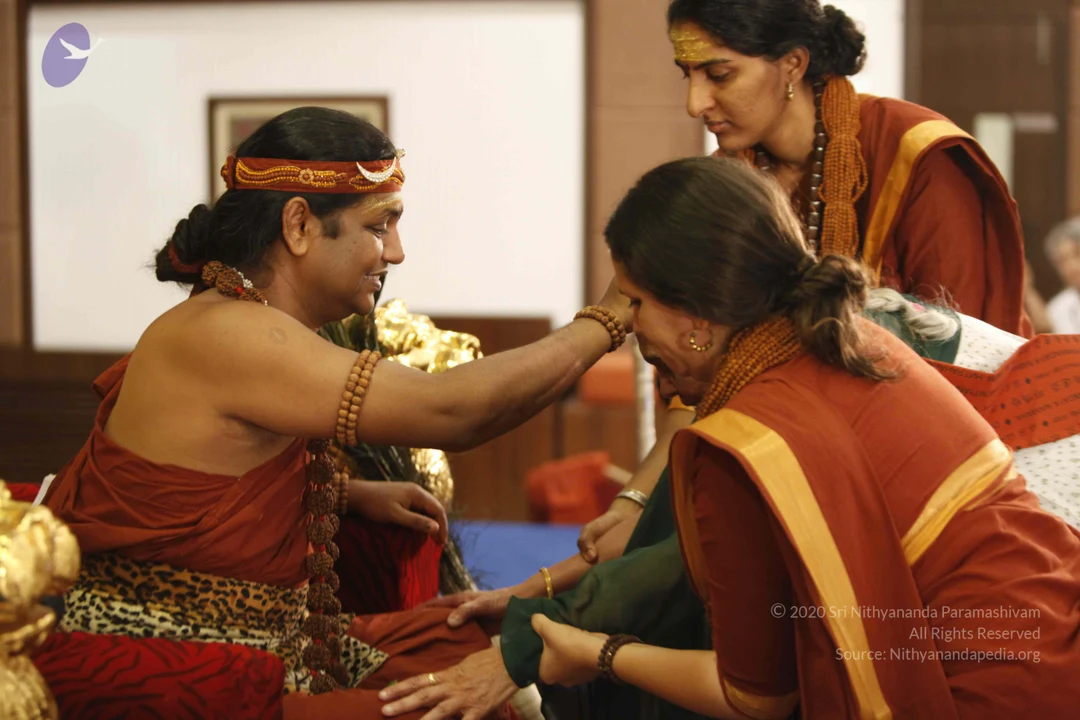
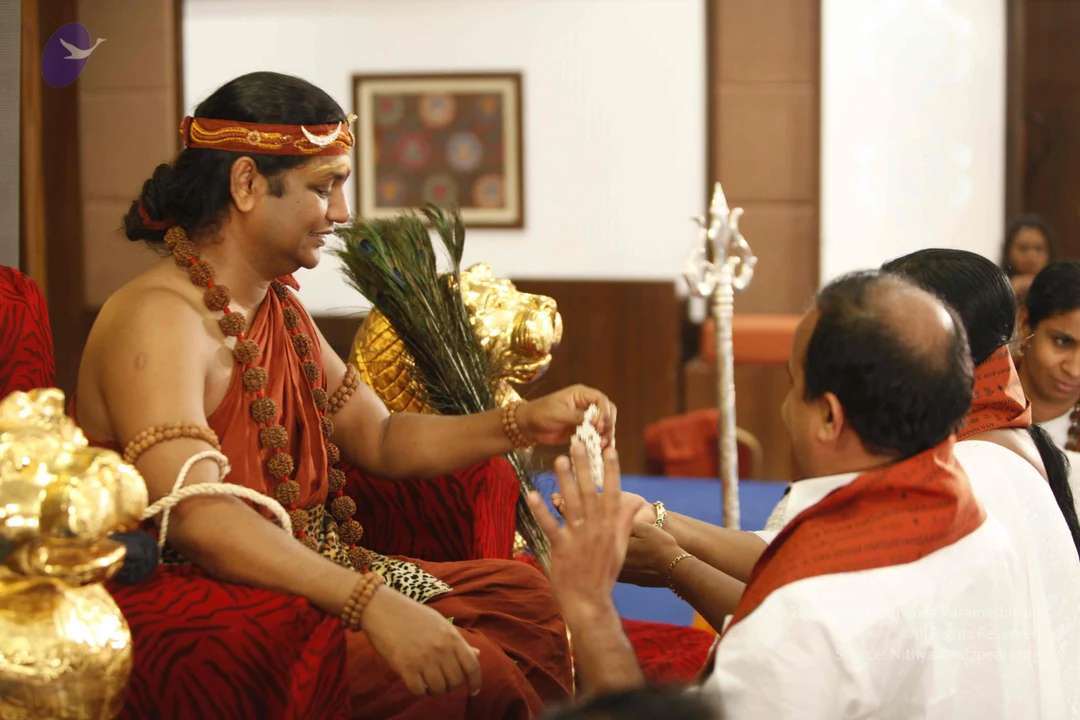
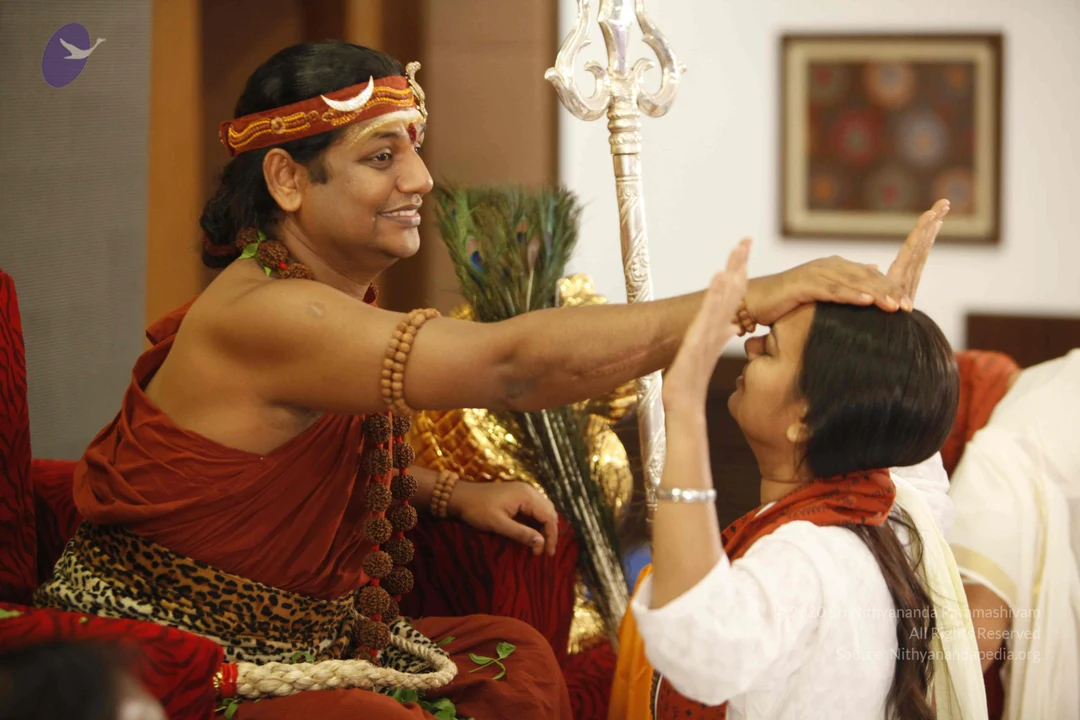
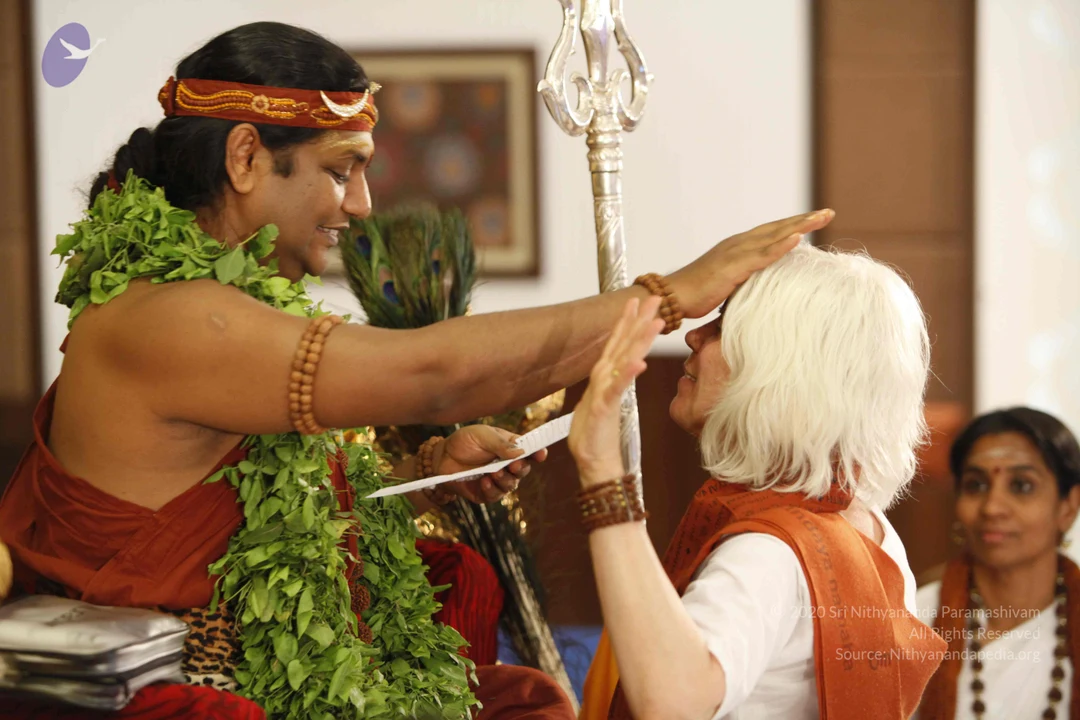
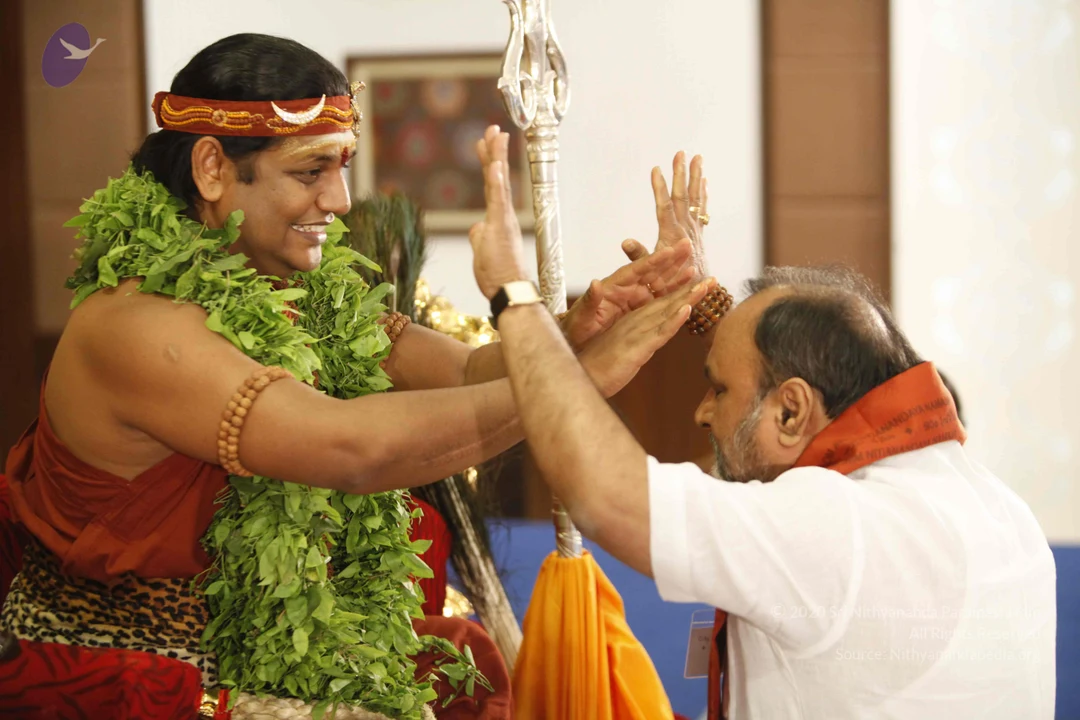
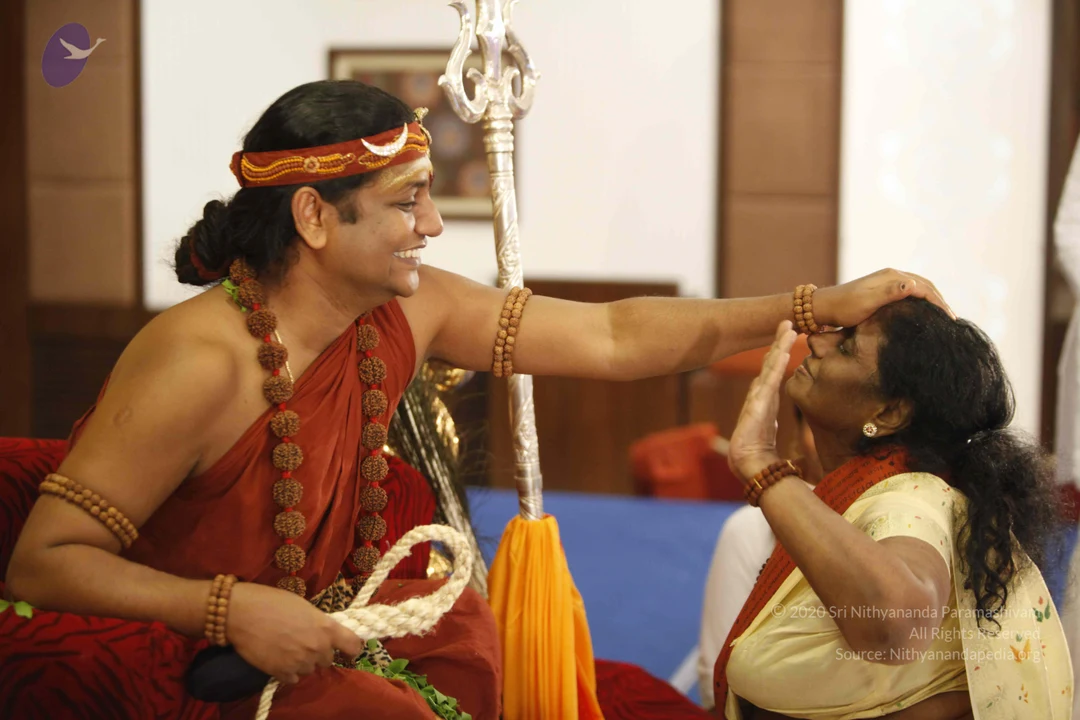
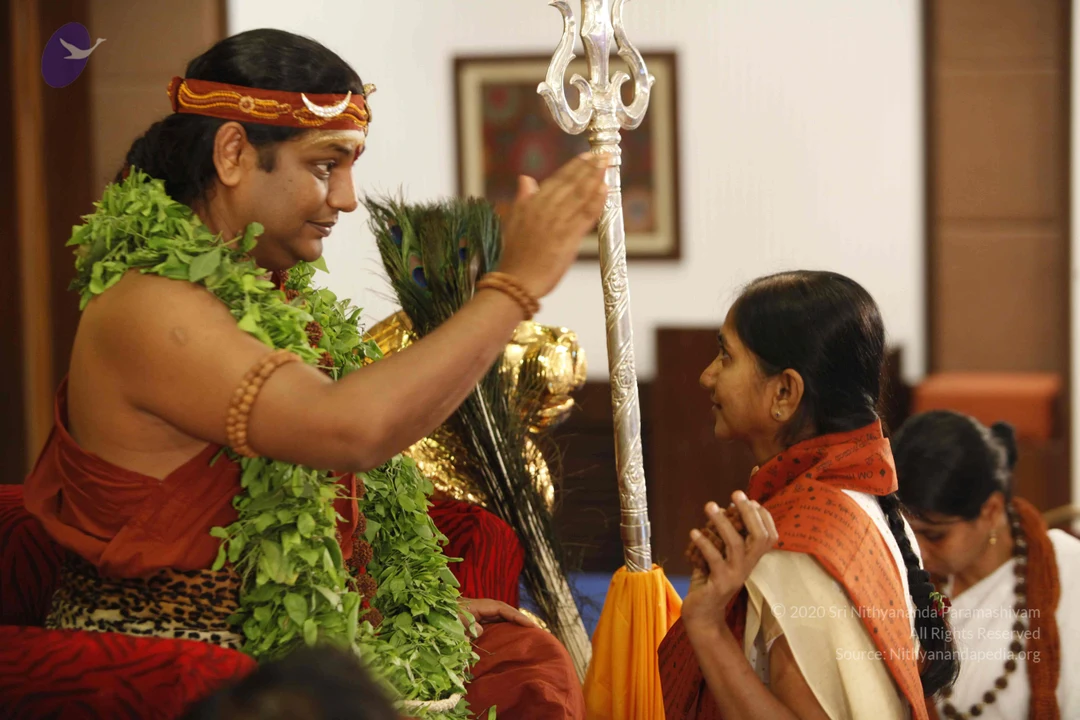
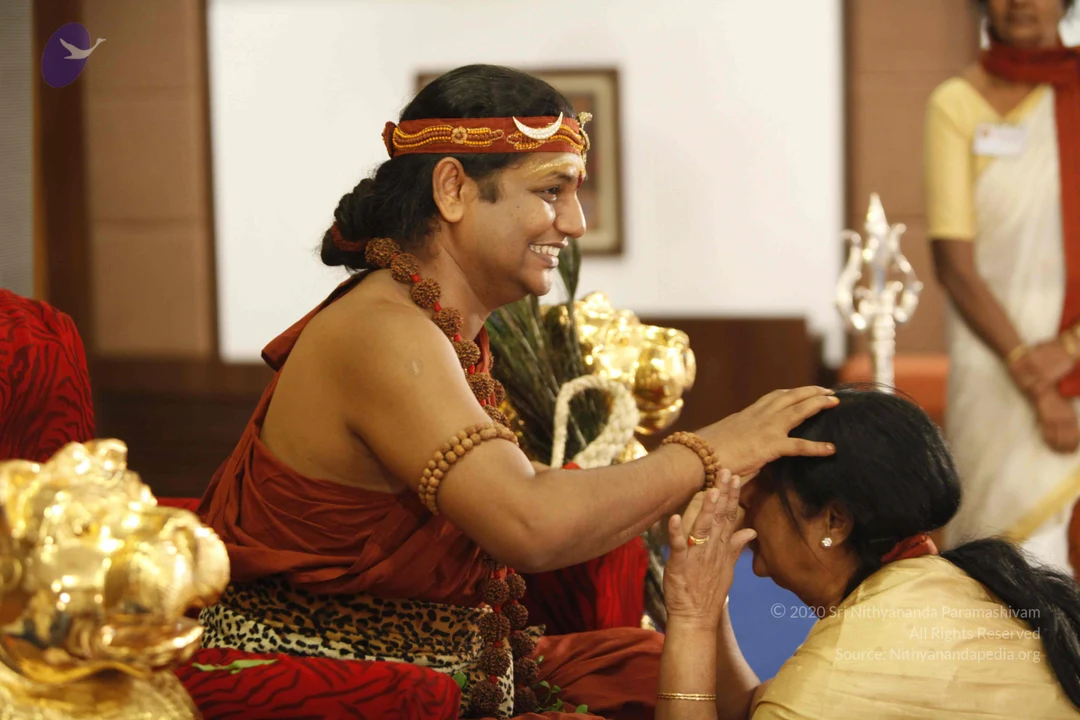
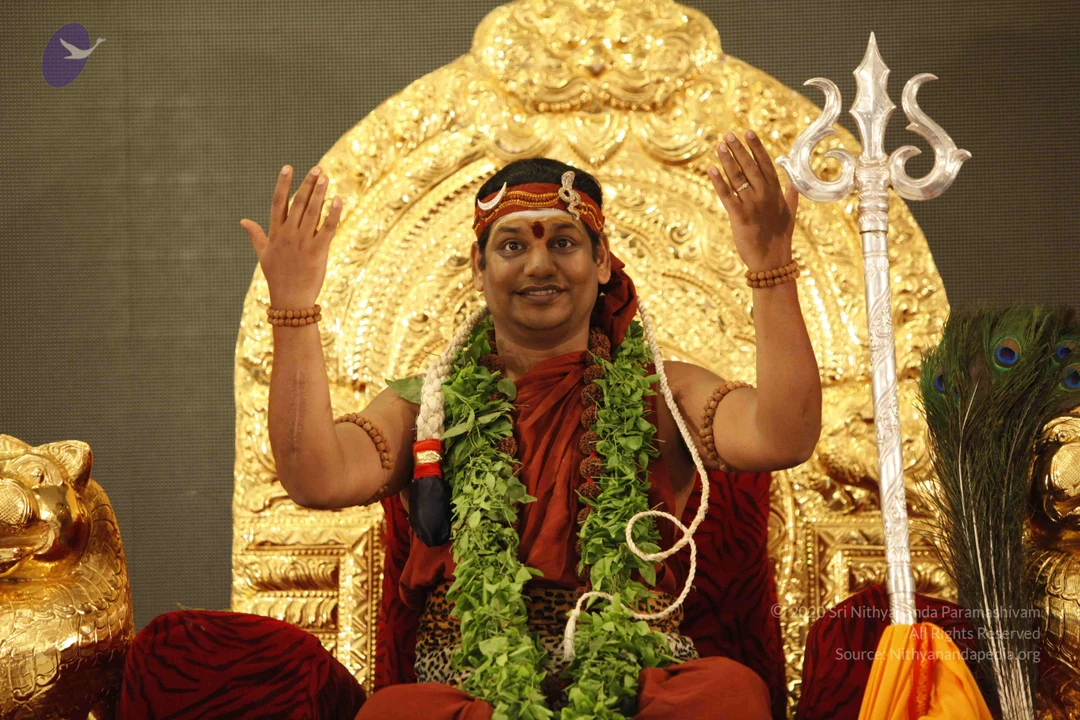
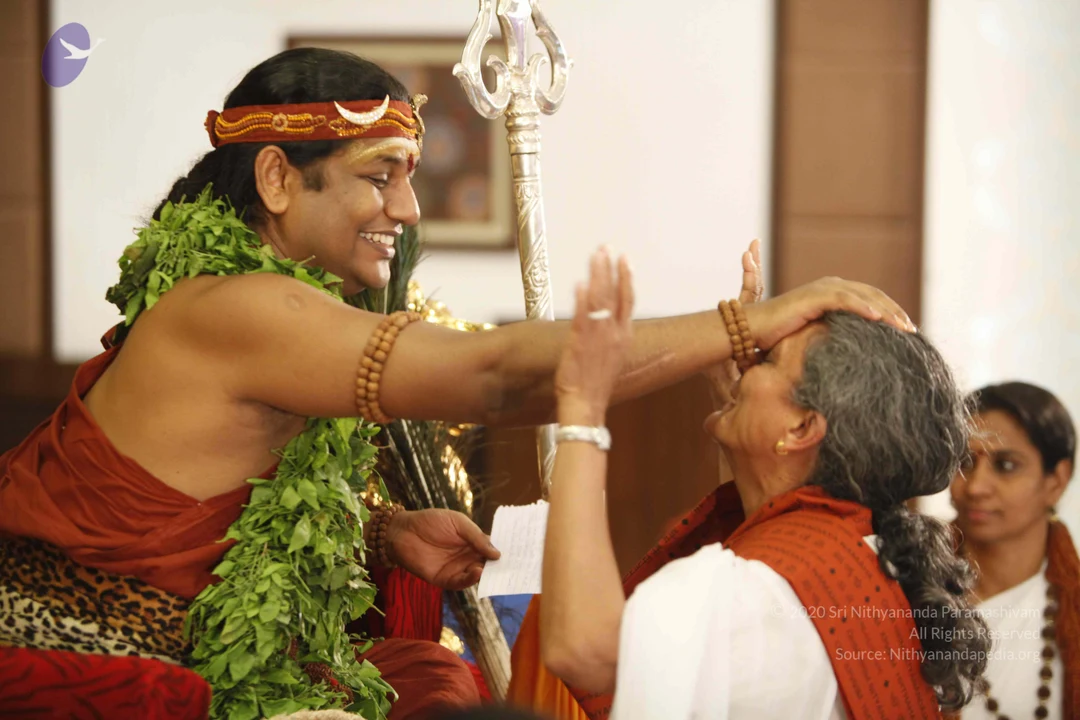
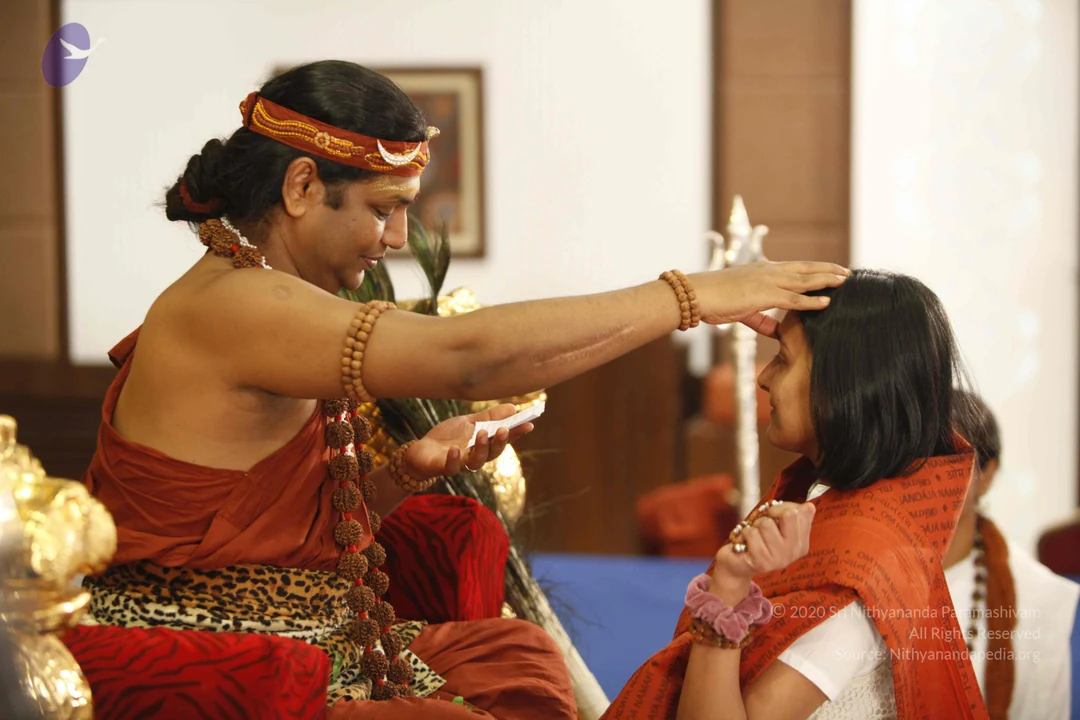
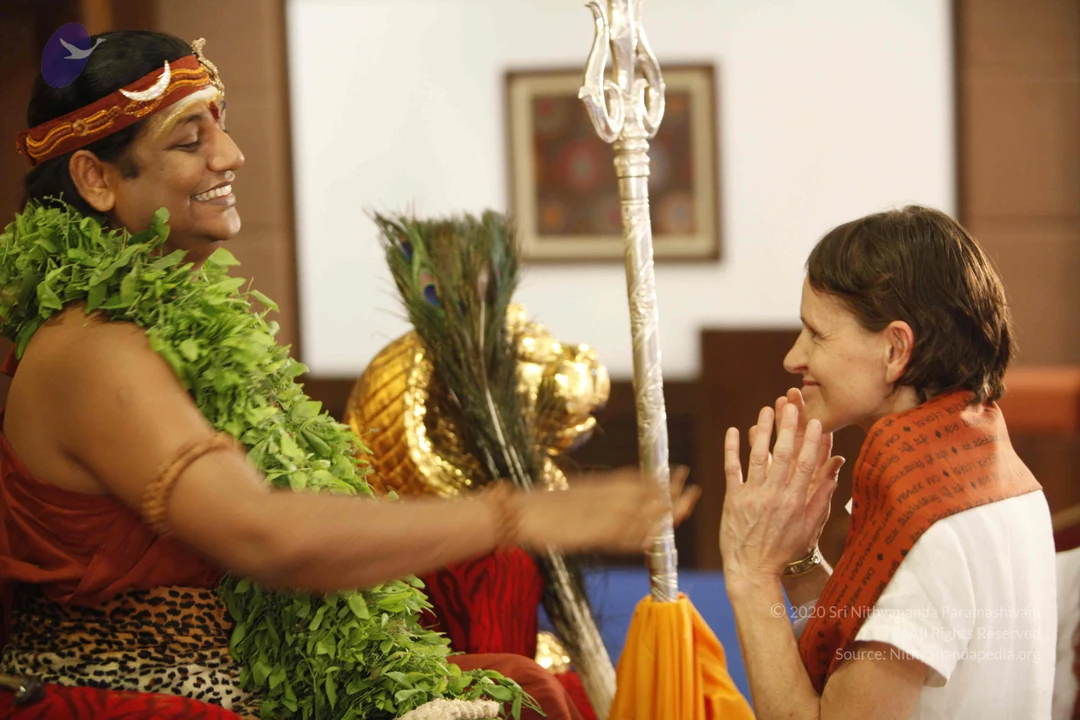
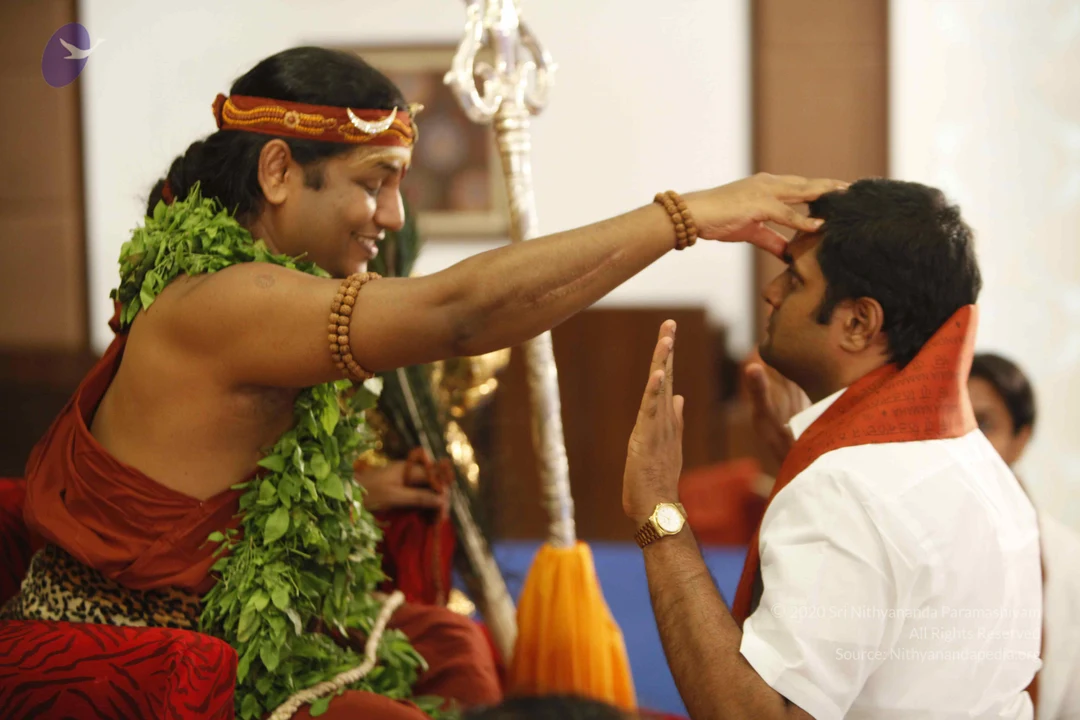
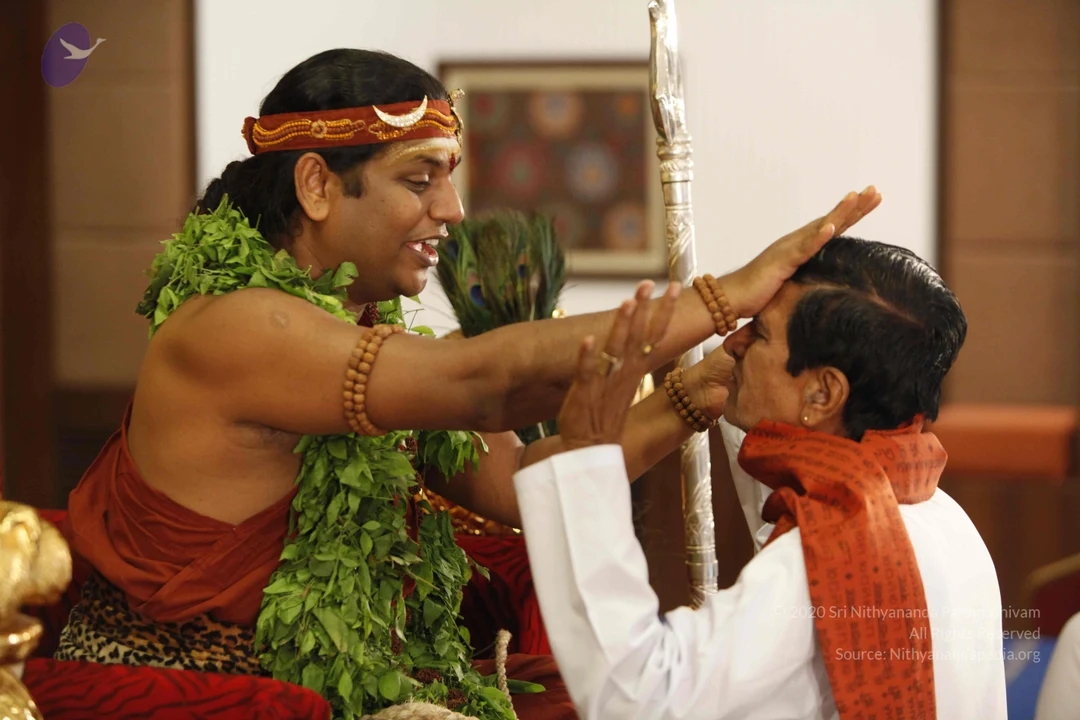
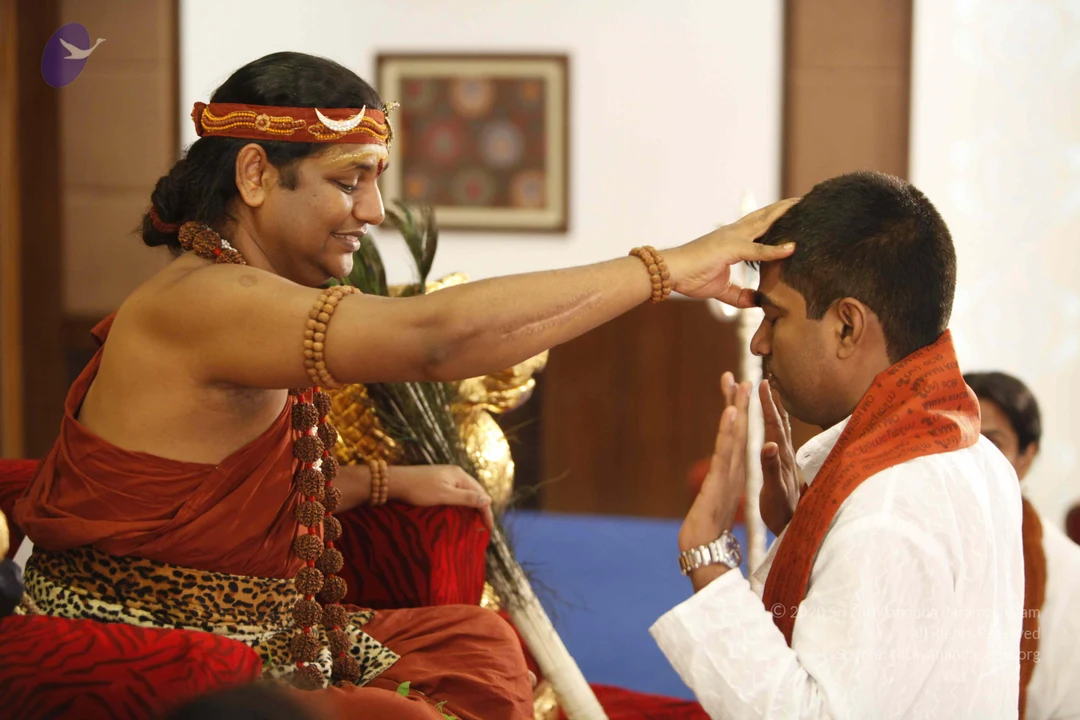
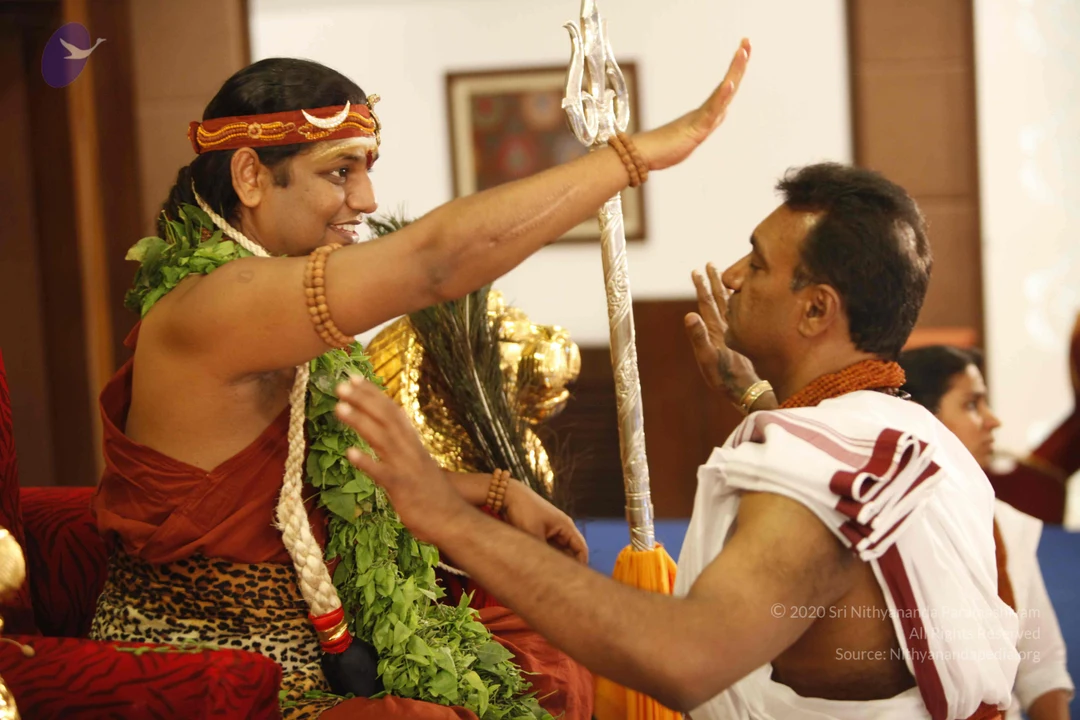
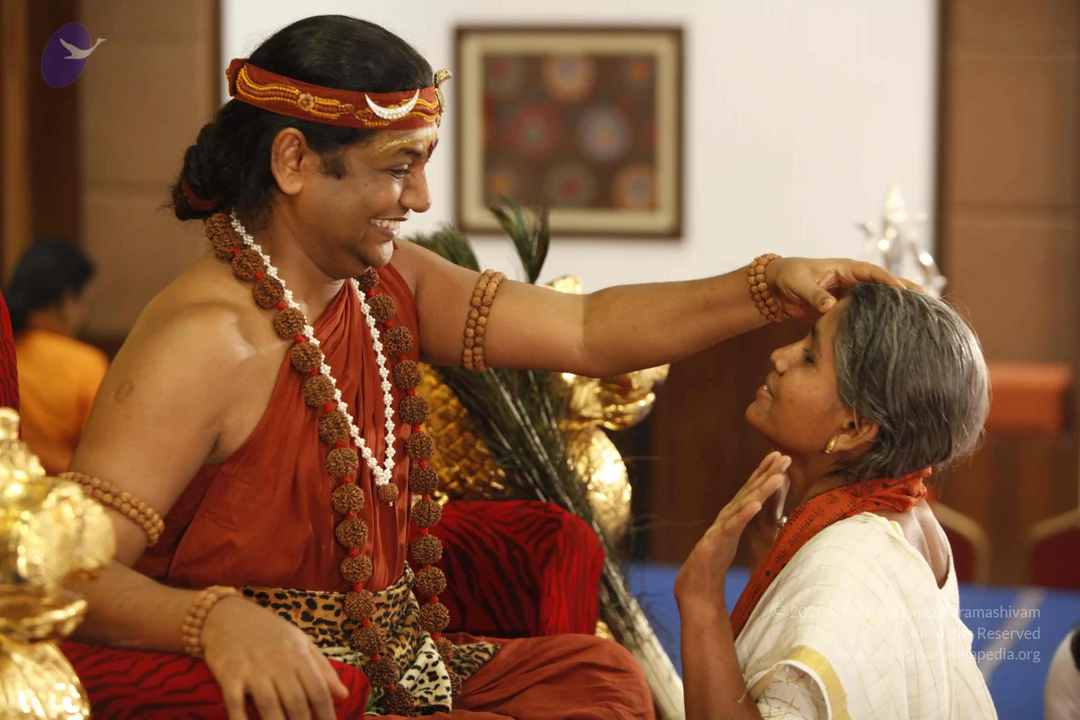
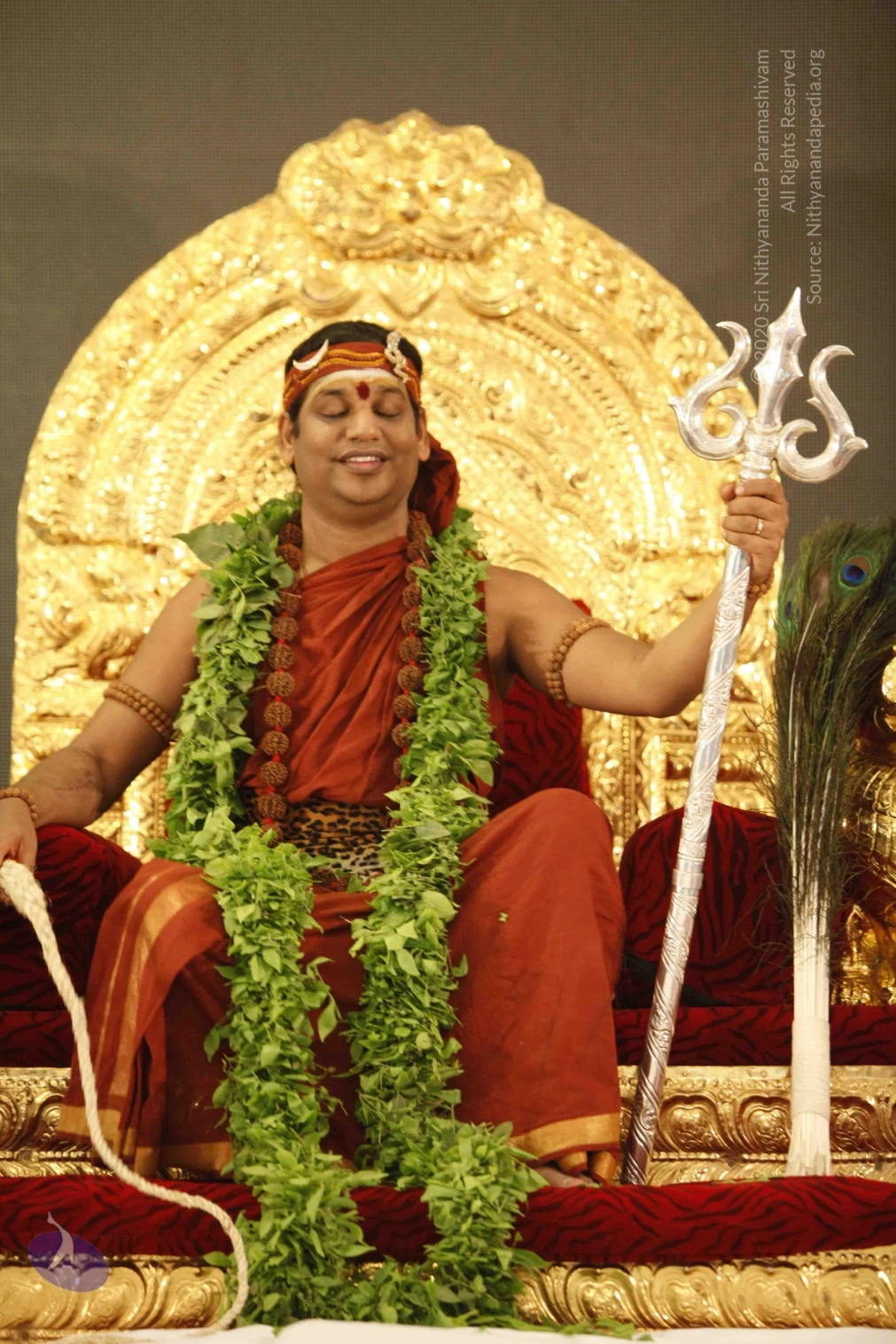
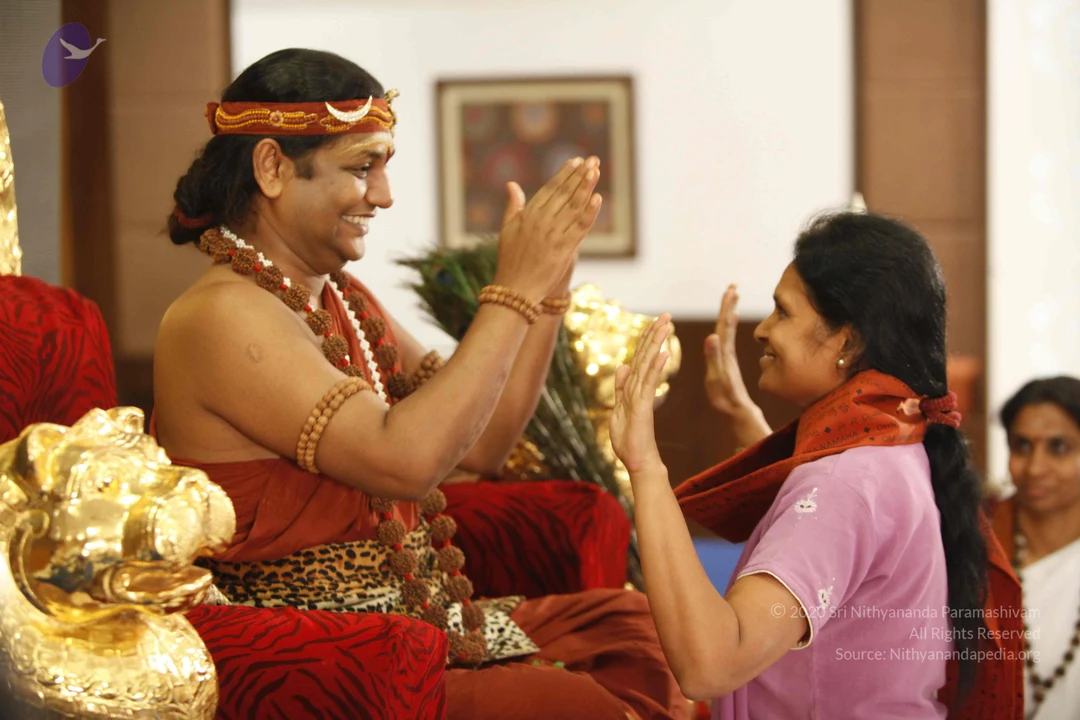
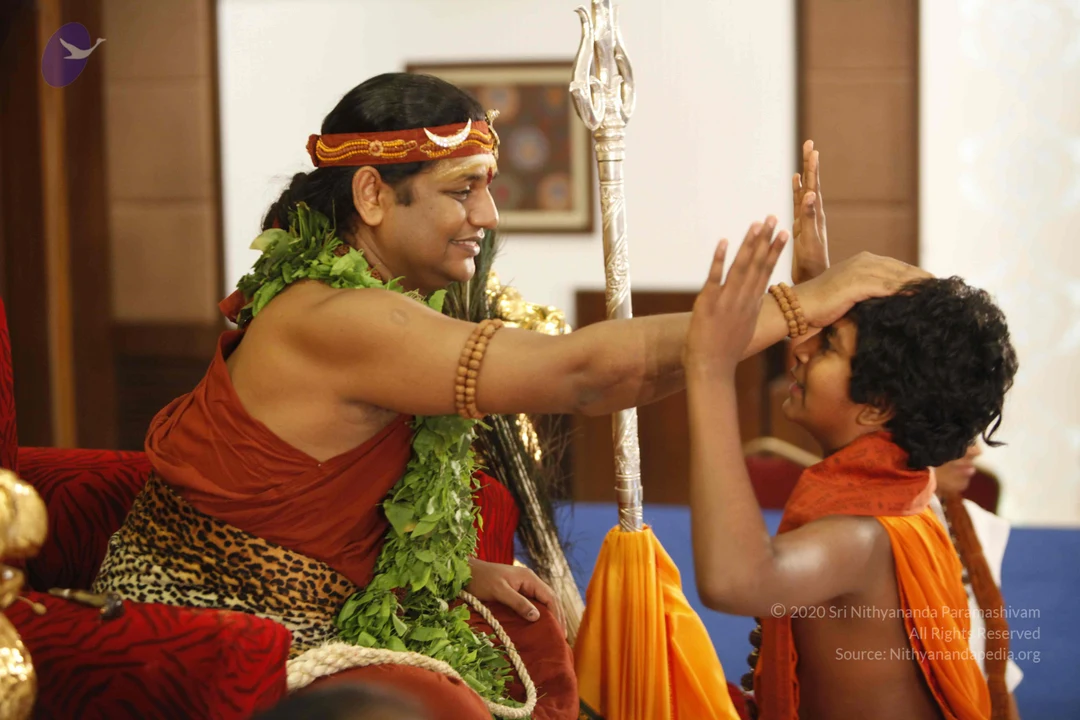
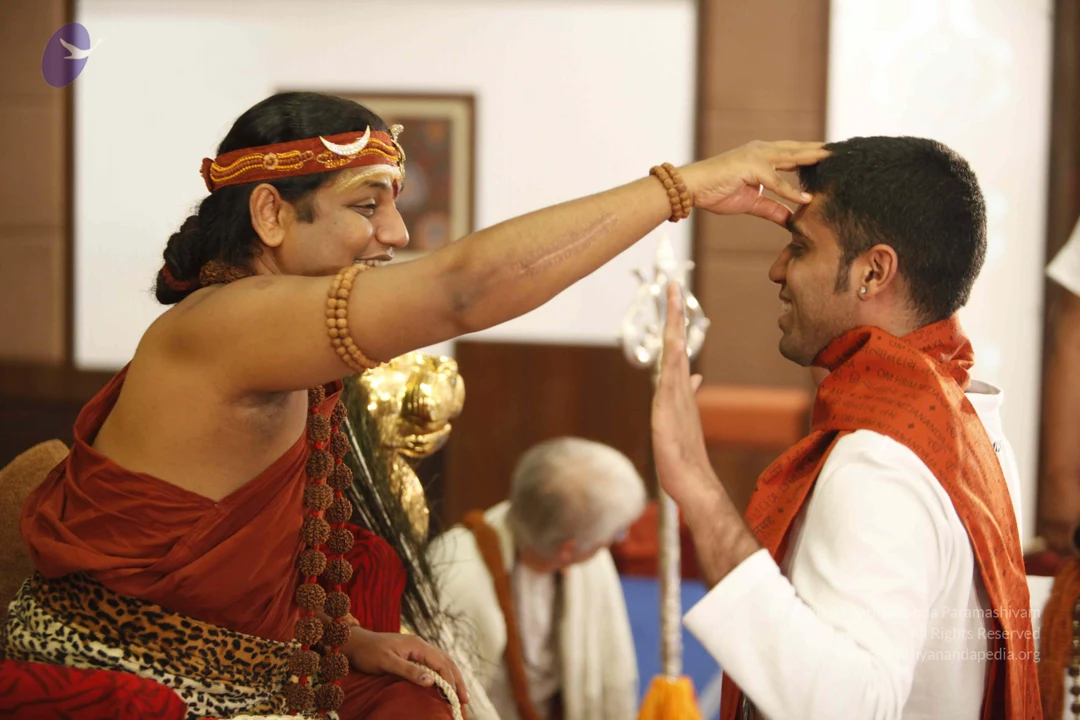
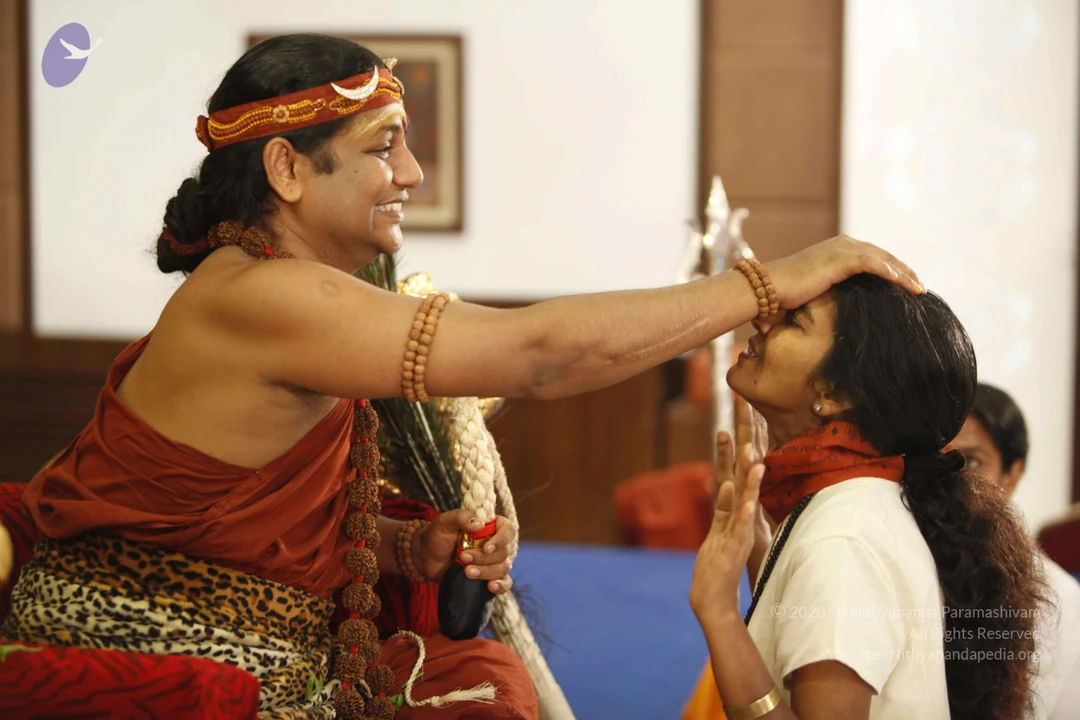
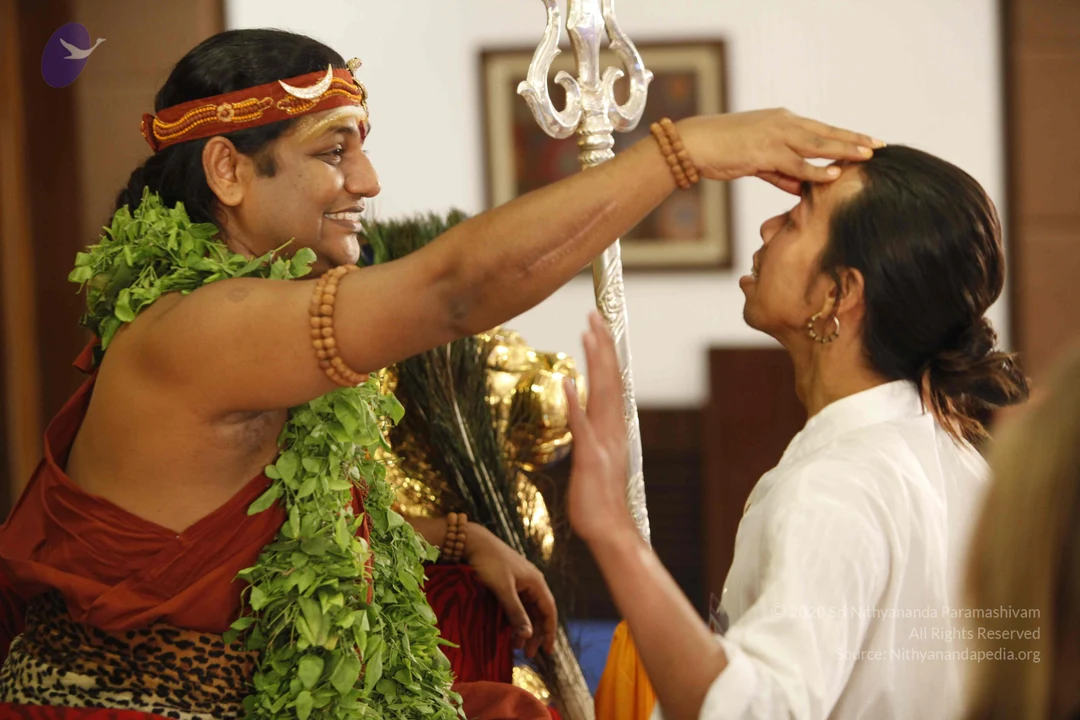
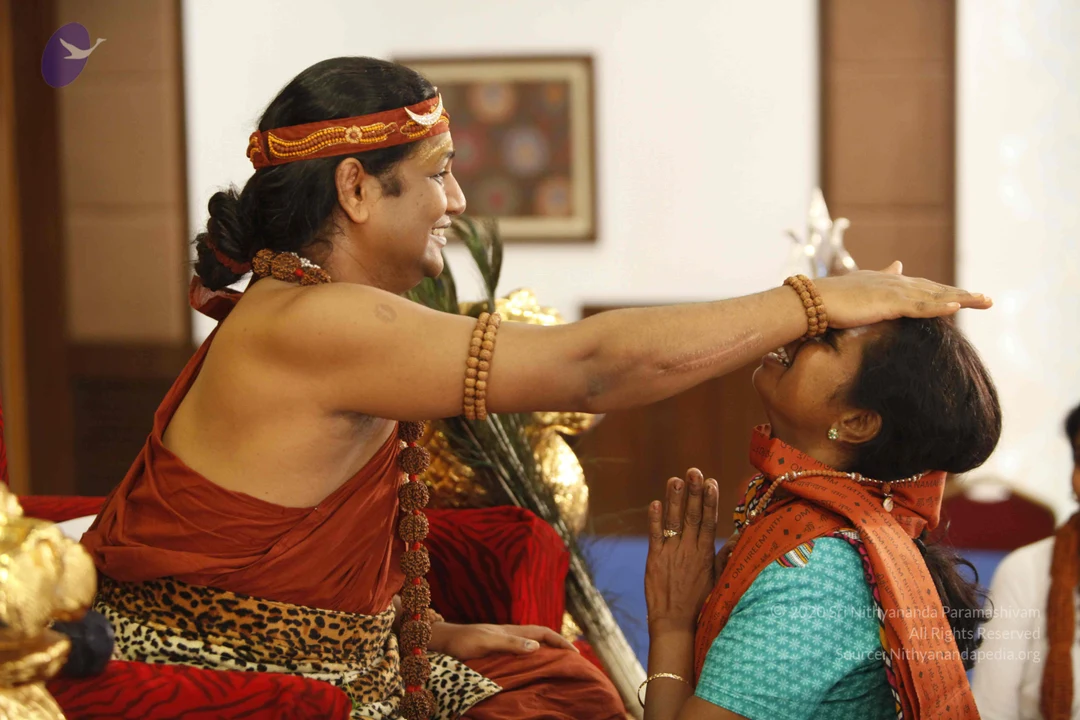
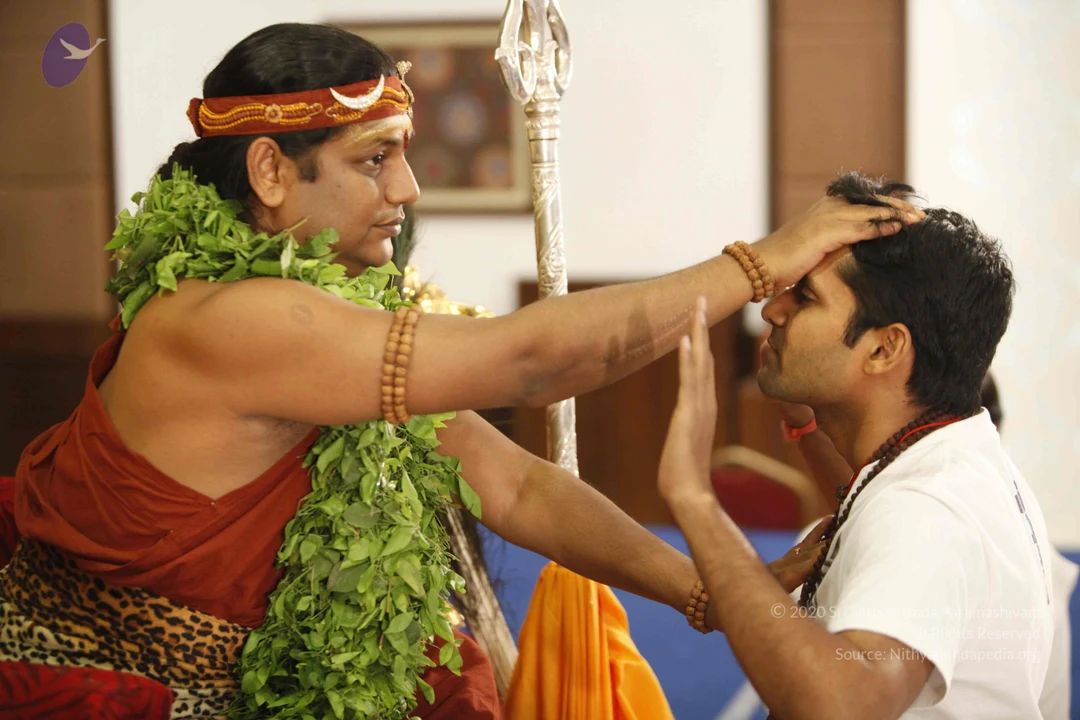
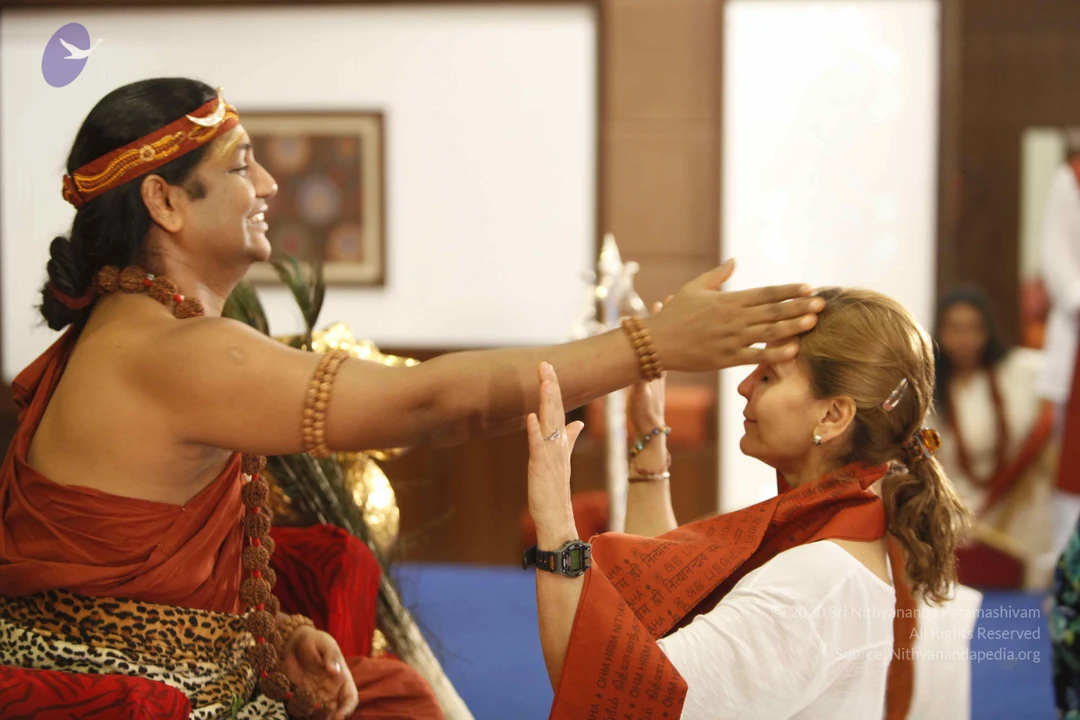
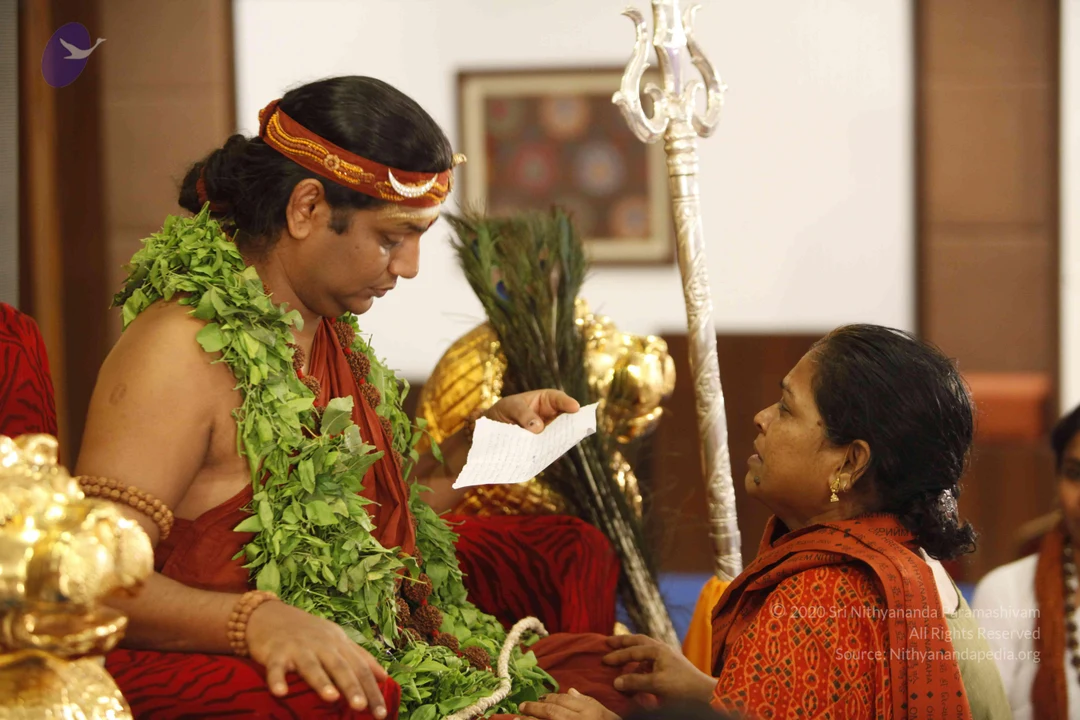
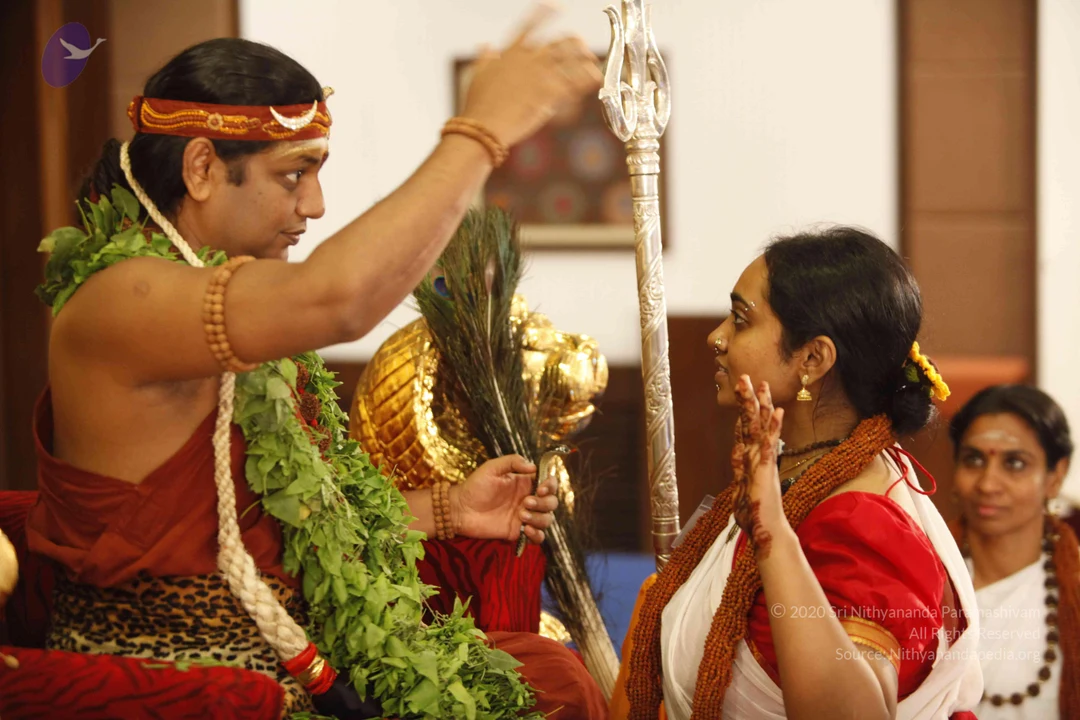
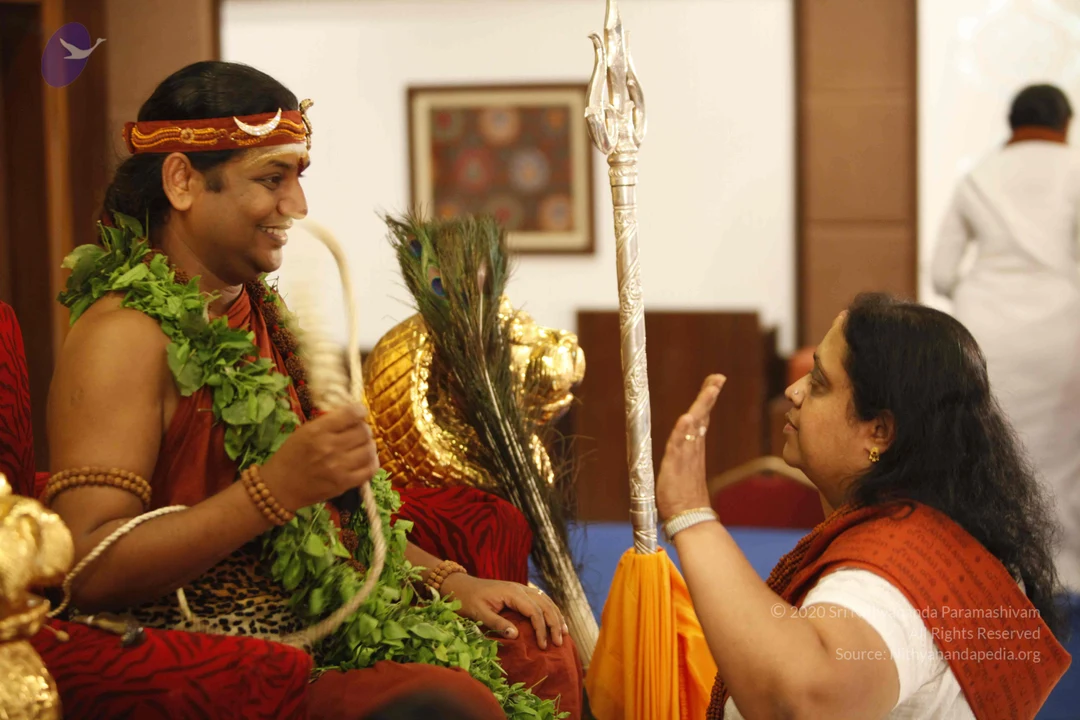
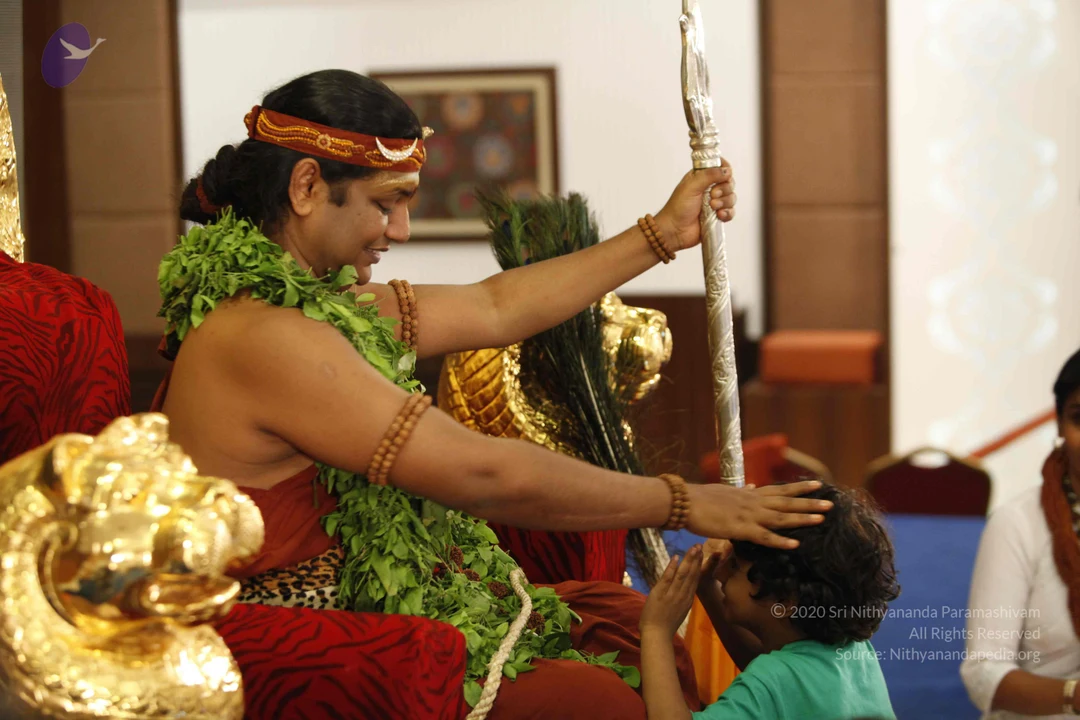
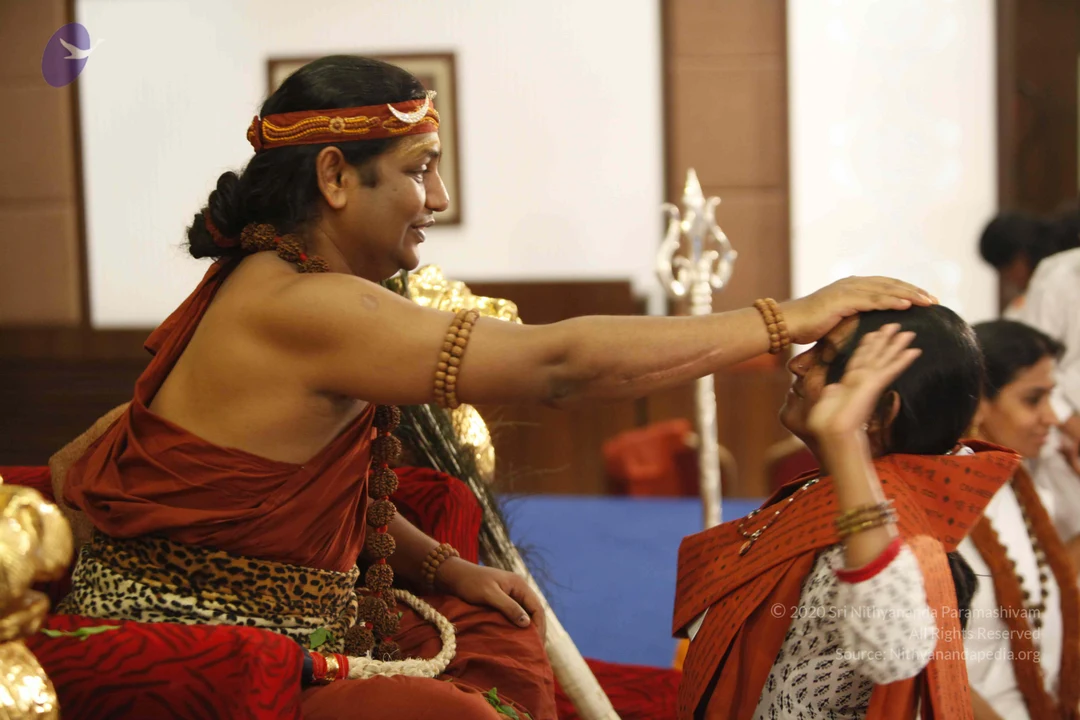
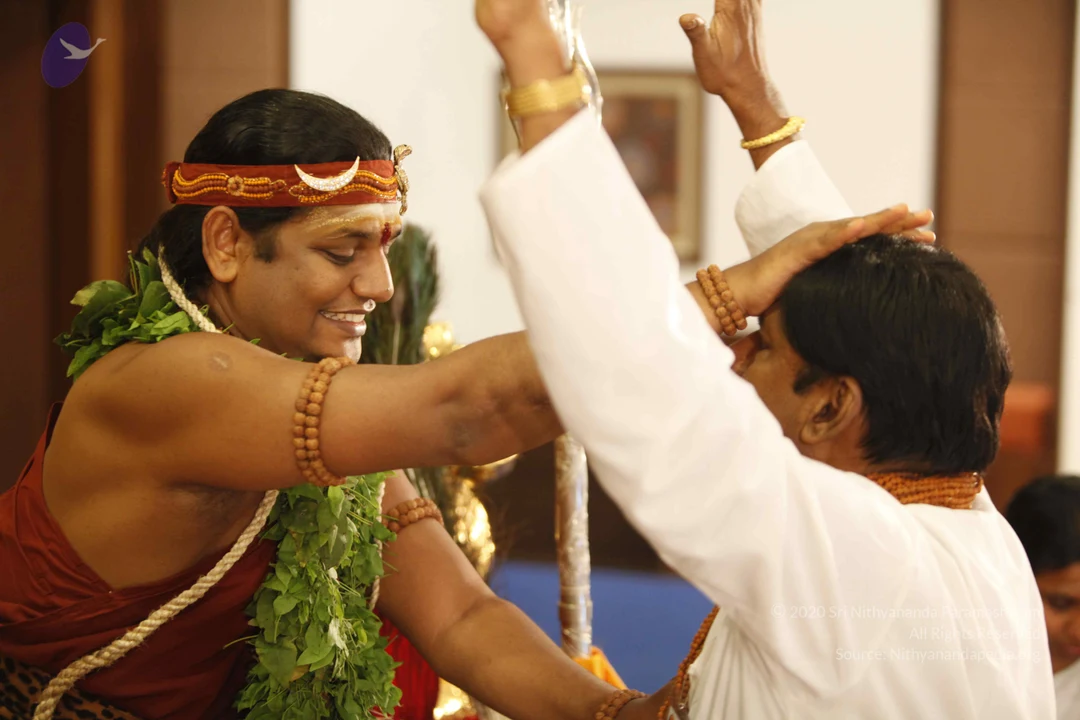
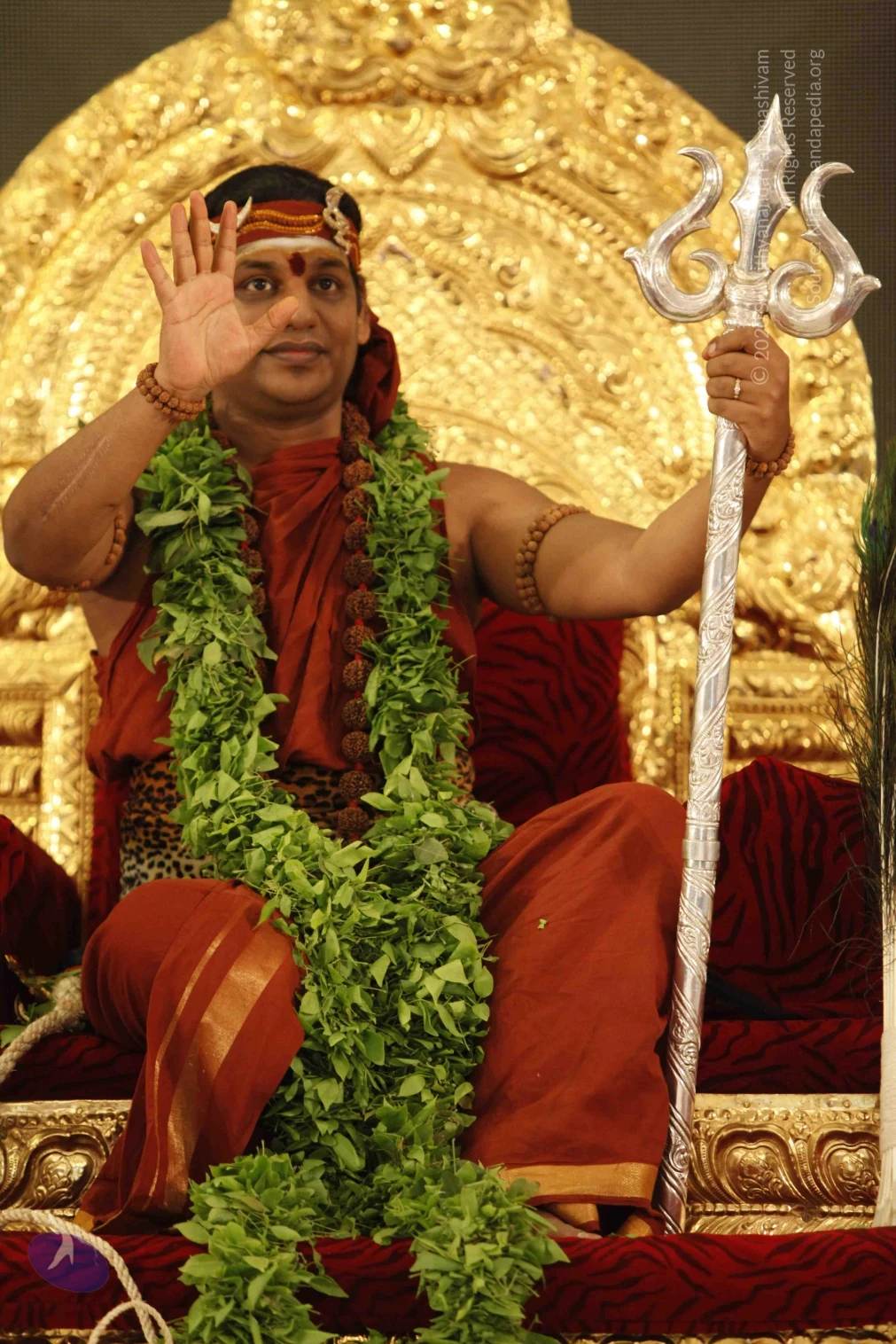
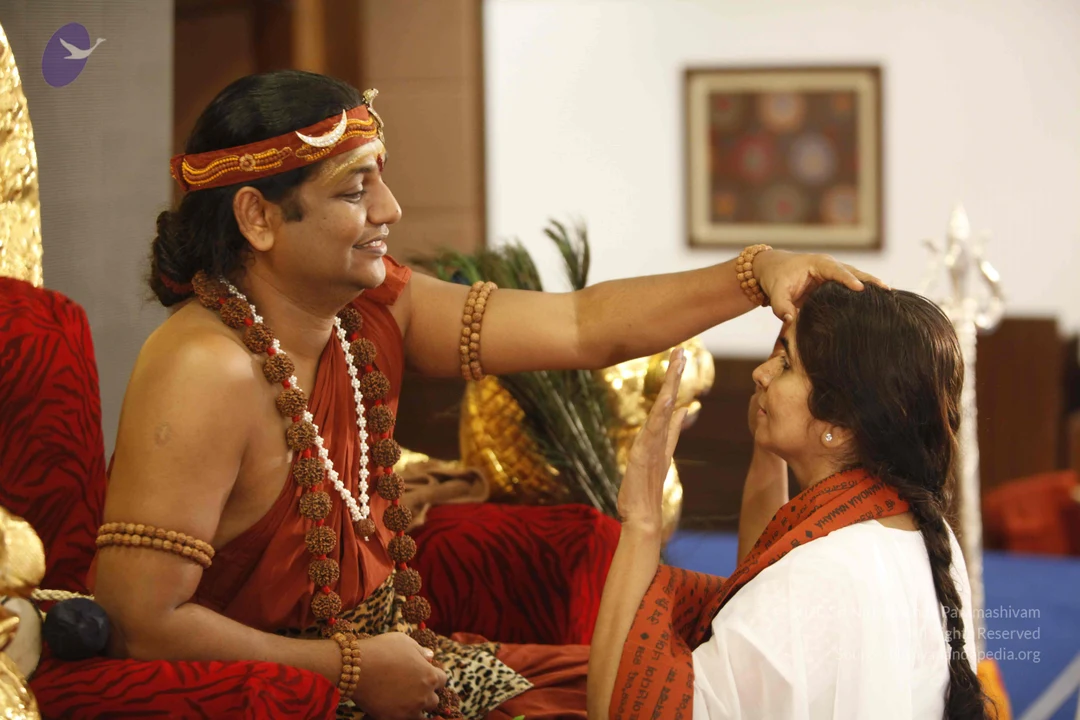
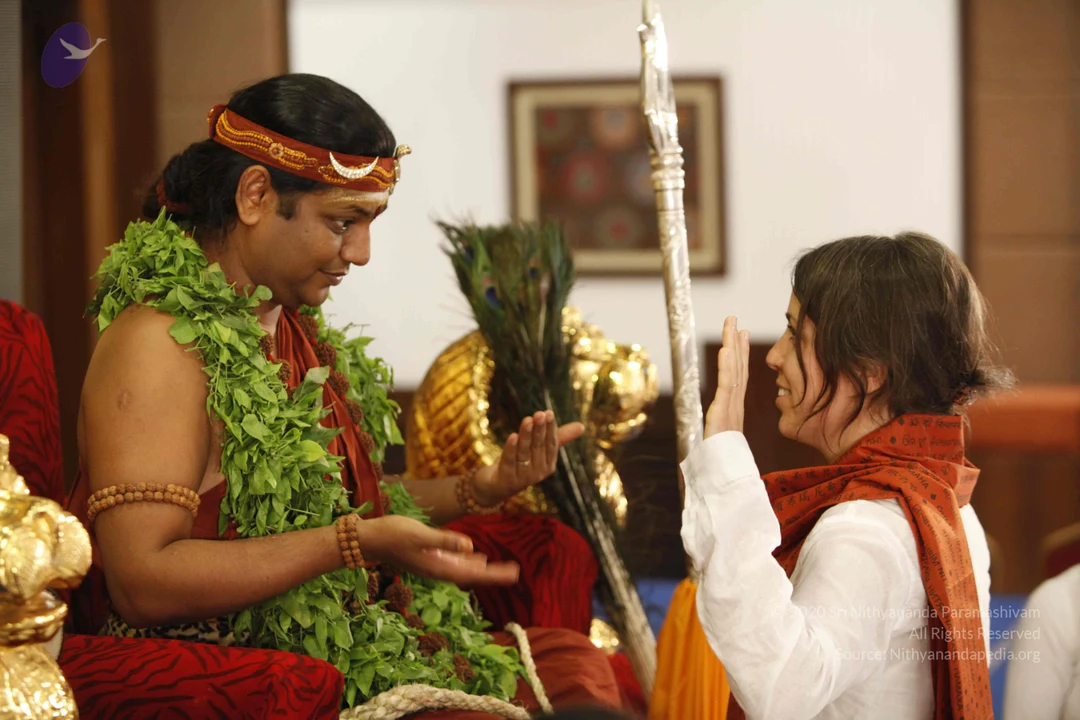
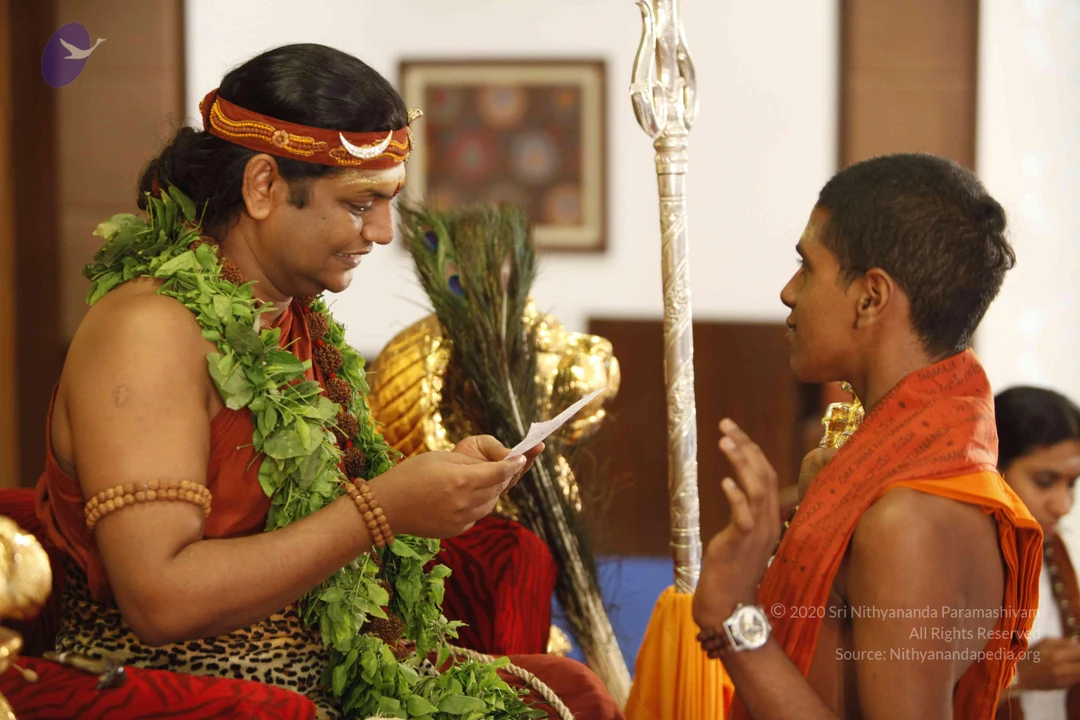
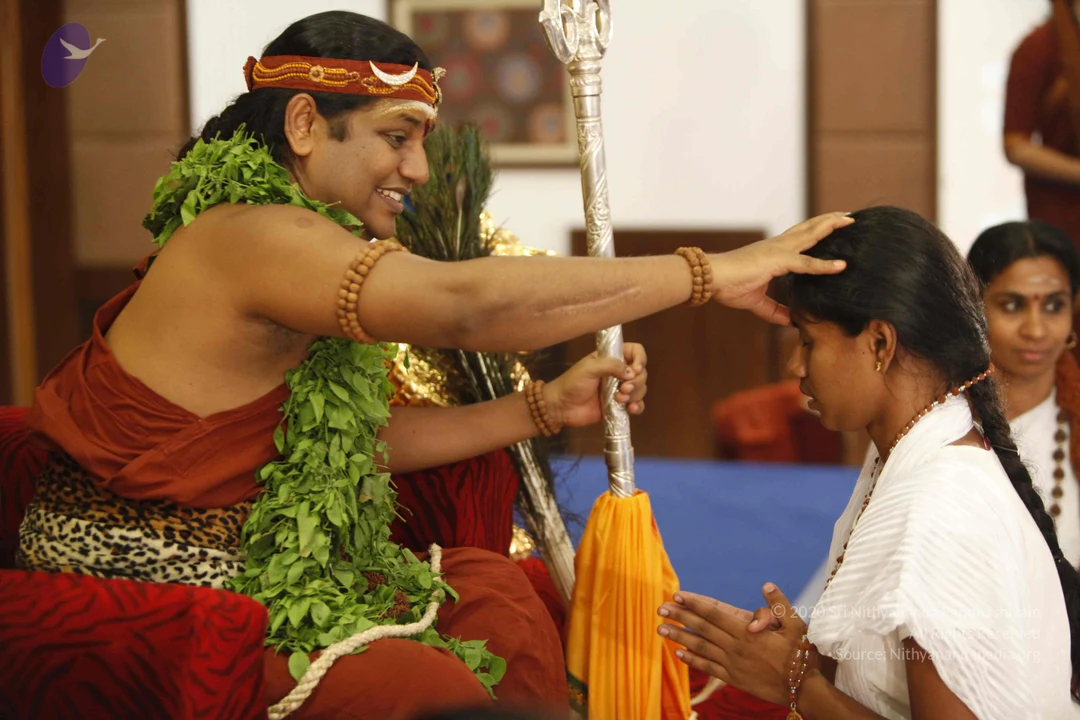
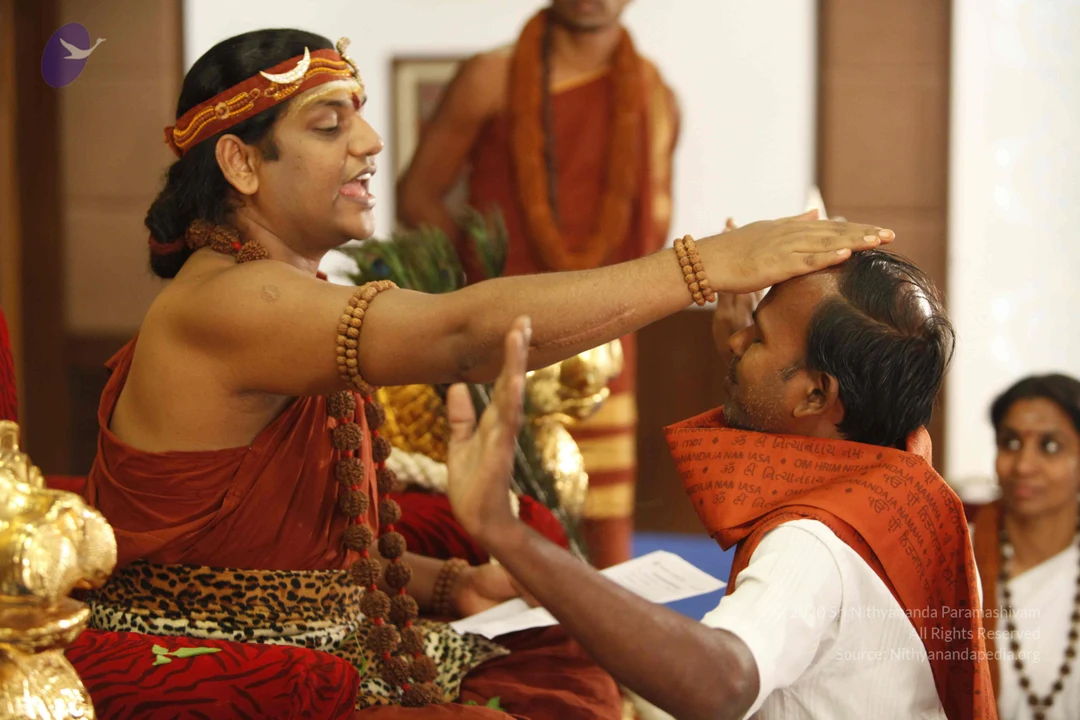
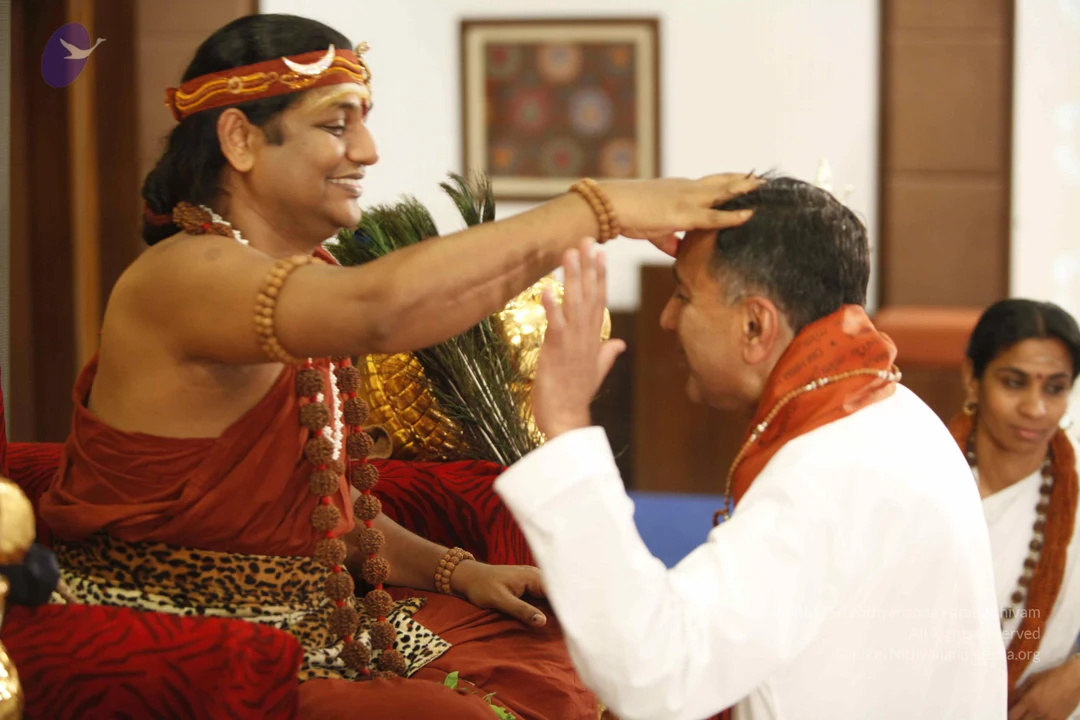
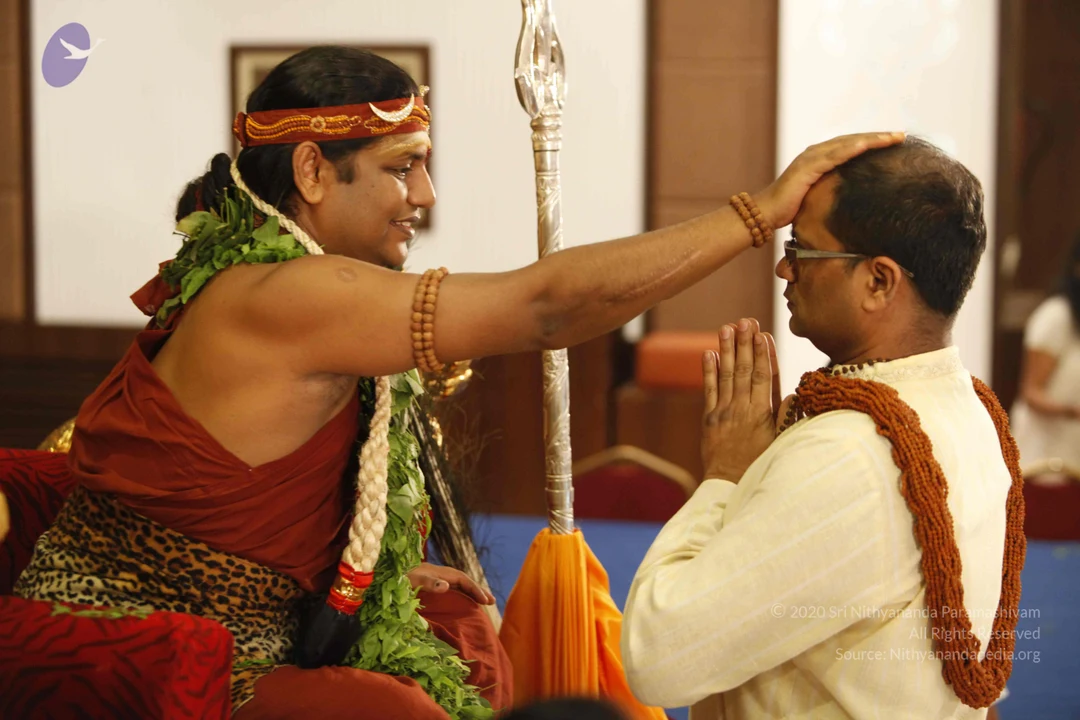
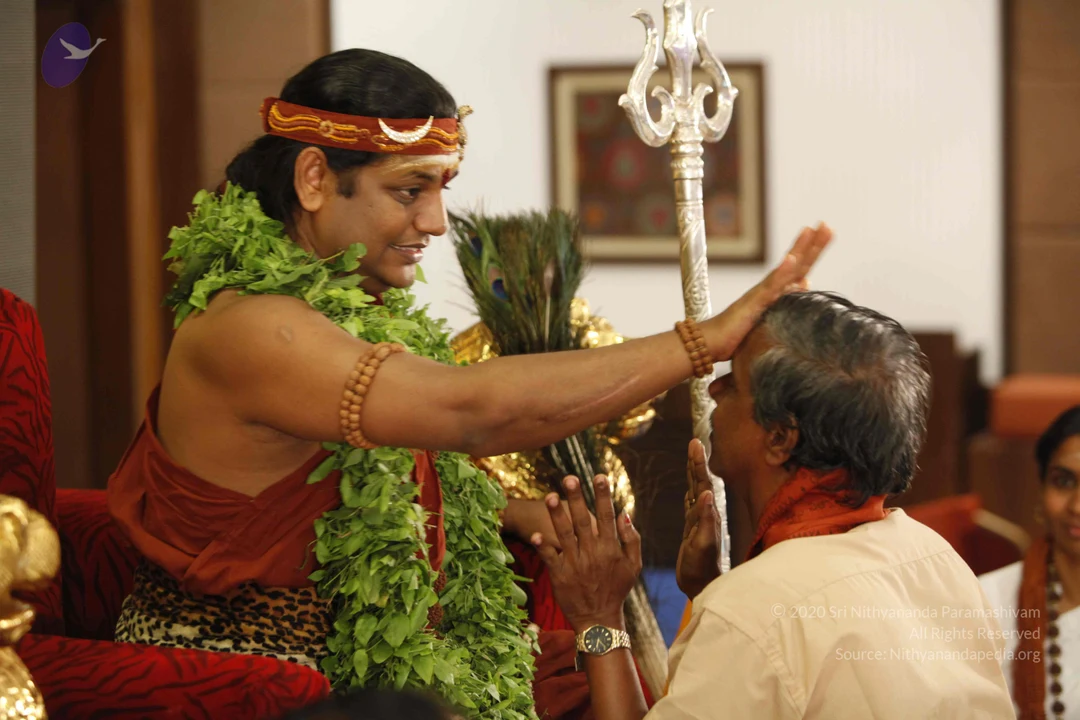
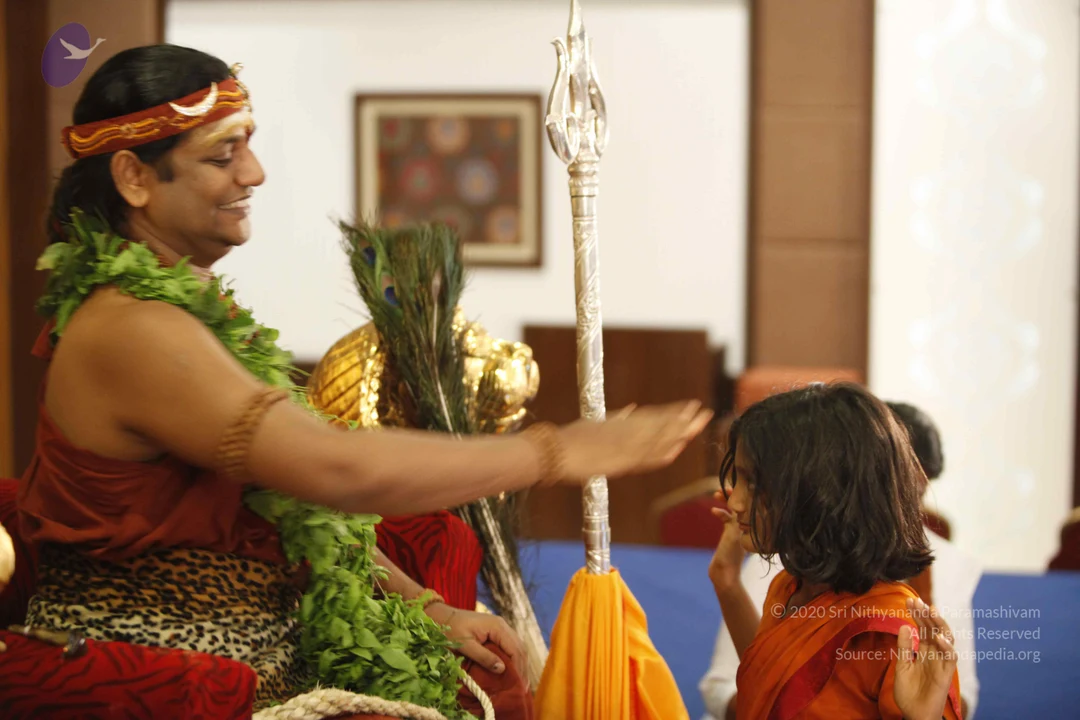
06--materialization
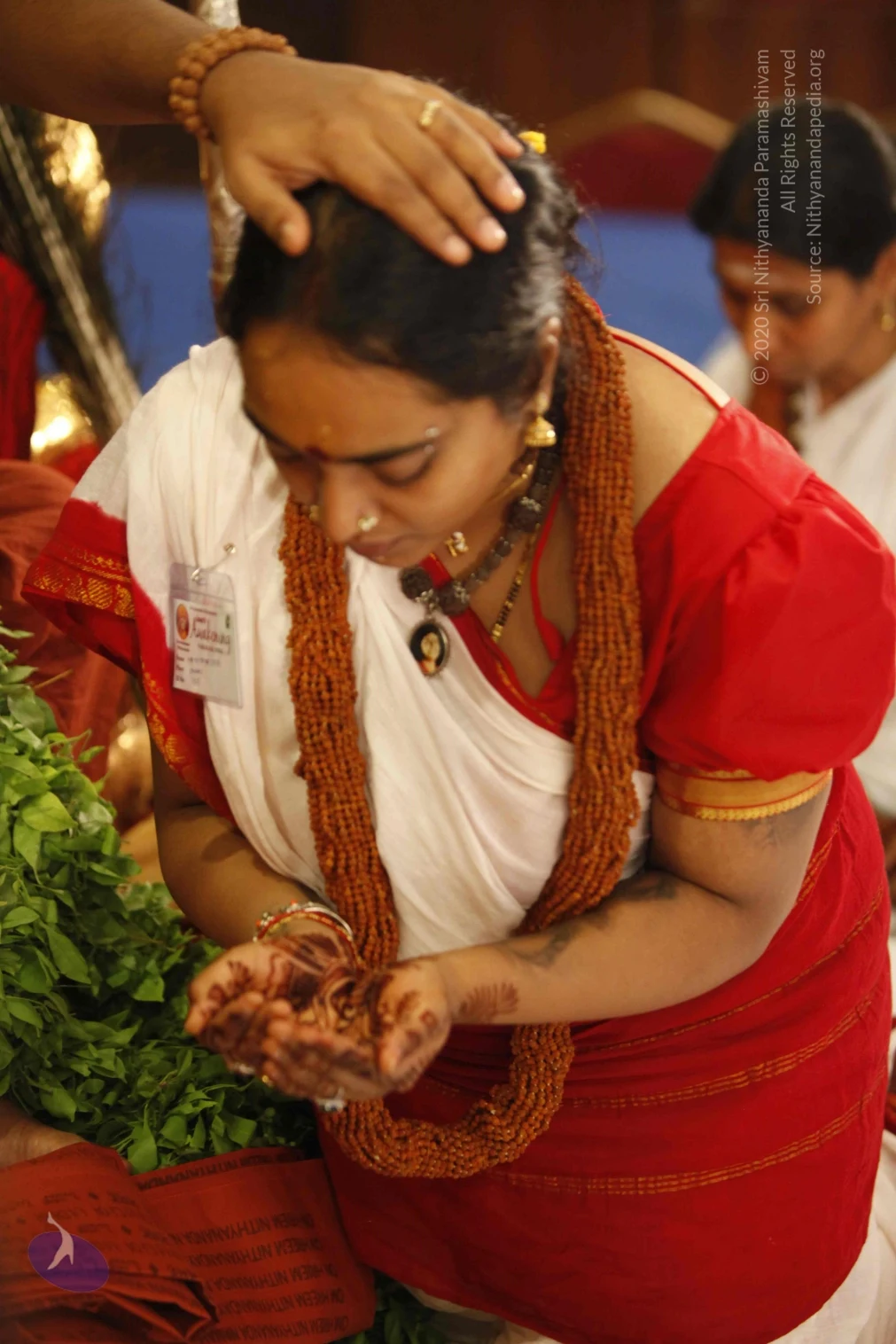
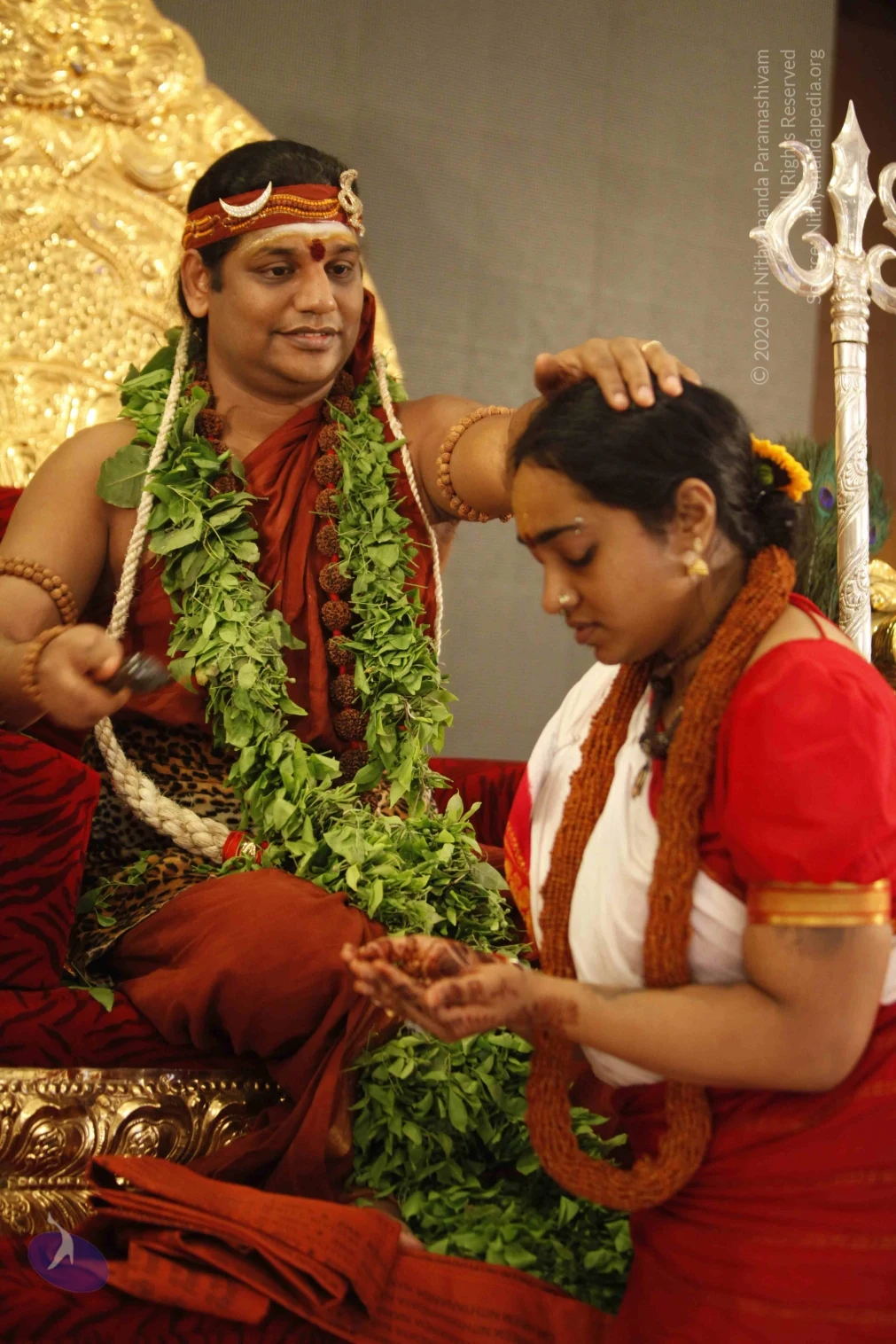
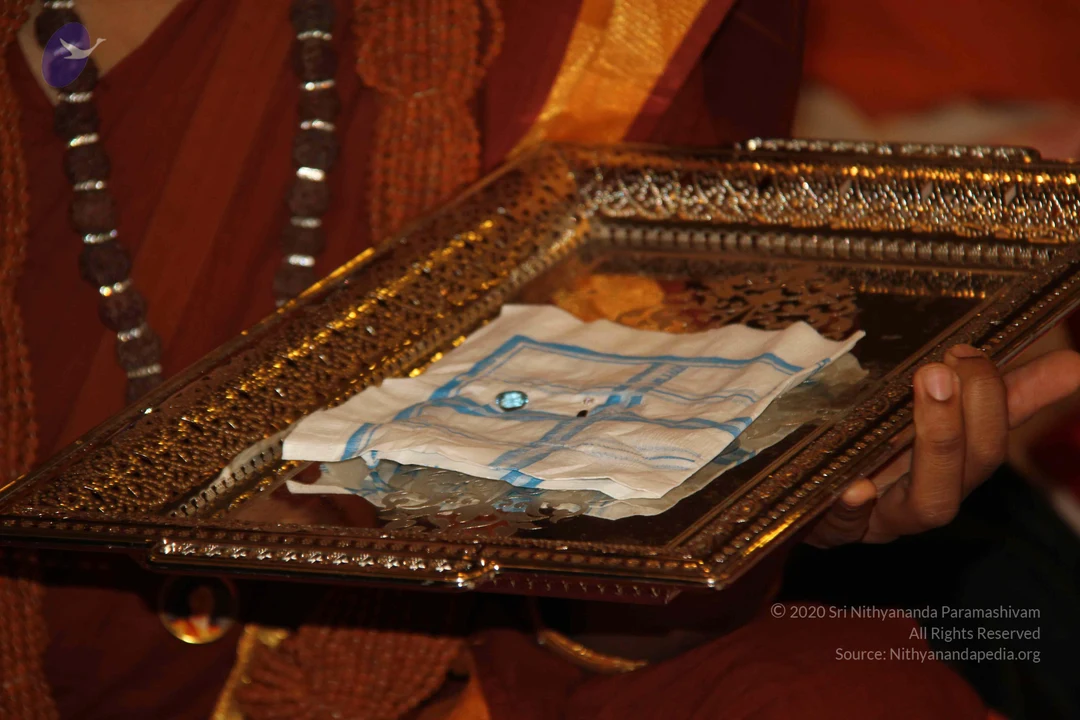
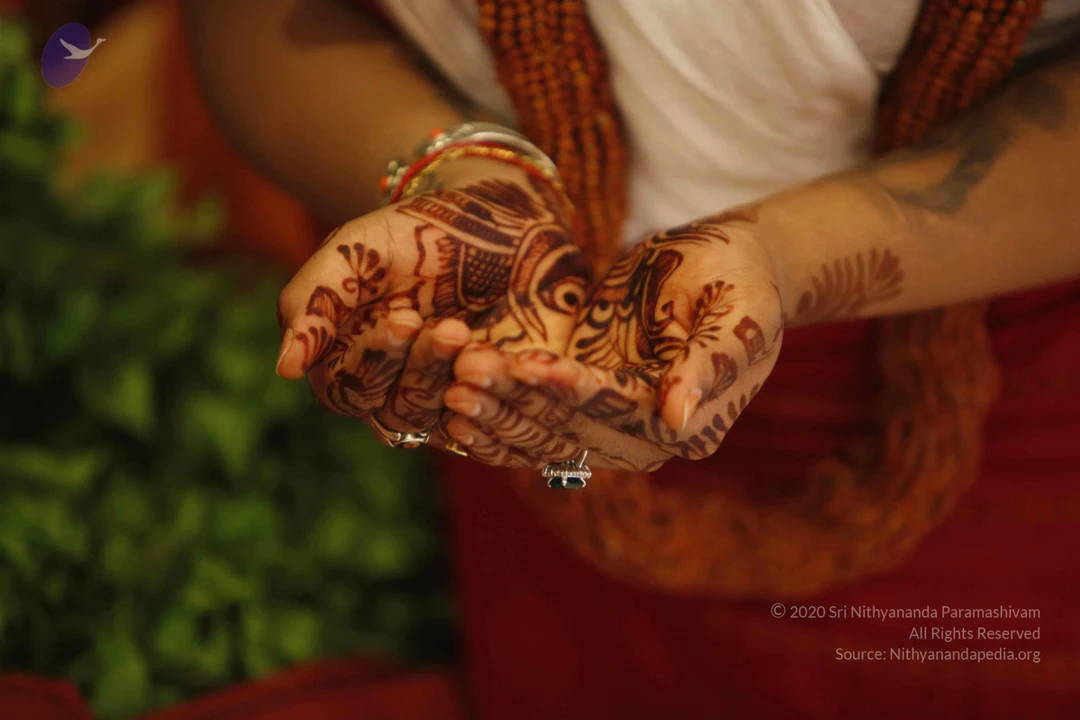
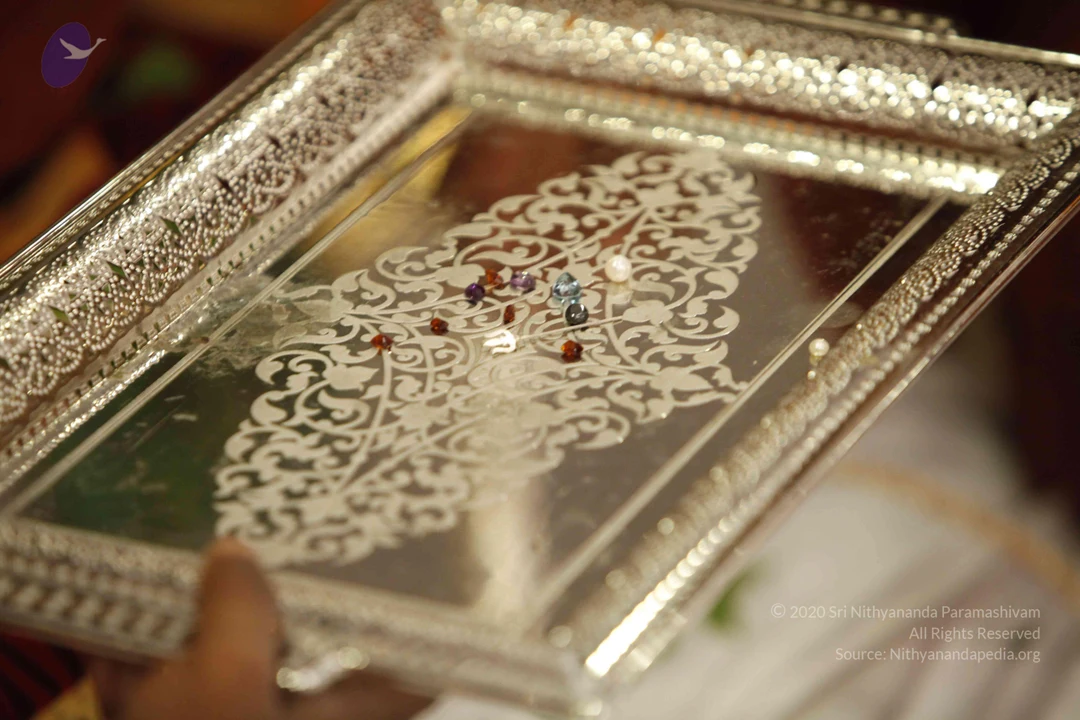
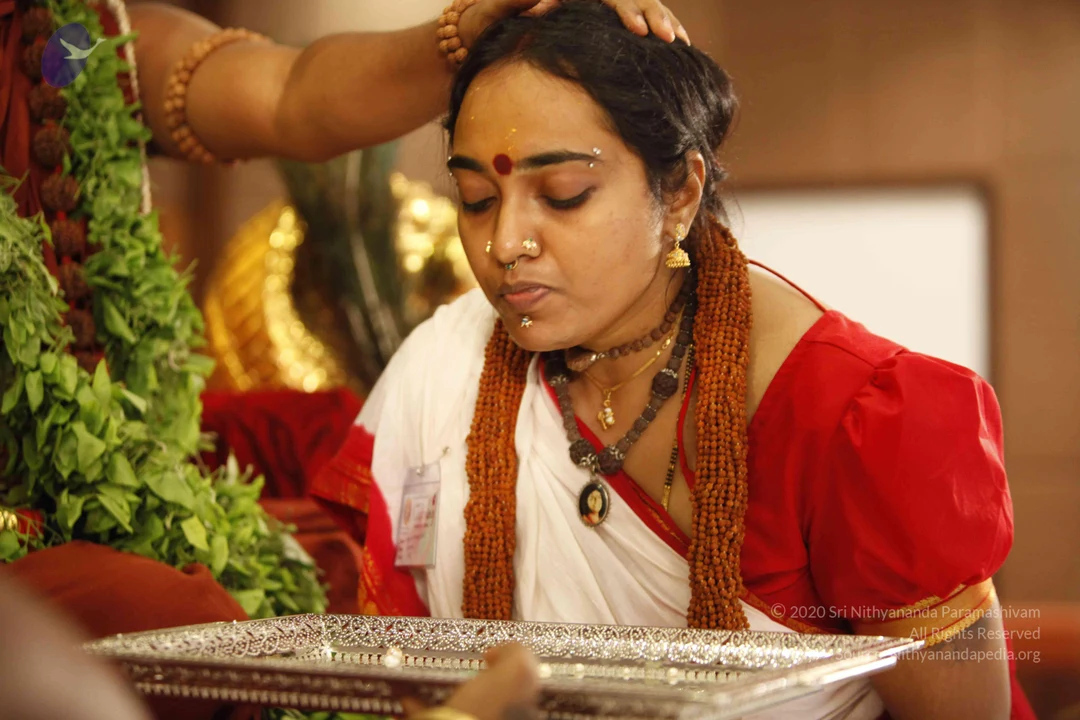
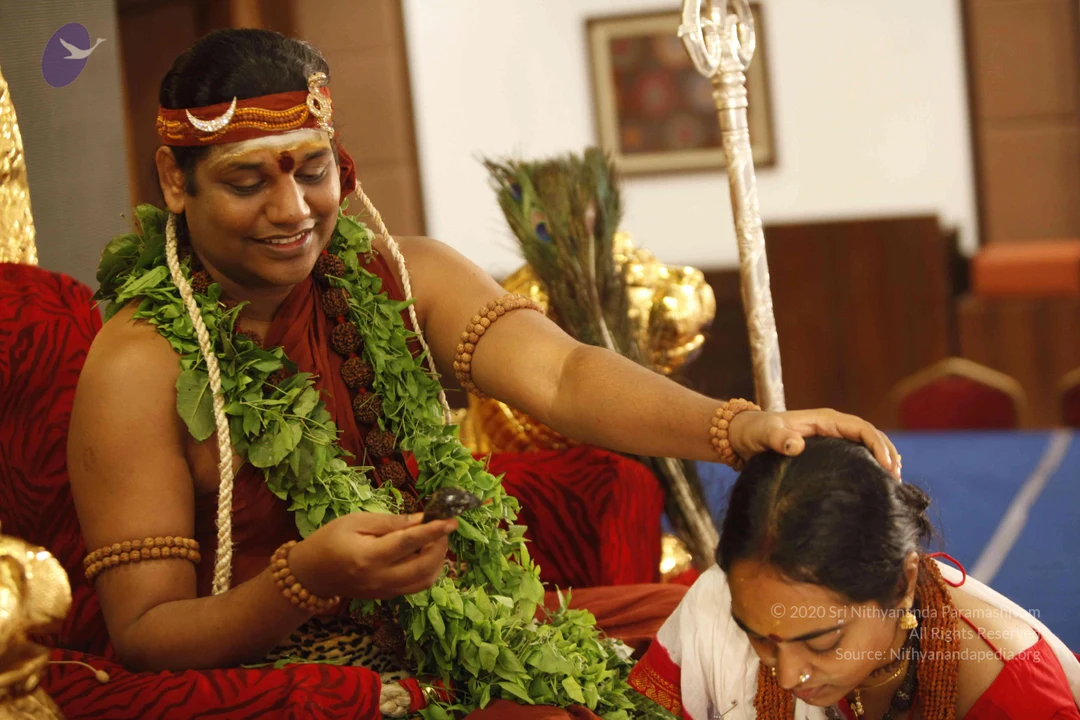
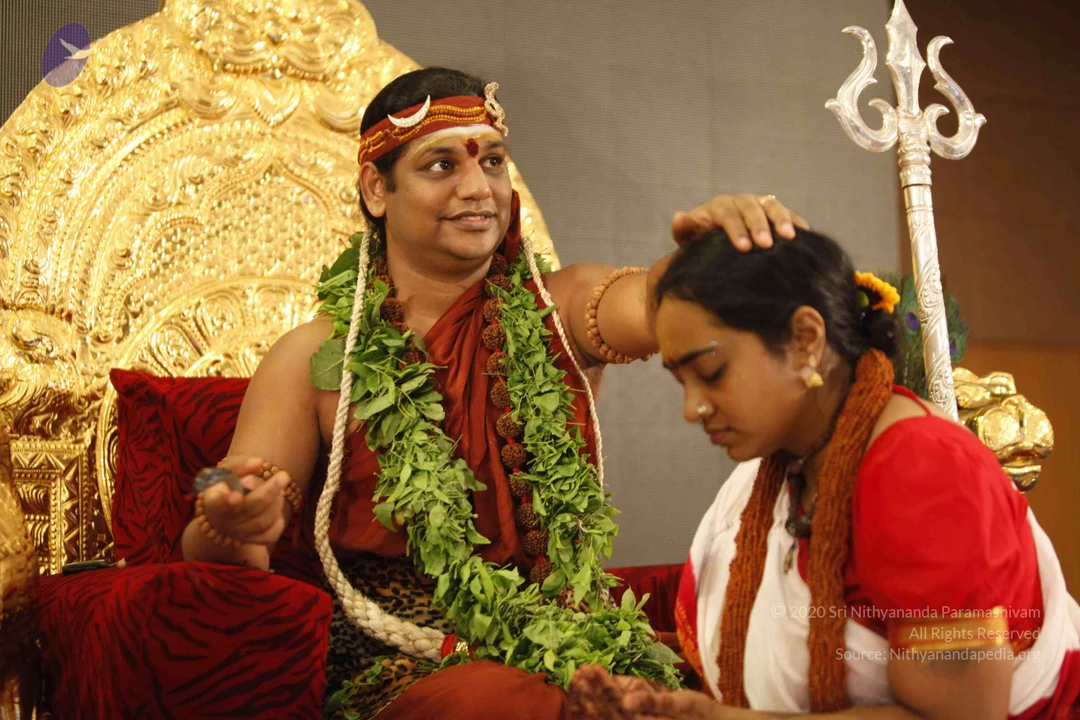
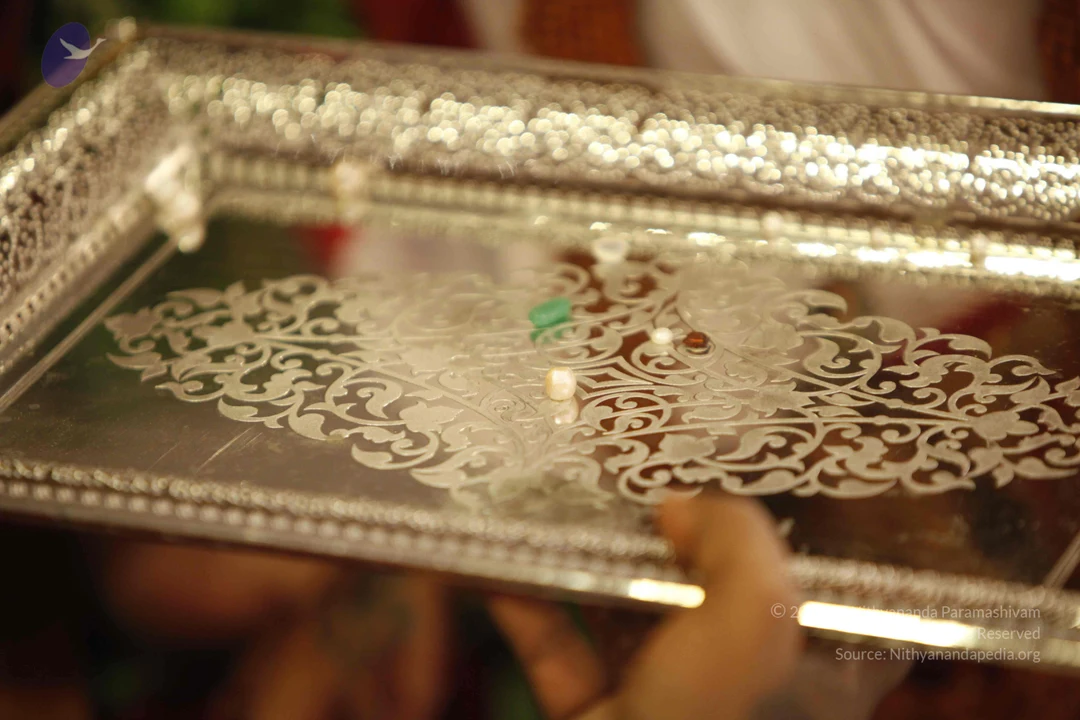
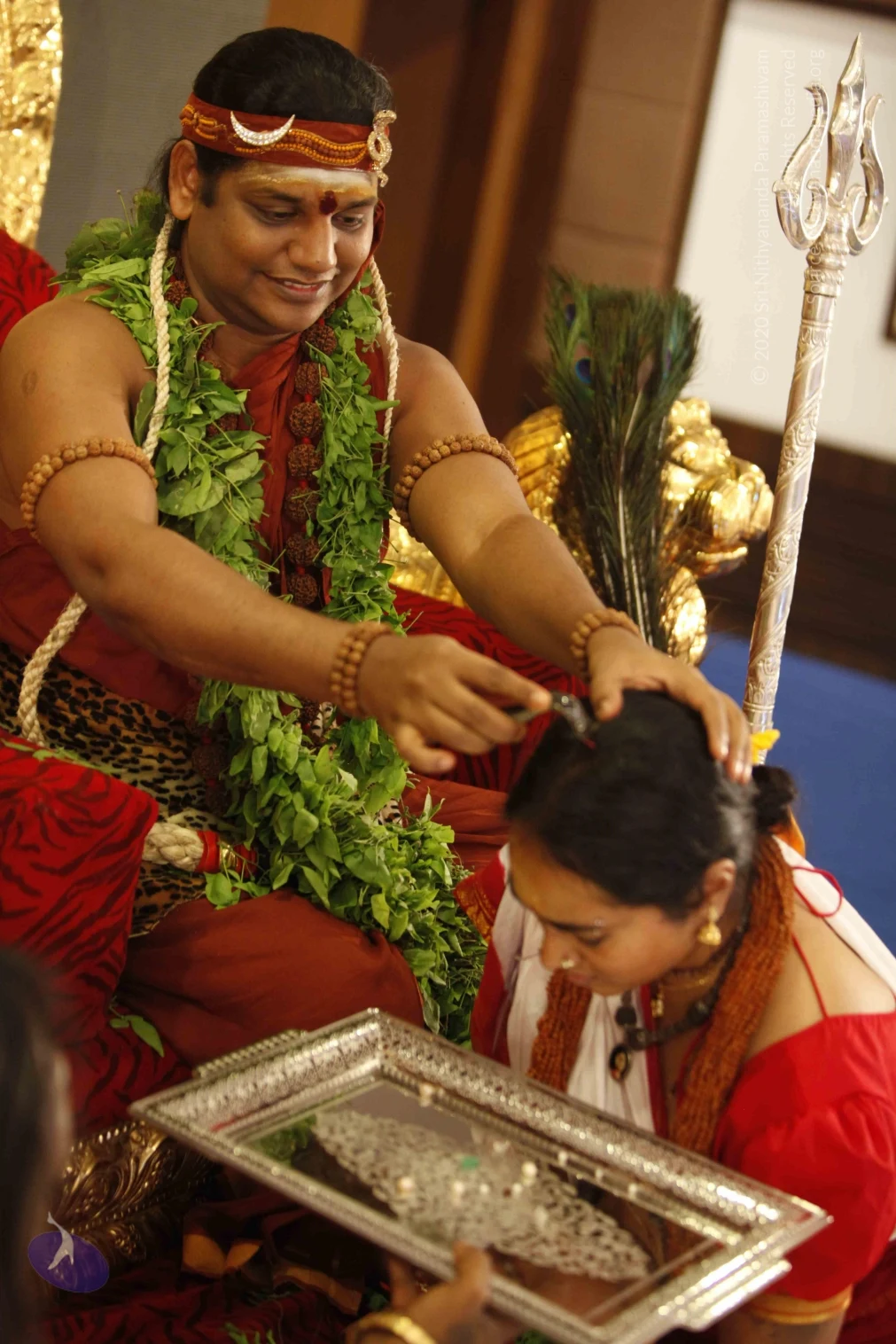
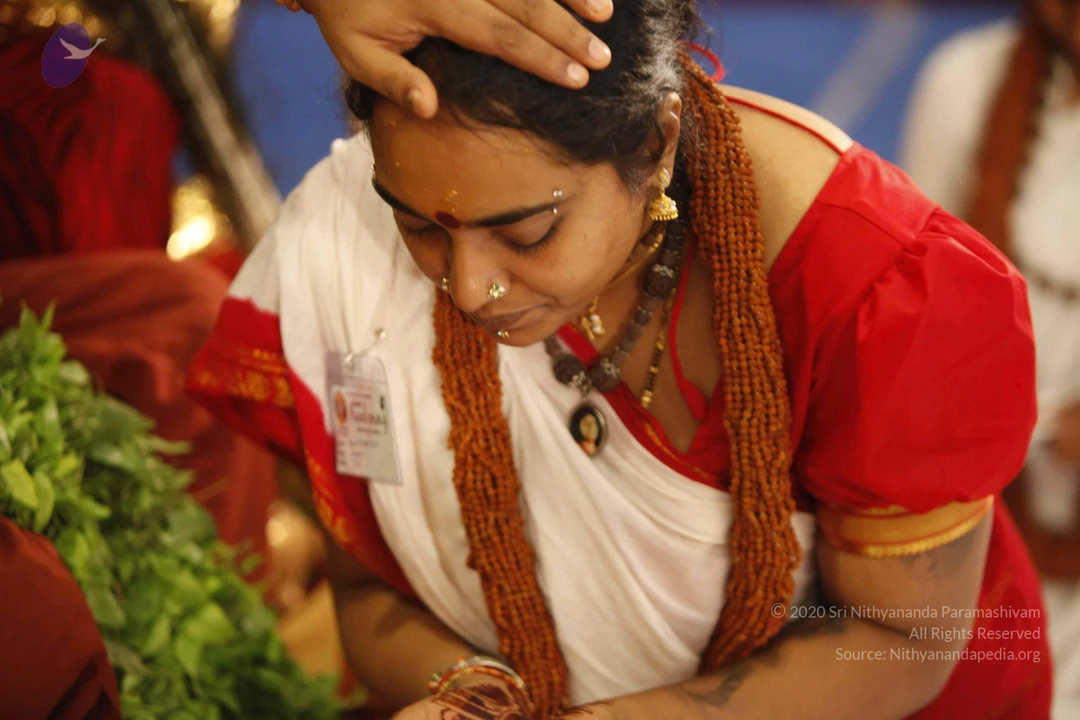
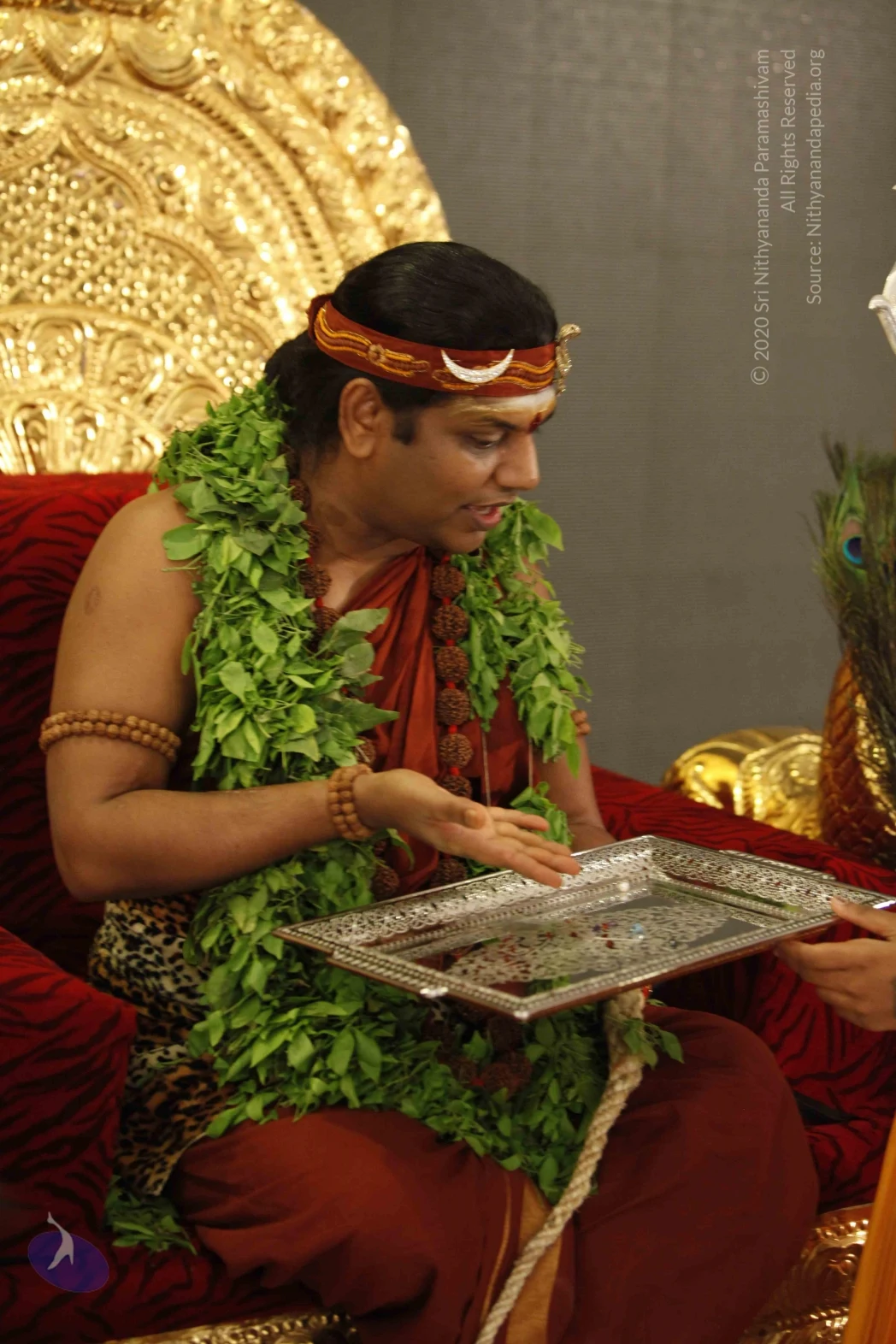
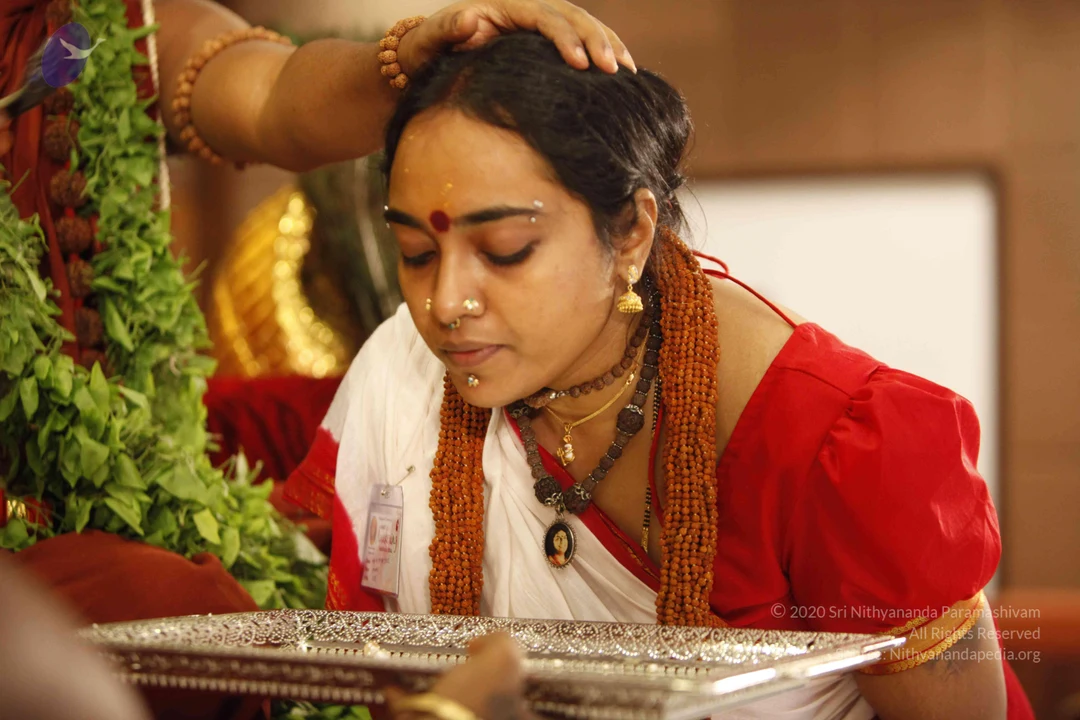
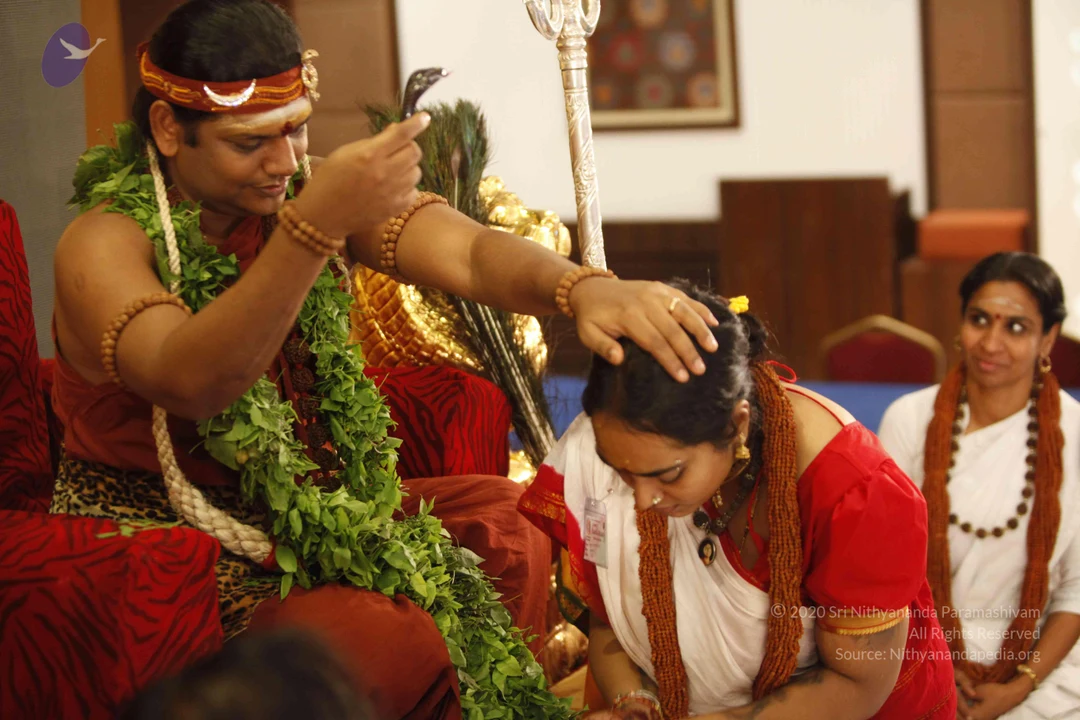
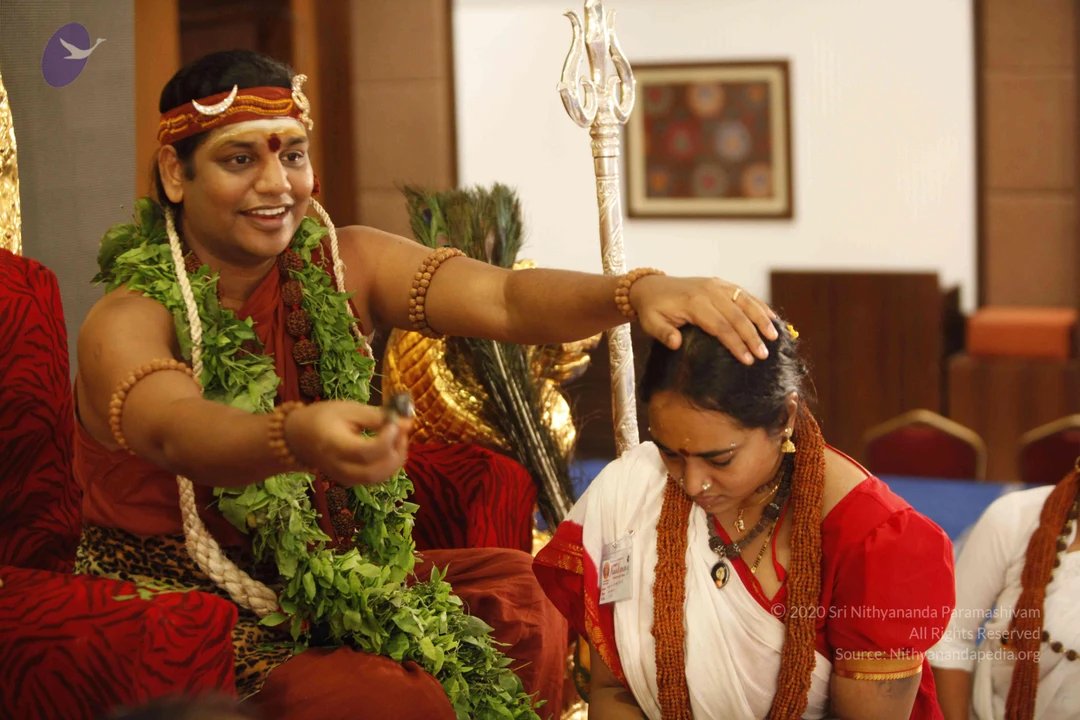
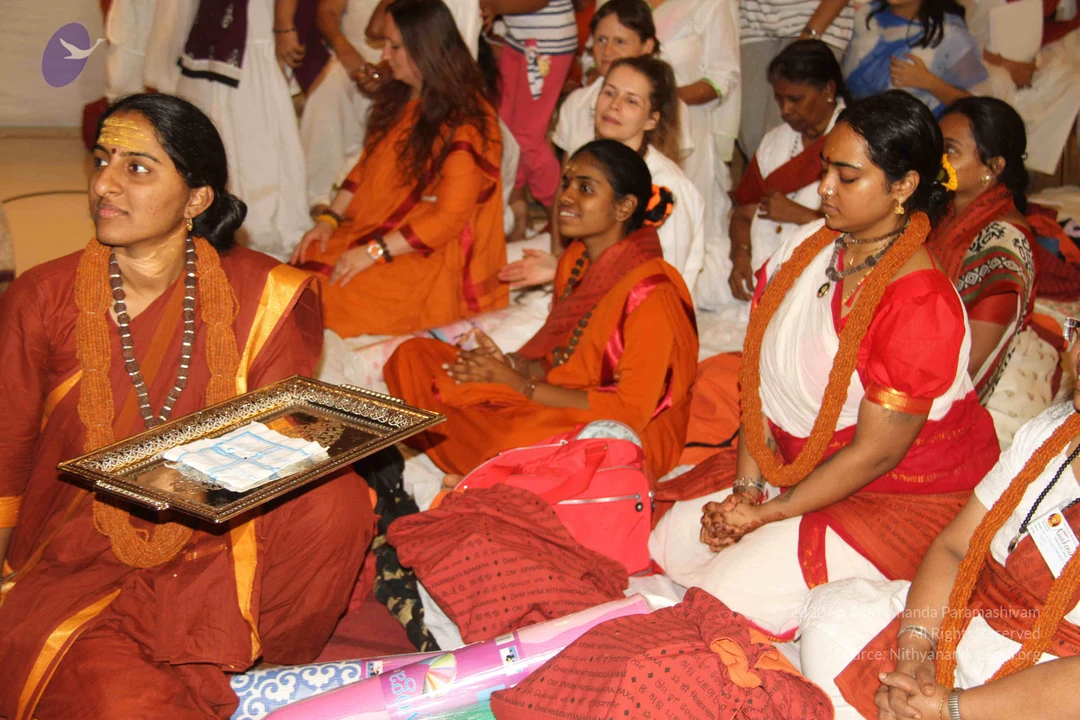
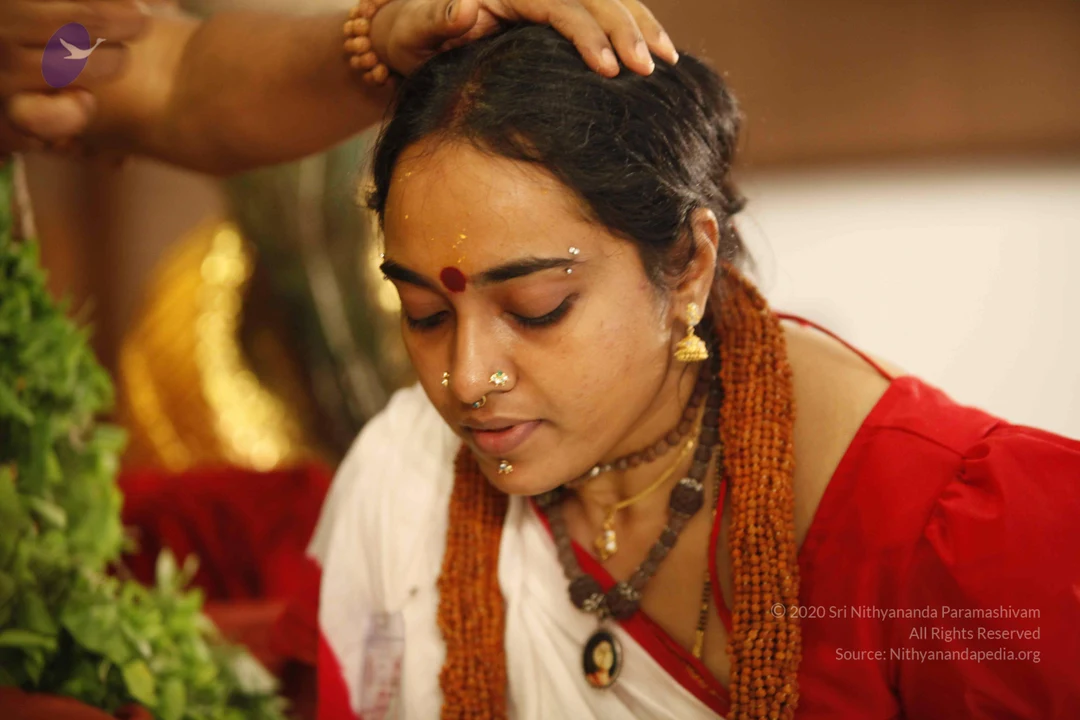
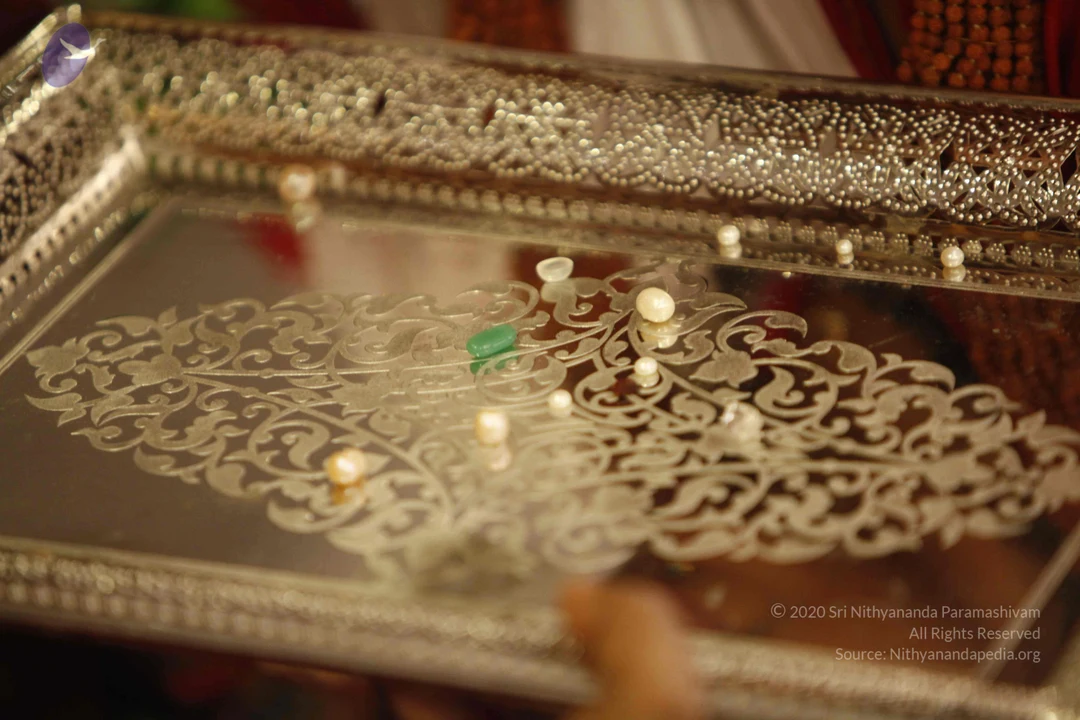
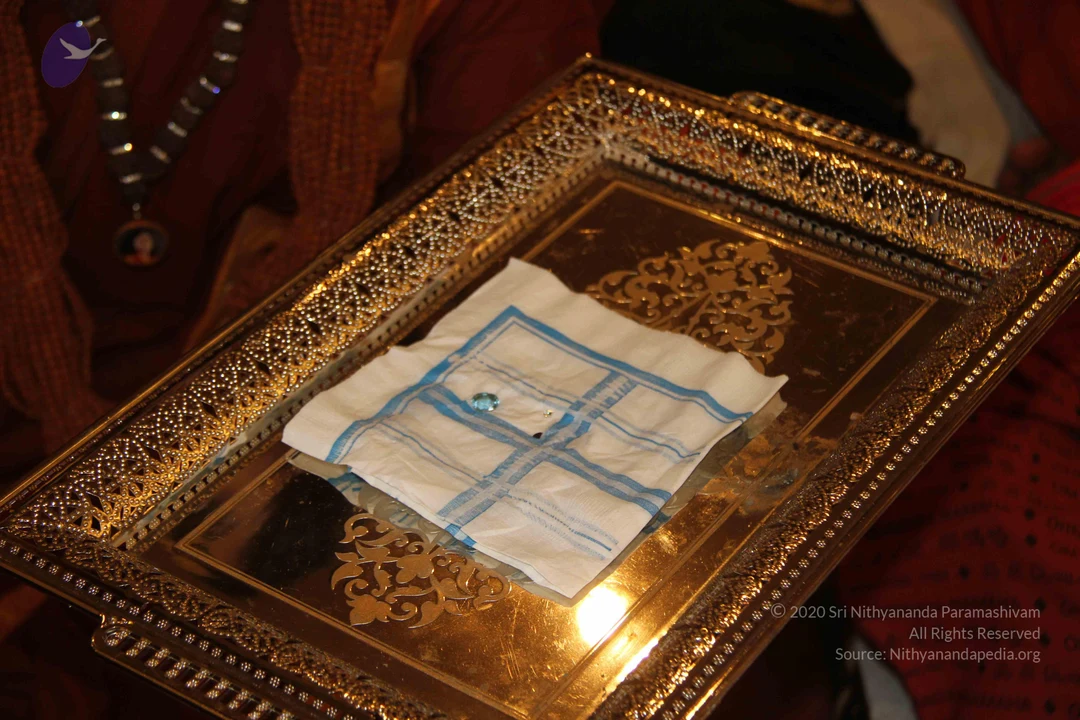
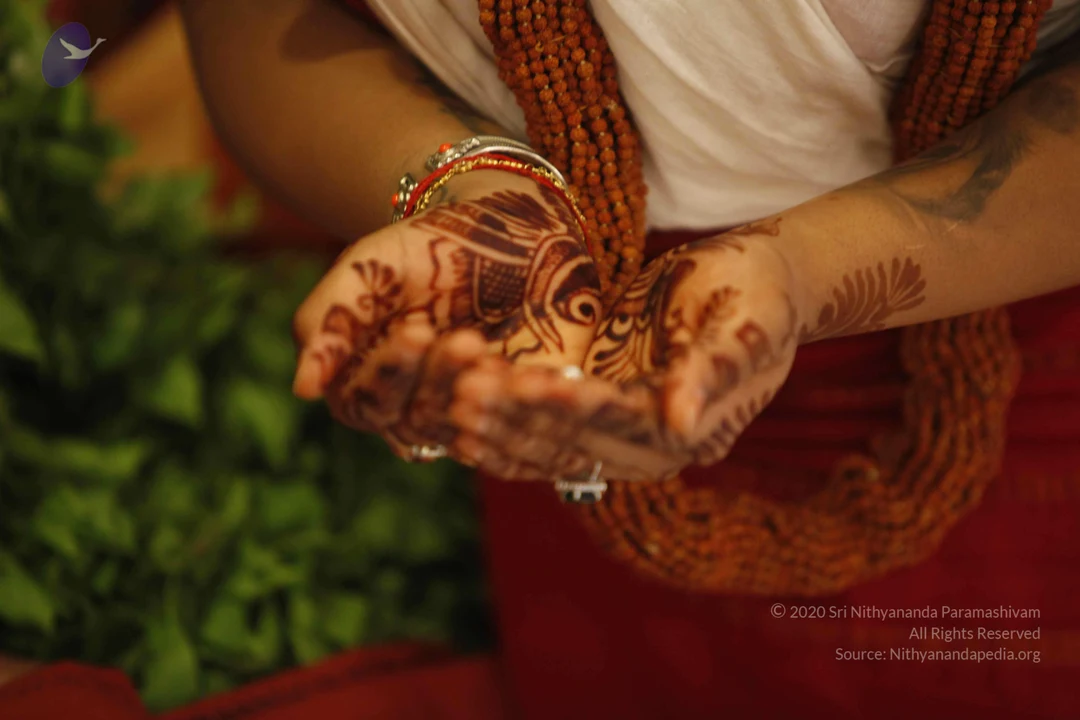
07--Misc
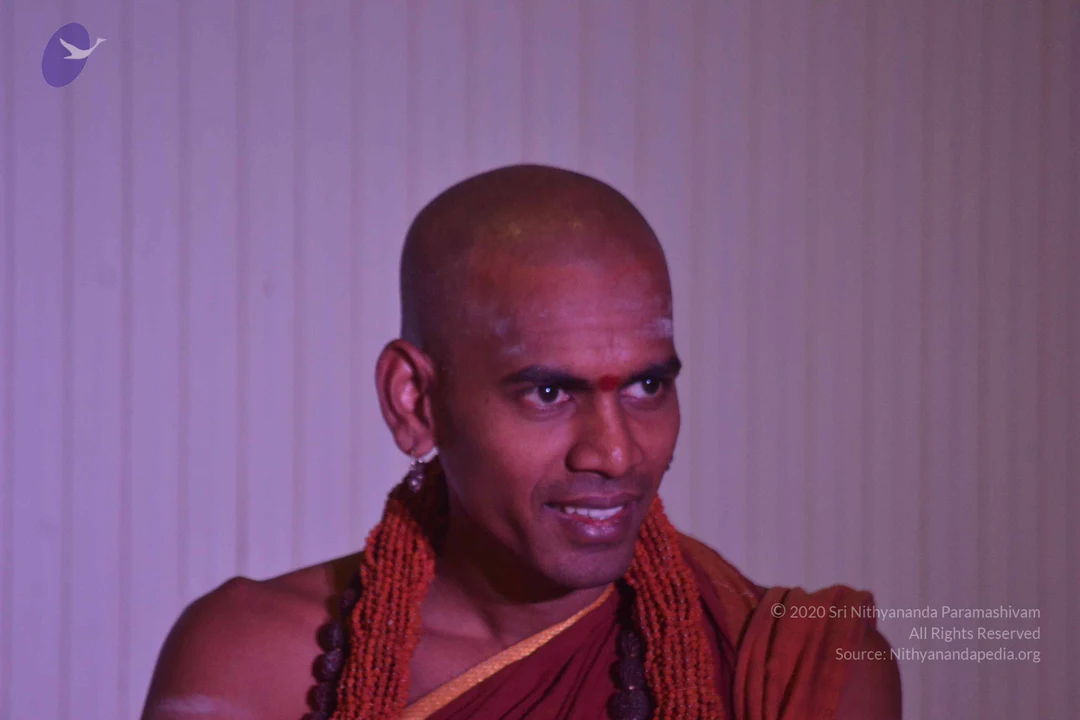
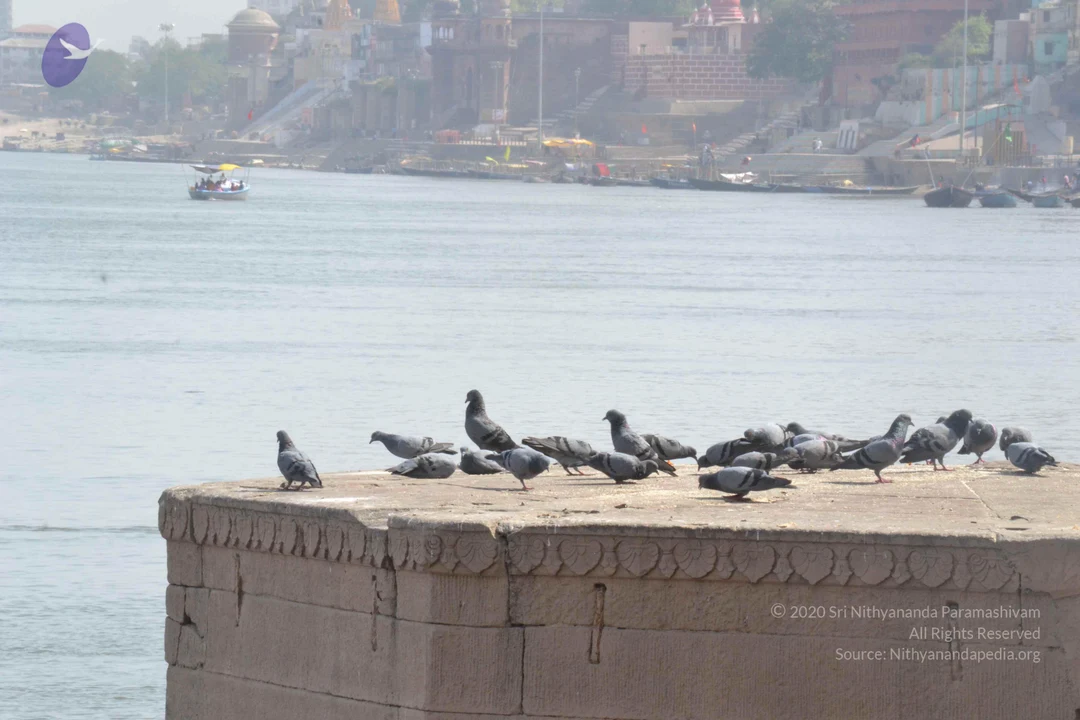
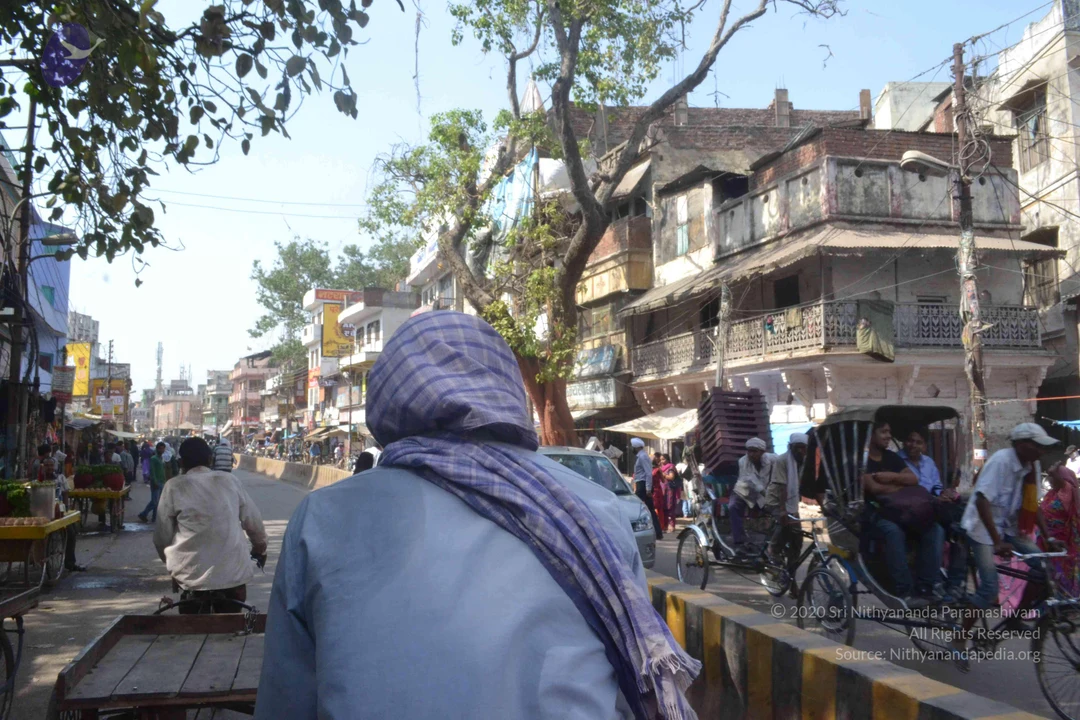
Photos from this day
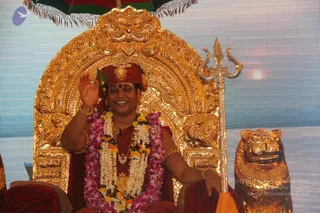
View all 729 photos01--Satsang
42 photosSource gallery
02--Pada puja
126 photosSource gallery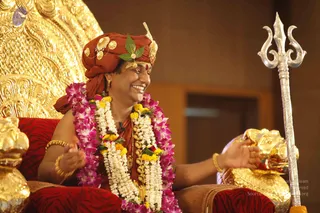
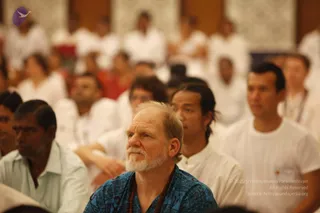
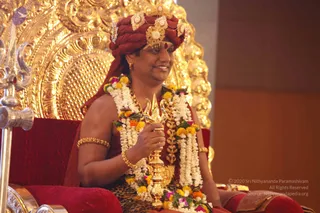
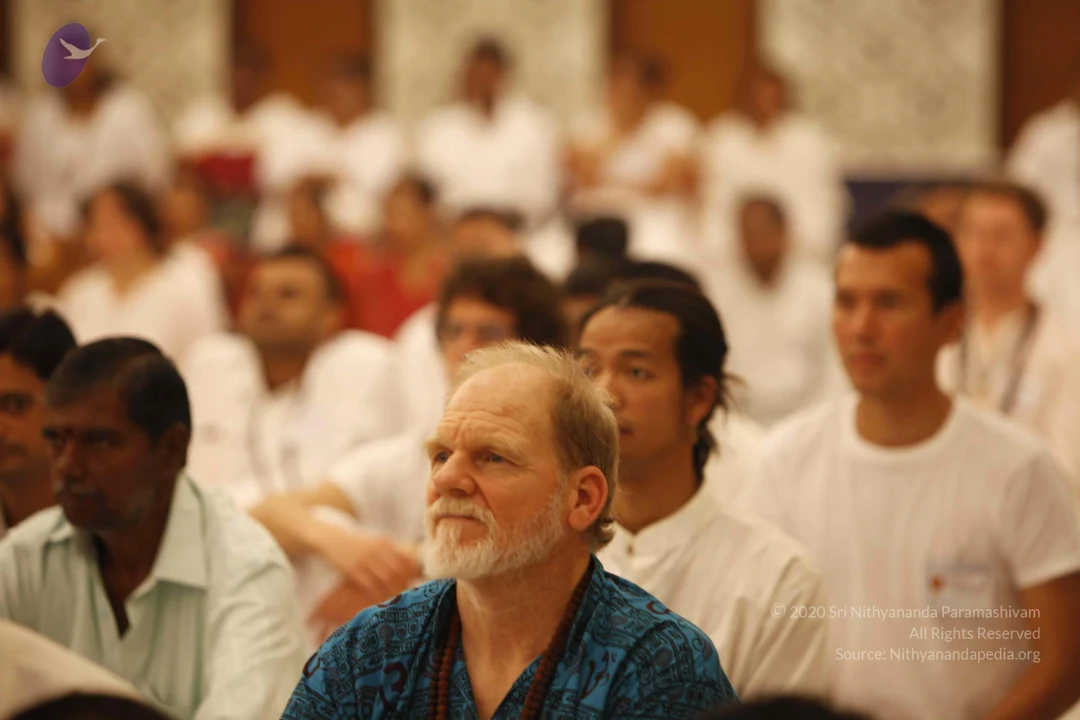
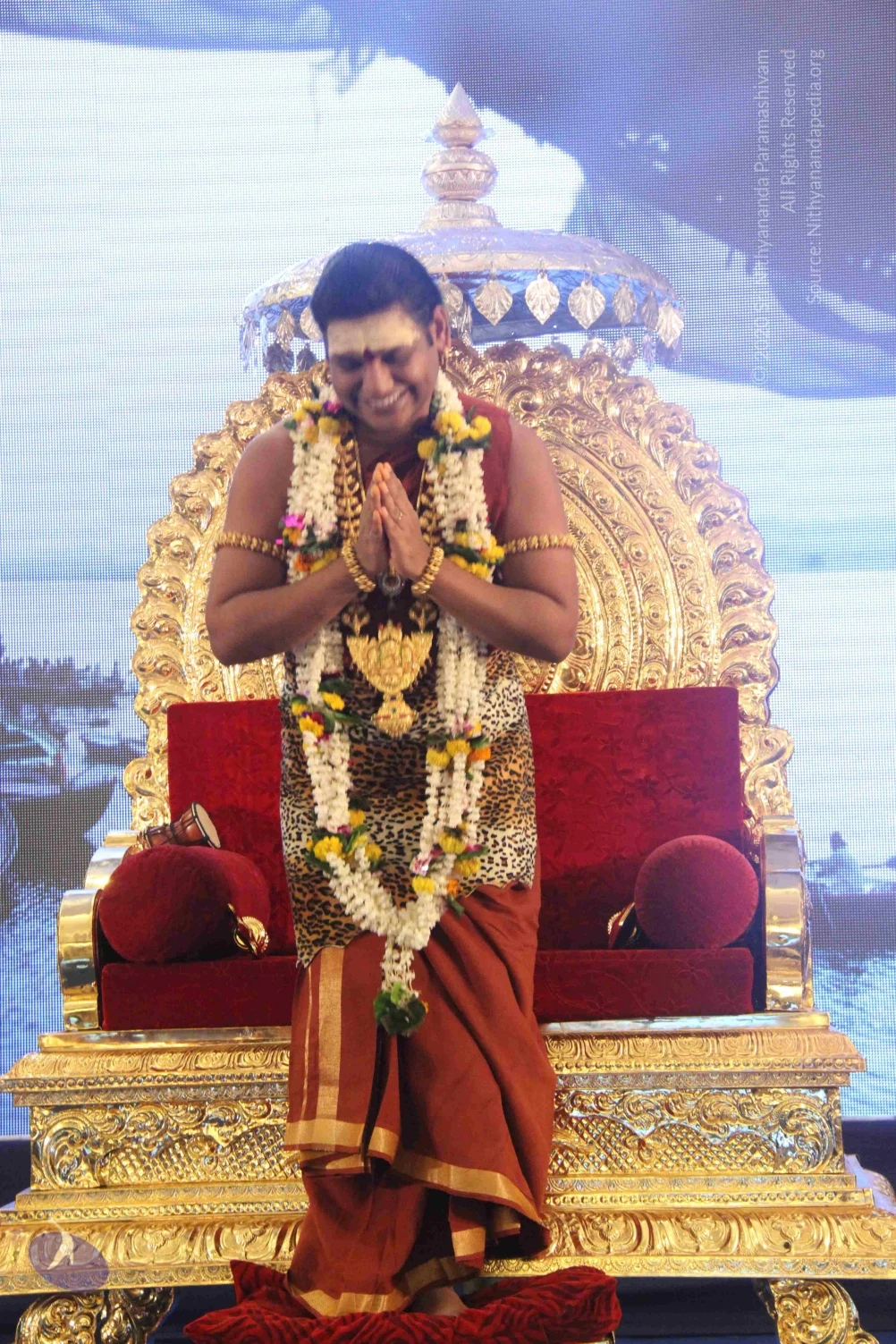
03--Kalpataru
42 photosSource gallery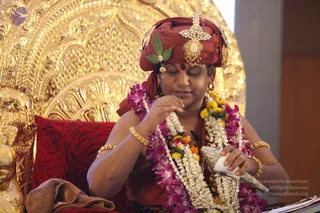
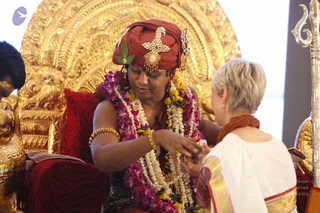
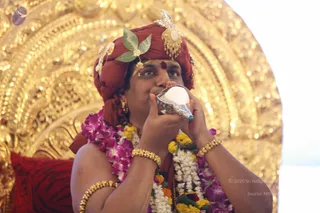
04--IA session photos
108 photosSource gallery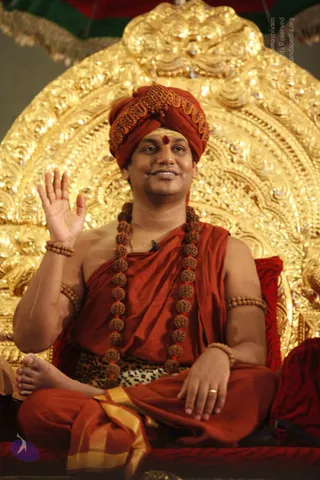
05--Darshan
181 photosSource gallery
May 01 2014
230 photosView all