Skip to content
Wednesday

30 April 2014

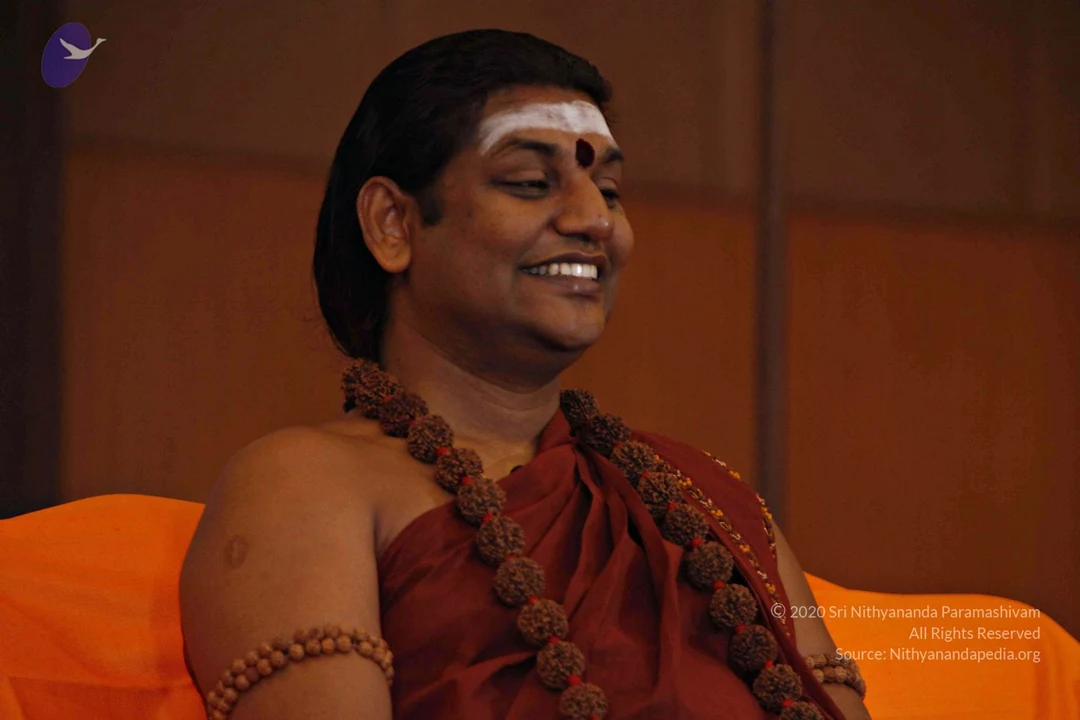
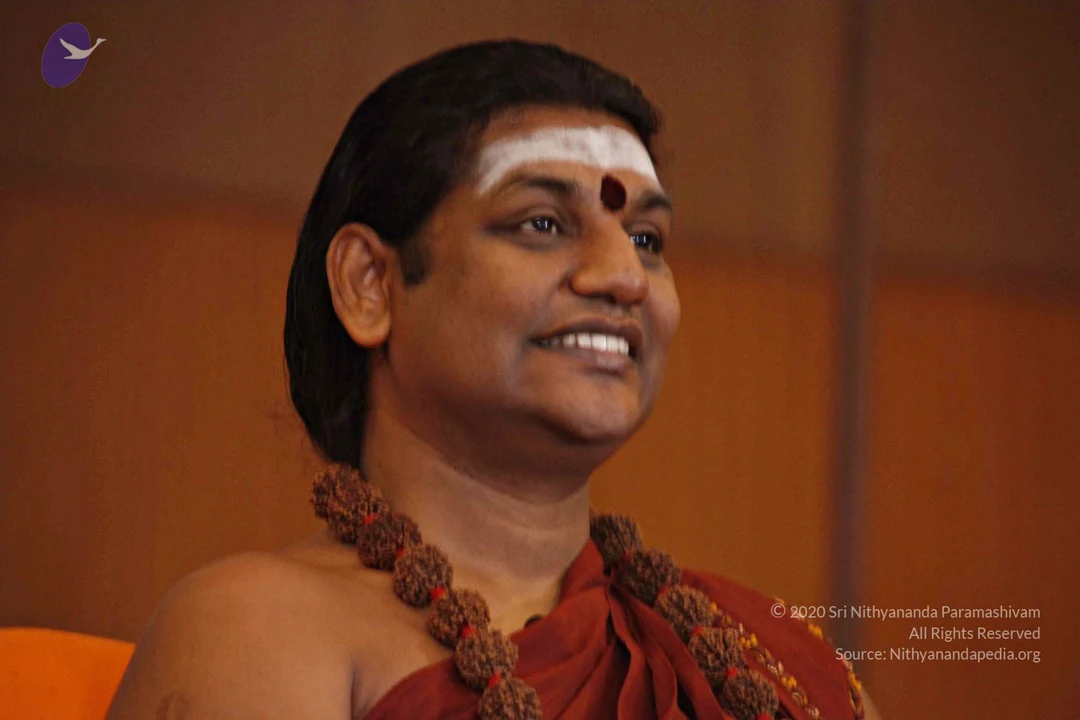
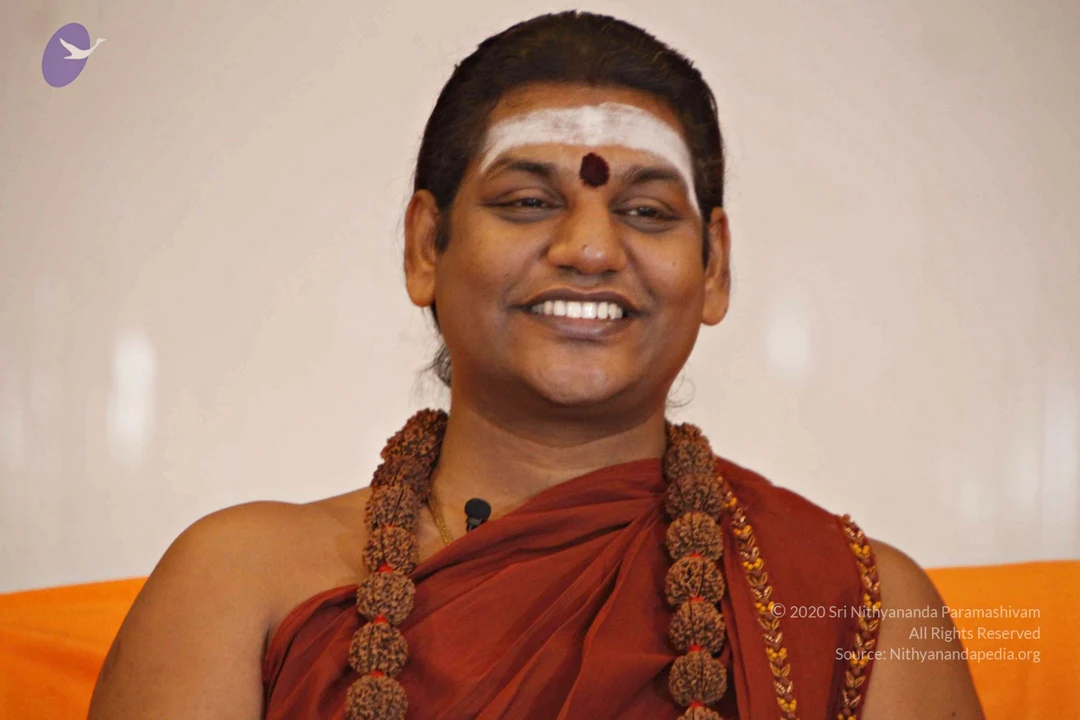
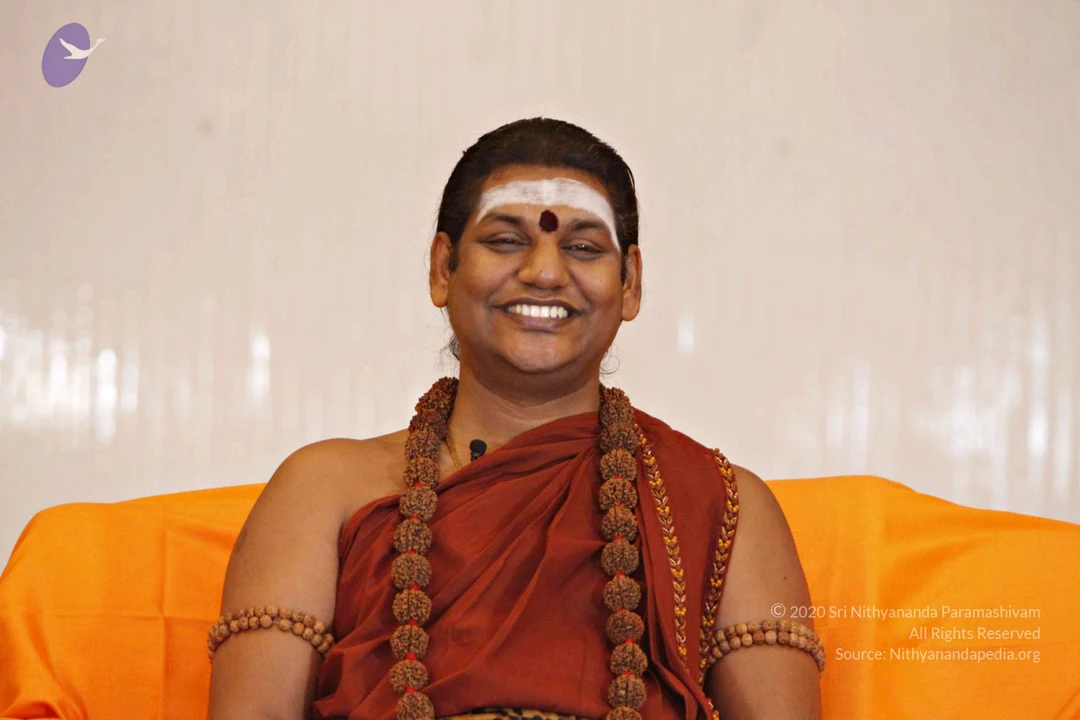
The Supreme Pontiff of Hinduism (SPH), JagatGuru MahaSannidhanam (JGM) Bhagavan Kailasa's Sri Nithyananda Paramashivam

Dated photos
247
Source pages
1
Media
2
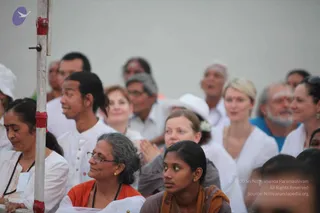
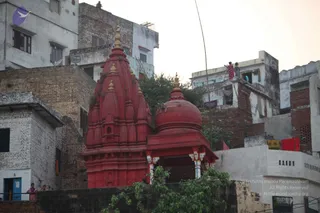
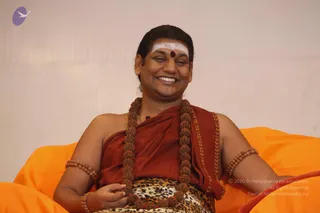
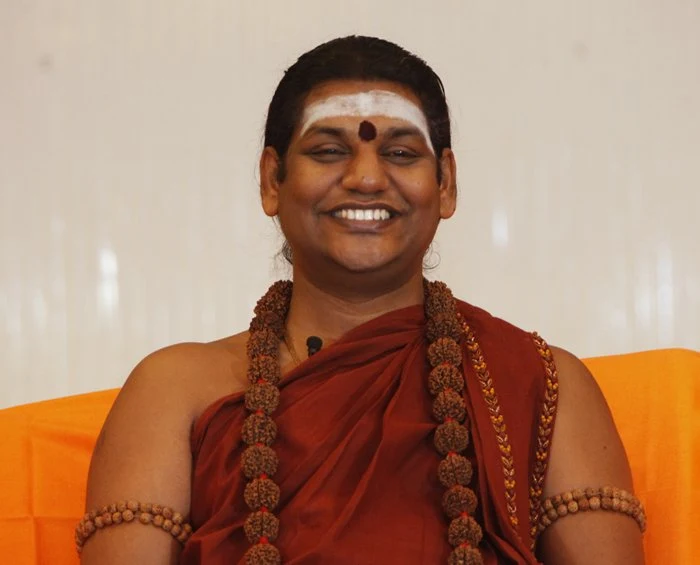
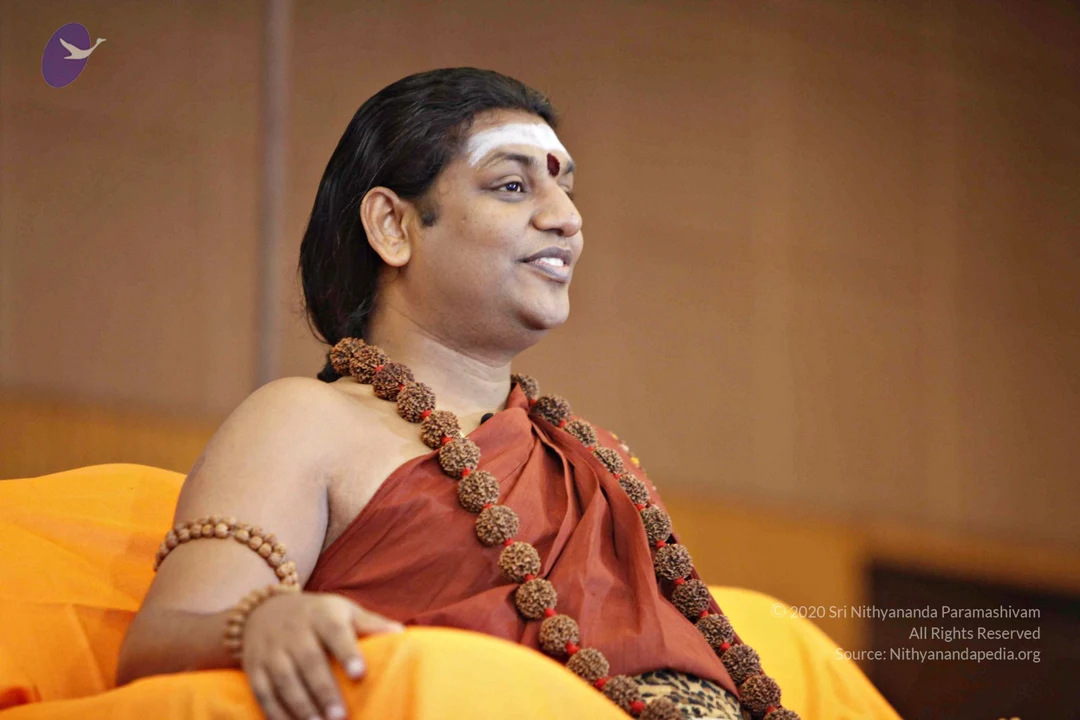
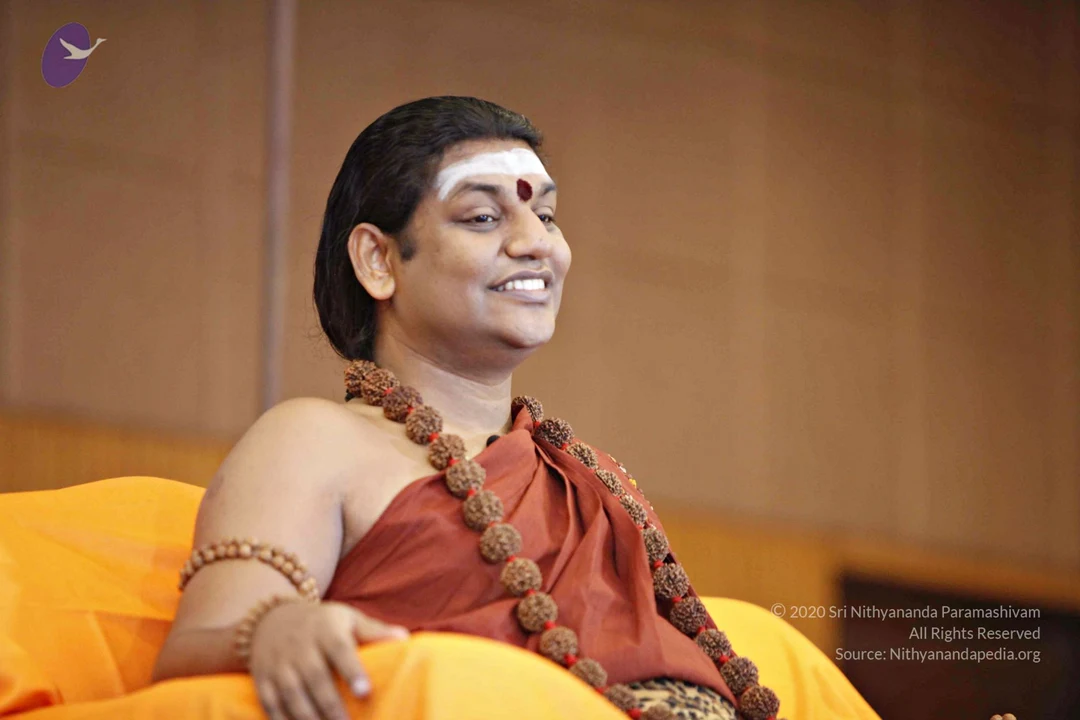
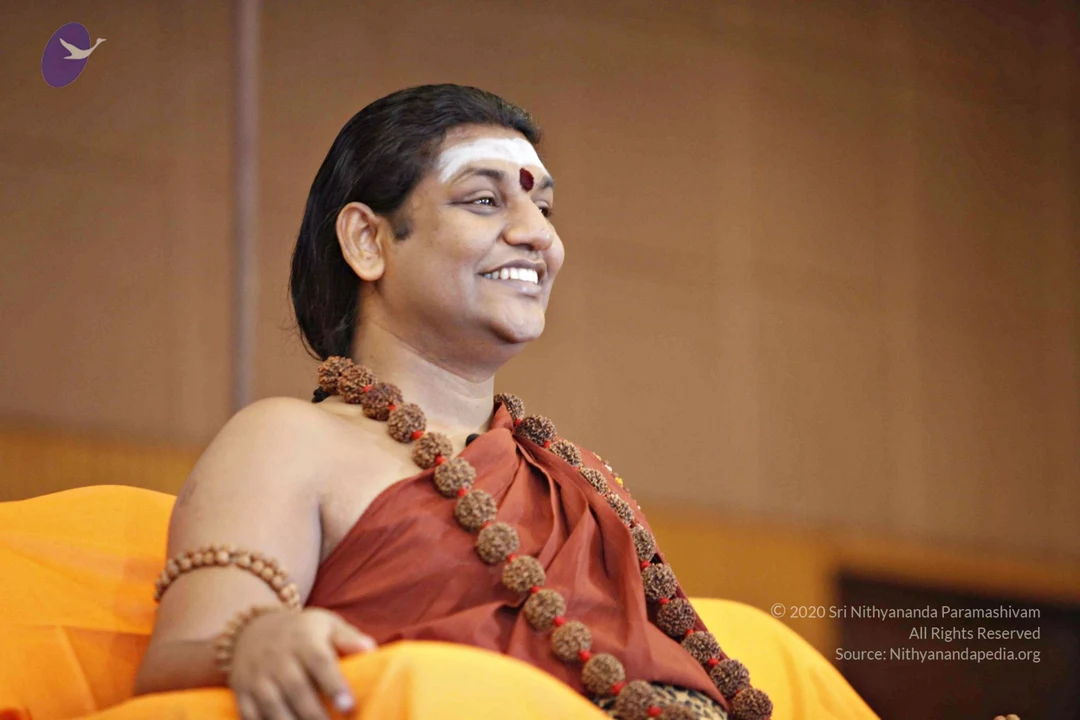
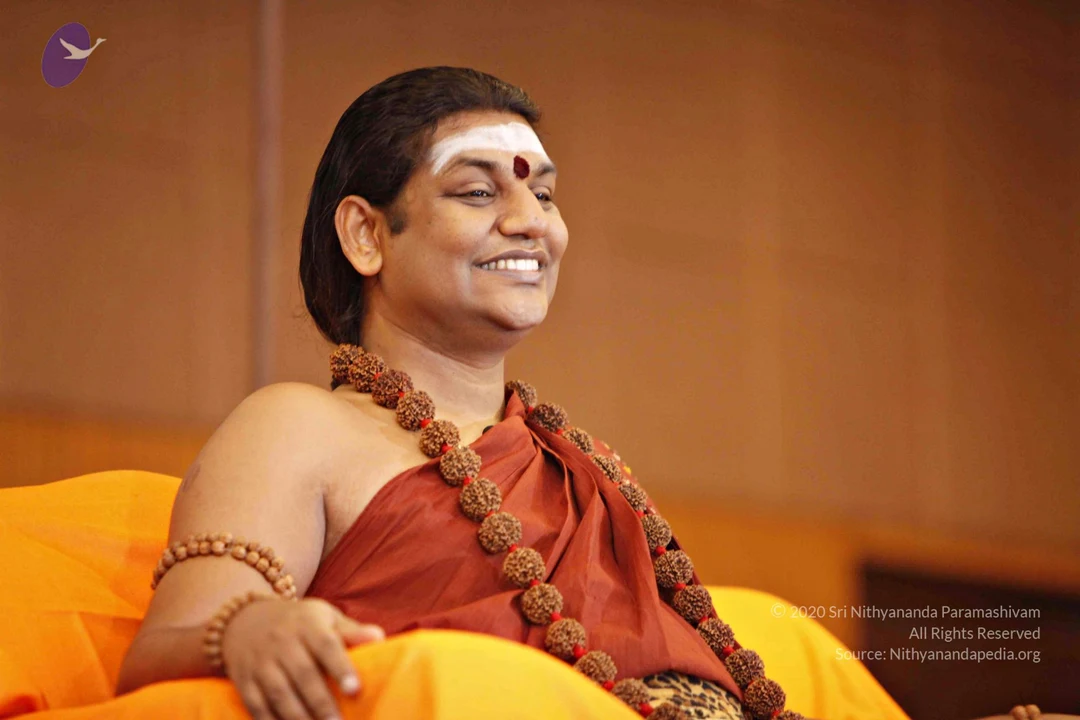
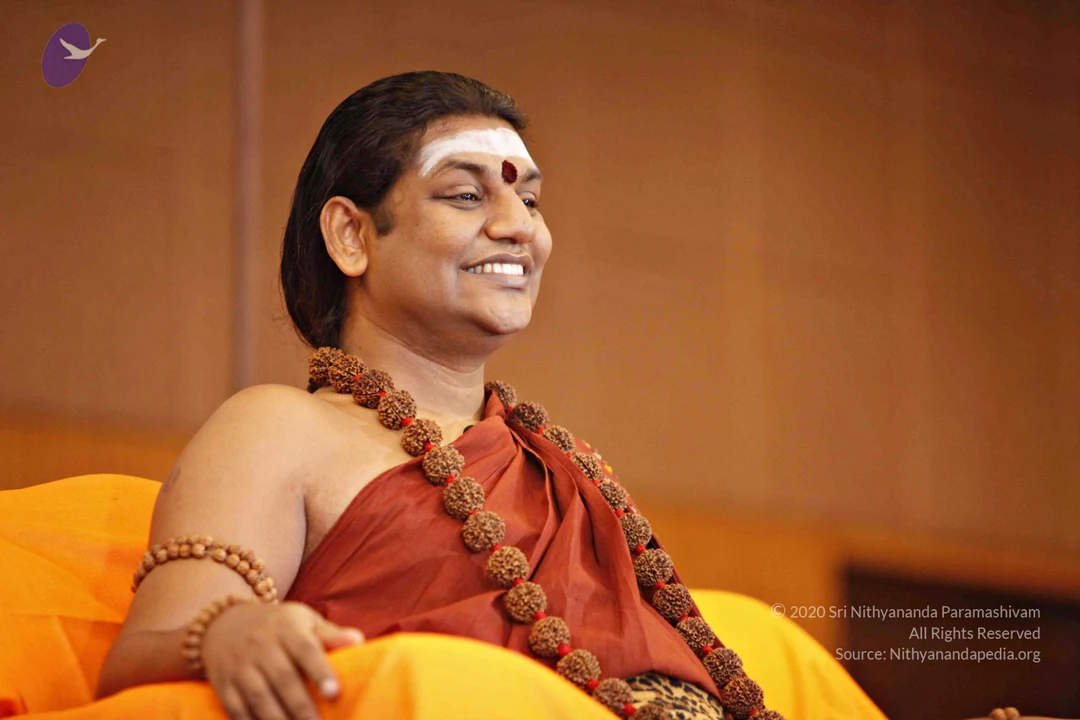
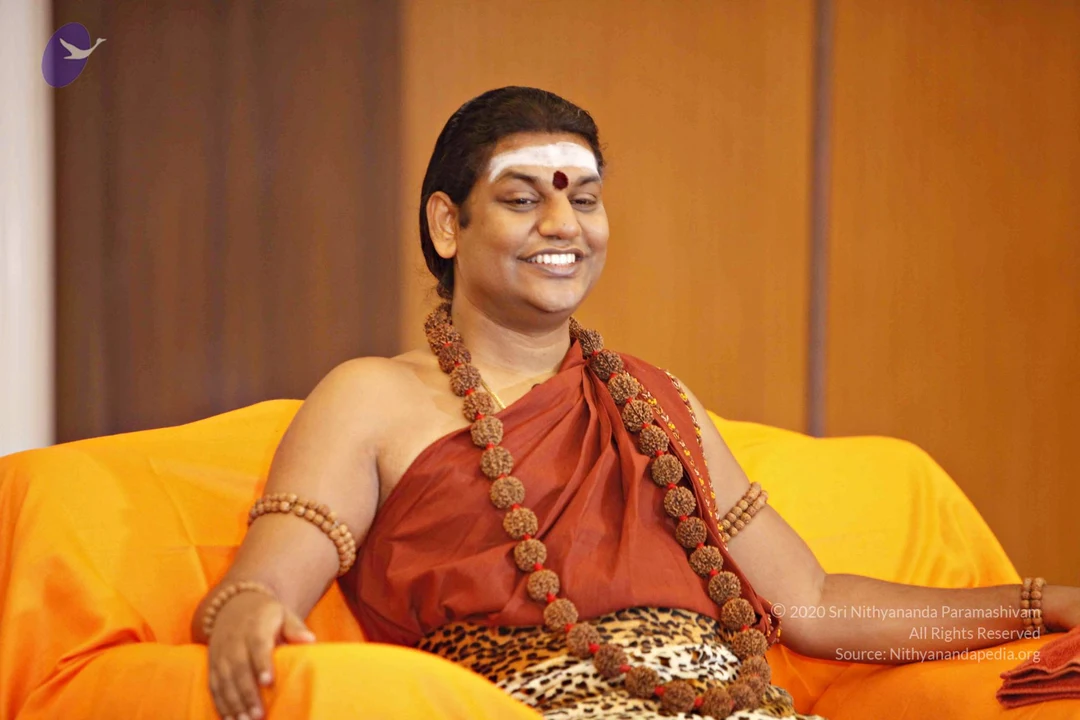
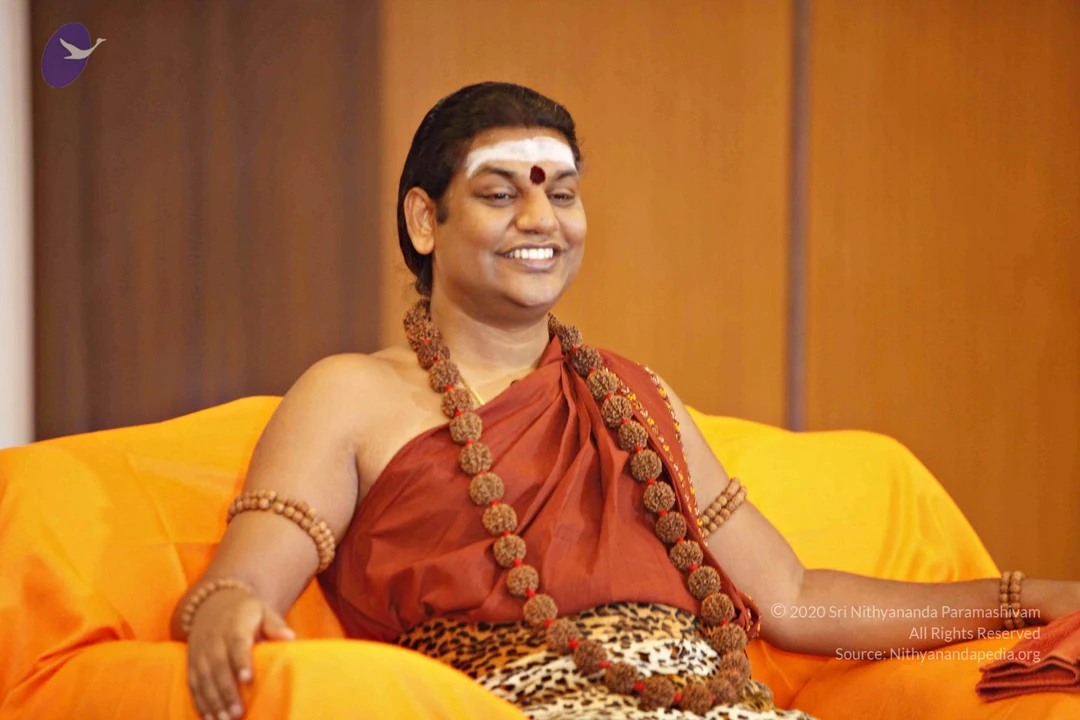
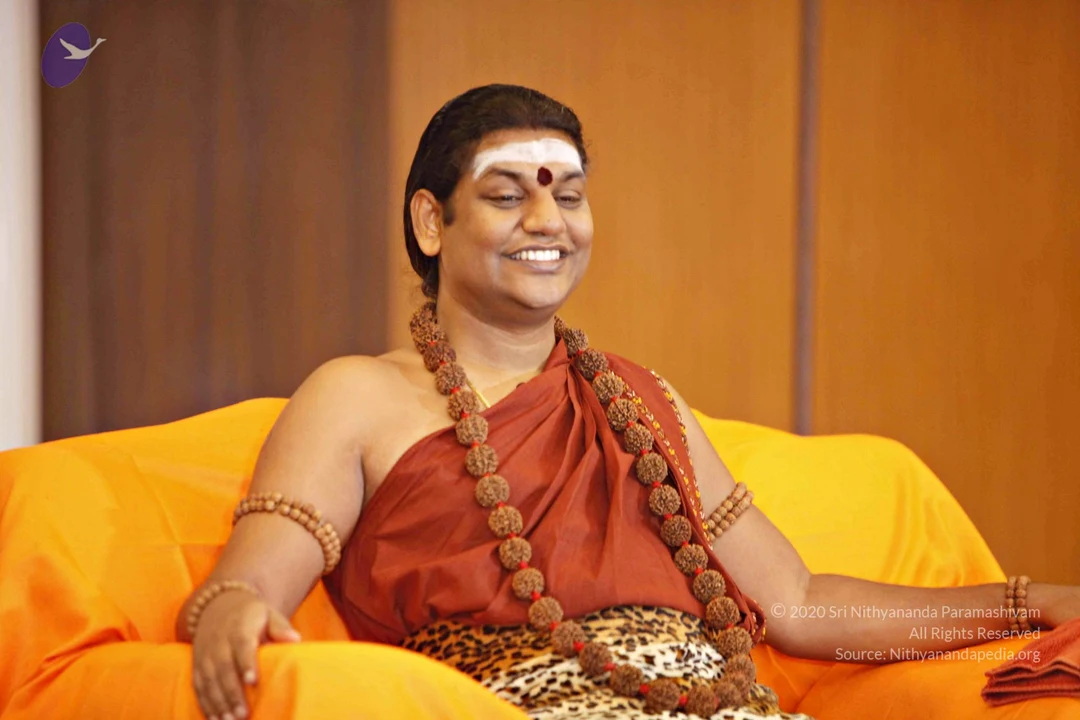
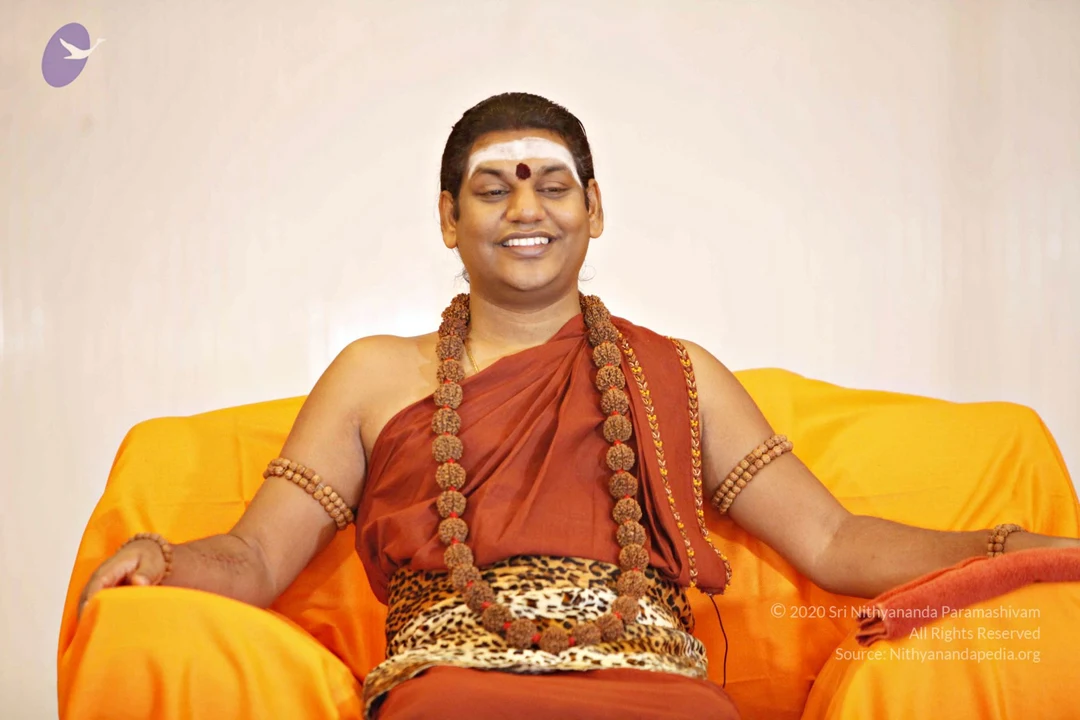
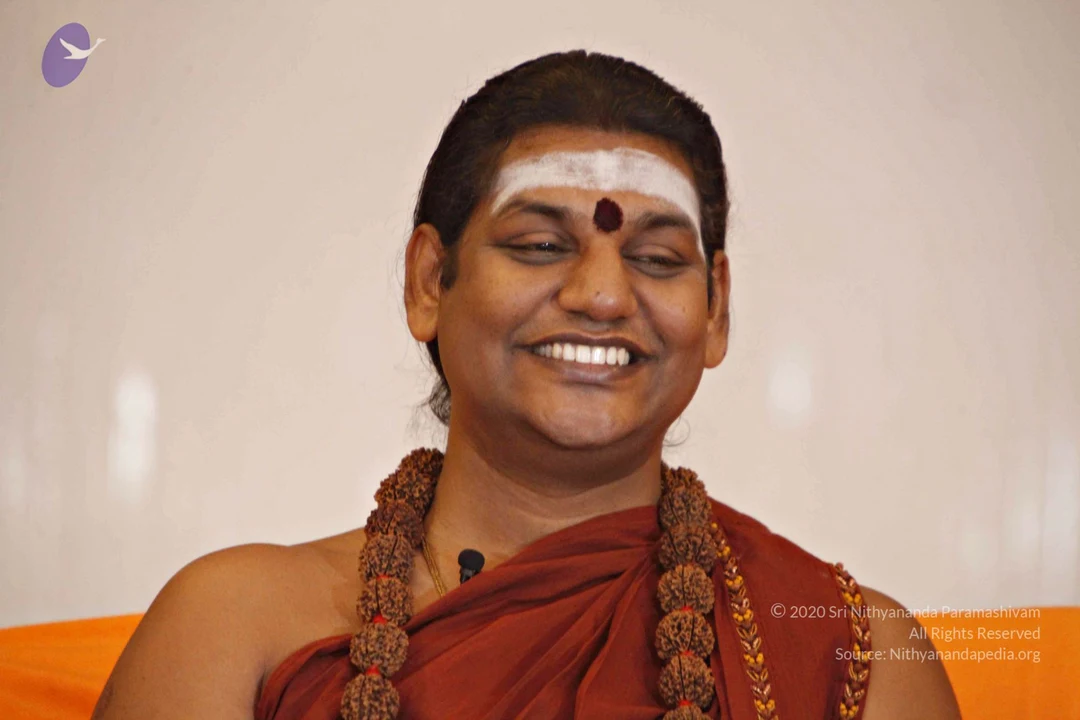
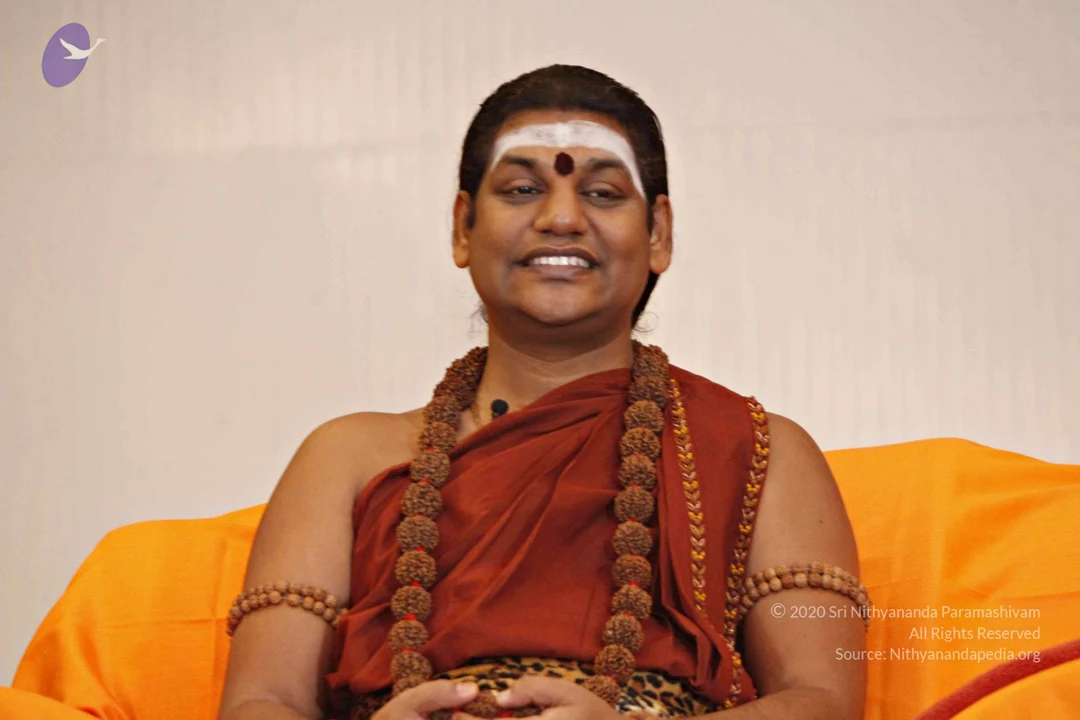
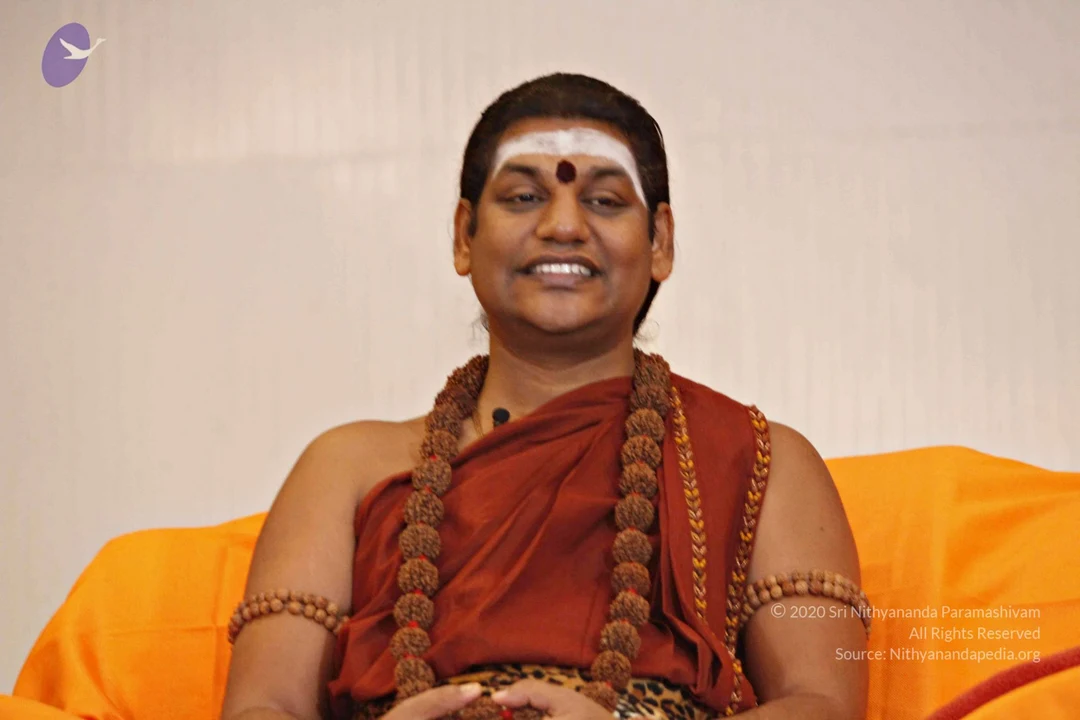
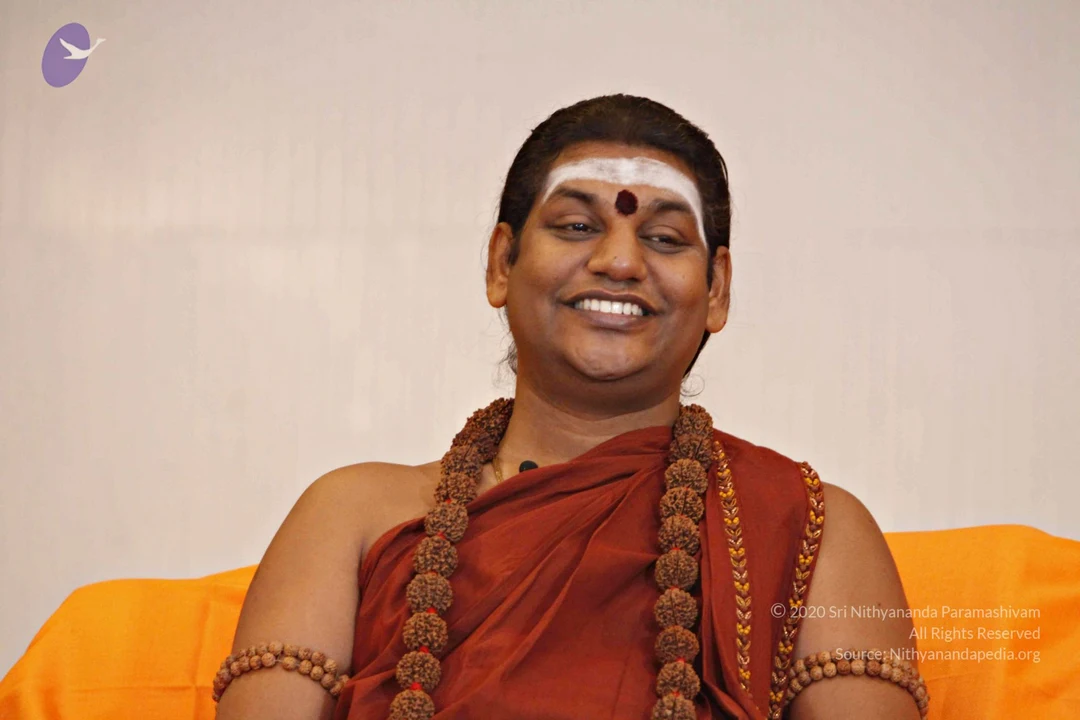
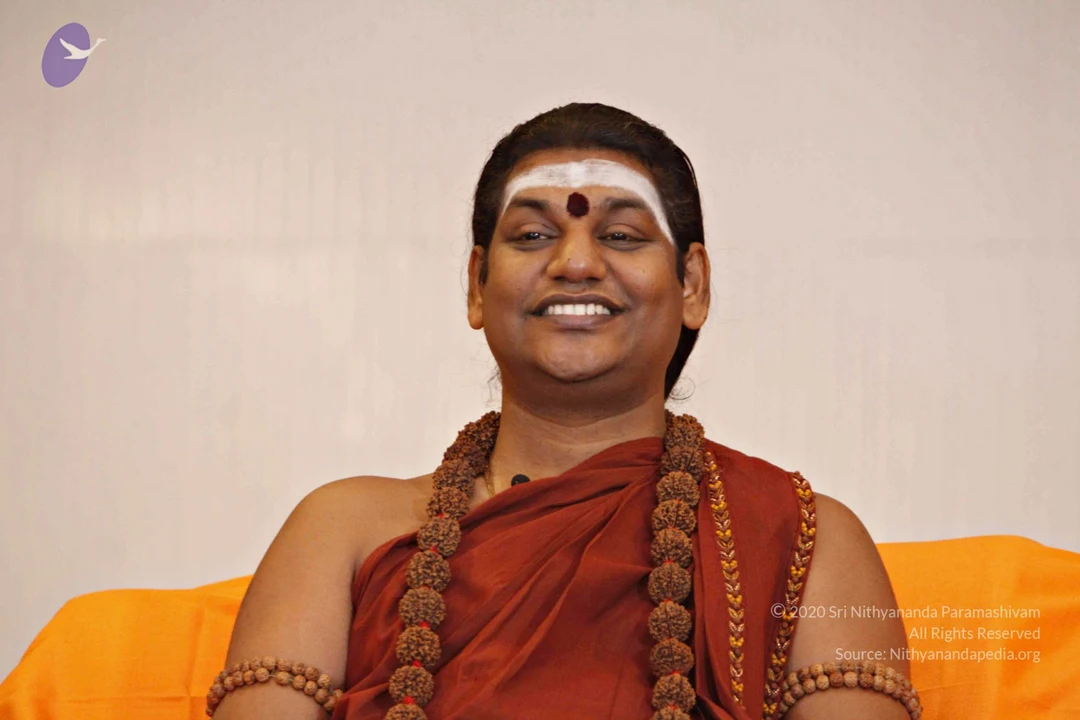
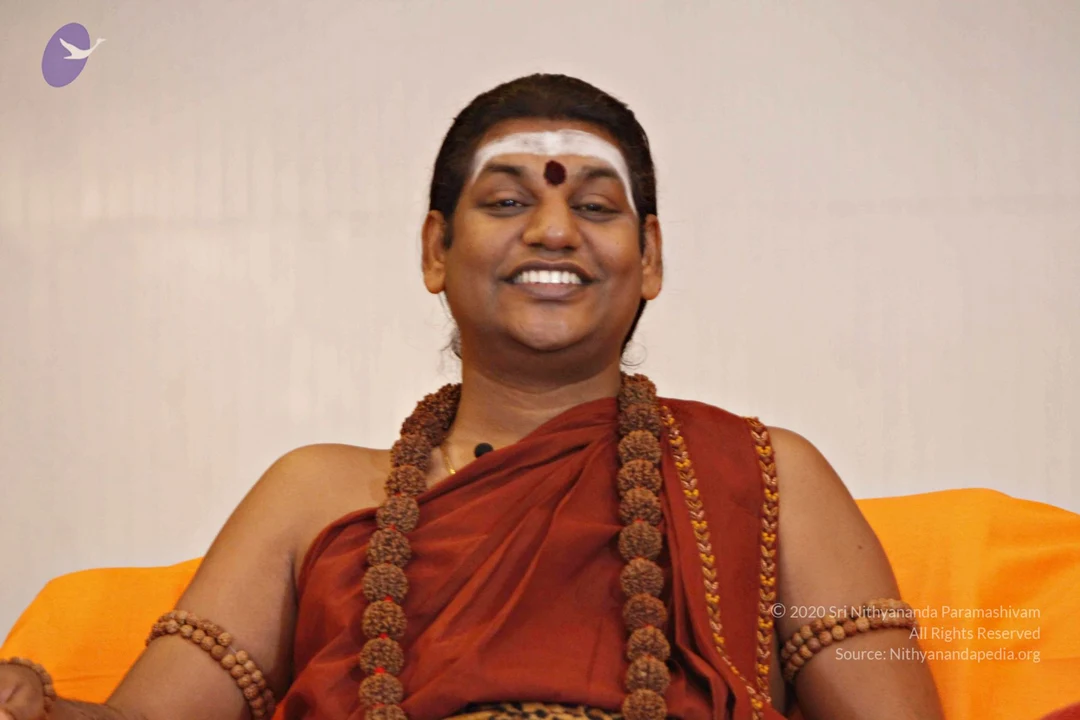
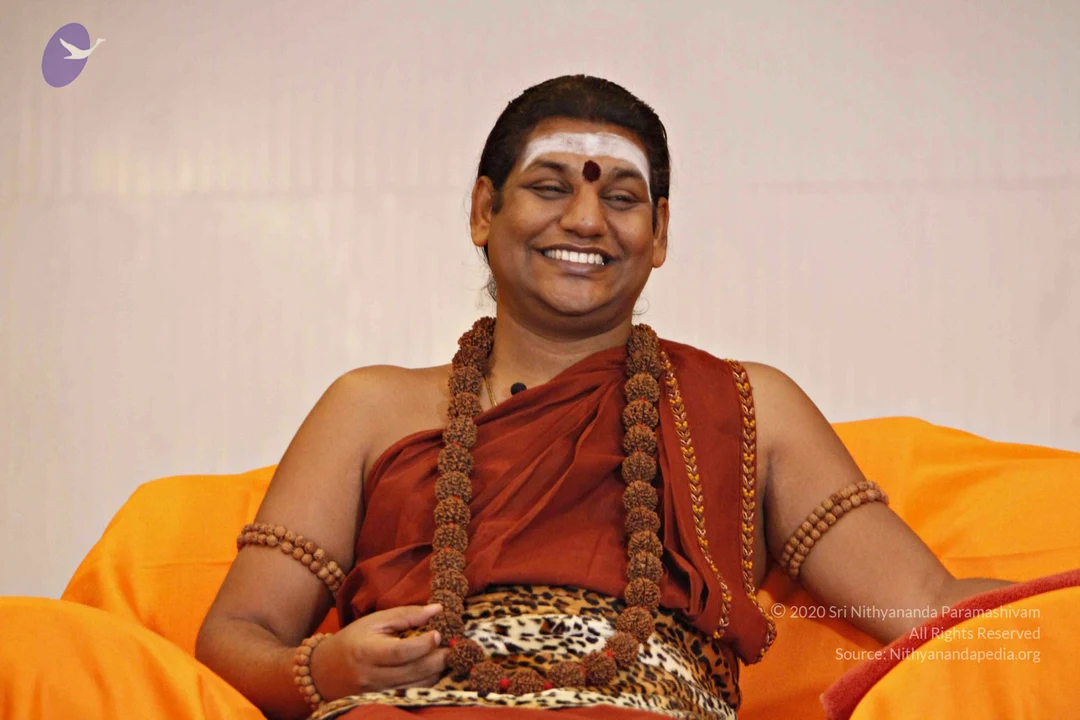
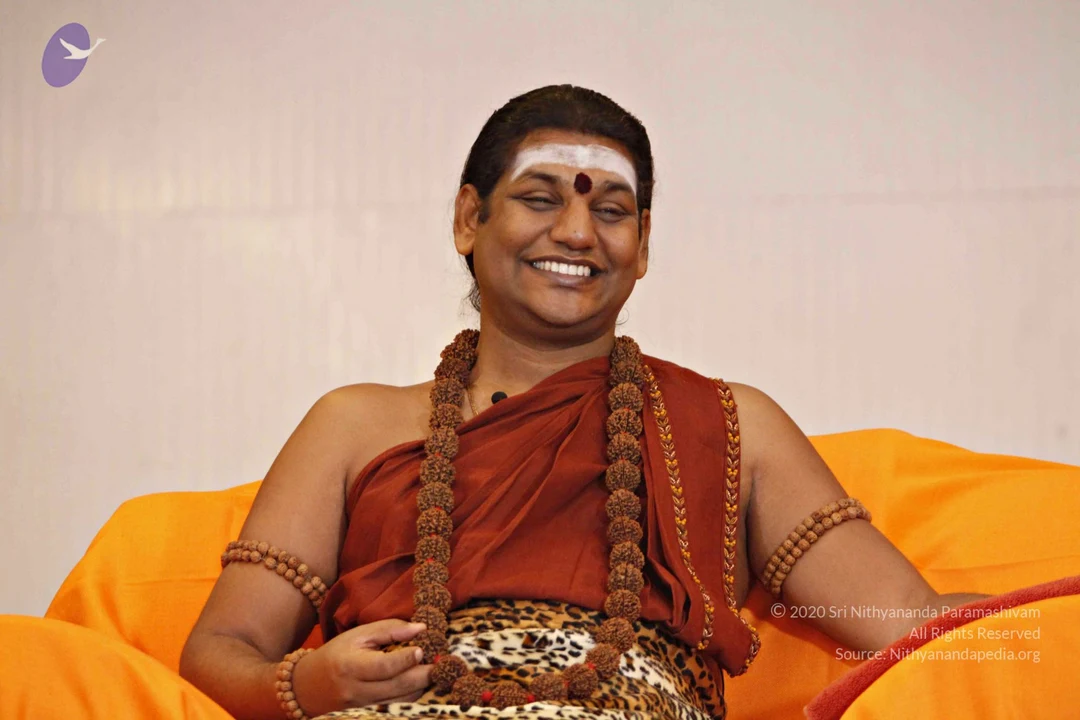
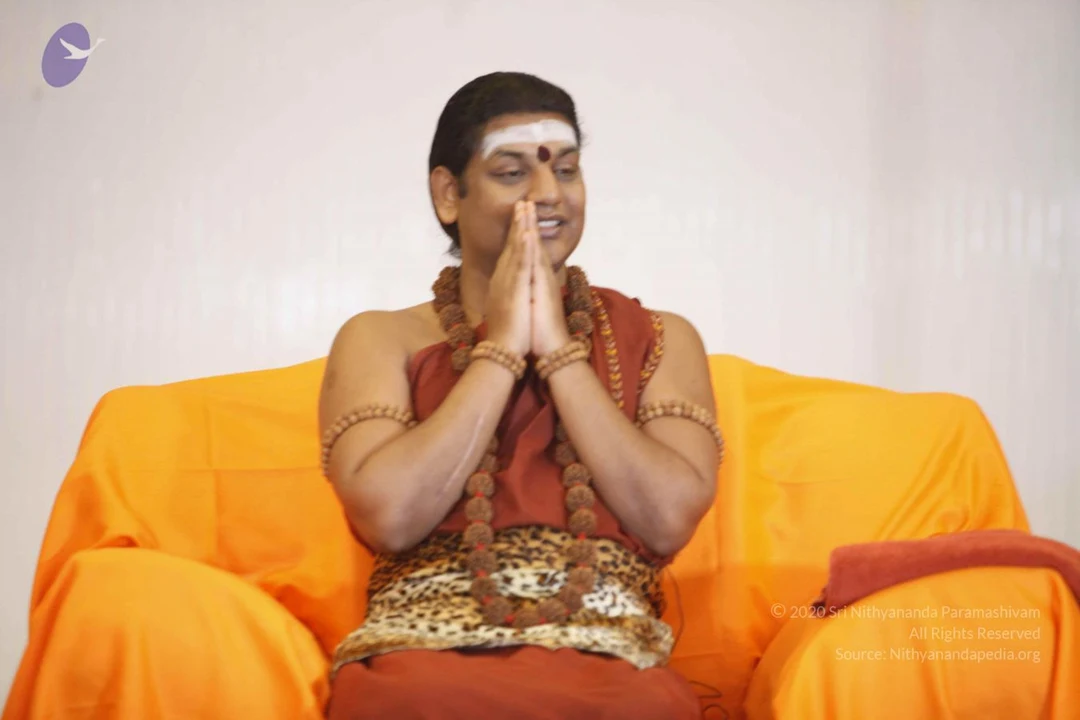
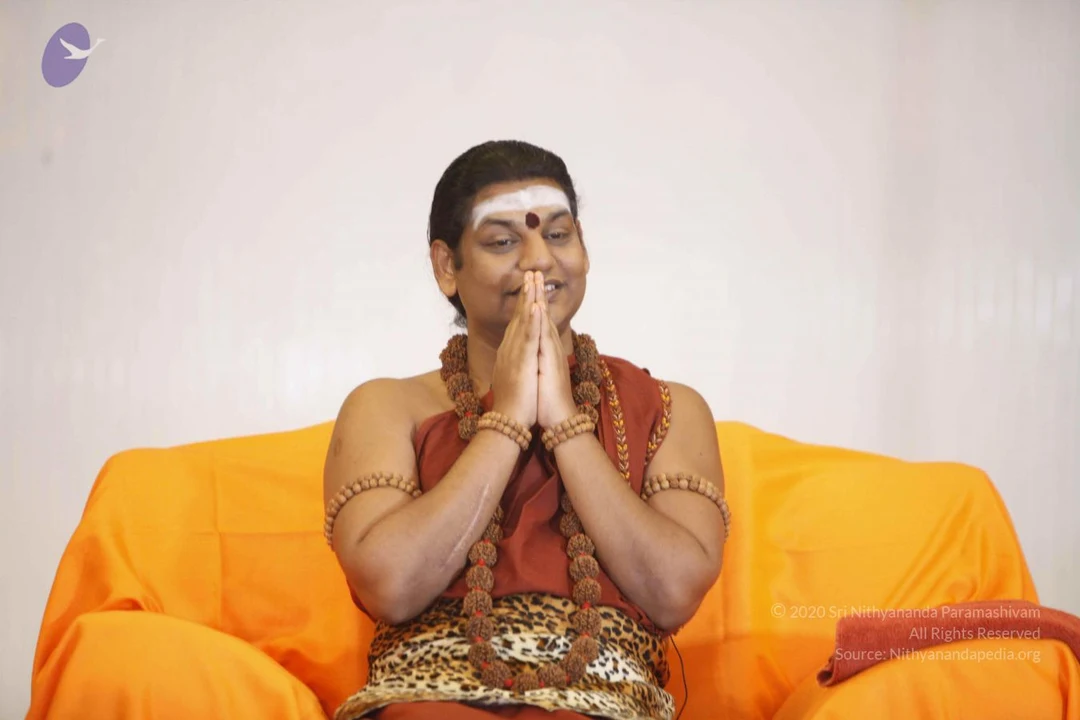
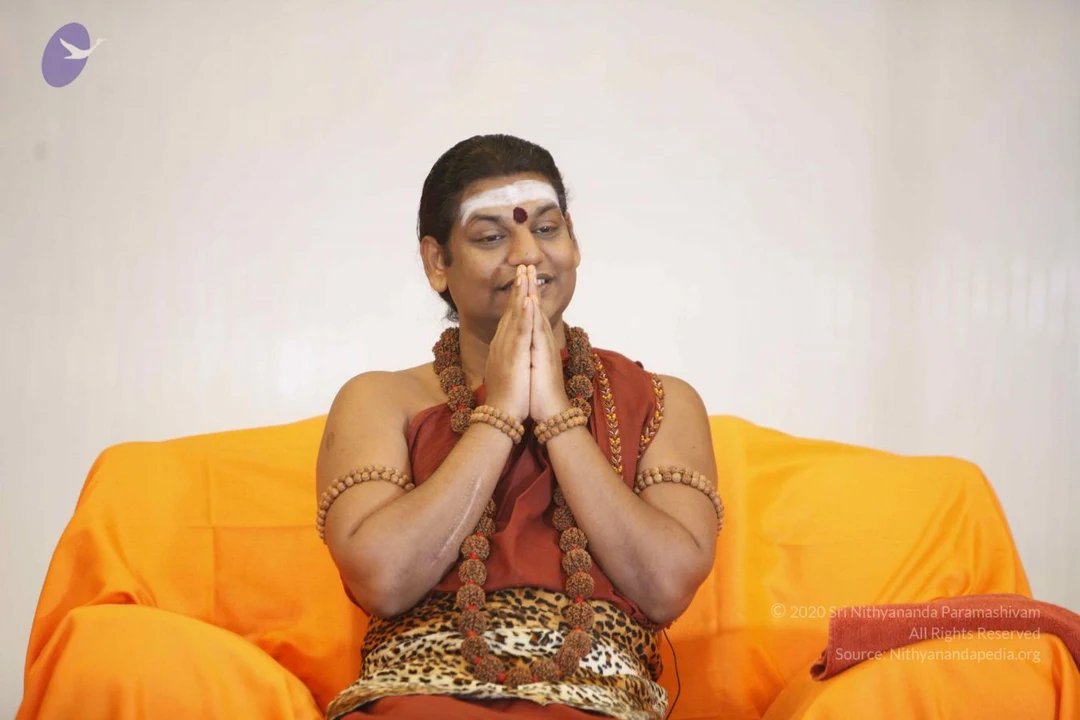
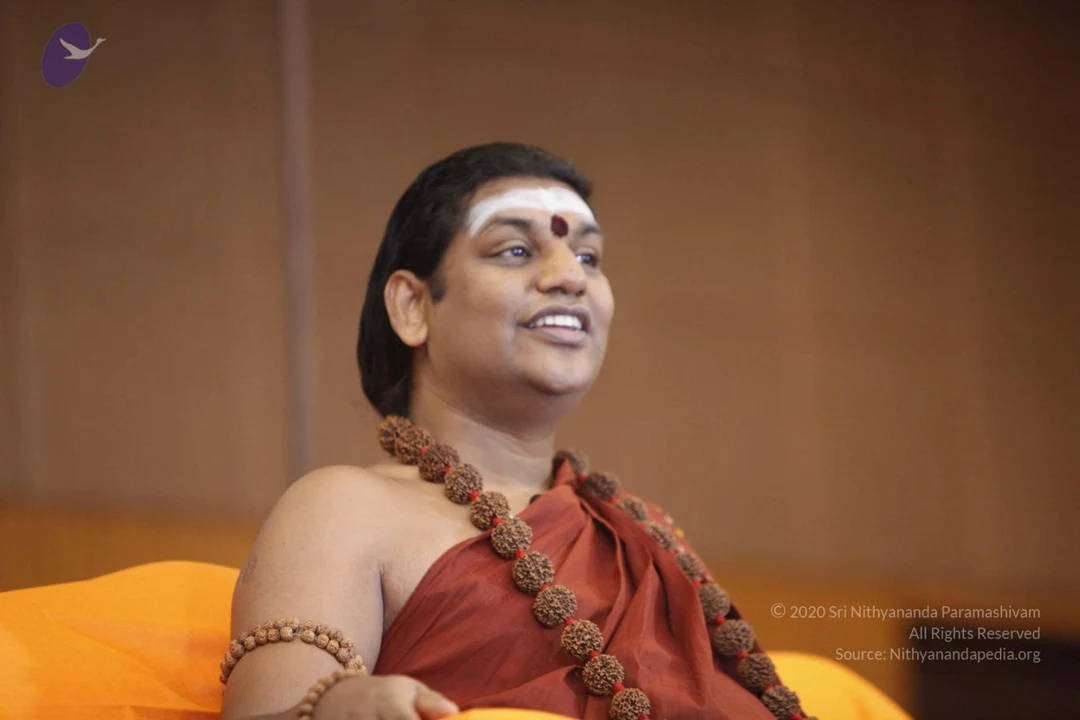
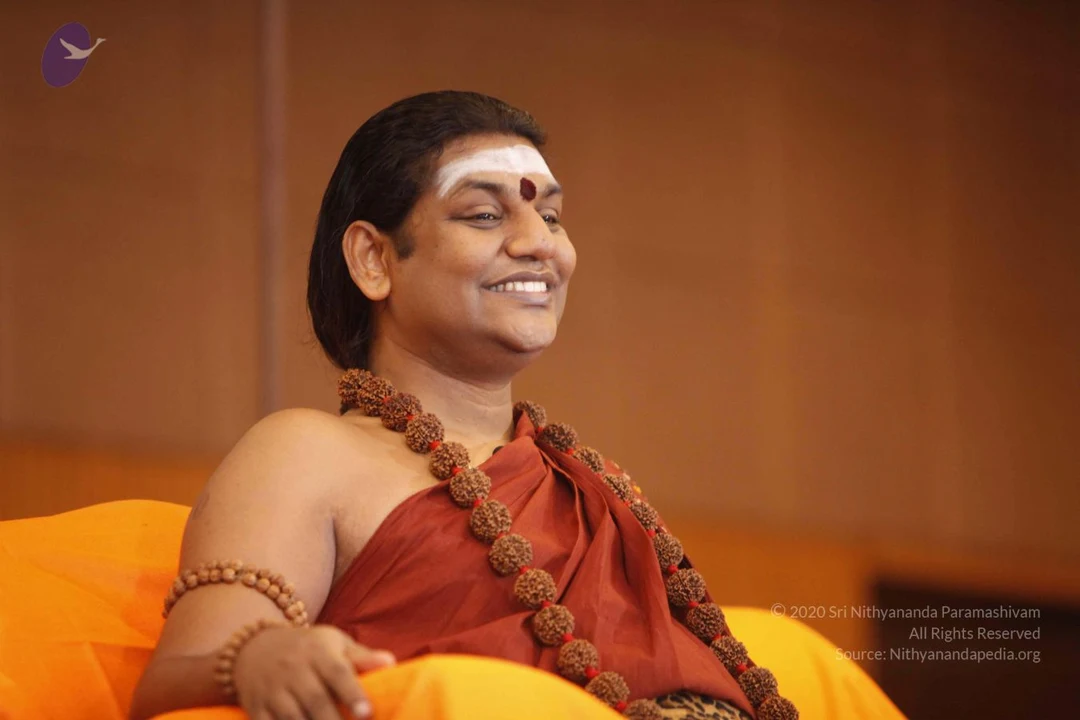
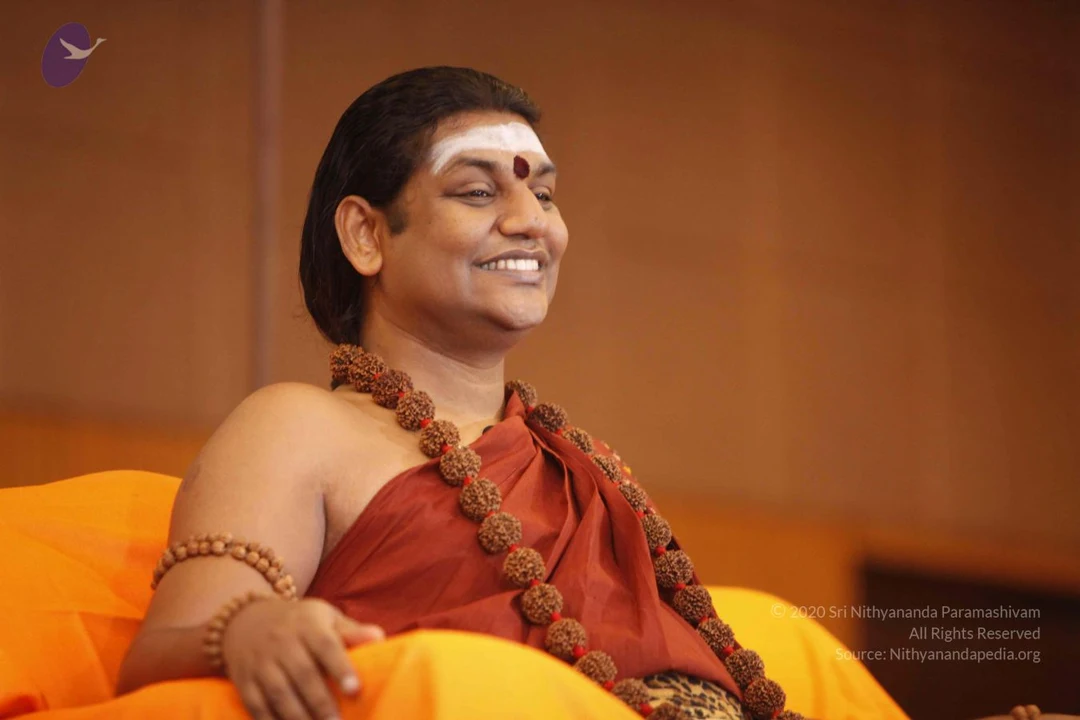
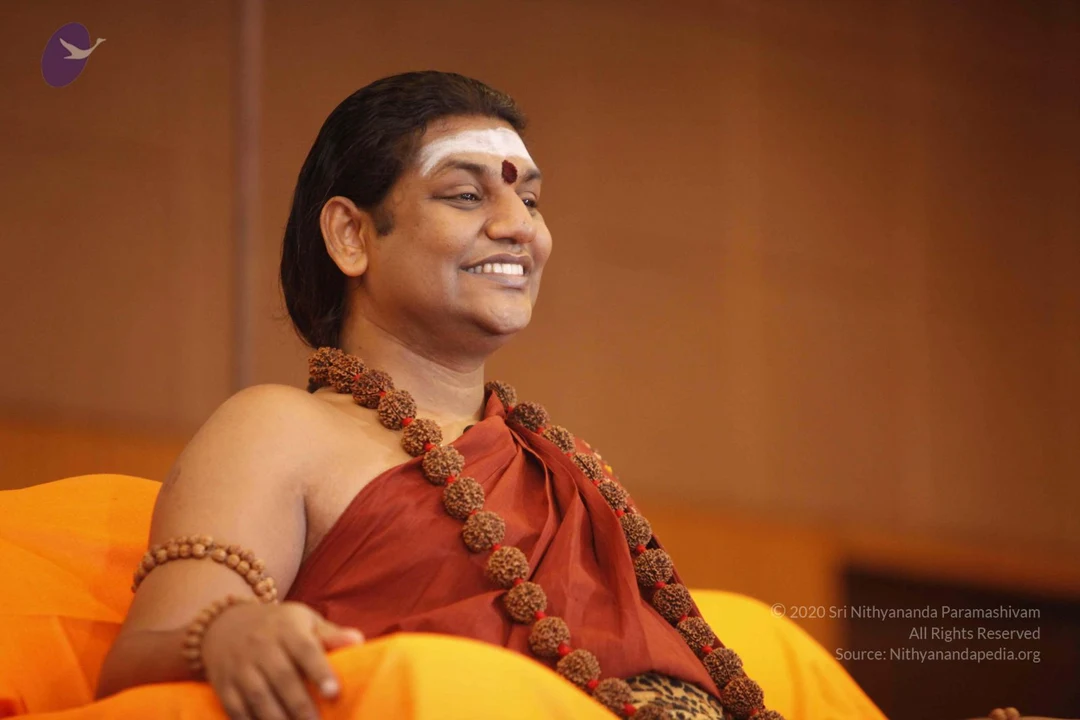
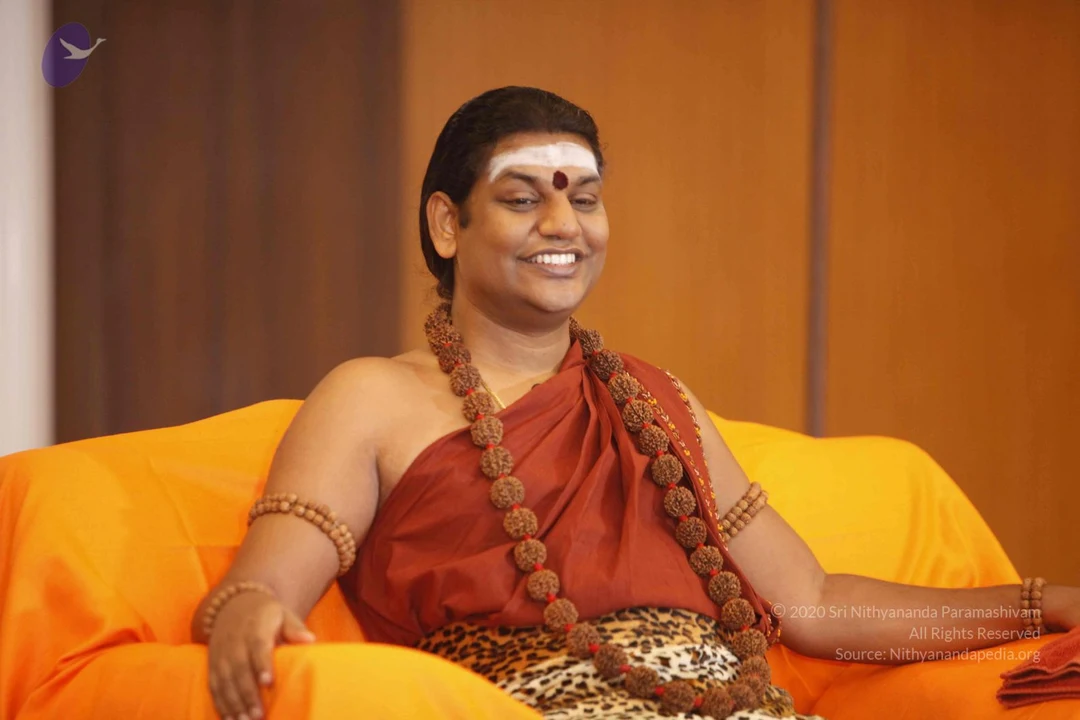
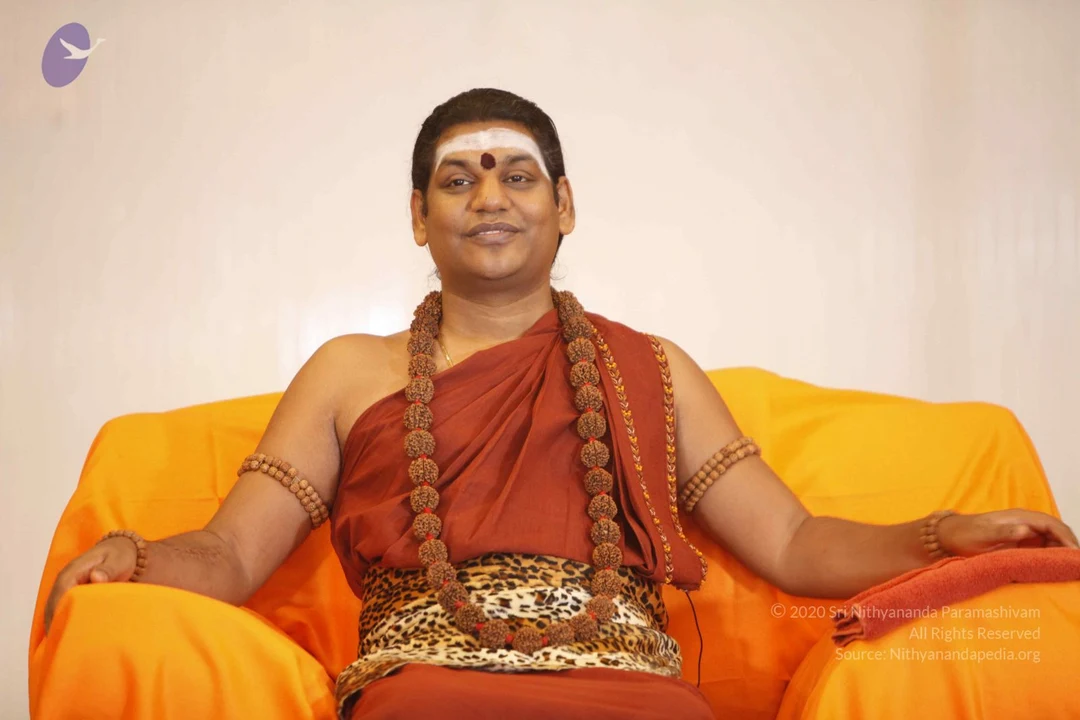
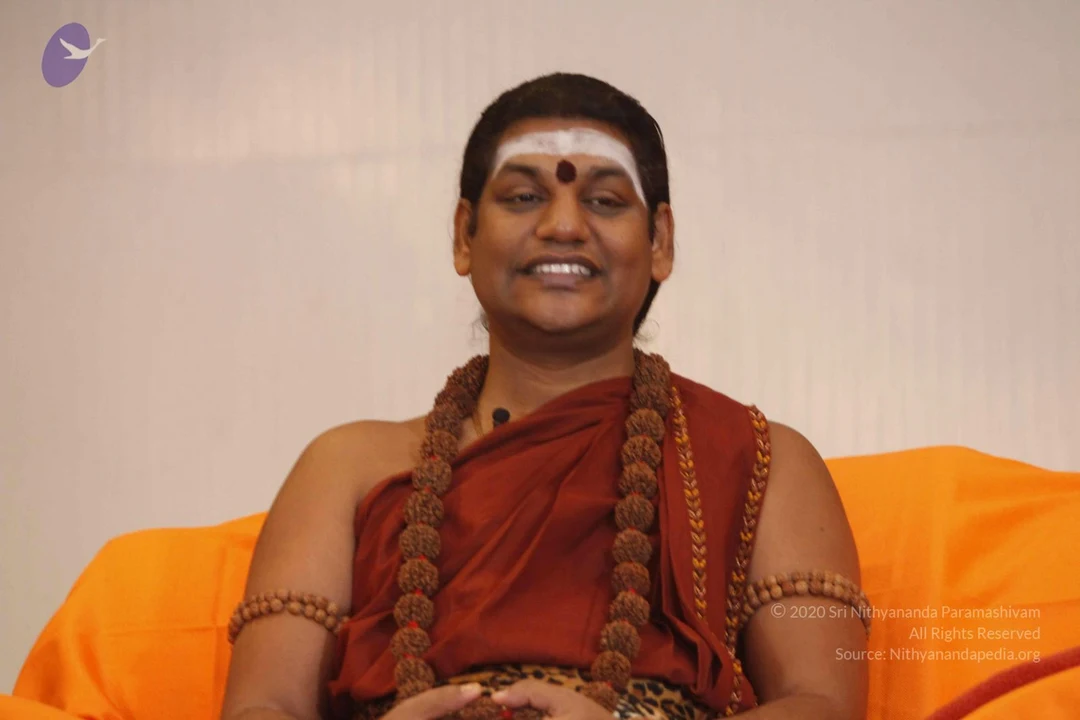
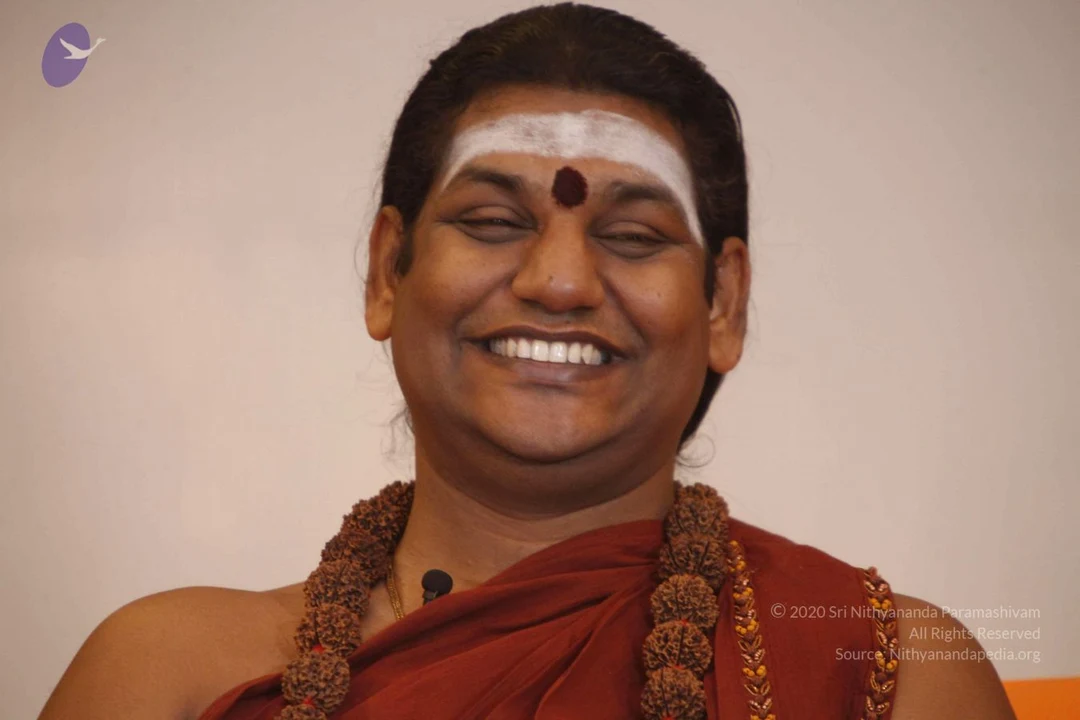
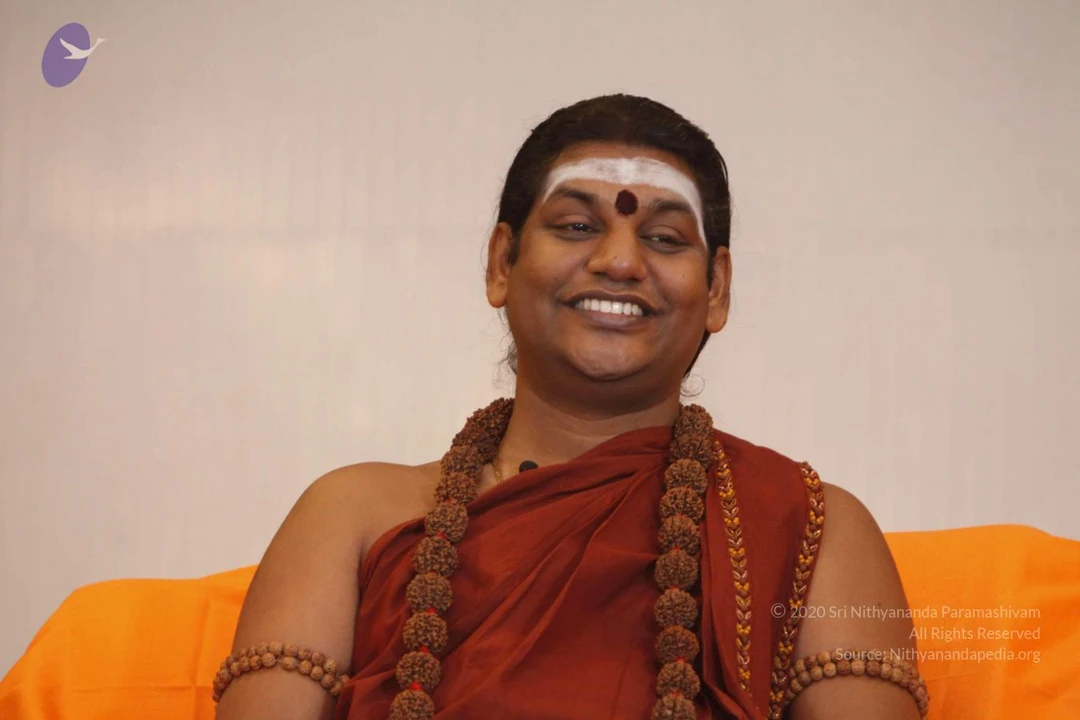
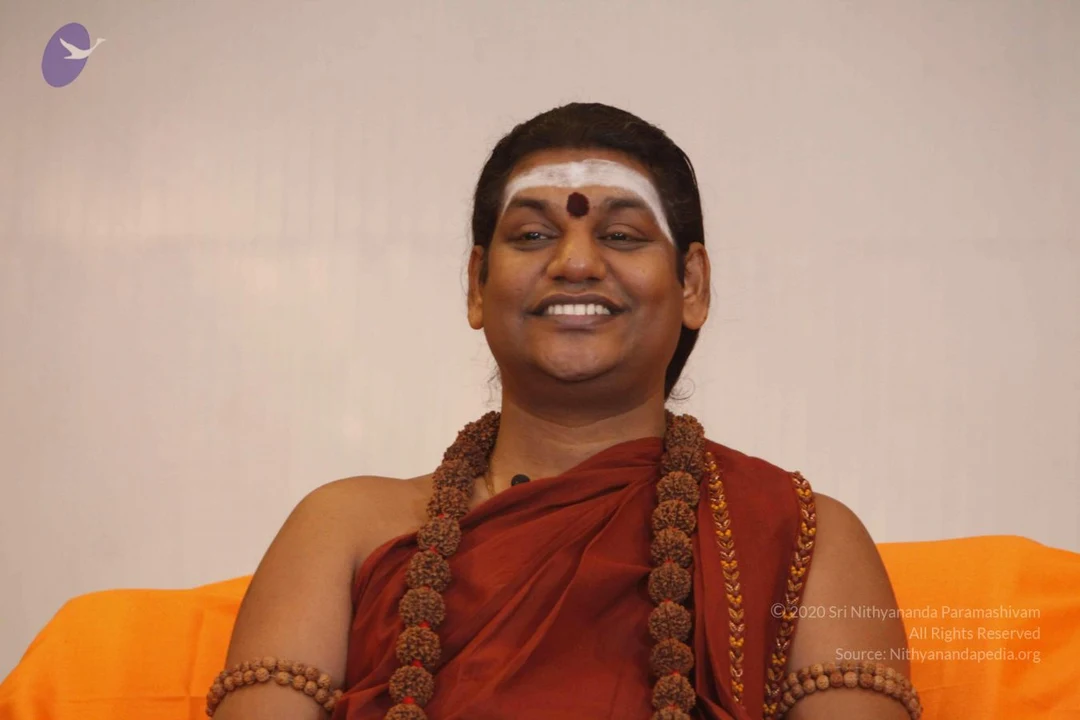
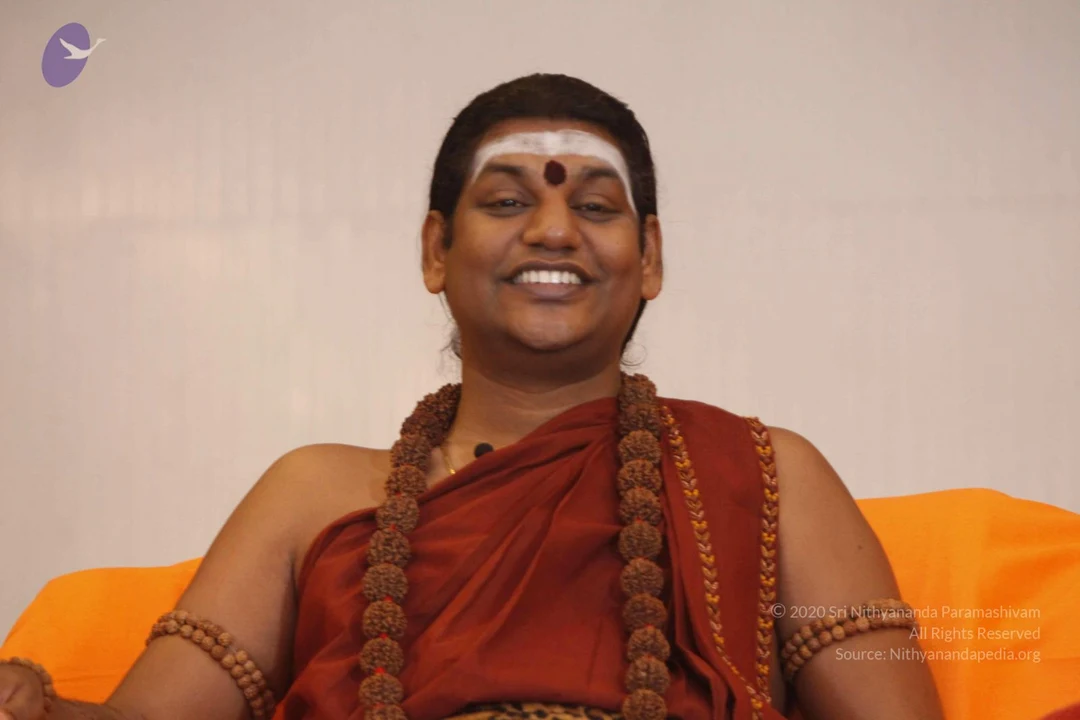
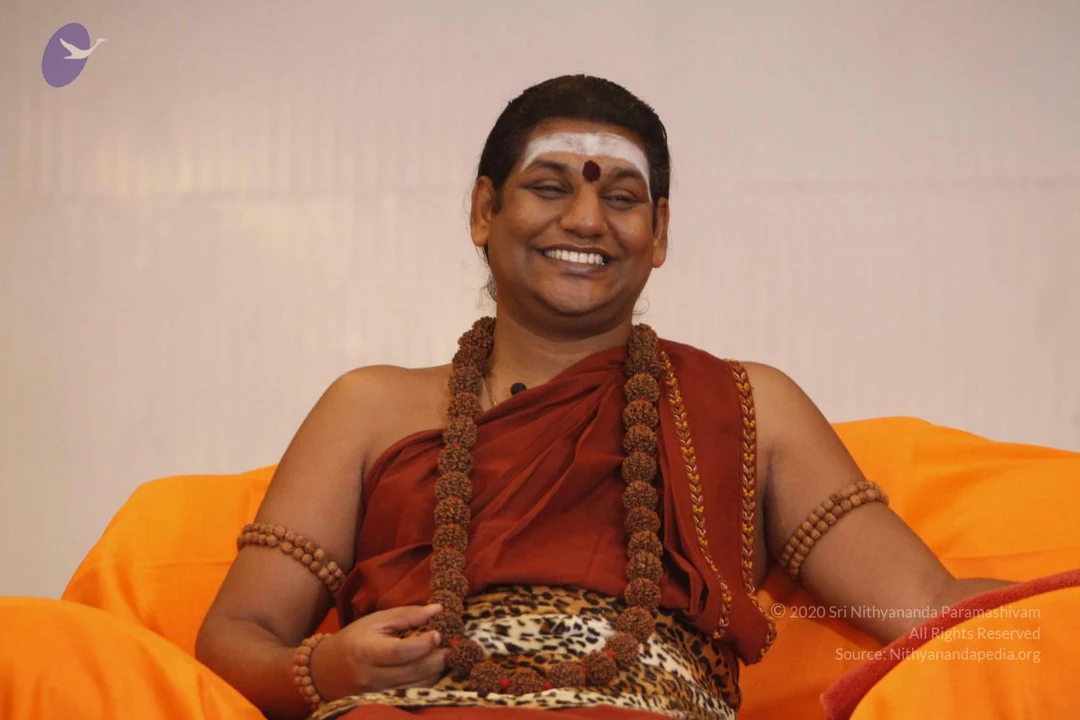
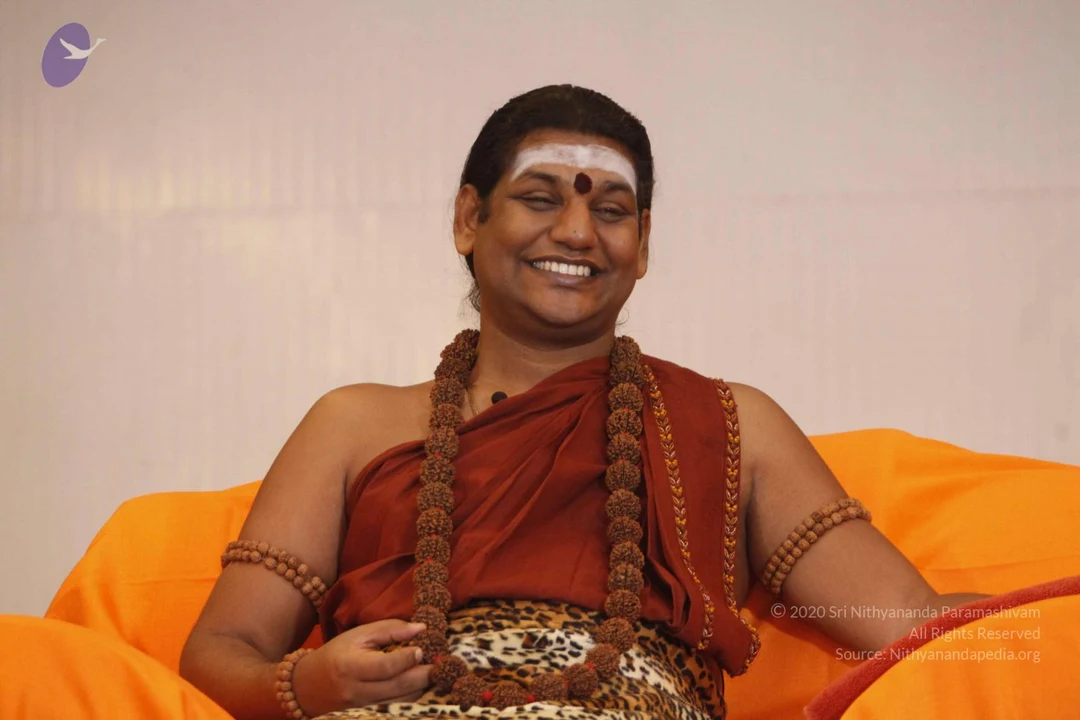
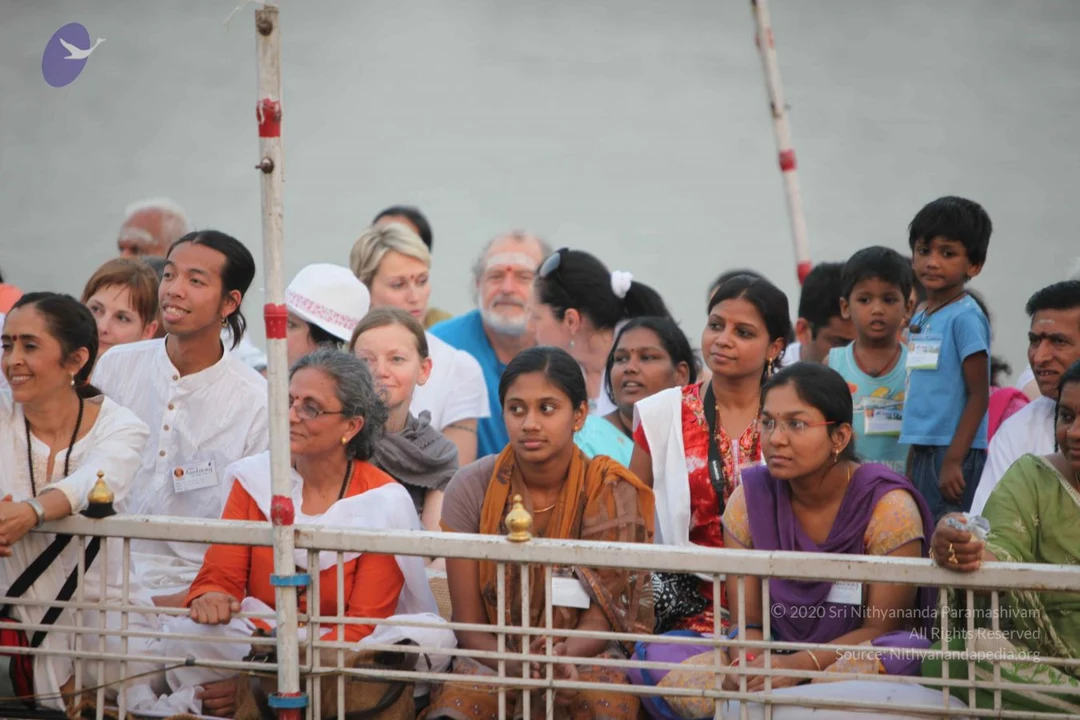
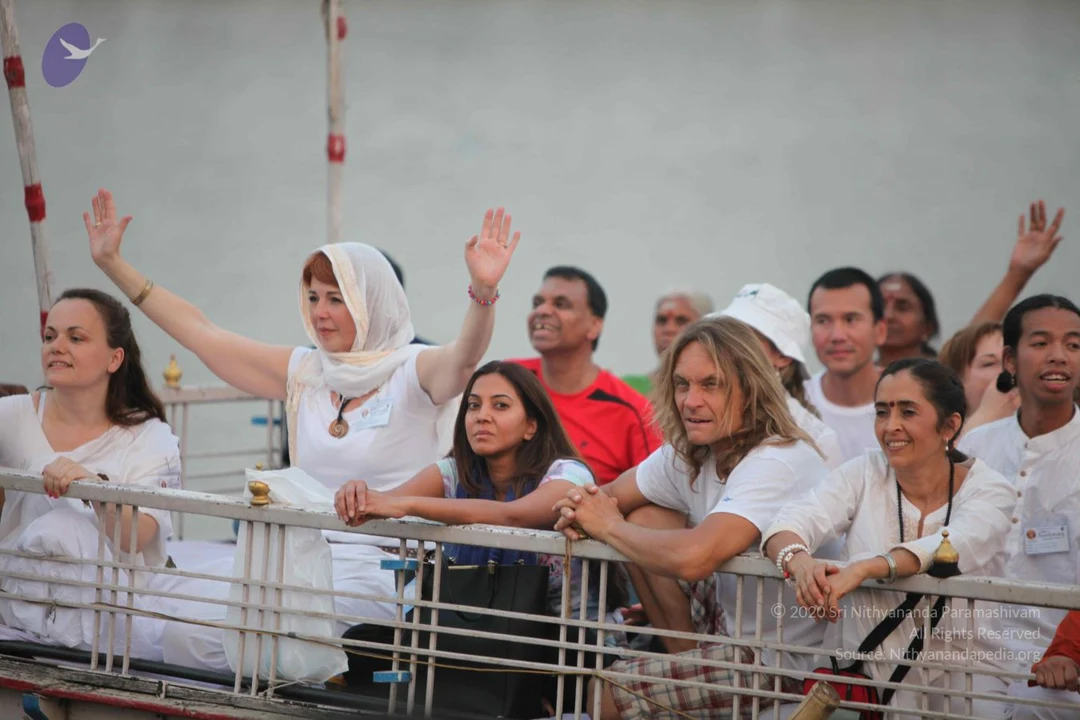
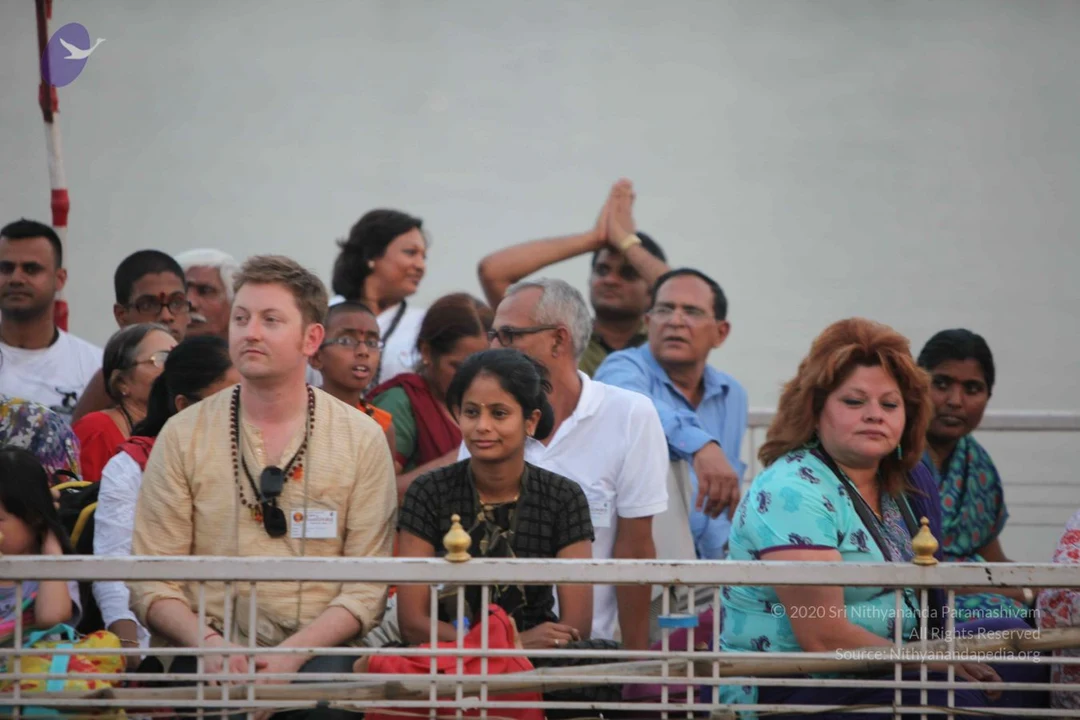
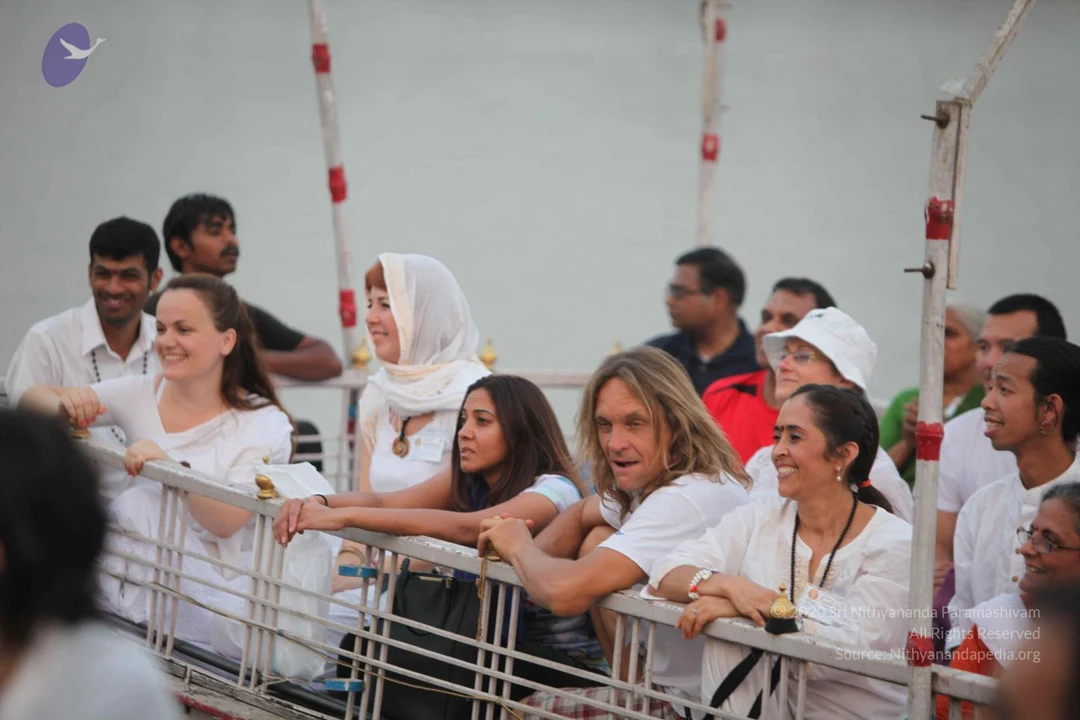
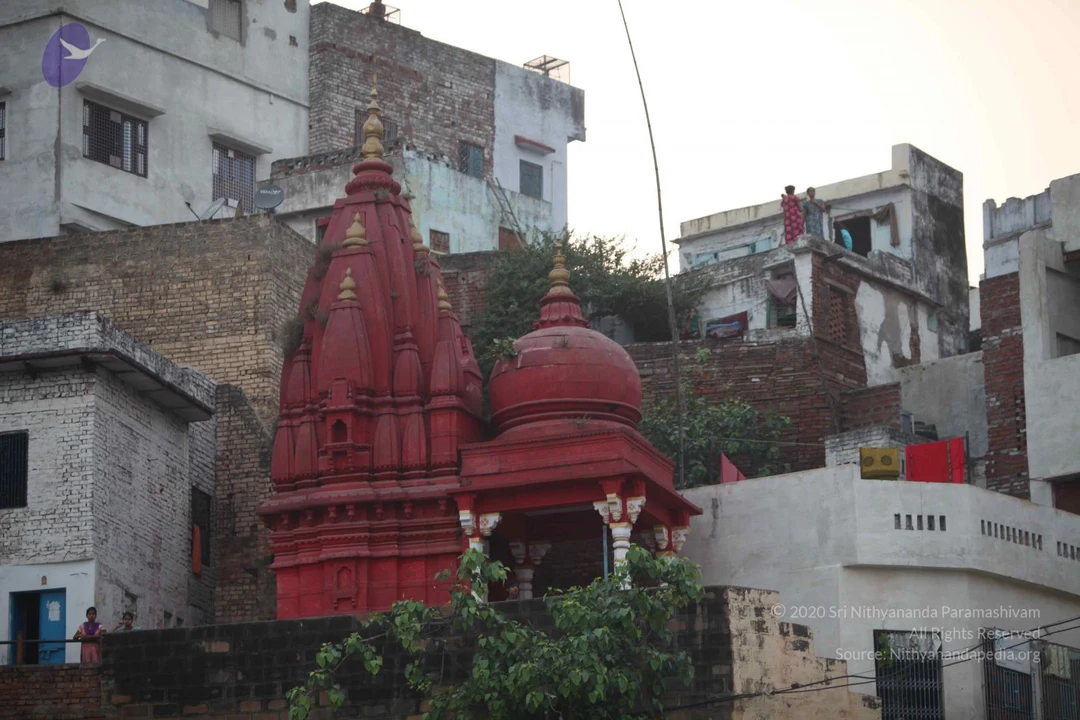
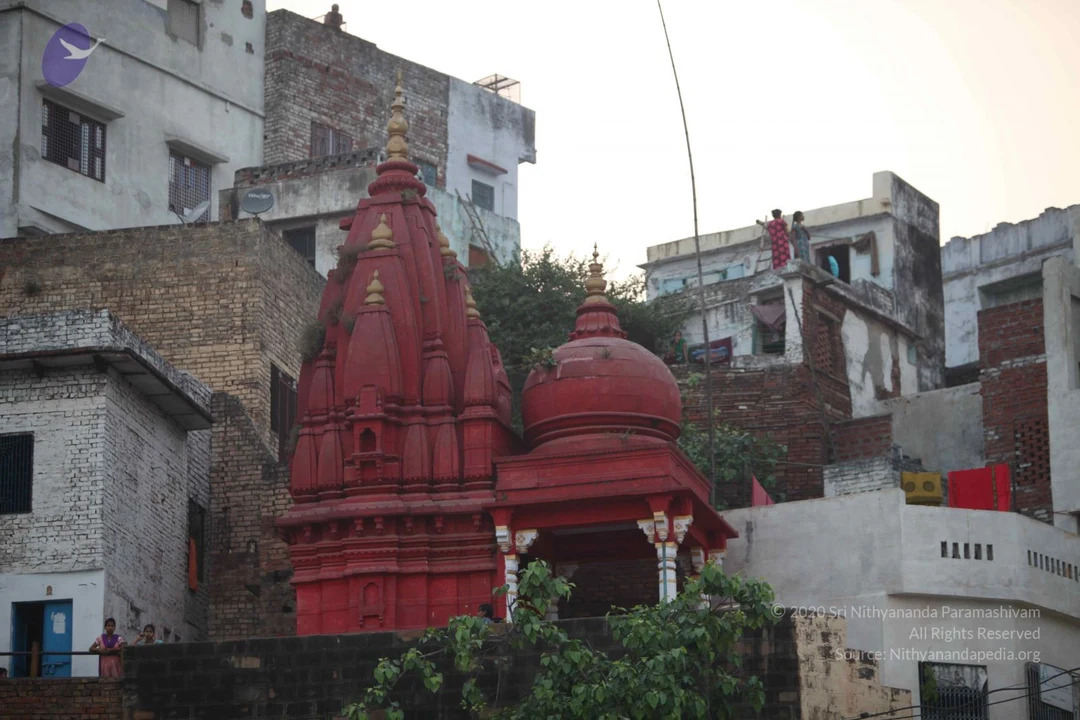
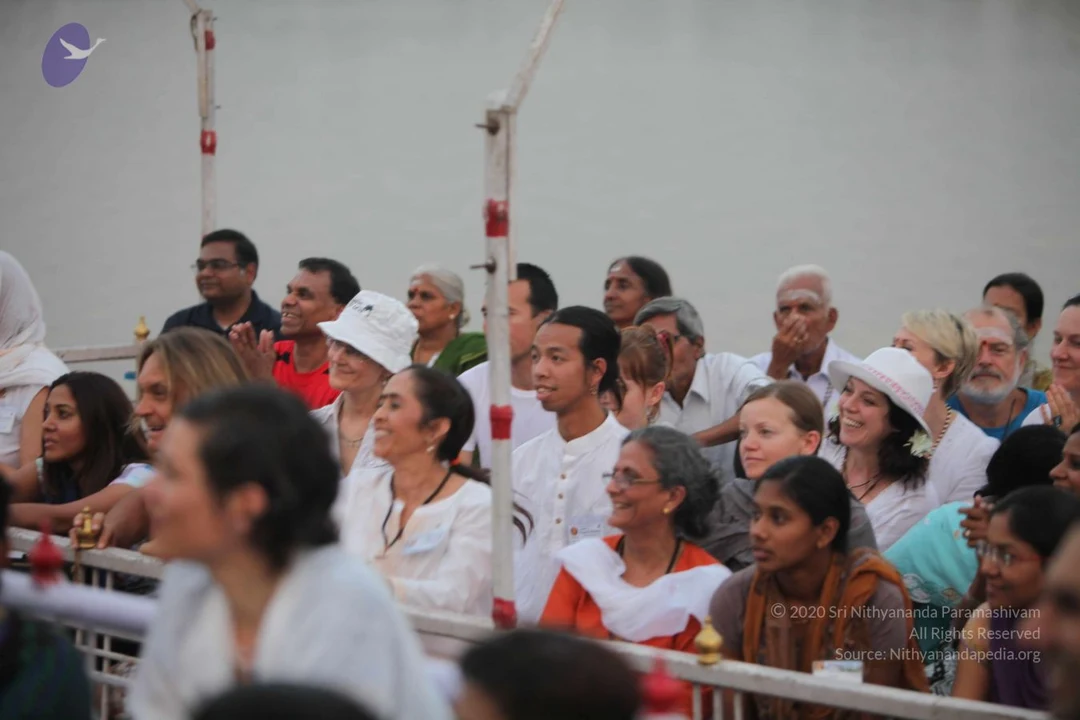
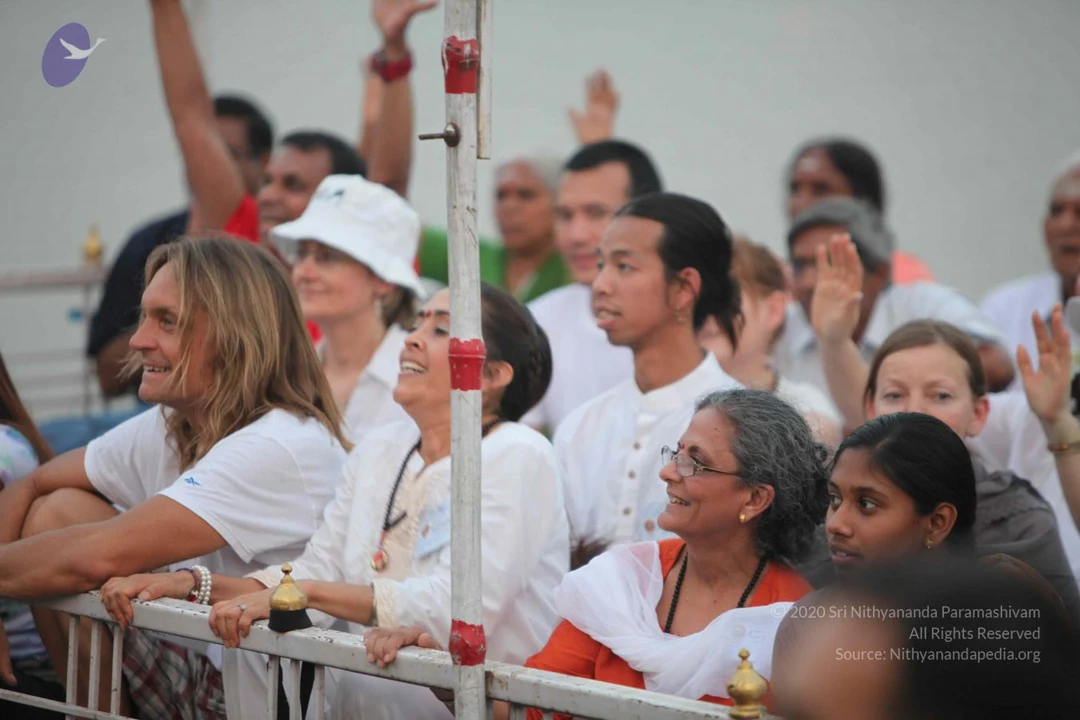
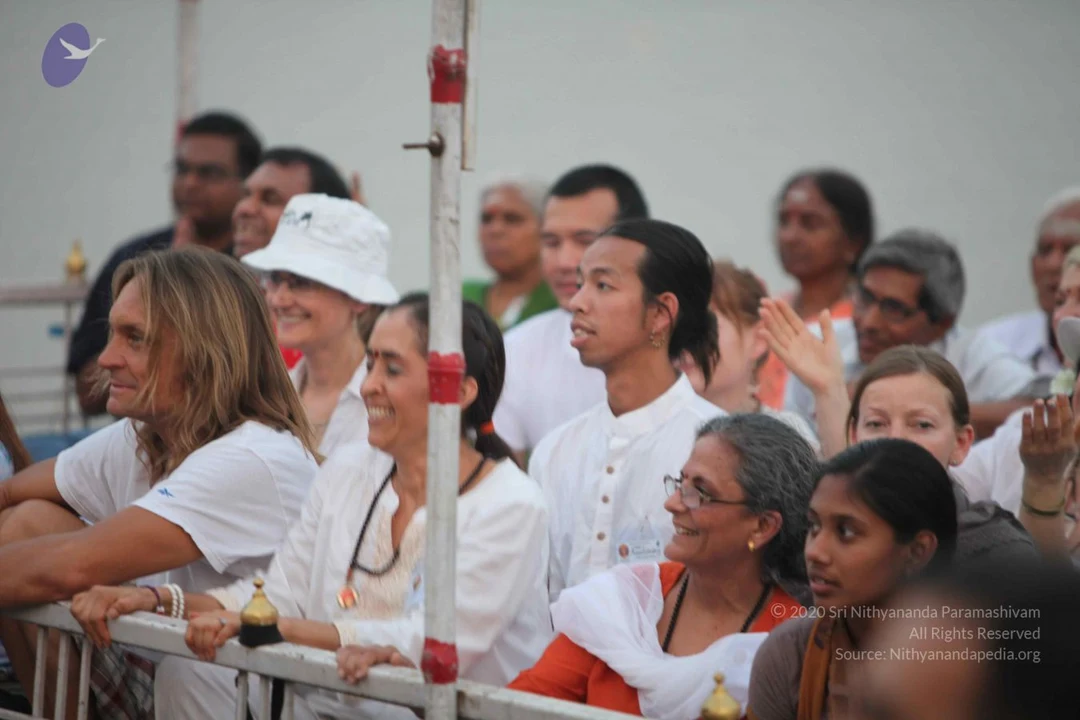
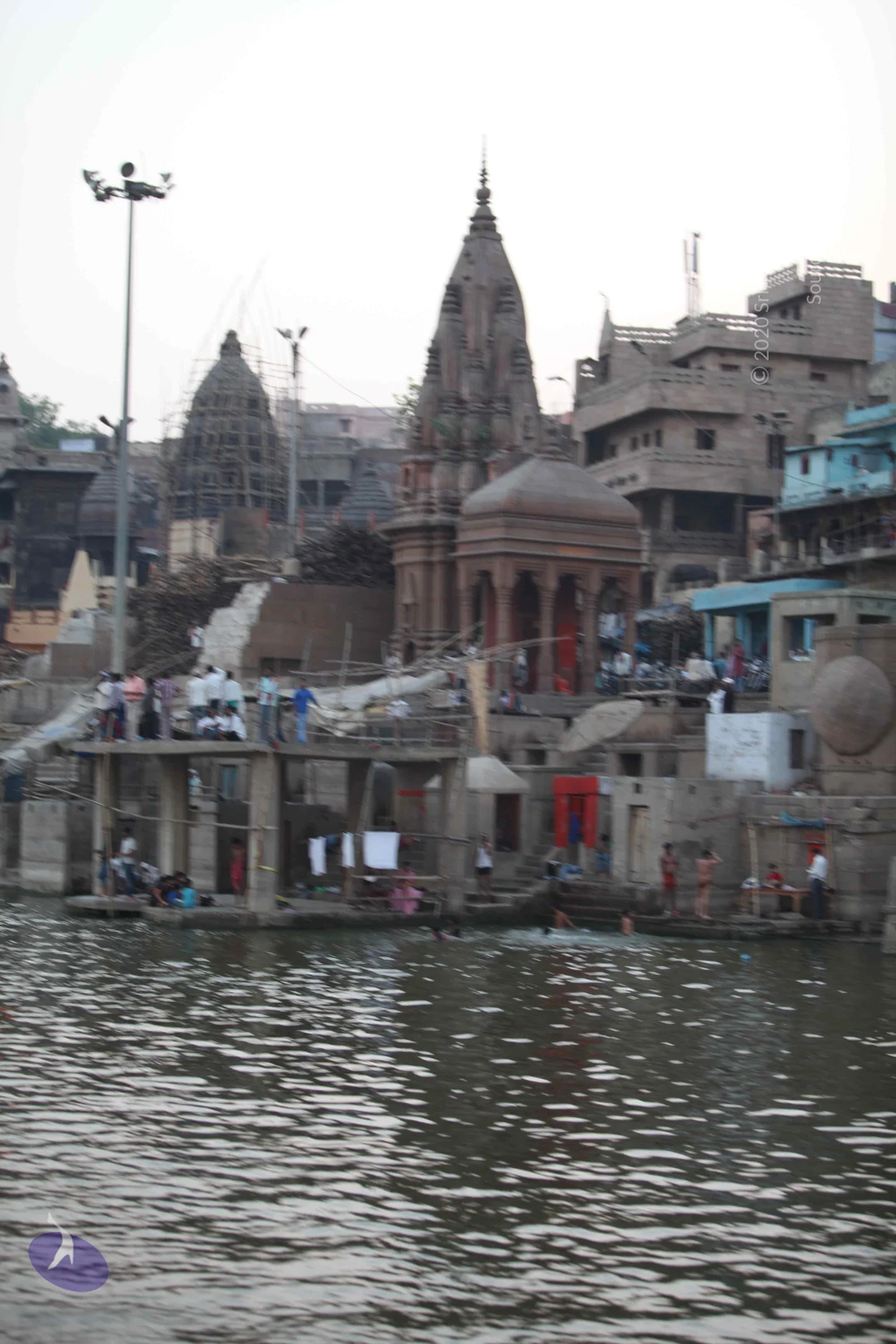
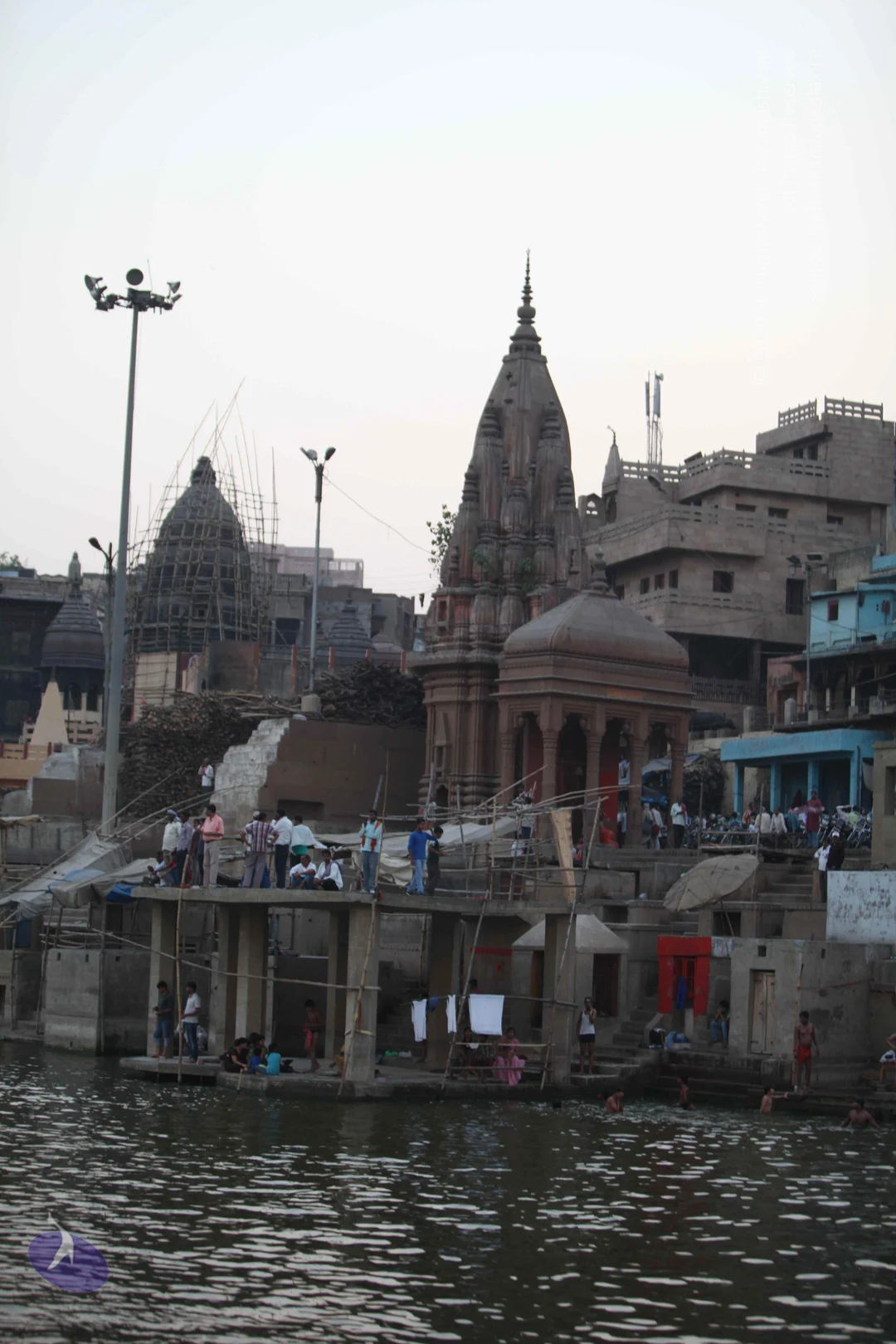
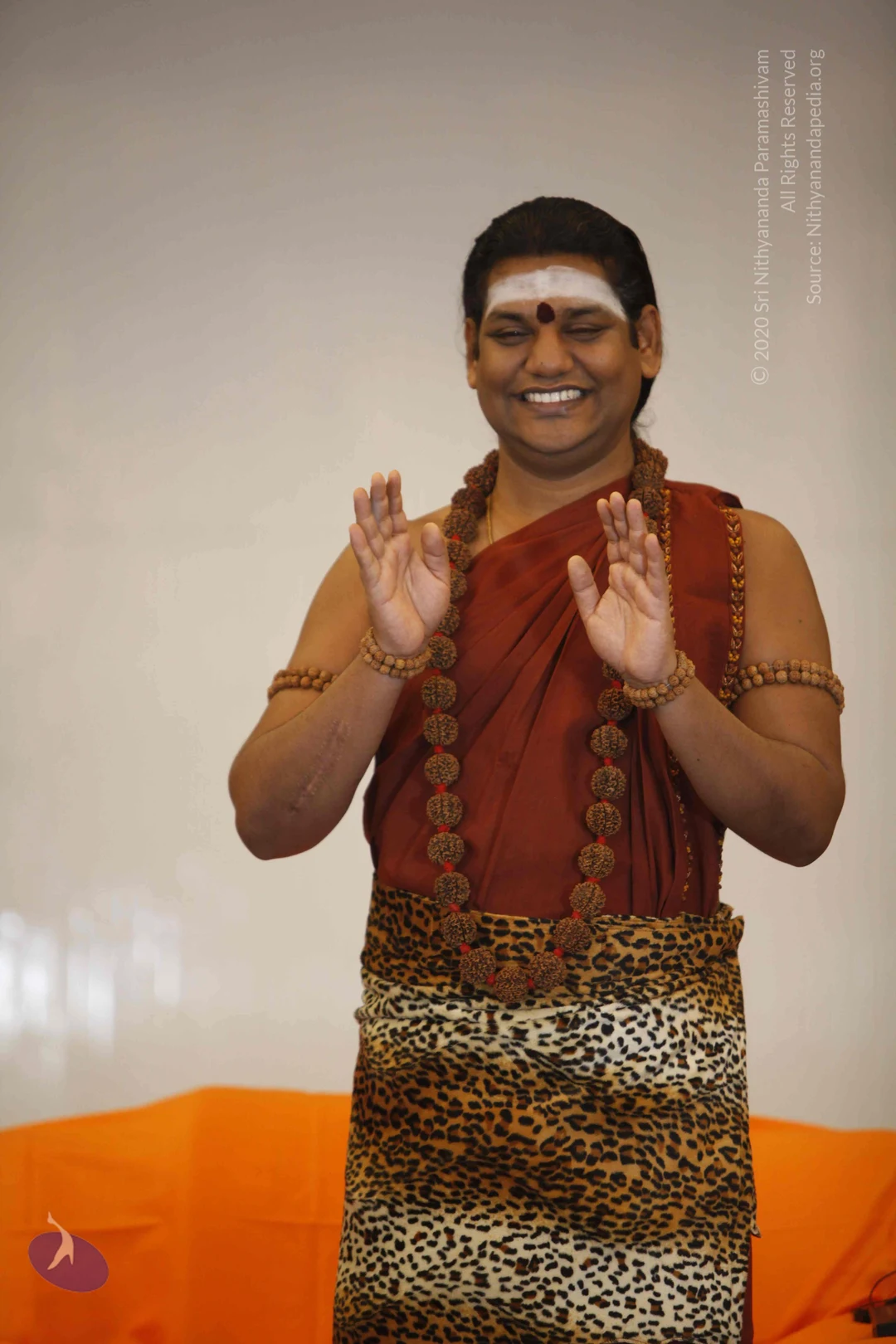
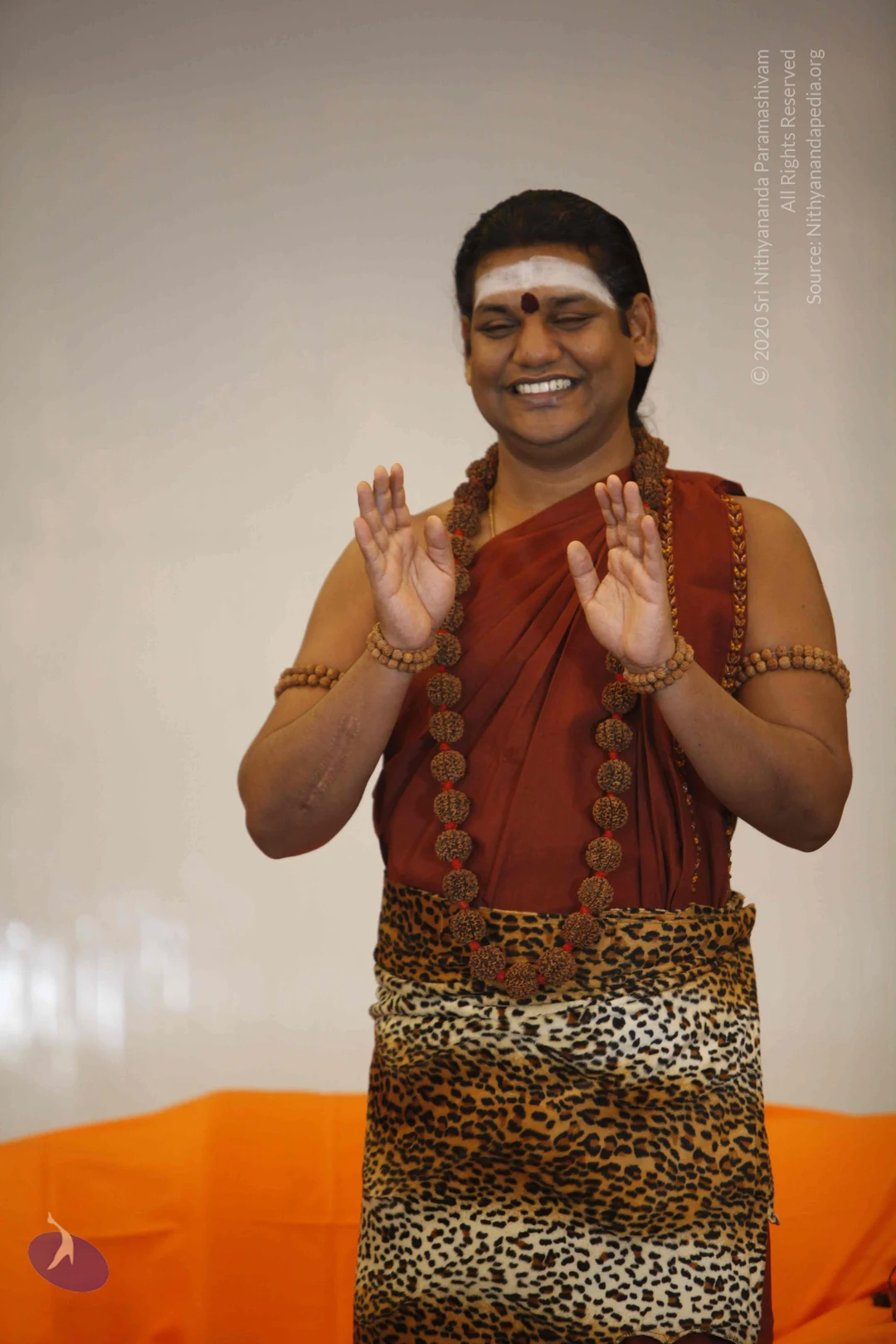
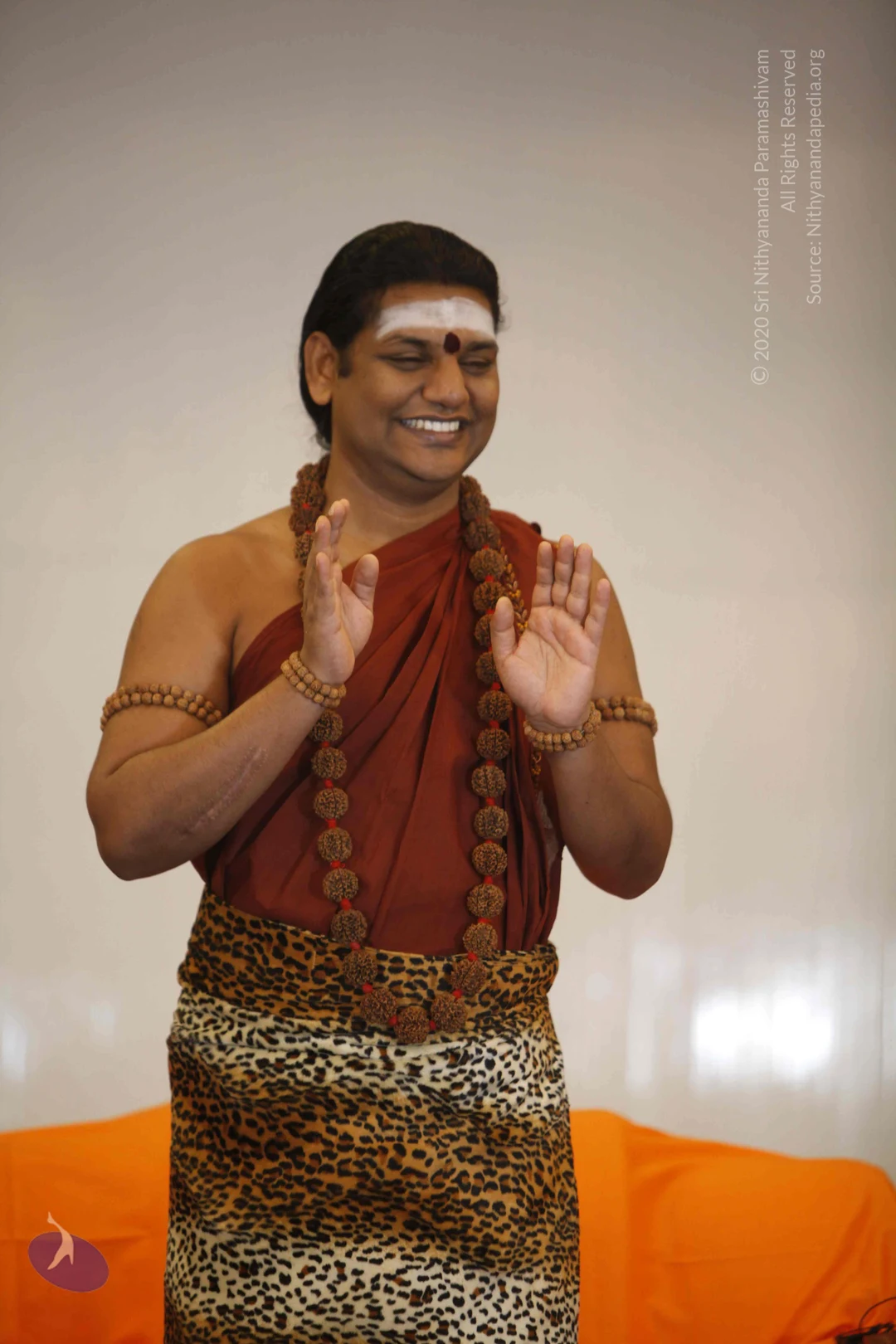
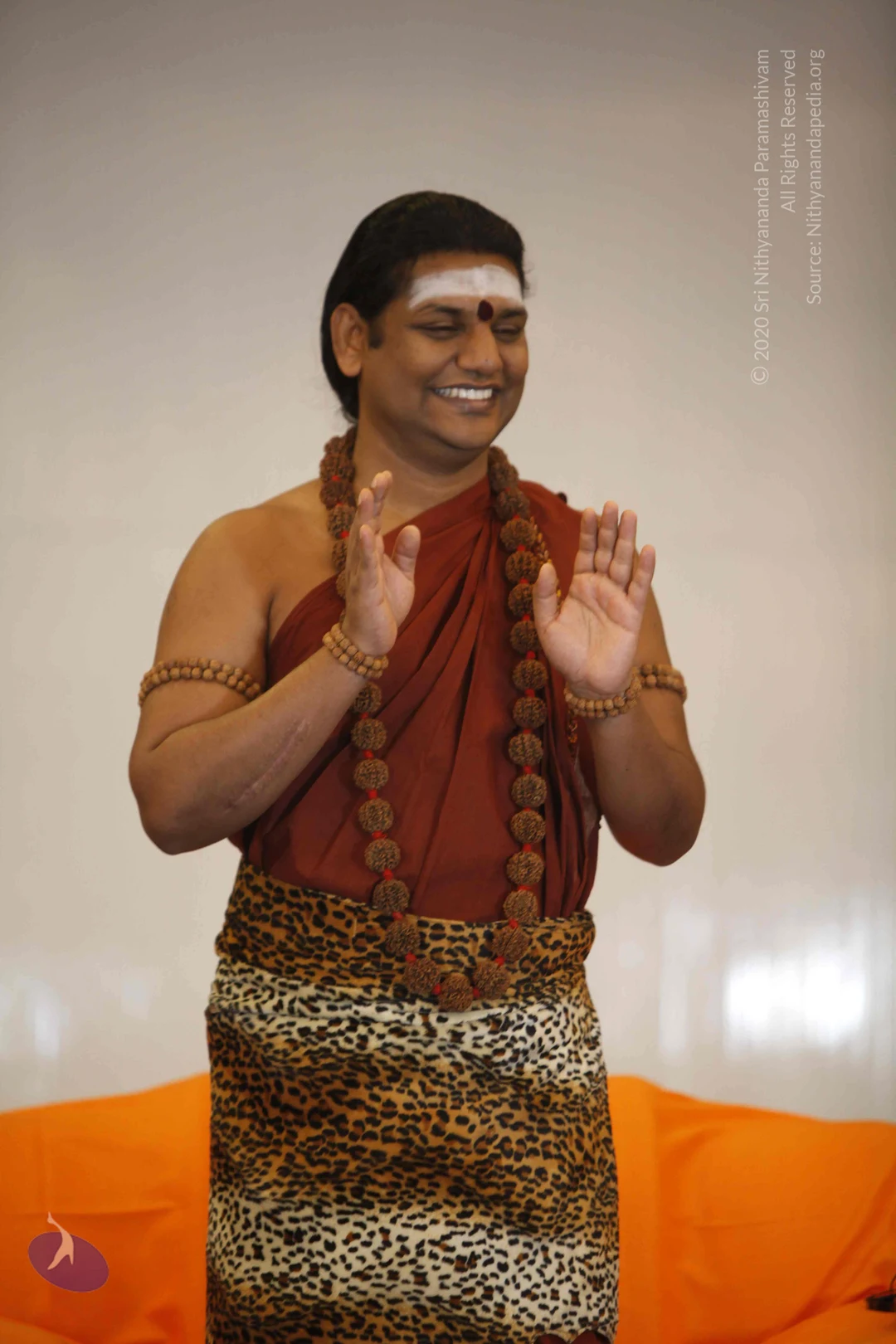
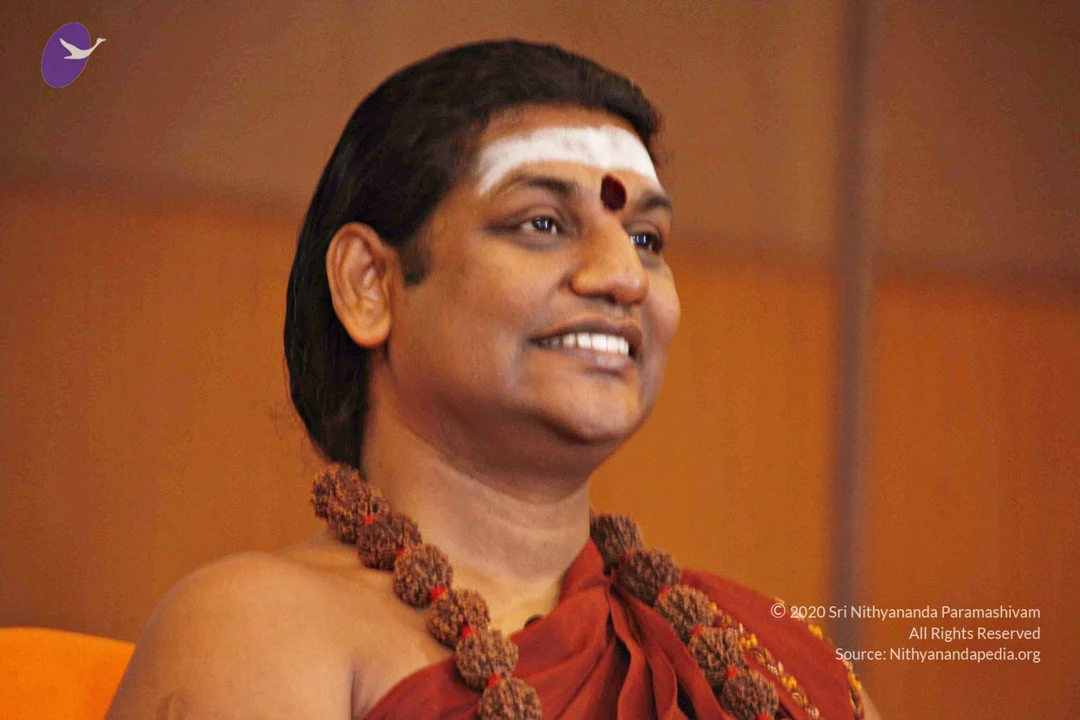
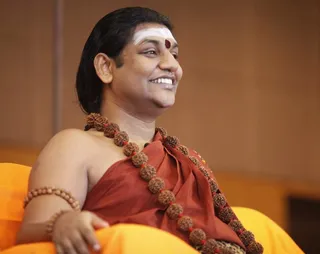
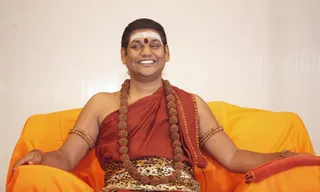
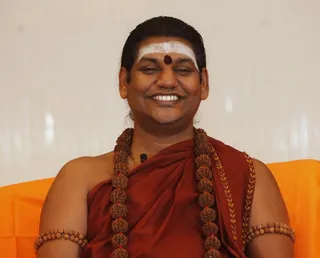
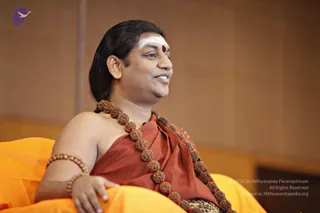
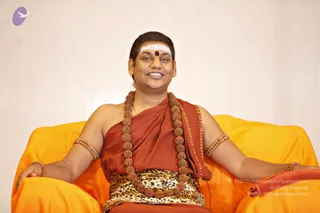
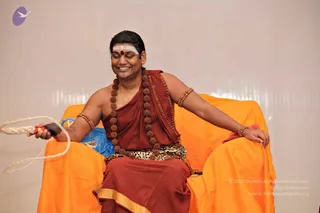
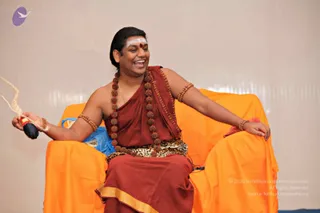
A photograph of a crowd of devotees seated outdoors during a satsang gathering. In the foreground a woman with grey hair and glasses wears an orange shawl and a dark beaded mala around her neck. Beside her a young woman with dark hair wears a brown shawl and small gold earrings. Behind them, people in white ritual clothing and white caps sit close together, some with hands joined in namaskar. A white pole with red bands stands at the left edge.A photograph of a red sandstone shikhara-style temple shrine with tiered spires capped by golden finials, set in a dense urban lane of whitewashed and brick houses in Varanasi. A small red pavilion with white pillars stands beside it. On a rooftop at right, two people in red and pink clothing are visible. A few people stand at a doorway at lower left, and laundry hangs from balconies. Trees and a utility pole rise between the buildings under a pale evening sky.A smiling man seated on orange bean bag cushions against a pale wall. He wears a rust-red shawl draped over his shoulders and a leopard-print garment at the waist, with a long rudraksha mala necklace and matching rudraksha bracelets on his arms. A white horizontal tilak marks his forehead with a red dot at the centre. a person: the seated man wears a rudraksha mala necklace, rudraksha armbands, a rust shawl and a white forehead tilak, cues consistent with the page's reference to a person.

April 30 2014

Original wiki page
Contents

Title

The Supreme Pontiff of Hinduism (SPH), JagatGuru MahaSannidhanam (JGM) Bhagavan Kailasa's Sri Nithyananda Paramashivam

Description:

In today’s morning Satsang from Varanasi, SPH spoke about how the whole of Kashi is Gods and Goddesses celebrating. It is like a miniature cosmos. This city is not build out of stone, pillar, pole or construction material it is build out of all our intense sincere sacred sentiments. This city is older than history itself. Far older than legends itself. And still most fascinating.

Link to Video:

VideoAudio

Transcript:

Nithyanandeshwara Samaarambhaam

Nithyanandeshwari Madhyamaam |

Asmath Aachaarya Paryanthaam

Vandhey Guru Paramparaam ||

I welcome all the devotees, disciples, samajis, satsanghis, Shrimahants, Mahants, Kotharis, Thanedars, sitting with us all over the world at this time through Nithyananda TV, Lotus news channel, SadhanaTV, and through two-way video-conferencing having nayana deeksha in many cities, many countries around the world.

This place is Ananda Vana. Varanasi is called as Ananda Vana, because this is Mahadeva’s quarters! This is where he lives! The first quarters he built for himself. The first city he developed for himself! Ananda Vana.

All of you may be aware that 26th Inner Awakening is starting tomorrow in Ananda Vana, Varanasi. 23rd eN-Genius!

2:34

Let me be very honest: Whenever I come to Varanasi, I feel like a owner. That is the exact feeling; Like a king, owner!

This is the place of Vishwanatha, Kaalabhairava.

॥Nithyam Adhwitheeyam Ishta Daivatham Niranjanam॥

Kaalabhairava, the space of eternal Advaitha.

॥Nithyam Adhwitheeyam Ishta Daivatham Niranjanam॥

This is Ananda Vana, this place. Whenever I land in this place, just Kundalini goes crazy. My Kundalini itself! And where it is I don’t know. And the energy the body radiates. So healthy it feels. The whole inner-space, and the...... So, literally, the word ‘Ananda Vana’ is true. That is why this place melts away all the karmas.

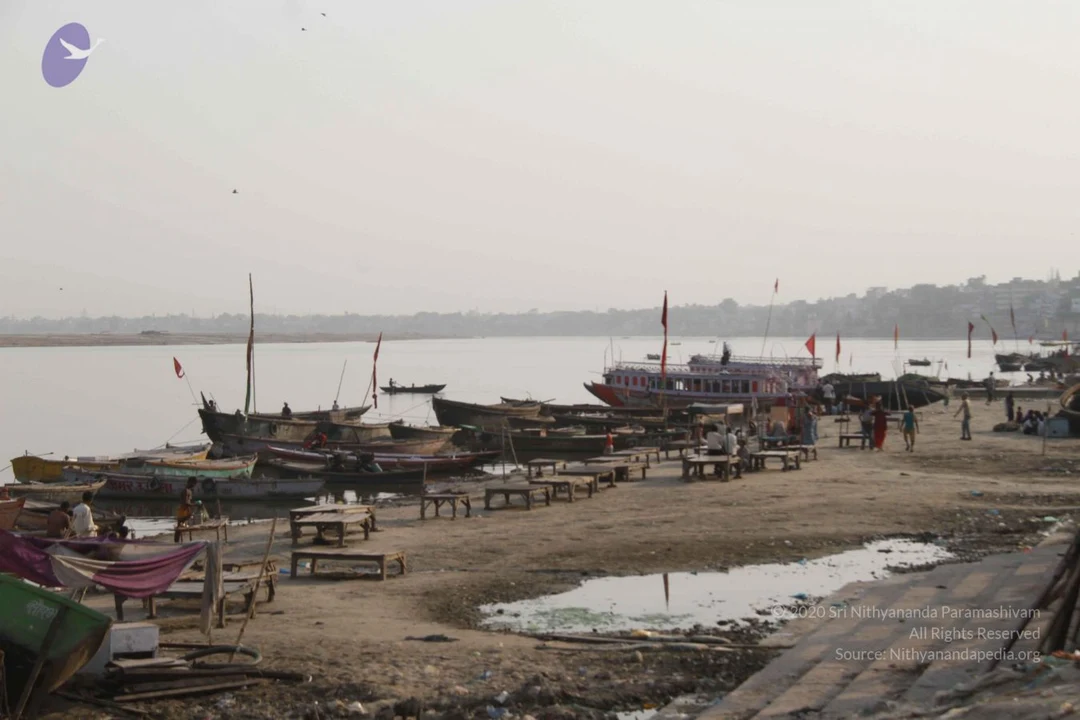
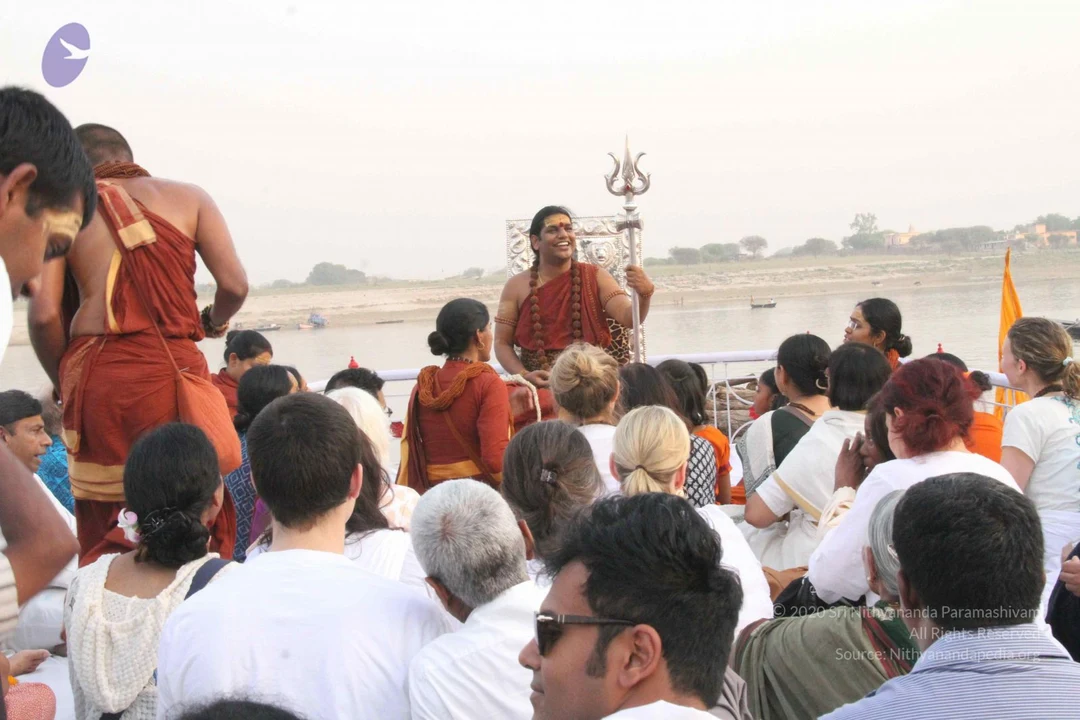
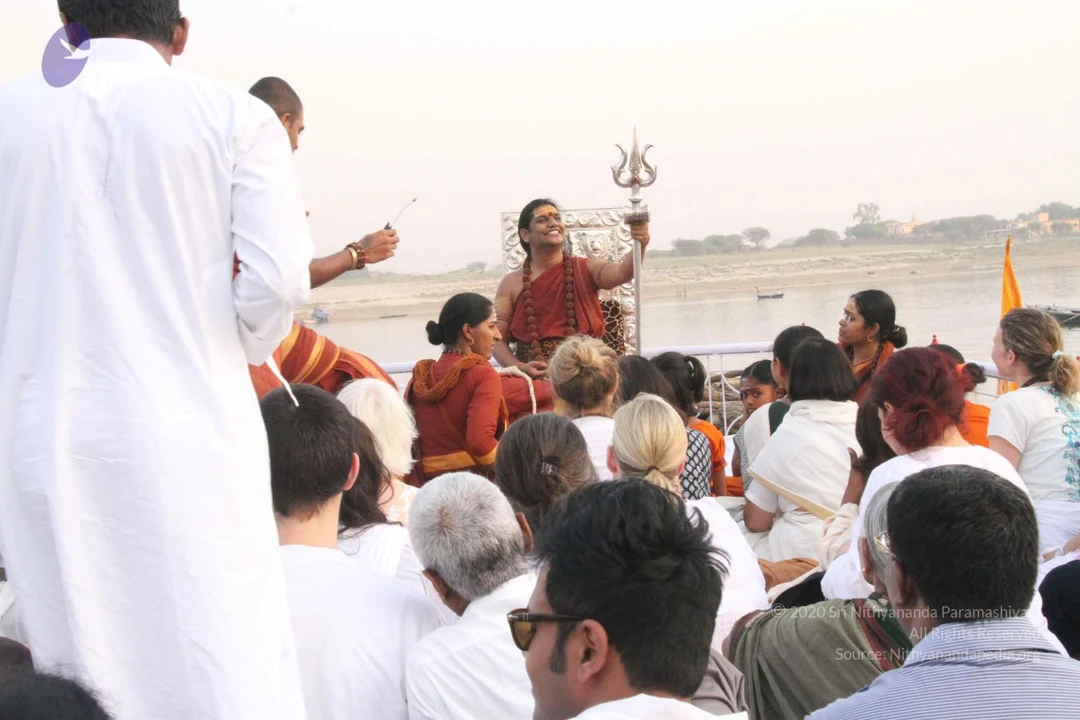
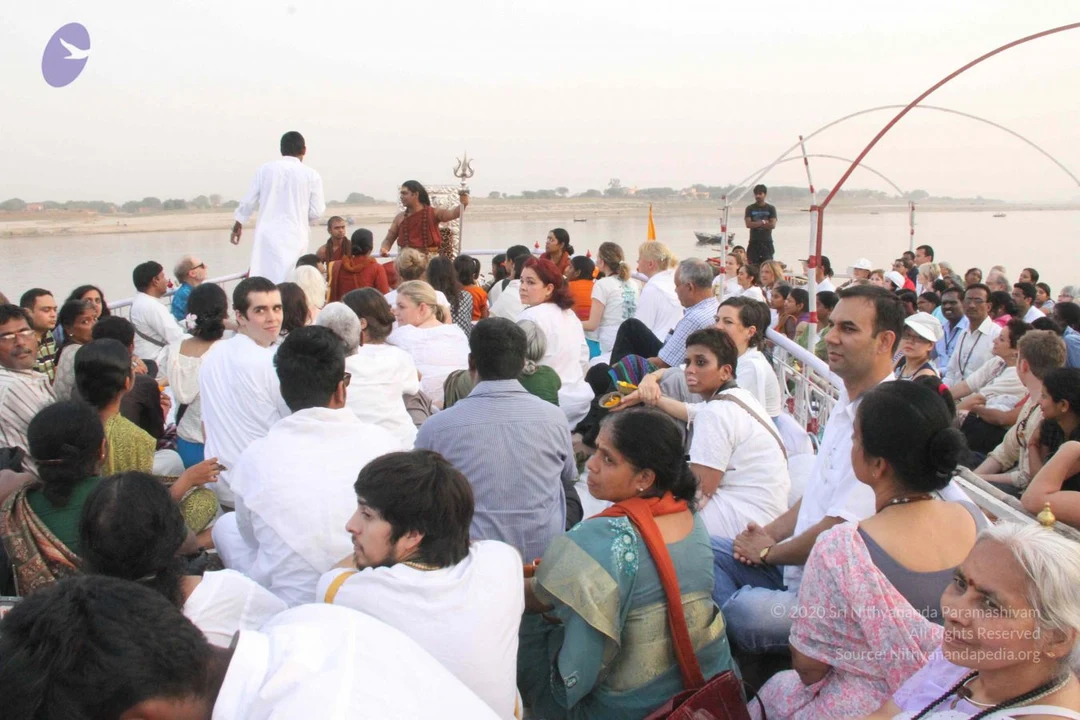
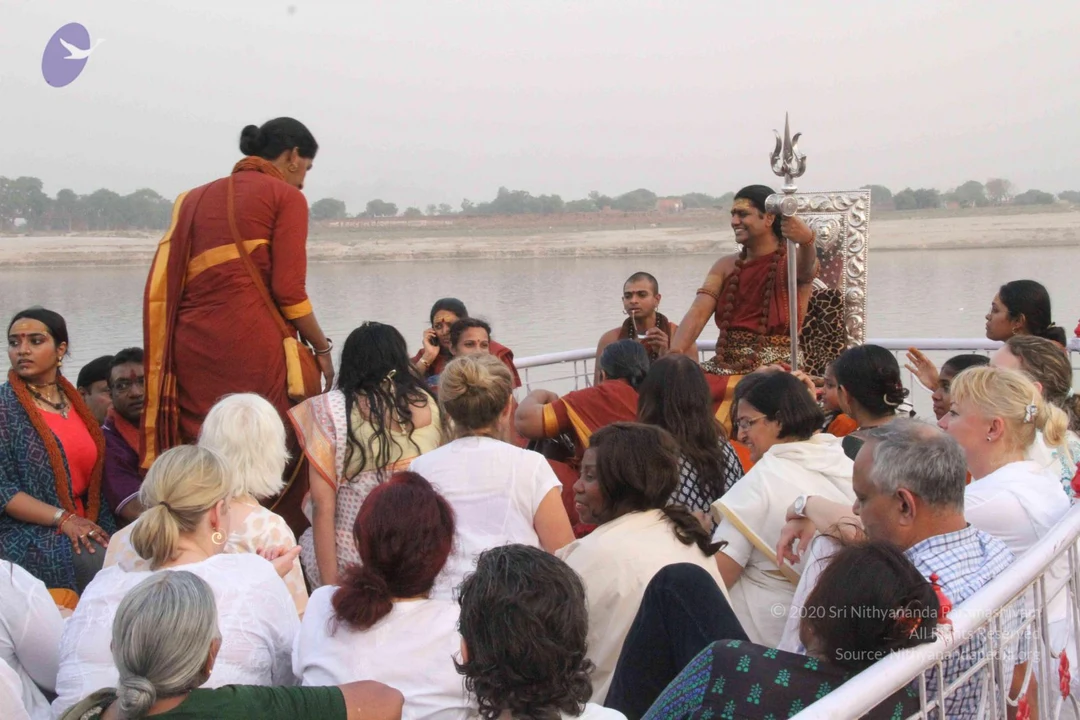
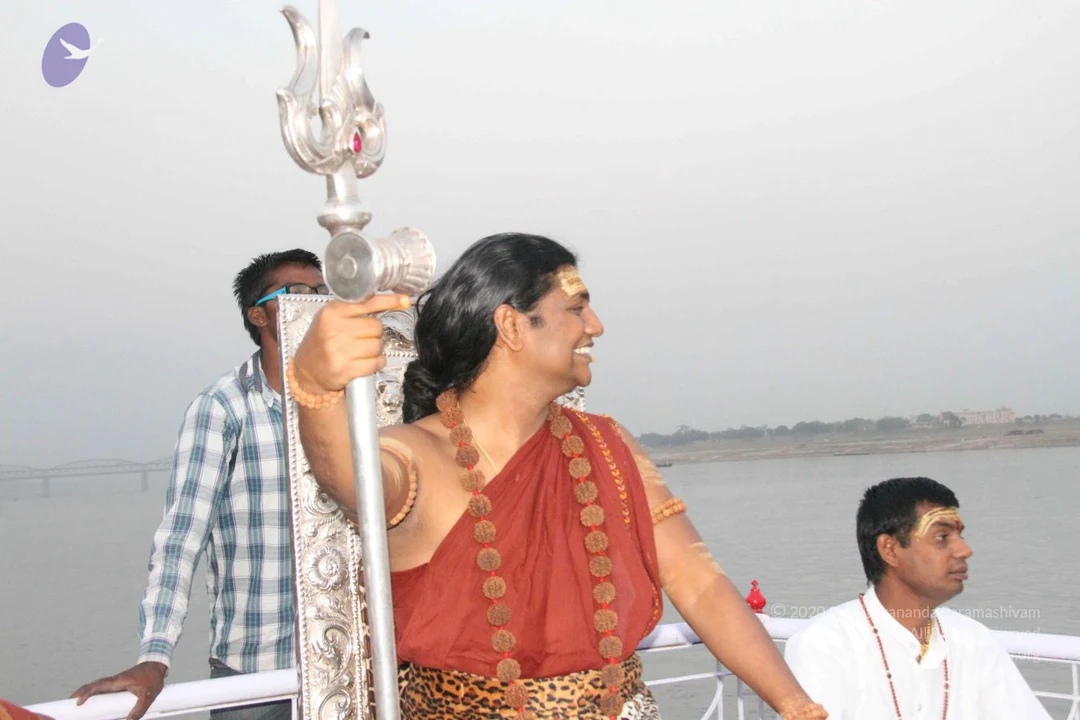
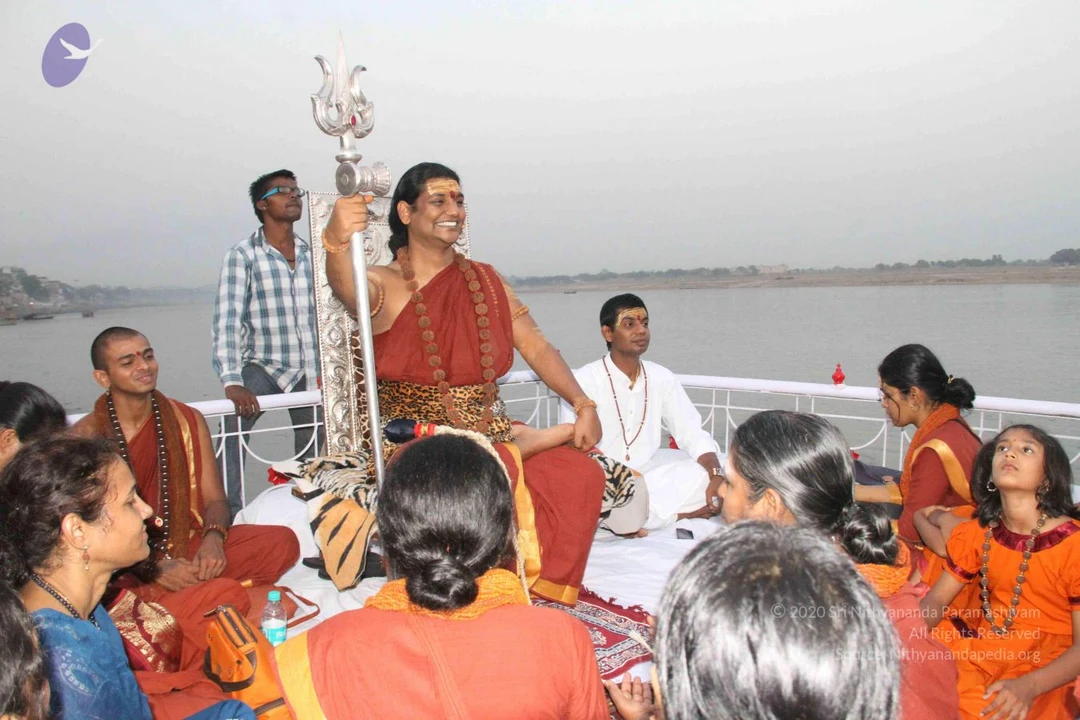
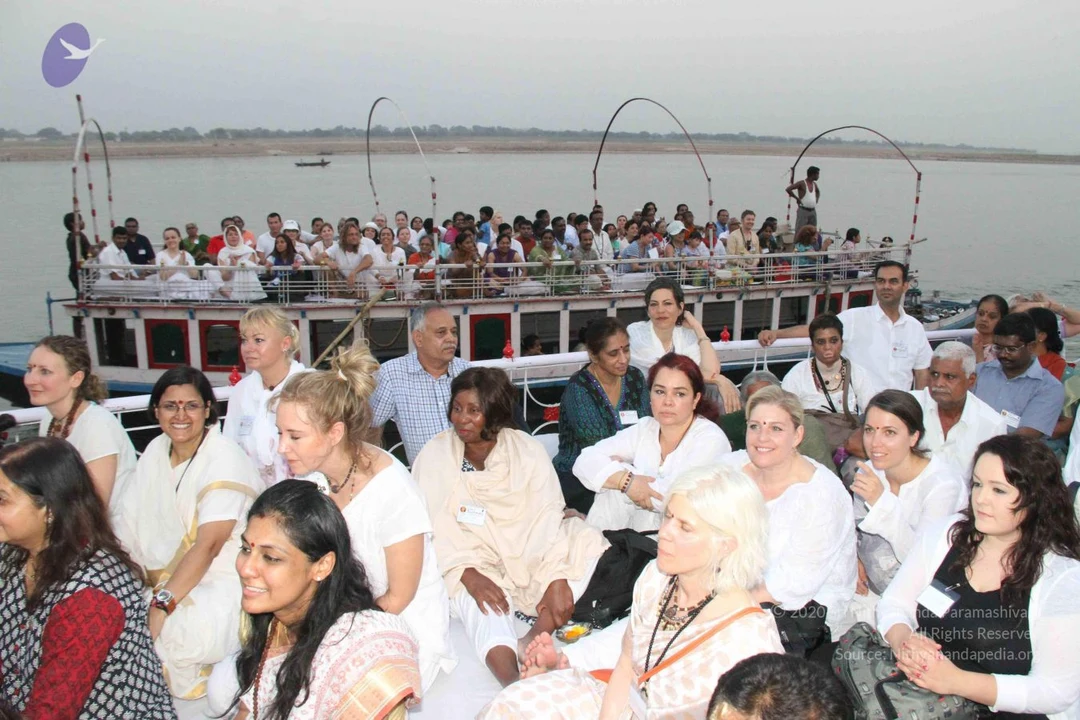
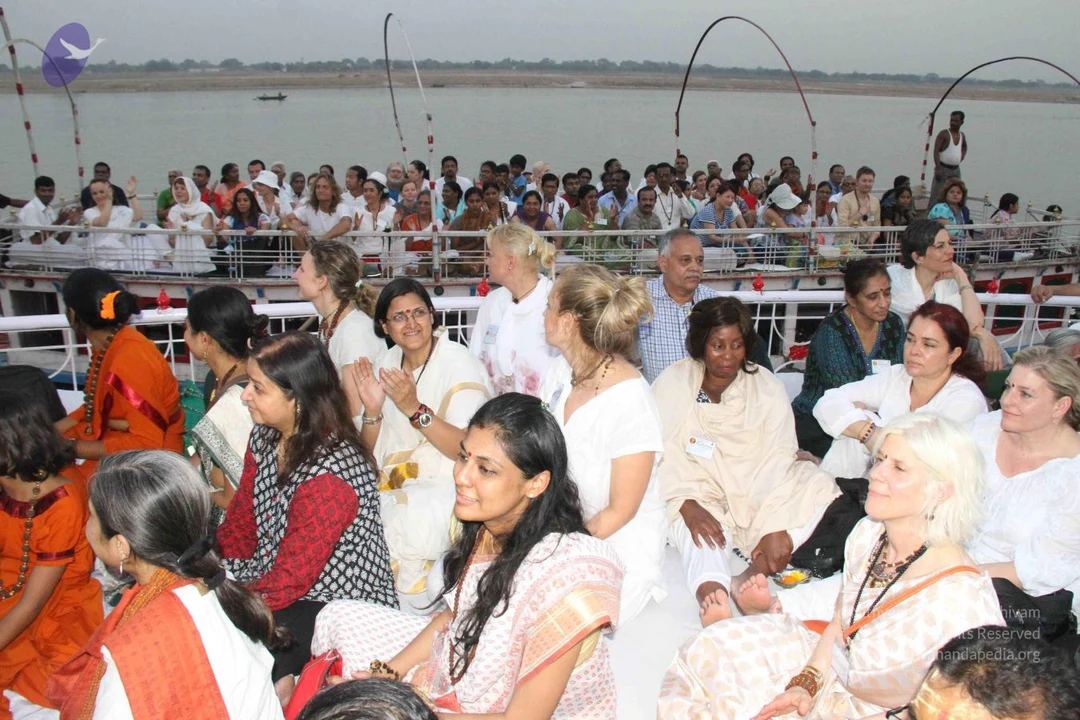
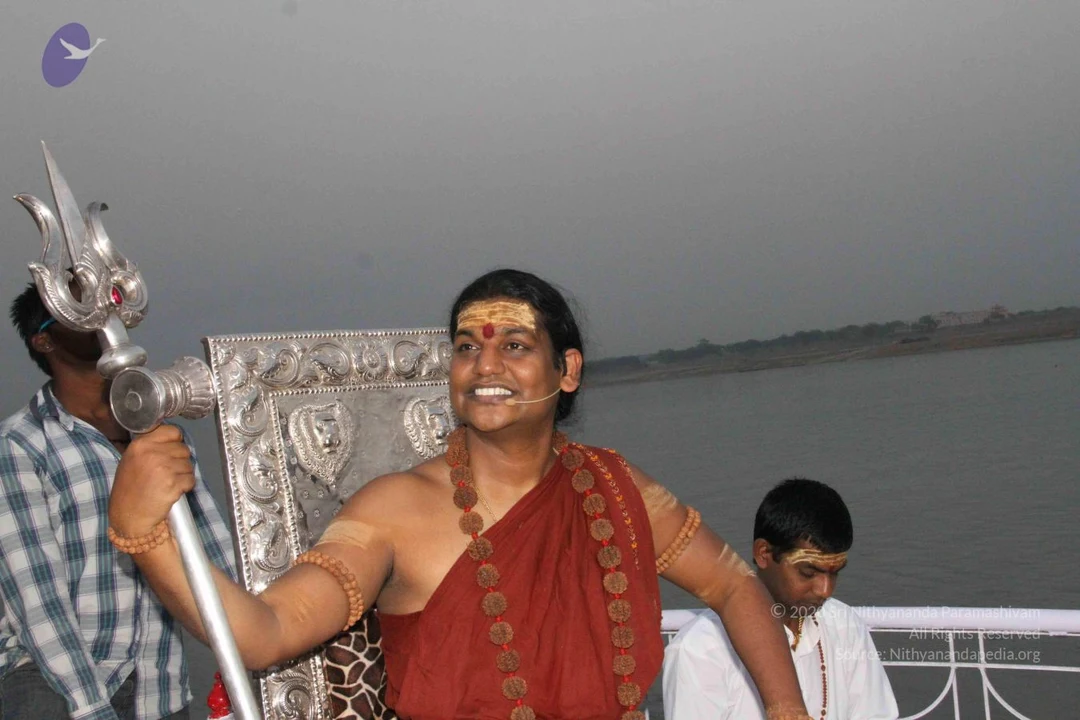
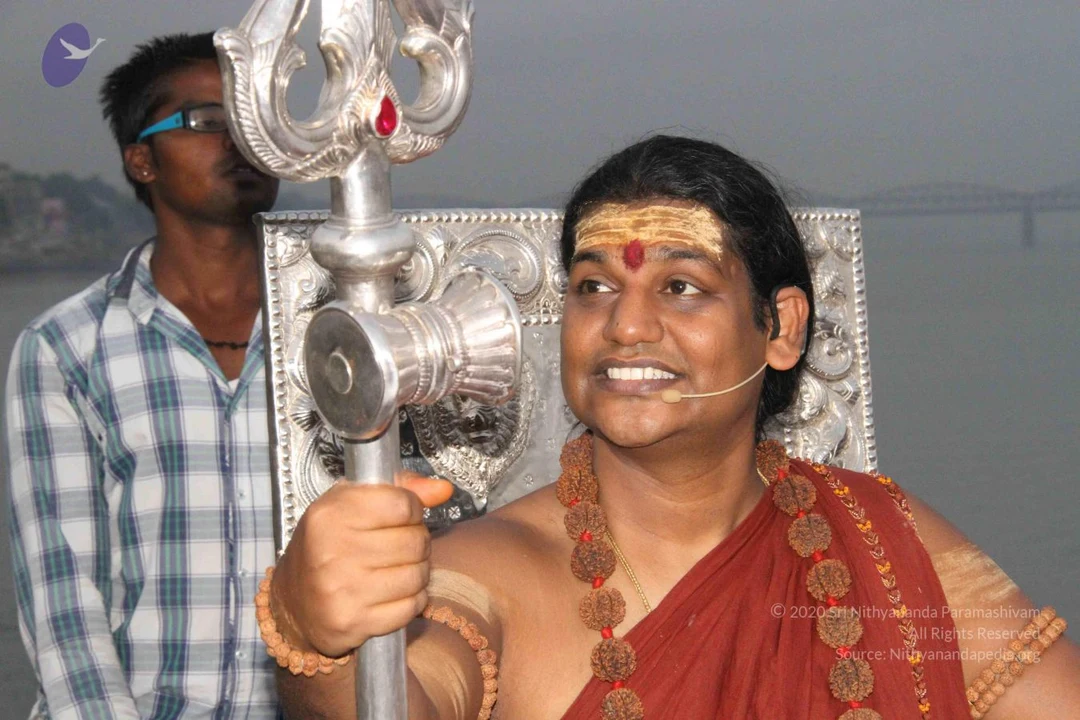
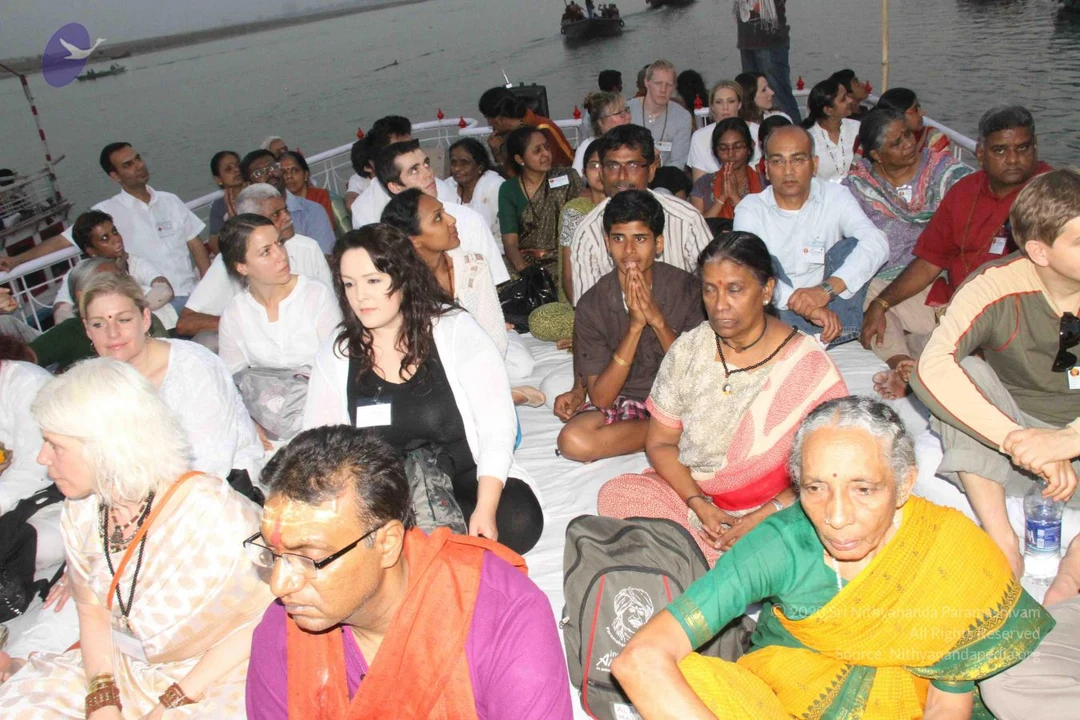
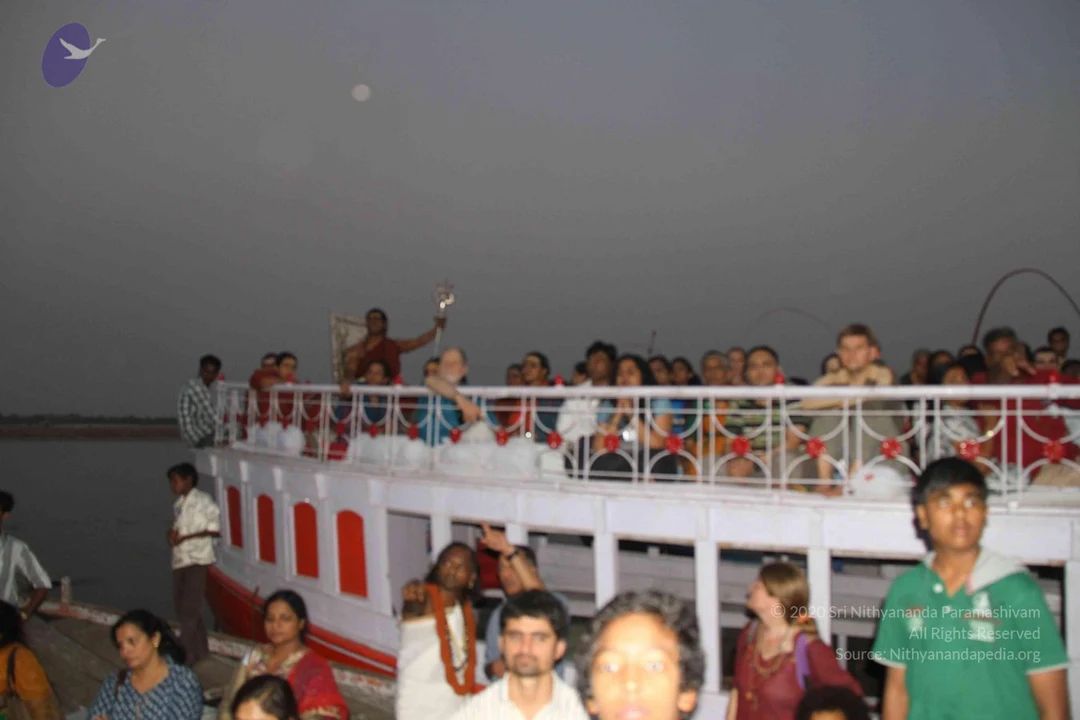
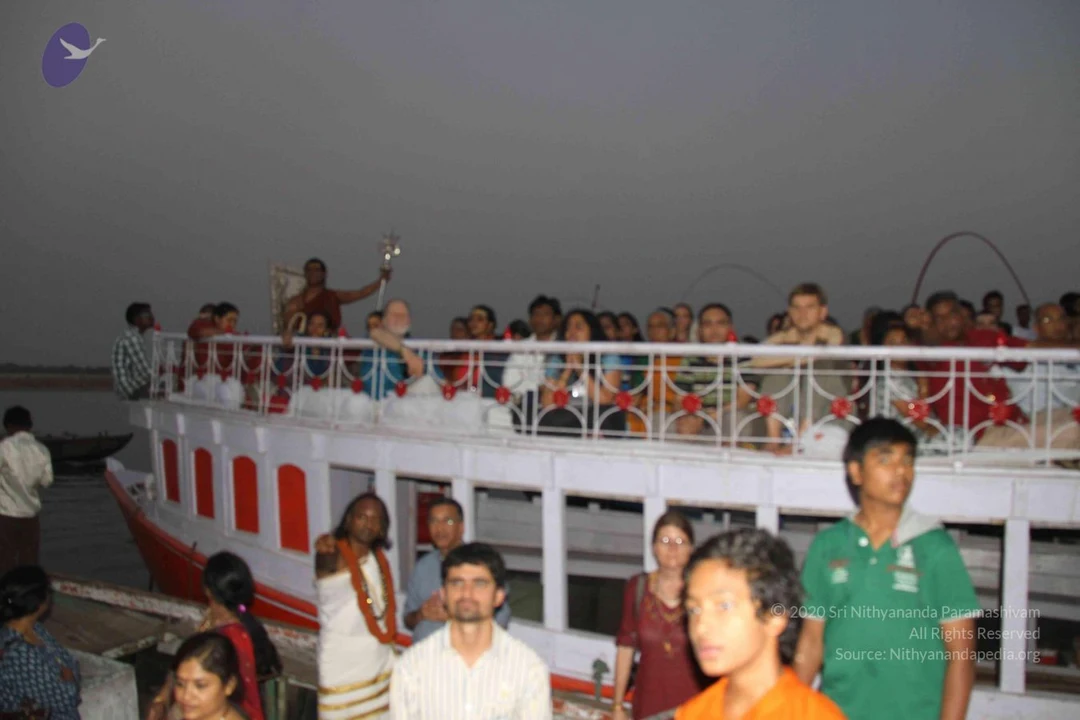
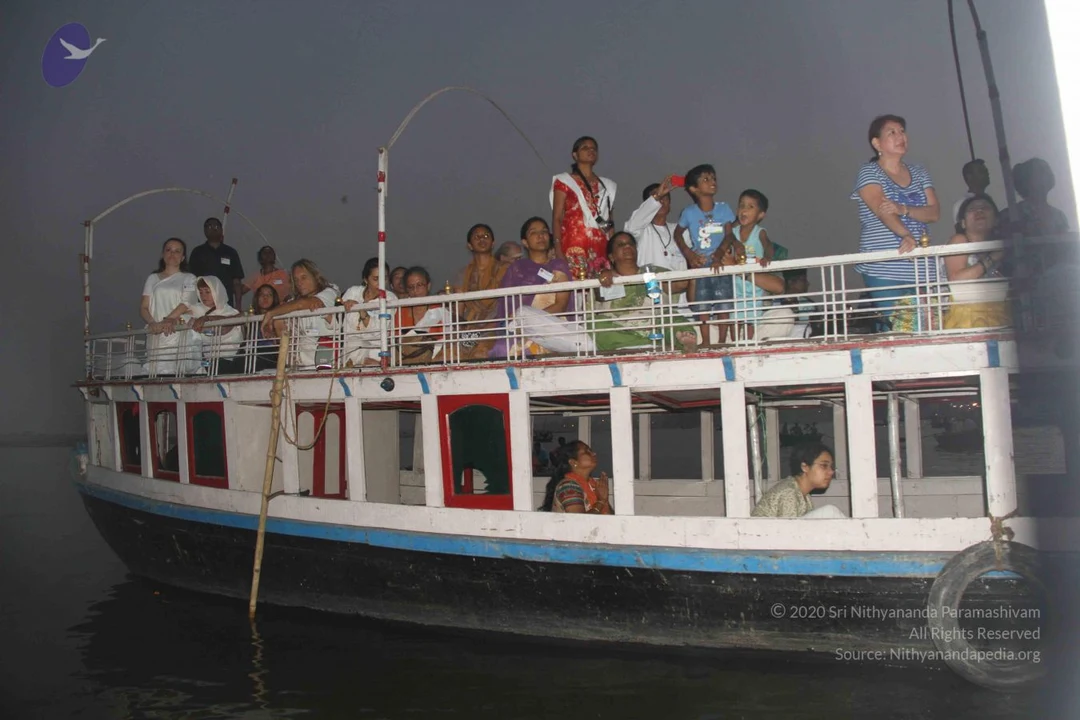
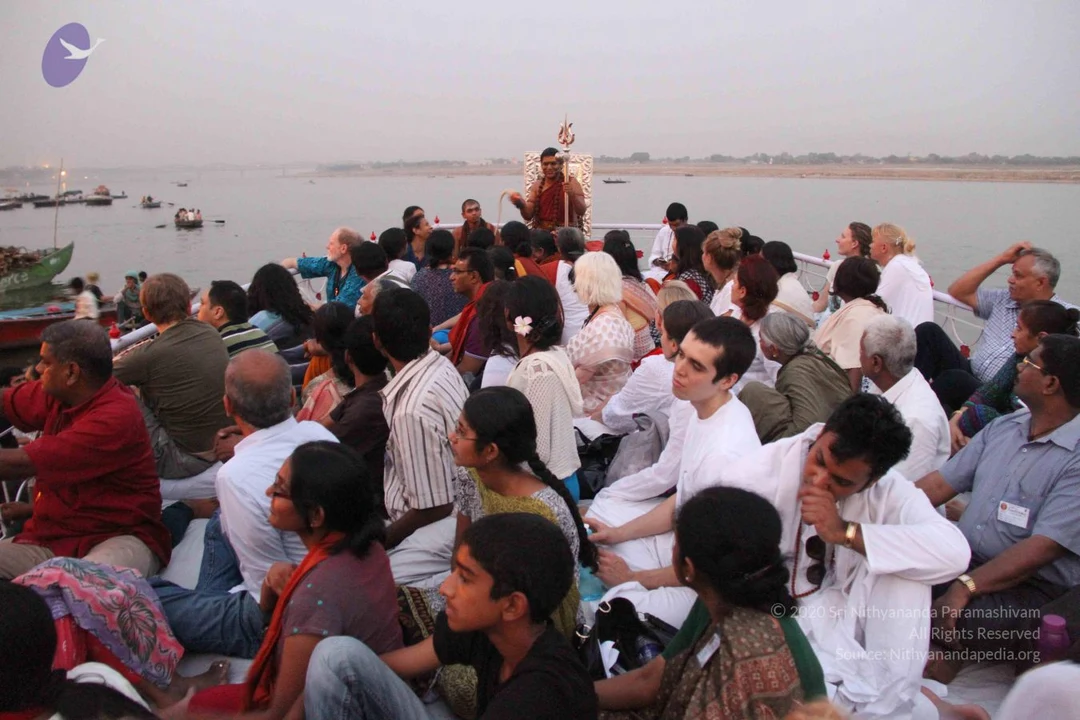
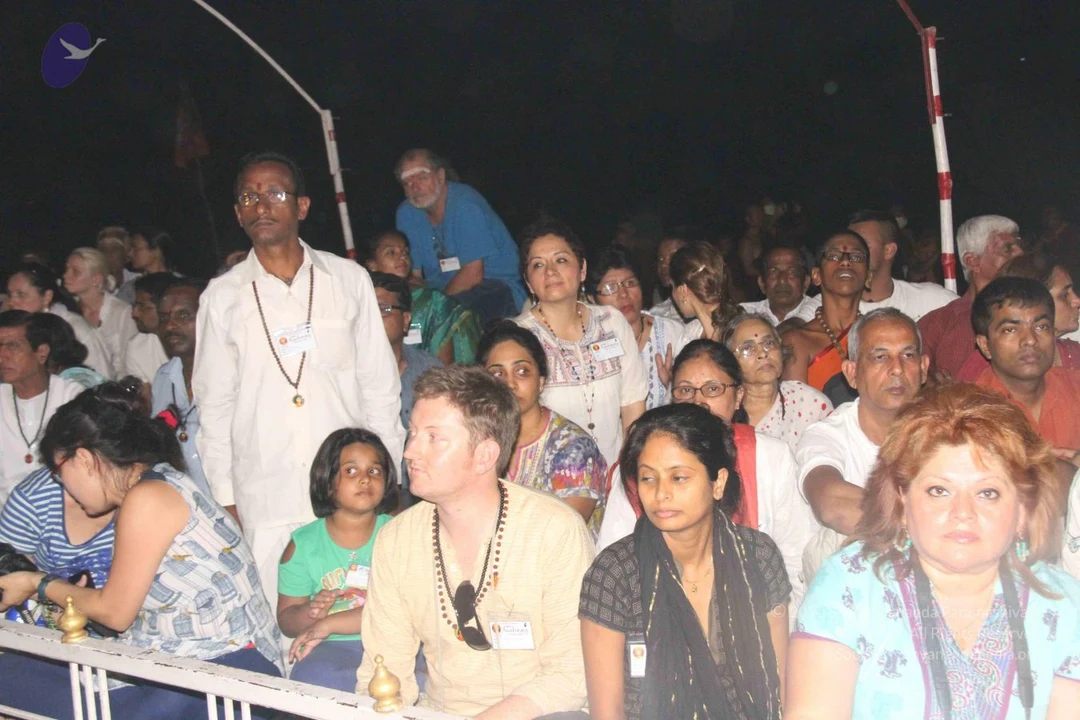
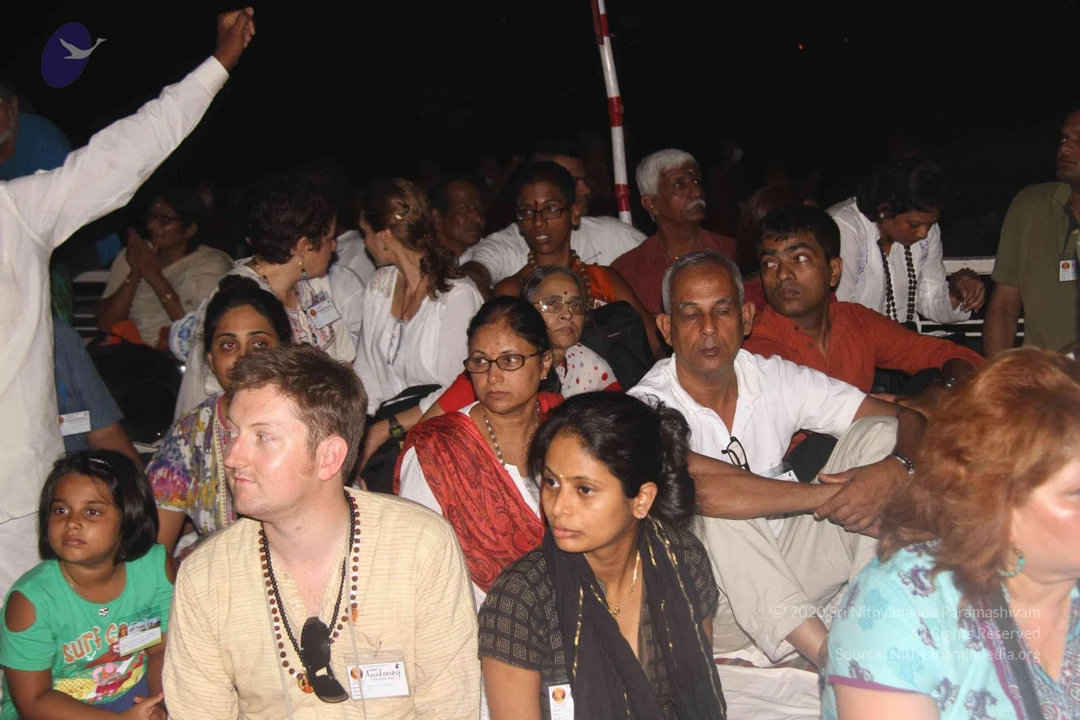
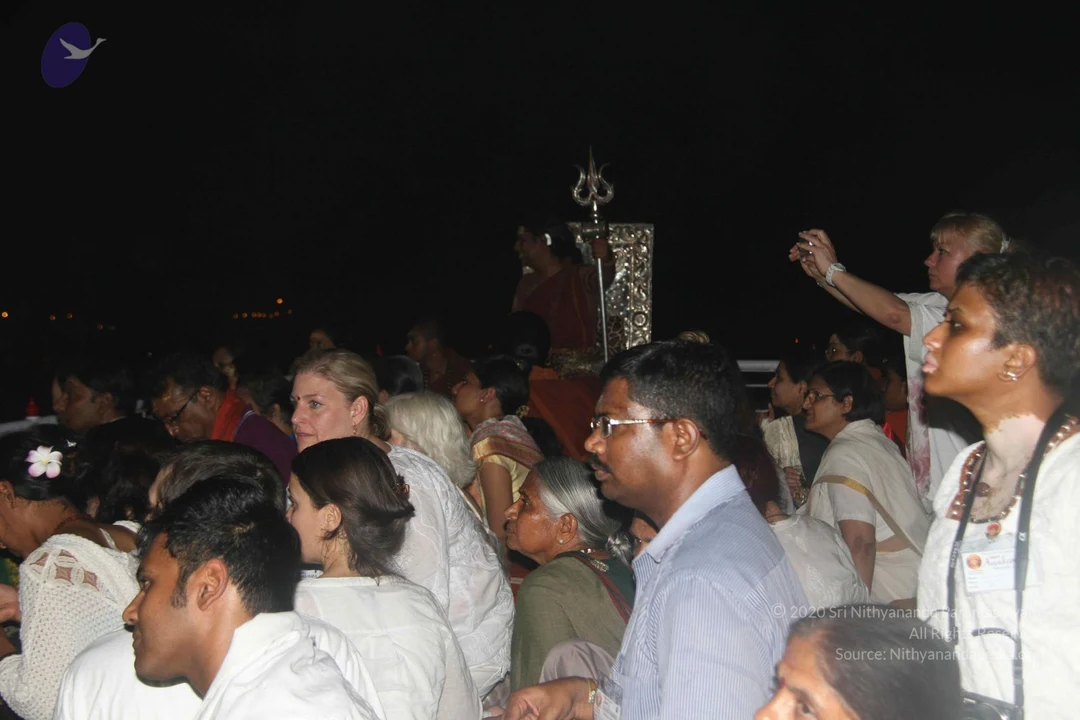
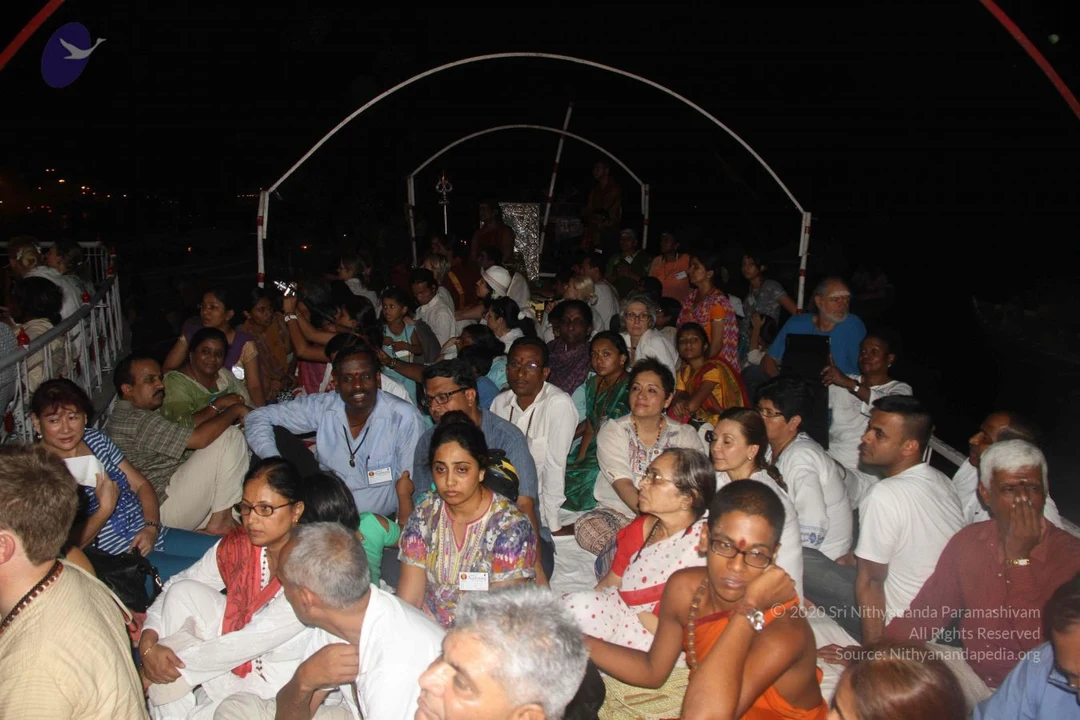
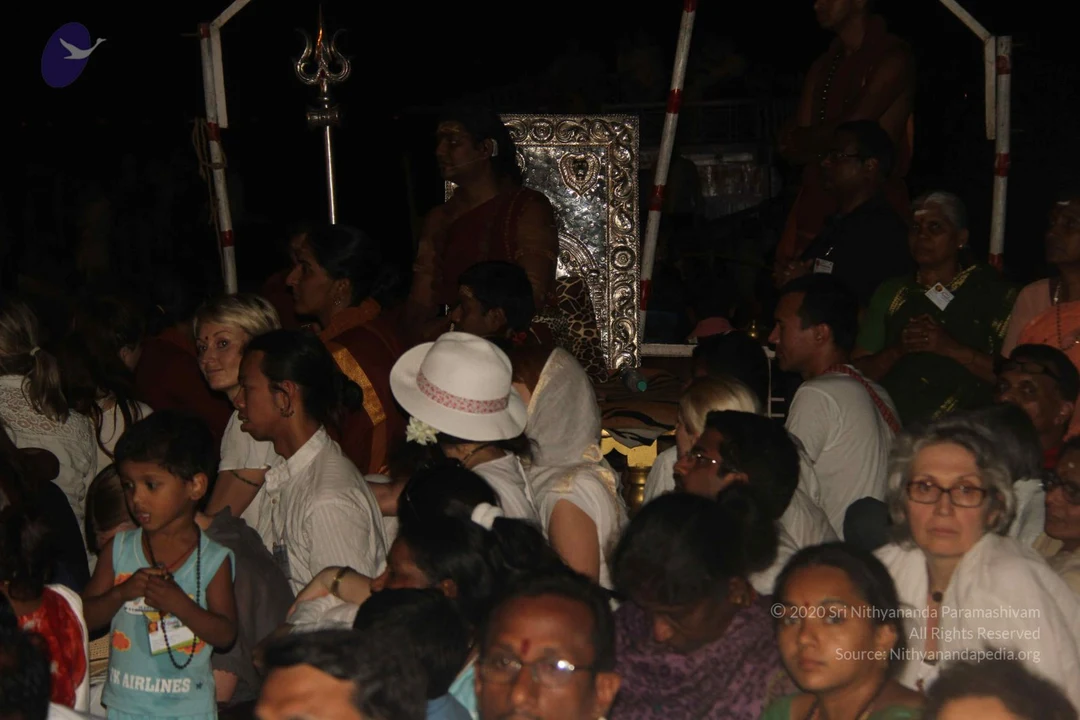
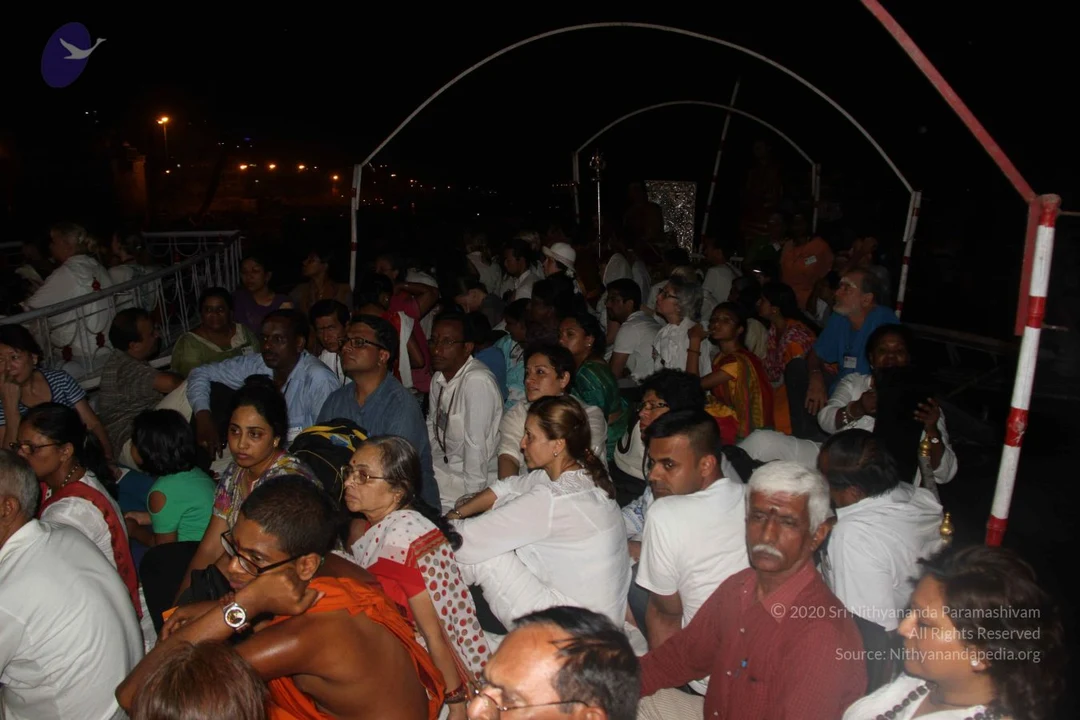
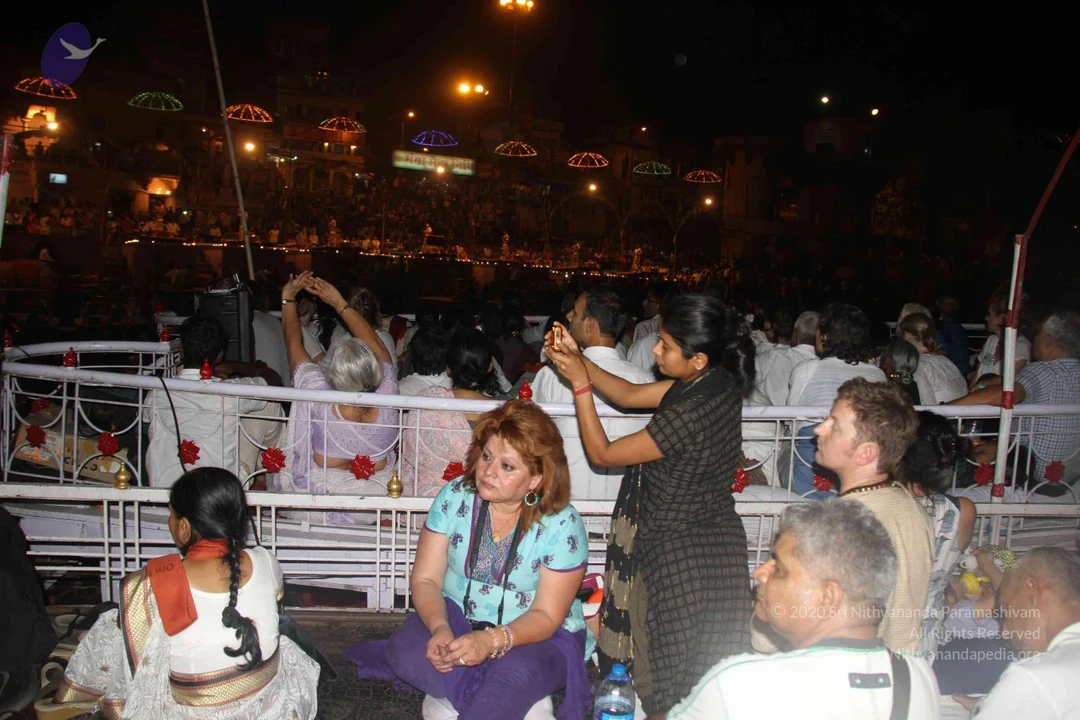
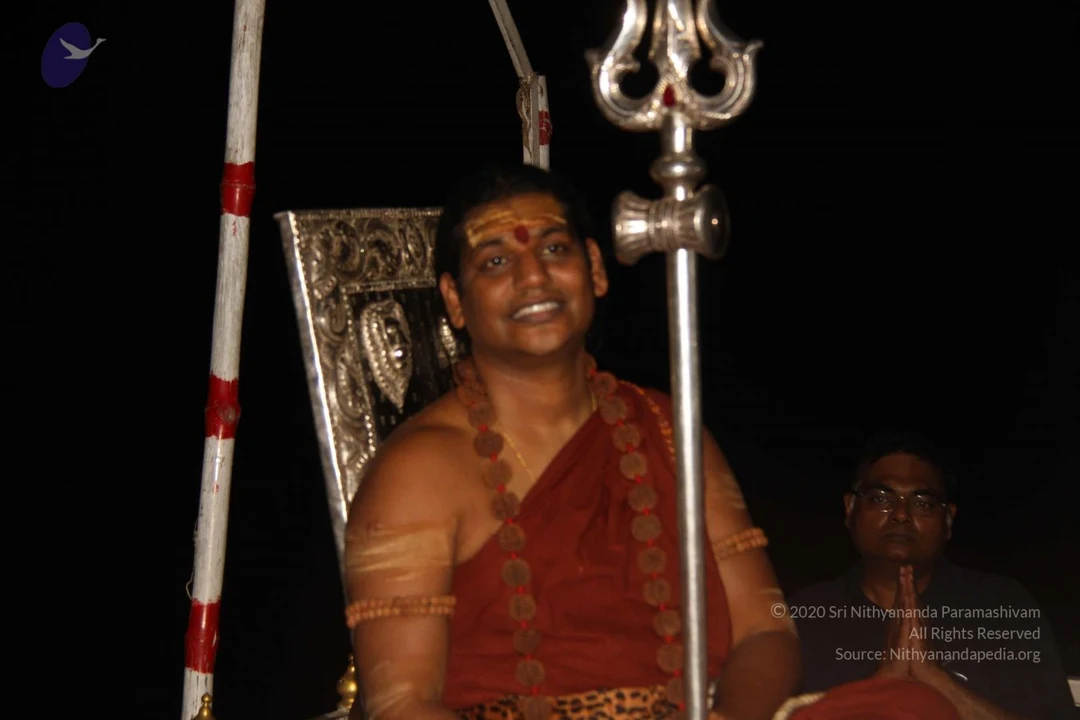
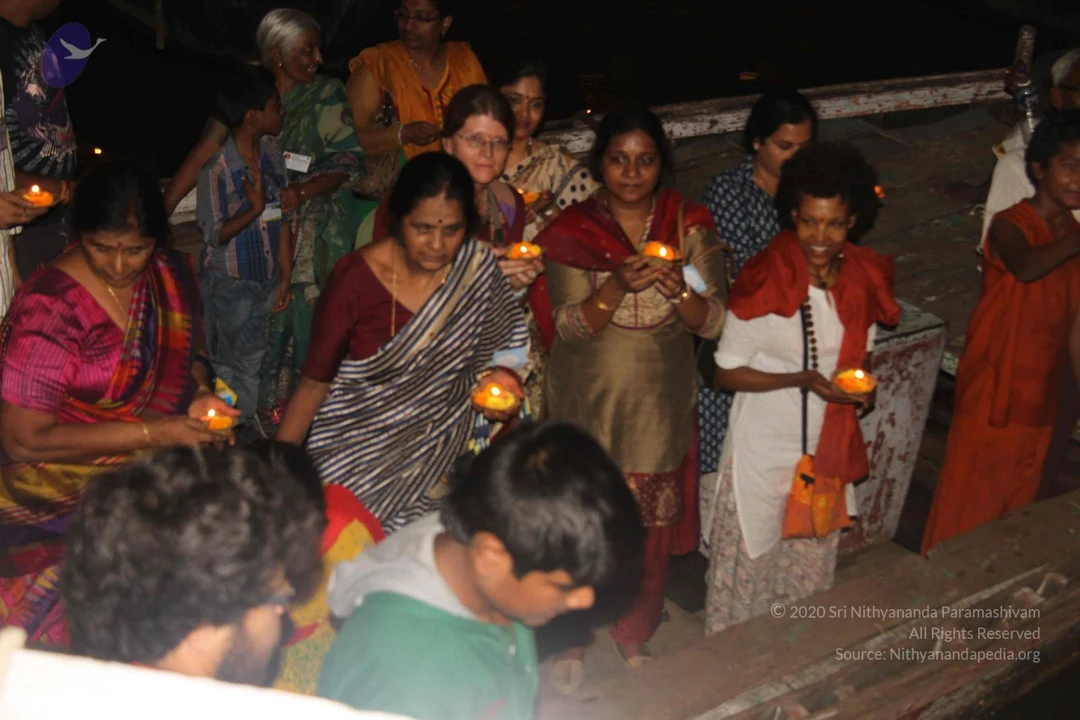
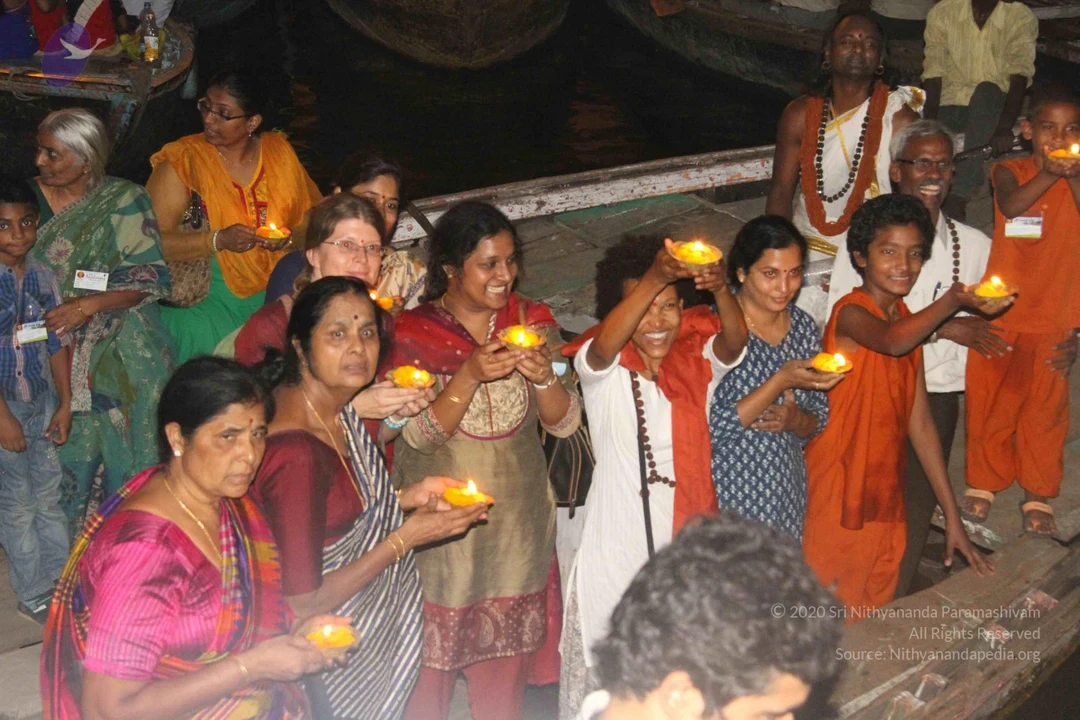
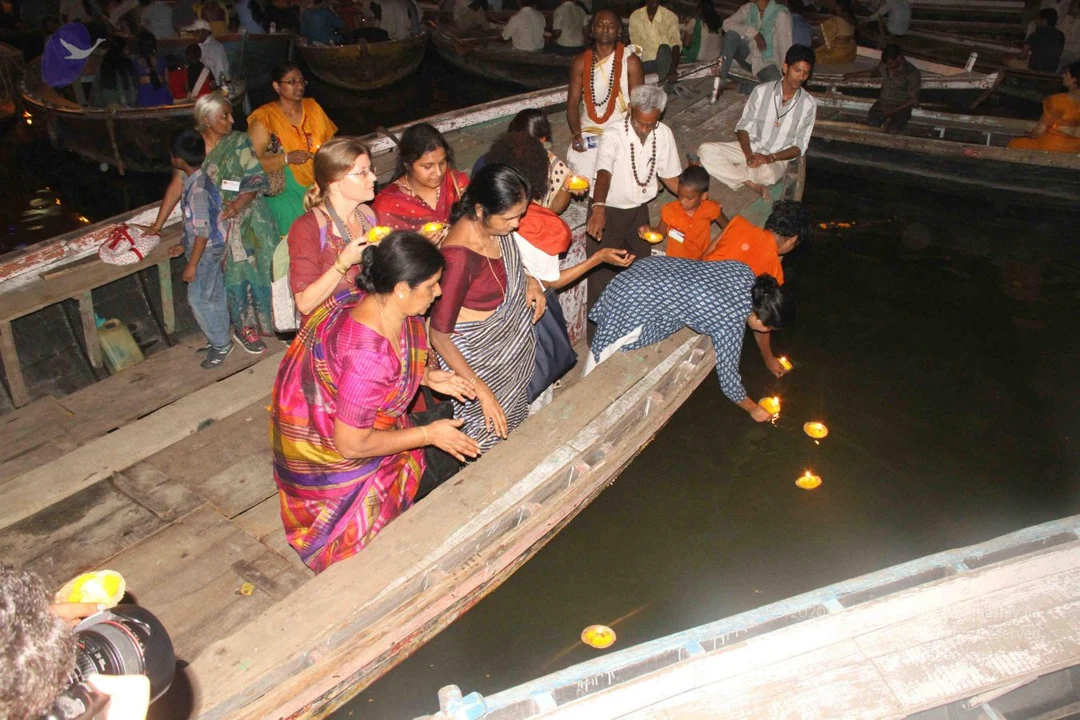
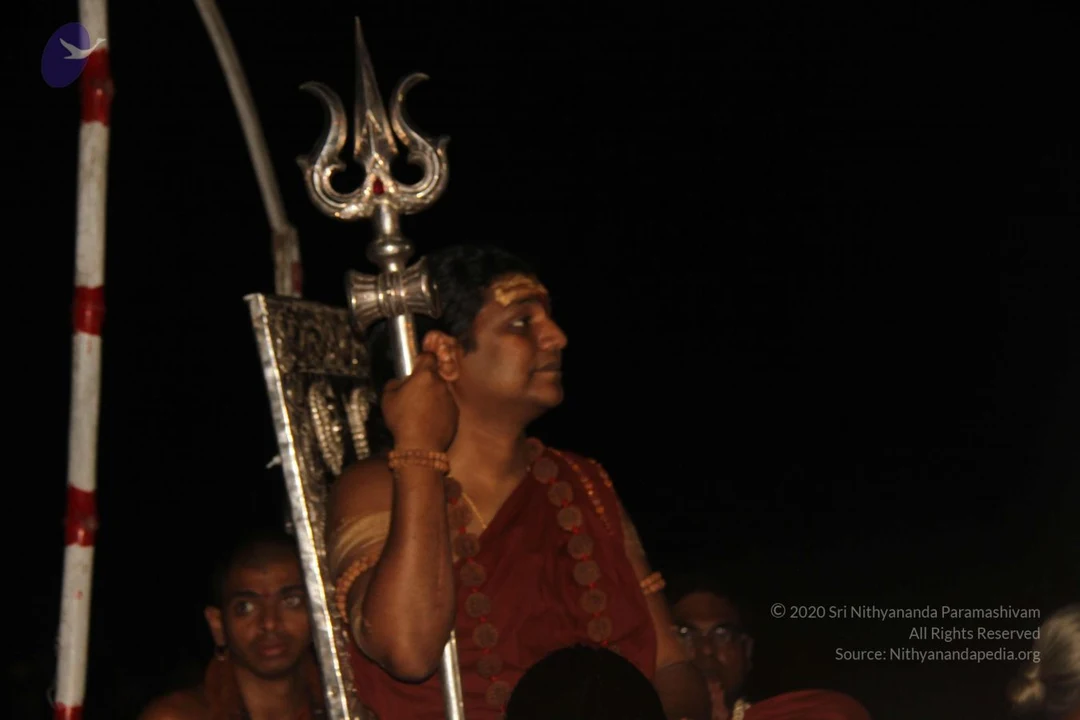
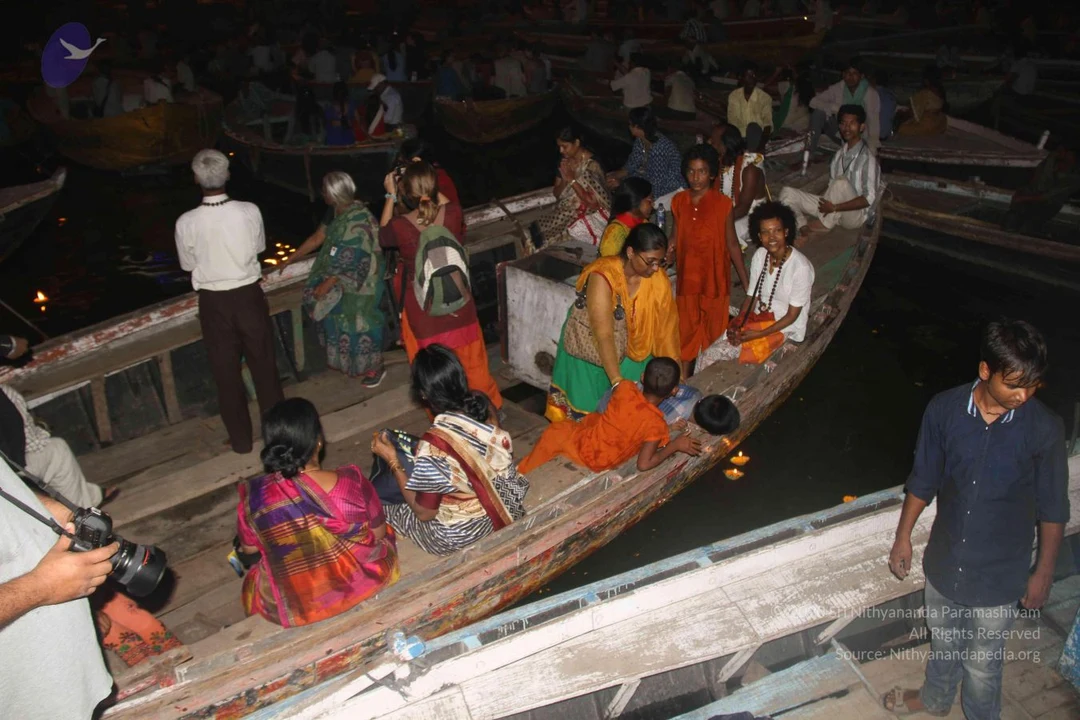
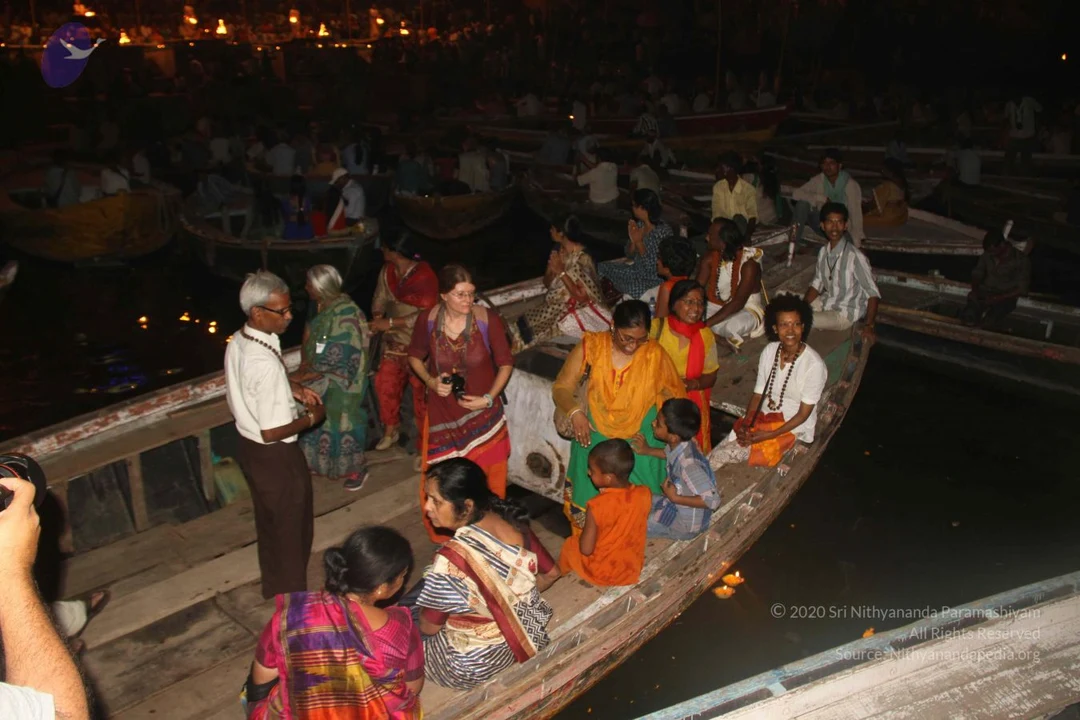
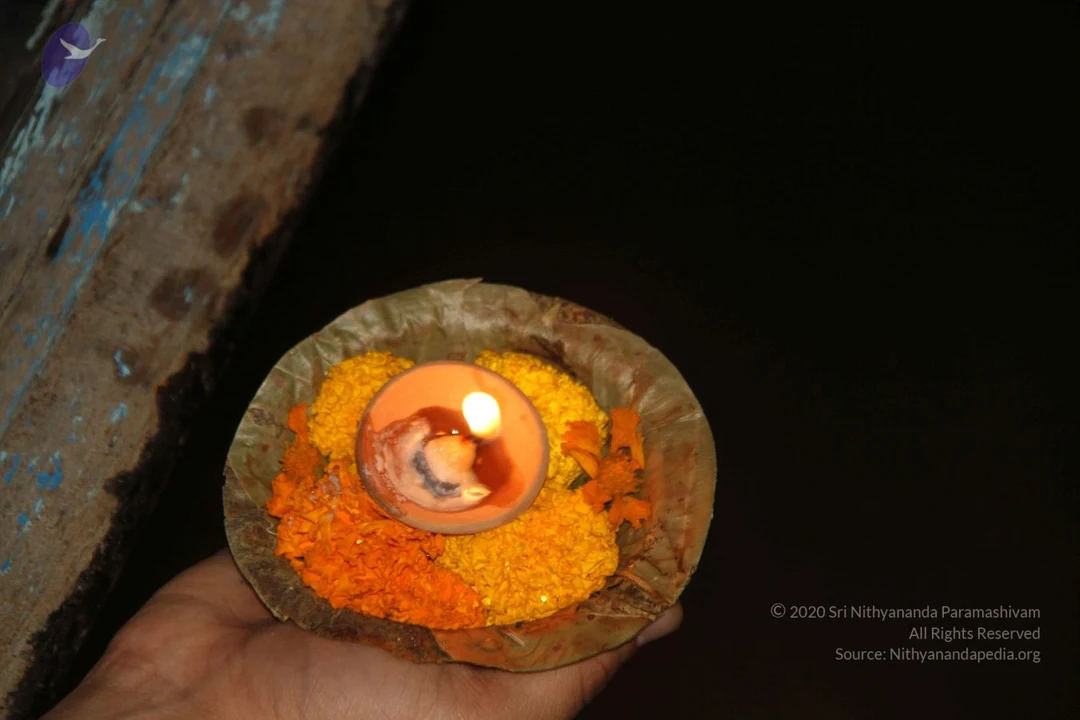
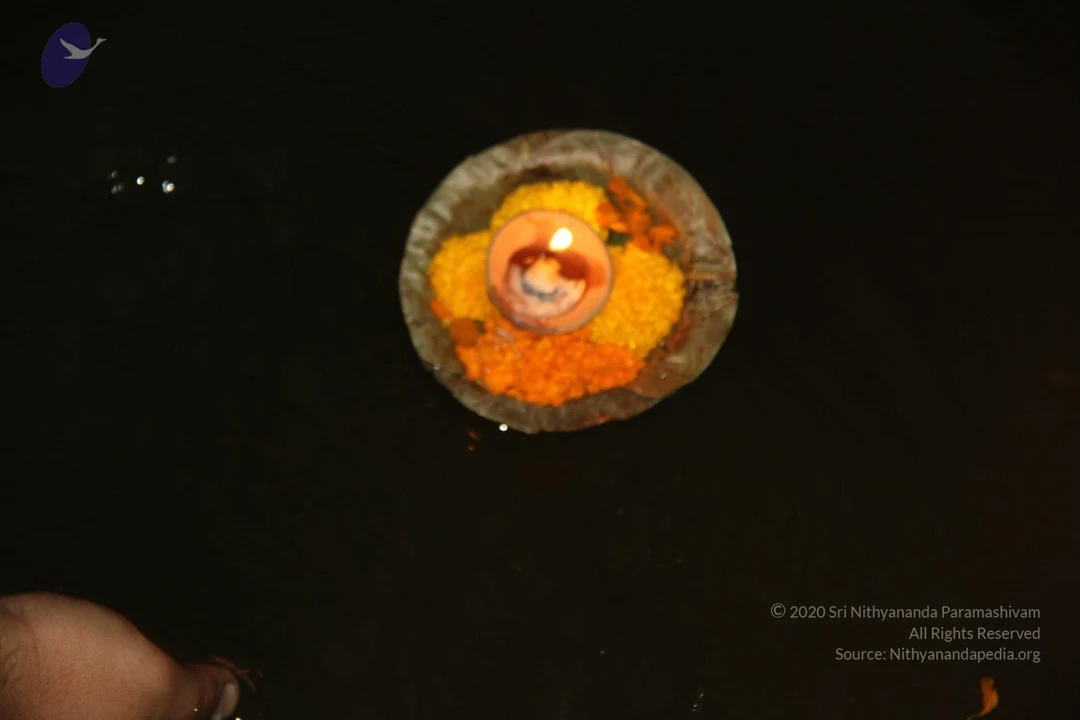
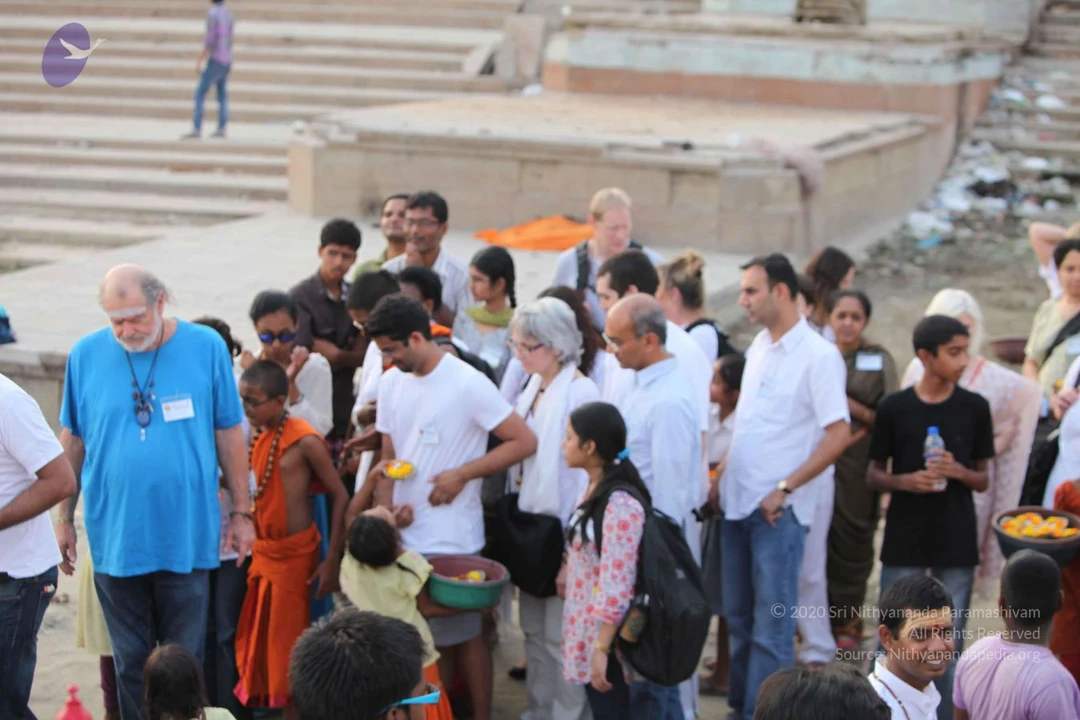
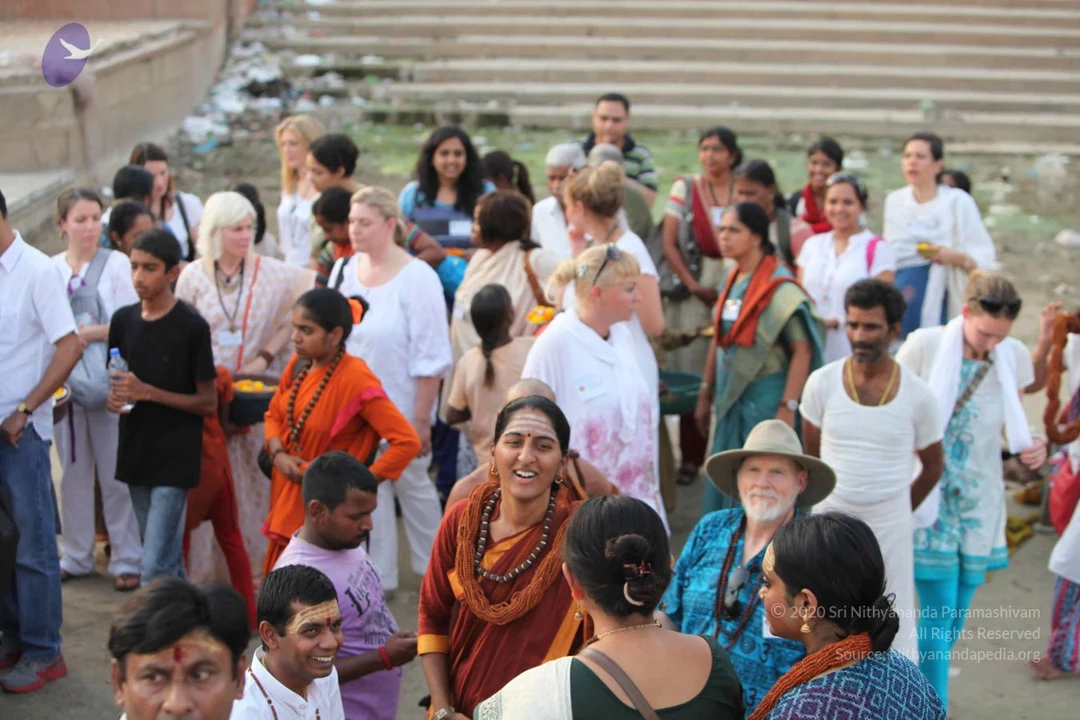
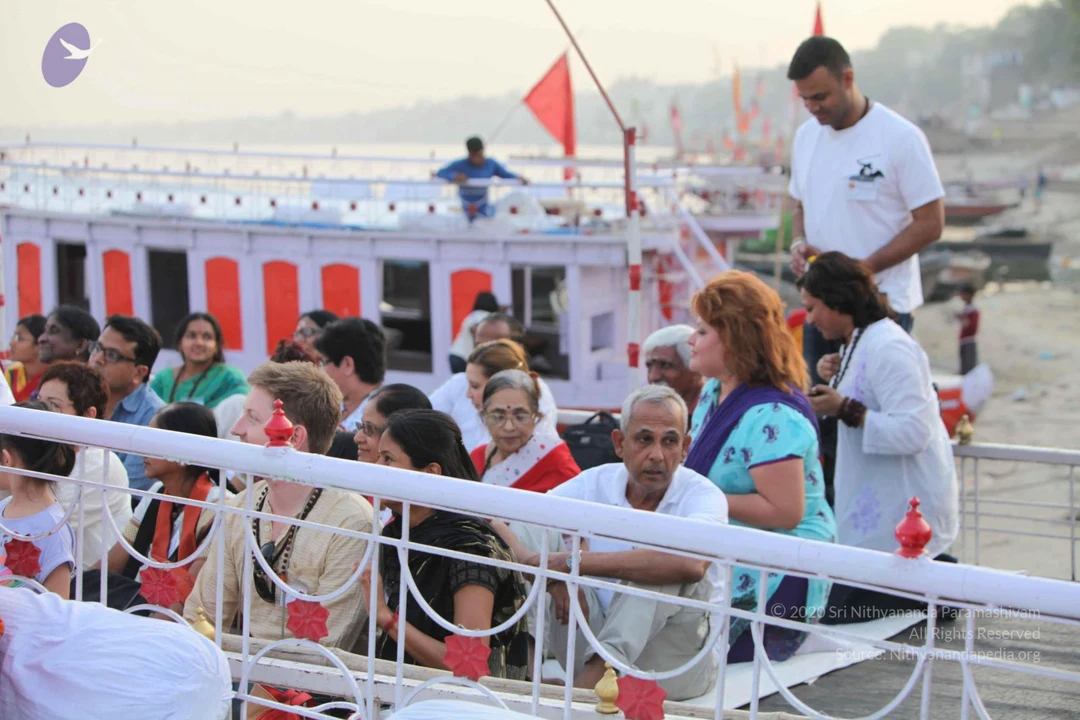
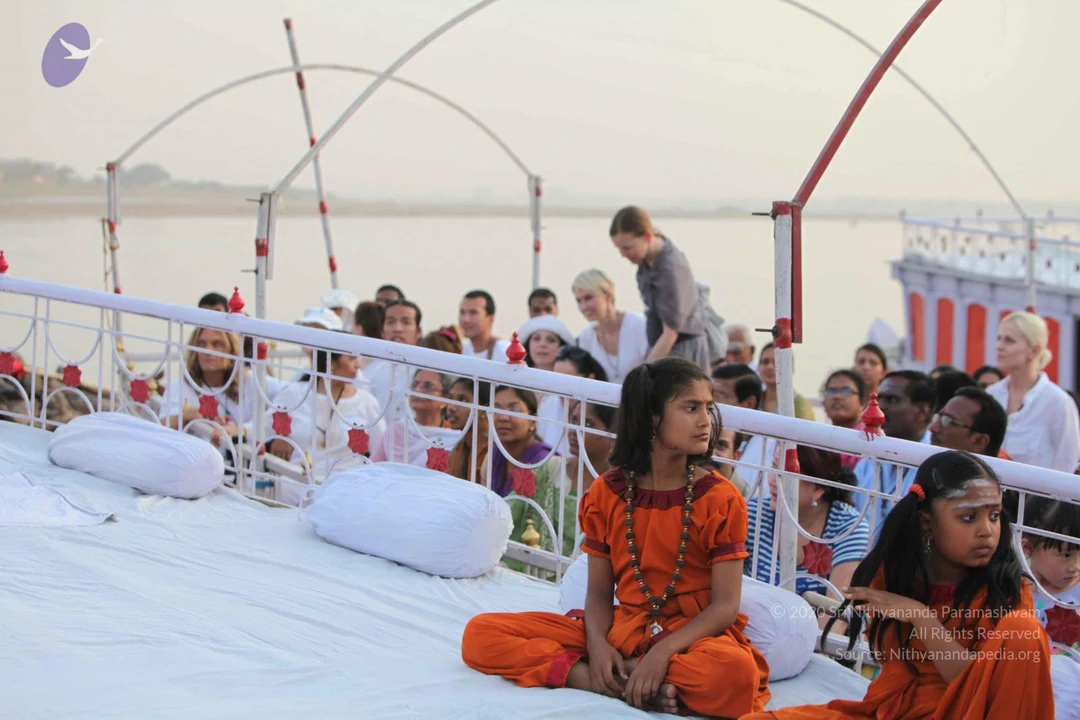
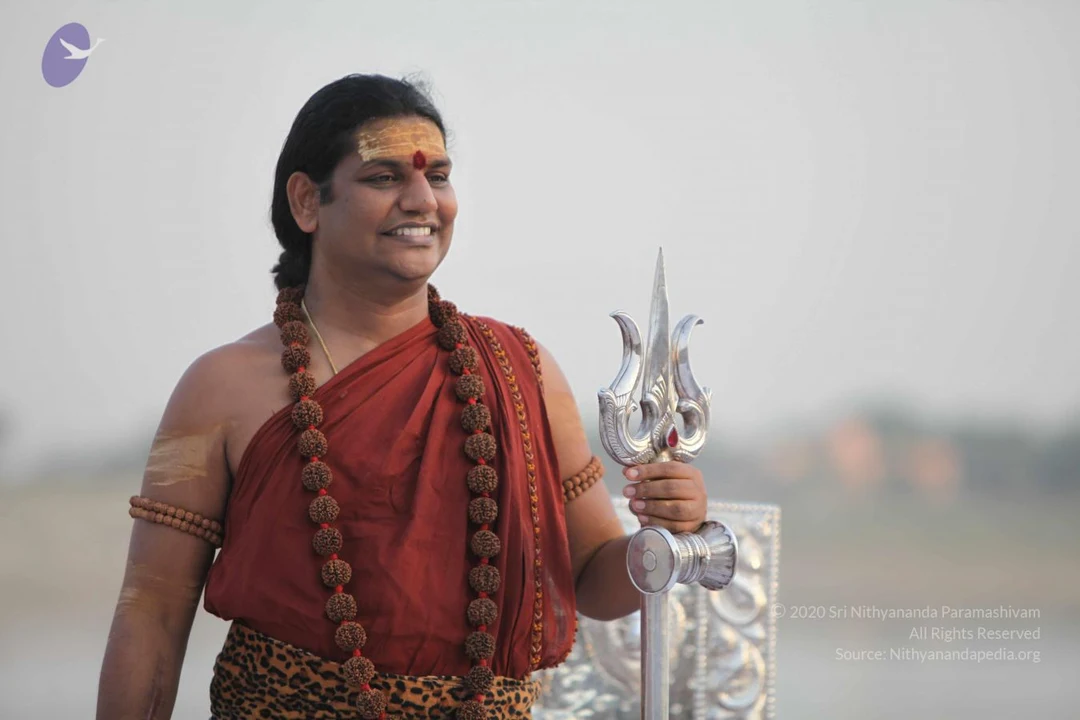
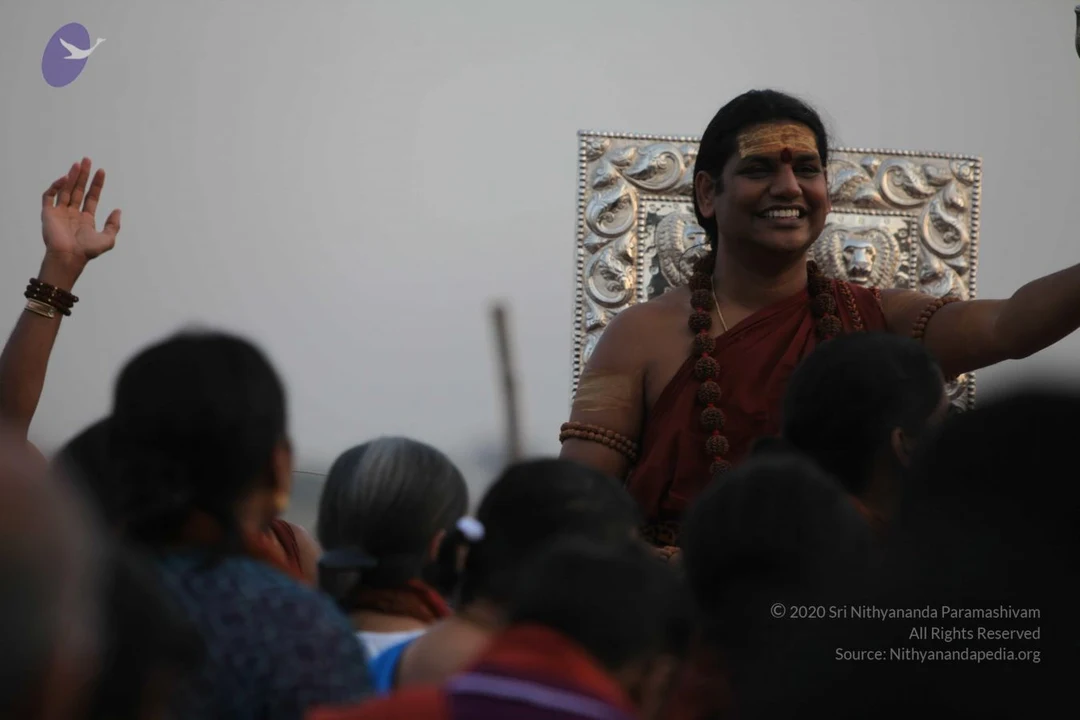
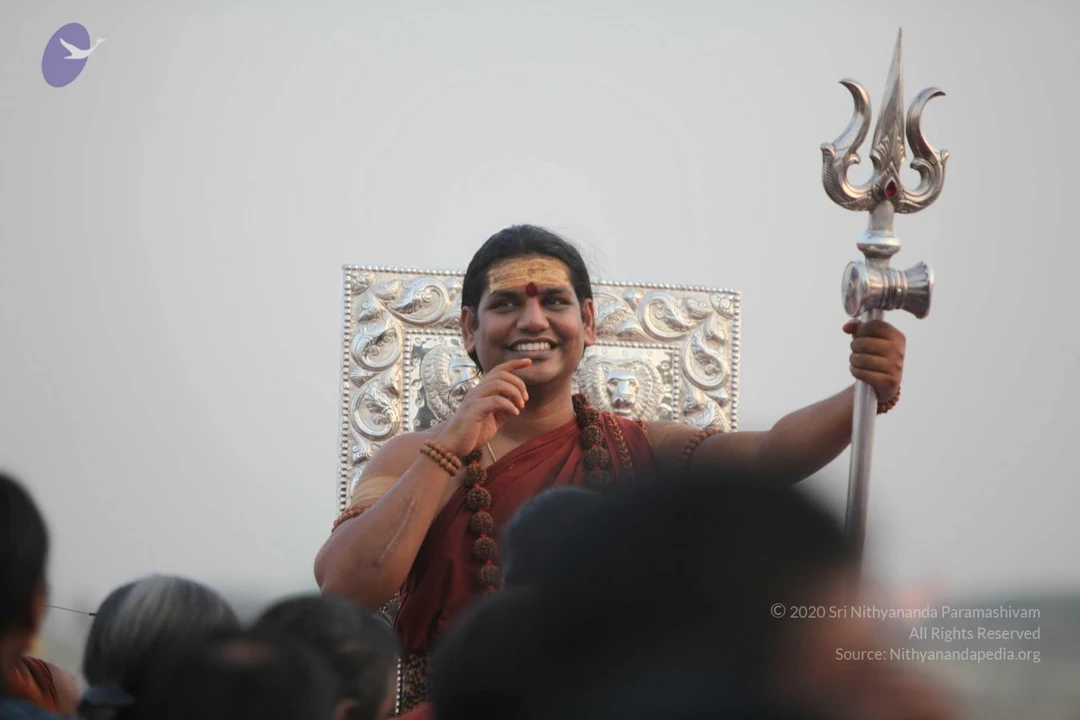
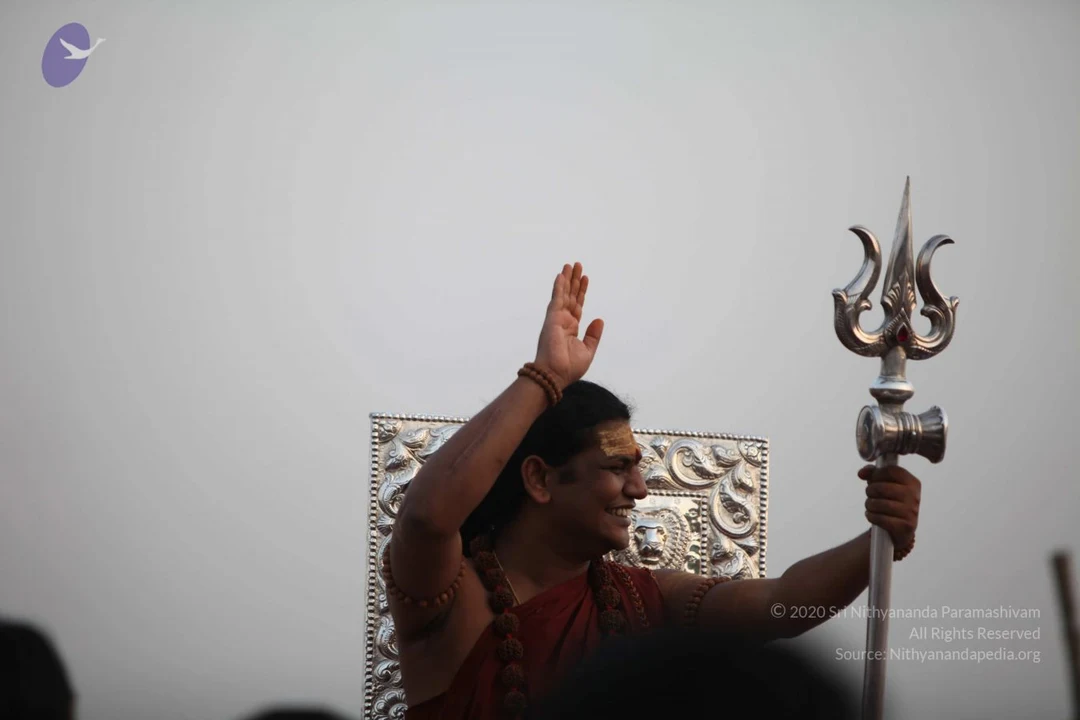
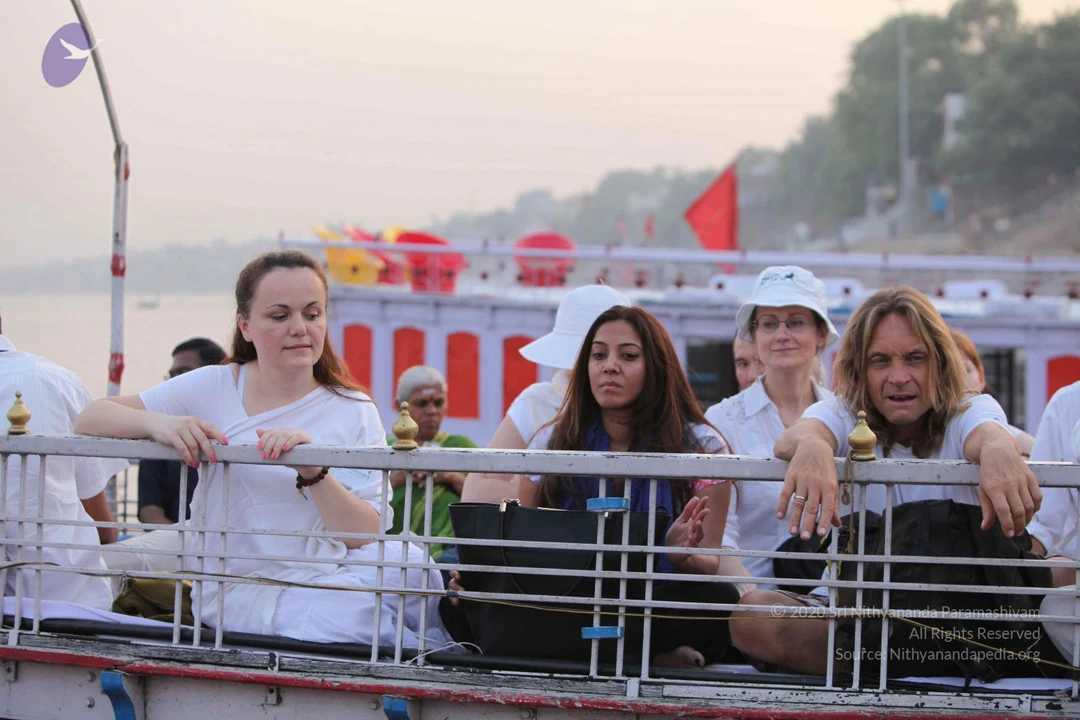
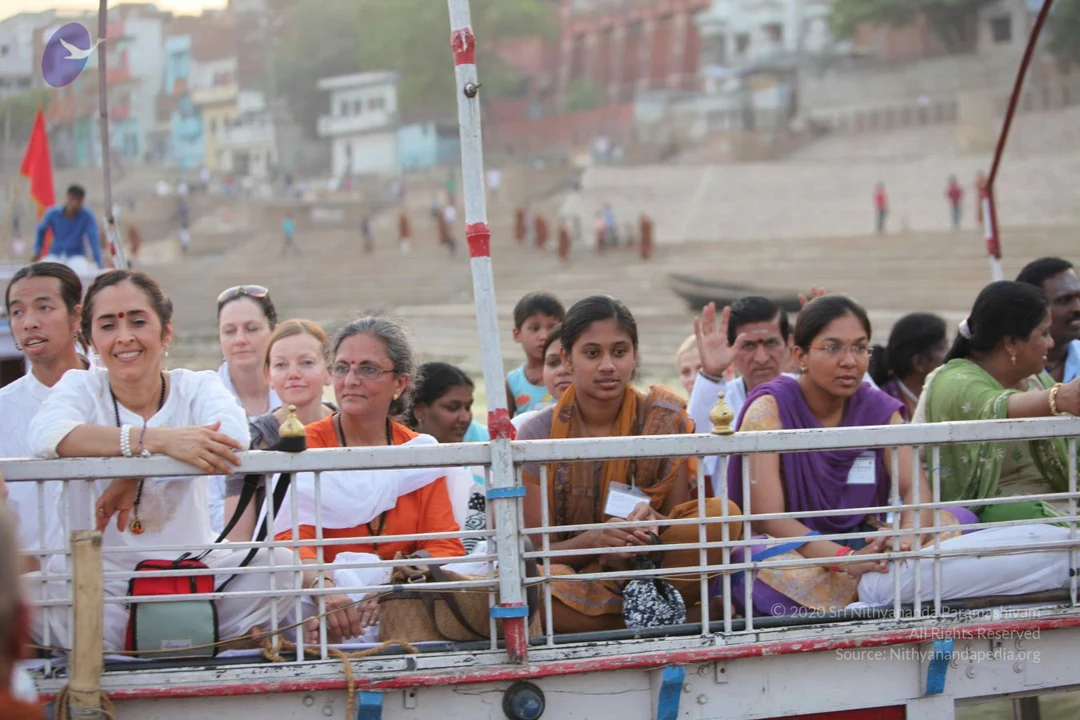
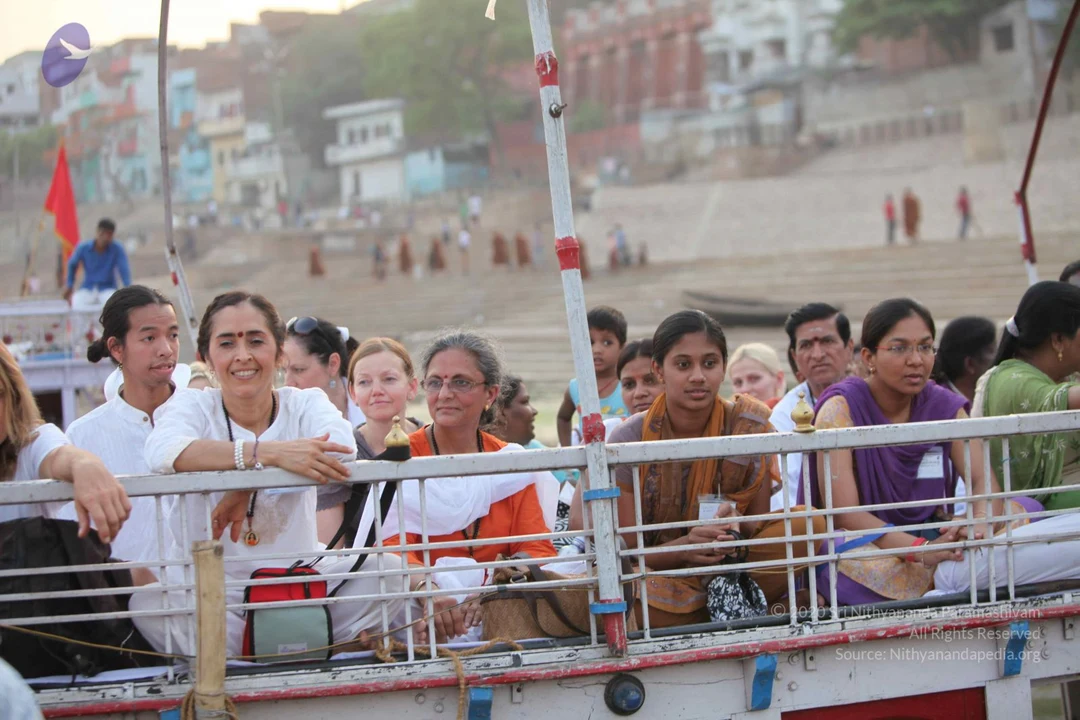
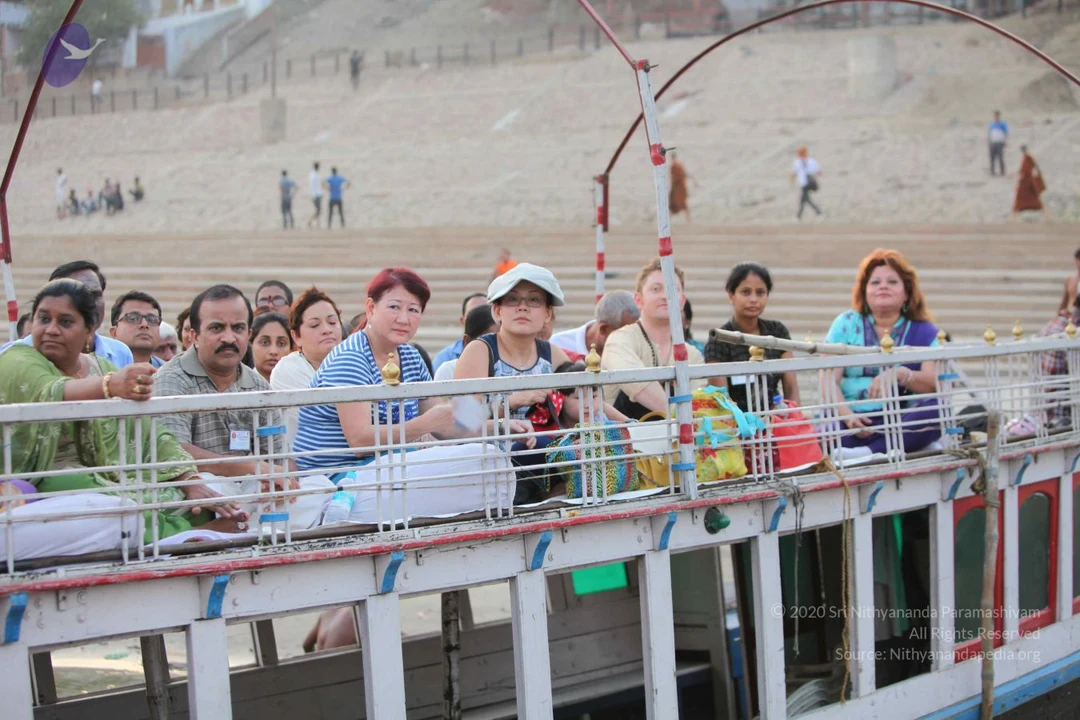
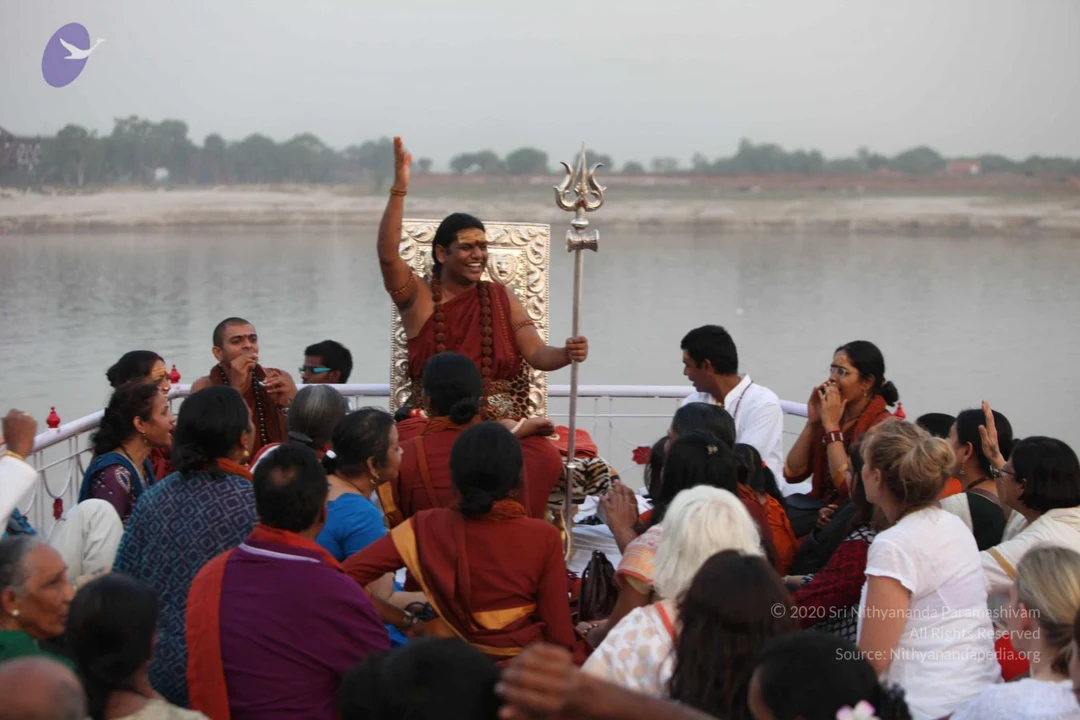
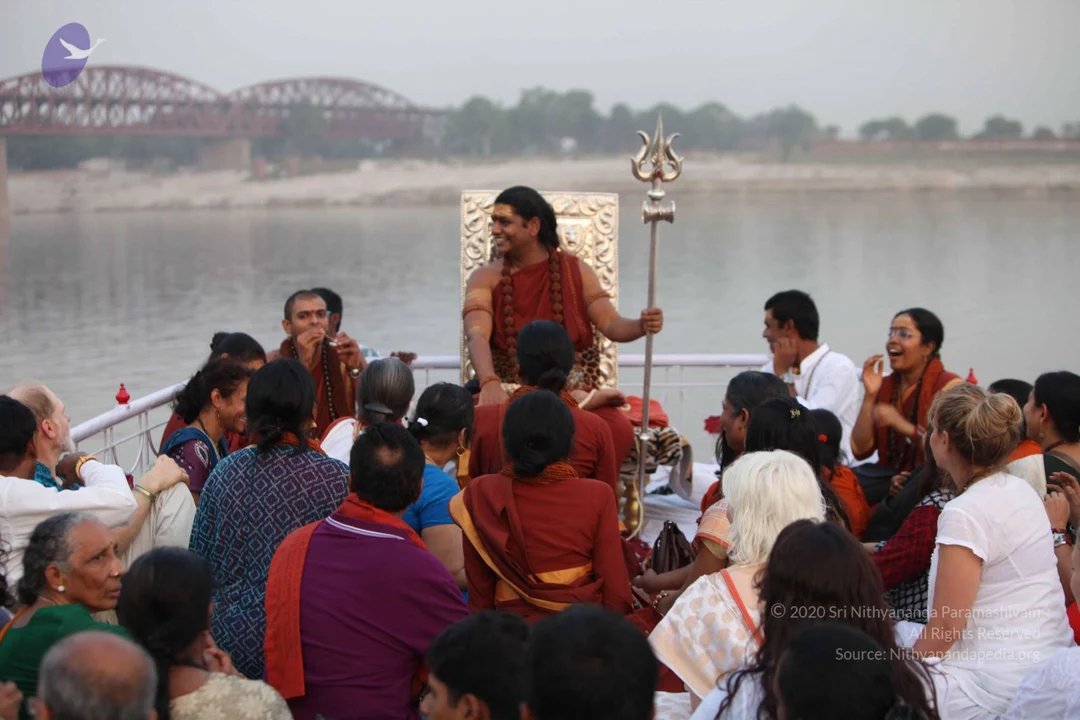
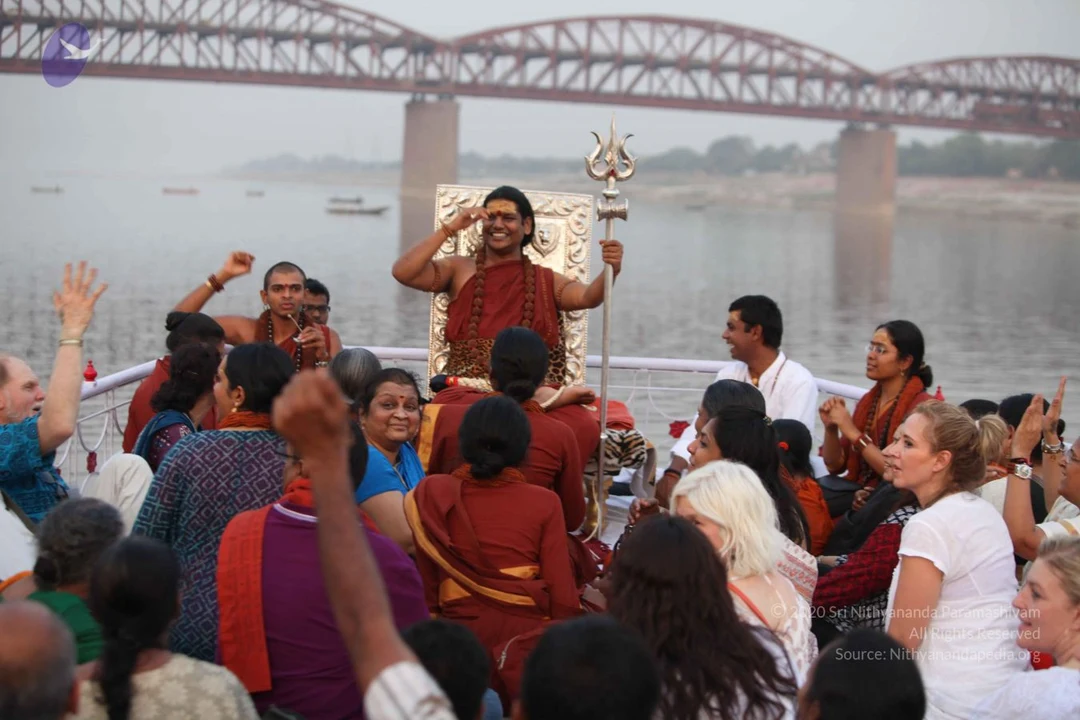
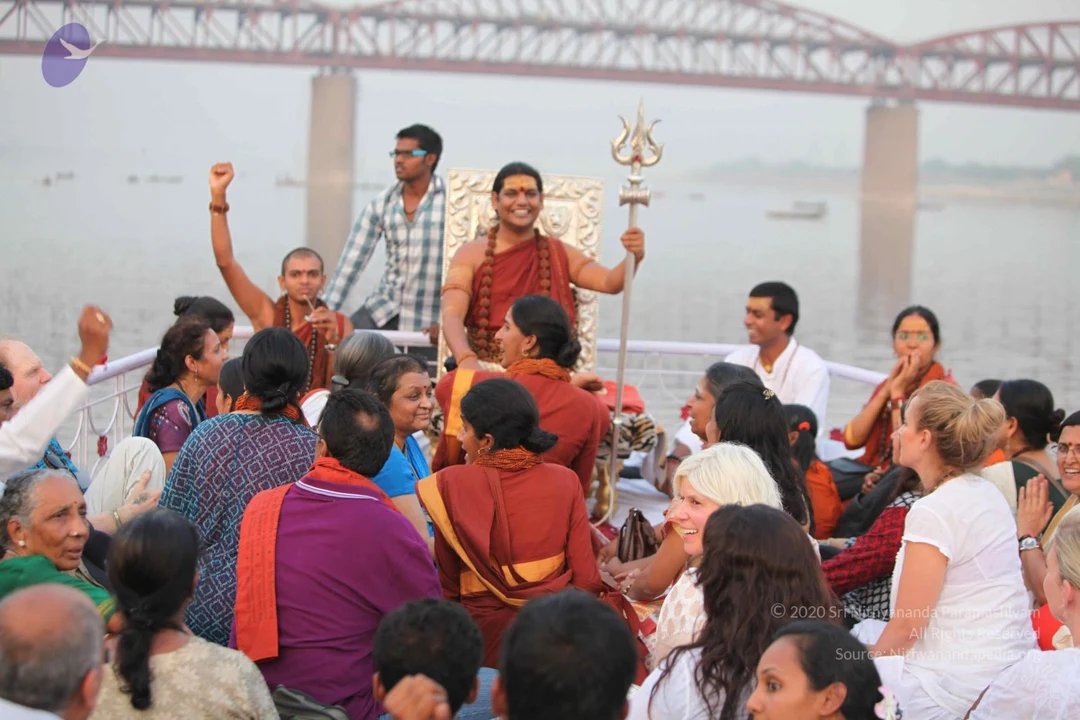
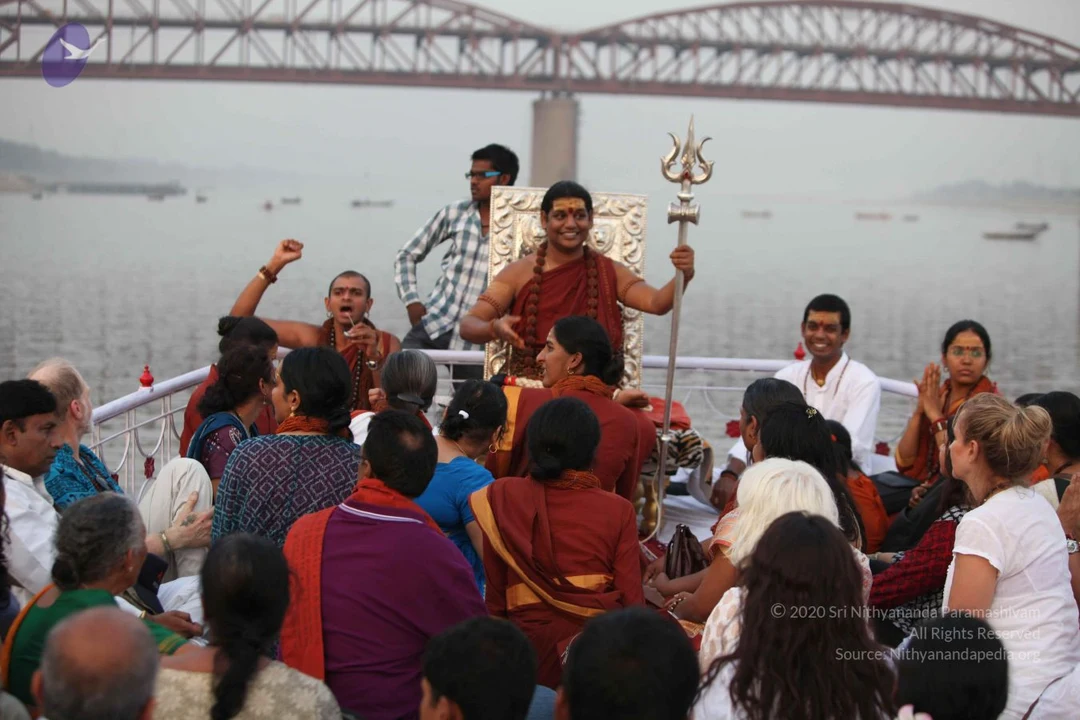
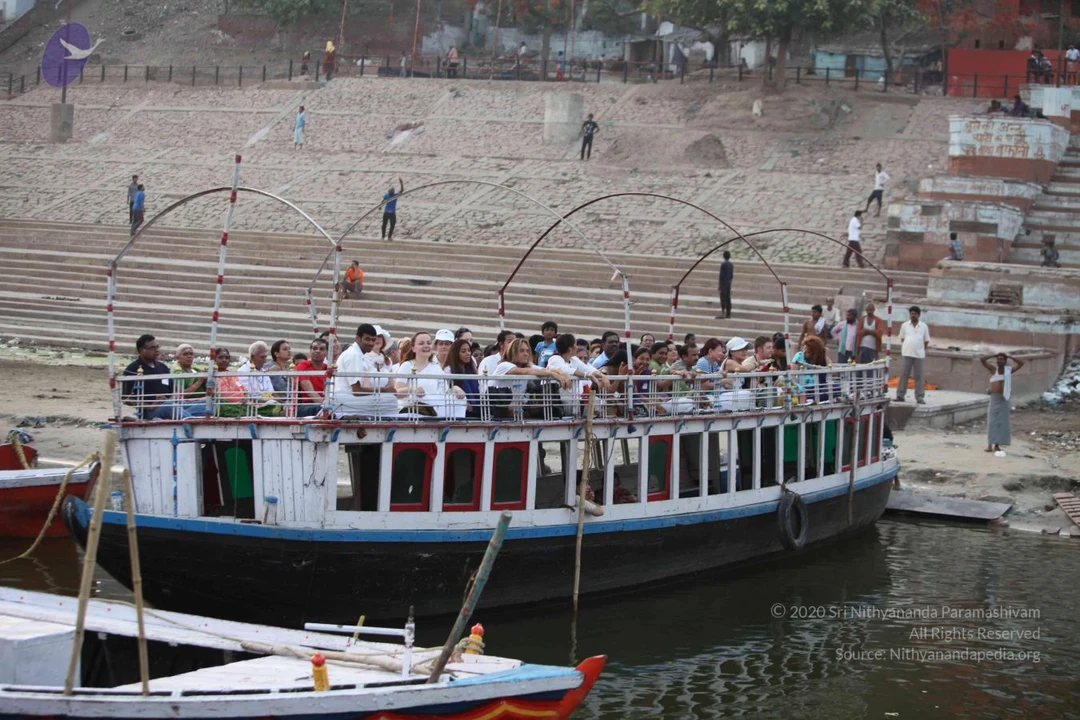
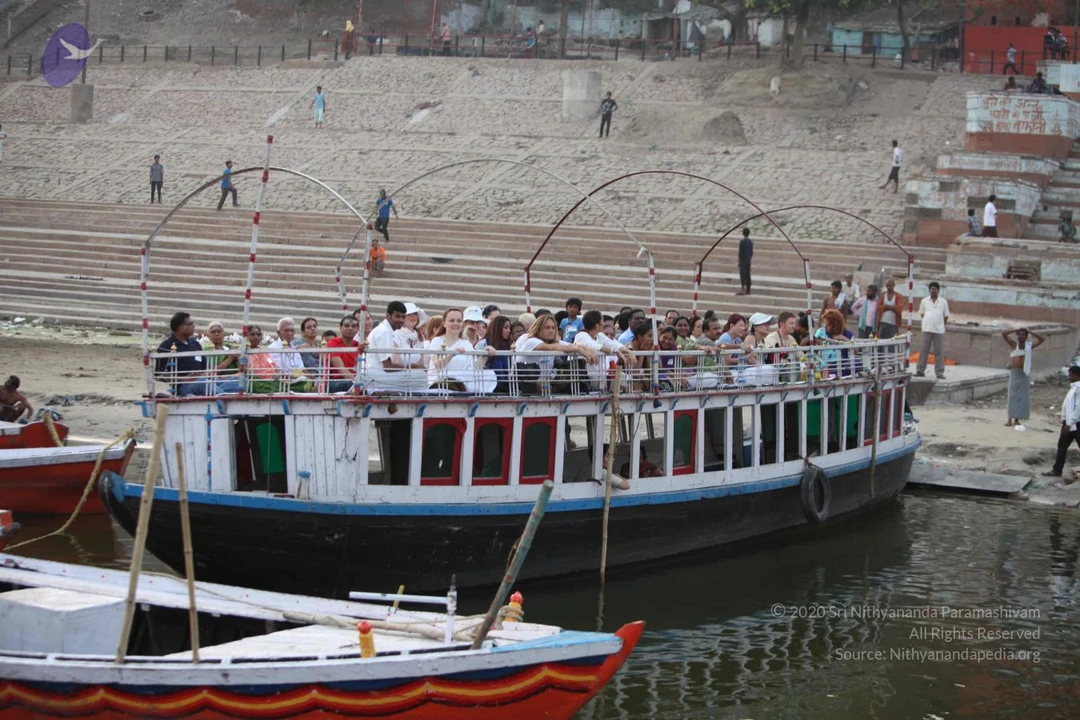
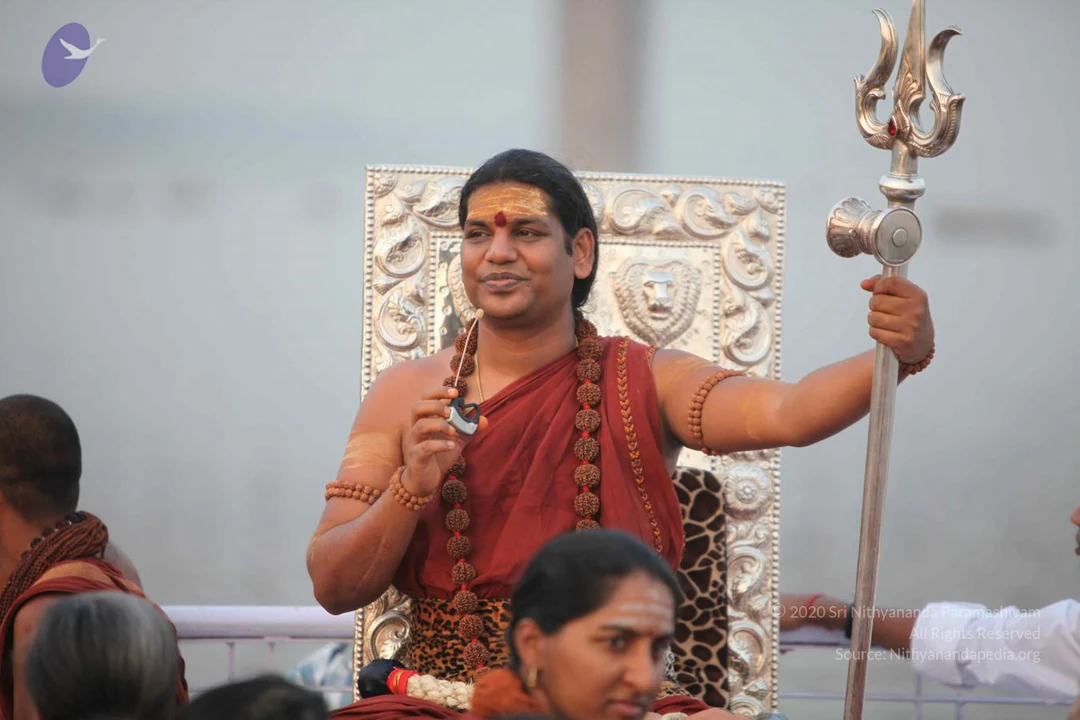
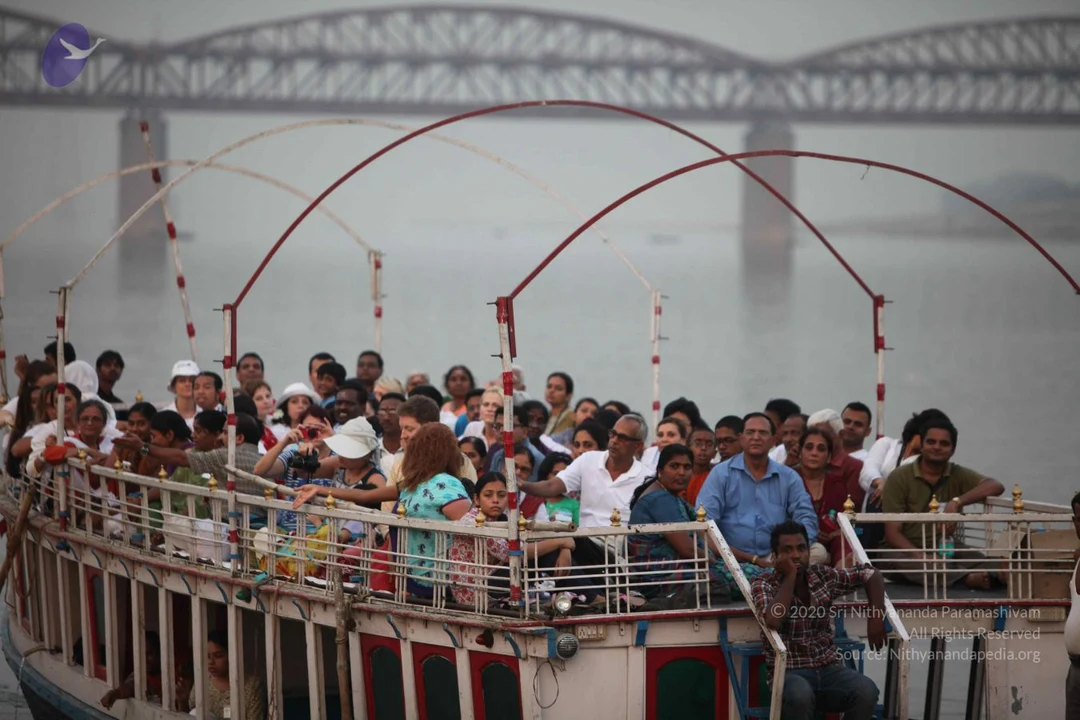
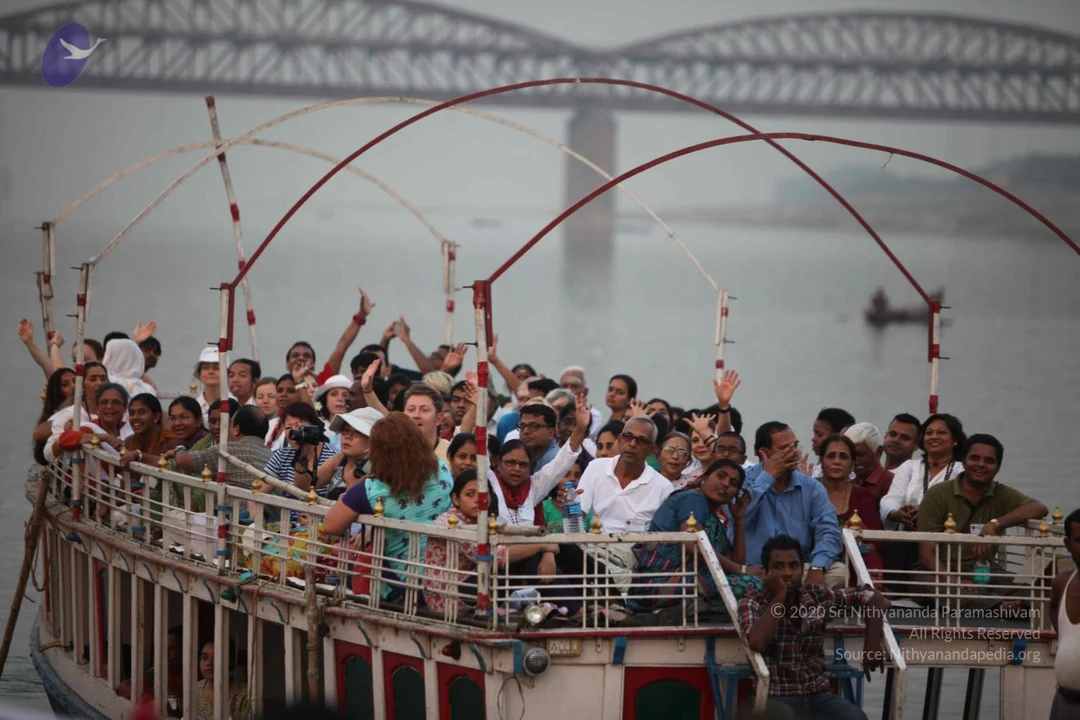
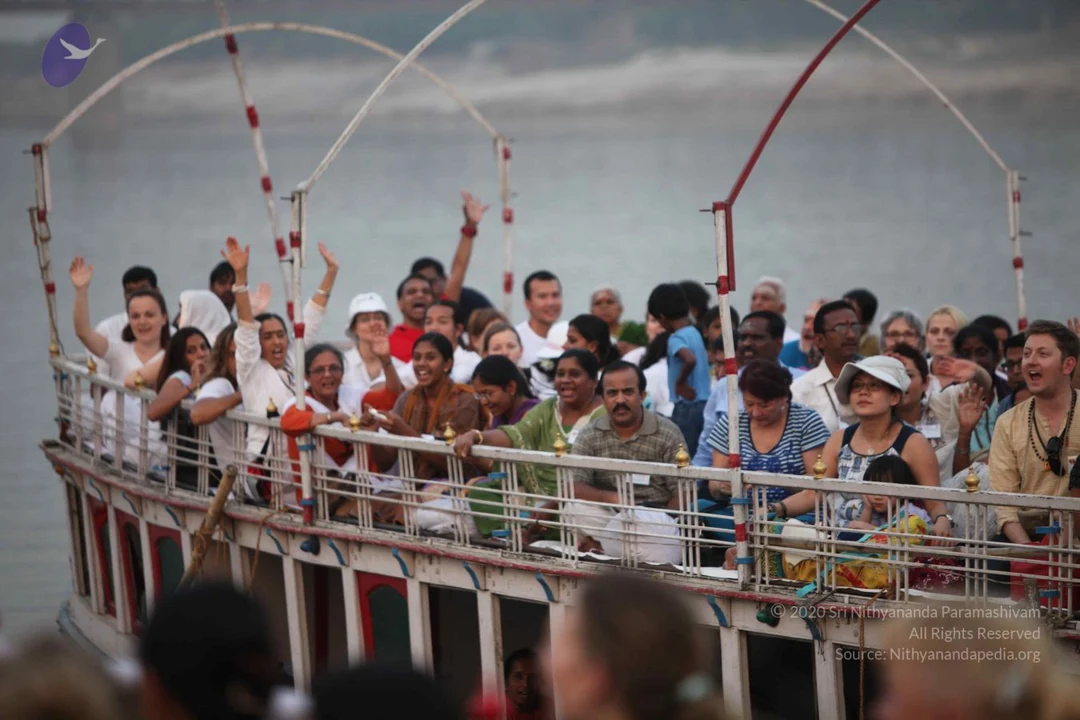
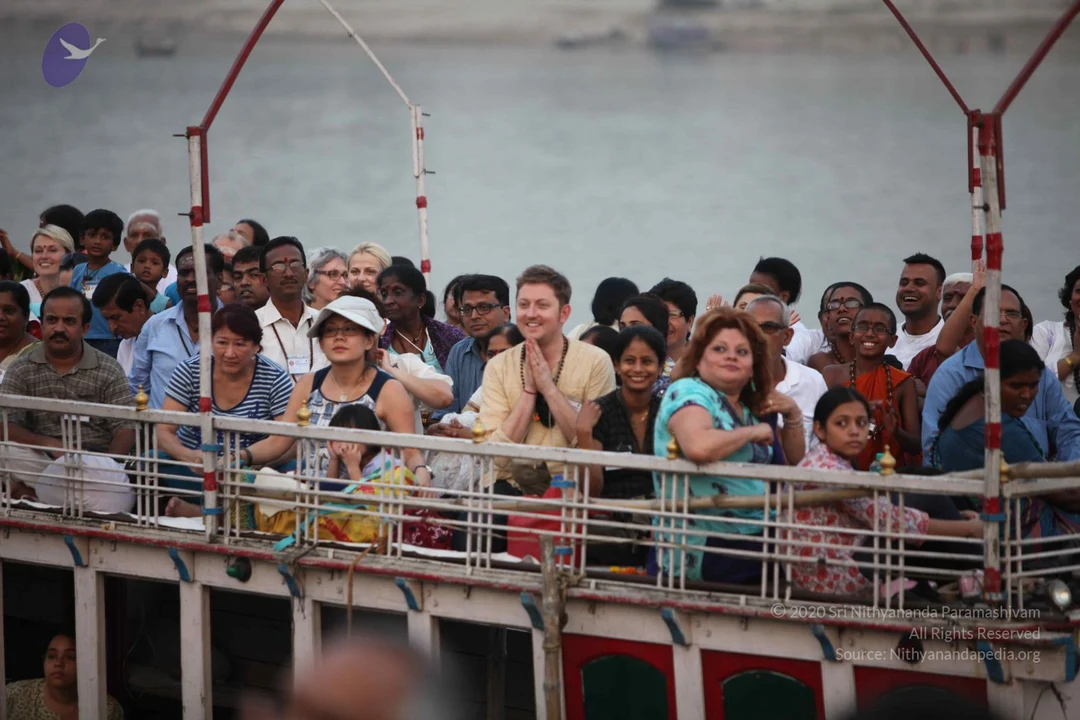
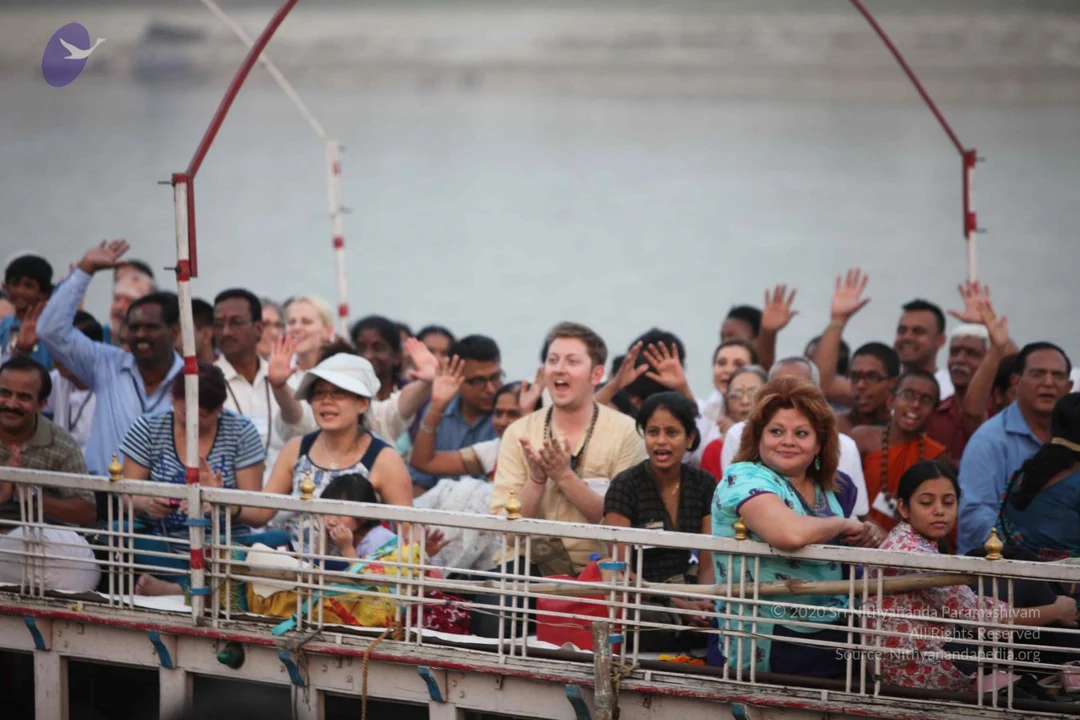
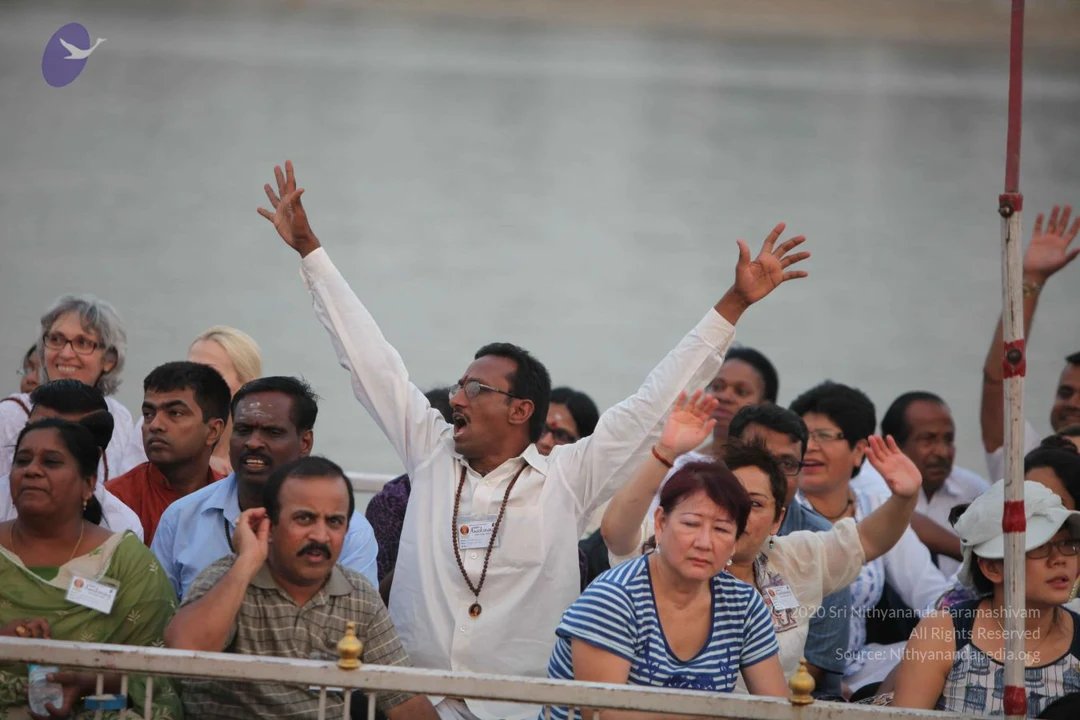
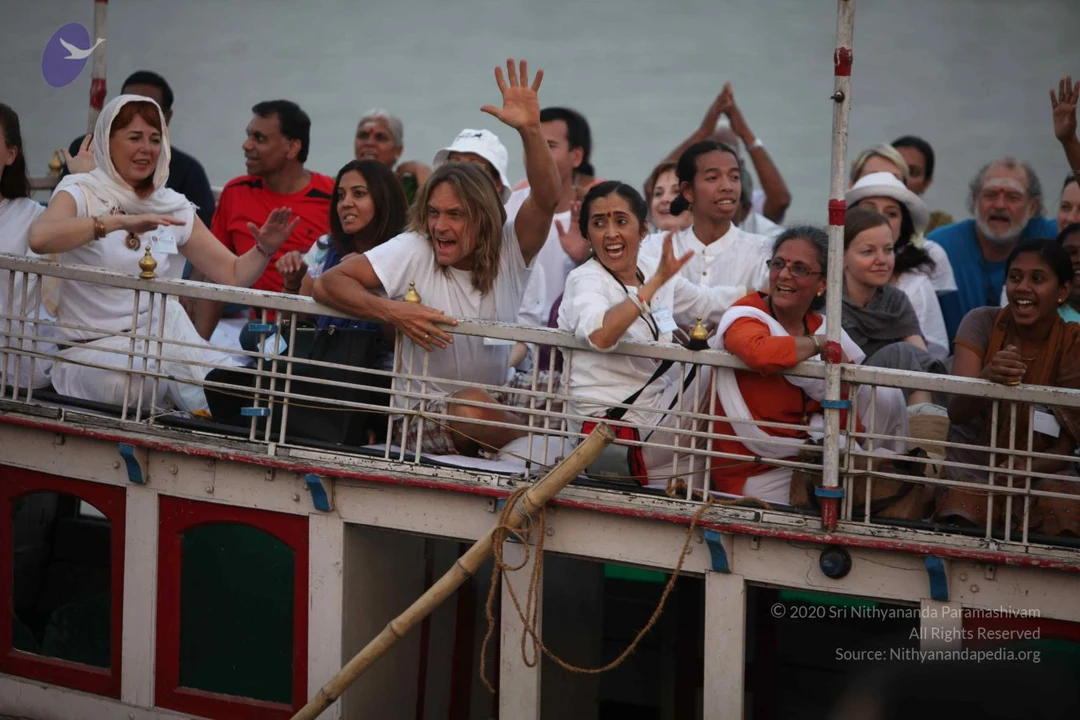
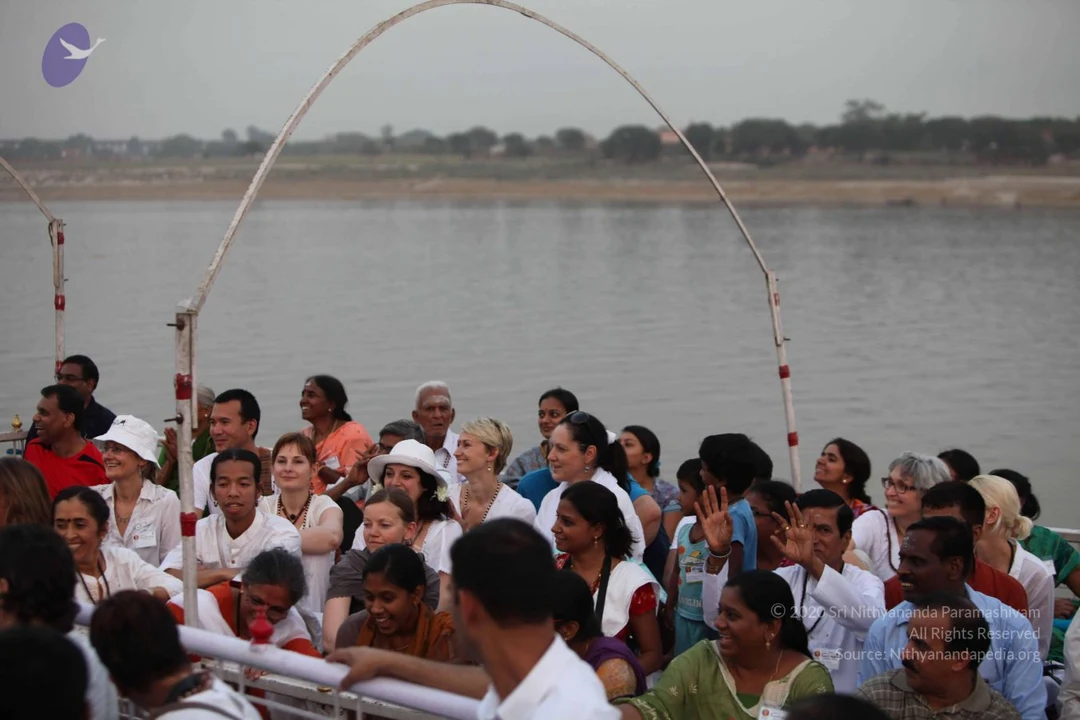
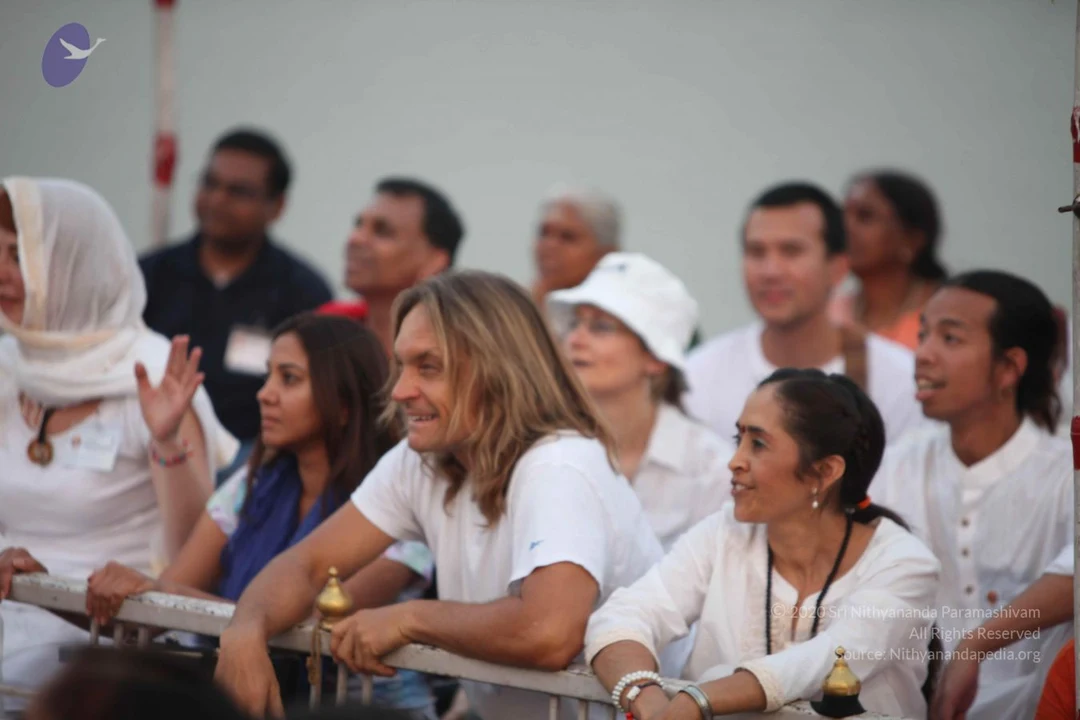
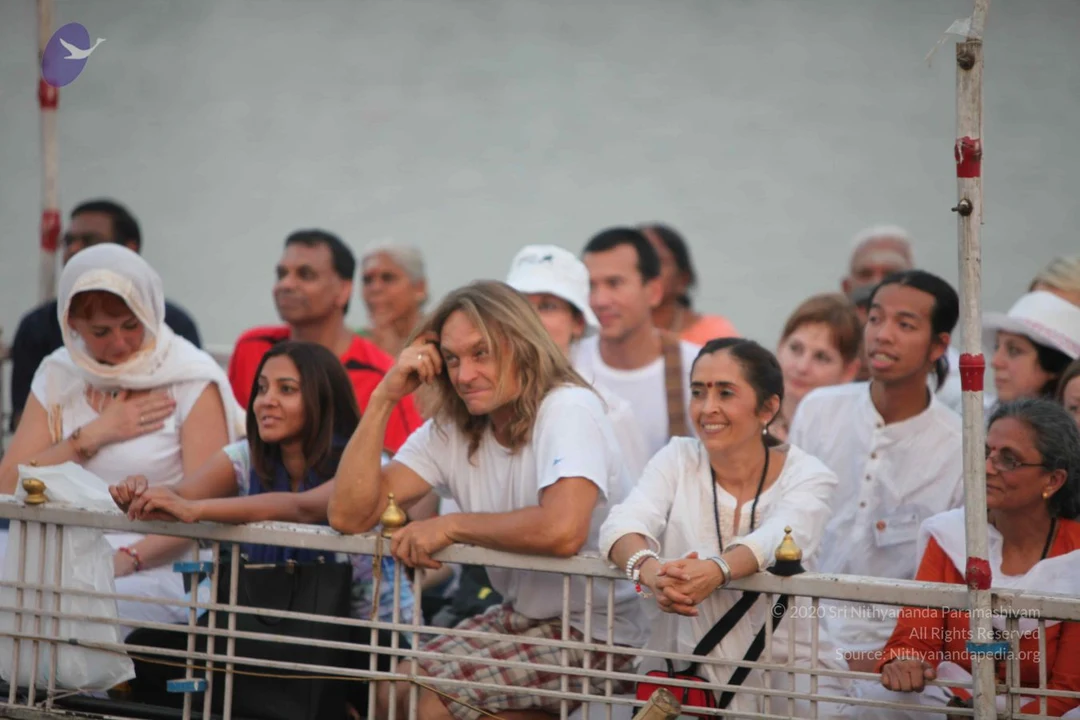
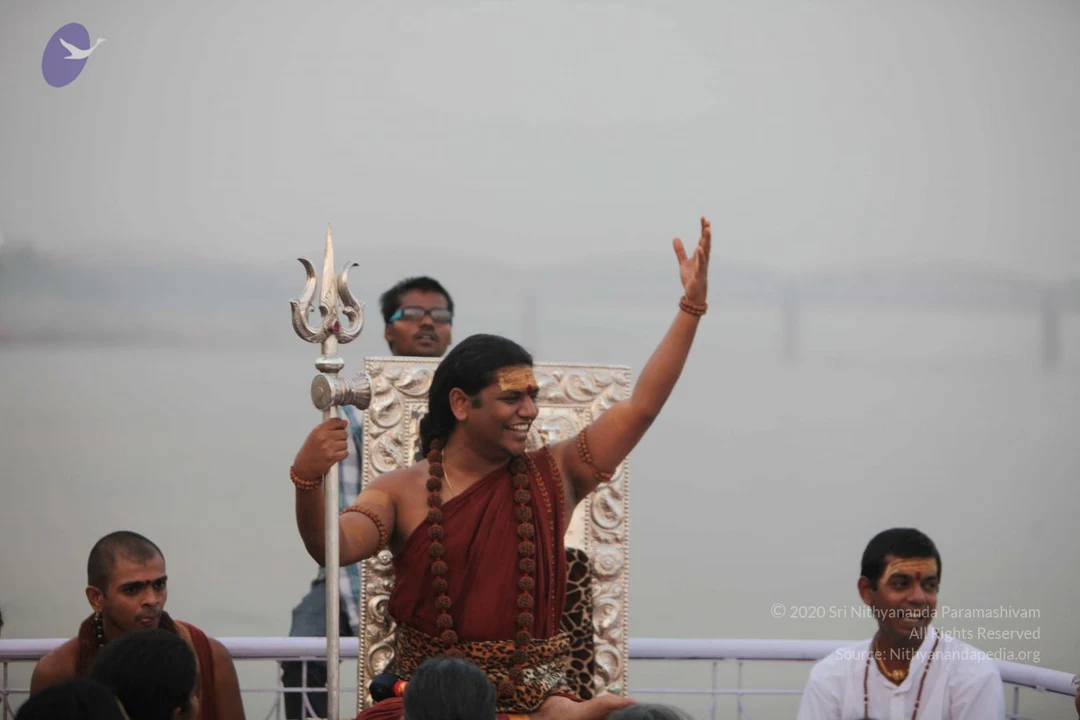
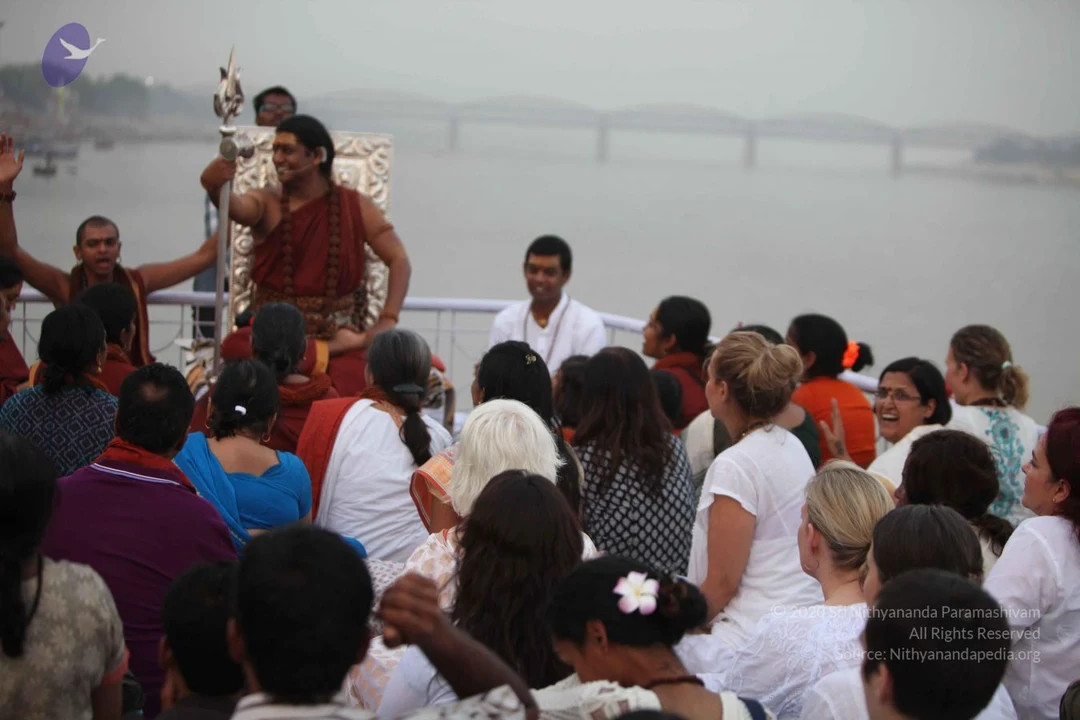
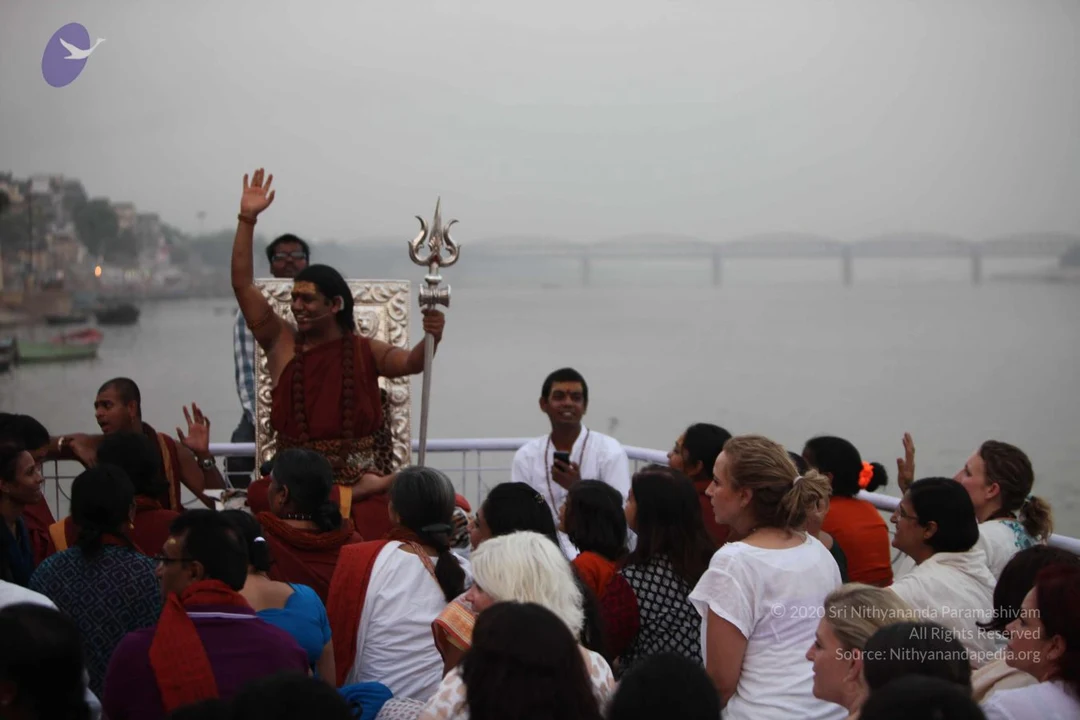
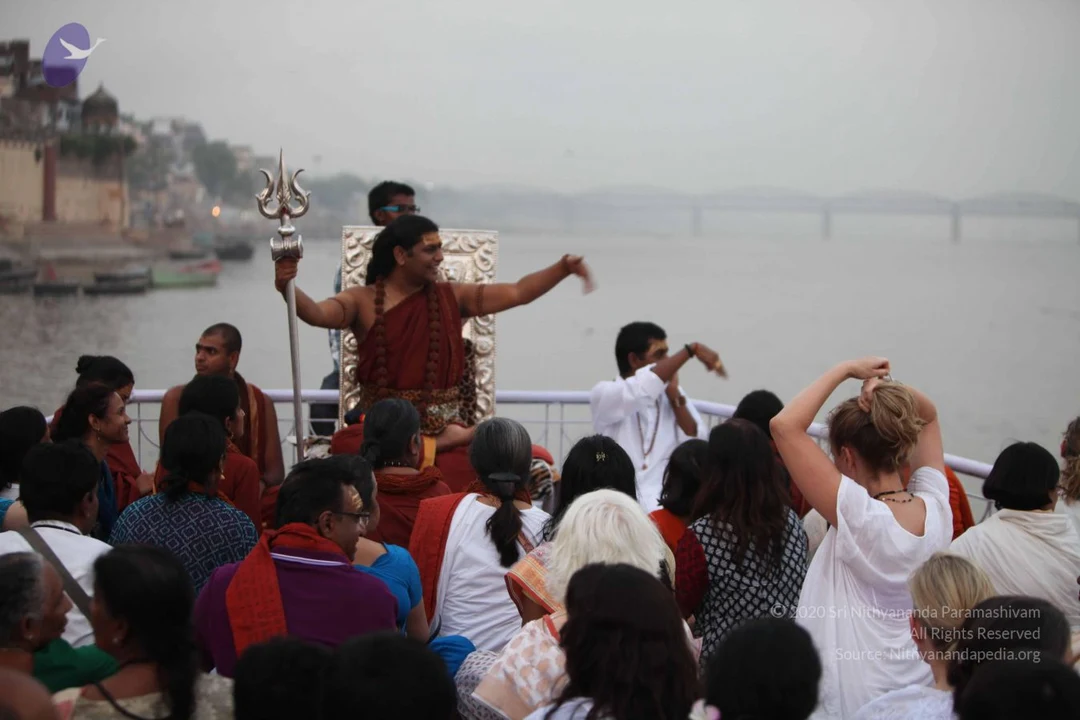
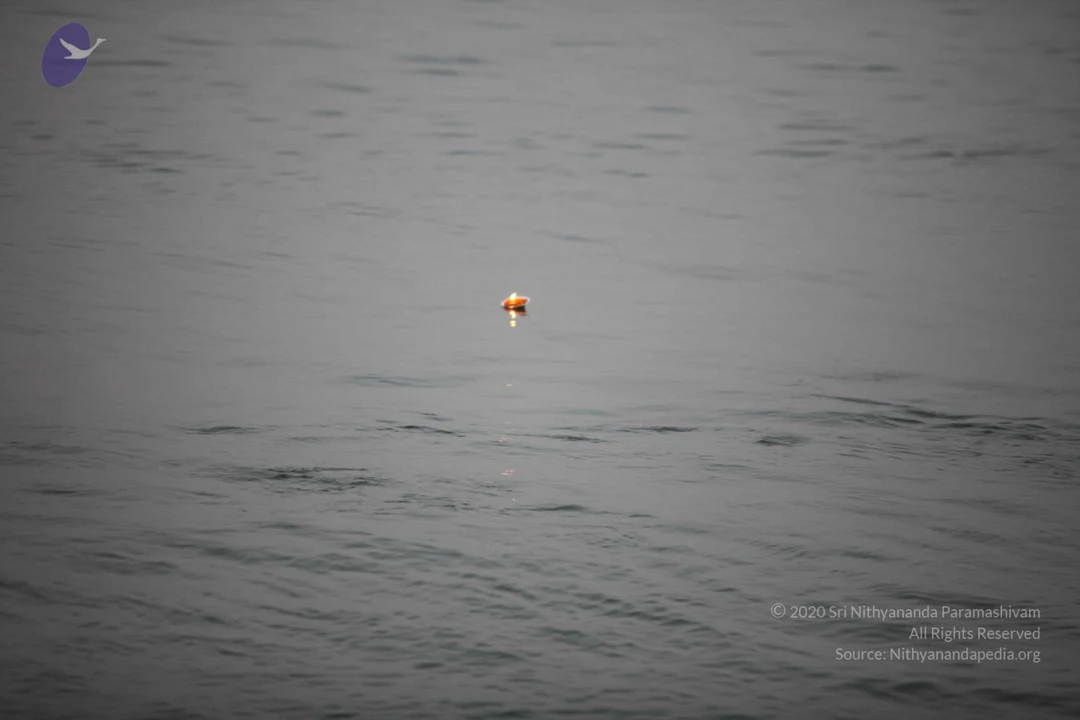
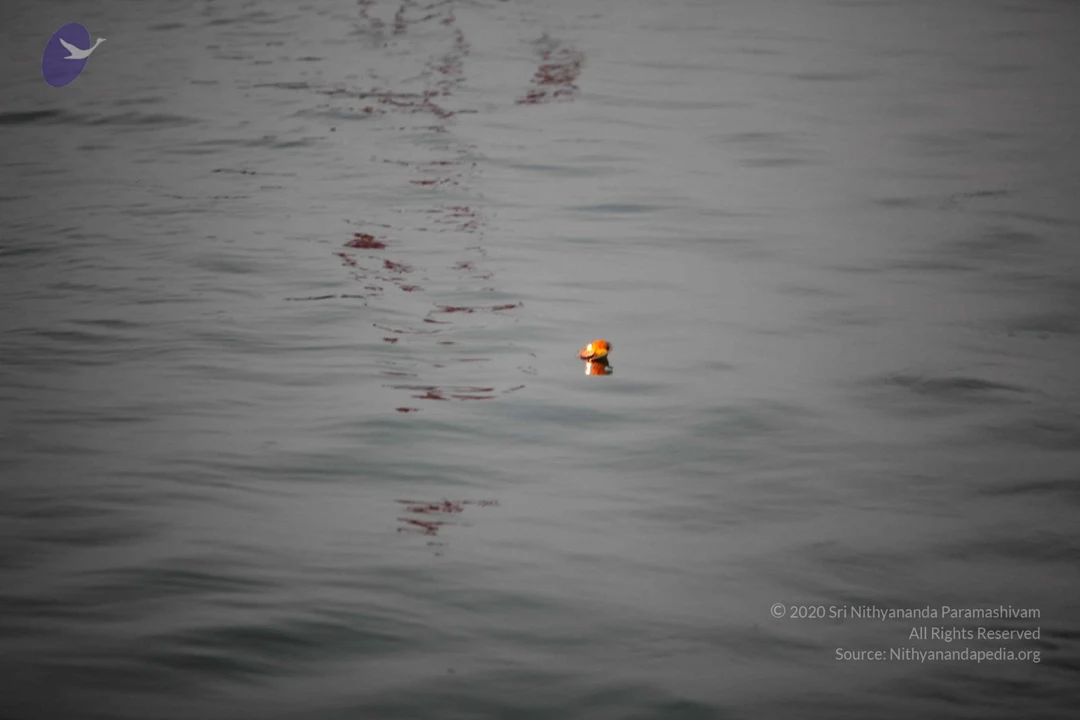
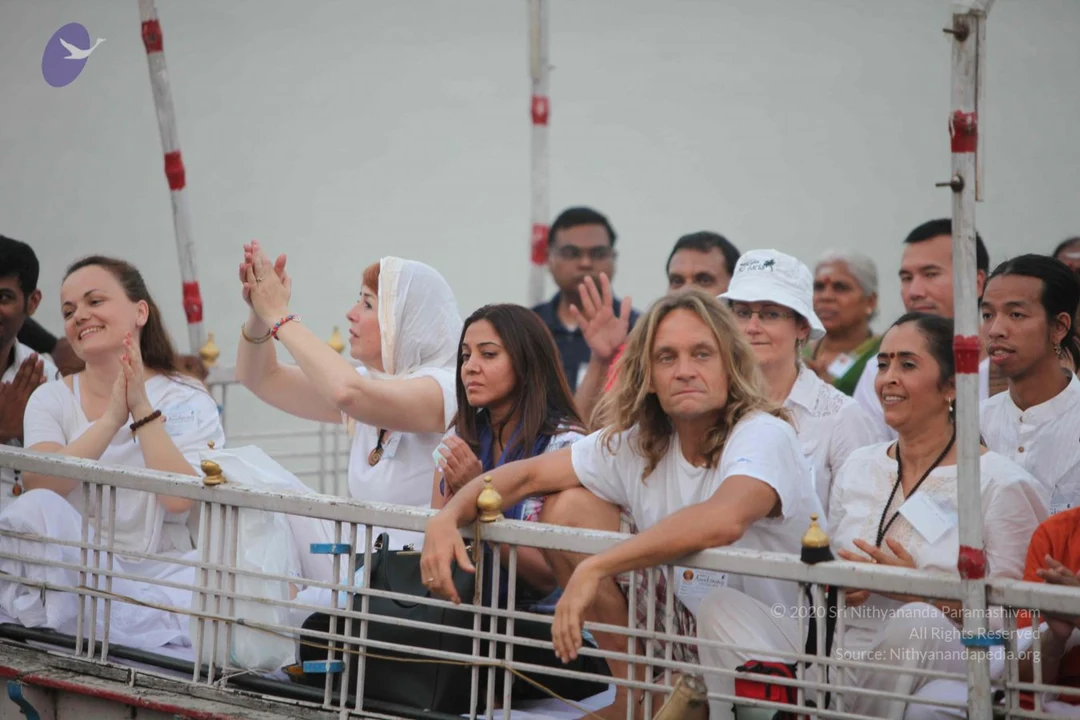
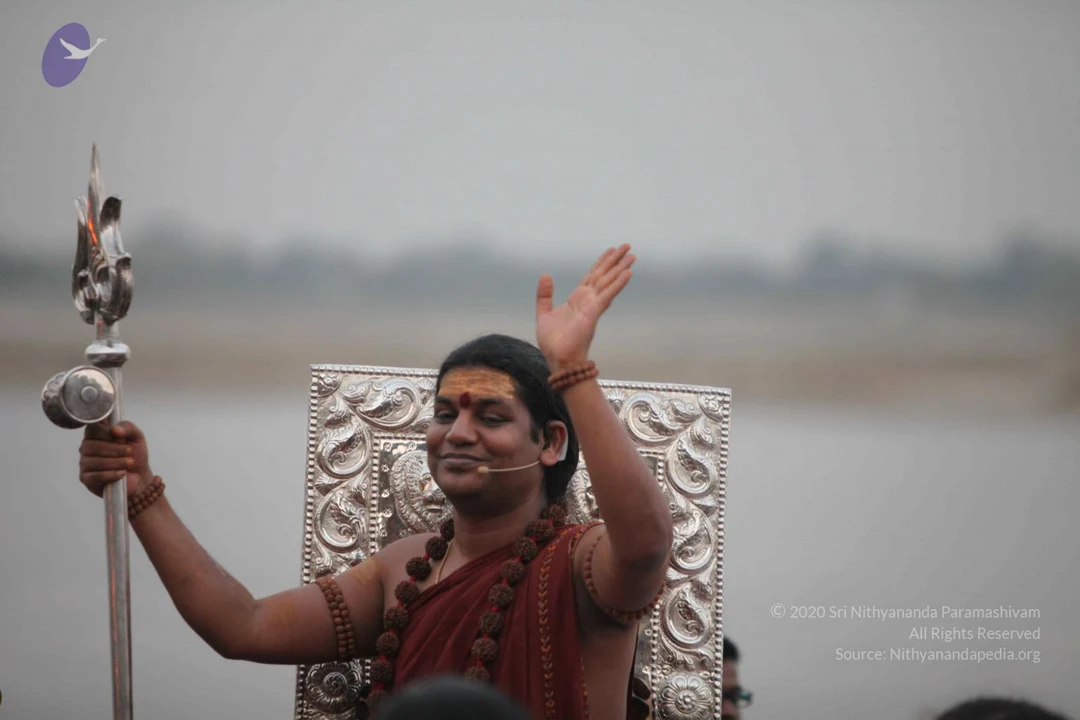
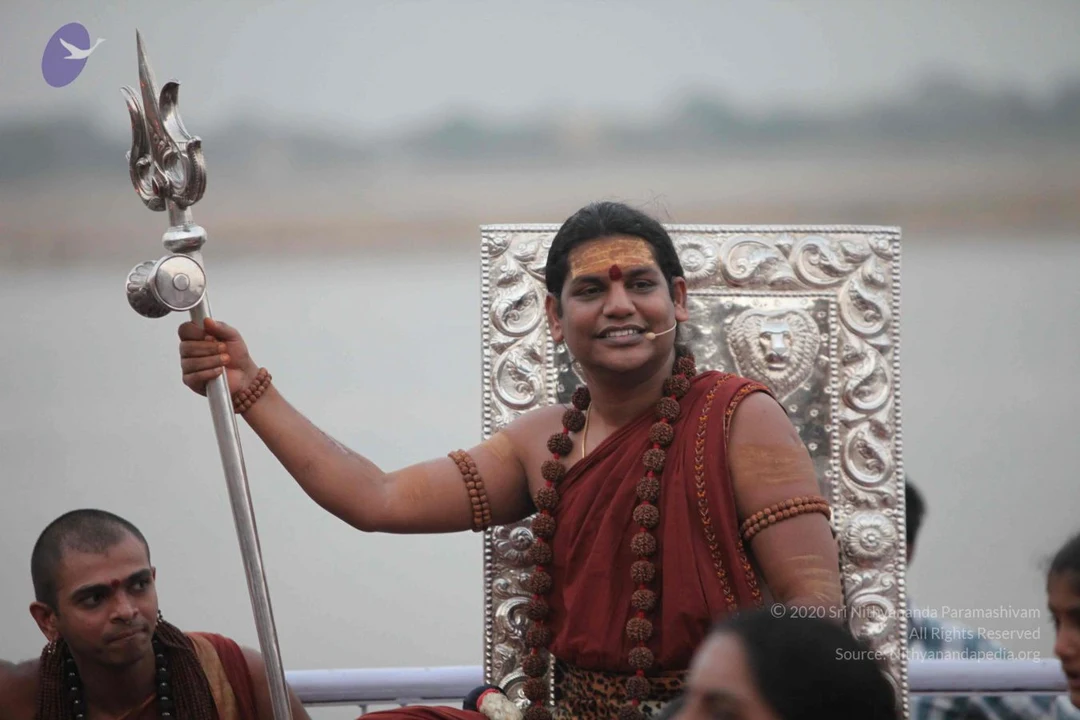
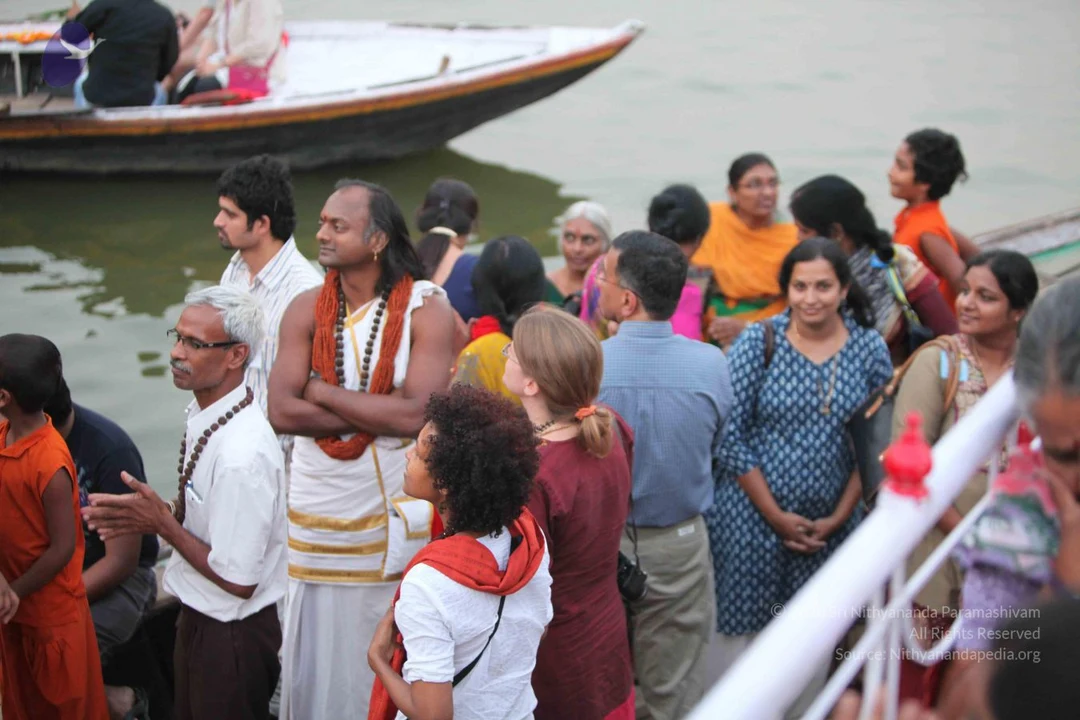
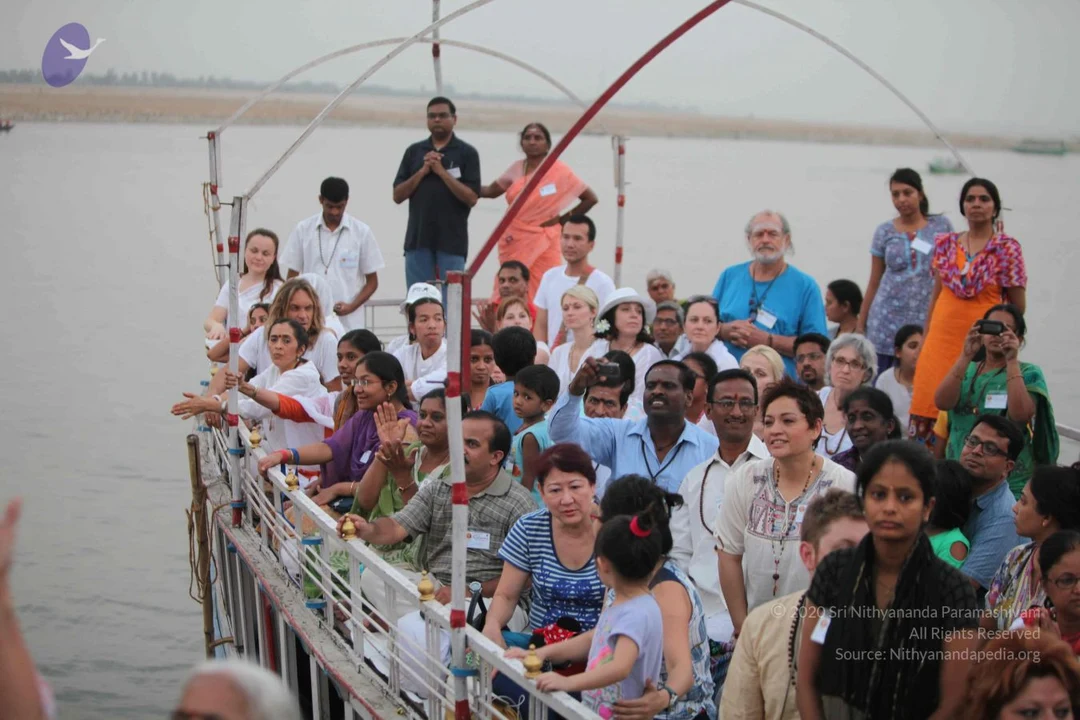
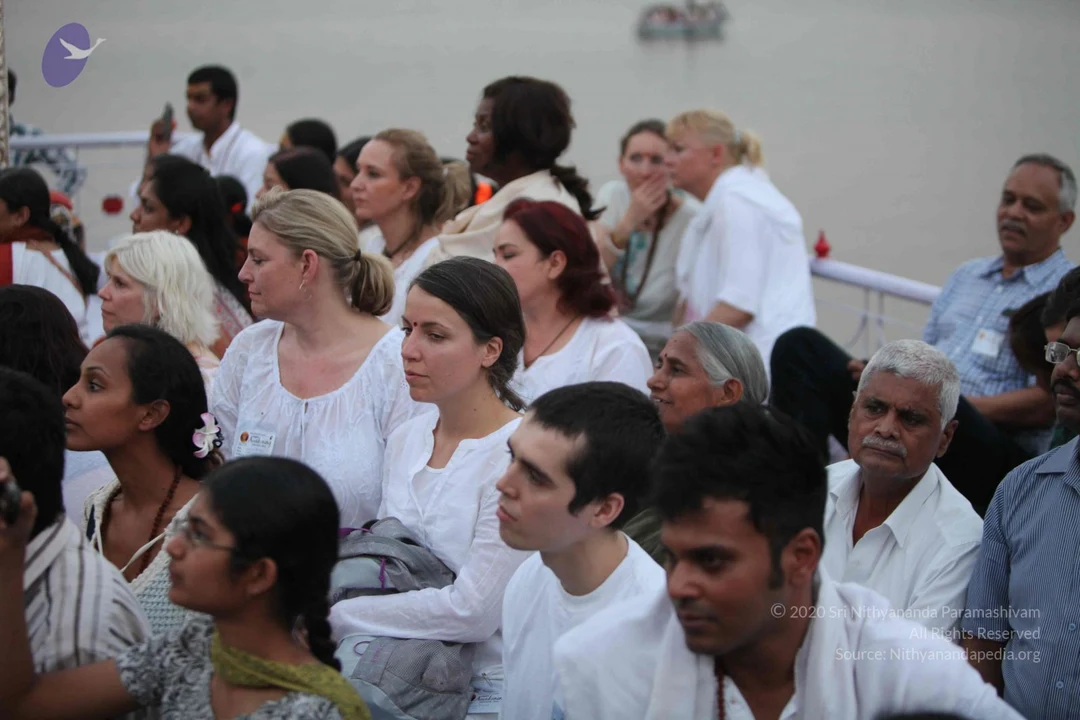
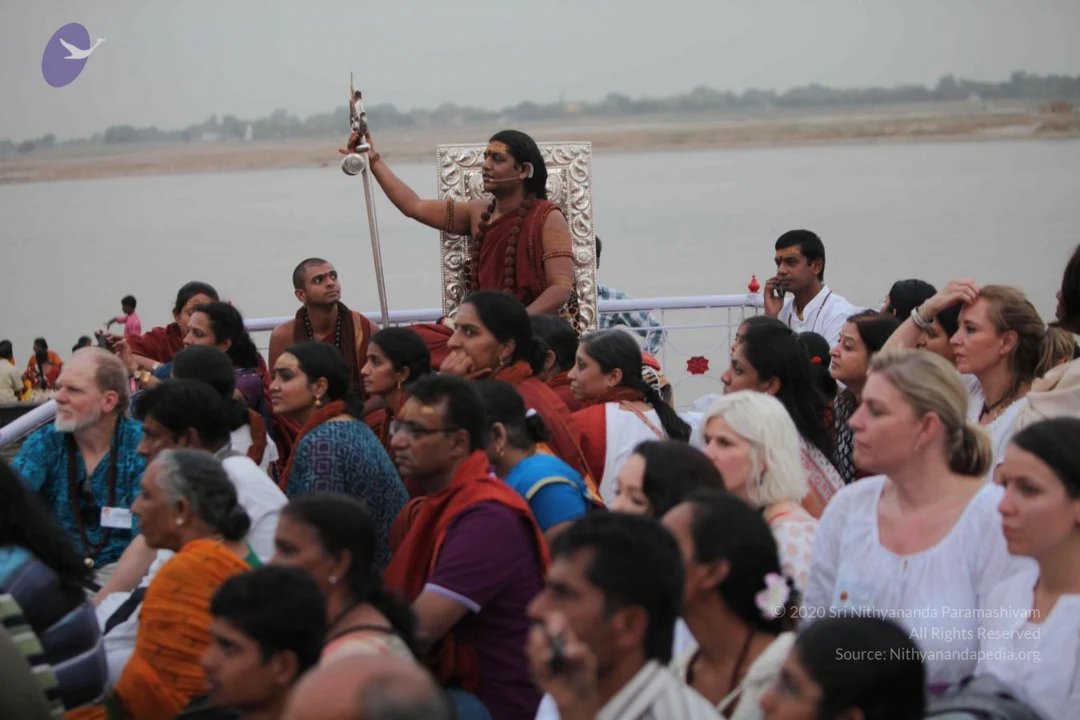
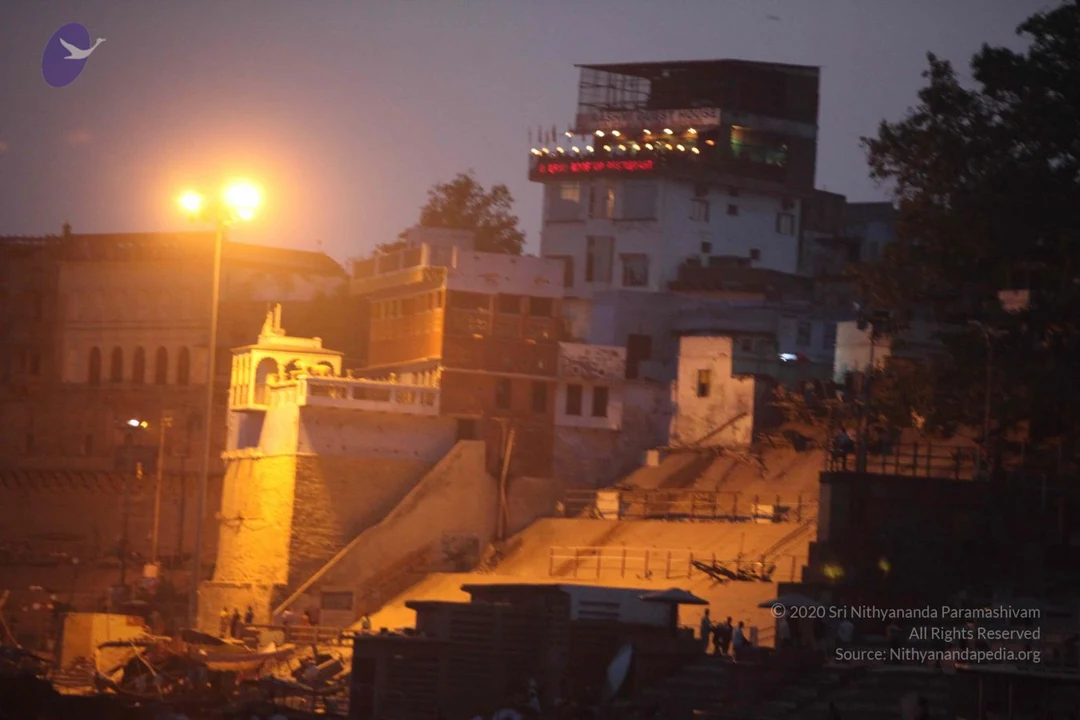
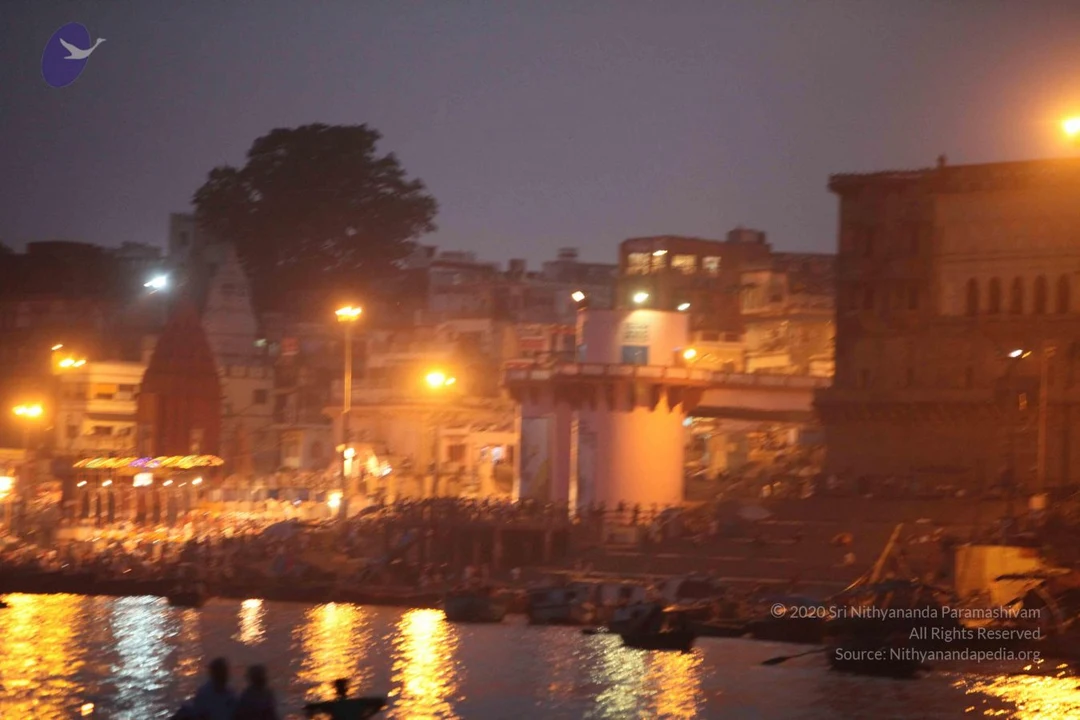
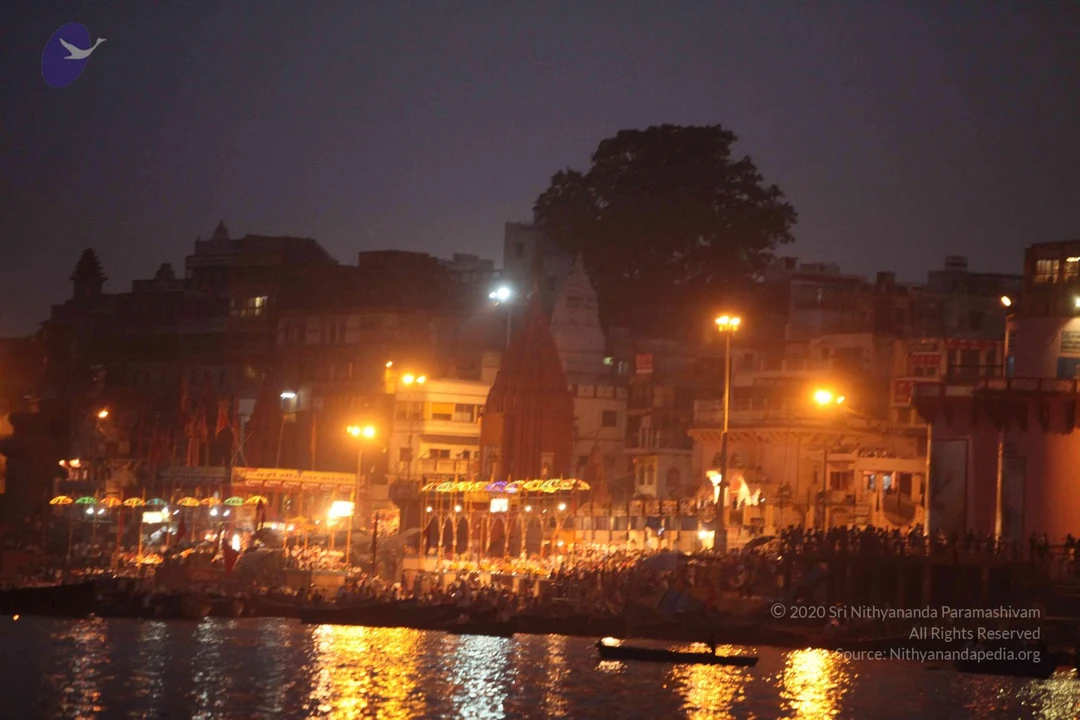
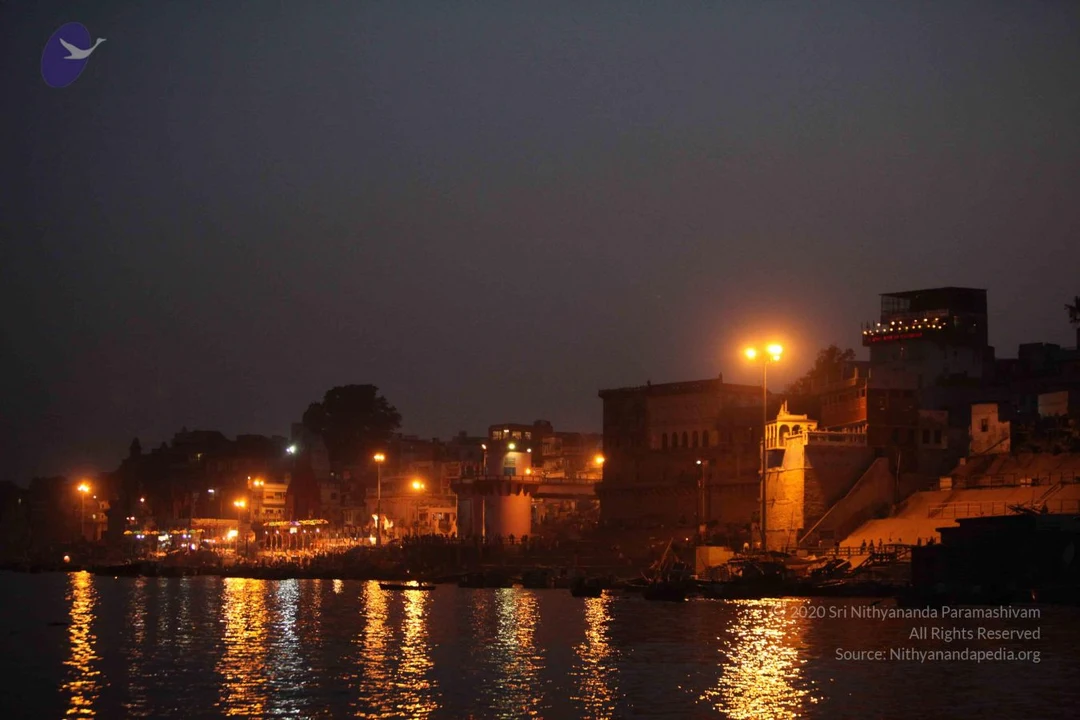
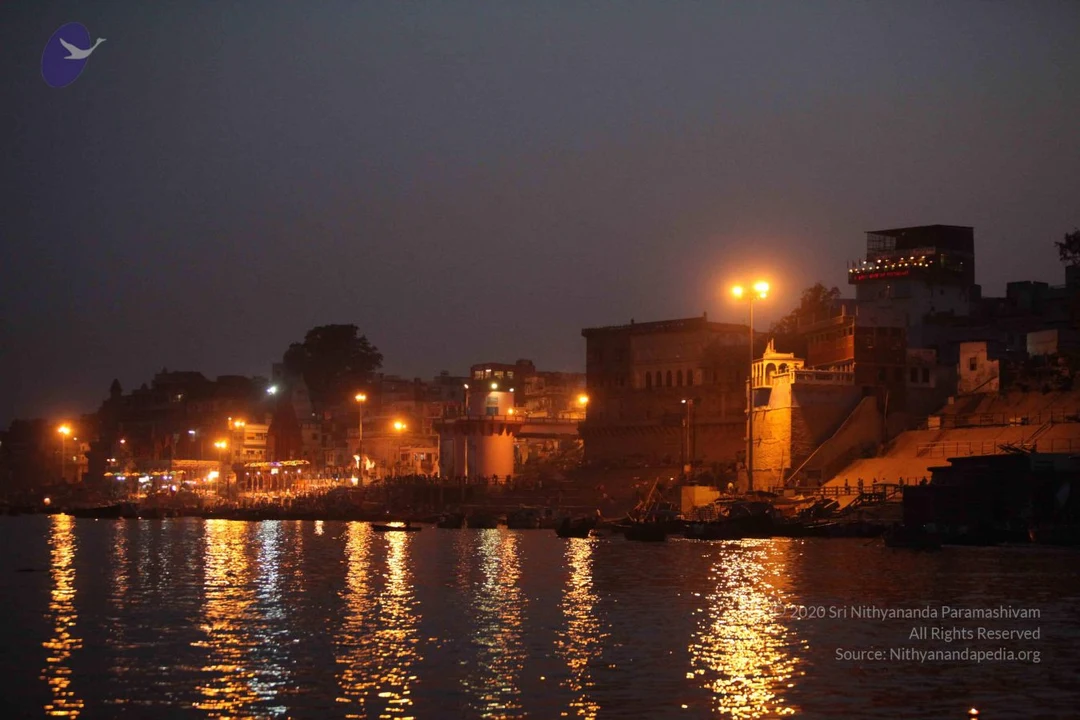
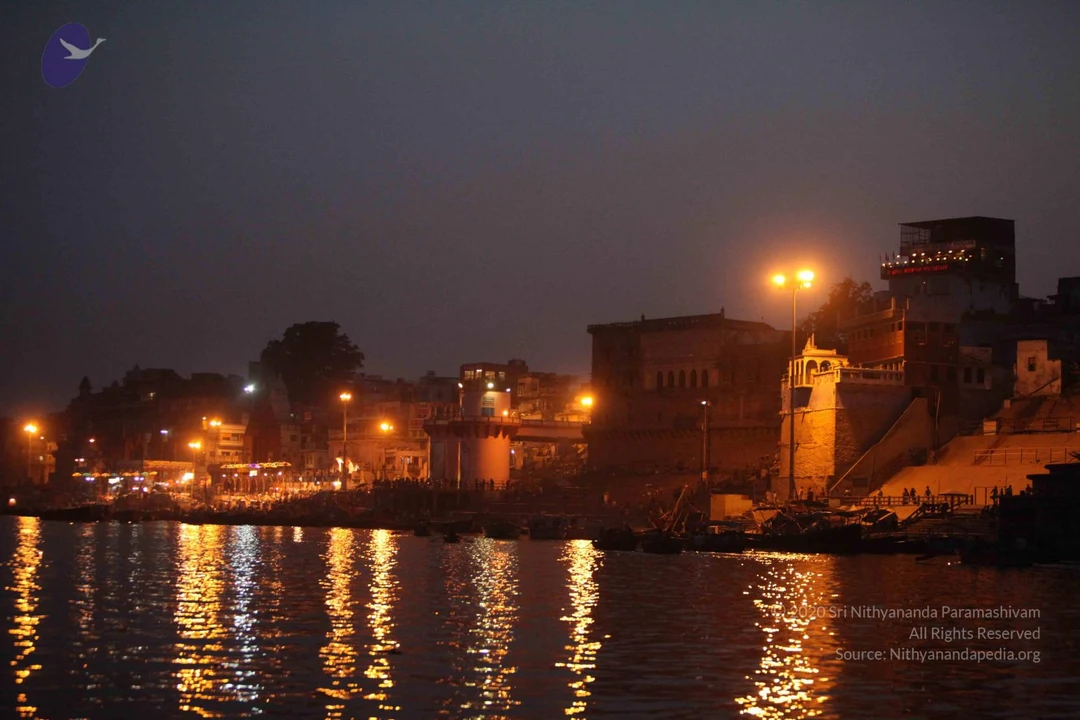
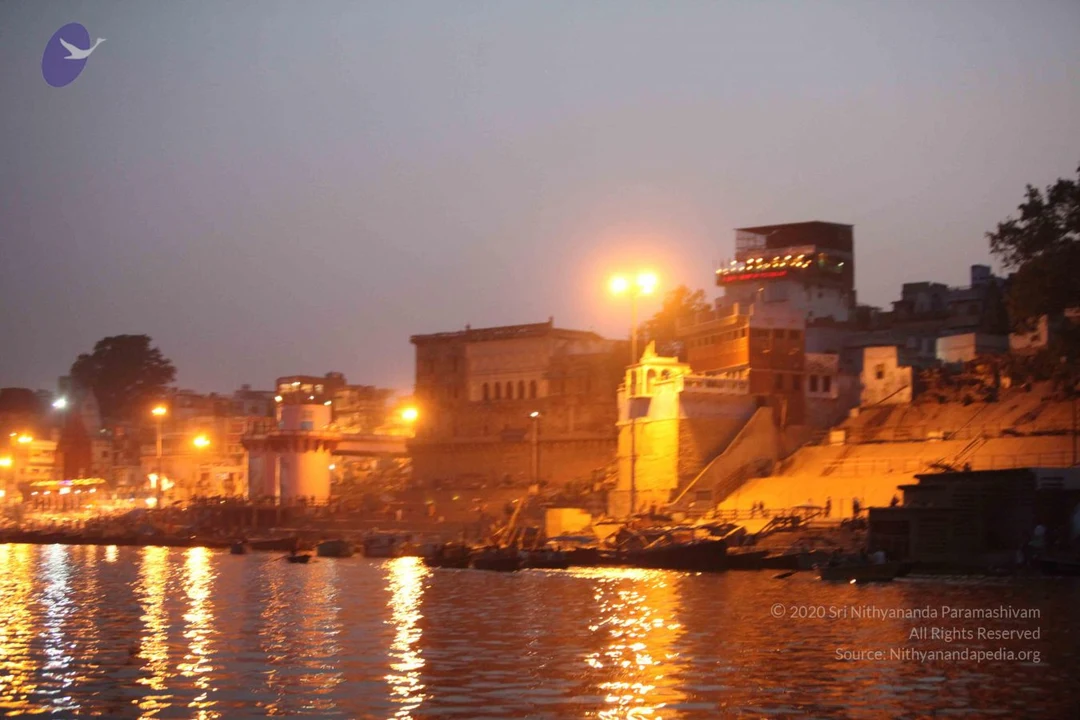
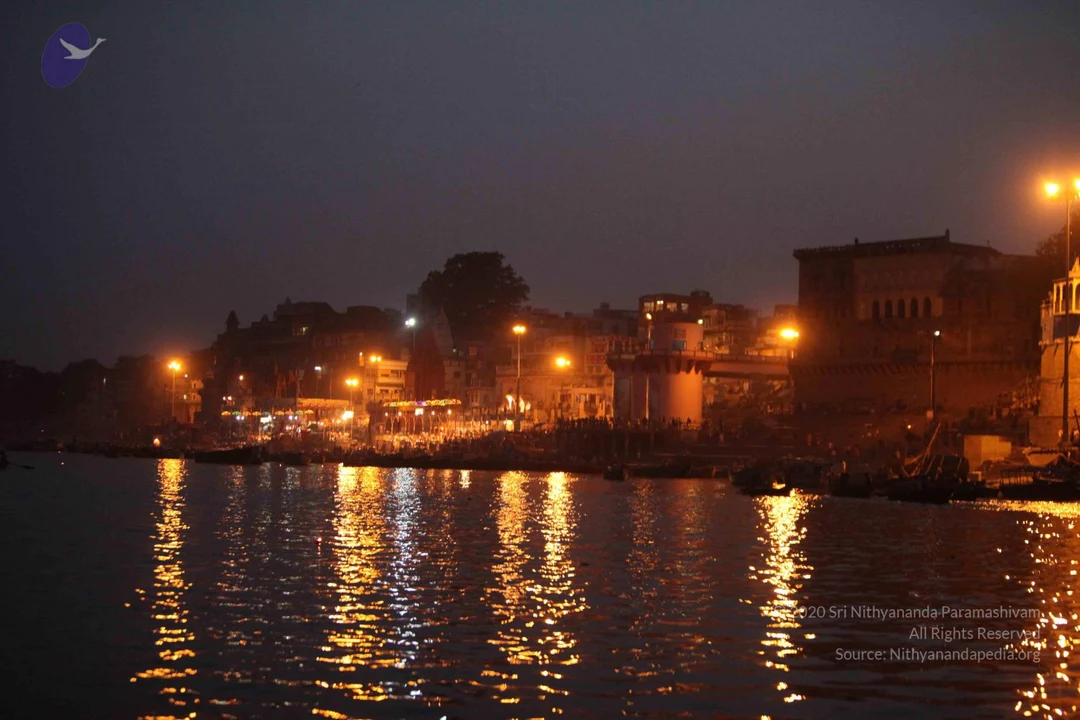
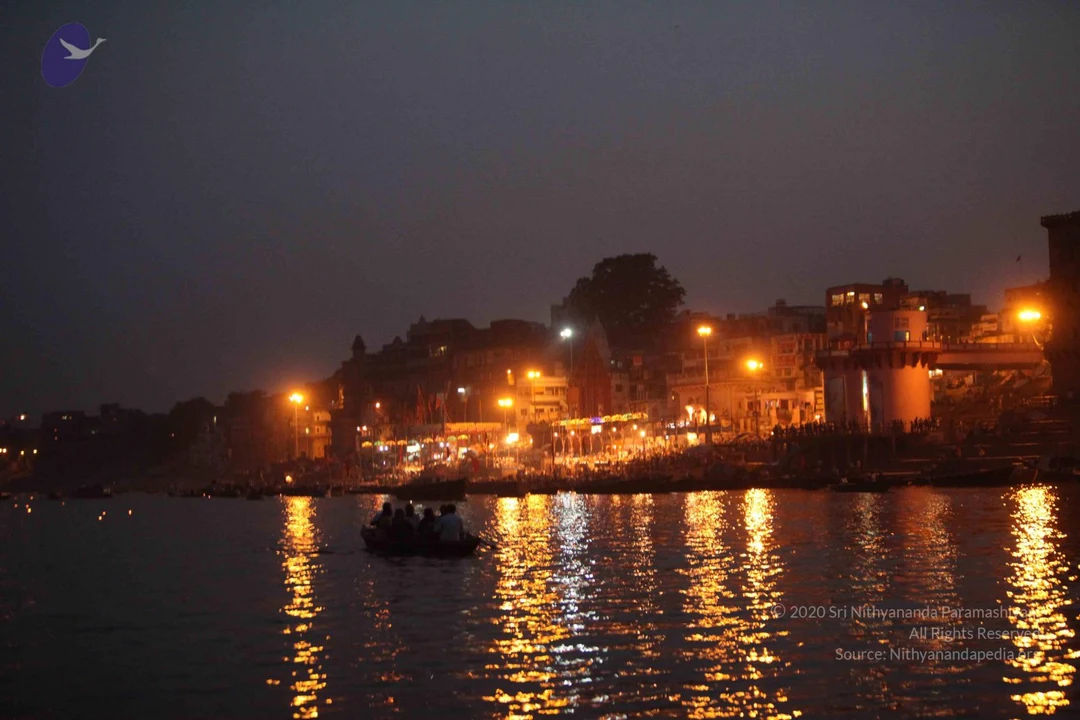
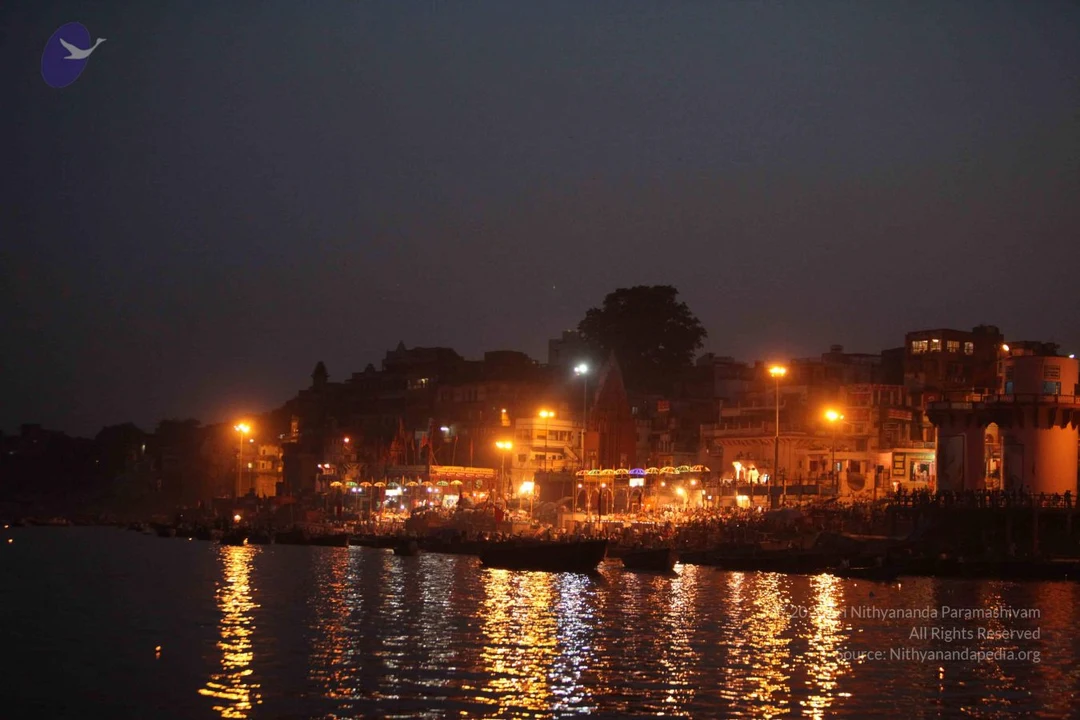
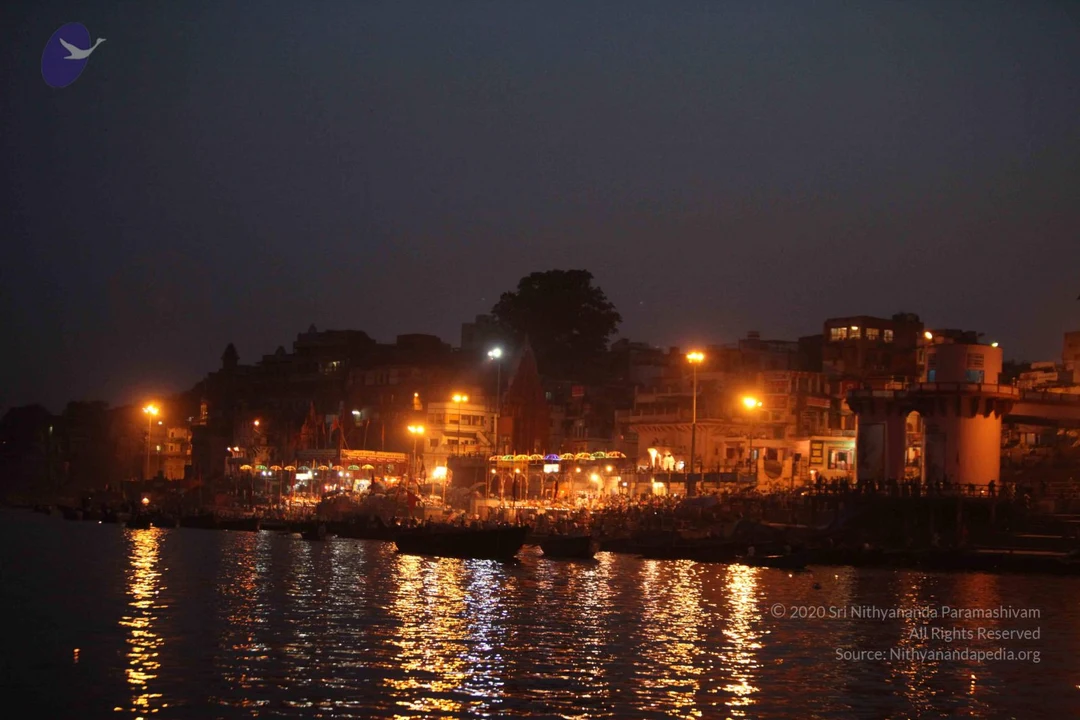
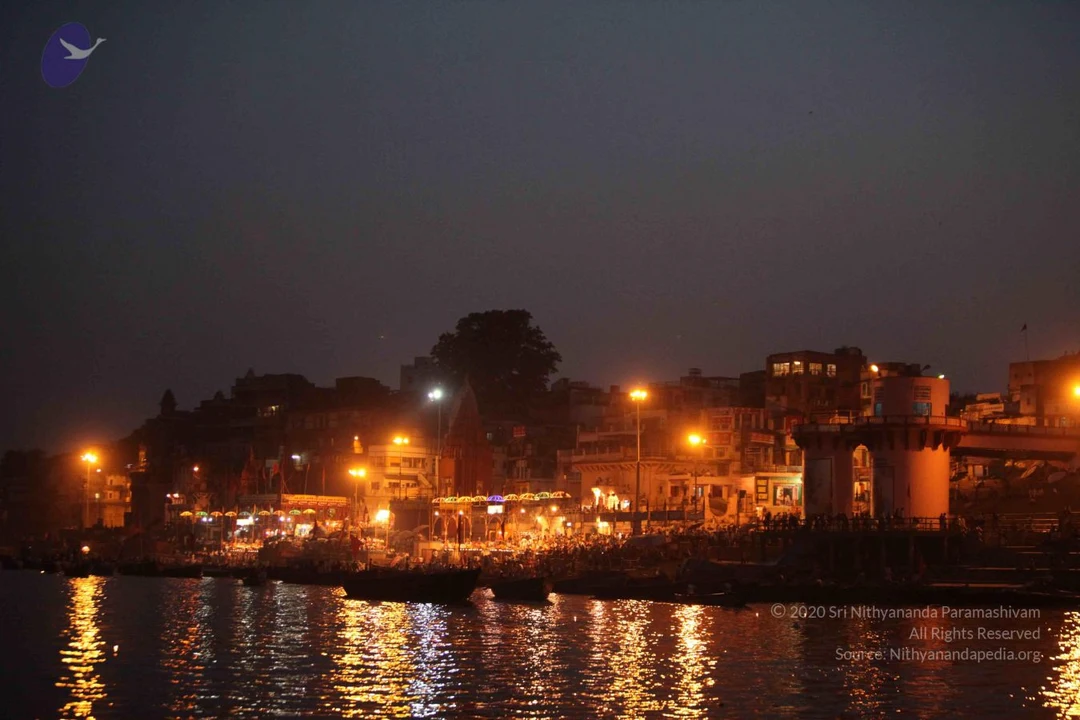
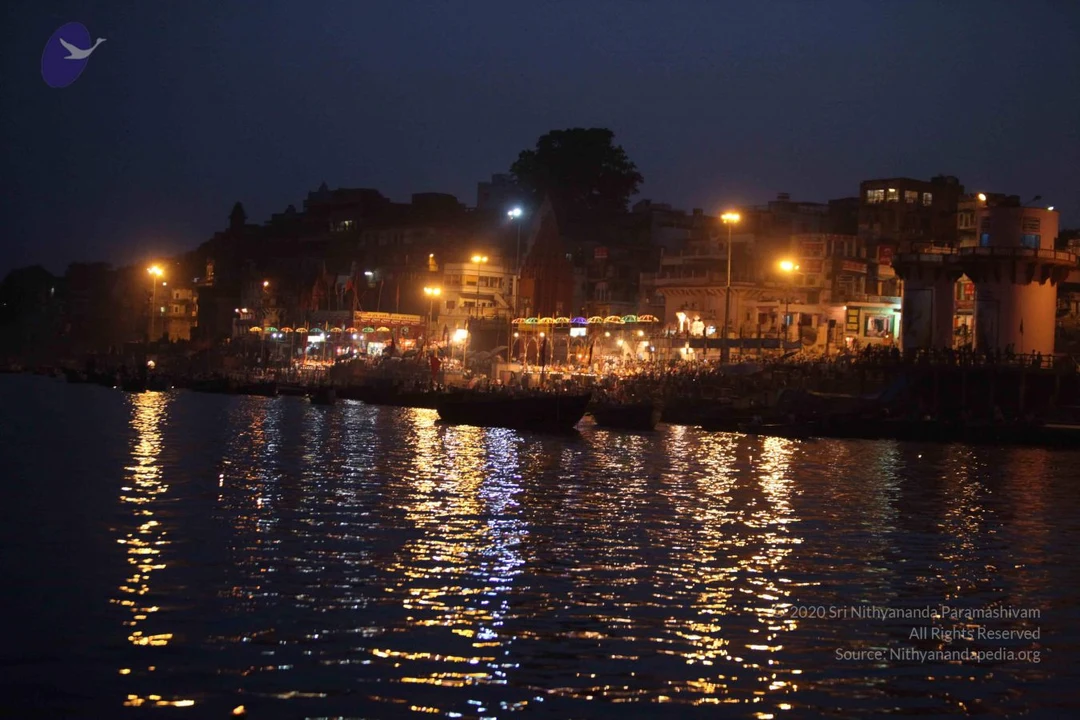
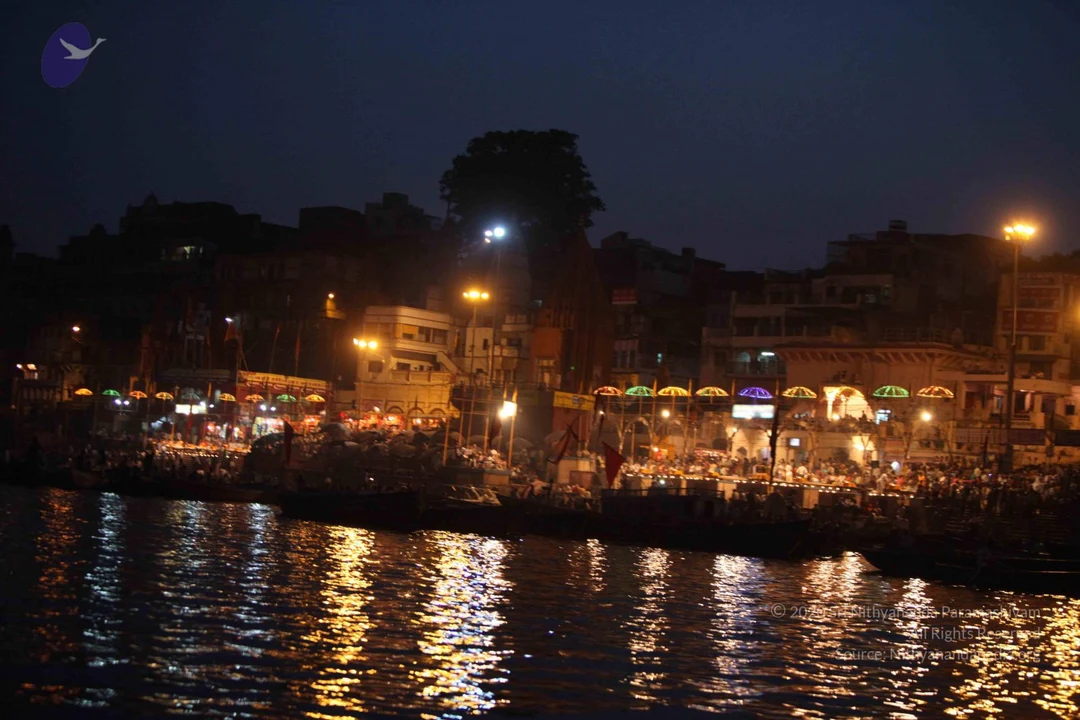
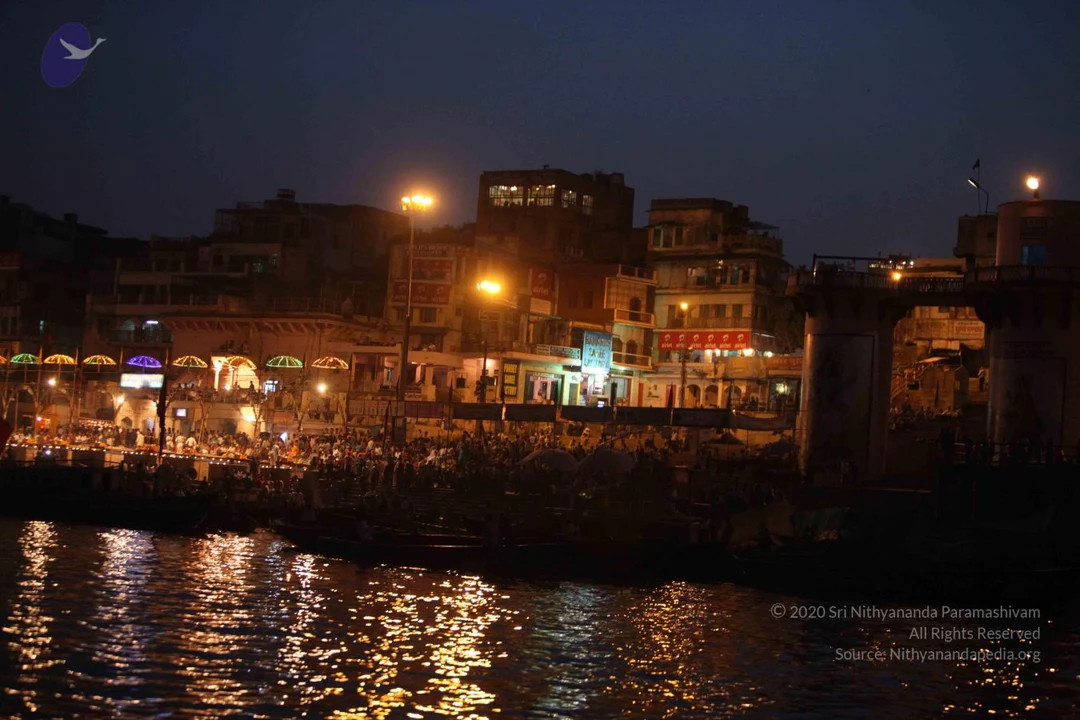
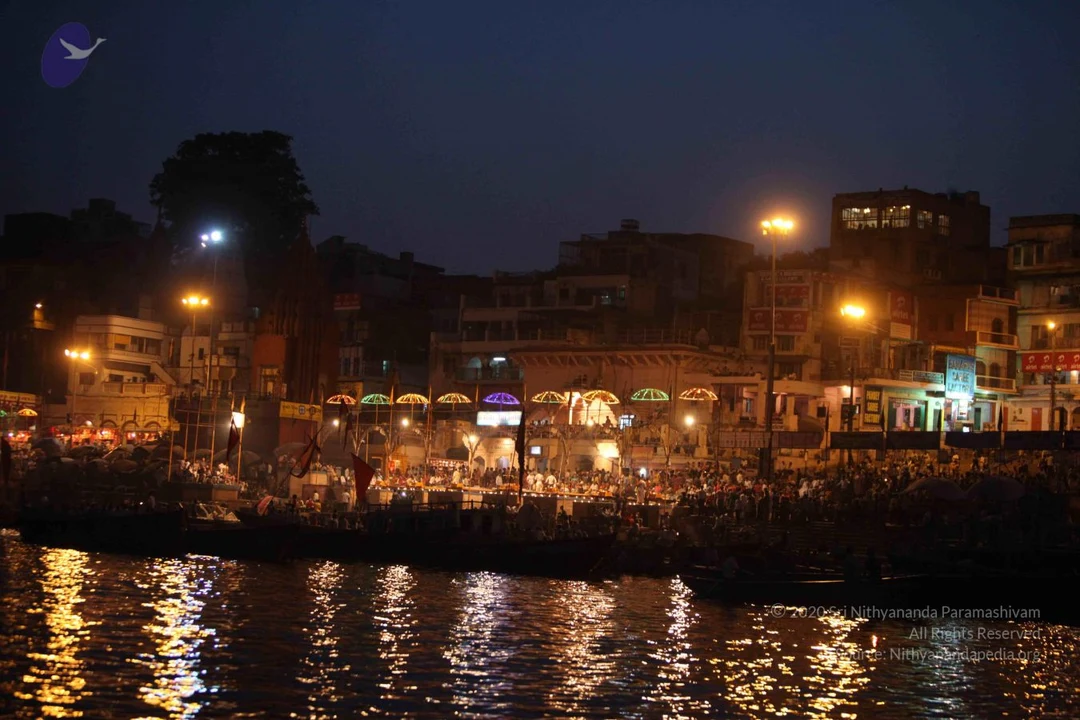
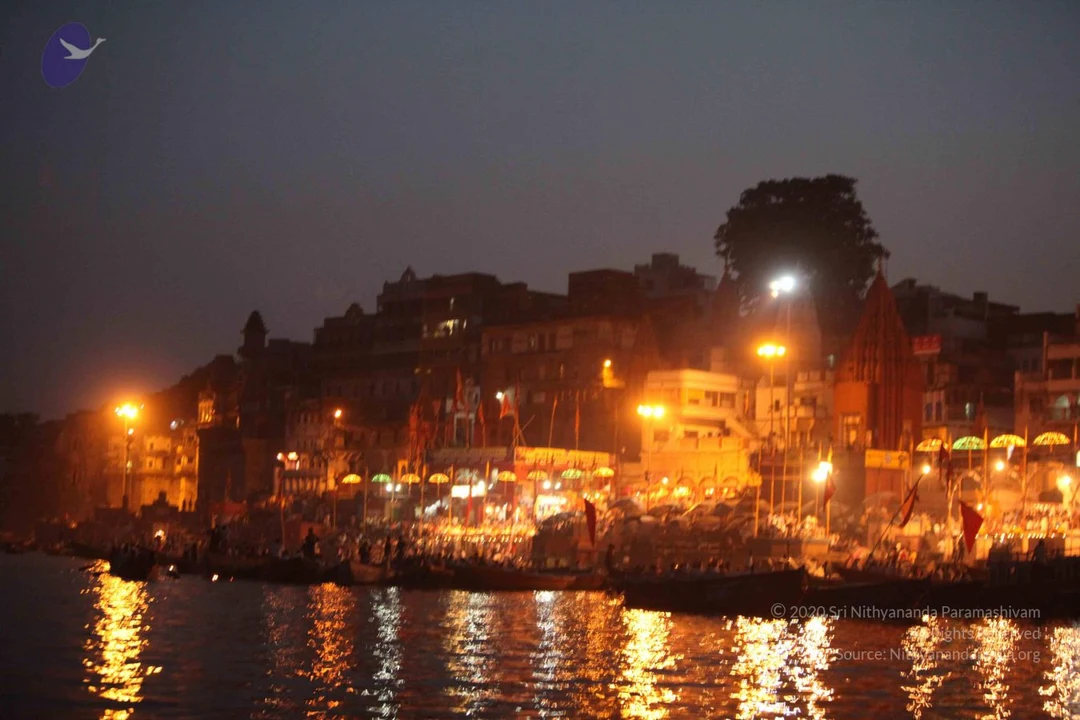
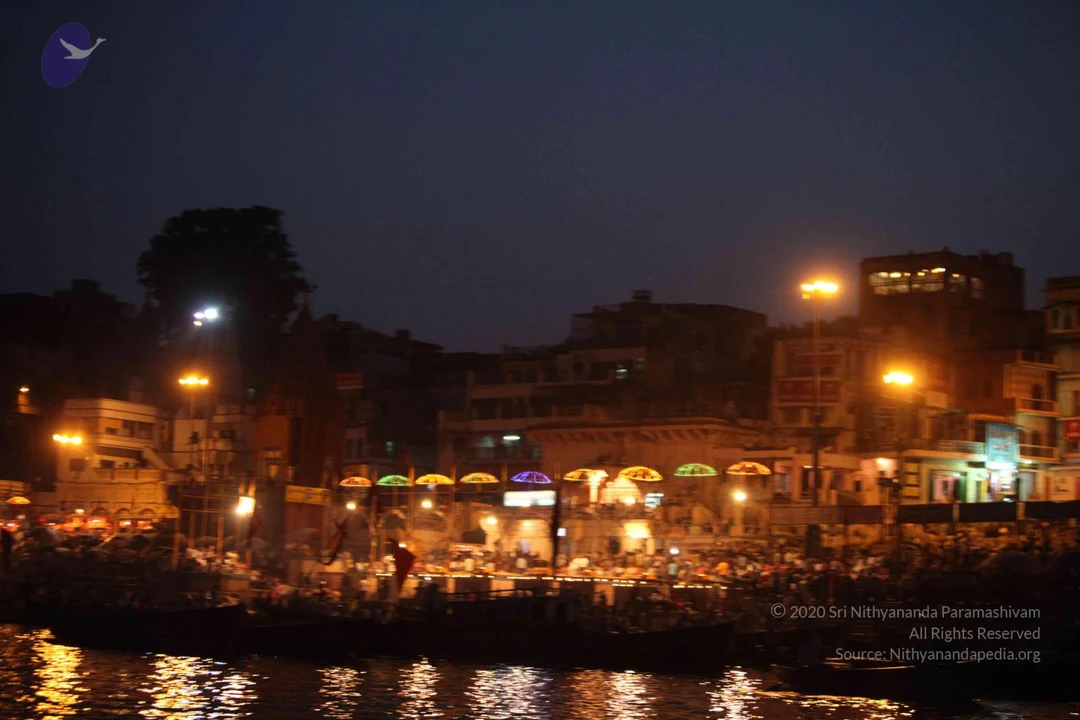
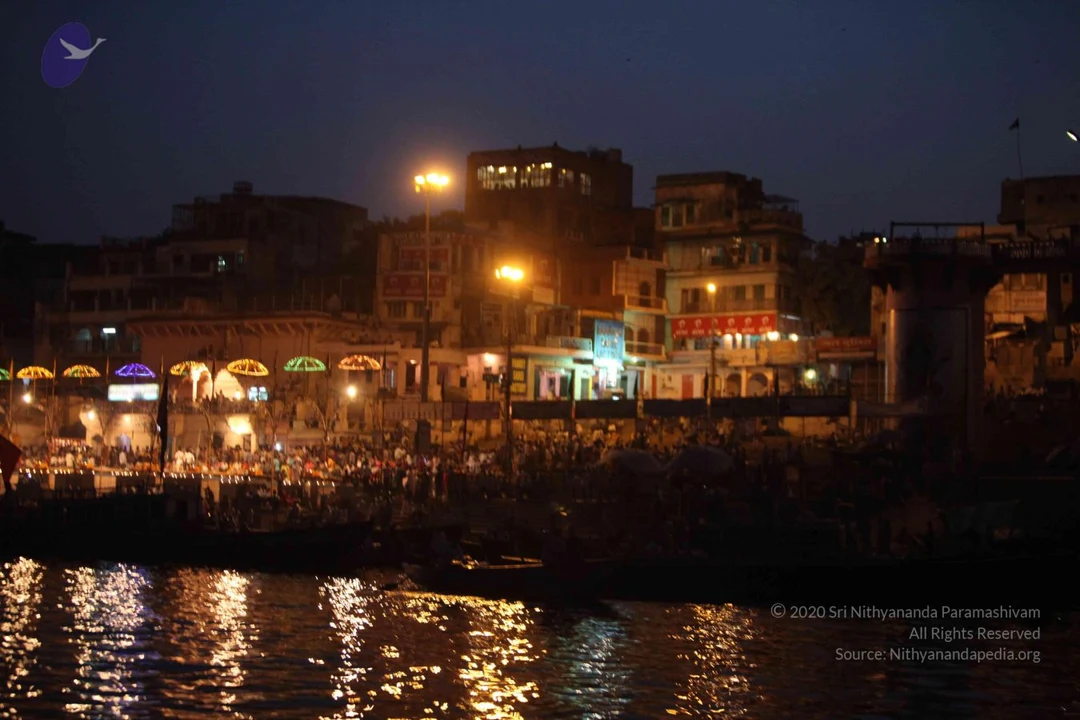
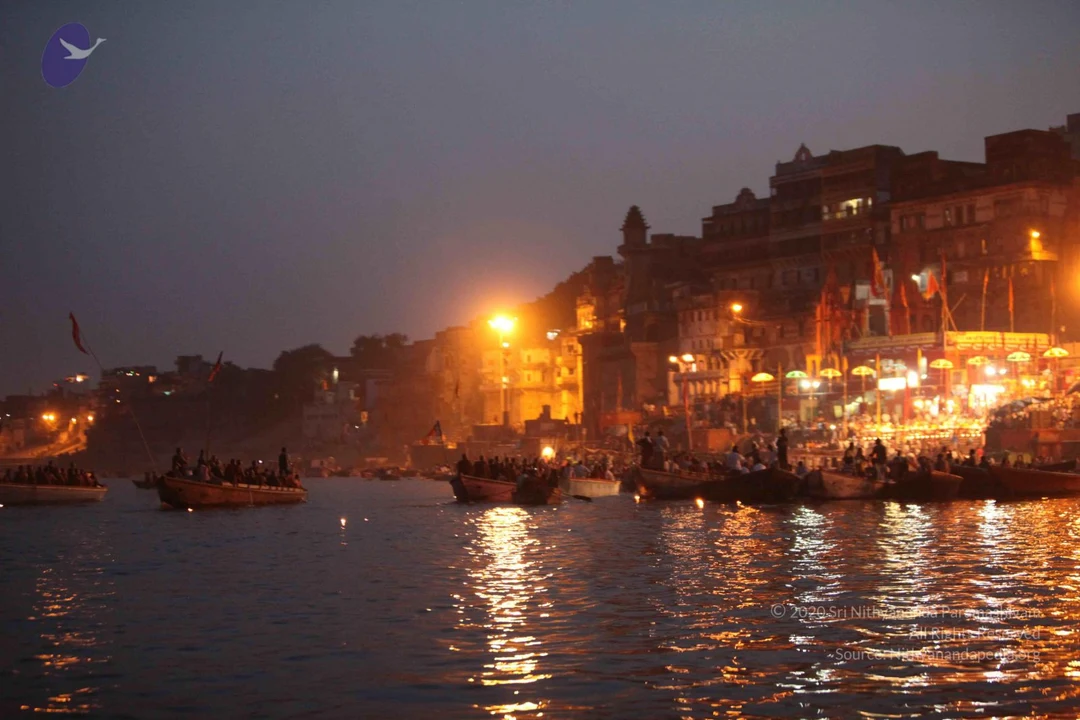
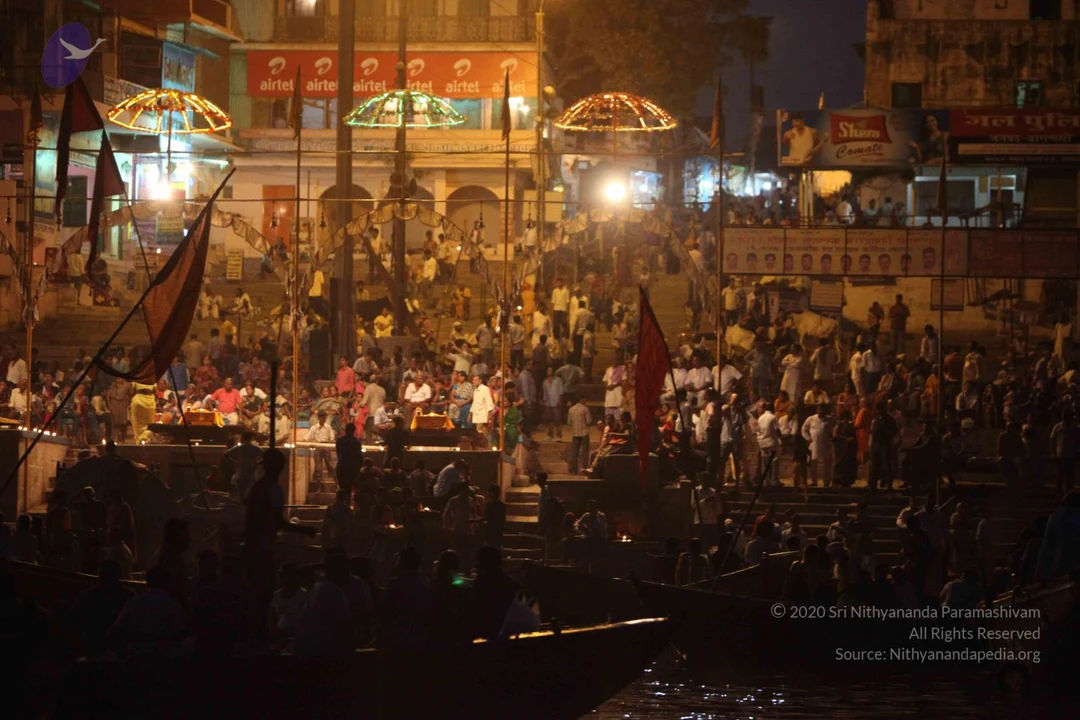
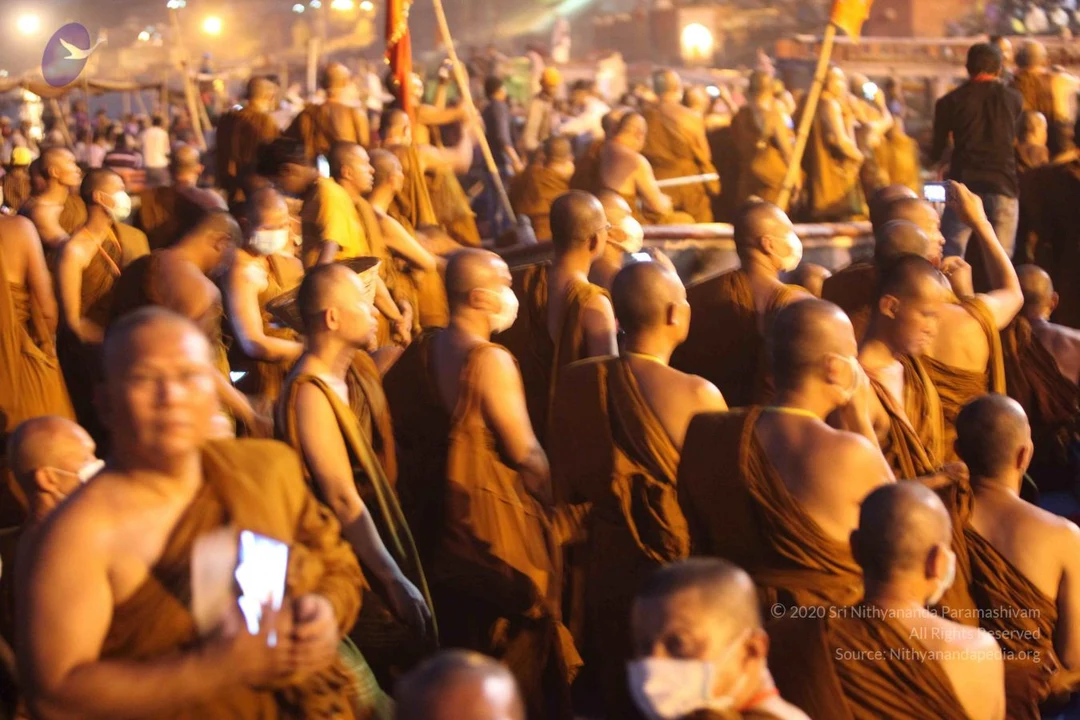
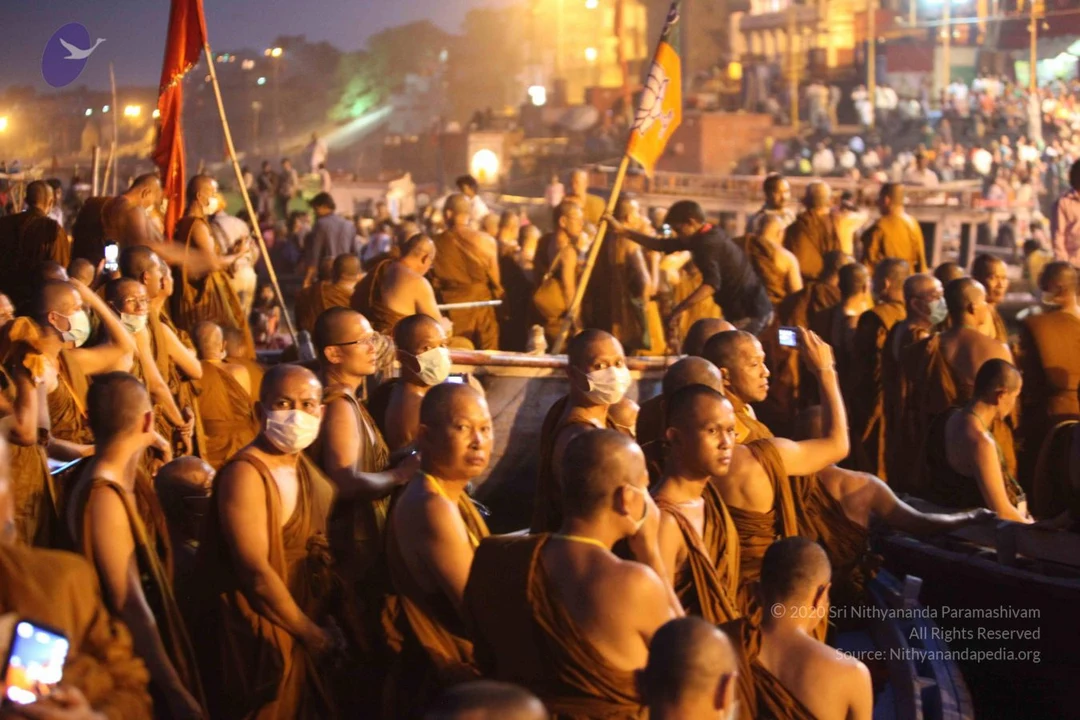
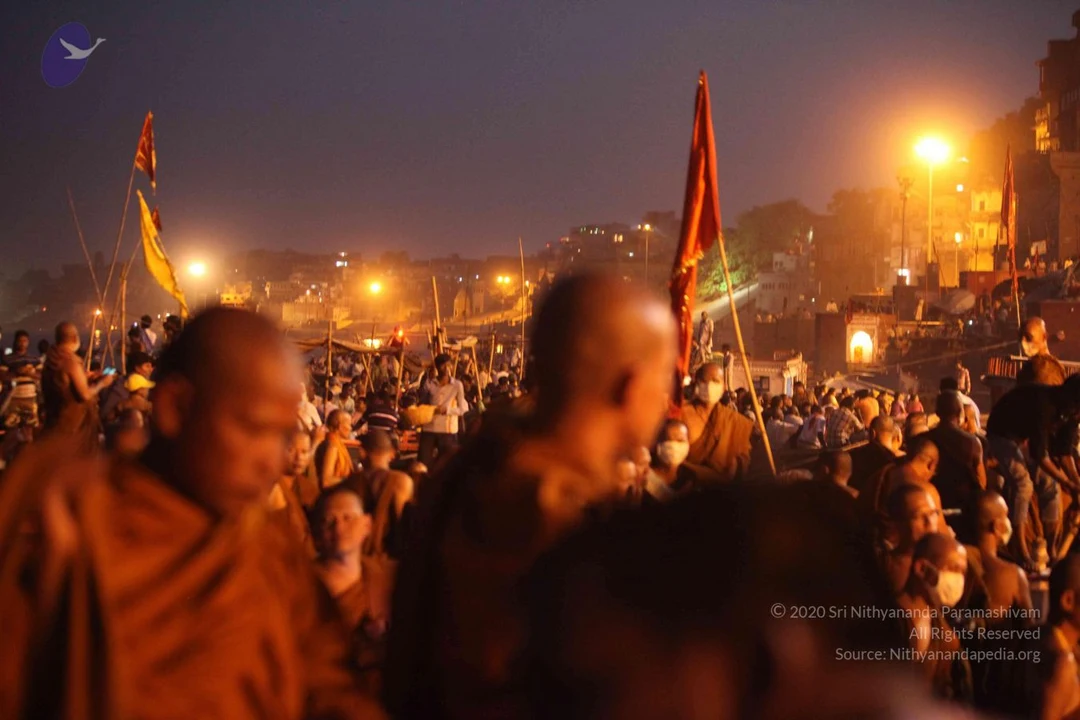
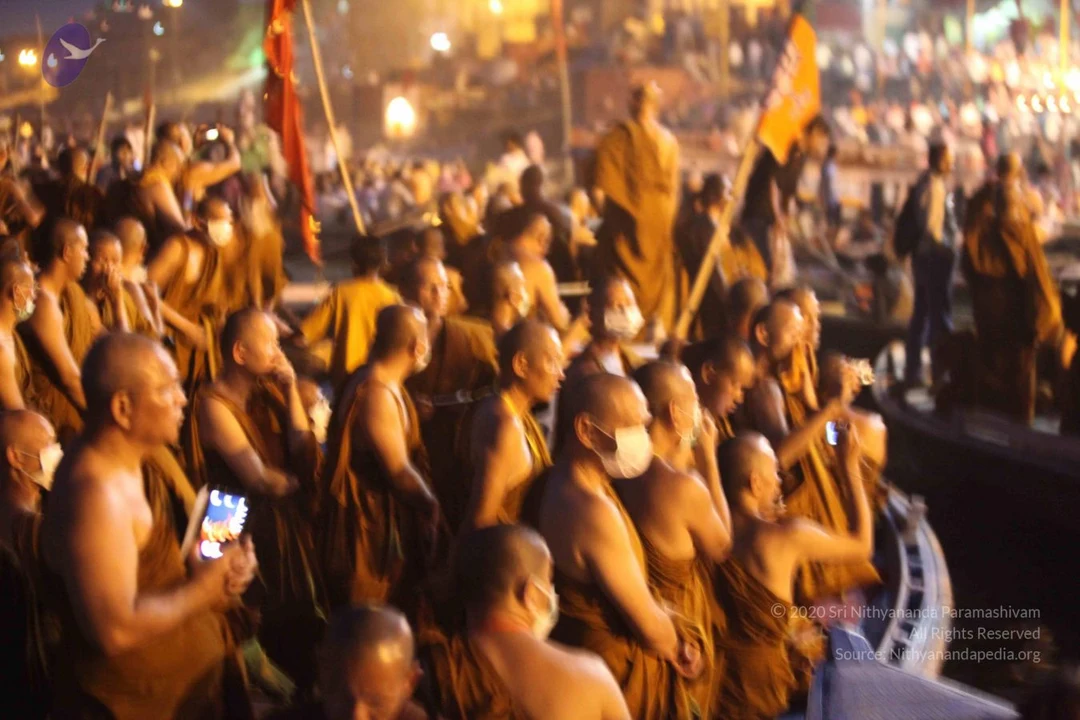
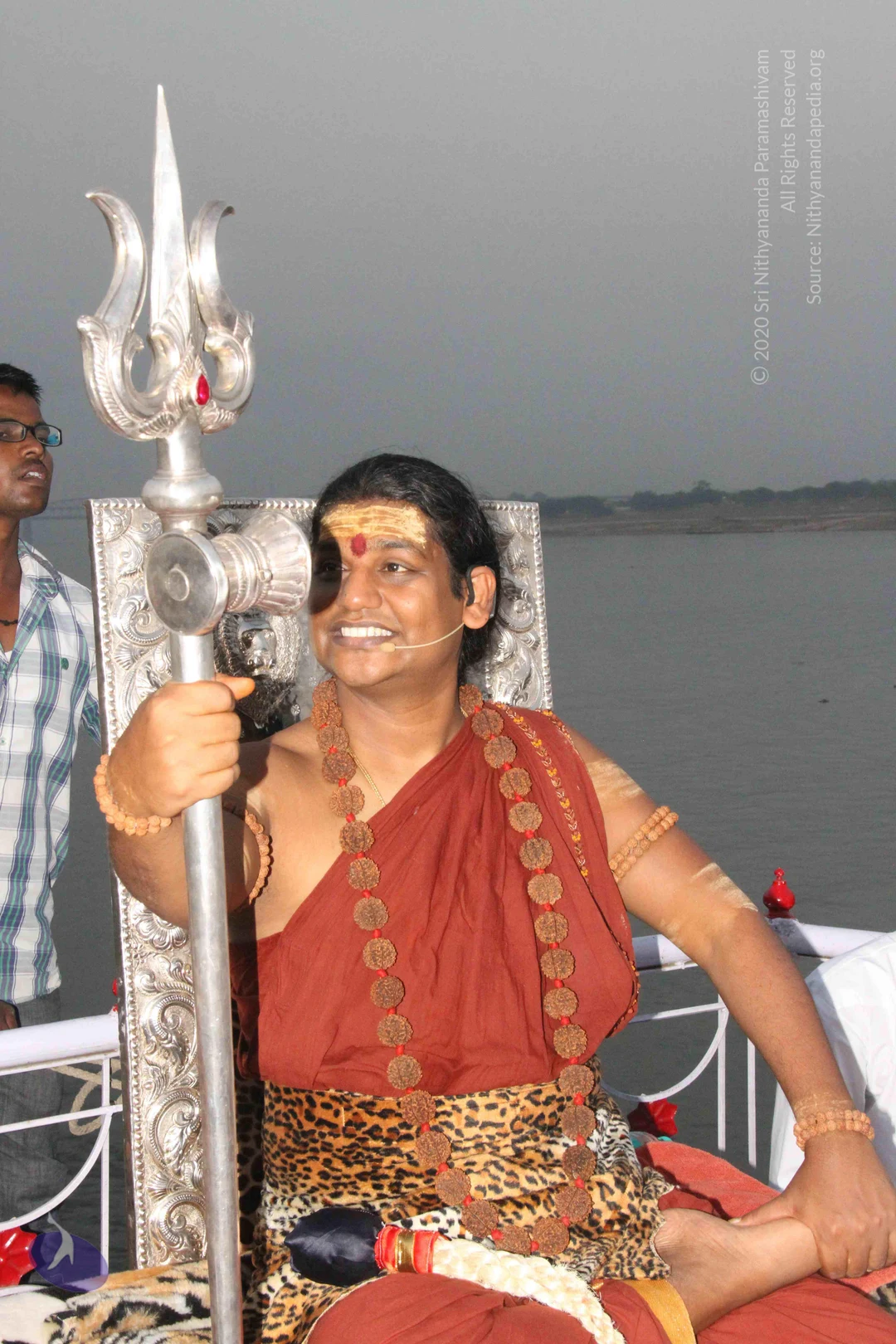
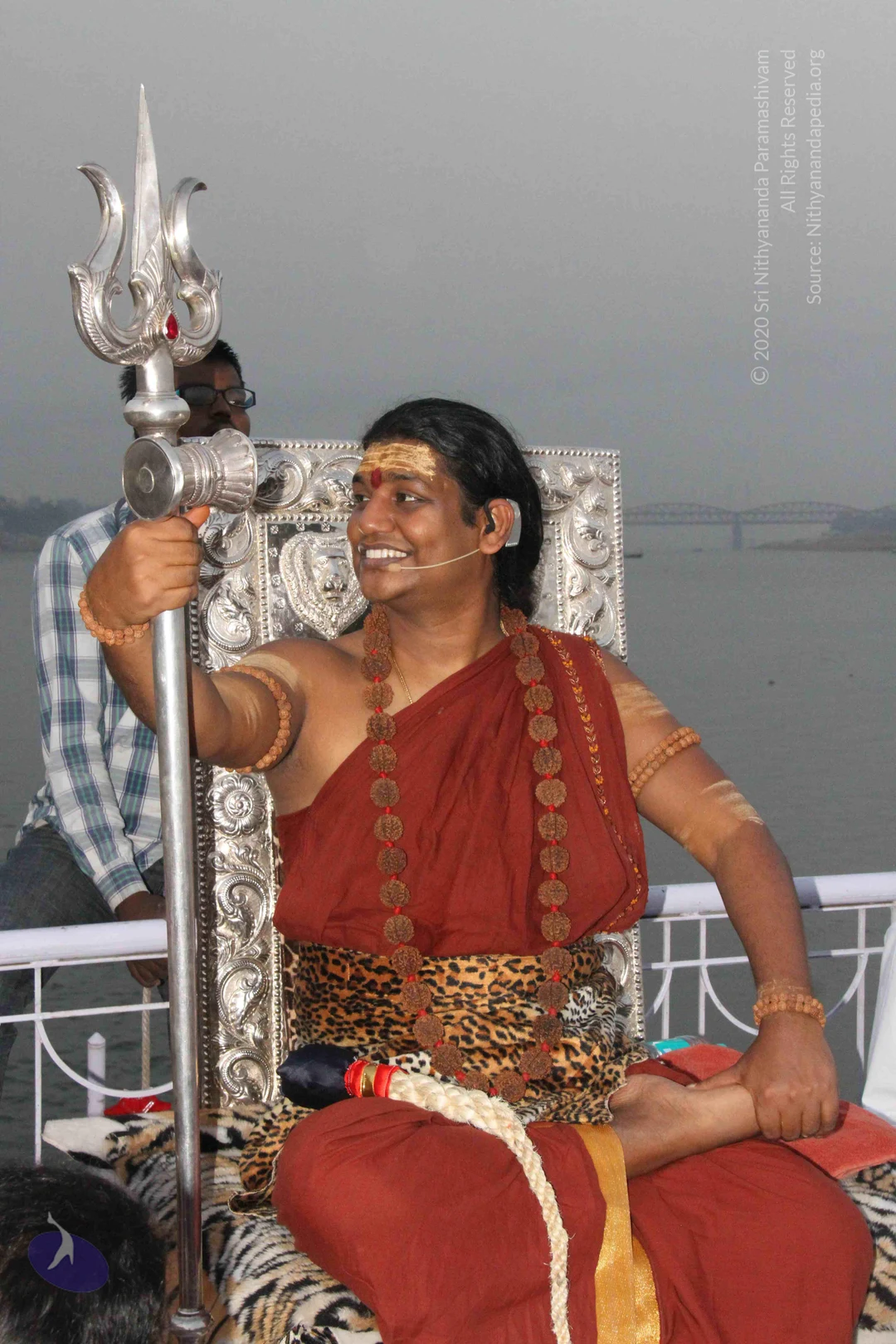
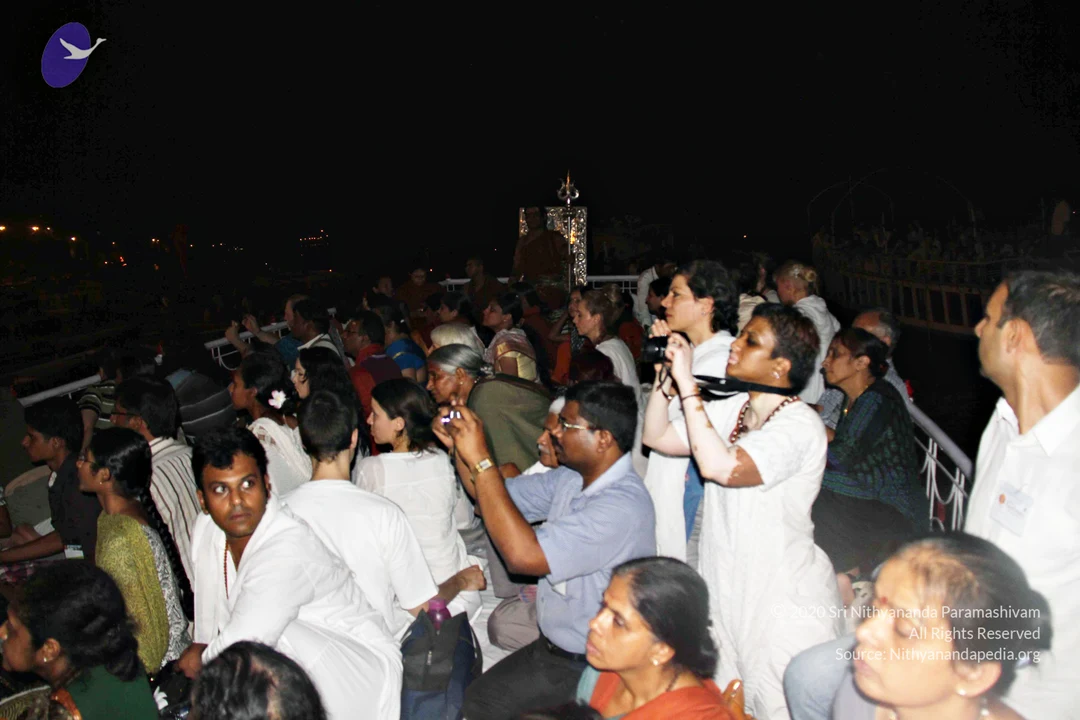
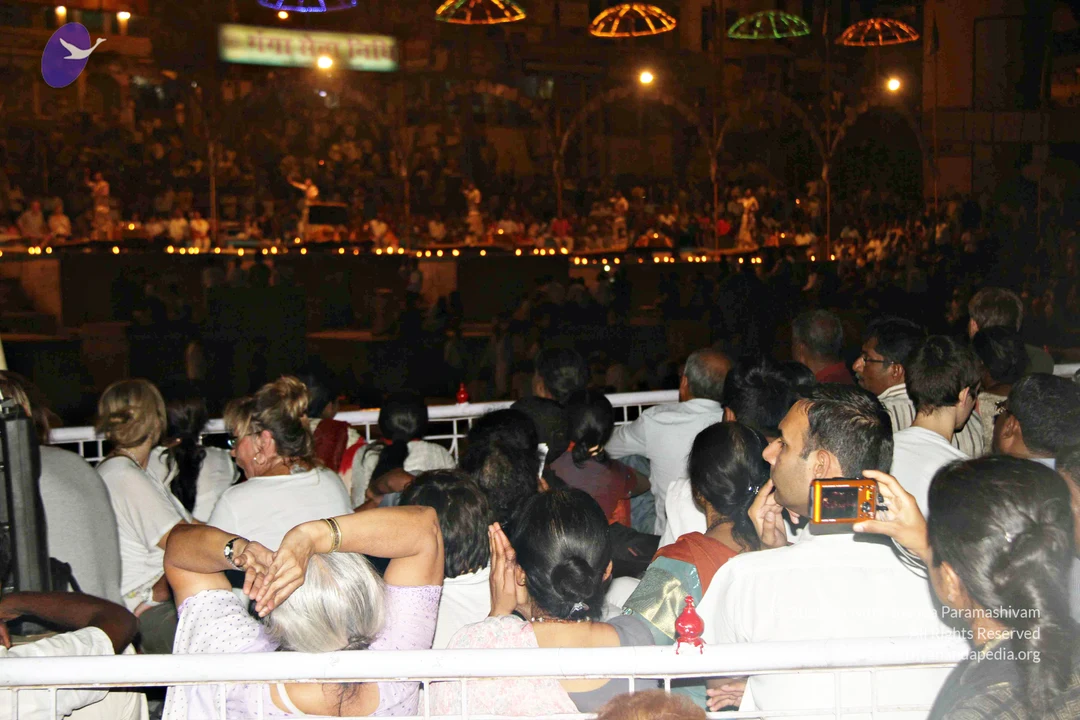
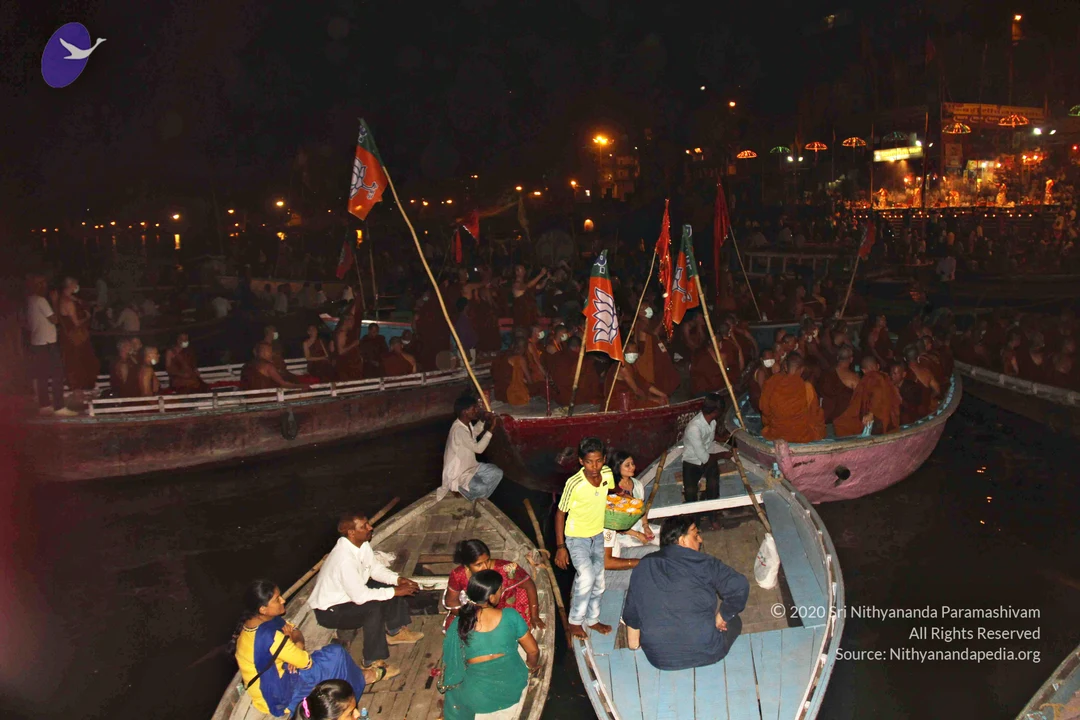
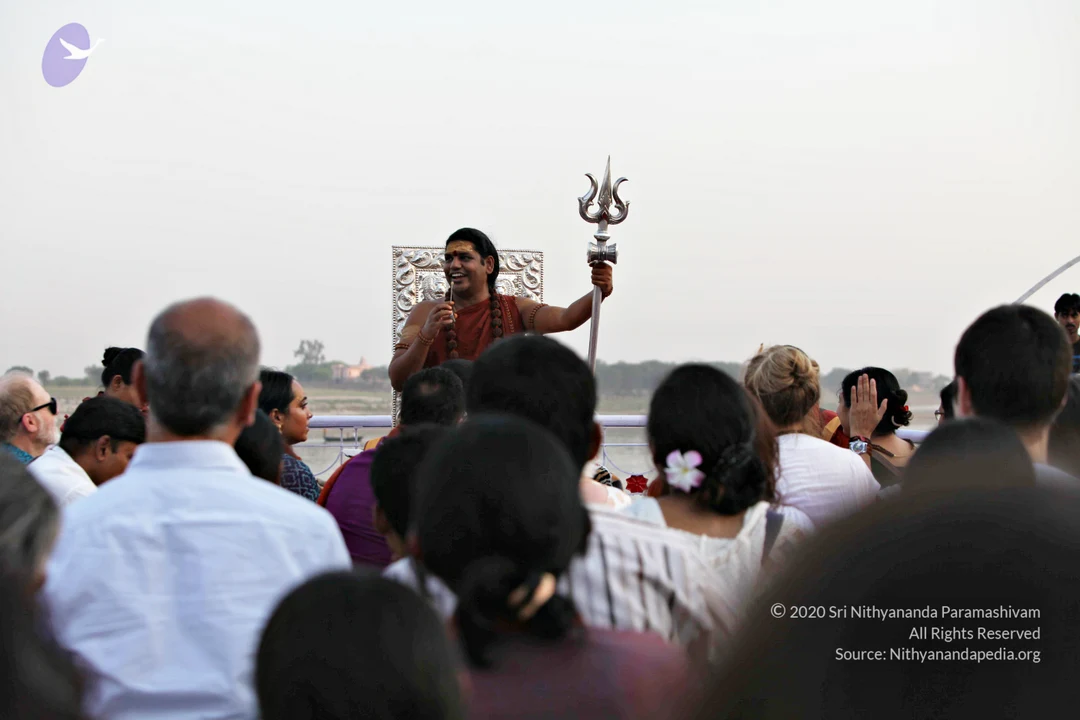
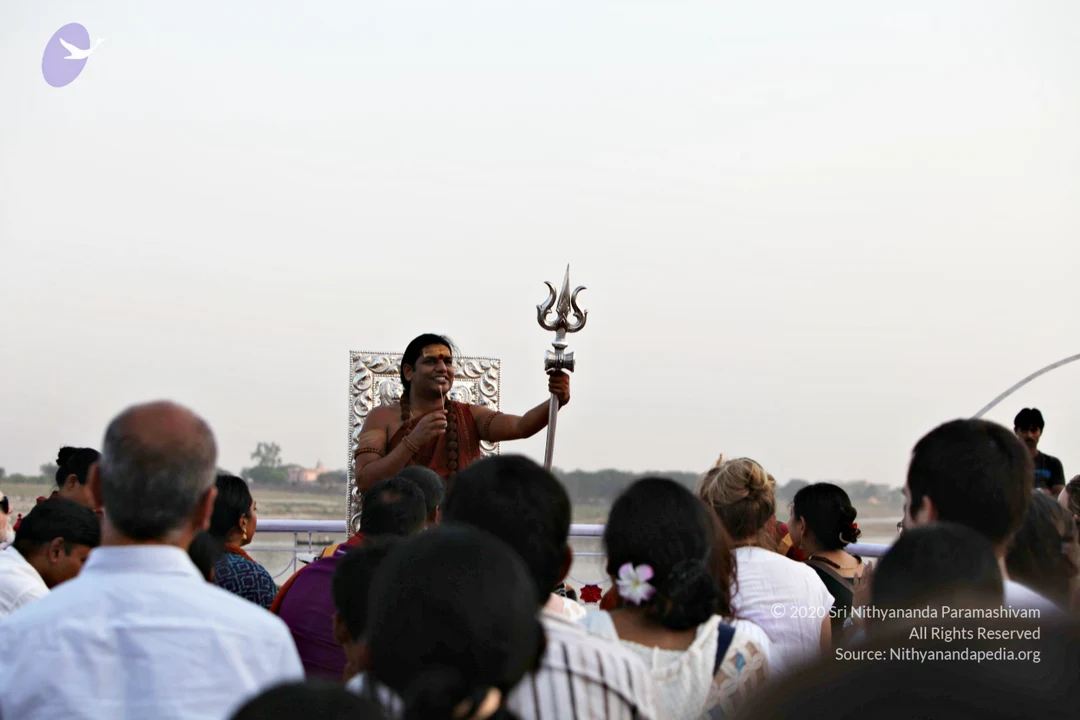
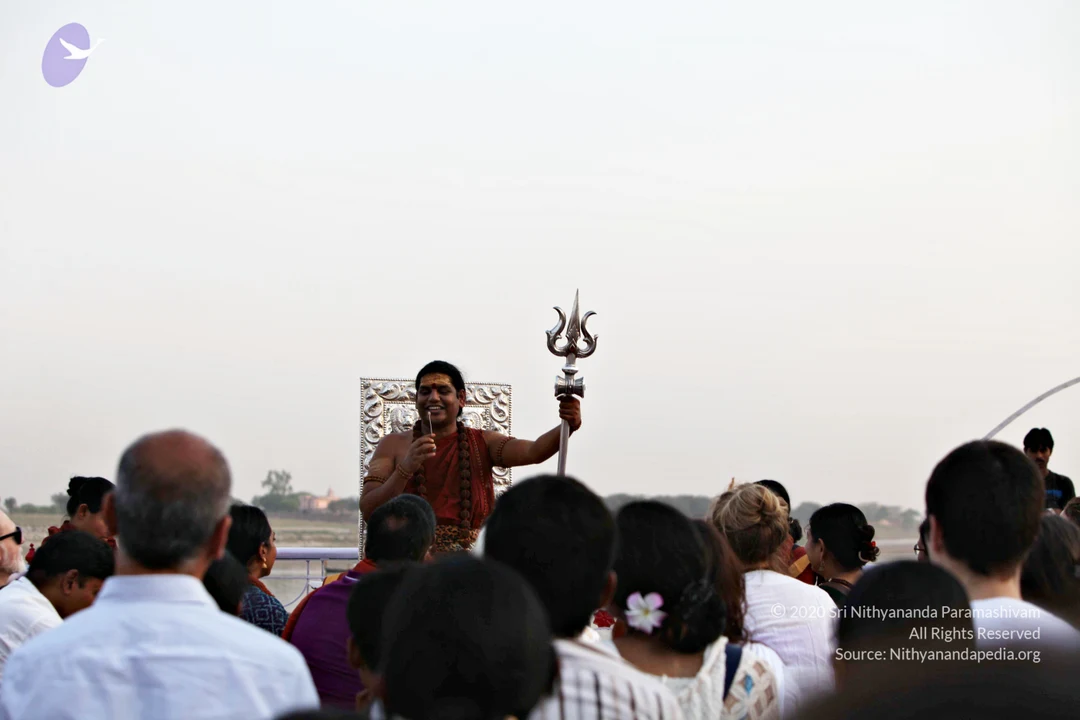
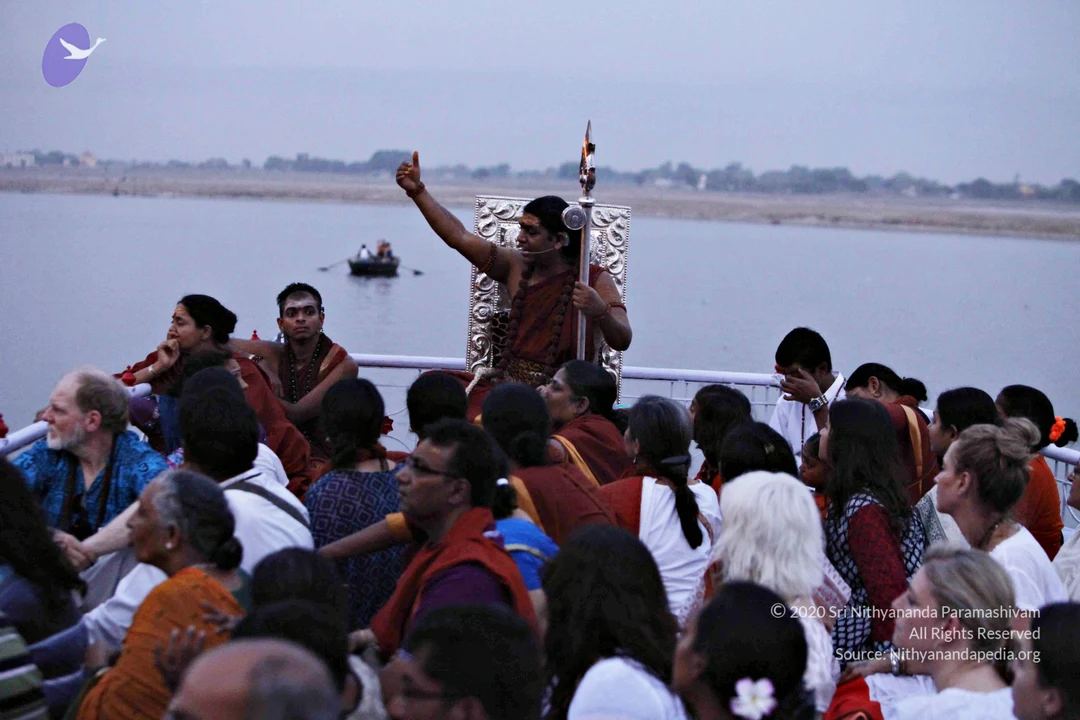
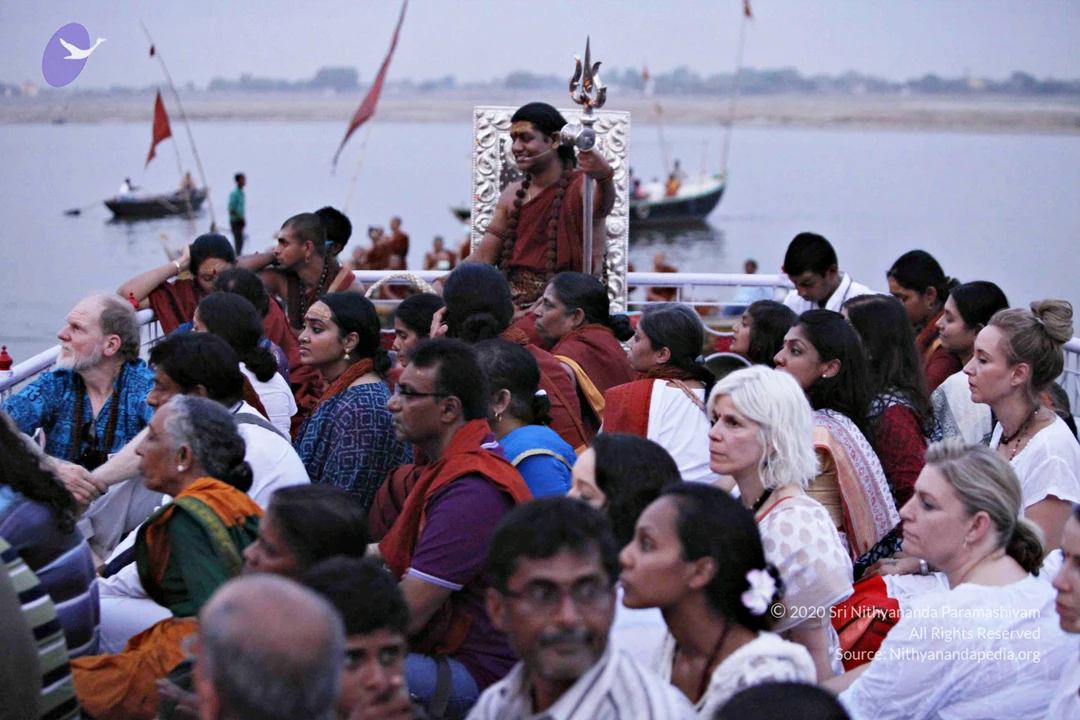
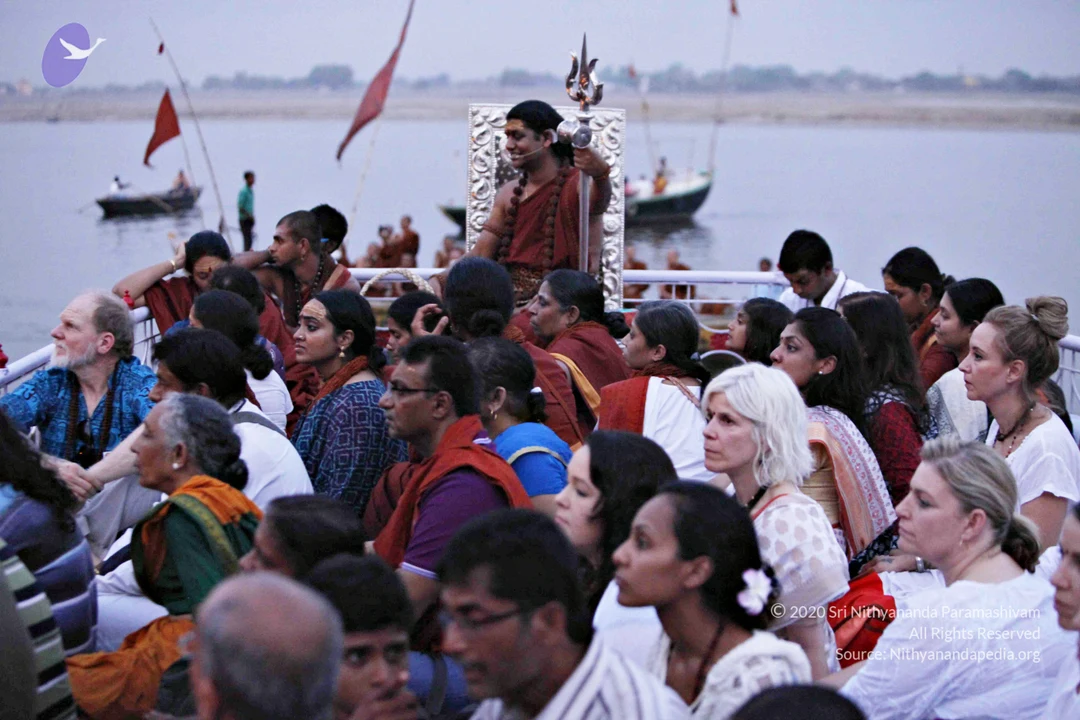
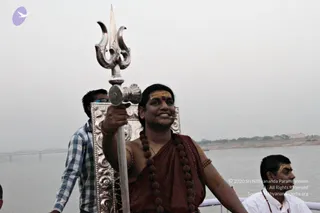
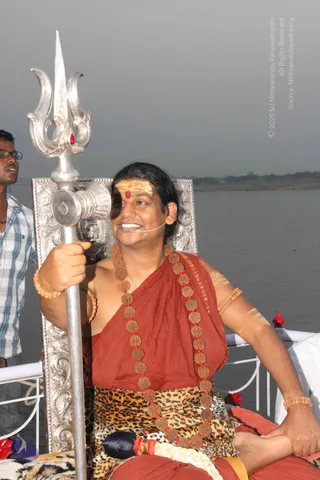
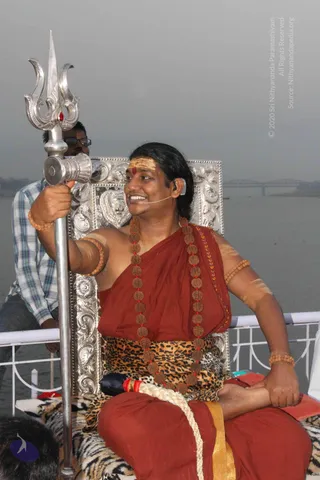
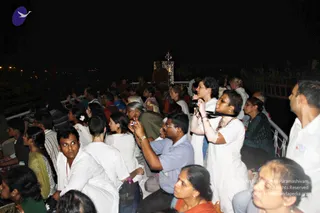
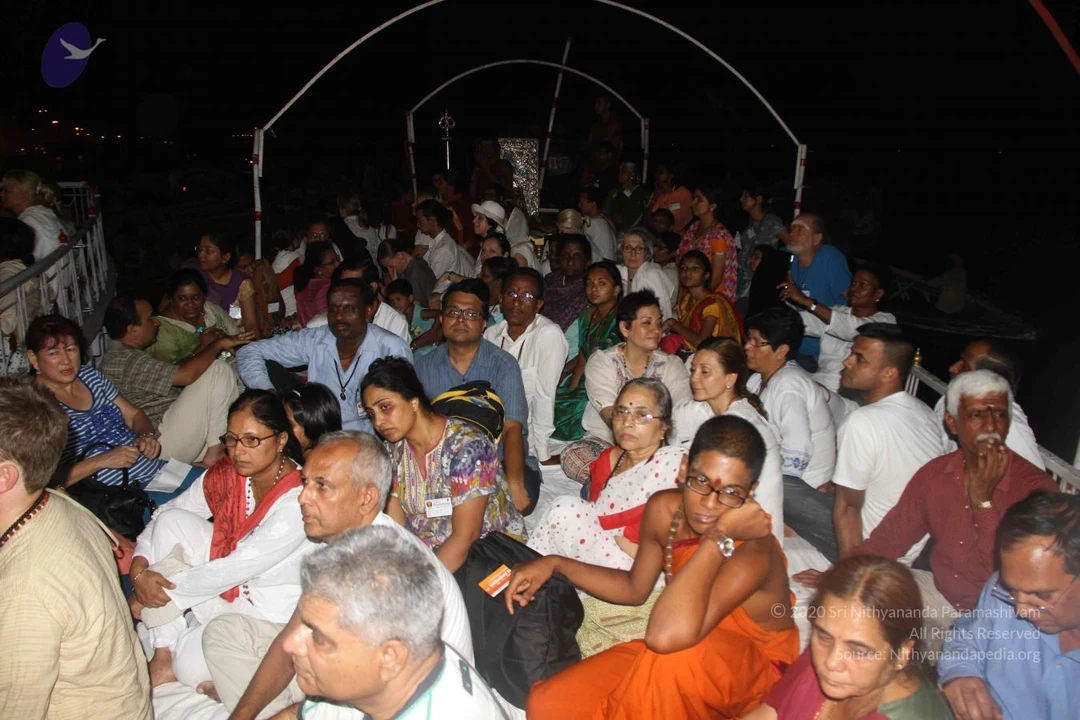
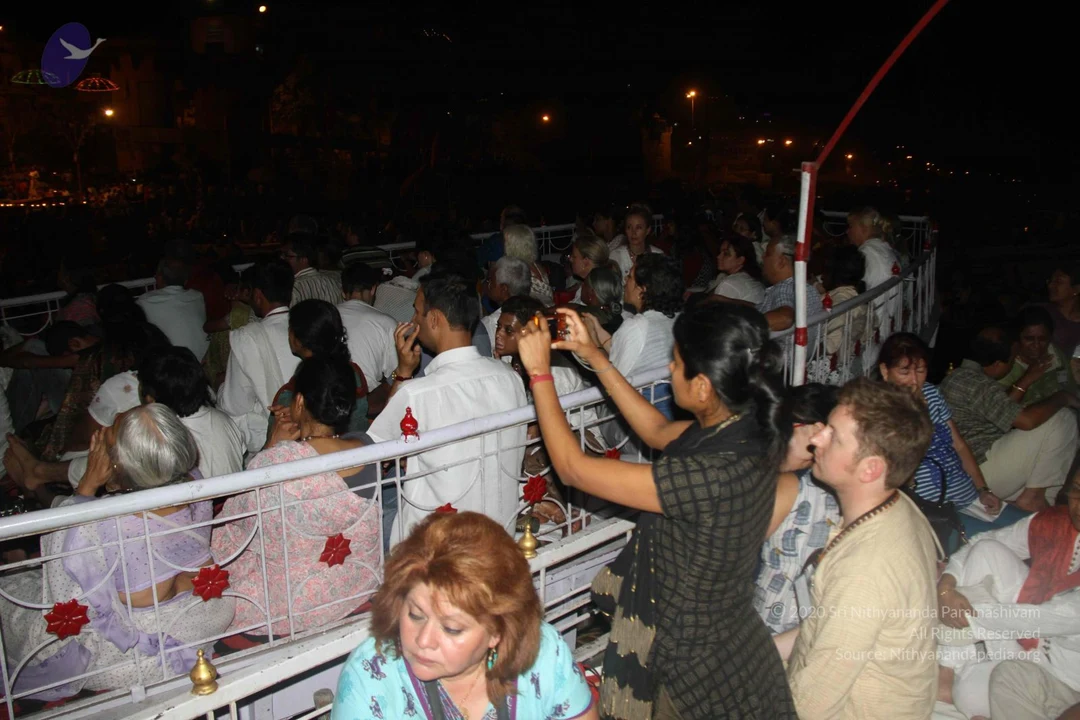
Please understand, yesterday, yesterday evening, I can say, late evening, we were all having night out with Ganga in a boat. We all went to be with Ganga. It was so nice. And we did the formal Kashi Yaathra, which you are supposed to do from Assi to Varuna; that is called Kashi Pradakshina; means, going around. All the IA participants, don’t worry, you will also be doing that in next few days. And we were doing Rudrabhishekam. After the Rudrabhishekam – I myself performed Rudrabhishekam for the Shivalinga which is supposed to go to Seattle; that deity I energized and did the Rudrabbhishekam – after the Rudrabhishekam, I told our Swami to put that flowers and milk into the Ganga. I saw, the moment he poured that flowers and milk into Ganga, some thirty-forty bhootaas holding that. Only very little fell on the Ganga. These fellows were holding and running, sprinkling here, there, here, there, that milk and that flowers. I was wondering what these fellows were doing. They are all Ganga cleaners. They were all the conscious cleaners of Ganga. They serve Mahadeva, means Kaalabhairava. They serve Kaalabhairava, helping Kaalabhairava to keep Ganga spiritually clean. There are few places where some of the worst sinners have taken bath. These fellows are taking that milk and sprinkling in all those ghats, those areas!

6:25

Only in Varanasi the bhootas and prethas have a right to enter into an enlightened Master’s energy field. Otherwise, they cannot enter my field. They will be liberated. The moment they enter my energy field, they will be liberated. But in Kashi they serve Mahadeva, Kalabhairava. So, they are all like Ishvara Kotis. Kaalabhairava allowed them to be in that shareera. So, they never harm anybody. They only serve. Bhootas and prethas, means the people who leave the body before the time they were supposed to leave the body. And in Kashi these fellows get a special opportunity to serve Mahadeva, serve Kaalabhairava, for keeping the place clean, like scavengers, and kicking out the unwanted fellows out of Varanasi. The fellows who are not qualified to be in Varanasi, they kick them out. And people who are supposed to be in Varanasi, they bring them here. It is like cleaning and security job these bhootas and prethas do in Varanasi.

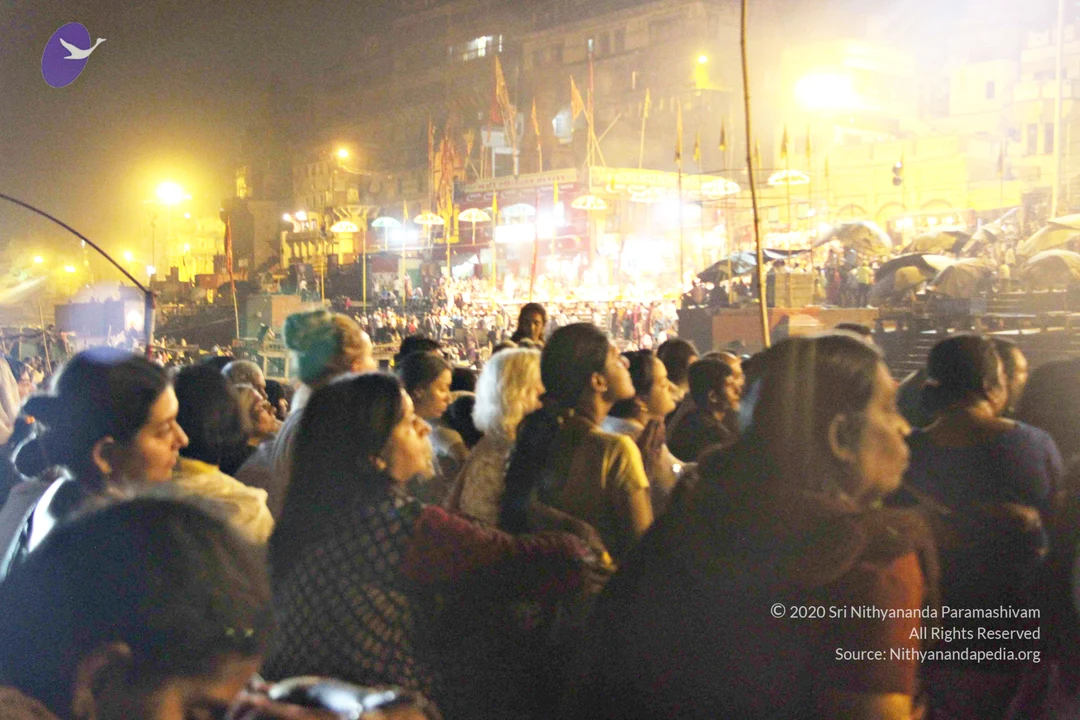
The whole Kashi is celebrating, understand that. The whole Varanasi is celebrating. All the gods, goddesses, Shiva Ganas, Shiva Bhootas, Shiva Bhaktas, all of them are celebrating. I can only say, get ready to have the best spiritual blast. And, anything else I say, you may think marketing. And I don’t want you to have that cheap word ‘marketing’ for Varanasi.

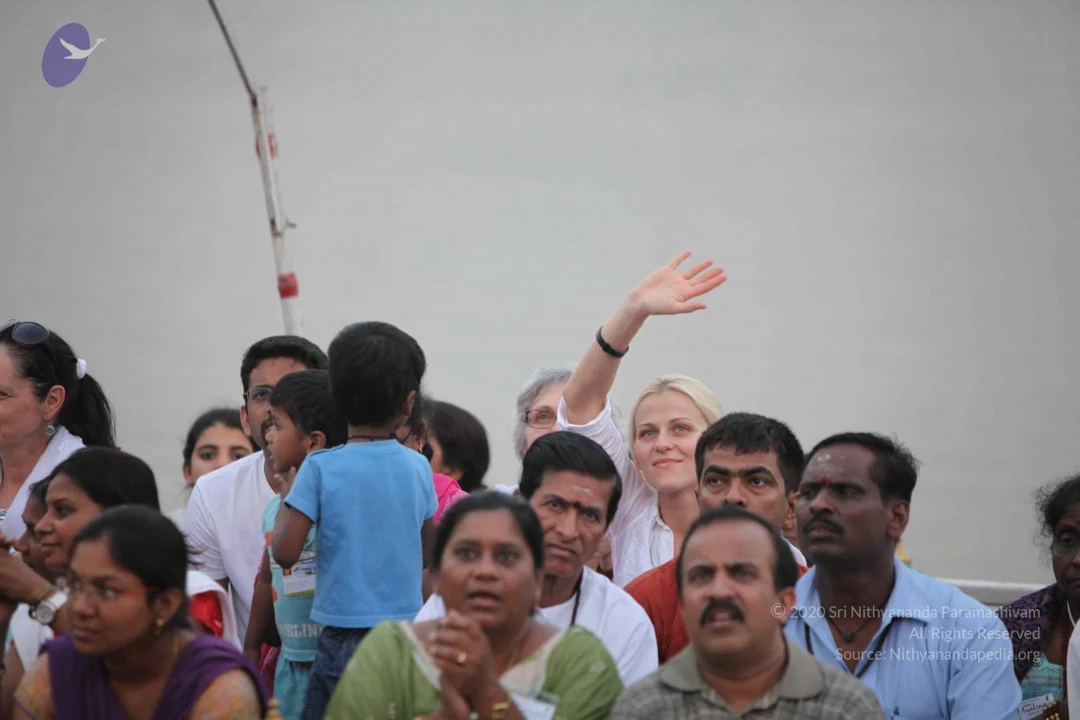
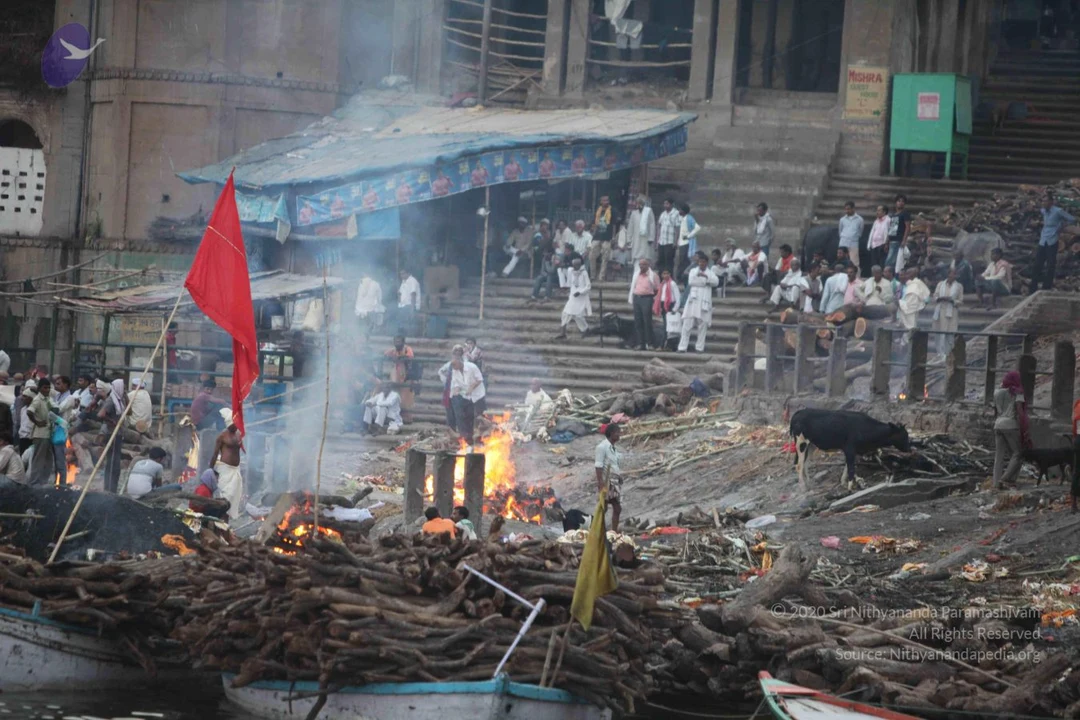
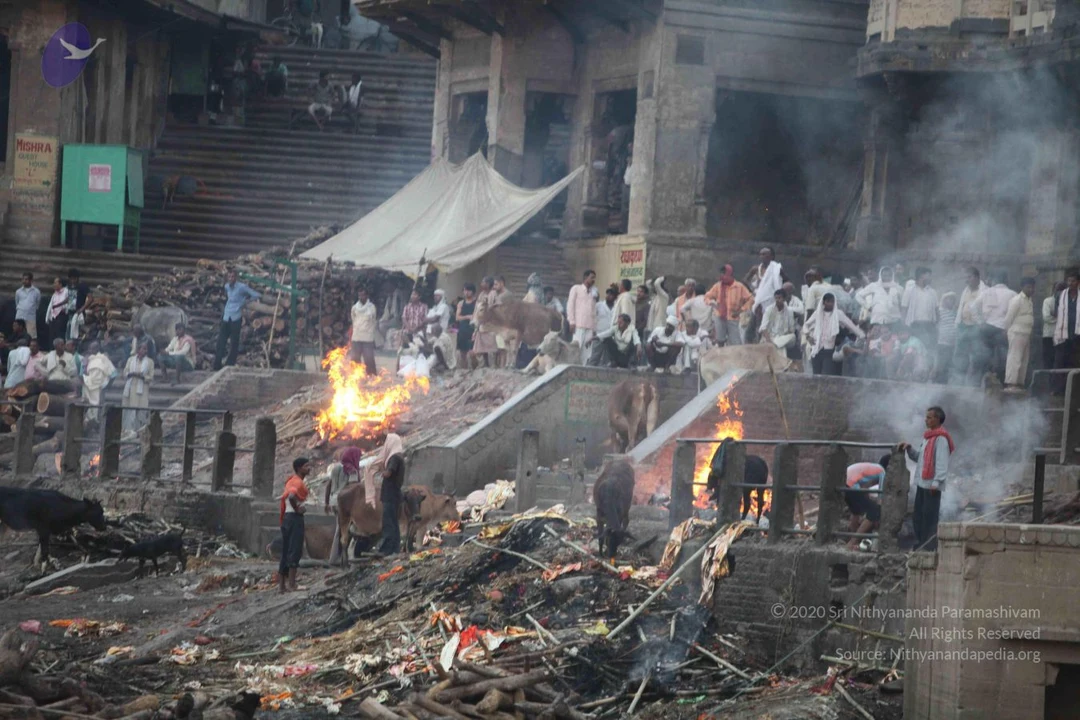
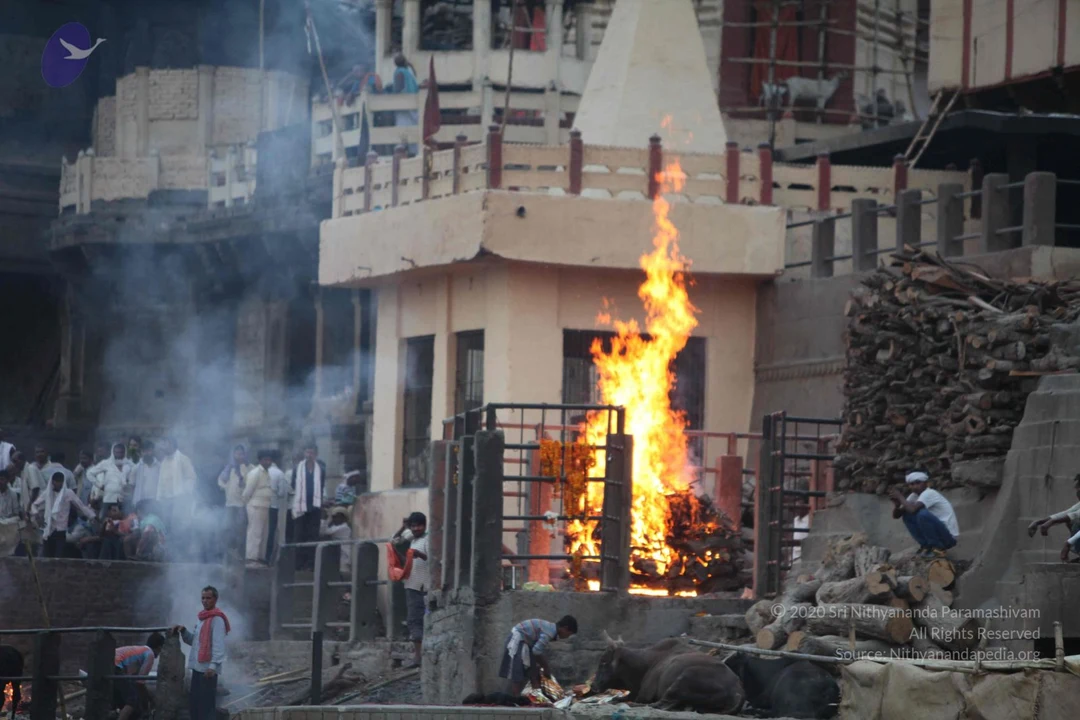
I tell you, this is the most fascinating city in the world. Here cows, bulls, dogs, beggars, dead bodies, snakes, all of us have to literally scratch each other while we walk, and that is the way we can survive. That is the only way we can survive. You will see the dead body cloth will be touching your body while you are walking. Bulls and cows literally scratching their itching or irritation on you, you can see! And dogs! But, you know, none of them hurt each other. It is like literal miniature Cosmos. Miniature Cosmos! None of them hurt each other. They all live together in such a small place....that main Varanasi. Main Varanasi is the place they all live together. It is a tradition that bulls don’t hurt here anybody. And the lizard will not make sound. The Garuda will not, eagle will not fly on this Varanasi. And any flower you bring inside the Varanasi it will not have smell; any flower! Because, all smell belongs to Kaalabhairava. That’s the tradition.

11:07

Sometimes people think....these stupid fellows think, seeing my devotion to Kashi, all this, they think, ‘He speaks so logically all great principles like Advaitha and all that. Why is he so irrational and superstitious about all this Kashi and this, that?’ I want to tell those stupid fellows: ‘The real me is, my love and devotion and belief and faith in all this, what you call as simple things, touching every stone in every street corner, in Vishwanatha Temple in Kashi, and every day sprinkling Ganga, sitting with Ganga, I will be more happy to do all this than anything else.’ I tell you, this is real Nithyananda. Even some of our own devotees were not able to digest. In Kashi, when any stone, any pillar, any post I see, I will do Namaskar. ‘O Vishwanatha, Vishwanatha’. HAHAHAHAHAHA! Because, this city is not built out of stone or pillar or pole or any construction material; this whole city is built out of all our intense, sincere, sacred sentiments; Intense, sincere, sacred sentiments. This whole Varanasi is built on sacred sentiments. That is why Ramakrishna says it is a Golden City.

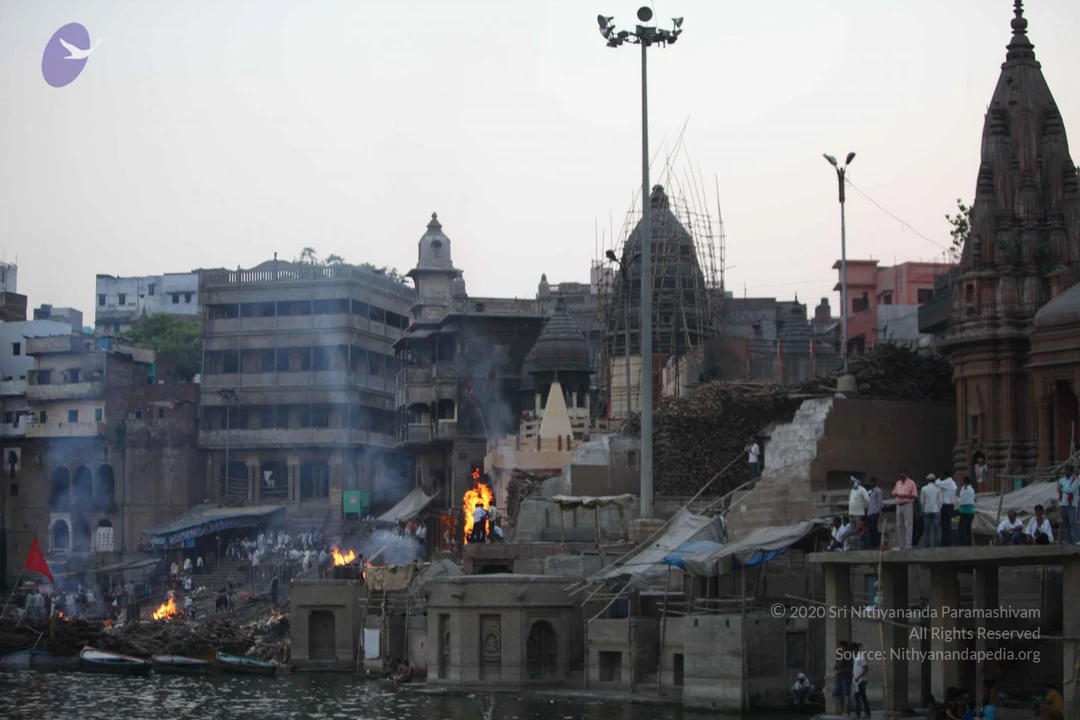
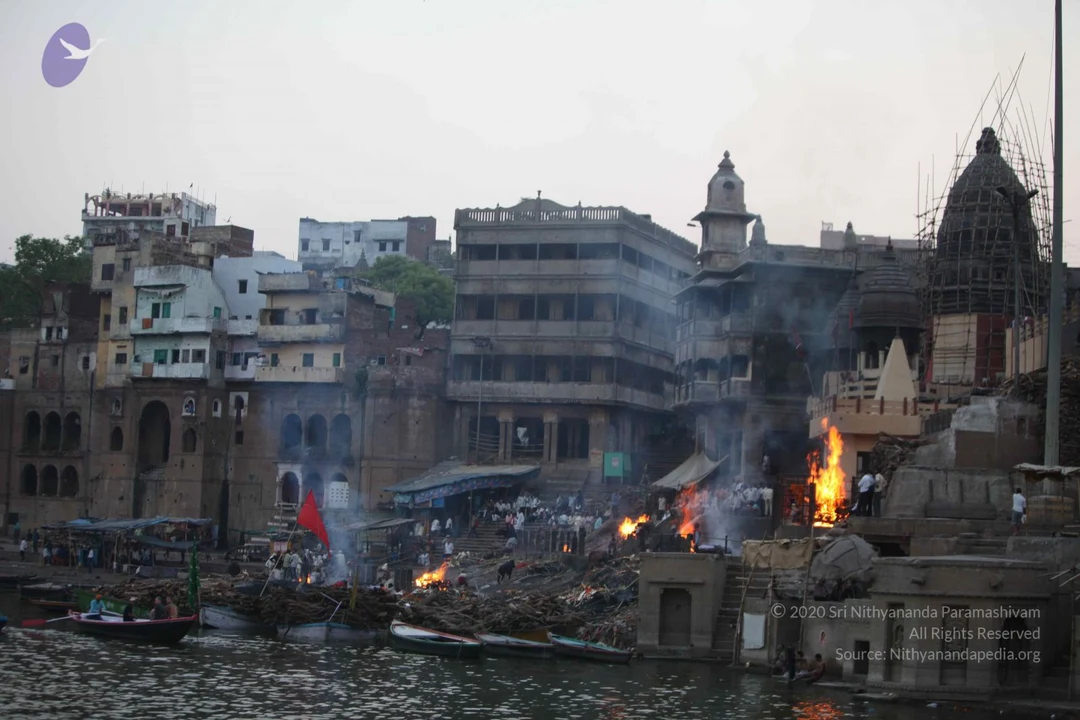
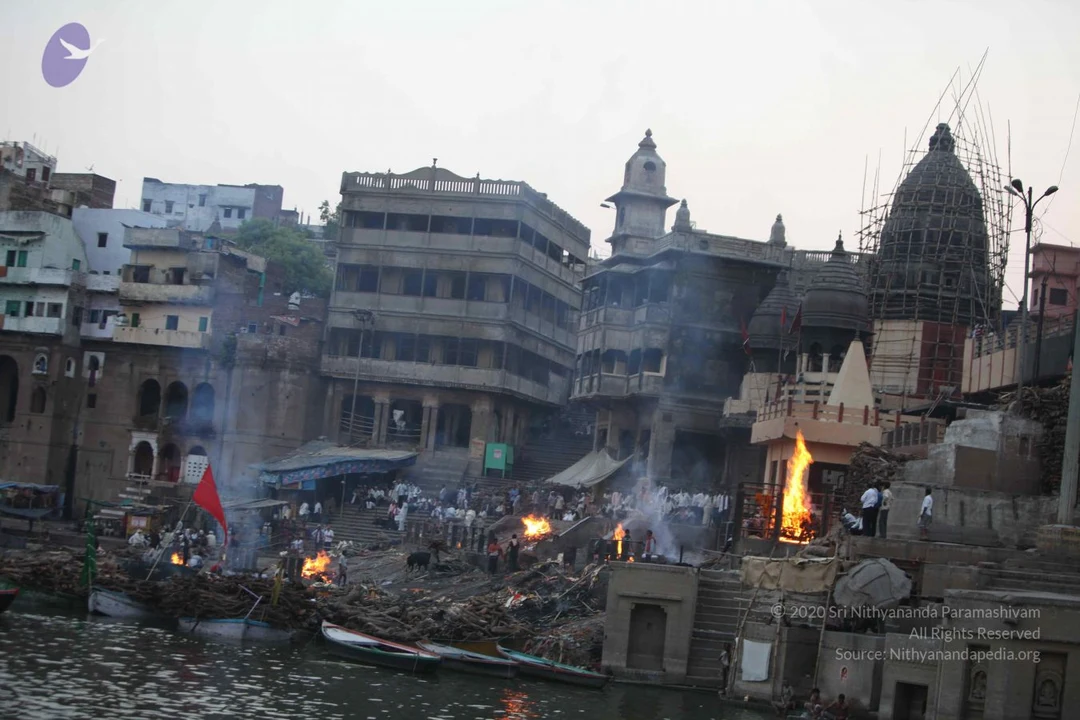
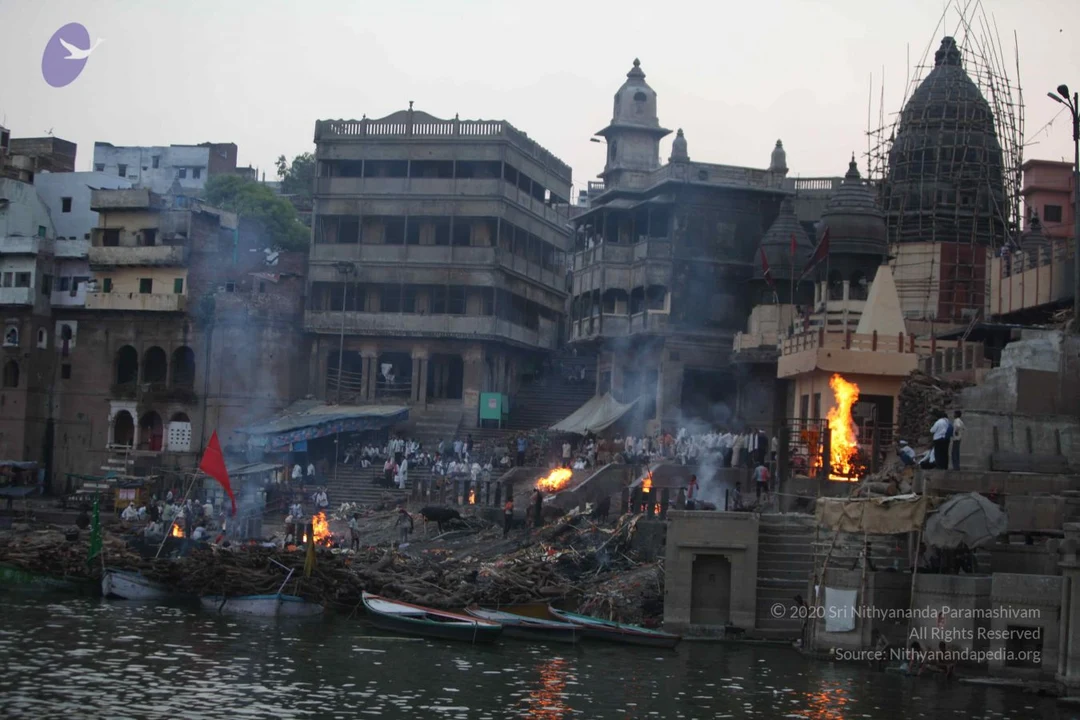
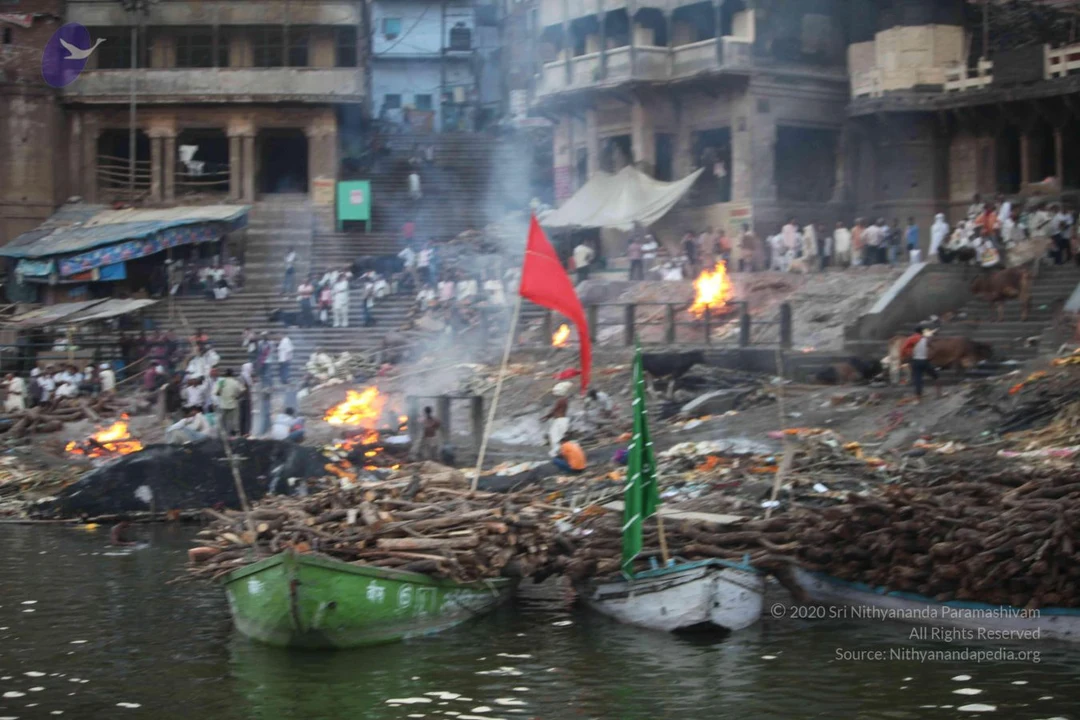
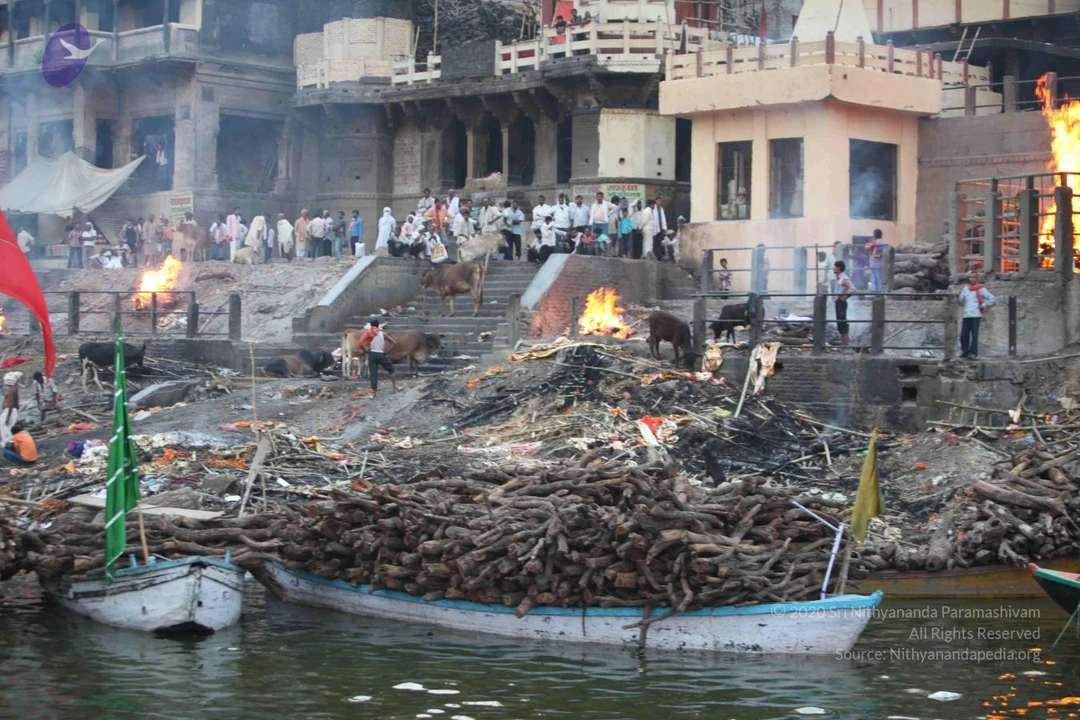
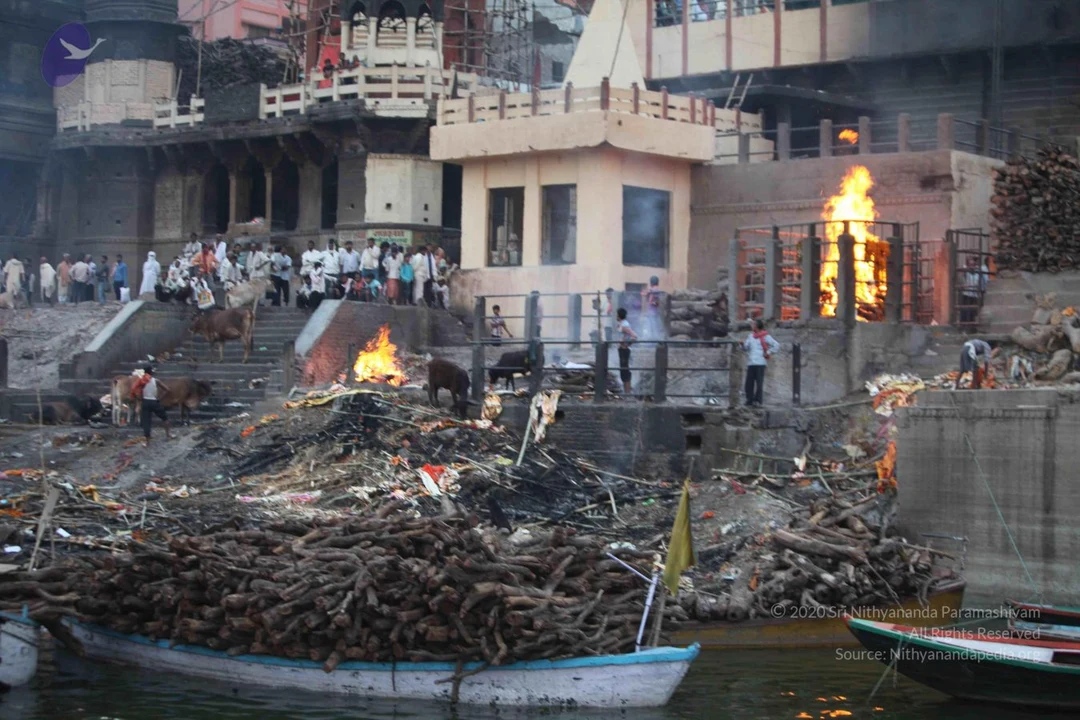
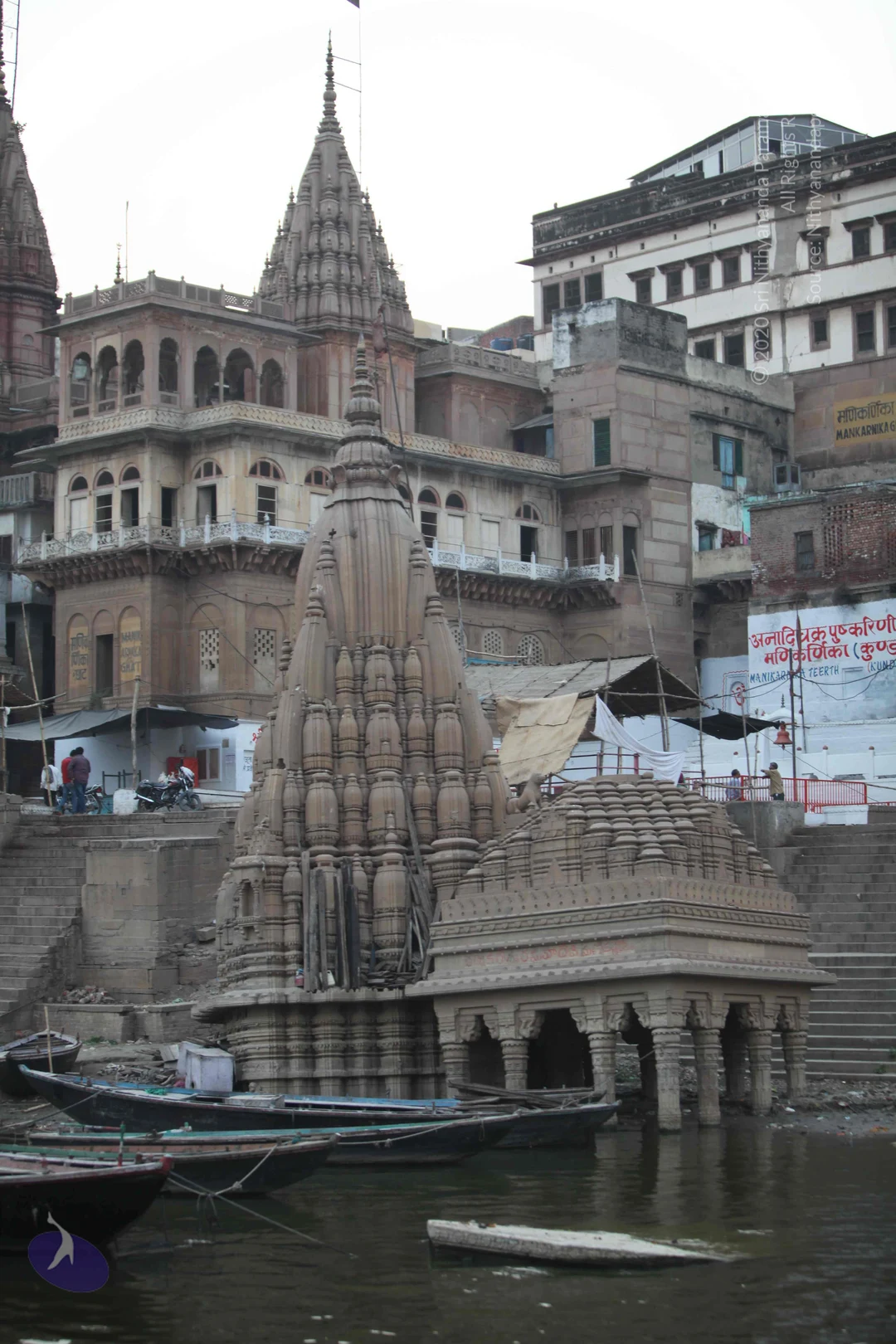
We were publishing a special issue on Inner Awakening in sacred places – Varanasi and Haridwar. In that, my editor, she has written about Manikarnika Ghat, saying that, ‘This is the largest crematorium ground’ and all that and people burn their near and dear ones’ dead bodies here believing that they will directly go to heaven or liberation. I immediately called and ‘What do you mean? What do you mean by saying, believing people will reach the heaven or liberation? I told her, ‘Put it in affirmative and put my name as authority.’ Anybody burnt here is liberated immediately. Mahadeva appears and initiates them, liberates them. This is Avimuktha Kshetra – never forsaken, never given up. Avimuktha Kshetra.

Varanasi is literally like a Cosmos. If you understand it, it is most fascinating. You will see such a beautiful order in the chaos. If you don’t, you will see so much of chaos even in the order. If you don’t understand, it will be frustrating. If you understand, this will be the most fascinating city.

15:21

And I think, next twenty-one days, I am not going to speak anything other than the glory of Varanasi. I don’t think anything will even come up in my mind or in my inner-space. I can’t say ‘mind’, because I don’t have mind. At least my inner-space, I am going to be only speaking about Varanasi, Varanasi, Varanasi, Vishwanatha, Vishwanatha, Vishwanatha.

This city is older than history itself, and far older than legends itself. And still most fascinating. If you are watching me, I tell you, just come. I know, even now it is not too late. Get up and be here. I know, you may be thinking, ‘Oh, every time Swami does like this same thing. He goes to Kailash and says, ‘Get up and come.’ And he goes to Varanasi and says, ‘Oh, it is so nice here. Please come.’ Anyhow.... Inner Awakening in Varanasi is too much. Varanasi itself is too much. Inner Awakening is too, too much. And Inner Awakening in Varanasi is too, too, too, too, too, too, too, too, too much.

After the marriage with Parvathi, Mahadeva wants to stay with all the Ganas and Ganapathi, Subramanya, and everyone, the large beautiful community. So, they all decided and chose this place, Varanasi, and settled down here. Then after that only Ganga came and had darshan of Mahadeva. Varanasi was older than Ganga. At that time, this place iss called Ananda Gandha, Ananda Vana. And the word ‘Ananda Gandha’ is used in our whole spiritual literature only once – by Adi Shankara, when he sings about Vishwanatha in Vishwanathashtaka. He sings. That time he uses the word ‘Ananda Gandha’. And those days it was called Ananda Vana. Then after the Ganga came and had darshan of Mahadeva, Varuna and Assi joined, it became Varanasi.

I think, may be, one of my longest stays in this body in Varanasi is this next twenty-five days. I will be here in Varanasi twenty-five days. Nothing much to tell other than HARA HARA MAHADEVA! It is a place to freak out. That’s the truth. No...Really! It’s a place for spiritual freaks. Actually, I can only define me as a spiritual freak. That is the tradition of Paramahamsa. Paramahamsa means ‘spiritual freak’. That’s a right translation of the word ‘Paramahamsa’. So, this is the place to freak out. All the spiritual freakers gather here. The meaning of the word Shiva Gana is nothing but ‘spiritual freaks’. This is the place where spiritual freaks gather. This is not Vaikunta; this is Kailaasa, Mahadeva’s community - Varanasi. Of course, Vishnu also is here, but he also becomes one of the Shiva Ganas and spiritual freaks. Even Vishnu applies Vibhooti and becomes a spiritual freak here. Here even Devi worships Mahadeva.

20:35

Ananda Vana! Here even death is a liberation and celebration. Even death is a liberation and celebration. Among the seven Jeevan Mukthi Kshetras, this is the foremost. Kashi is the foremost Jeevan Muktha Kshetra.

Ananda Vana - where even now, Mahadeva relaxes and enjoys his own inner-space and glory, does Ananda Thaandava, celebrates his own existence. How when you are in a high mood you take a selfie and put it in the Facebook, same way, Vishwanatha is selfie of Mahadeva. Vishwanatha and Kaalabhairava are selfie of Mahadeva. Because he is in such an ecstasy, he took a selfie and posted it to all of us. That is Vishwanatha and Kaalabhairava.

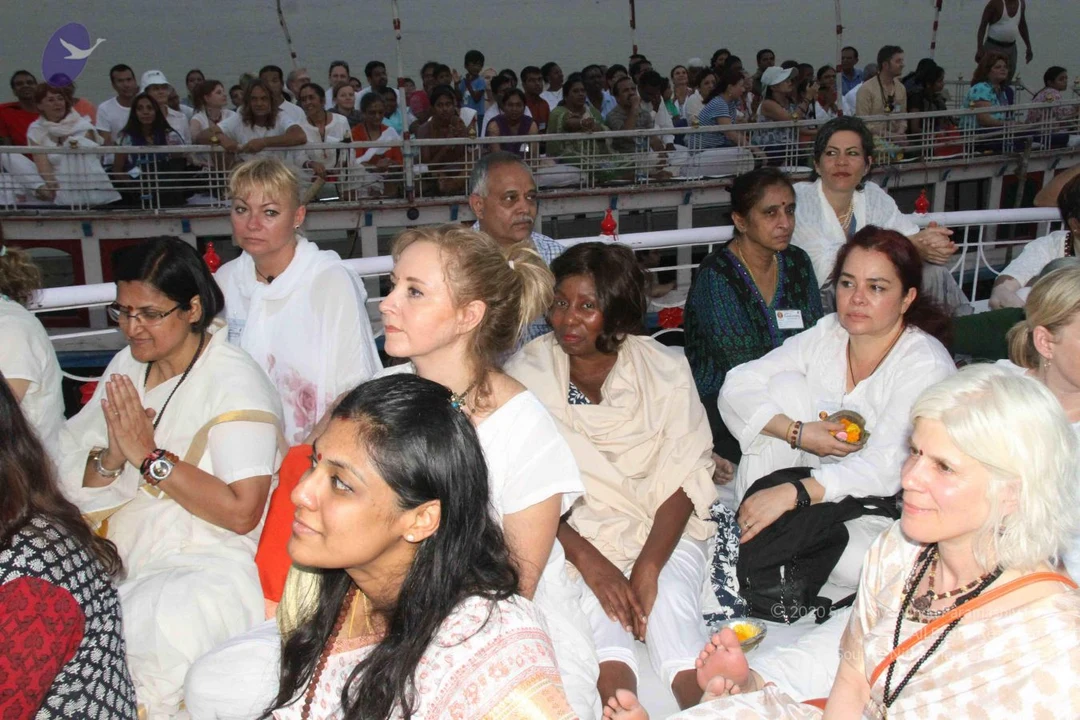
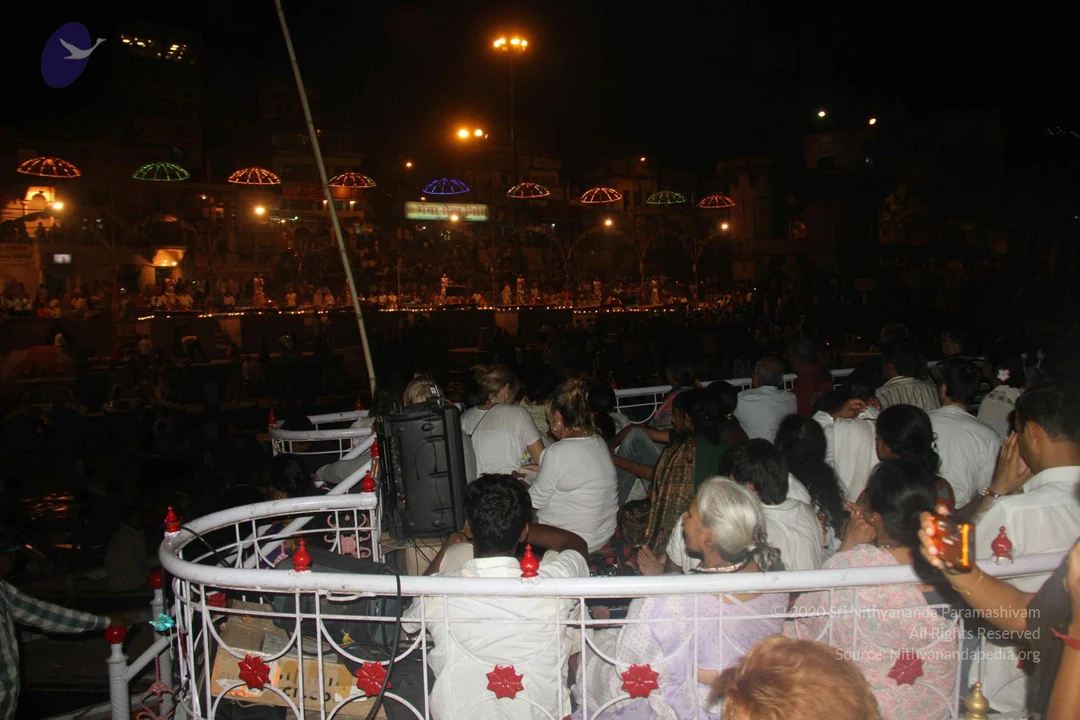
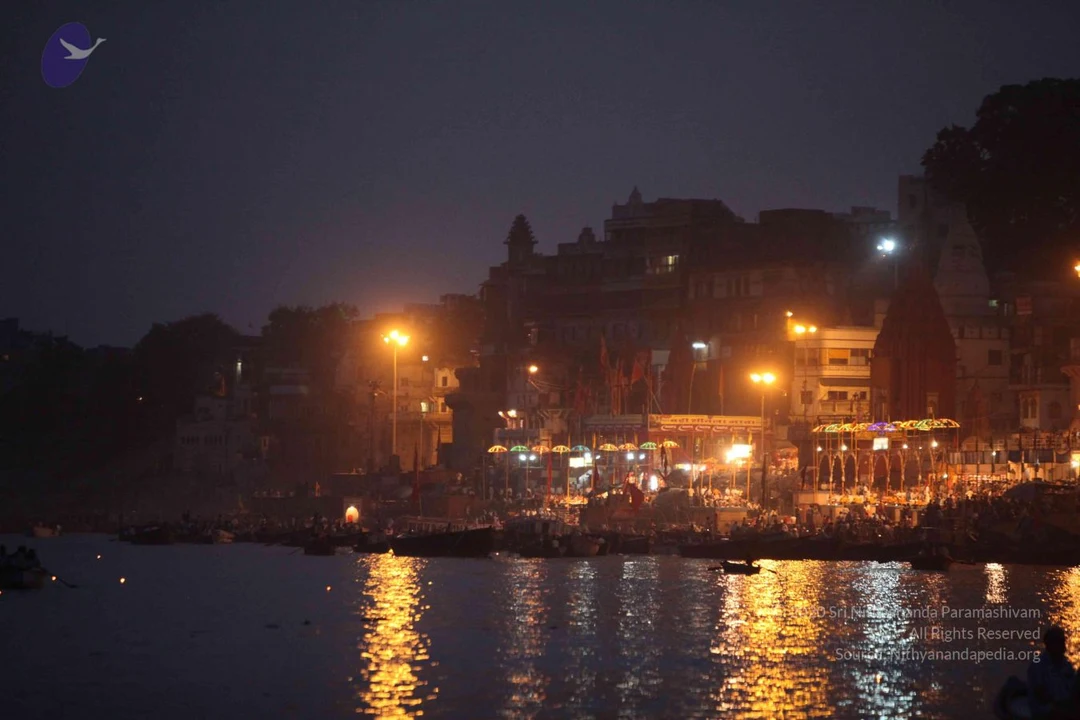
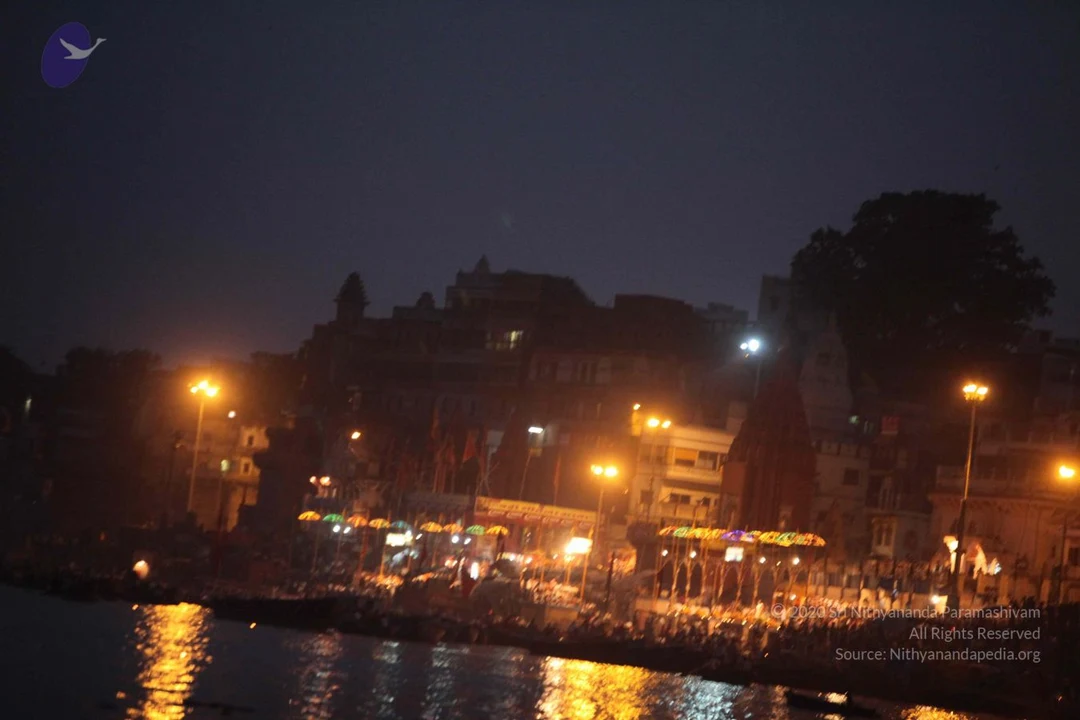
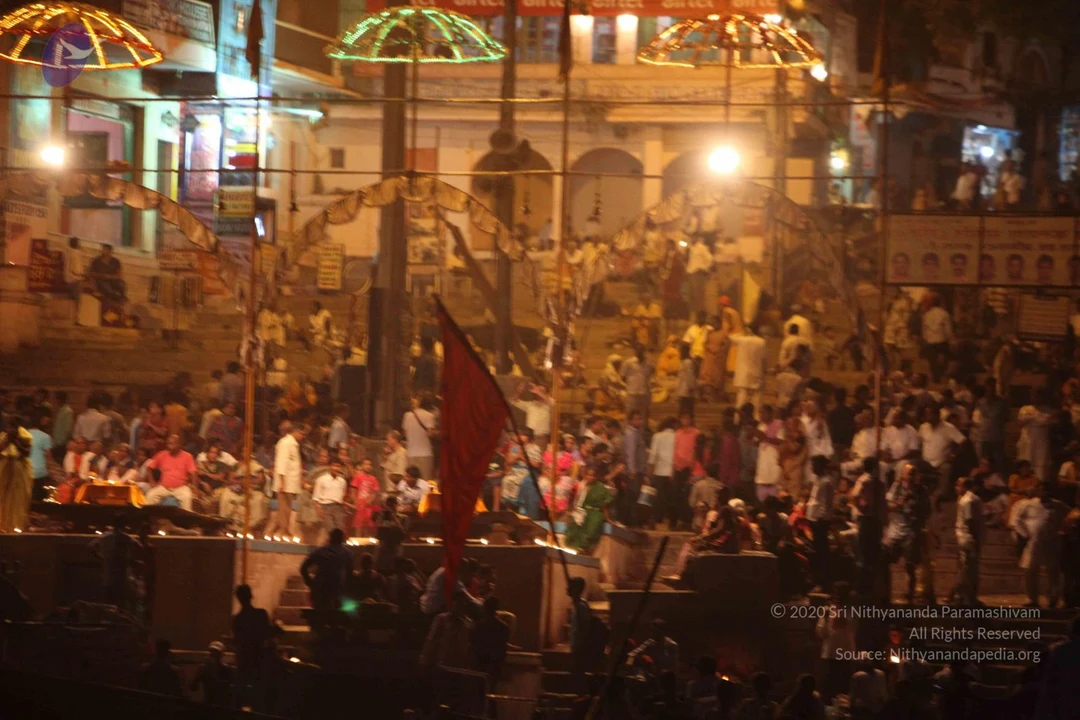
And for all the Inner Awakening participants who have arrived here one day early, I have a special surprise for you guys. Today I am going to take you guys to Ganga. Programme starts tomorrow only; But, today a personal, intimate time with Ganga. Be ready here in this same hall around, sorry hall will not be available, but outside around 4:40. The organizers will announce the time. Please all of you gather. We will have a beautiful time with Ganga, and Ganga Arathi.

23:43

I was having some other plans, but I decided to accommodate and spend time with you guys. This is a special gift from Ganga Ma to all of you for coming one day early. I know organizers and all may not be able to come. They will have to be preparing for tomorrow. I know they will be already crying, ‘Oh God. Tomorrow there is so much to be done and’, But you guys have to co-operate, whole, the day time you guys finish everything required for all the formalities registration everything. You all finish and be ready to have time with Ganga and the Master, in the evening.

First, the first human-being who started thinking is Kapila. And he lived in Varanasi. His Samadhi is in Varanasi. He had his enlightenment, education, everything here and his Samadhi is in Varanasi. He is the founder of our Akhada, Mahanirvani Akhada. And from Kapila the unbroken thought-current chain of eternal spiritual flow is available. Still he himself is alive here. Vishwanatha is alive here. You will be surprised and shocked to know the devotion of Varanasi vaasis, Kashi vaasis, towards Vishwanatha. See it’s like, local people will always take the deity and temple for granted. But only here you will see, you will be shocked, the devotion the Kashi vaasis, the localites carry, Kashiites carry for Vishwanatha. He is a lifeline for them. He is the lifeline for them.

The essence of today’s satsangh is:

Varanasi! Varanasi, the place of Ananda Vana – blissful forest, and place of spiritual freaks!

I bless you all. Let you all radiate with Integrity, Authenticity, Responsibility, Enriching and Causing eternal bliss, Nithyananda. Thank you.

Photos From The Day:
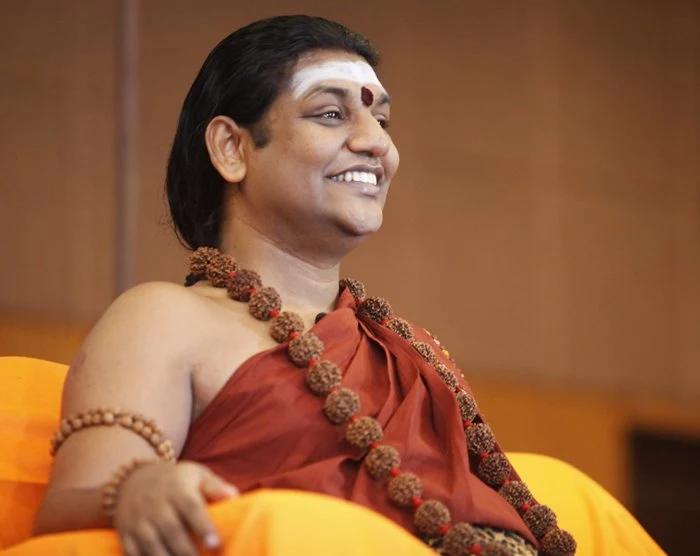
Photos

HDH Bhagwan Sri Nithyananda Paramashivam

1

19

Tags:

Varanasi, Paramahamsa Nithyananda, Kashi, Gods and Goddesses celebrating, miniature cosmos, intense, sincere, sacred sentiments, older than history, older than legend.

Photos Of The Day:

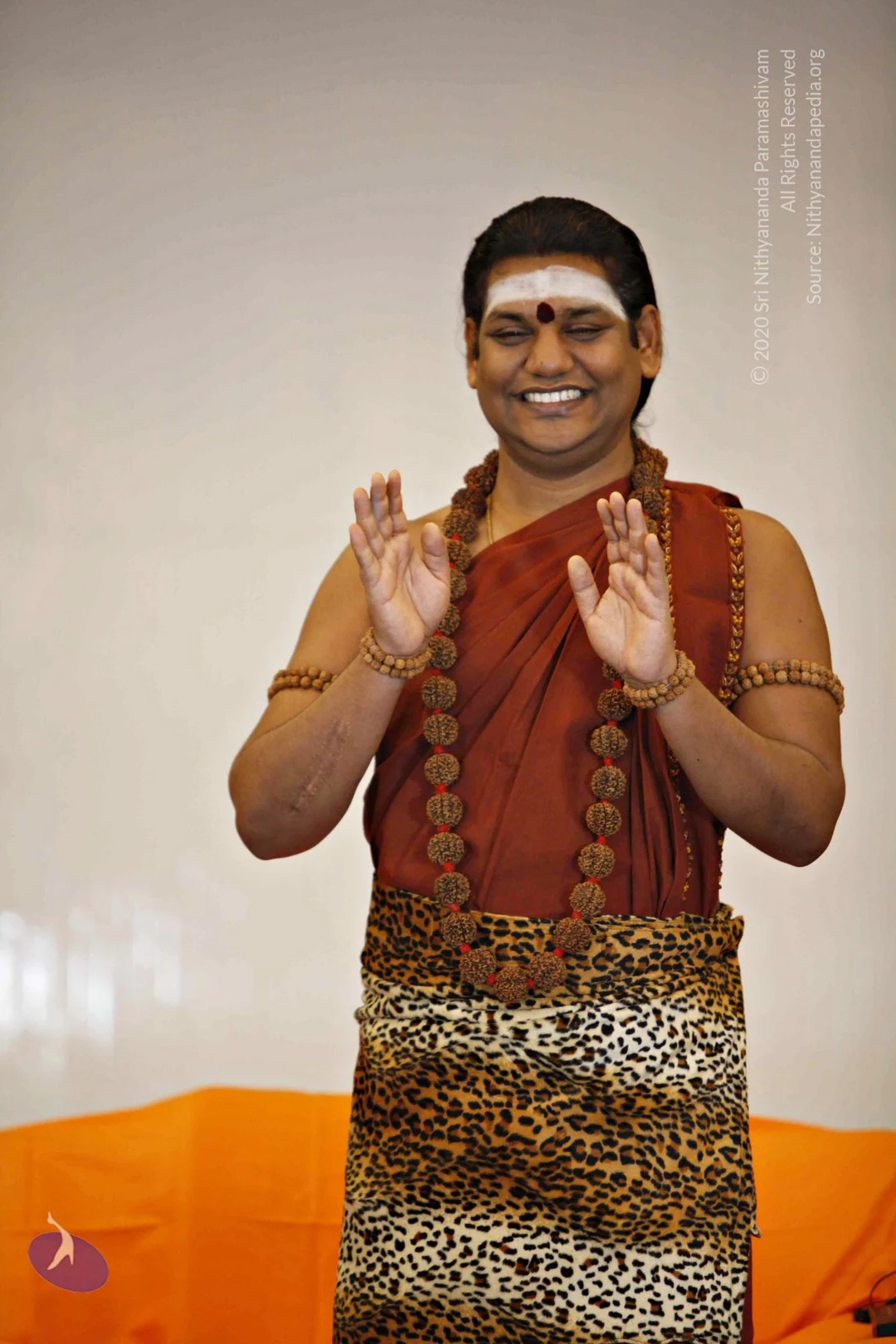
Satsang
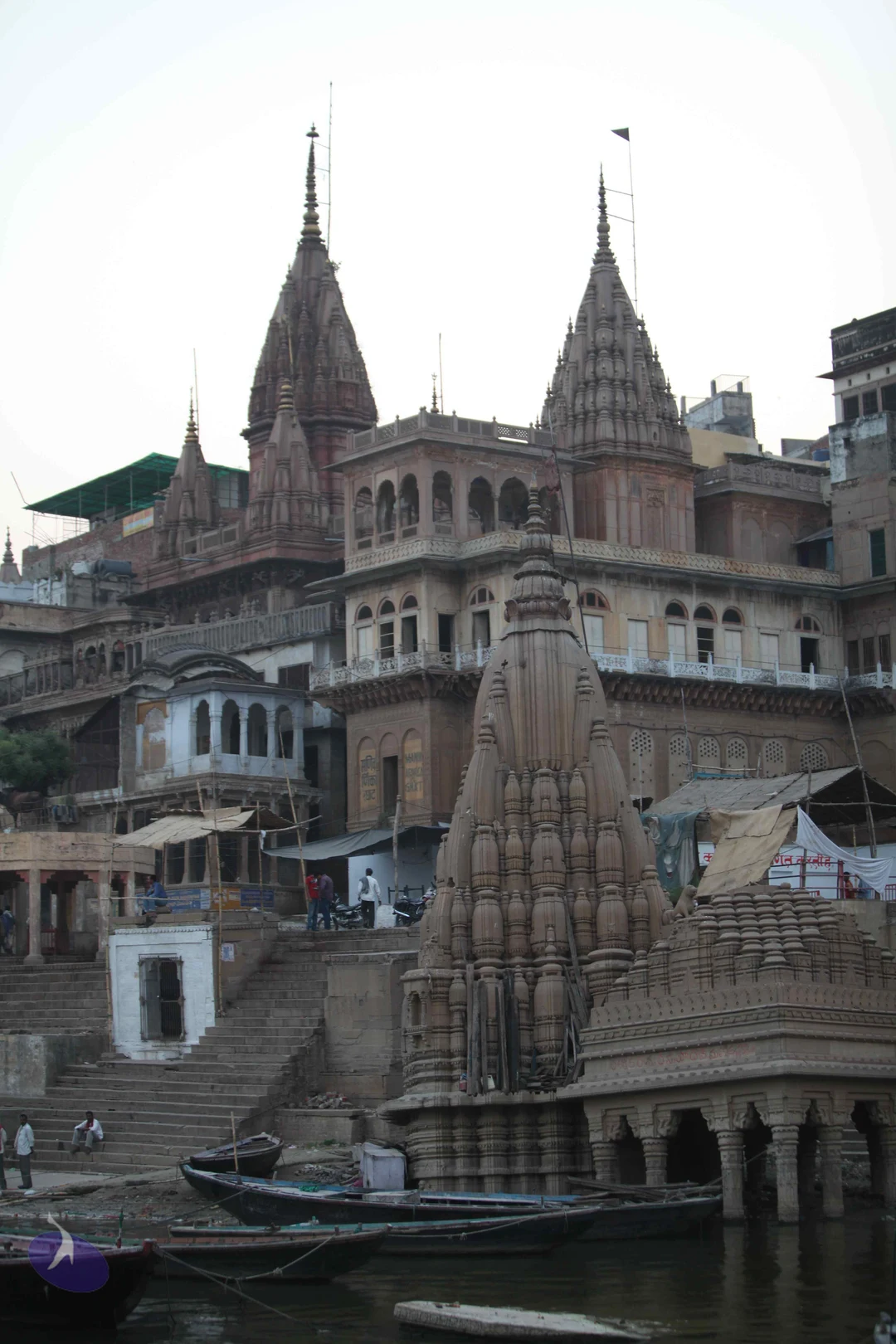
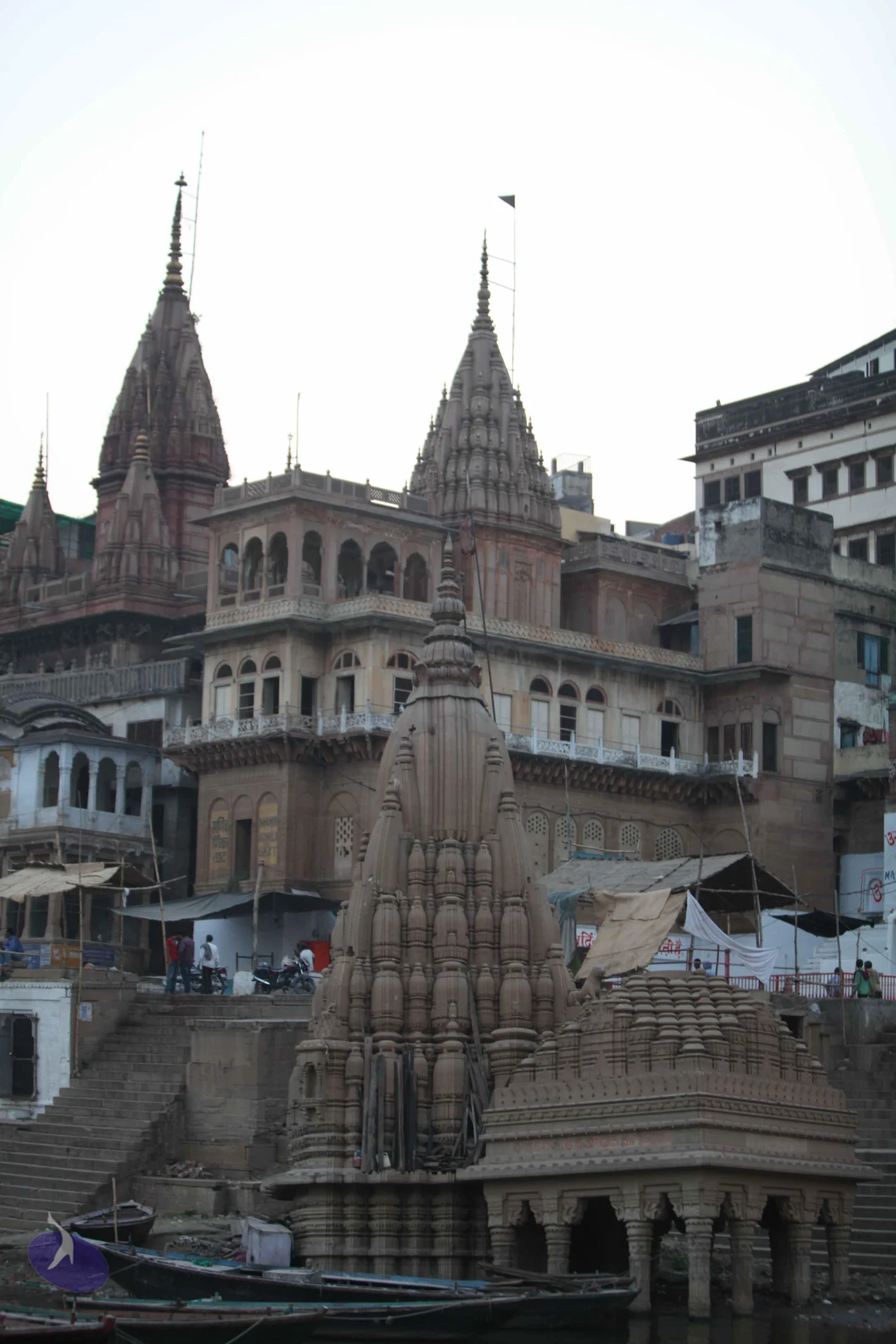
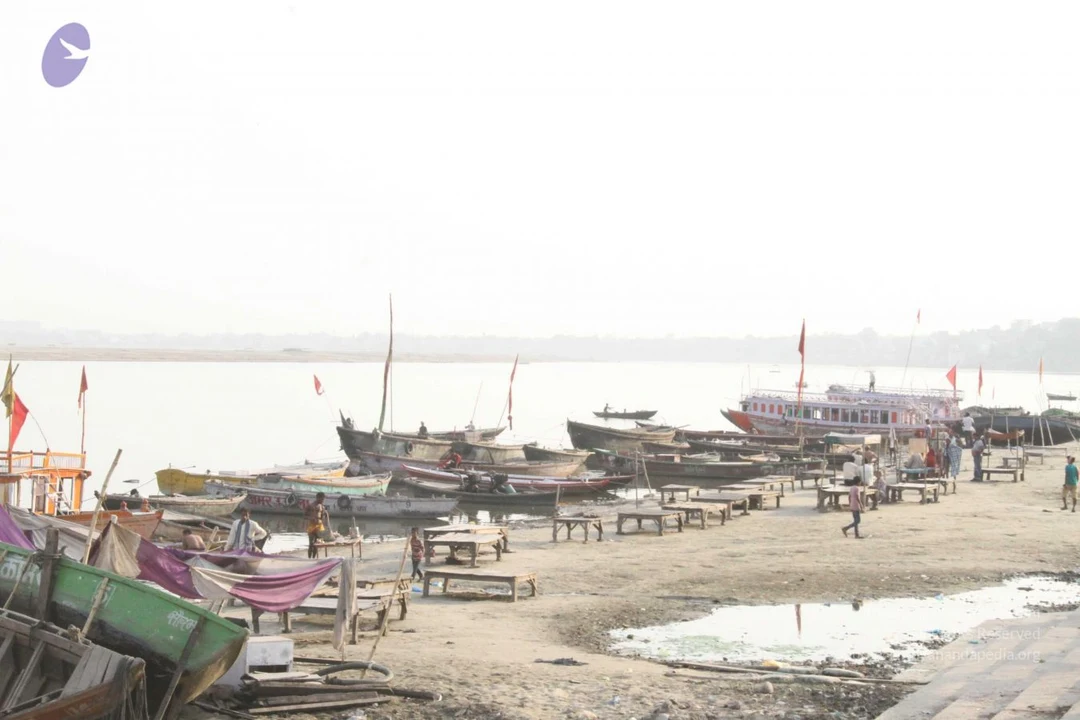
Boating On the Ganges River at Manikarnika ghat

IA-SESSION-AT-VARANASI

Photos from this day

View all 247 photos

Photos From The Day:

4 photosSource gallery
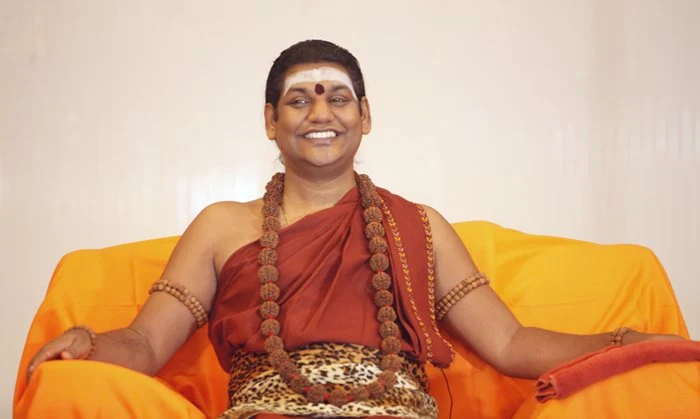
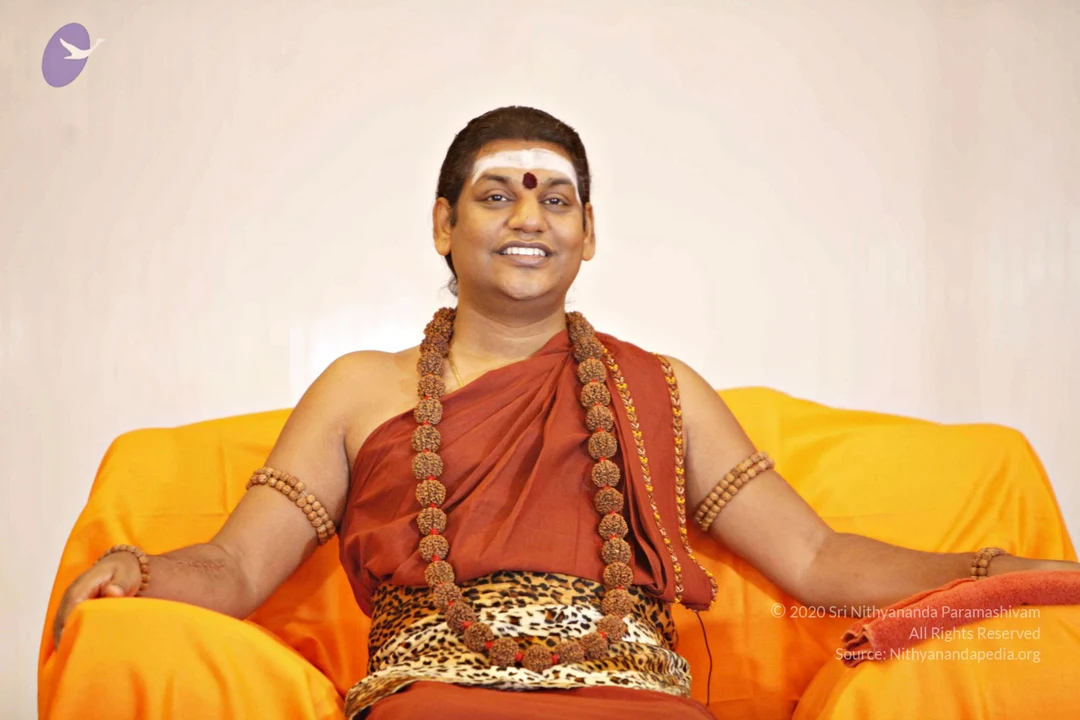
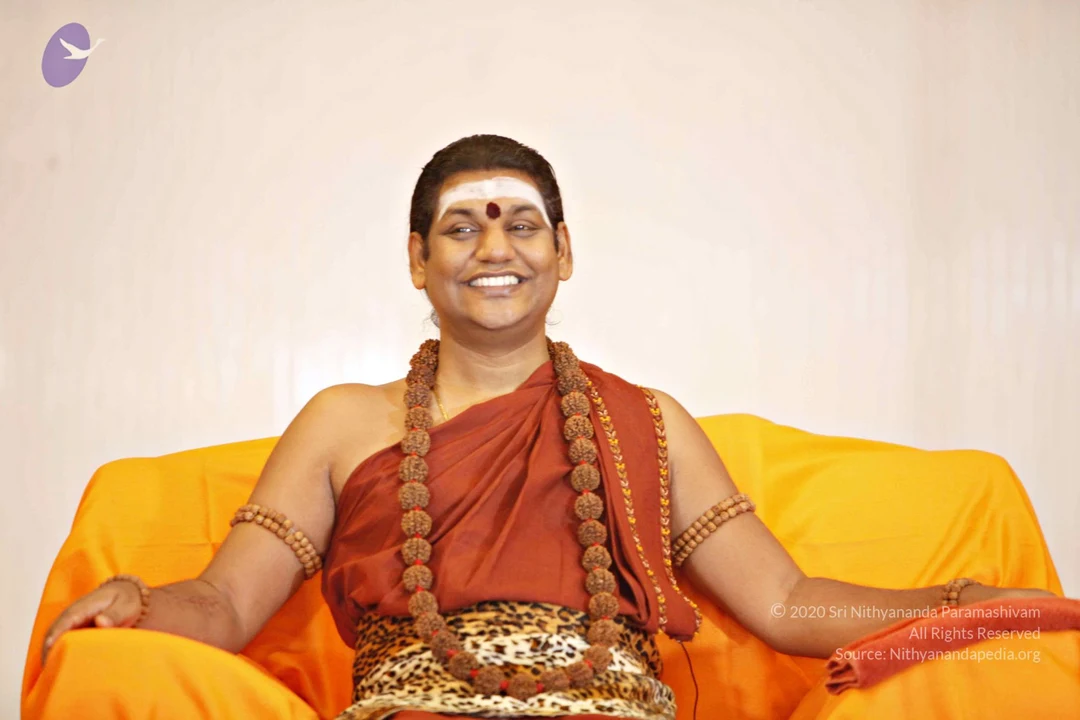
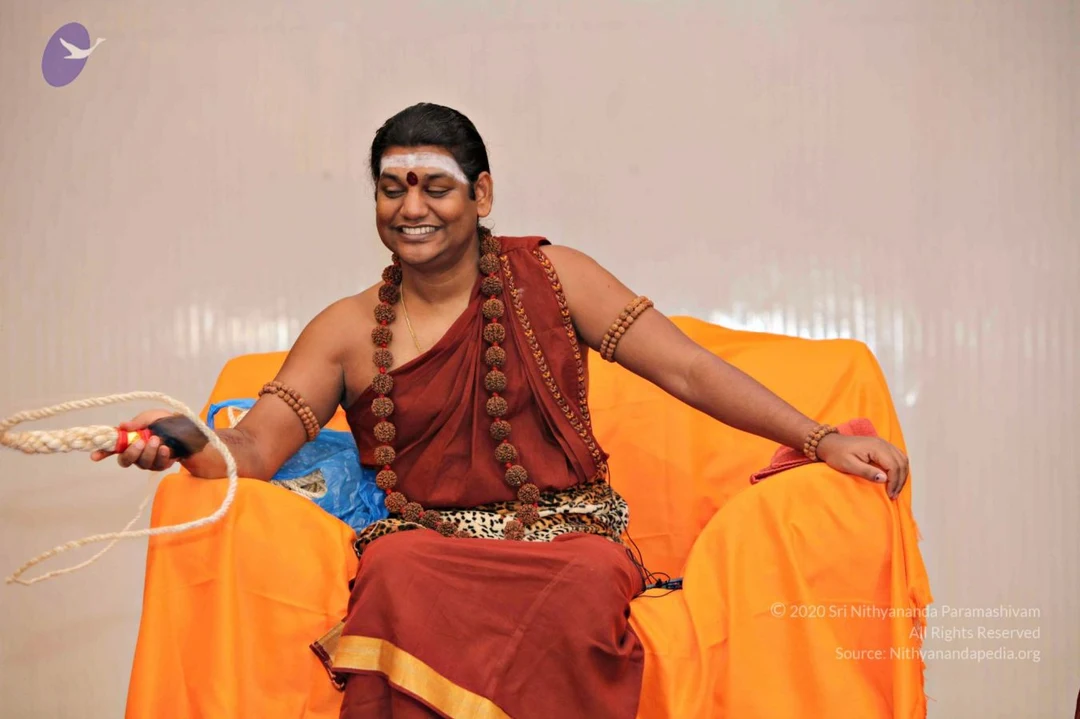
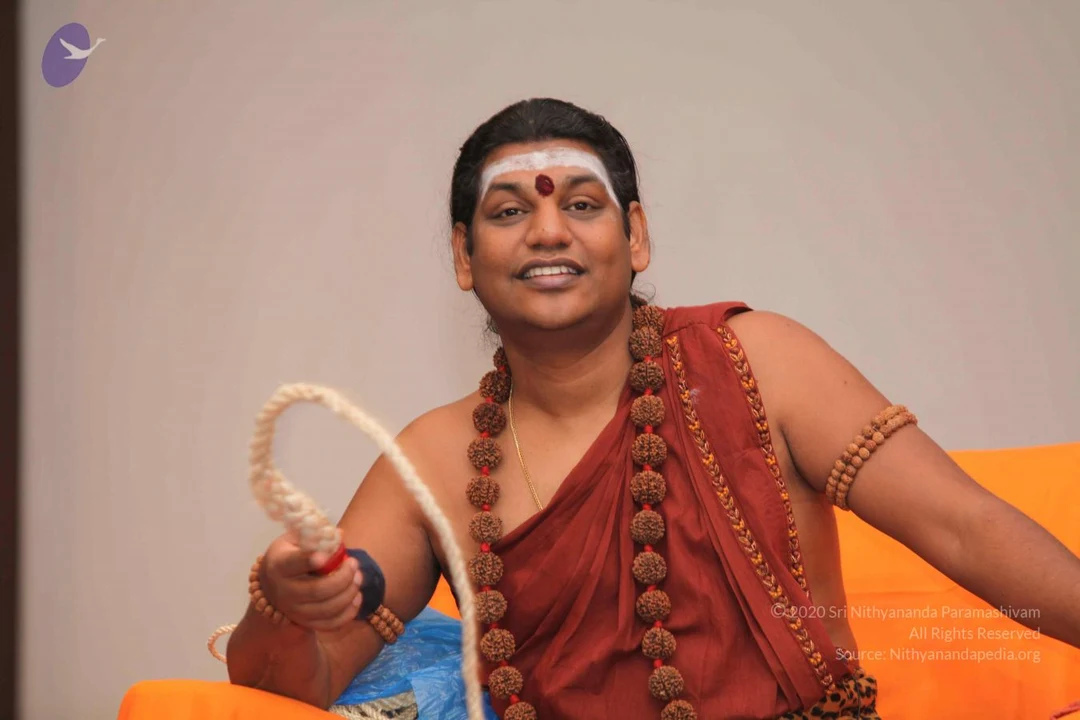
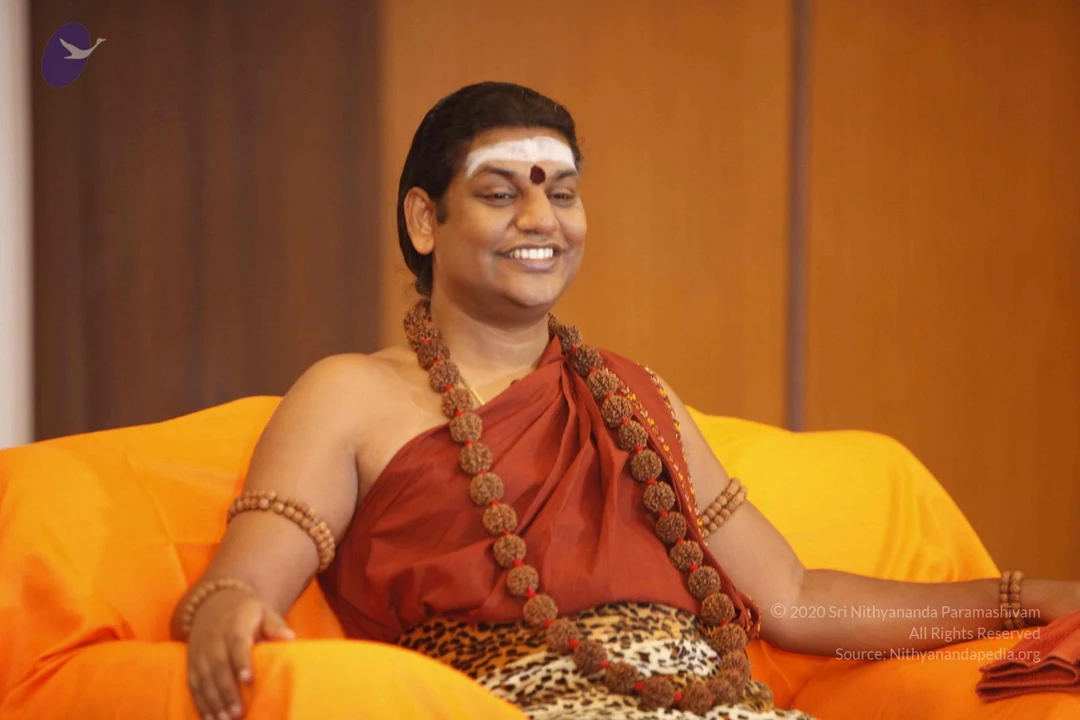
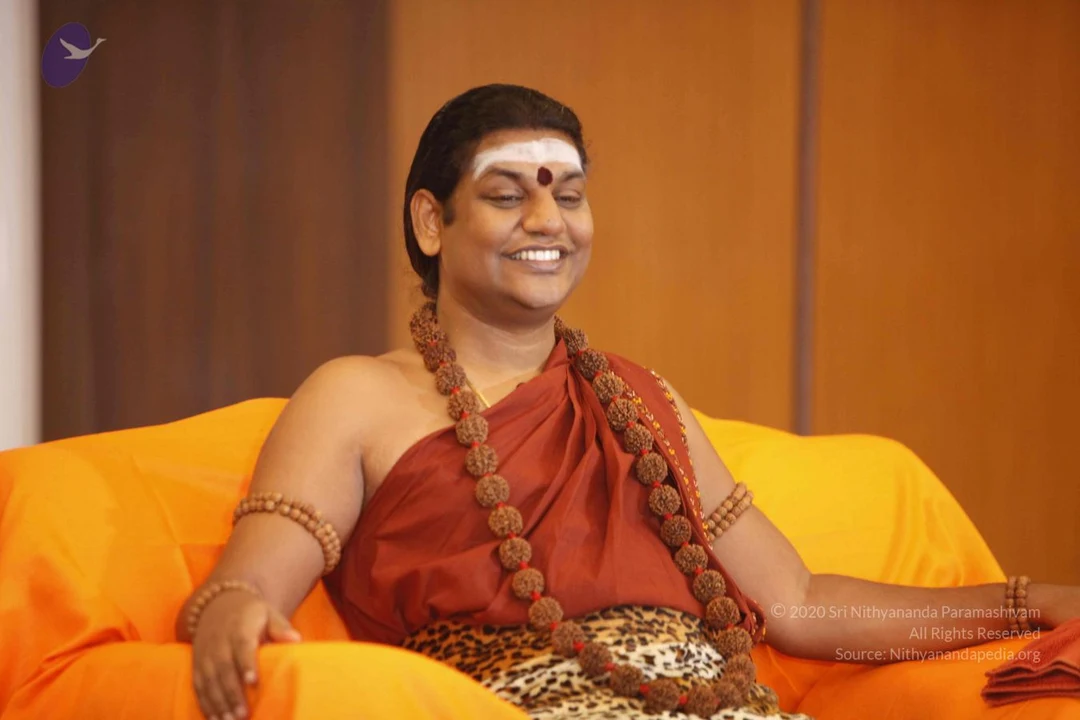
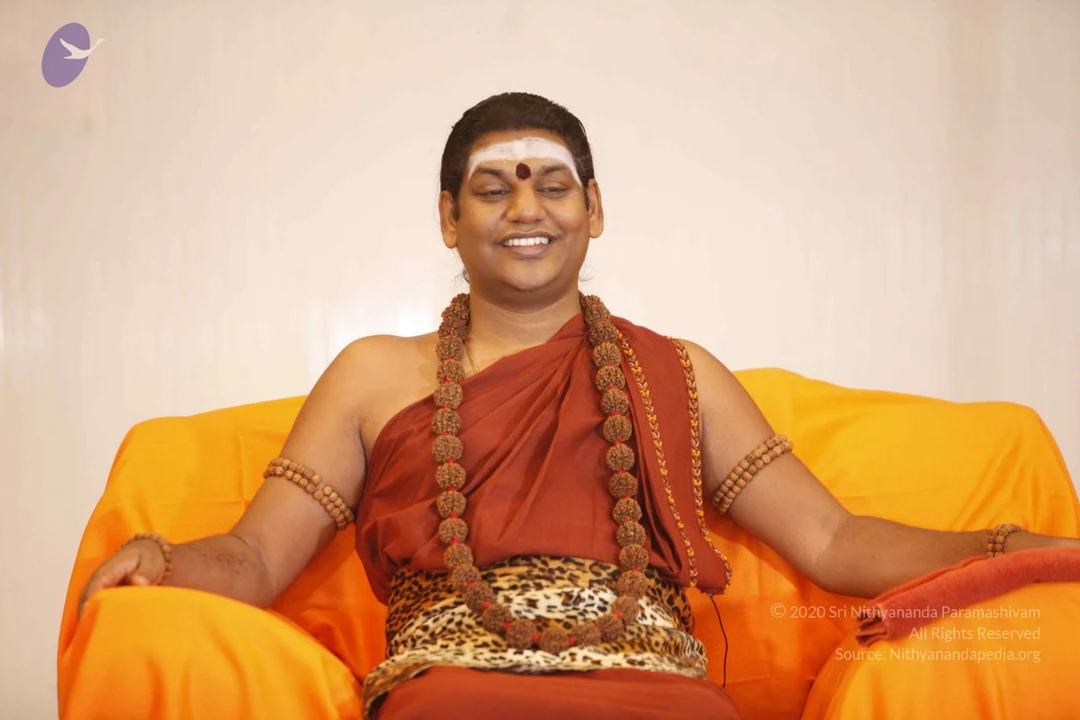
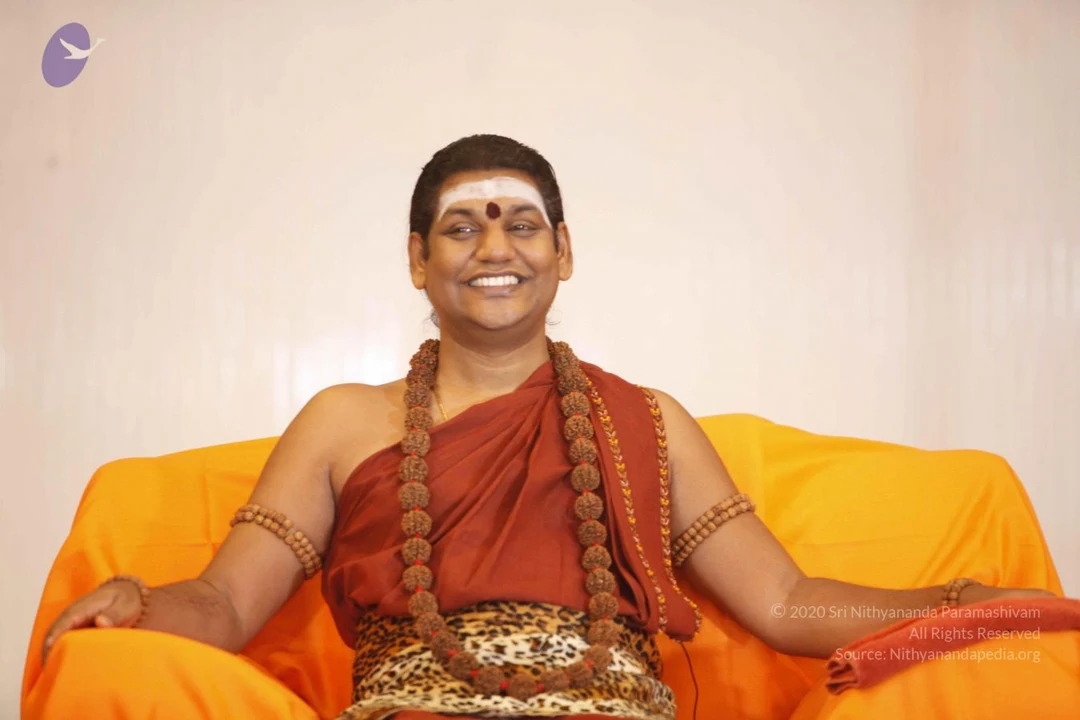
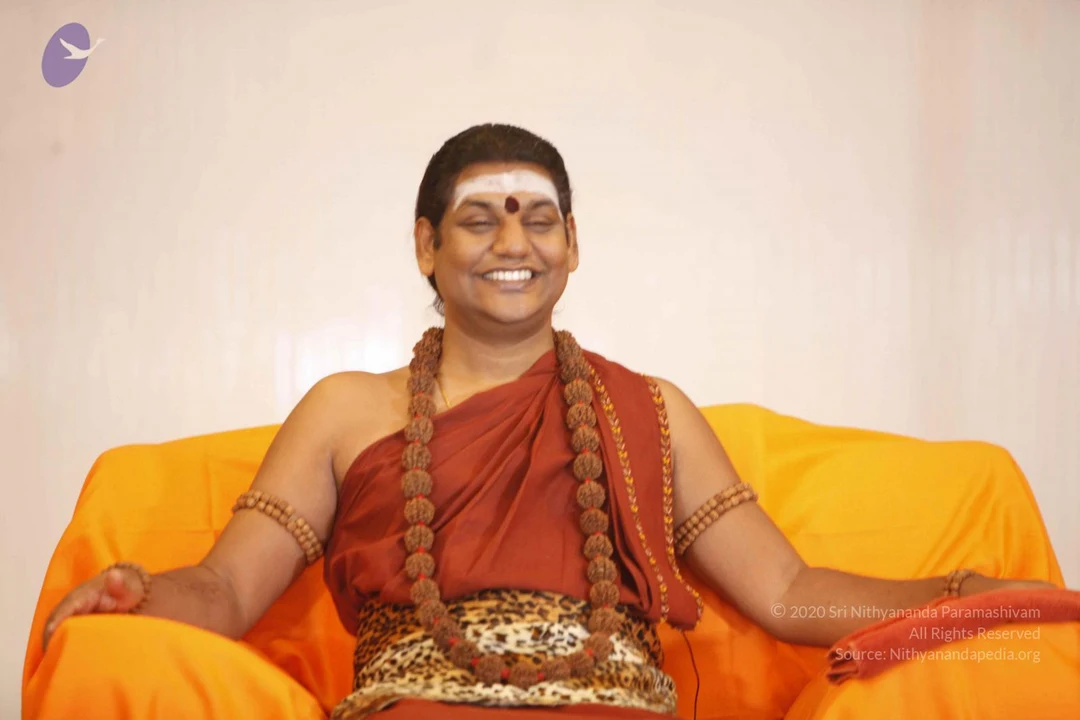
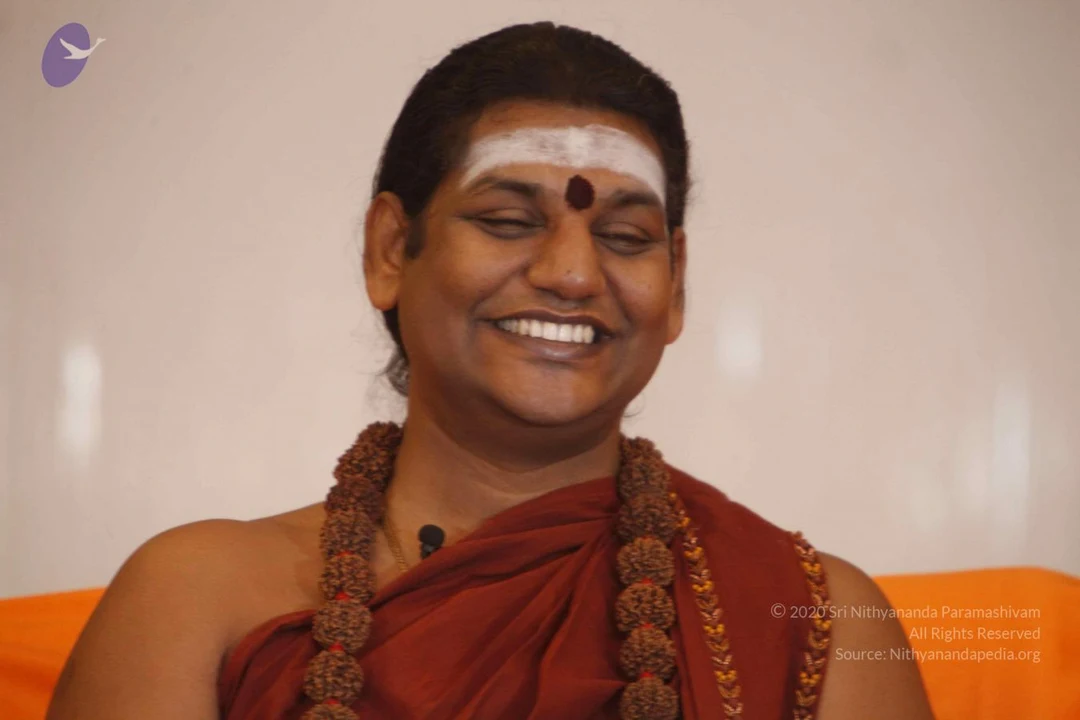
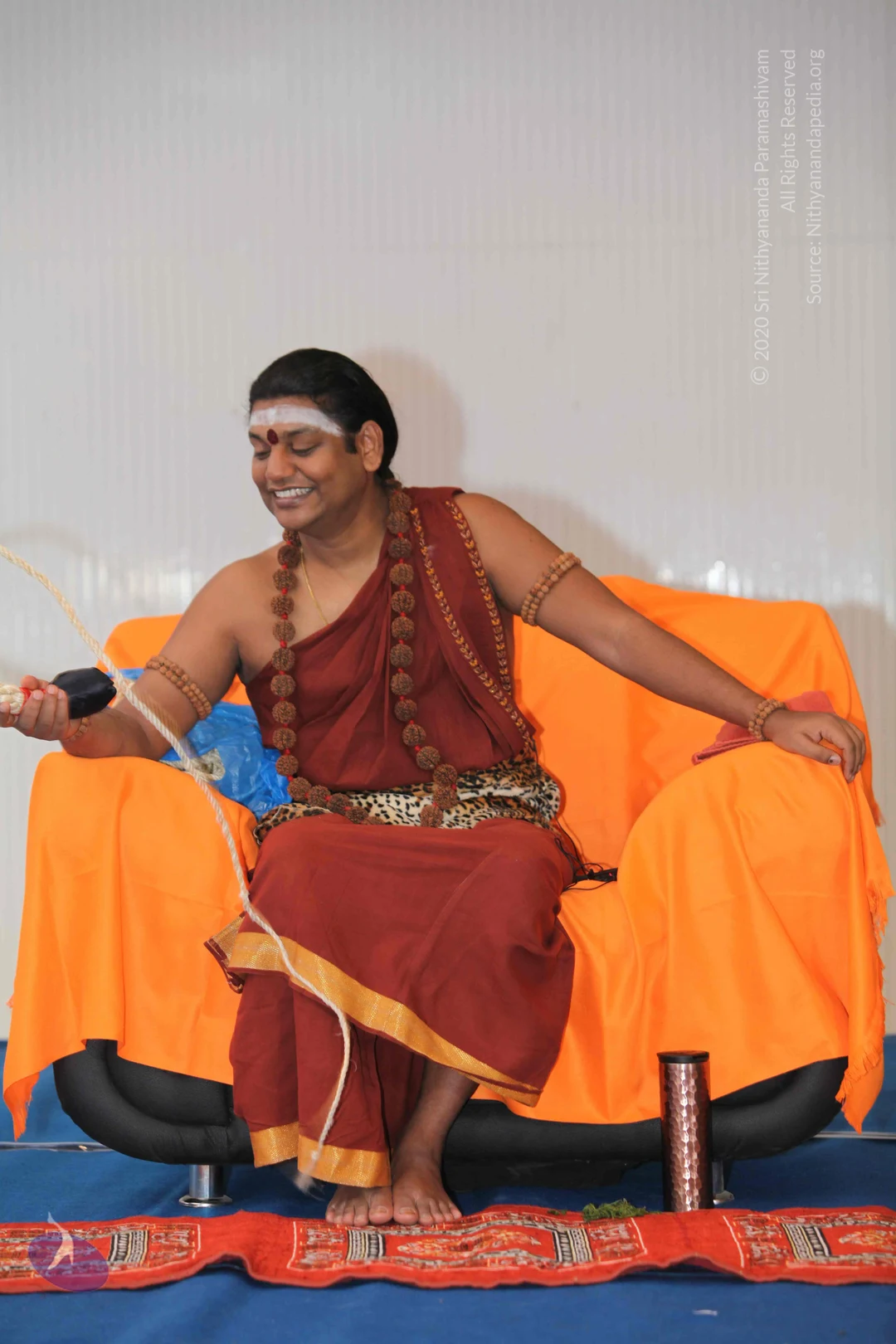
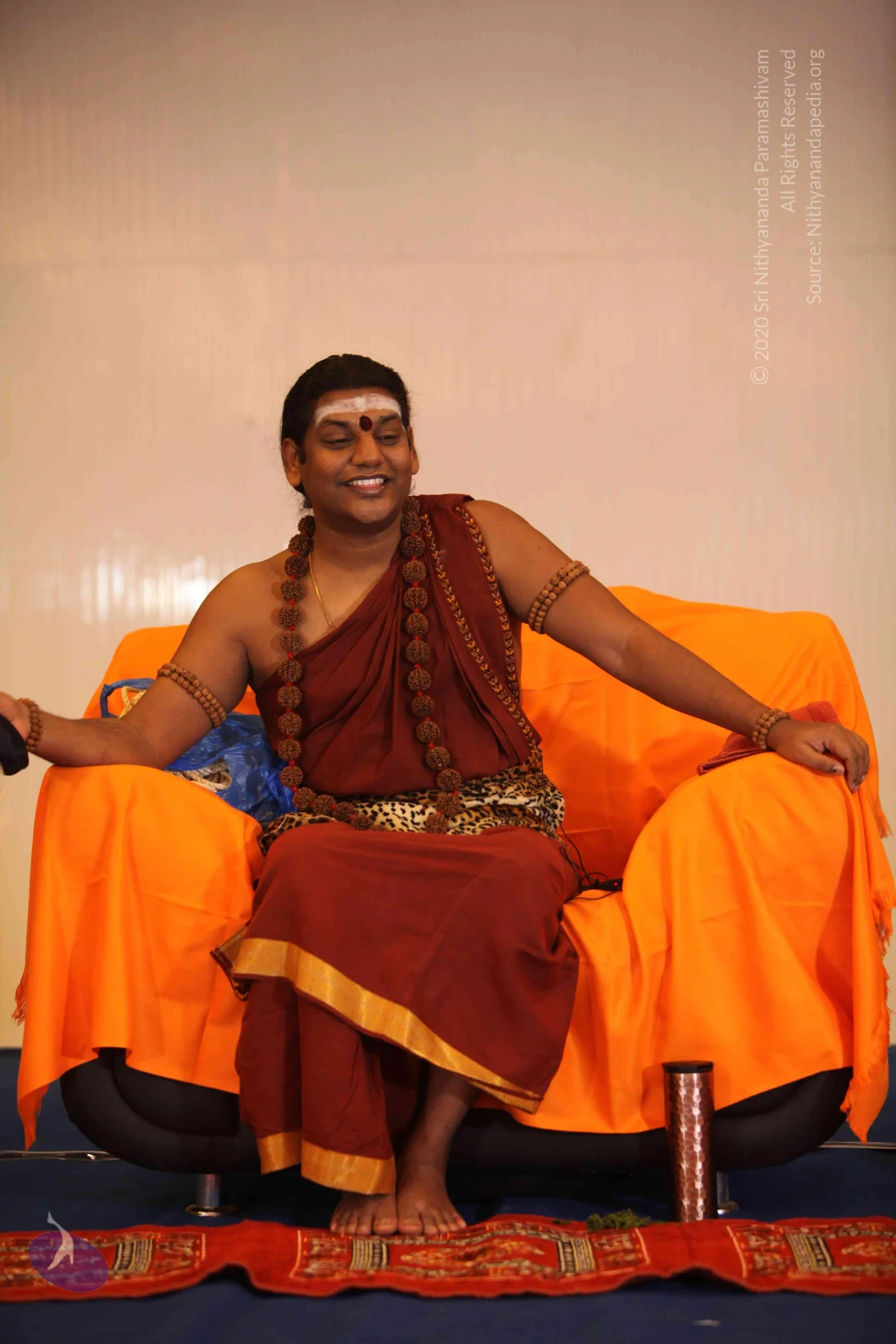
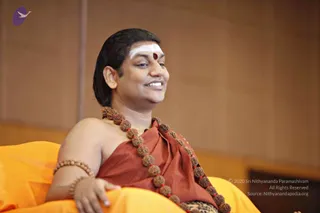
A smiling man seated on a bright orange cushioned seat against a plain warm-toned wall. He has long dark hair swept back, a white vertical tilak on his forehead with a red dot at its centre, and wears a rust-red shawl draped over his shoulder and chest. A long rudraksha mala with large brown beads crosses his chest, and matching rudraksha bracelets are on his right arm. His left hand rests on the orange seat. One physical person is visible.A smiling man sits on a bright orange cushioned chair, arms resting on the armrests. He wears a rust-red shawl draped over one shoulder, a leopard-print lower garment, a long necklace of large brown rudraksha beads reaching his chest, and beaded bracelets on his wrists. A white horizontal mark with a red dot is on his forehead.Close-up photo of a smiling man seated on an orange cushioned seat against a plain white backdrop. He wears a reddish-brown saffron-toned shawl over bare shoulders, multiple large rudraksha mala beads hanging across his chest, a gold chain necklace, and rudraksha bands on his upper arms. A white horizontal tilak and red bindi mark his forehead, and his hair is swept back. A small lapel microphone is clipped to his chest. a person, seated in a satsang setting, with rudraksha malas and saffron clothing as distinguishing cues.A collage of six photographs and one close-up under the caption "Rose Garden". The large central image shows a single orange-and-yellow rose bloom with green leaves. Surrounding panels show young people in orange robes, some with white or ash markings on their foreheads, tending potted plants and holding leafy green seedlings in a sunny outdoor yard. One panel shows a young woman with hair in a bun beside a seated figure in orange. A graphic collage presenting garden and devotee-service activities.

Satsang
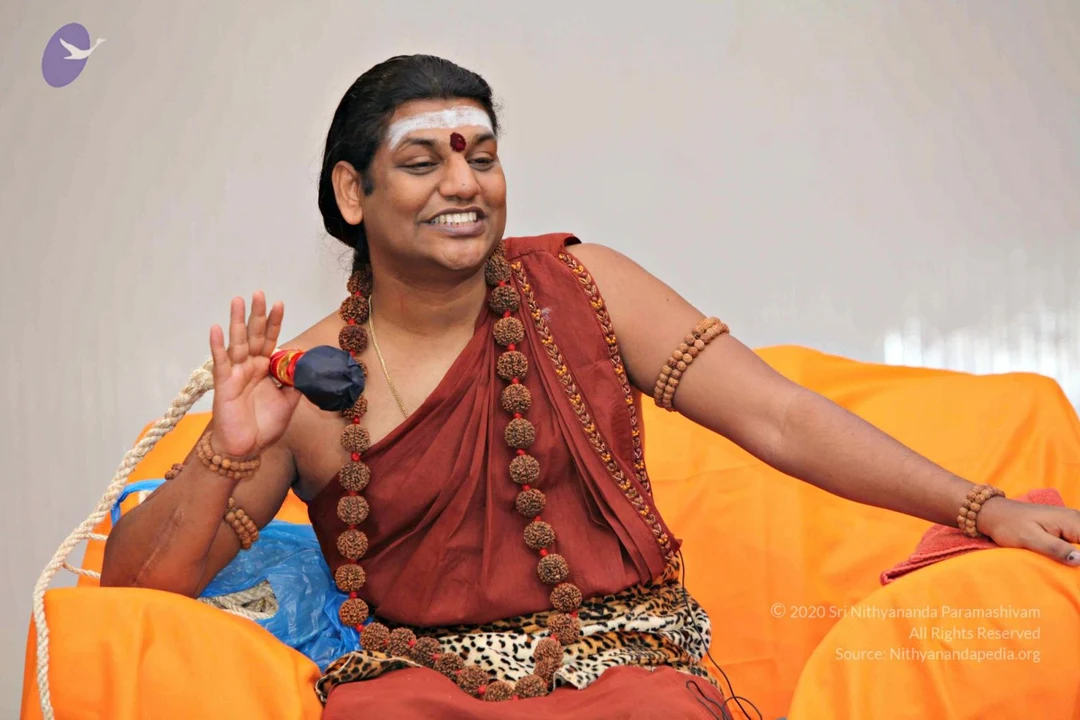
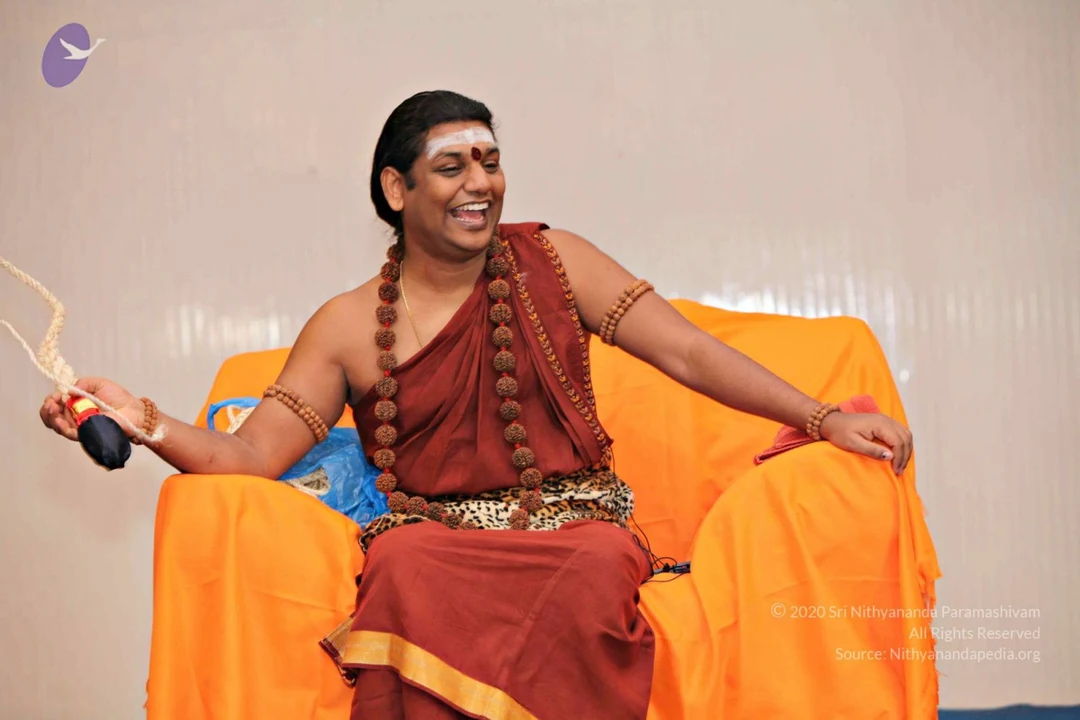
45 photosSource gallery
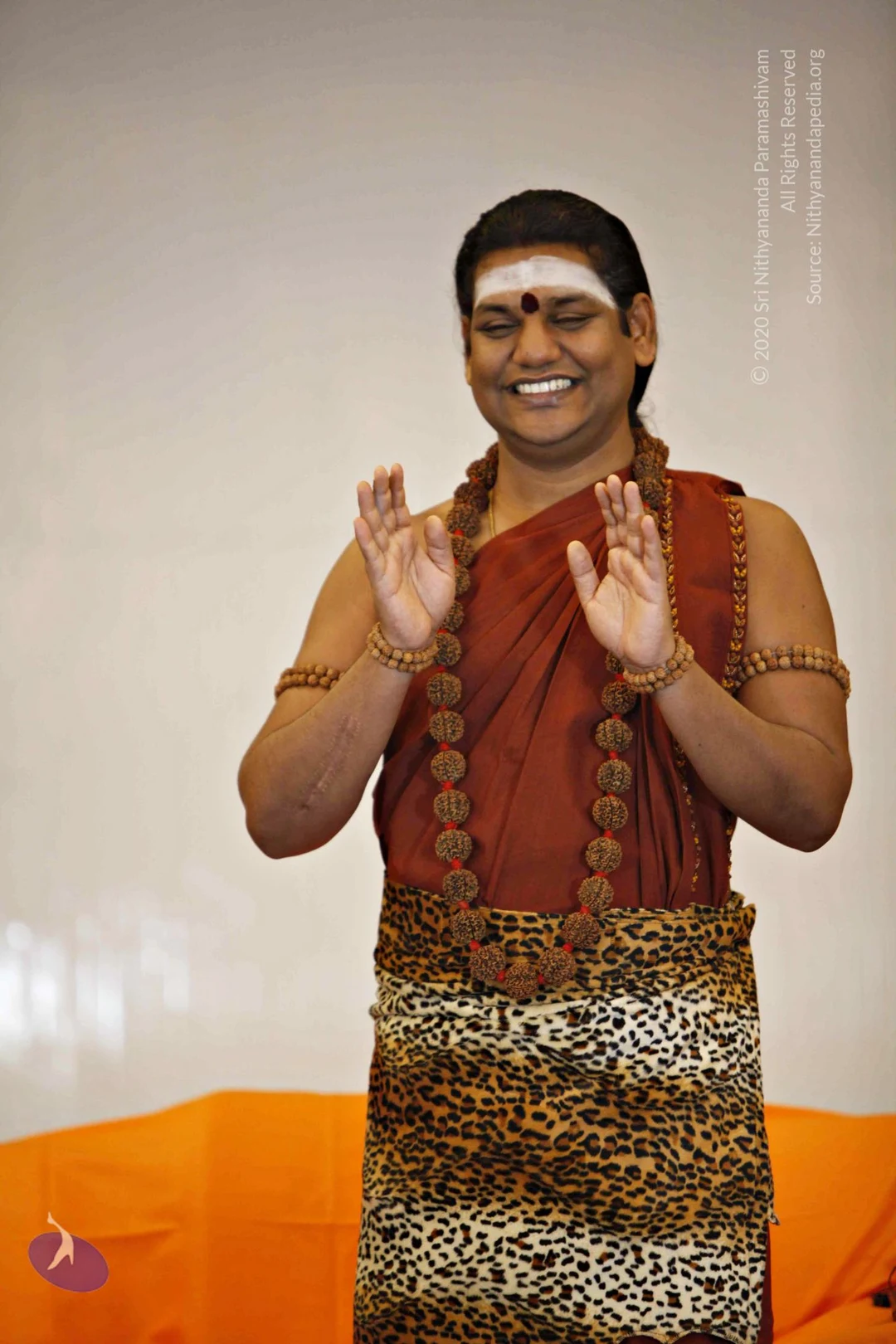
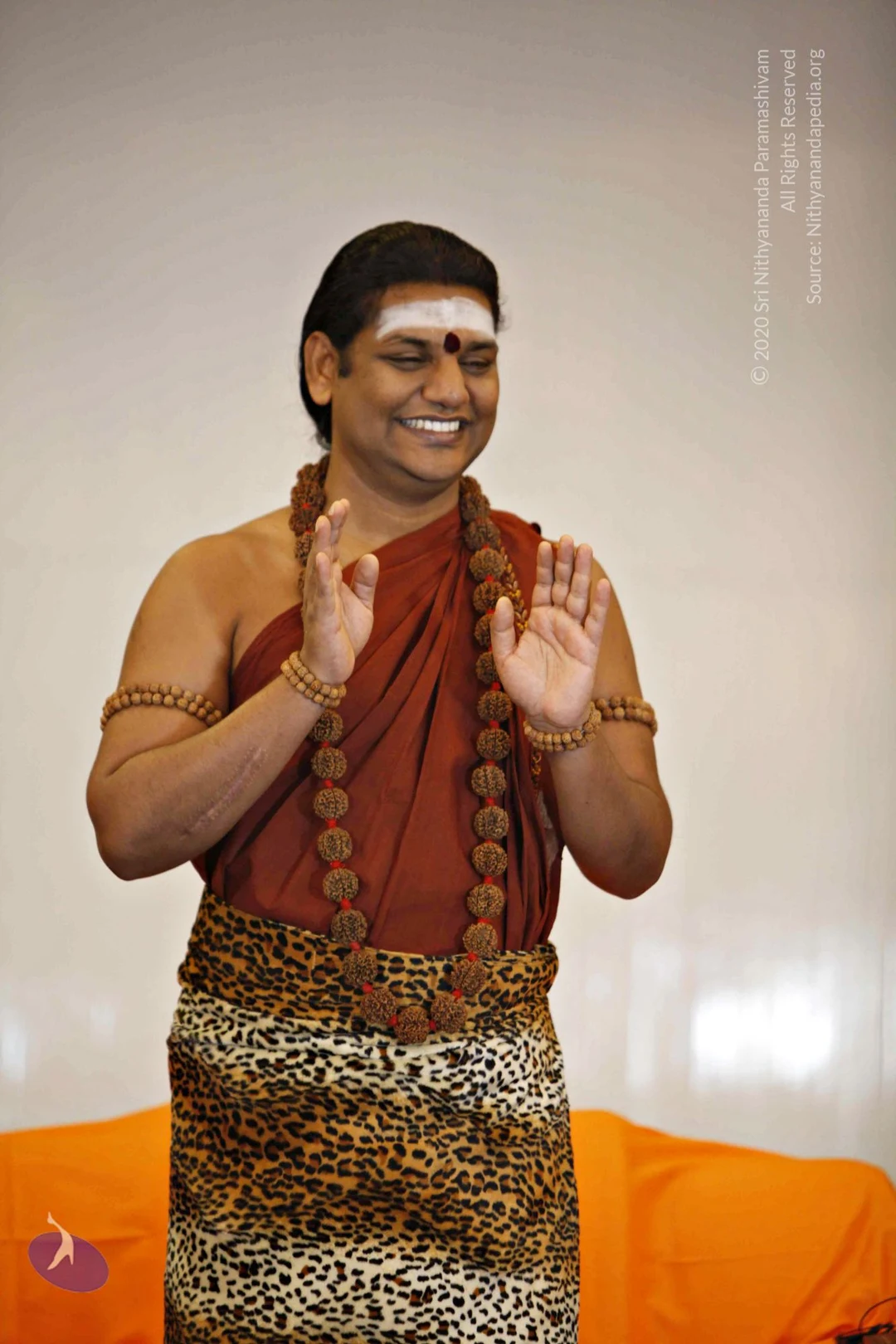
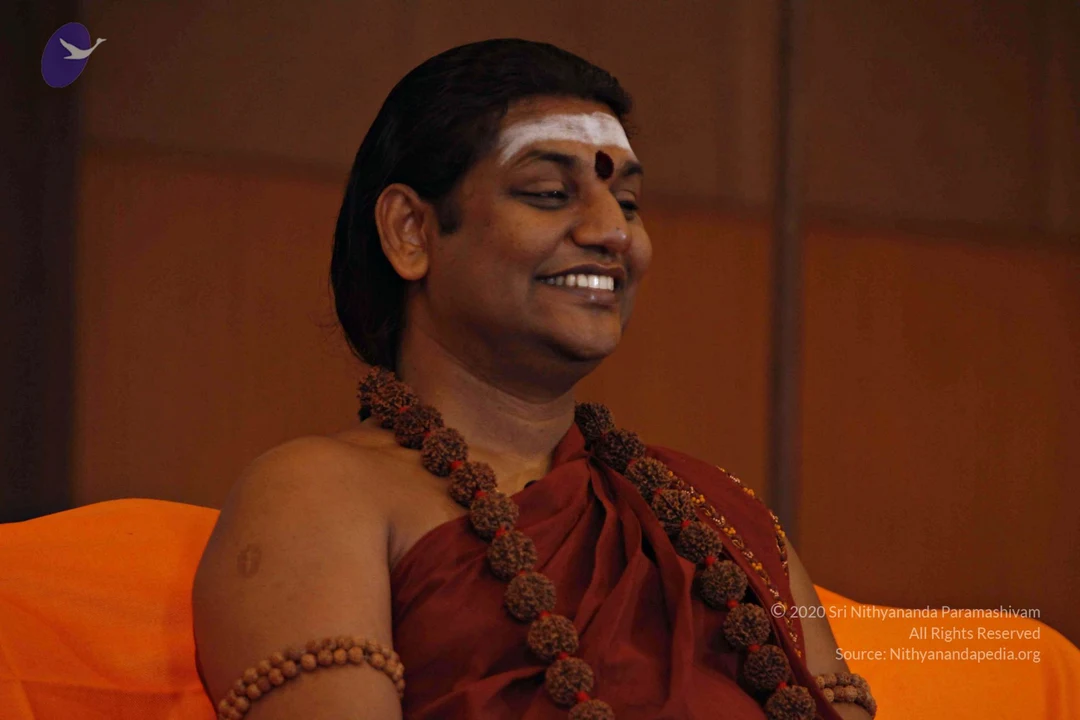
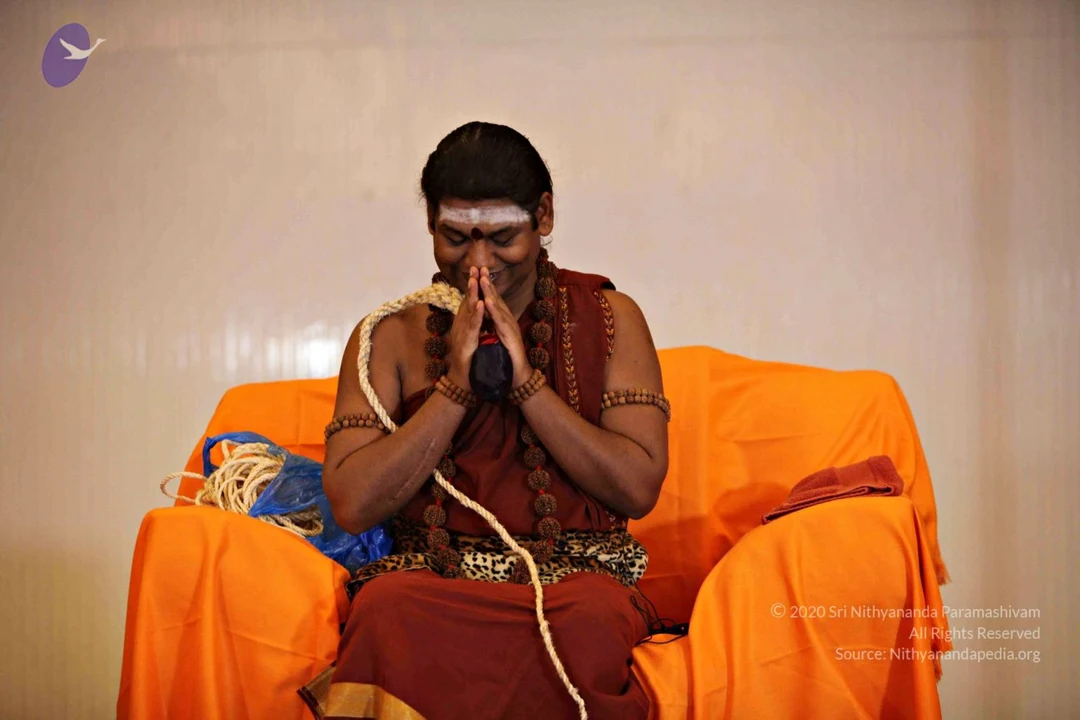
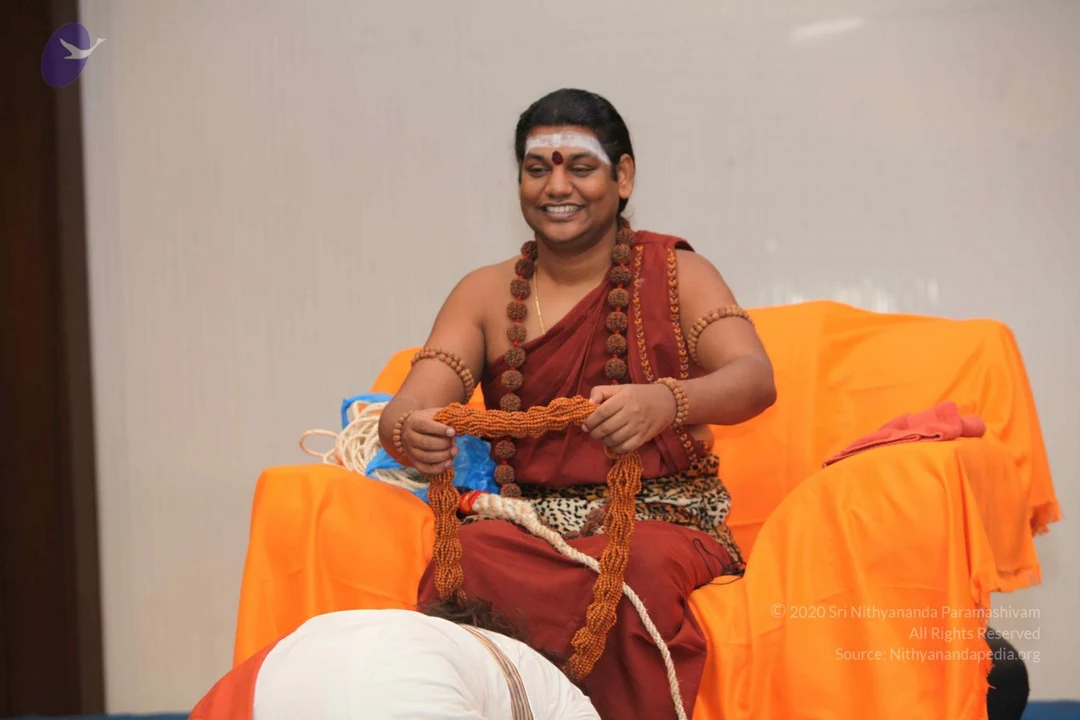
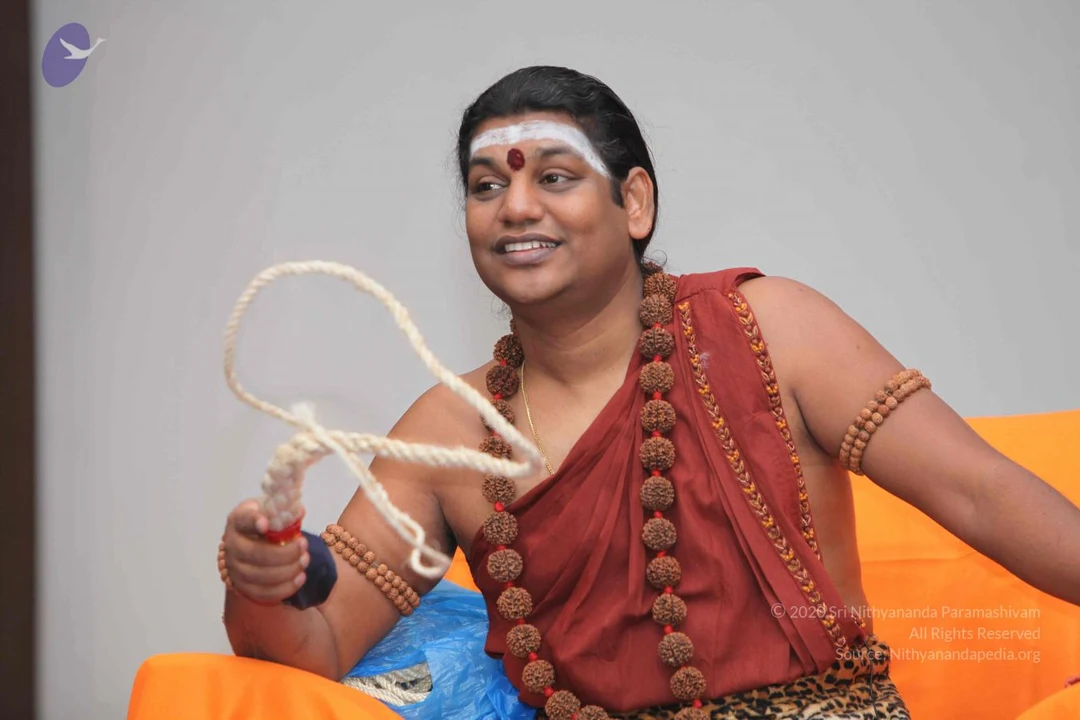
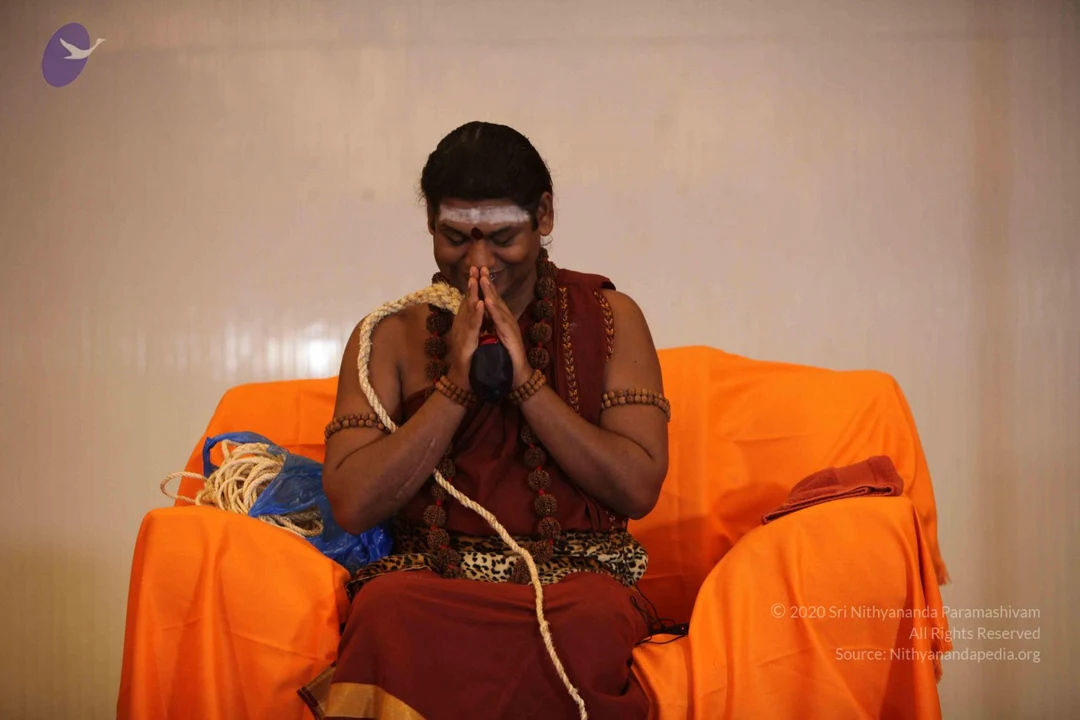
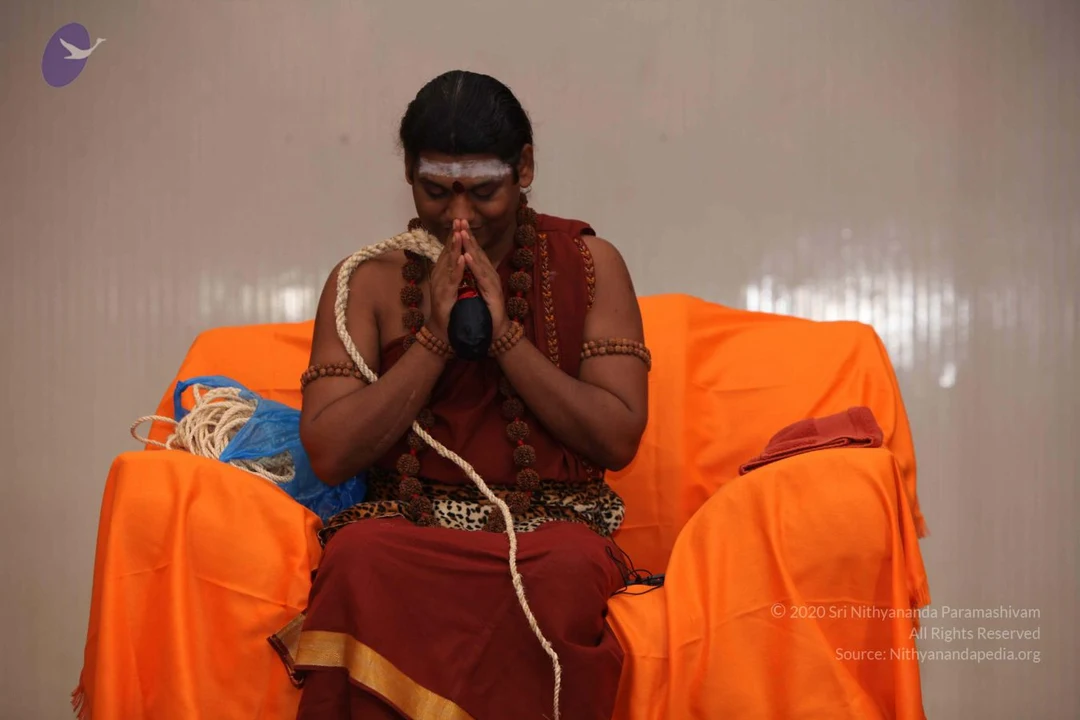
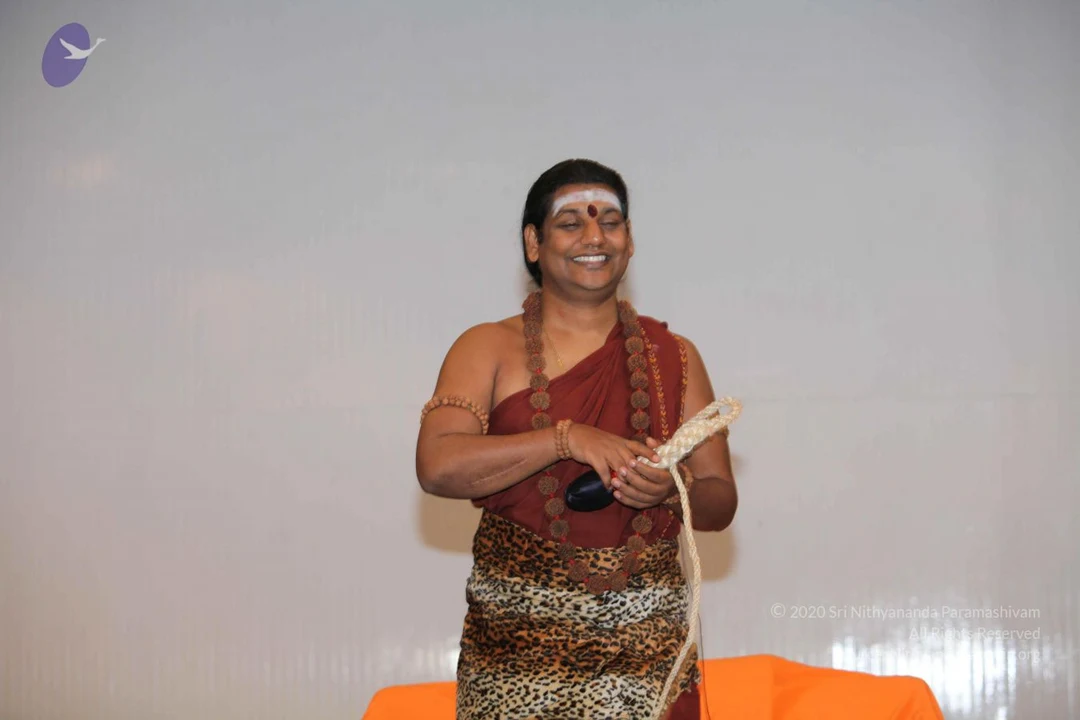
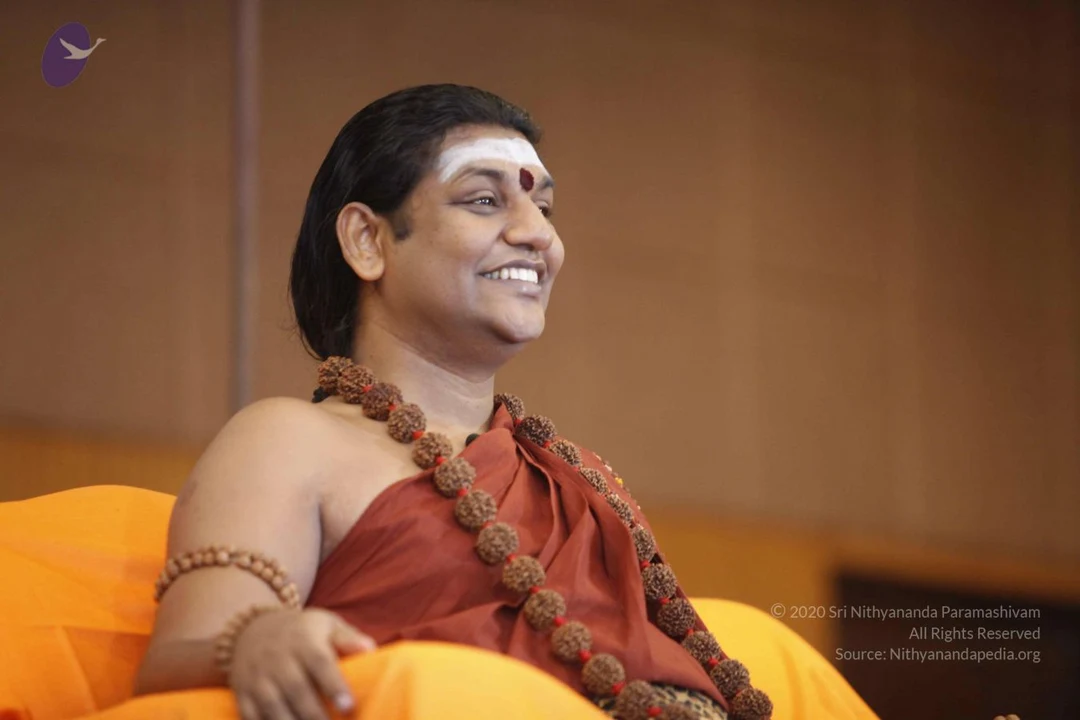
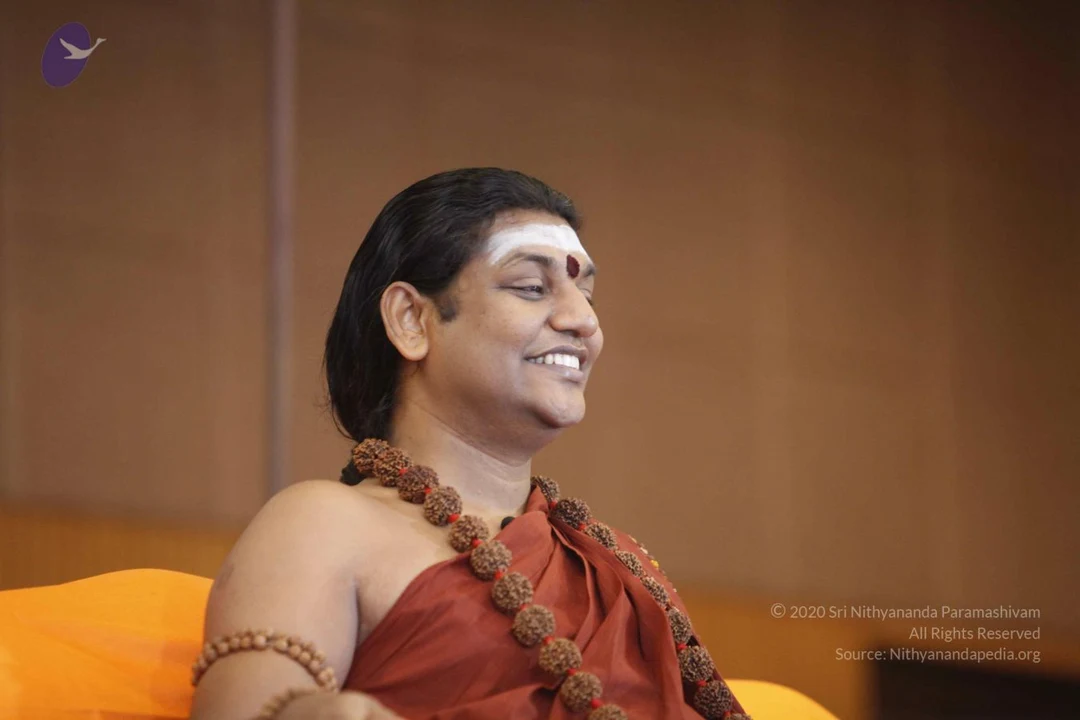
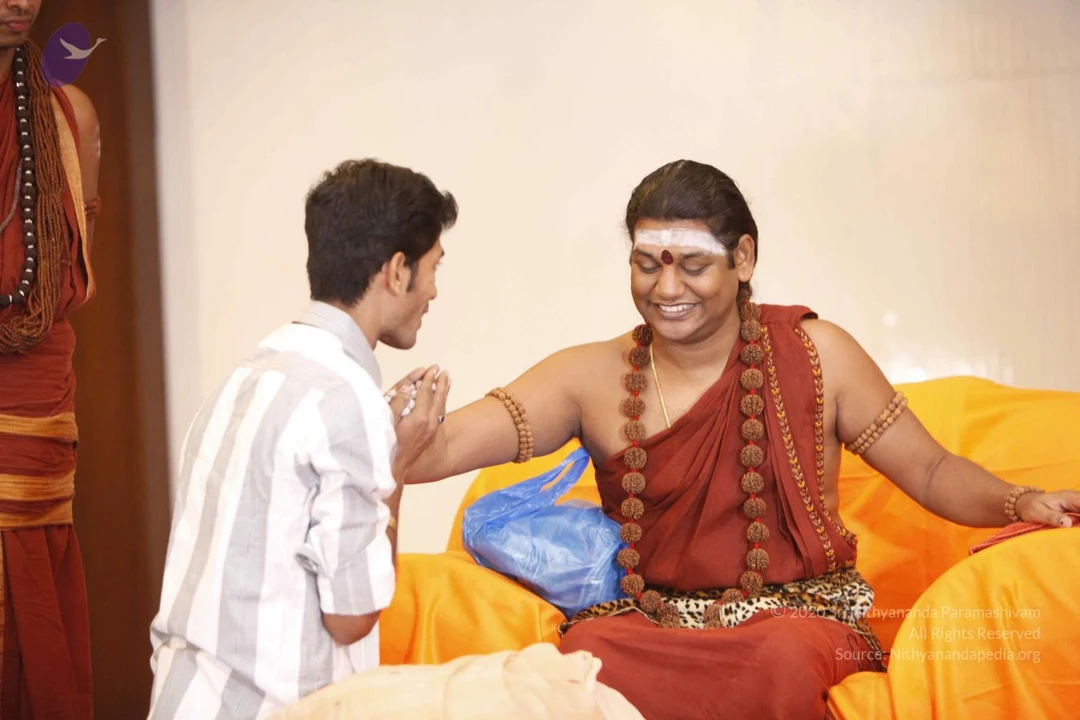
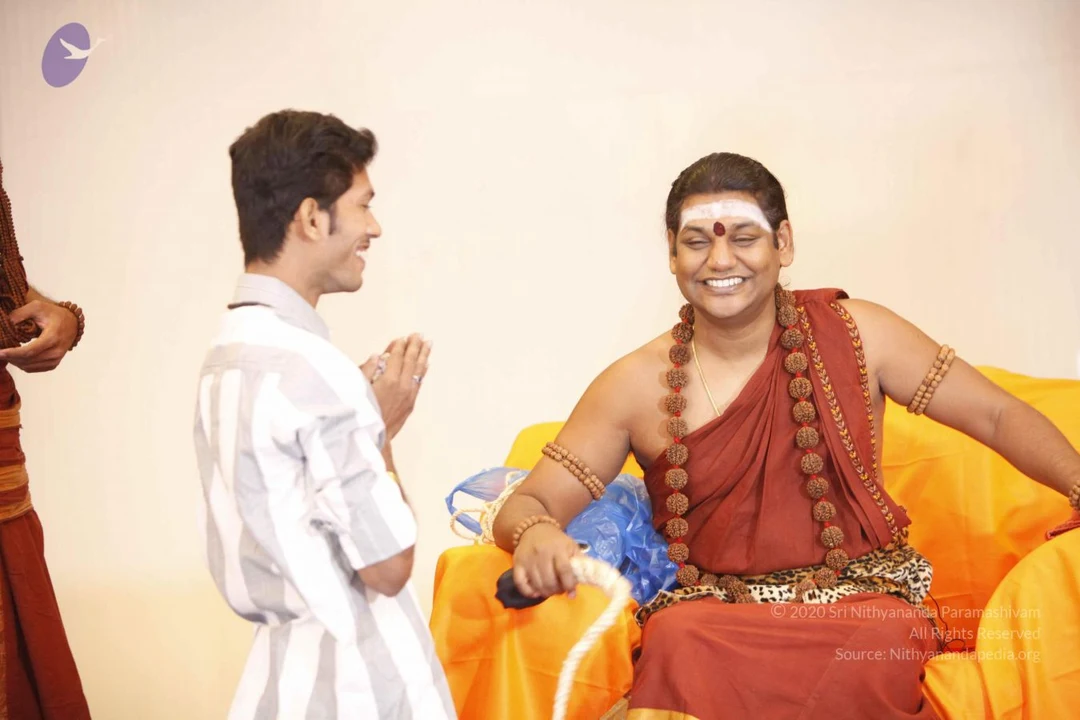
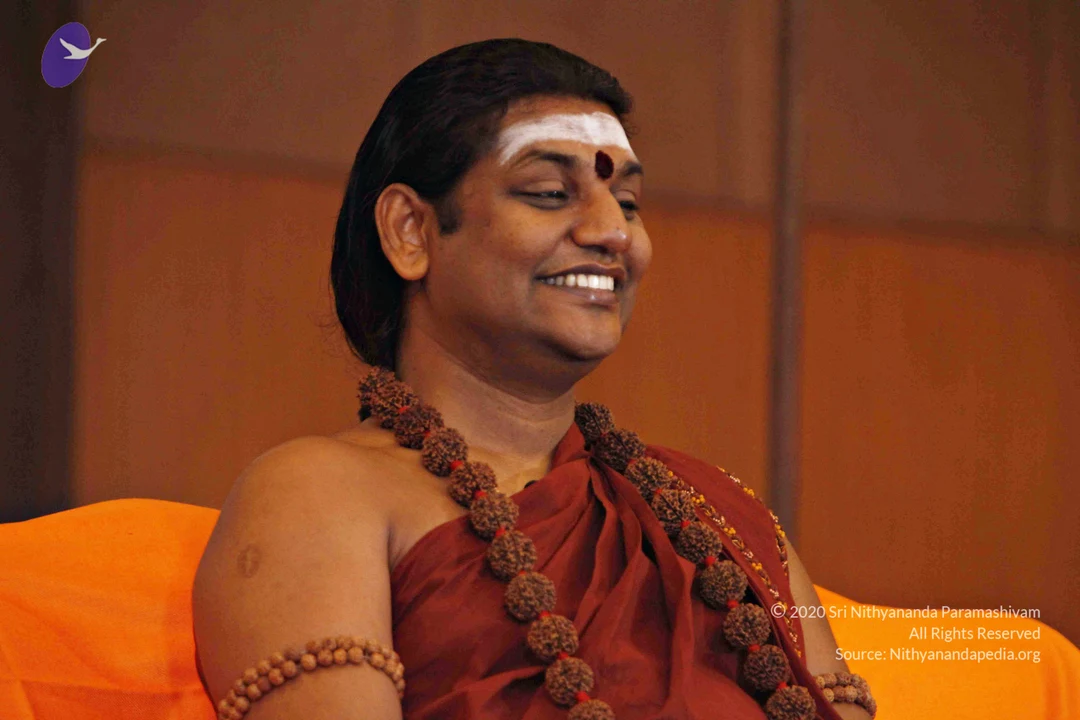
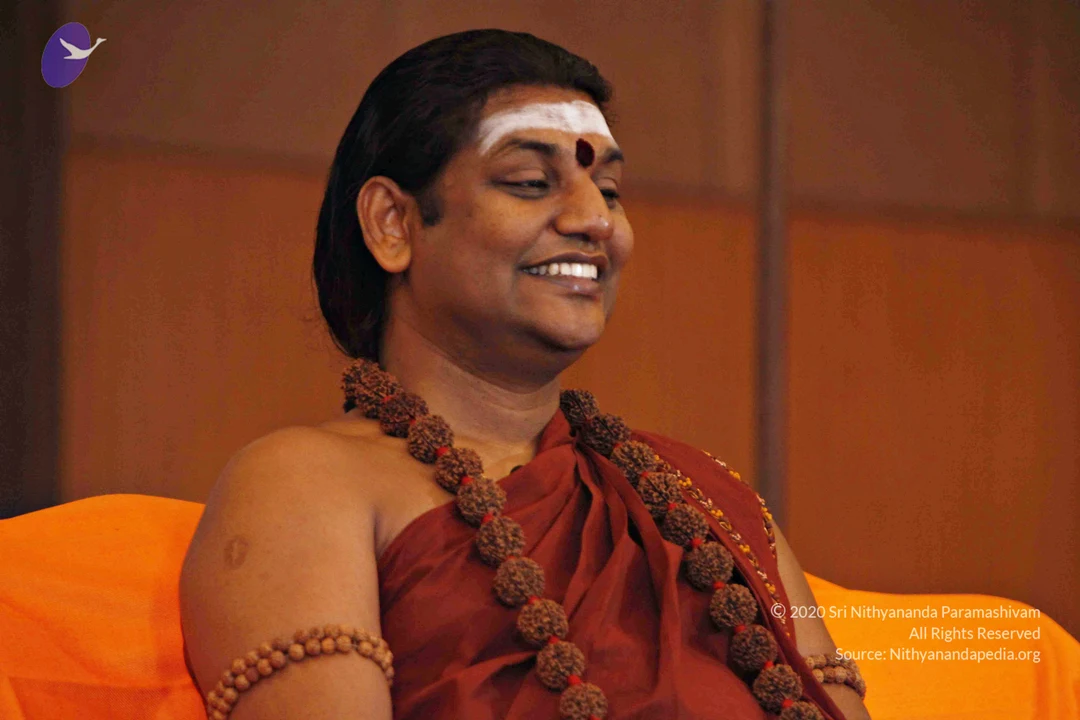
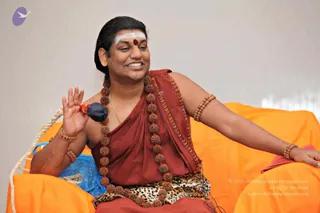
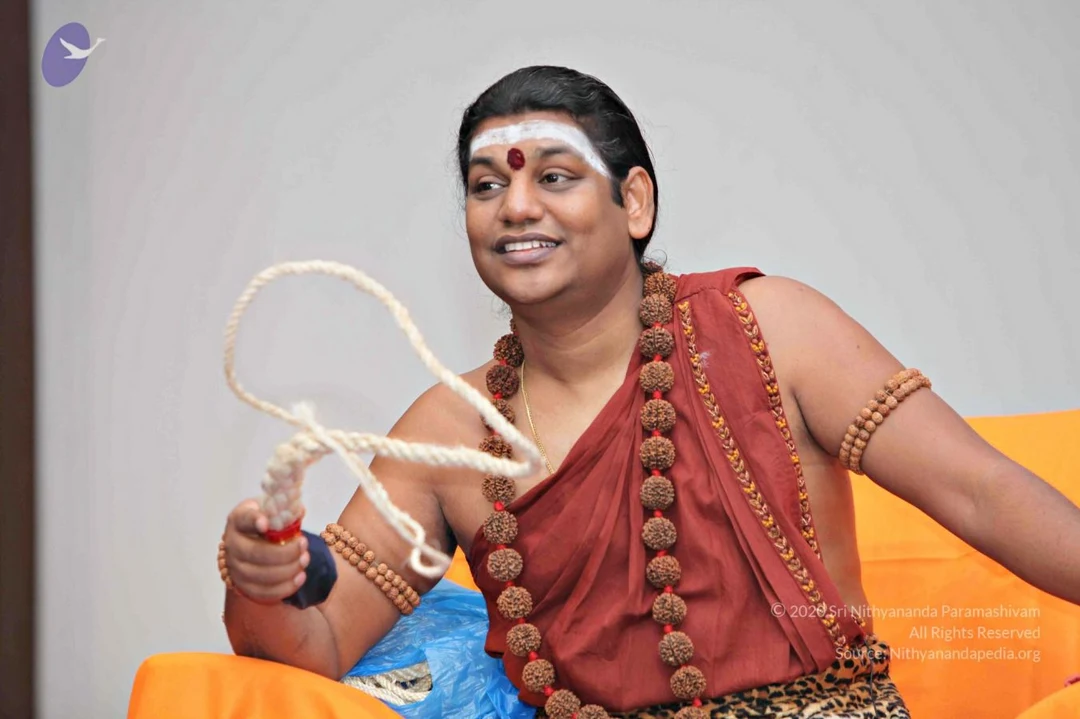
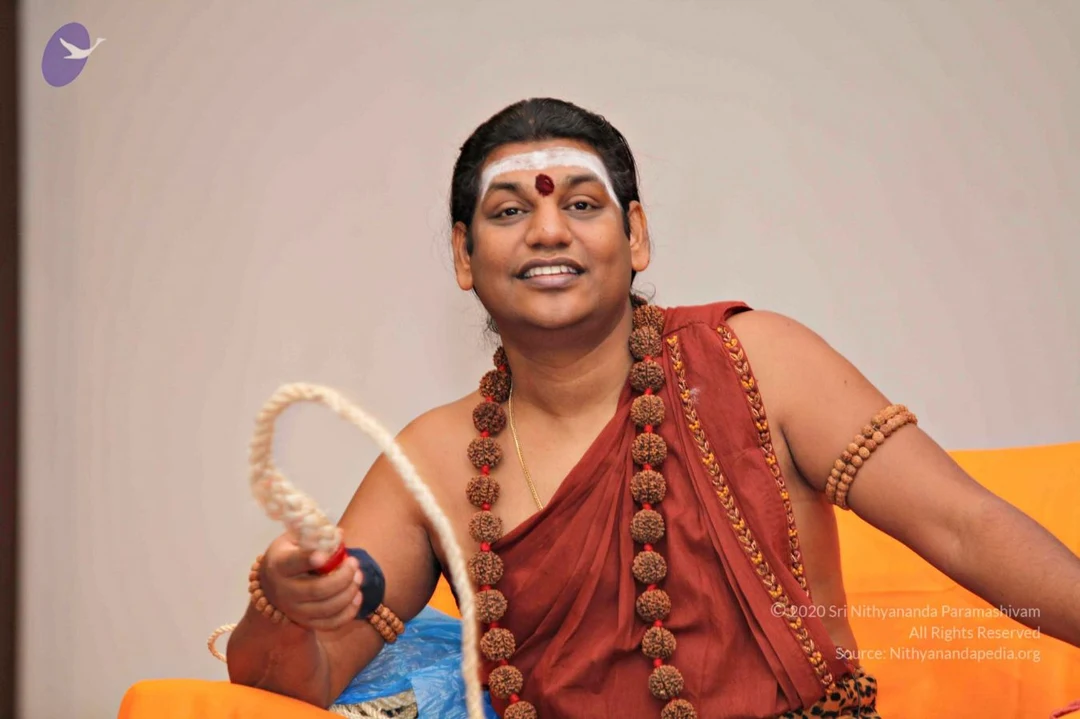
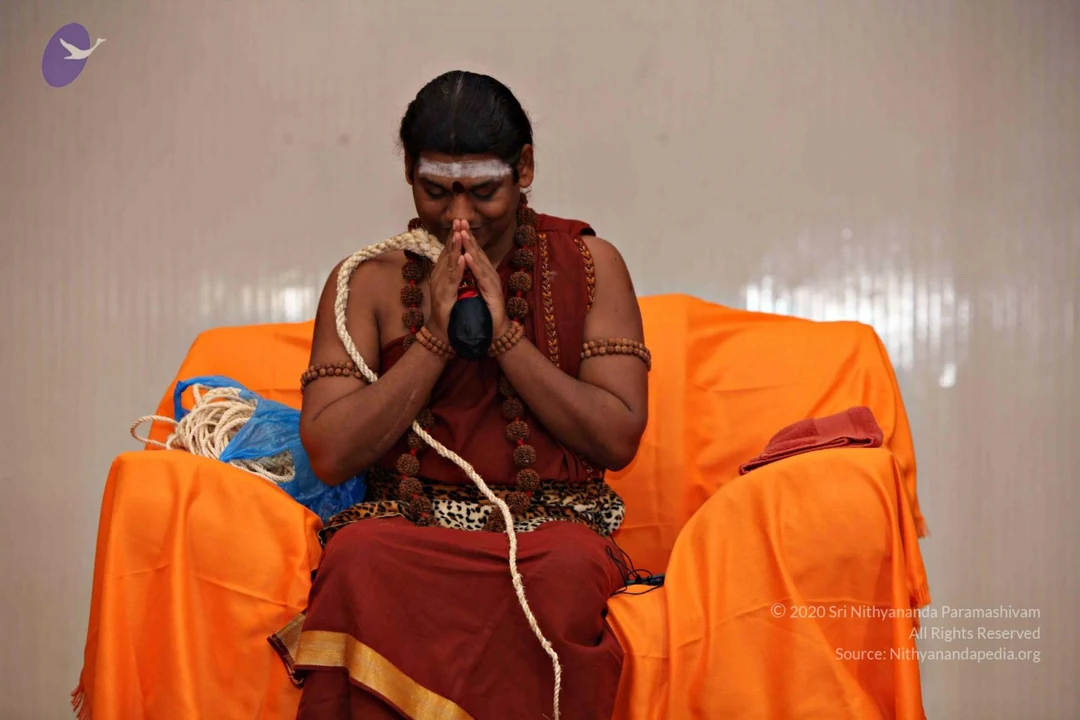
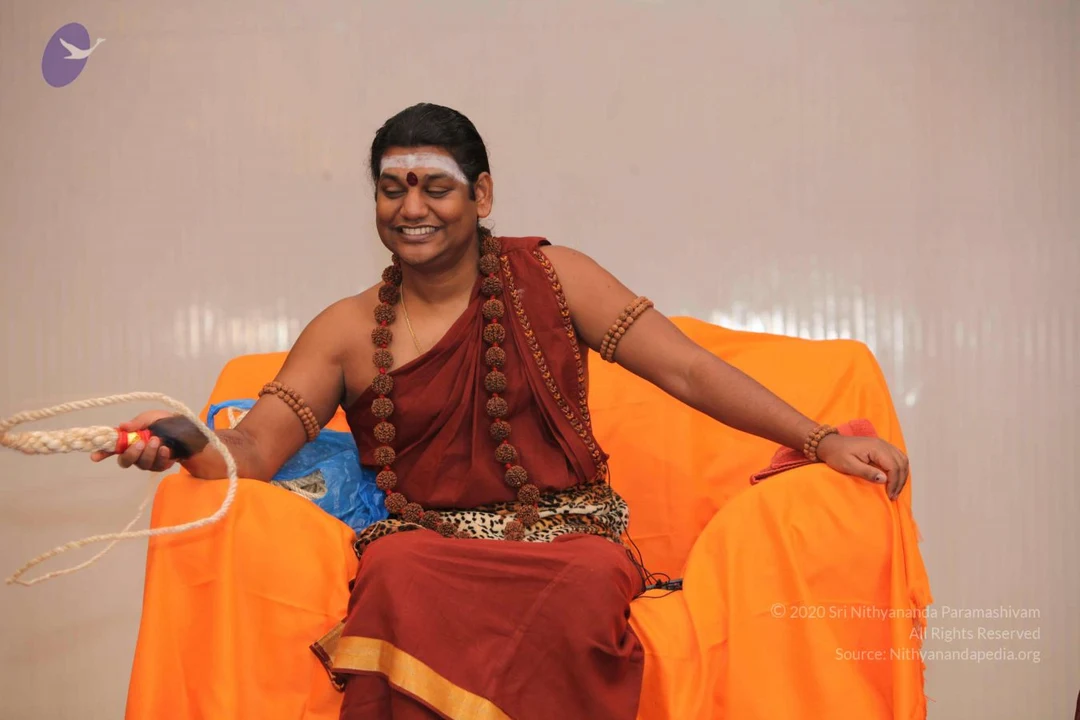
A seated man in a satsang setting, photographed in profile against a plain wooden wall. He wears a rust-red wrap over his shoulder, a long necklace of rudraksha beads, and rudraksha bracelets on his arm. He has a white horizontal forehead mark with a red dot, long dark hair swept back, and sits on an orange cushion, smiling. This appears to be Swamiji (probable), a seated teacher with distinctive rudraksha malas, a shawl-style wrap and a long swept-back hair presentation, consistent with the page's account of a morning satsang.Swamiji (probable) seated on a bright orange cushioned throne-like seat, smiling and turned slightly to one side. He wears a rust-red wrap over his bare shoulder, a long multi-strand rudraksha mala with brown beads, and a rudraksha bracelet on his upper arm. He has a white horizontal forehead mark with a red bindi and swept-back dark hair. The plain warm wooden wall behind him suggests a satsang hall.A seated man in rust-red saffron robes sits on a bright orange cushioned chair against a plain pale wall. He wears a long rudraksha mala with gold-thread ornaments, a matching rudraksha bracelet on each arm, a leopard-print waist cloth, and white and red tilak on his forehead. He smiles with arms resting on the armrests, and a red cloth lies on the right armrest. a person appears in person, identified by the rudraksha mala, ornate robes and tilak cues.A smiling man with swept-back dark hair sits on an orange cushioned seat, gesturing with his raised right hand. He wears a rust-red draped garment, a long rudraksha mala hanging across his chest, several rudraksha bracelets, a gold chain, and a leopard-print cloth at the waist. A white horizontal tilak and red bindi mark his forehead. A blue cloth bag and a rope lie beside him against a plain pale background. a person: the long swept hair, rudraksha malas and ornate saffron-toned clothing match the candidate cues, and he appears to be speaking in a discourse setting. No other people are visible.A photograph of a smiling man seated in an orange-draped armchair against a plain pale wall. He wears a rust-red robe with a gold-bordered cloth, a leopard-print wrap at the waist, and a long rudraksha mala with multiple strands across his chest, plus rudraksha bracelets on his arms. A white horizontal mark and red dot adorn his forehead, and his hair is swept back. He holds a rope-like cord in one hand and gestures with the other arm draped over the chair. A microphone wire runs near him. The setting suggests a seated satsang or discourse.
Boating On the Ganges River at Manikarnika ghat
47 photosSource gallery
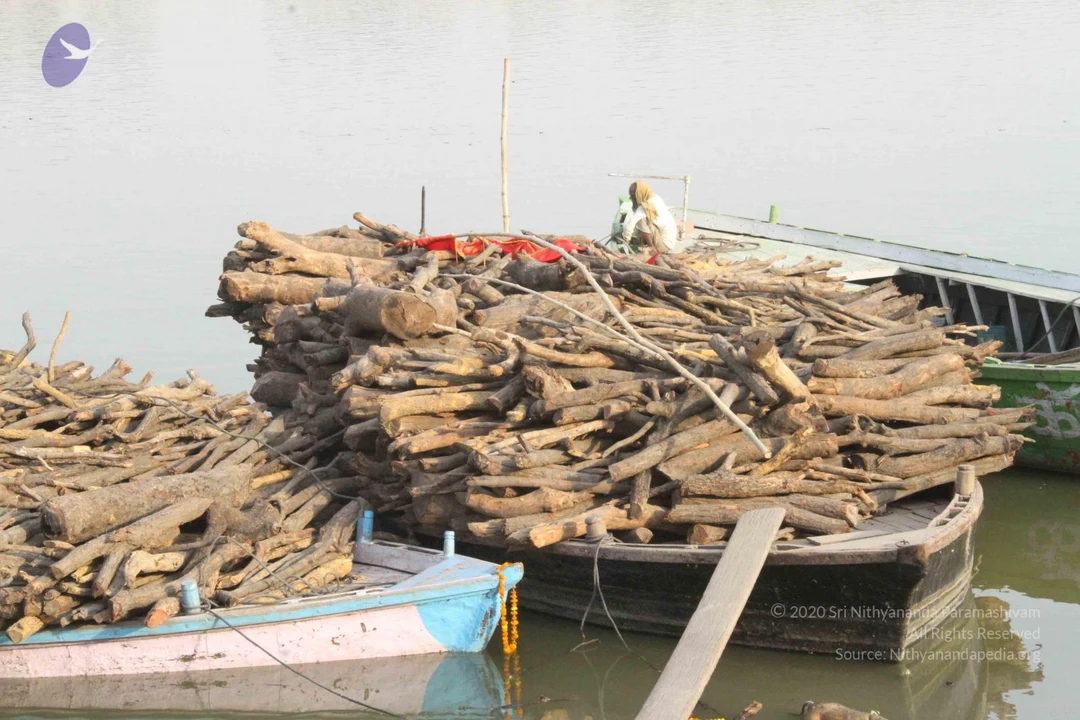
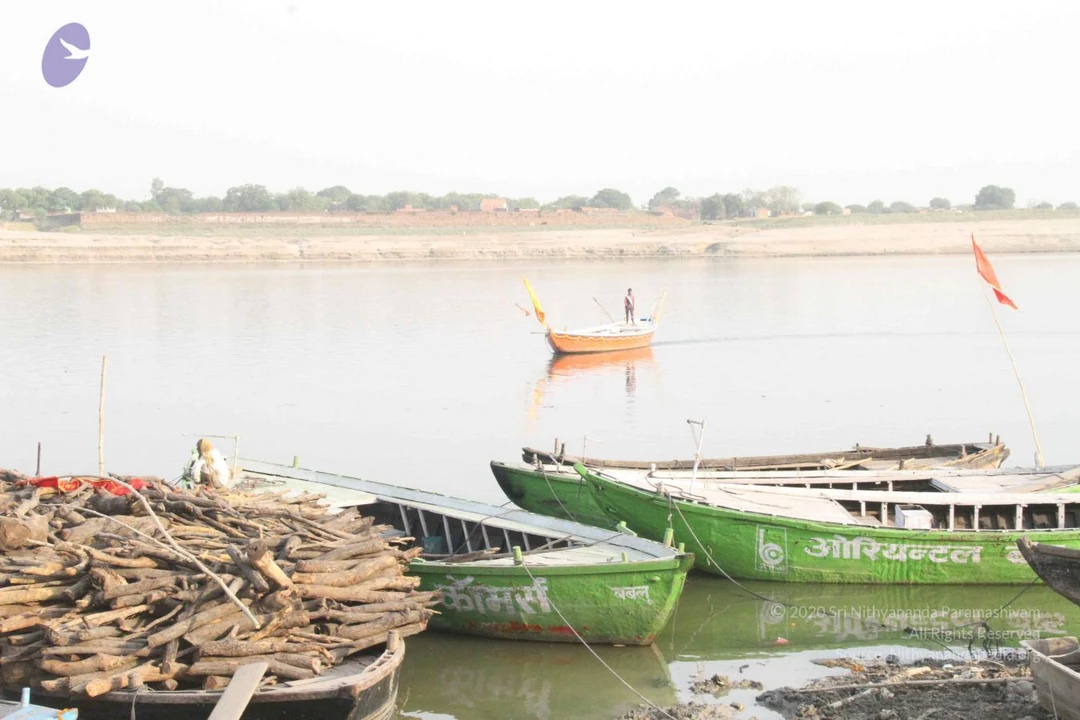
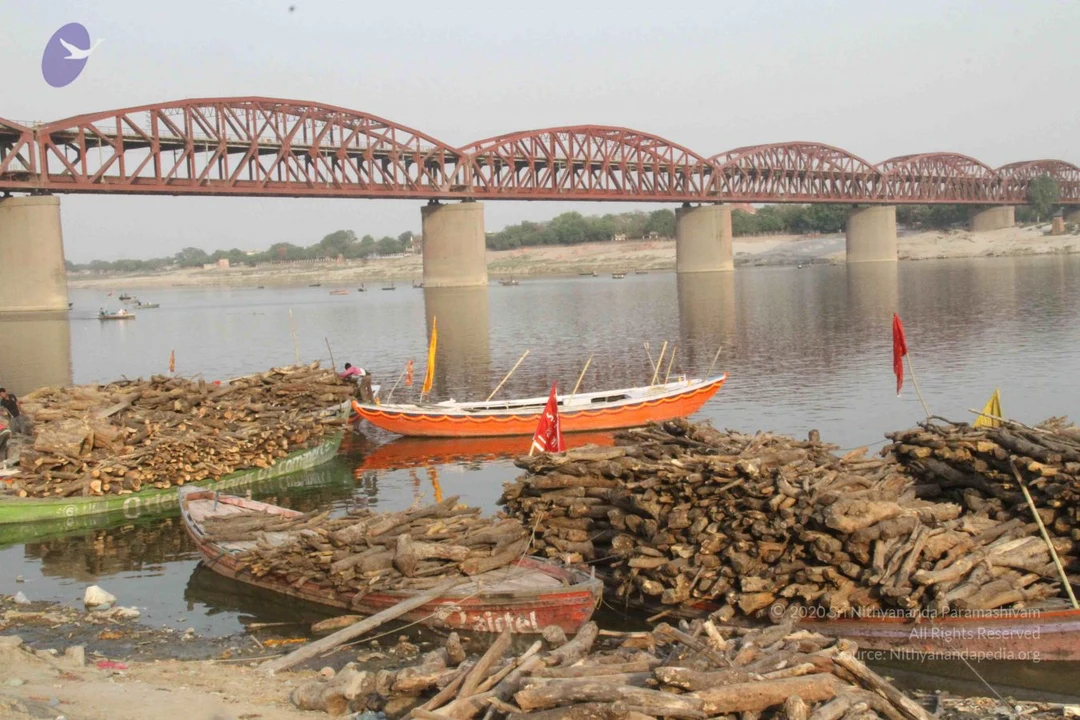
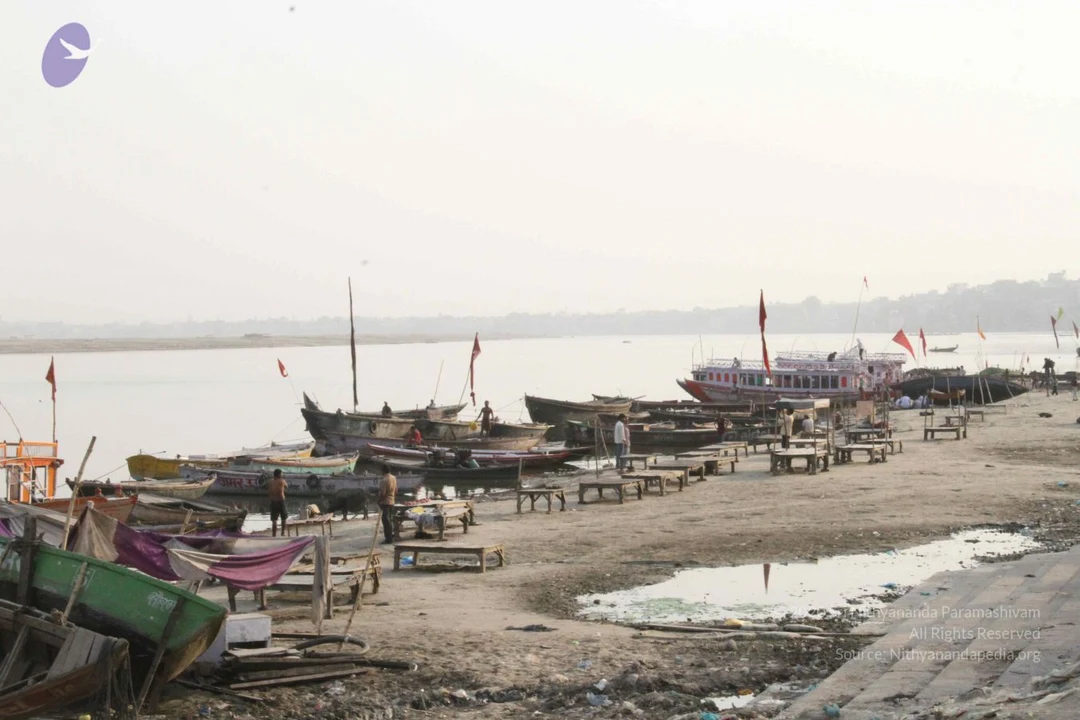
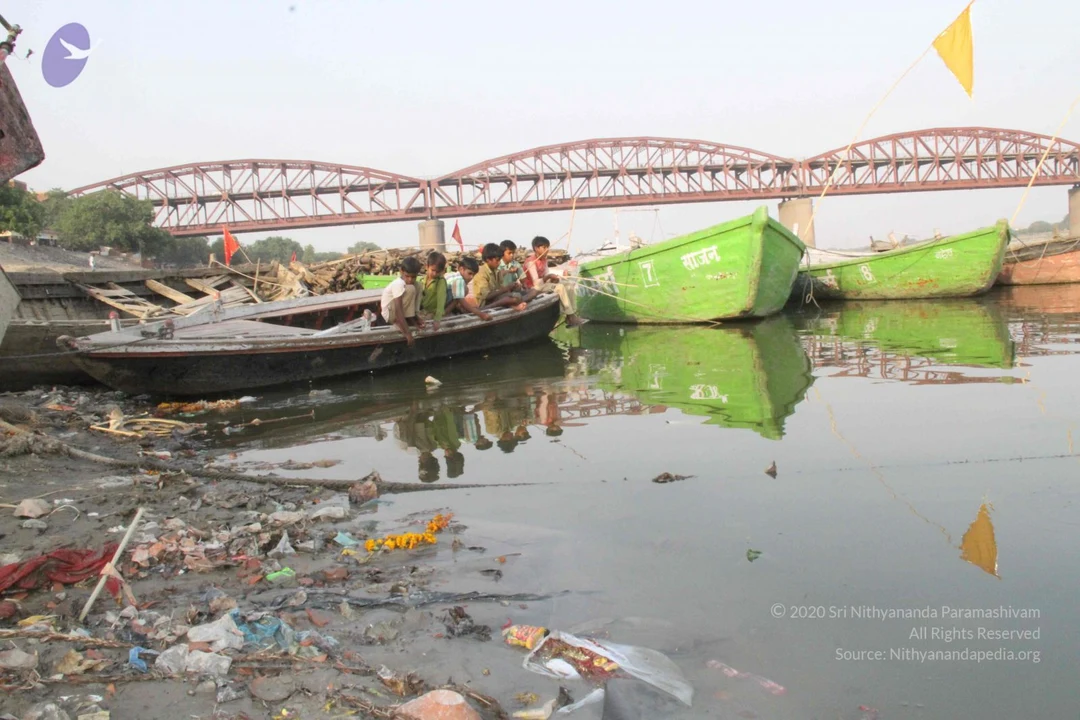
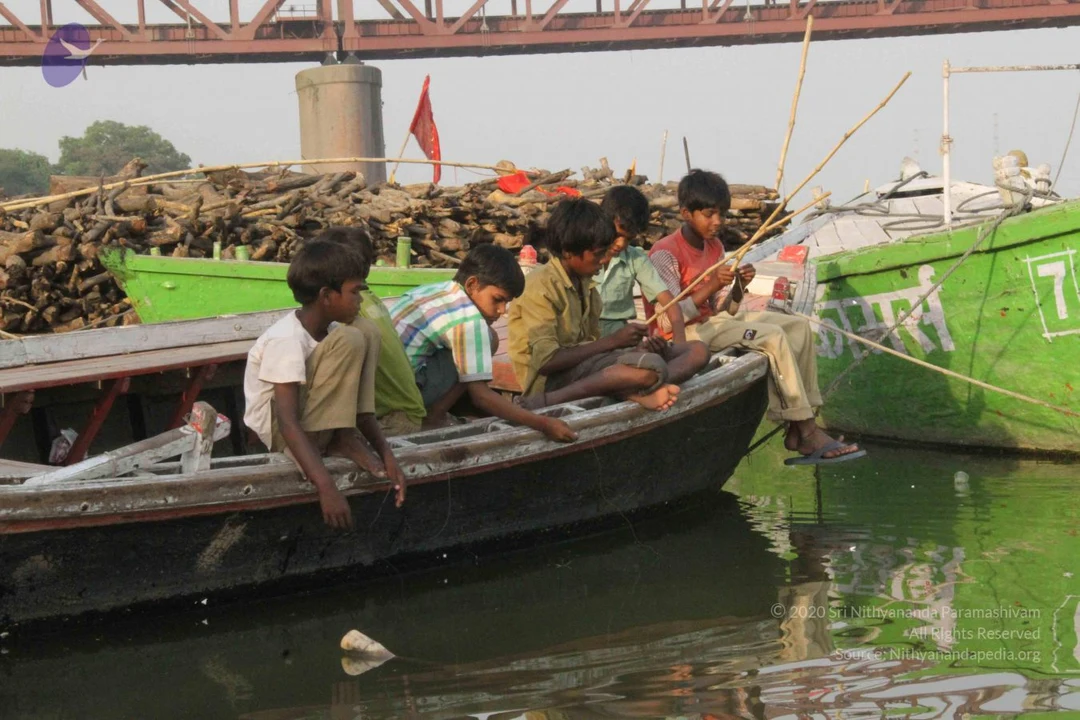
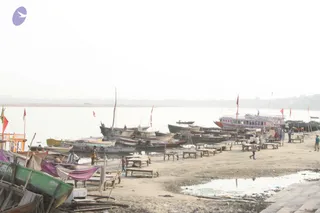
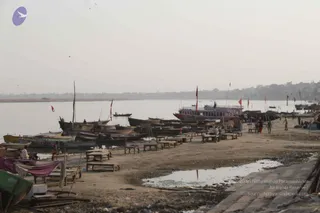
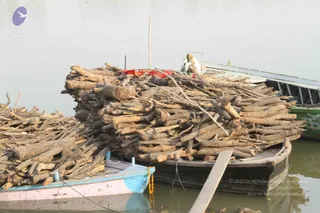
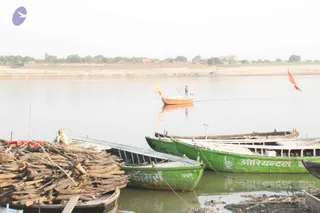
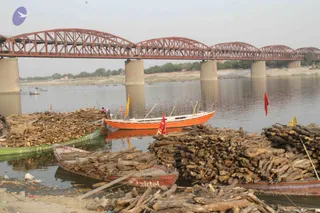
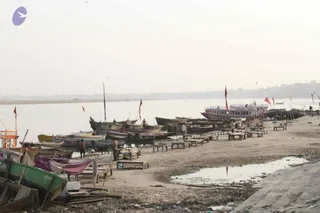
A hazy riverfront ghat on the Ganges in Varanasi with a row of wooden boats and motorboats moored along the sandy bank. Red and orange pennants flutter from several boat masts, and low wooden benches are set out on the sand. A pink-and-white passenger boat sits at right, and a few people walk along the shore in plain clothes. Puddles reflect the pale sky, and the far bank fades into mist. No a person candidate is visible.A hazy riverside scene on a sandy ghat beside a wide river. Several wooden boats with red pennants are moored along the bank, and a larger red-and-white passenger boat sits at the right. Low wooden benches line the sand, and a few people stand and sit near the boats, with a purple cloth draped over a bench at lower left. Distant buildings and trees lie across the river under a pale sky. No identifiable a person depiction is visible.A photograph on a river showing two wooden boats piled high with split logs and timber. The larger boat in the centre is loaded with stacked firewood, with a red cloth draped over part of the pile. A person in white clothing sits atop the log stack near a bamboo pole. A smaller blue-and-white boat with orange marigold garlands hangs at the left, and a green boat is visible at the right edge. The water is calm and grey under hazy light.Photograph of the Ganges river shoreline at Varanasi with several green wooden boats moored at the bank. A stack of cut firewood lies on the left beside a seated figure in pale clothing. A small orange-hulled boat with a lone standing boatman drifts in the middle of the river, and red-orange pennant flags fly from poles. Sandy banks and a distant line of trees and brick structures form the background under hazy white sky.A river scene with a red steel truss bridge spanning the water on tall pale concrete piers. Stacks of cut logs sit on the riverbank and on several wooden boats moored in the foreground. An orange-hulled boat with bamboo oars floats near the centre, with red and yellow flags planted on the bank and boats. A small figure is visible on the left edge near the timber. No a person candidate is visible; the scene is an empty riverfront with no people in clear focus.A hazy riverside scene on a wide river bank with many wooden boats moored at the shore, some green, orange and yellow, with a few tied to stakes. Small red and orange flags flutter on poles along the bank and on a white passenger launch. Wooden benches are set on the sandy ground, and a few men in light clothing stand near the boats and waterline. A shallow puddle reflects the pale sky, and a tattered purple cloth hangs over a boat. Distant trees line the far bank under a grey sky.
Boating On the Ganges River at Manikarnika ghat
120 photosSource gallery
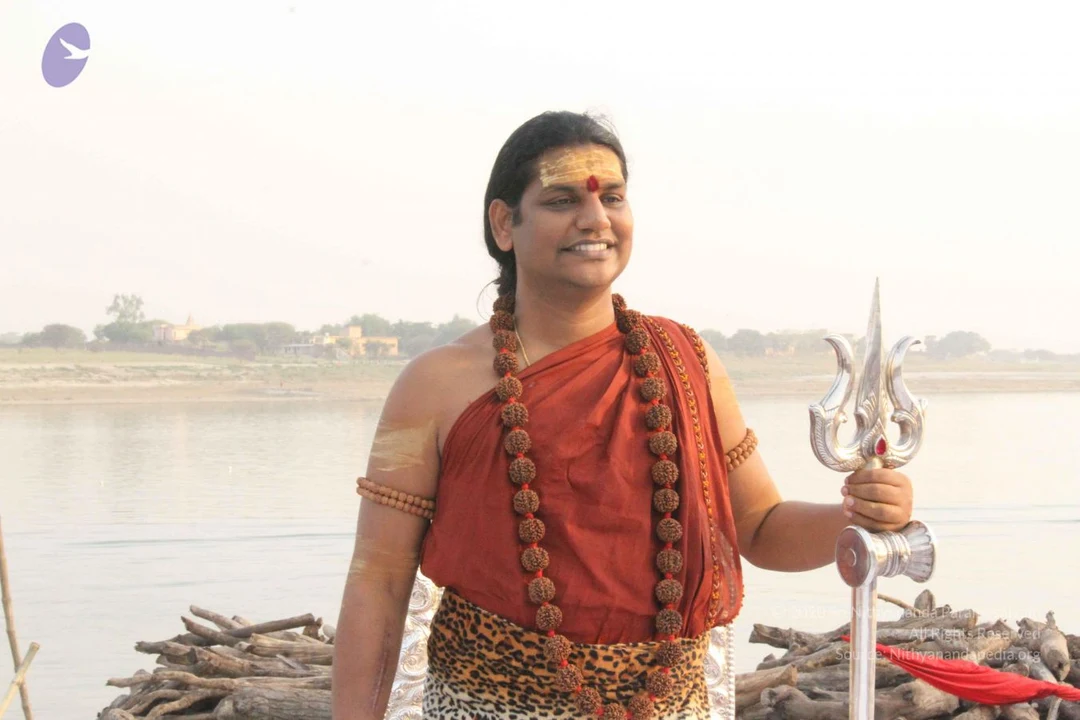
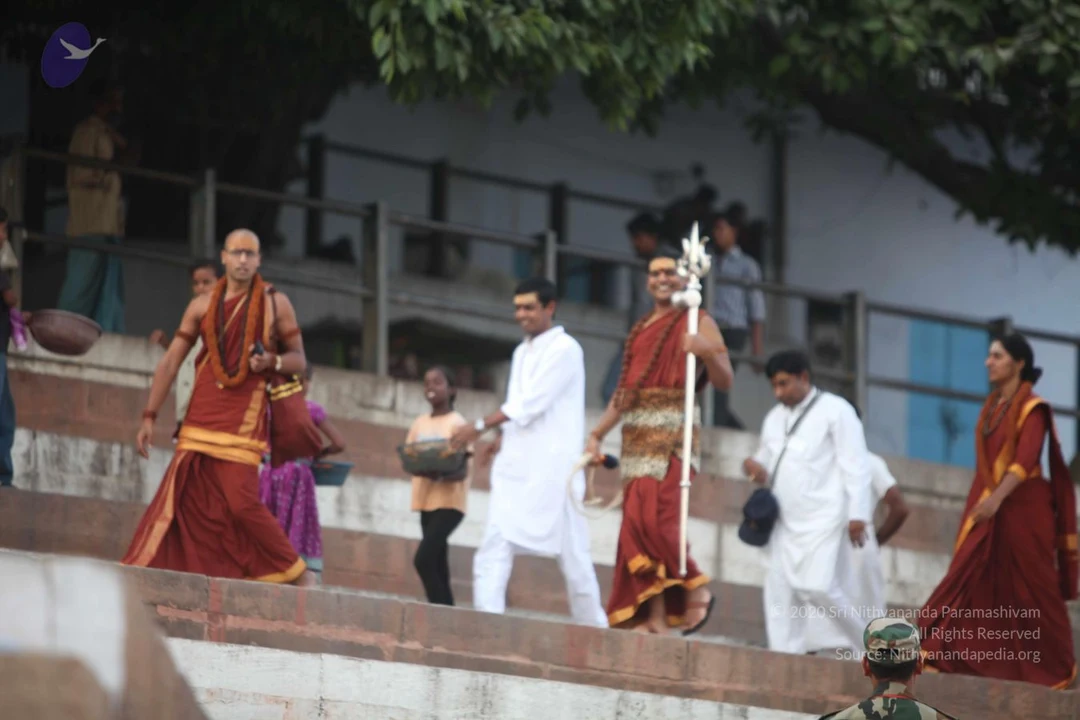
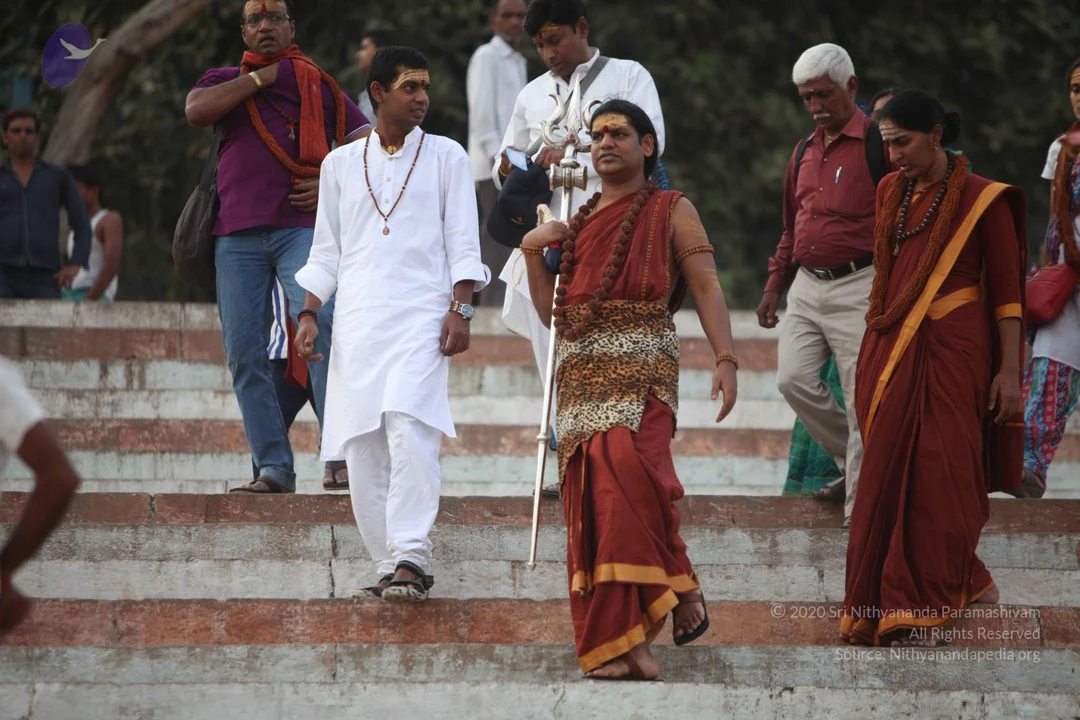
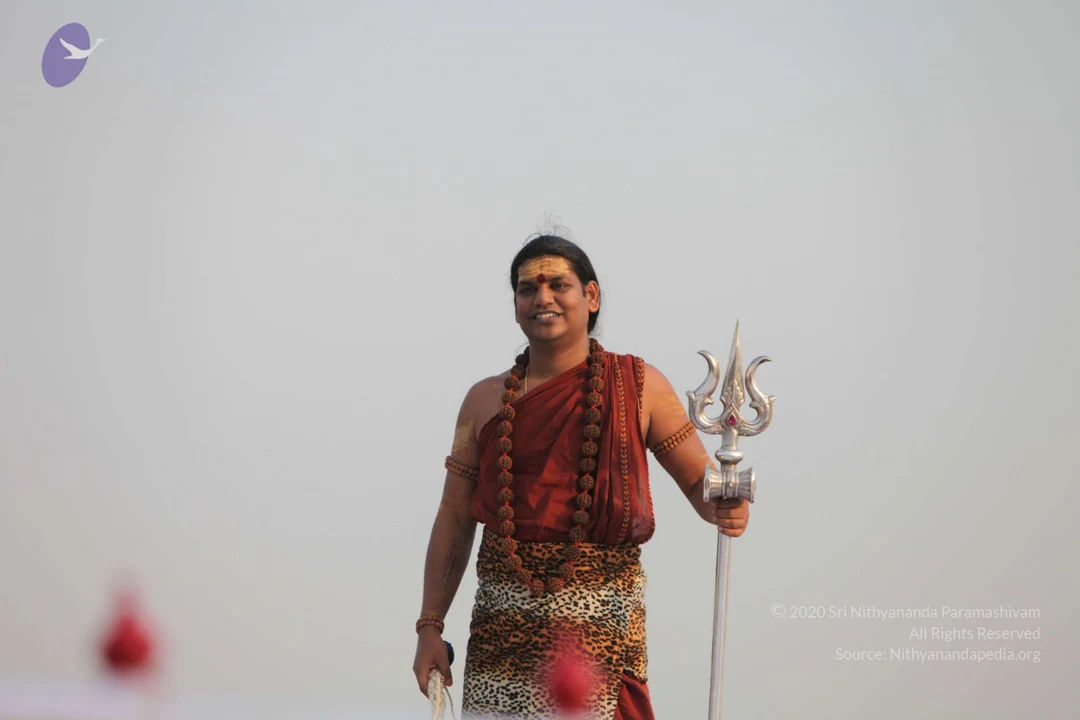
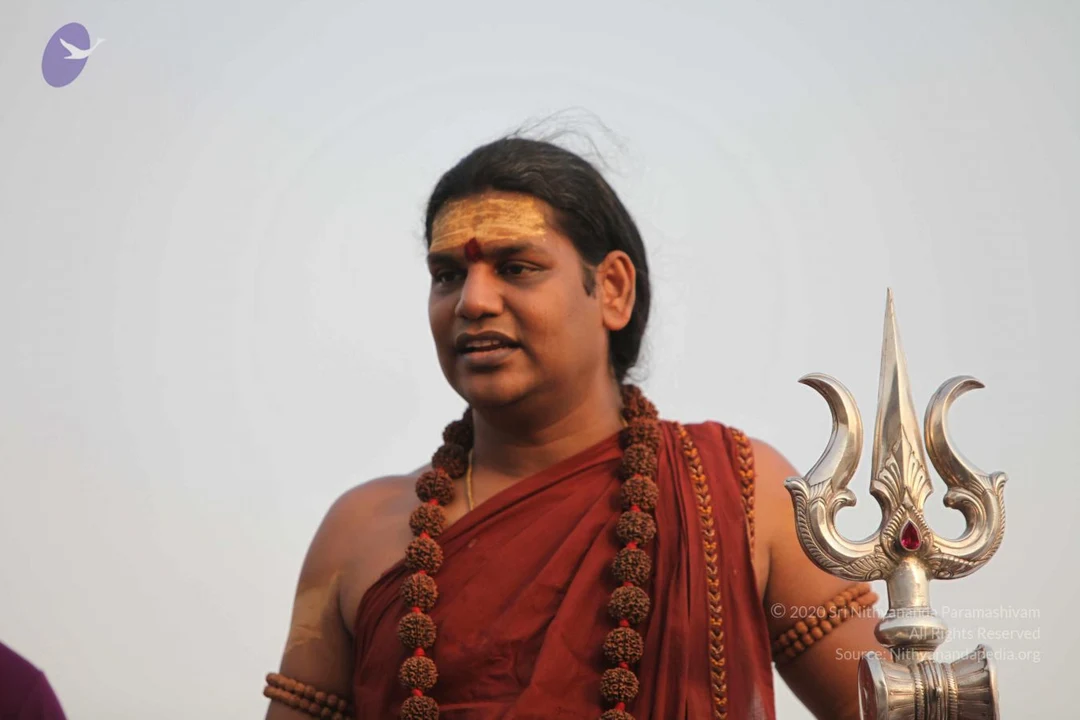
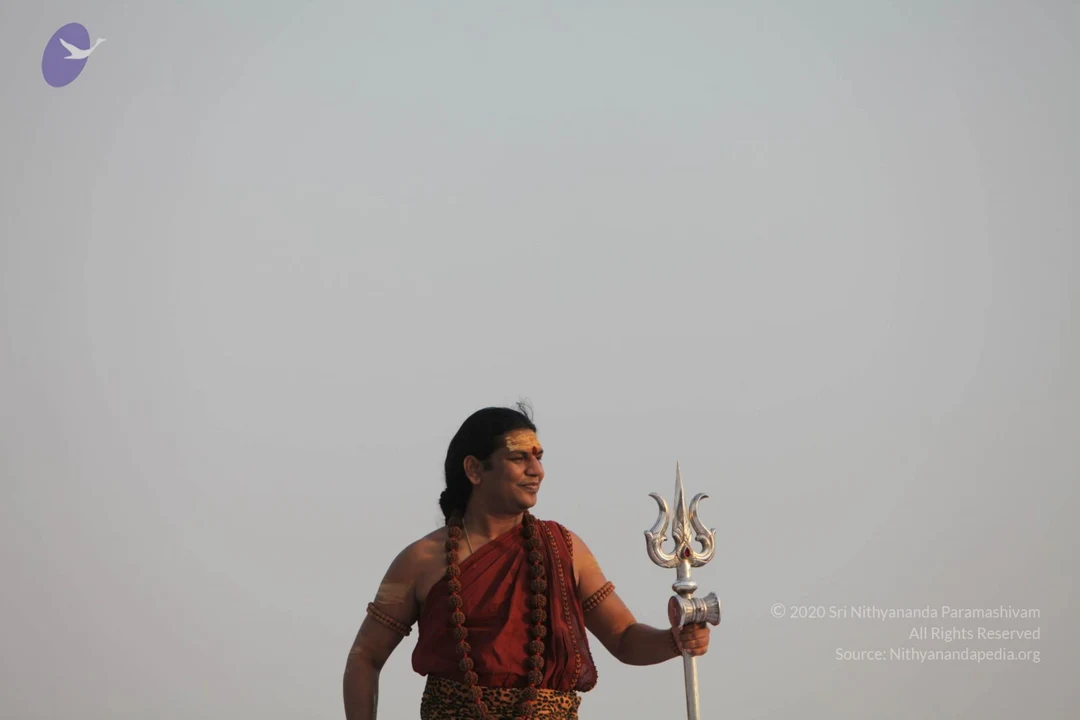
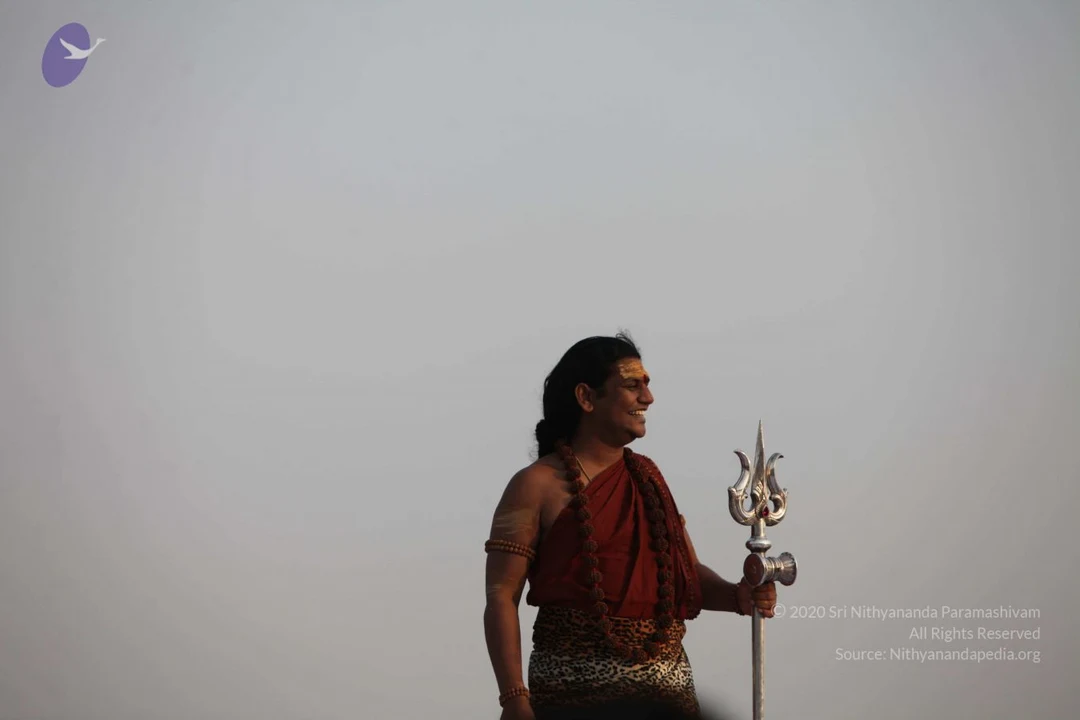
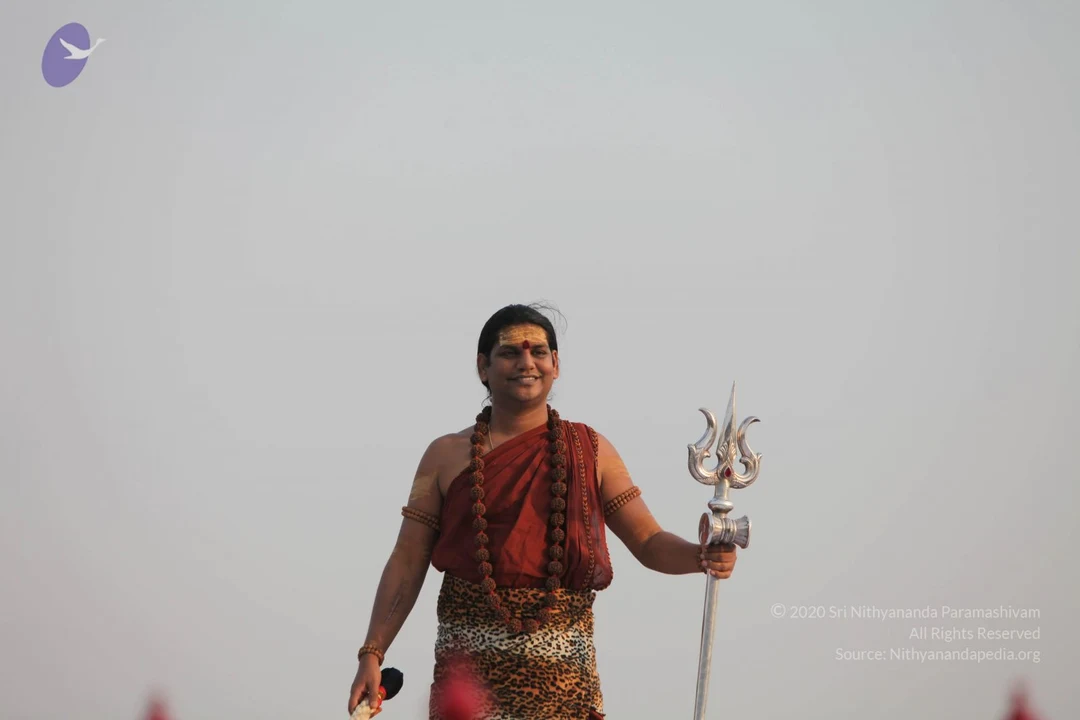
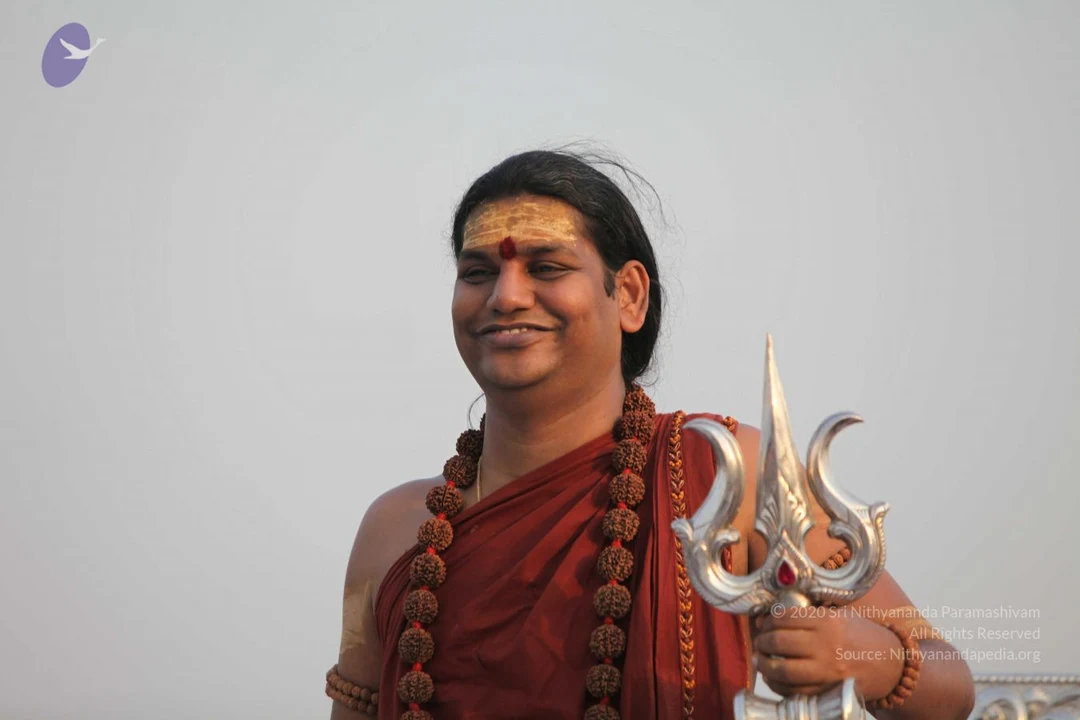
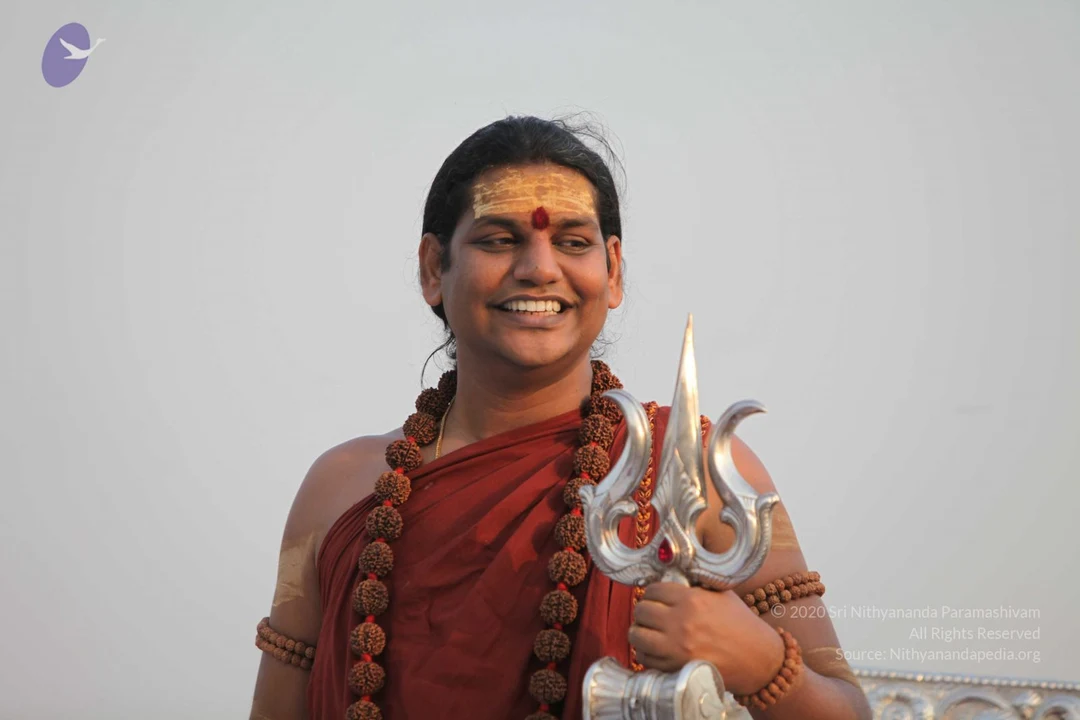
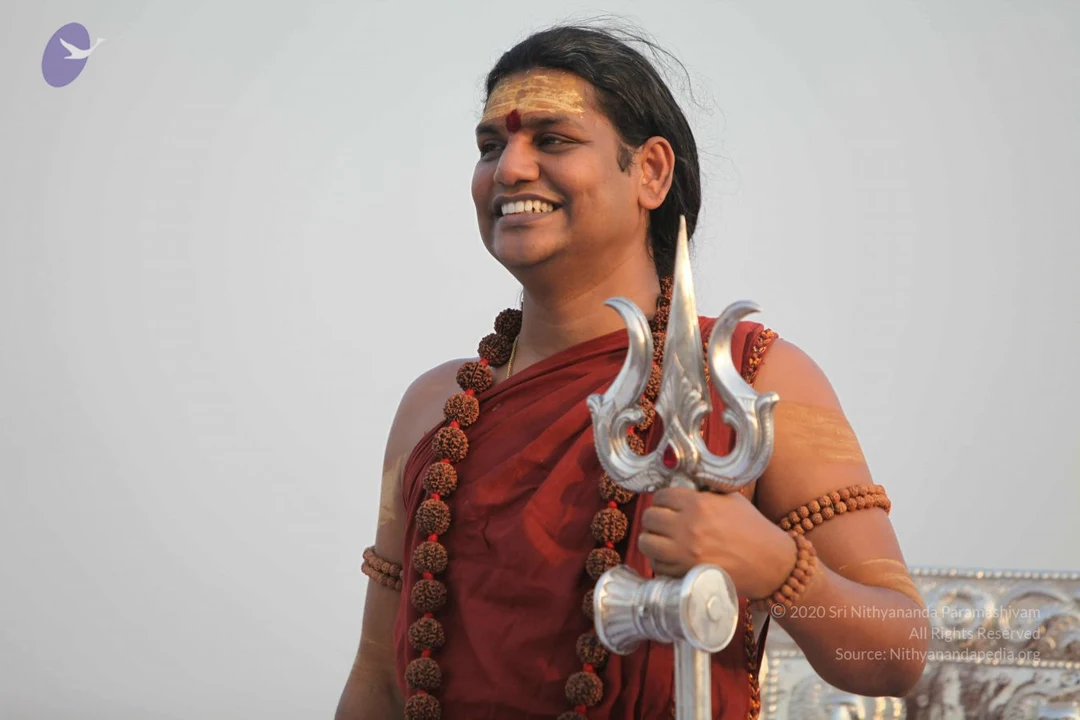
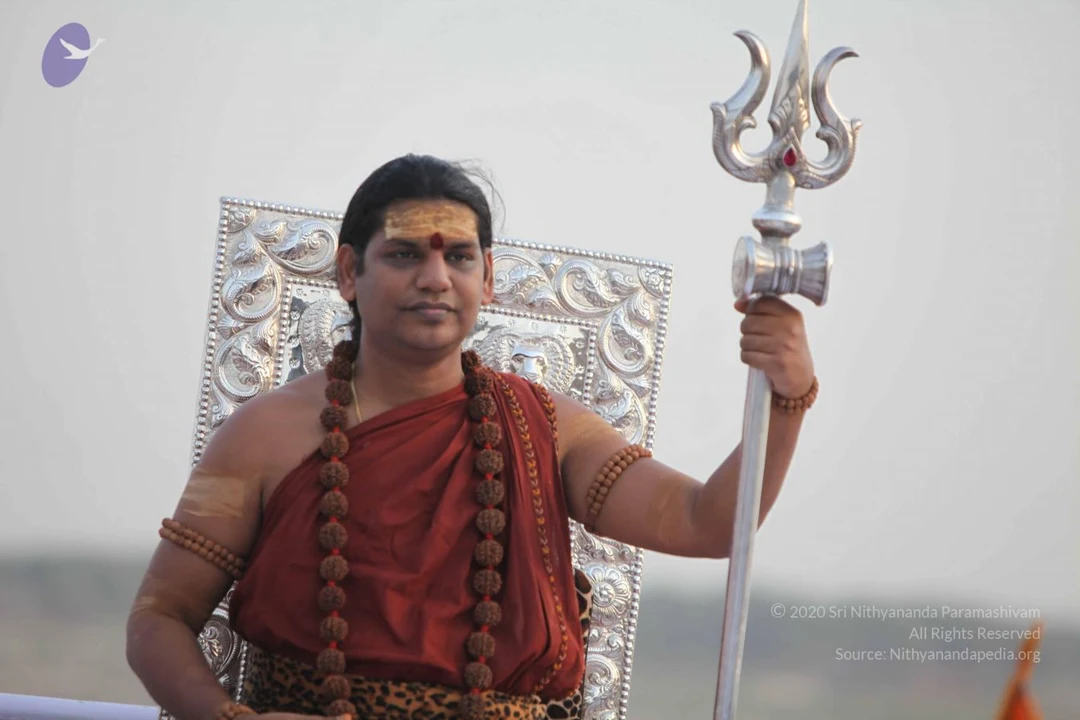
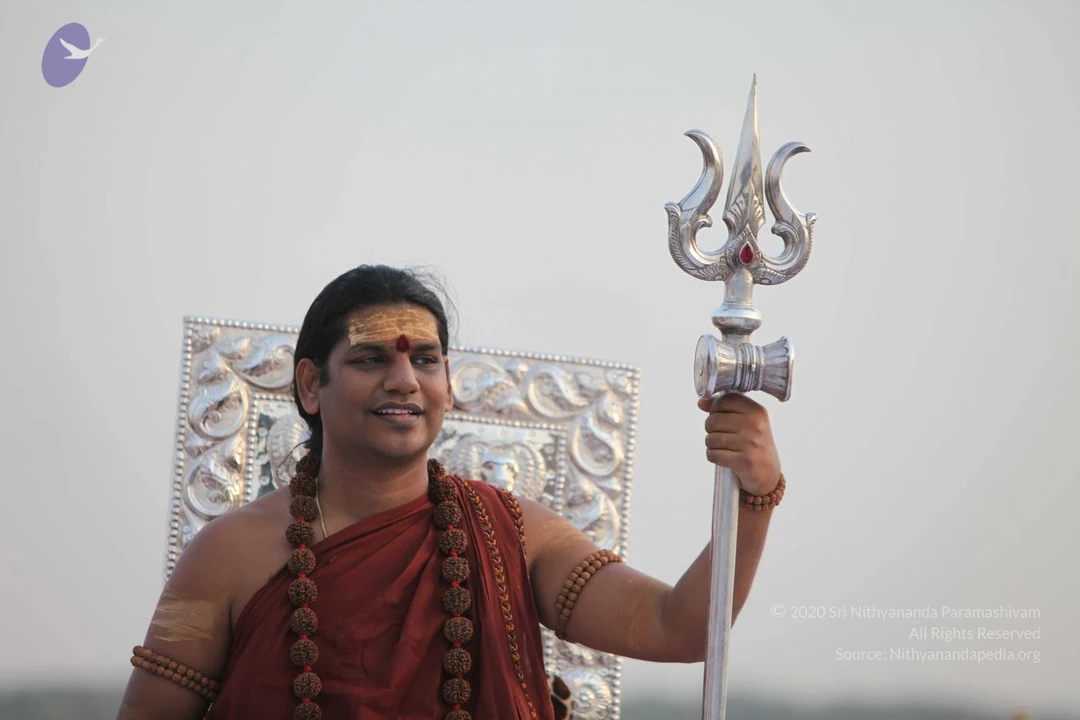
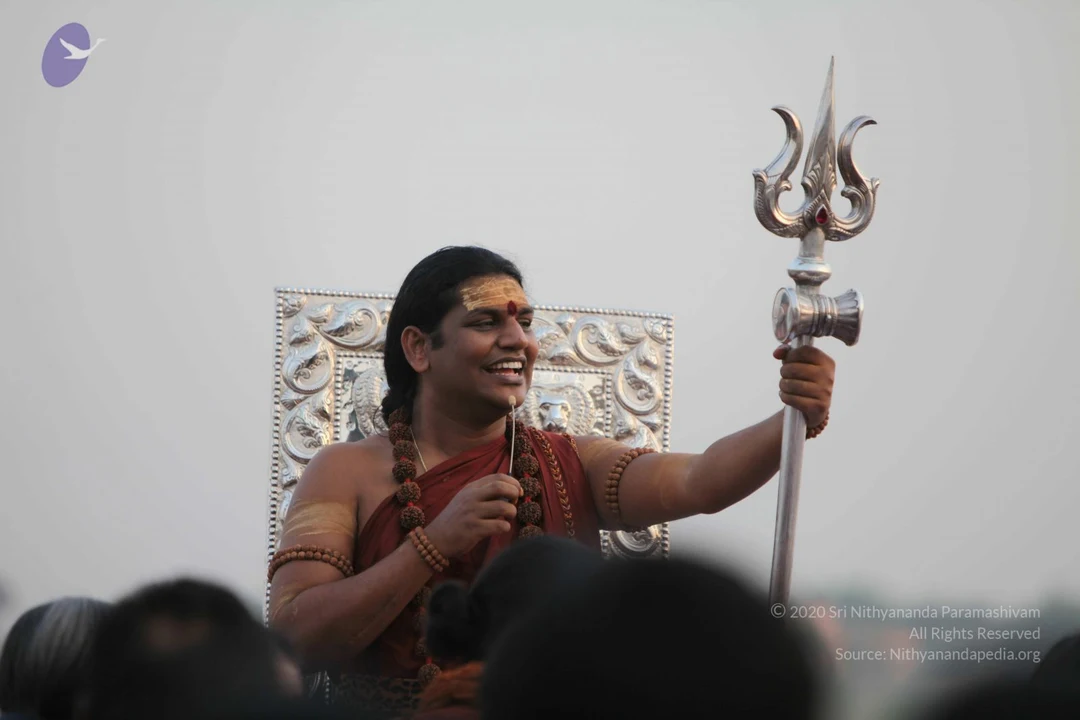
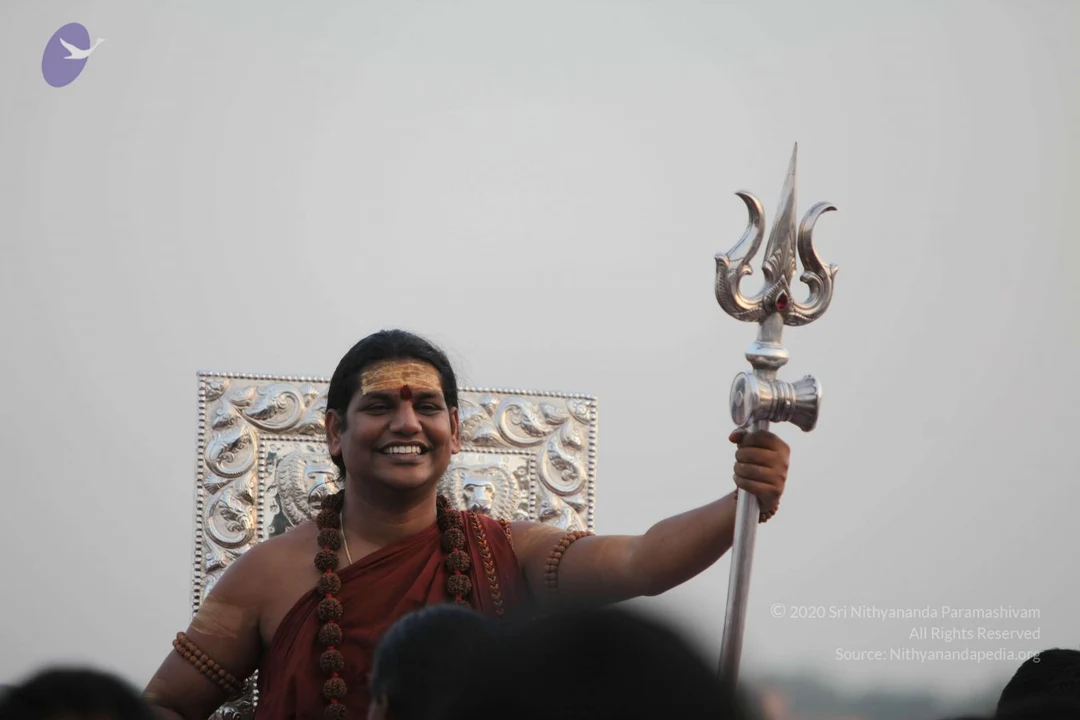
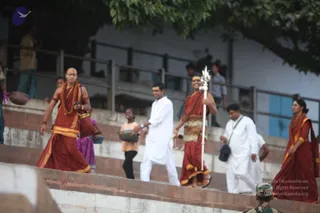
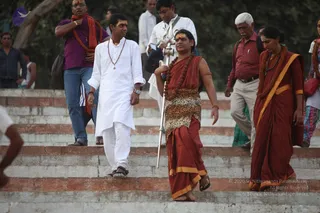
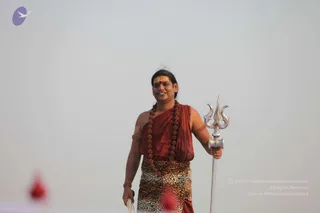
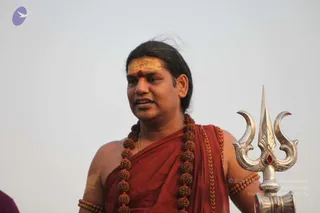
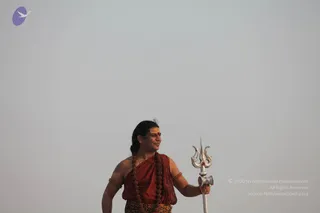
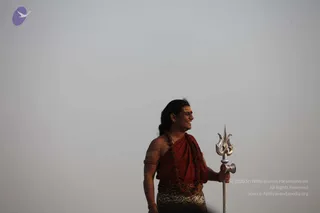
Photograph of a procession descending stone ghat steps beside a river in Varanasi. In the centre, a man in a saffron-orange robe with a cream and gold patterned shawl walks with a tall silver trident-topped staff (trident) held upright, his head bare and smiling. Beside and behind him, a bald man in orange robes wears a long rudraksha-style mala and walks with a brass bowl. Two men in plain white kurta-pyjama clothing follow, one carrying a dark bag, and a woman in a red-orange sari with gold border walks at the right edge. A girl in a light top carries a brass plate. A uniformed soldier in camouflage stands in the foreground at bottom right. Trees and a railing sit behind the steps.A photograph of a group descending stone ghat steps. In the centre, a man in a red-orange wrap with a leopard-print shawl over the shoulder, wearing a long rudraksha mala and orange tilak, carries a silver trident (trishul) in his right hand and walks barefoot. Beside him, a man in a white kurta and white dhoti with a red bead mala and a red tilak stands in white. To the right, a woman in a deep red sari with an orange border and a long rudraksha mala walks with a red bag. Behind them, several onlookers in casual clothes, including a man in purple and a man in maroon shirt, move along the steps.A man stands outdoors against a pale hazy sky, holding a silver trident with a small red stone at its base in his right hand. He wears a rust-red shawl draped over one shoulder and across his chest, a leopard-print cloth wrapped at his waist, and a long necklace of rudraksha beads. His forehead bears yellow and red tilak markings, and he has a bangle-style band on his upper arm. Blurred red objects appear in the lower foreground. a person is present in person, and there is one person in the scene.A man with long dark hair swept back and a yellow-gold sandalwood paste band with a red bindi on his forehead stands outdoors against a pale sky. He wears a rust-red saffron-toned shawl draped over his bare shoulders, a multi-strand rudraksha mala of brown beads across his chest, and rudraksha bracelets on his upper arms. He holds a silver trident with a red gem at its centre in his right hand and appears to be speaking. Appearance cues (long swept-back hair, saffron shawl, rudraksha mala and trident) are consistent with Swamiji (probable), shown in person.A man stands against a plain pale grey sky, shown from the waist up in profile. He wears a rust-red wrap draped over one shoulder and a leopard-print cloth around his waist, with rudraksha beads strung across his chest and bands on his upper arms. A yellow-orange tilak marks his forehead, and he holds a tall silver trident with his right hand, his gaze turned to the left. The scene is an outdoor photograph with no other people visible.A single man stands against a pale, hazy sky, turned to the right and smiling. He wears a rust-red shawl draped over one shoulder, a long rudraksha mala hanging across his chest, a leopard-print lower garment, and bead bracelets on his arms. He has a yellow-orange tilak on his forehead and long dark hair swept back. He holds a silver trident upright in his right hand, its shaft plain and its tines curved. The upper area of the frame is empty grey sky.
IA-SESSION-AT-VARANASI

31 photosSource gallery
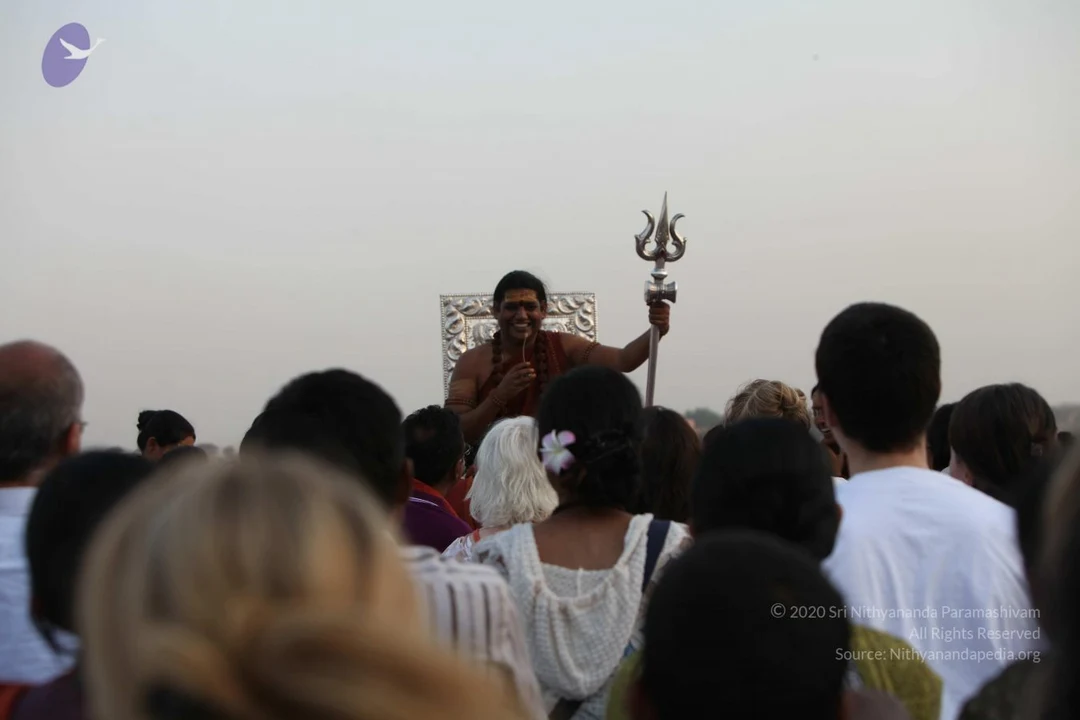
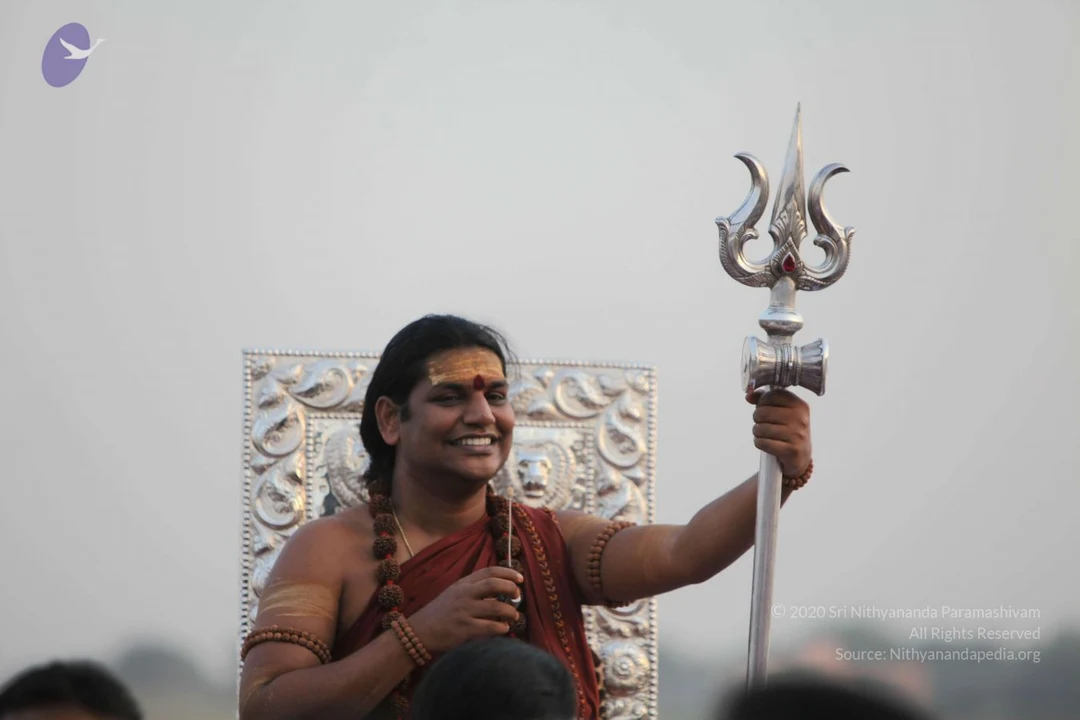
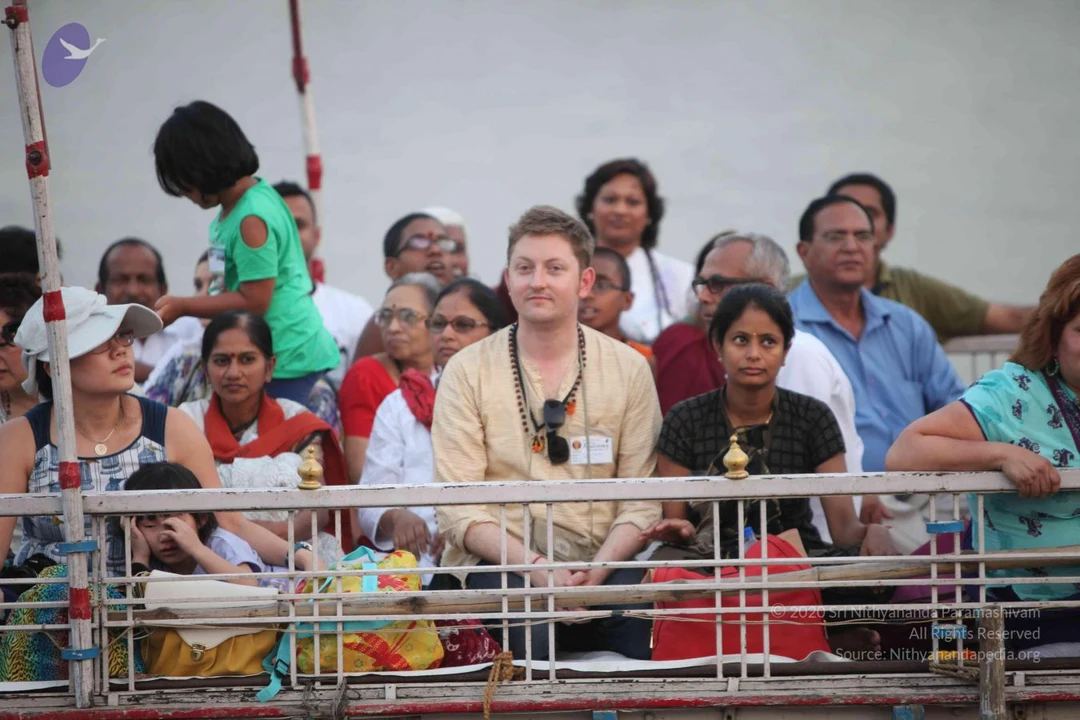
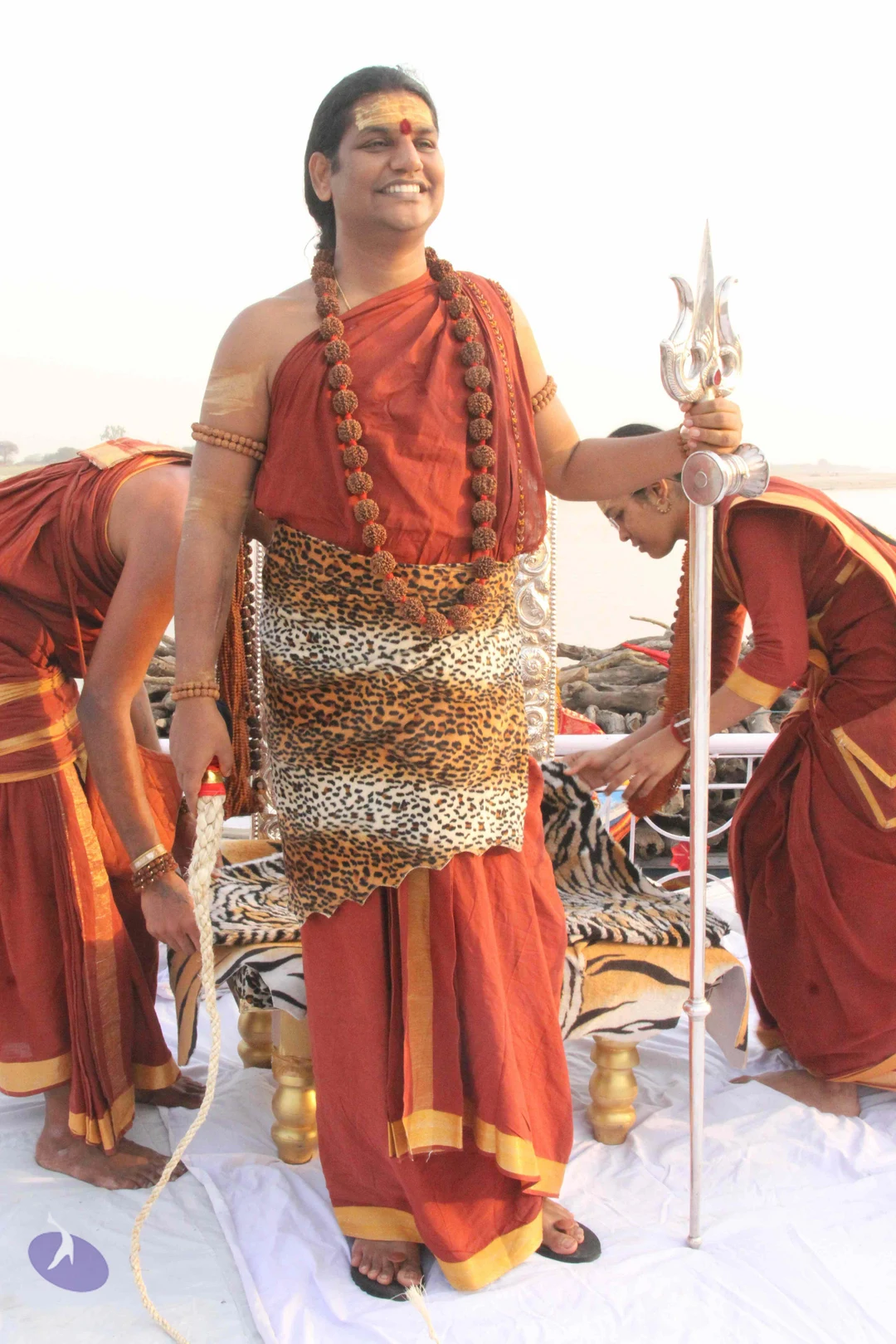
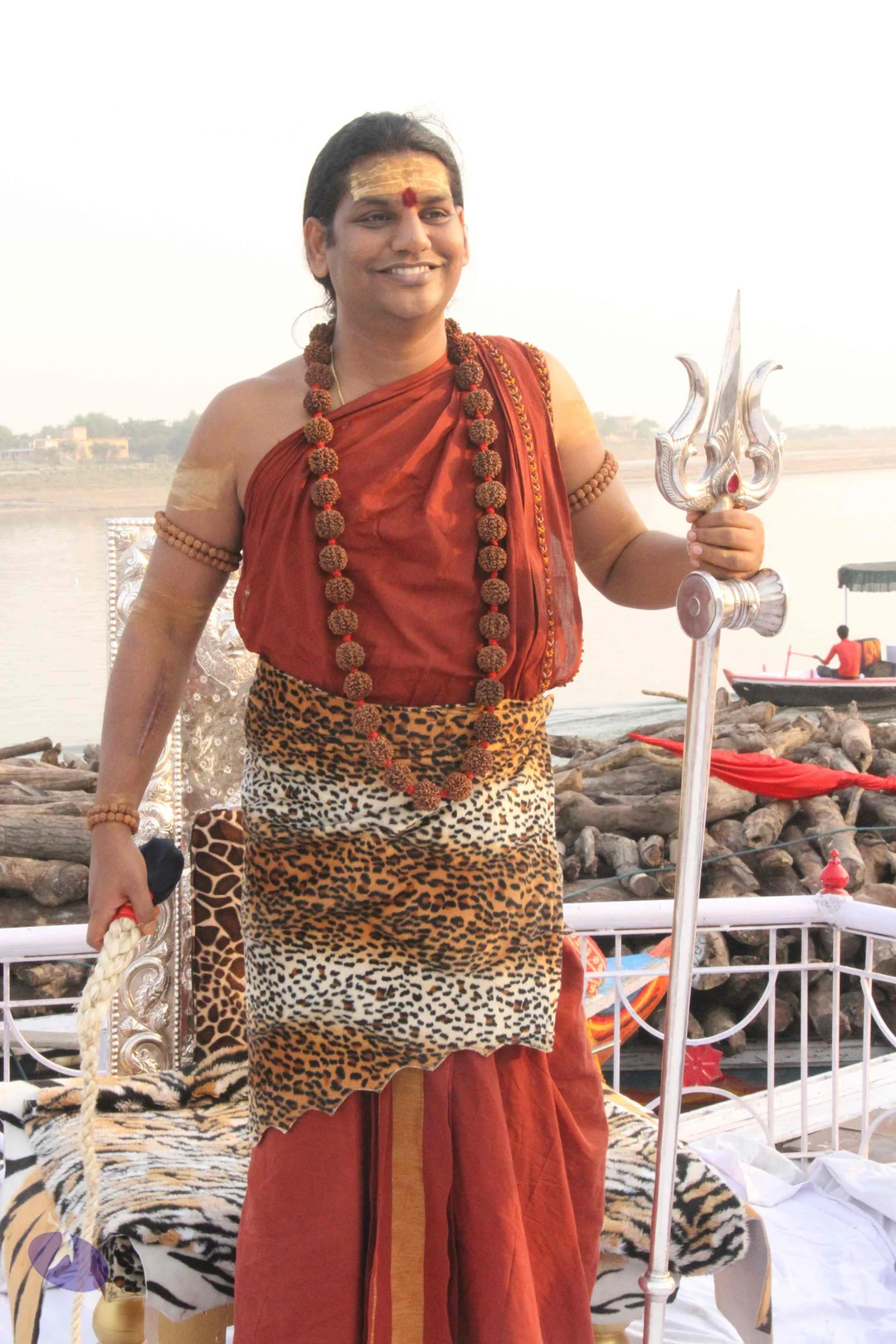
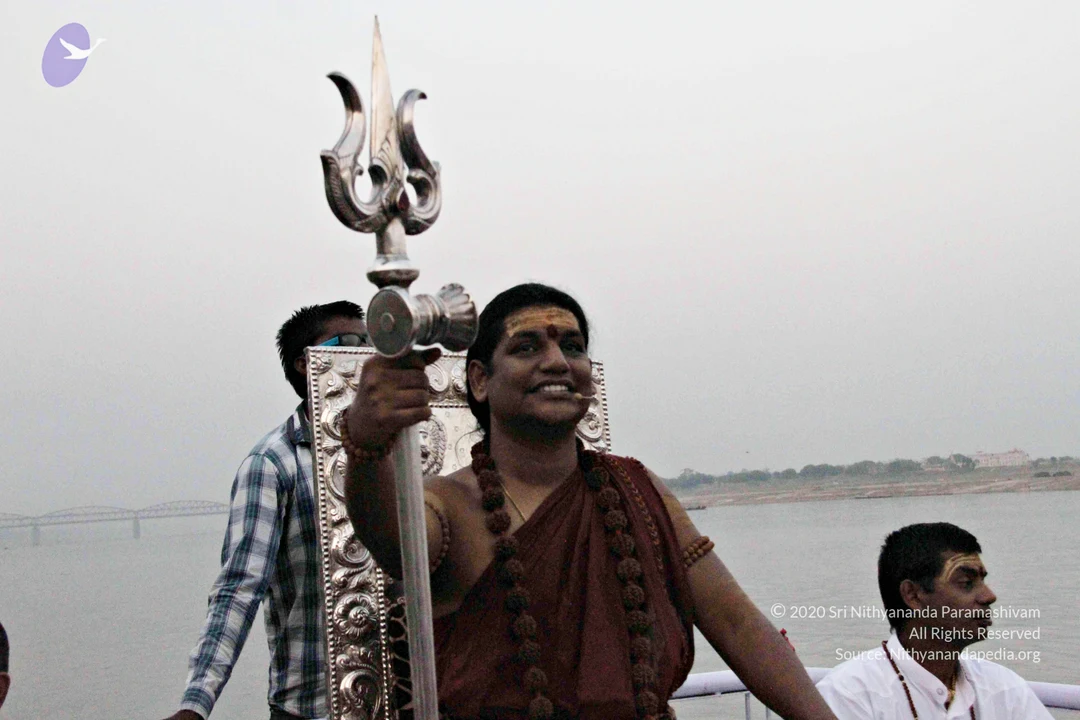
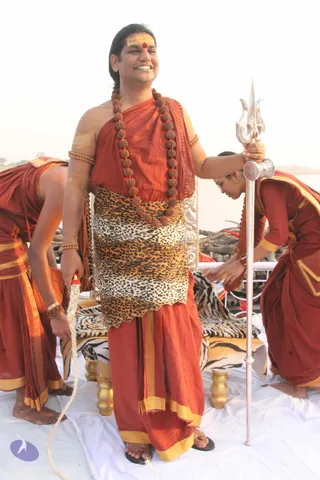
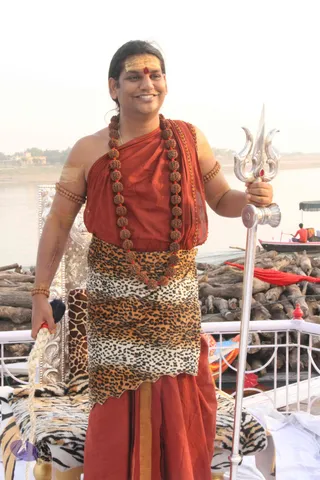
A smiling man stands on a white cloth beside a river, wearing a rust-red shoulder wrap and dhoti with gold borders, a leopard-print cloth at the waist, a long rudraksha mala across the chest, and rudraksha armlets. He has tripundra-style white marks and a red bindi on his forehead and holds a silver trident. Two attendants in matching rust-red dhotis bend over at the sides, one holding a braided rope. Behind them a tiger-striped seat with gold legs and a stack of logs.A smiling man stands on a riverboat deck beside a silver trident held in his right hand, a dark cloth in his left. He wears a rust-orange shawl and dhoti, a leopard-print wrap at the waist, long rudraksha mala strands across the chest and arms, and a yellow-white tilak with a red bindi on the forehead. Behind him stands a silver-framed ornate seat draped with tiger and leopard-print fabric. The Ganges waterfront shows stacked logs, a red cloth, and a small boat with a seated rower in the background. Swamiji (probable): the rudraksha malas, orange-red robes, long swept-back hair and trident match the page's identification, though the face is not a basis for identity. Only one physical person is visible.A man in a rust-red ochre wrap stands on a boat deck over a wide grey river, raising a tall silver trident in his right hand. He wears a rudraksha mala with multiple strands, a bindi-like tilak on his forehead, and a gold chain at his neck, and he smiles toward the water. Behind him a second man in a checked blue-and-white shirt stands beside an ornate silver-framed panel. In the lower right corner a man in white with a tilak sits at the boat railing. A road bridge and distant buildings line the misty riverbank.A seated man in a rust-red wrap and leopard-print lower garment holds a tall silver trident on a riverside platform. He wears multiple rudraksha mala strands across his chest and rudraksha bracelets on his wrist and upper arm, with a white-and-red tilak and red bindi on his forehead and a small headset microphone. Behind him a silver ornately carved throne-like chair stands above a wide grey river under an overcast sky. A man in a checked shirt and glasses stands at the left edge, and a red-and-white railing lines the boat deck.A smiling man with long dark hair sits cross-legged on a tiger-print cushion on a boat deck, holding a silver trident topped with a red gem in his raised right hand. He wears a rust-red draped garment, a leopard-print waist sash, long rudraksha mala necklaces, rudraksha bracelets and a red tilak with a sandalwood-coloured forehead mark. A small microphone is clipped near his face. Behind him, an ornate silver chair with repoussé floral and lion-face designs stands against a grey river backdrop with a distant bridge, and a man in a plaid shirt and glasses stands behind the chair. a person is seated centrally as a speaker with a trident, rudraksha malas and saffron-red robes, matching the visible cues.A night photograph of a dense crowd of devotees gathered on a riverside ghat in Varanasi, watching an event from raised steps and railings. Many wear white kurtas and salwar or white sarees, some with rudraksha malas. A woman in white at right holds a camera to her face while others raise hands or cameras. A man in a grey shirt photographs with a camera. In the background a lit ornate palanquin or ratha-like structure with a golden finial stands above the crowd, and dark river and distant city lights fill the scene. No single figure can be identified as a person from this view.