Monday
30 April 2012
- Dated photos
- 714
- Source pages
- 1
- Media
- 2
April 30 2012
Original wiki pageTitle:
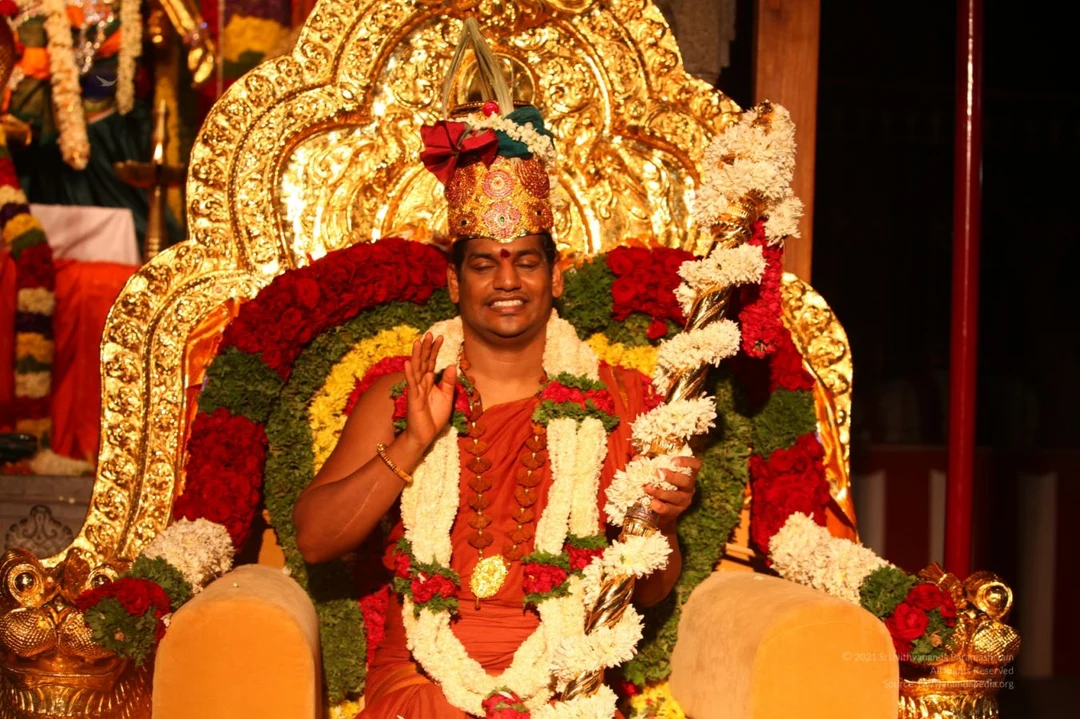
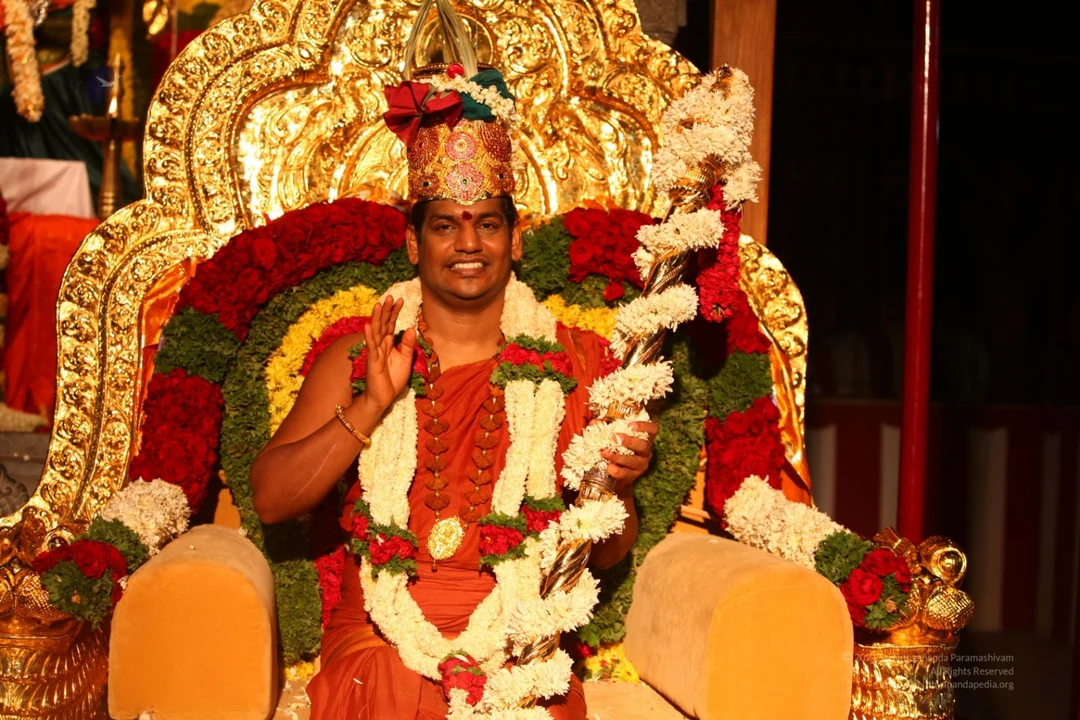
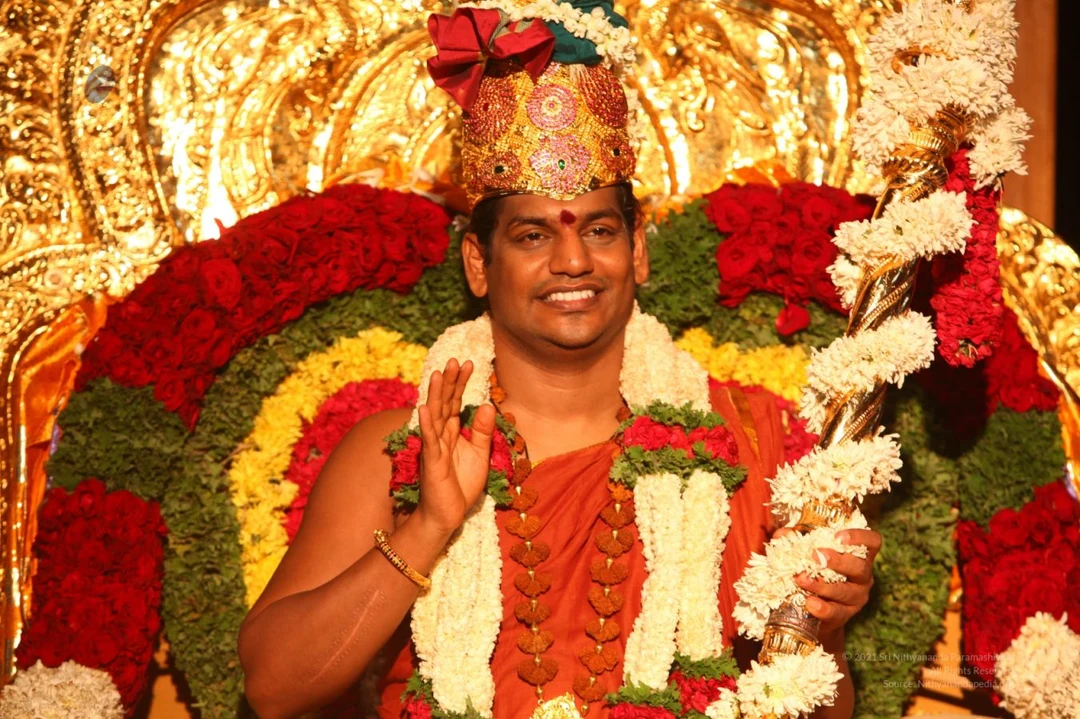
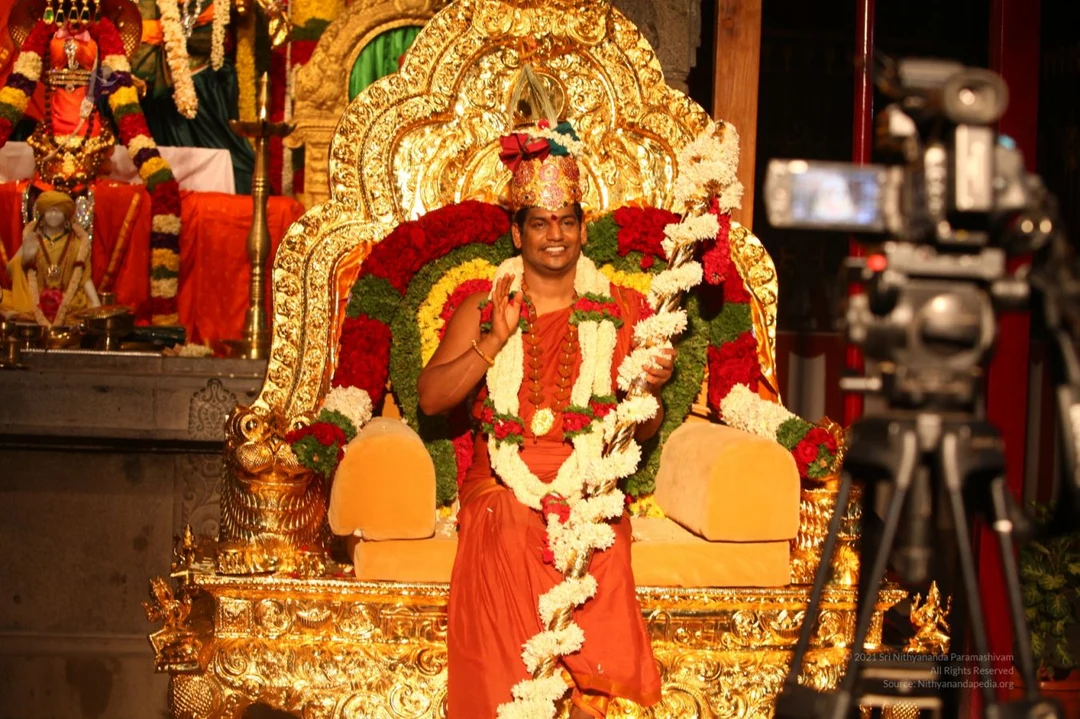
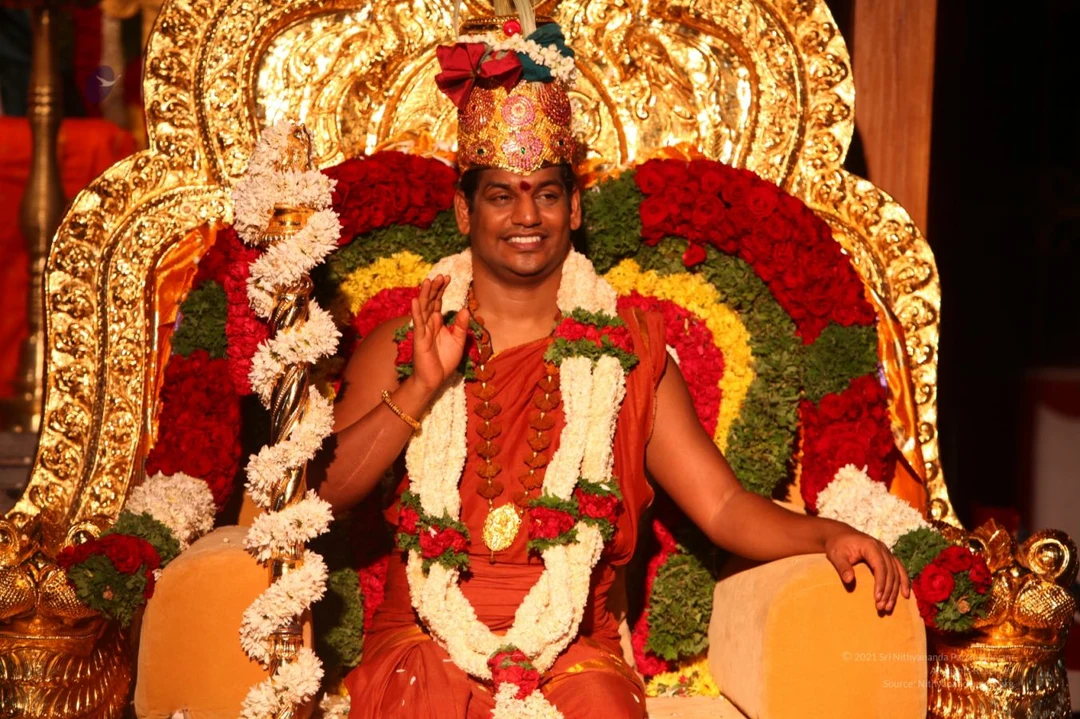
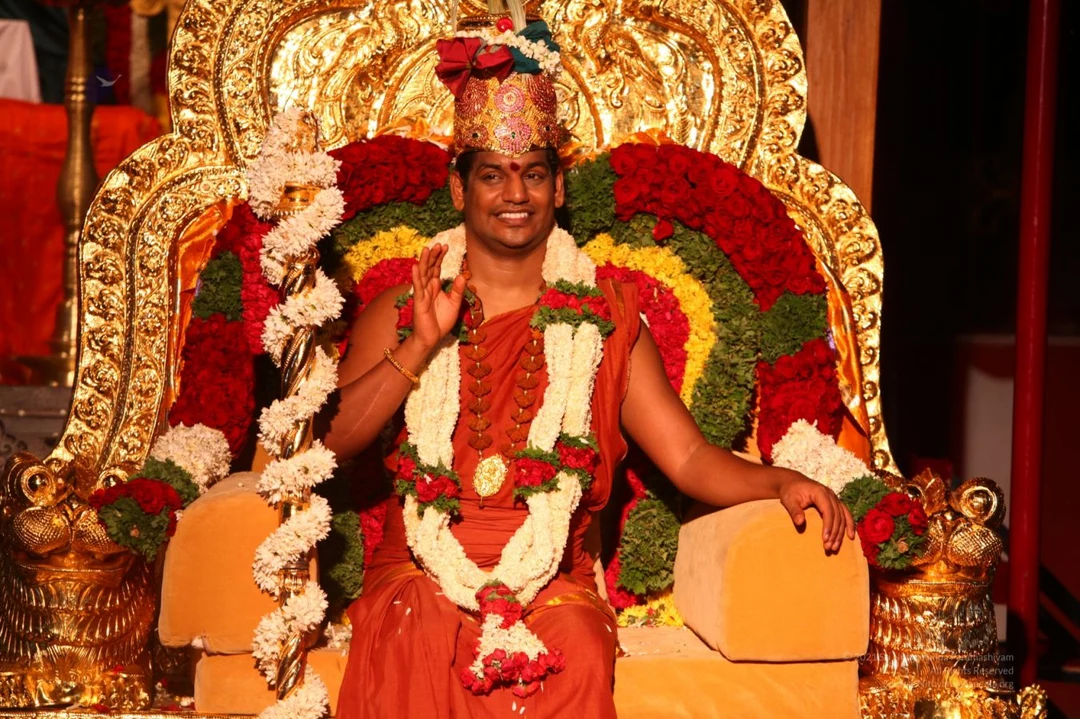
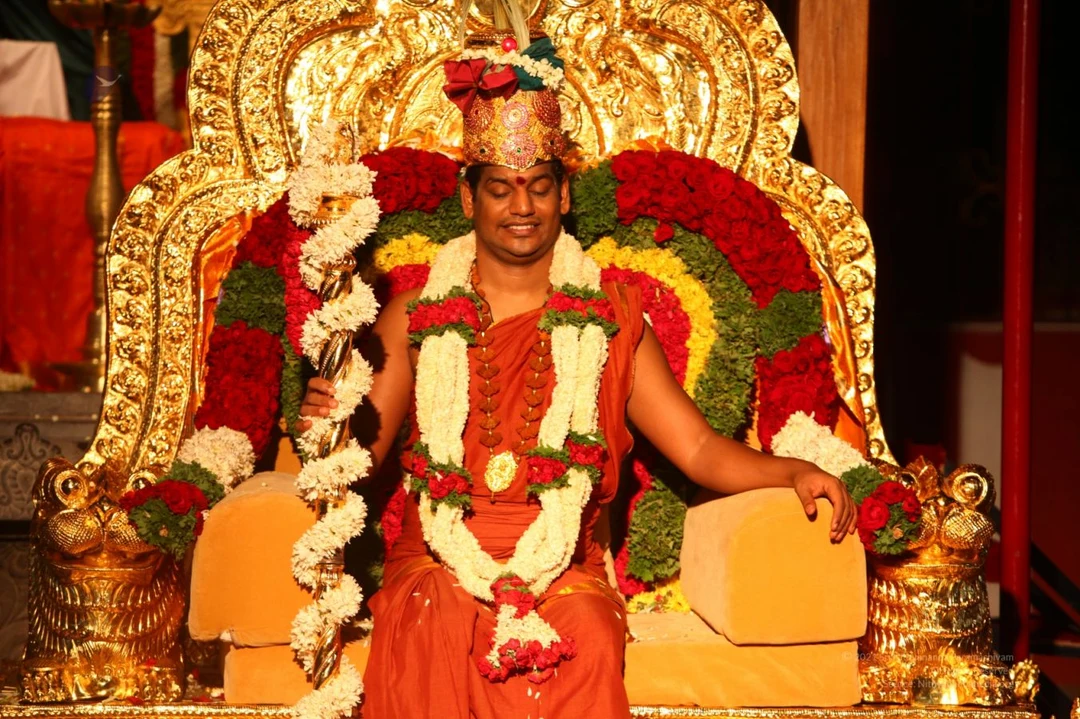
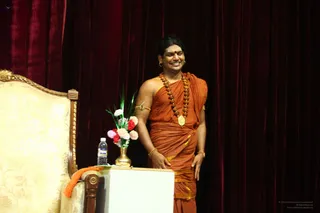
Nithyananda On His Coronation as World Hindu Leader
Description:
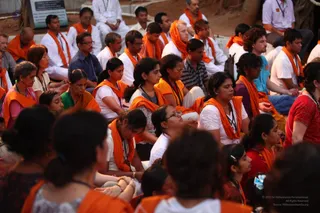
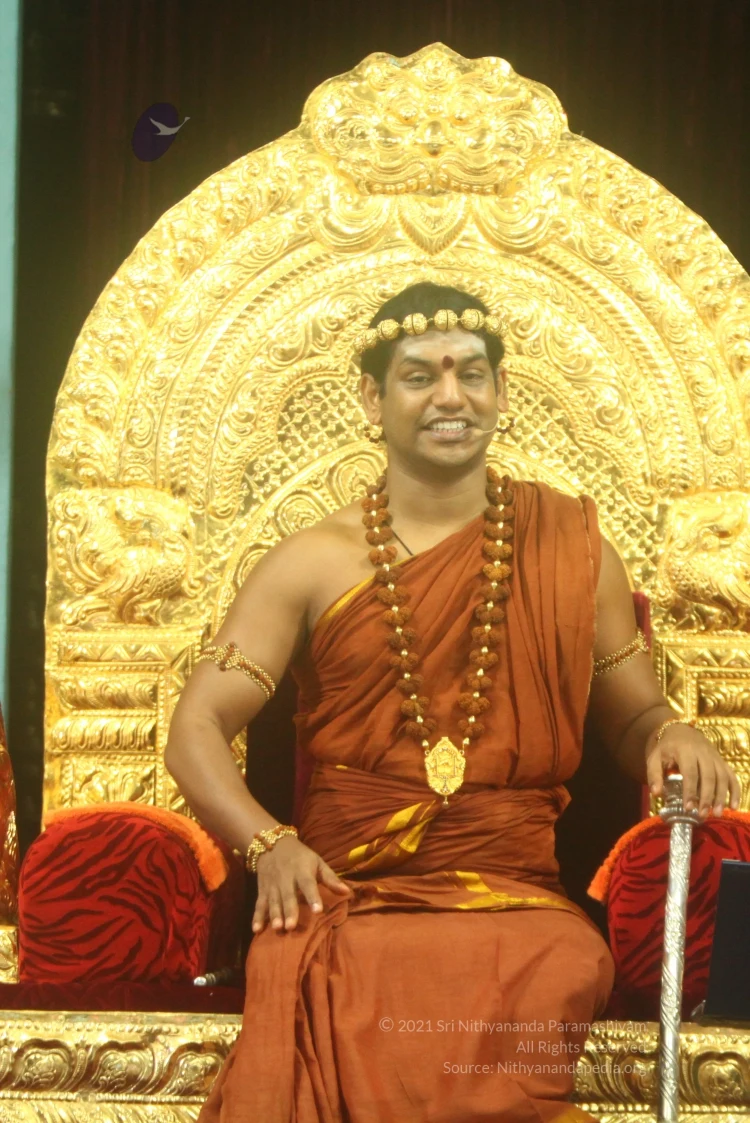
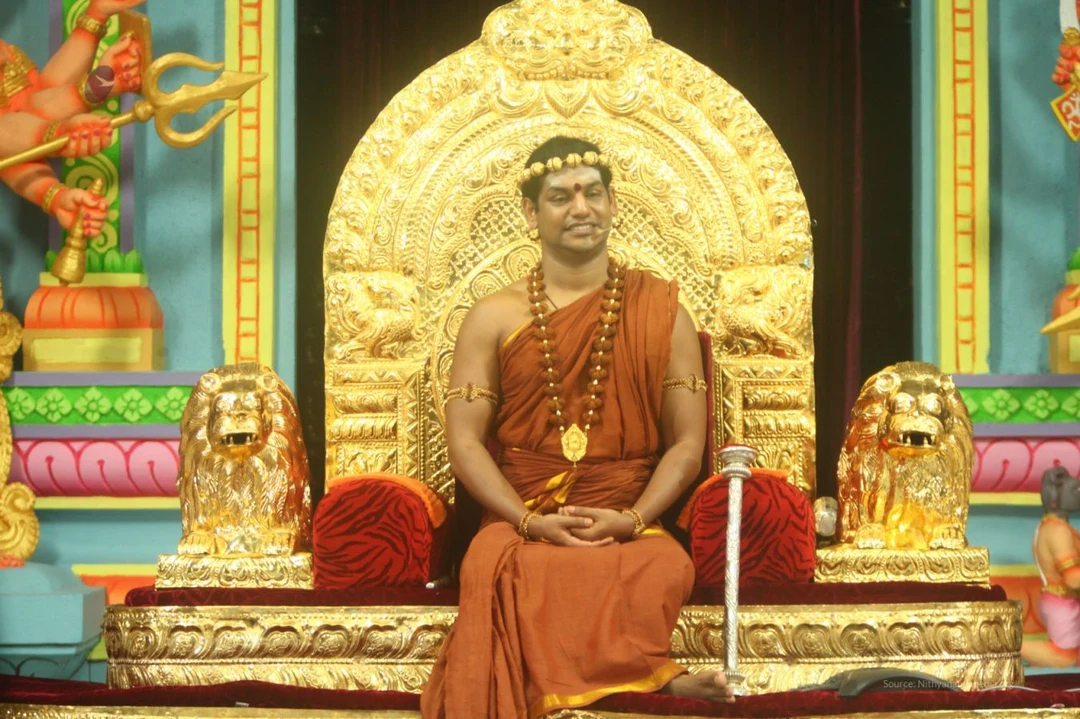
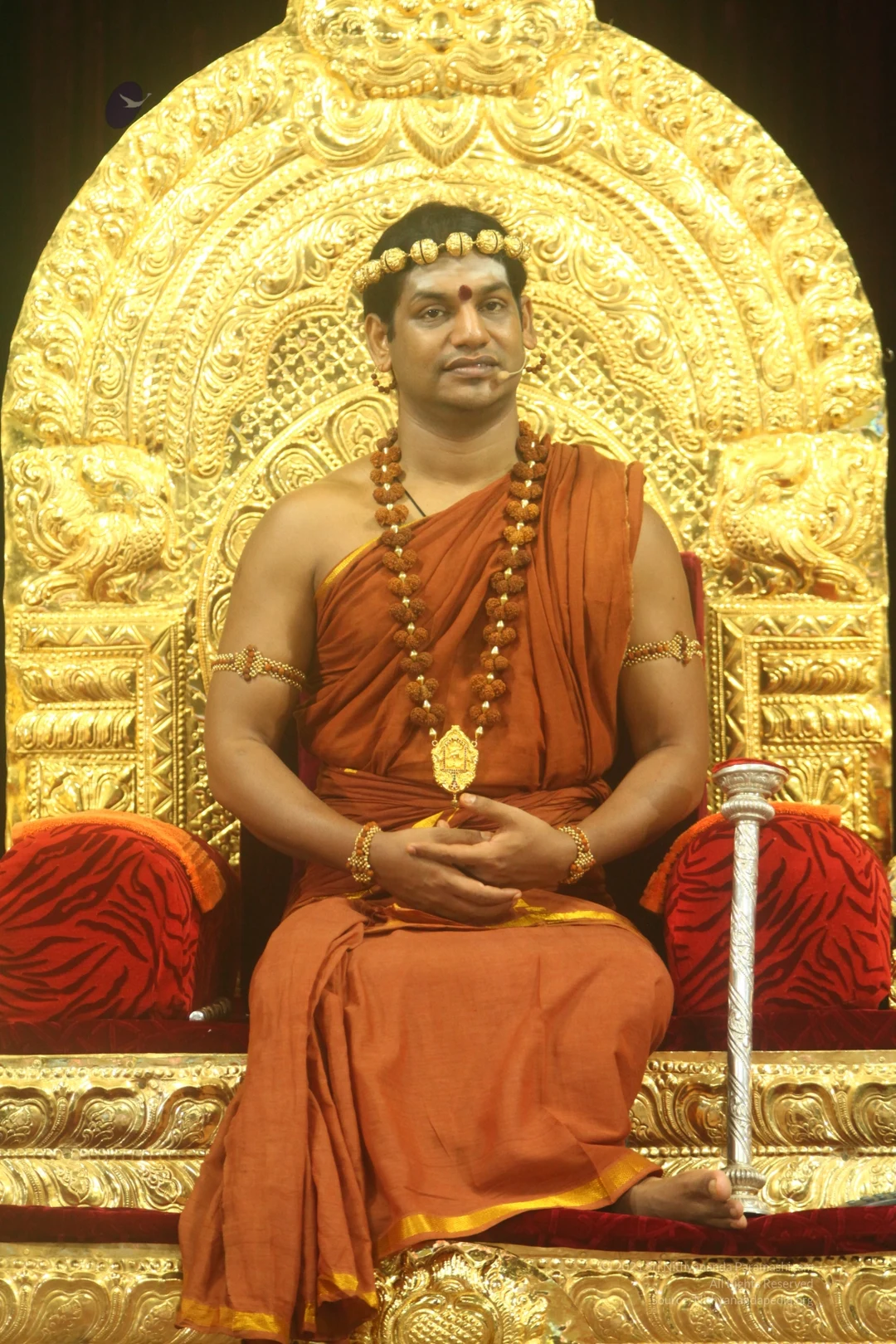
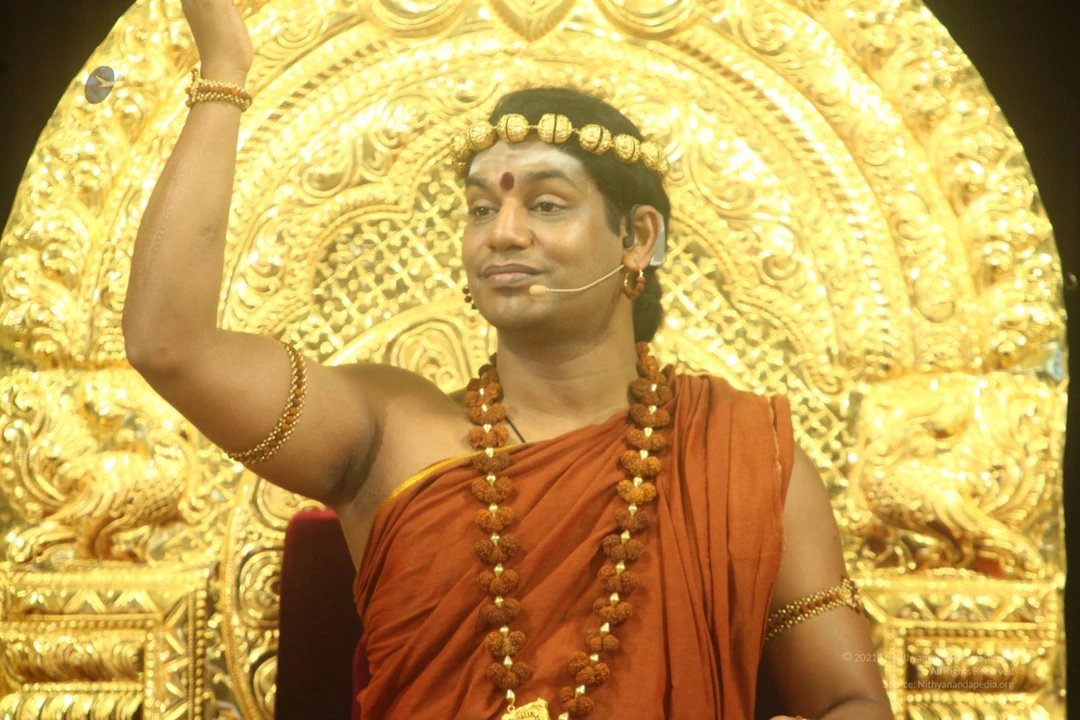
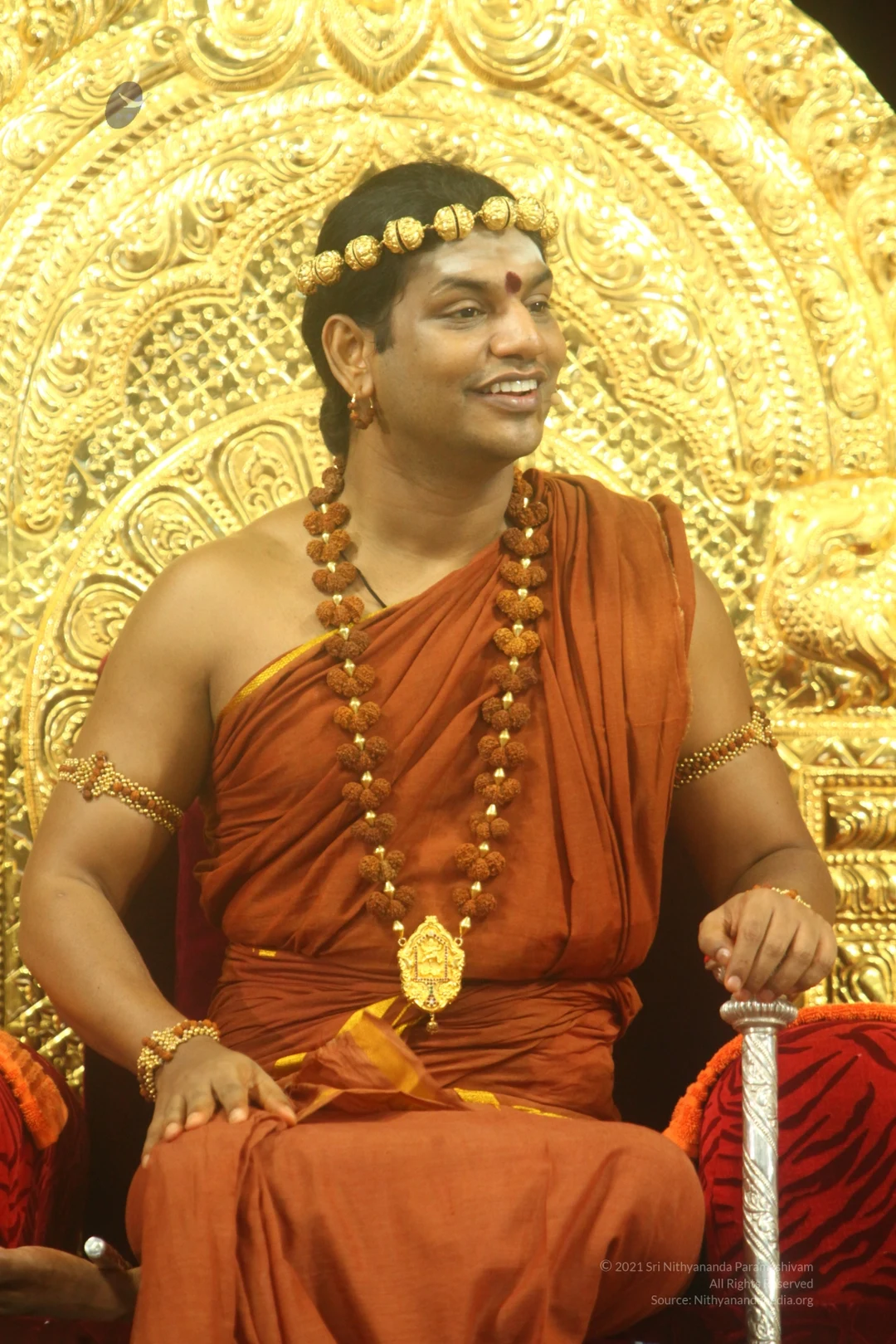
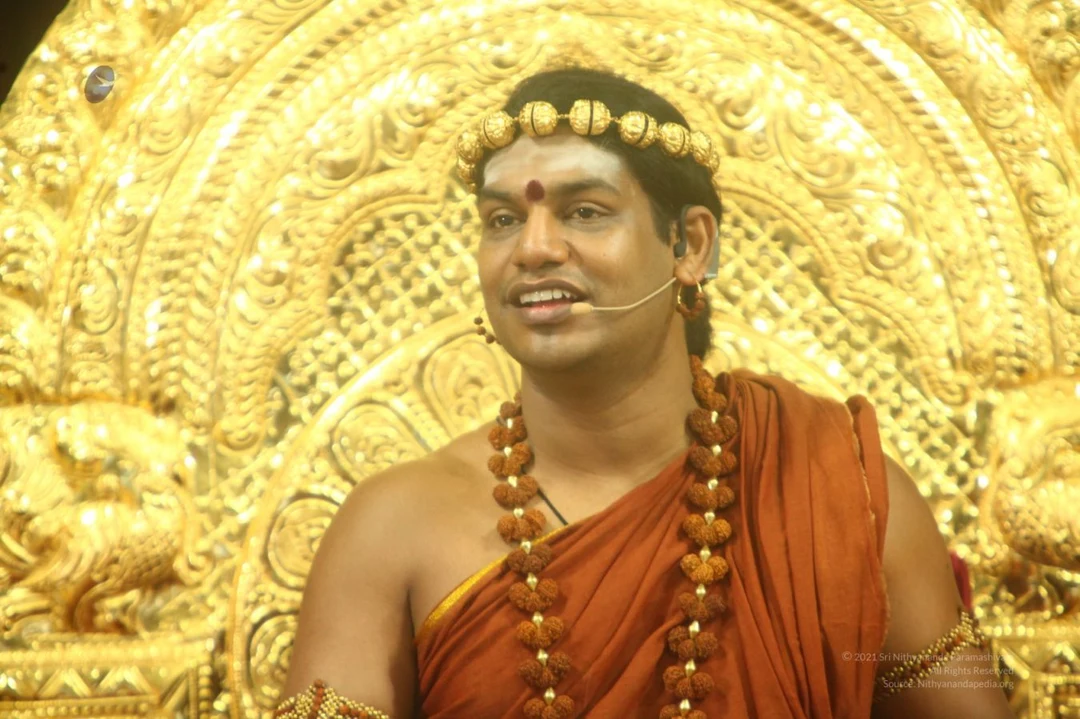
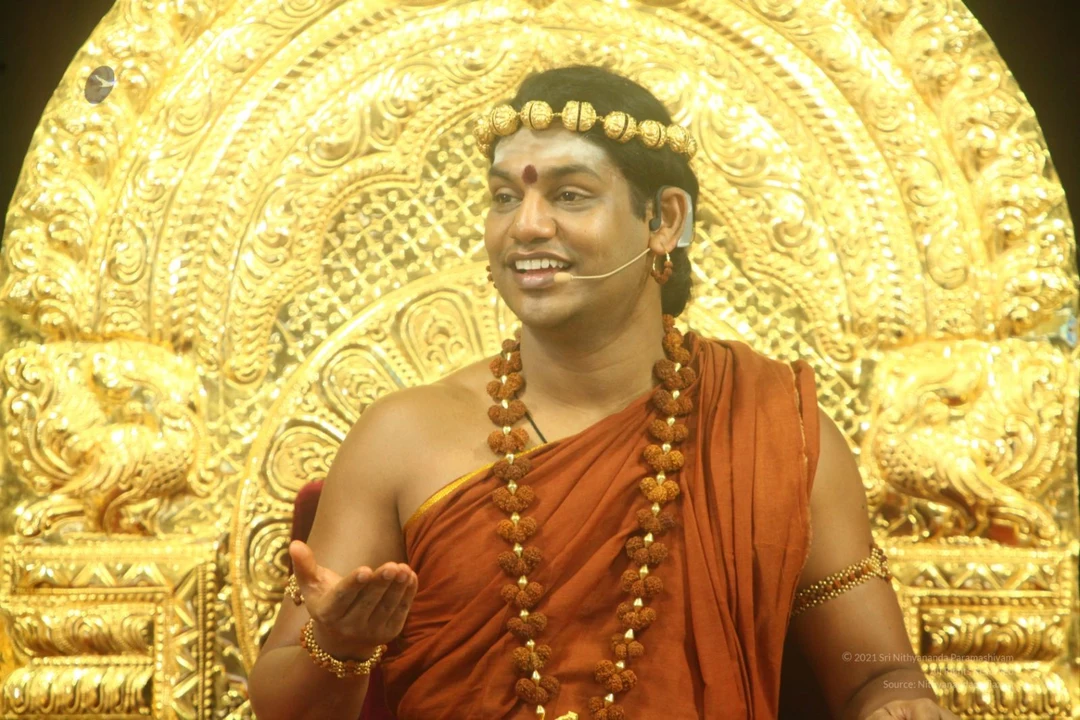
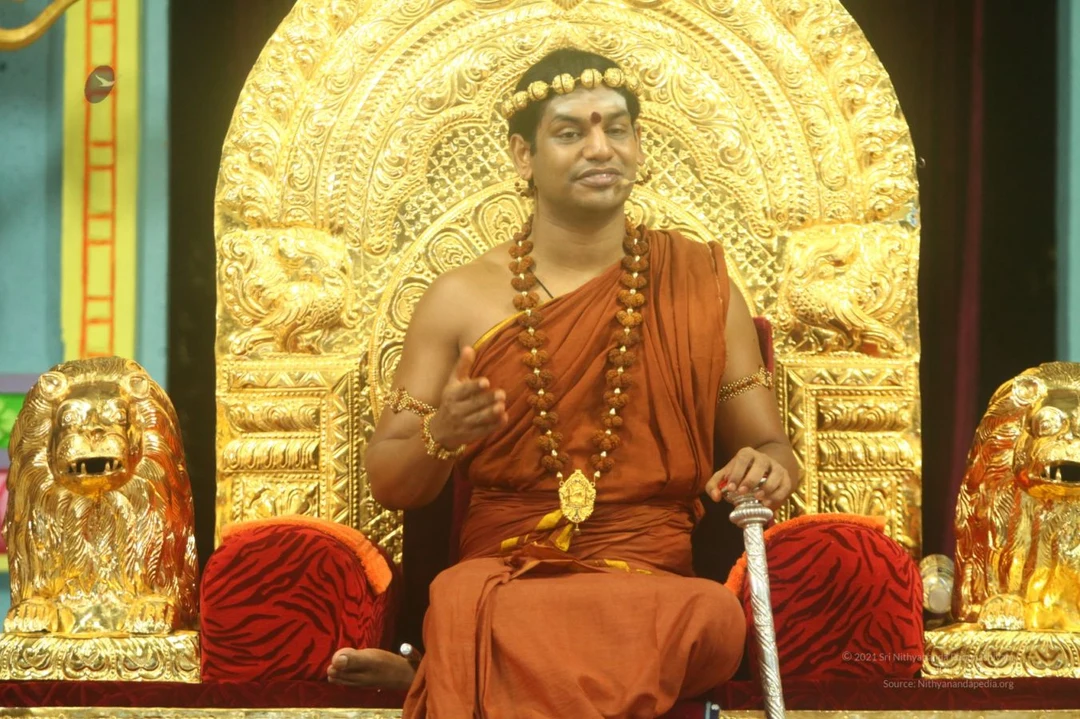
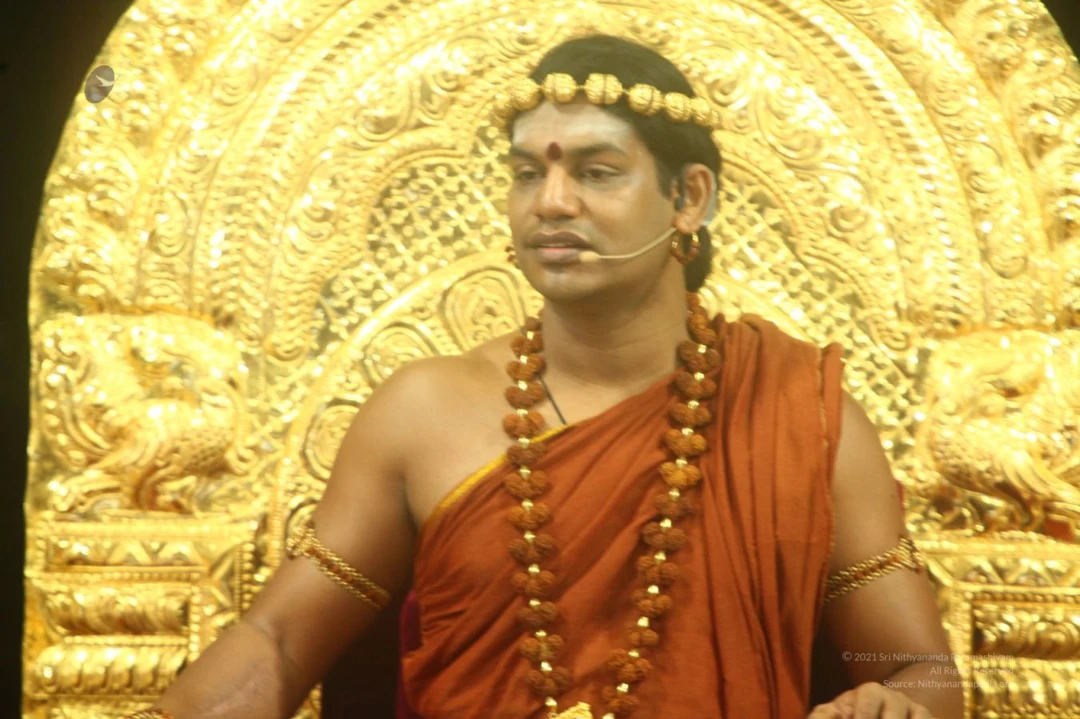
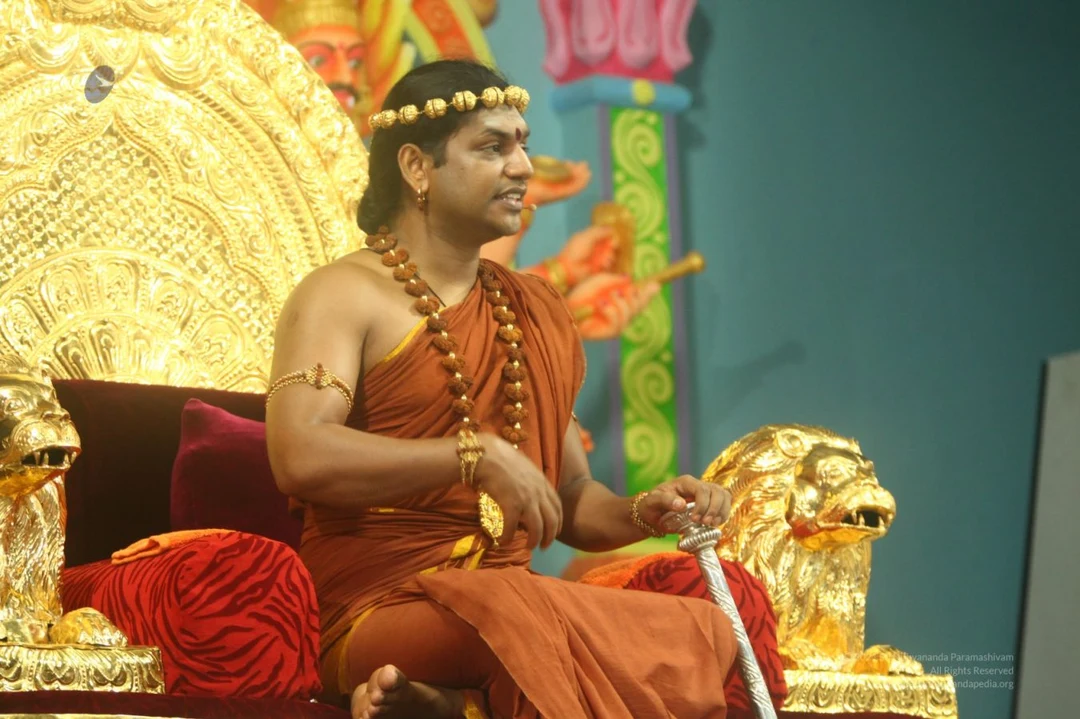
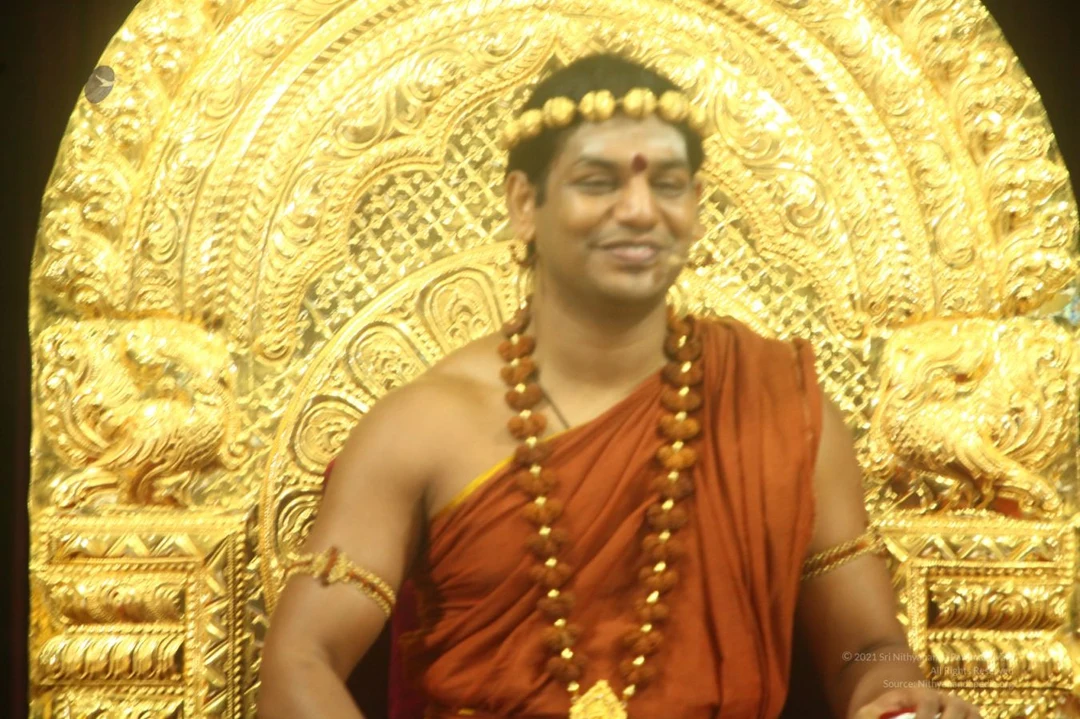
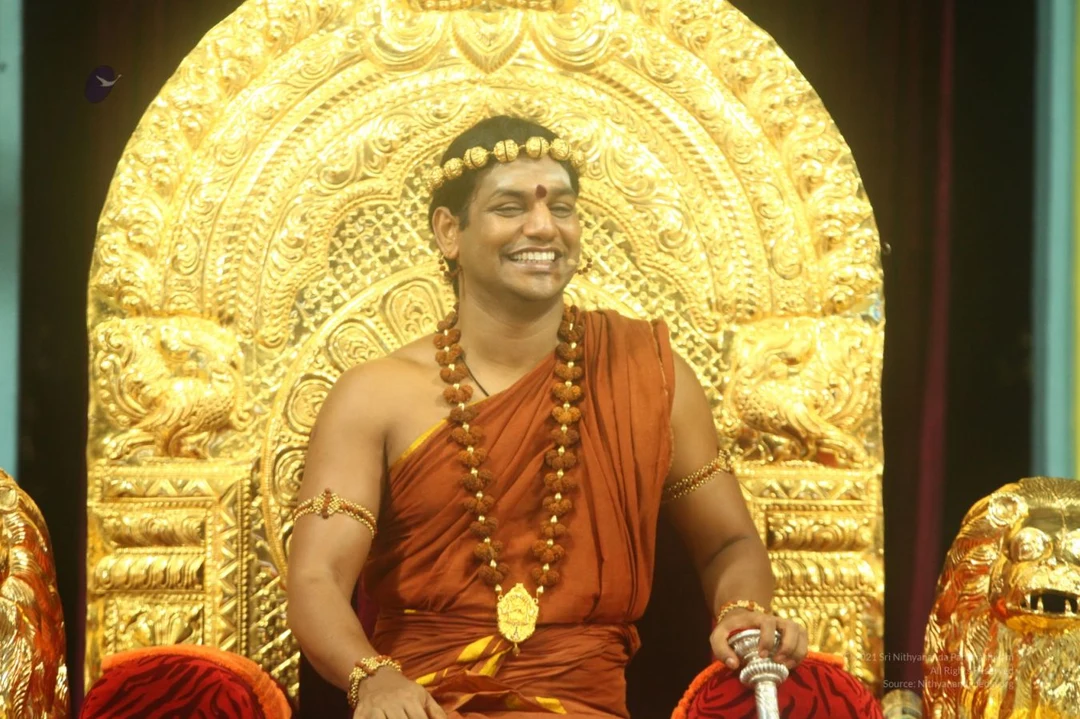
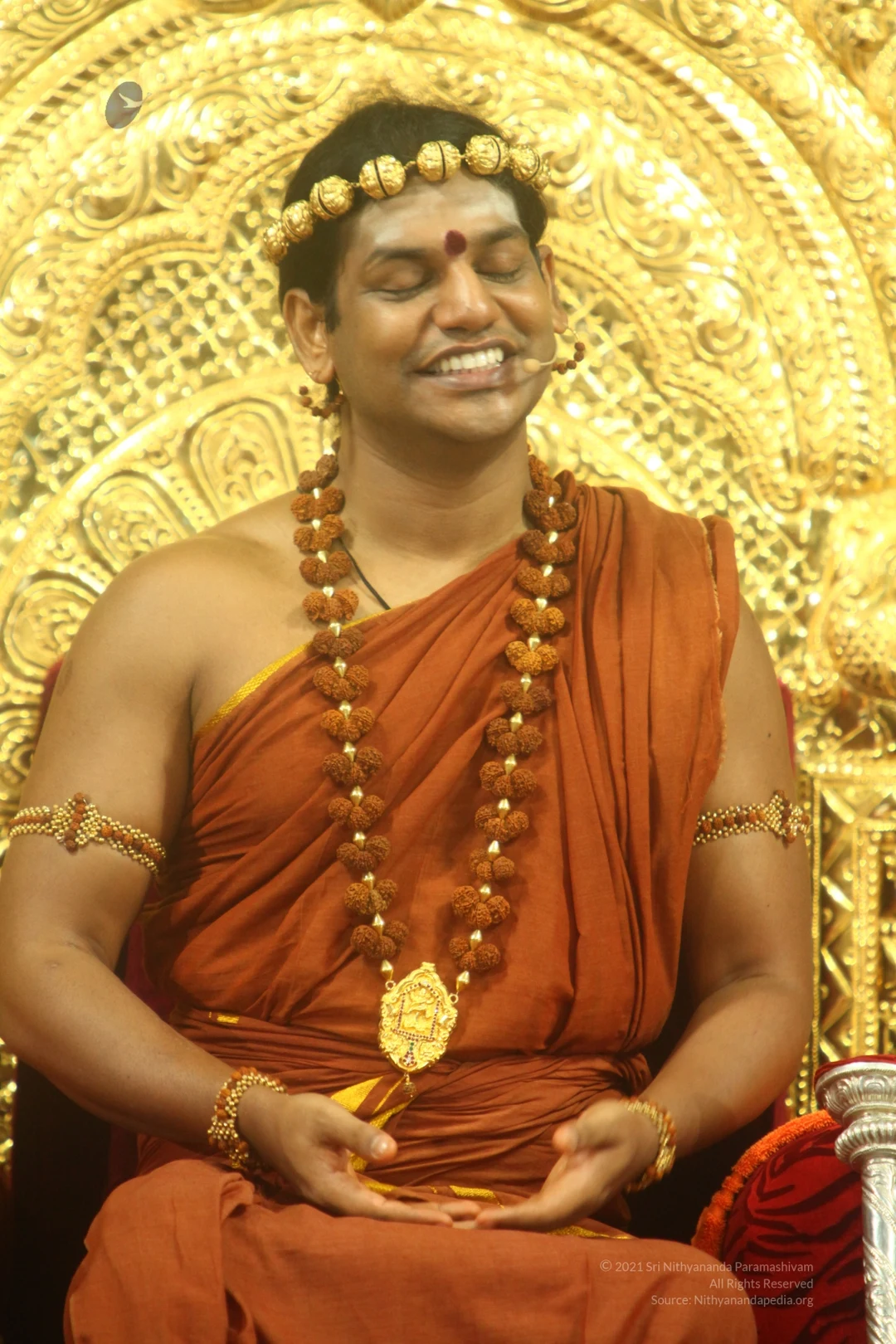
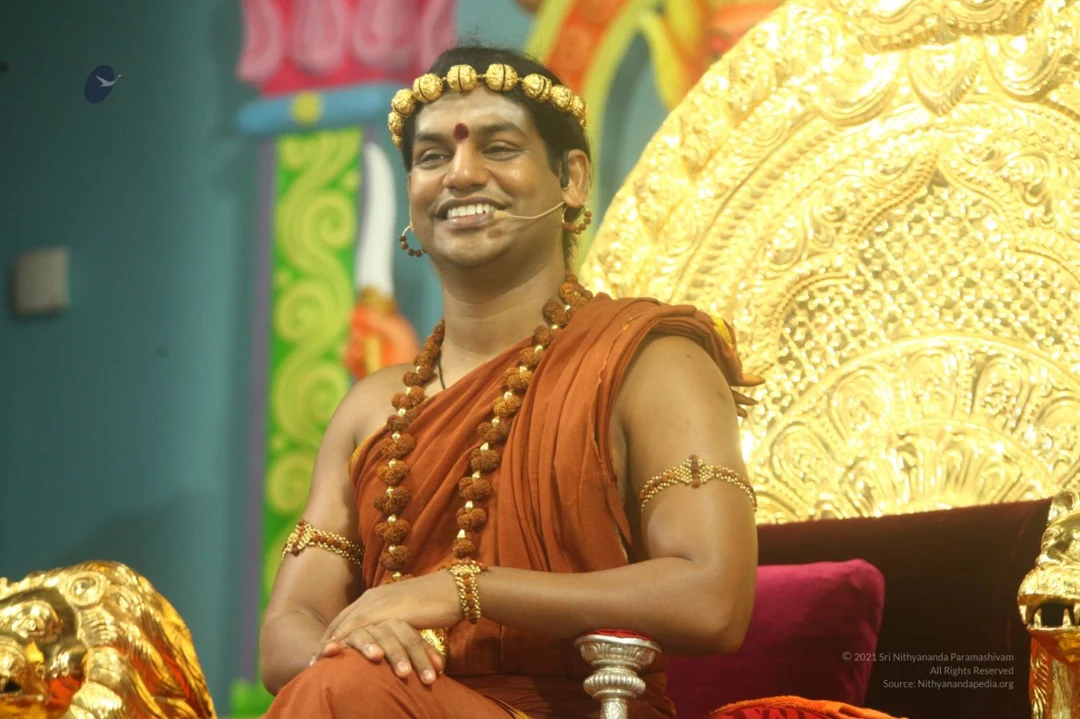
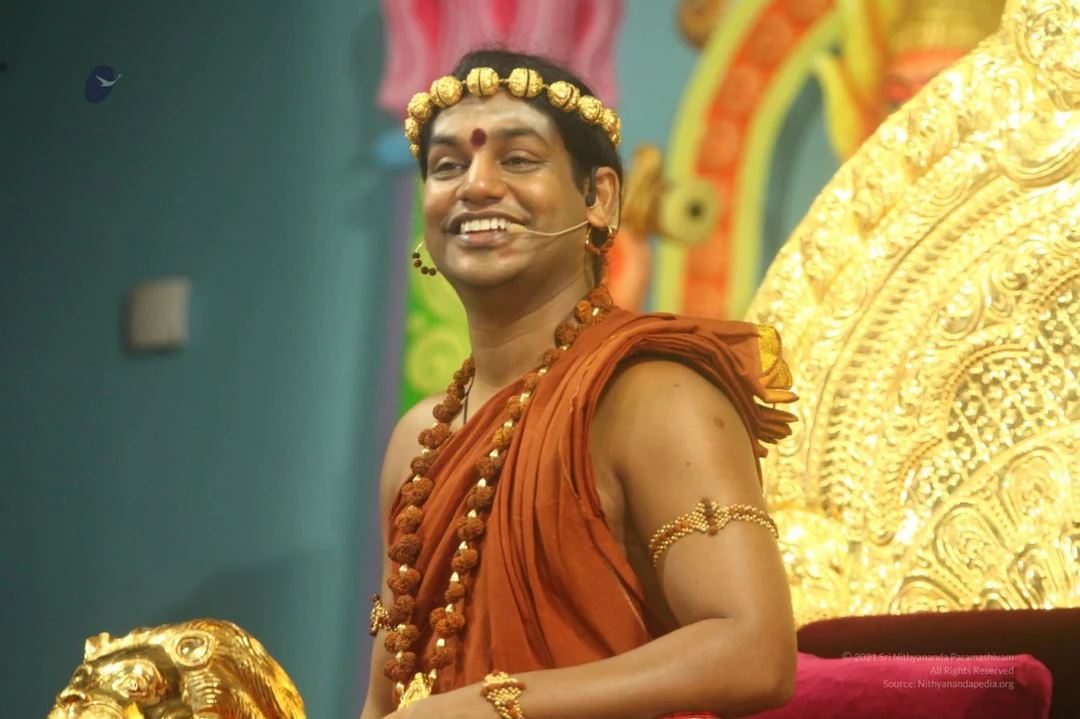
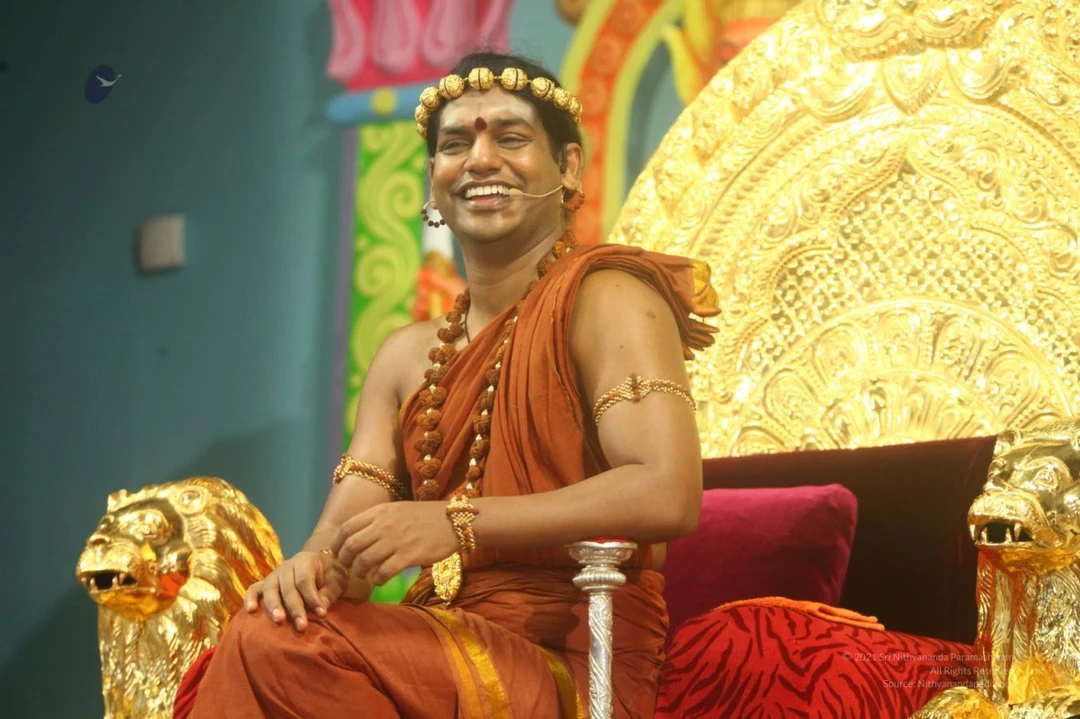
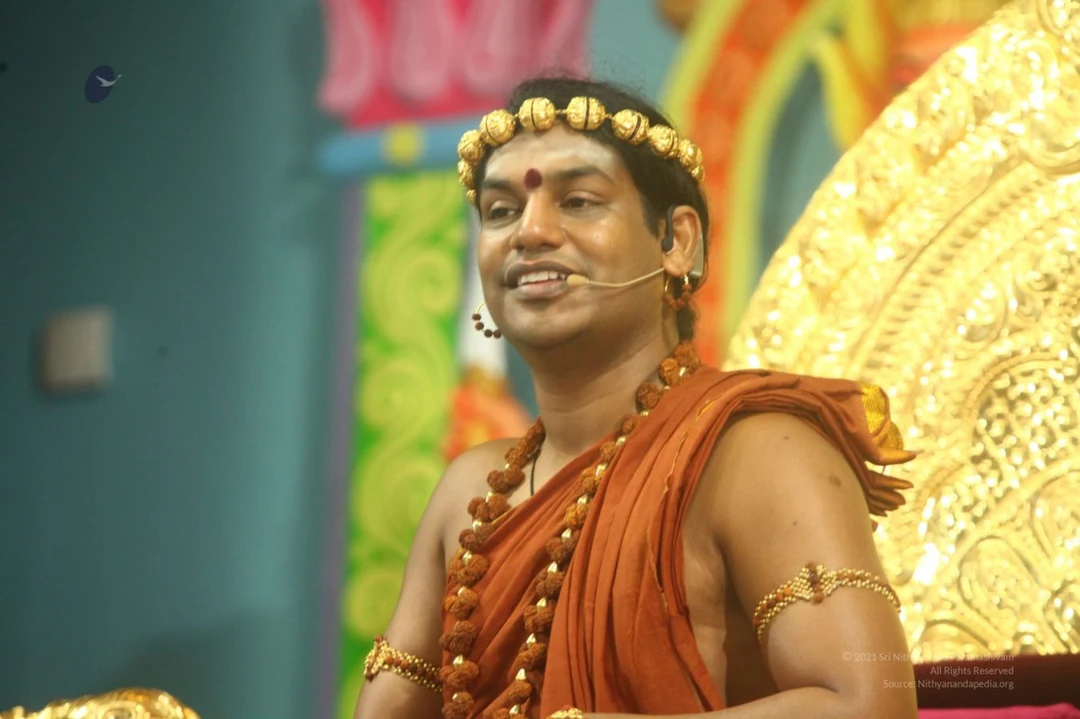
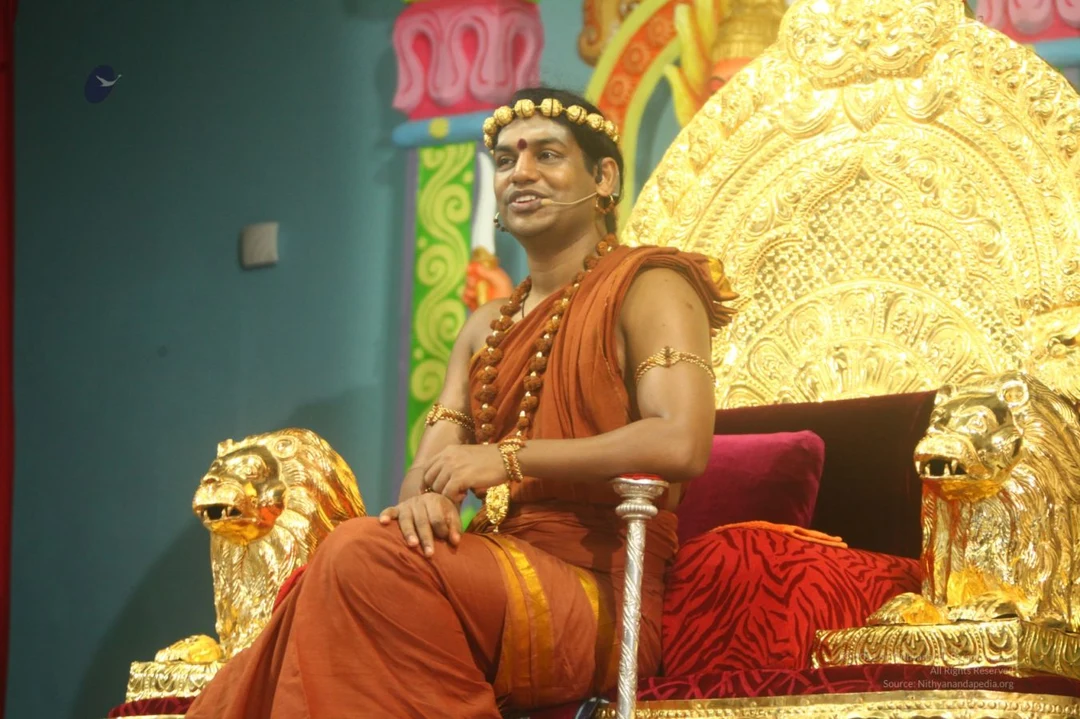
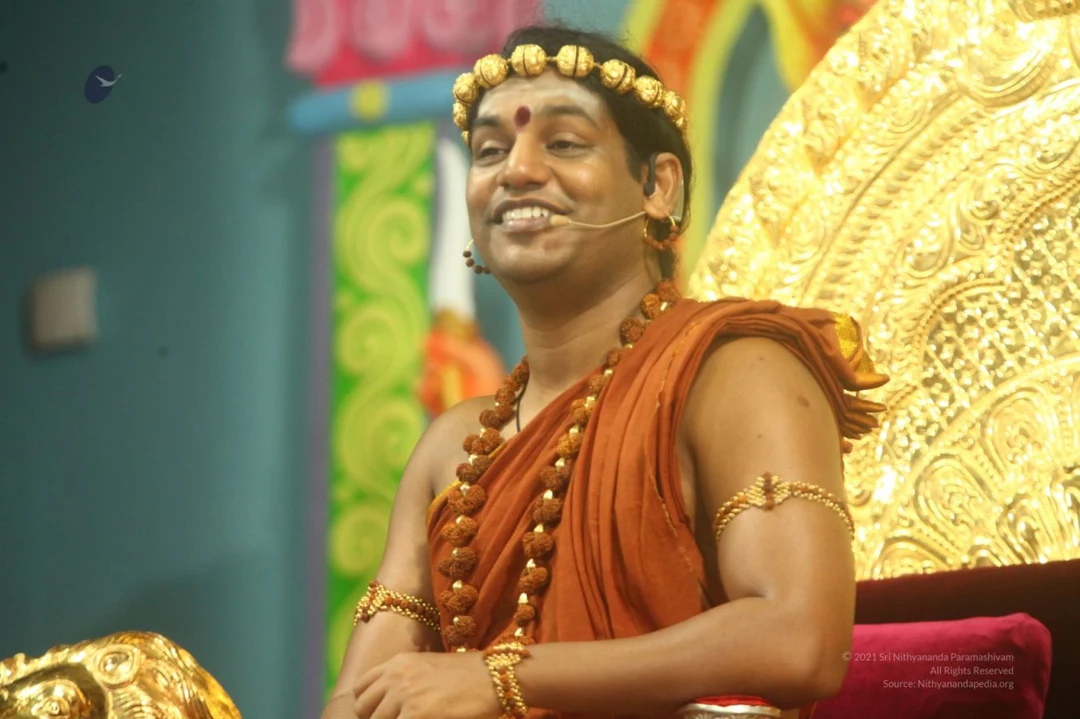
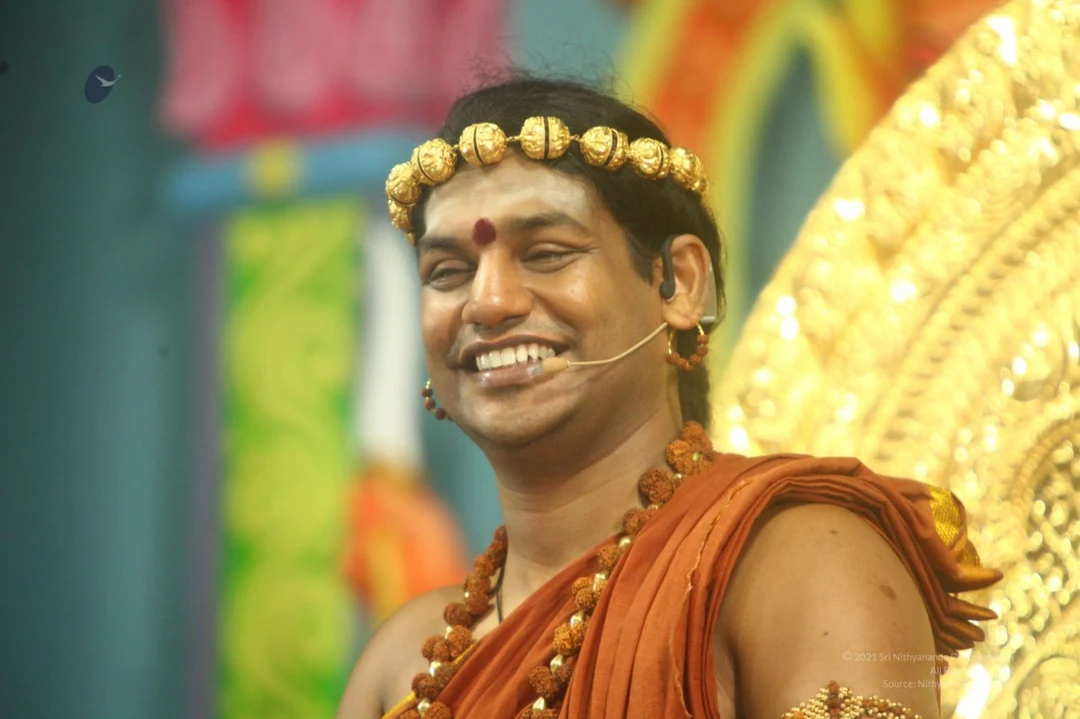
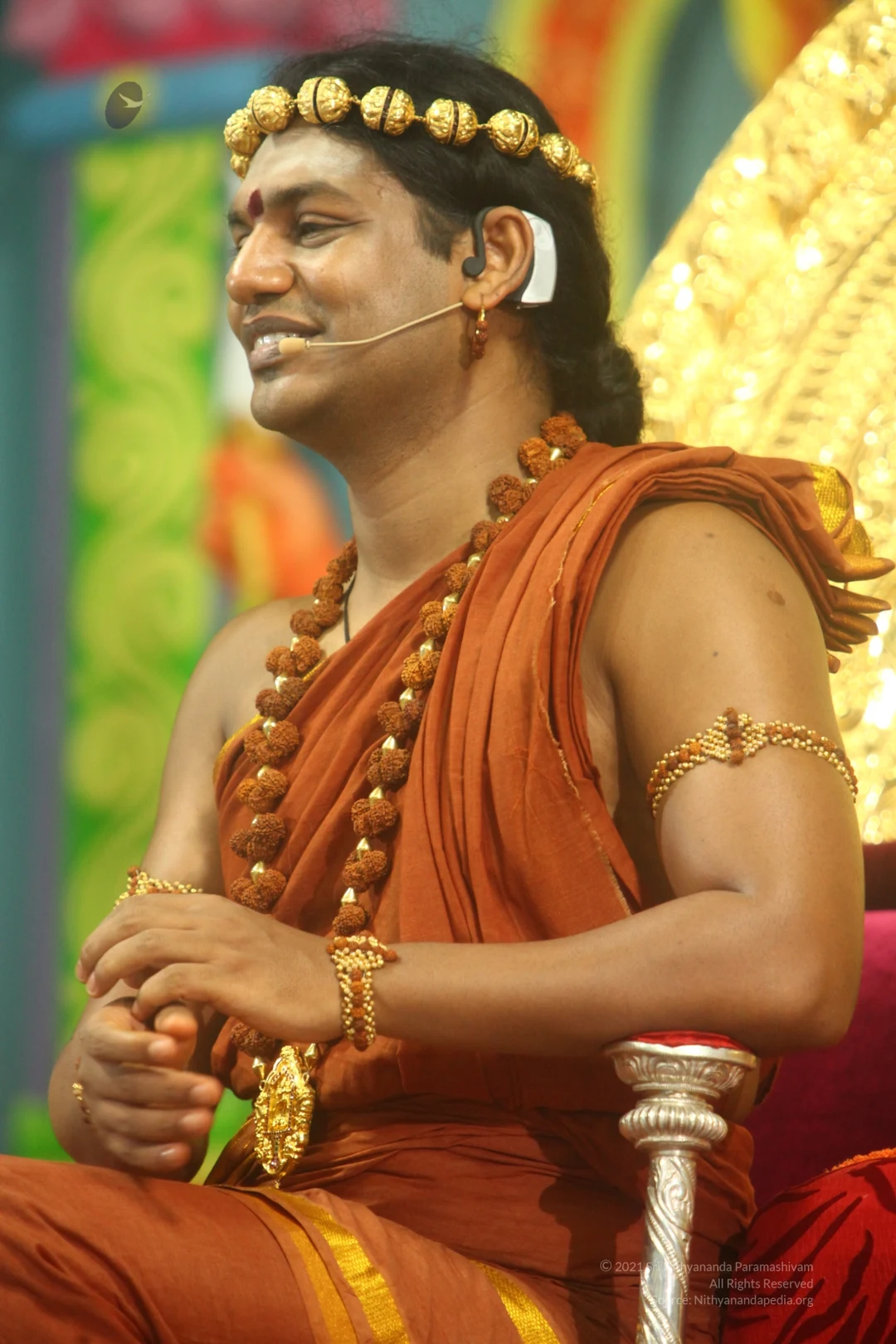
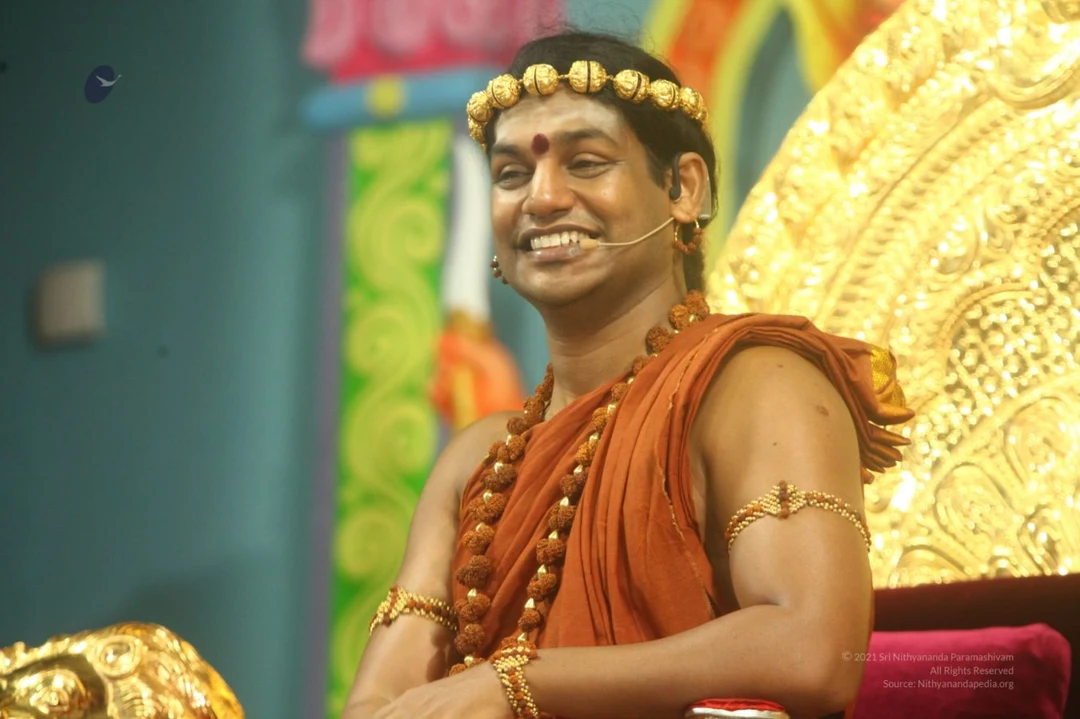
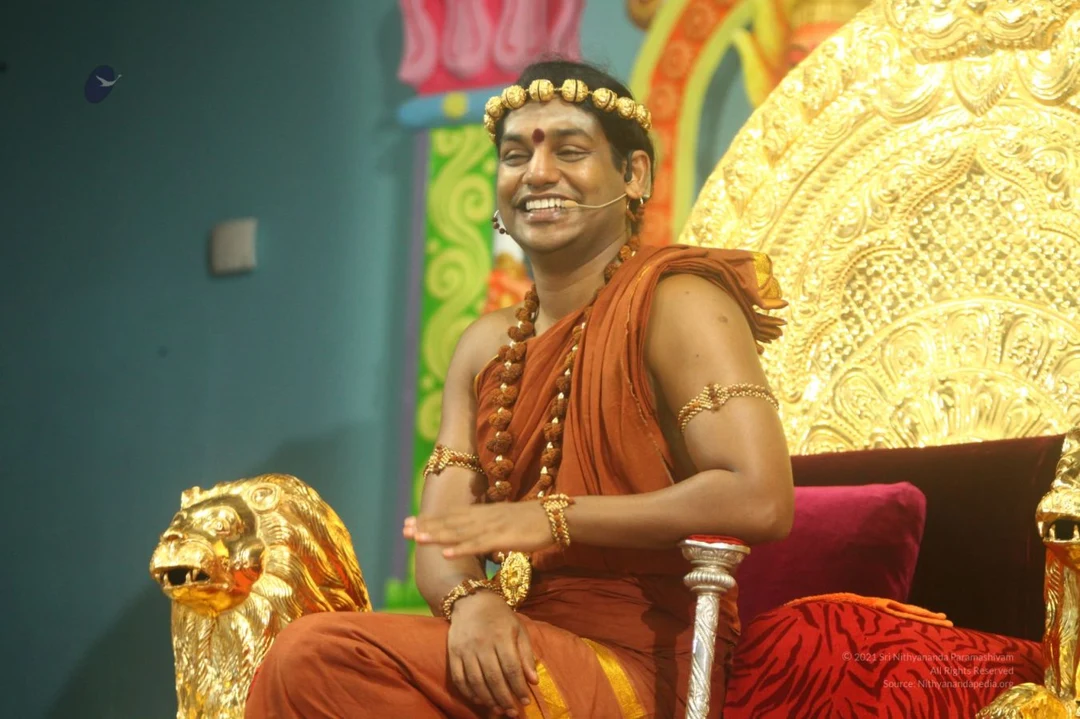
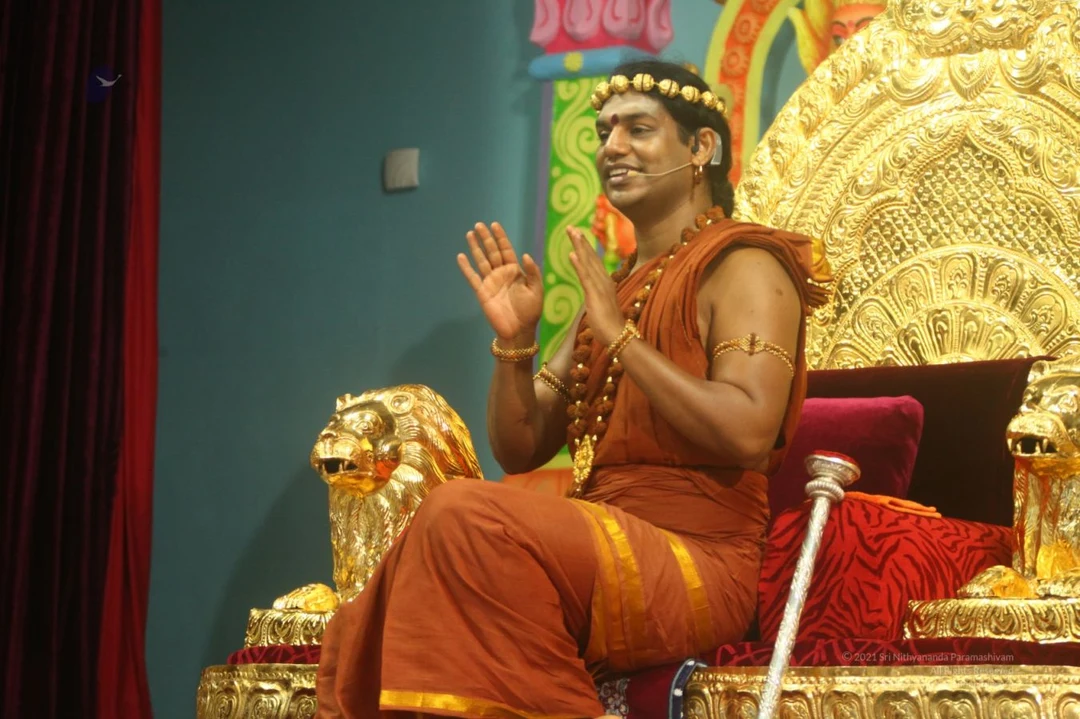
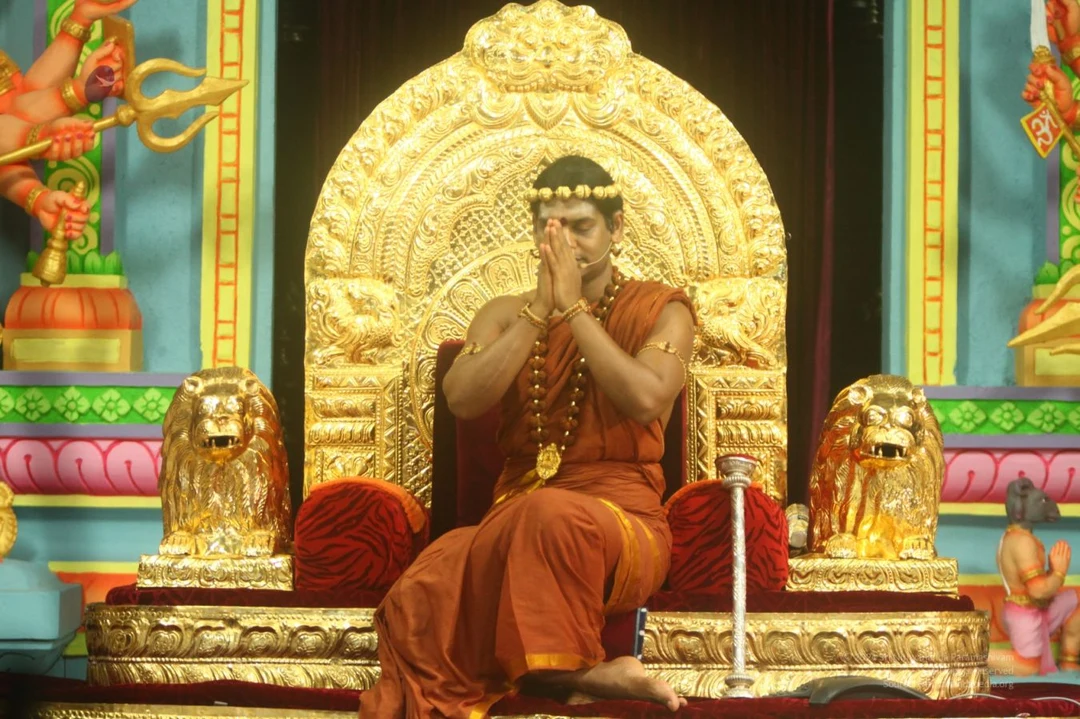
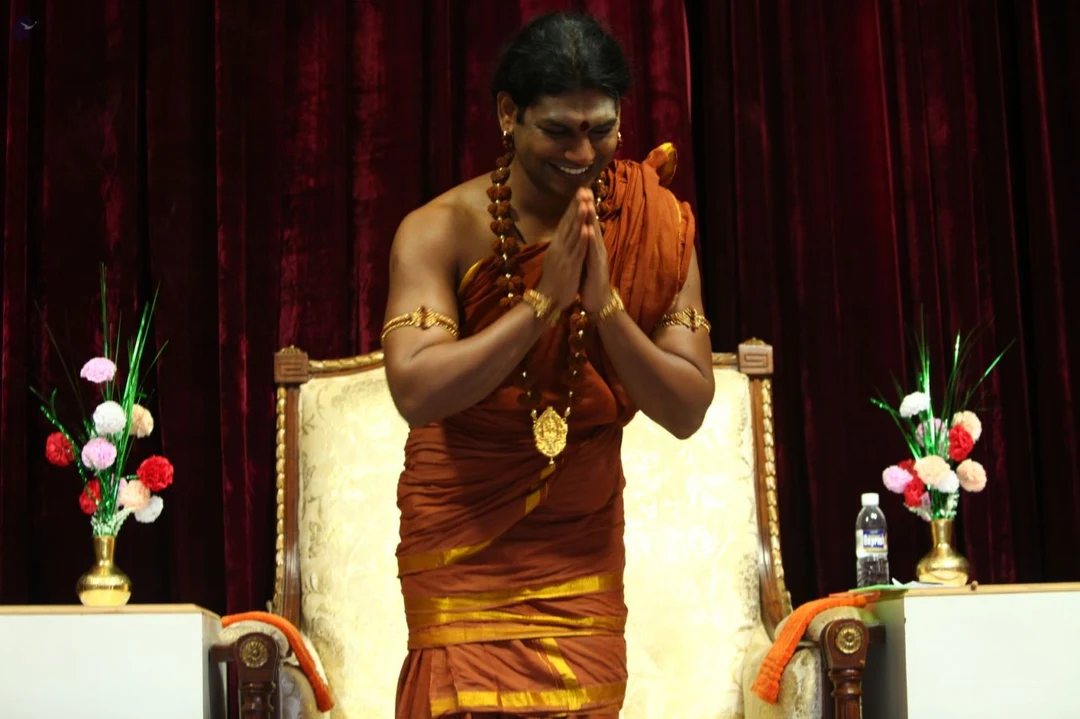
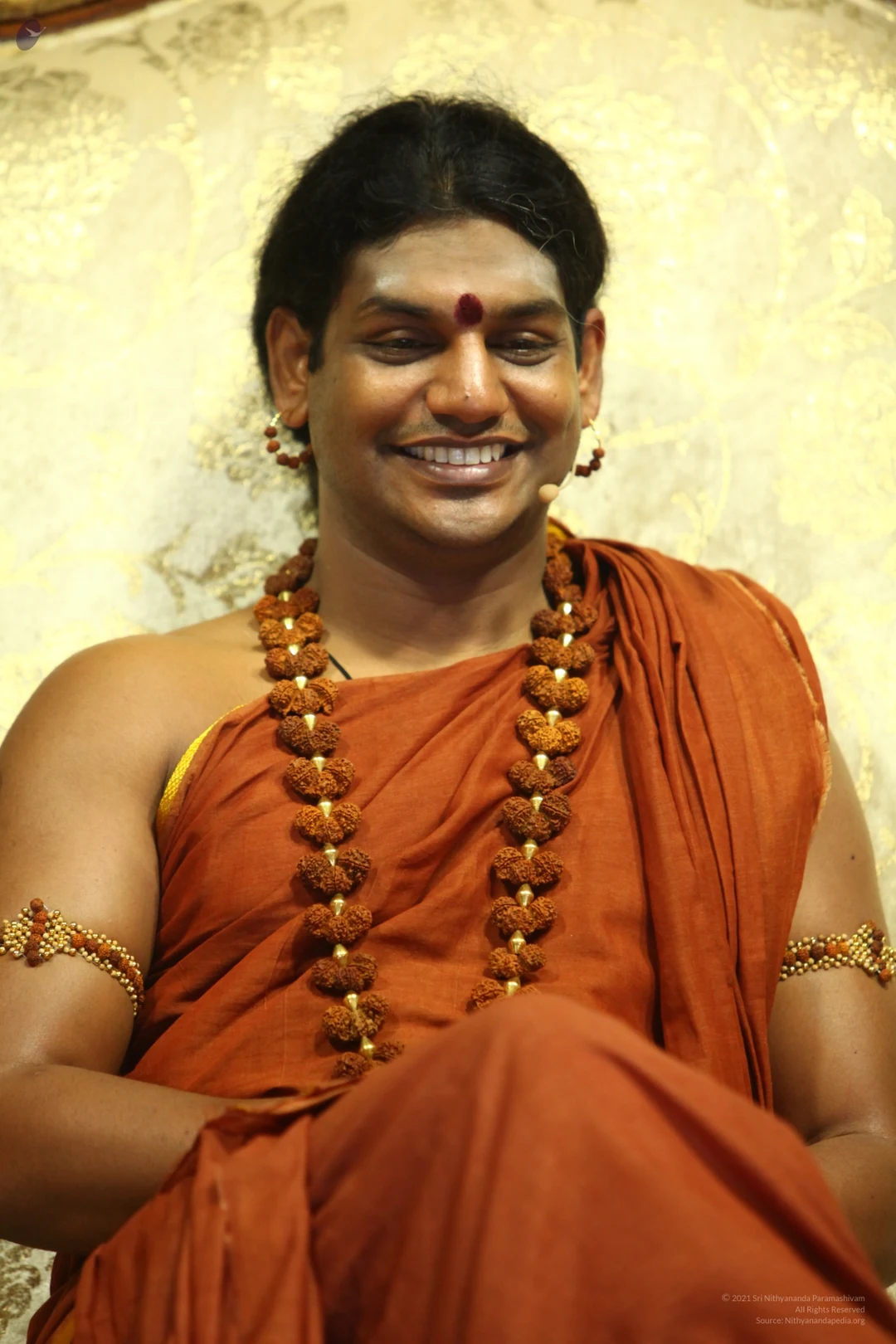
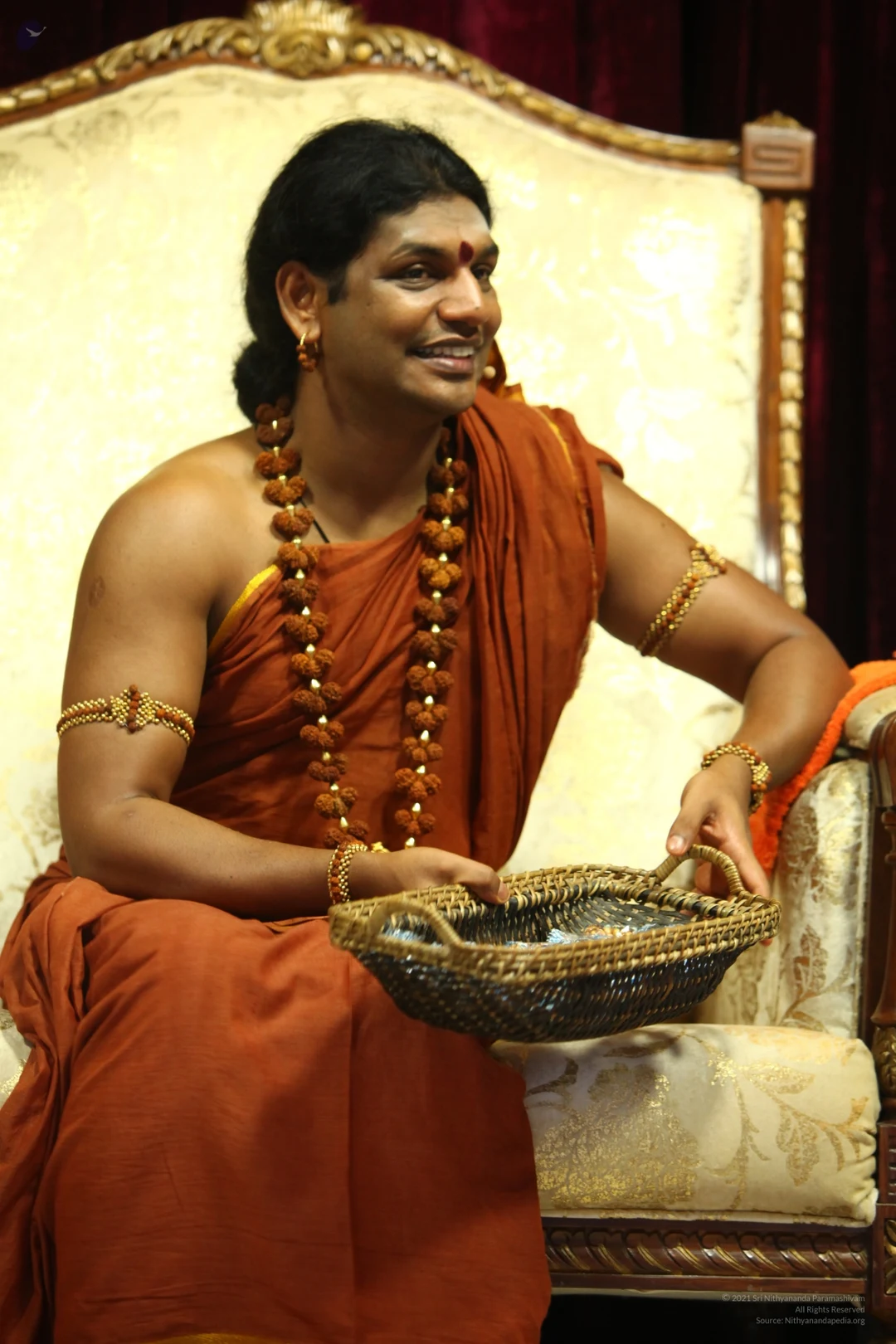
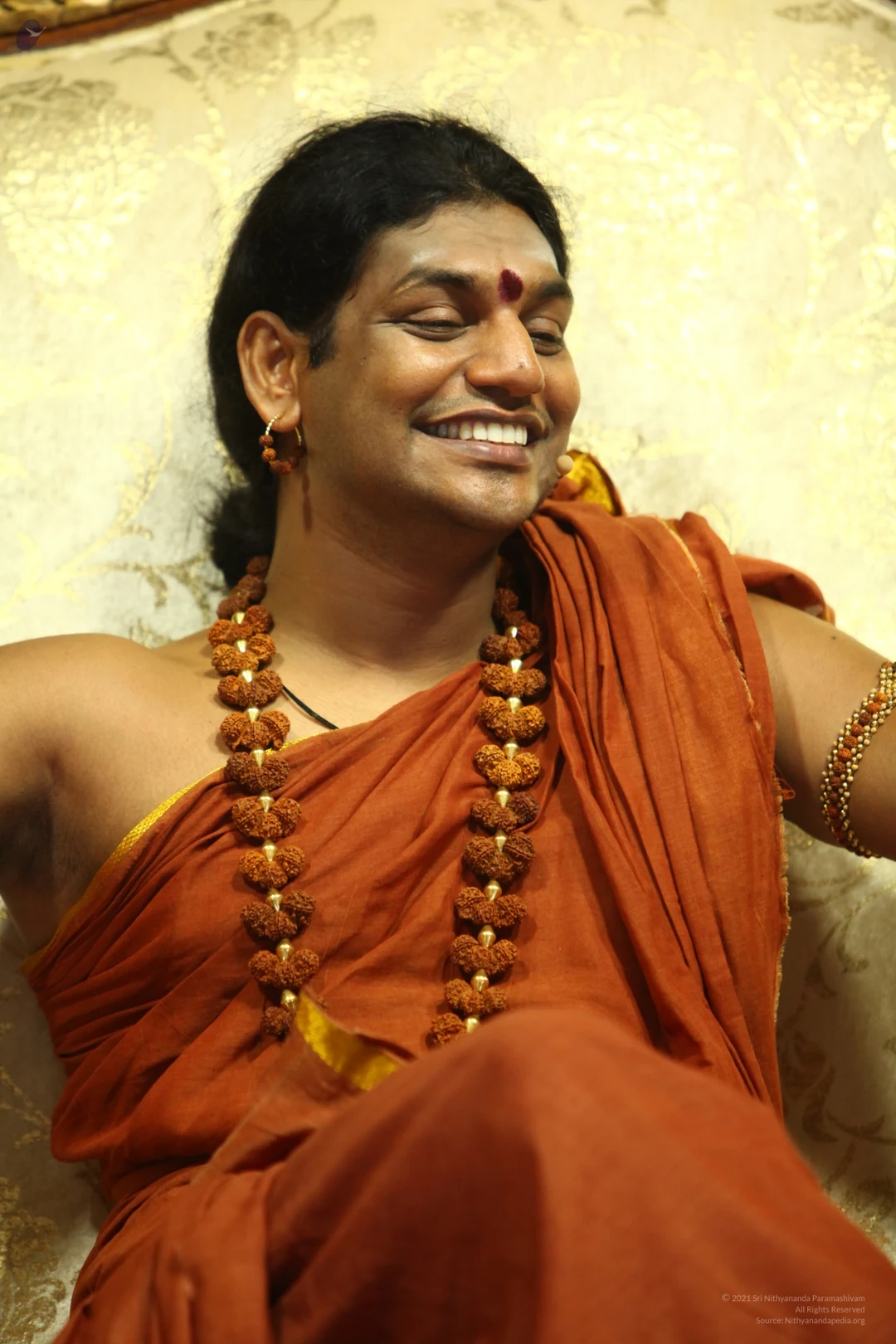
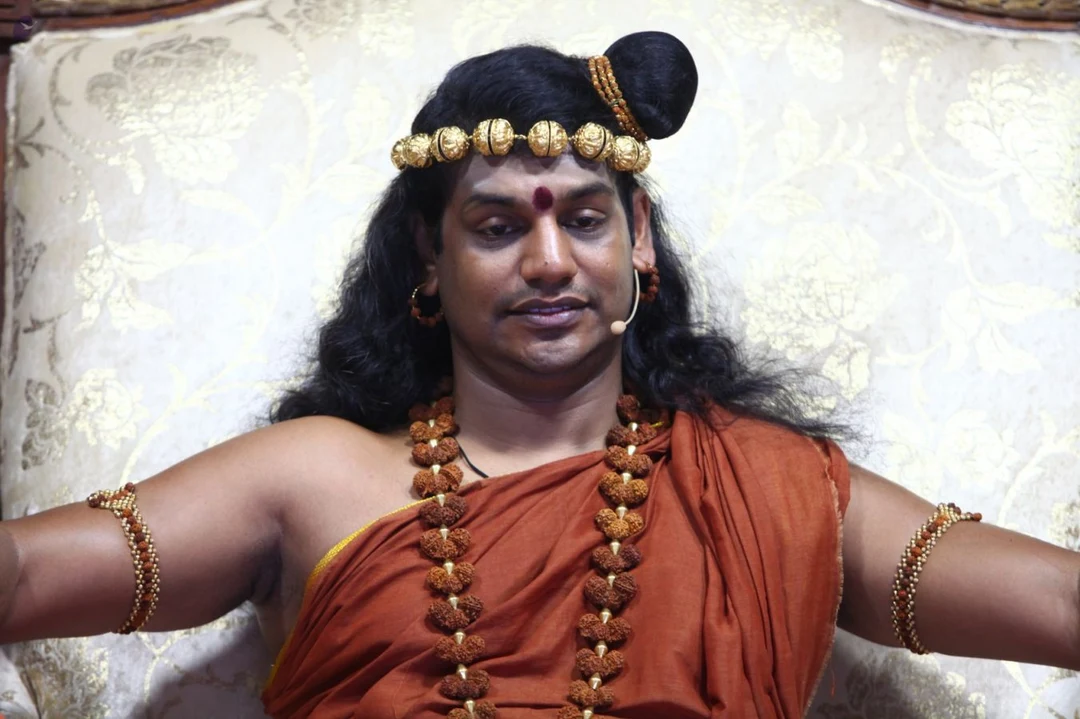
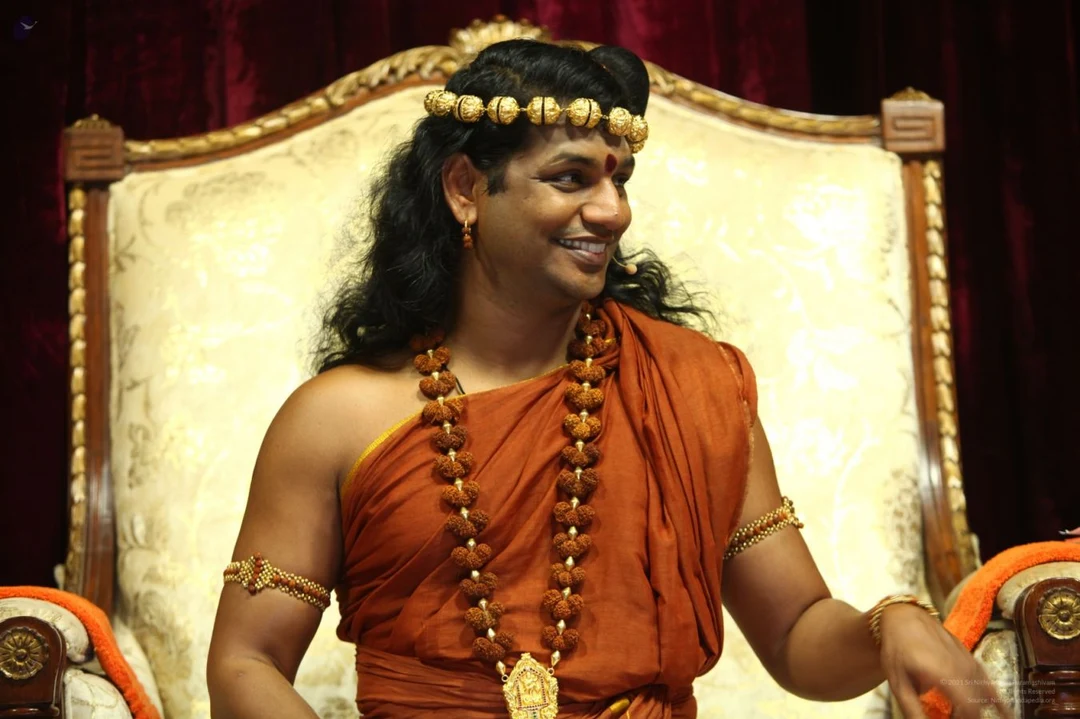
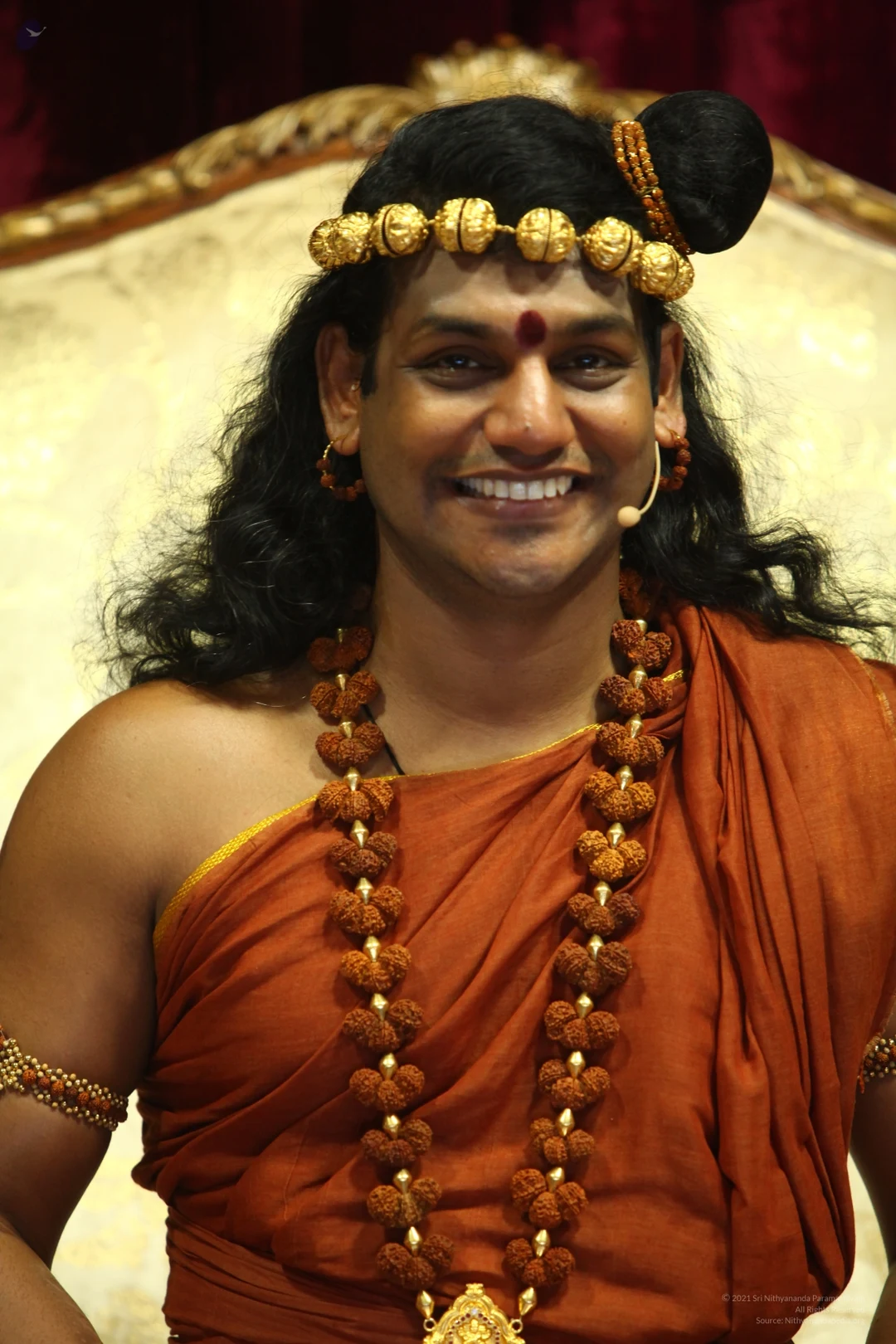
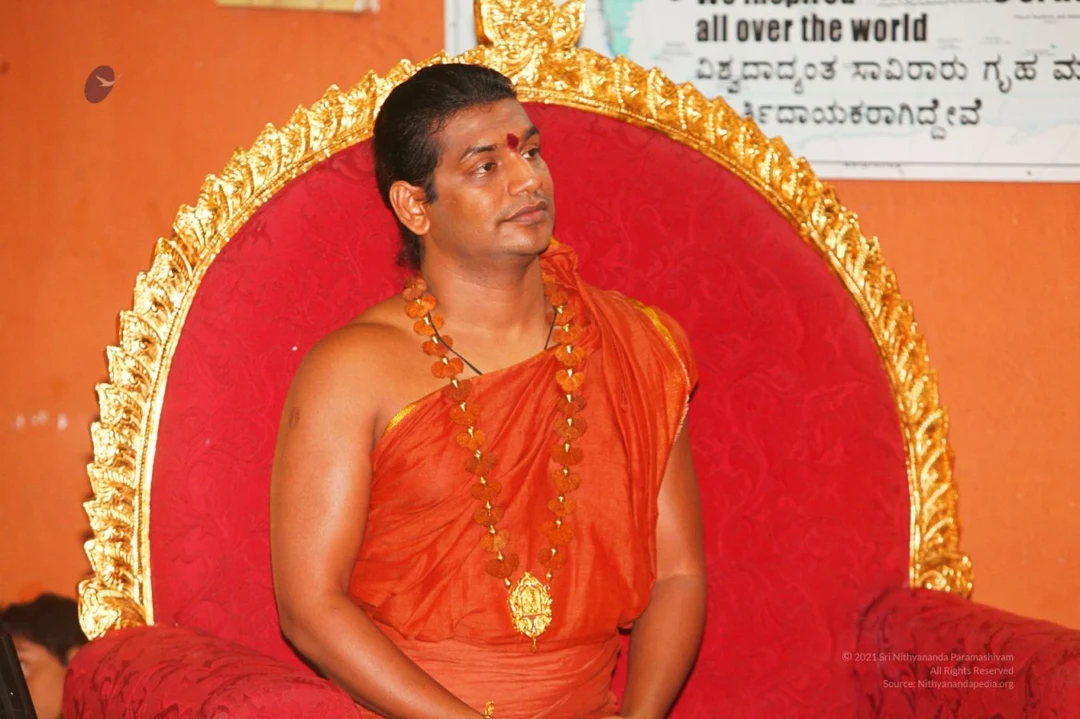
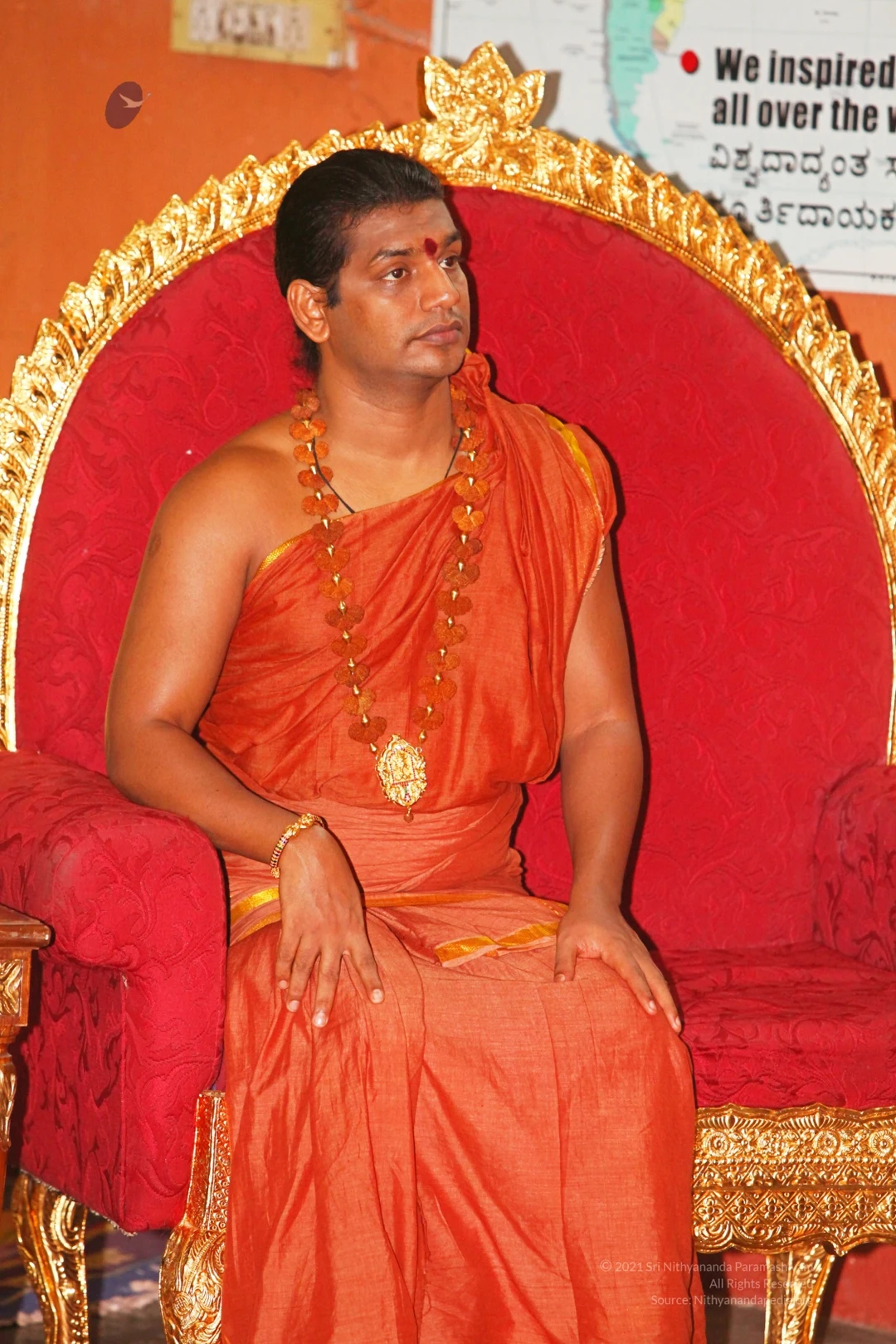
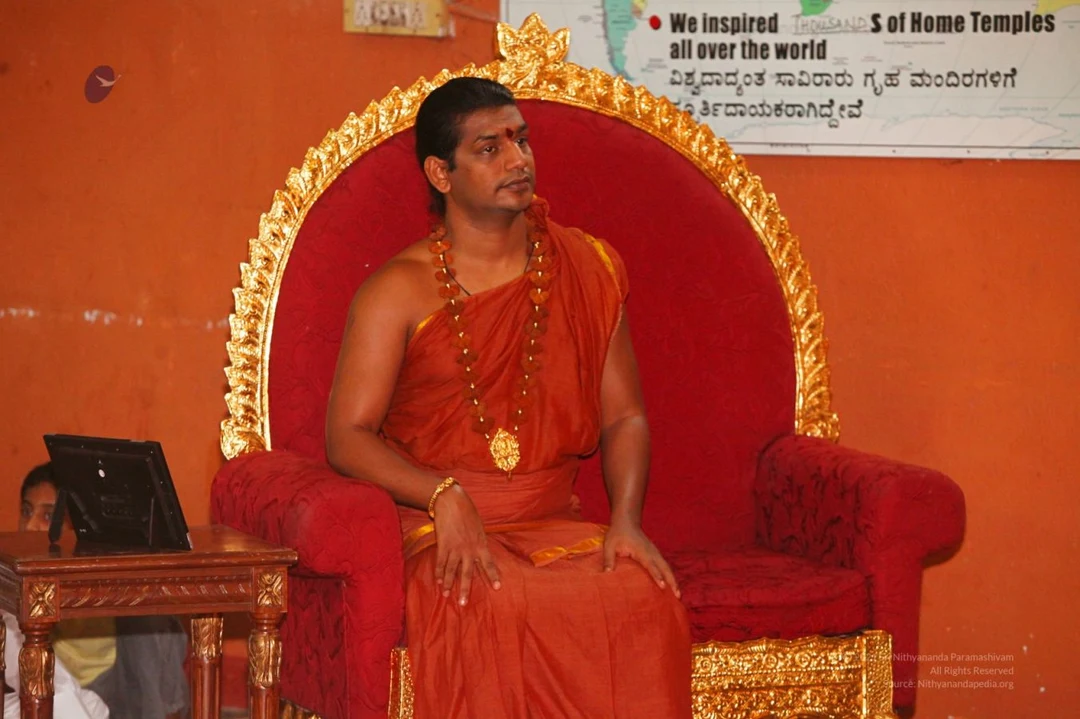
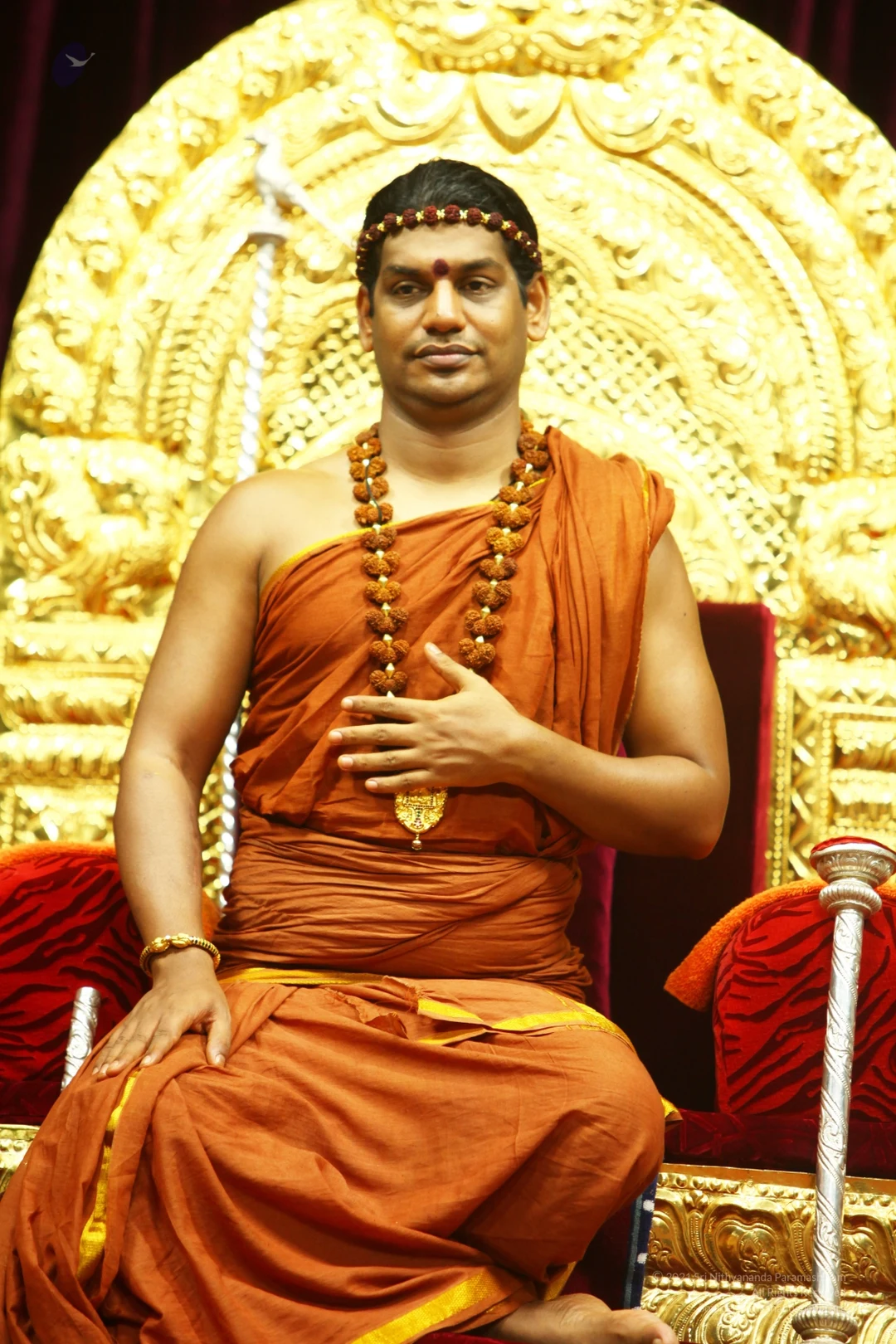
TALKS FROM MORNING SATSANG ON 30 APRIL 2012 AT BIDADI ASHRAM, INDIA In today's morning satsang, Paramahamsa Nithyananda describes his new ecclesiastical appointment to happy devotees. Paramahamsa has been named the 293rd pontiff of the Madhurai Aadheenam, the oldest Hindu math (monastic community) in India, dating back at least 1500 years in an unbroken lineage of pontiffs. Madhurai lies in the far south of India in the state of Tamil Nadu, and has a venerable and ancient history as a leading cultural center. Paramahamsa’s own spiritual lineage connects him with the legendary ruler of Madhurai, Queen Meenakshi, whose life is currently being honored in temple festivals during April. With this new event, devotees have one more reason to celebrate.
| Video | Audio |
Transcript:
Today, before entering into the Satsang, I wanted to give some clarifications, for the sake of many people in Tamilnadu, asking , some people unknowingly, some people knowingly, cunningly. I will clarify some of the doubts and questions.
First thing about this Sampradaya:
“Oh. You belong to Shankara Sampradaya. You are now sitting in the seat of Gnanasambandar”. Arre..Understand. Shankara himself belongs to Gnanasambandar Sampradaya. When he was singing Soundarya Lahari, he is describing Devi’s body, and Devi’s beauty and glory. When he is describing the breast, he says the breast which has created Gnanasambanda, by a drop of milk. He says “Dravida Shisu”. He very clearly talks about Gnanasambandar in Soundarya Lahari, and there is one more thing – Soundarya Lahari was sung when Shankara was in the Bhava of Shiva.
There is no literature to Devi in Madhura Bhava. Understand. All male deities enjoy the Madhura Bava. Krishna, Shiva. All the male deities enjoy Madhura Bhava. There is not a single female deity or a Sthothra with Madhura Bhava. Please understand. See in these 5 Bhavas, only four are for female deities. Practically, Madhura Bhava was never used. Never any female deities were looked, addressed in Madhura Bhava. It is always Mathru Bhava. At the most Dasa Bhava, not even a Sakha Bhava. No question of Madhura Bhava. Shankara, a great Saint sings about Devi, in Madhura Bava. Understand. It means he has become one with Shiva. Shiva himself is singing through Shankara. In that great Sthothra Soundarya Lahari, Shankara clearly beautifully praises Thirugnanasambandar, the great Saint, enlightened being, an incarnation of Shiva himself. So, I have not done anything against the Sampradayas. That is one thing. This is the basic explanation.
I have also decided, to send 50 Sanyasis and 5 crore rupees immediately to revive all the activities of Madurai Adheenam, Spiritual and social -all the activities of Madurai Adheenam.
And, but, there is a huge circle, congratulating and very happy about the whole coronation. Many VIPs, who called me personally, and congratulated and called my predecessor 292 Guru Maha Sannidhanam and congratulated. So many political figures, social figures and religious figures and celebrities personally sent me emails, phone calls, messages congratulating and thanking 292 Guru Maha Sannidhanam for this decision.
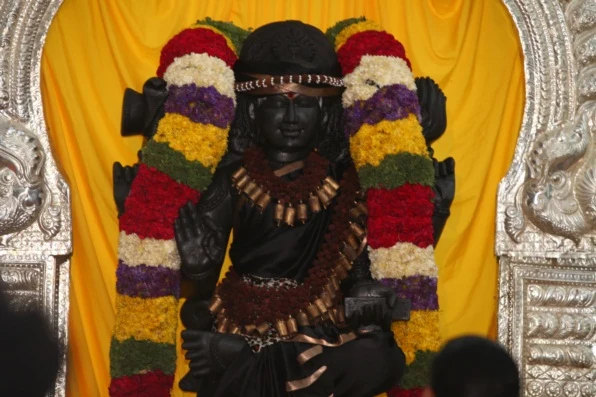
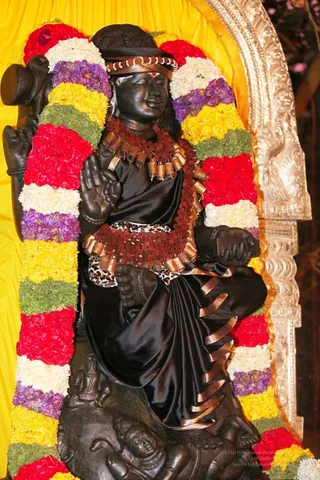
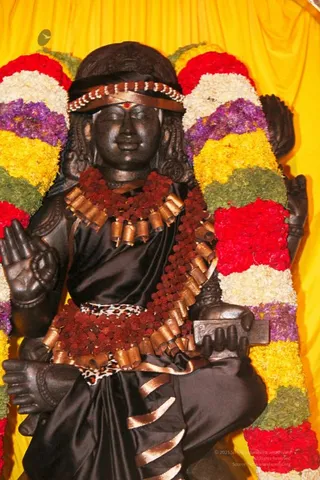
All our Dhyanapeetam temples should have Gnanasambandar’s Moorthy. We will have Thirugnanasambandar’s Moorthy Deity sent very soon to all our temples, and from now onwards all our temples should celebrate “Chithirai Brhamotsavam - Madurai Meenakshi Devi’s marriage and coronation festival”.
I declare Madurai Adheenam, as the Cultural Capital of our whole movement, whole organization. Madurai Adheenam, will be the cultural capital of Nithyananda Movement. Nithyananda Dhyanapeetam will be one part of Nithyananda’s Movement. There will be many organizations, be part of Nithyananda movement. So, the whole Nithyananda Movement’s cultural capital will be Madurai Adheenam. And Bidadi will be the spiritual capital, spiritual headquarters; Madurai Adheenam will be the cultural headquarters.
All our buildings, photos, books everything should be designed based on Pandiya culture, the Madurai culture. The backgrounds we use in the books, the furniture, the buildings, architecture, look, feel, everything said / unsaid, books, everything, our way of dressing, eating, lifestyle, language even the pooja vessels. Pooja vessels are already, more than 80% is already from the Pandiya Culture only. Because the day I realized Meenakshi’s bio-memory is in this body, the day I realized my connection with Meenakshi, I have started using everything of Pandiya Tradition already. So whatever remaining, one or two things, we need to add, add.
After all, Pandiya Tradition is created directly by me. It is from Chokanada Pandiyan.
Meenakshi and Chokanada, both of themselves directly will protect Madurai Adheenam. You will see them directly walking in and around of Madurai Adheenam. Meenakshi and Chokanadar will be there continuously. You will see “Ellam Valla Siththar” (A tamil term) will come in physical body going around, doing Leelas in Madurai Adheenam, protecting people. Protecting all the good people and destroying the evil, doing miracles, continuously blessing.
I also saw one more thing, inside the Madurai Adheenam, the Garbhamandir, where the main deity, the Chokanadar and Meenakshi, the deities which are directly from Chokanadar and Meenakshi. Those two deities are directly worshipped by Chokanadar and Meenakshi. How, I workship my own Murthy and give to people after doing Prana Pratishtha. Like that Chokanadar and Meenakshi – both of them have done Pranapratishtha to the deity. That Chokanadar and Meenakshi is there.
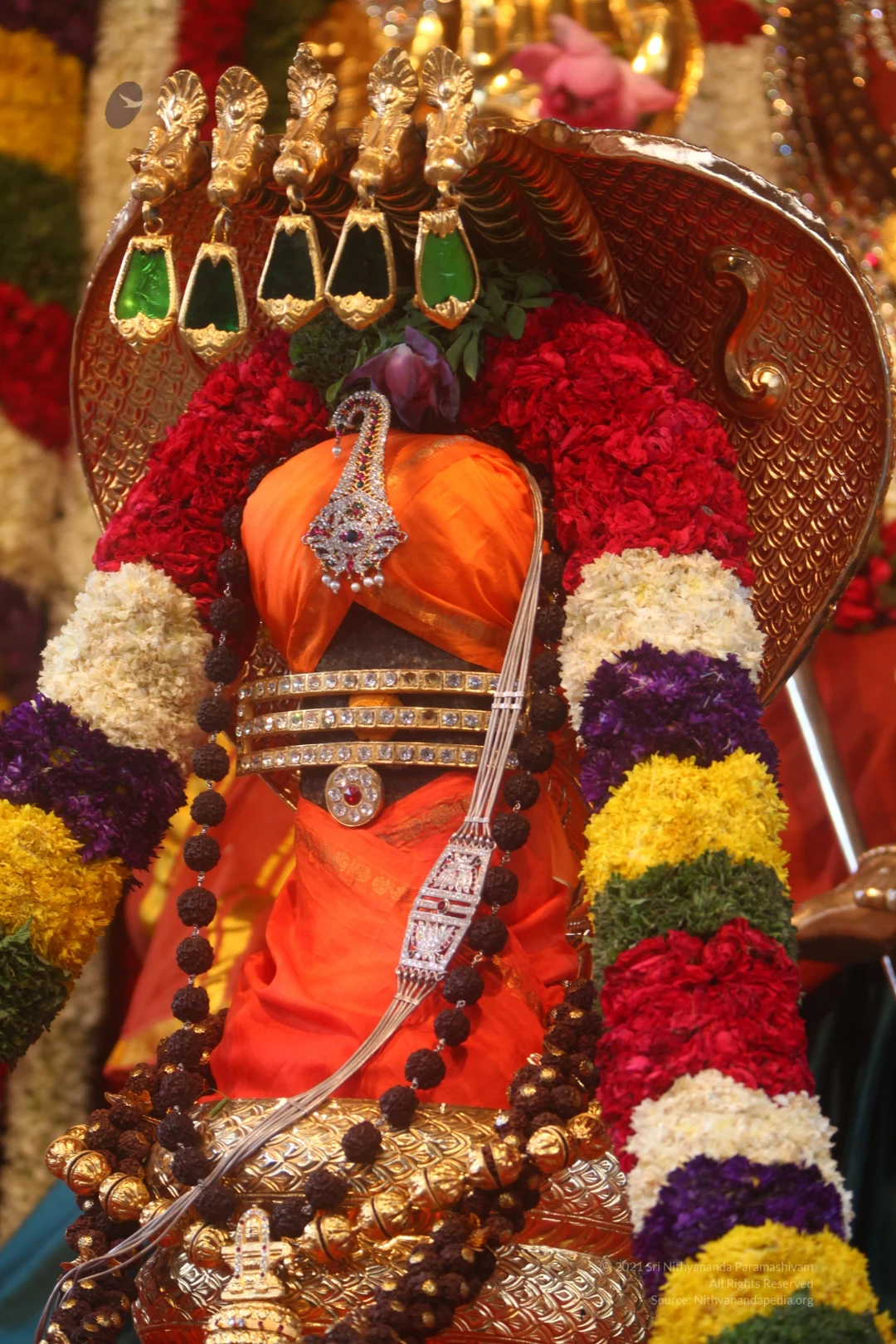
When I went and had the darshan of the deity, I saw inside there was a huge shivalinga. I did not know what it was. I was investigating, I was asking the Madurai Adheenam 292 Guru Maha Sannidhanam. I asked “what is this deity, Swamiji”. He said “I don’t know”. I asked some other people. They also said they do not know very clearly. I thought all right. Let me ask Kaala Bhairava. Maha Kaala. He will tell. Night in the Samadhi I asked the question. I got the answer in the morning. This deity, this Shivalinga is Aadhi Chokanada. This was the original deity for which the whole Madurai temple was built. But, during the invasion, they wanted to protect the main deity from getting damaged or broken. They brought to Madurai Adheenam and preserved it by completely covering it with the Mud wall and worshipping the mud wall itself as the Sivalingam. So in the same way this Adhi Chokanada was preserved in Madurai Adheenam during the invasion period, and even after the invaders went away, this Shivalinga, Adhi Chokanadar stayed back in Madurai Adheenam itself. That is the deity. This deity is Adhi Chokanadar.
I instruct all our ashramites and Madurai Adheenam we should respect the deity, and start worshiping it very sincerely and carefully. Understand that is the deity emerged out of the chokanadar’s body itself. It is literally chokanadar’s body which has become stone. Understand it is just like our Bidadi Nithyanandeswar’s Linga. How the Shivalinga - it emerged out of enlightened being’s body same way that shivalinga is emerged out of chokanadar’s body. It is very chokanadar’s body itself. It is a swayambhu. It was just polished using the Lemon. It is not carved. It is polished properly, into that shape by using lemon and herbs. So, all of you should worship and respect that shivalinga, that deity. That is Adhi Chokanadar and Adhi Sundareswarar.
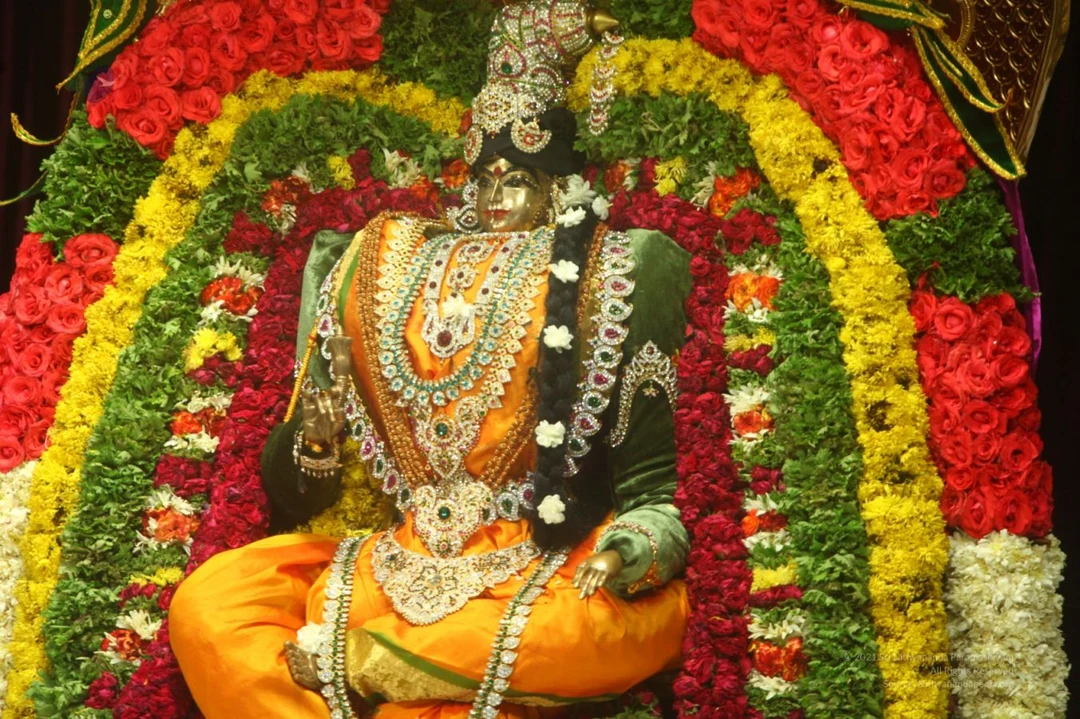
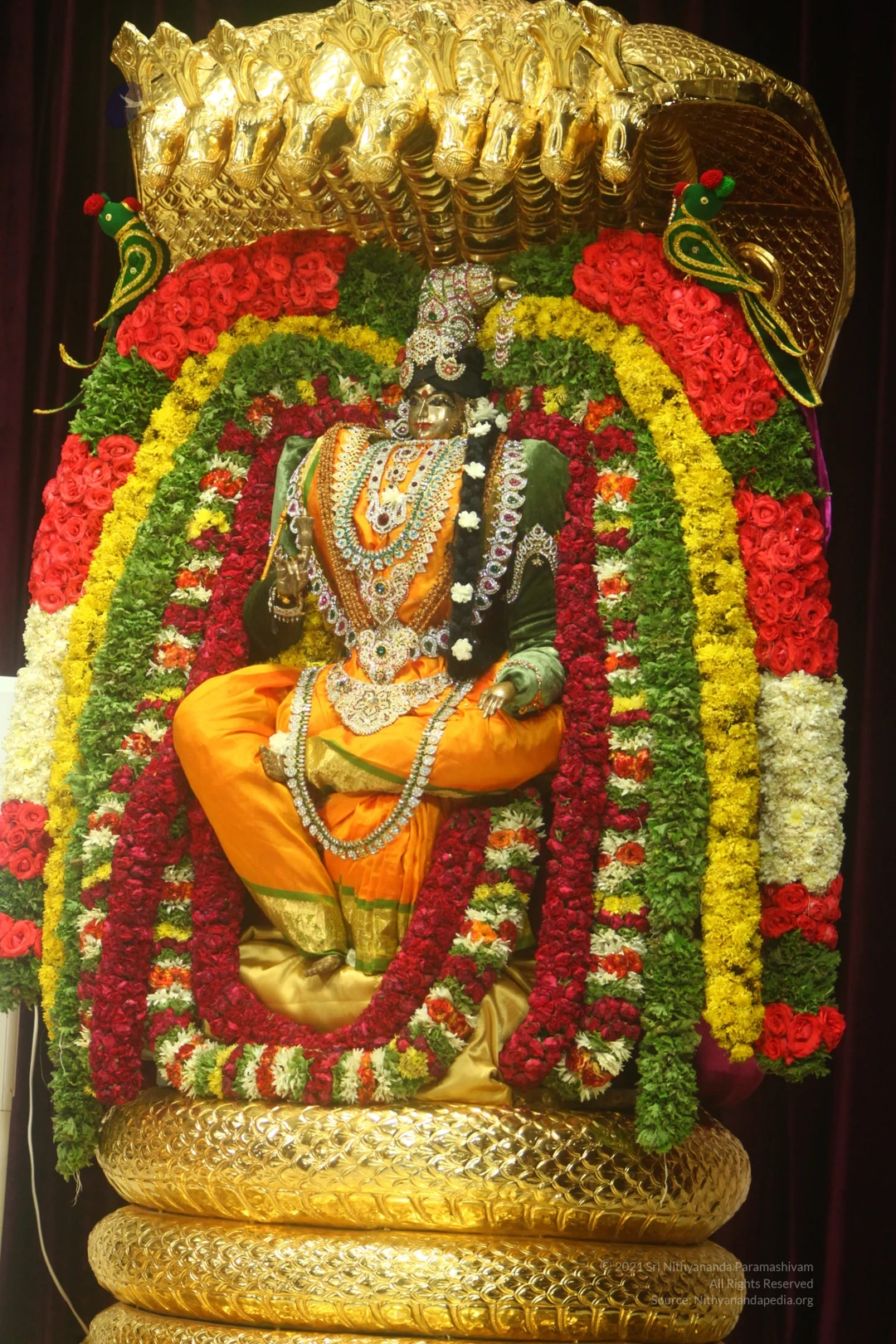
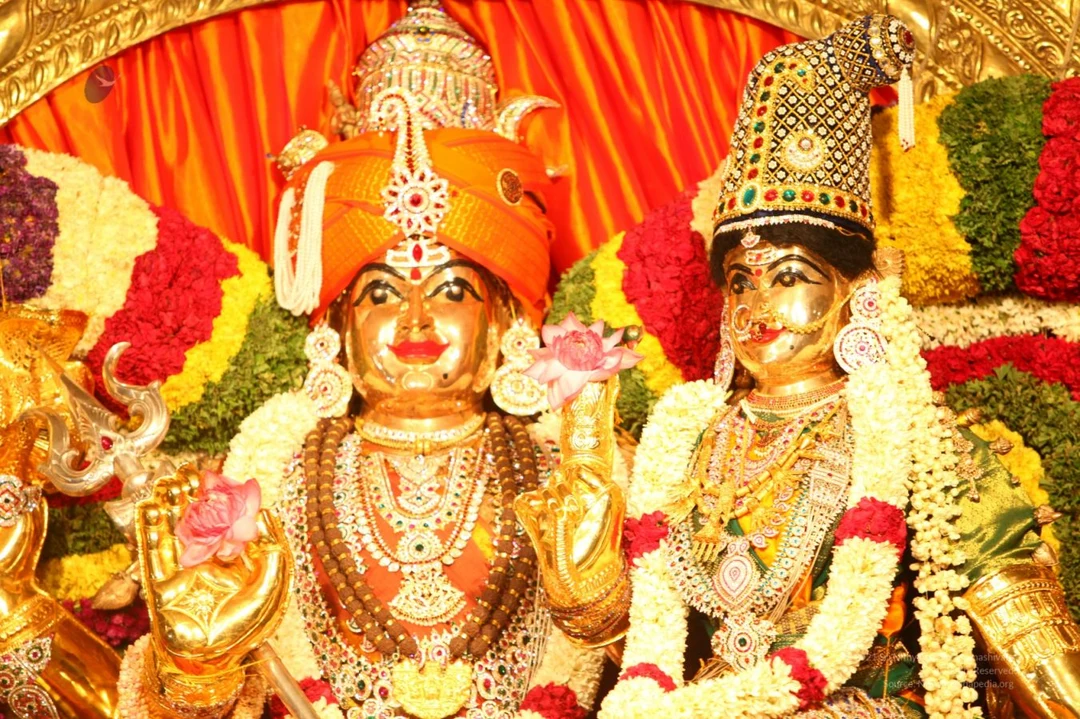
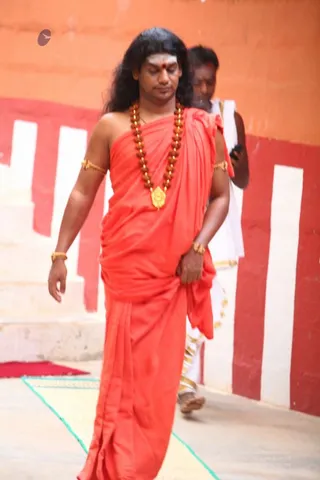
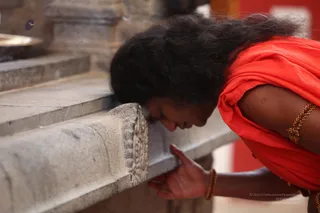
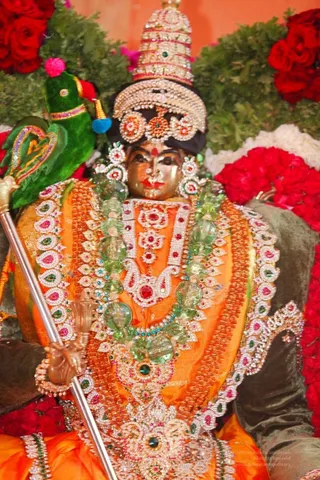
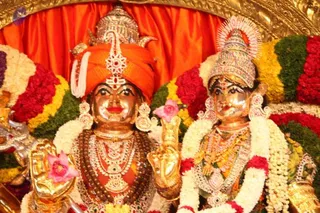
Yesterday, as a 293 Guru Maha Sannidhanam, I was taken inside the Garbhamandir of Meenakshi. First time I entered. The Meenakshi’s Garbamandir, after, I do not know how many thousands of years, and the moment I went to her breathing space, just body got into that Samadhi, and that whole Meenakshi’s bio memory has flowered, I saw very clearly below Devi’s Thirumeni the body is in the standing position, the hands are kept like that (showing the position of the hands), 8.5 feet it has become a stone. She was in the body which never had 1,2,3. There was no urination and motion. She had that kind of a body. Her very body, because the body was created out of the homa fire, she did not have a physical and normal body. She had a physical body, but it was not functioning, like with normal laws and rules. It was functioning as a divine body with yogic powers. It came out of the Homa fire, the sacred fire ceremony’s fire. She did not stay in the mother’s womb and take birth in regular way. So the whole body has become just a stone. It did not get disintegrated. It is there just as a stone in a smiling face with a long hair and her trademark “Kondai” Hairdo, with whole diamond and pearl set jewellery. Her body is there inside. The whole the box in which her body is there is a stone coffin, it is huge stone. It is there and she was so happy. Of course I should say I was so happy and it was such a joy, and they gave me the jasmine from the Devi’s feet.
Usually in Public, I will be little decent, but I did not bother about anything. I had my own hairdo, done like a Meenakshi’s Kondai. I put that Jasmine on my hairdo on my hair. Usually women only wear Jasmine in the hair I put on jasmine on my hair. Even though I was in public and some people were laughing, smiling, the on lookers. I did not care that. It was such a Samadhi, one with Meenakshi’s energy, put the jasmine.
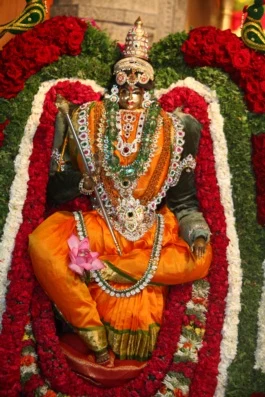
For my surprise, I went to the Gnanasambandar’s shrine. There is one old painting. We have taken the picture of that. I will show you. Old painting of meenakshii sitting in the swing. What a resemblance with this body (showing his own body). Literally as if my face is put on the Meenakshi’s painting. Even the hairdo and jasmine everything was as I was wearing. All our Bramacharis were shocked. I was not shocked, but I was surprised. I do not know about others. Still I am not able to come out of that whole Samadhi and joy of Meenakshi and I will also start talking on the subject “Madurai adheenam” regularly. I am going to give complete history.
Please understand, Madurai Adheenam has two histories. One is historic period which is recorded 1500 years. Another one is pre-history, See Madurai Adheenam was basically founded by Chokanada and Meenakshi himself. Sundareswara and Meenakshi himself. It was revived by Gnanasambandar swamigal. From Gnanasambandar, first -Adheenakarthar, to – 293. This is recorded history. But before him, before Gnanasambandar, from Shiva it is pre history. All the recorded history, I will talk from the historical facts and interpret, explain all the pre-historic things, I will read it out from Akashic reading. I will start talking on the subject Madurai Adheenam, may be atleast for next 2 months. Till I completely finish, I will give the whole biography of Meenakshi, Chokanadar, Gnanasambandar and the whole tradition of Madurai Adheenam.
I know, we will rule, we will run Meenakshi temple. Even I did not think it will happen so quickly. Only Guru Maha Sannidhanams of Madurai Adheenam are allowed inside the Garbamandir of Meenakshi’s temple. Nobody else is allowed. No other Adheenams are allowed. I never thought so soon I will become the official, legal representative of Chokanadar and Meenakshi, Sundareswara and Meenakshi.
There is always a saying, if Jesus comes back he will not be let inside the Church. If Shiva comes back, he may not be recognized by the temple’s priests . But in my case it is completely proved wrong.
And one more thing, yesterday, my predecessor 292 Guru Maha Sannidhanam, publicly announced that he was healed from Wheezing, by me. Never, ever, one Hindu Guru will announce the glory of another spiritual guru, even his own disciple. Forget about disciple. I am his just successor. Whole world knows about my biography. But he was bold enough to tell the media, and not only he says “I challenge and request all of you, whoever has any disease, go to Nithyananda Swami, go to my successor, he will heal you”. And then he made a statement “I also challenge you guys. Come and test his powers”.
I was so humbled. That is the right word, not just “pleased”, humbled by my predecessor’s declaration. Media came with lot of usual negative anger to drill him. He finished them all in just 10 minutes. “Over Next”.
“How can you make him as a Peetadhipathi?” “Only I have the right – Over, Next”.
“What qualification he has”, media is asking. “No body, Not only in India. I will not get even all over the world a person qualified like Nithyananda. Over. Next” .
I really thought whether my predecessor is doing Akashic reading. Because it is very strong and straight replies and 292 Guru Maha Sannidhanam was so clear, and strong and articulate in his answers. Finally, like usually how in my press conference after 5 minutes media disappears, exactly the same thing happened there. Within 10 minutes the media fellows disappeared. Sannidhanam also made a beautiful statement to me. I told Guru Maha Sannidhanam “Swamiji, there are so many controversies and rumors around me. Why do you want me to be a successor? Better I will give one of my brahamacharies, who does not have any controversy.” I even named Gnanaswroopananda. I told Gnanaswaroopanda name only. Let Gnanaswaroopa be Guru Maha Sannidhanam. I will give you all the support. Like I will send 50 Sanyasis, I will give you money, I will do all the work. I will do all these as my offerings at your feet, as you are my Kula Guru”.
See, all the human beings are indebted to your family deity and family guru, your family traditions. So I also trust I have to be respectful and indebted to my family guru. Because of him, all the spiritual traditions were kept alive in my family, which has inspired me to be a seeker, and finally I became enlightened. So it is he who poured the water for the tree of Nithyananda to grow and flower and fruit. So I am indebted to him for pouring the water, and taking care and nurturing the culture and the spiritual traditions. So I told him “I am indebted to you. I will give whatever is needed swamiji, money or brahmacharis or sanyasis everything. I will be at your service. But better I give one of my brahmacharis, you initiate him. You do all the rituals to him. Let him become your sampradaya sanyasi. Let him become completely the Thambiran of Madurai Adheenam and let him serve you for 5 – 10 years and after your time let him become Guru Maha Sannidhanam. So I will support you completely, and create a beautiful structure support, Swamiji, I will make sure that there is everything is ensured- regular income comes, people are there, all the service and spiritual and social work happens. Everything let it happen”.
But very clearly in one word Guru Maha Sannidhanam refused. “No. I want you”. I said, “Why swamiji”. He said “after recognizing you, as an incarnation of Gnanasambandar by my own experience, if I don’t make you as the successor, Peetadhipathi, Guru Maha Sannidhanam, it will be a historical blunder”. Used that very word. “History, History will blame me. I don’t want to take the blame. See if, I have not recognized you, if I have not come near you, if I did not know about you then I will not incur that blunder, I will not be blamed. I know you. I have experienced you. I lived around you. Now I recognized you as an Incarnation. Now, if I don’t act properly and make you as a successor, it will be a historical blunder. I cannot afford to commit that blunder”.
There are earlier references, where the incarnations have been made as Pontiffs of the traditional Muts, like Swami Narayan. Bhagwan Swami Narayan, He was a great incarnation. He himself has started initiating hundreds of Sadhus and disciples, created a huge sanga around him. But a traditional mutt Udhava Sampradaya the Peetathipathi Ramananda Swami went and requested Bhagavan Swami Narayan and asked him “Swamiji, Guruji, you should become the head of this monastery”. Finally Bagavan Swami Narayan was convinced and he became Pontiff, head of the Udhava sampradaya and Ramananda Swami also was very satisfied and relaxed. See what has happened. Today Udhava sampradaya is the largest, biggest, most active, highly socially useful richest Hindu tradition in the world.
I tell you, the same thing will happen to Madurai Adheenam. It will become largest, richest, most useful tradition of living enlightened sages and saints. Shiva did 64 Leelas in Madurai those days, assuming human body. Now I tell you, now numerous Leelas will start again, Again in Maudrai.
I also declare, Madurai is the official pilgrimage center of Dhyanapeetam. So, all our programs, whether Inner Awakening or Kailaasa Yatra or South East Asia Yatra - all our programs, from now should include a visit to Madurai, as a compulsory part of the syllabus. Visit to Madurai Adheenam should become the important and compulsory part for all our programmes. Whether it is meditation retreats or sacred study Vijay Yatra. sacred travel study Vijay Yatra, travel study pilgrimages and as I said earlier, even if you are not from the Hindu tradition, Westerner also, you will be allowed to have the darshan of the deity as you are initiated by me now, officially.
Earlier also we used to take our Western disciples to the temple Executive Officer and there was kind of an affidavit that we will not disrespect the deity and tradition and take them to the darshan. Now no procedure is required. If you have this Mala that is the pass and directly you can go and have the darshan of Meenakshi and Sundareswara. We only have to take care that nobody misuses this Mala, our official ashram Mala.
All the tenants of Madurai Adheenam gathered yesterday and celebrated my presence there. All of them standing in the road and waving. God! You should see the whole Maja-Maja celebration. My predecessor was telling “Jam Jamunnu Nadakudu” (A tamil term). He was very happy.
Spot Notes: Monday, April 30, 2012
“Sadashiva samarambam, Shankaracharya madhyamam asmadacharya paryantam vande Guru paramparam!”
I welcome you all with my love and respects! I welcome all the devotees, disciples, Samajis, Satsangis sitting with around the world at this moment in 684 places through Nithyananda TV, in 22 places way Nayana Deeksha, in 202 cities, 23 countries!
Cities sitting with us in 2 way Video conferencing having Nayana Deeksha are - Singapore Singapuram, Seattle Chiambaram, Madhurai Adeenam, San Jose Madhurai, Los Angeles Arunachala, Toronto Kaialasam, Ohio Prayag, Malyasia Palani, Ohio Prayag, Dakota Dunes, Oman Siva Gangai, Victoria Australia, Austin, Guadeloupe Rameshwaram, Washington DC Sripuram, Scottsdale Arizona, Mill Valley California, Croatia, Abu Halifa Kuwait, Charlotte Srisailam, Tiruvannamalai, Oklahoma Somanathm, Yoga Den California.
Seattle Ma Victoria, Ma Shreya Blessings to both of you, your project will be successful. Blessings for both of you! Do it in my name itself – Nithyananda Catering services. I will make it successful.
Vilas Amin Birthday blessings!
Today we have a website about Inner Awakening in Russian. We are releasing the Inner Awakening website in Russian. You can all see the Inner Awakening website in Russian. It is part of the 2012 project. Thanks to Russian Translation team and my blessings to Russian Translation team!
Today before entering into the Satsang, I wanted to give some clarification for sake of many people in Tamil Nadu asking some people unknowing, some people knowingly, cunningly. I wanted to clarify some of the doubts and questions. First thing about this Sampradaya – Oh! you belong to Shankara Sampradaya, you are now sitting in the seat of Jnana Sambandar. Understand Shankara himself belongs to the Jnana Sambandar Sampradaya. When he was singing Soundarya Lahari he is describing Devi’s body and Devi’s beauty & glory. When he is describing the breast he says the breast which has created Jnana Sambanda by a drop of milk! He says “Dravida Sishu.” He very clearly talks about Jnana Sambandar in Soundarya Lahari. And there is one more thing Soundarya Lahari was sung by Shankara when Shankara was in the bhaava of Shiva! There is no literature to Devi in Madhura Bhaava. Understand. All male deities enjoy the Madhura Bhaava – Krishna, Shiva – all the male deities enjoy the Madhura bhaava. There is not a single female deity or a stotra with Madhura Bhaava. You understand. See in this five bhaavas, only four for female deities. Practically Madhura bhaava was never used, never any female deities were looked, addressed in Madhura bhaava. It is always maatru bhaava at the most daasa bhaava, not even a sakha bhaava. No question of madhura bhaava. Shankara, a great saint sings about Devi in Madhura Bhaava J Understand it means he has become one with Shiva! Shiva himself is singing through Shankara. In that great stotra Soundarya Lahari, Shankara clearly, beautifully praises Tiru Jnana Sambandar praises a great saint enlightened being, an incarnation of Shiva himself. So I have not done anything against the Sampradaayas. That is one thing. This is the basic explanation. And one more thing be little practical. It is like a one fellow is in the desert. 5 days he did not have water or food he is almost dying. He does not even have water in the body to cry or go for one, he is almost dehydrated and he is about to die! Somebody rushes to the place and gives the Bisleri bottle - water bottle with water and he takes the bottle looks this side and that side and says - I drink only Oxyrich, I don’t drink bisleri brand. Then what to tell? Better you fellows die - die now! All these Hindu tradition and Shaiva mutts and Adeenams are literally dying. They are not even able to survive. Of course now are the biggest Adeenam, largest biggest adeenam in Tamil Nadu and all over the world. Next to us there are 3 major Adeenams. All three major adeenams do not even have a cook to cook for the Peetadhipati. One adeenam receives food from opposite street from somebody’s house, another Adeenam receives food from a hotel nearby run. See I am not criticizing. I have all the respect for all the adeenams. But they need to be little practical. And Ooranadigal whom I always respect has made a statement that this is against the Sampradaaya. I request Ooranadigal sincerely – get me one person - 1/10th of my calibre - I will resign this post. I will offer this to him. I am not talking with ego or pride. Get me one person I won’t even ask for 1/10th of my calibre. I will give assurance I will not sell any of the Adeenam property. I will only expand the Adeenam. I am challenging Ooranadigal - any one adeenam who is sitting now who is not selling the property and who is living by creating, let him name – if he can name a single Tambiran, single Swami, single Adeenam who can sit in that seat who will not sell the property for his survival forget about expansion, who will not sell the property, name him, next moment I will coronate him. I am not sitting in Madhurai Adeenam for any of my favour. By accepting it I am doing a great favour for Hindu tradition and Shaiva Tradition. Madhurai Adeenam 292 Guru Maha Sannidhanam – he is not an ordinary person. He knows the world. He has seen the world. He is highly educated, qualified, who travels all over the world. He is not small well frog. Ooranadigal needs to be little more broad and practical before making any of these statements. Today Madhurai Adeenam is not only just the oldest mutt, largest Adeenam because Nithyananda Dhyanapeetam’s strength to Madhurai Adeenam! Only now millions of people even hear the word Madhurai Adeenam. Come on tell me how many of you even knew the word Madhurai Adeenam. Millions of people are even hearing the word Madhurai Adeenam - understand. My predecessor 292nd Guru Maha Sanidhanam is a highly qualified, educated, intelligent person who is highly influential in society, in politics. He has thought through. He has enough intelligence.
Persons like Ooranadigal either has to support. If he does not want to – keep quiet. Don’t make me give strong responses. Now hereby, I openly say all of you I have all the respect for all the traditional mutts and I also request them to accept even though it is not required legally or socially. I request them let us be friendly and do lot of seva, service good work to the Shaiva Sampradaya to the tradition of Hinduism. If not, if any of you are making any statement, be ready to get it back. I have also decided to send 50 sanyasis and 5 crore rupees immediately to revive all the activities of Madhurai Adeenam – spiritual and social – all the activities of Madhurai Adeenam. But there is a huge circle congratulating and very happy about the whole coronation! J
Many VIPS who called me personally and congratulated and called my predecessor 292 Guru Maha Sannidhanam and congratulated. Sri Sri Ravi Shankar, Ashok Singhal. Shri Shri called me personally three times to congratulate J And Ashok Singhal the head of theRSS movement, so many political figures and social figures, religious figures and celebrities have personally sent me emails, phone calls, messages congratulating me and thanking 292Guru Maha Sannidhanam for this decision.
All our Dhyanapeetam temples should have Jnana Sambandar’s murthi. We will have Tiru Jnana Sambandar murthi deity sent very soon to all our temples. And from now onwards all our temples should celebrate the Chitrai Brahmotsavam the Madhurai Meenakshi Devi’s marriage and coronation festival.
I declare Madhurai Adeenam as the cultural capital of our whole movement, whole organization. Madhurai Adeenam will be the cultural capital of nIthyananda movement. See Nithyananda Dhyanapeetam will be one part of the Nithyananda’s movement. There will be many organizations which will be part of Nithyananda movement. So the whole Nithyananda movement’s cultural capital will be Madhurai Adeenam. So Jnana Swarupa change the board to Madhurai Adeenam – cultural capital. Bidadi will be the spiritual capital, the spiritual head quarters, Madhurai Adeenam will be the cultural head quarters. All our buildings, photos, books – everything should be designed based on the Paandya culture, the Madhurai culture. The backgrounds we use in the books, the furnitures, the buildings, architecture, look, feel – everything said unsaid – books, everything, our way of dressing, eating, life style, language even the Puja vessels. Puja vessels are already - see more than 80% is already from the Pandya culture only. Because see the day I realized the Meenakshi’s bio memory is in this body, the day I realized my connection with Meenakshi, I started using everything of Pandya tradition. Already. So whatever remaining one or two things we need to add – add. After all Pandya tradition is created directly by me! It is from Chokkanadha Pandiyan. Meenakshi and Chokkanadha both themselves will directly protect Madhurai Adeenam. You will see them directly walking in and around Madhurai Adeenam. Meenakshi and Chokkanadha will be there continuously. You will see Ellamalla Siddhar will be there in the physical body, going around doing Lilas in Madhurai Adeenam protecting people – protecting all the good people and destroying the evil, doing miracles, continuously blessing.
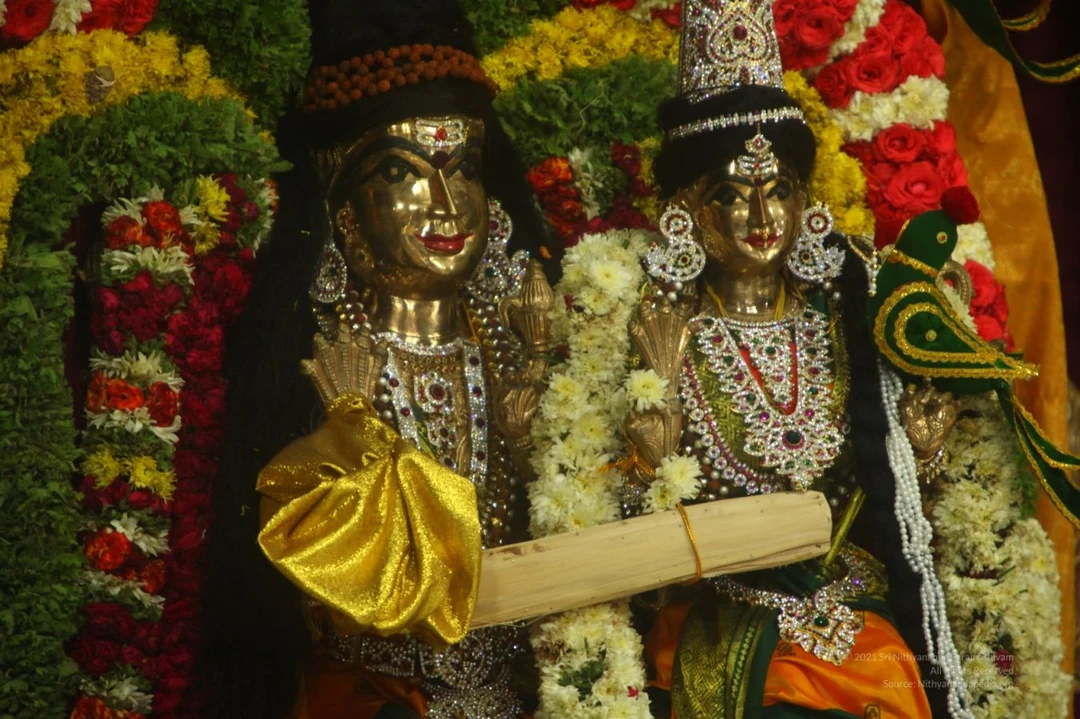
I also saw one more thing. Inside the Madhurai Adeeban, the garbha mandir where the main deity - the Chokkanadhar and Meenakshi – the deities which are directly from Chokkanadhar and Meenakshi – these 2 deities are directly worshipped by Meenakshi and Chokkanadhar. Like how I worship my own deity and give to people after doing praana pratishta. Like that Chokkanadhar and Meenakshi both of them did praana pratishta to that deity. That Chokkanadhar and Meenakshi is there. When I went and had Darshan of that deity, I saw inside there is a huge Shiva Linga. I did not know what it was. I was investigating and asking the Madhurai Adeenam 292 Guru Maha Sannidhanam, I asked what is this deity Swamiji. He said I don’t know. And I asked some other people. They also said they do not know very clearly. I thought alright let me ask Kaala Bhairava - Maha Kaala, he will tell. In the Samadhi I asked the question. I got the answer in the morning this deity – this Shiva Linga is Adi Chokkanadha! This was the original deity for which the whole Madhurai temple was built but during the invasion, they wanted to protect the deity from getting damaged or broken. They brought the deity to Madhurai Adeenam and preserved it completely by covering it with a mud wall and worshipping the mud wall itself as the Shiva Lingam! Please understand, that is what has exactly happened in Mecca. In Mecca there is a huge Shiva Lingam inside It is the Inidan tradition. The tradition of the Hindus whenever there is a invasion they expect the deity may be destroyed, they completely make a wall all sides. 4 sides wall they make and the whole building itself is worshipped as a deity. That is what has exactly happened in Mecca. That is why Shiva Linga is inside and the four walls are there. But later on without opening it again for Darshan, the whole Islam tradition people have started worshipping the whole building. That is why it is there inside. And please understand that Mecca’s size is exactly as per the Aayaathi of a Hindu temple, Hindu garbha mandir! Without missing one inch, without missing a single inch - exact Ayathi. How the wall size should be, what should be the height, what should be the length, breath everything.
So in the same way this Adi Chokkanadha was preserved in Madhurai Adeenam during the invasion period and even after the invaders went away, this Shiva Linga Adi Chokkanadha stayed back in Madhurai Adeenam itself - that is the deity. This deity is Adi Chokkanadhar. I instruct all our Ashramites and Madhurai Adeenam we should respect that deity and start worshipping it very sincerely and carefully. Understand that is the deity emerged out of Chokkanadha’s body itself! It is literally Chokkanadhar’s body which has become stone. Understand it is just like our Bidadi Nithyanandeshwara Linga. How that Shiva Linga emerged out of a enlightened being’s body, same way that Shiva Linga has emerged out of Chokkanadha’s body. It is very Chokkanadha’s body itself. It is a Swayambhu. It was just polished using the lemon. It is not carved. It is polished properly into that shape by using the lemon and herbs. So all of you should worship and respect that Shiva Linga - that deity. That is Adi Chokkanadhar and Adi Sundareshwarar.
Yesterday as the 293 Guru Maha Sannidhanam, I was taken inside the Garbha mandir of Meenakshi. Frist time I entered the Meenakshi’s garbha mandir after I don’t know how many thousands of years J and the moment I went to her breathing space, just body got into that Samadhi and that whole Meenakshi’s bio memory has flowered. I saw very clearly below the Devi’s Tiru Meni – the body is in the standing position, the hands are kept like that (Swamiji shows the posture by putting his right hand on left hand suspended near his stomach). 8 ½ feet. It has become a stone. She was in the body which never had 1, 2, 3. There was no urination and motion. She had that kind of a body. Her very body - because the body was created out of the Homa fire. She did not have a physical body and normal body. She had a physical body but it was not functioning with normal laws and rules. It was functioning as a Divine body with Yogic powers. It came out of the Homa fire – the sacred fire’s fire. She did not stay in mother’s womb and take birth in regular way. So the whole body has become just stone. It did not get disintegrated. It is there just as a stone in a smiling face and long hair and her trademark kondai – hair do. With whole diamond and pearl set jewellery her body is there inside. The whole - the box in which her body is there is a stone coffin. It is a huge stone. It is there and she was so happy. Of course, I should say I was so happy J And it was such a joy and they gave me the jasmine from the Devi’s feet. Usually in Public I will be little decent. But I did not bother about anything. I had my own hair do done like a Meenakshi’s Kondai – I put that Jasmine on my hair do, on my hair. Usually women only wear jasmine in the hair. I put on Jasmine in my hair. Even though I was in public and some people were laughing and smiling the onlookers. I did not care. It was such a samadhi, one with Meenakshi’s energy. Put that jasmine and for my surprise, I went to that Jnana Sambandhar’s shrine. There is an old painting. We took a picture of that, I will show you. There is one old painting of Meenakshi sitting in the swing. What a resemblance with this body! You should see tomorrow I will release that picture to all of you guys. Literally as if my face is put on the Meenakshi’s painting. Even the hair do and the jasmine everything was as I was wearing. All our Bramhacharis were shocked. I was not shocked. But I was surprised. And, I don’t know about others, still I am not able to come out of that whole Samadhi and joy of Meenakshi and I will also start talking on the subject Madhurai Adeenam regularly.
I am going to give complete history. Please understand Madhurai Adeenam has two history. One historic period which is recorded 1500 years. Another one is pre-historic. See Madhurai Adeenam was basically founded by Chokkanadha and Meenakshi himself – Su ndareshwara and Meenakshi himself. It was revived by Jnana Sambandha Swamigal. So from Jnana Sambandhar - 1st Adeena Kartar to 293 this is recorded history. But before him – before Jnana Sambandha from Shiva it is pre-history. All the recorded history I will talk from the recorded facts and interpret and explain. All pre-historic things I will read it out from Akashik readings. And after Inner Awakening, in Inner Awakening days will answer all the questions from the participants and after Inner Awakening is over, I will start talking on the subject – Madhurai Adeenam maybe at least for next two months. Till I completely finish, I will give the whole biography of Meenakshi, Chokkanadhar, Jnana Sambandhar, and the whole tradition of Madhurai Adeenam. I know we will rule, we will run Meenakshi temple. But even I did not think it will happen so quickly! Only Guru Maha Sannidhanams of Madhurai Adeenam are allowed inside the Garbha mandir of Meenakshi temple. Nobody else is allowed. No other Adeenams are allowed. I never thought so soon I will become the official, legal representative of Chokkanadhar and Meenakshi, Sundareshwara & Meenakshi J
There is always a saying if Jesus comes back he will not be let inside the church. If Shiva comes back he may not be recognized by the temple priest. But in my case it has completely proved wrong! See fortunately. And one more thing yesterday my predecessor 292nd Guru Maha Sannidhanam announced publicly announced that he was healed from wheezing by me! Never ever one Hindu Guru will announce the glory of another spiritual Guru even his own disciple. Forget about disciple. I am just his successor. Whole world knows about my biography. but he was bold enough to tell the media. Not only that he said I challenge and request all of you whoever has any disease, go to Nithyananda Swami. Go to my successor he will heal you. And then he made a statement – I also challenge you guys – come and test his powers! And I was so humbled – that is the right word – not just pleased - humbled by my predecessor’s declaration. Media came with lot of usual negative anger to drill him. He finished them all in just ten minutes! Over, next! How can you make him as Peetadhipati? Only I have the right! Over, next! What qualification he has? Media is asking. Nobody, not only in India I will not get even all over the world person more qualified than Nithyananda. Over, next! I really thought whether my predecessor is doing Akashik reading J because very strong and straight replies!
And 292 Guru Maha Sannidhanam was so clear and strong and articulate in his answers. Finally like usually how in my press conference after five minutes how media disappears, exactly the same thing happened there. Within ten minutes the media fellows disappeared!
Sannidhanam also made a beautiful statement to me. I told Sannidhanam, I told Guru Maha Sannidhanam - Swamiji, there are so many controversies and rumours around me. Why do you want me to be a successor? Better I will give one of my Brahmacharis who does not have any controversy. I even named Jnana Swarupananda. I named Jnana Swarupa only. Let Jnana Swarupa be Guru Mahasannidhanam. I will give you all the support. Like I will send 50 sanyasis, I will give the money, I will do all the work. I will give all the offerings at your feet as you are my Kula Guru. See all the human beings are indebted to your family deity and family Guru, your family traditions. So I also trust I have to be respectful and indebted to my family Guru. See because of him all the spiritual traditions were kept alive in my family which has inspired me to be a seeker and finally I became enlightened. So it is he who poured the water for the tree of Nithyananda to grow & flower & fruit! So I am indebted to him for pouring the water and taking care, nurturing the culture. And the spiritual tradition. So I told him I am indebted to you. I will give whatever is needed Swamiji – money or Brahmacharis, Sanyasis everything. I will be at your service. Better I will give one of my Brahmacharis – you initiate him, you do all the rituals to him. Let him become your Sampradaaya sanyasi. Let him become completely the tambiran of Madhurai Adeenam and let him serve you for 5-10 years and after your time, let him become Guru Maha Sannidhanam. So I will support you completely and create a beautiful structure and support Swamiji and make sure that everything is ensured. People come and income is there. All the service and spiritual social work happens, everything let it happen. But very clearly in one word Guru Maha Sannidhanam refused – No! I want you. I said why Swamiji? He said after recognizing you as an incarnation of Jnana Sambandhar by my own experience if I don’t make you as the successor, Peetadhipathi, Guru Maha Sannidhanam, it will be a historical blunder! He used that very word. History will blame me. I don’t want to take that risk. See if I have not recognized you, if I have not come near you, if I did not know about you, then, I will not incur that blunder. I will not be blamed. I know you! I have experienced you, I lived around you. Now I recognized you as an incarnation. Now if I don’t act properly and make you as a successor it will be a historical blunder. I cannot afford to commit that blunder!
There are earlier references where the incarnations have been made as pontiffs of the traditional mutts like Swami Narayan. Bhagawan Swami Narayan he was a great incarnation. He himself has started initiating hundreds of Sadhus and disciples, created a huge sangha around him. But a traditional mutt Uddhava Sampradaaya , the Peetadhipati Ramananda Swamy went and requested Swami Narayan, Bhagawan Swami Narayan and asked him Swamiji, Guruji you should become head of this monastery. Finally Bhagawan Swami Narayan was convinced and he became the Pontiff, head of the Uddhava Sampradaya and Ramananda Swami also was very satisfied and relaxed. See what has happened! Today, Uddhava Sampradaya is the largest, most active, highly socially useful, richest Hindu tradition in the world. I tell you the same thing will happen to Madhura Adeenam. It will become largest, richest, most useful and tradition of living enlightened sages and saints!
Shiva did 64 lilas in Madhurai in those days assuming human body. Now I tell you now, numerous, in-numerous lilas will start again in Madhurai!
I also declare Madhurai as the official pilgrimage centre of Dhyanapeetam so all our programs whether Inner Awakening or Kailaasa Yatra or South East Asia Yatra, all our programs from now should include a visit to Madhurai as a compulsory part of the syllabus. Visit to Madhurai Adeenam should become the important and compulsory part of all our programs whether it is meditation retreats or sacred studies to Vijay Yatra. Sacred travel study Vijay Yatra, travel study pilgrimages. And as I said earlier even if you are not from the Hindu tradition, westerner also you will be allowed to have the Darshan of the deity as you are initiated by me now officially. Earlier also we used to take our disciples – western disciples to the temple executive officer and give us kind of an affidavit that we will not disrespect the deity and the tradition and take them to the Darshan. Now no procedure is required. If you have this mala that is a pass! That is a pass and directly you can go and have Darshan of Meenakshi and Sundareshwara. We only have to take care that nobody misuses this mala. Our official Ashram mala.
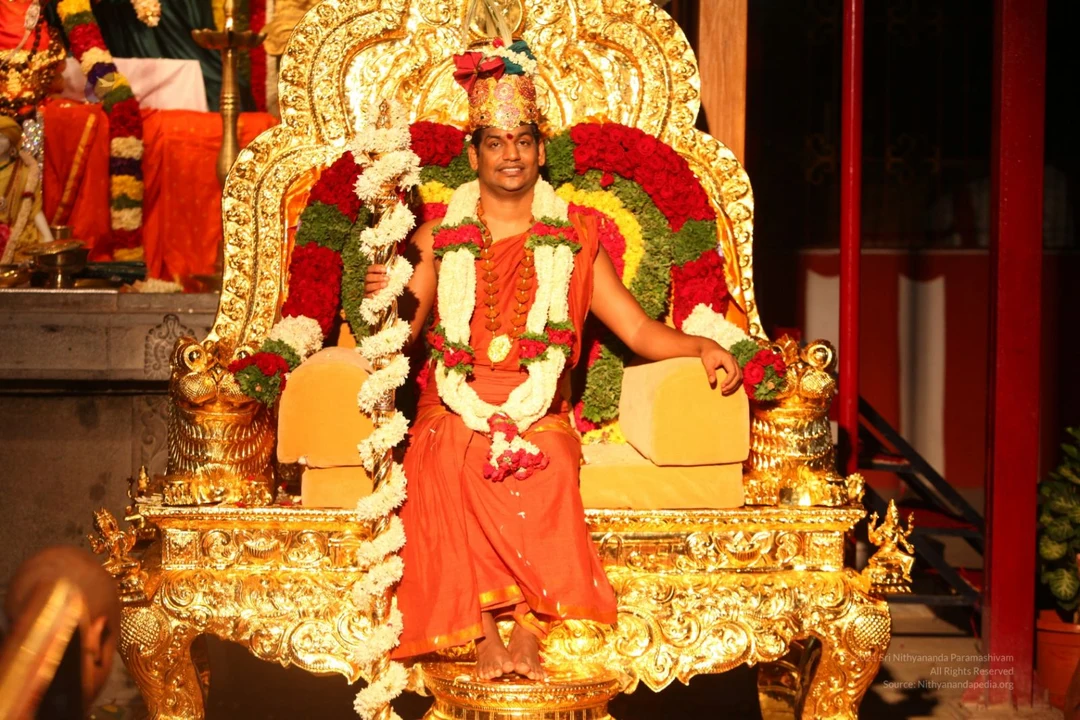
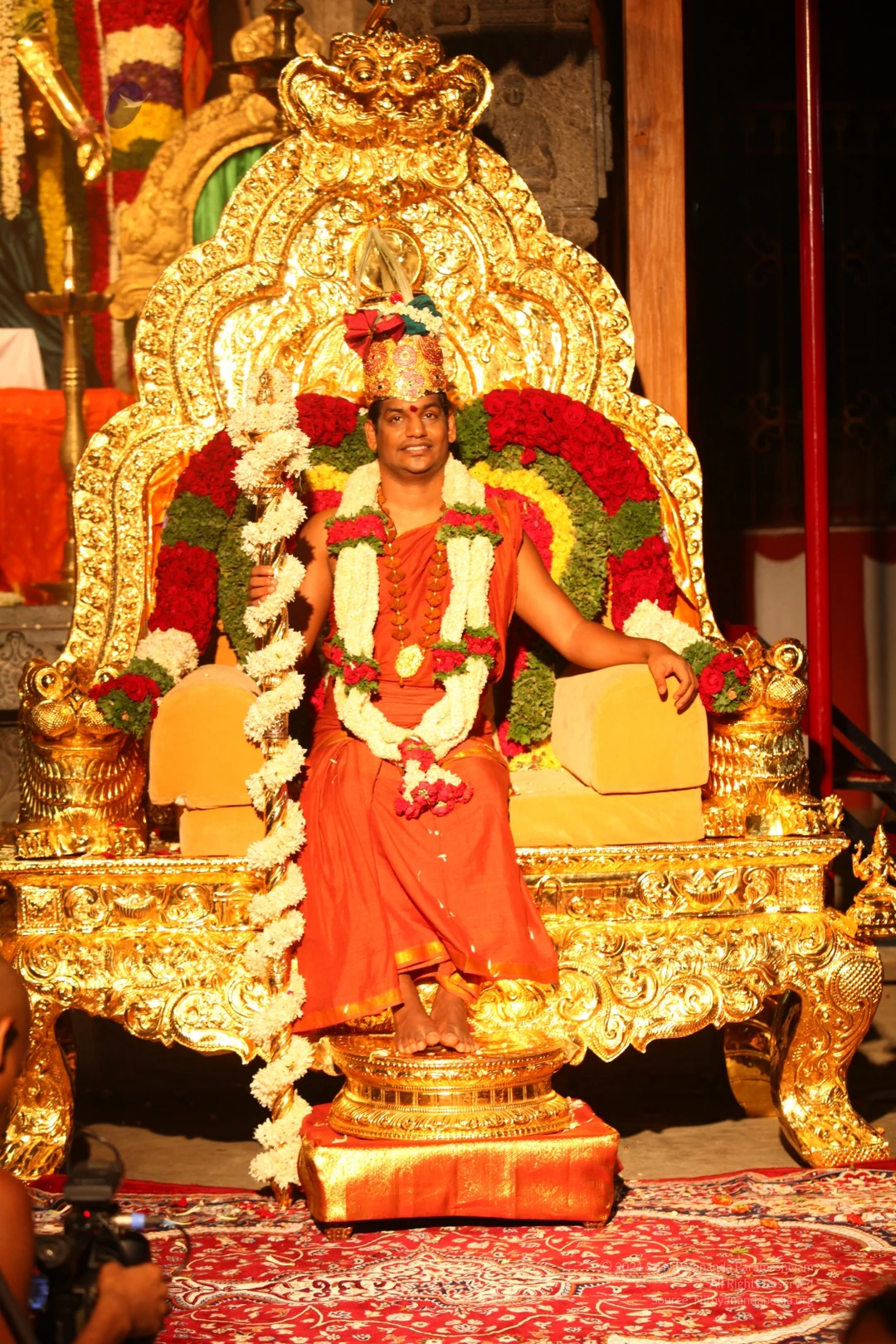
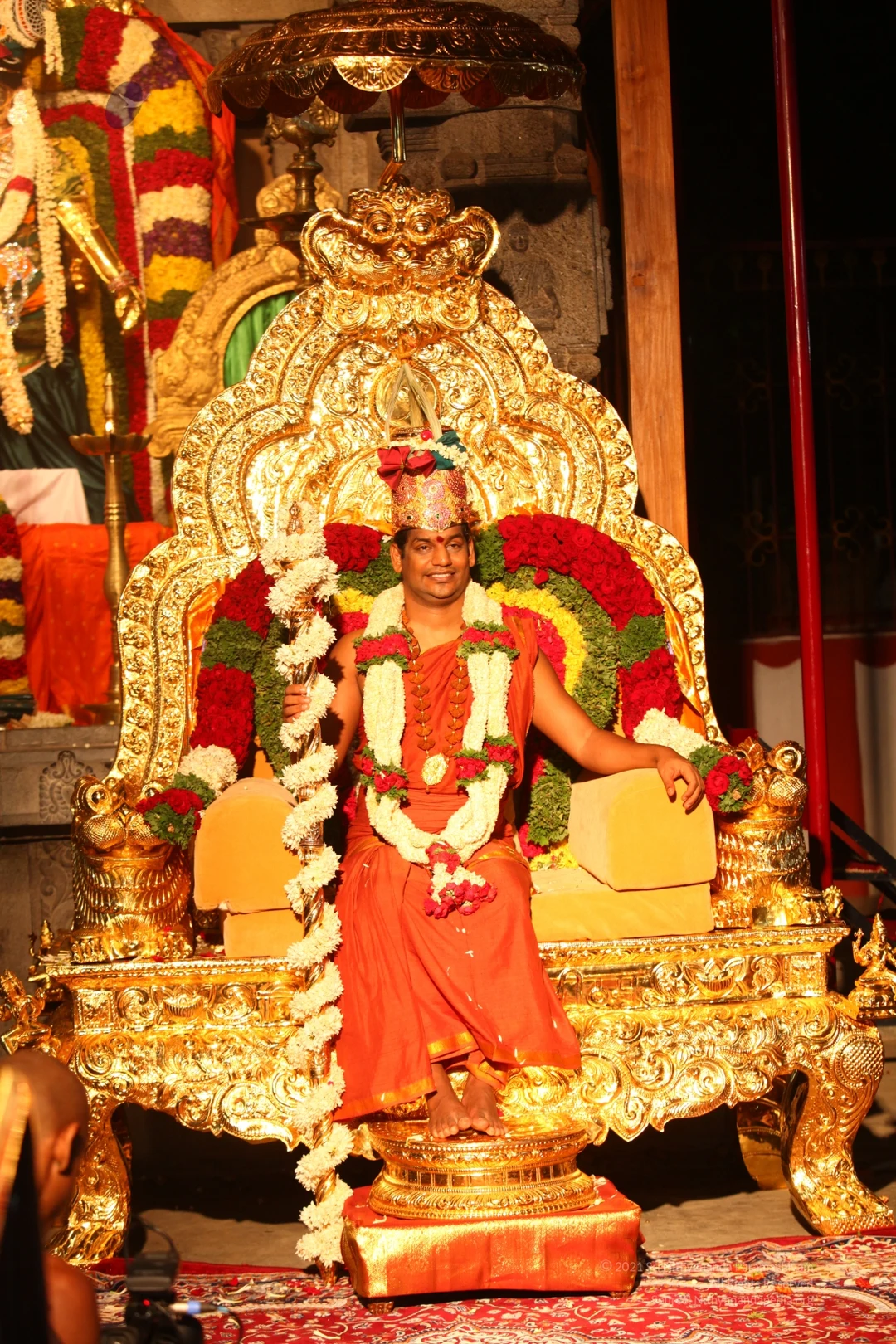
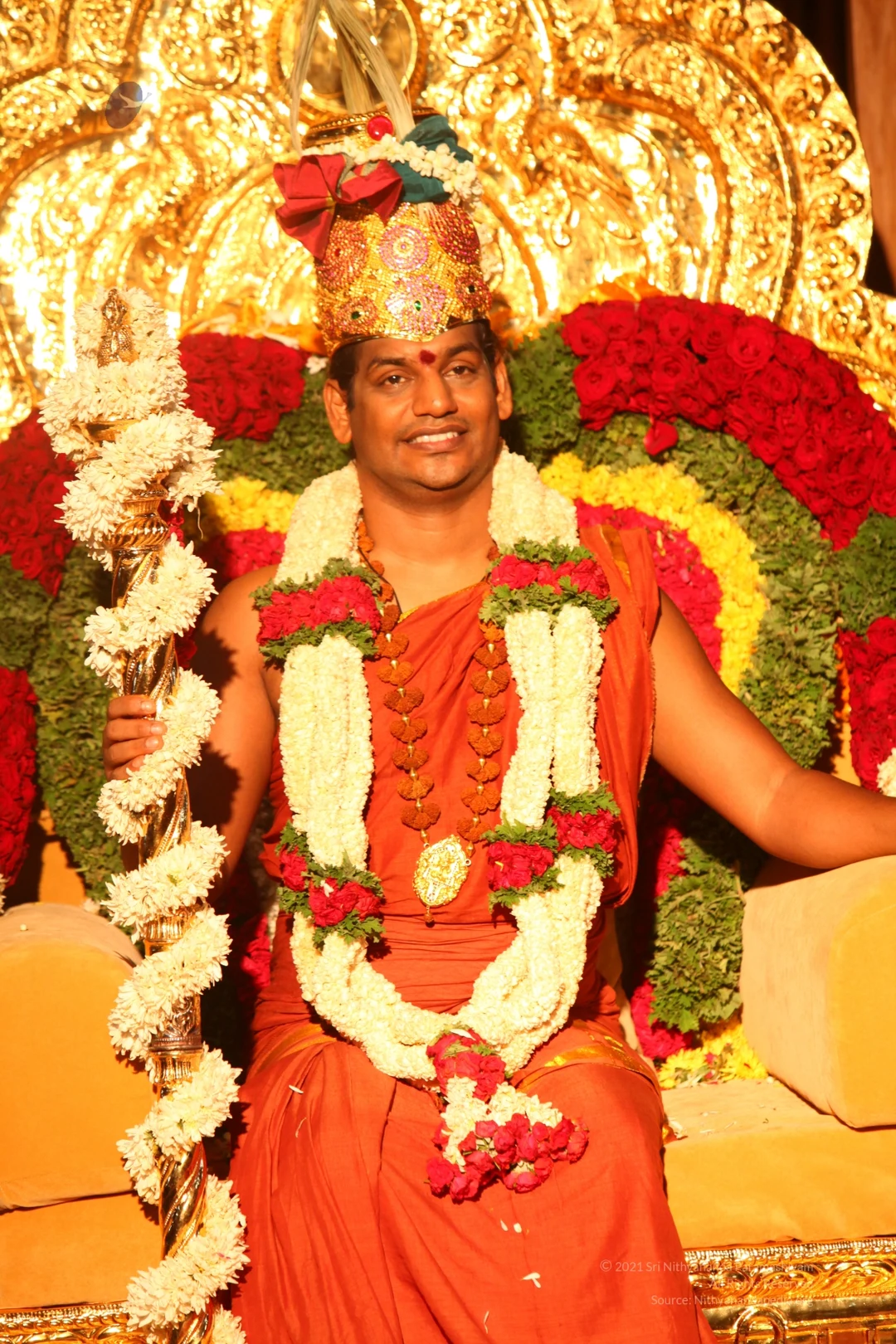
All the tenants of Madhurai Adeenam gathered and celebrated my presence yesterday. All of them standing on the roads and waving! God! You should see the whole maja, maja celebration J My predecessor was very happy. And May 5th we are having one more ceremony in Tiruvannamalai all of you will be attending. I will be gifting a golden throne and the golden paadukas means golden sandals for Madhurai Adeenam my predecessor, Guru Maha Sannidhaanam. June 5th I am offering Kanakabhishekam to Guru Maha Sannidhanam. Kanakabhishekam means showering gold coins to Guru Maha Sannidhanam. And Shiva gave the golden symbol and pearl Palki – the palanquin made out of pearls and 16 items to Tiru Jnana Sambhandar. Now I am making all the 16 items and giving it to my Guru Maha Sannidhanam, offering it to him. That will be happening on June 5th. I welcome all the devotees. Of course it will be live relayed live in Nithyananda TV. Whoever can, come and see the scene, the history getting made!
Alright I think it is already time. Today again we have long sessions. eNreality an important session! I am also happy in this batch. Usually I will tell the batch is very sincere. Apart from that my usual thing, with this batch I have a factual support because not a single person missed Yoga even for a single day. Only one or two people missed not due to laziness or anything if their children are sick, something like that unavoidable reason. Other than that, not a single person missed even one session of yoga, pancha kriya. So sincere, I am very happy about it!
So, I bless you all who are sitting with us at this moment around the world at this moment in 1042 places through Nithyananda TV, 22 places through 2 way Video conferencing having Nayana Deeksha, in 261 cities, 28 countries! Let you all achieve, experience, live, express, radiate and share and explode the eternal bliss, Nithyananda. Thank you!
Photos From The Day:
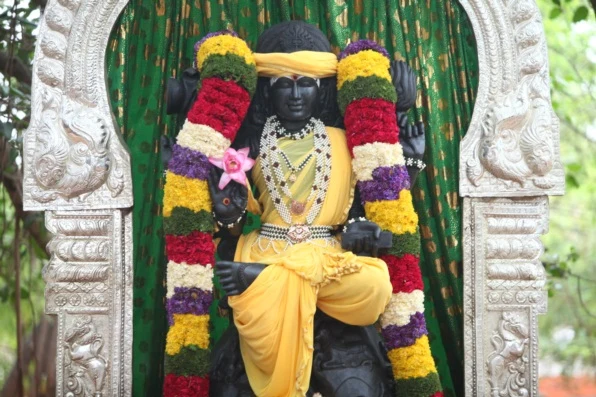
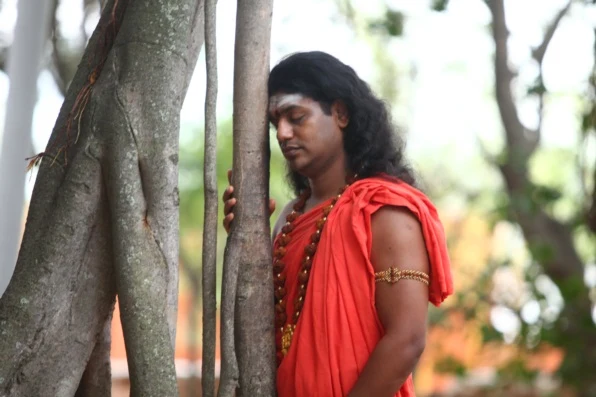
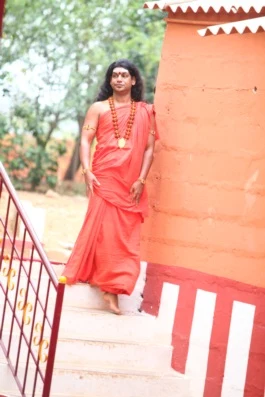
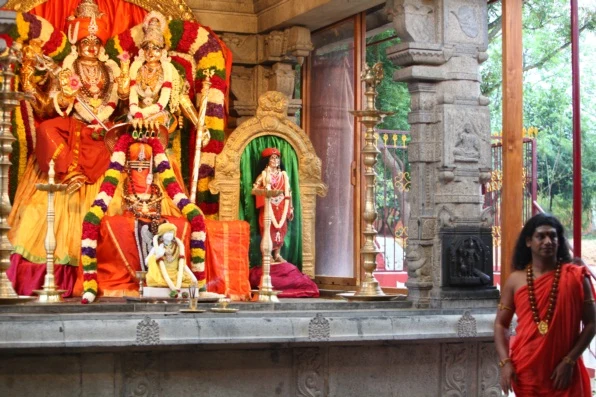
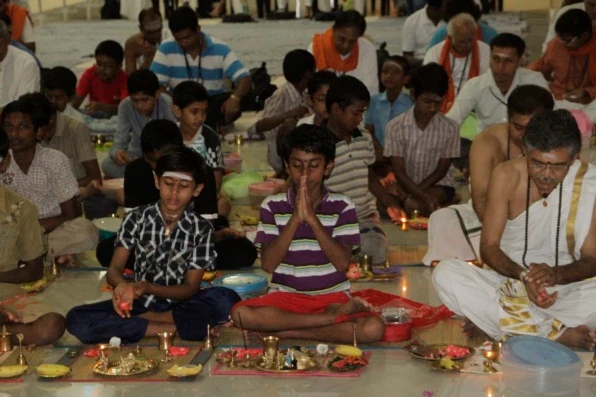
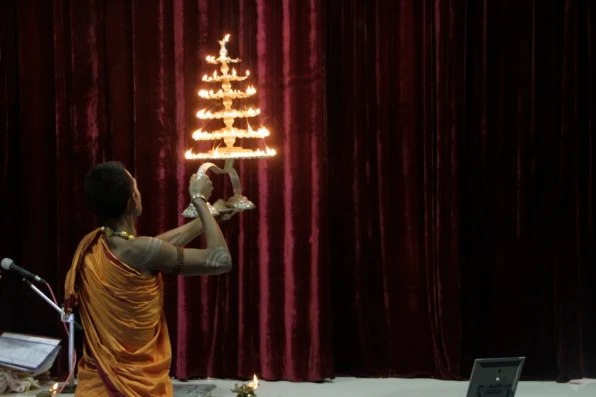
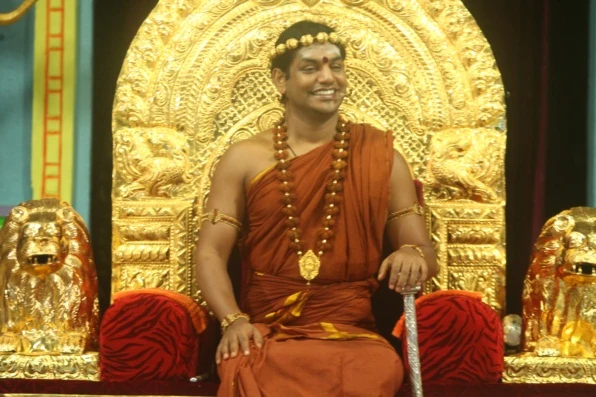
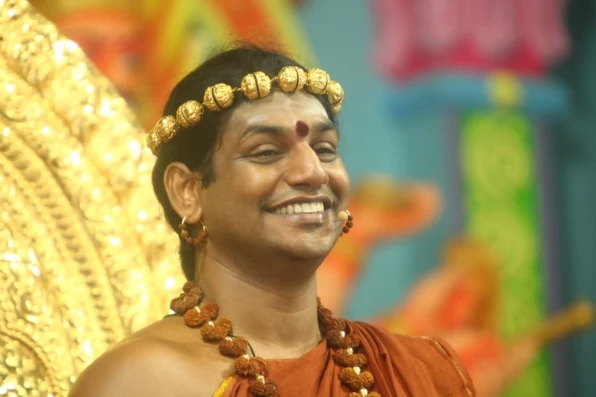
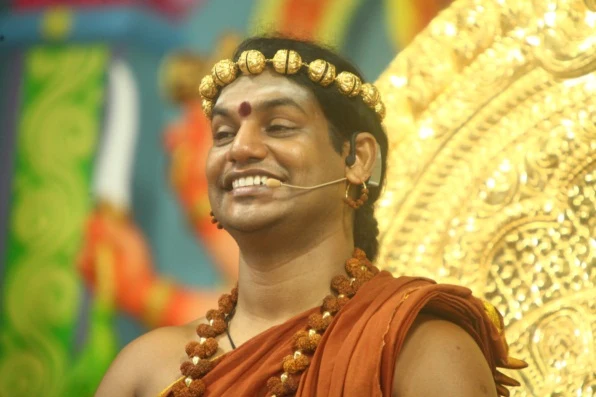
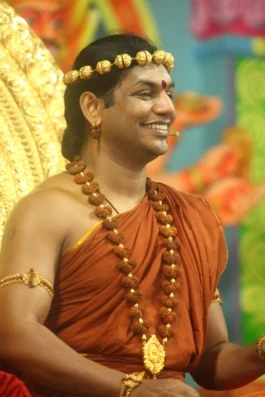
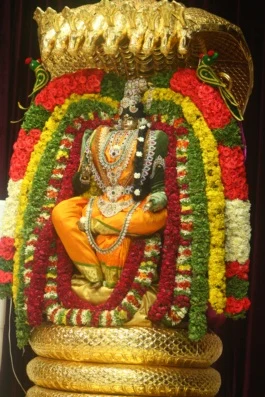
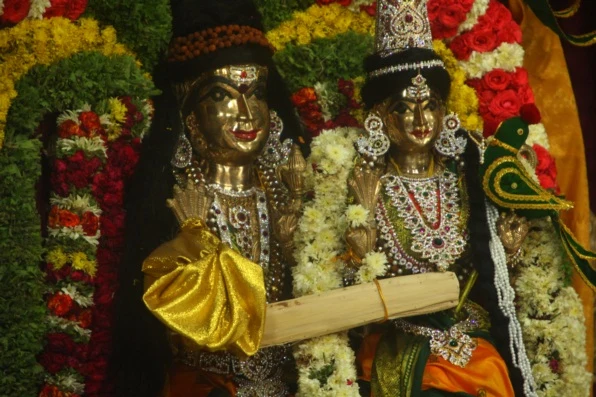
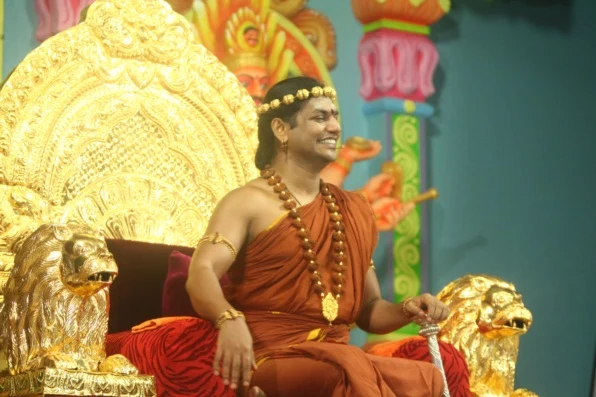
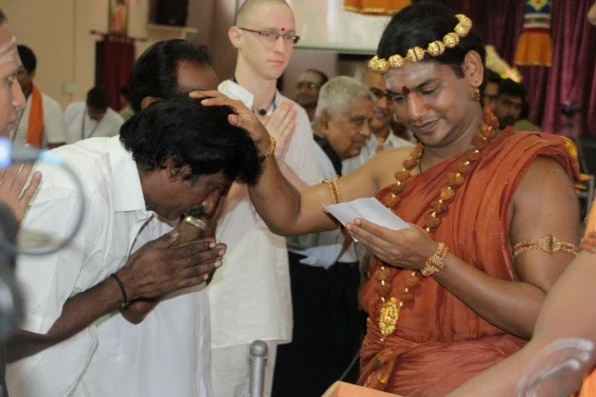
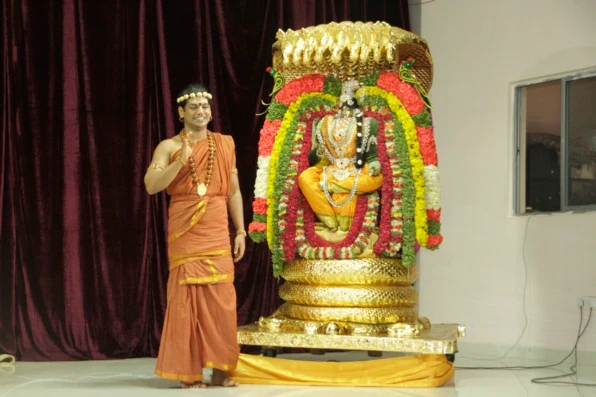
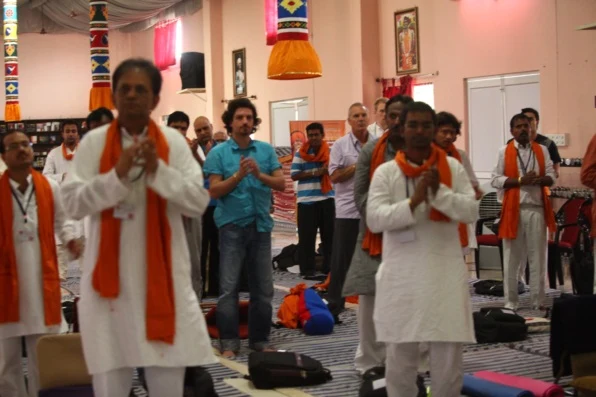
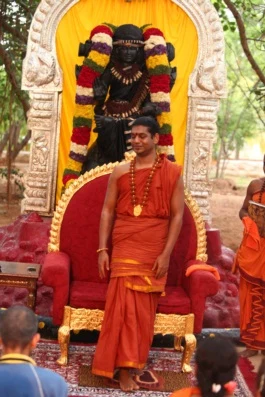
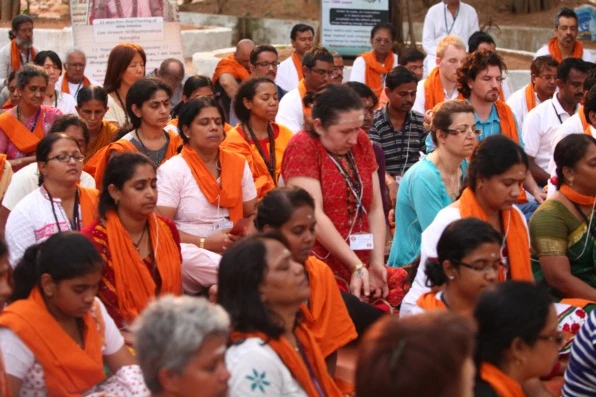

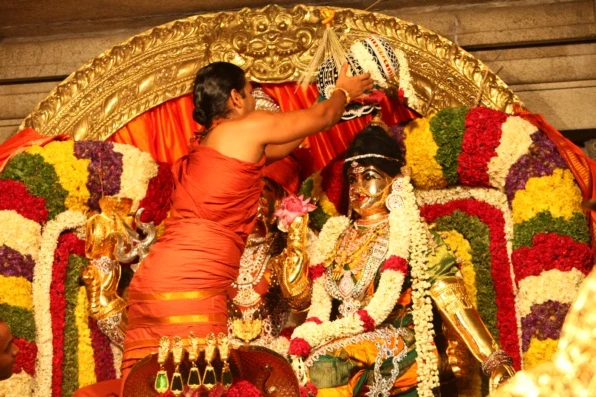


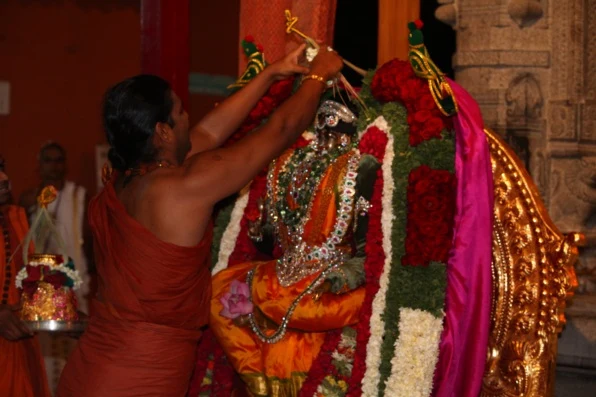
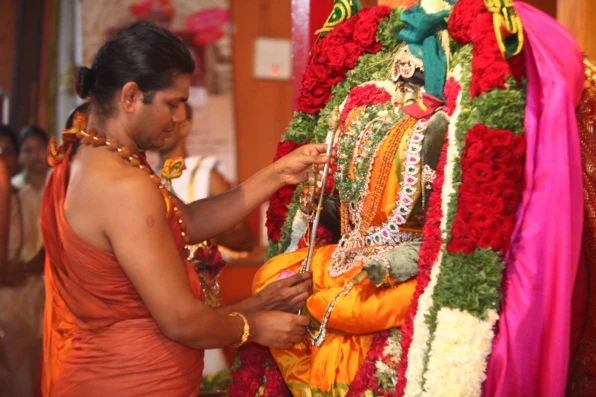

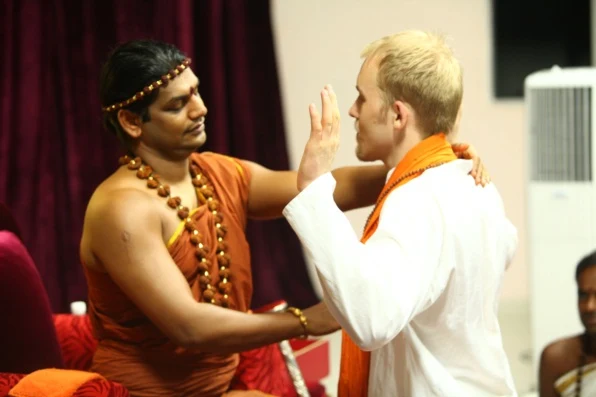
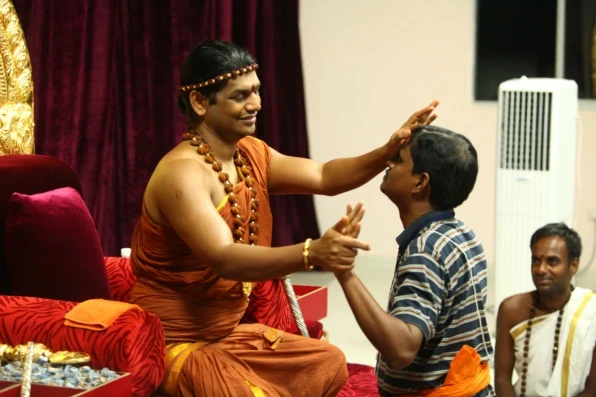
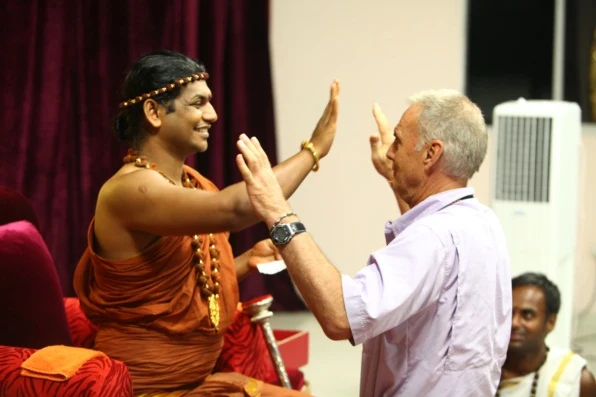
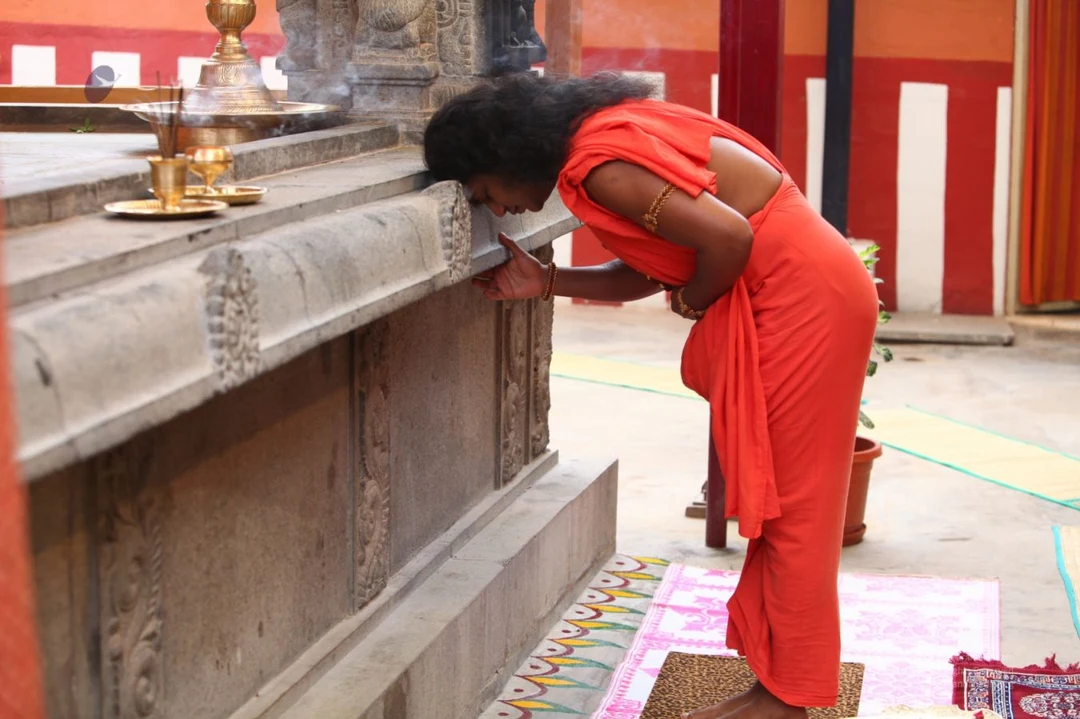
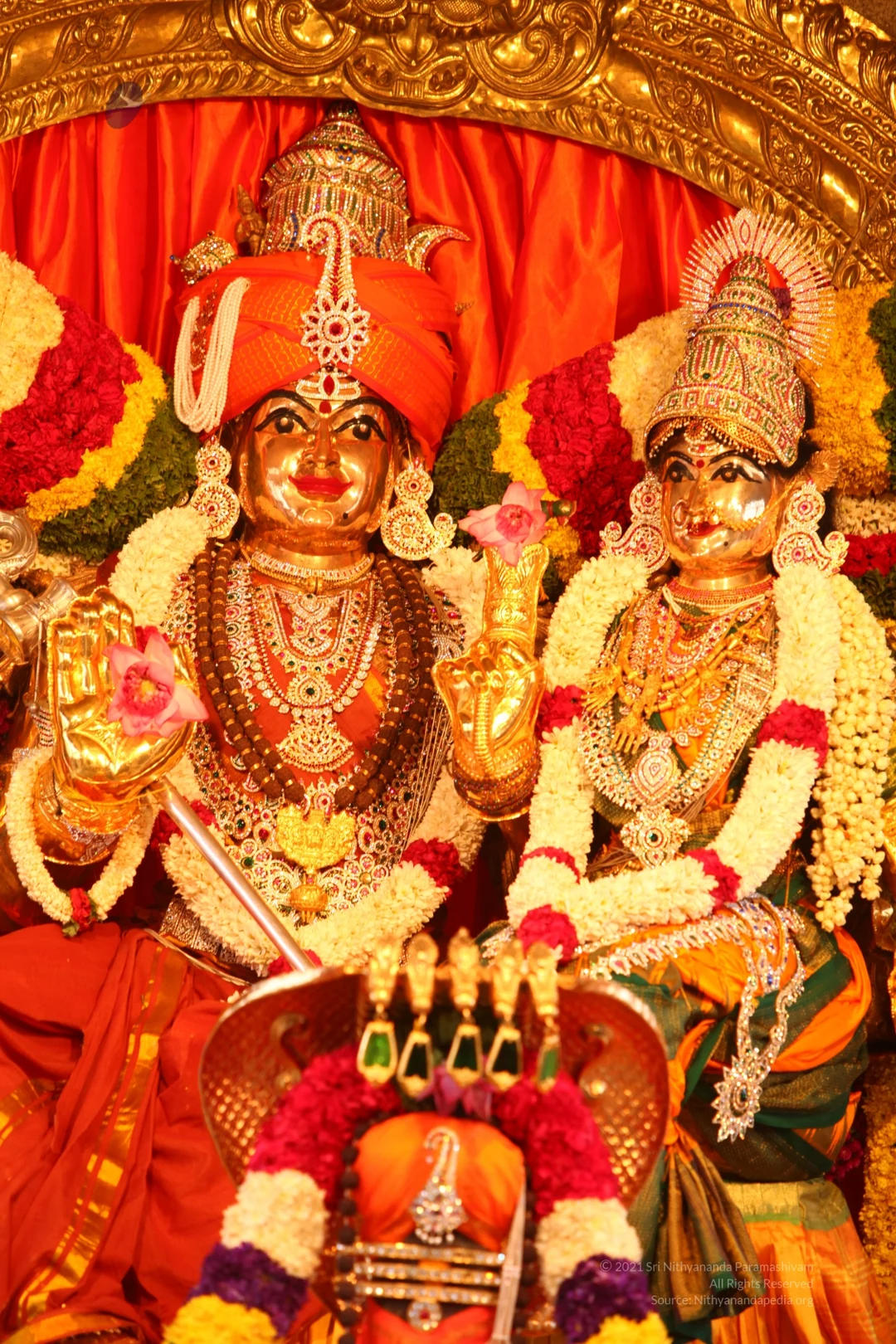
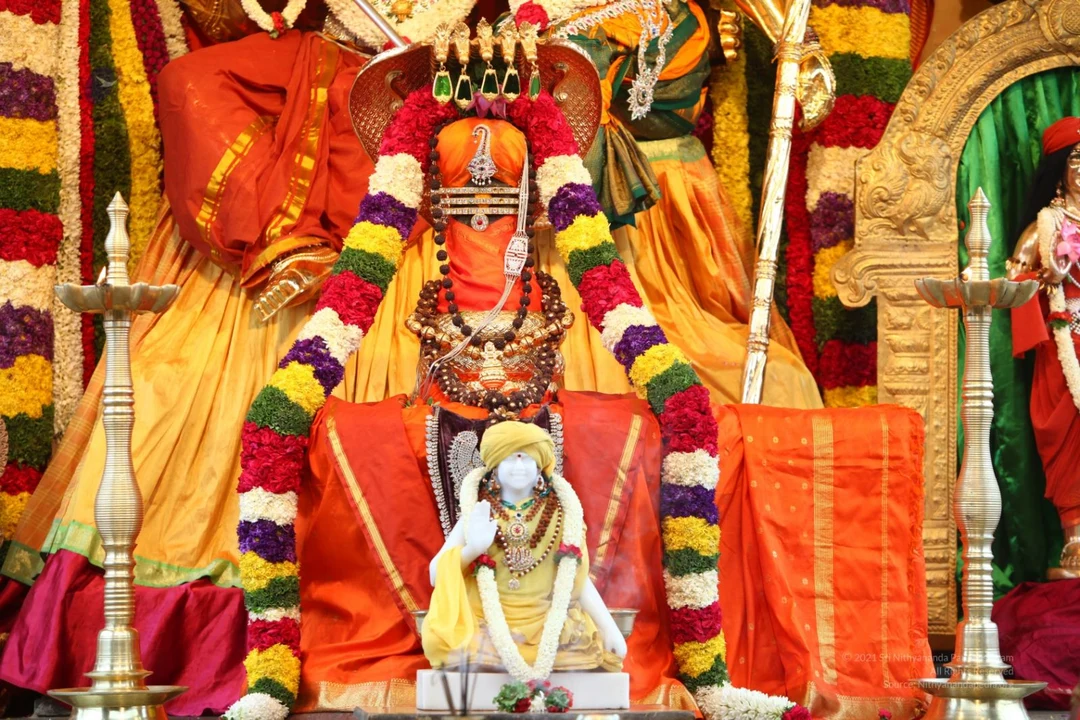
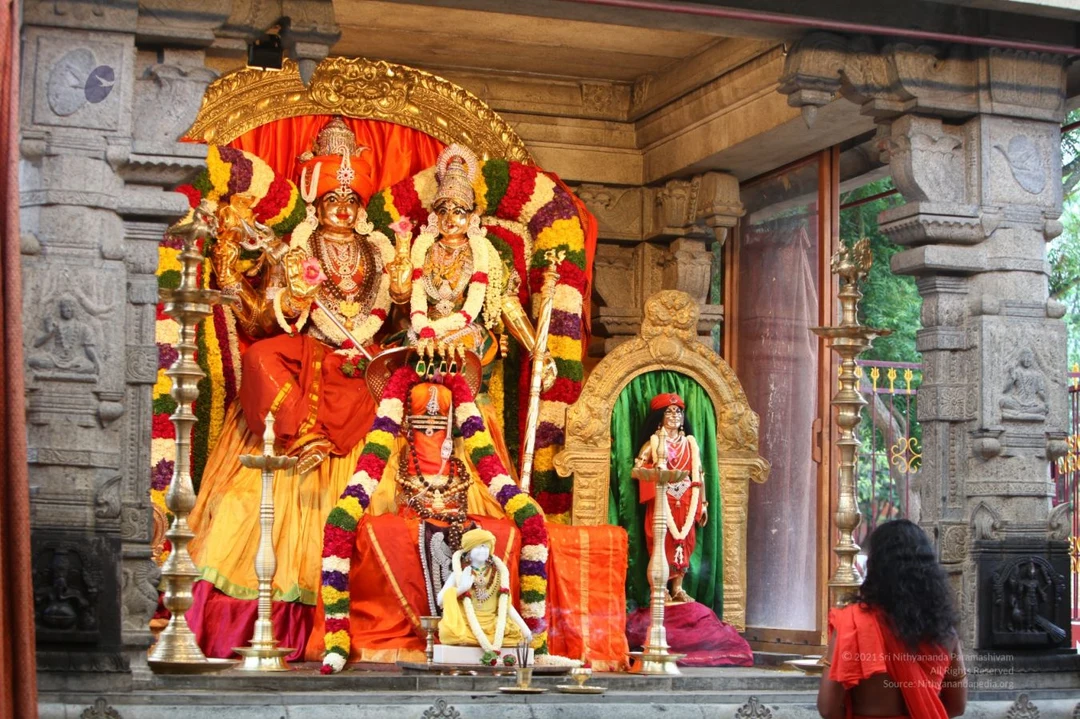
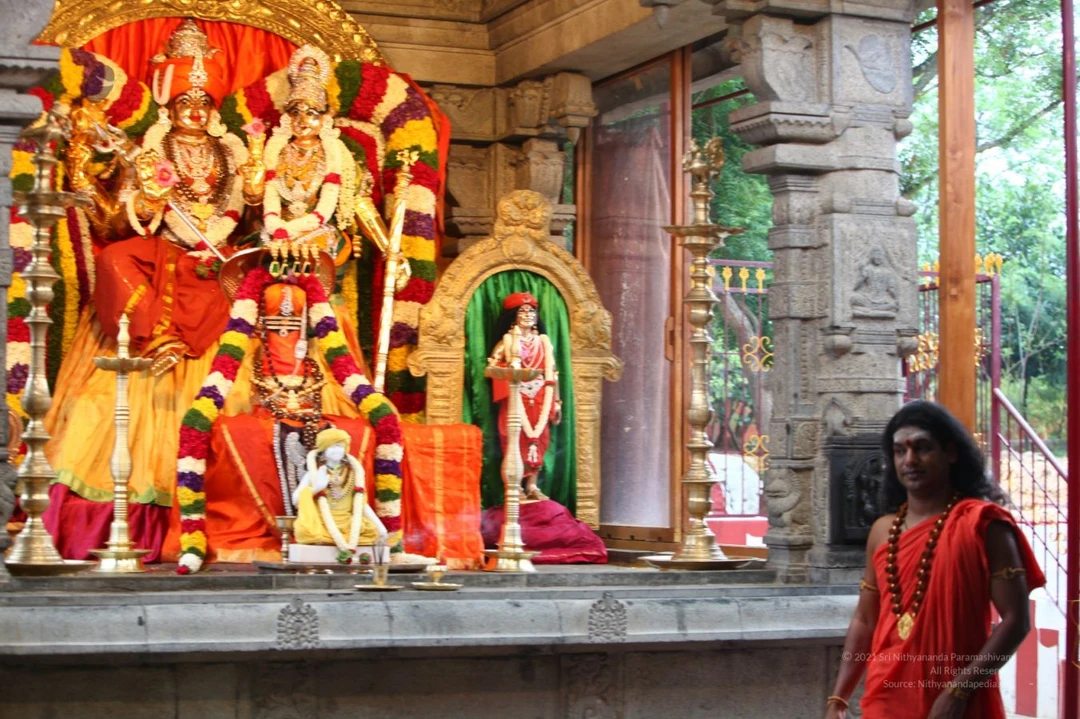
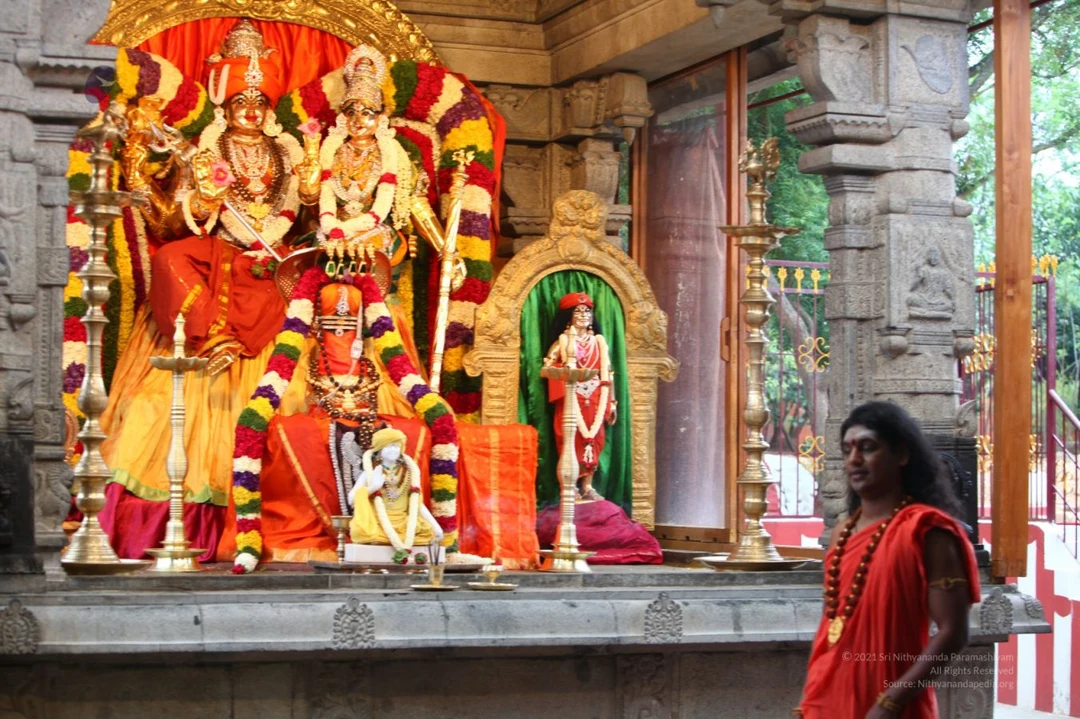
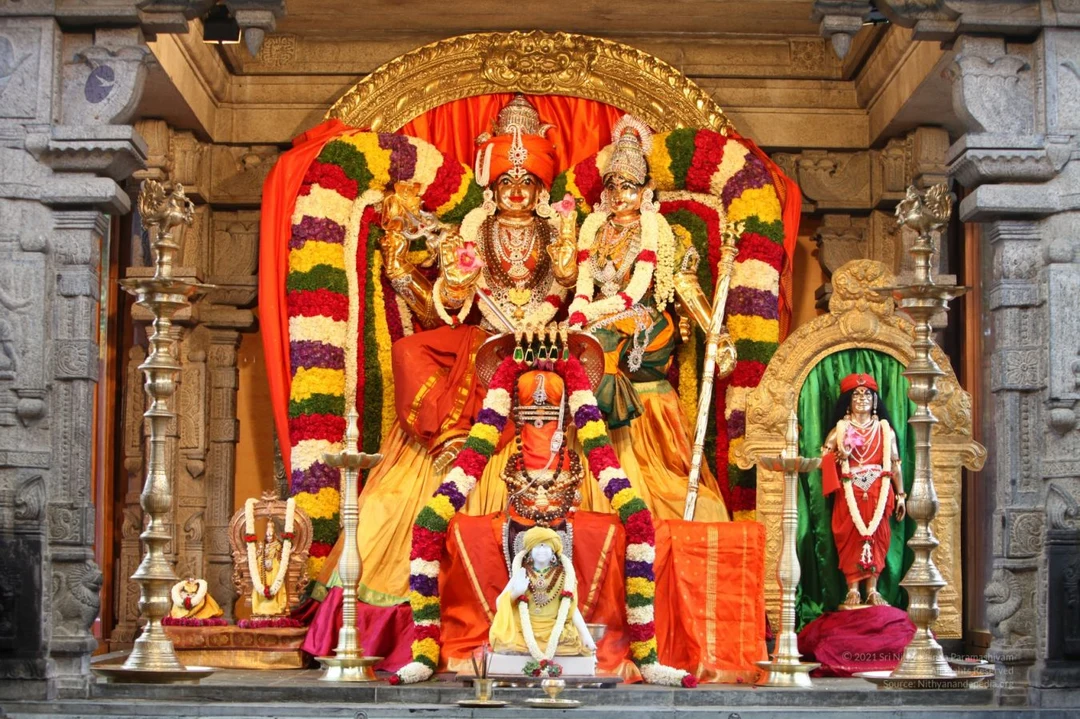
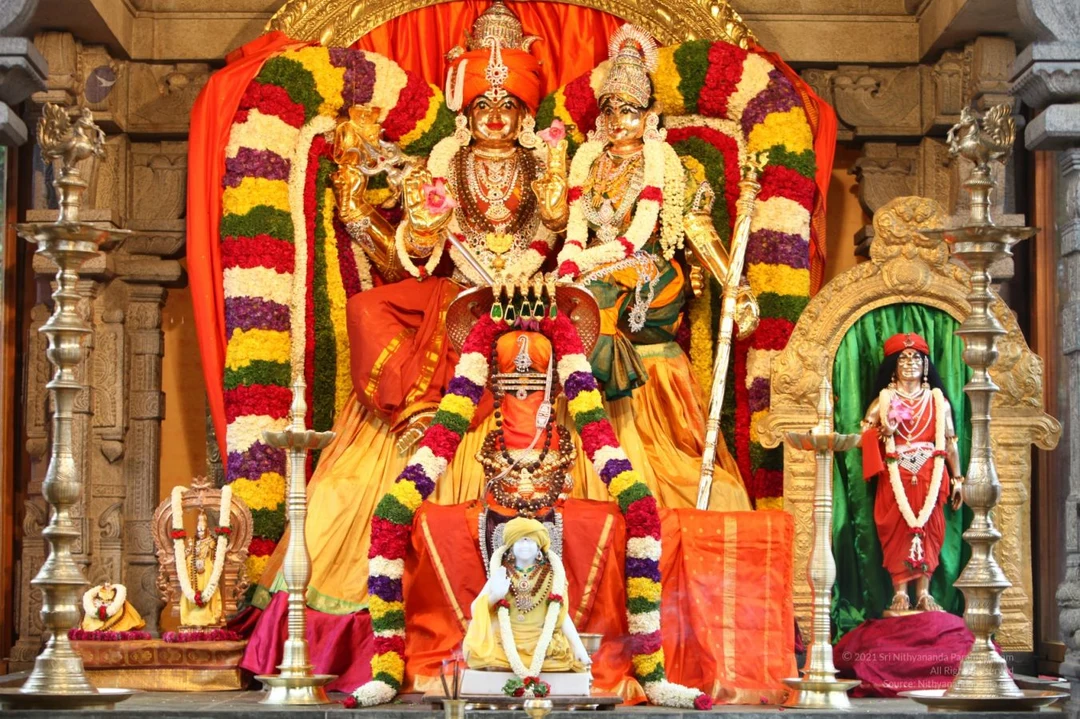
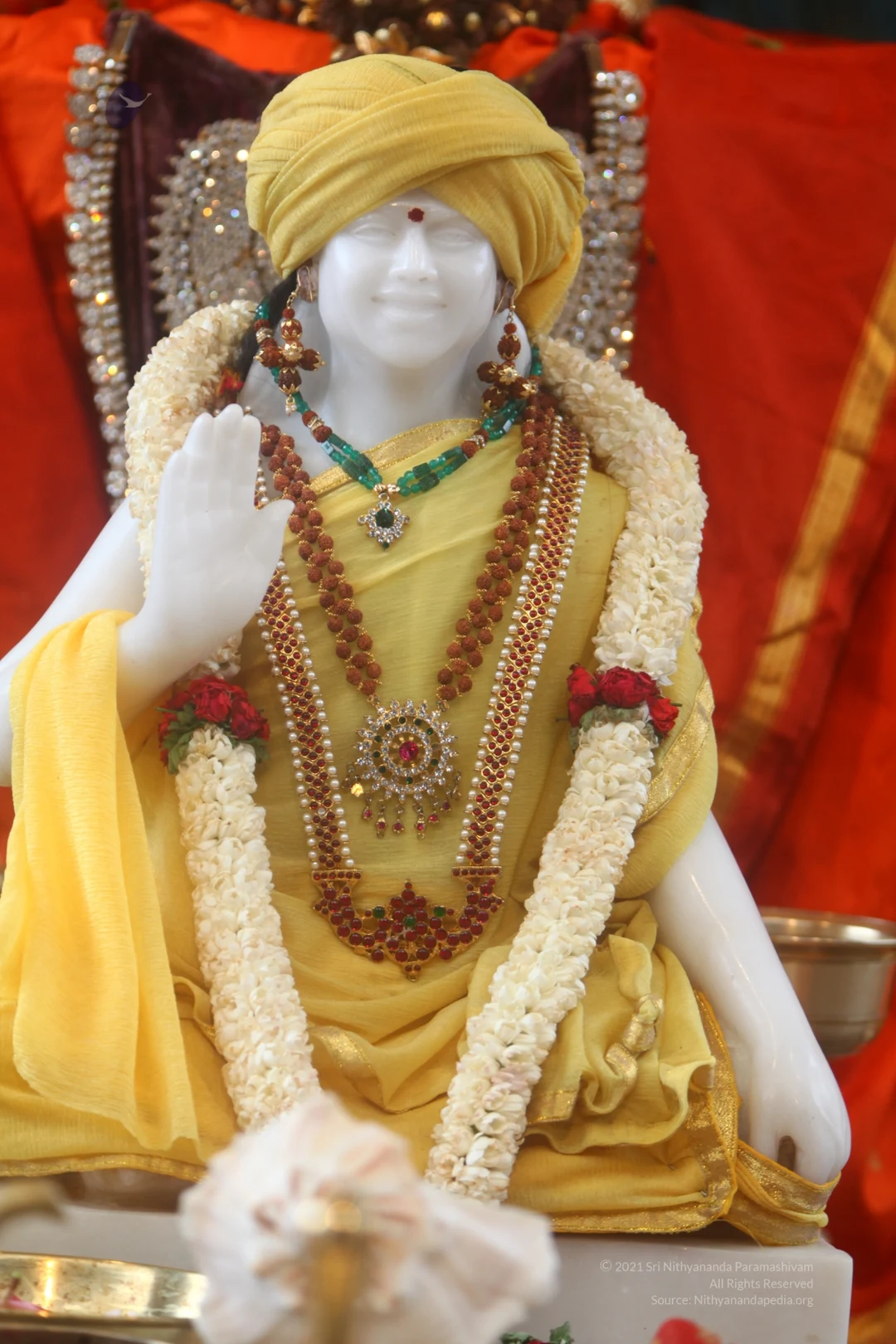
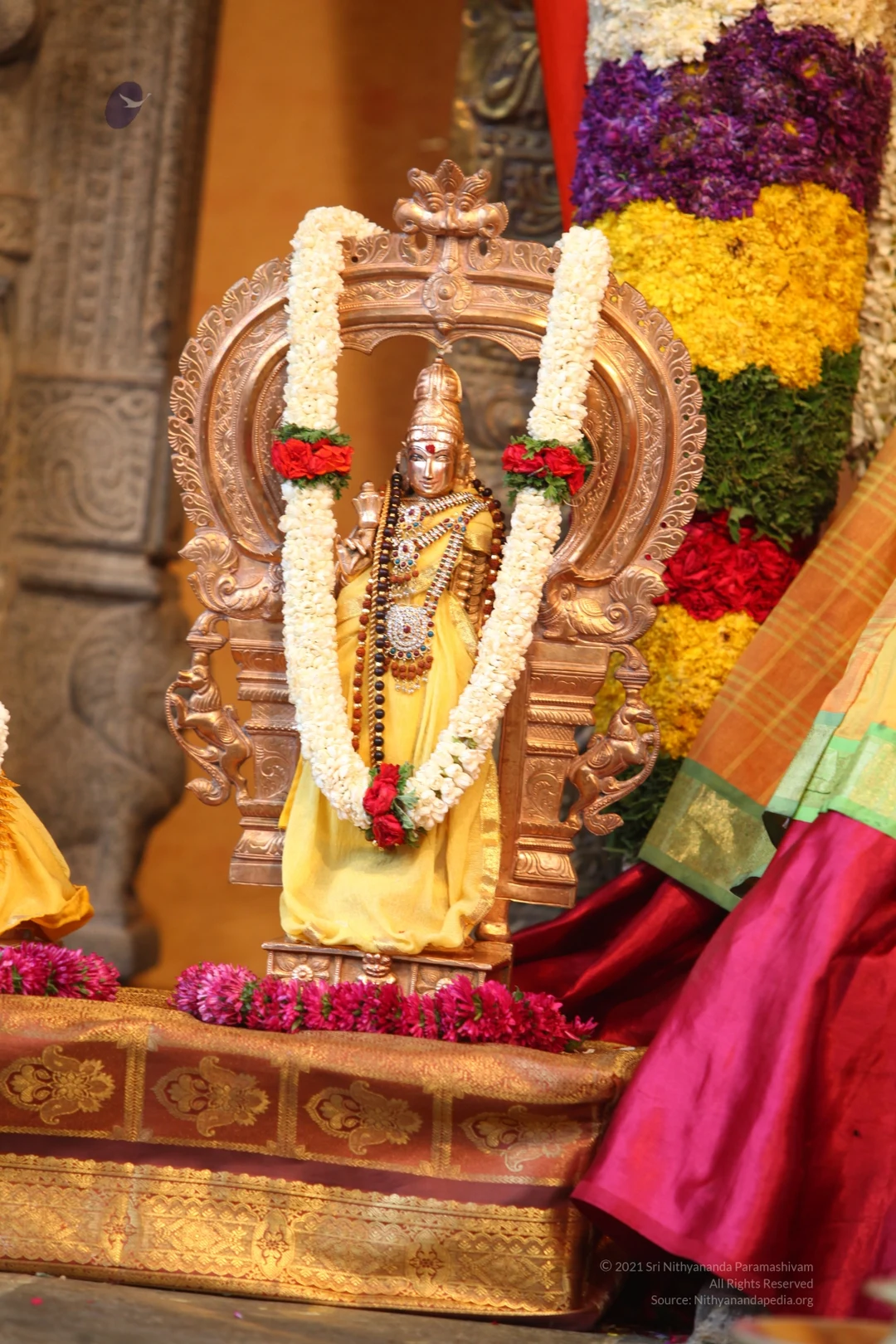
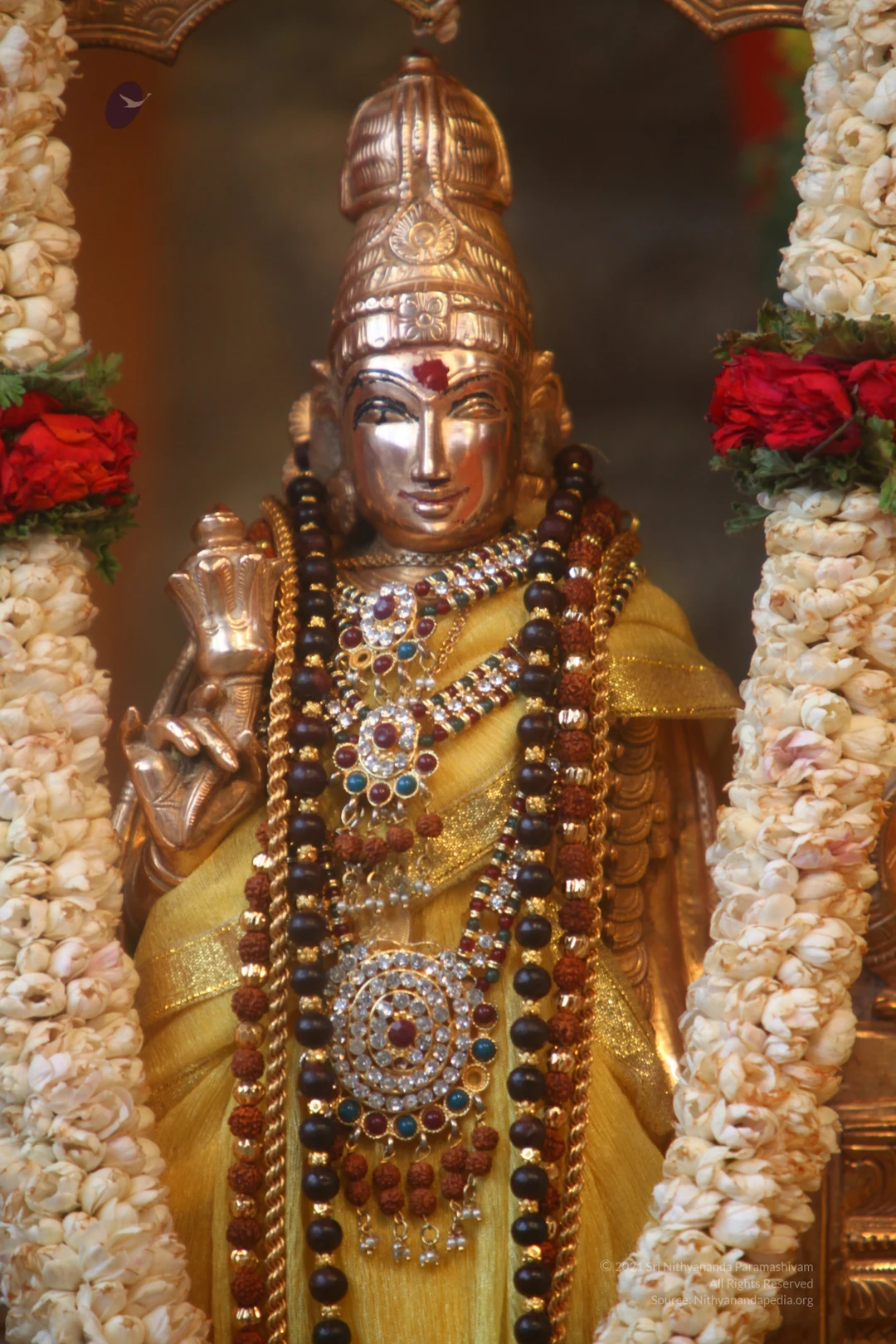
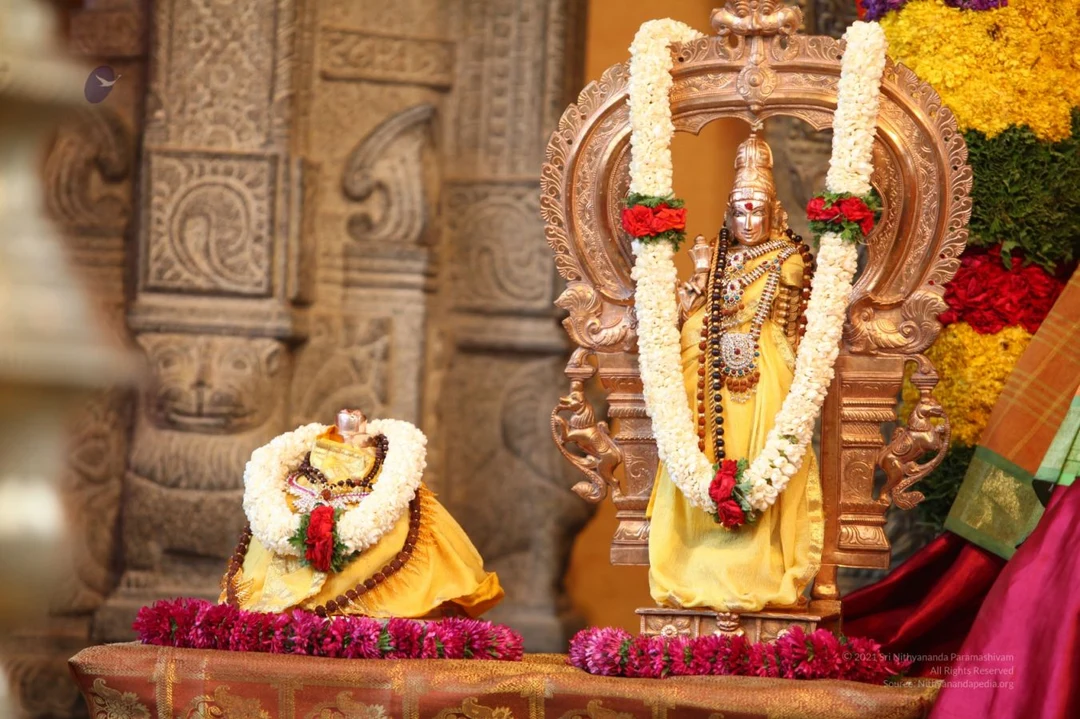
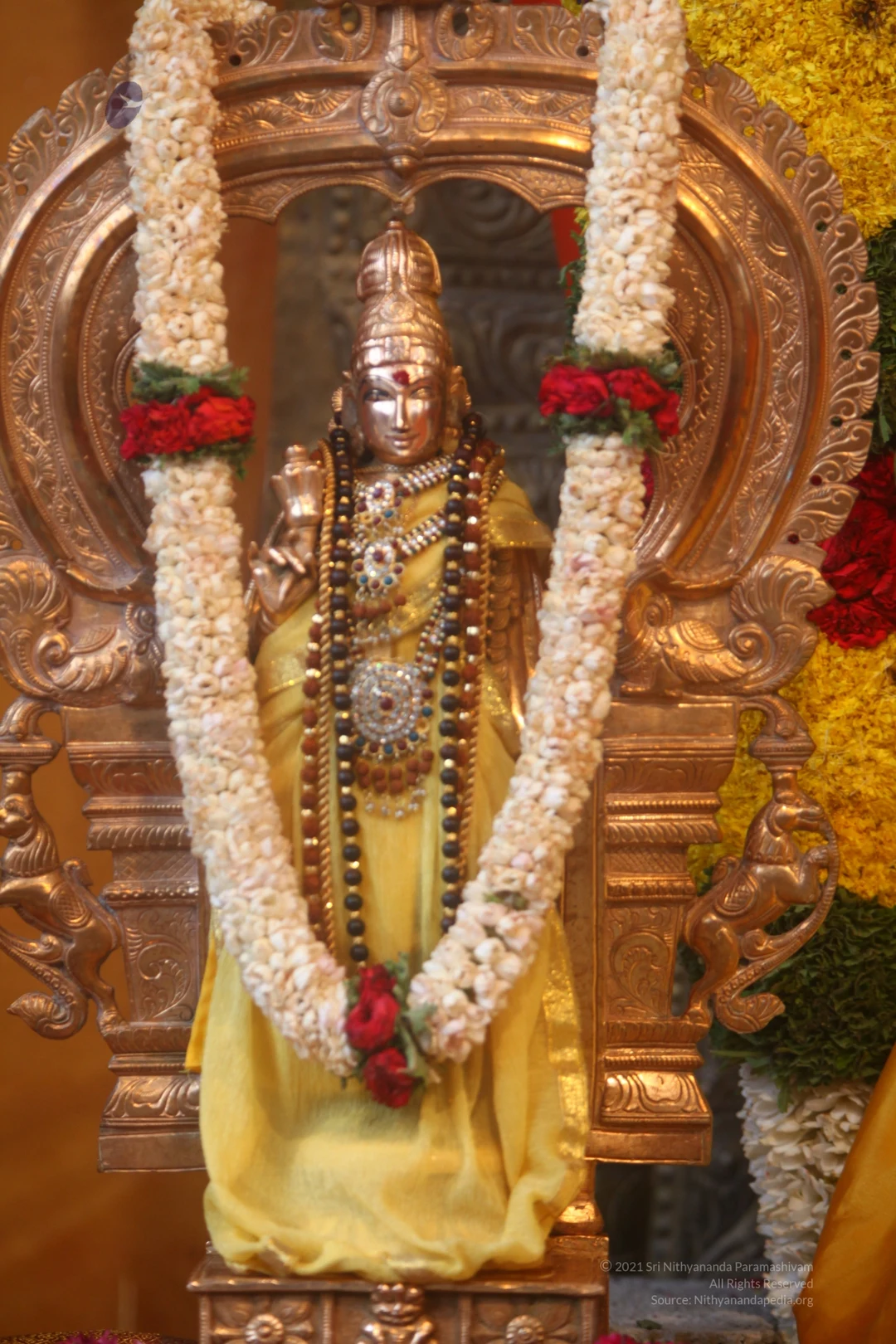
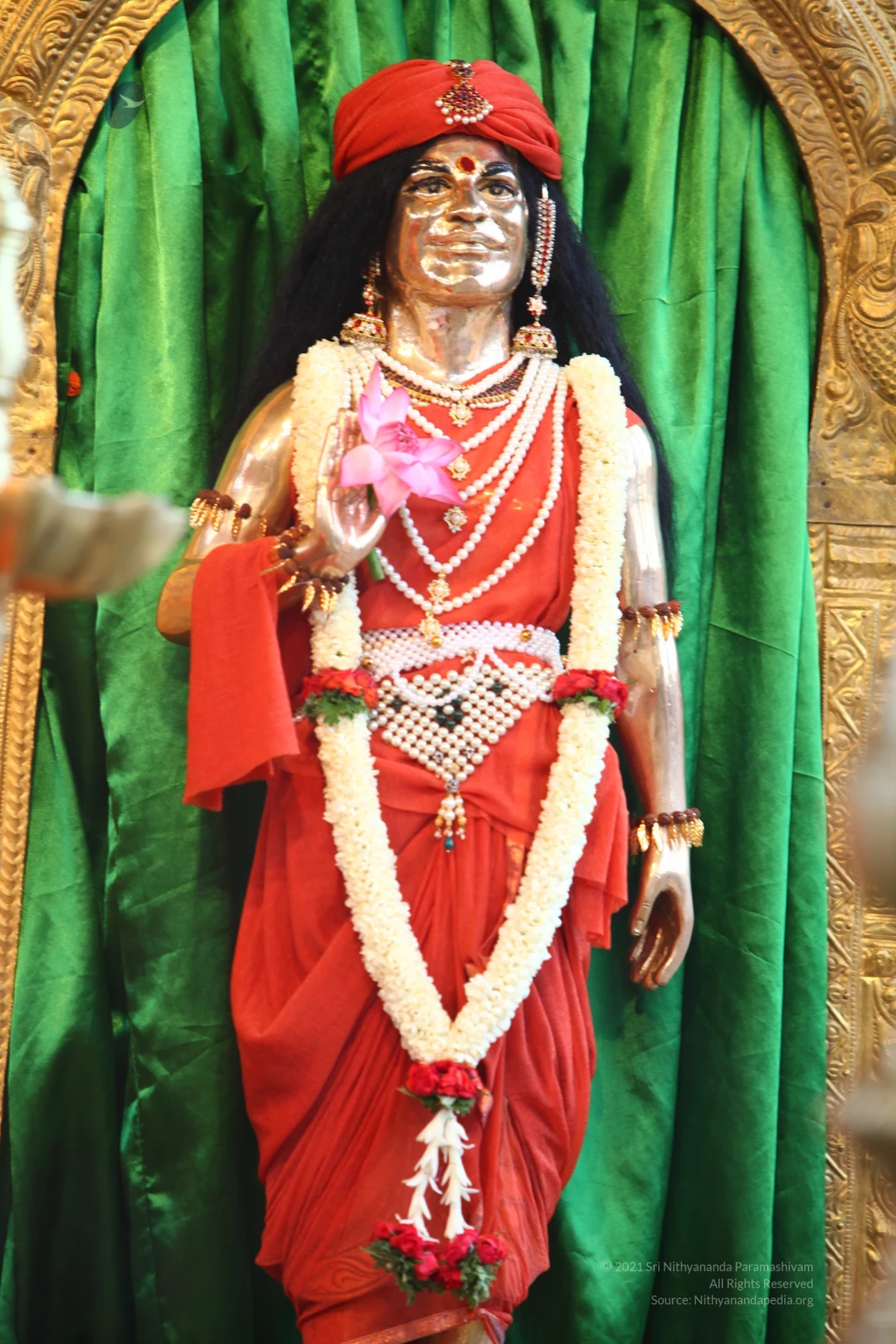
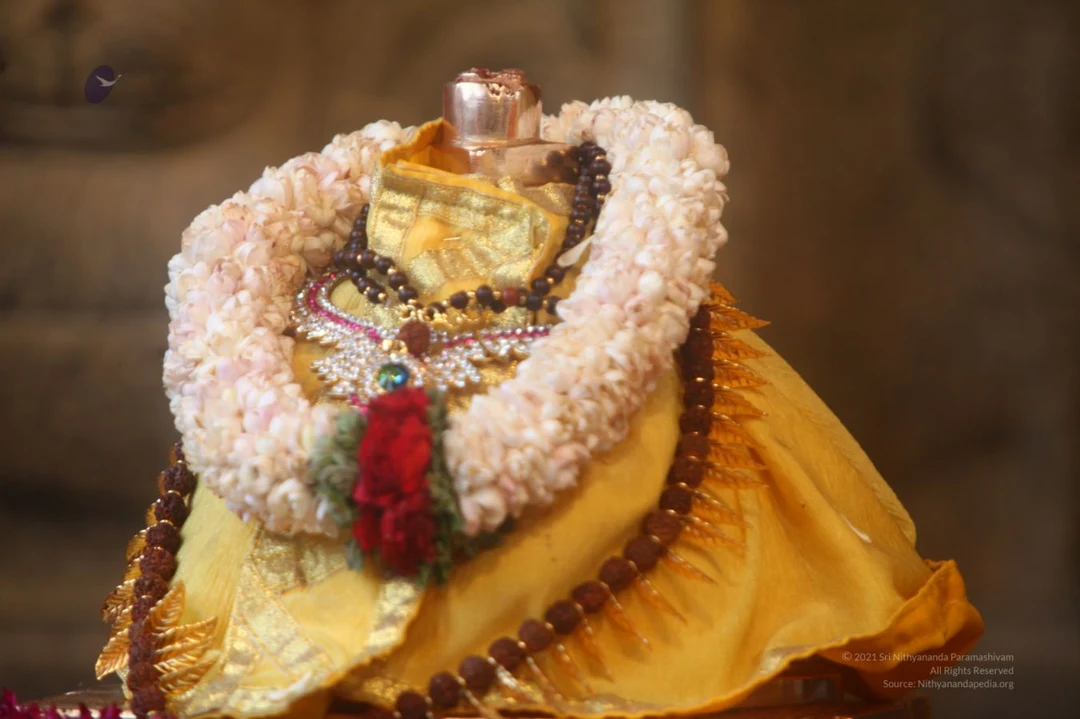
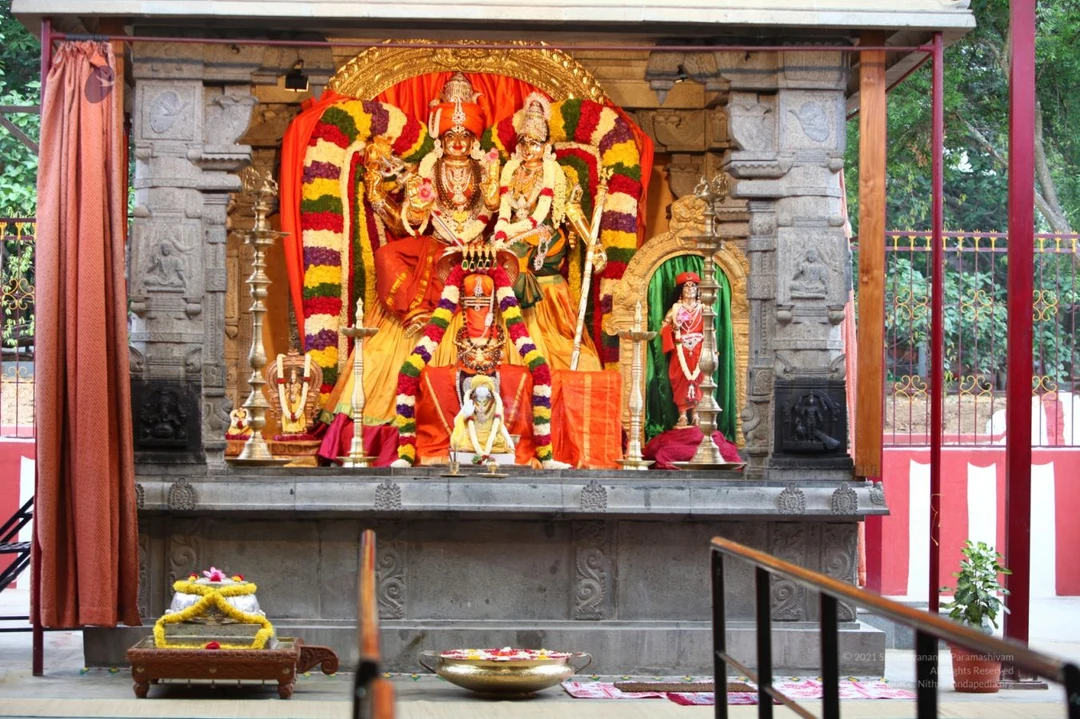
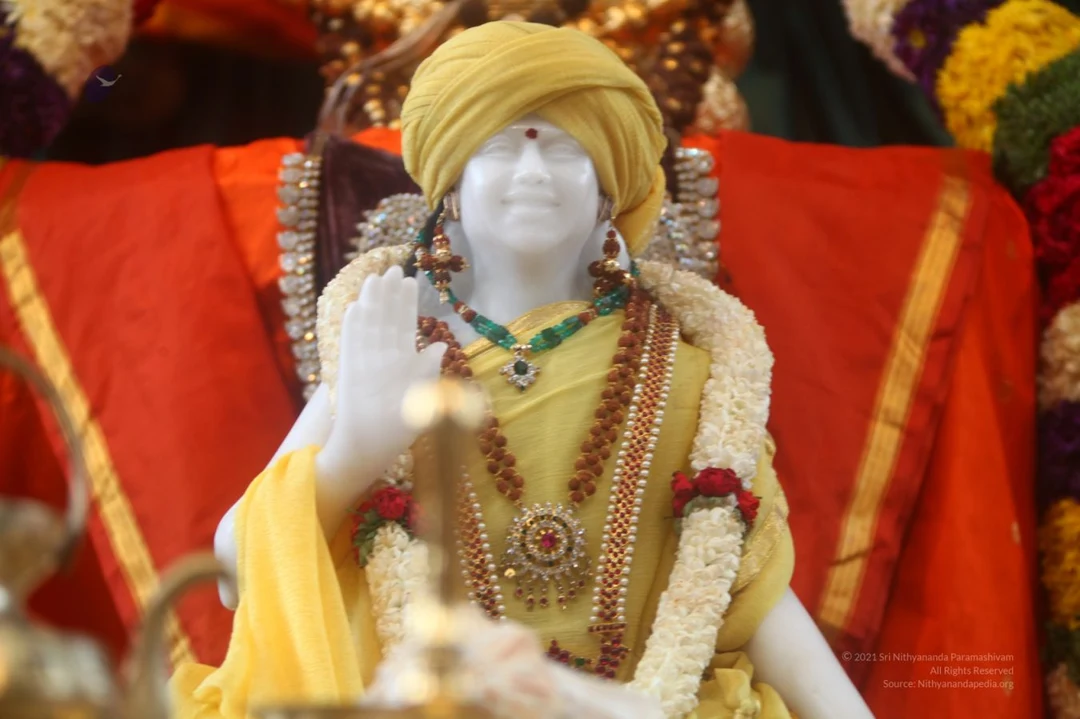
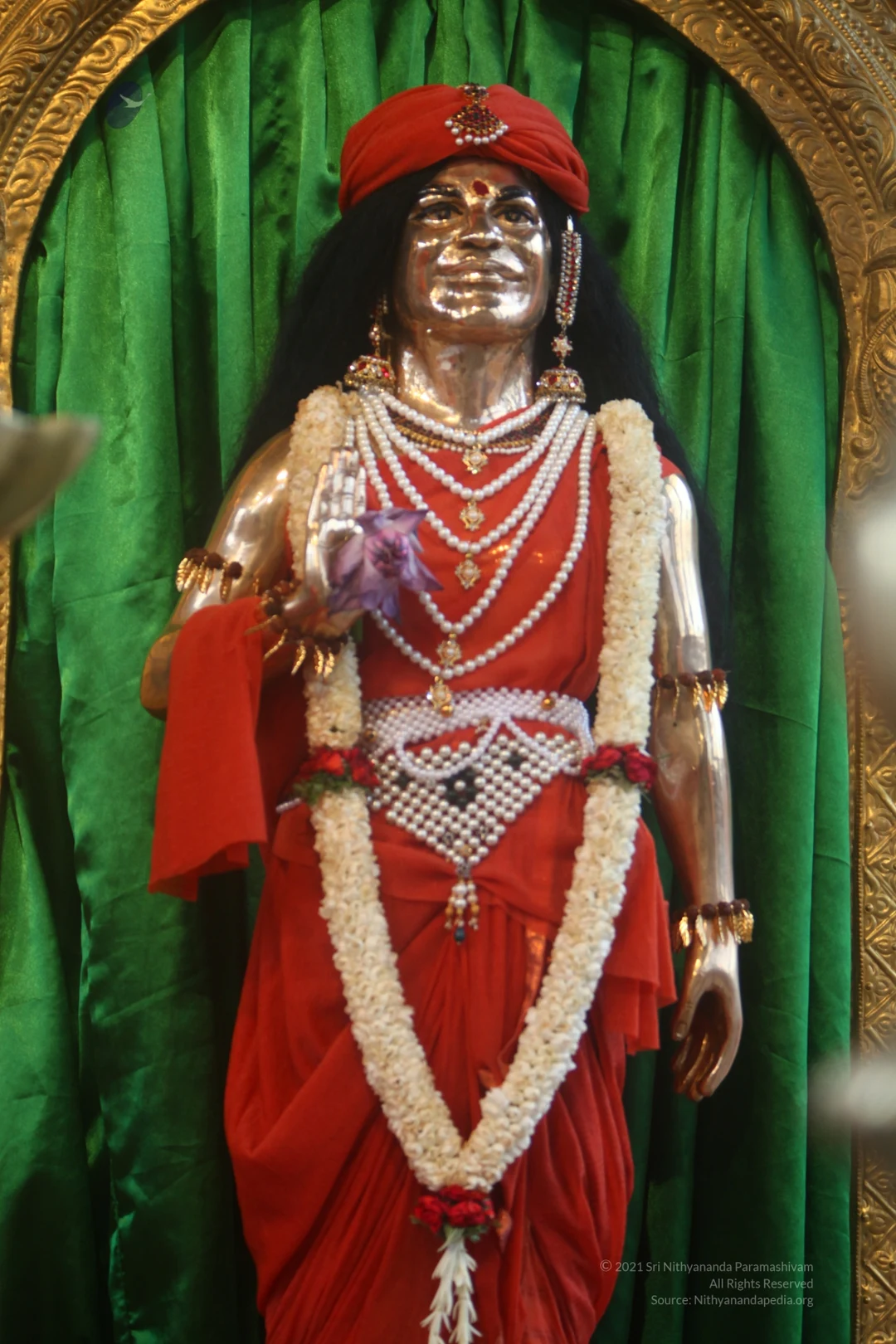
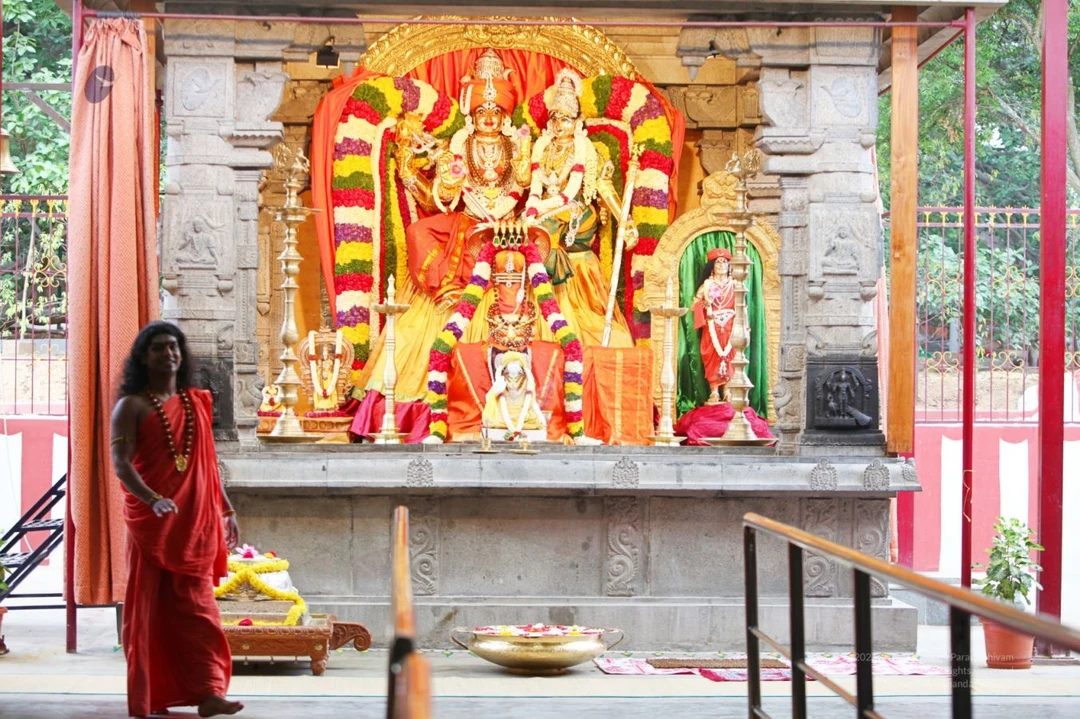
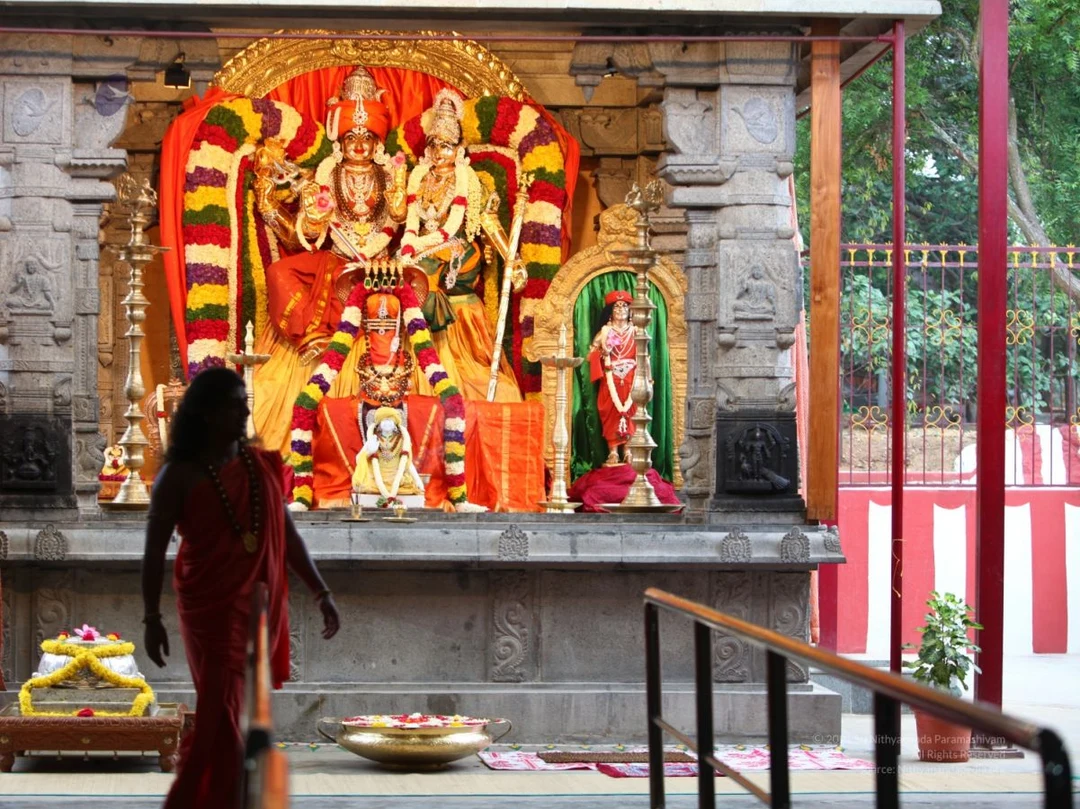
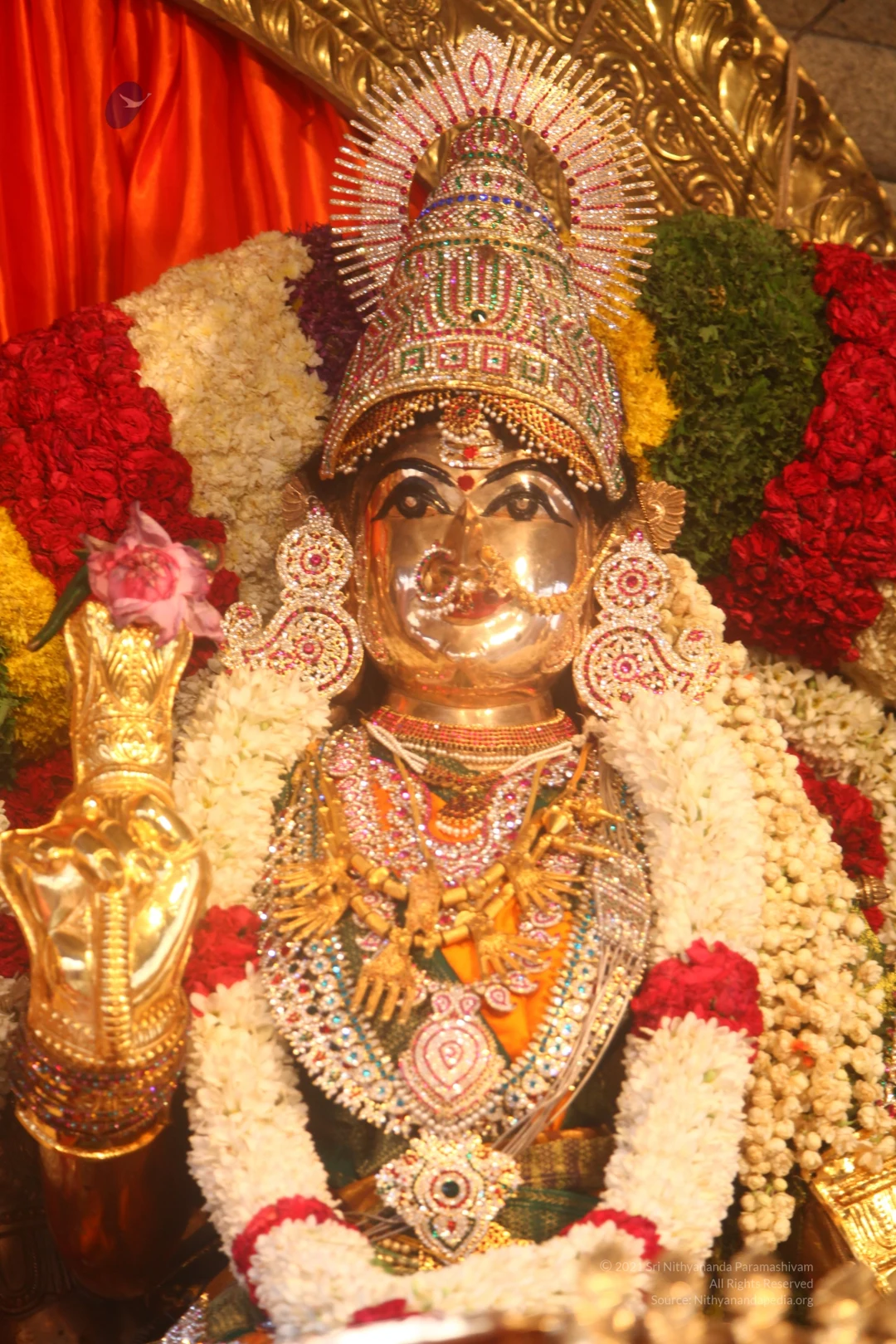
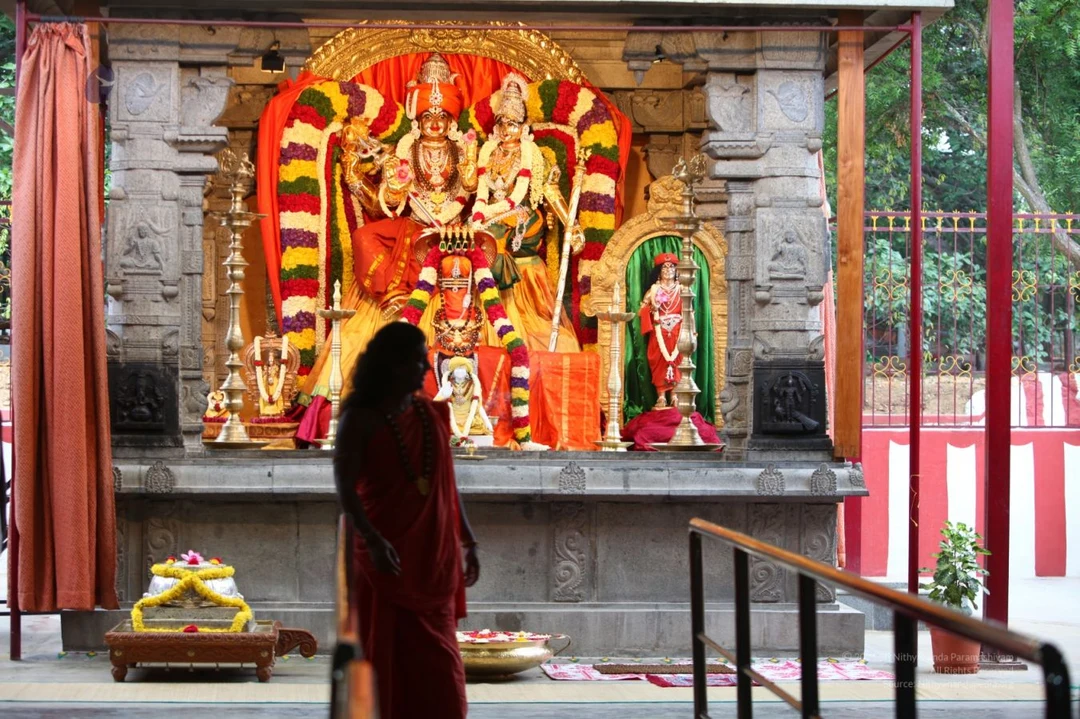
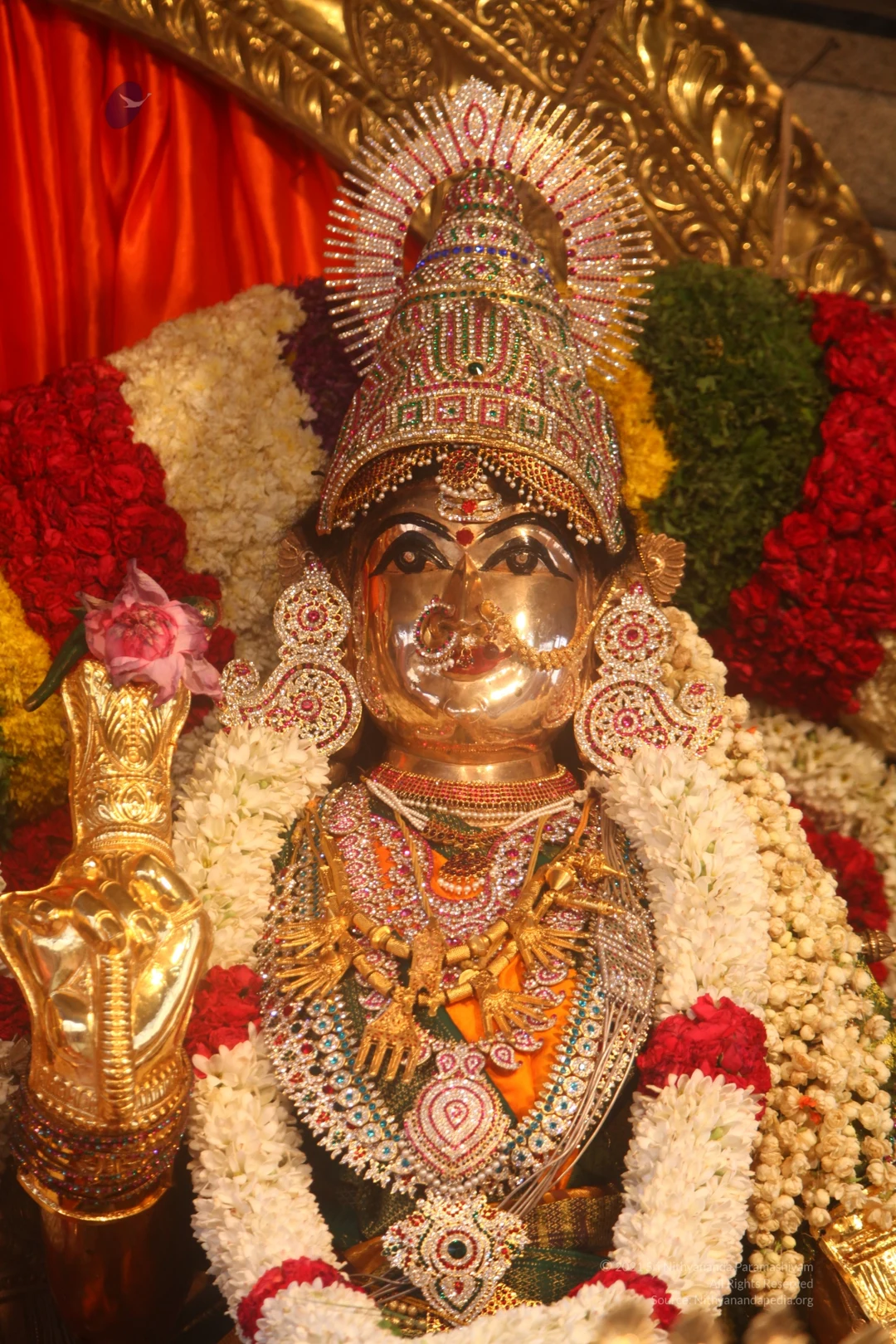
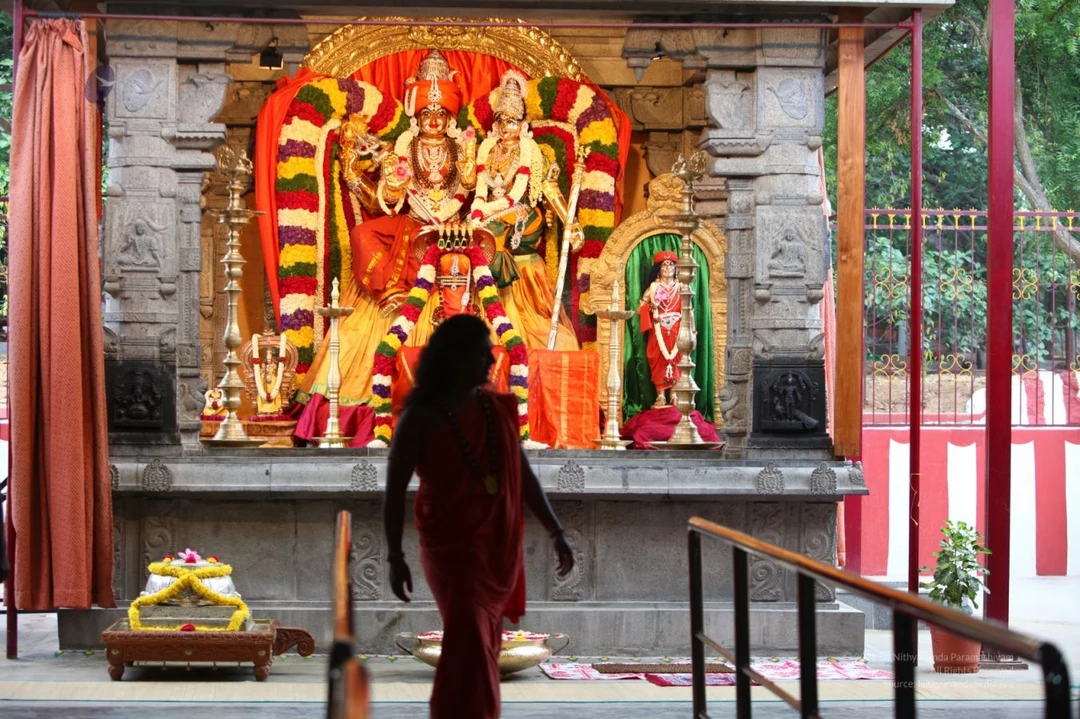
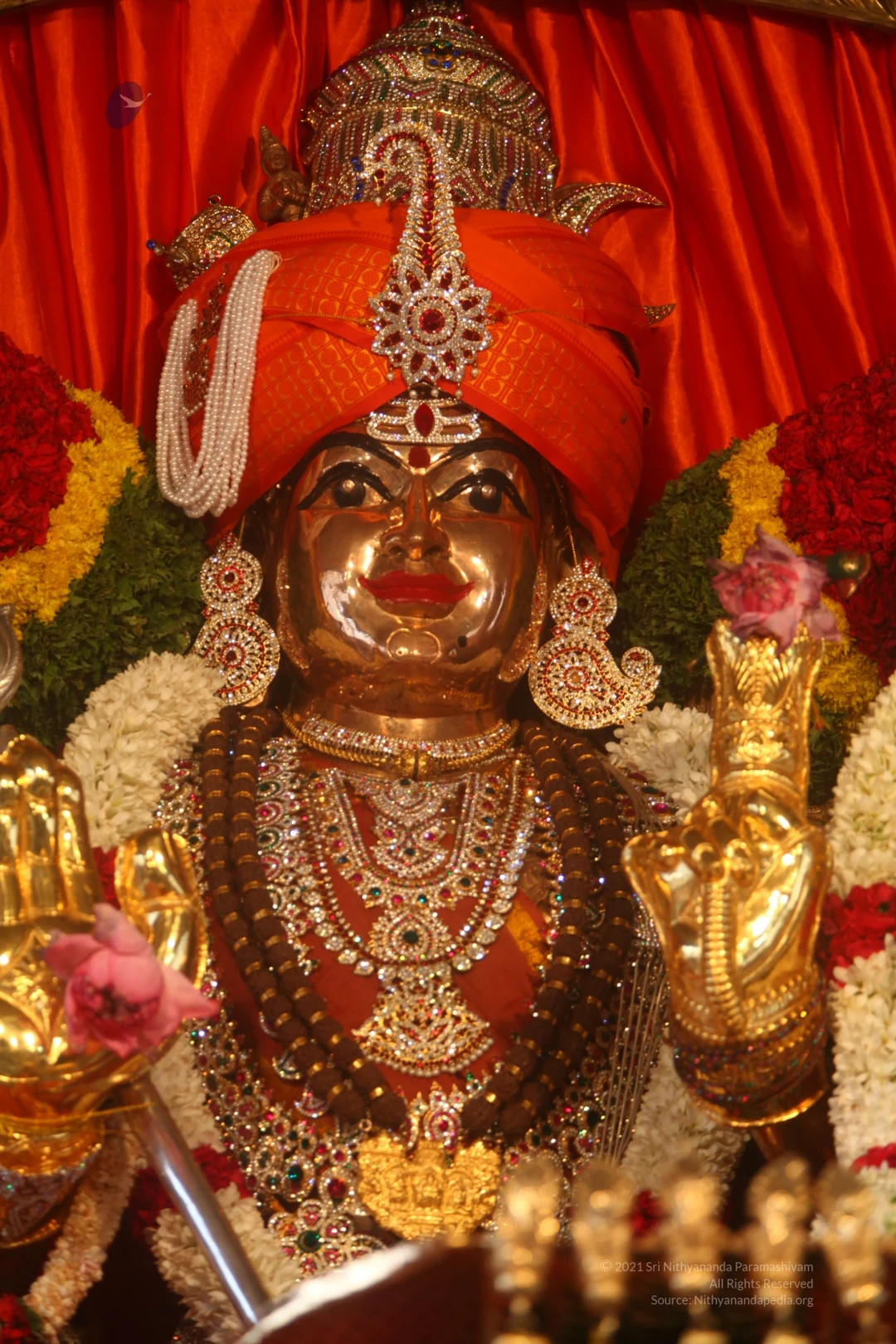
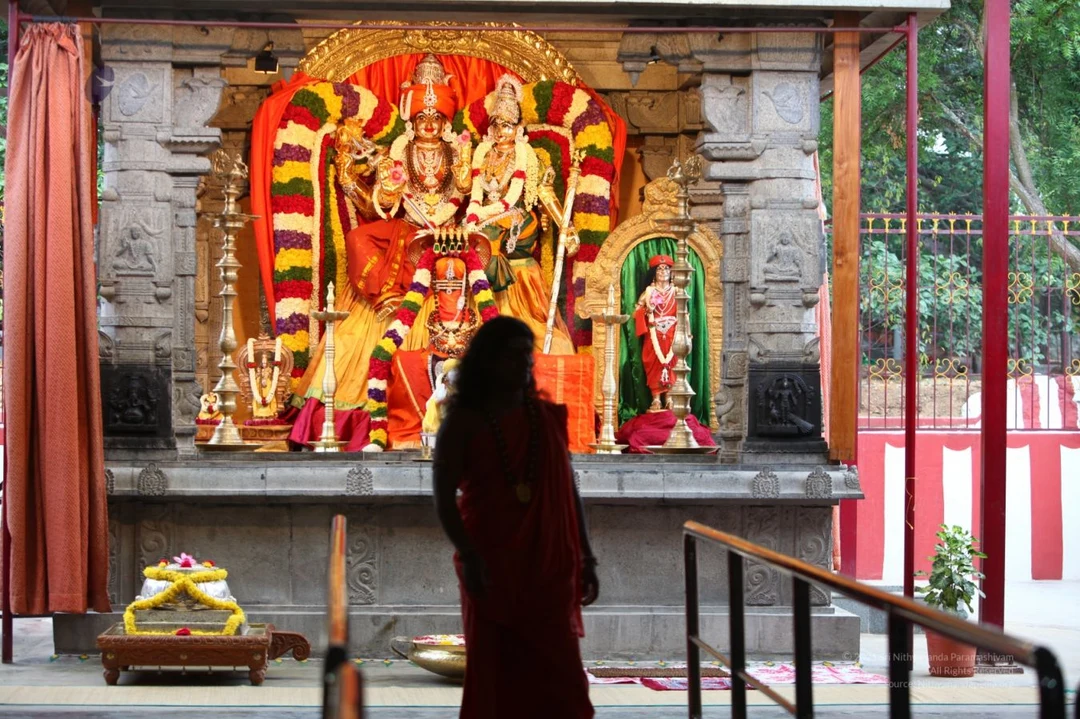
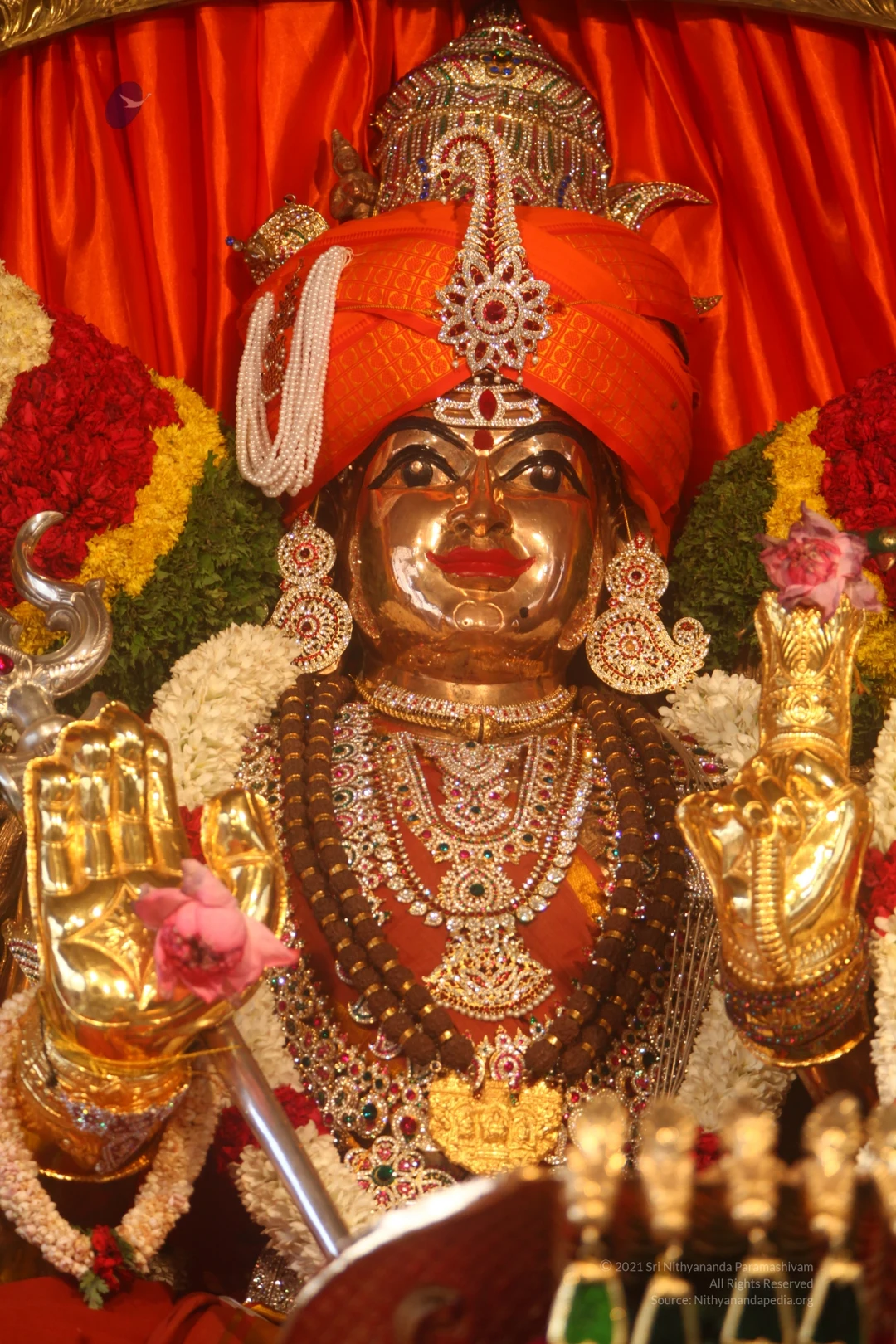
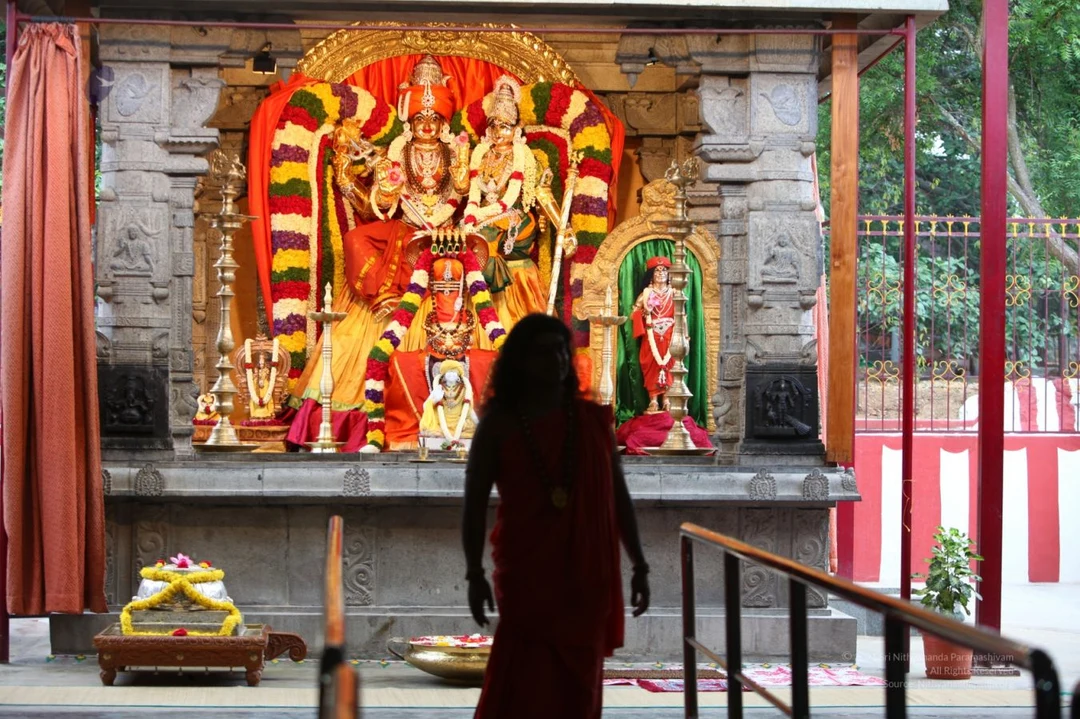
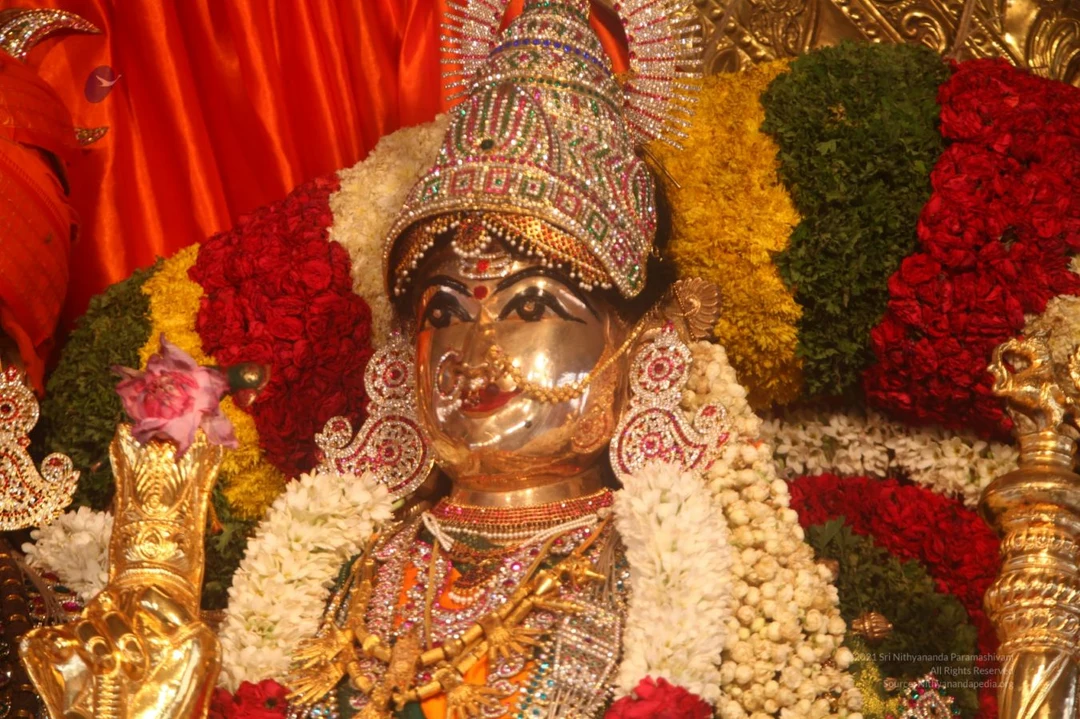
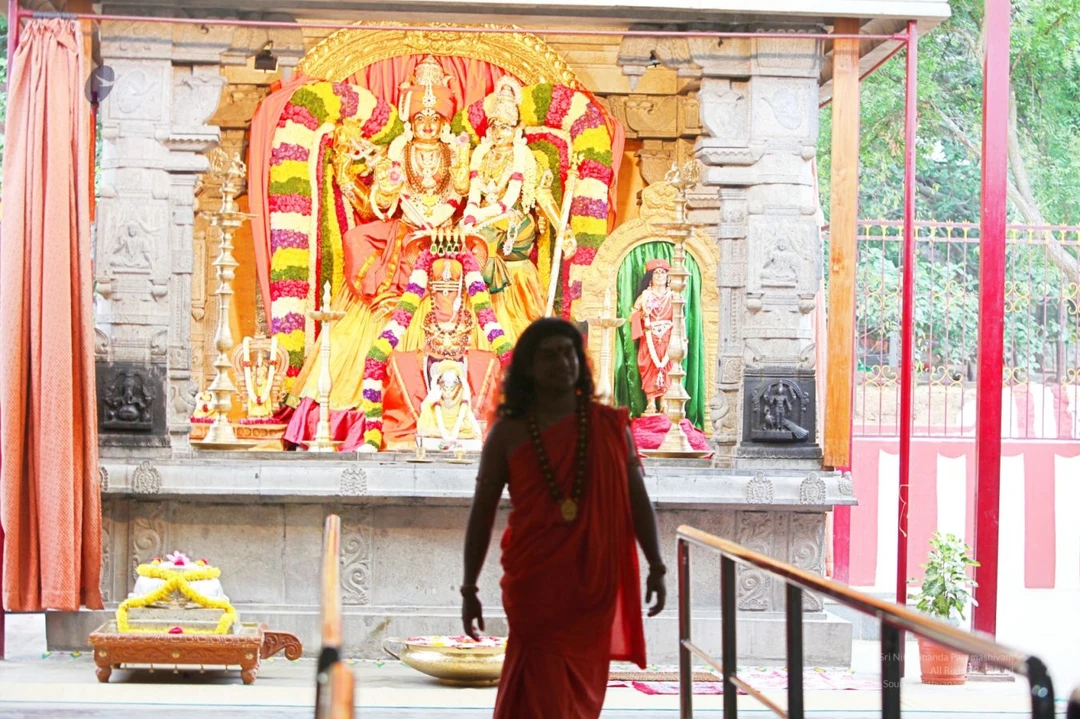
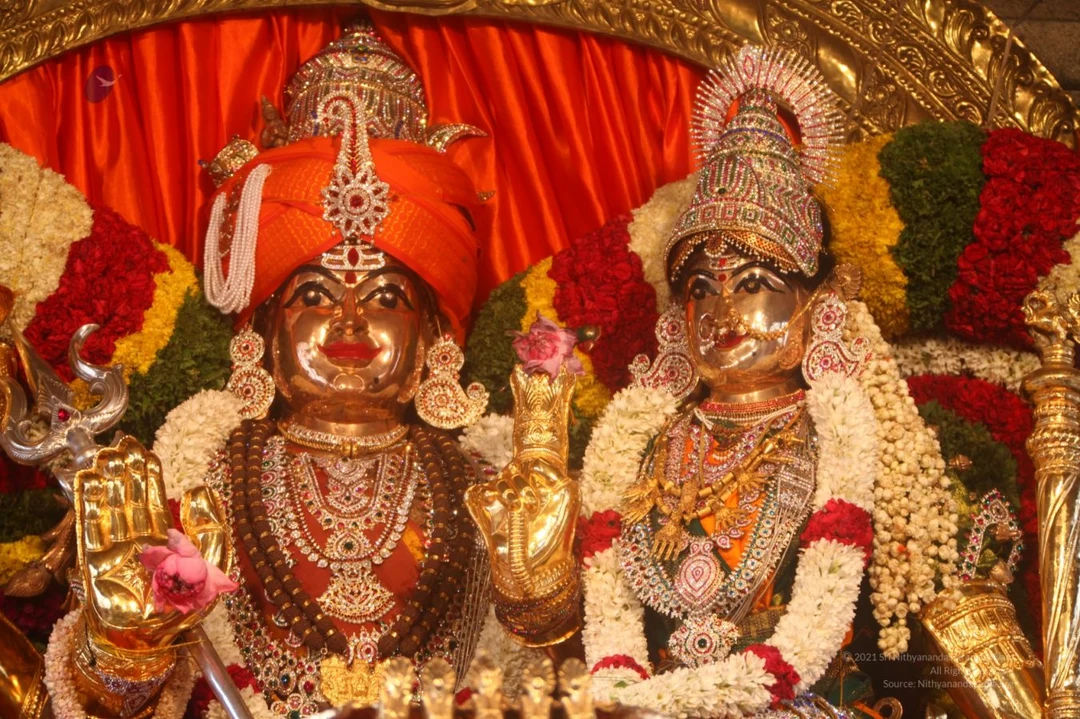
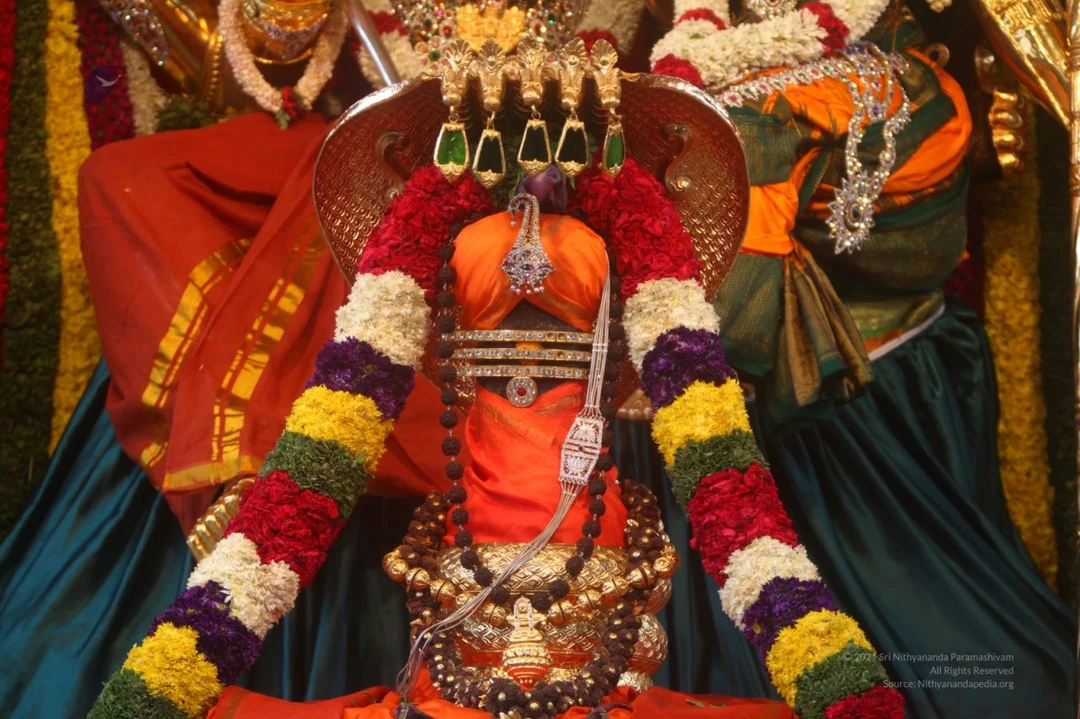
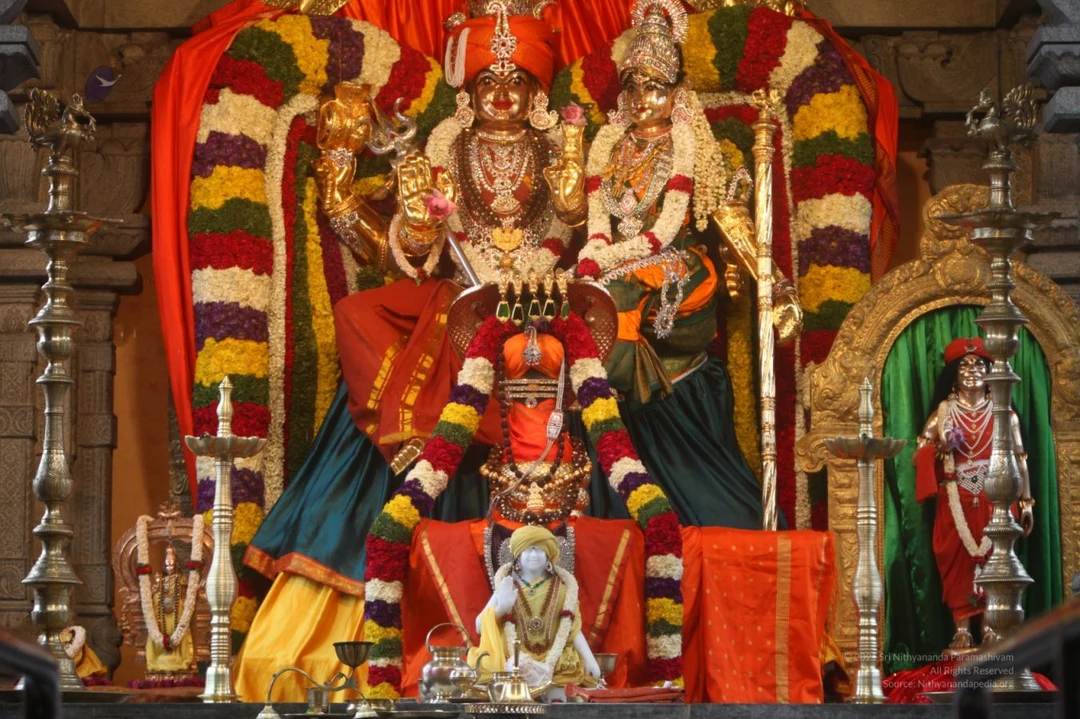
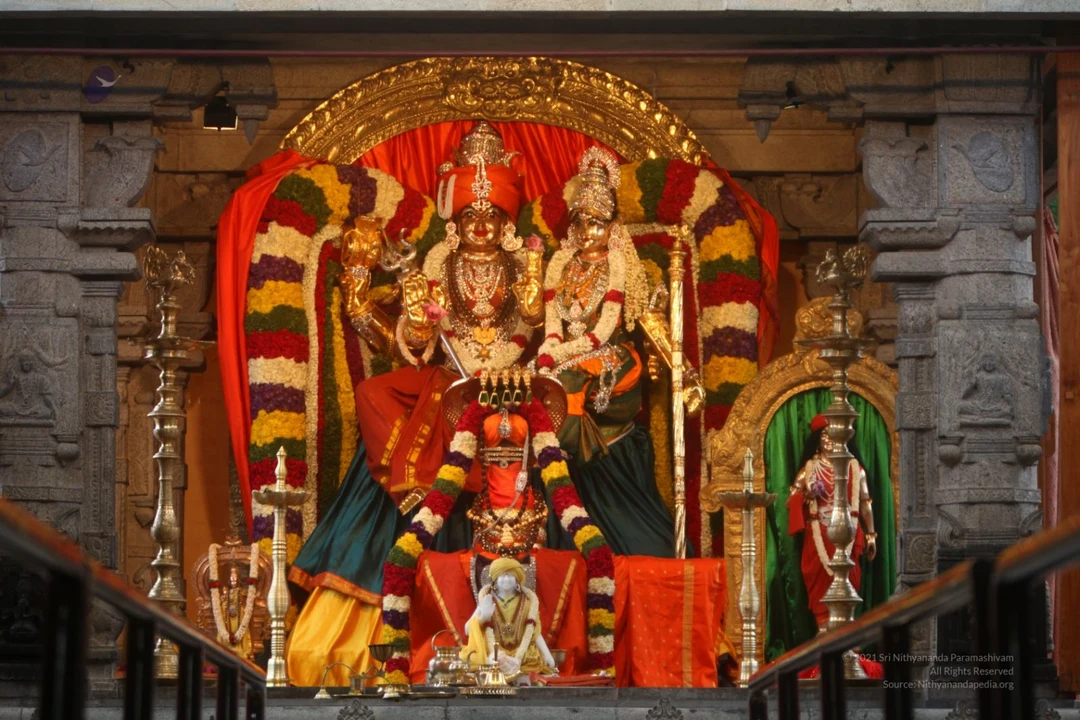
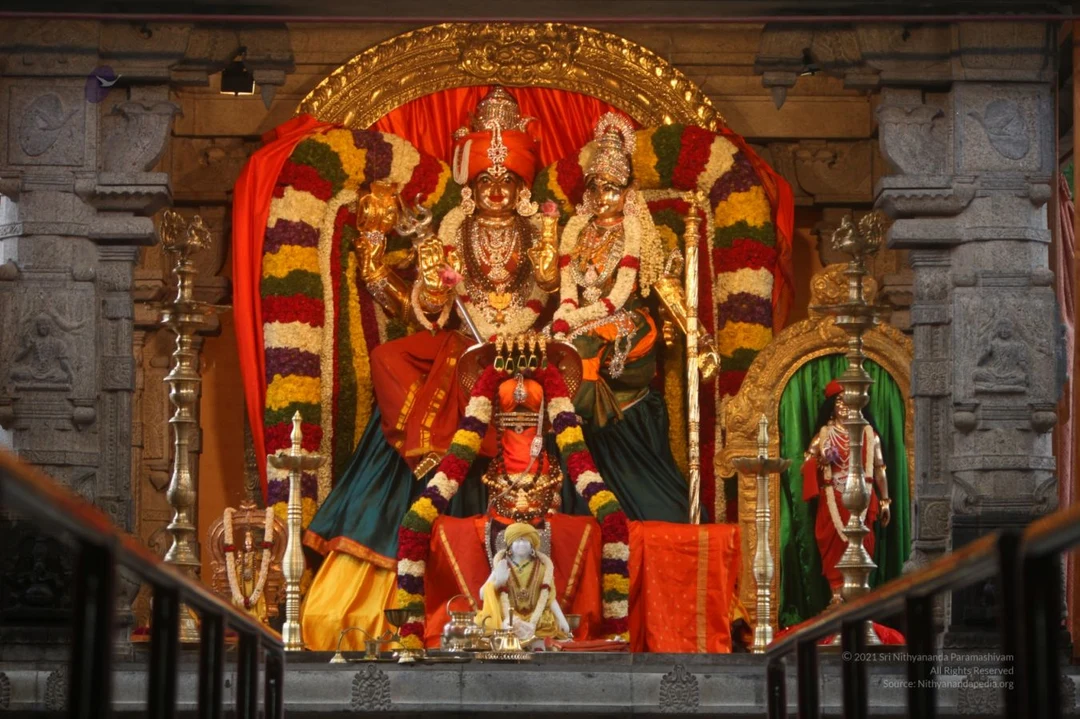
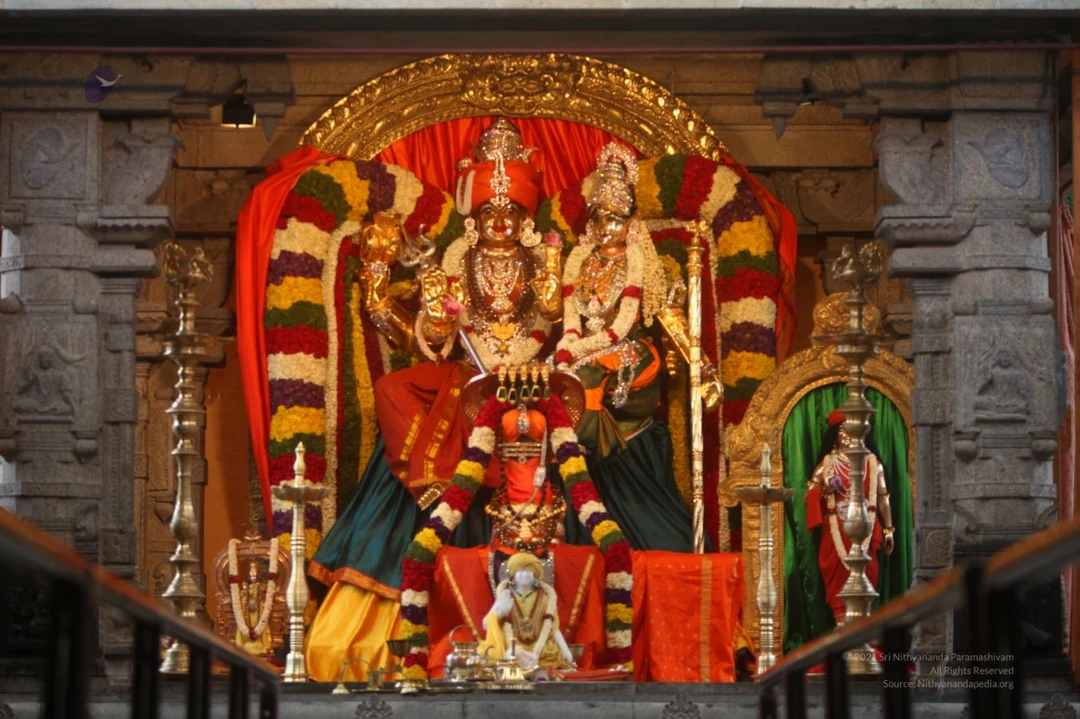
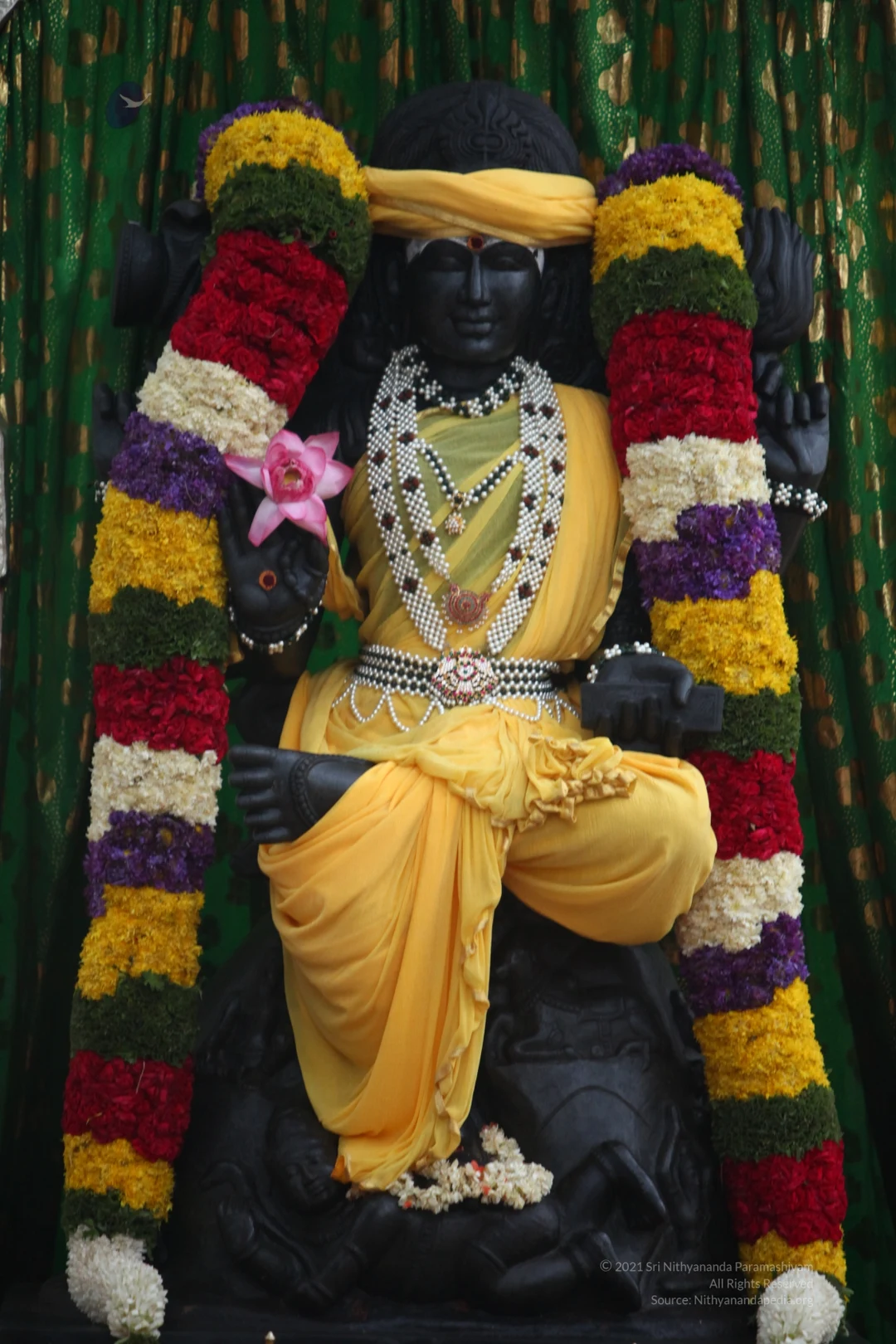
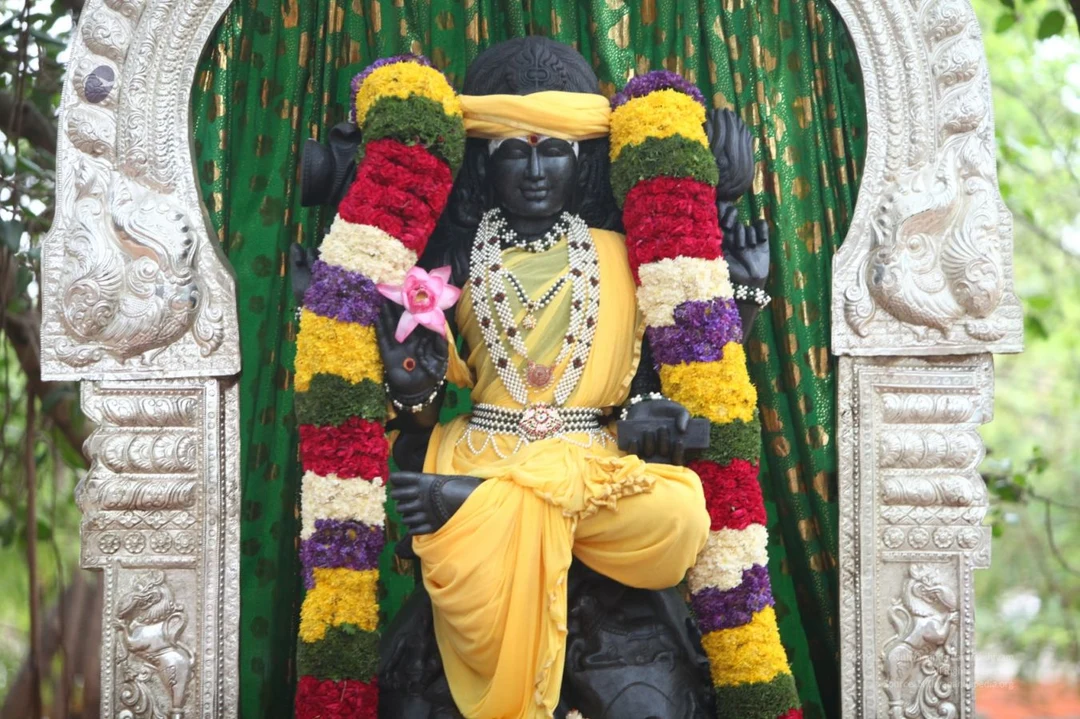
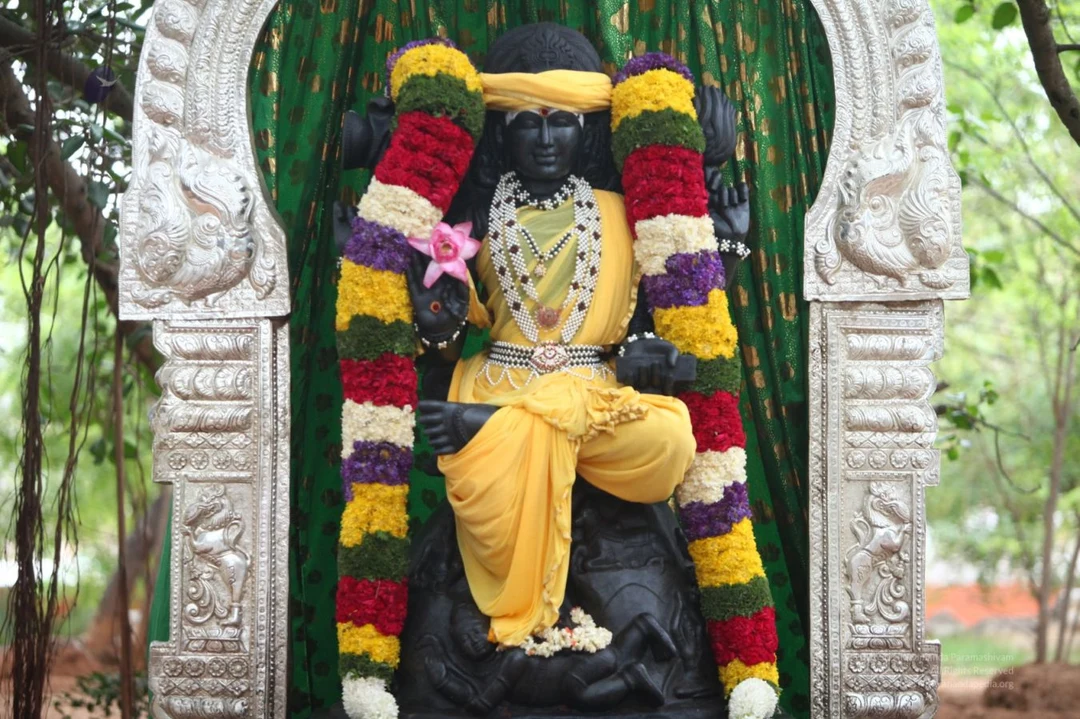
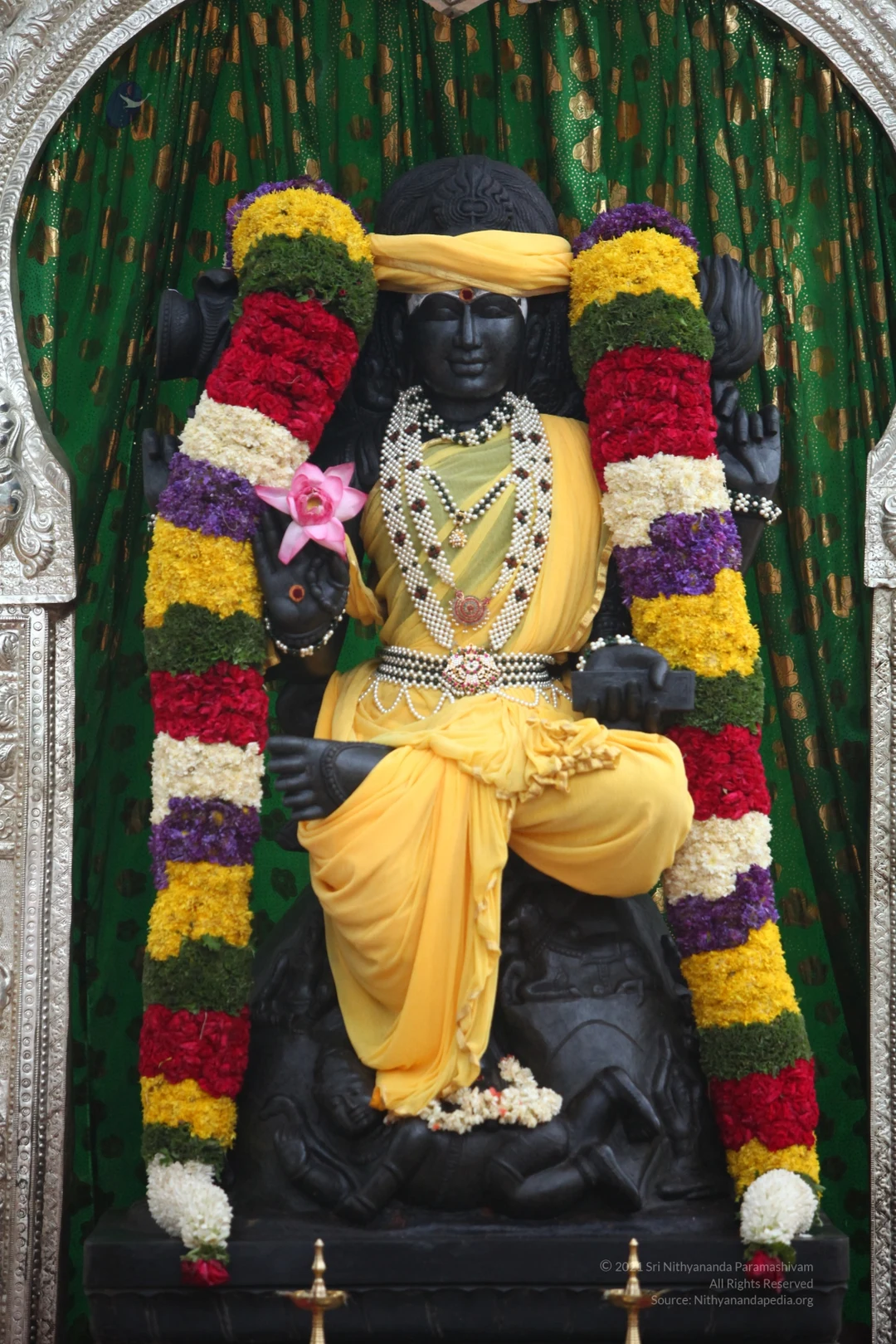
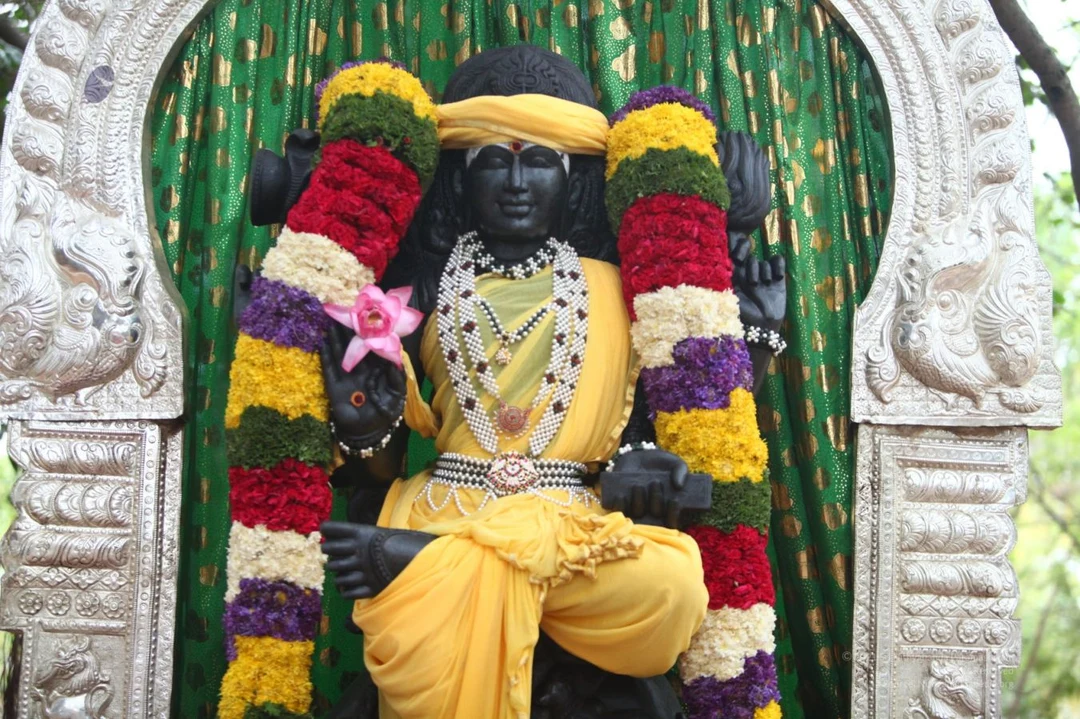
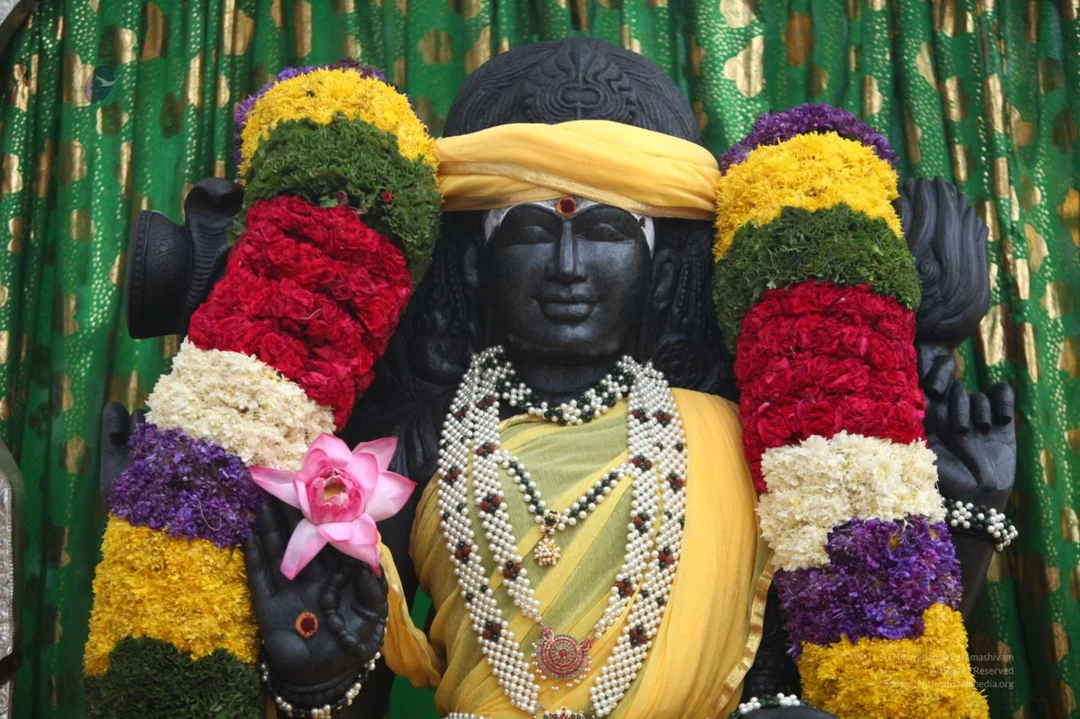
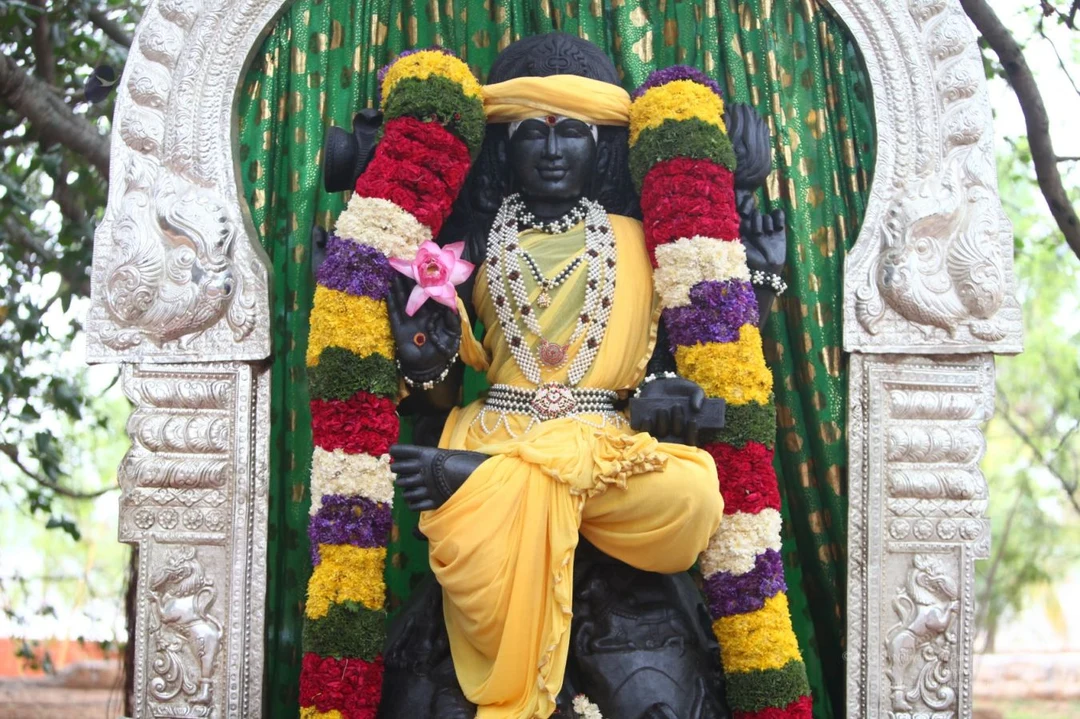
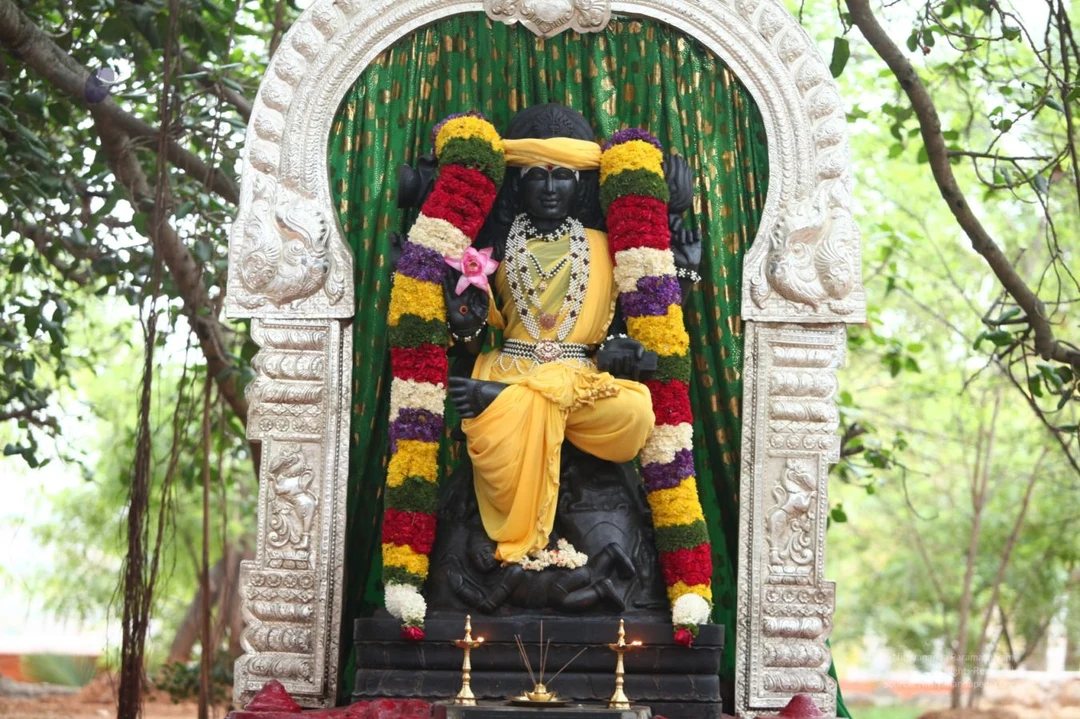
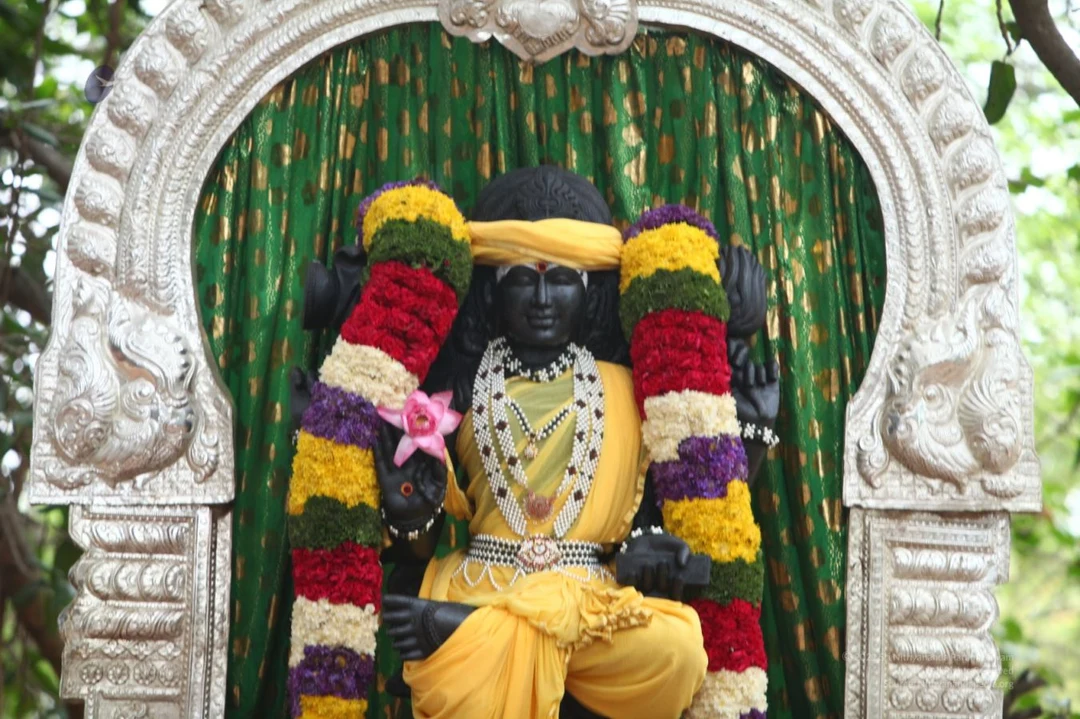
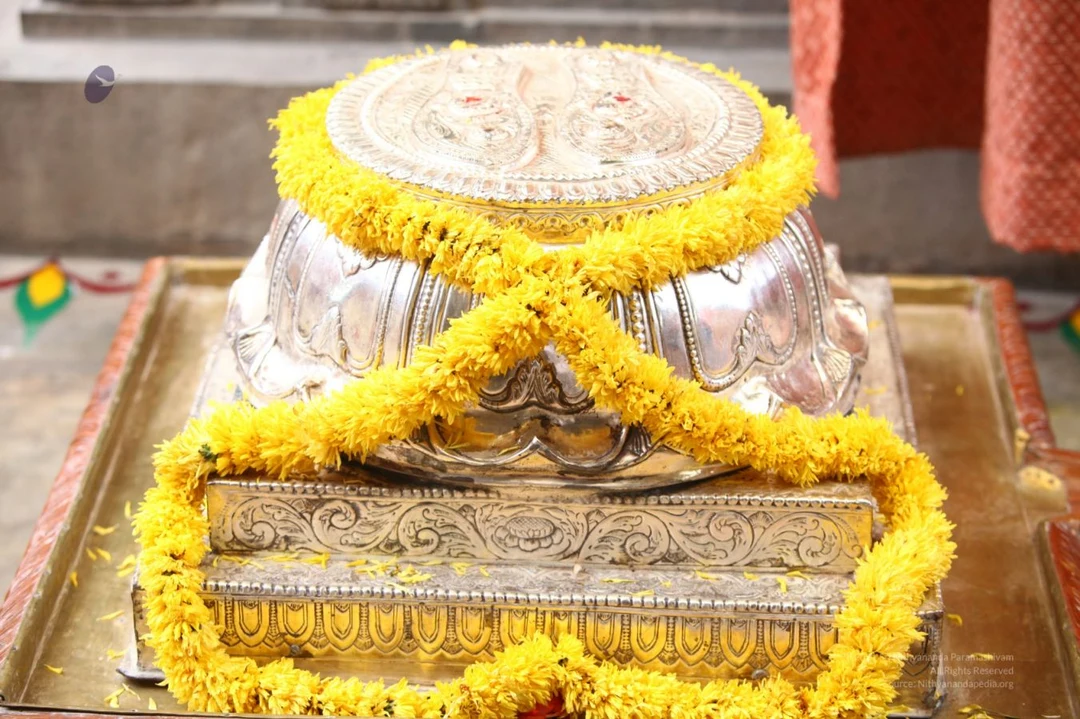
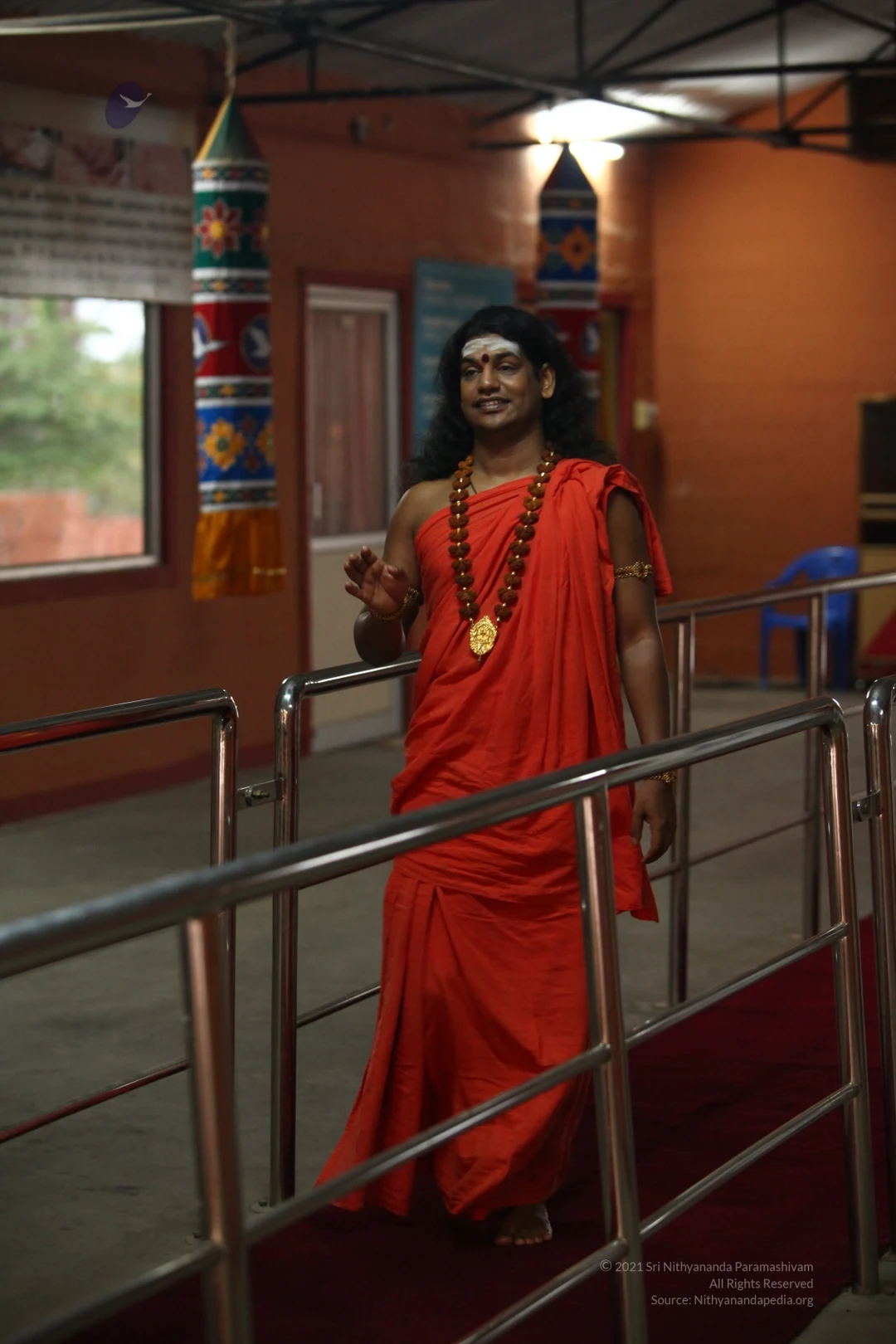
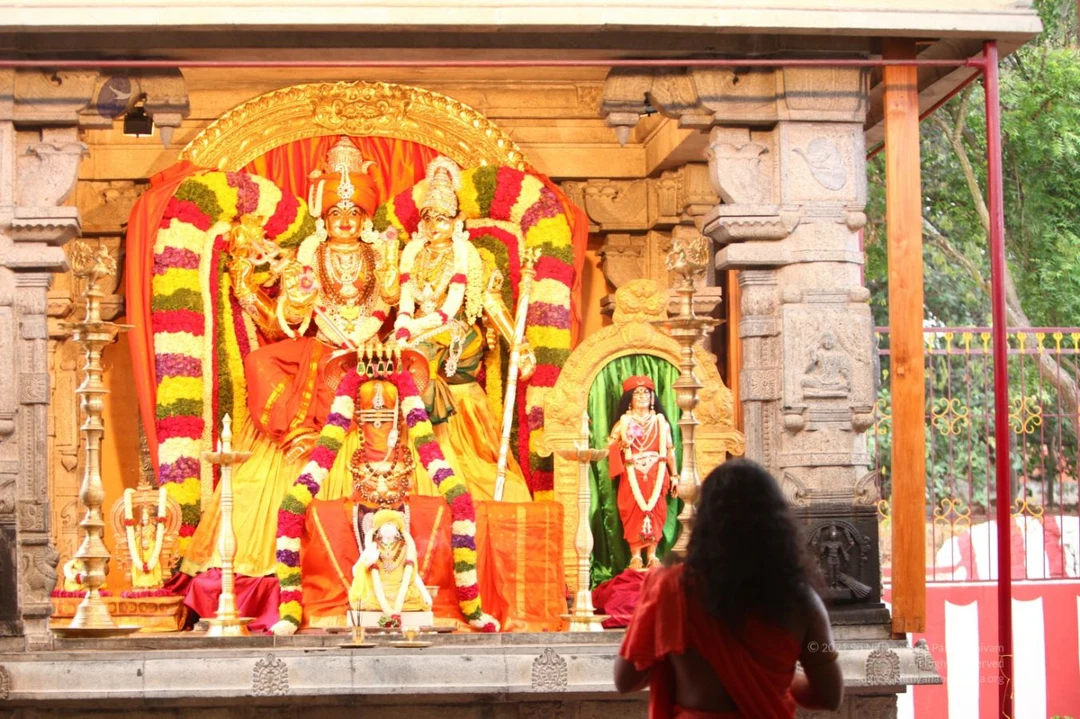
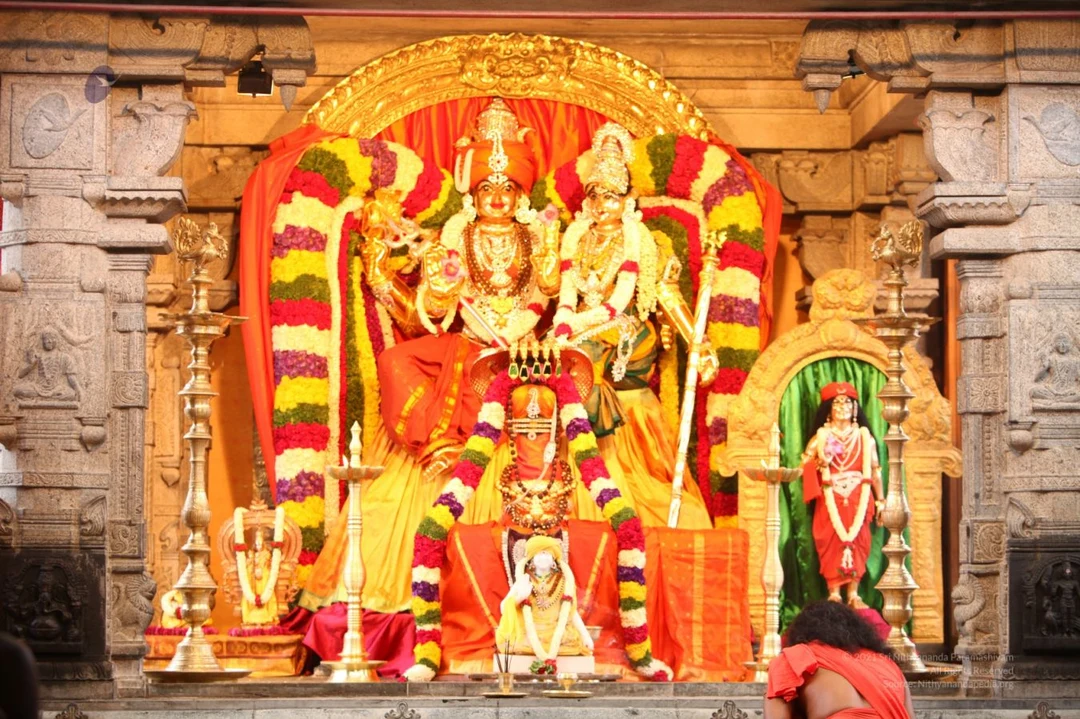
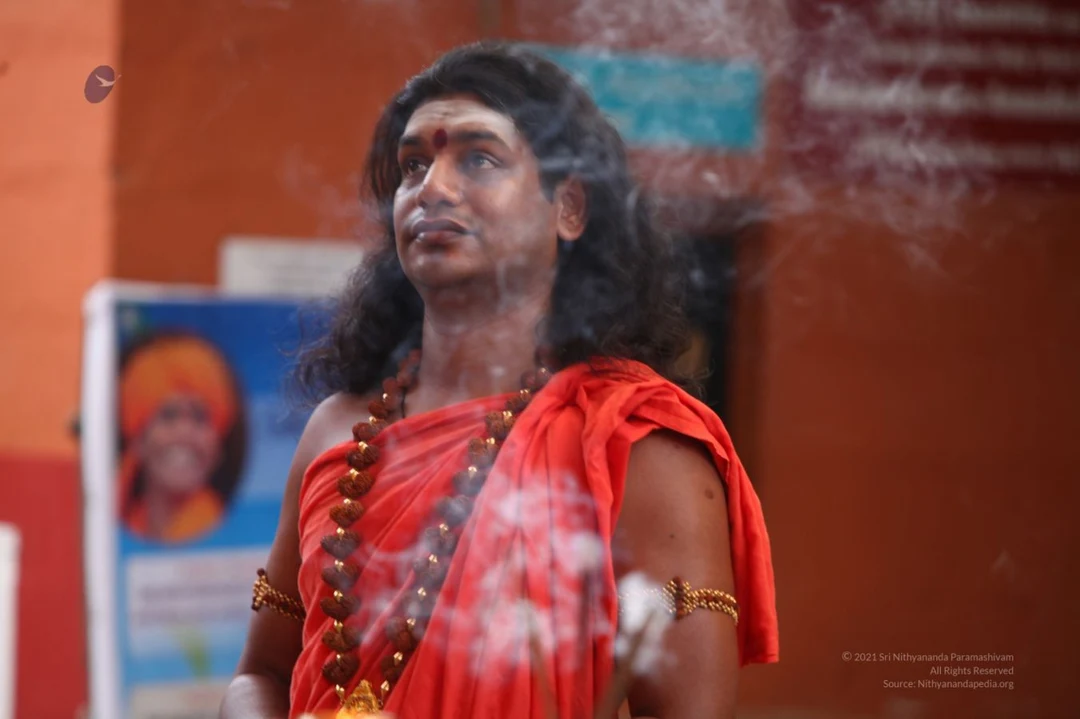
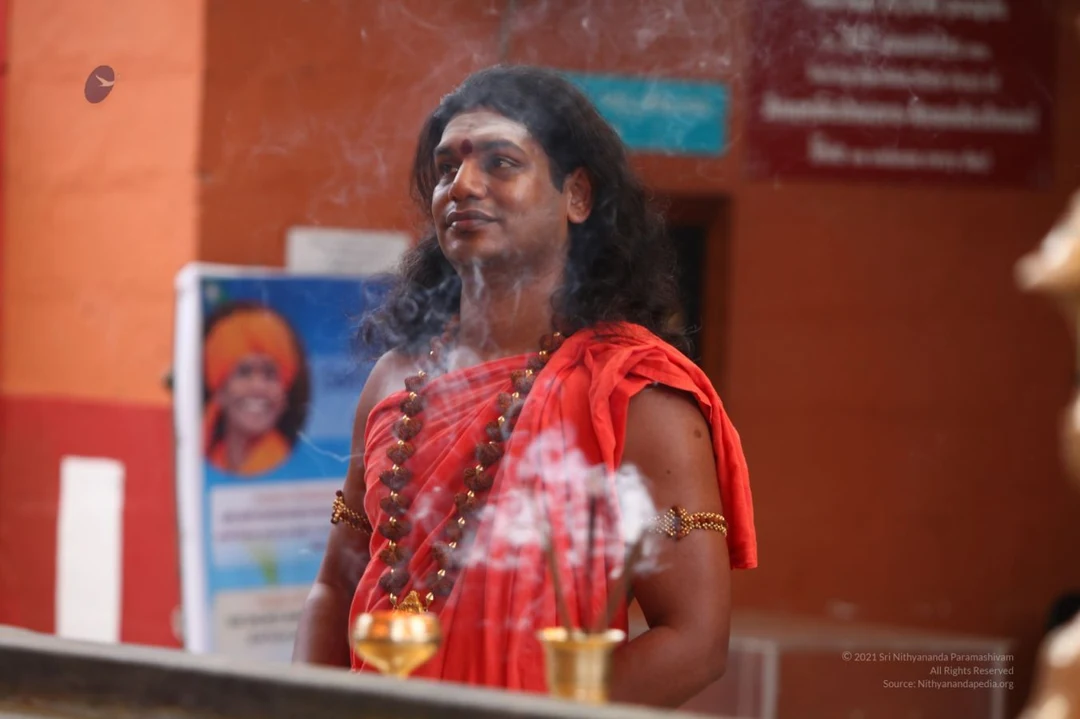
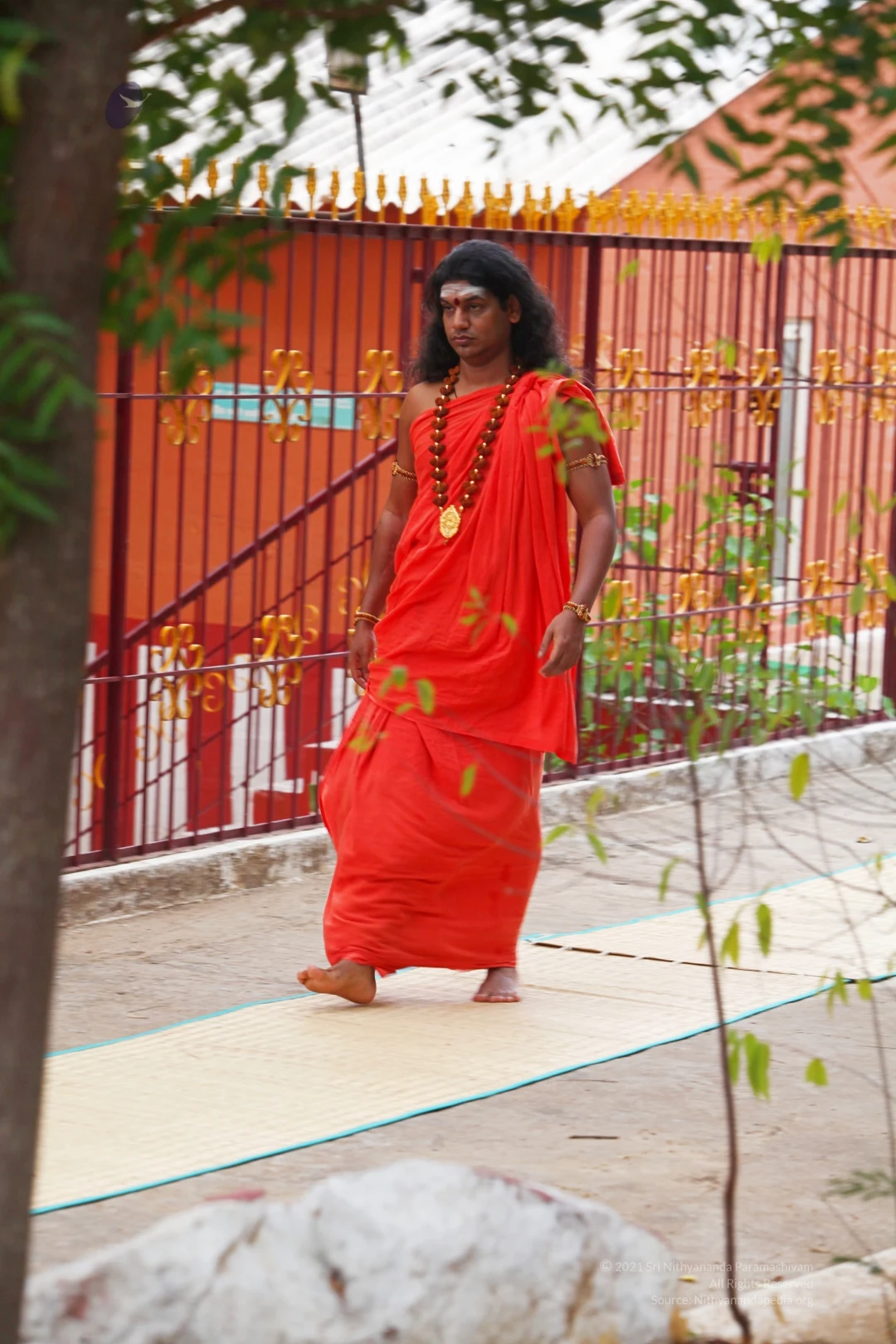
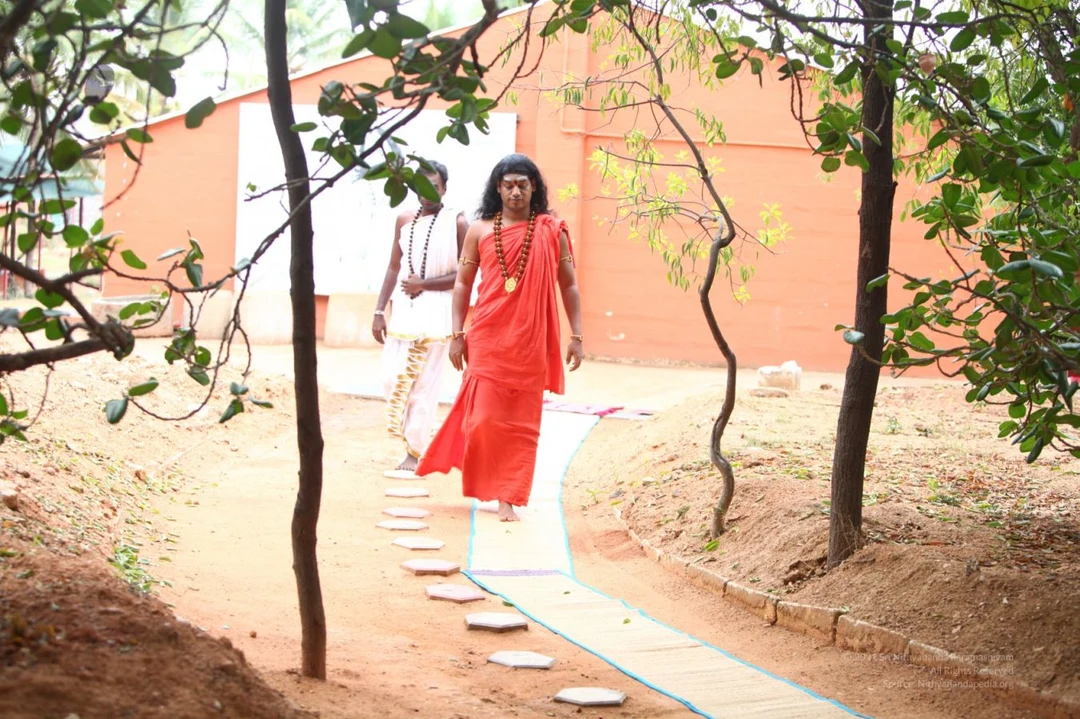
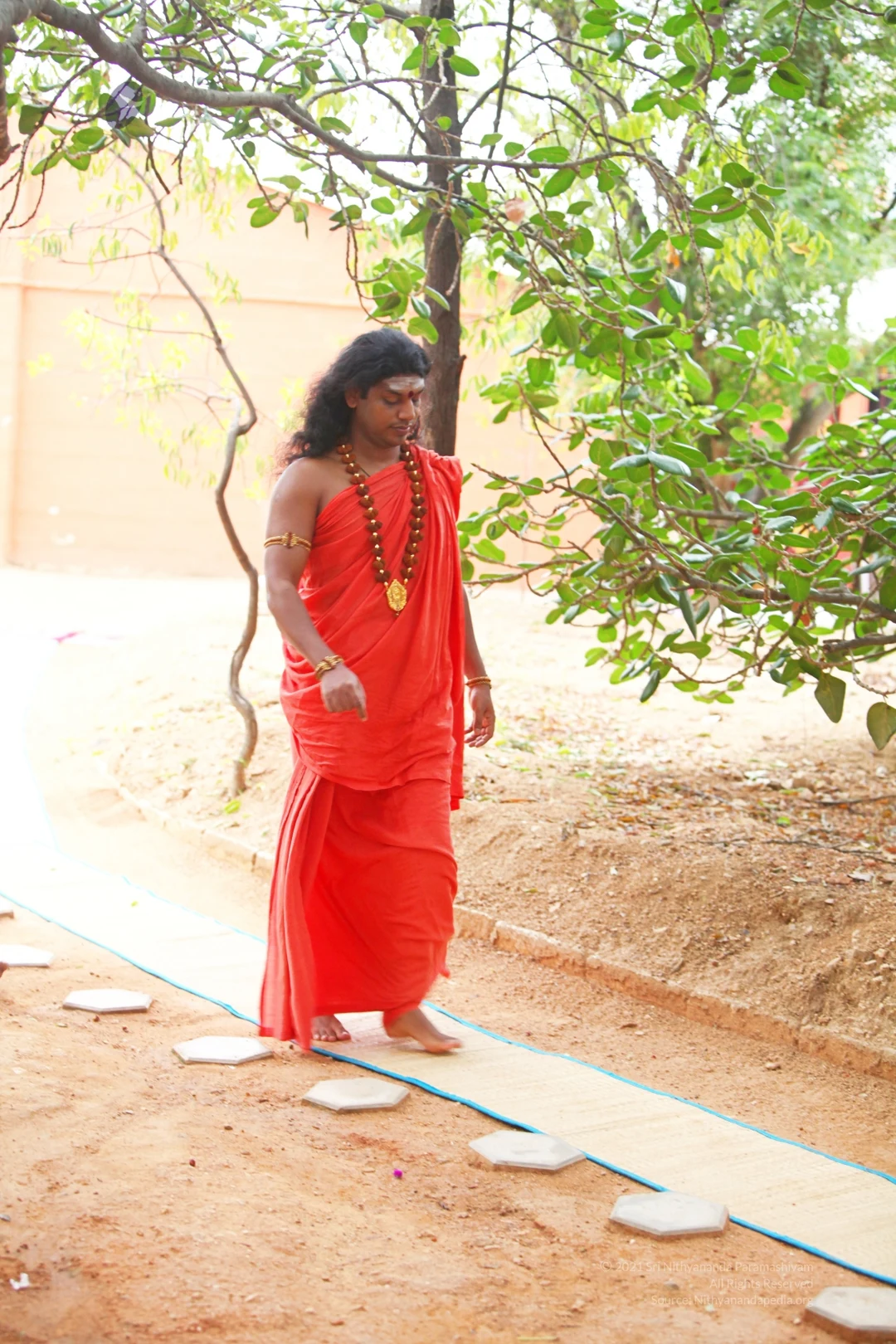
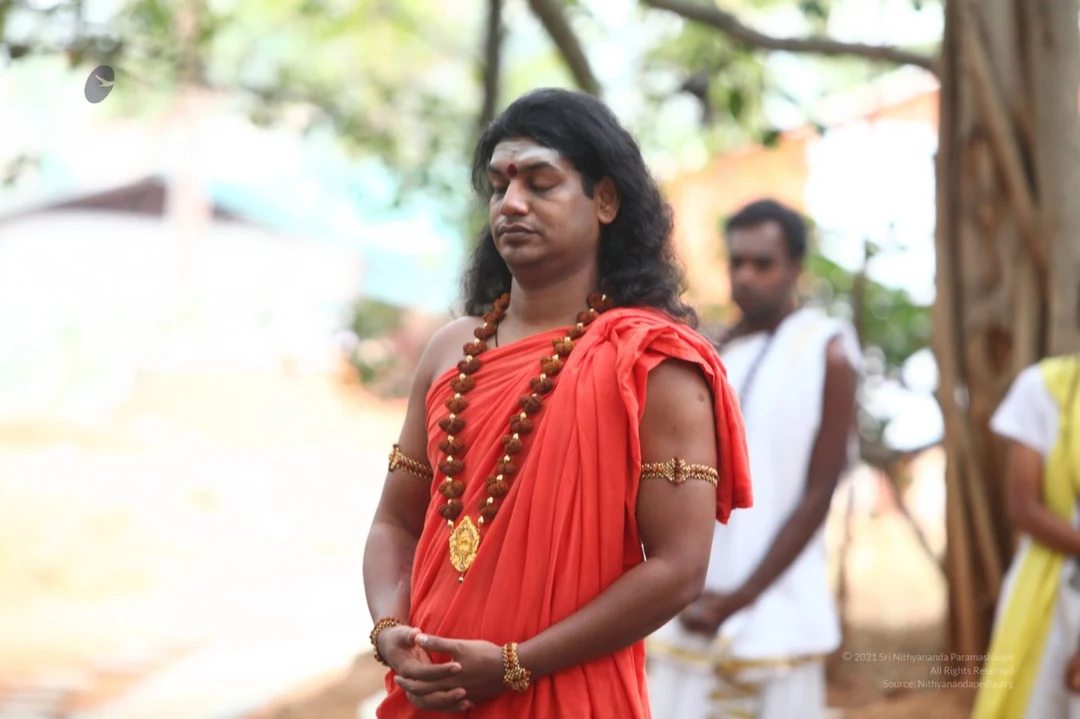
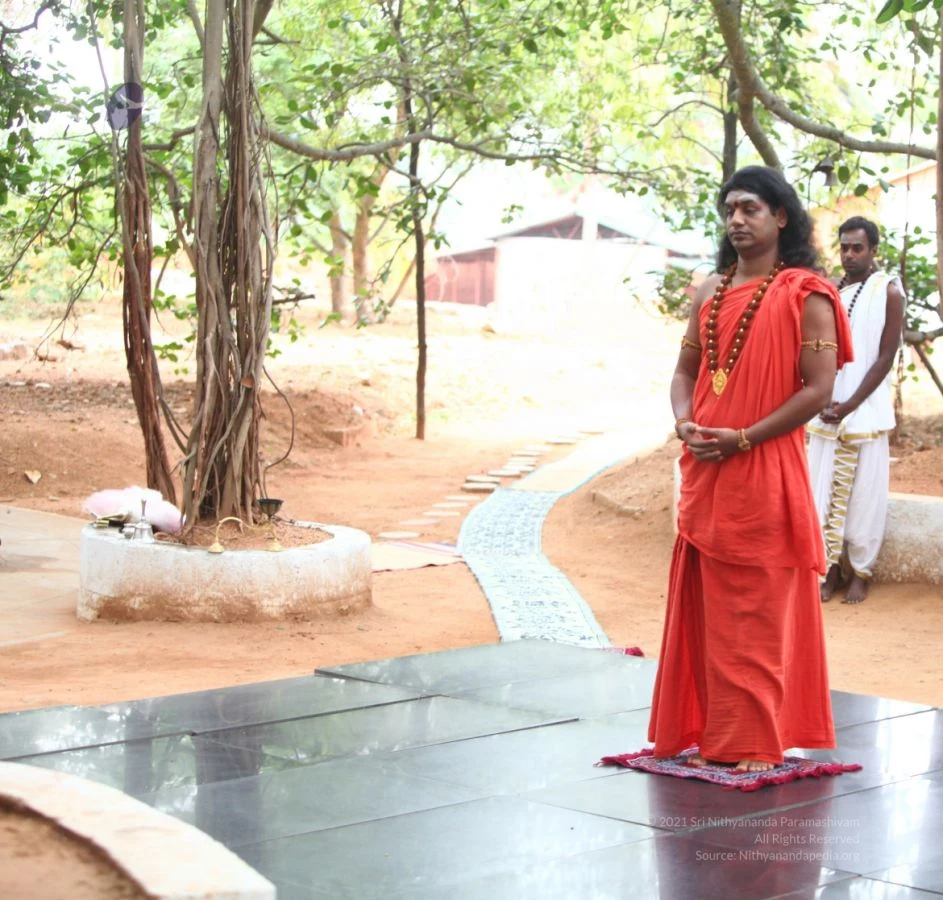
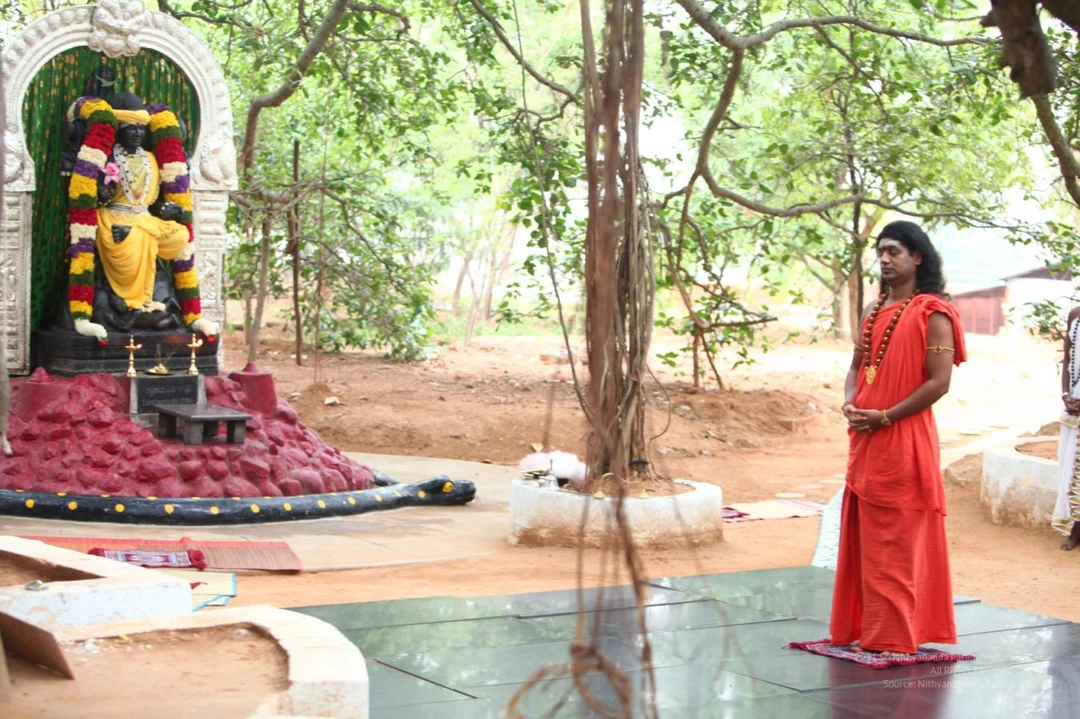
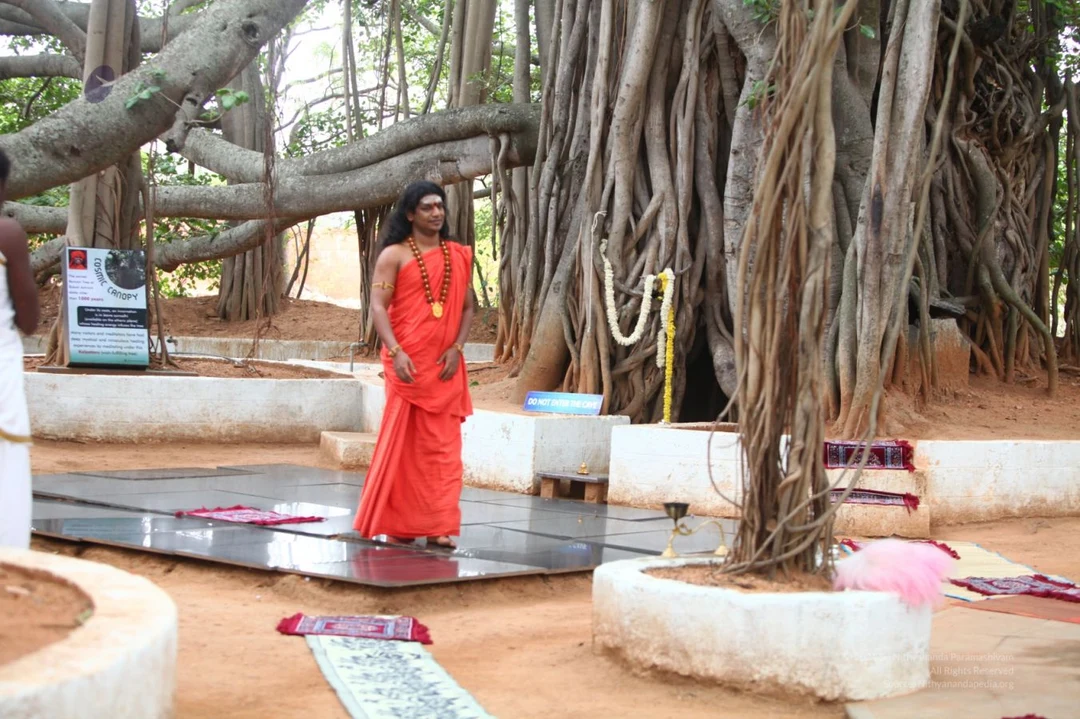
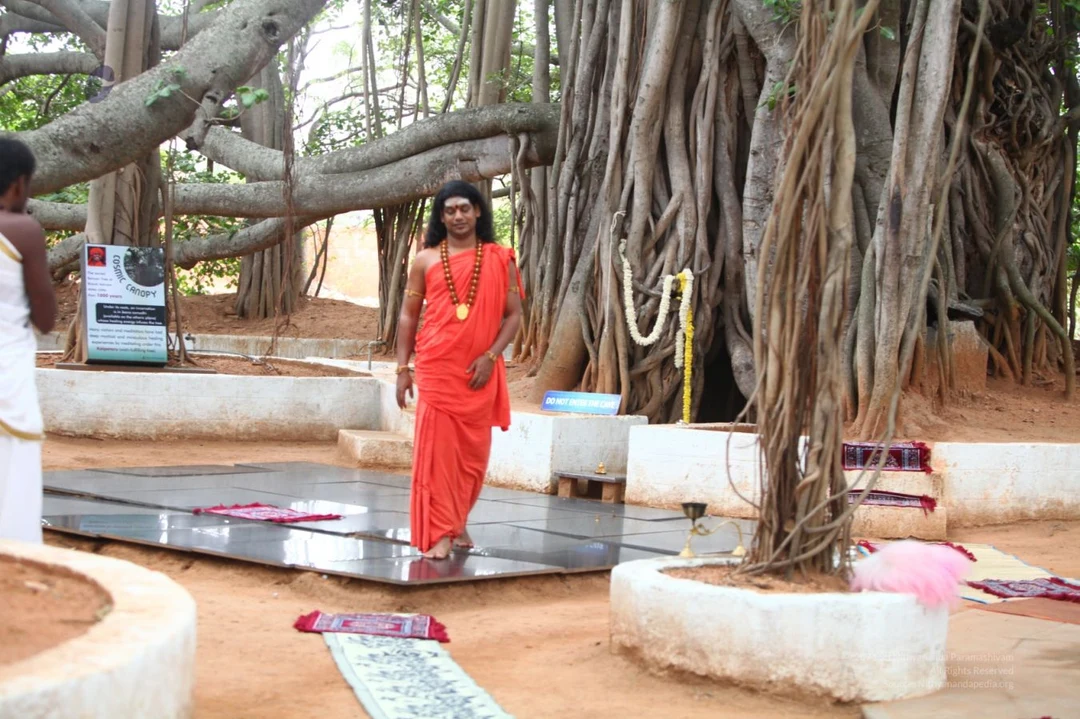
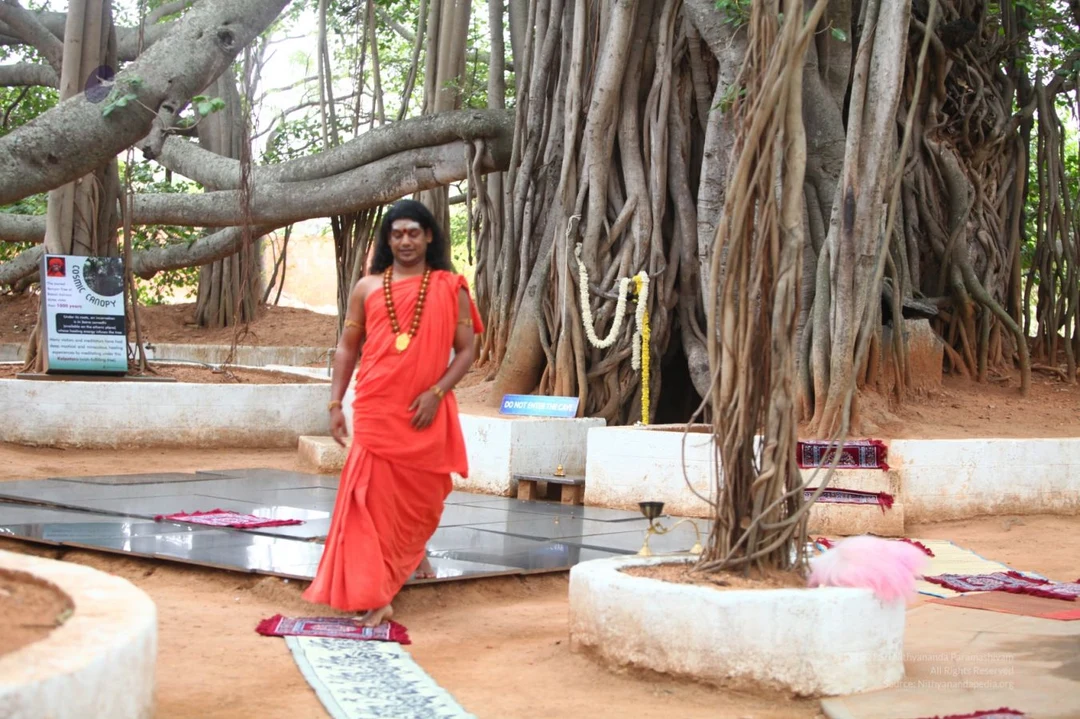
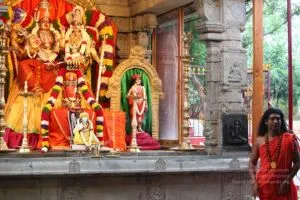
Temple Visit
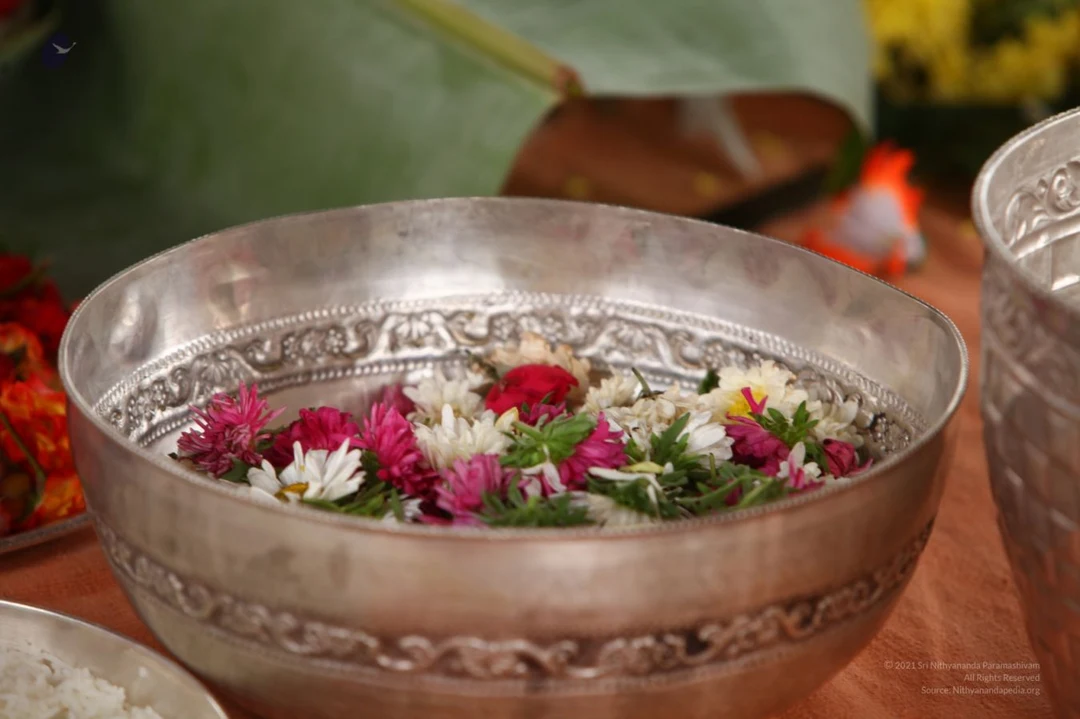
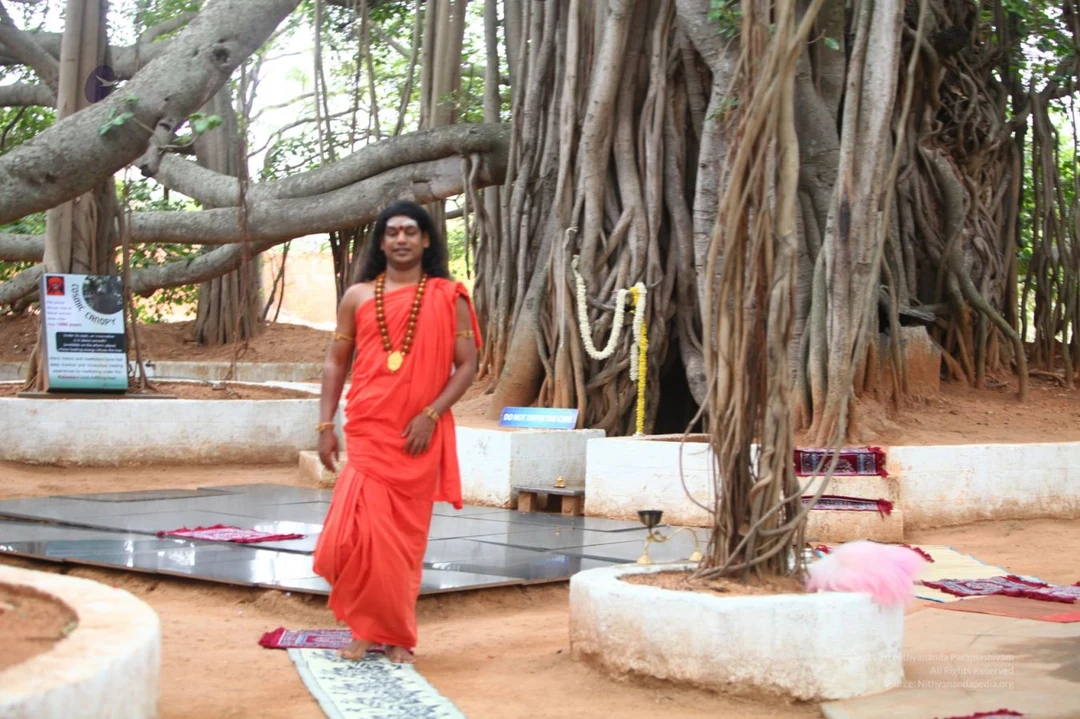
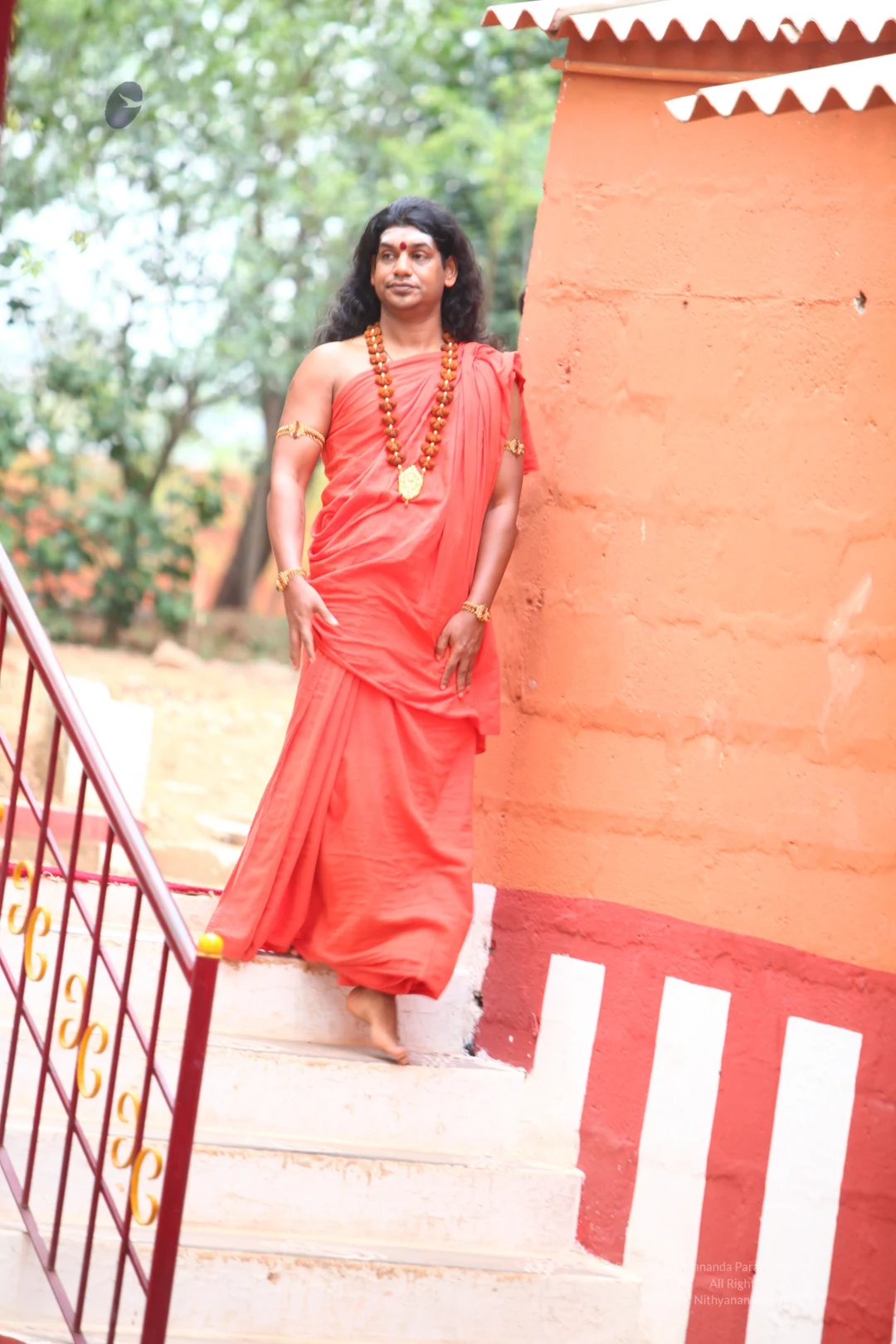
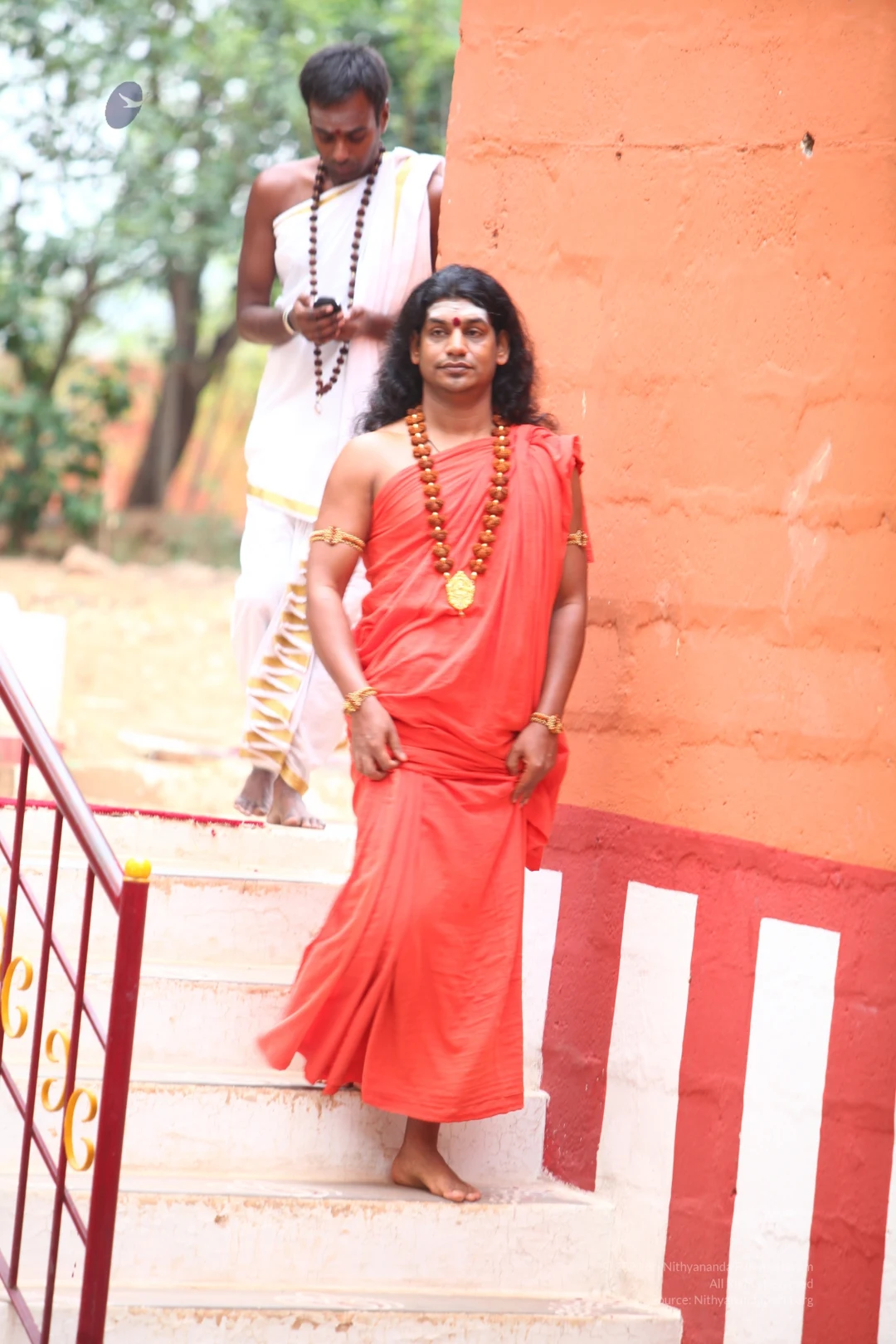
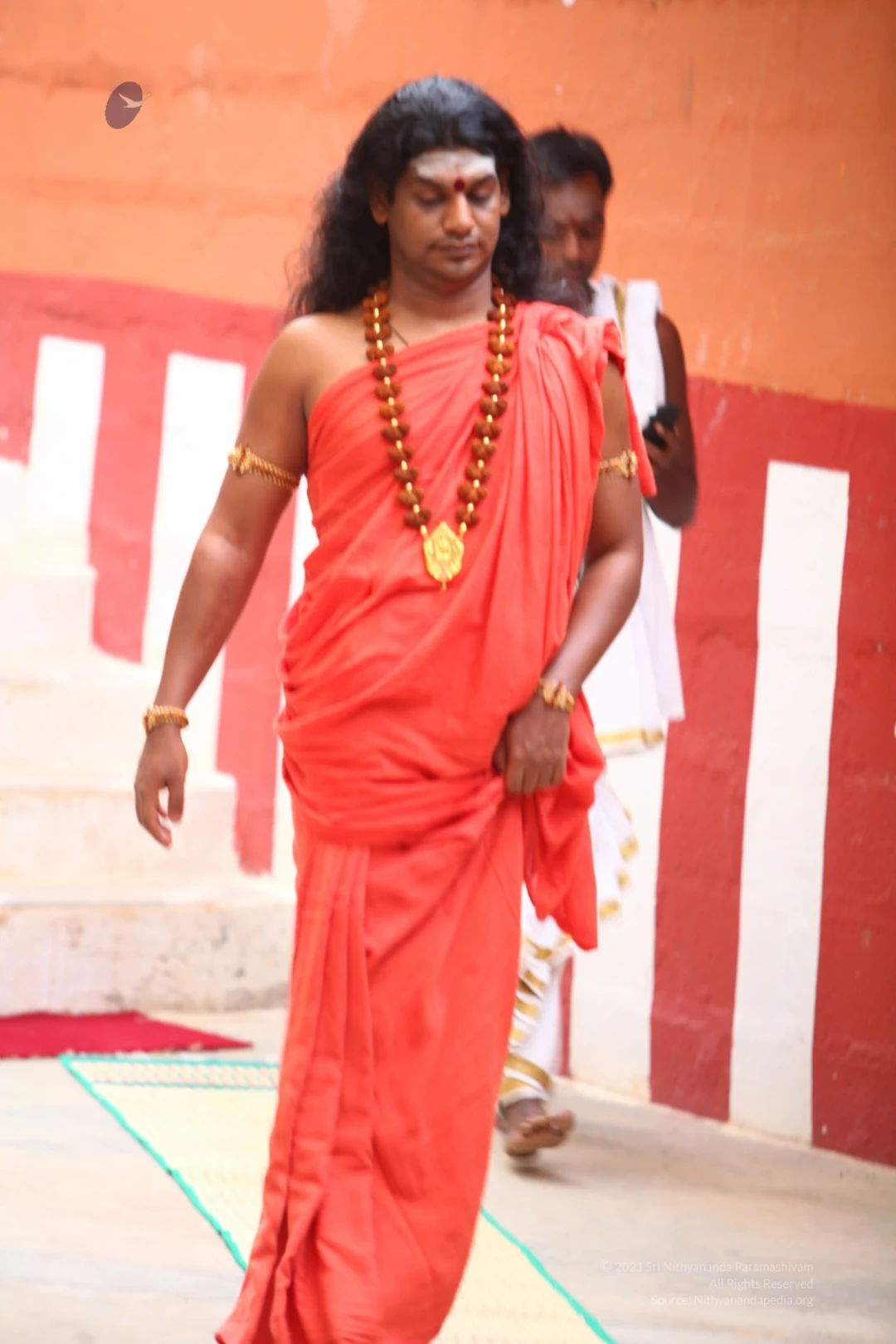
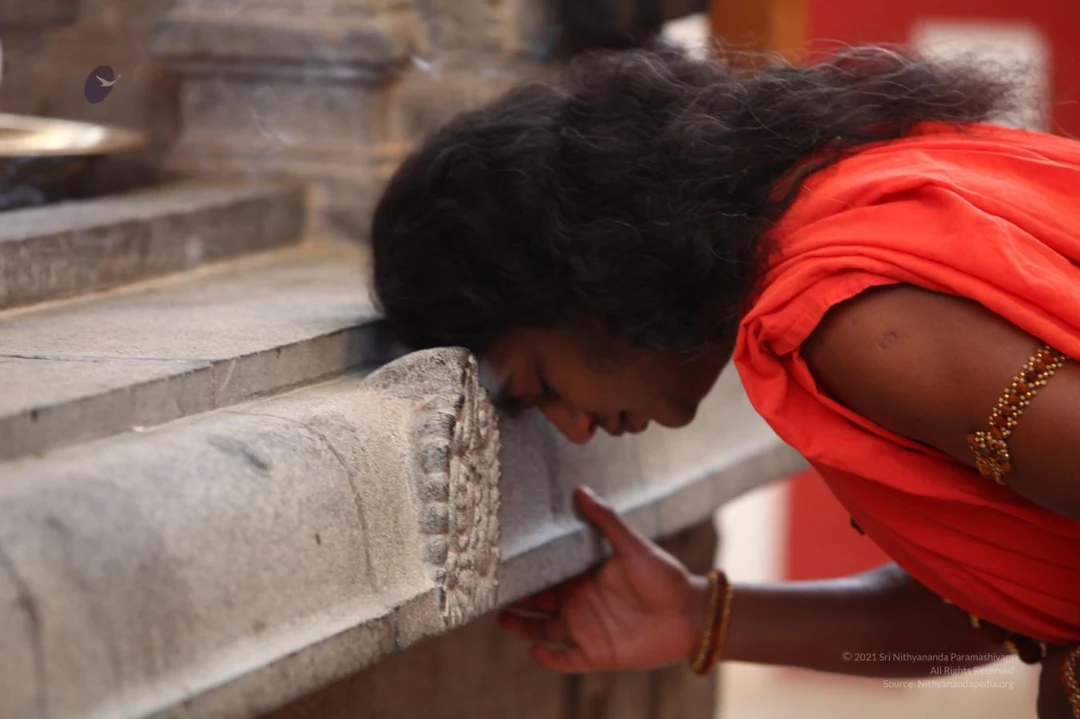
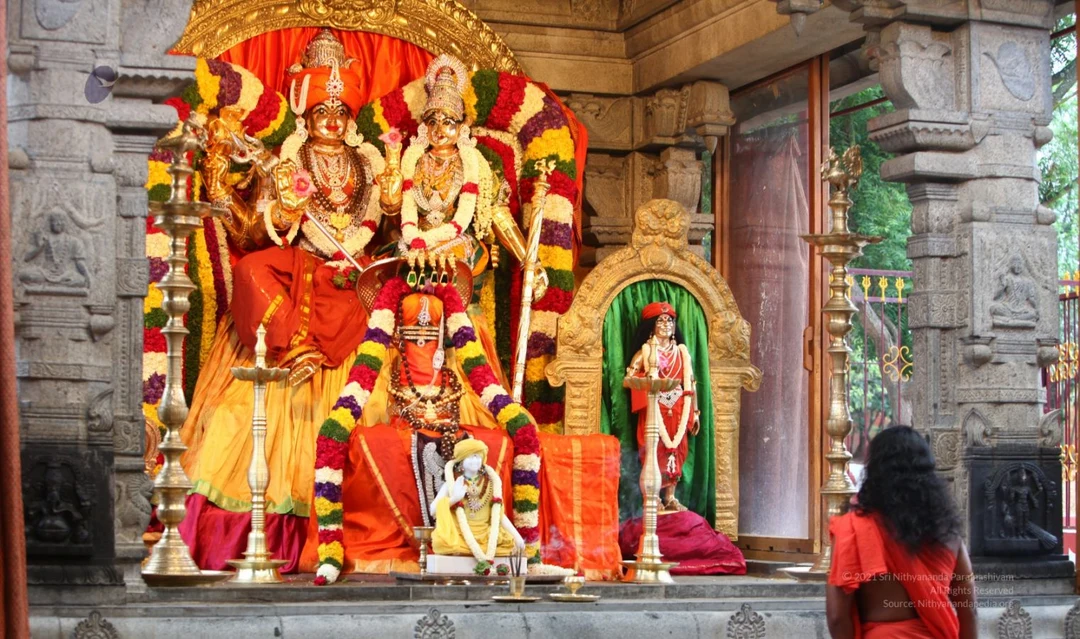
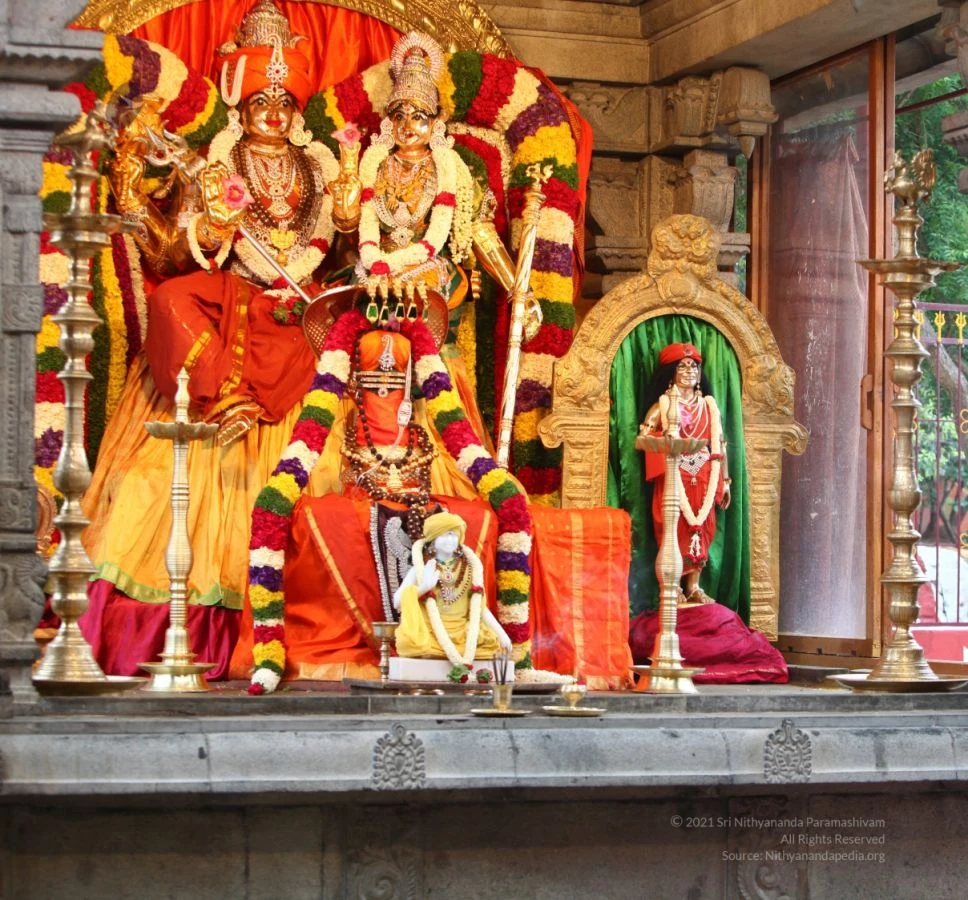
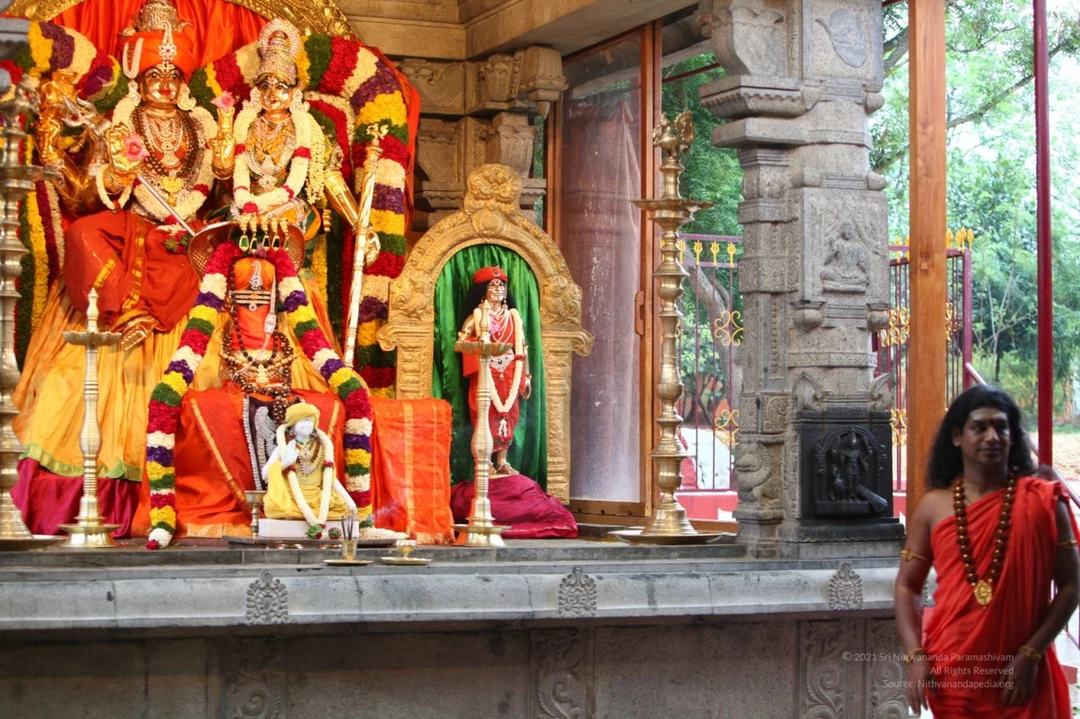
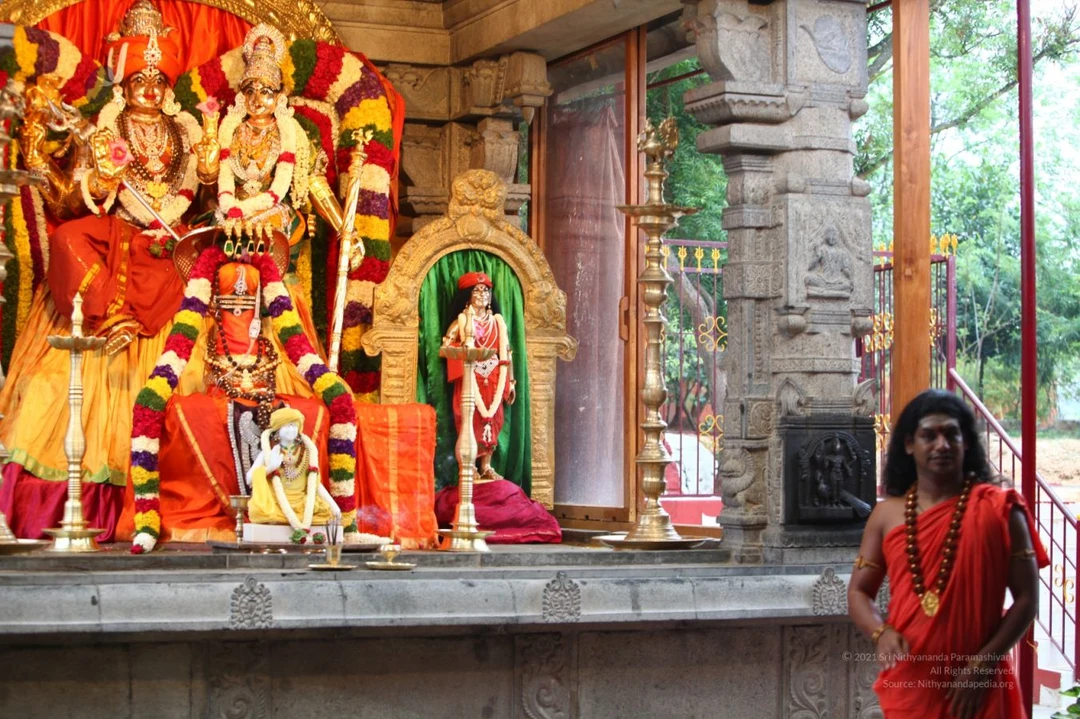
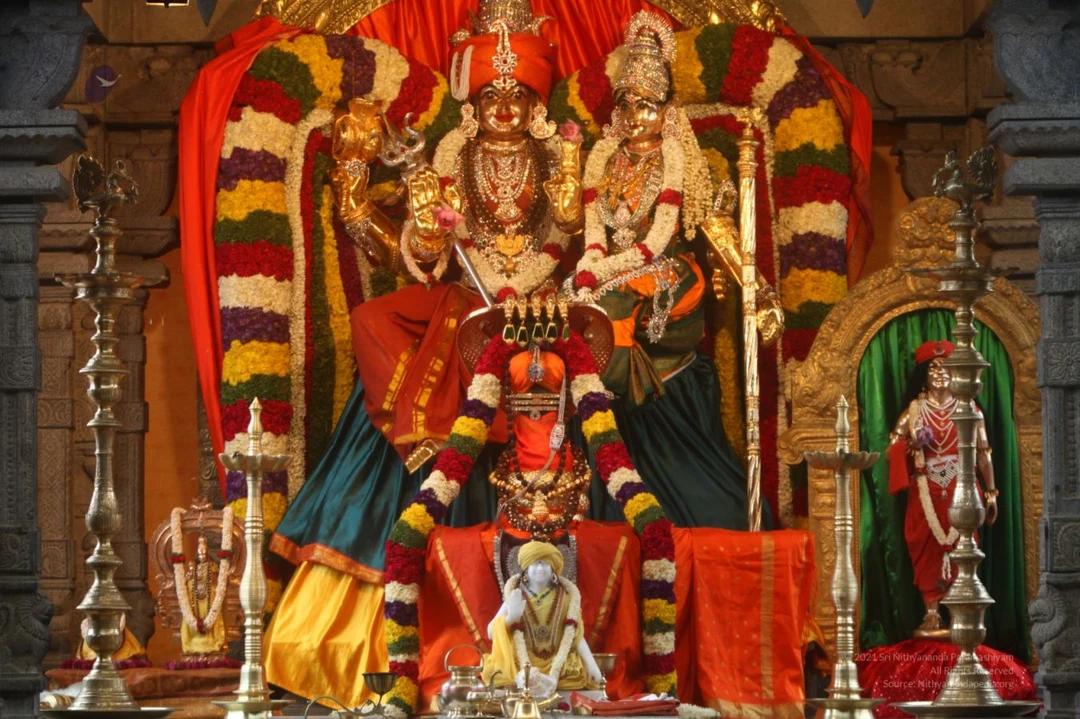
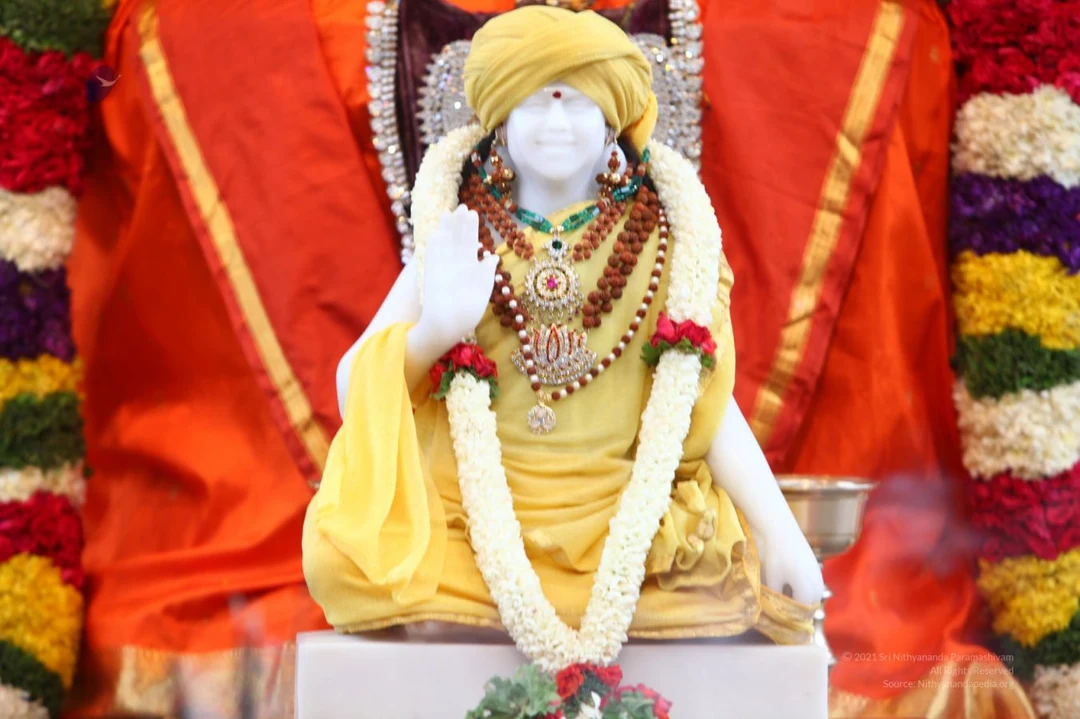
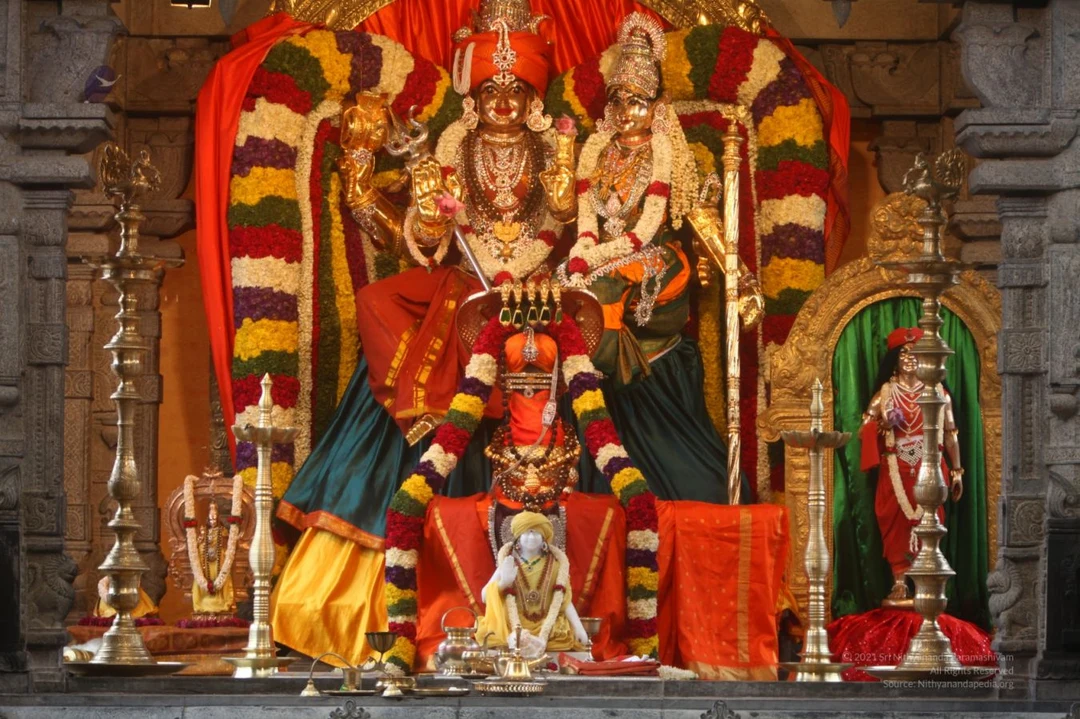
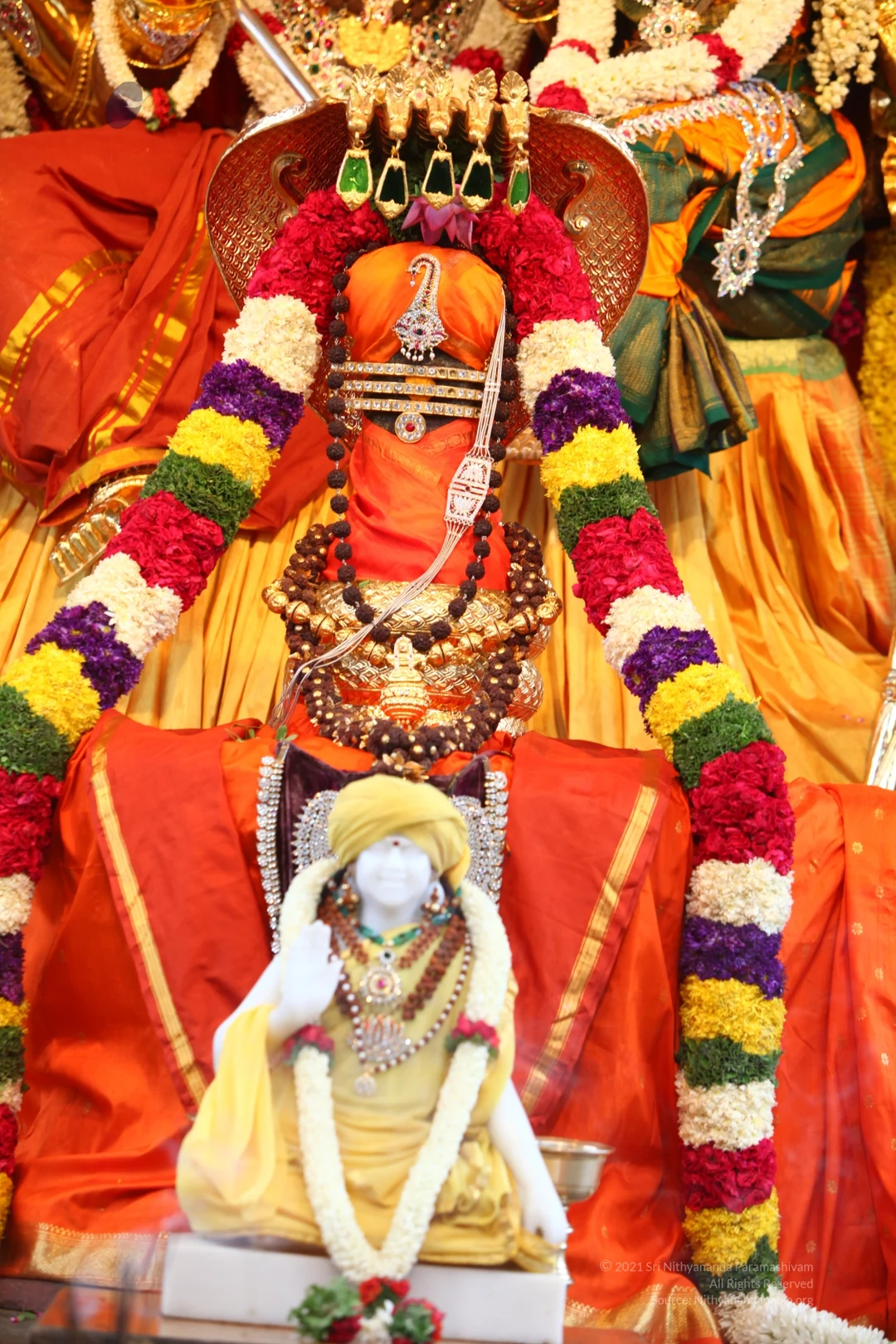
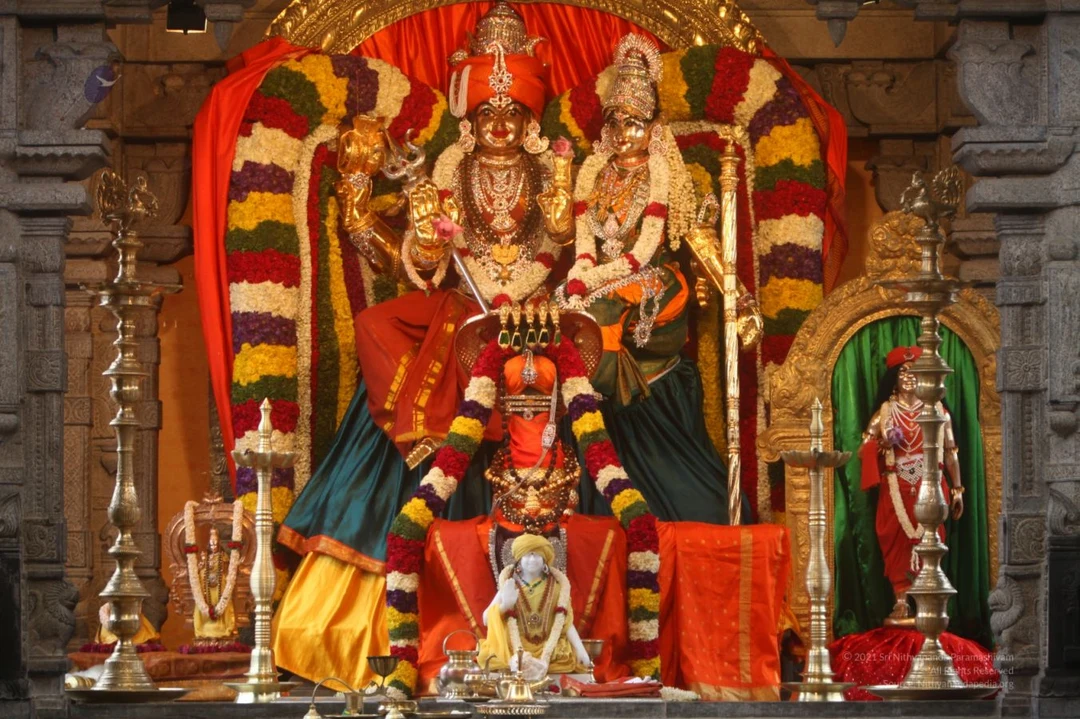
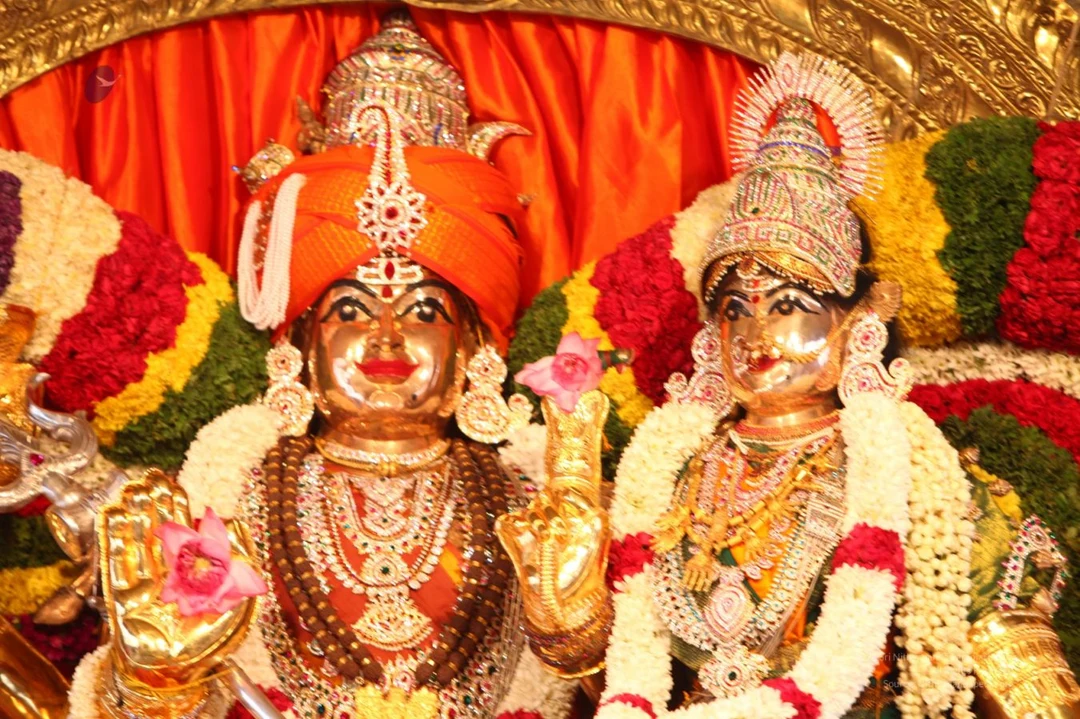
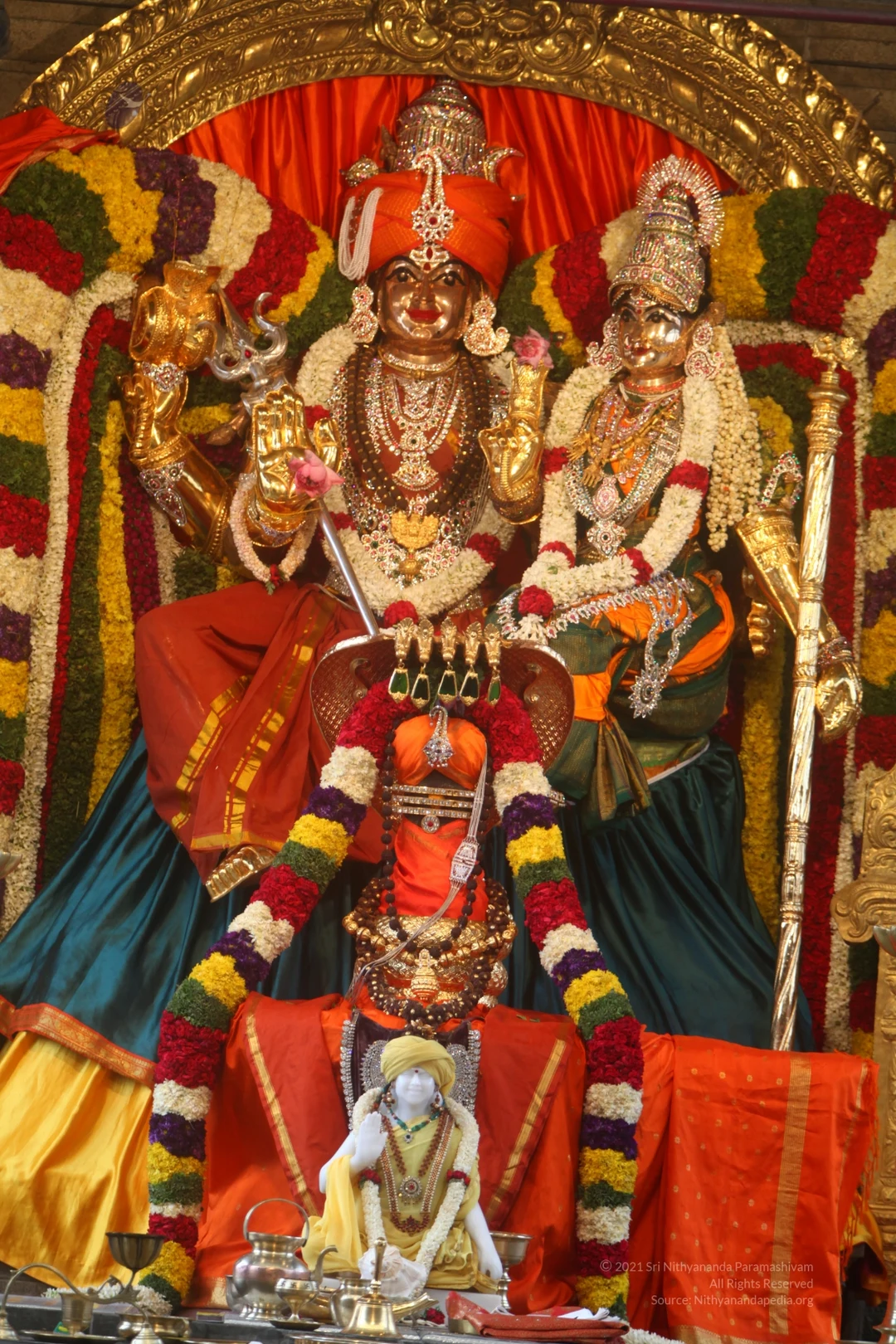
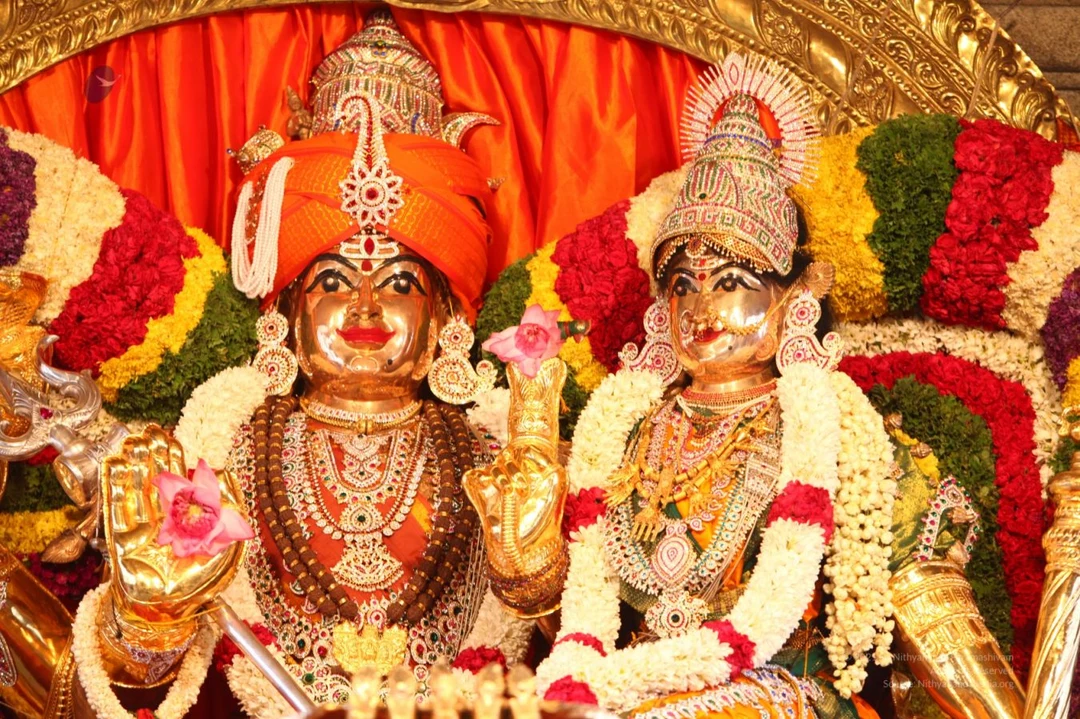

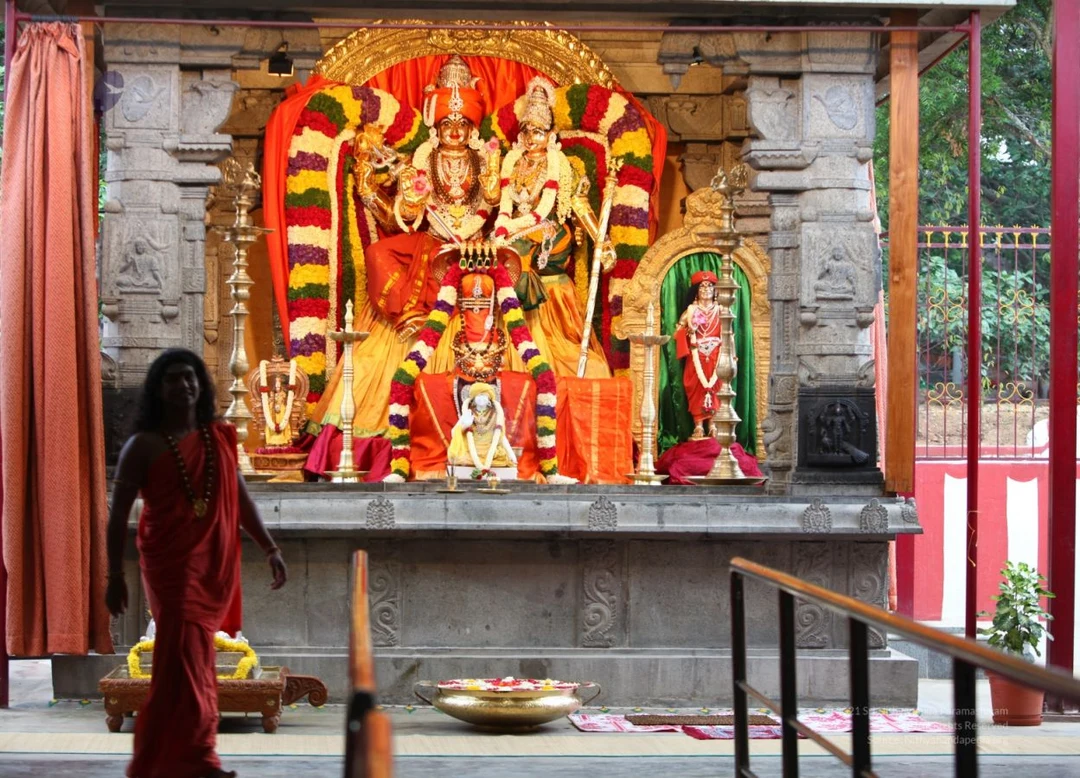
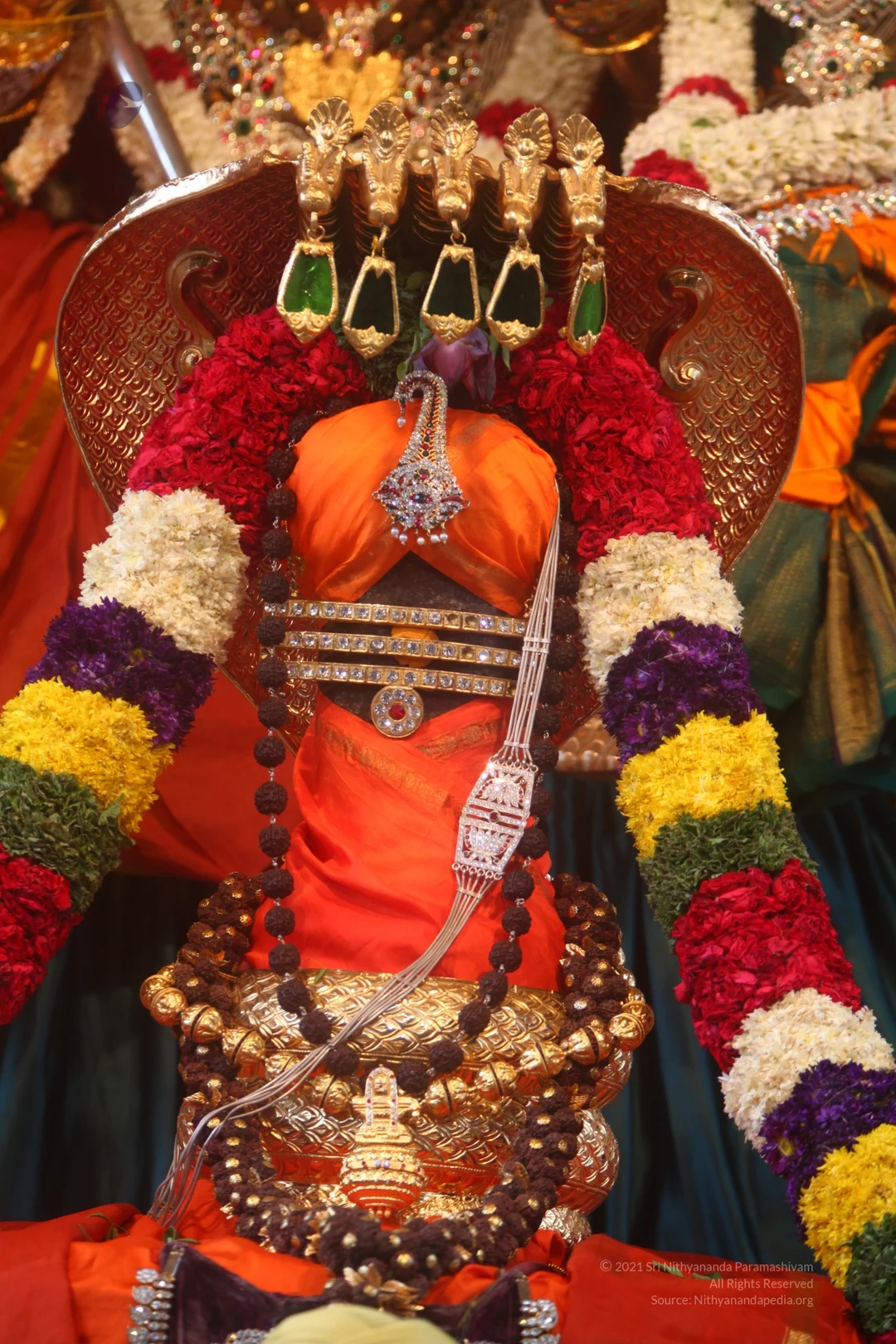
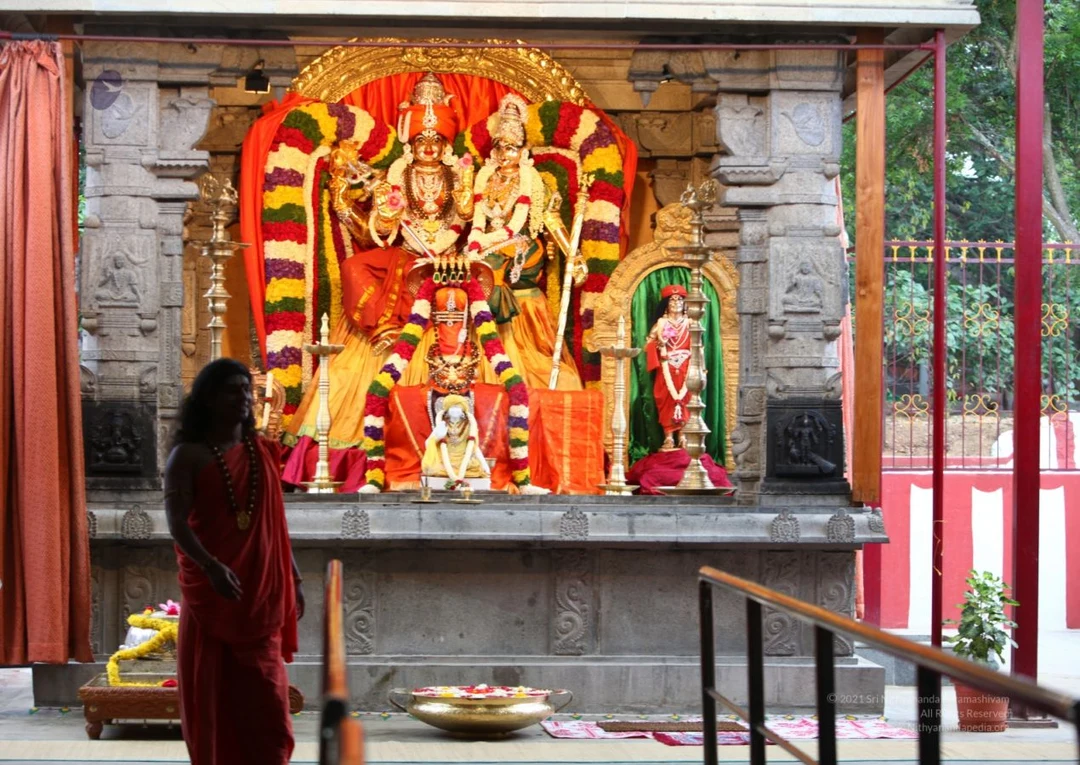
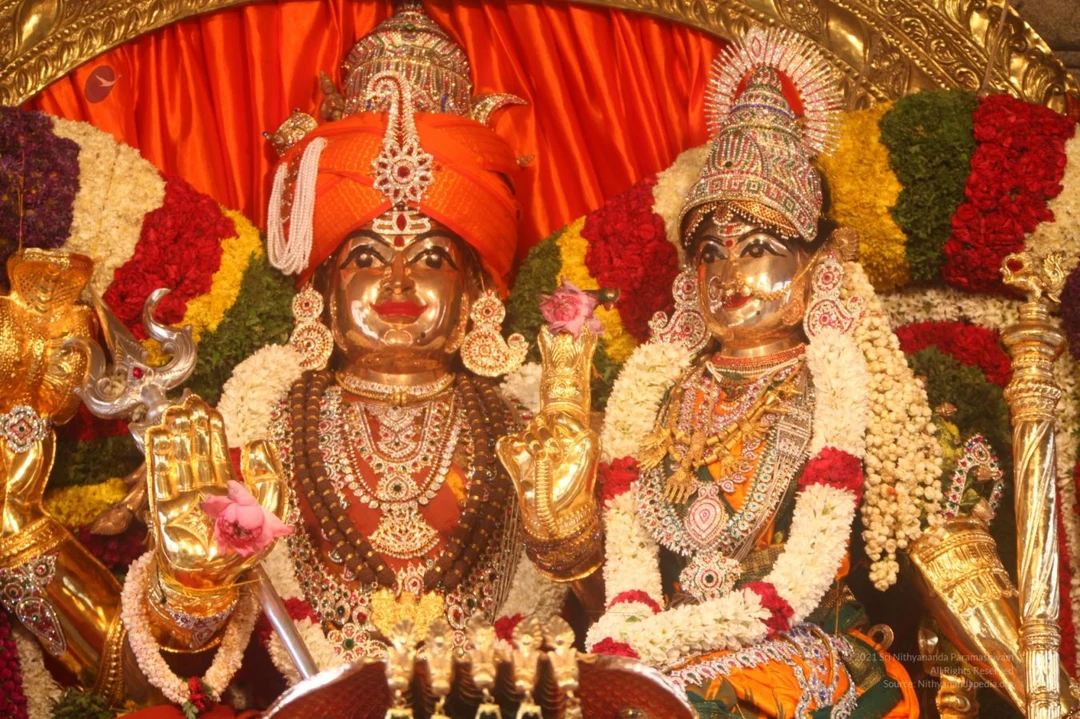
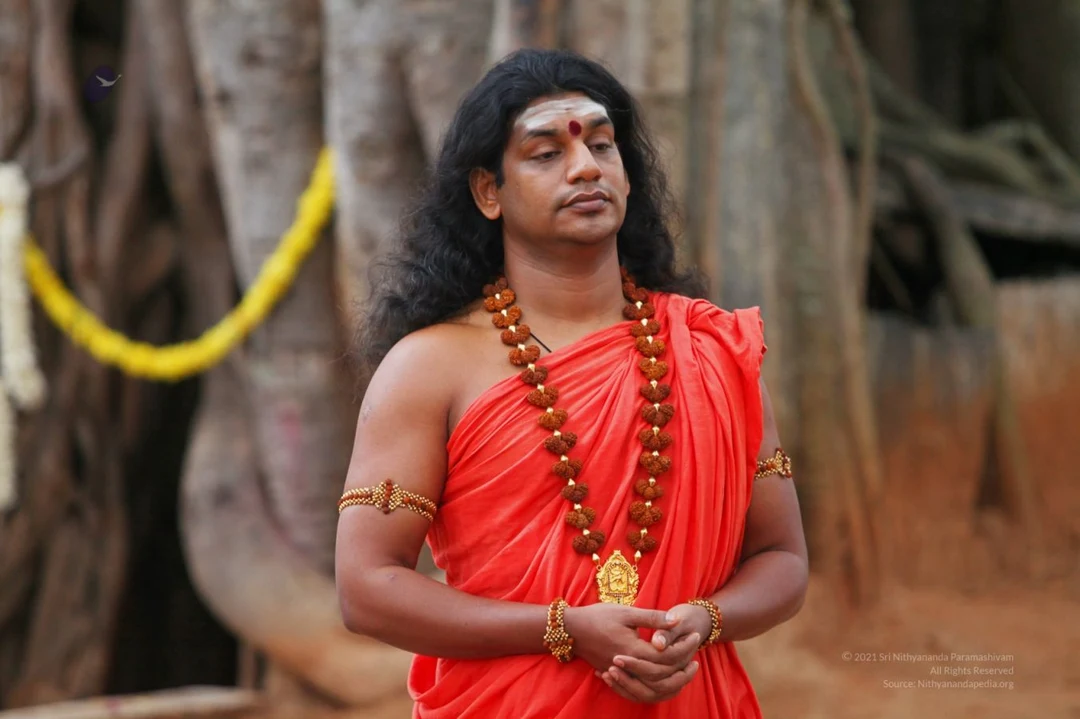
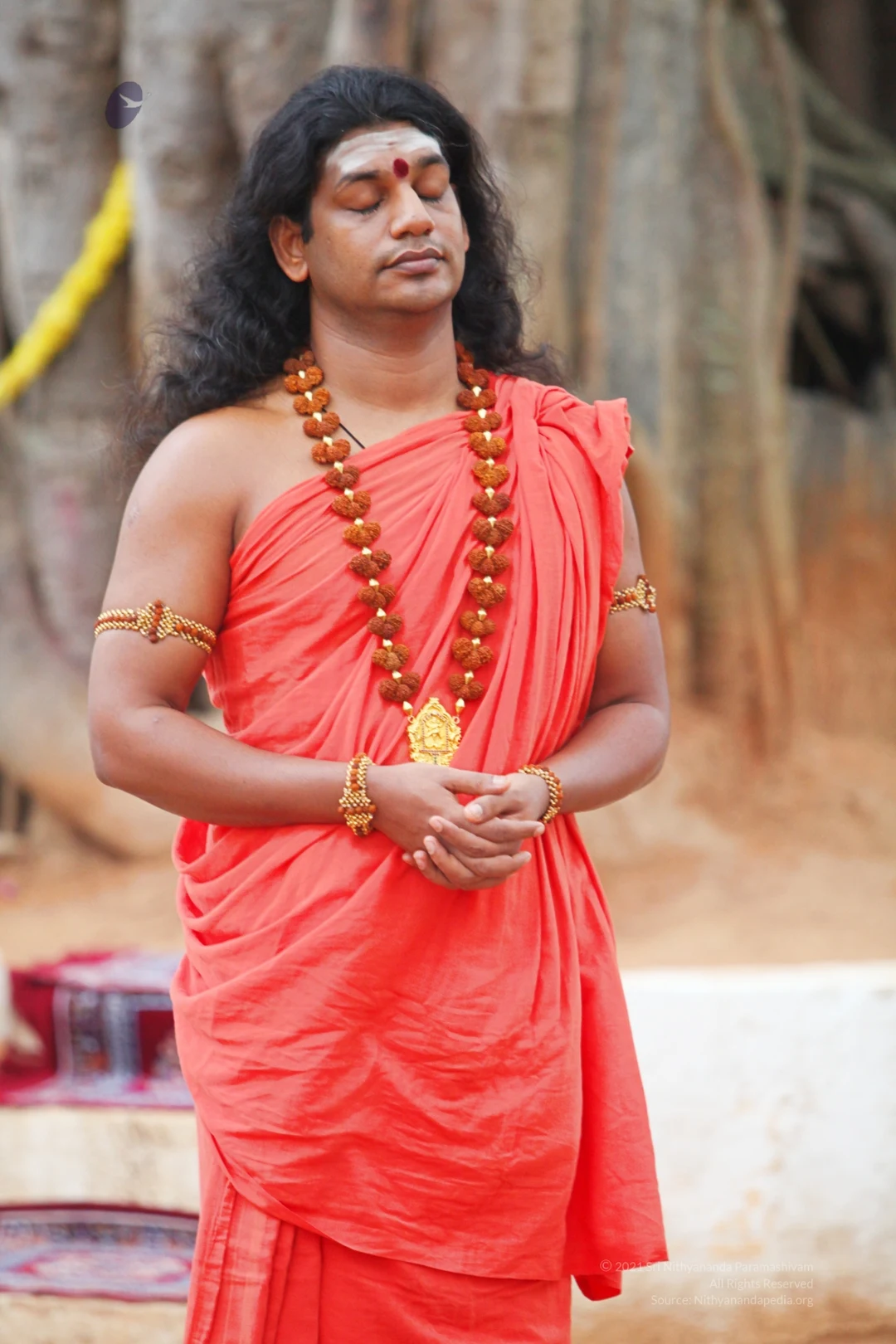
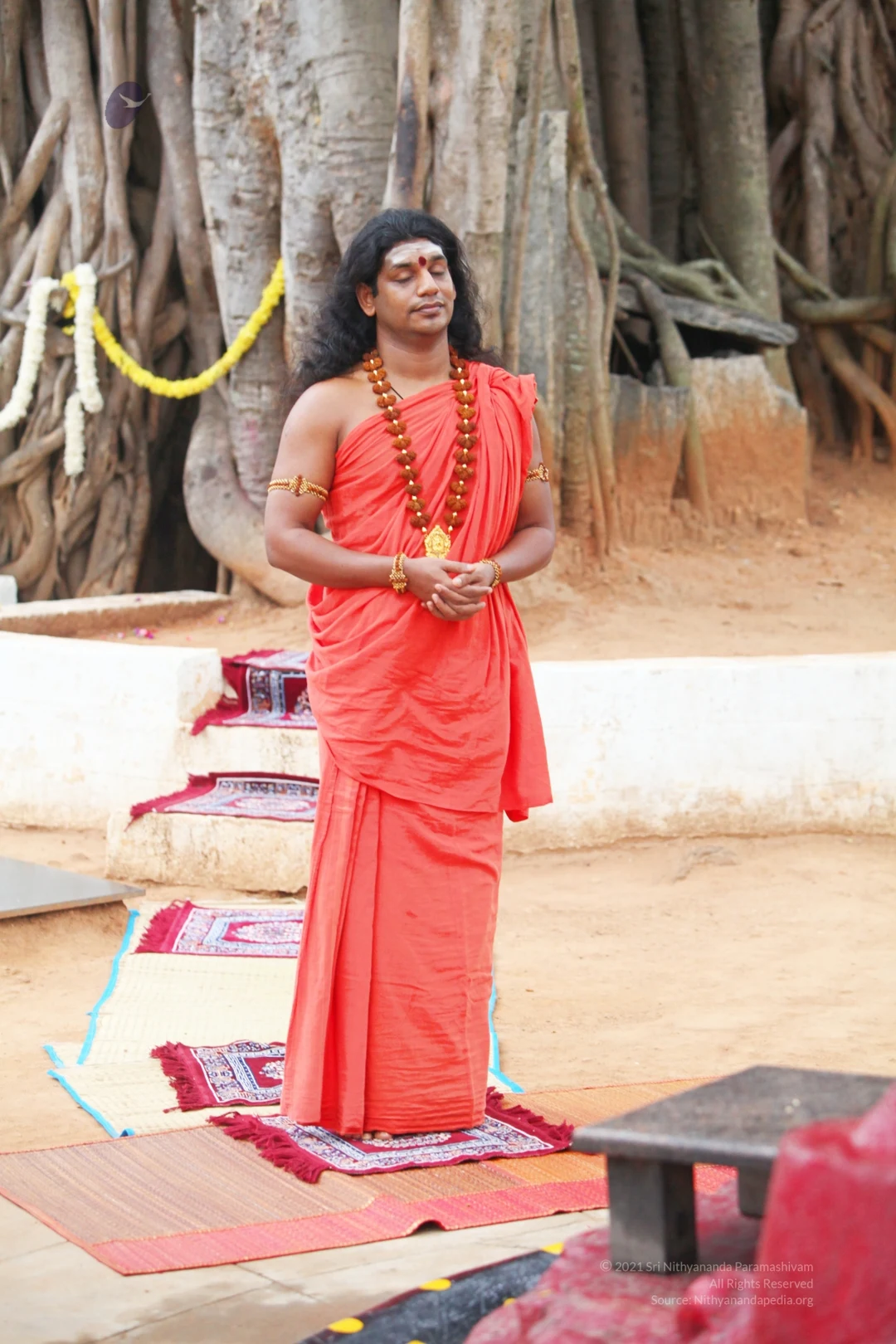
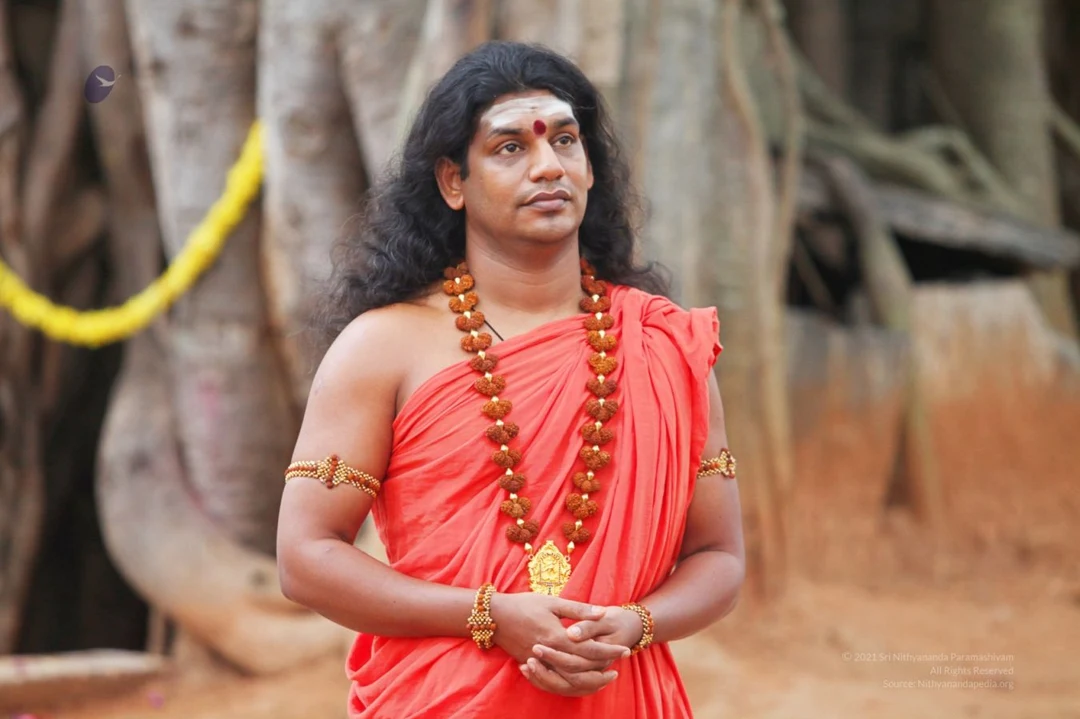
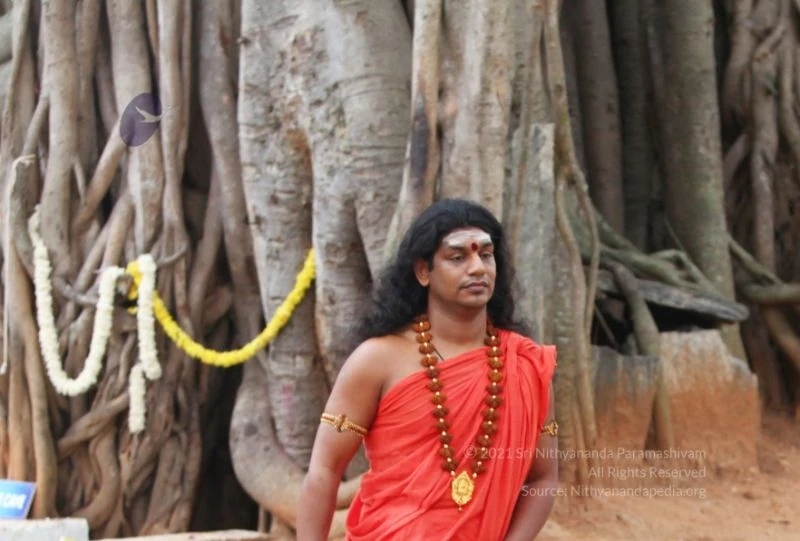
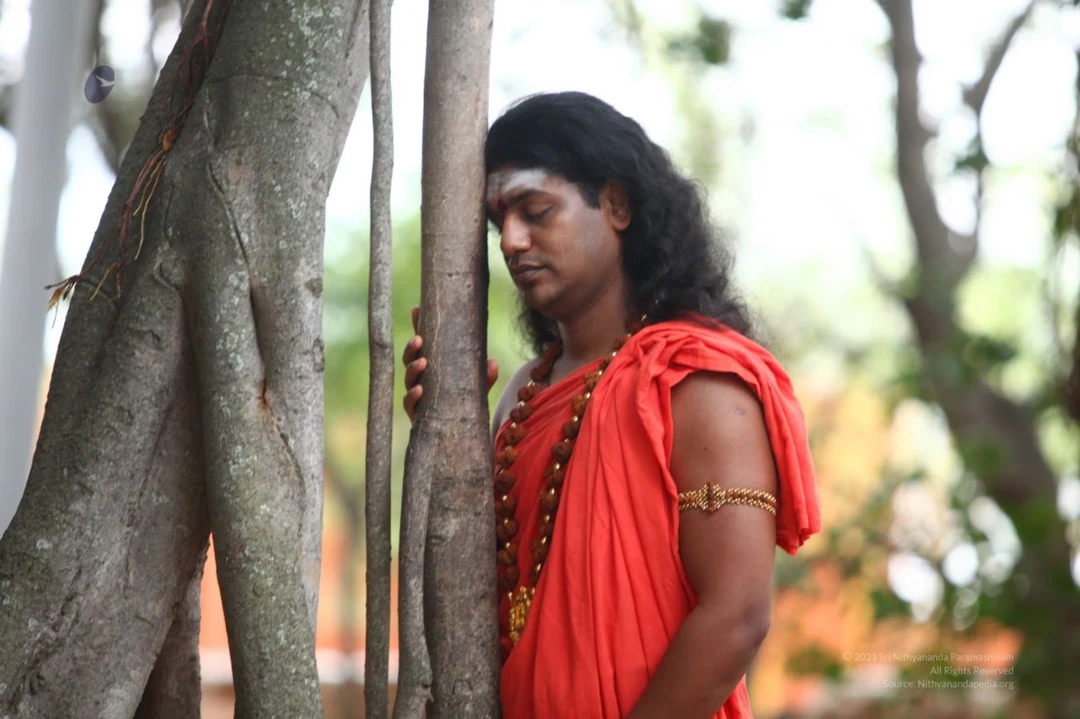
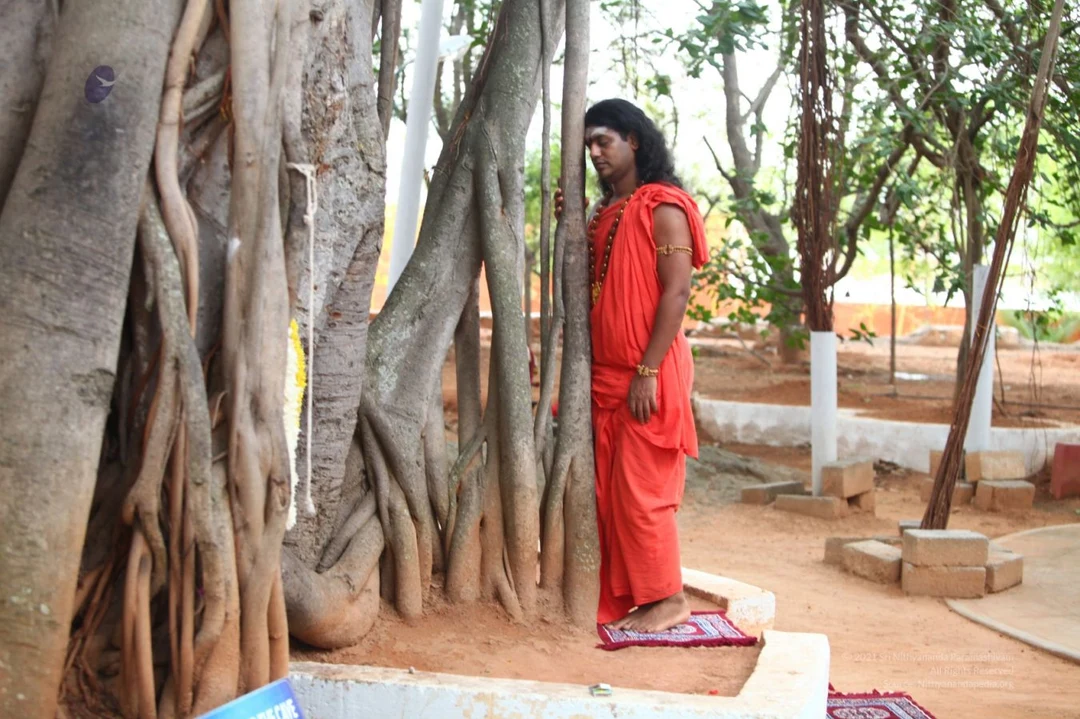
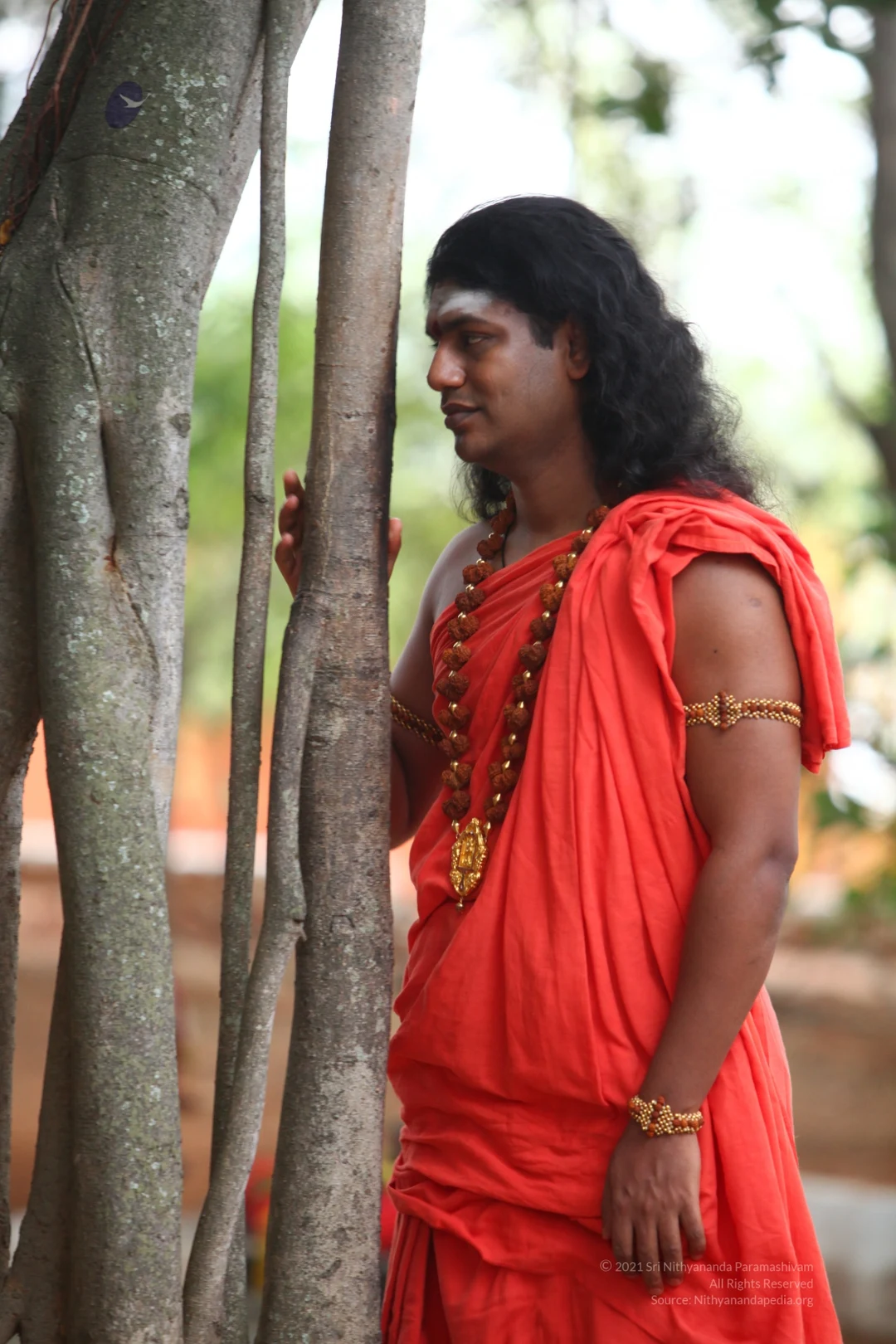

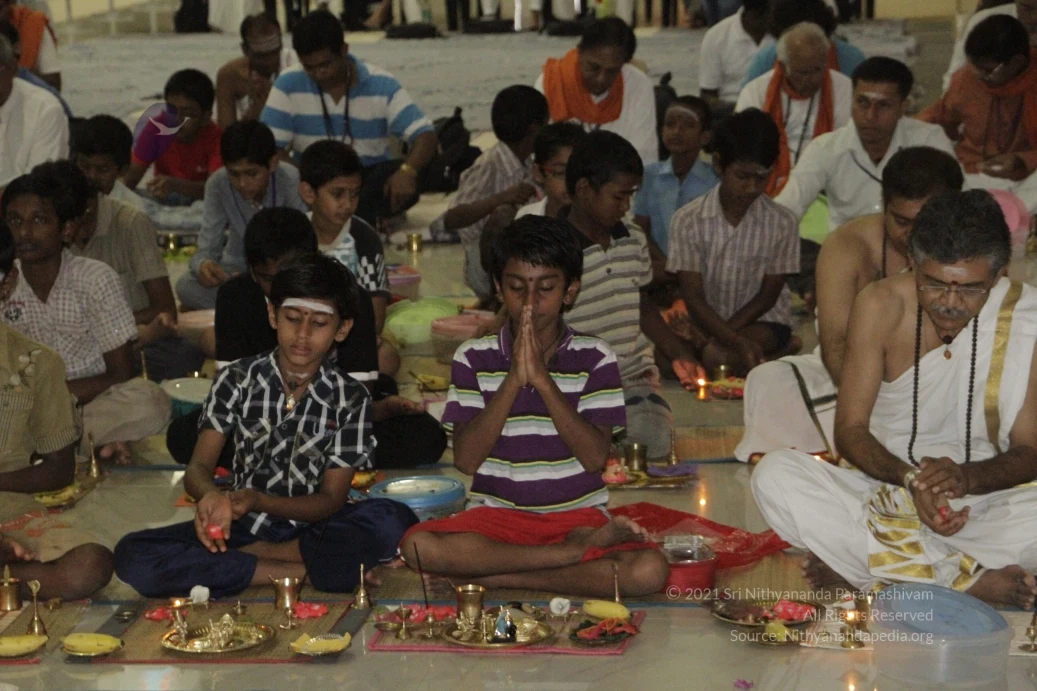
Paada Pooja
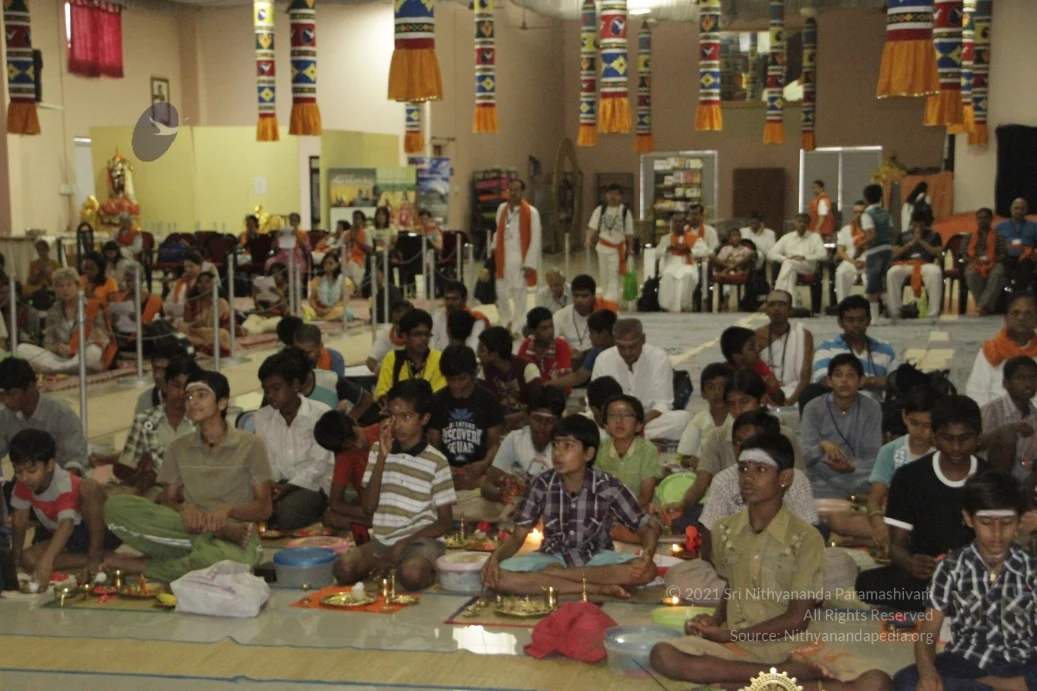
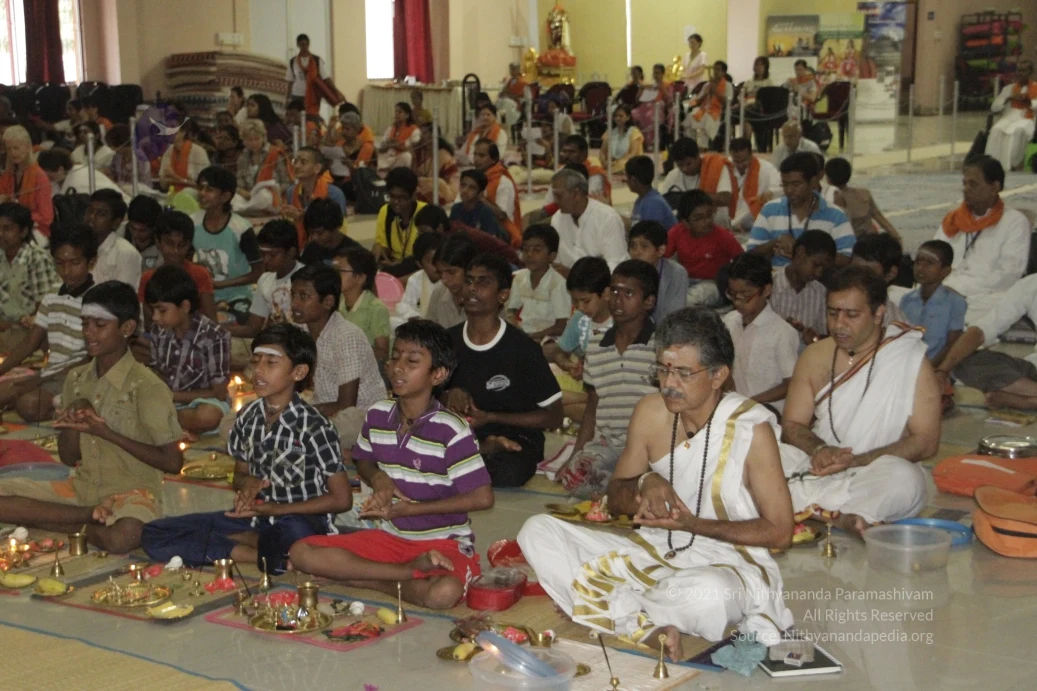
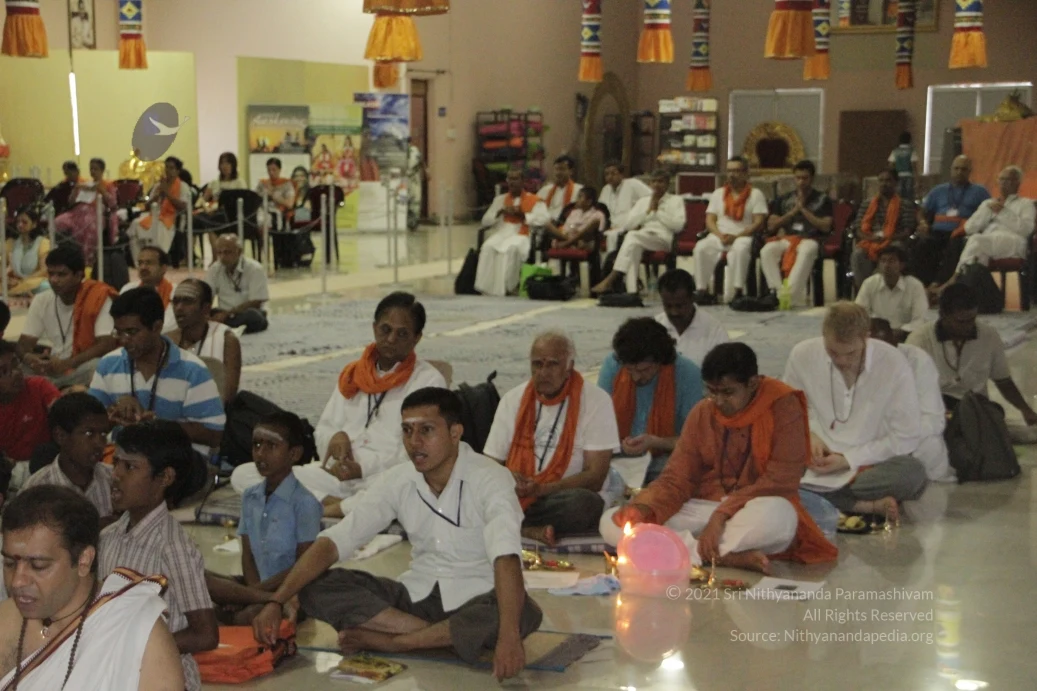
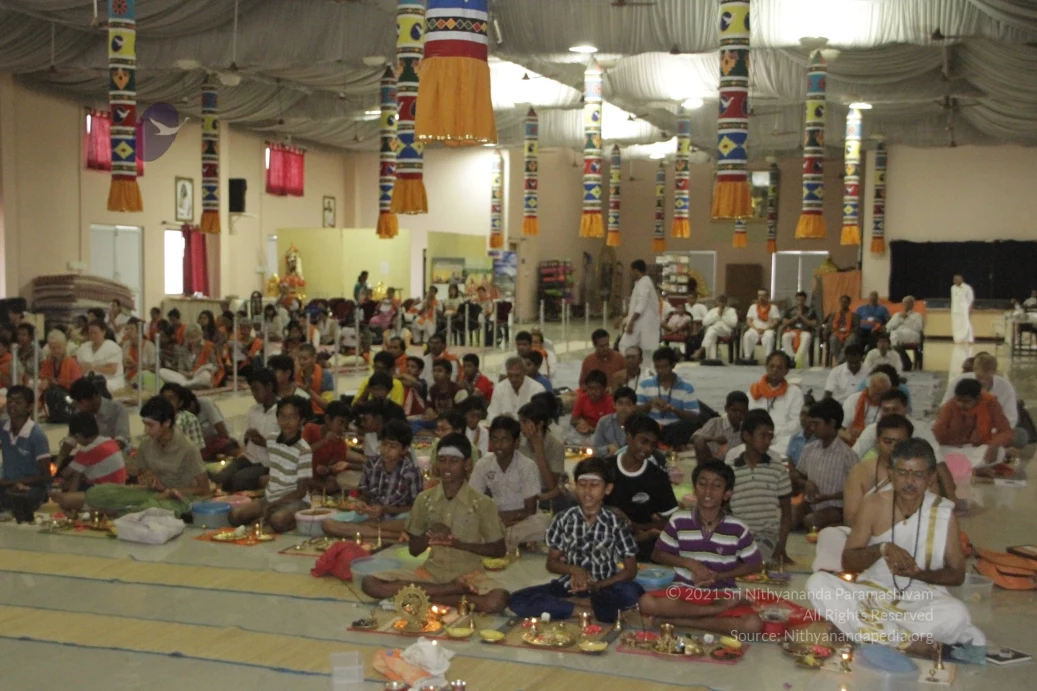
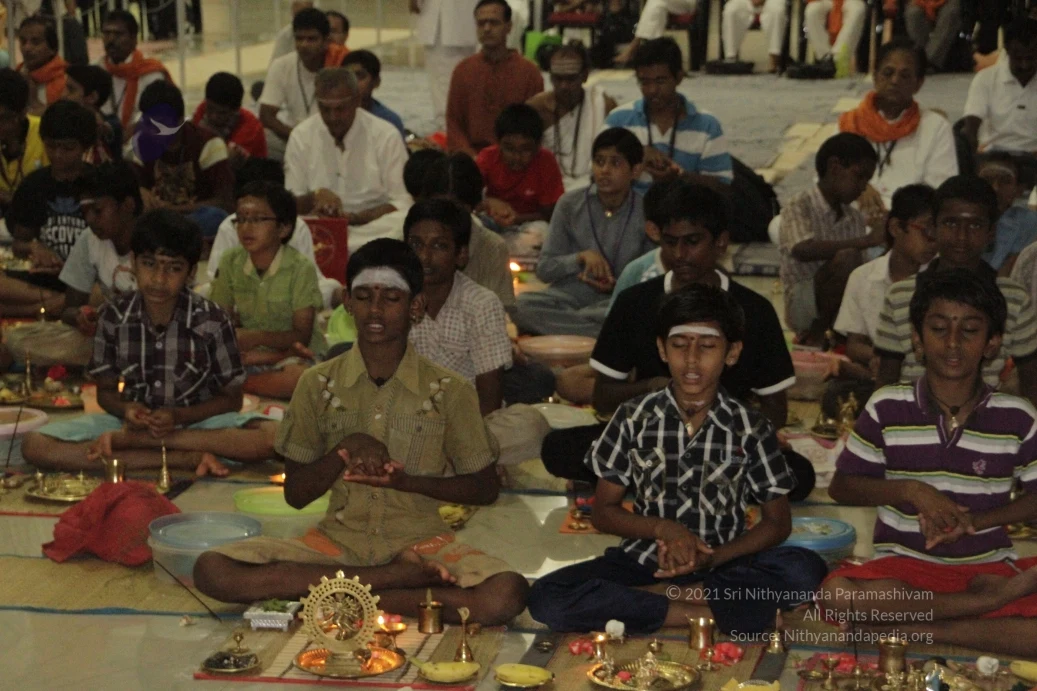
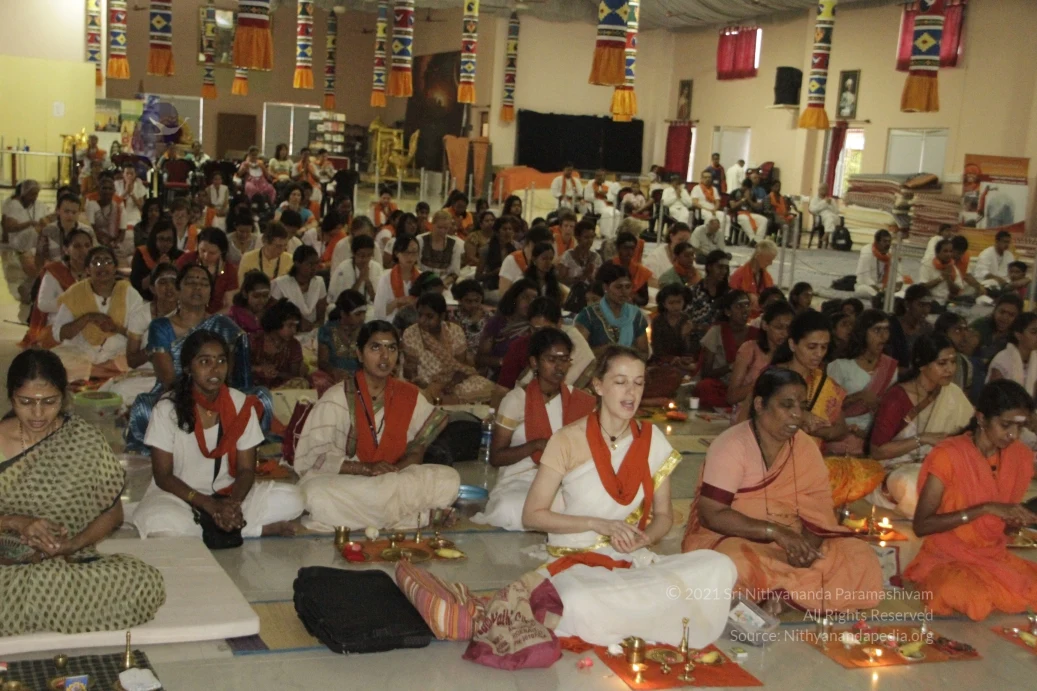
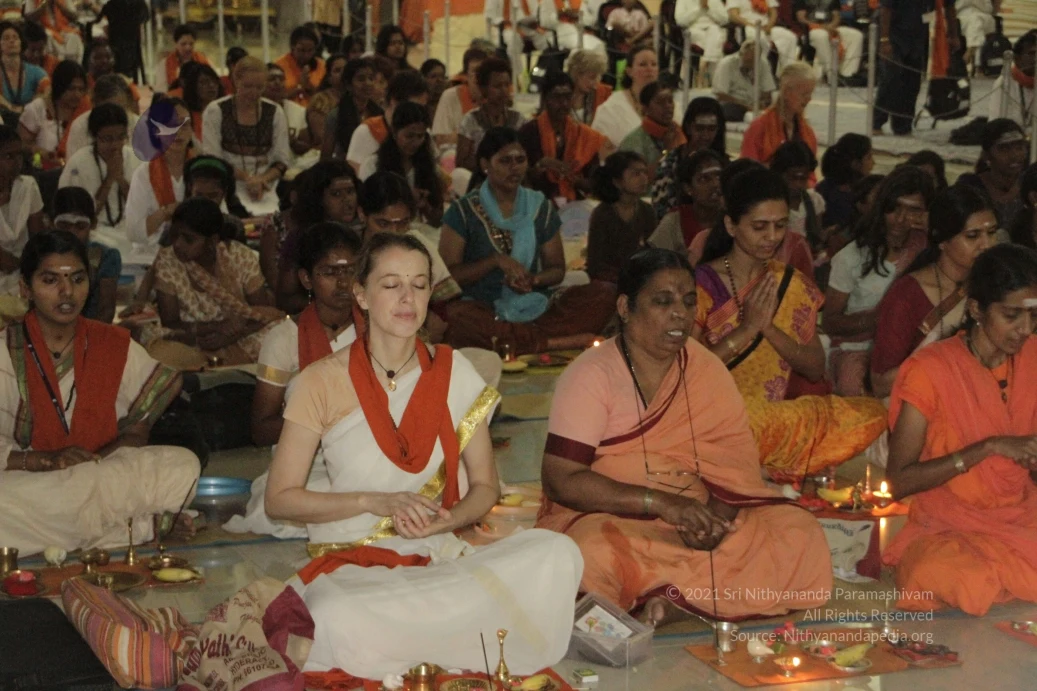
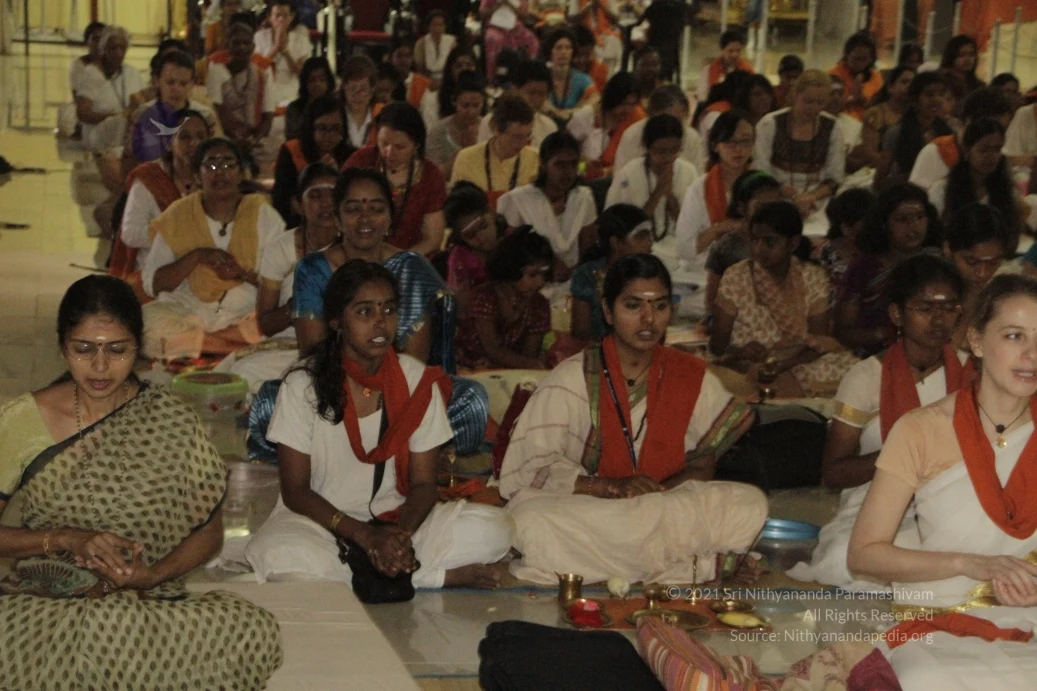
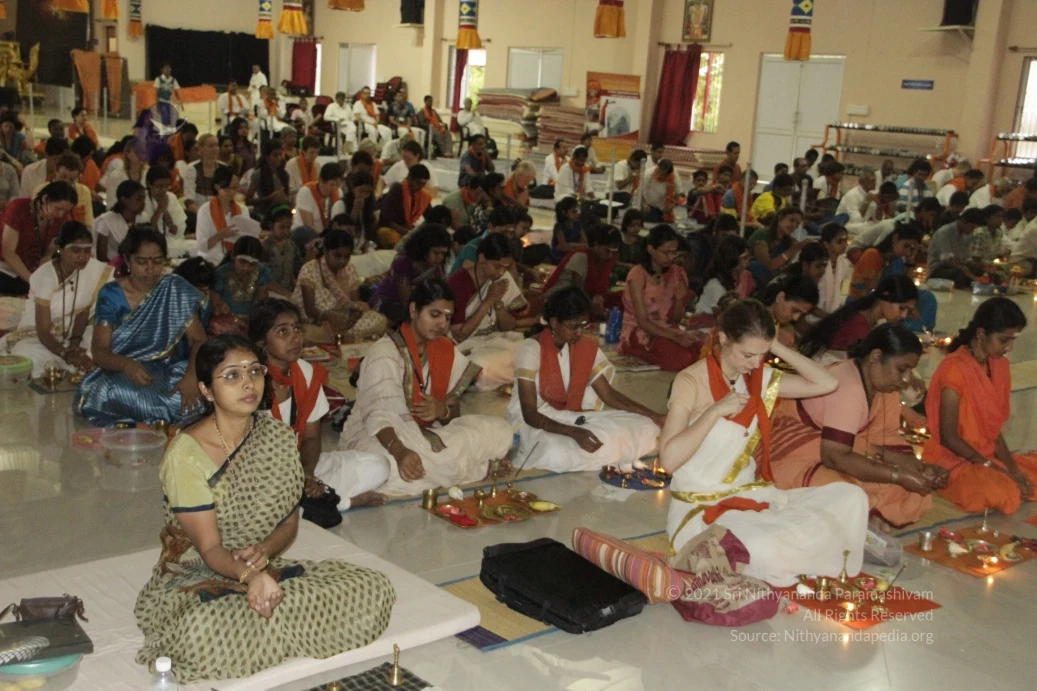
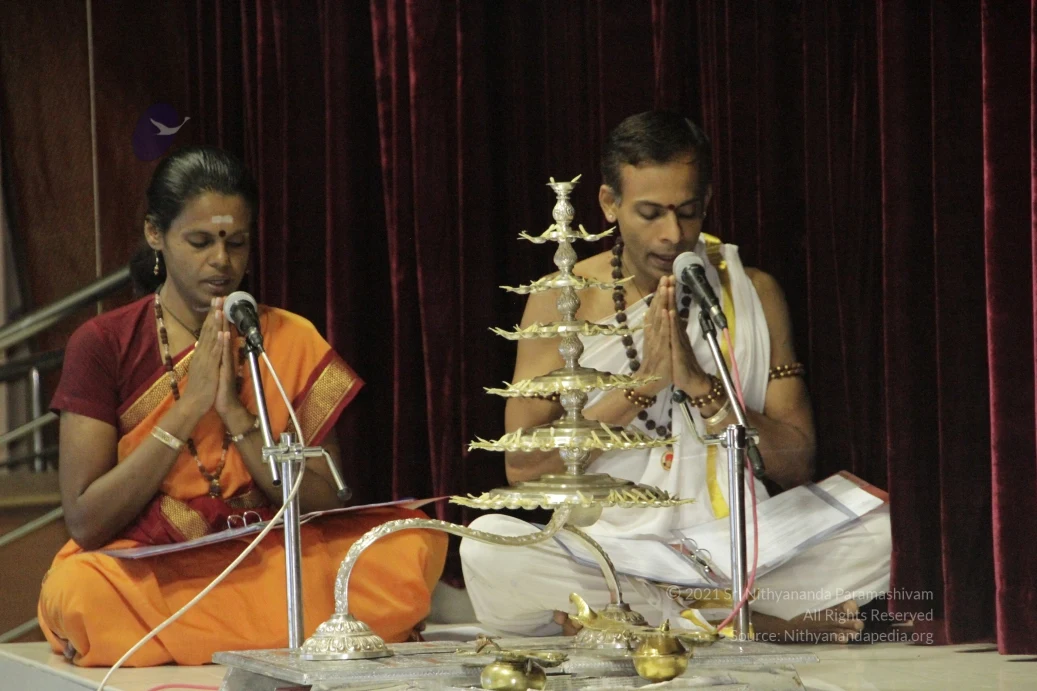
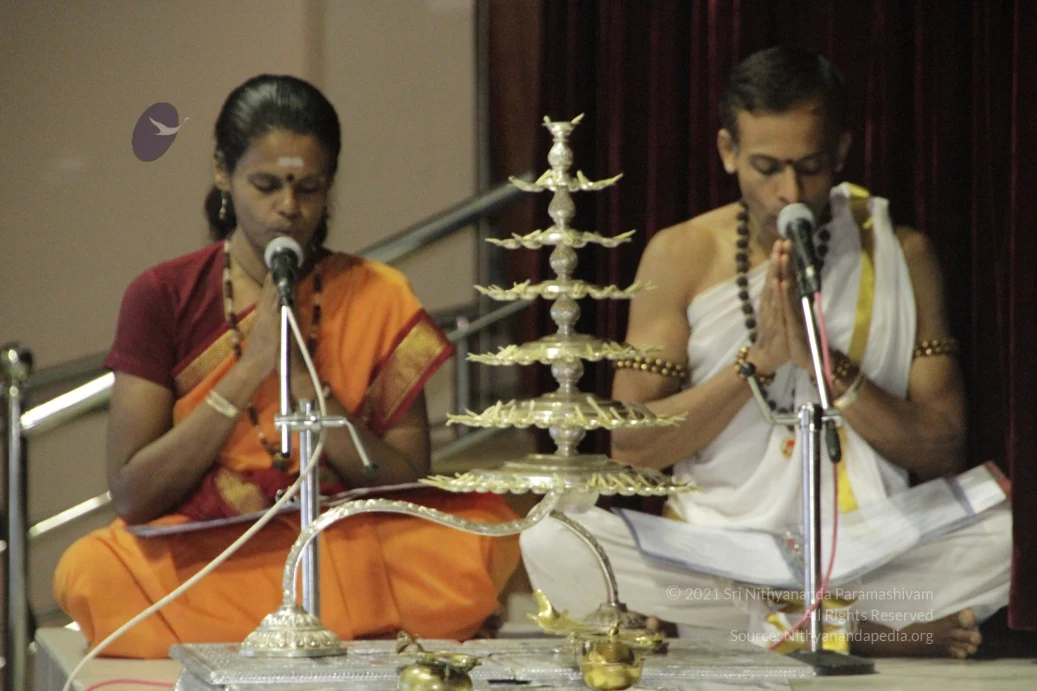
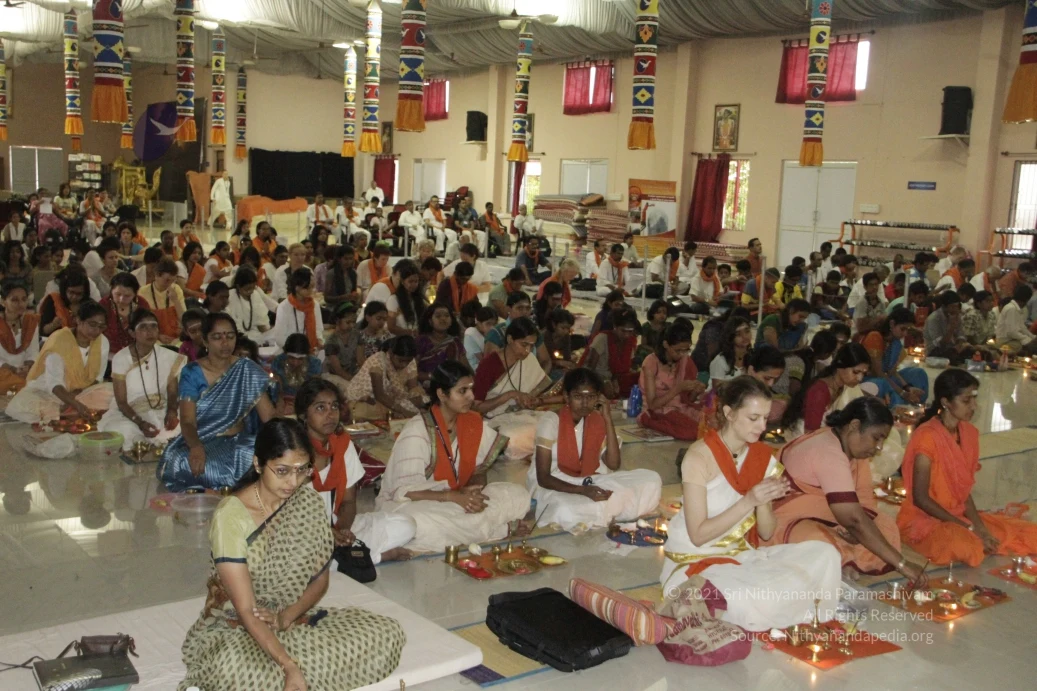
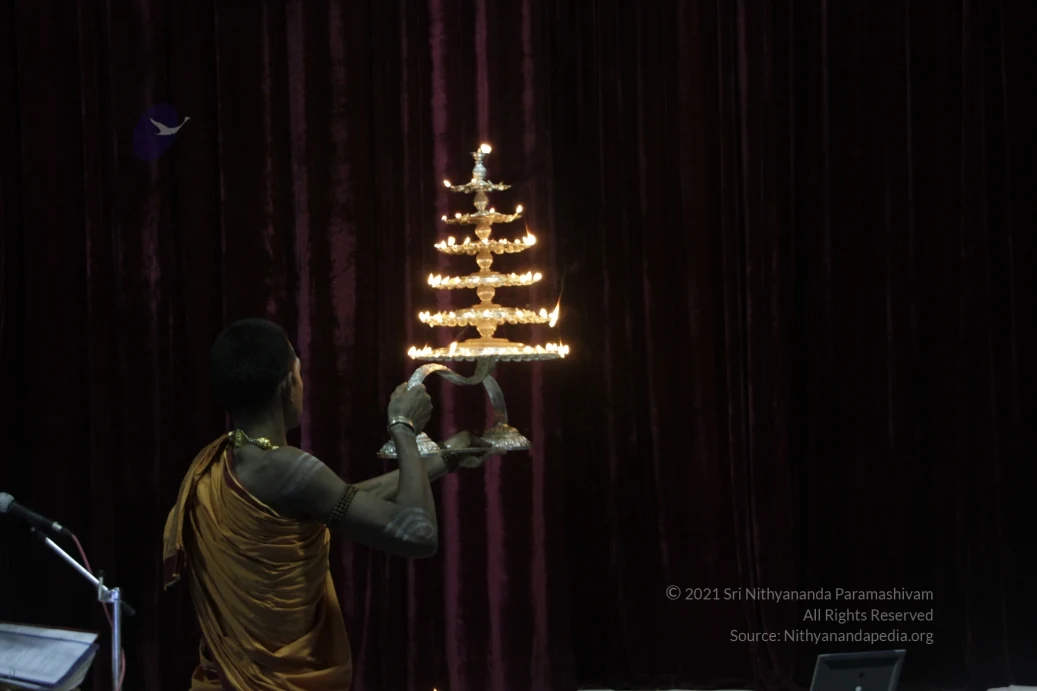
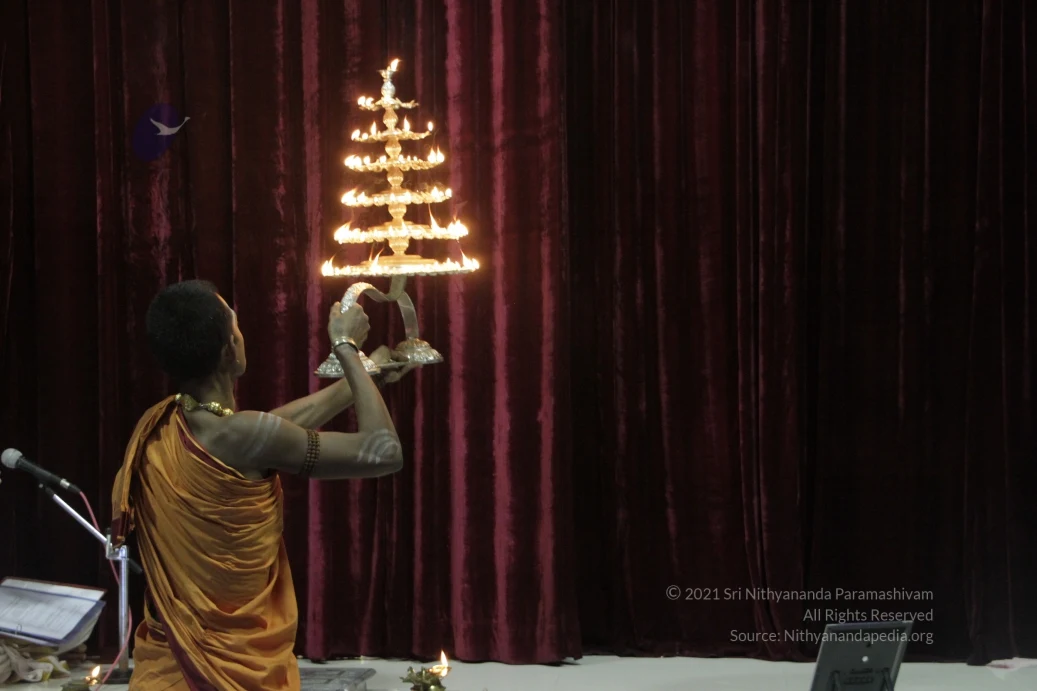
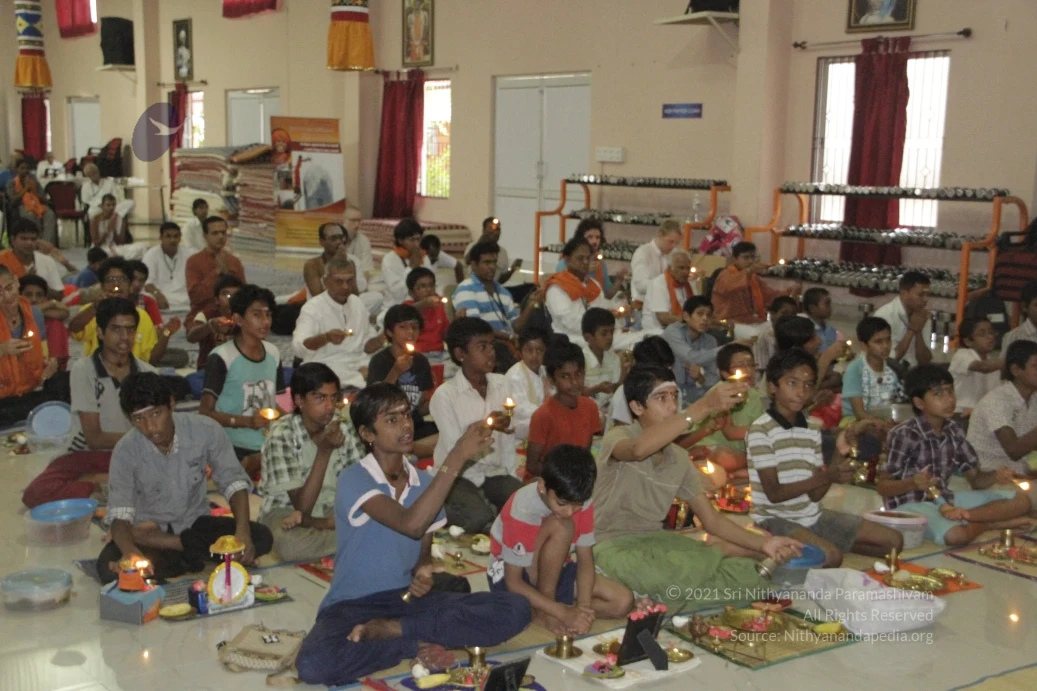
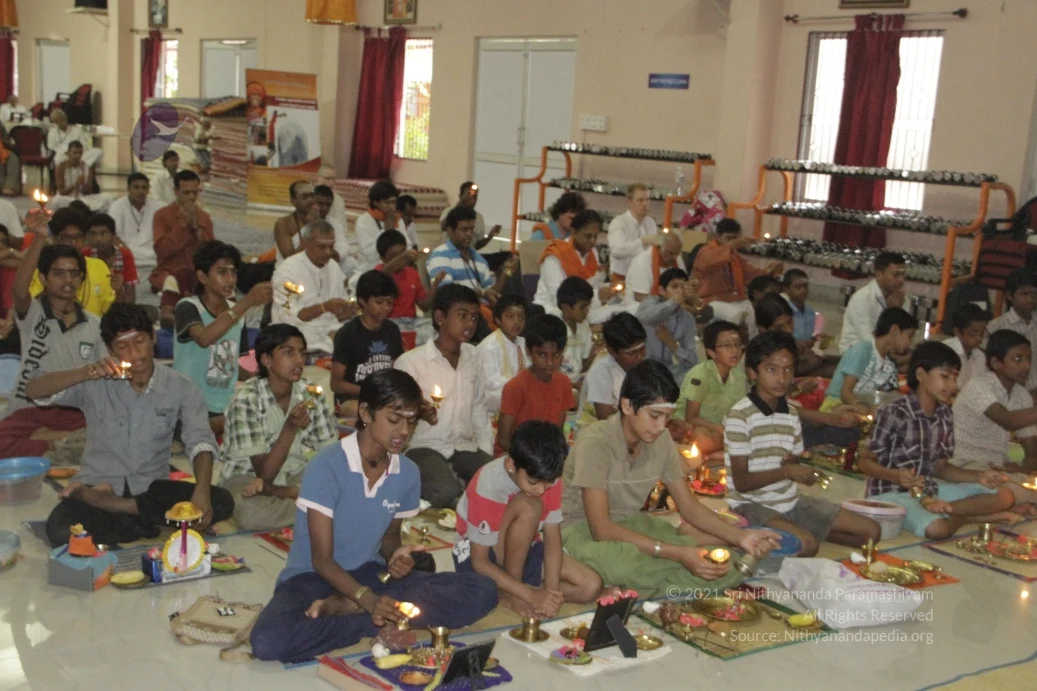
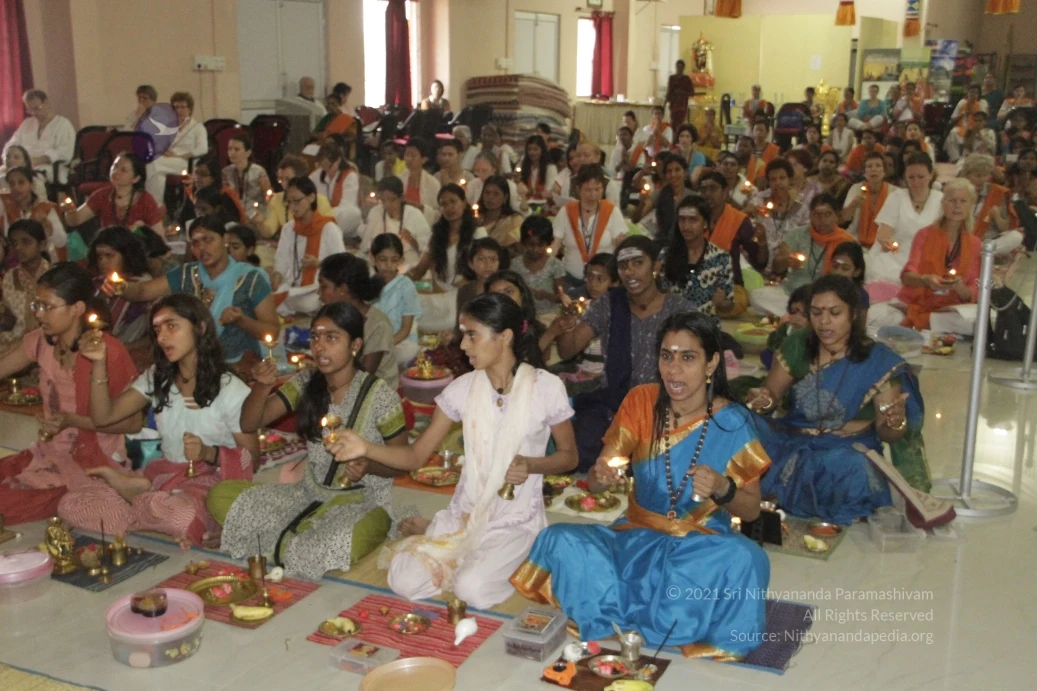
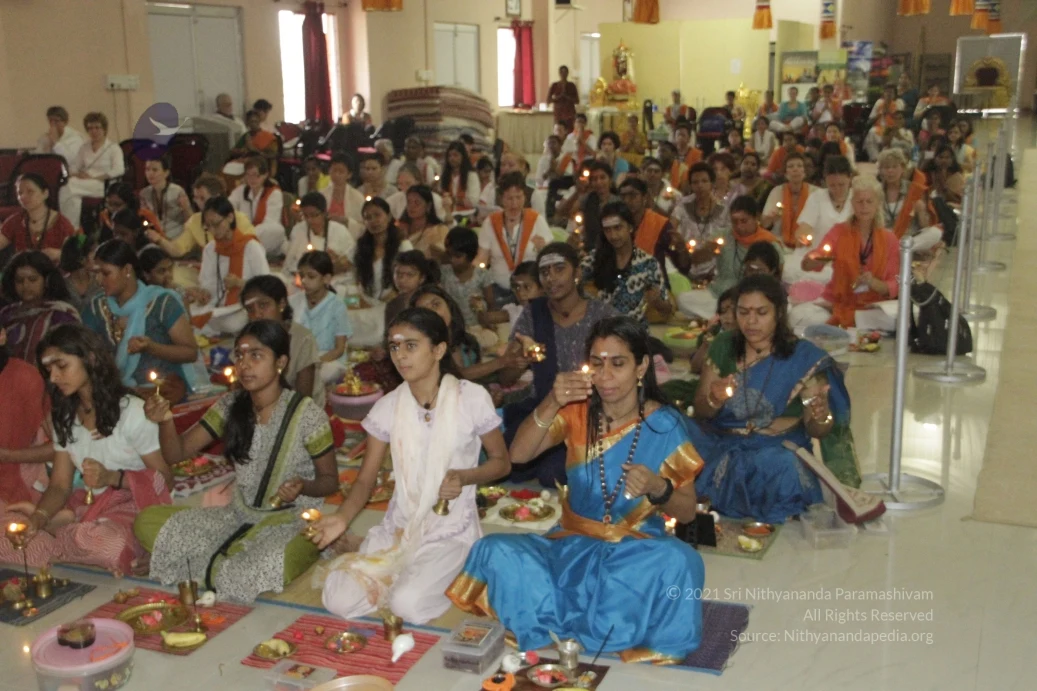
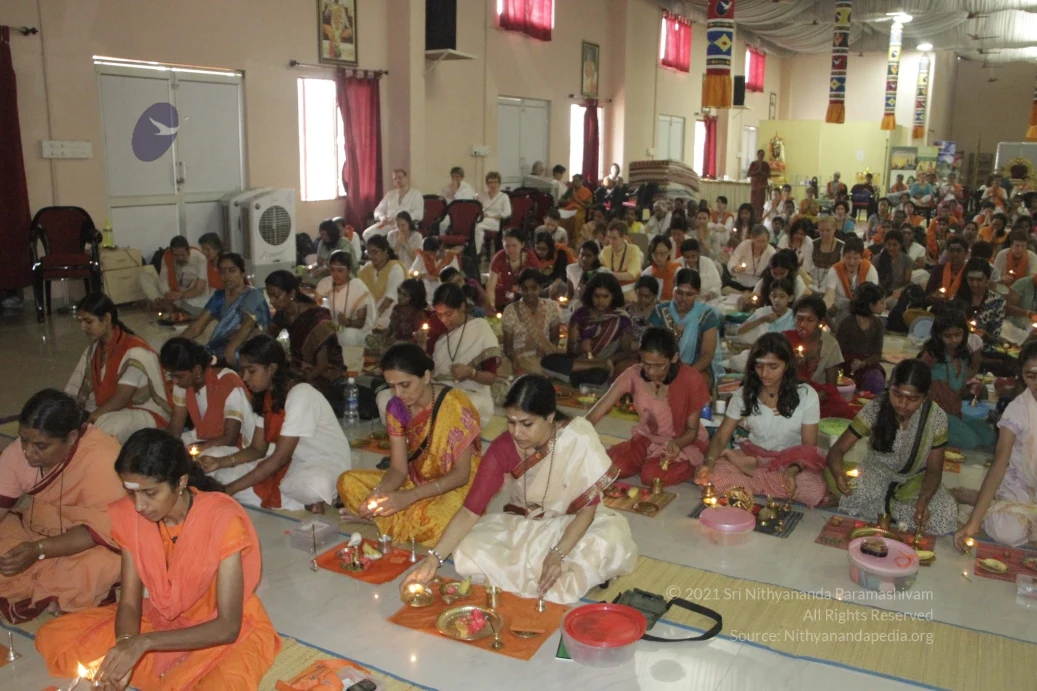
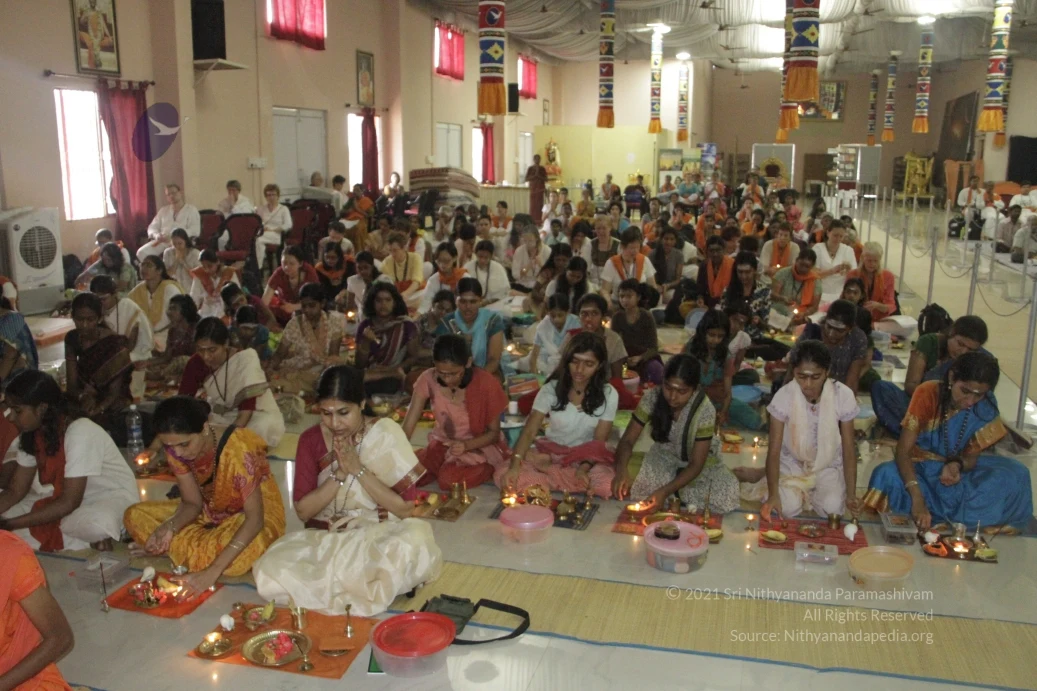
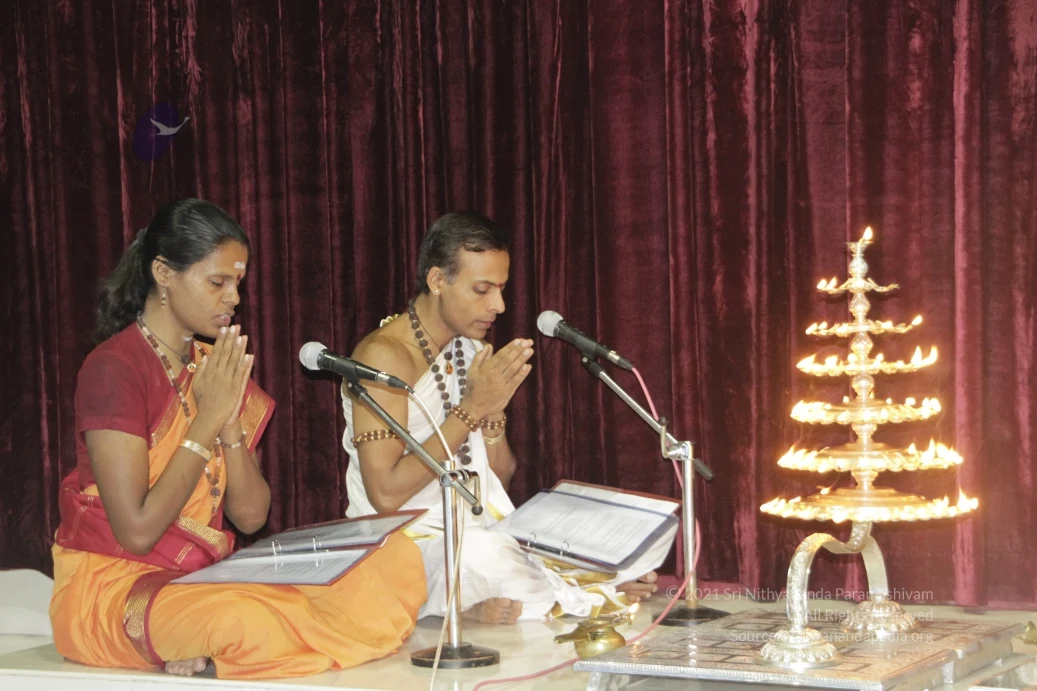
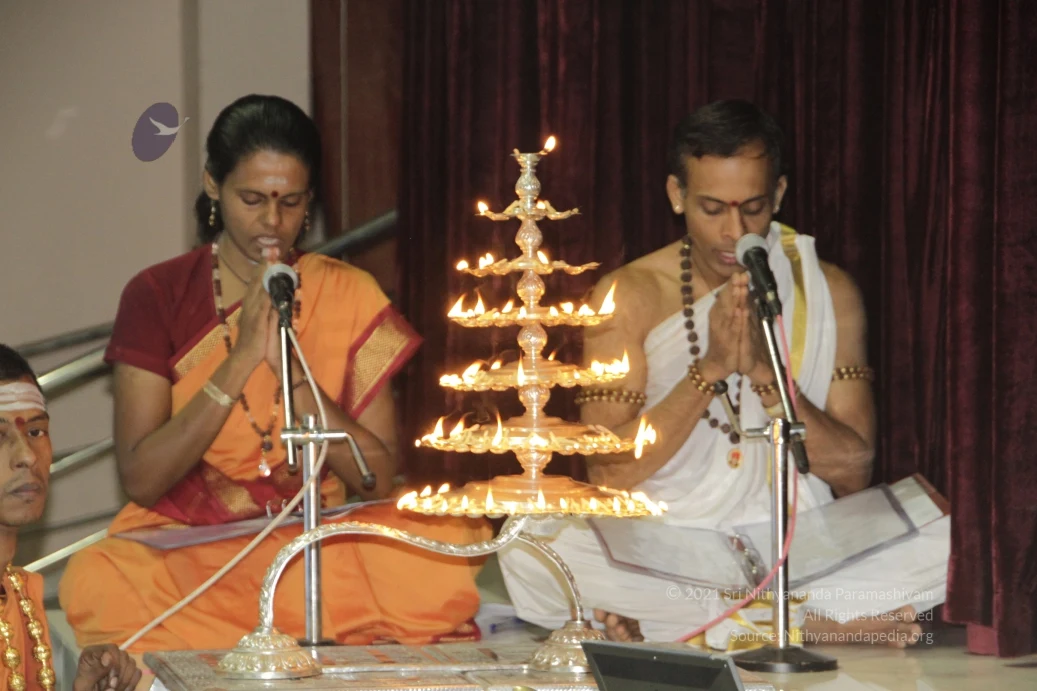
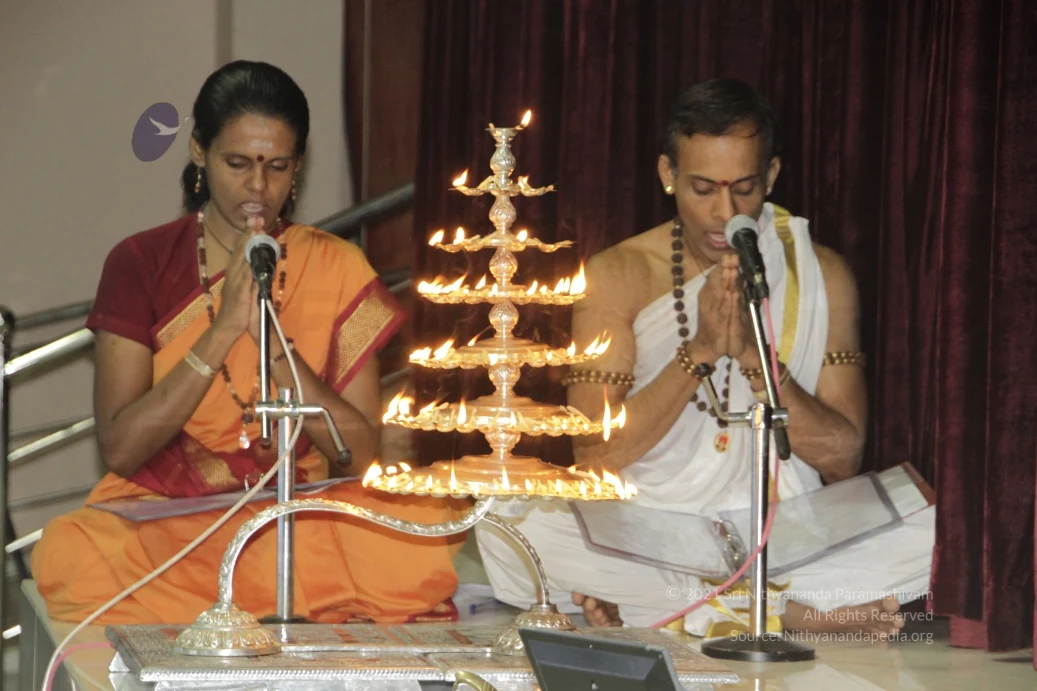
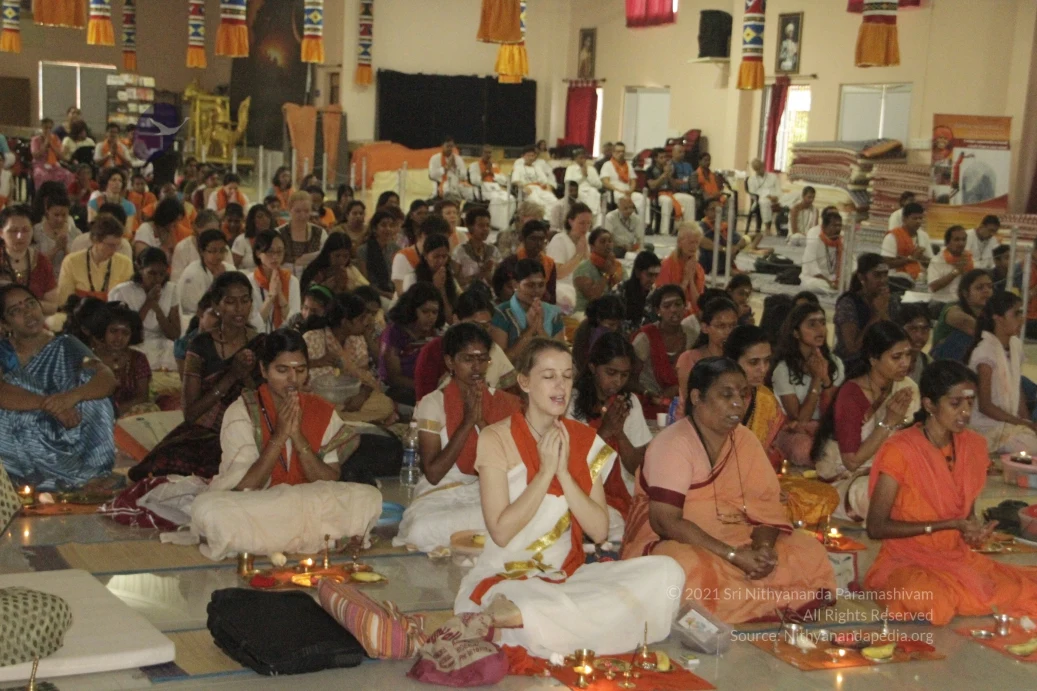
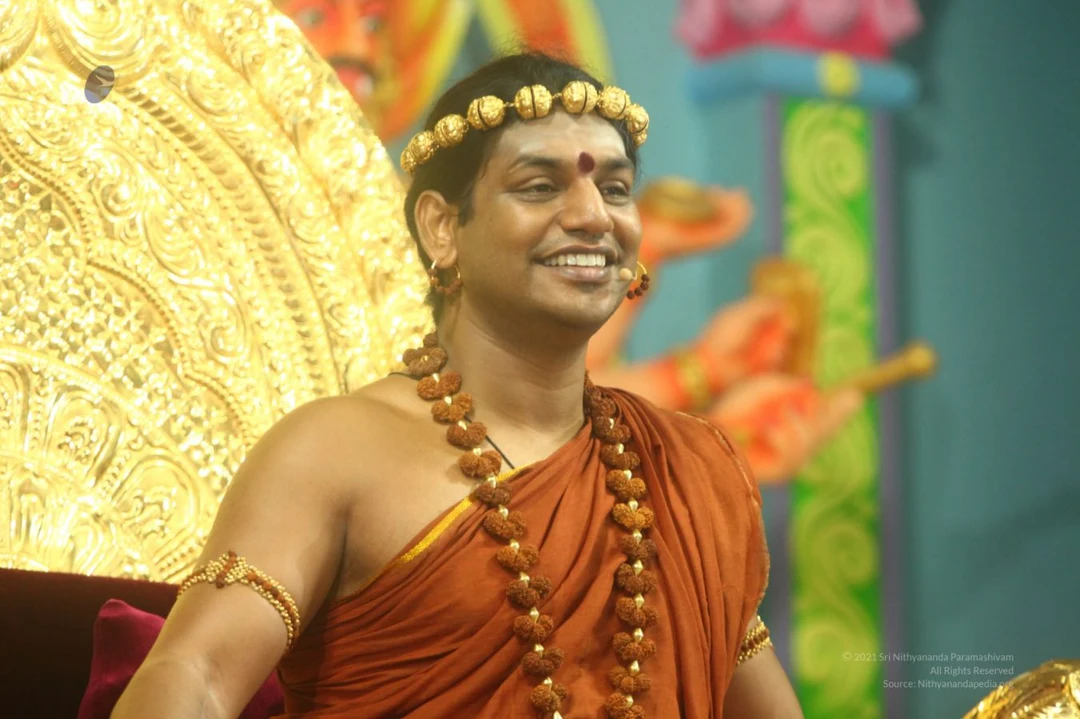
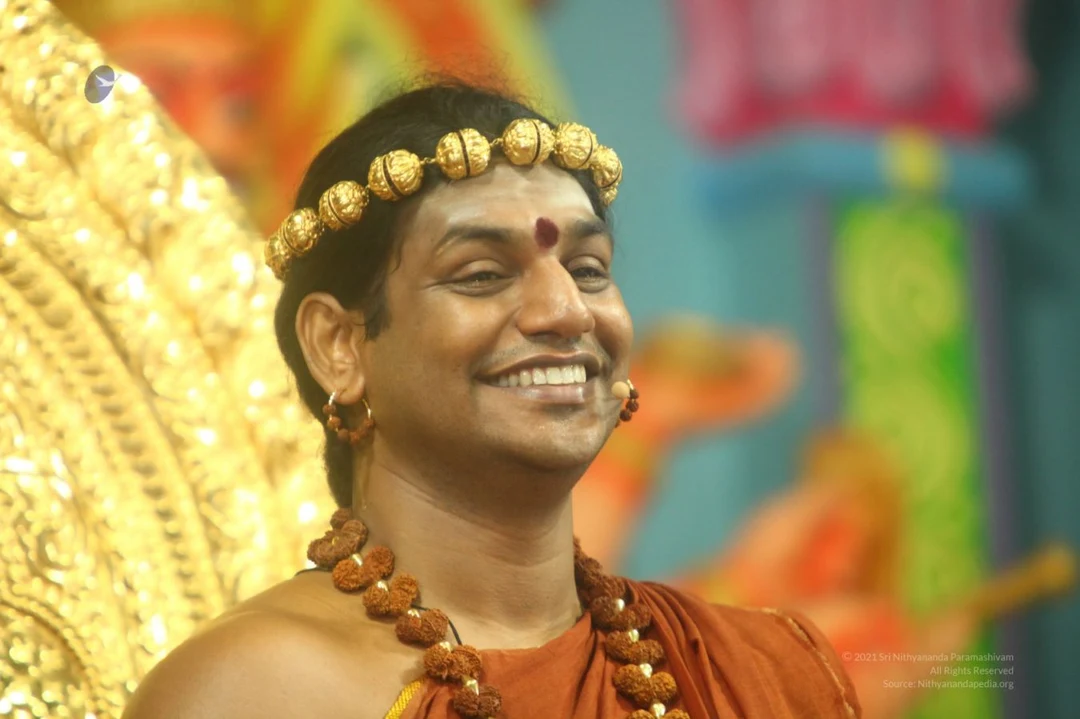
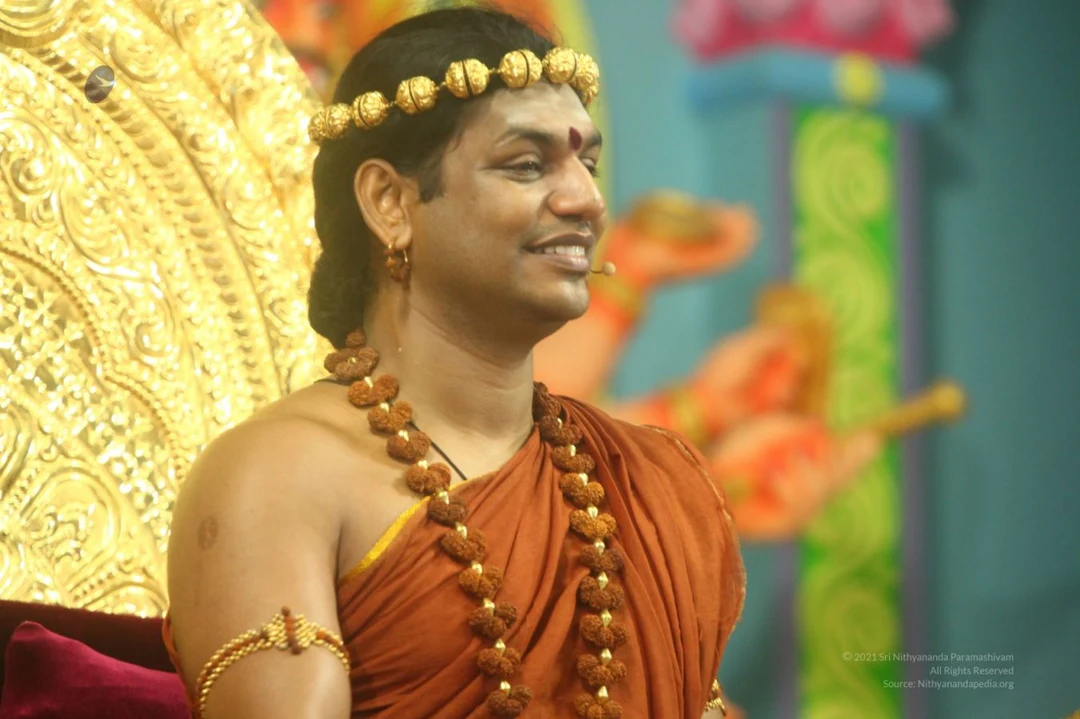
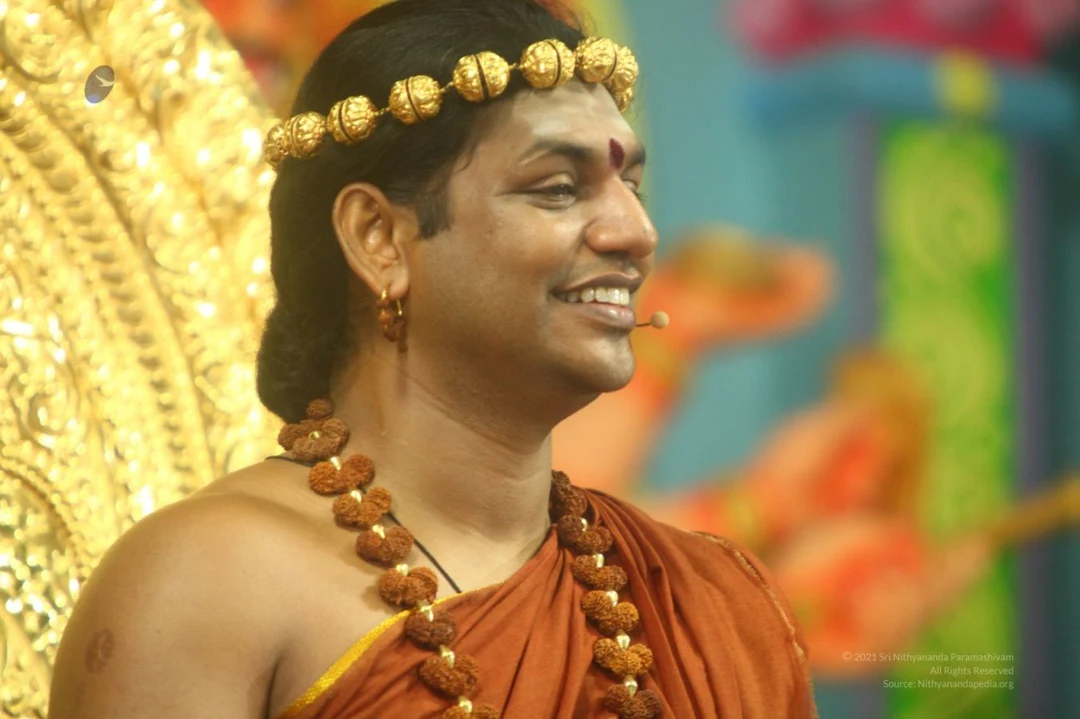
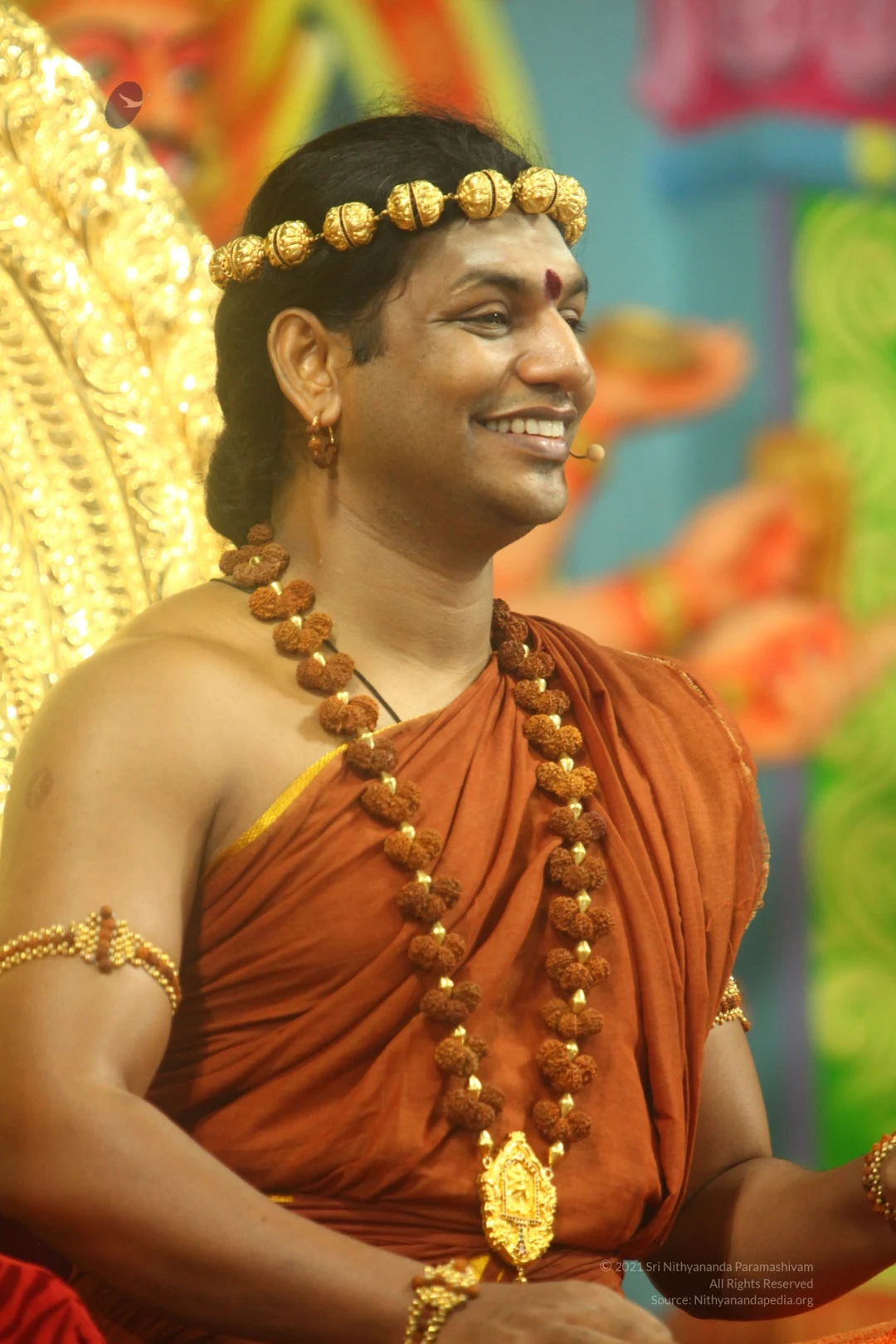
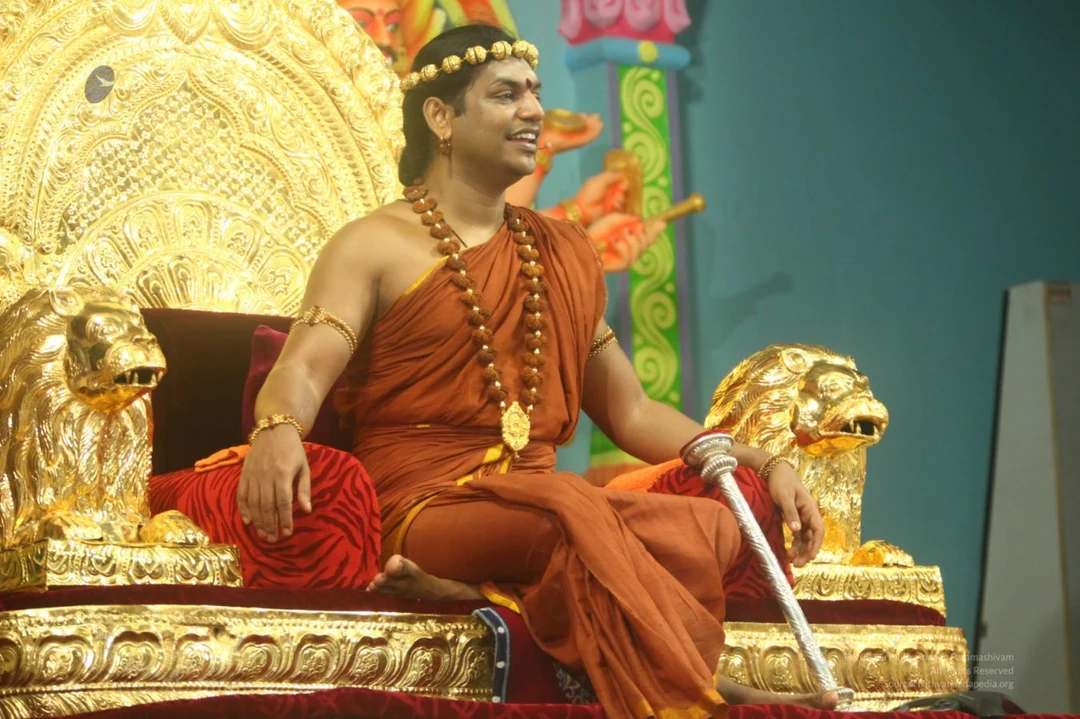
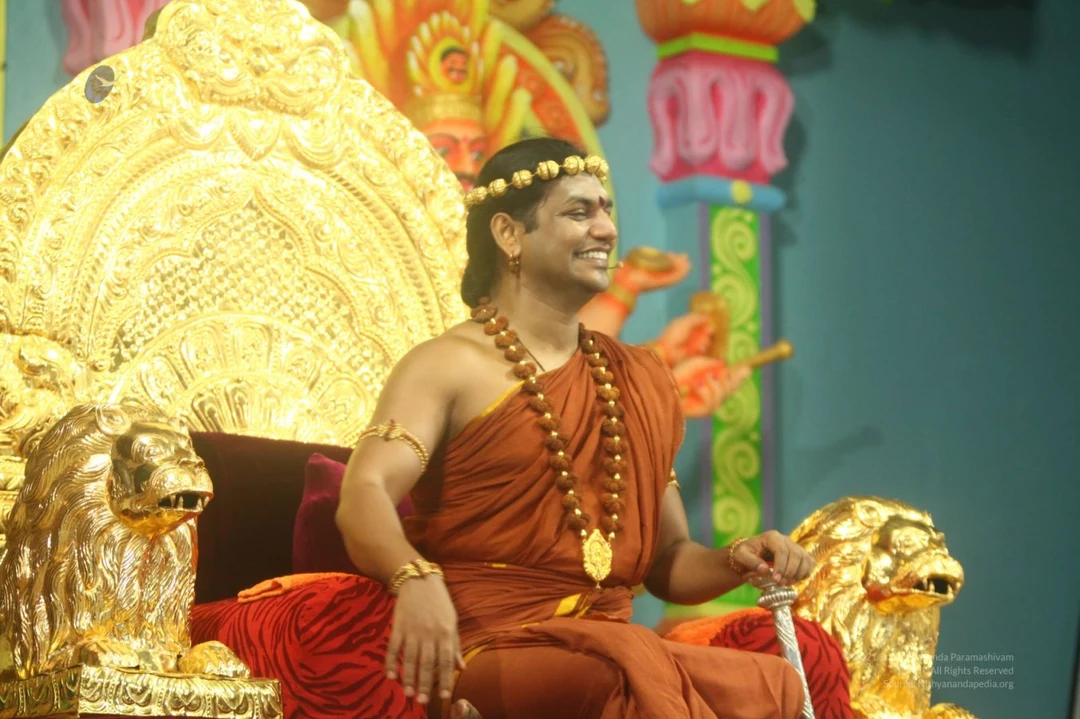
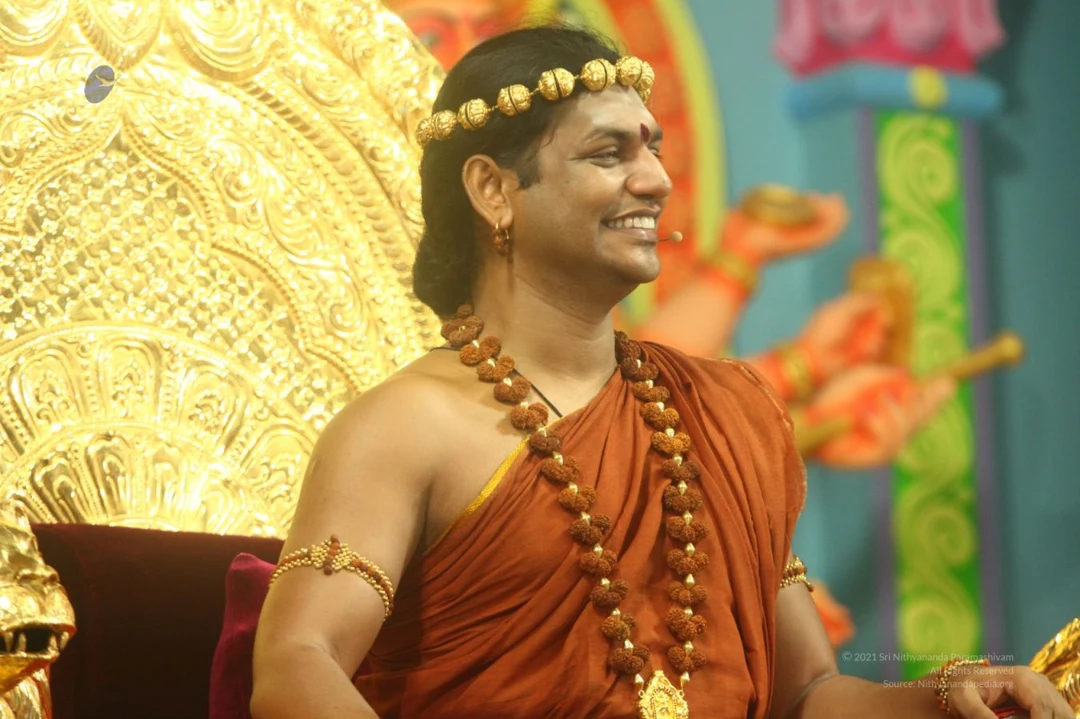
Nithya Satsang
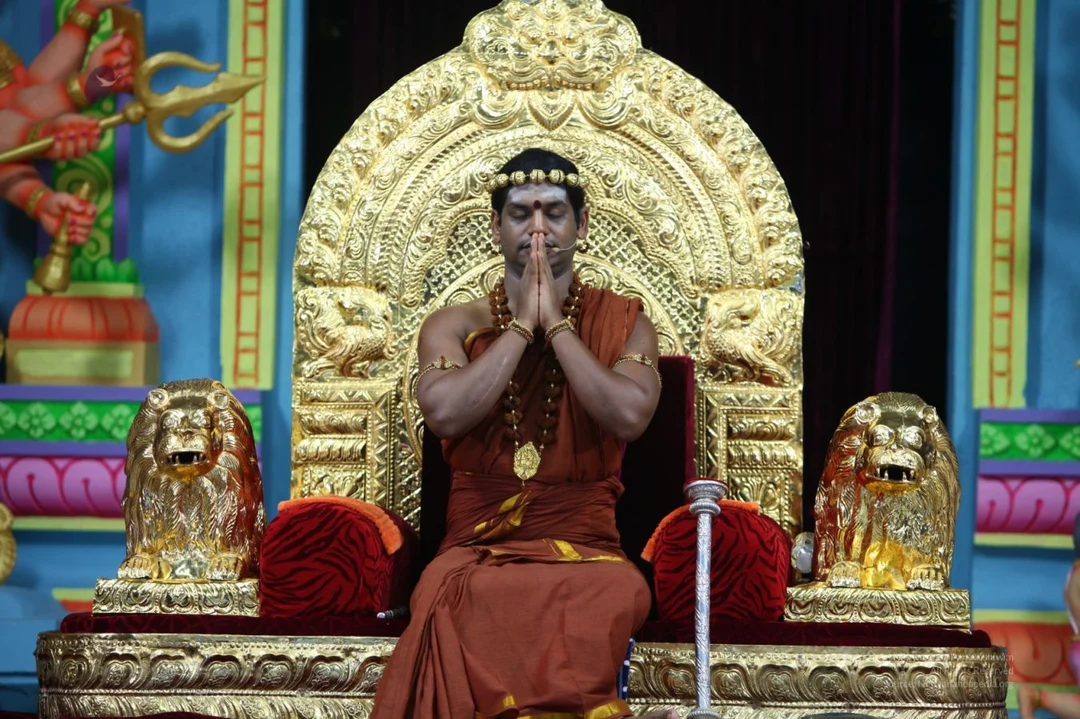
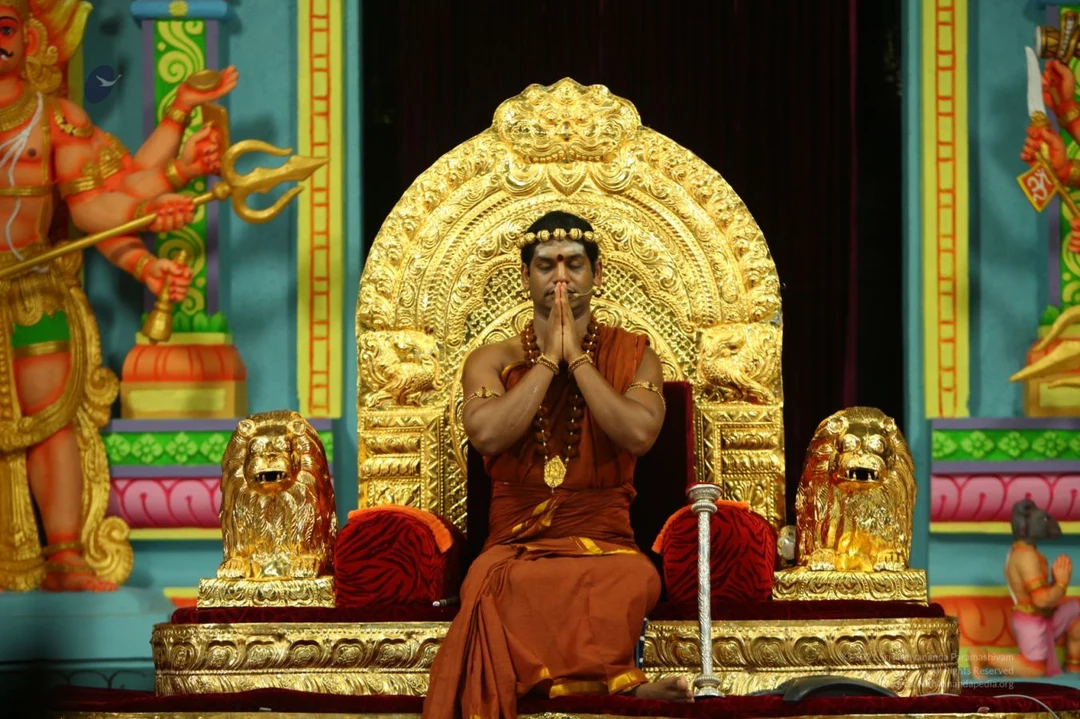
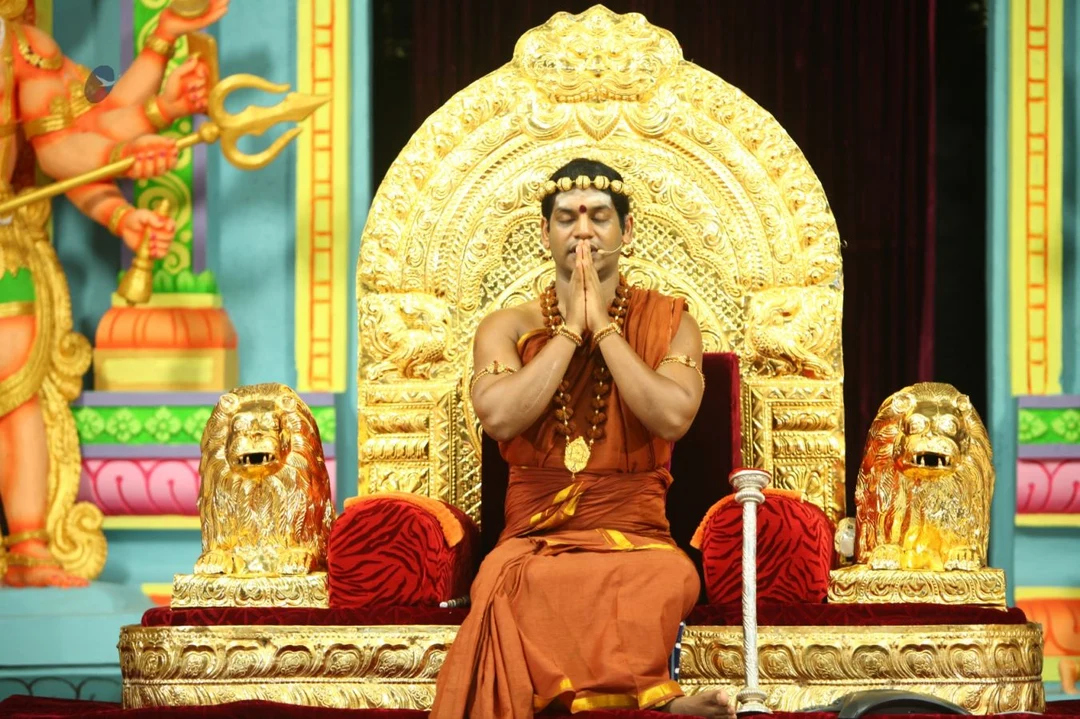
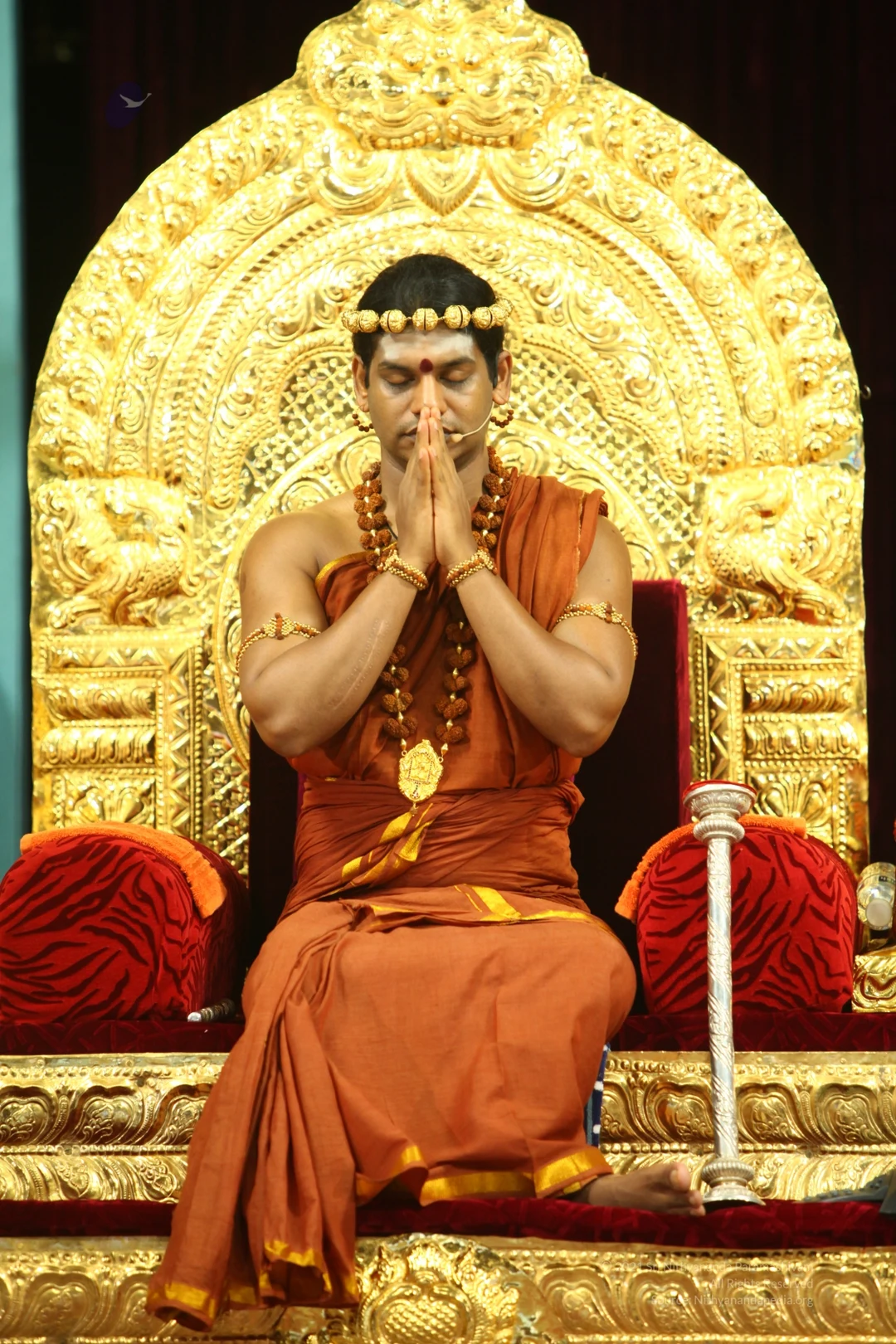
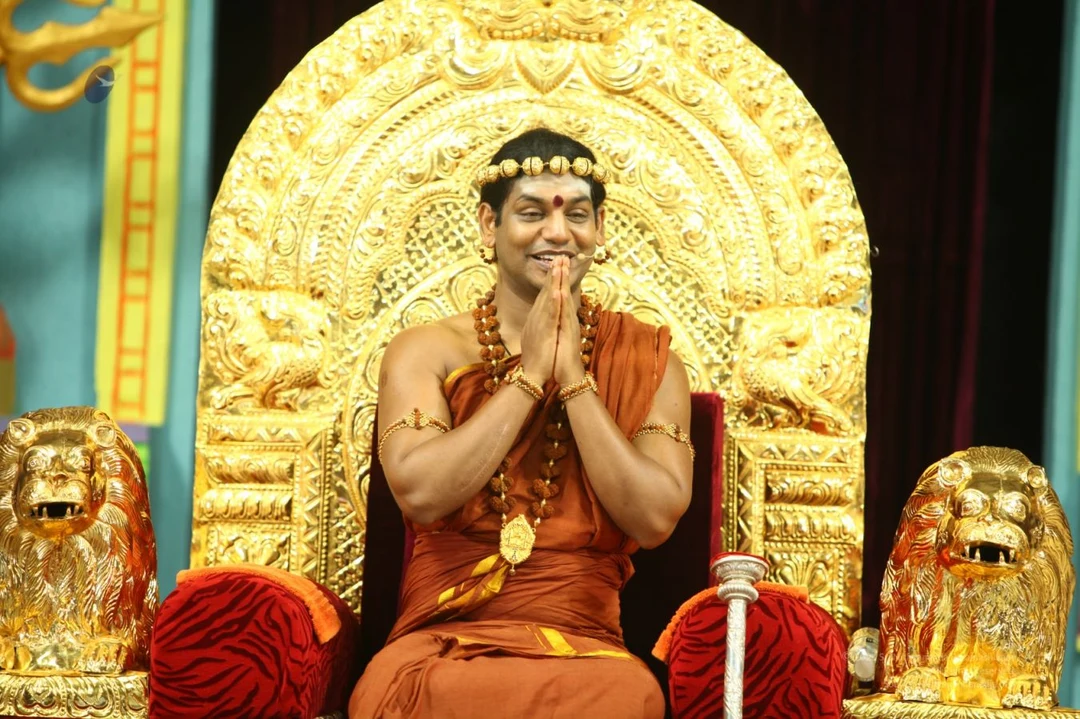
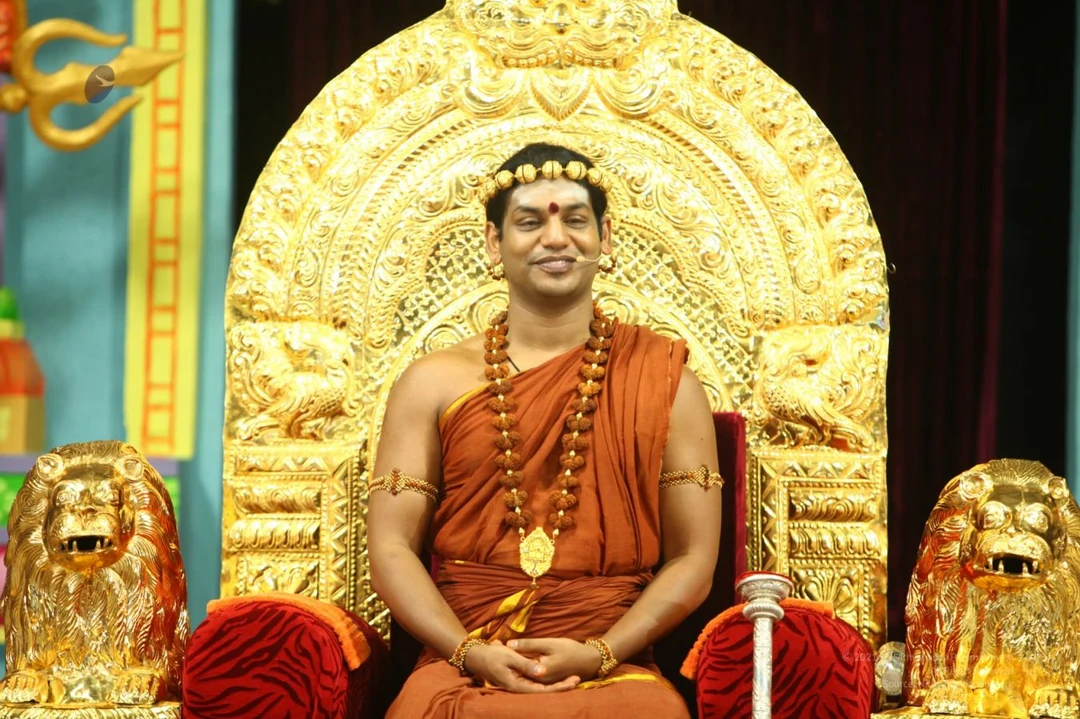
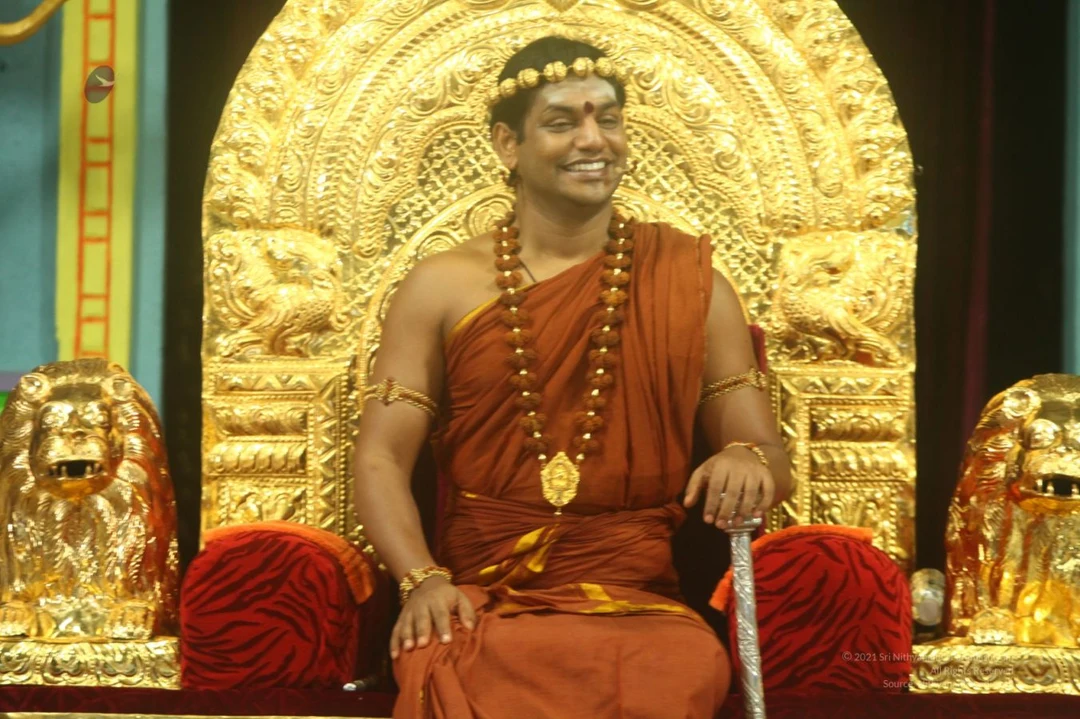
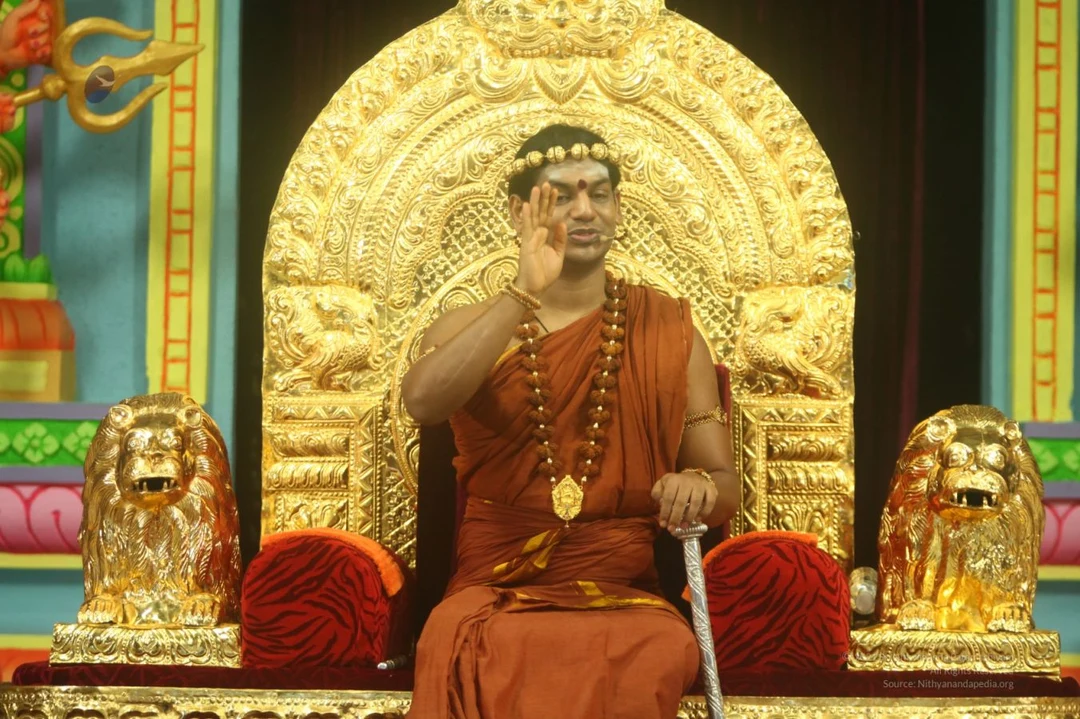
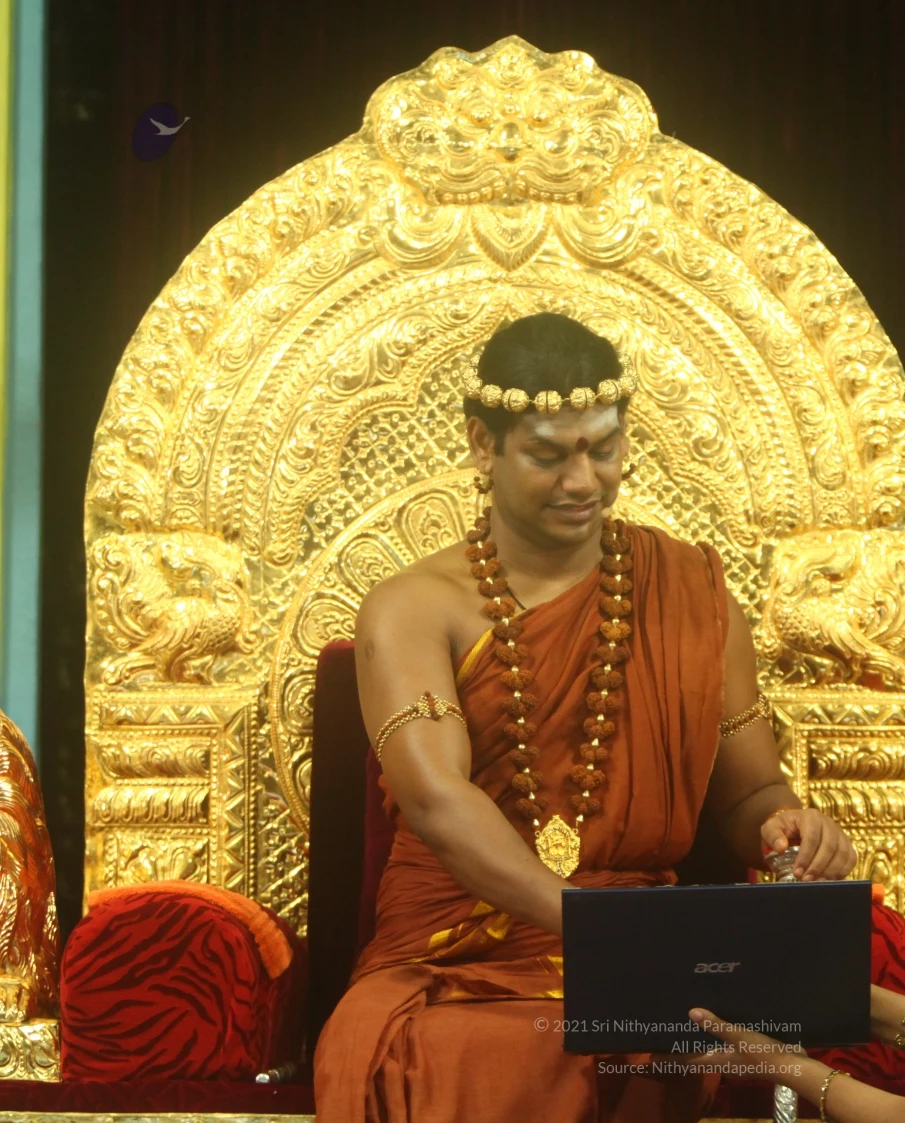
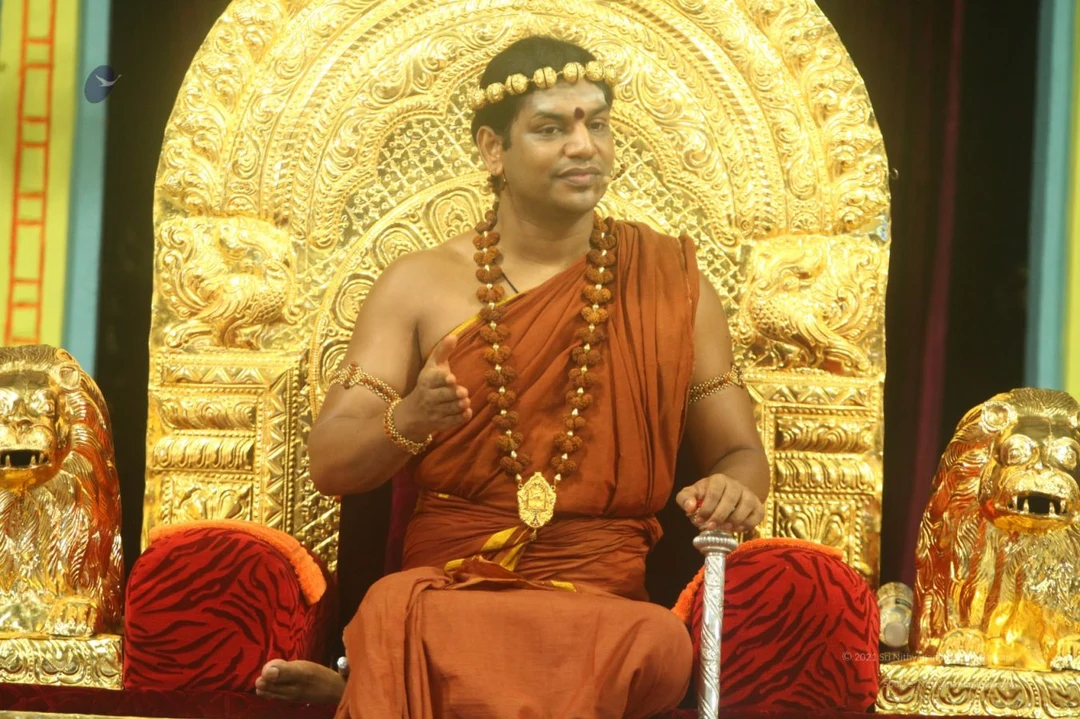
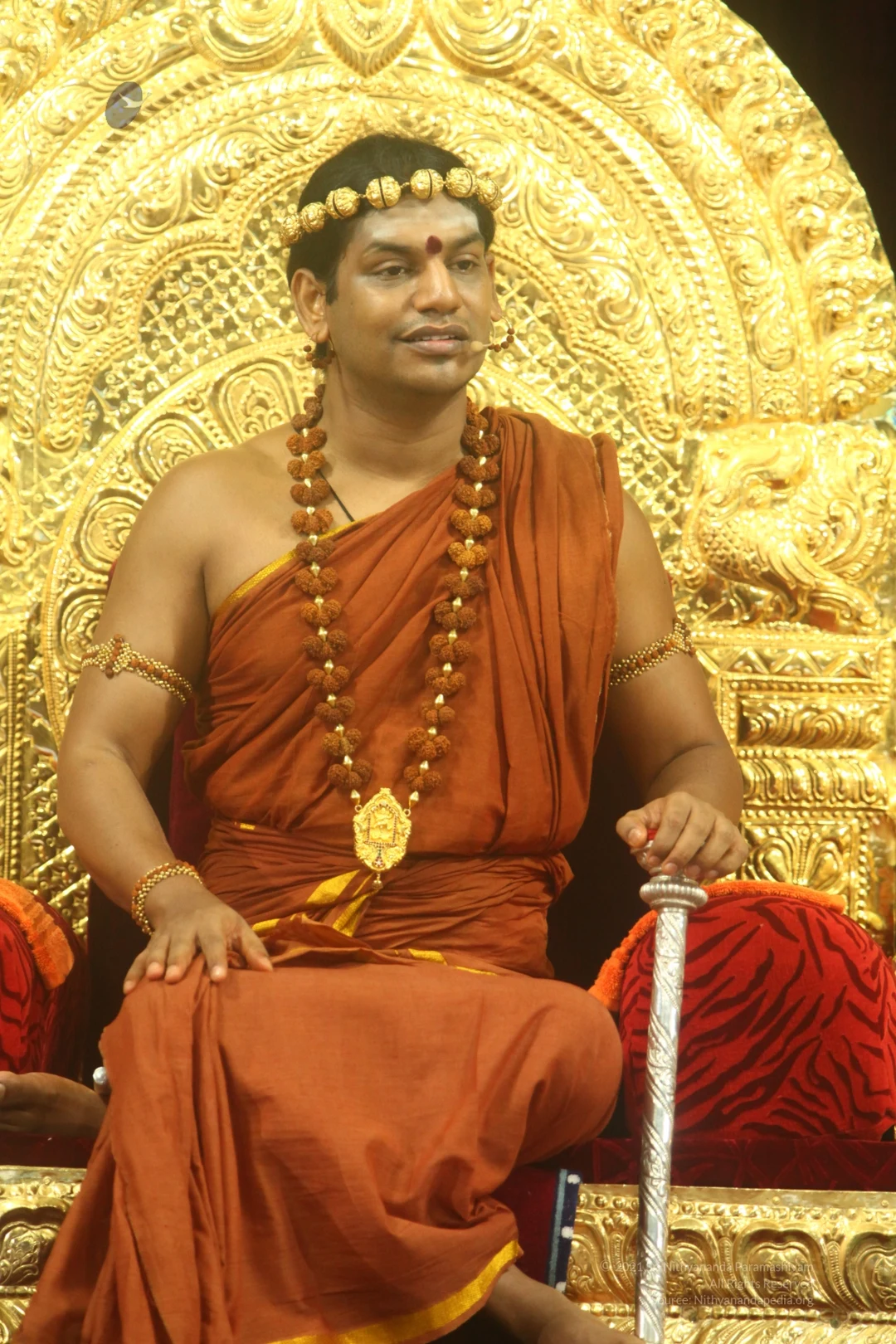
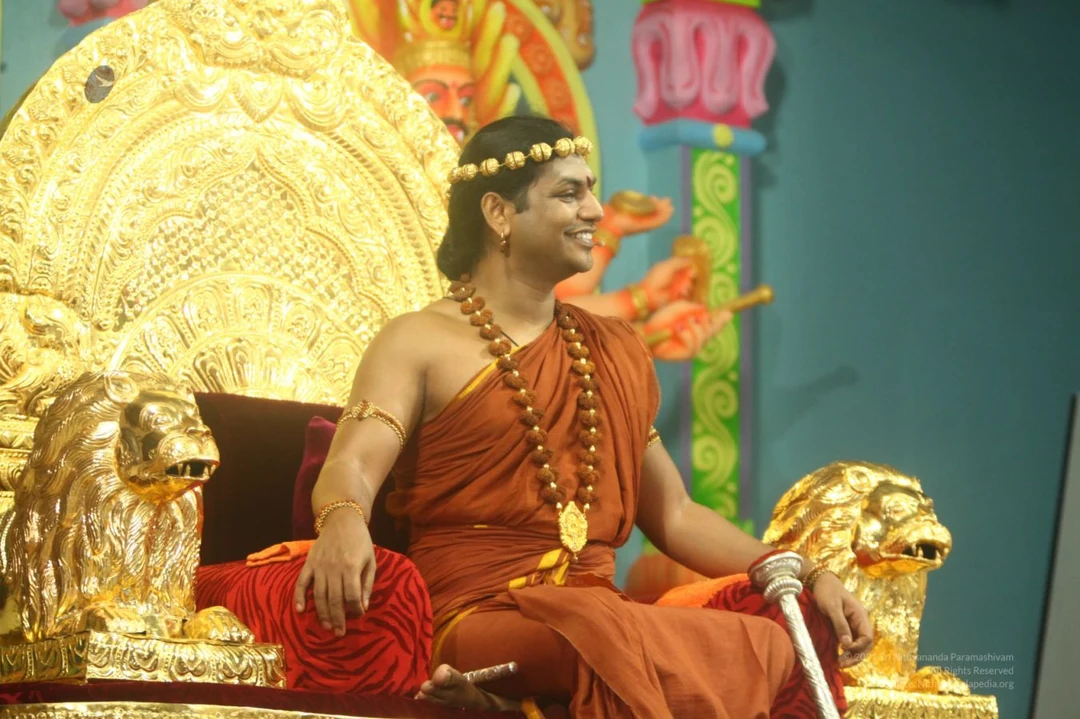
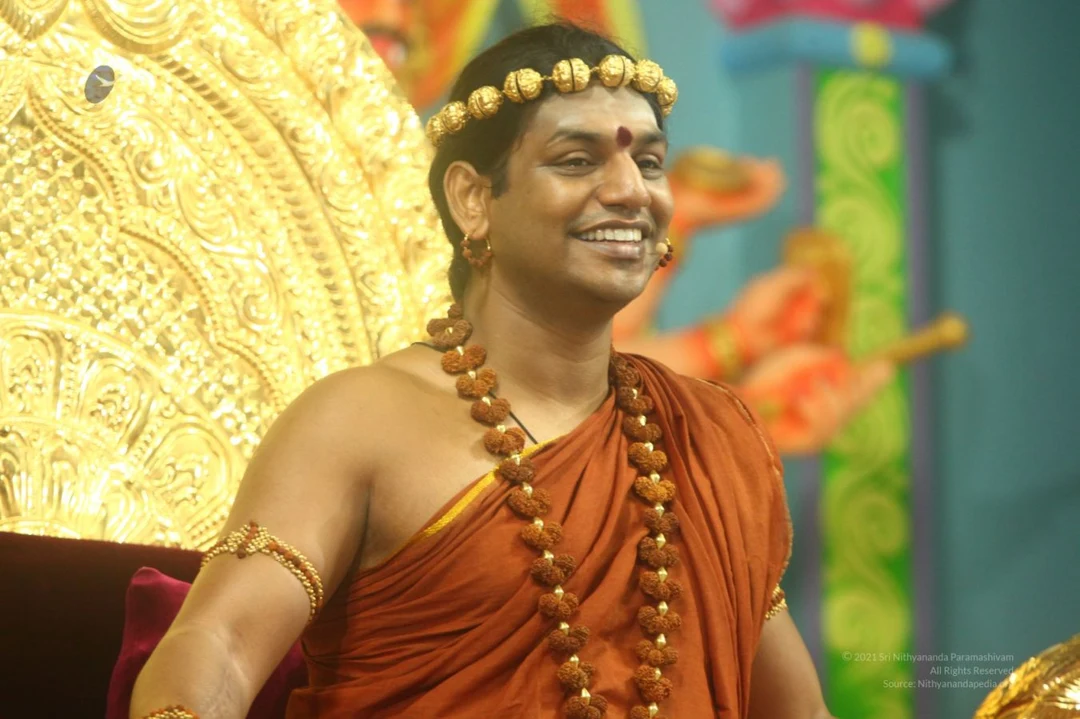

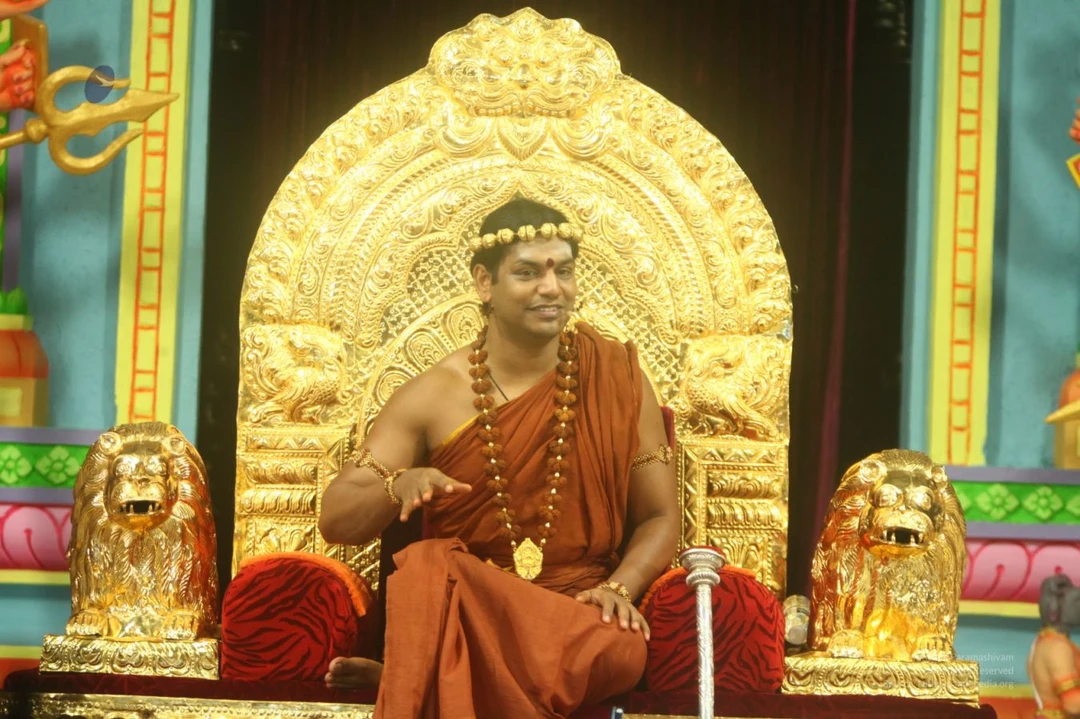
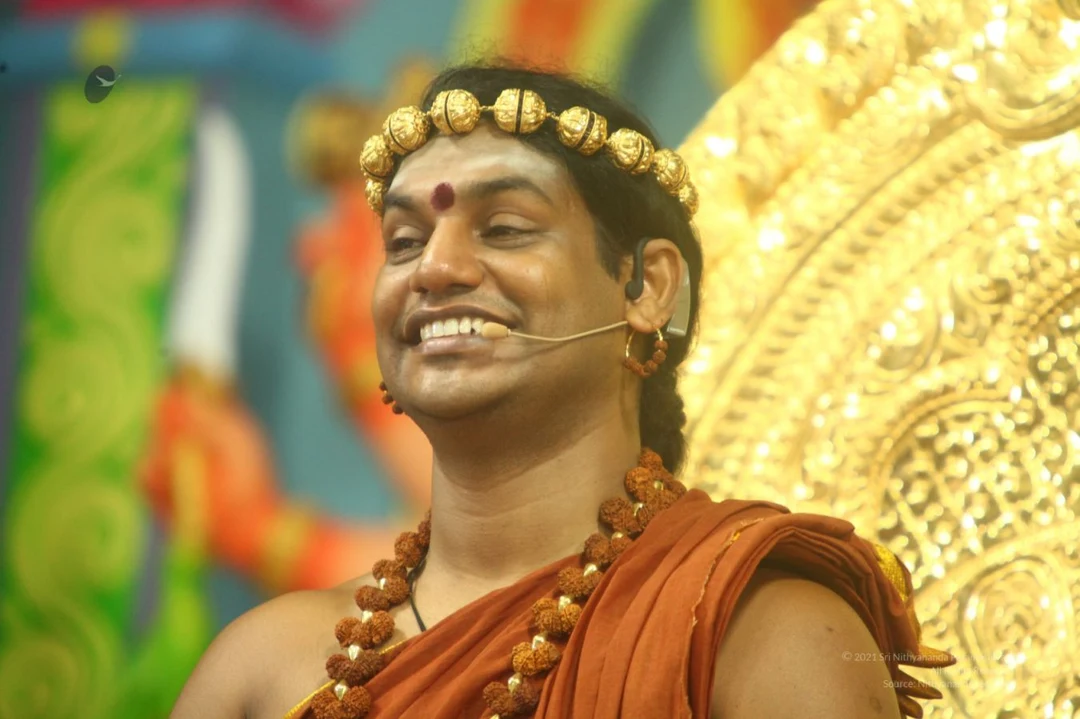
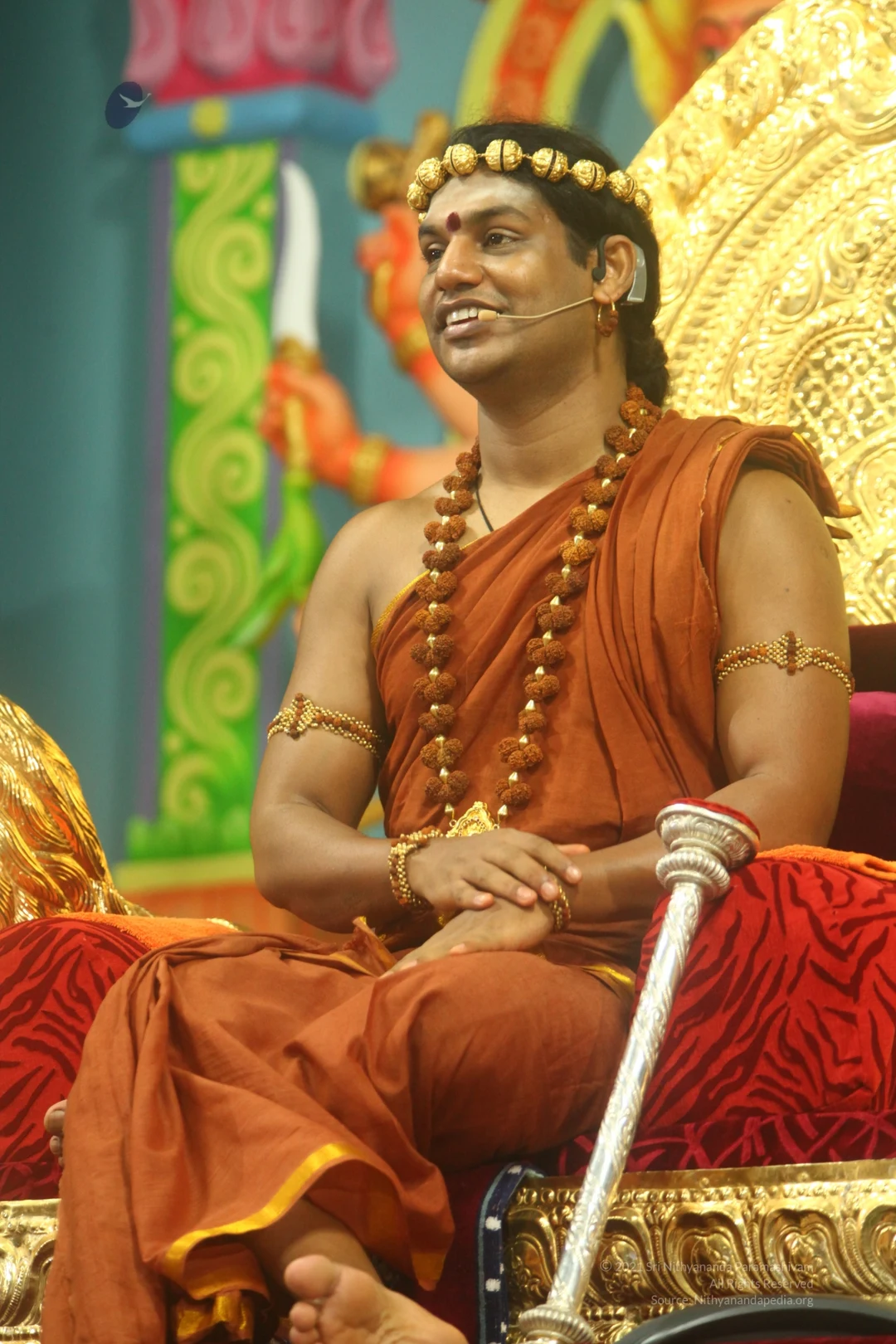
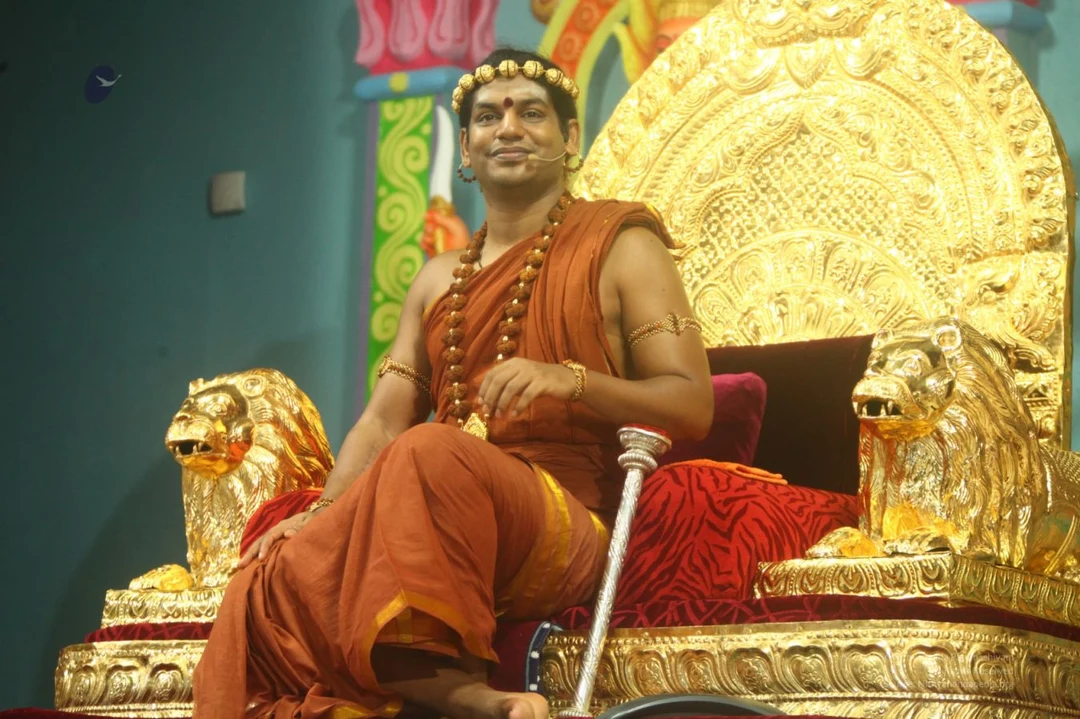
Sarvadarshan
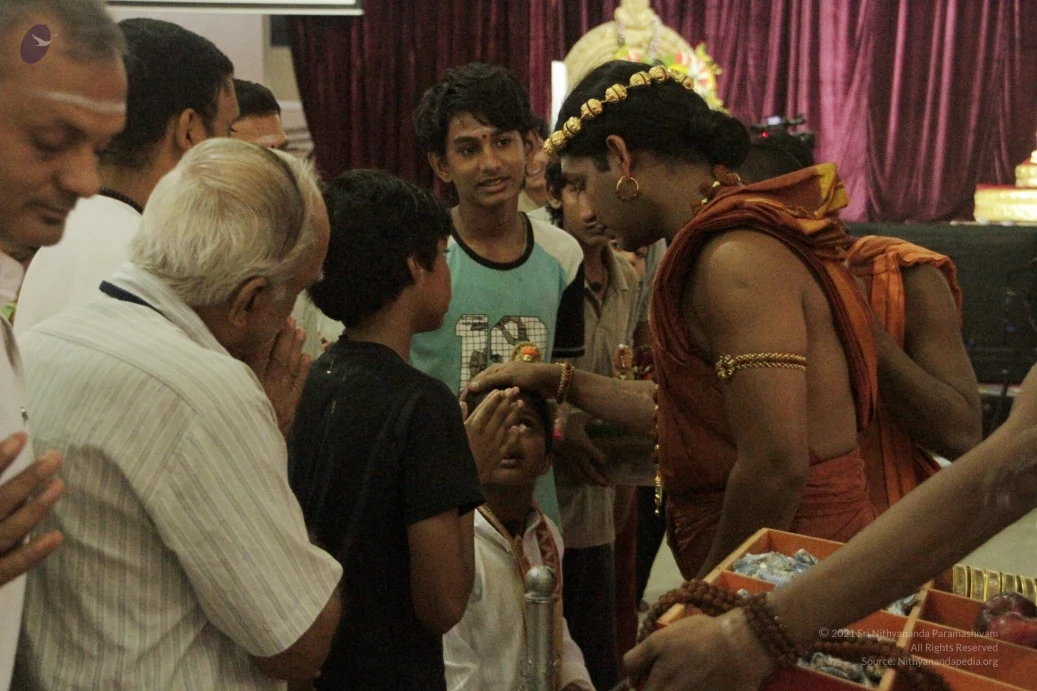
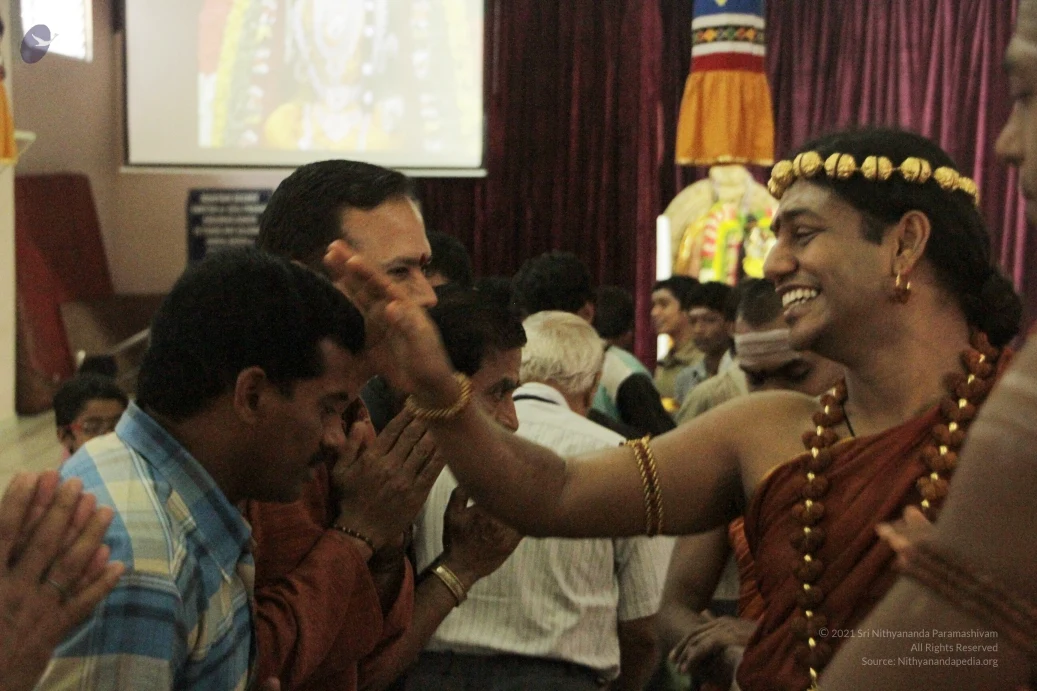
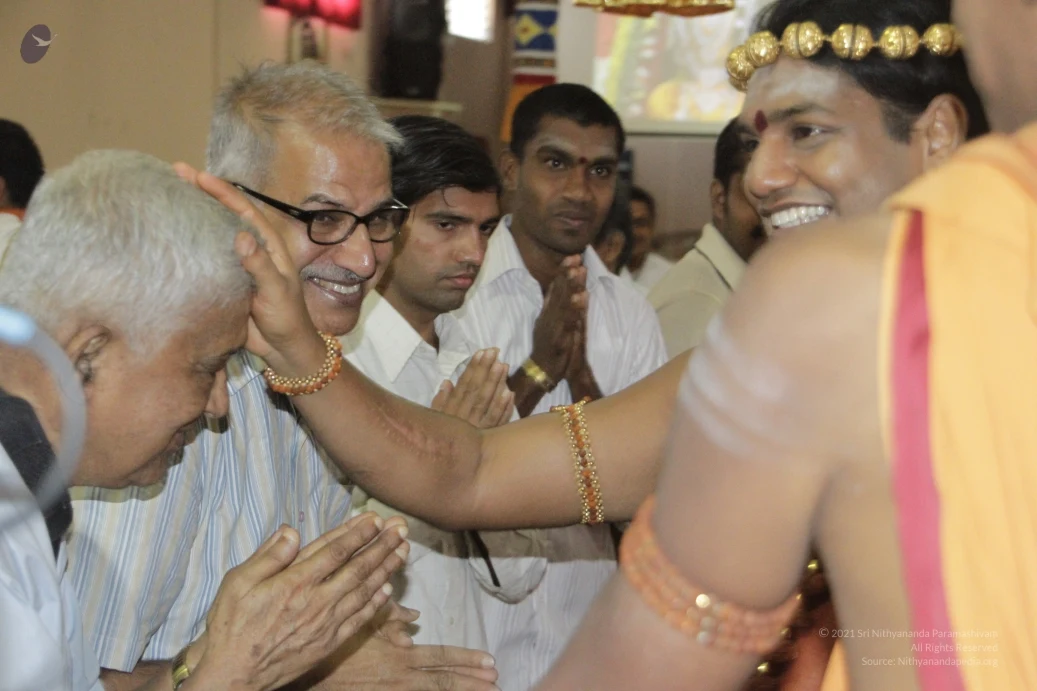

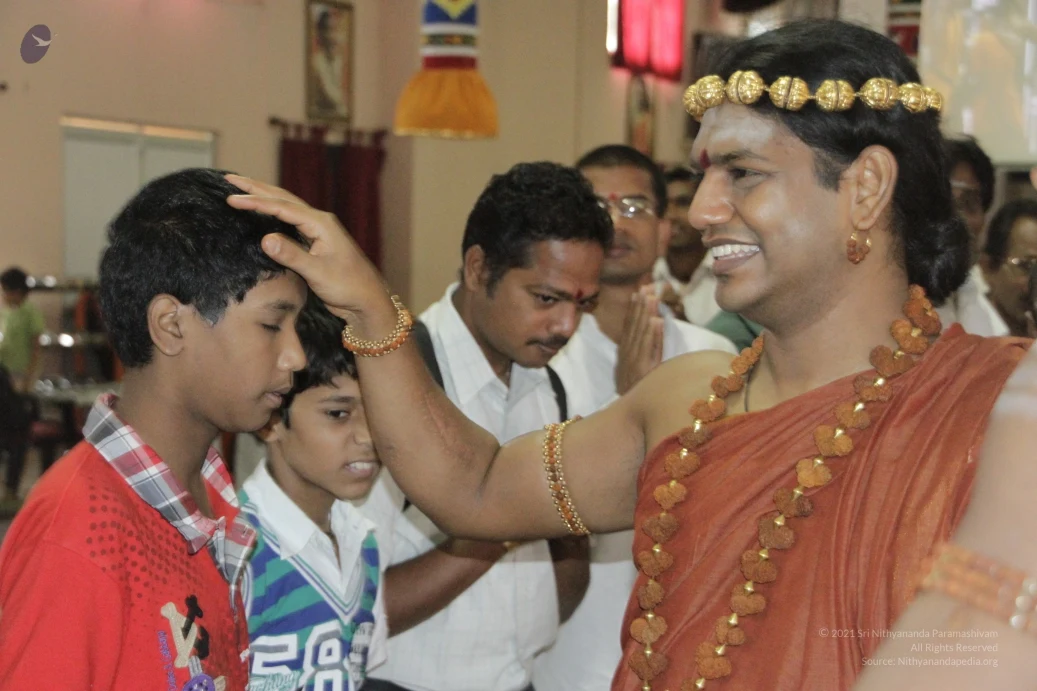
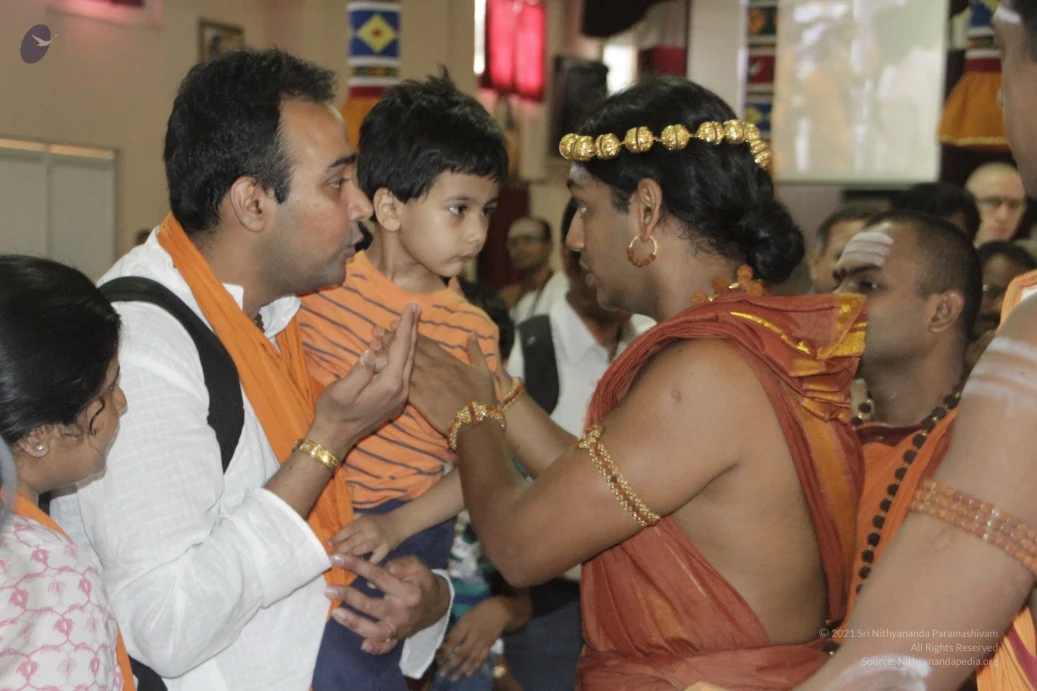
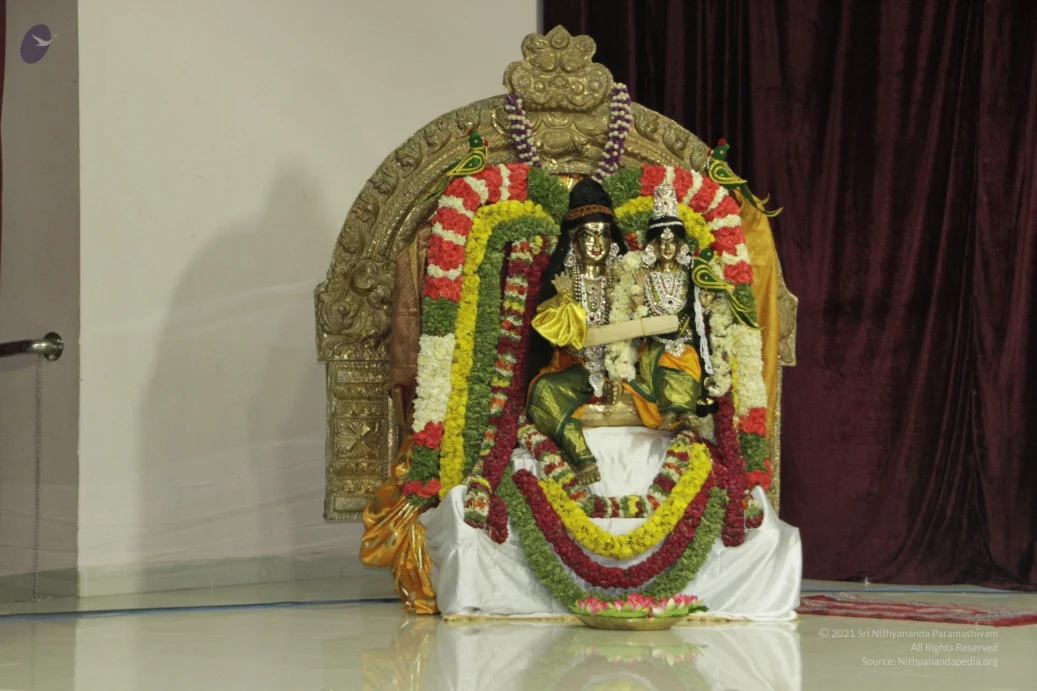
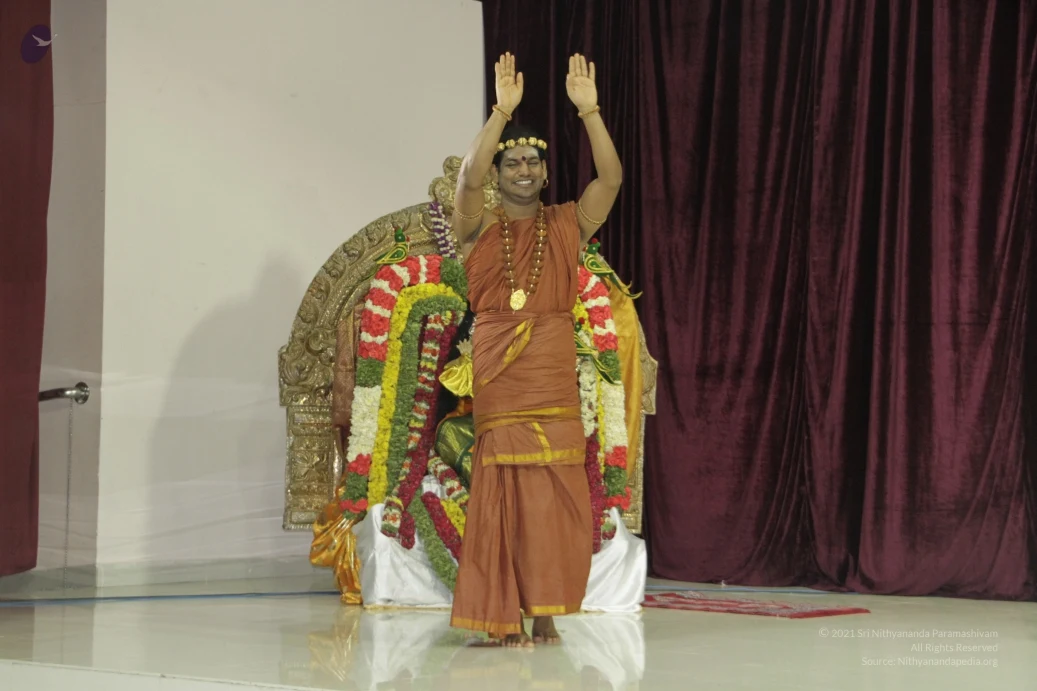
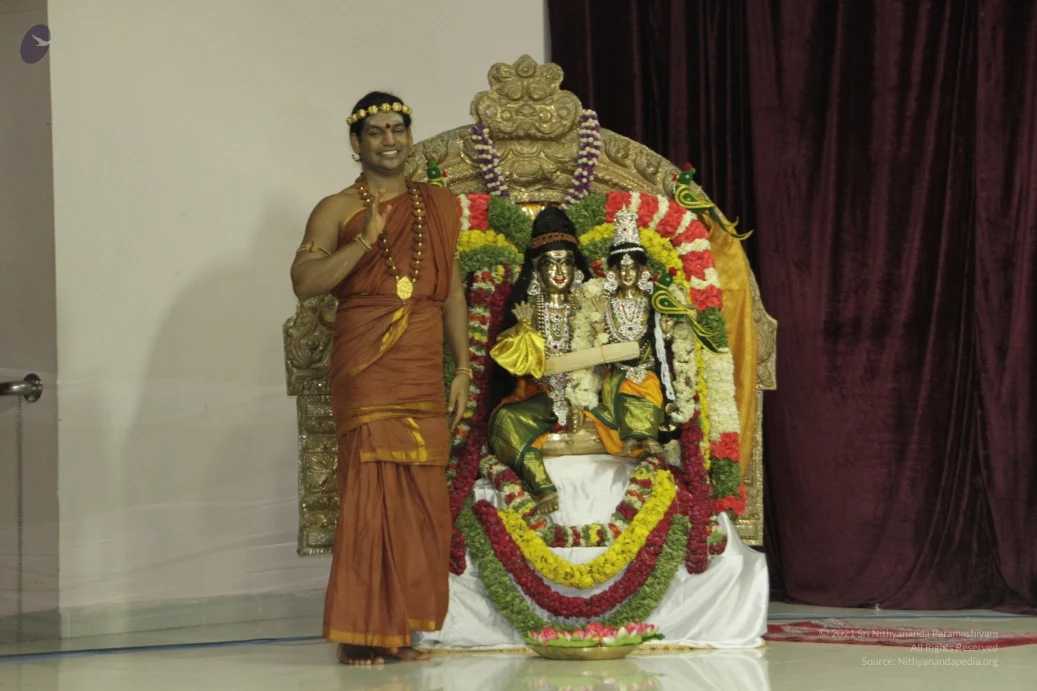
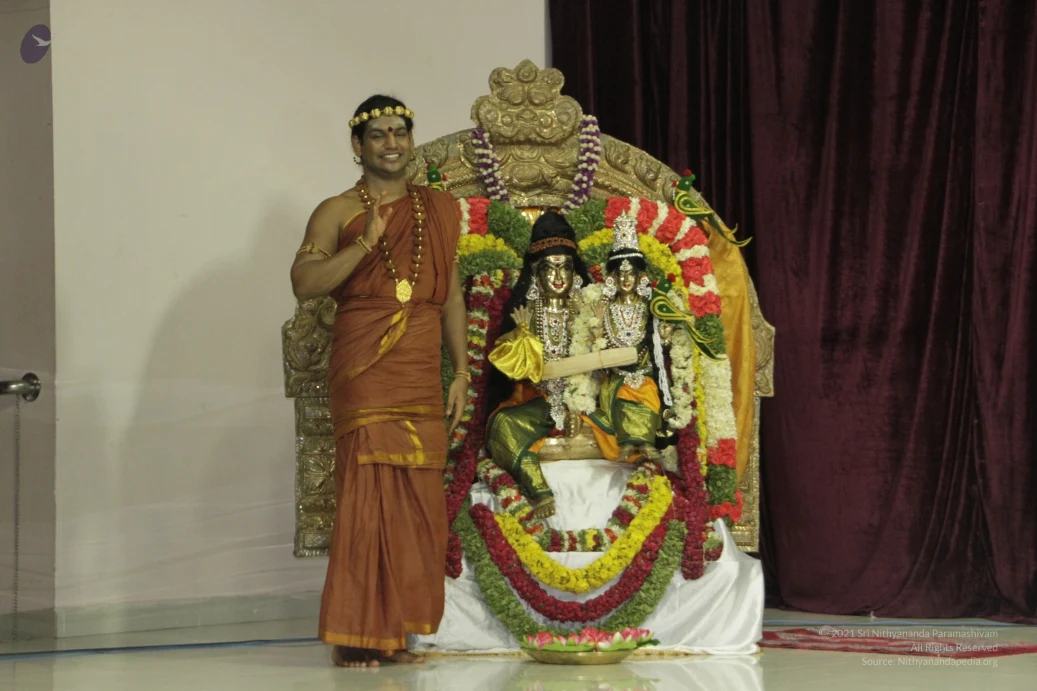
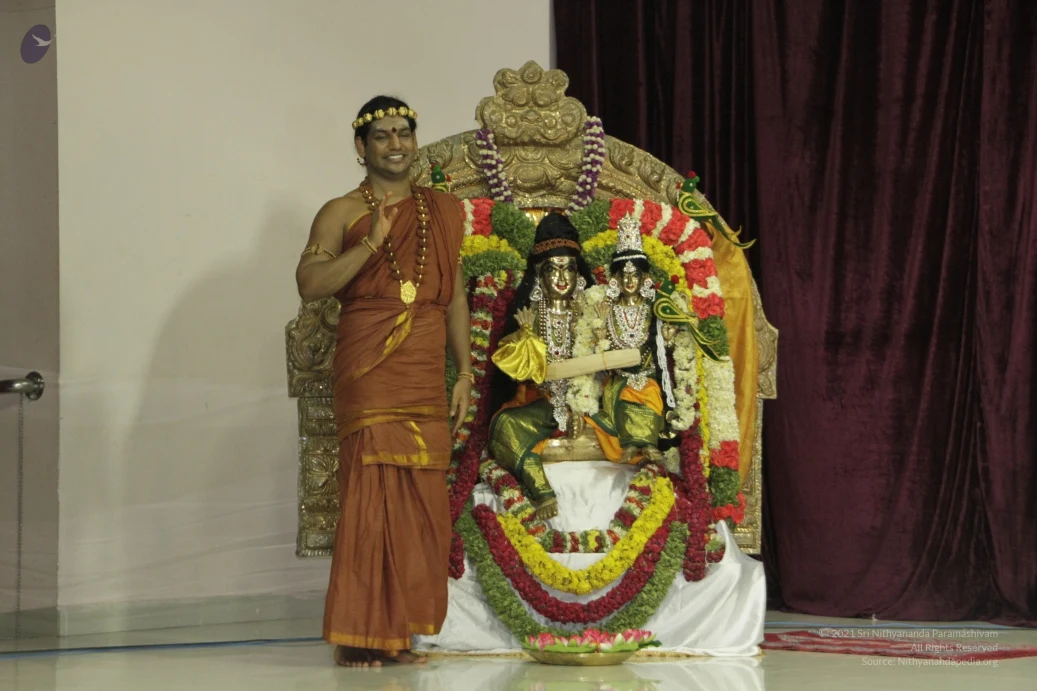
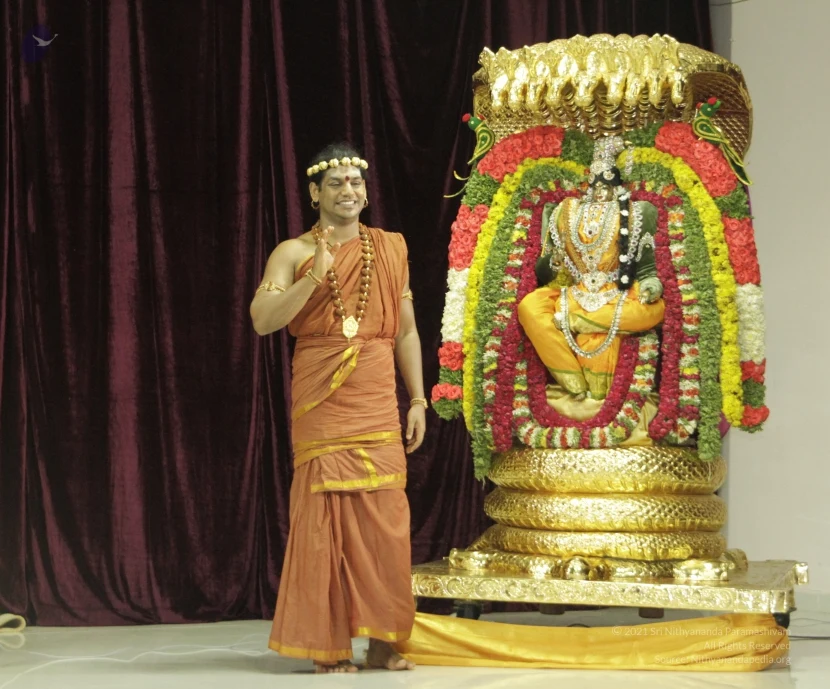
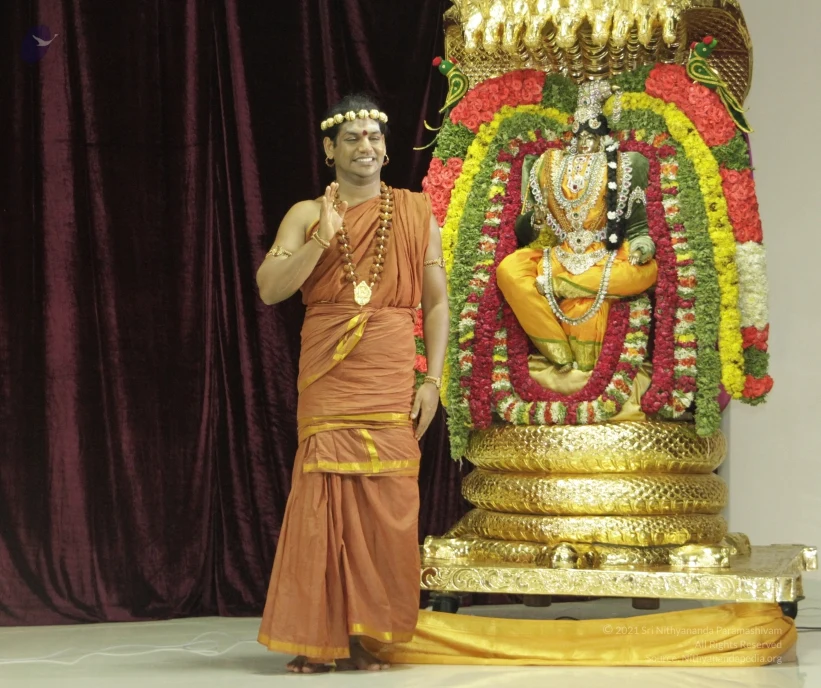
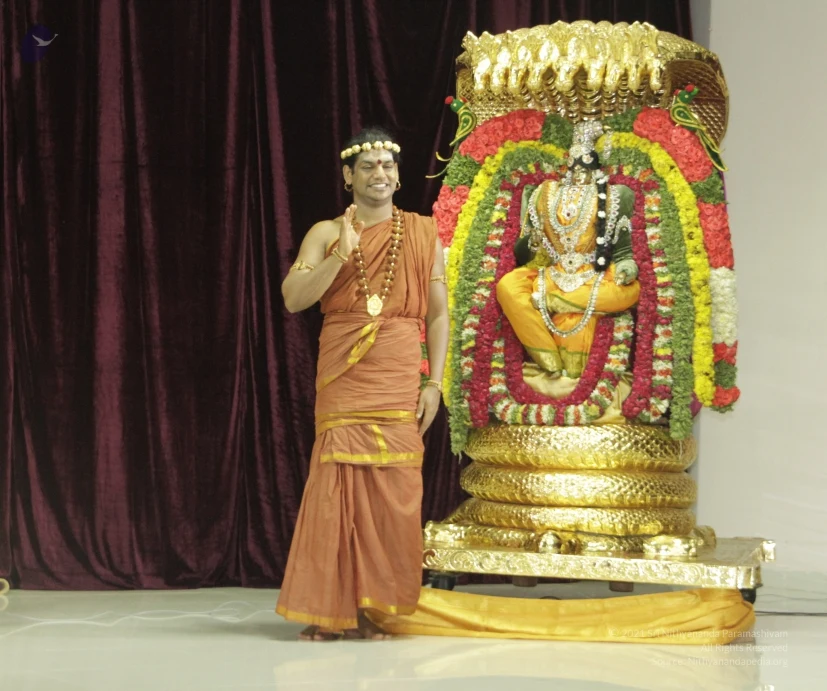
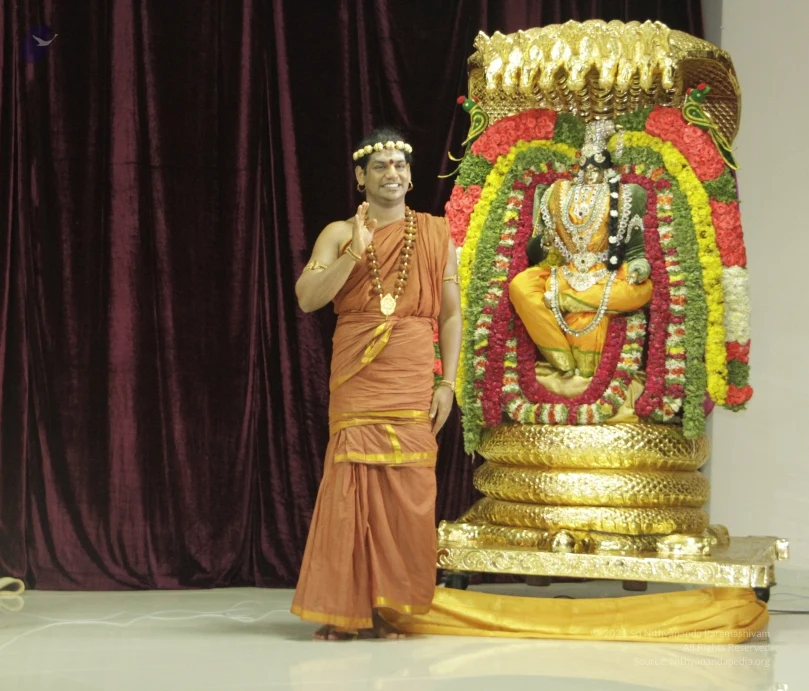
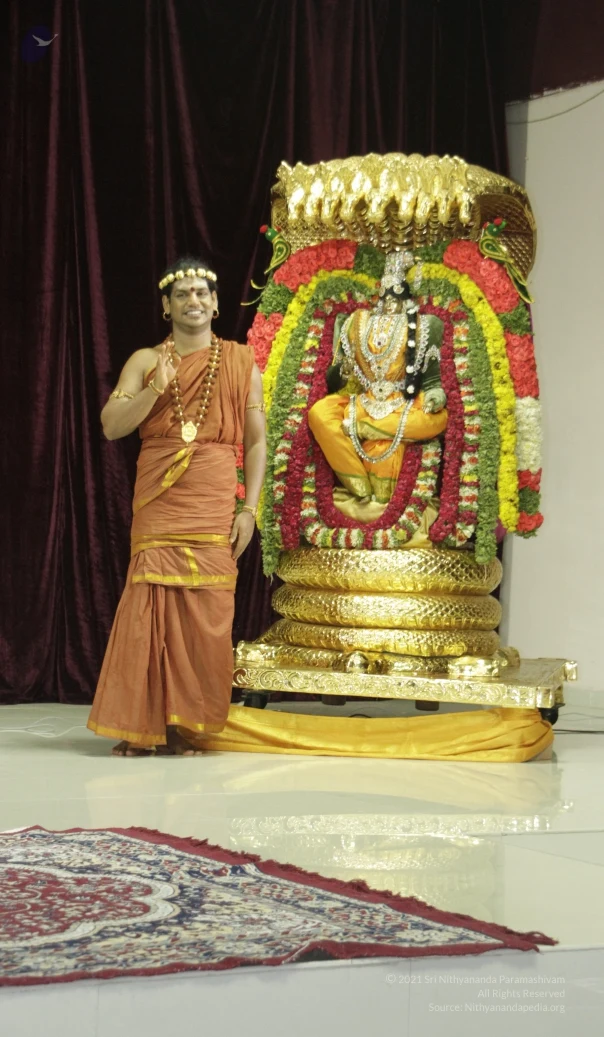
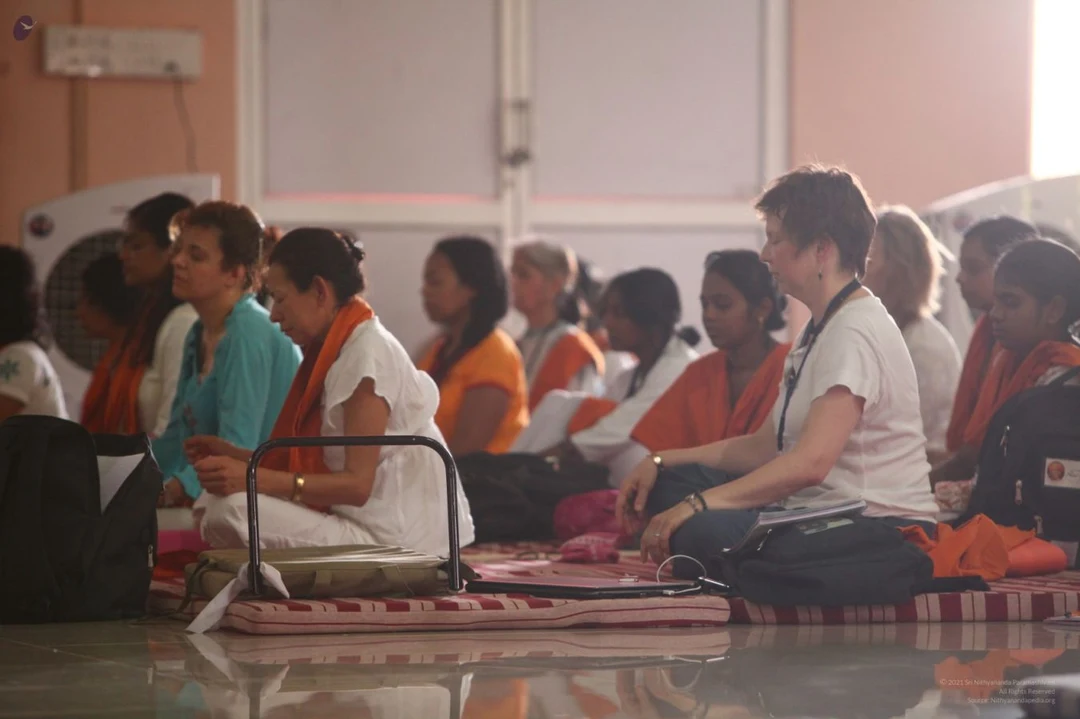
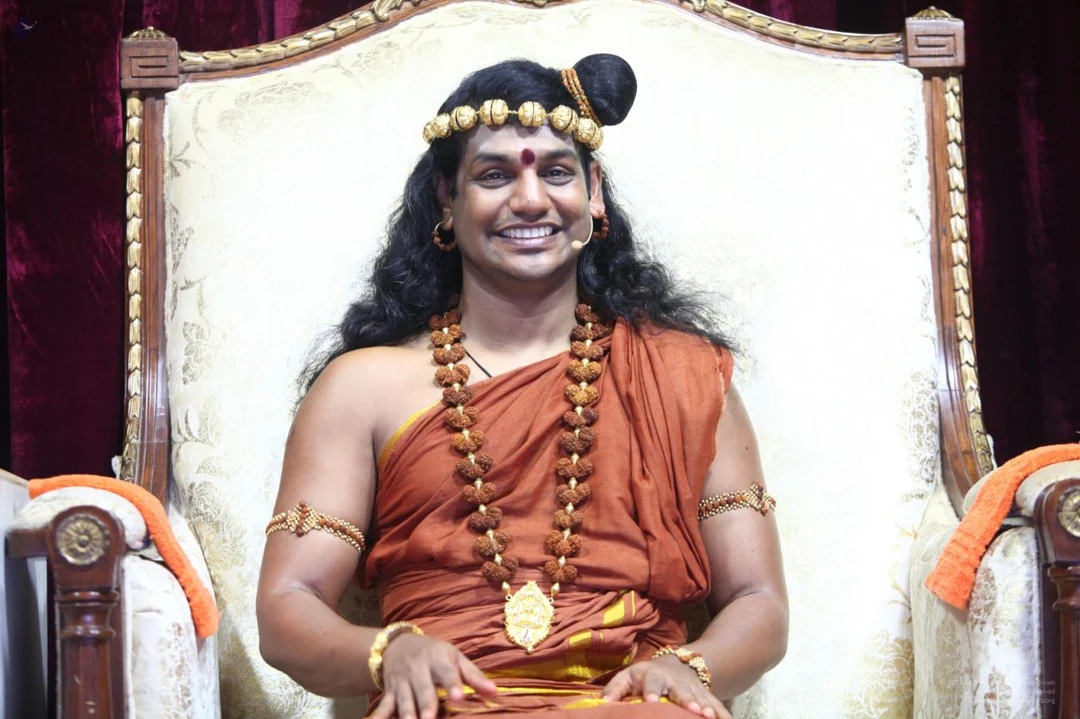
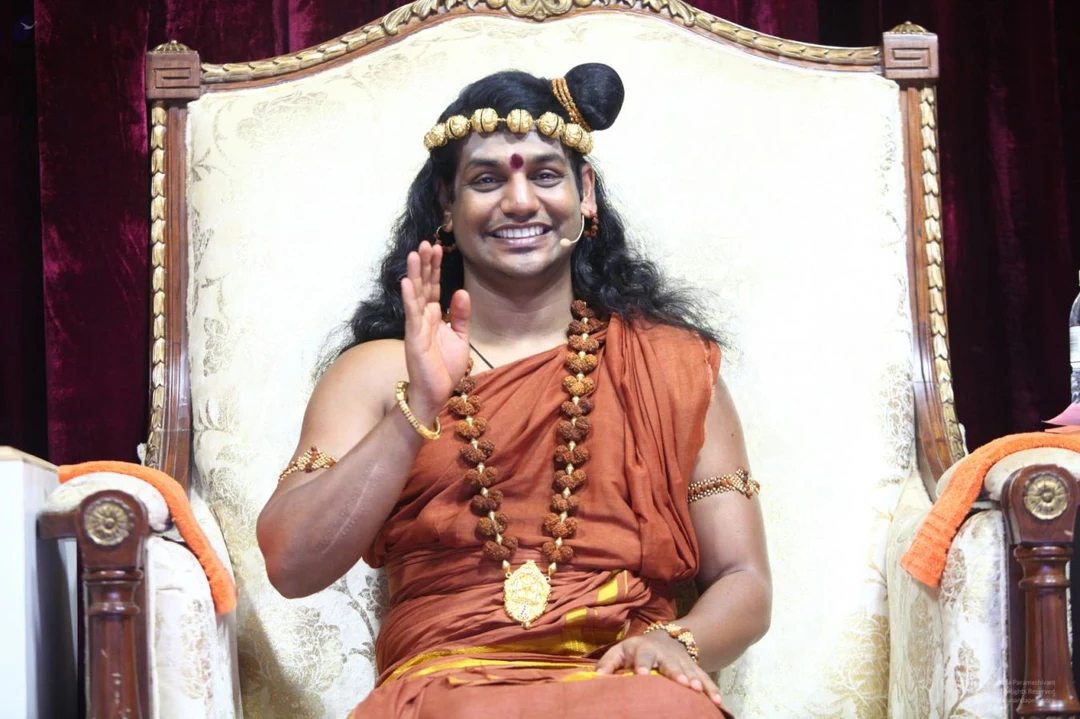
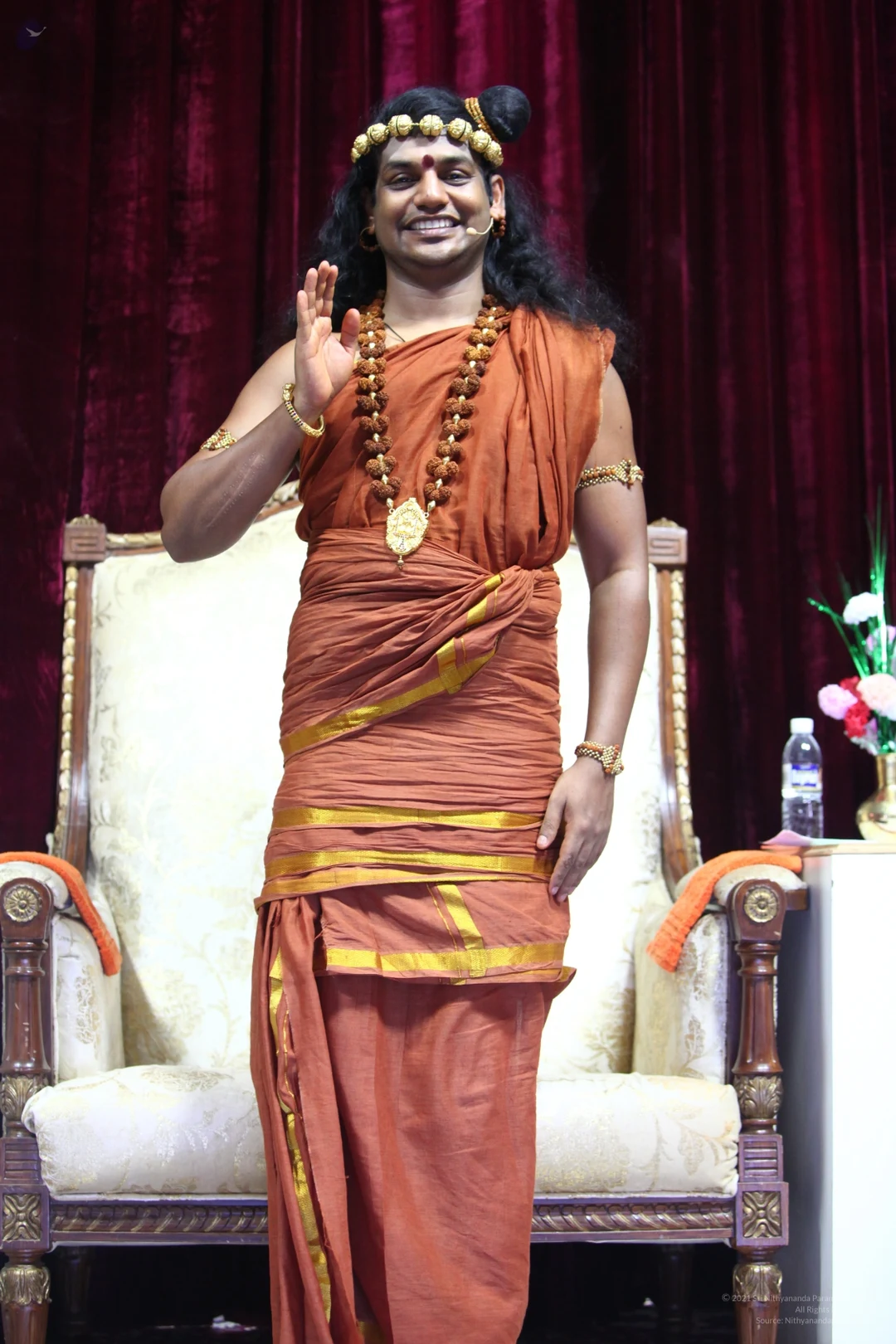
Inner Awakening Session
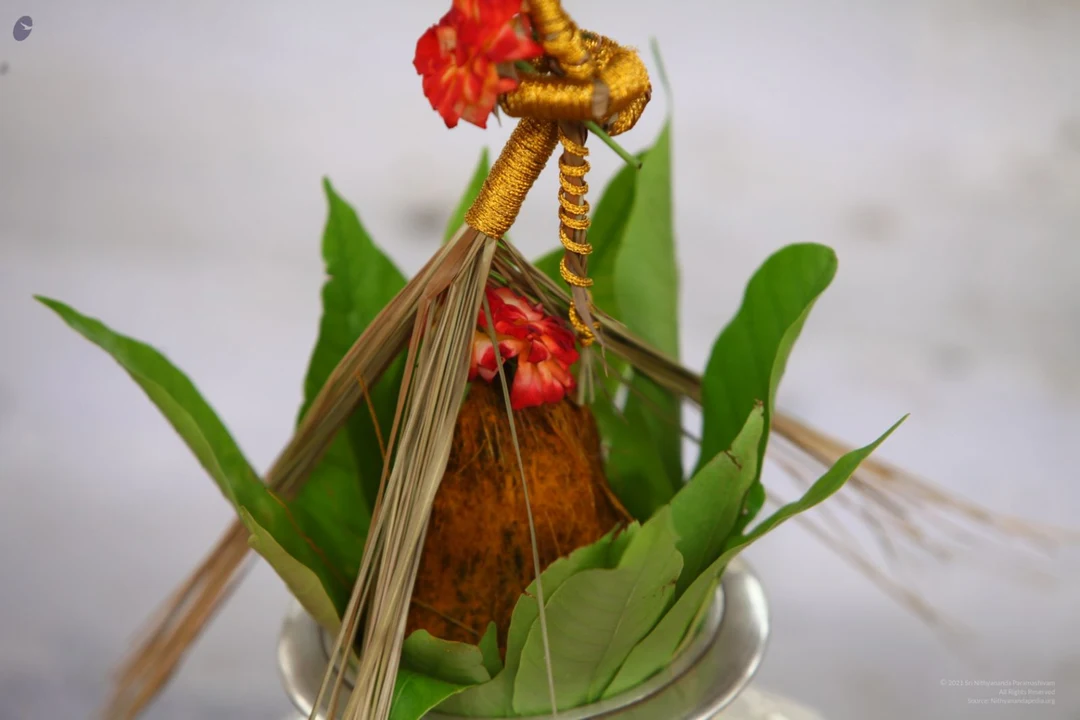
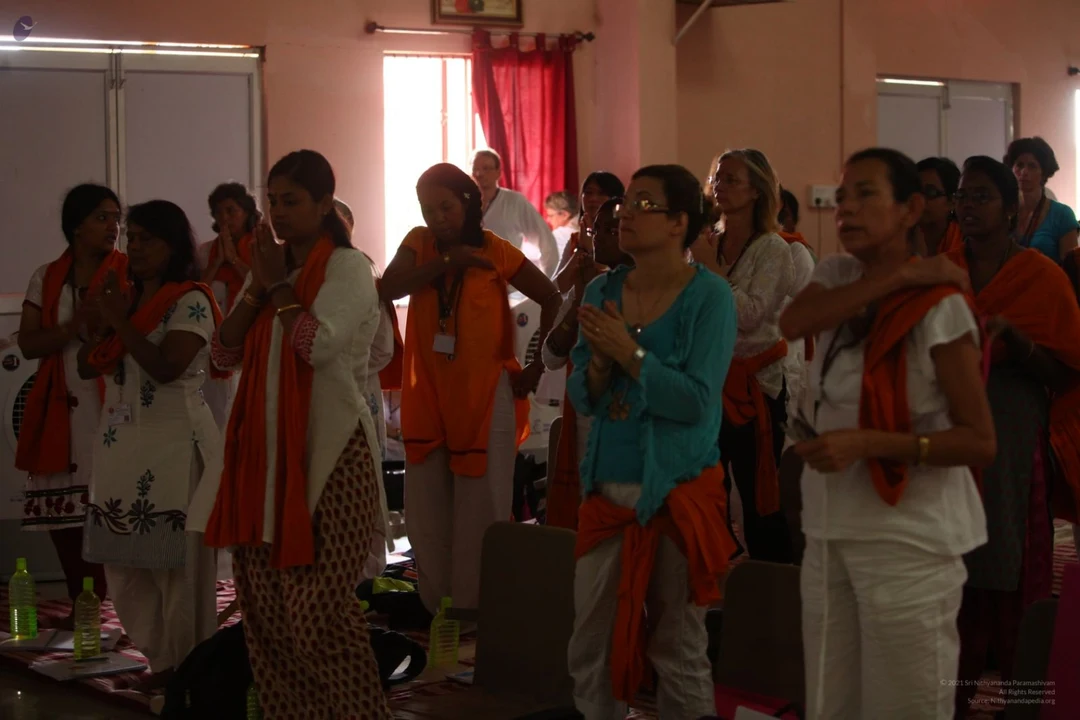
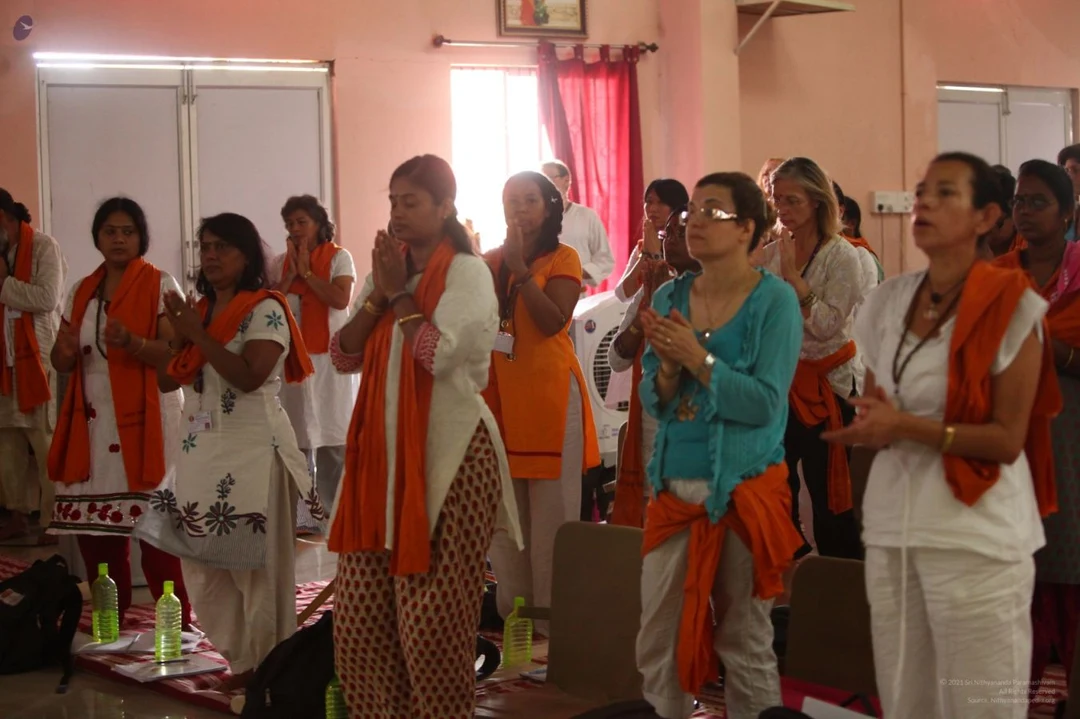
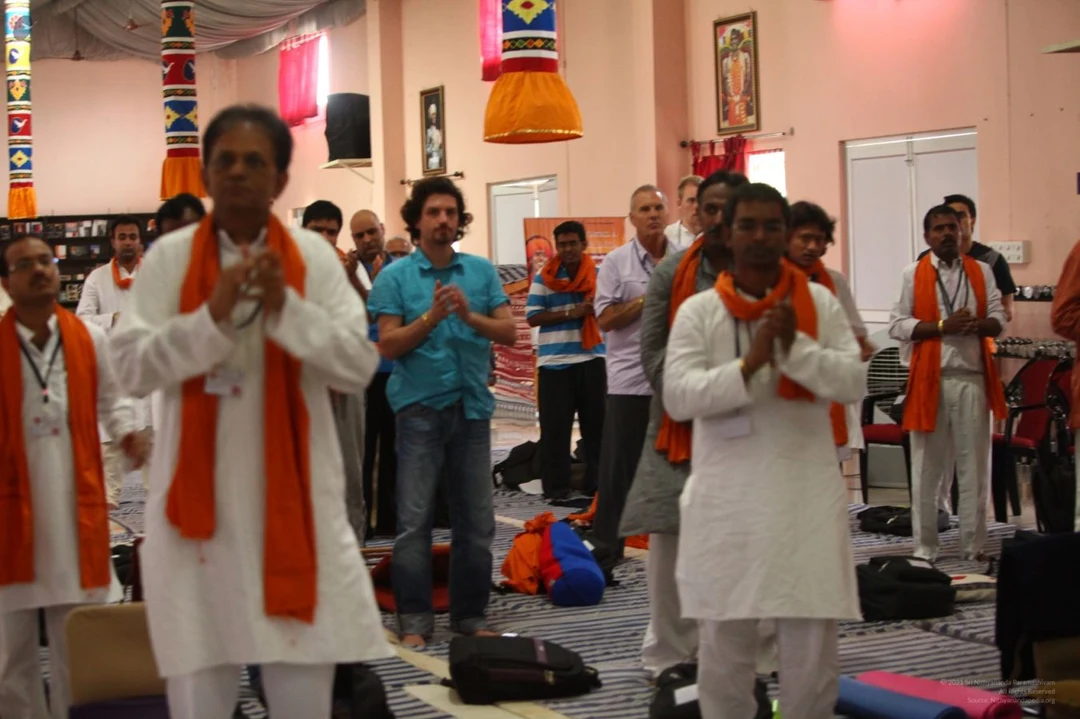
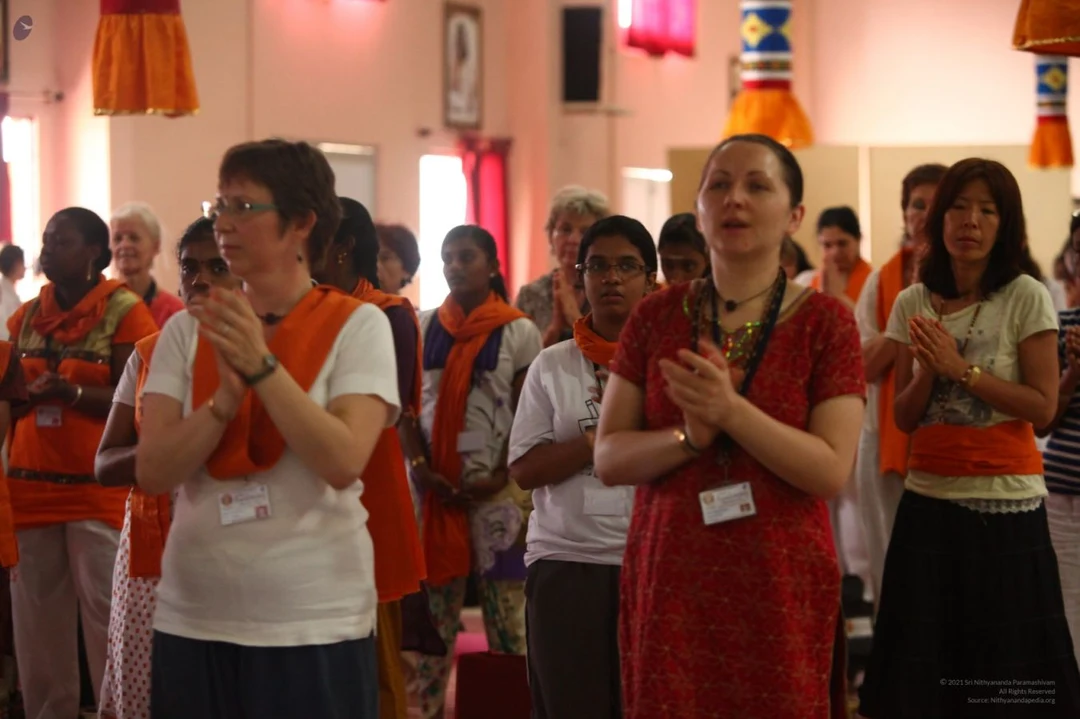
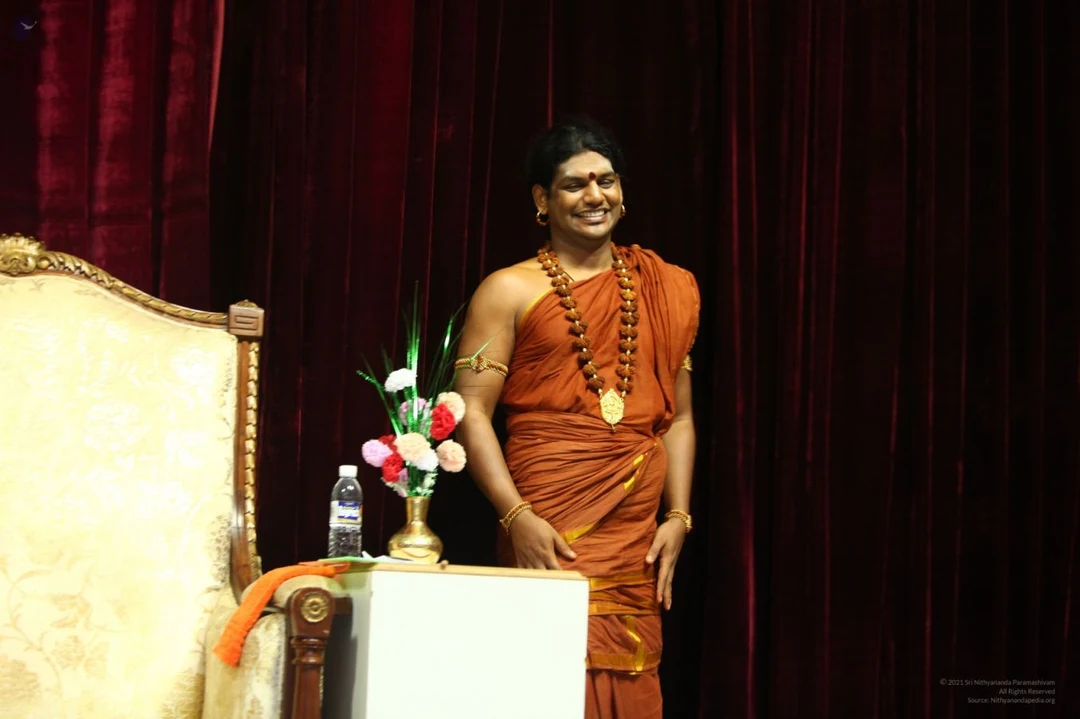
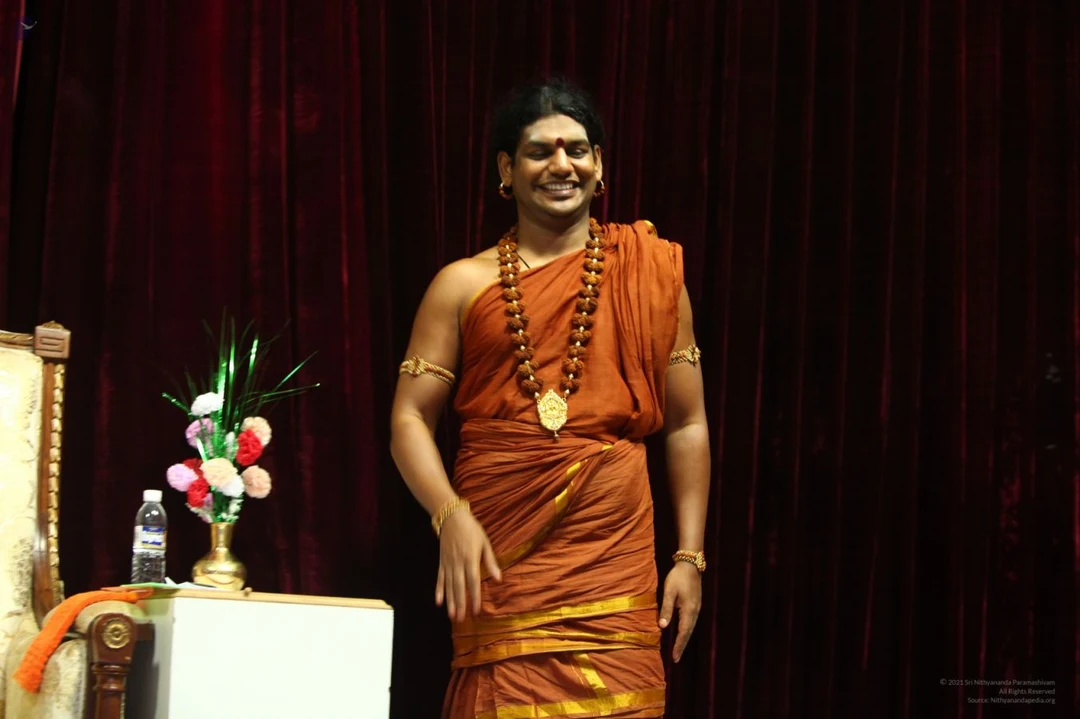
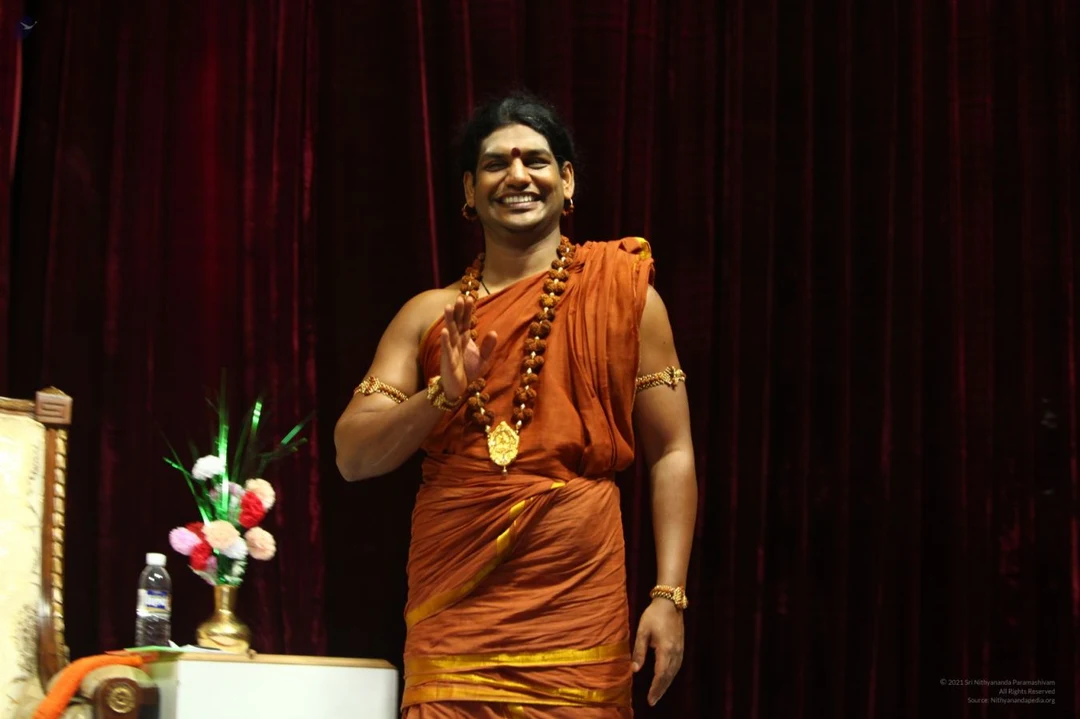
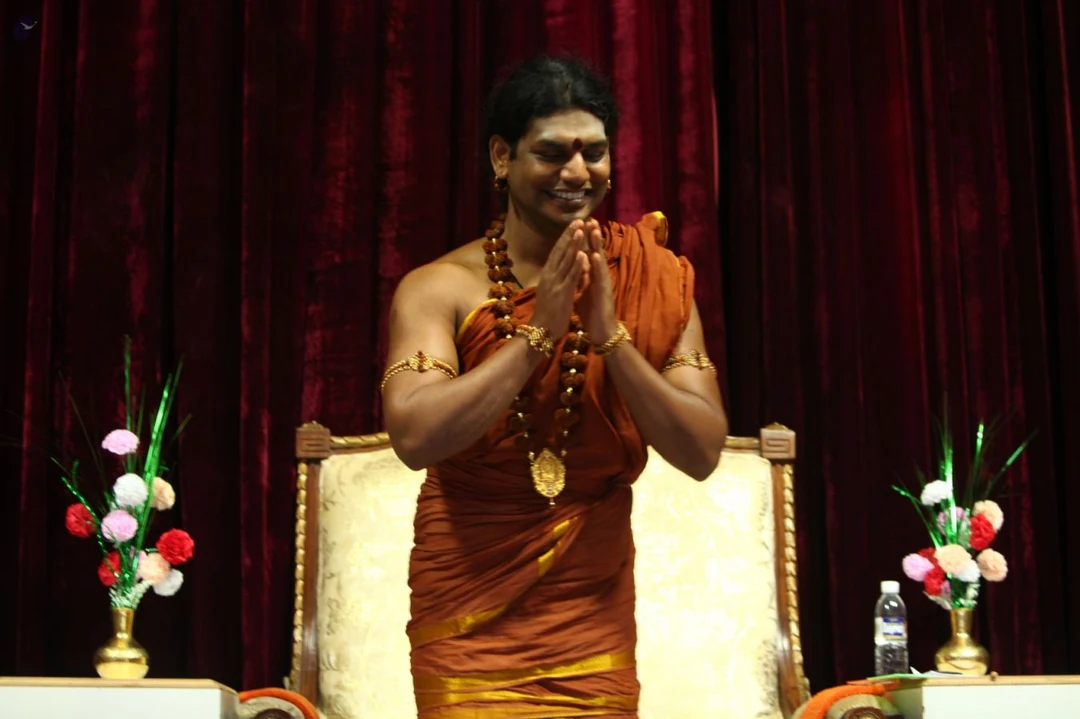
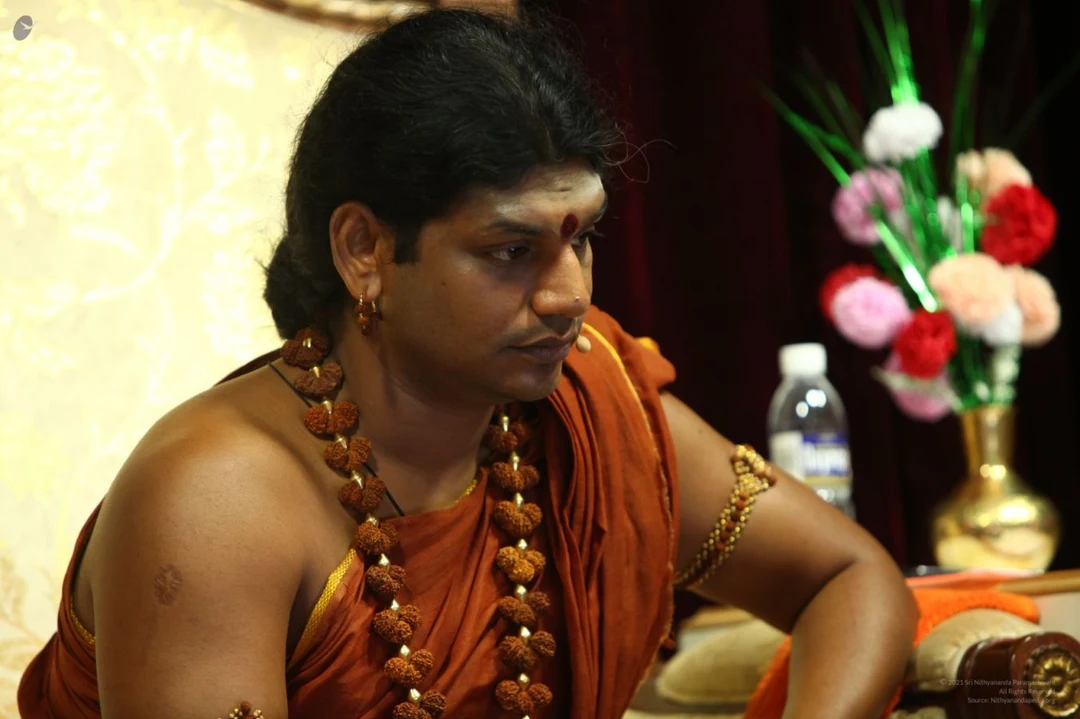
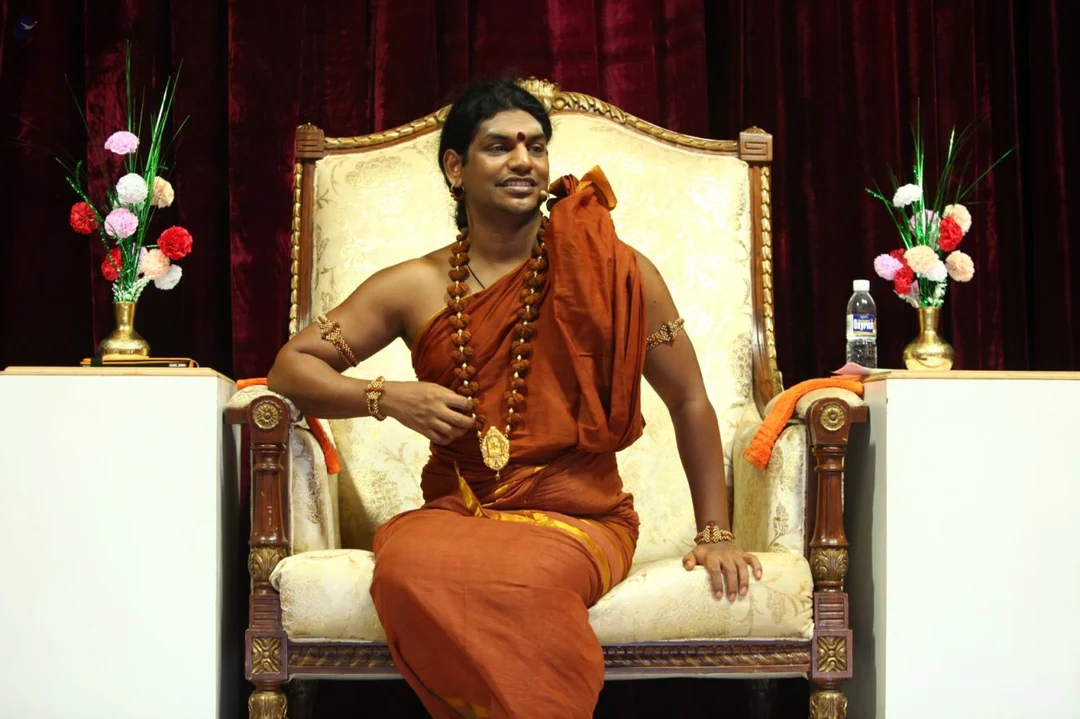
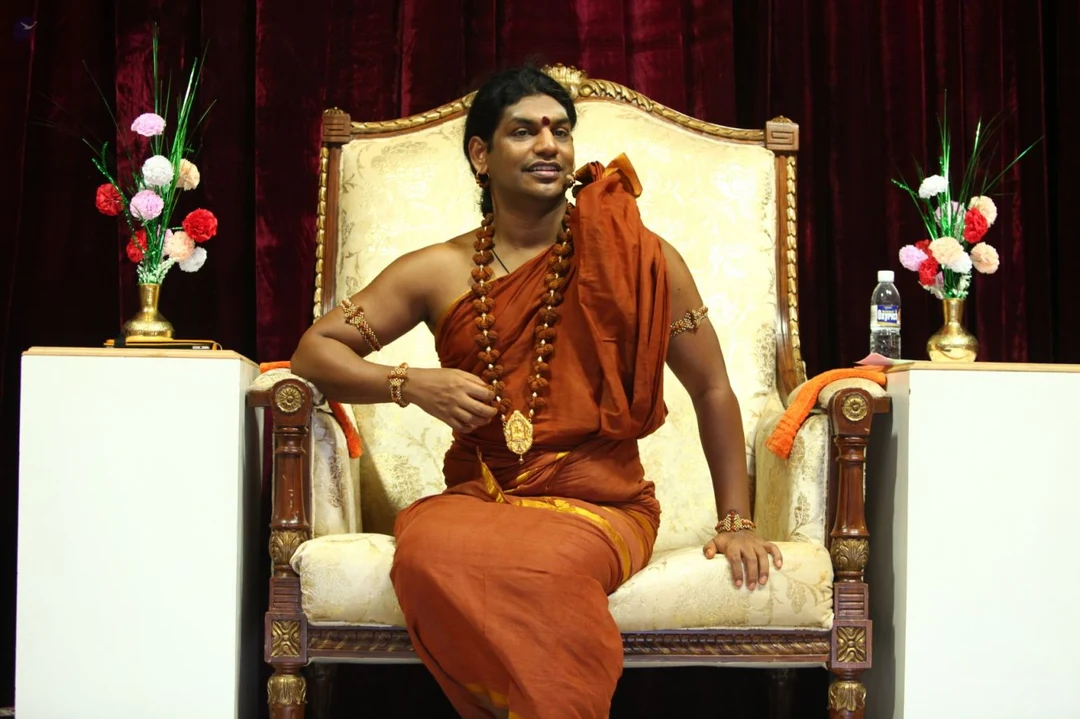
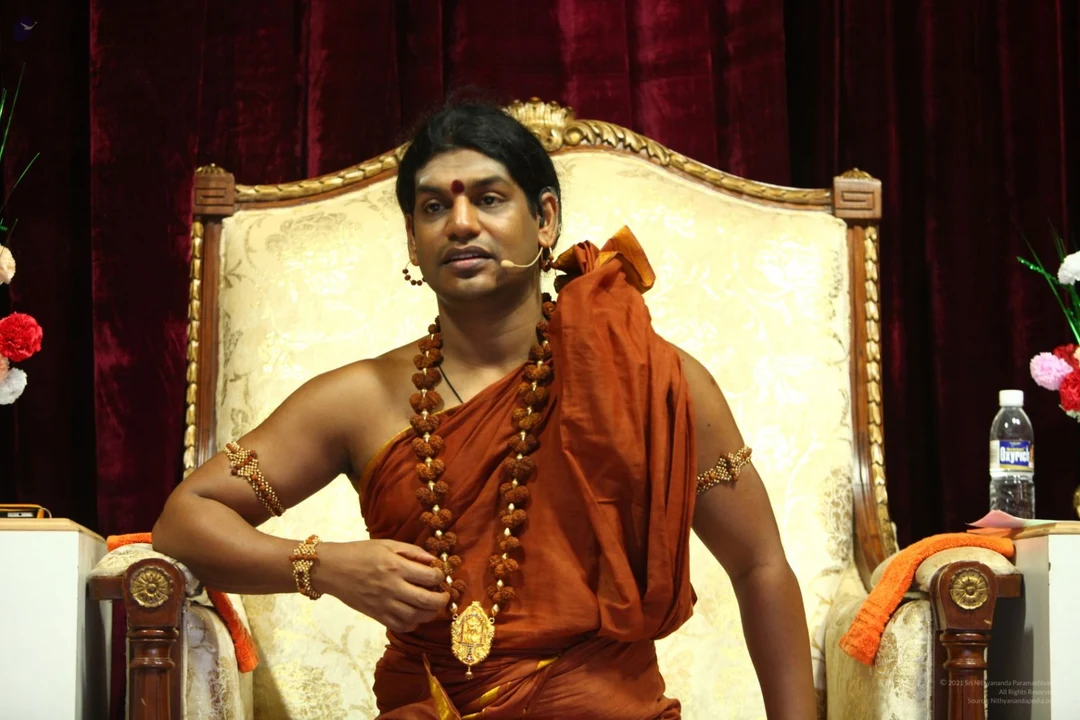
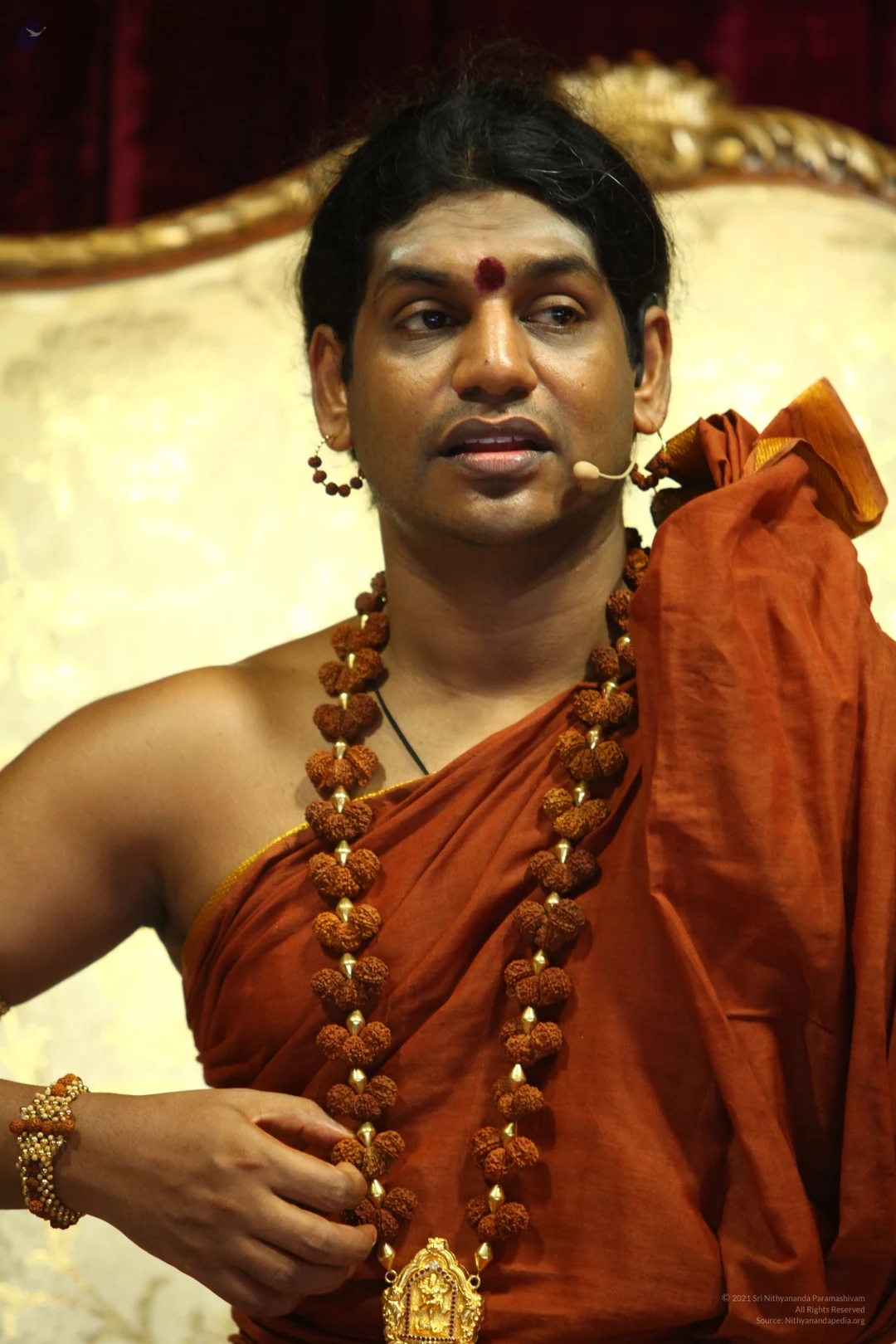
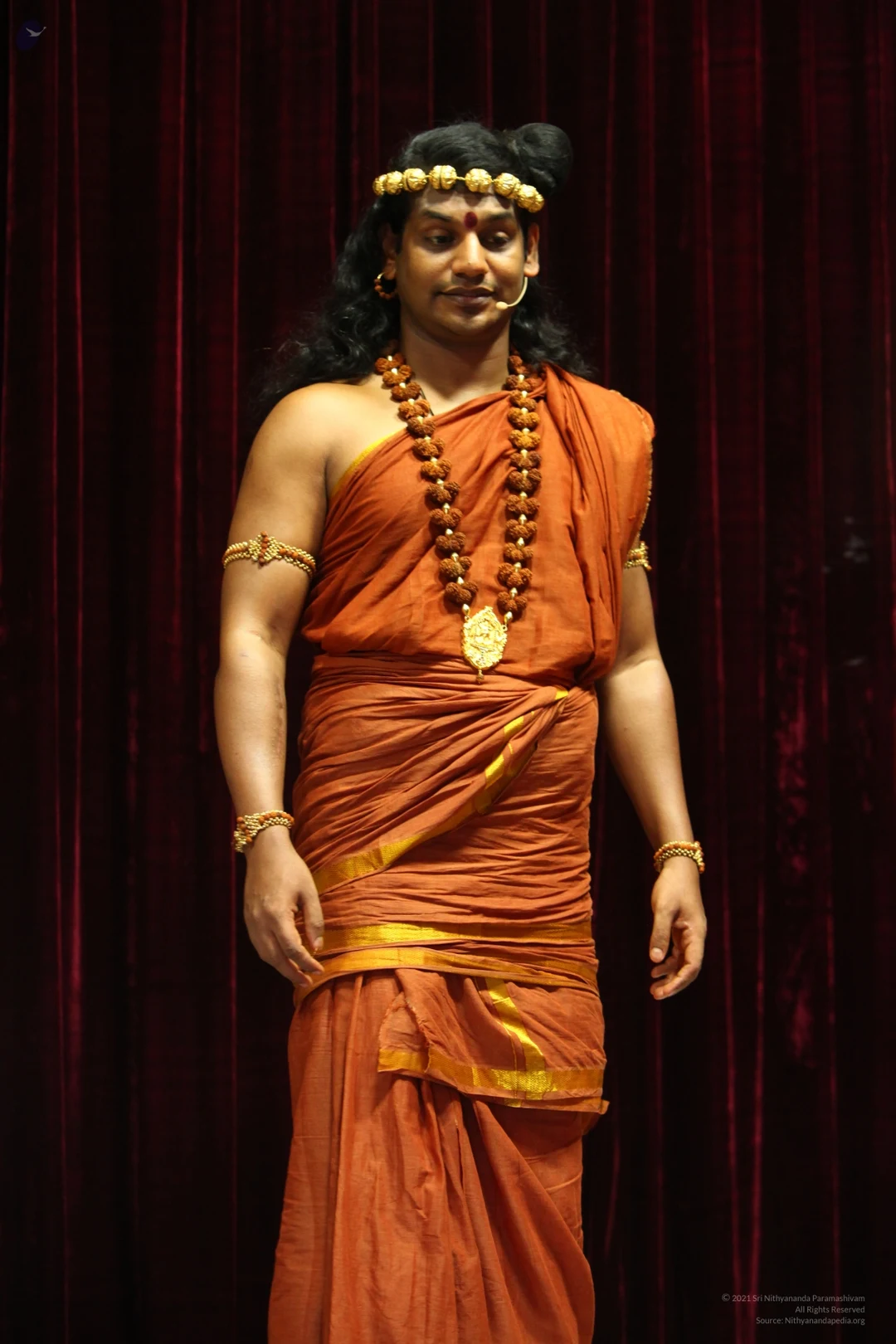
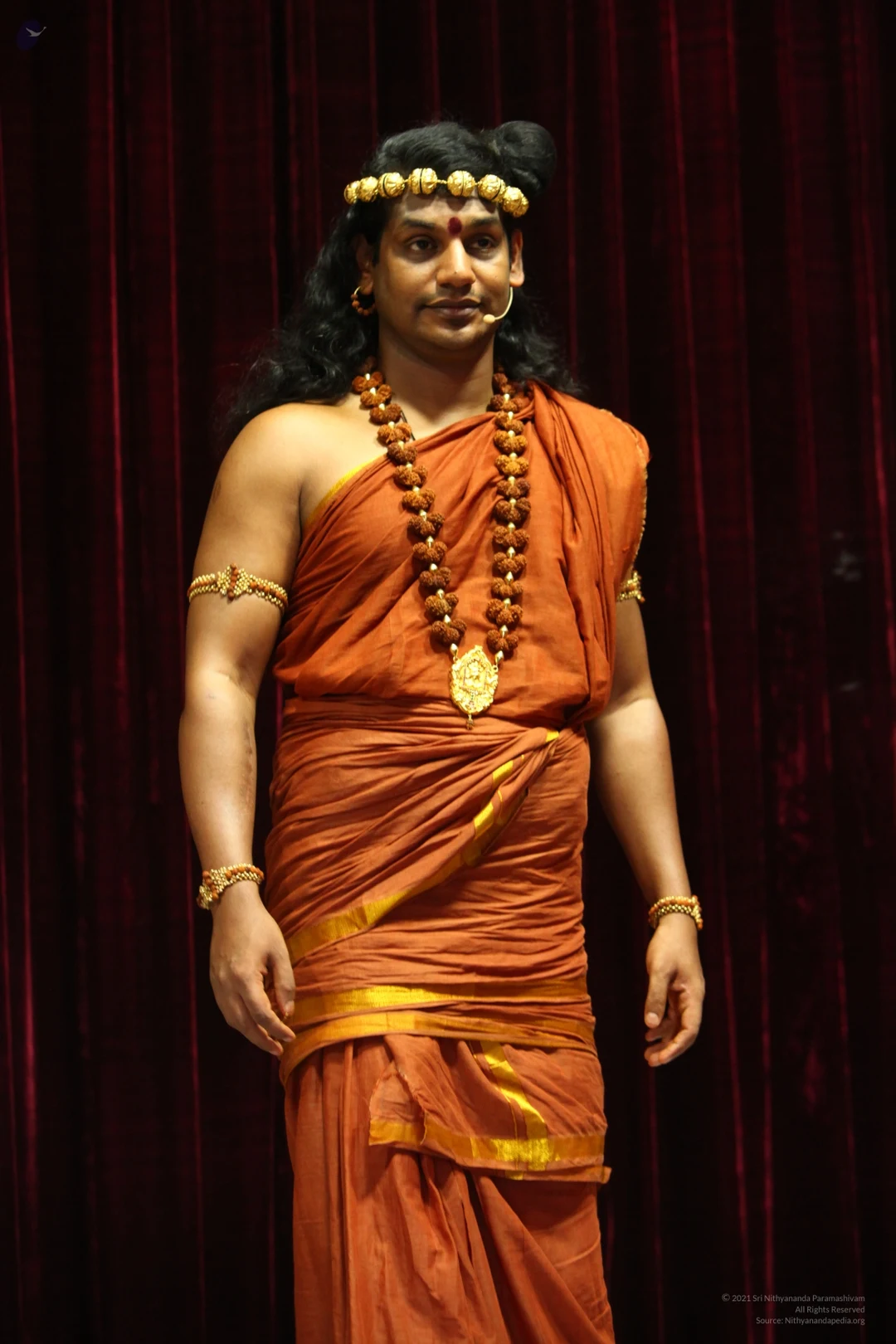
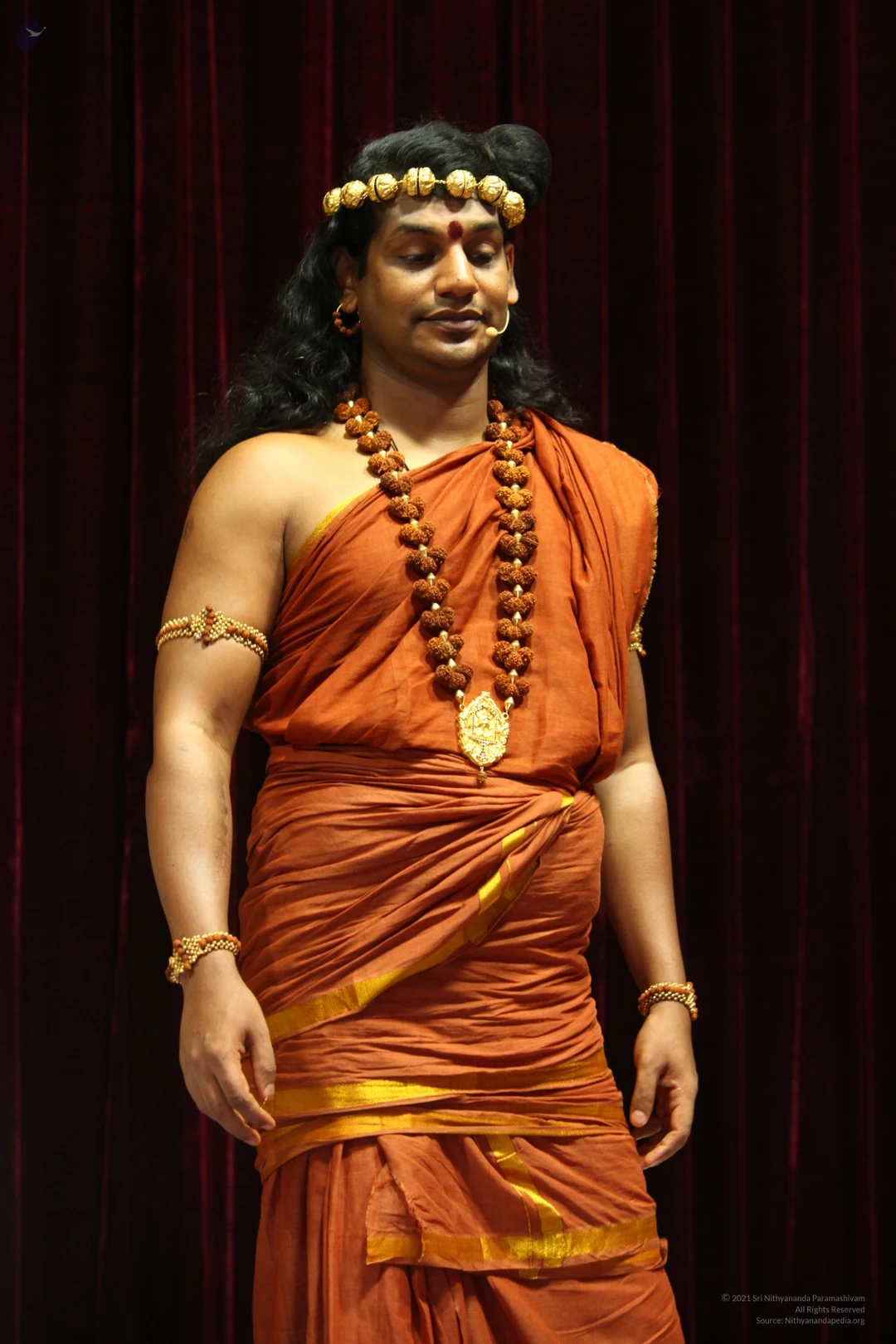

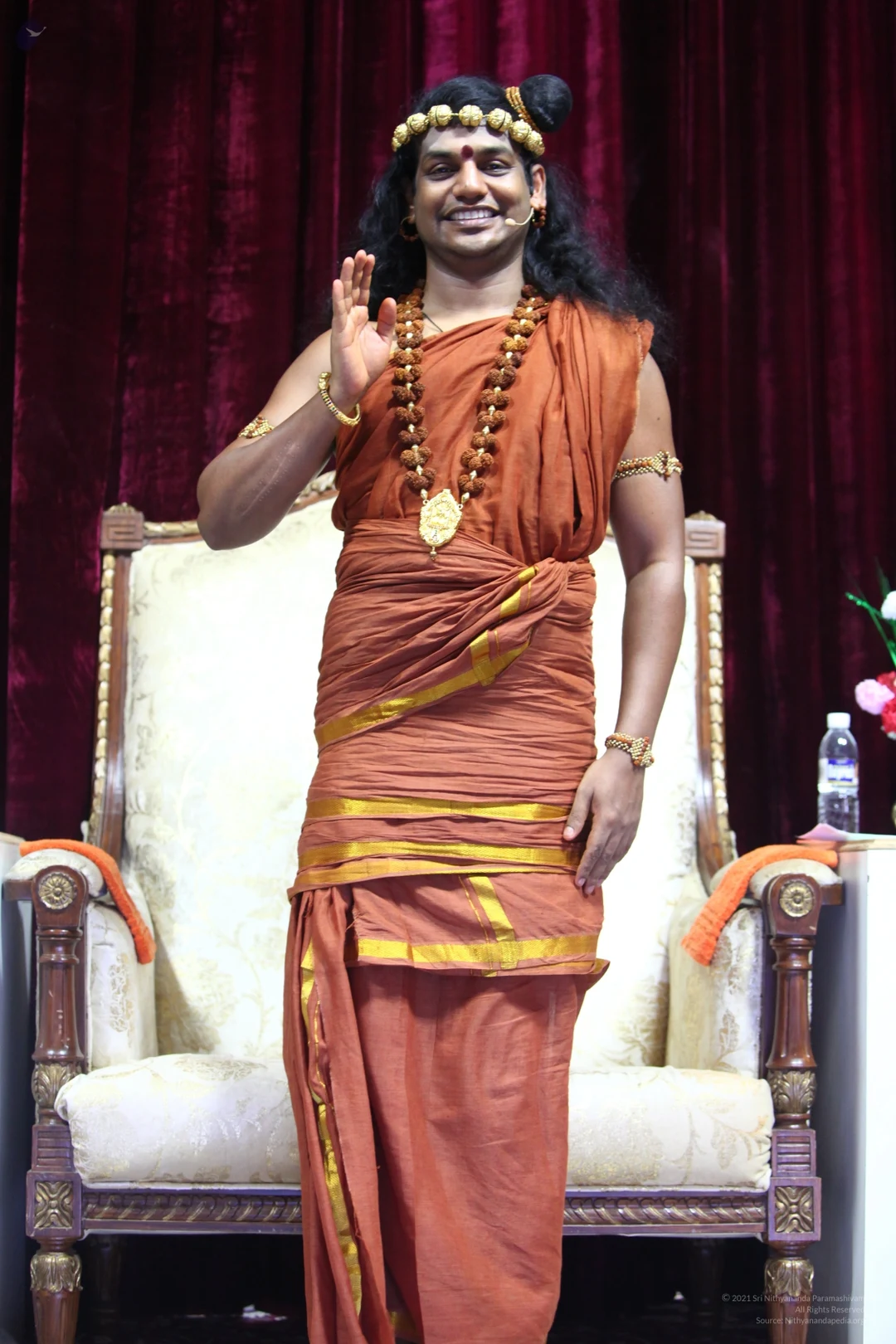
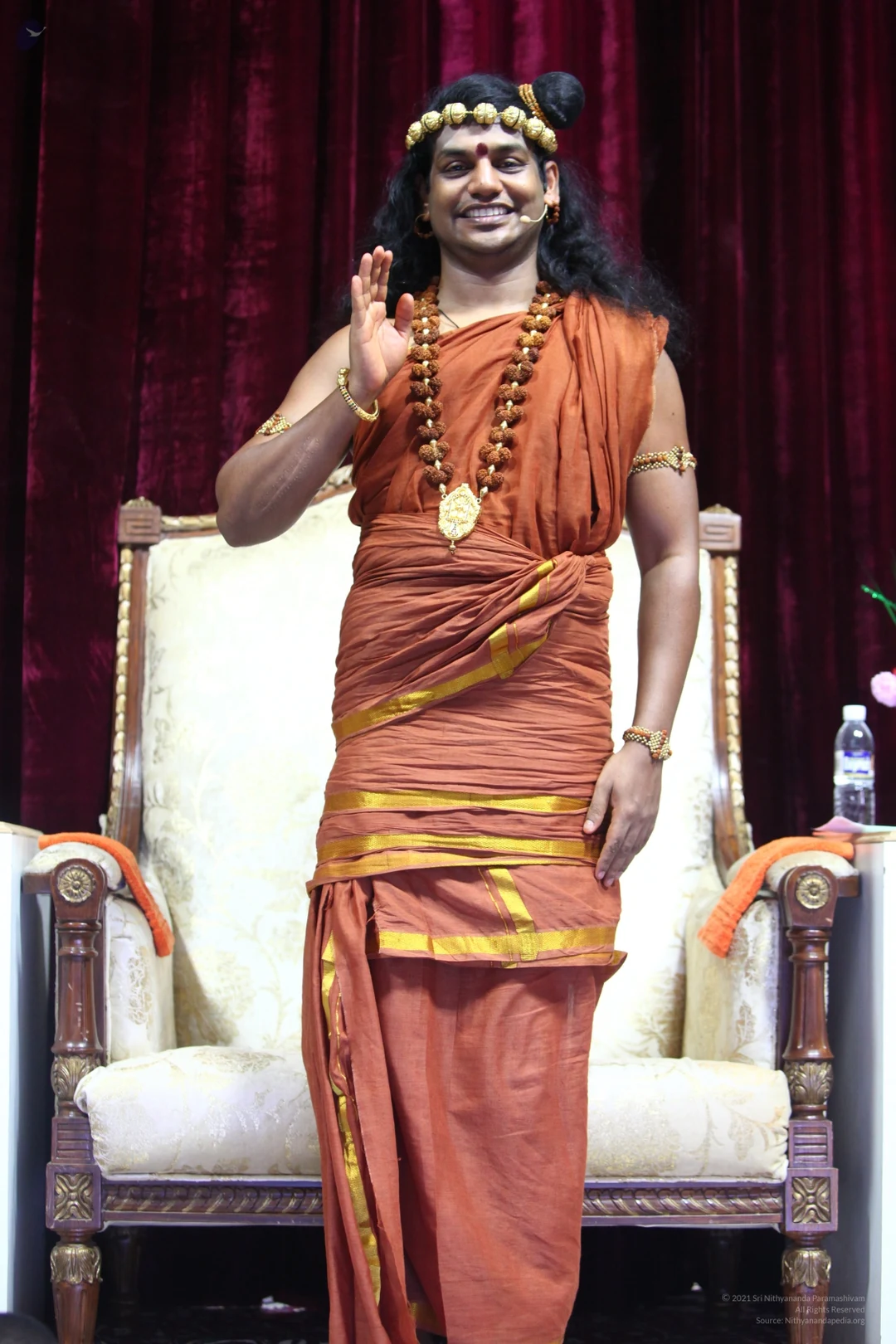
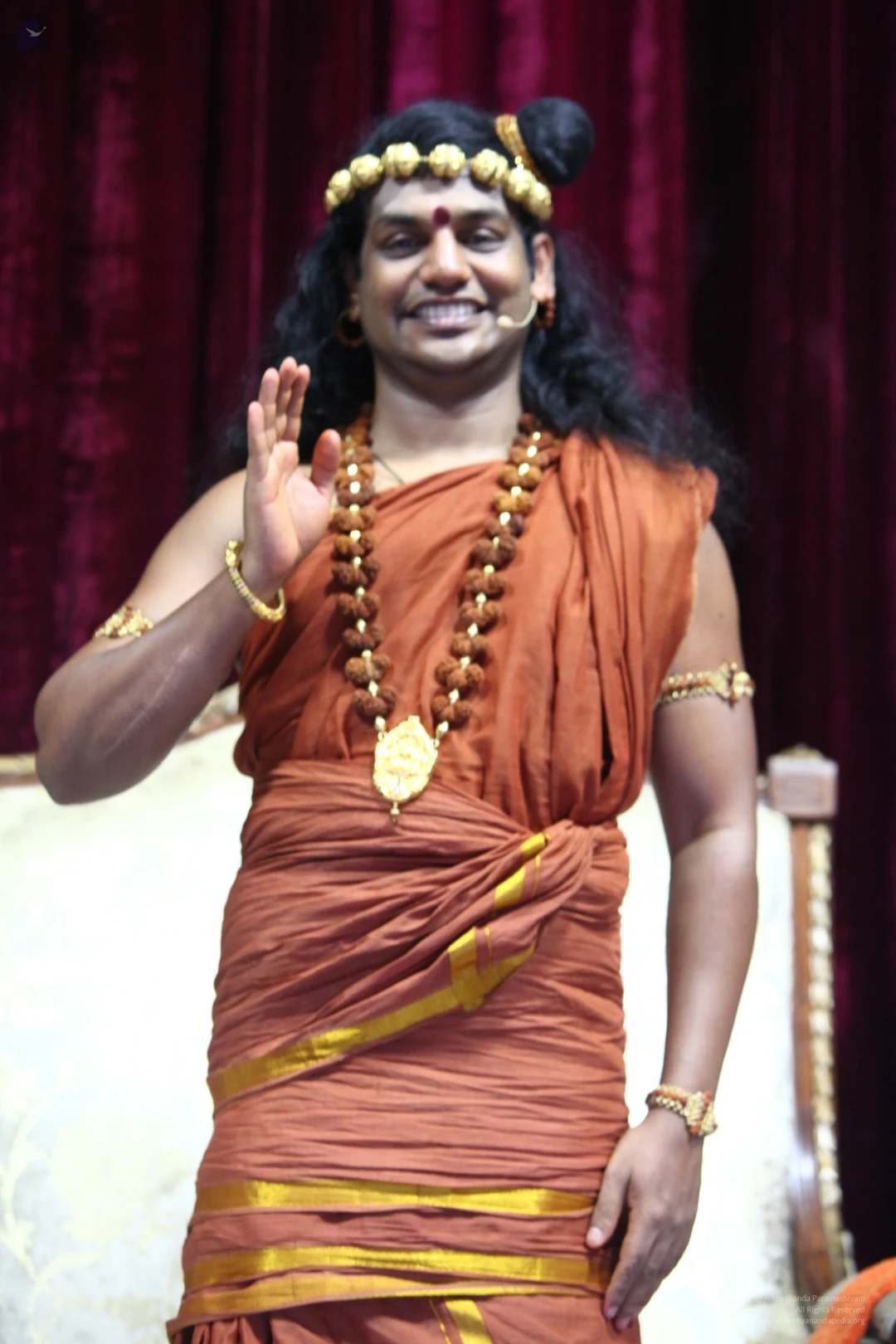
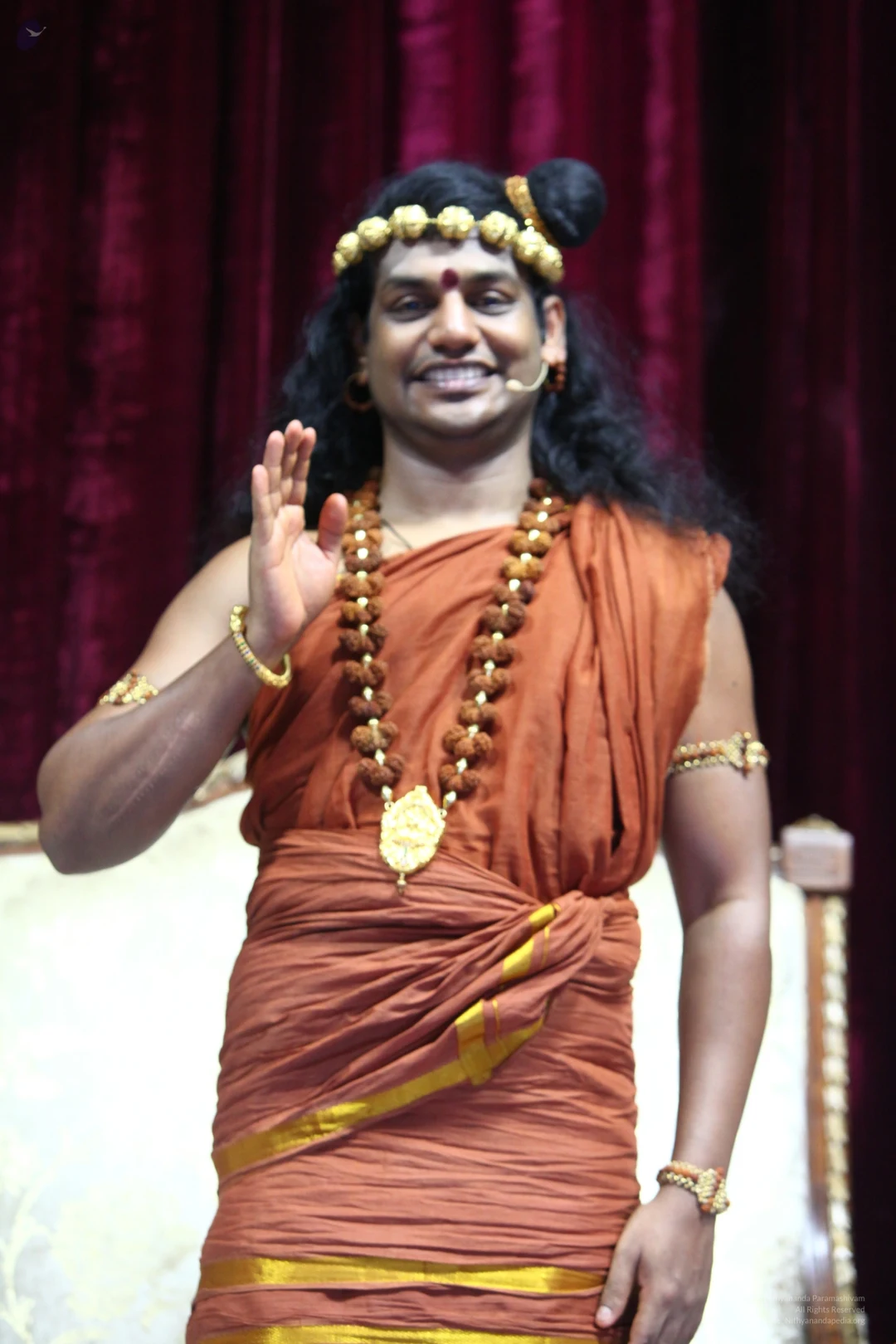
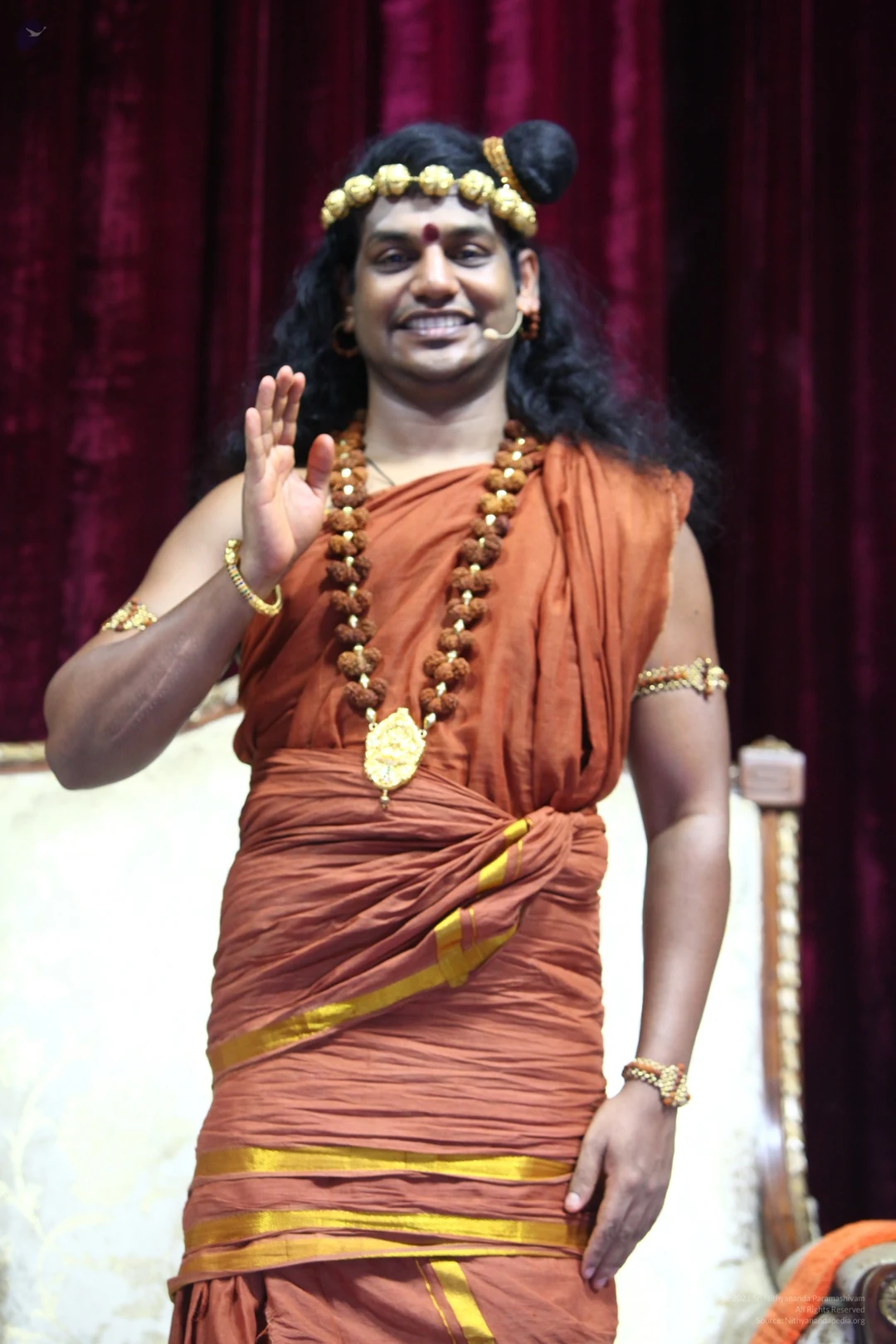
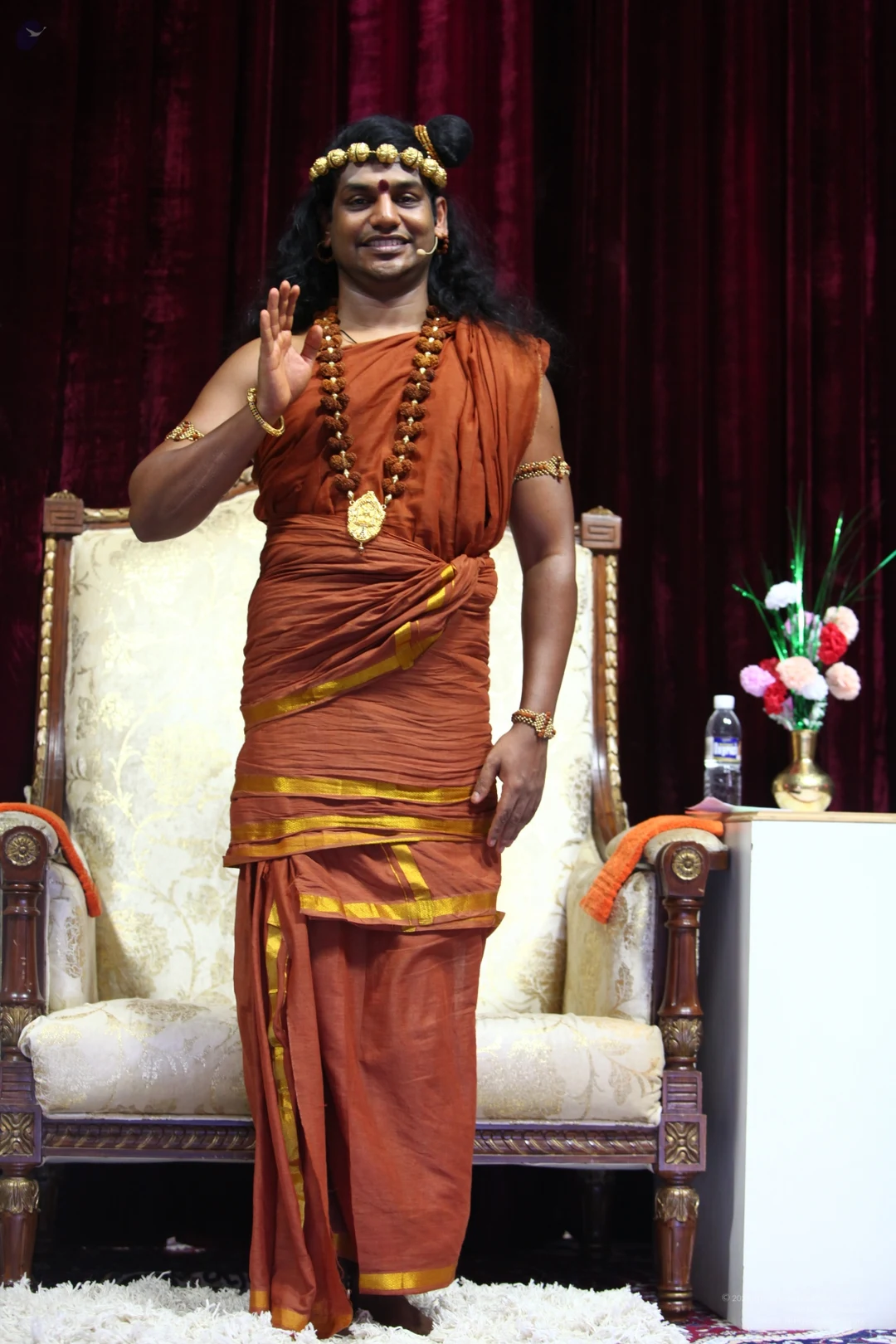
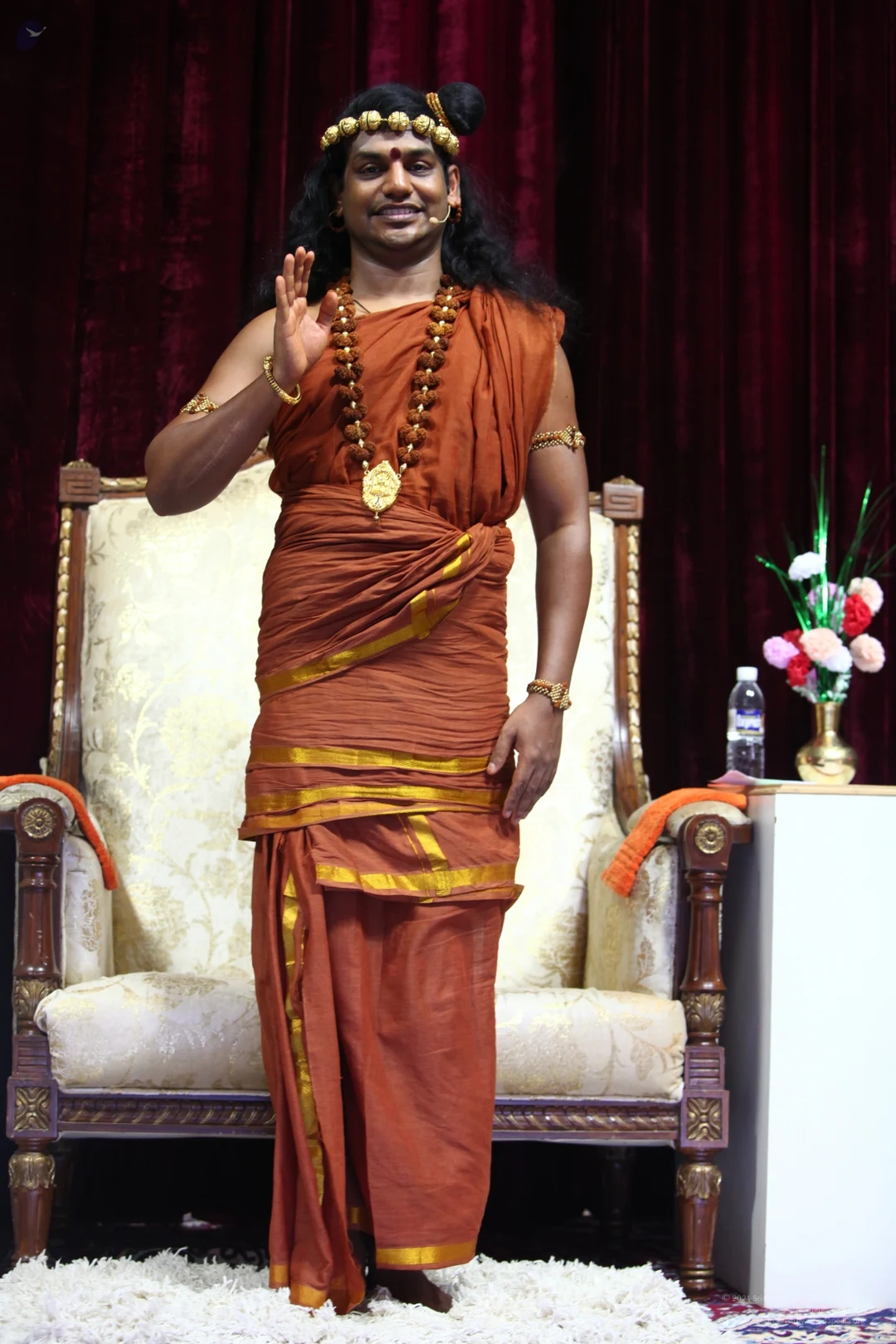
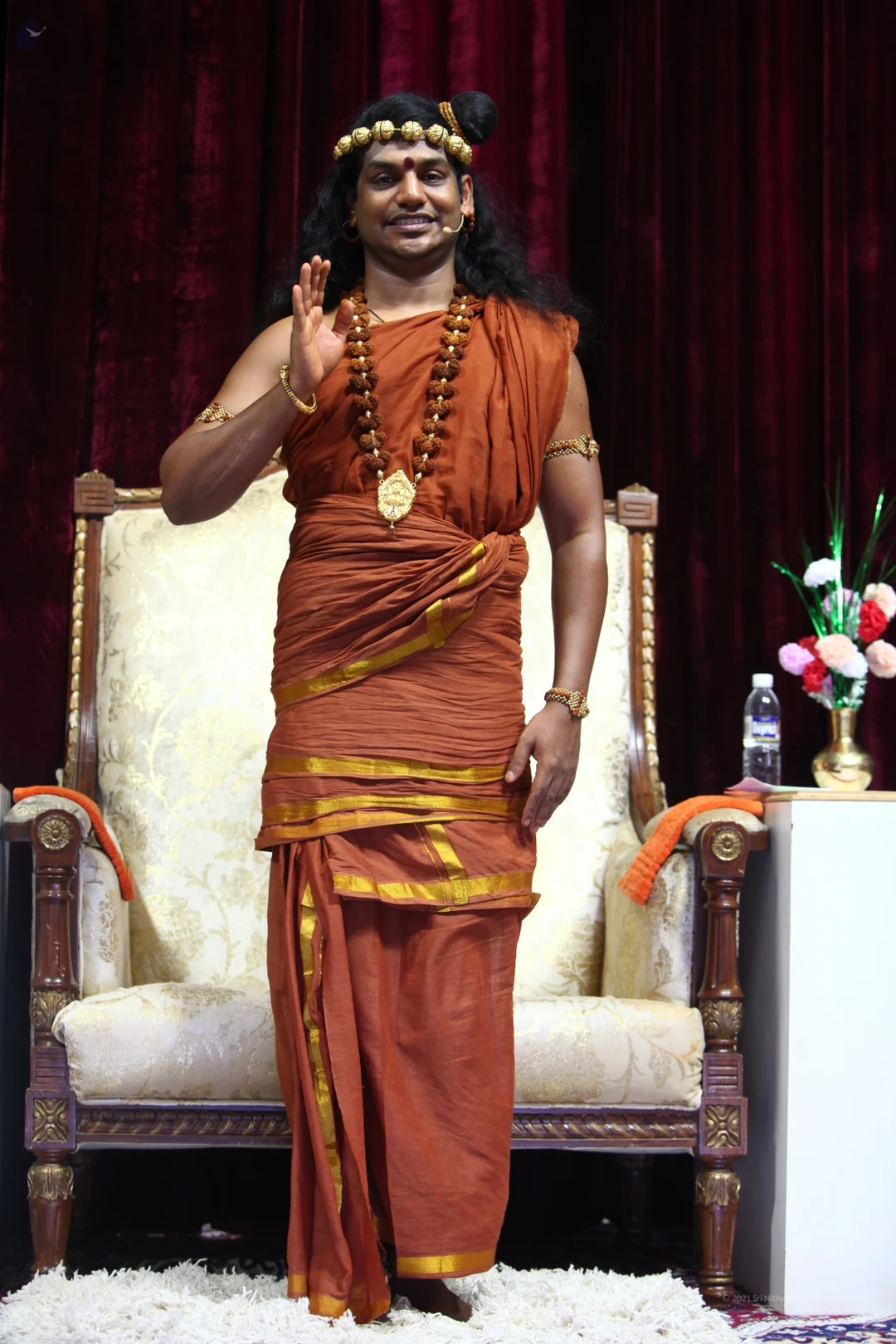
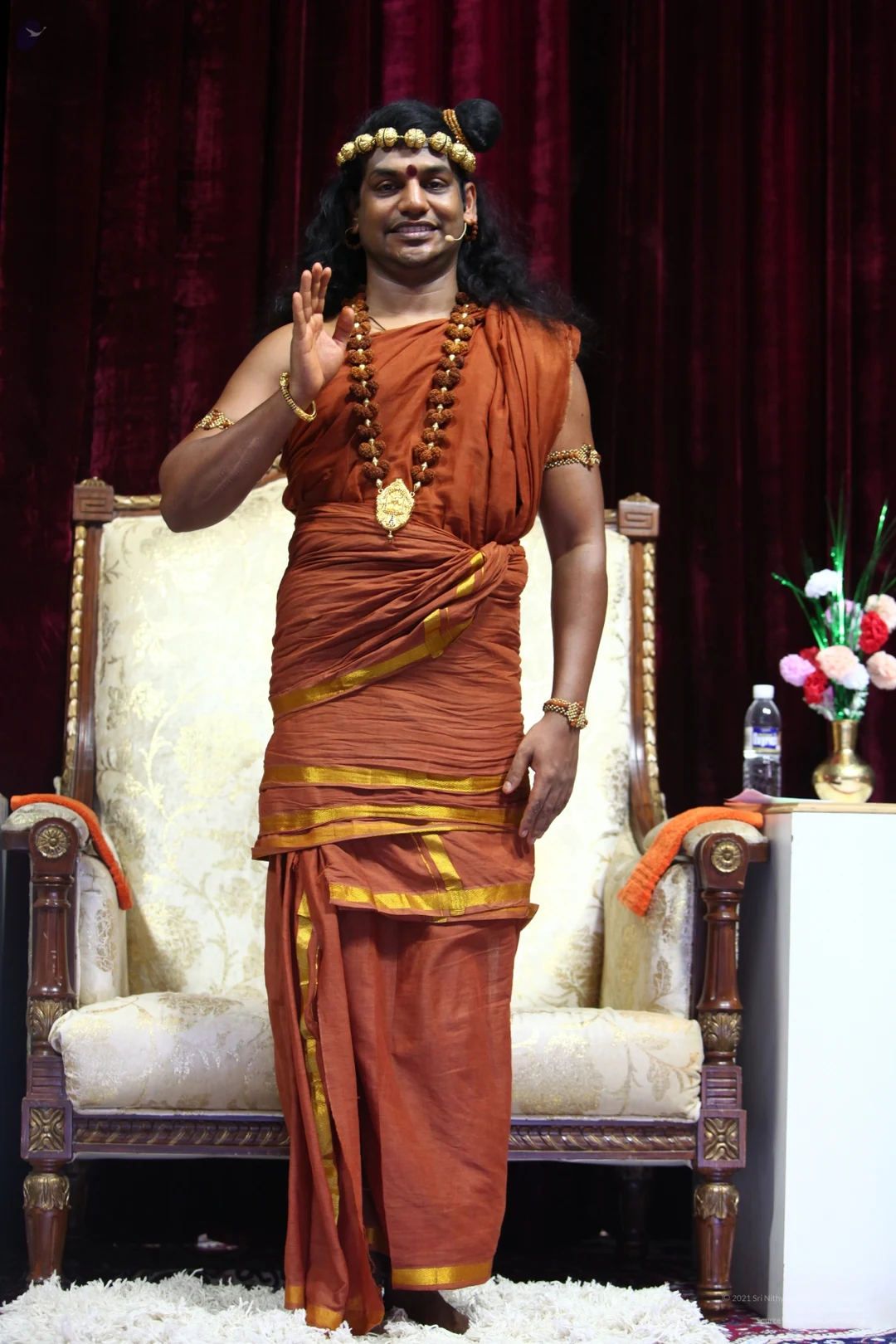
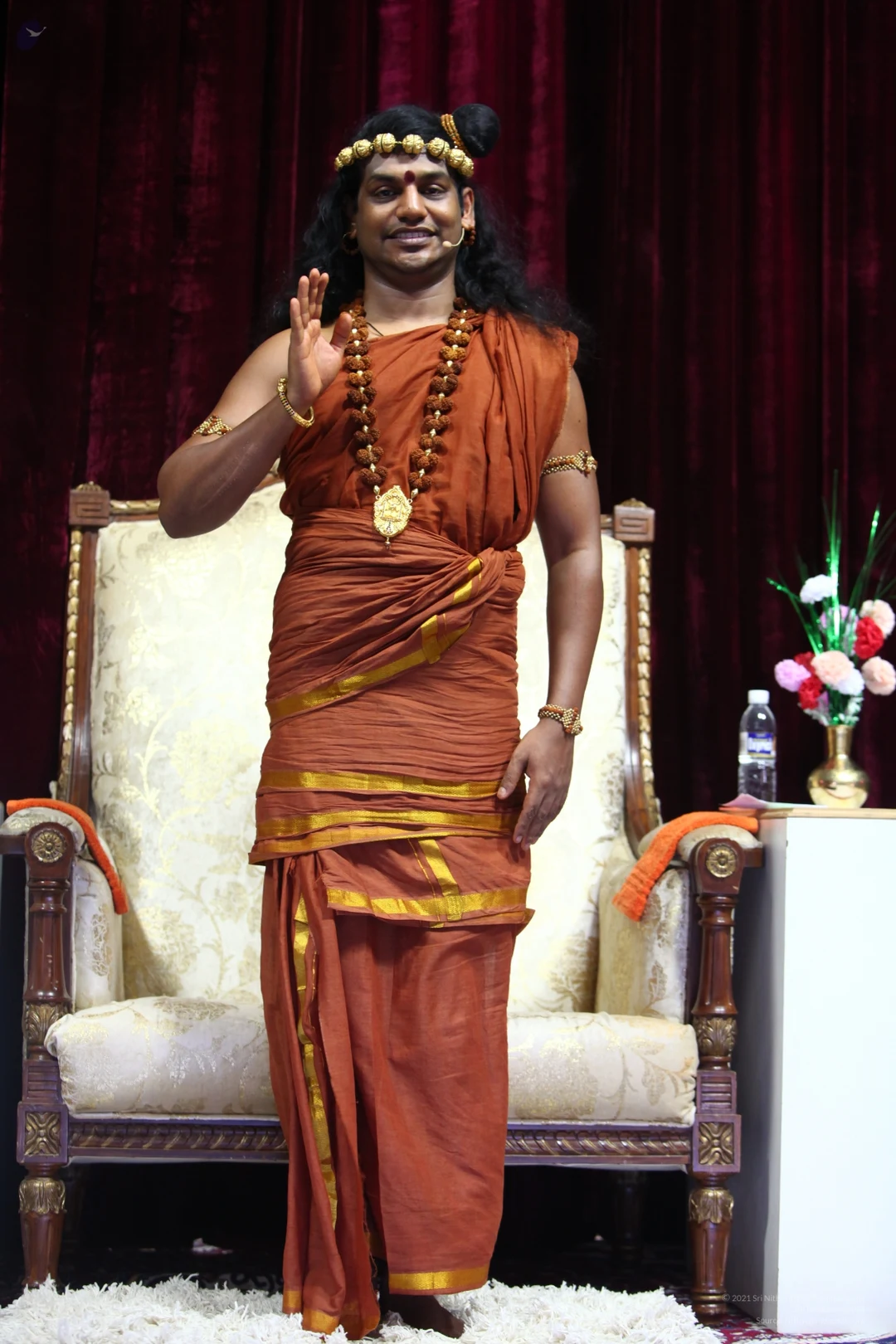
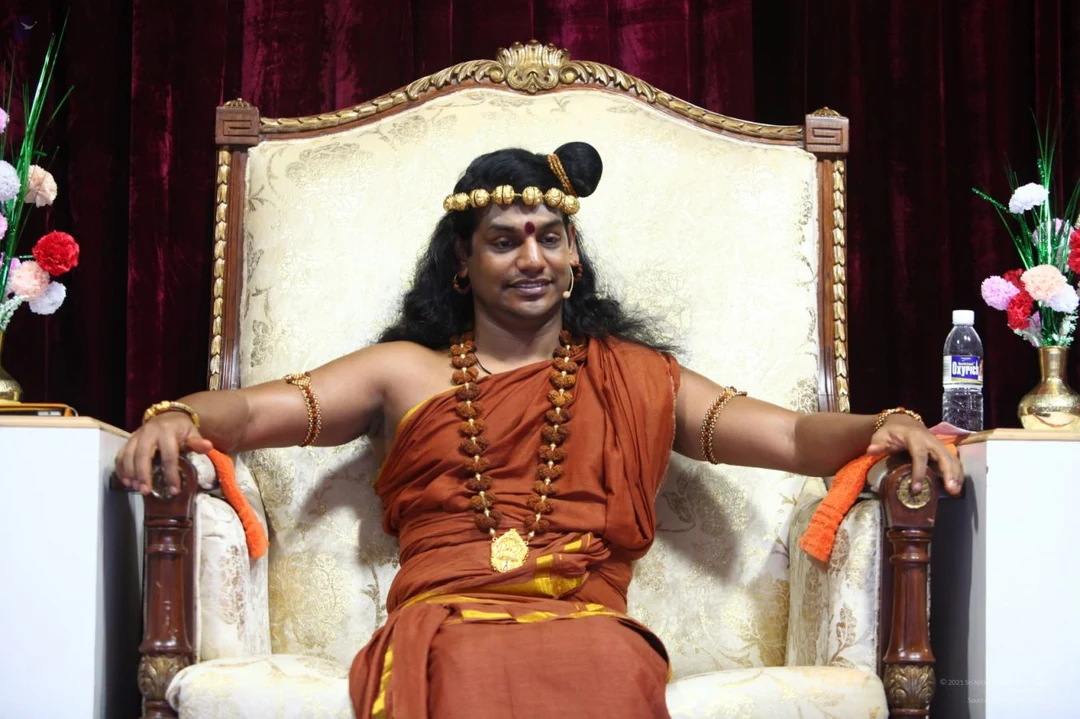
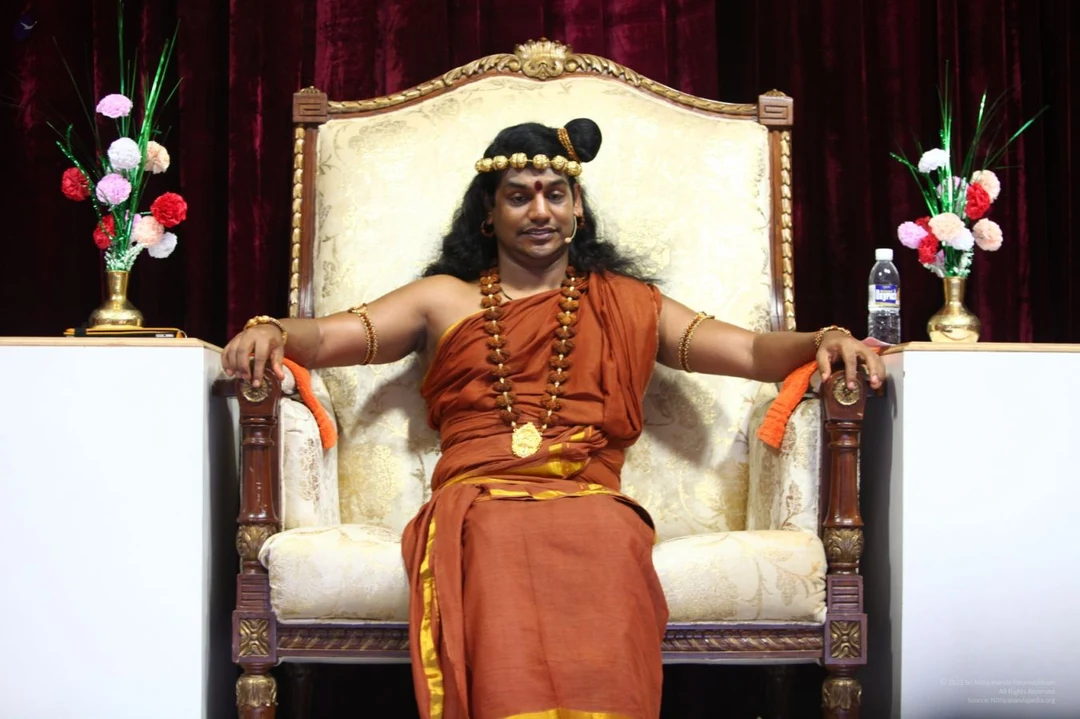
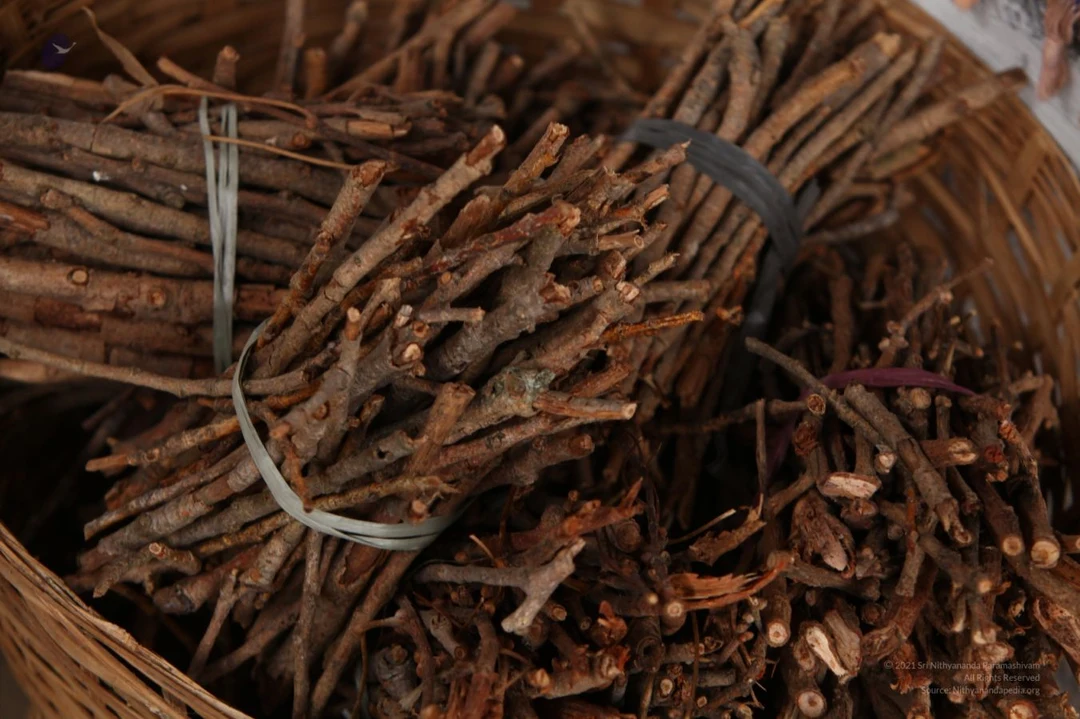
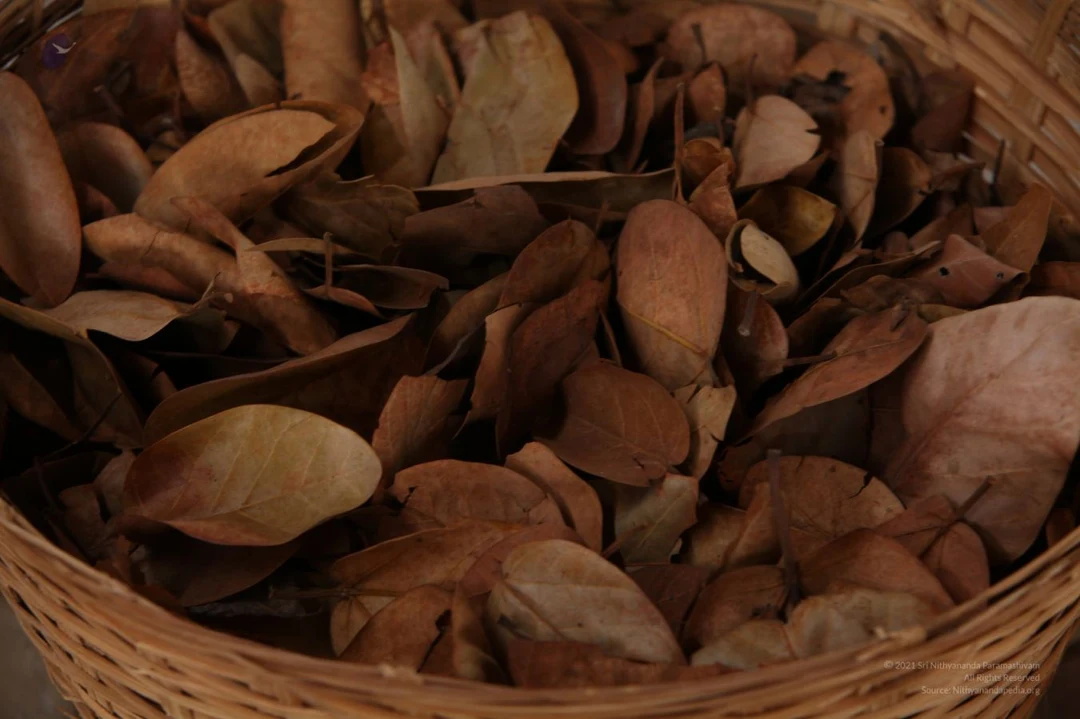
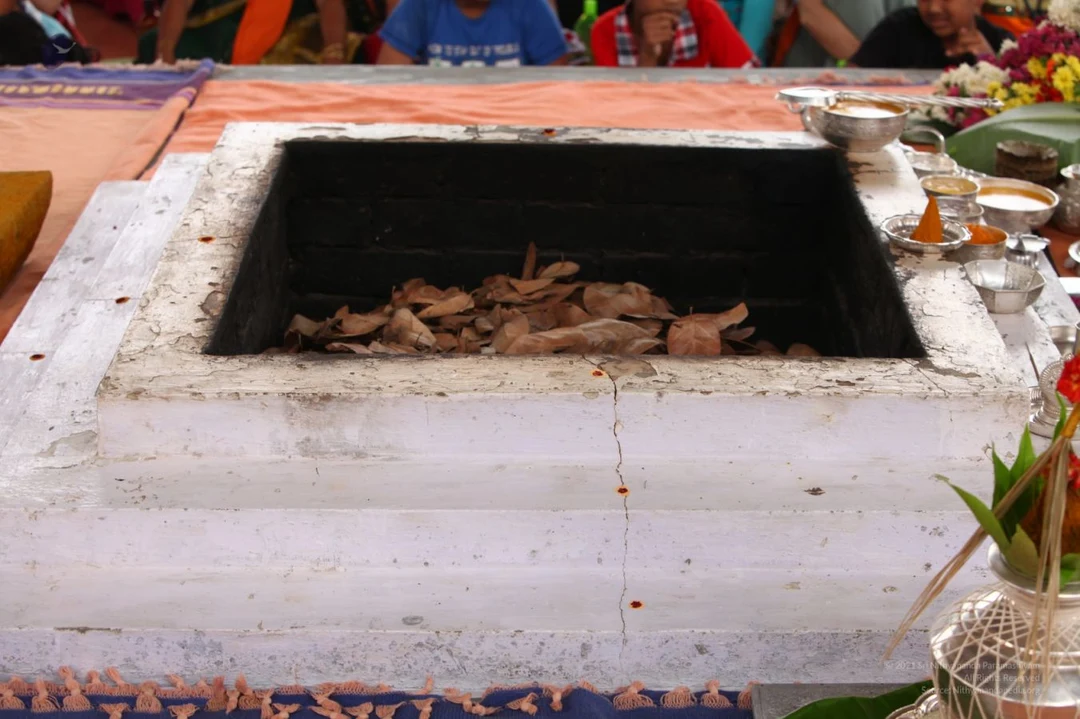
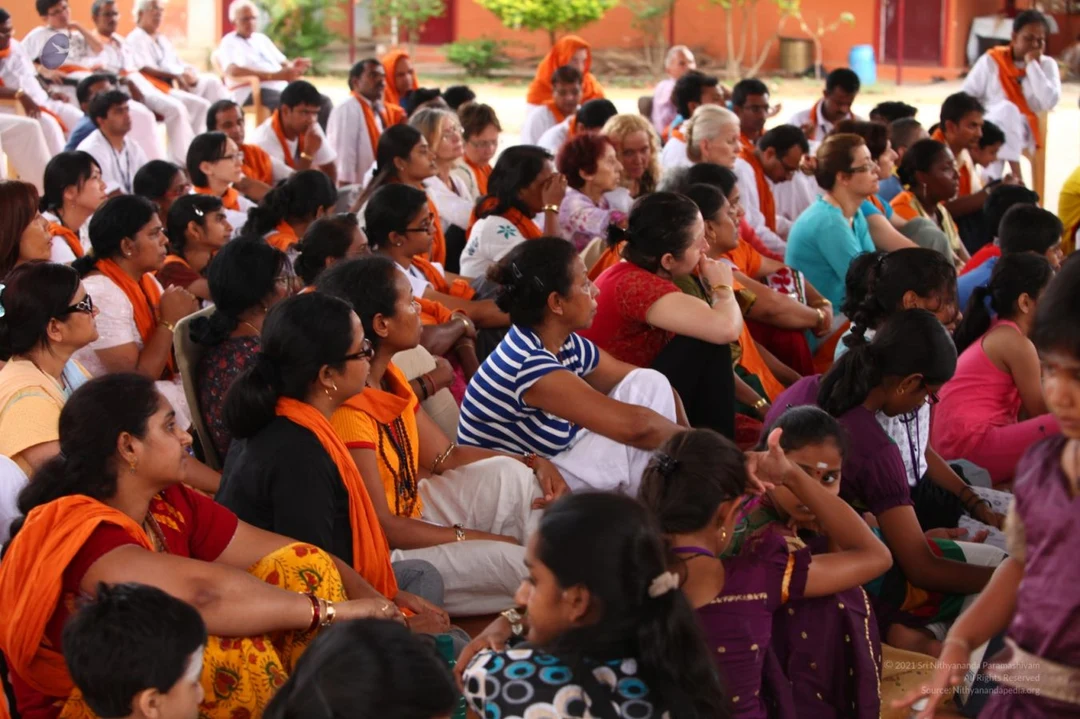
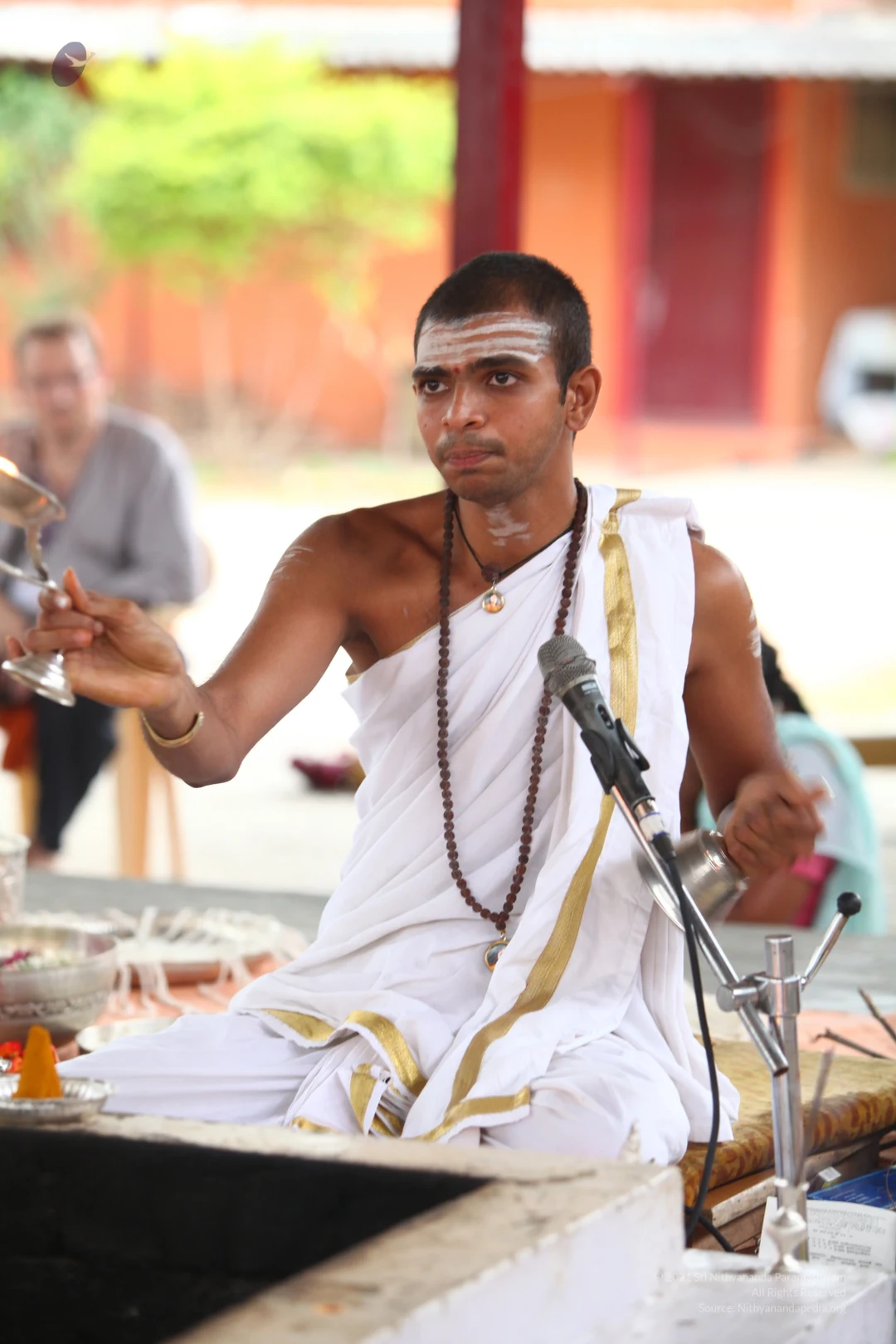
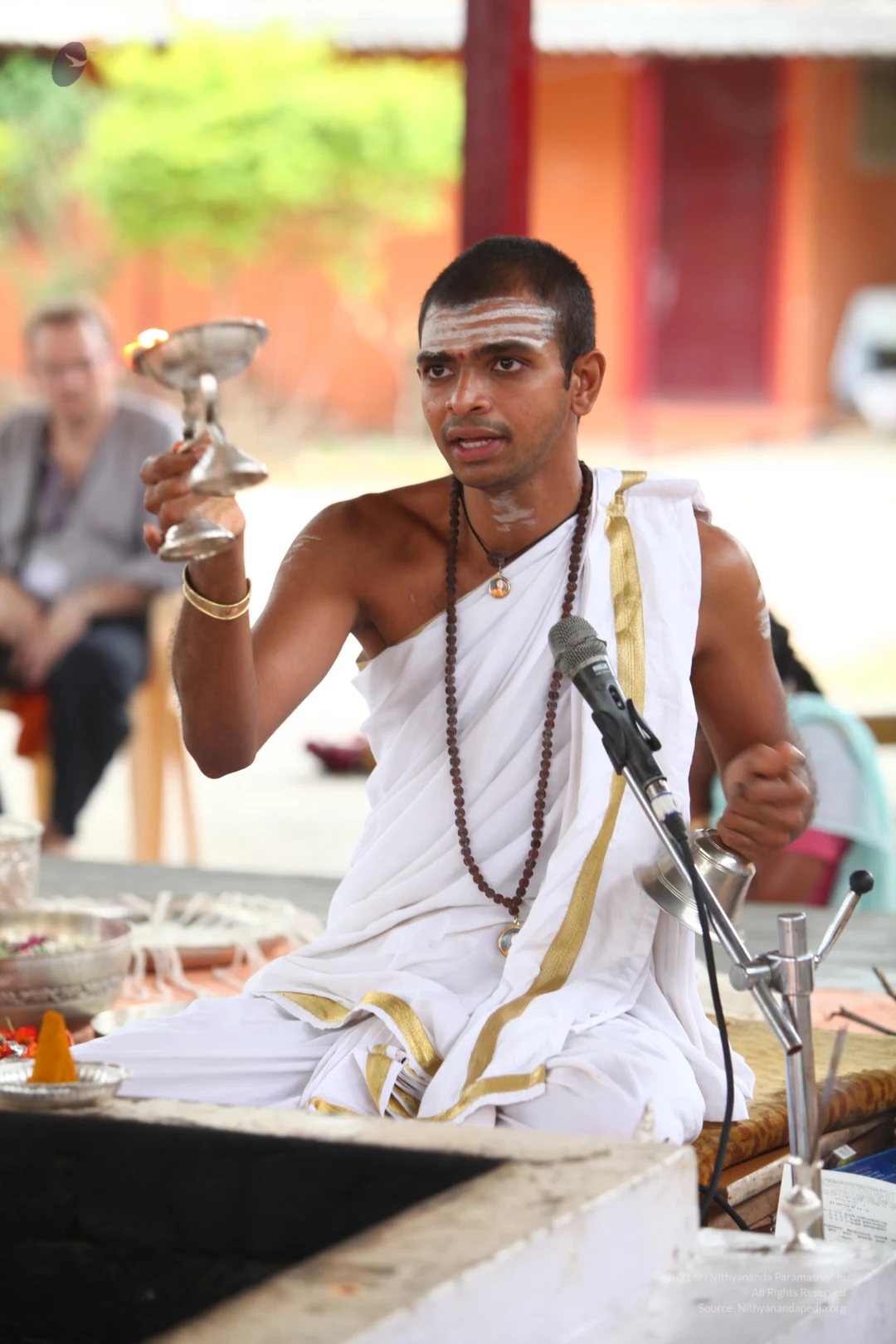
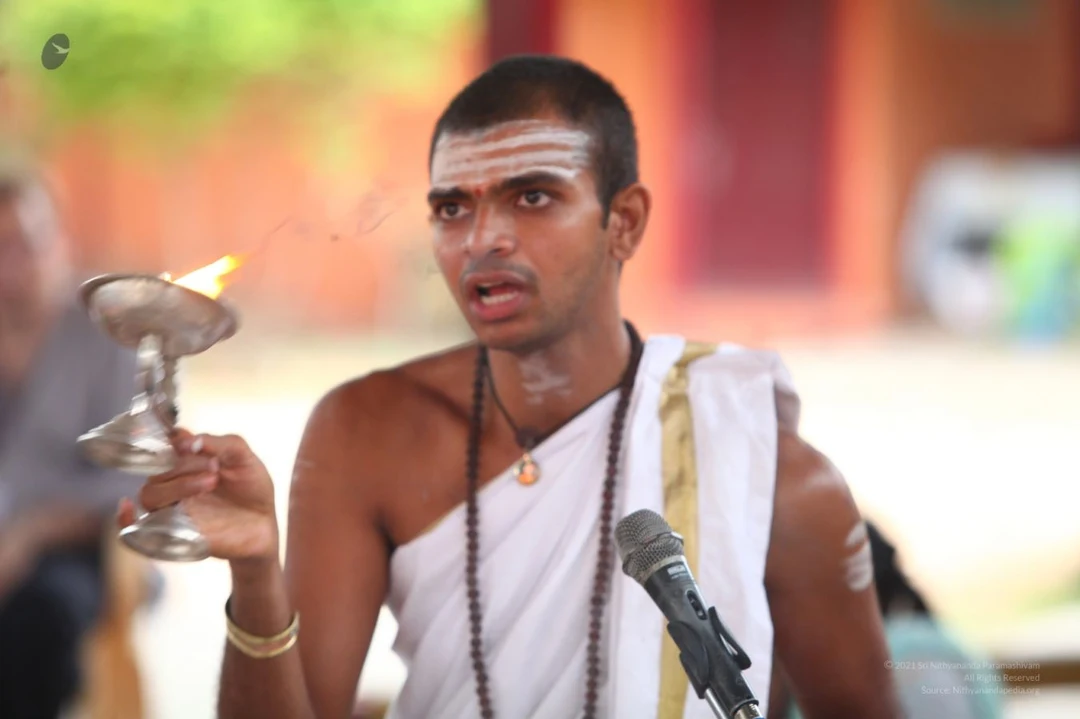
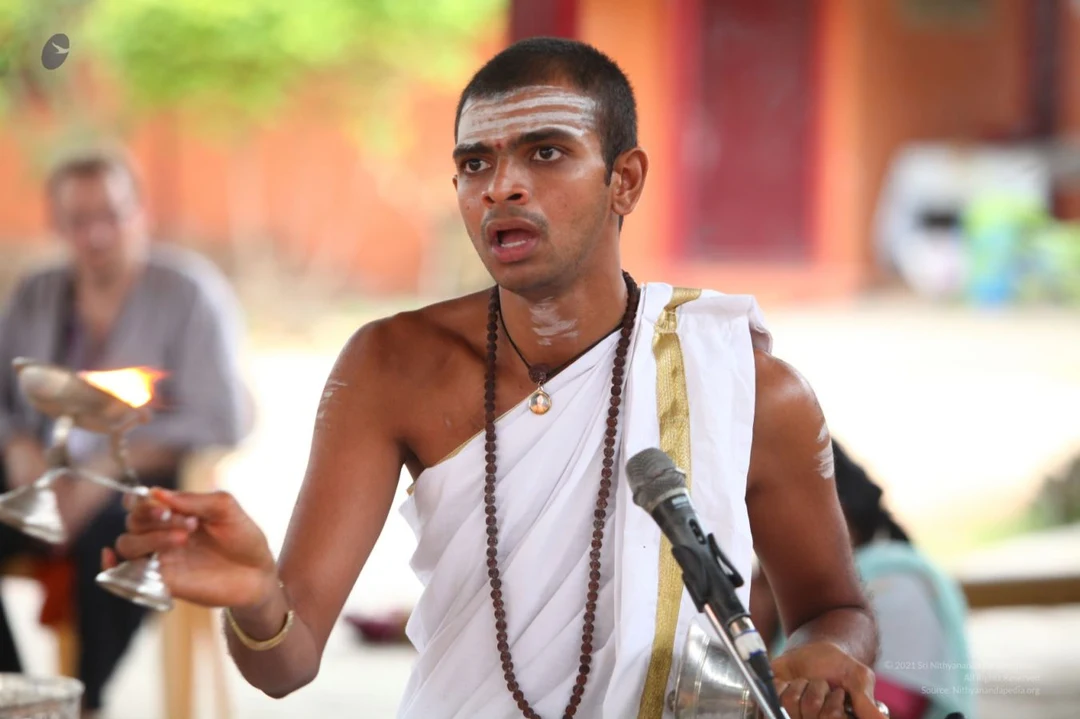
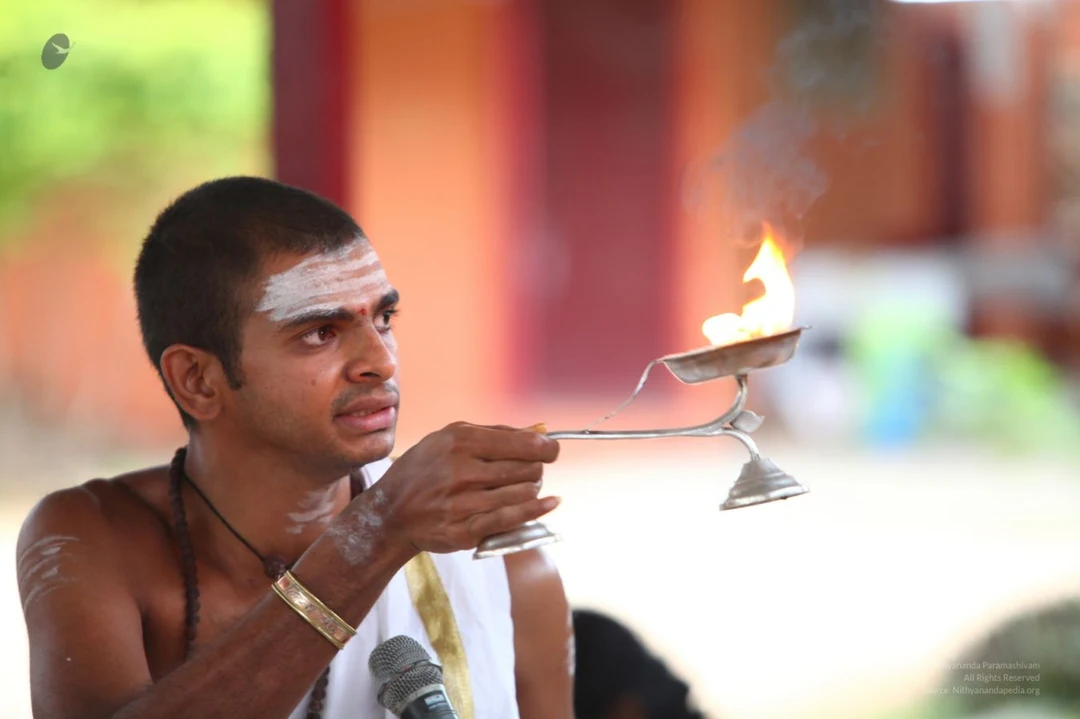
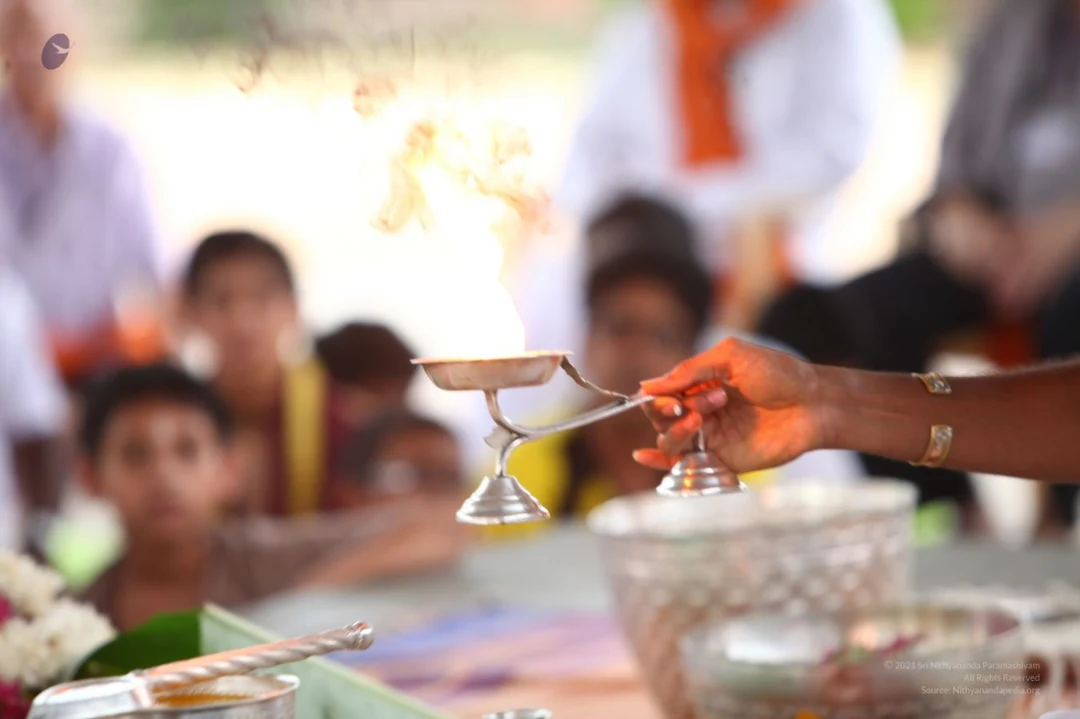
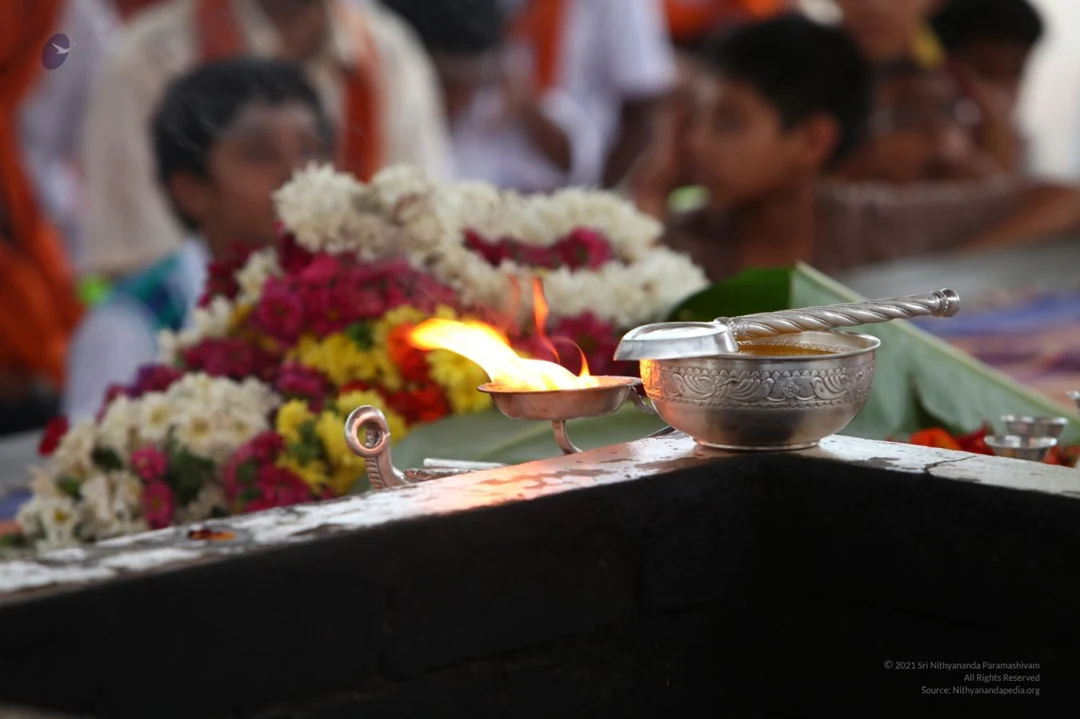
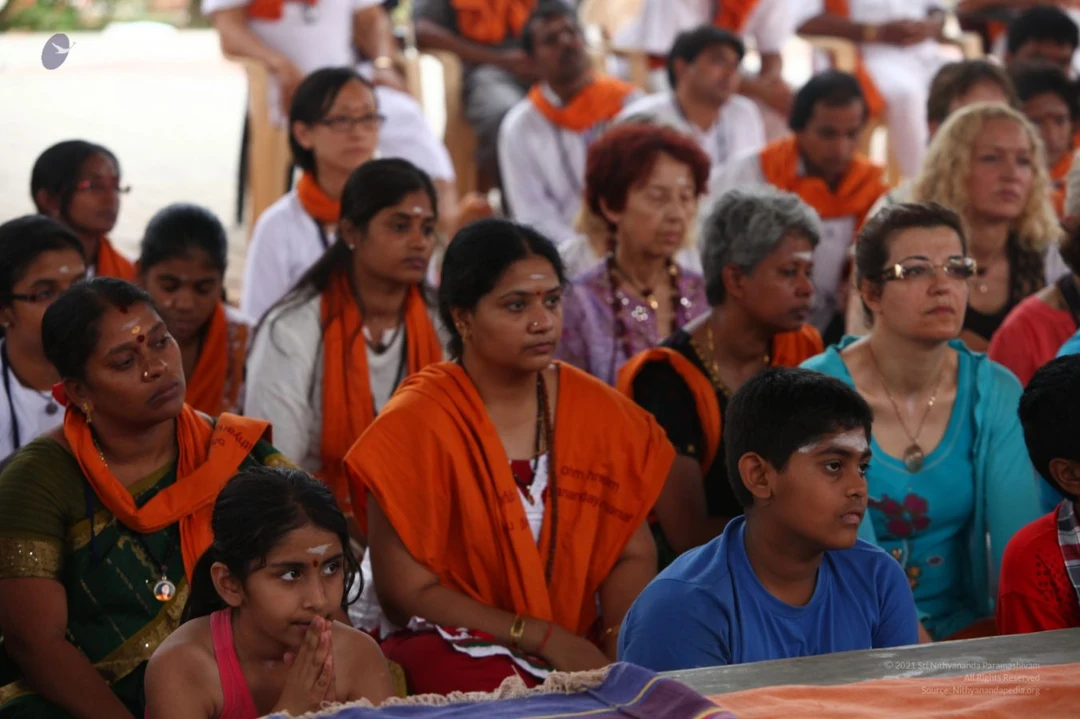
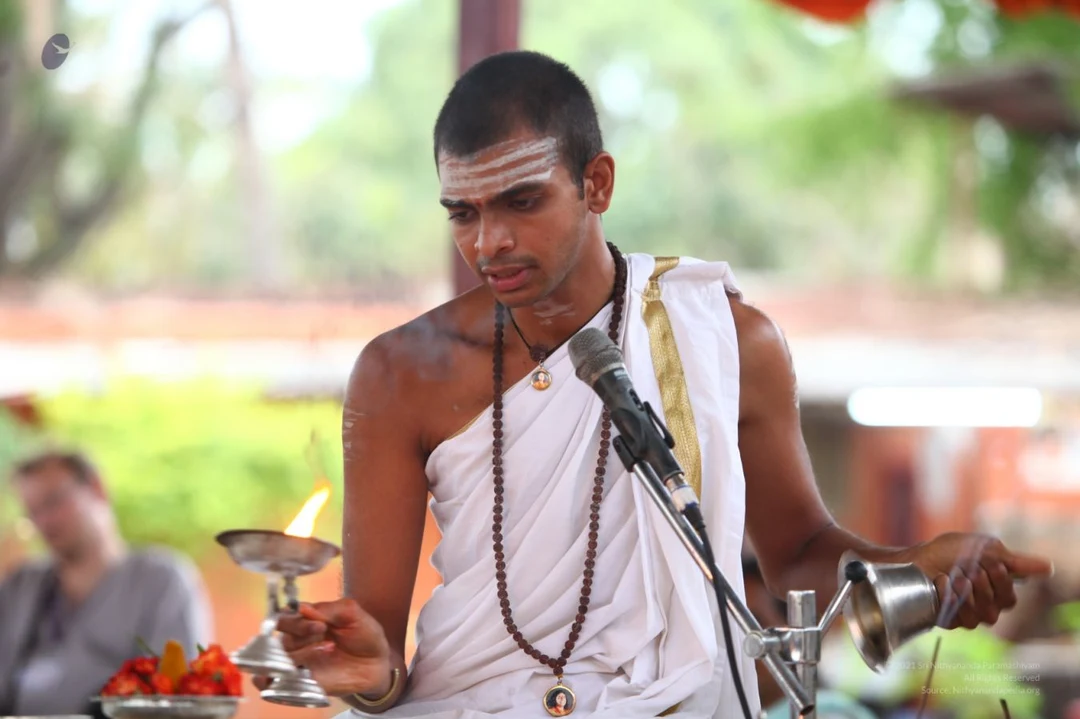
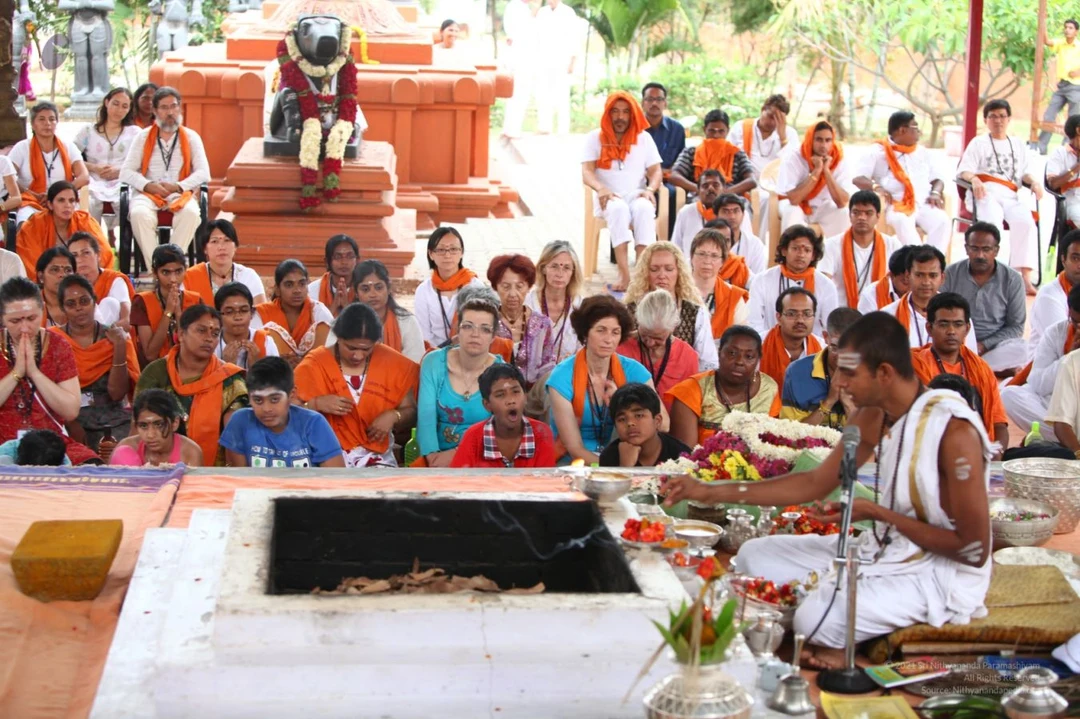
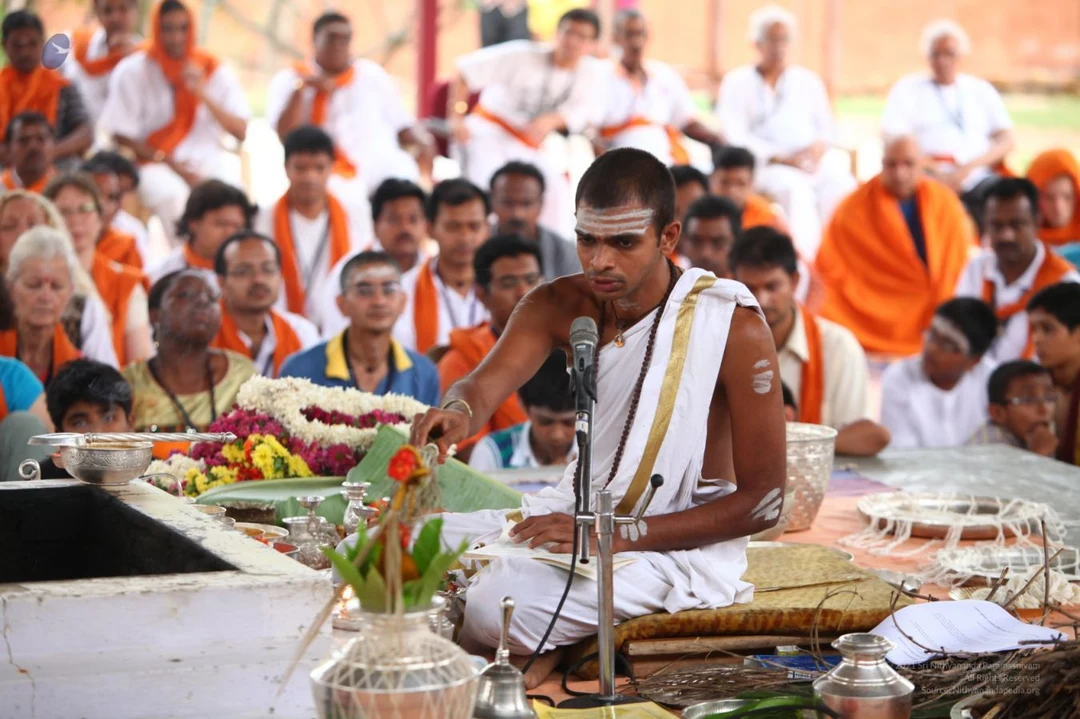
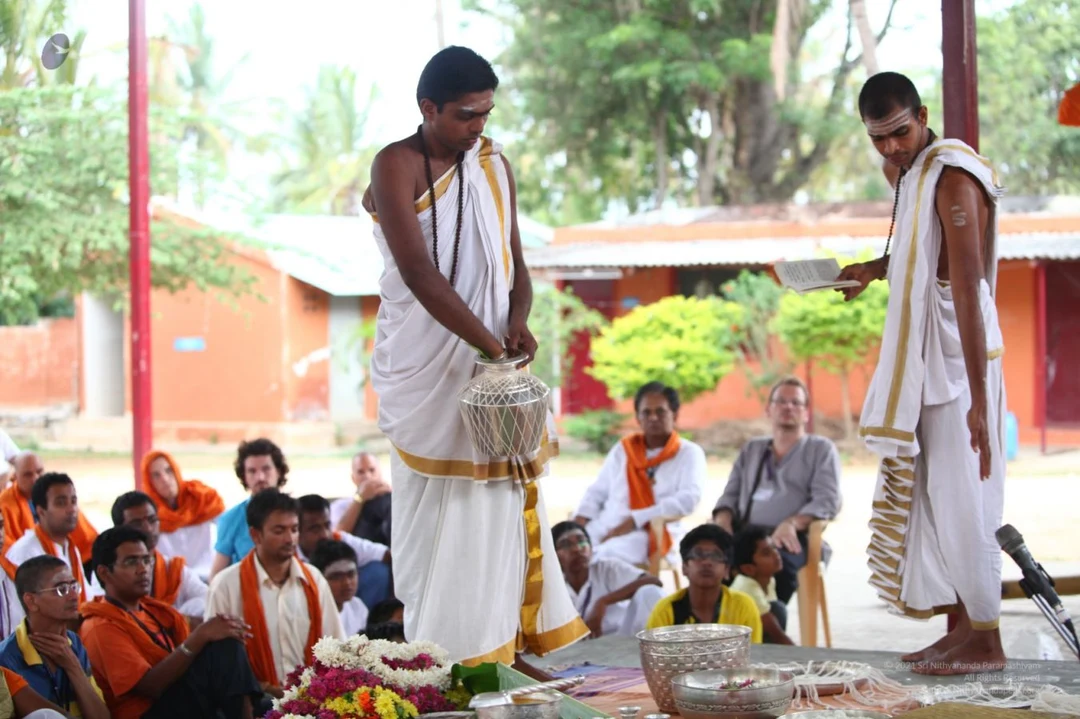
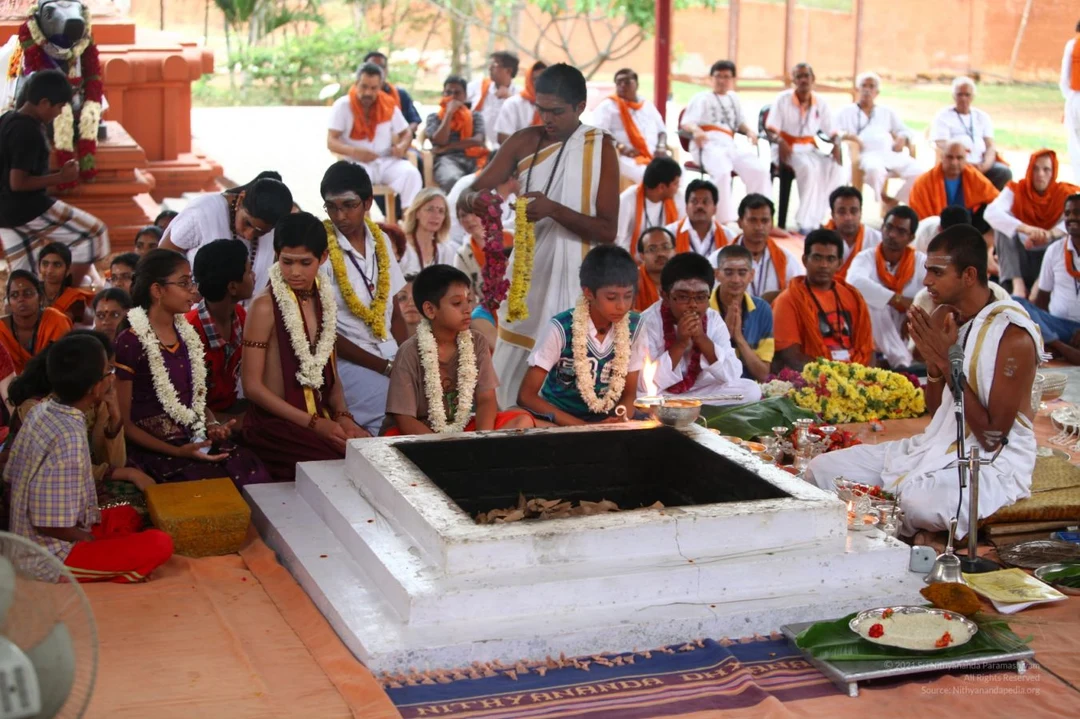
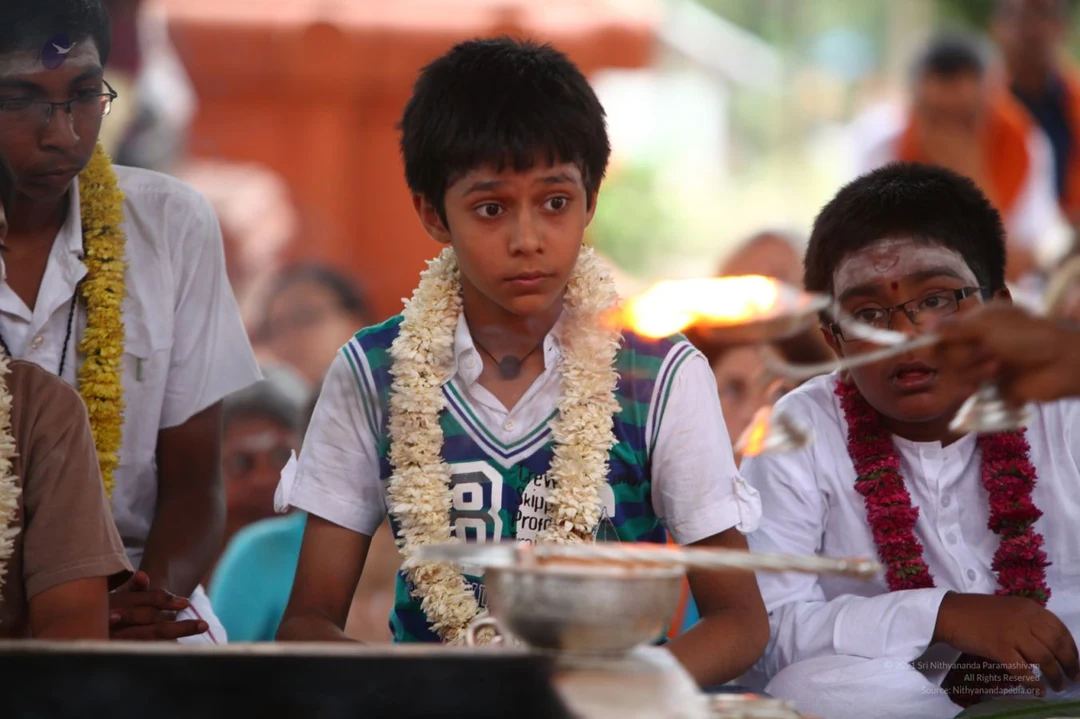
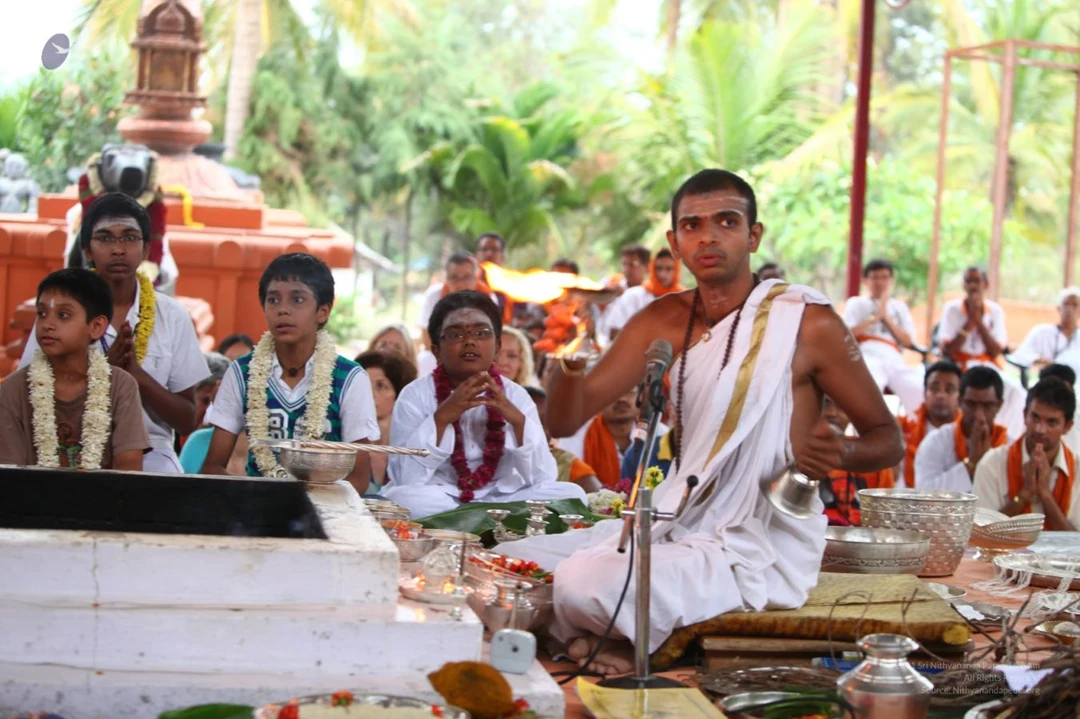
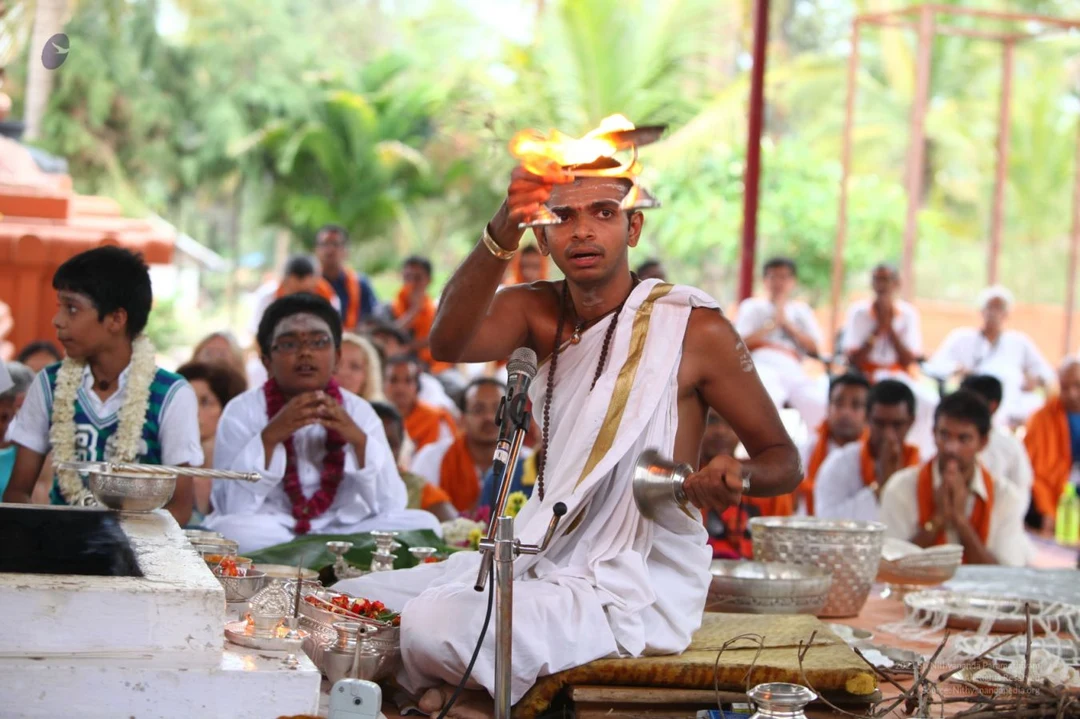
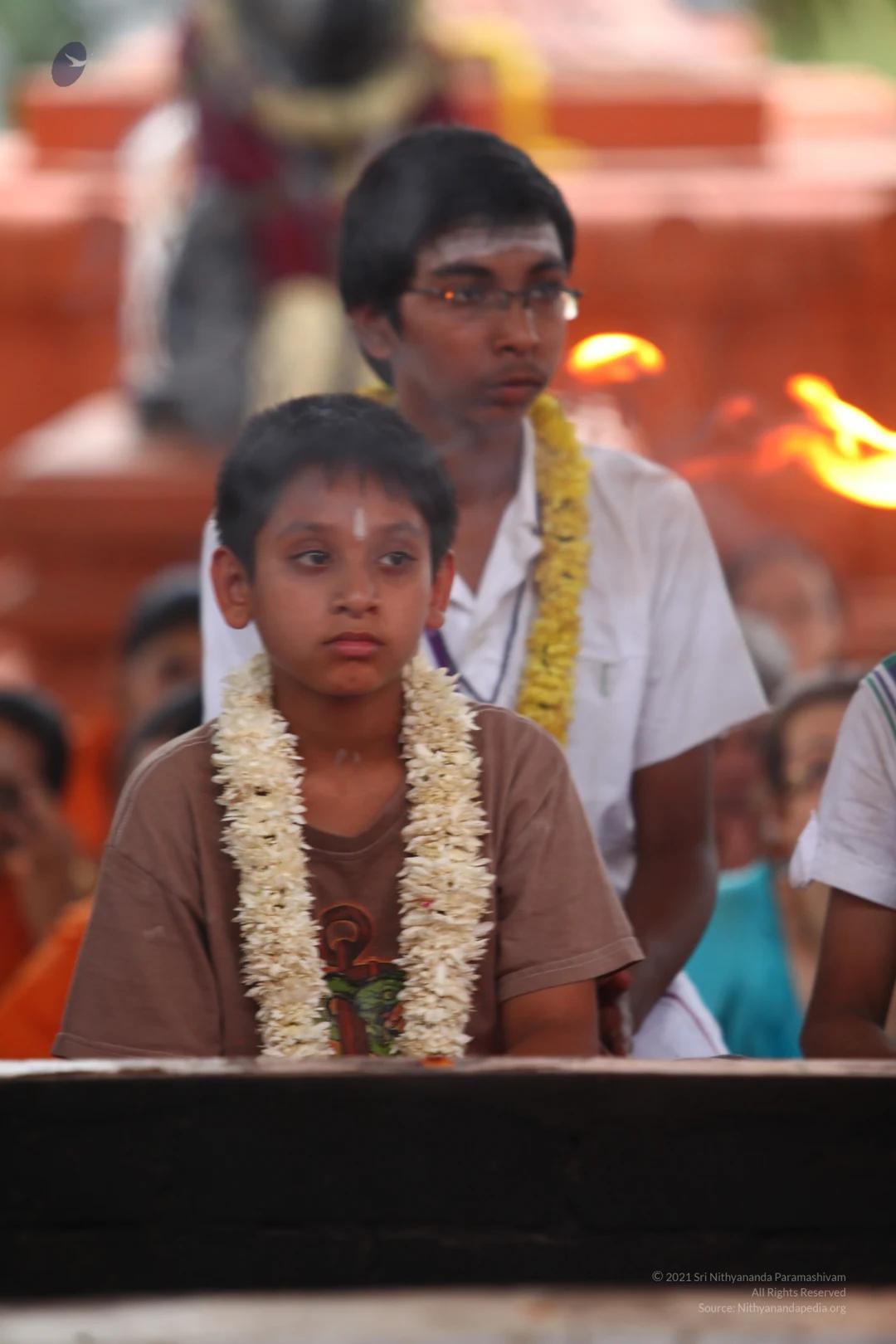
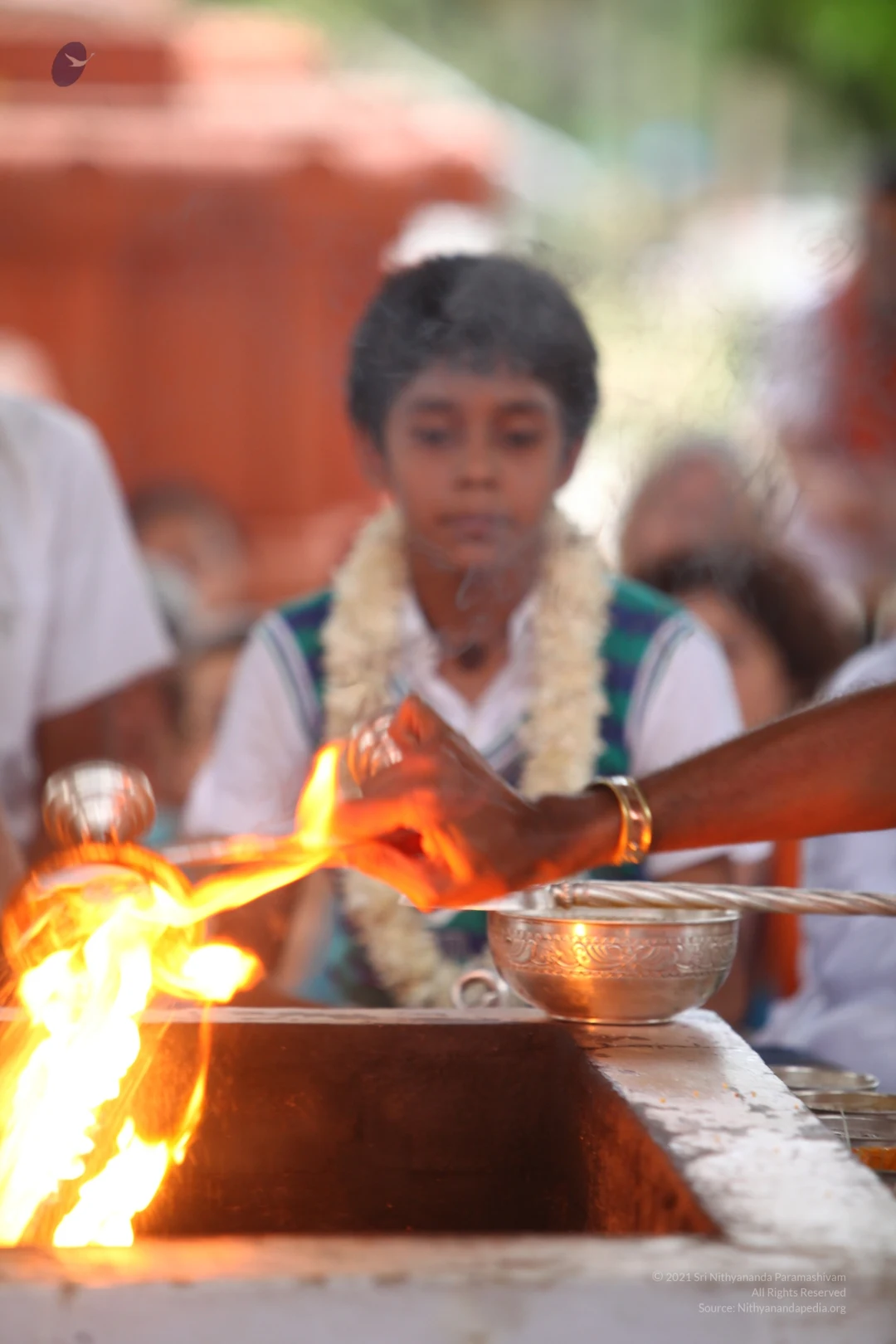
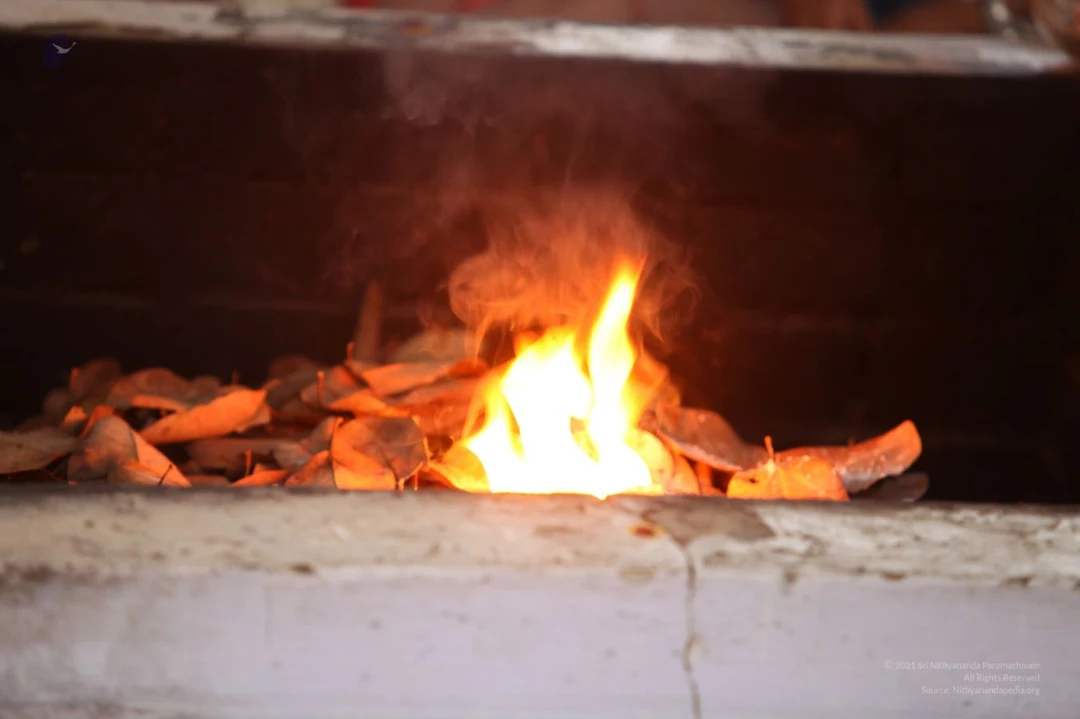
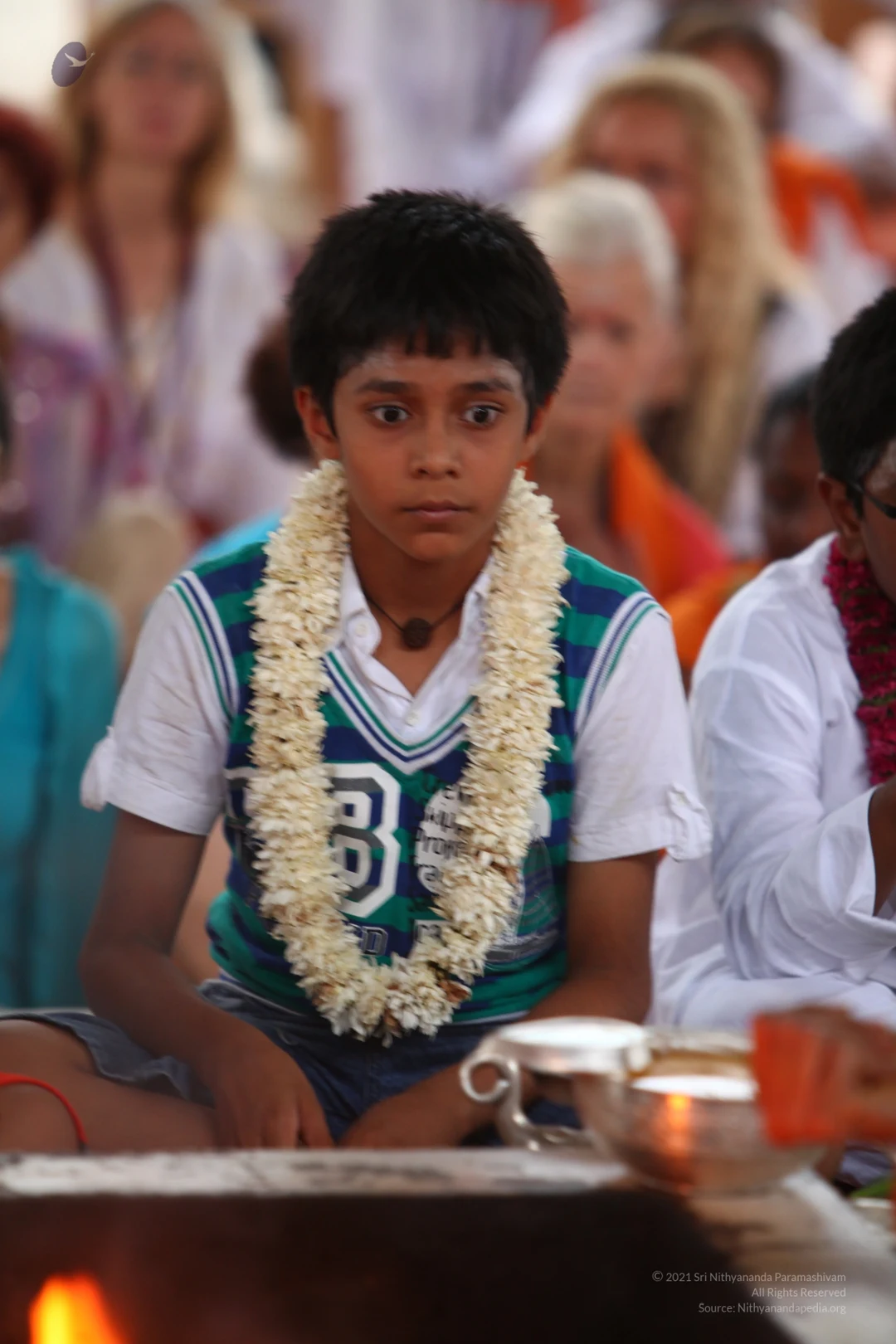
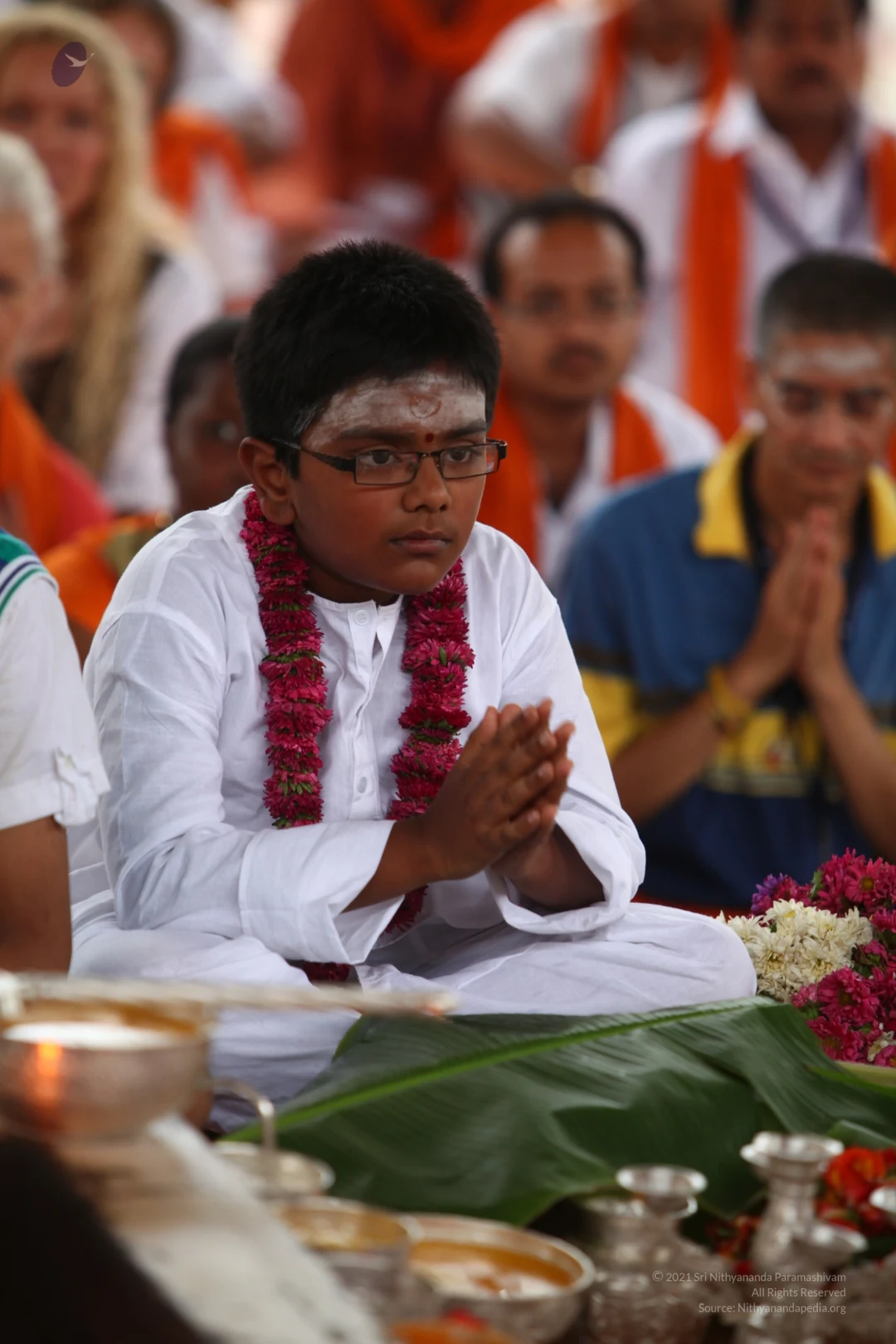
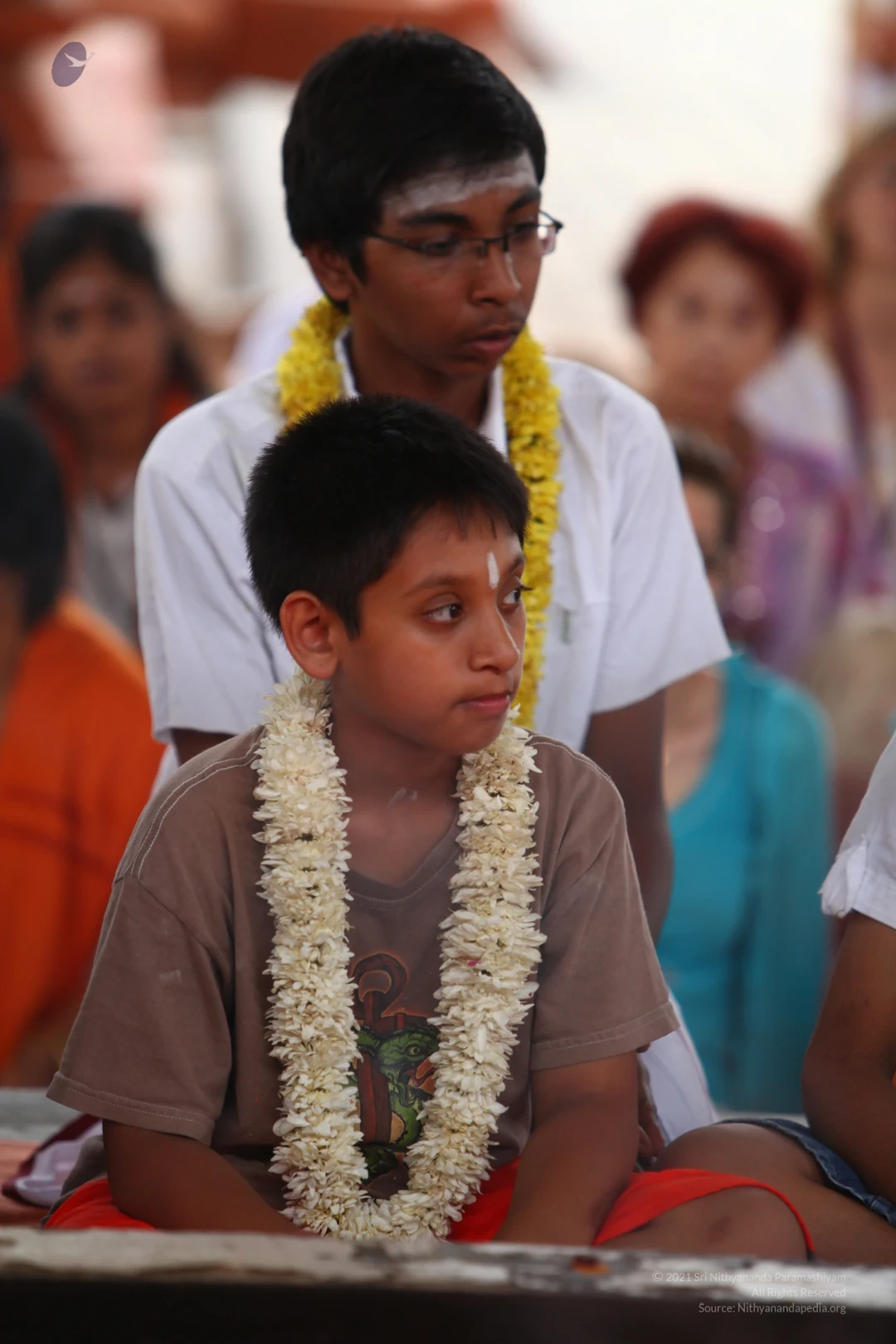
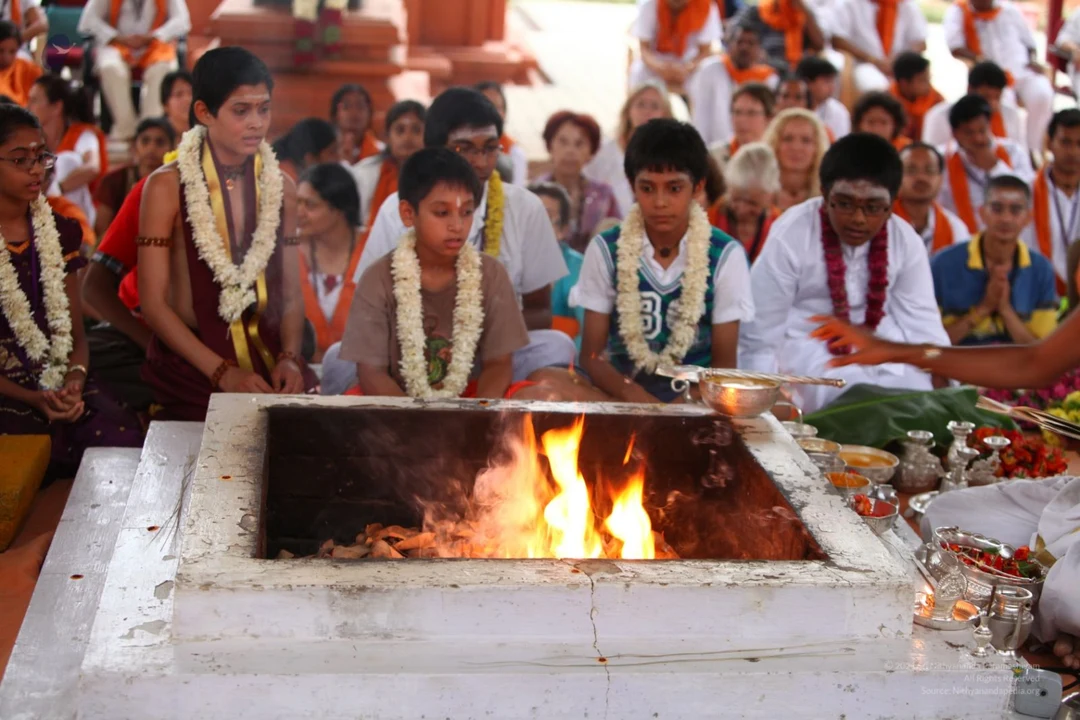
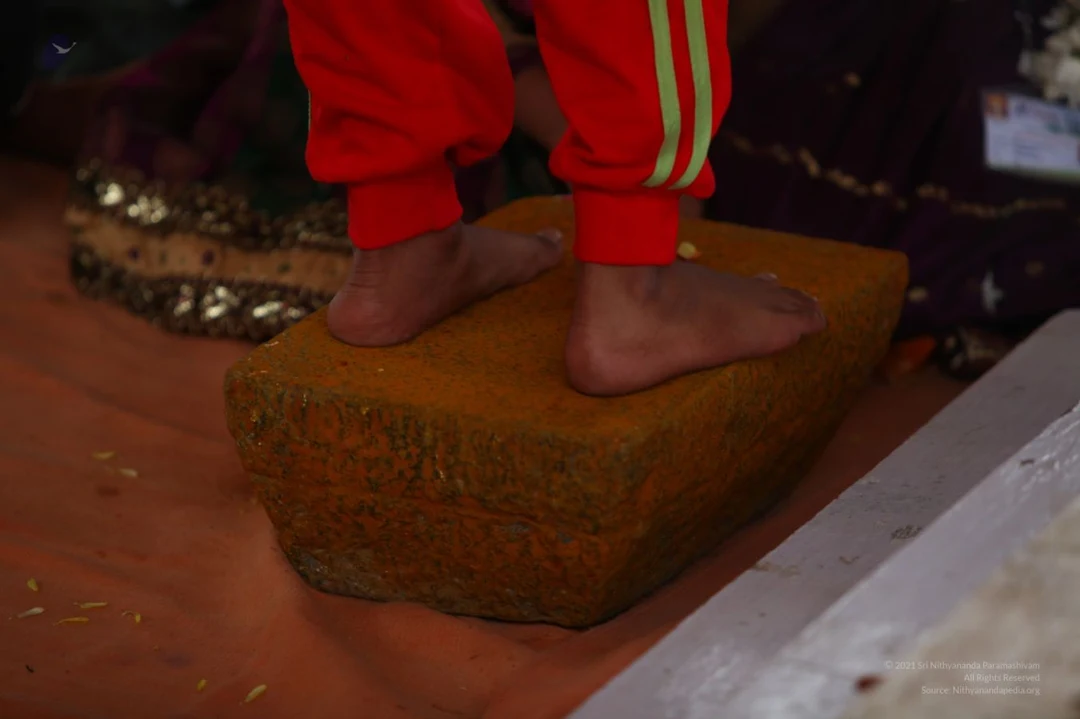
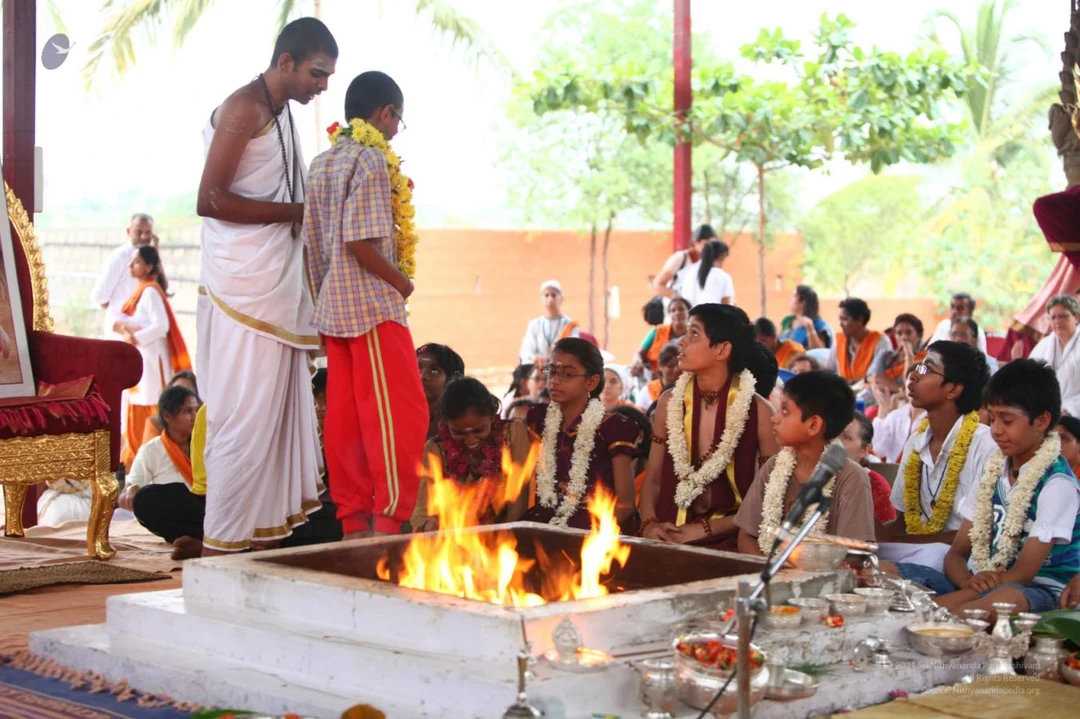
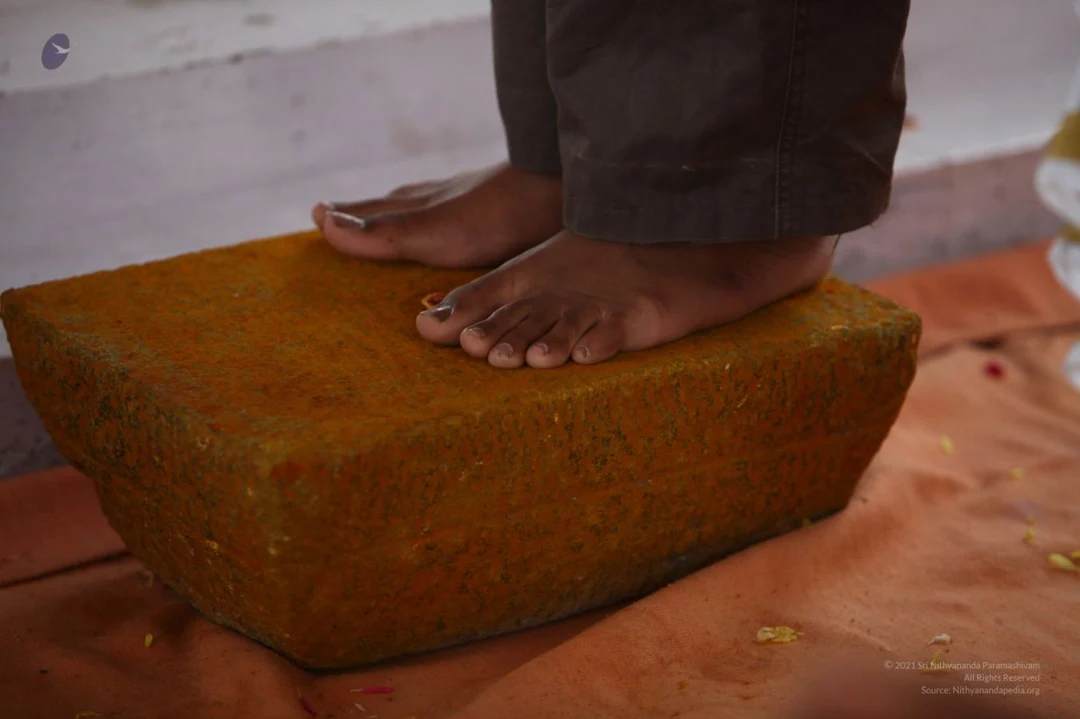
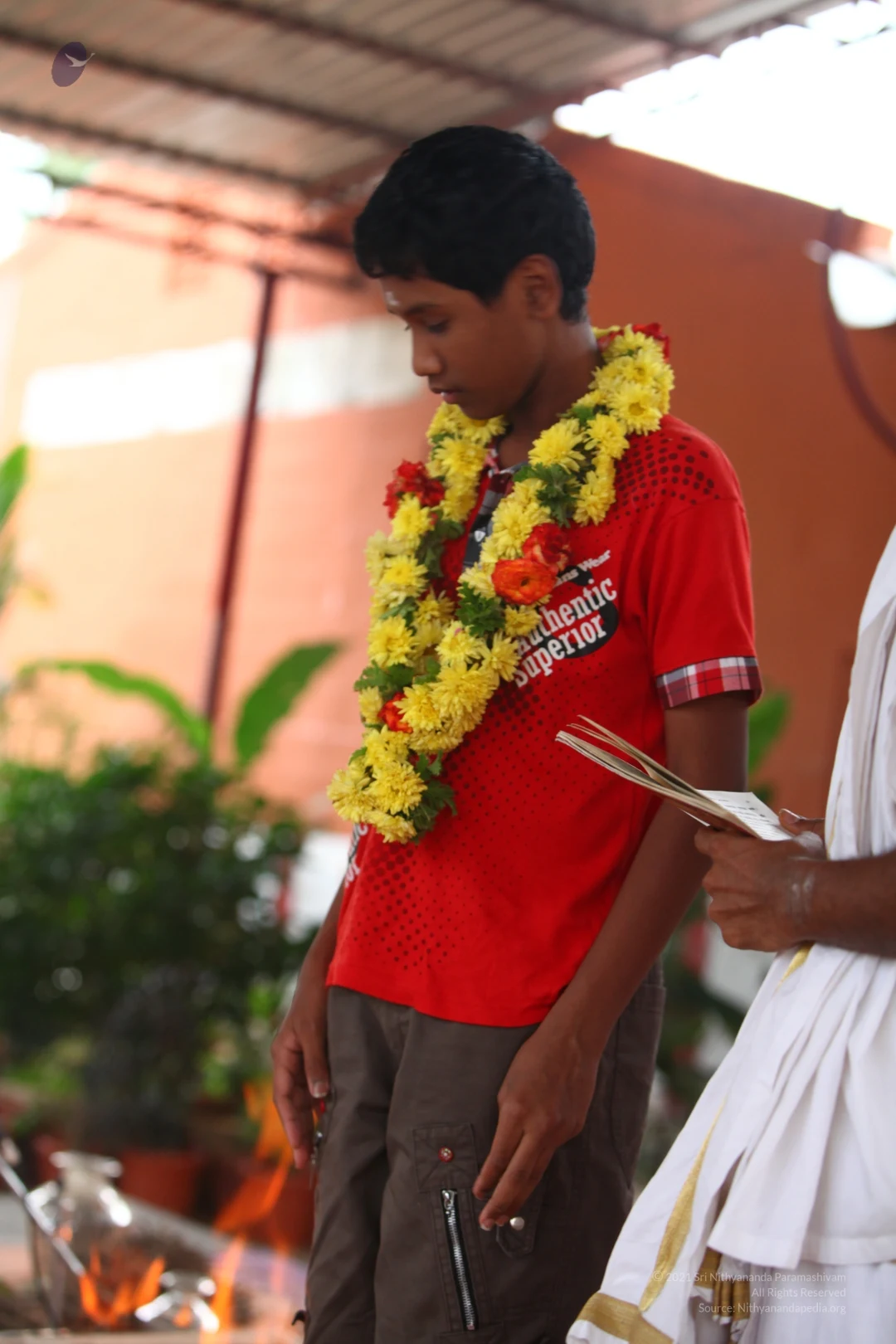
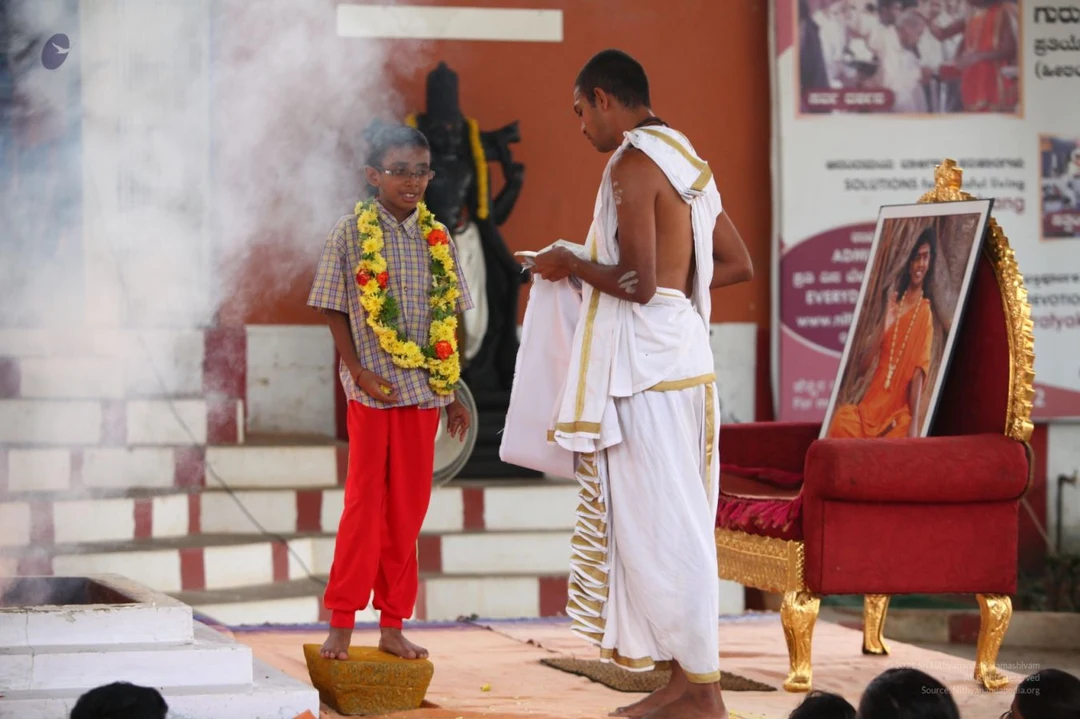
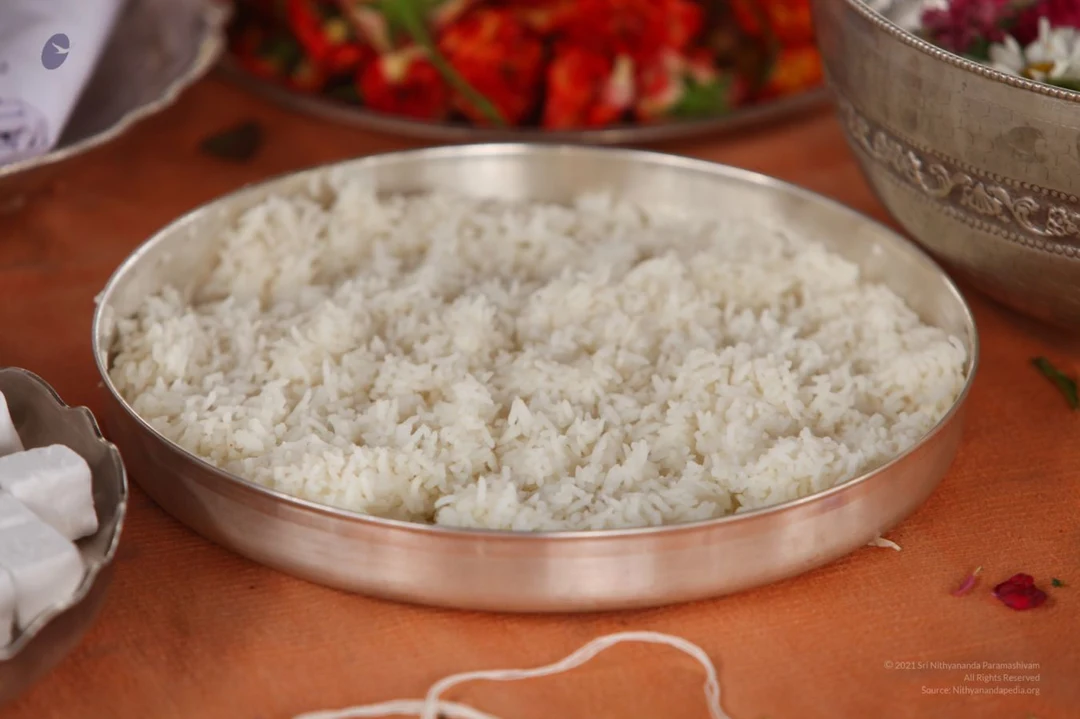
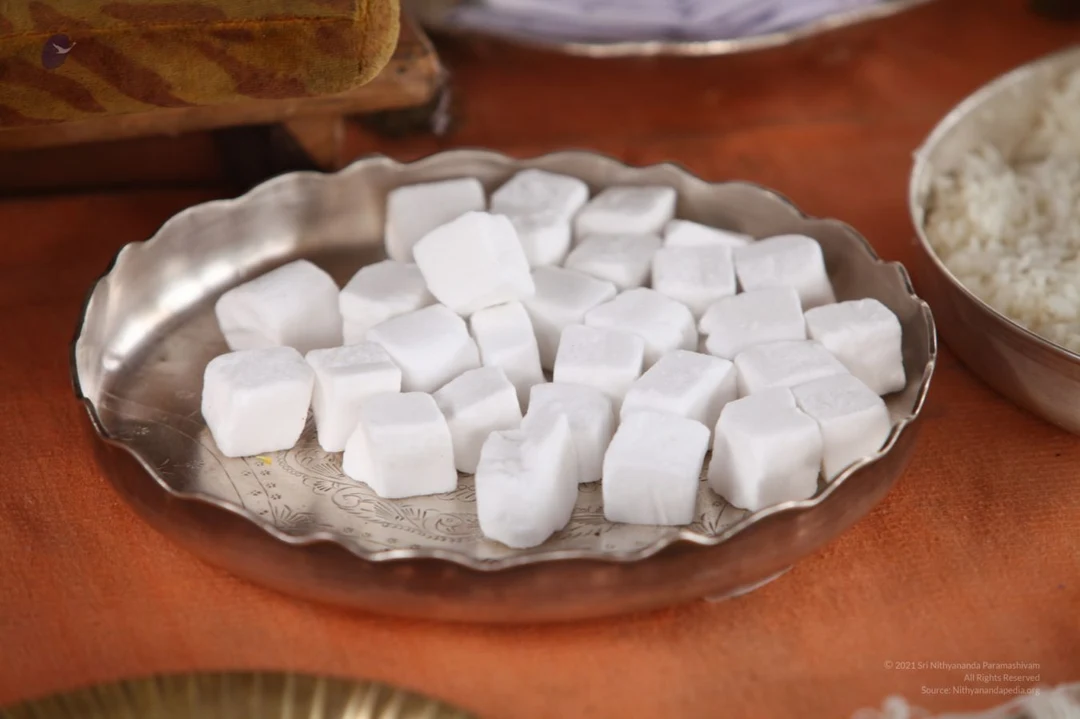
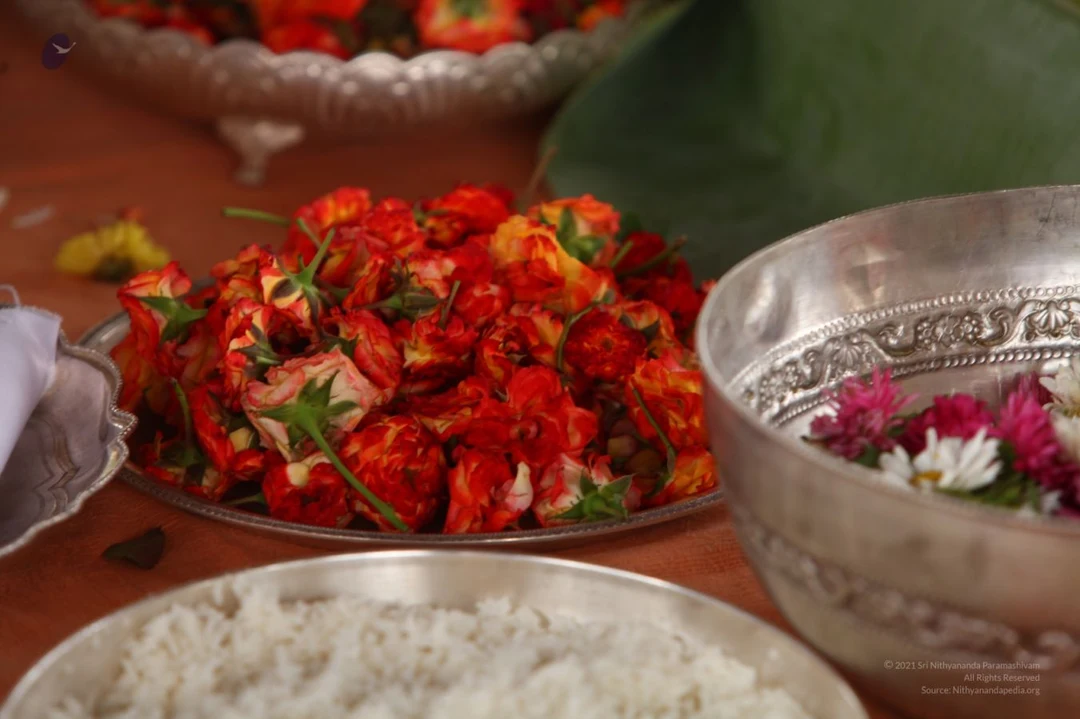
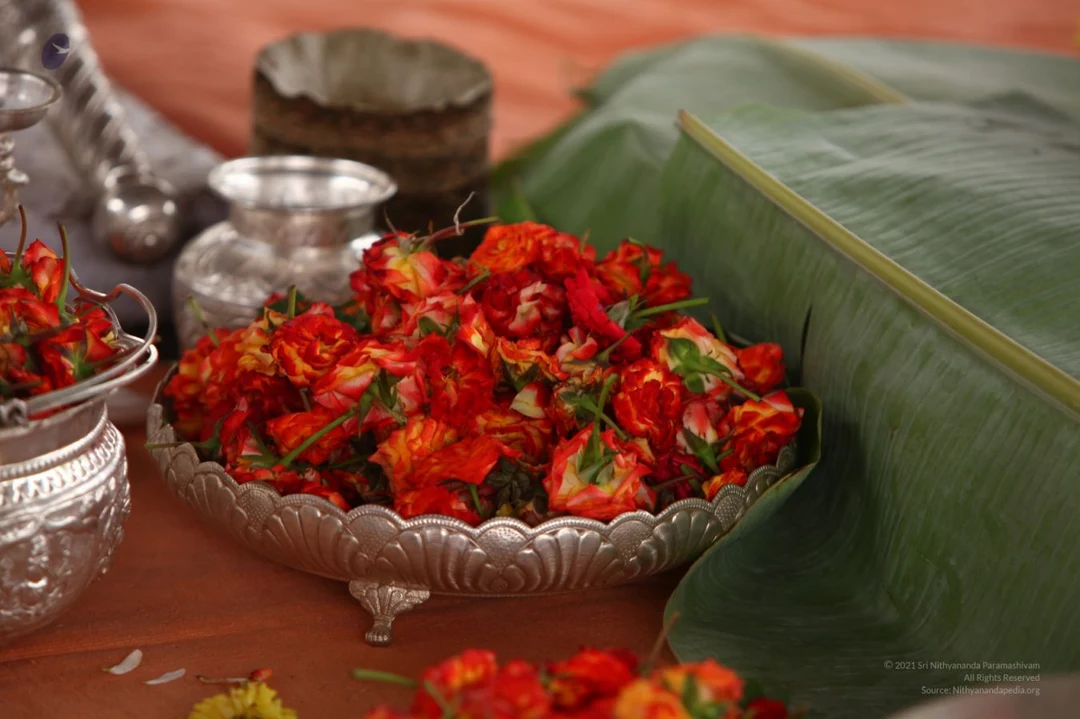
Homa
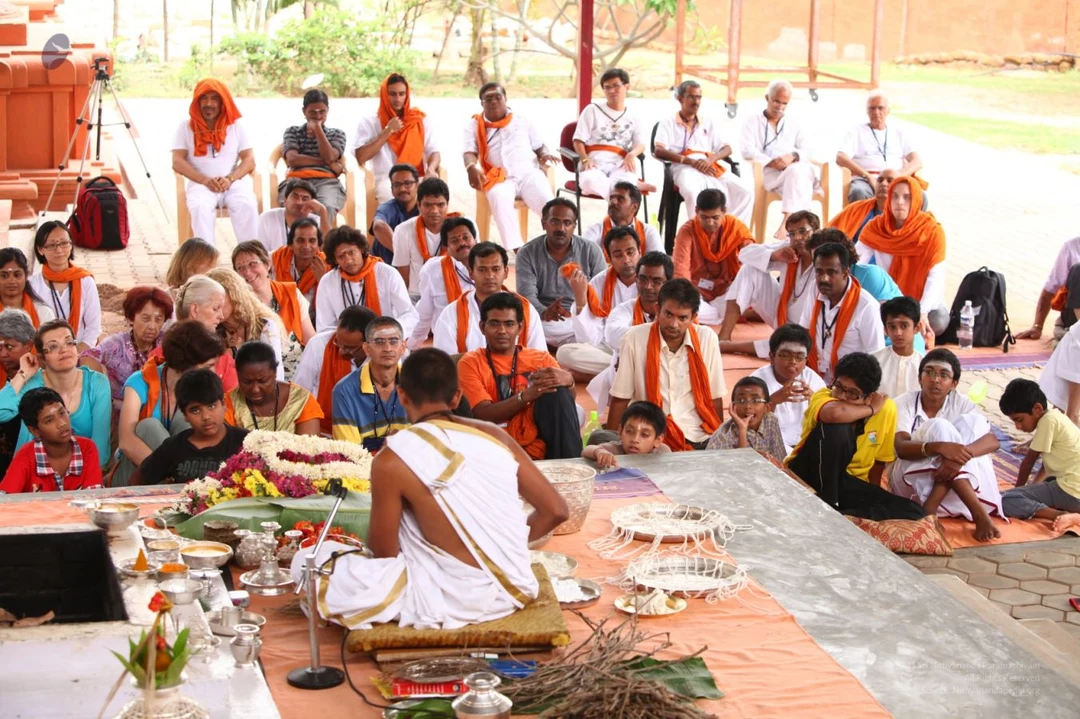
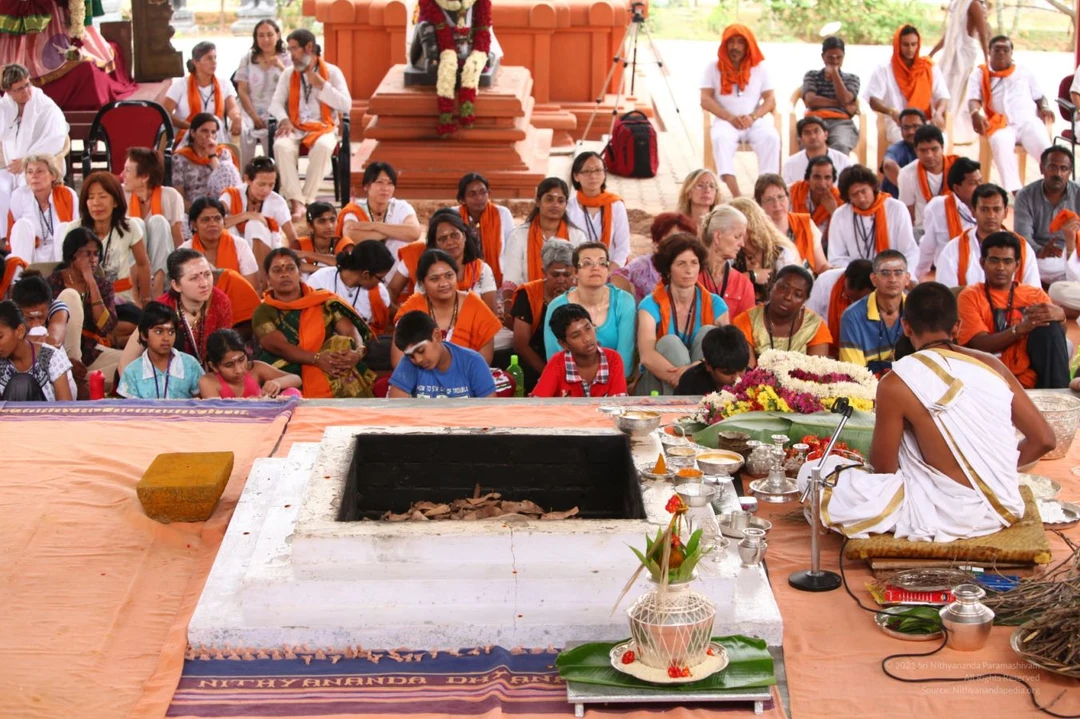
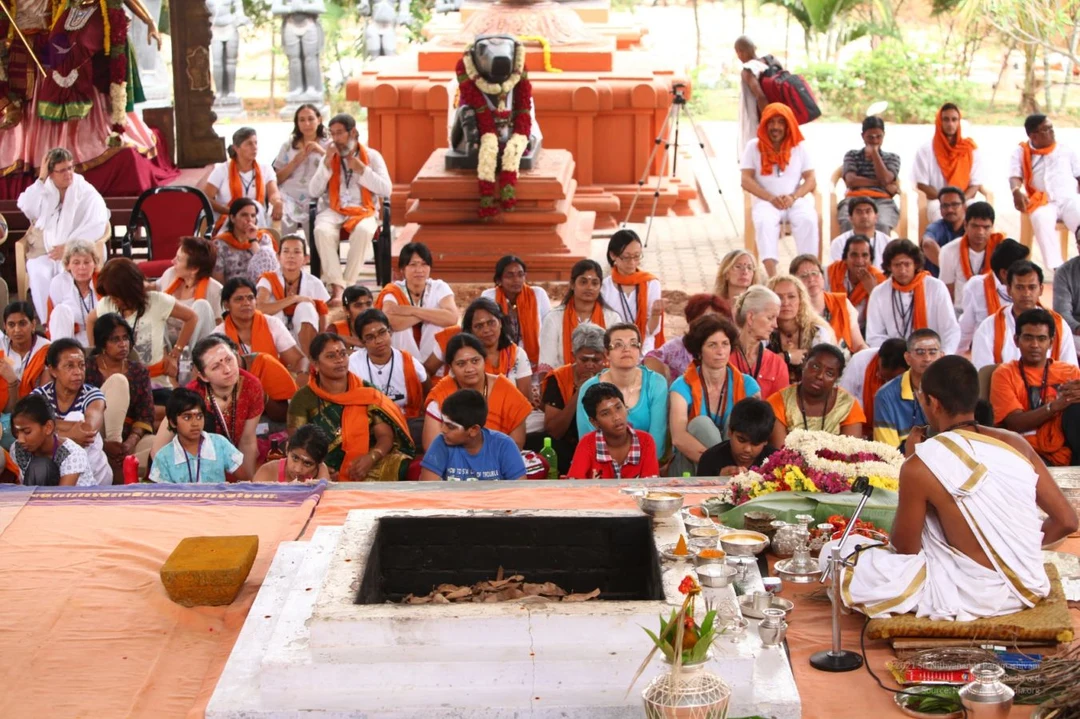
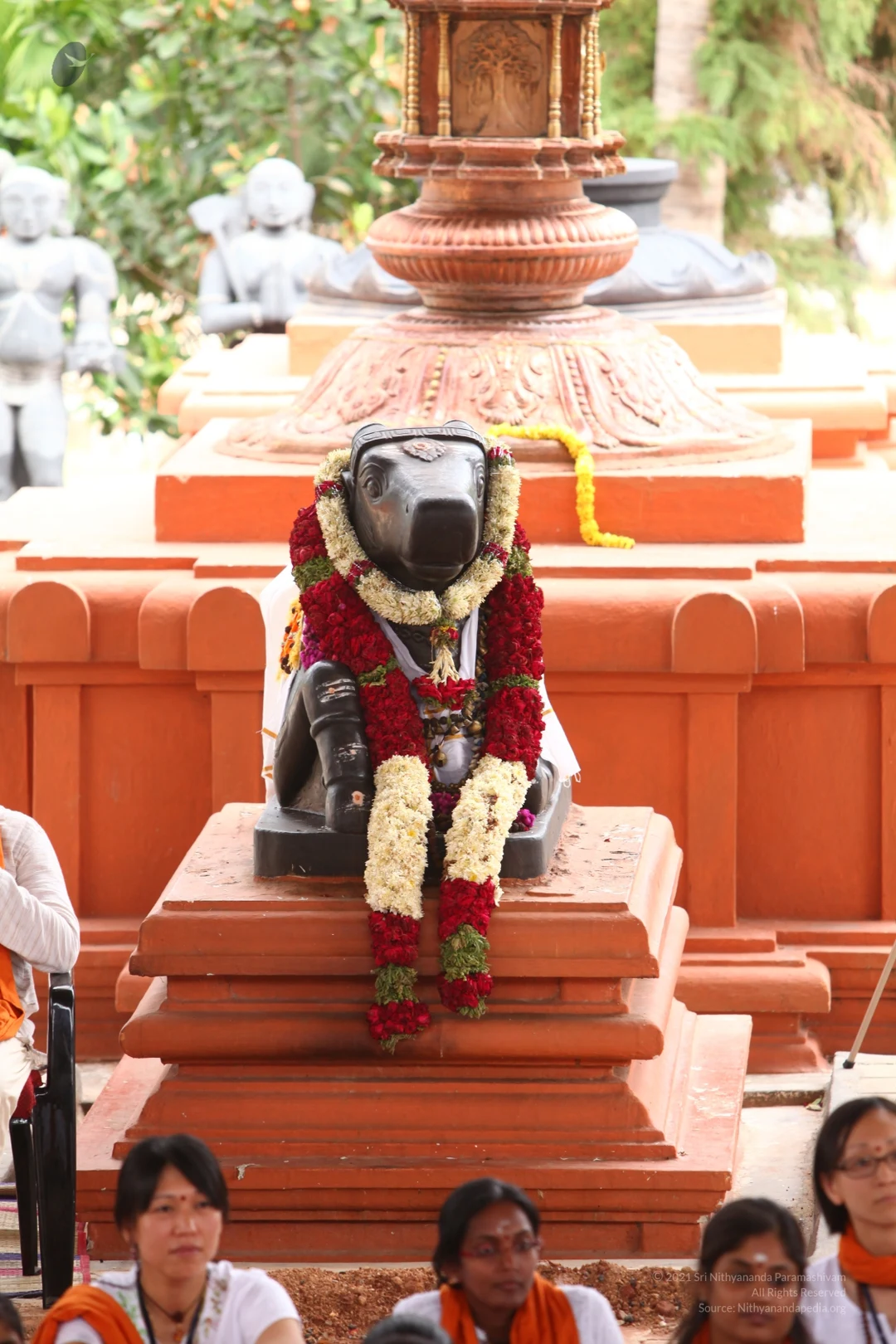
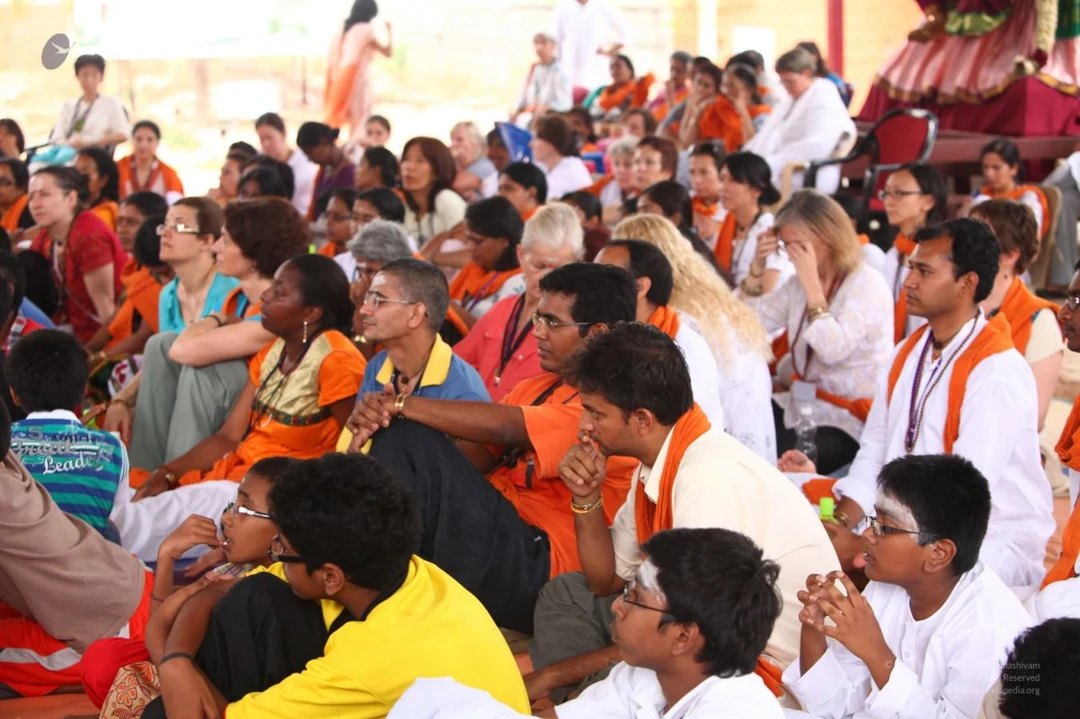
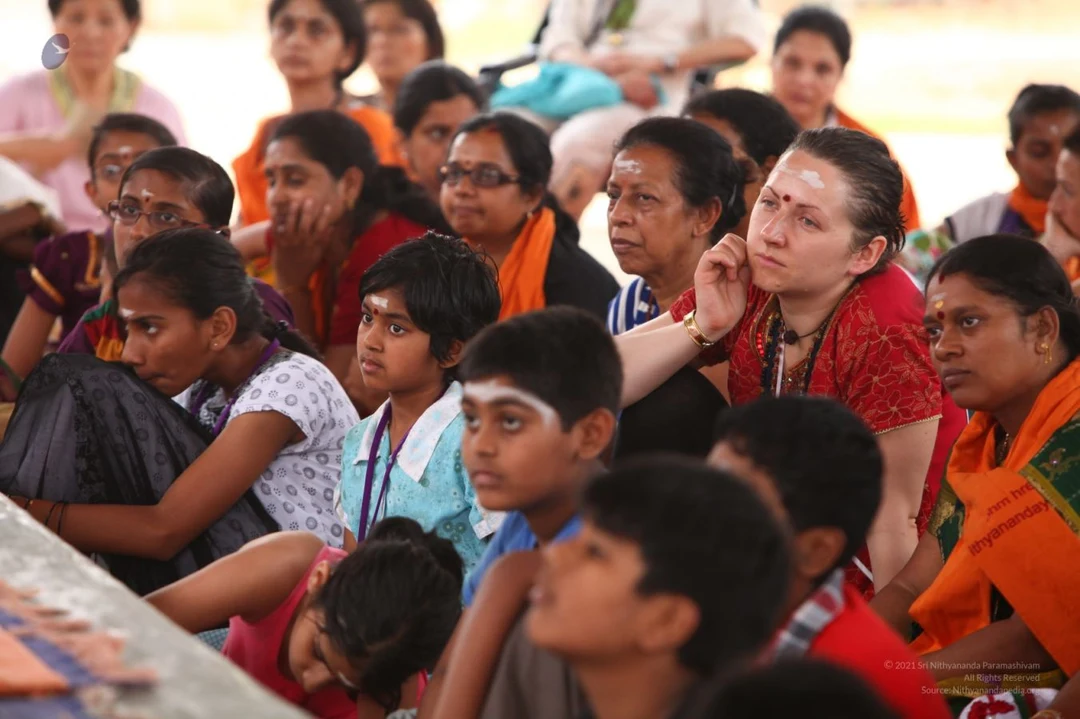
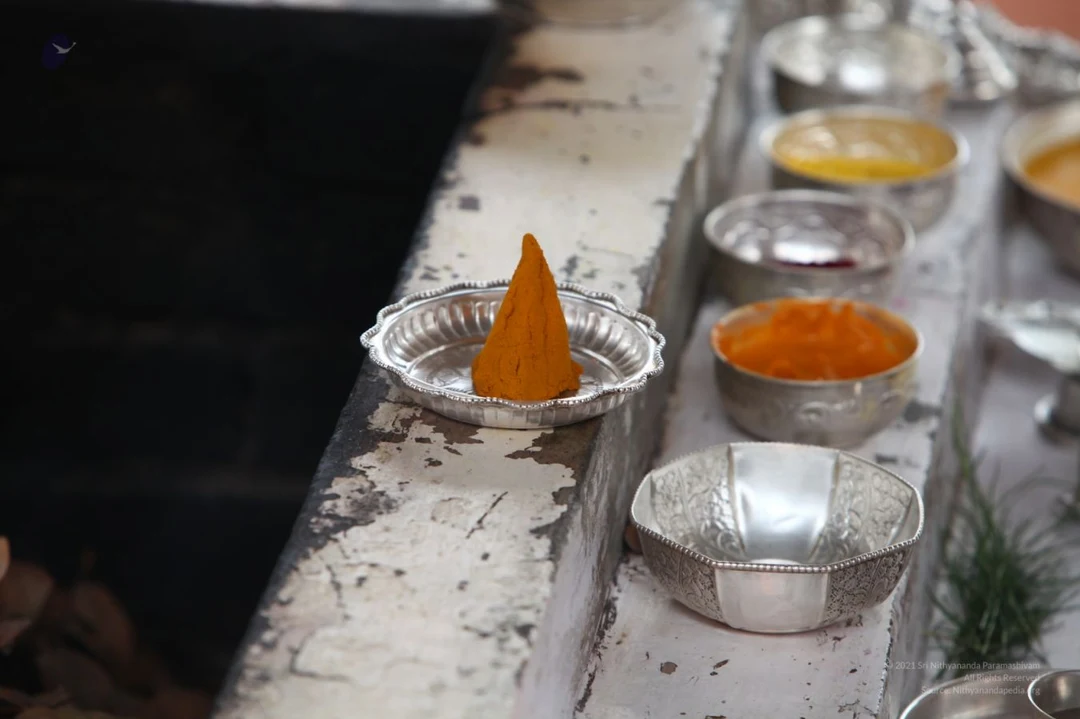
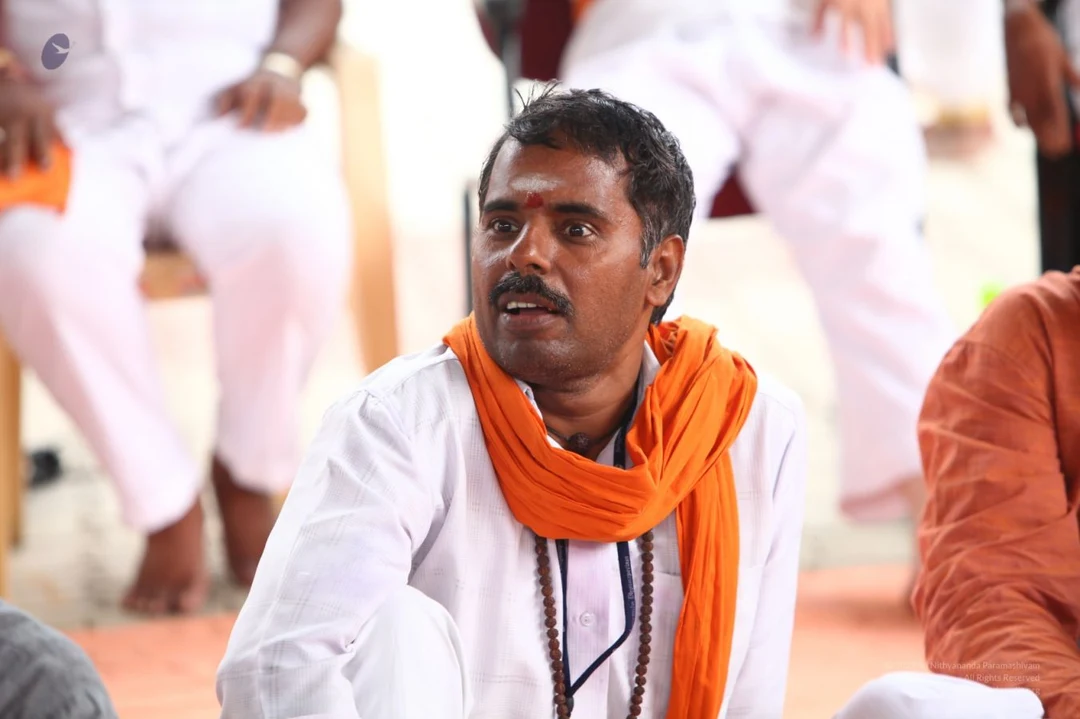
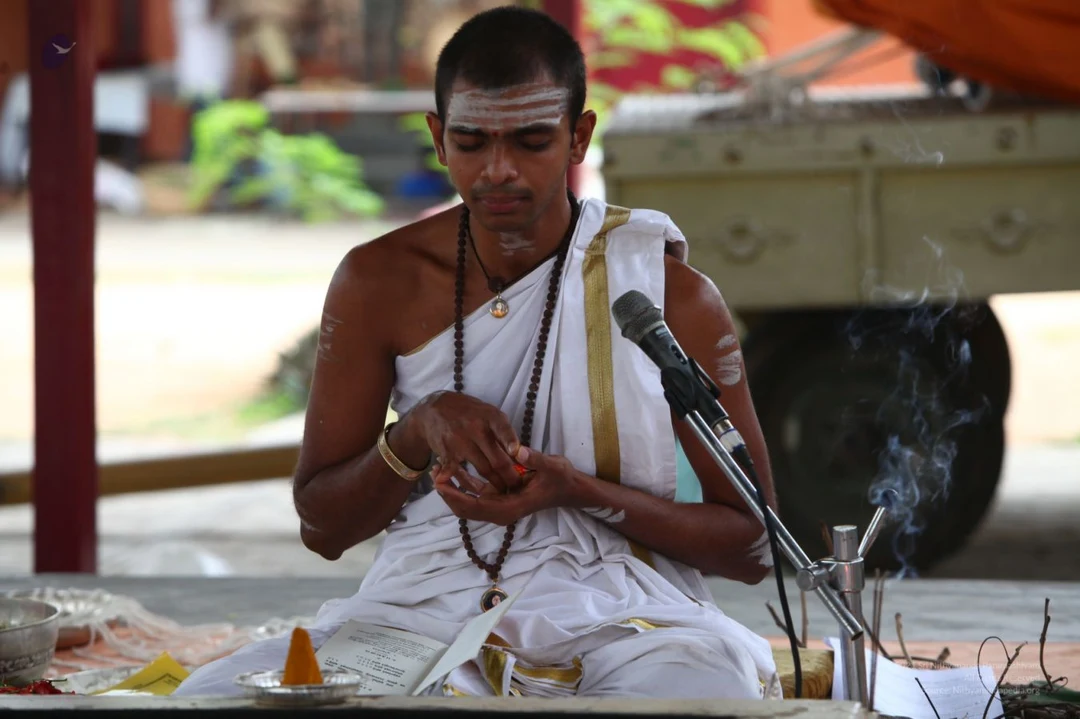
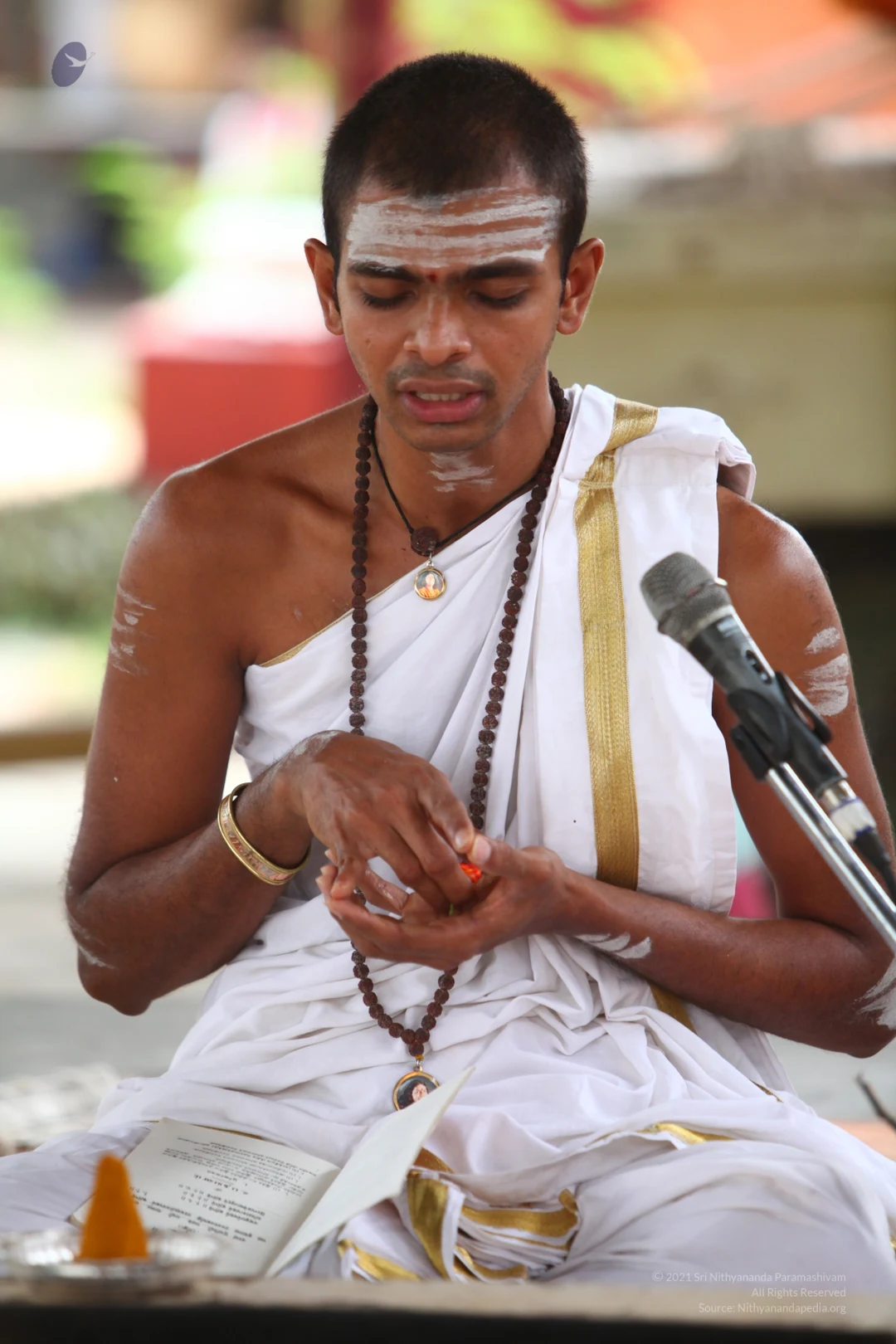
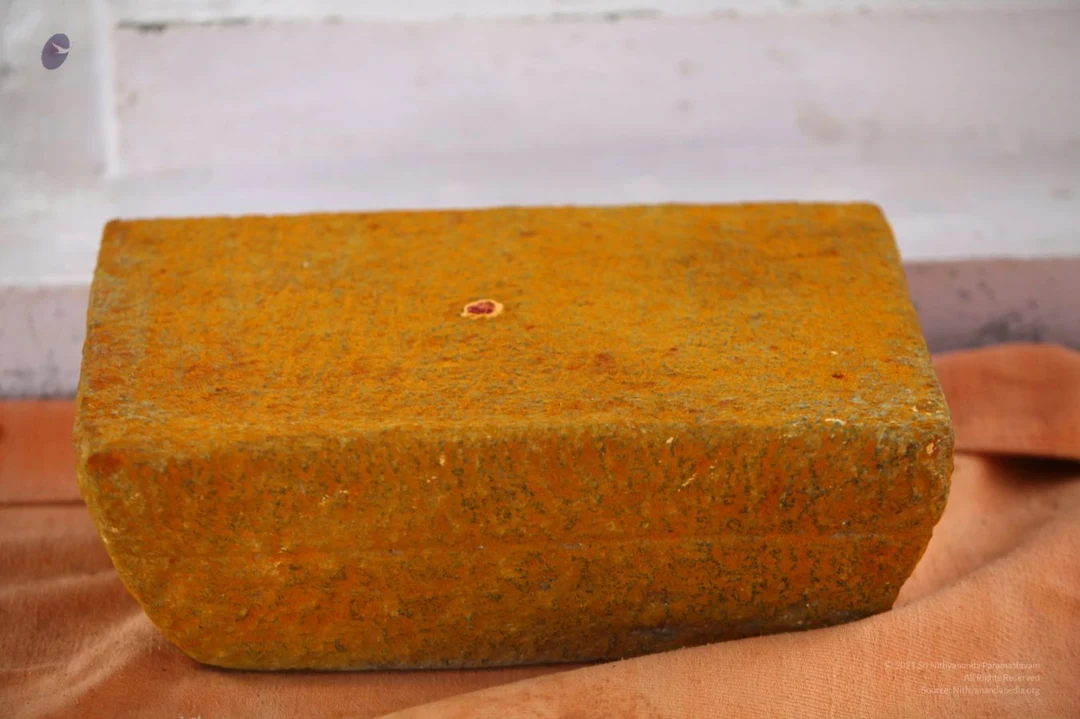
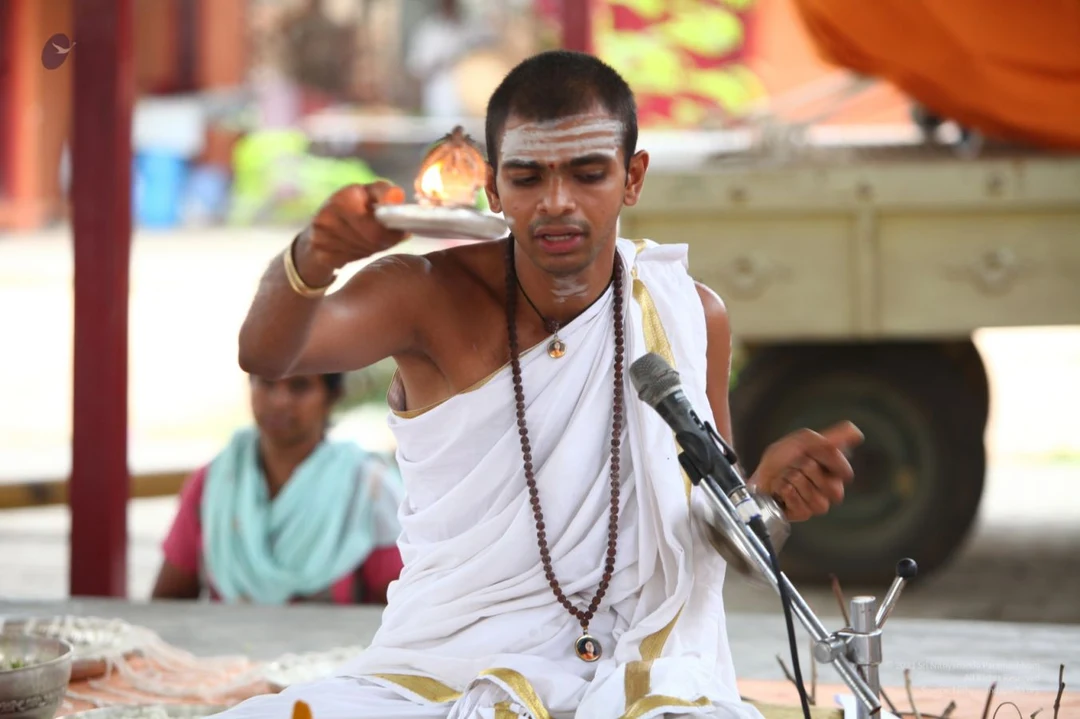
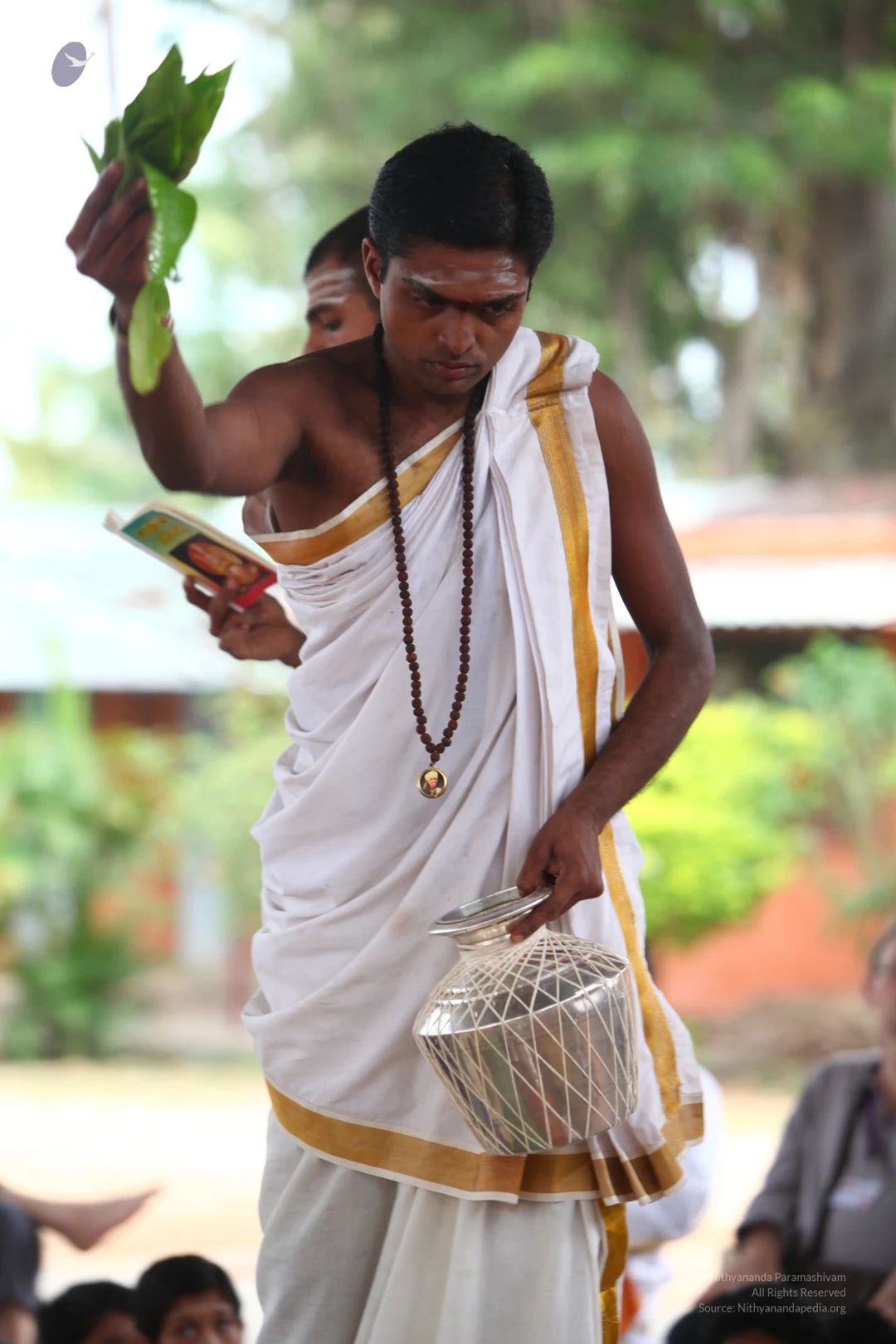
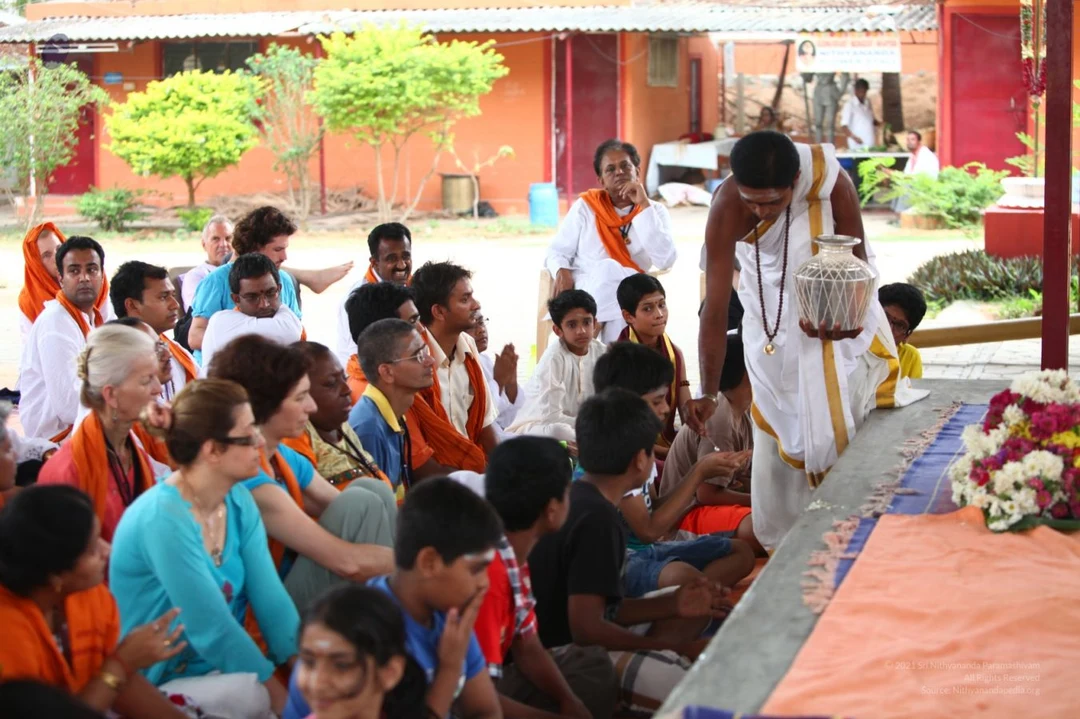
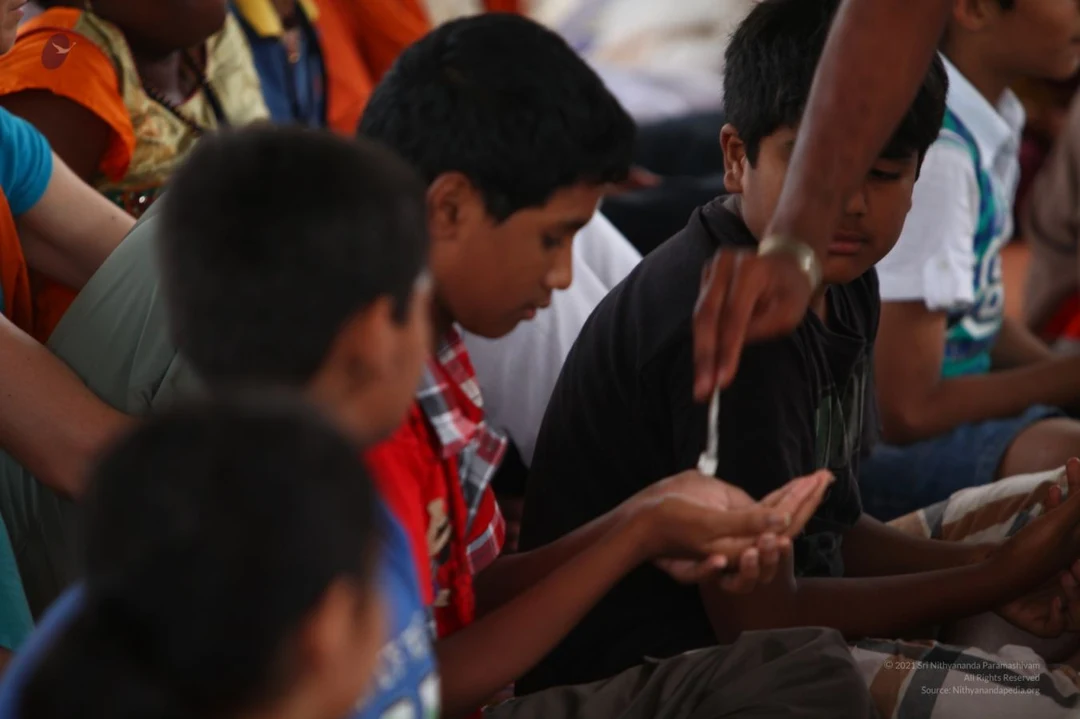
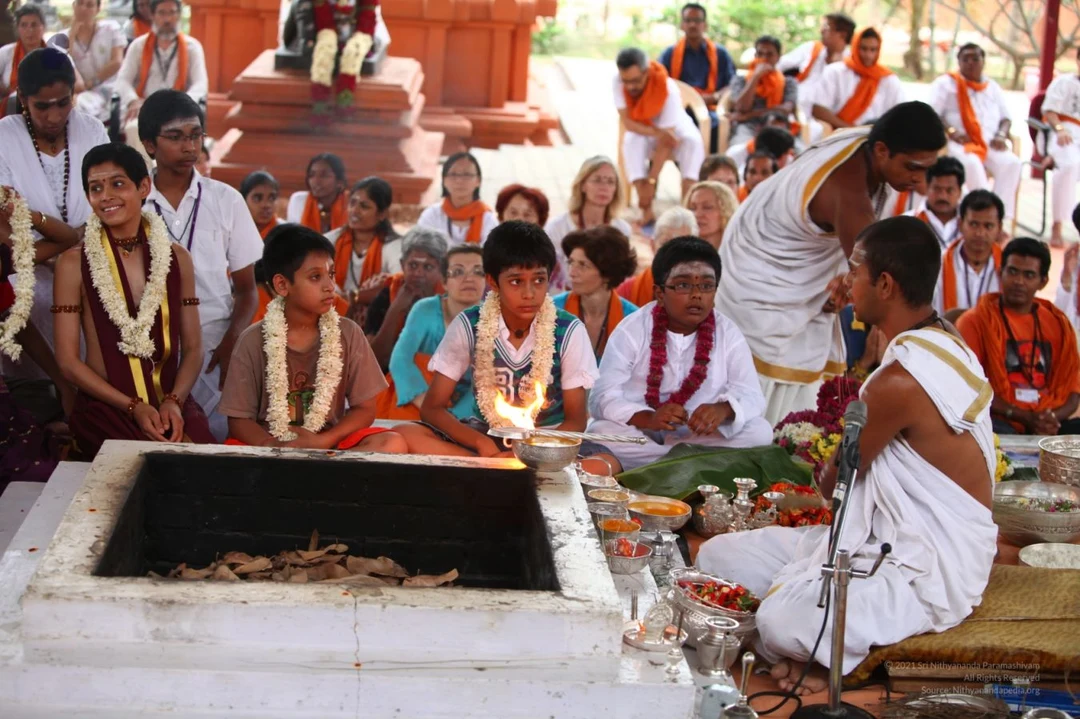
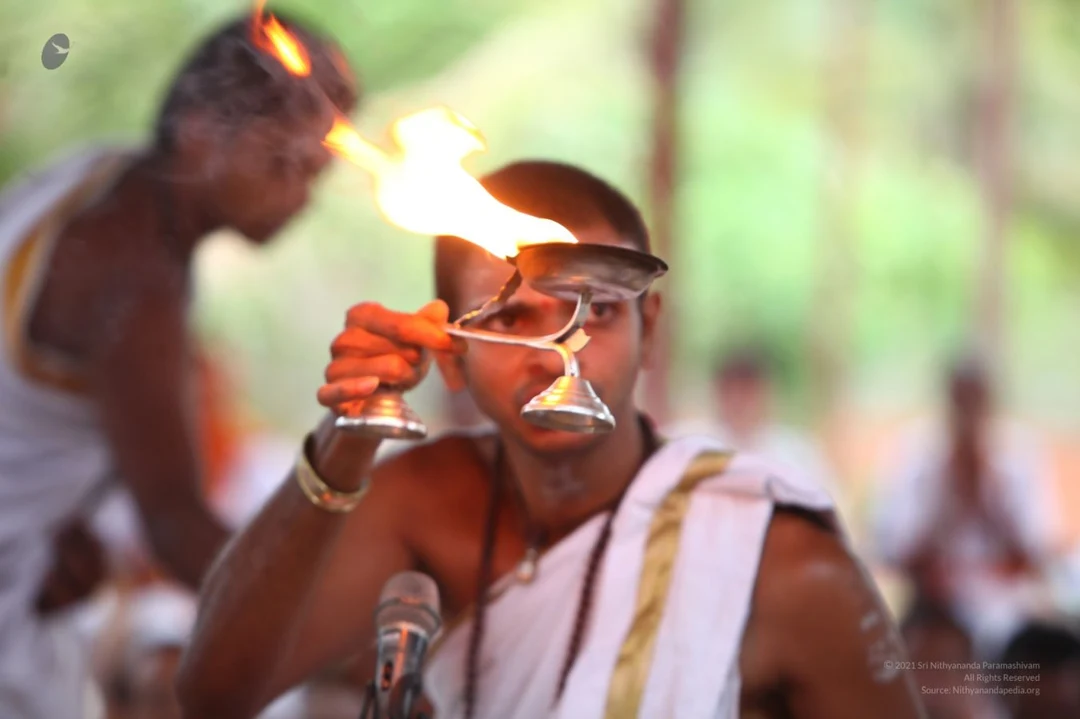
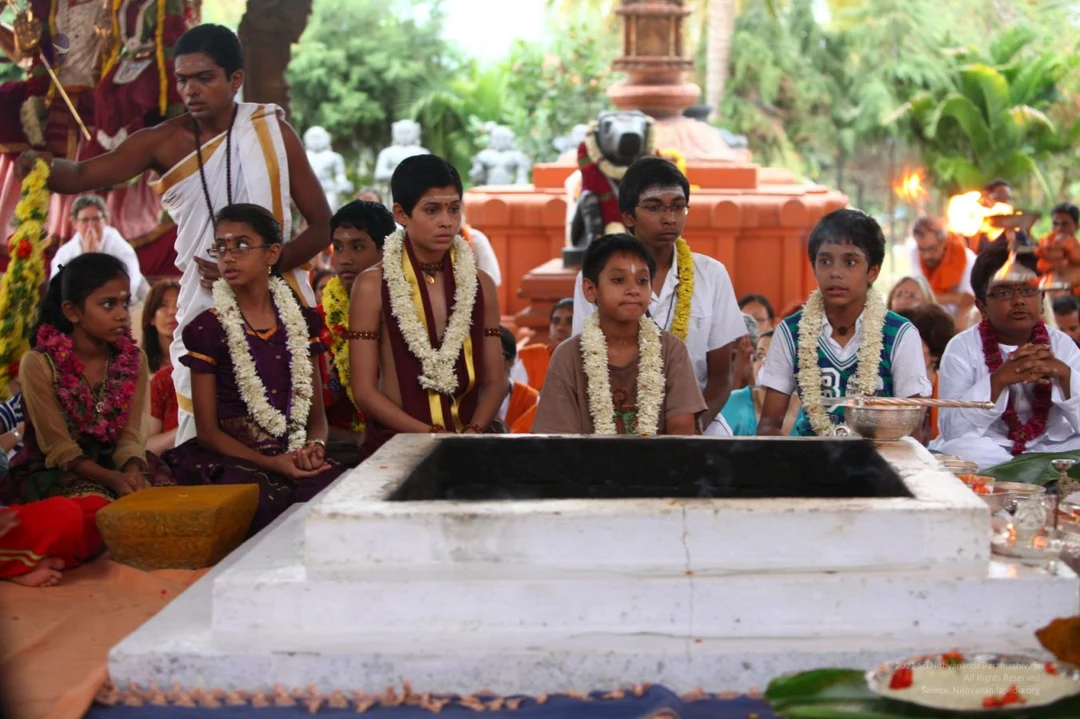
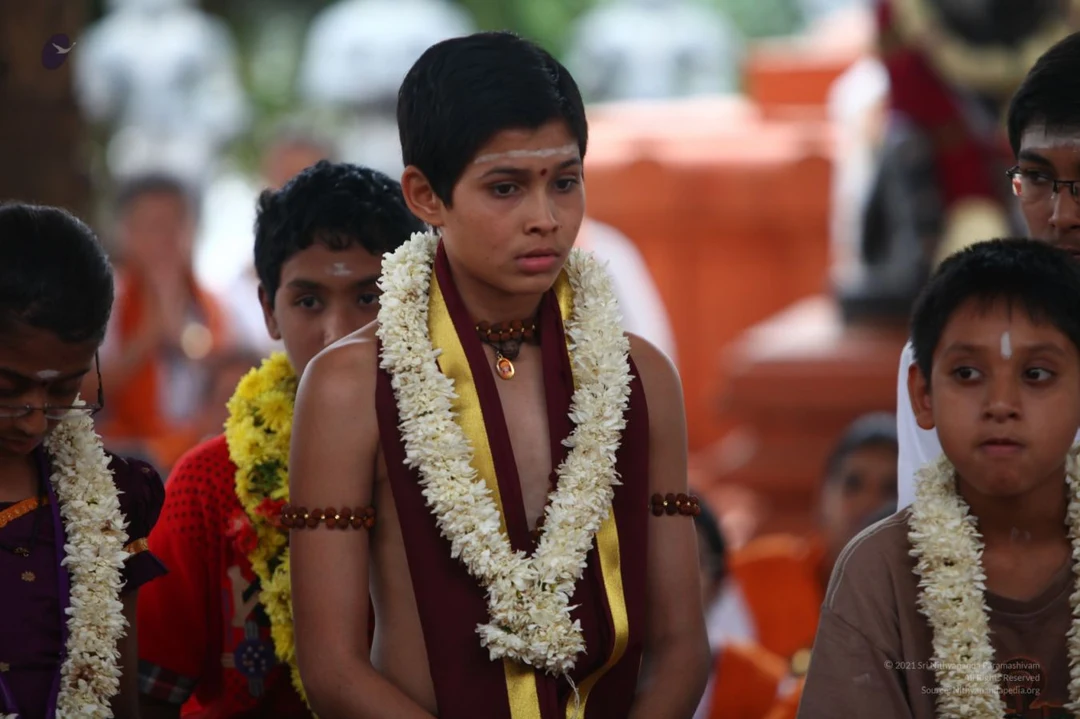
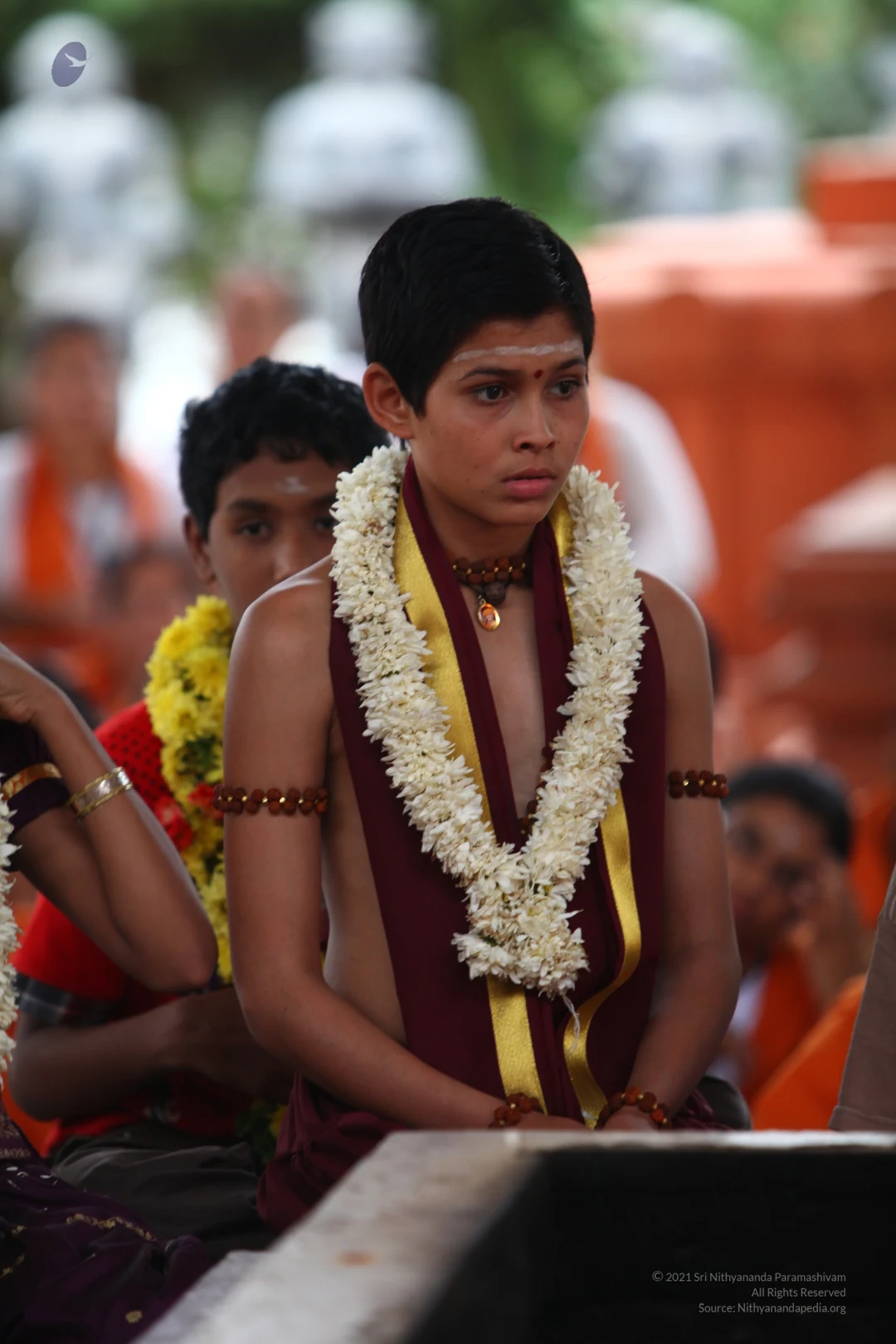

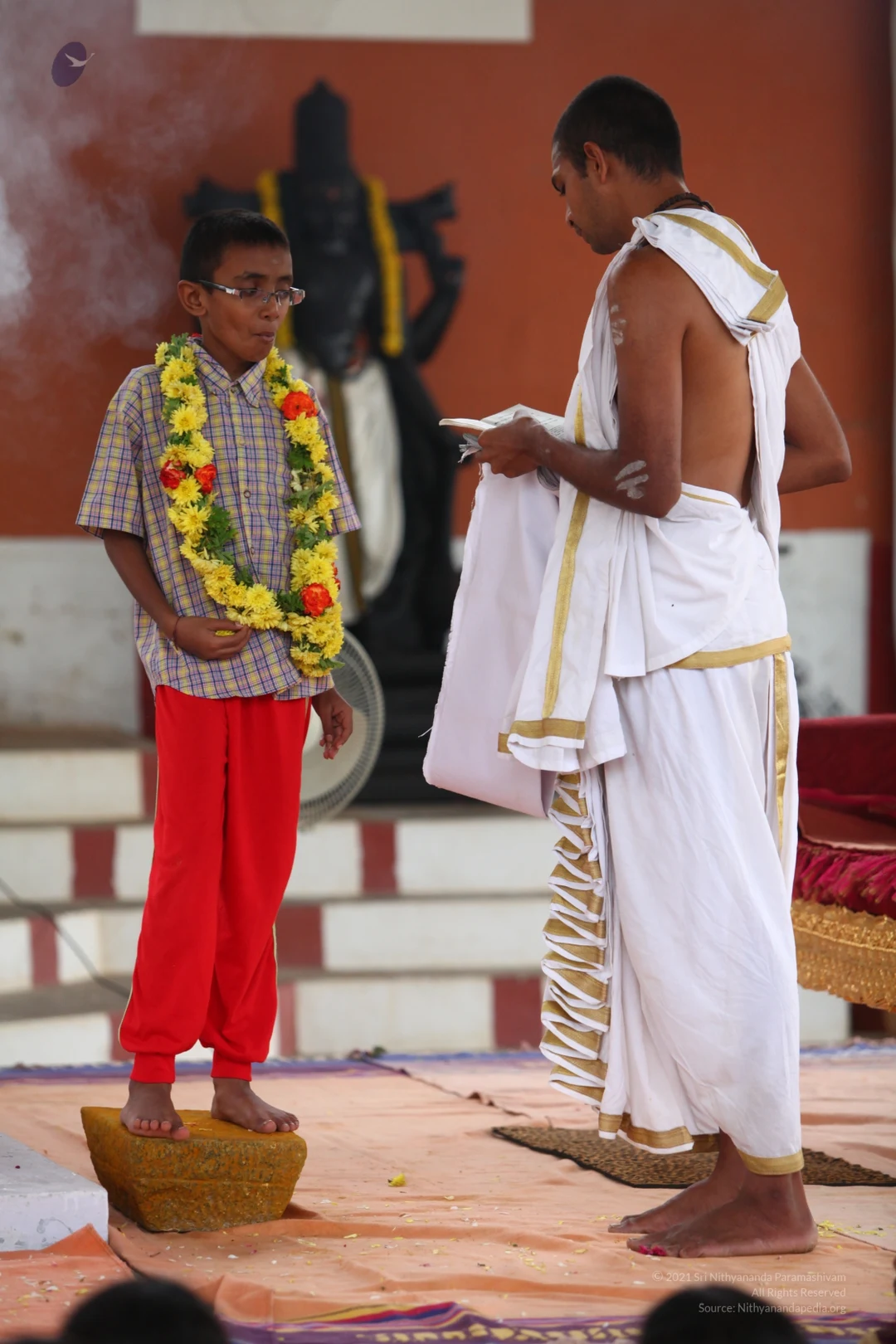
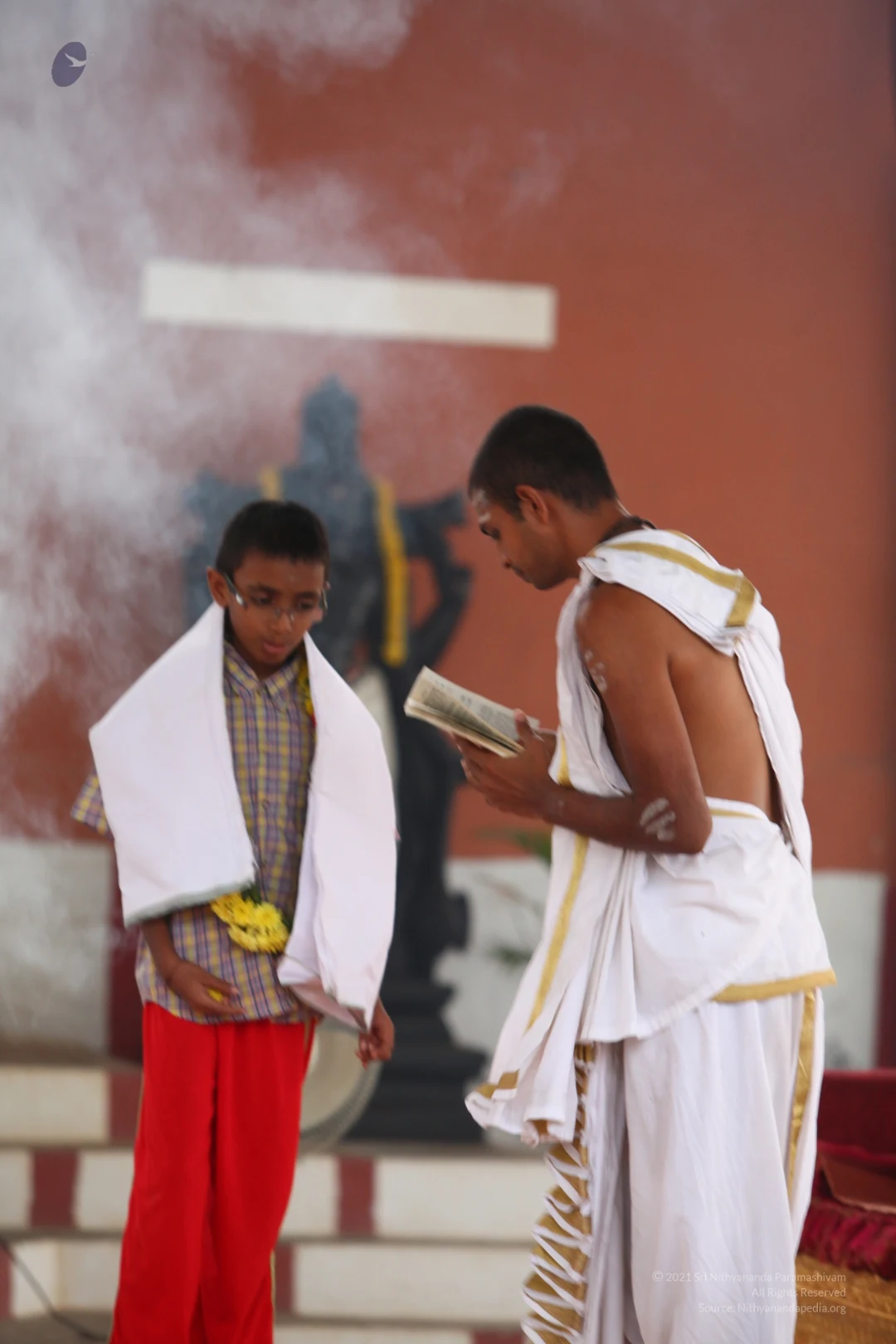
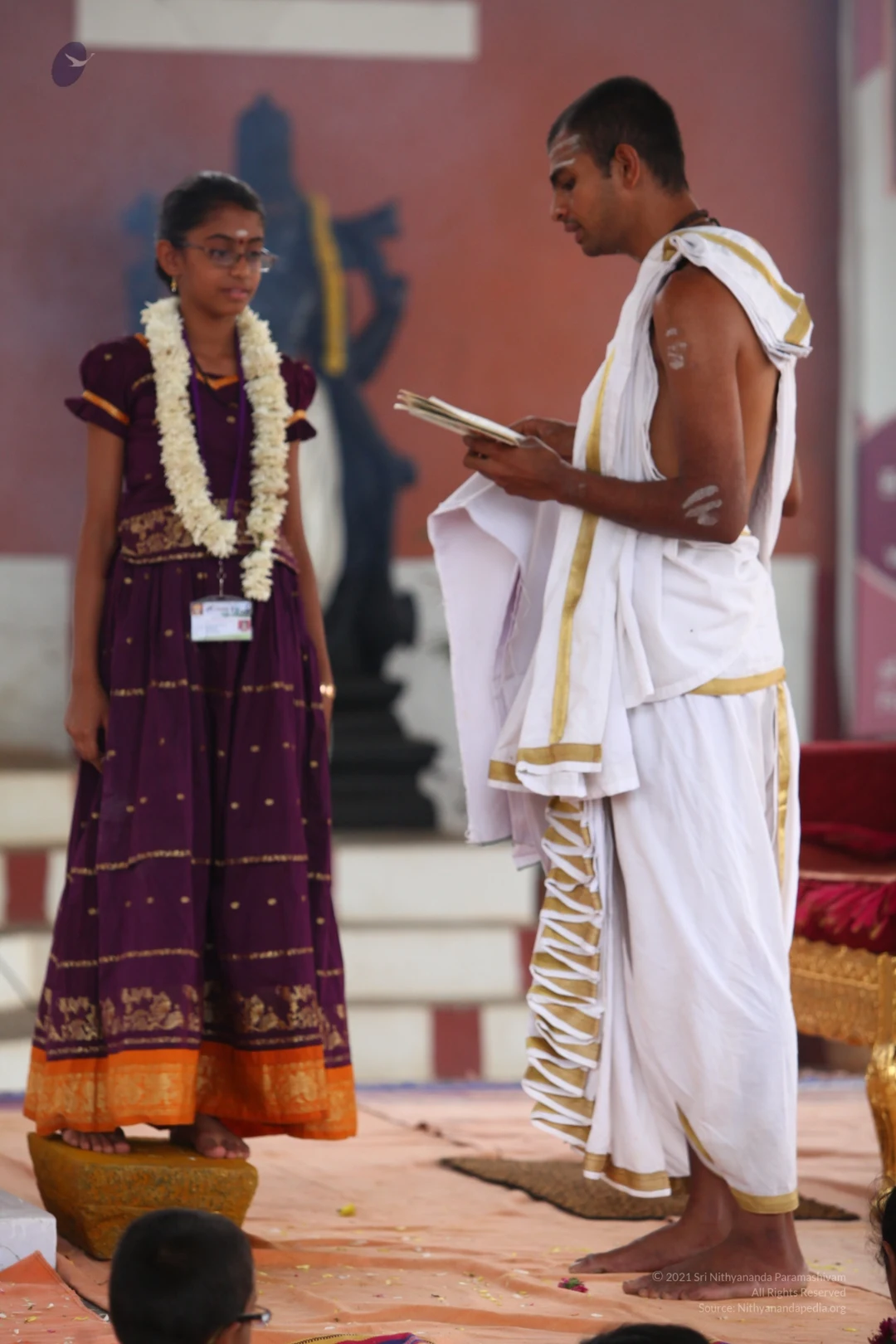
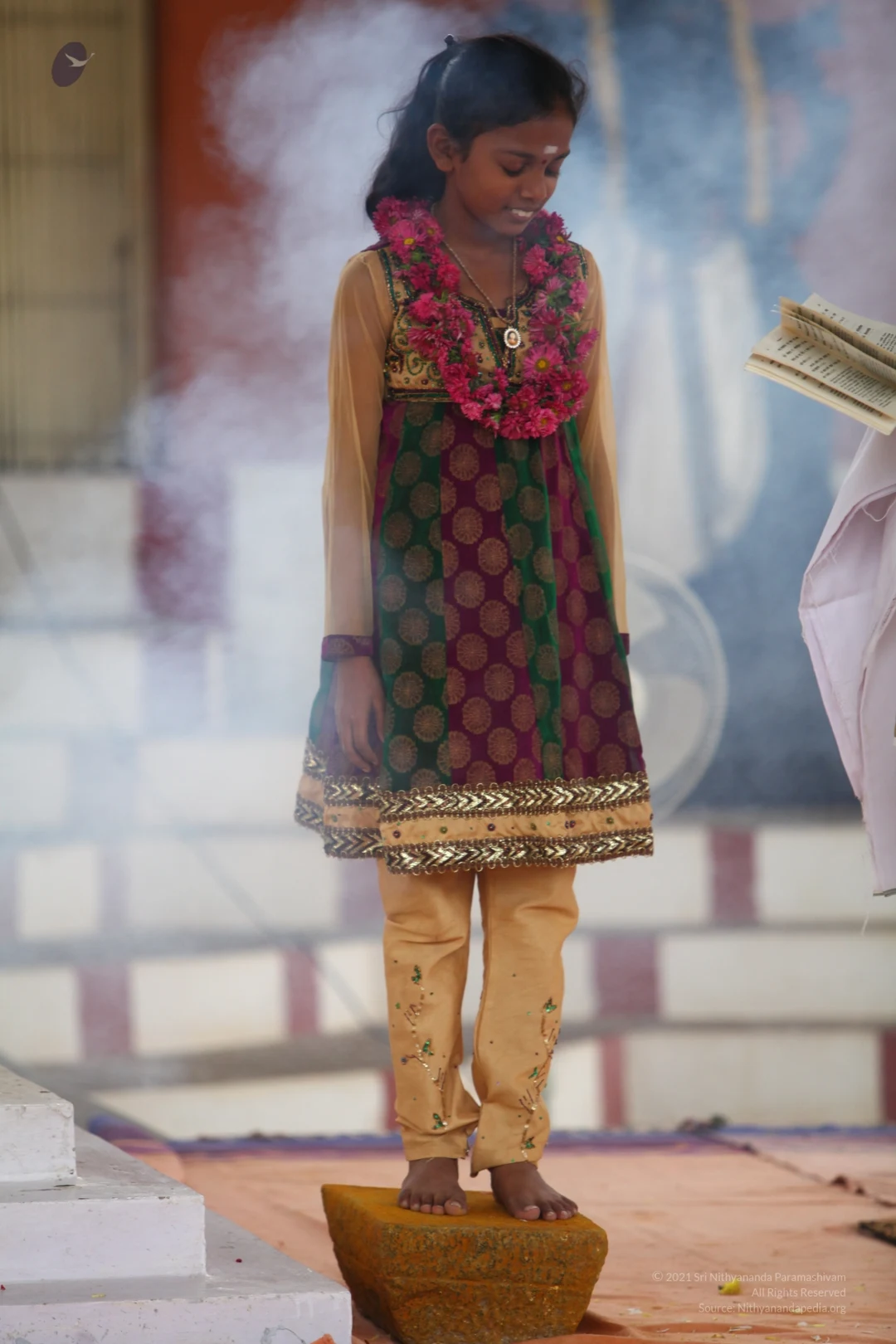
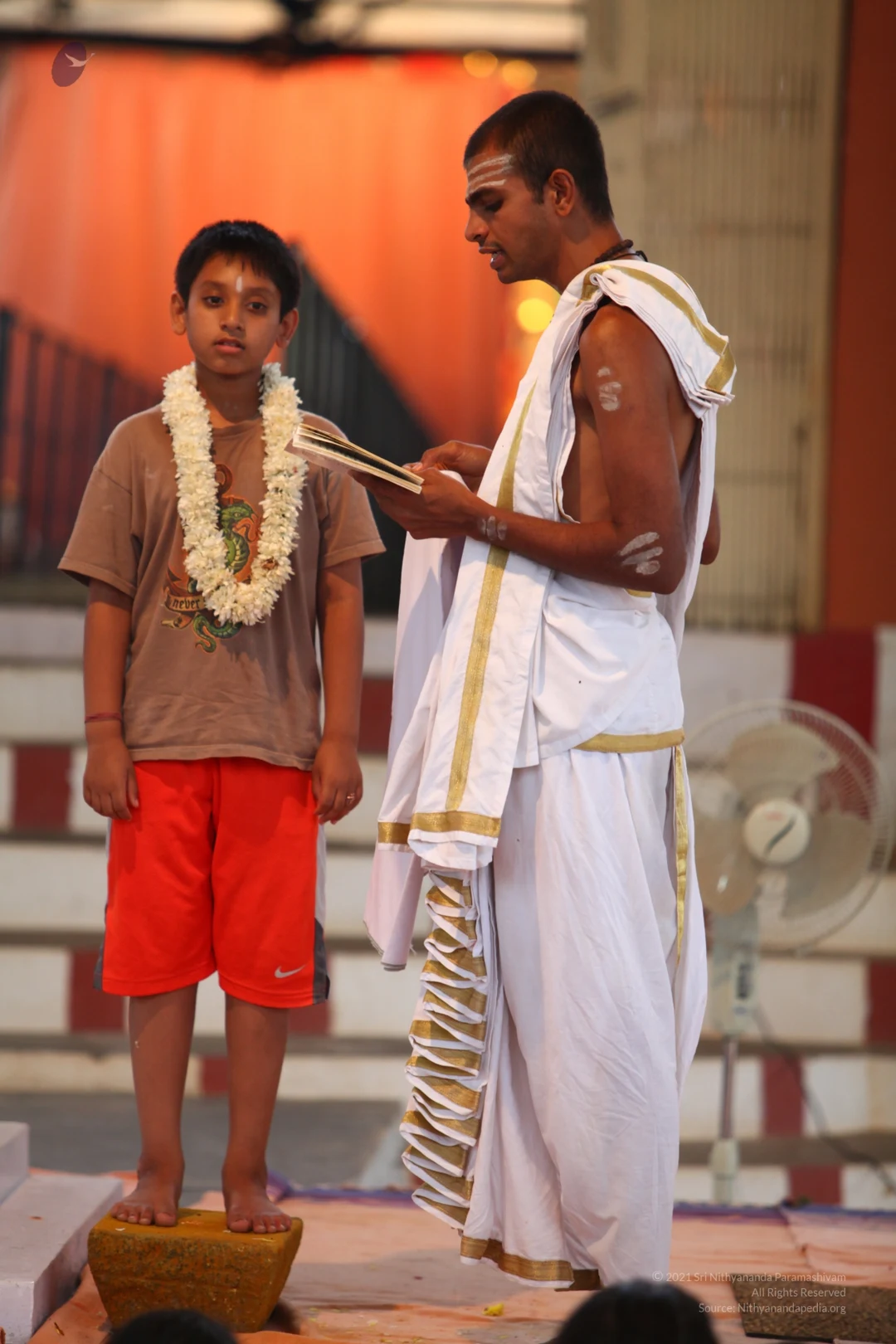
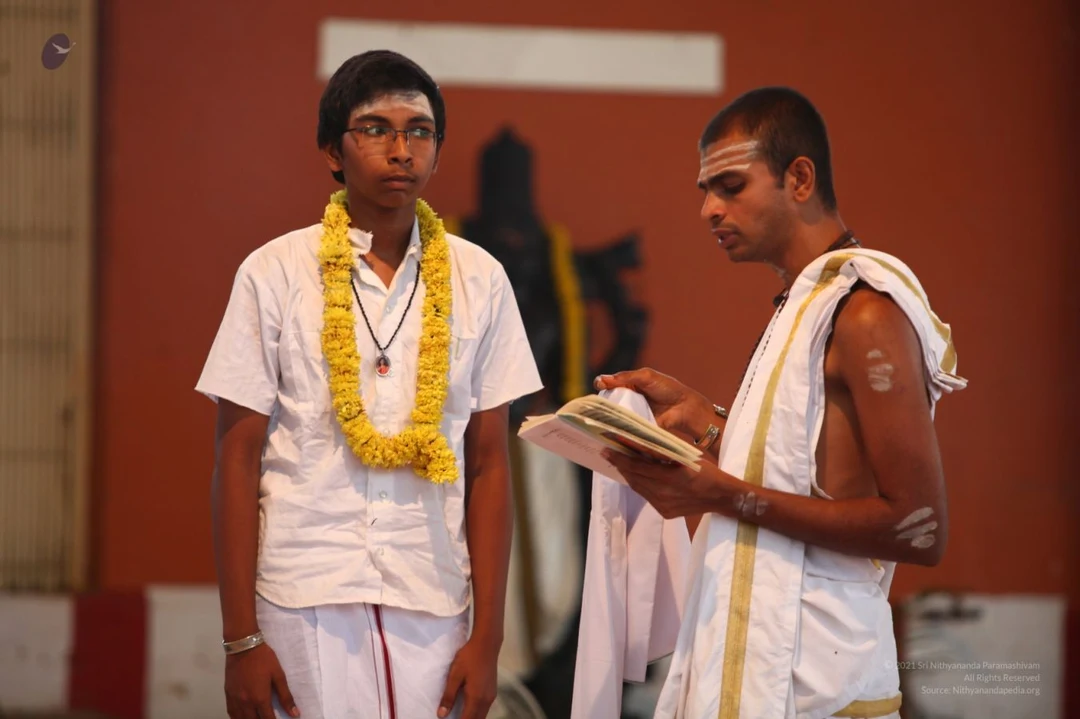
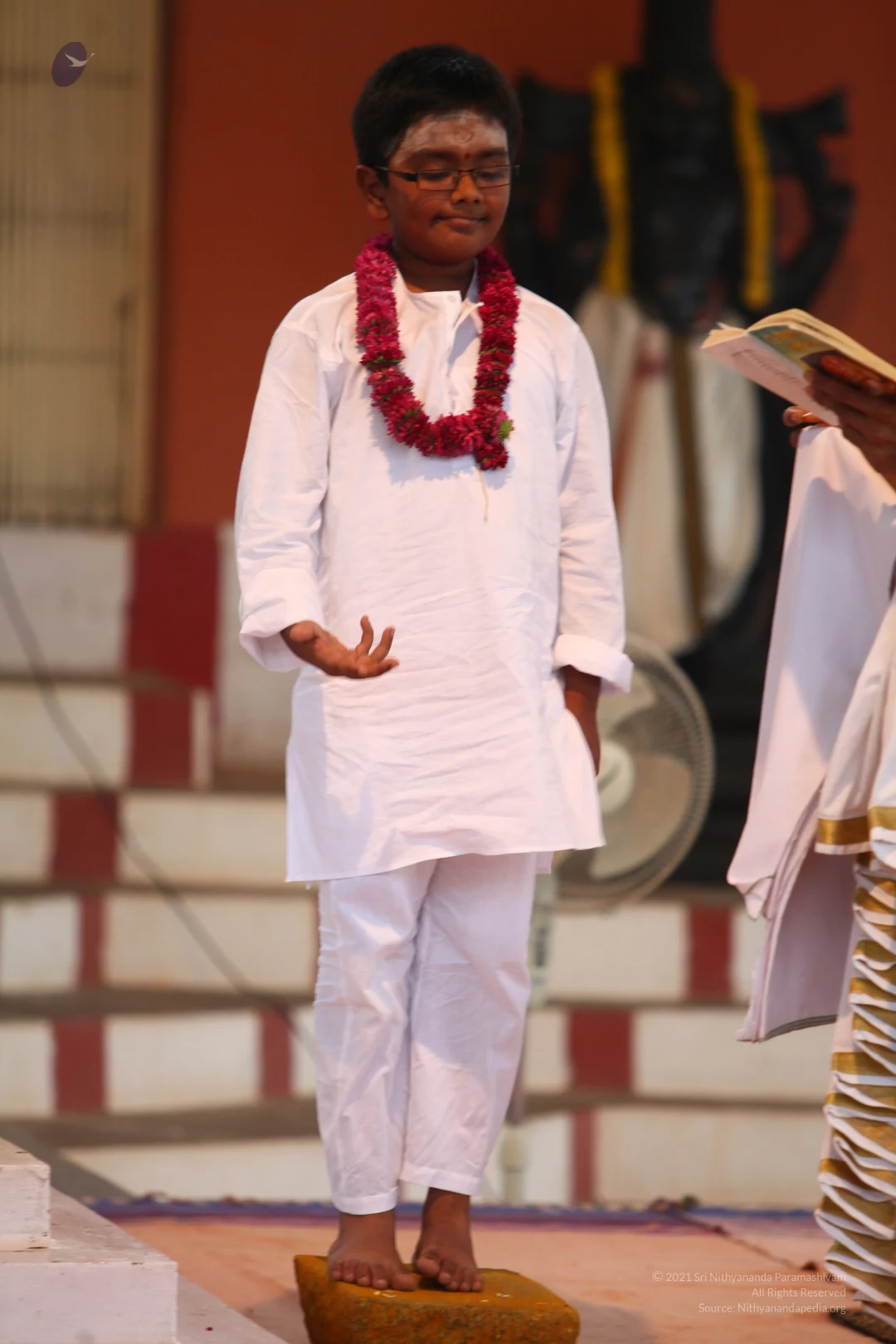
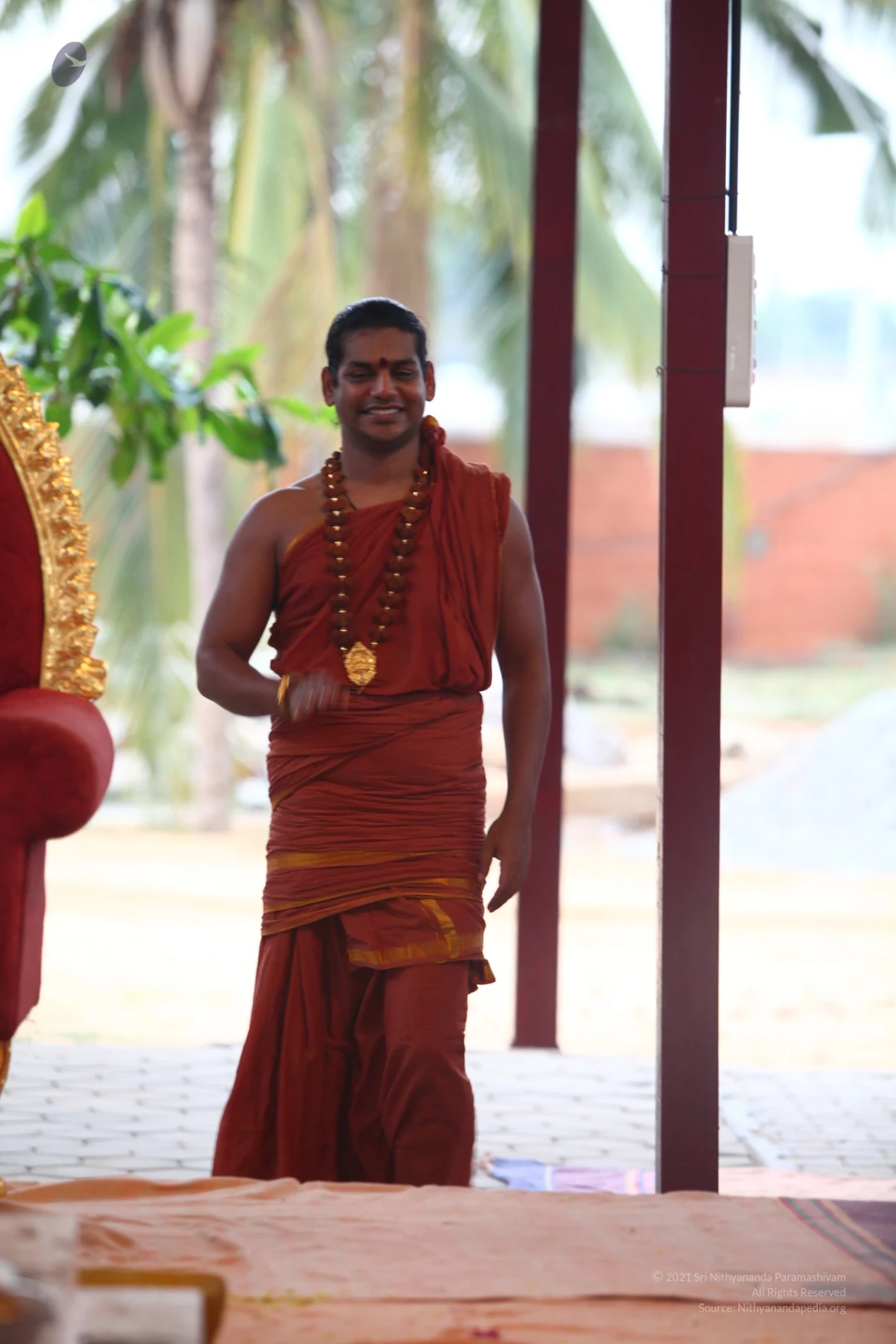
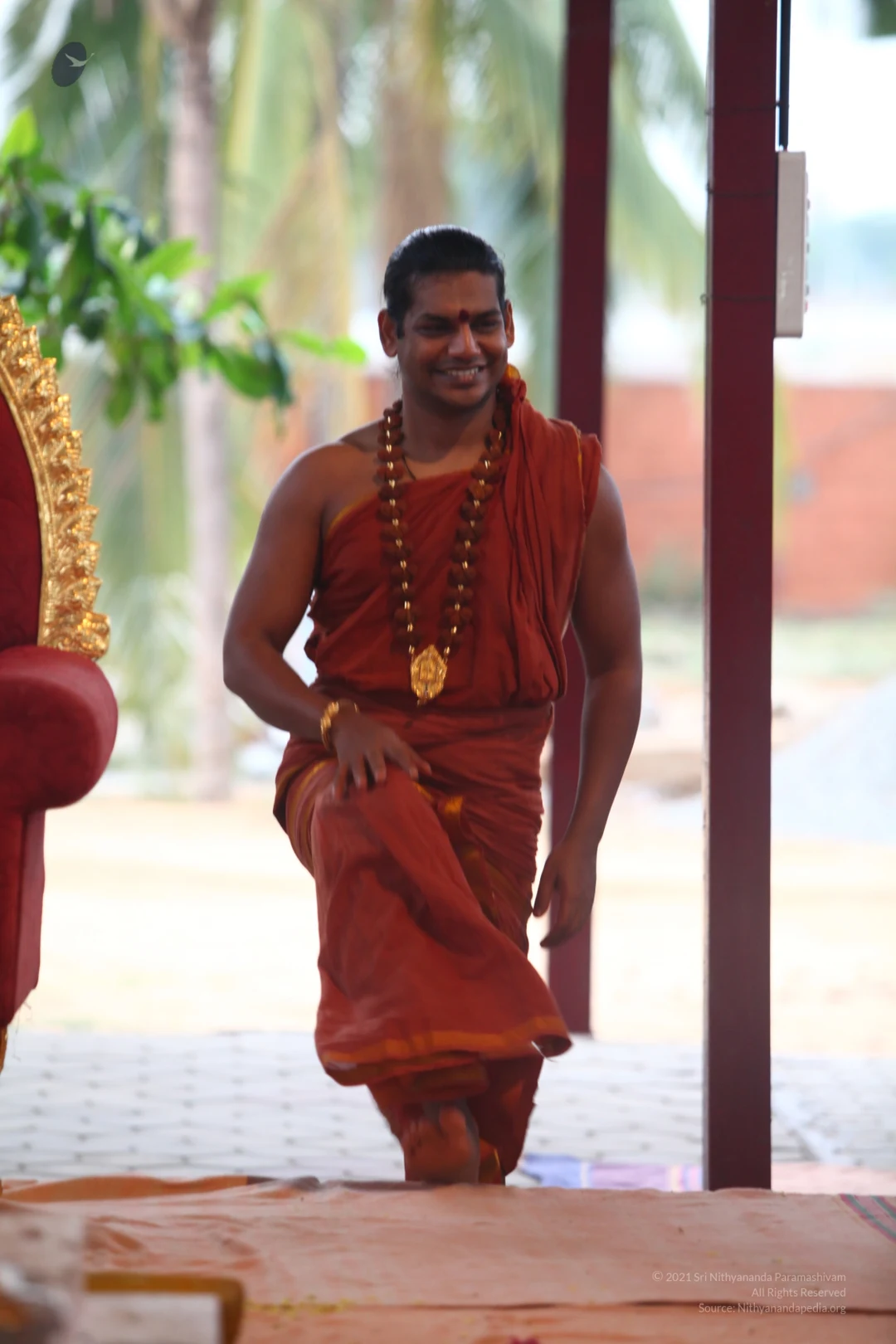
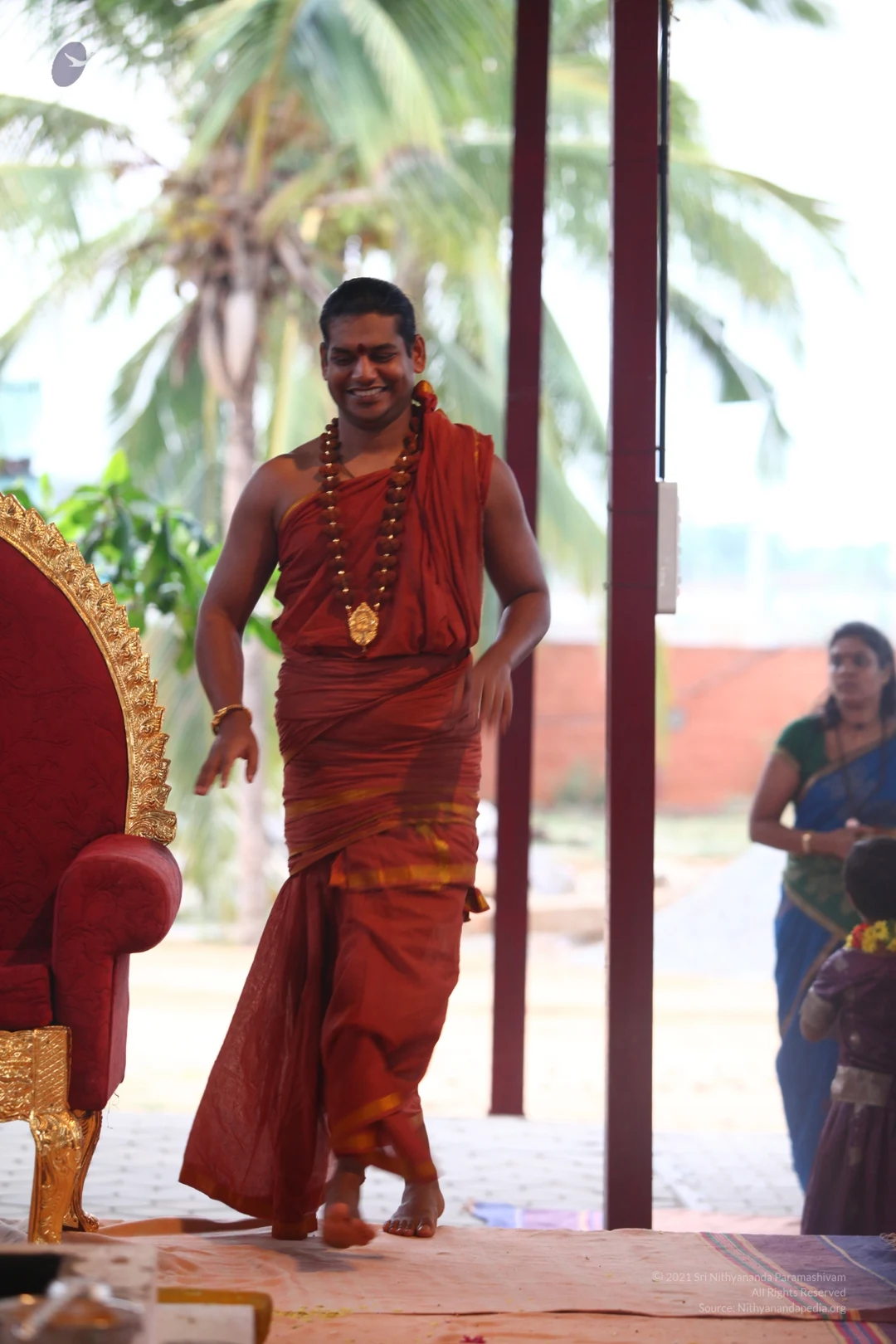
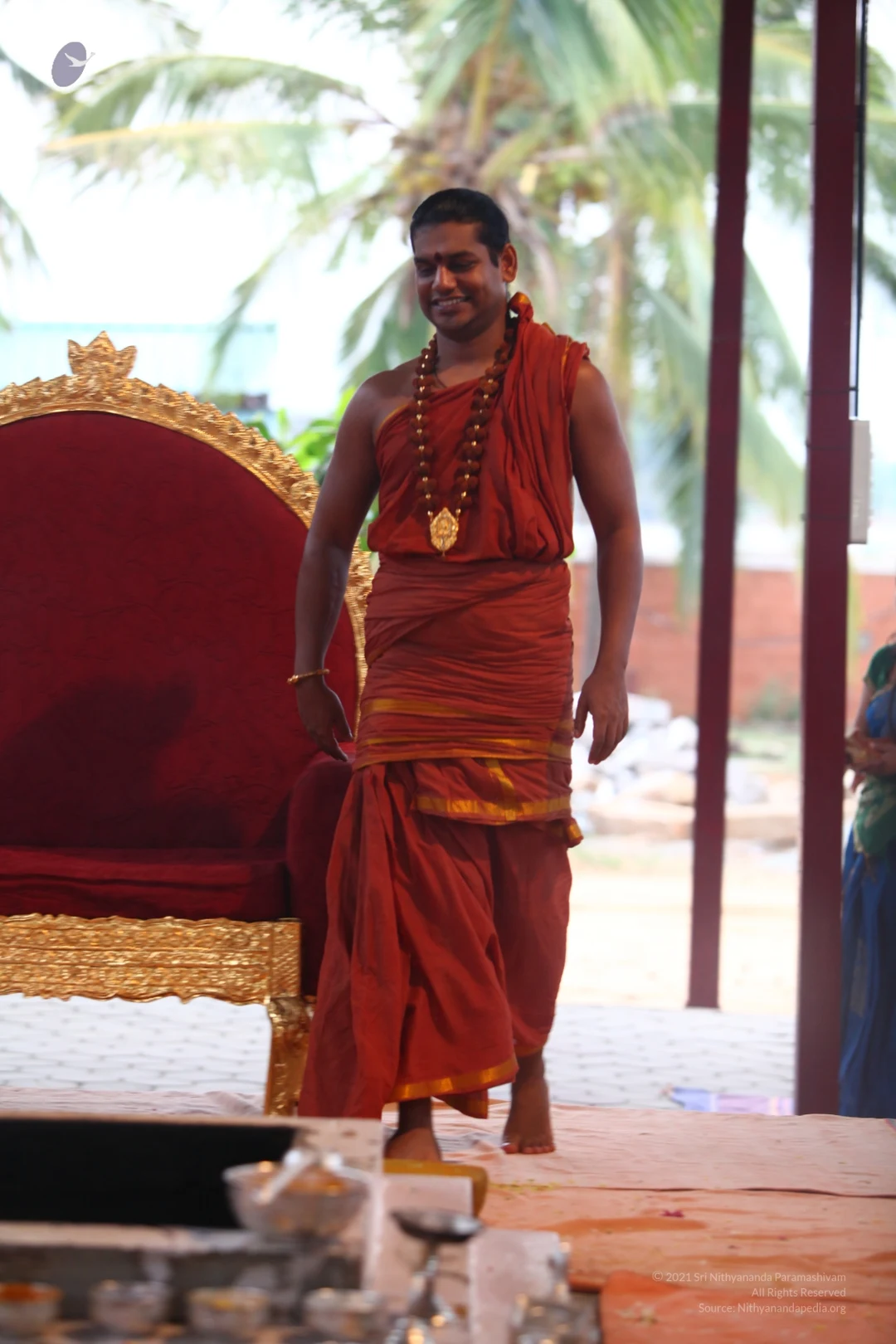
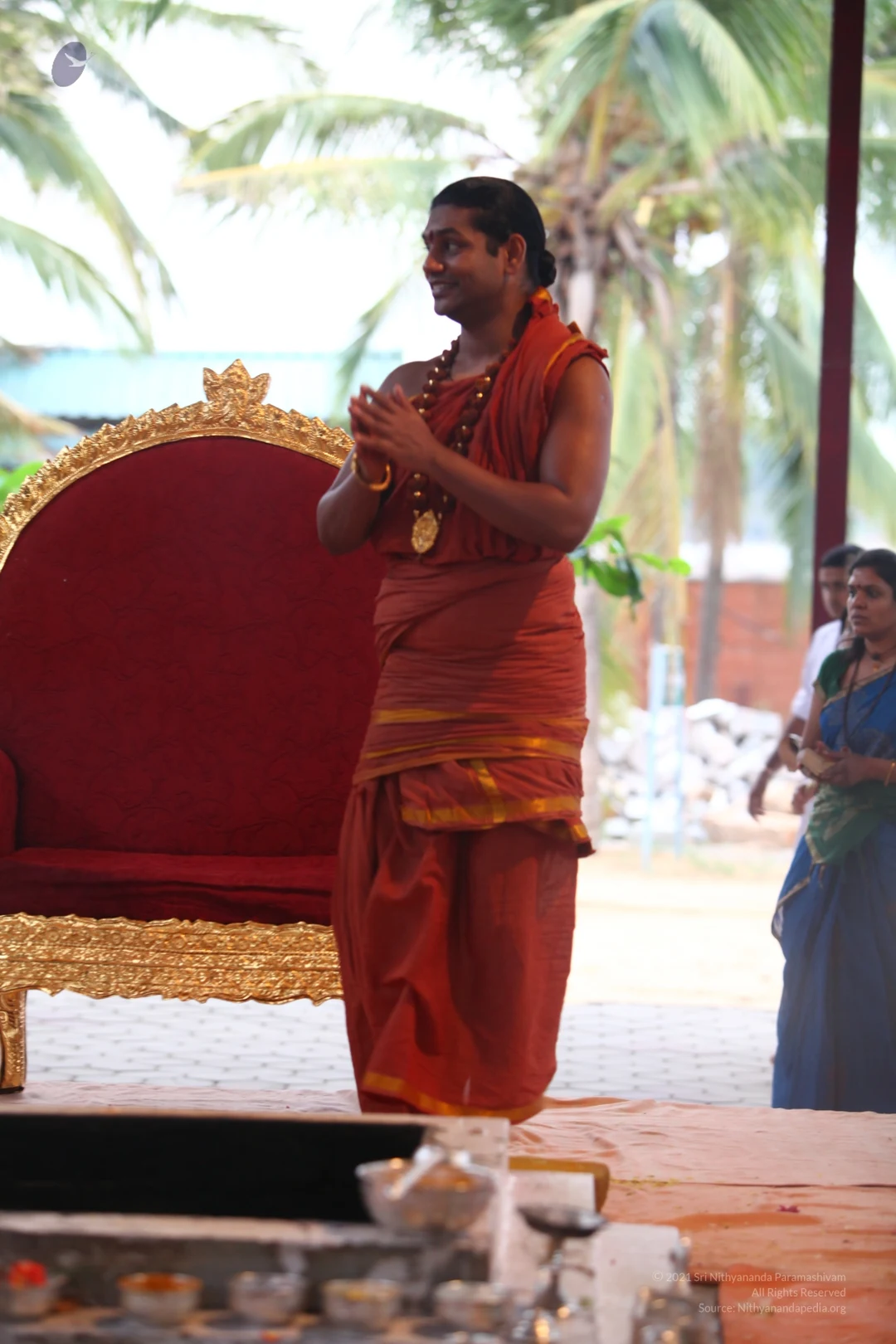
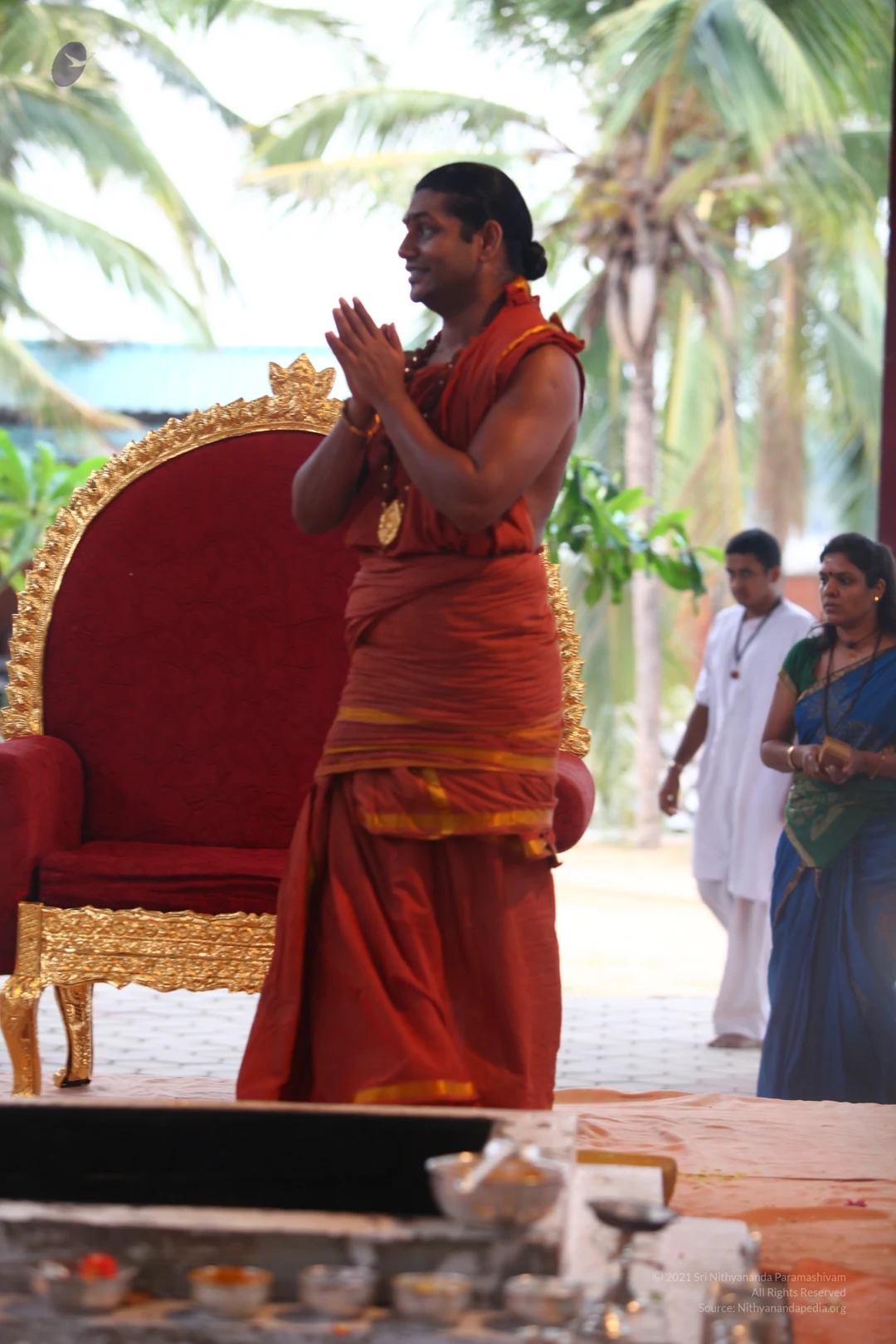
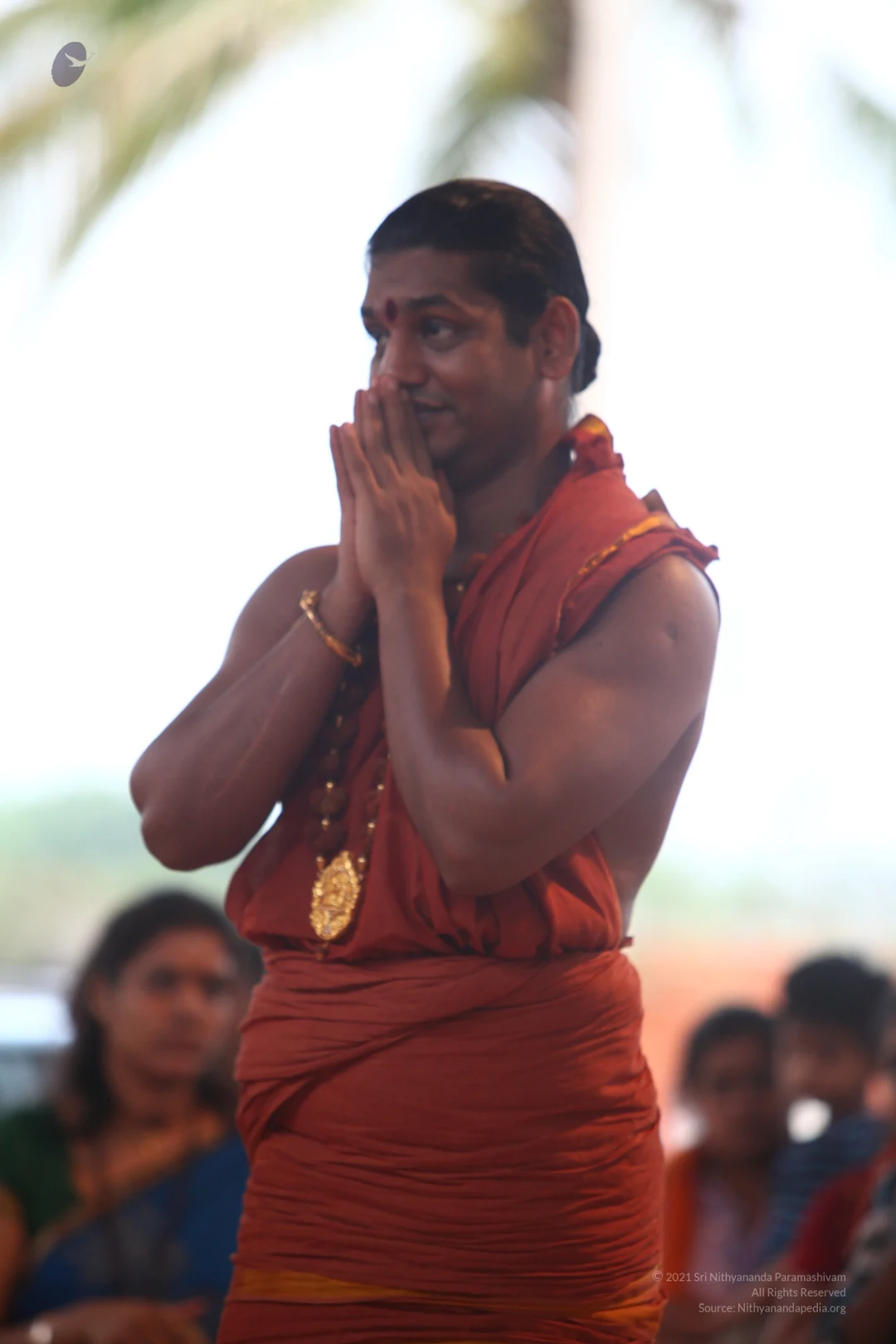

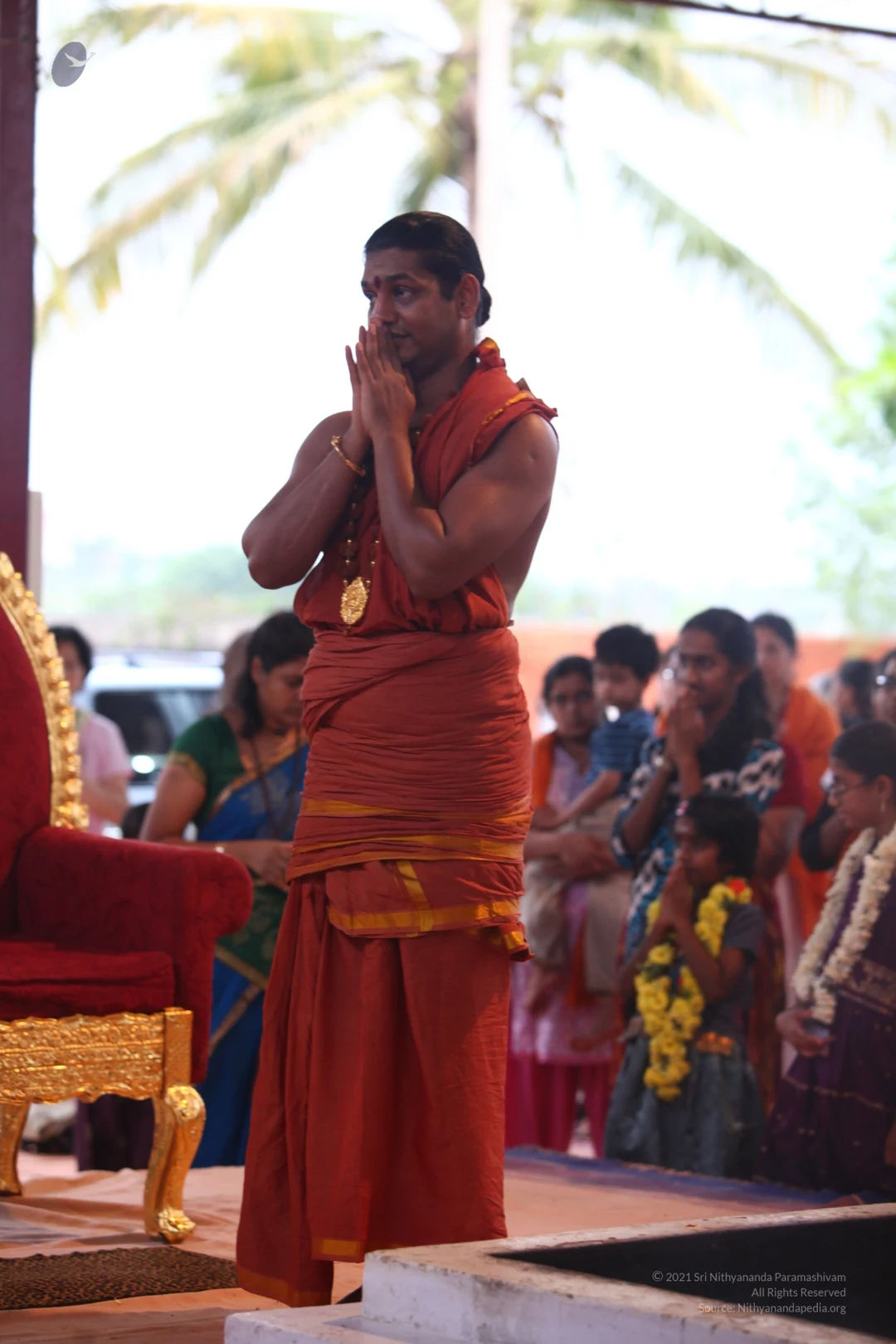
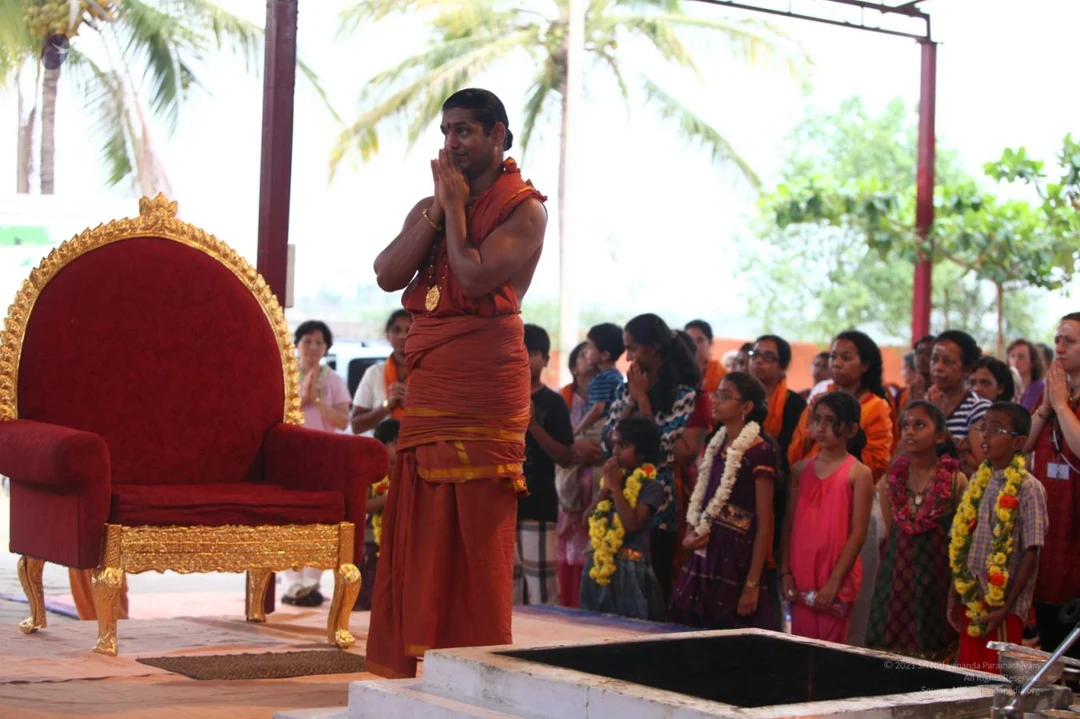

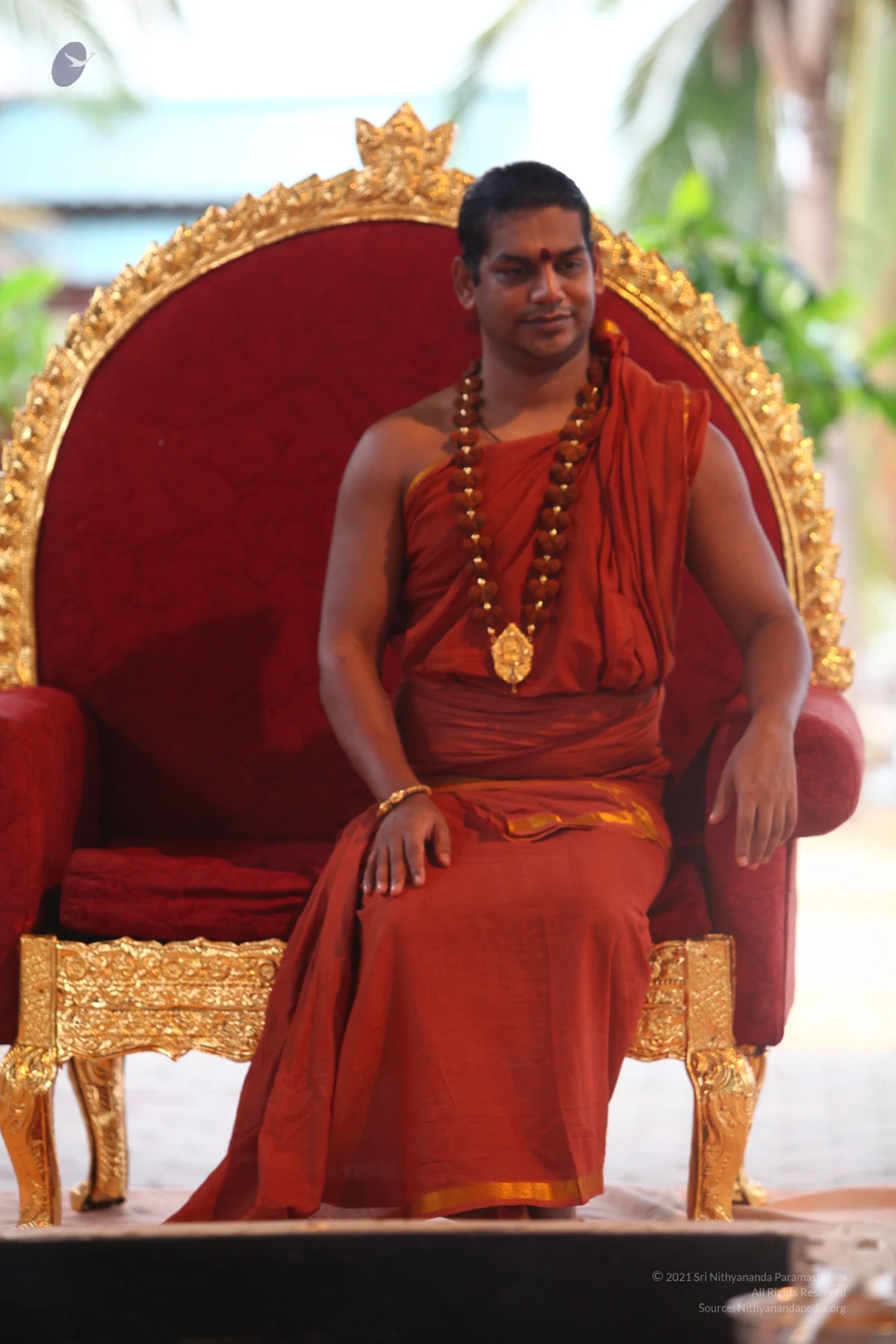
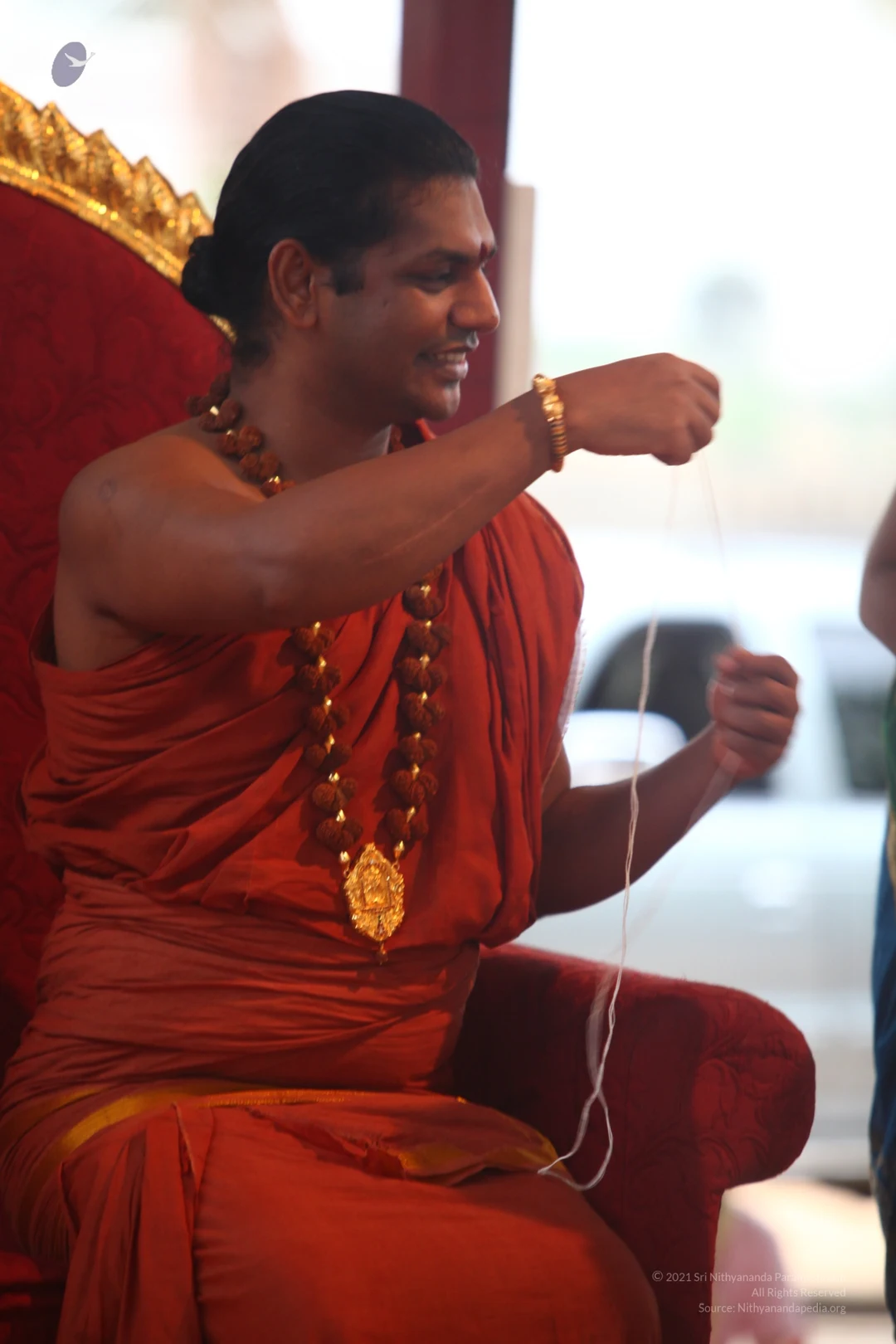
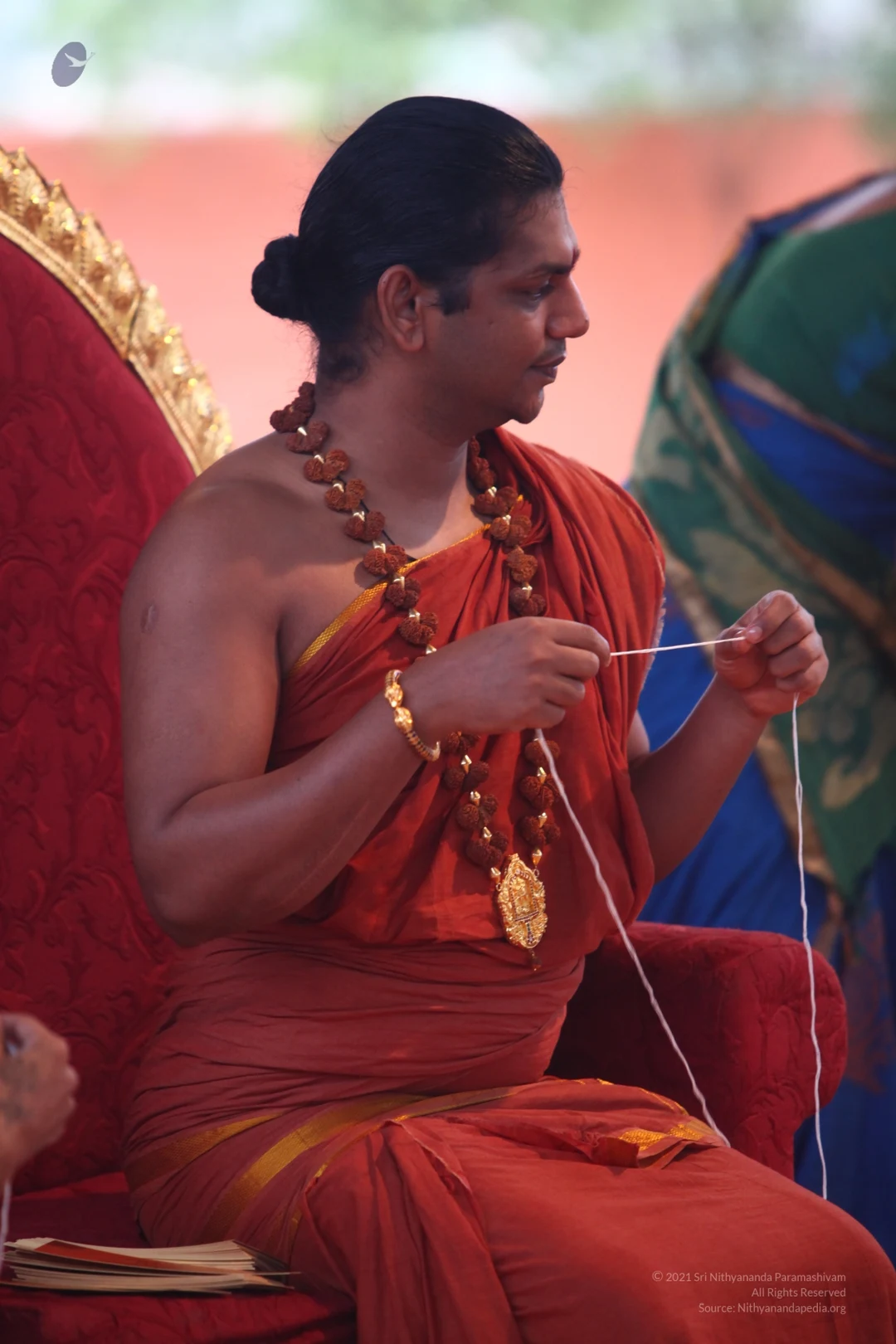
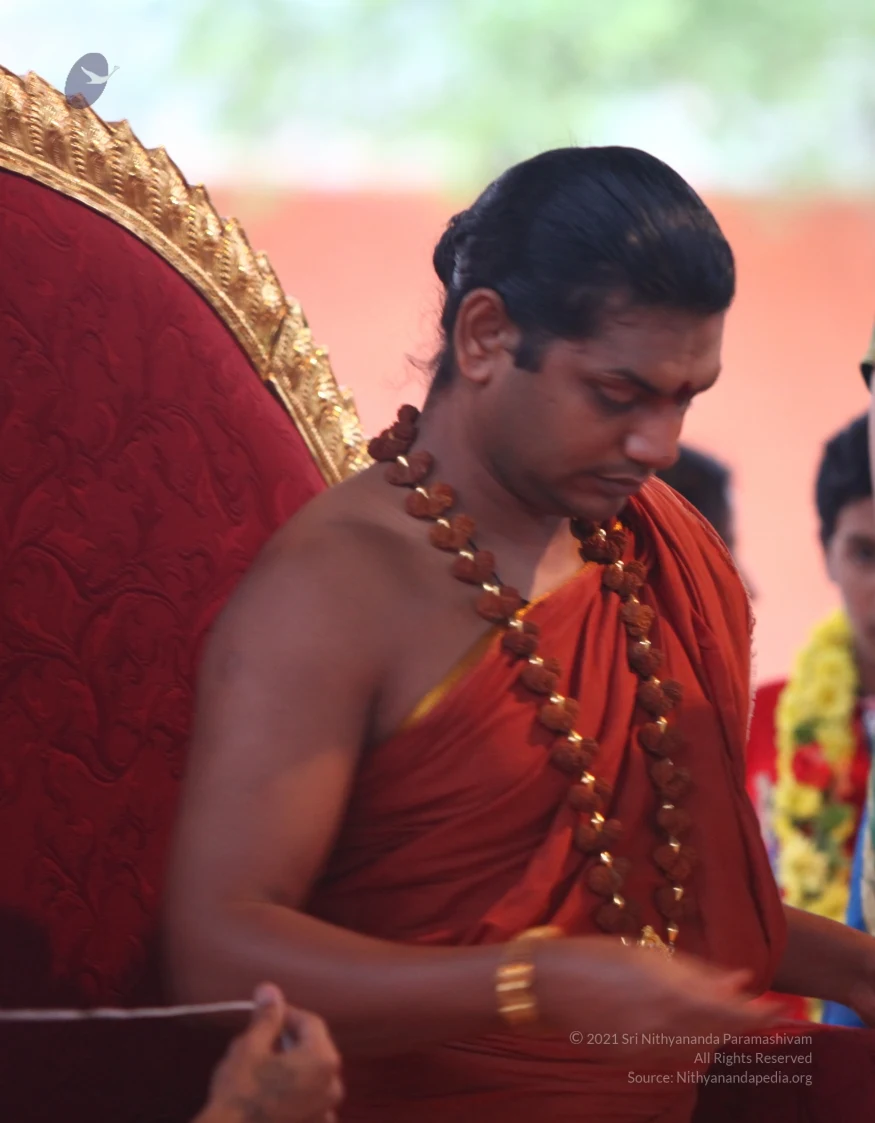
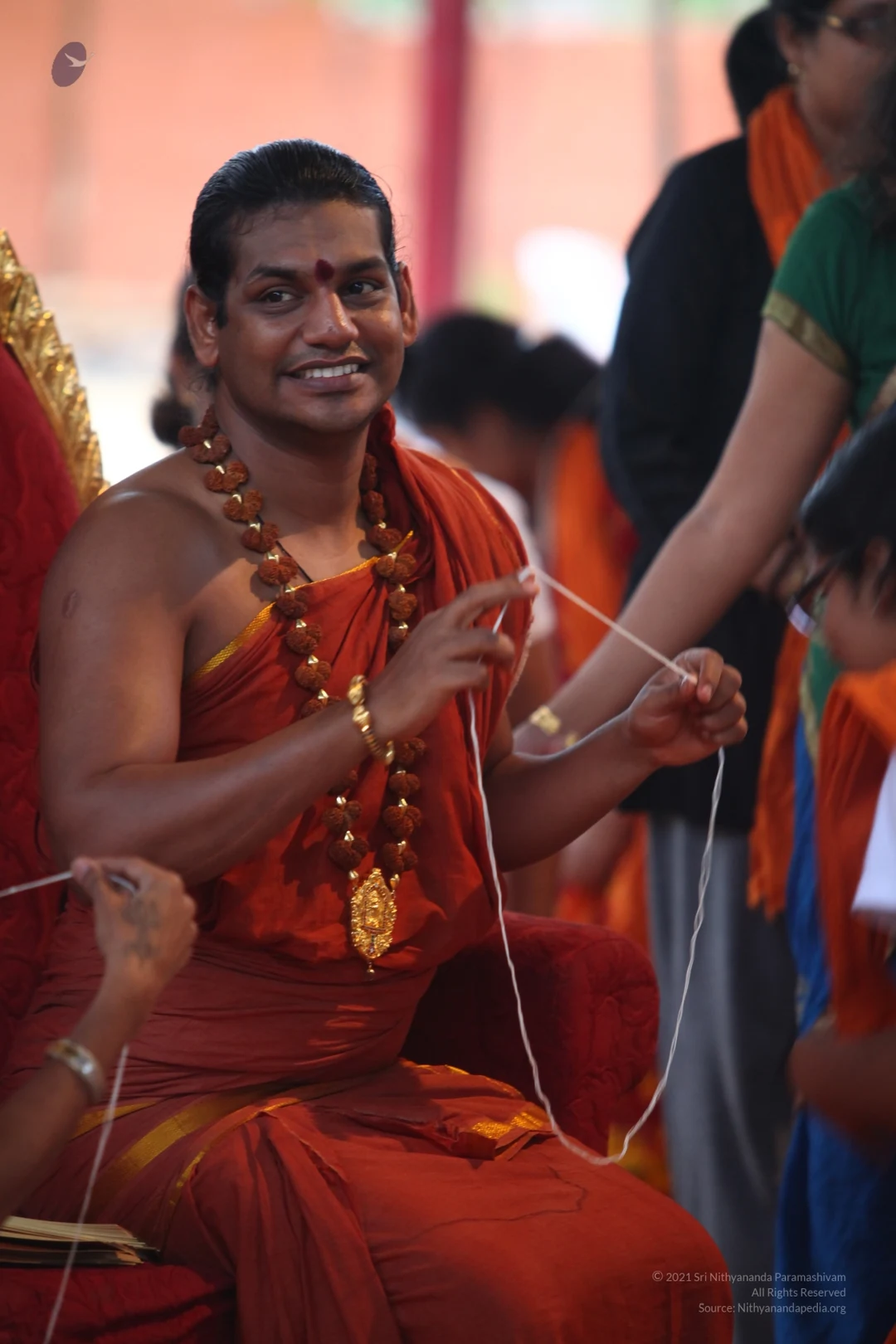
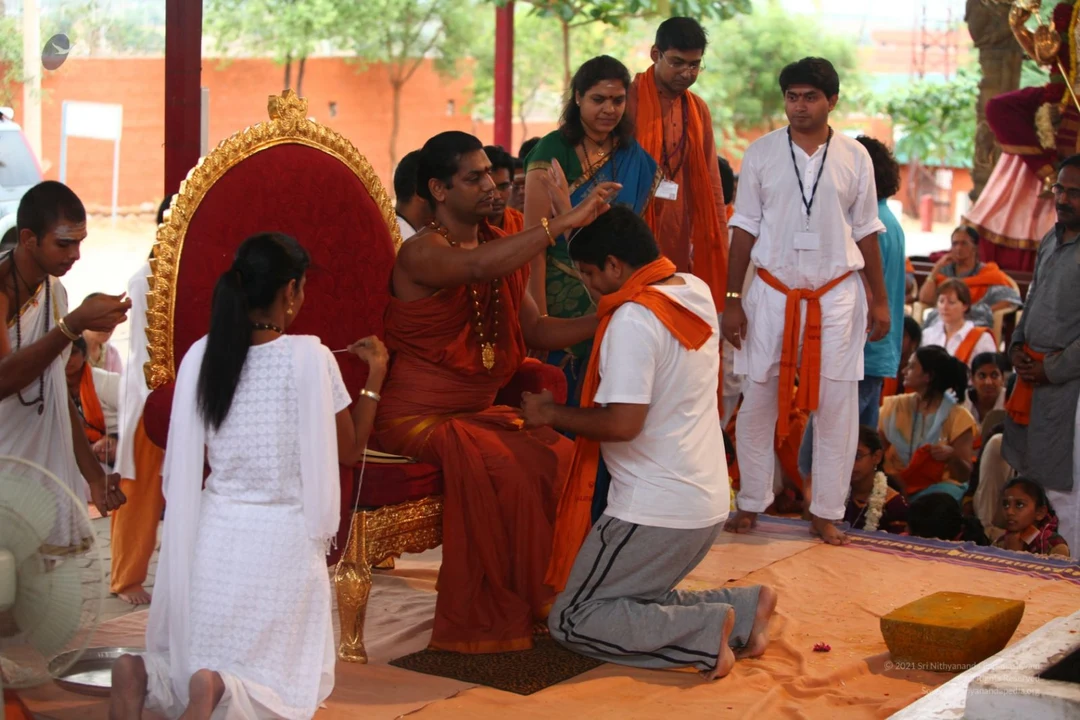
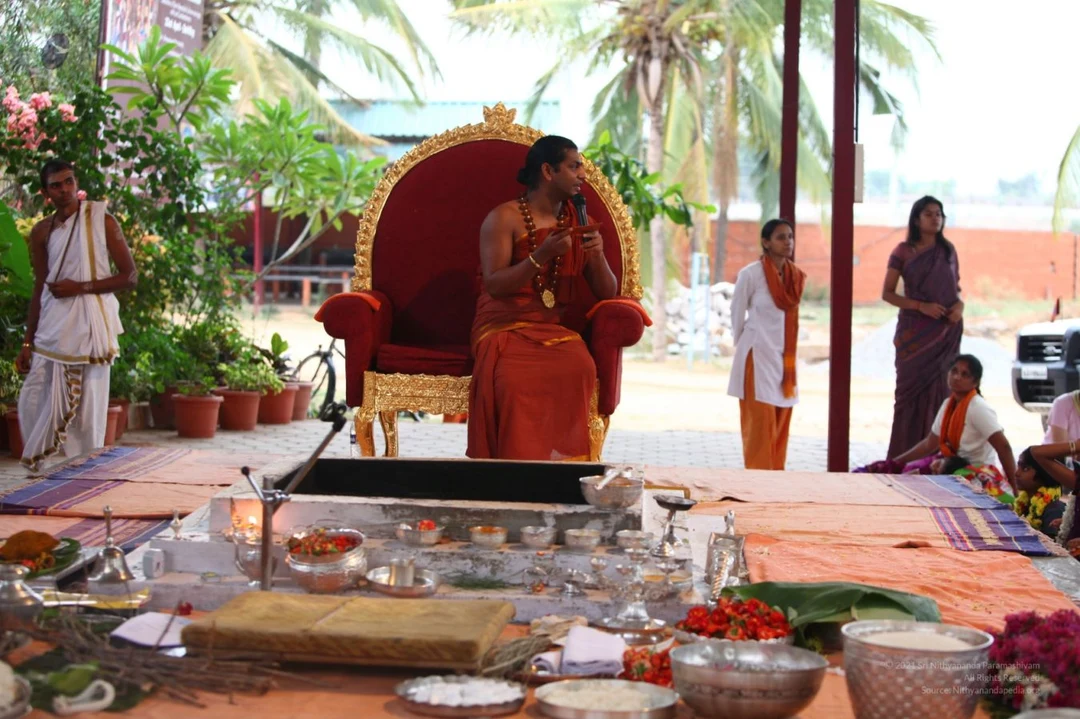
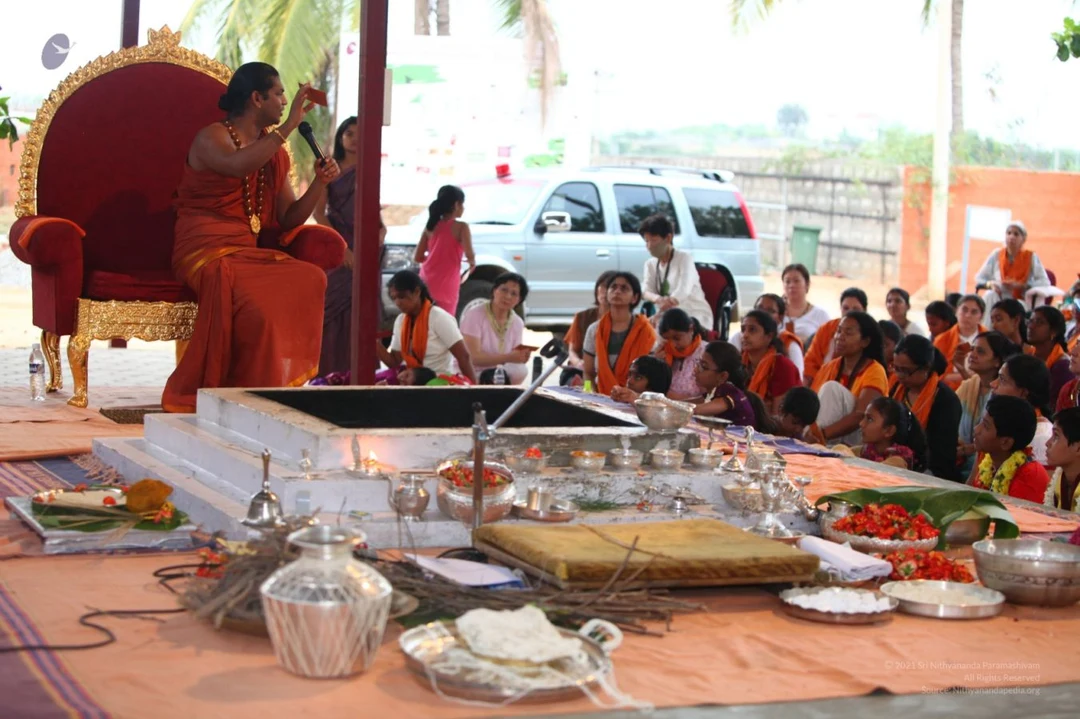
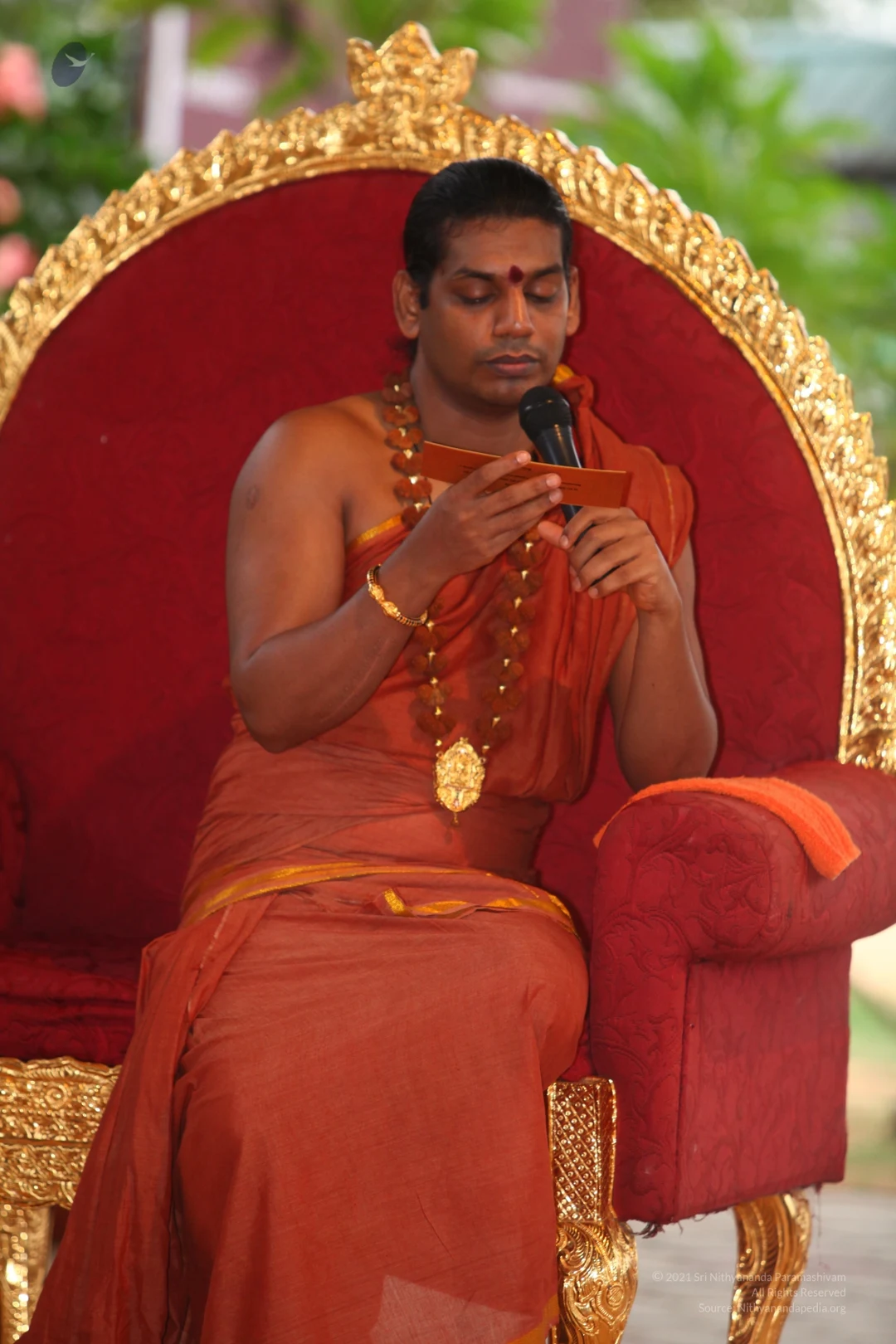
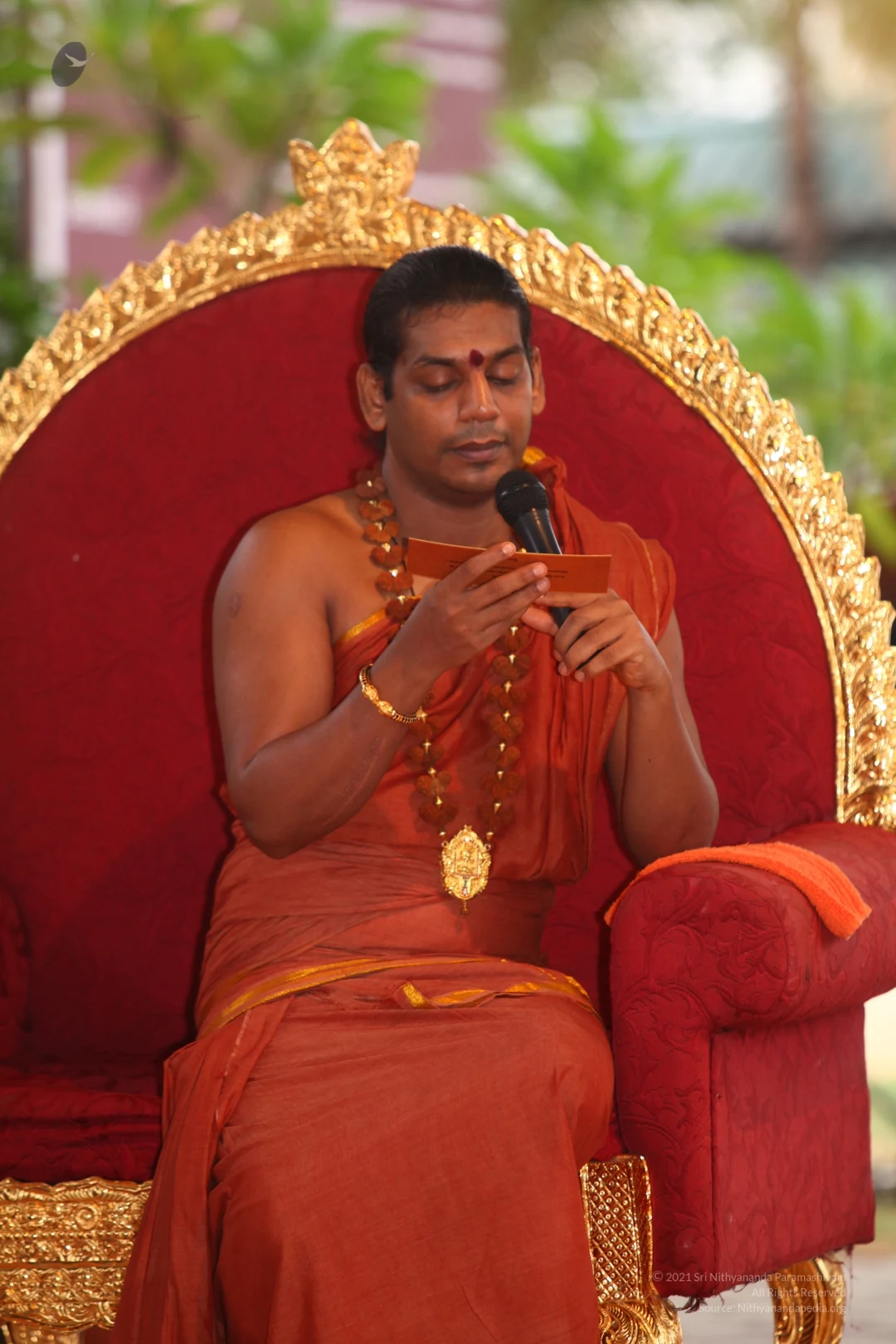
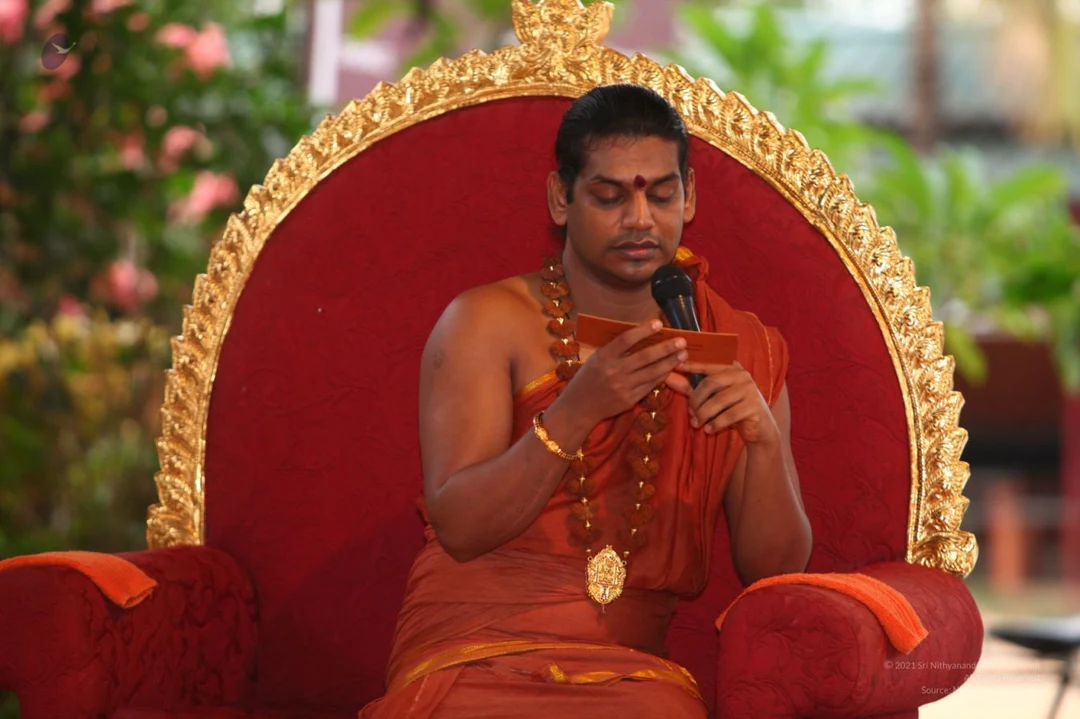
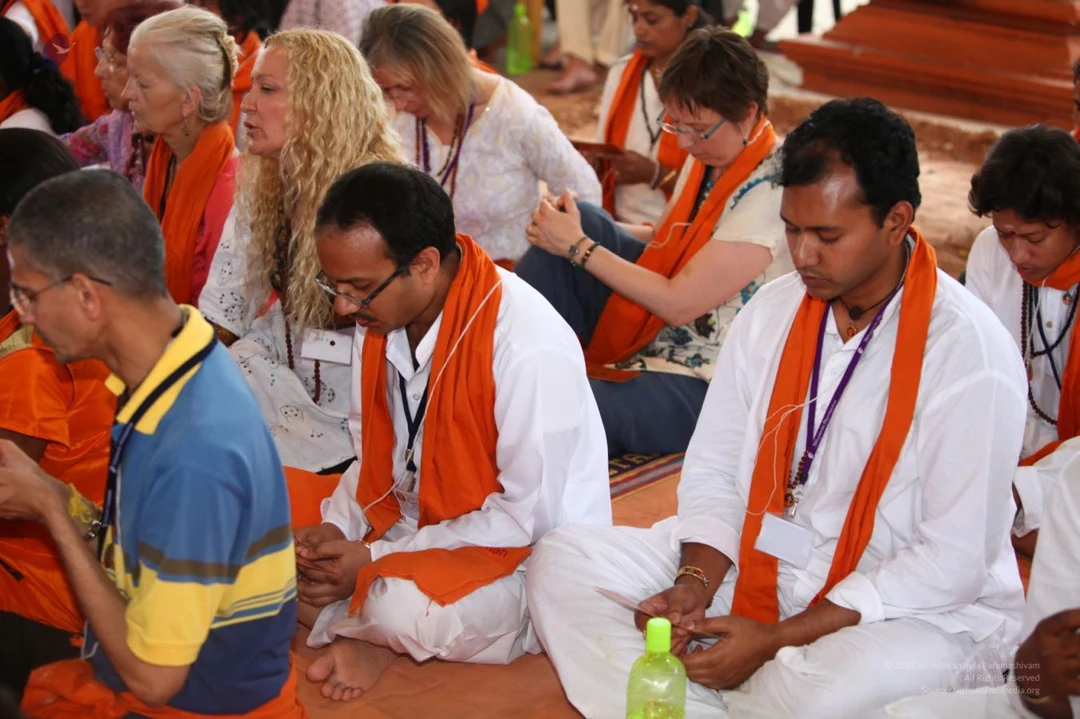
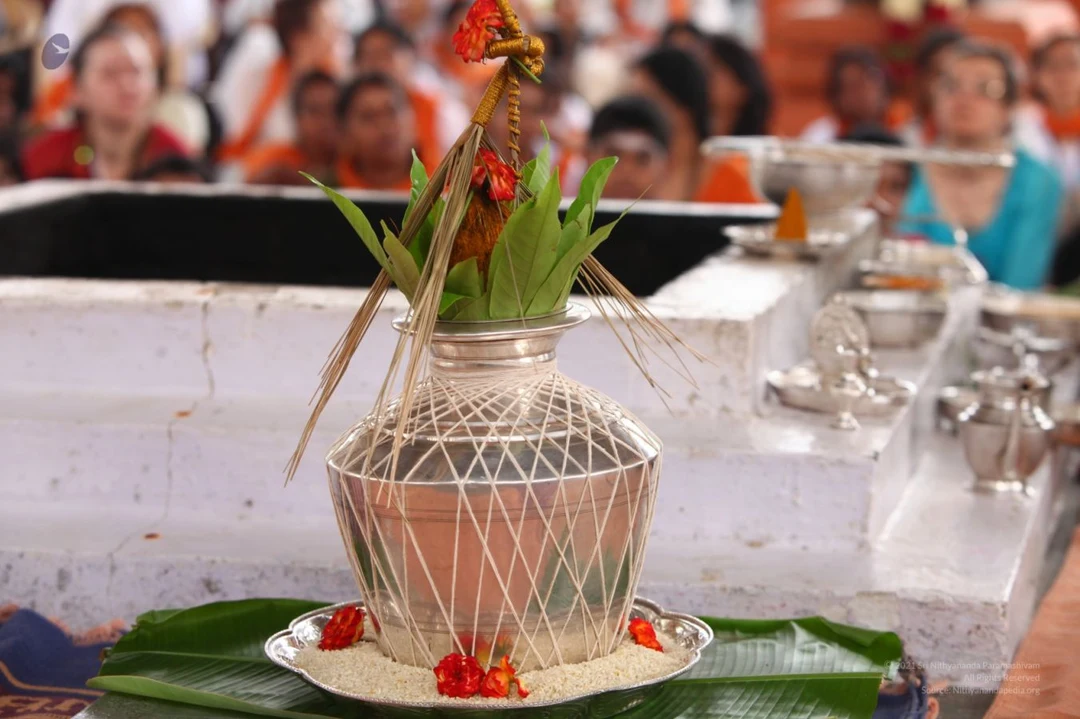
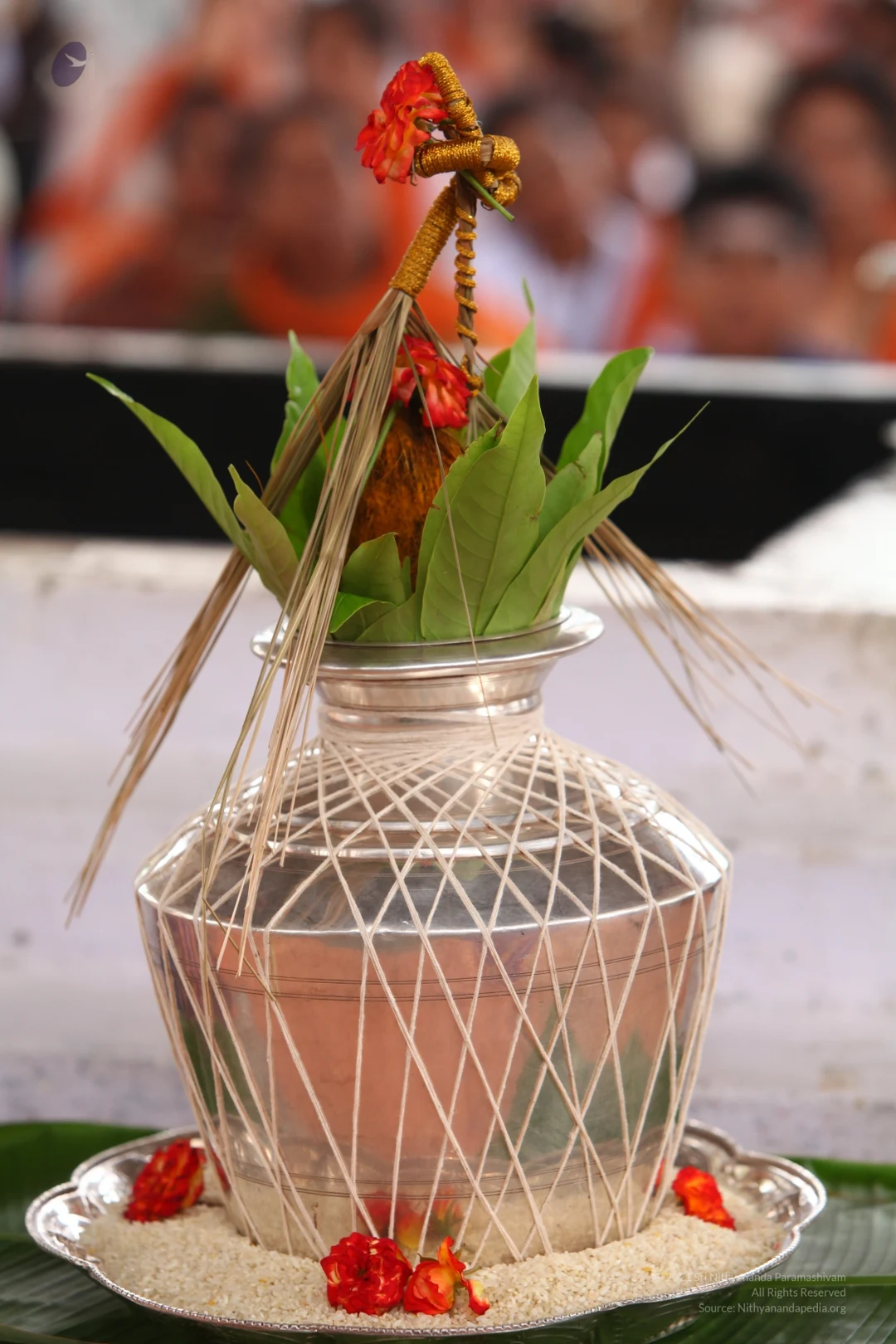
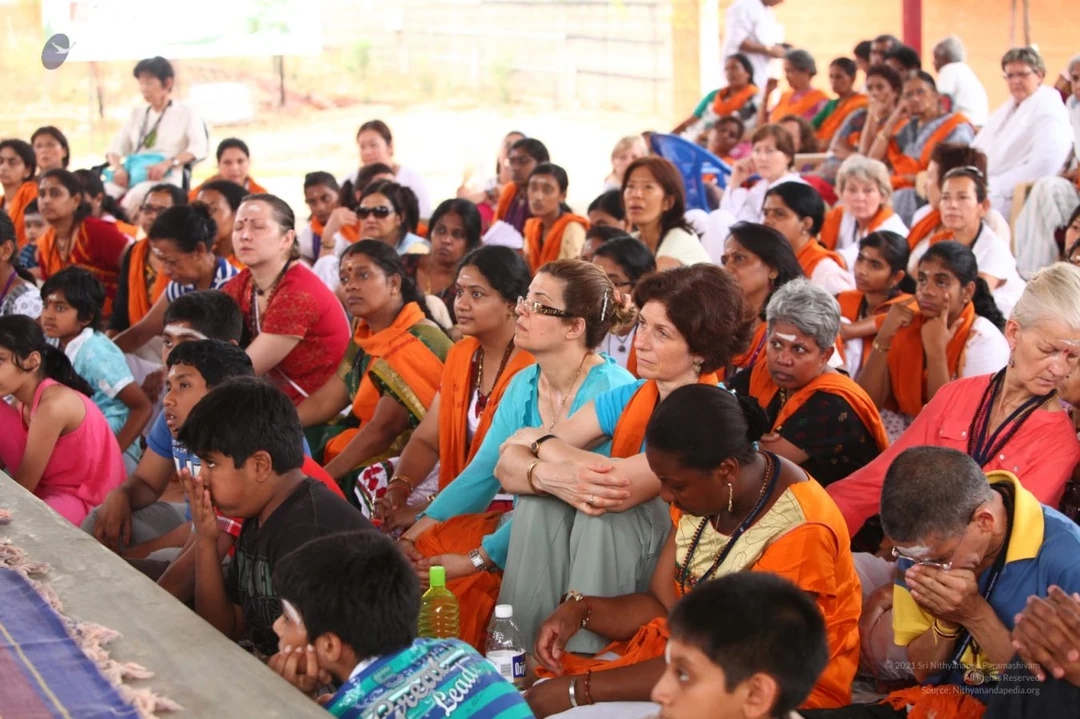
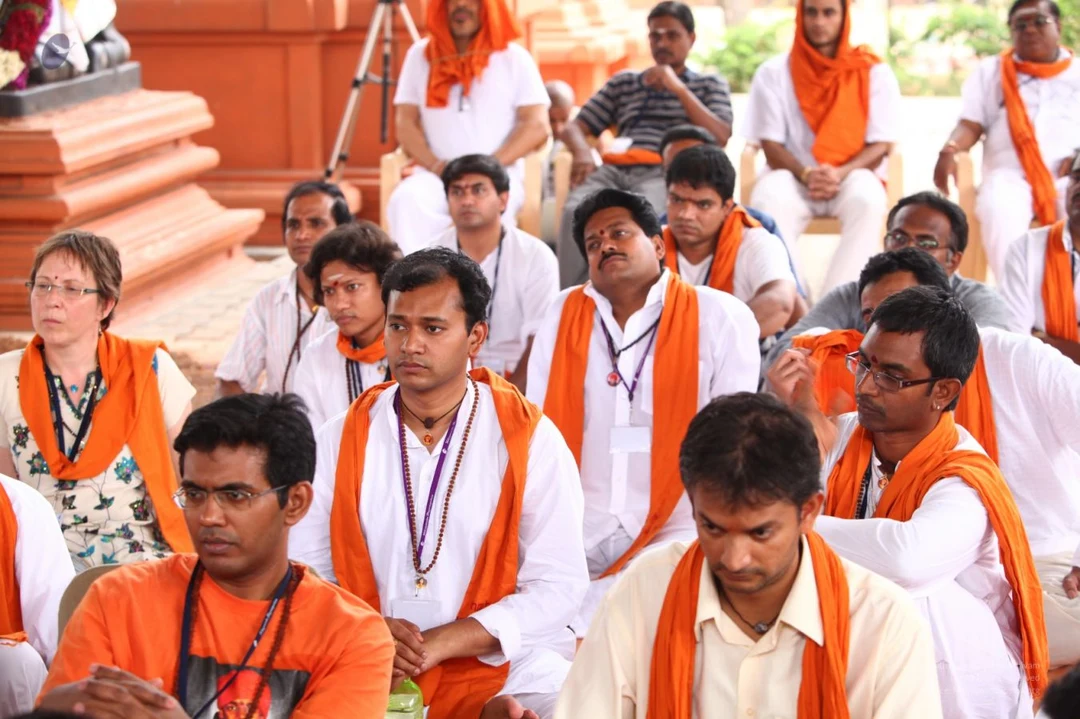
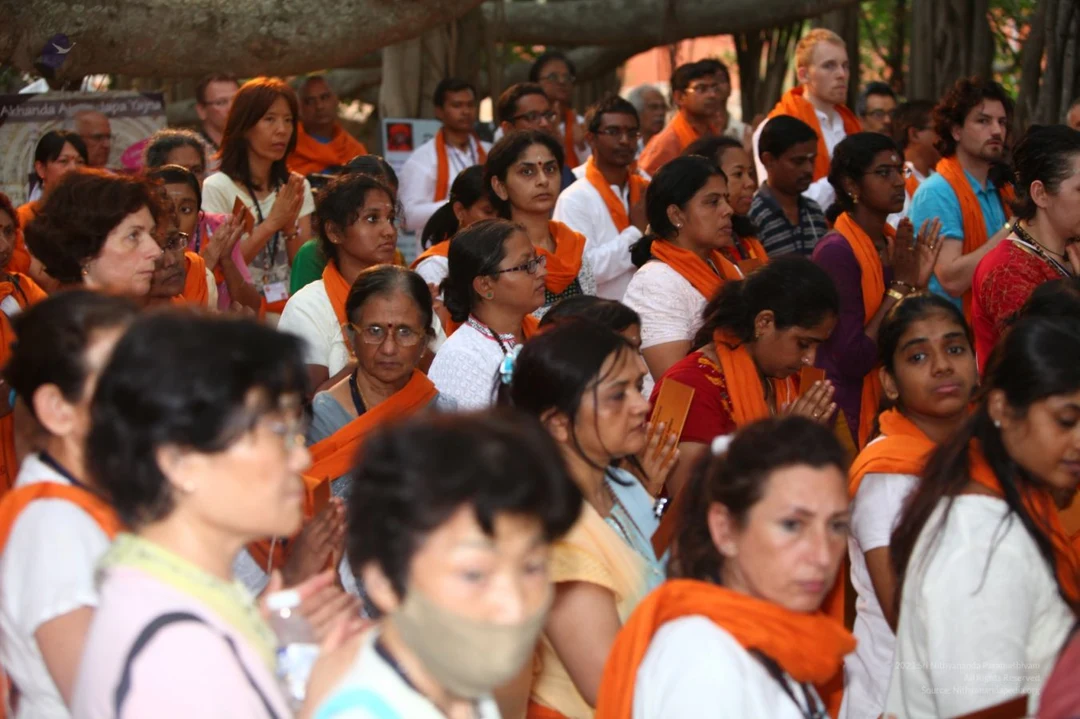
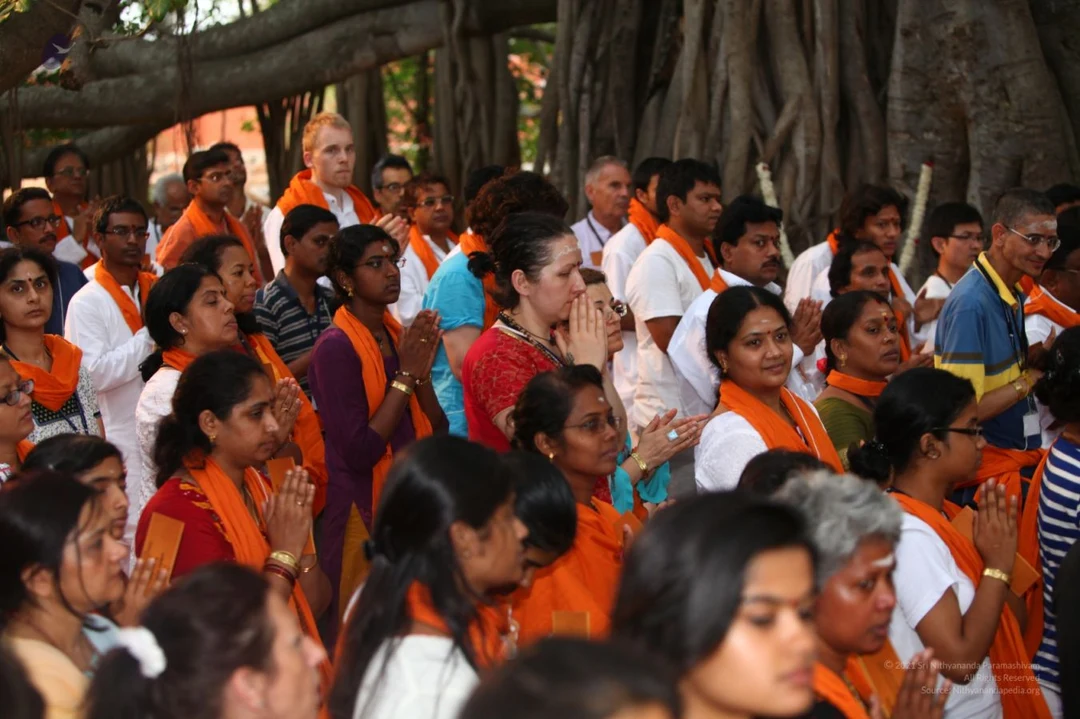
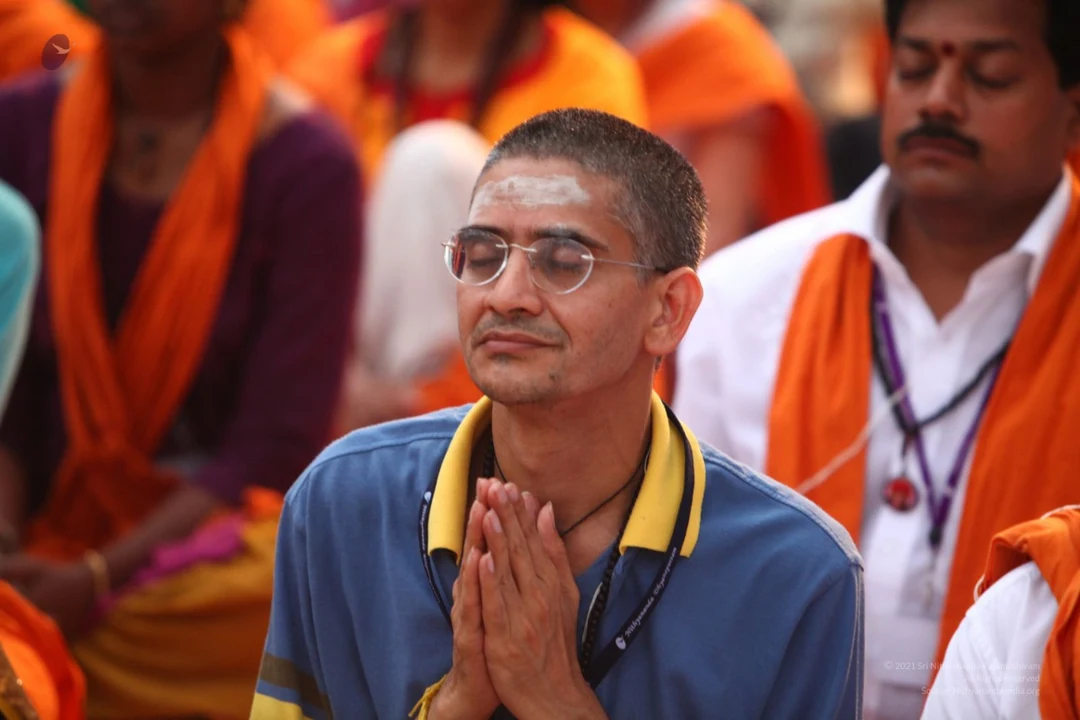
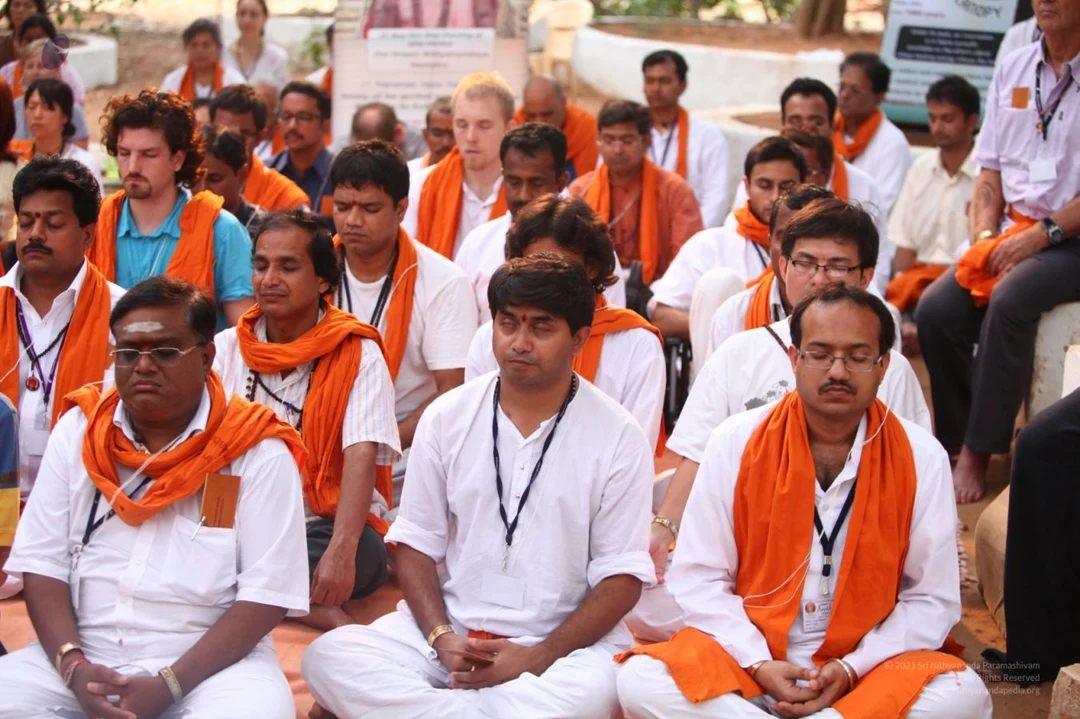
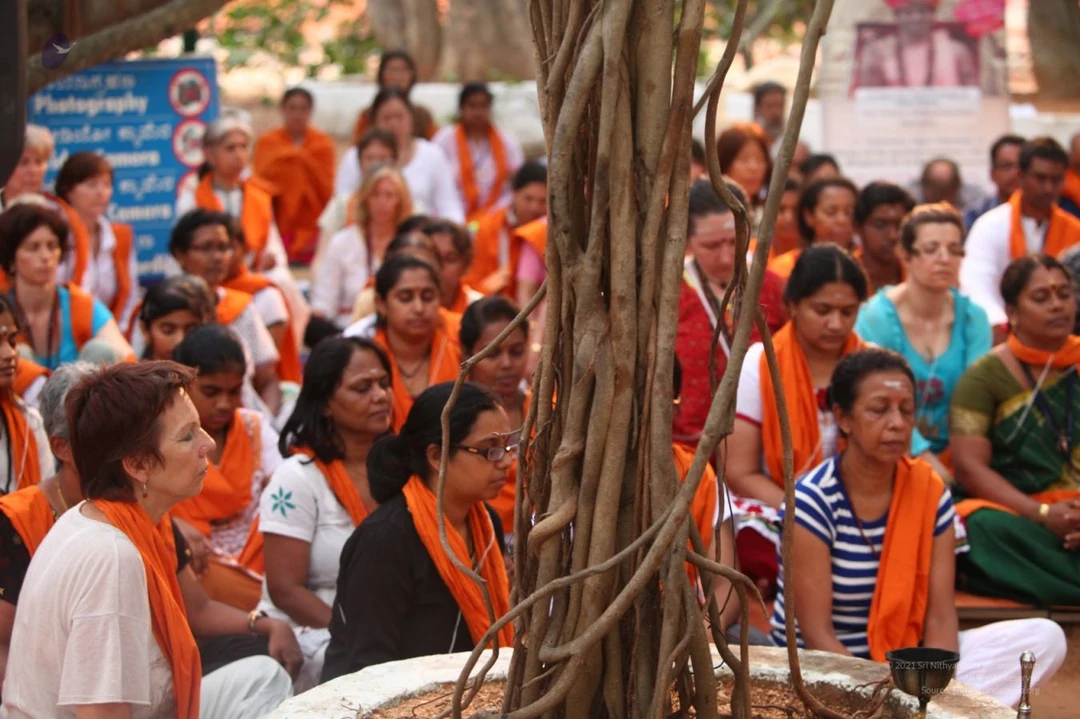
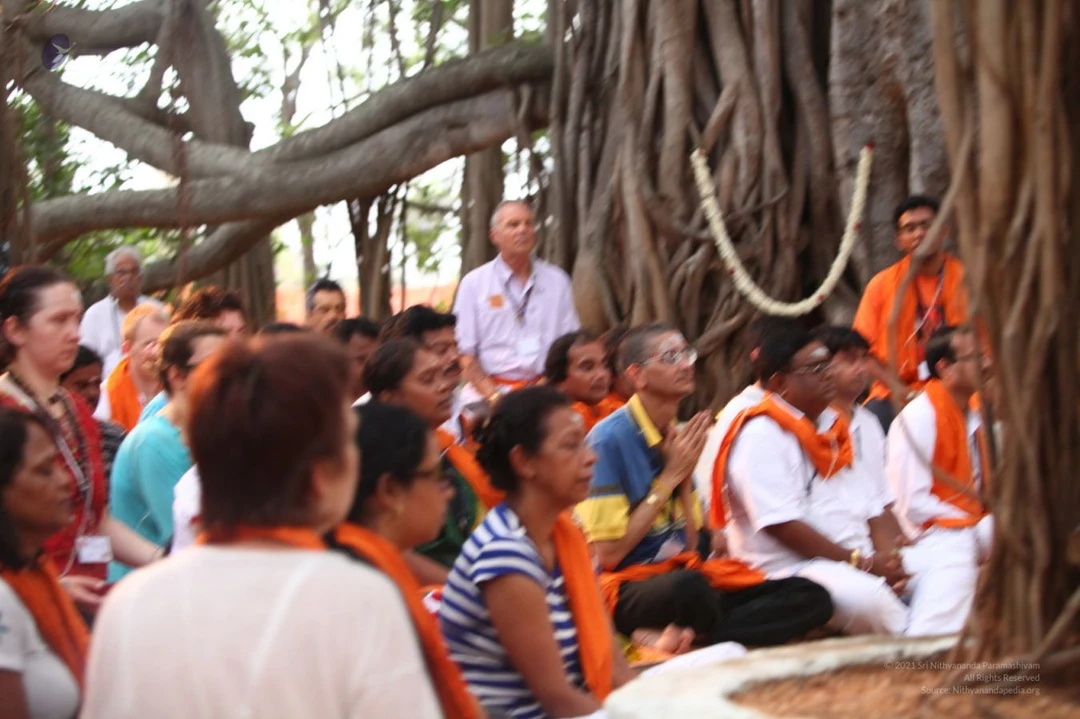
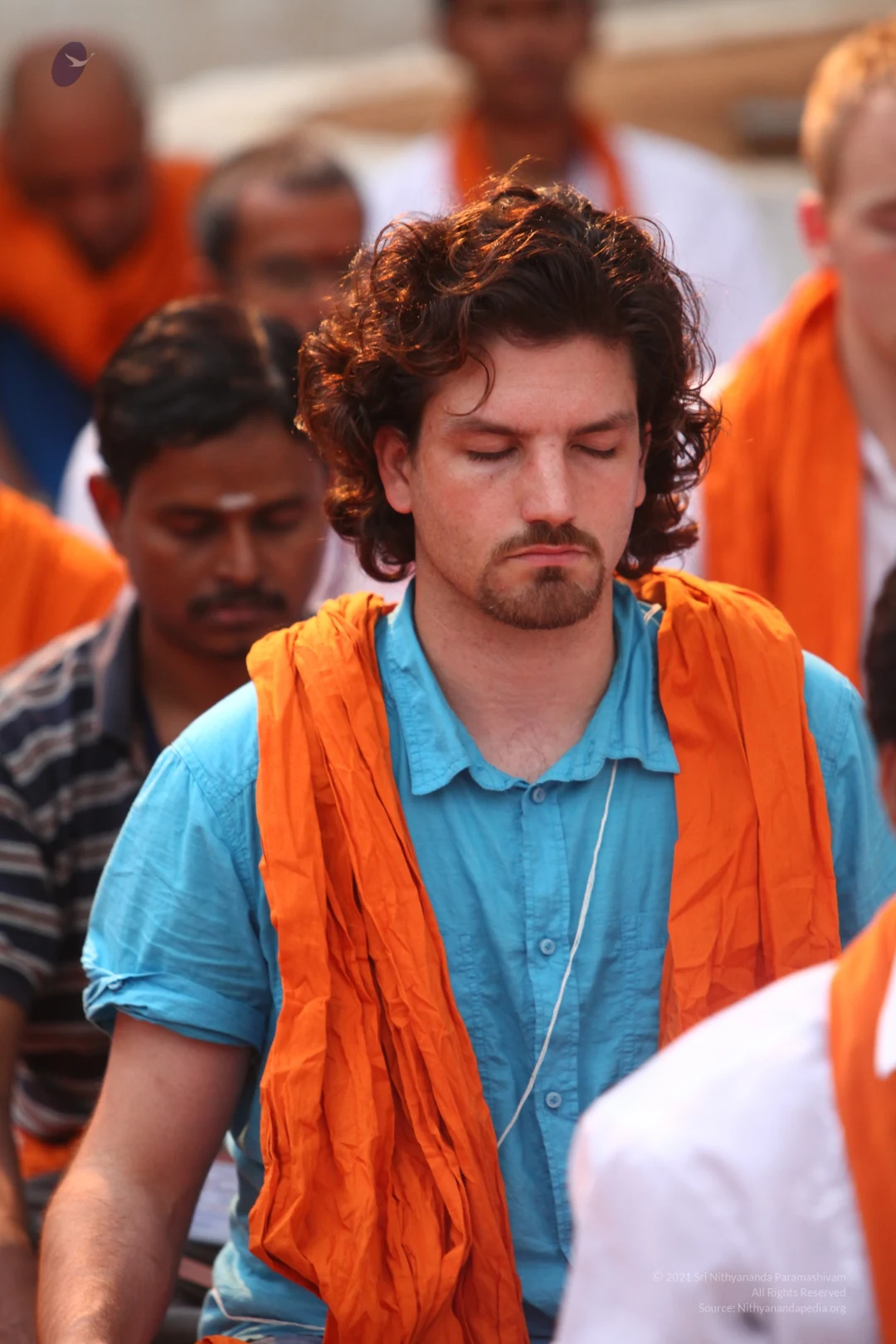
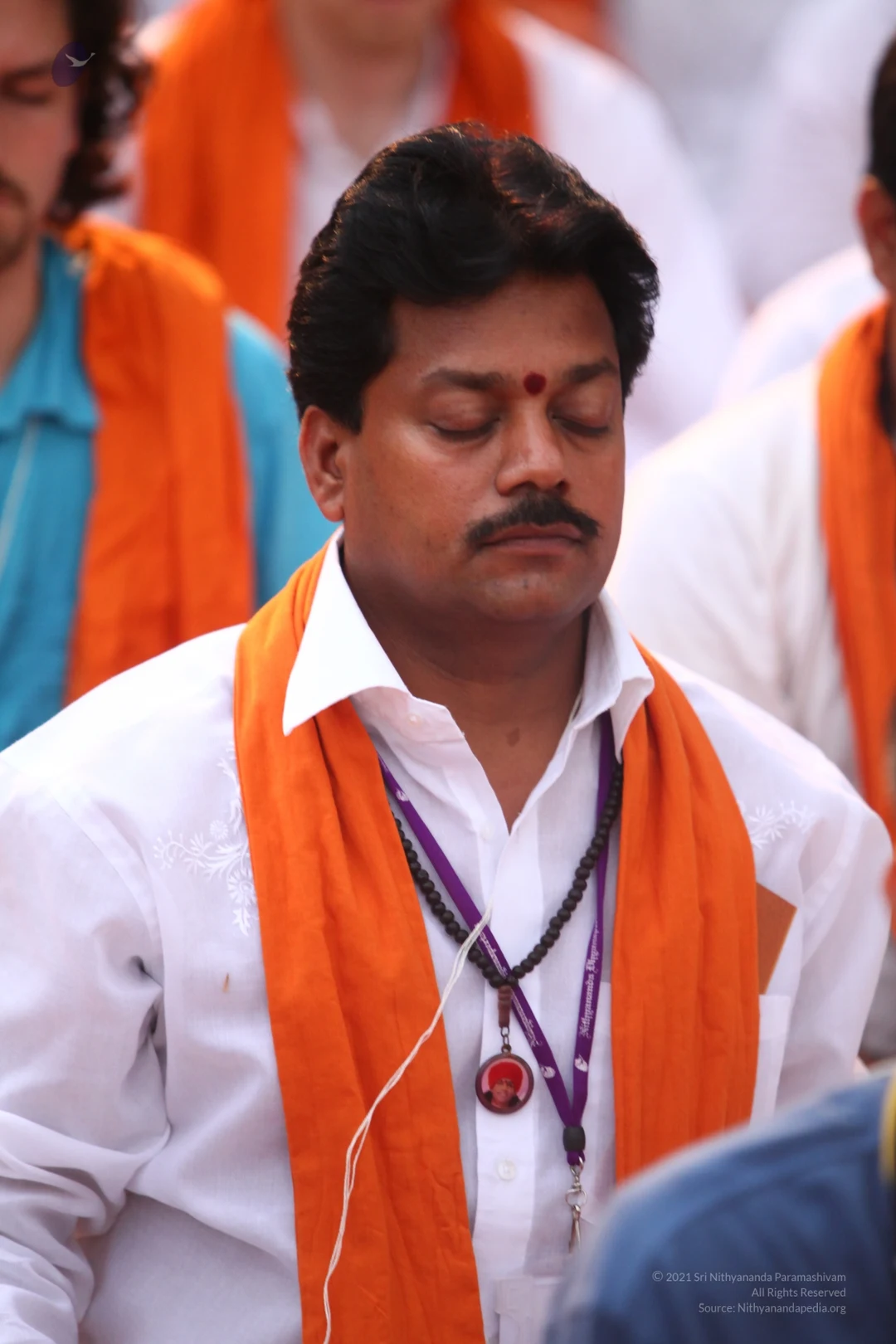
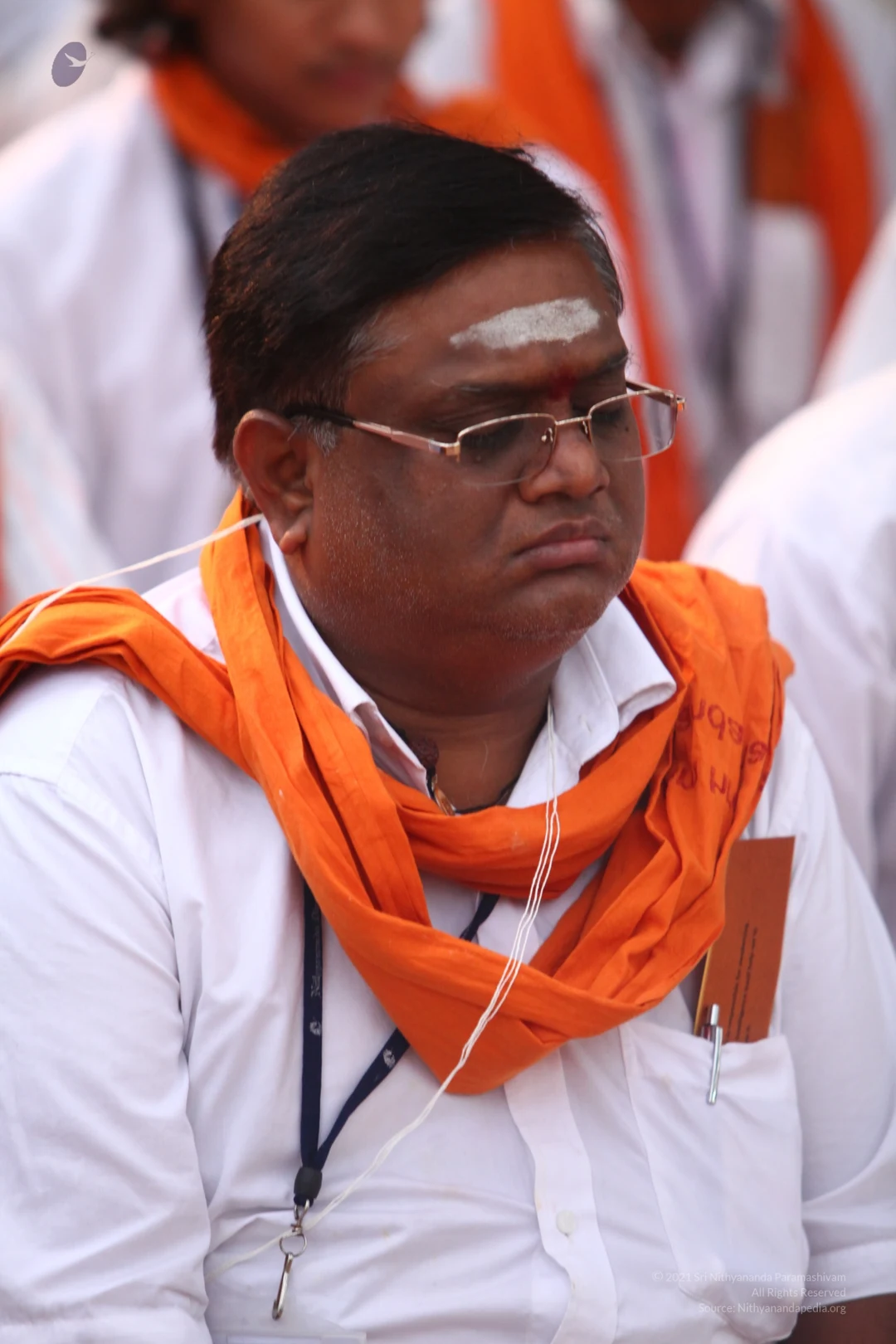
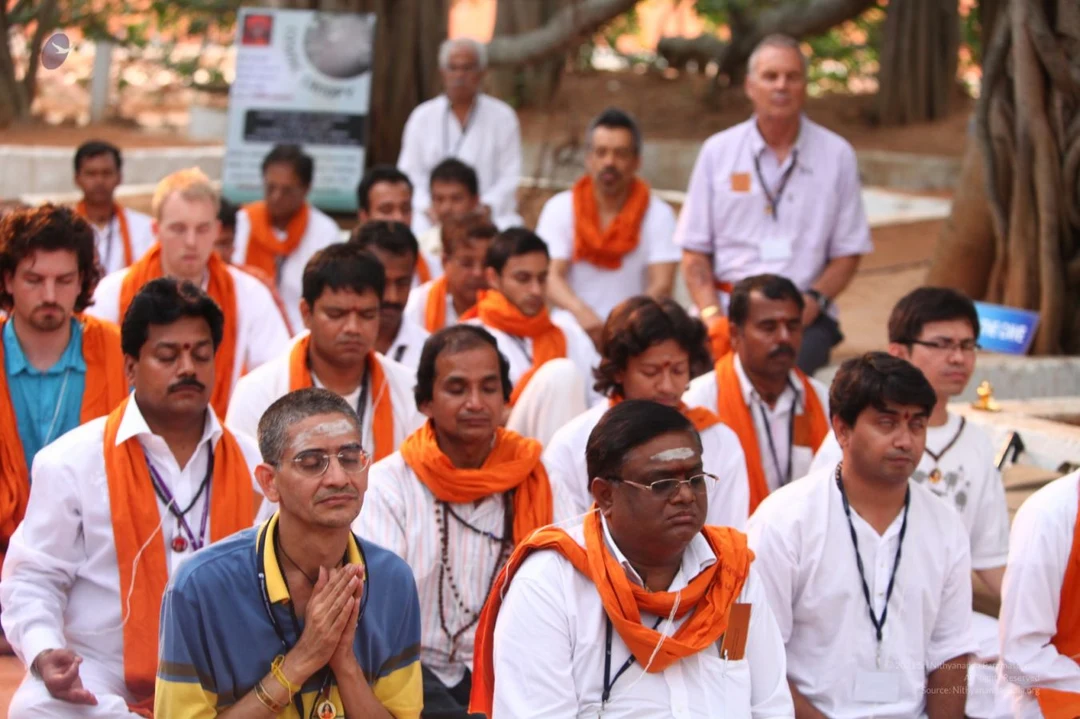
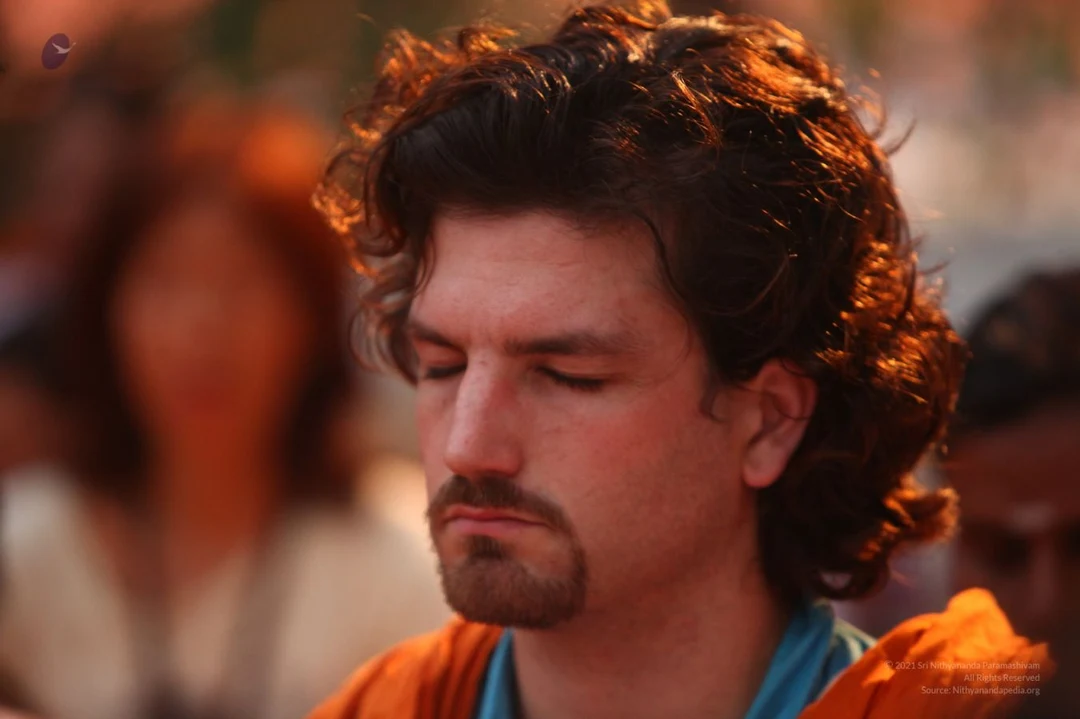
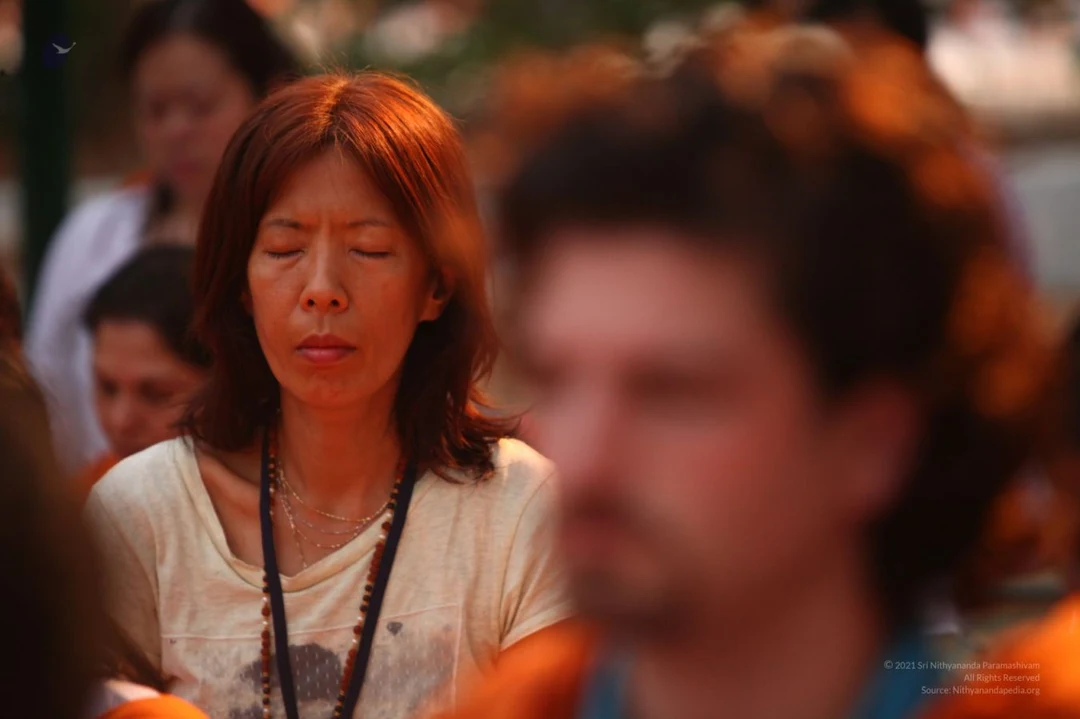
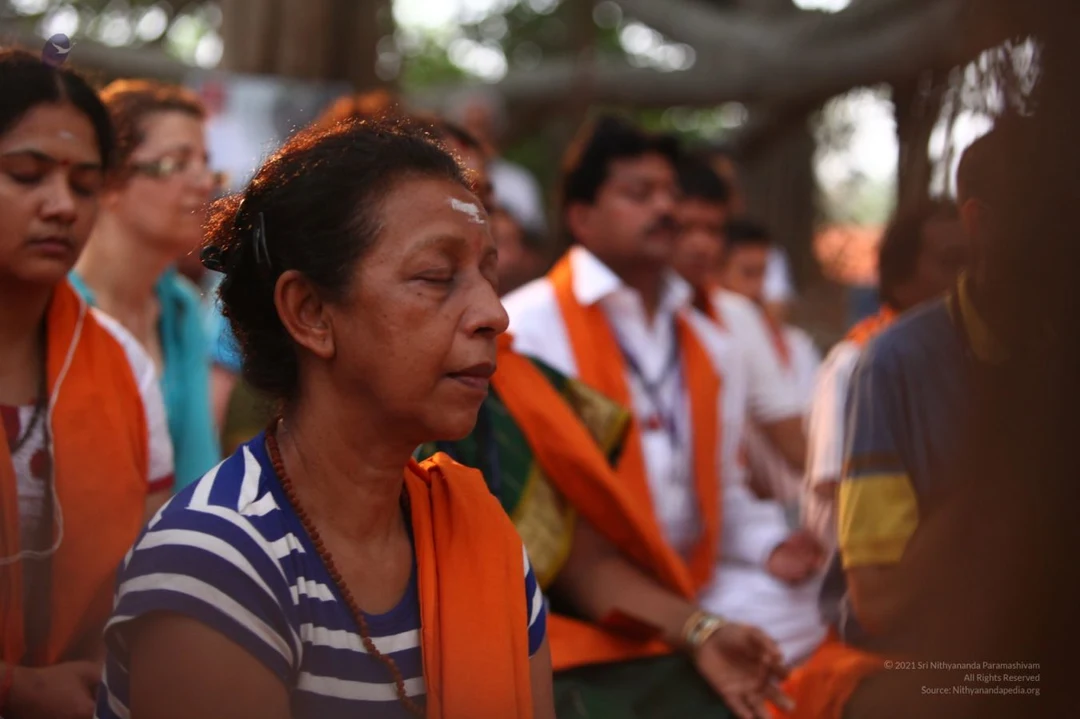
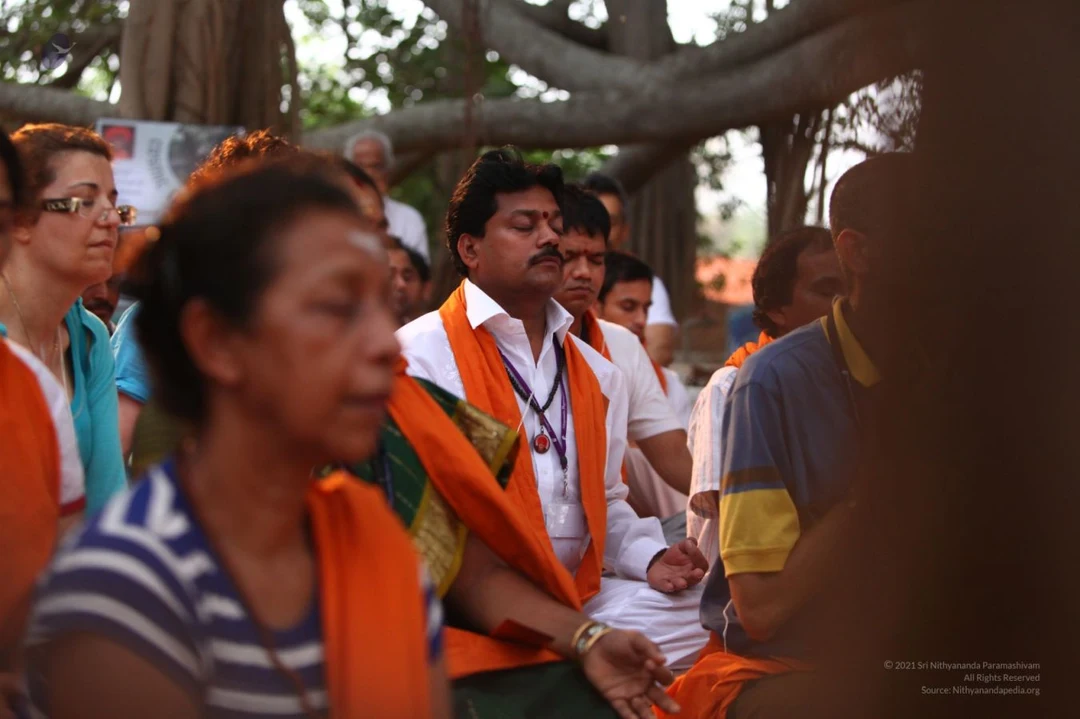
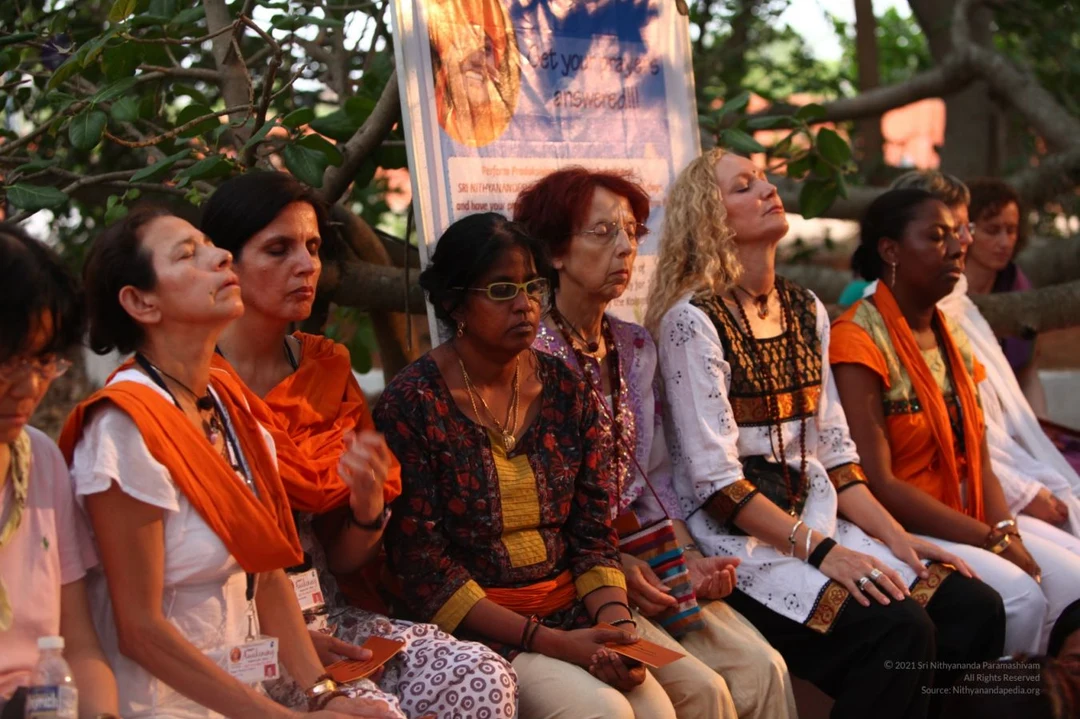
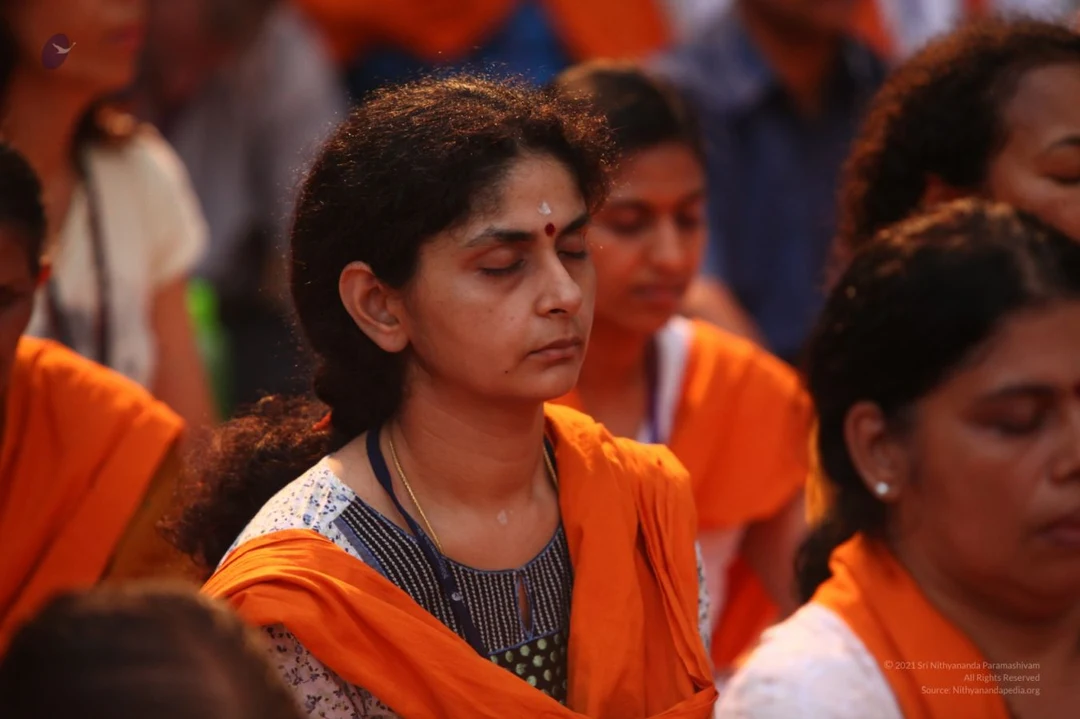
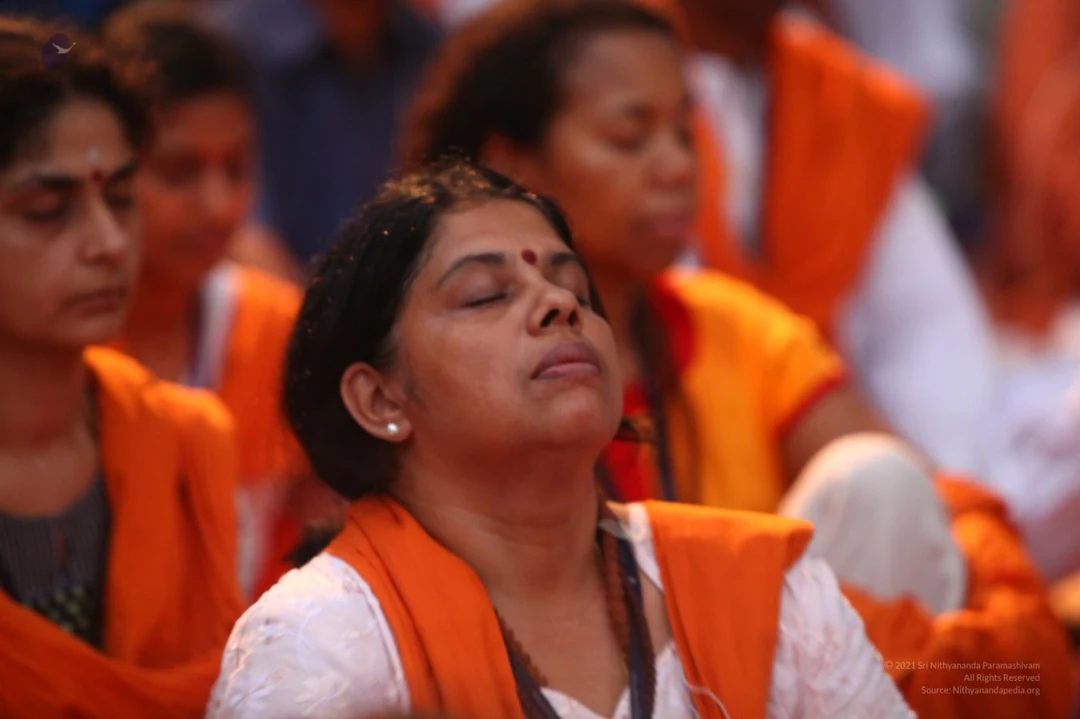
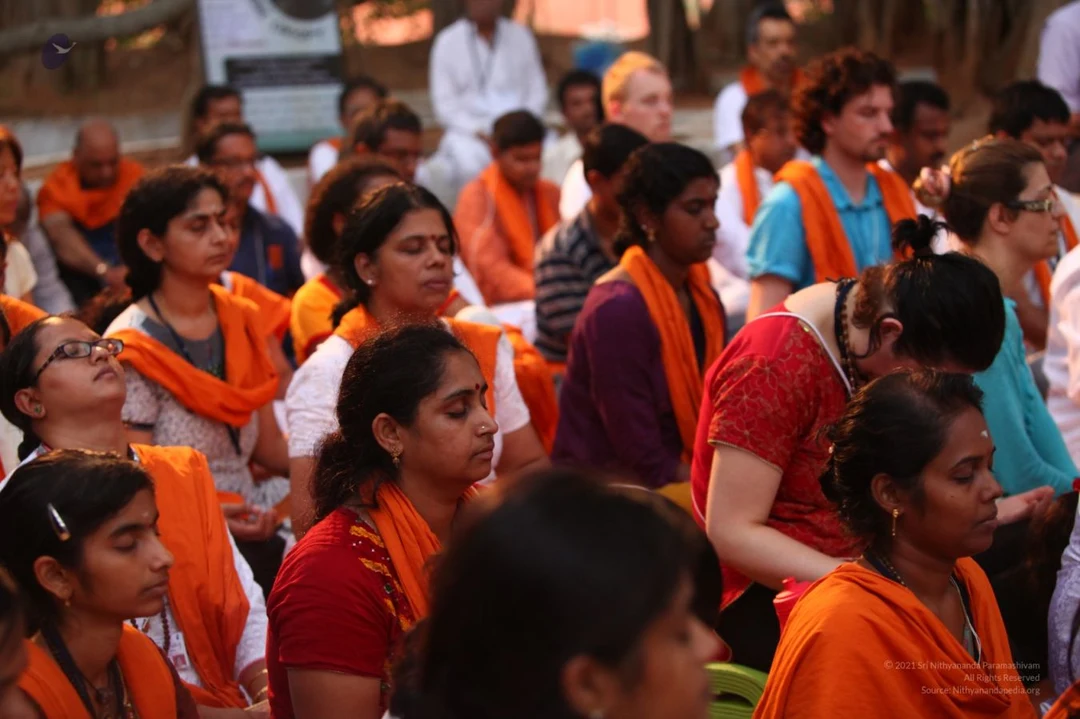
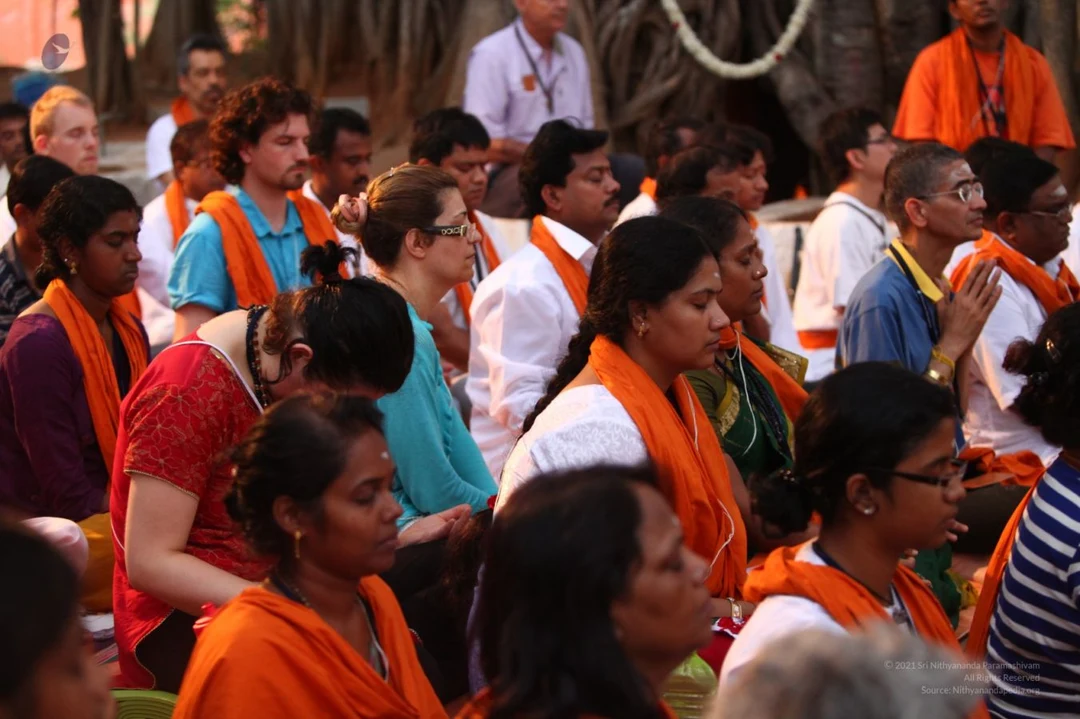
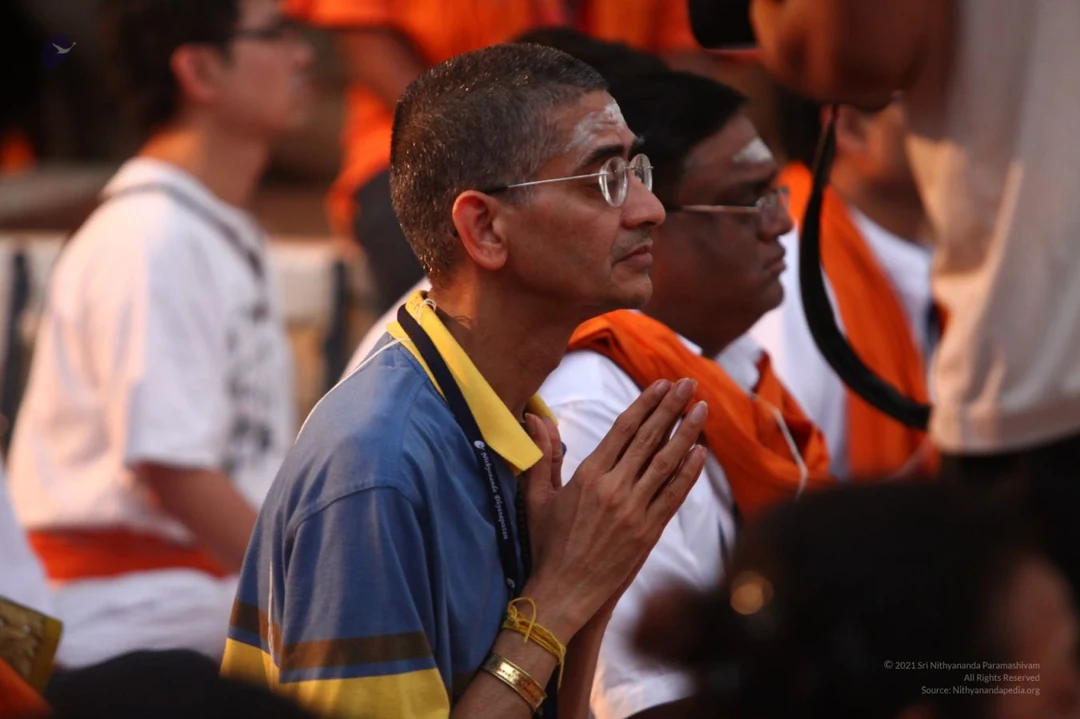
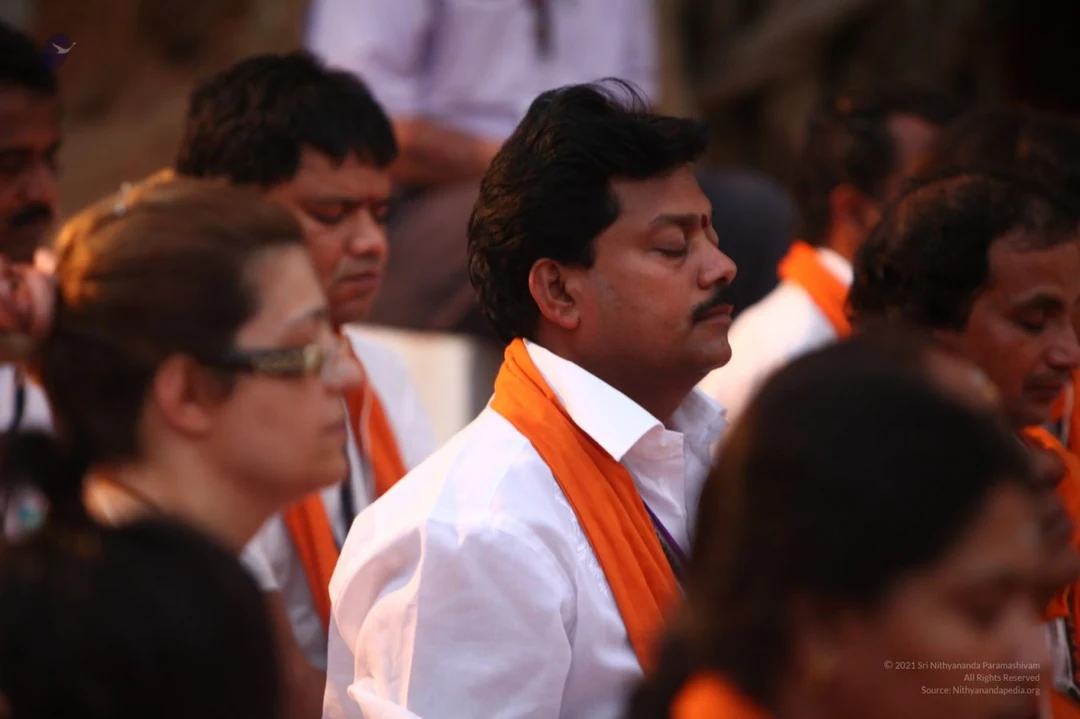
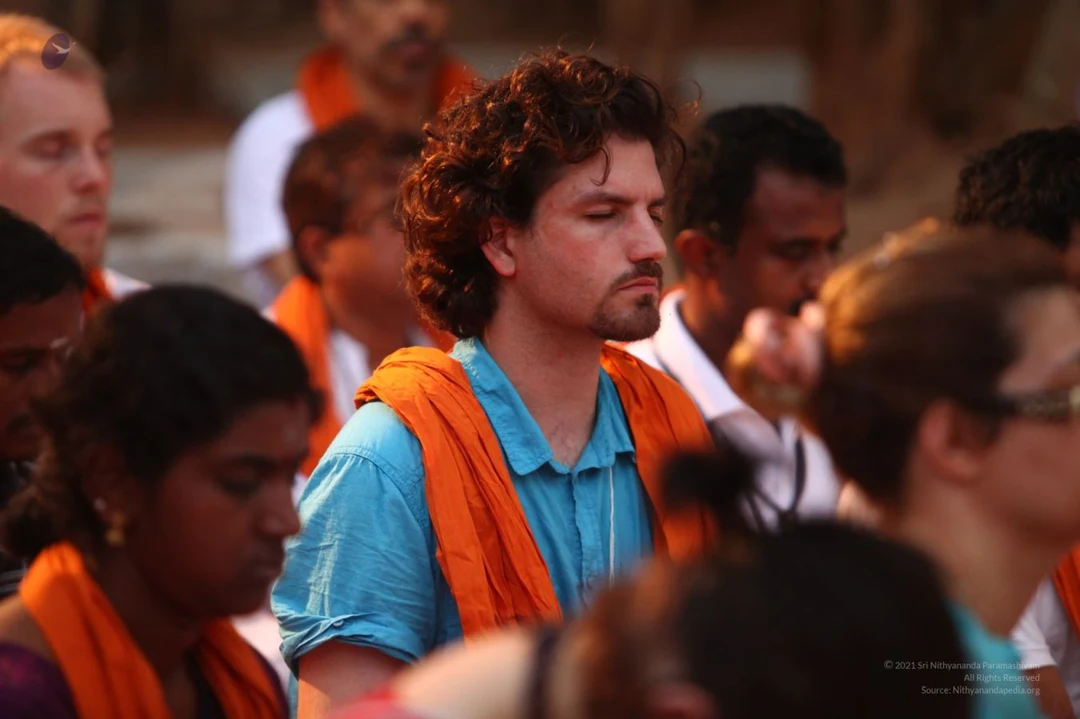
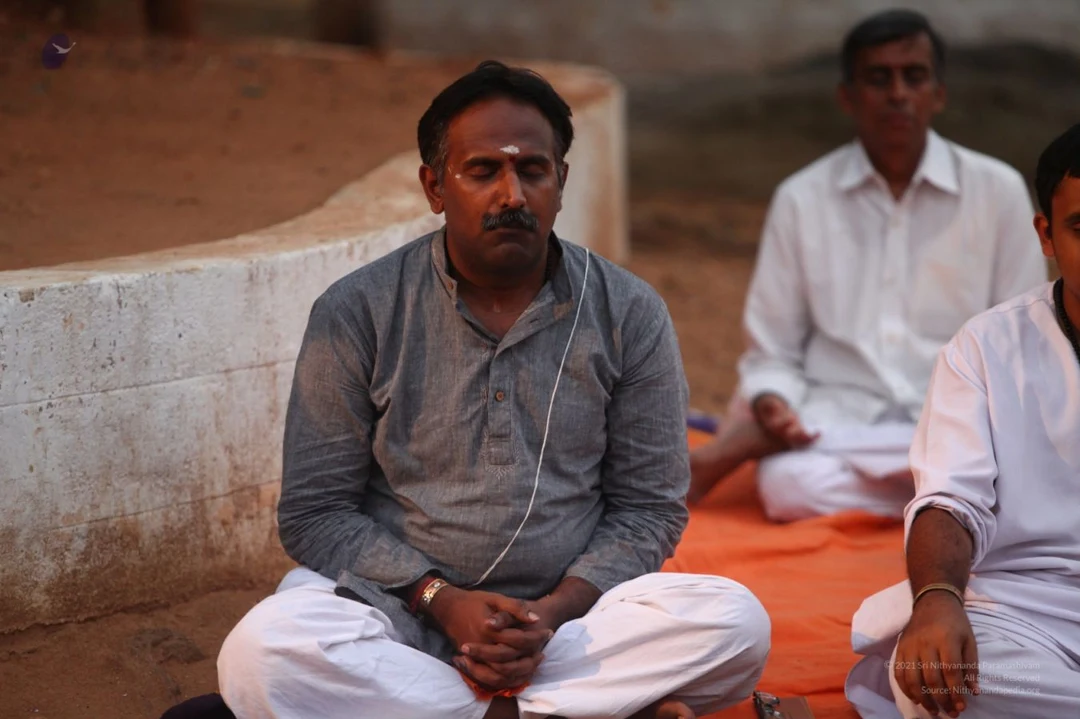
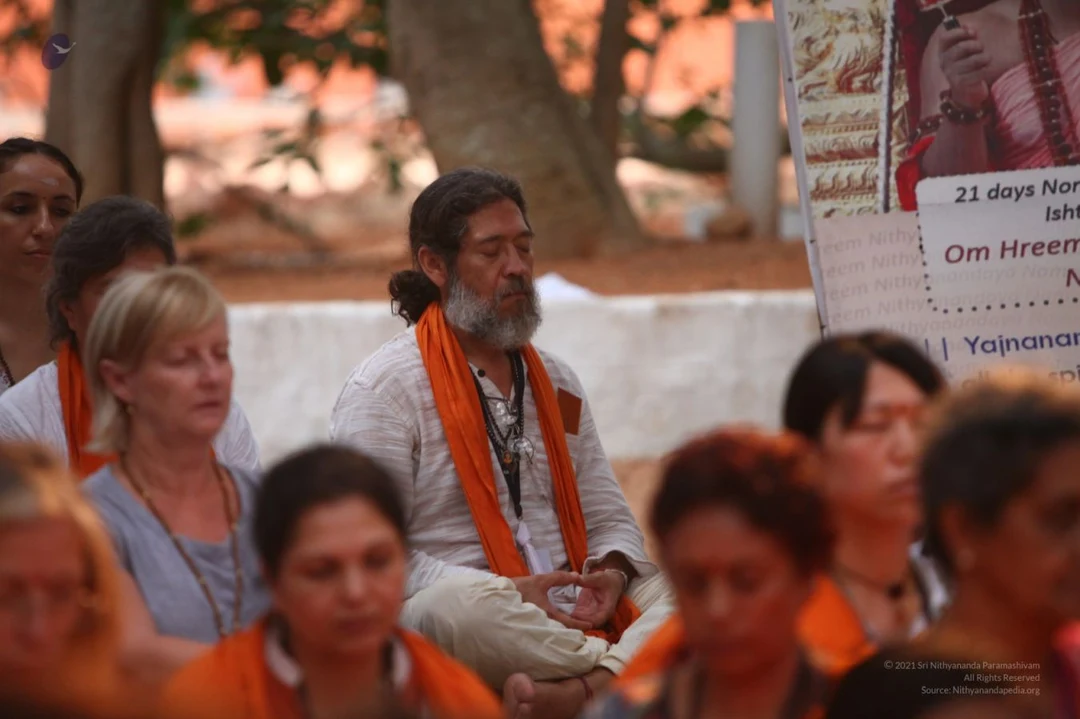
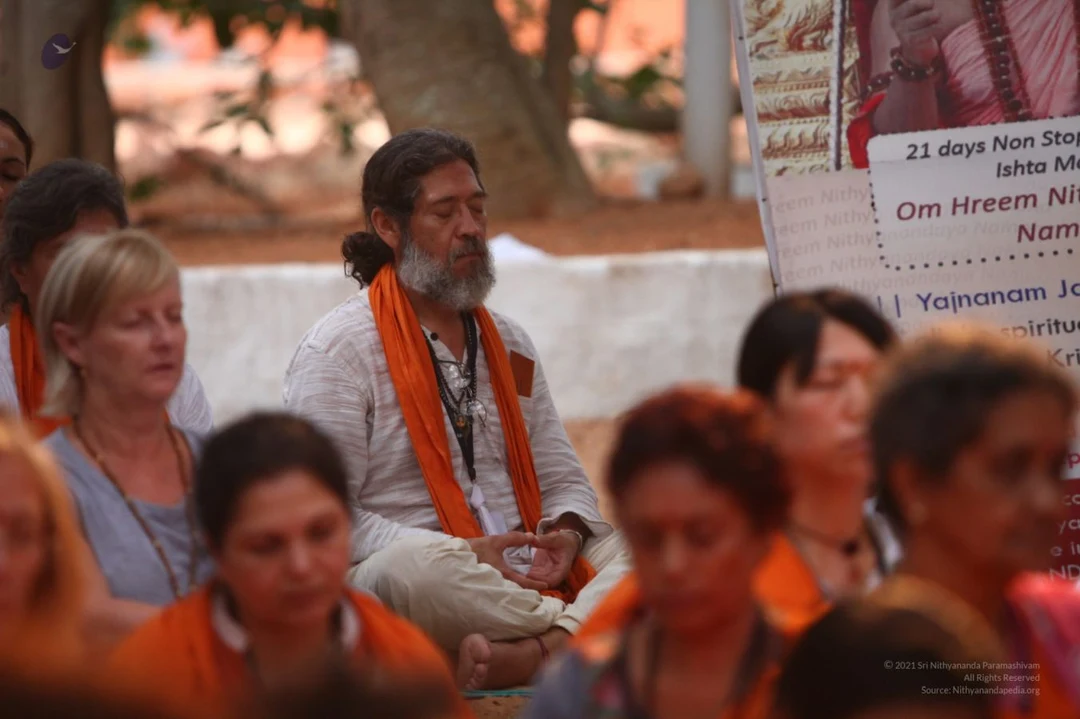
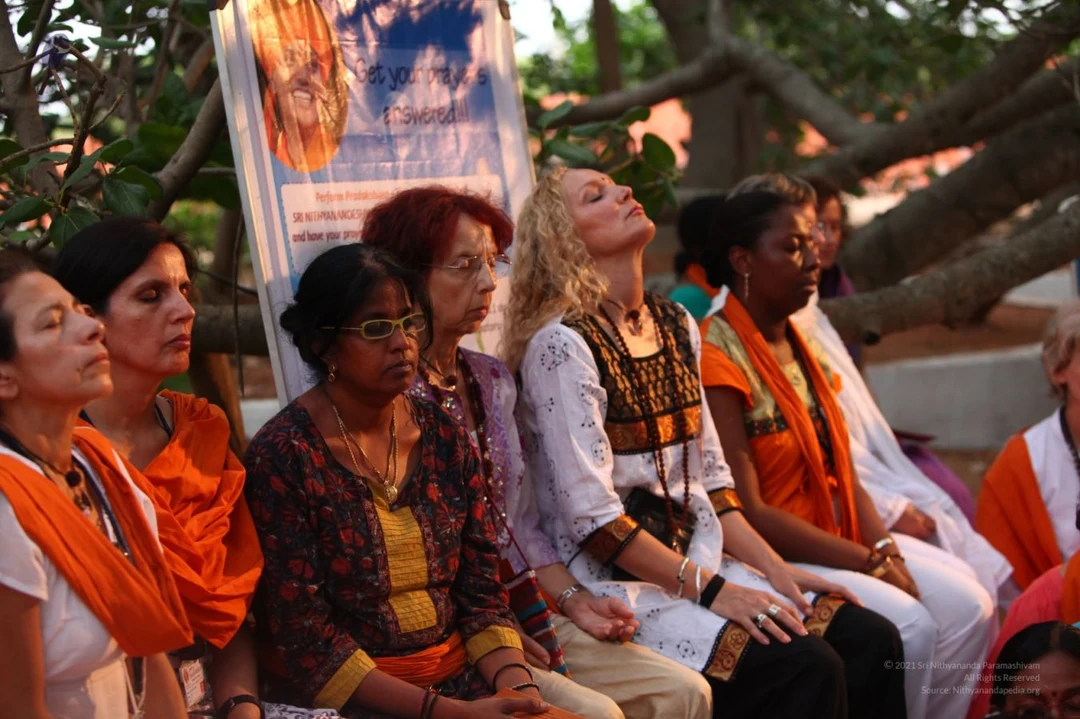
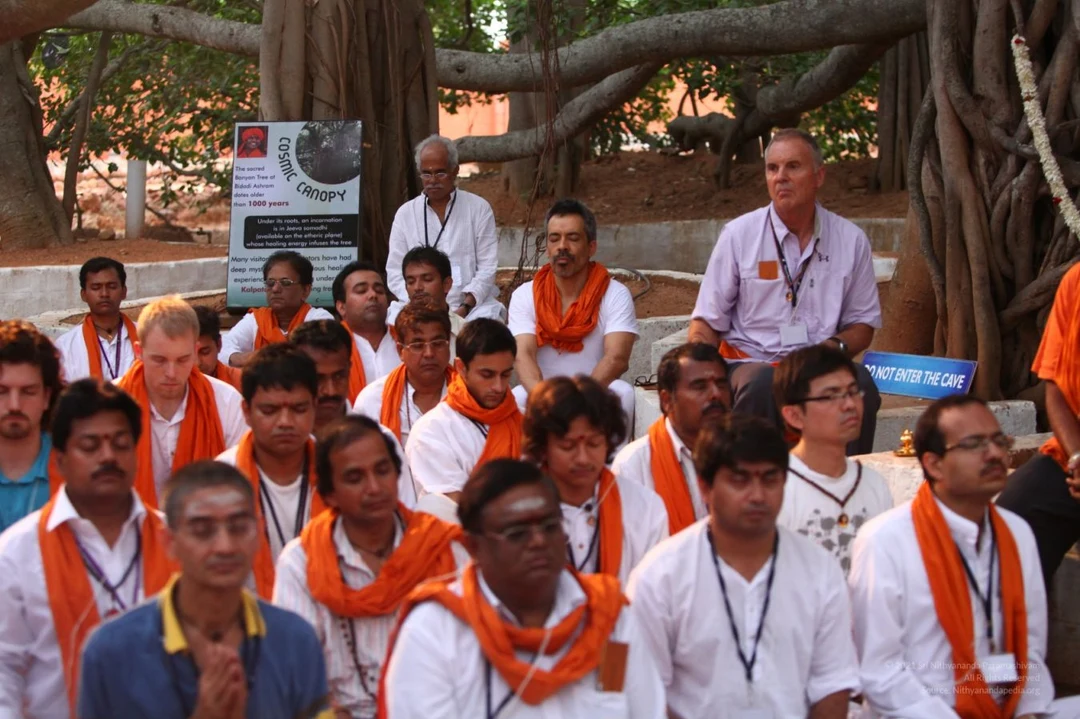
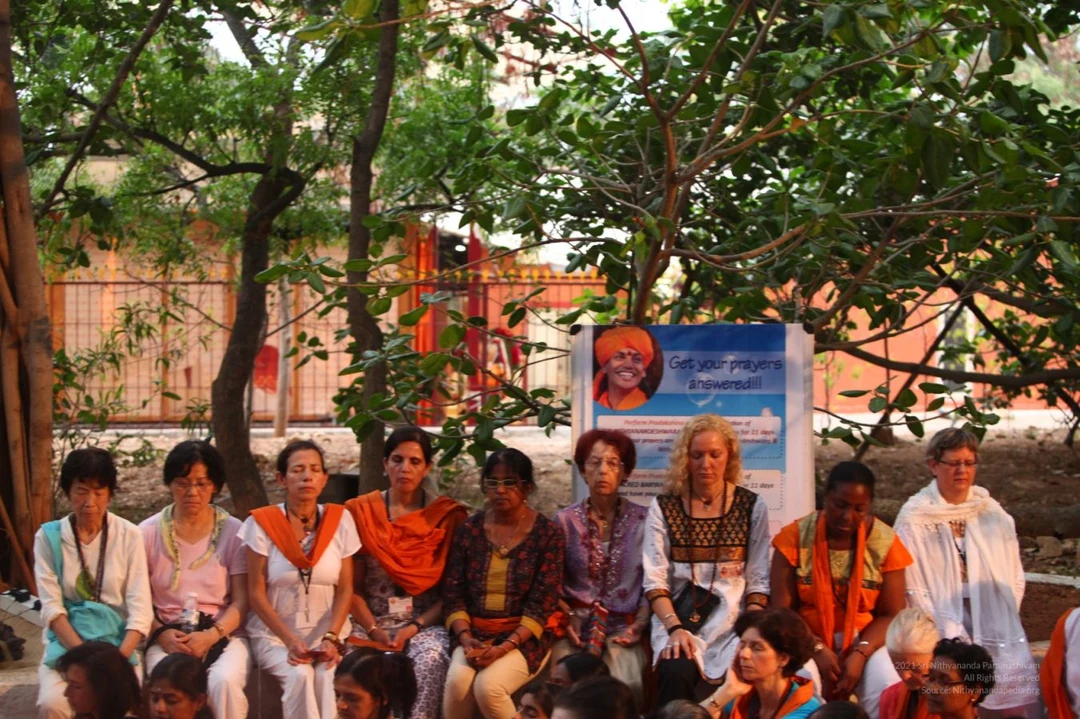
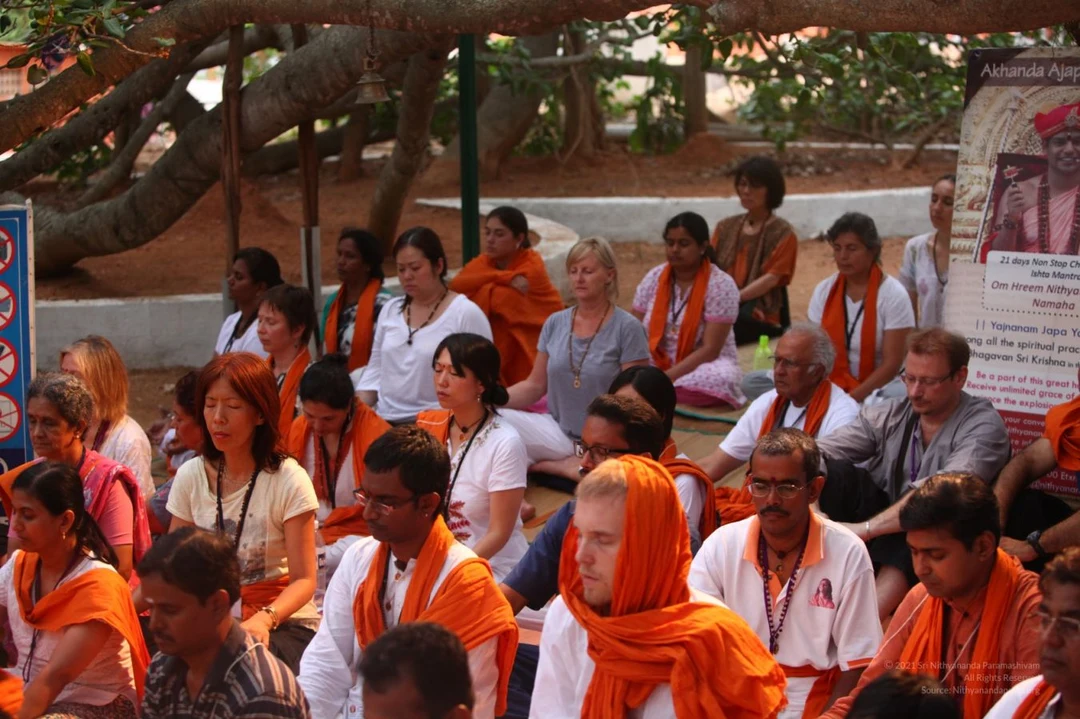
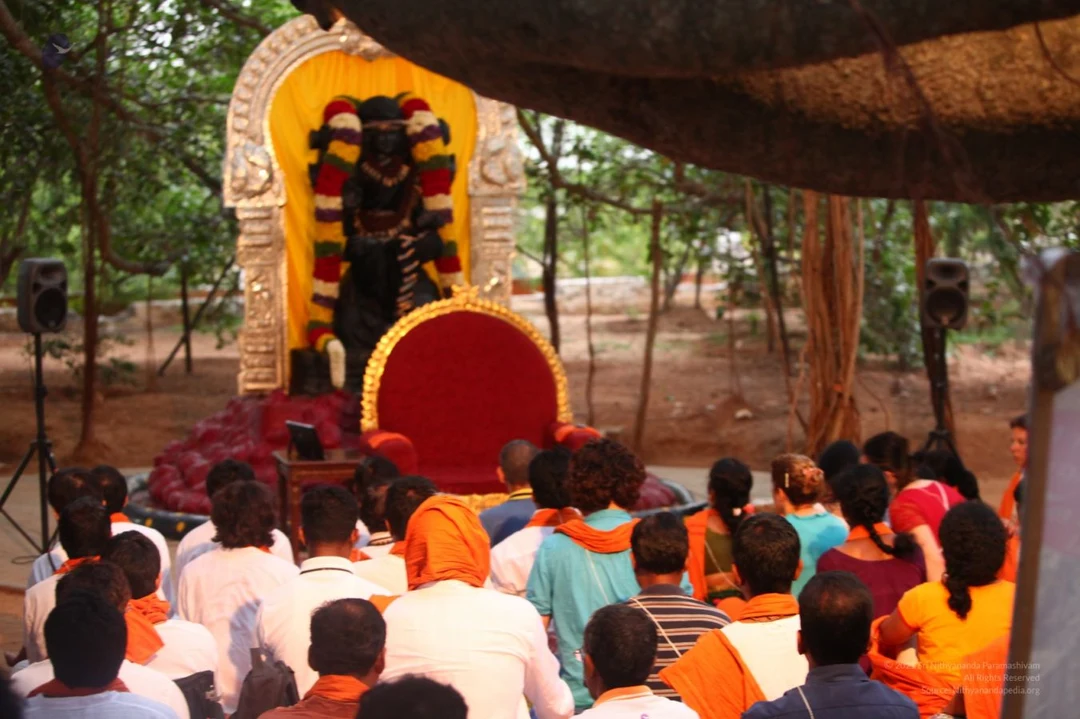
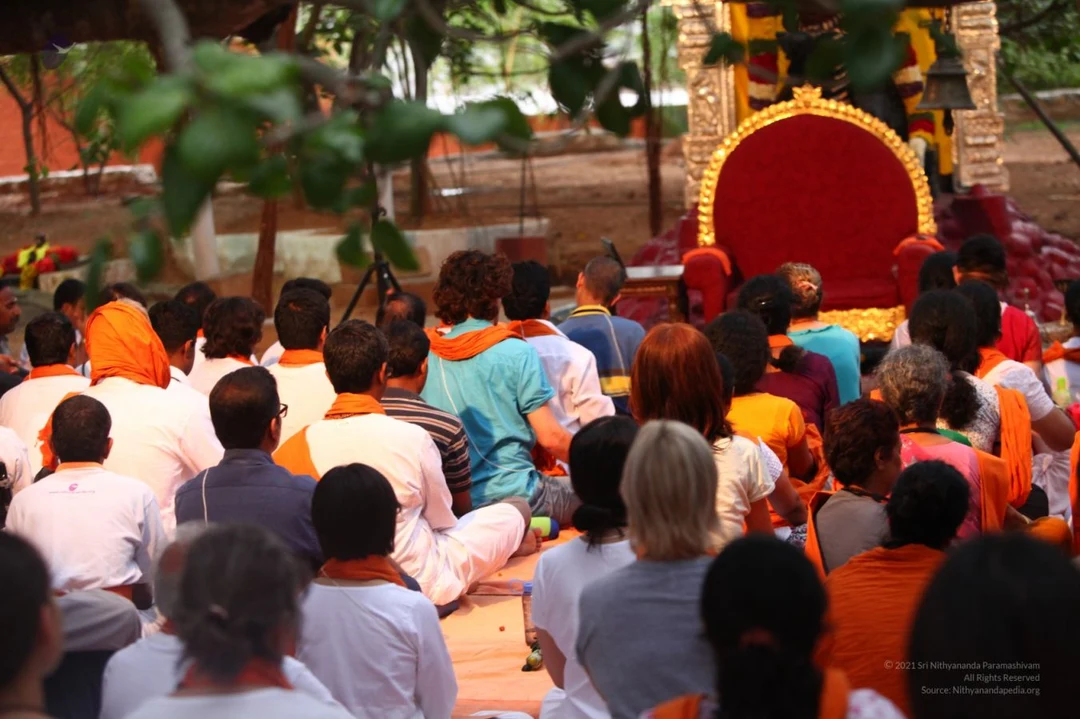
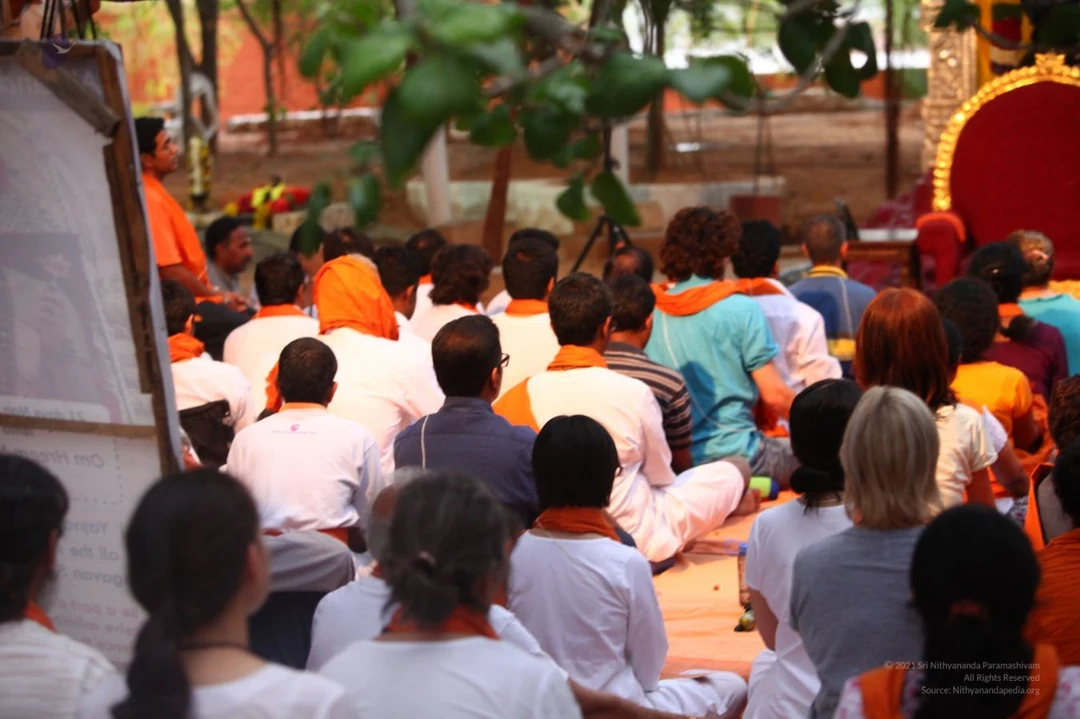
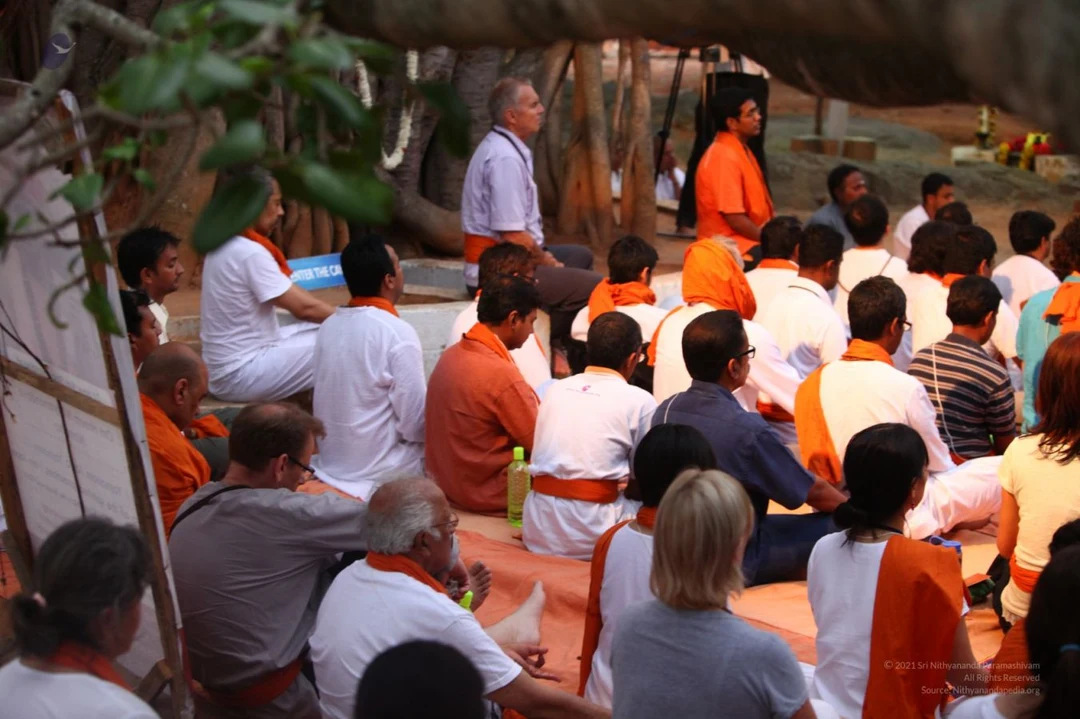
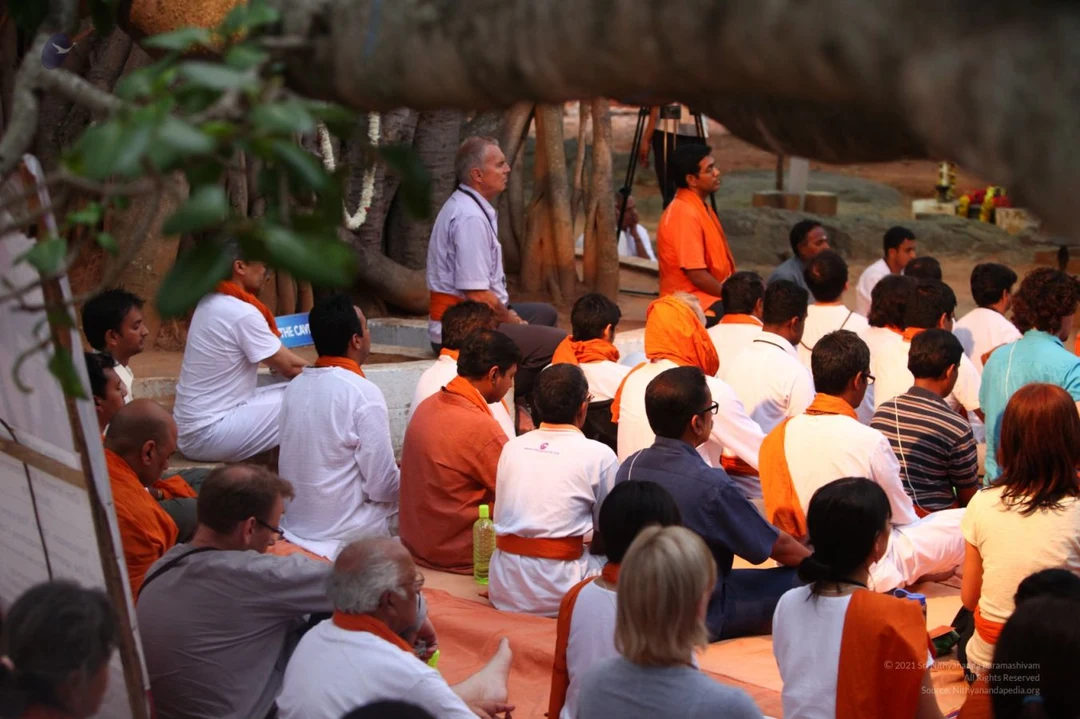
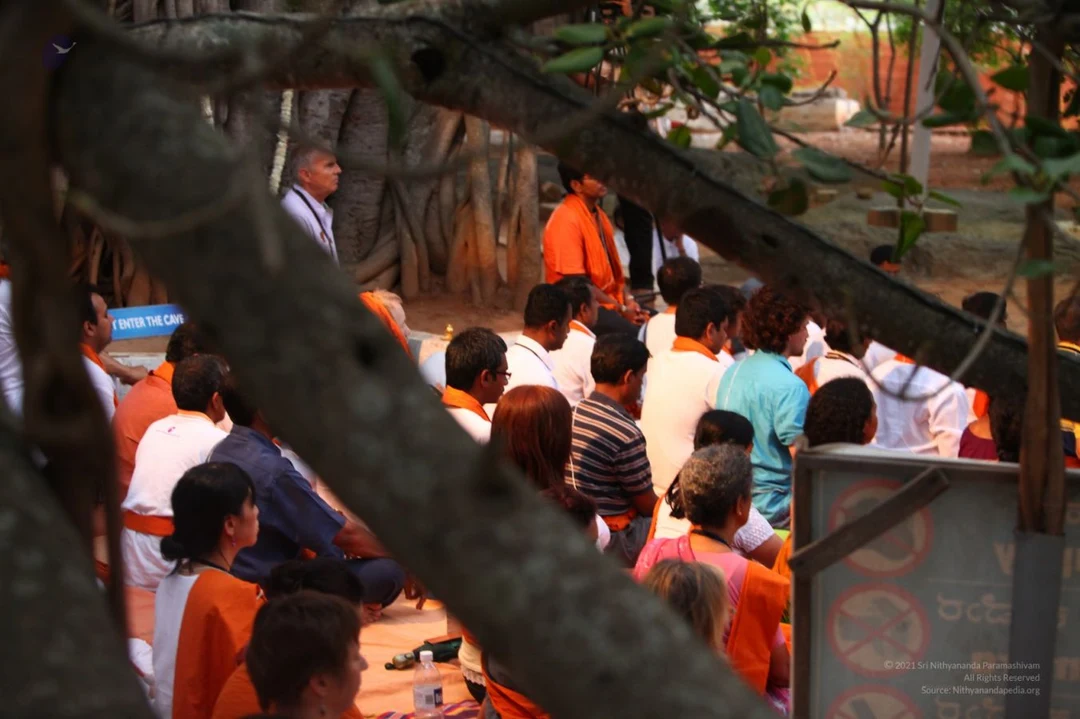
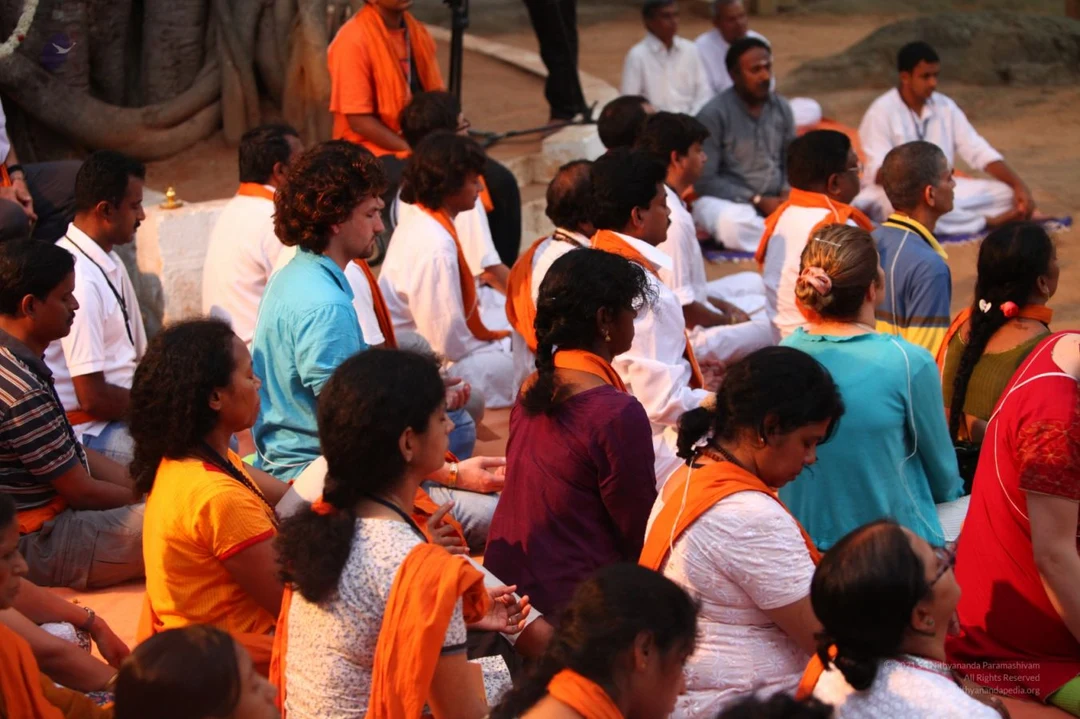
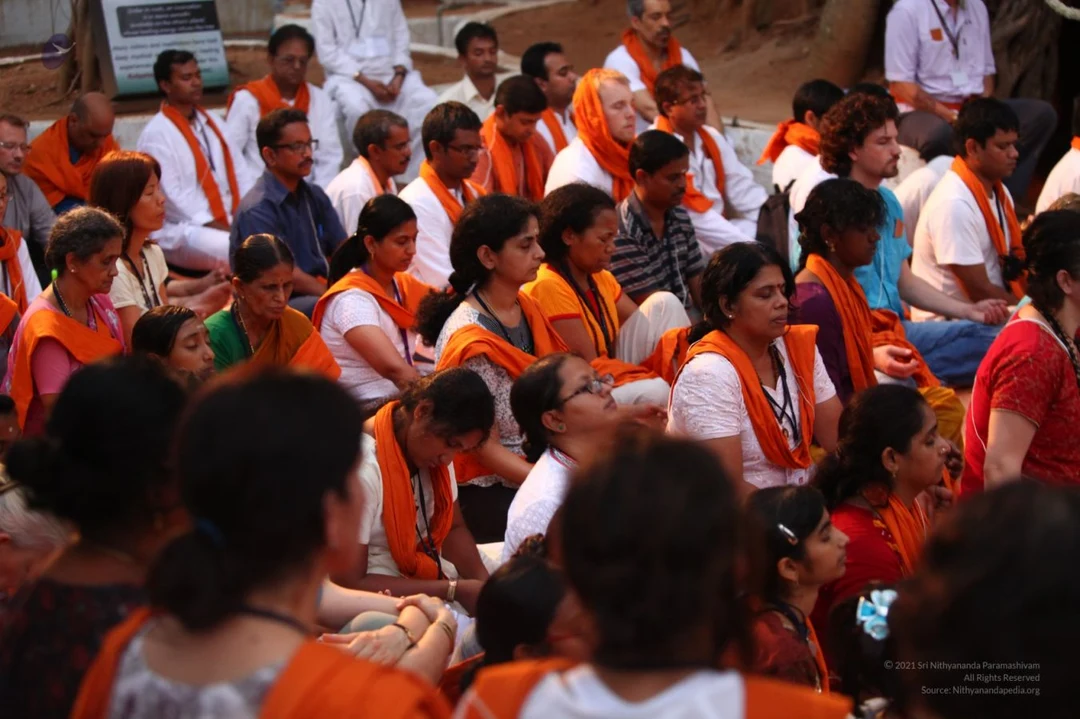
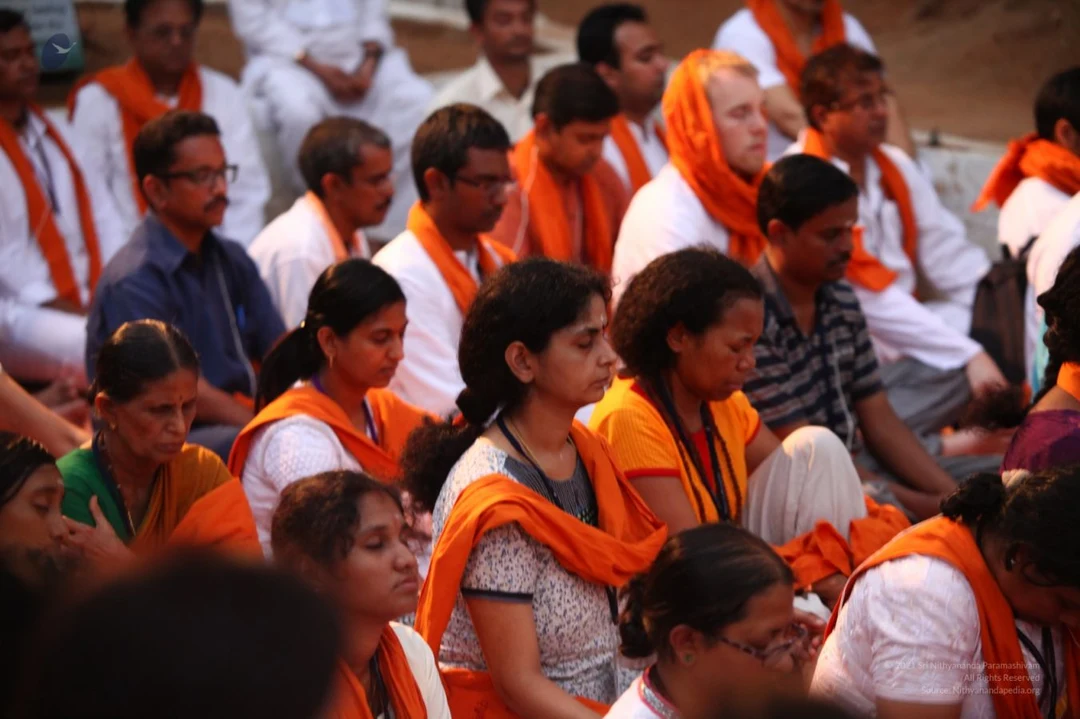
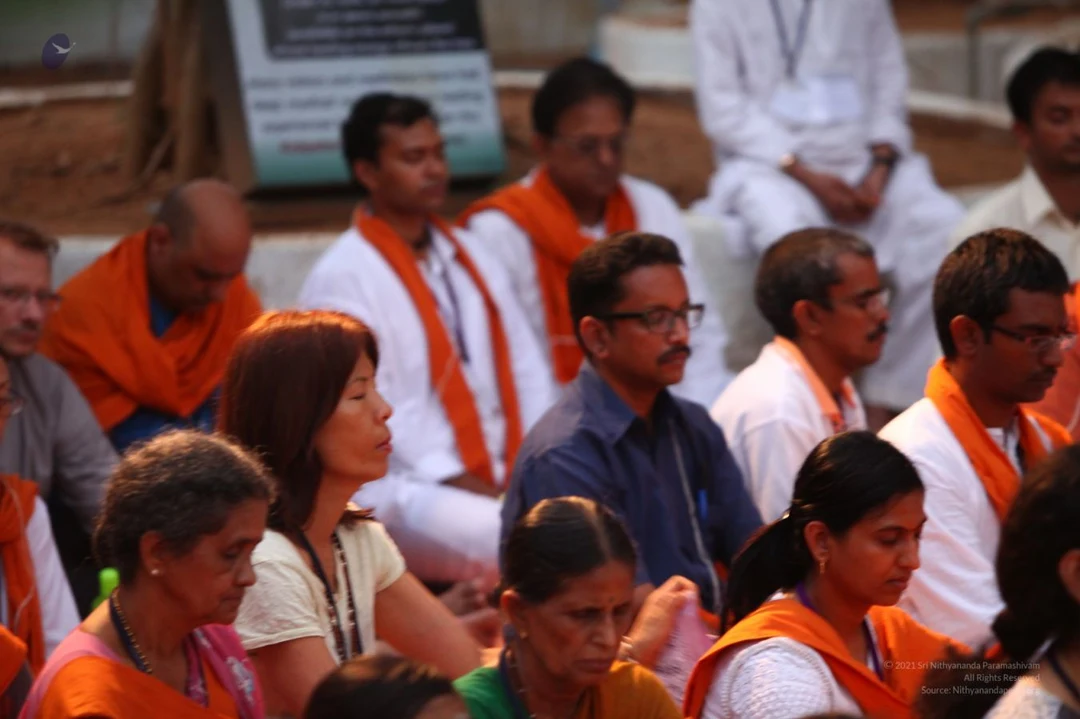
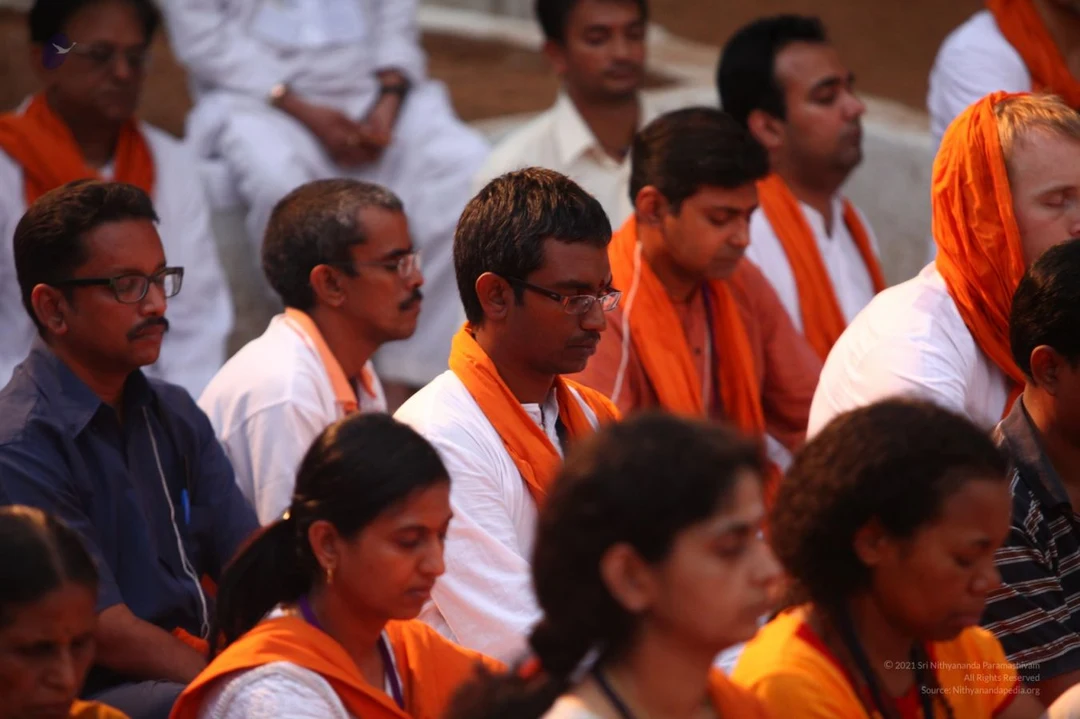
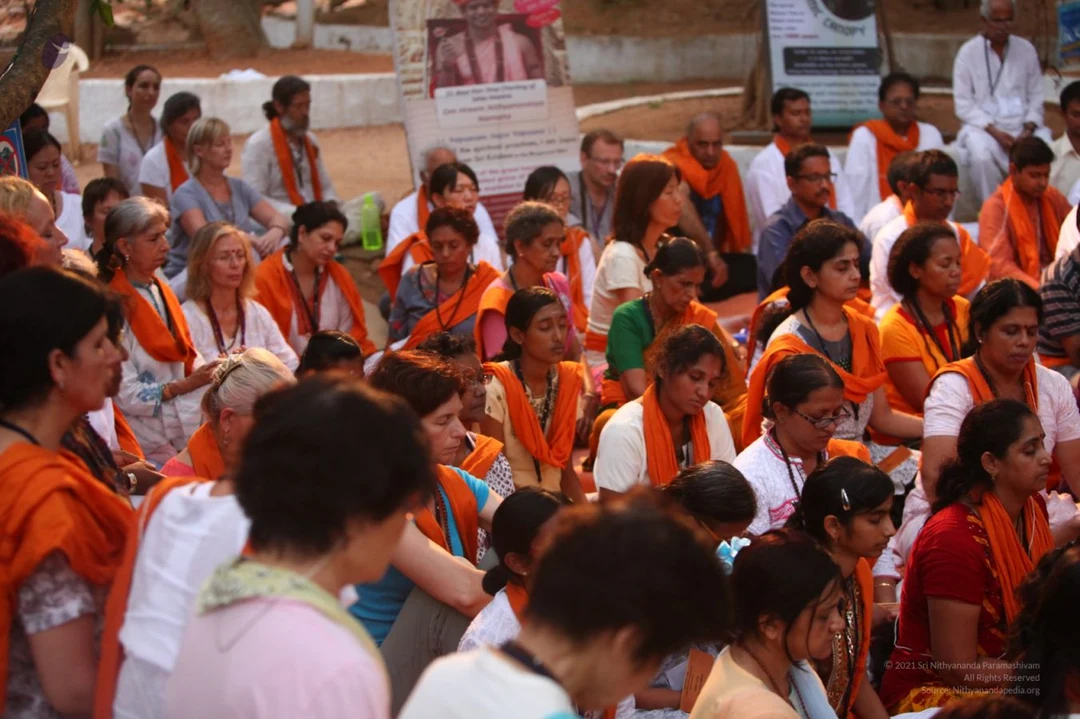
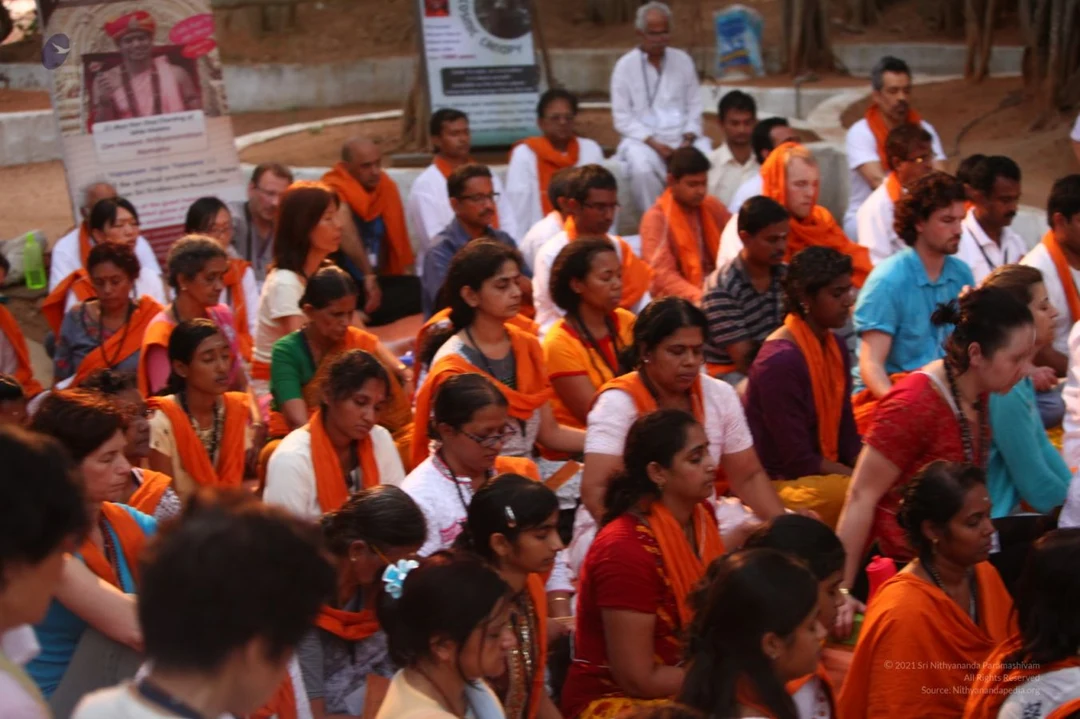
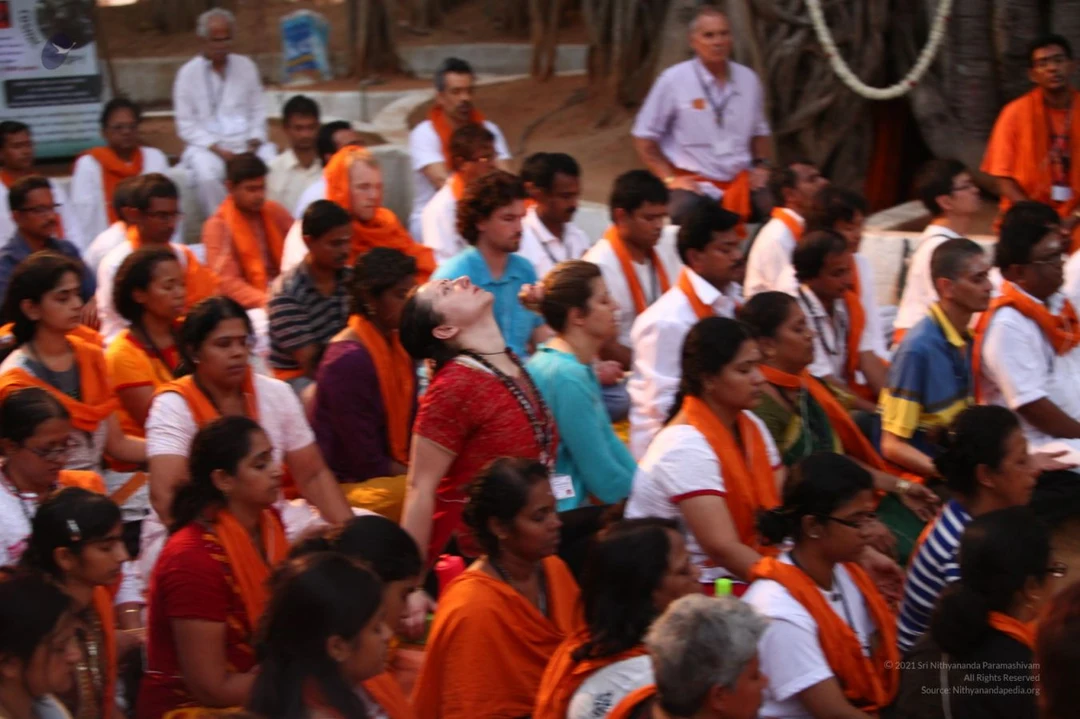
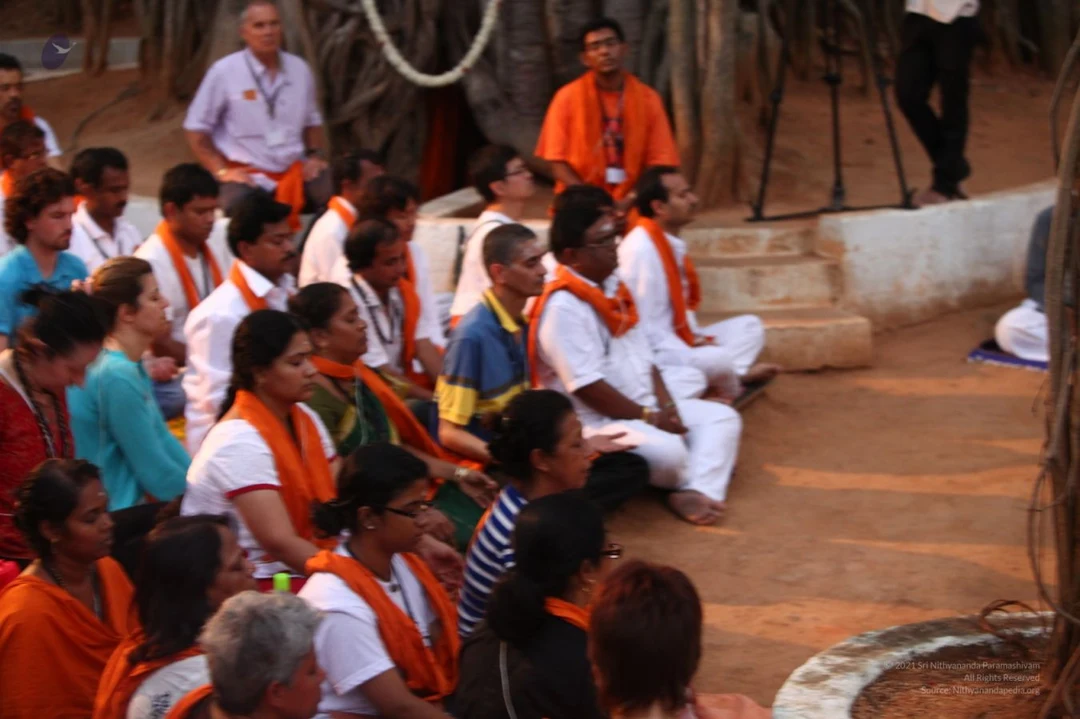
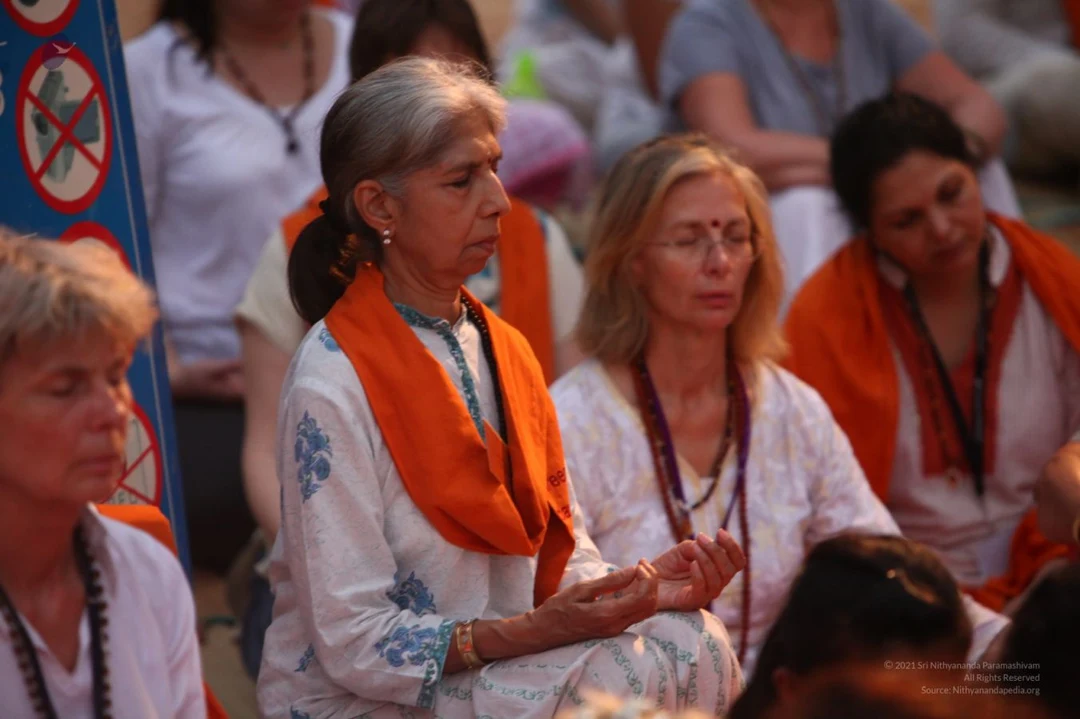
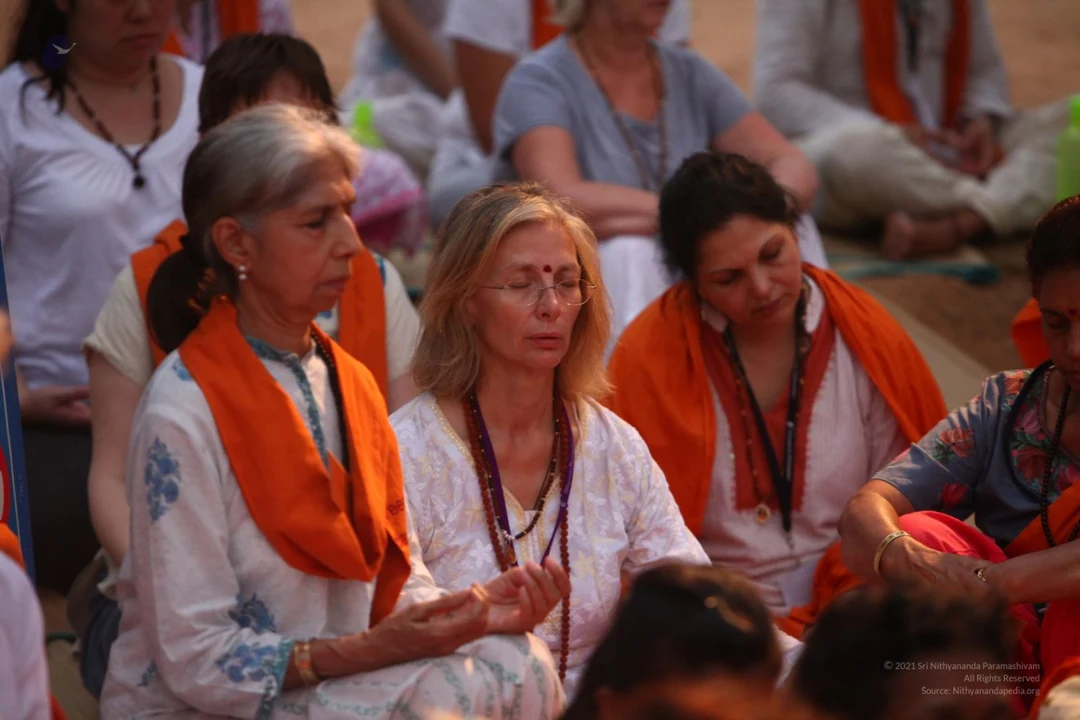
Banyan Tree Session
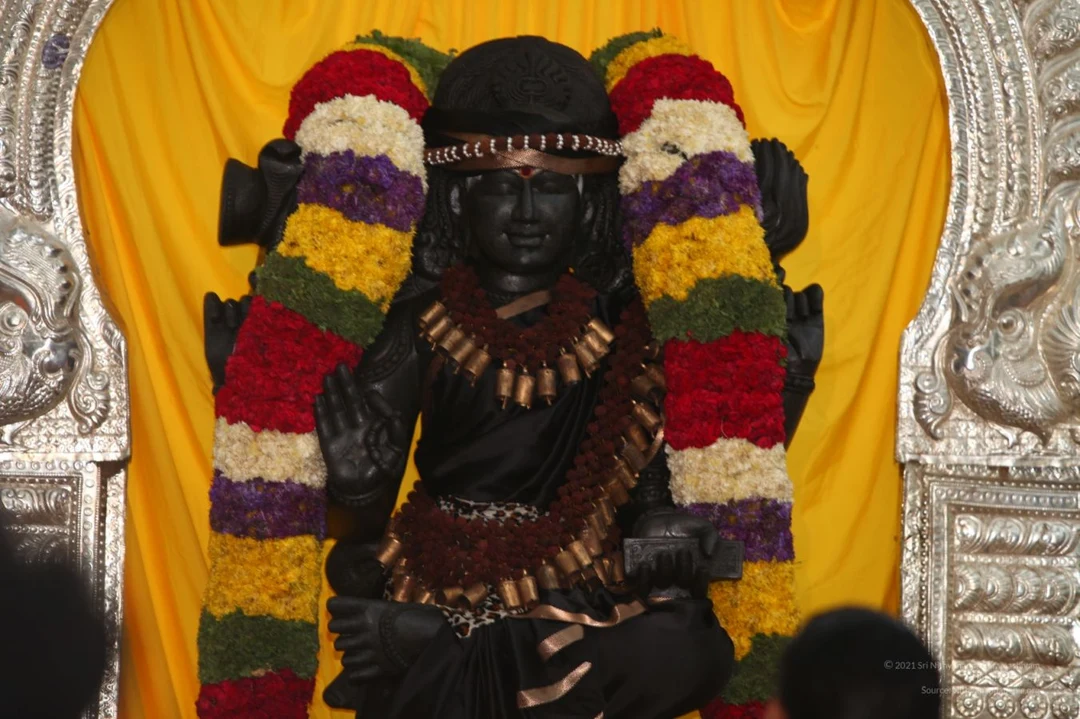
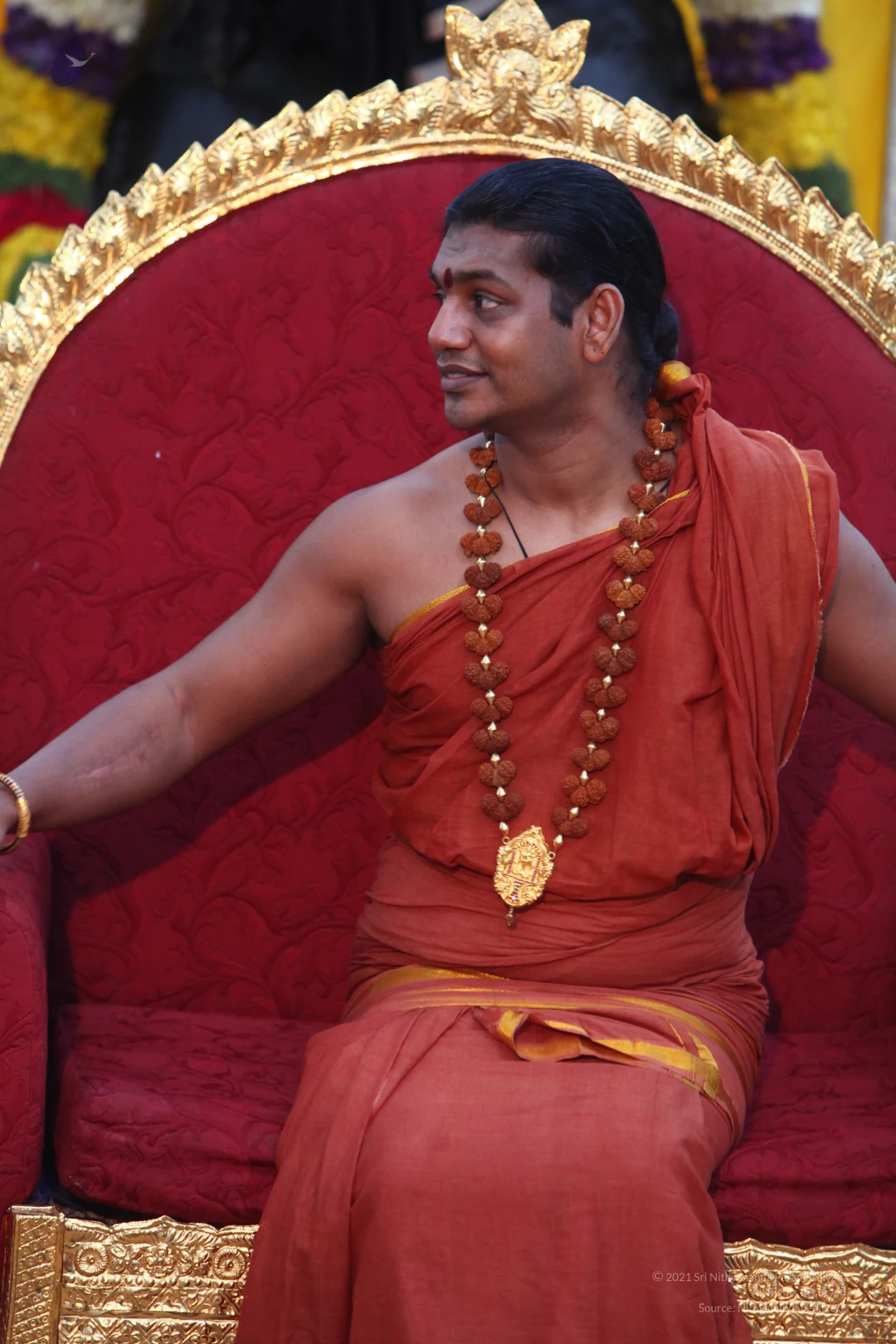
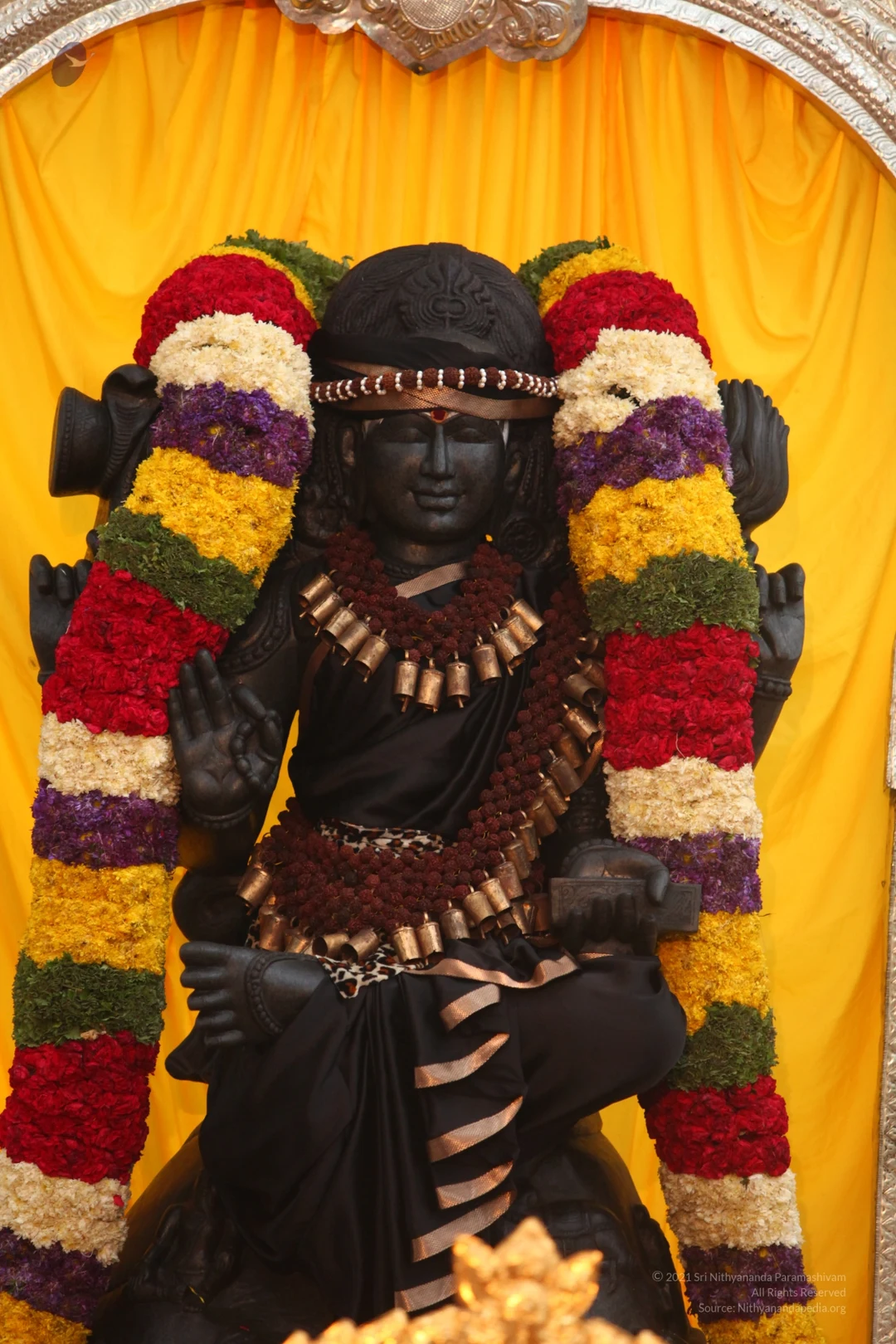
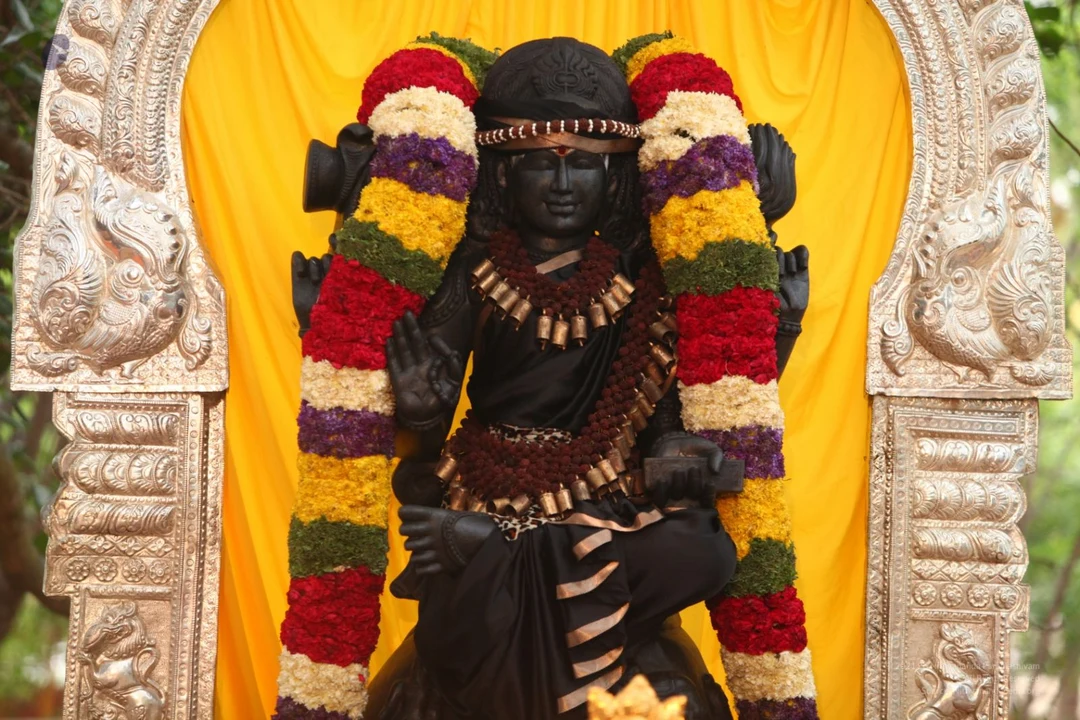
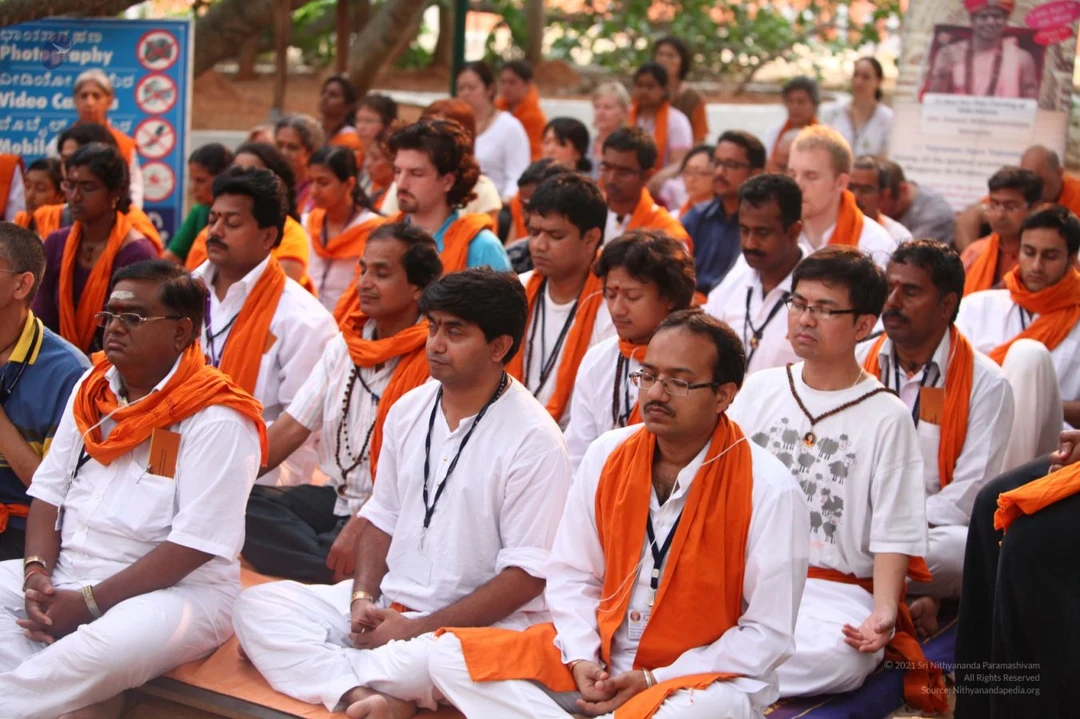
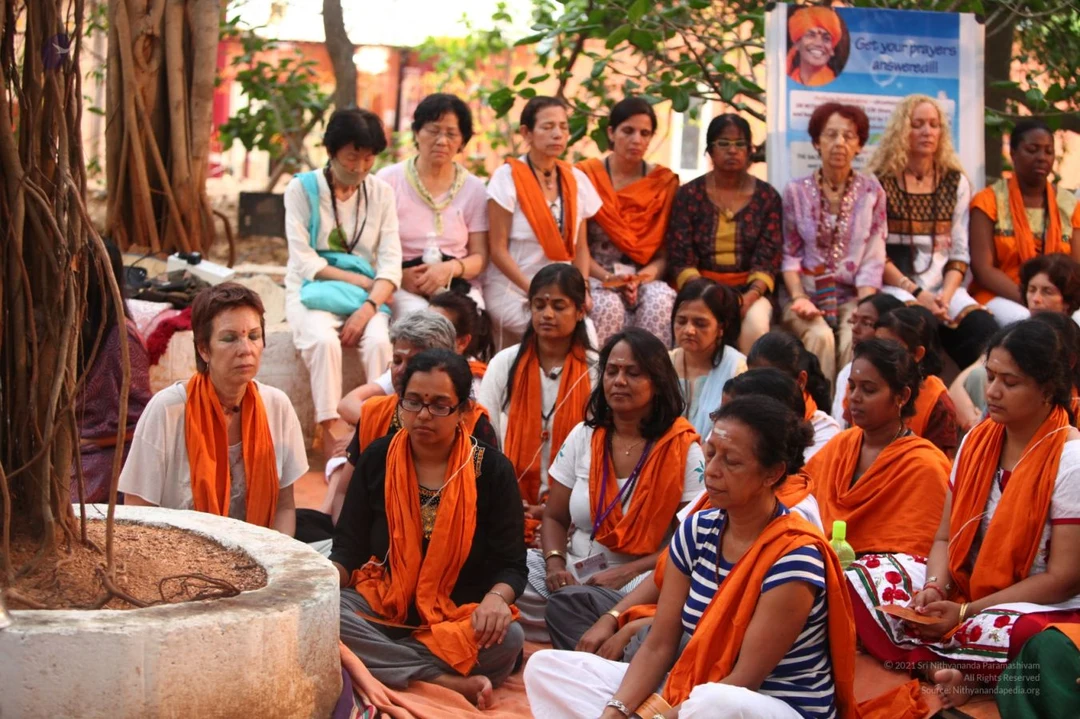
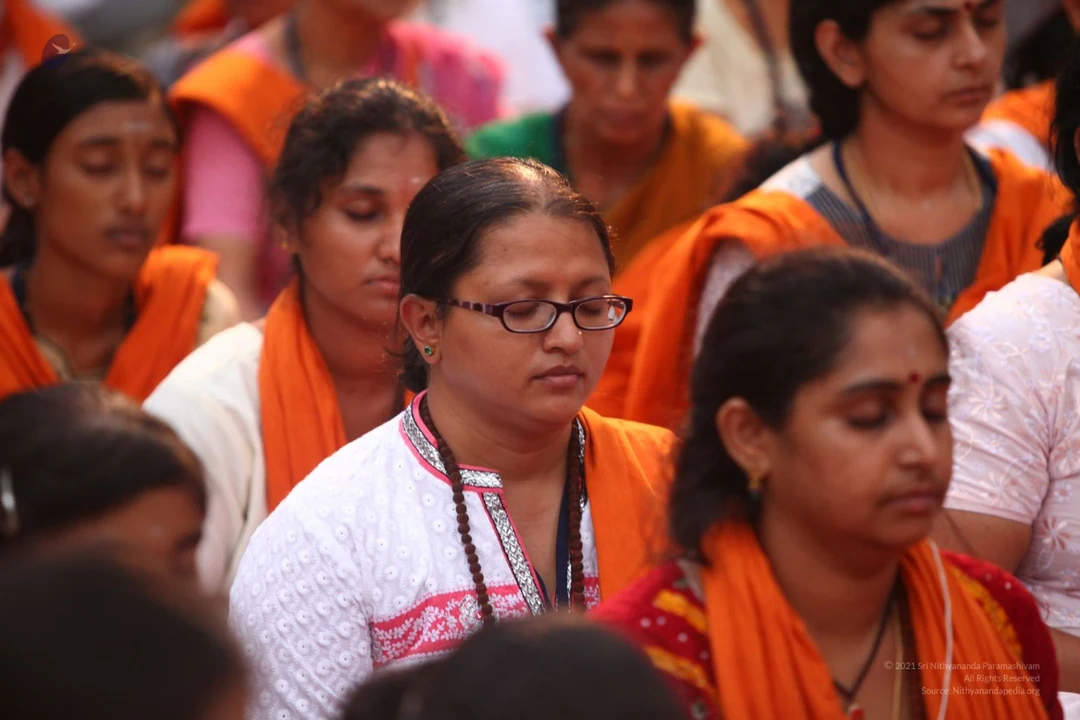
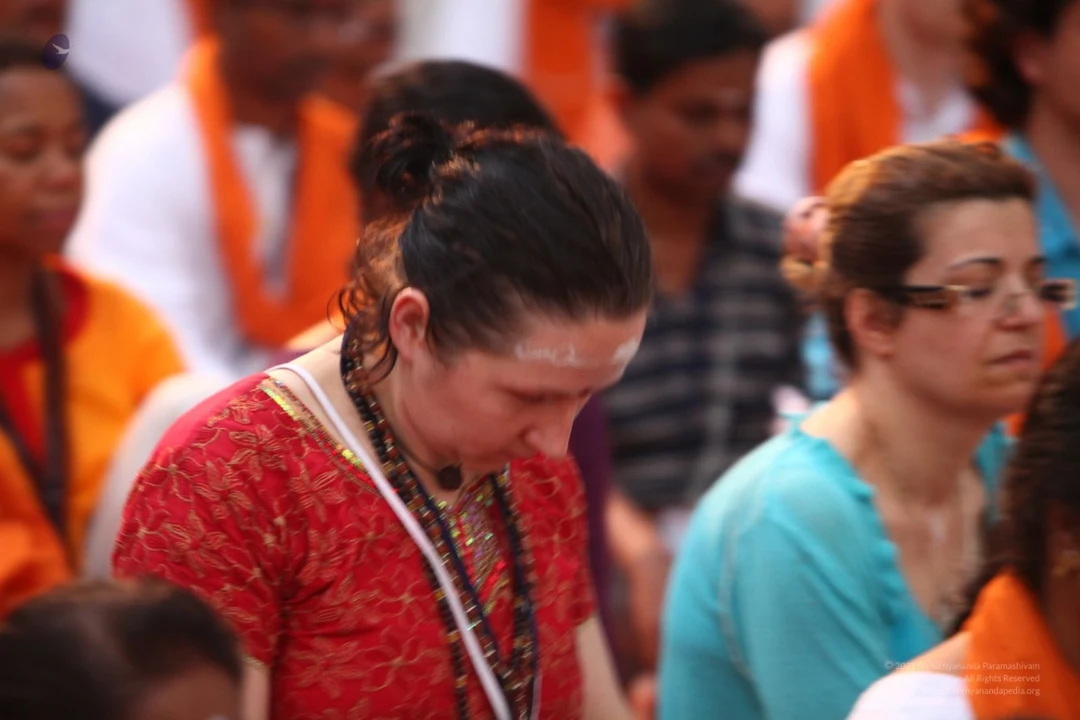
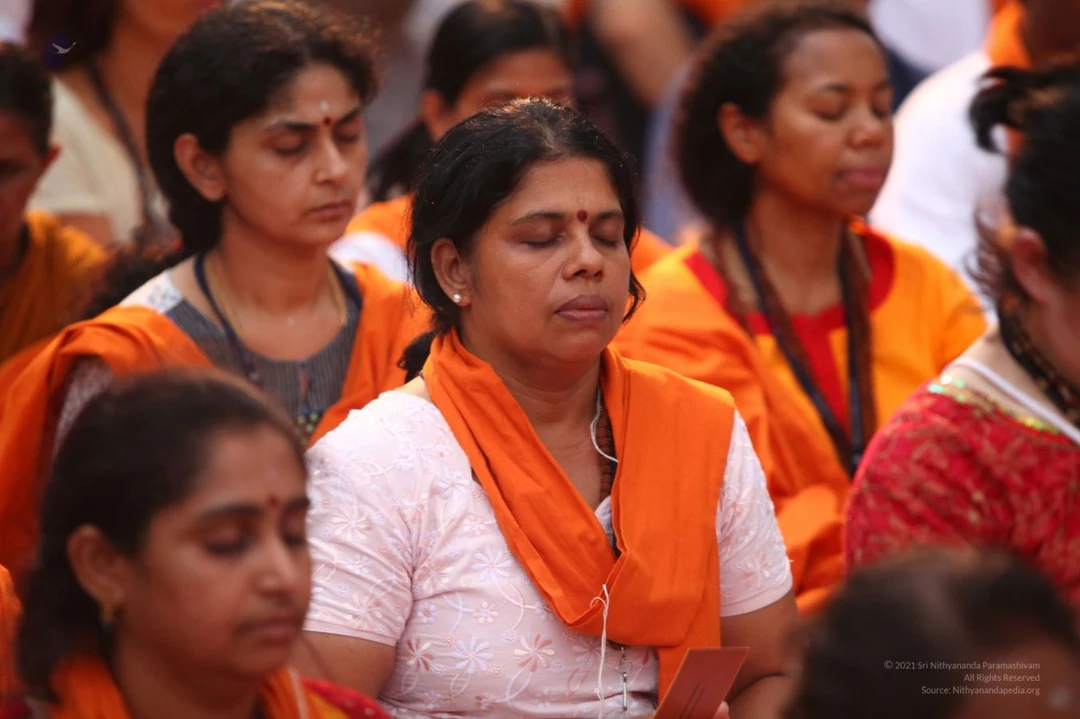
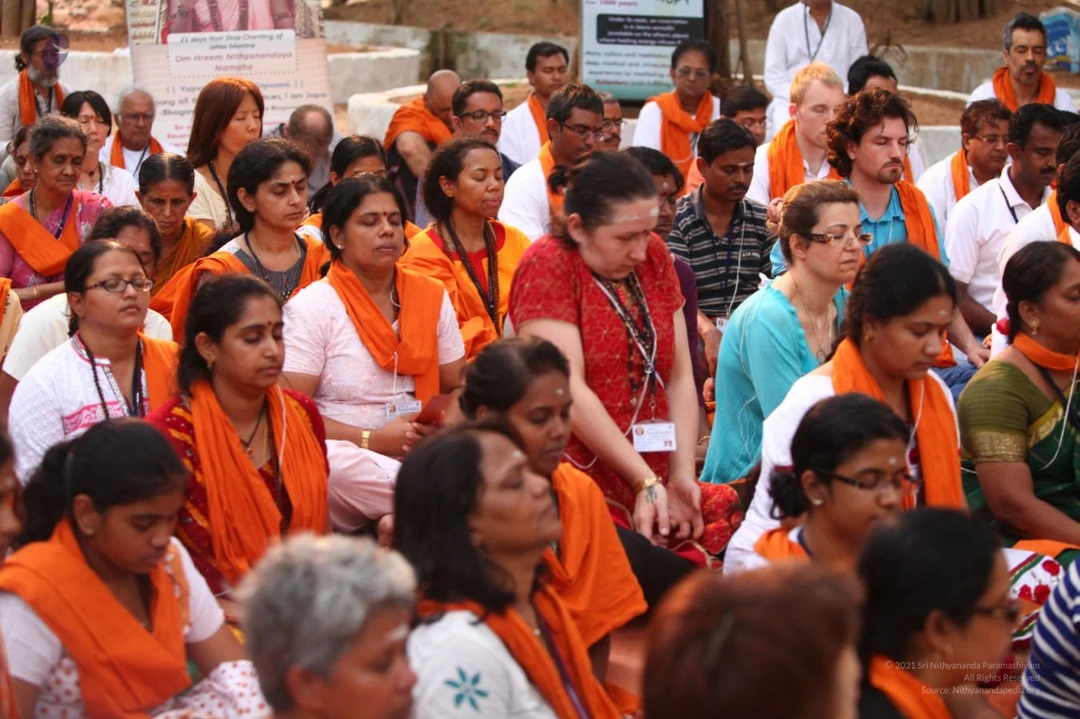

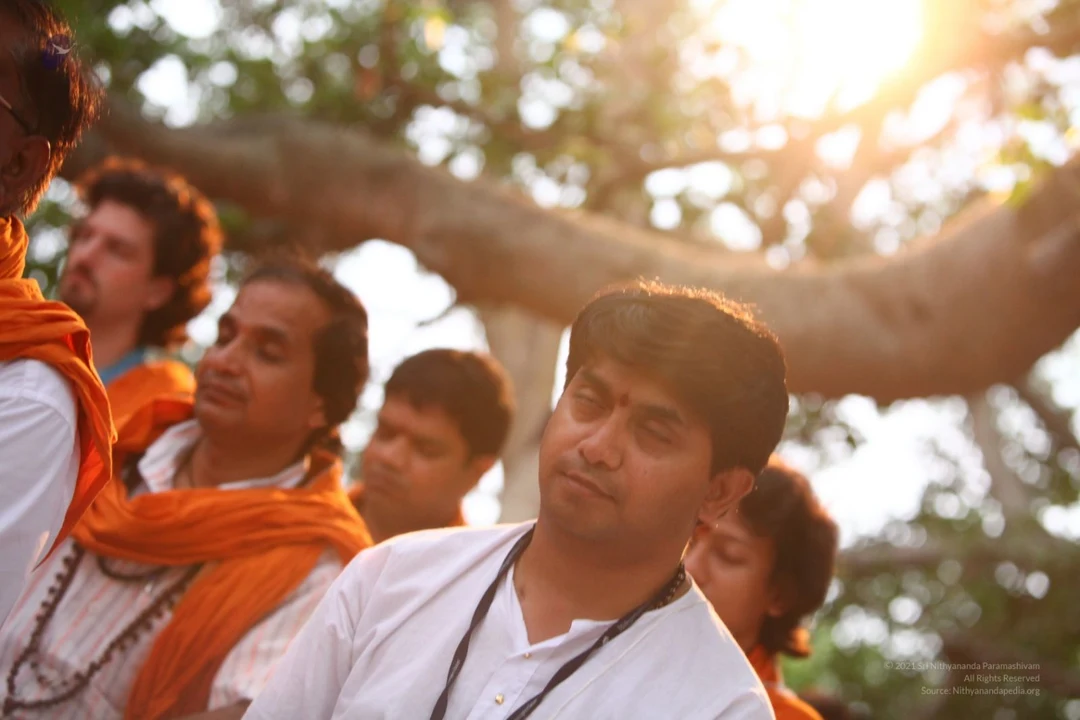
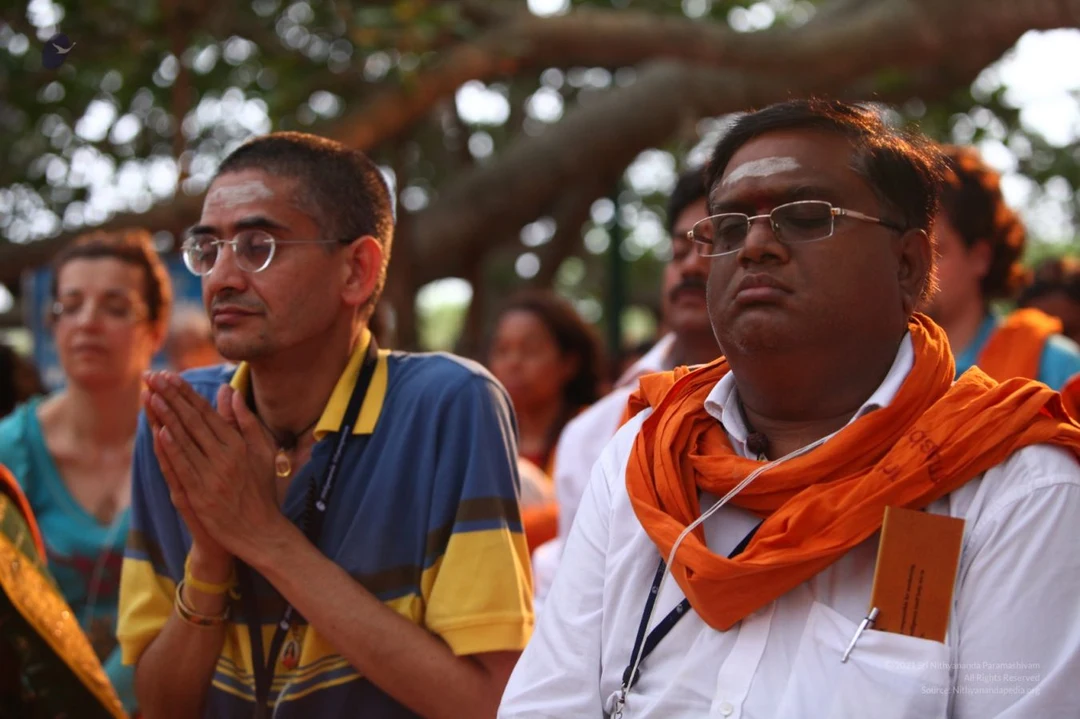
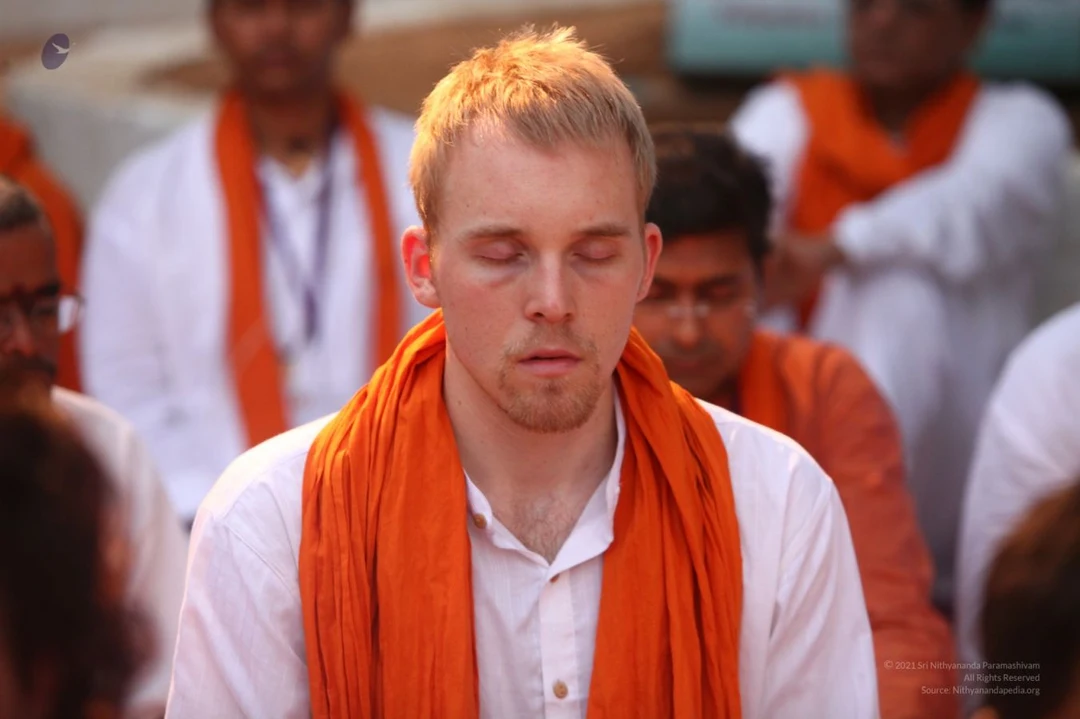
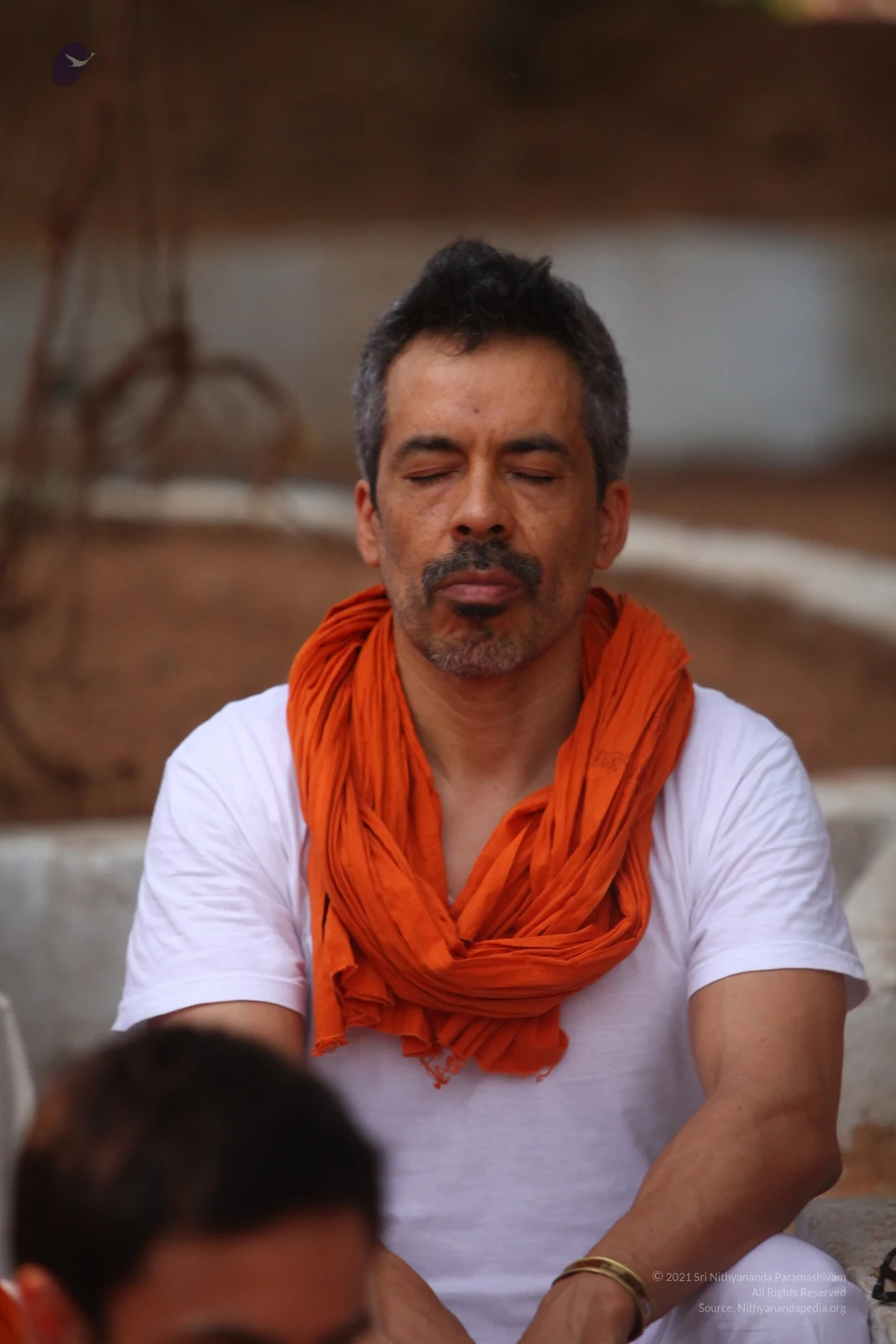


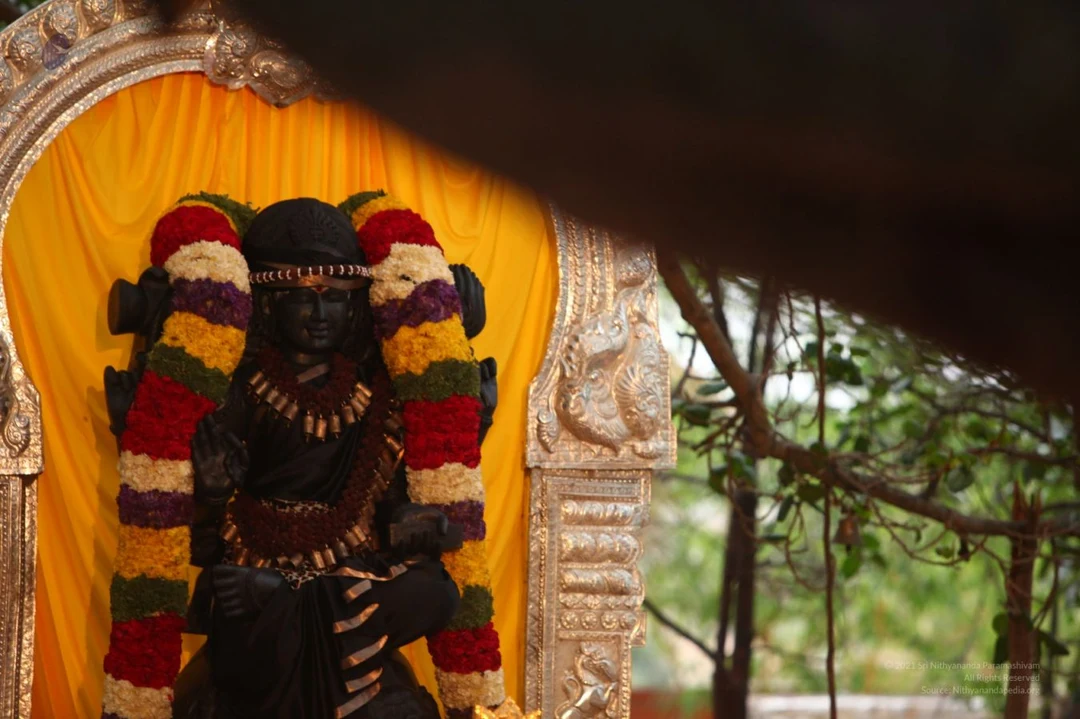

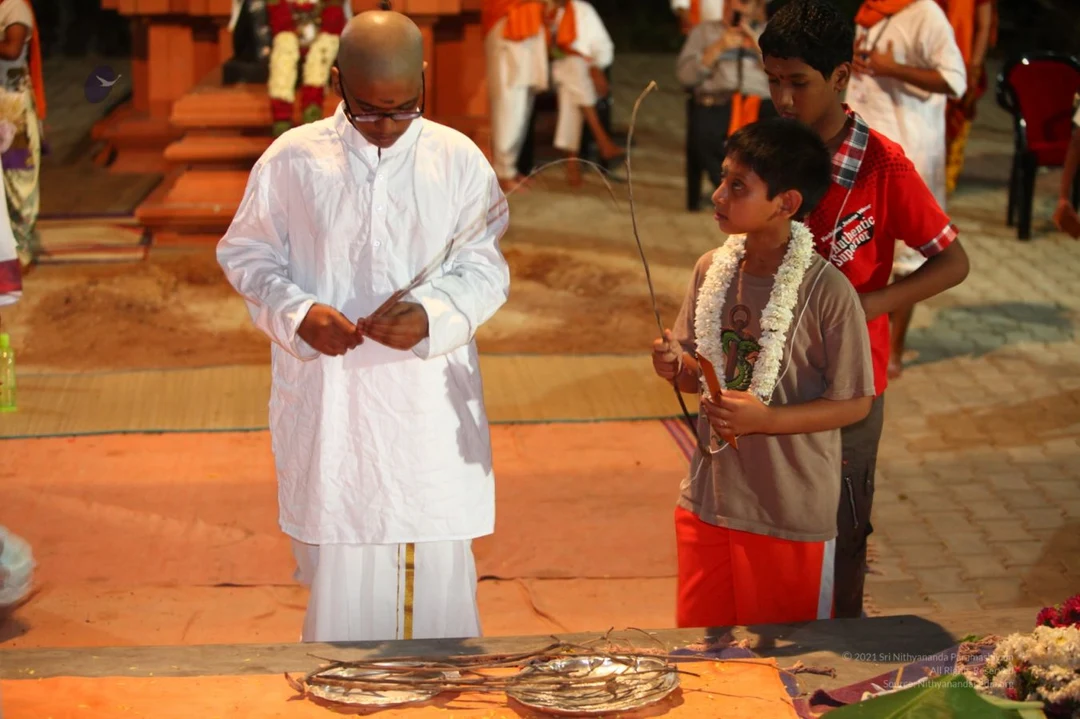
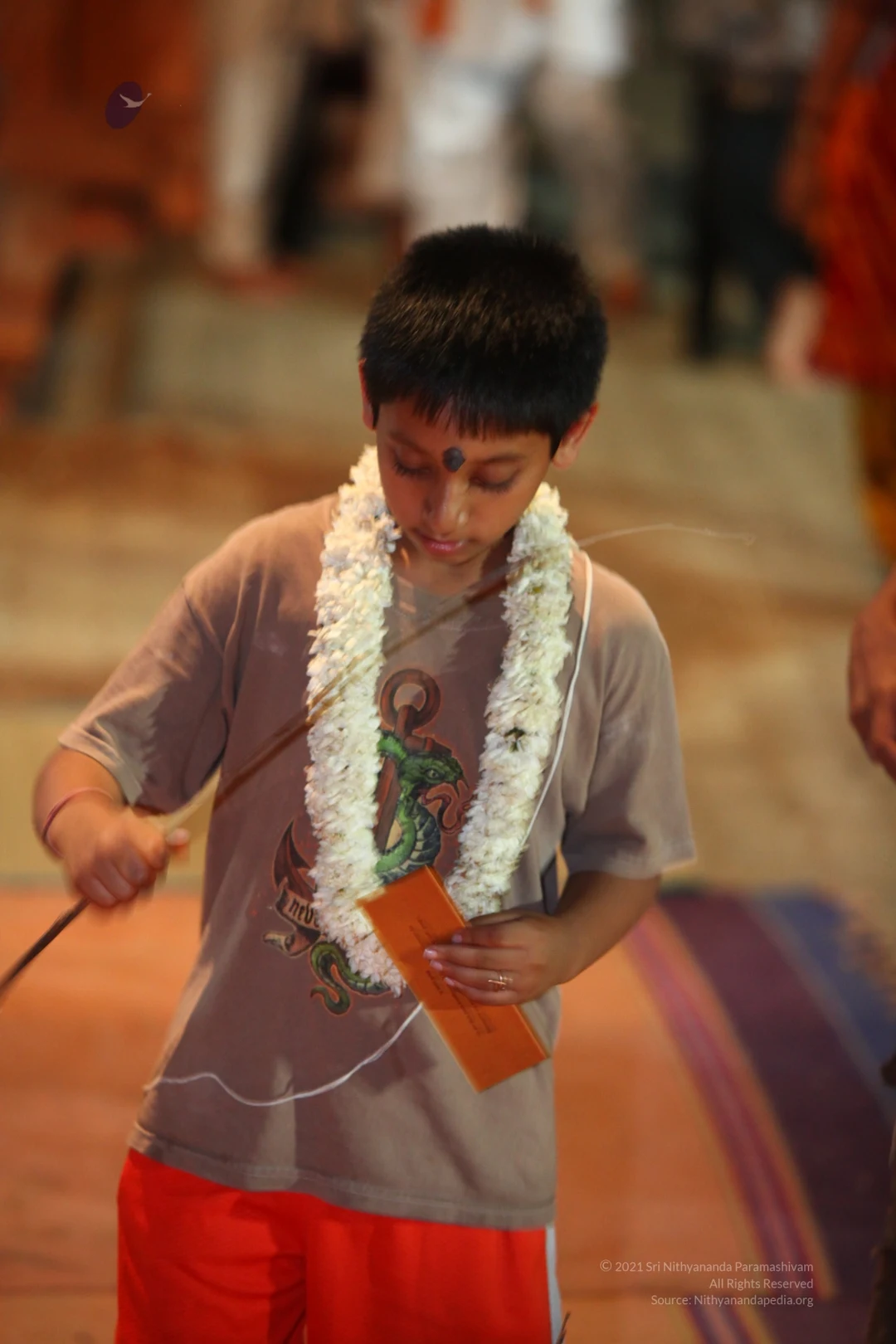
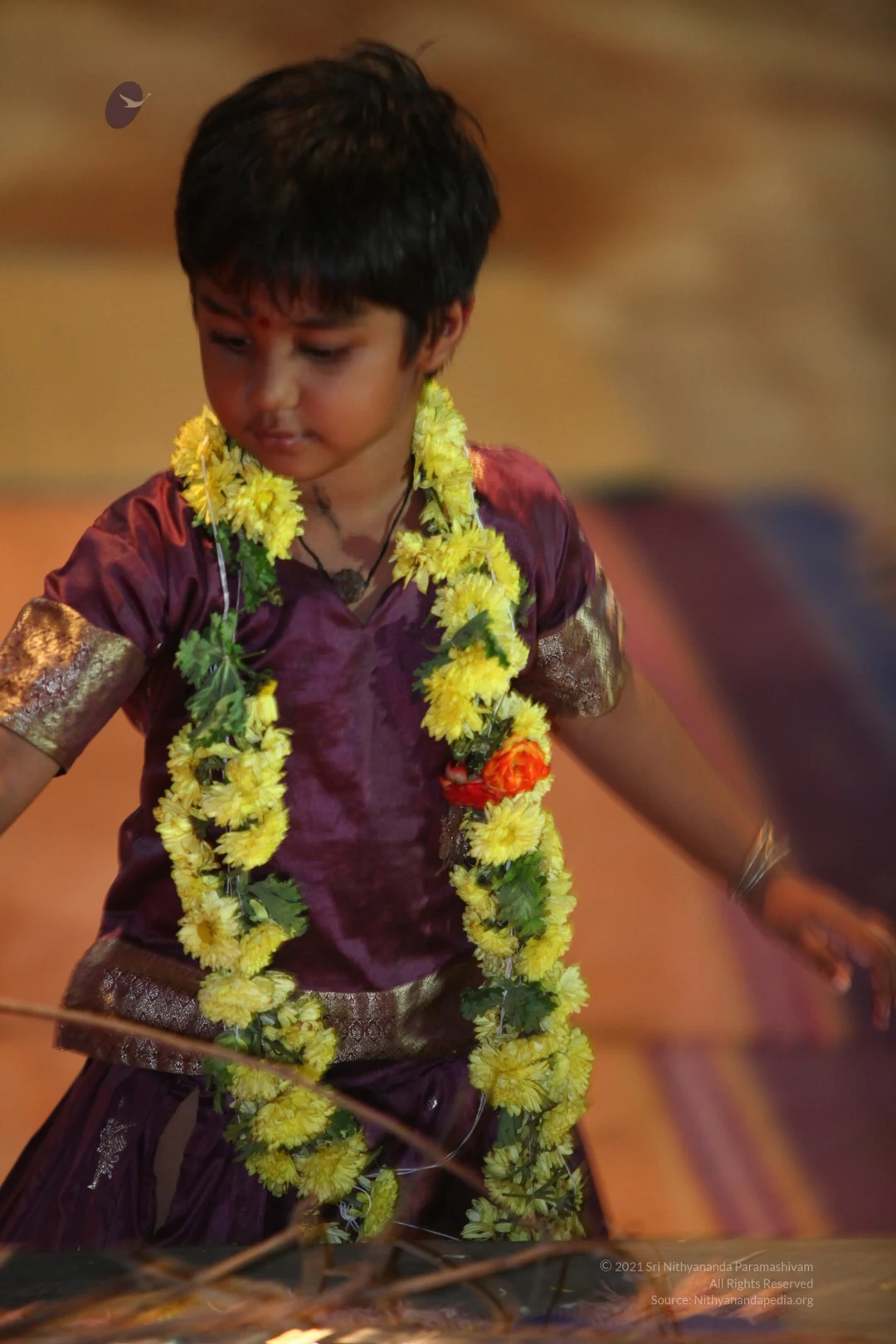
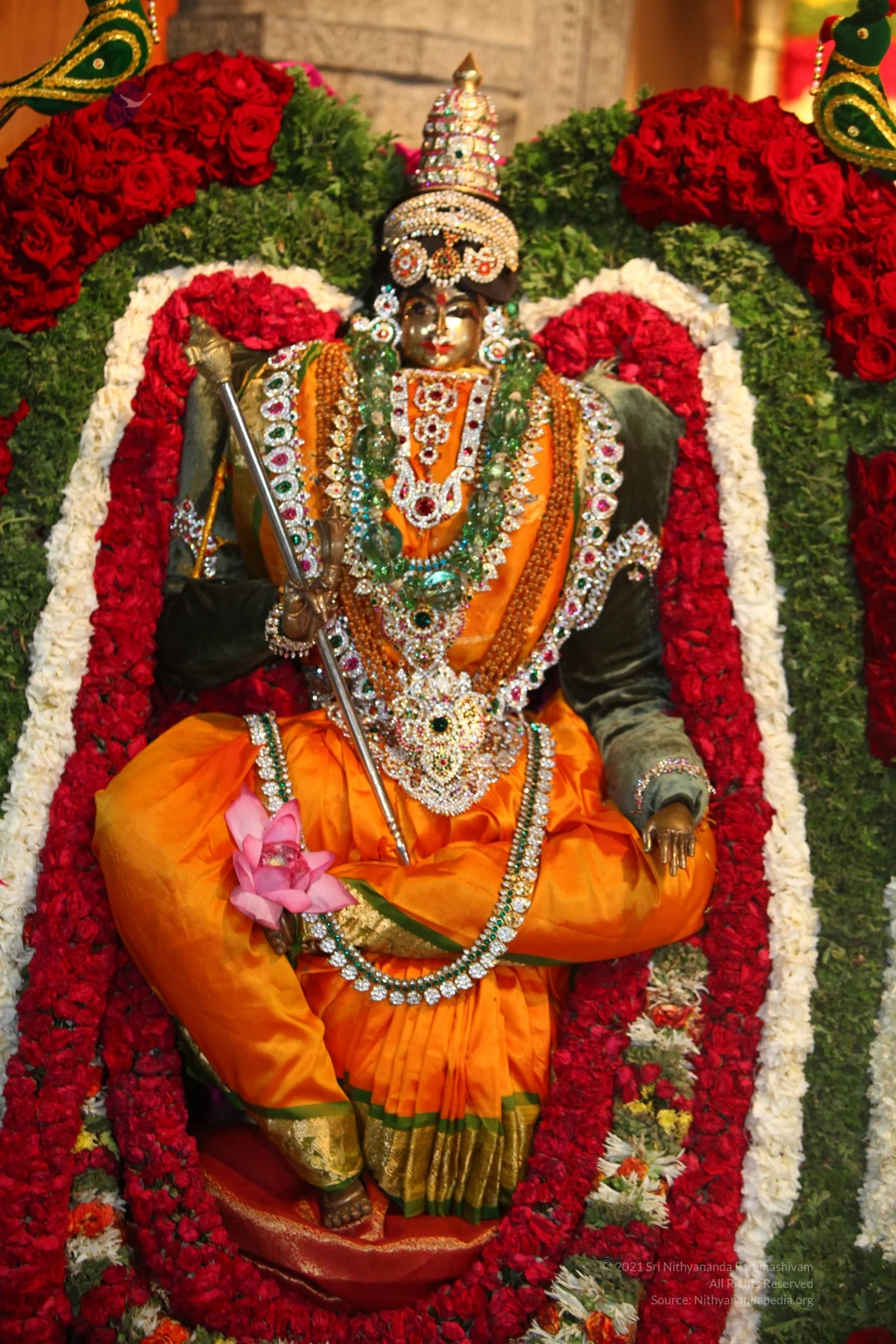
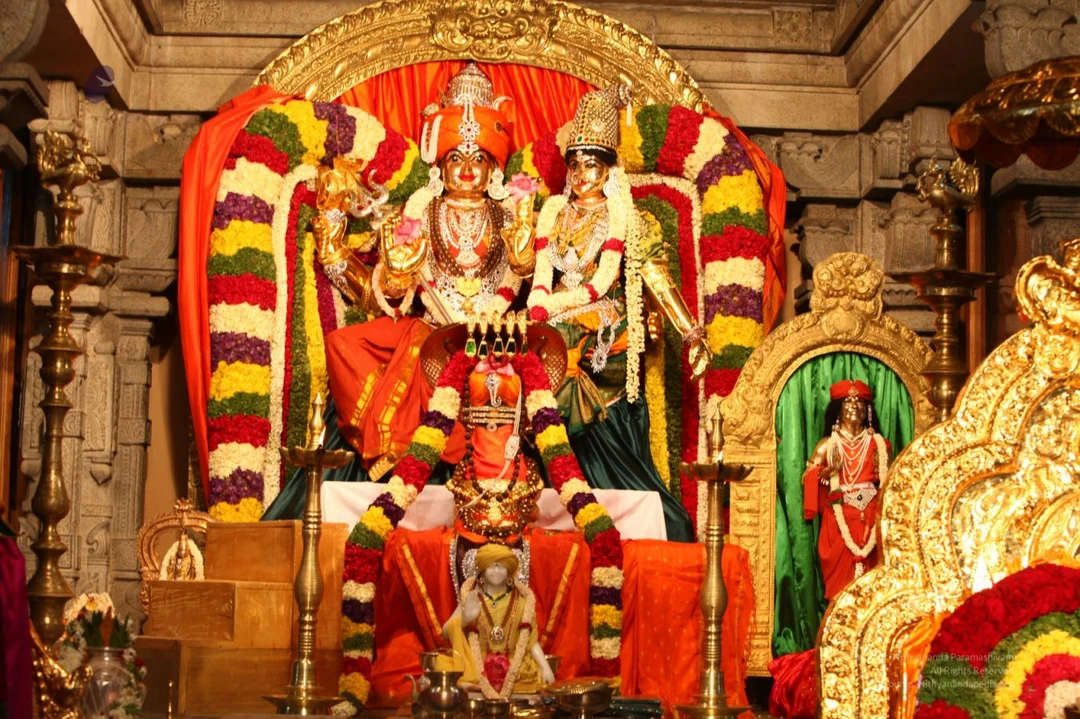
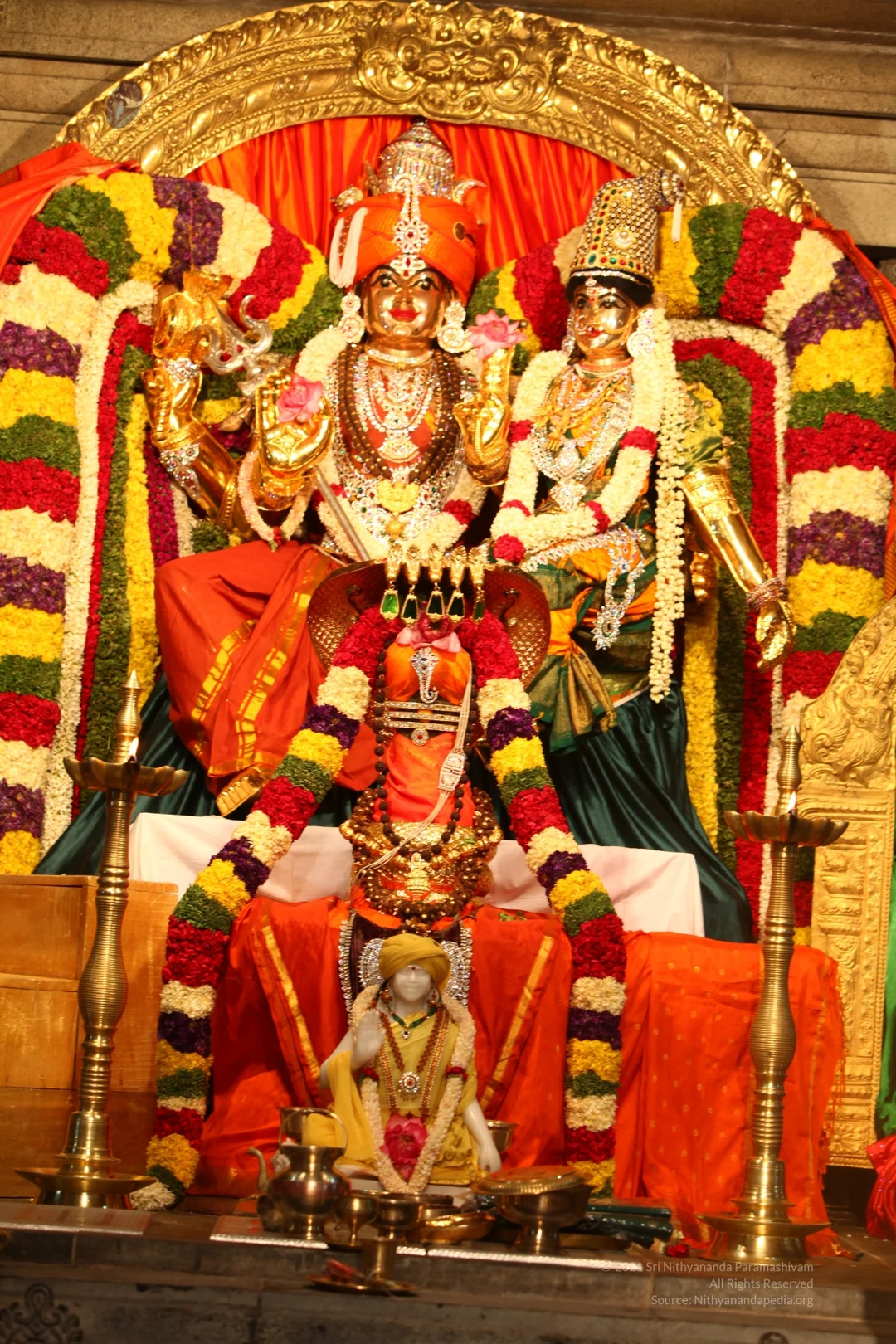
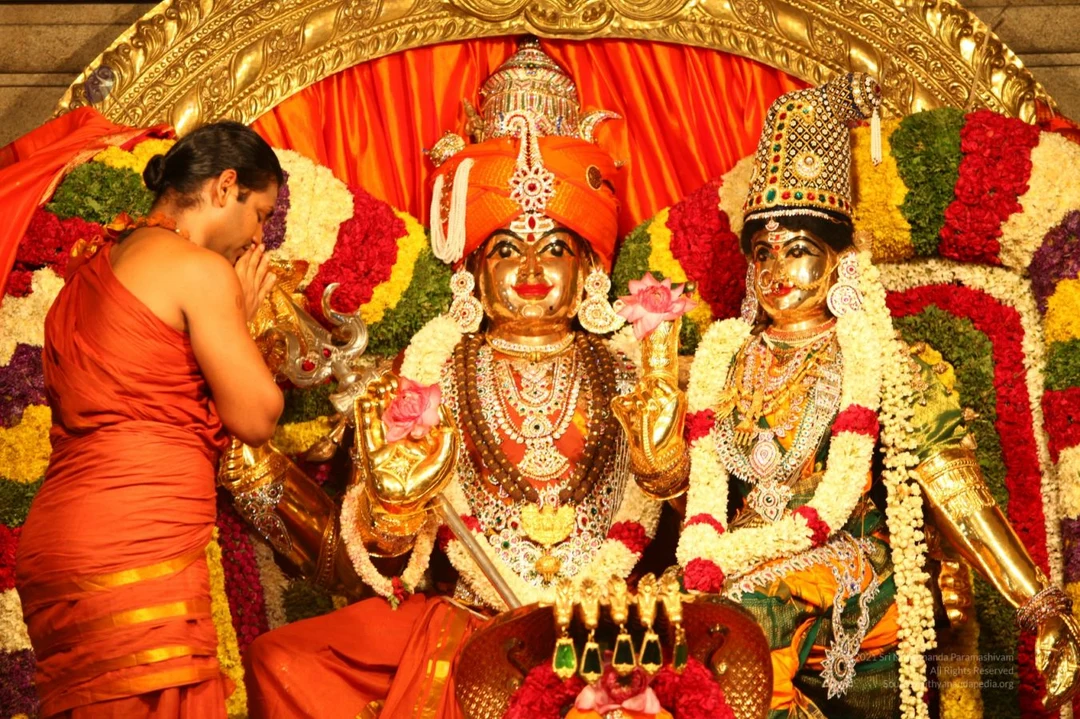
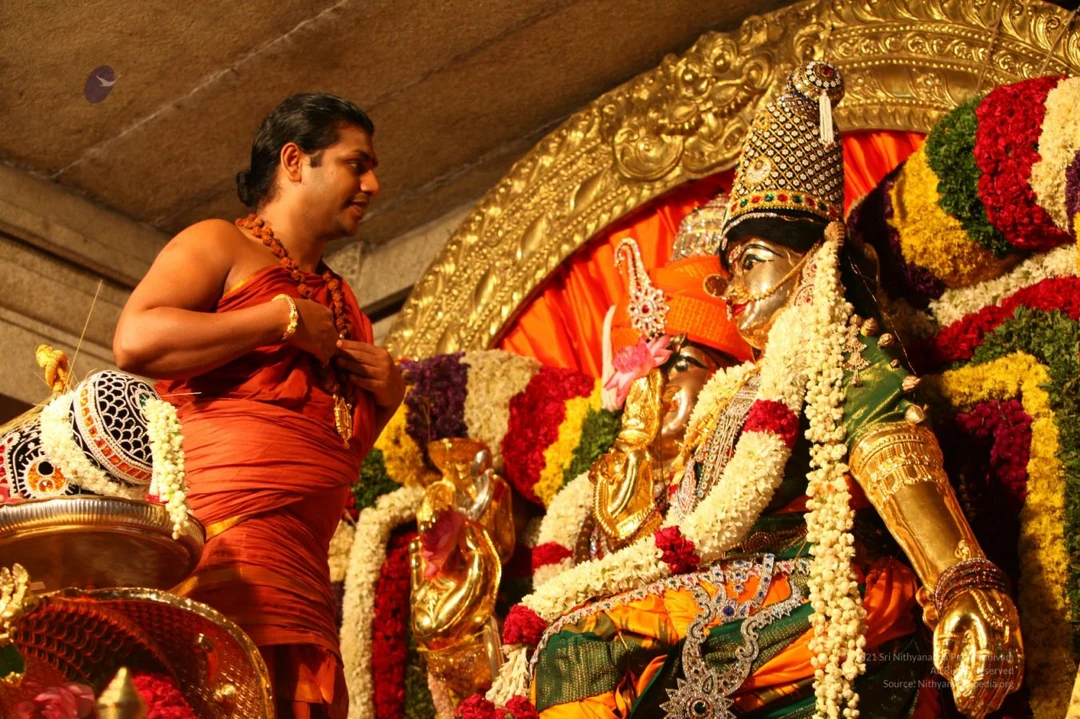
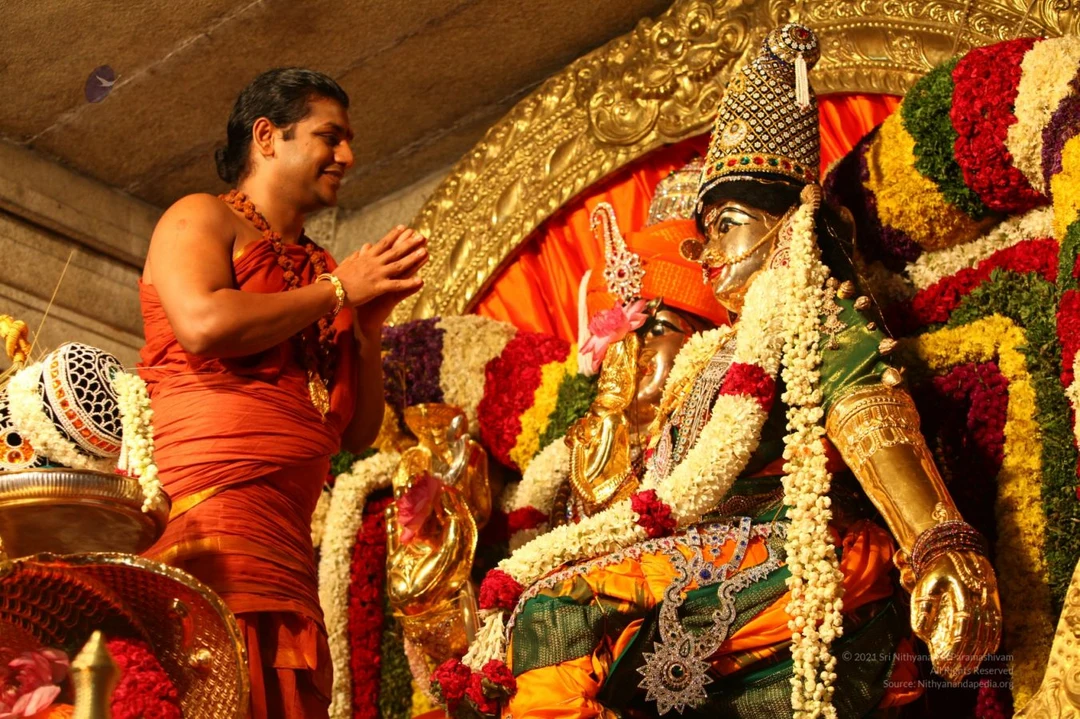
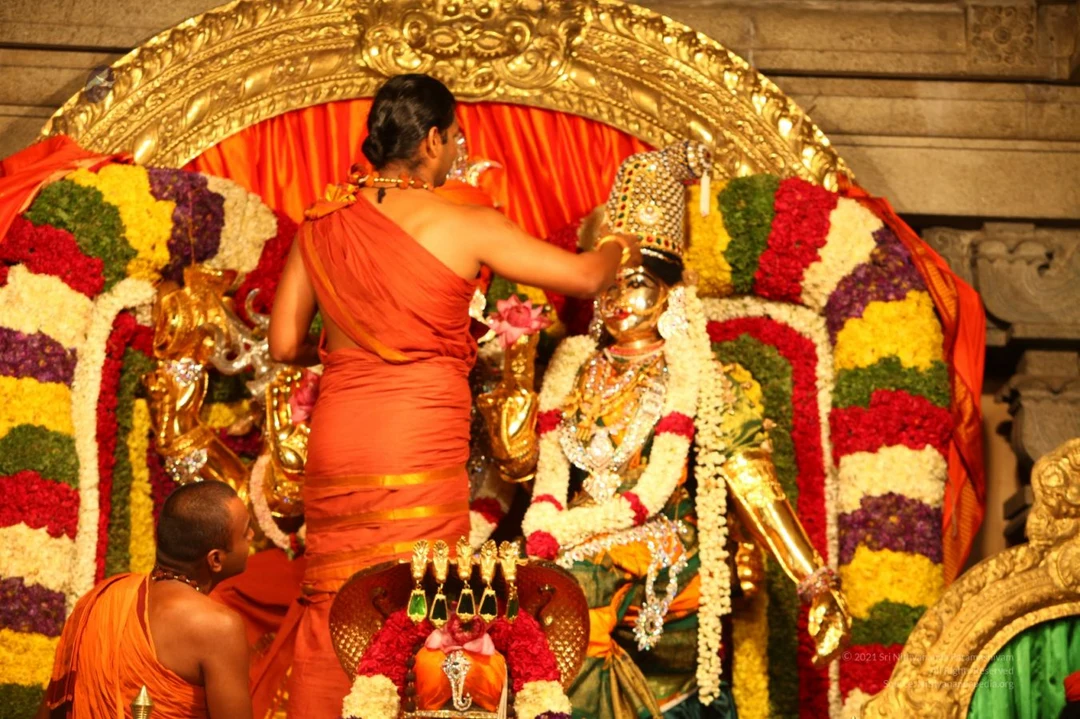
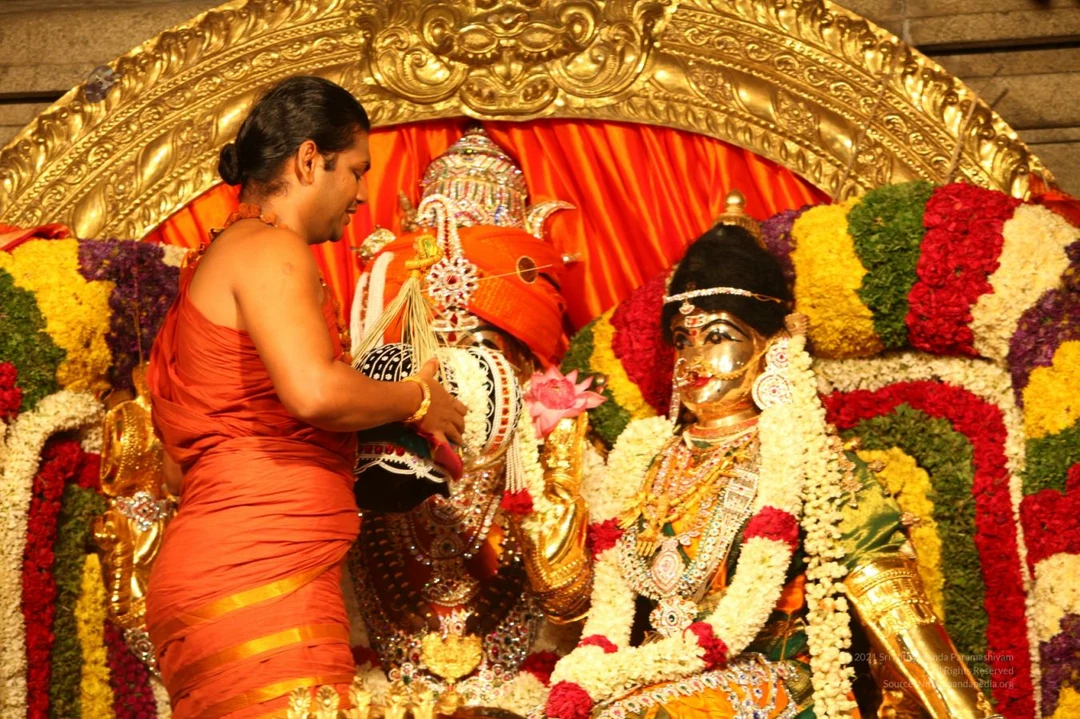
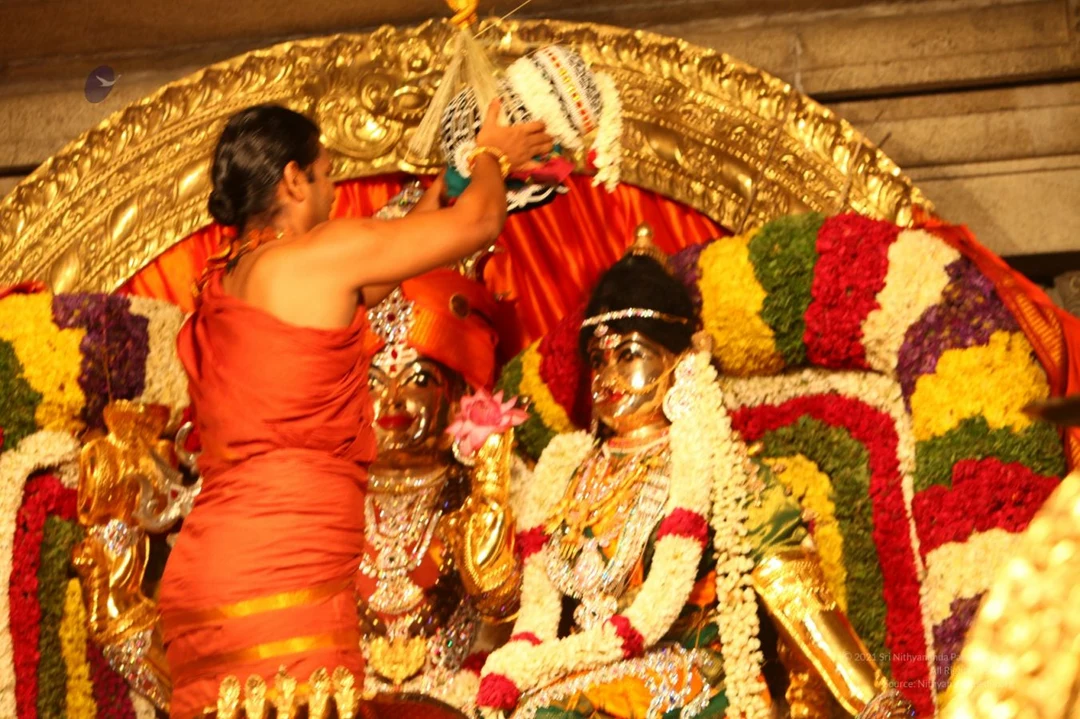
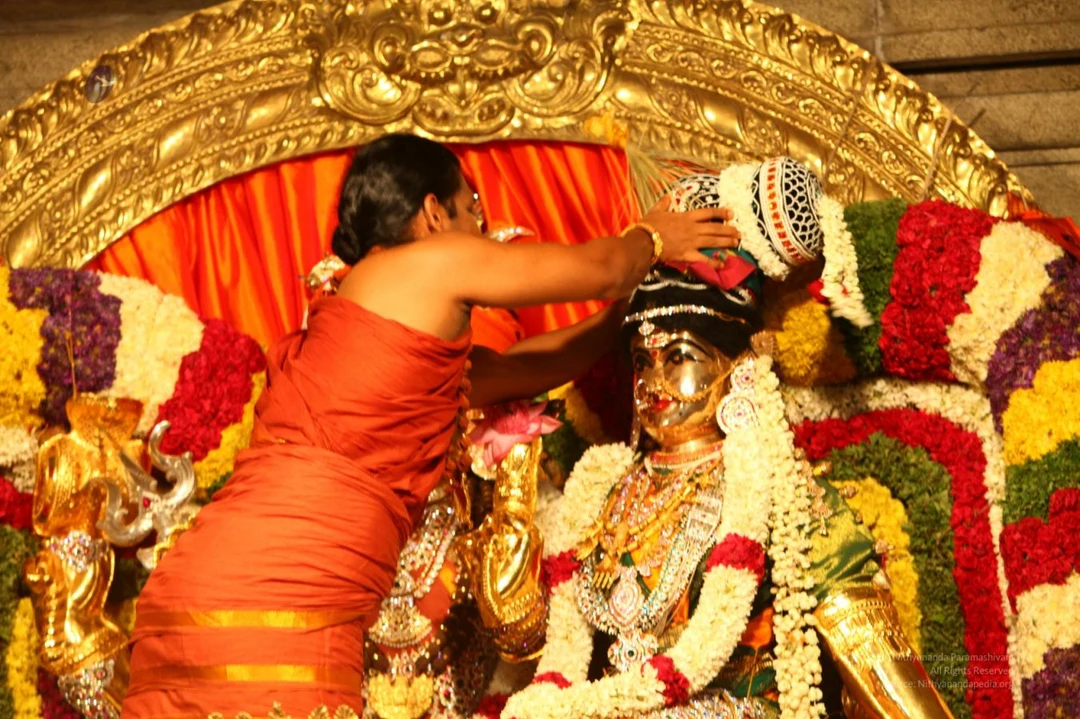
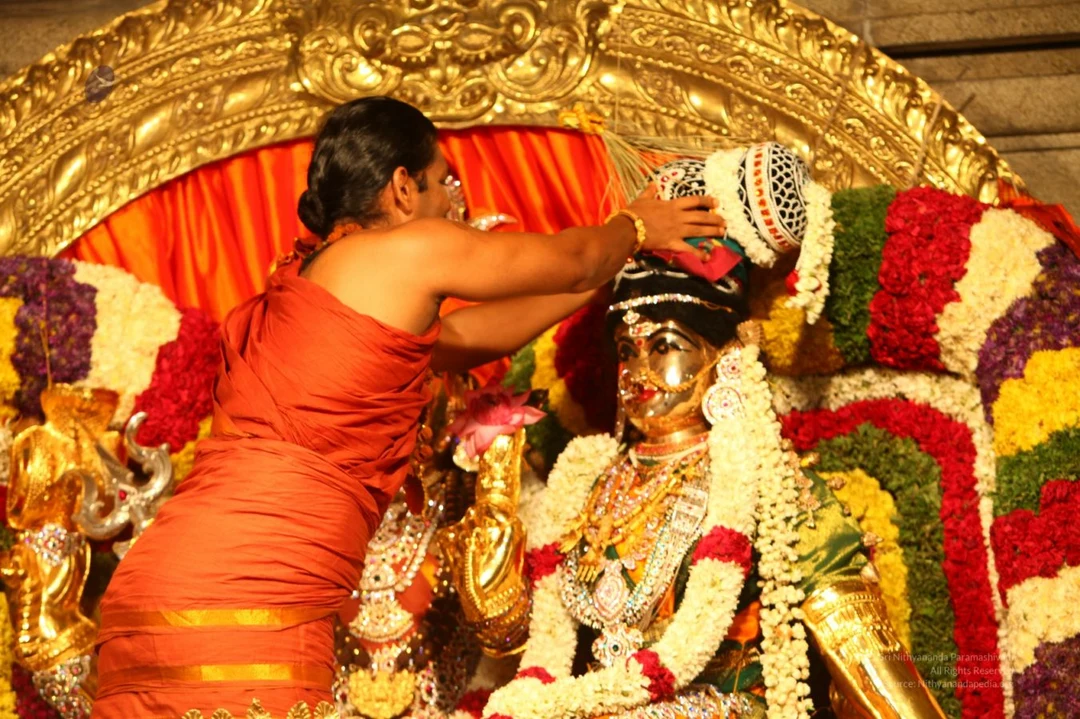
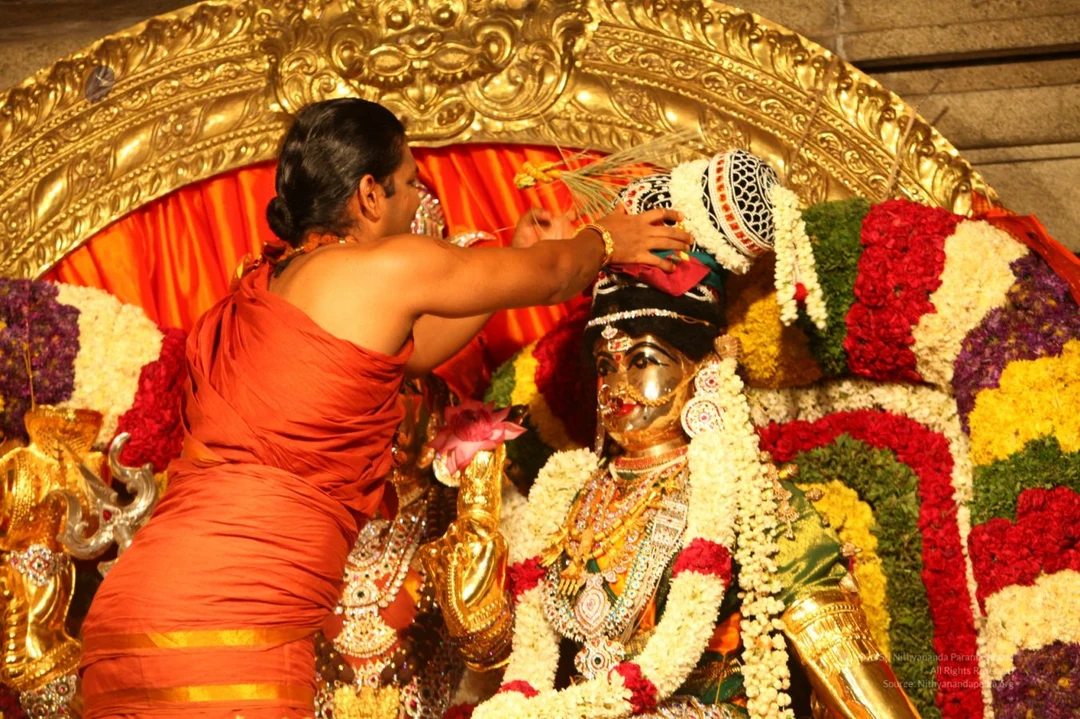
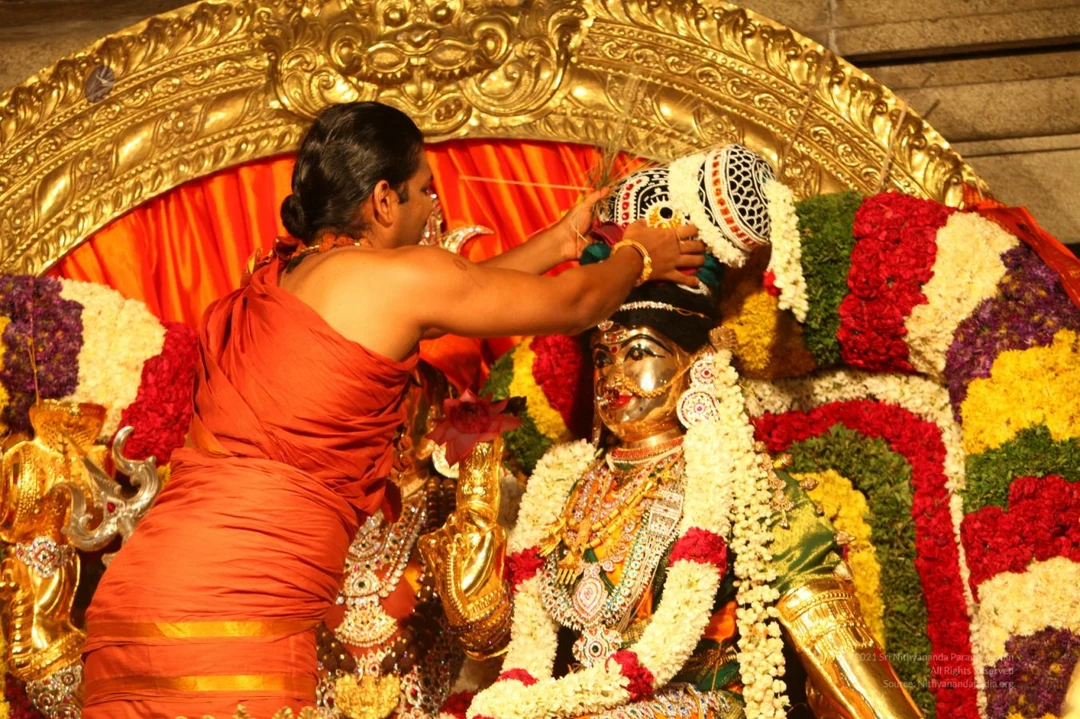
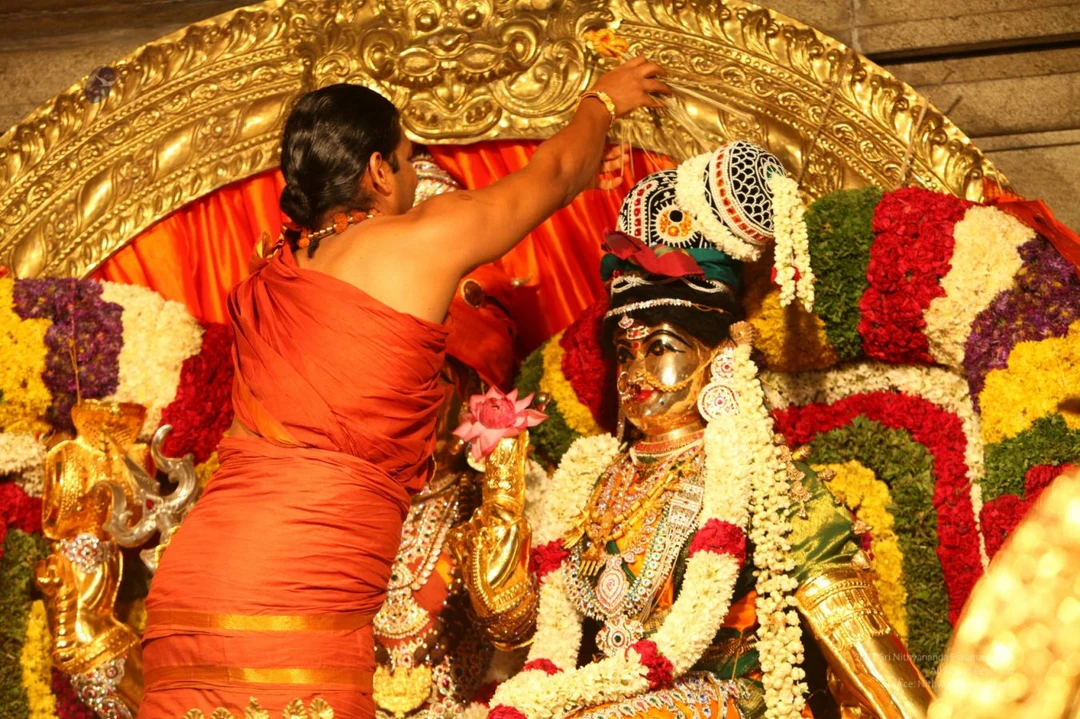
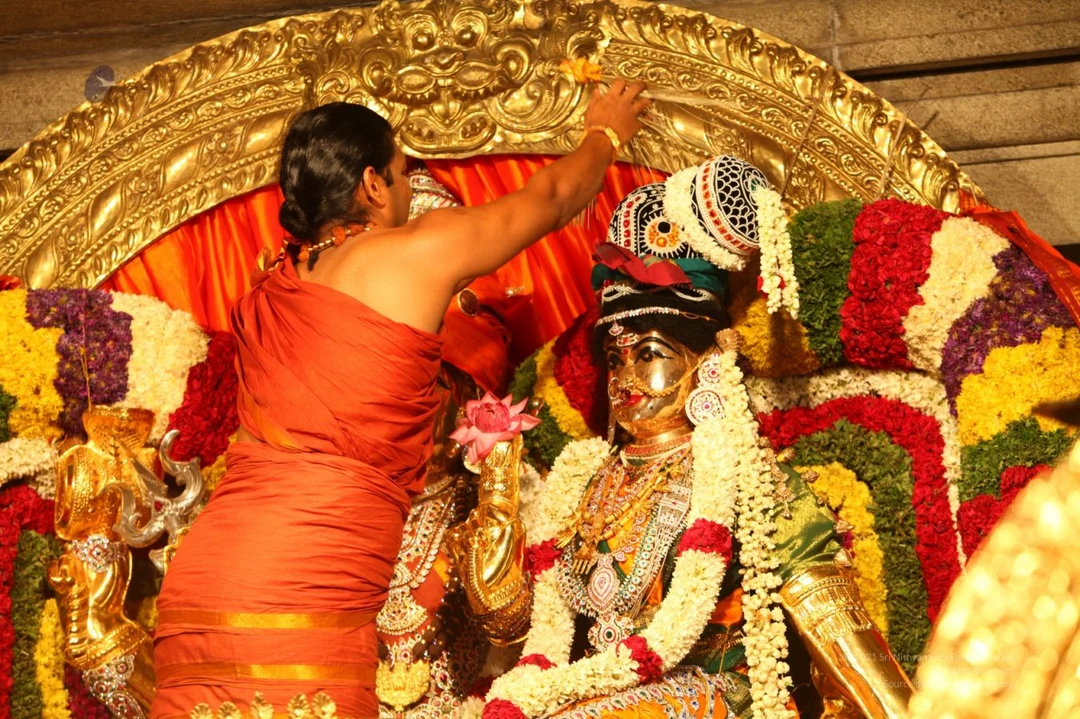
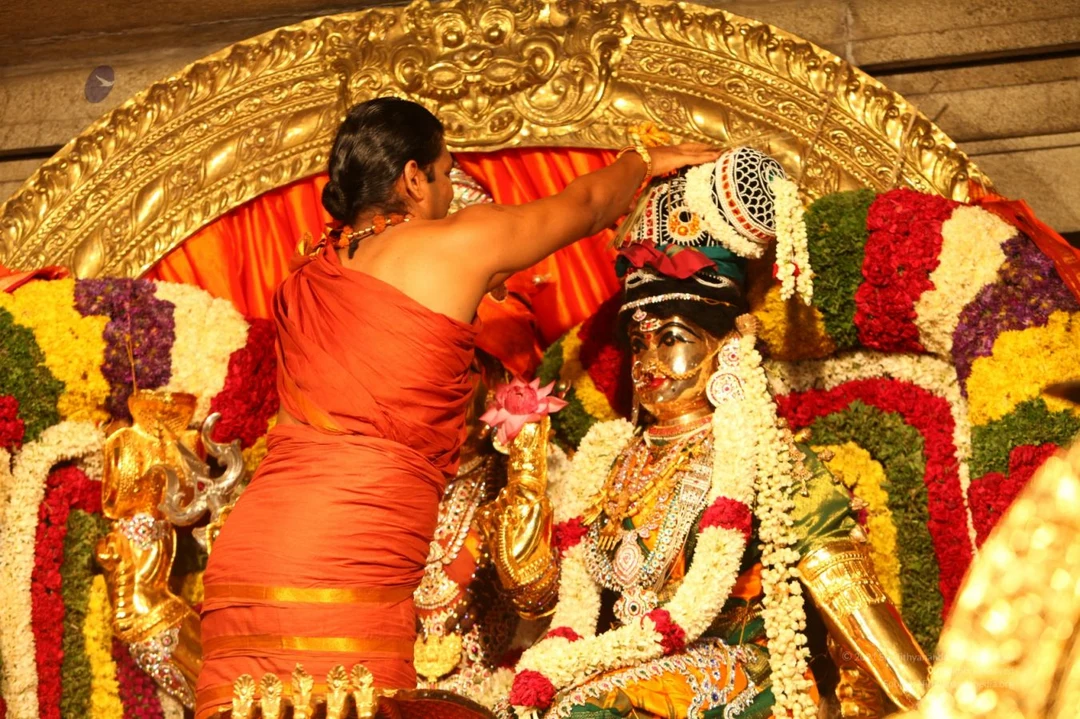
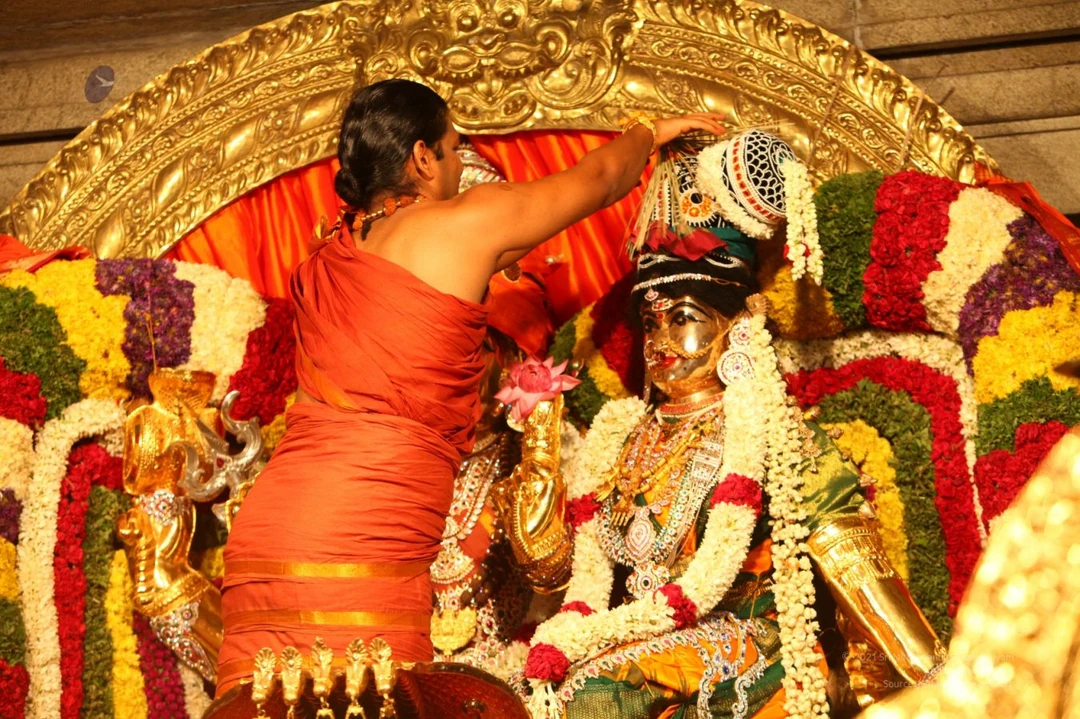
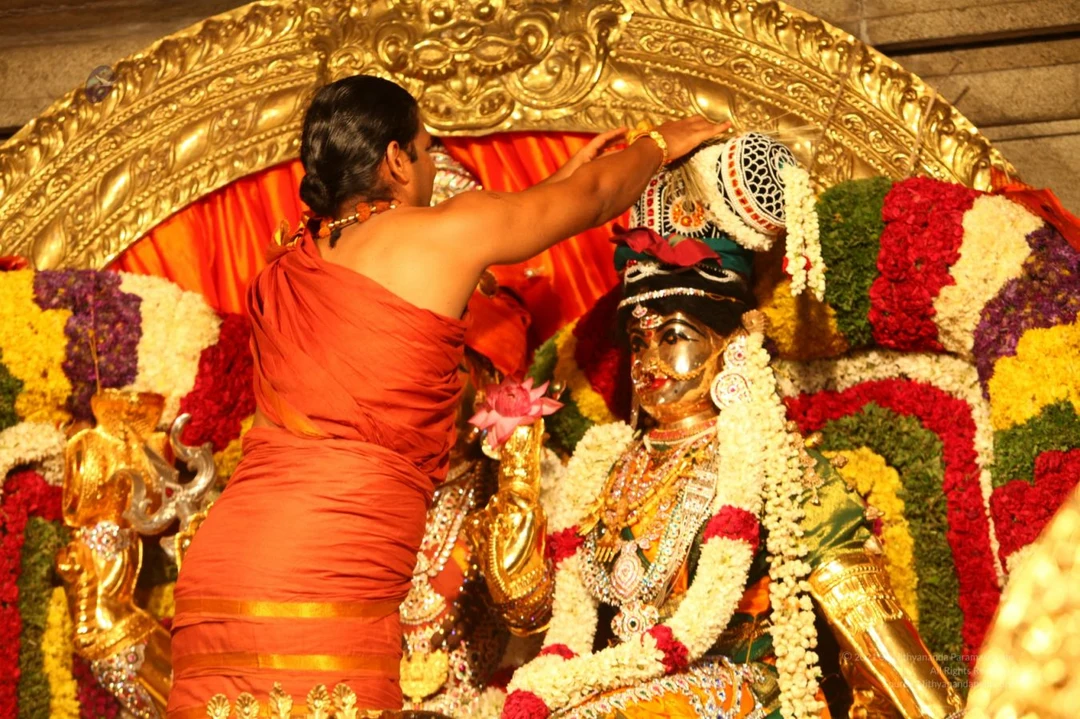
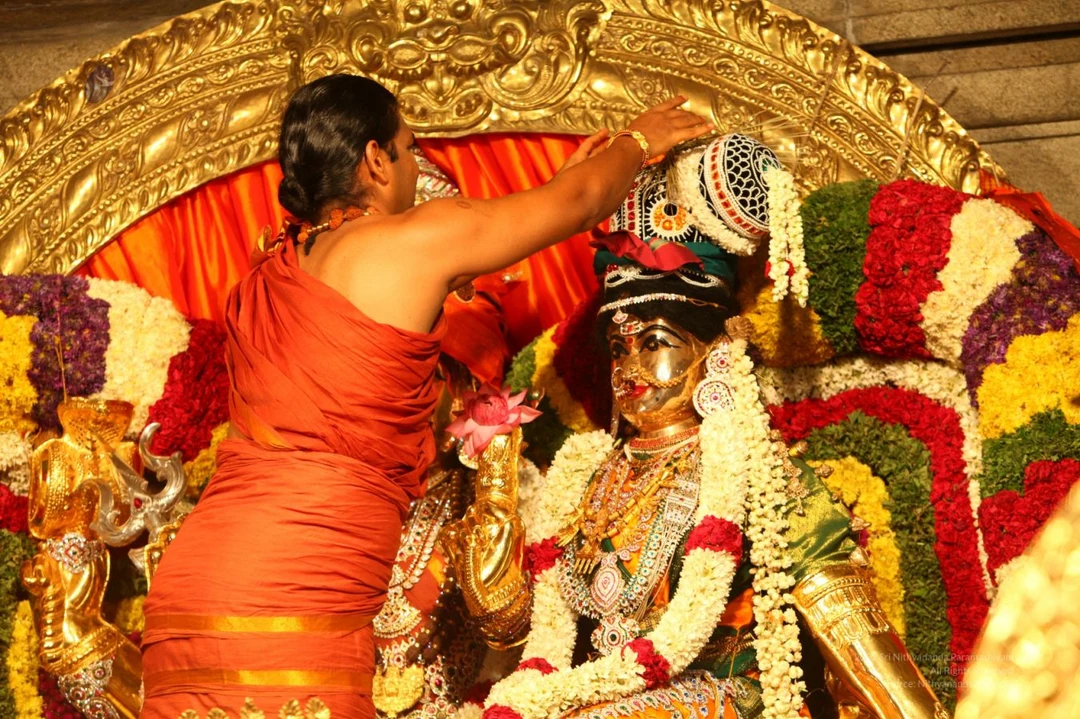
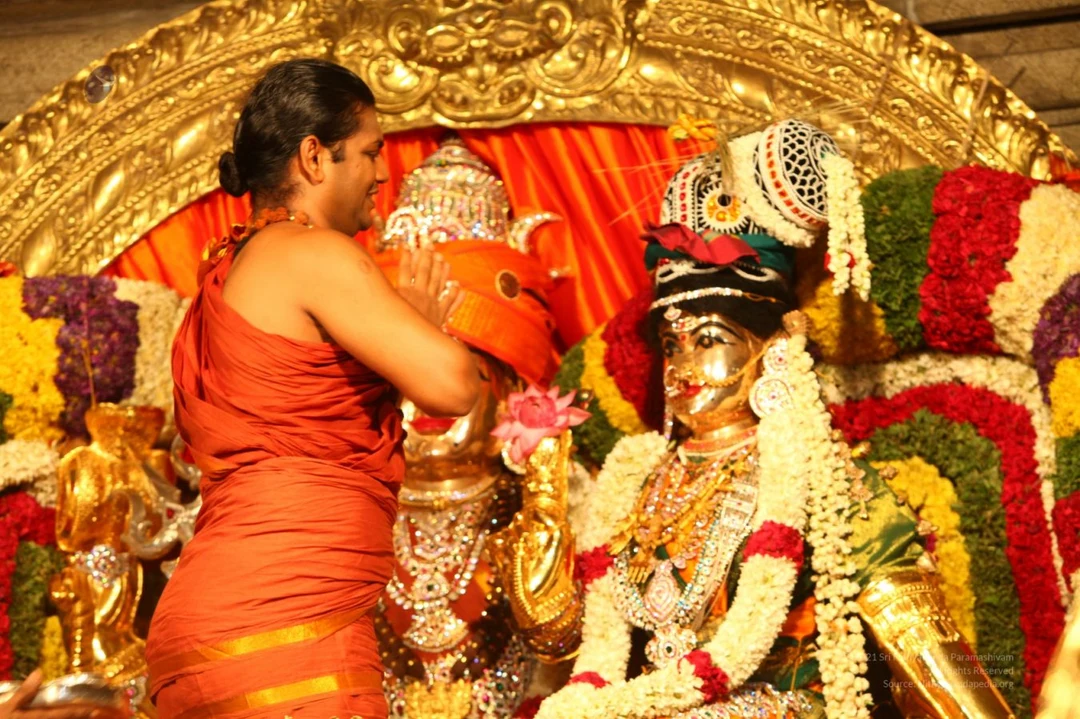
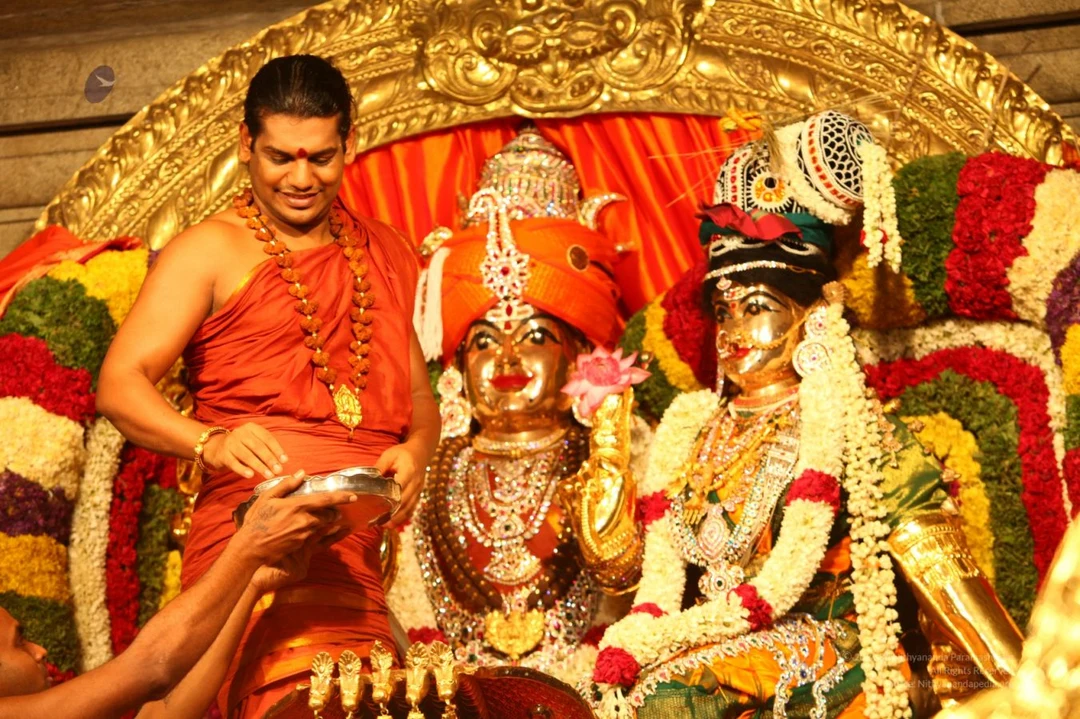
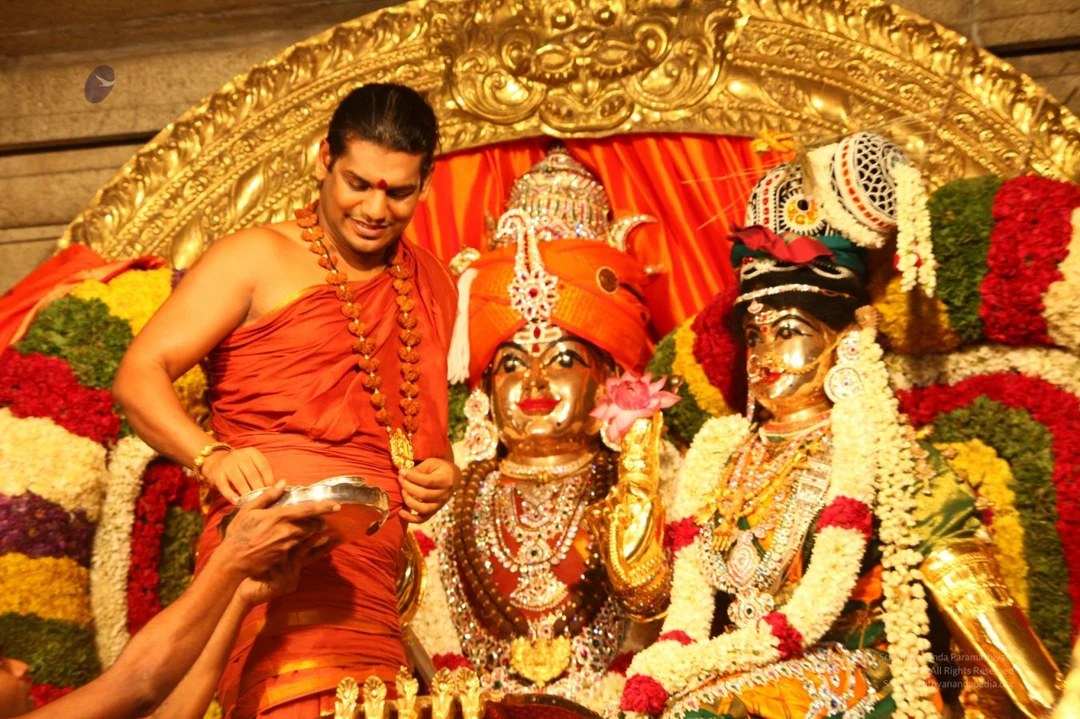
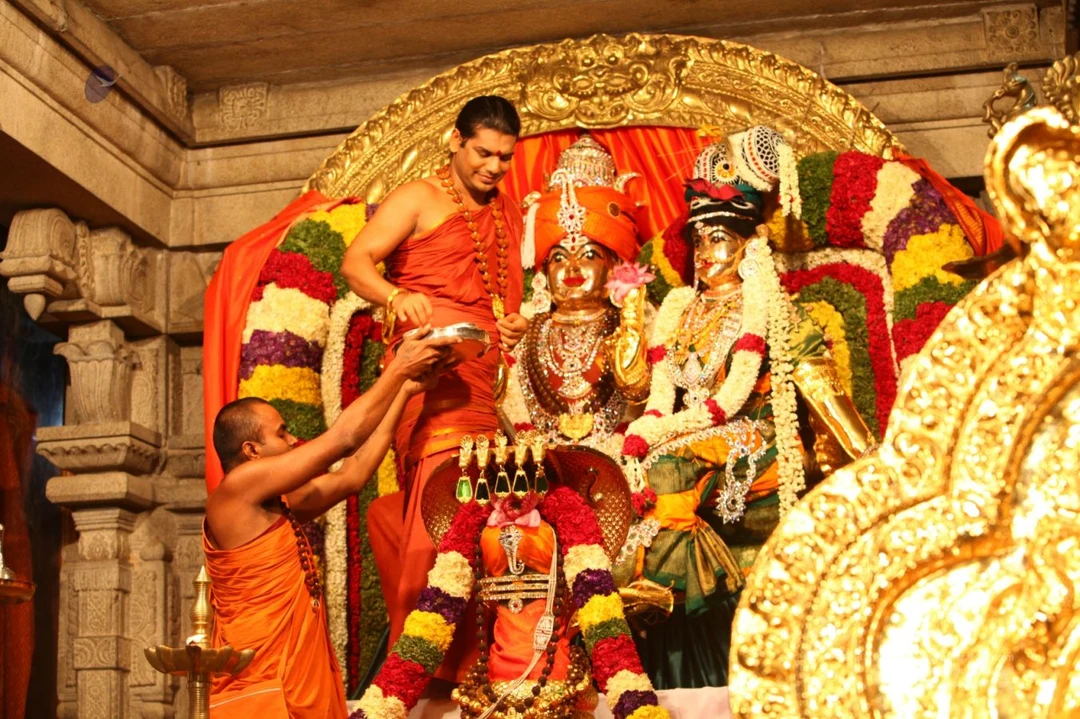
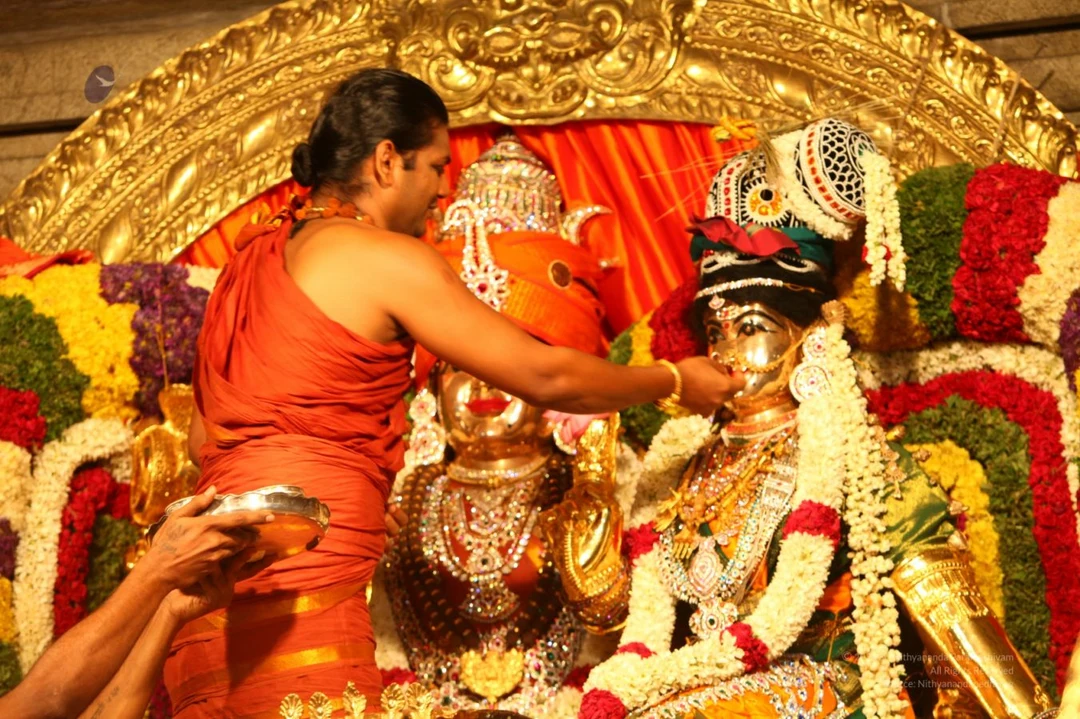
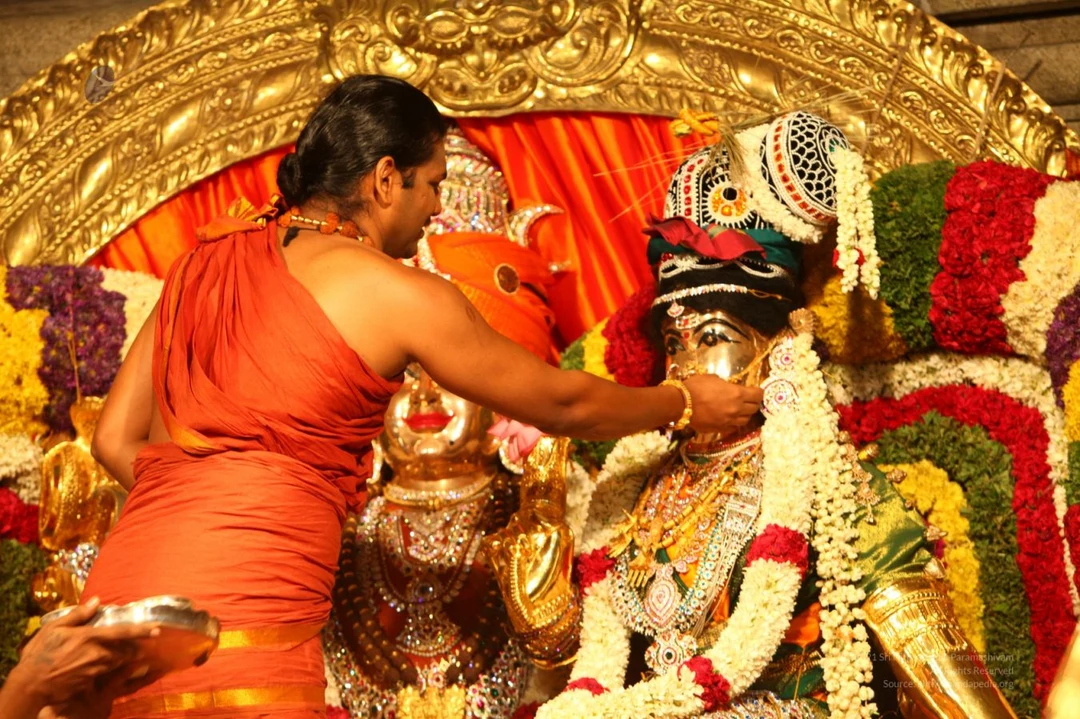
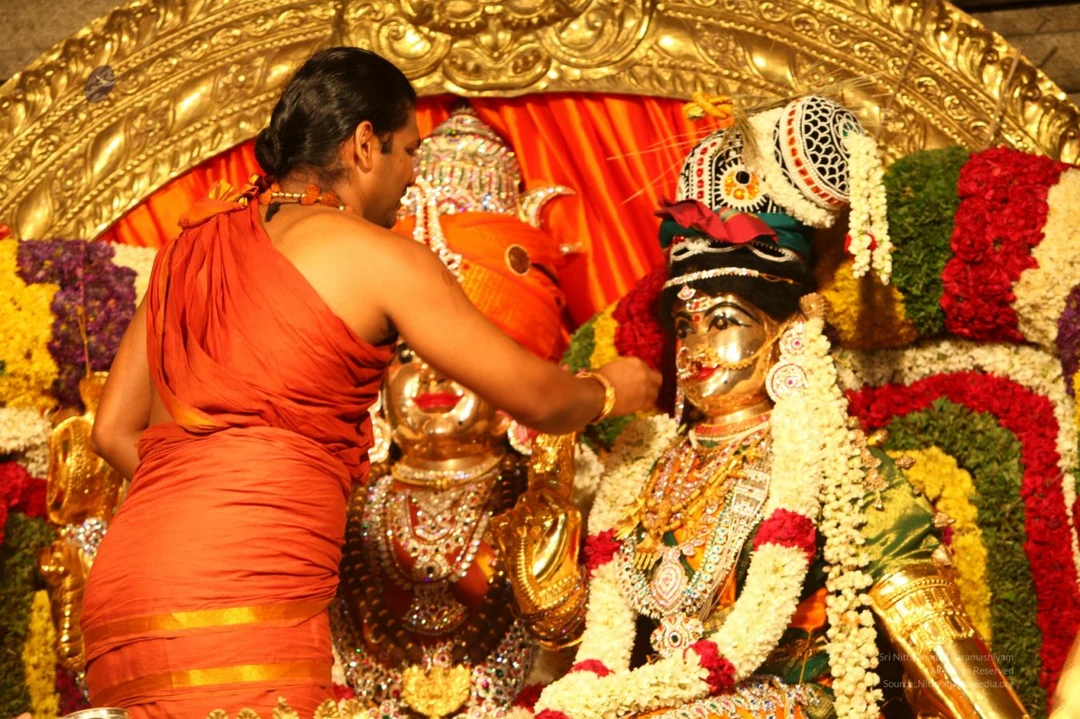
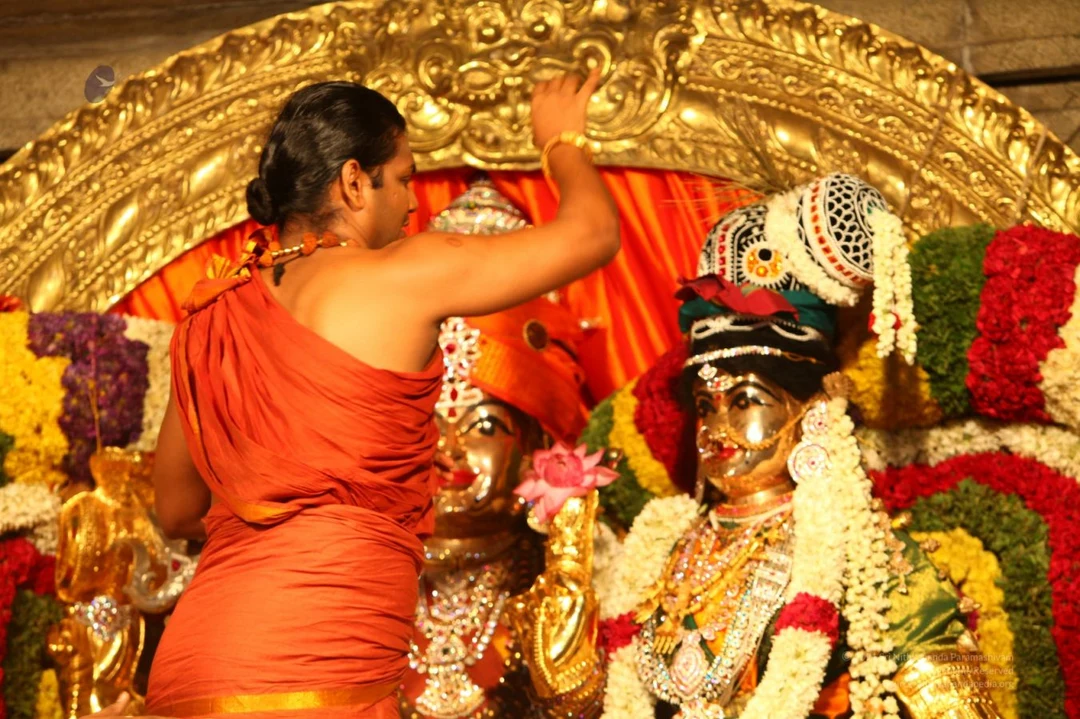
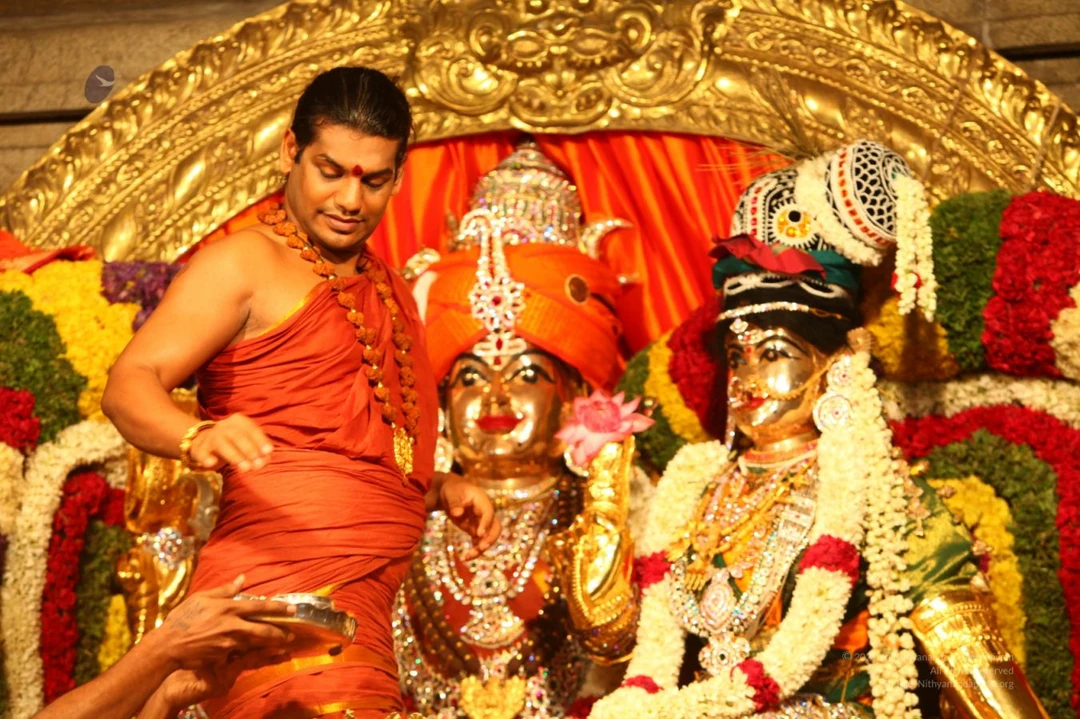
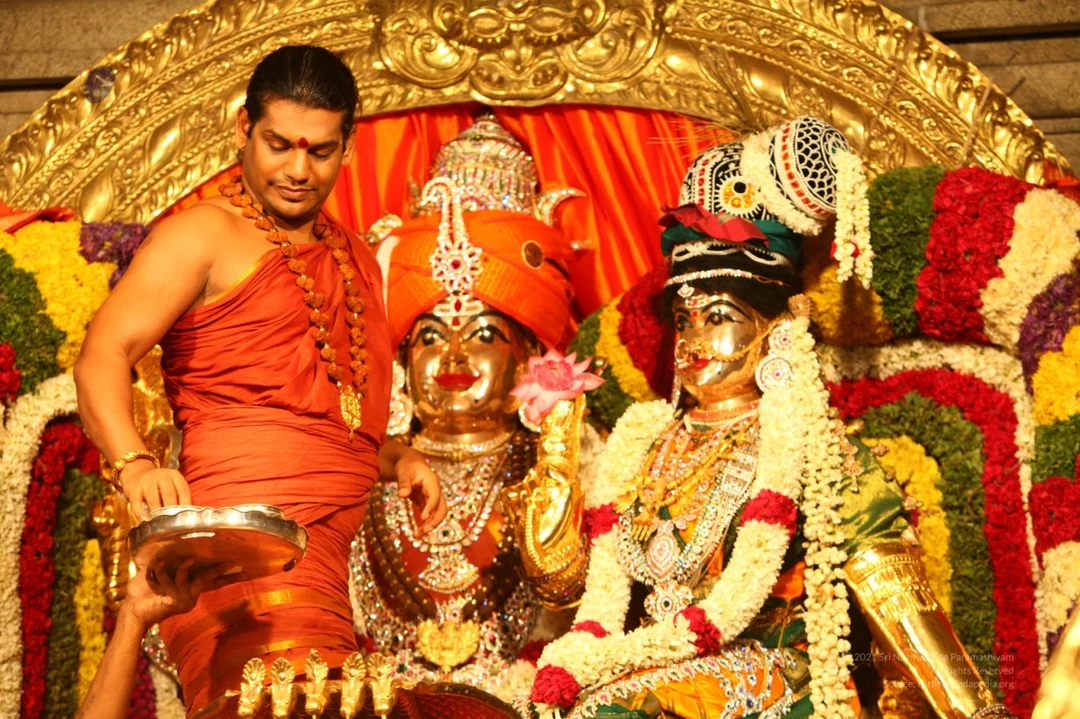
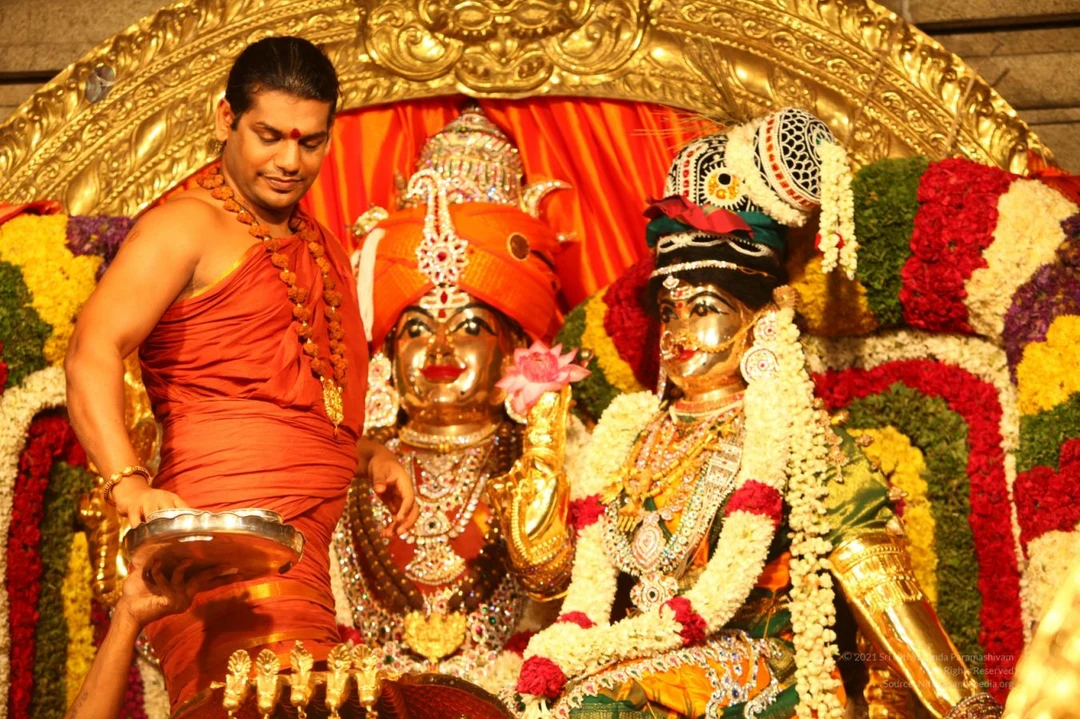
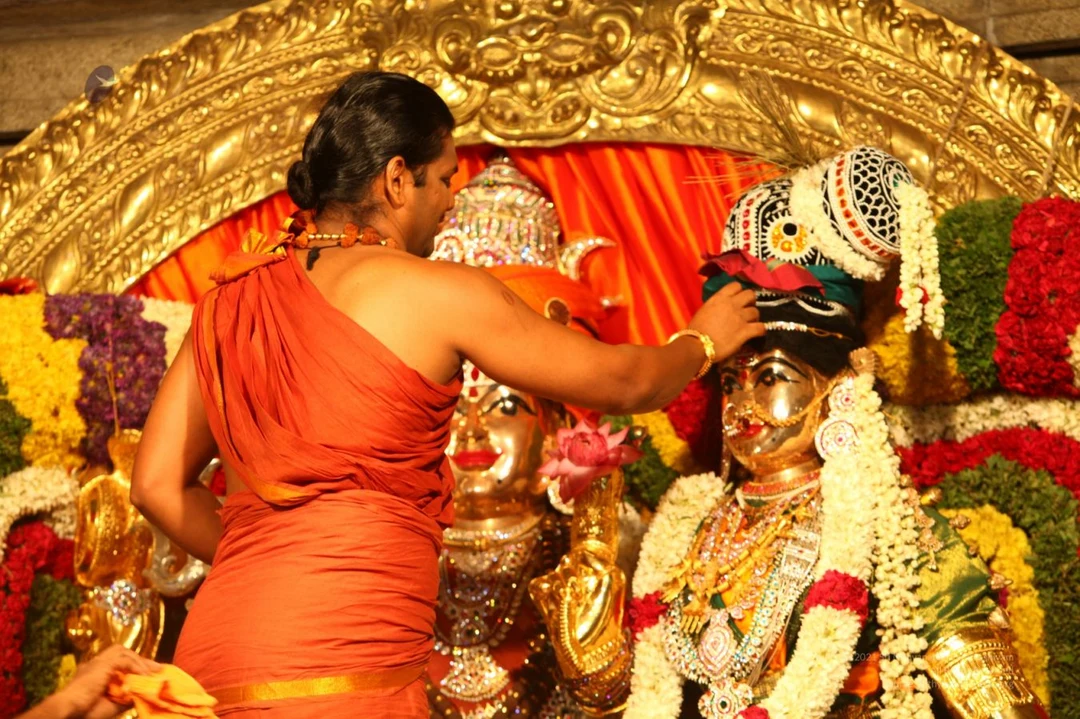
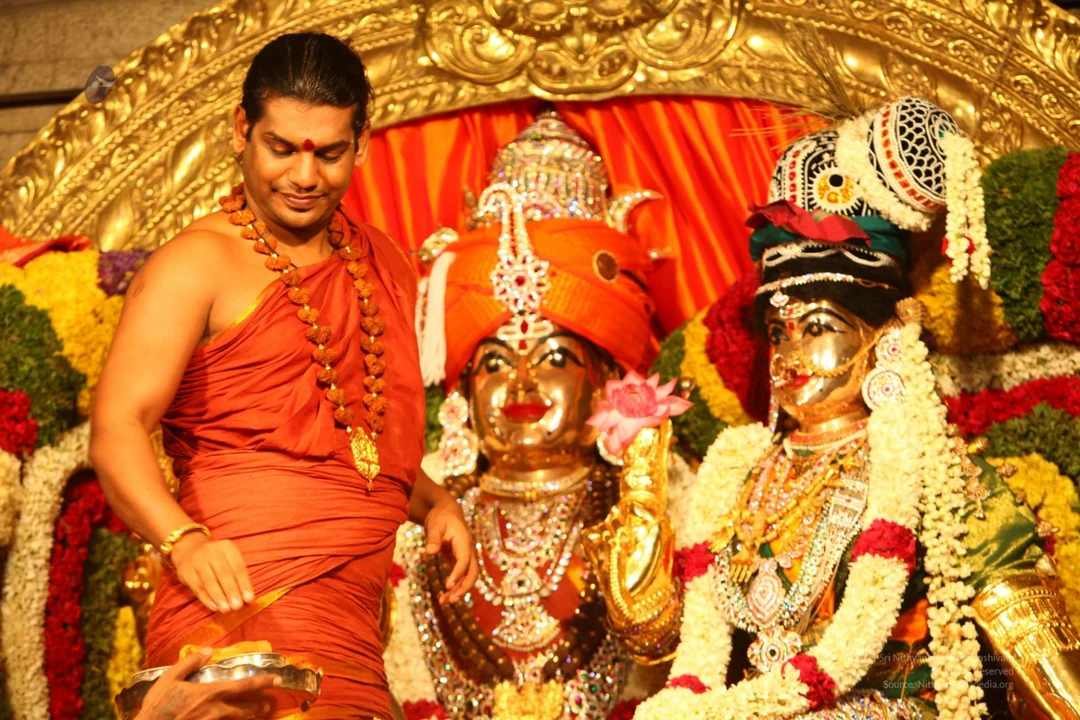
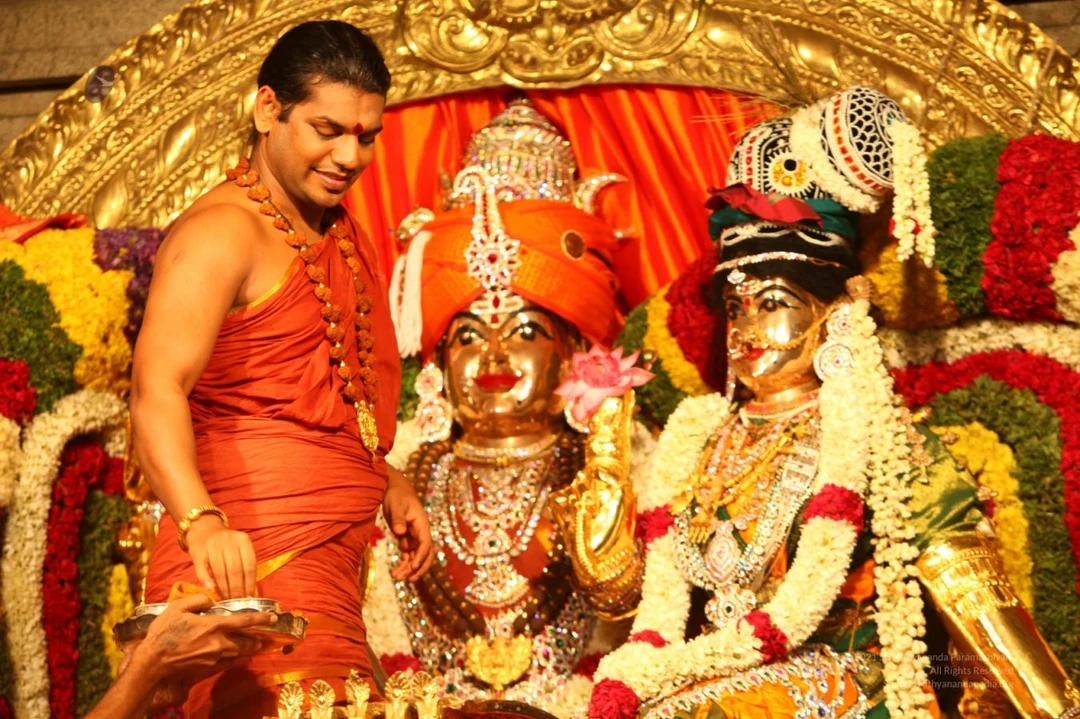
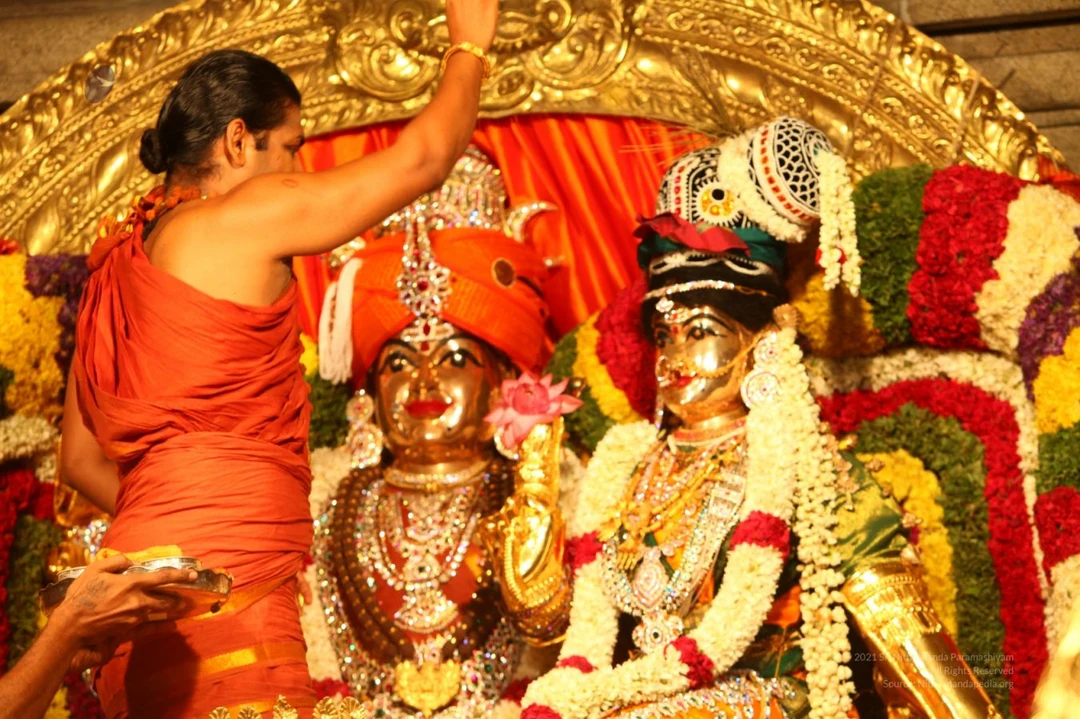
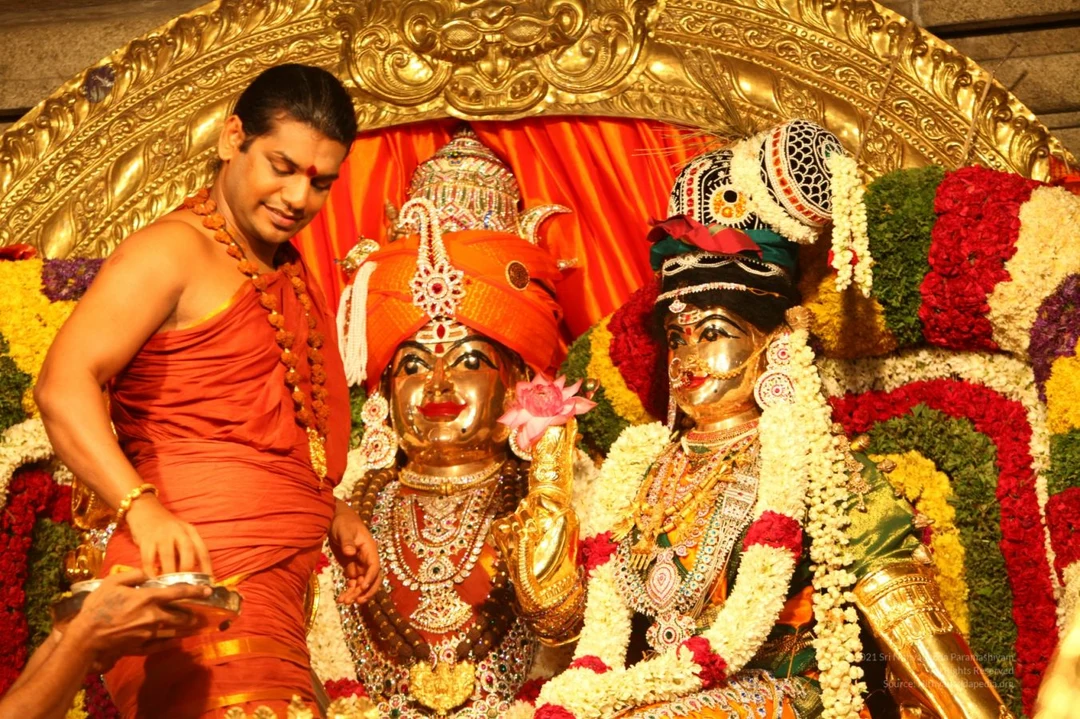
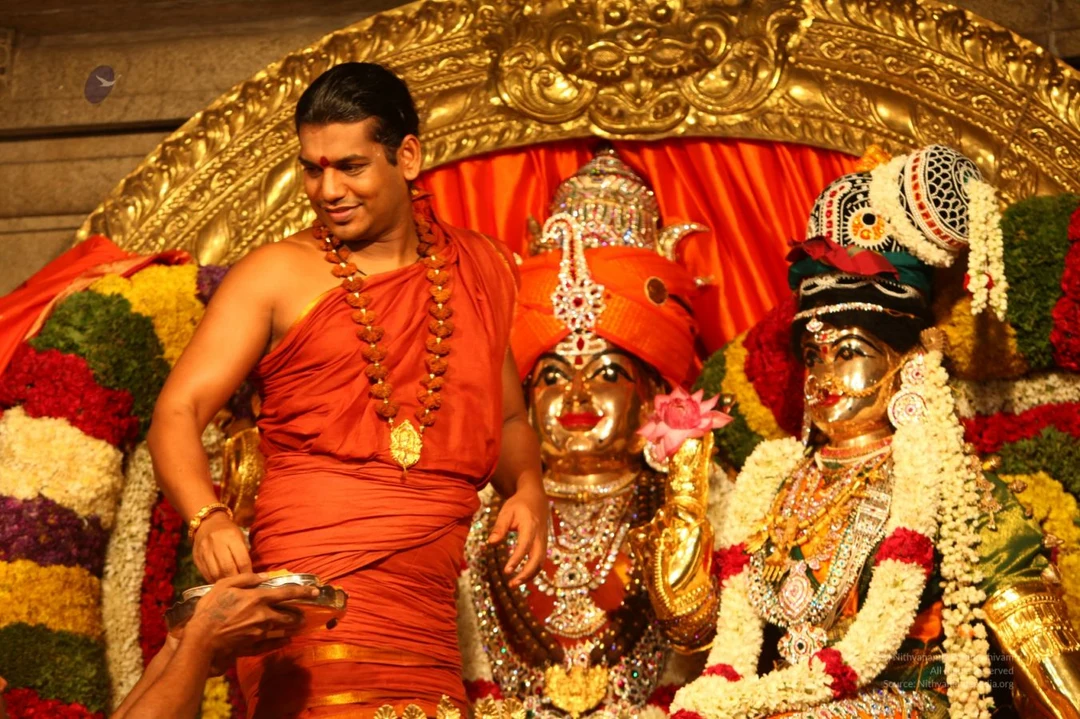
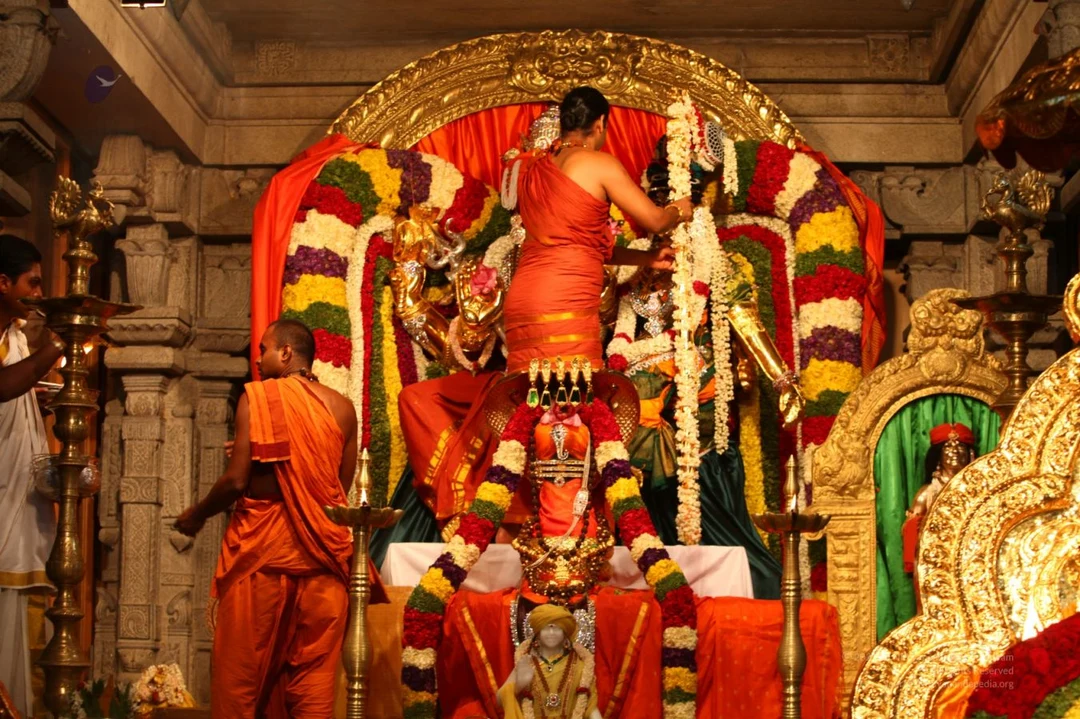
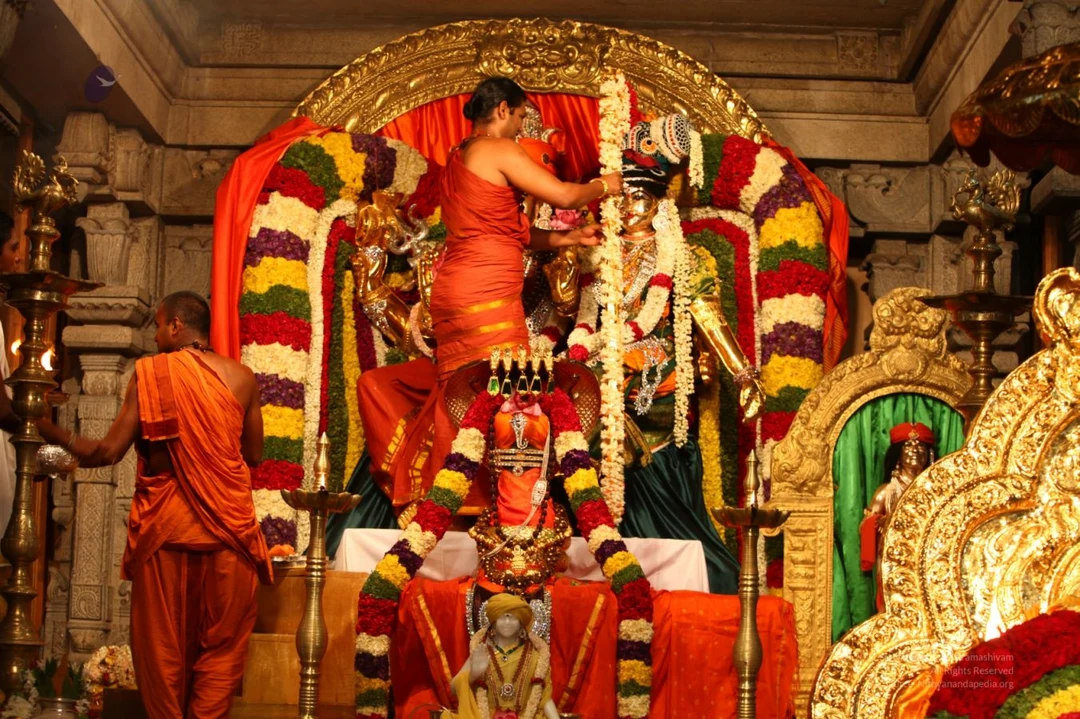
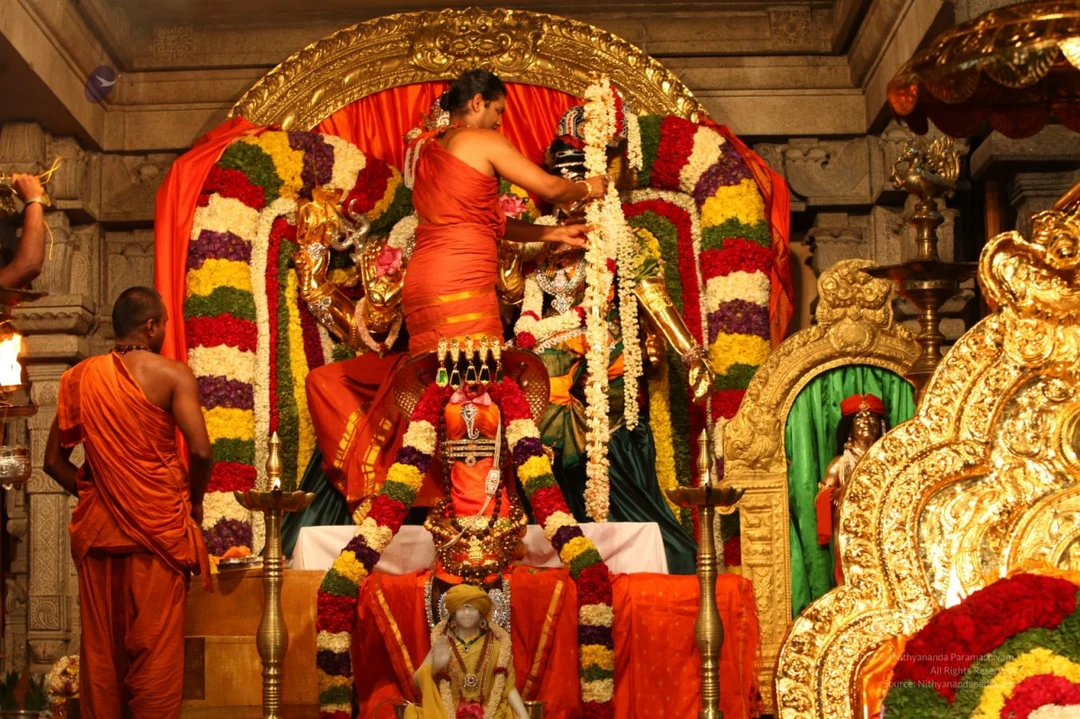
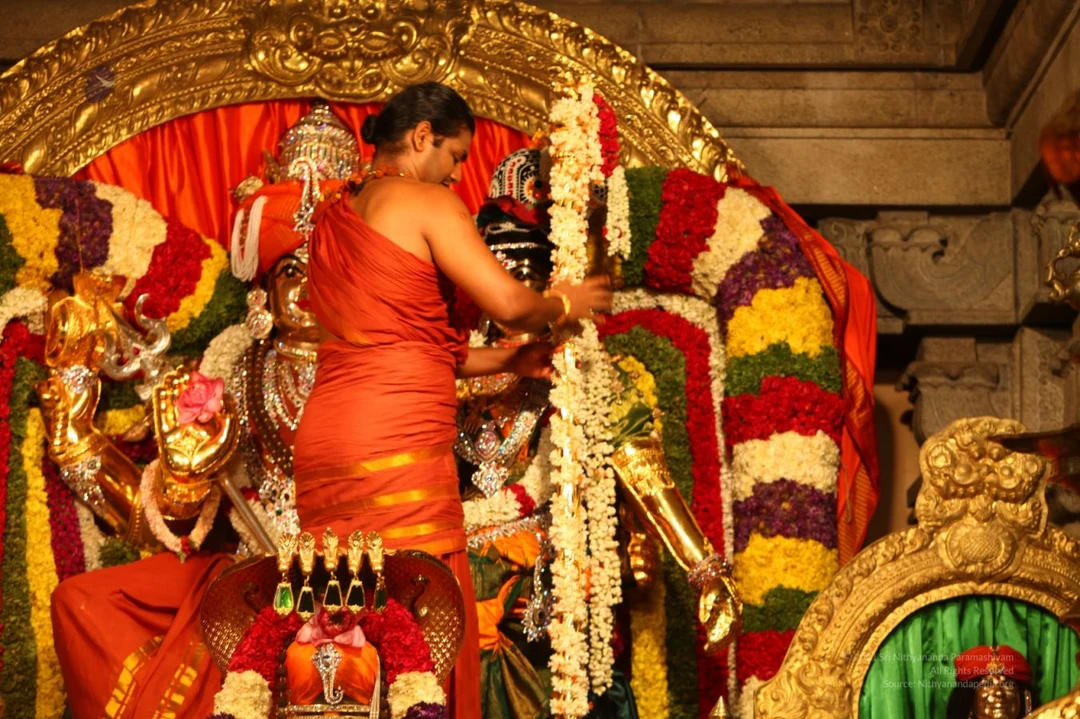
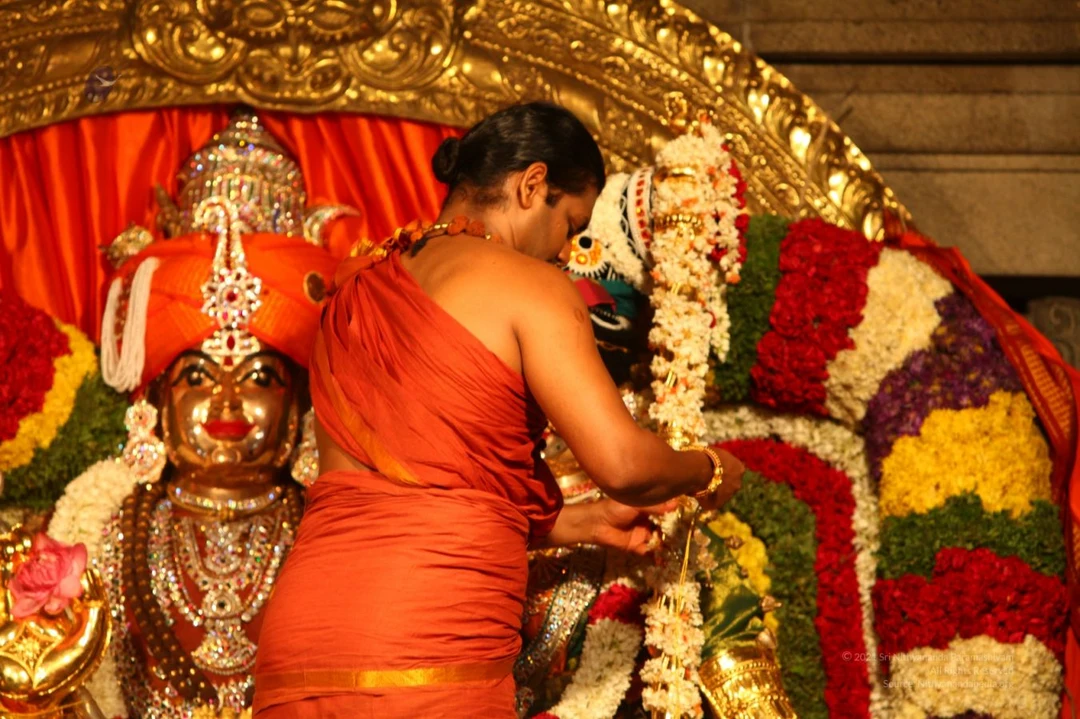
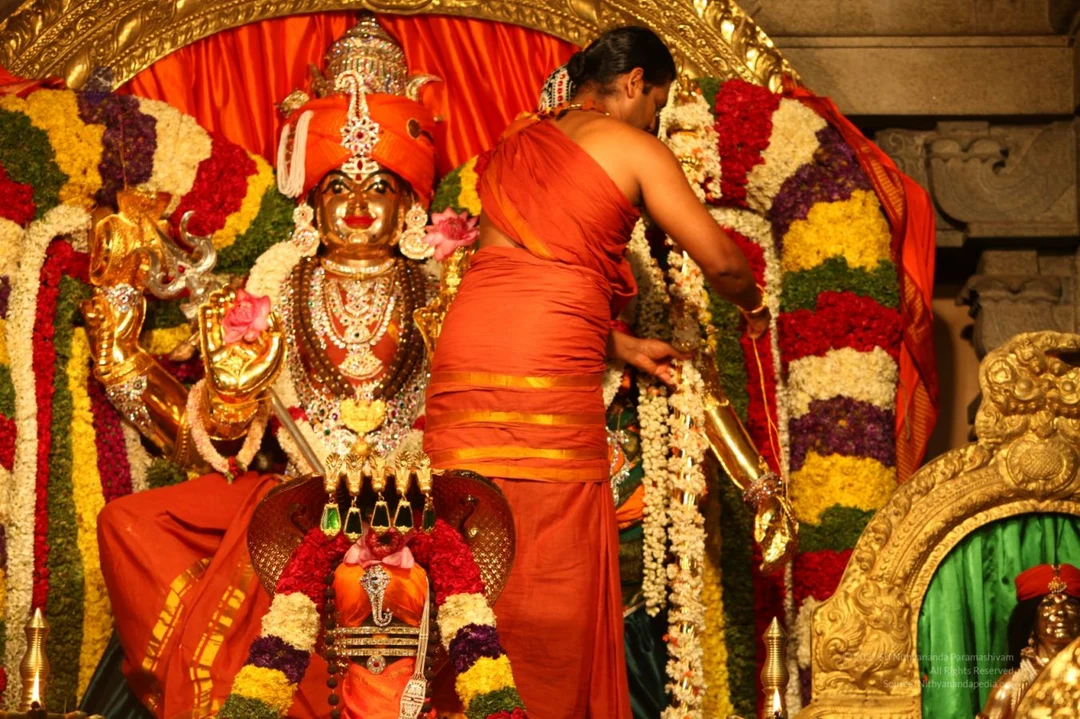
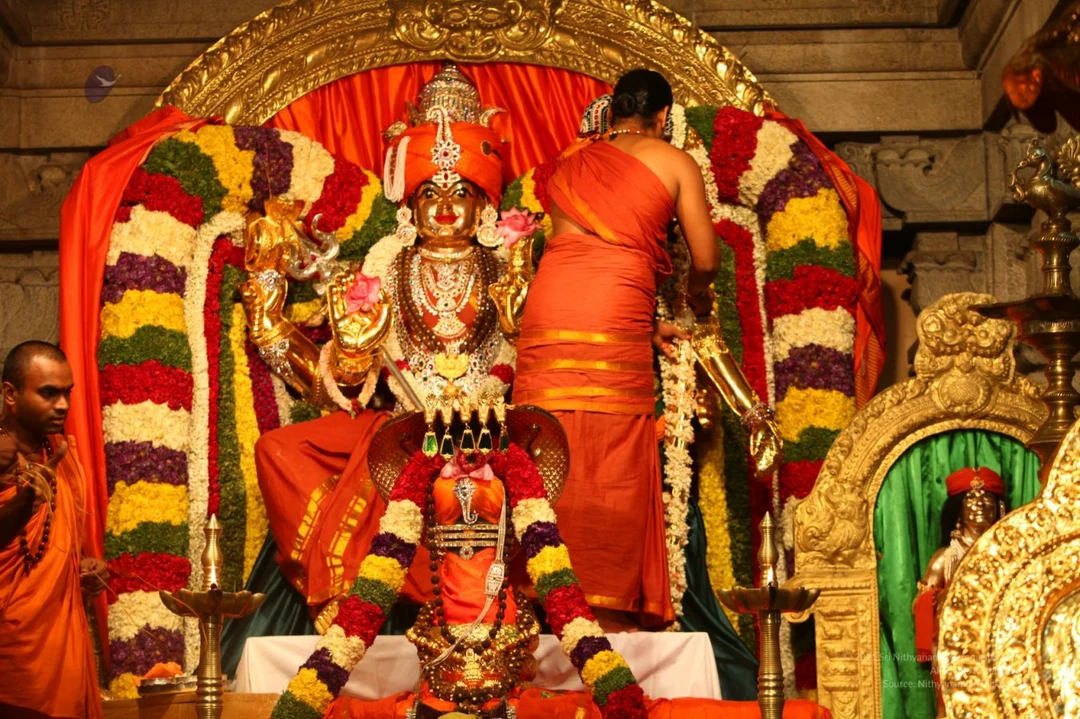
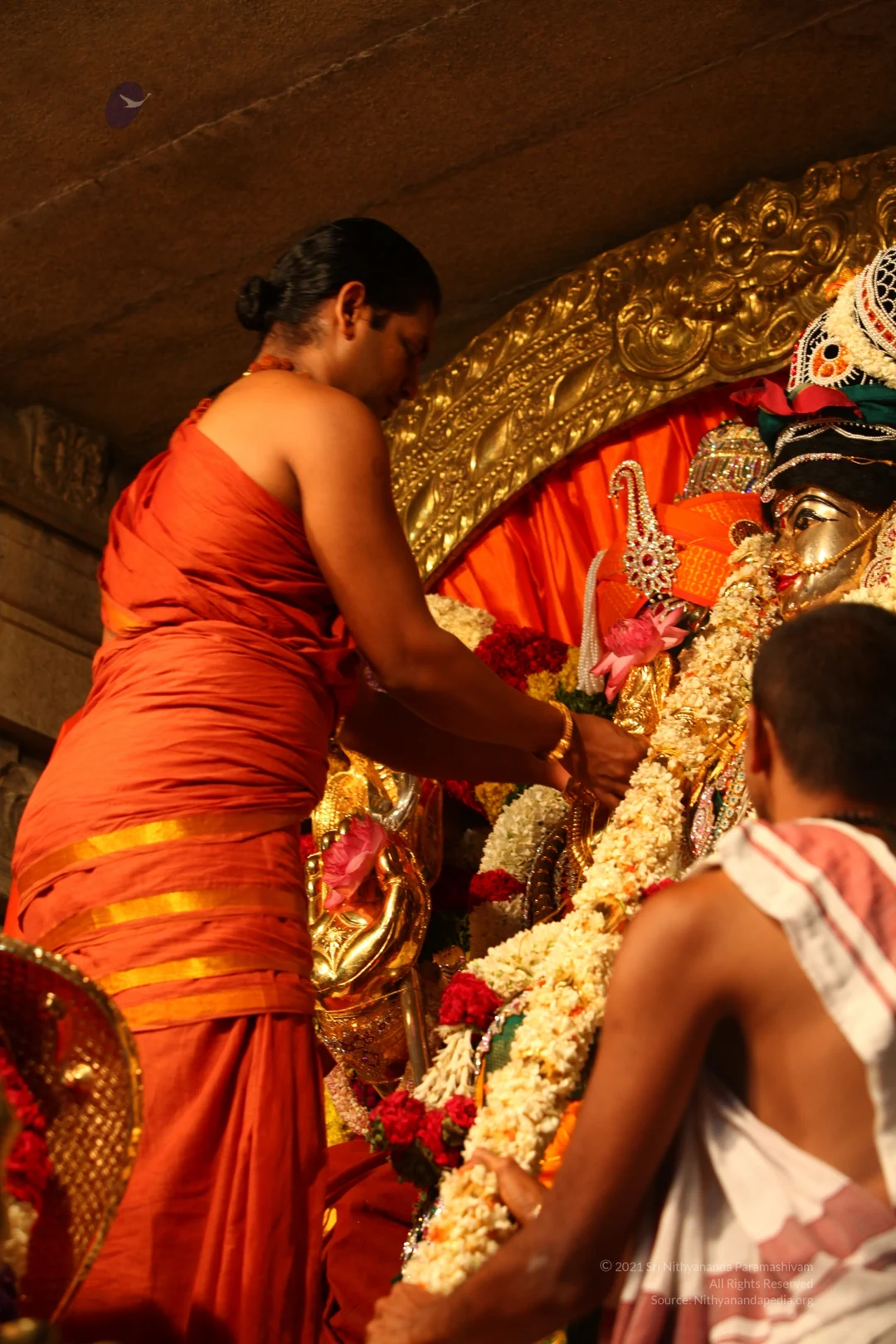
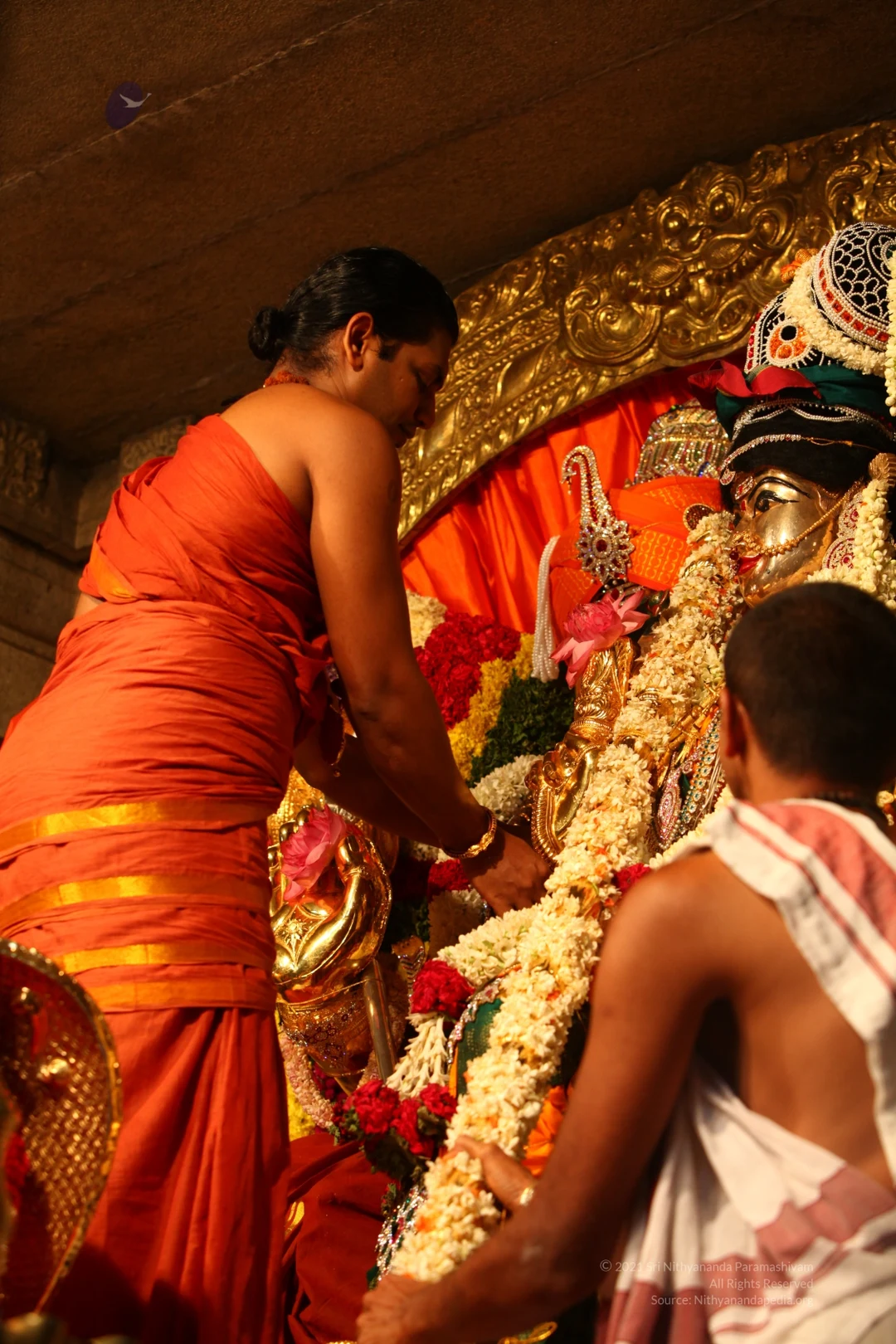
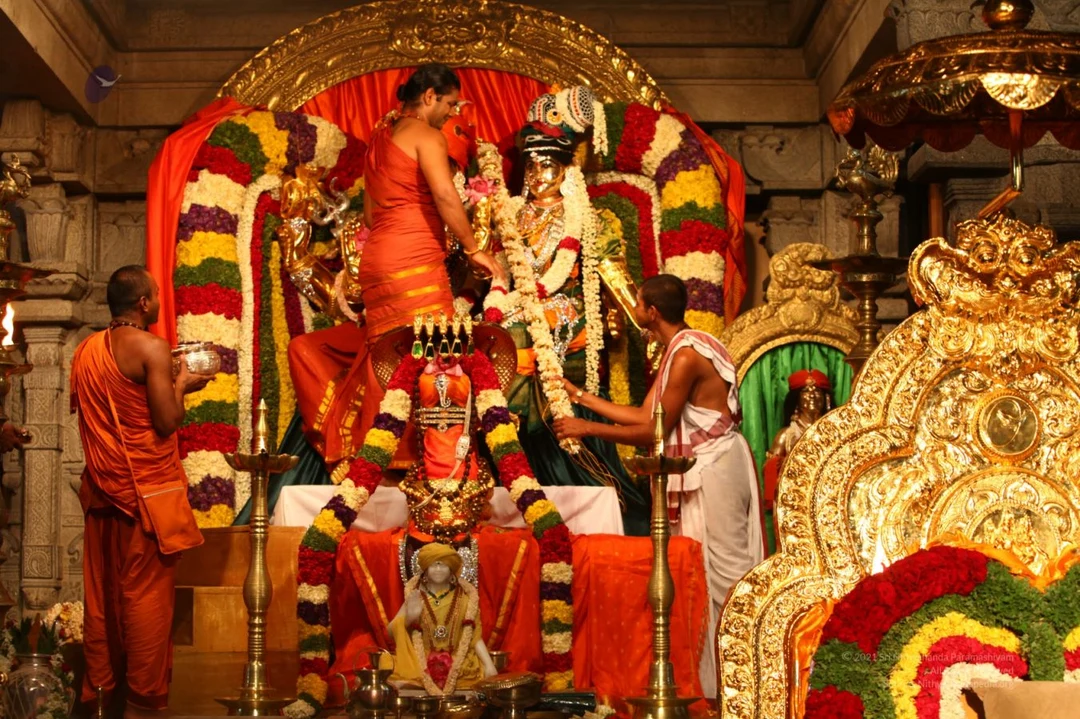
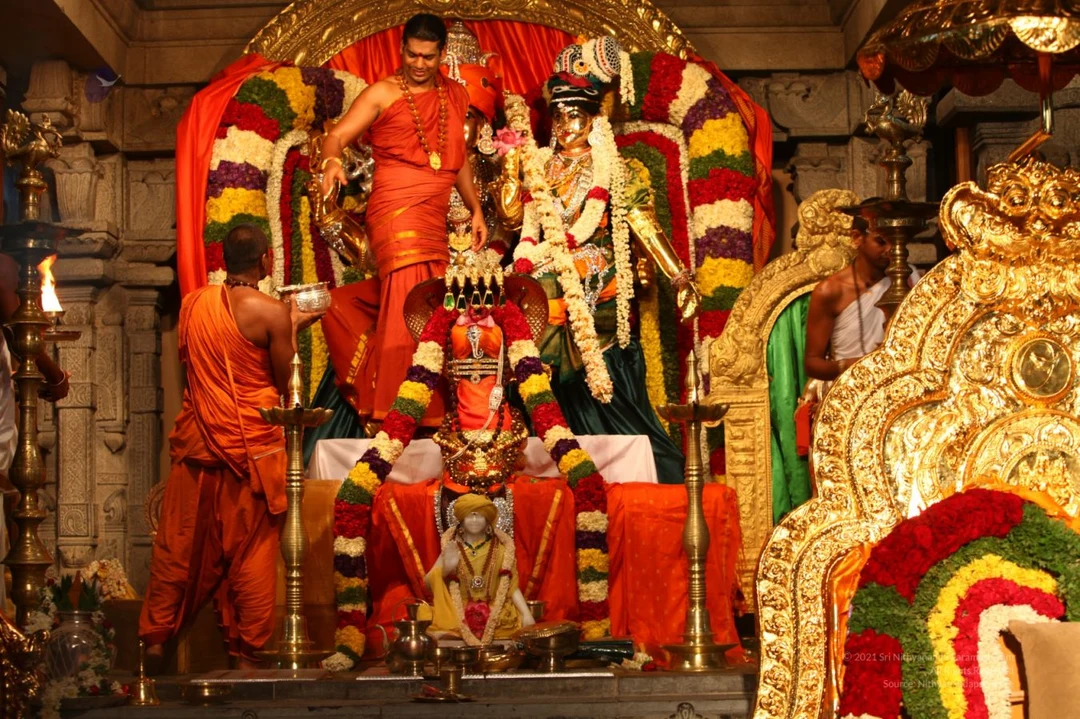
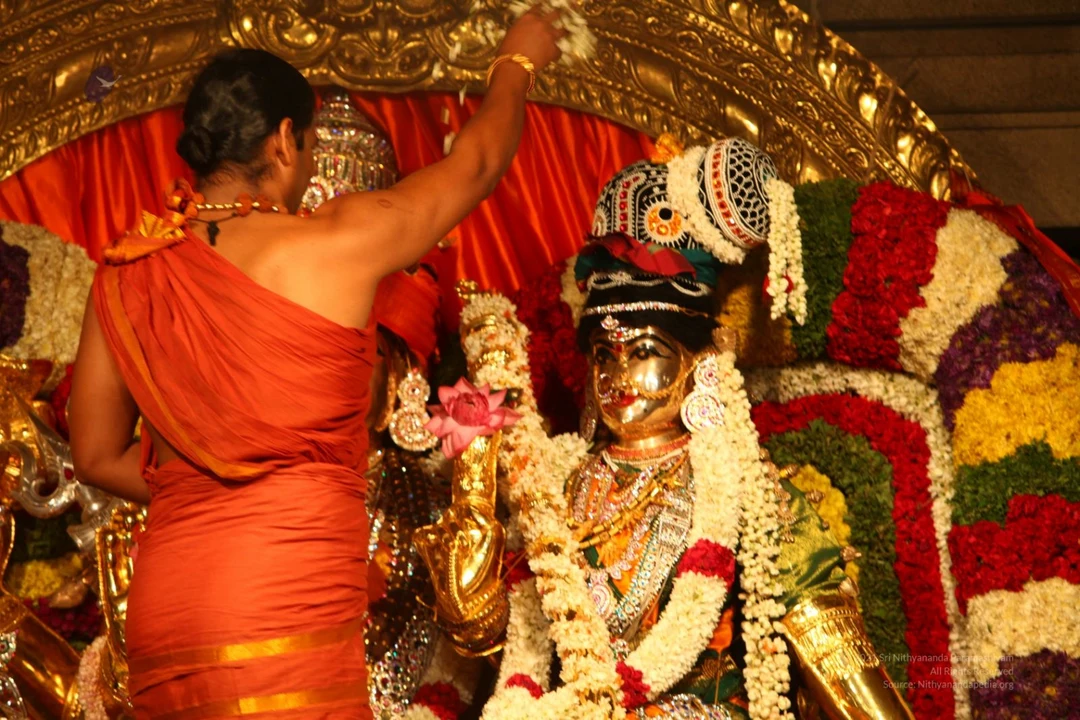
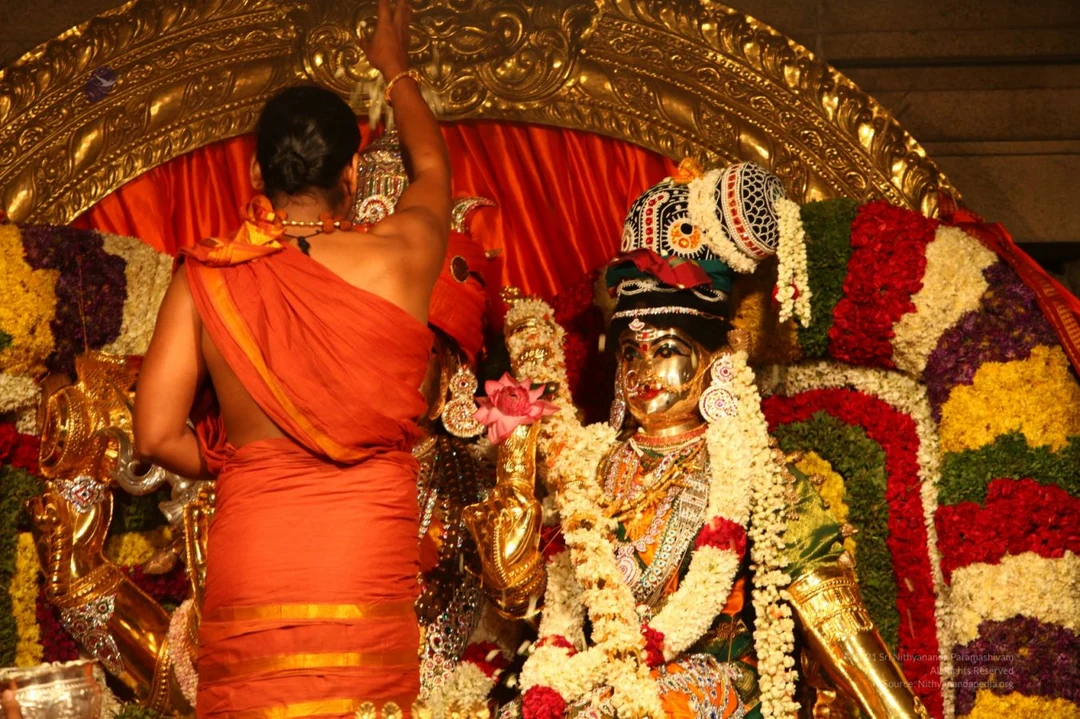
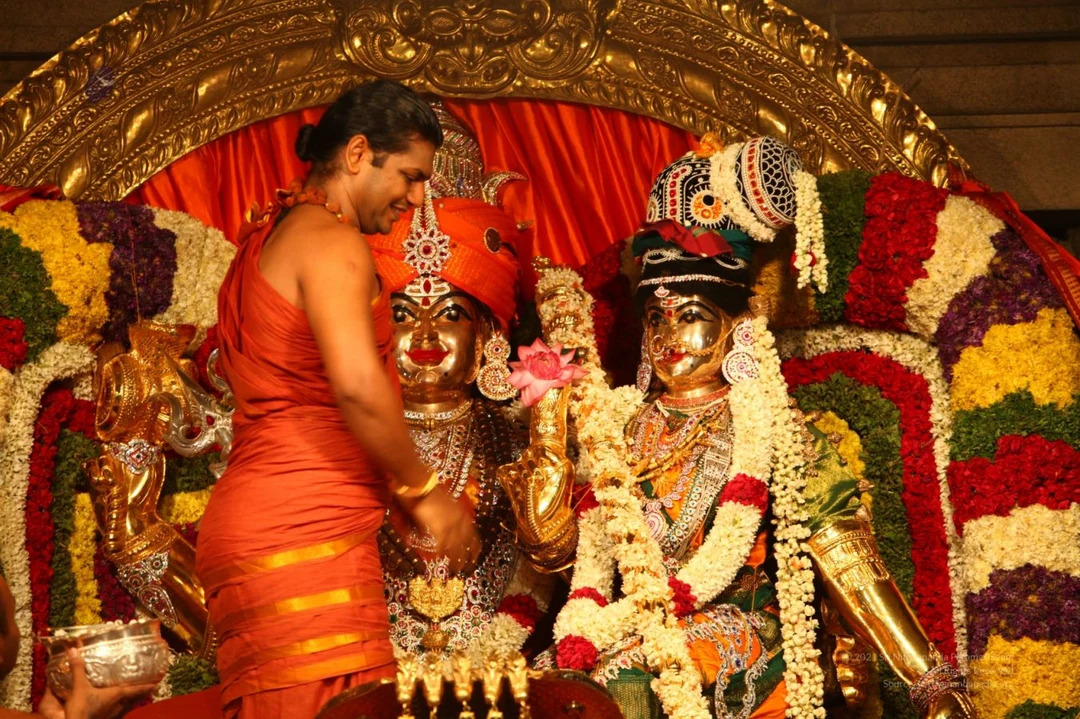
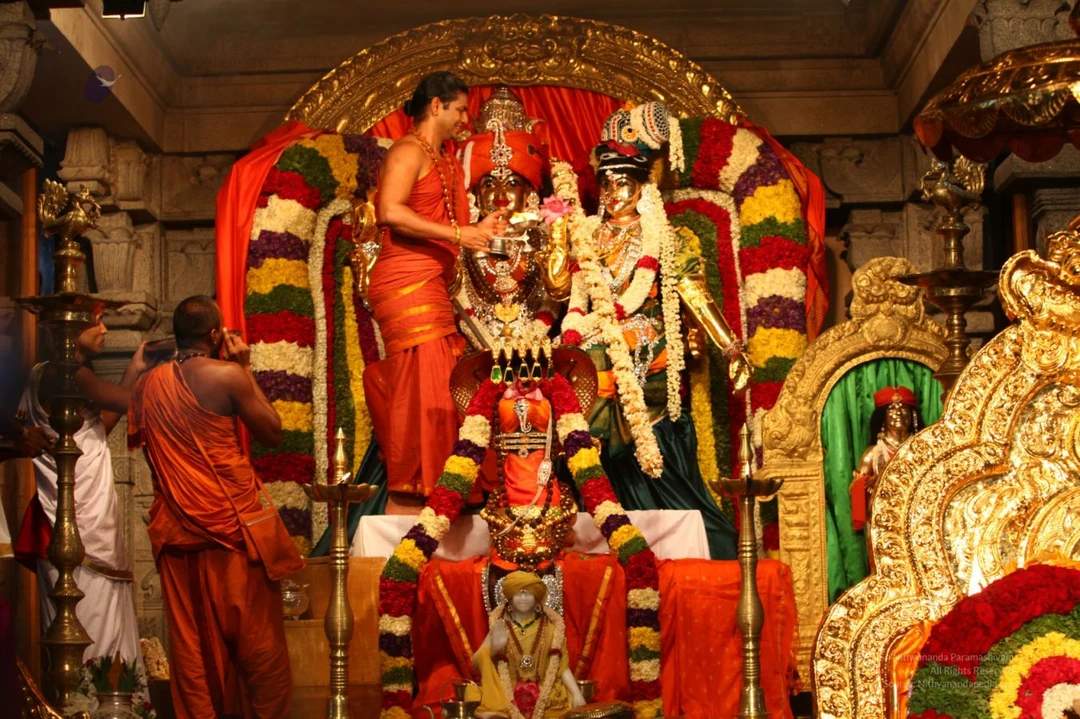
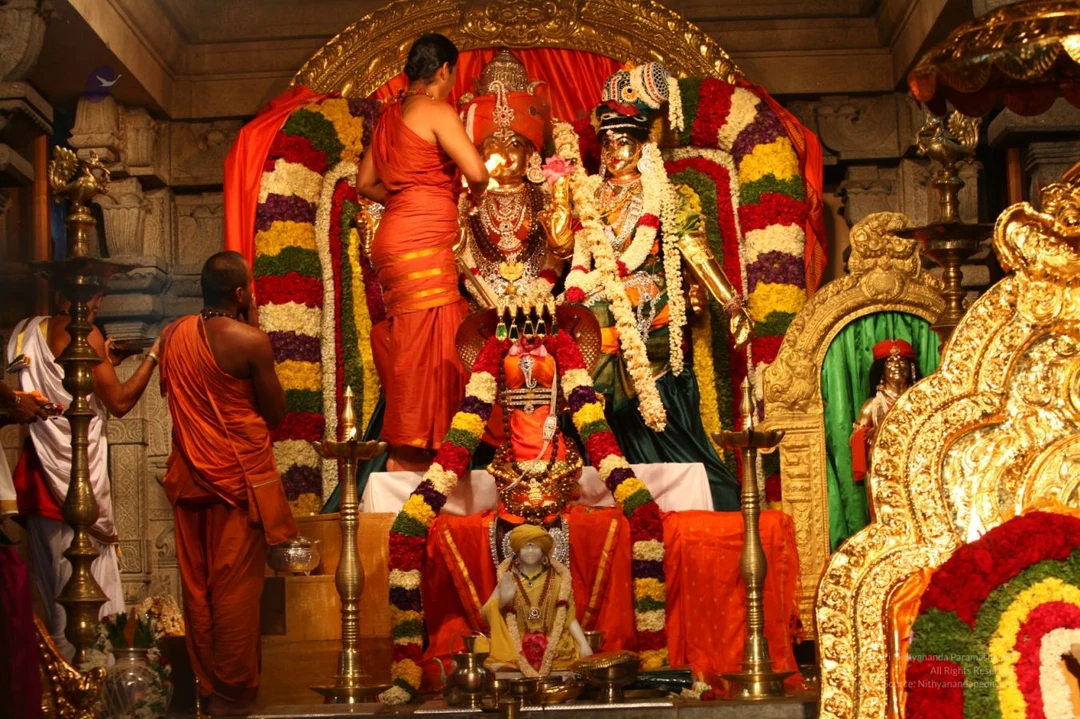
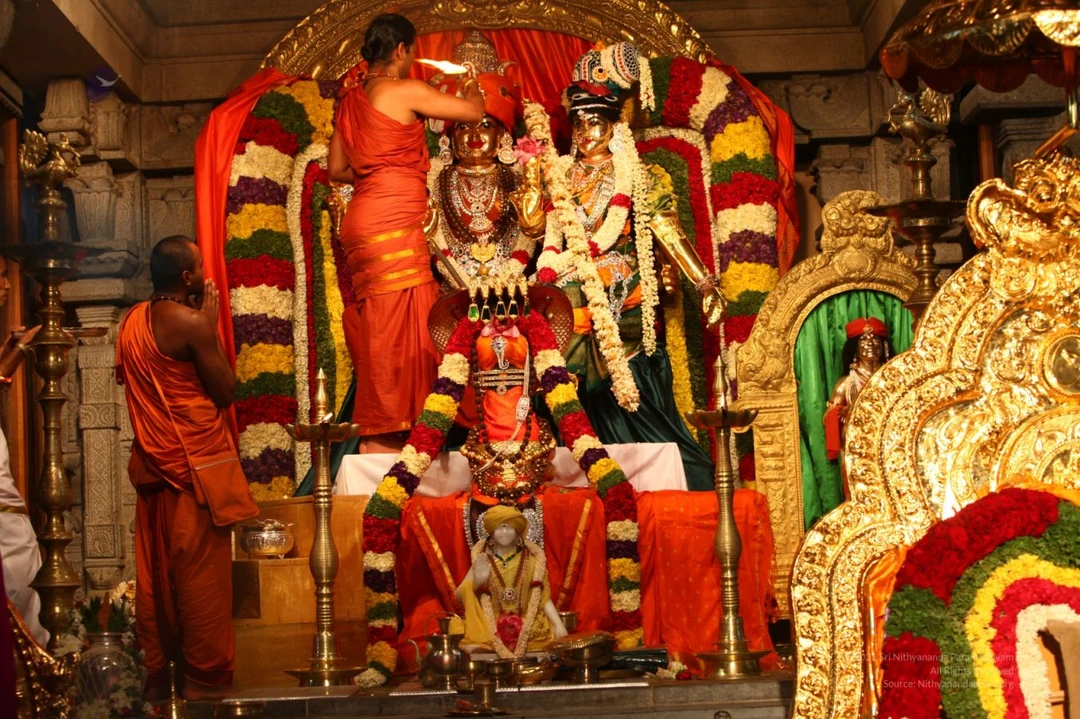
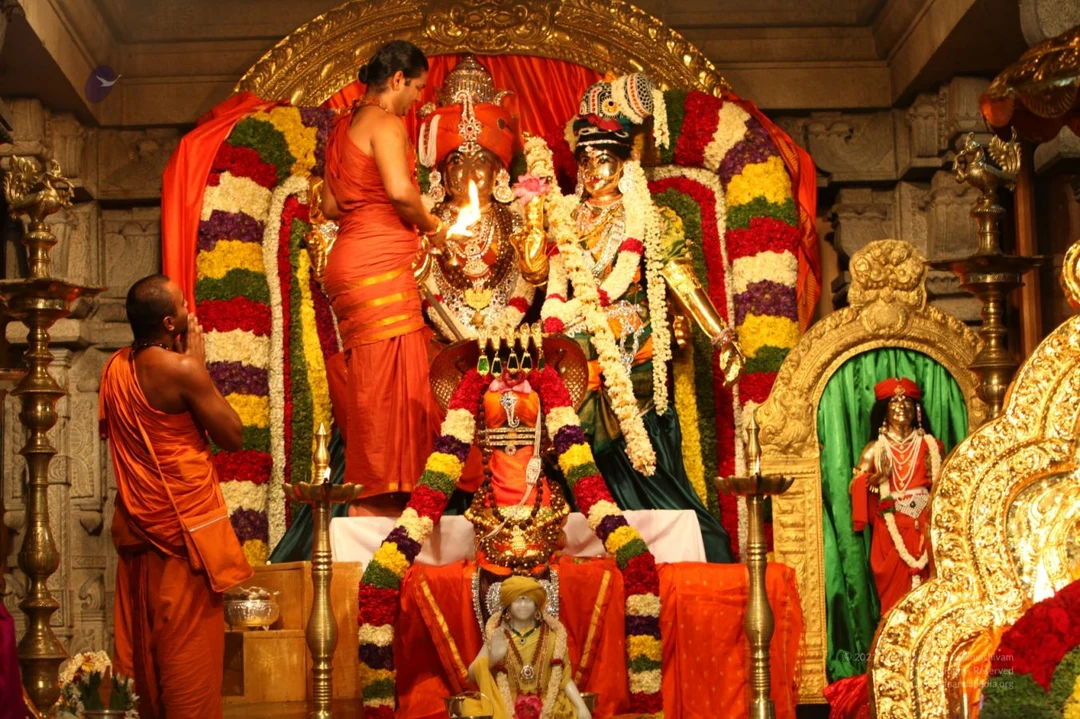
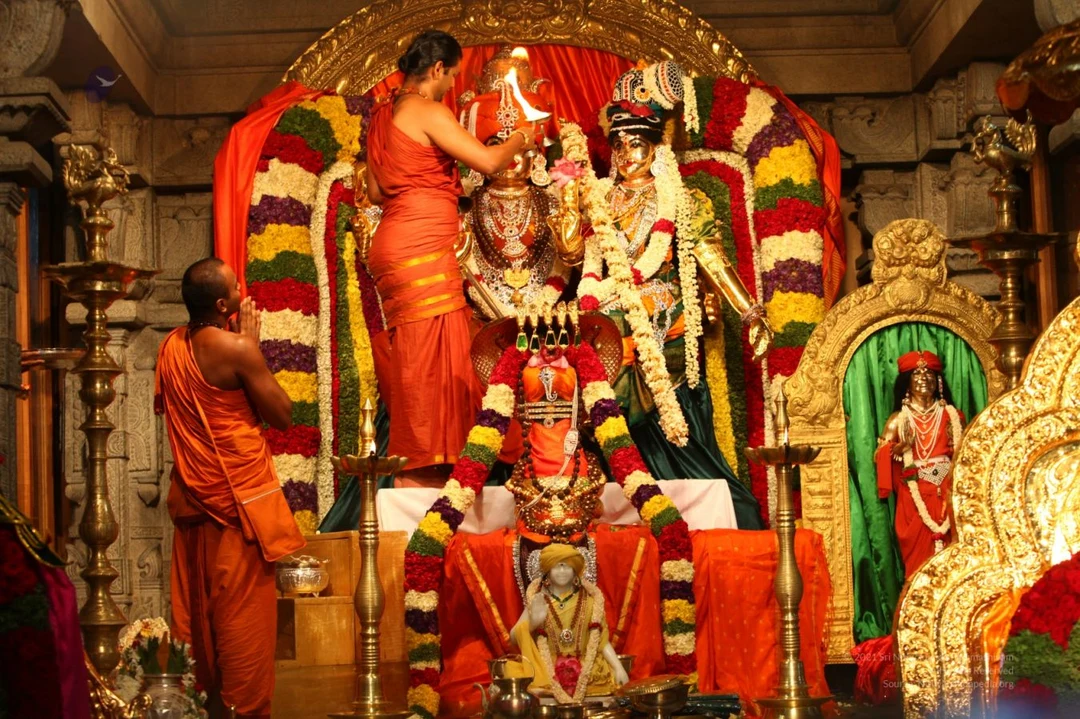
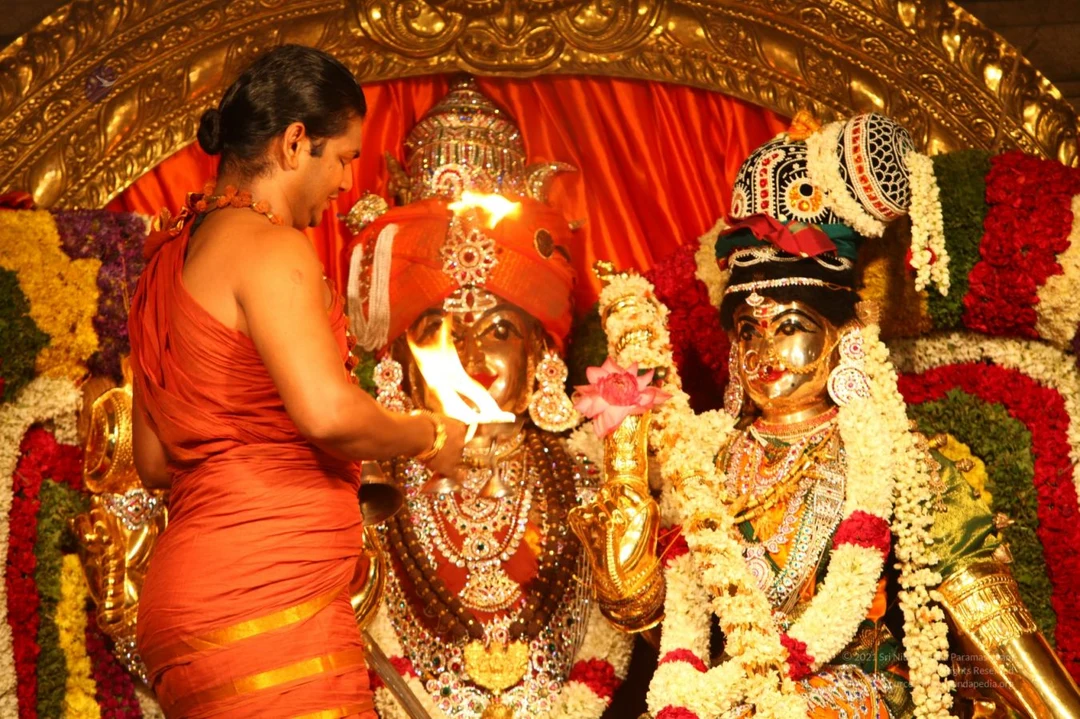
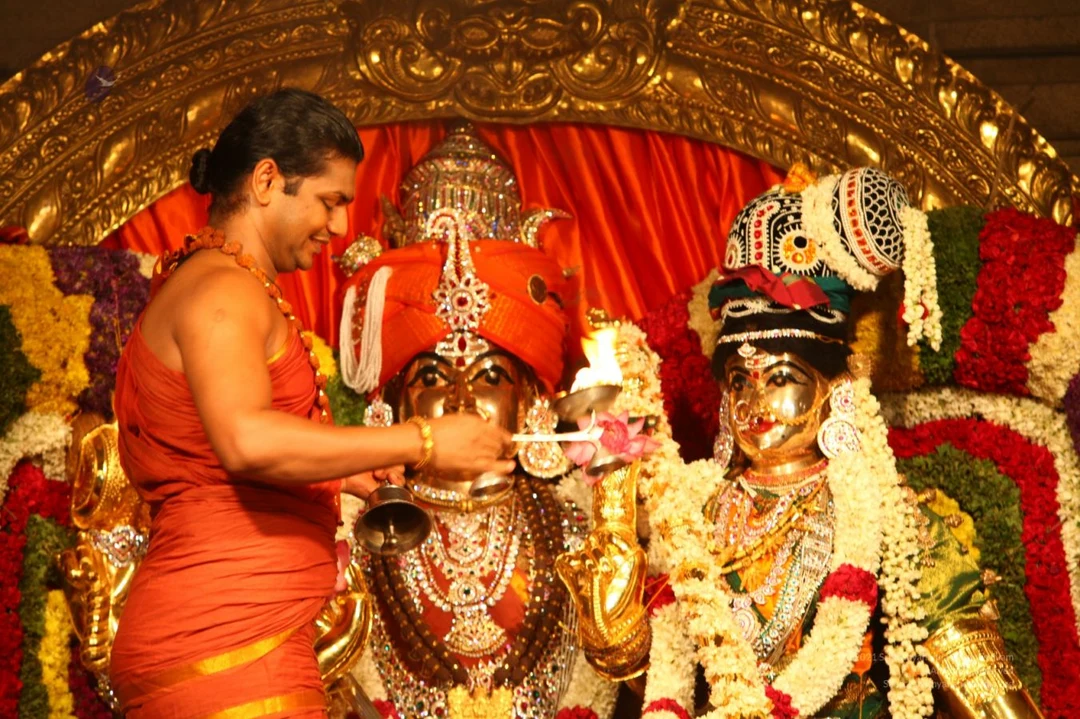
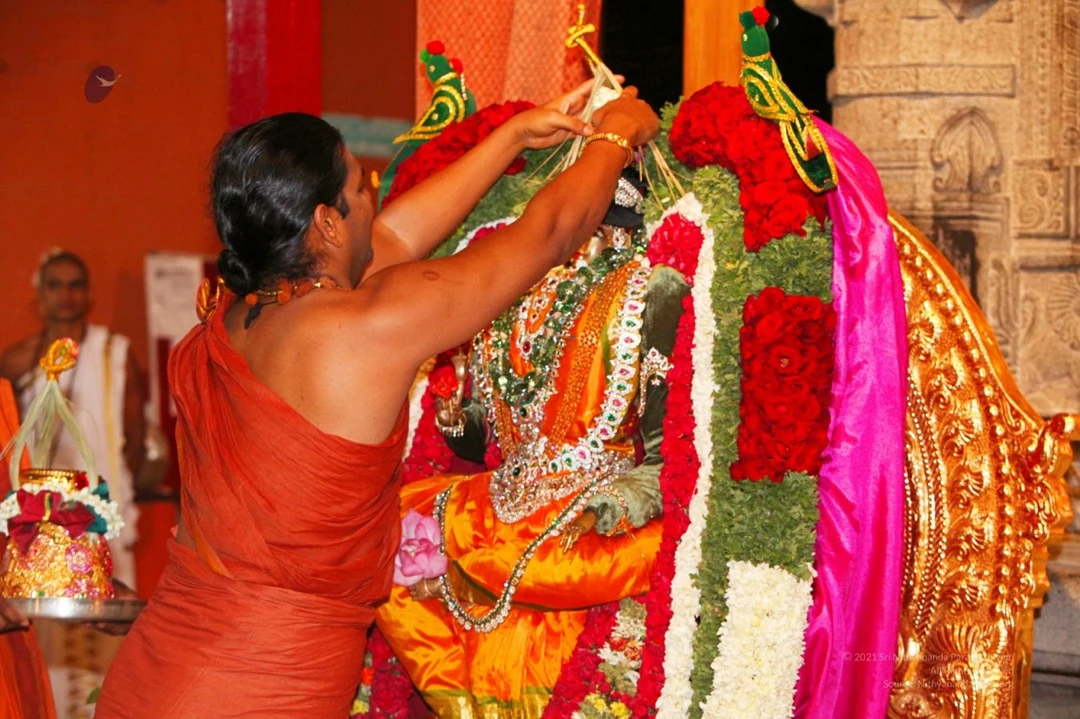
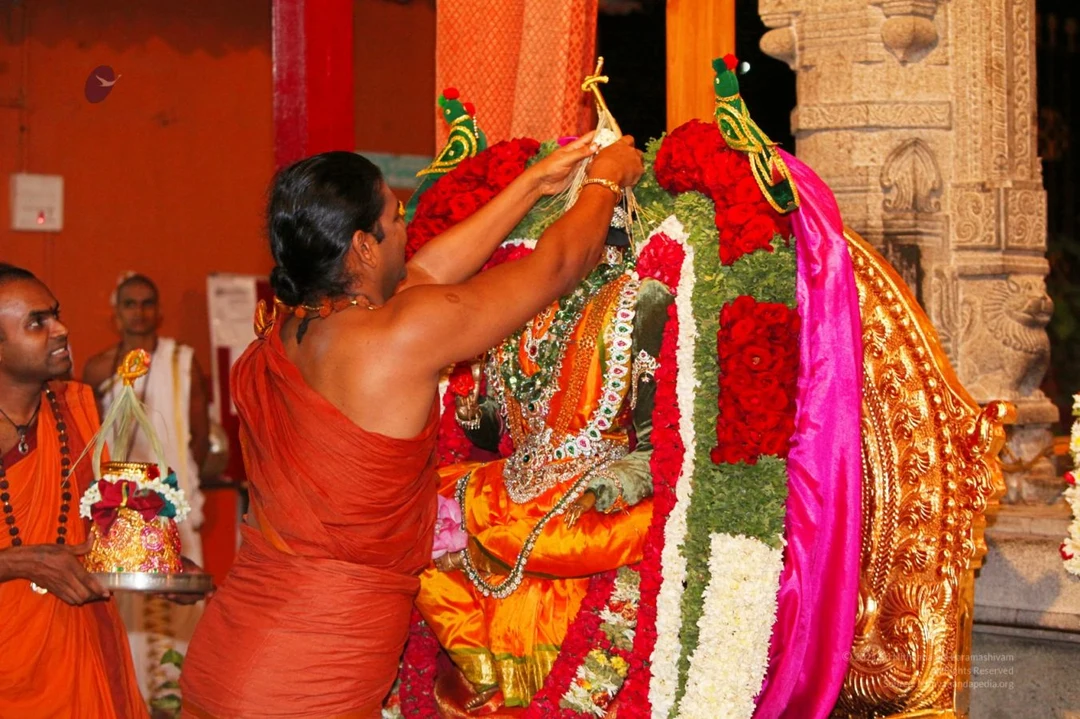
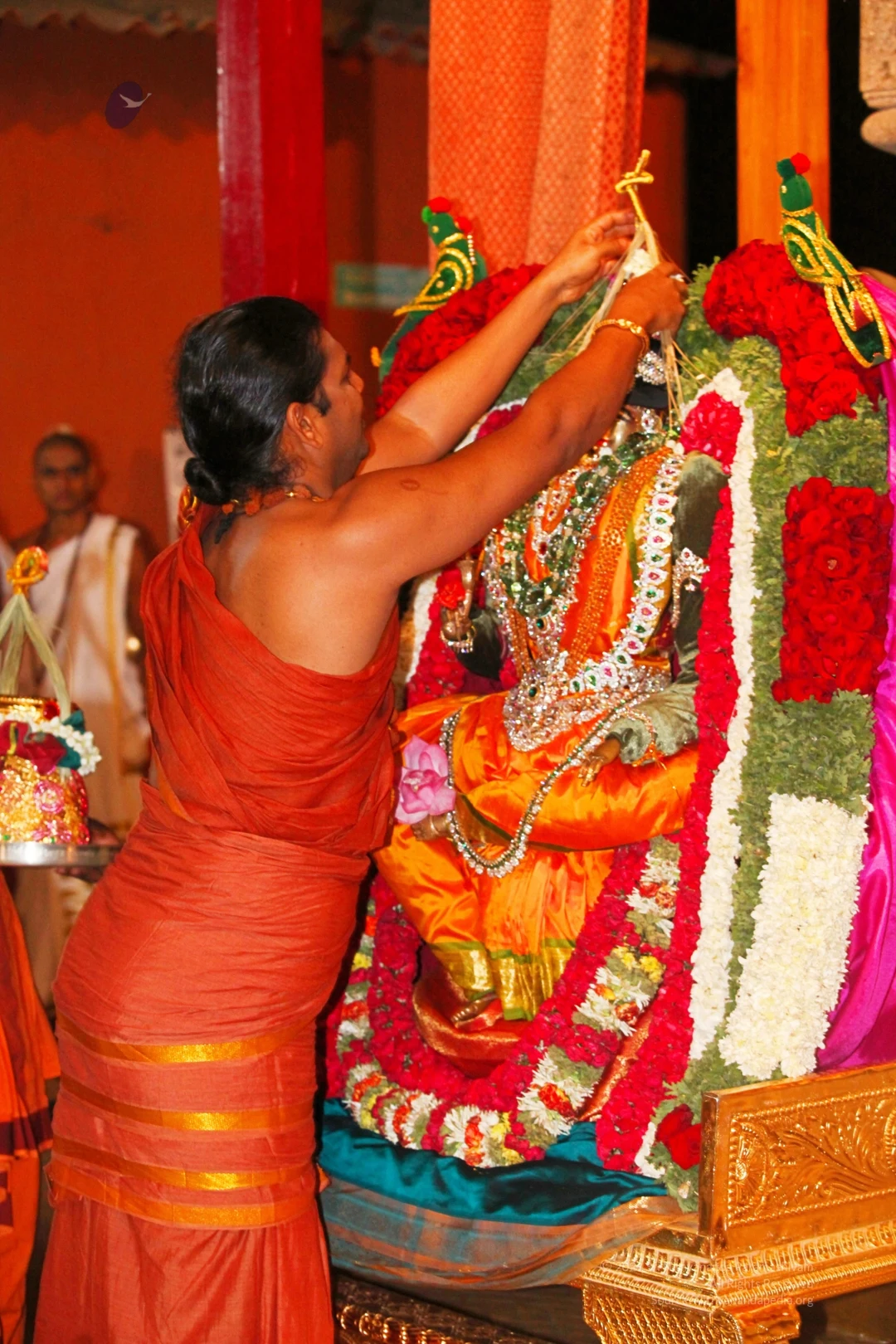
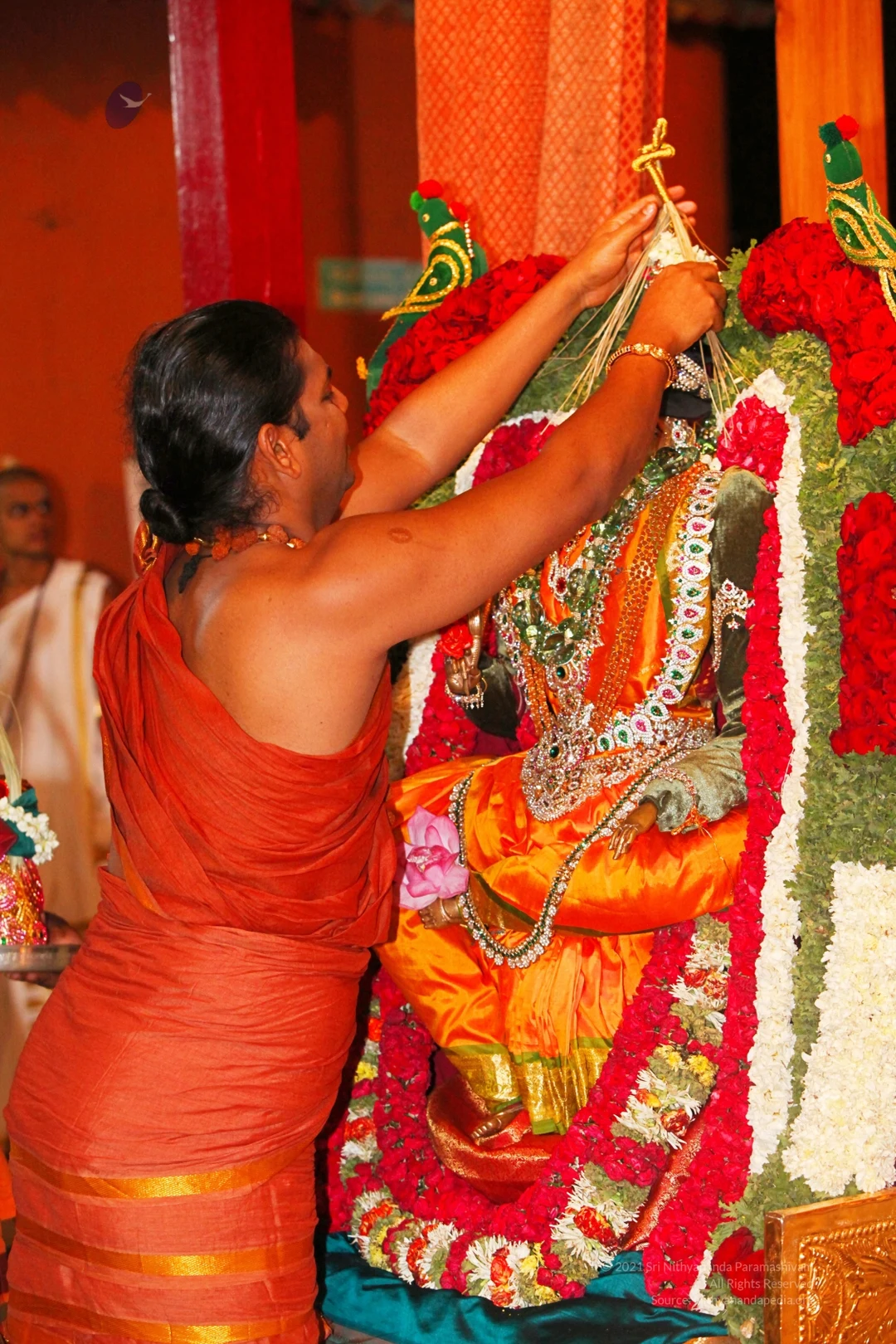
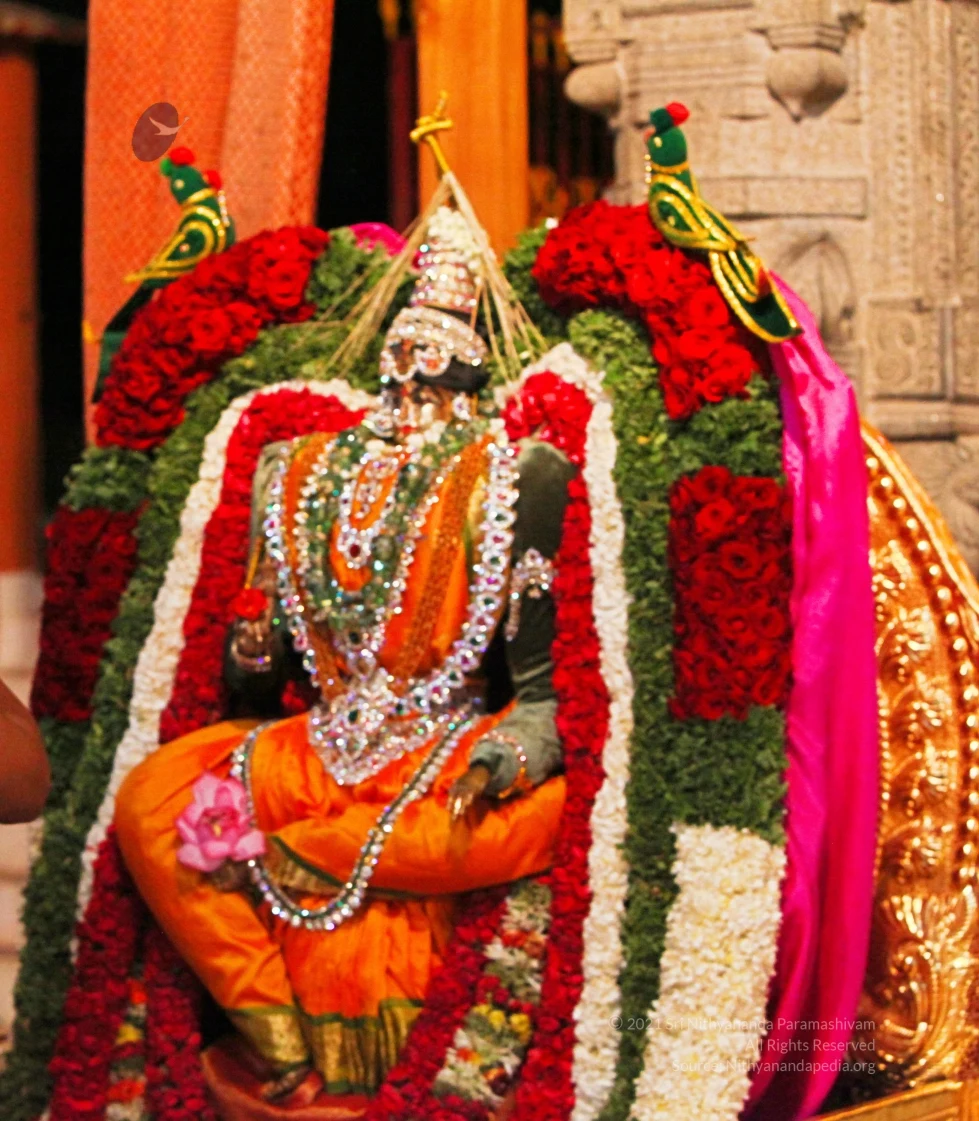
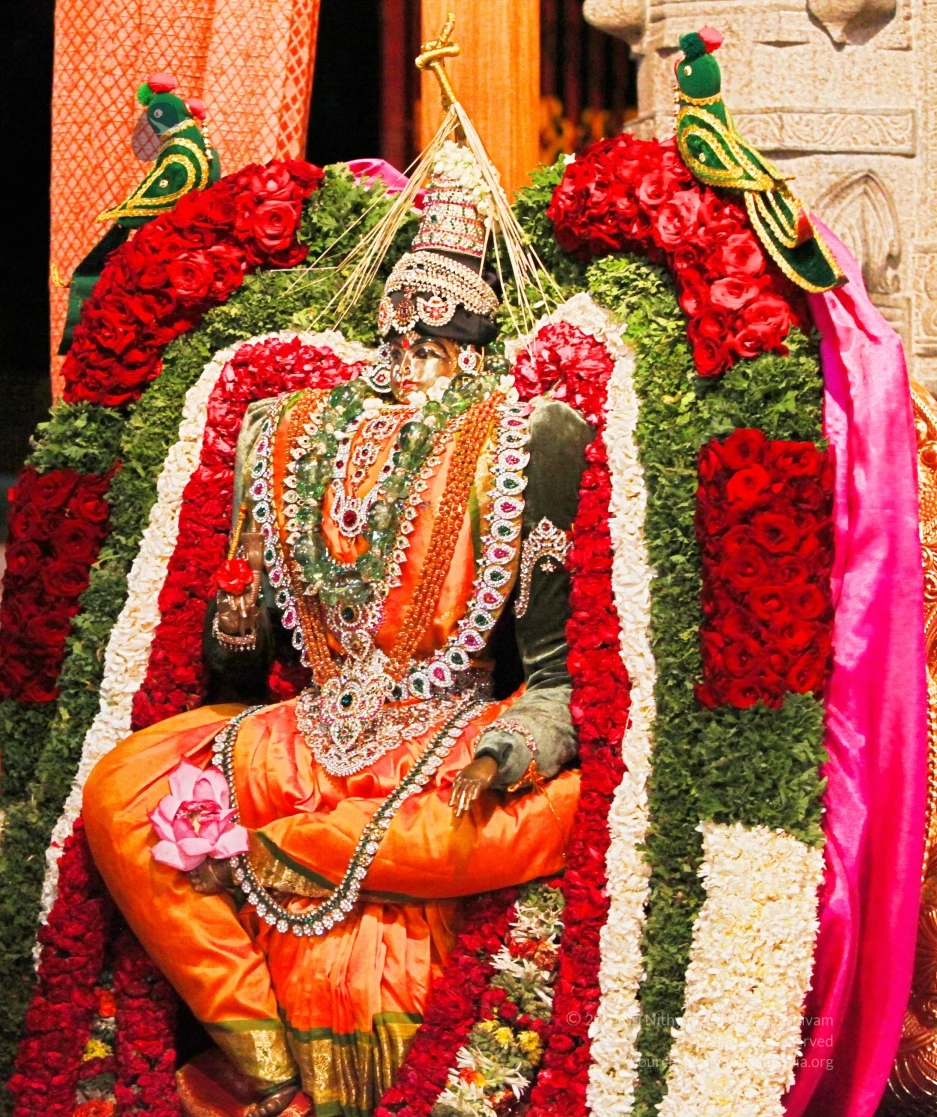
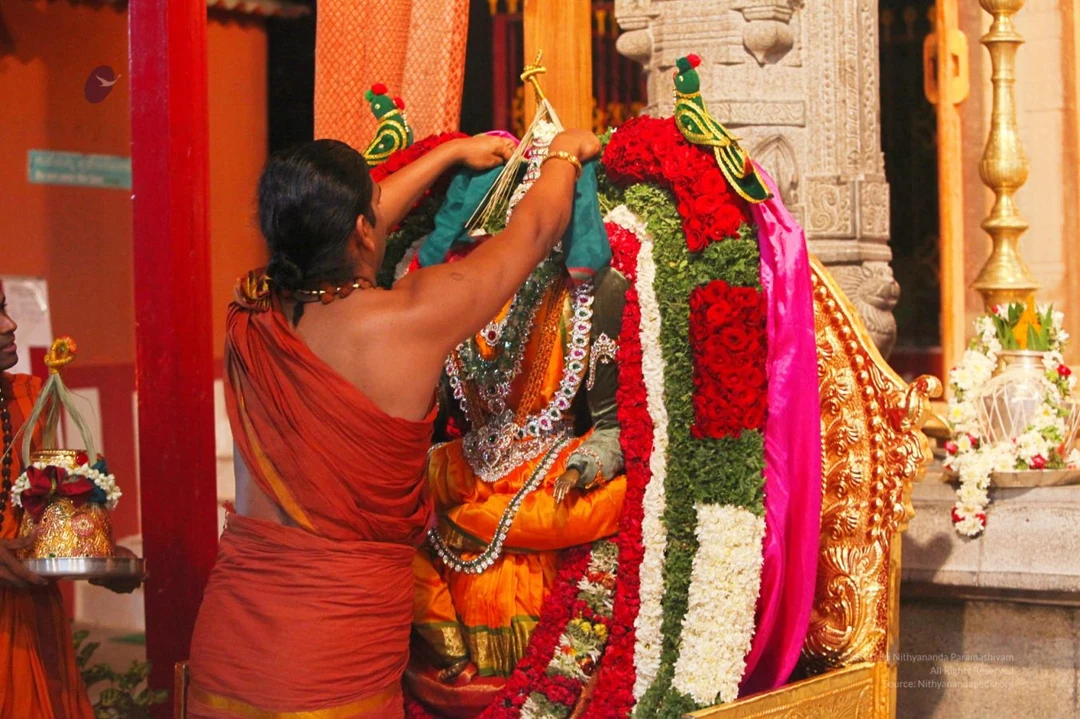
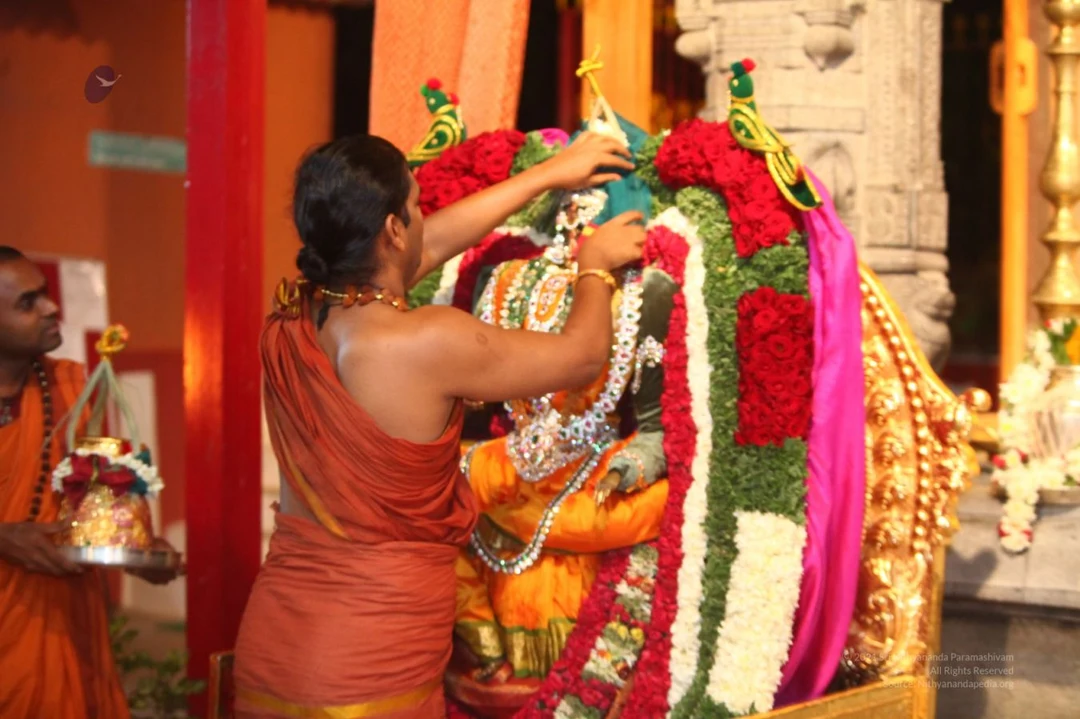
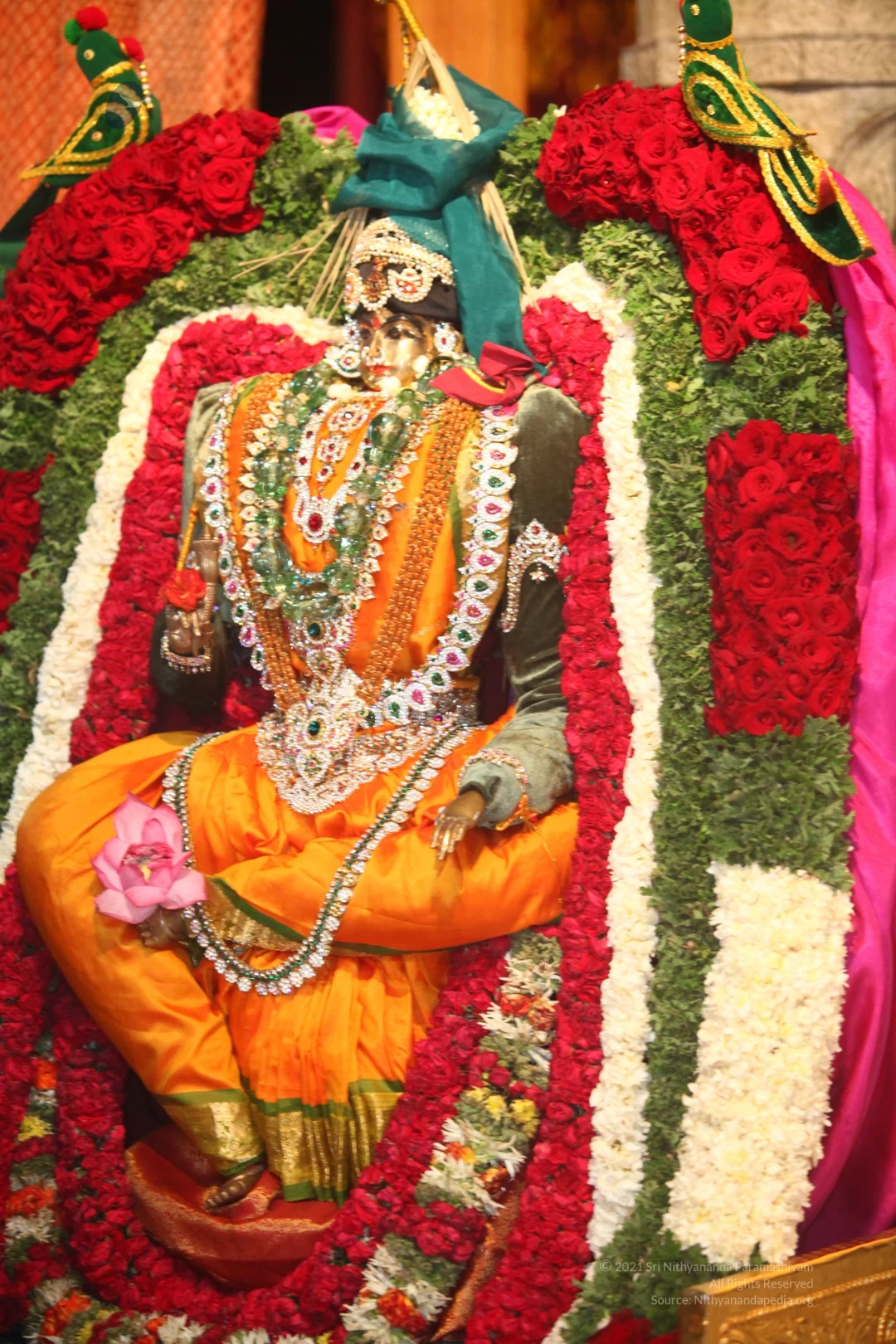
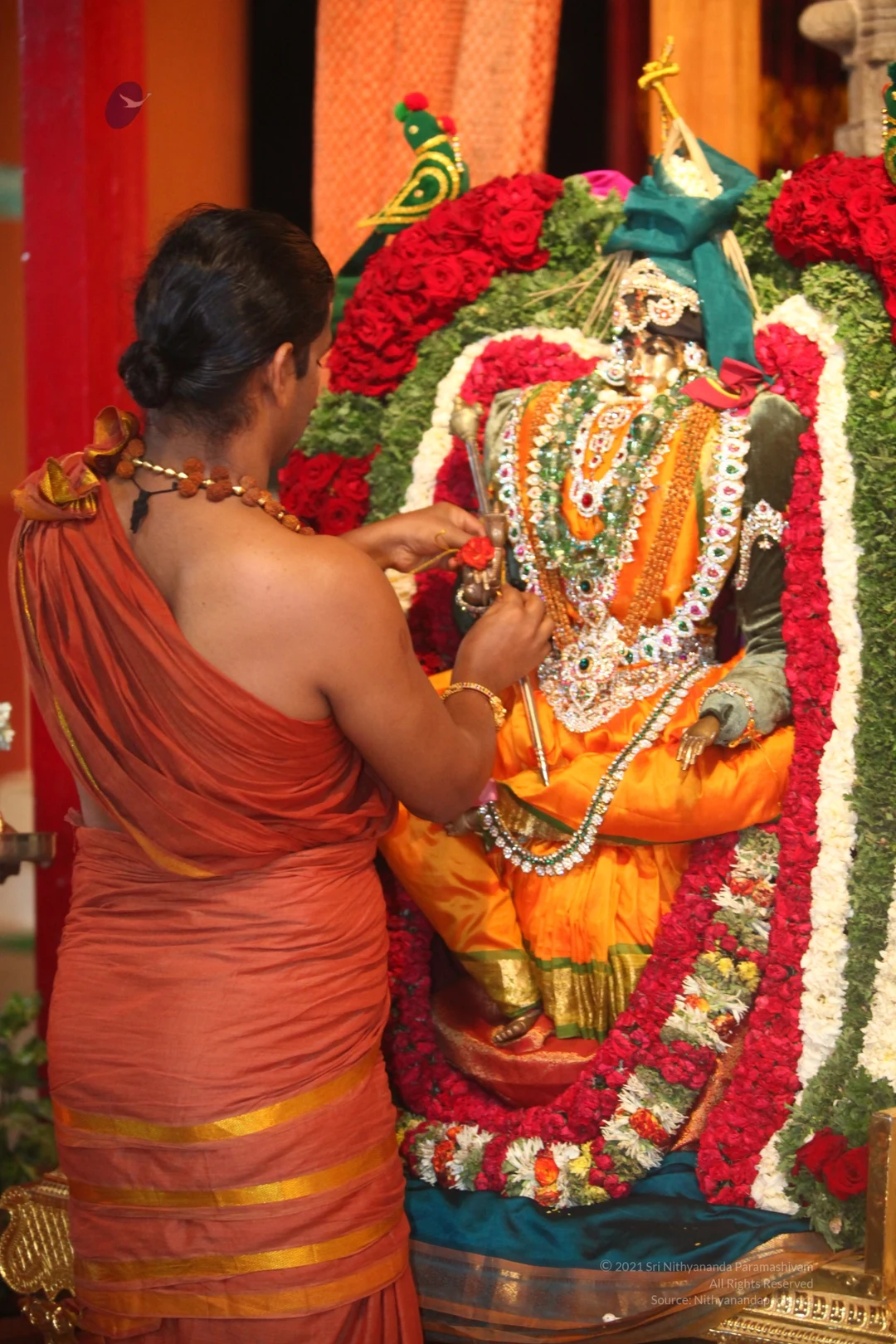
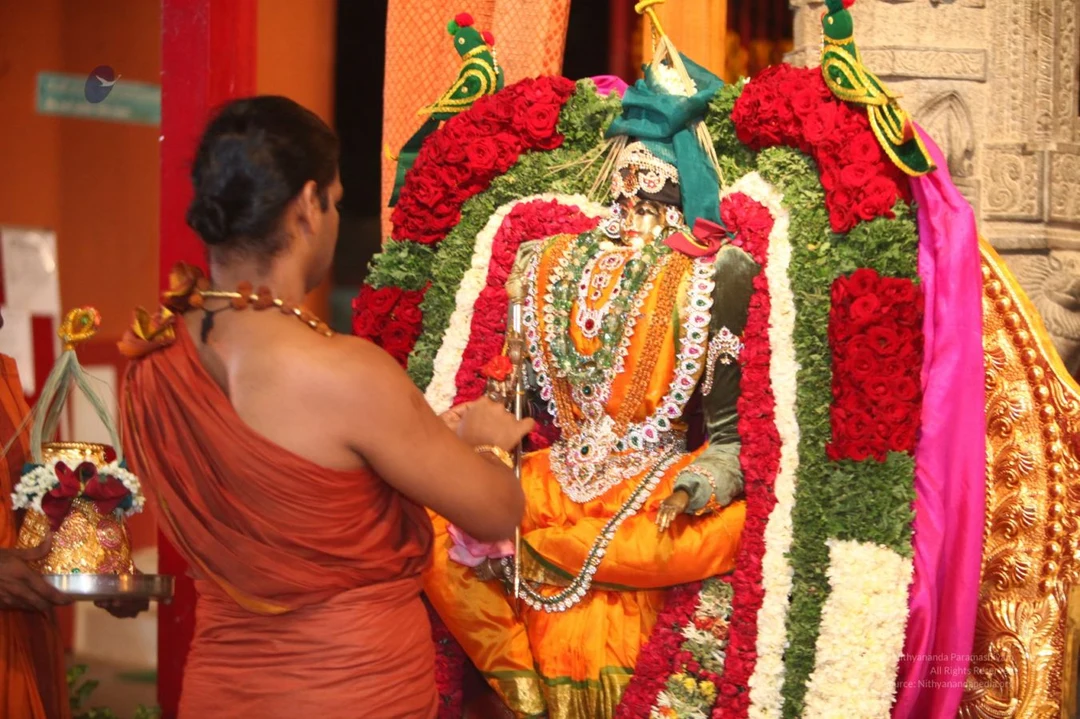
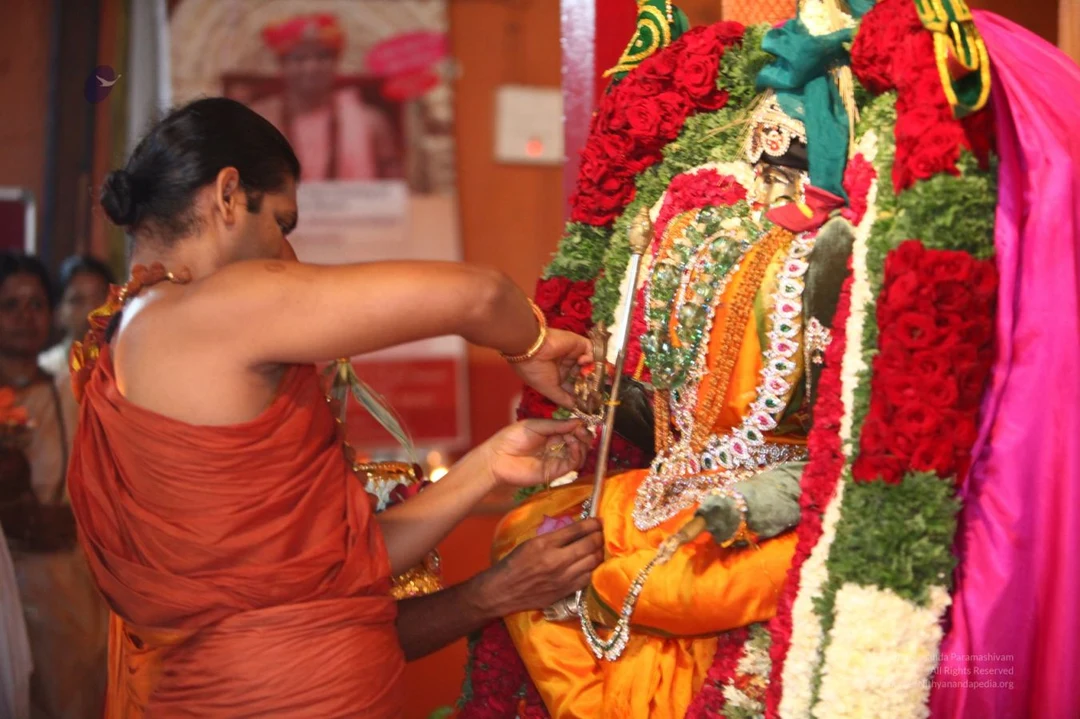
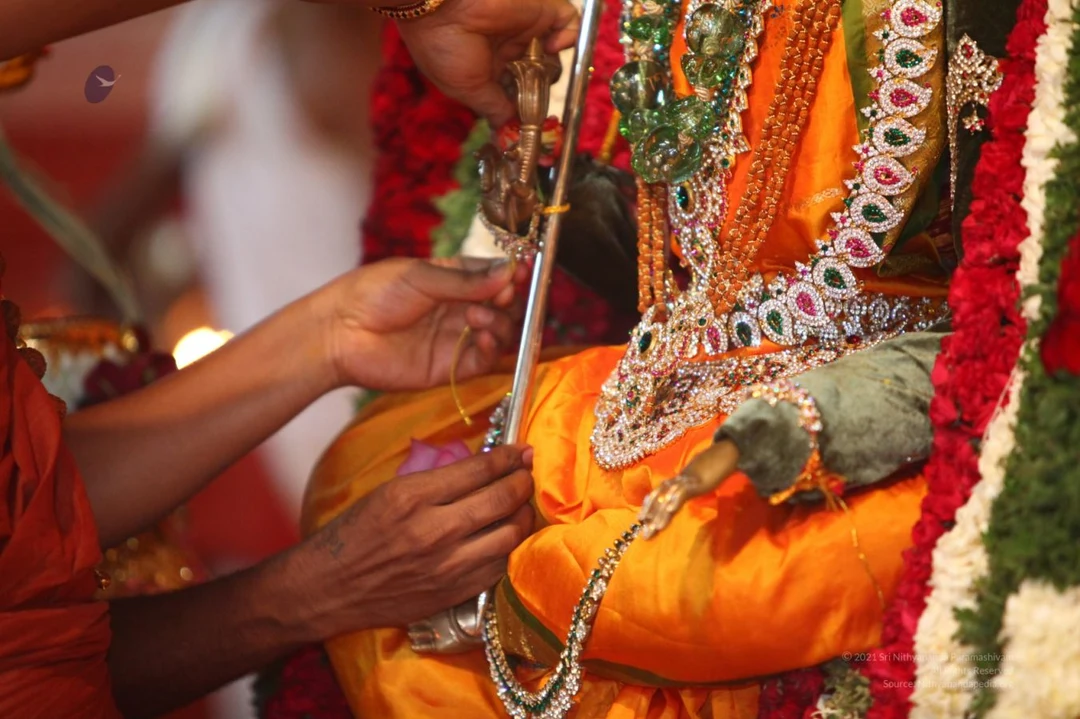
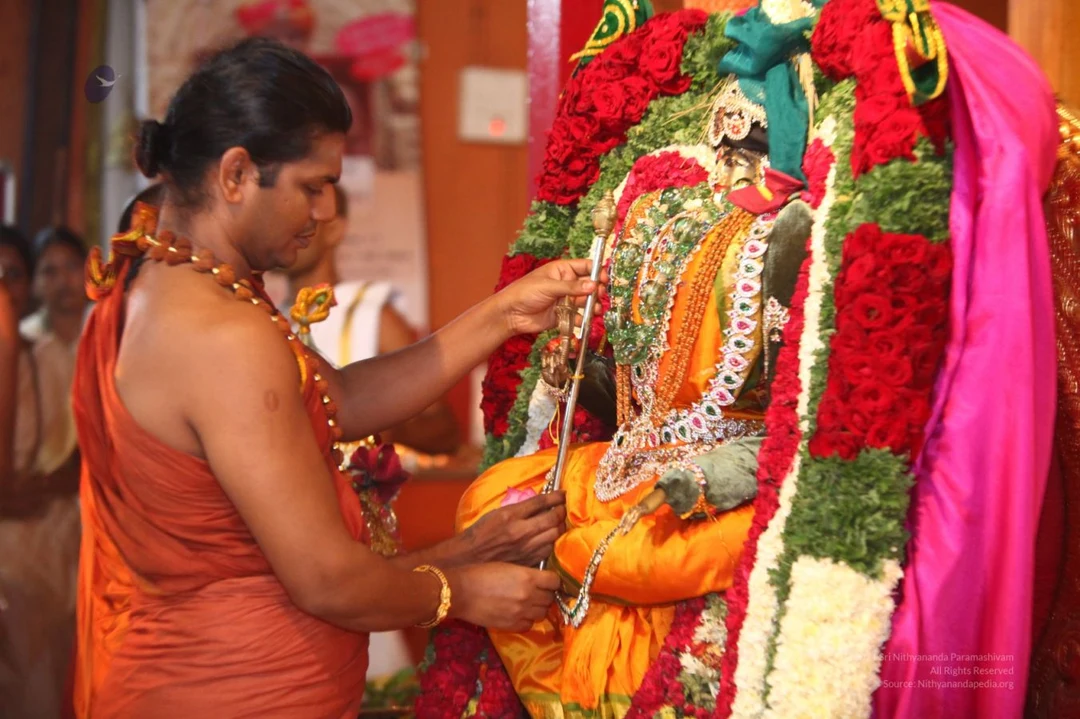
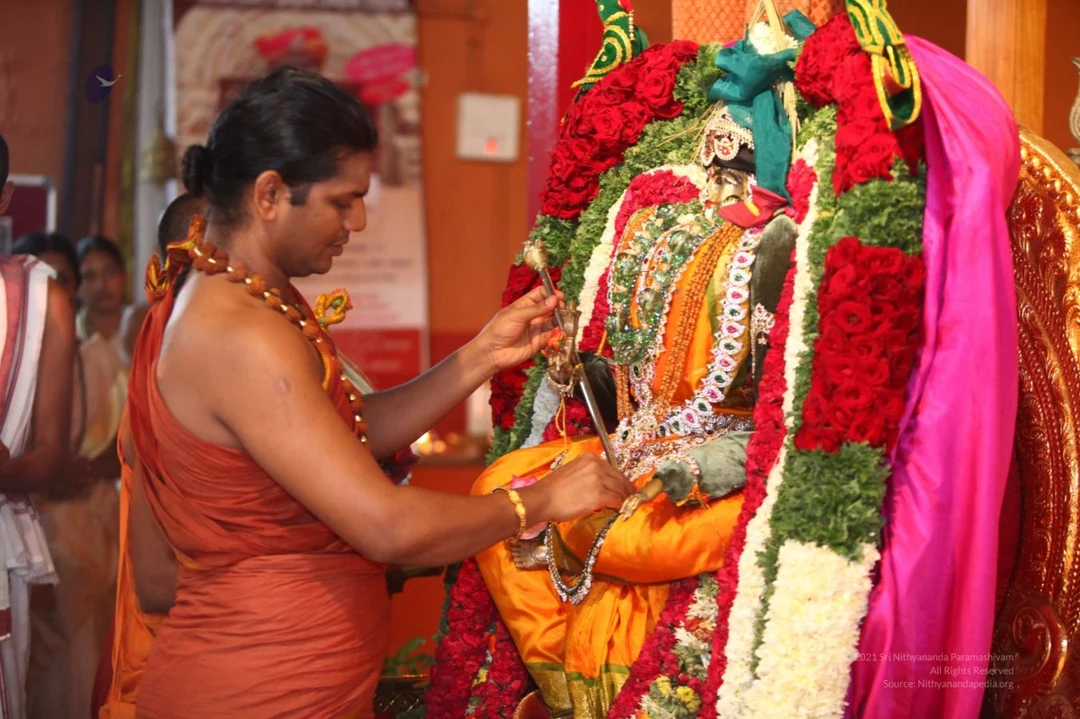
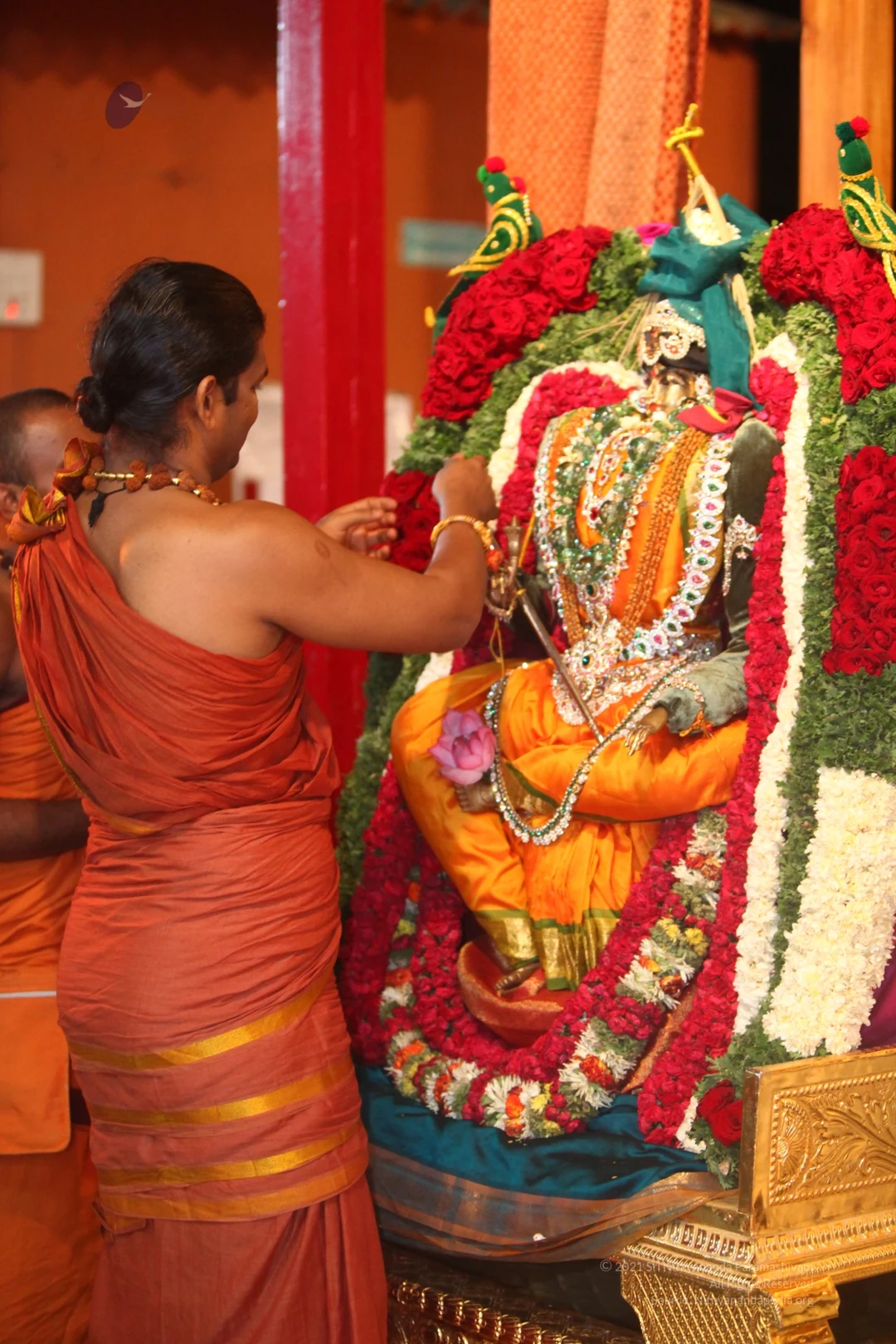
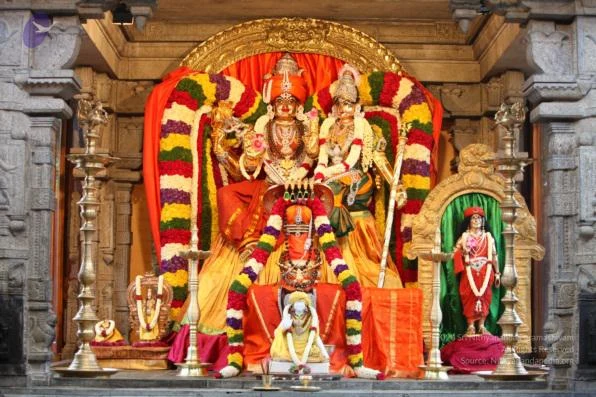
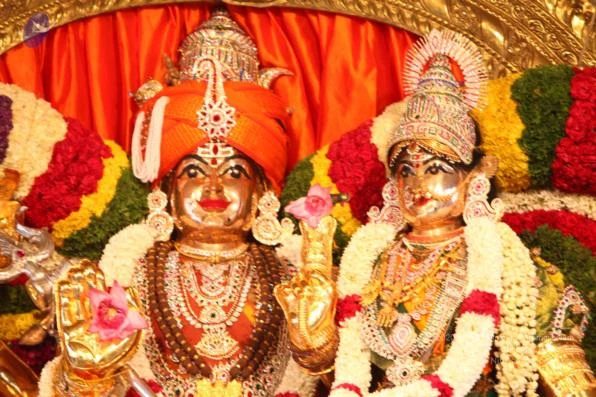
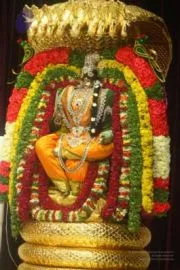
Devi Meenakshi Pattabishekam
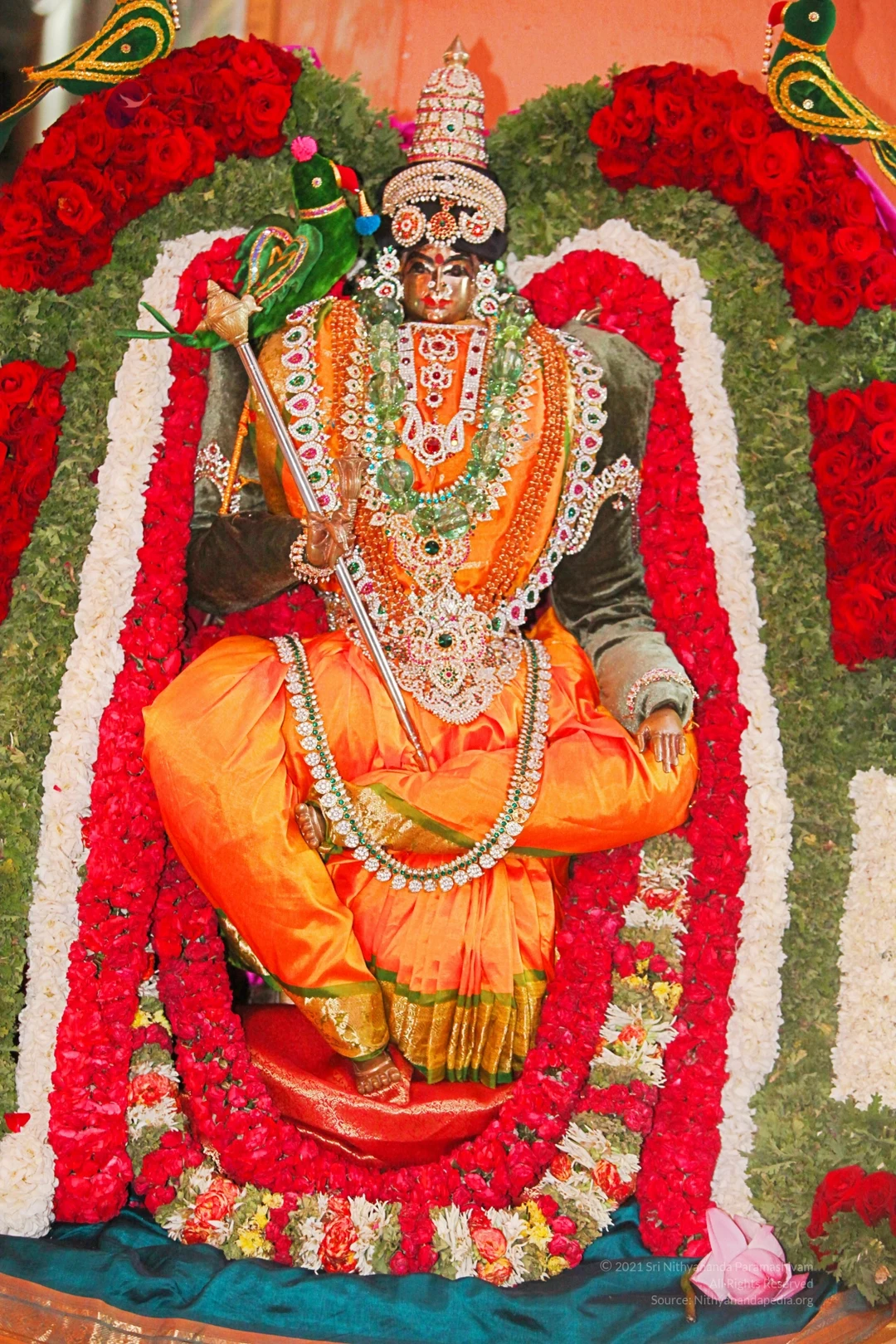
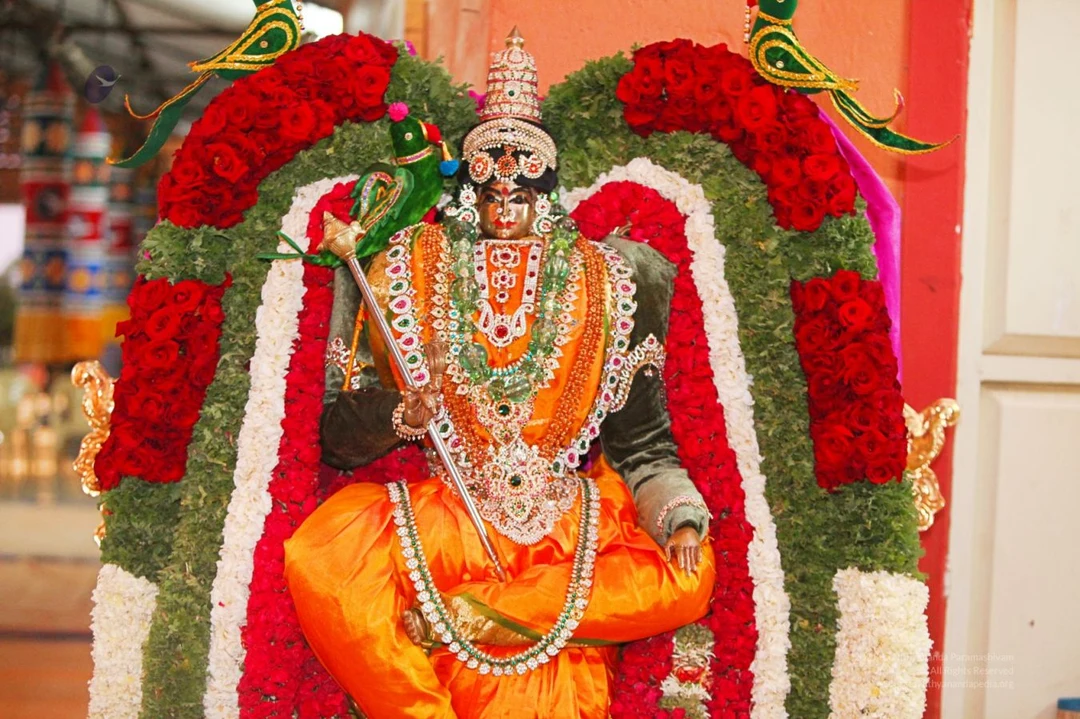
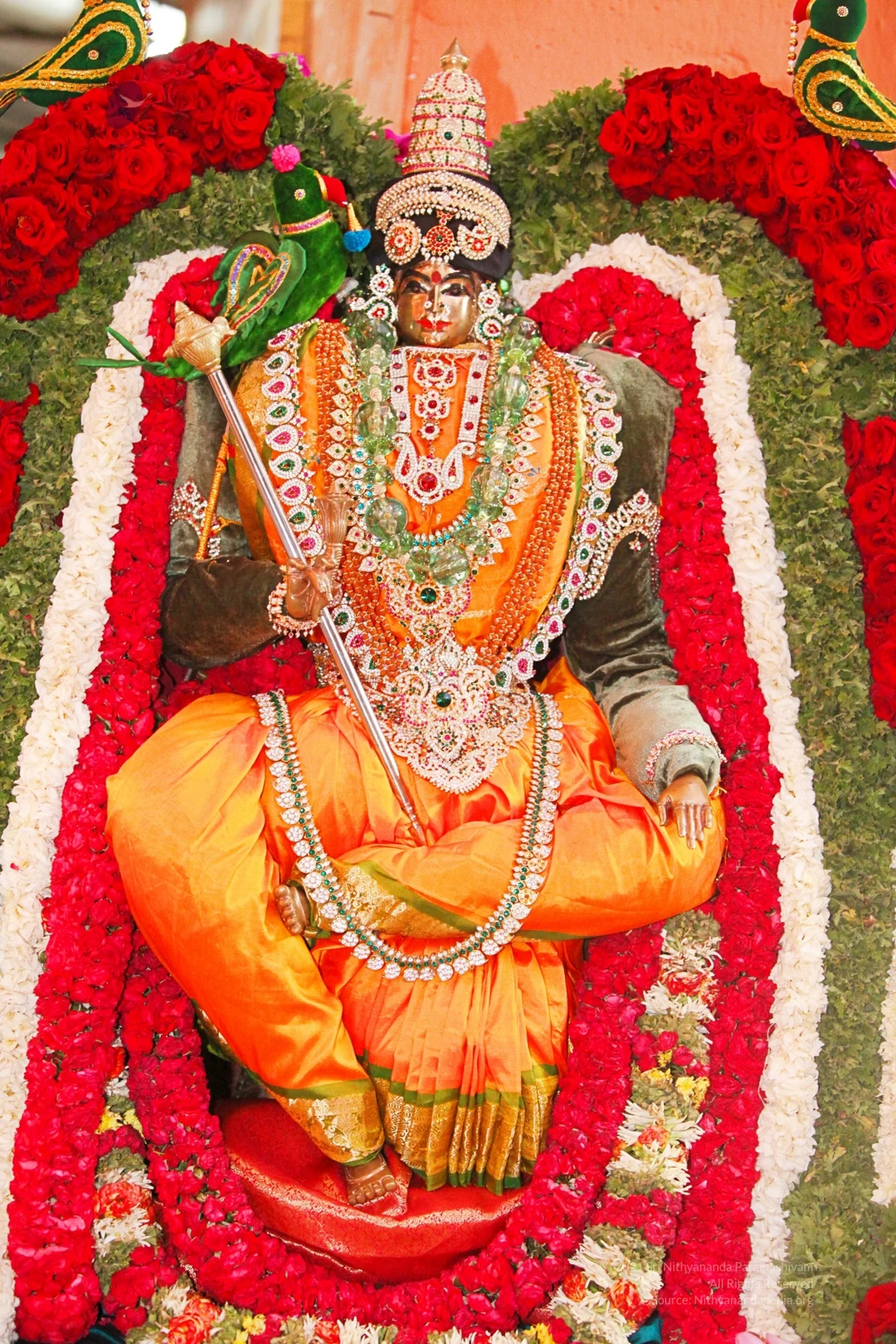
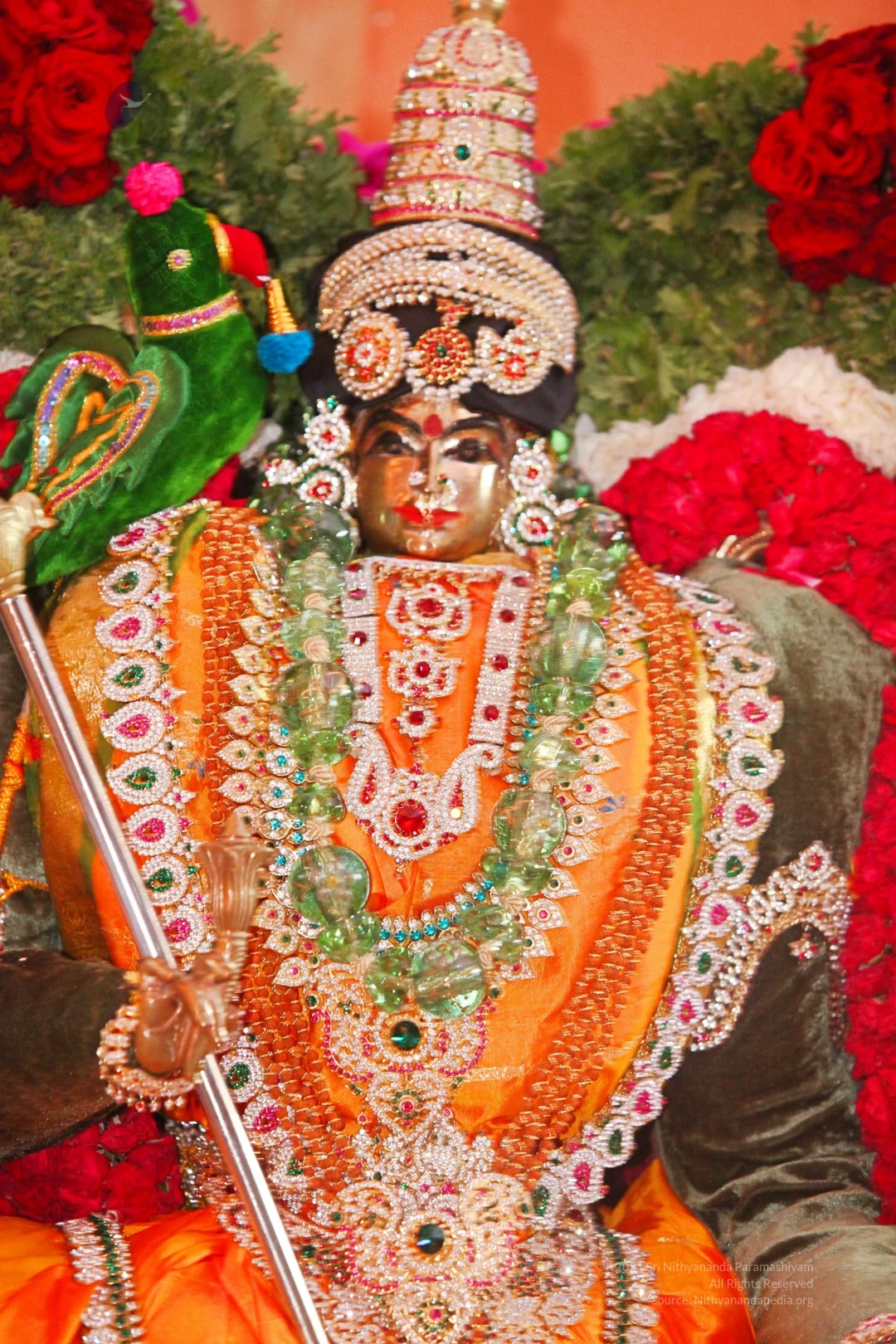
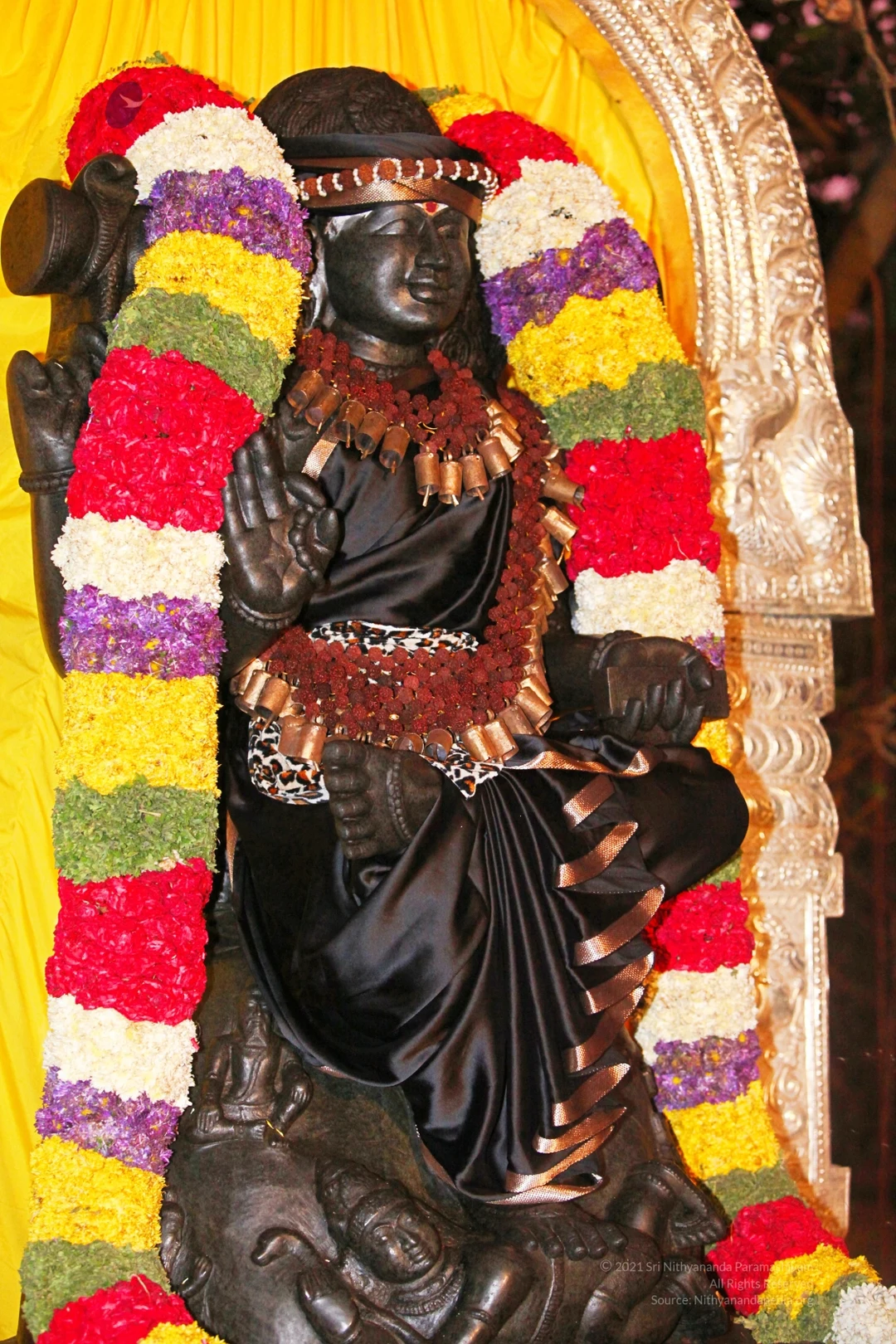
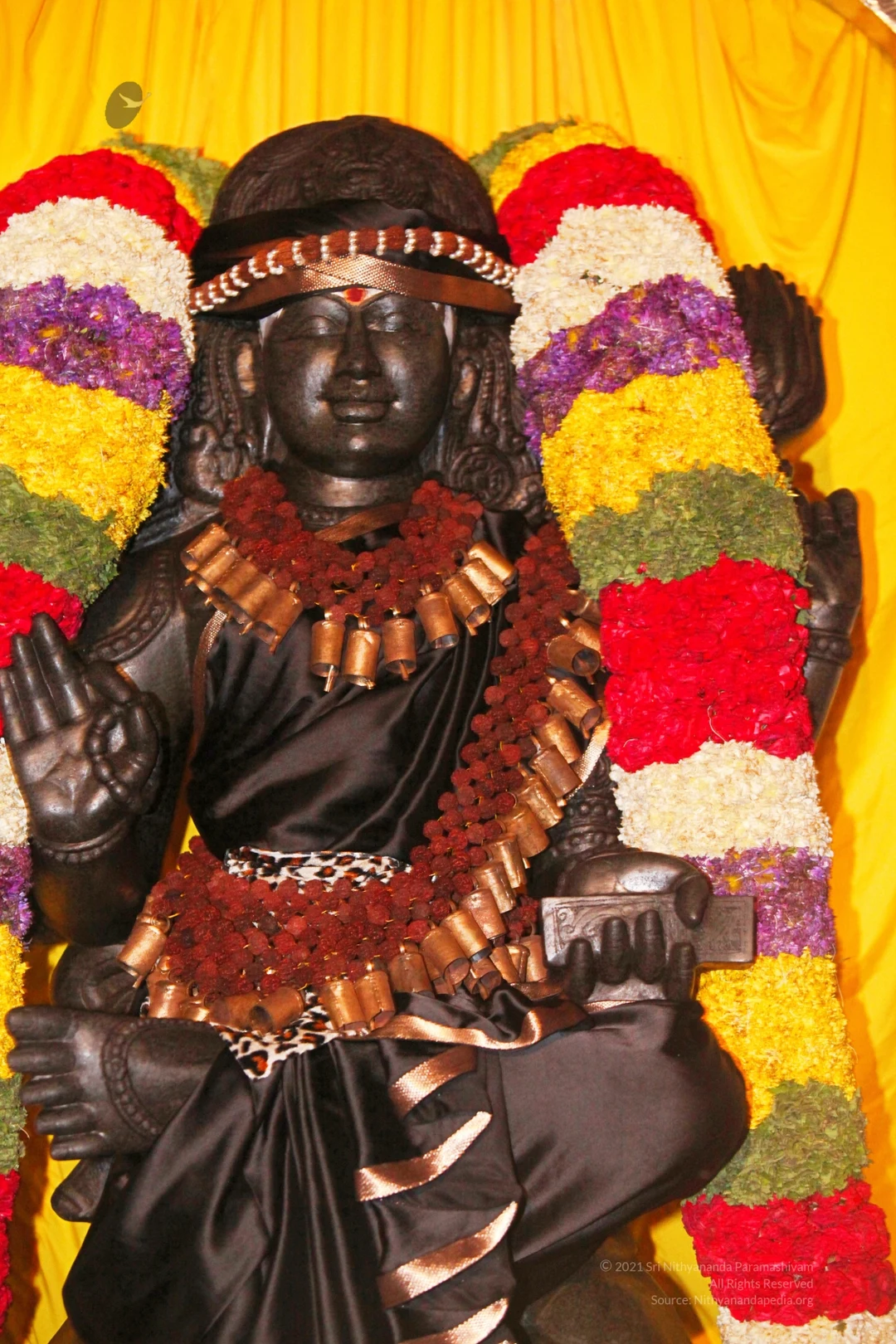
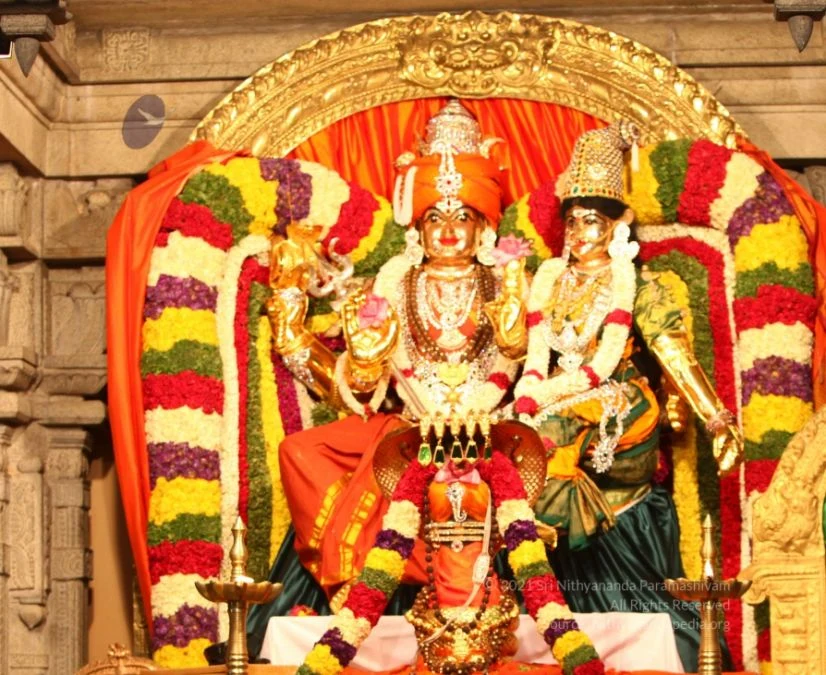

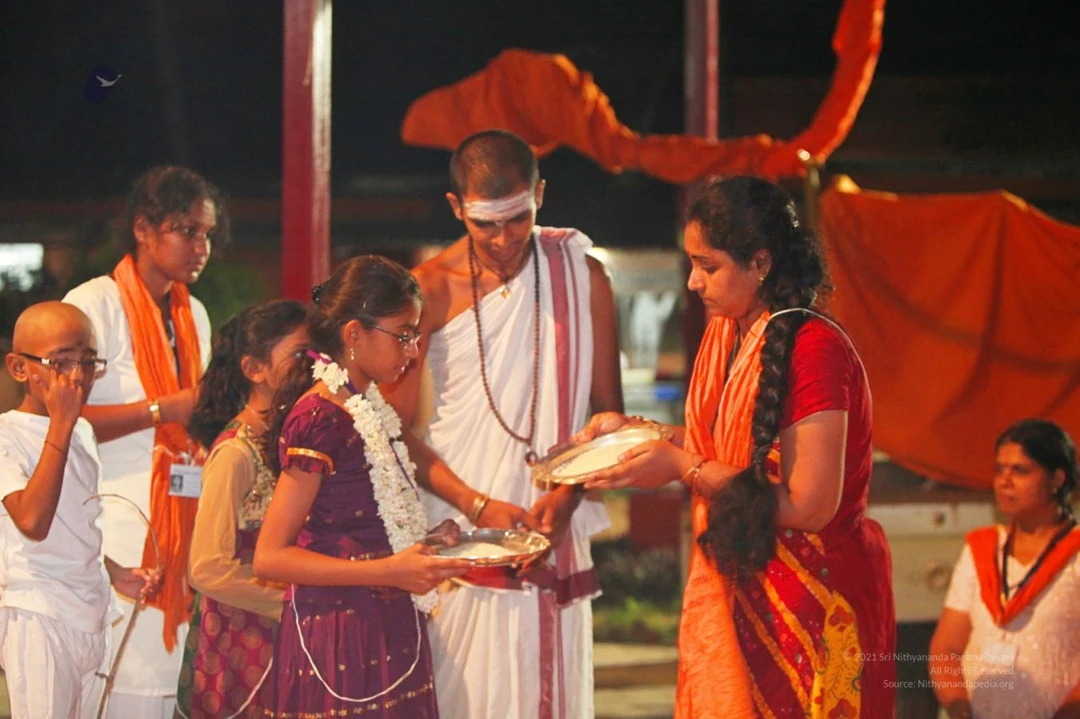
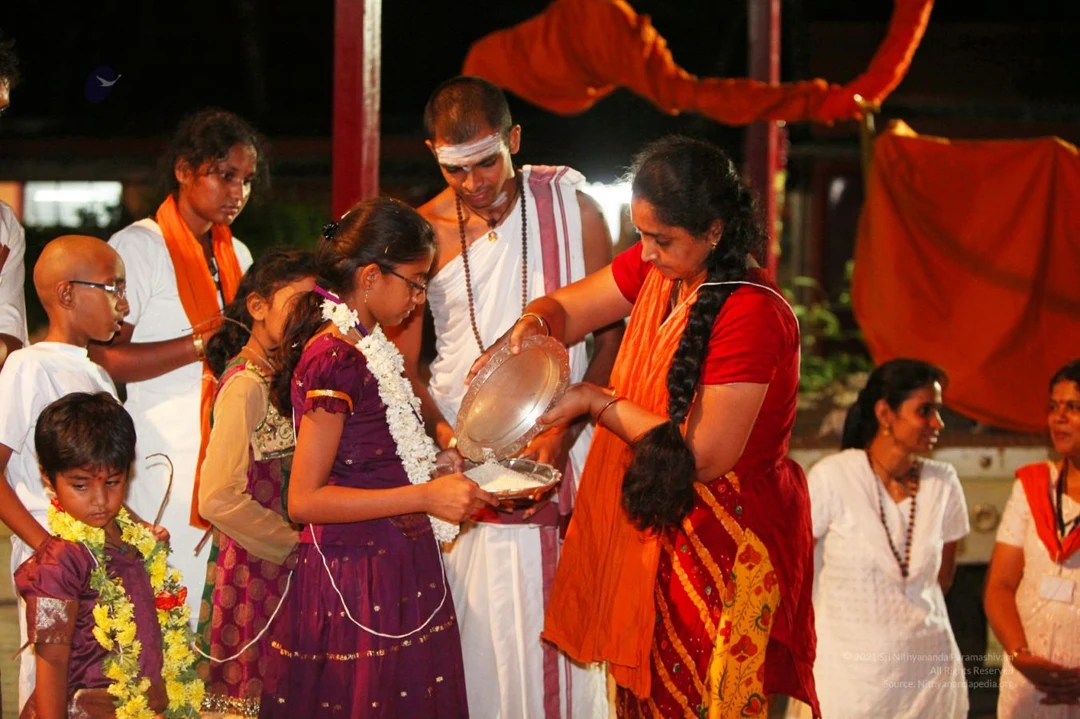
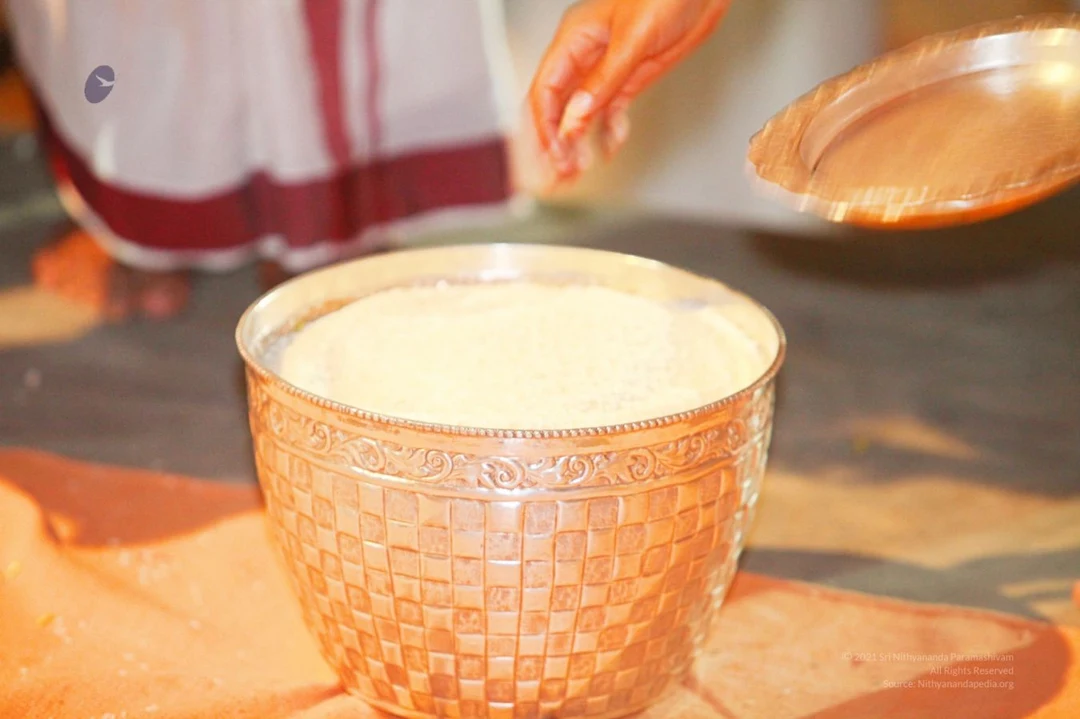
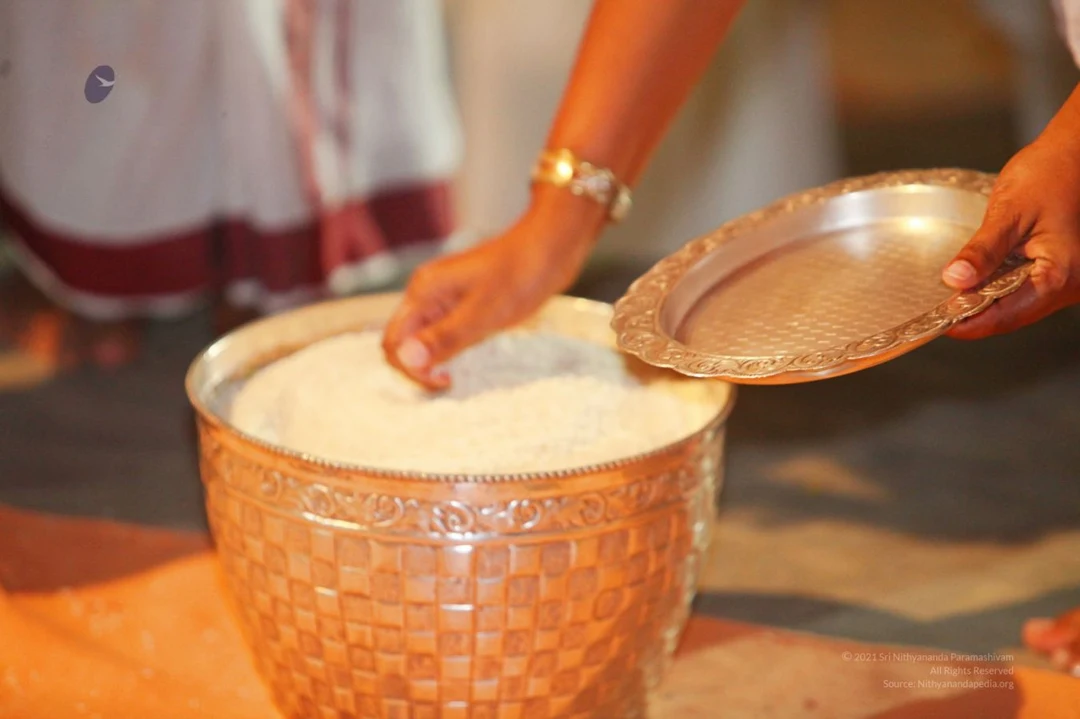
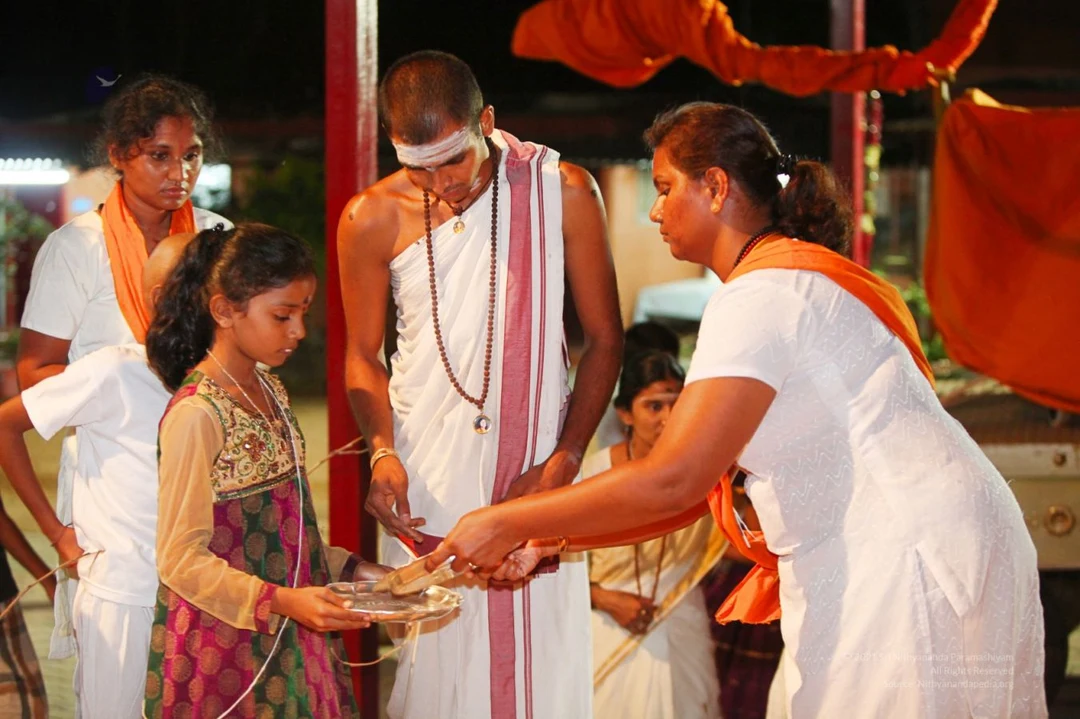
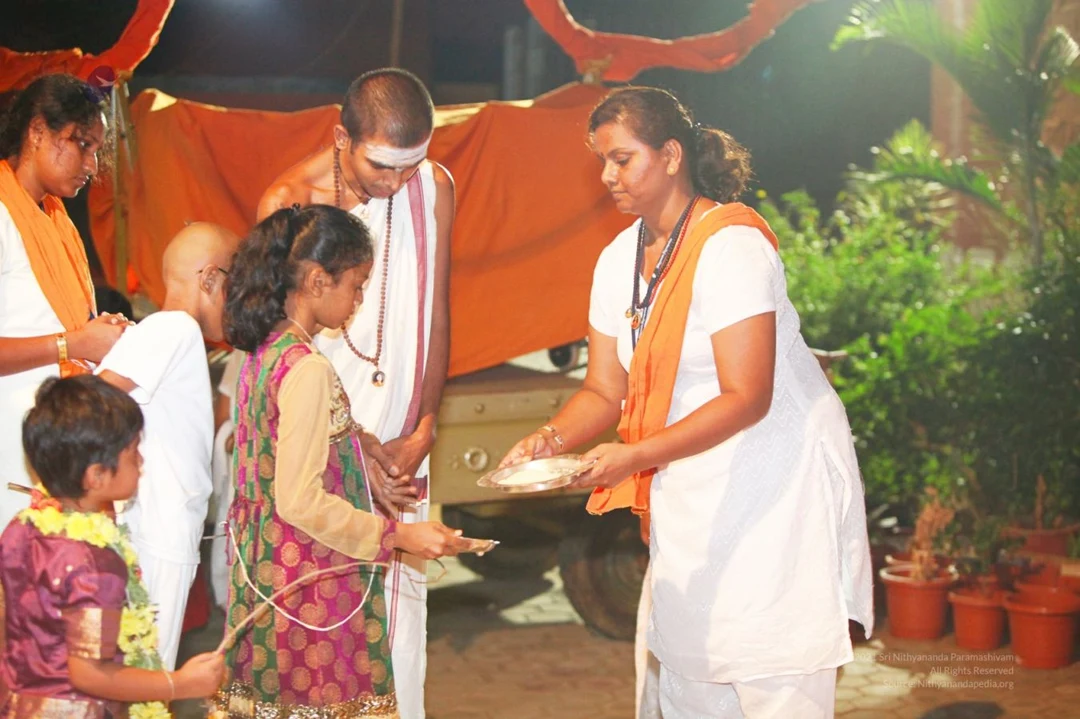
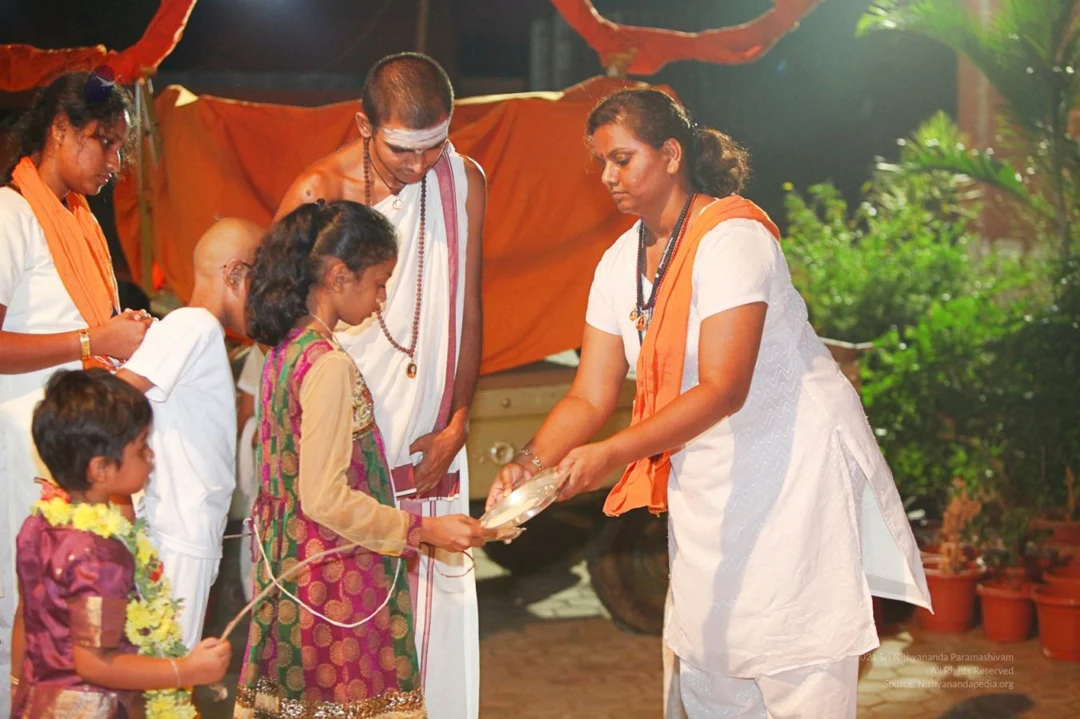
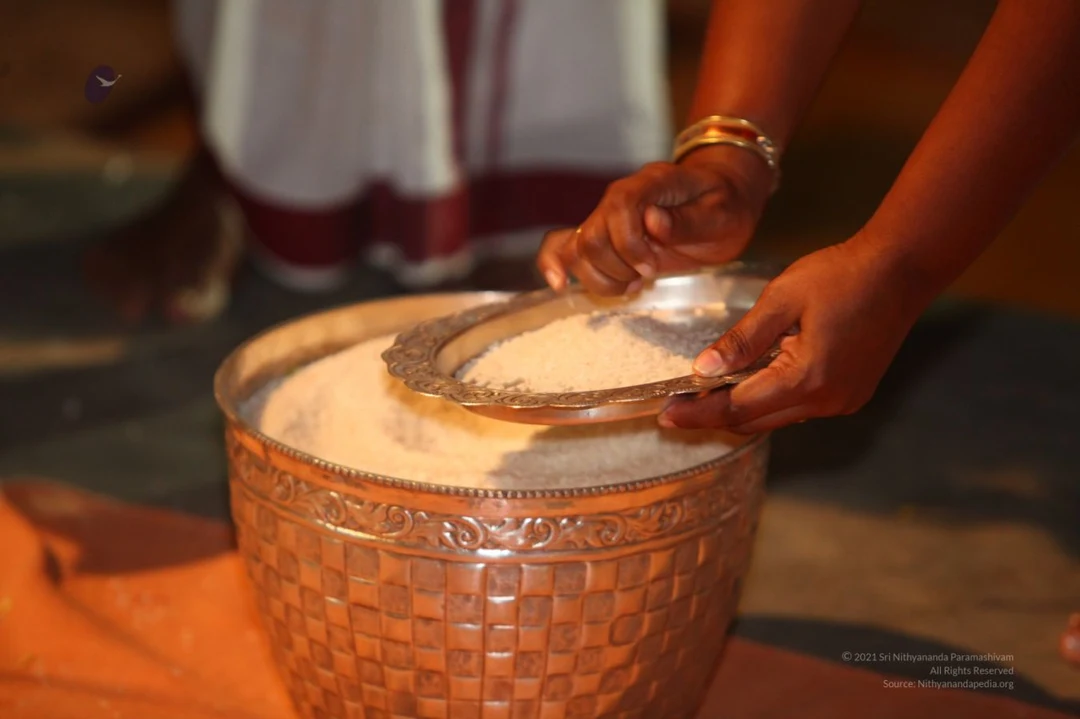
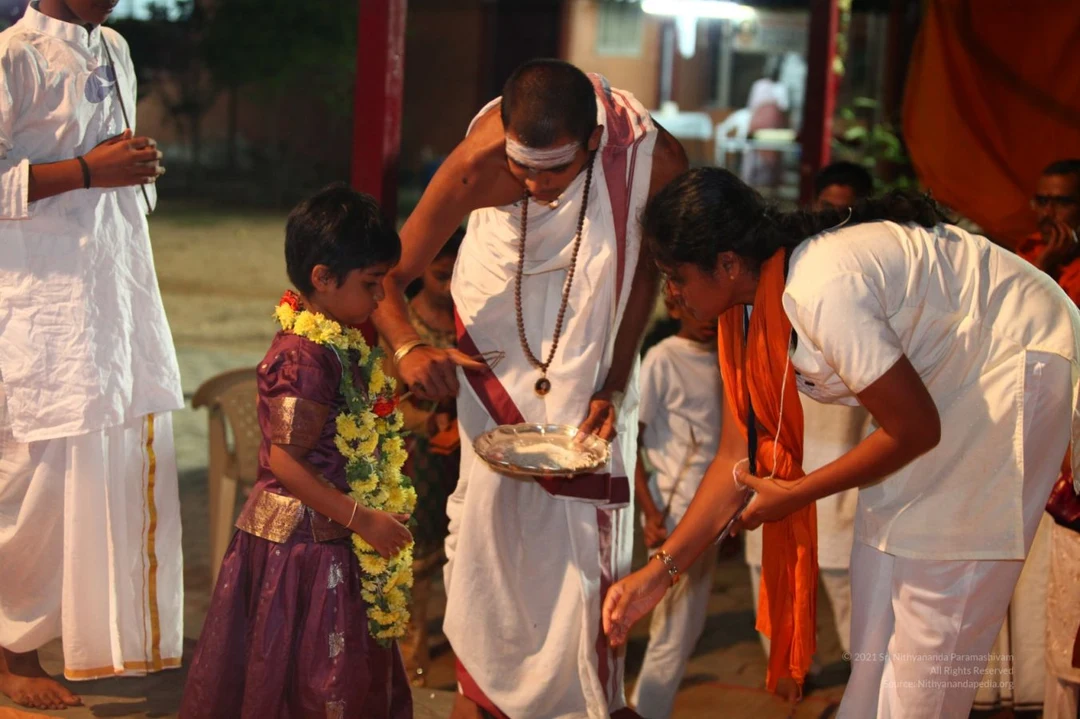
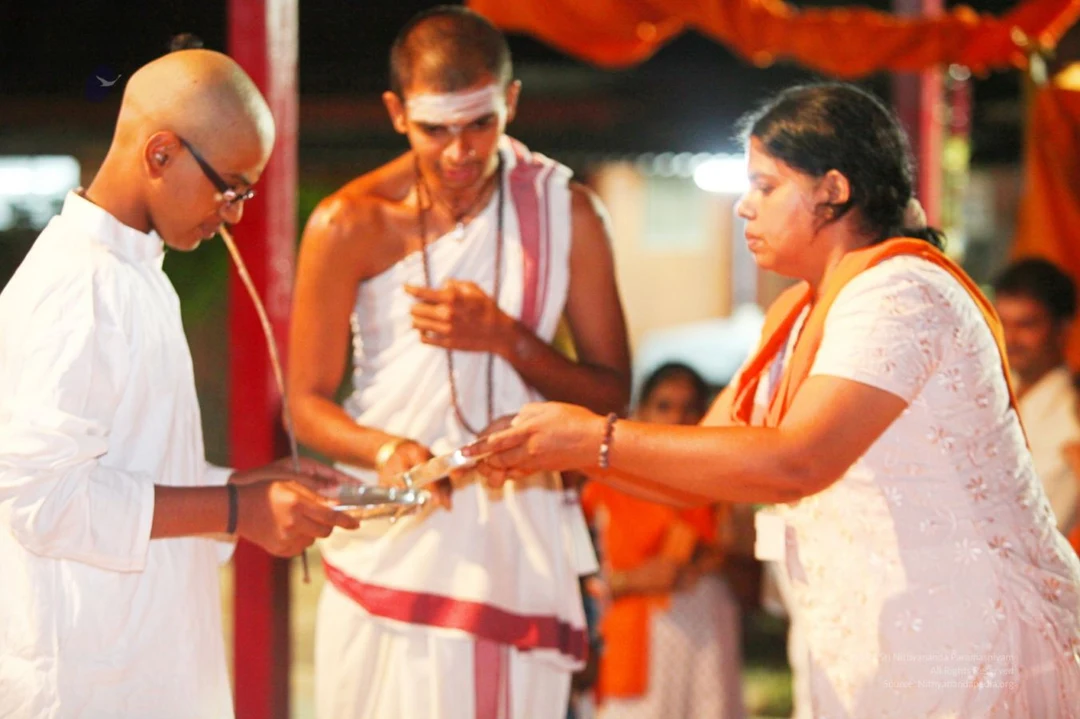
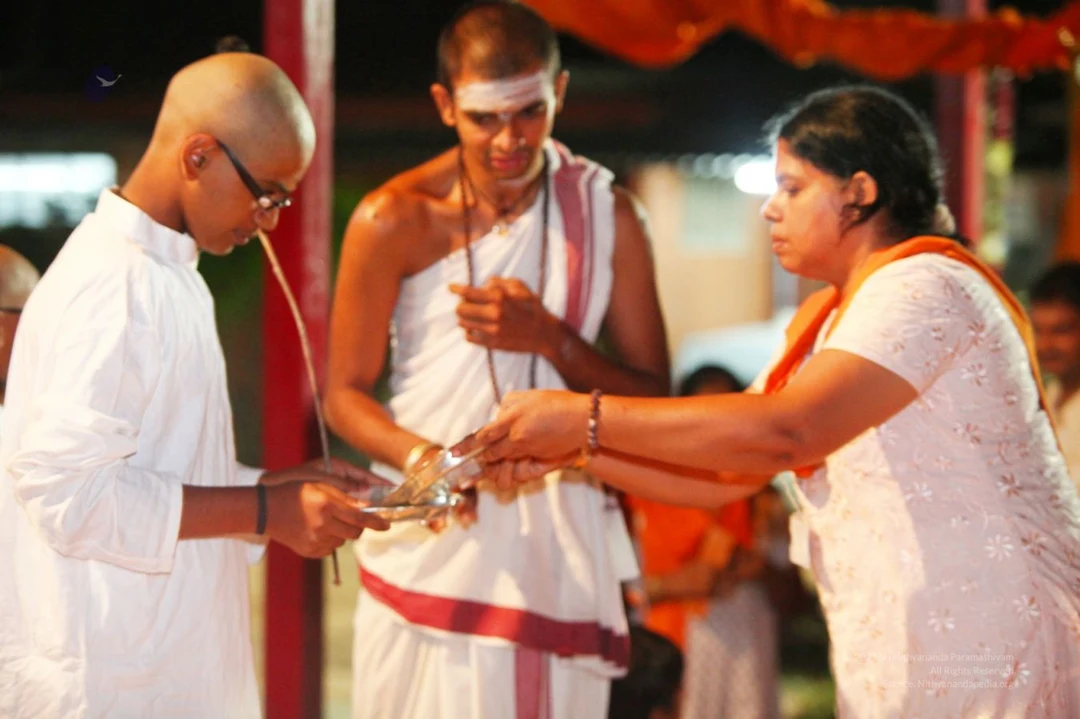
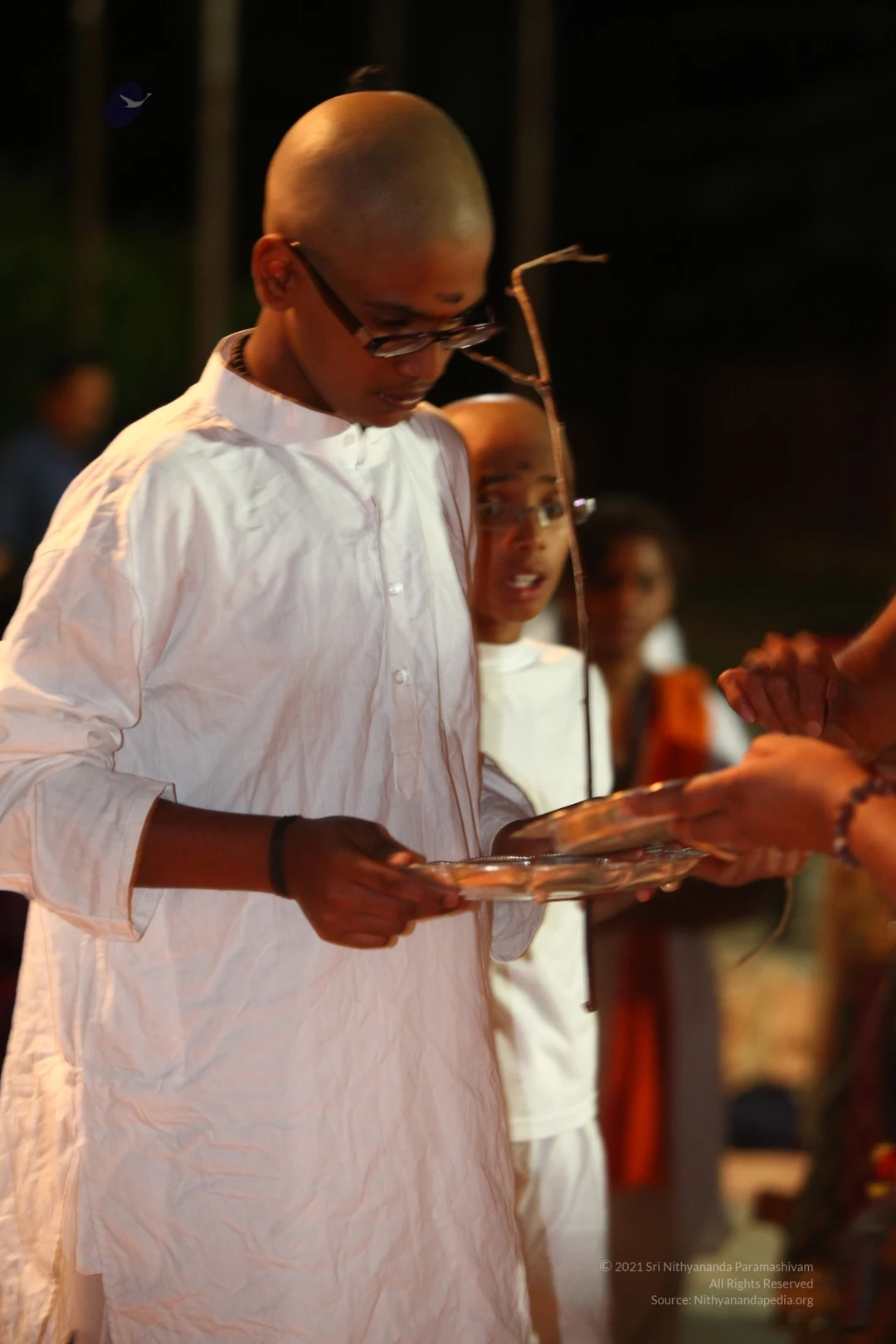
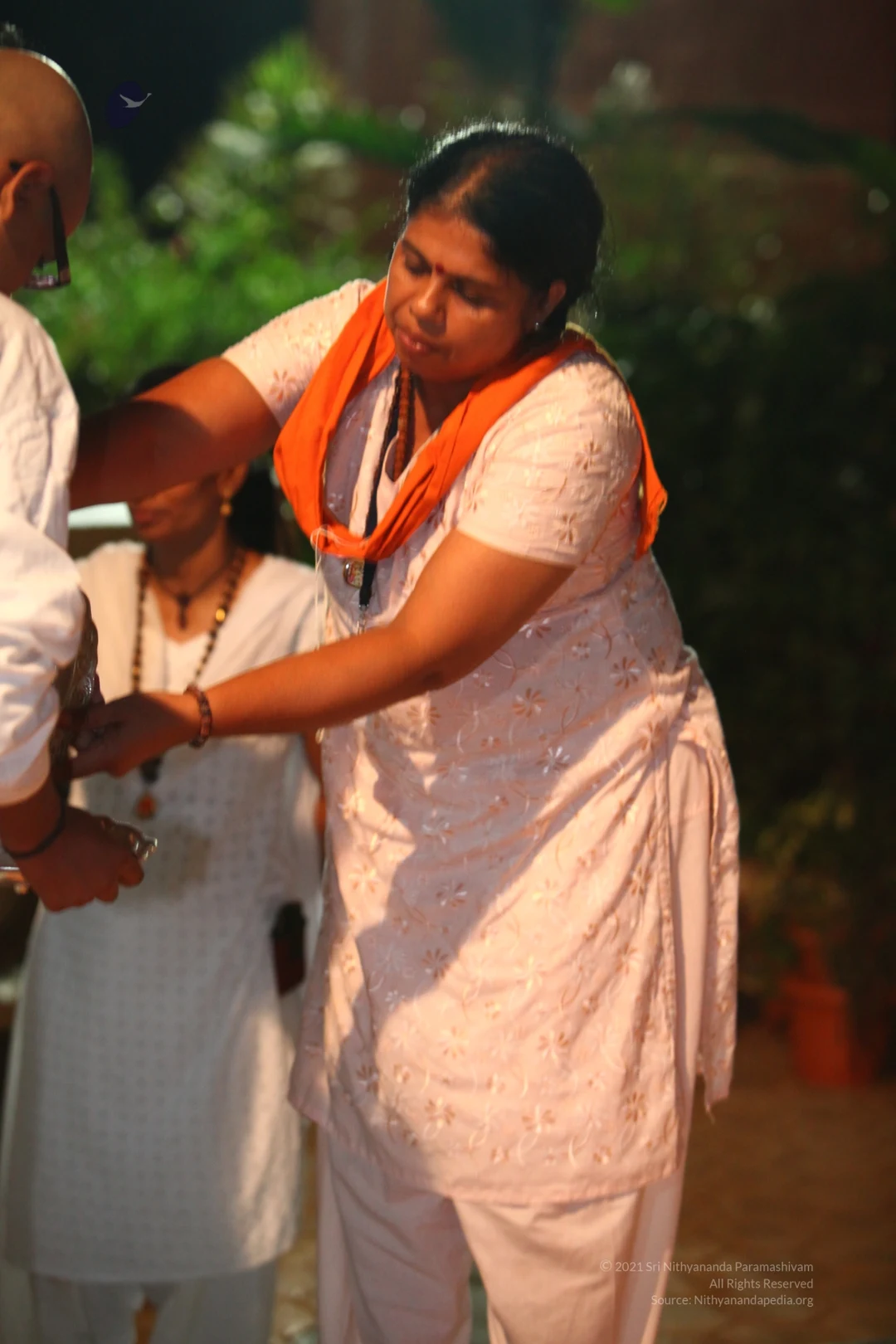

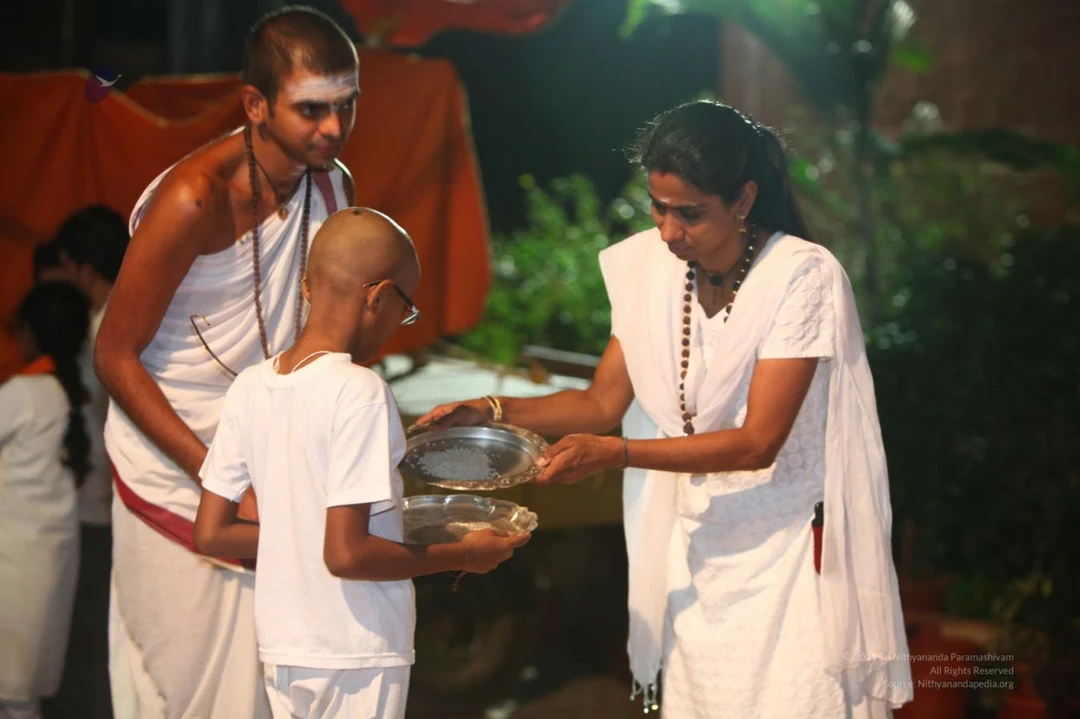
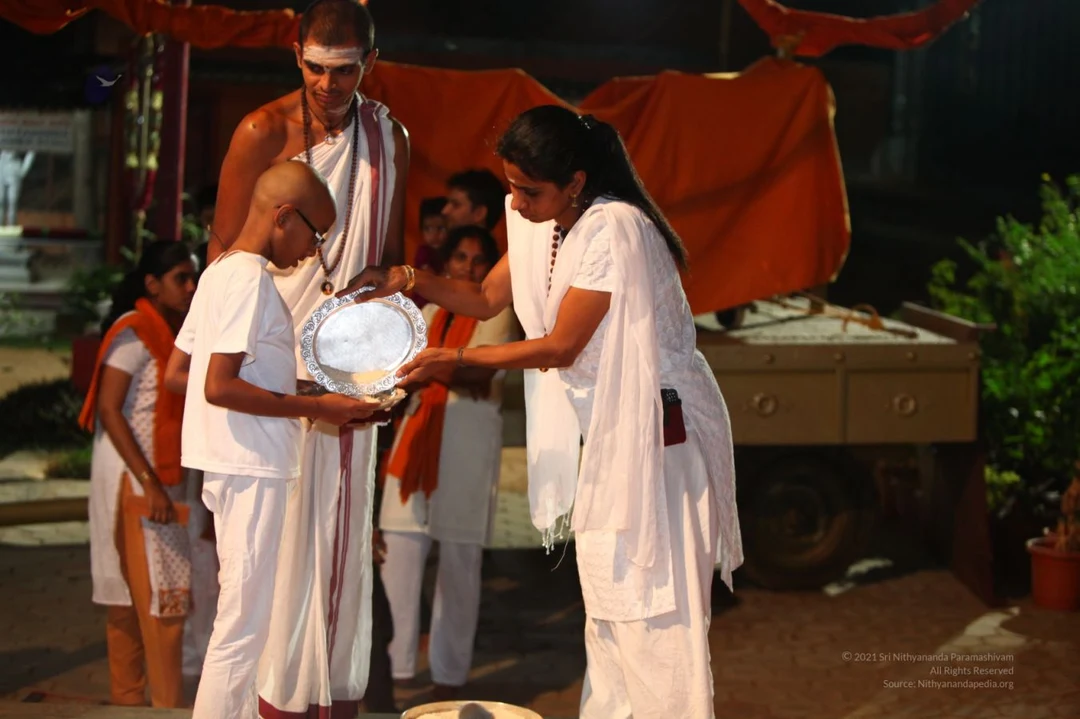
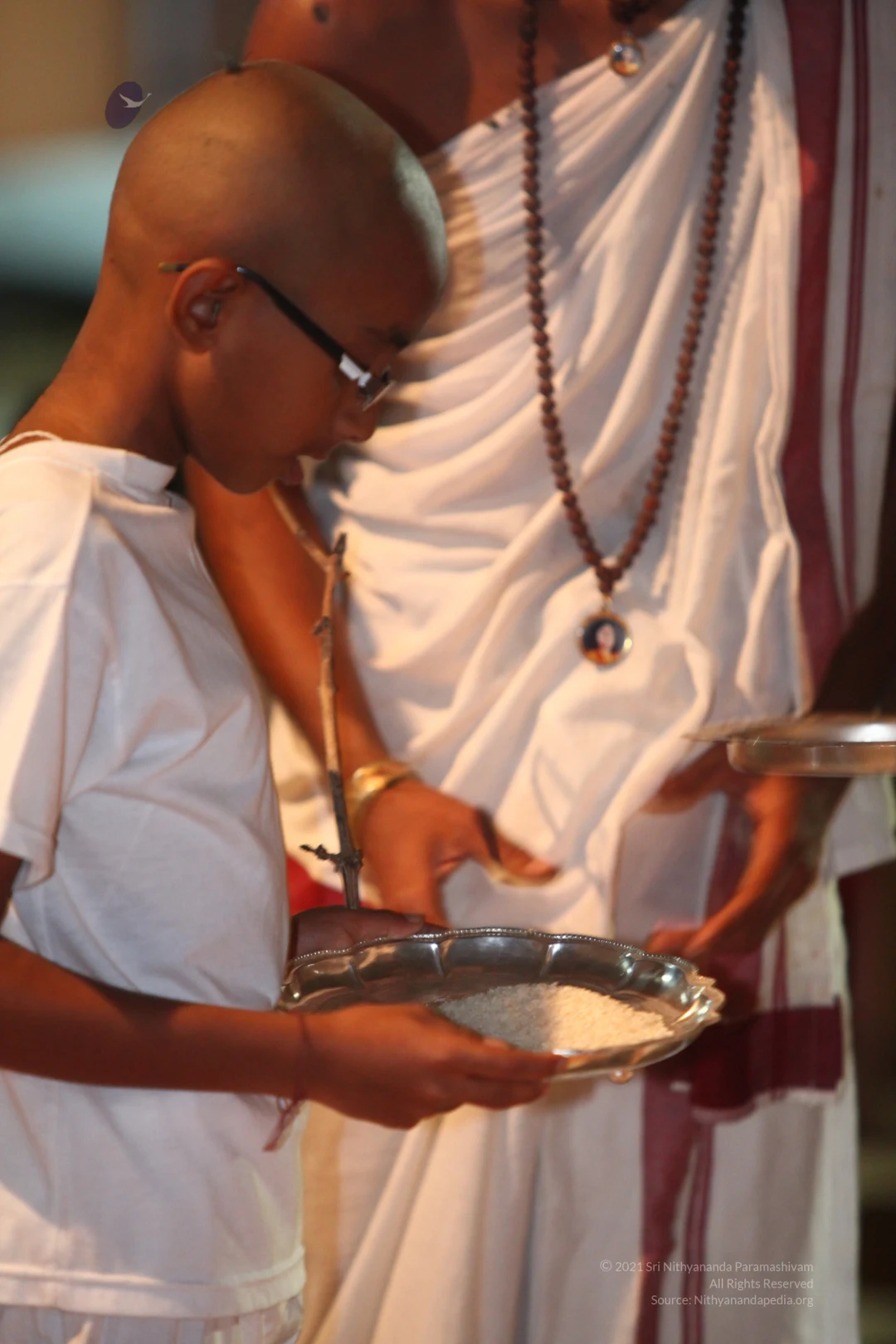
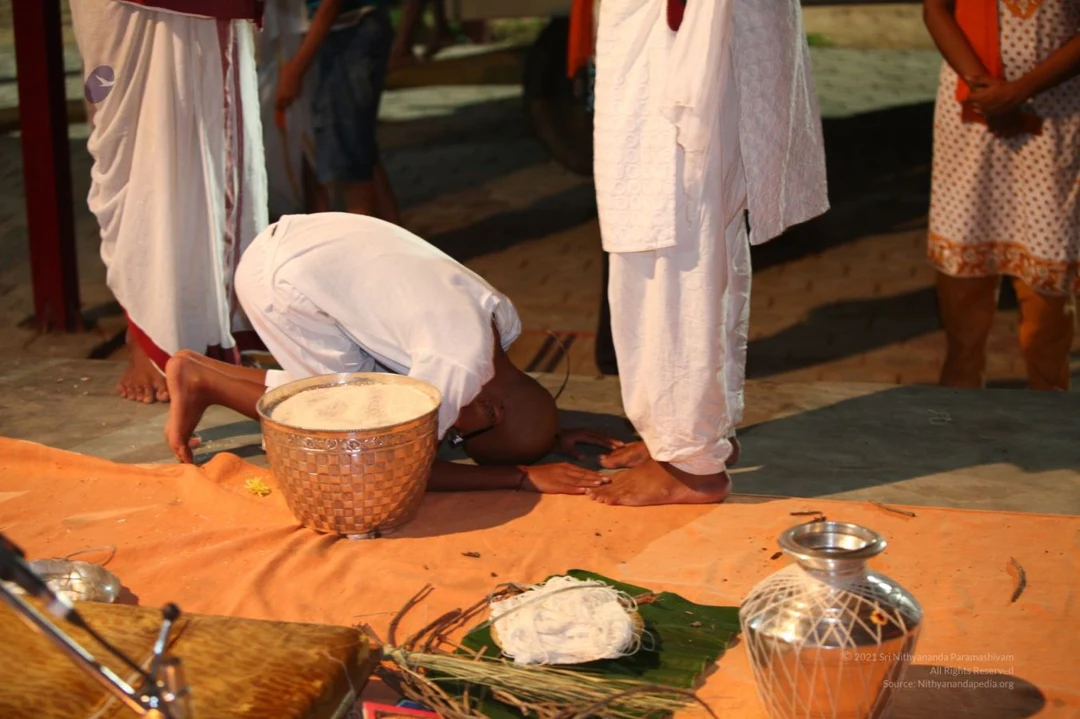
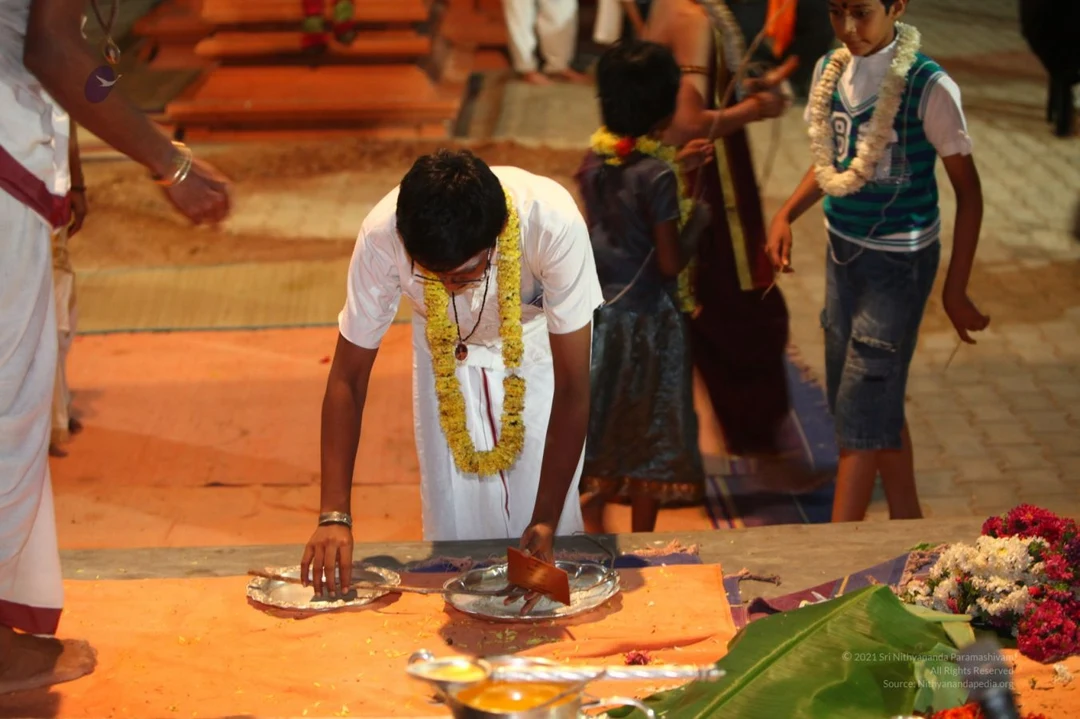
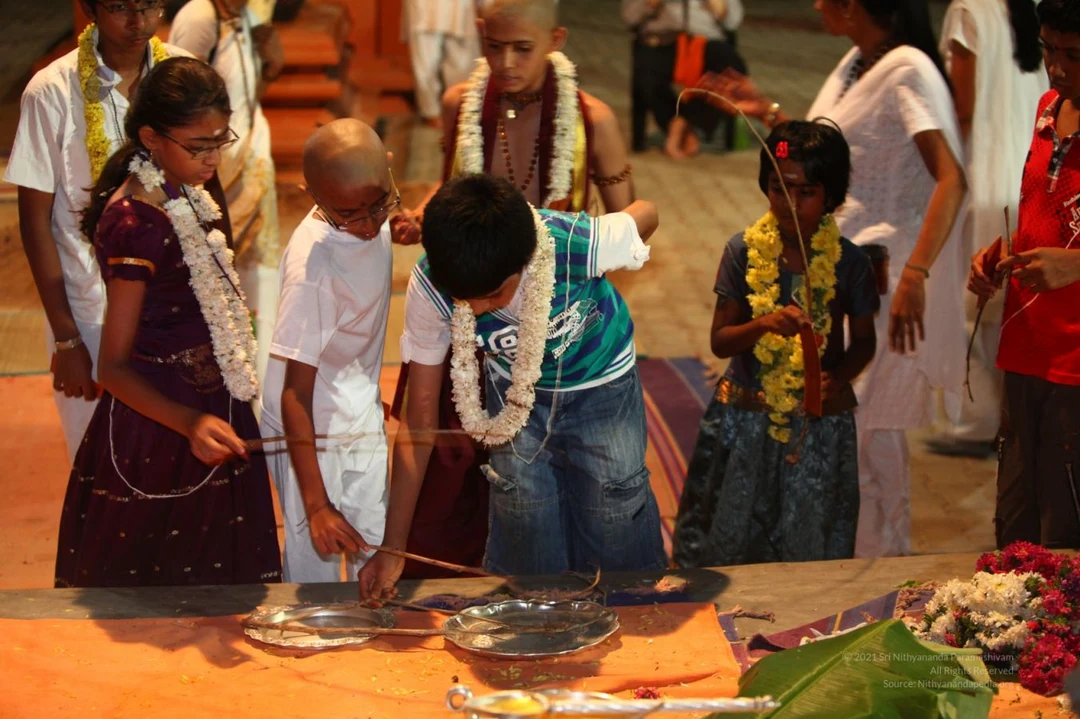
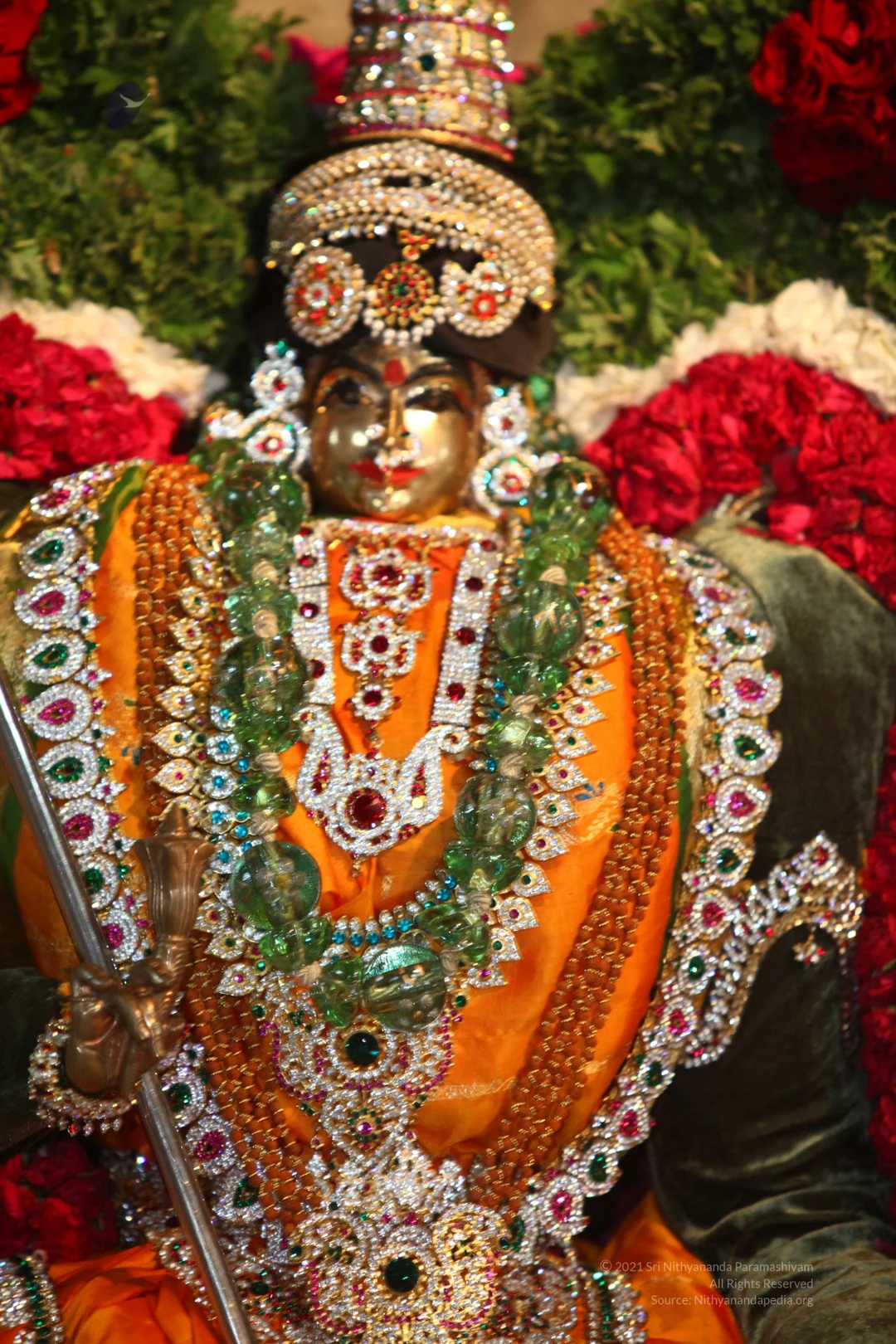
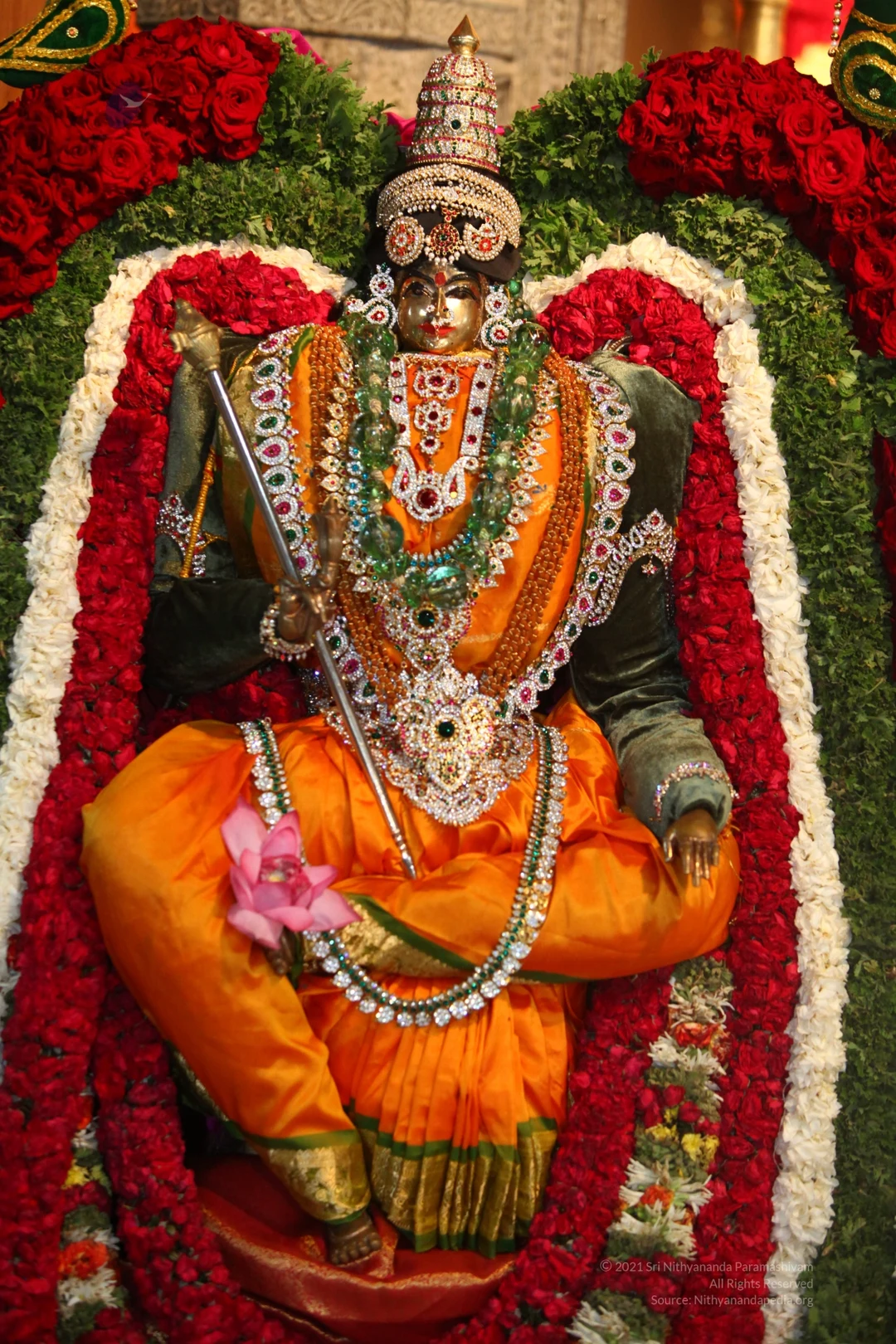
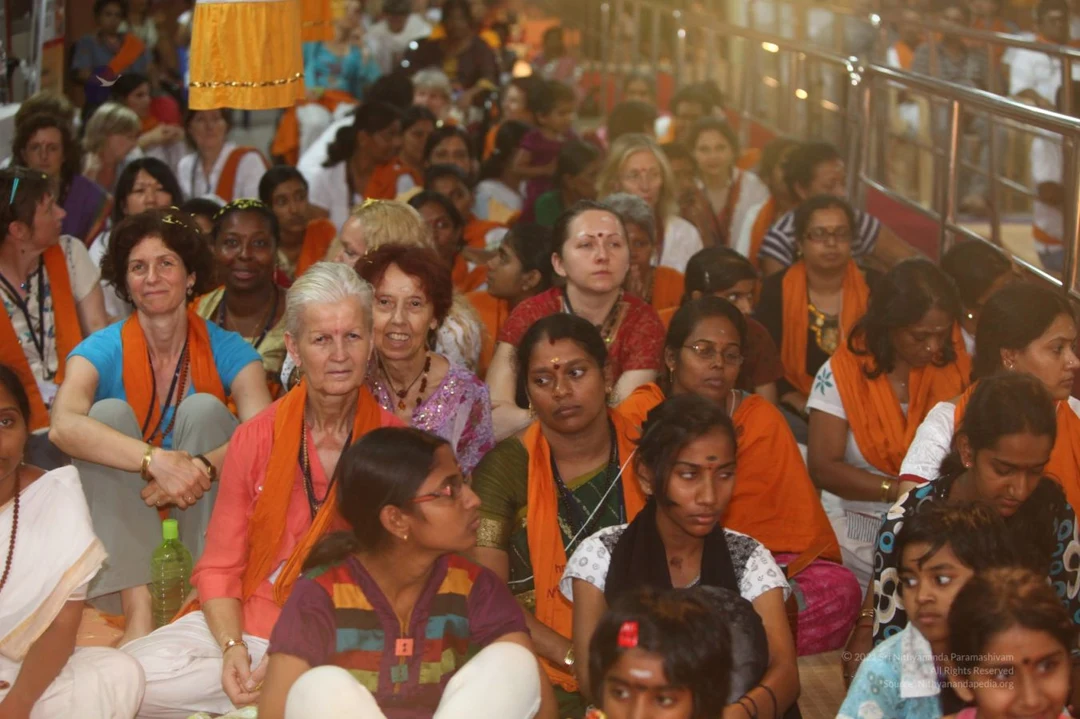
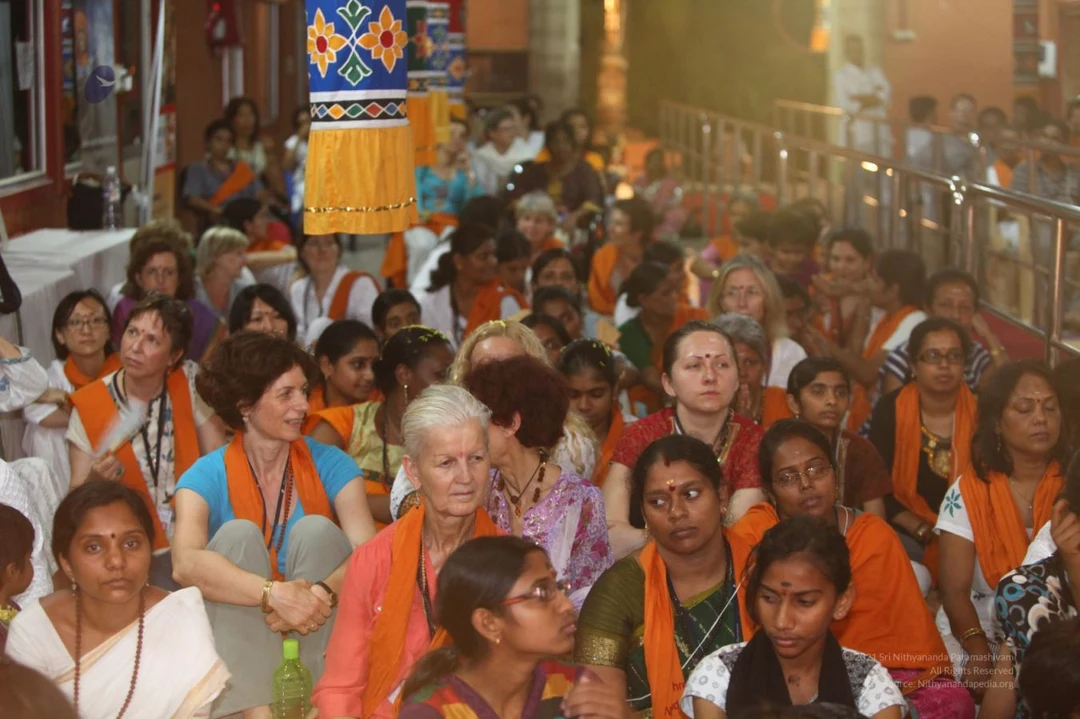
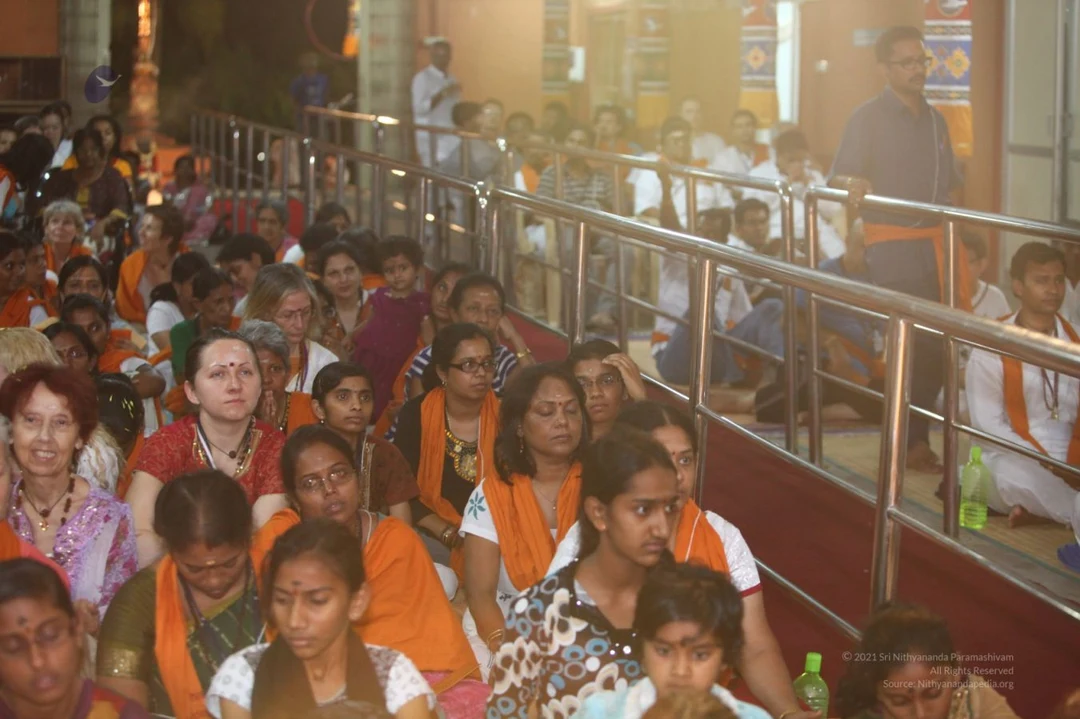
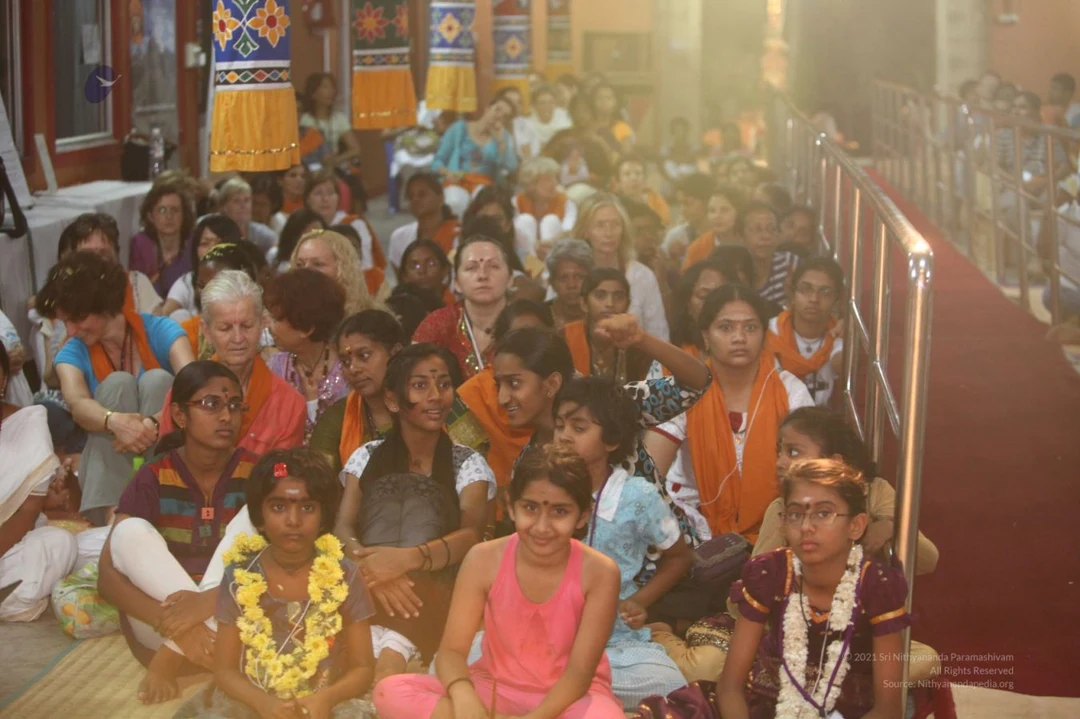
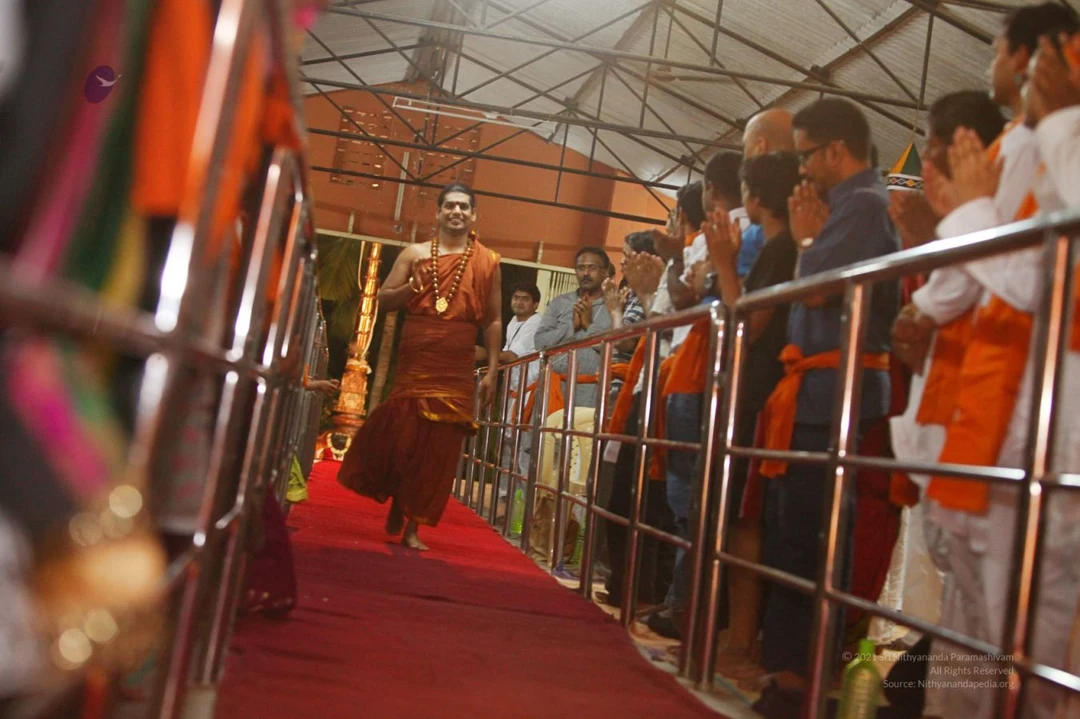
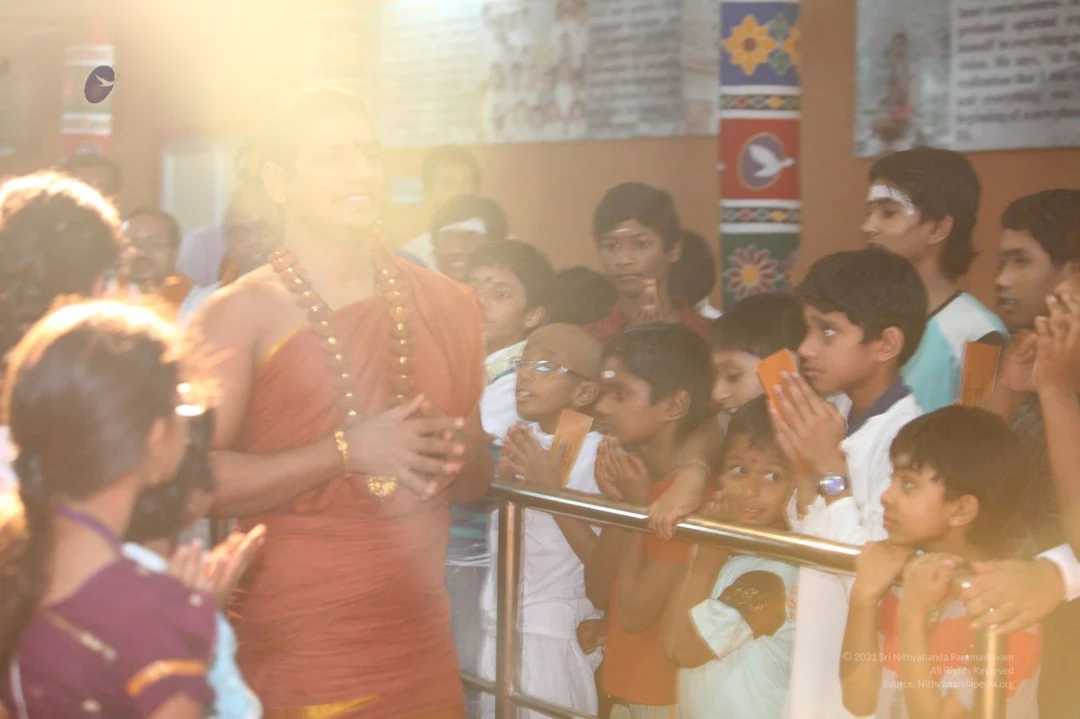
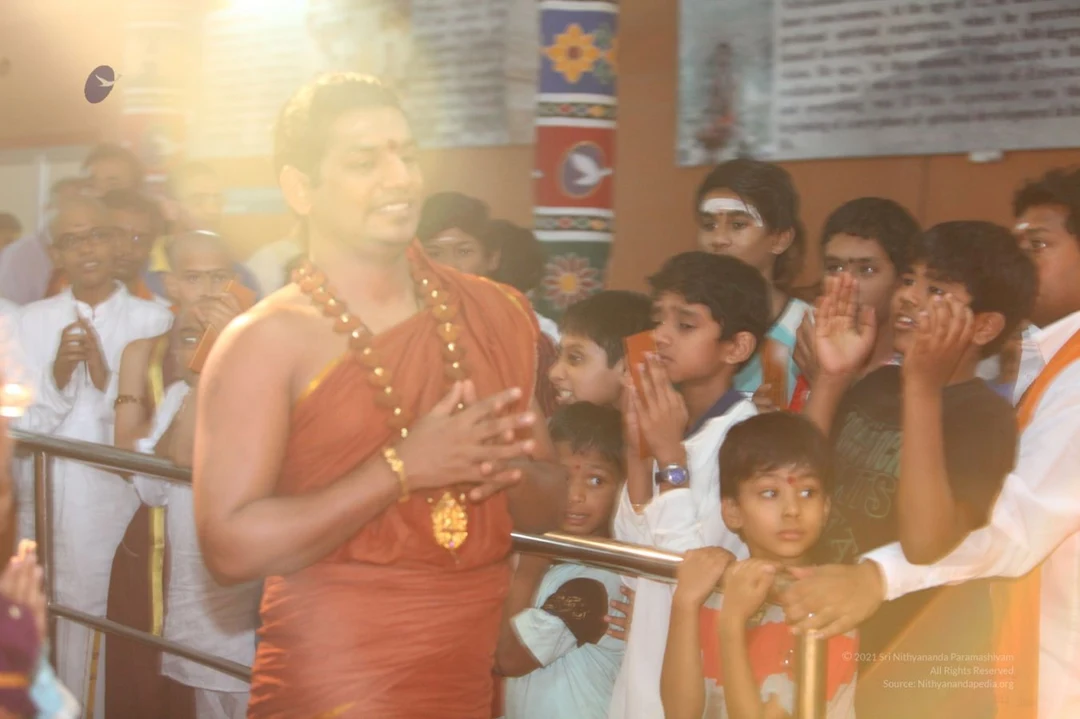
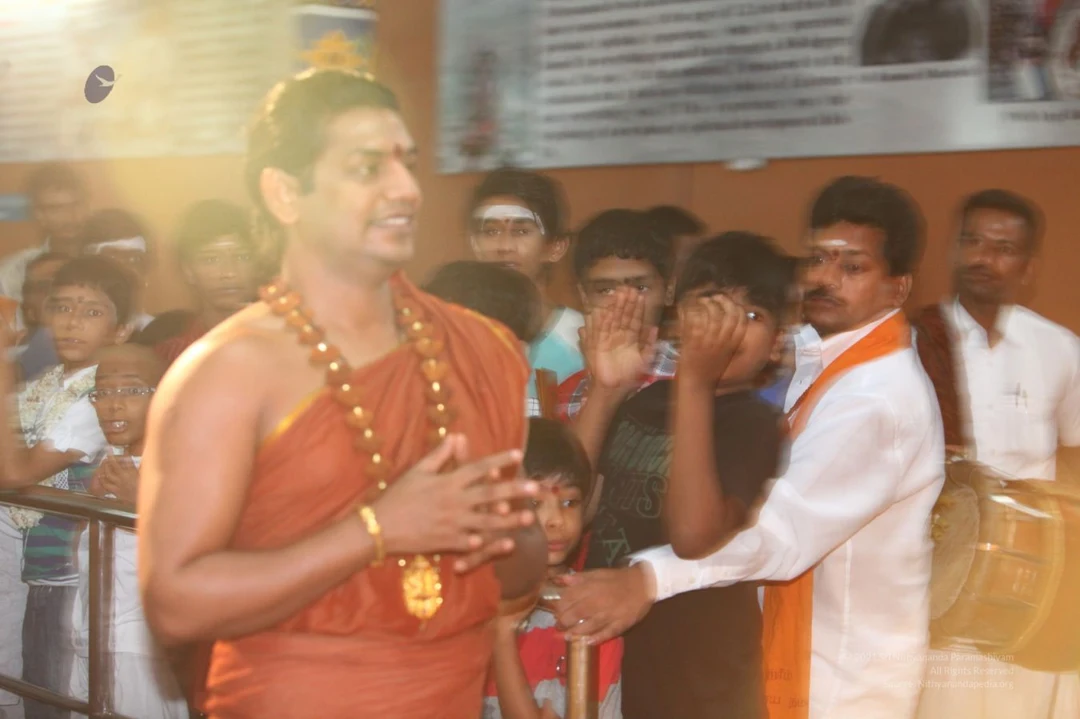
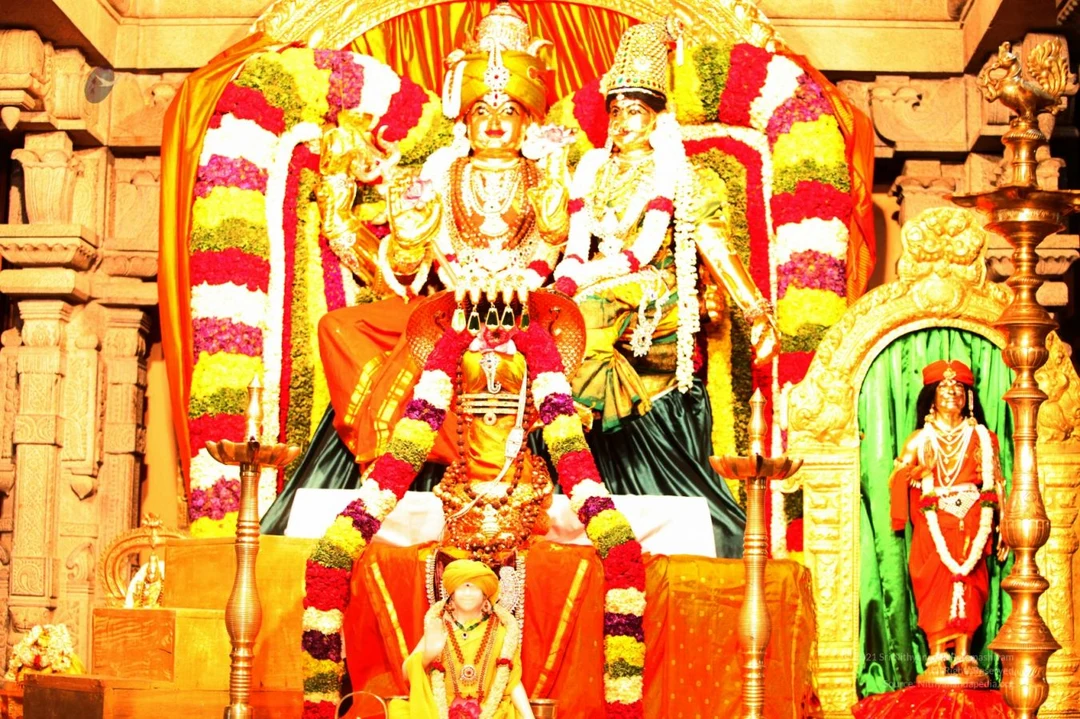
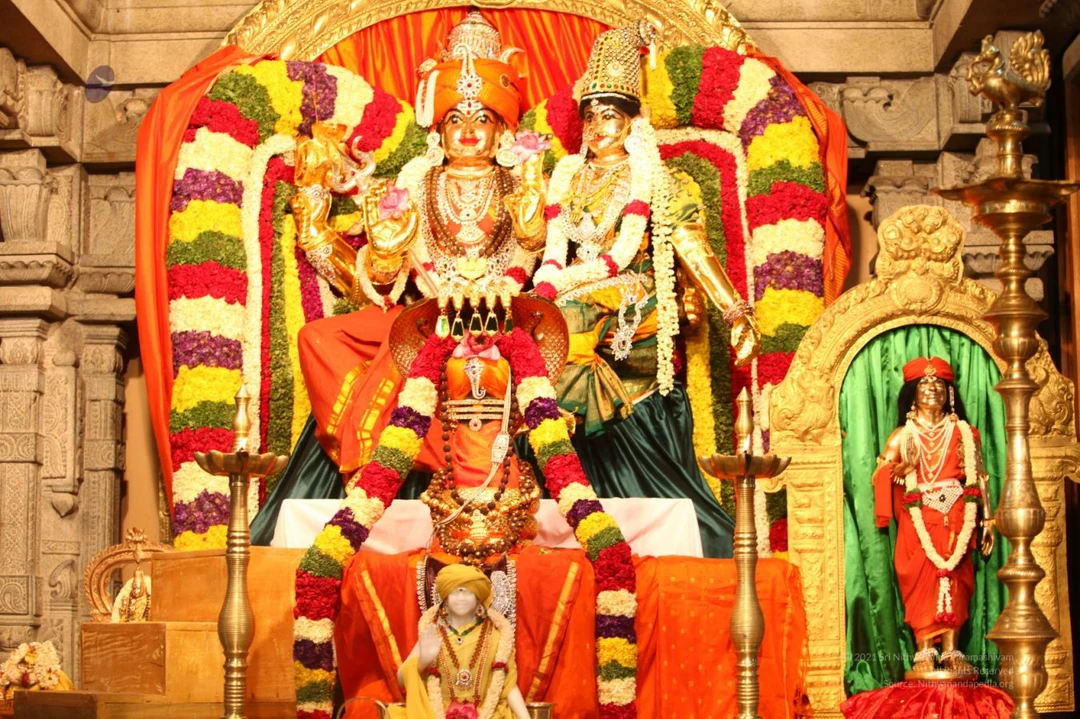




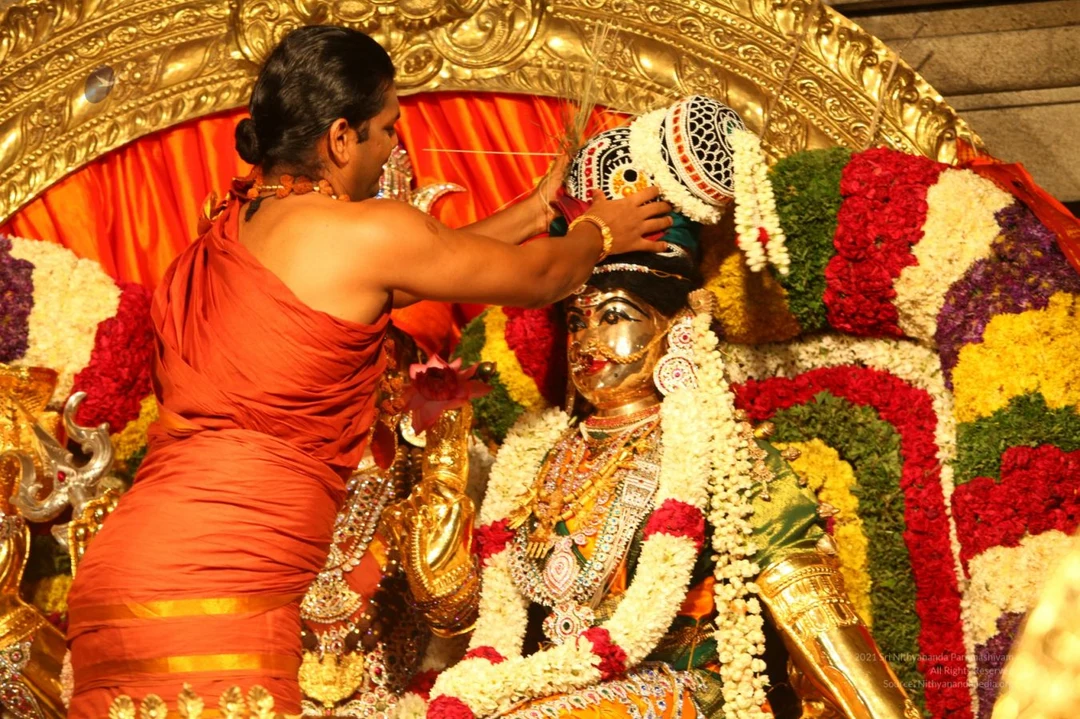
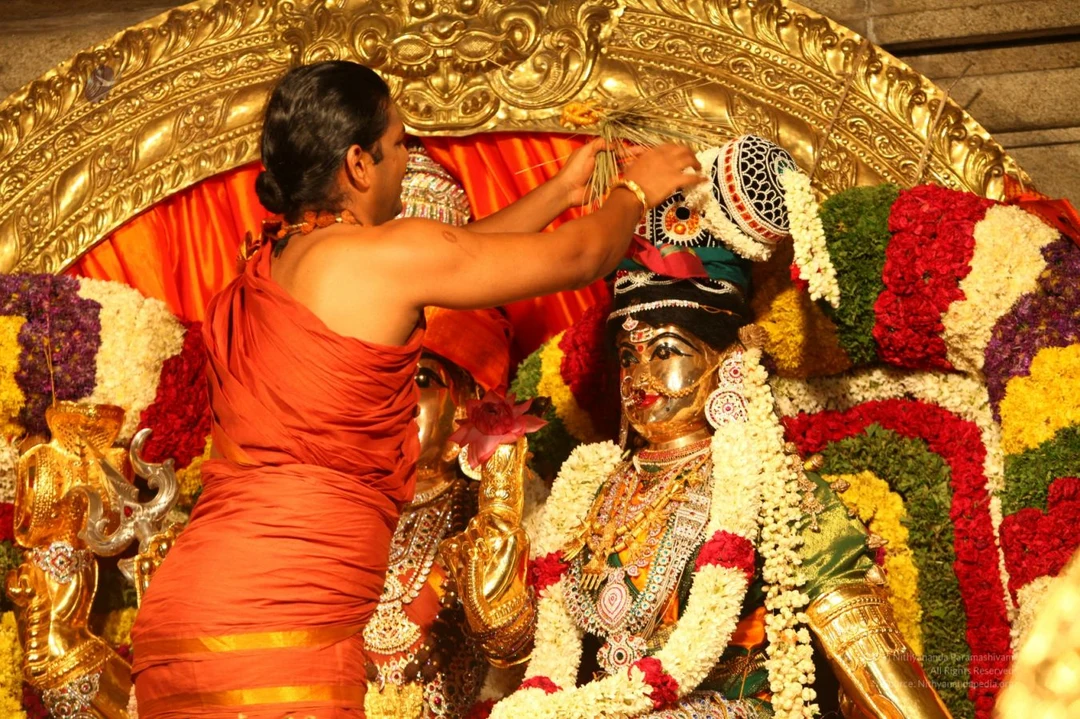
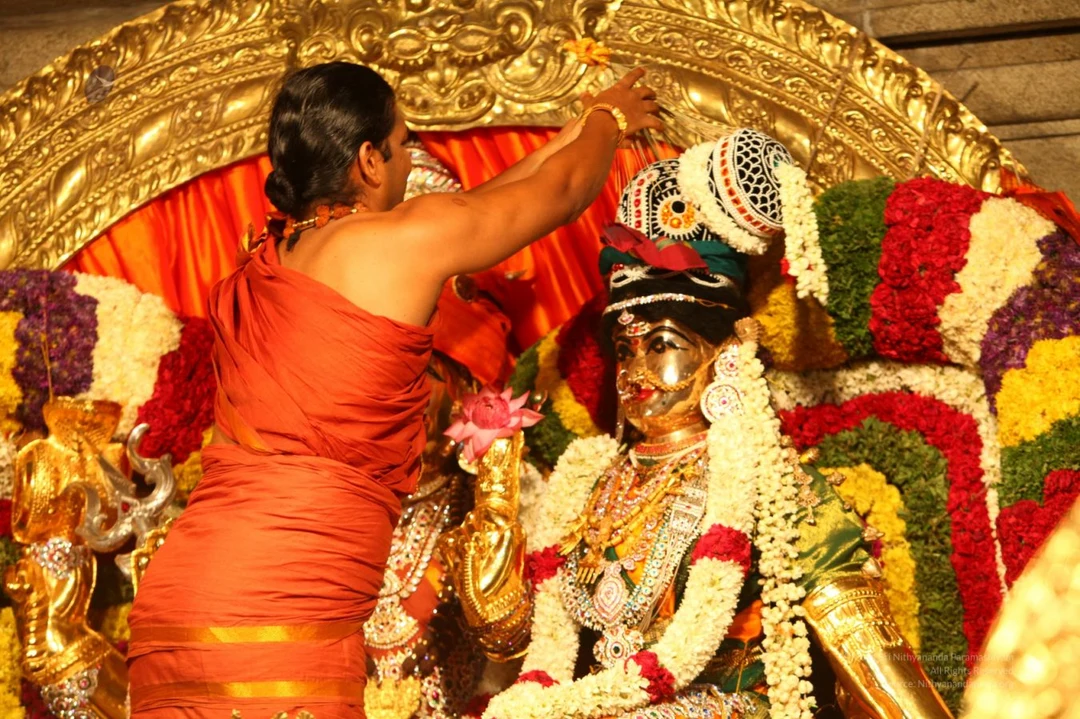
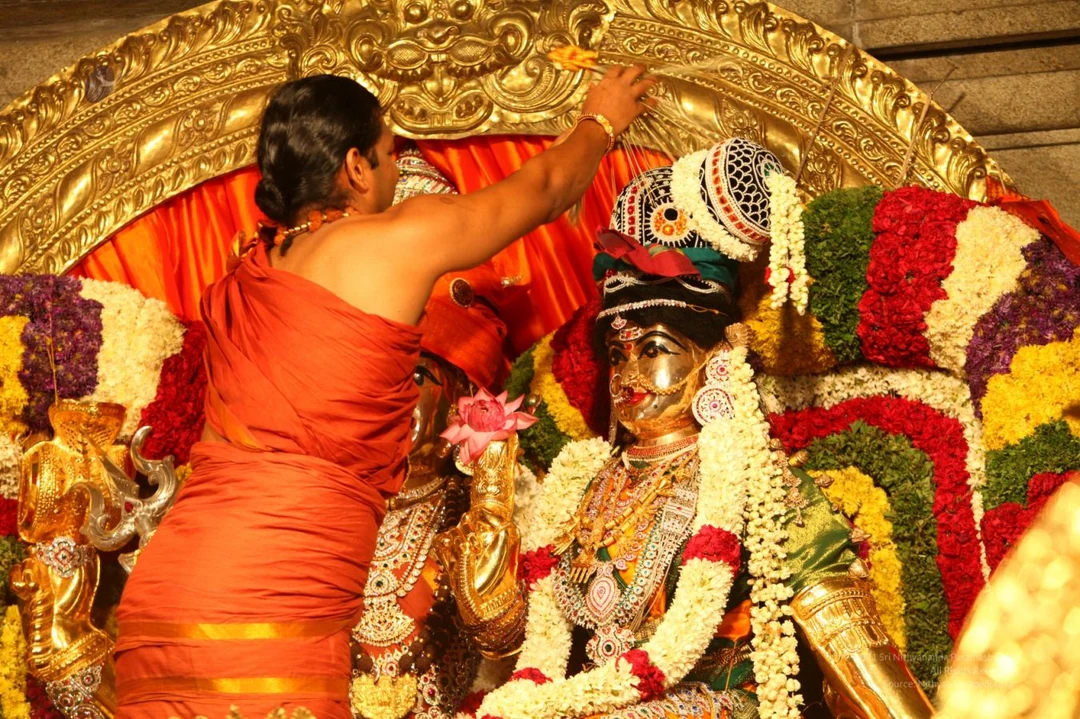



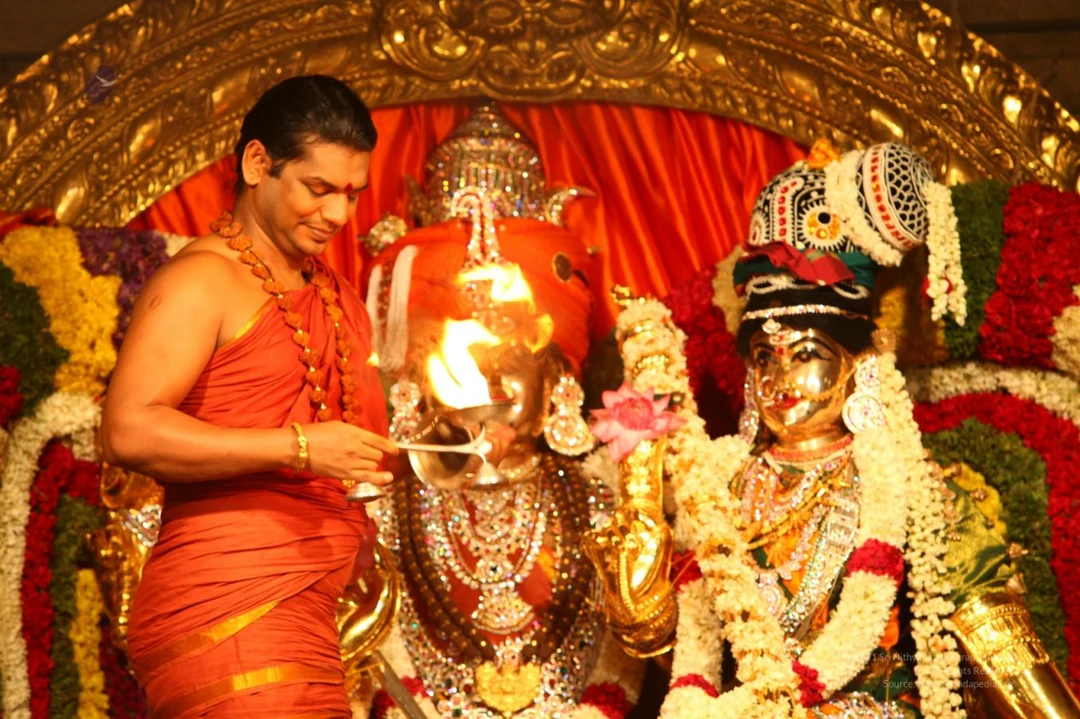
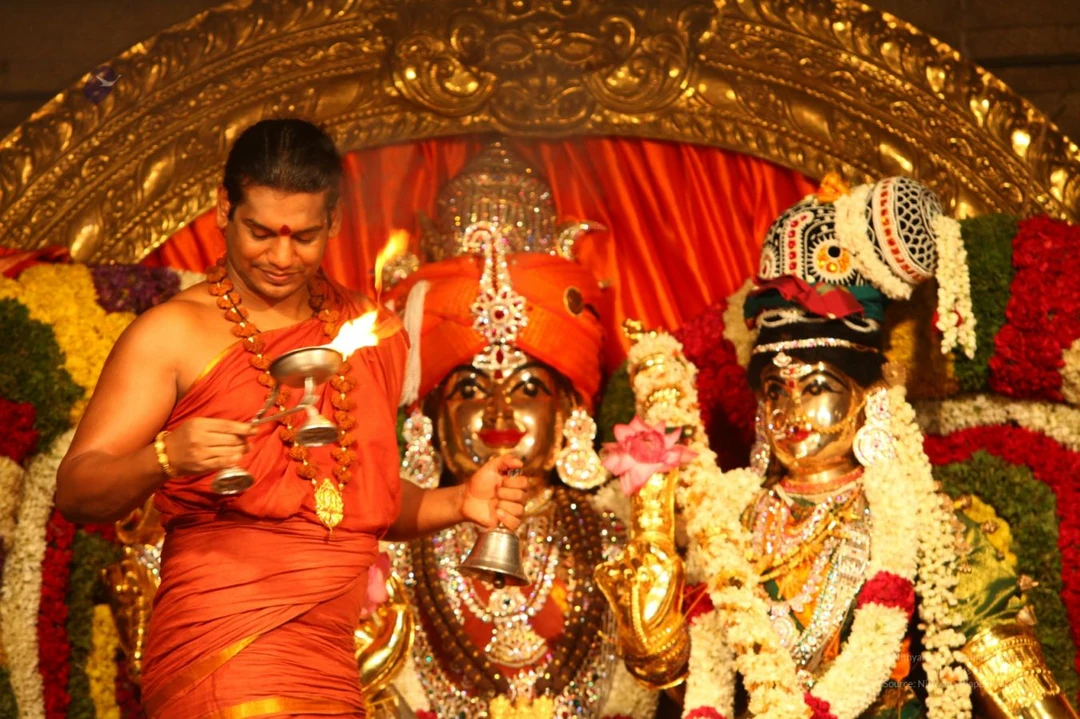
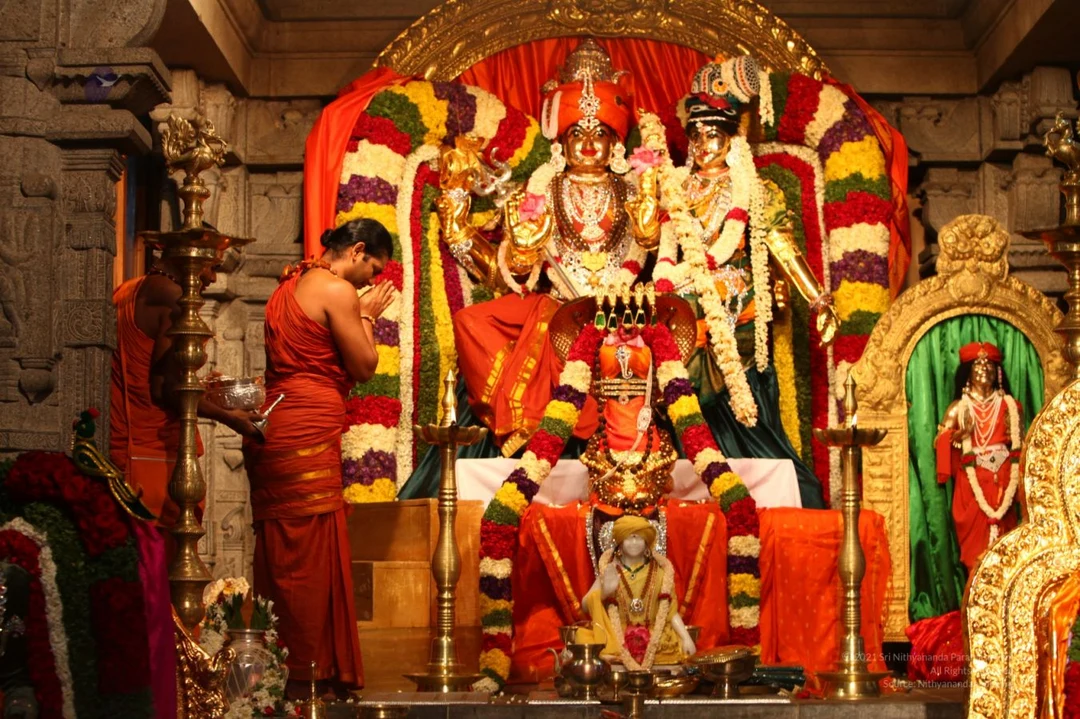
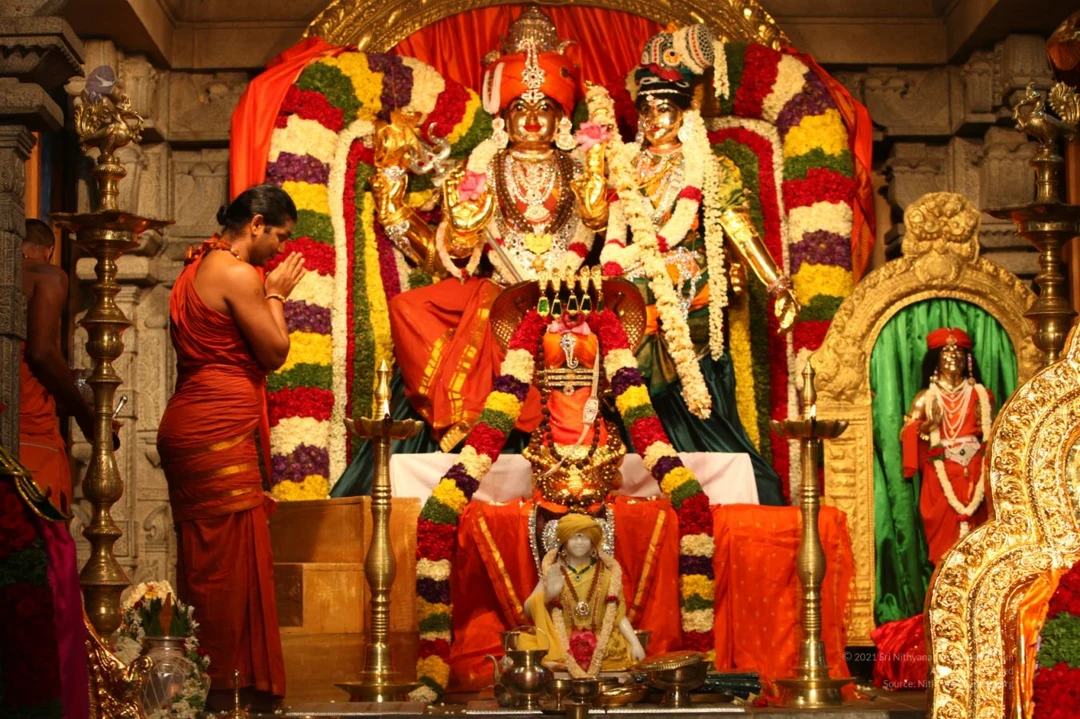
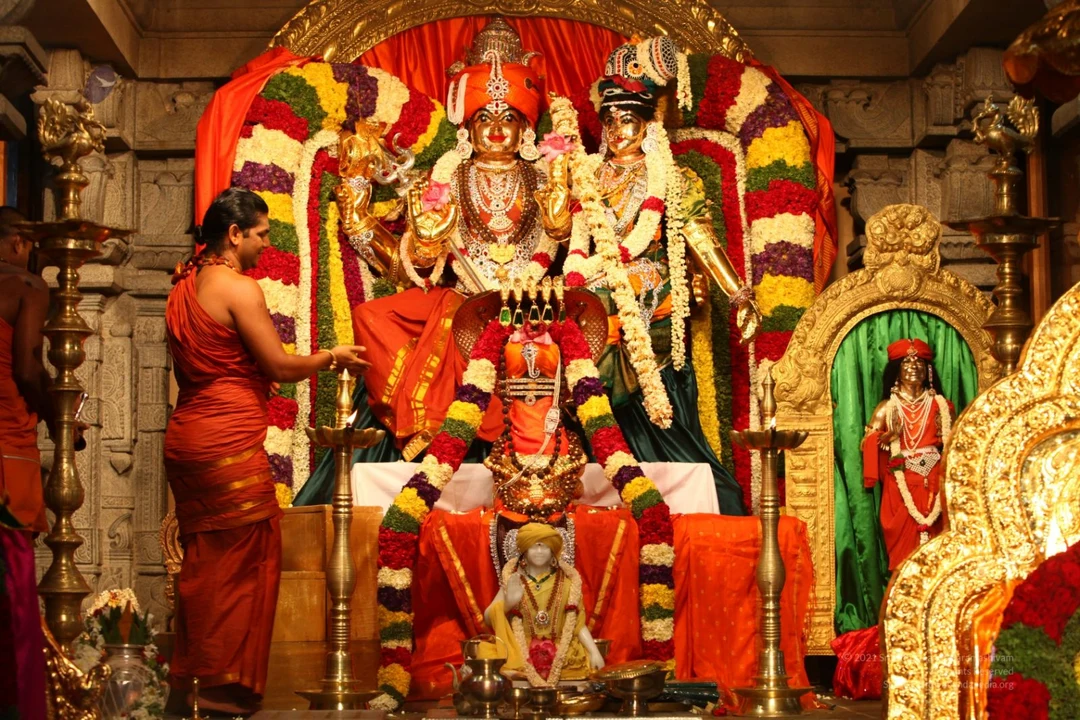
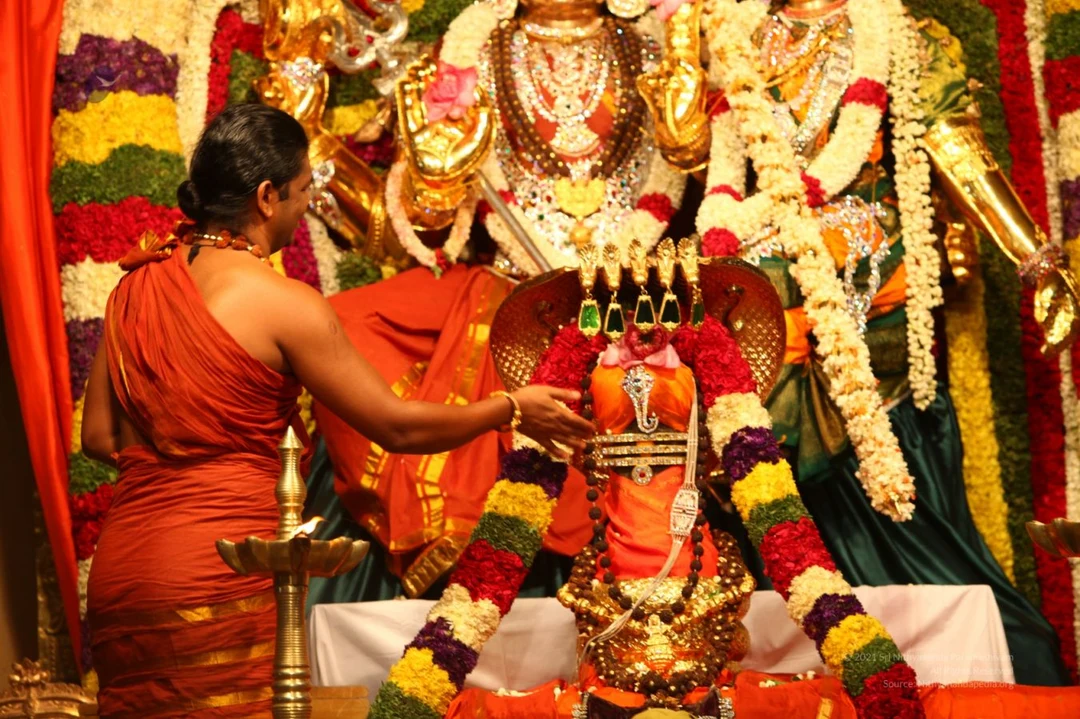
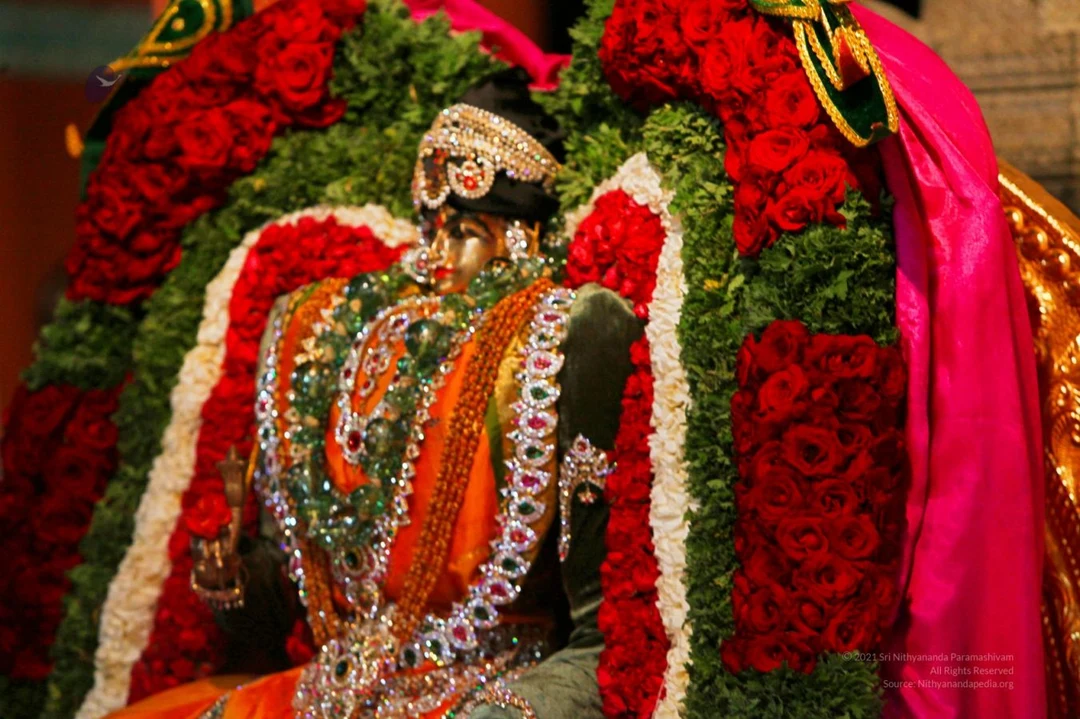
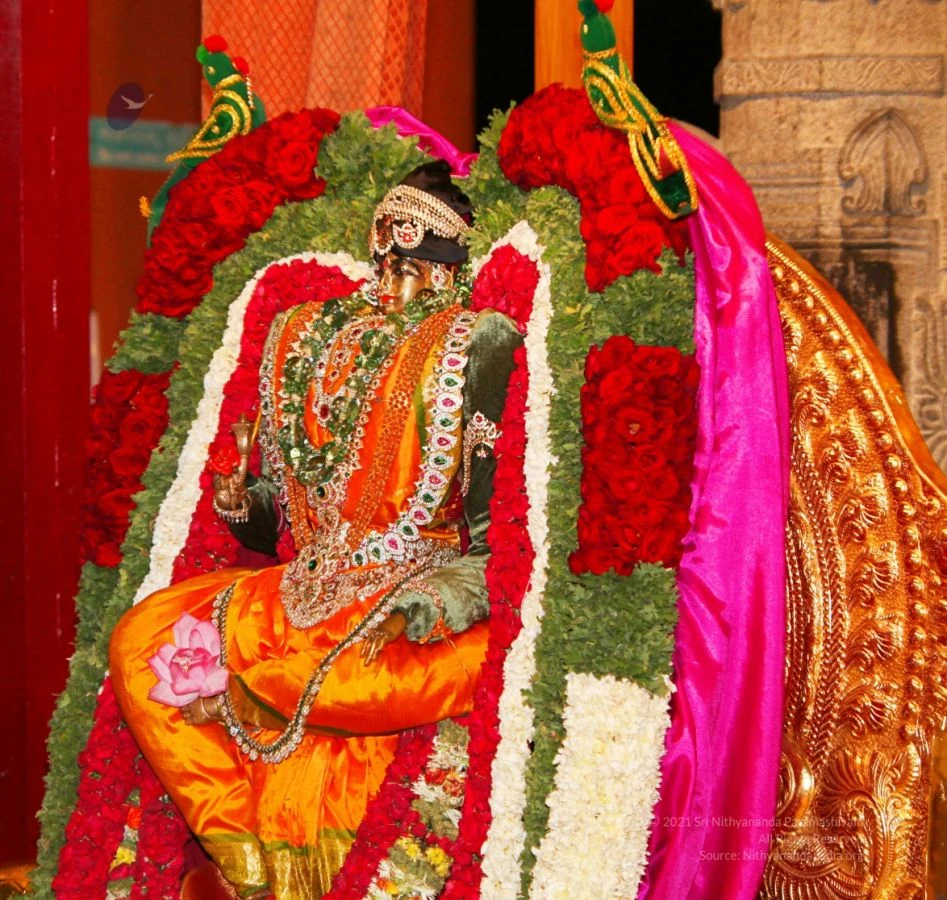
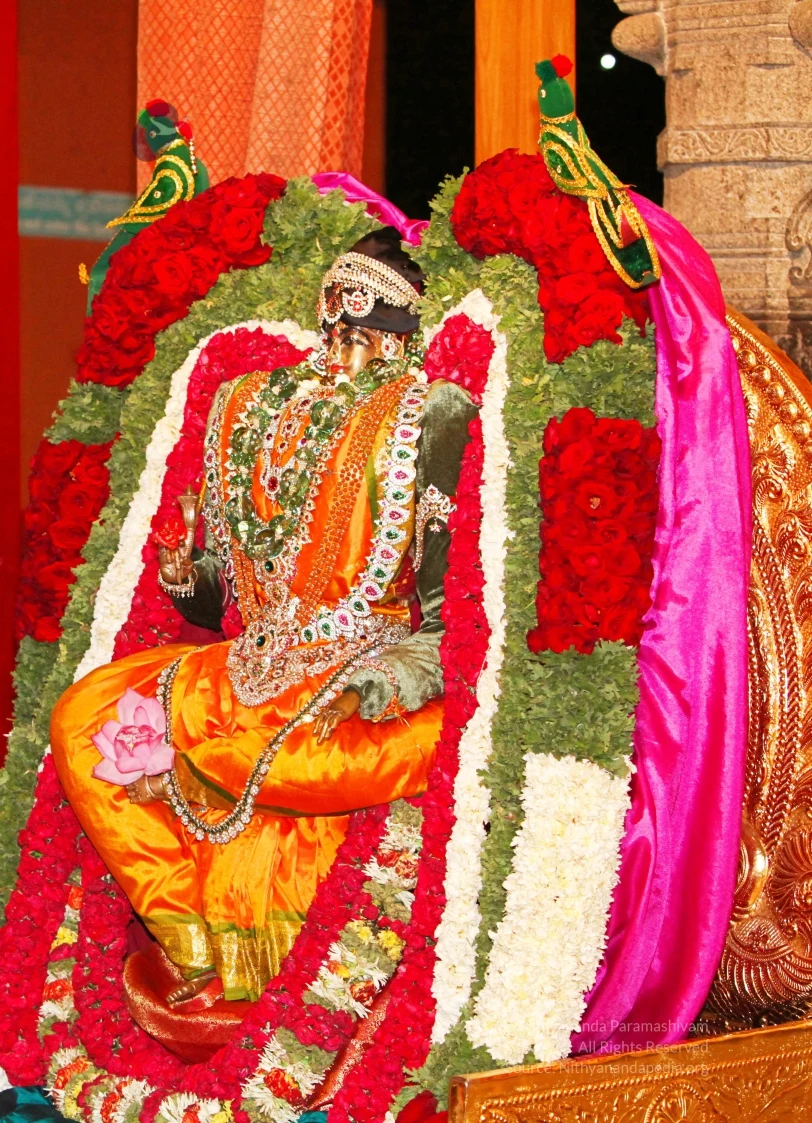
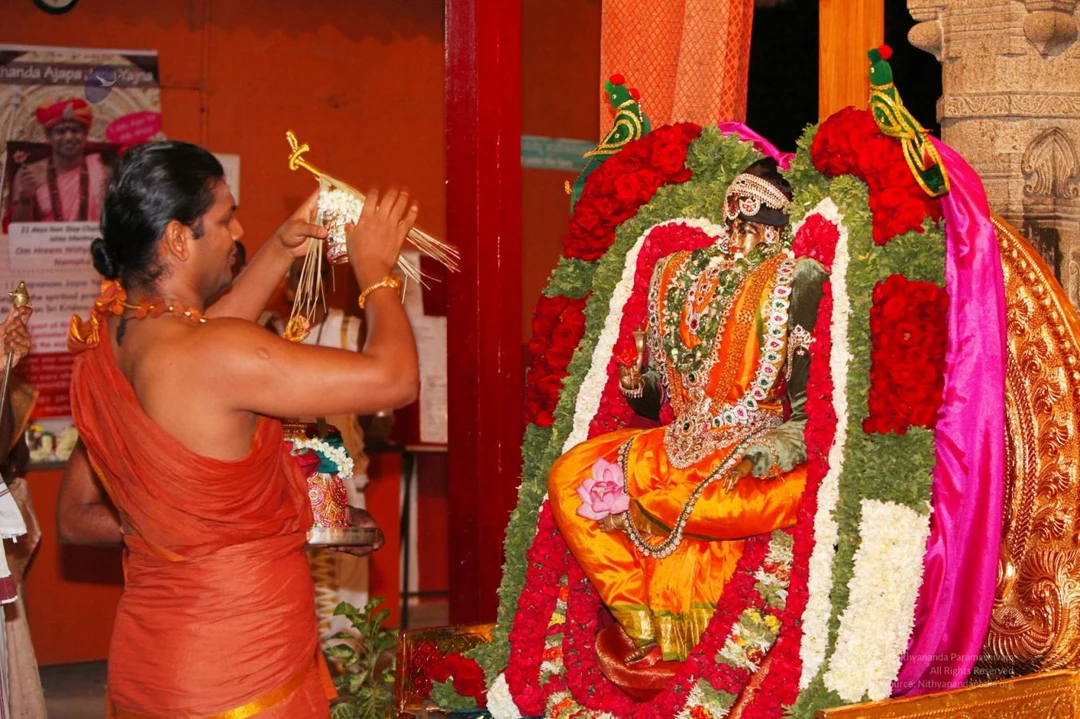
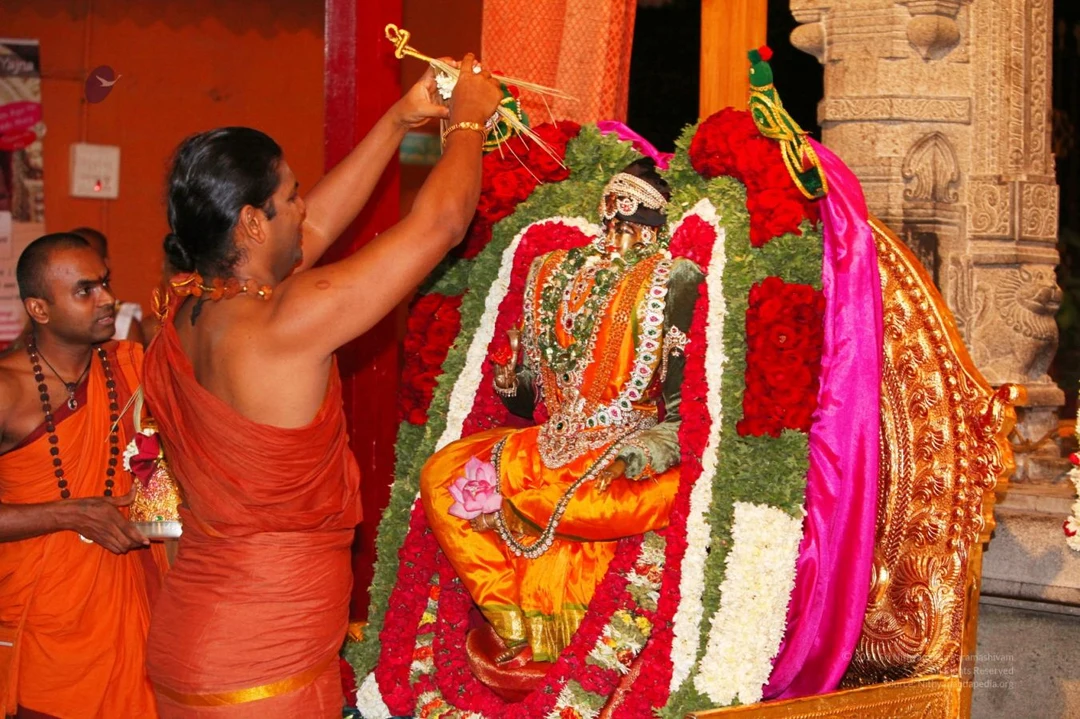
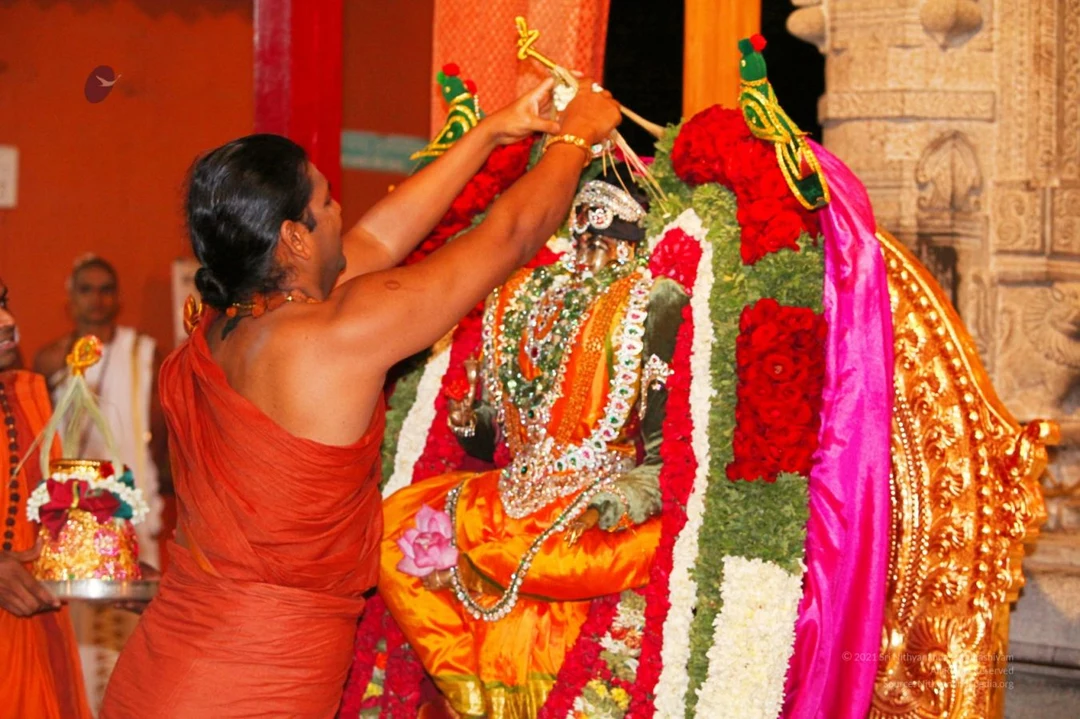
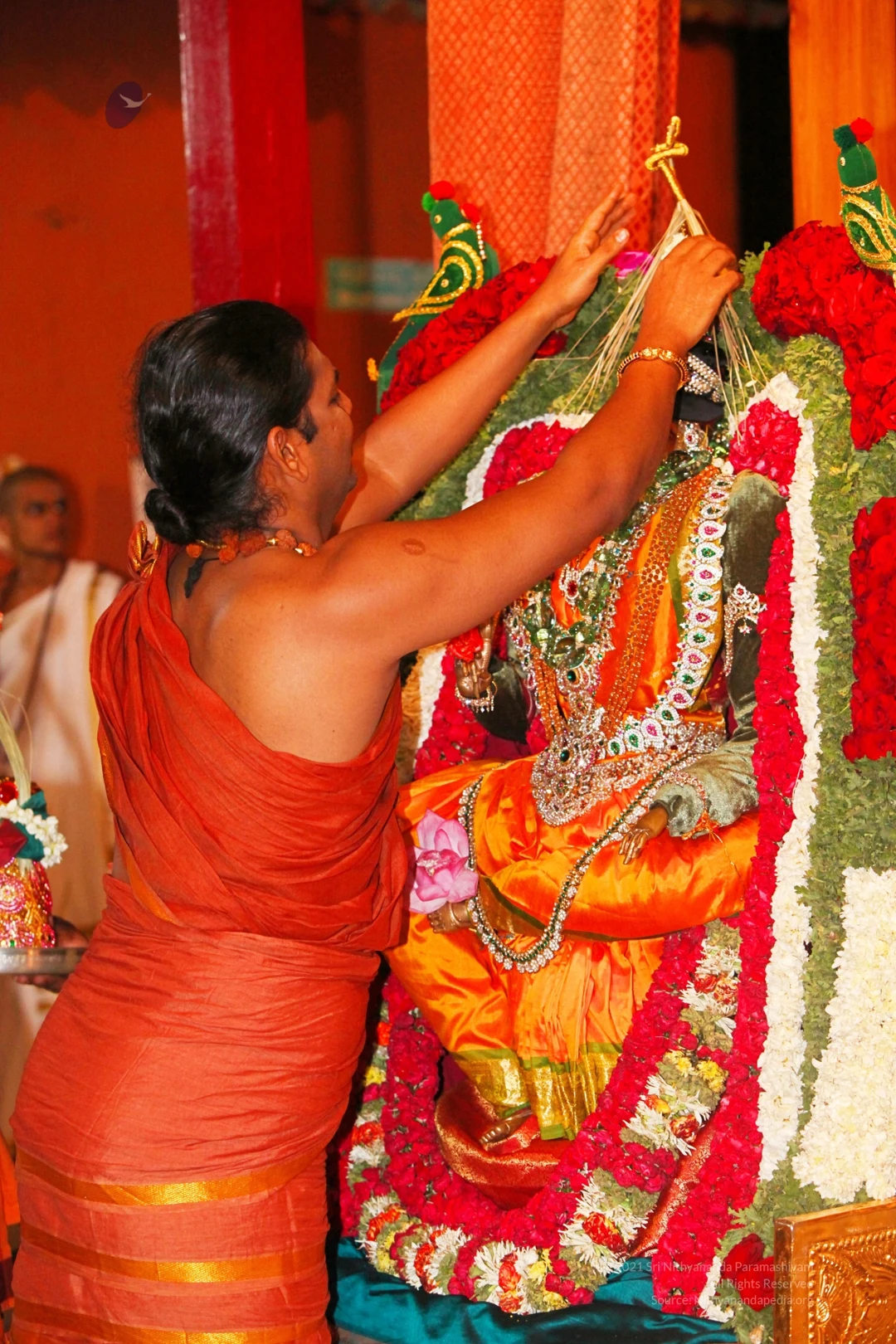
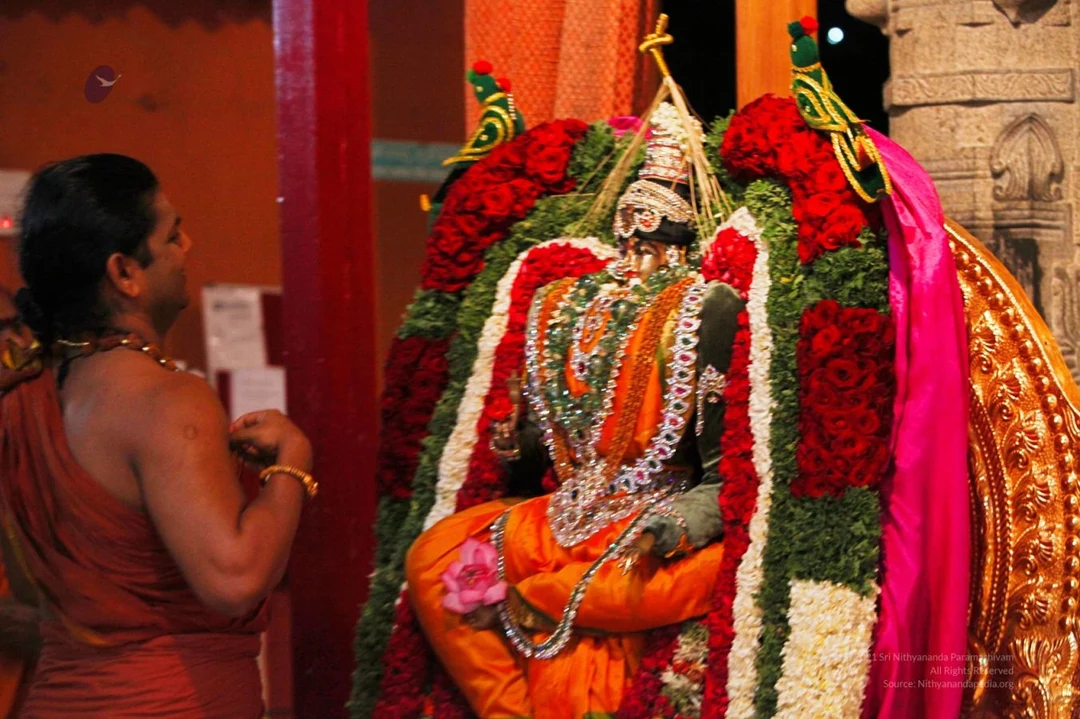
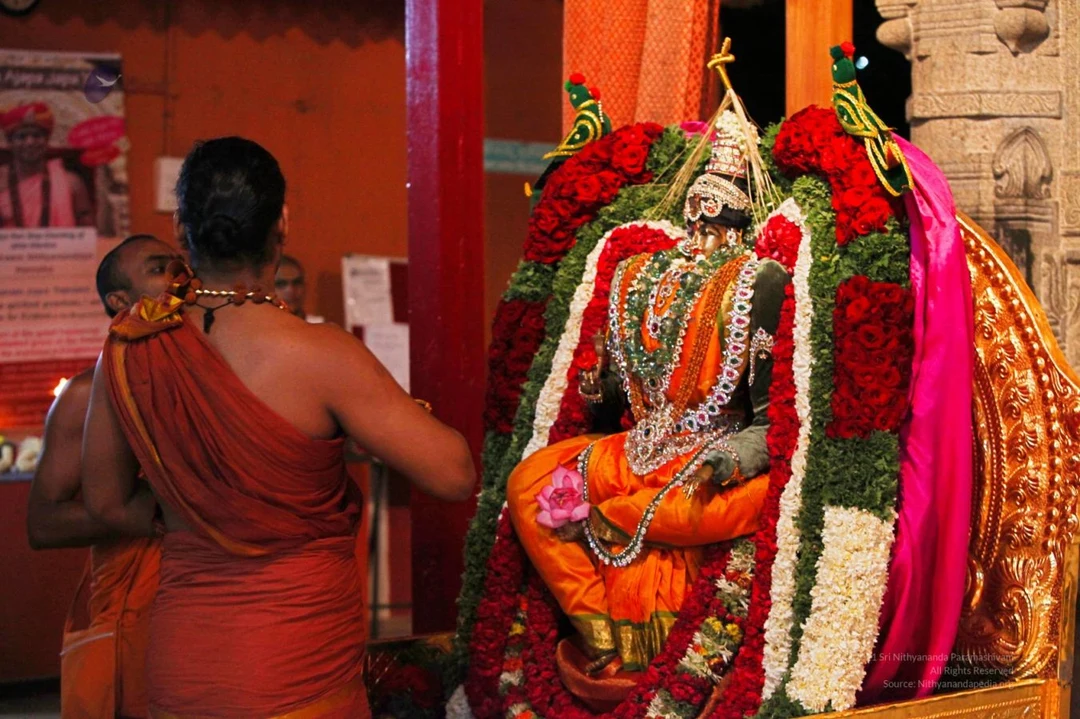

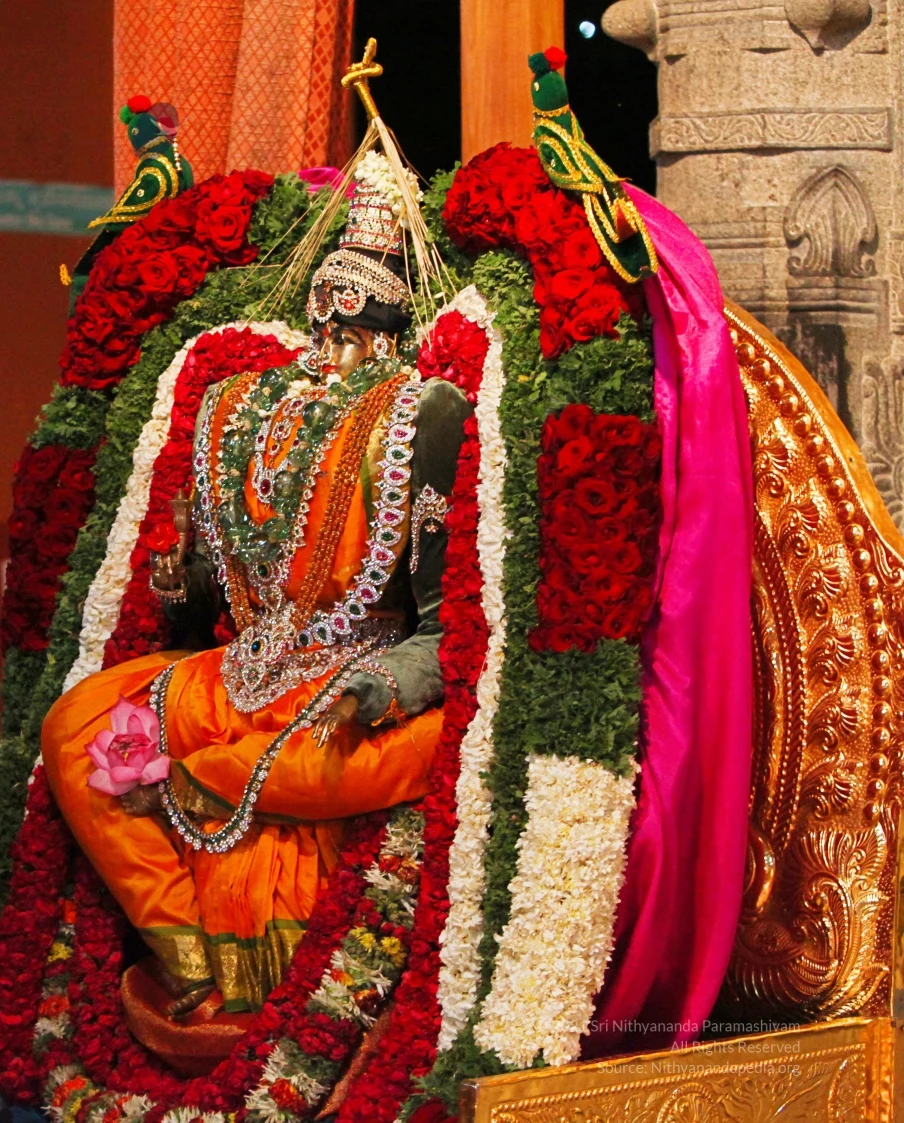
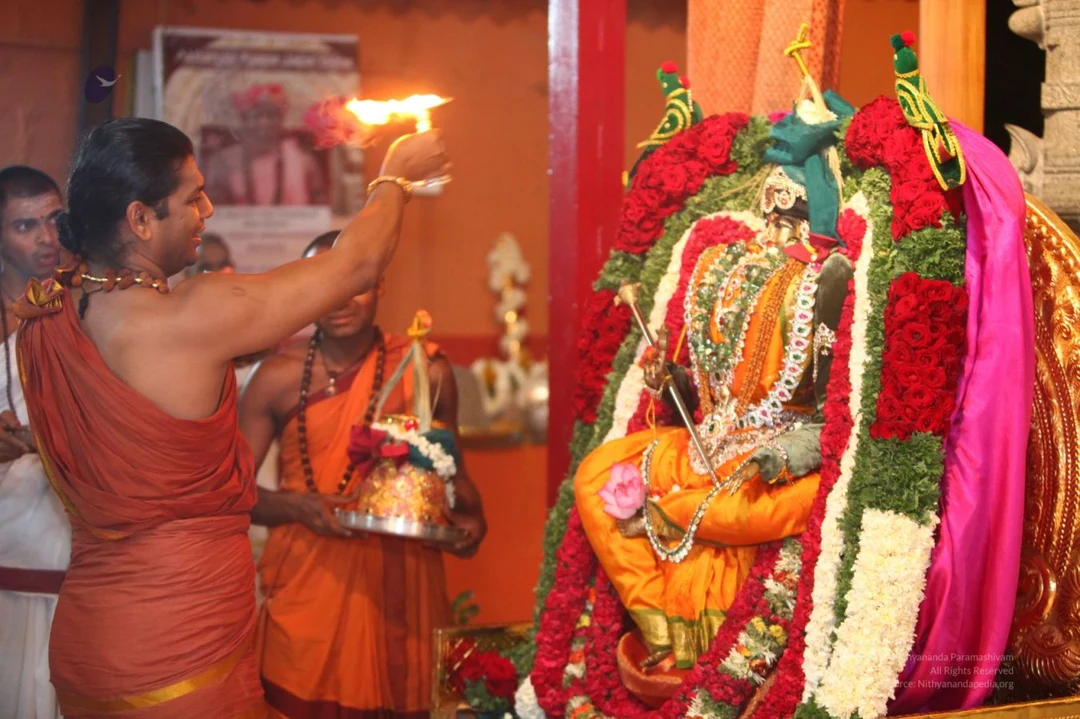
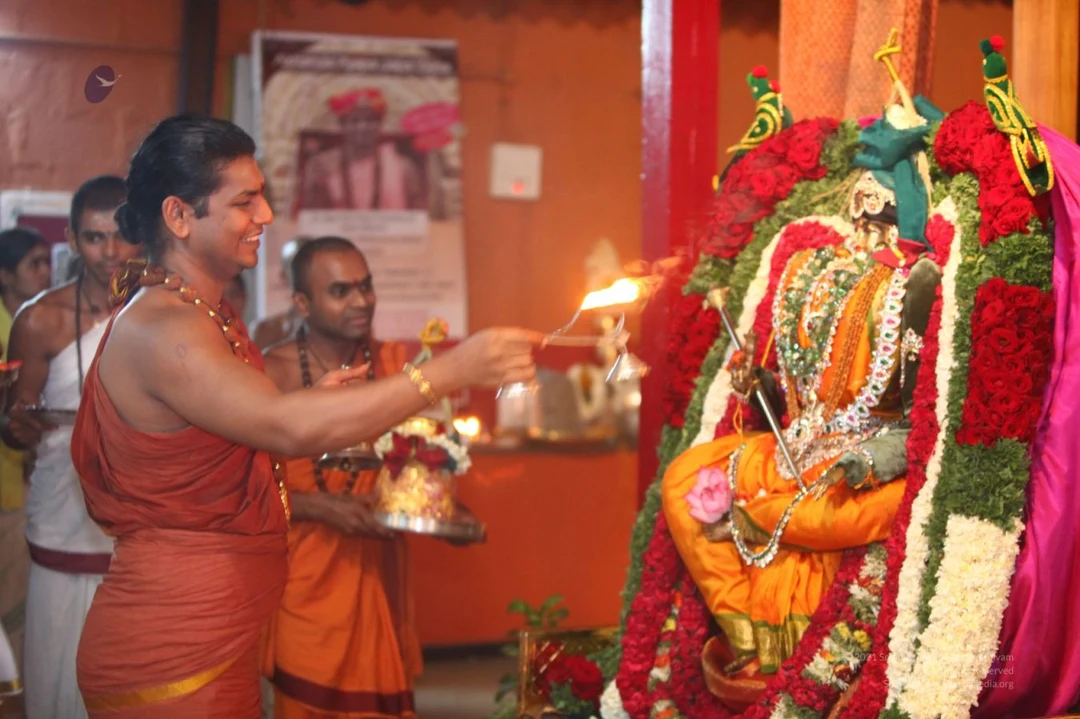
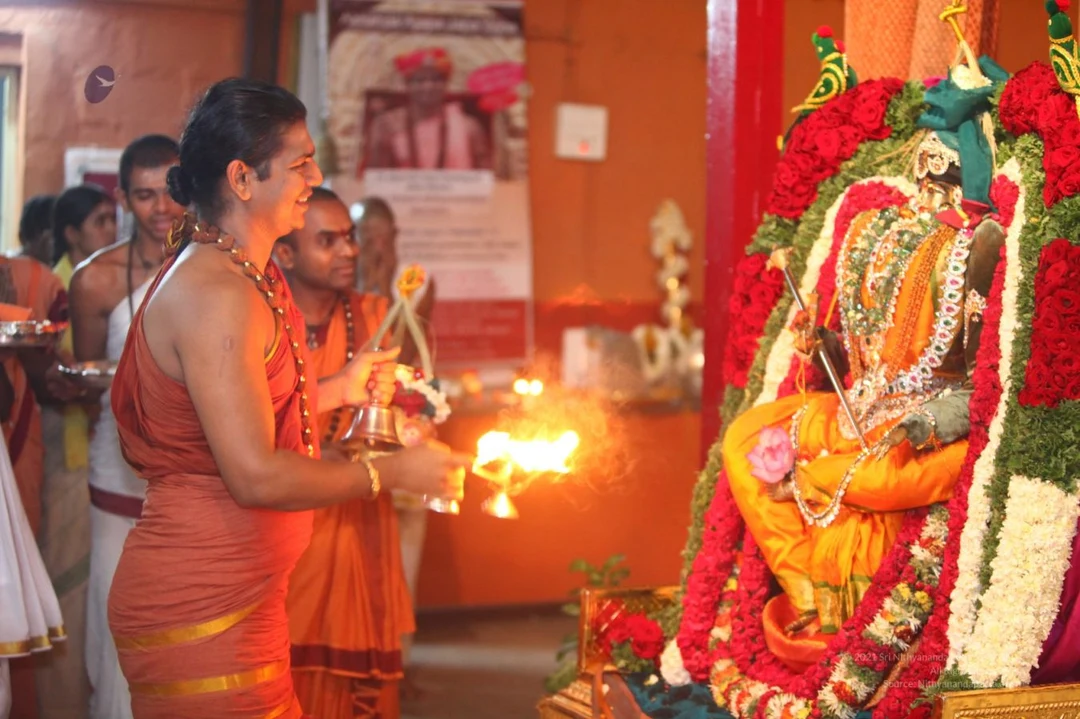
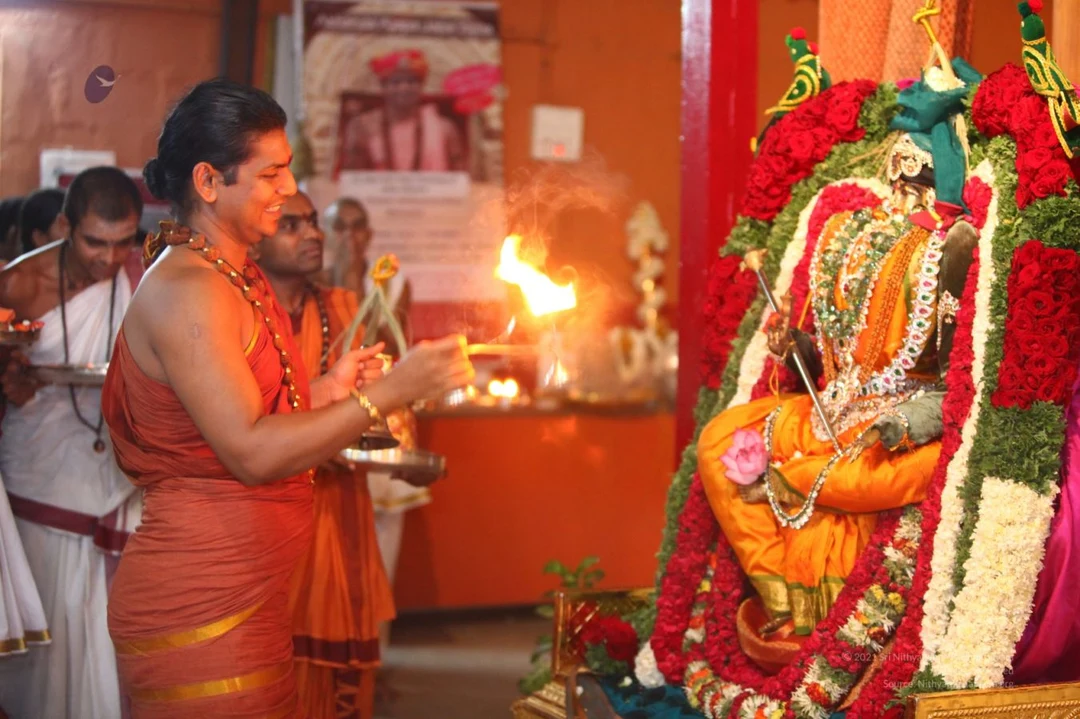
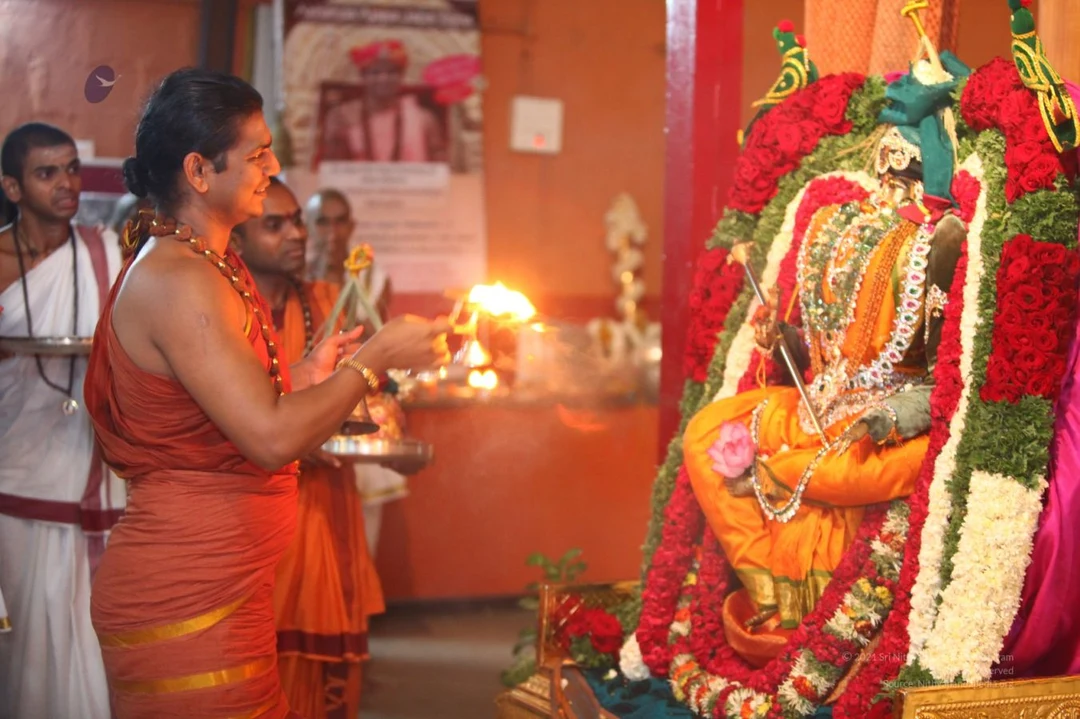
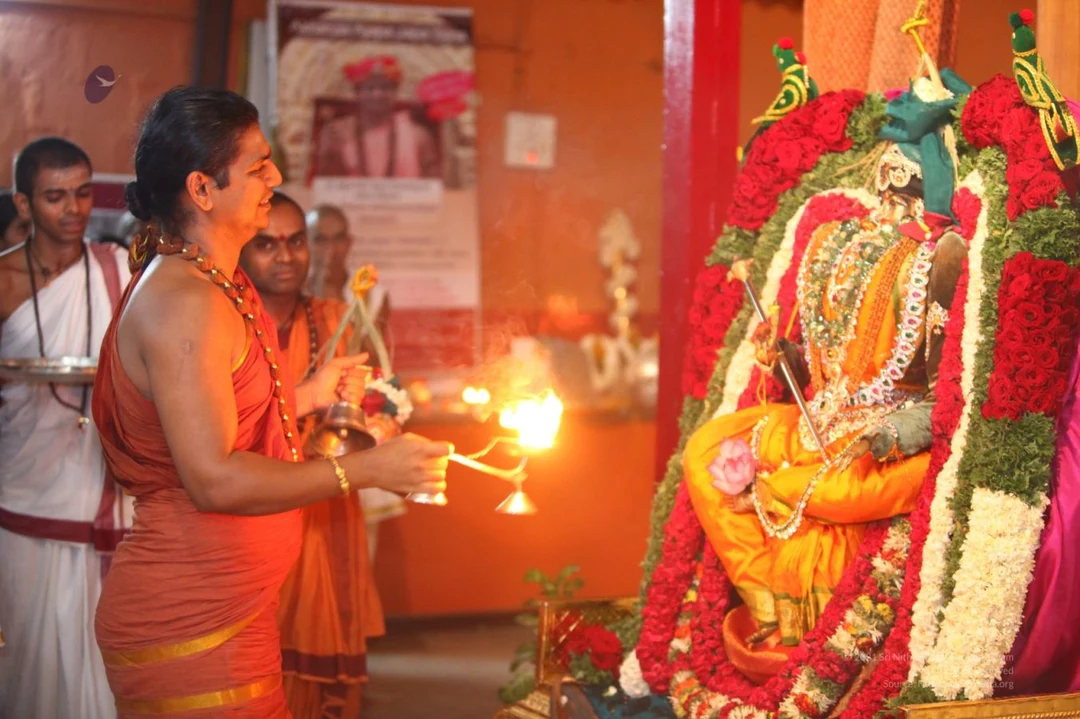
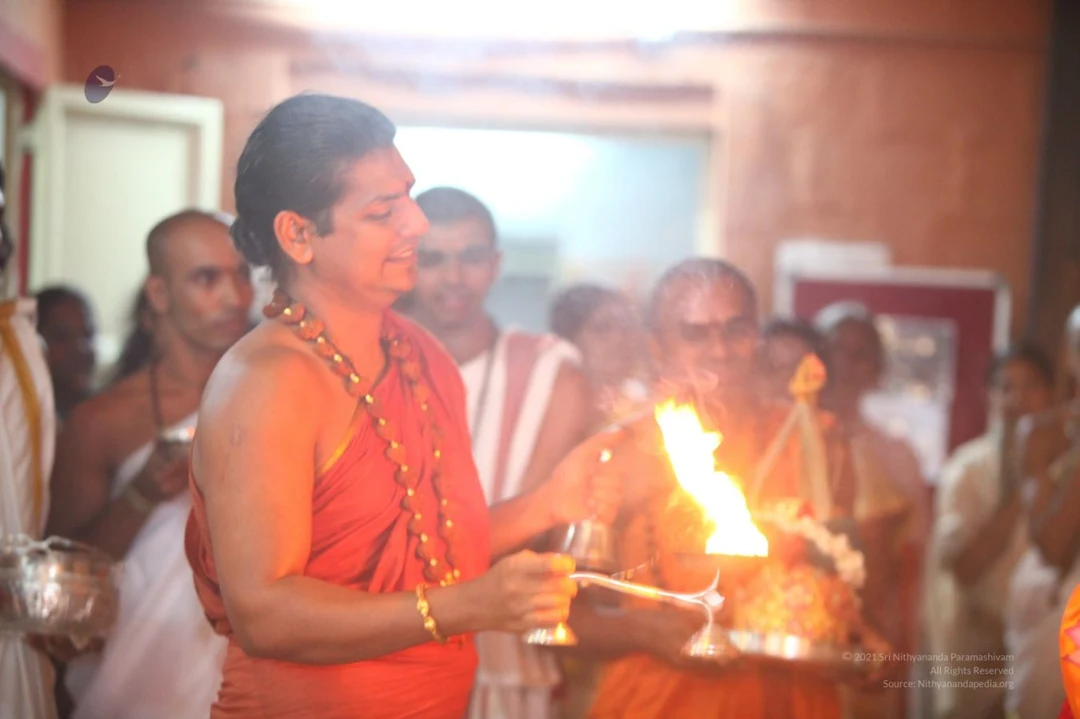
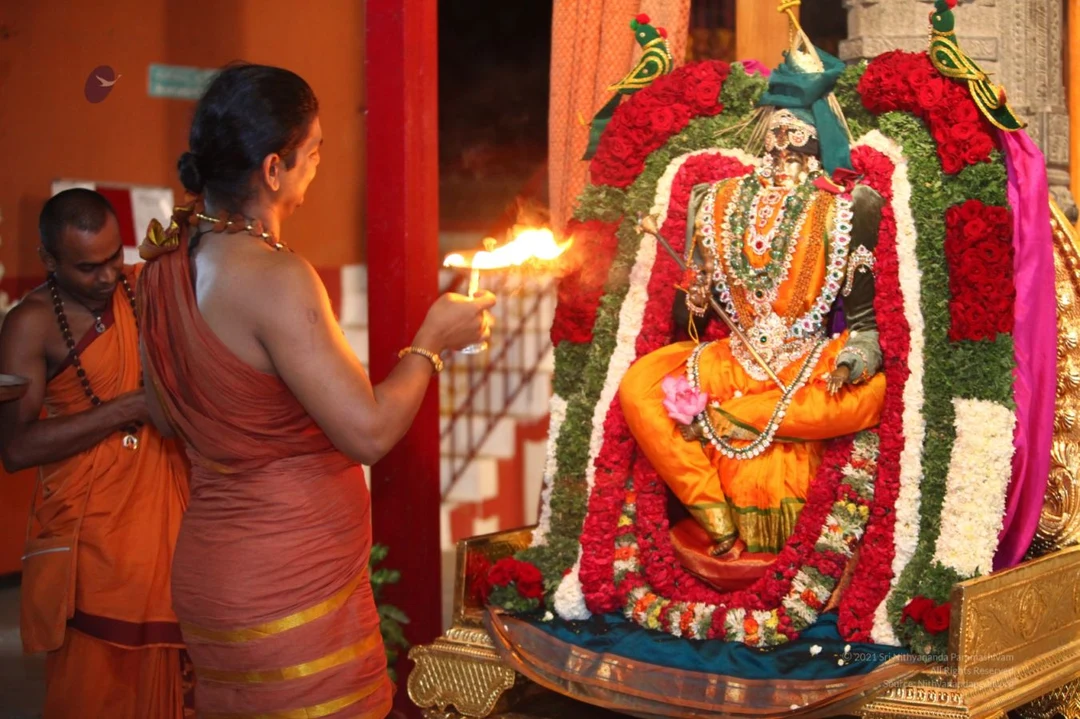
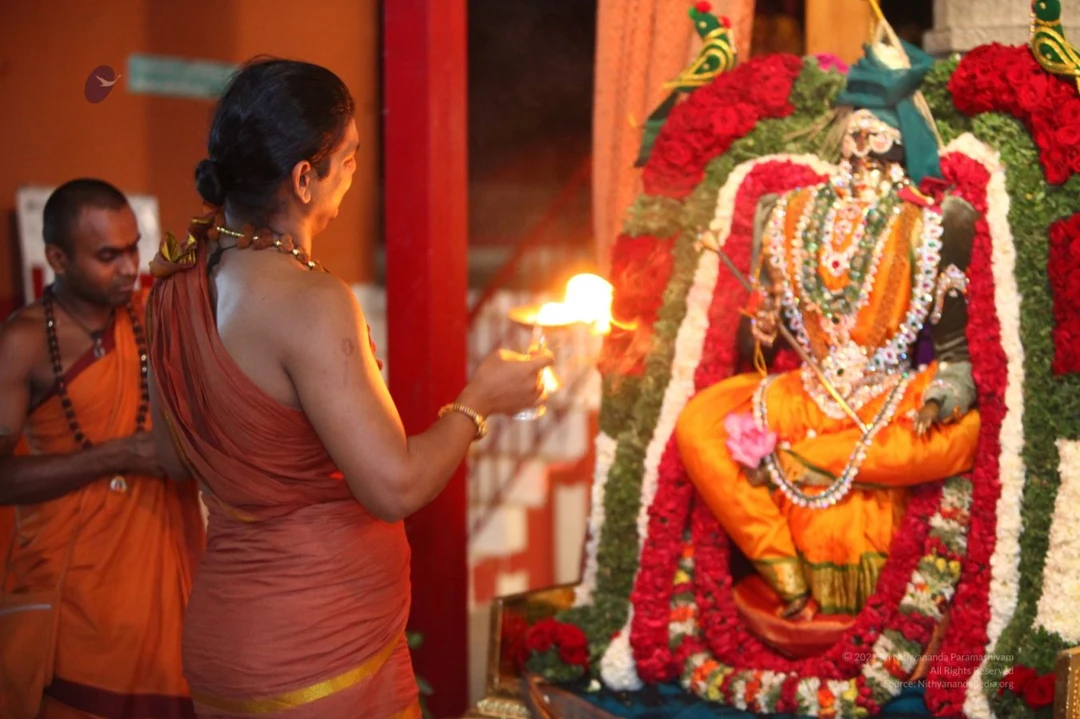
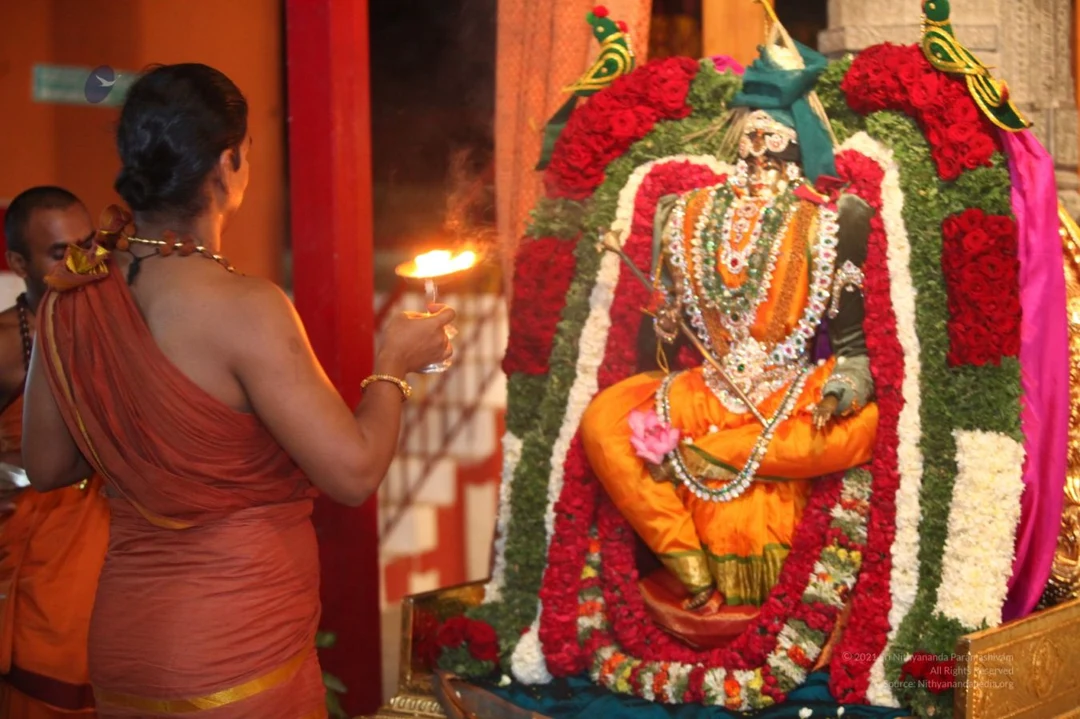
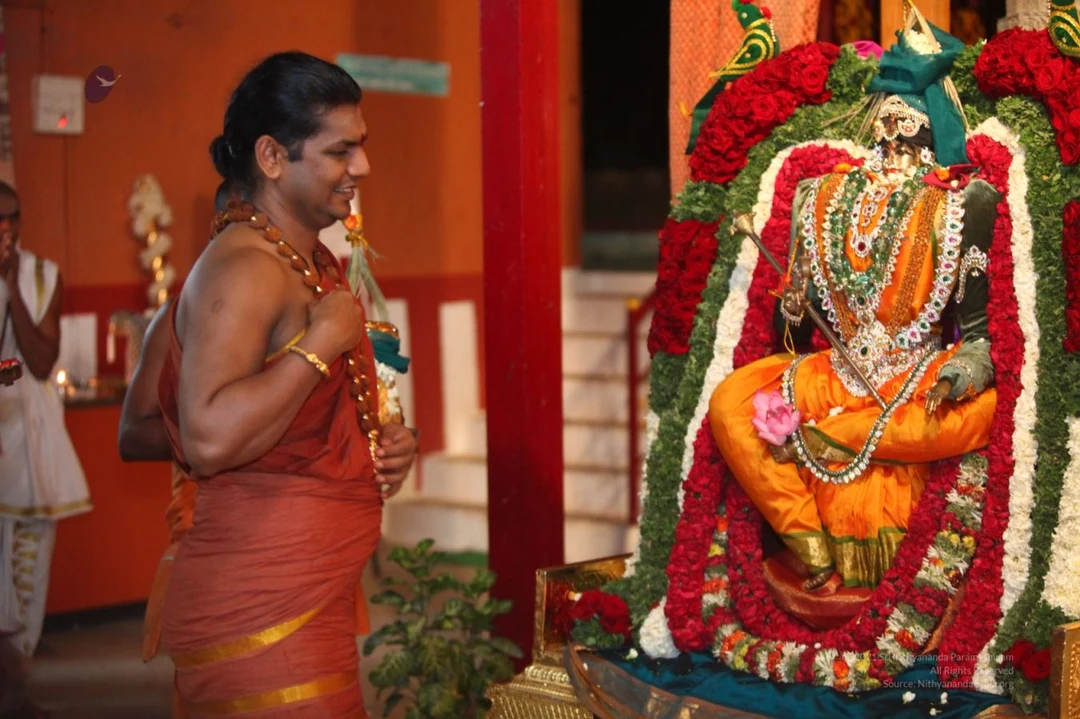
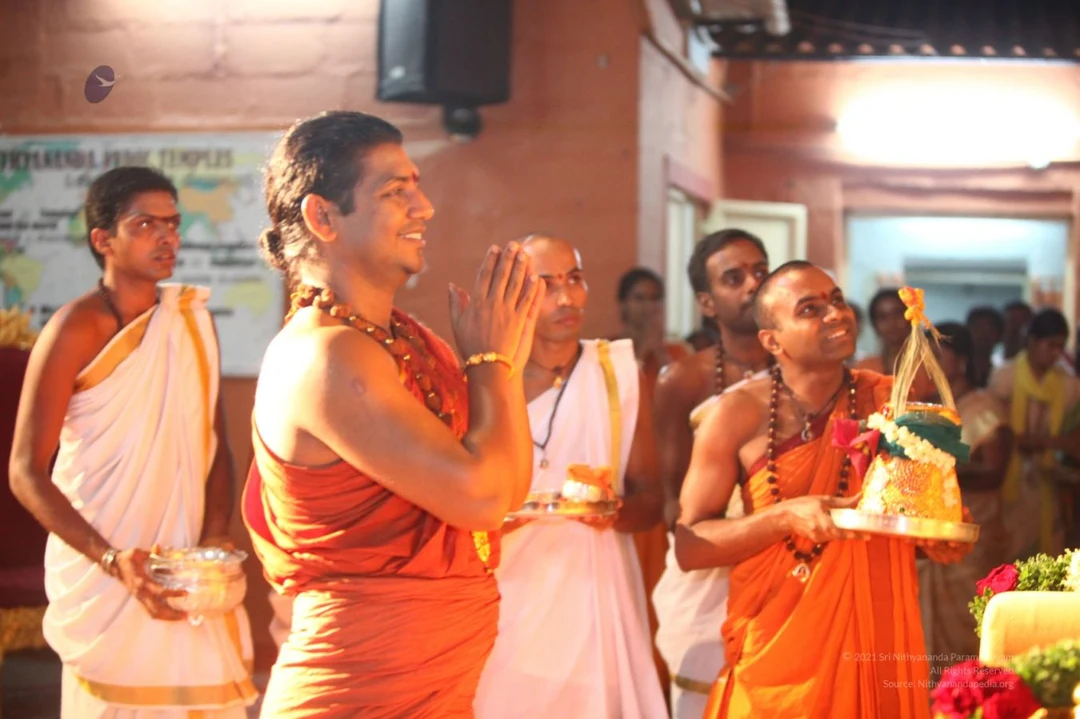
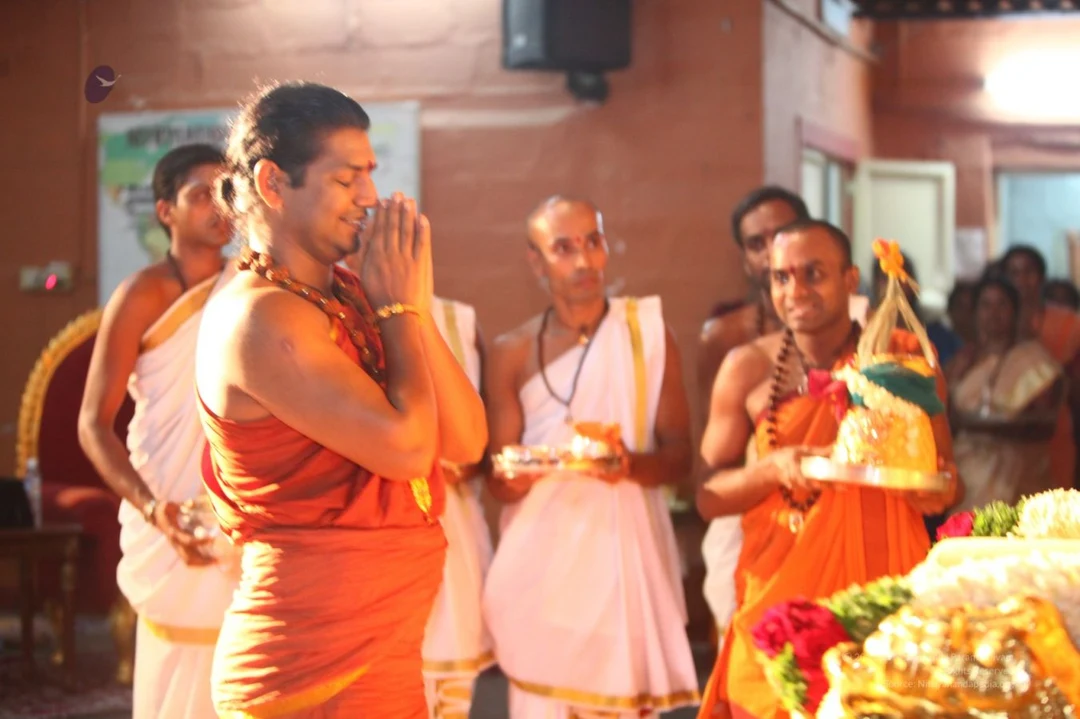
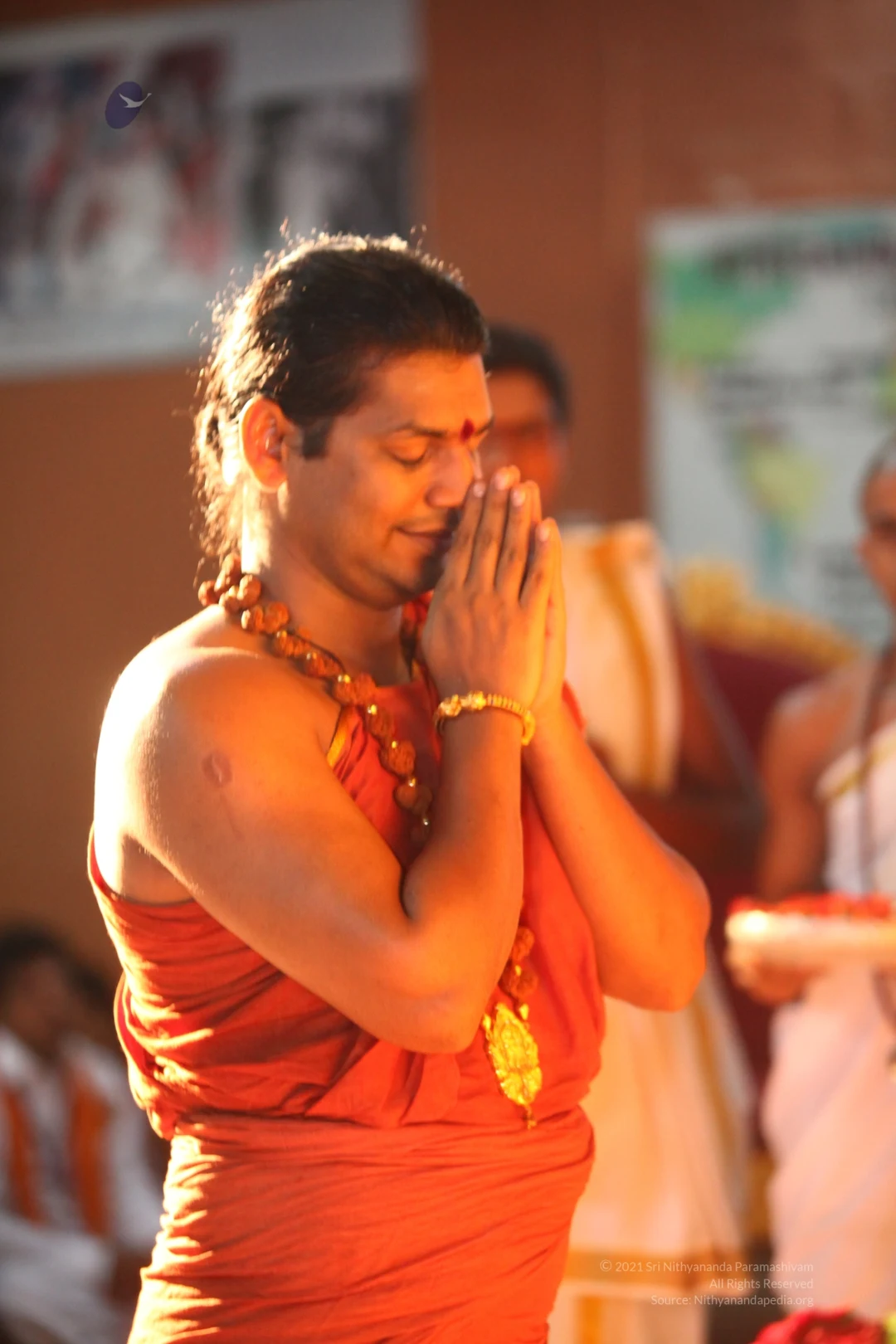
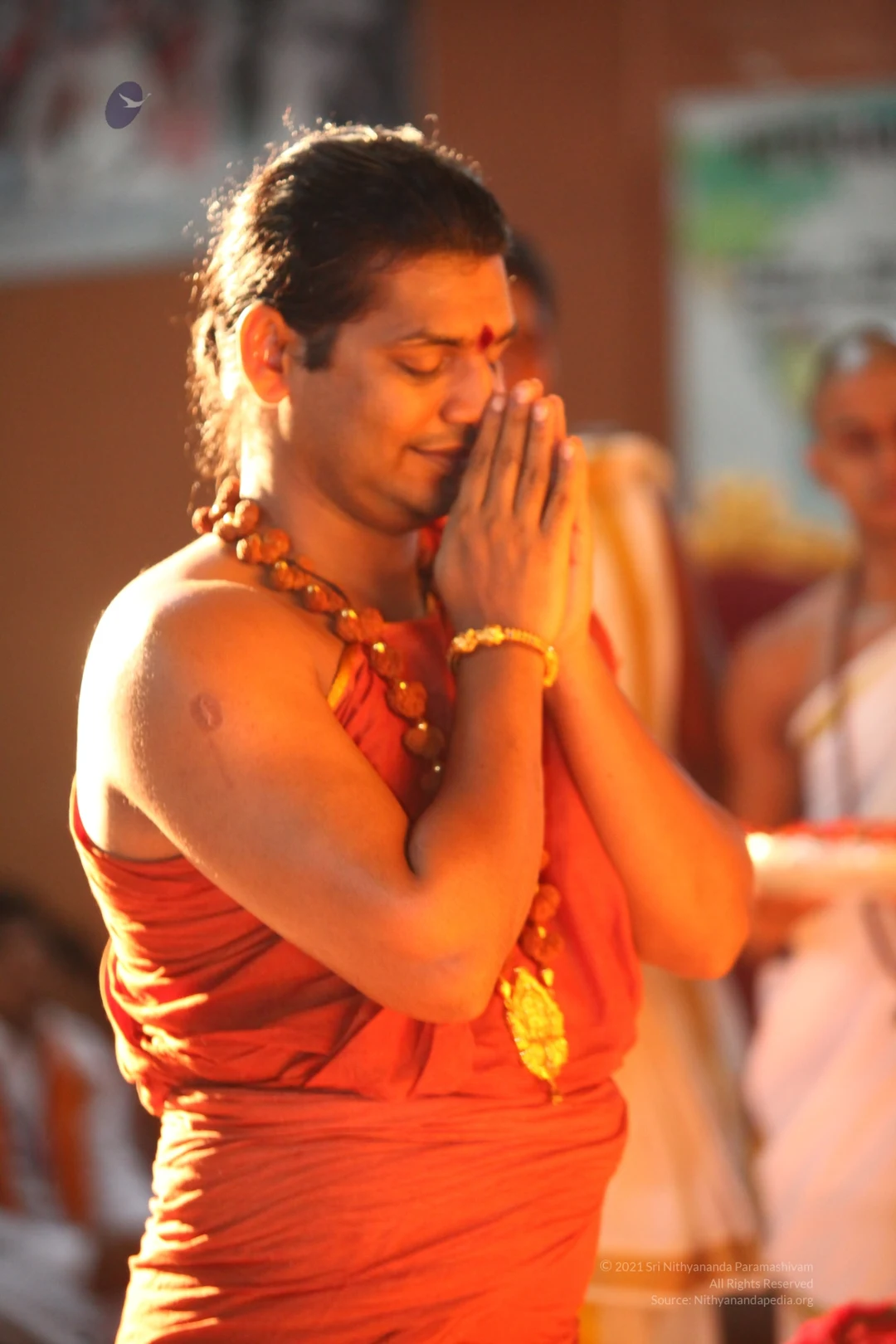
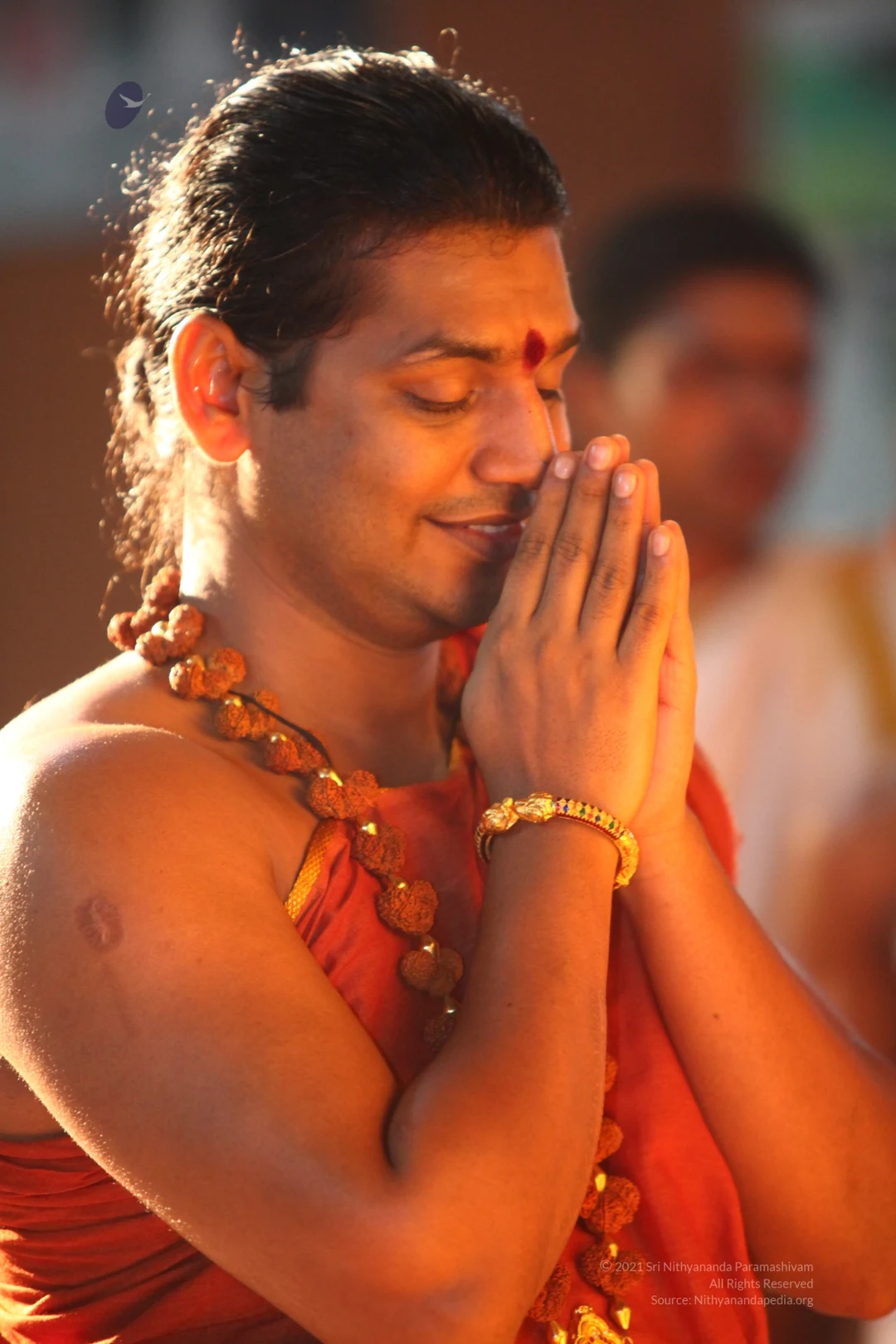
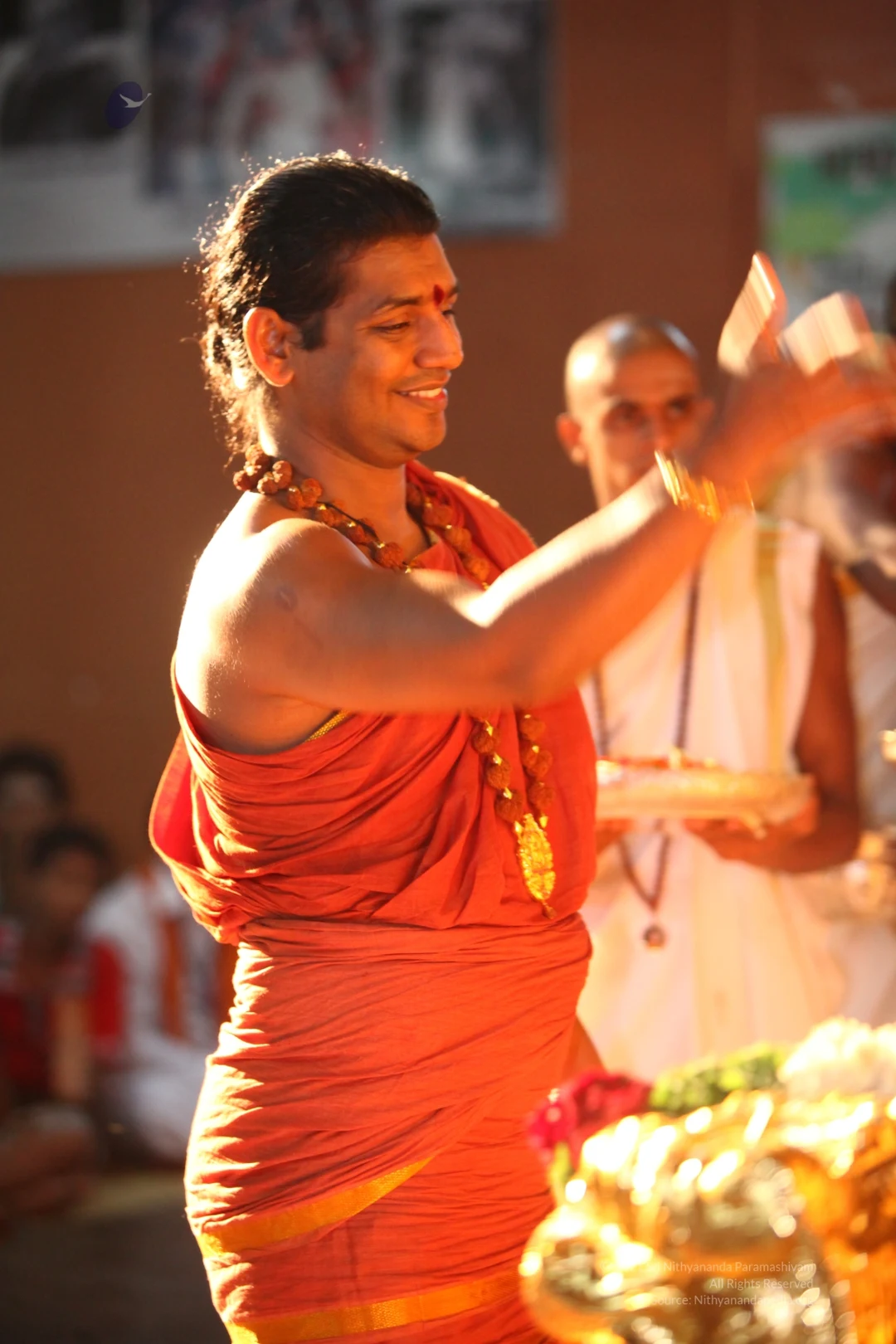
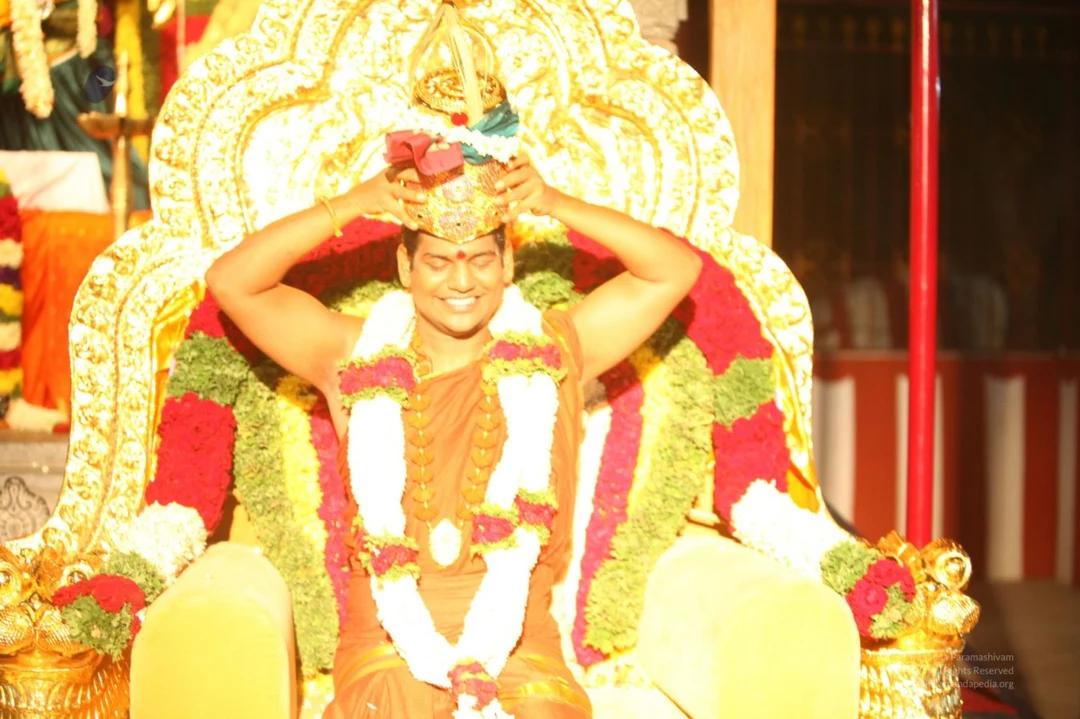
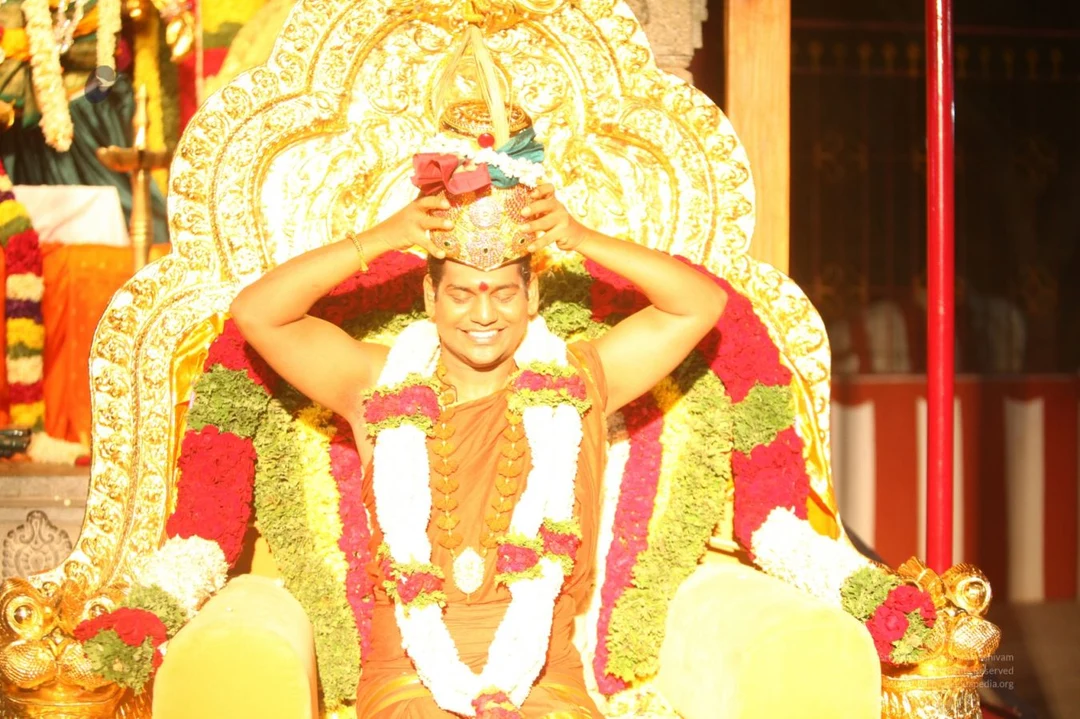
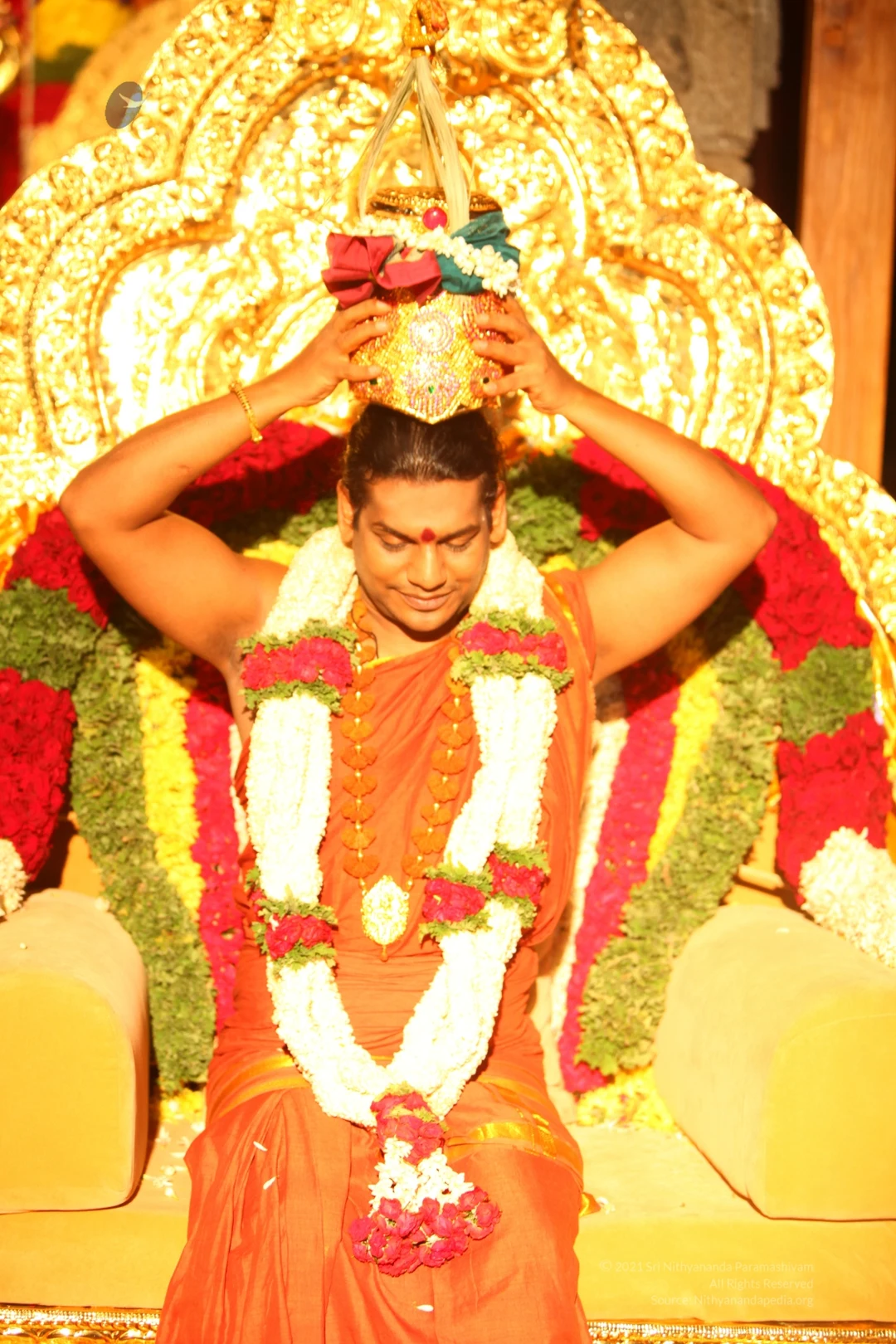
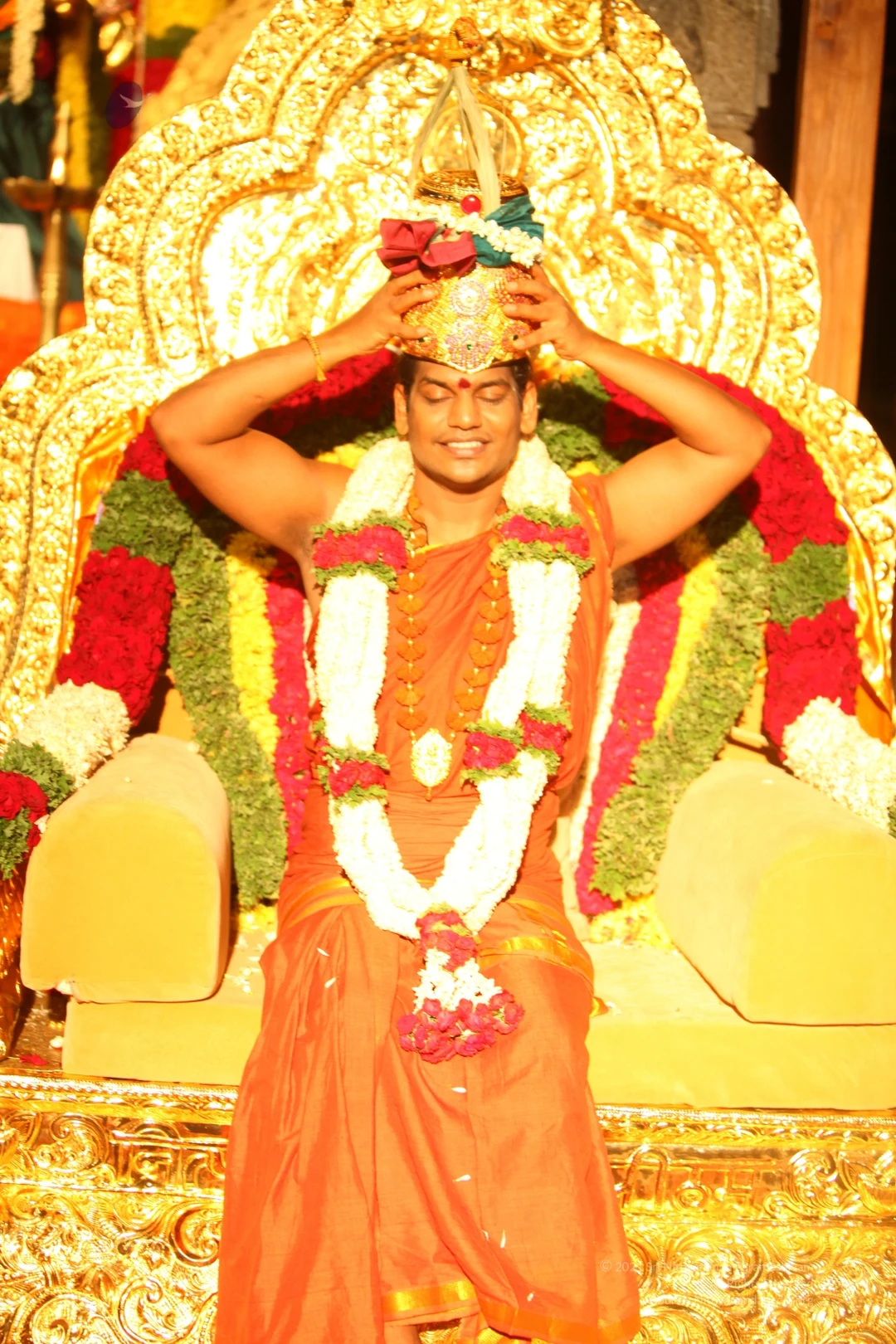
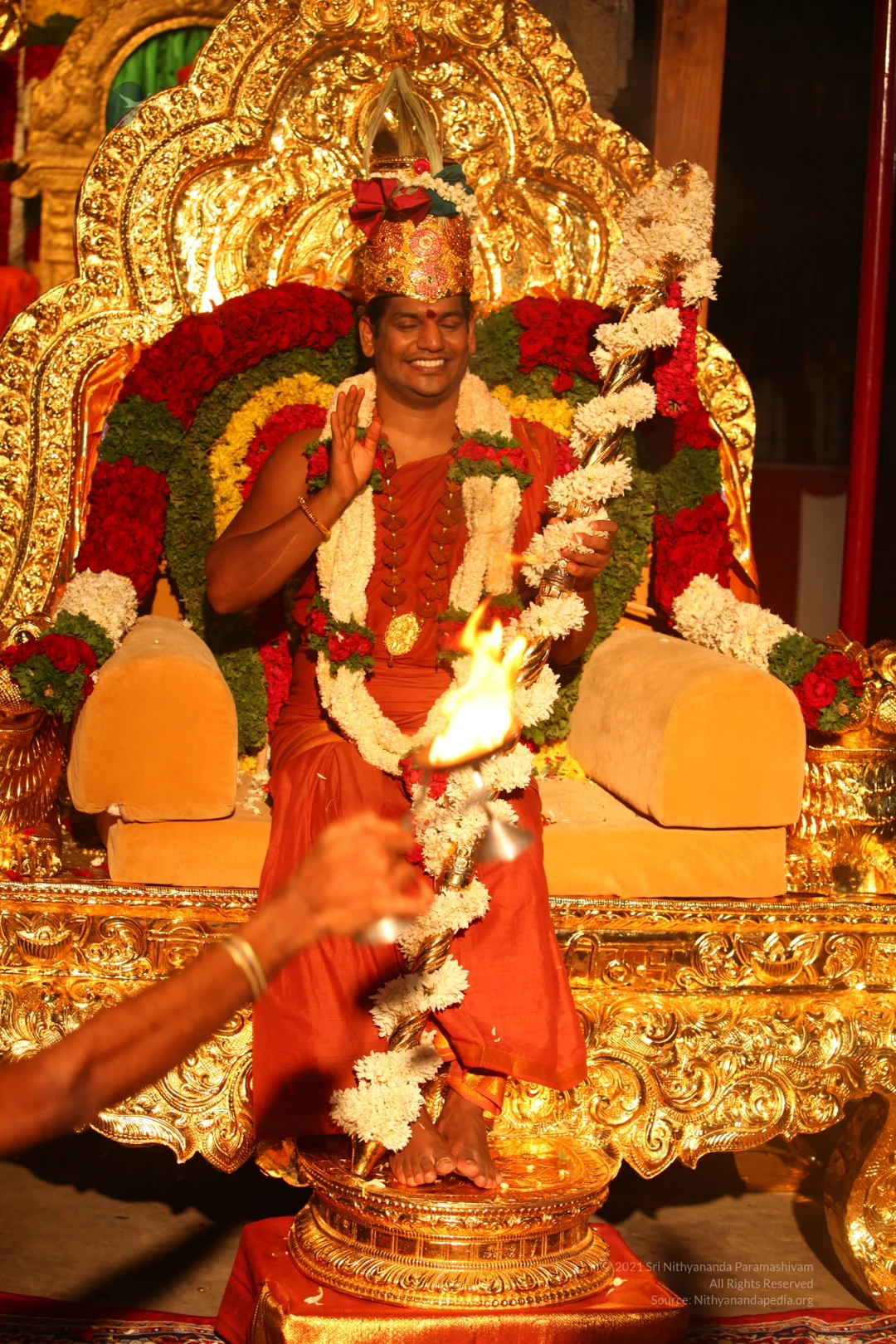

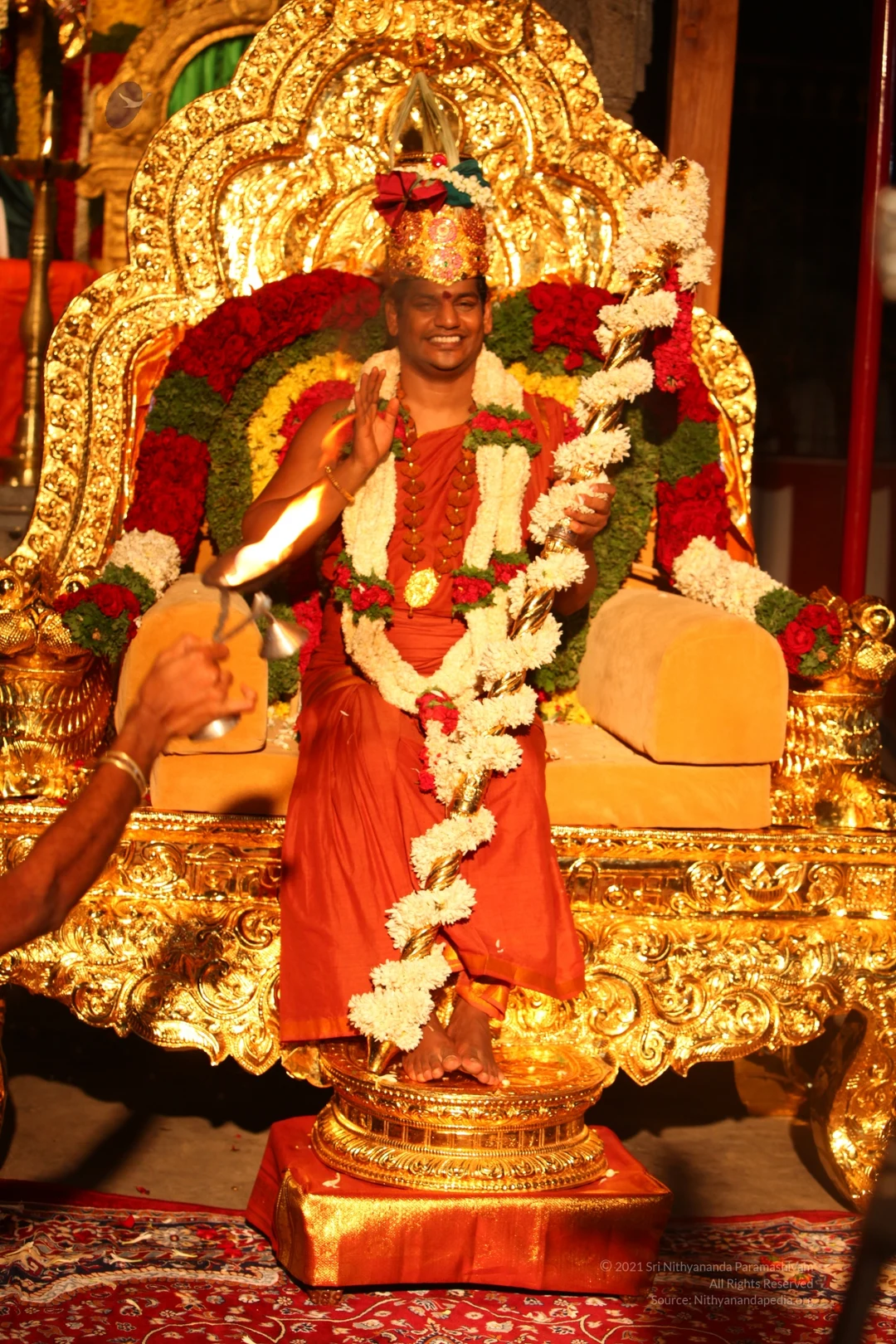
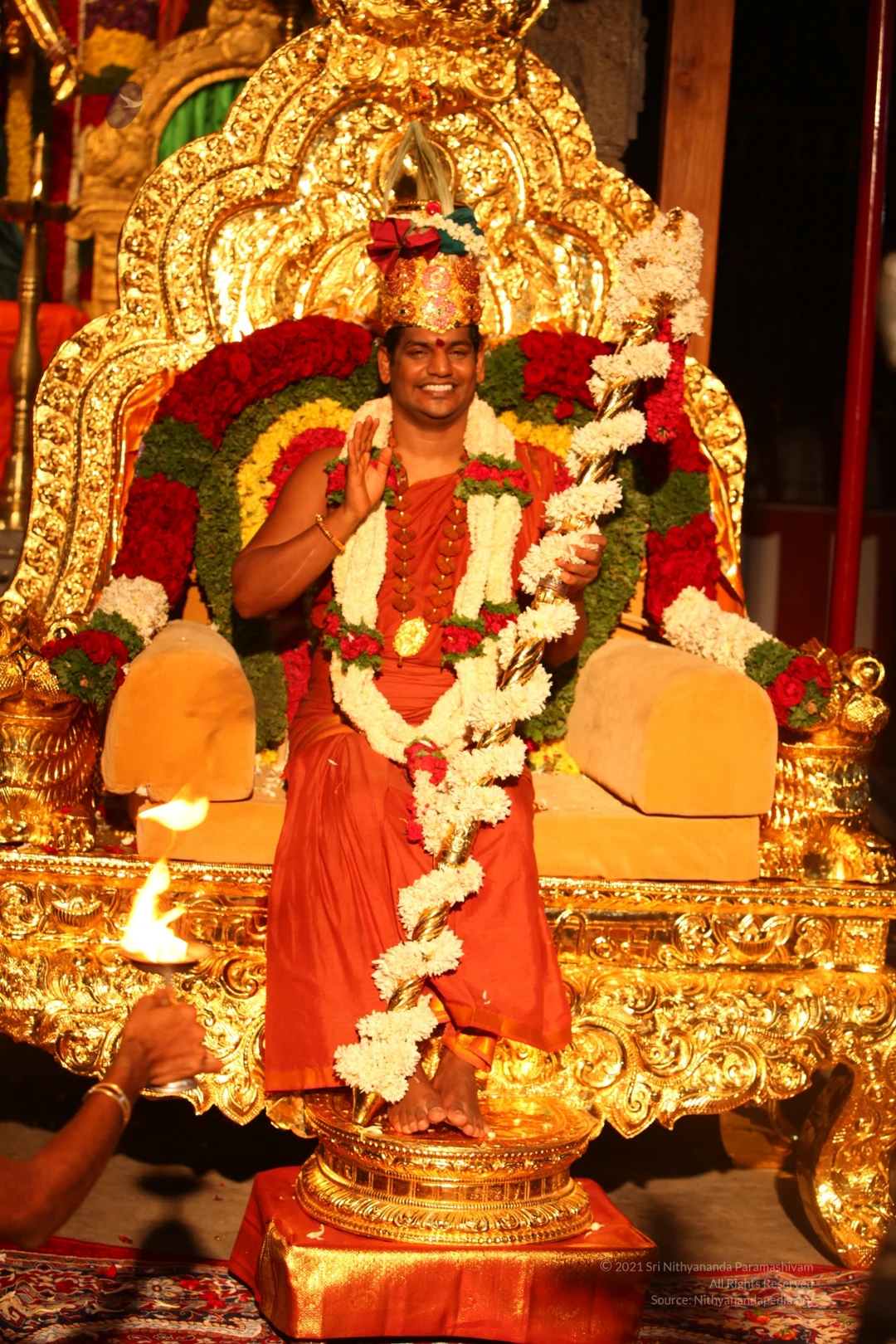
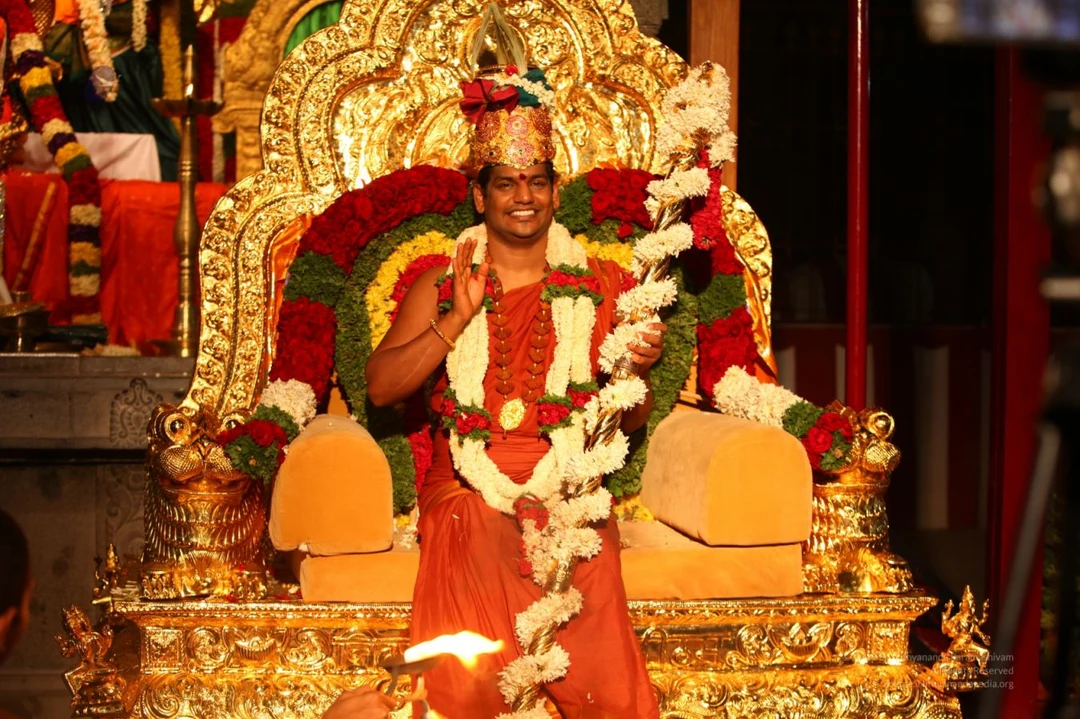
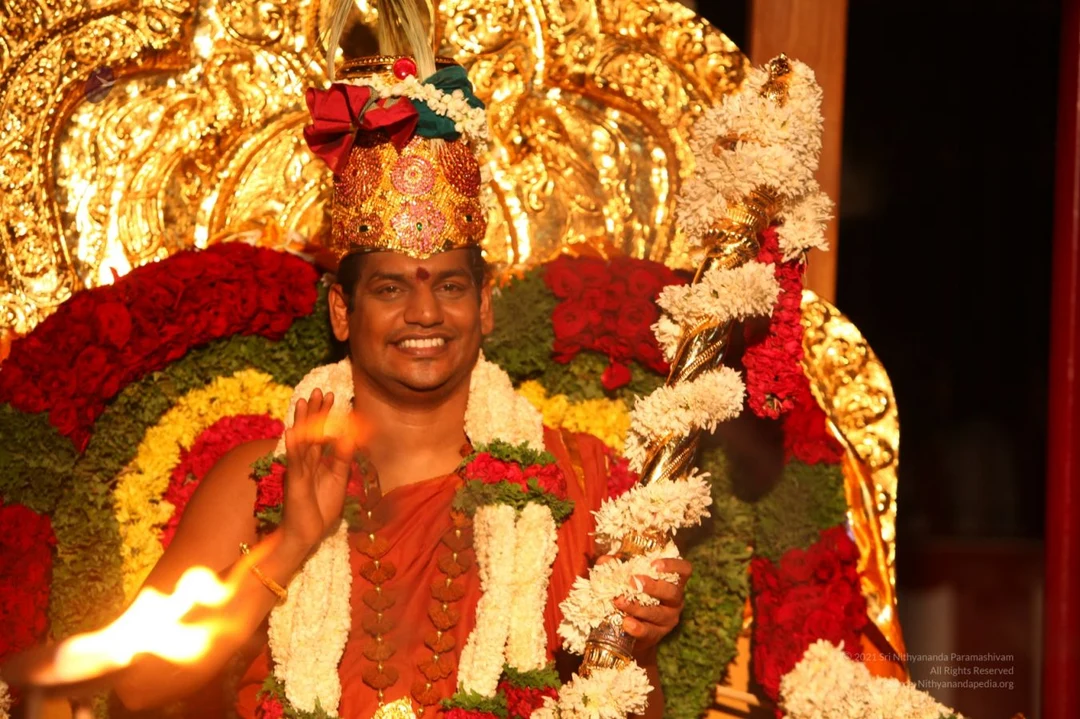
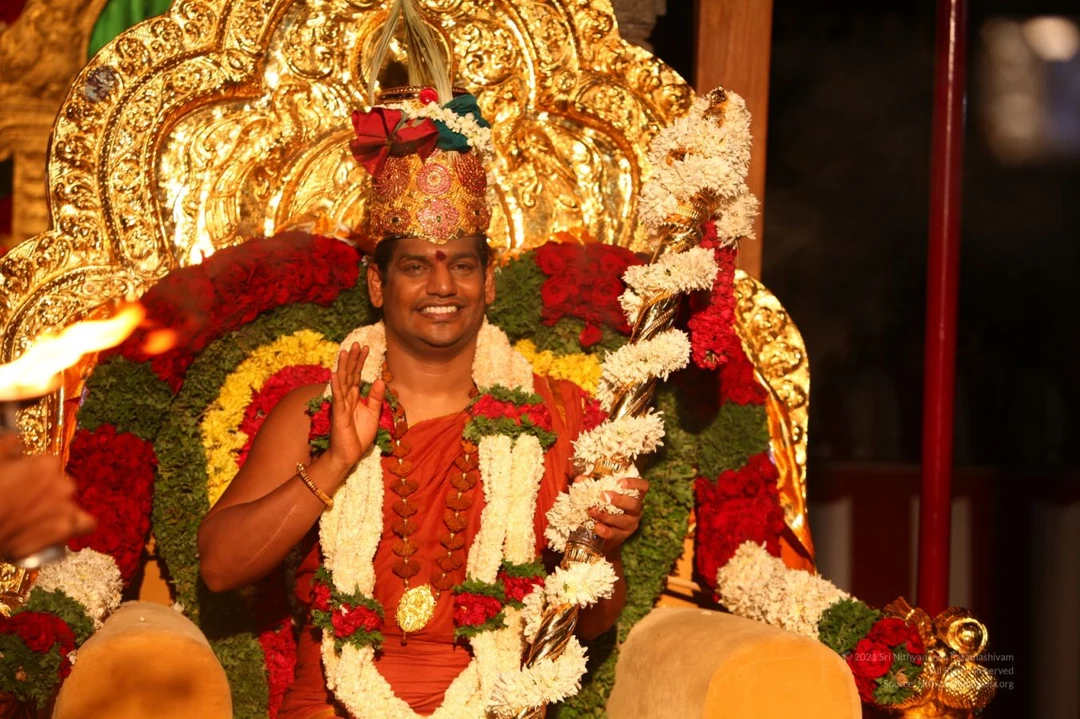
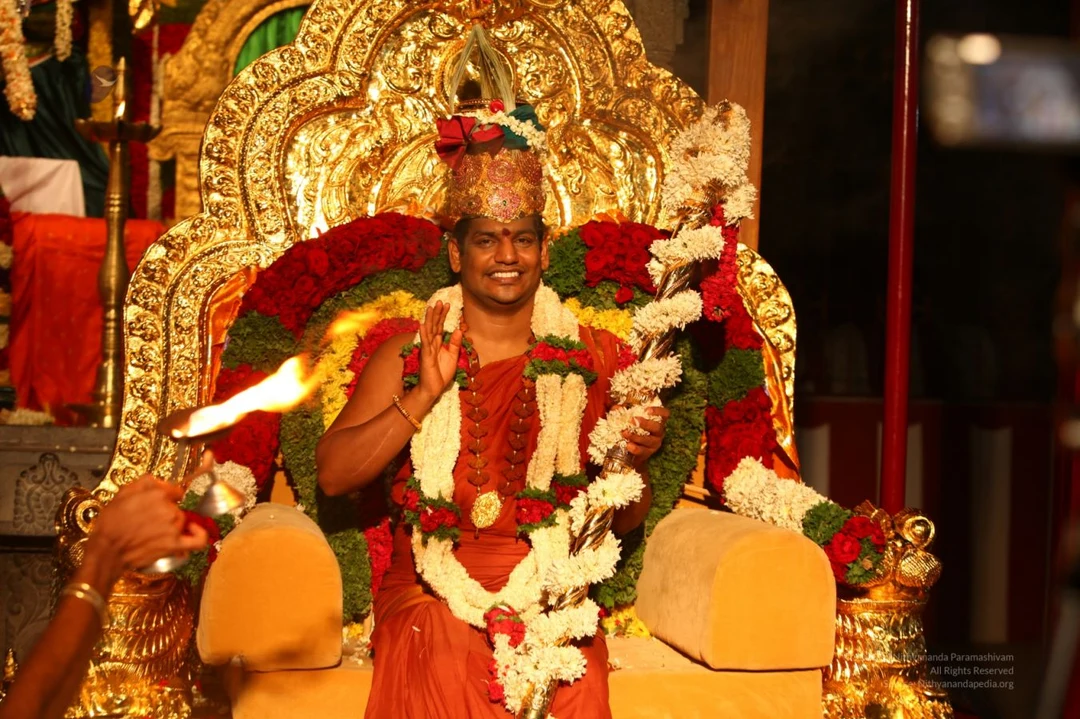
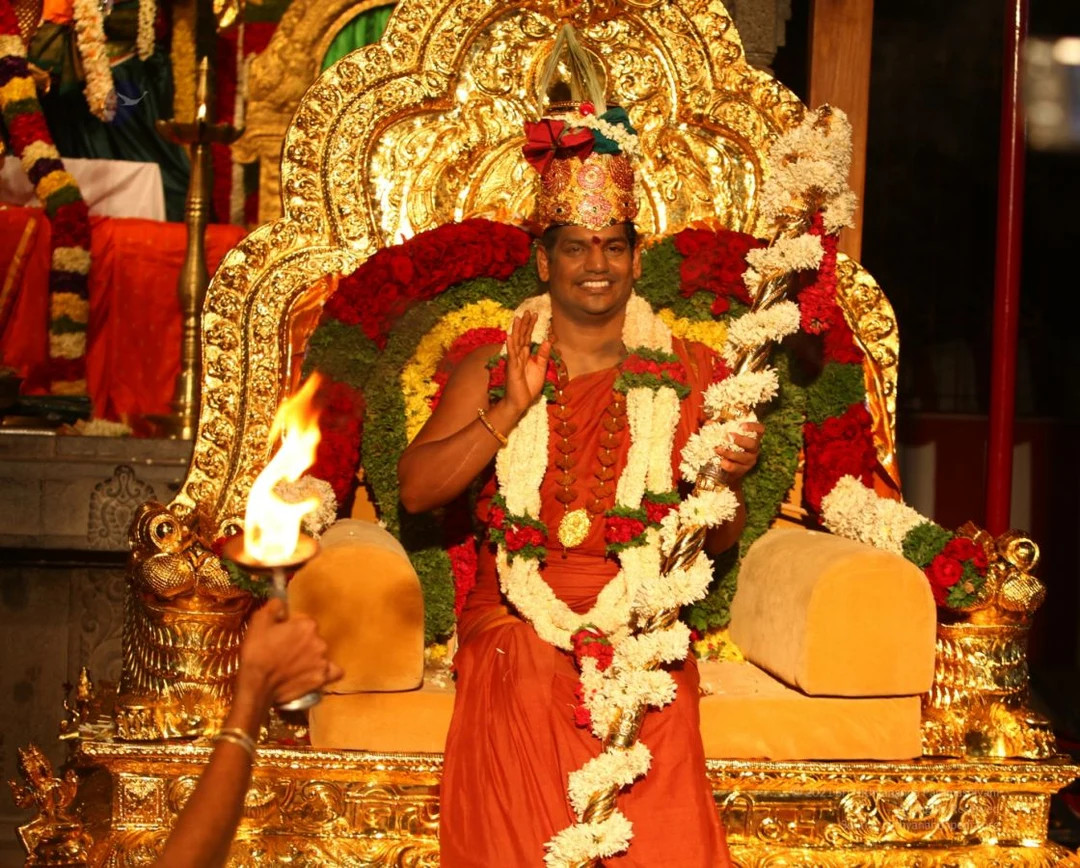
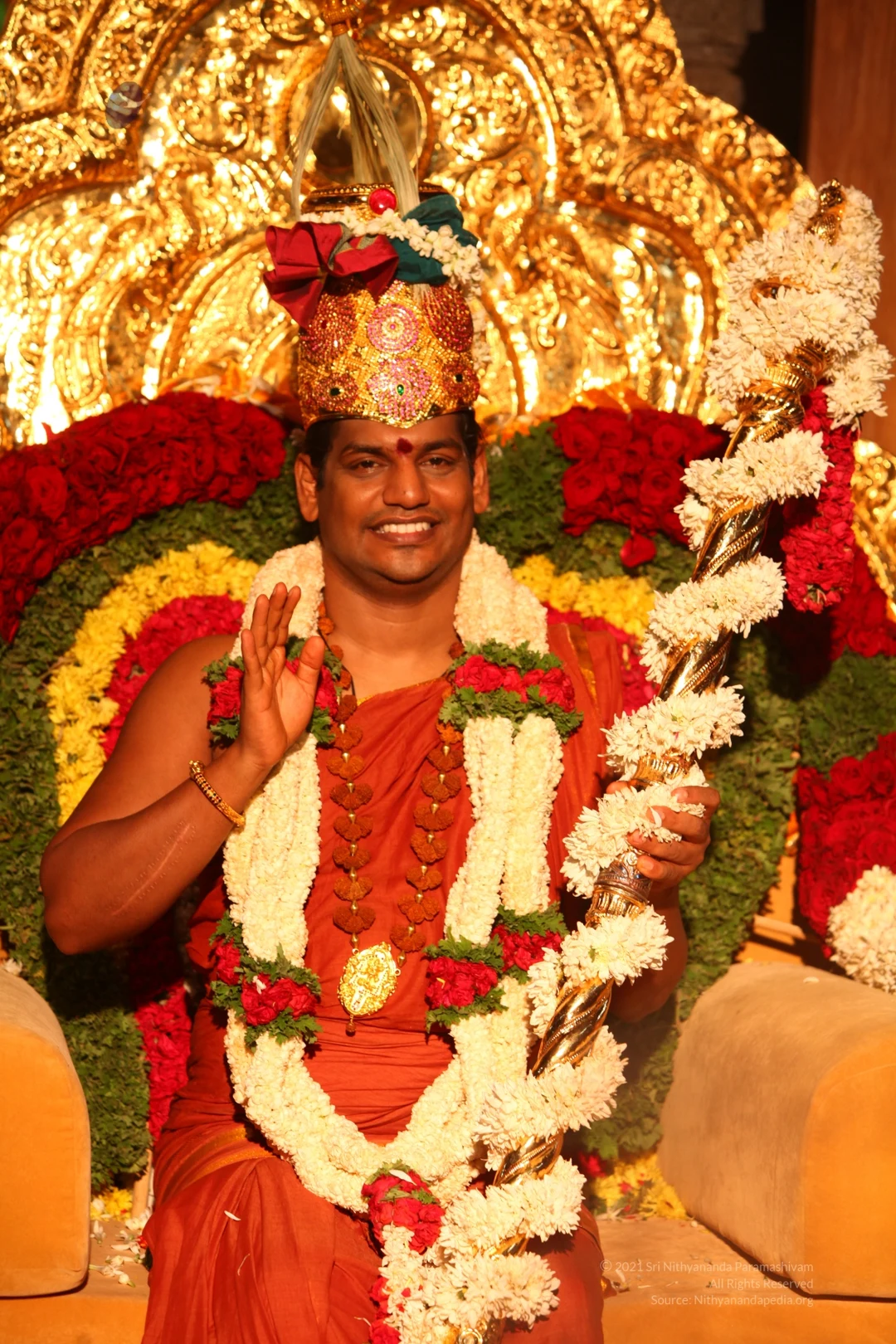
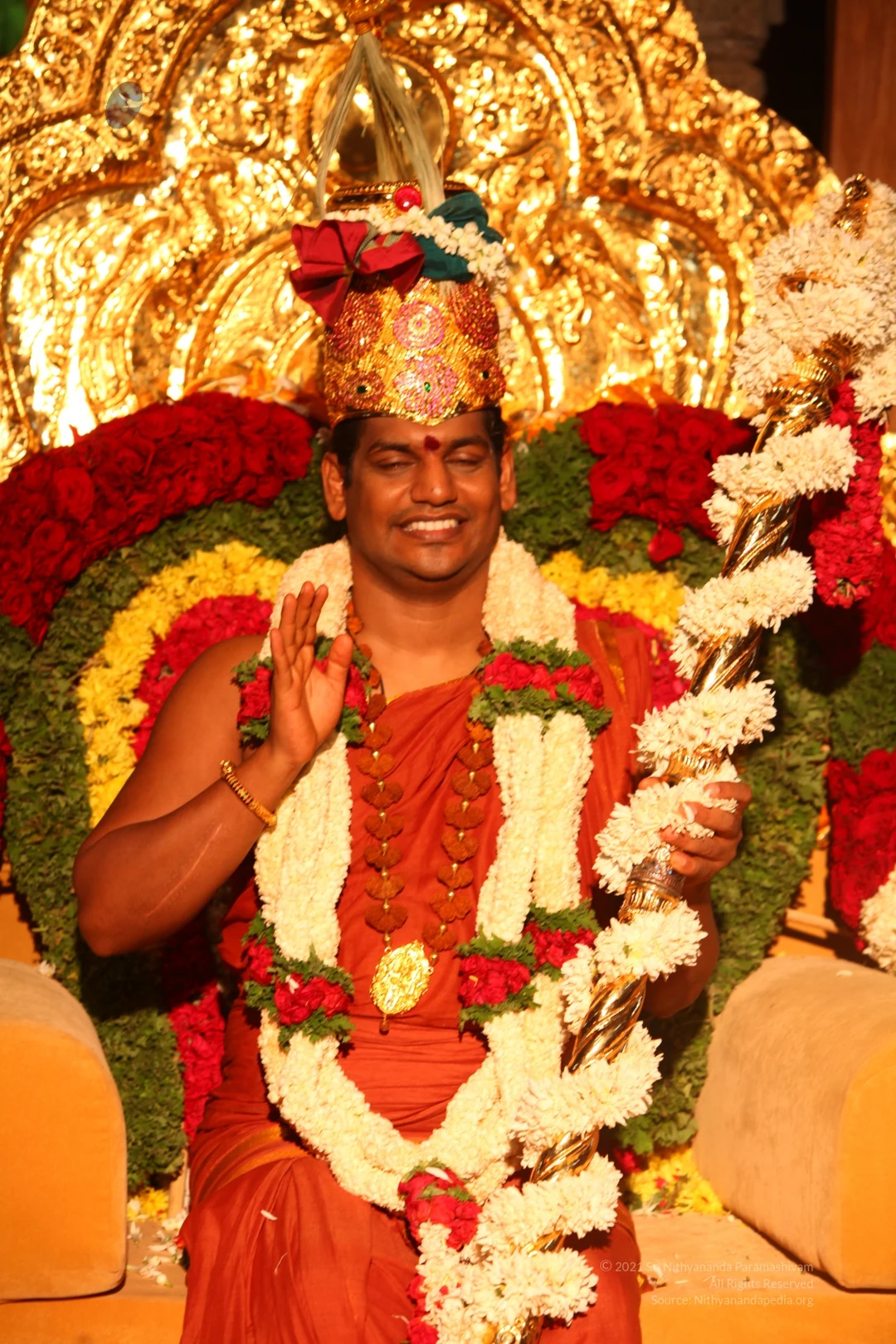
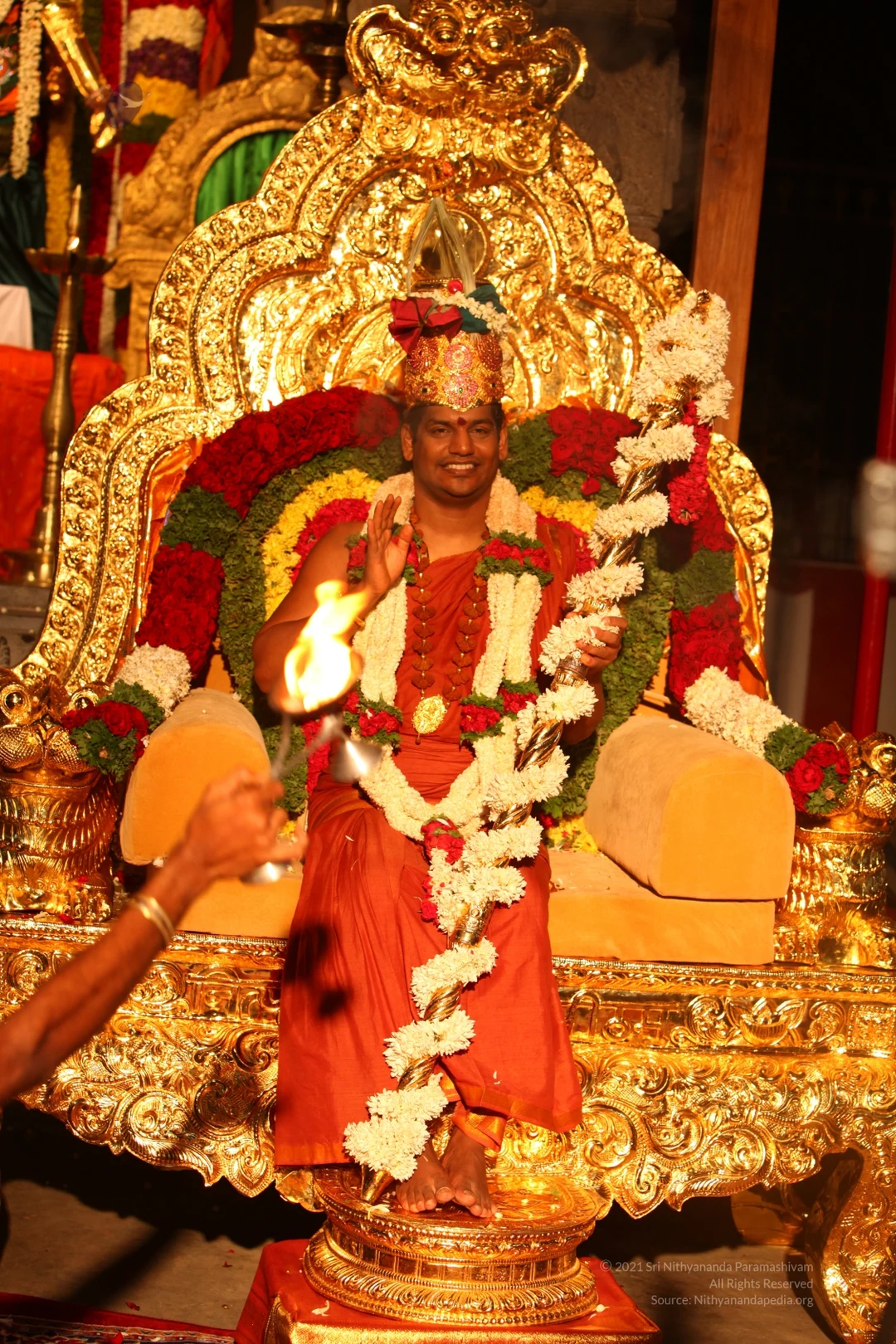
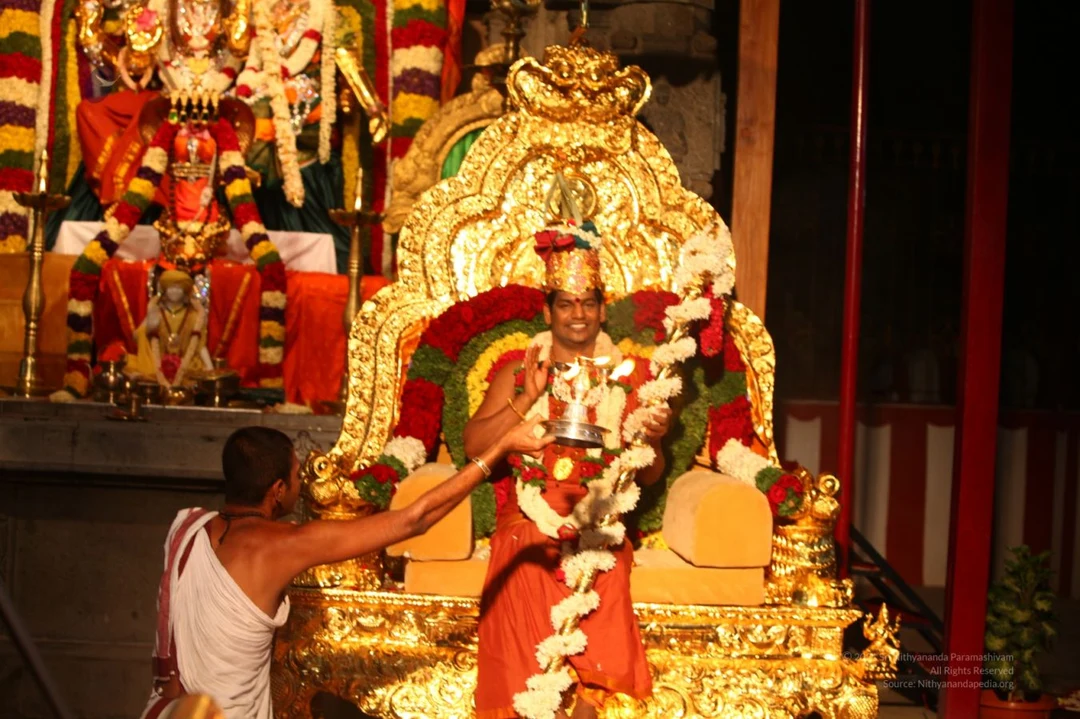
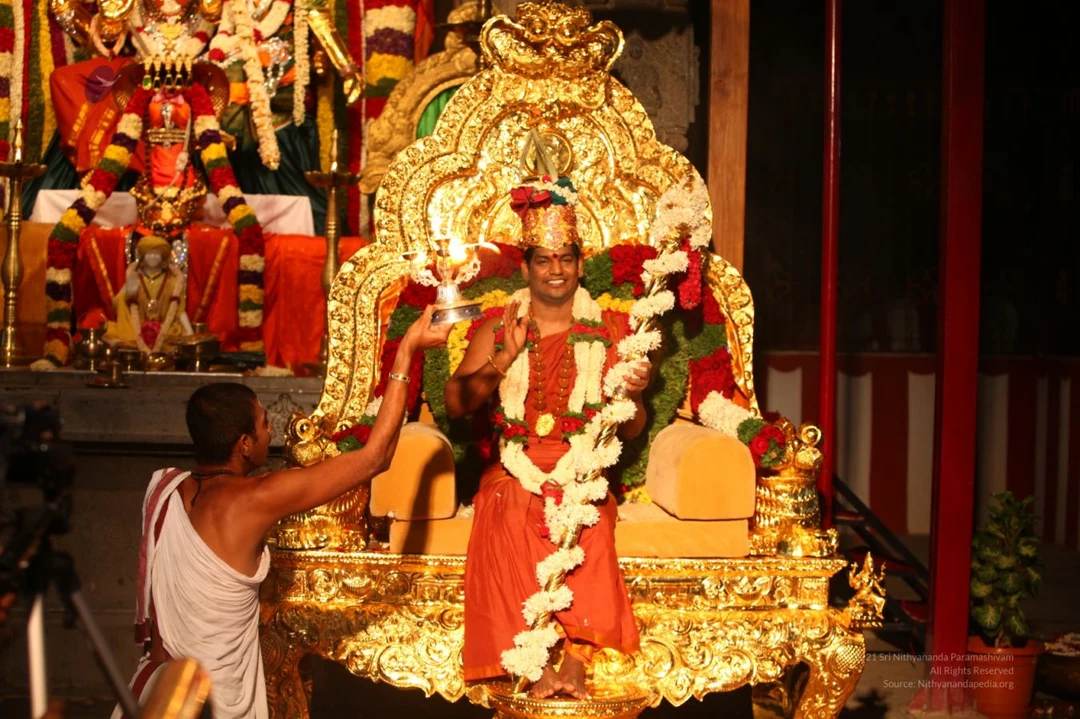
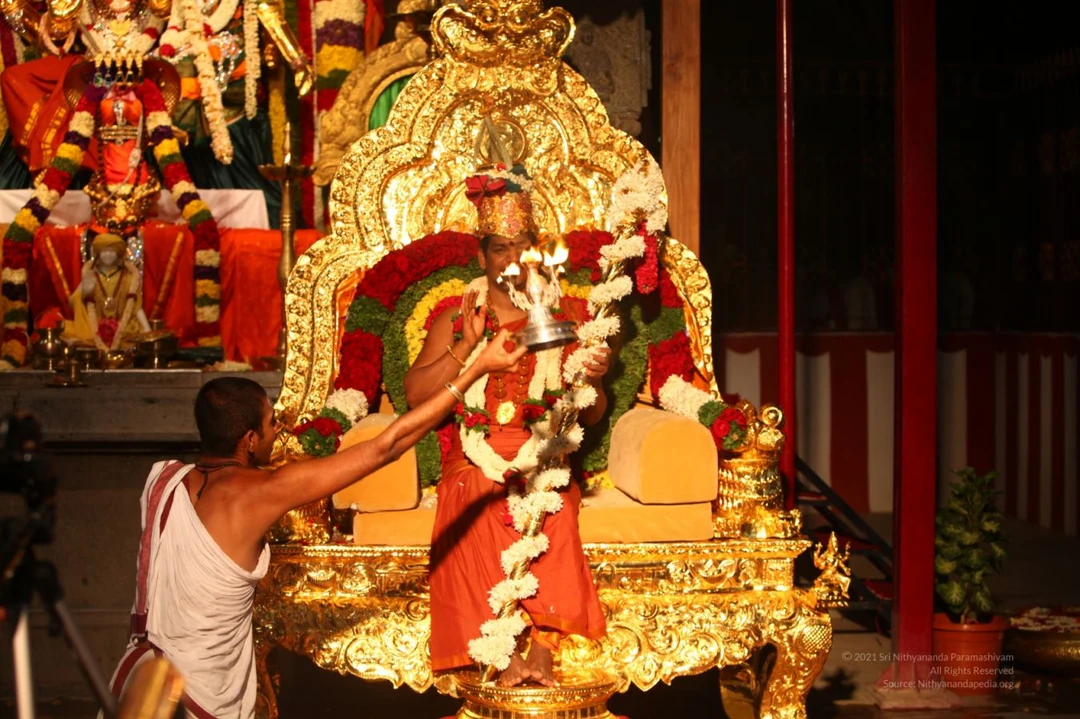
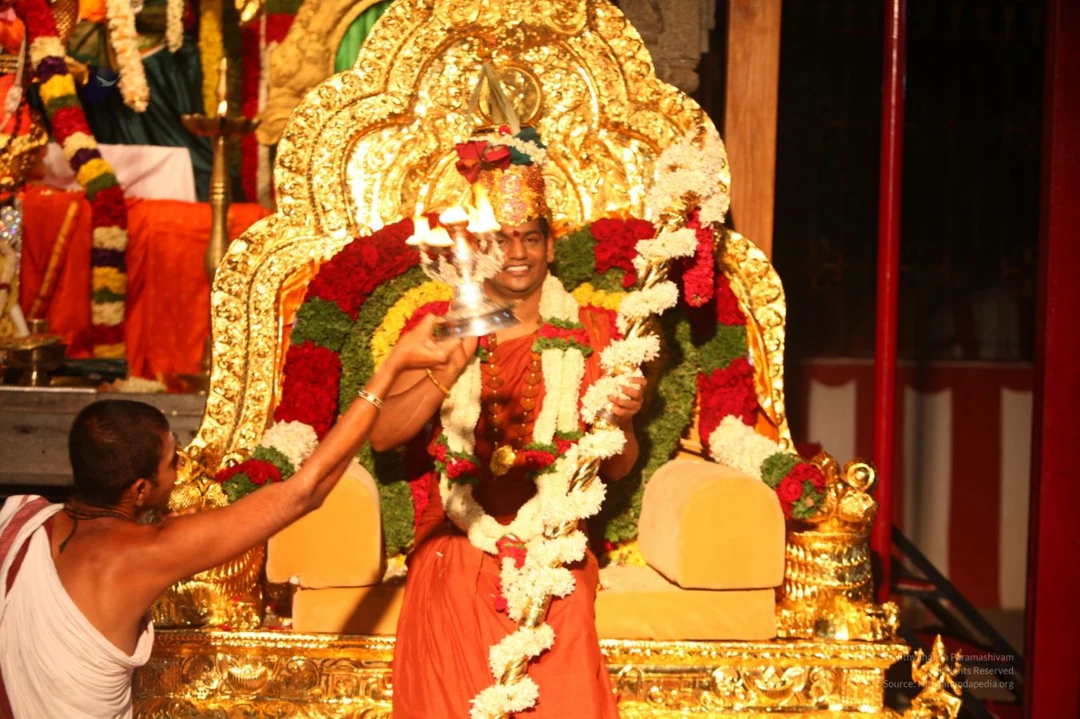
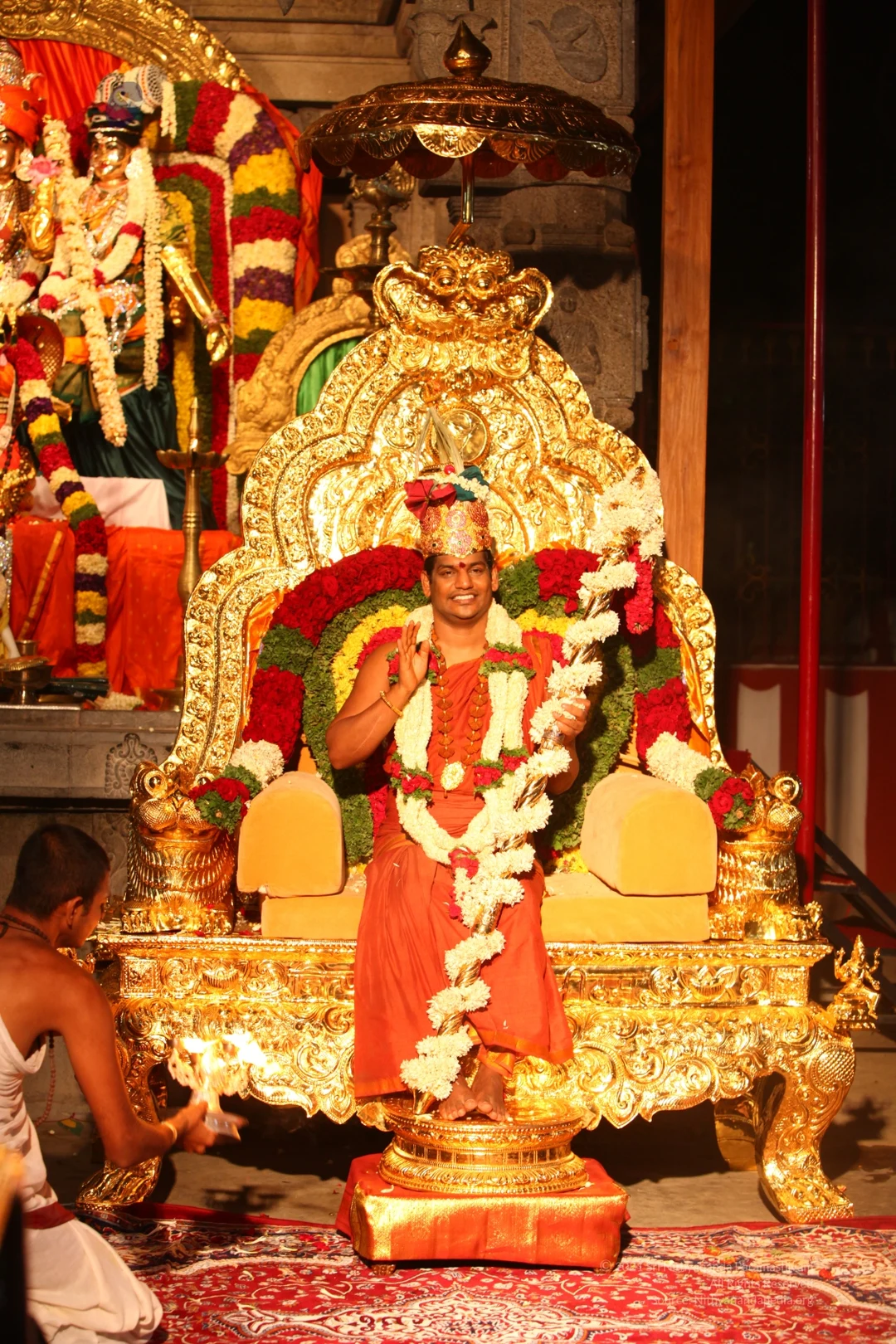
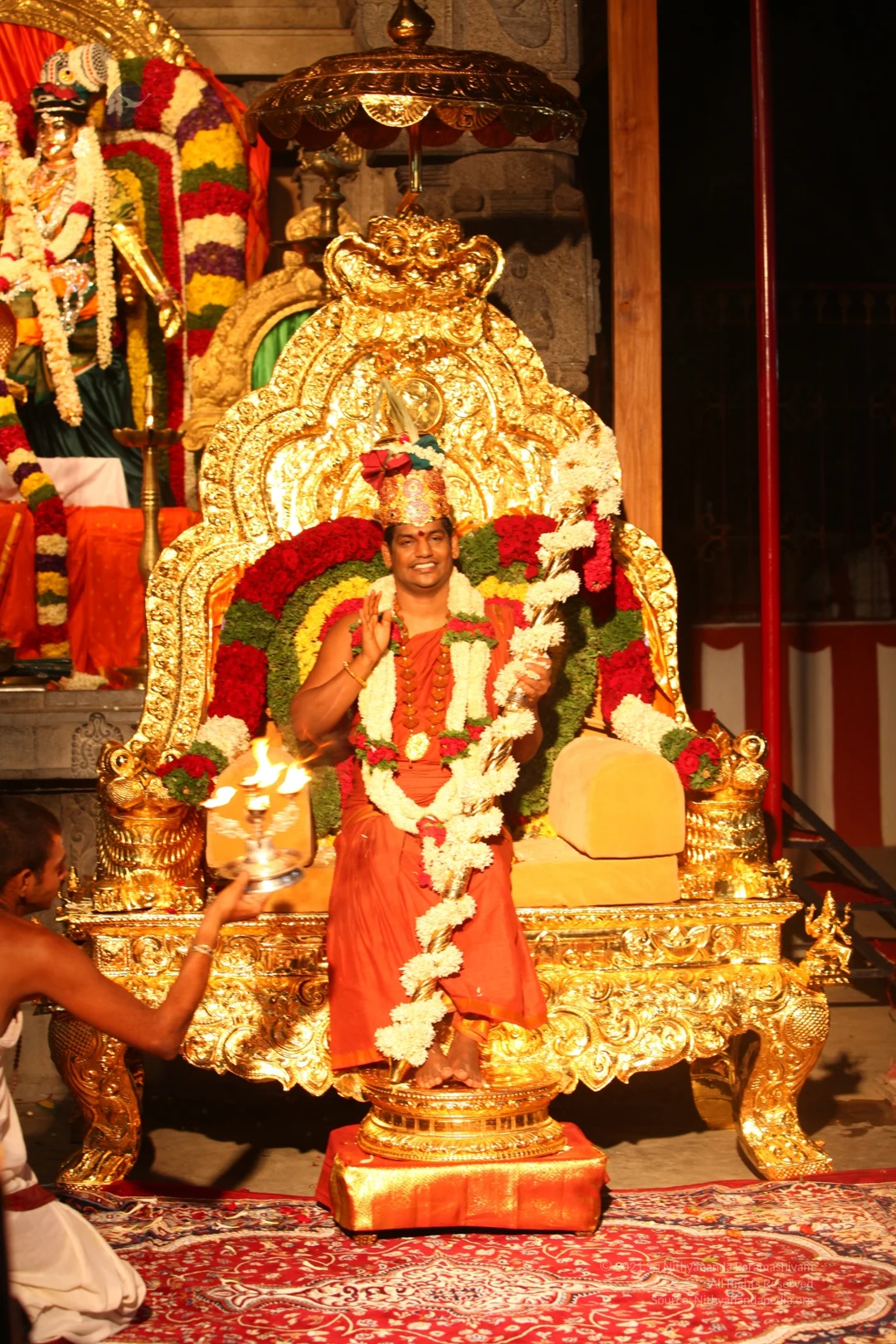
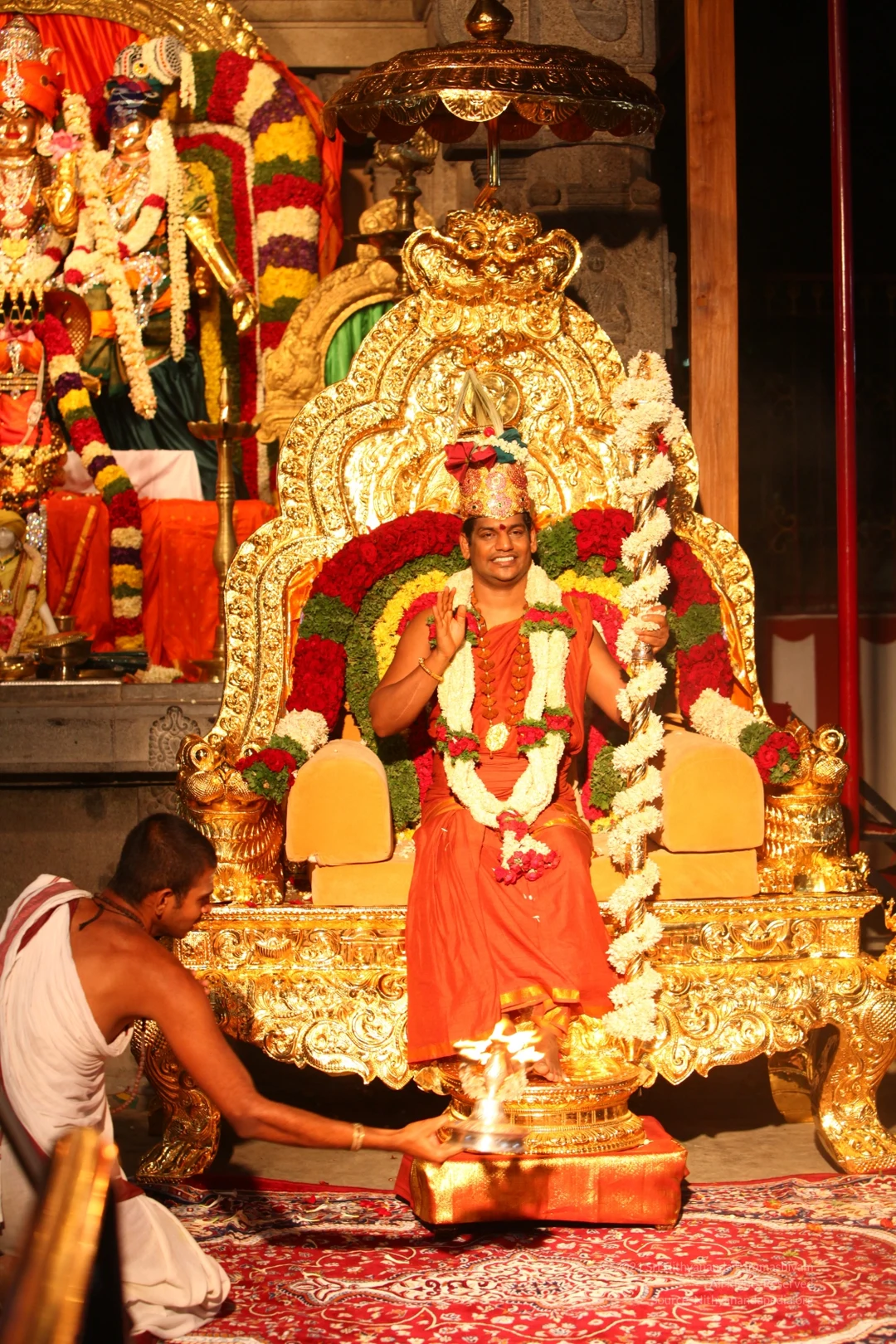
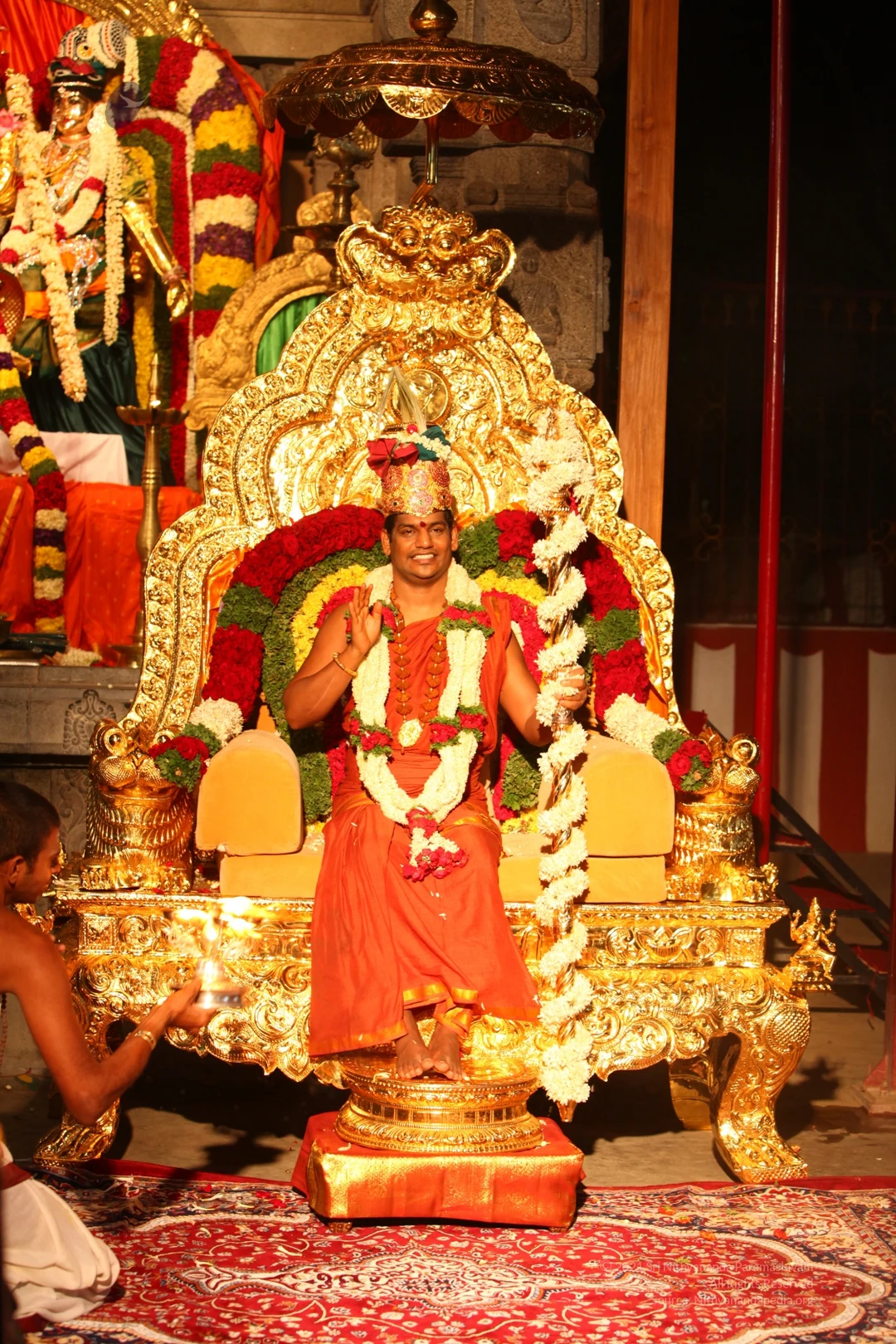
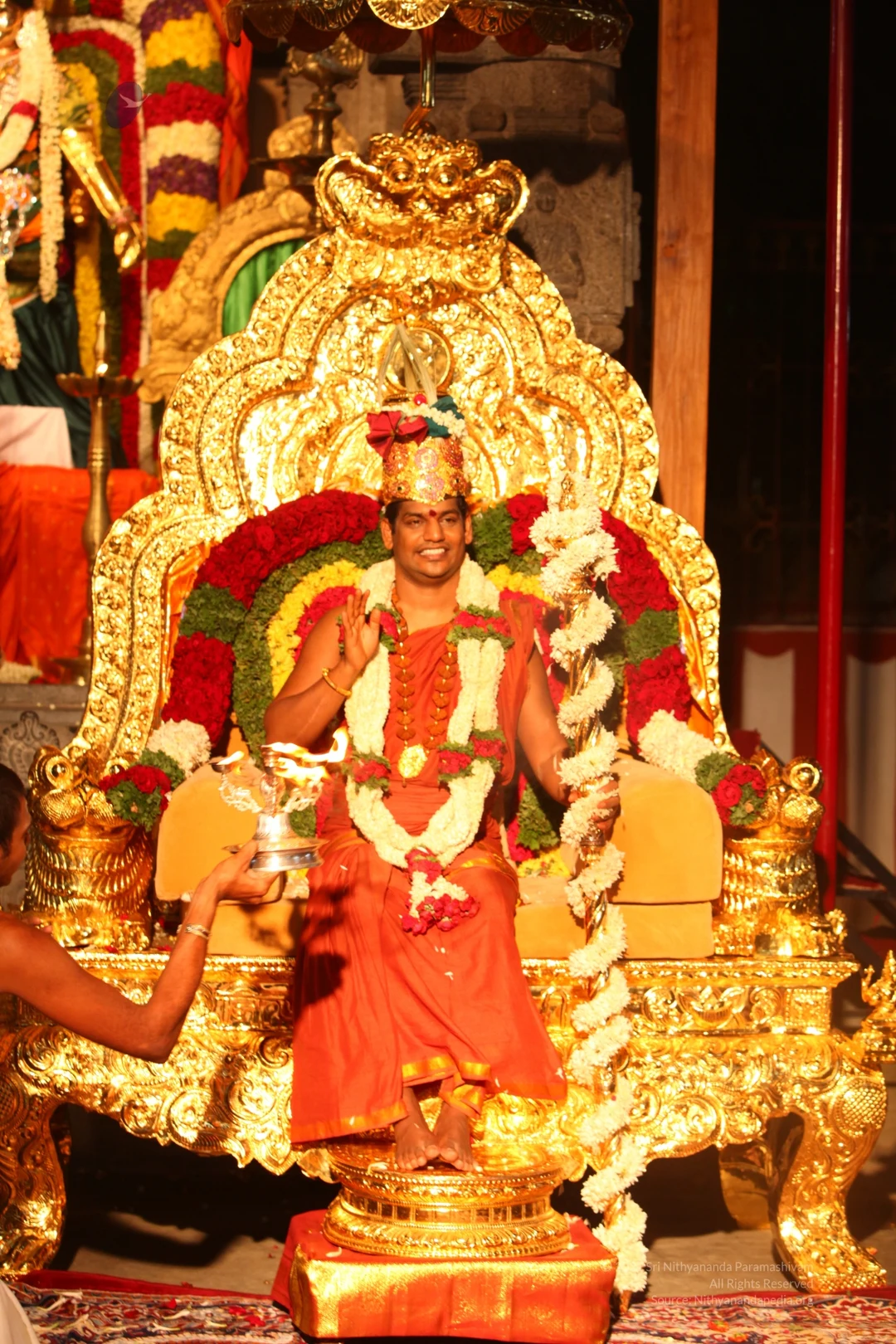
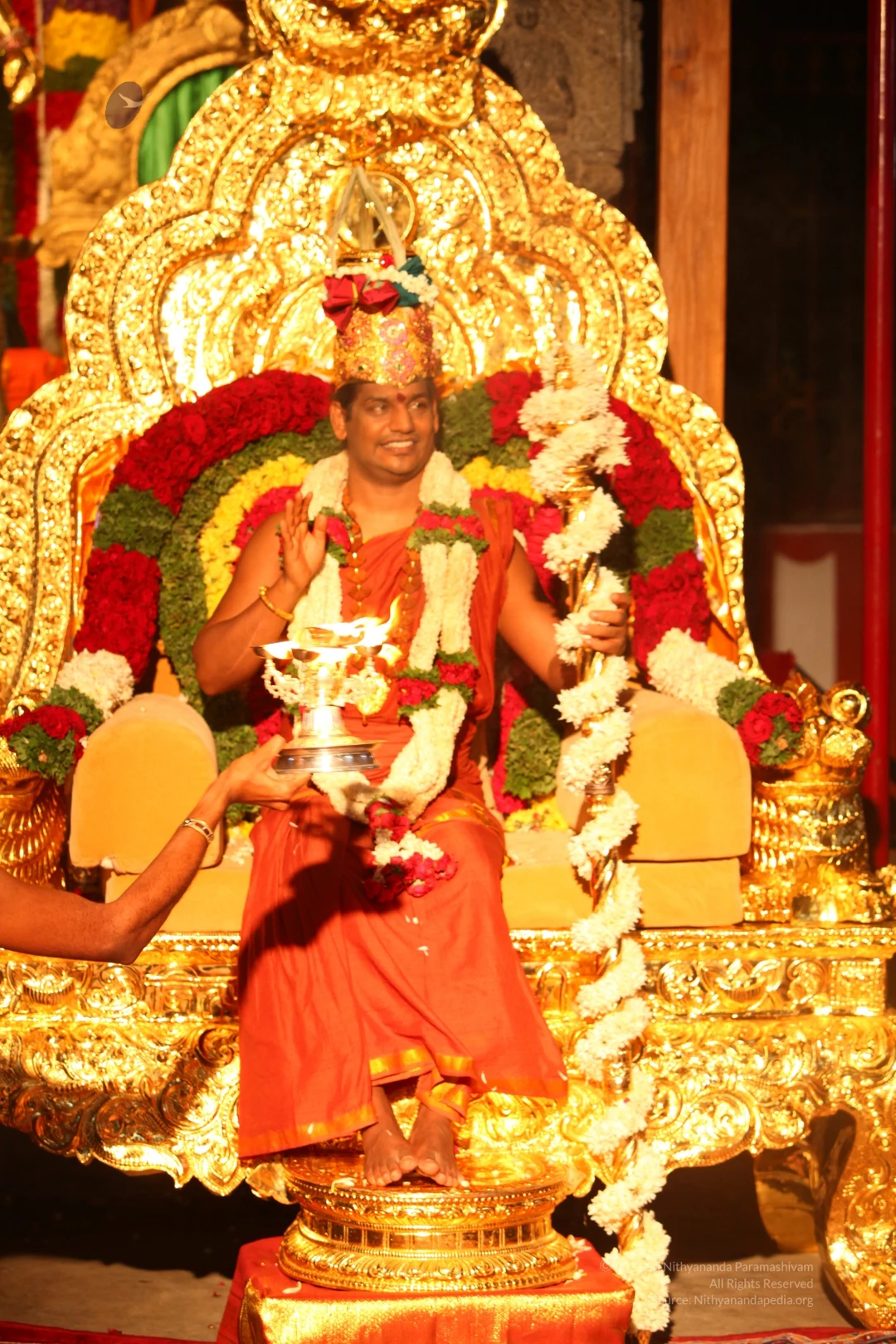
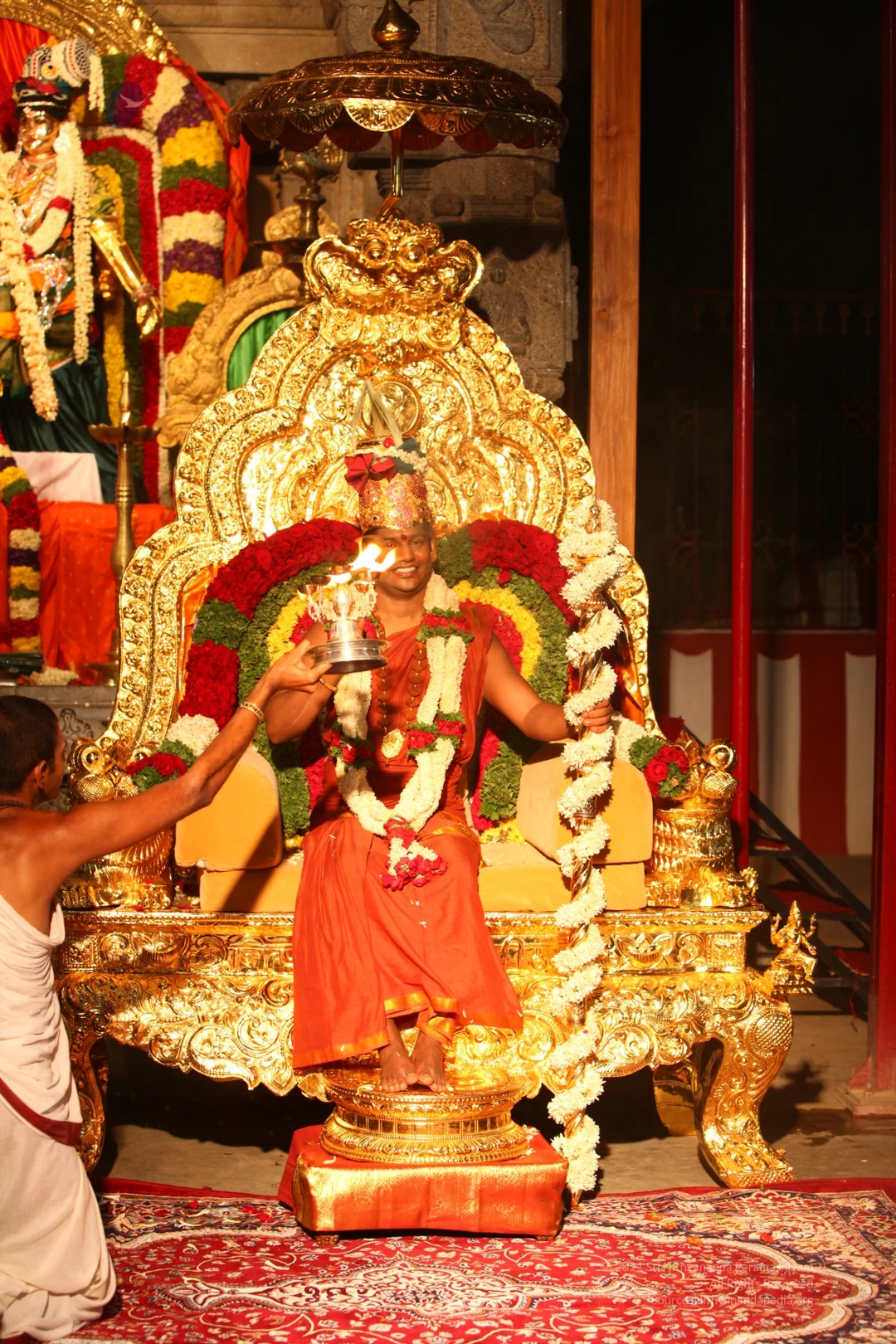
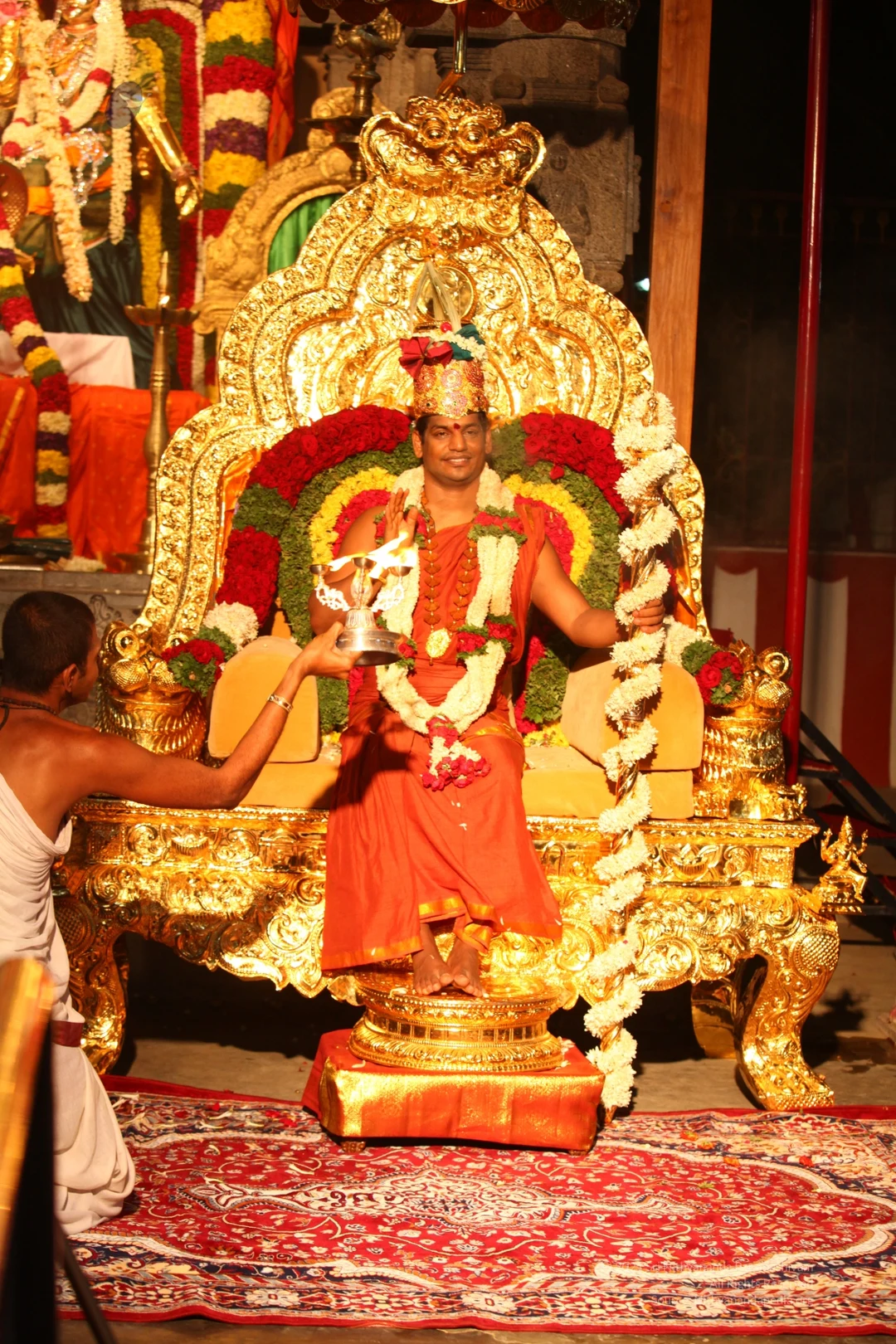
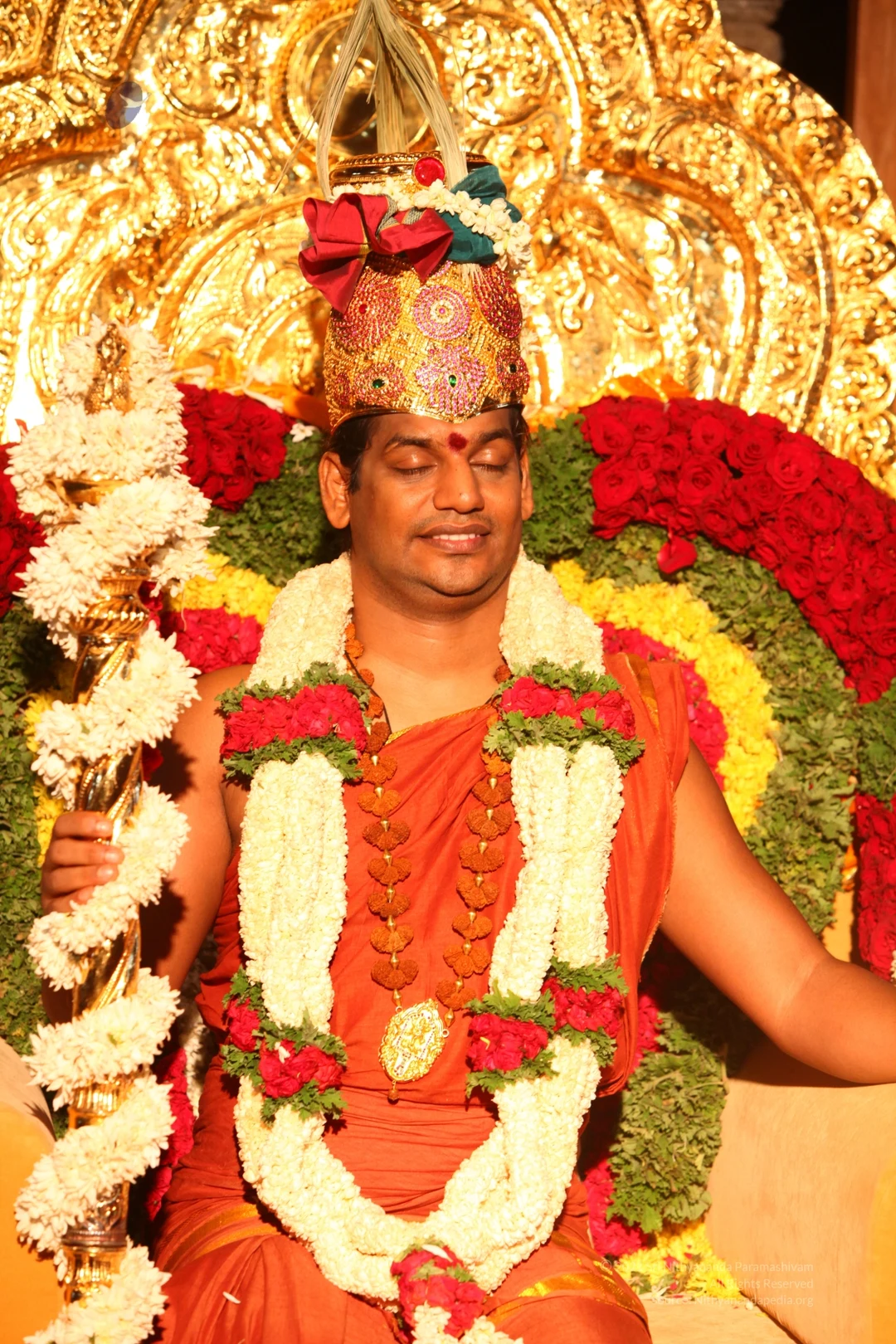
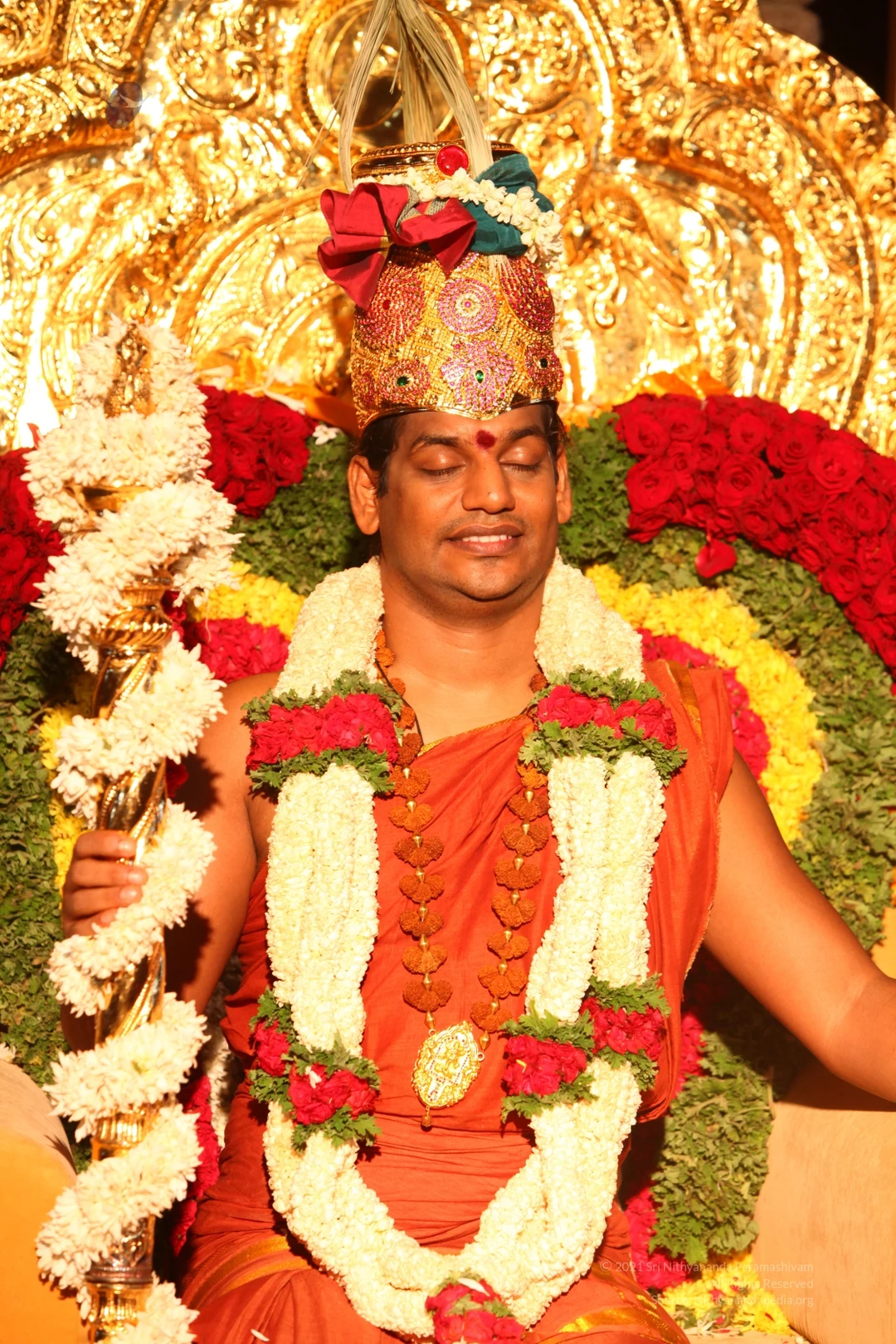
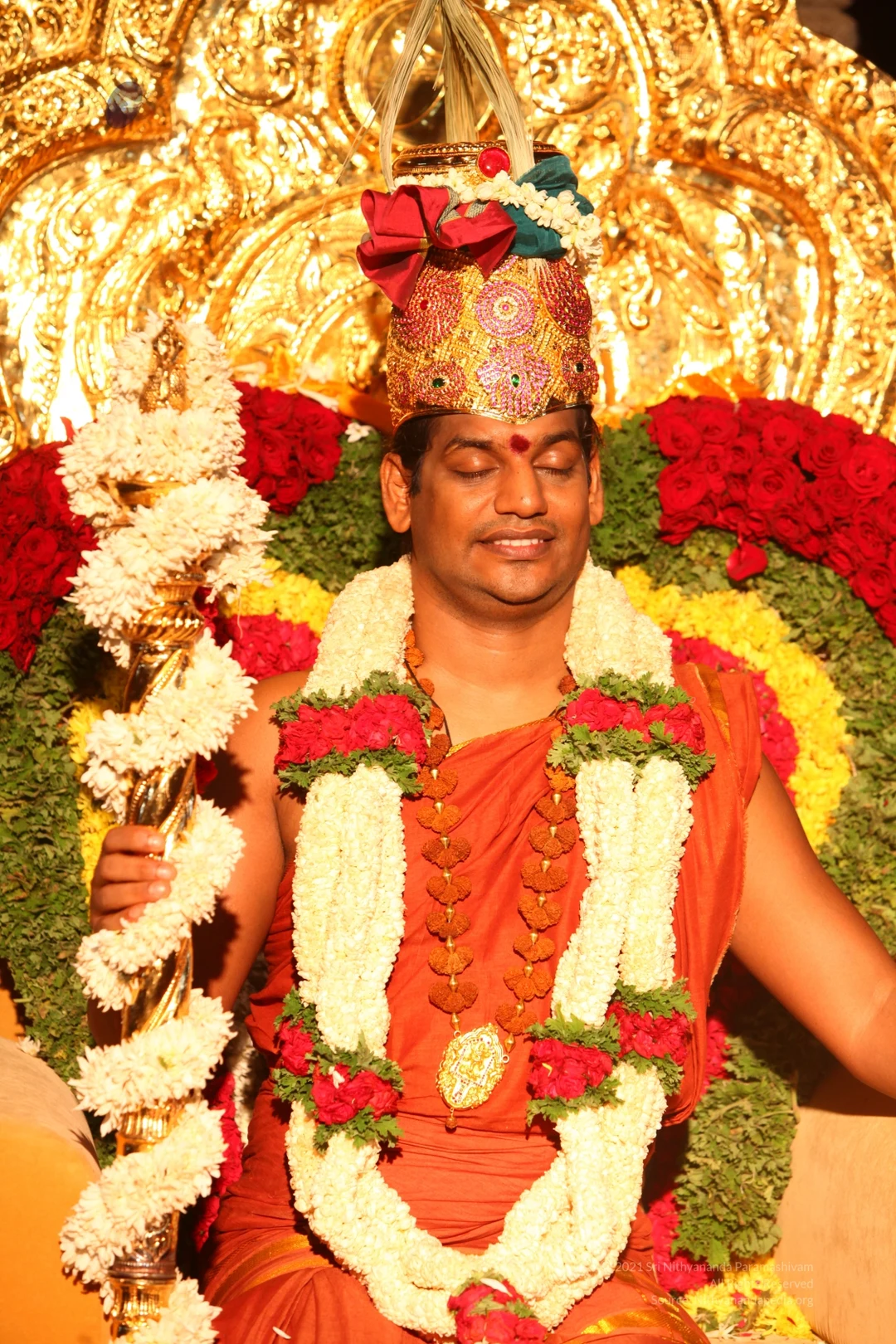
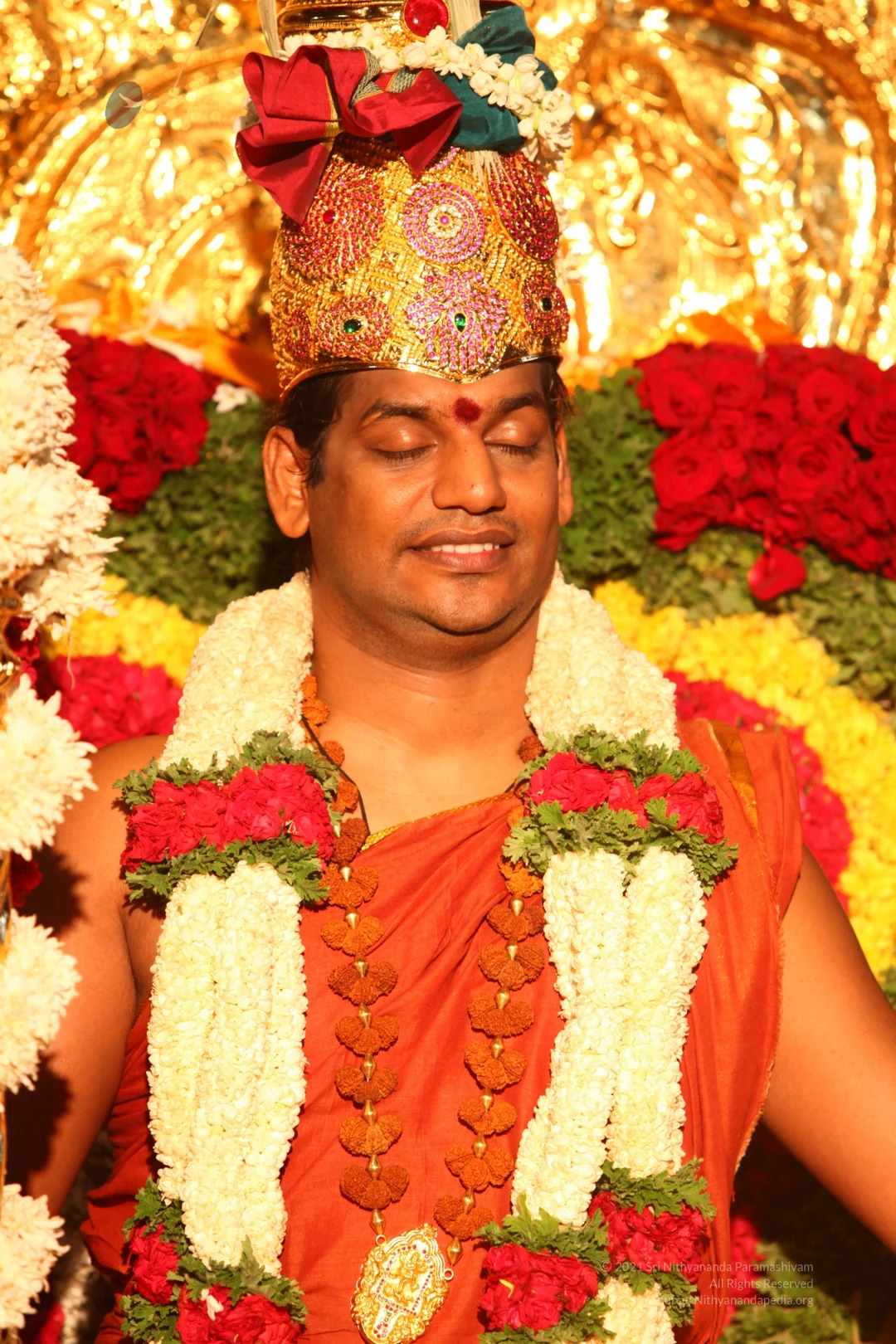
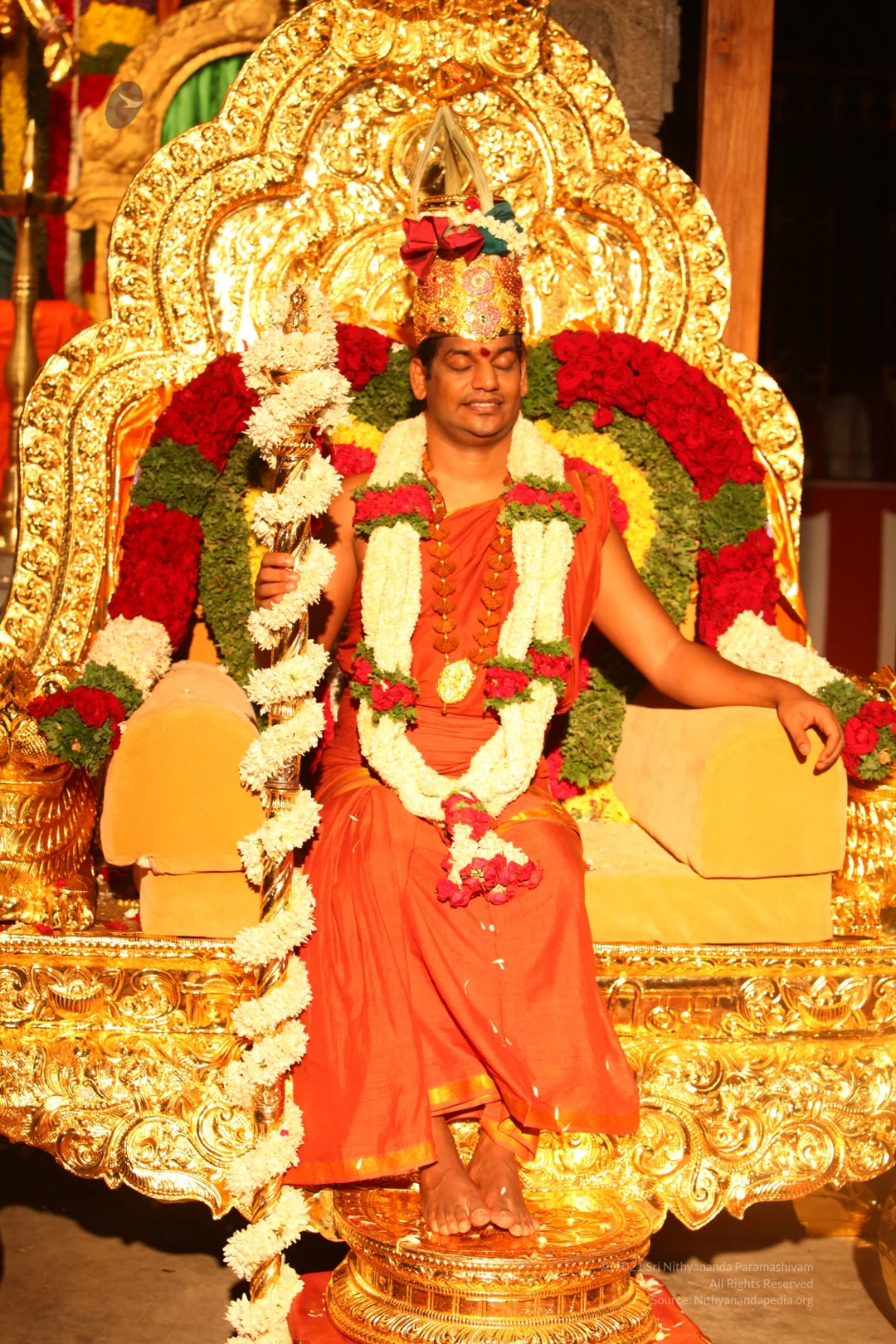
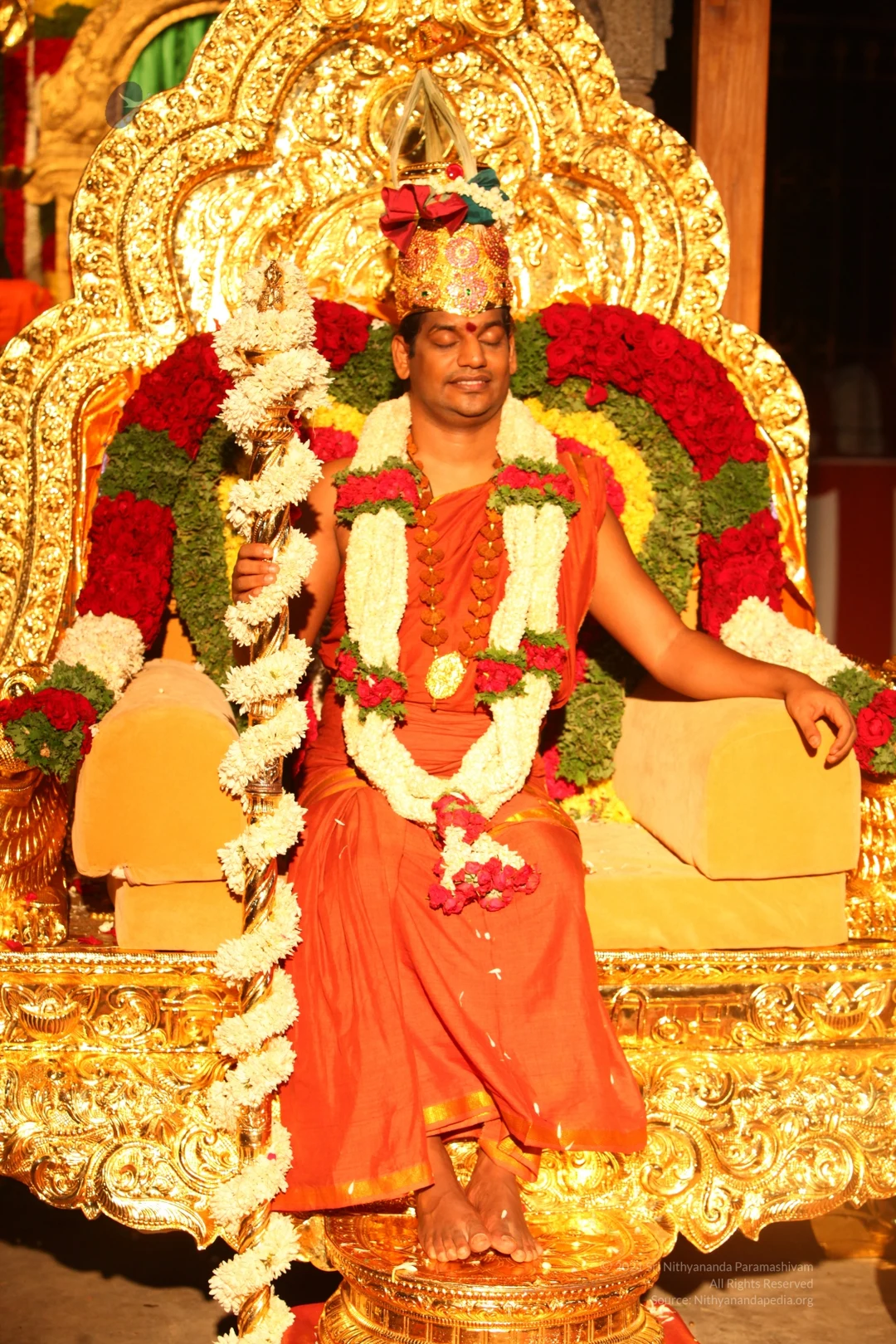

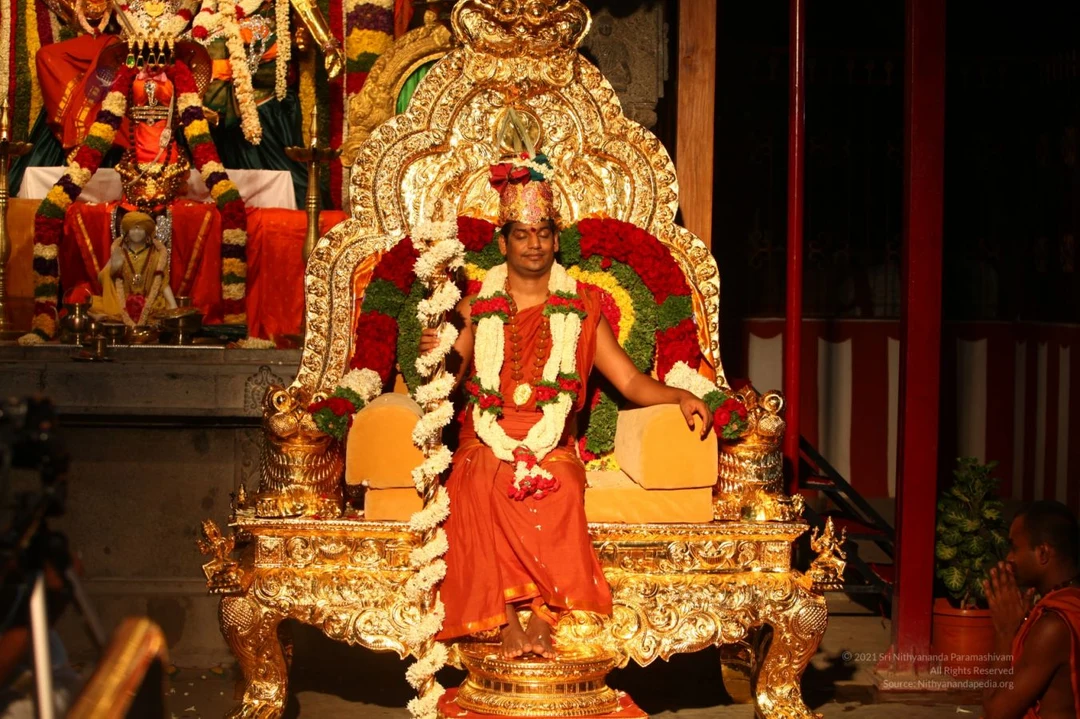
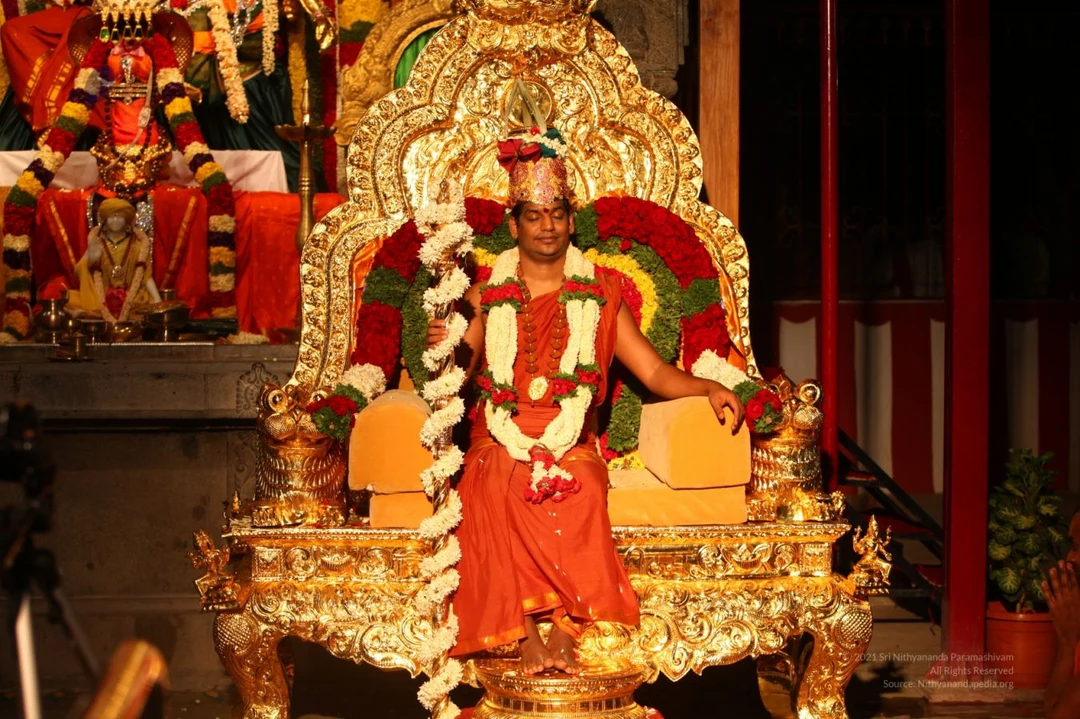
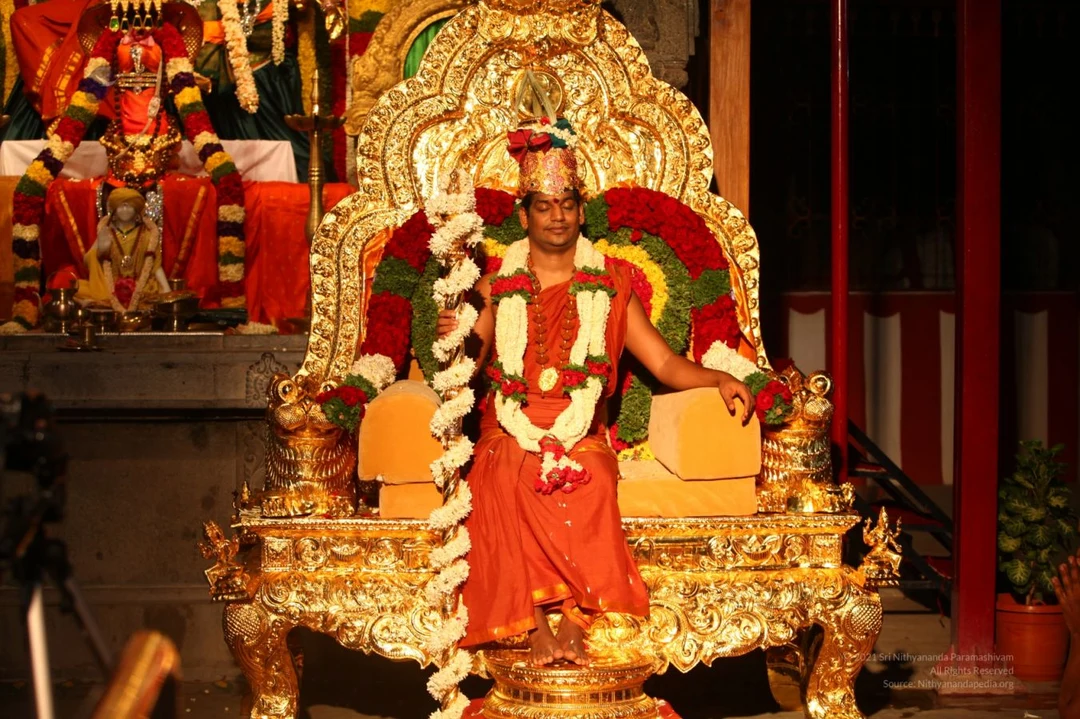
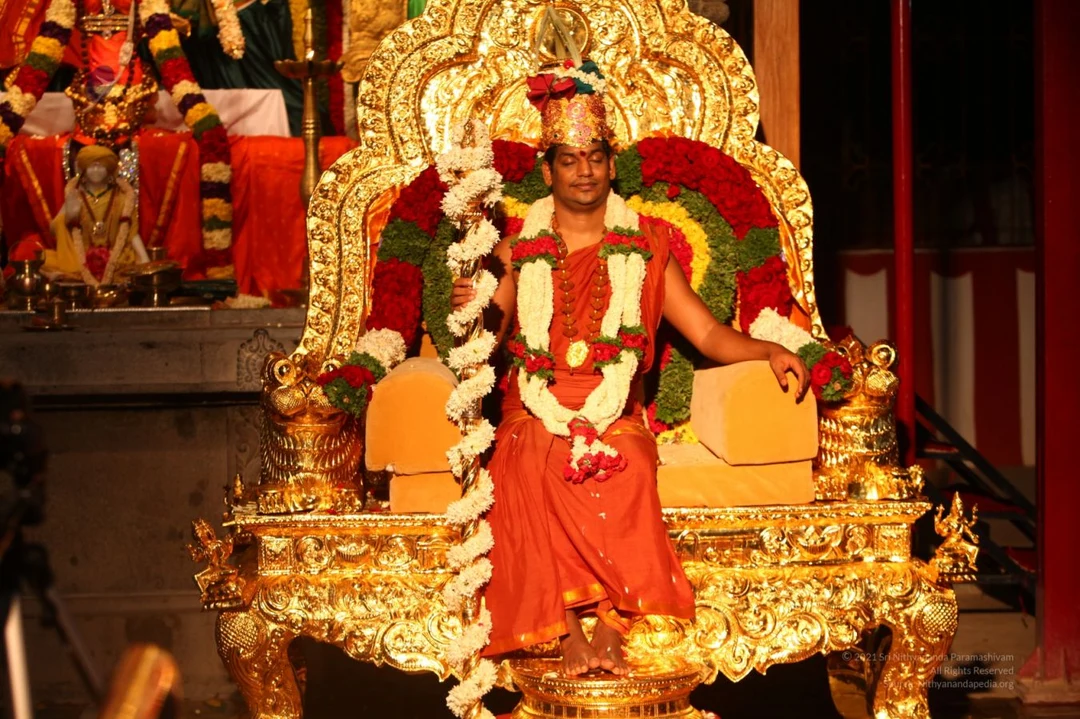
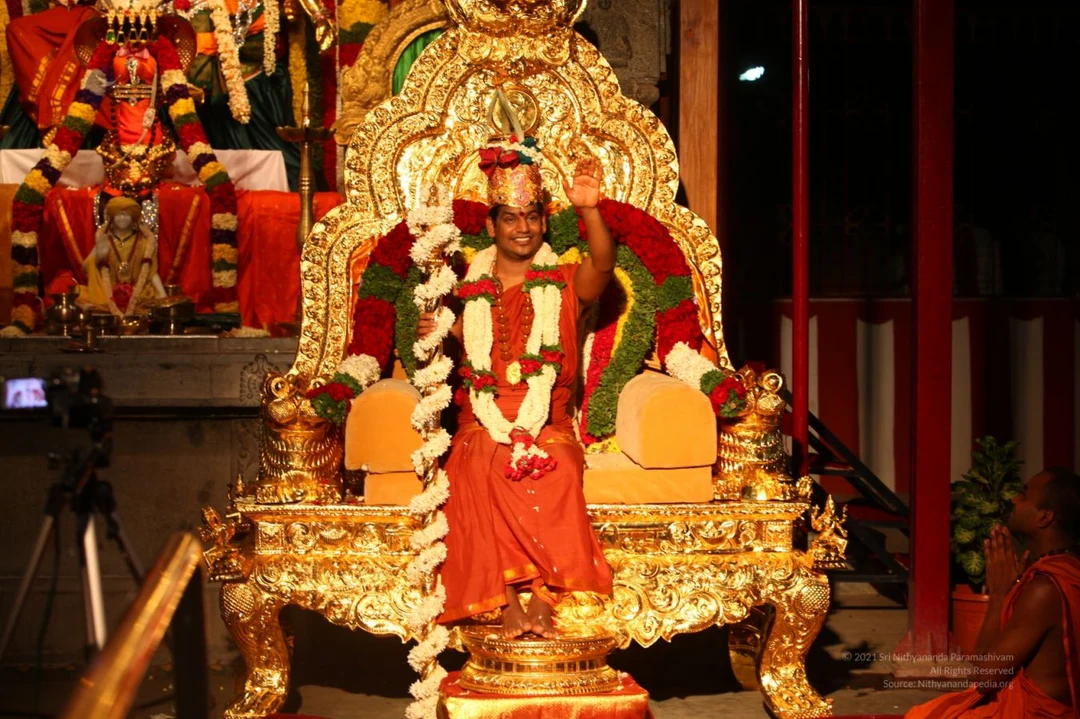
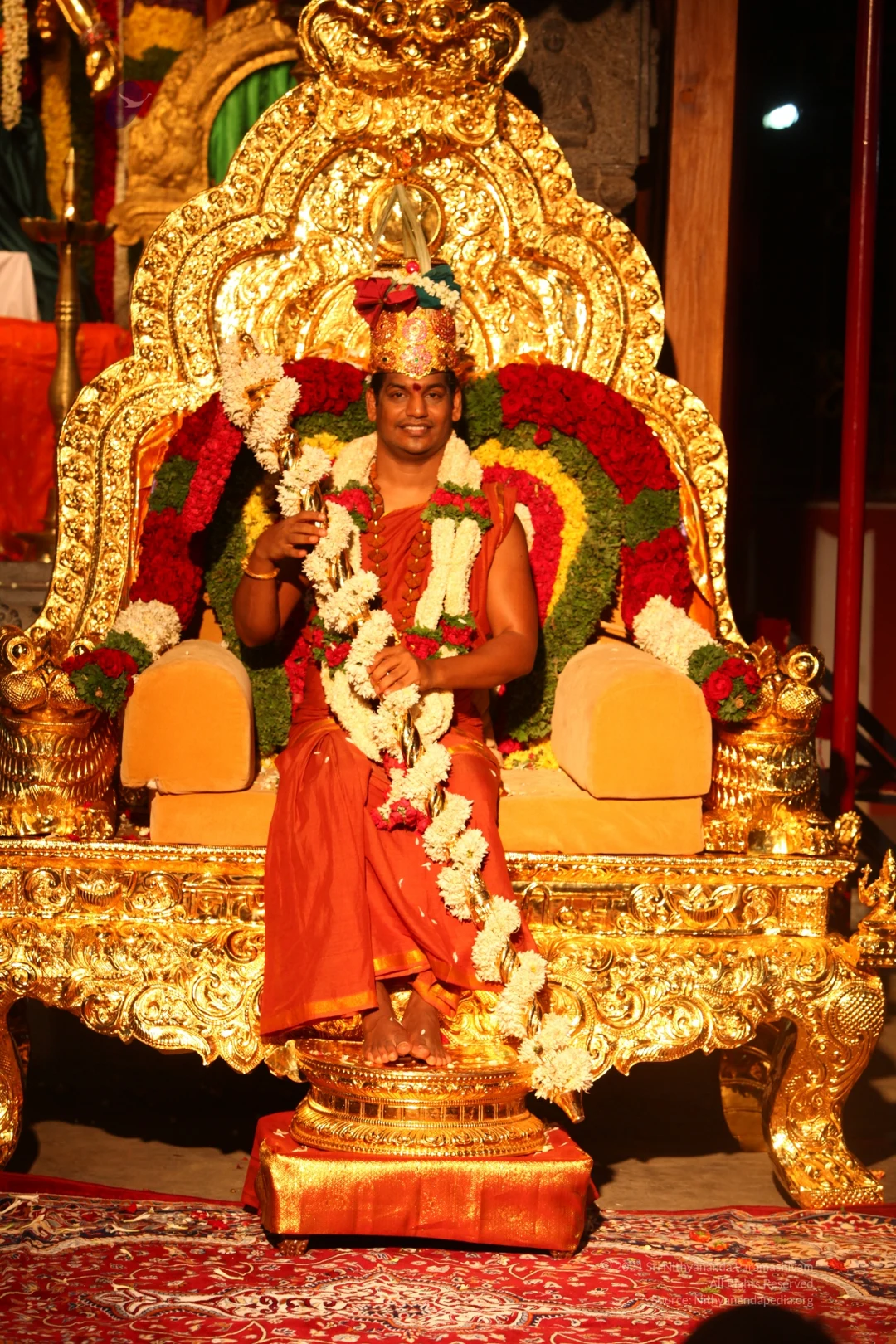
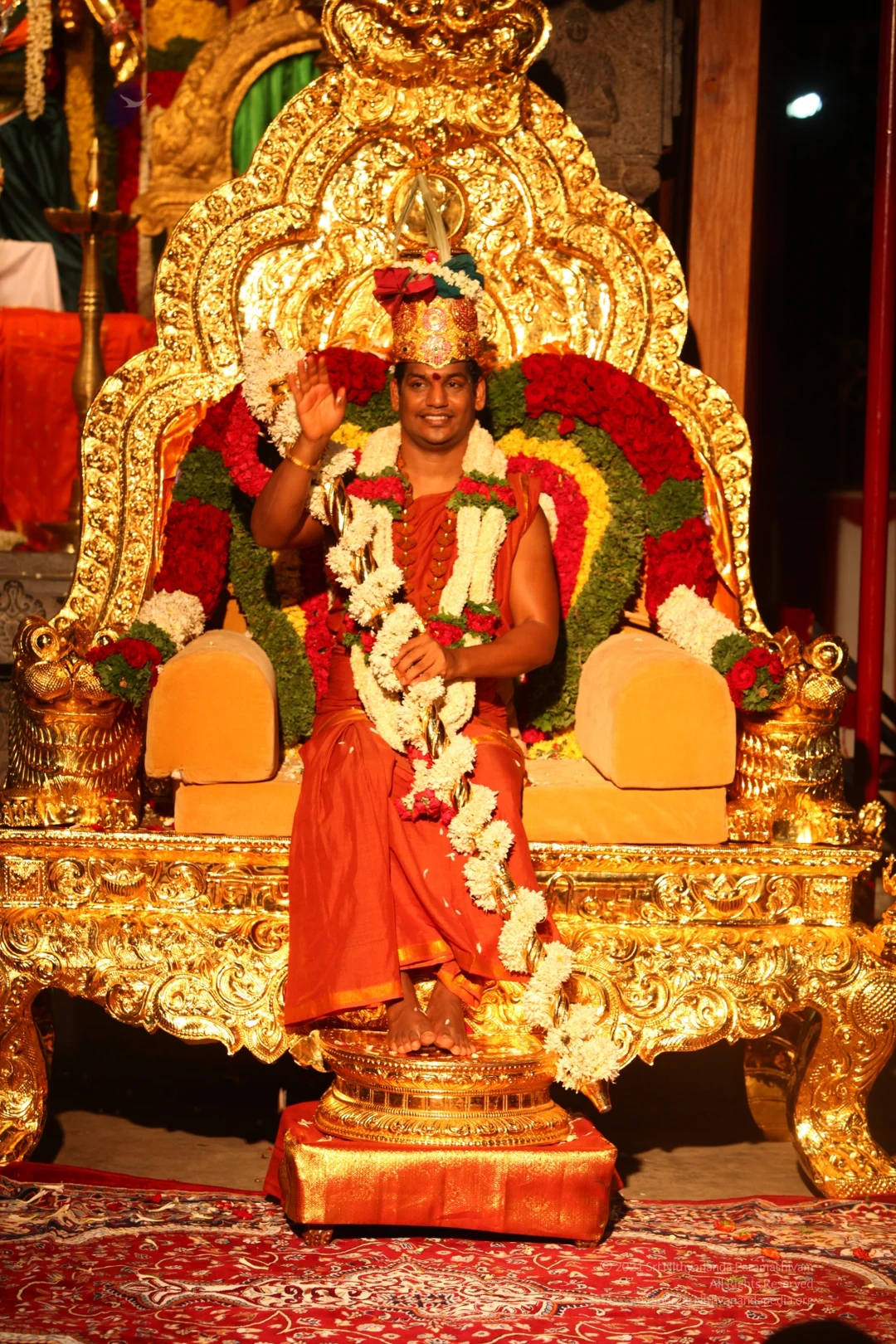
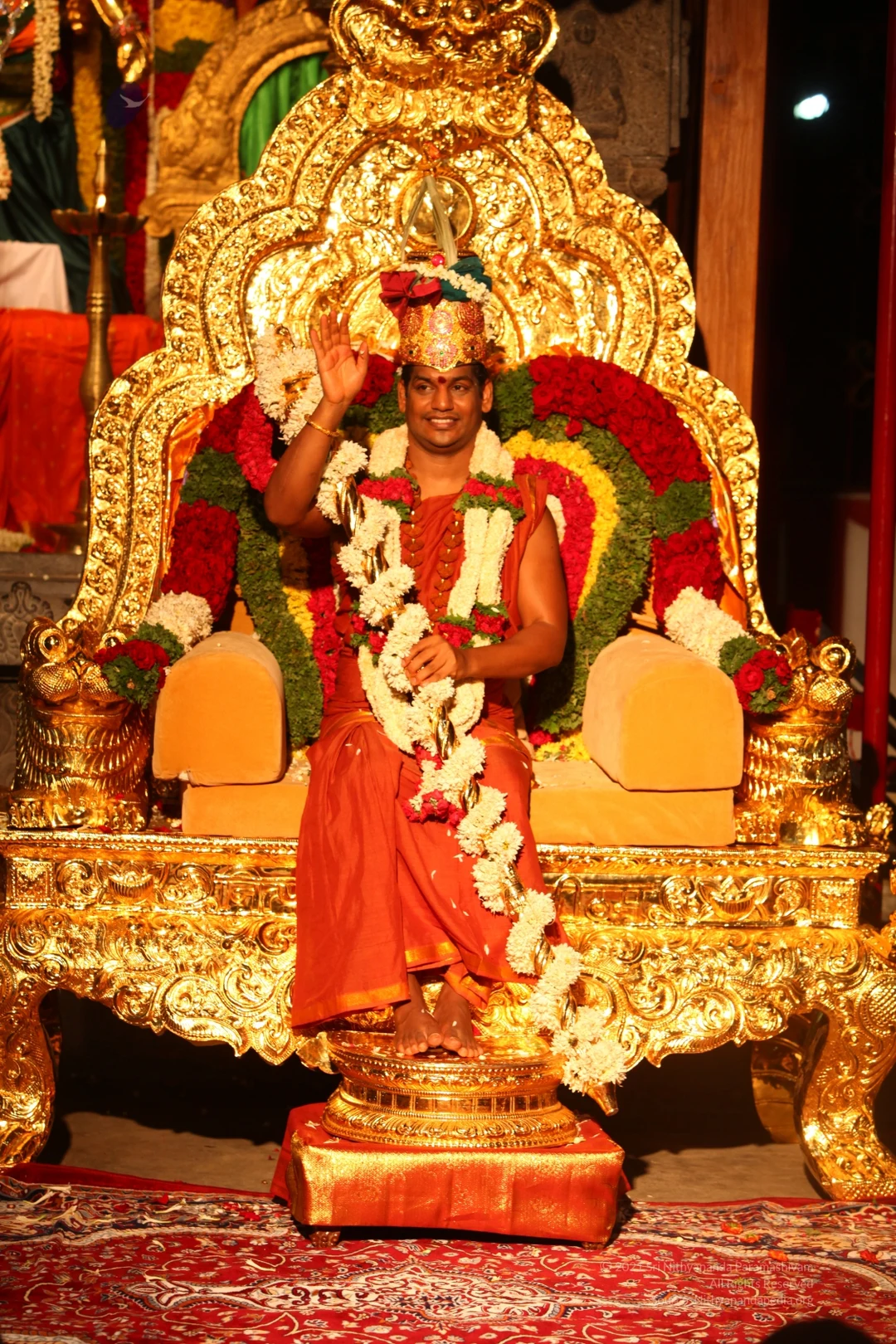
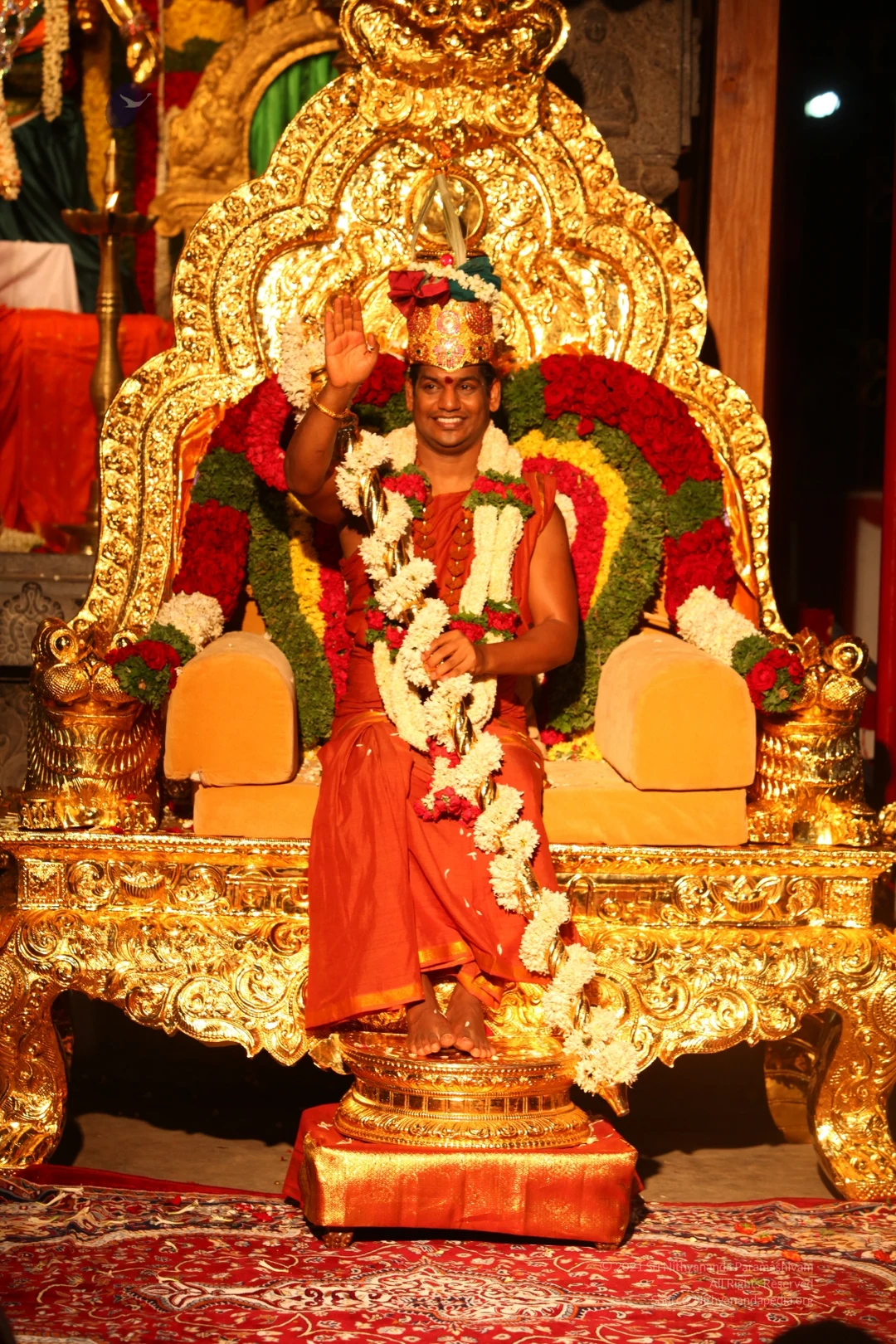
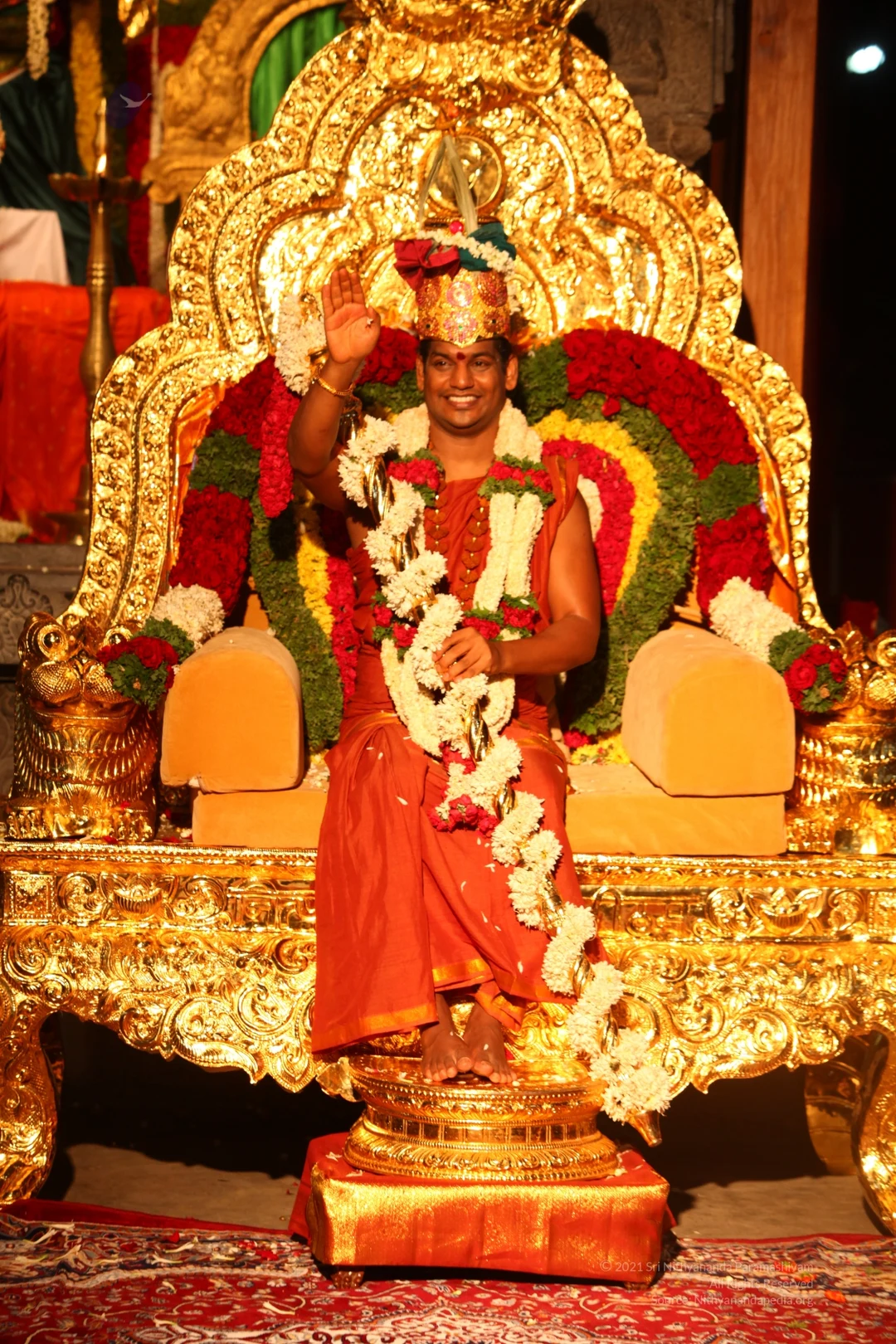
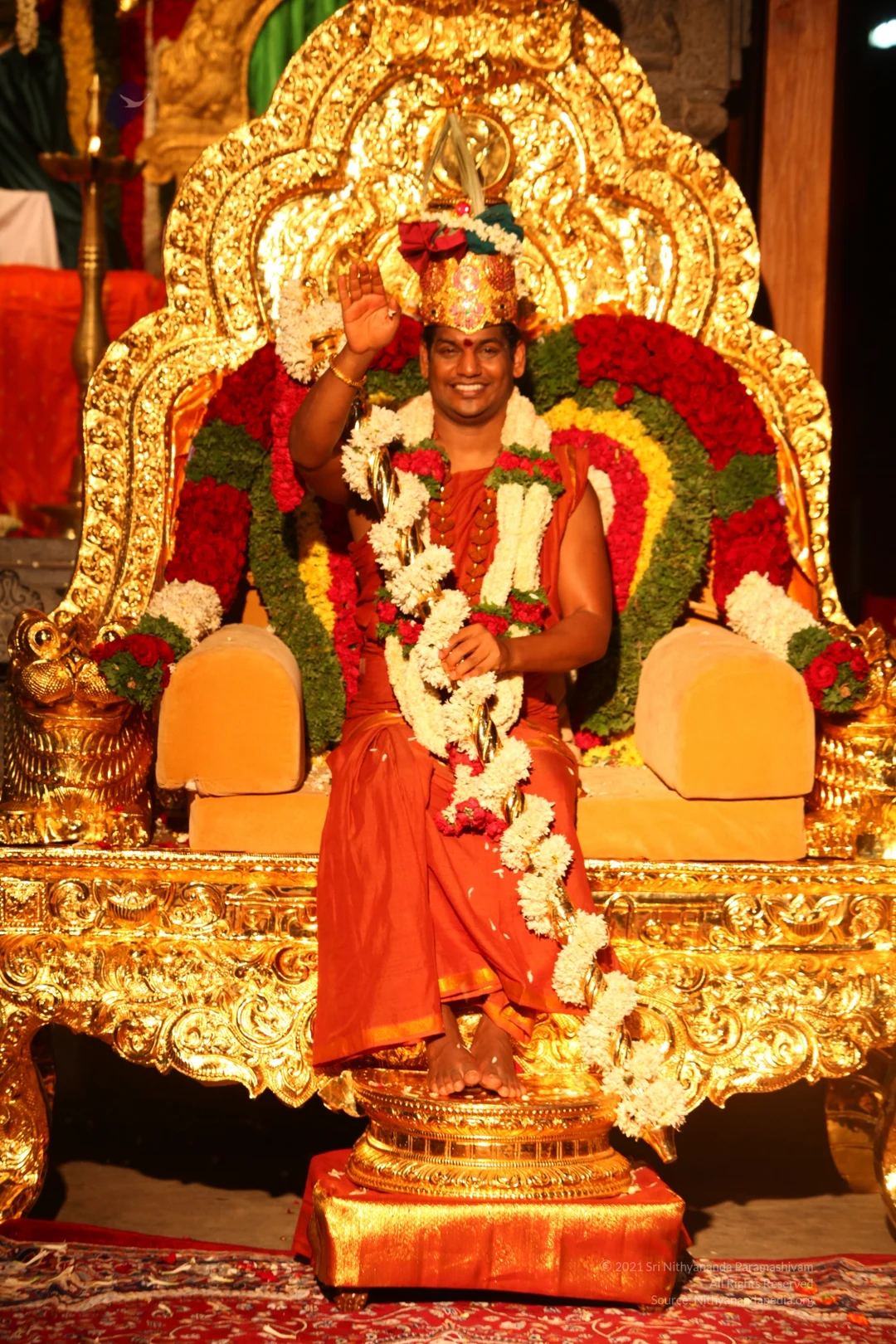
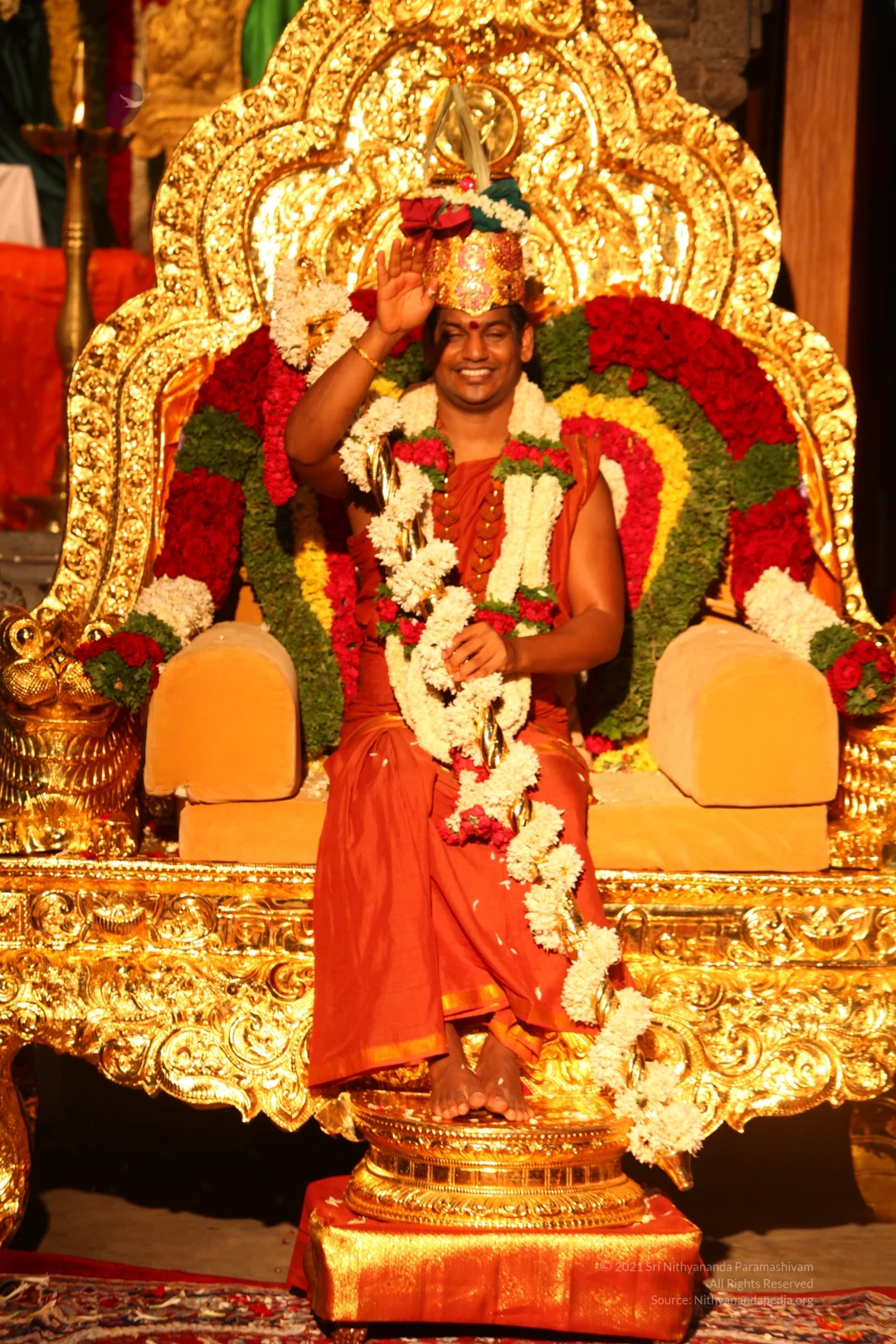
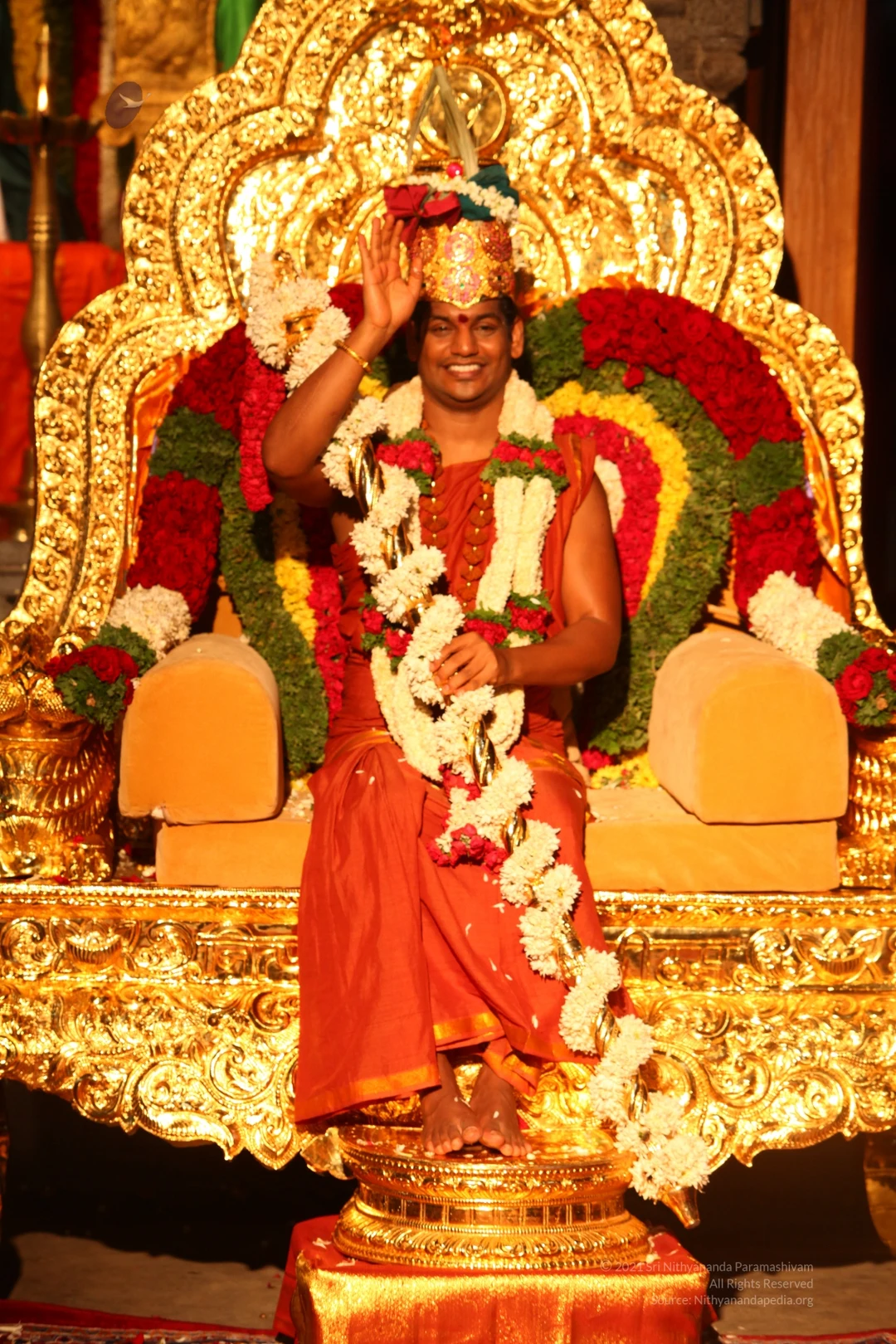
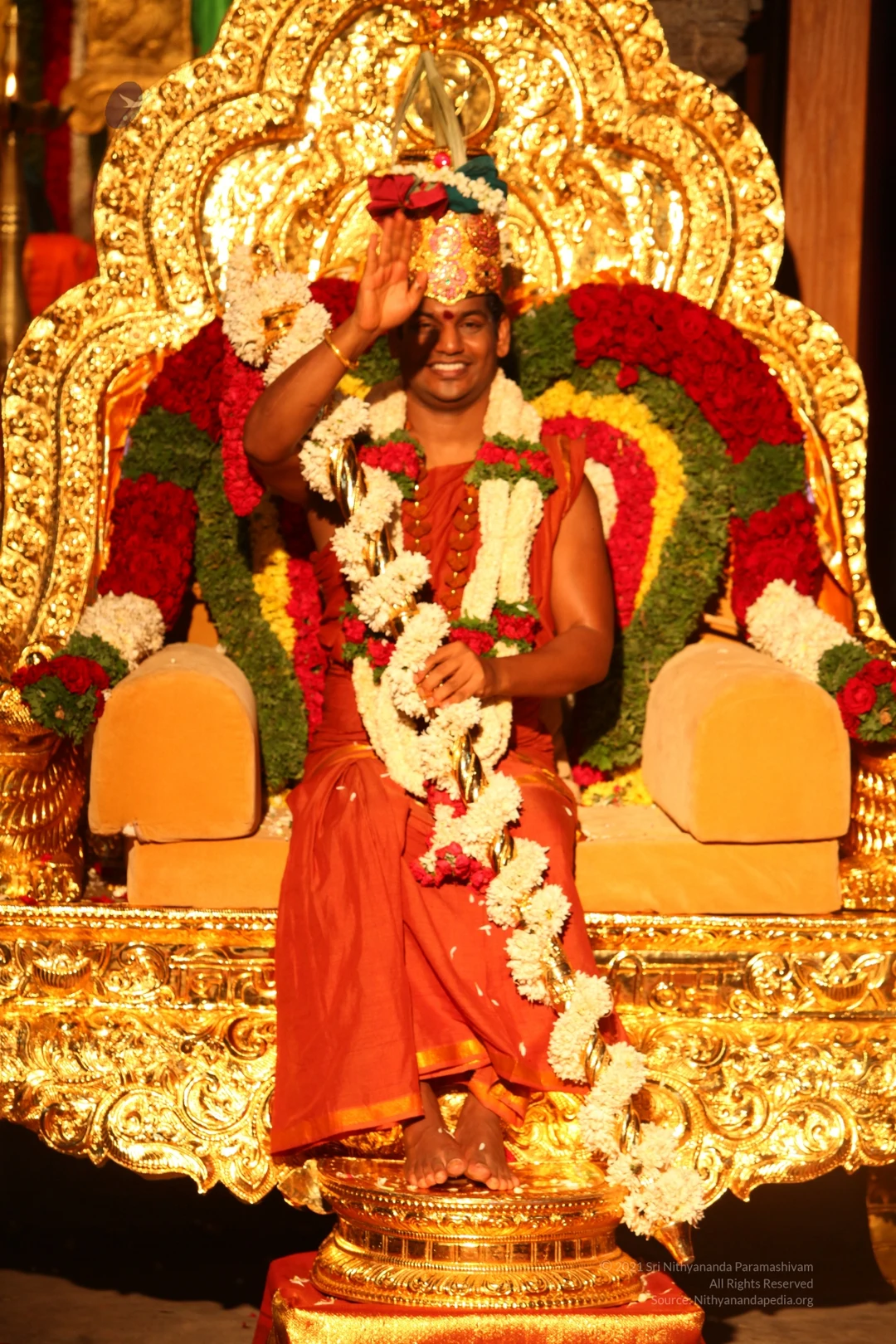
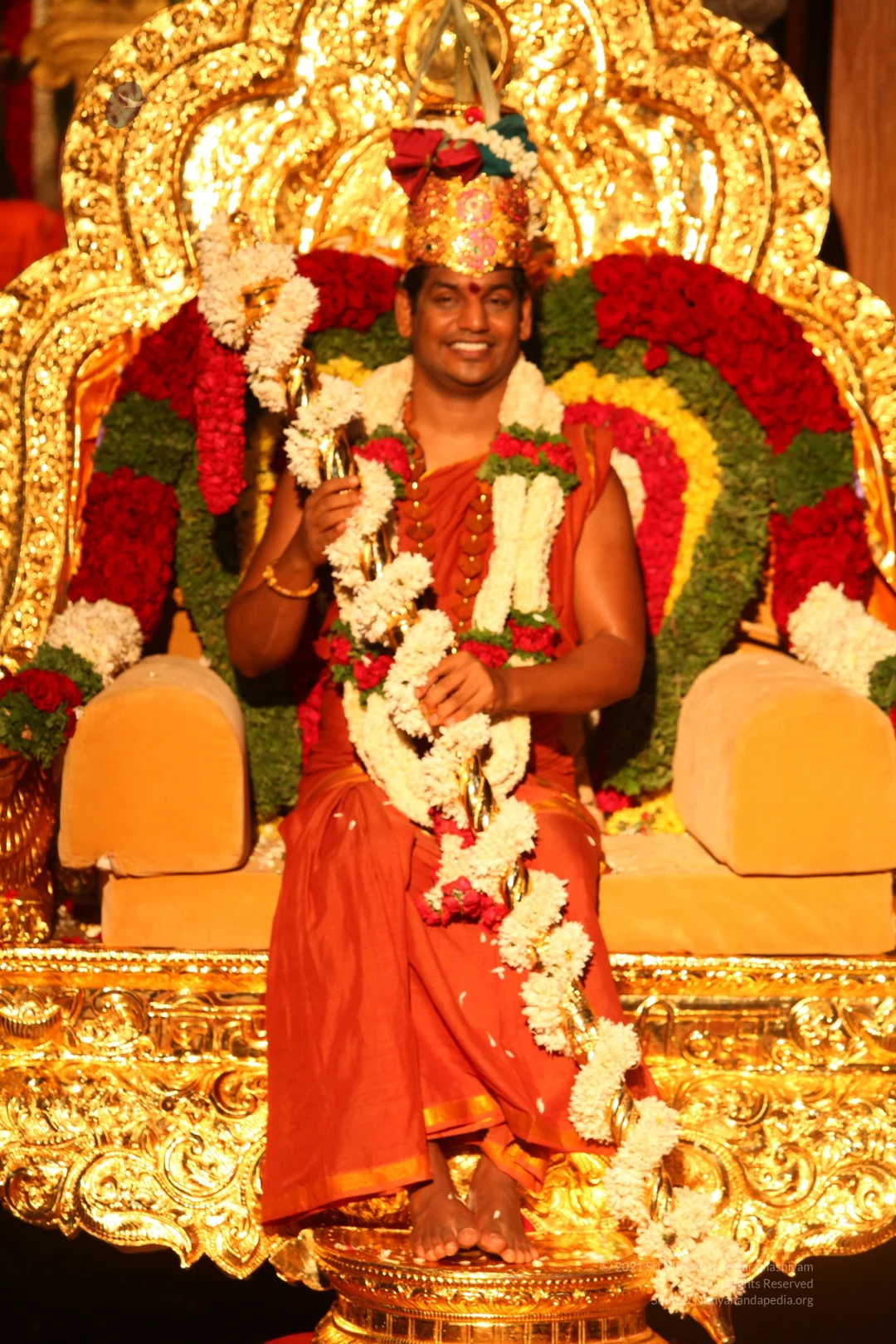
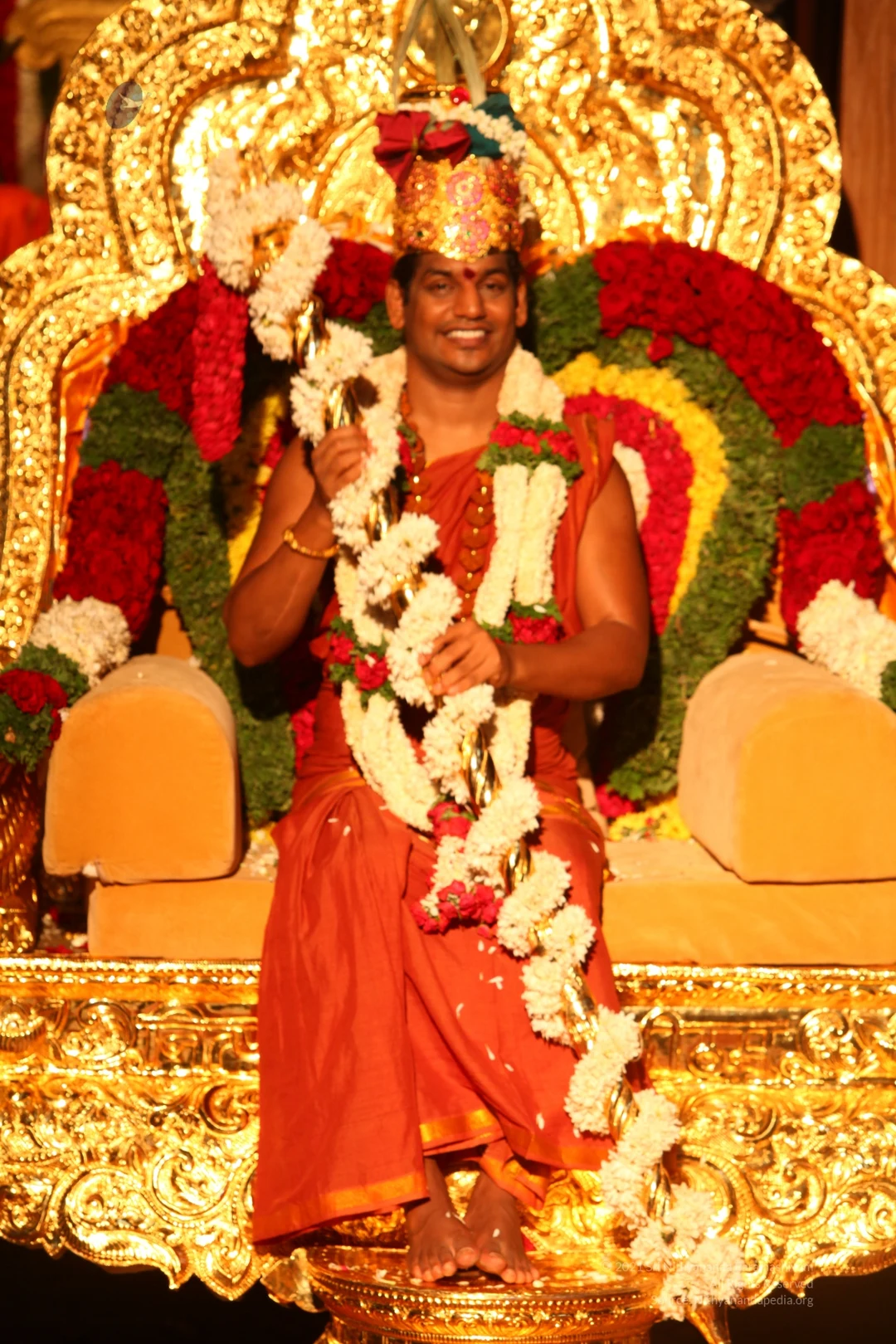
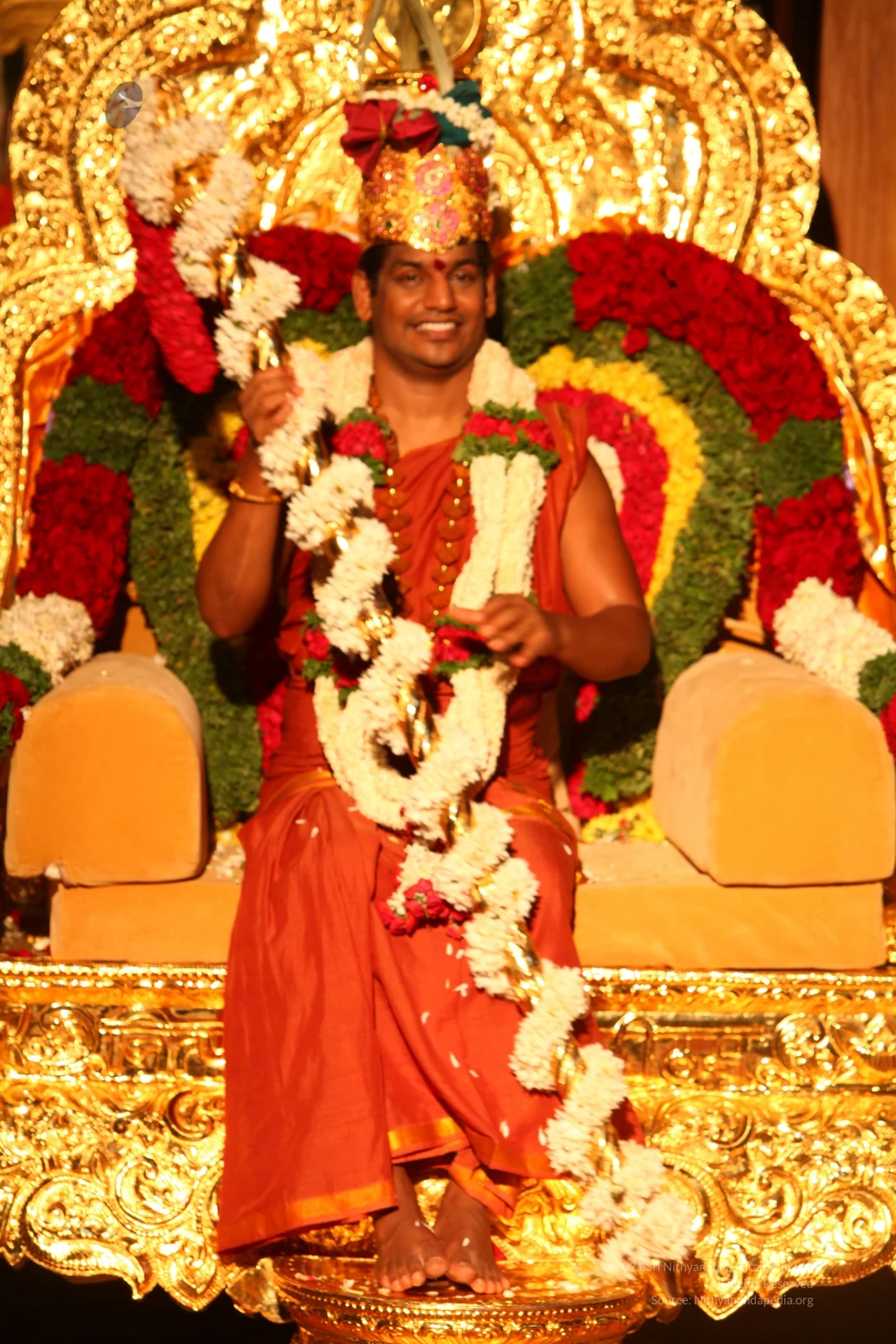
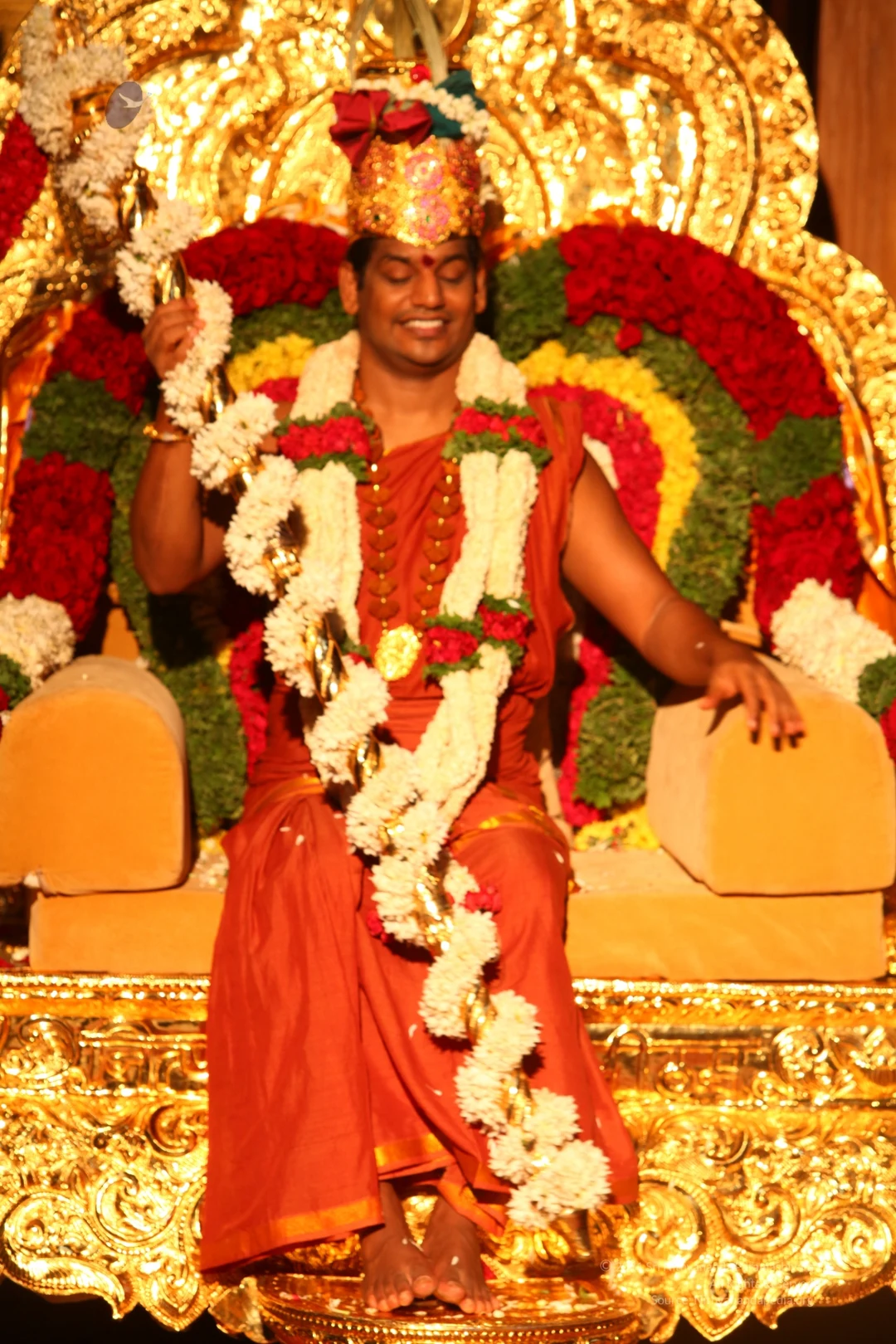
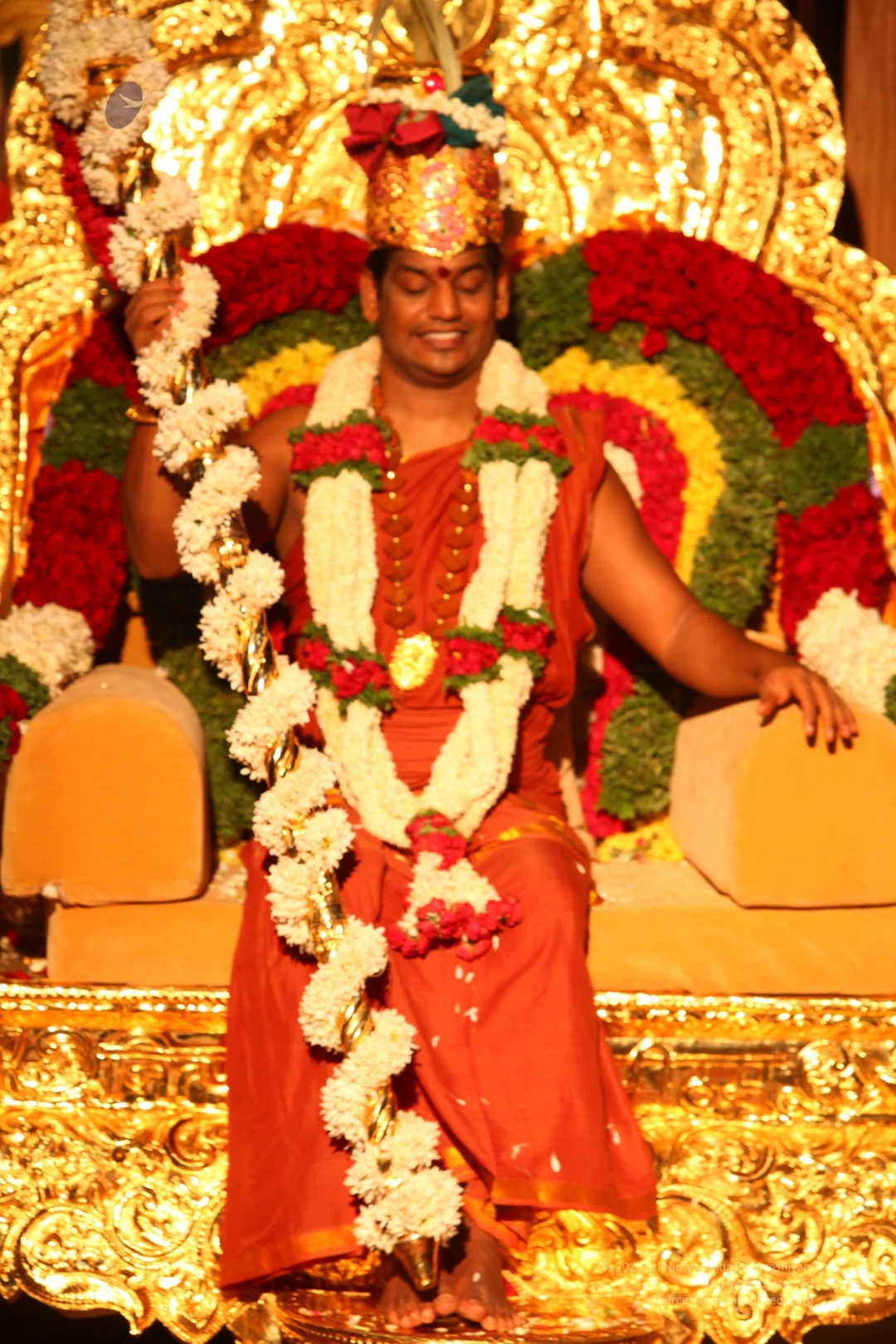
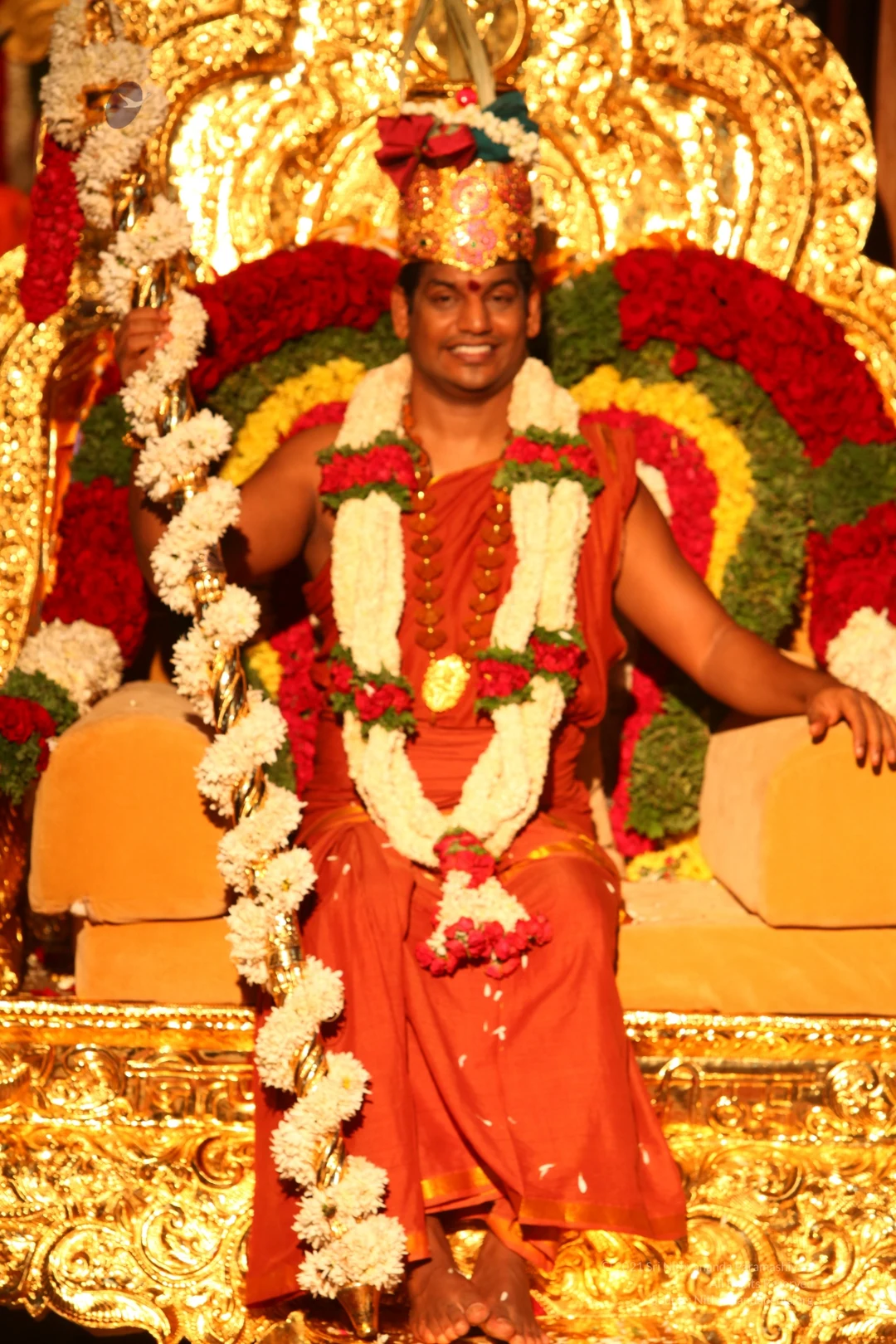
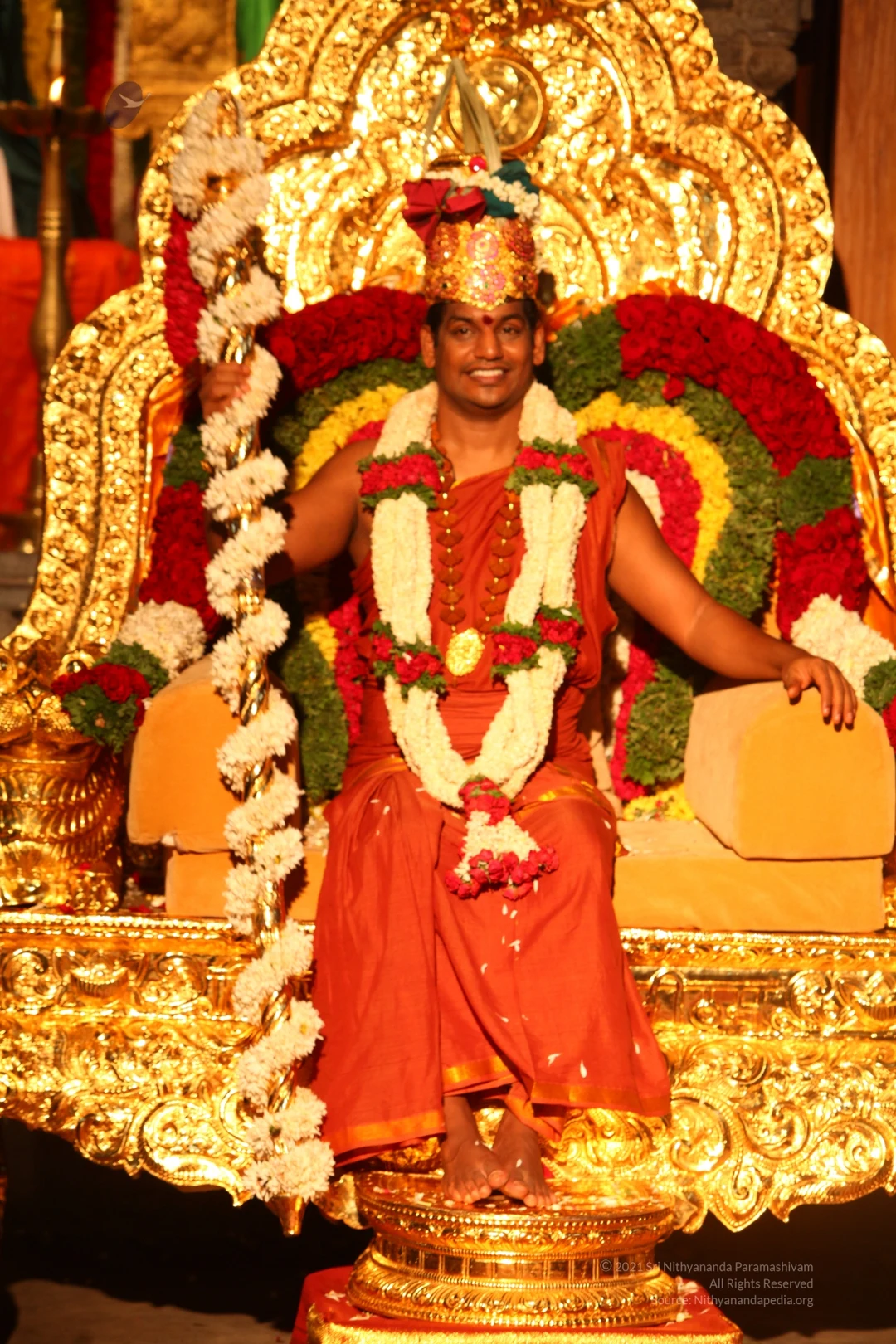
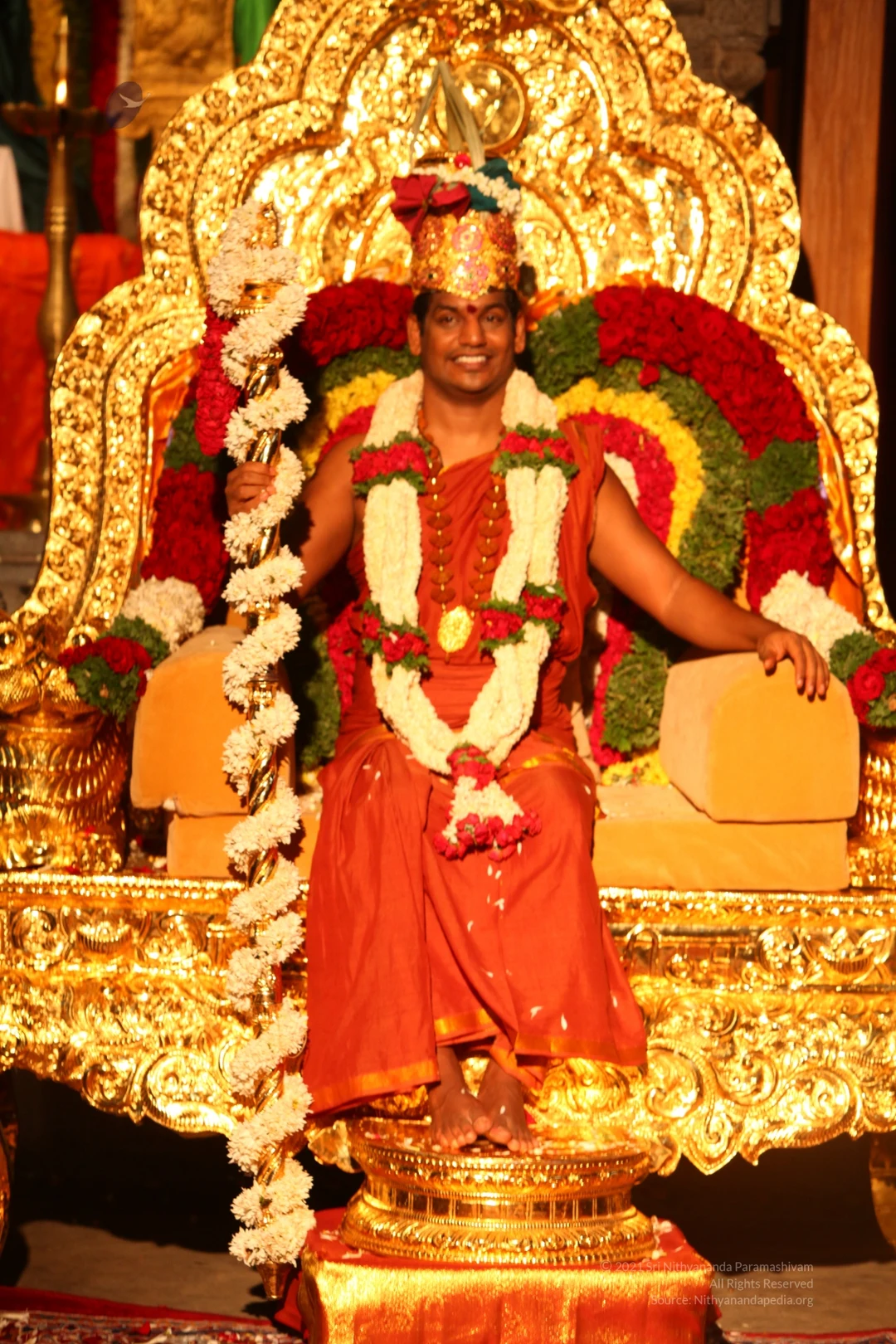
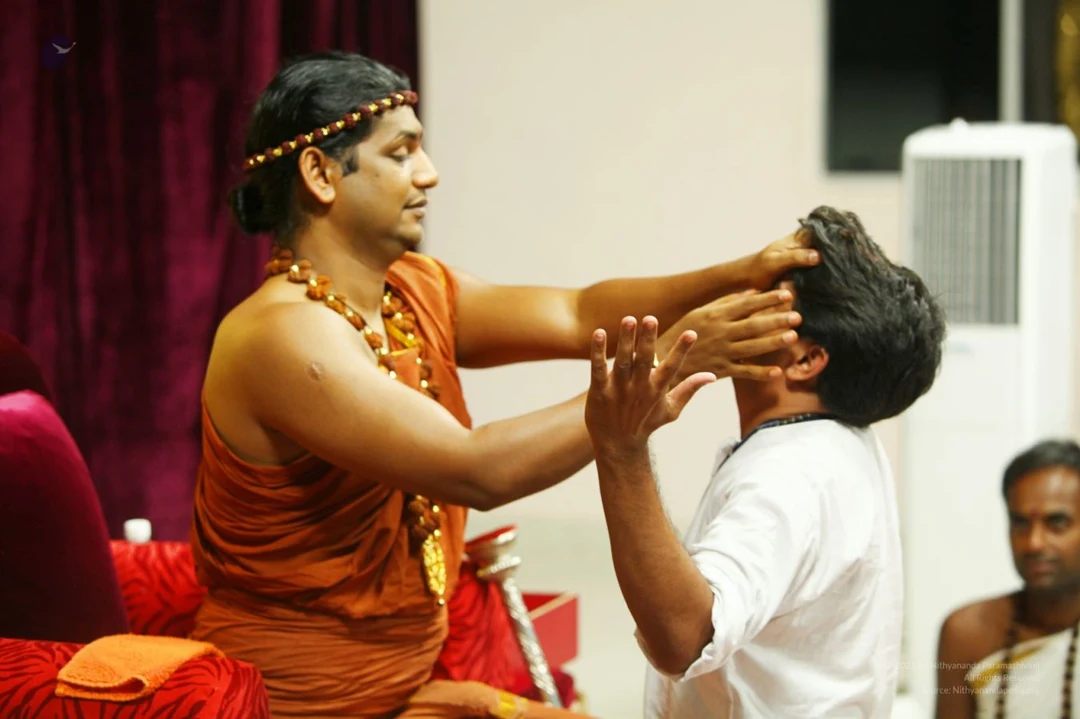
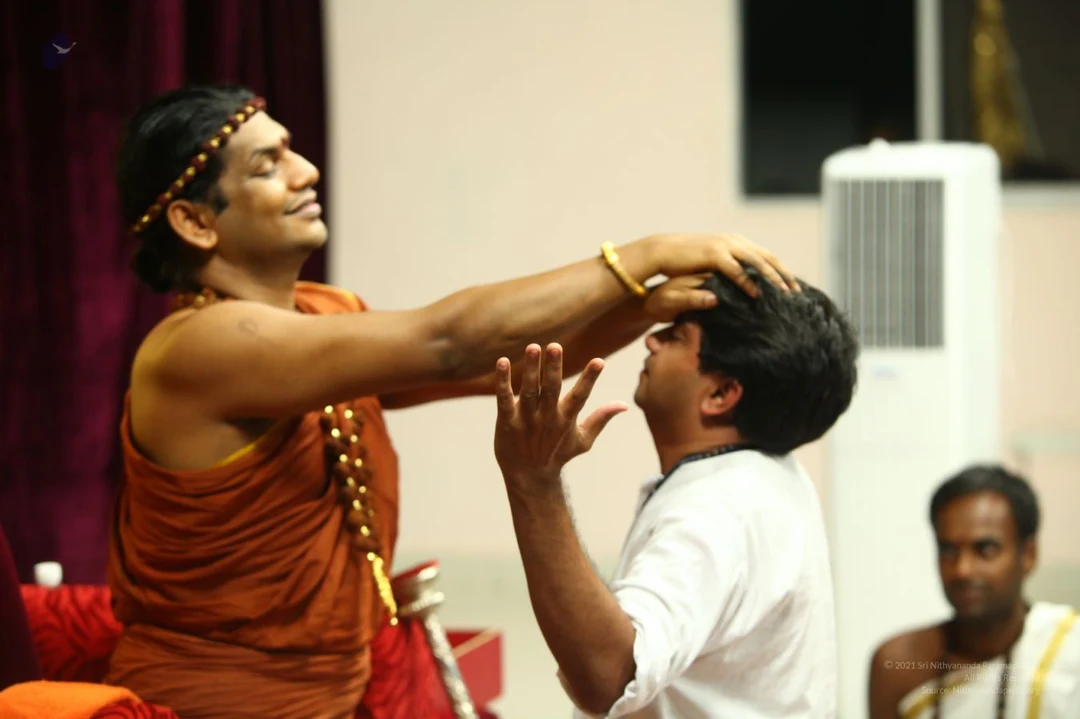
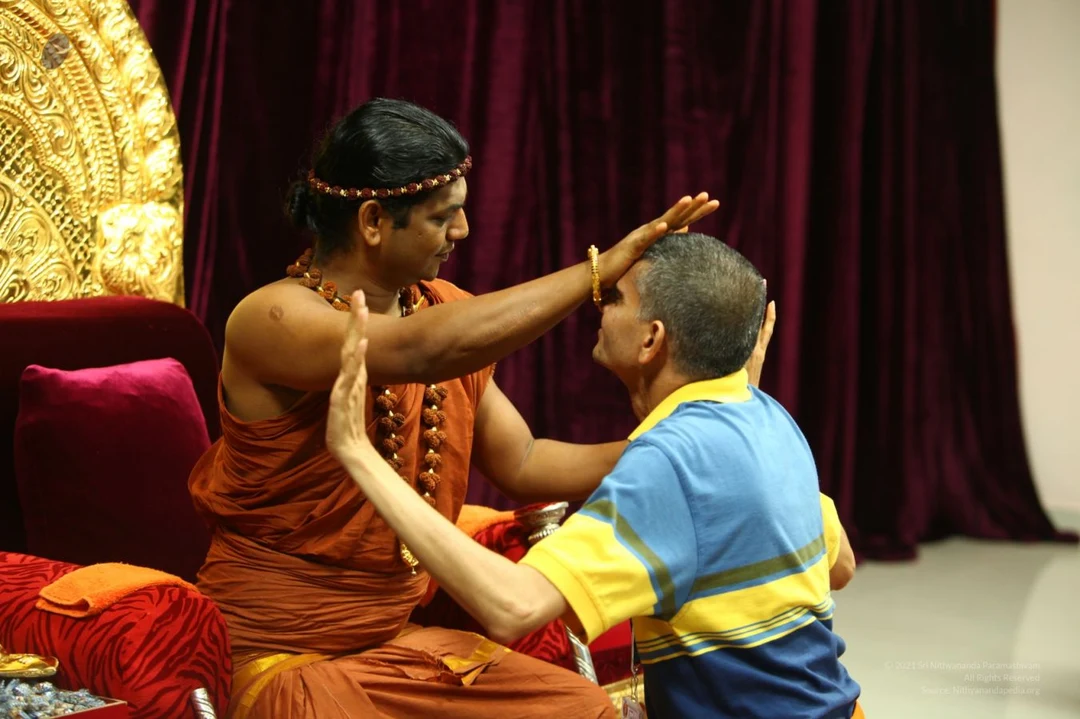
Inner Awakening Darshan

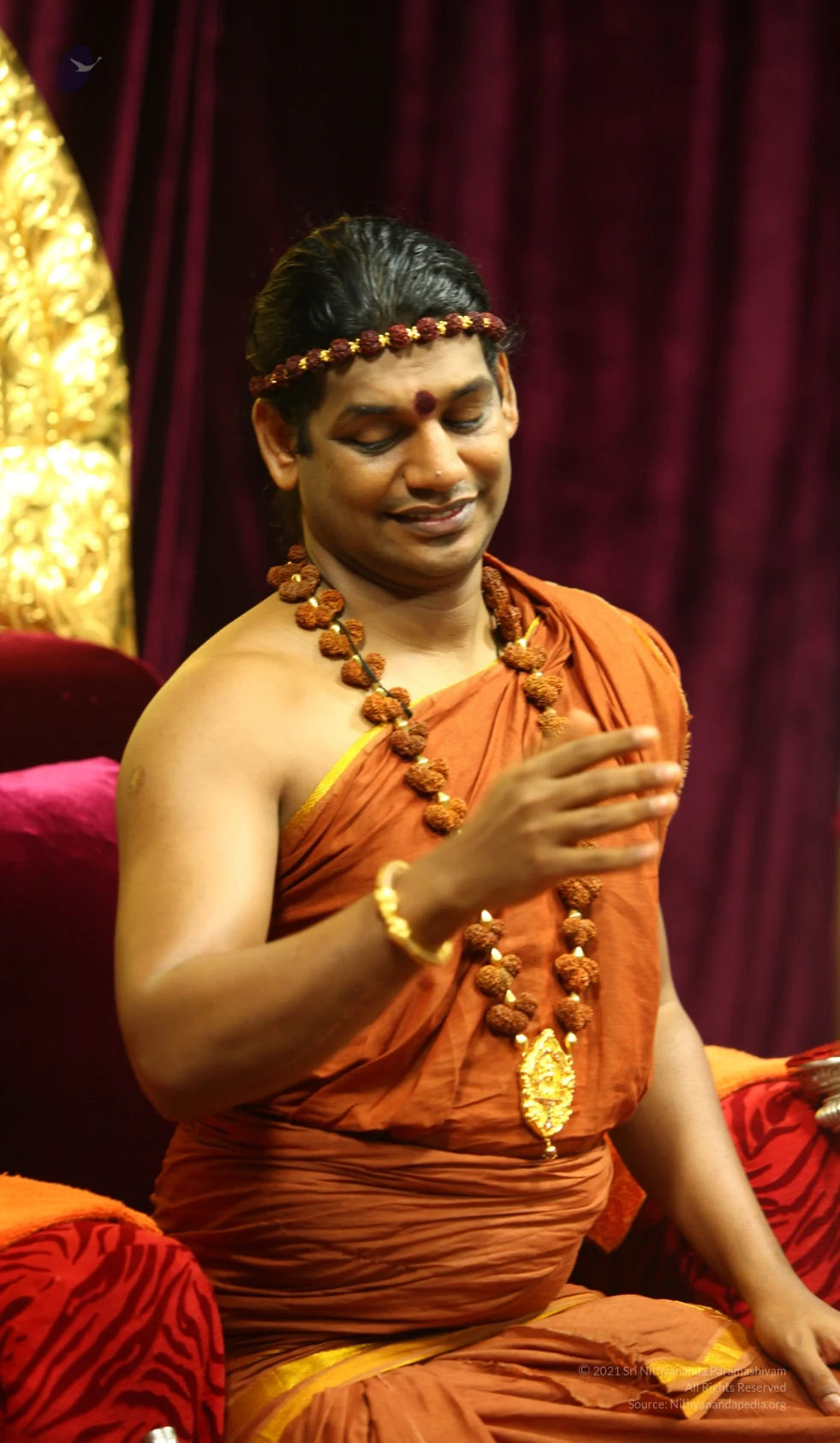
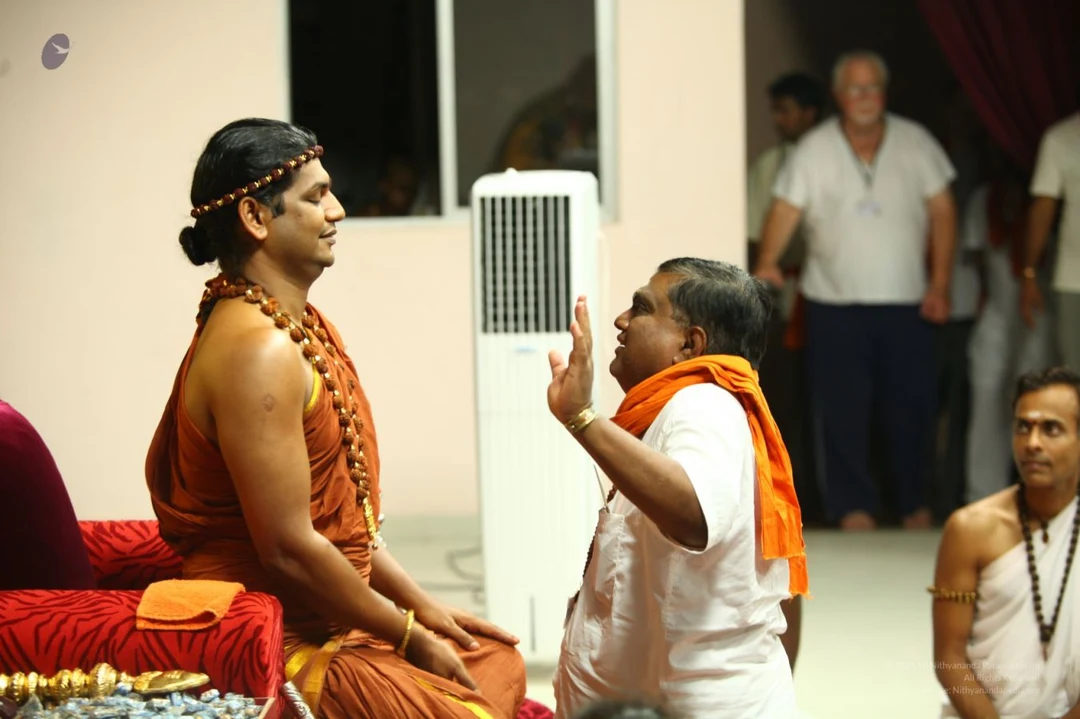

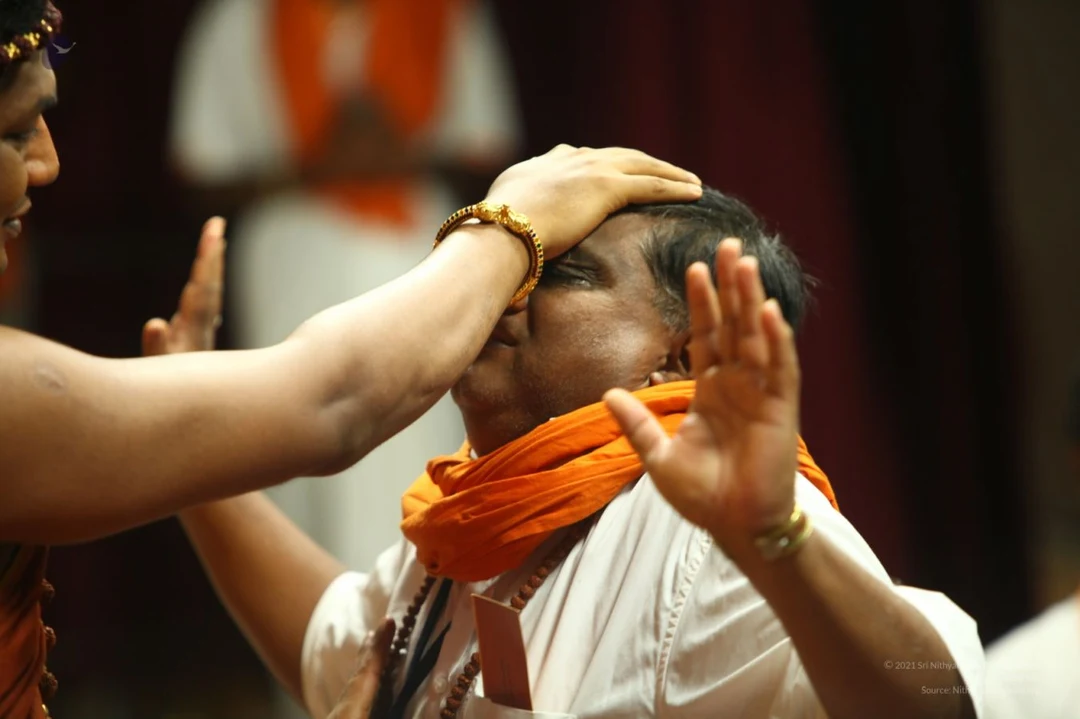
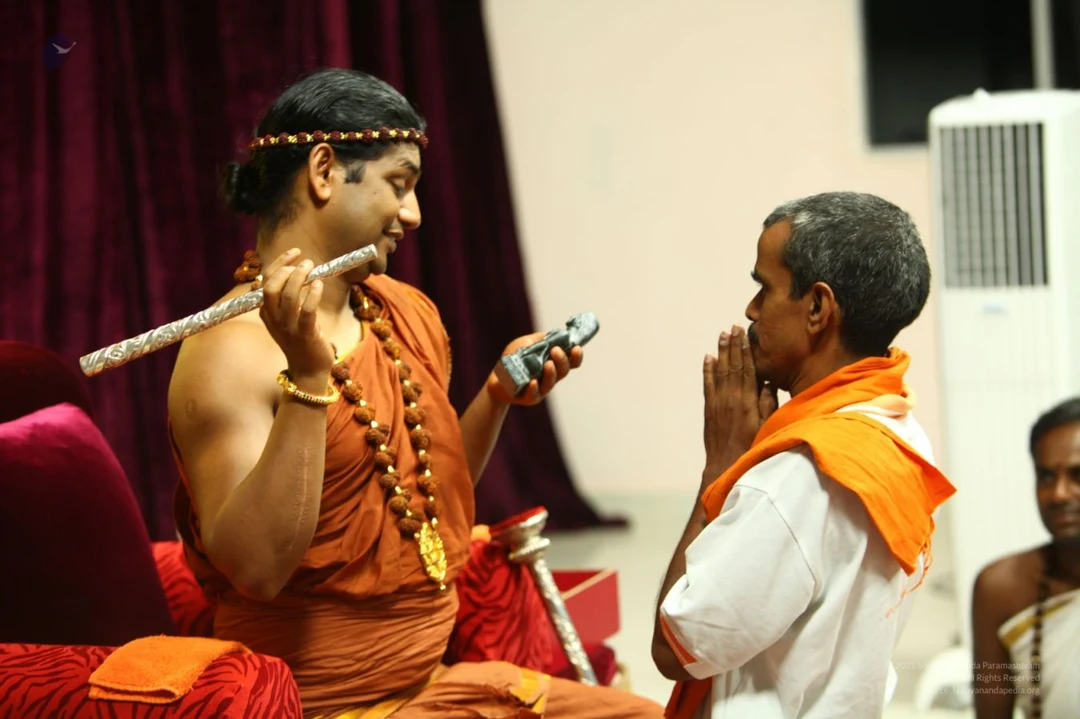
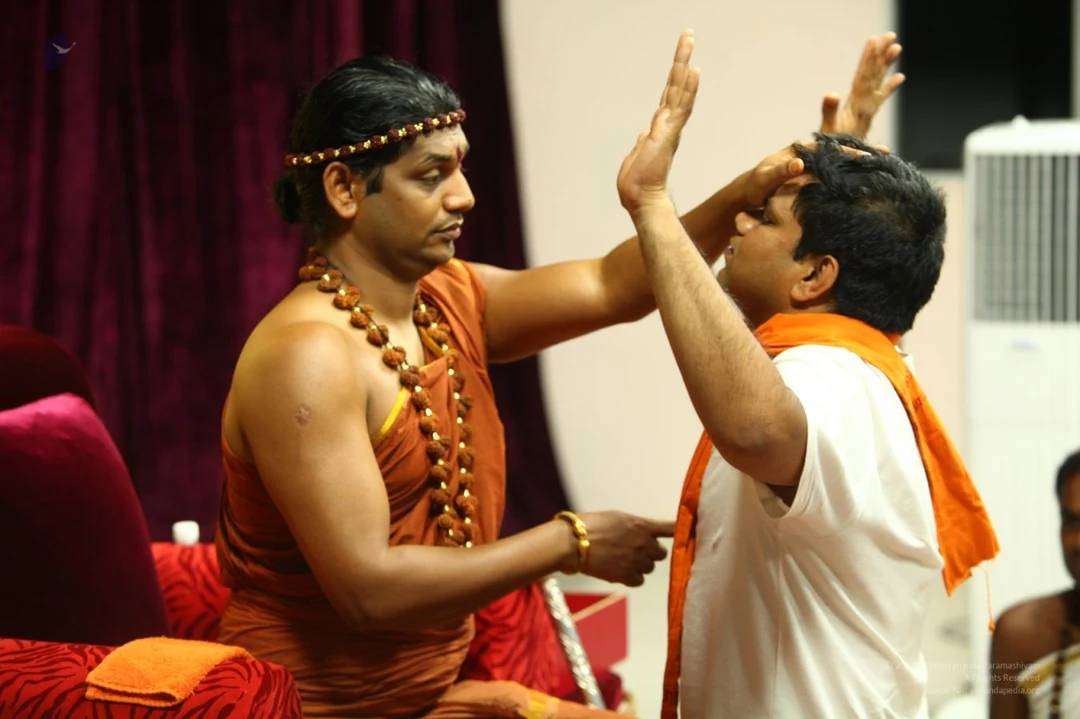
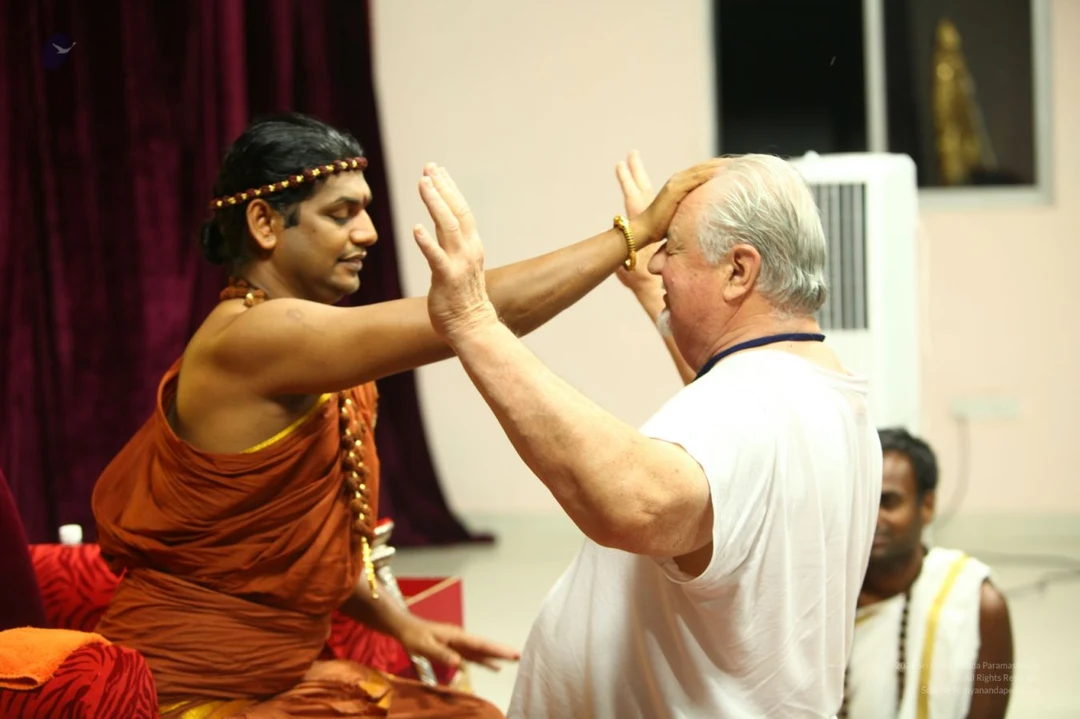
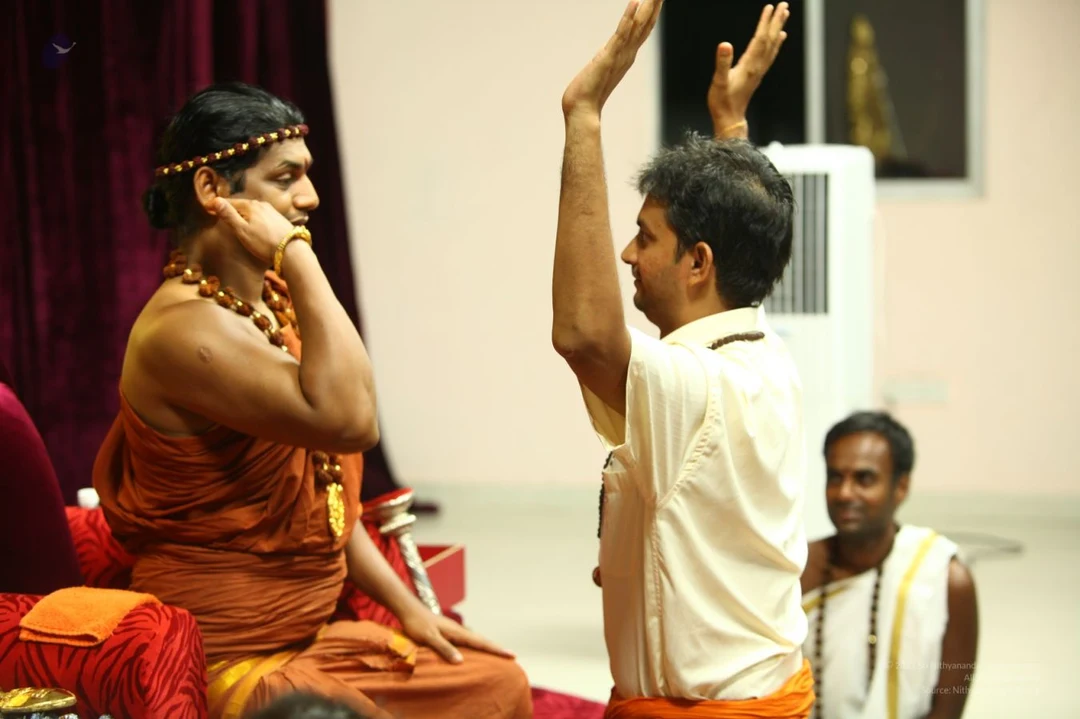
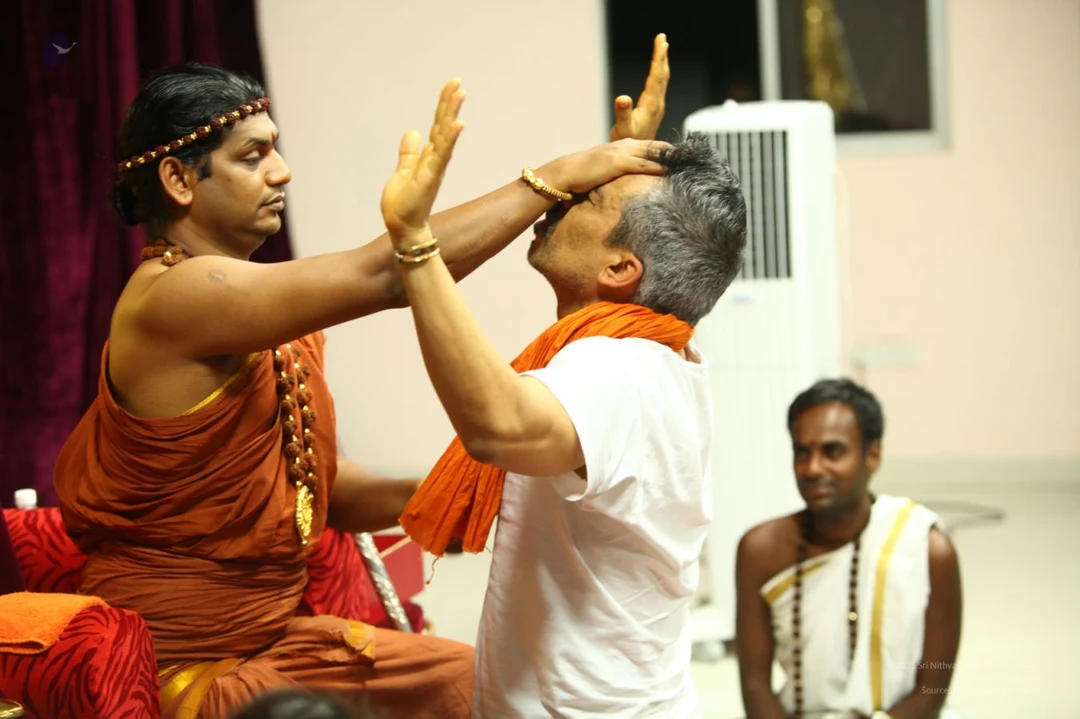
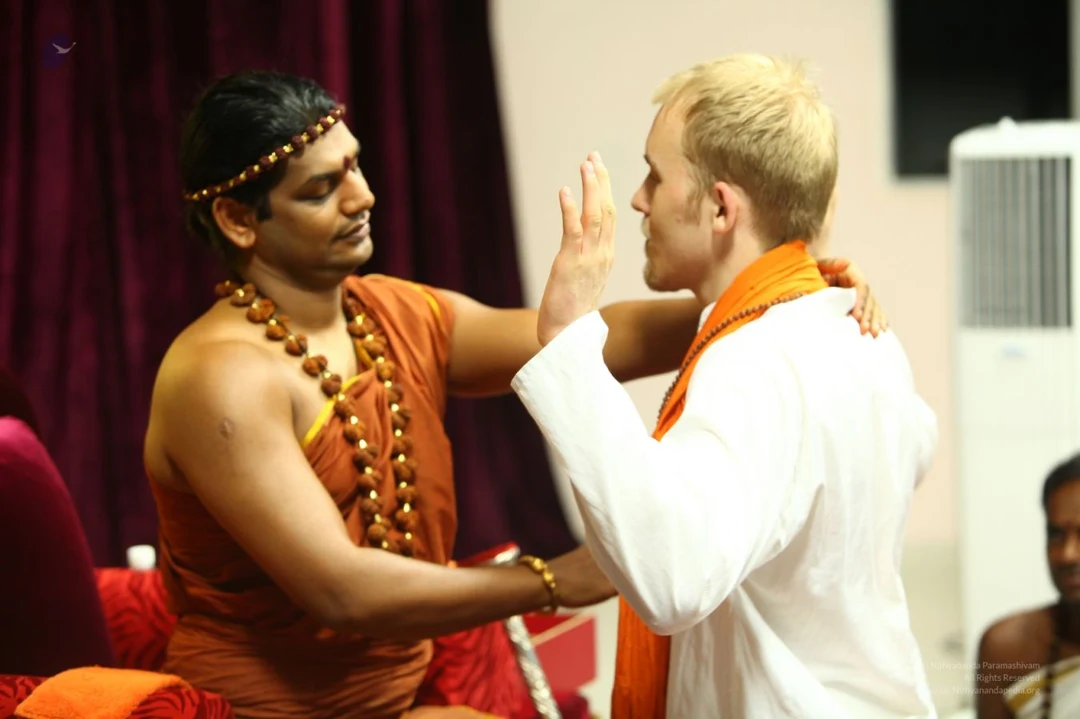
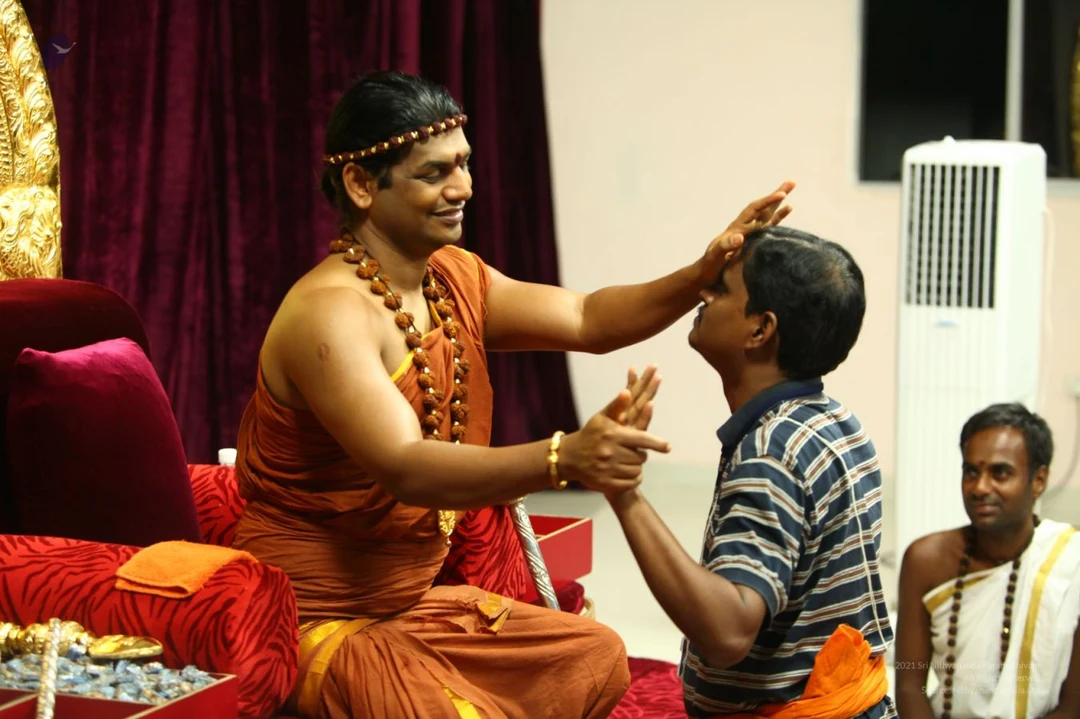
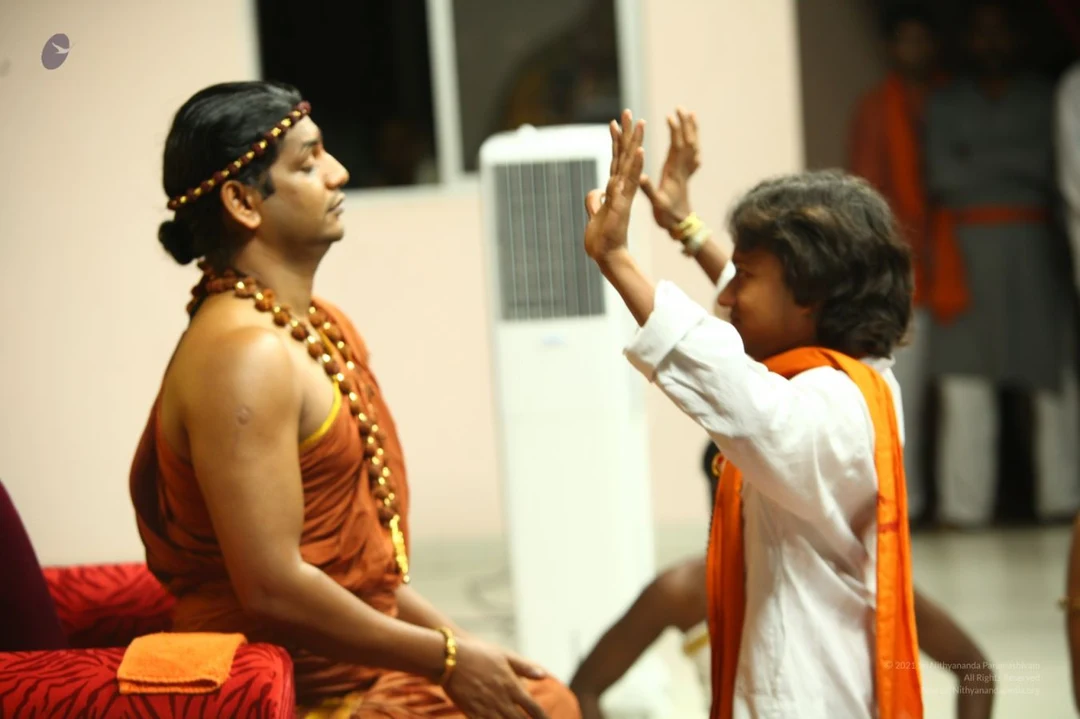
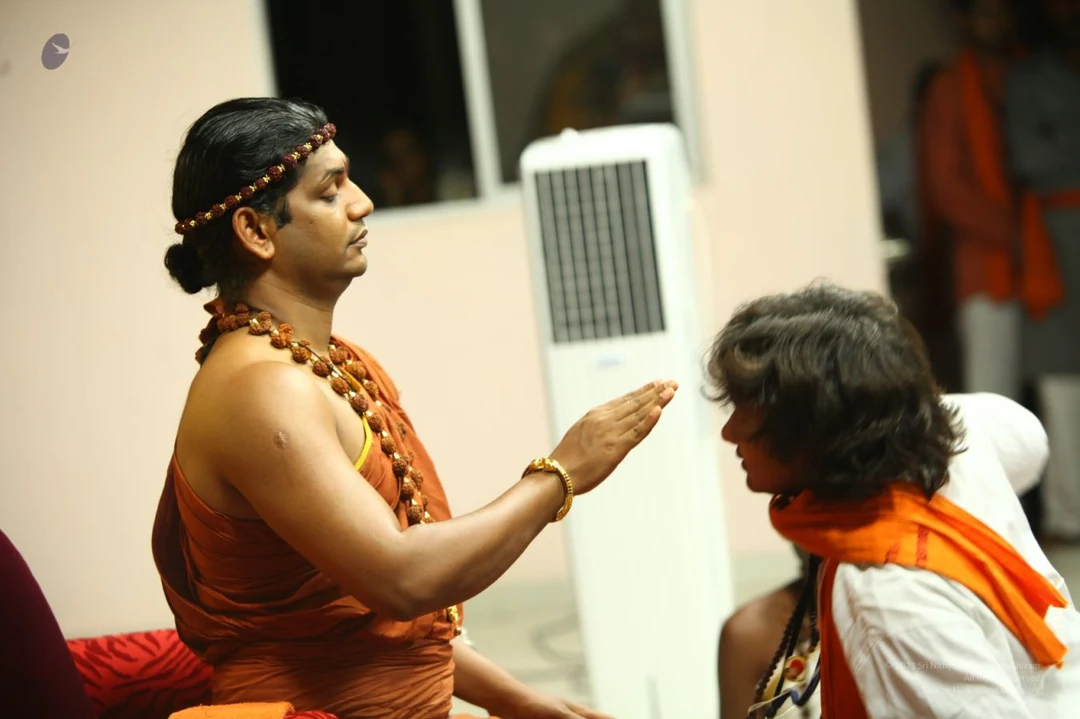
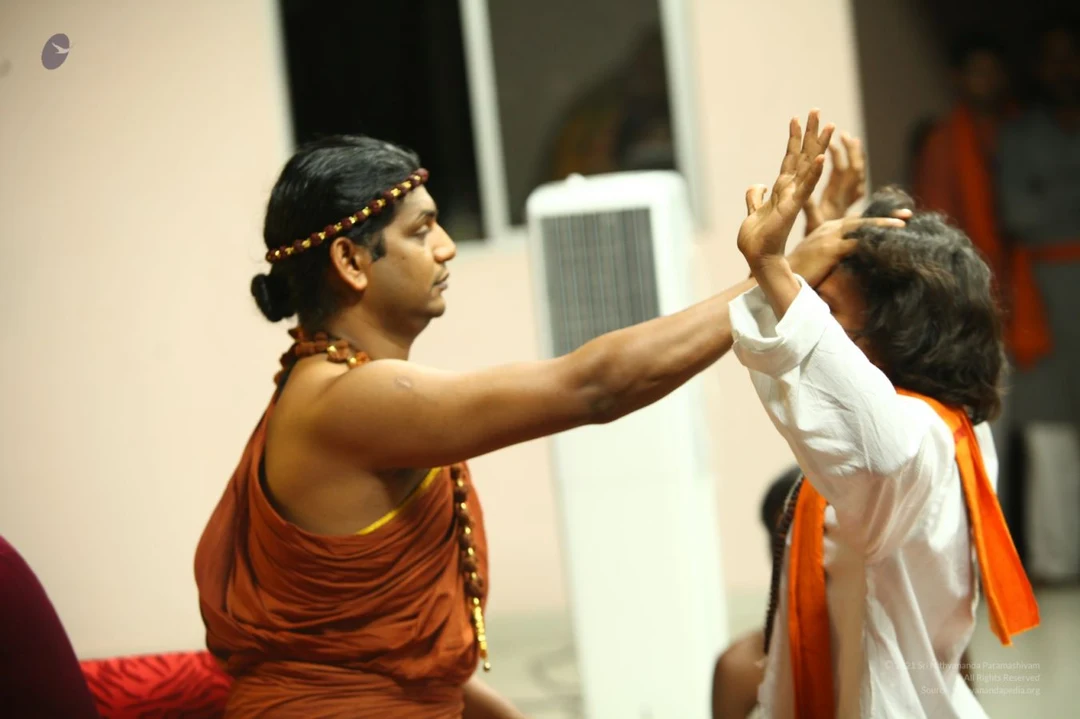
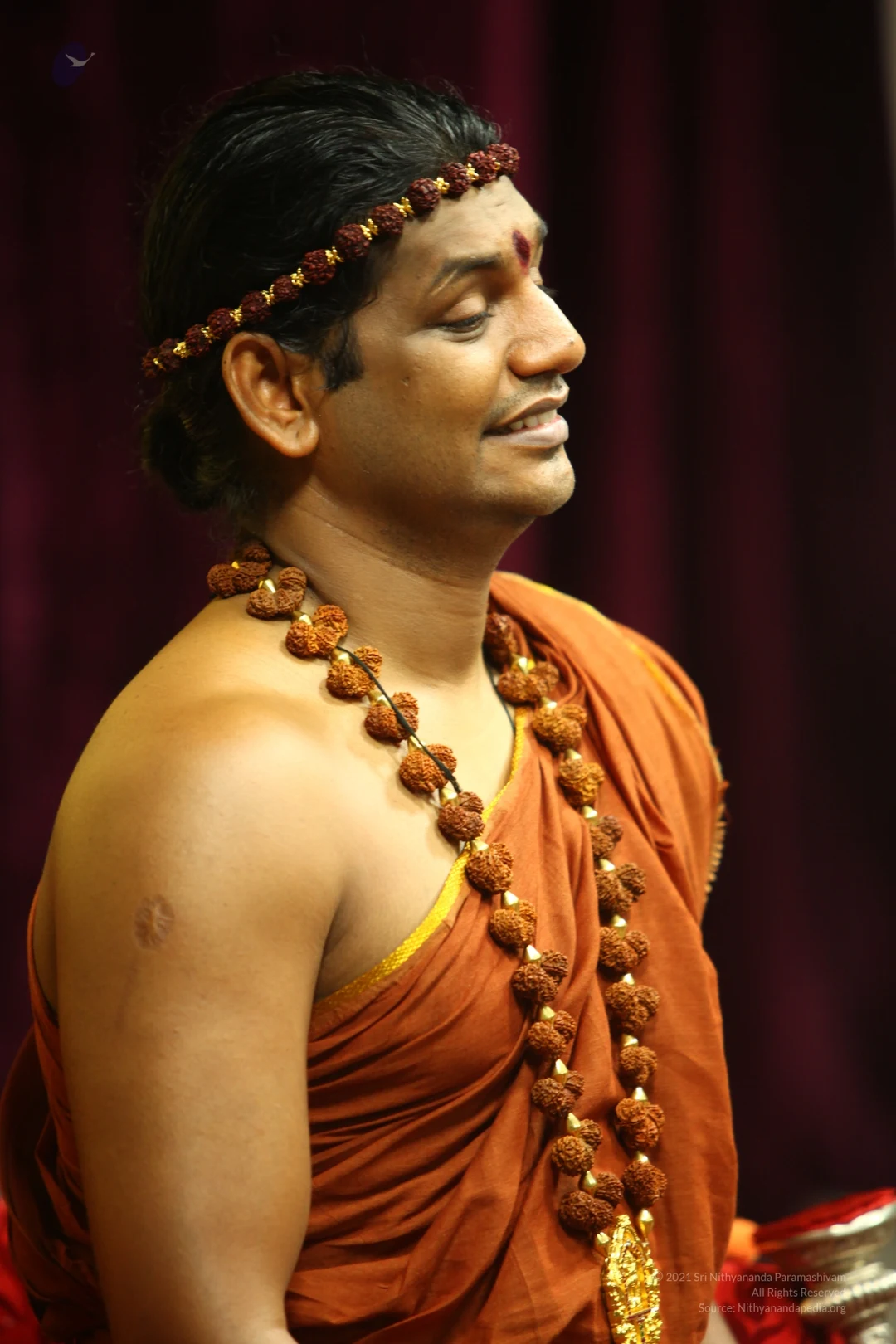
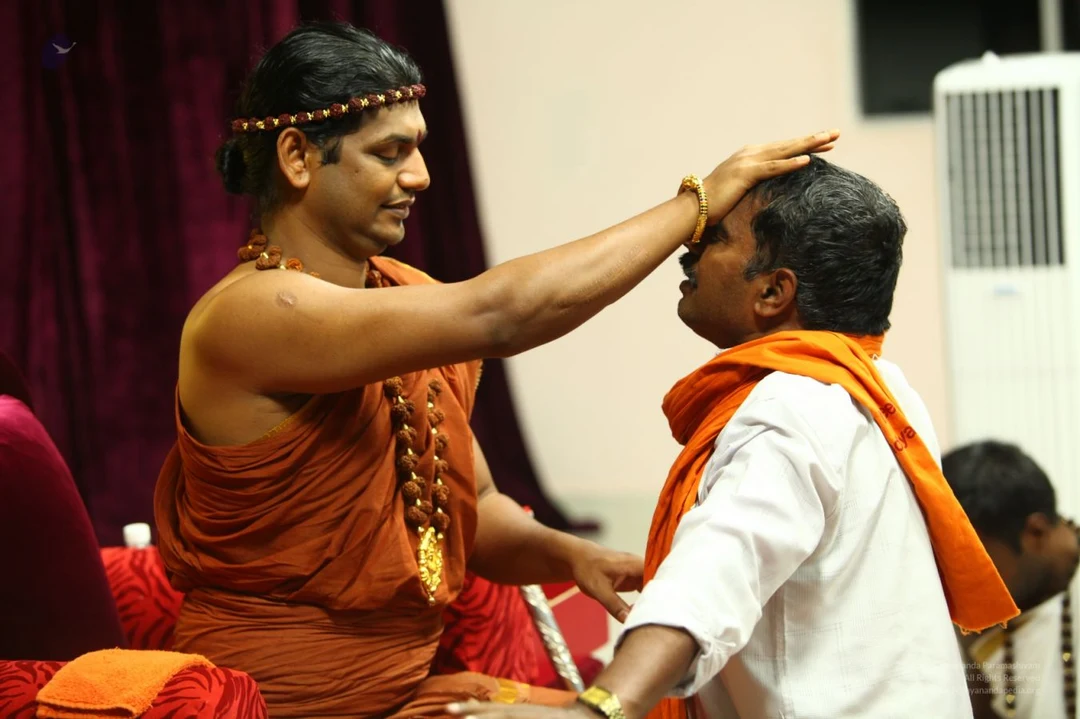
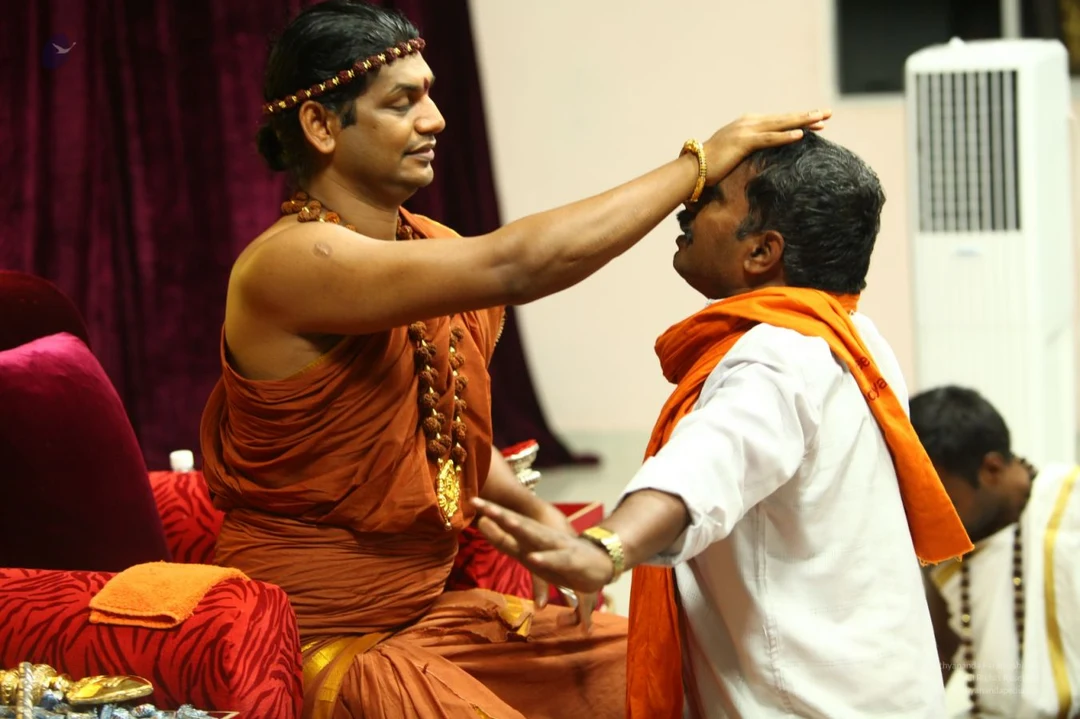
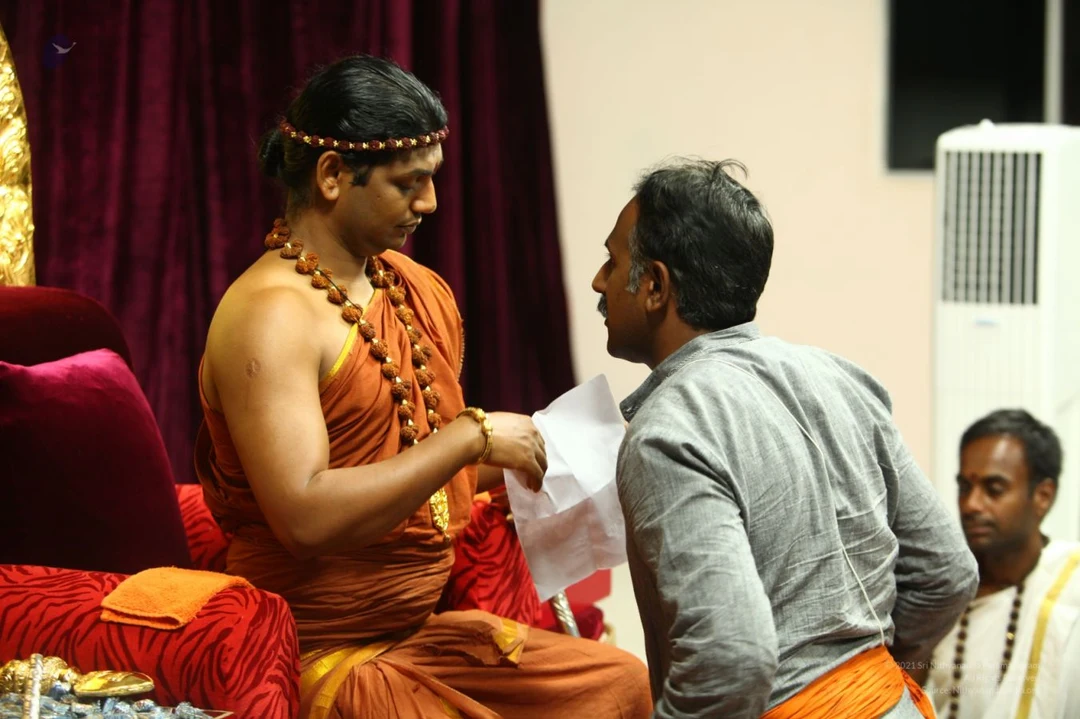
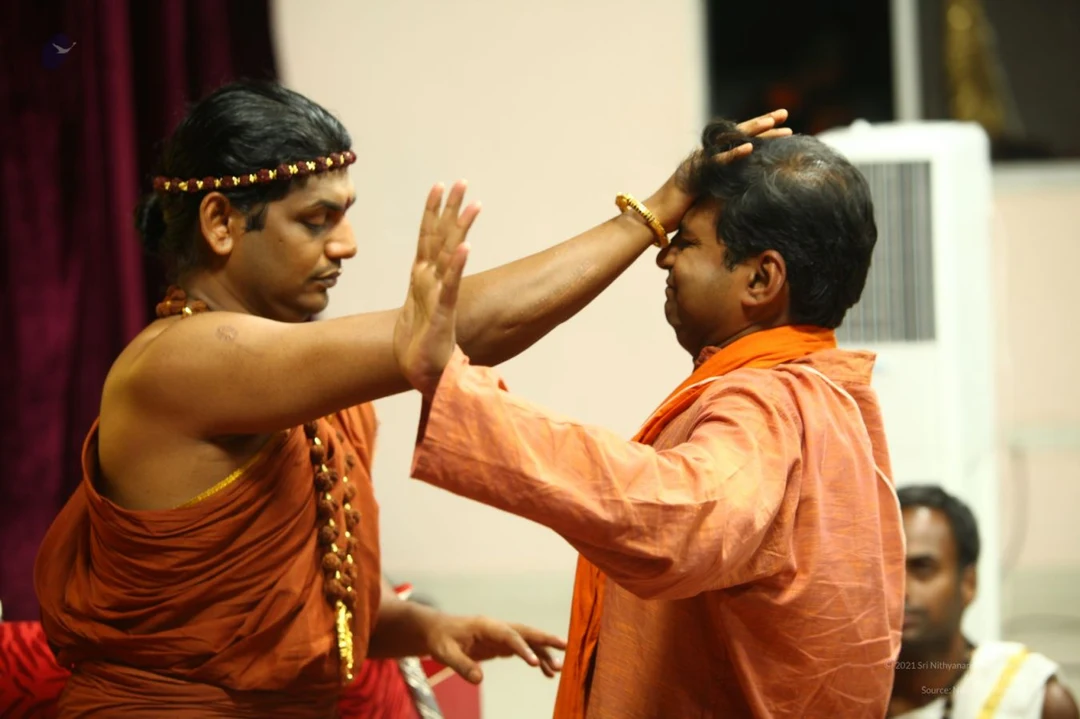
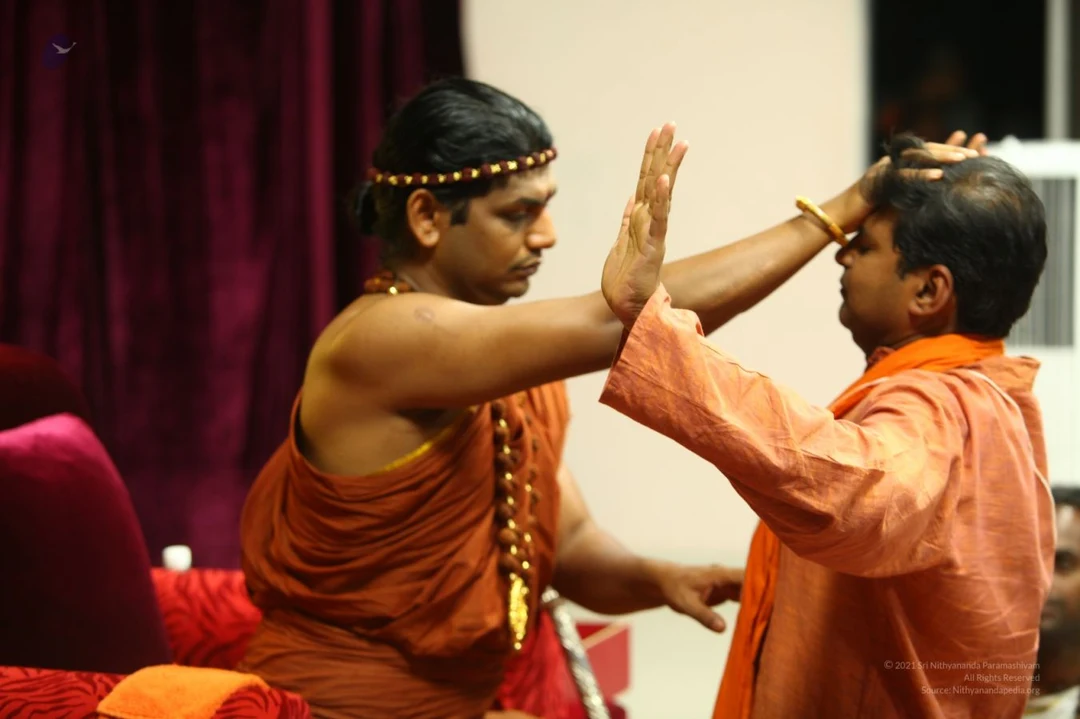
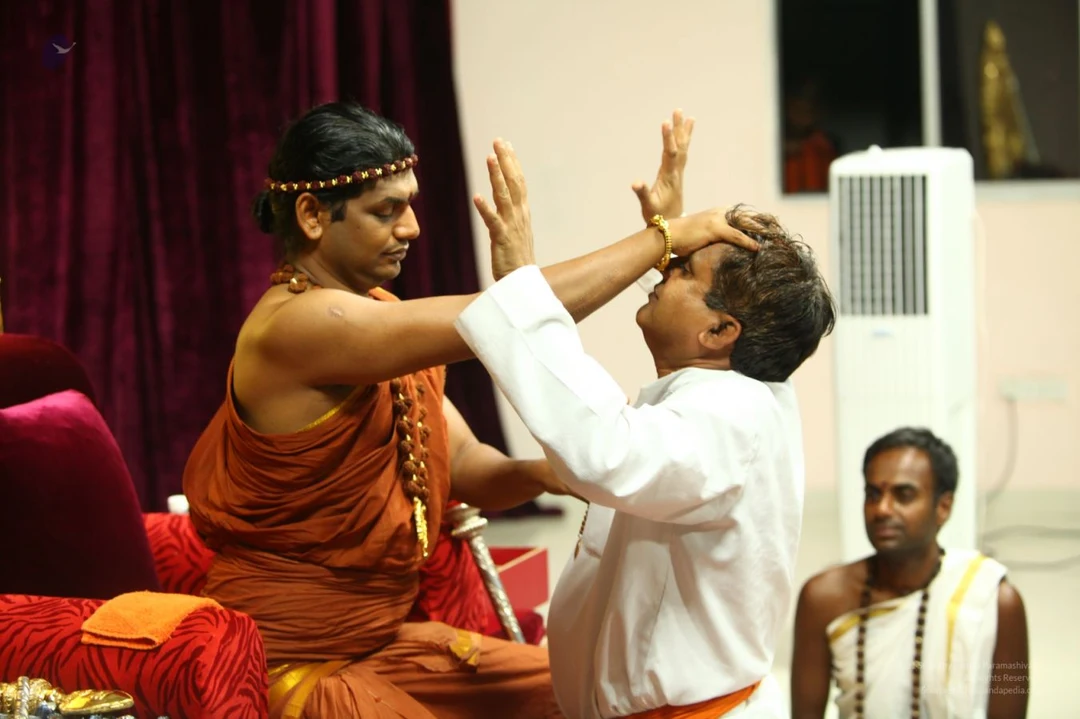
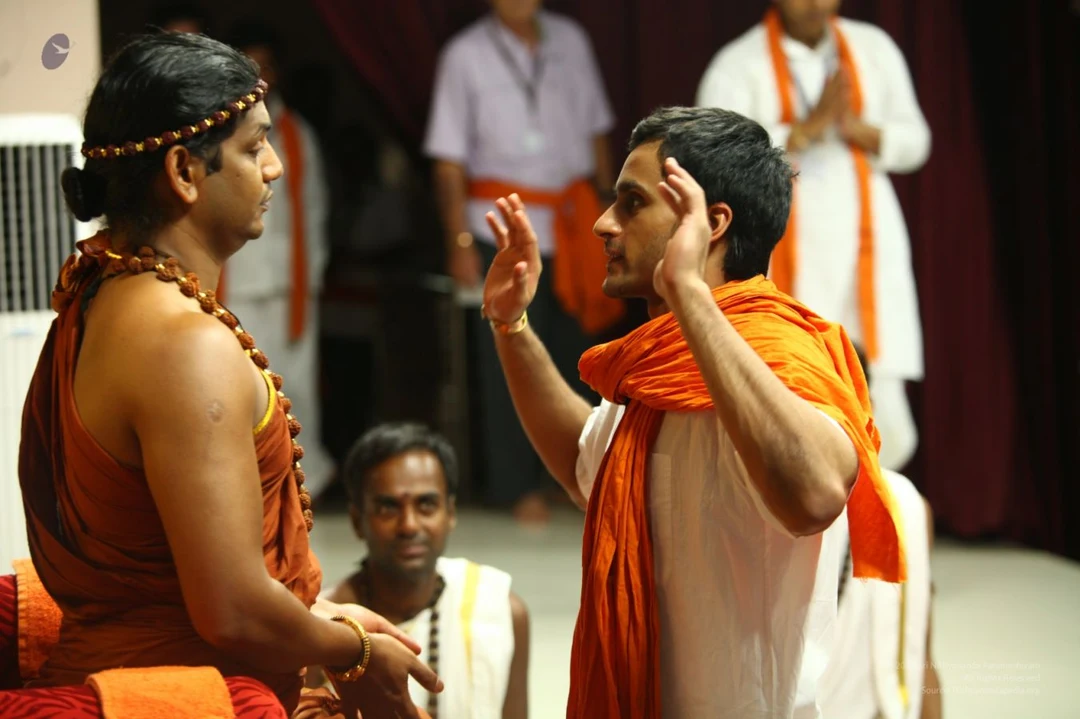
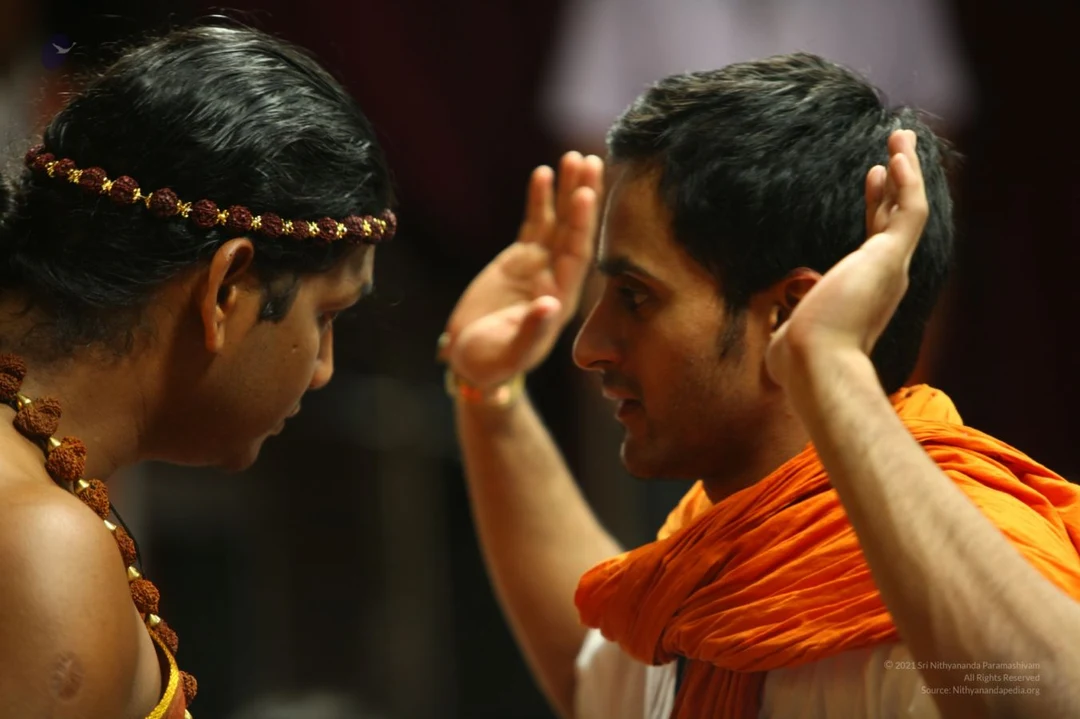
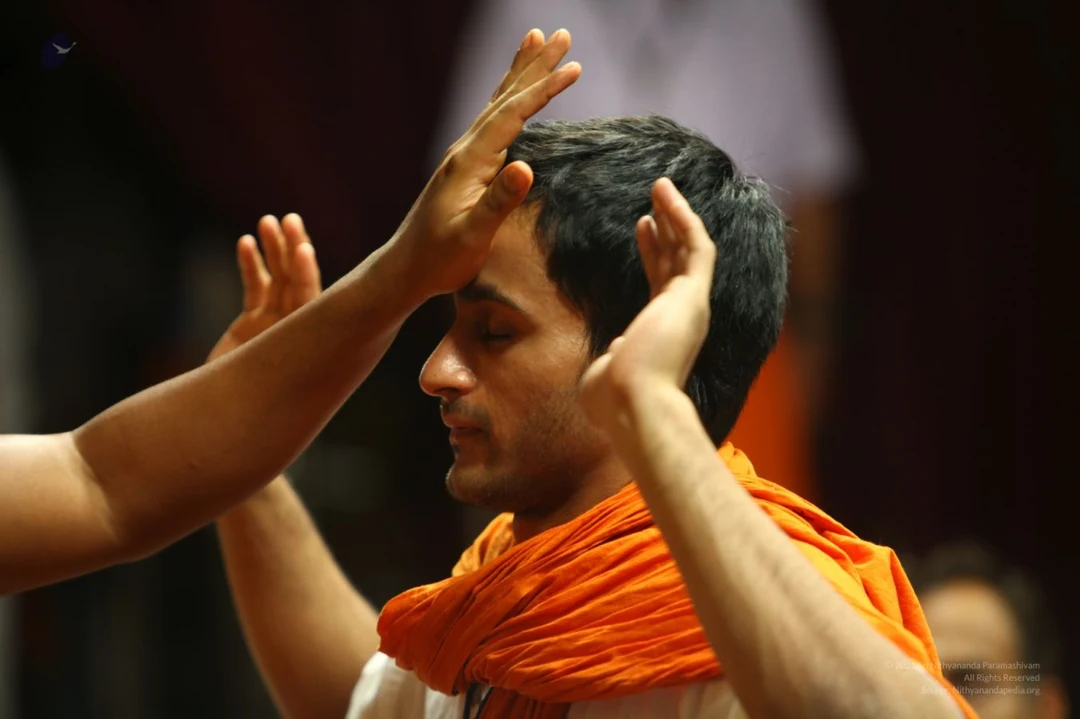
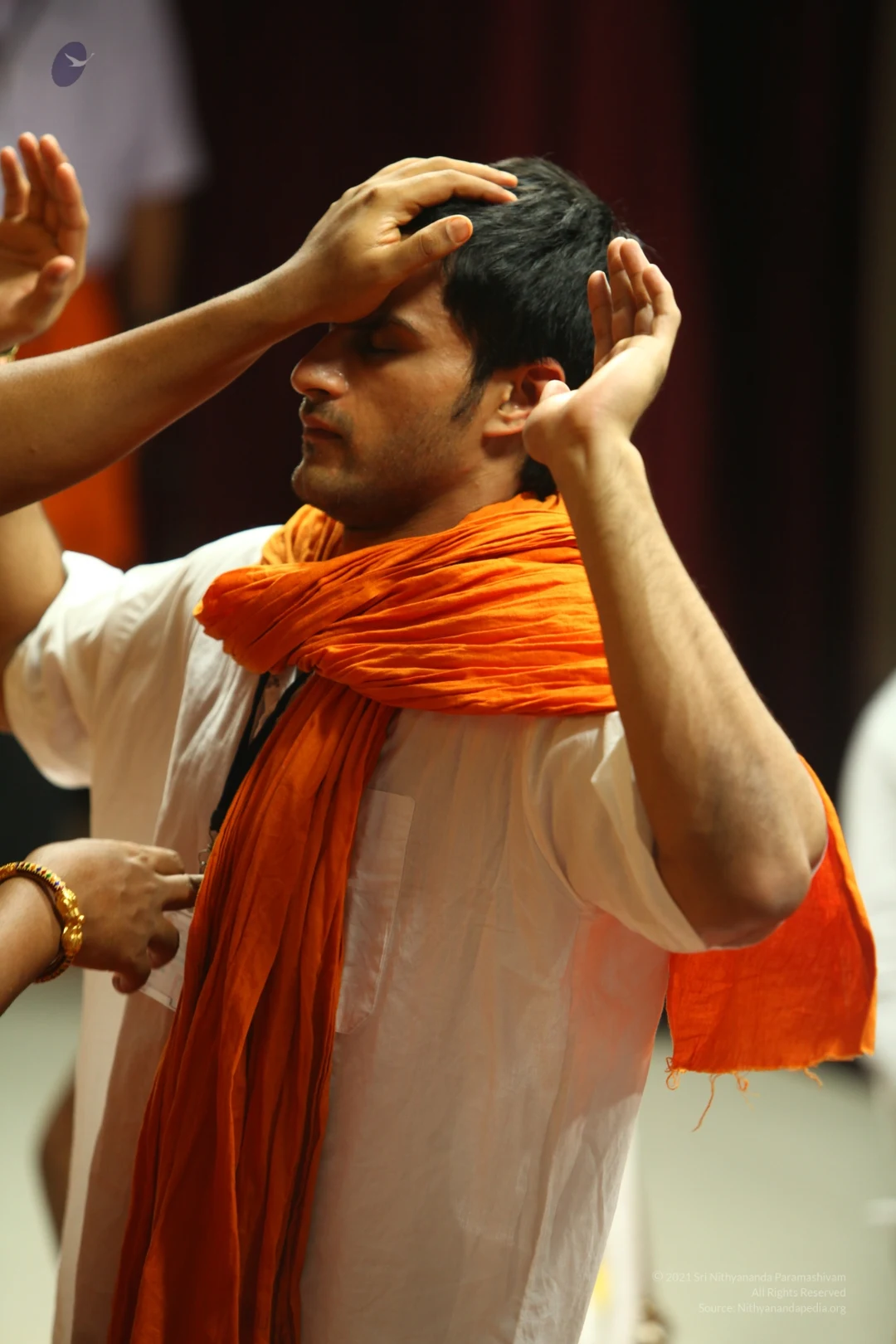
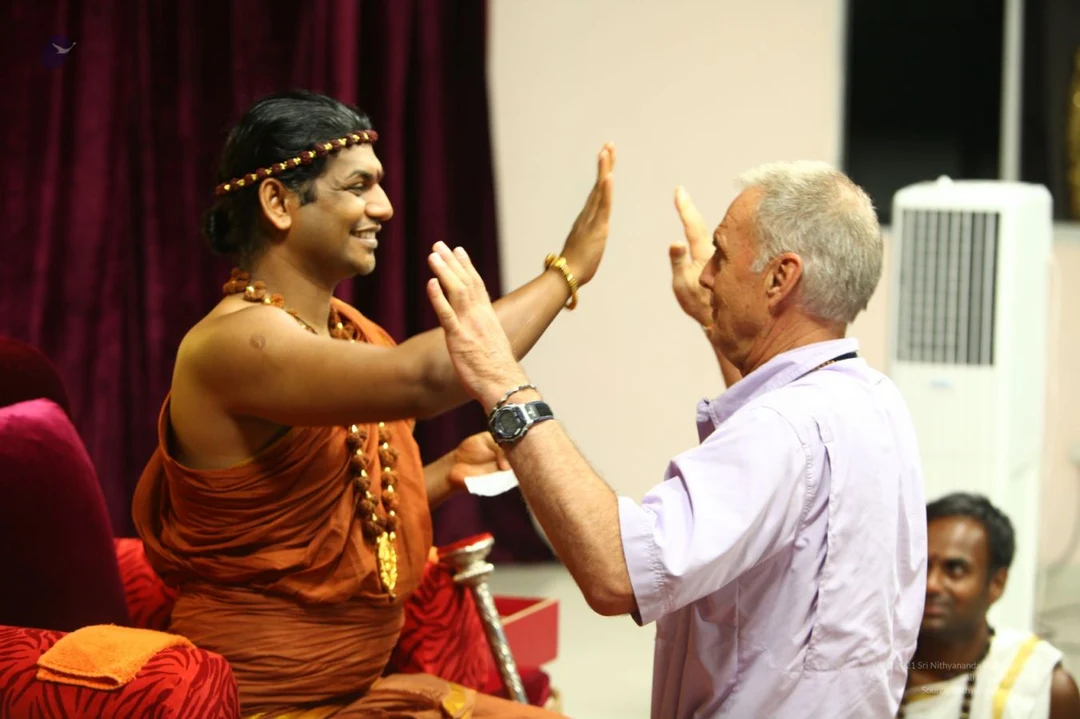
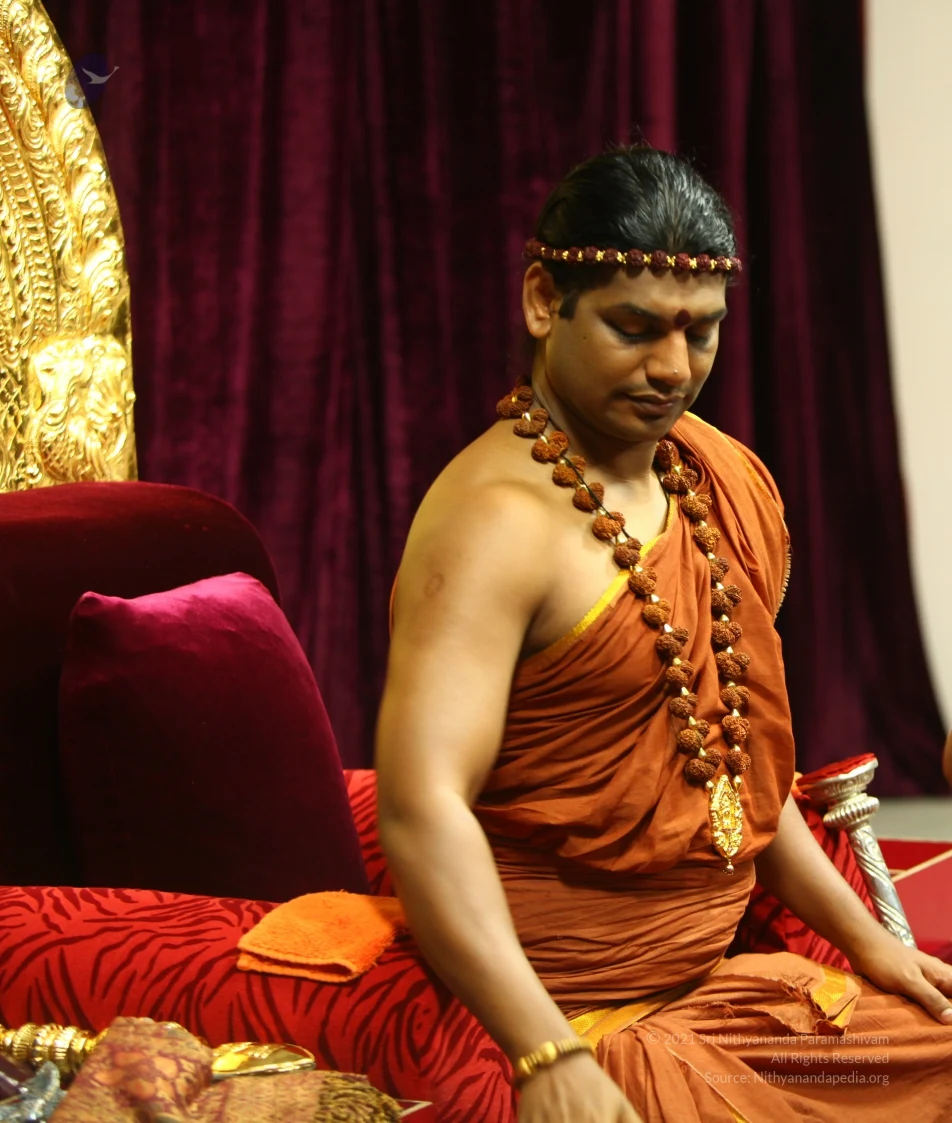
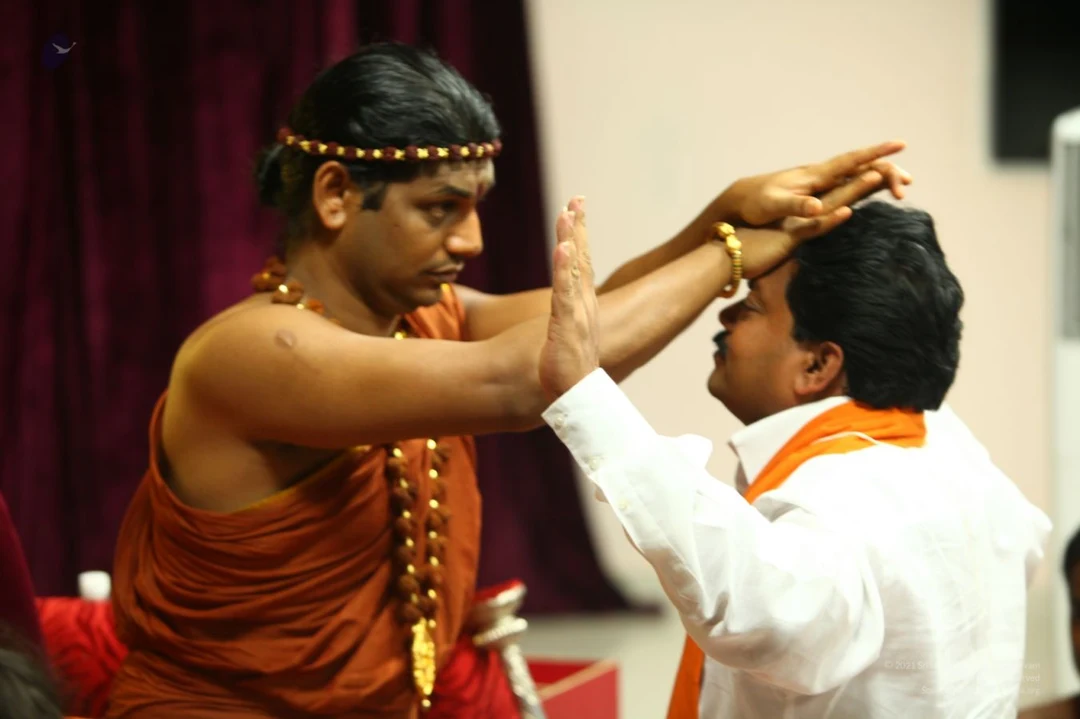
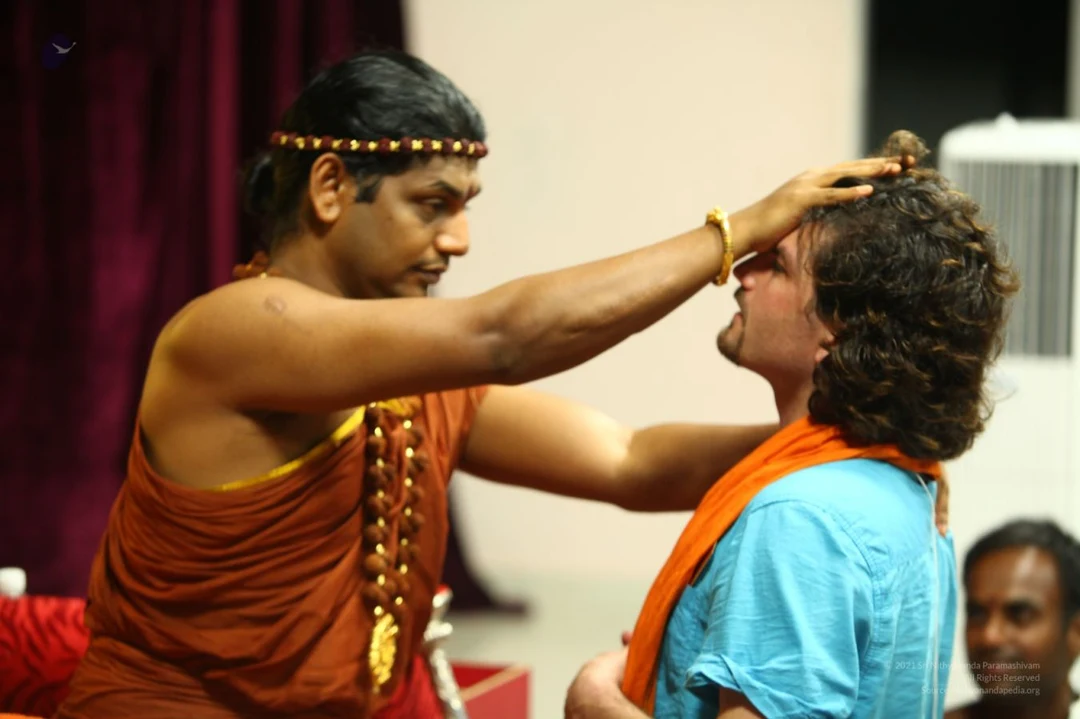
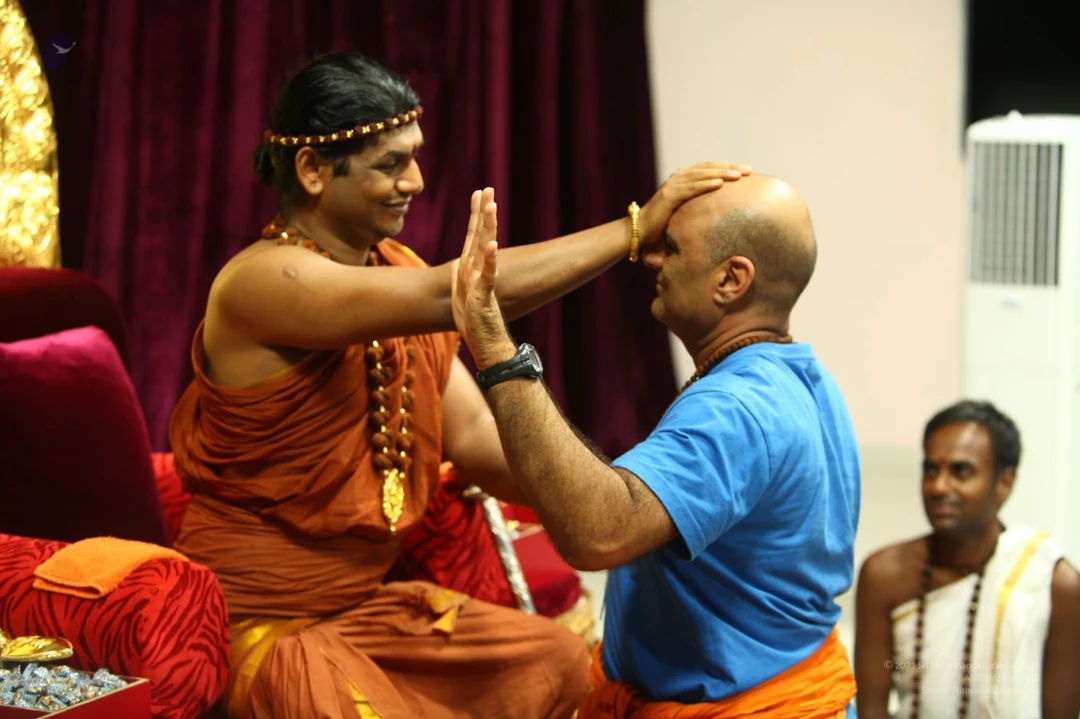
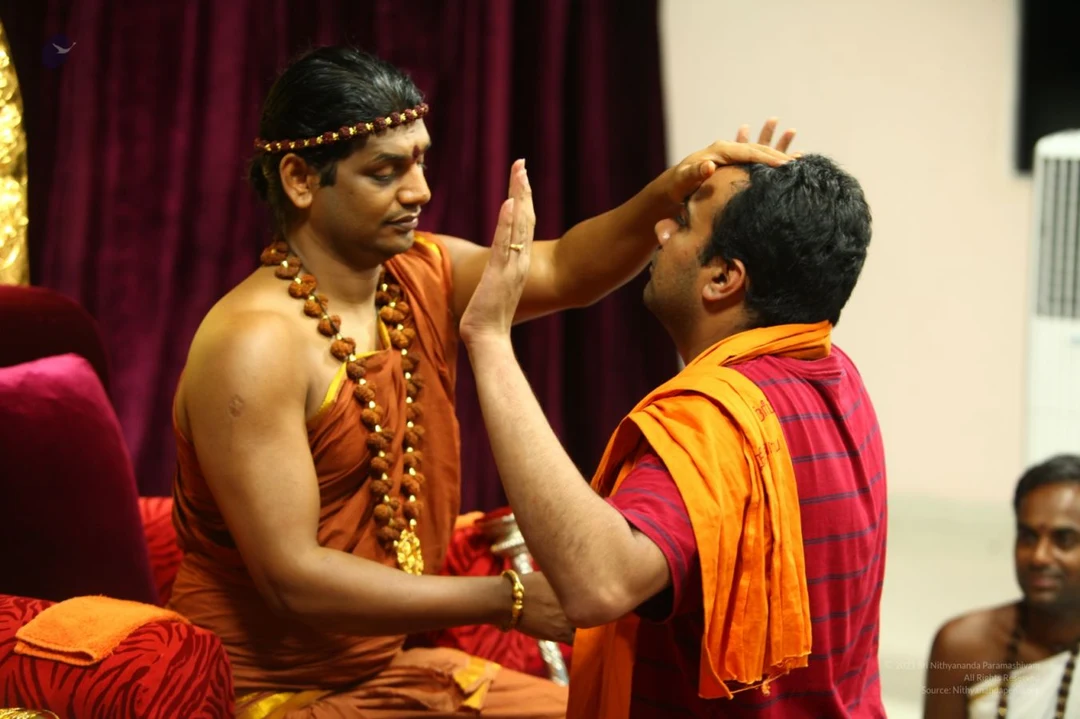
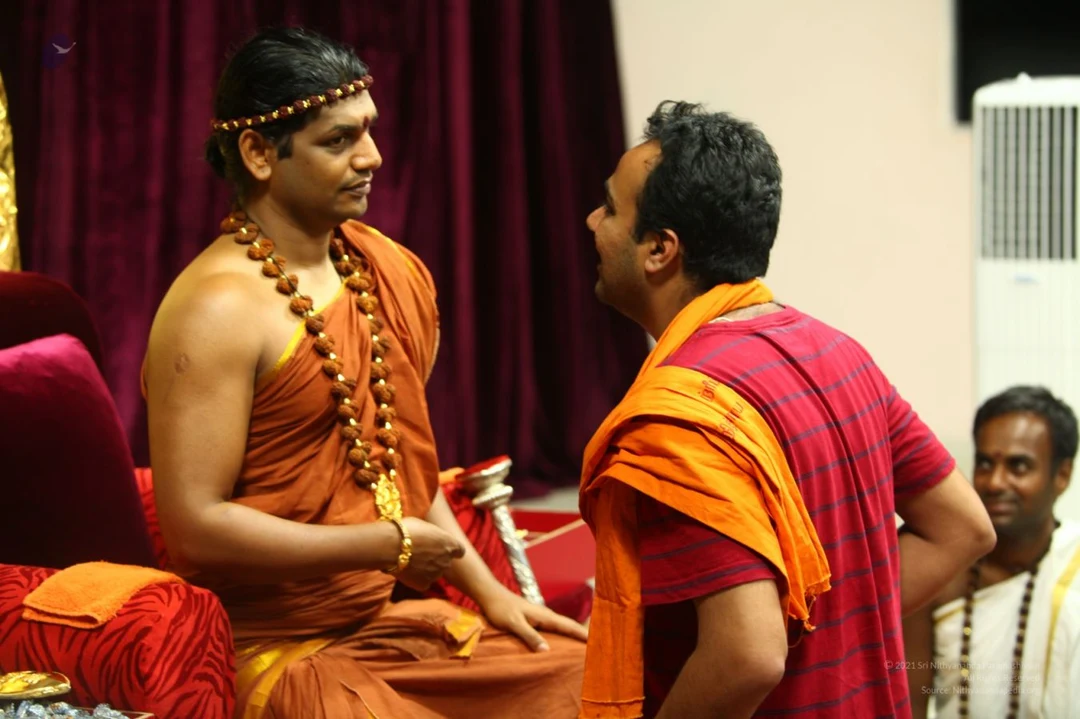
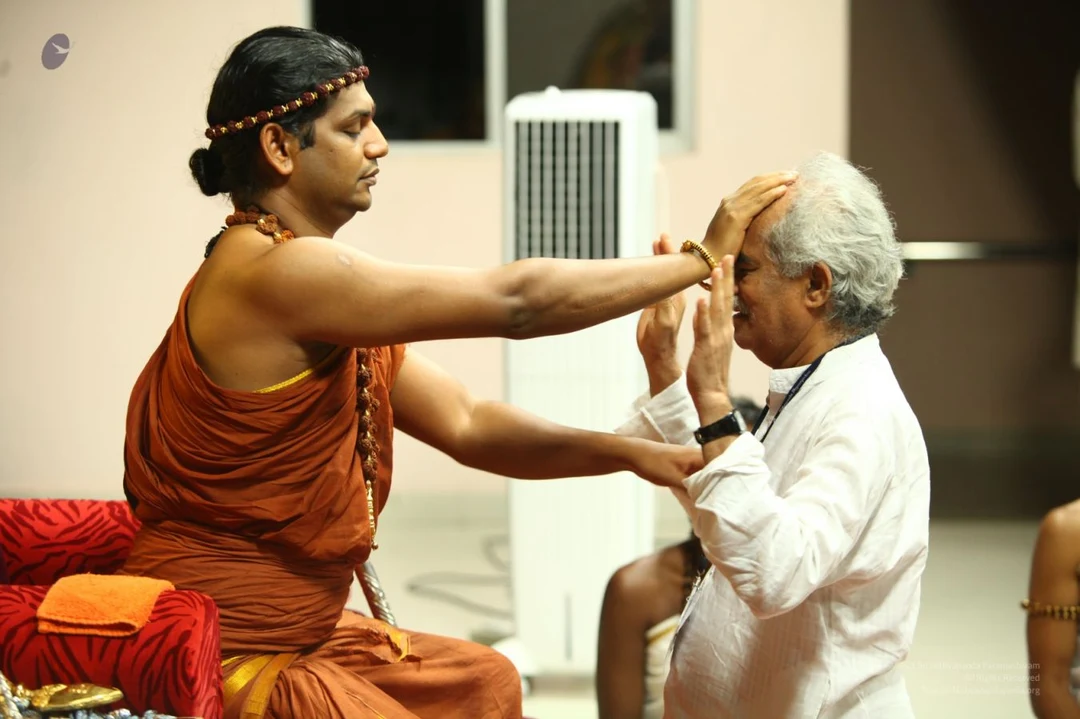
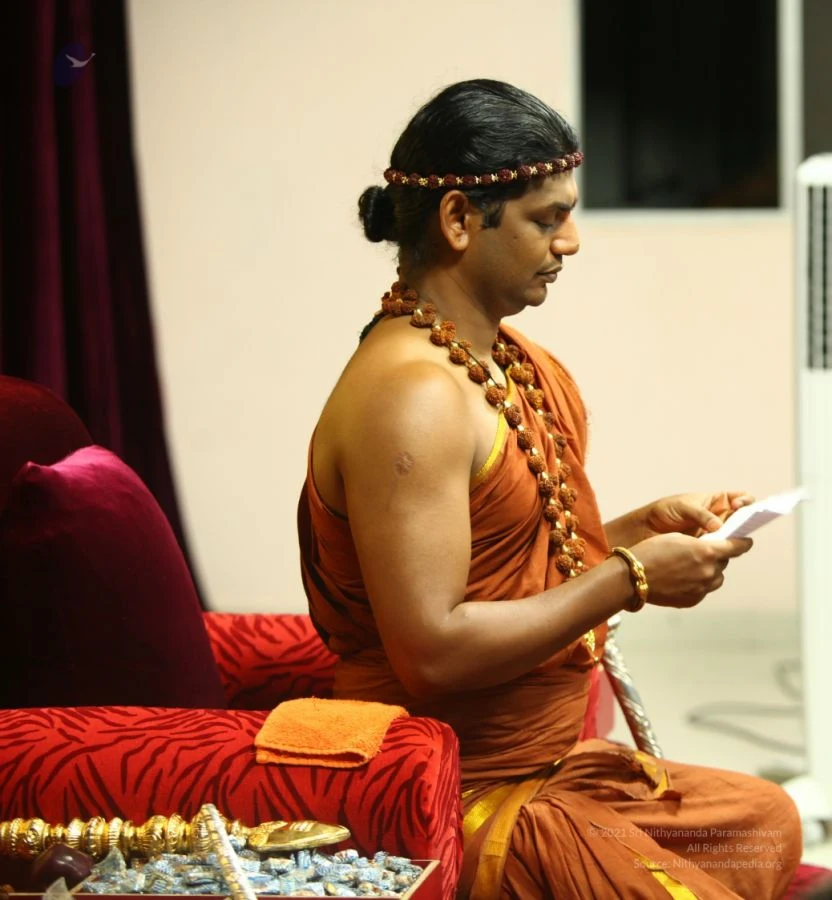
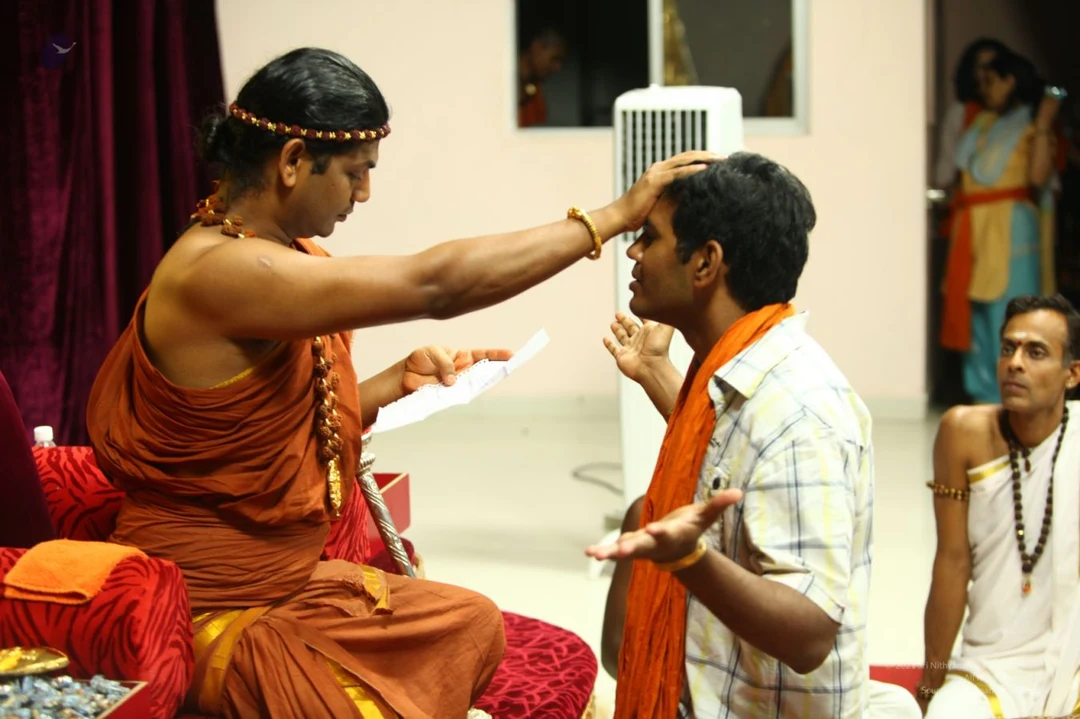
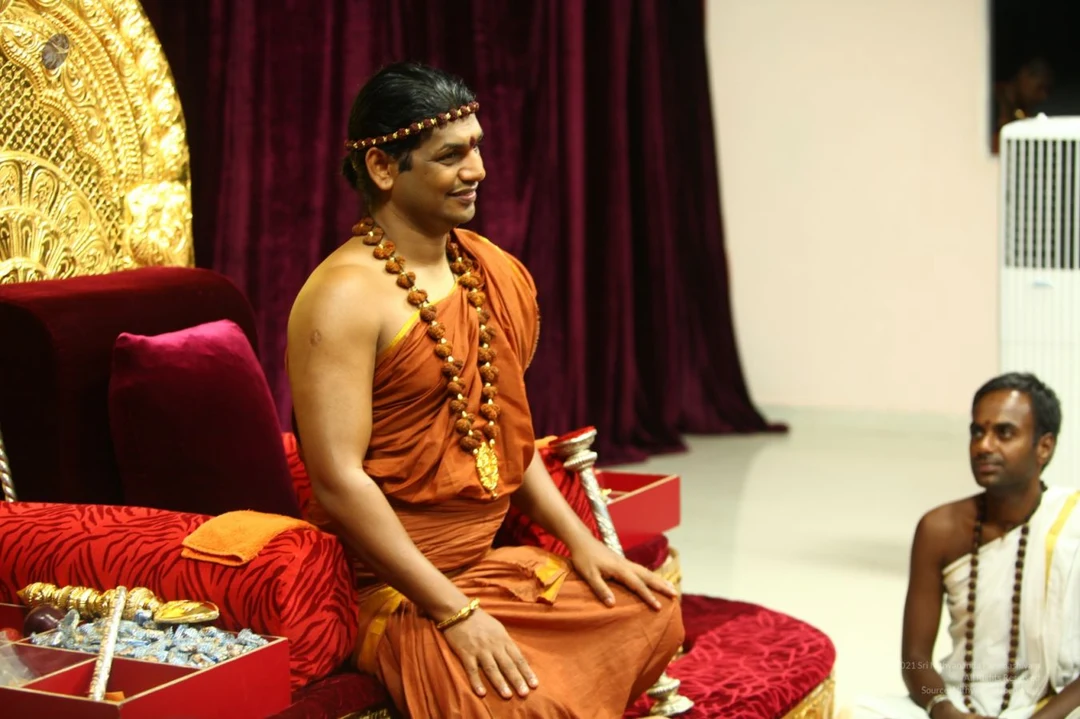
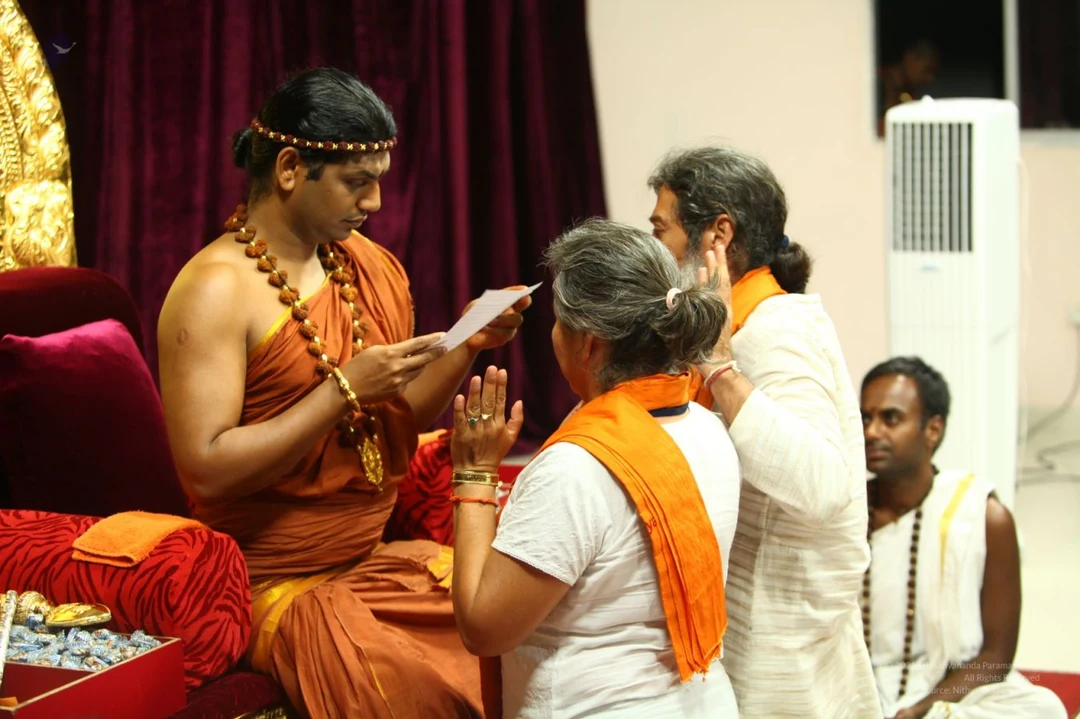
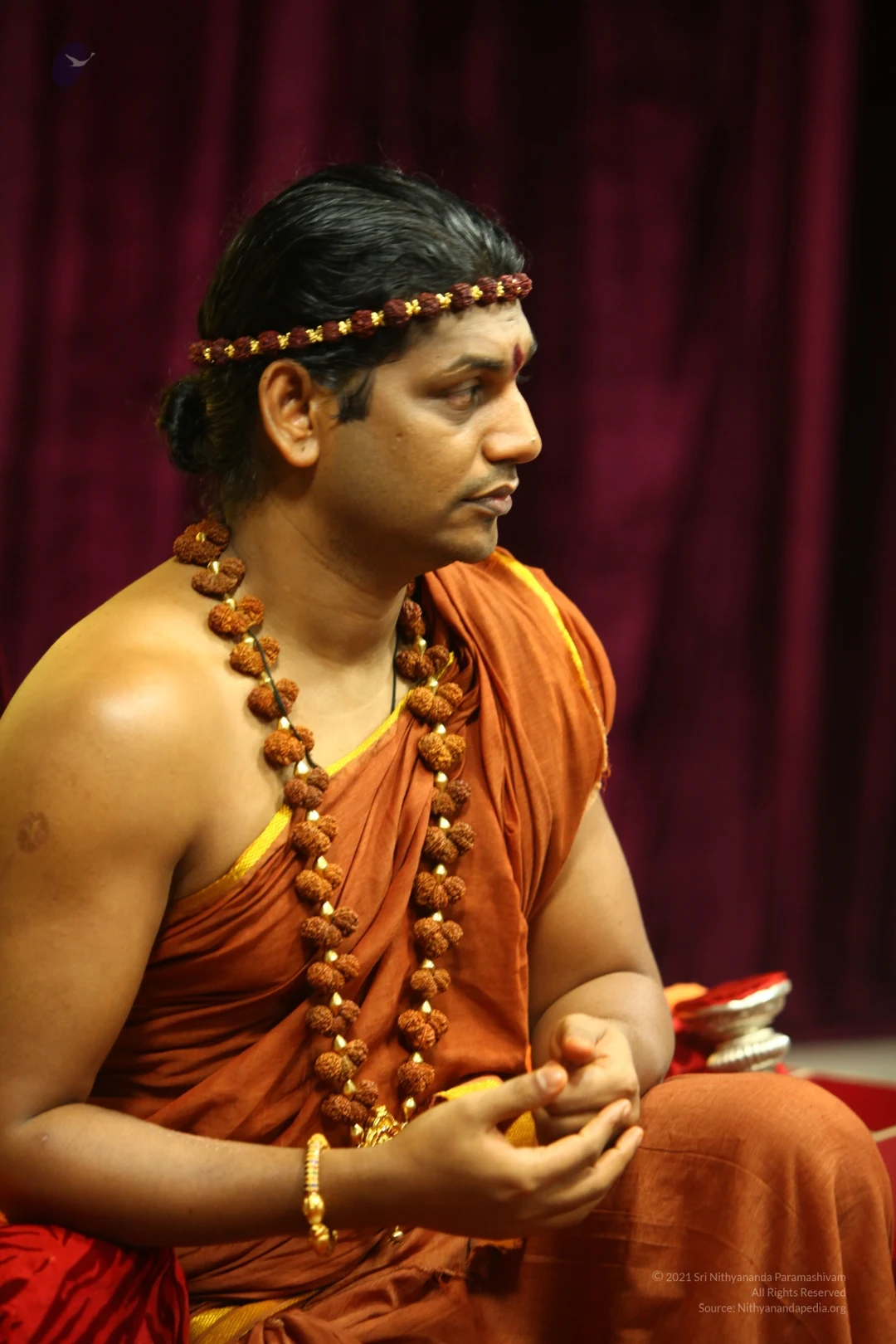
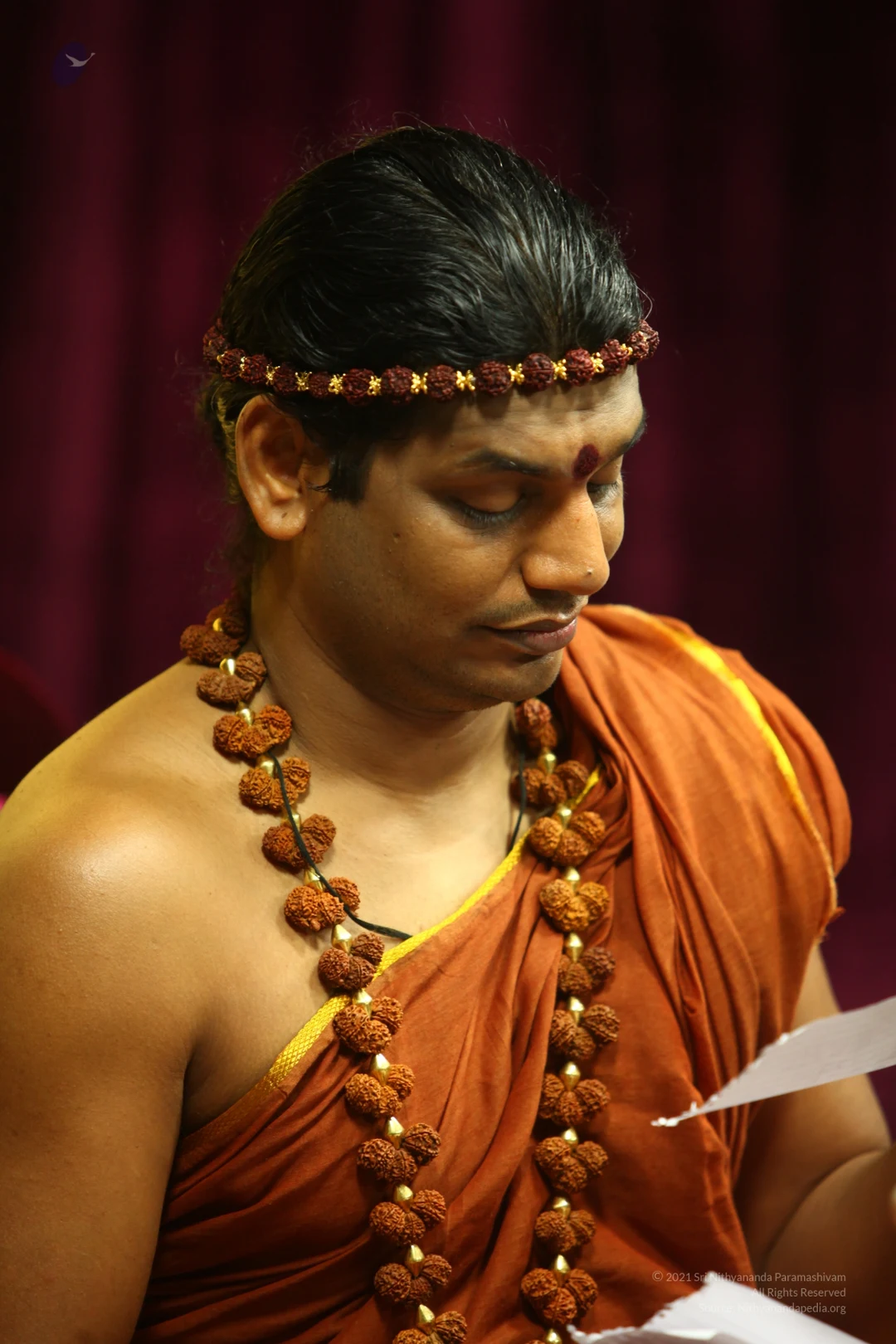
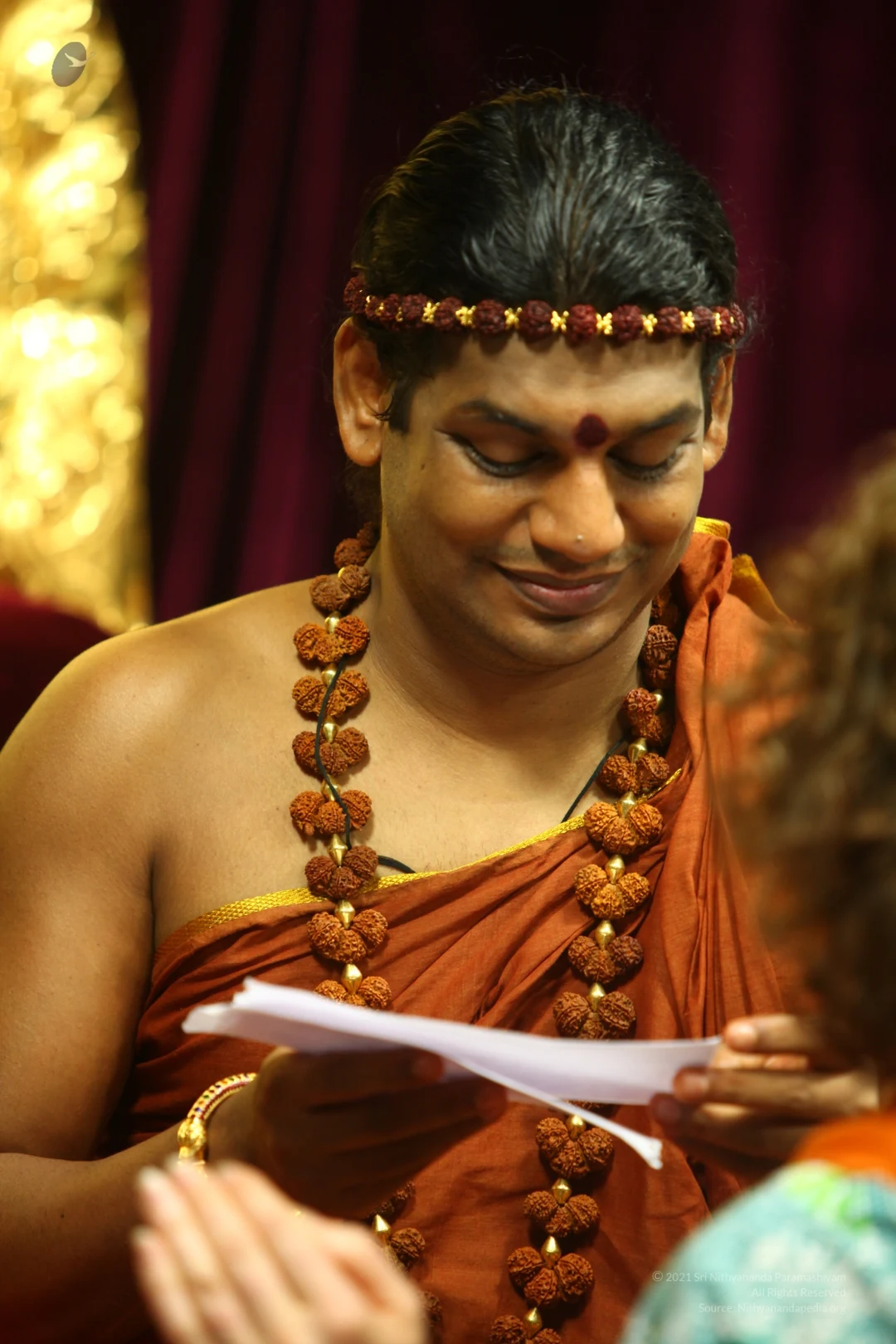
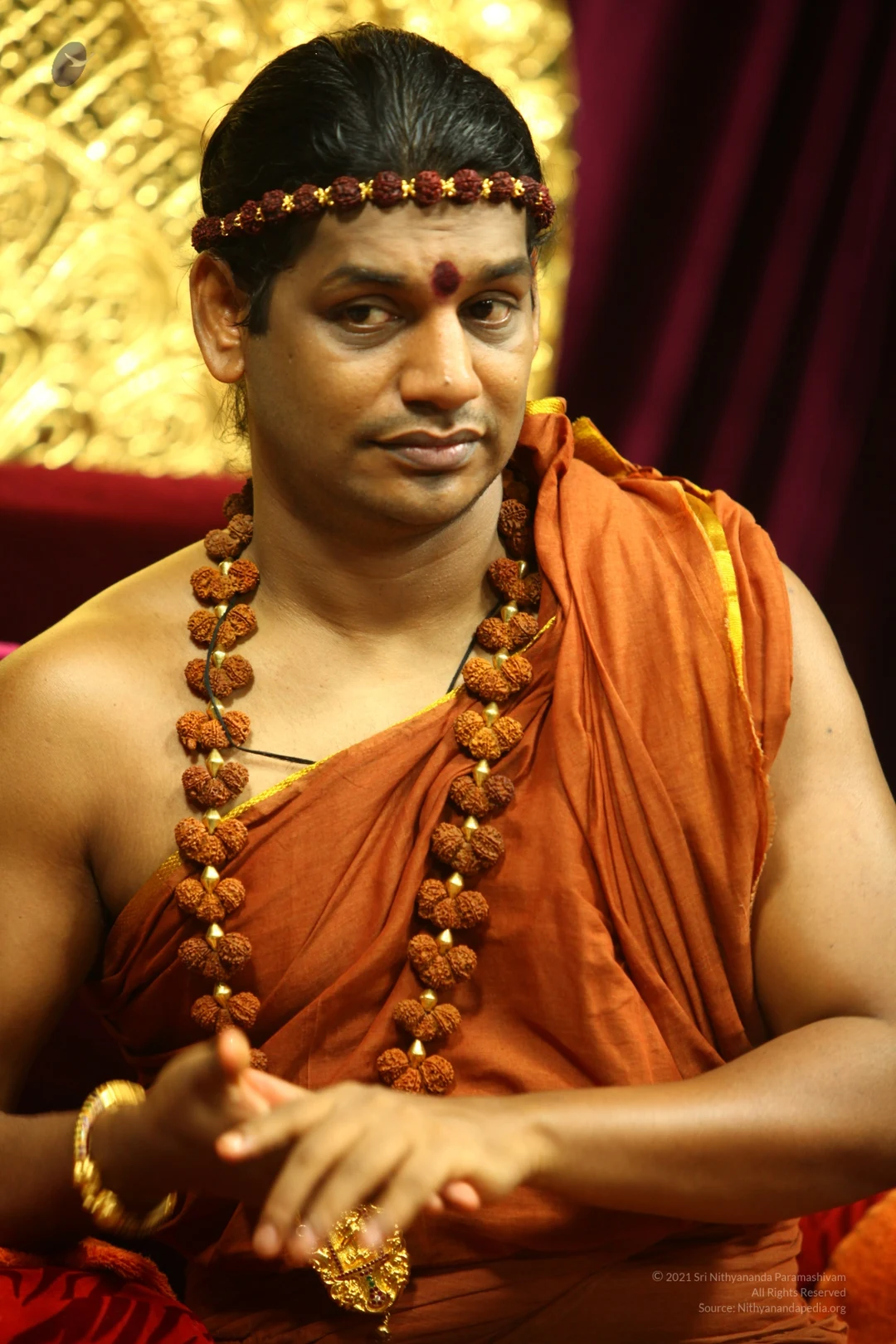
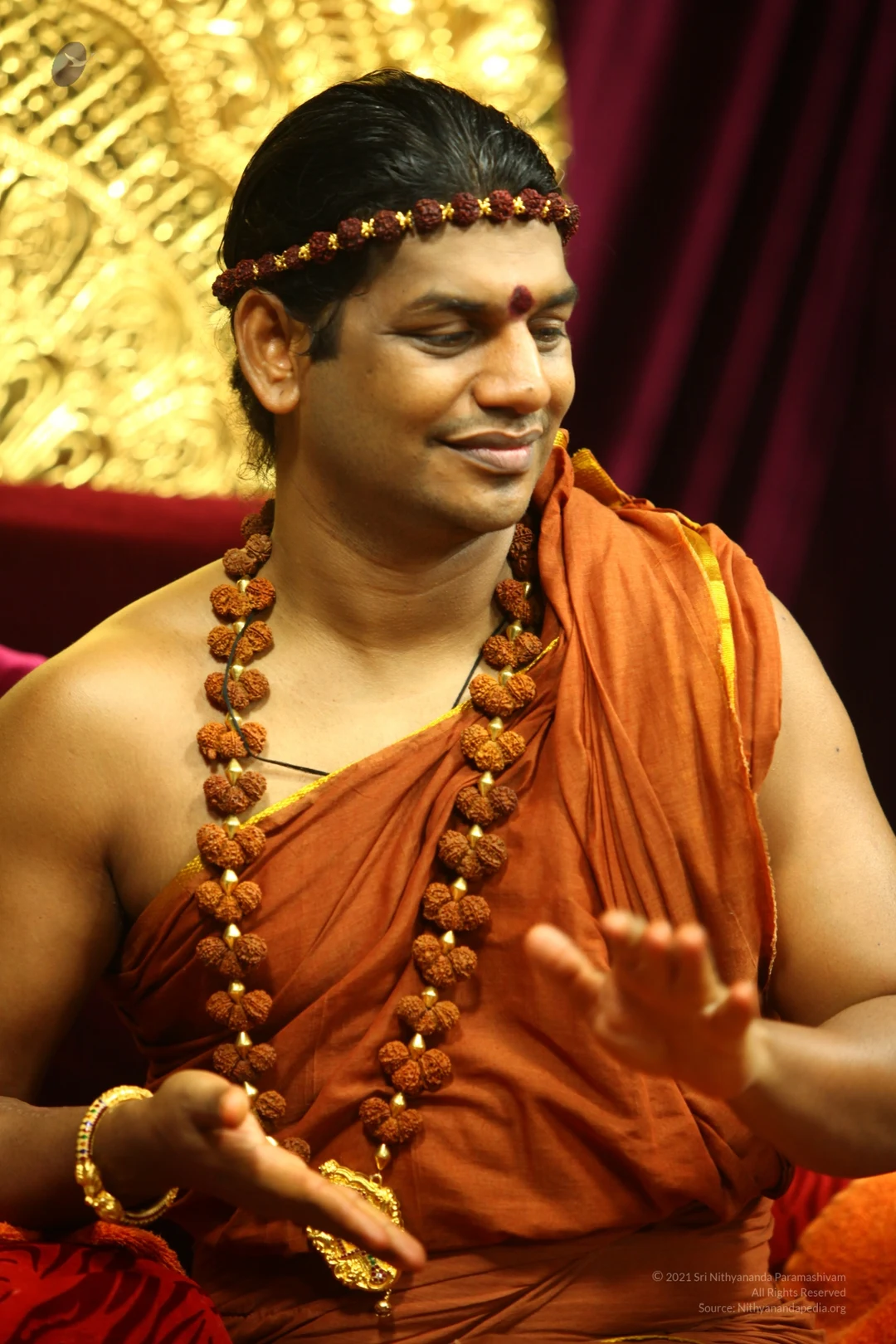
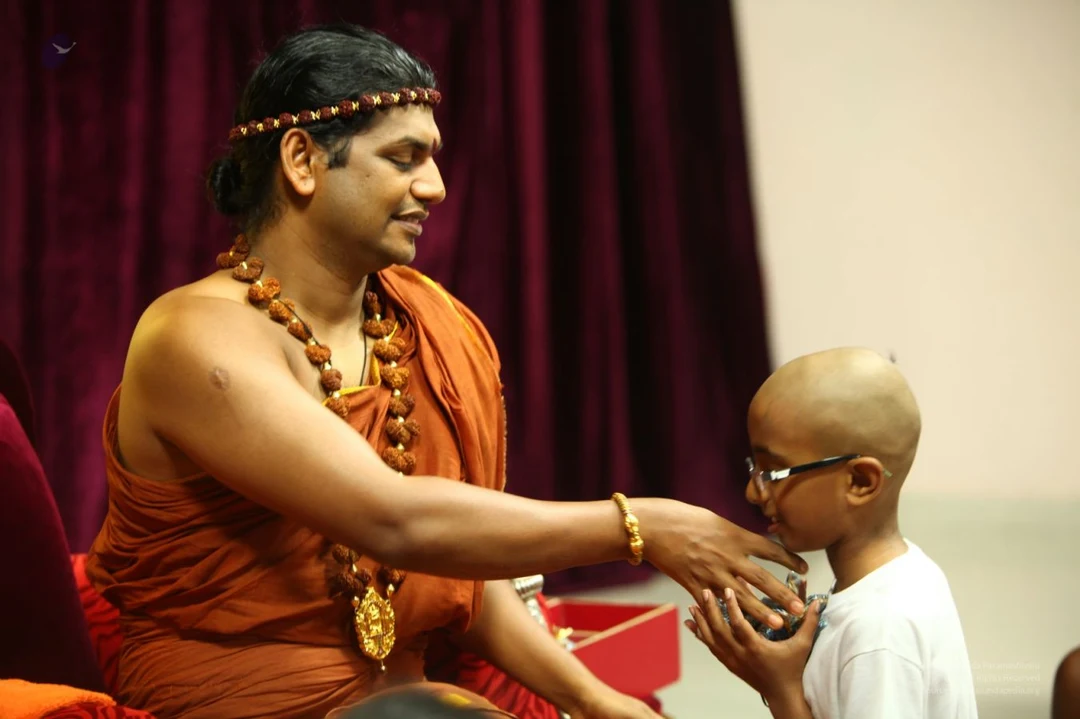
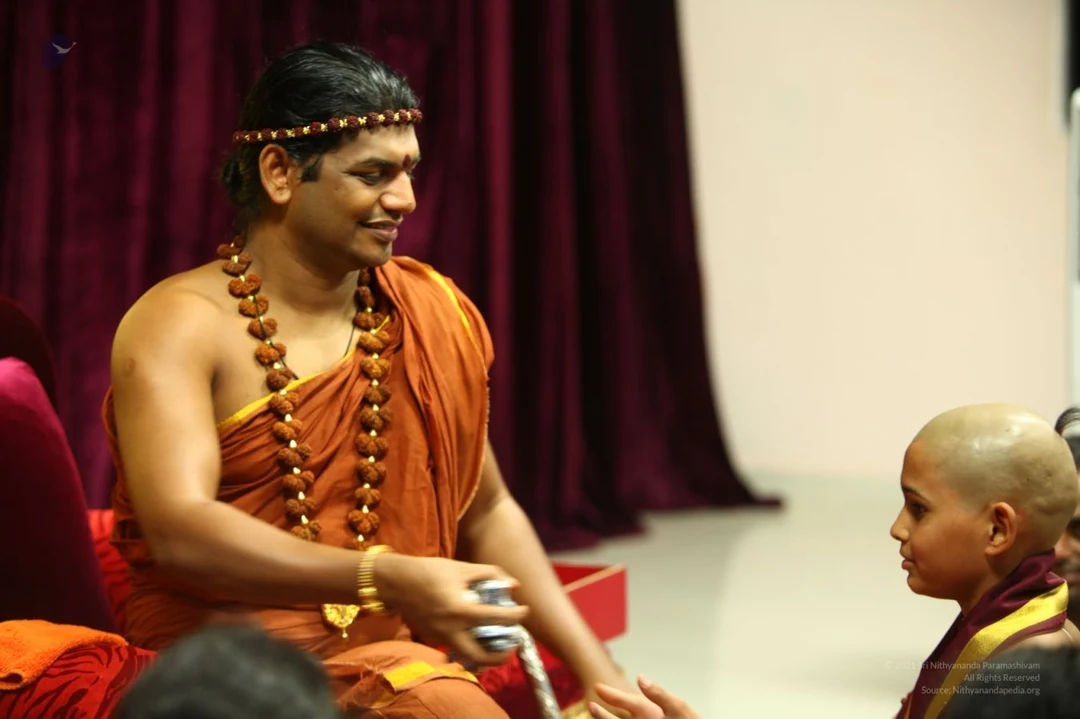
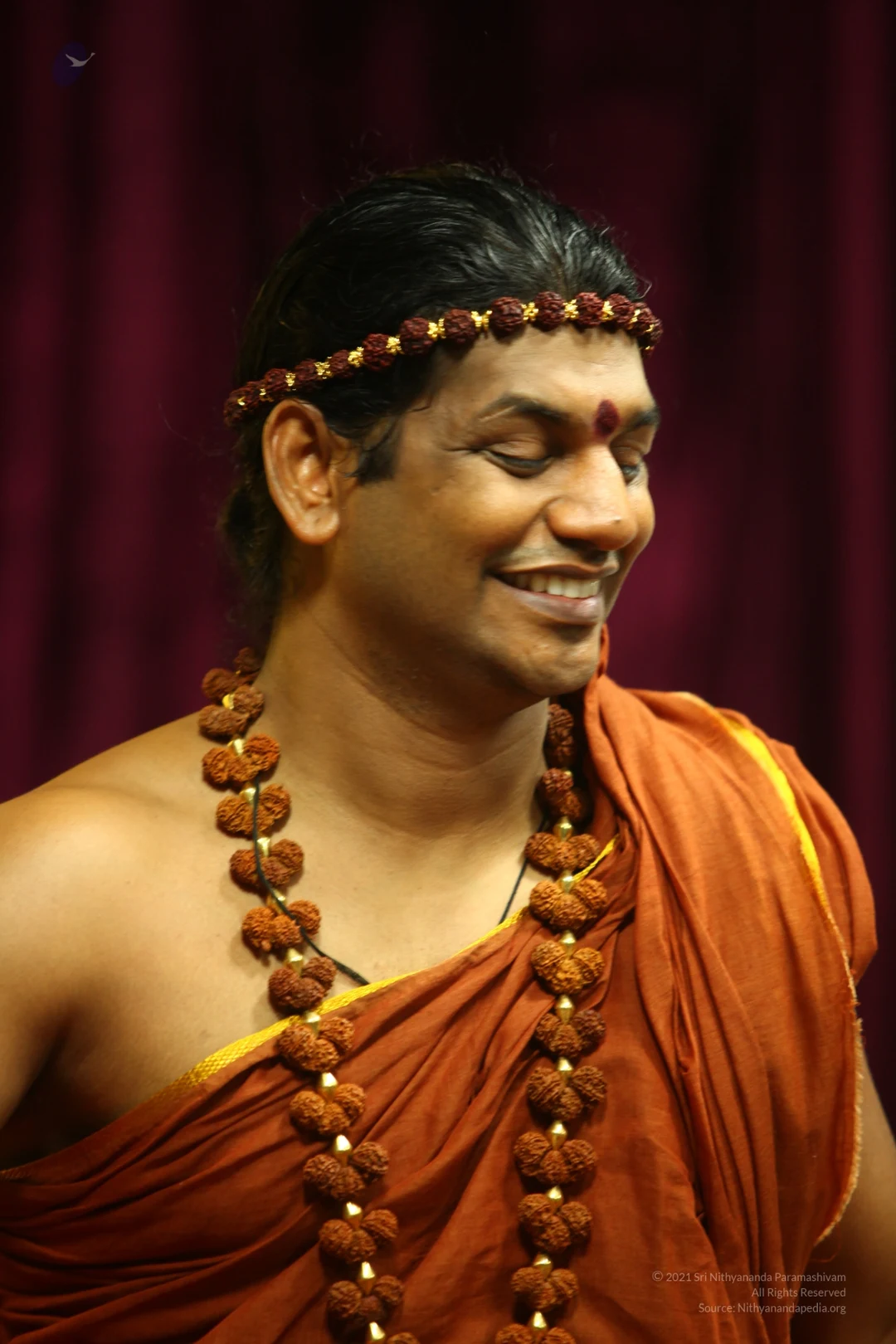
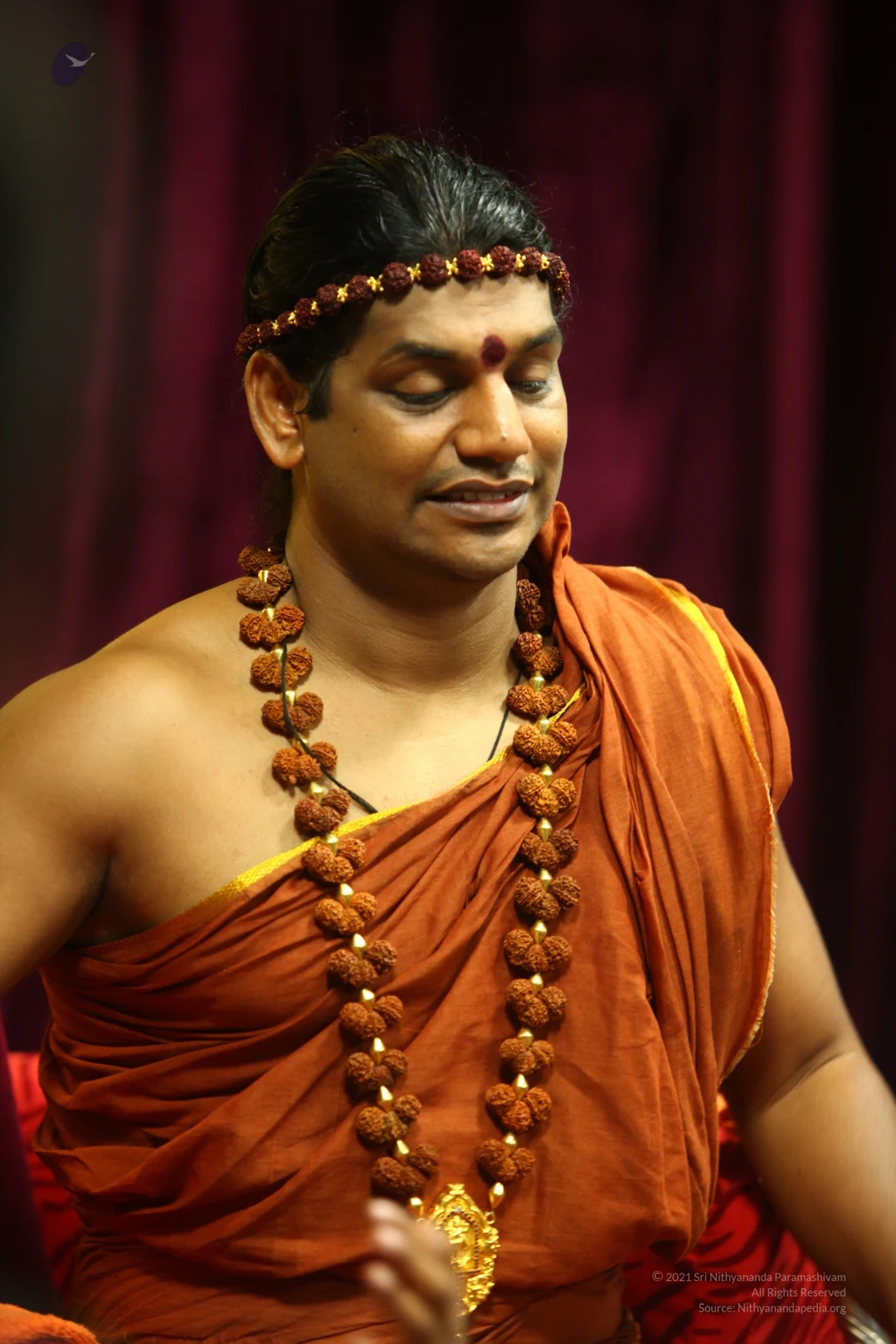
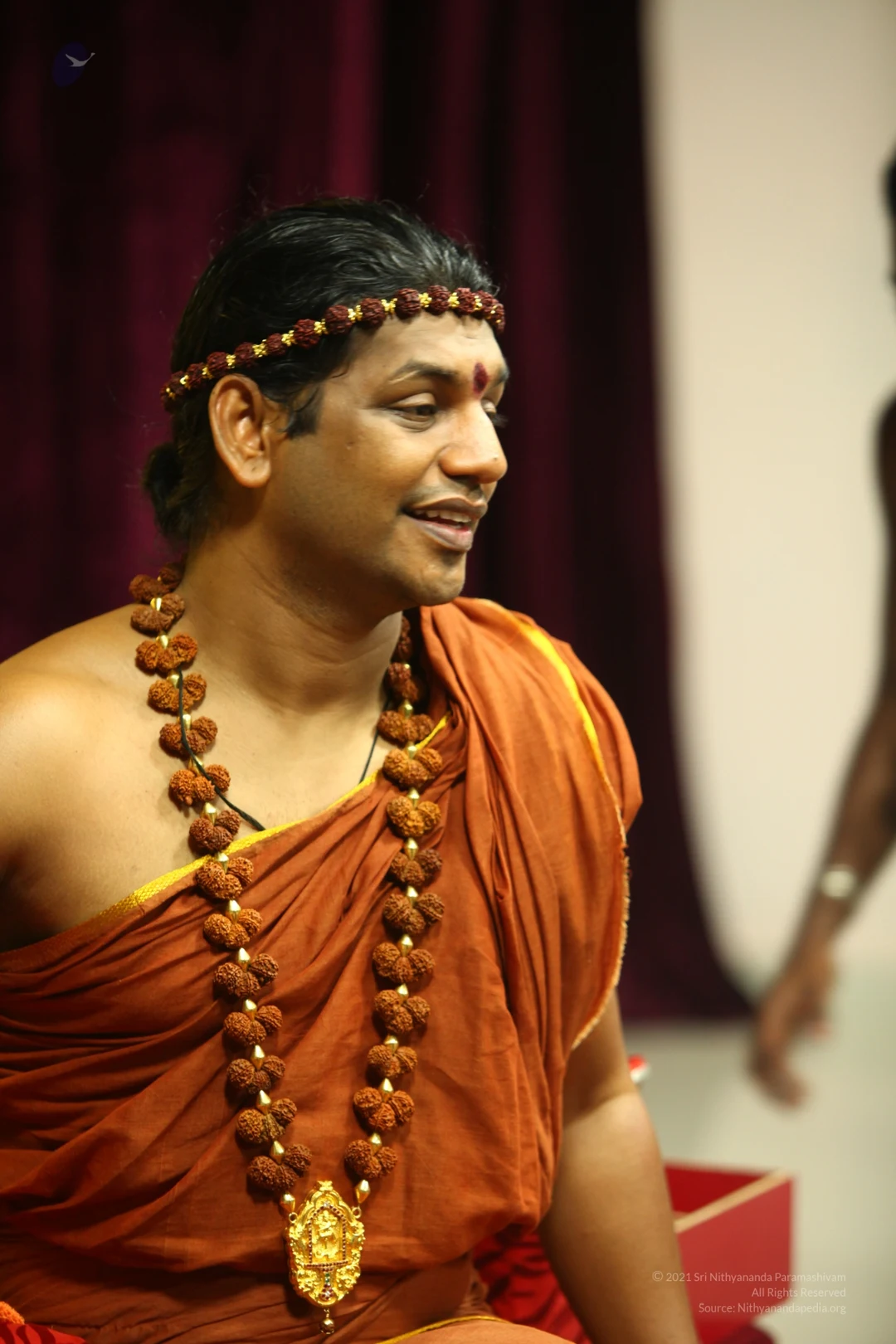
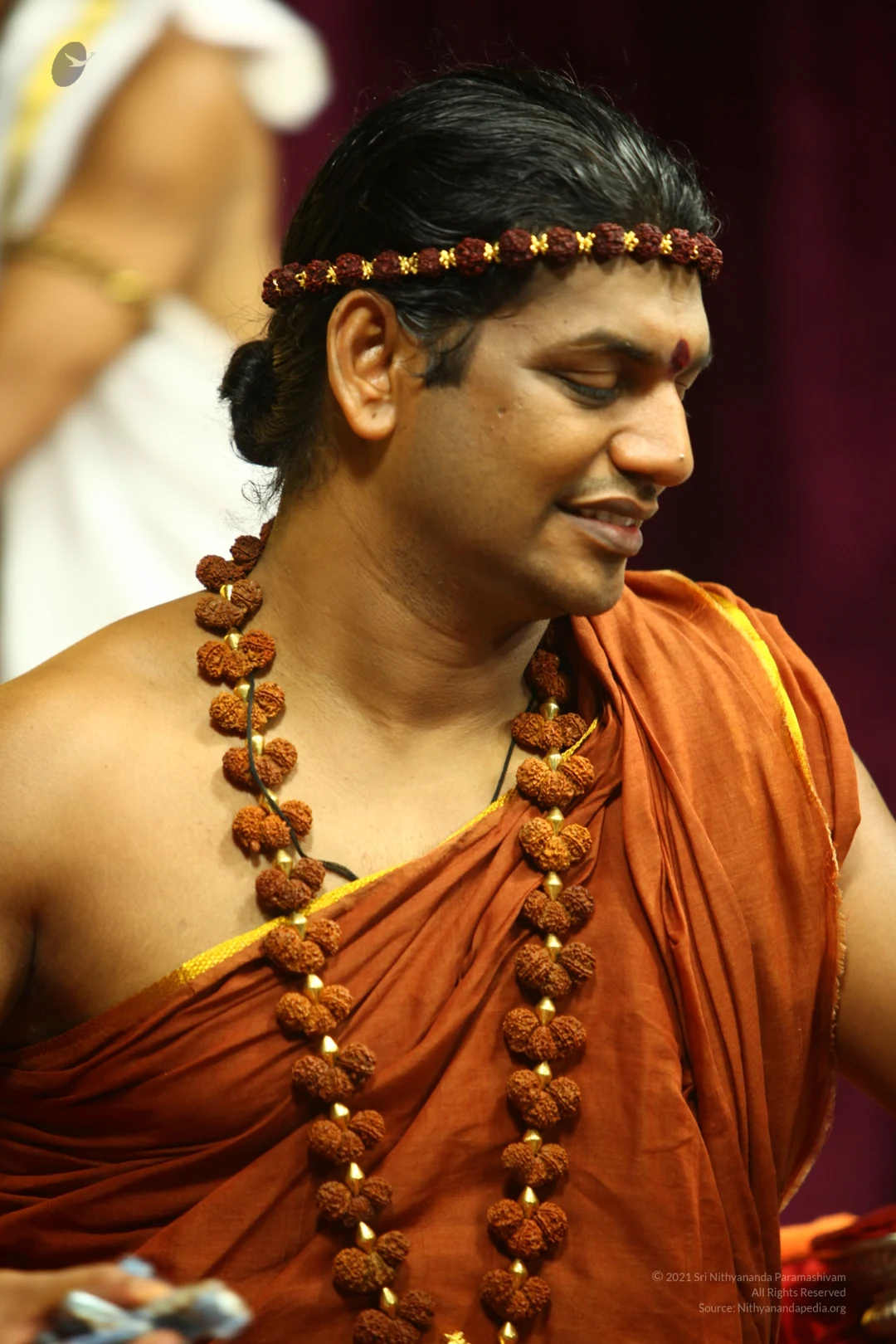
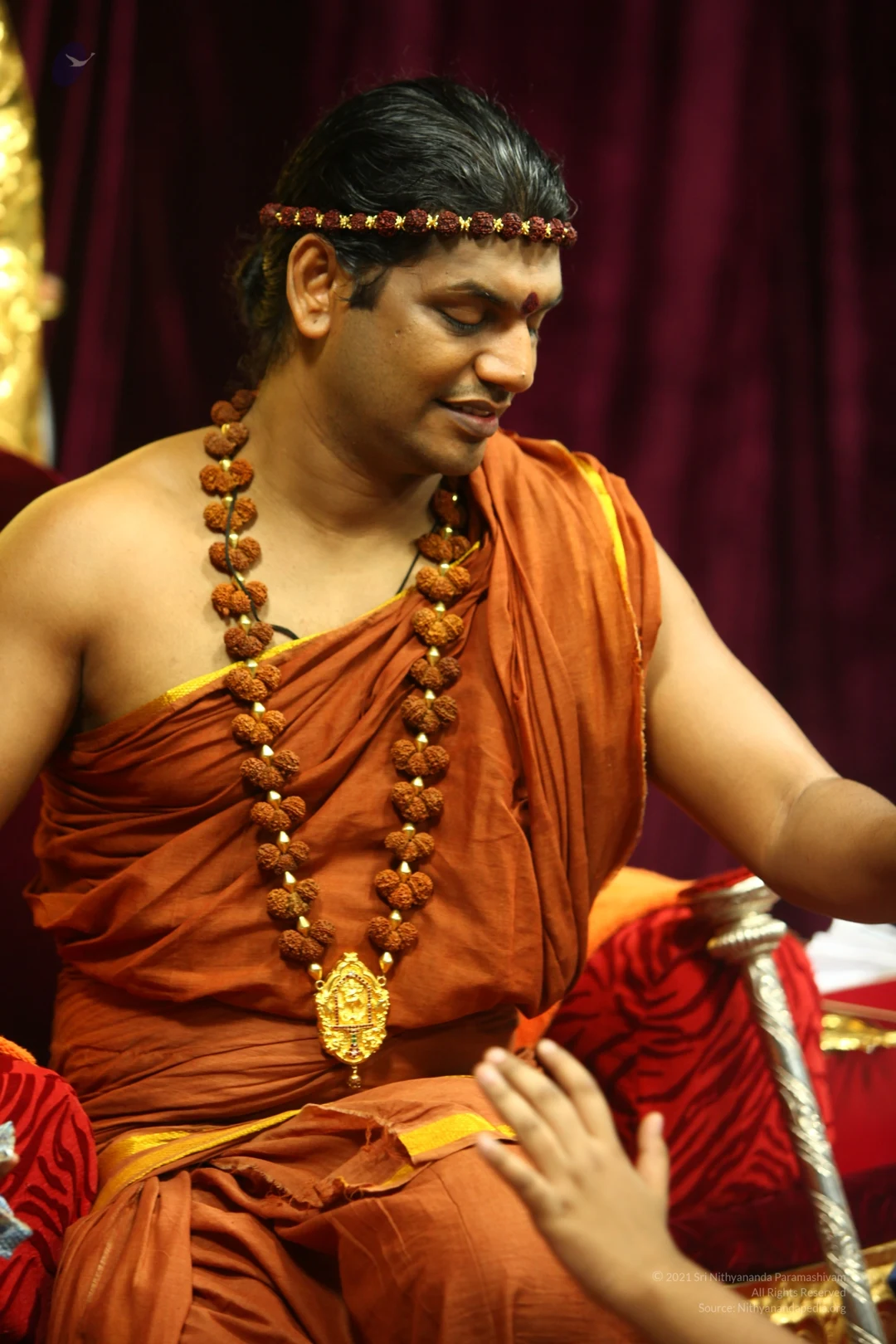
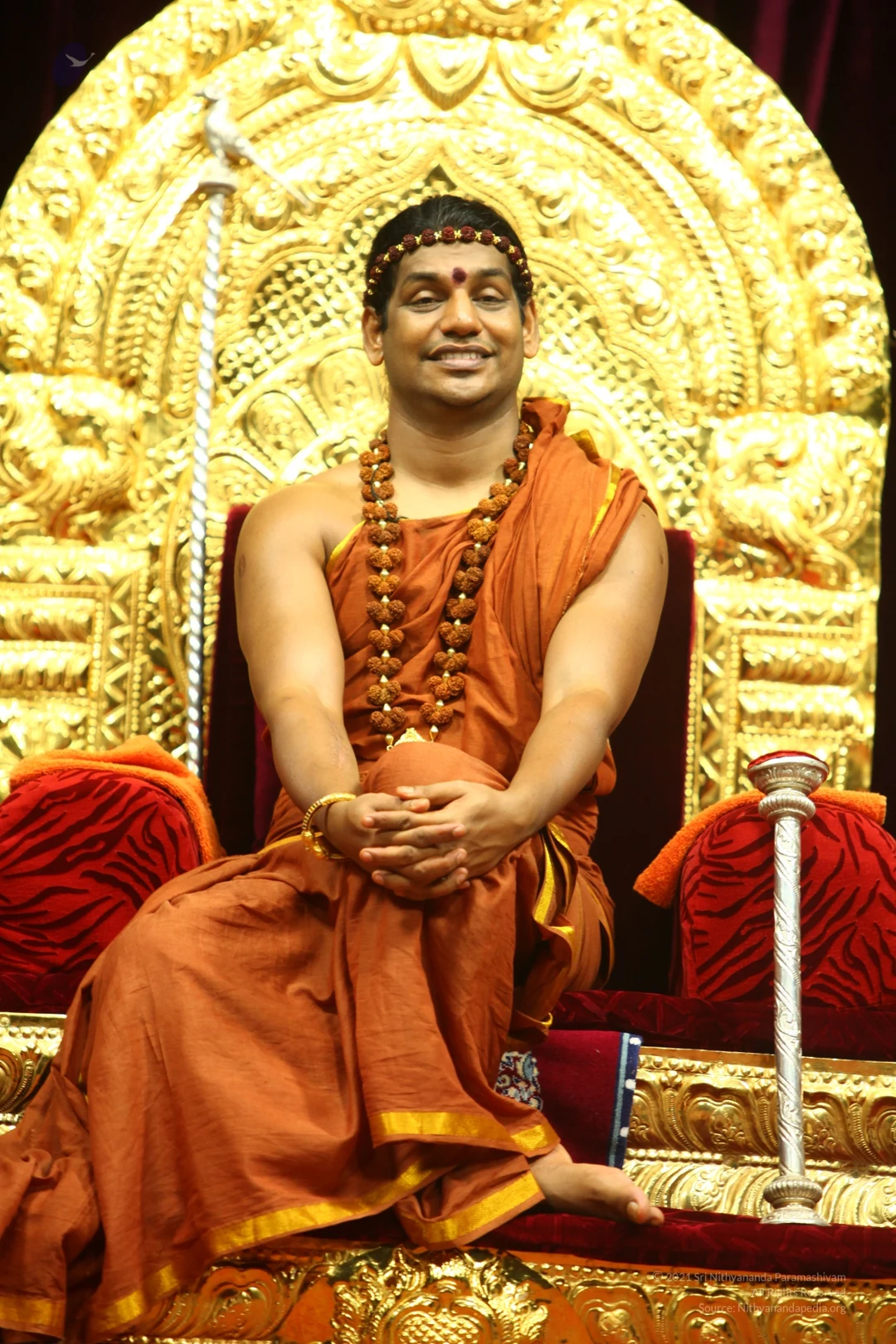
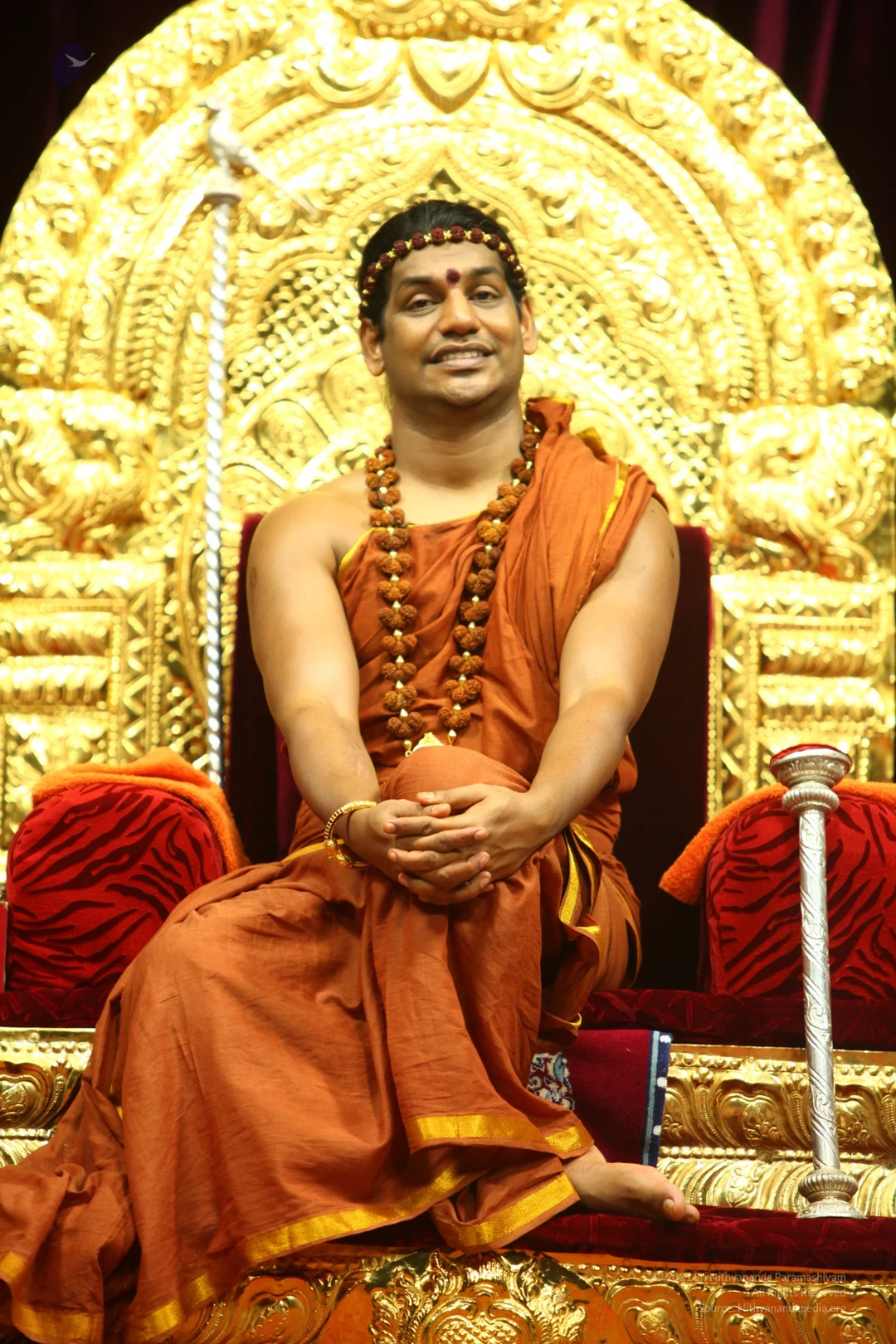
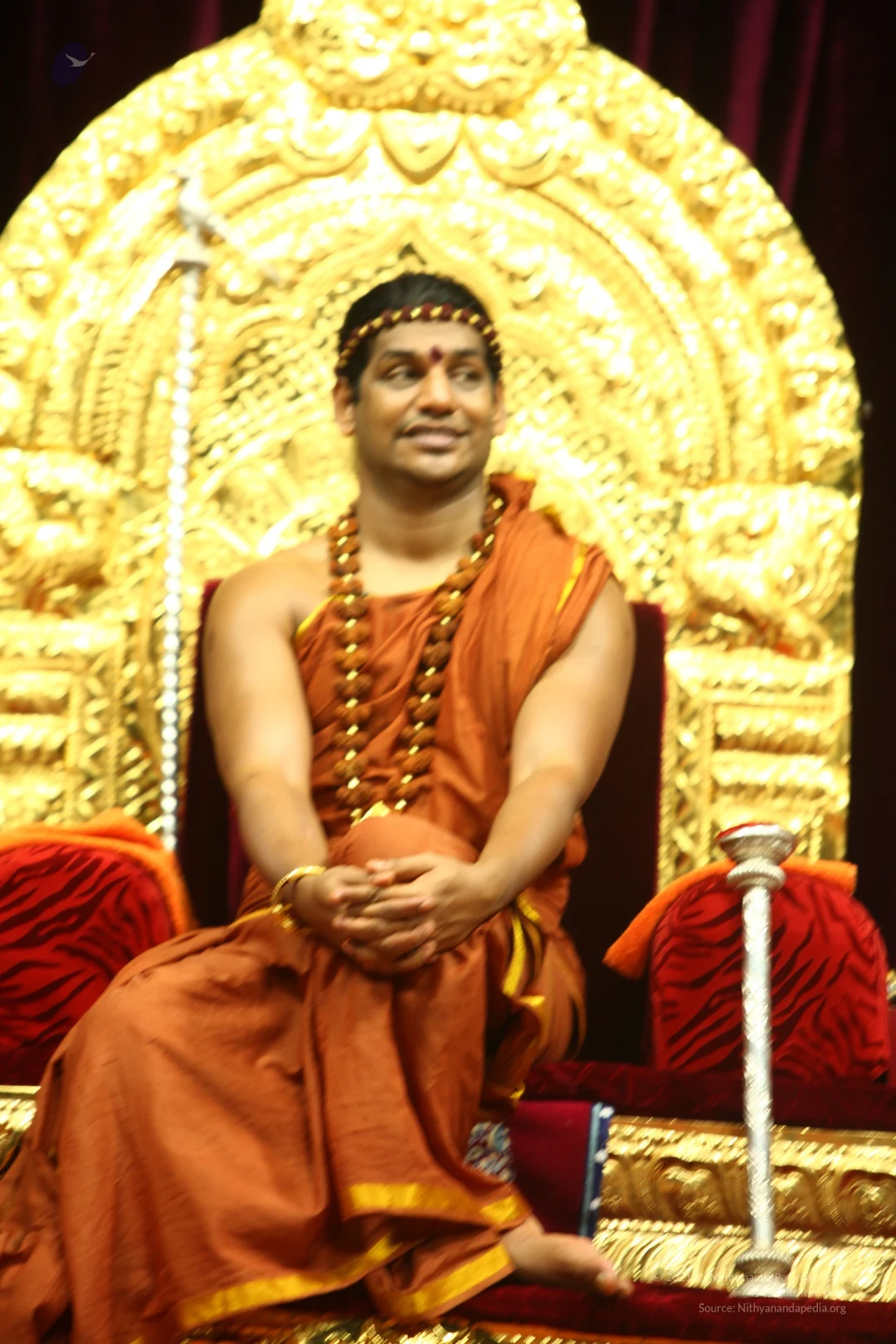
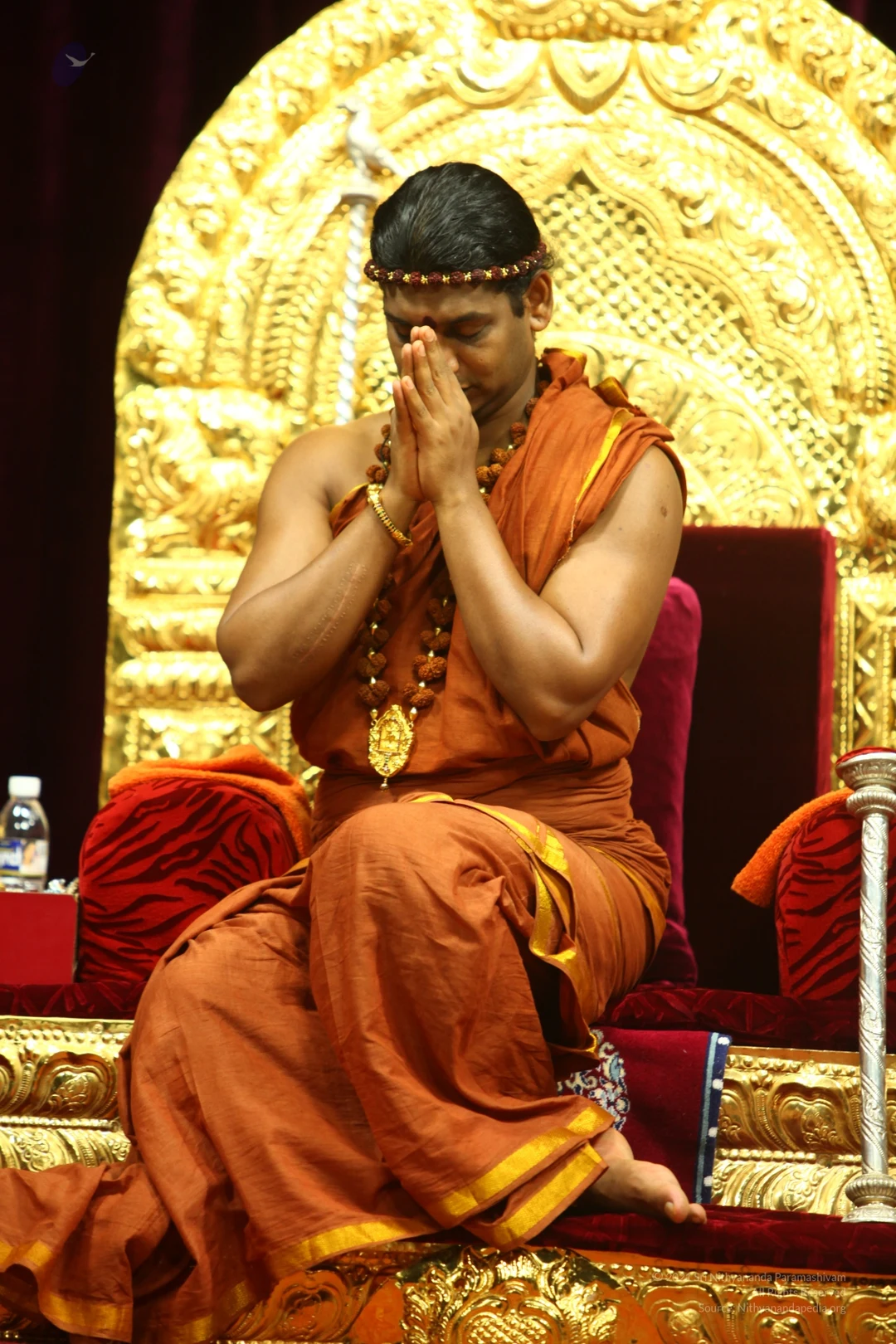
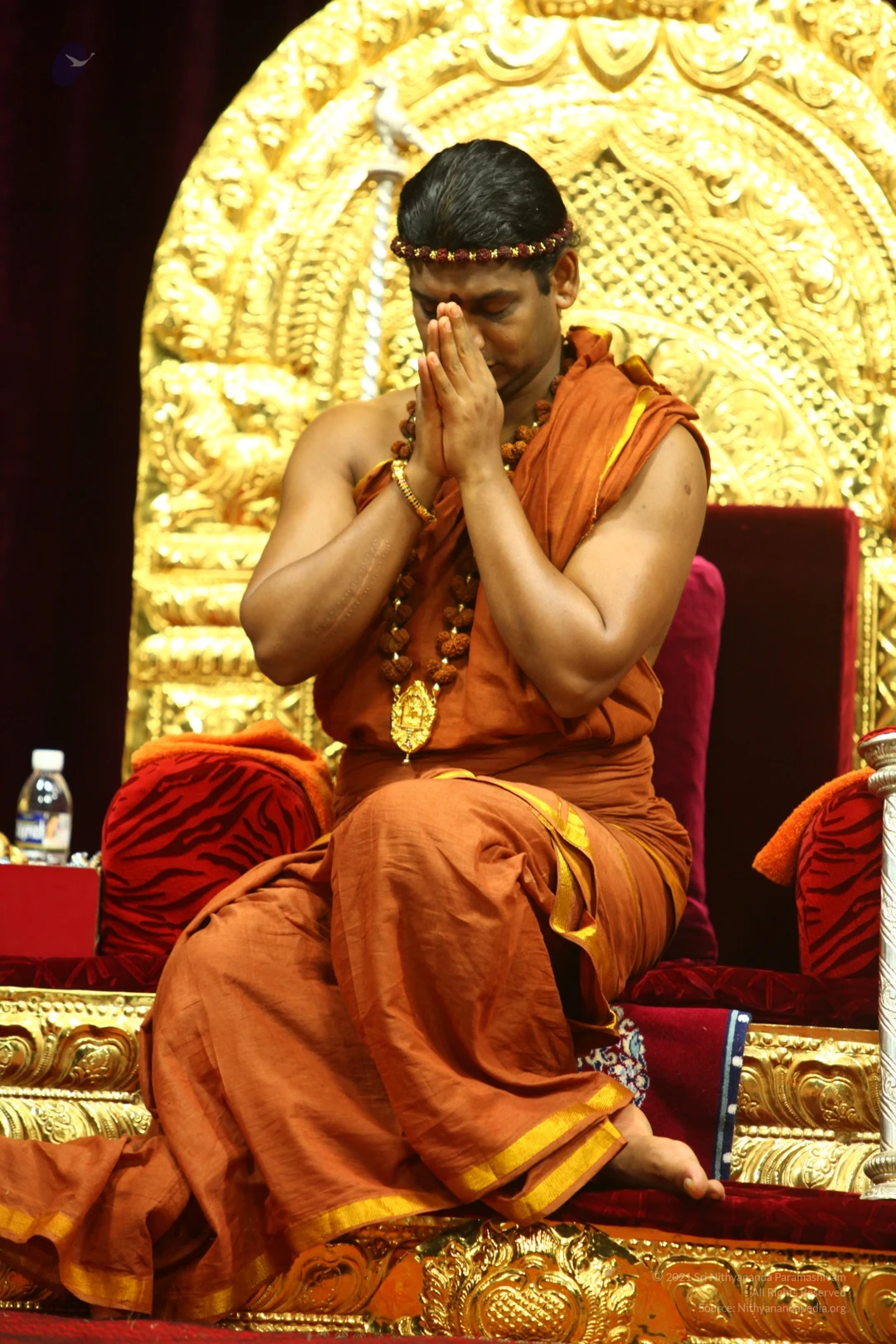
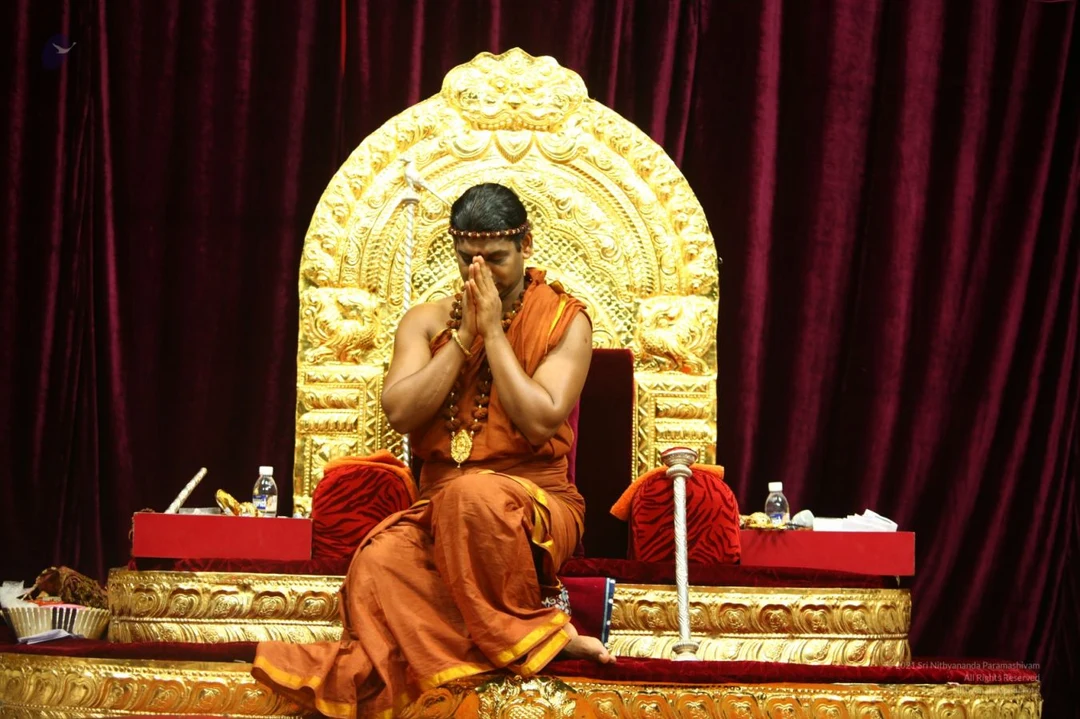
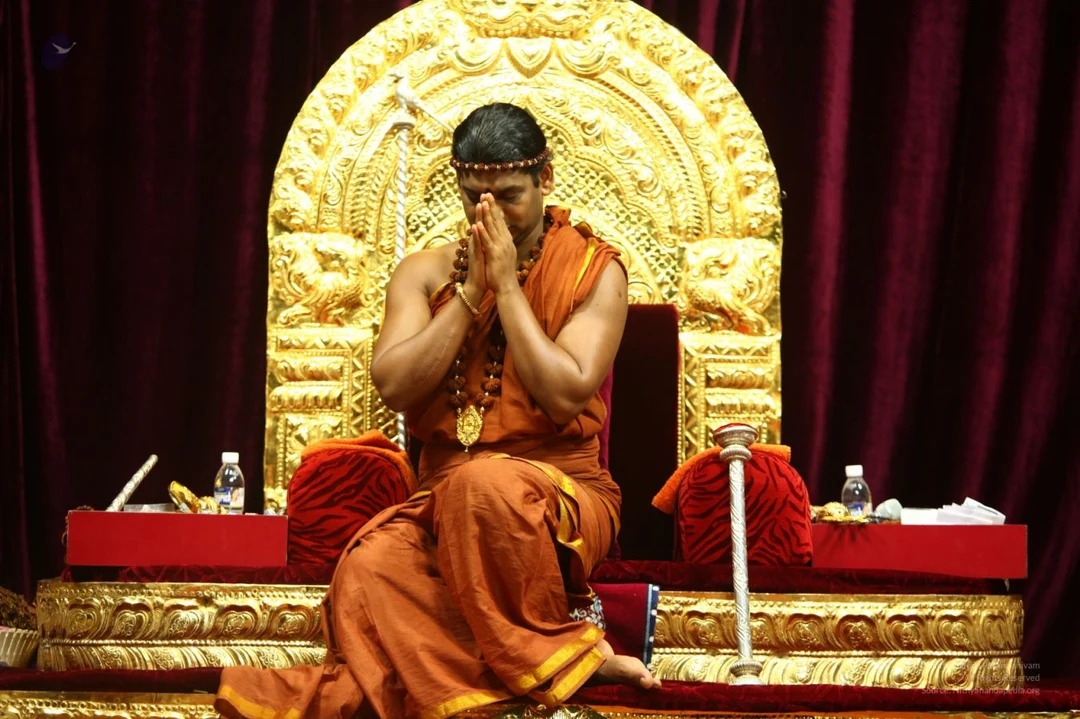
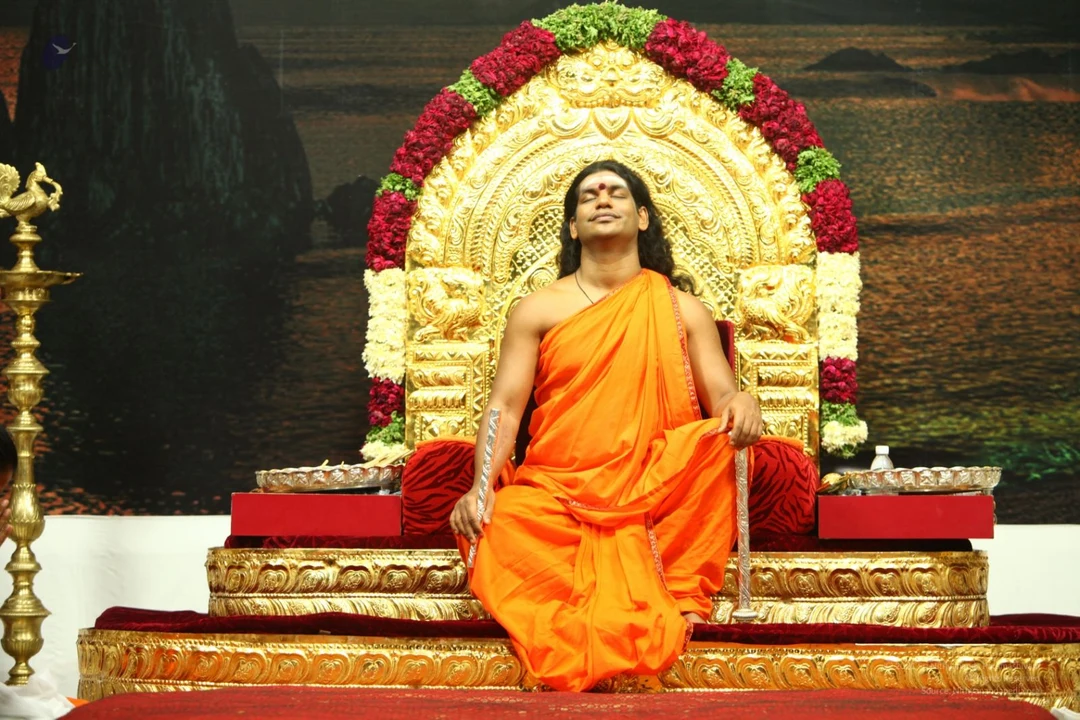
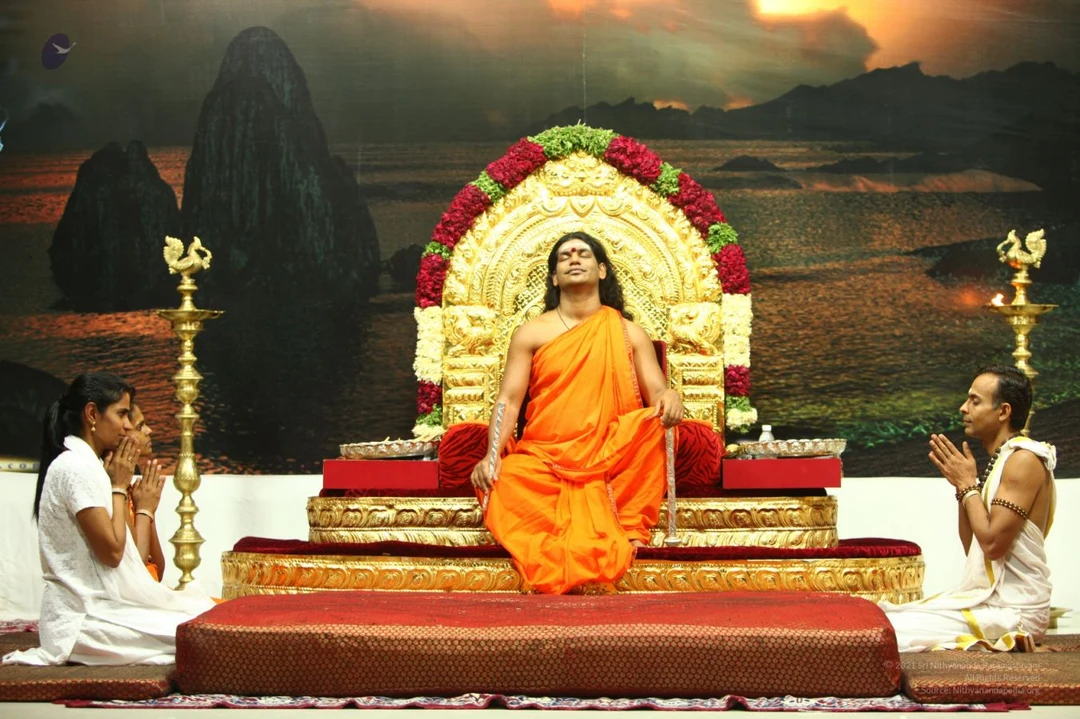
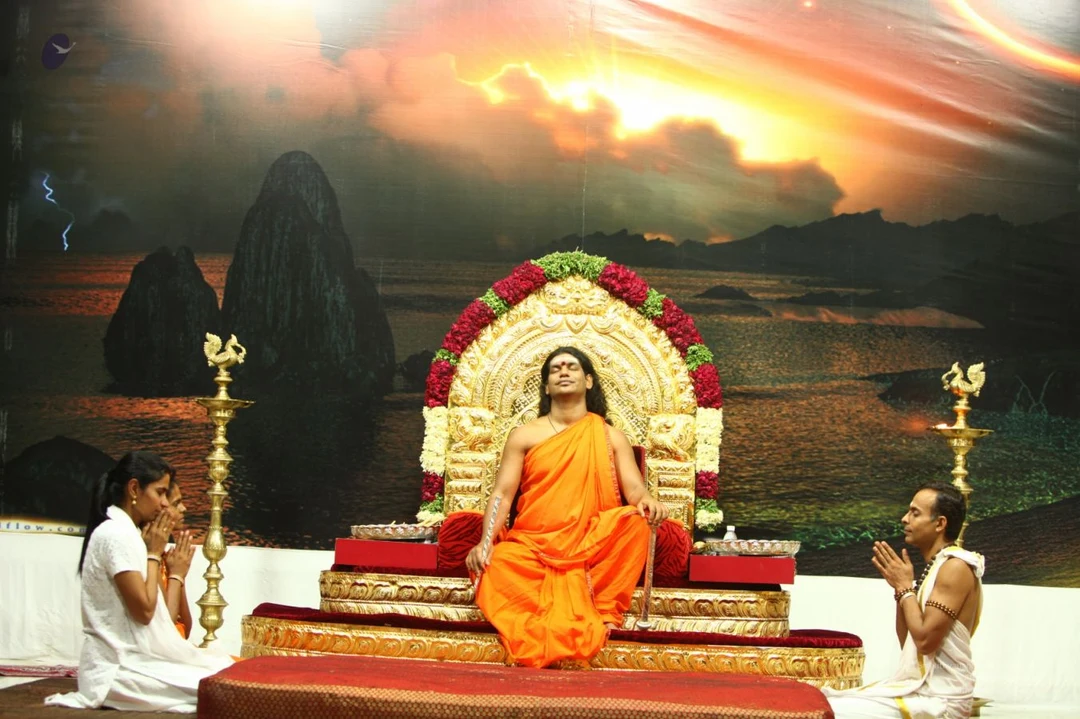
==Photos Of The Day:==
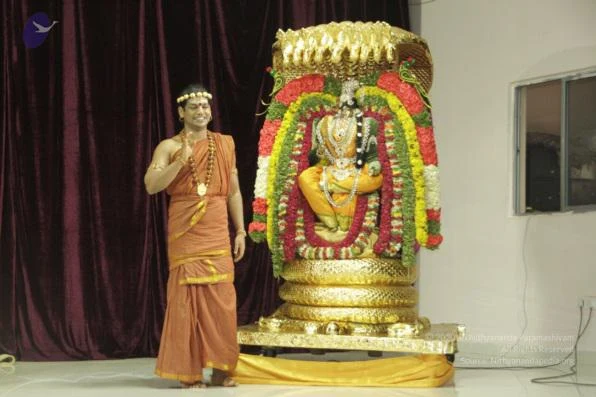
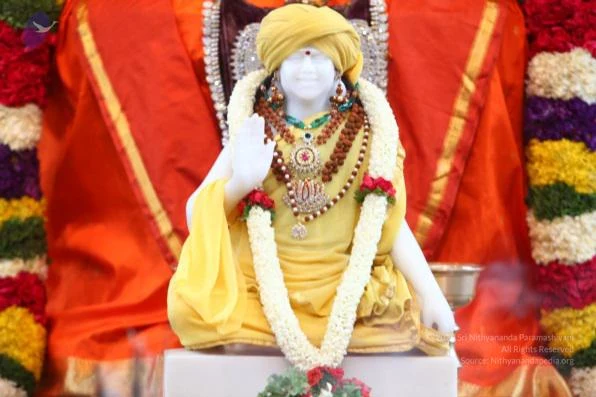
Nithyananda-Coronation
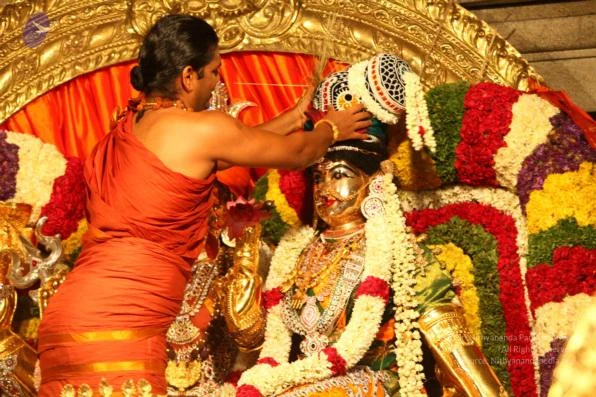
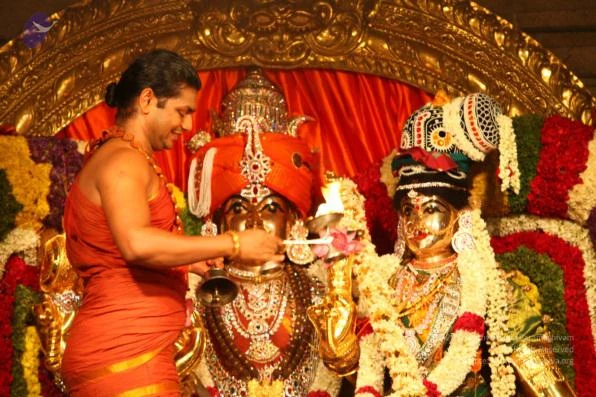
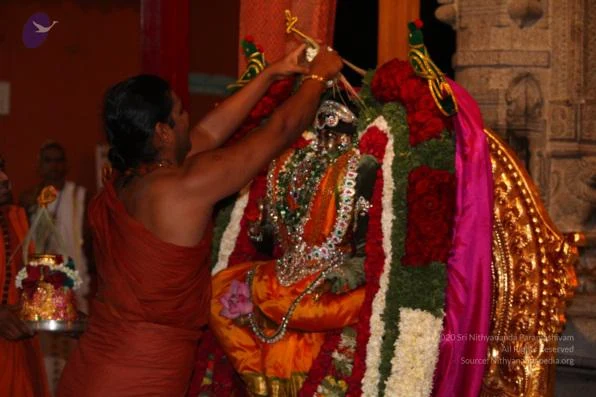
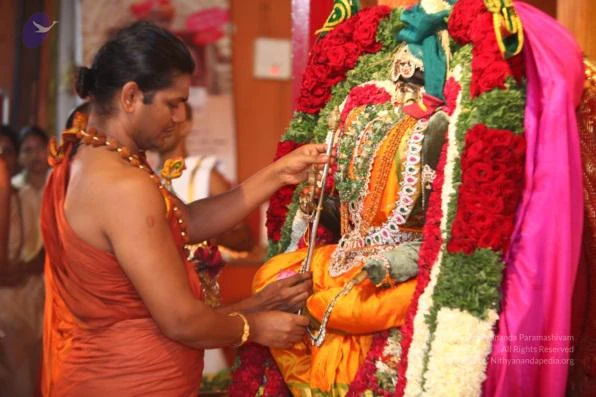
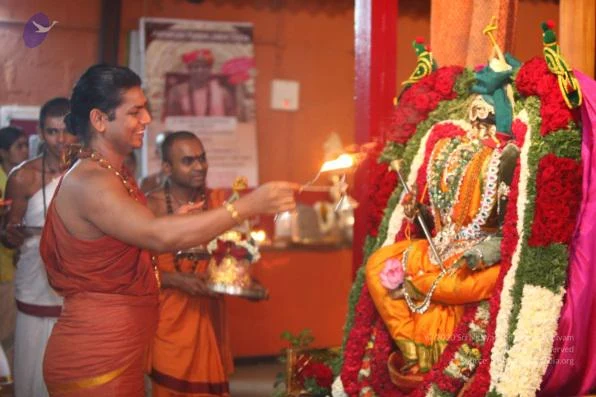
Nithyananda-Temple
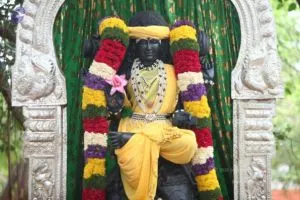
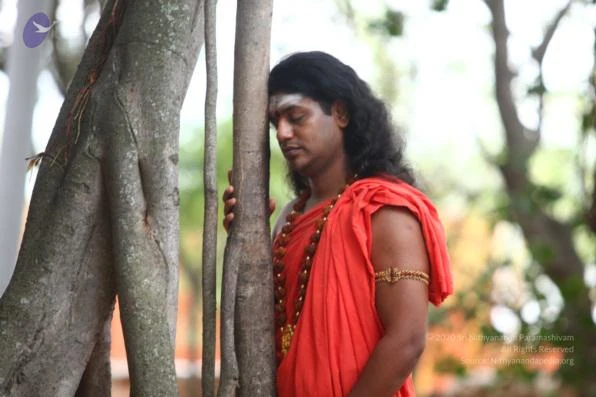
Nithyananda-Pada-Puja
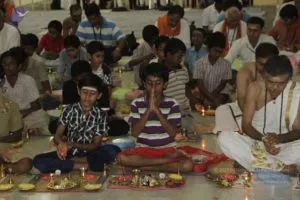
Nithyananda-Satsang
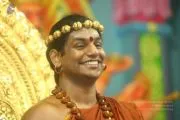
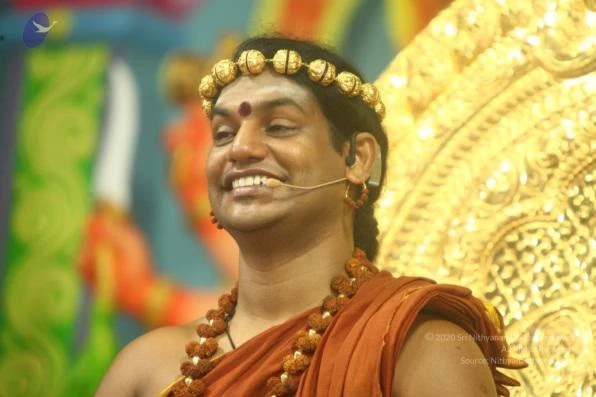
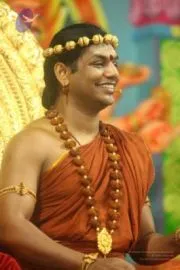
Nithyananda-Sarva-Darshan
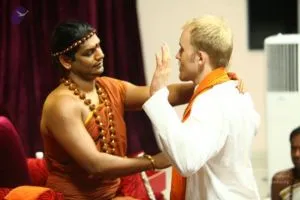
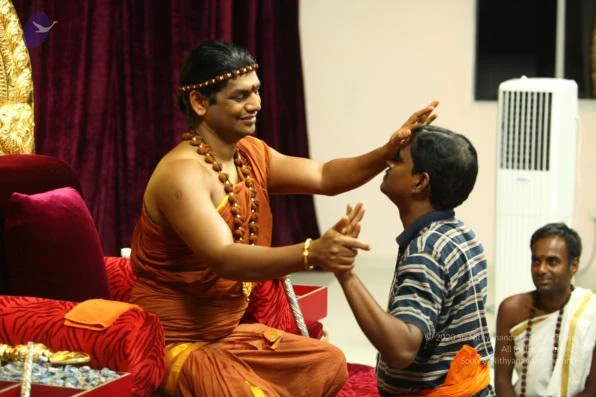
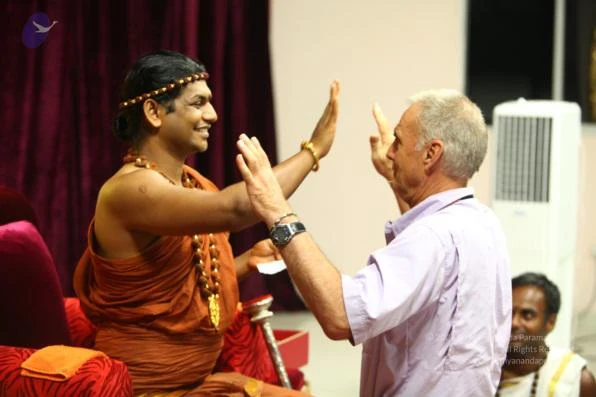
Nithyananda-Inner-Awakening
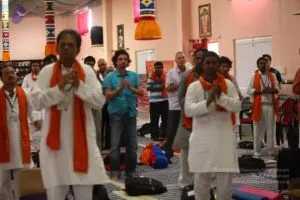
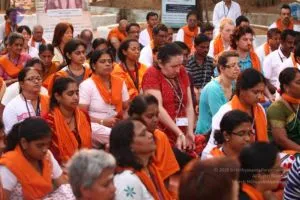
Nithyananda-Homa
01-DARSHAN
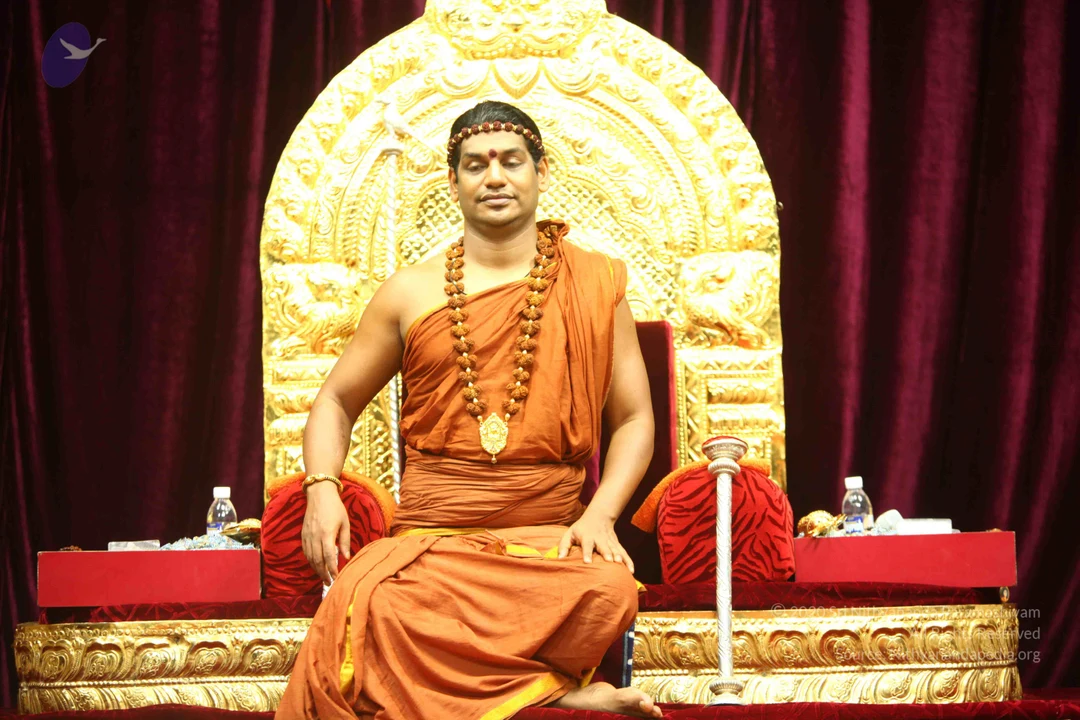
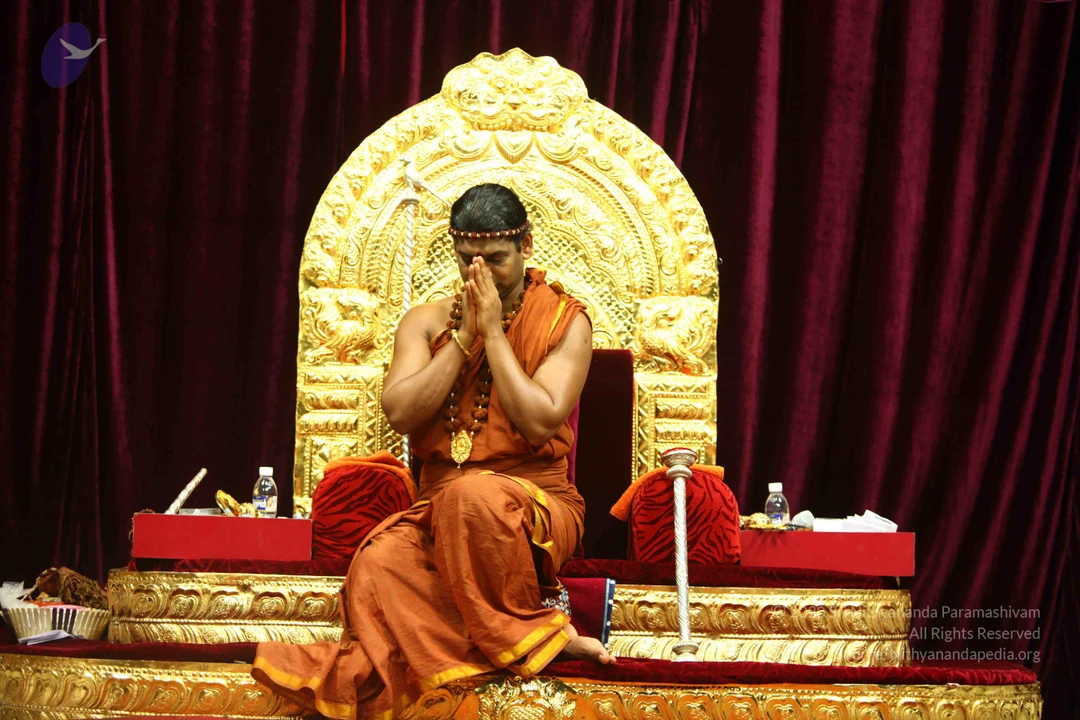
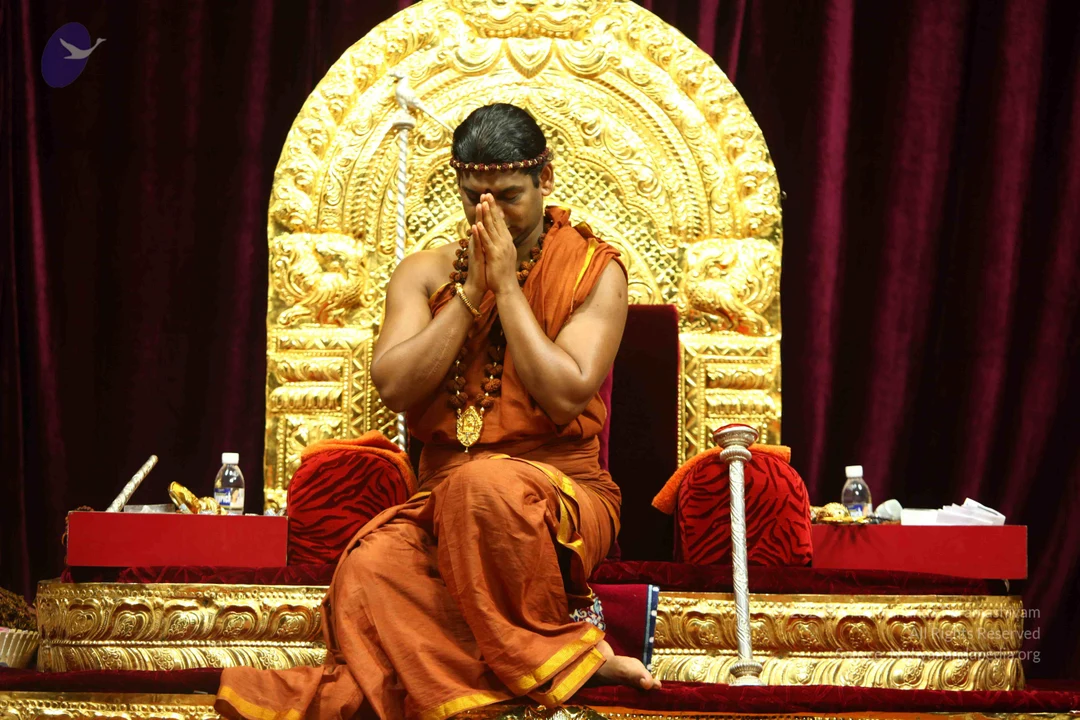
Photos from this day
View all 714 photosTemple Visit
73 photosSource gallery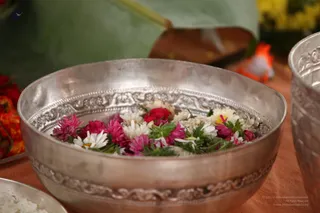
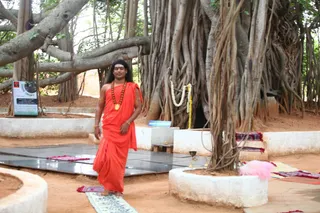
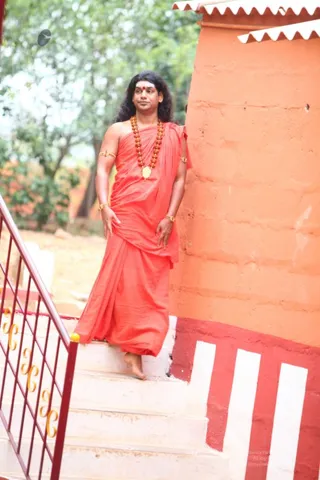
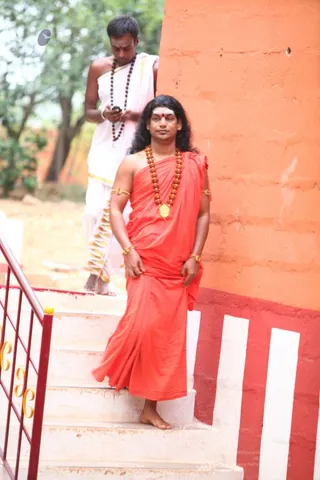
Nithya Satsang
35 photosSource gallery
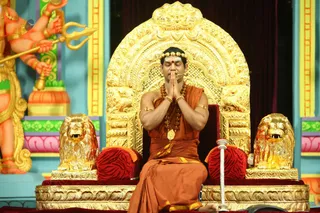
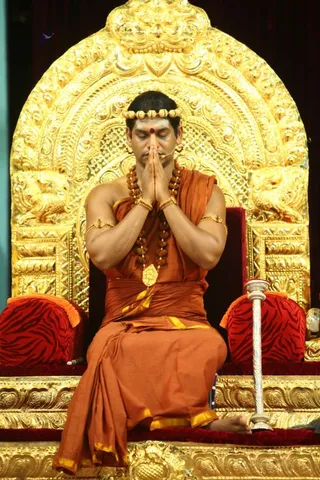
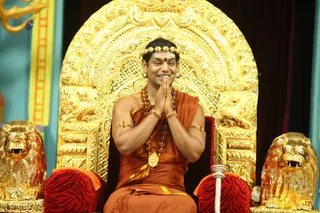
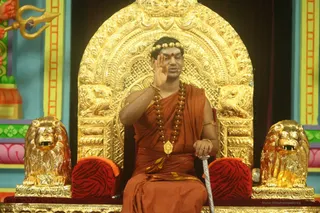
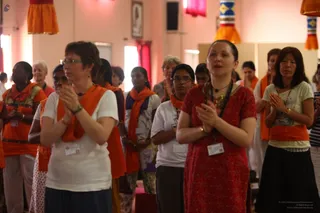
Inner Awakening Session
26 photosSource gallery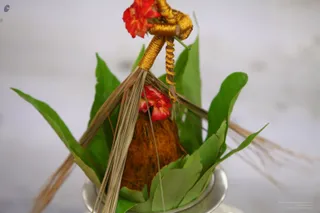
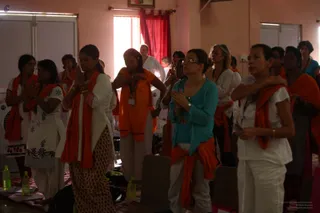
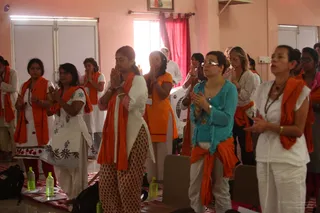
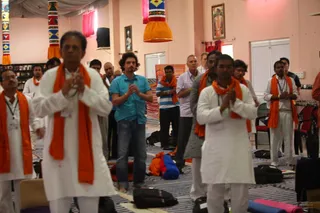
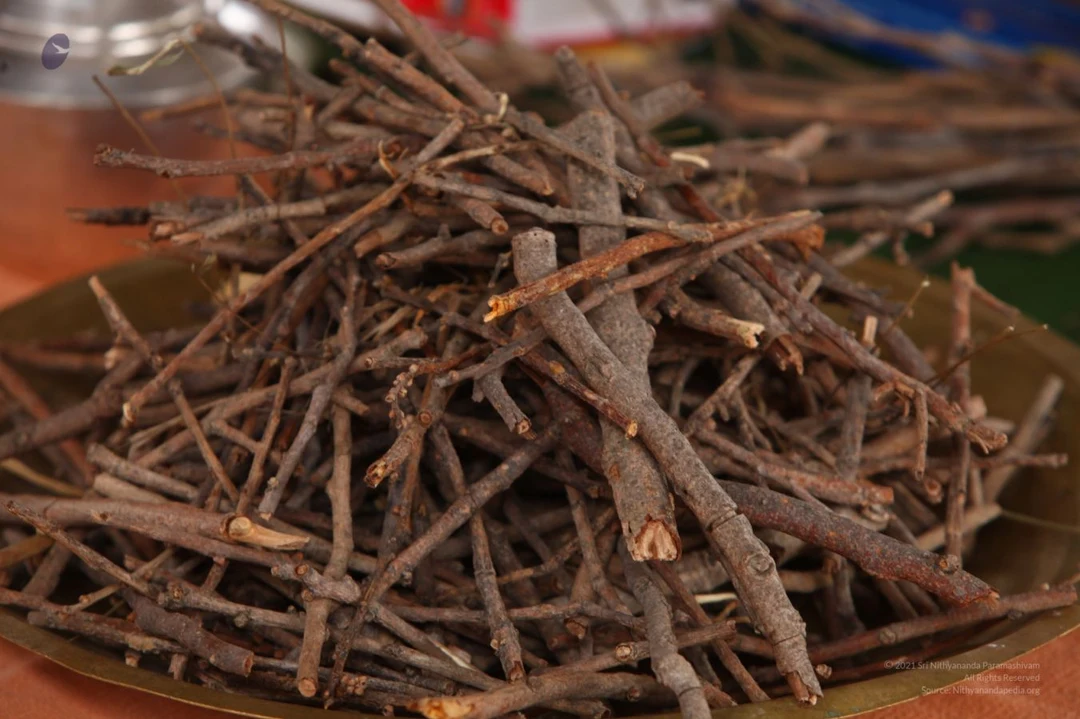
Homa
75 photosSource gallery
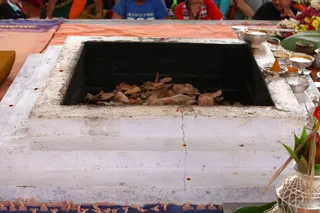
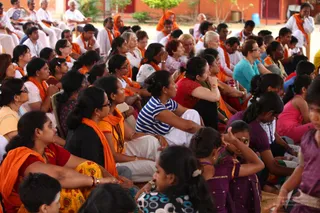
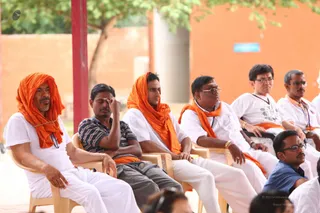
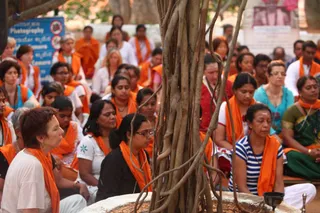
Banyan Tree Session
45 photosSource gallery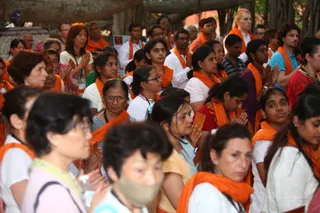
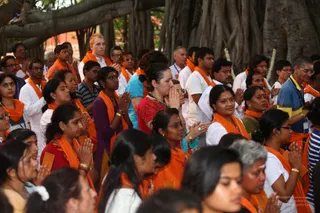
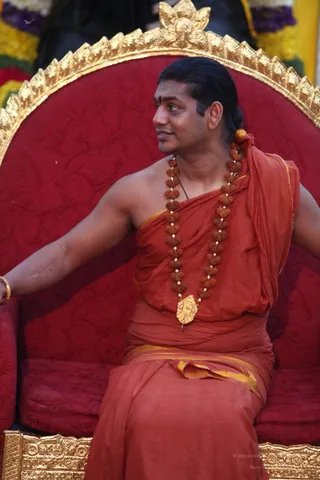
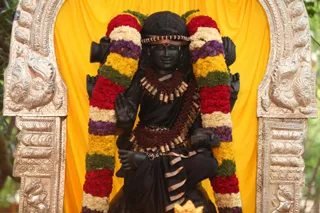
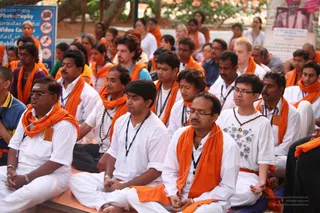
Devi Meenakshi Pattabishekam
181 photosSource gallery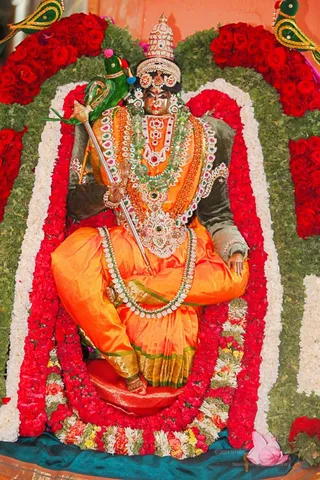
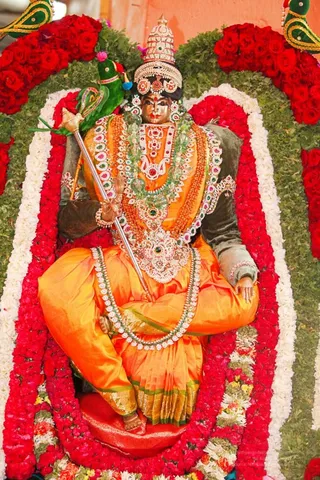
Inner Awakening Darshan
46 photosSource gallery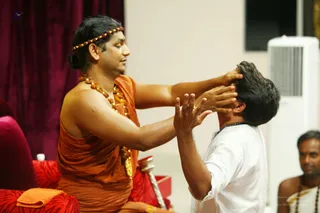
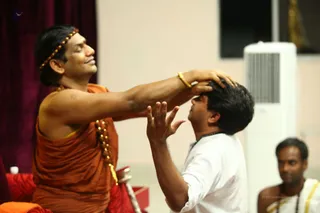
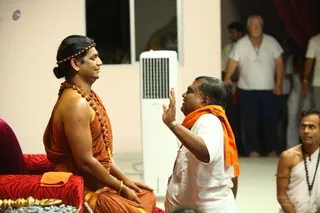
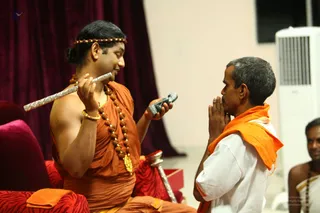
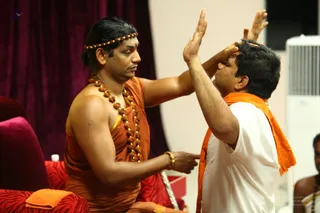
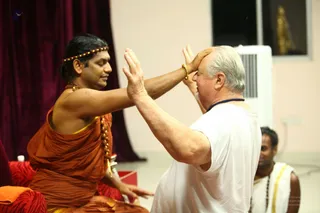
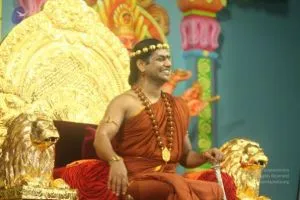
Nithyananda-Coronation
4 photosSource gallery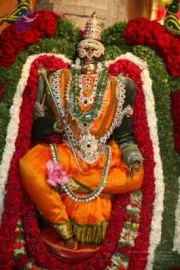
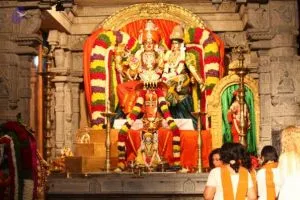
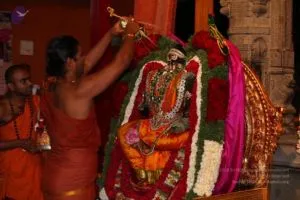
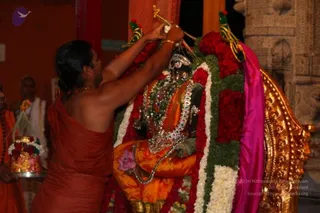
Nithyananda-Temple
5 photosSource gallery
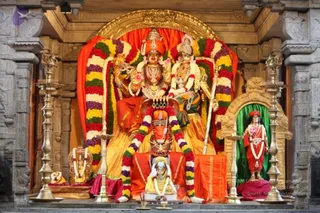
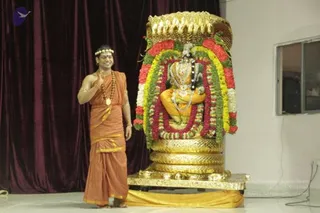
Nithyananda-Pada-Puja
1 photoSource gallery
Nithyananda-Satsang
3 photosSource gallery
Nithyananda-Sarva-Darshan
1 photoSource gallery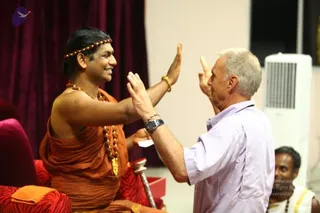
Nithyananda-Inner-Awakening
4 photosSource gallery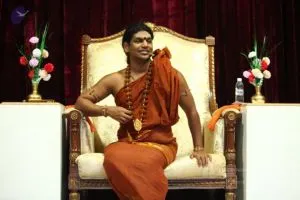
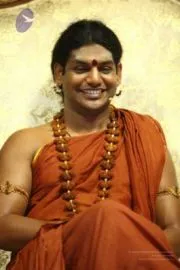
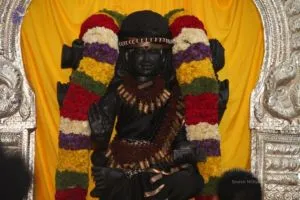
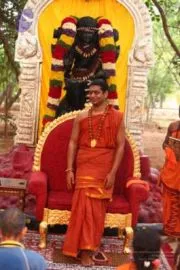
Nithyananda-Homa
2 photosSource gallery