Skip to content
Thursday

14 November 2013

Impossibility is a Crime.

Dated photos
499
Source pages
1
Media
2
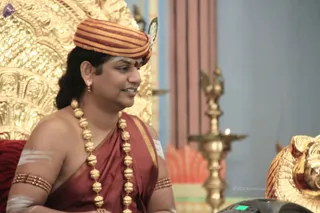
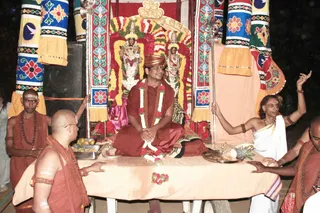
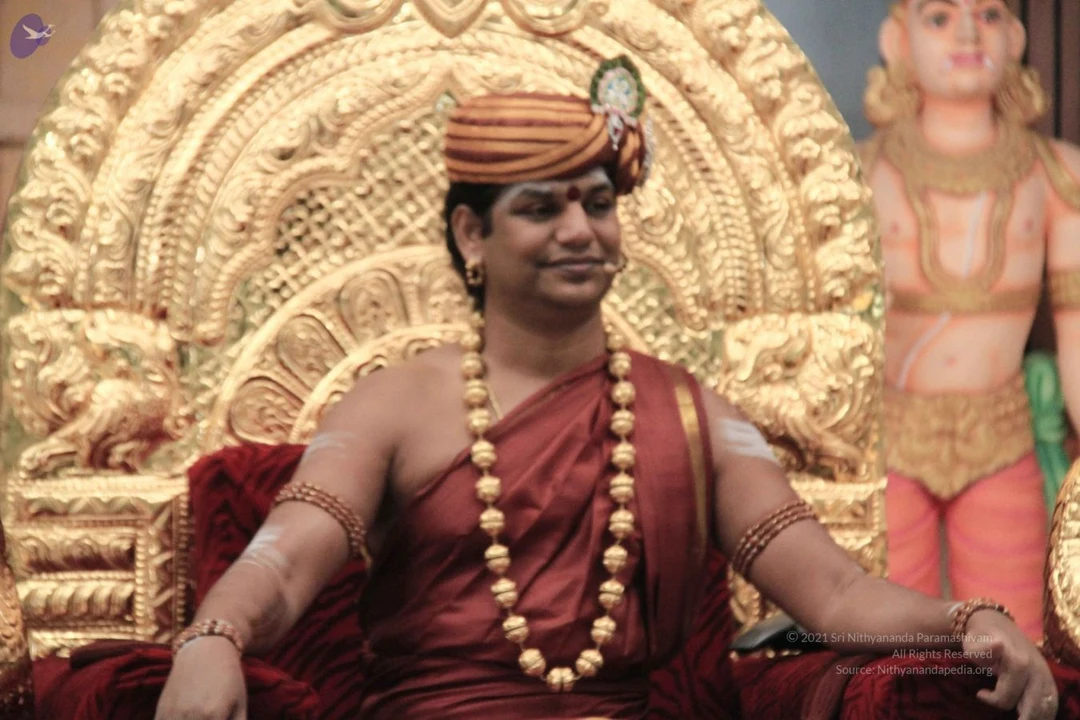
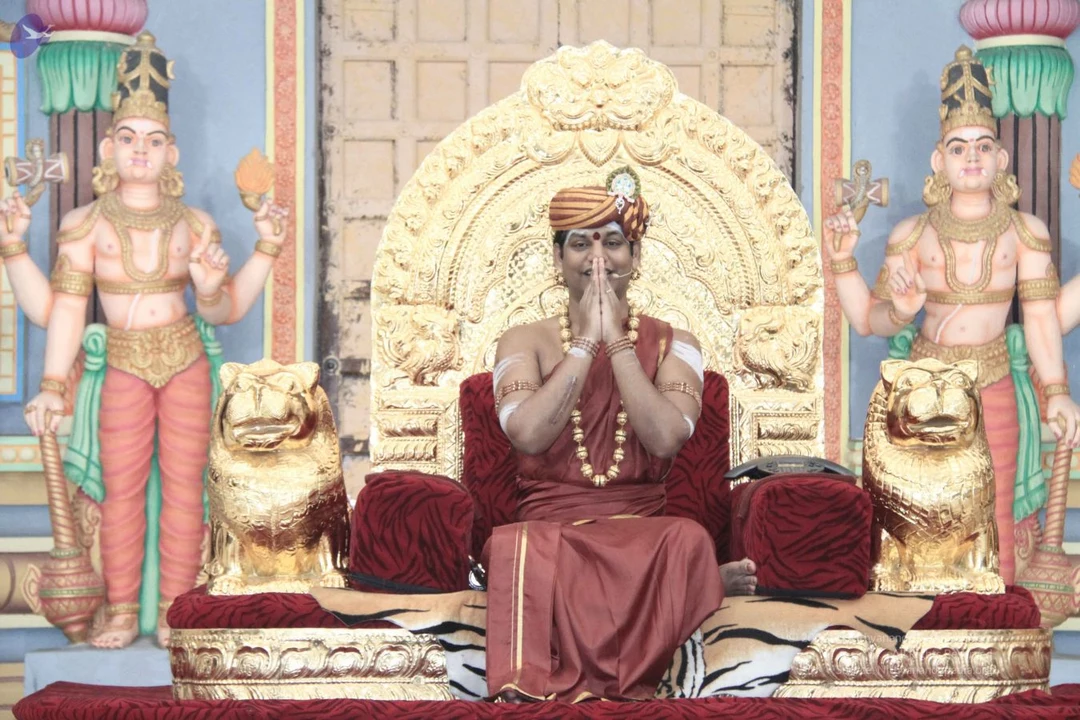
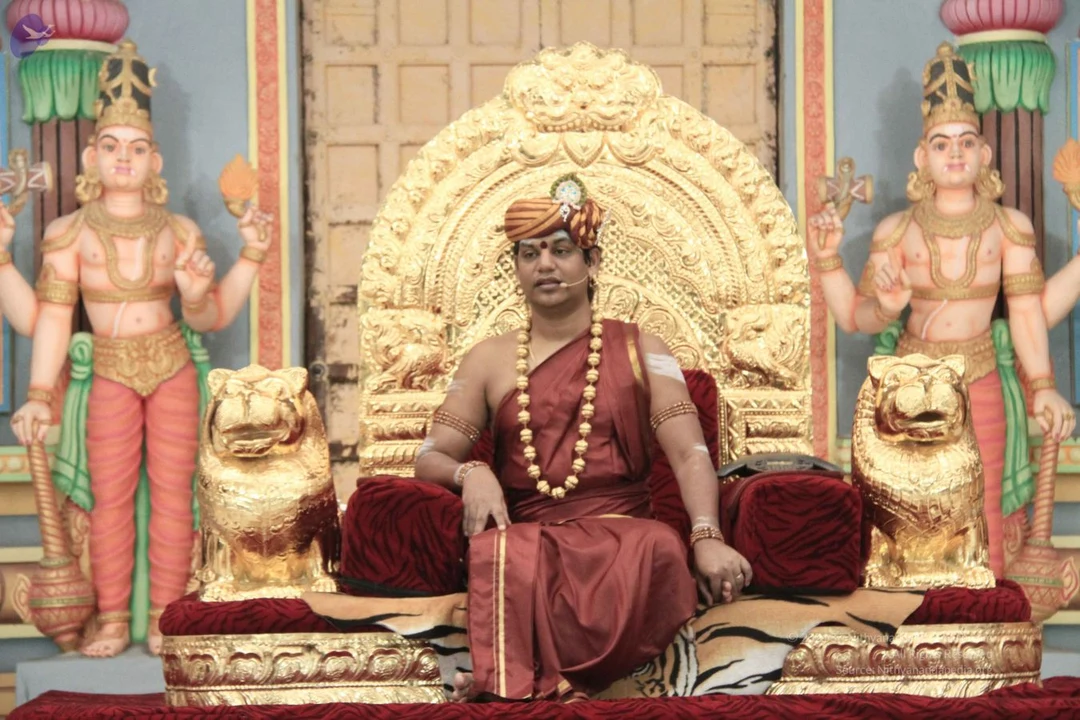
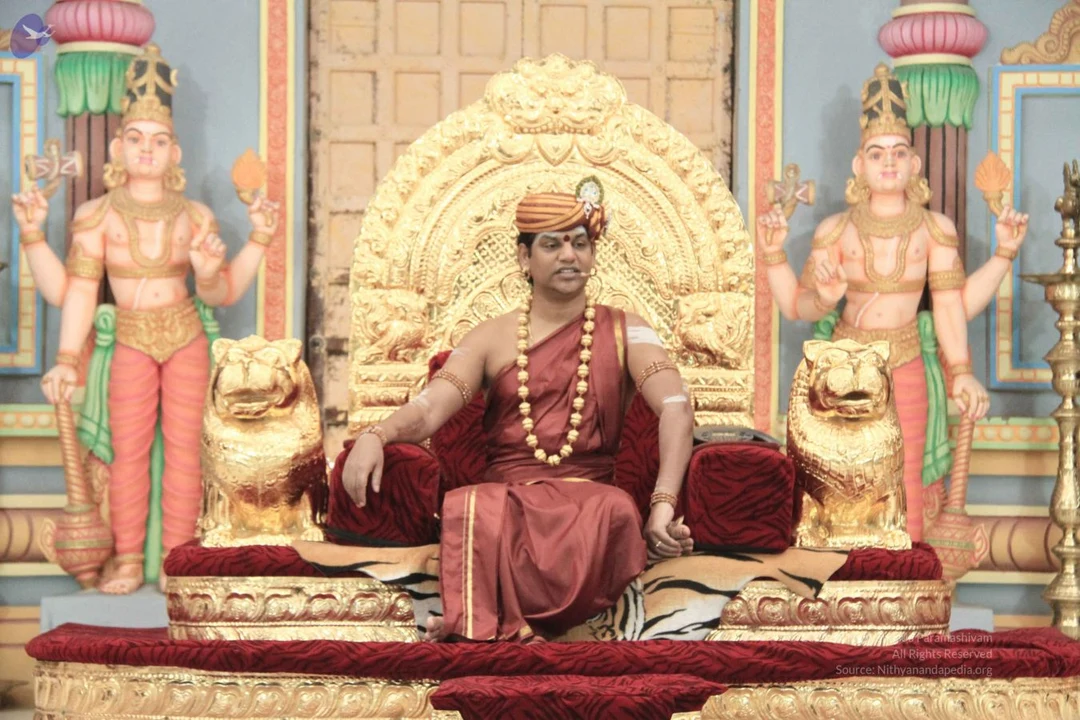
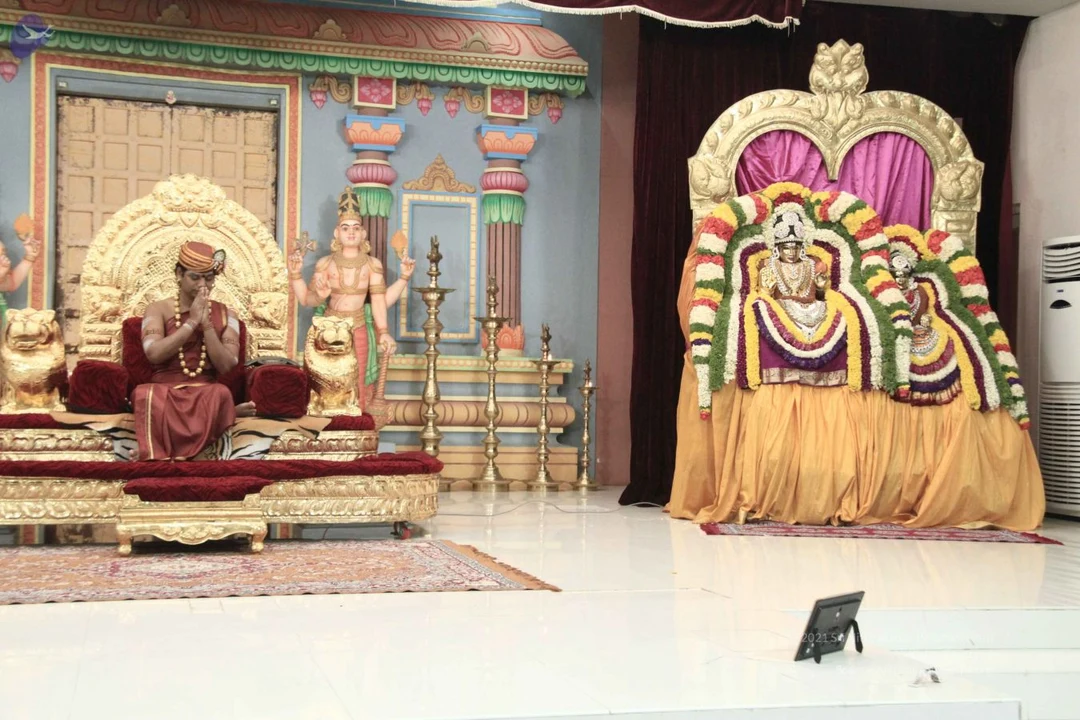
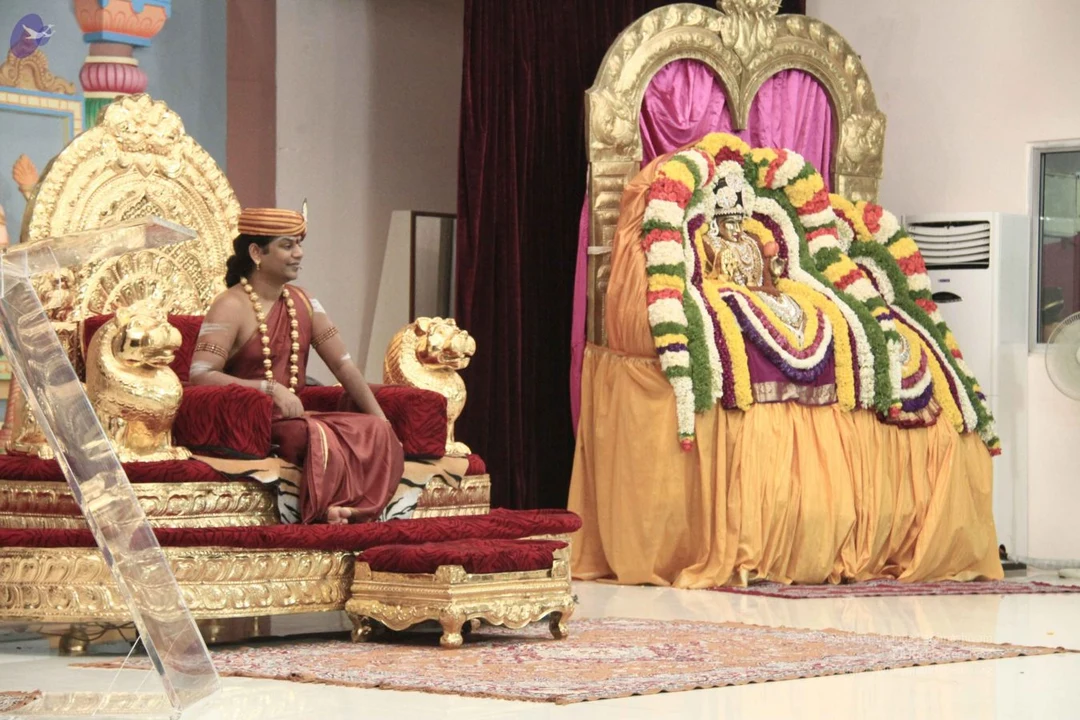
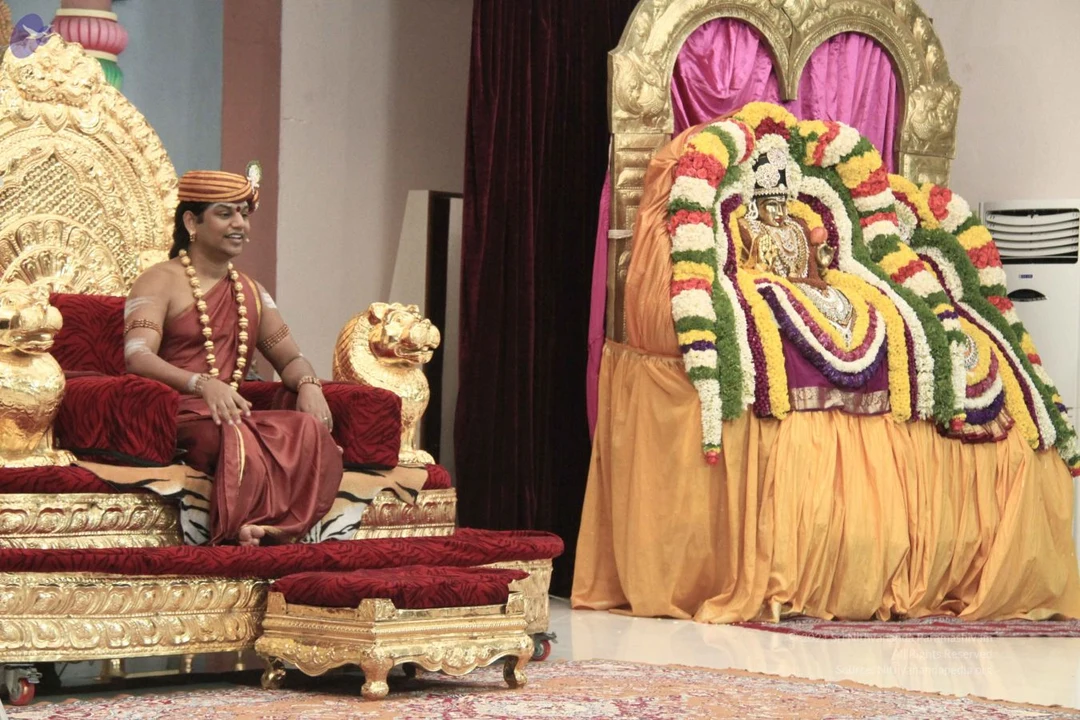
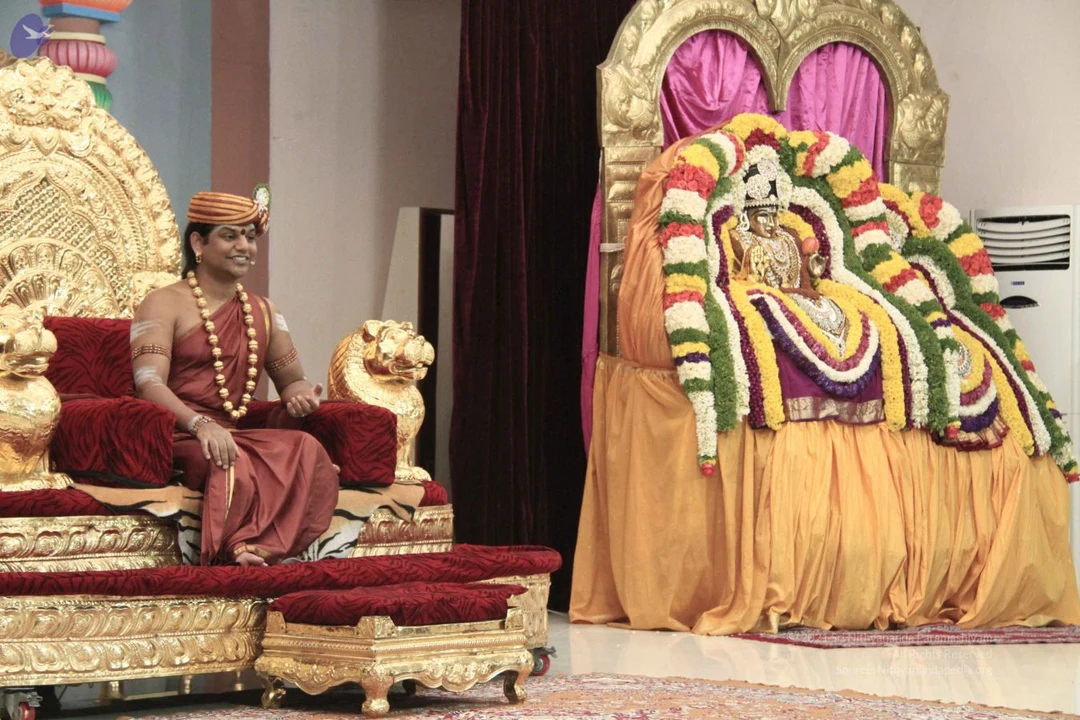
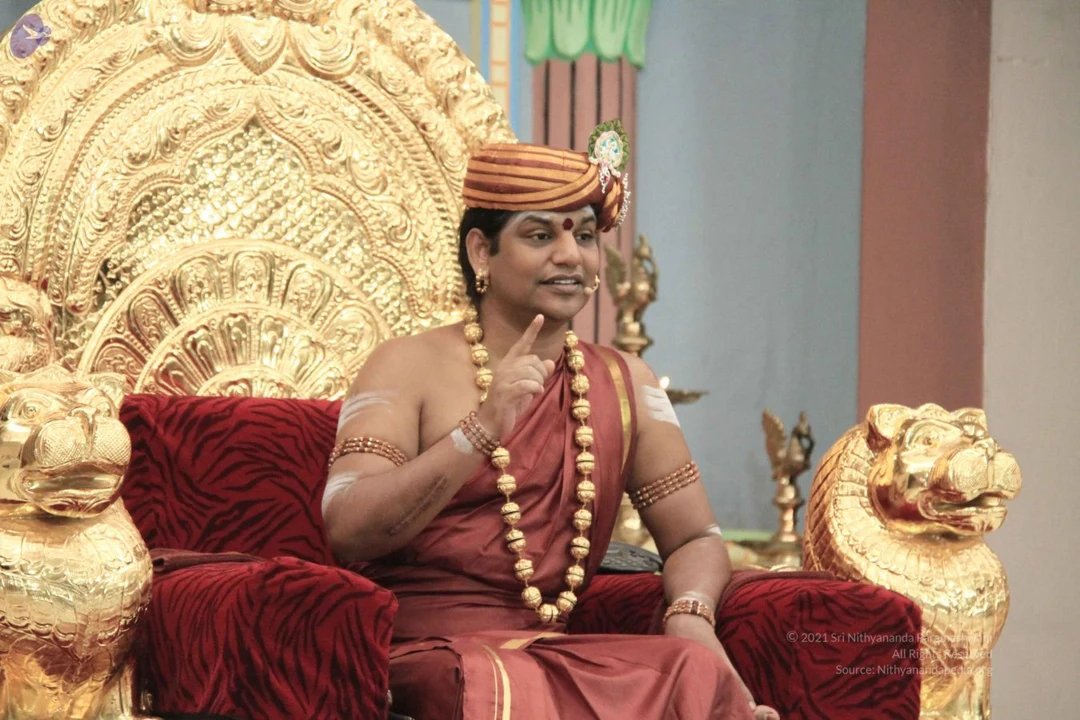
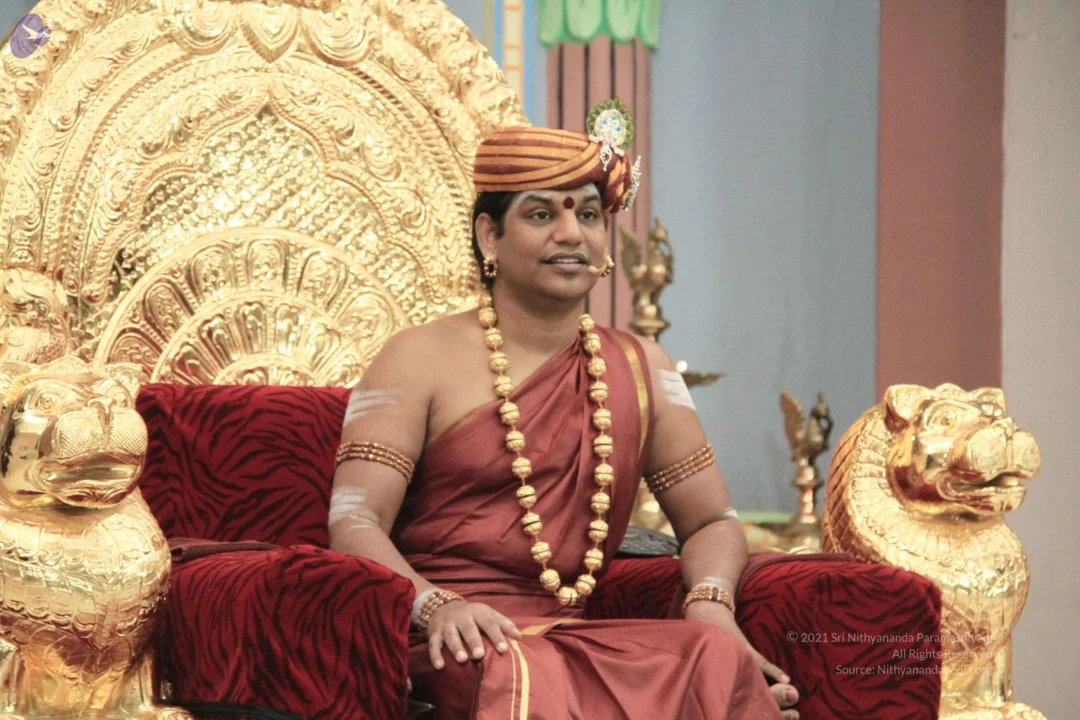
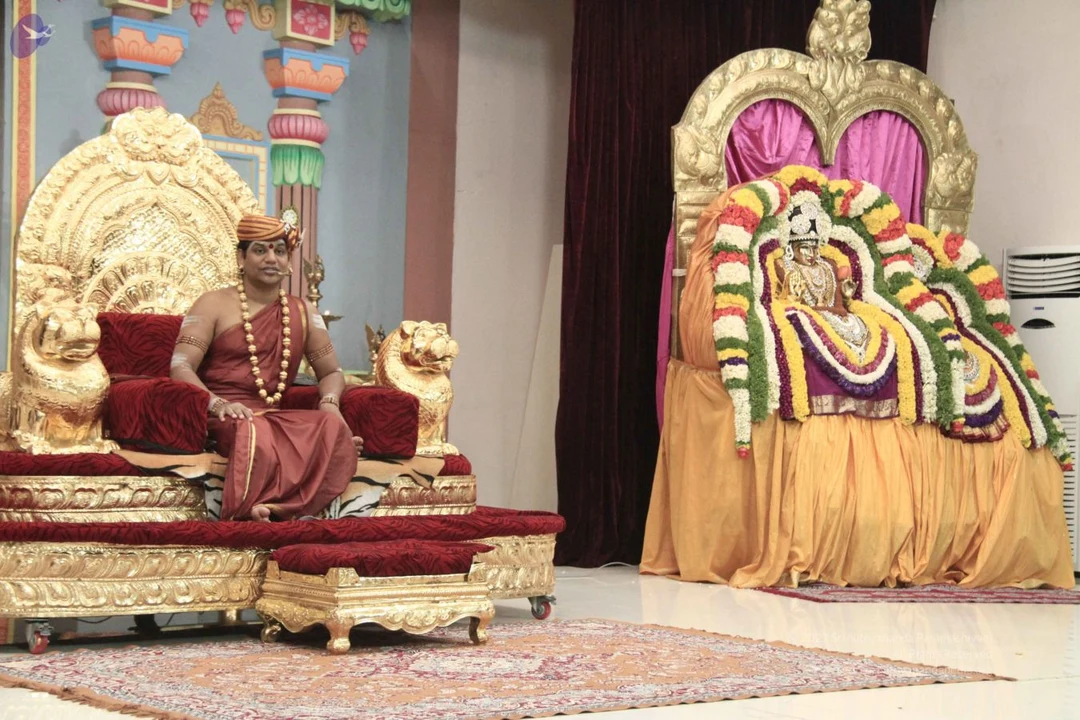
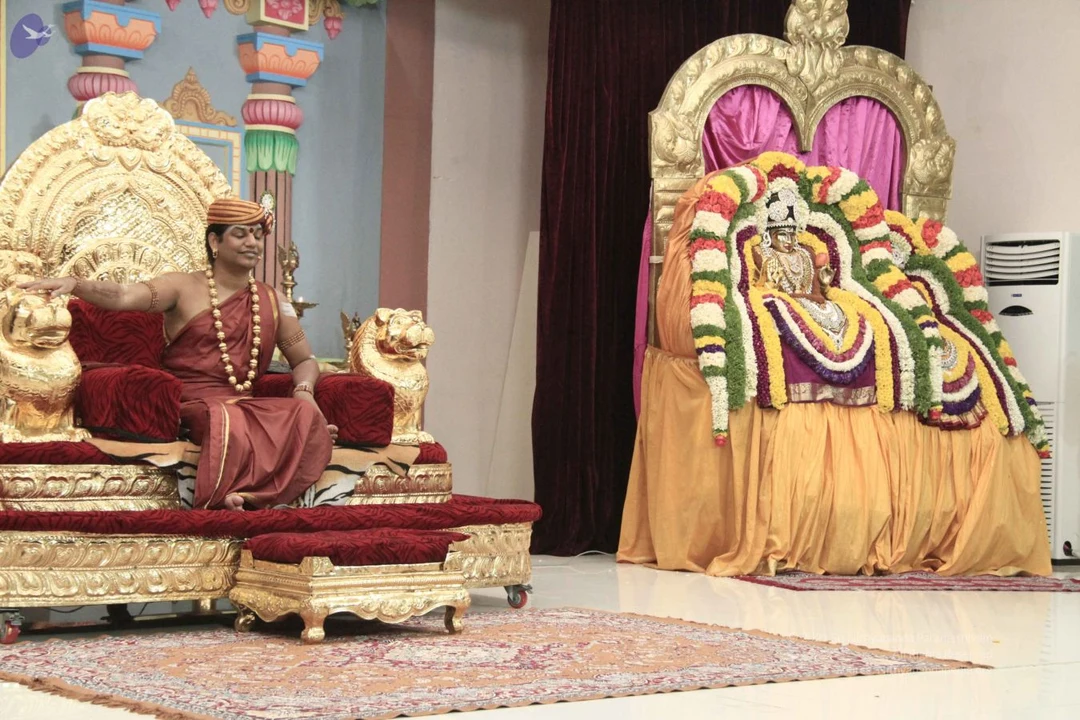
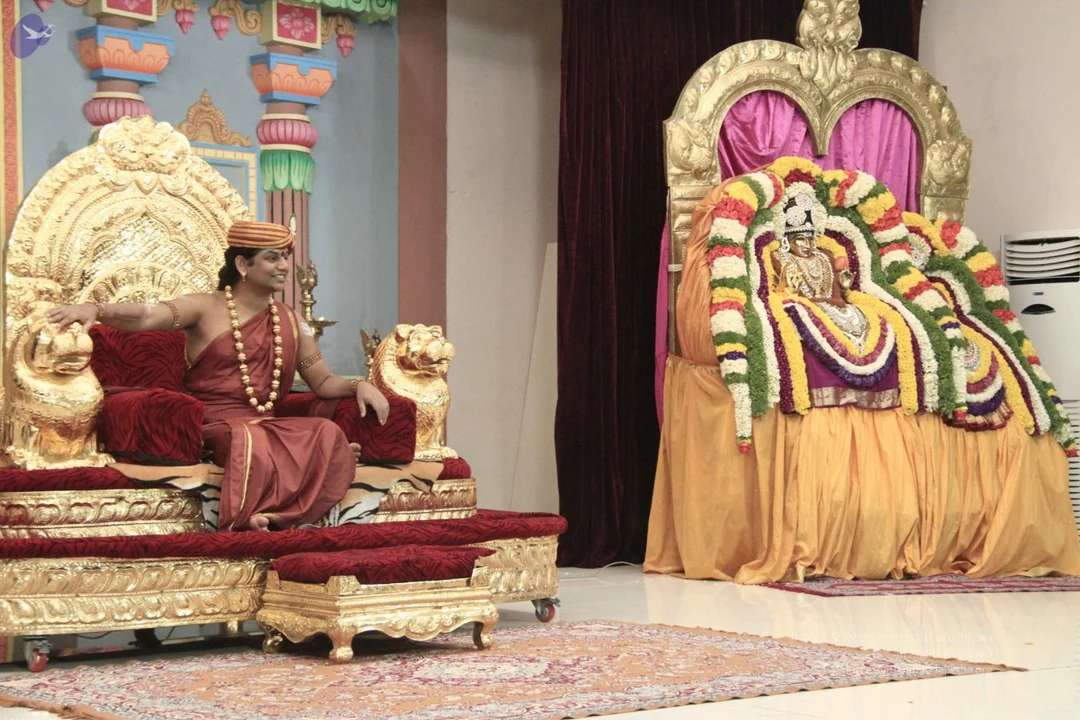
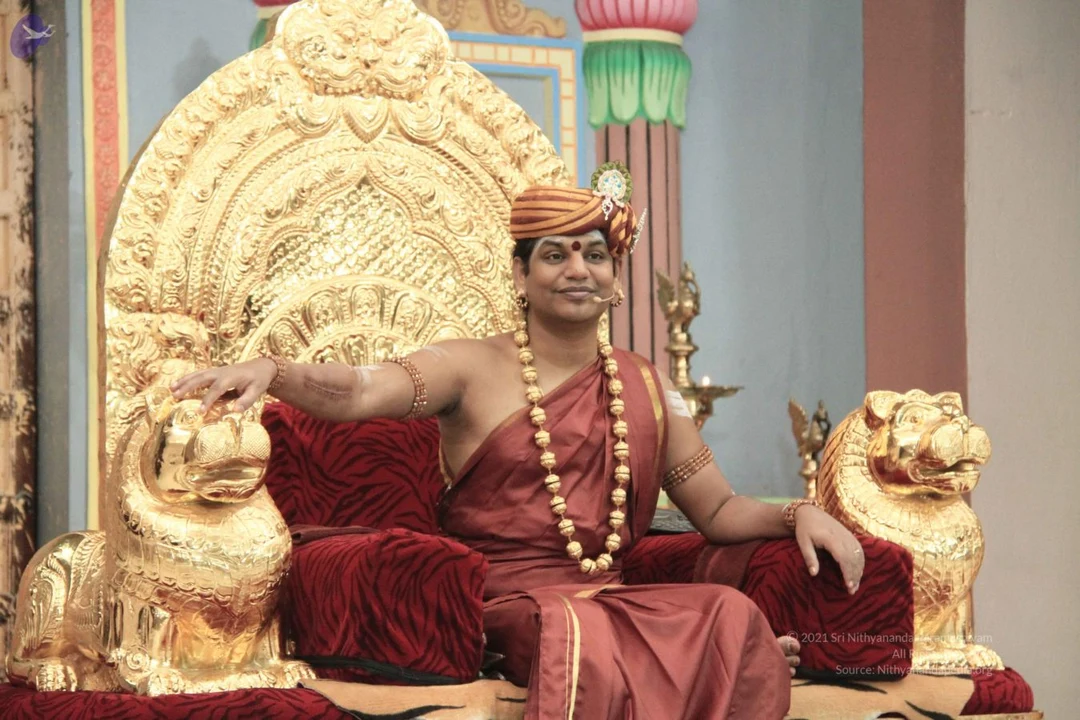
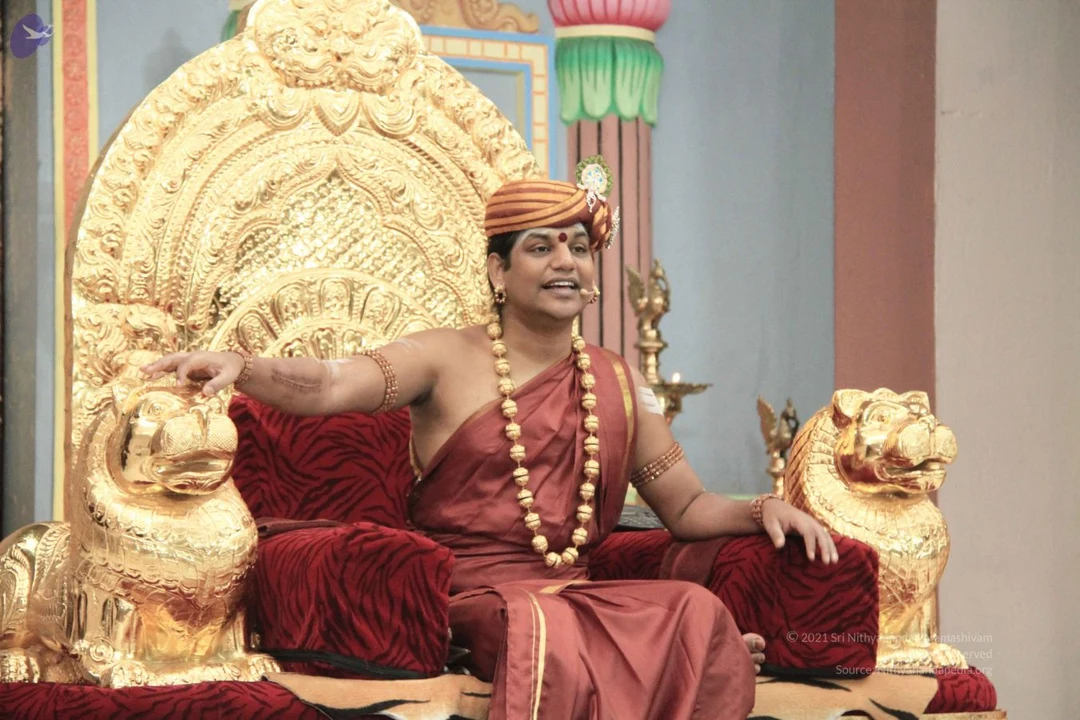
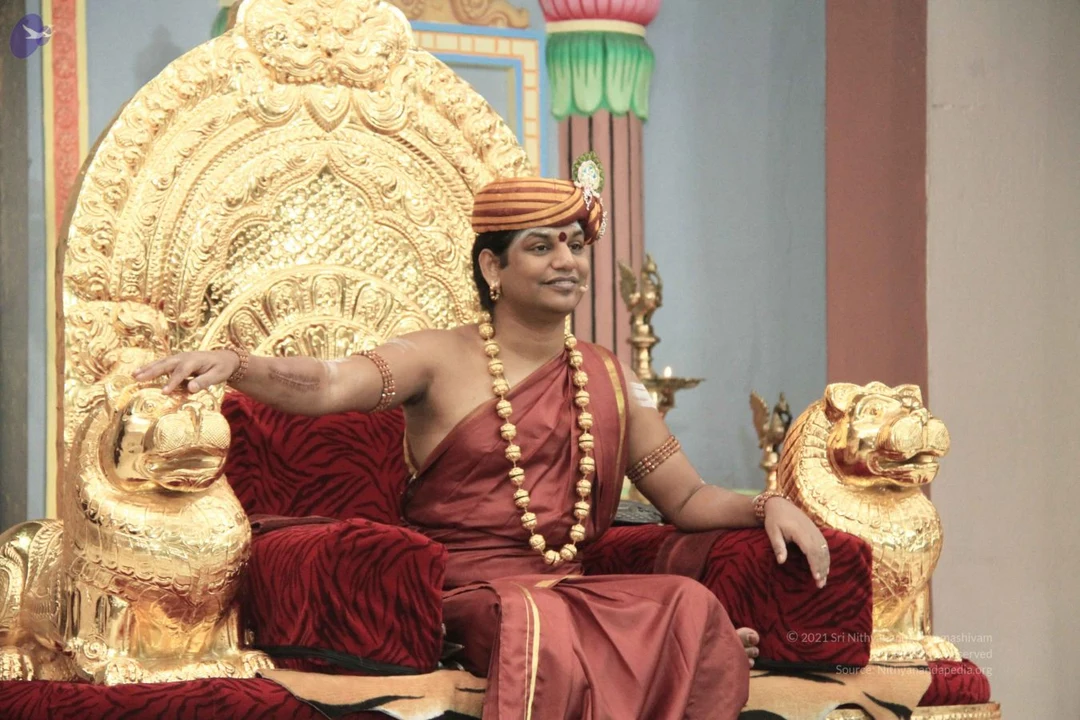
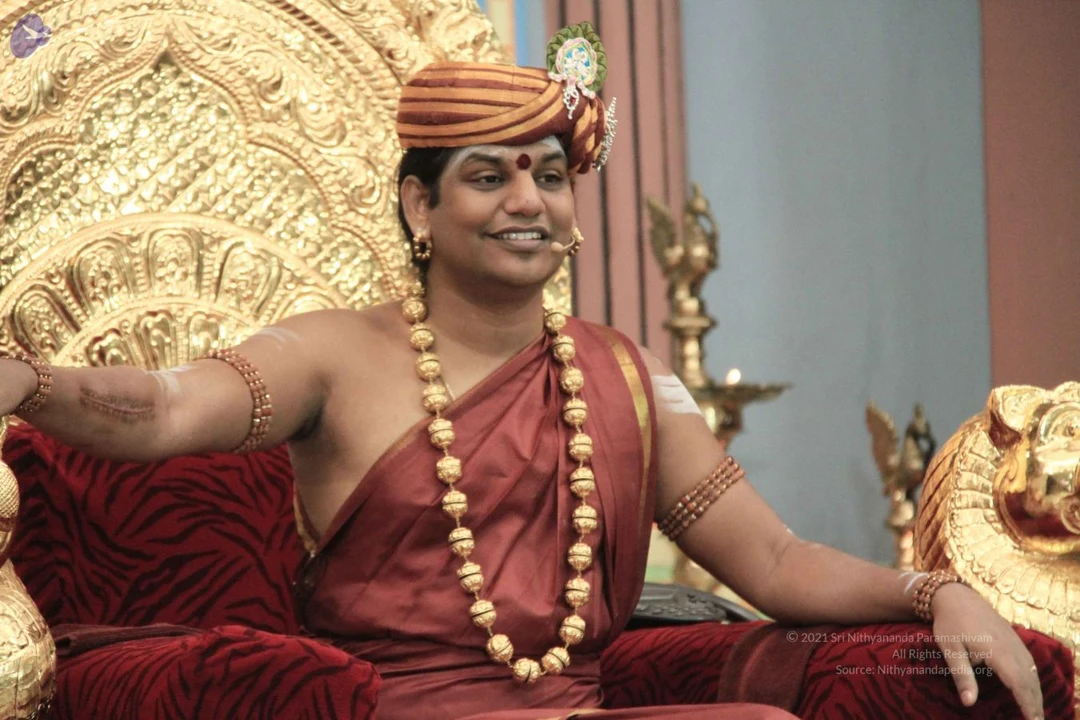
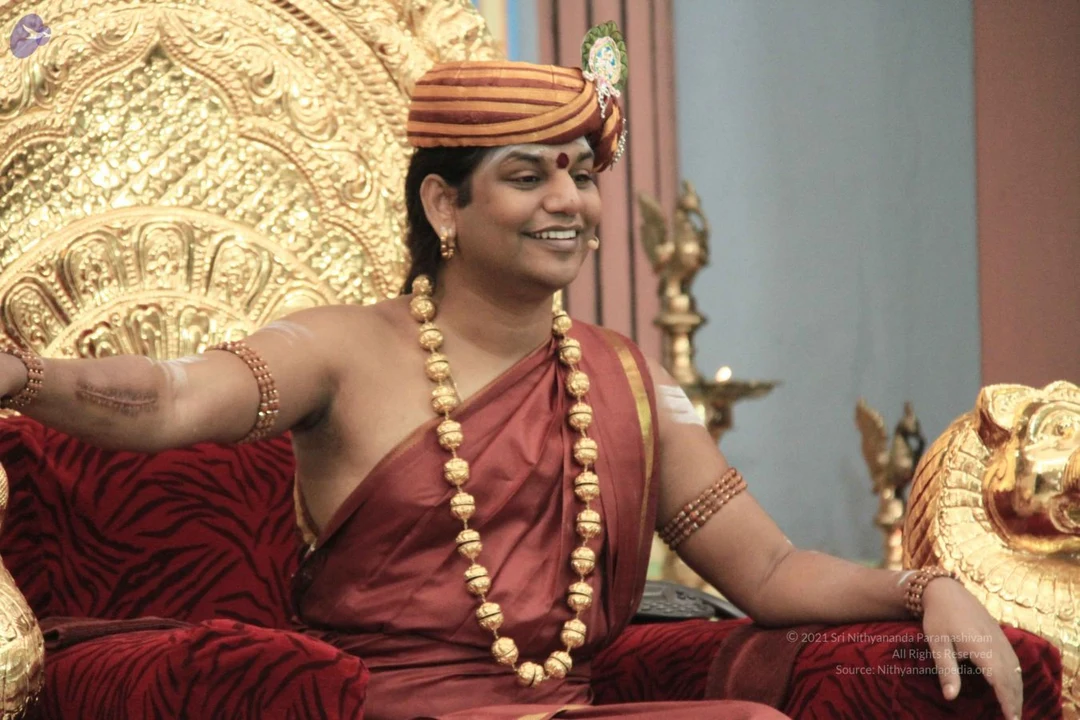
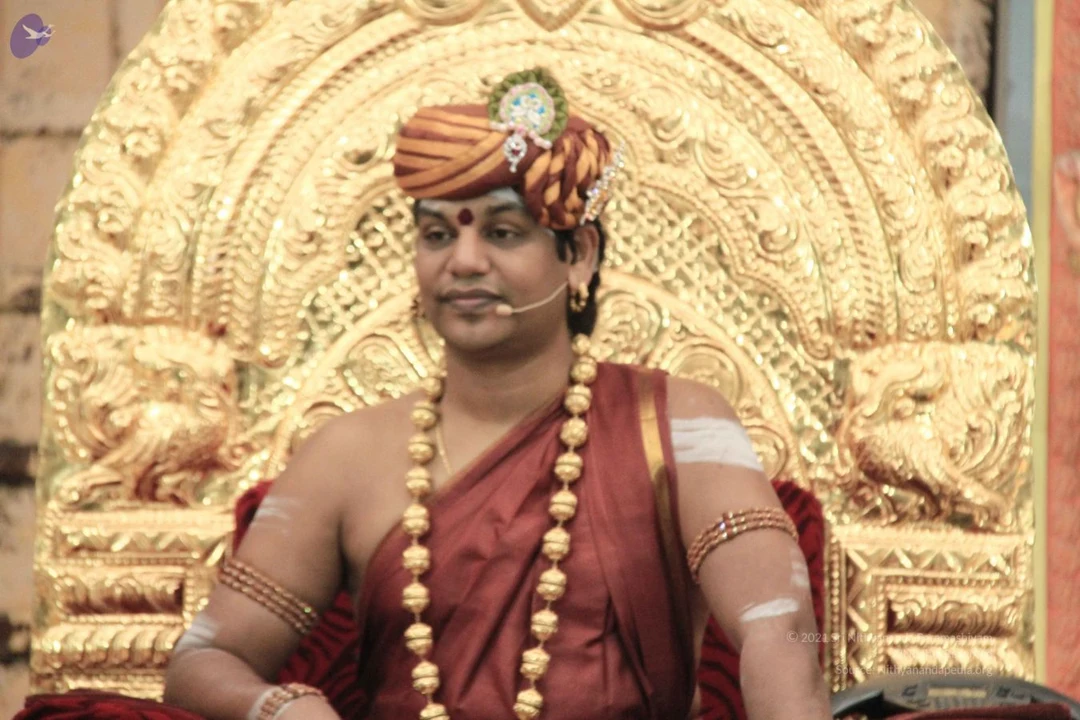
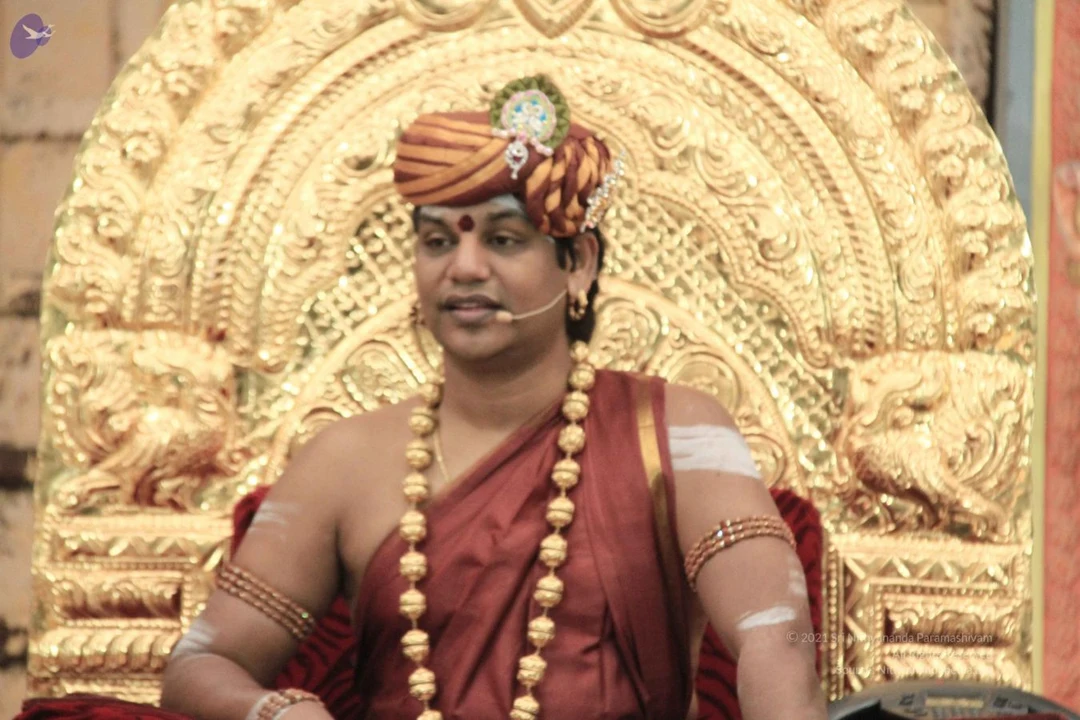
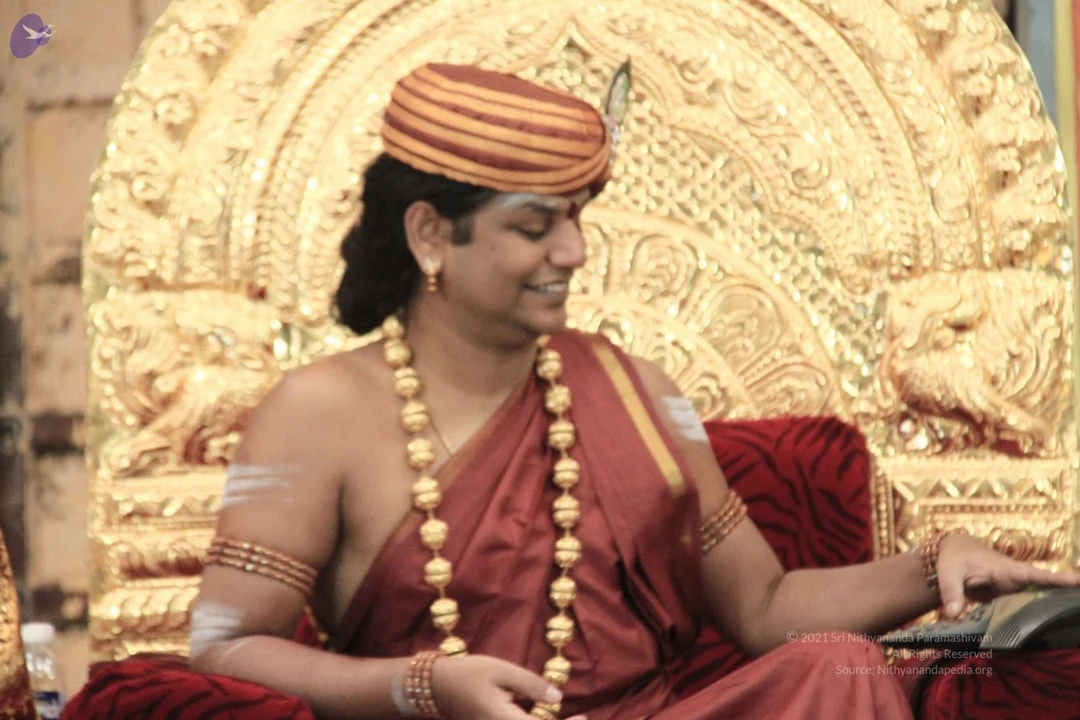
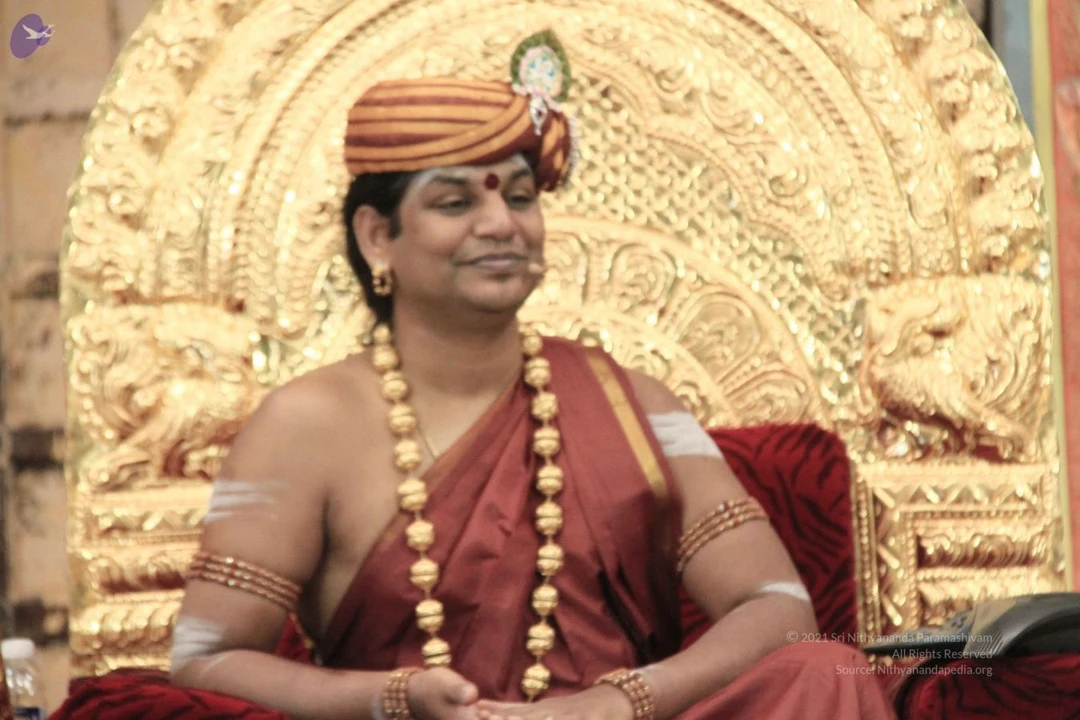
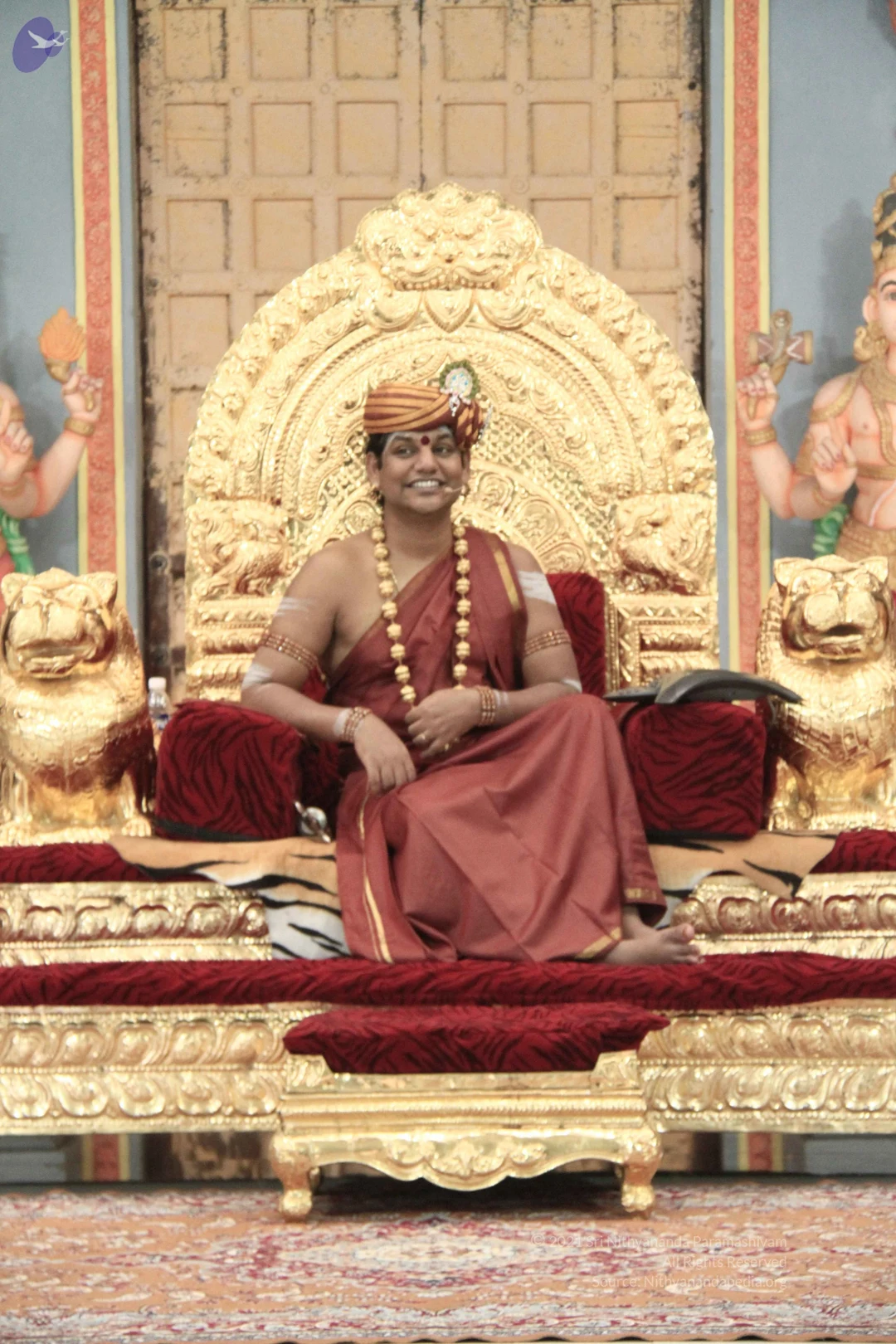
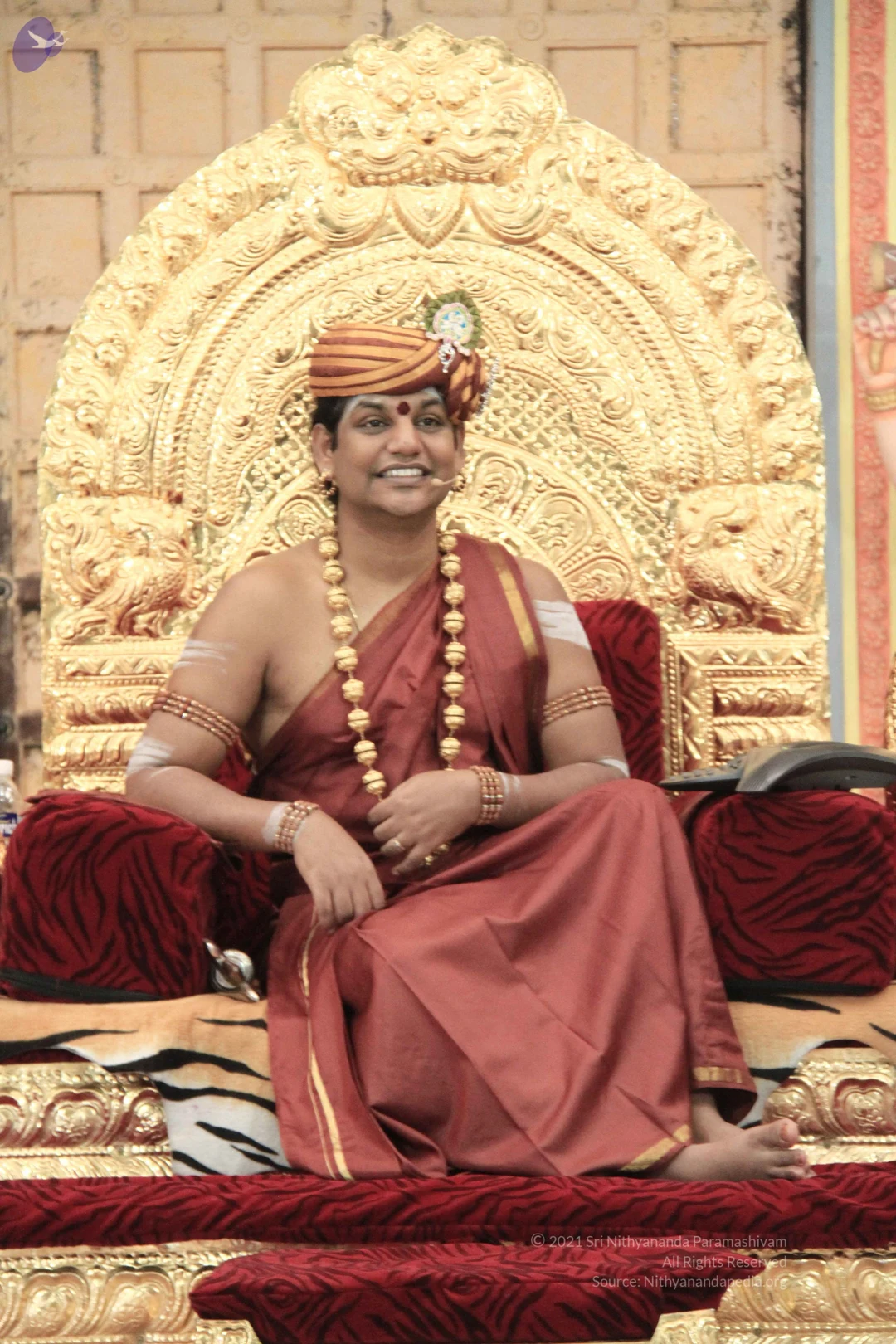
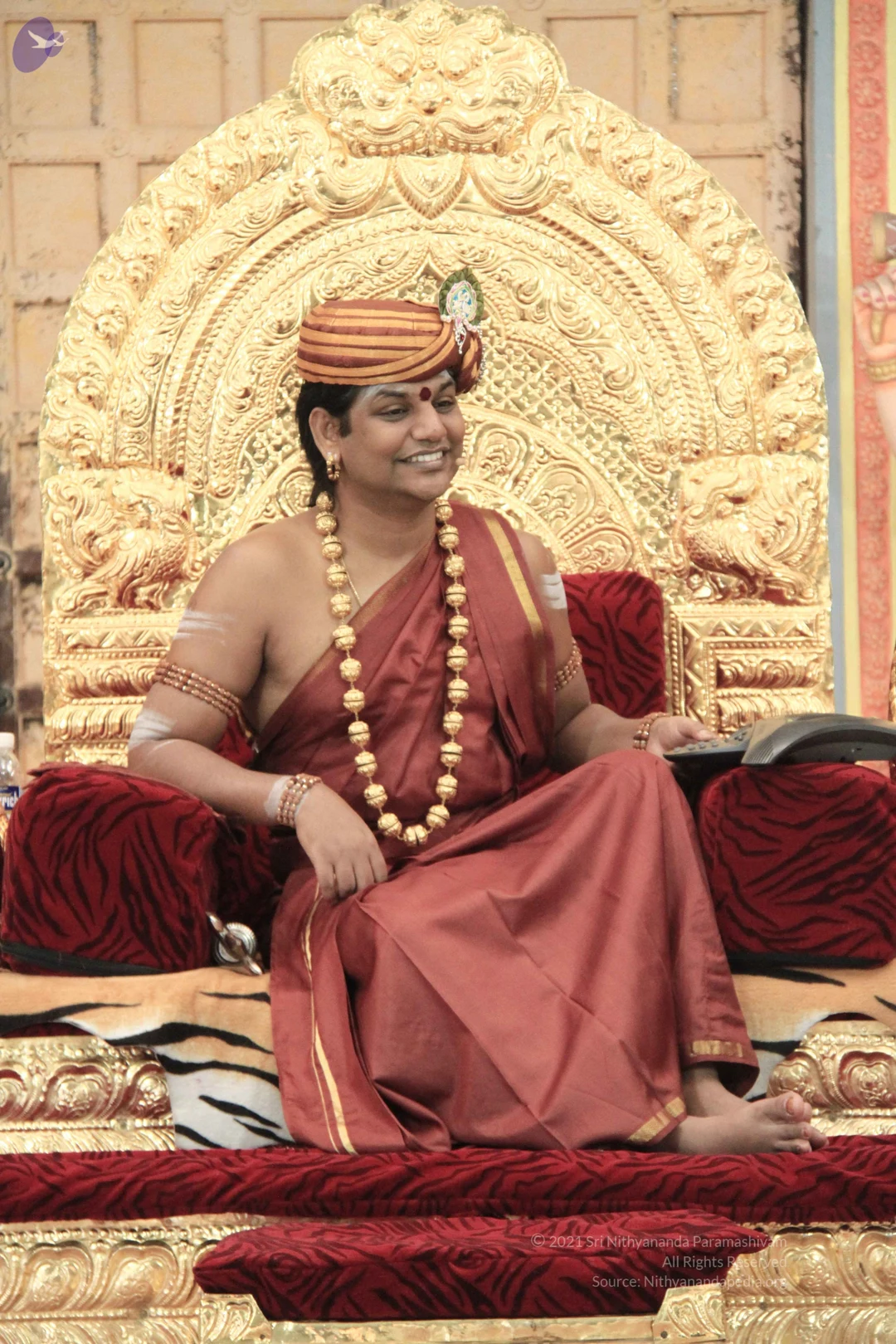
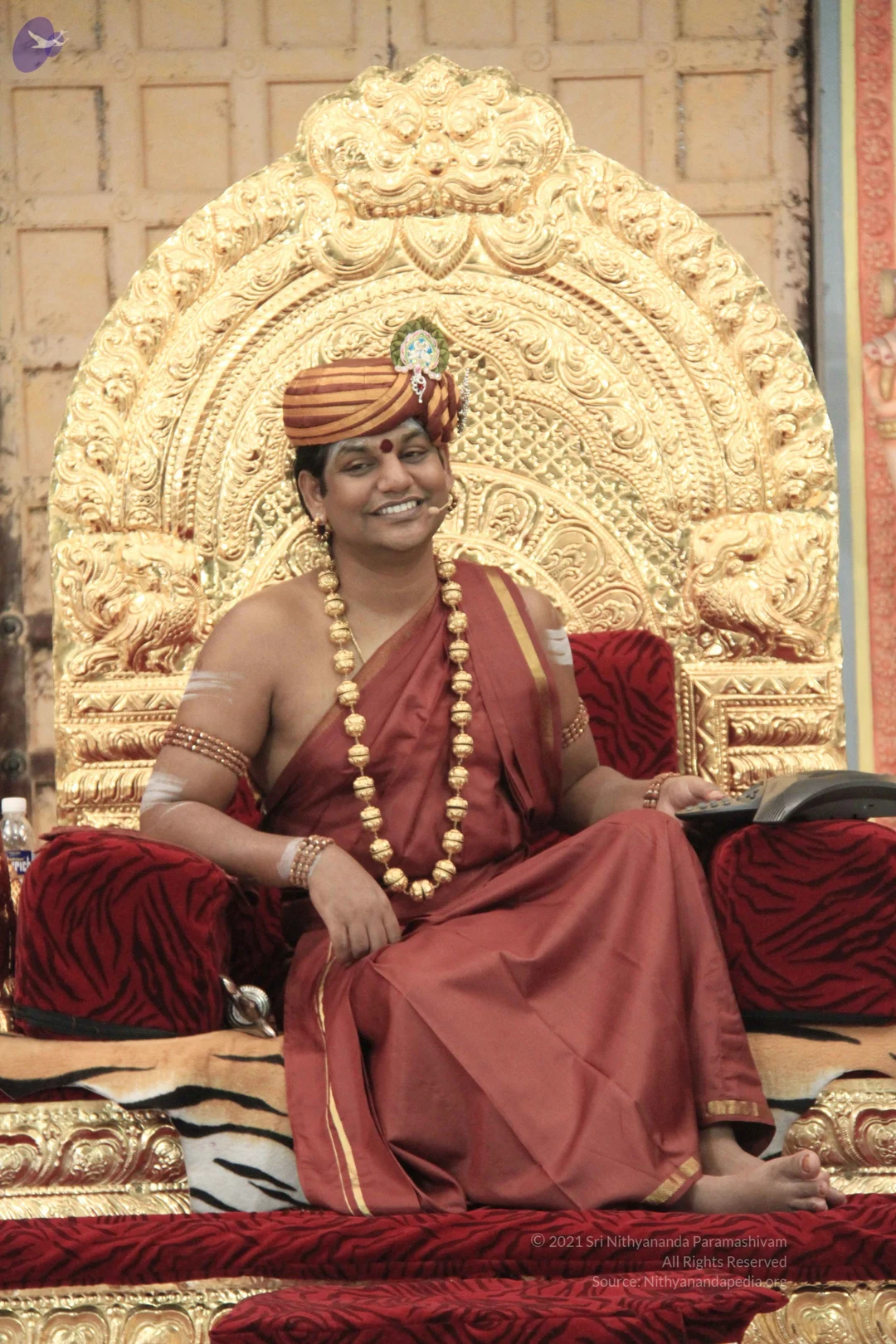
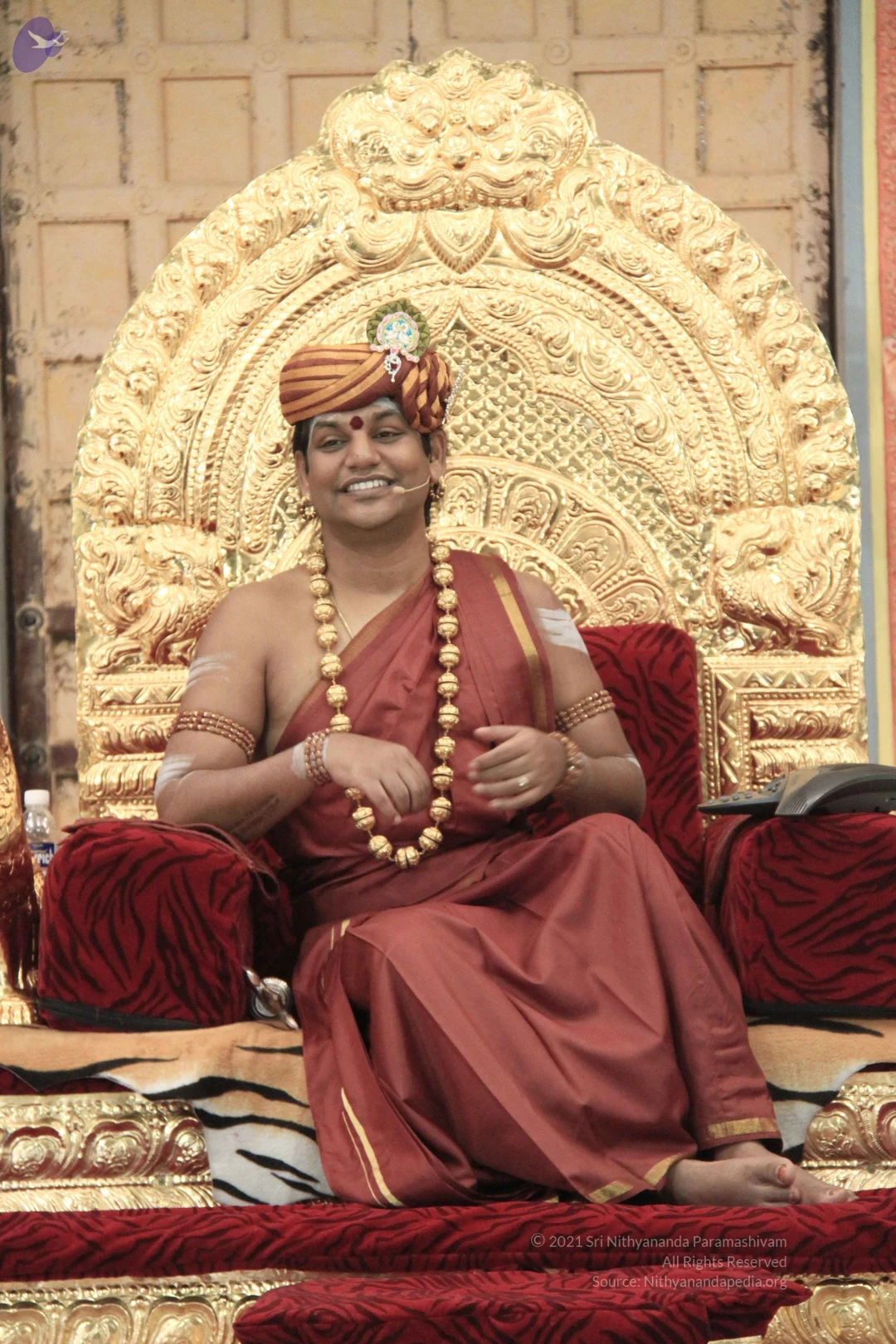
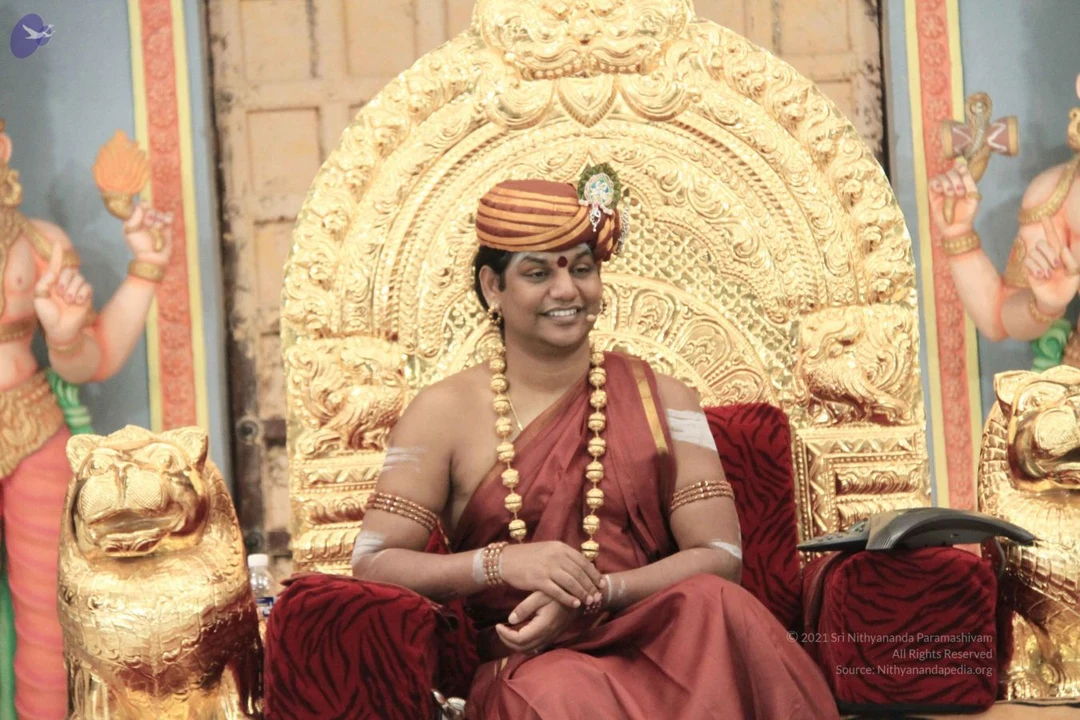
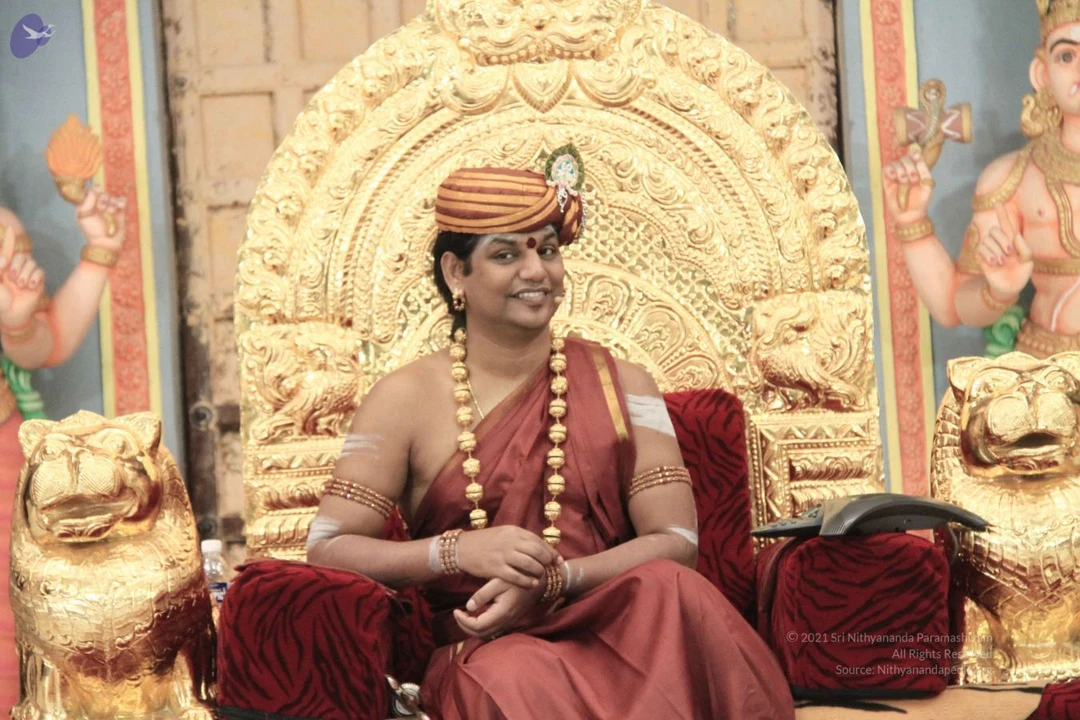
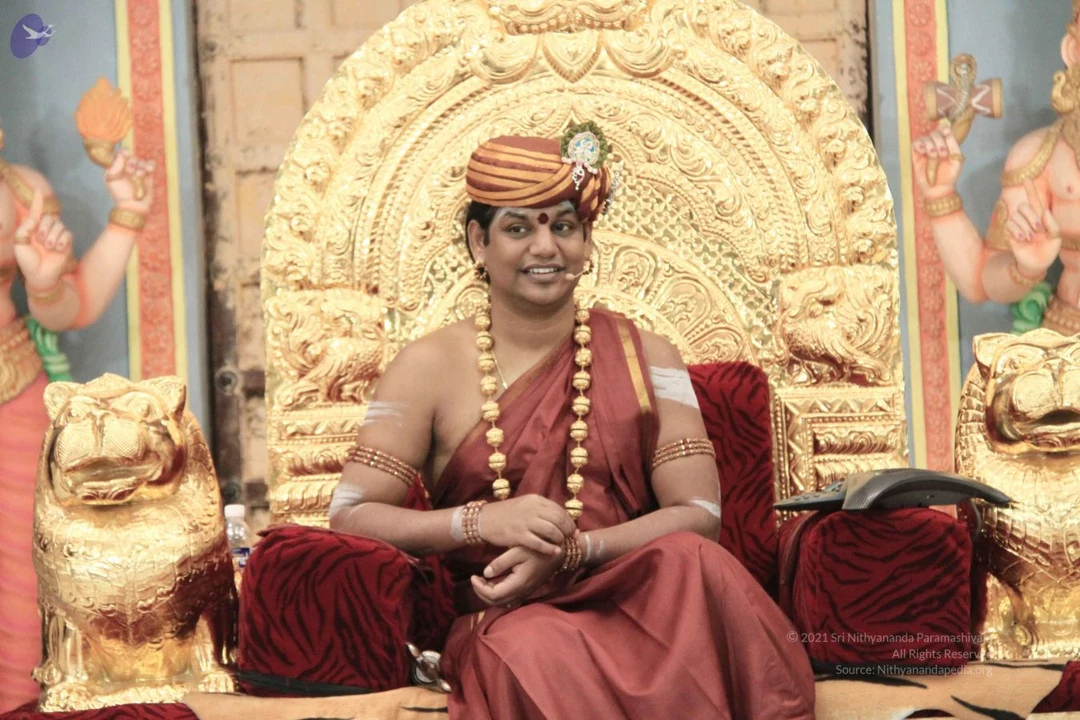
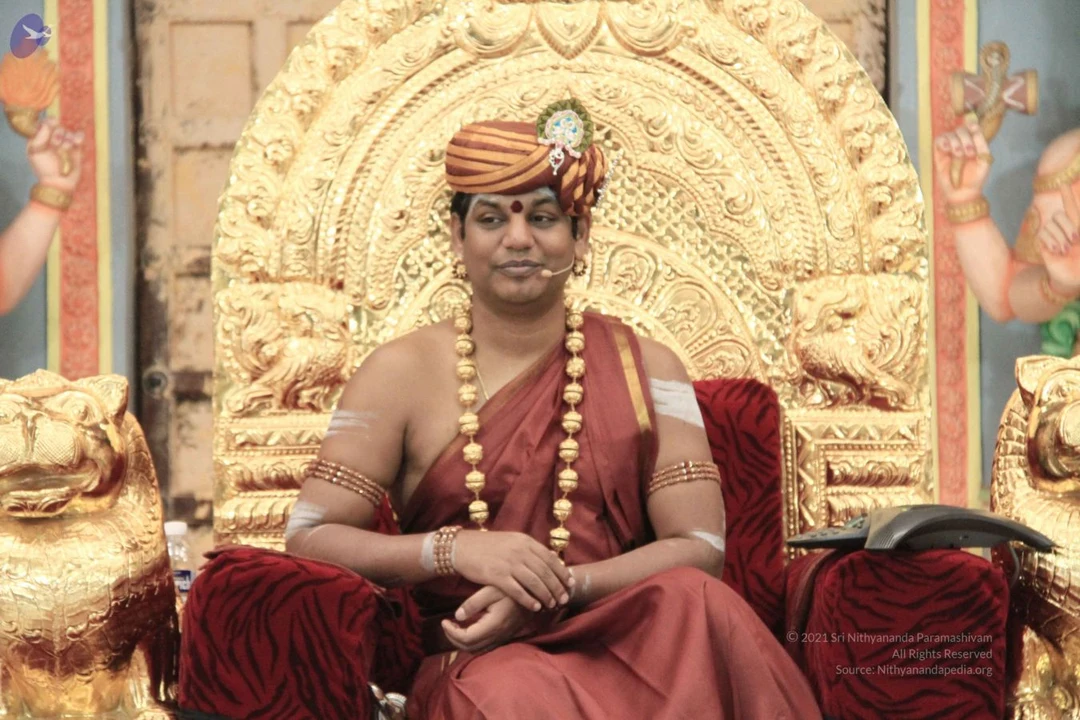
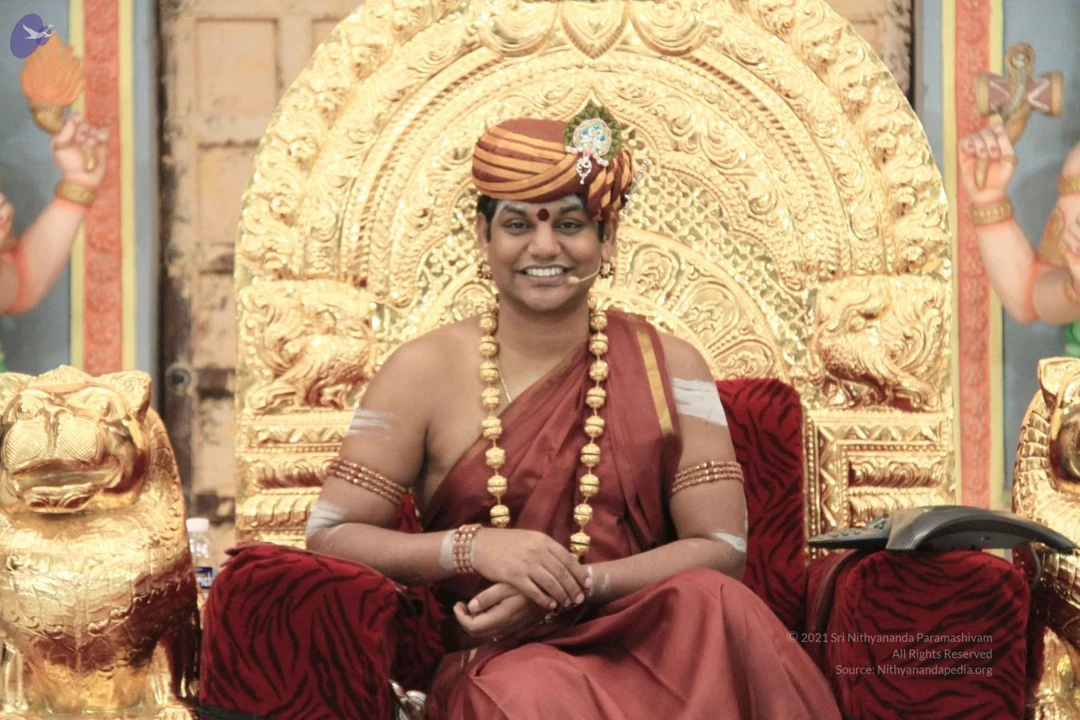
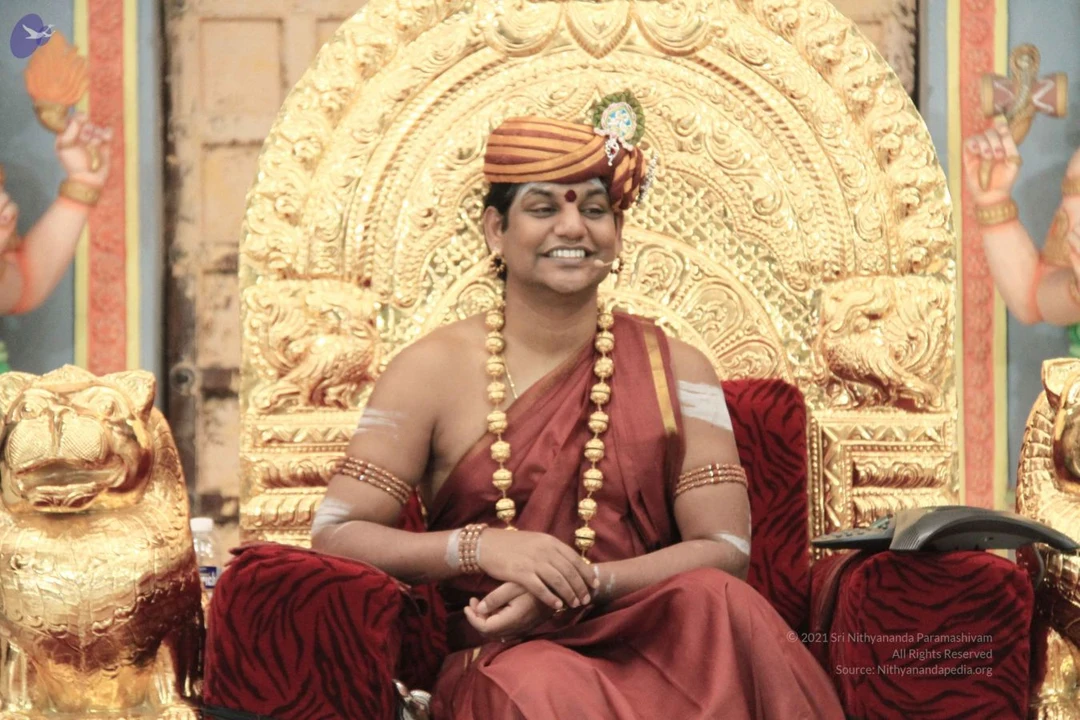
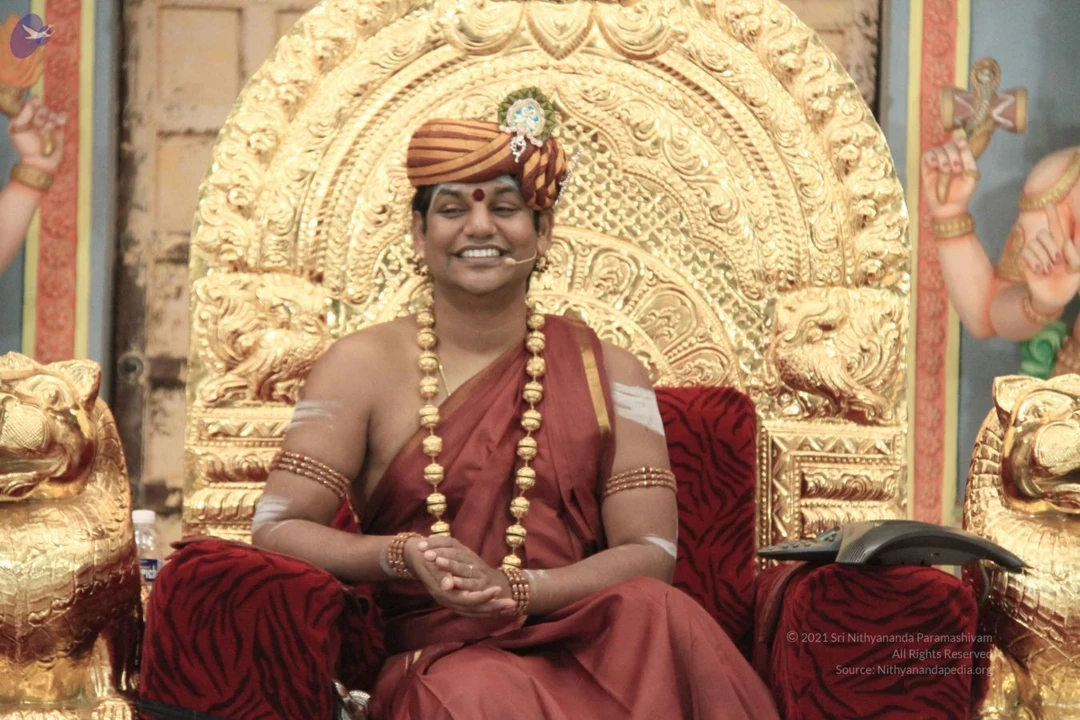
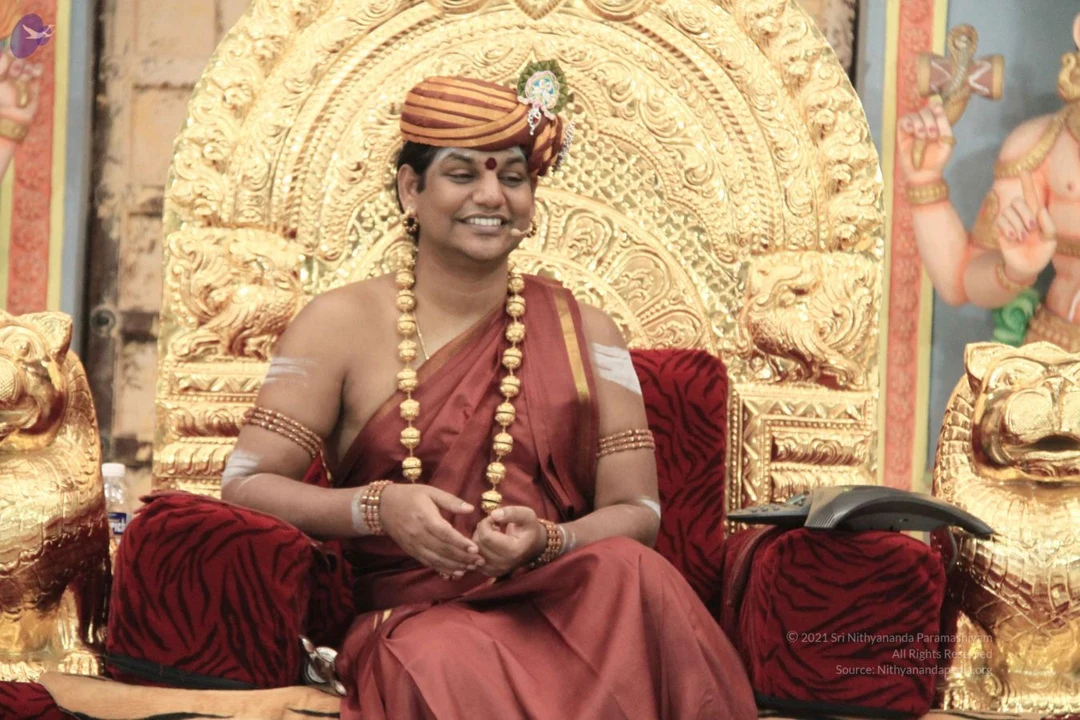
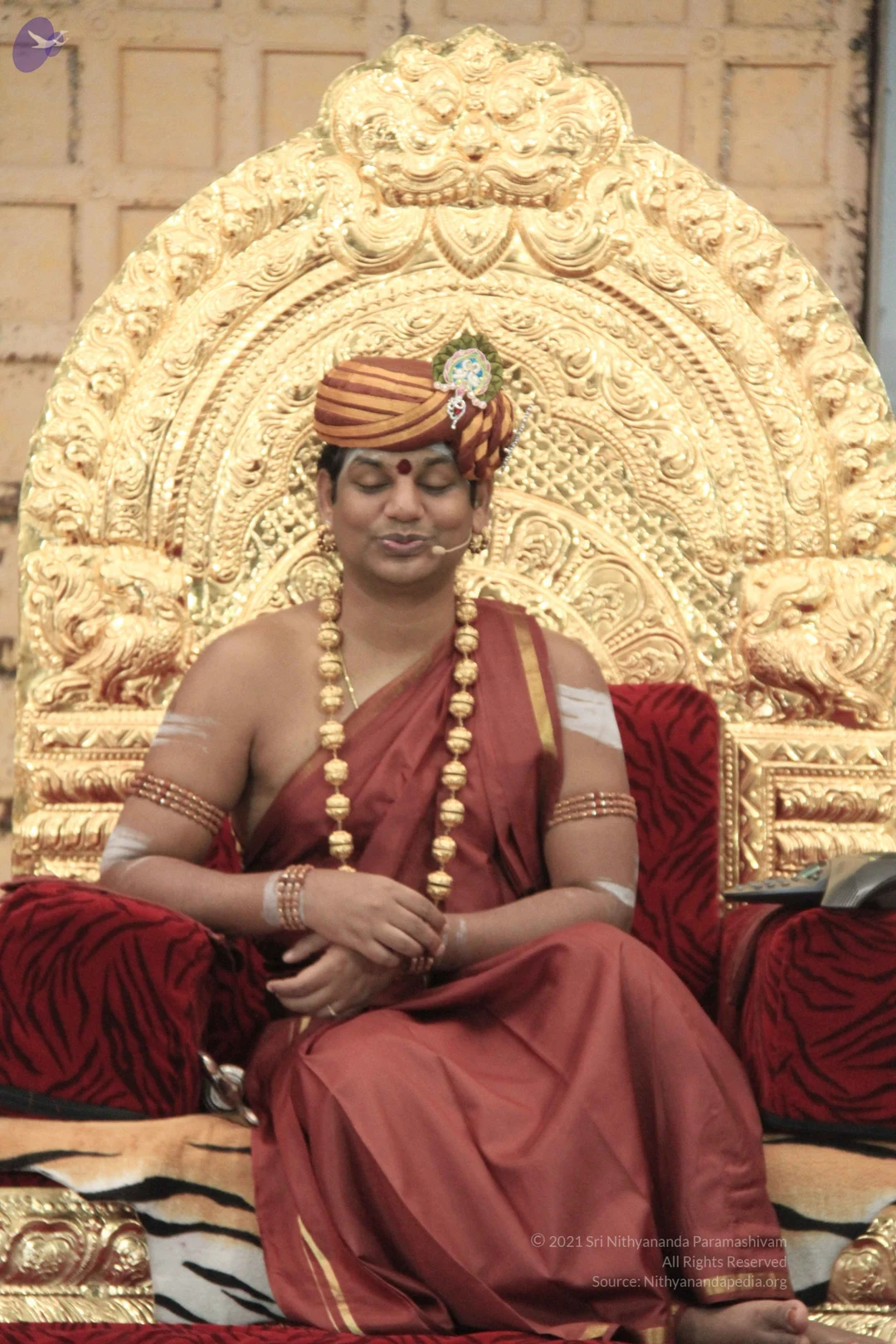
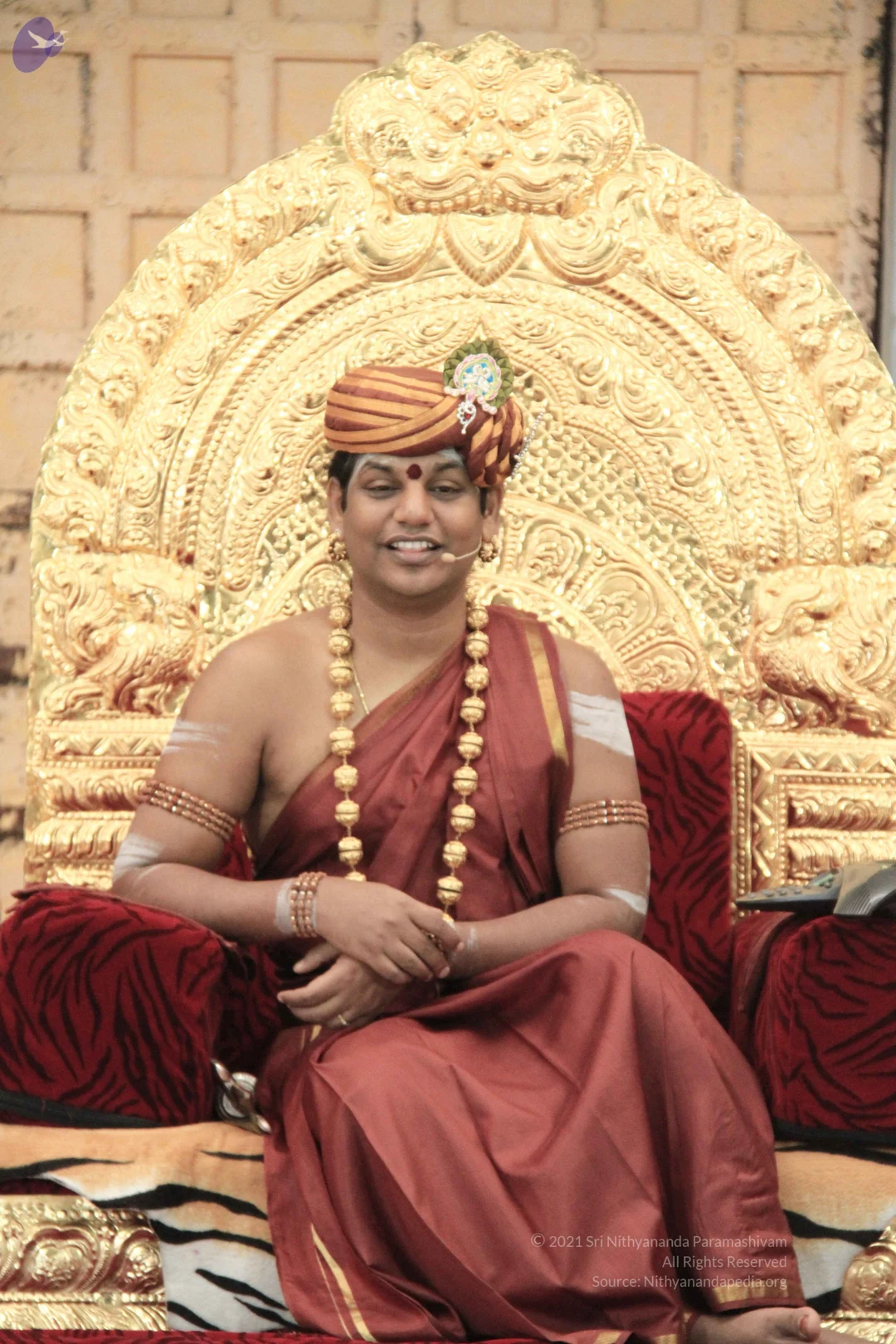
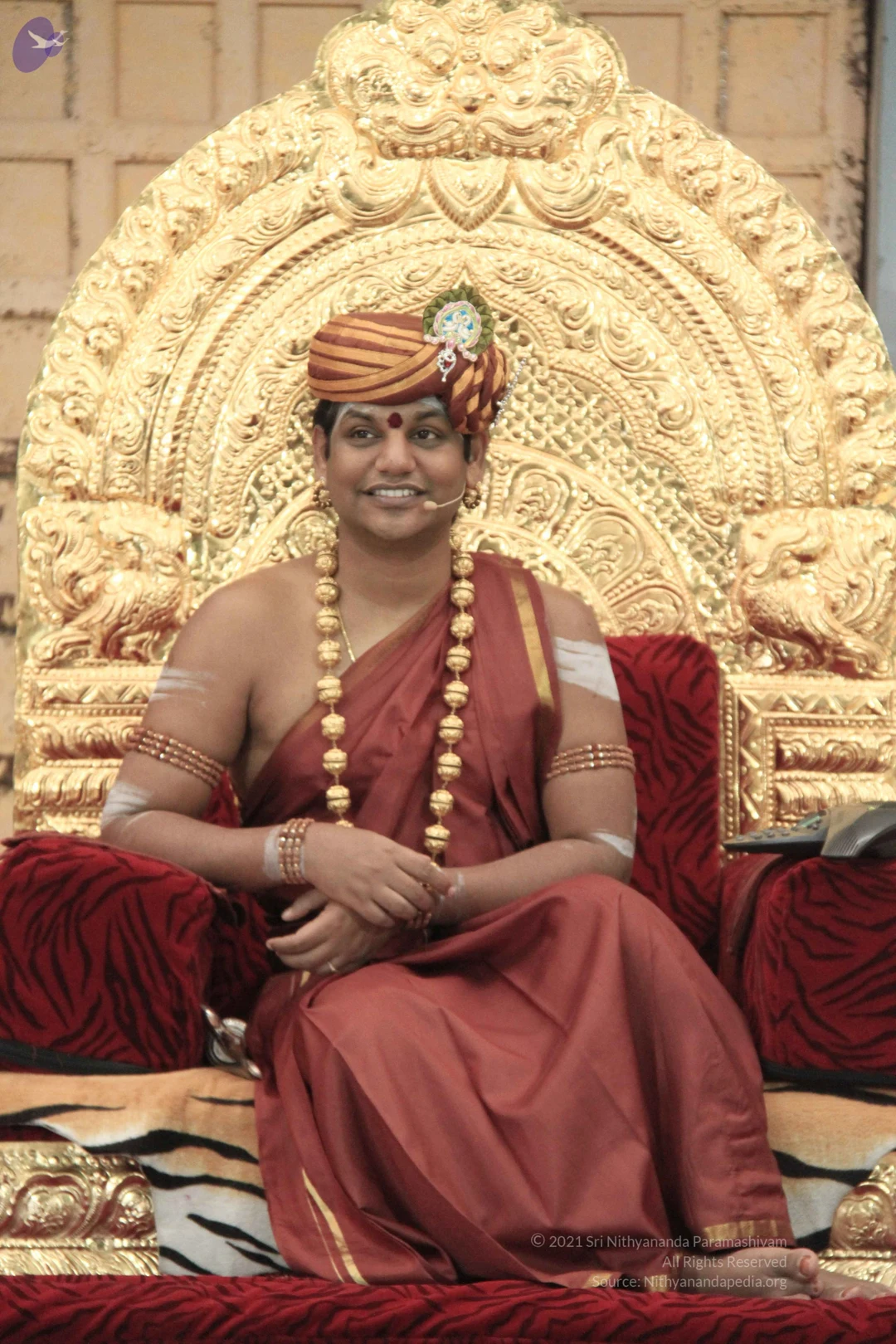
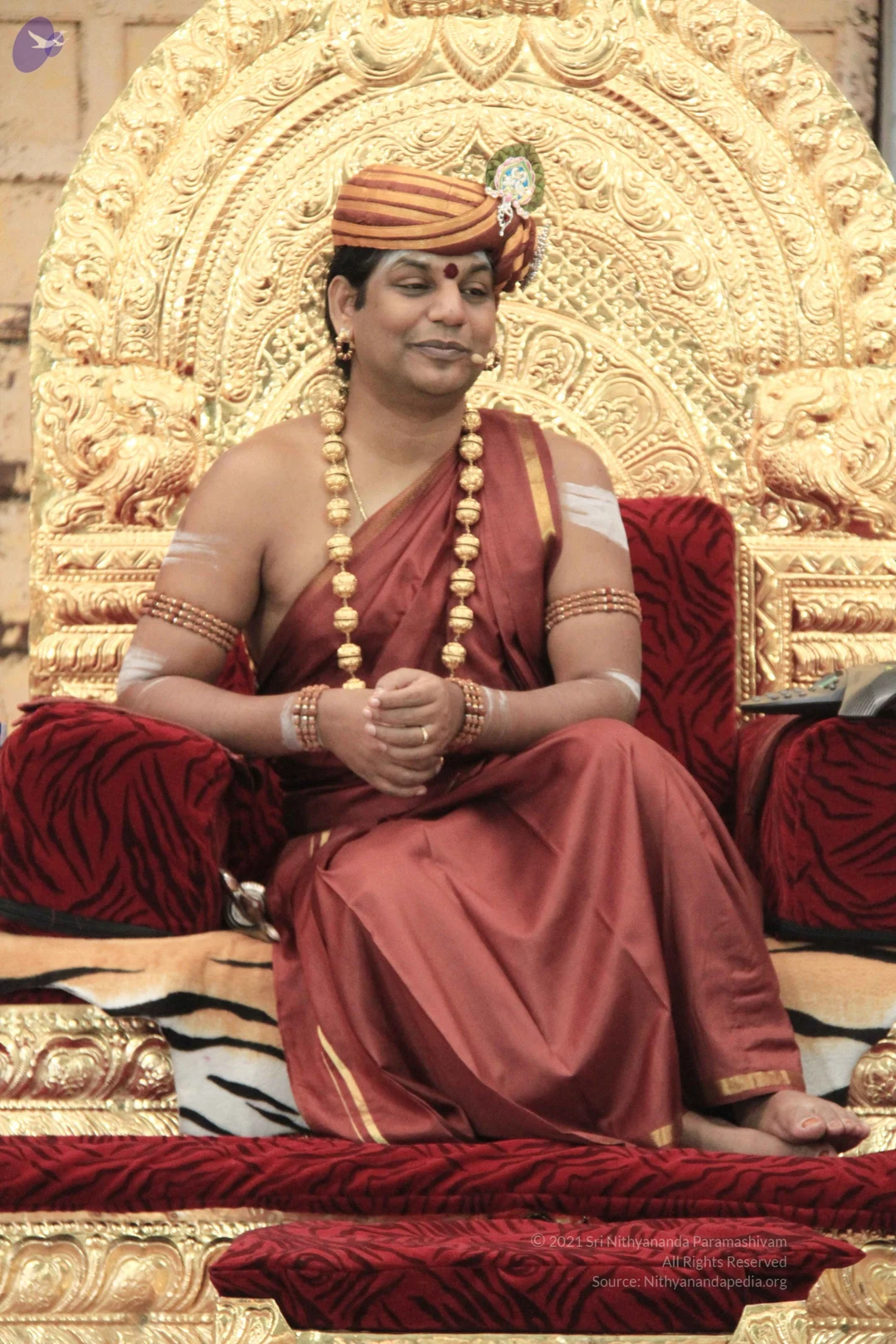
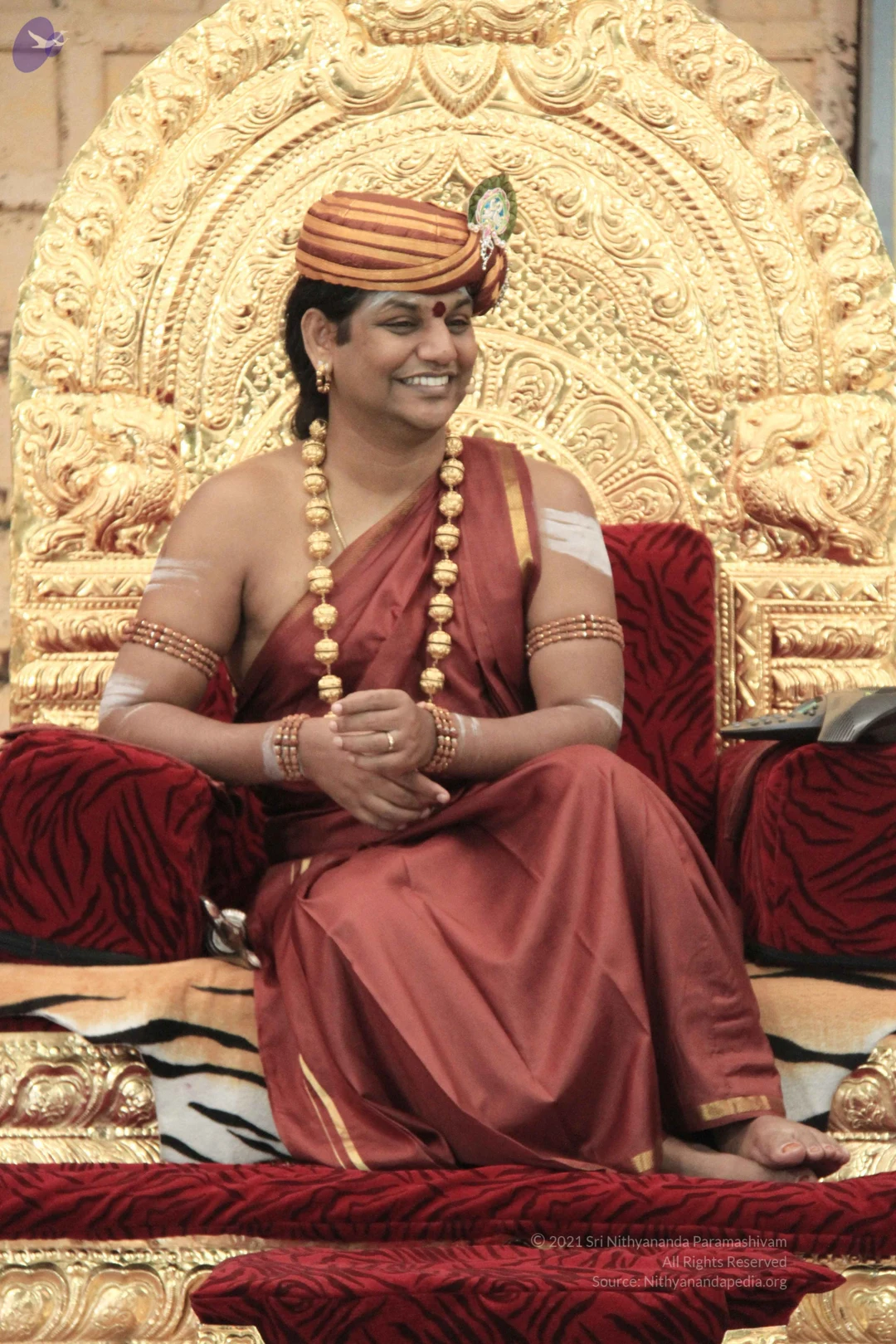
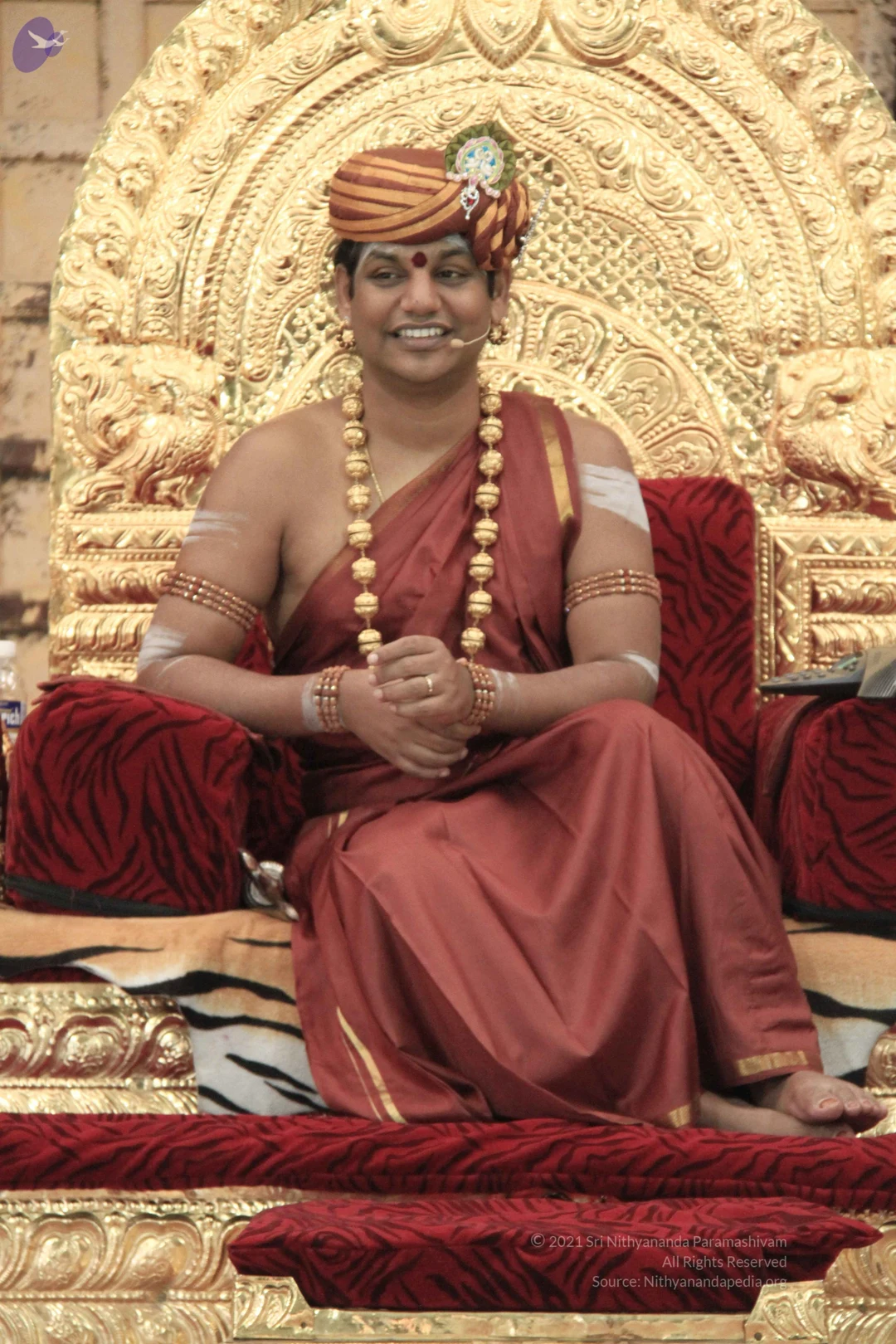
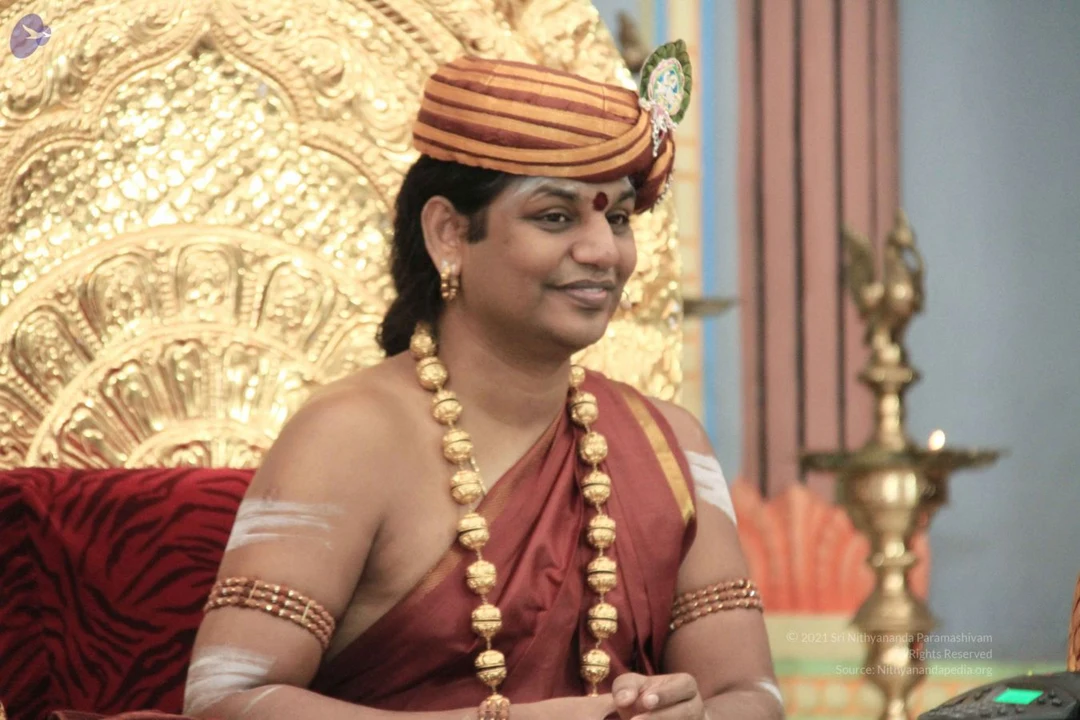
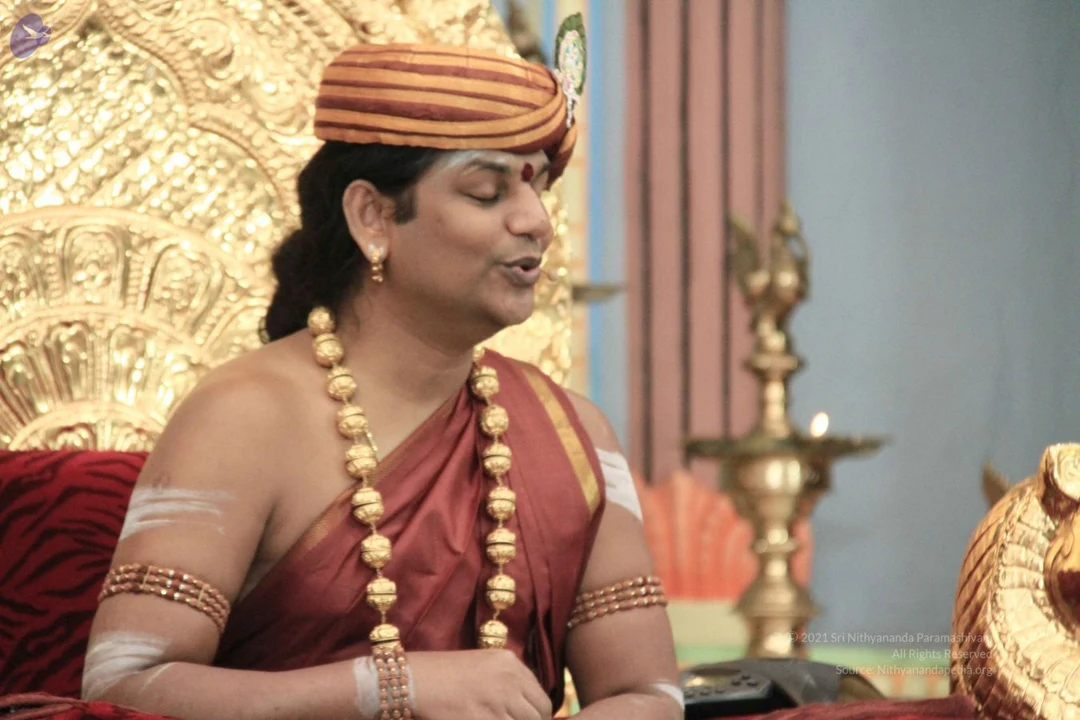
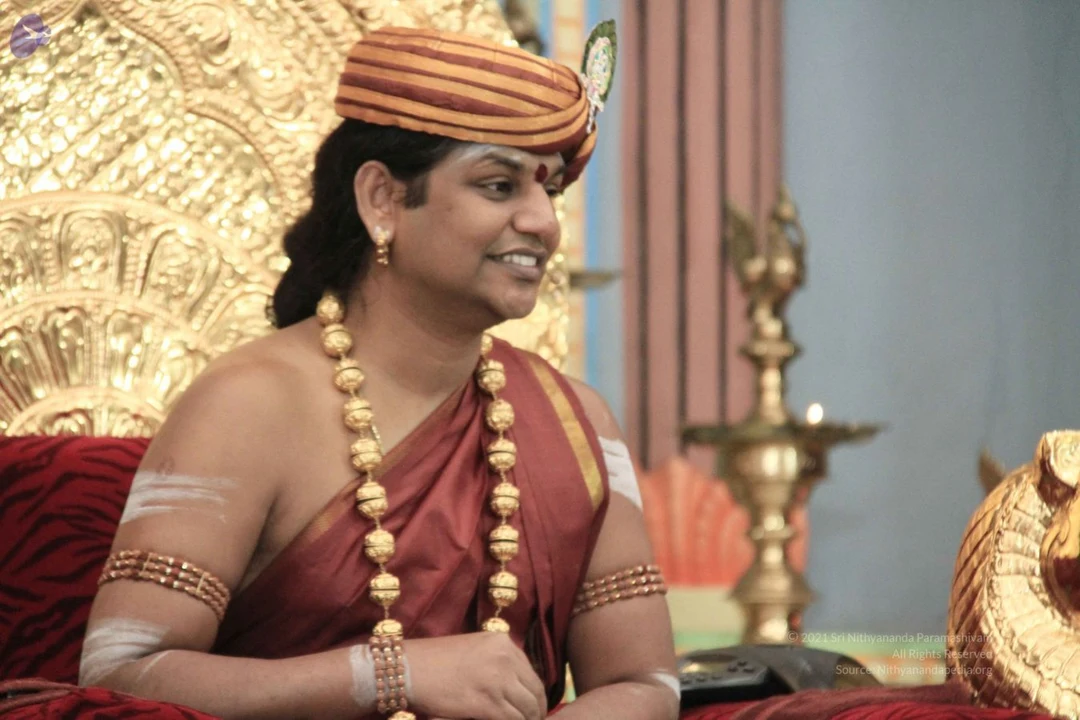
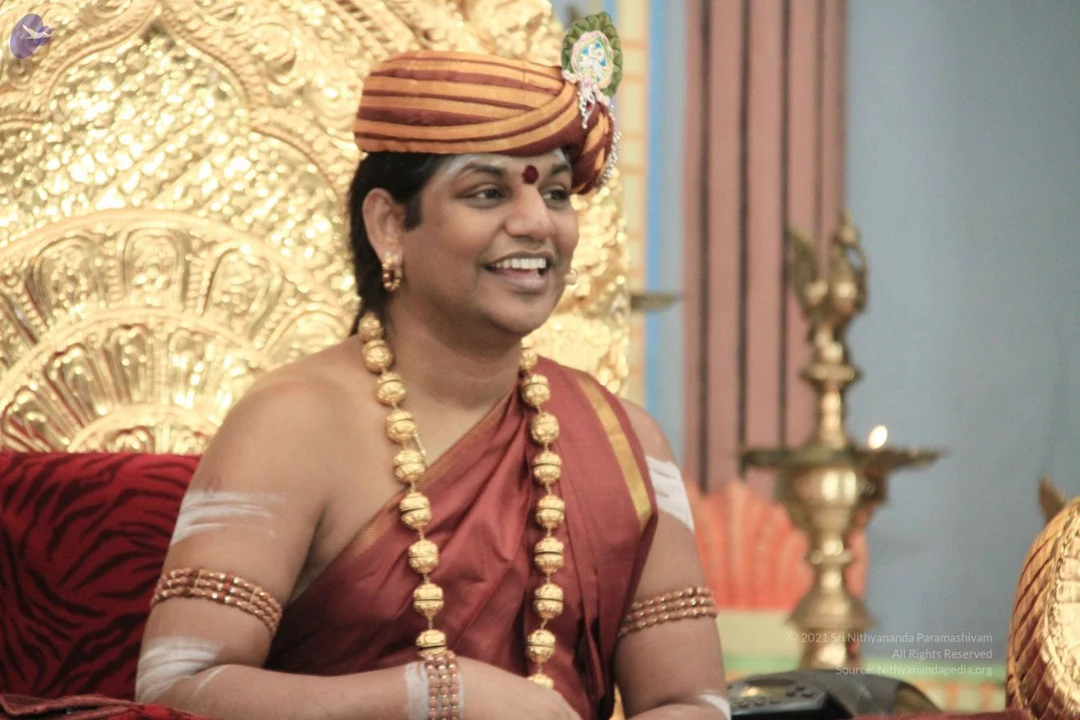
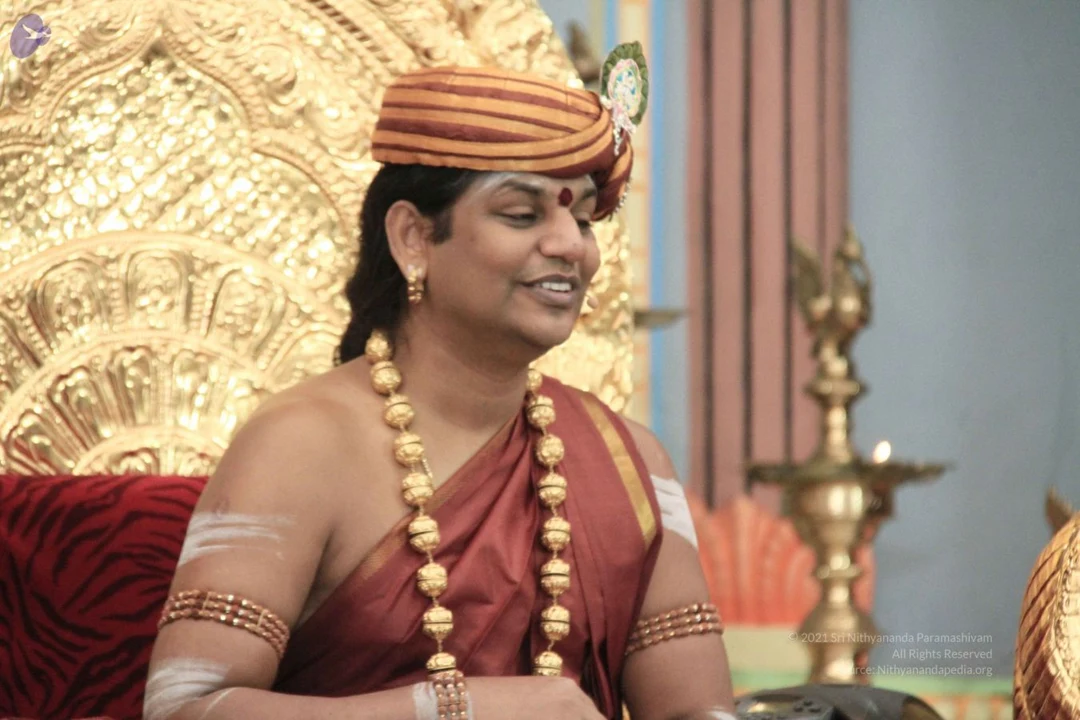
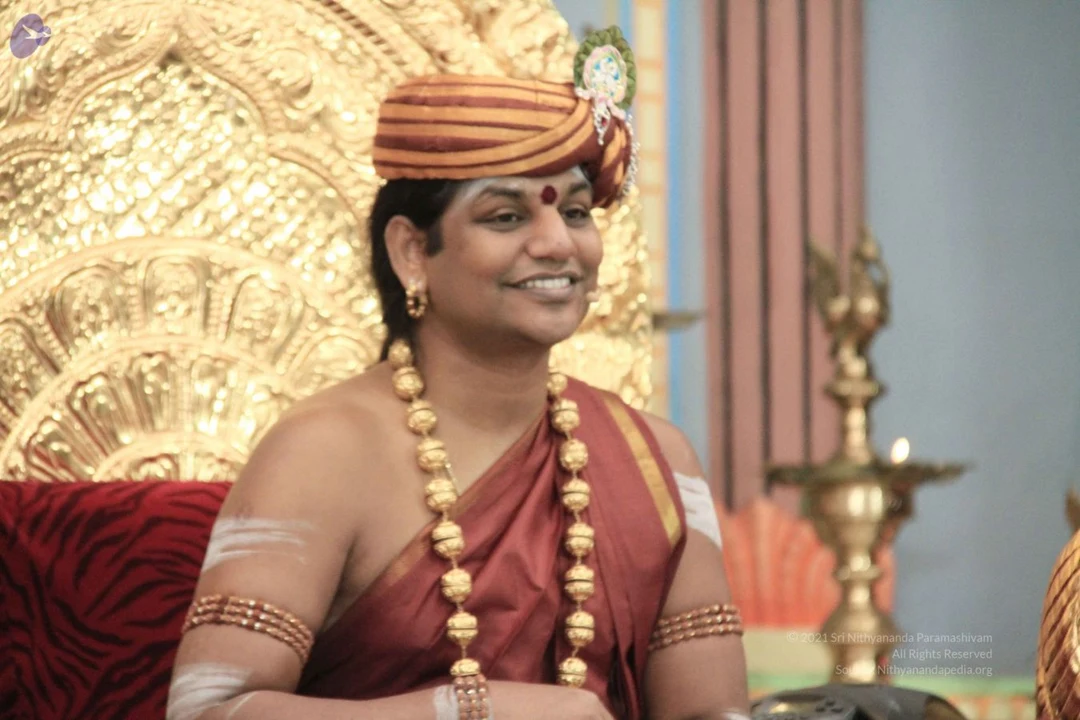
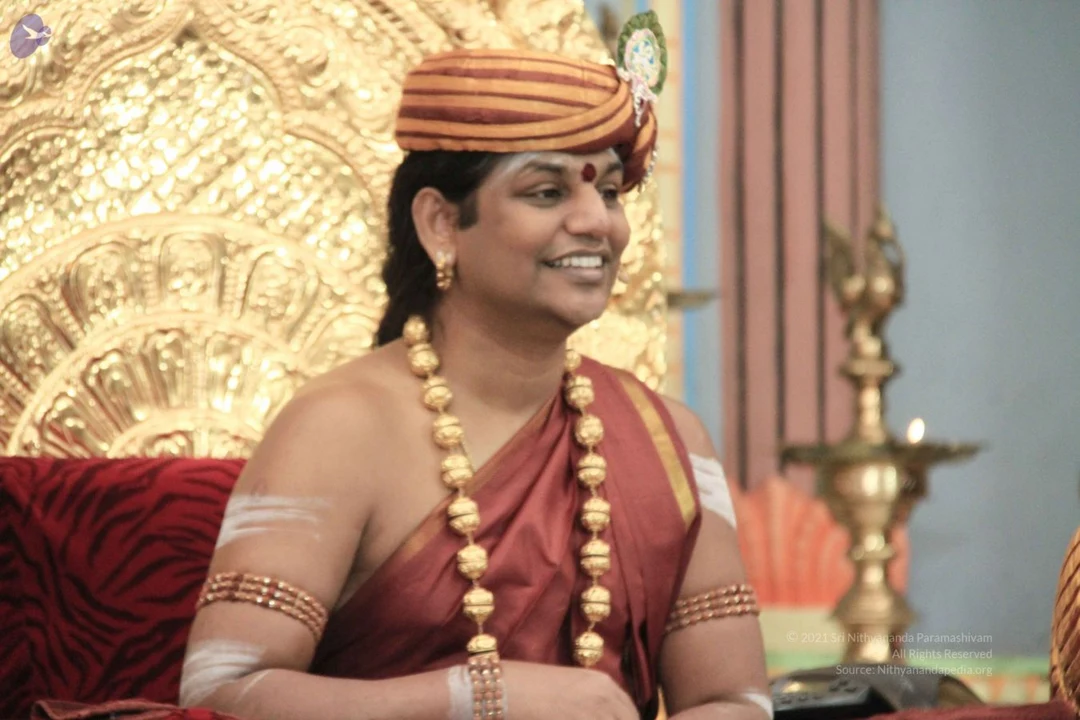
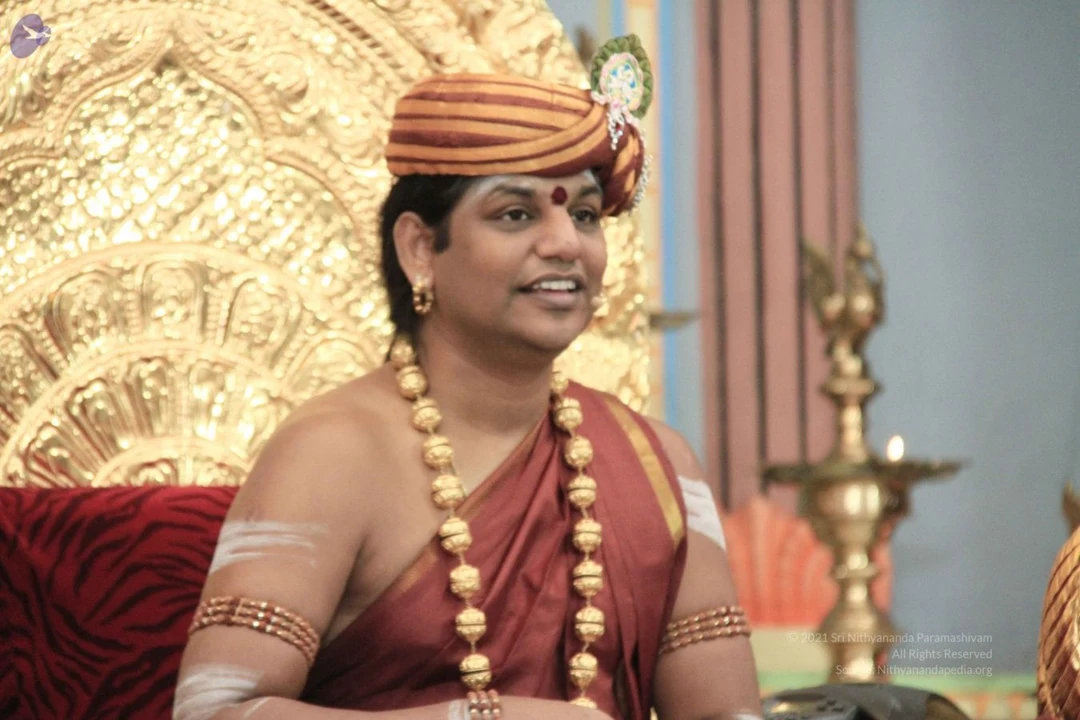
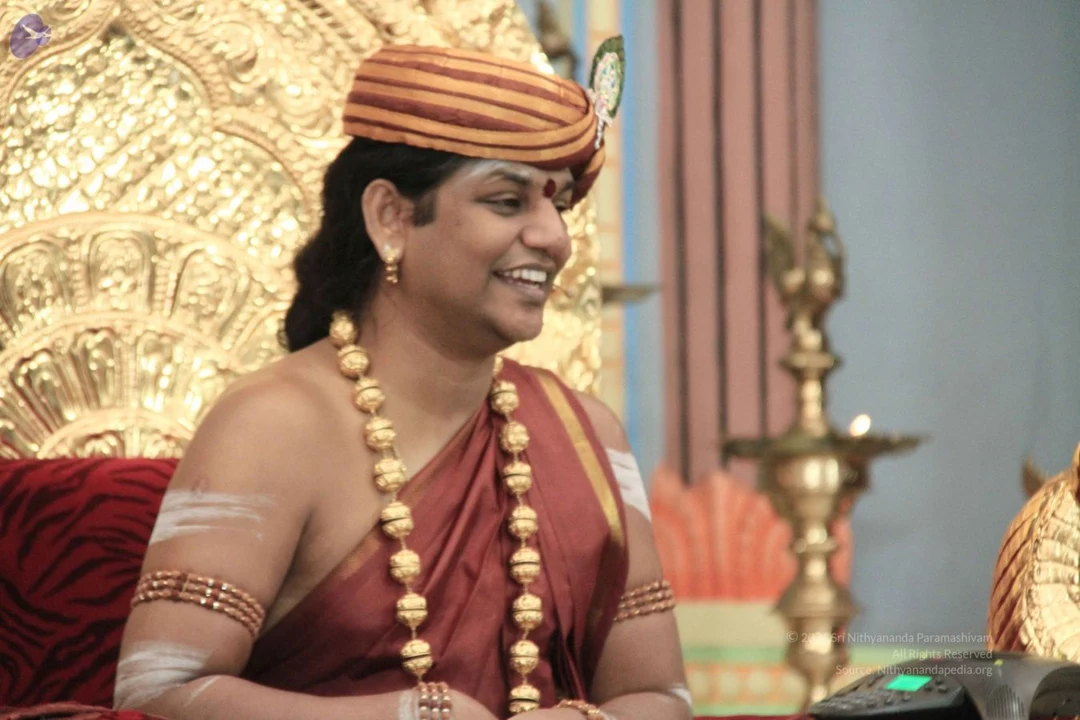
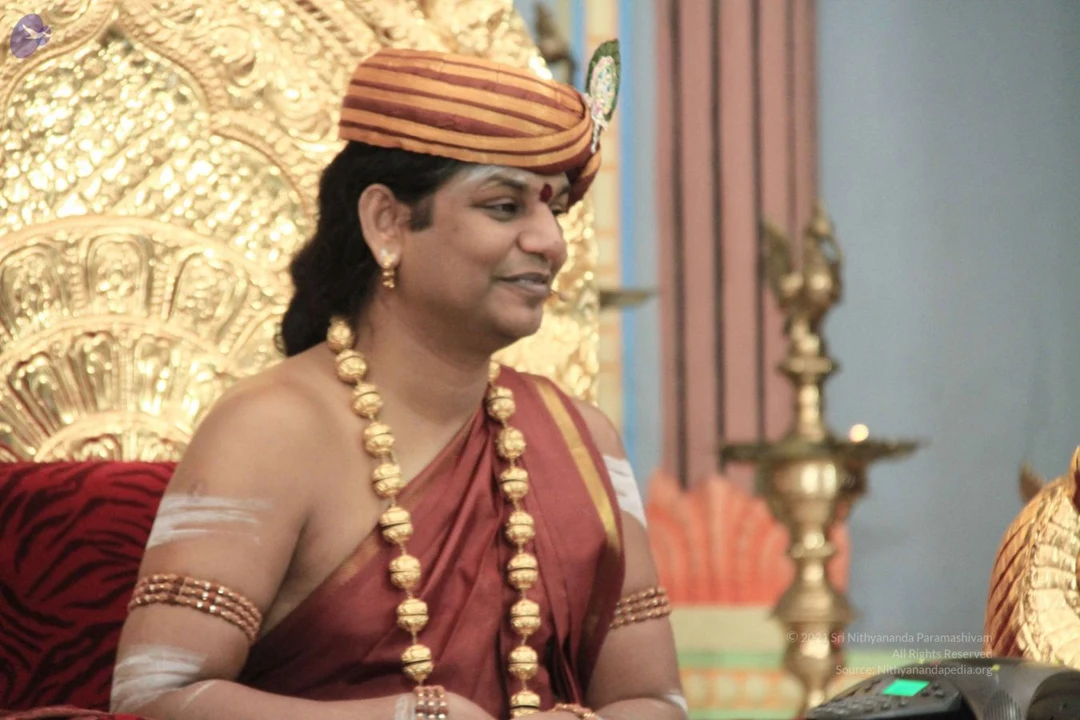
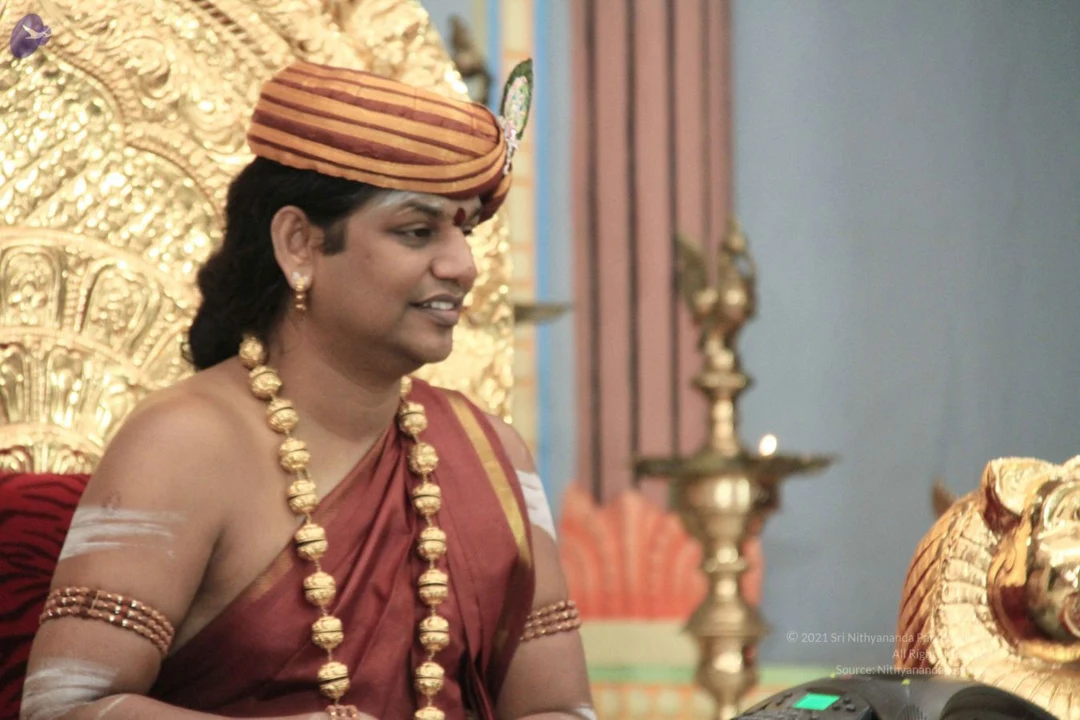
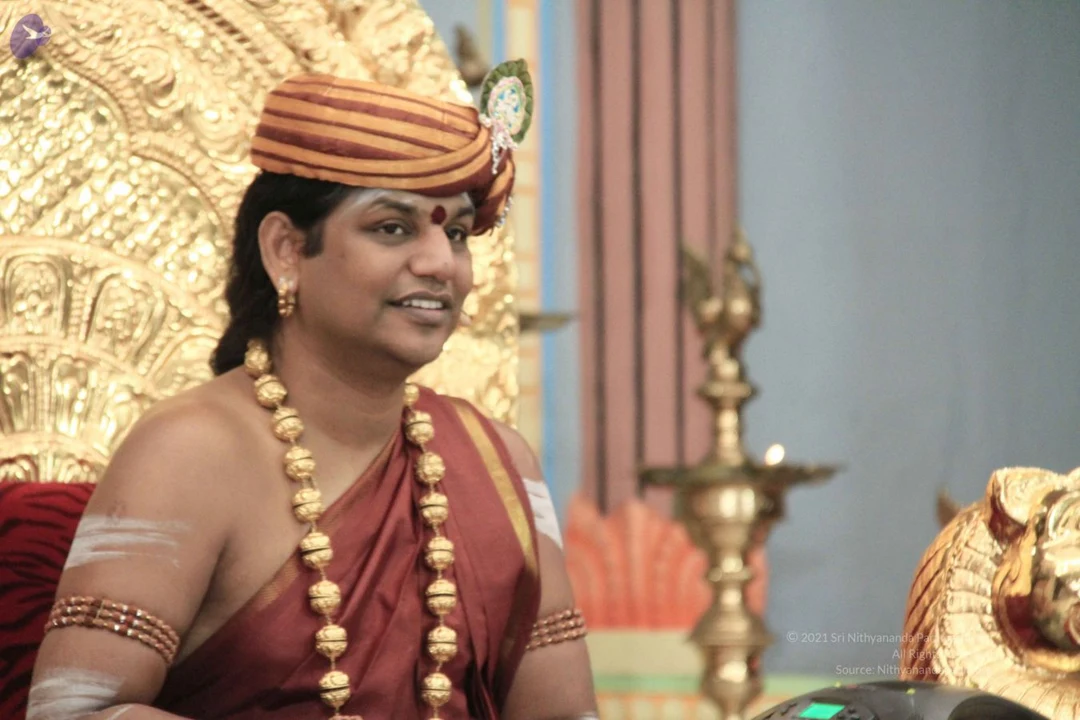
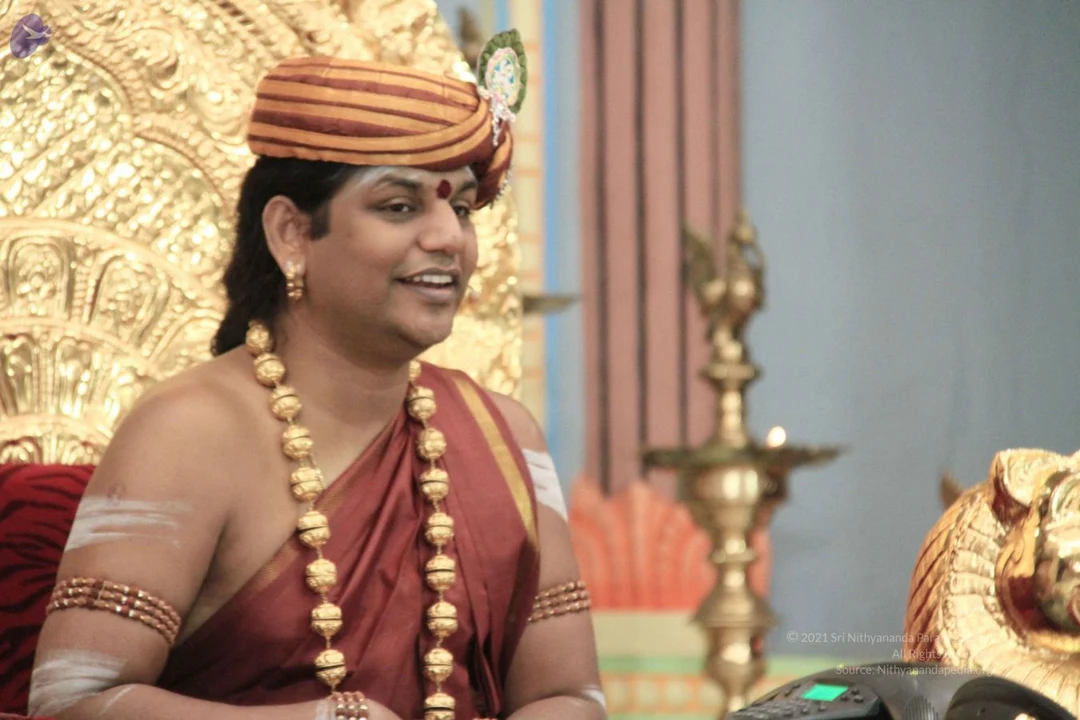
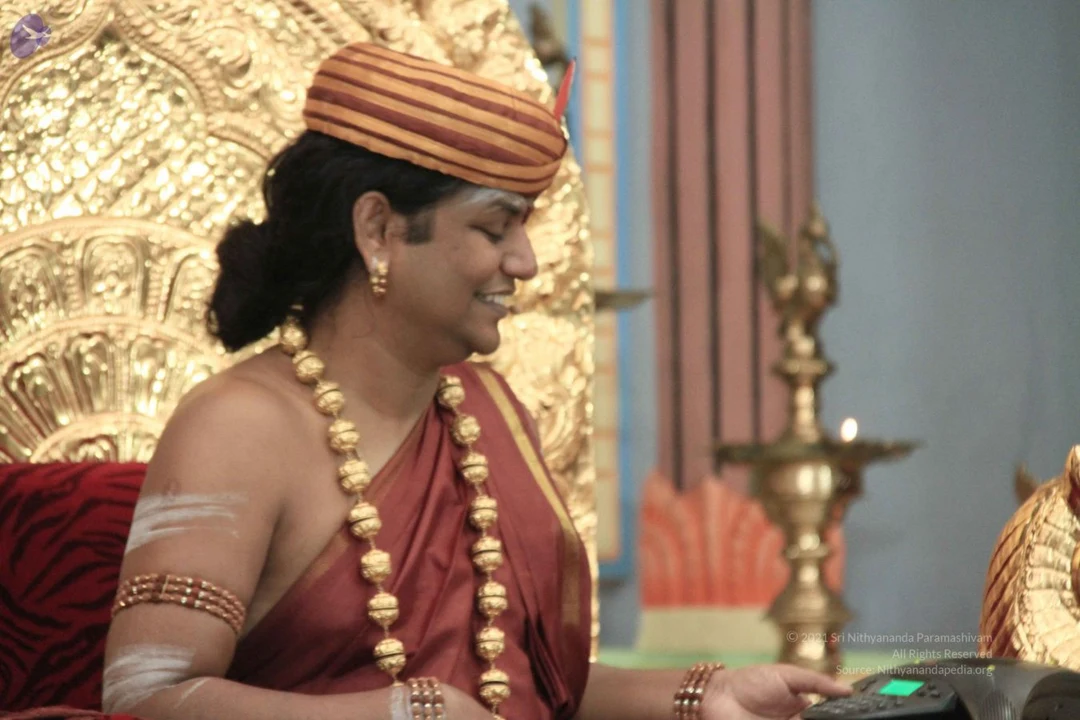
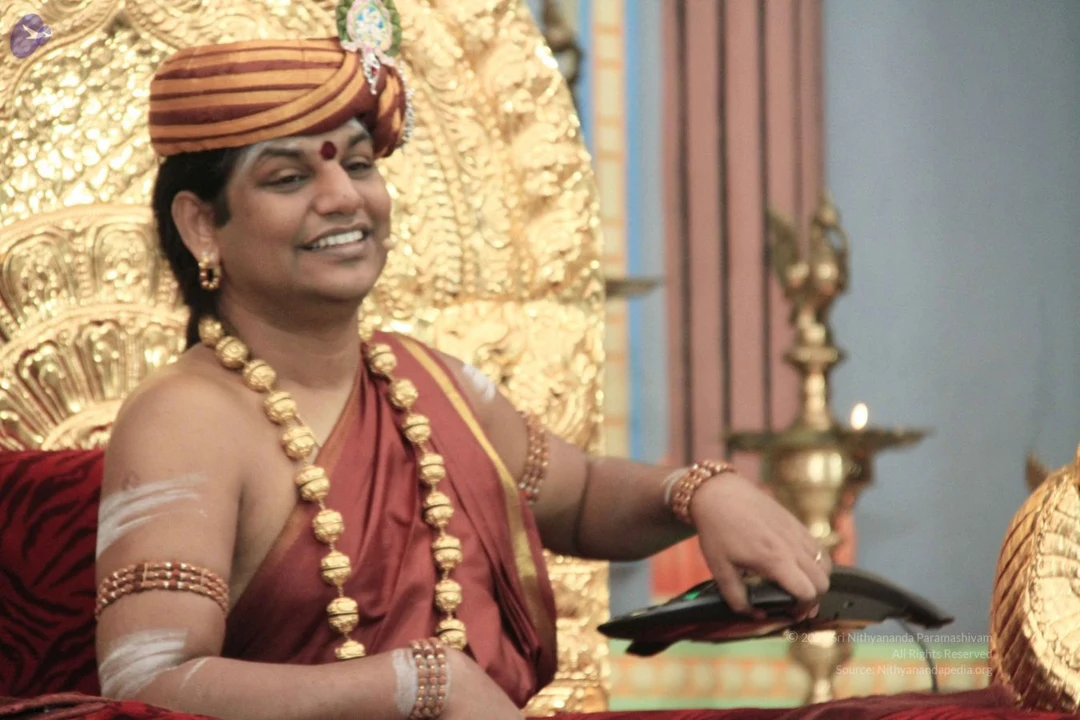
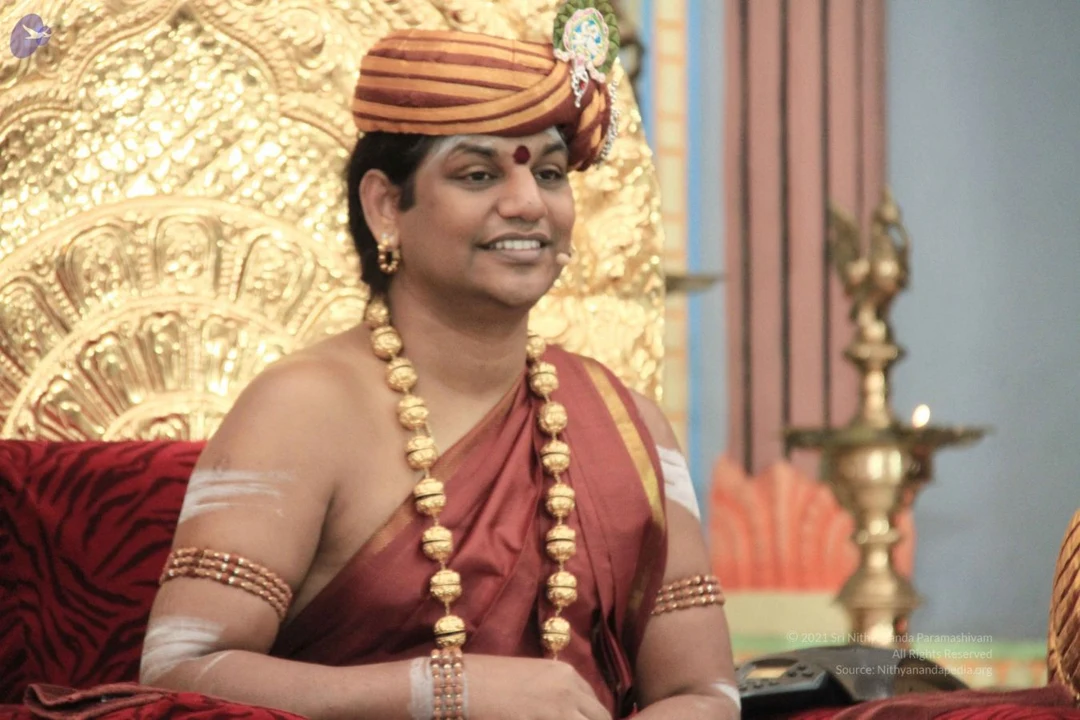
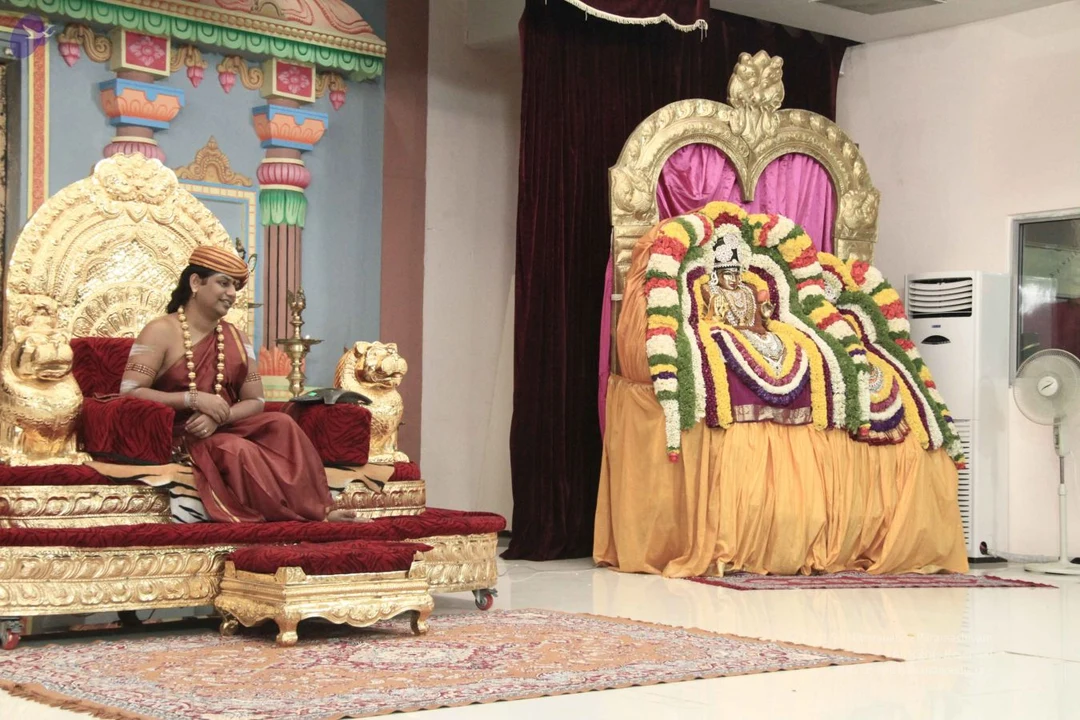
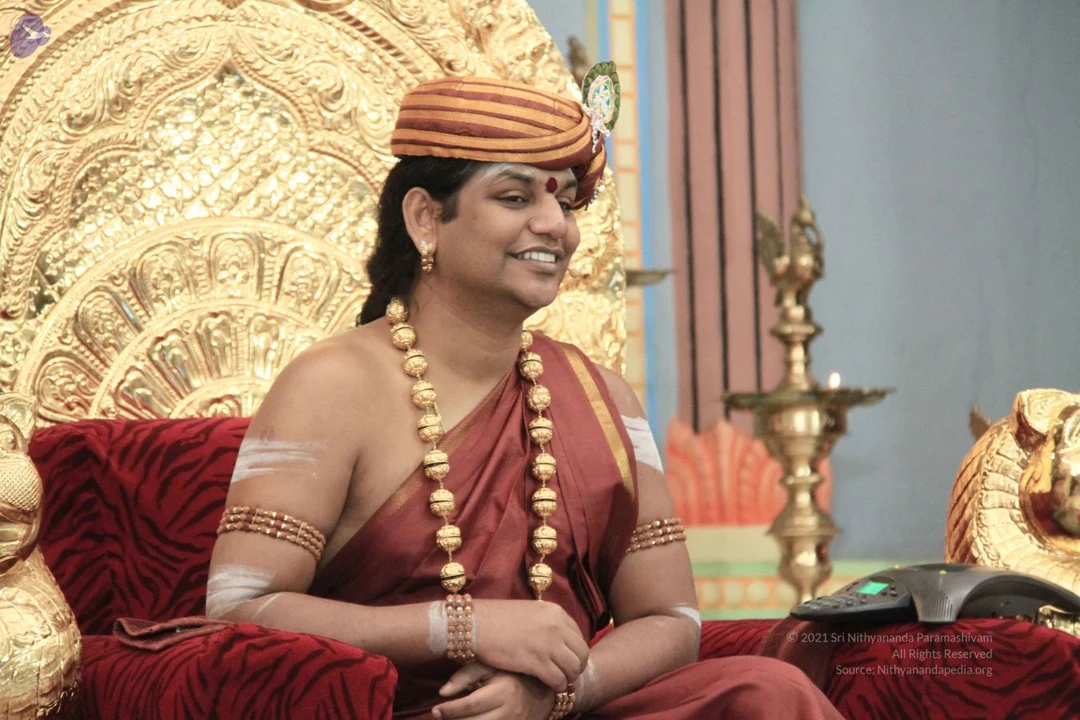
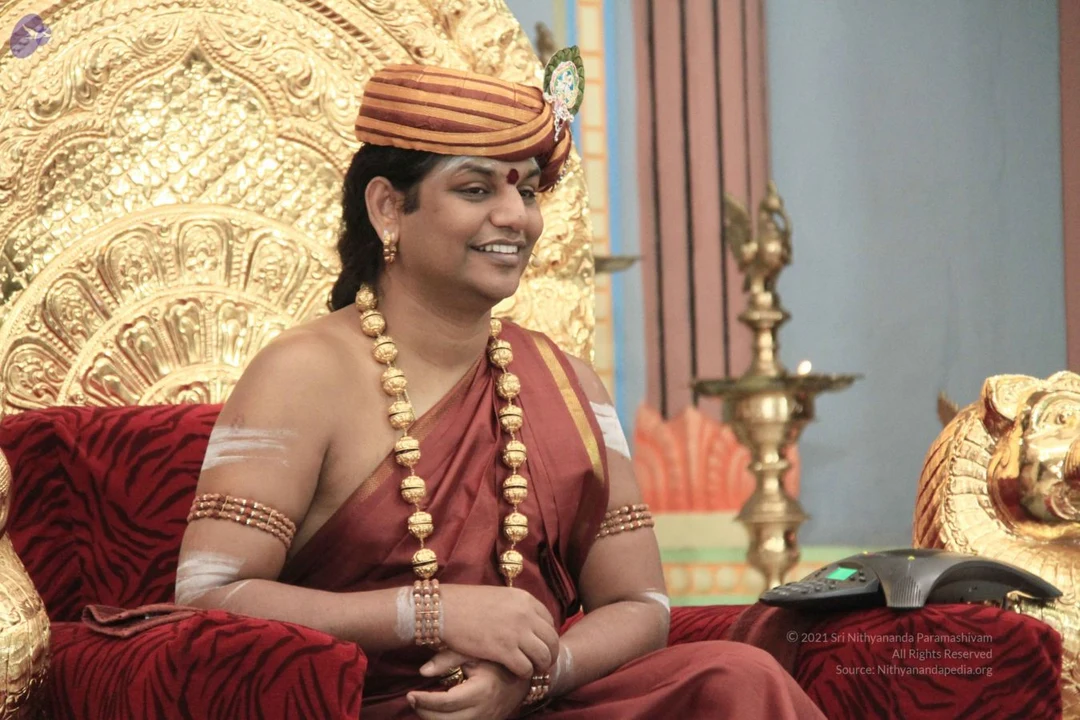
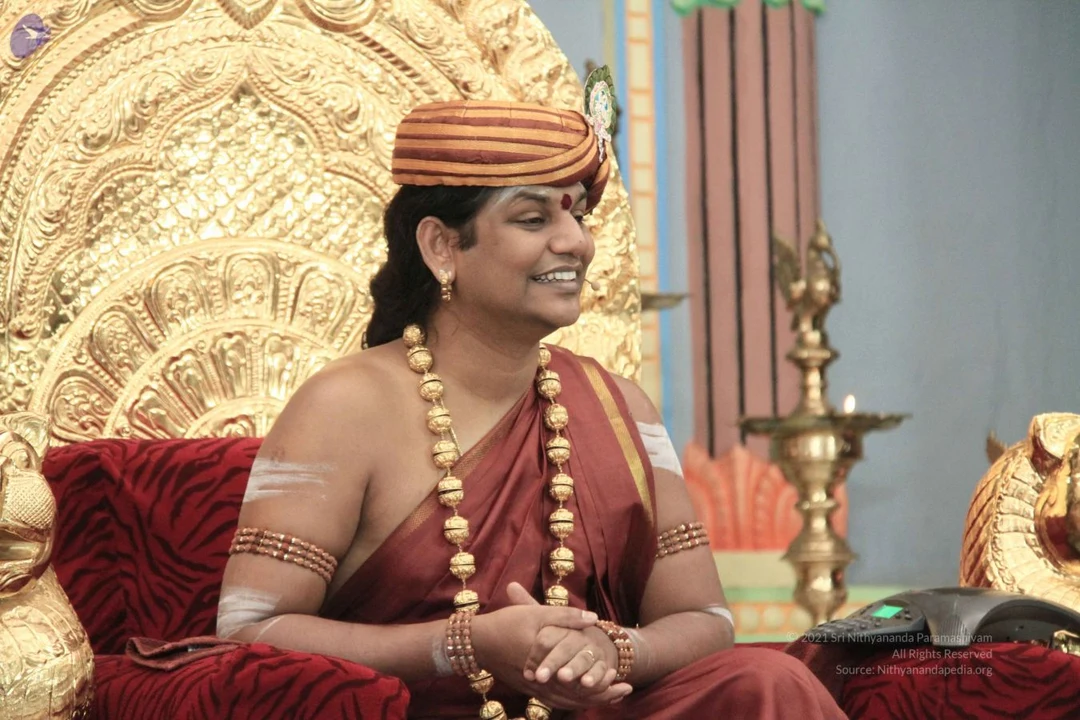
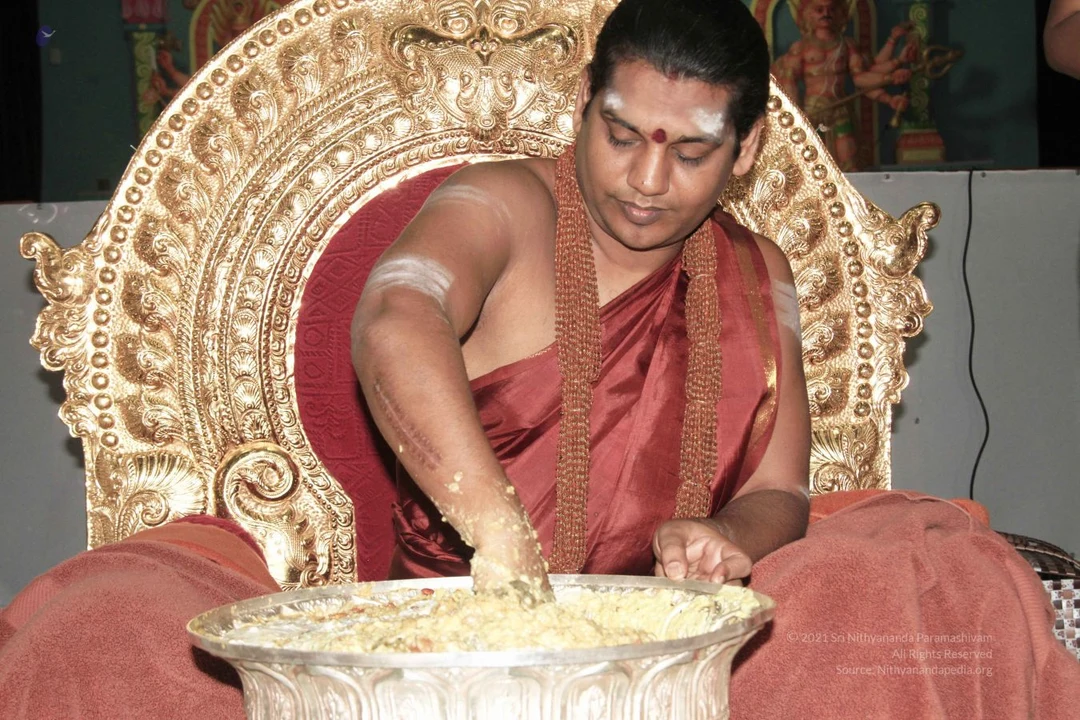
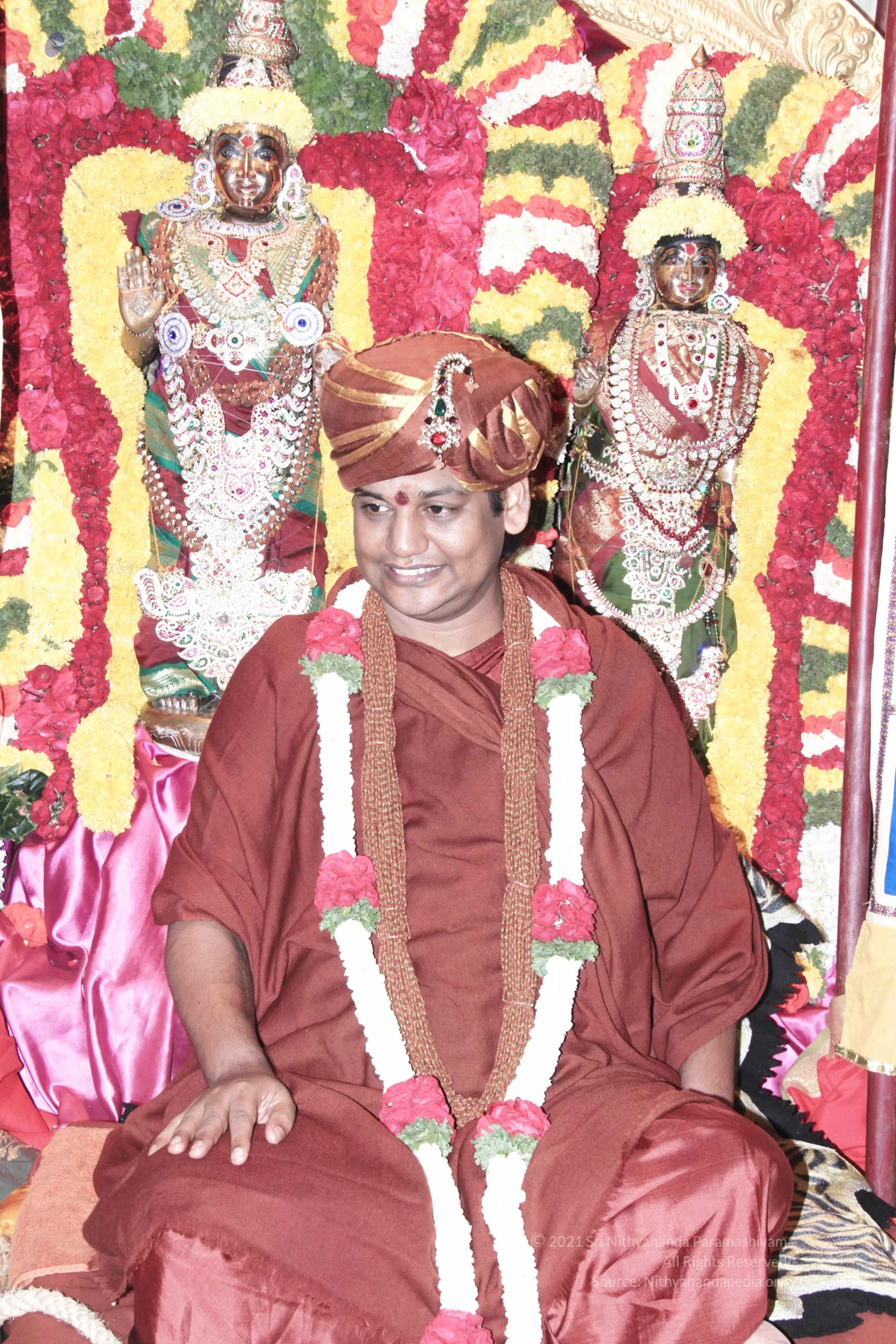
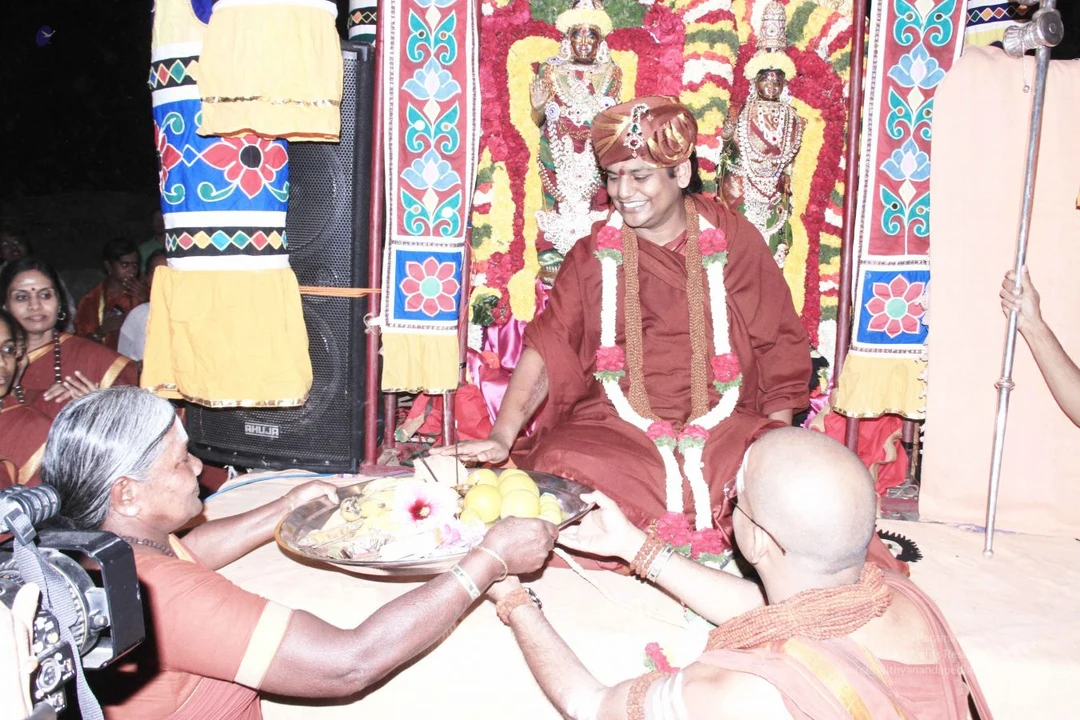
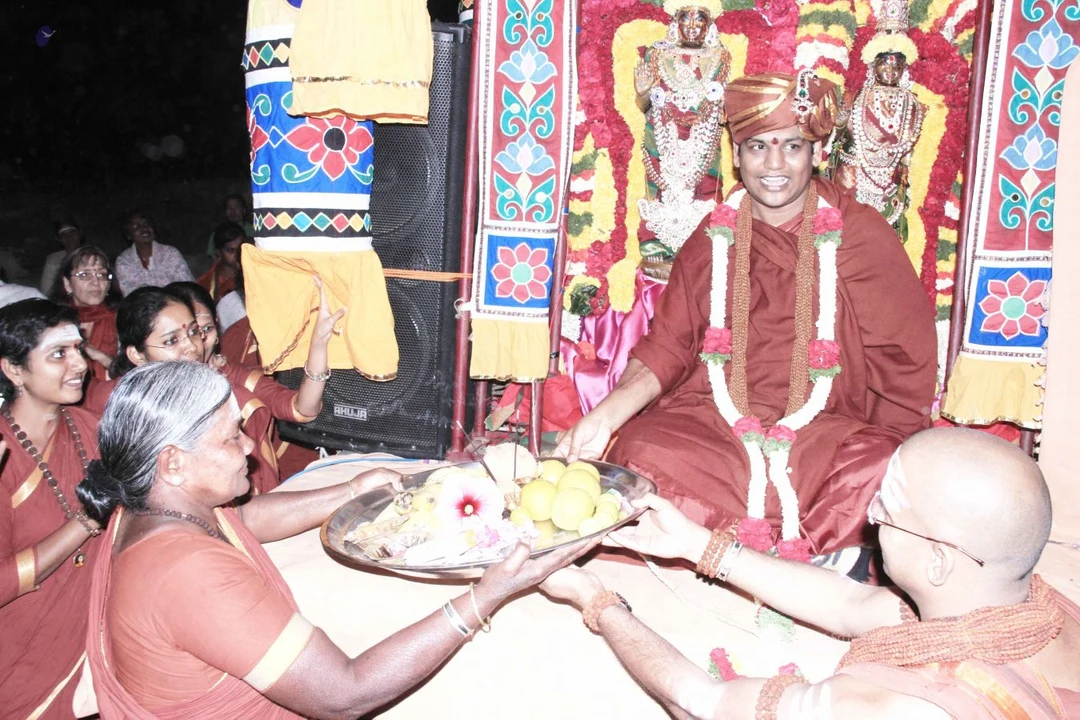
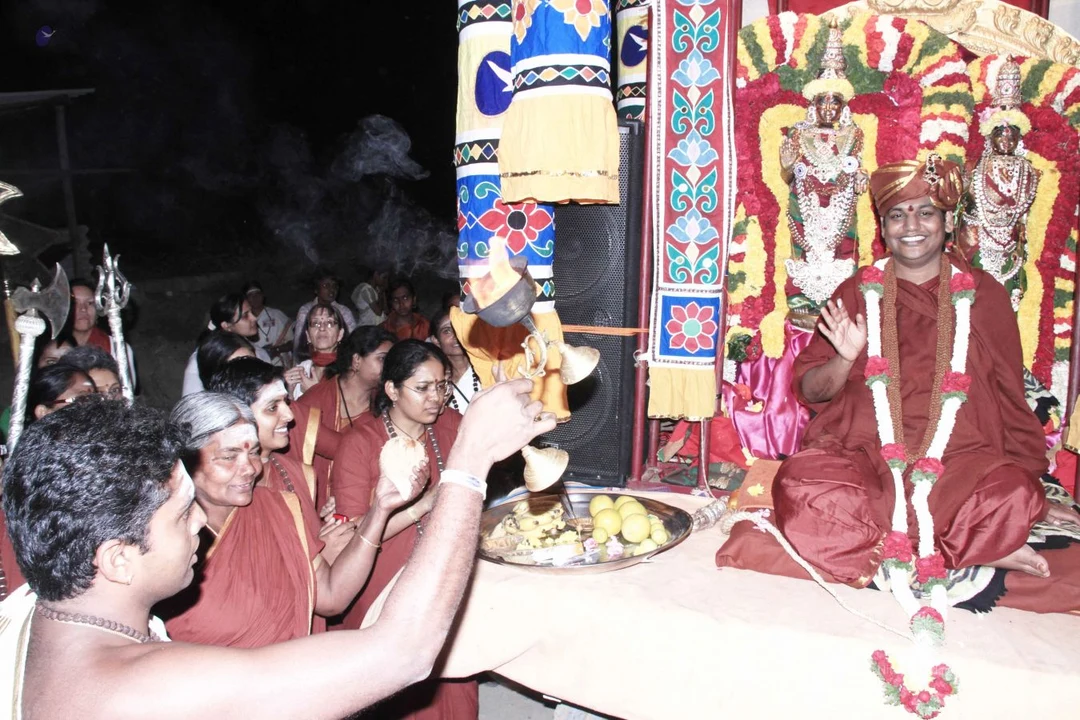
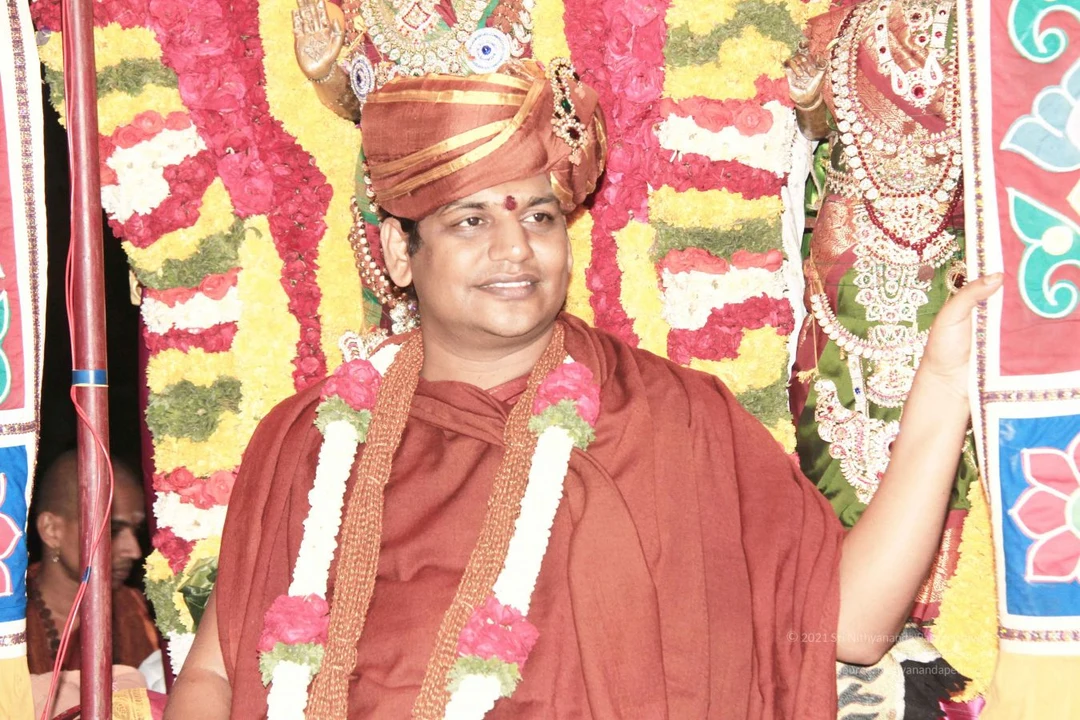
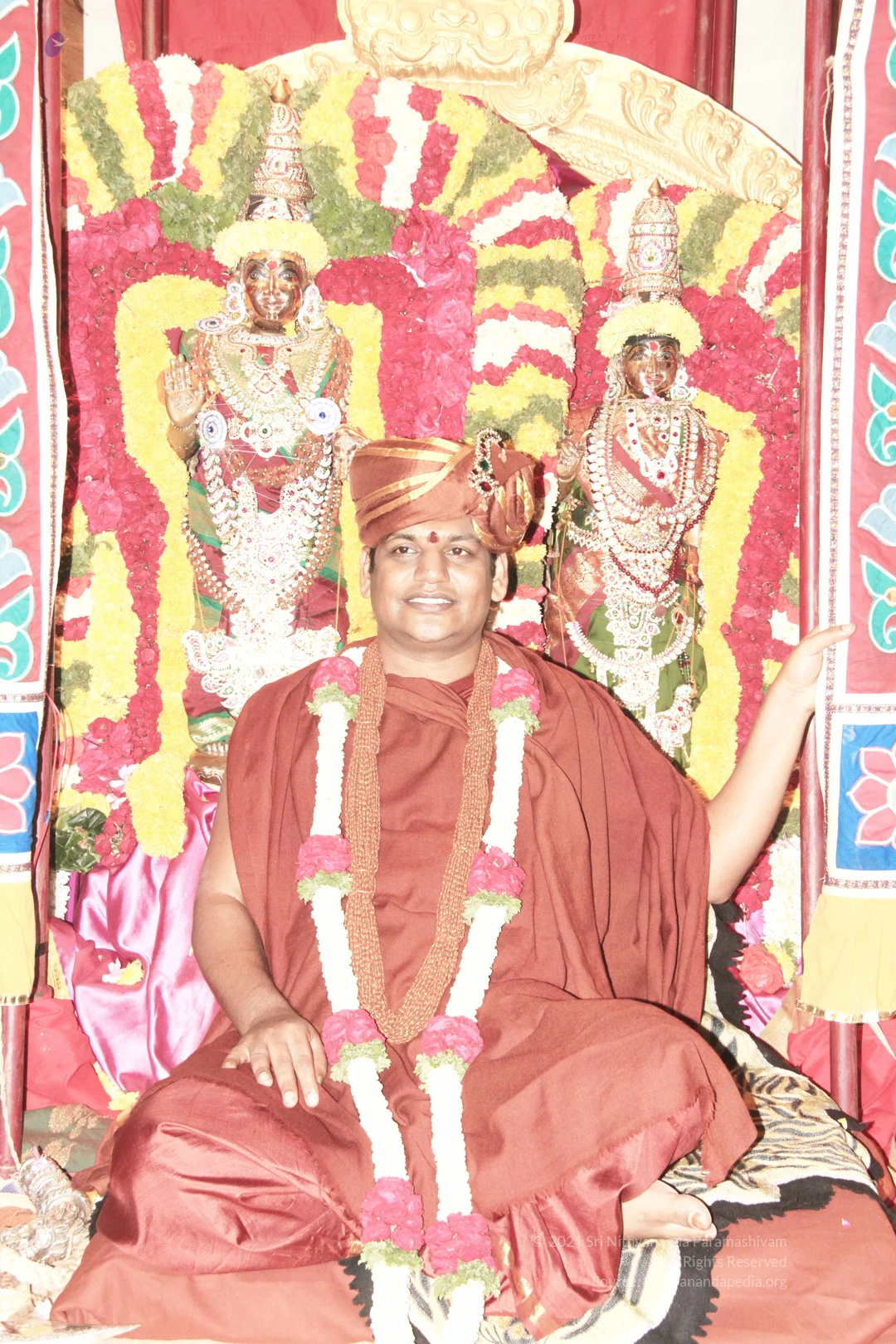
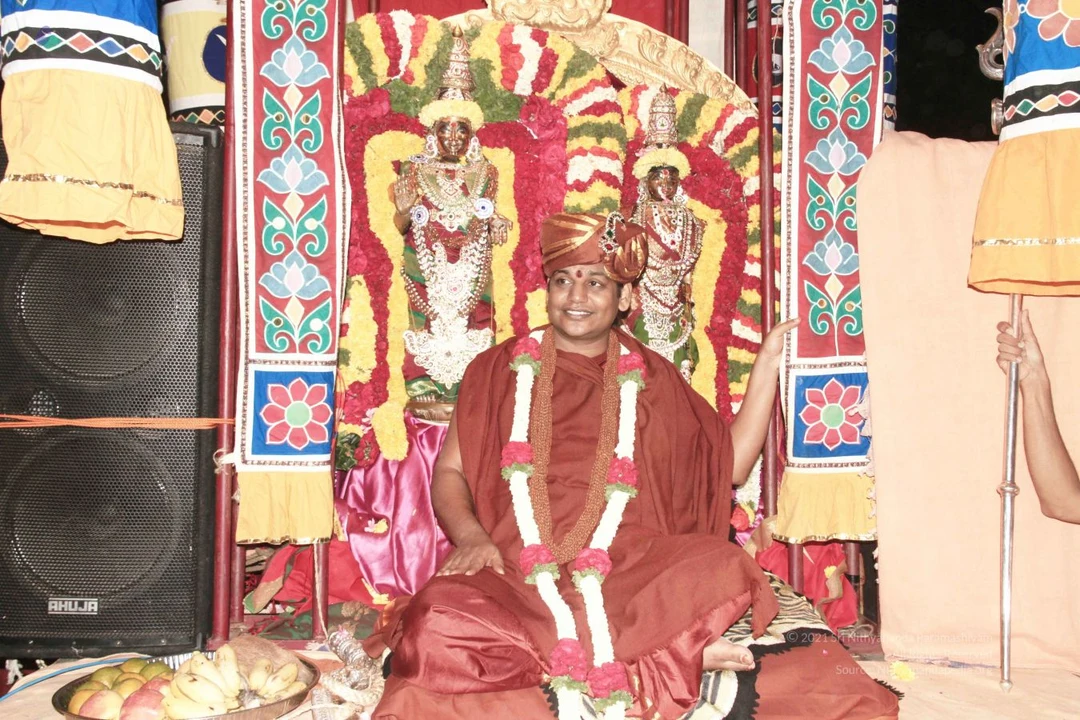
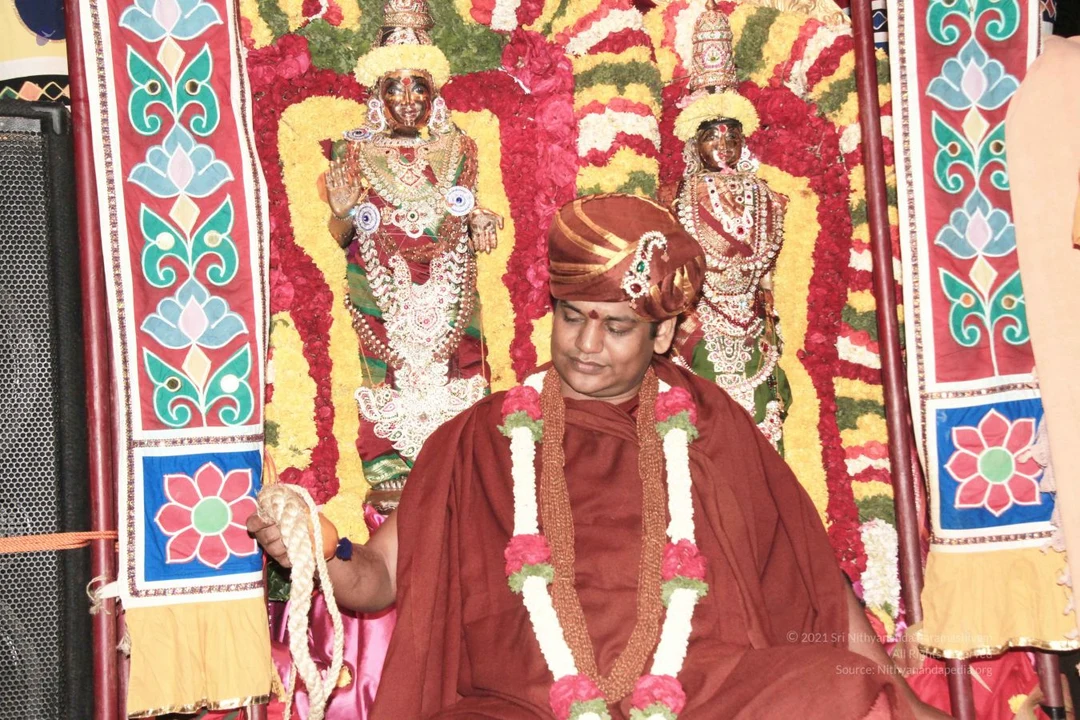
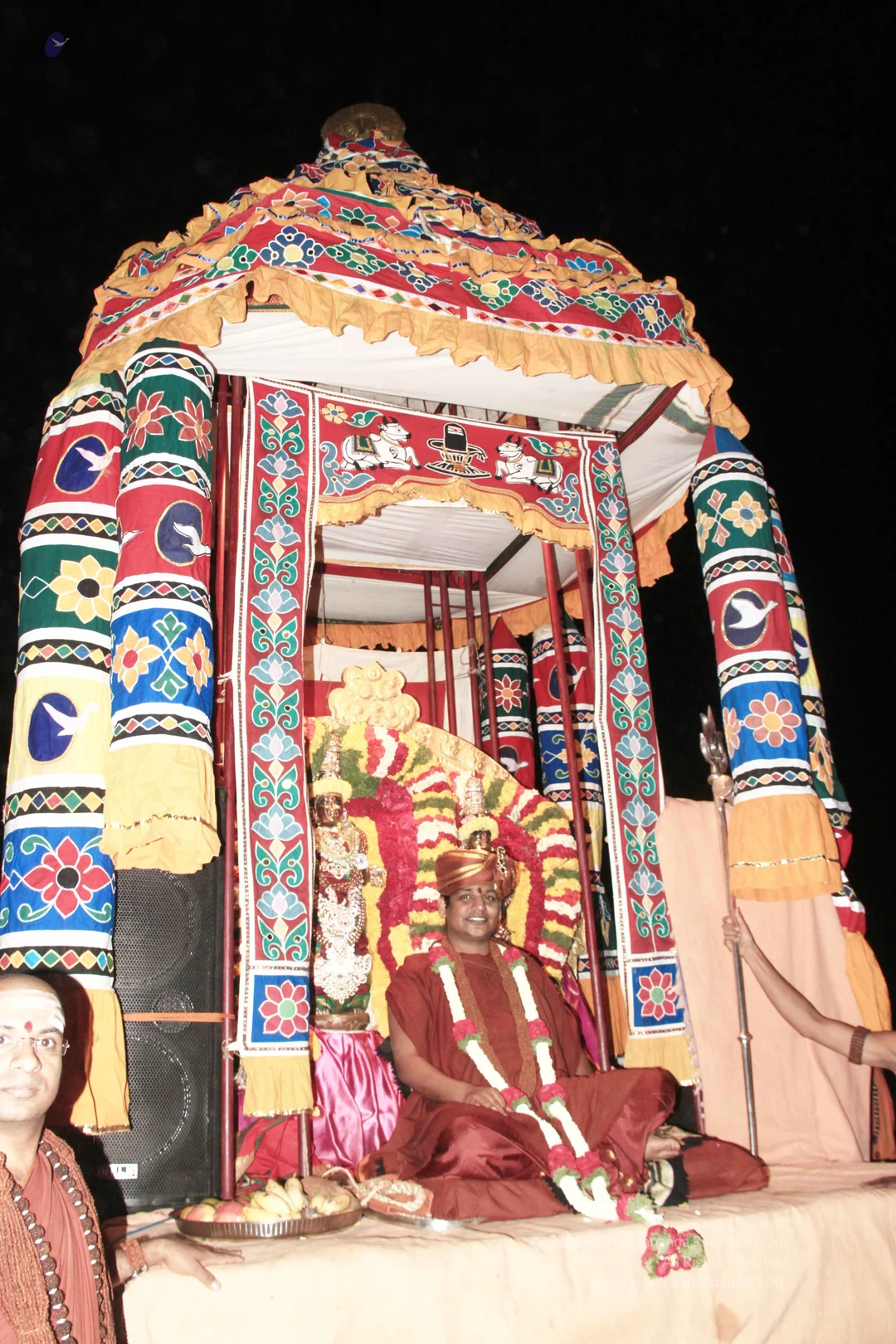
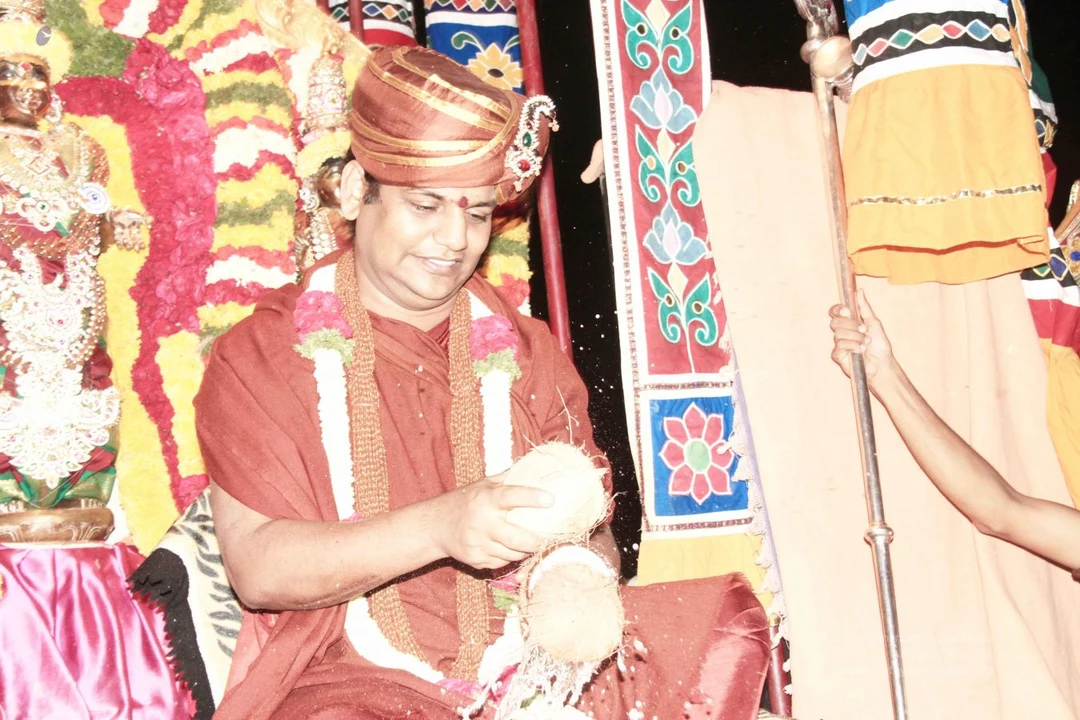
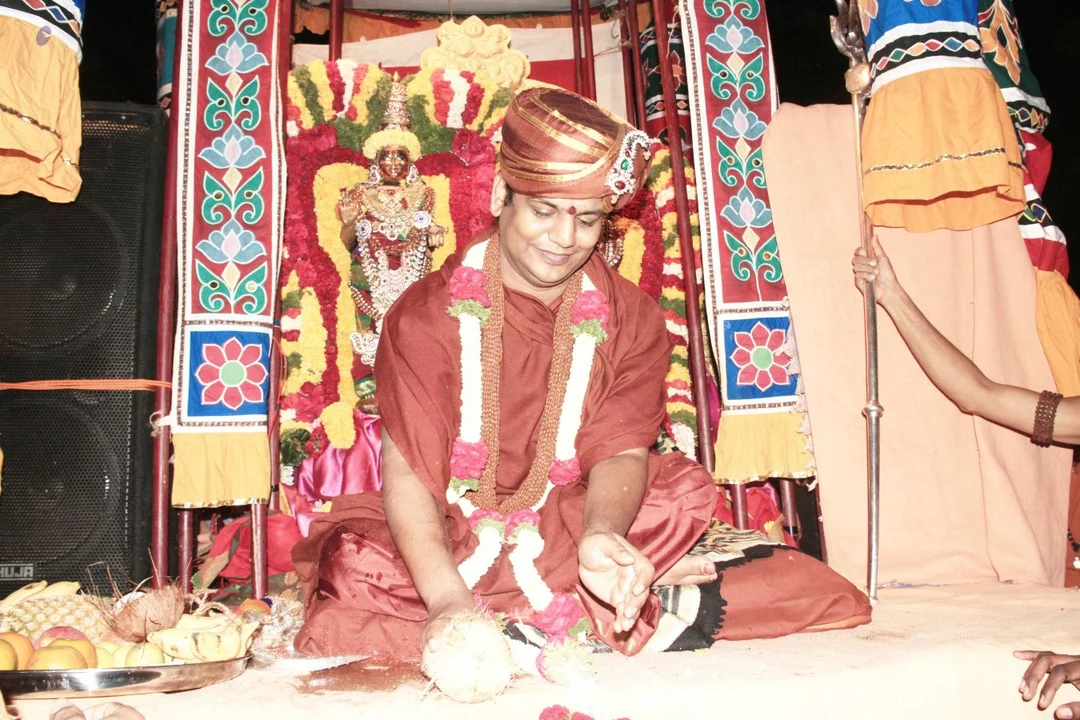
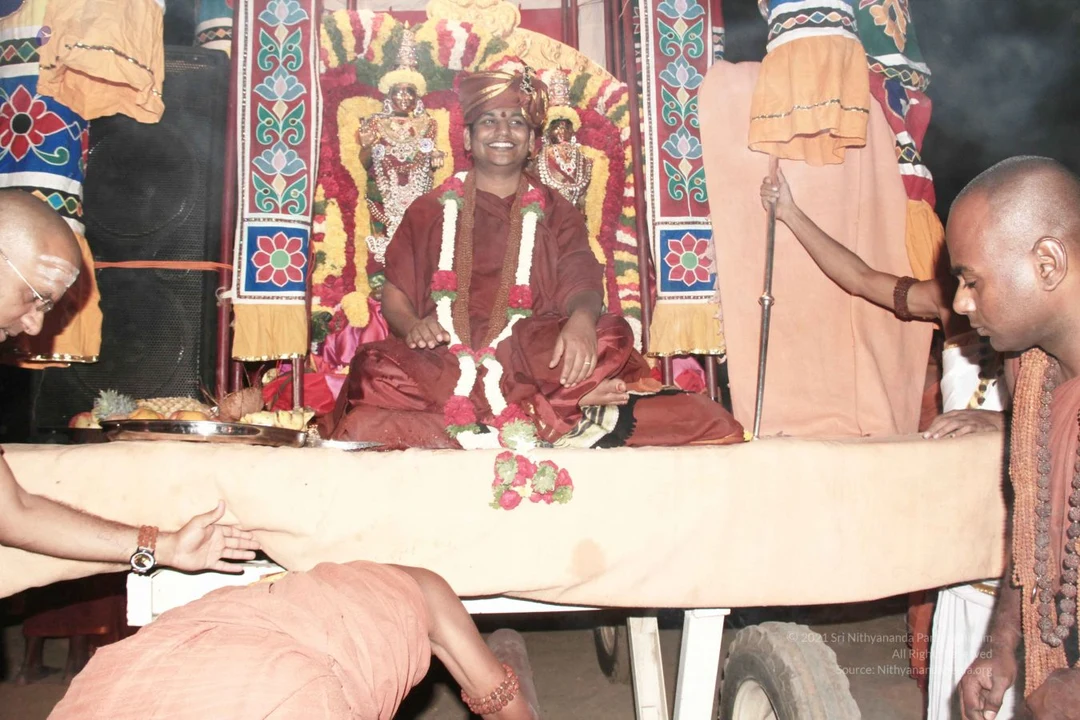
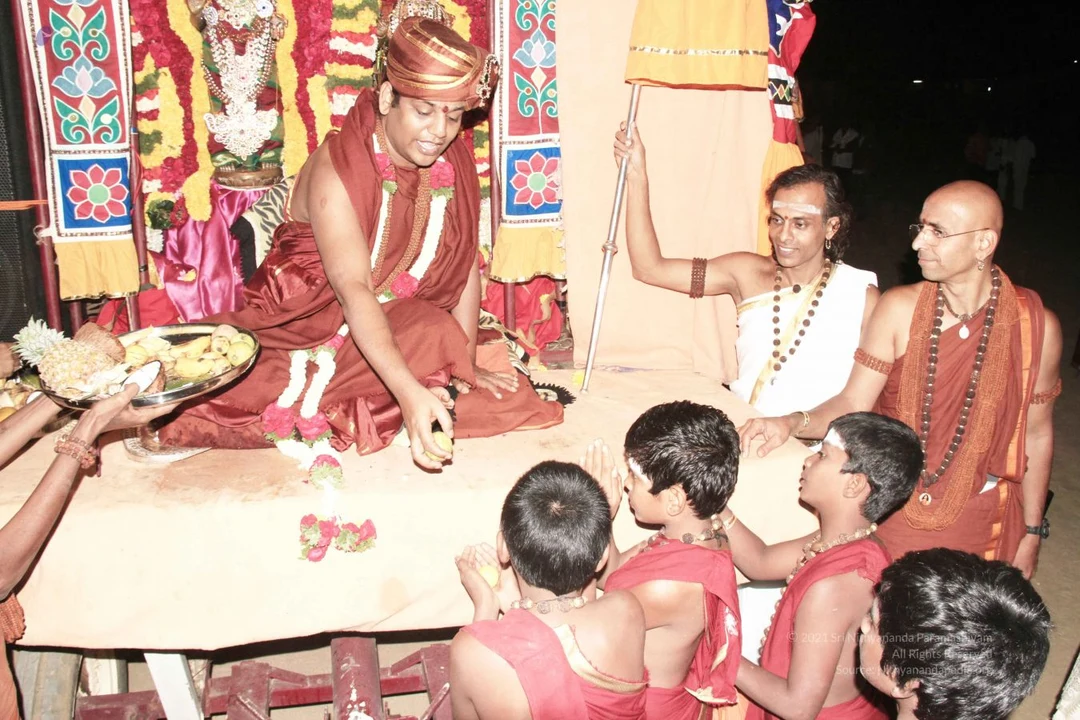
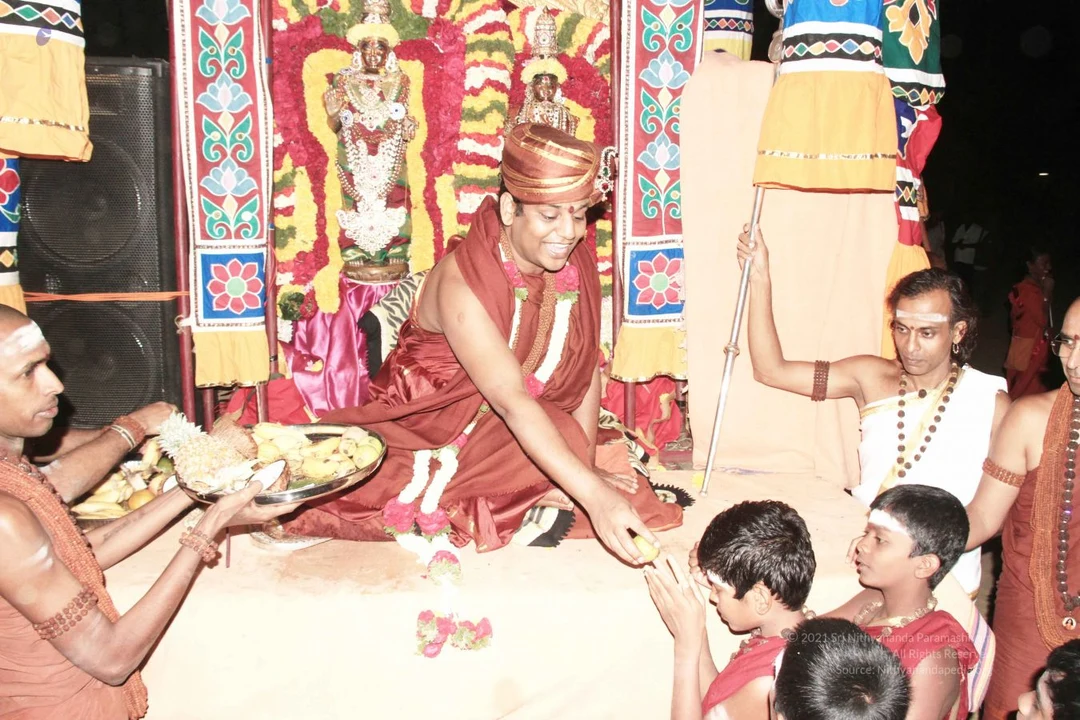
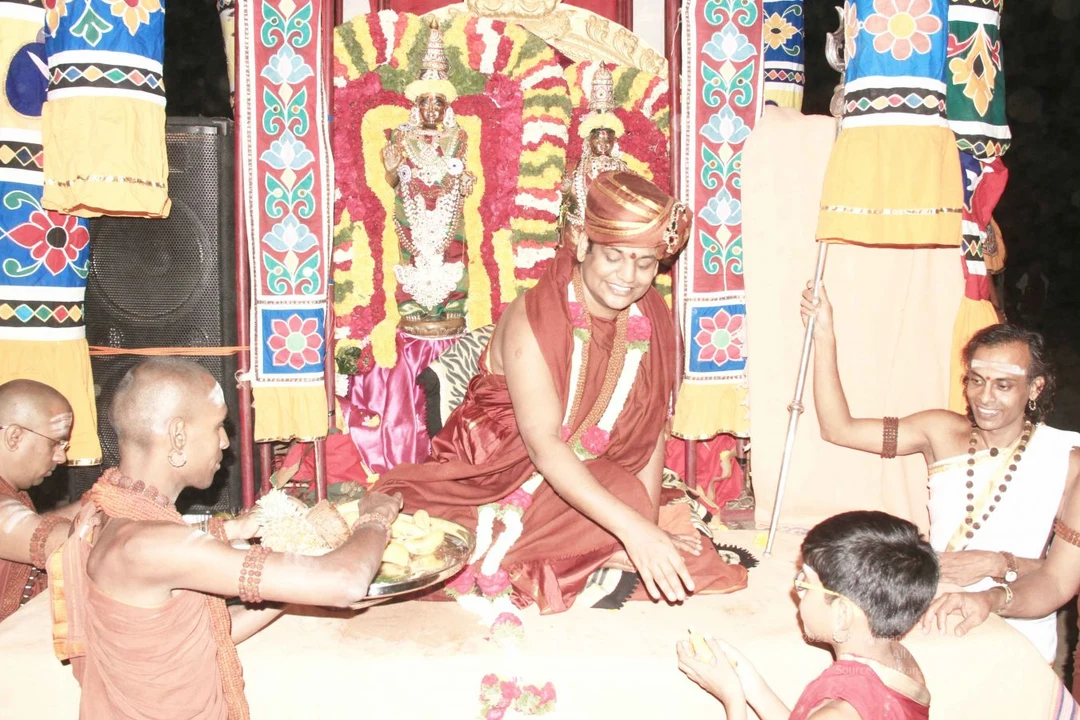
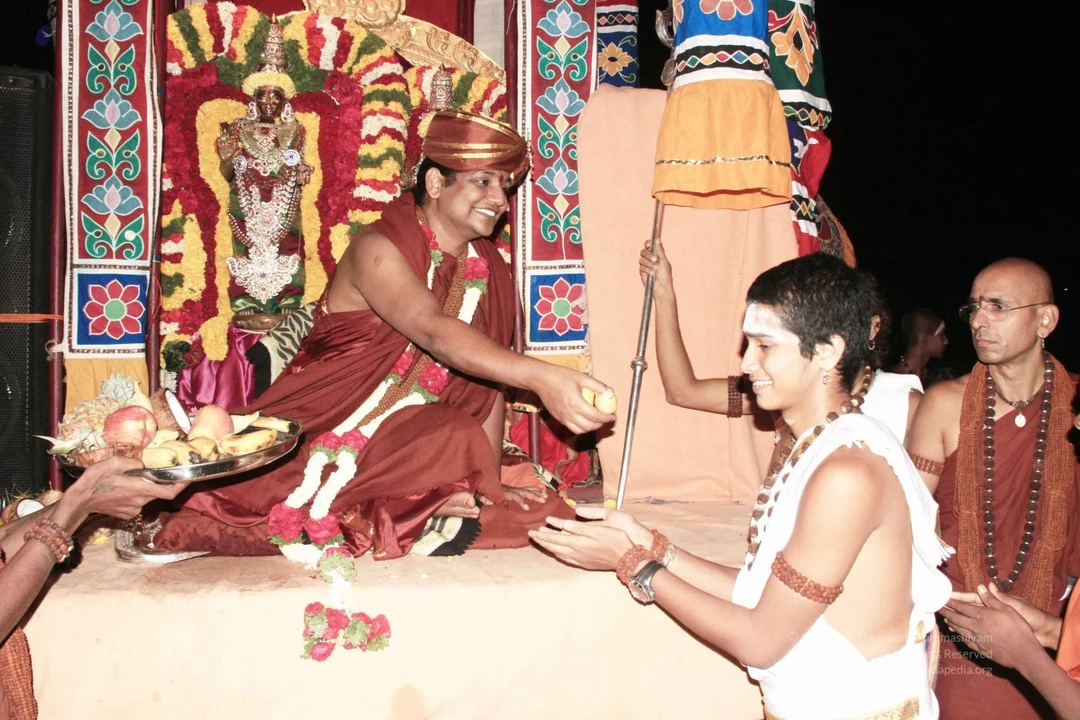
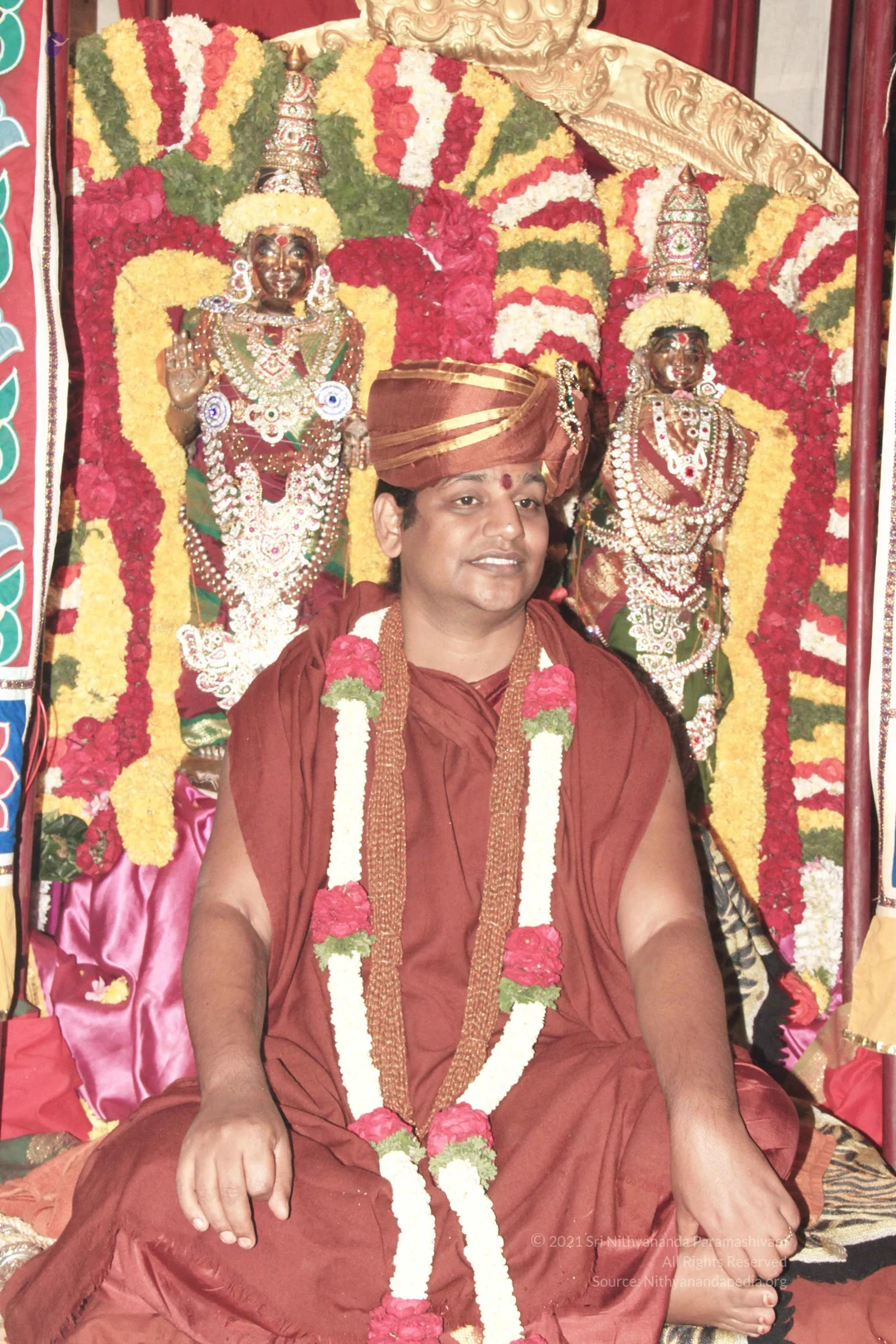
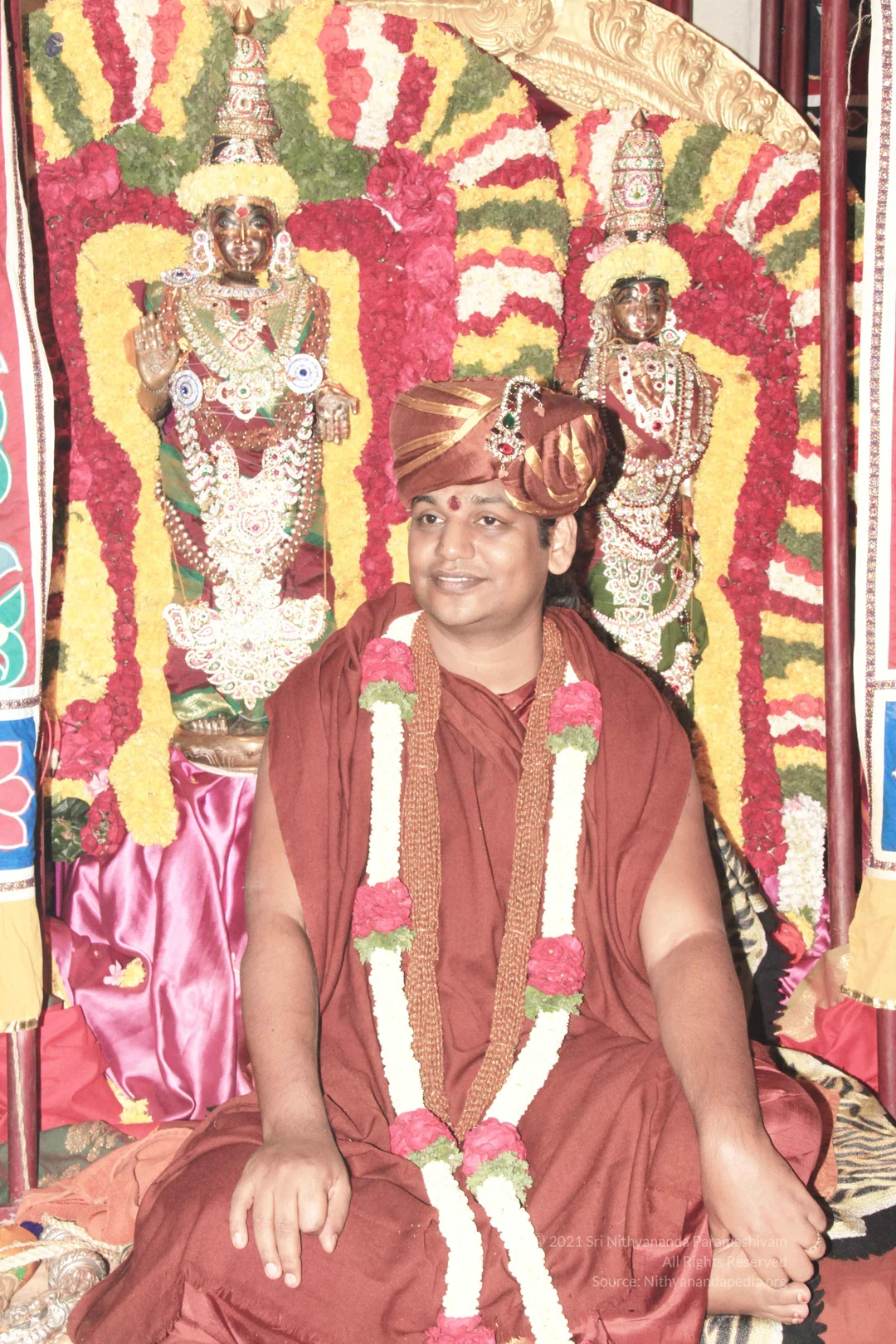
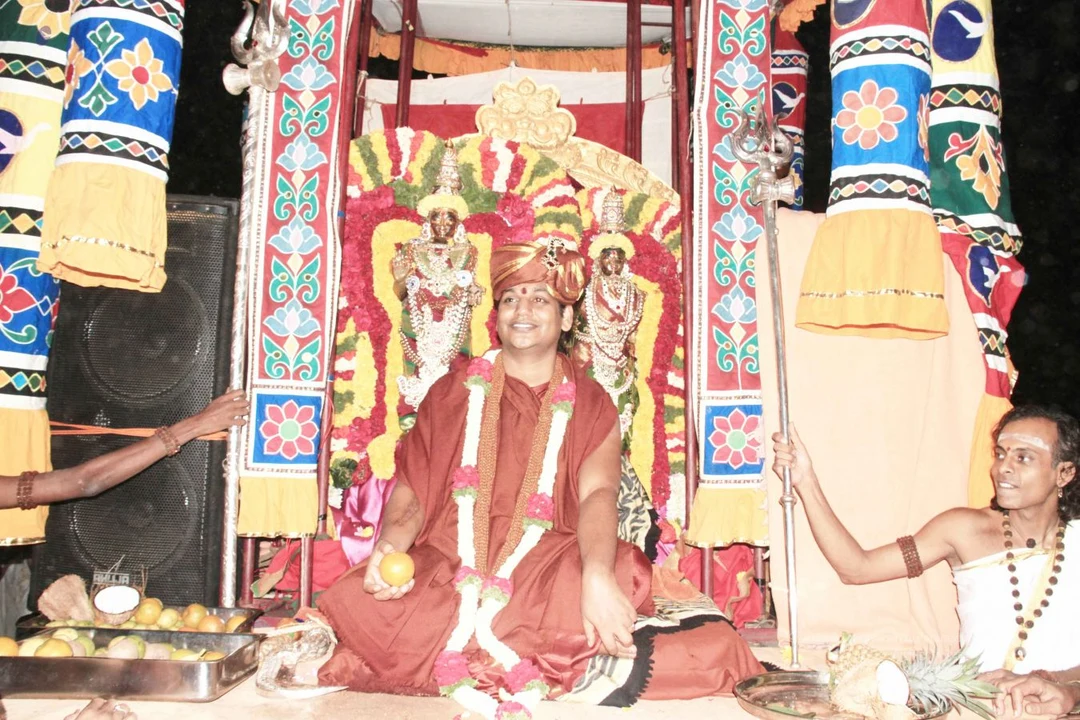
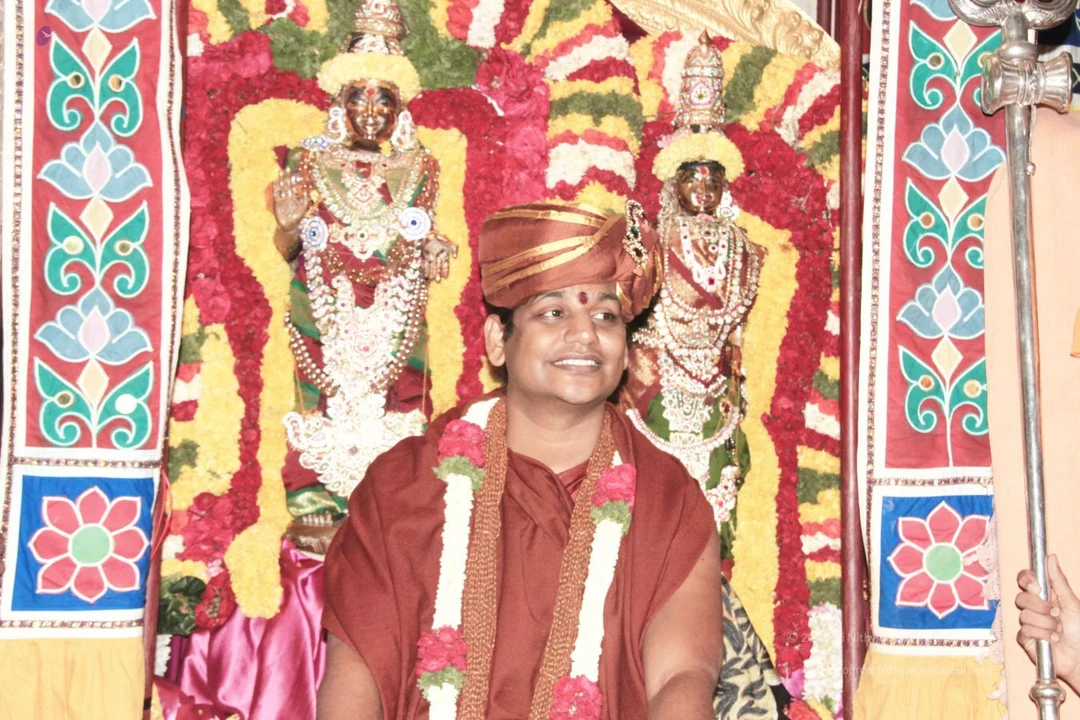
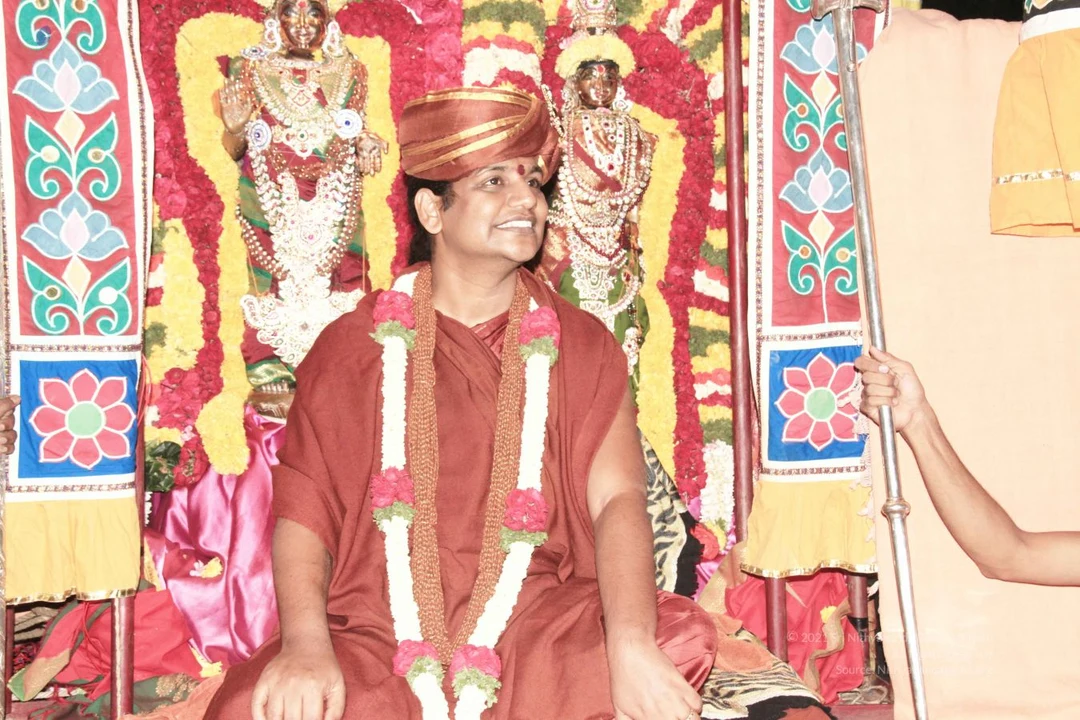
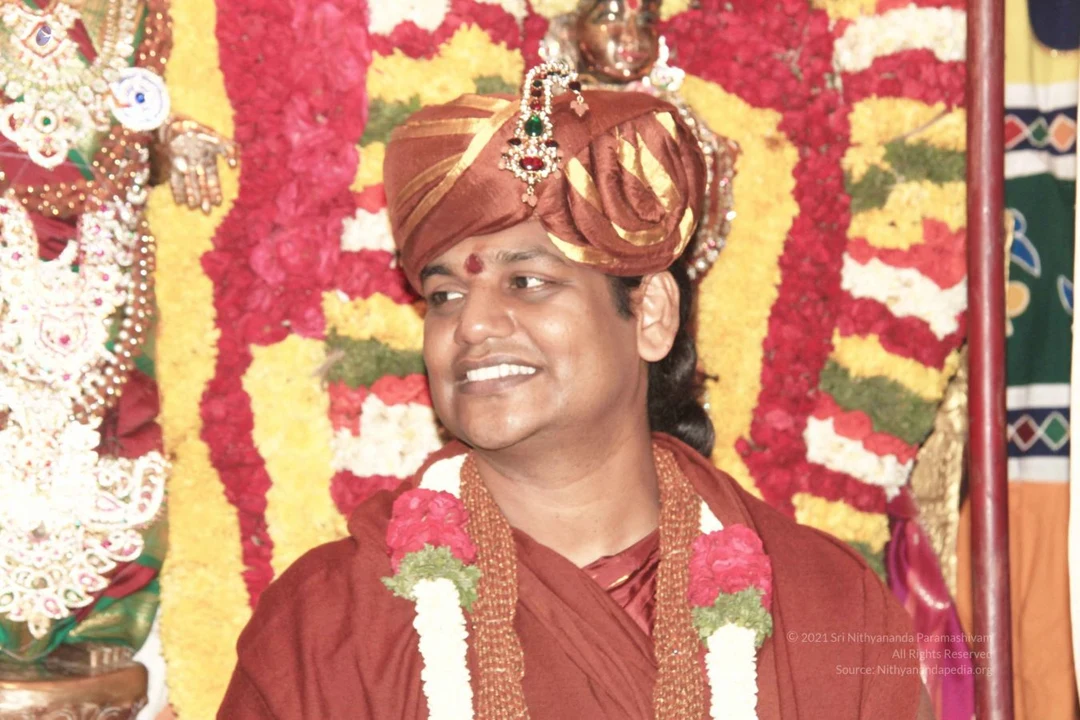
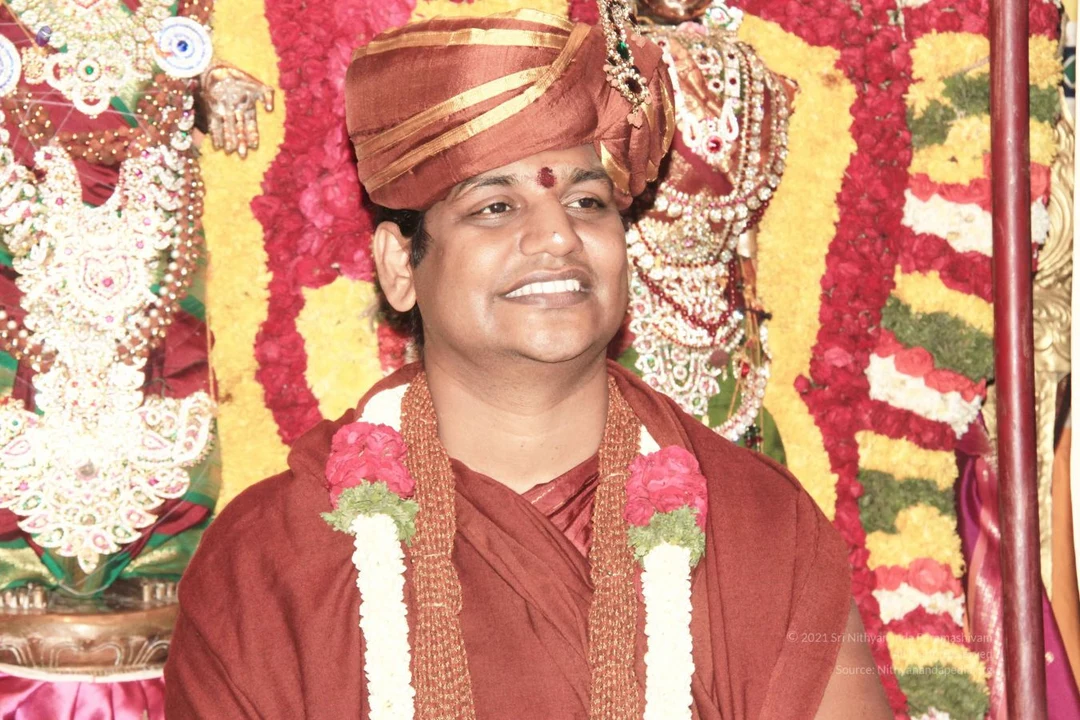
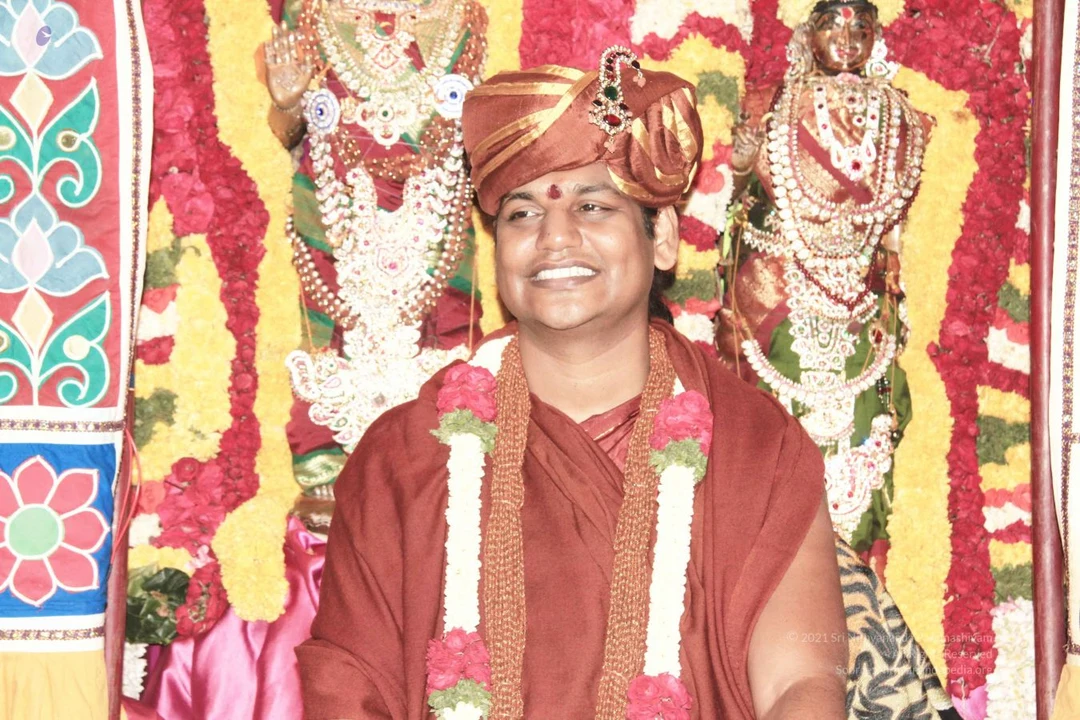
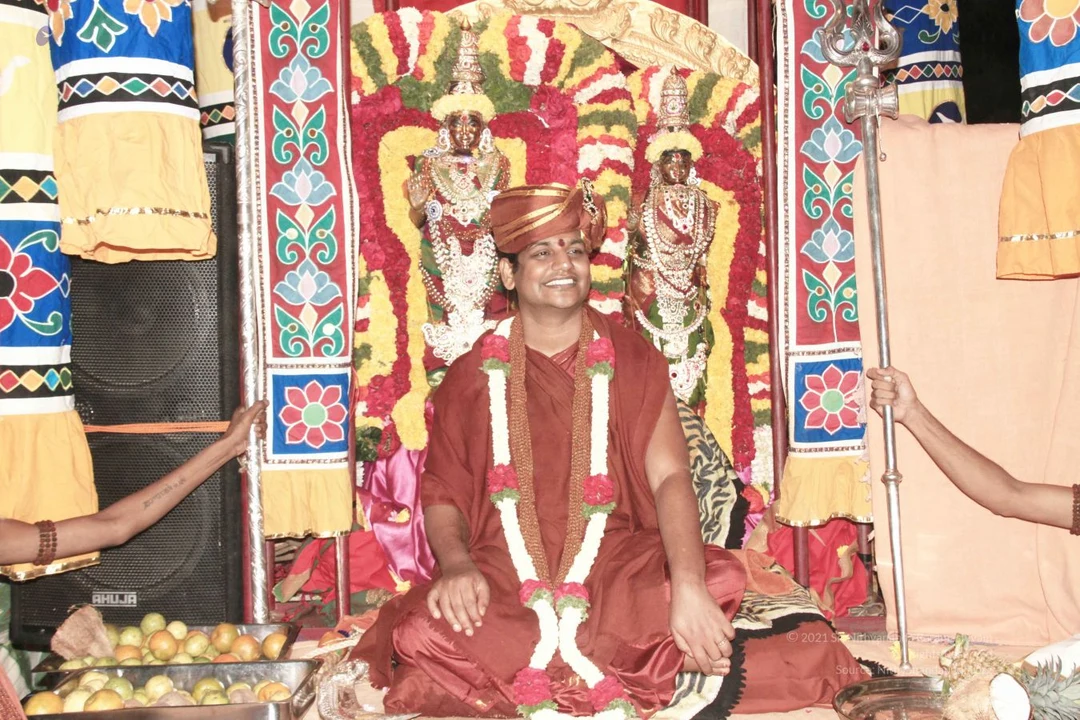
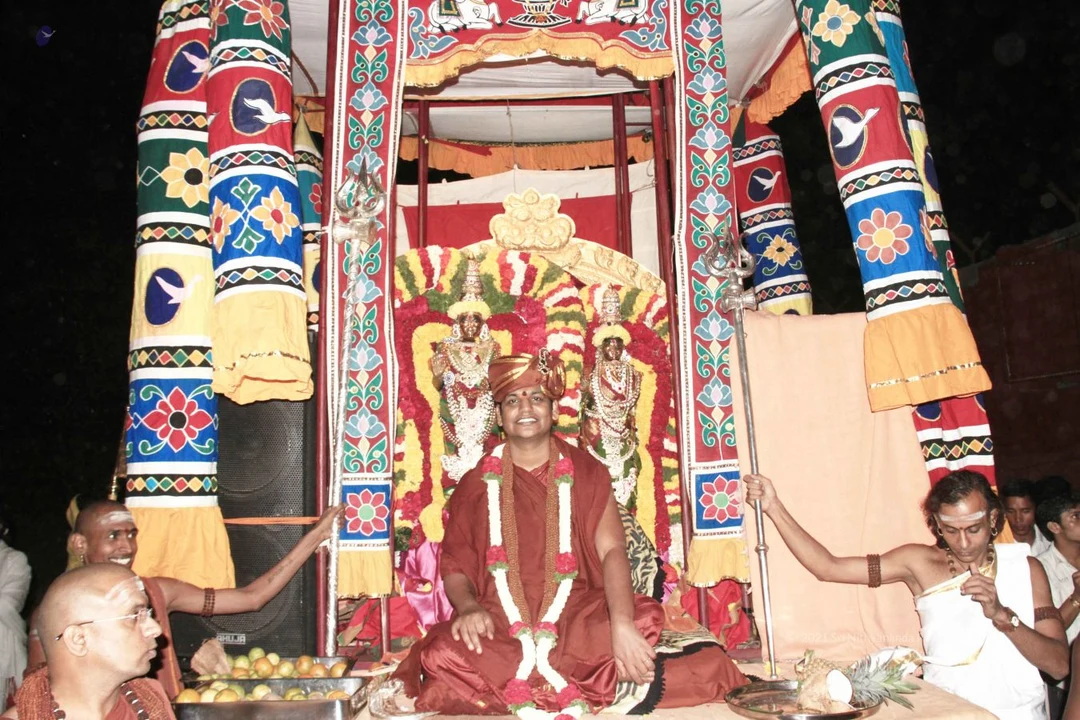
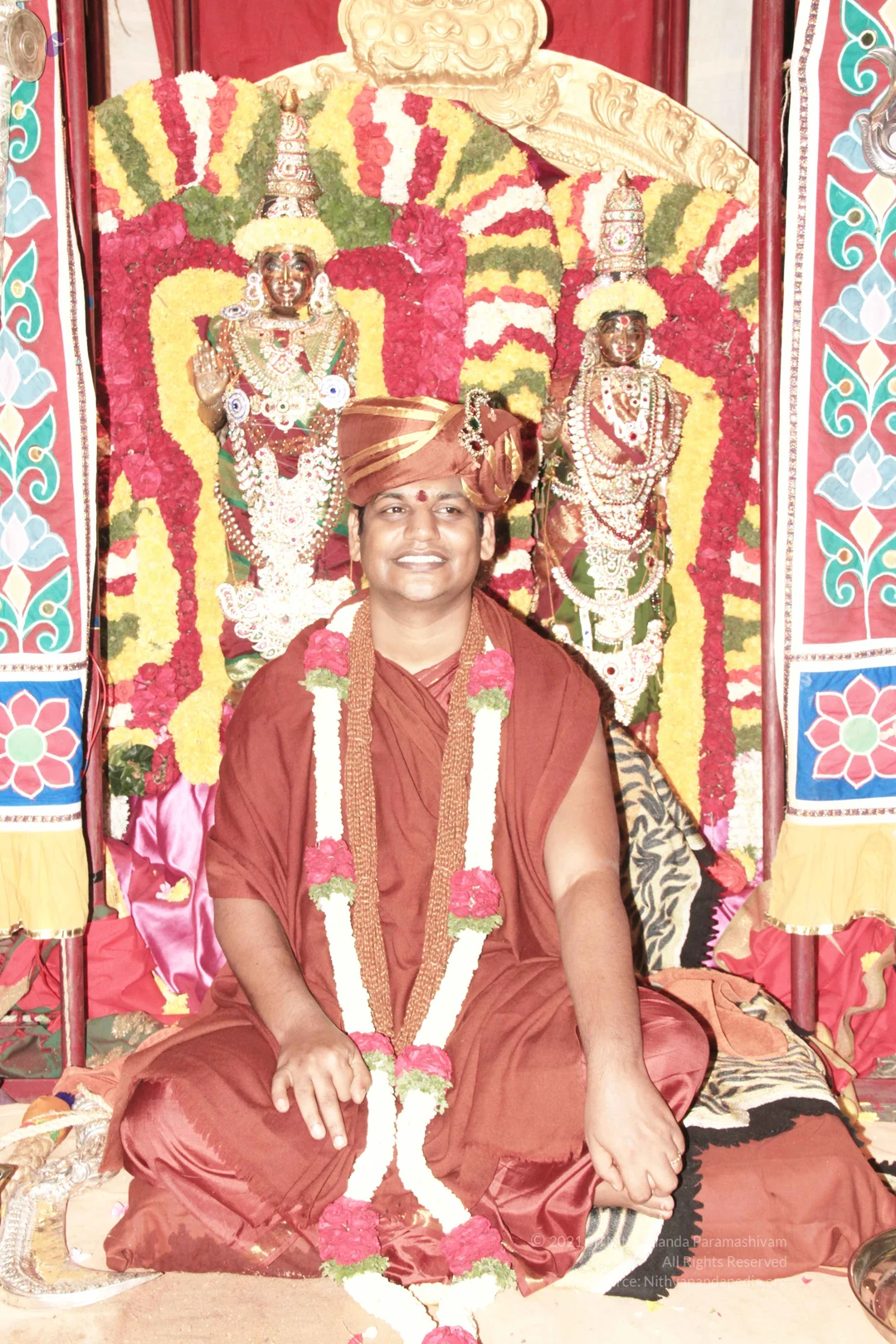
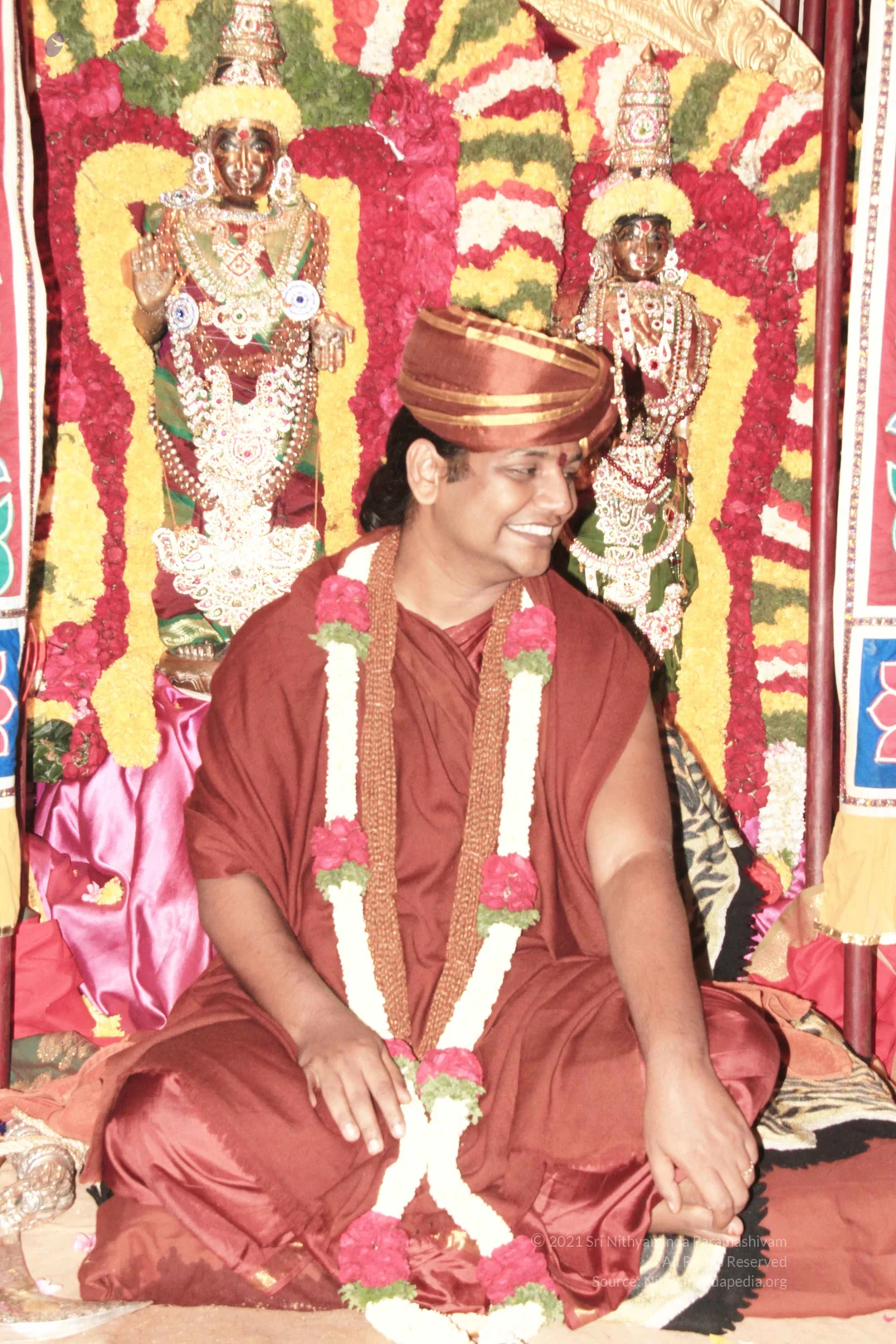
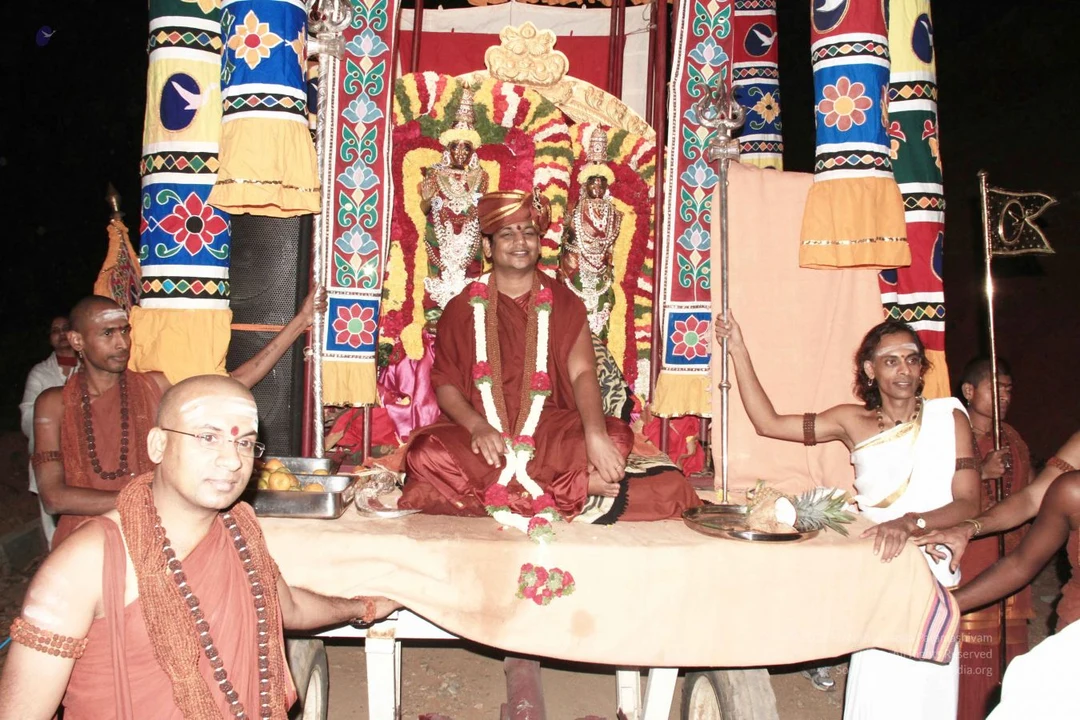
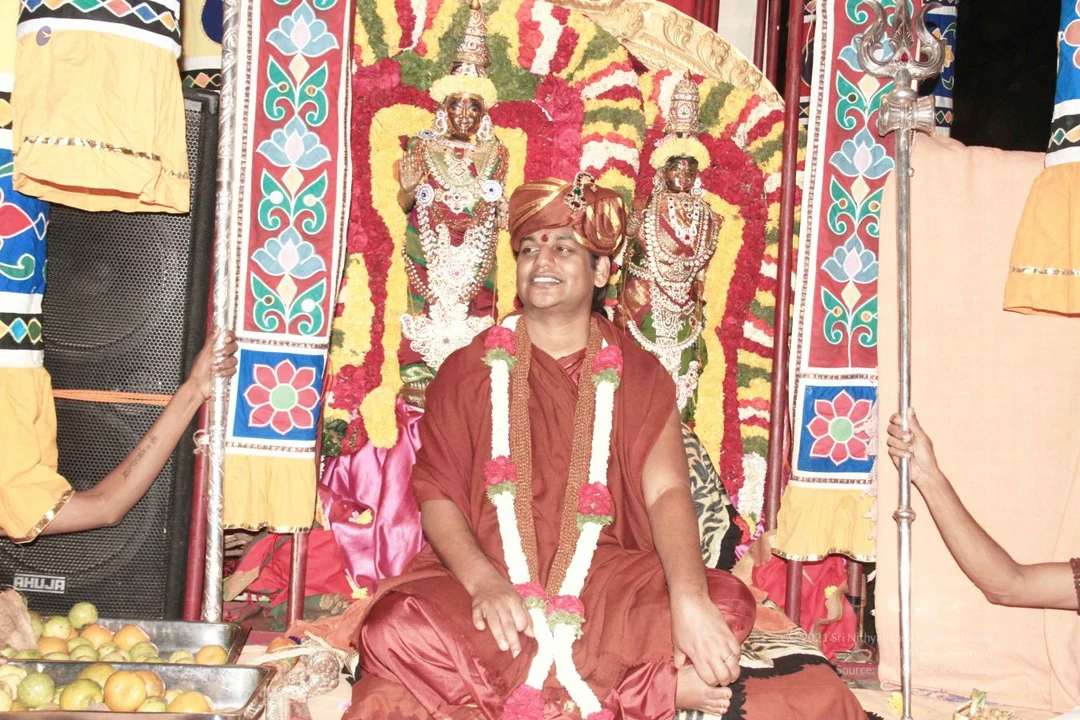
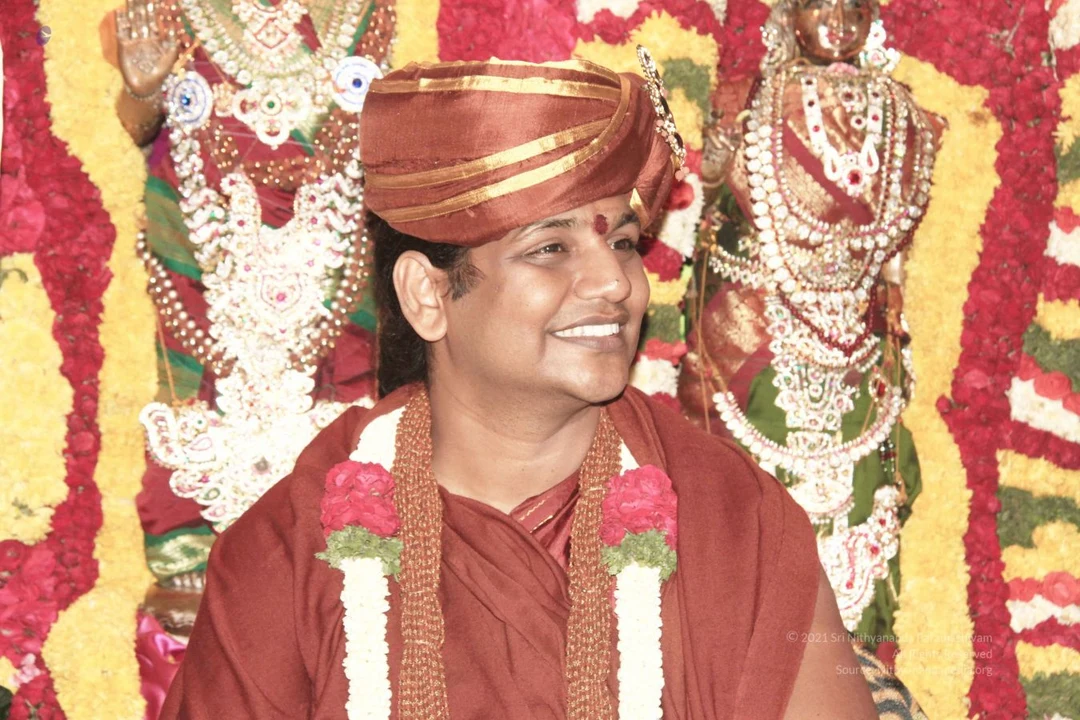
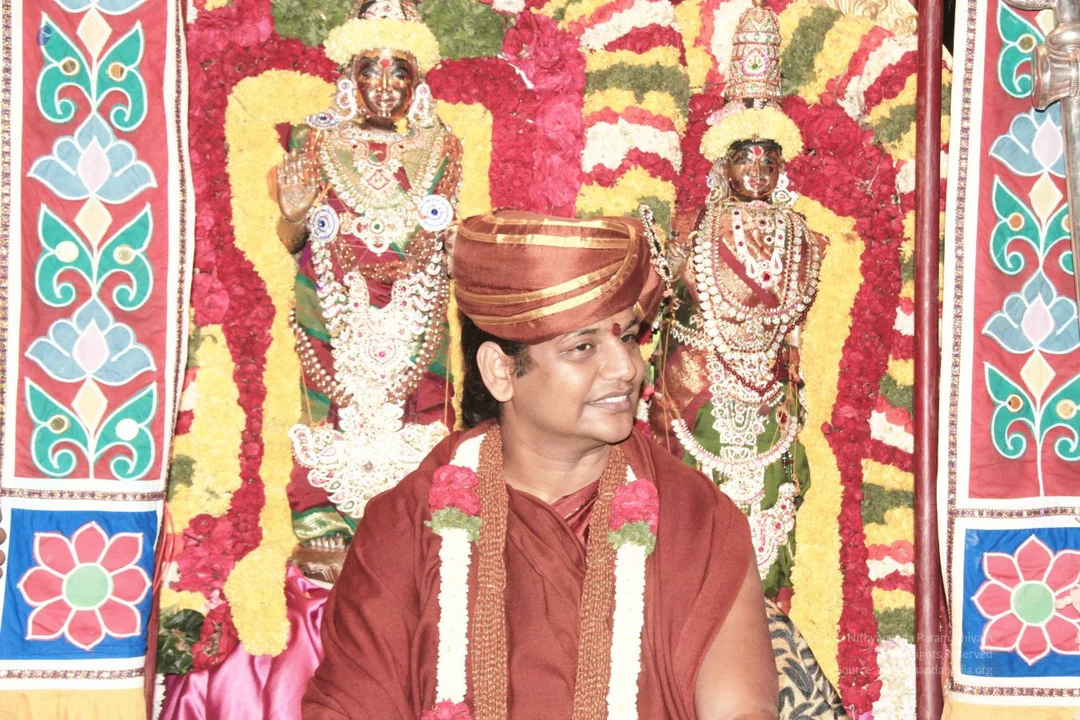
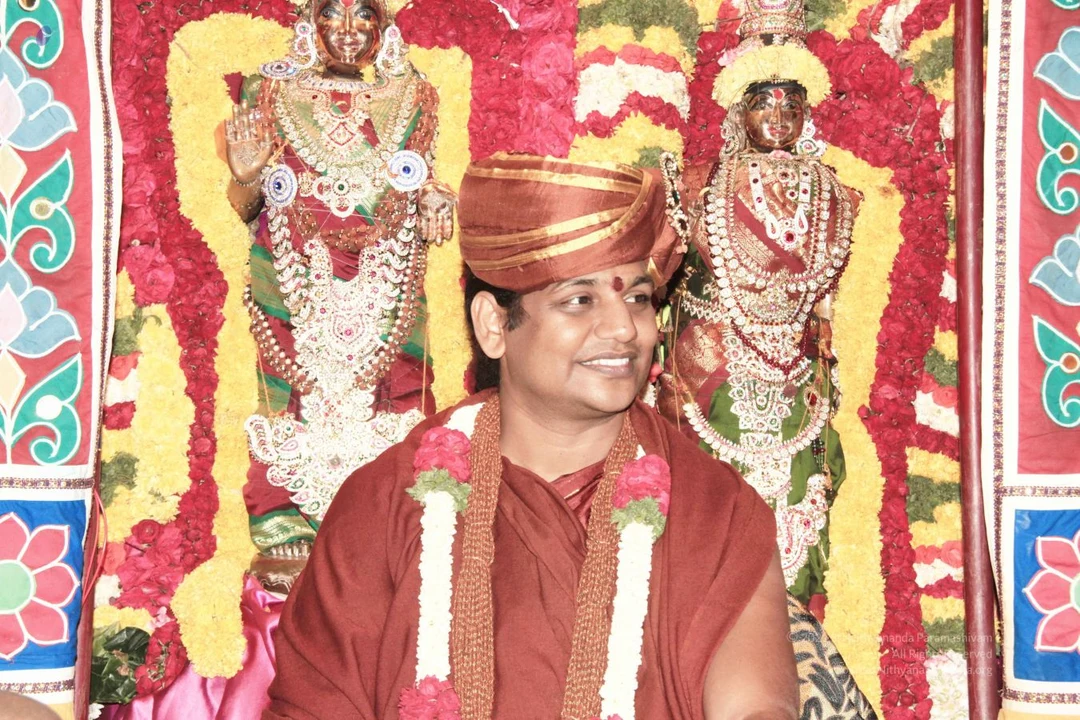
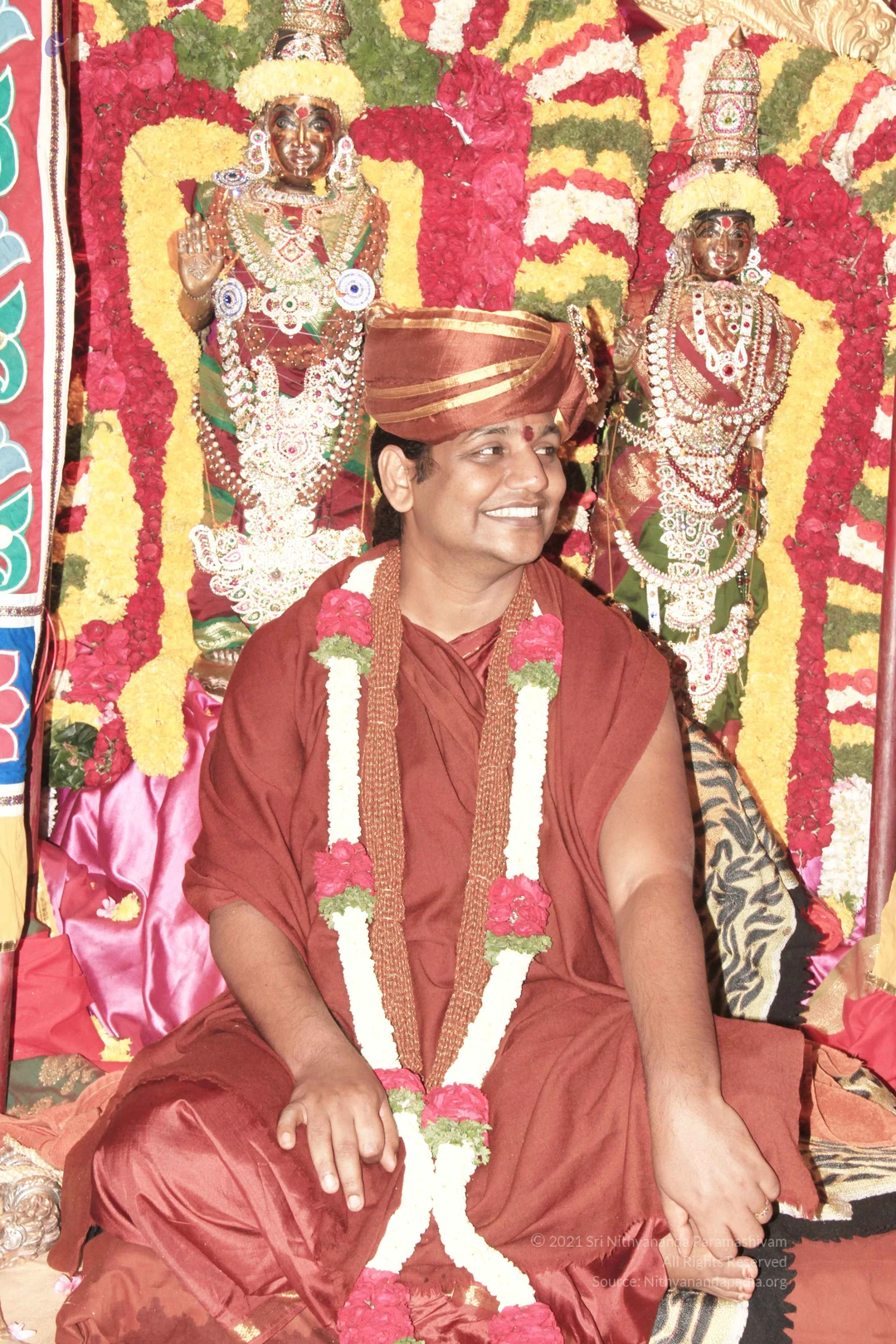
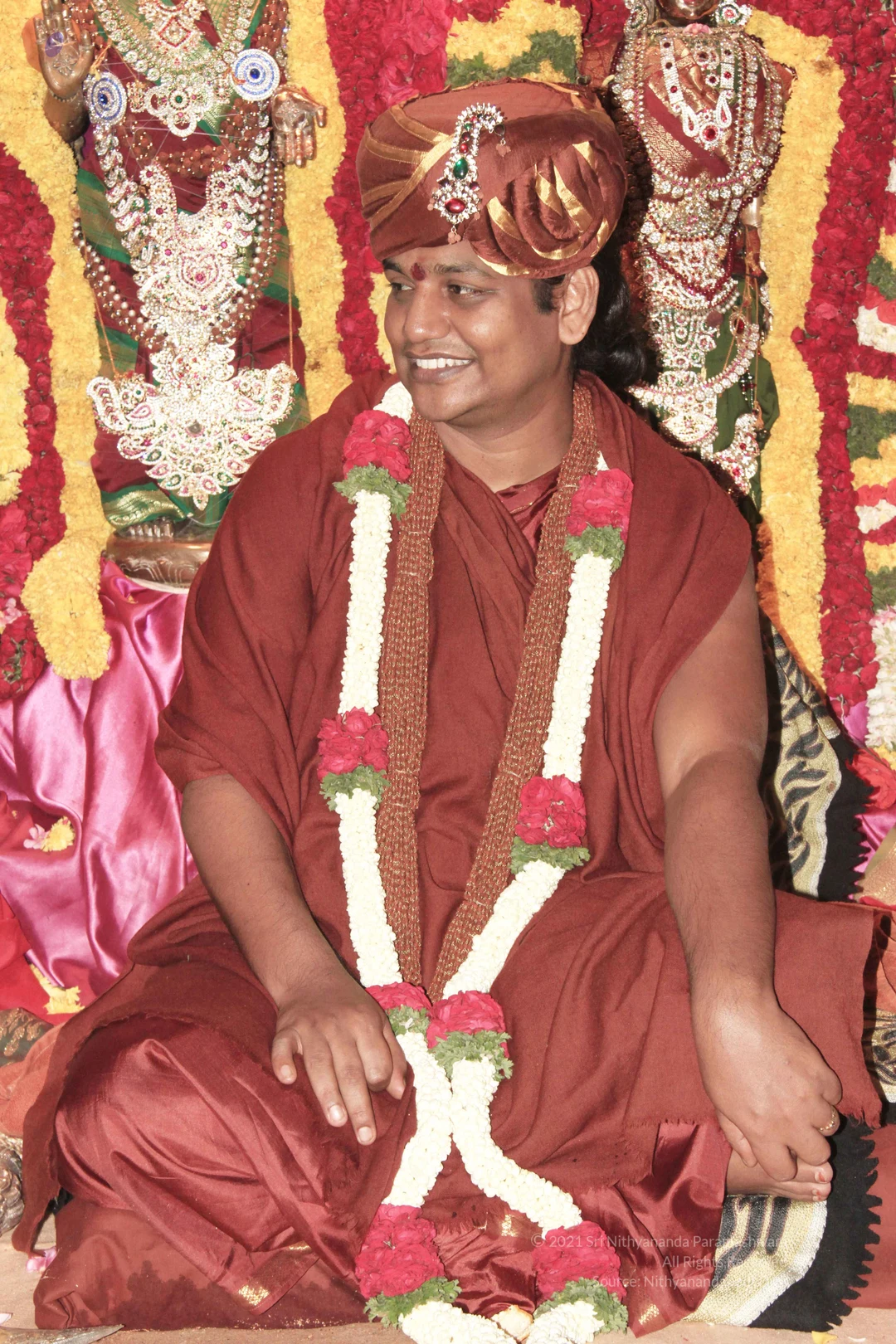
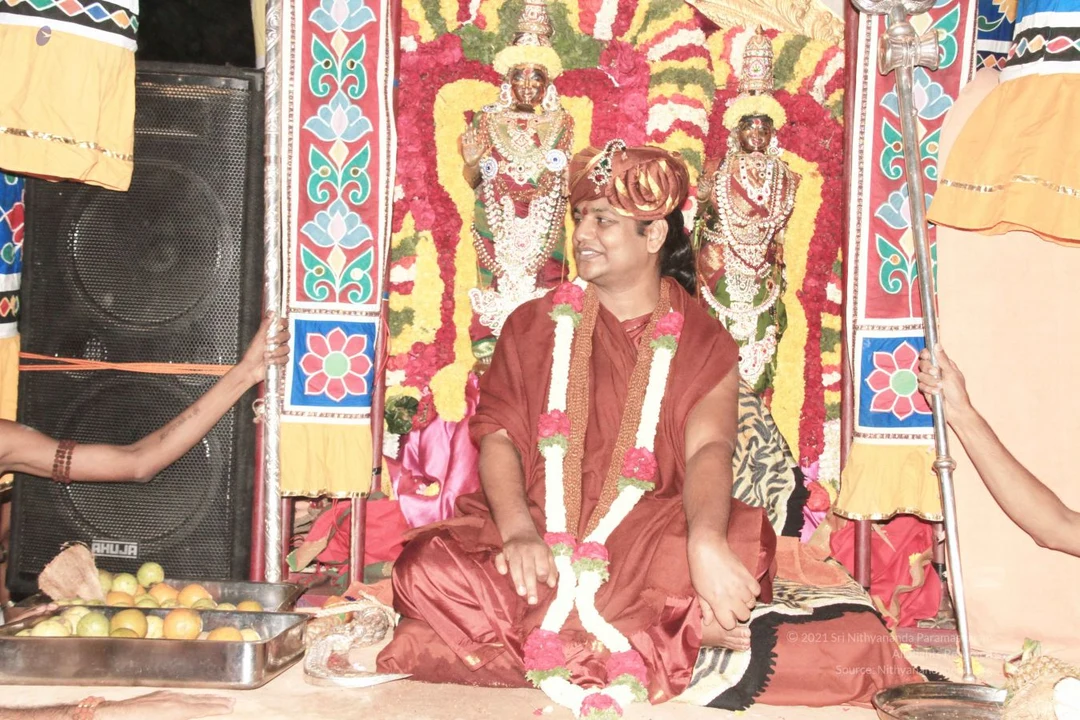
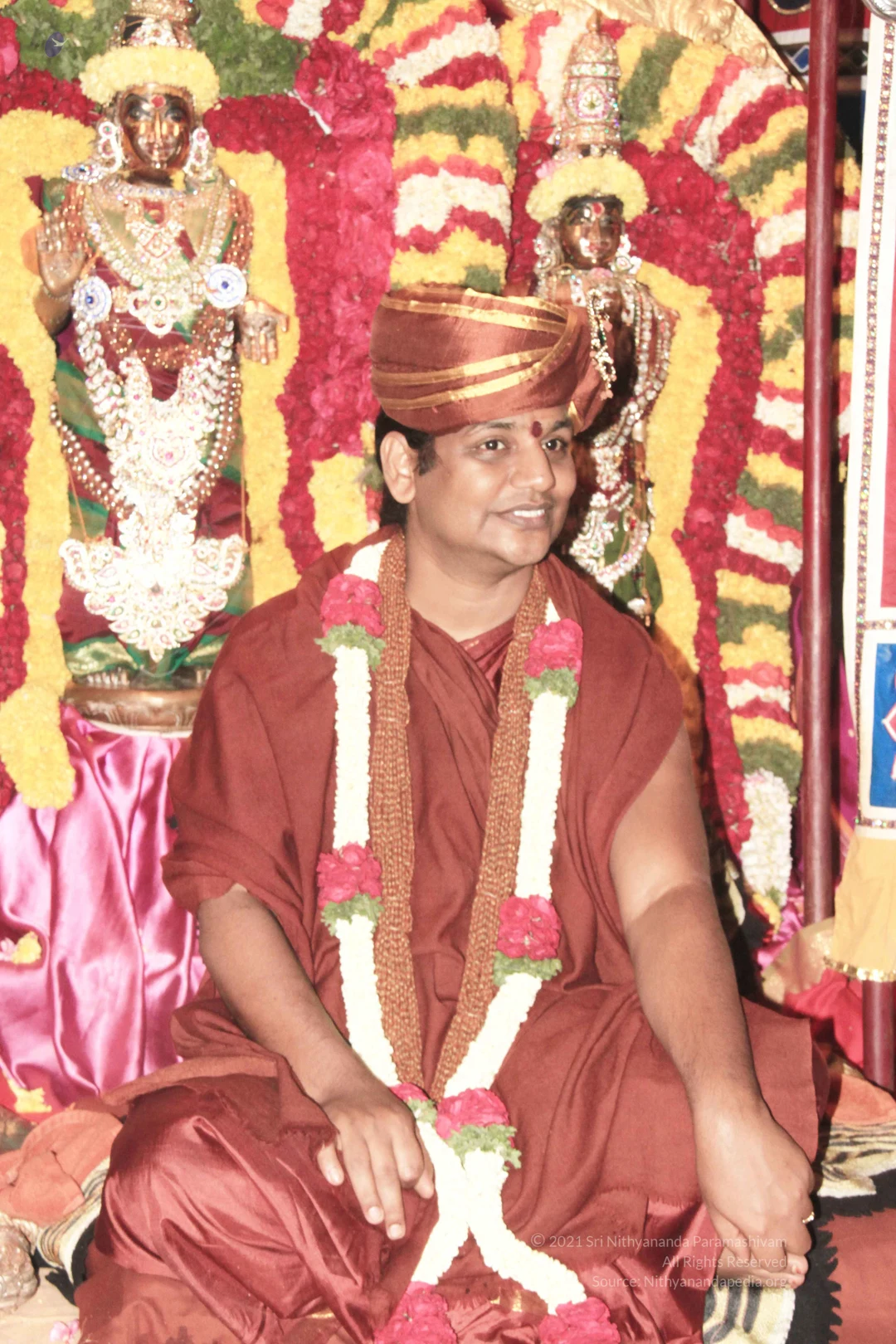
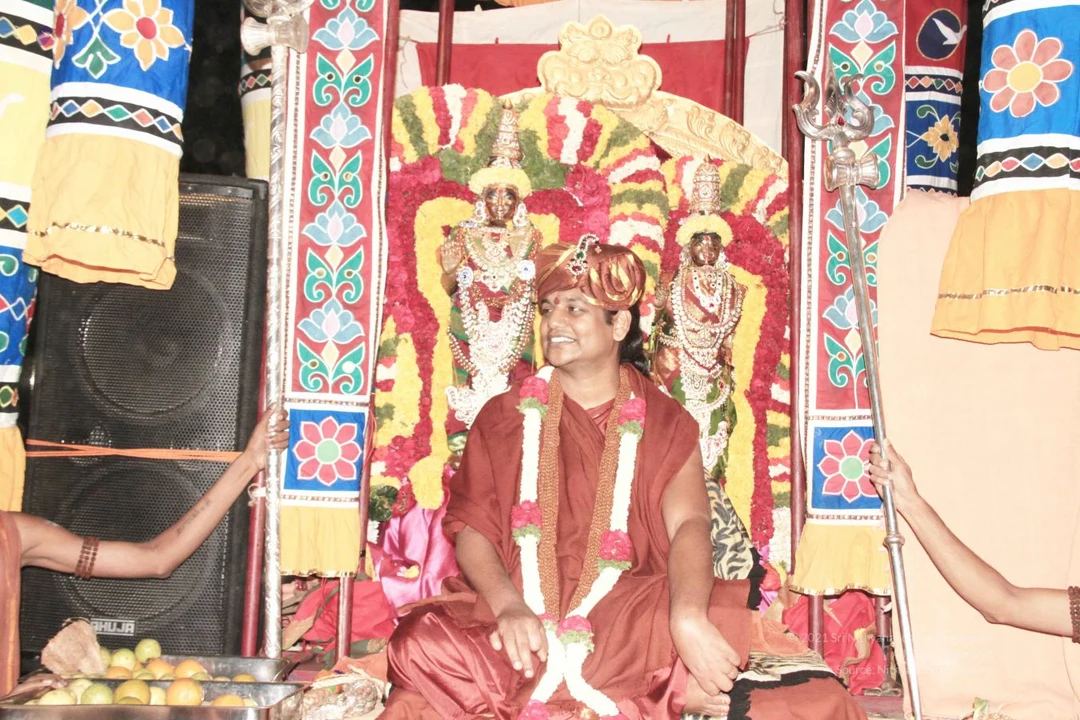
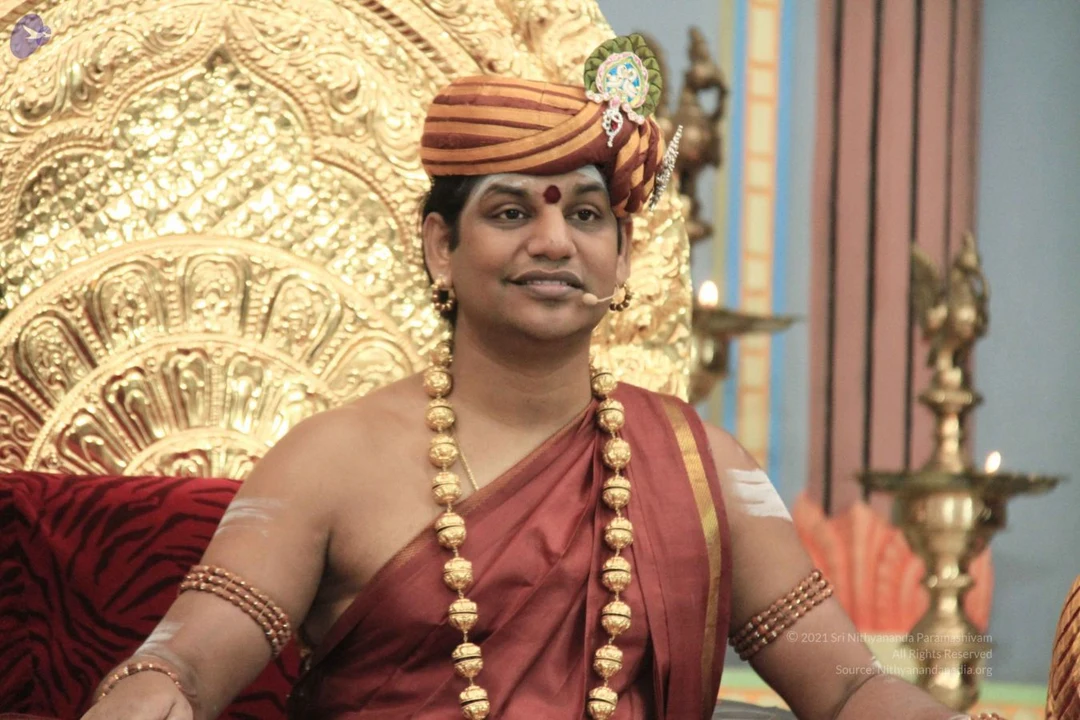
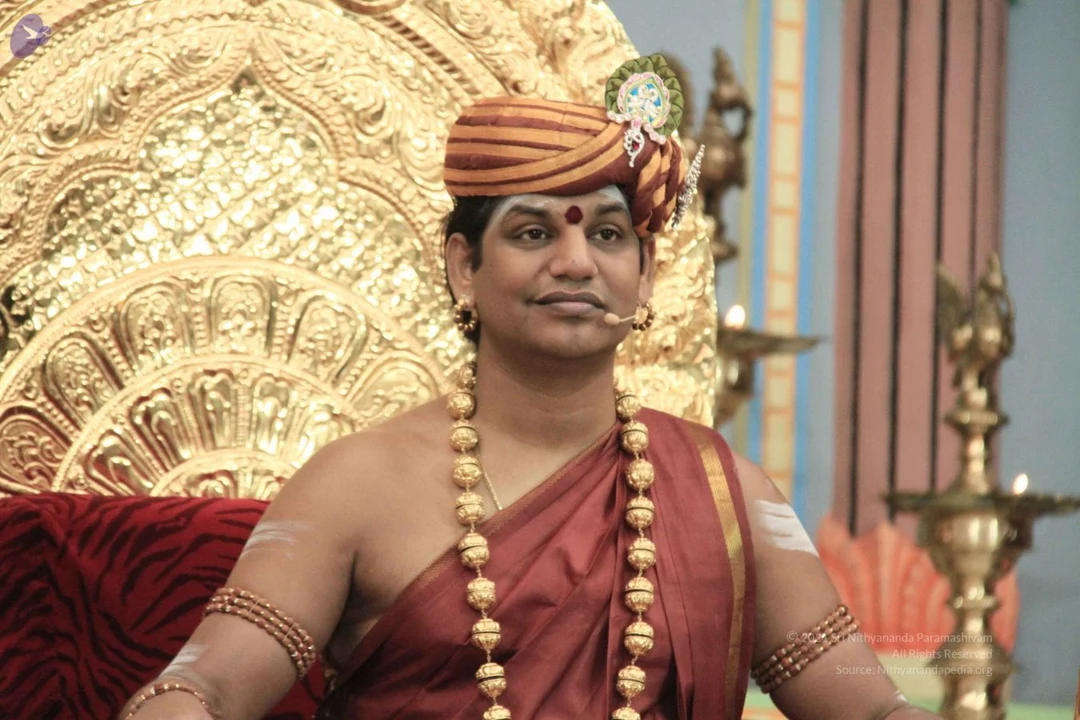
A seated man in an orange-and-maroon striped turban with a green feather ornament sits on an ornate gold throne with carved gold filigree. He wears a rust-red silk shawl with gold border, a long necklace of large gold beads, gold bangles and a gold earring, with white ash markings on his arms and a red-and-white forehead mark. Beside him stands a tall brass oil lamp (deepam) with a flame, and a gold carved lion-head armrest is visible at right. Blue-grey wall and pink pillars are behind. The figure matches the a person appearance cues of an ornate turban, gold beaded mala and sacred ash, seated on a throne in the satsang setting.Night photograph of a fireworks burst against a black sky, with many small glowing orange and white sparks scattered across a diffuse smoky cloud. A bright flare glows at the bottom edge. No people are visible, and no figure resembling a person appears in the frame.A night procession scene of a figure seated on a raised flower-decorated platform beneath a canopy of colourful embroidered panels with floral motifs. The seated man wears an orange-red turban, a rust-coloured shawl and a long white-and-green garland, hands folded in his lap. Two decorated deity murtis with garlands stand behind him. Around the platform, attendants in rust and orange robes with rudraksha malas and sandalwood-marked foreheads hold up staffs and gesture; one attendant in white dhoti wears gold-trimmed clothing and raises a hand. Offerings of fruit, a coconut and pineapple rest on a metal tray, and marigold garlands are scattered on the cloth. The seated figure has a turban and rust shawl but no distinctive long hair, crown or ornate saffron presentation, so identity is uncertain.

November 14 2013

Original wiki page
Contents

Title:

Impossibility is a Crime.

Description:

In today’s morning satsang Paramahamsa Nithyananda continued opening up the sacred secrets of completion and space creation. He told us that to bring energy, consciousness and kundalini shakti into the reality of our life we need only completion and space creation. It’s impossible is something that is told to us time and time again and it is a lie. We can kindle our kundalini by completing with the idea it’s impossible again and again. Complete, complete, complete and anything is possible.

Link to Video:

VideoAudio

Transcript:

Nithyanandeshwara Samaarambhaam Nithyanandeshwari Madhyamaam | Asmadaachaarya Paryanthaam Vande Guru Paramparaam ||

I welcome all the devotees, disciples, samajis, satsangis sitting with us through Nithyananda TV, Lotus TV, Janashree TV, Eshwar TV, Sadhna TV, and through two-way video-conferencing in twenty-two places having Nayana Deeksha in many countries around the world as per the statistics.

The cities sitting with us in two-way video-conferencing having Nayana Deeksha: San José-Madurai, Hyderabad-Nithyananda Nagaram, Charlotte-Srisailam, Guadeloupe-Rameshwaram, Toronto-Kailasam, Seattle-Chidambaram, Oklahoma-Somanatham, Houston-Kalahasti, Los Angeles-Arunachalam, Varanasi, Tiruvanmiyur-Dhyanapeetam, Jorpati-Nepal, Kuala Lumpur, Oman-Sivagangai, Peethadeeshwaris’ Training Center-Salem, San Diego-La Jolla, Devon-UK, East London-UK, Adi Nithyananda Dhyanapeetam-Avathipalayam, Warrington-UK, Hong Kong-Sirkazhi, Surrey-British Columbia, Ohio-Prayag, Dubai-Vaidyanatham, St. Louis-Tirumala, Hyderabad-Gupta Kashi, Paris-Kalighat, Enriching Temple-Bidadi, Singapore-Singapuram………..

I welcome all of you with my love and blessings.

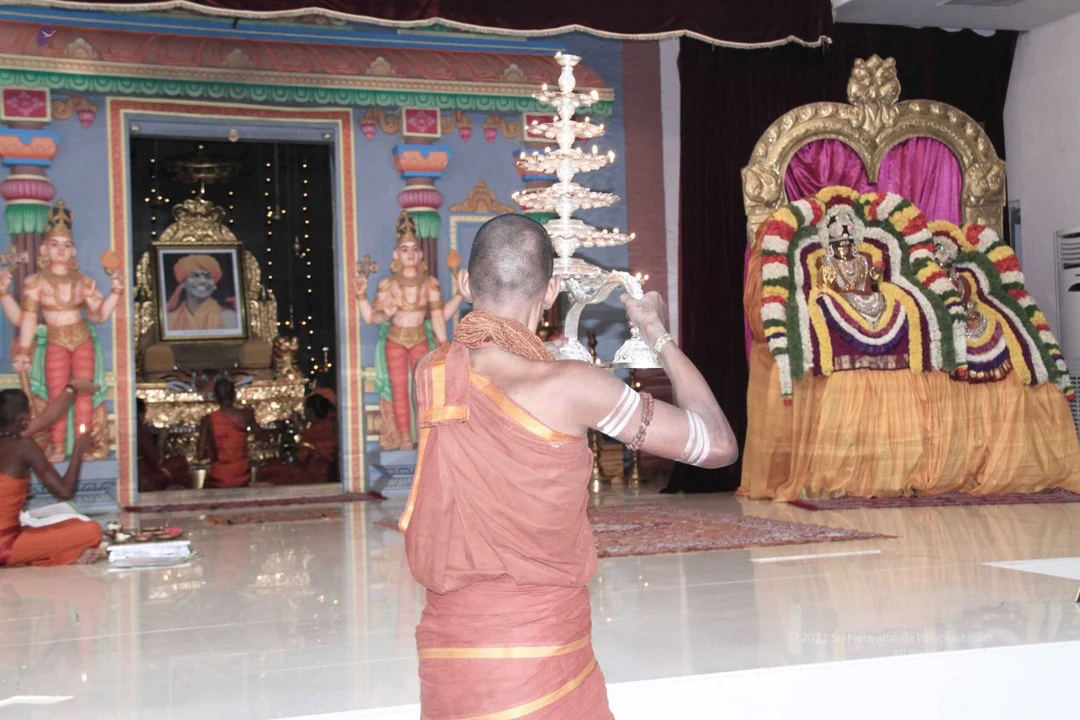
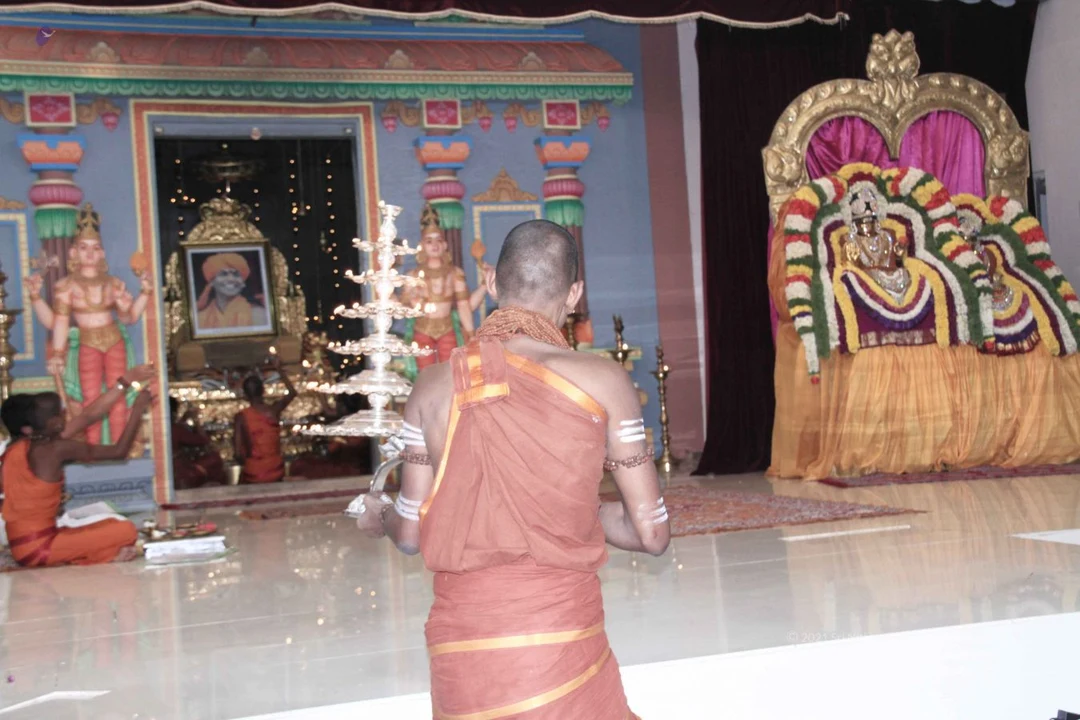
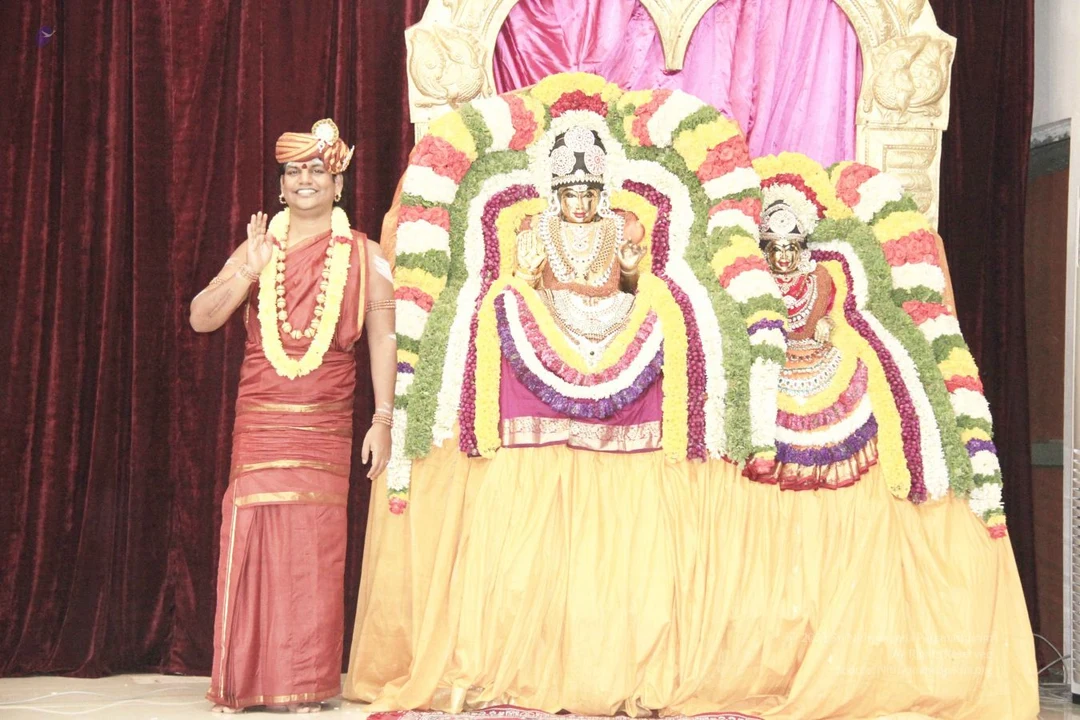
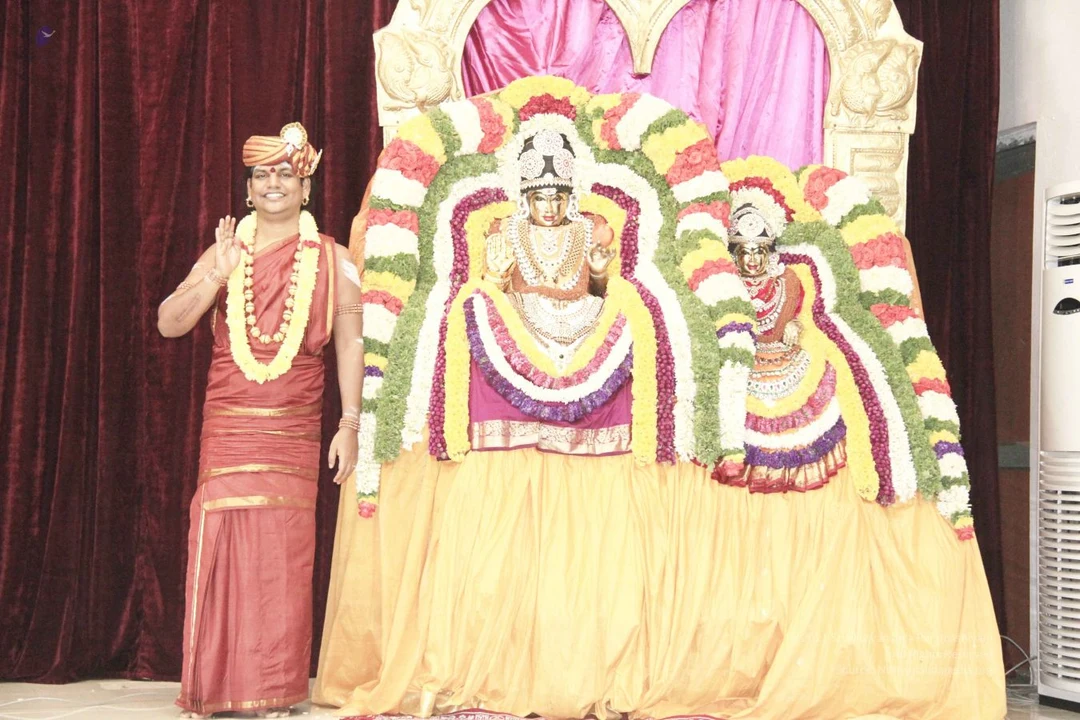
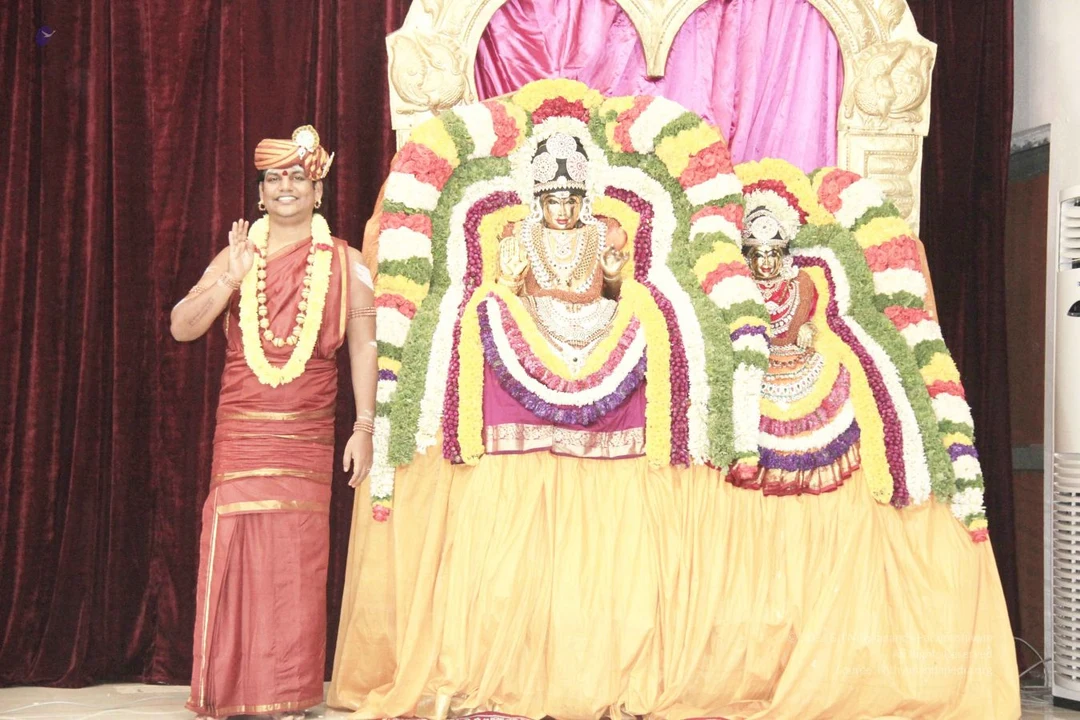
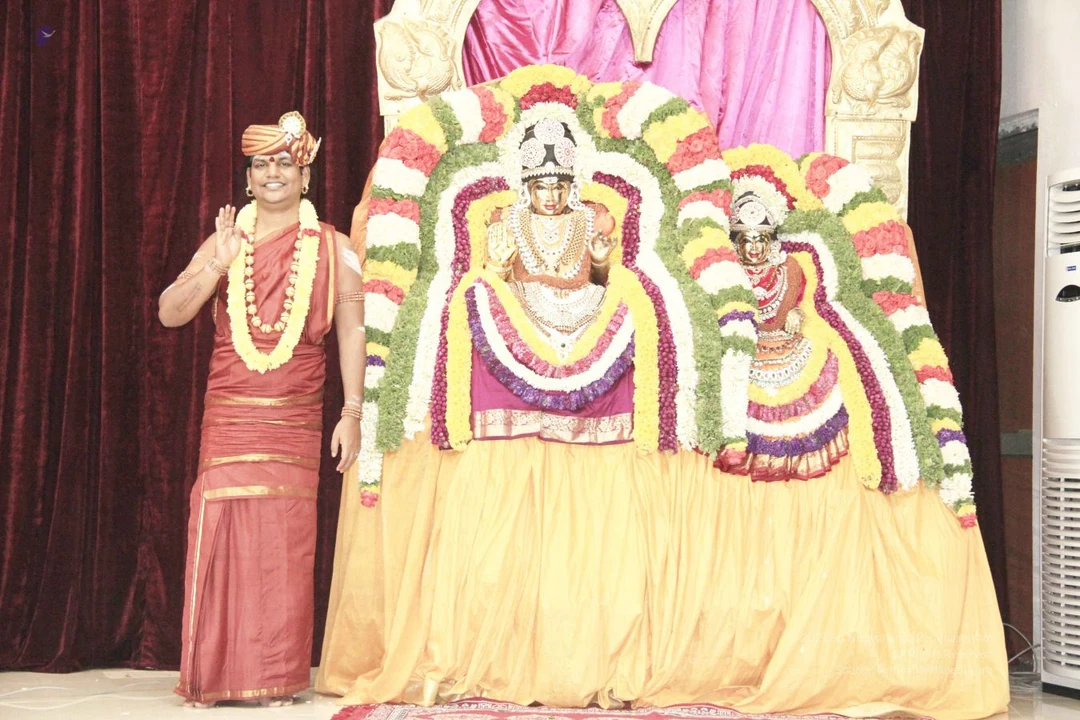
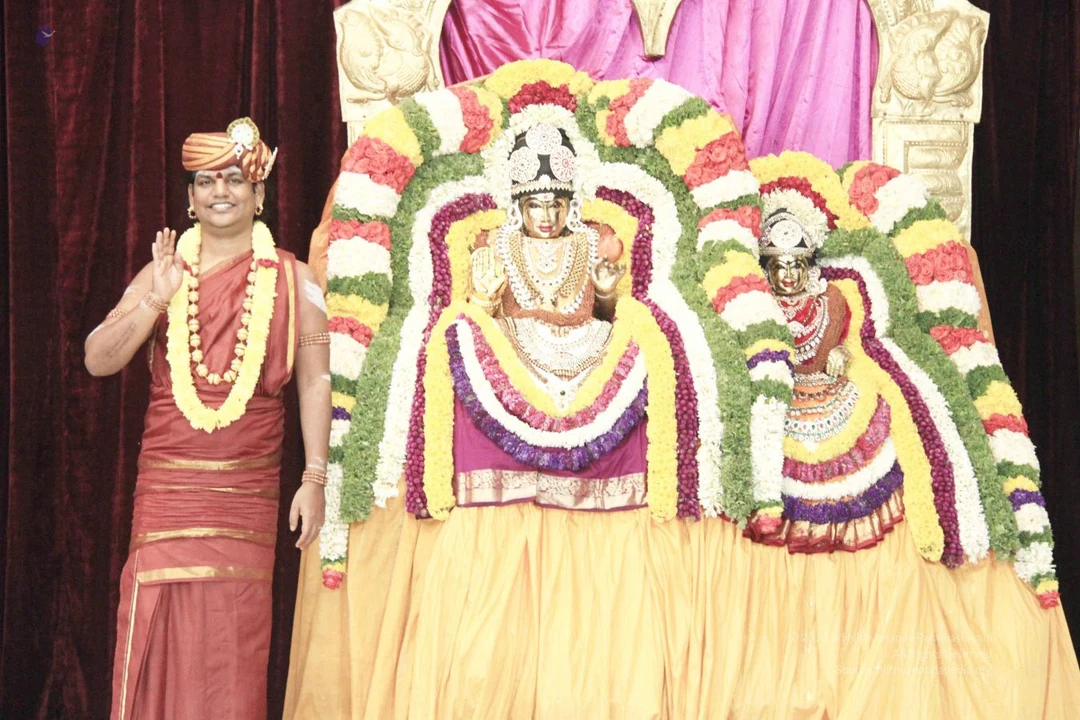
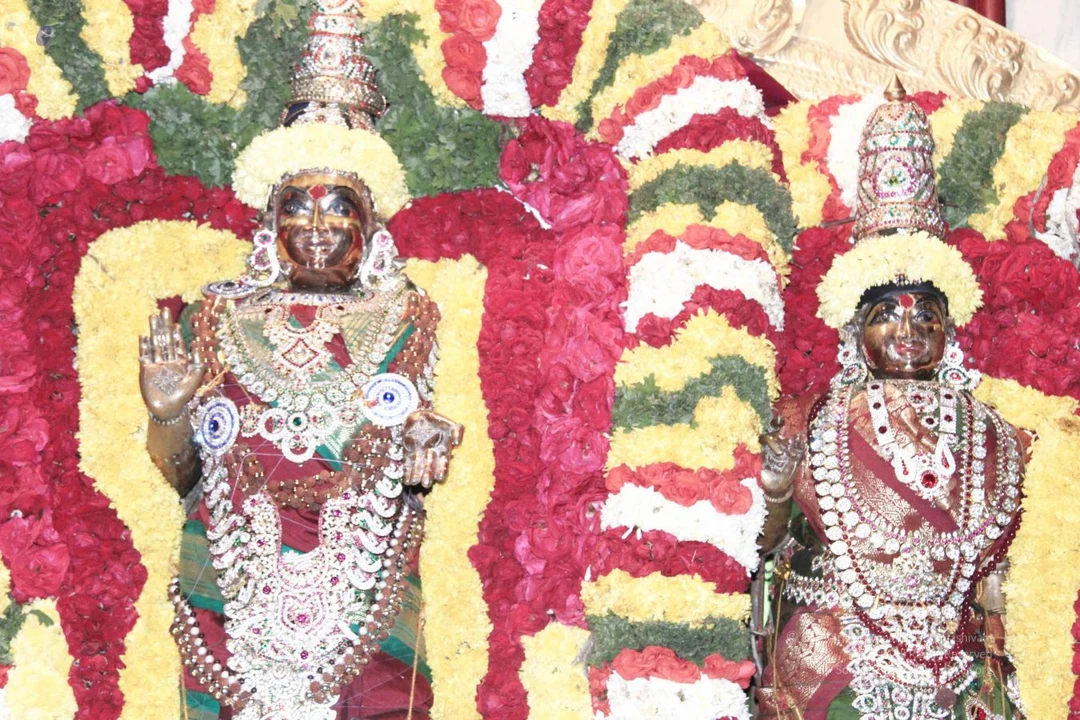
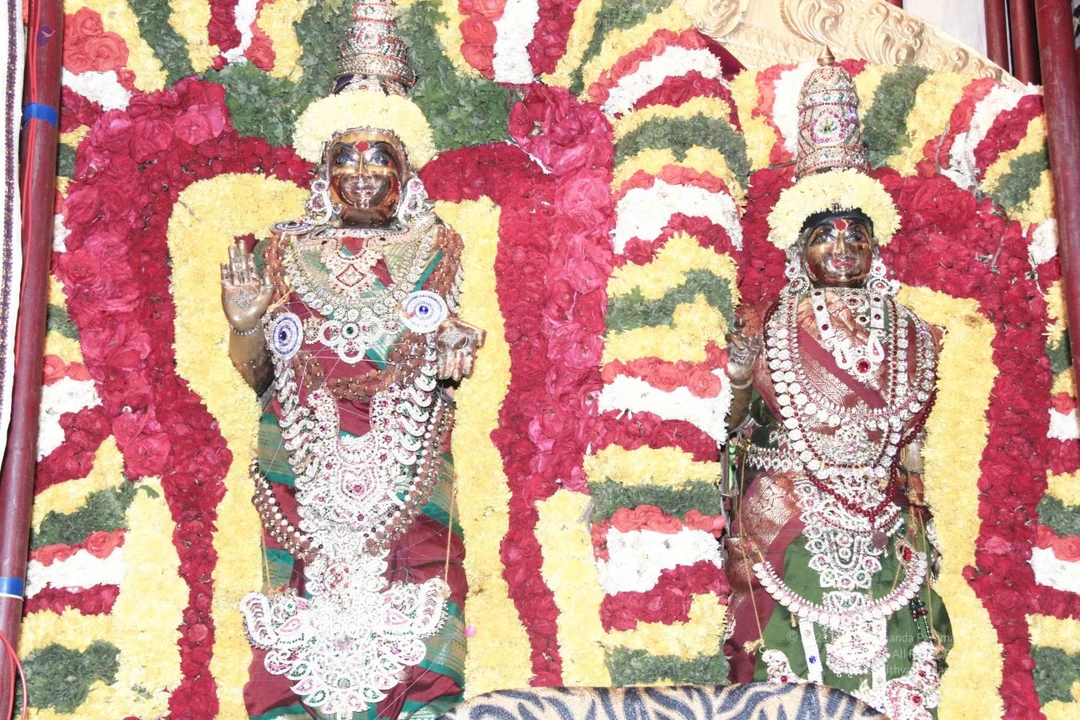
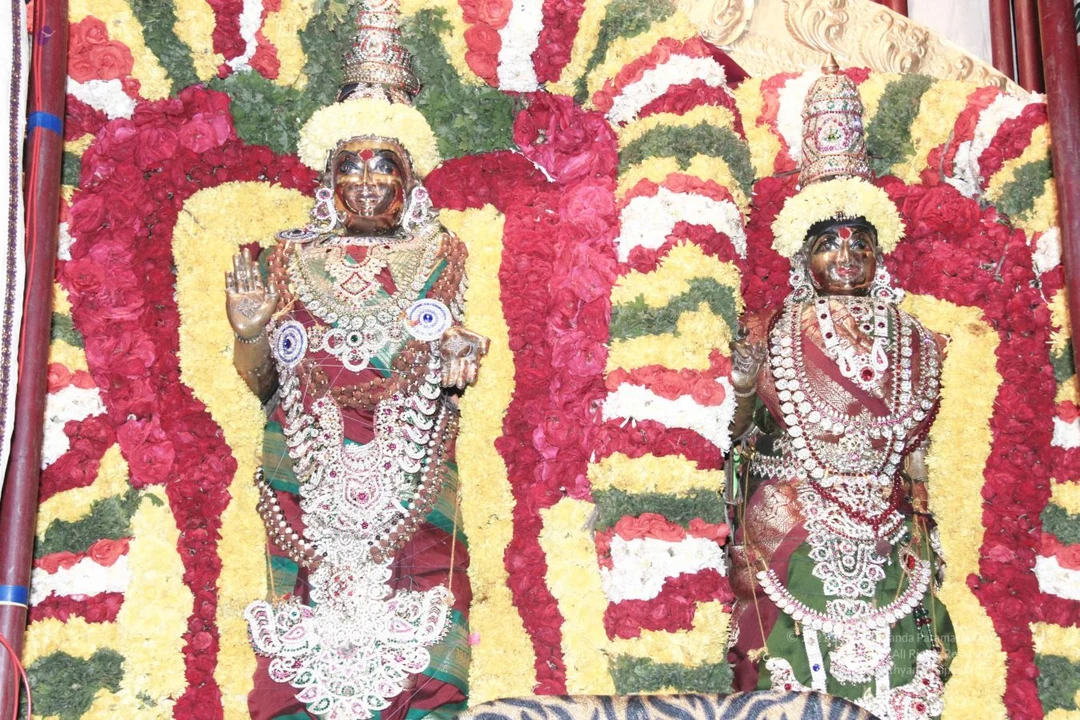
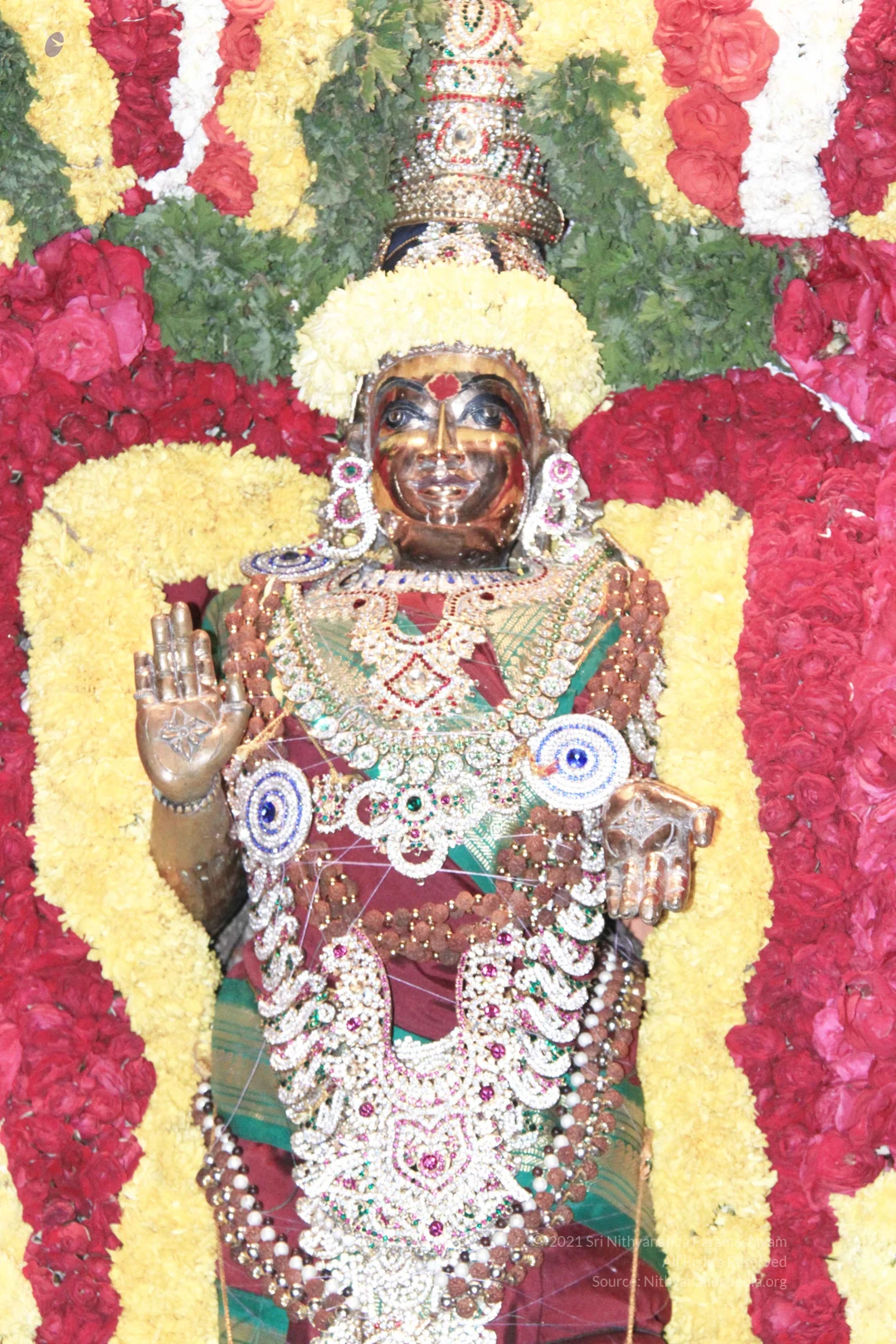
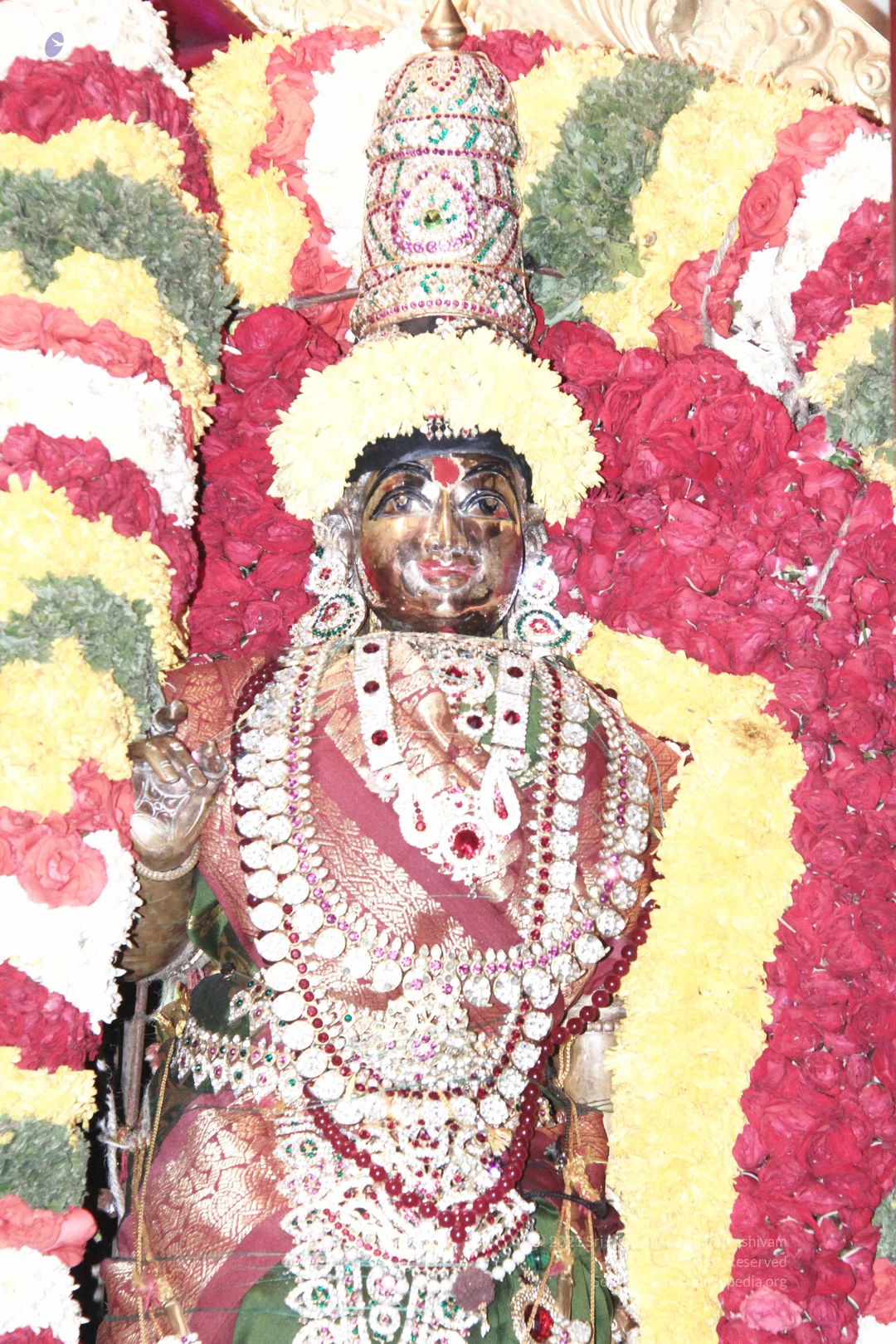
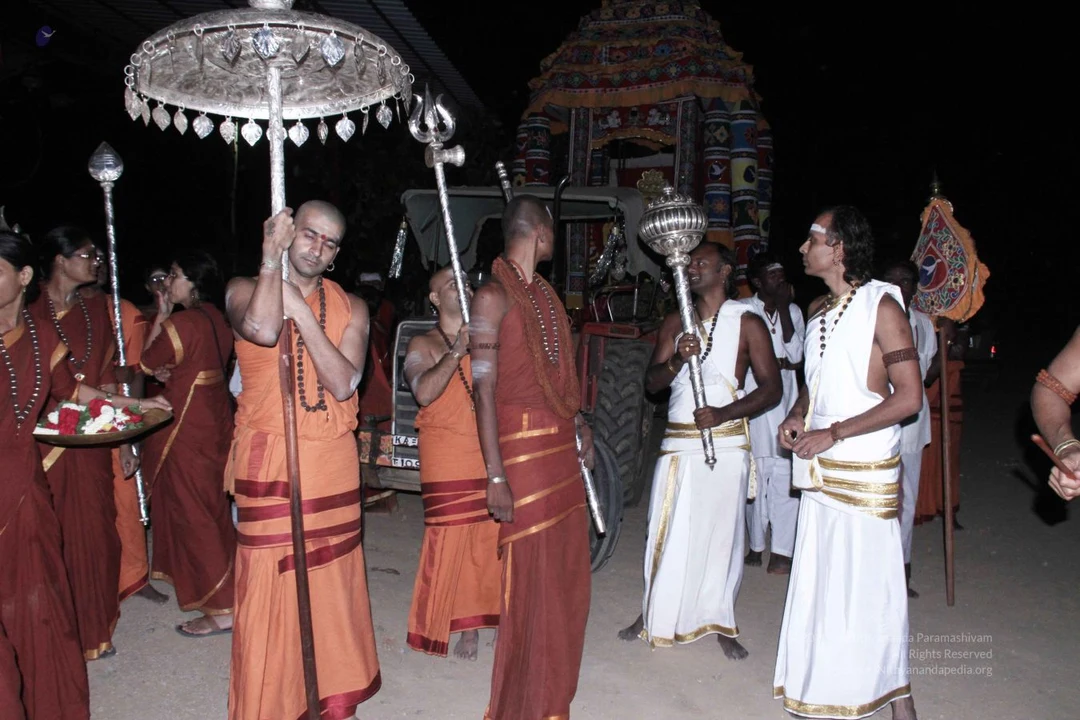
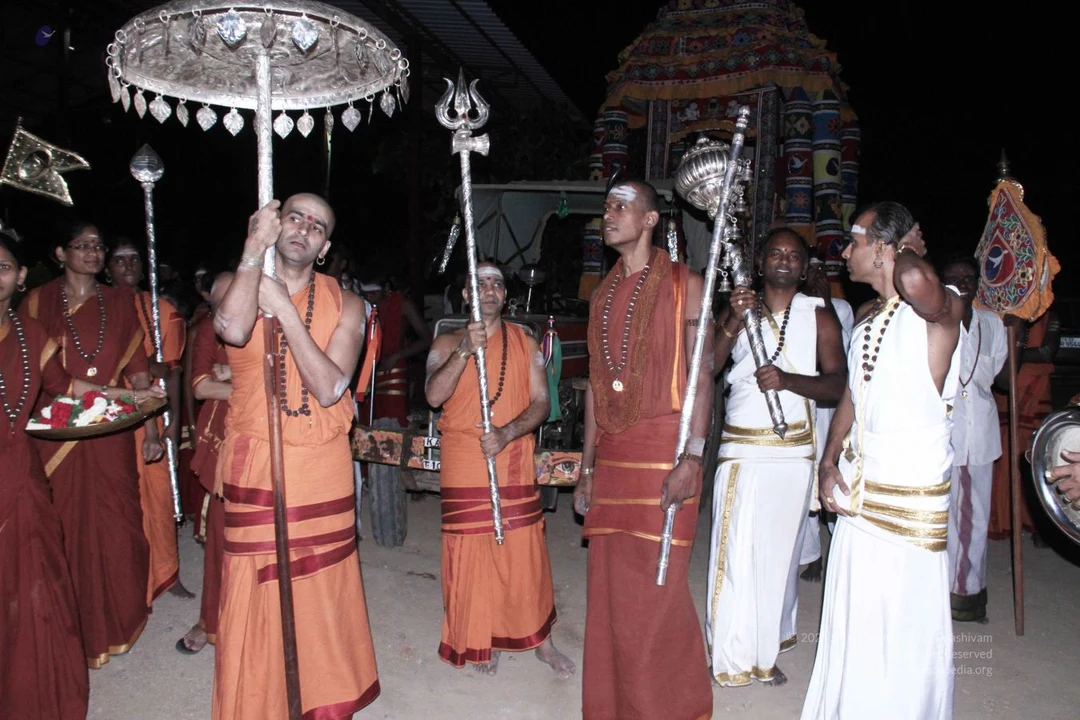
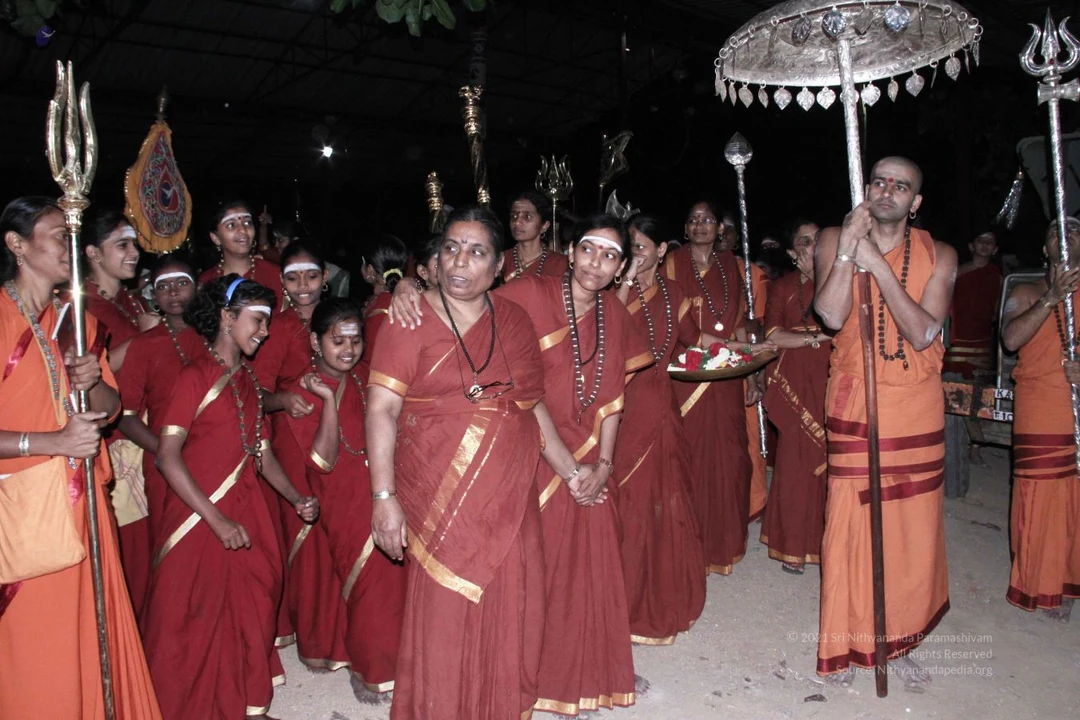
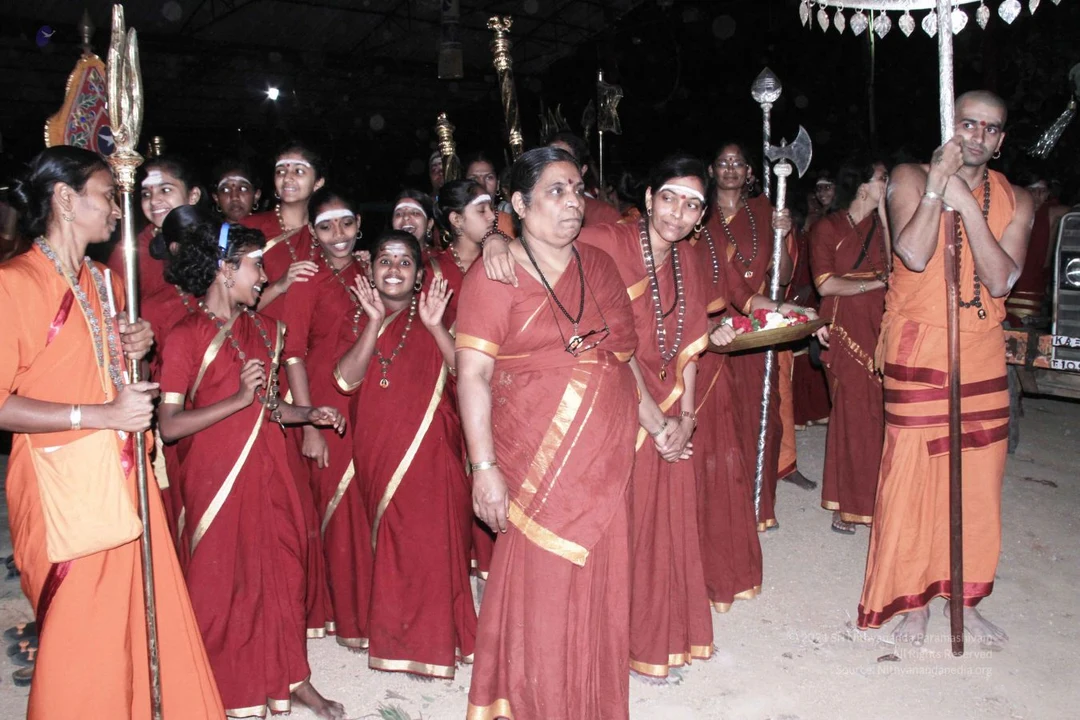
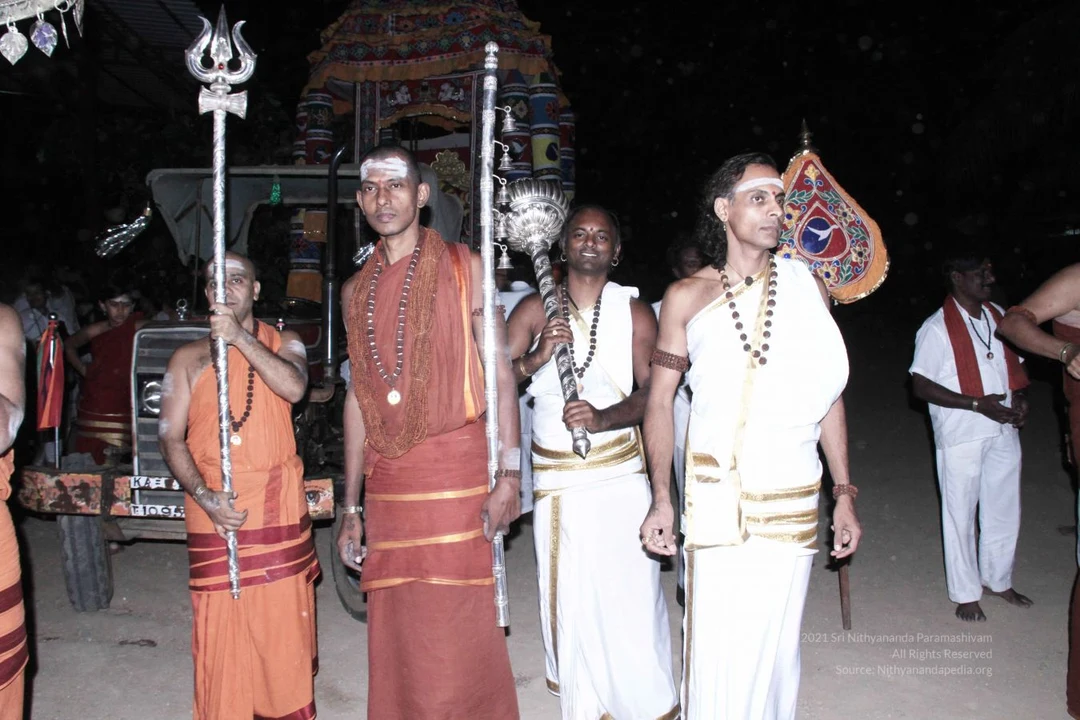
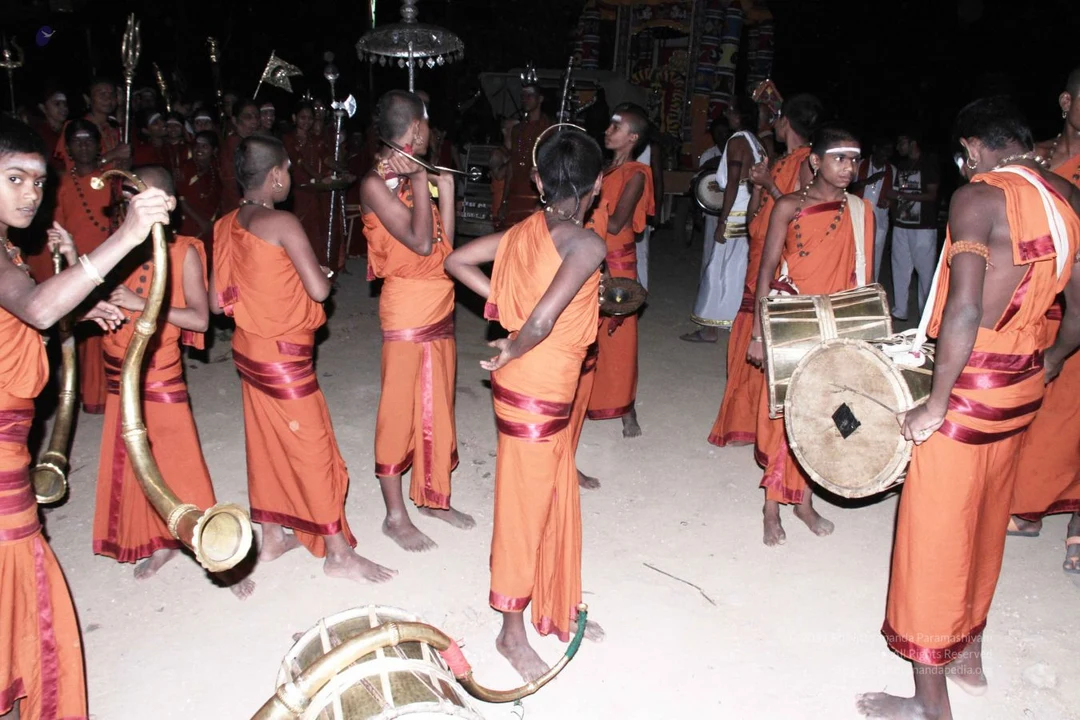
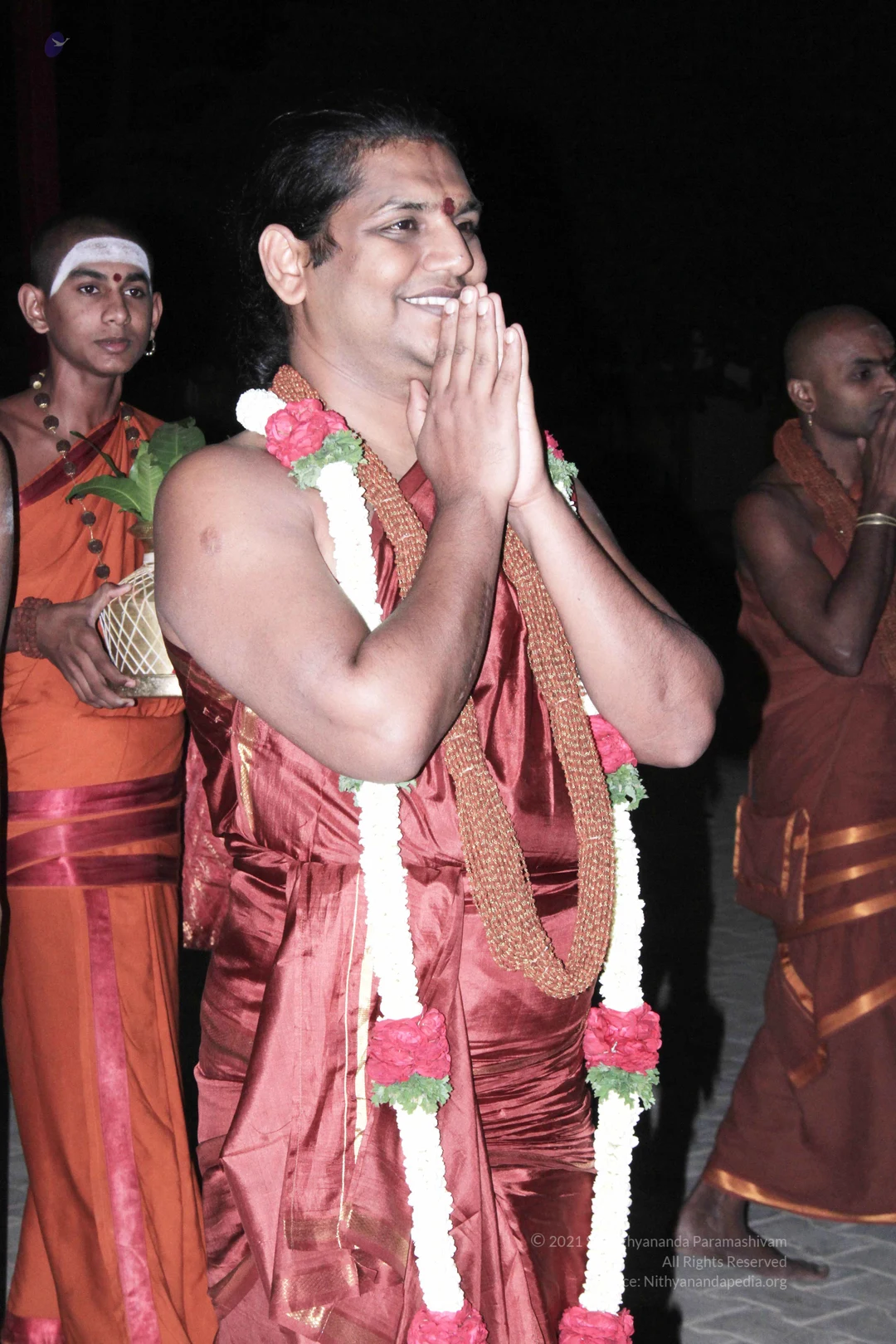
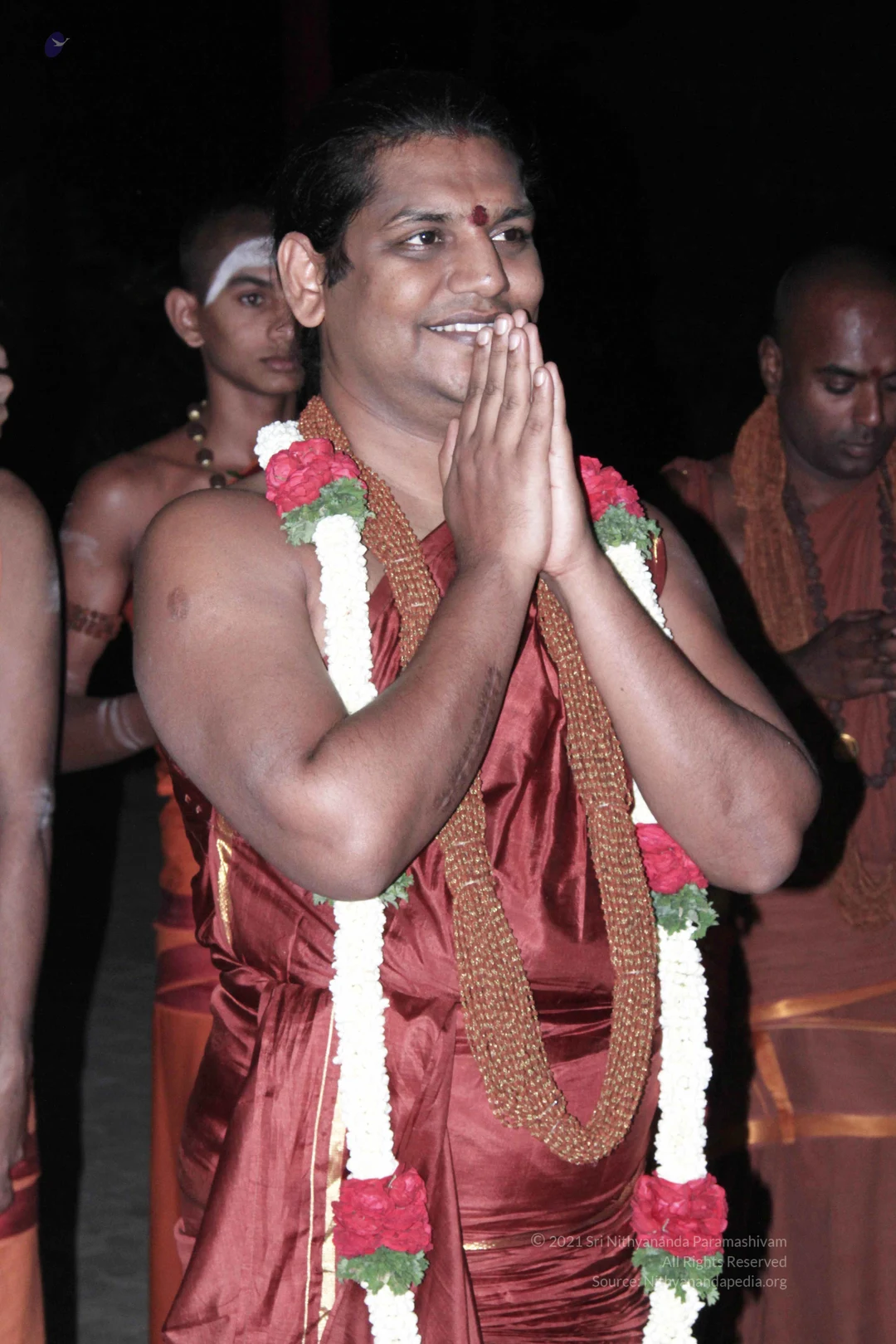
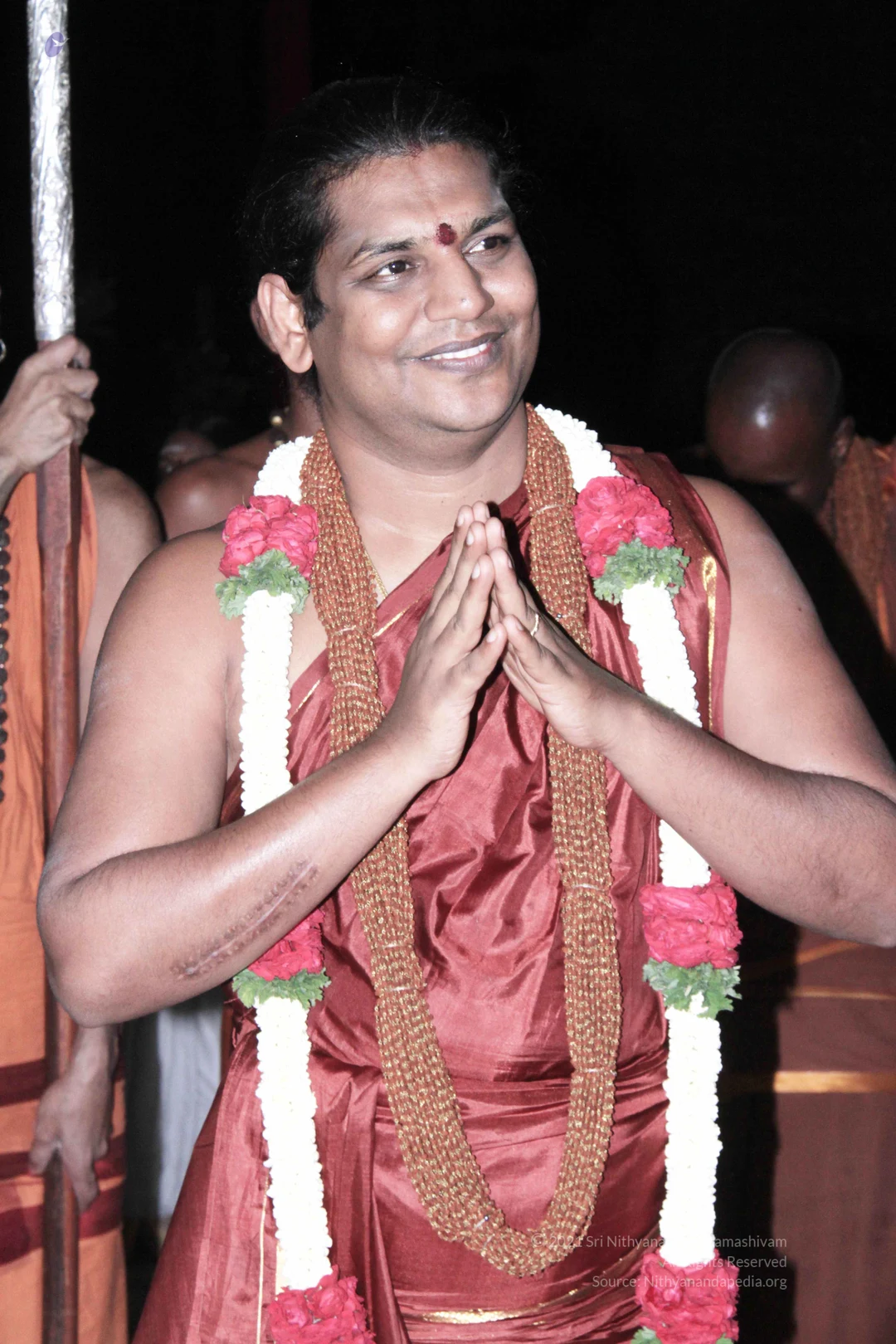
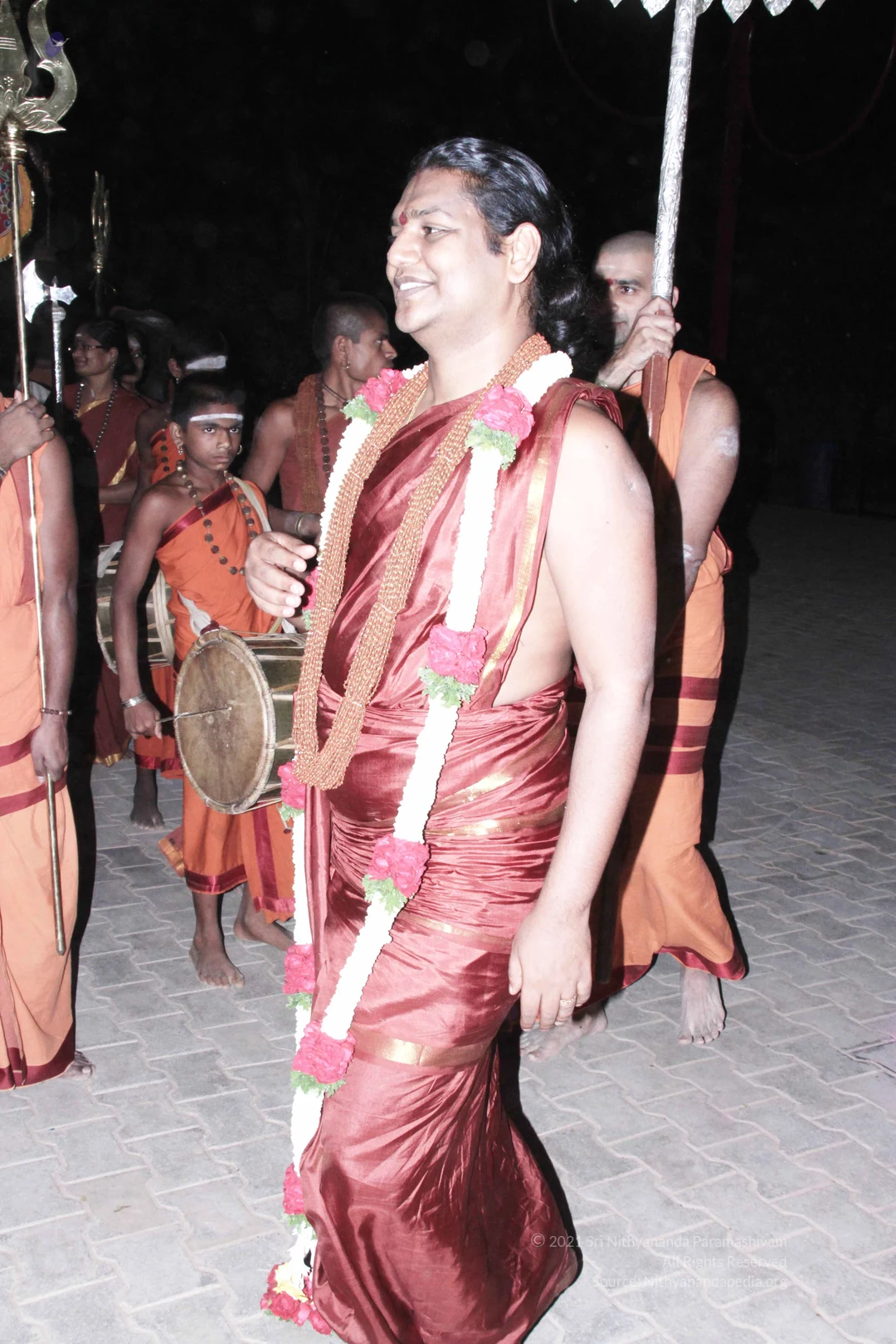
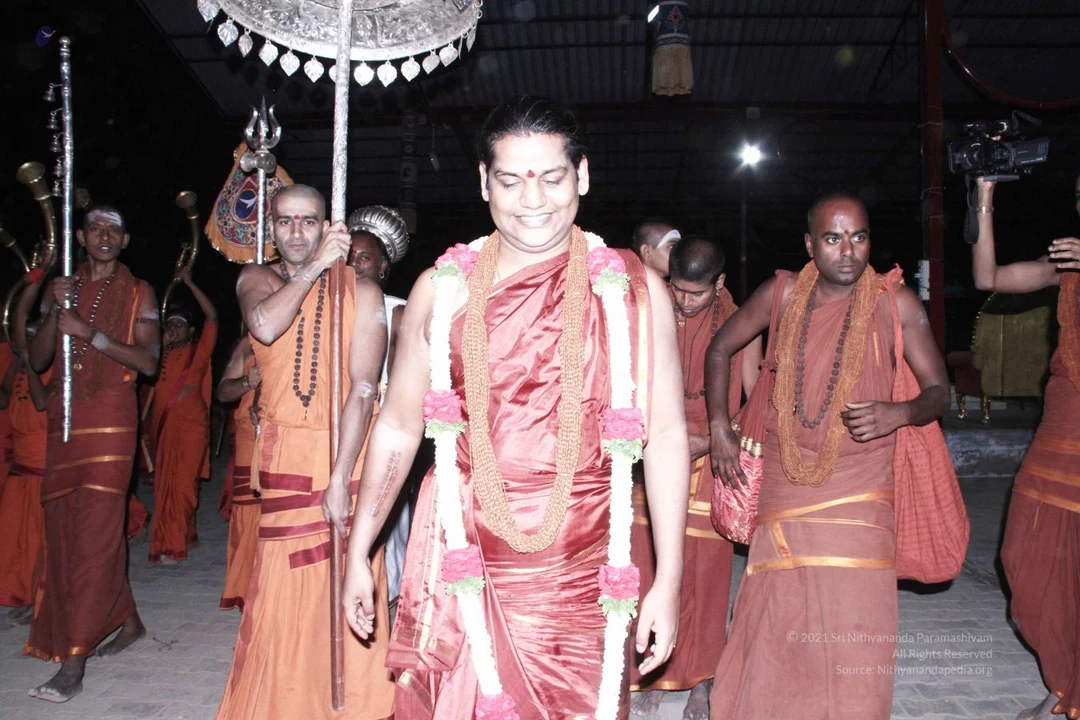
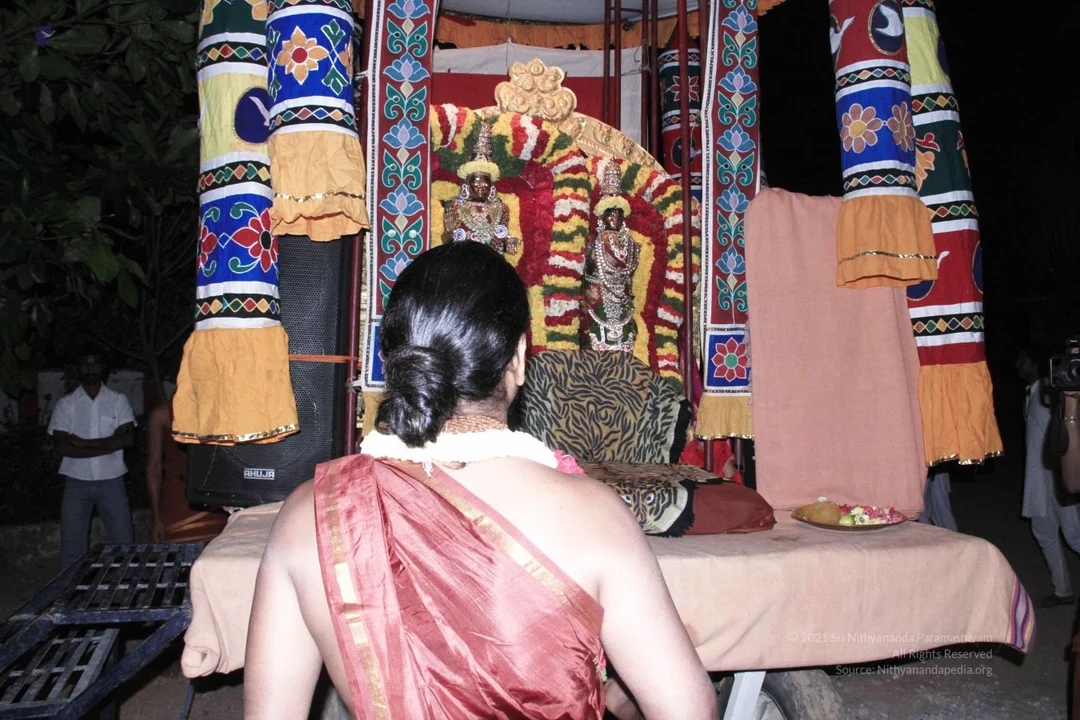
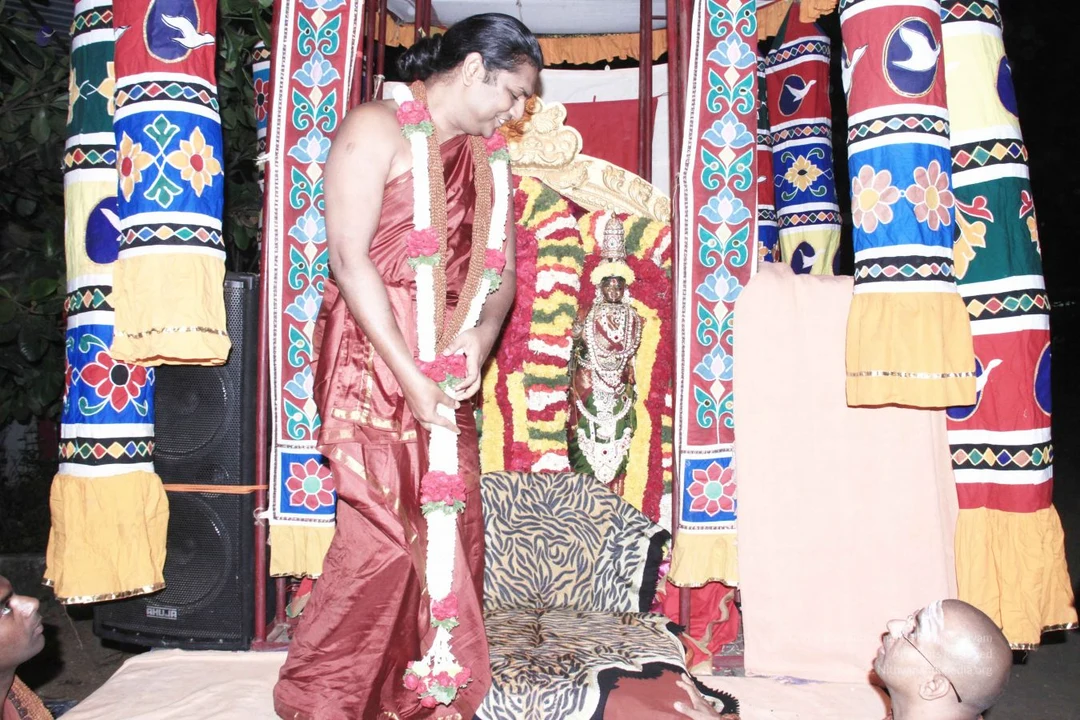
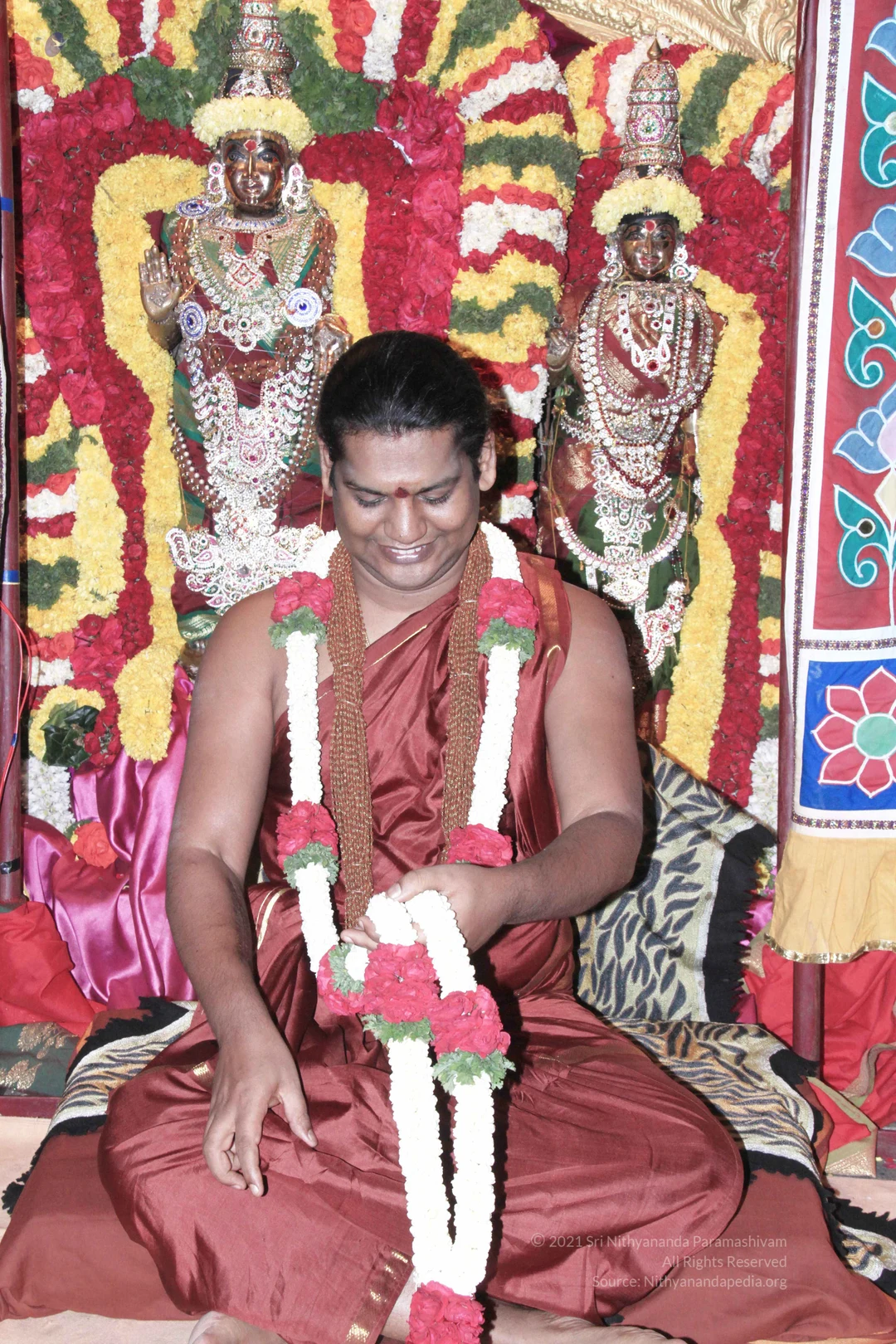
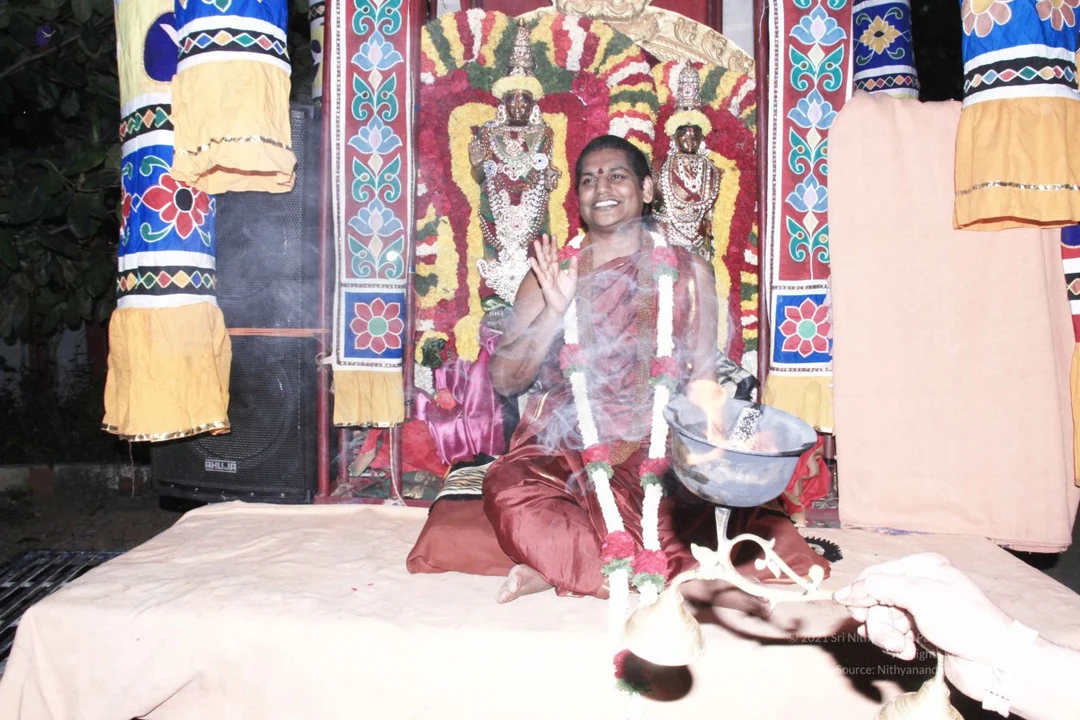
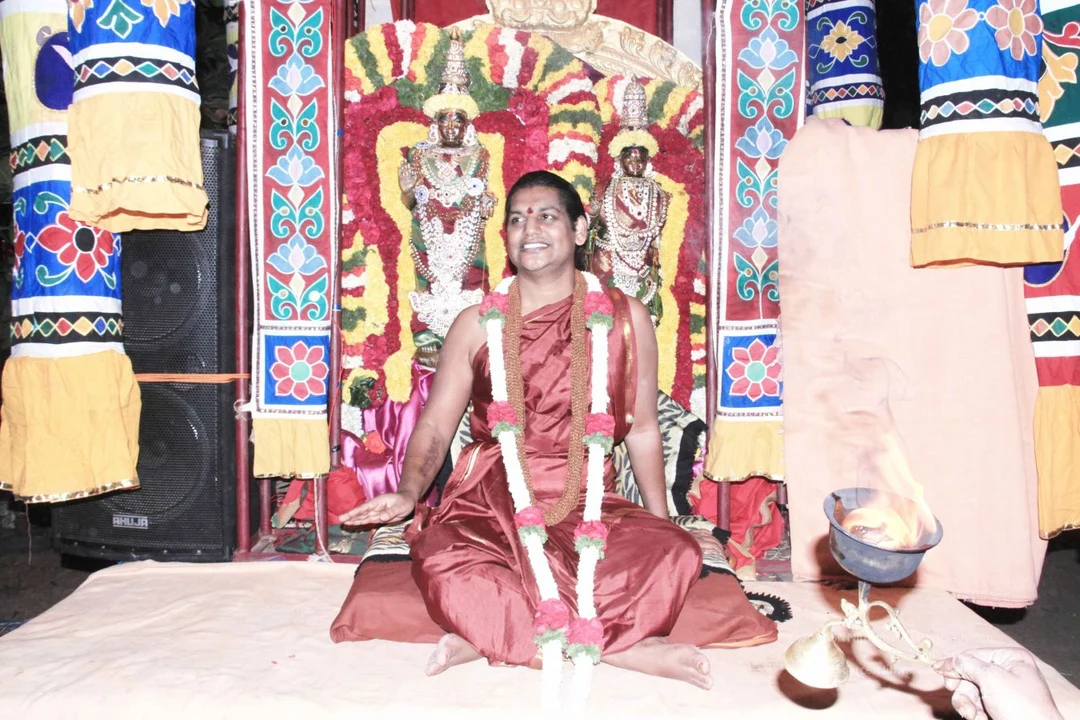
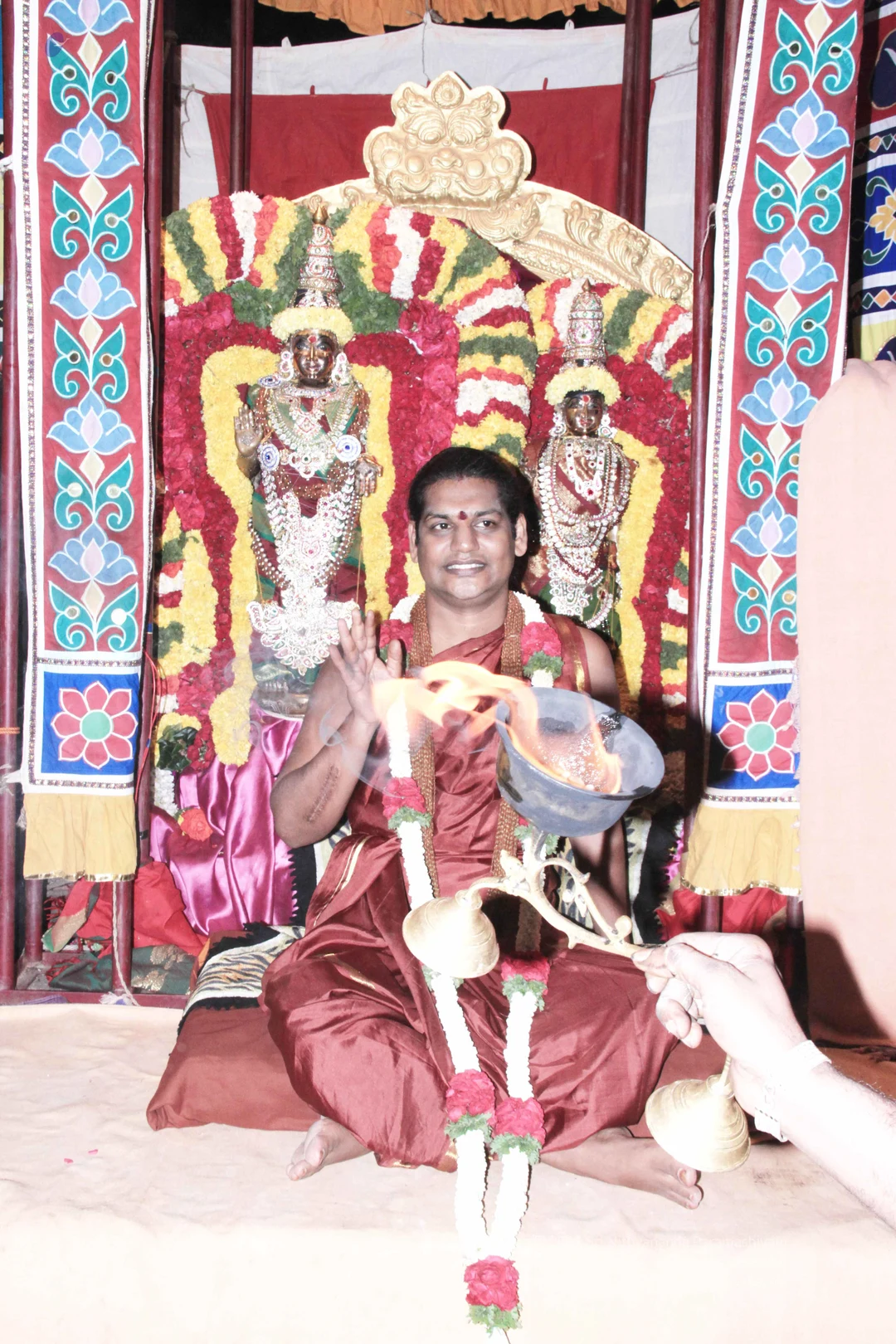
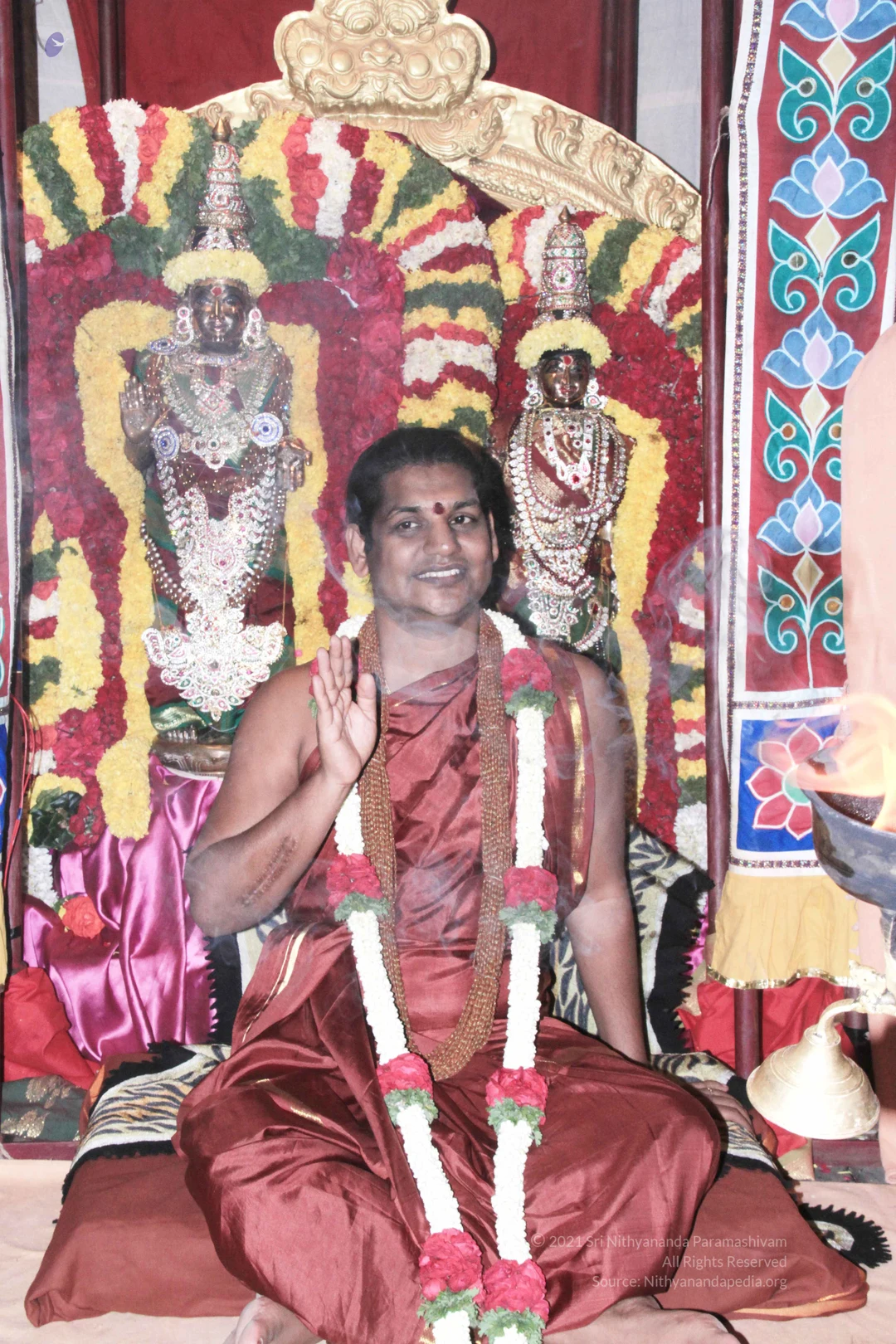
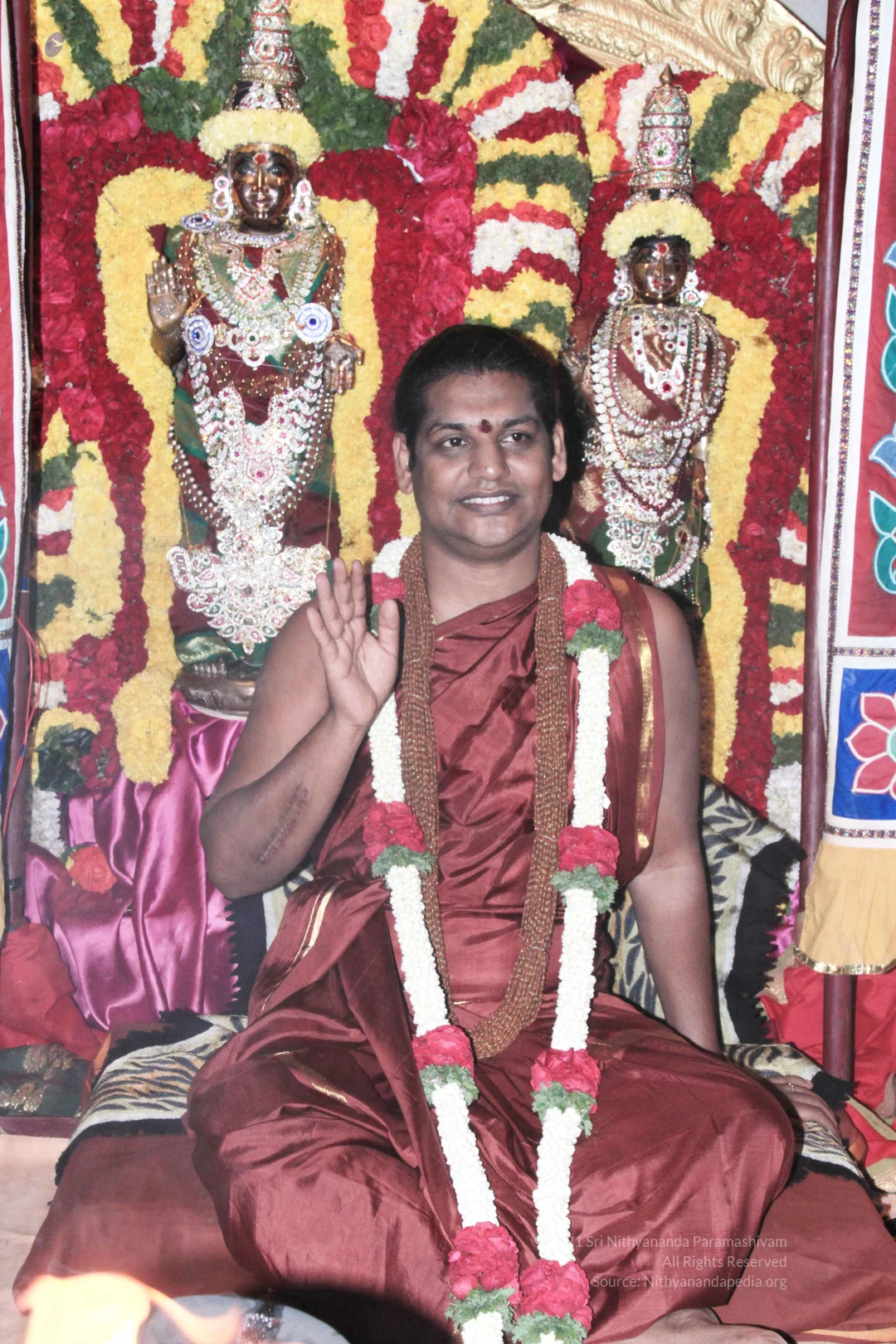
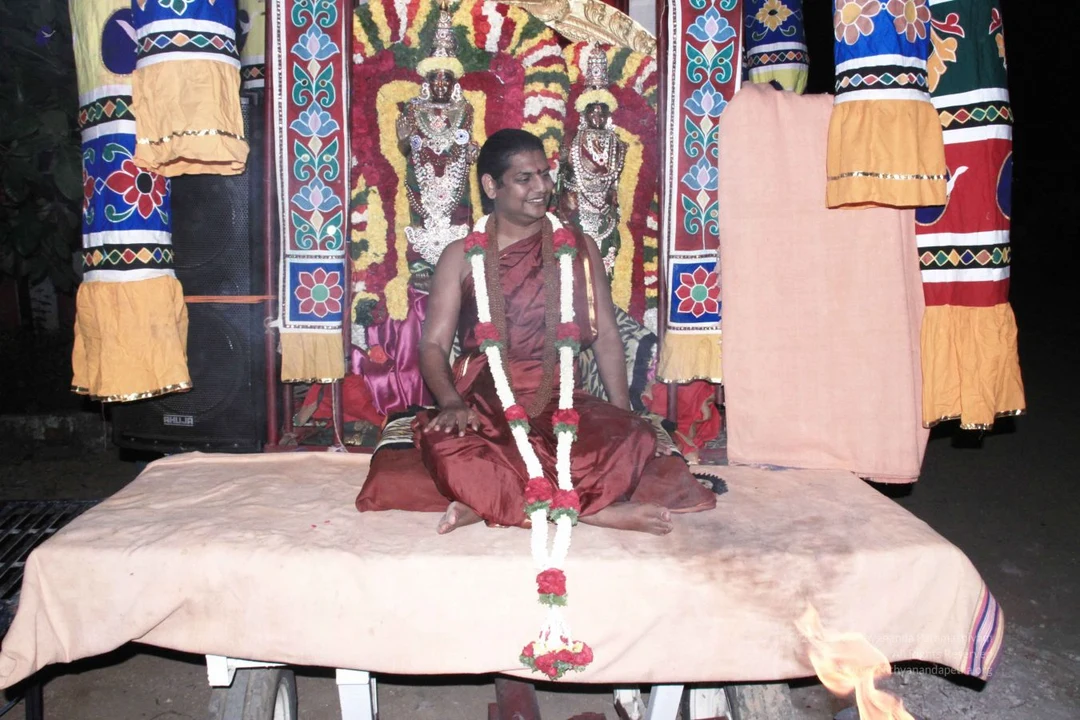
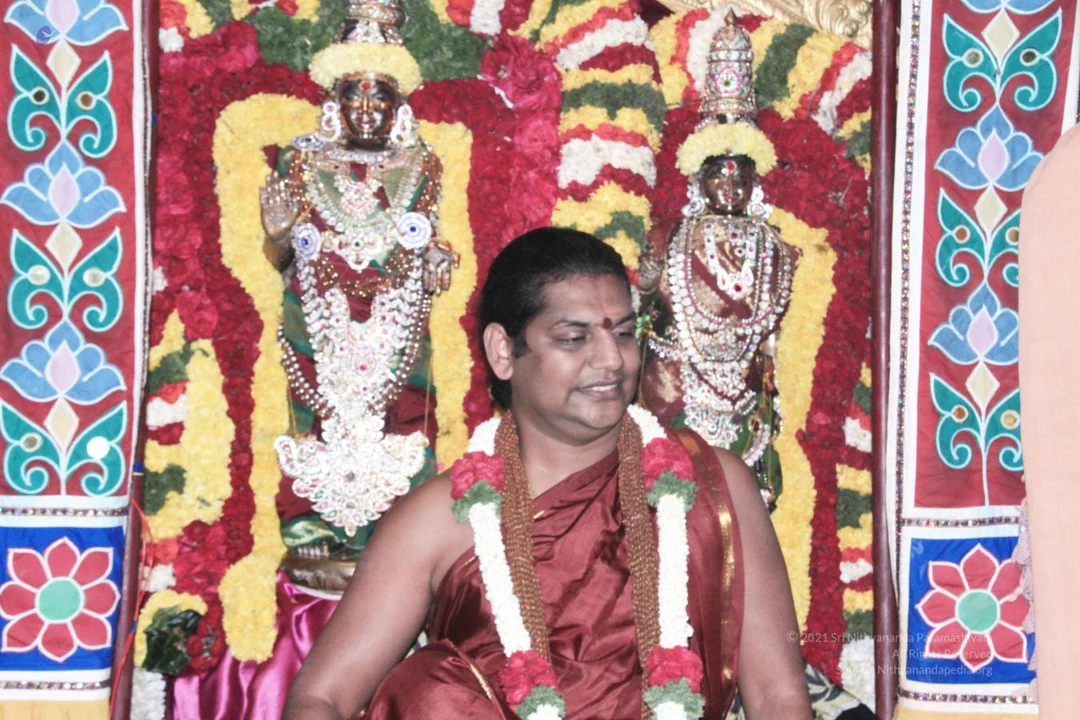
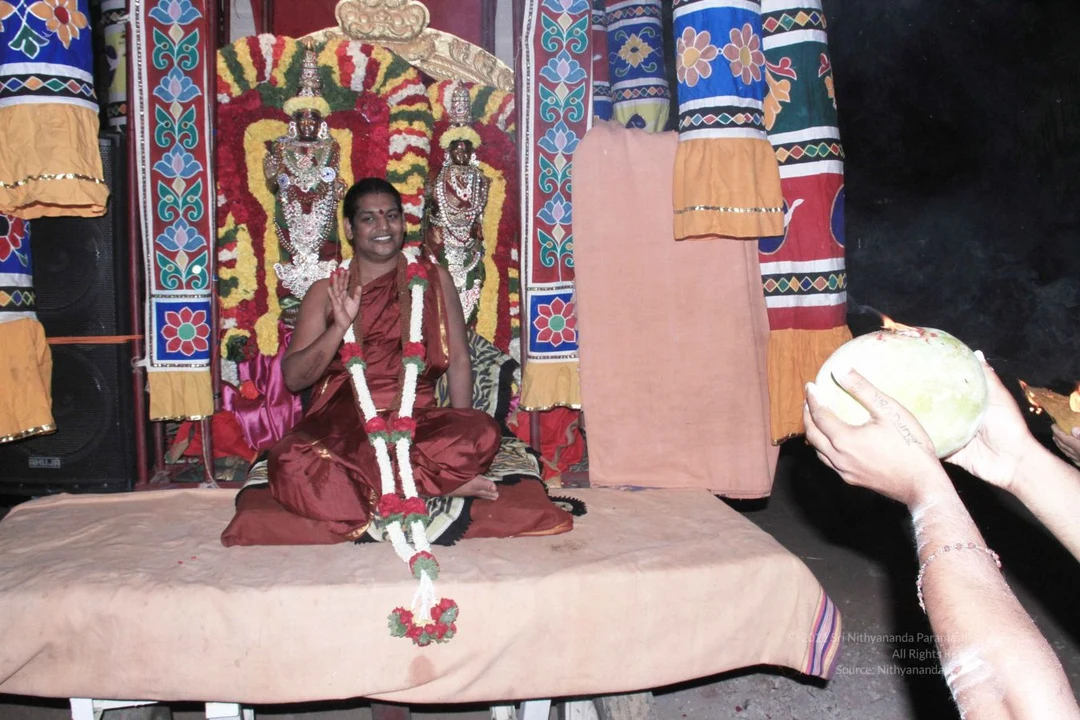
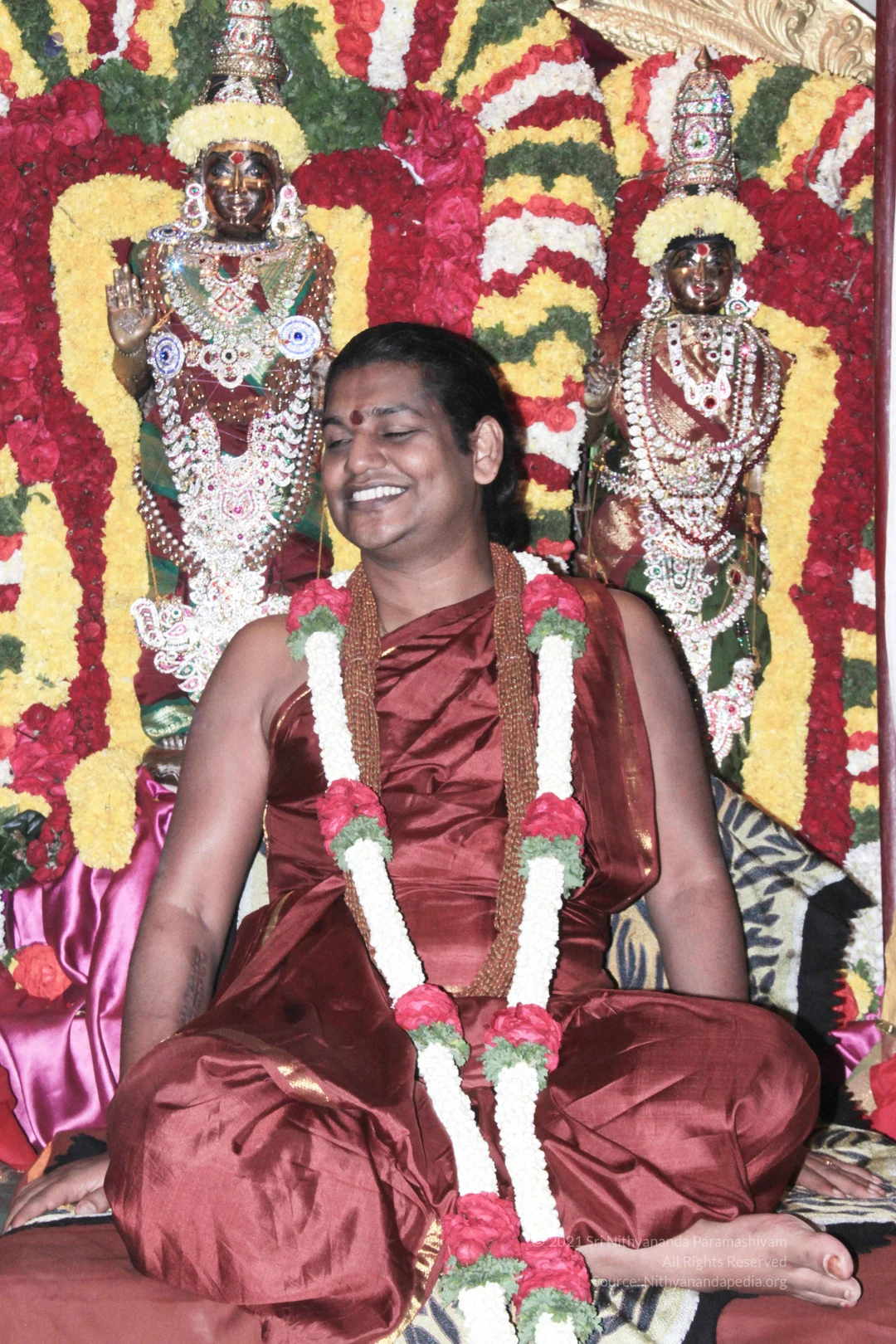
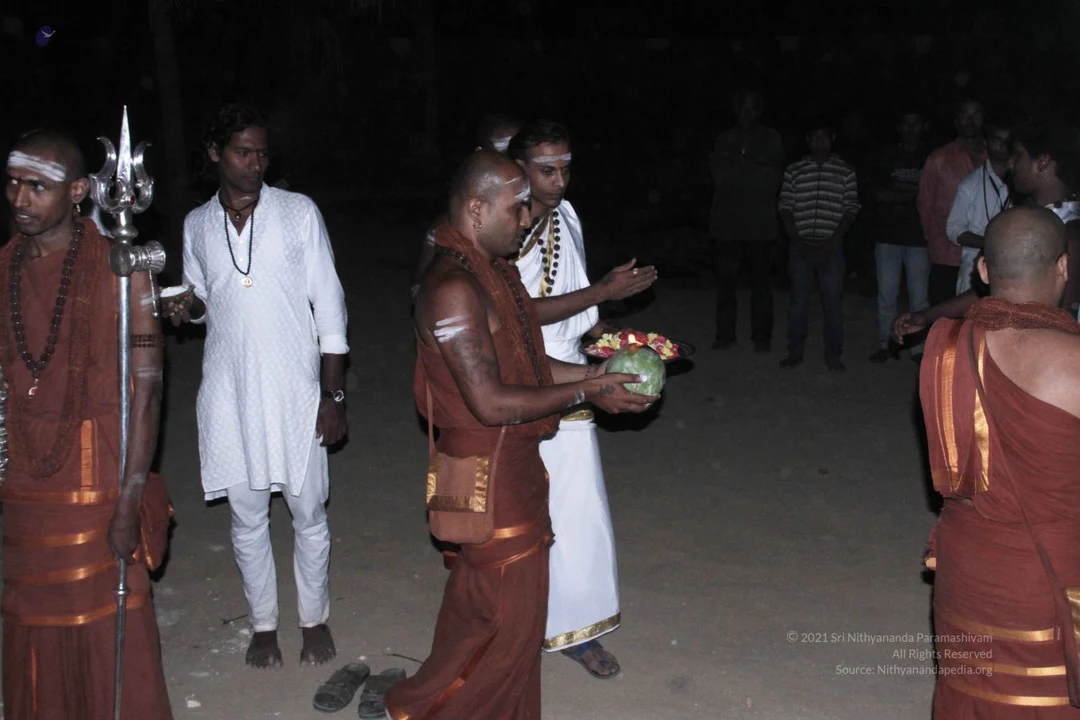
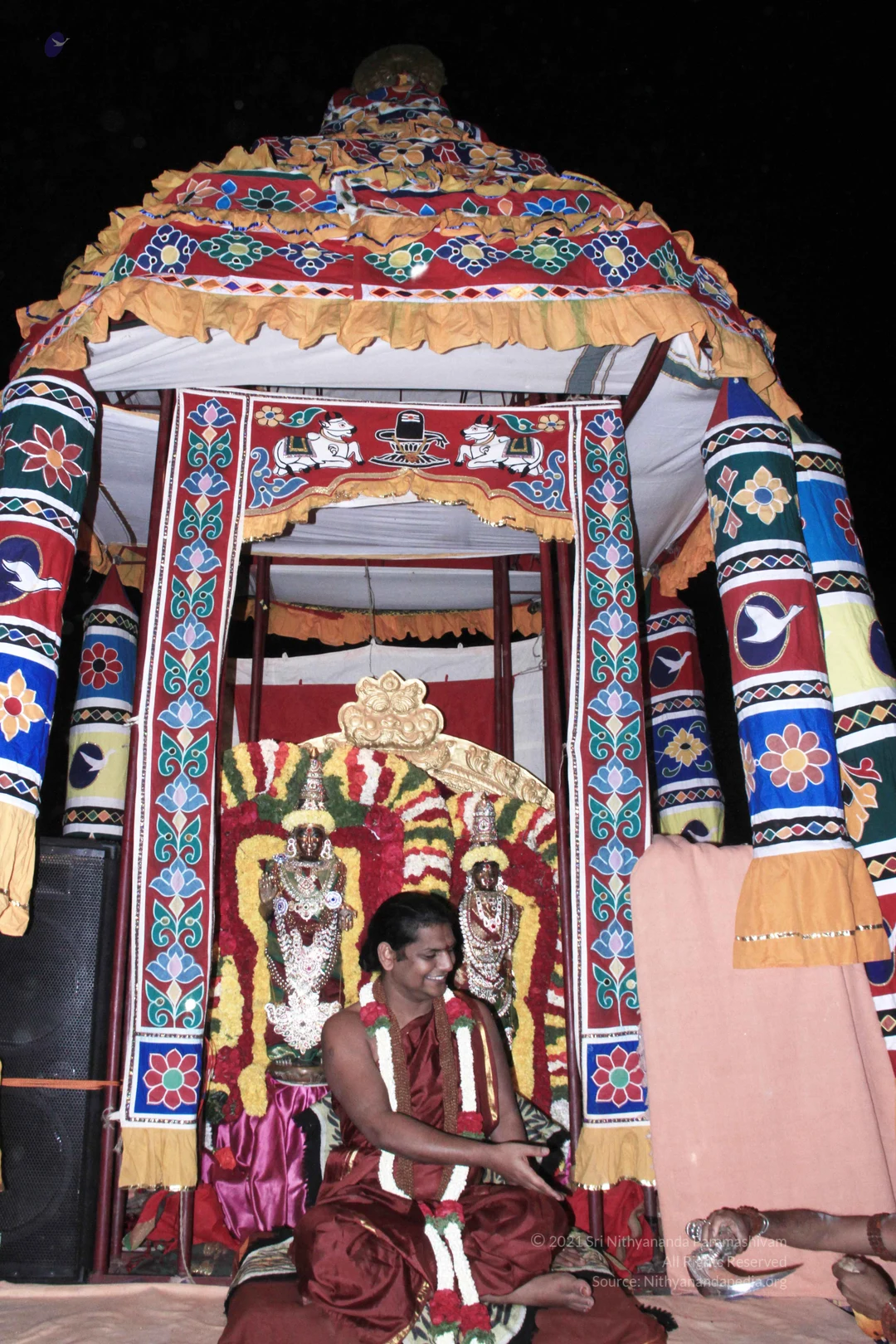
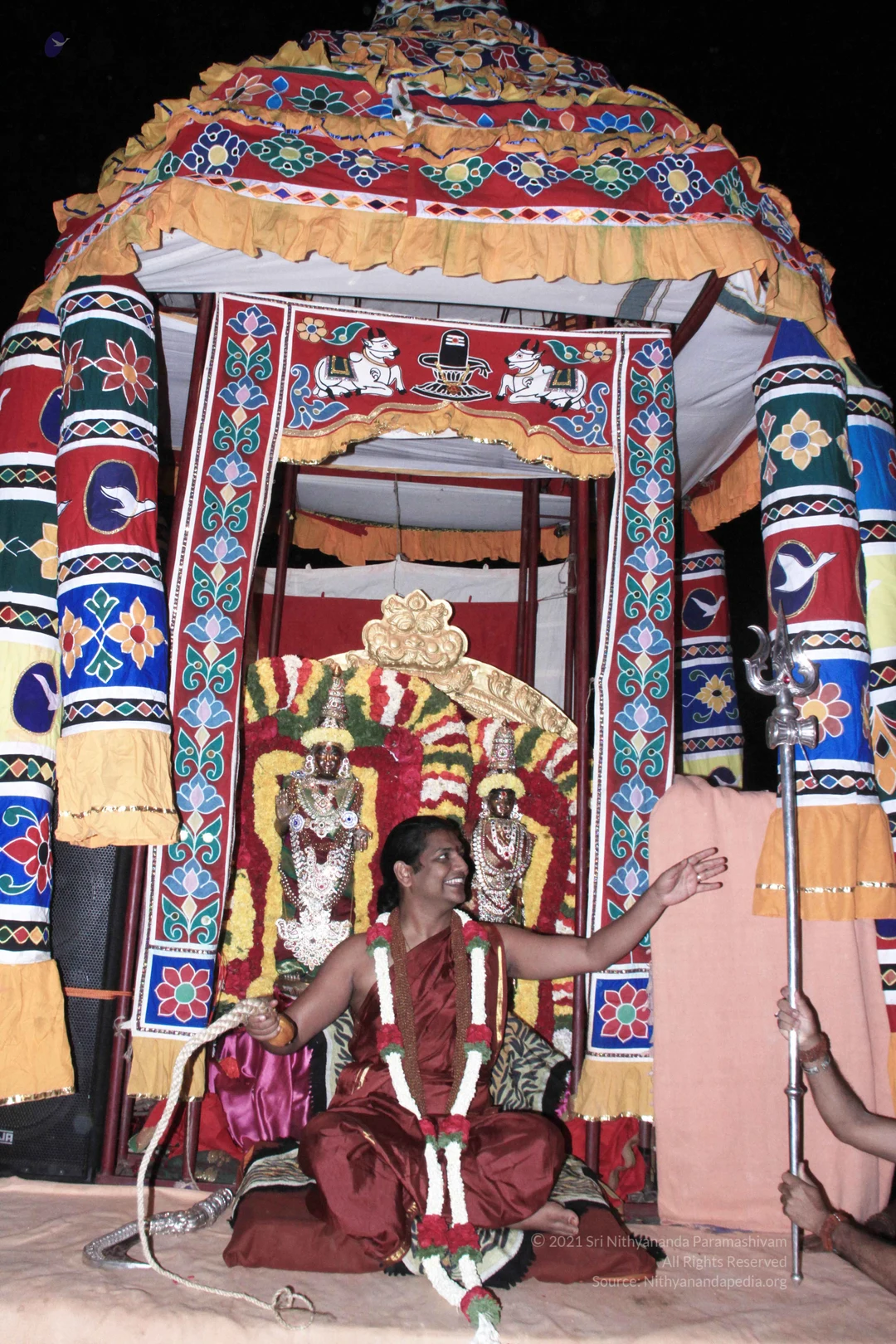
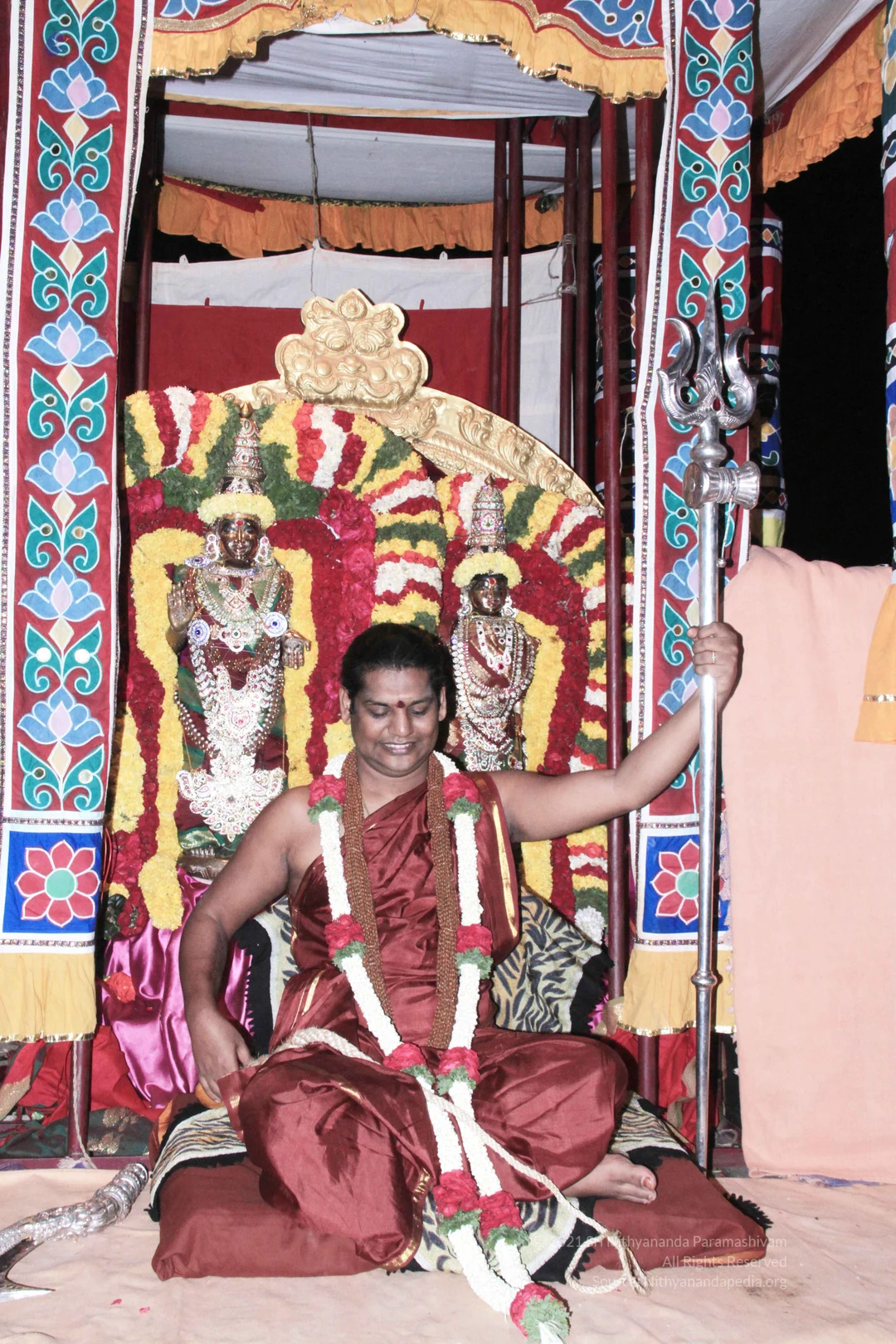
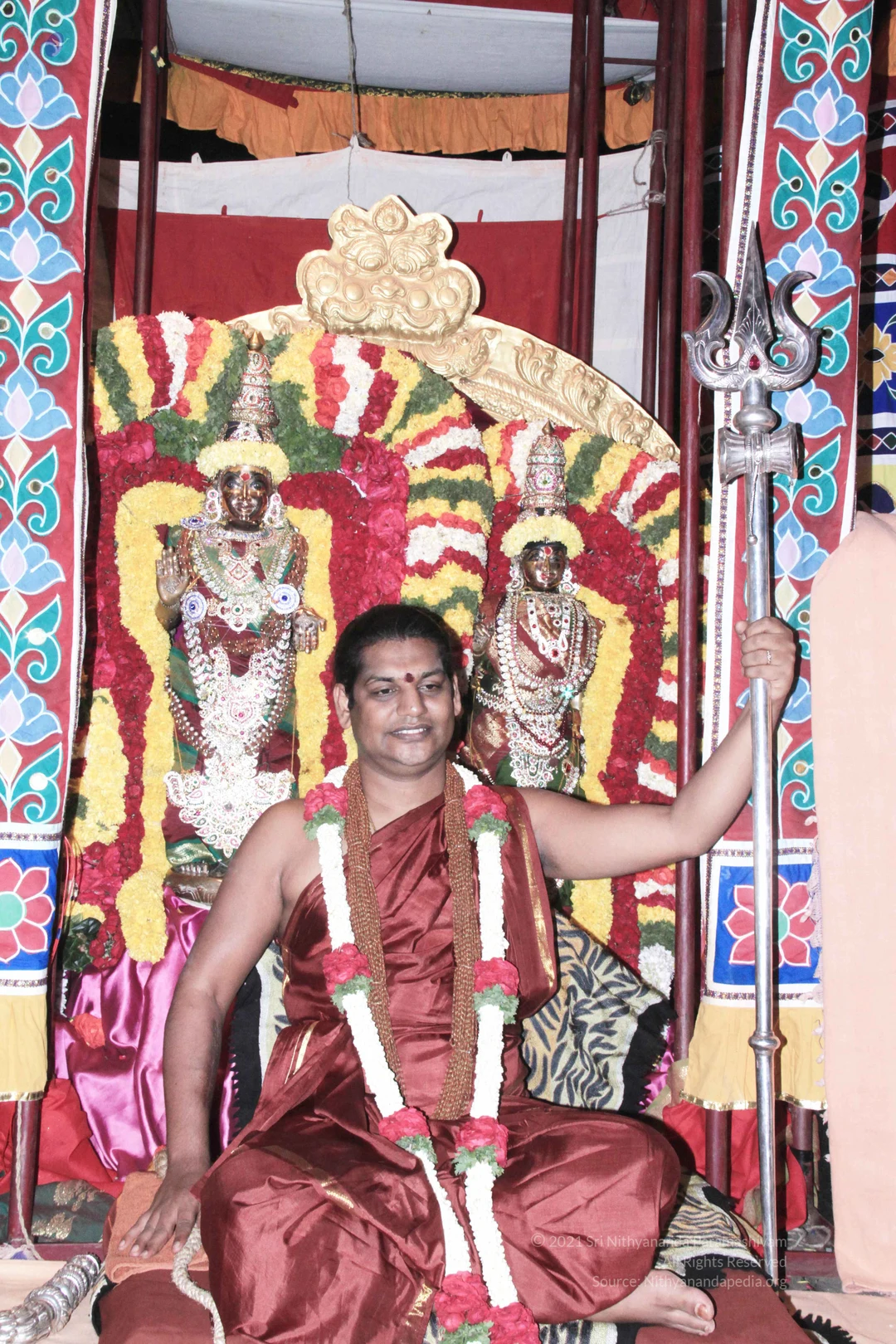
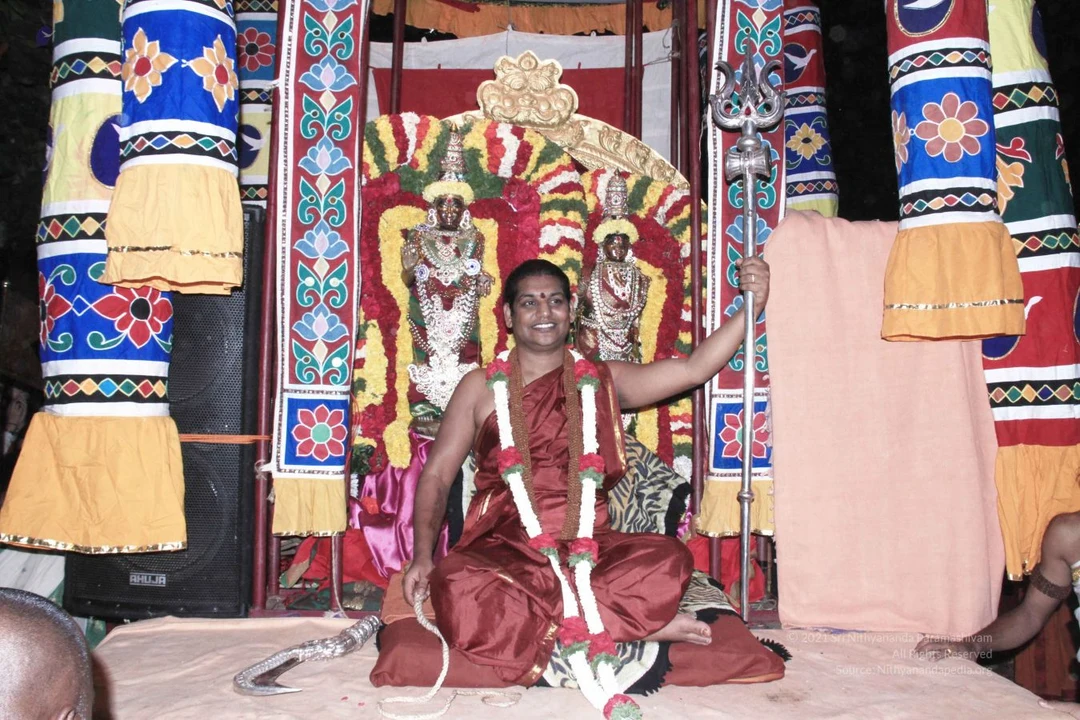
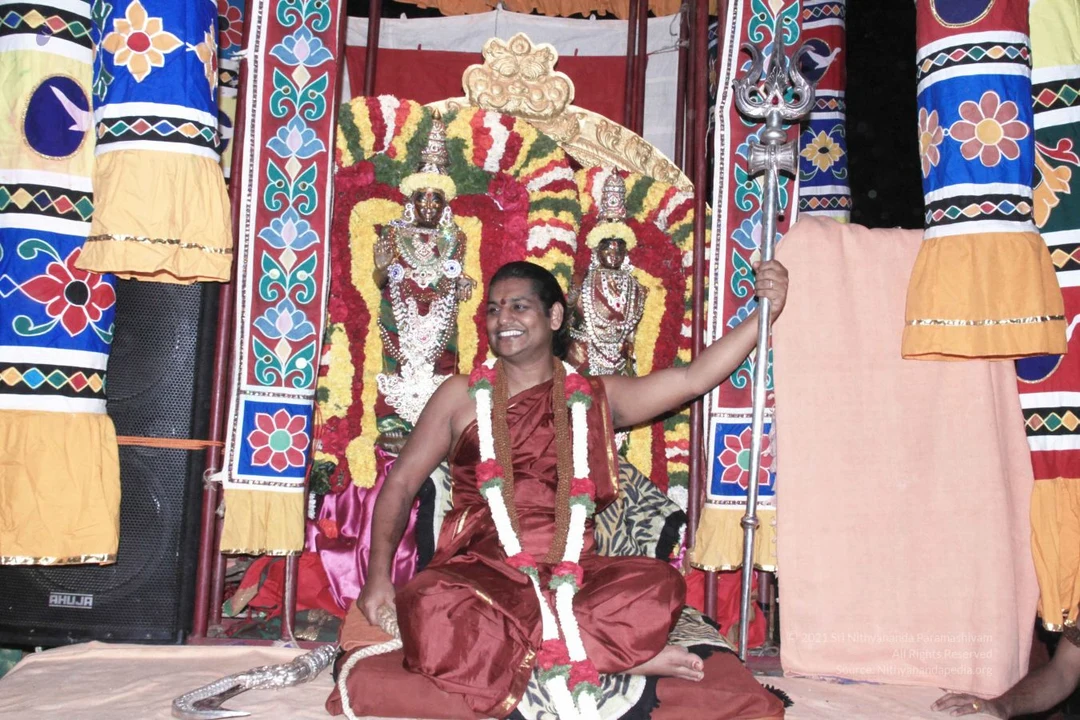
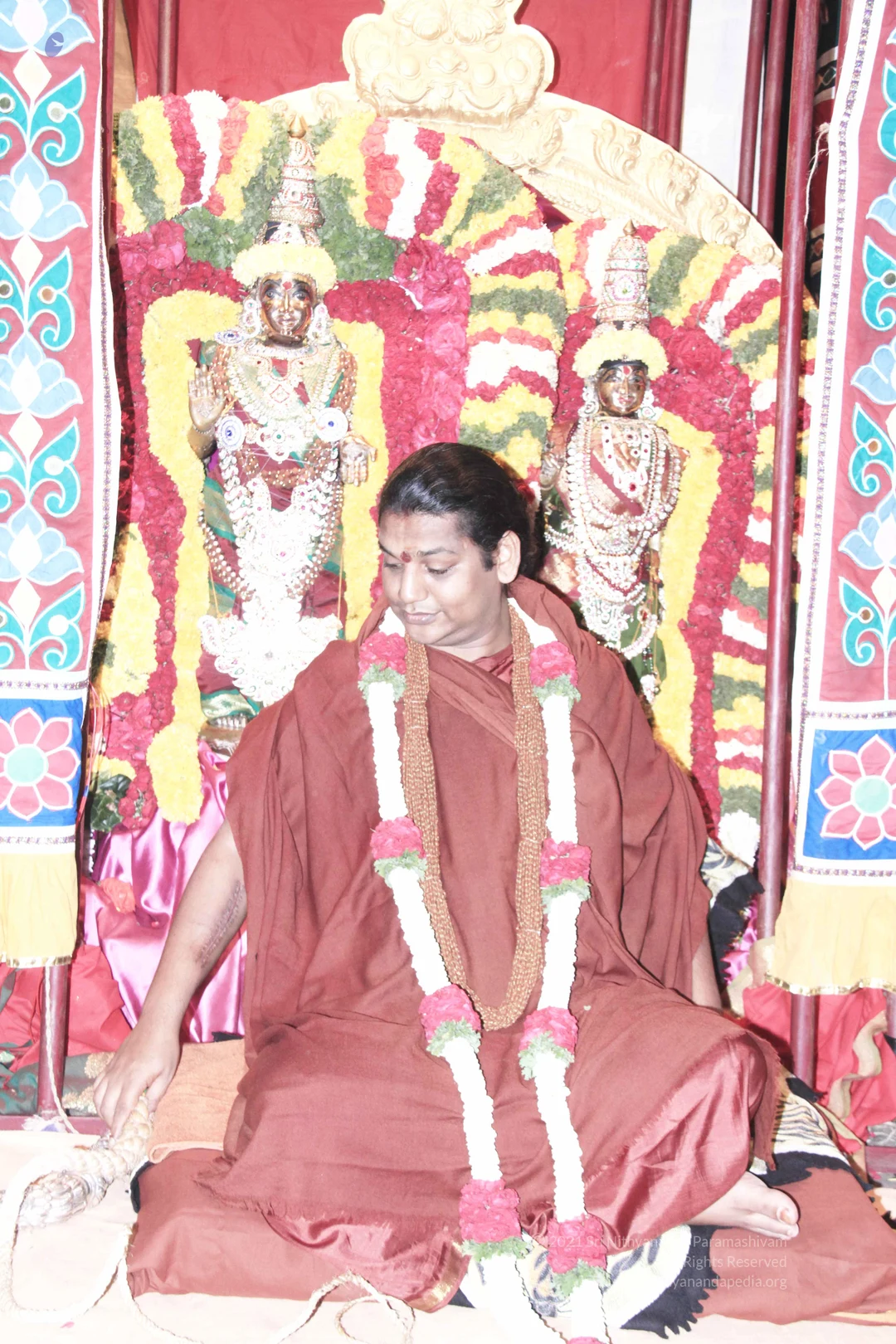
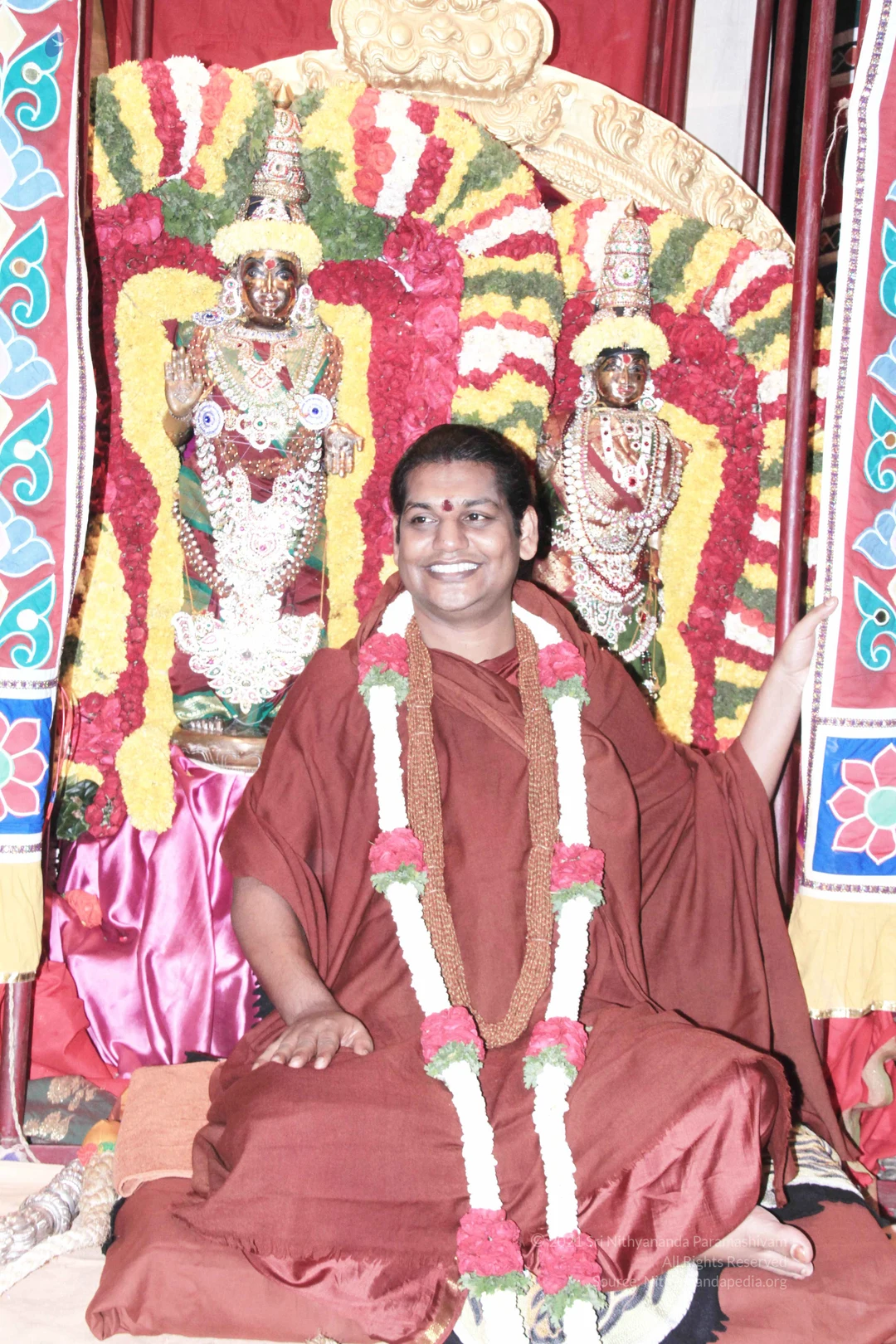
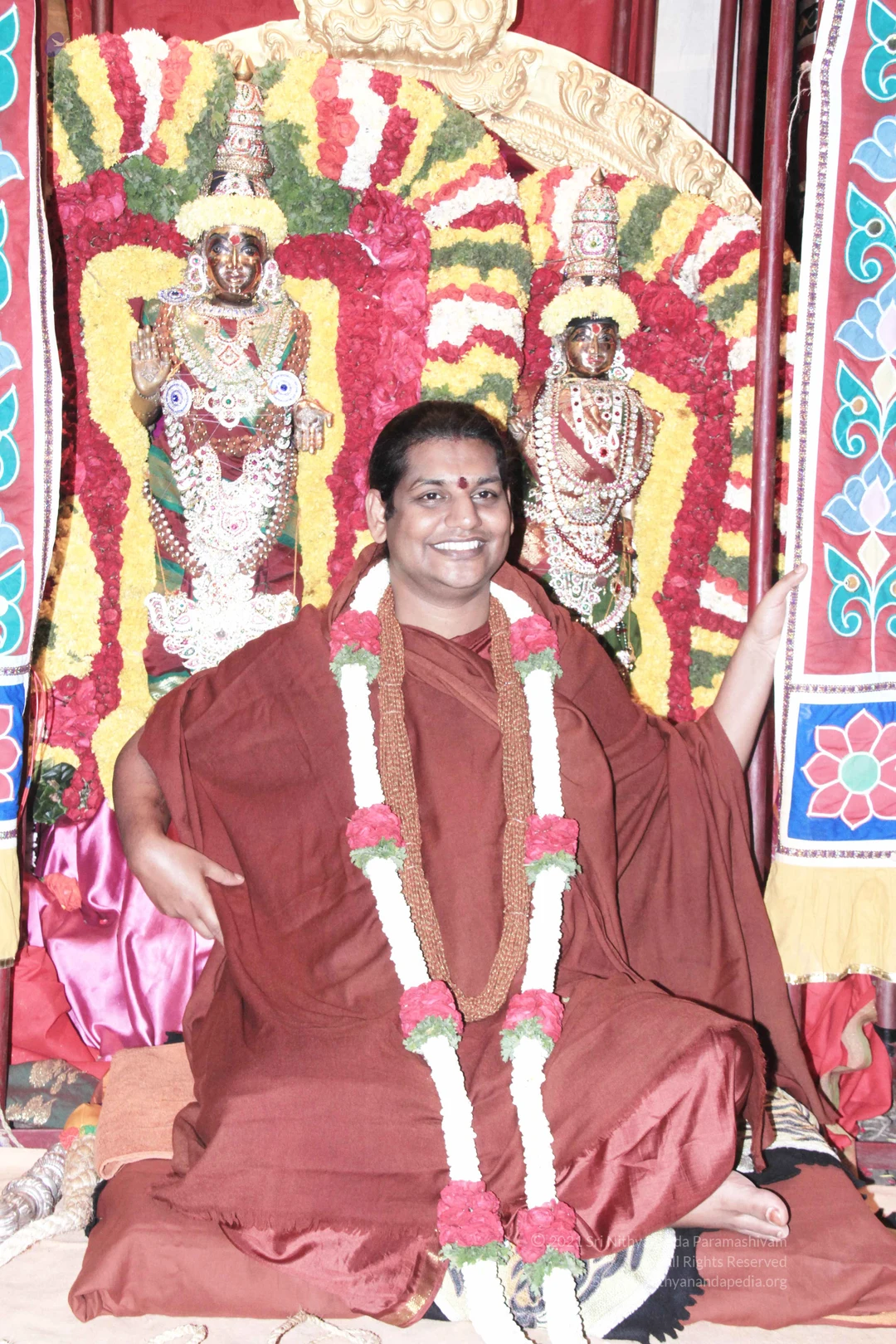
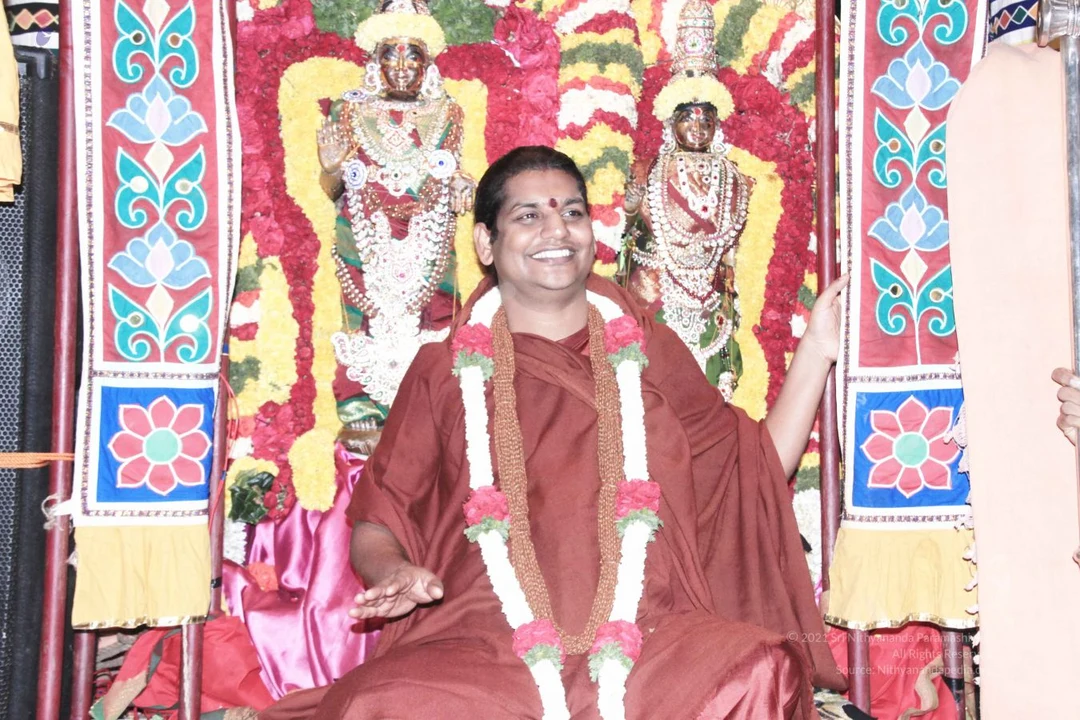
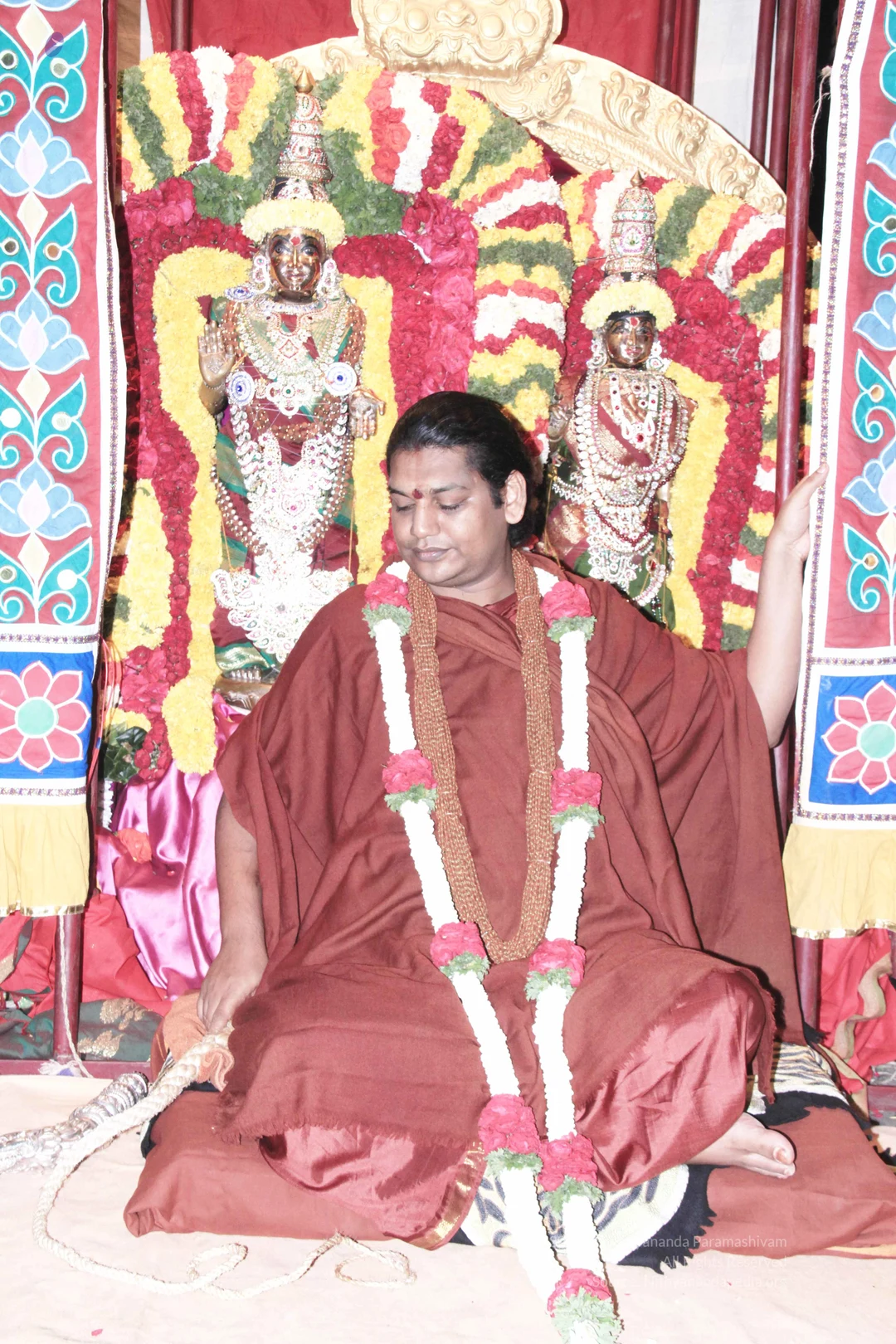
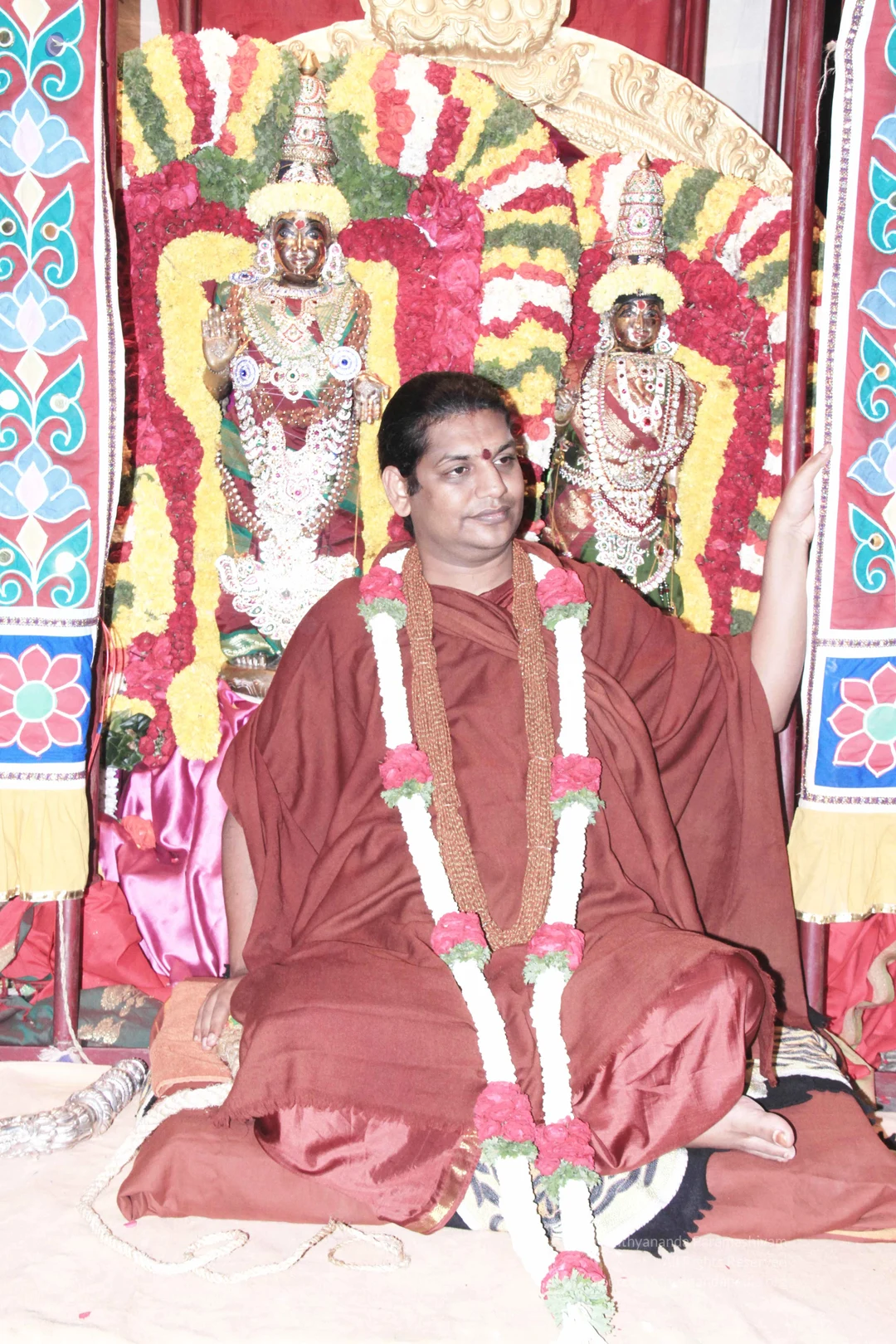
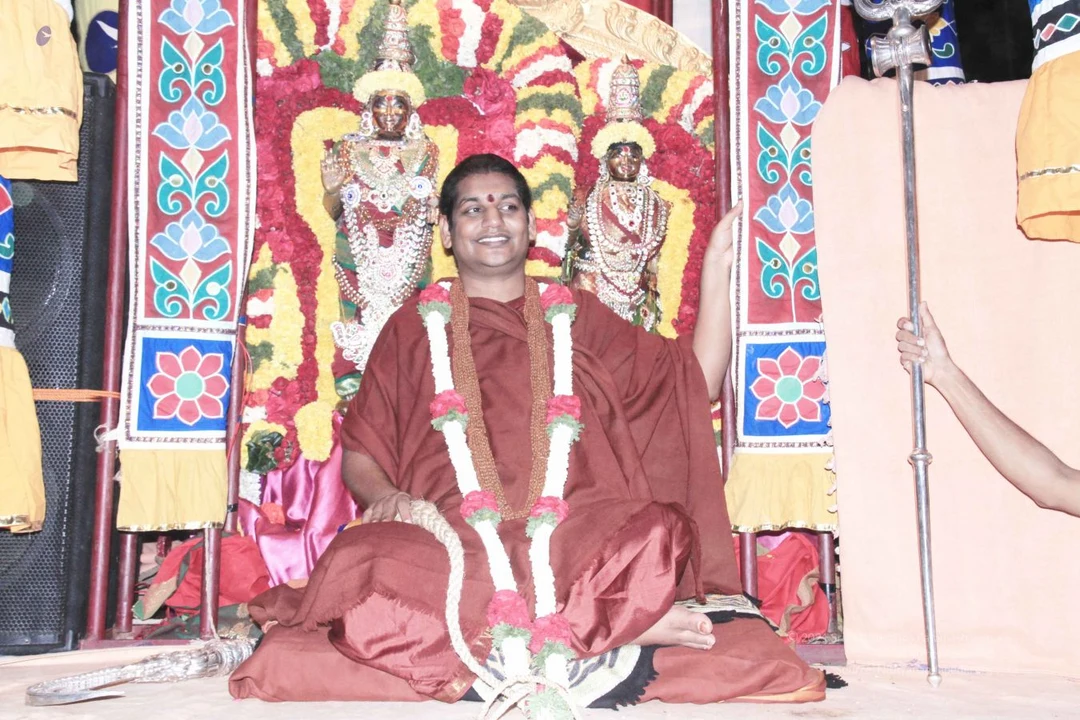
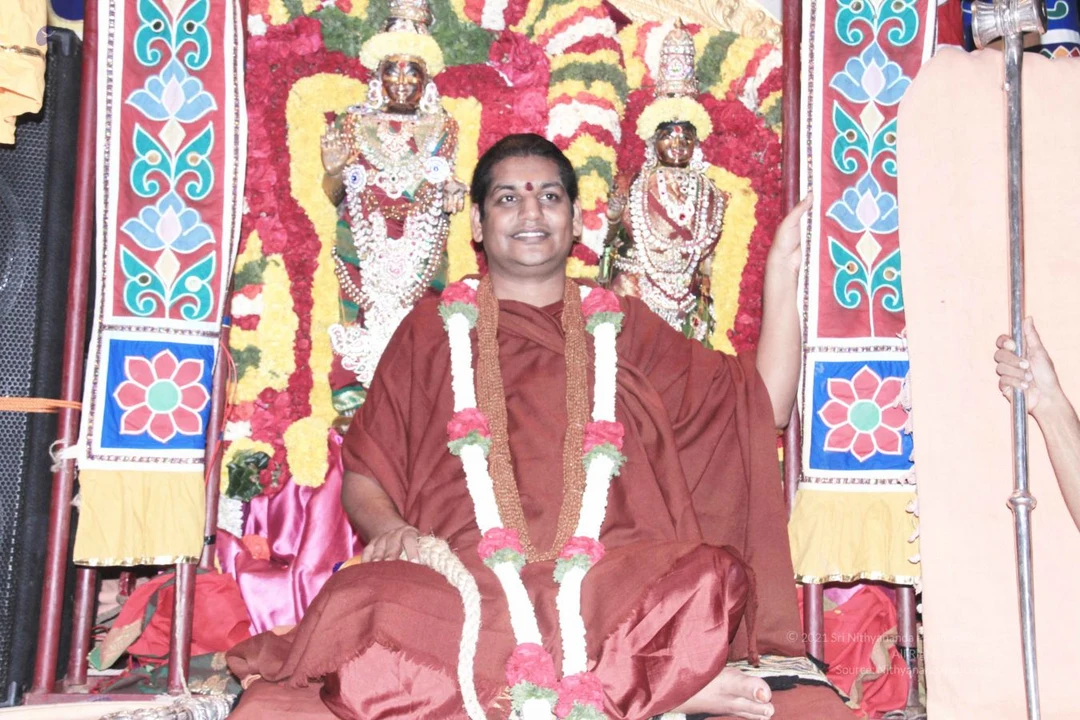
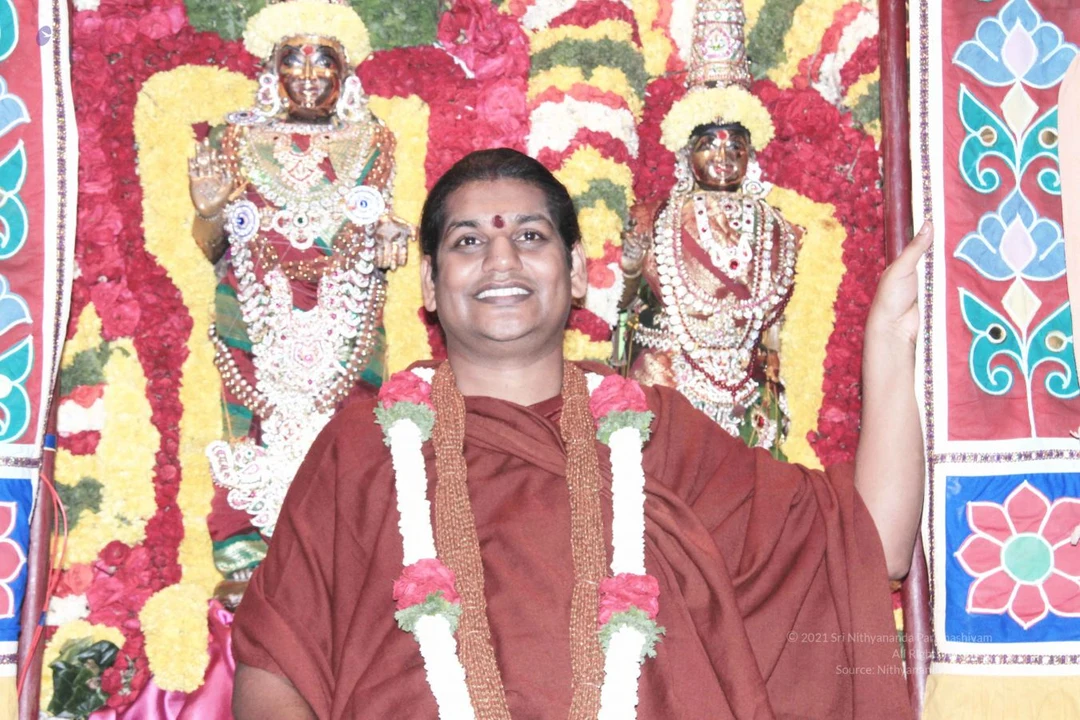
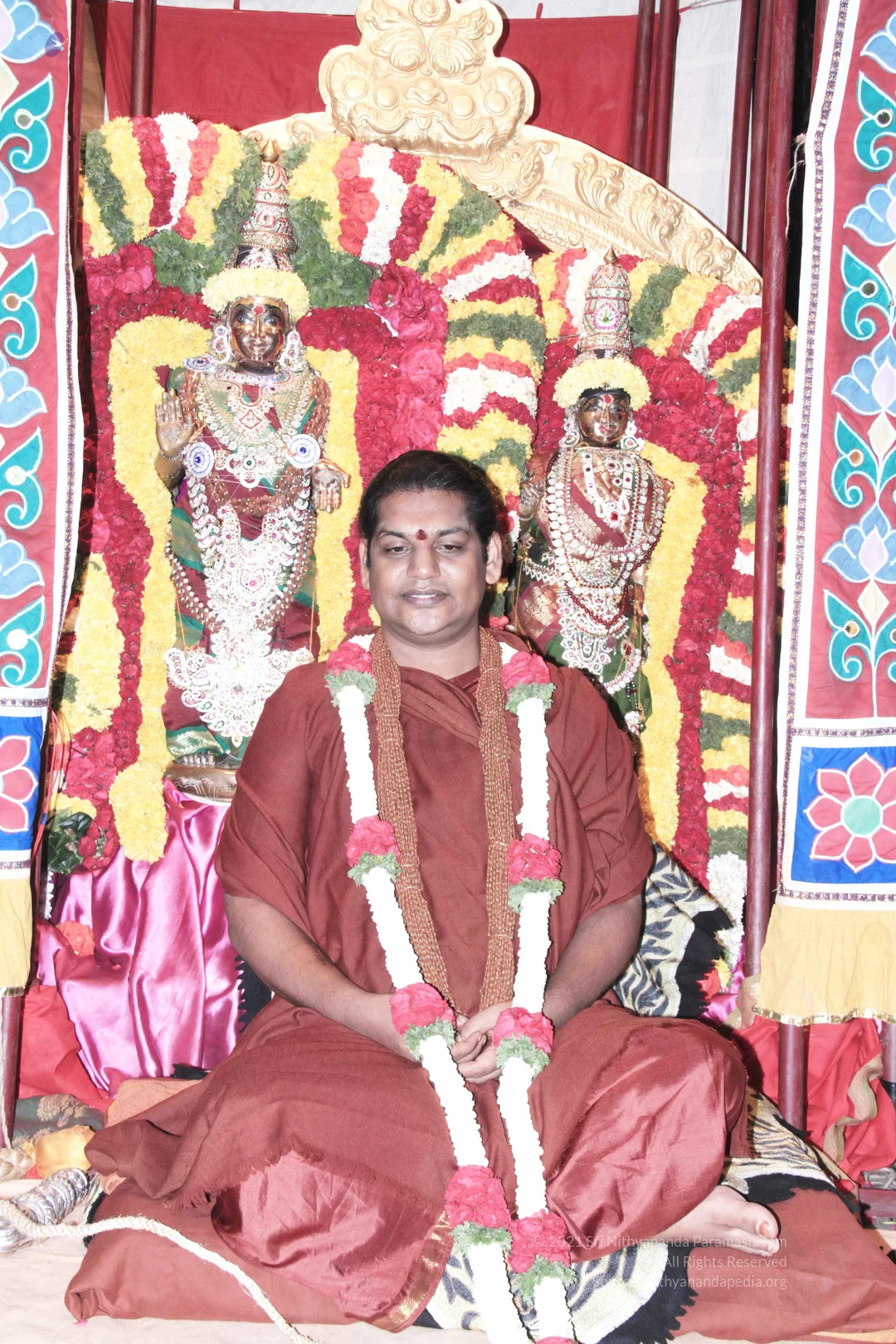
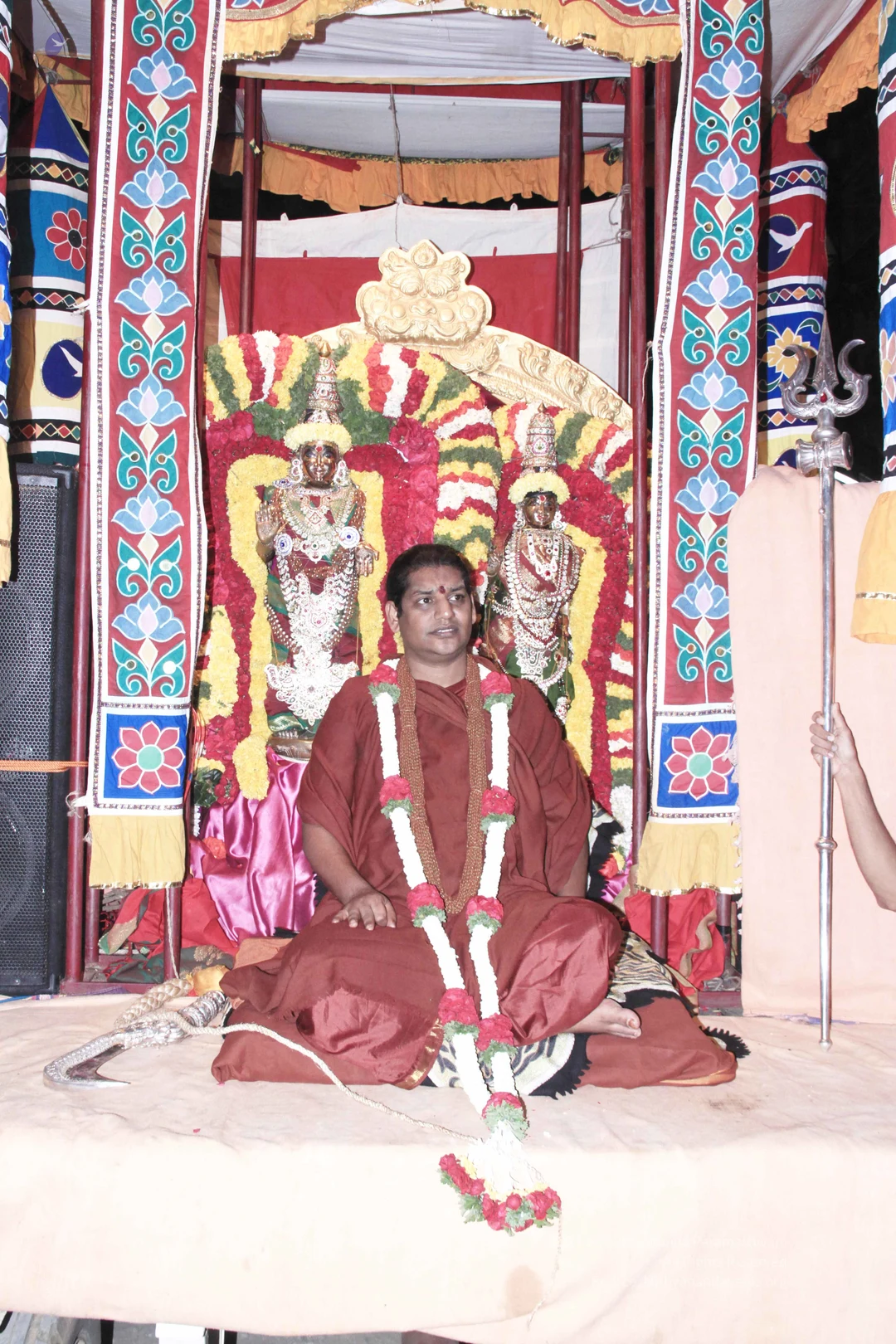
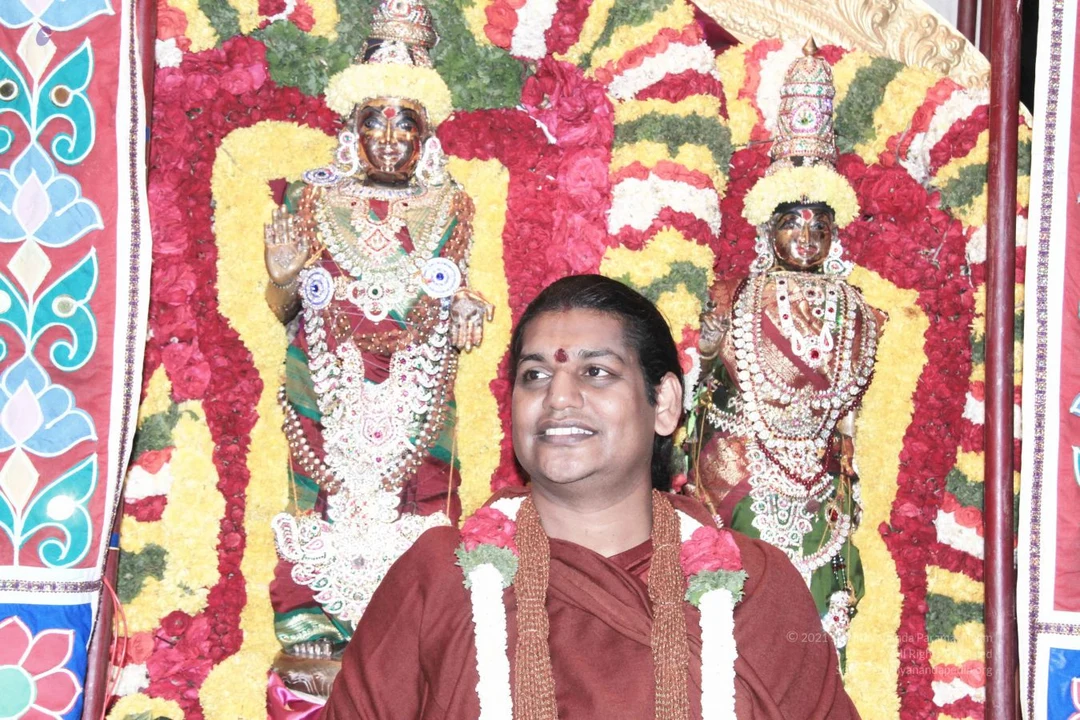
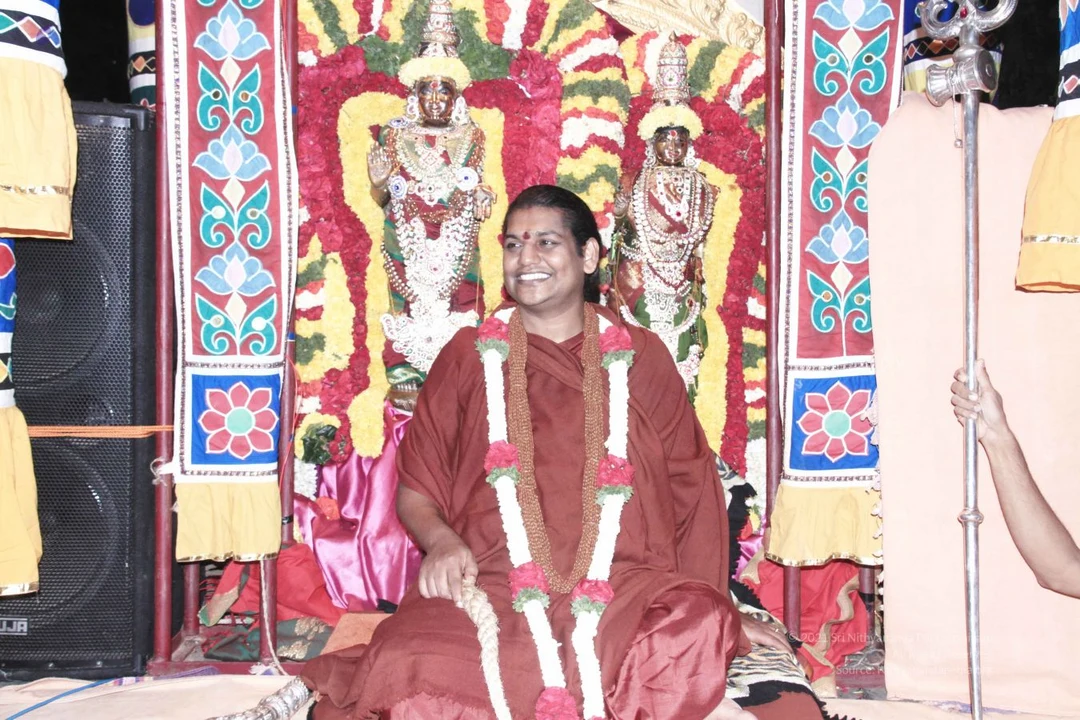
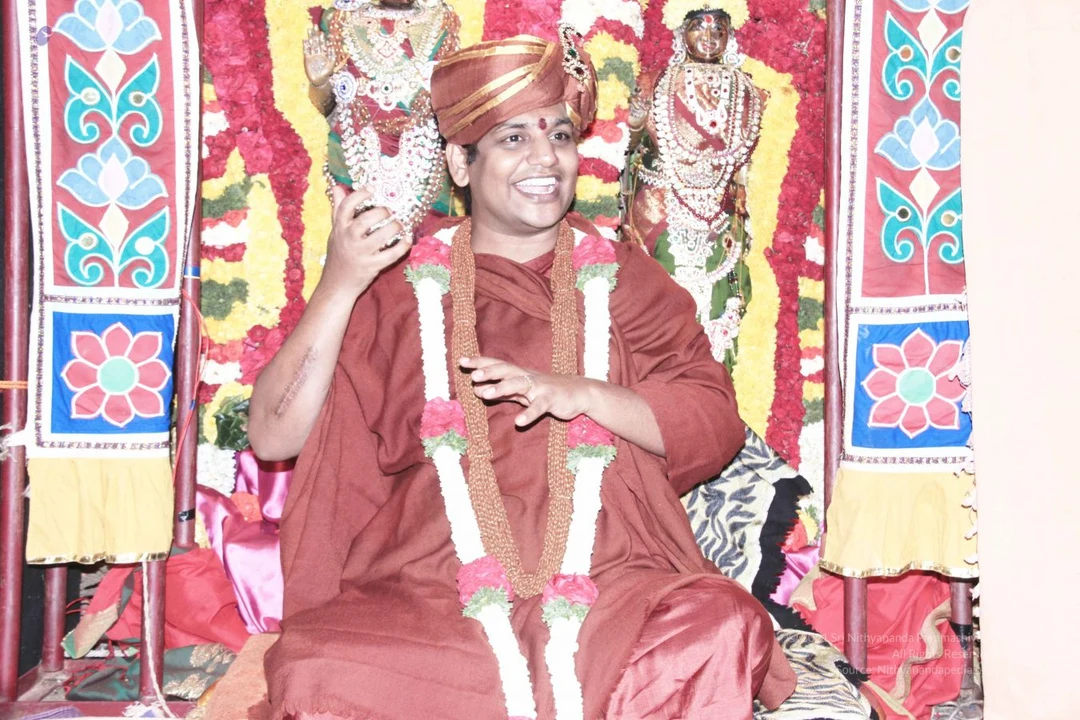
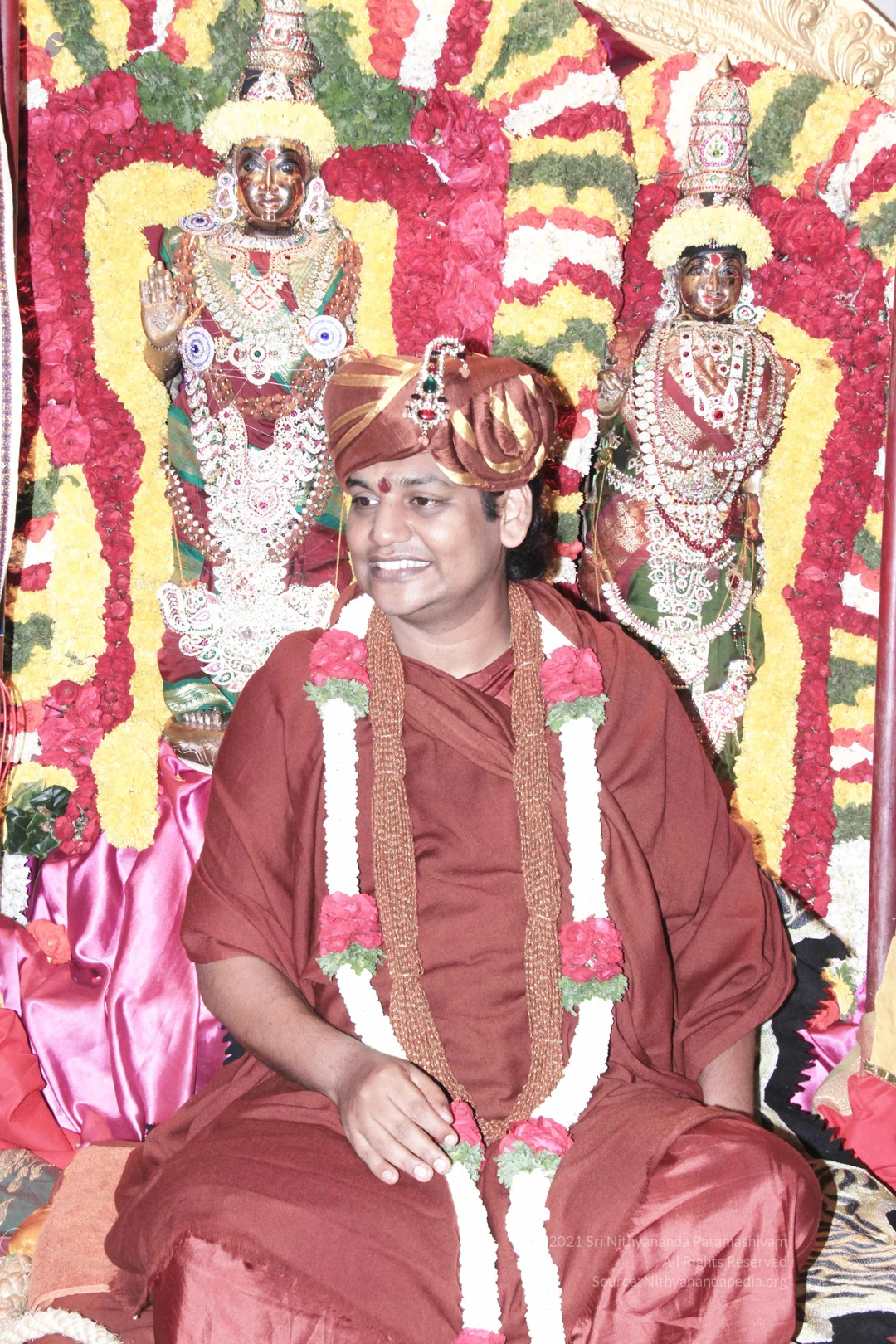
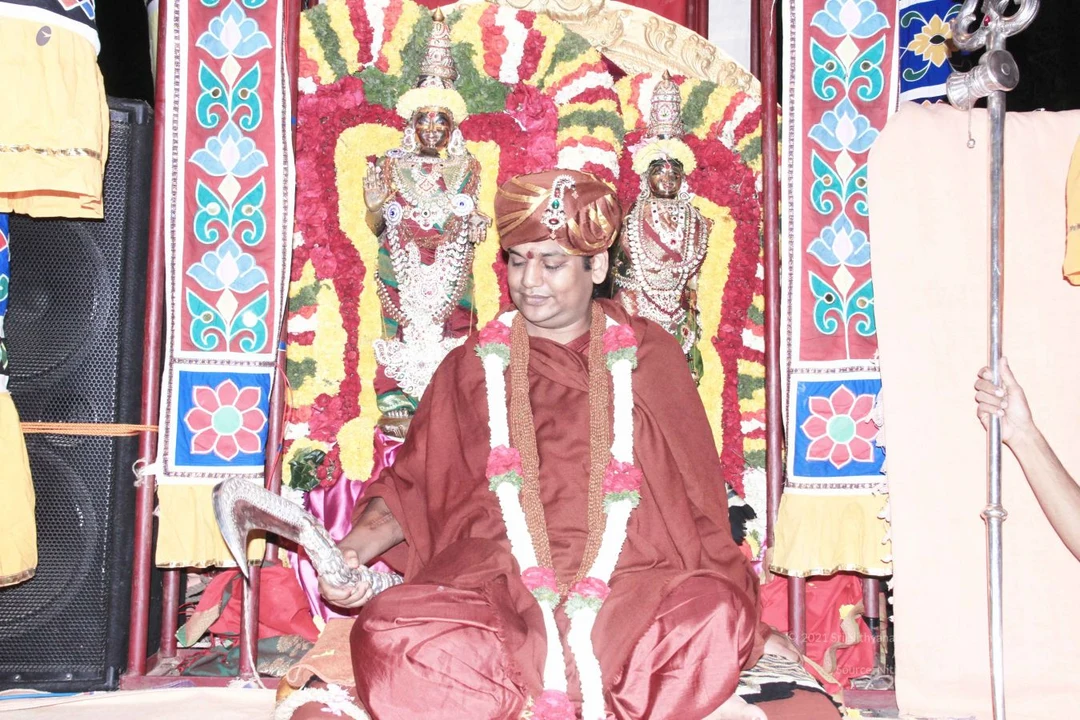
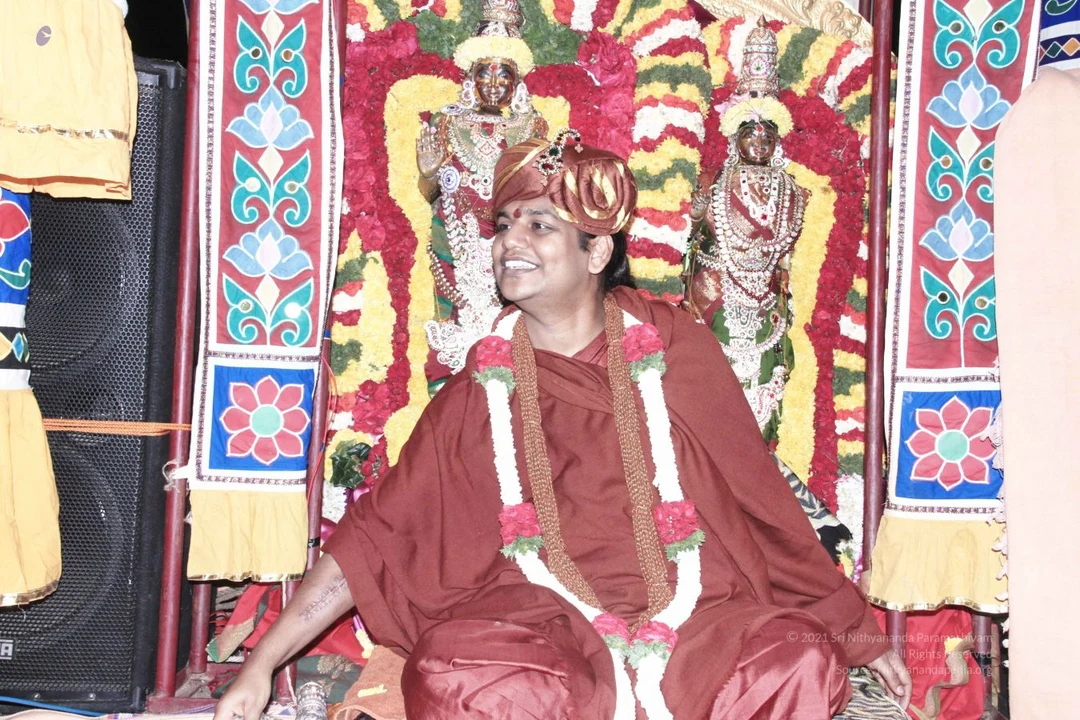
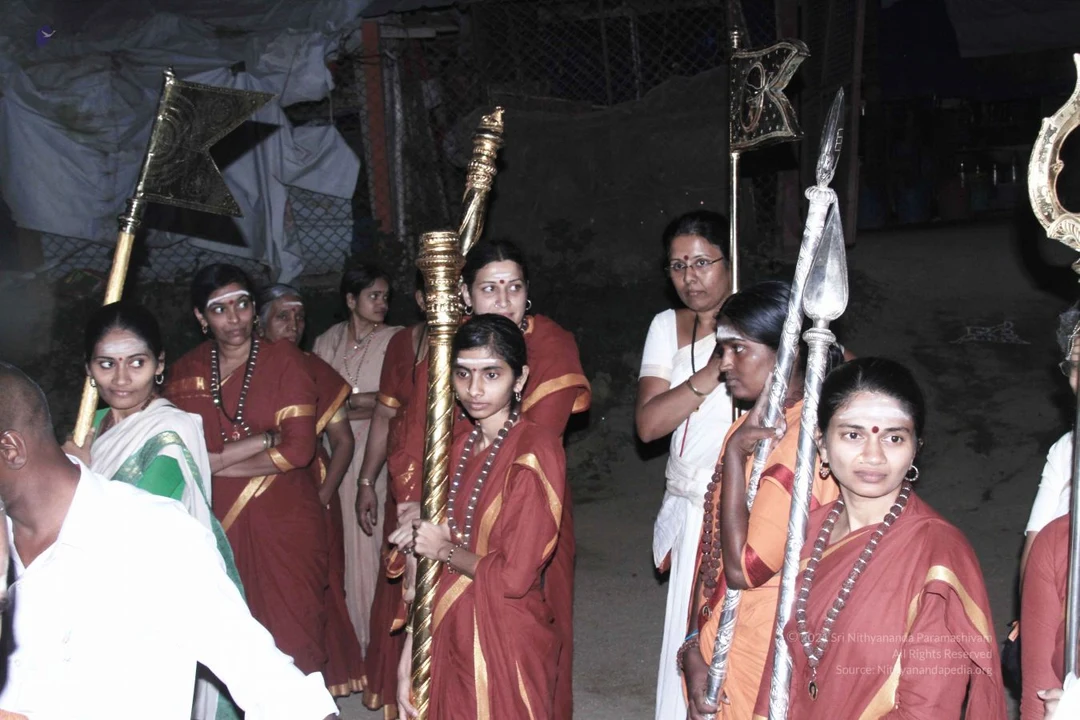
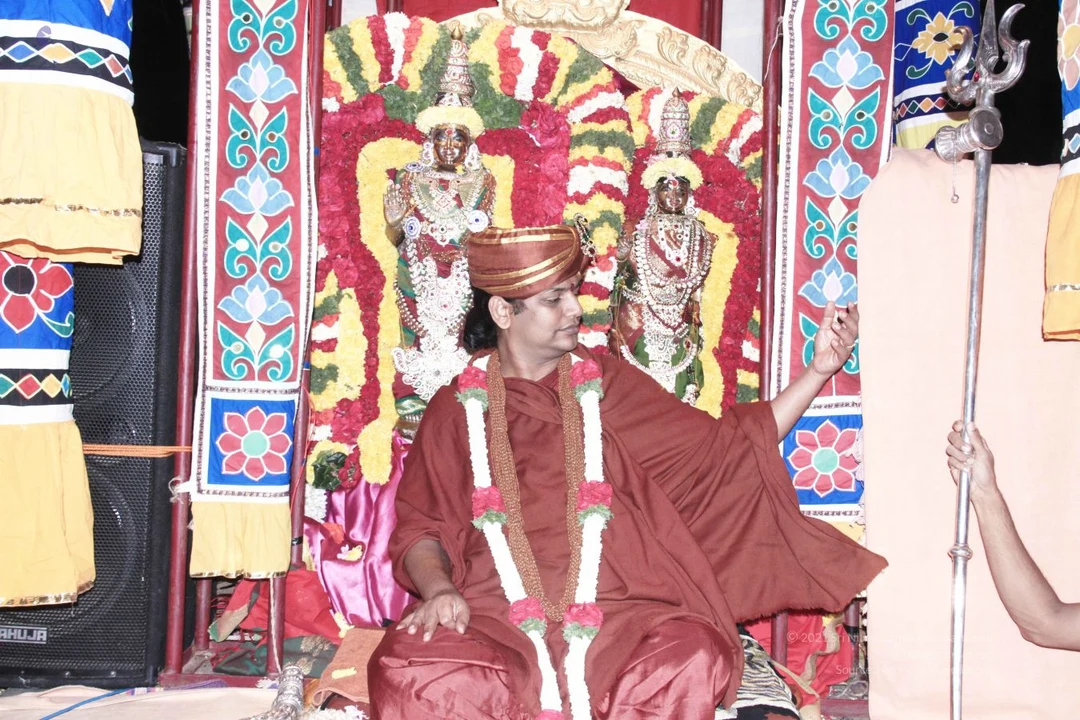
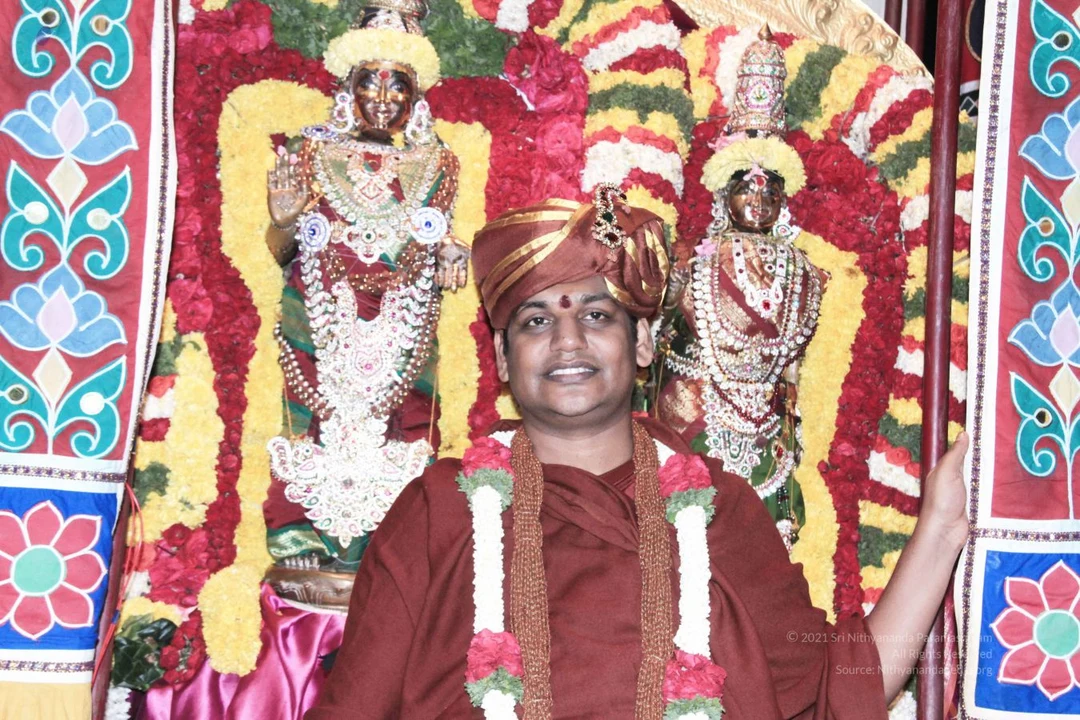
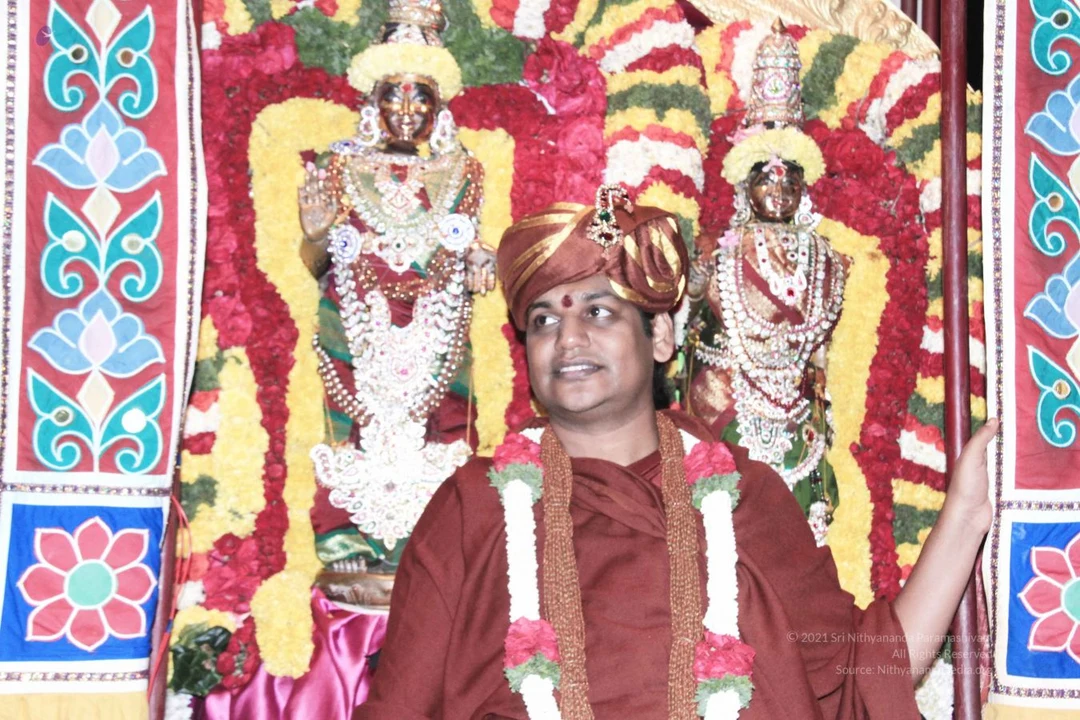
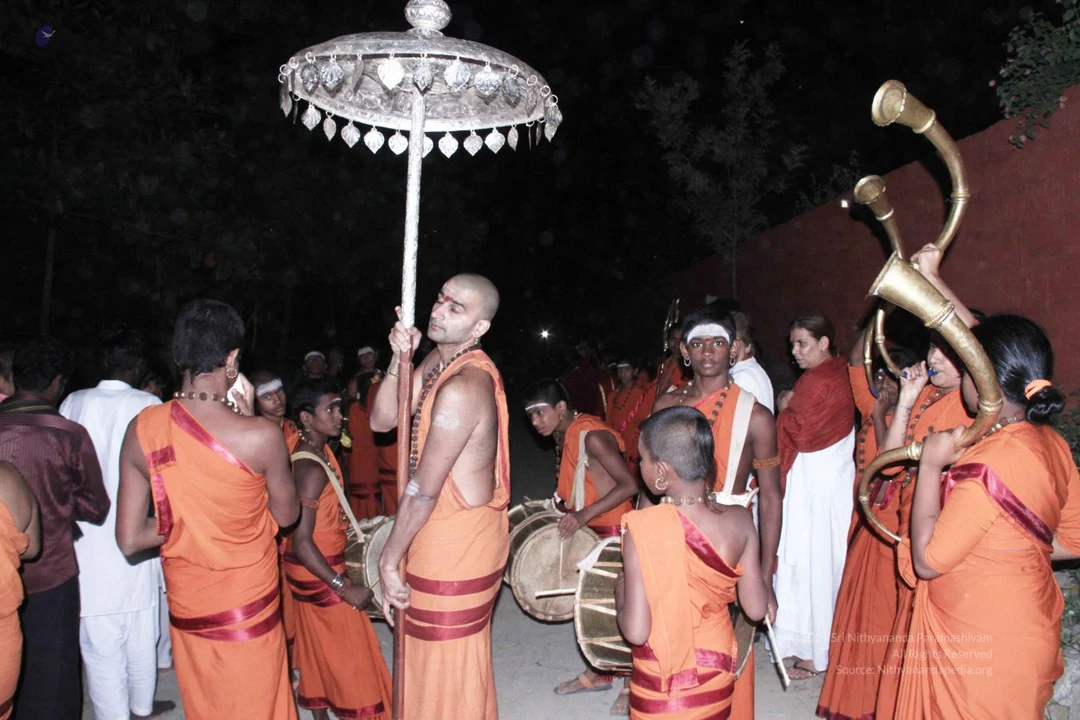
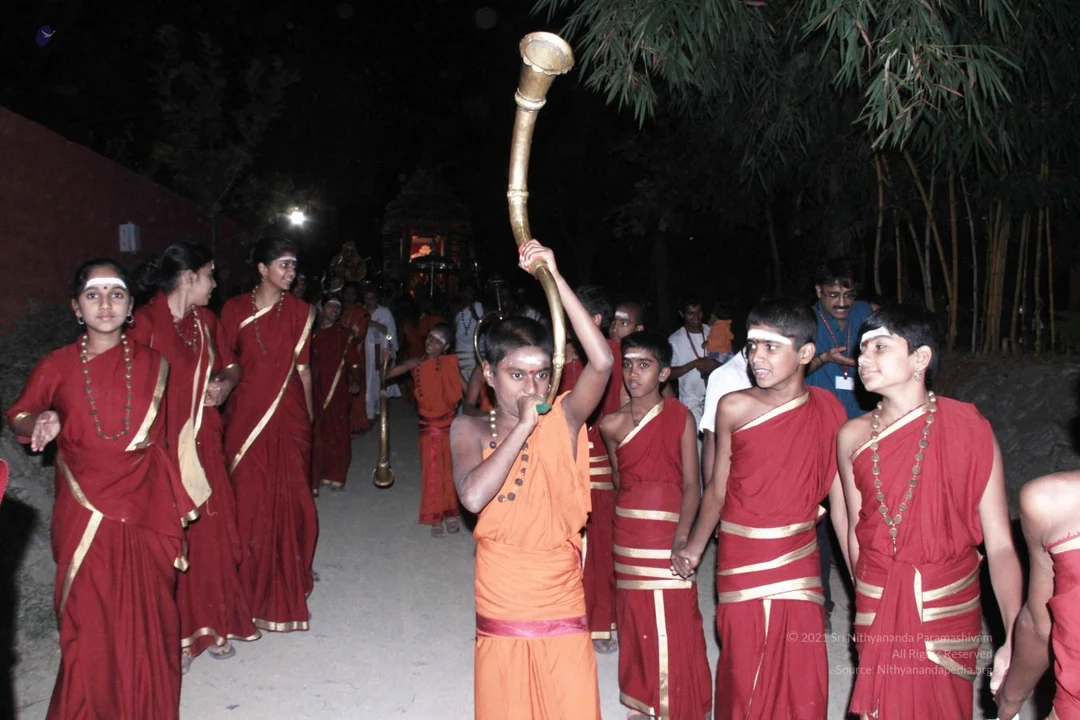
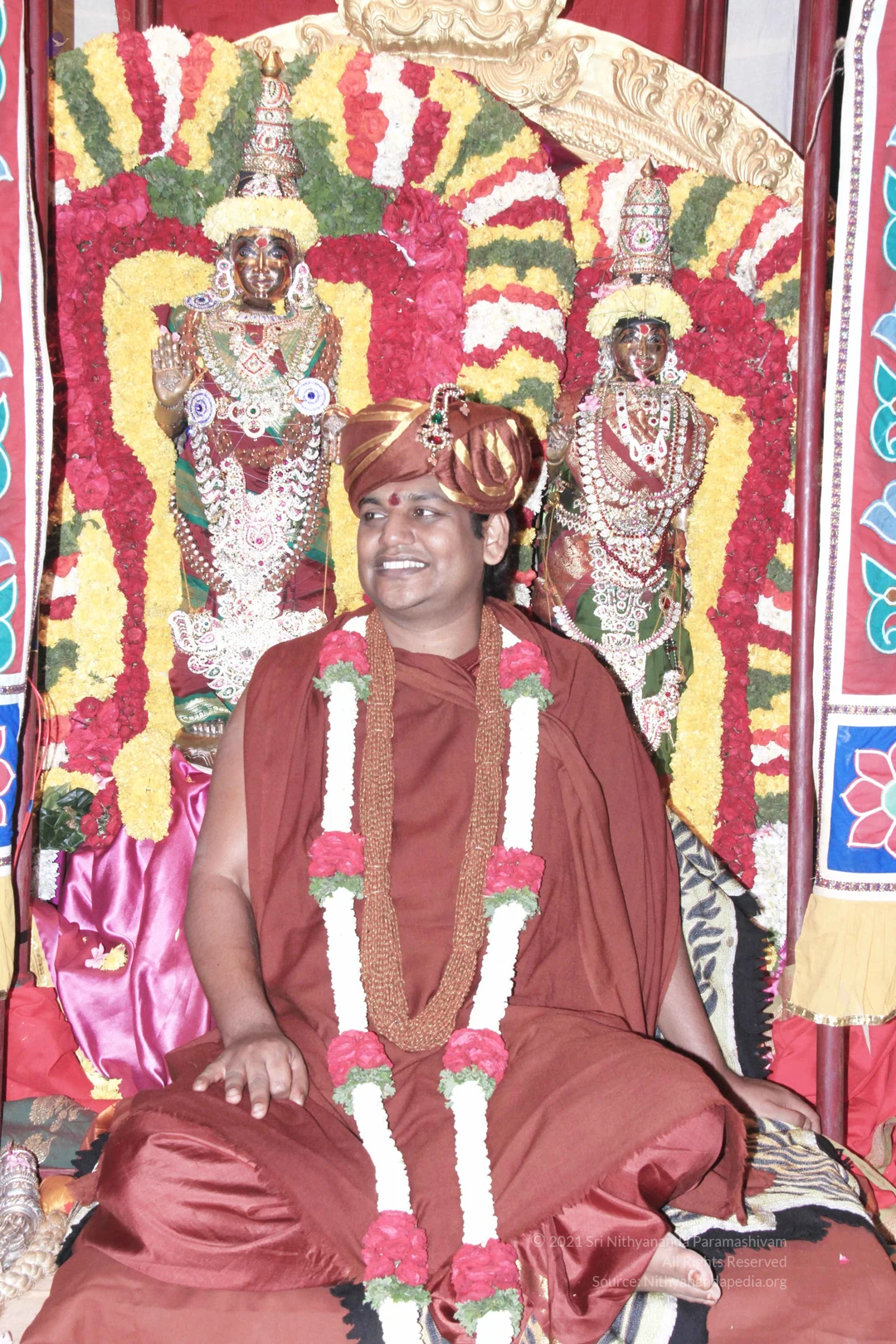
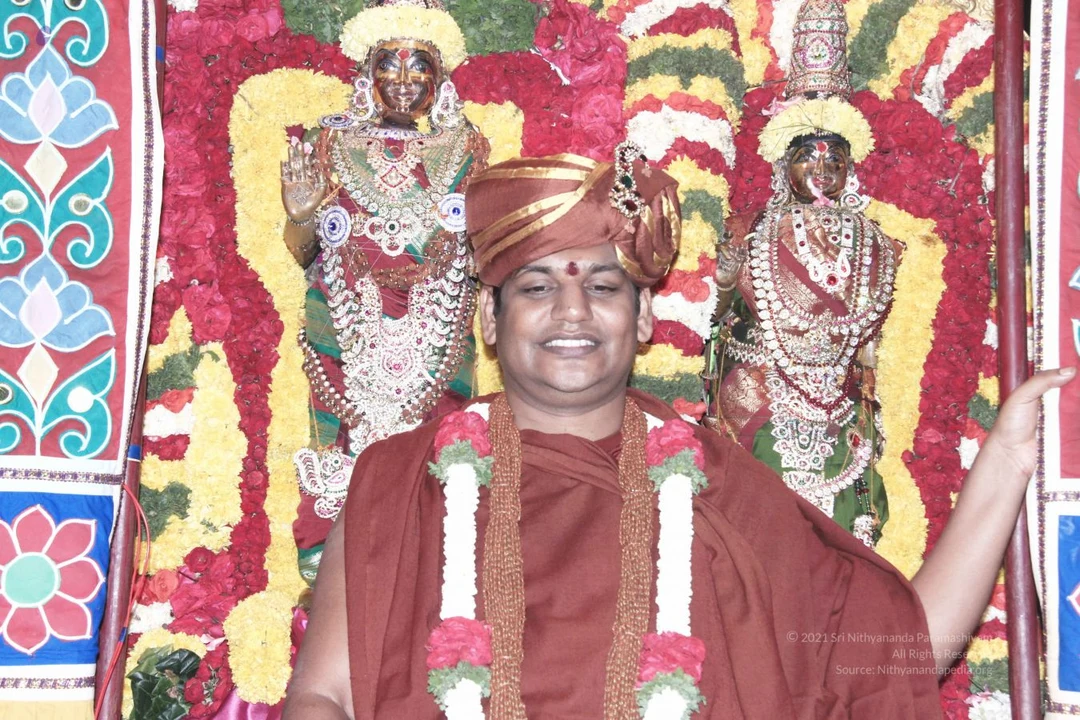
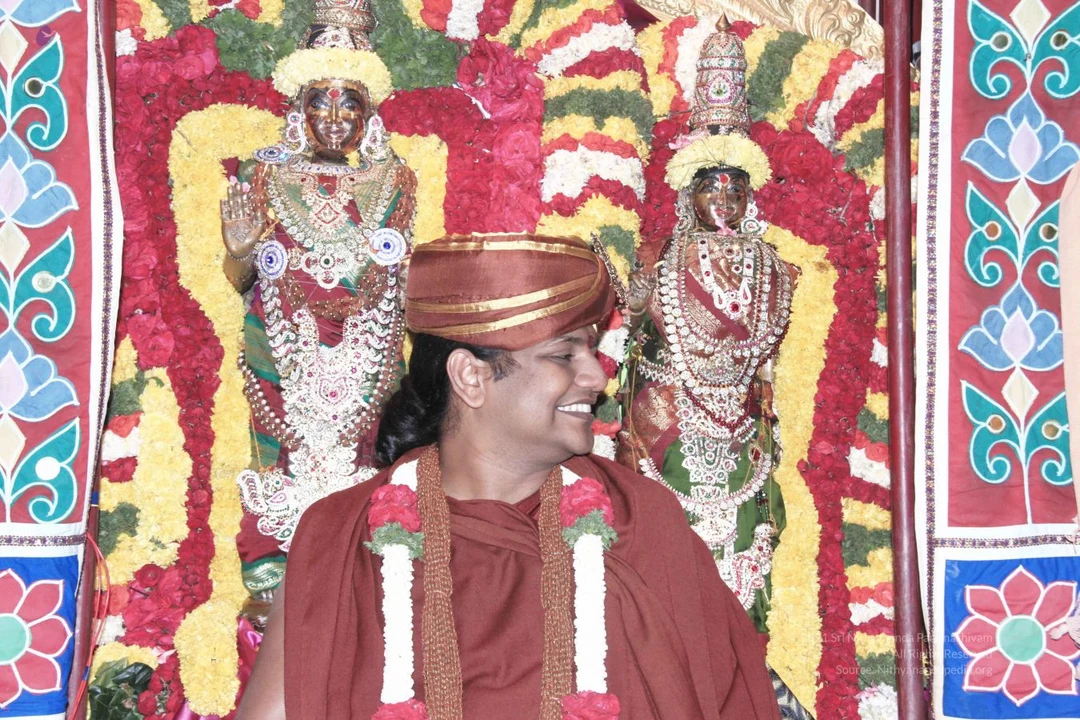
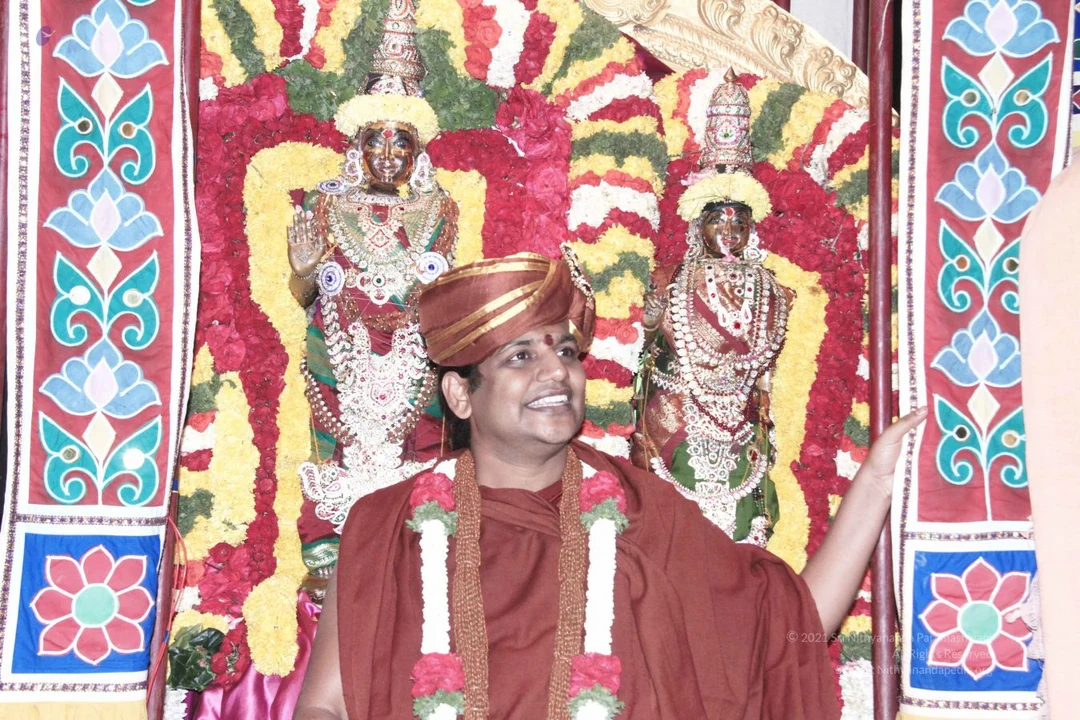
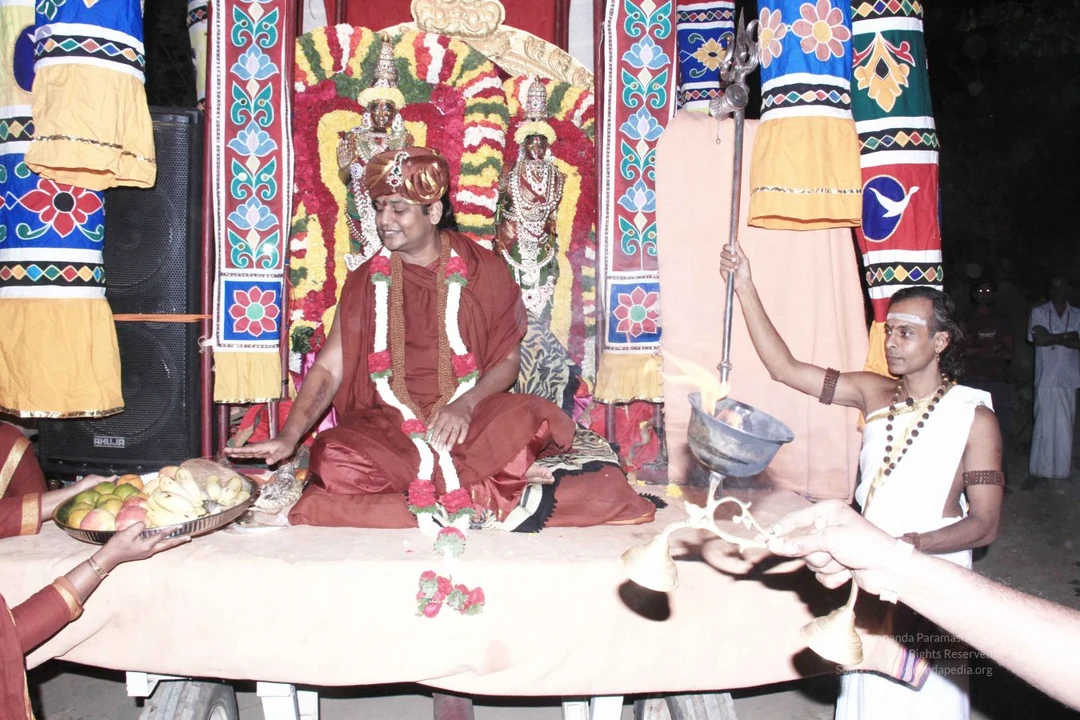
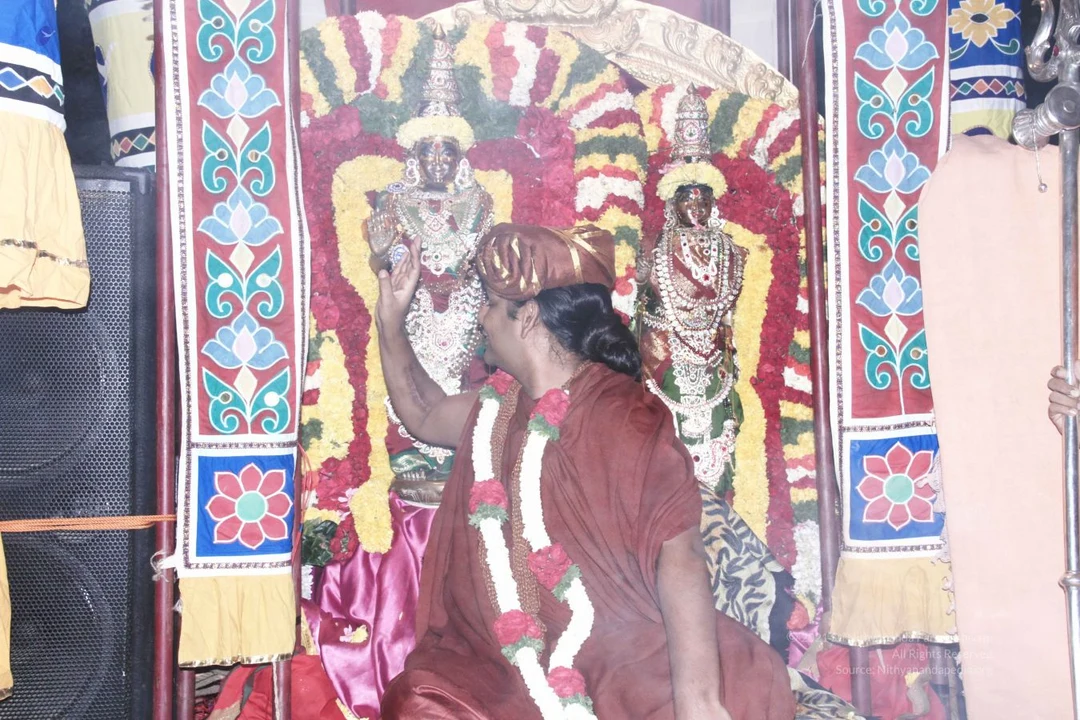
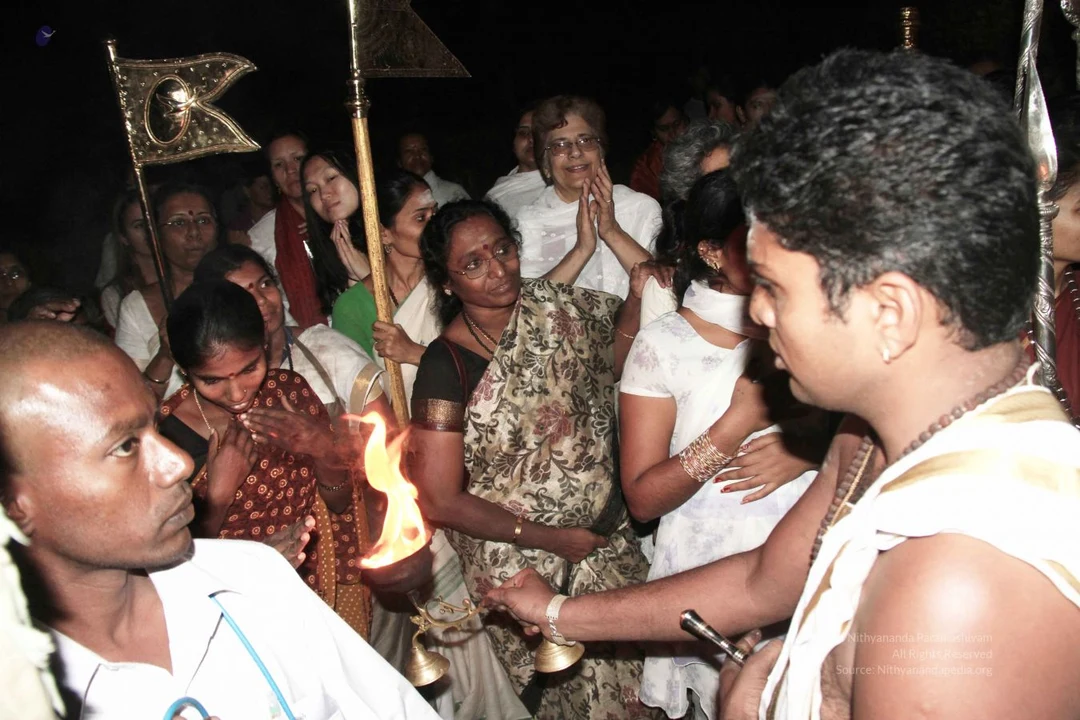
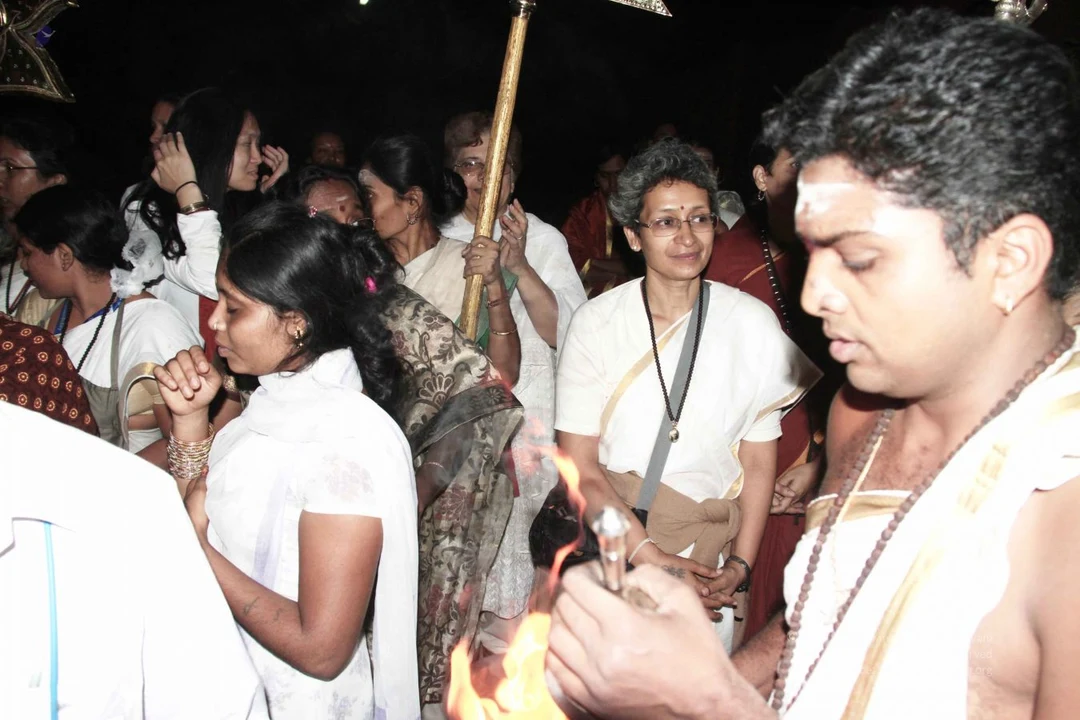
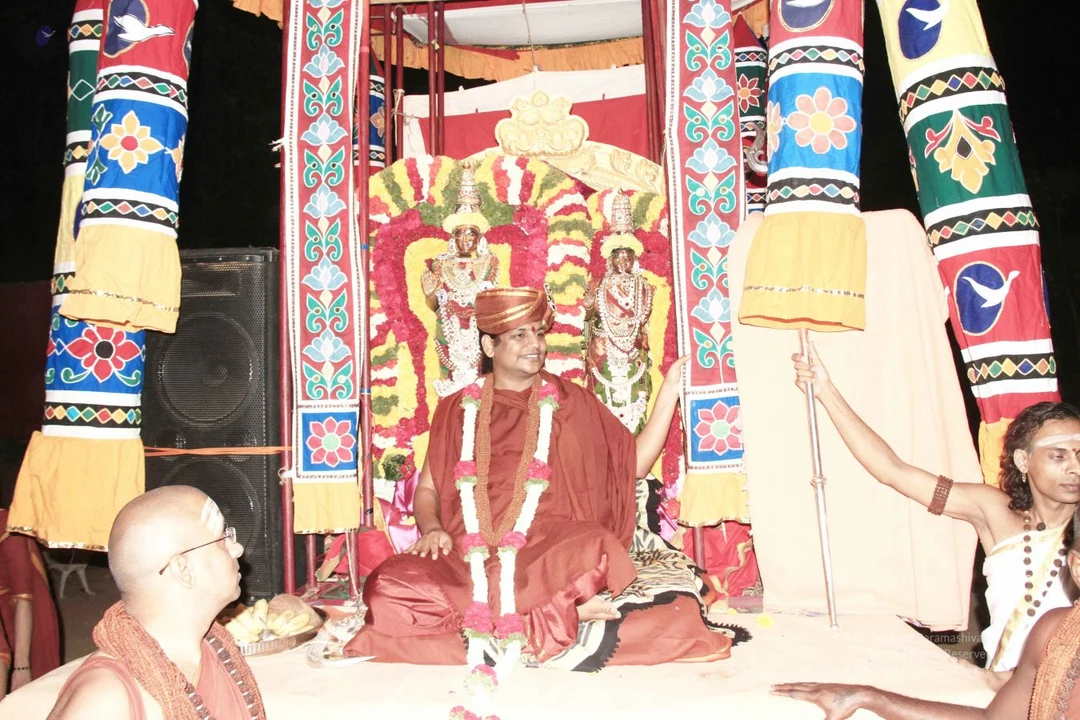
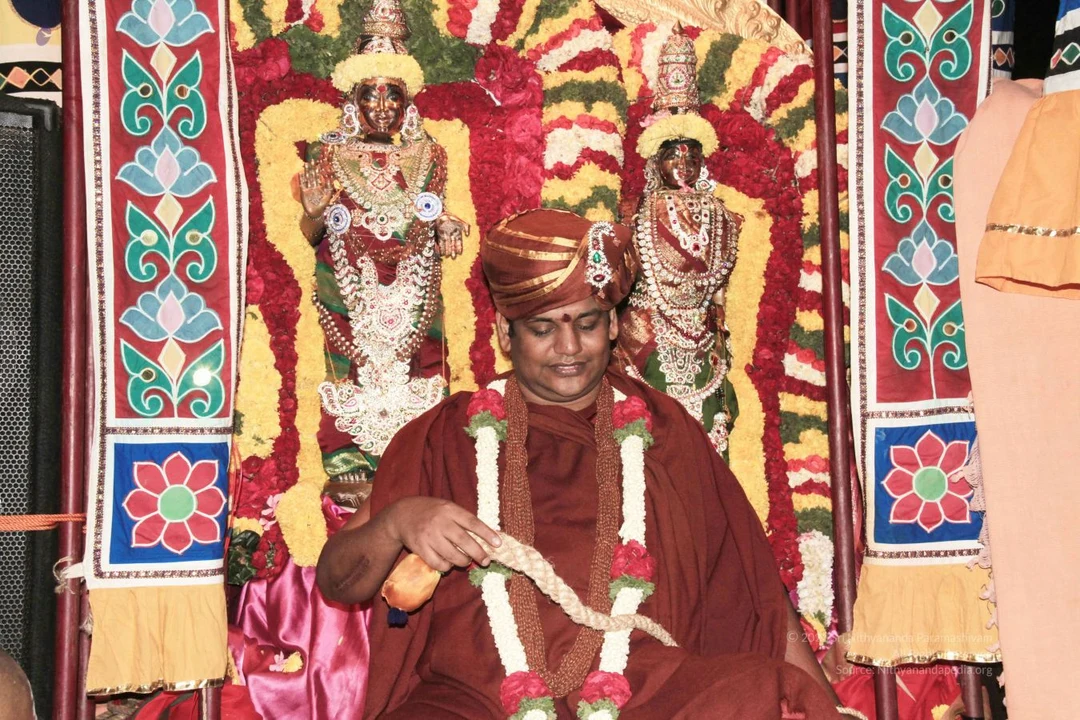
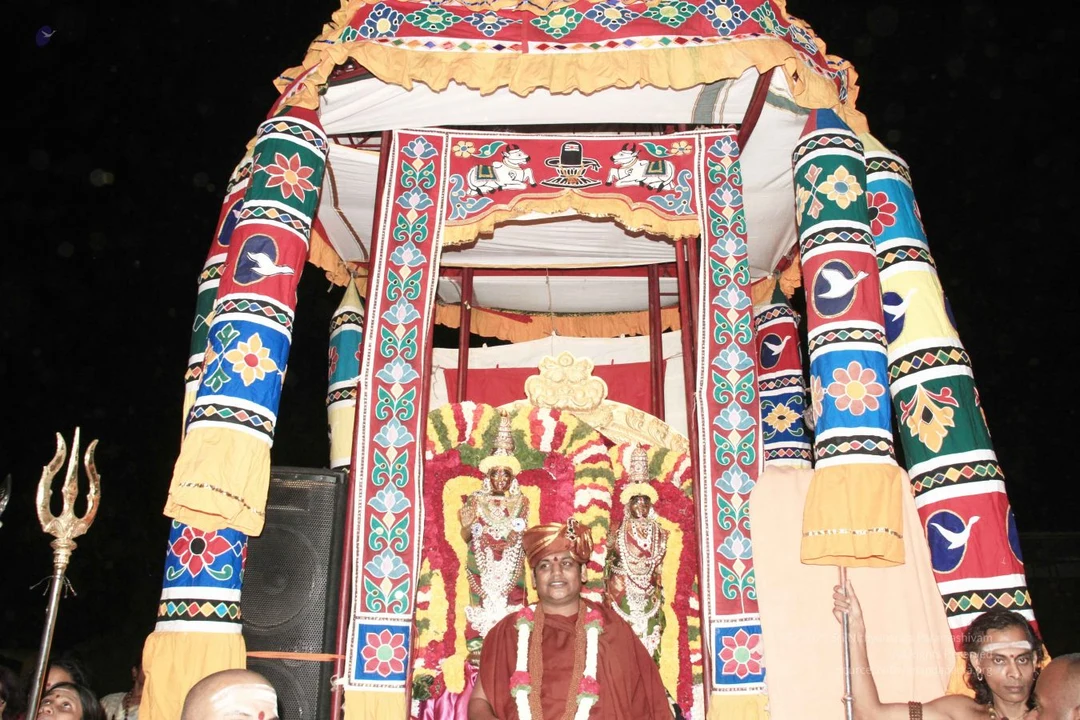
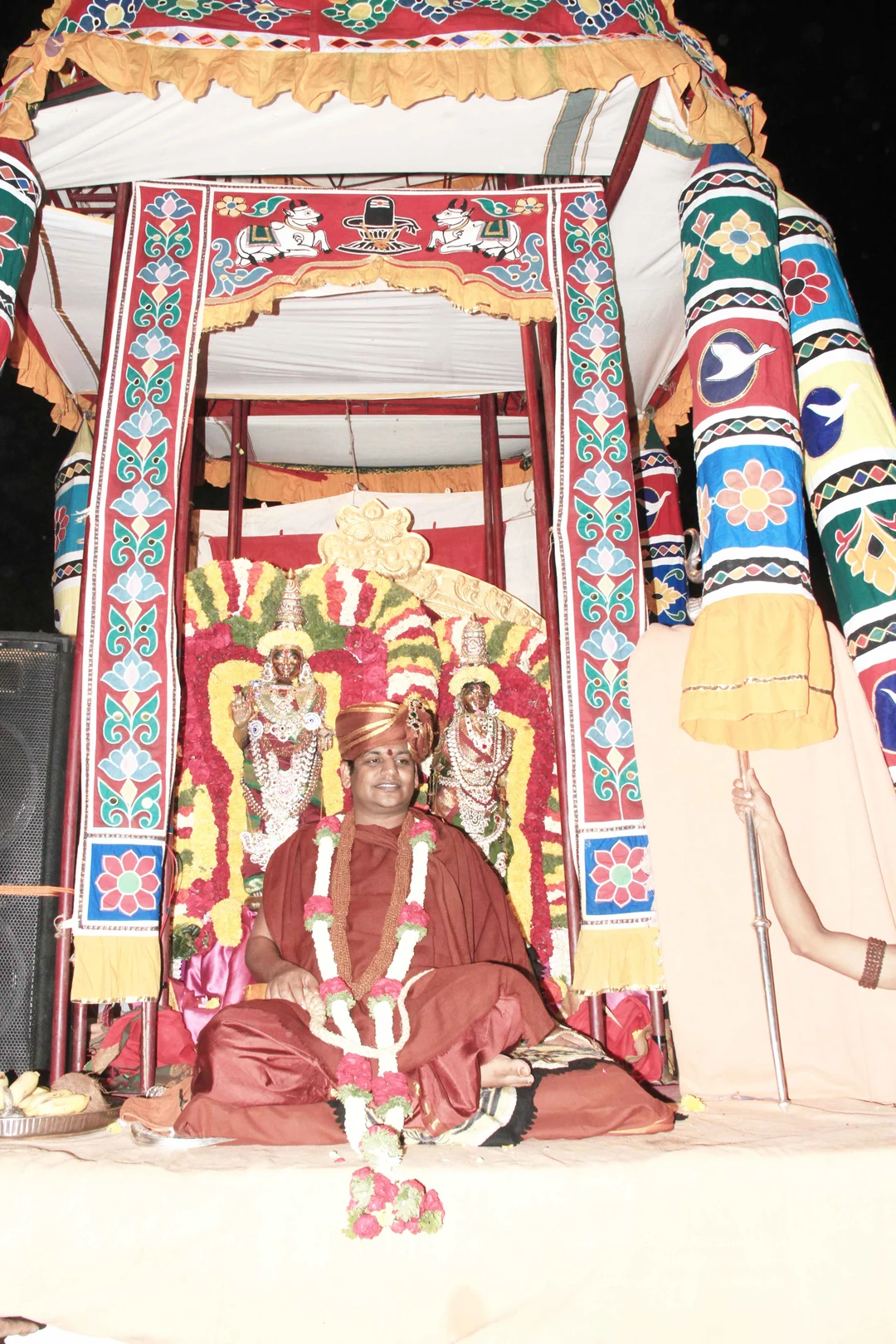
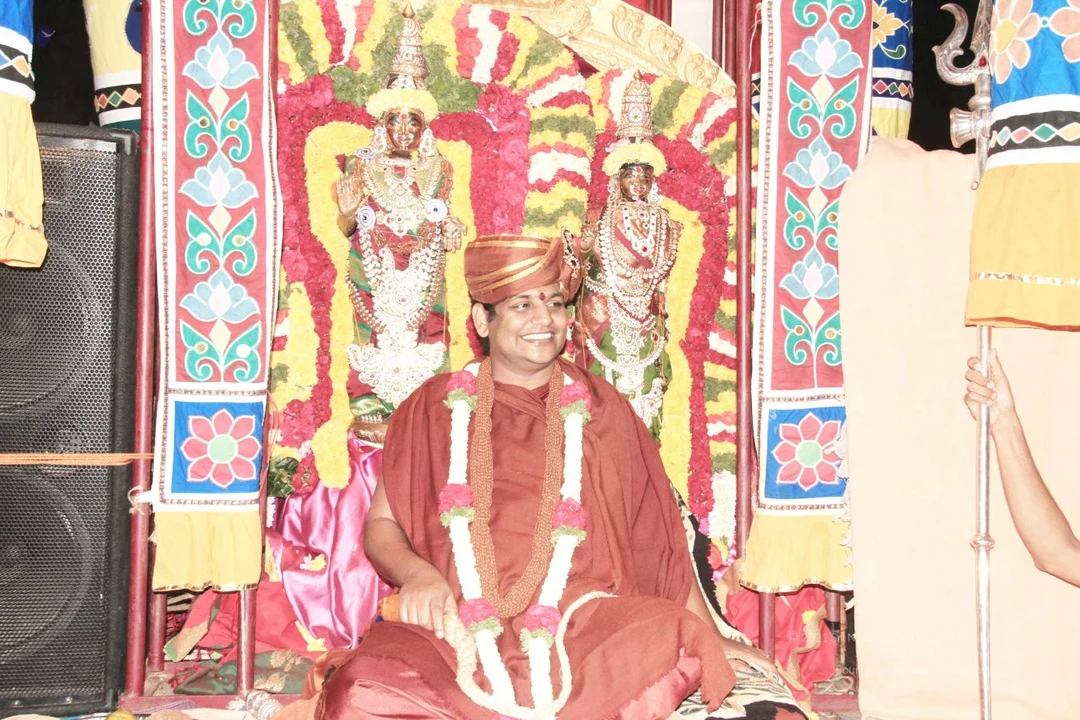
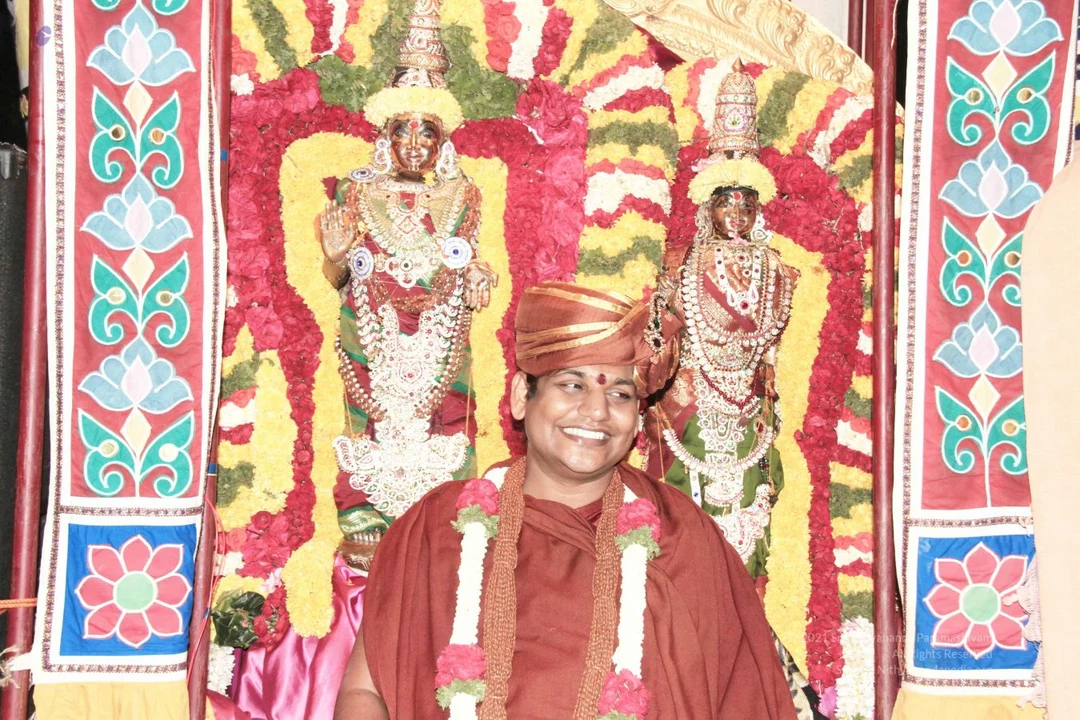
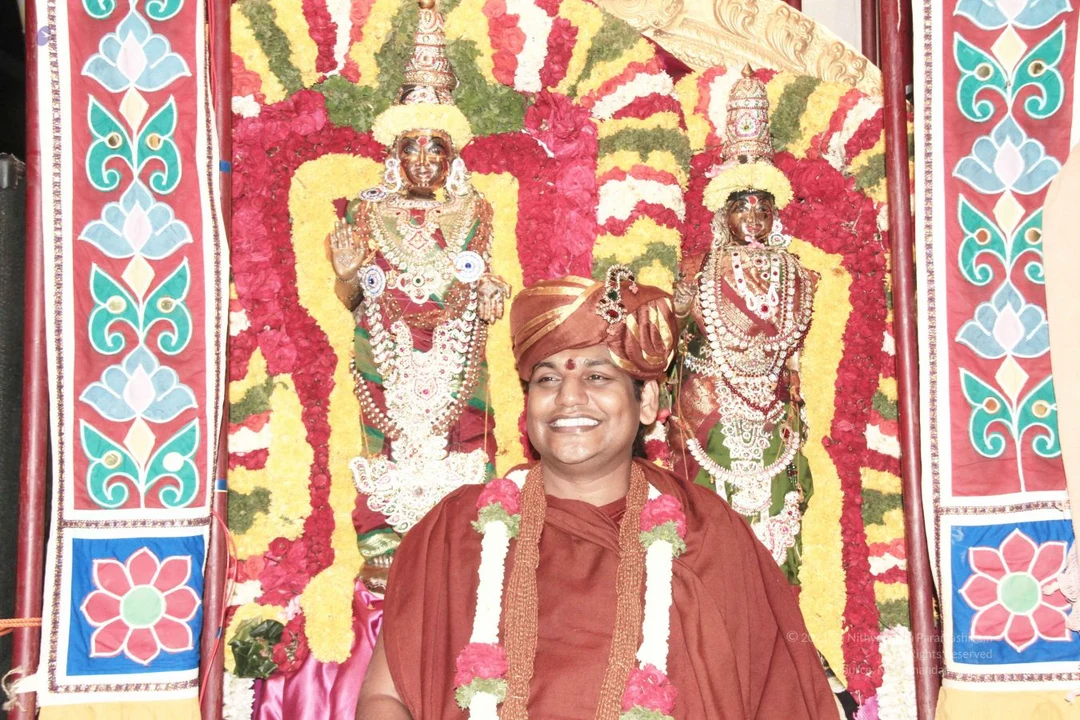
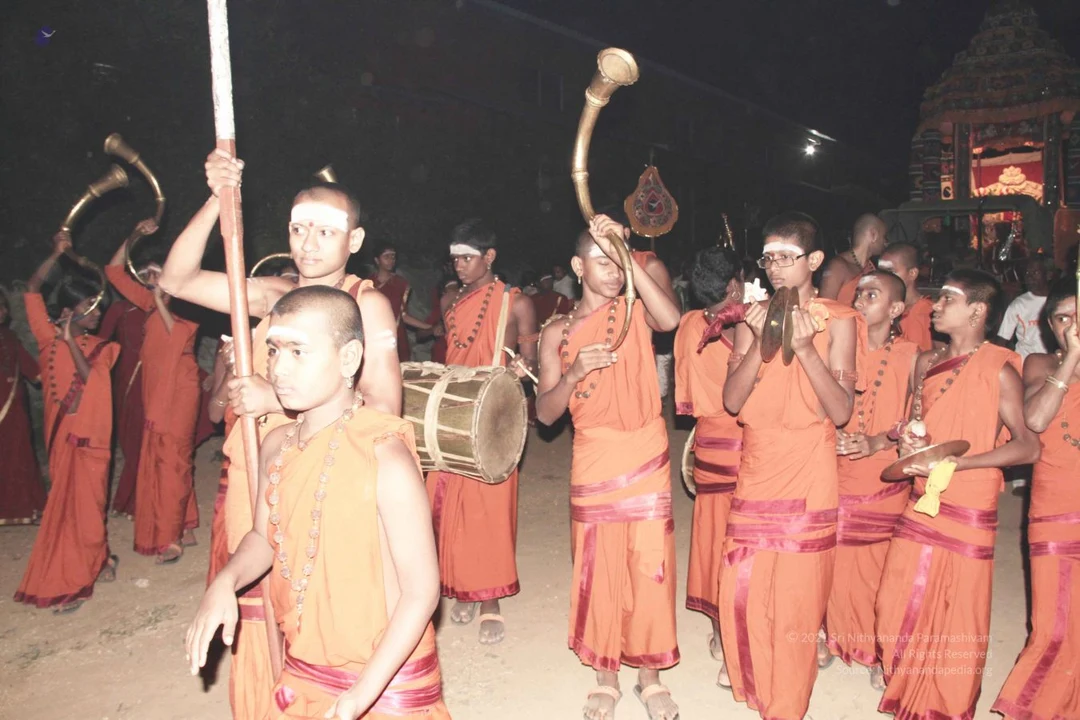
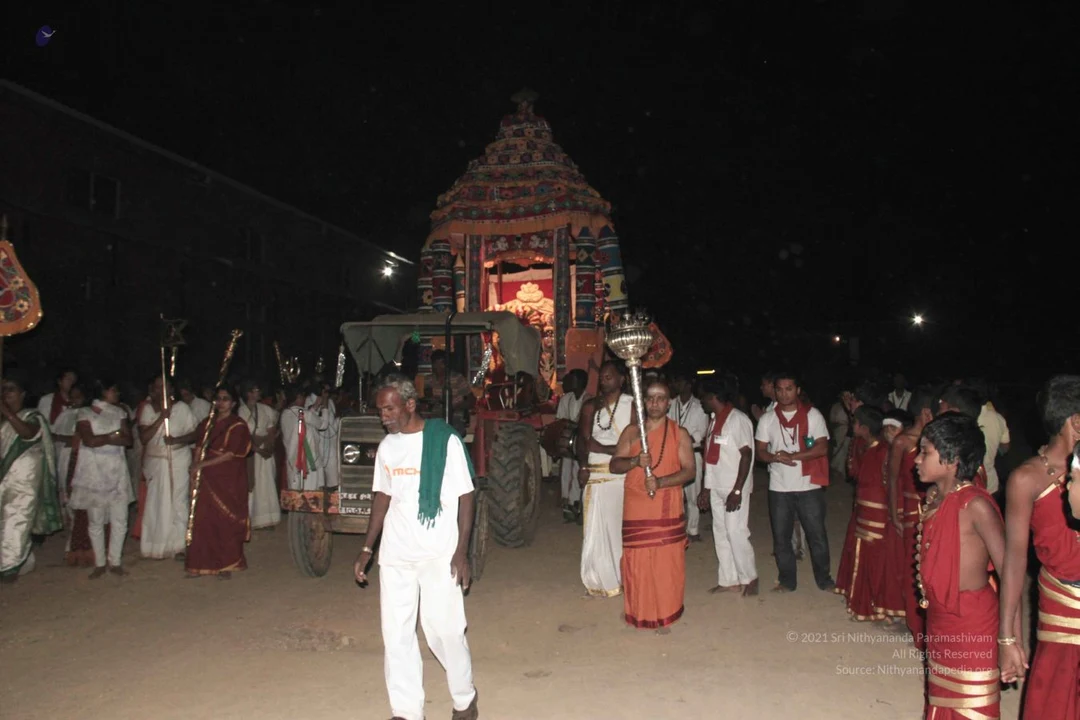
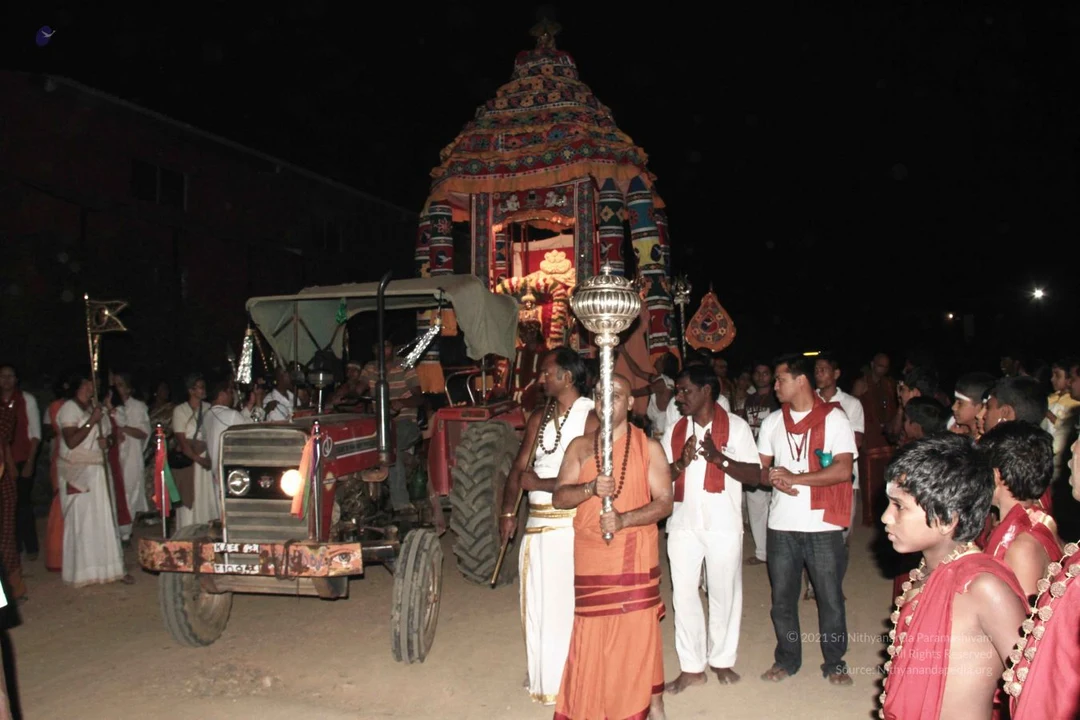
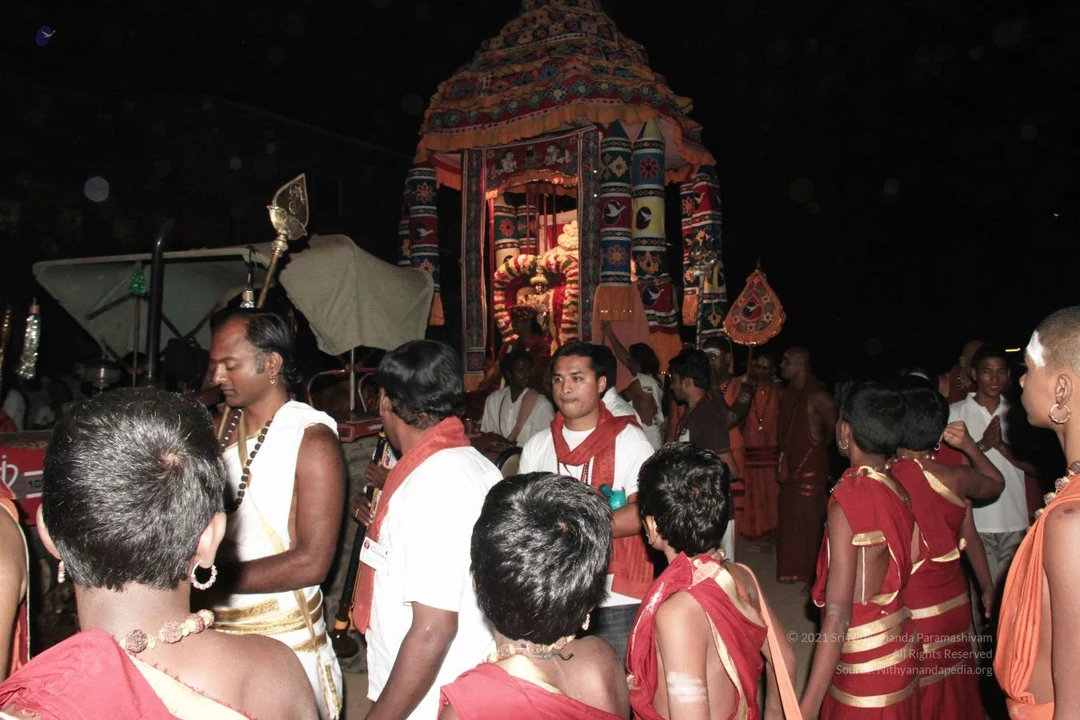
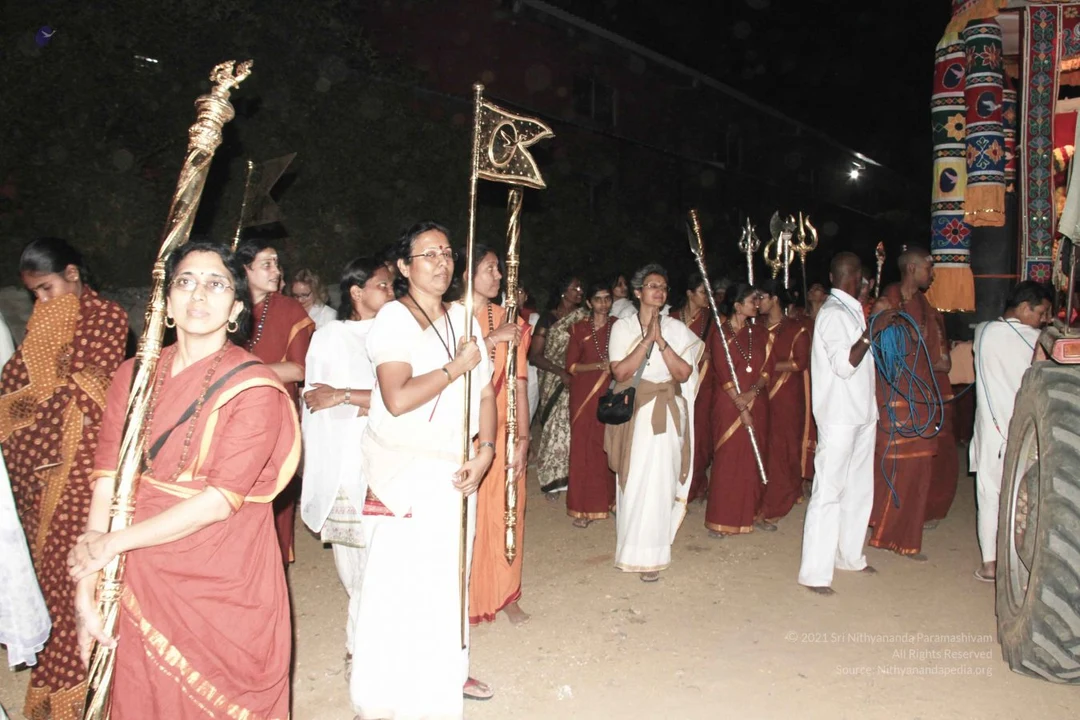
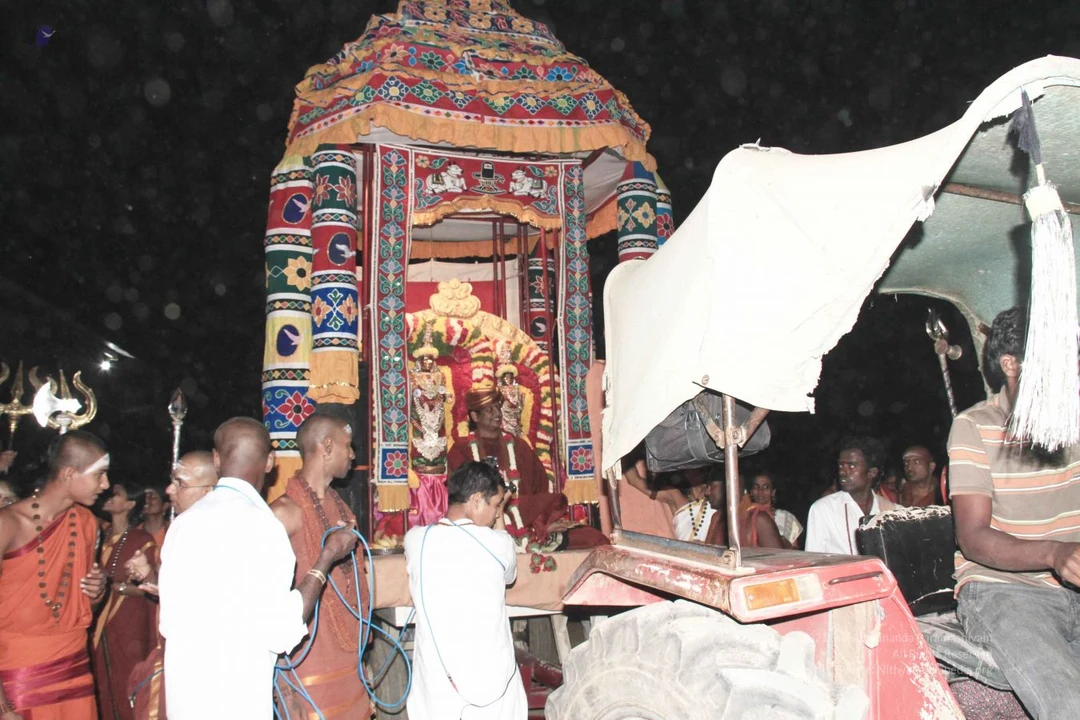
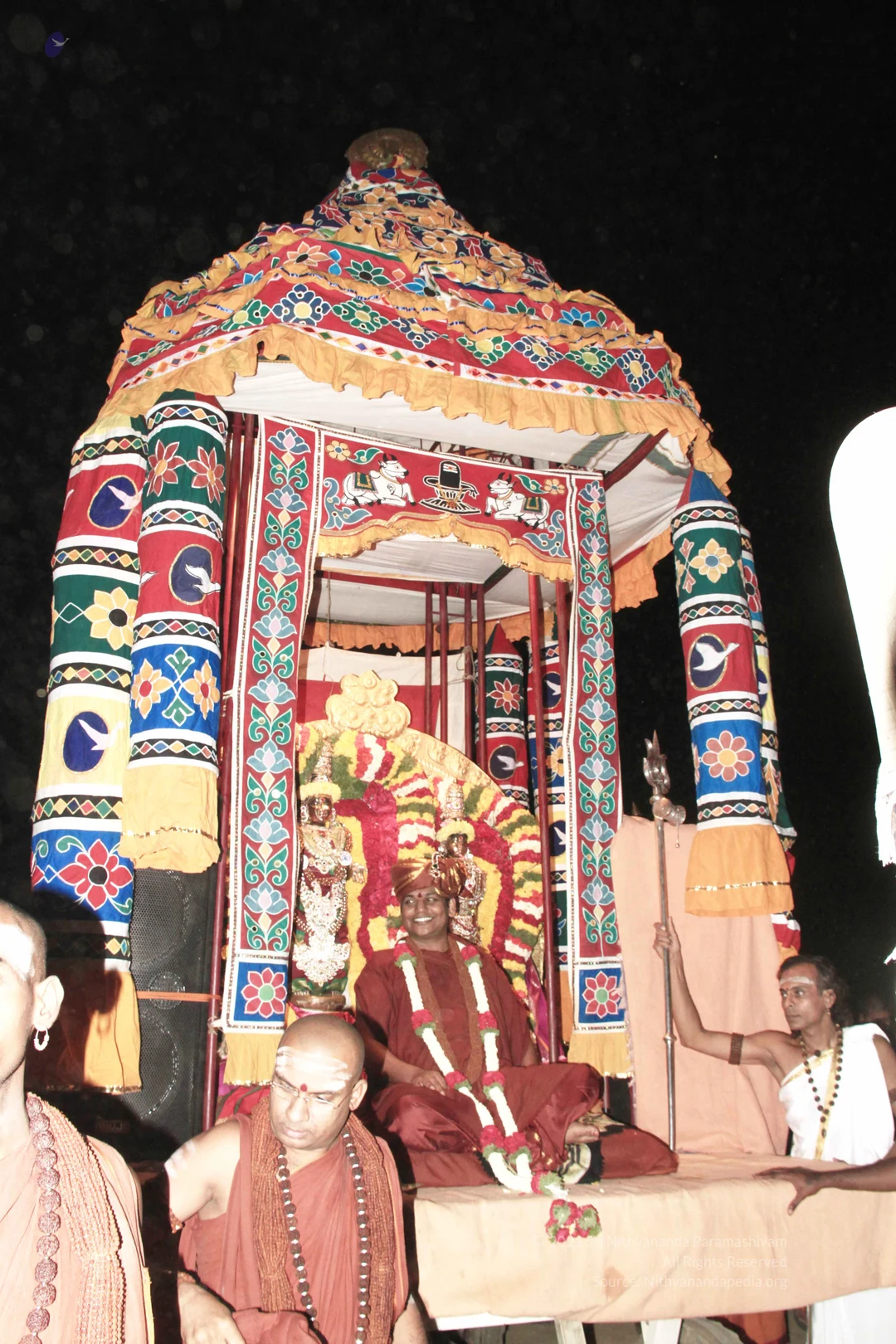
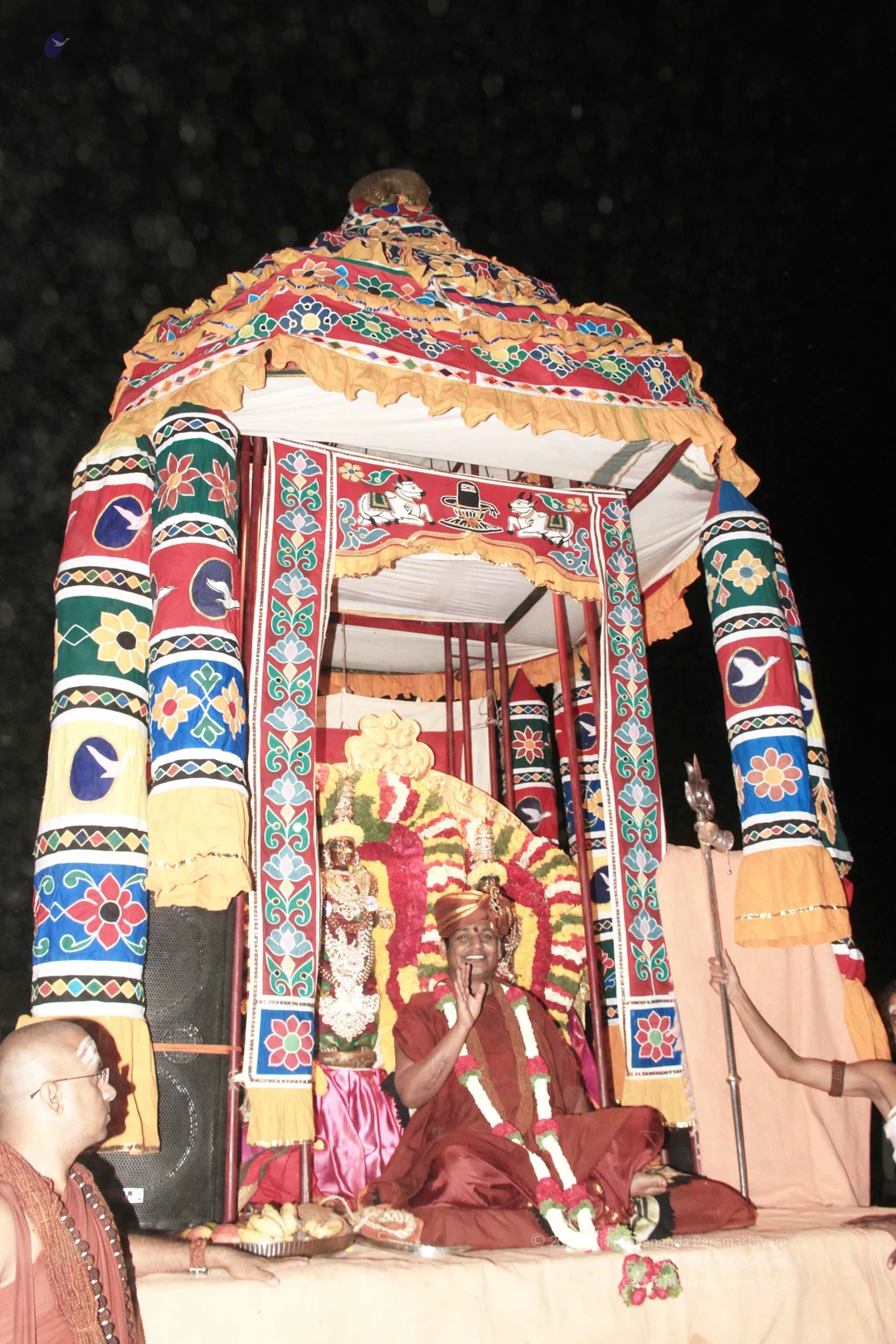
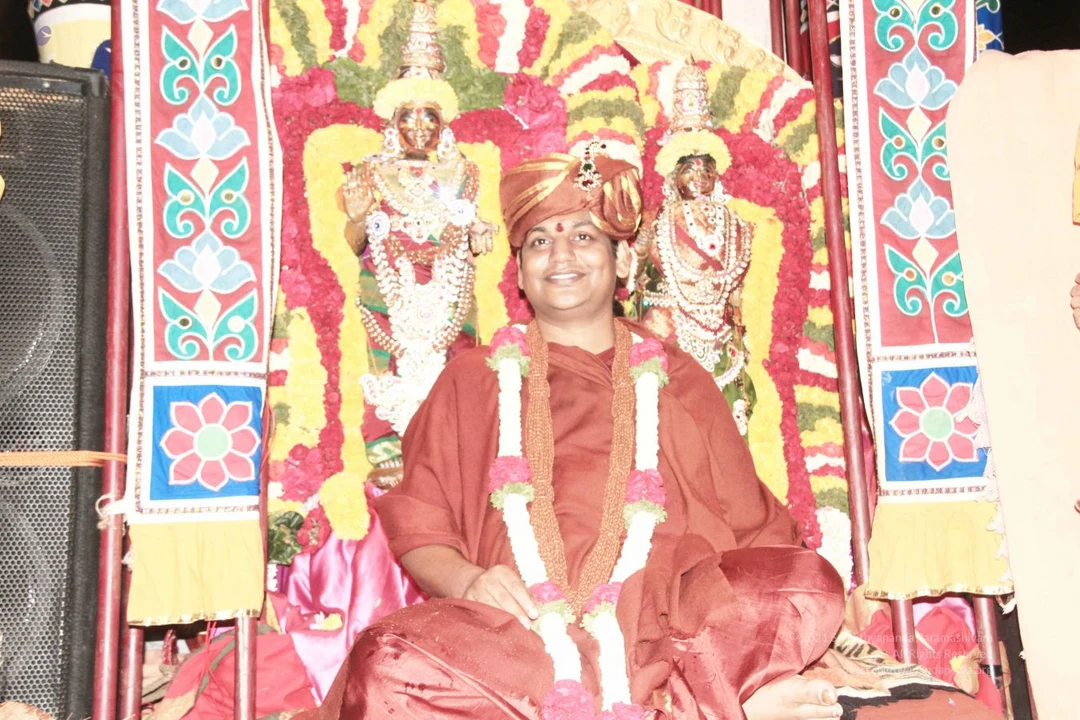
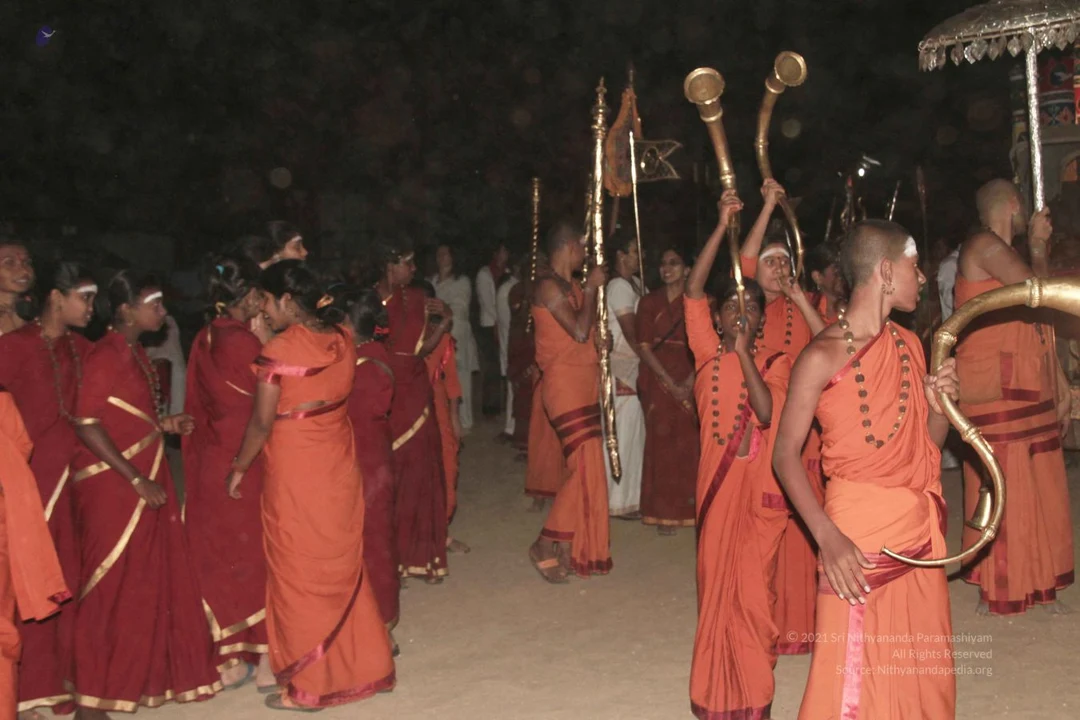
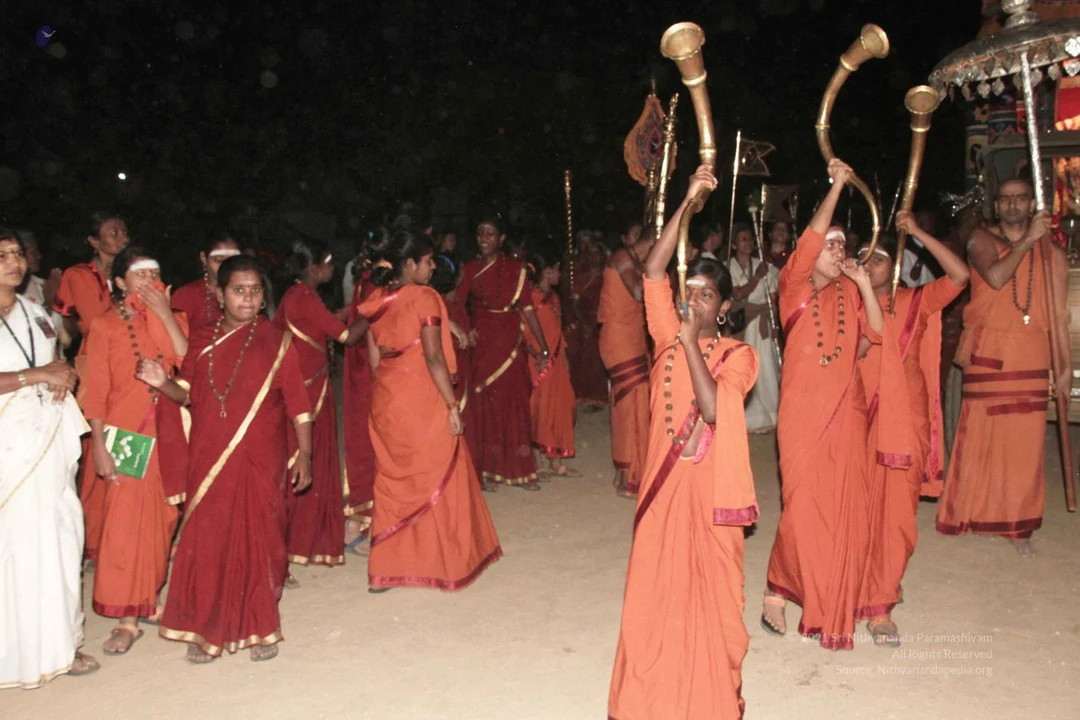
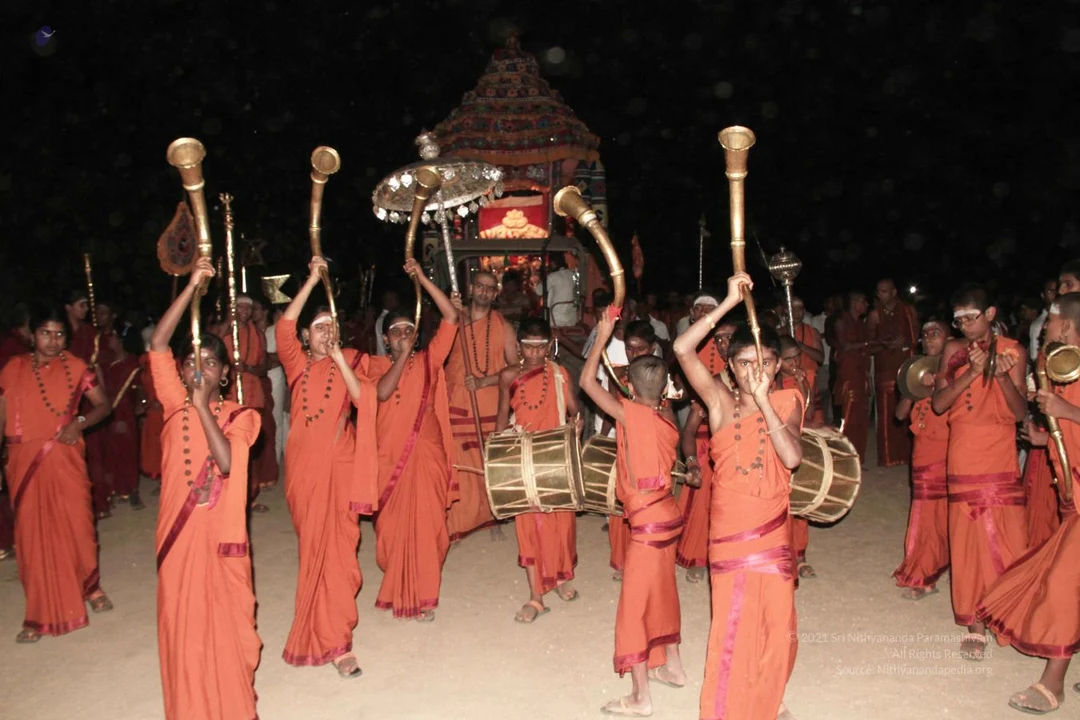
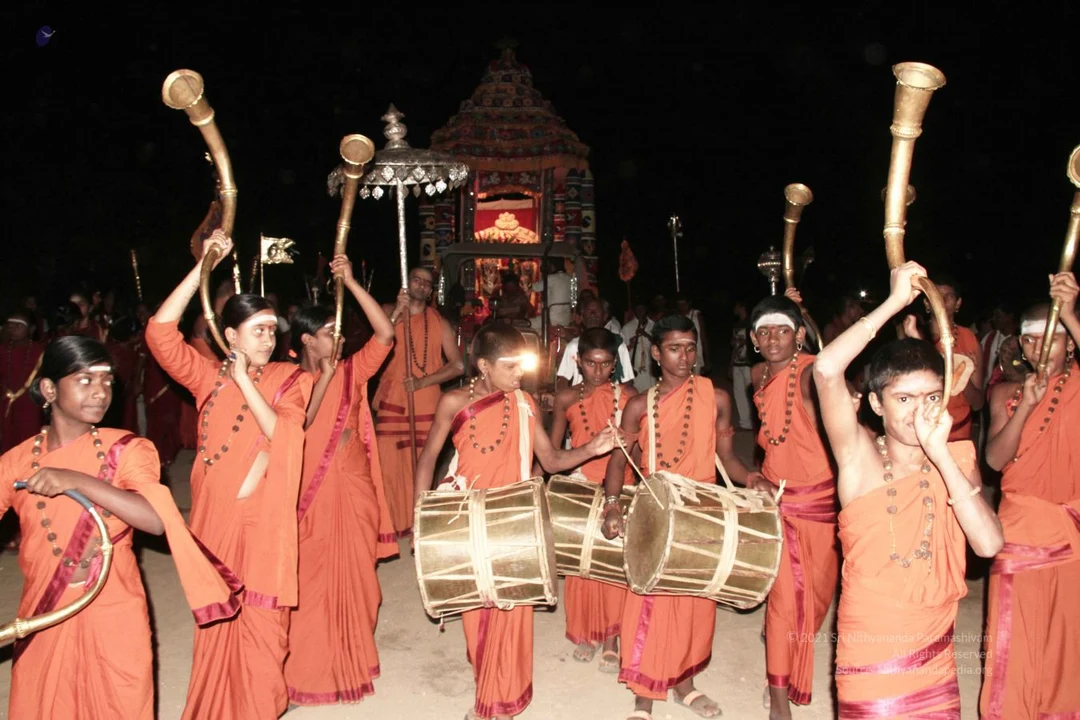
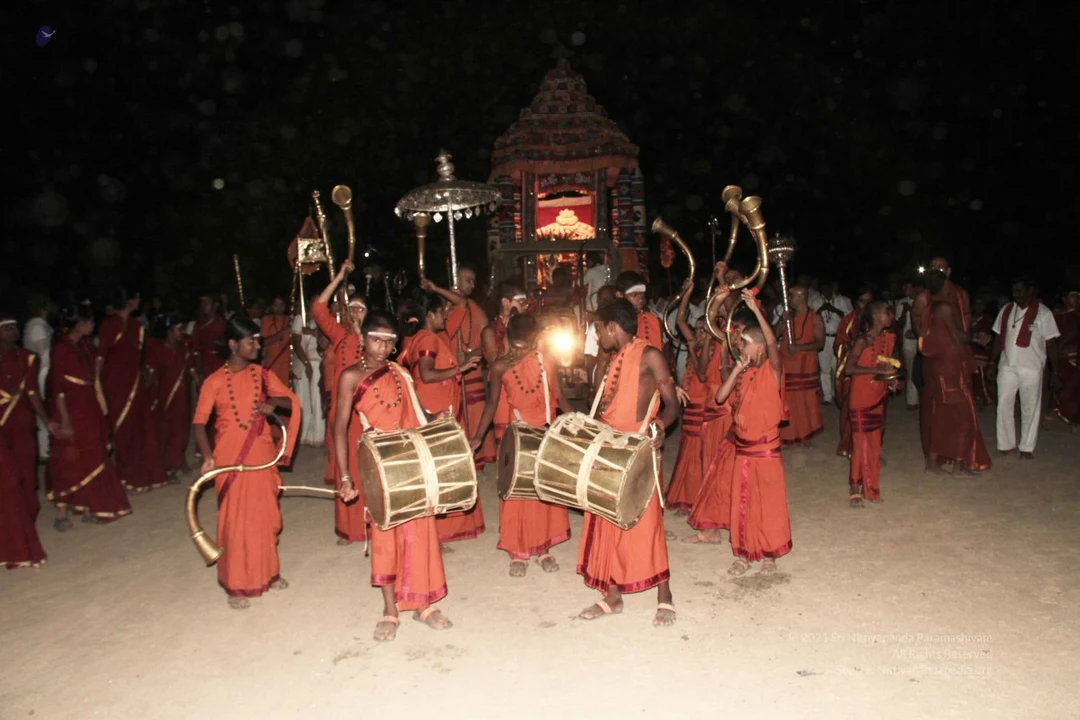
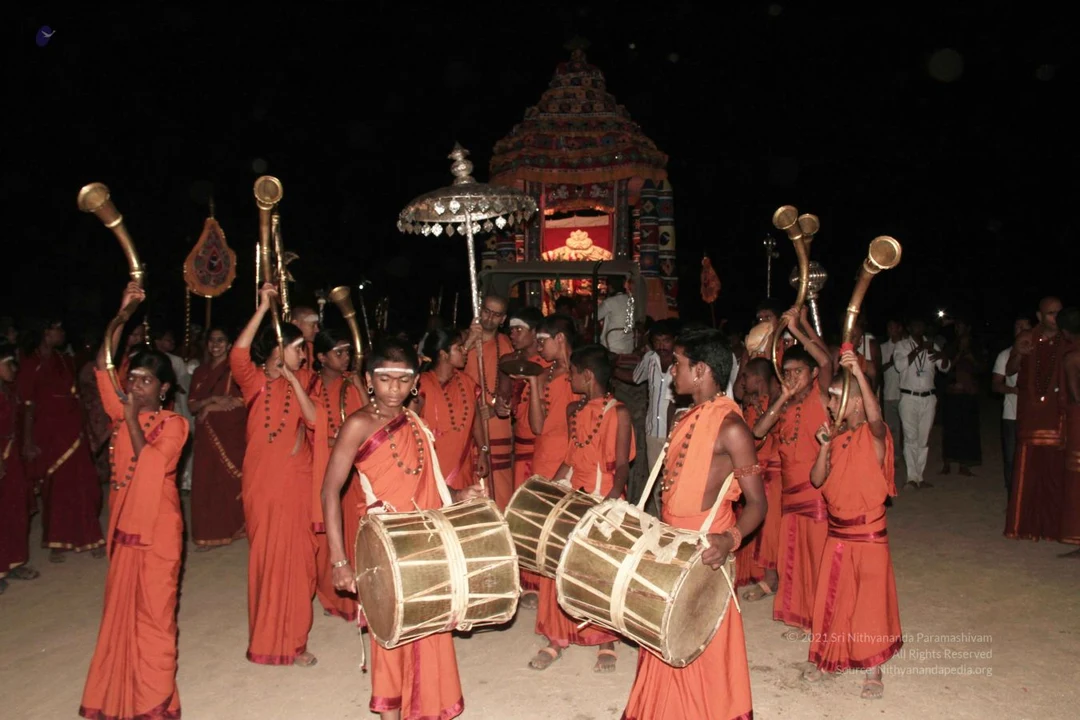
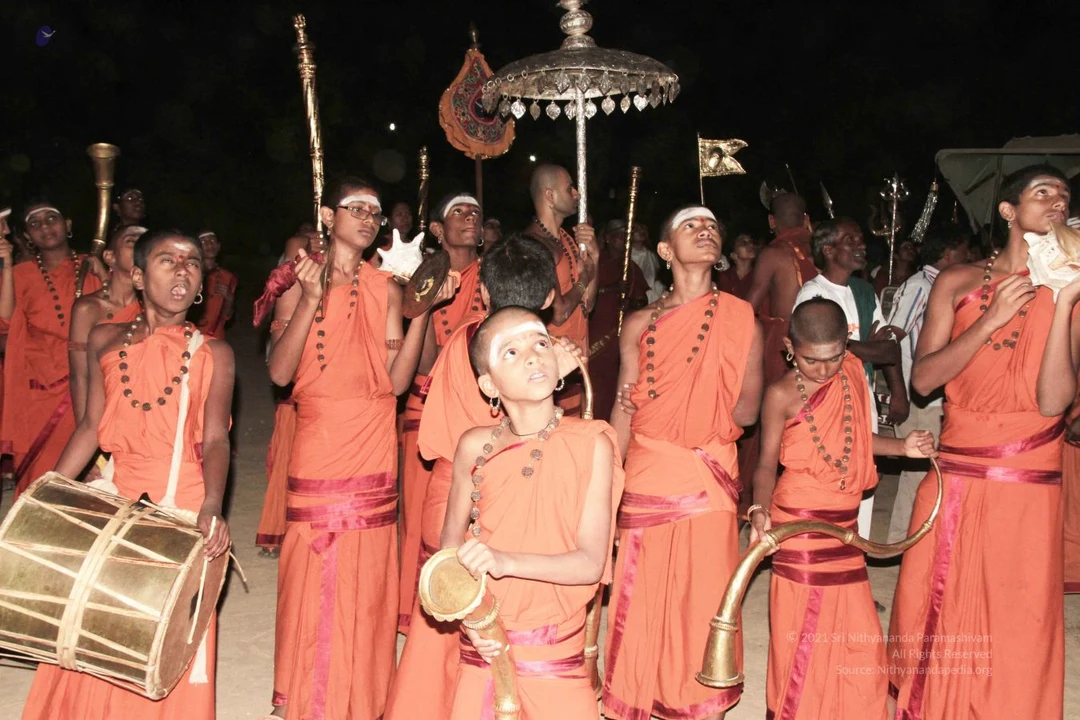
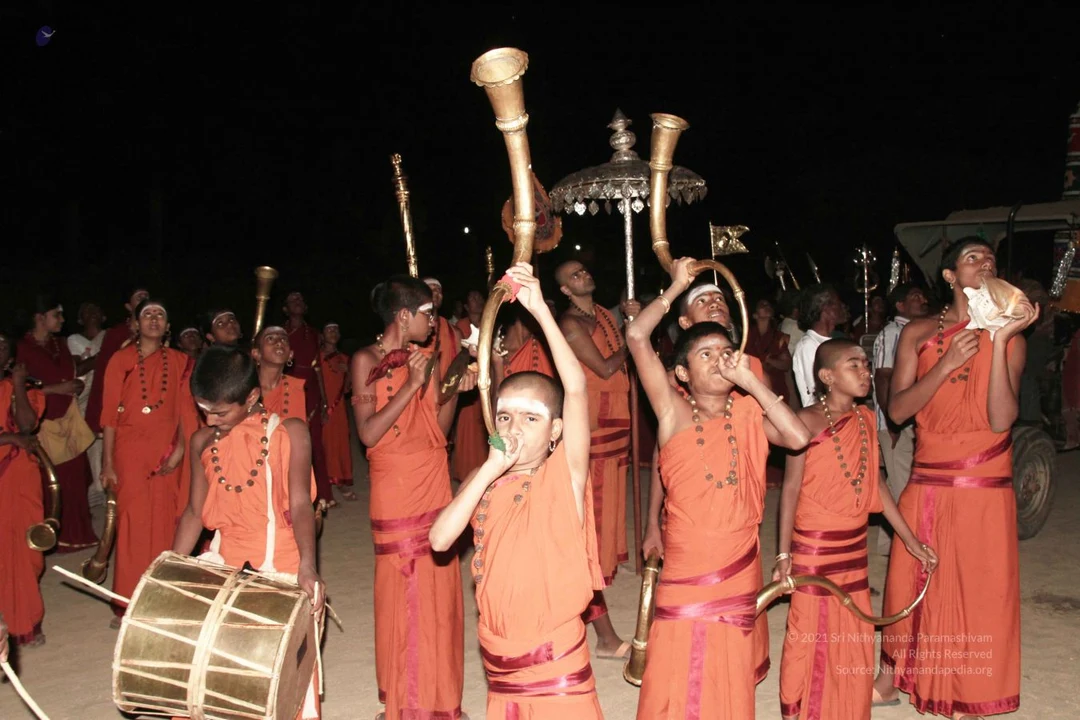
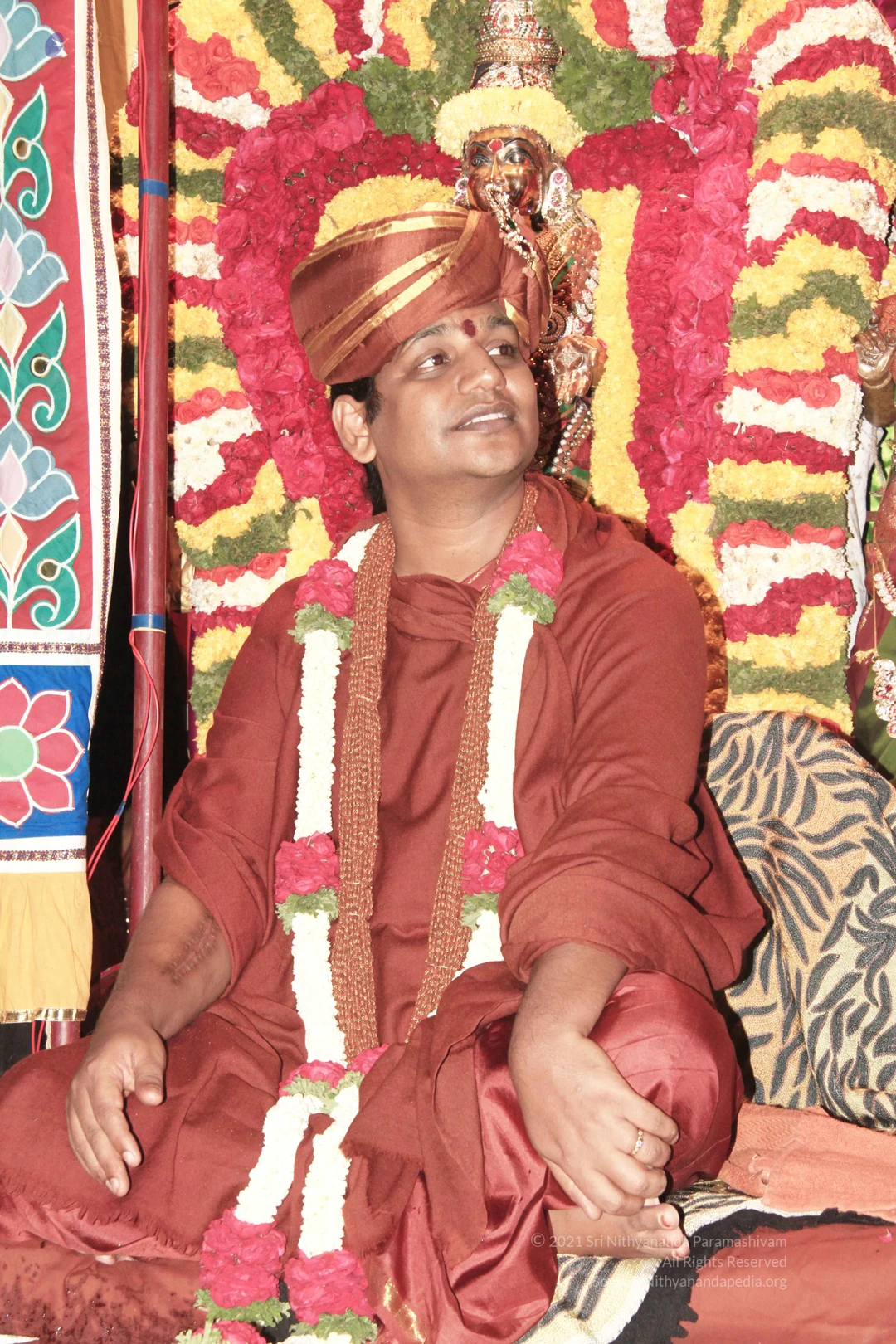
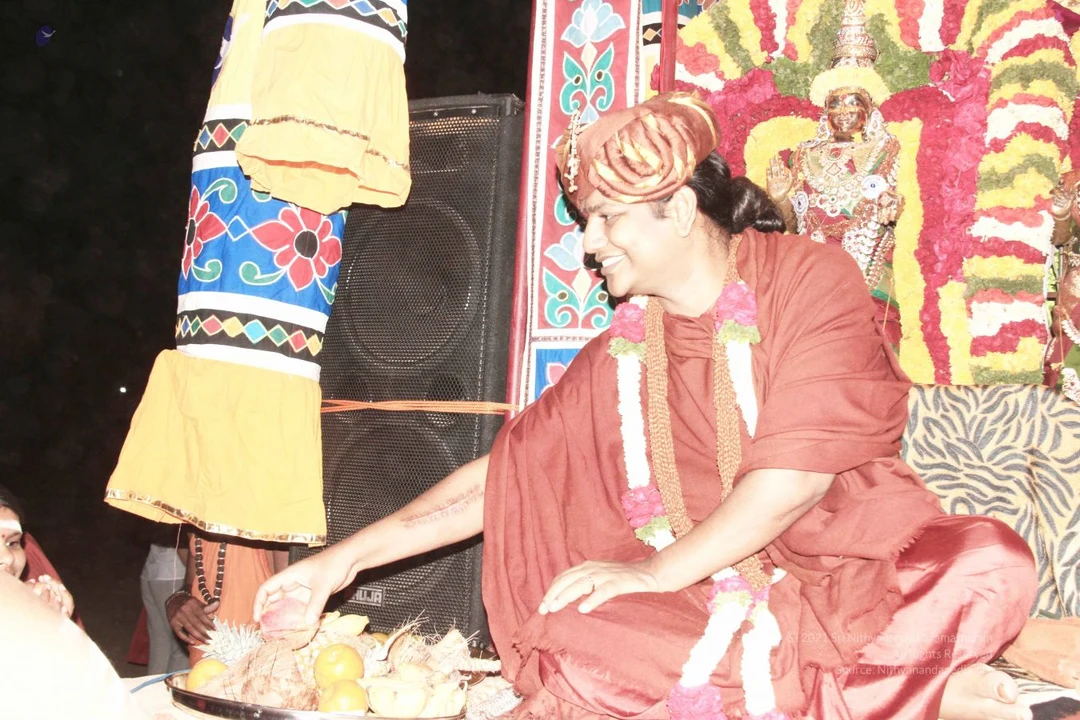
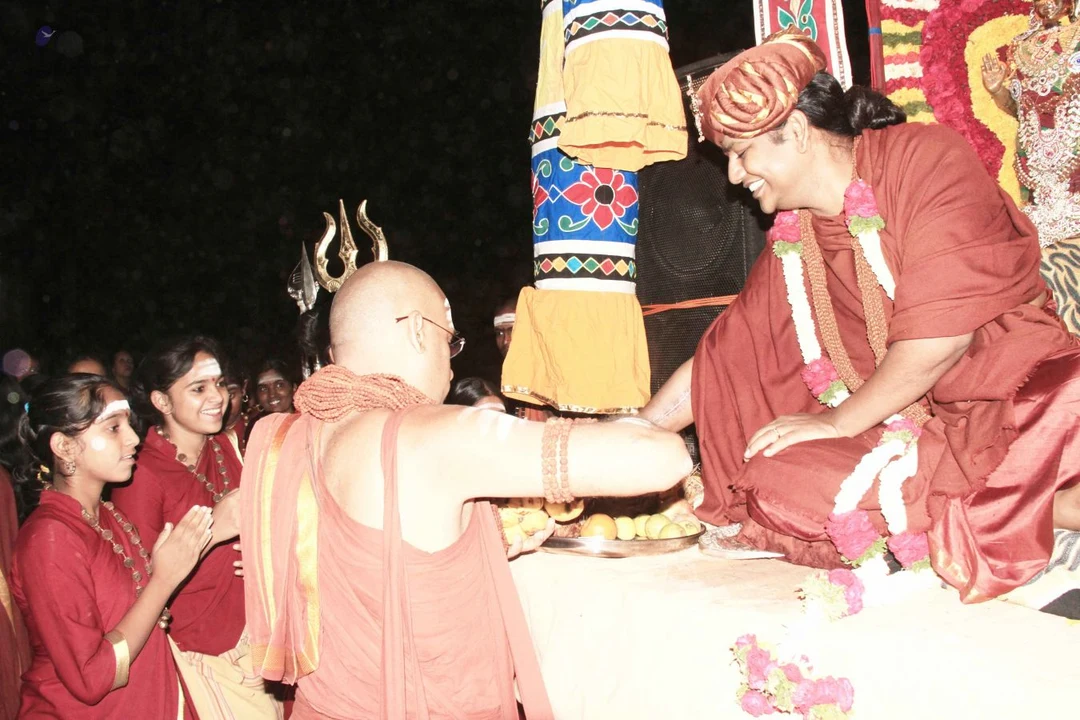
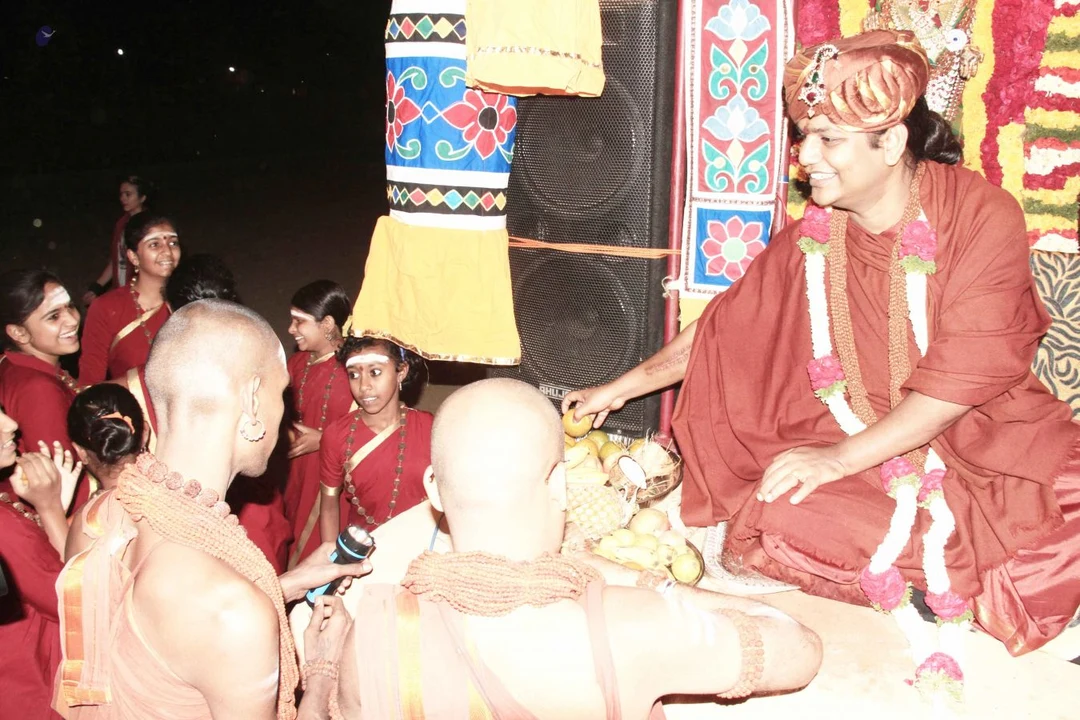
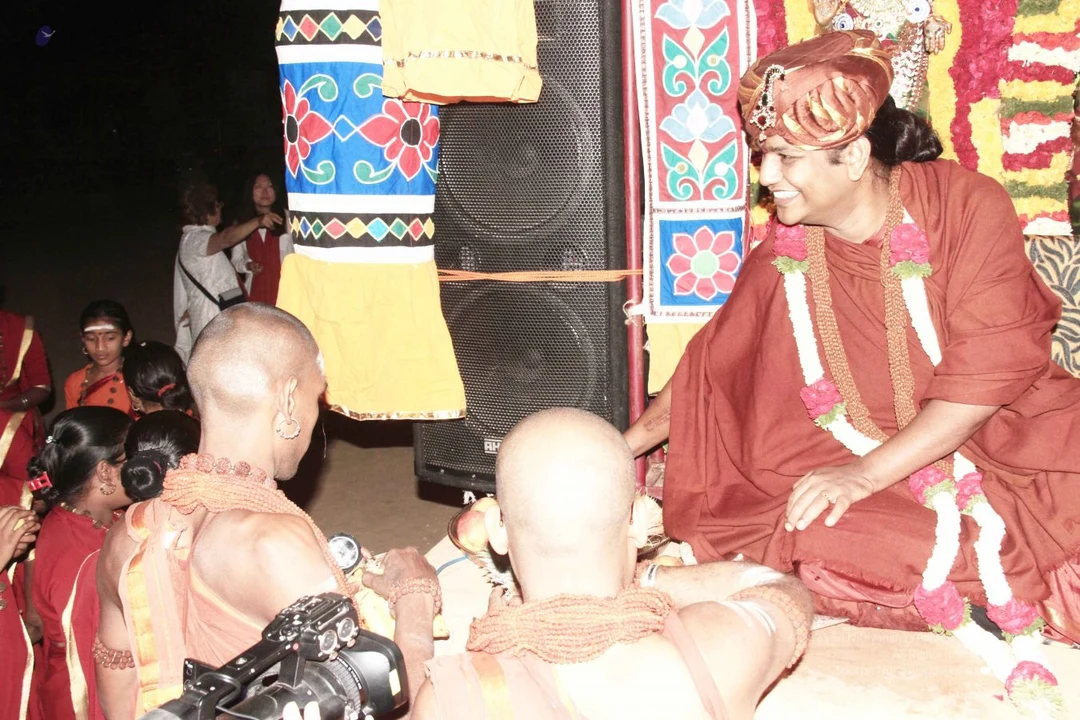
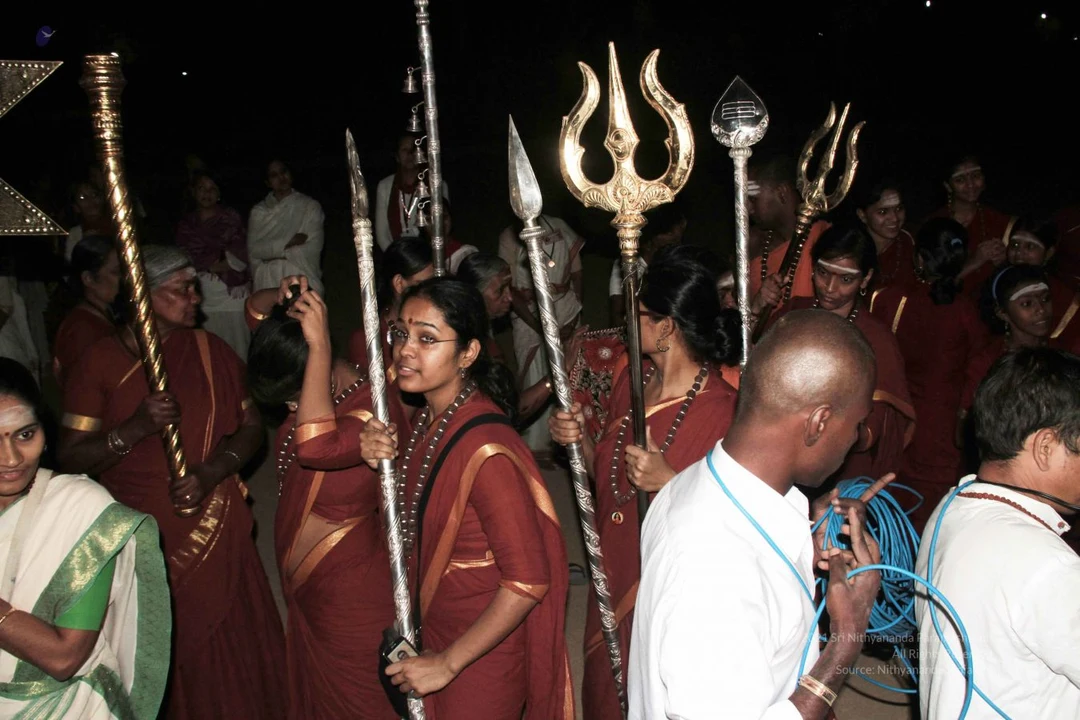
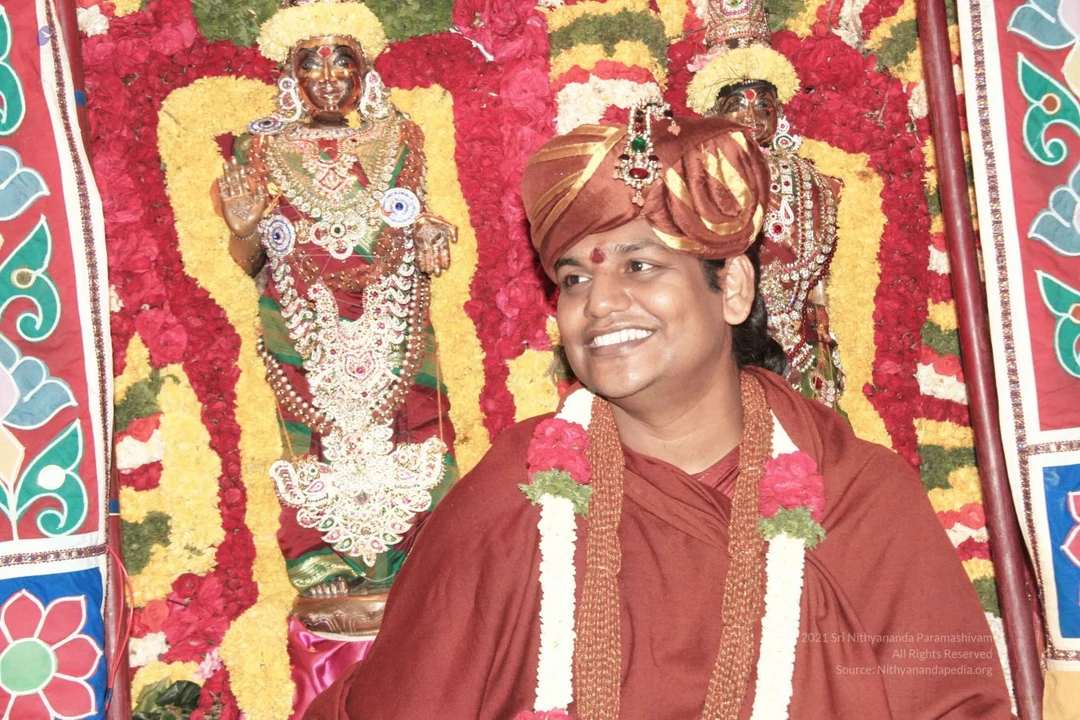
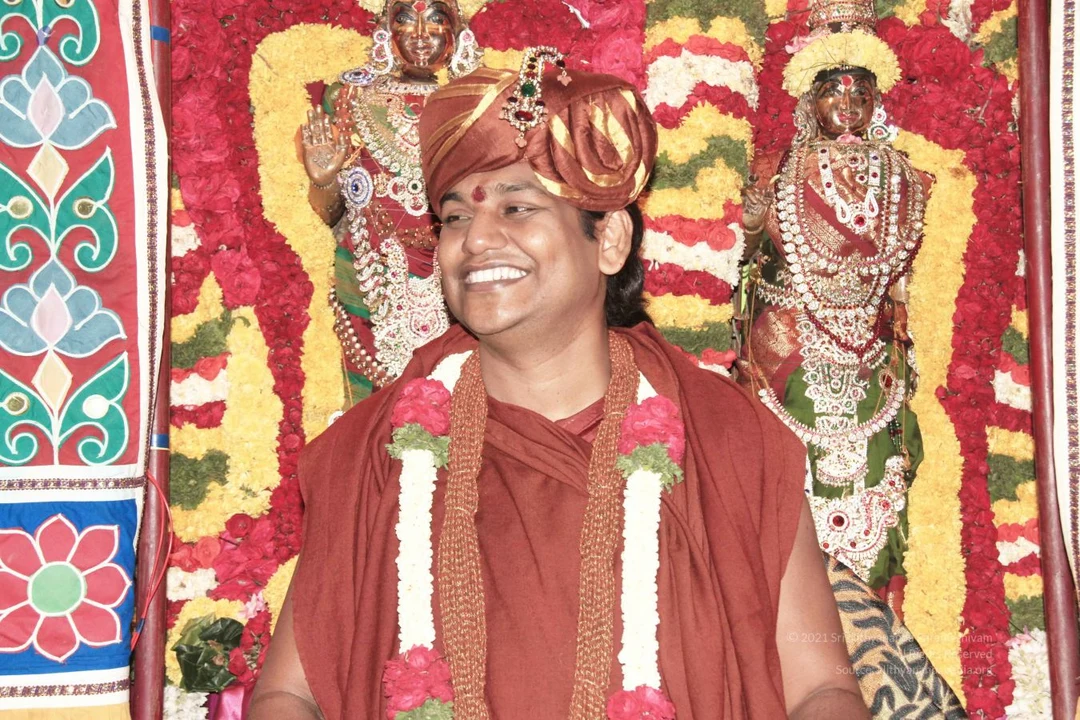
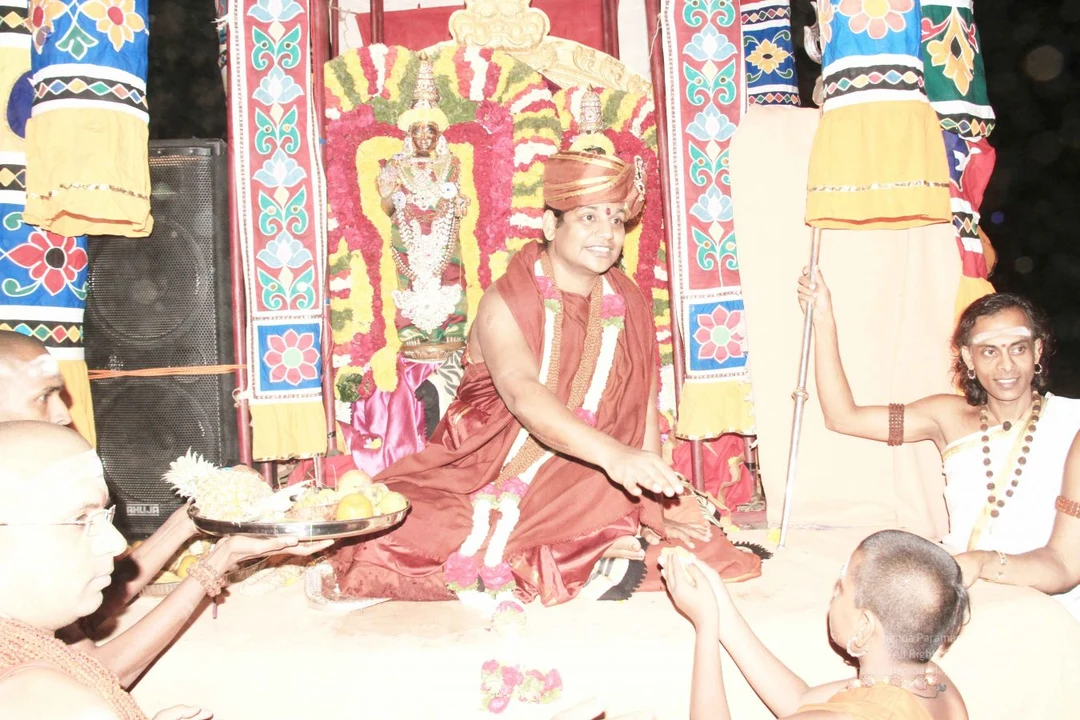
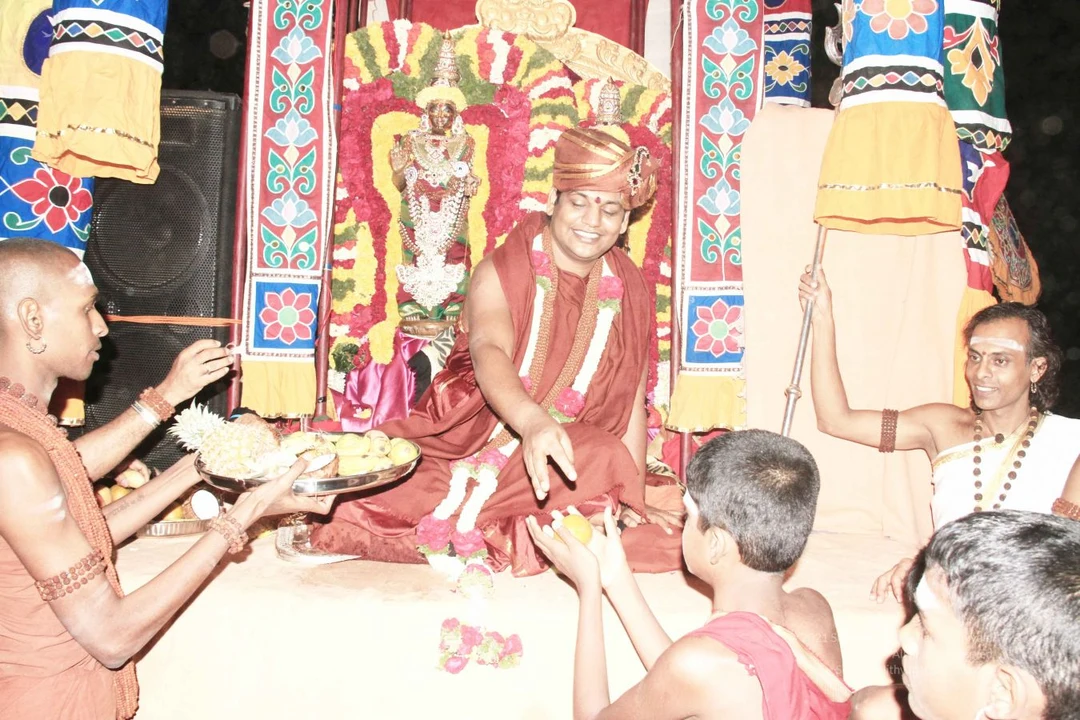
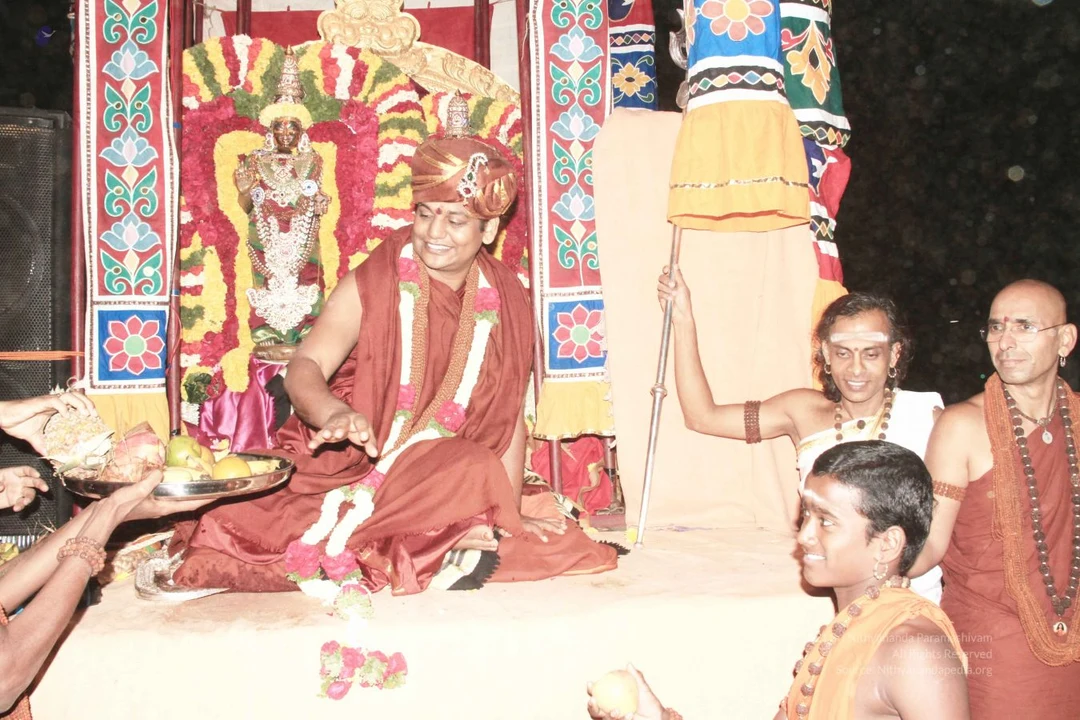
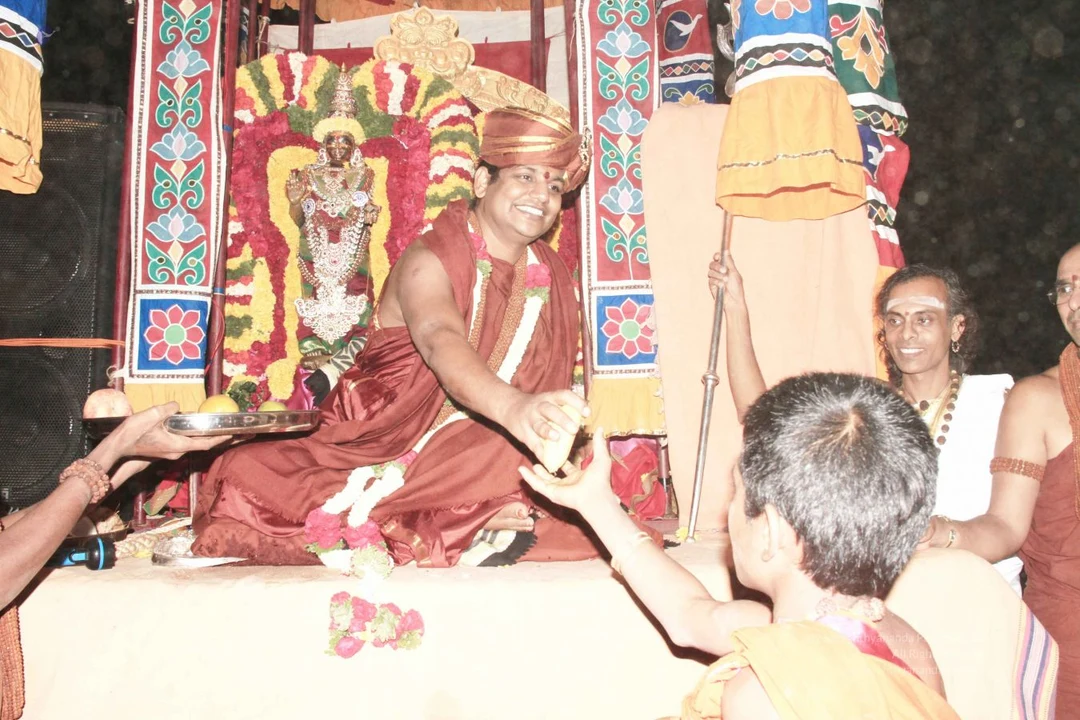
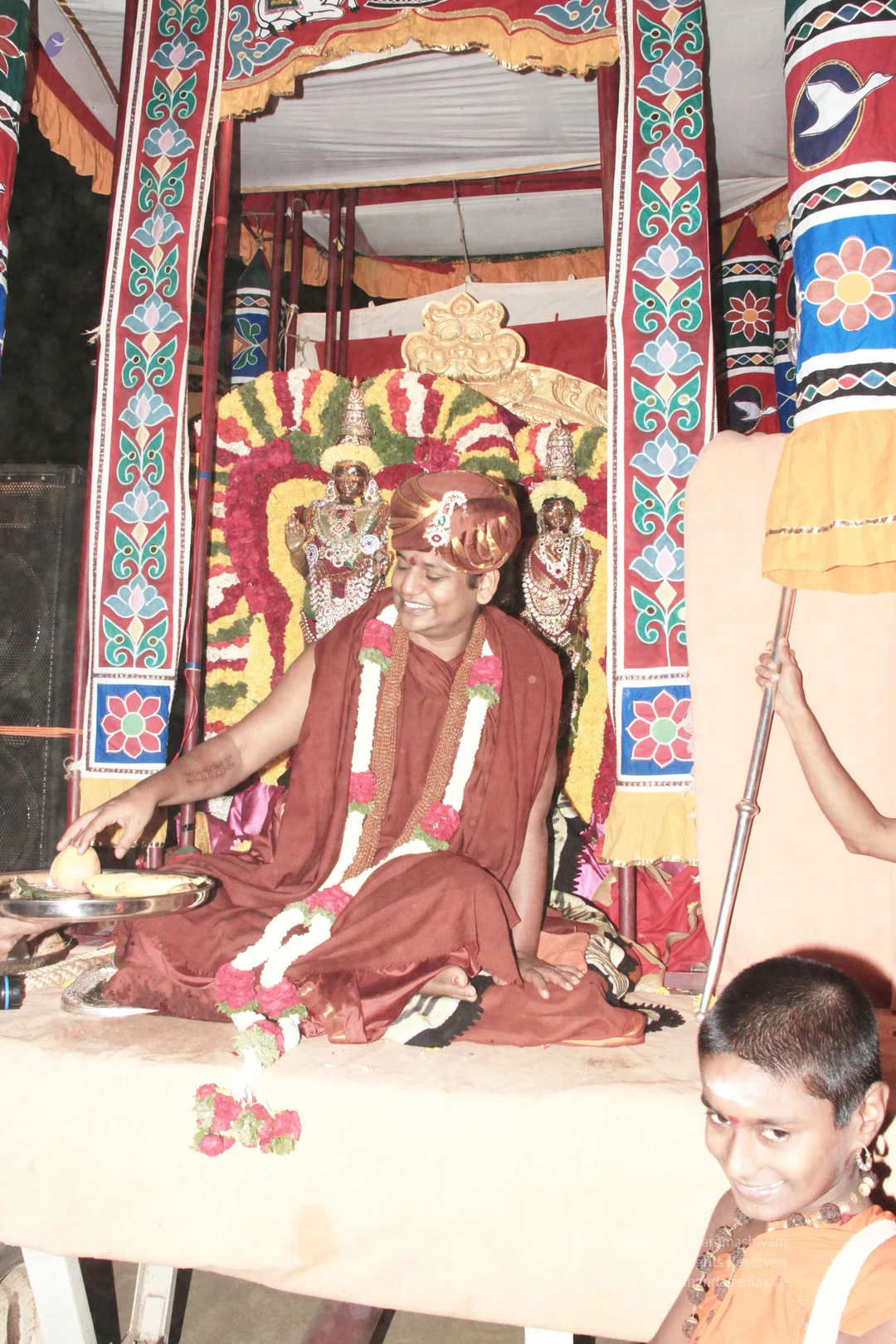
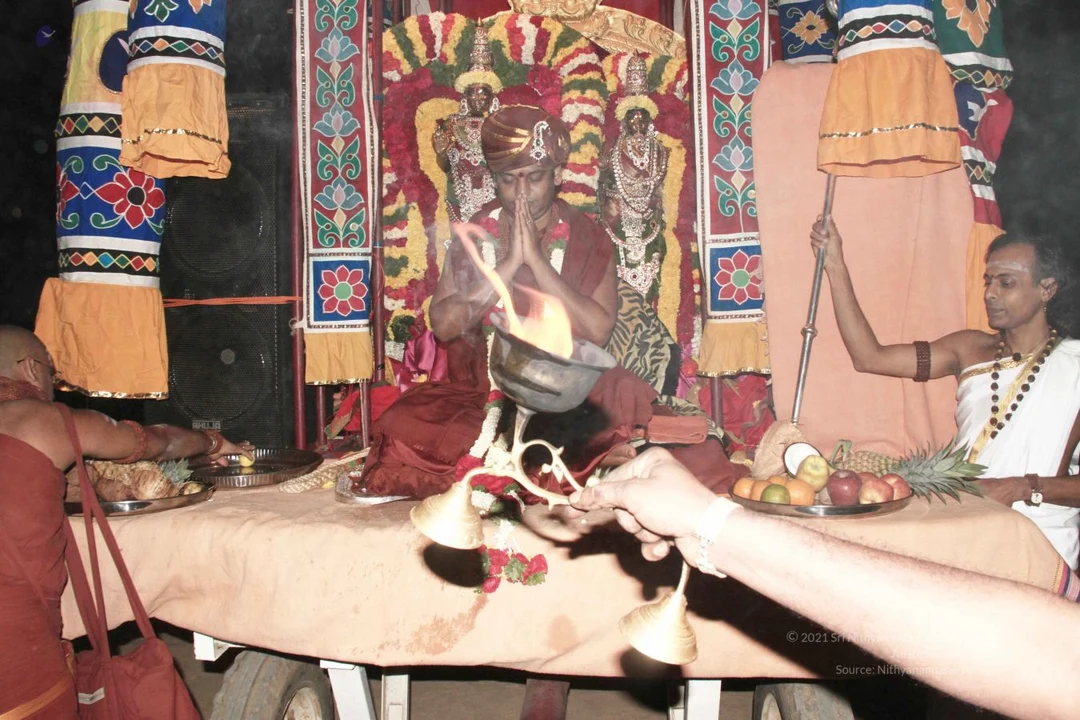
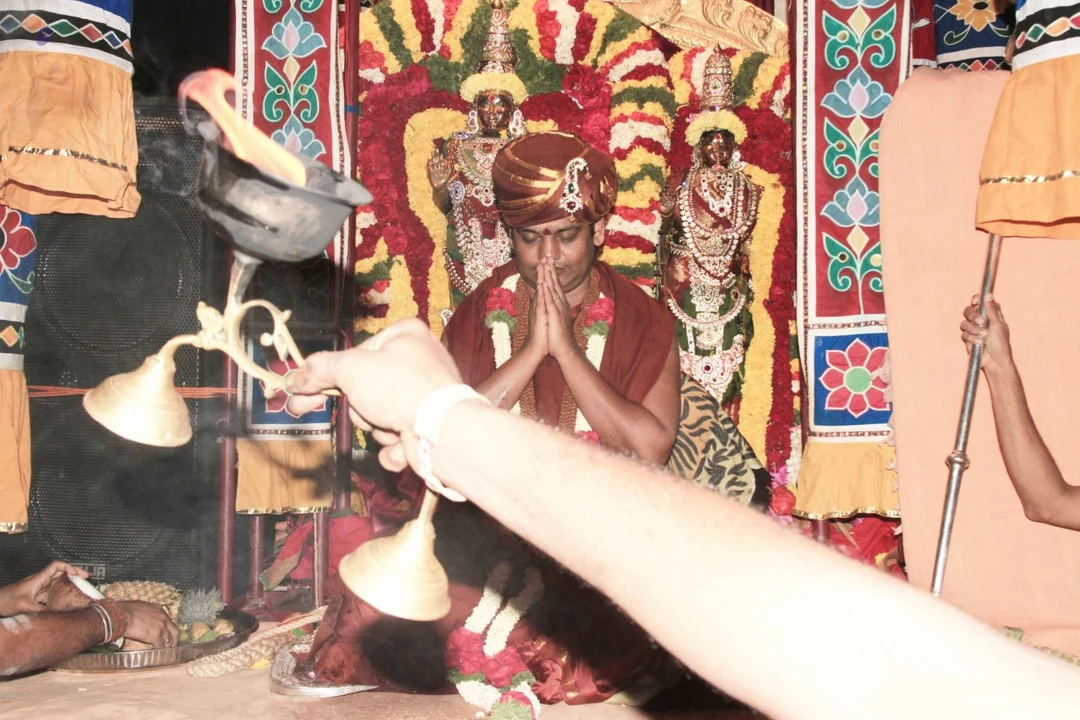
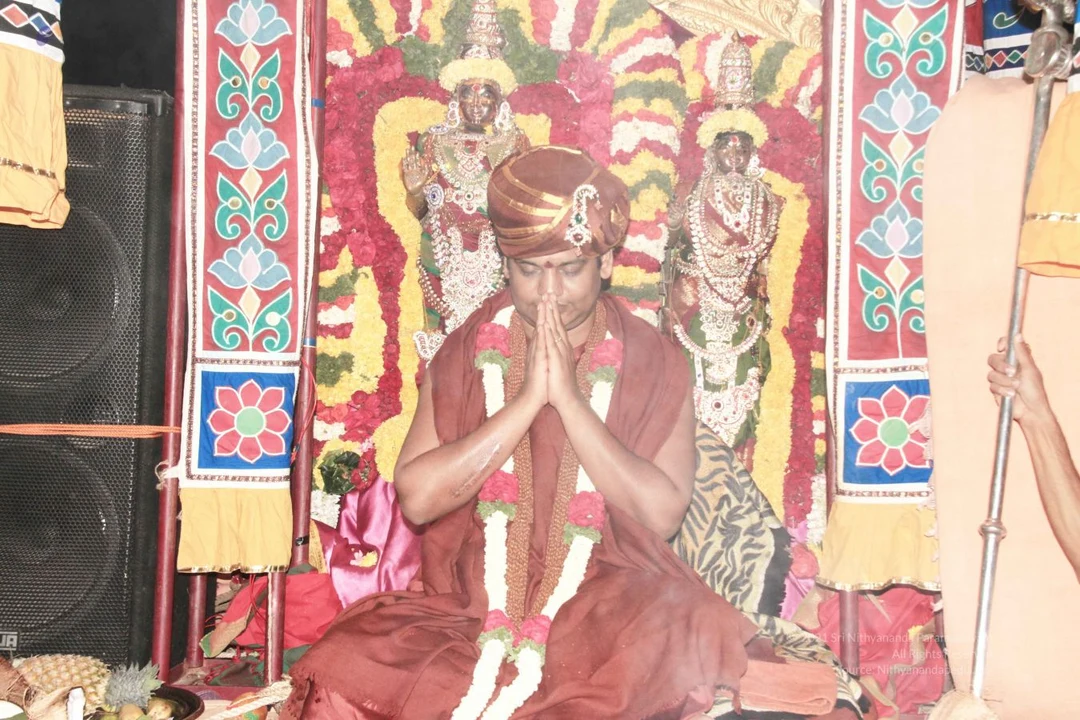
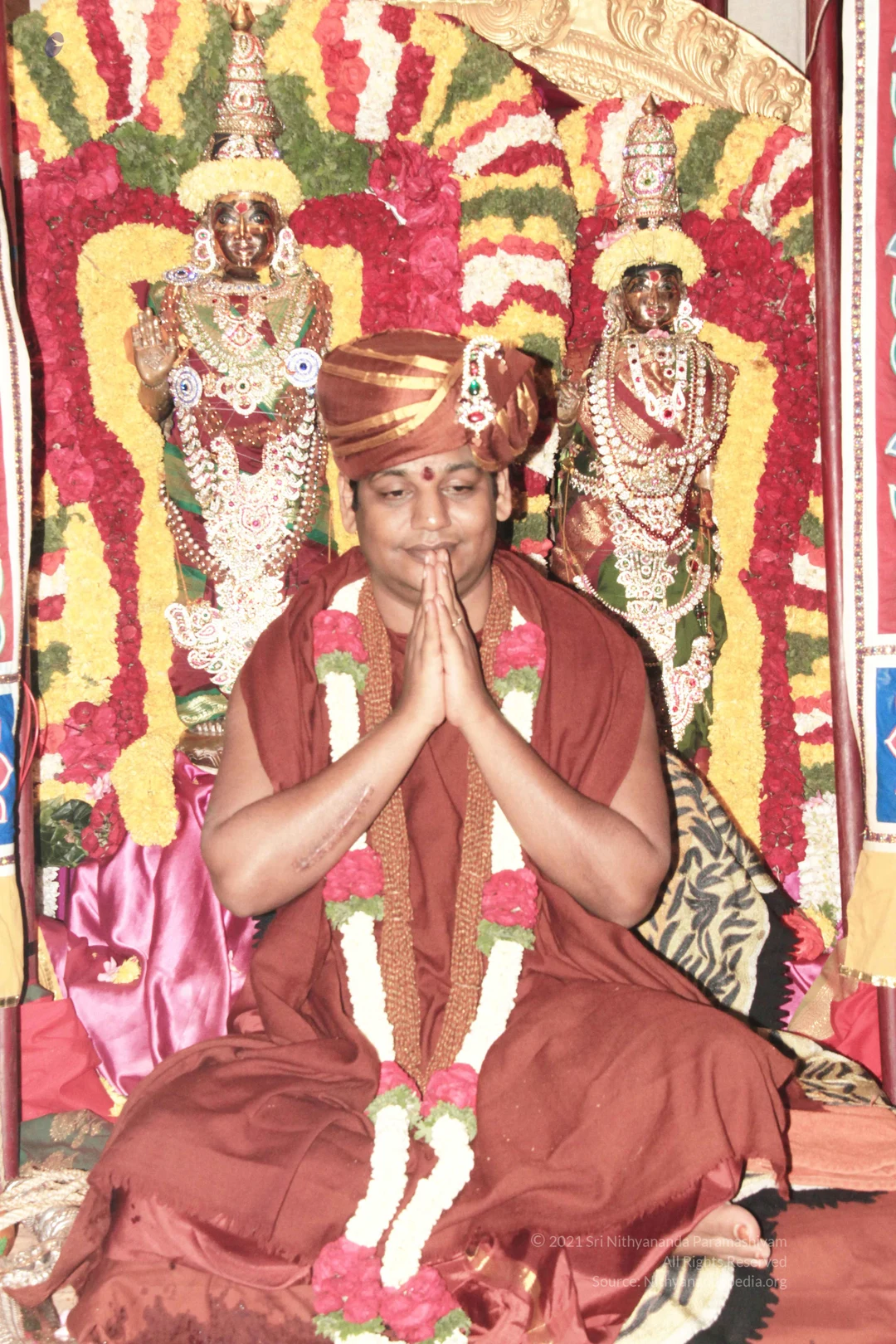
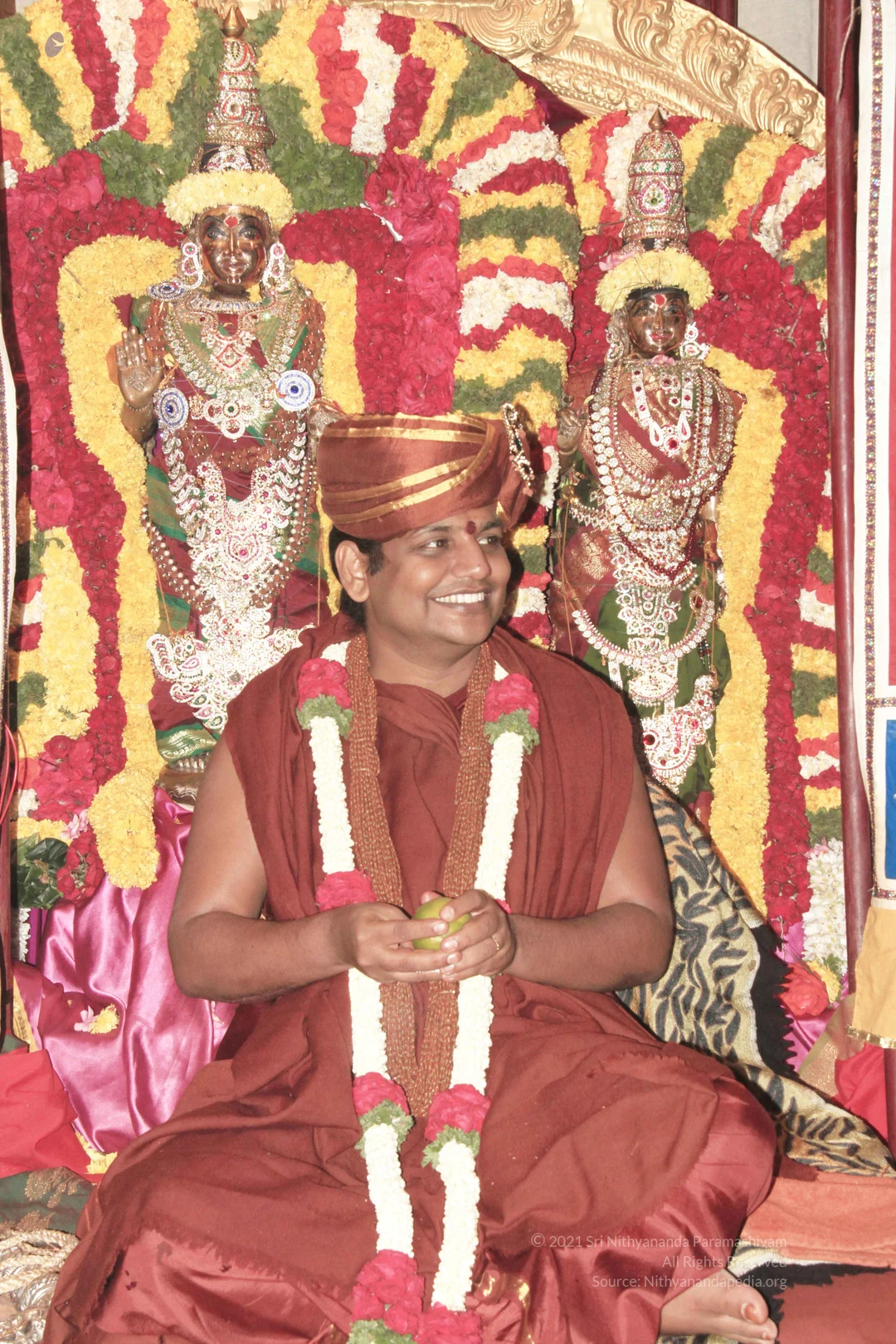
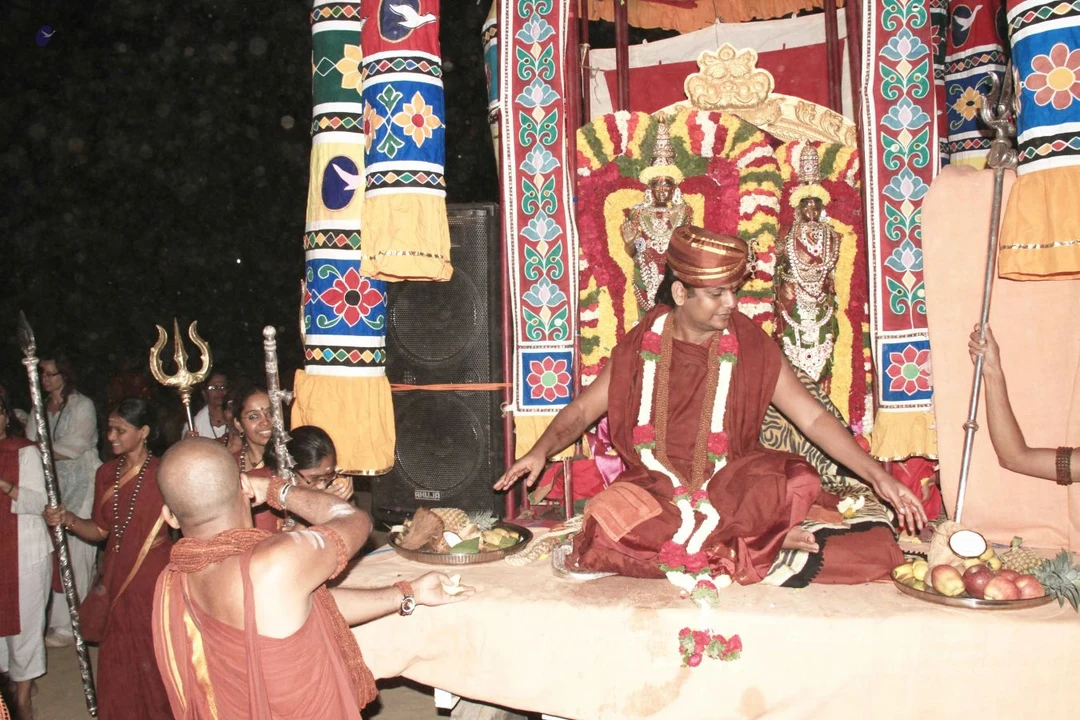
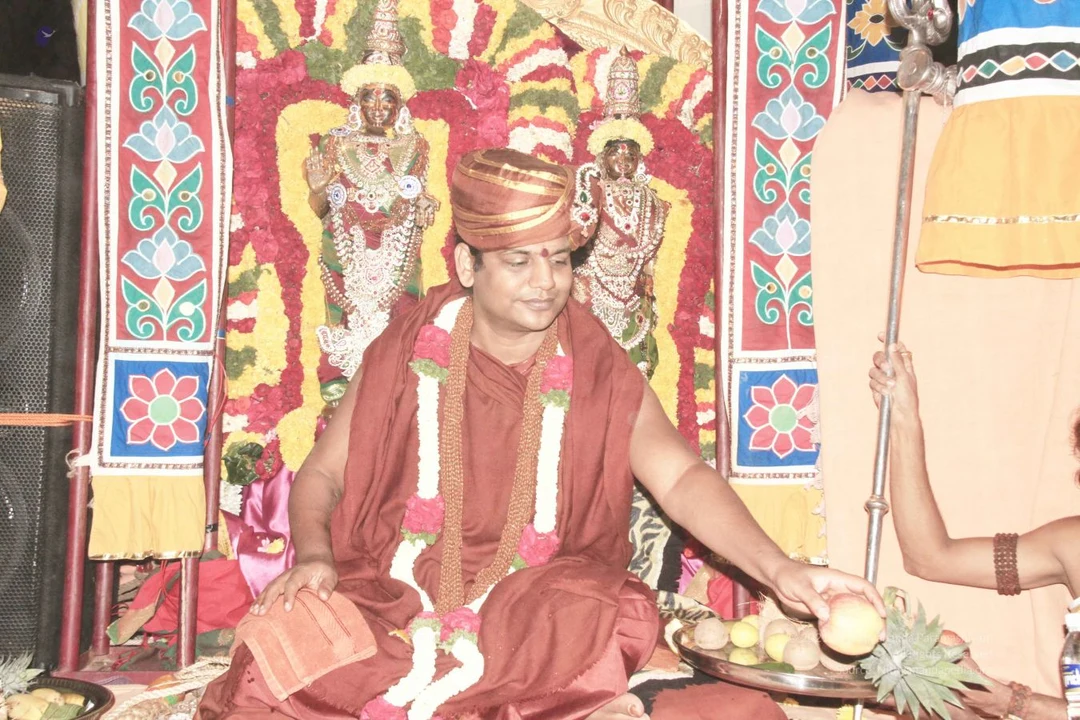
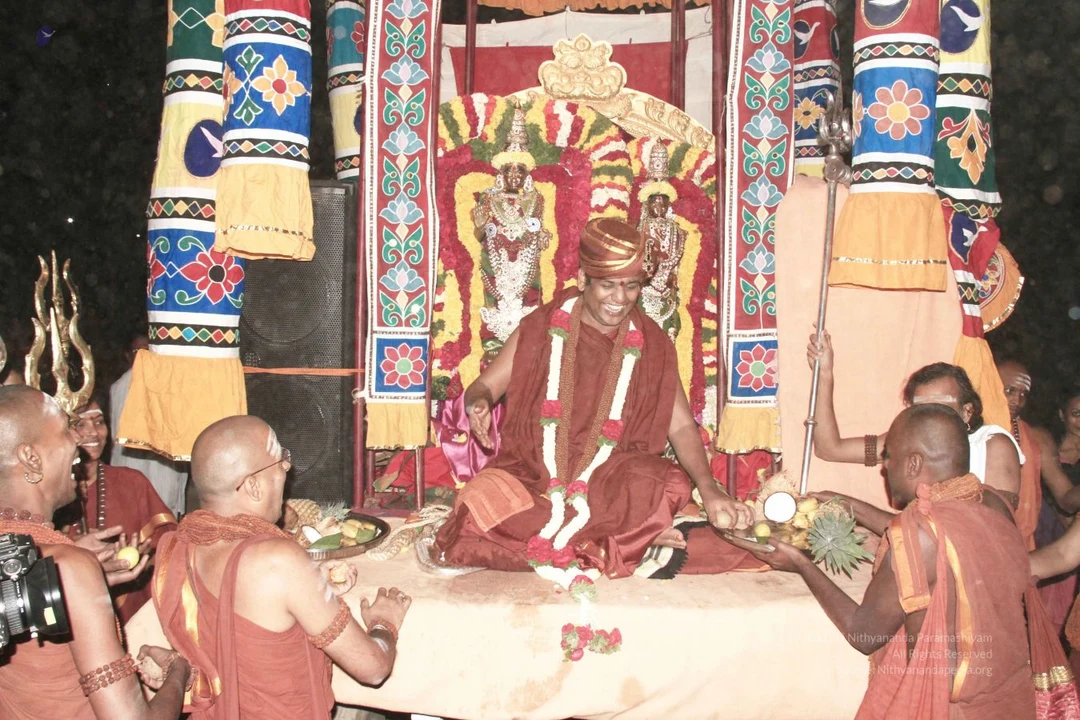
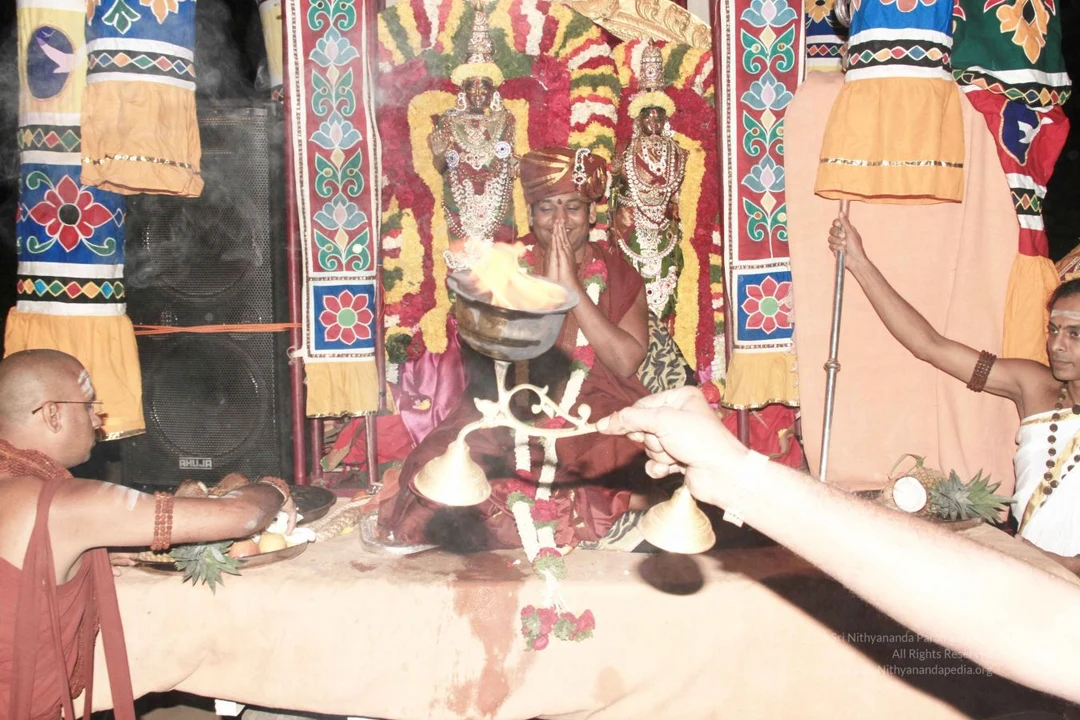
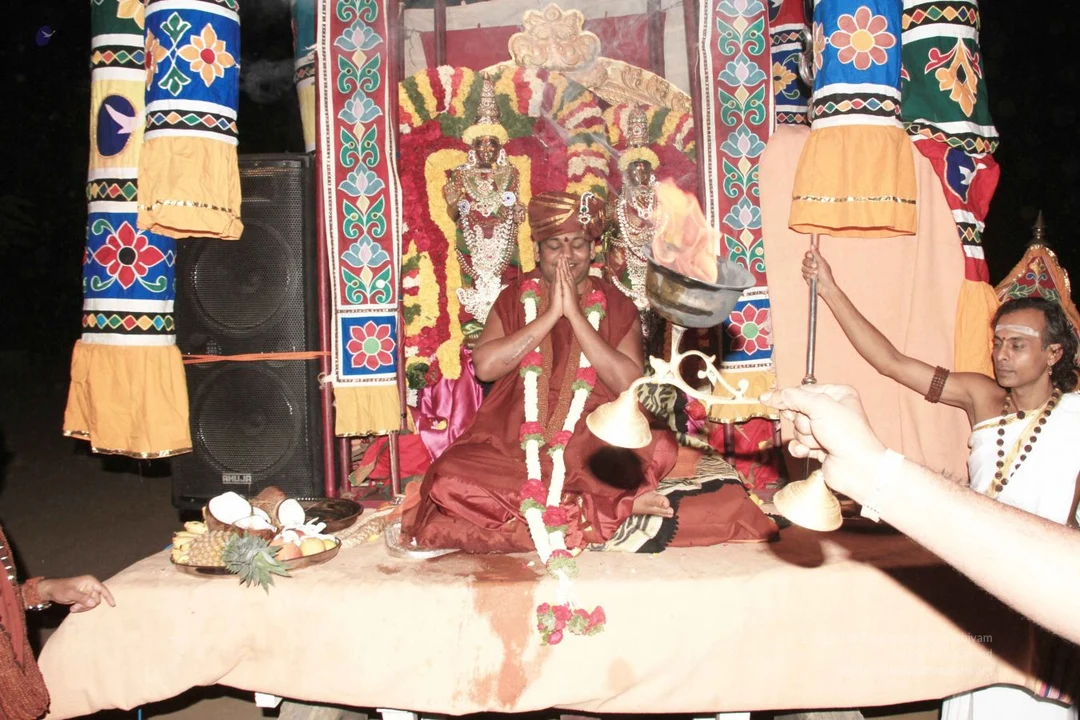
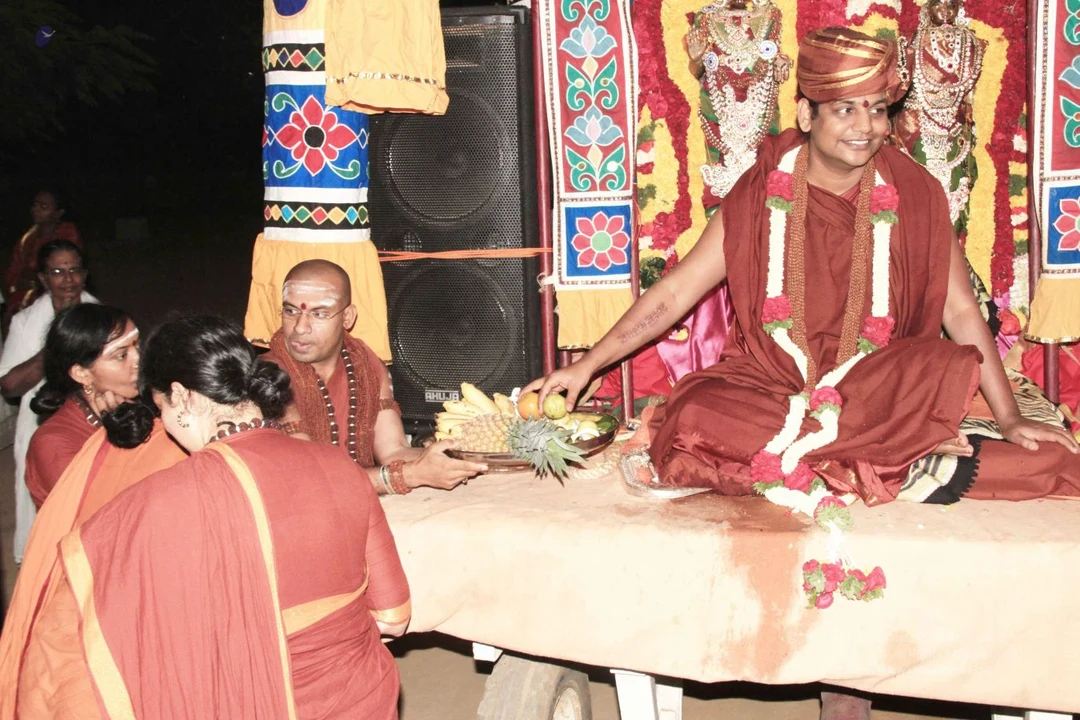
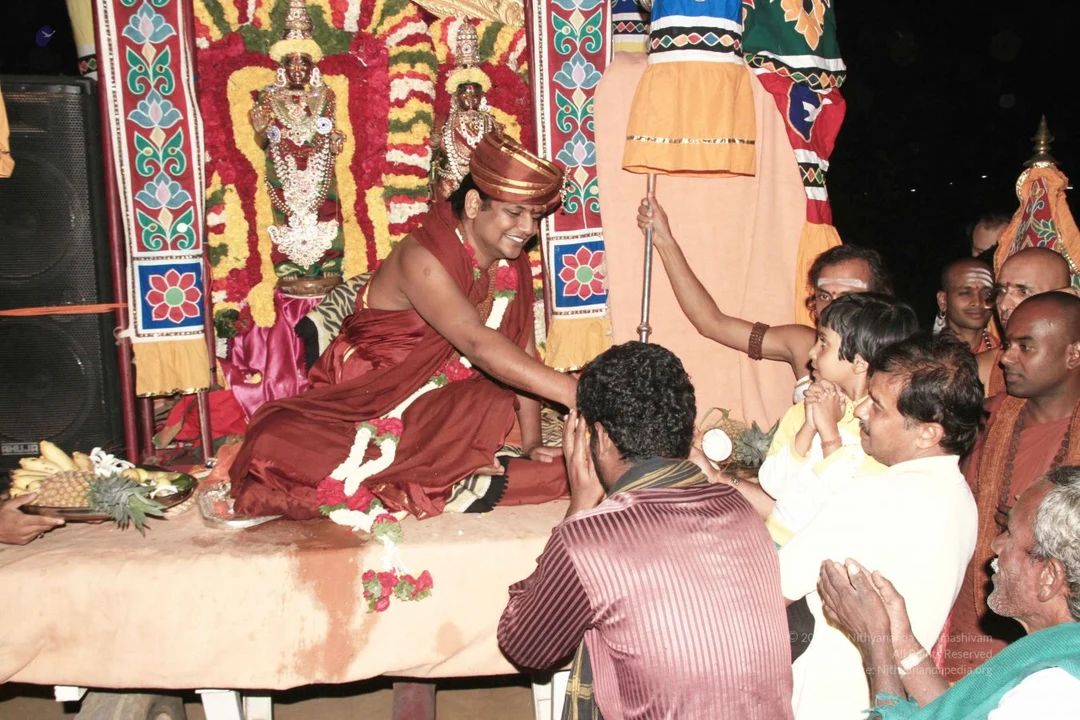
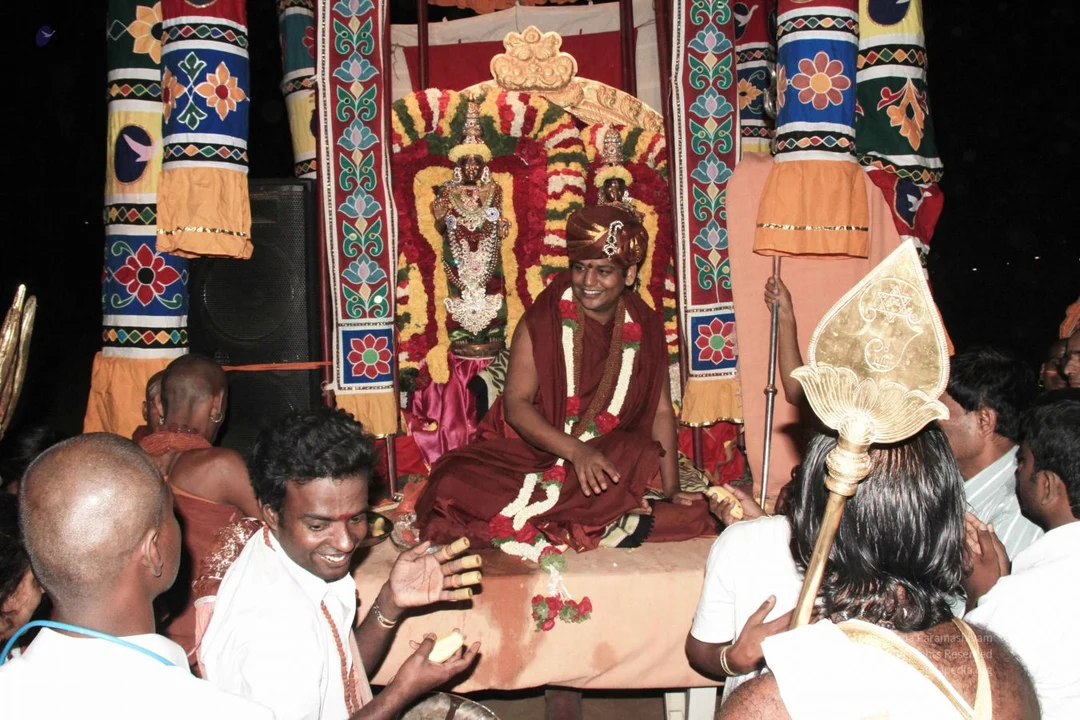
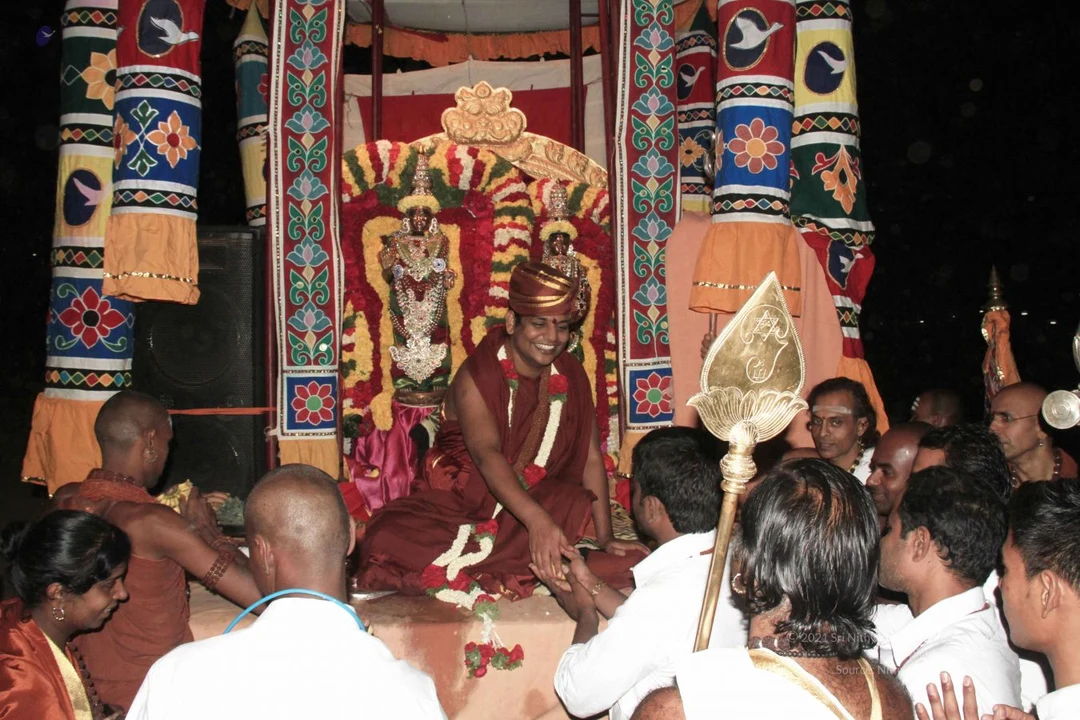
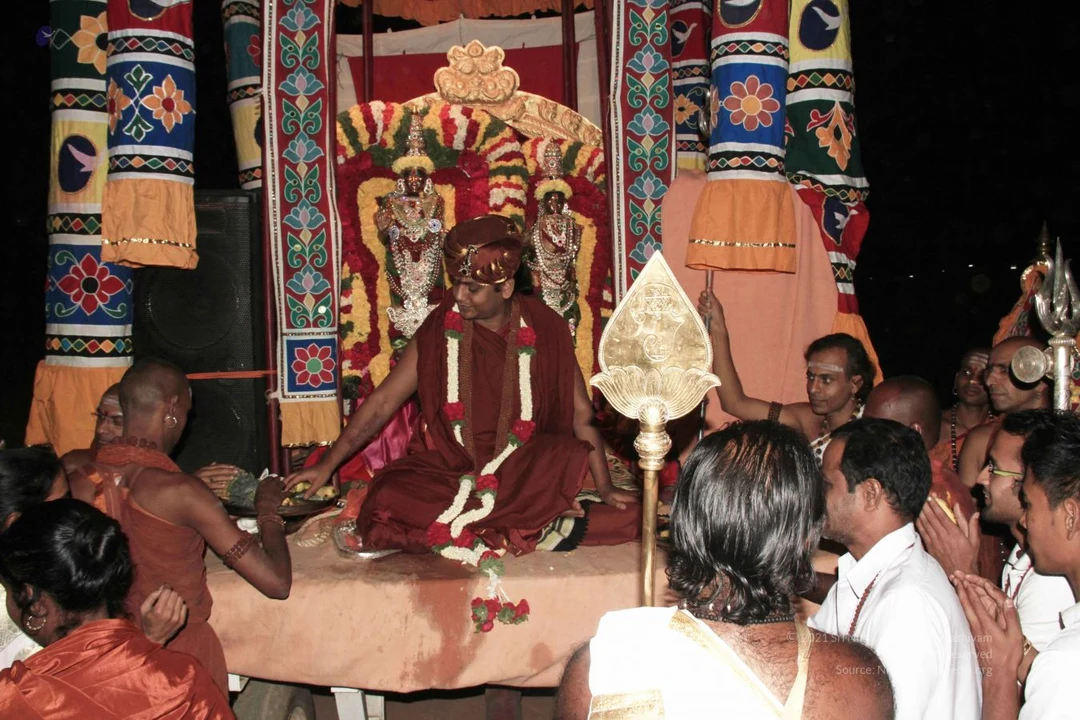
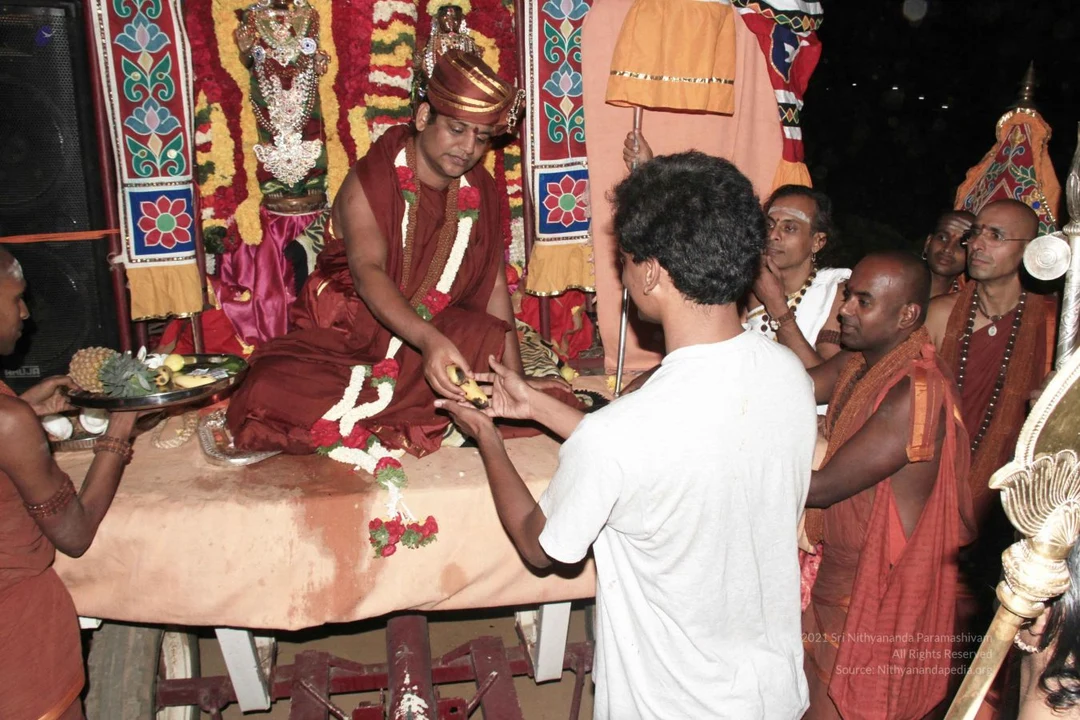
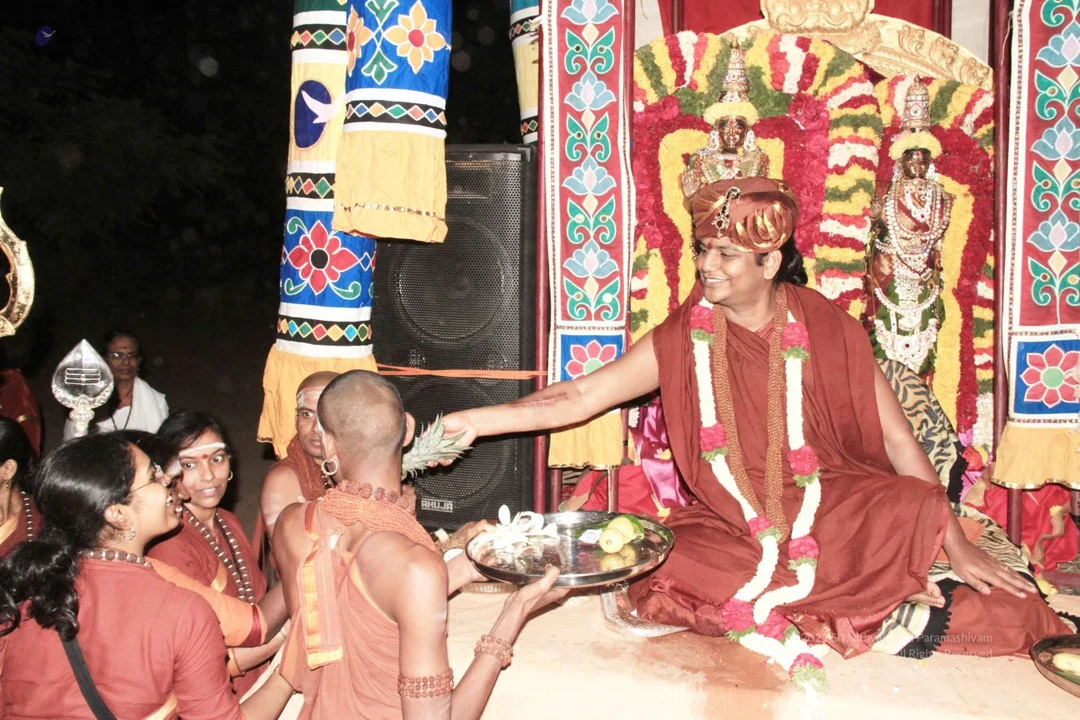
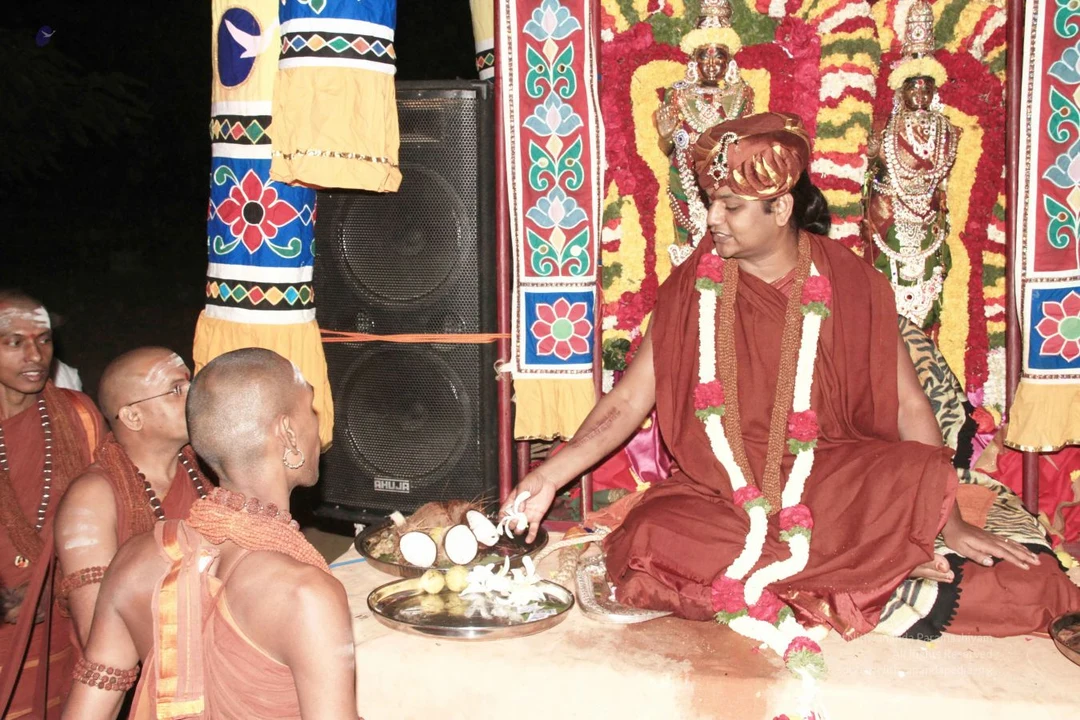
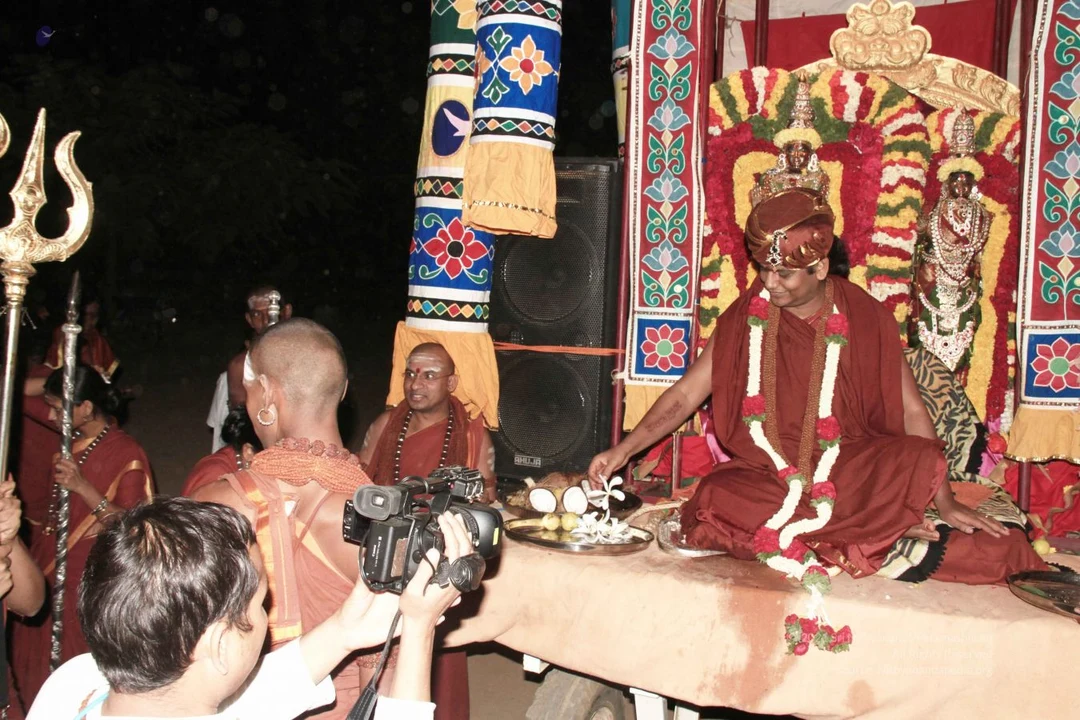
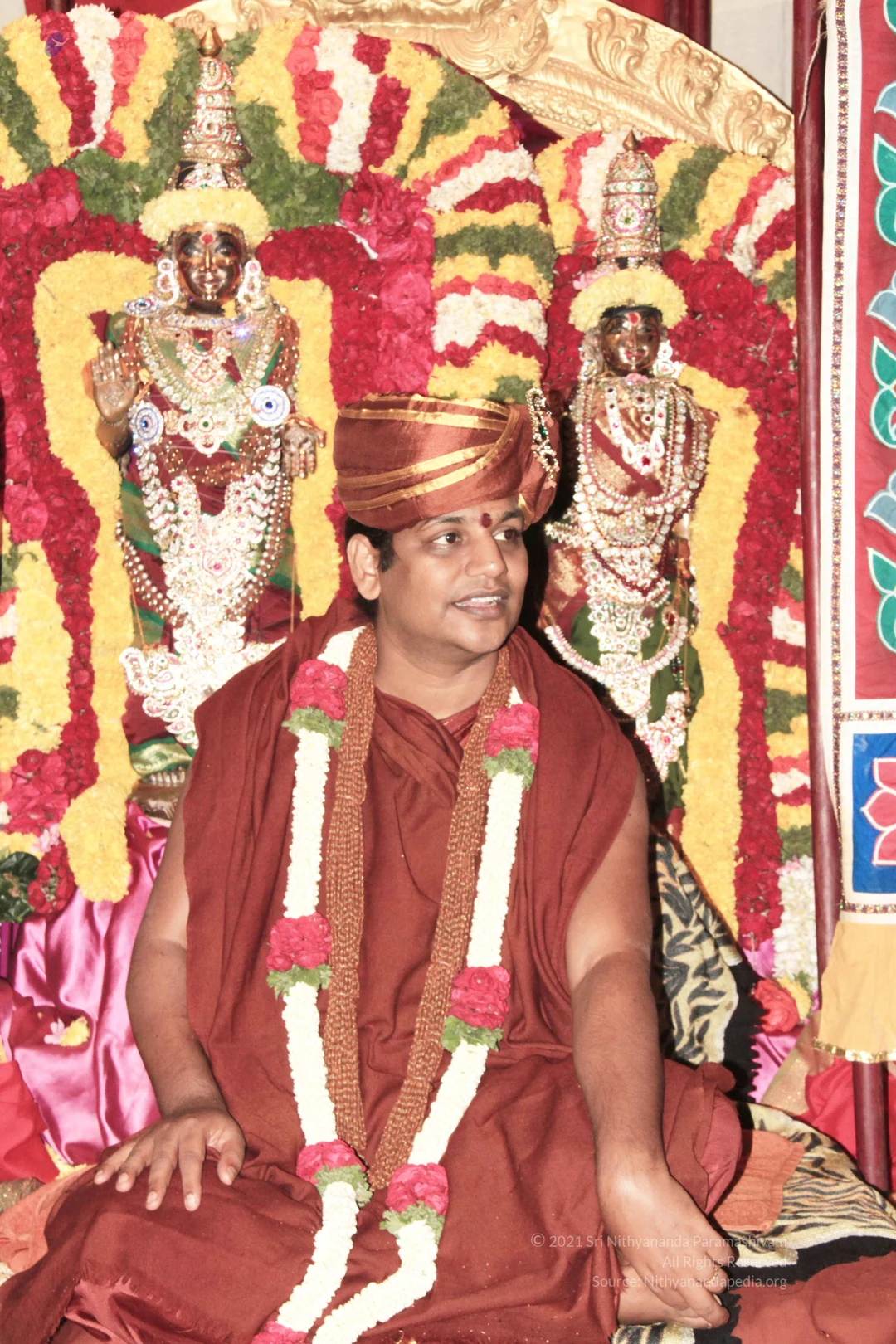
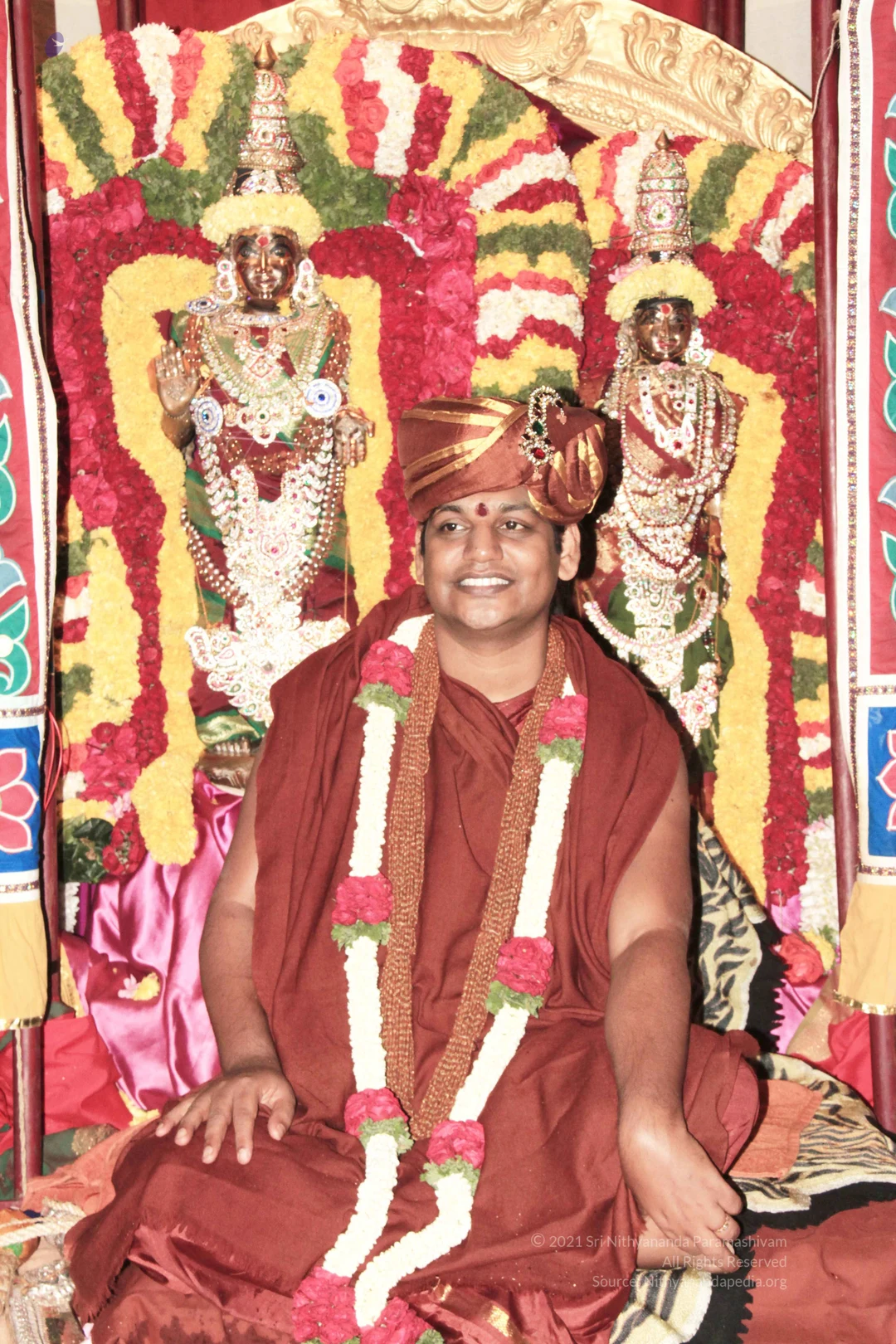
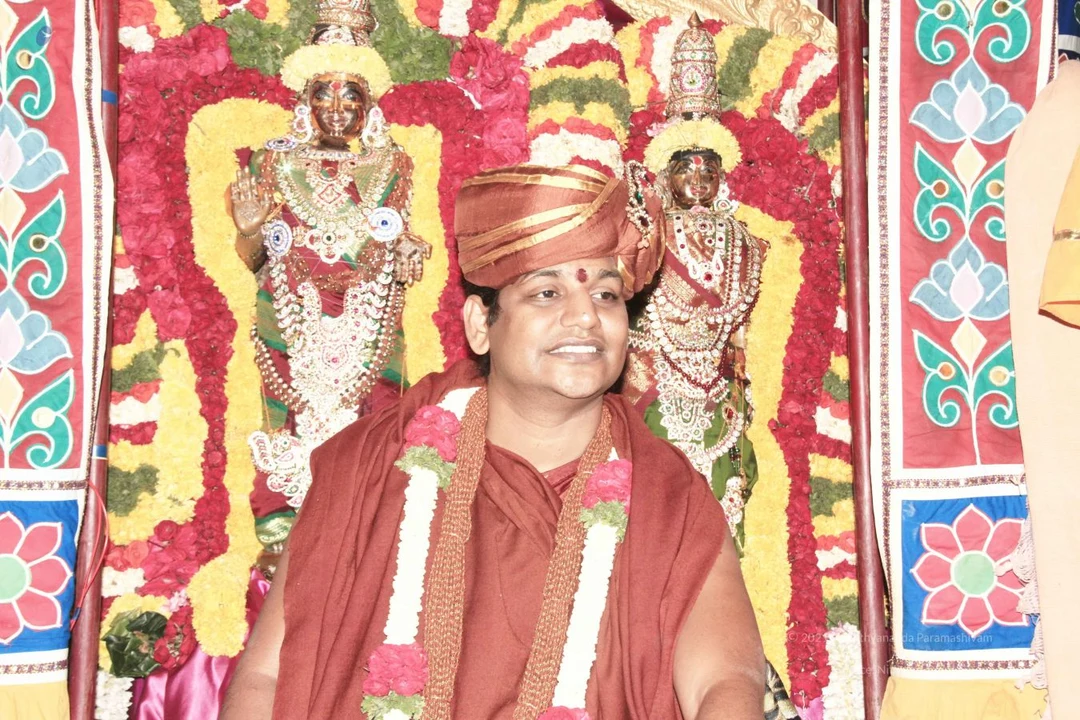
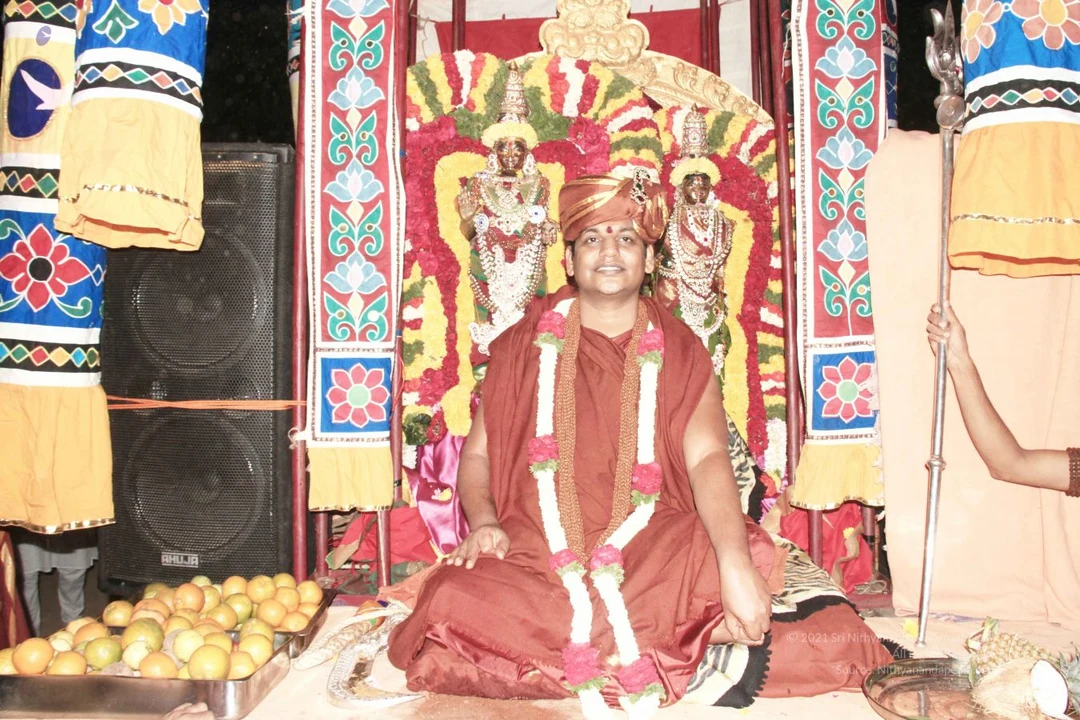
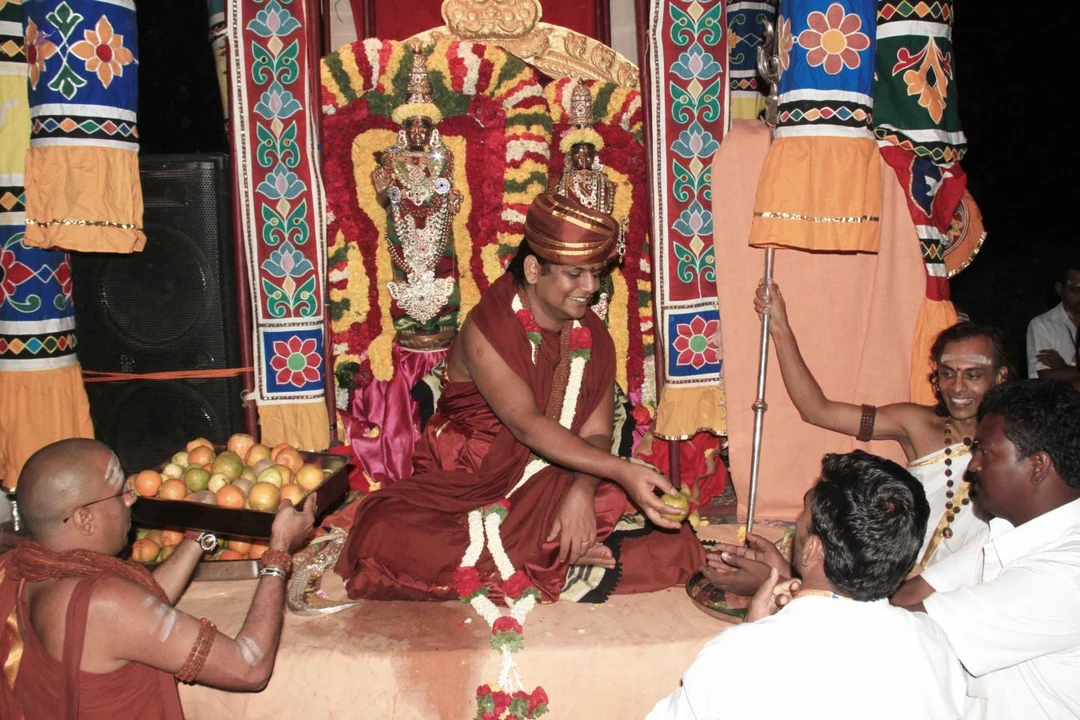
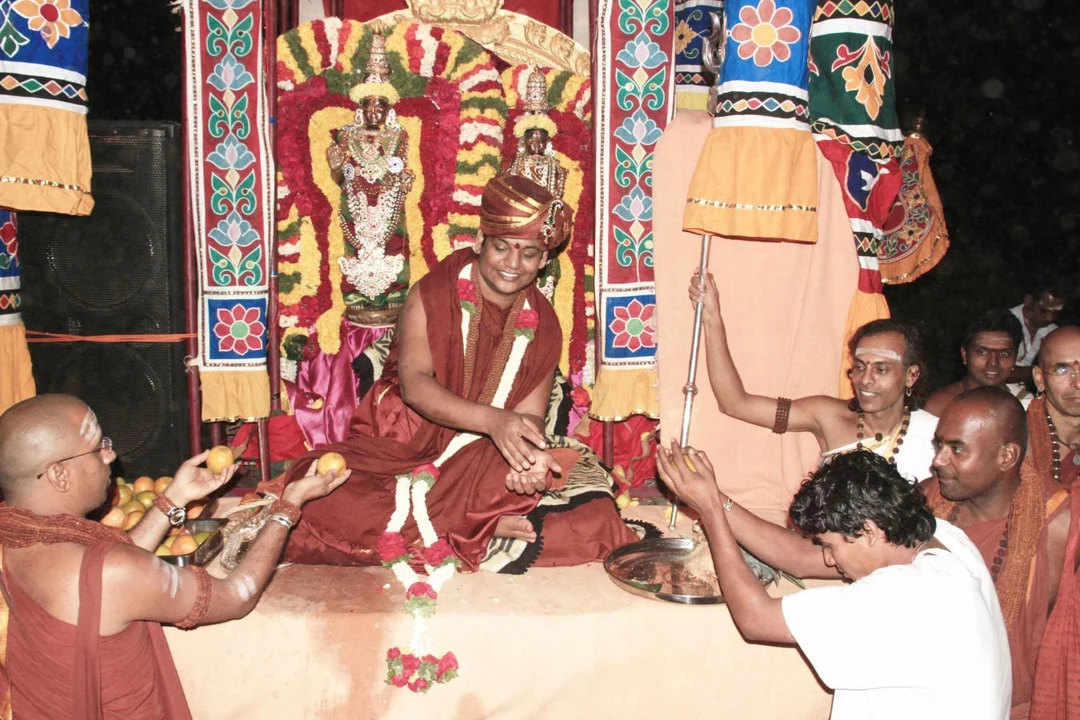
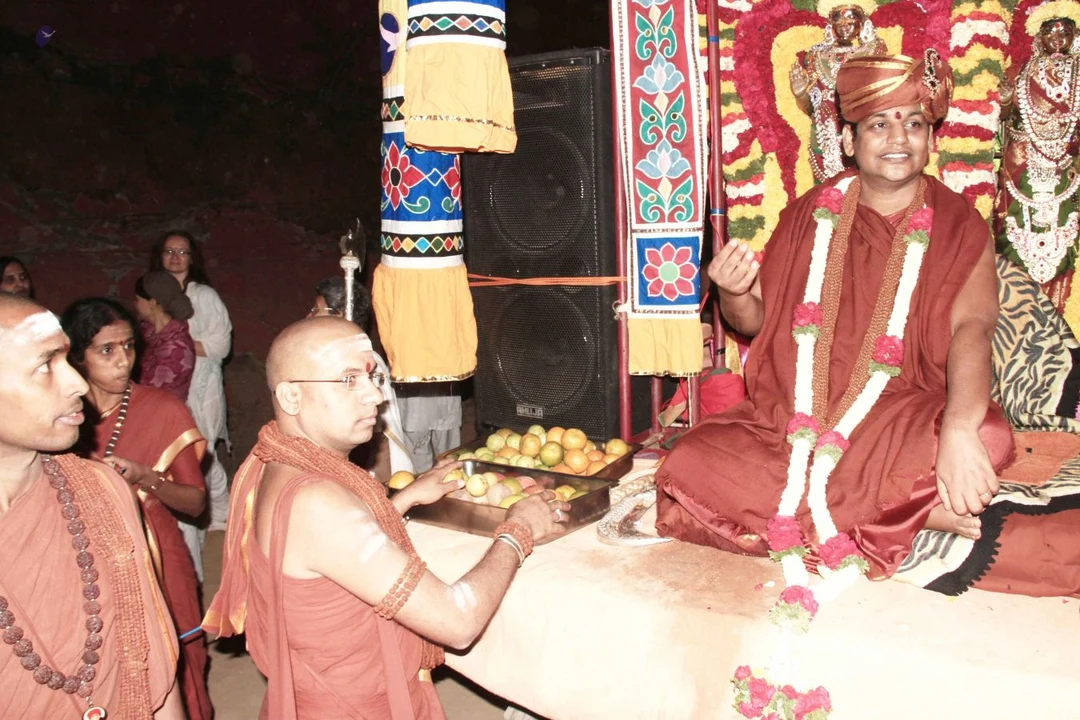
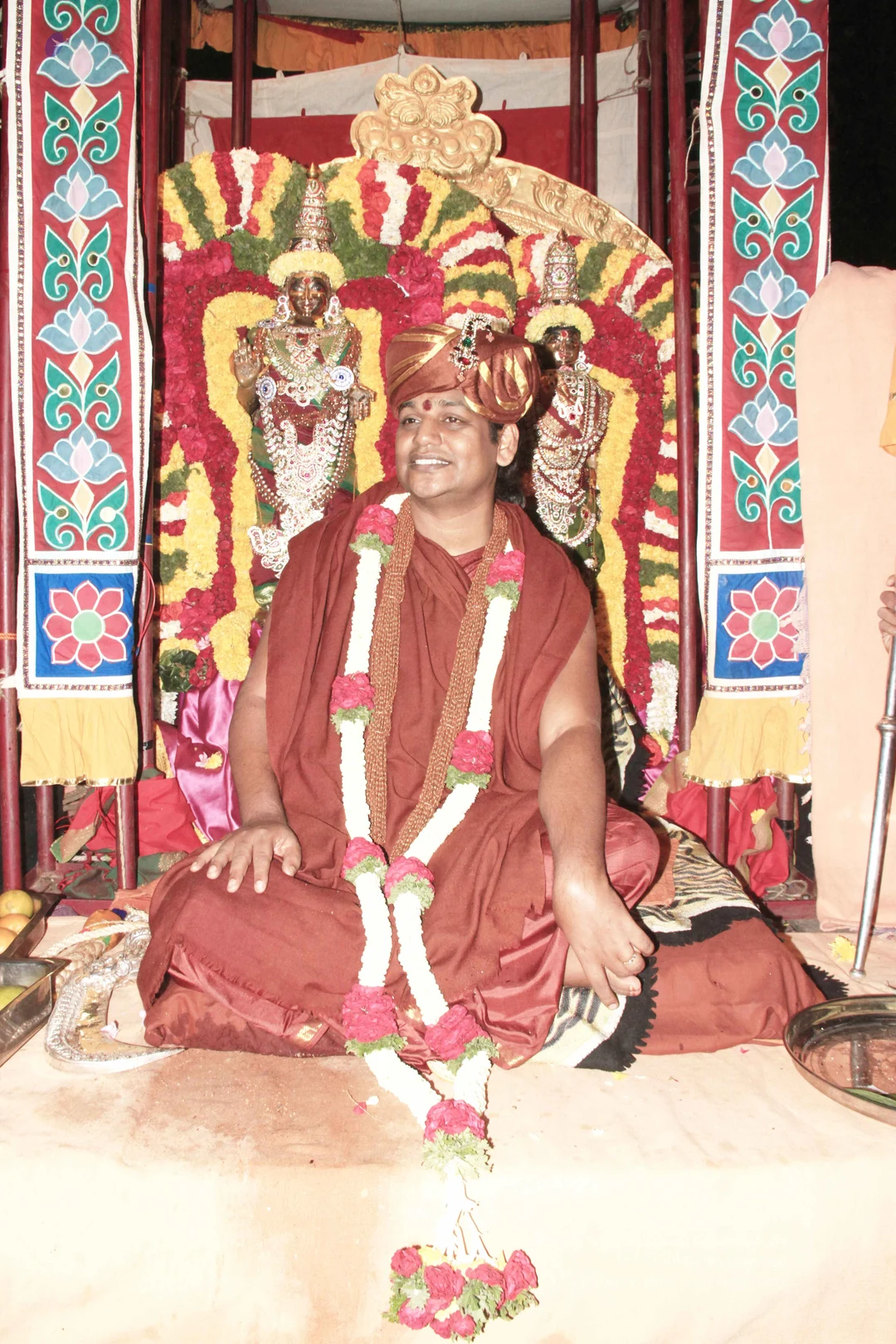
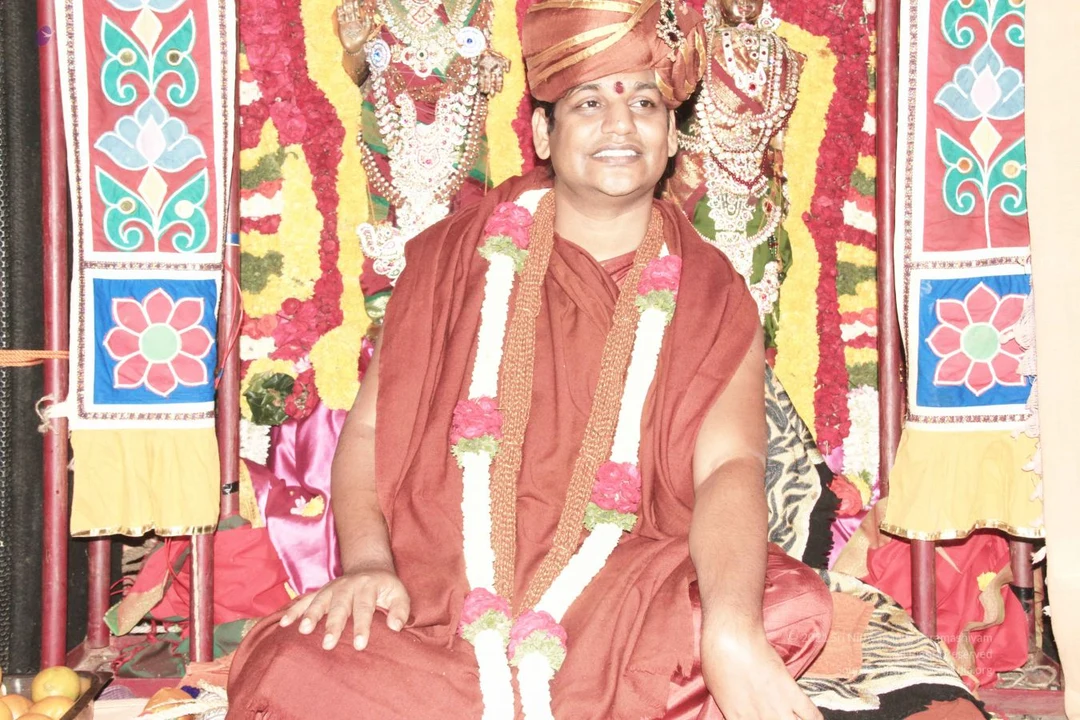
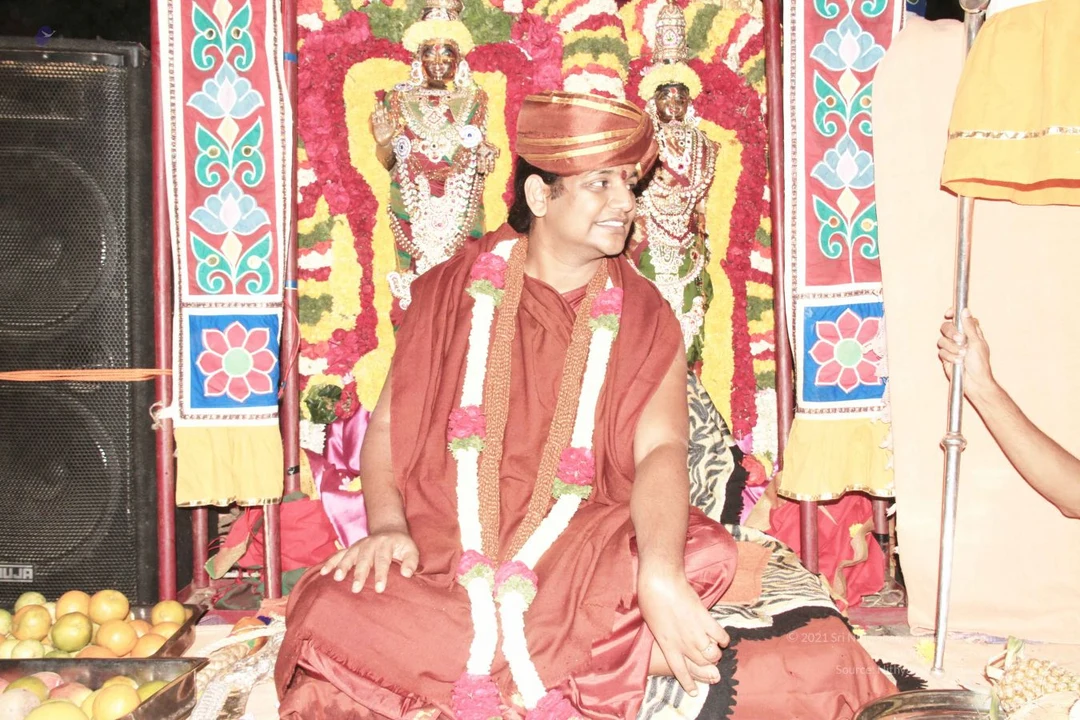
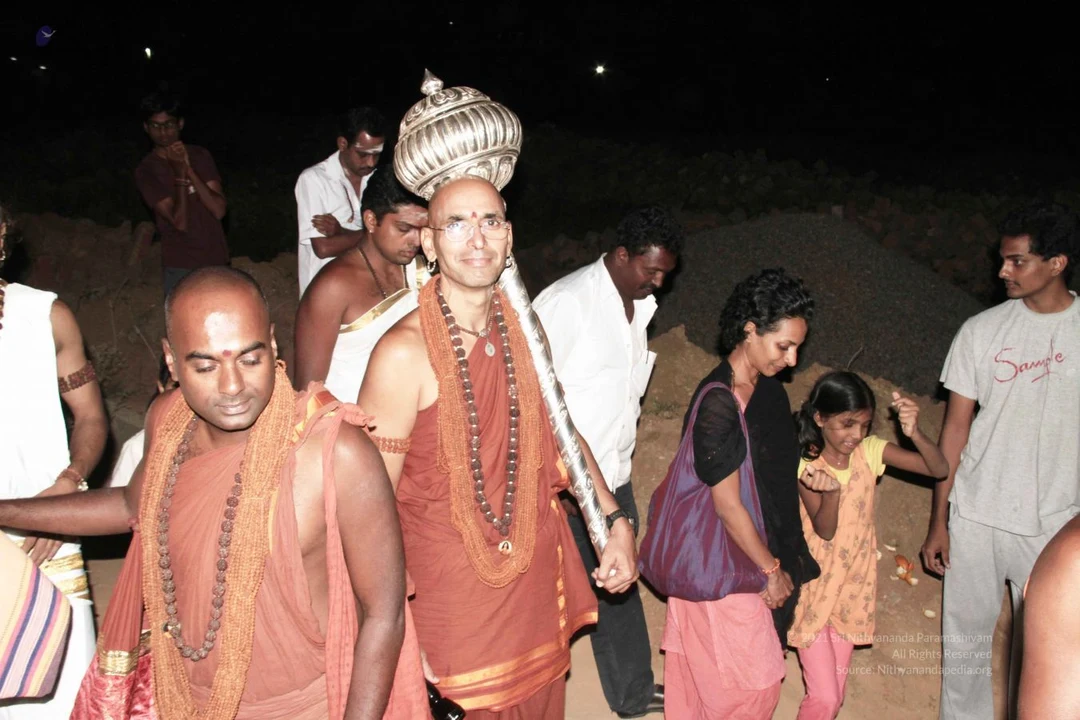
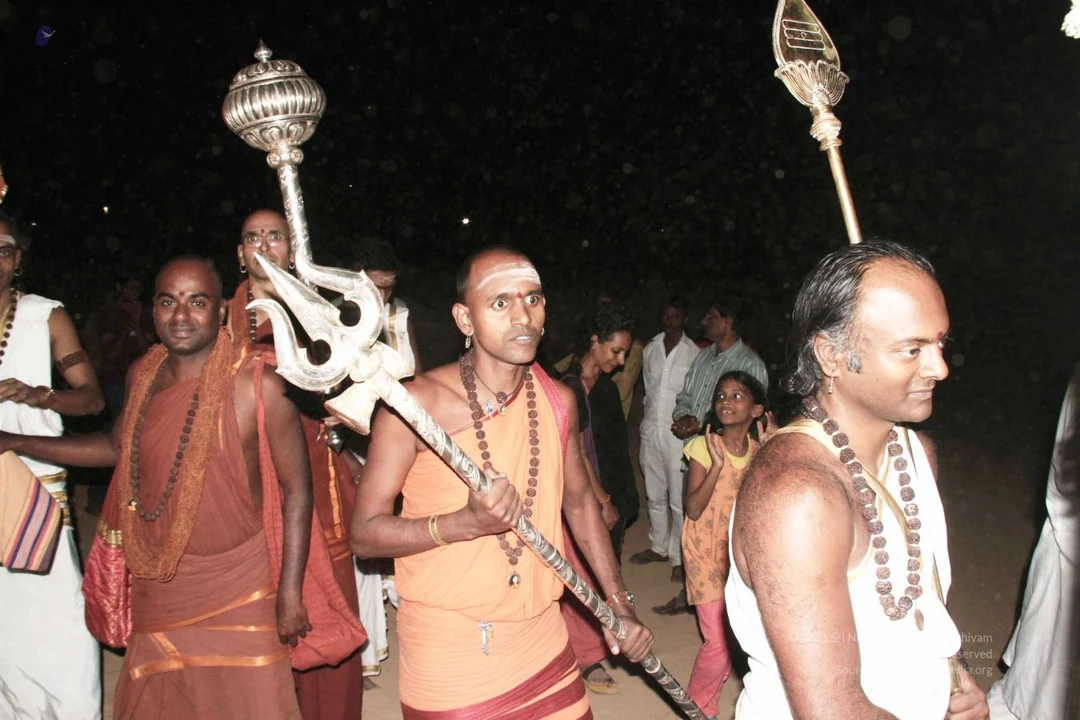
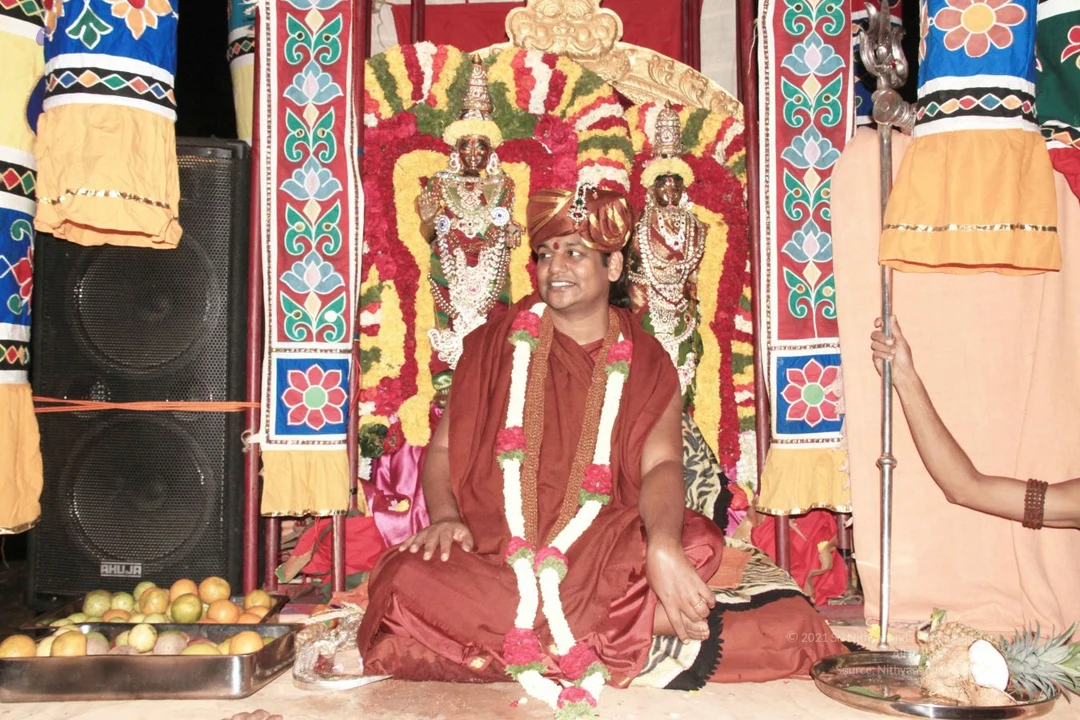
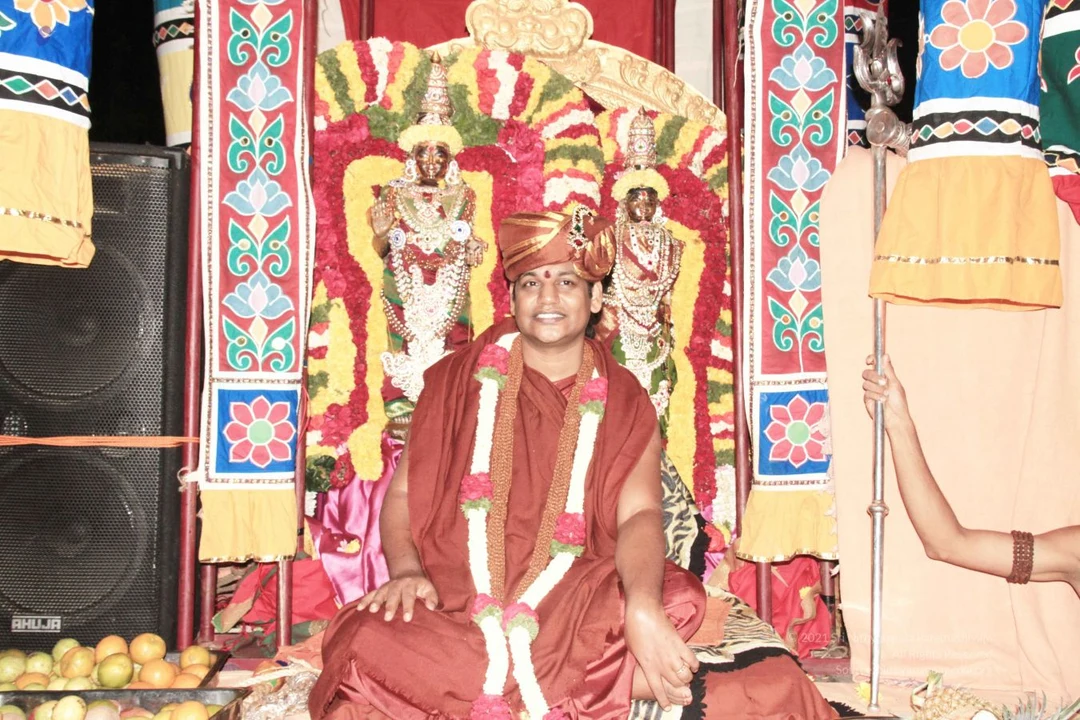
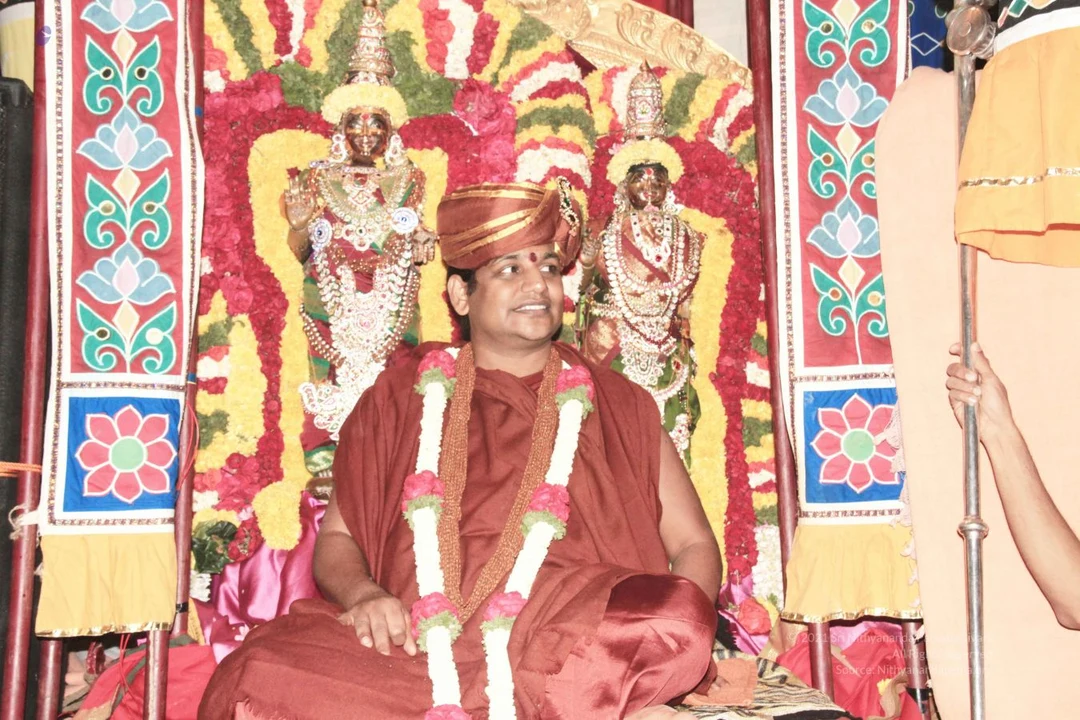
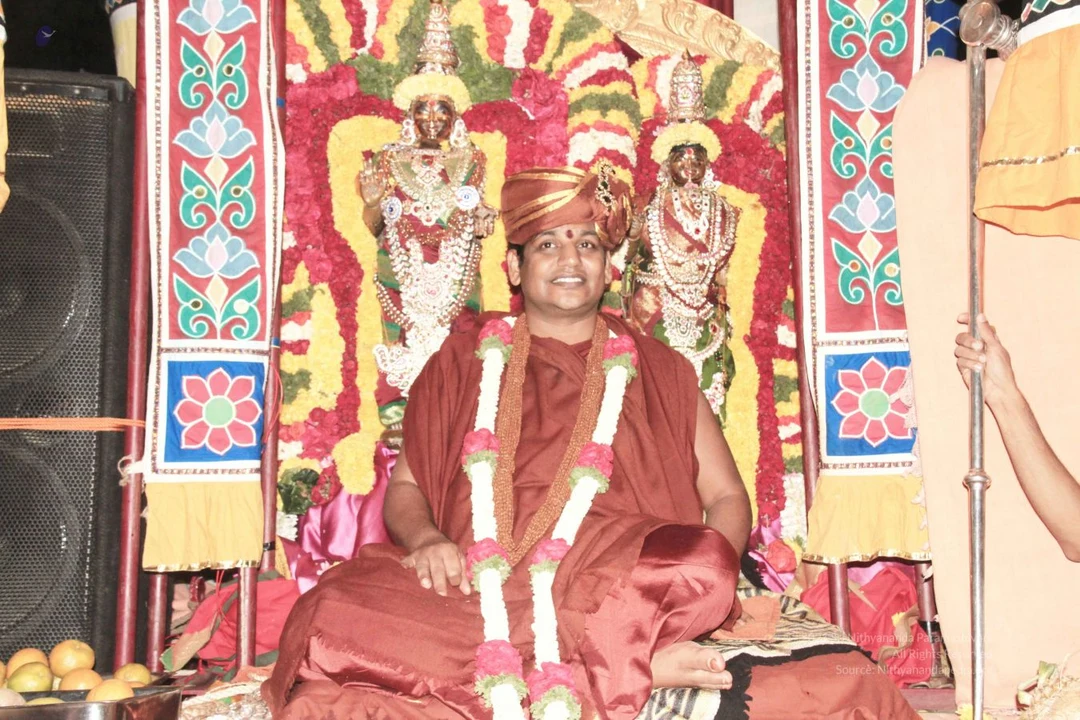
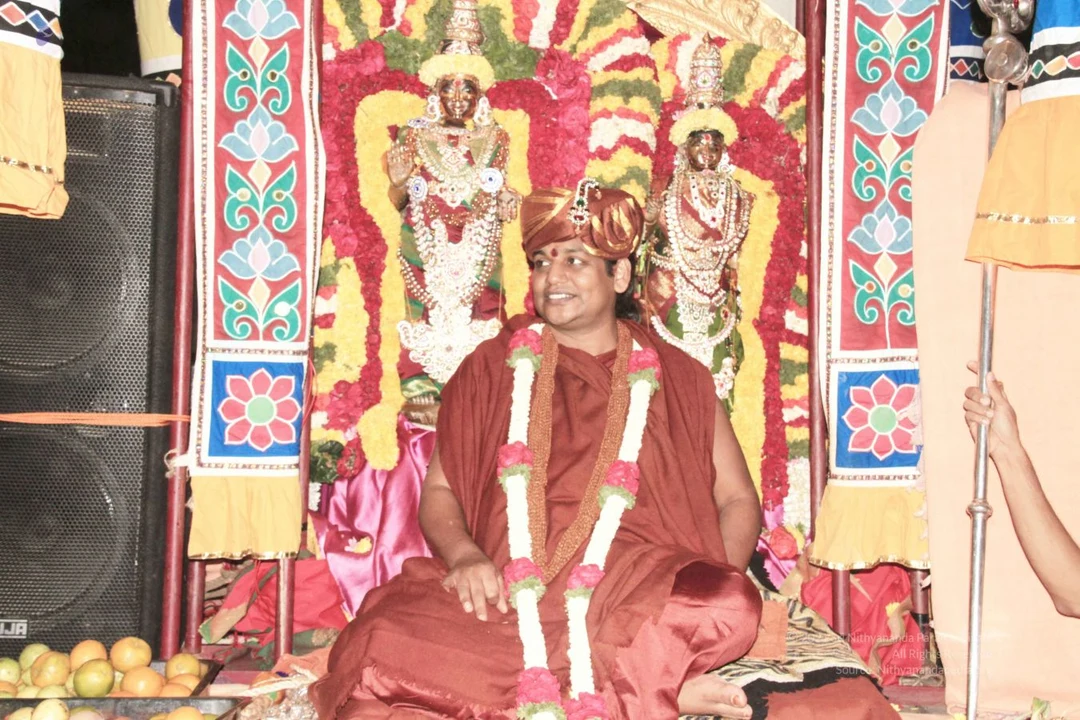
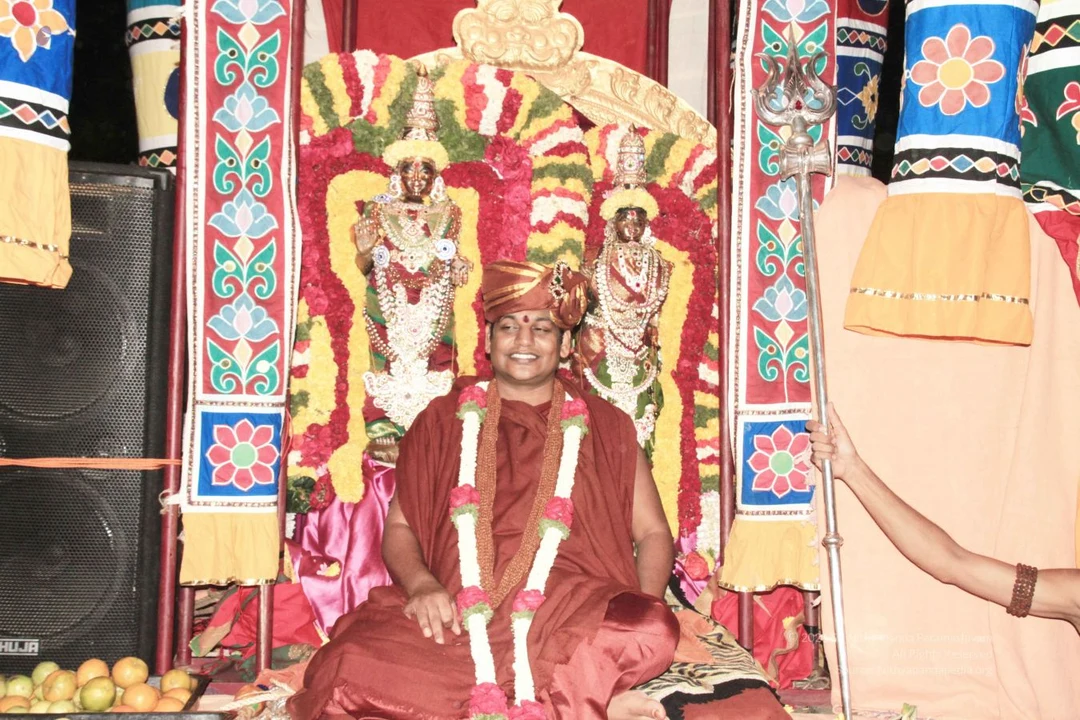
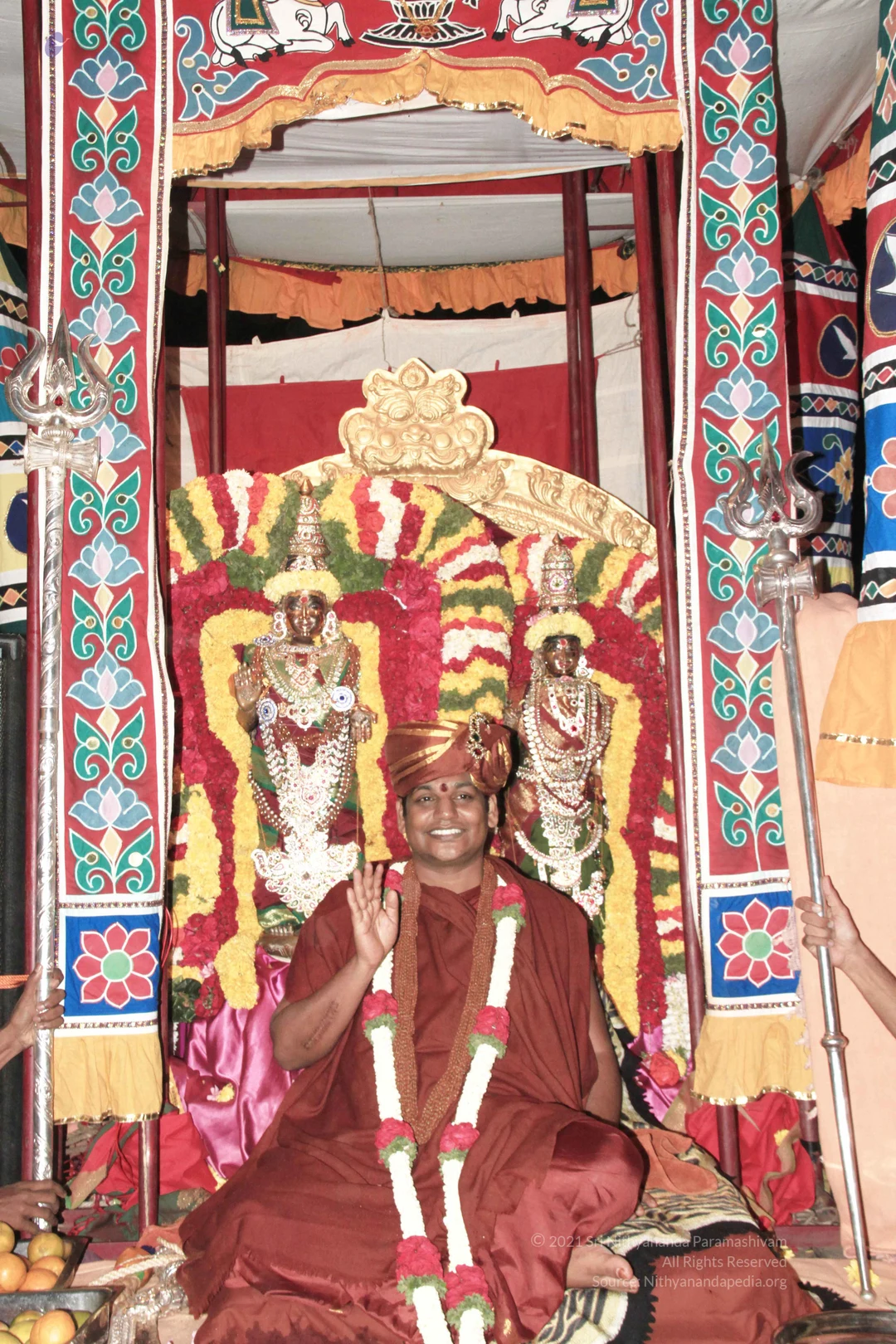
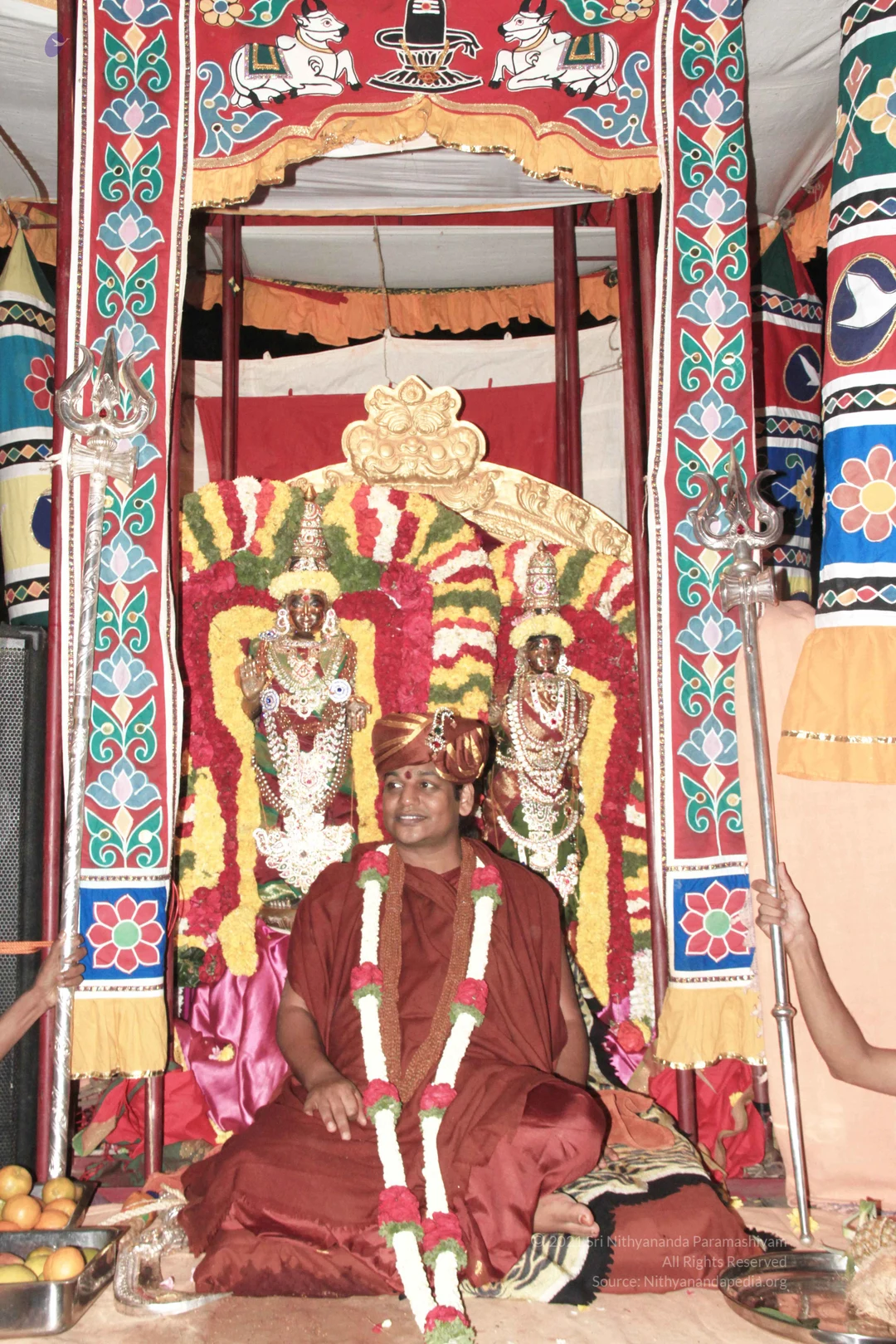
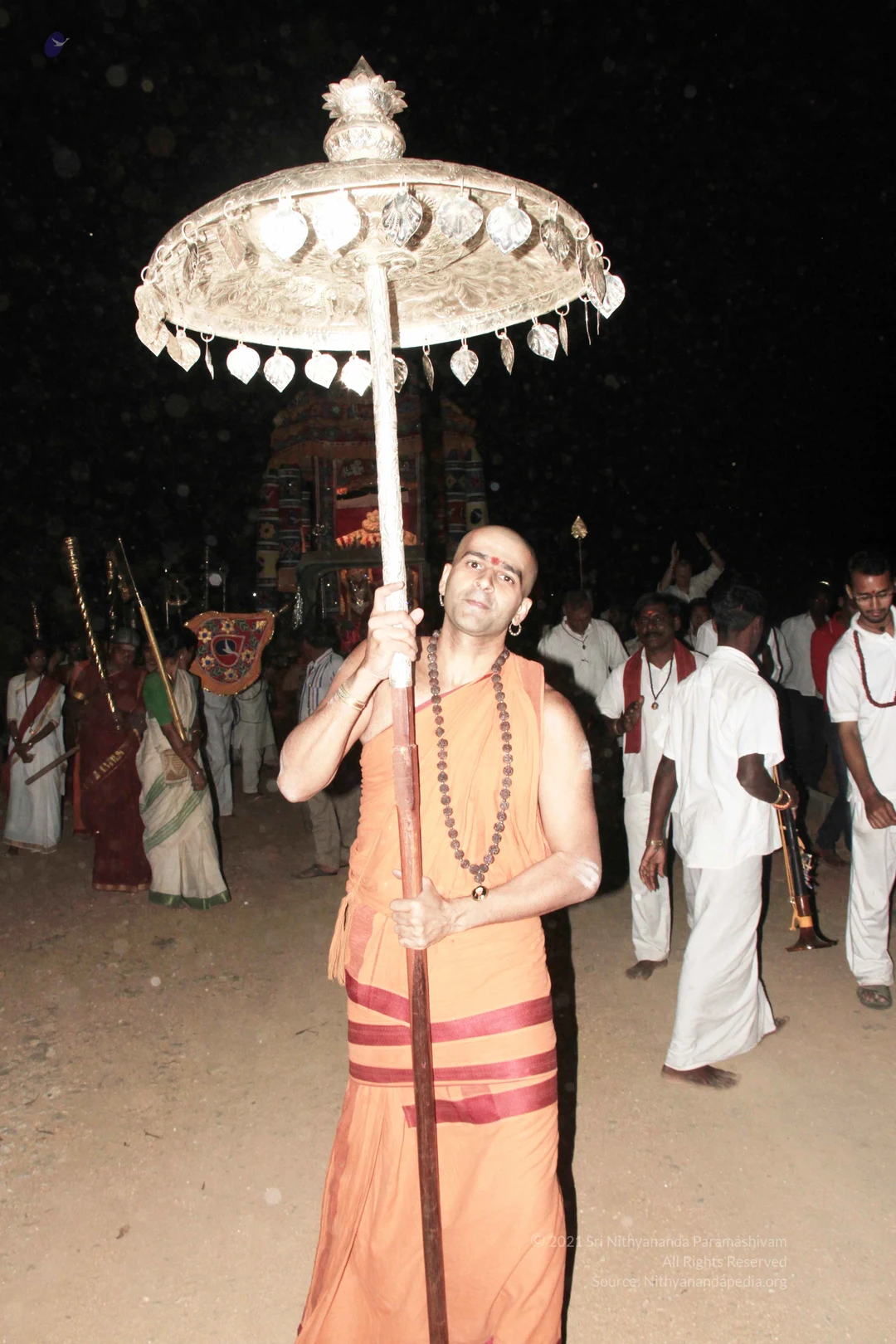
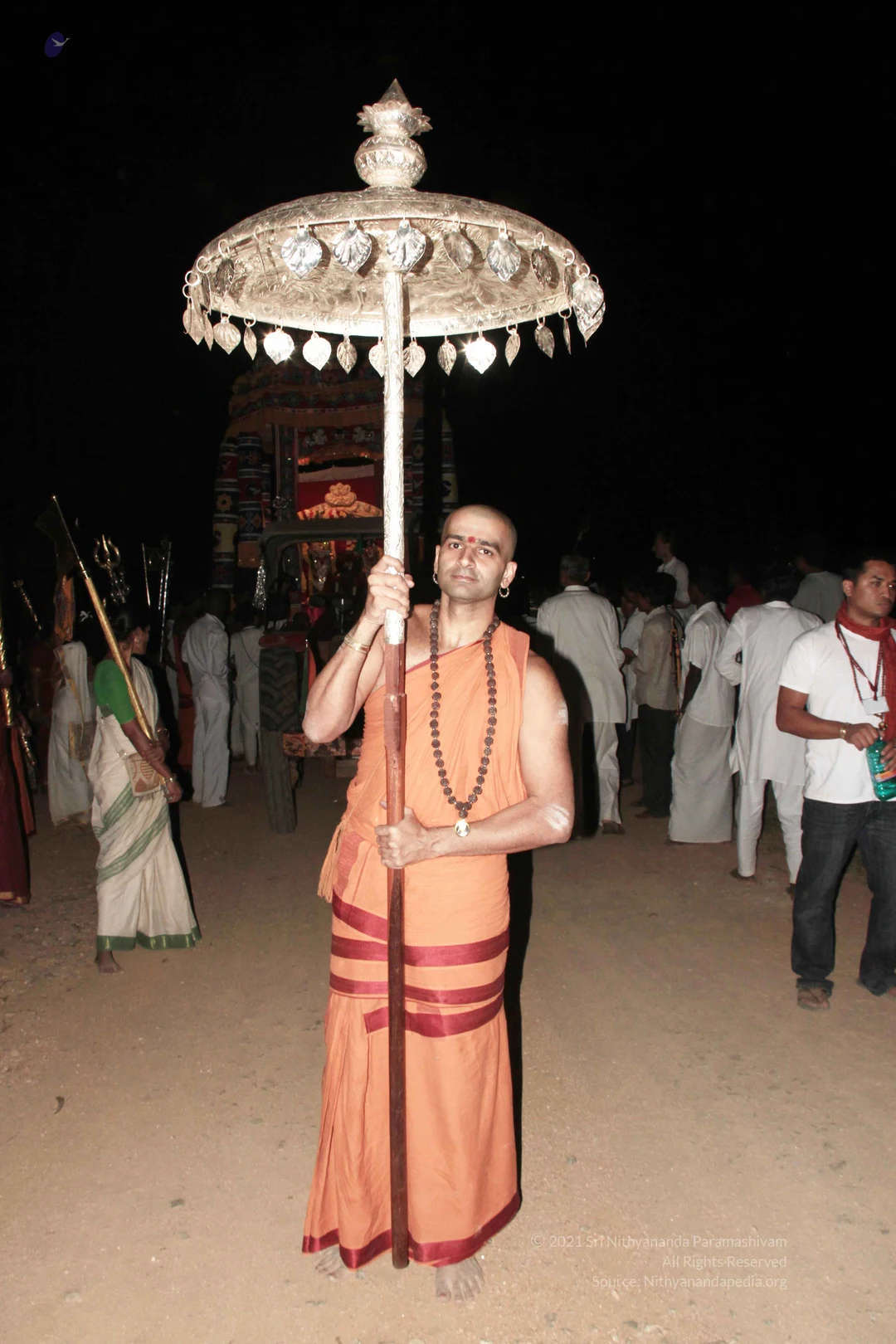
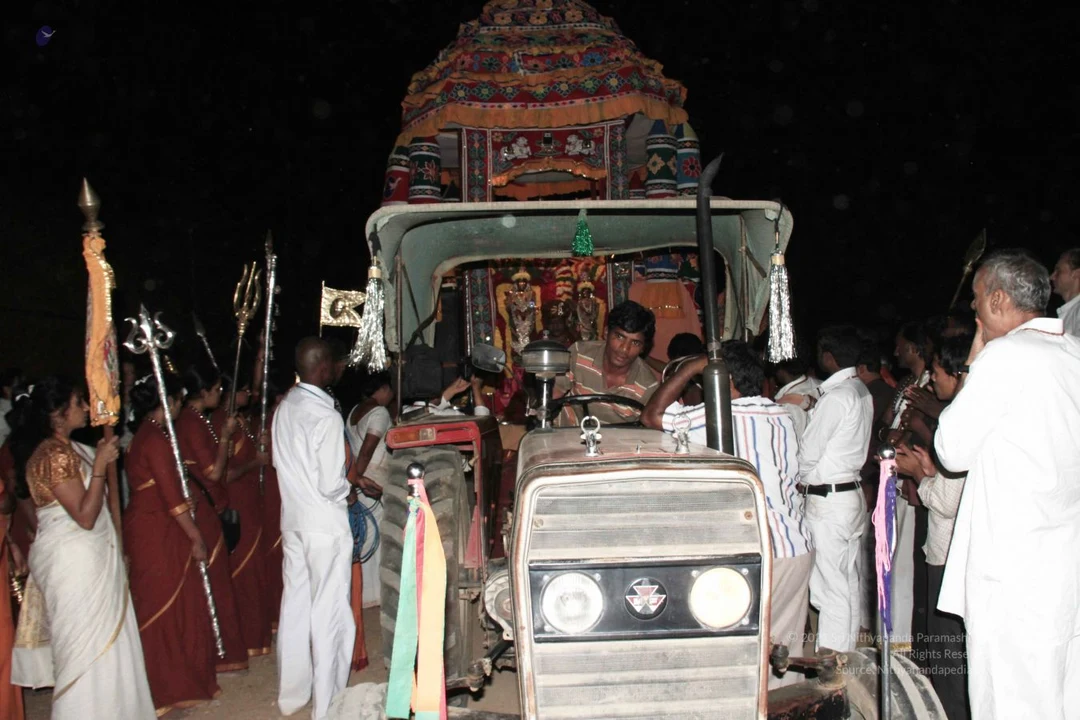
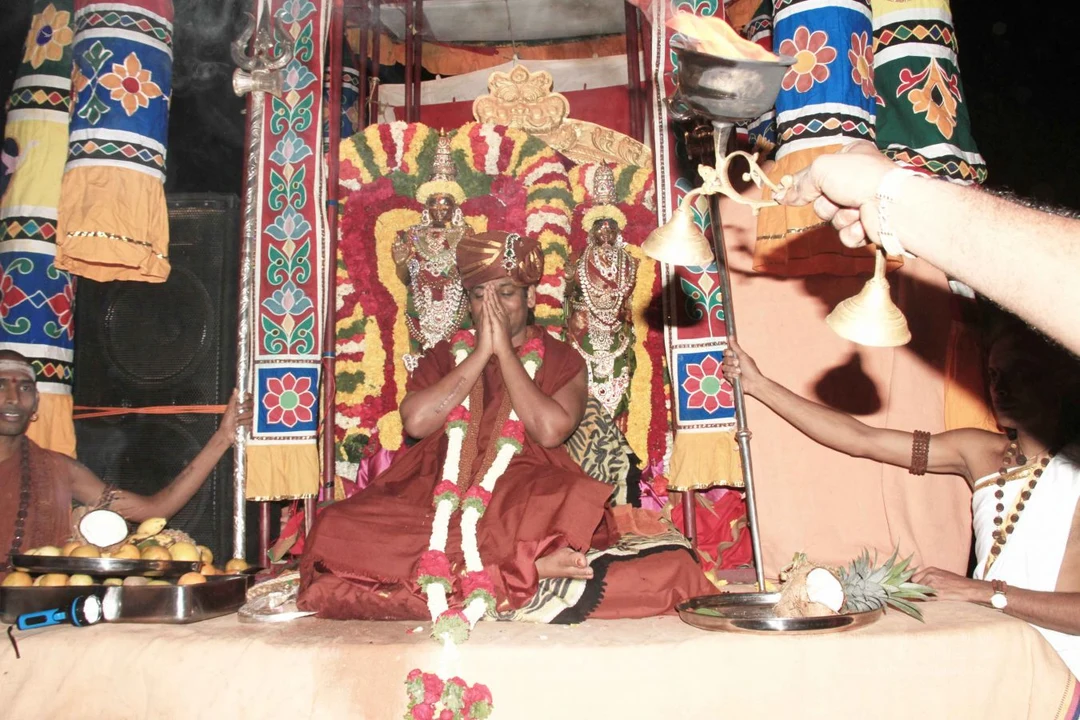
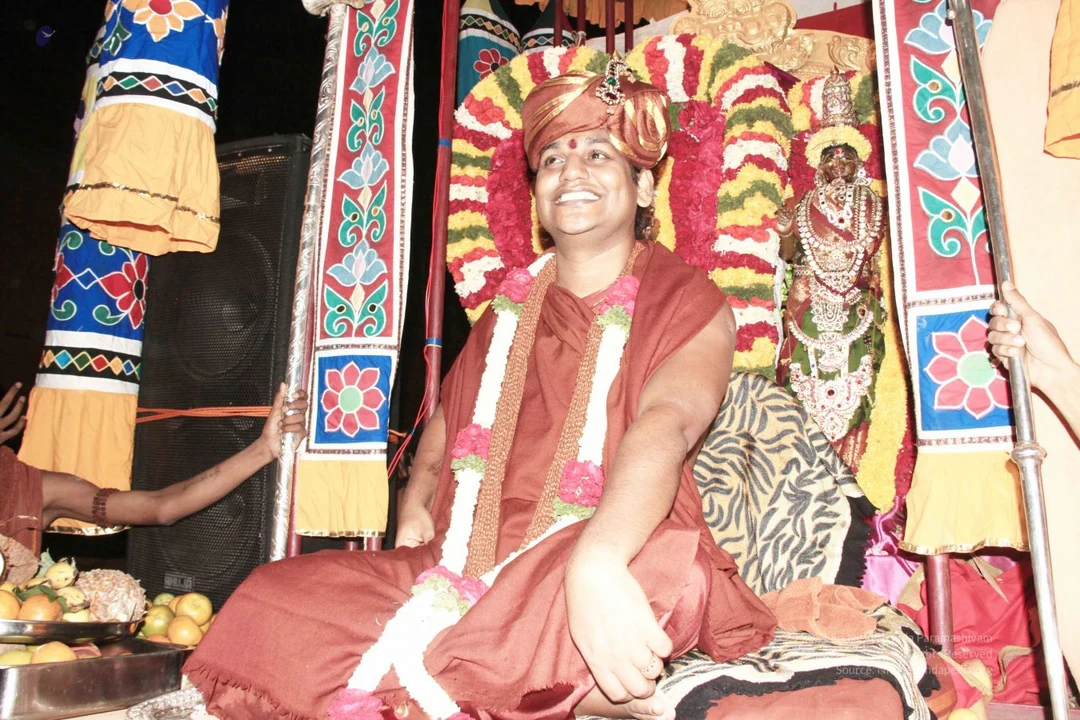
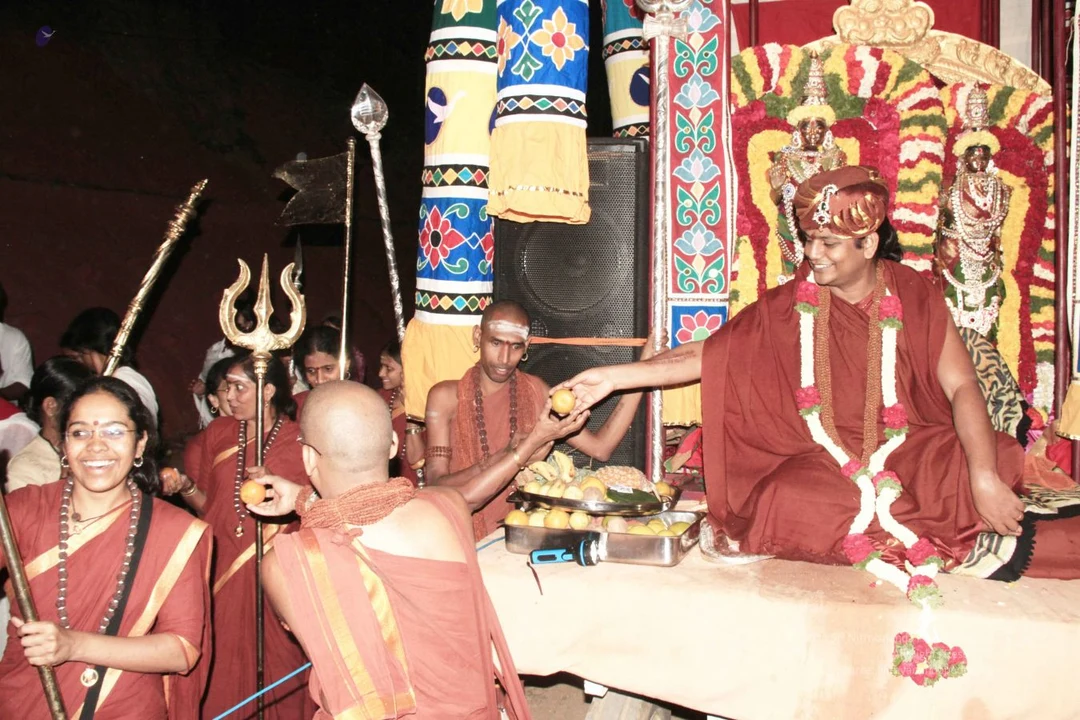
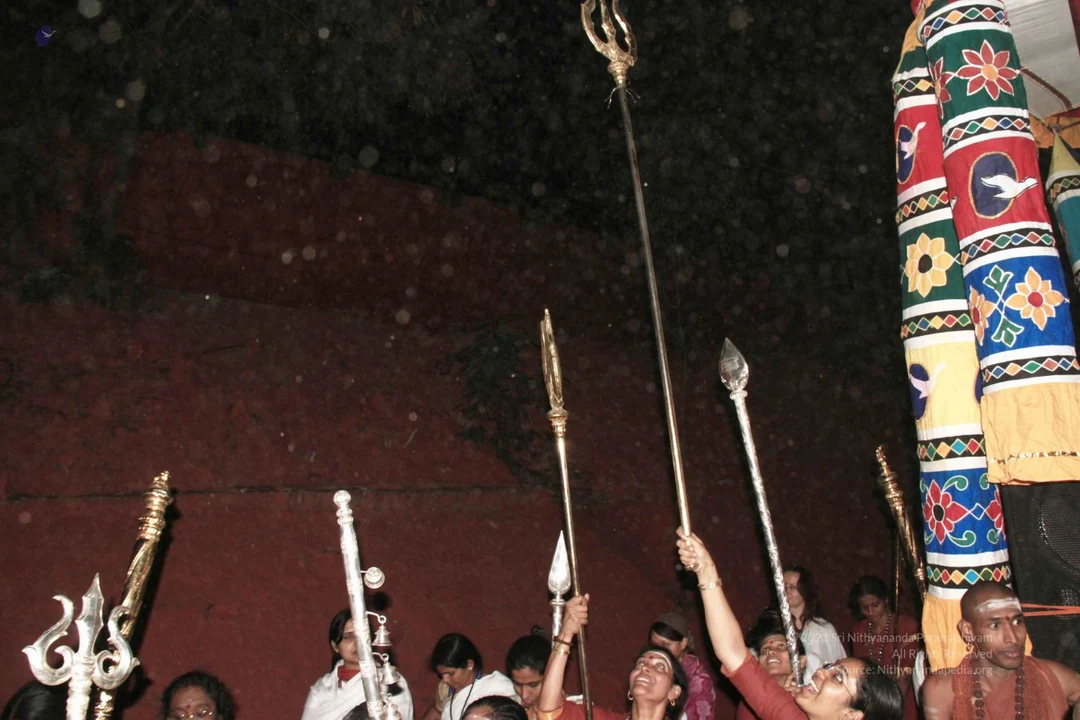
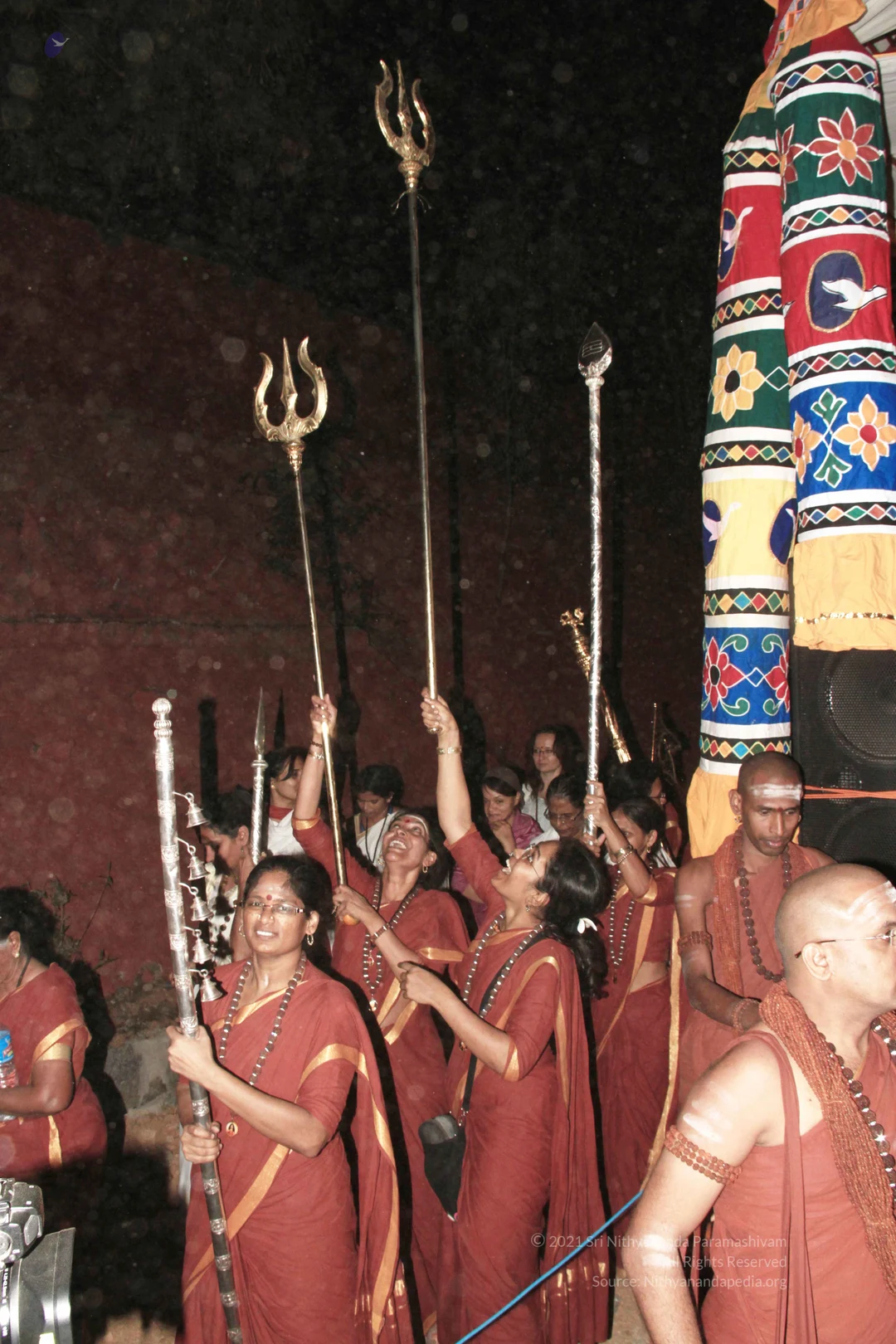
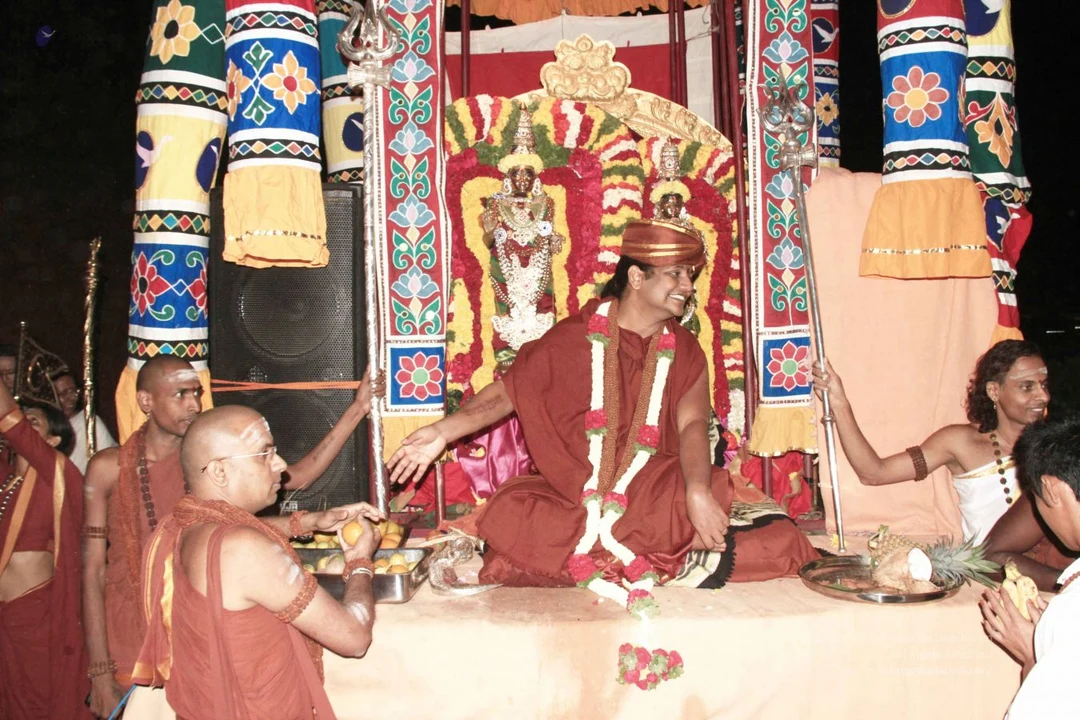
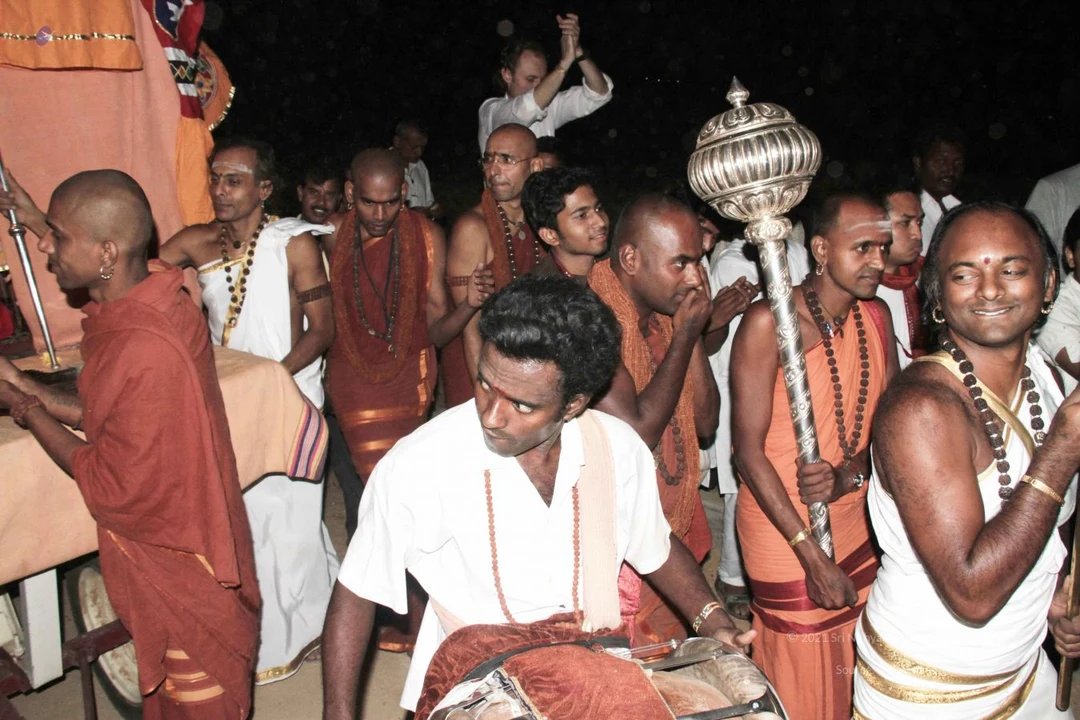
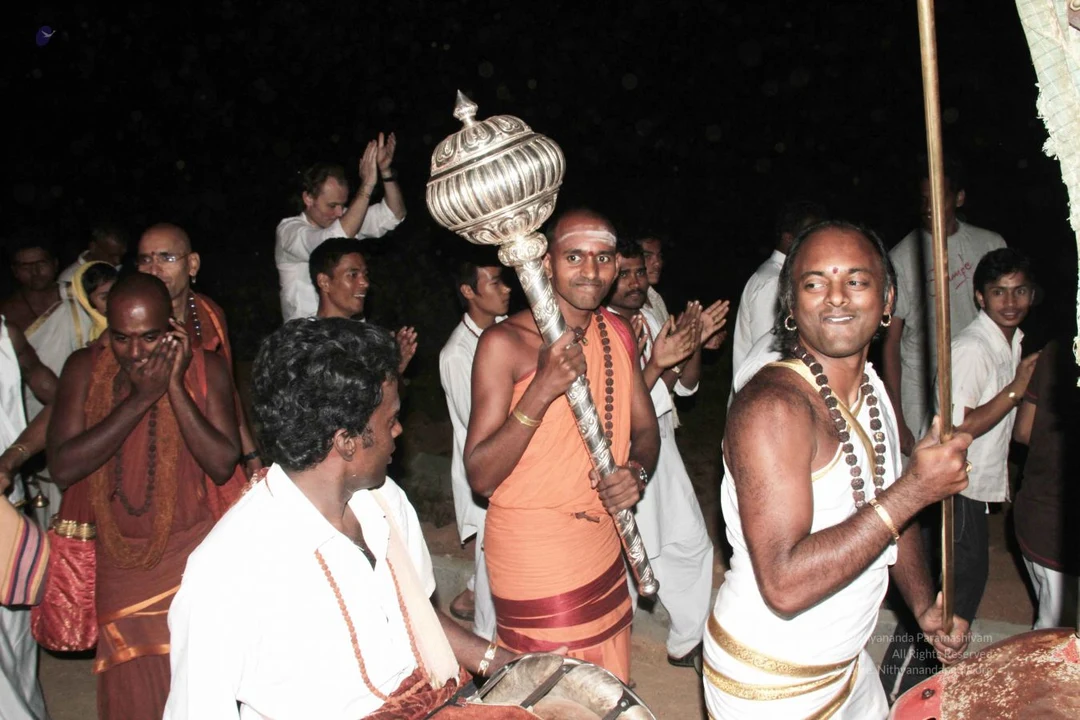
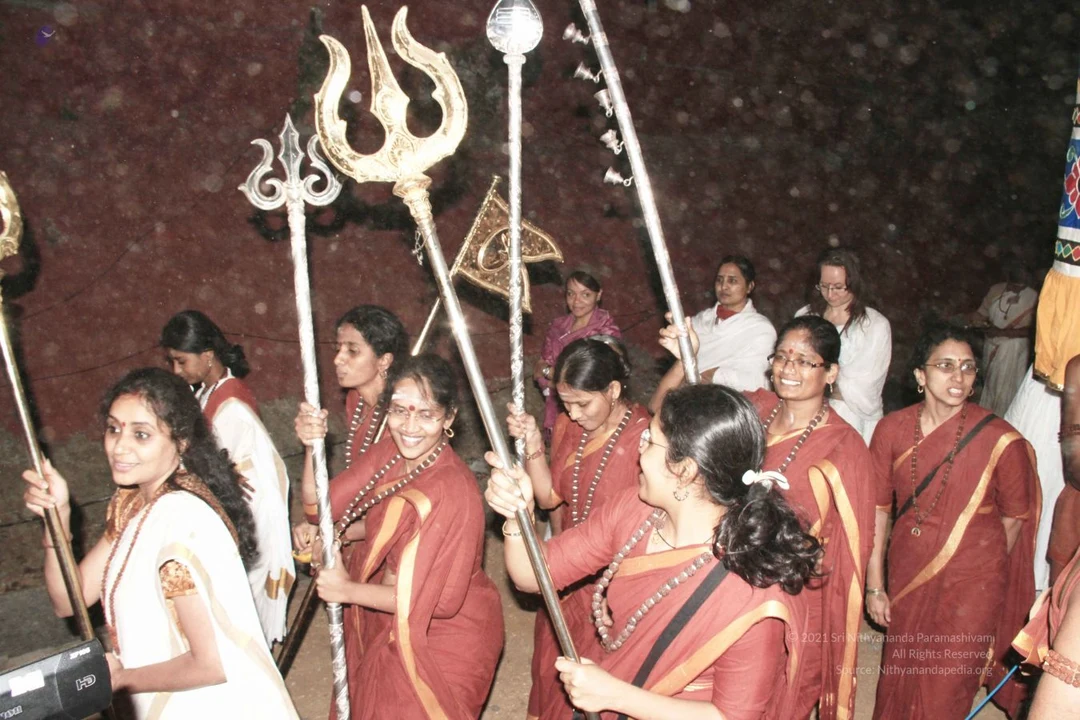
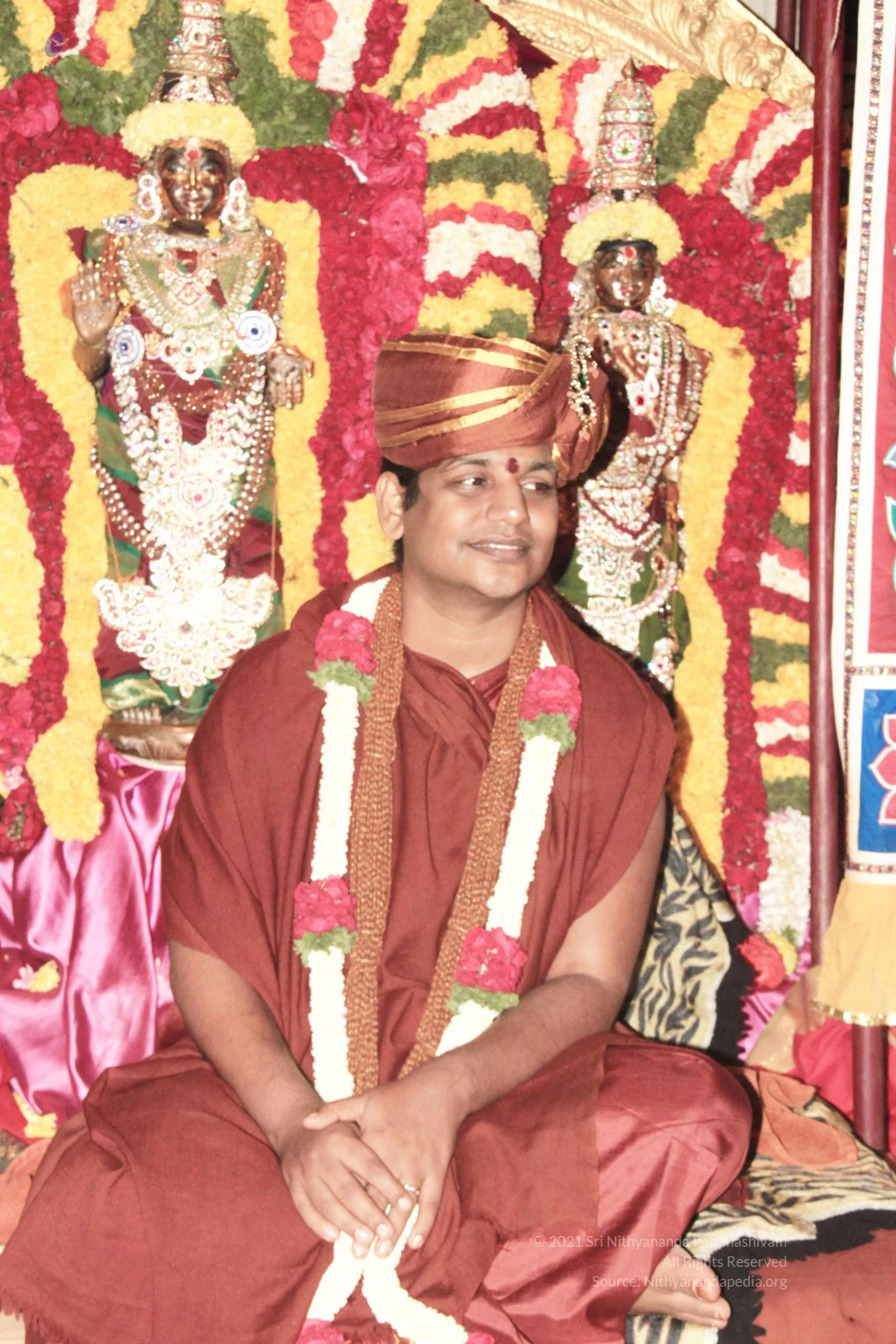
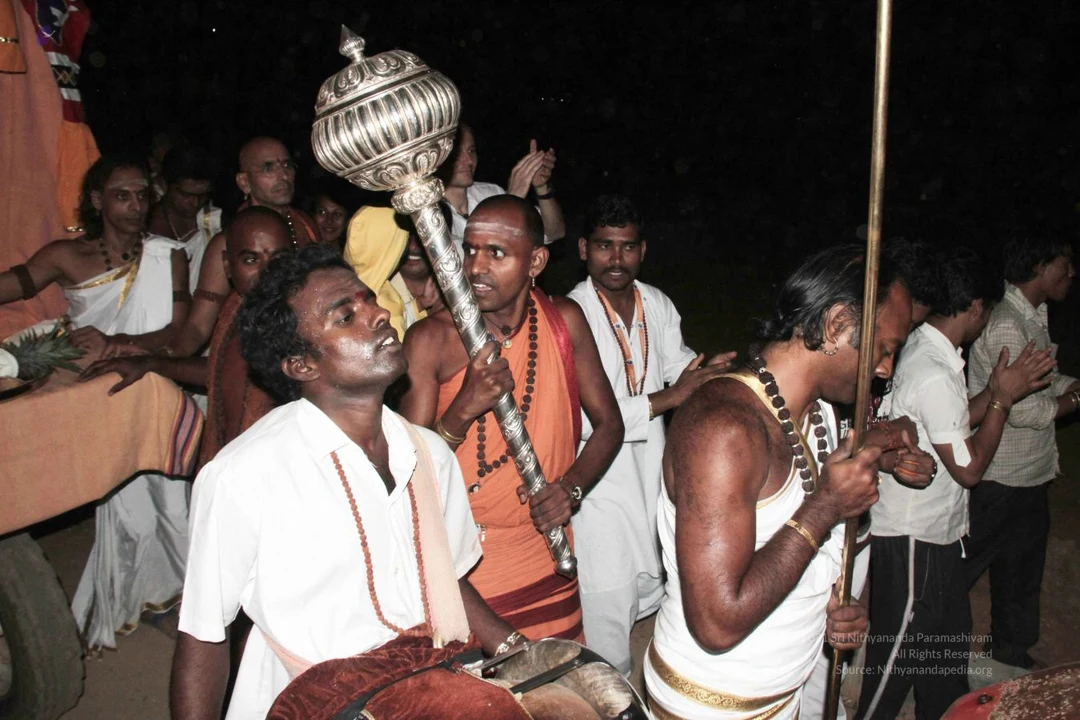
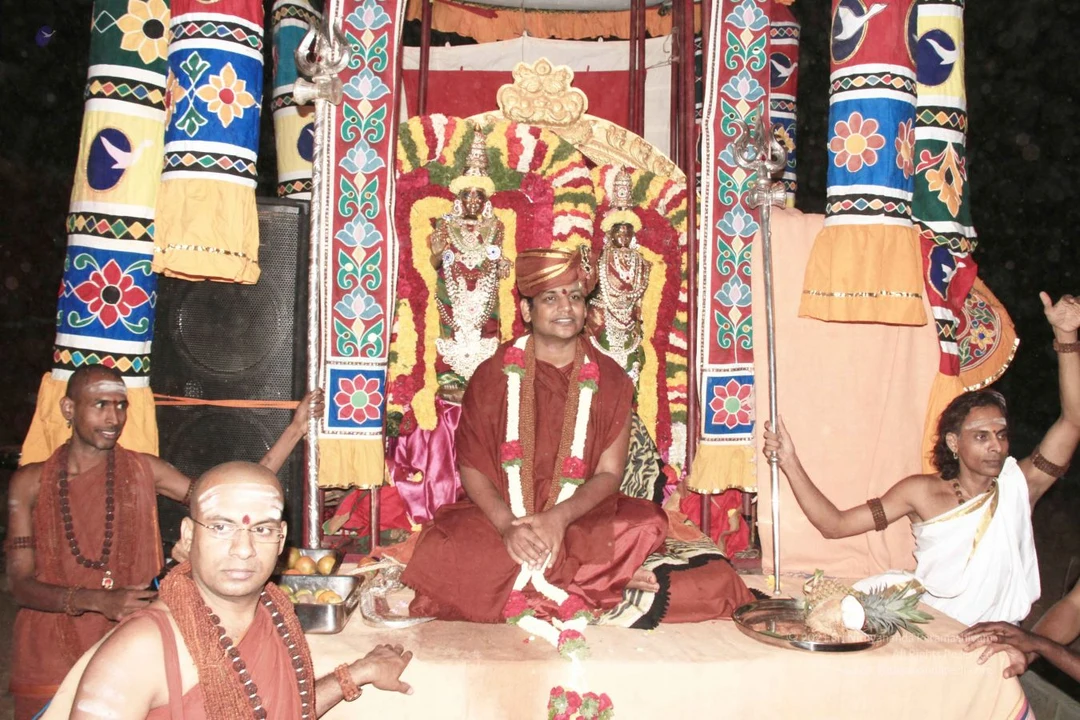
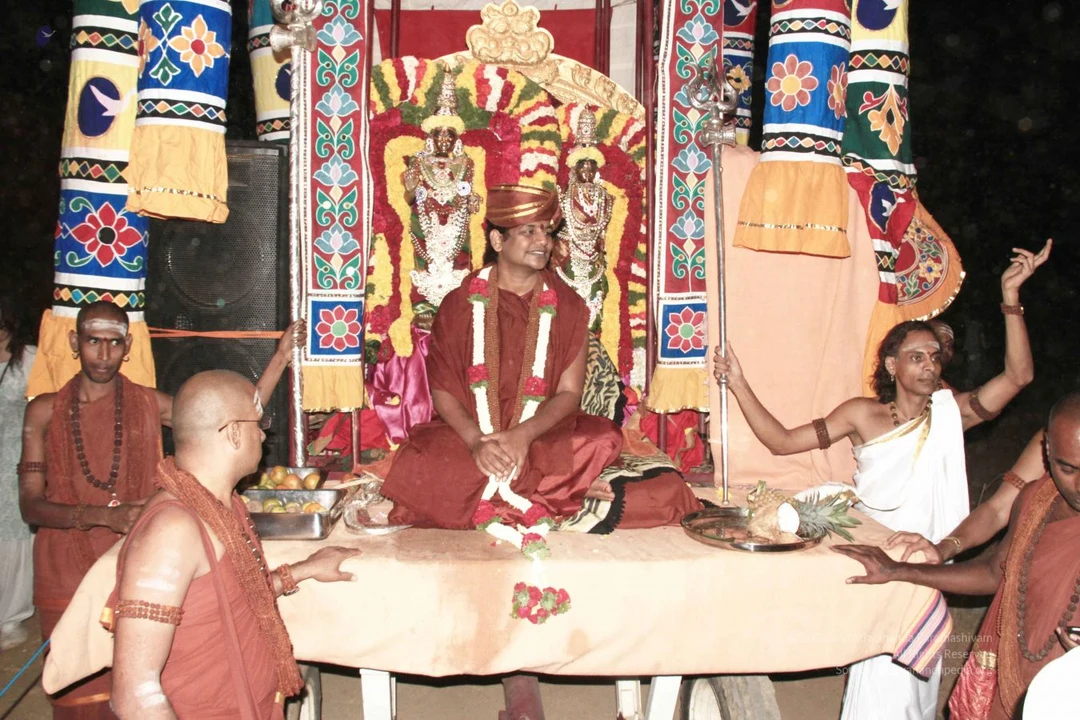
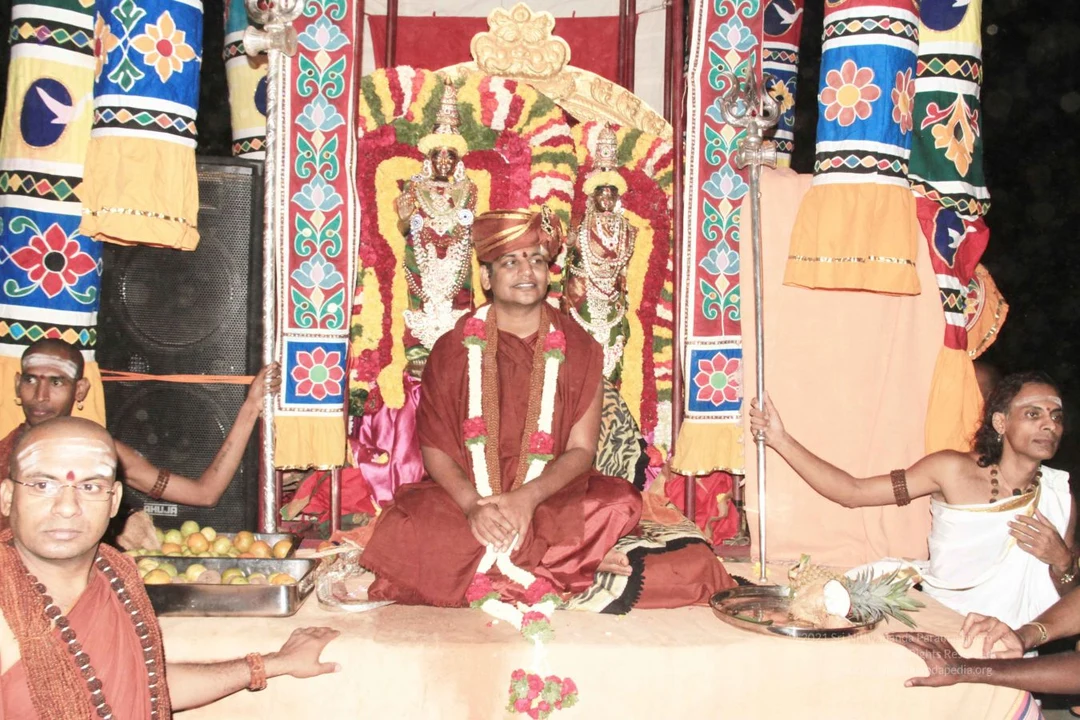
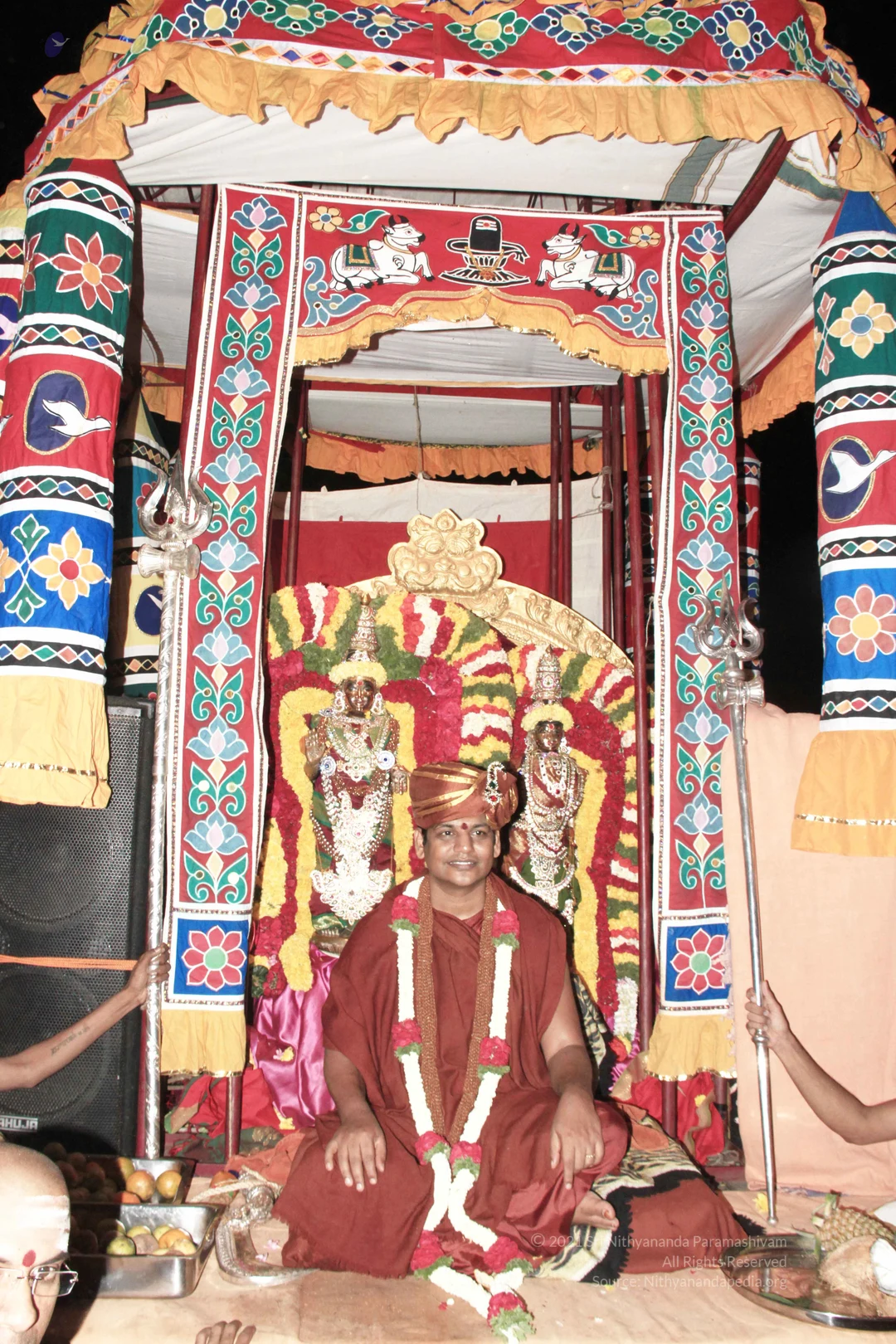
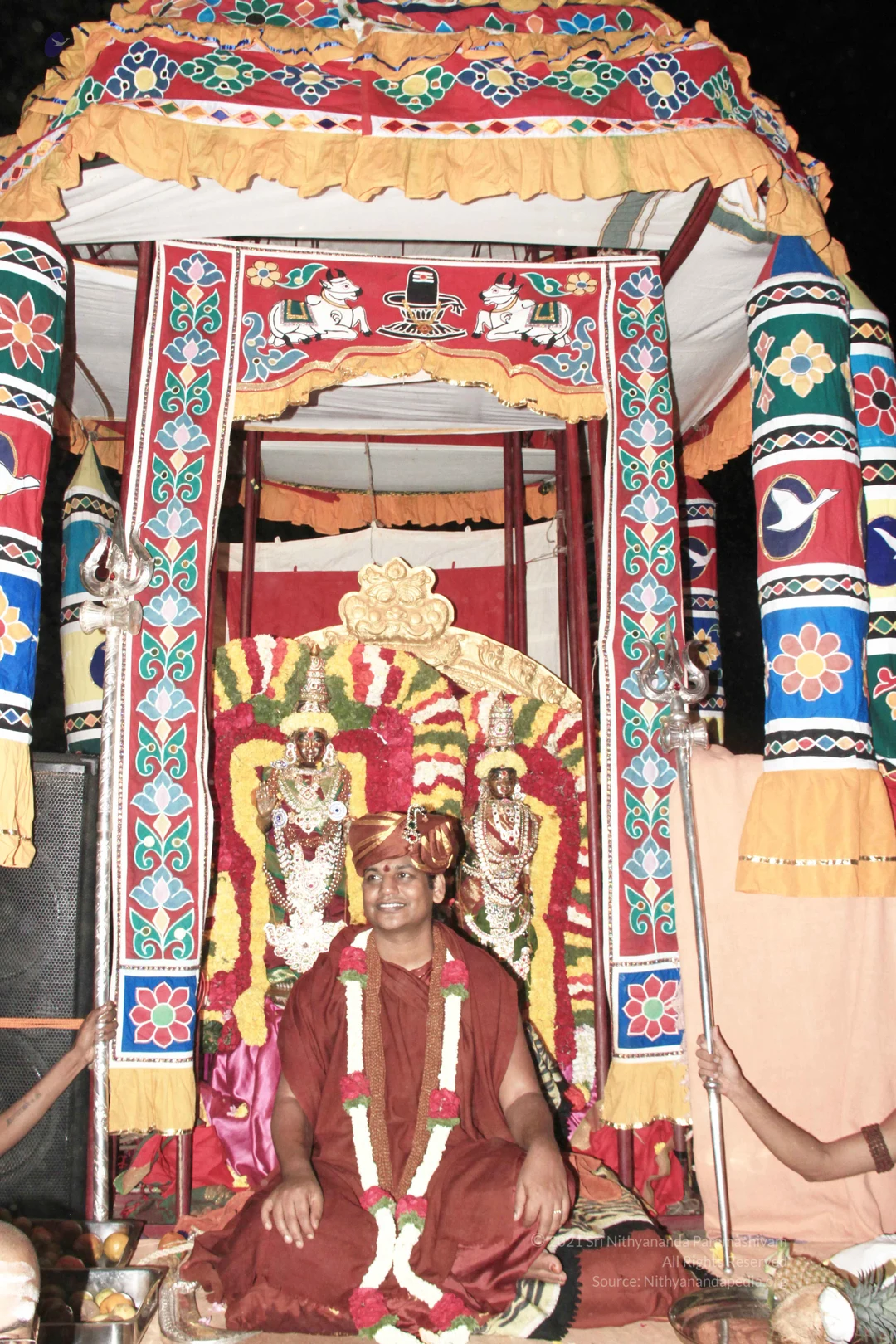
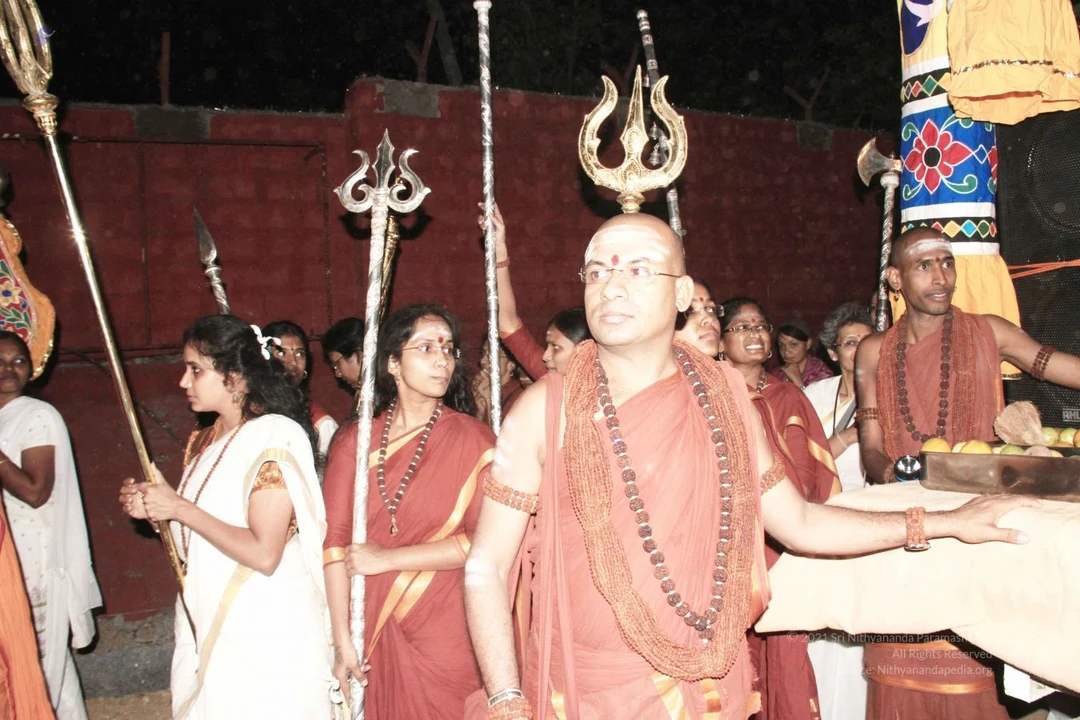
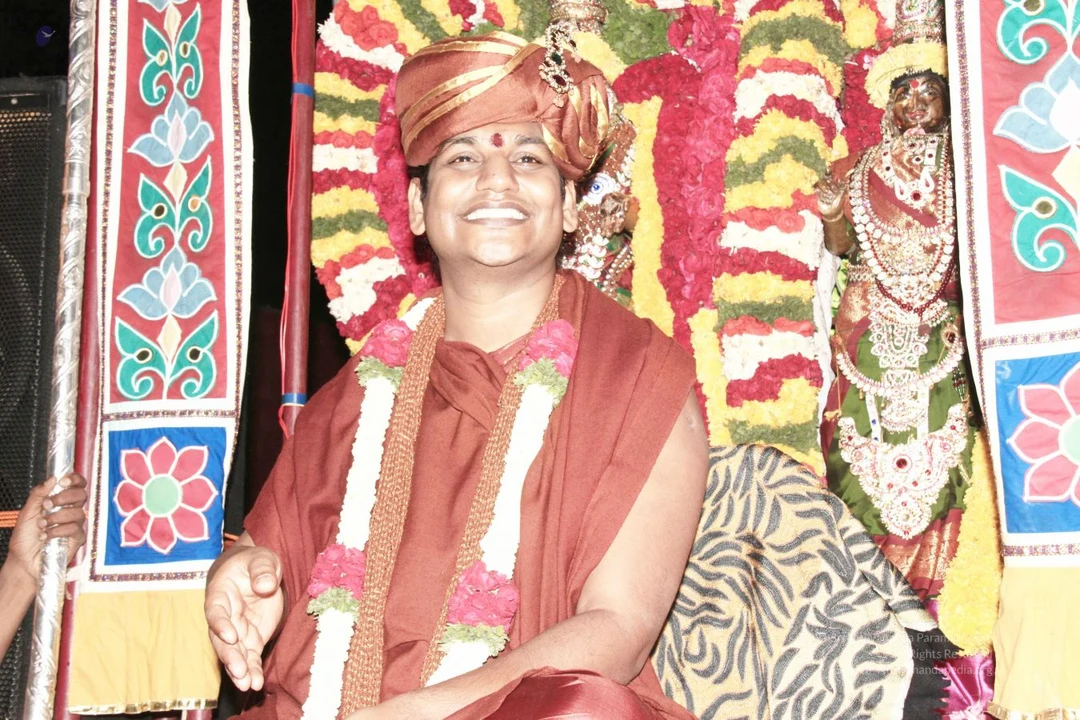
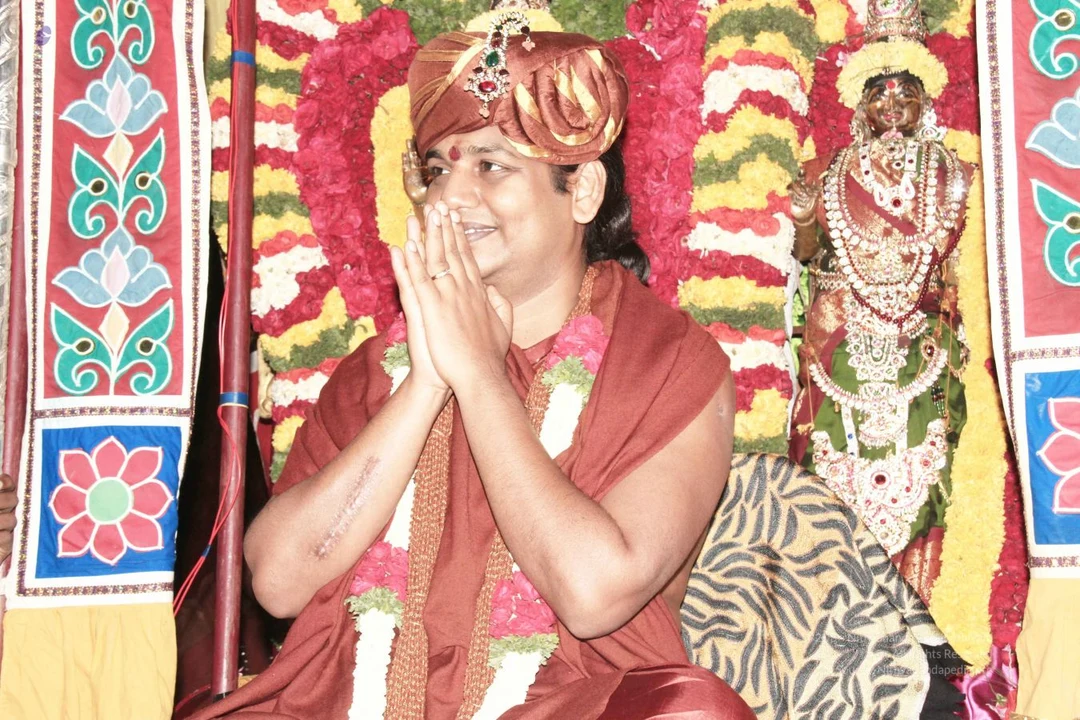
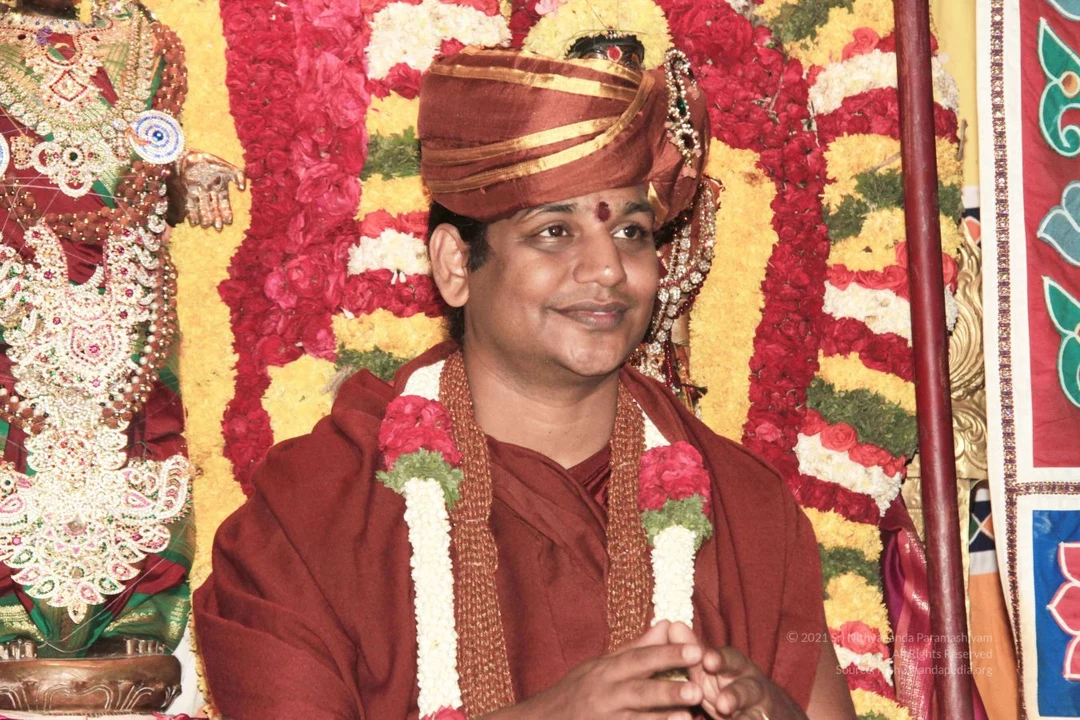
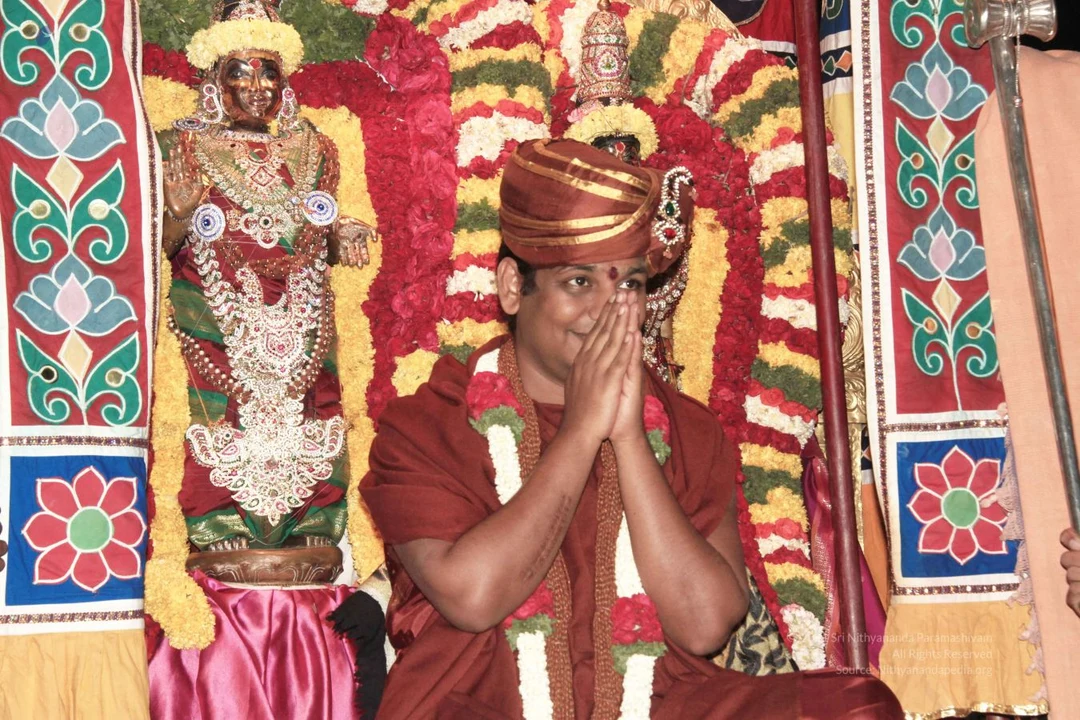
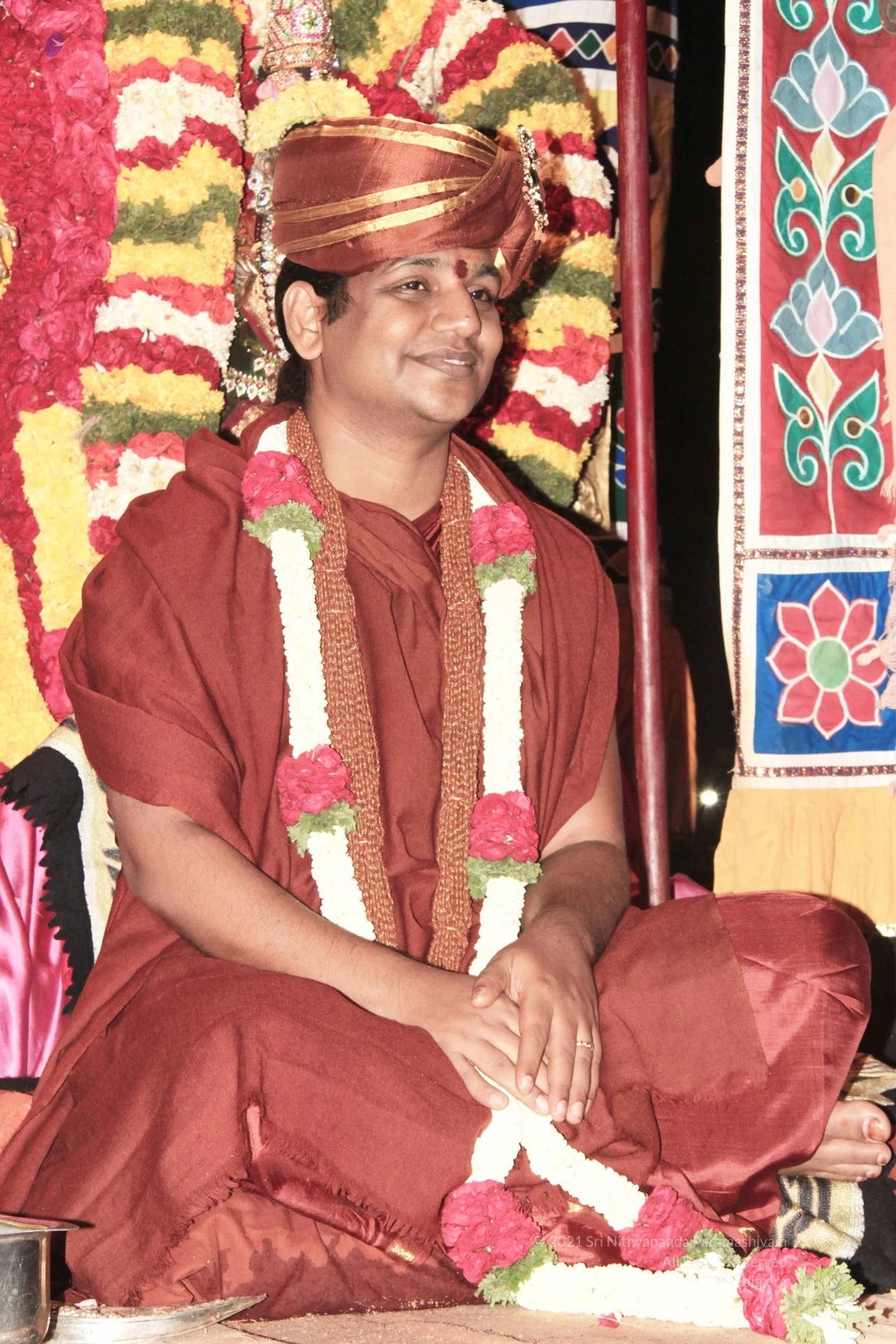
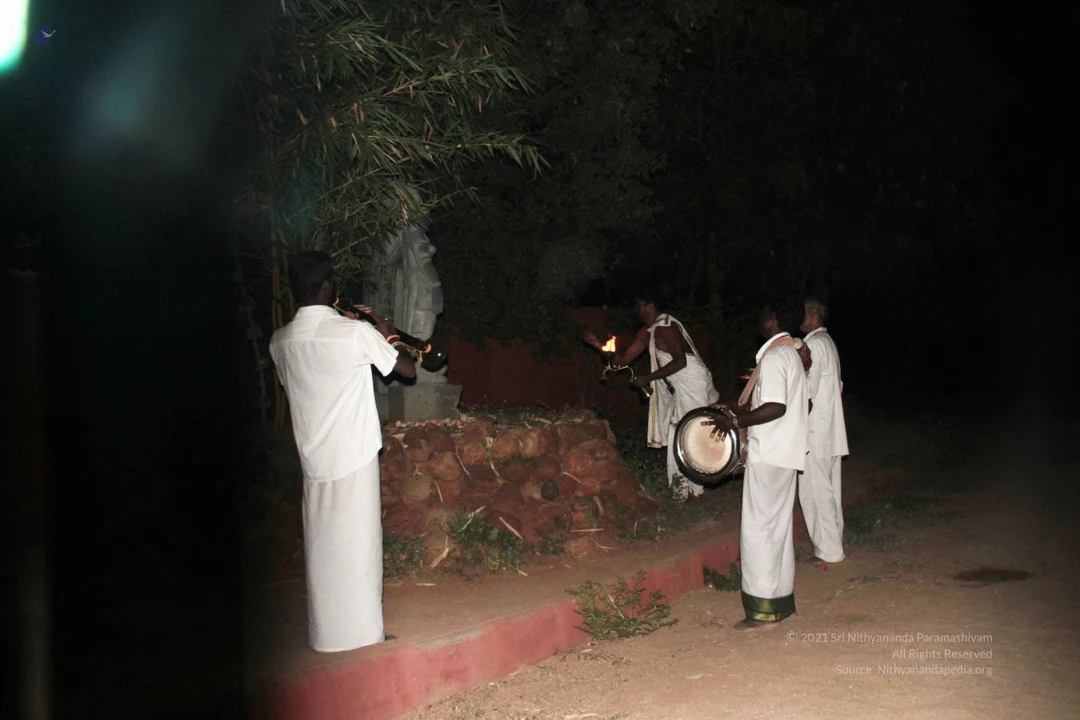
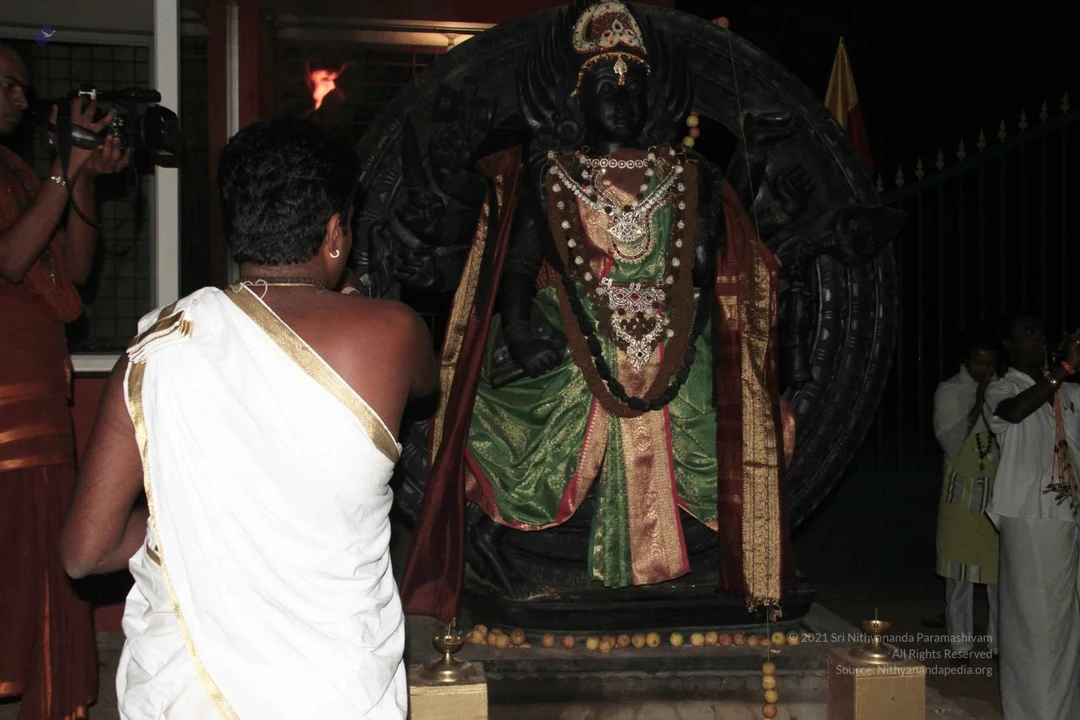
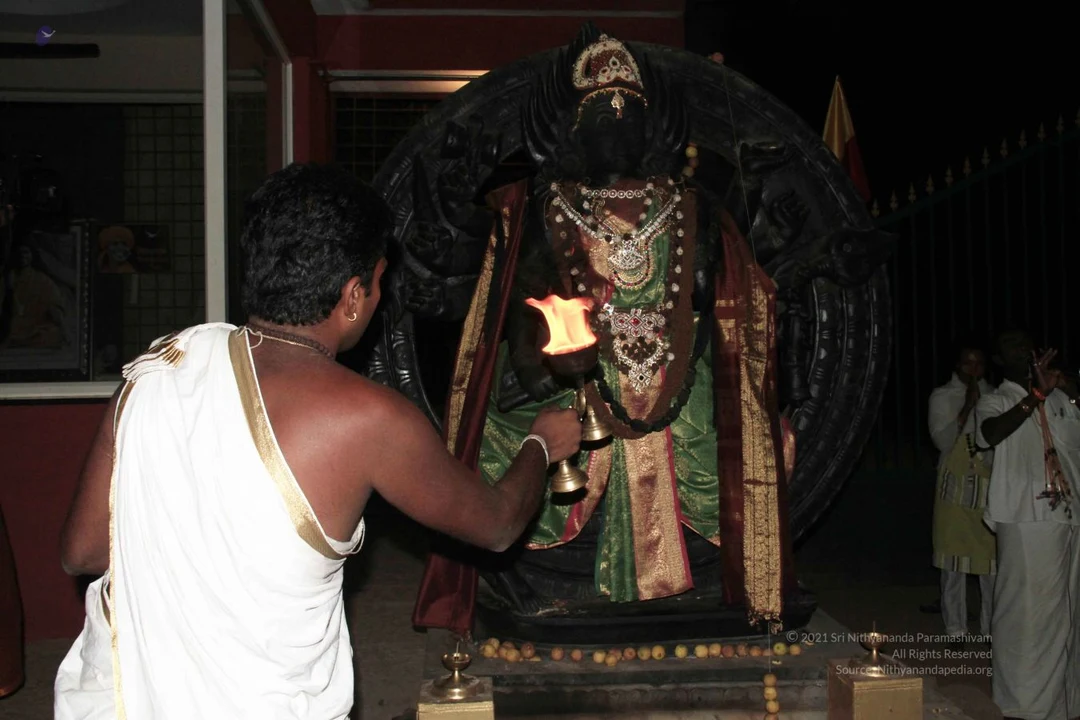
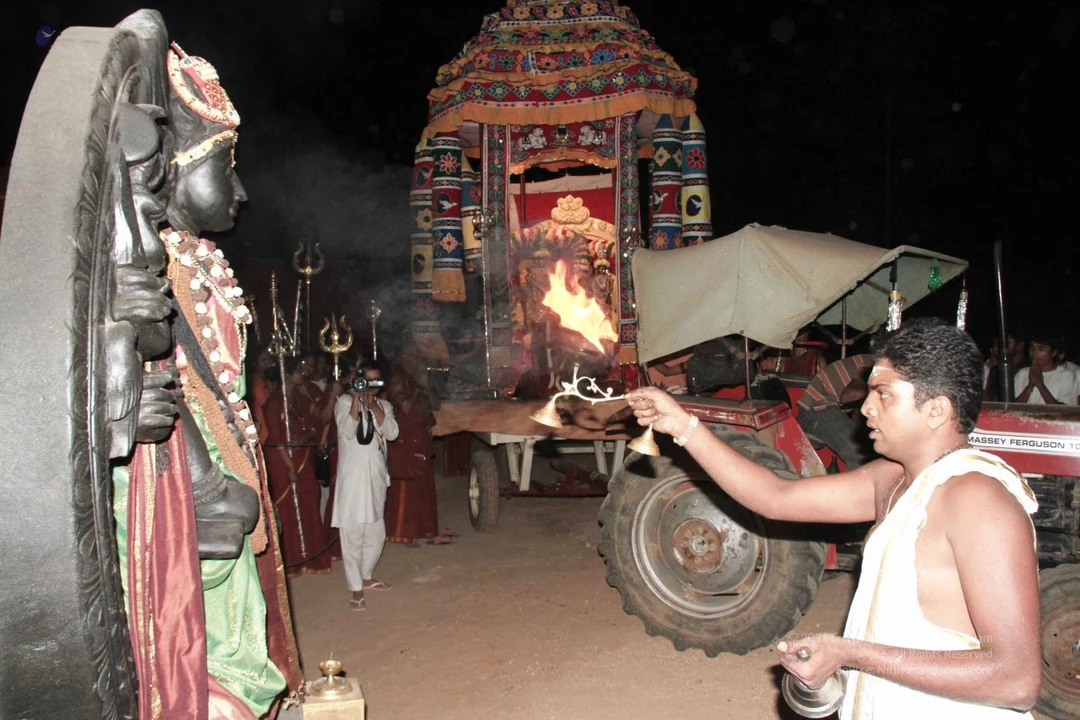
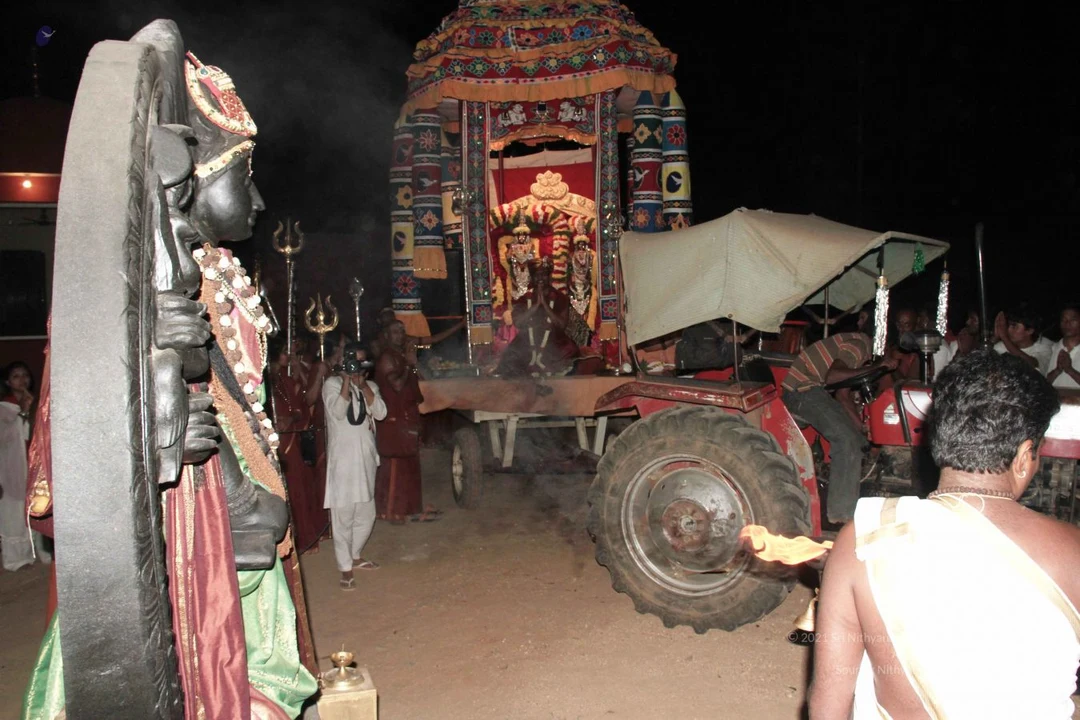
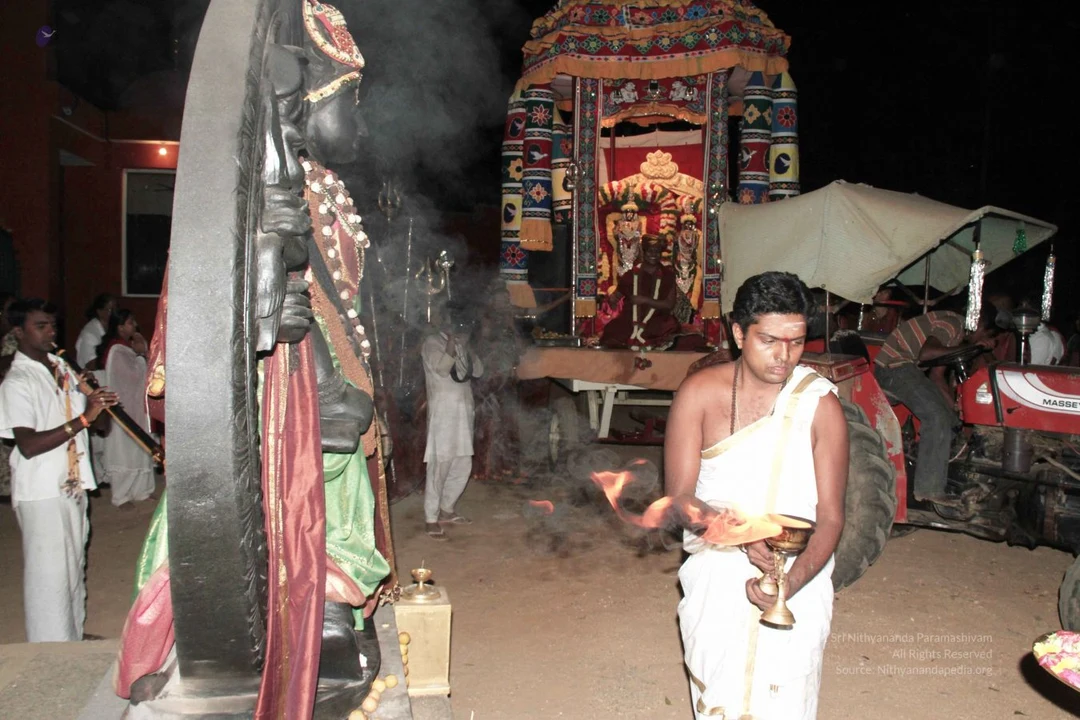
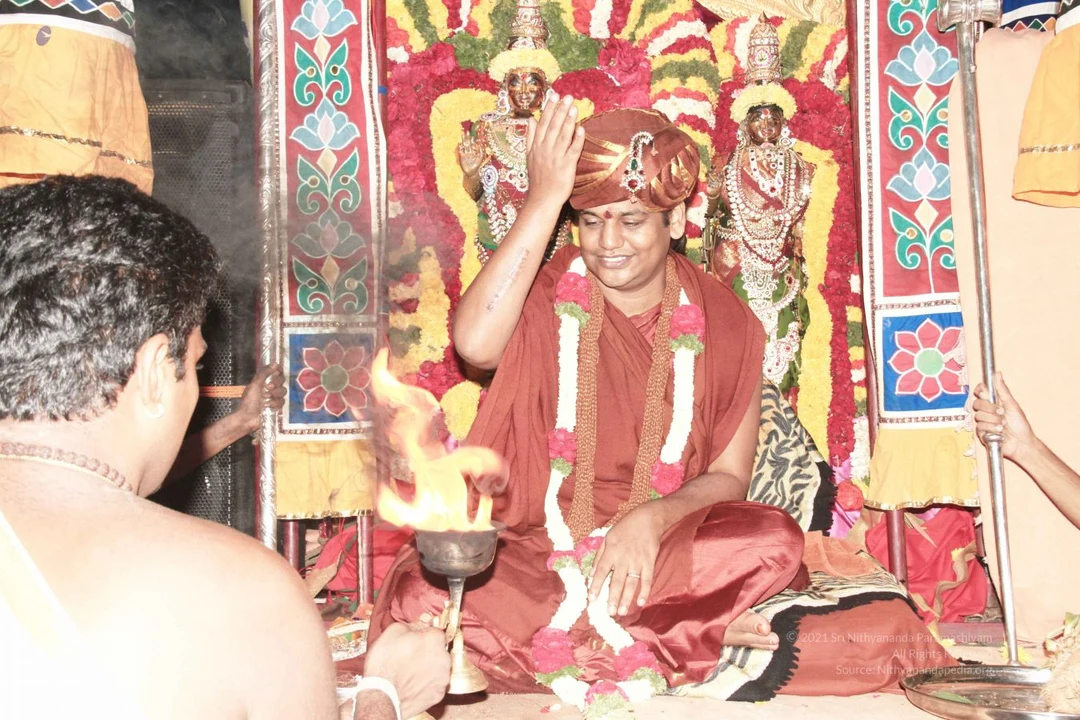
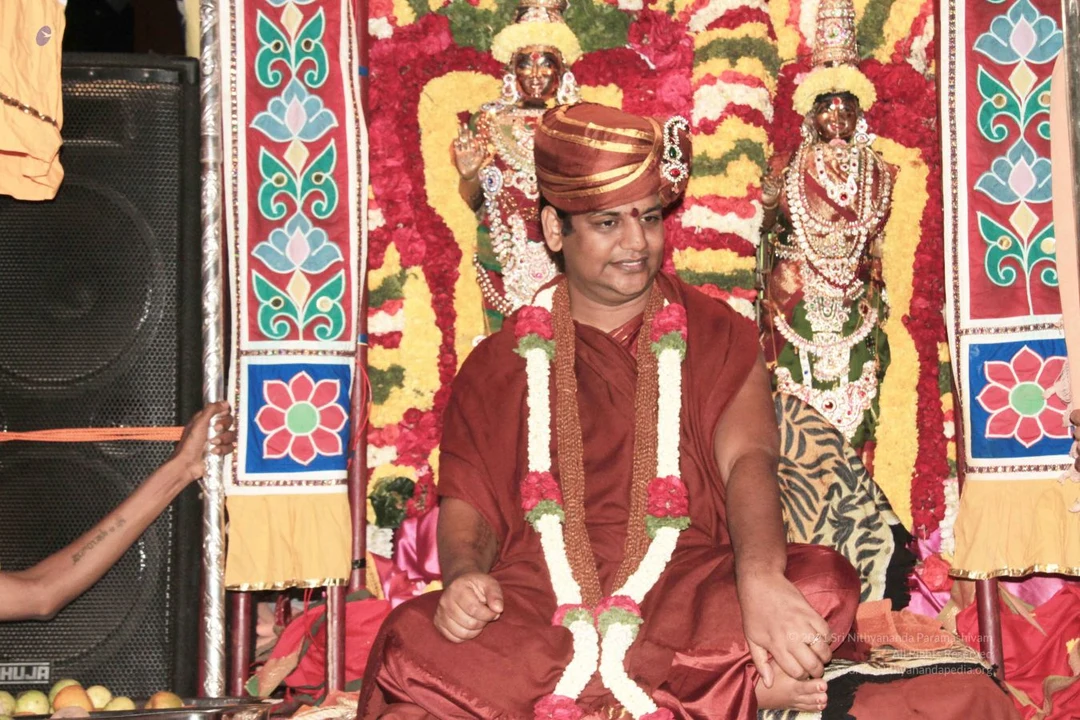
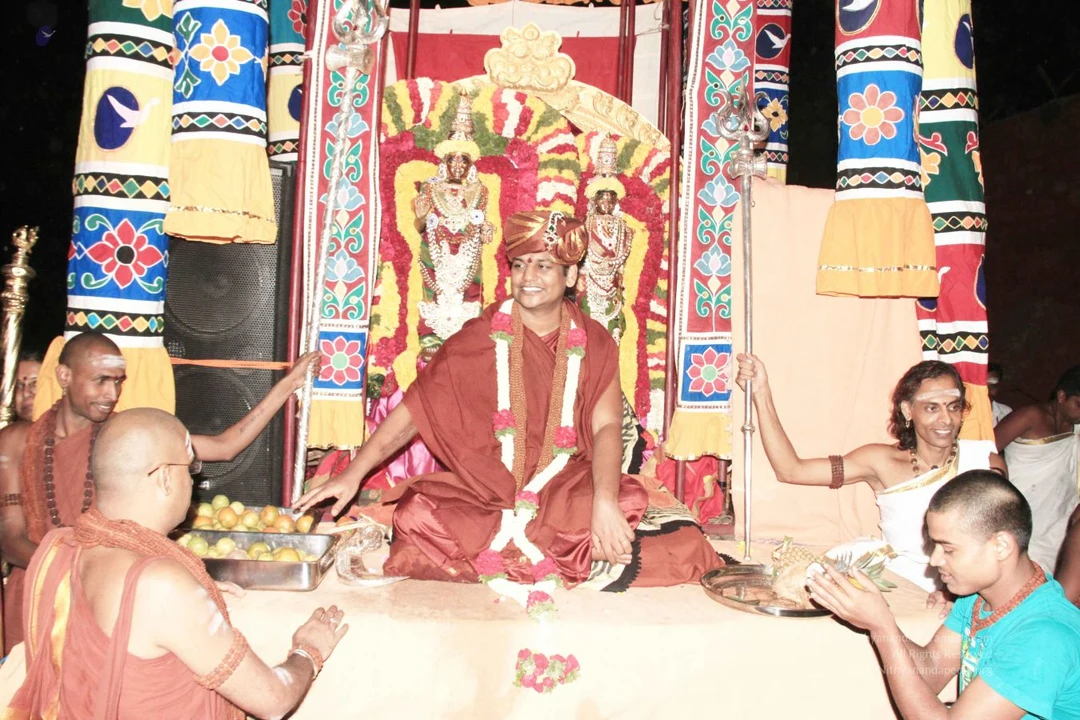
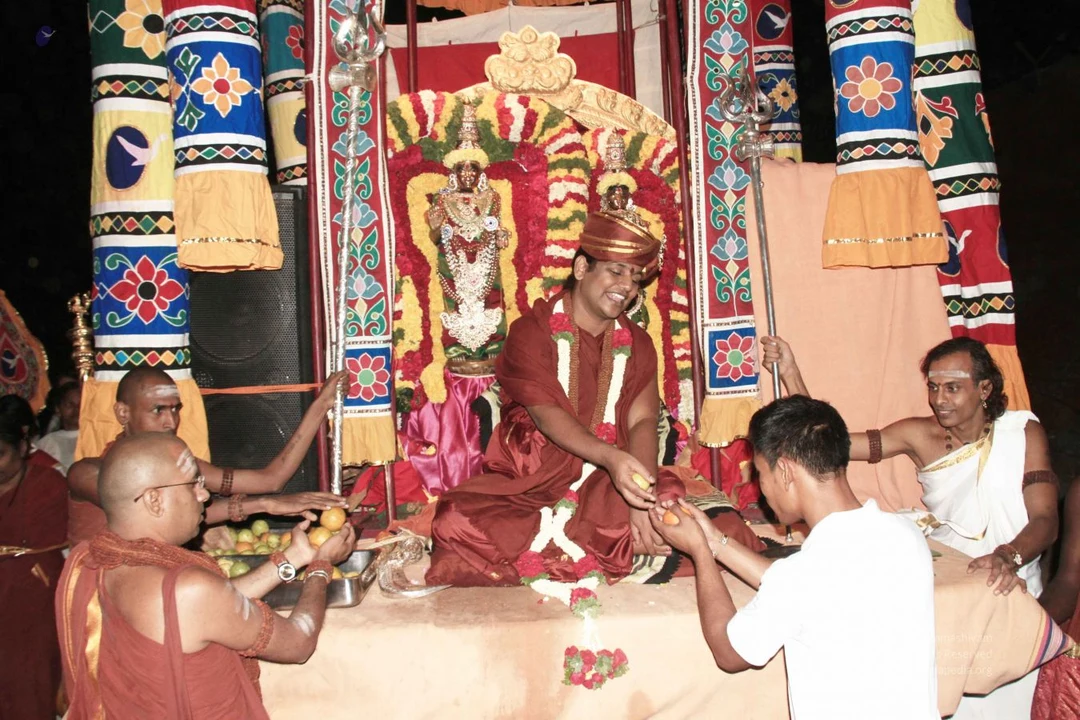
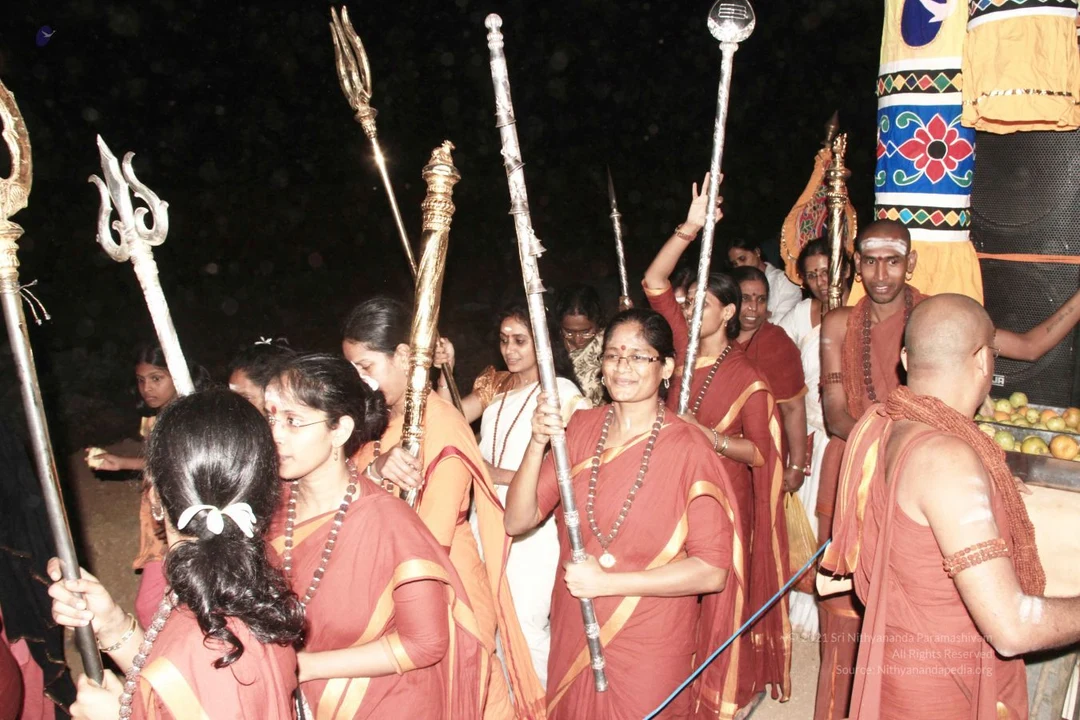
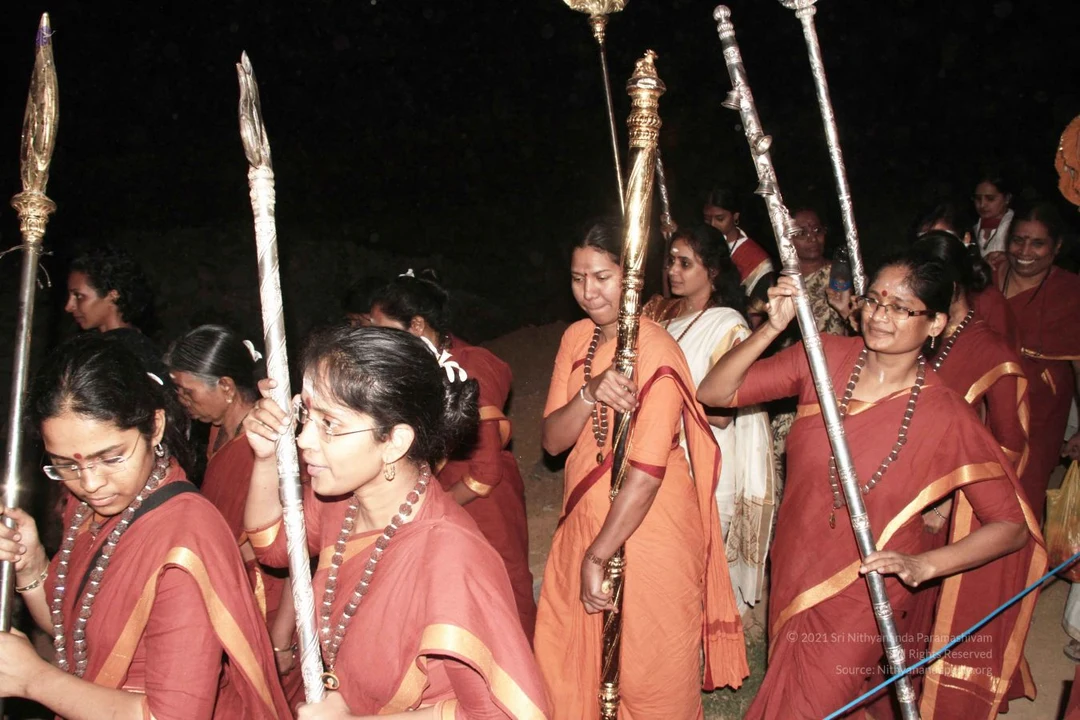
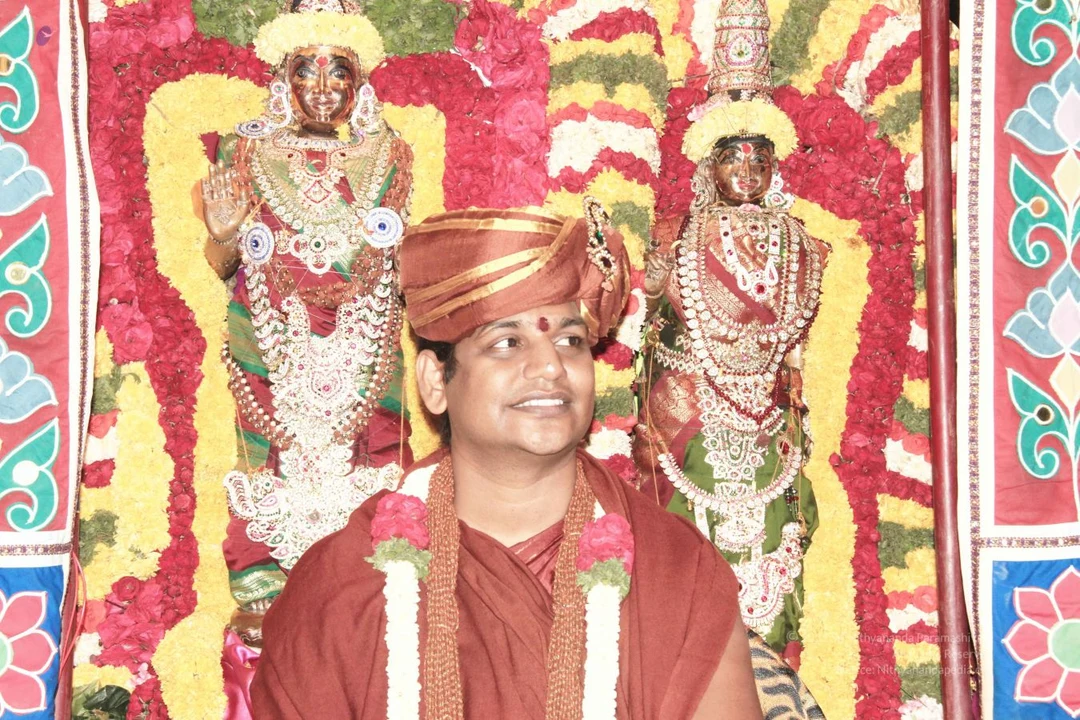
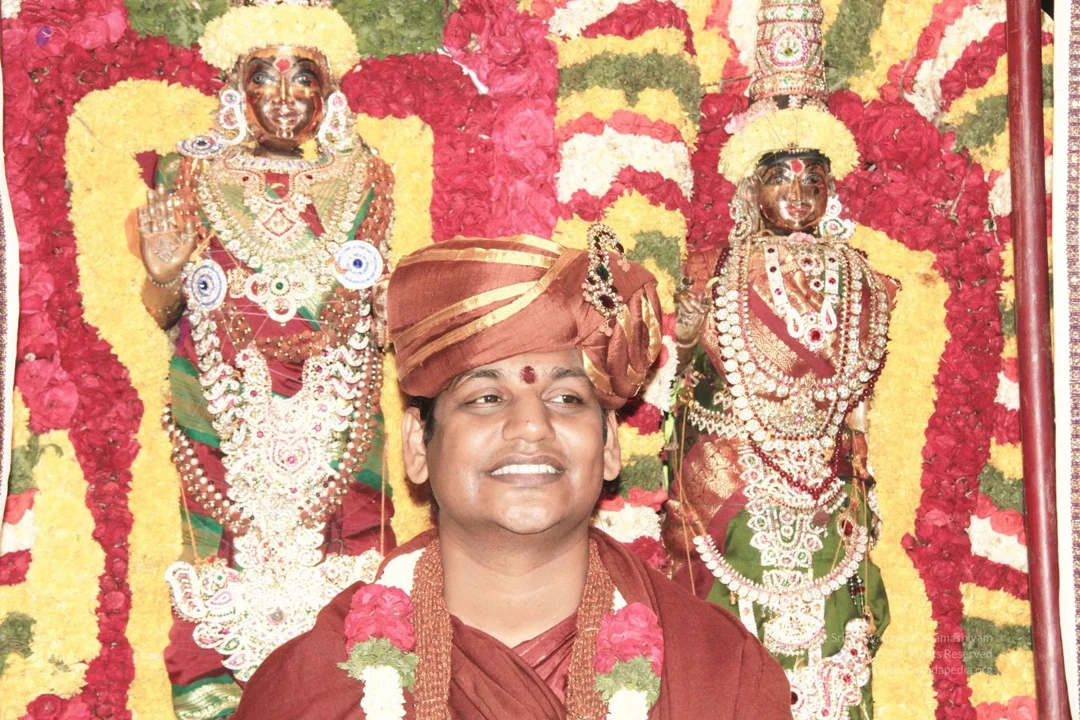
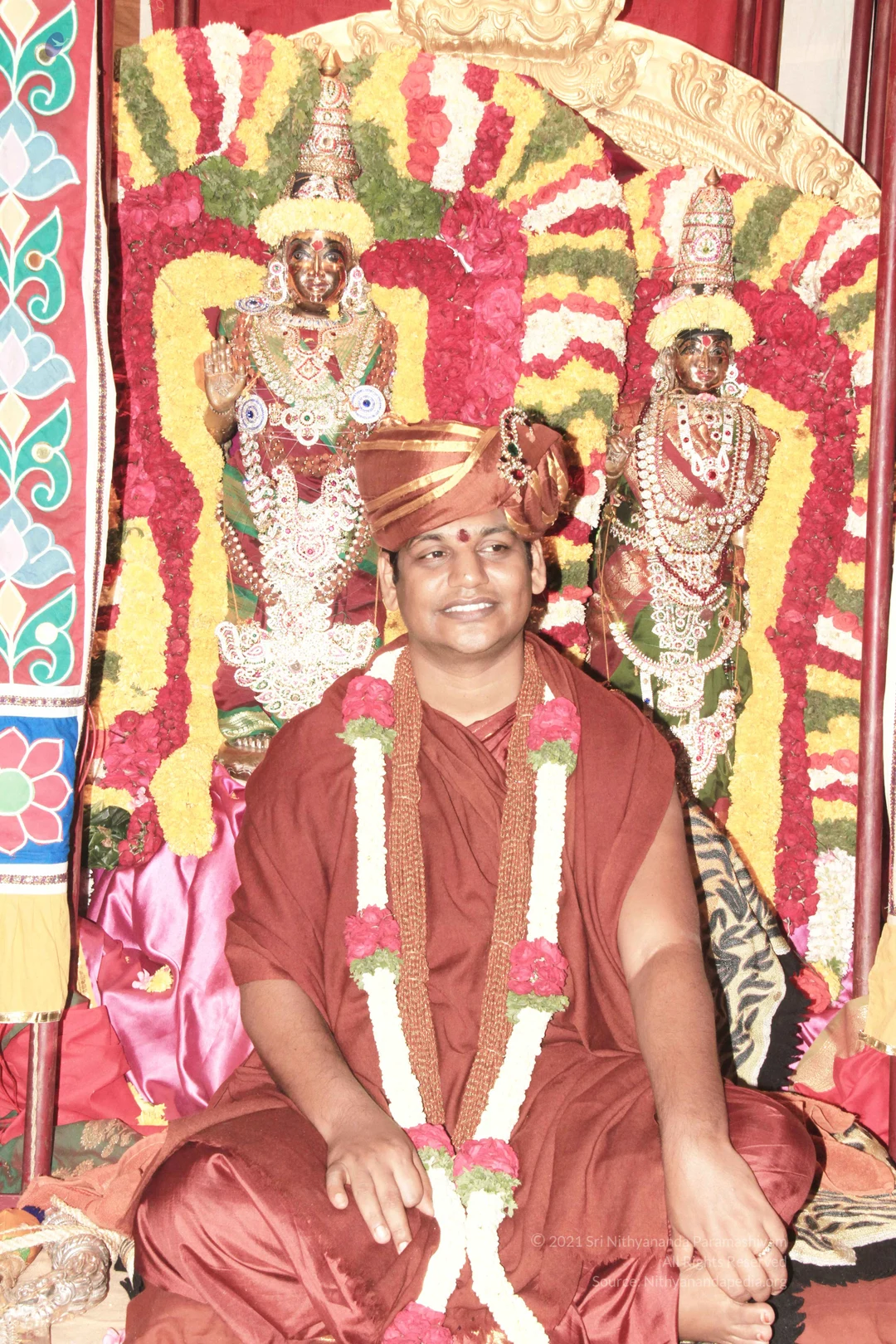
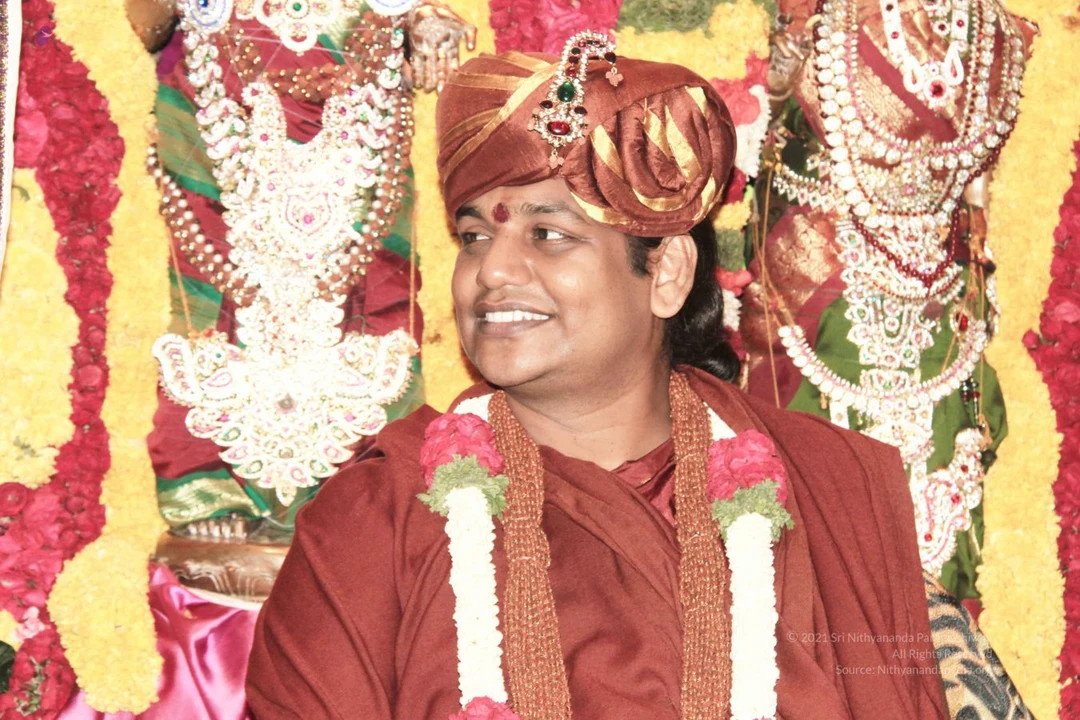
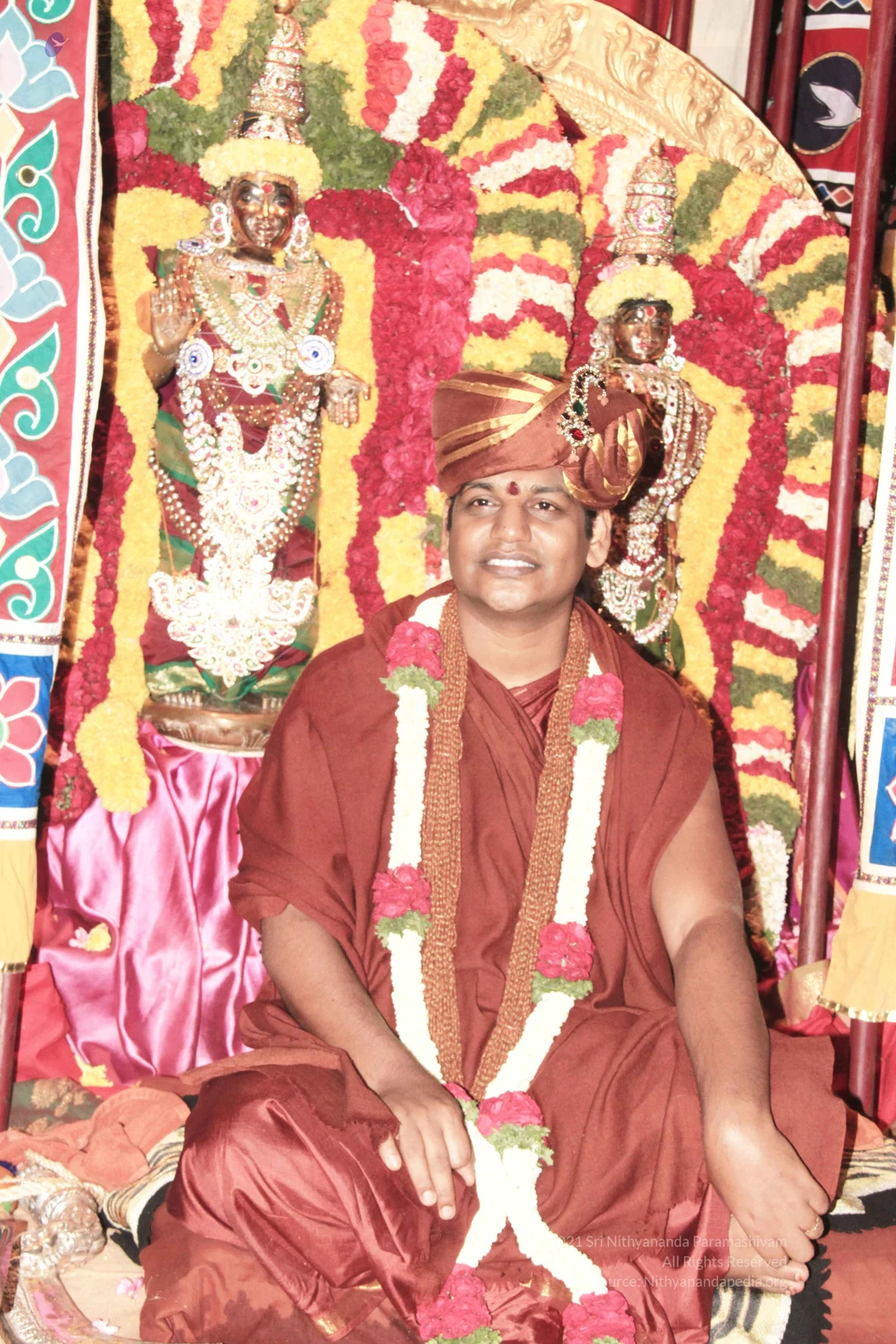
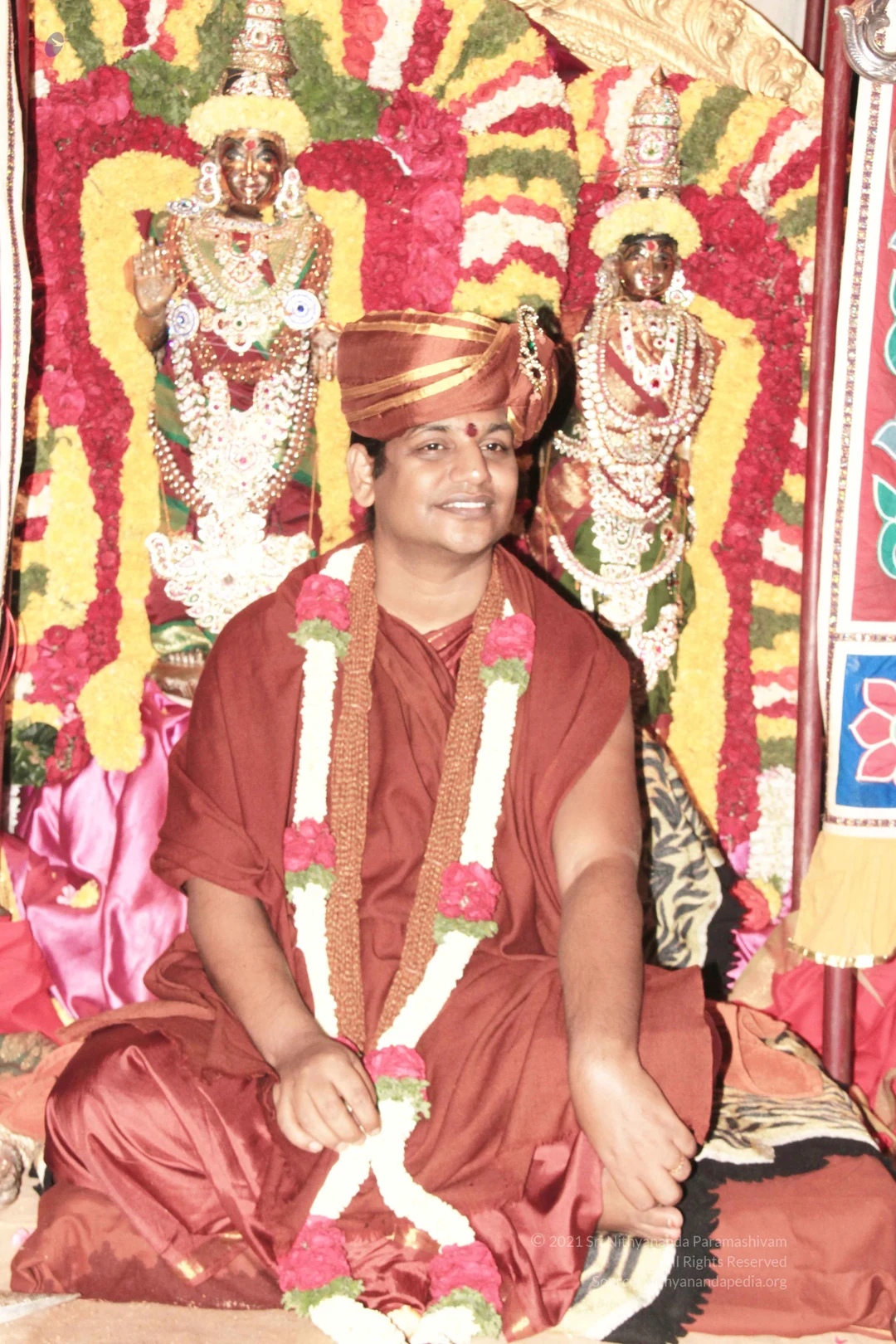
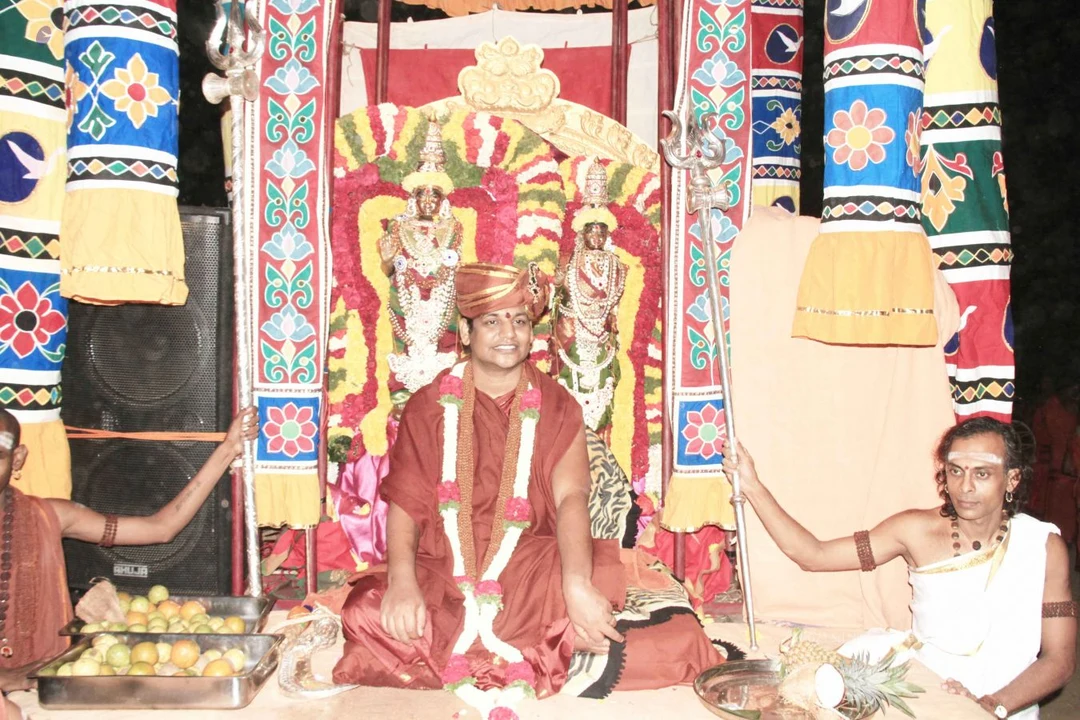
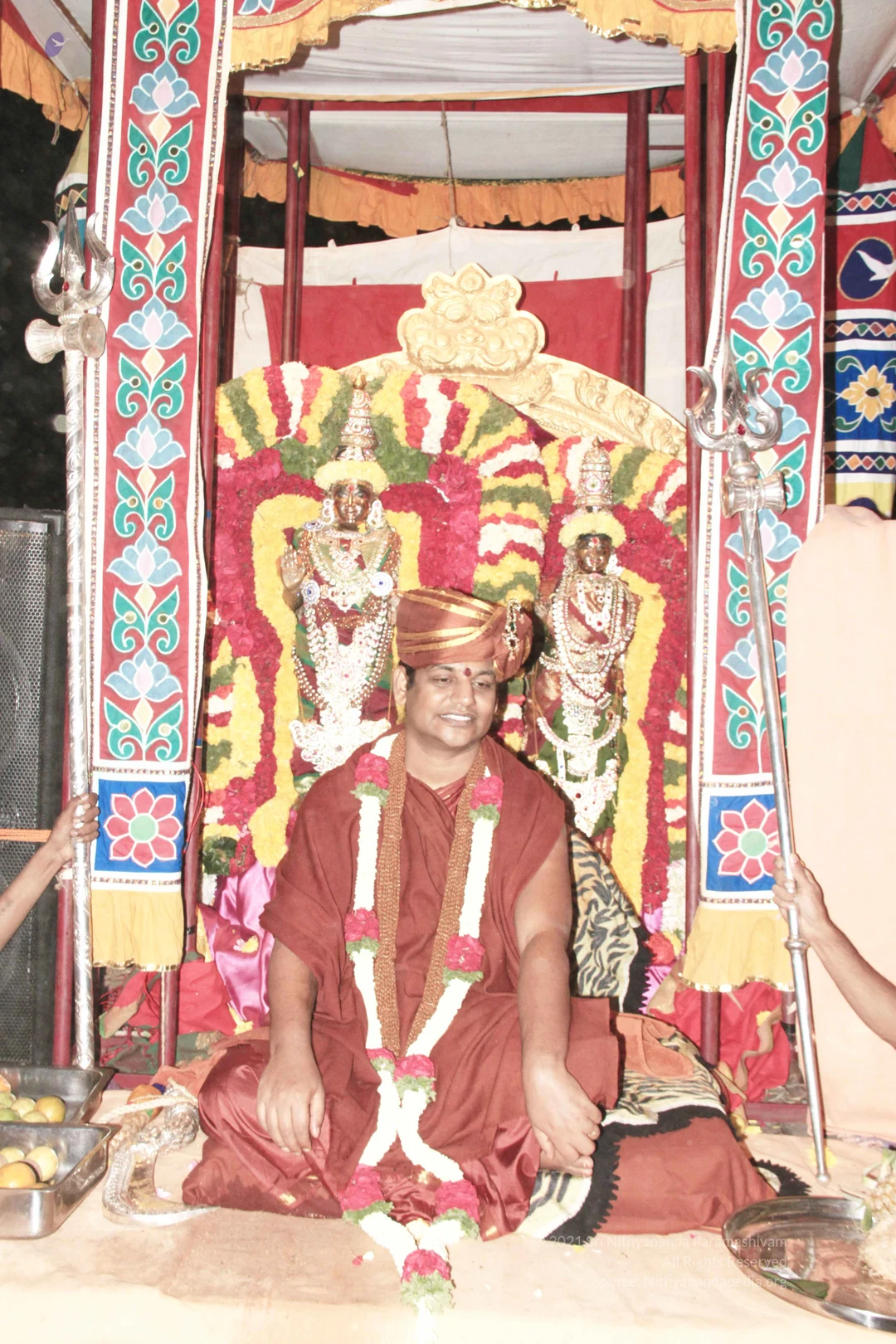
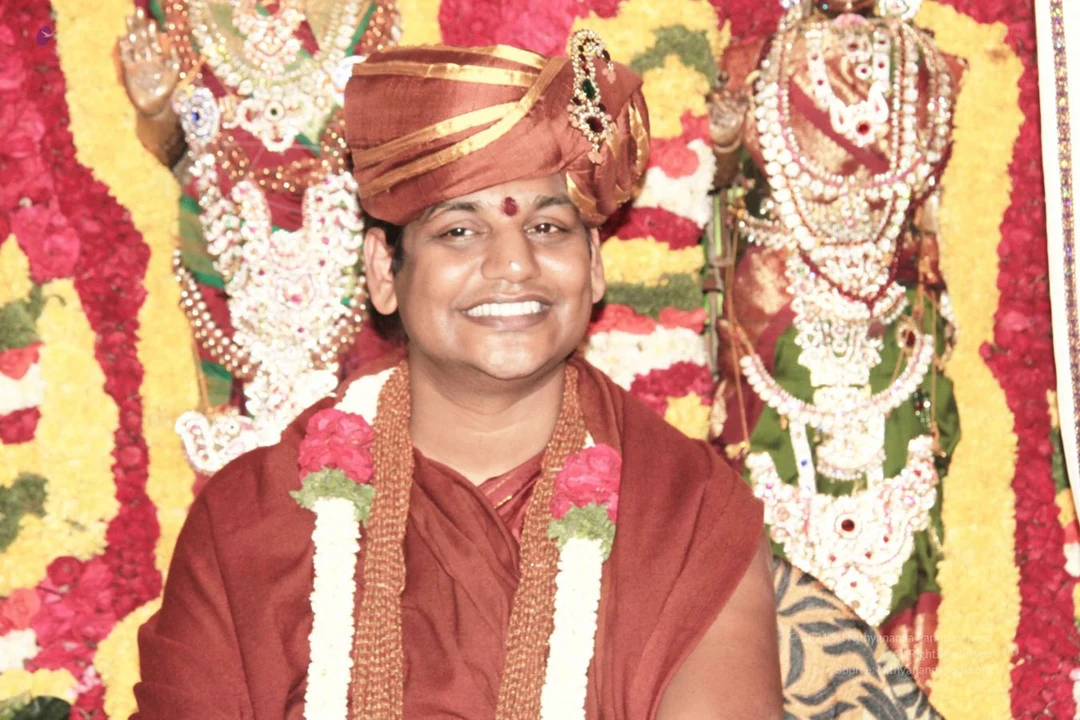
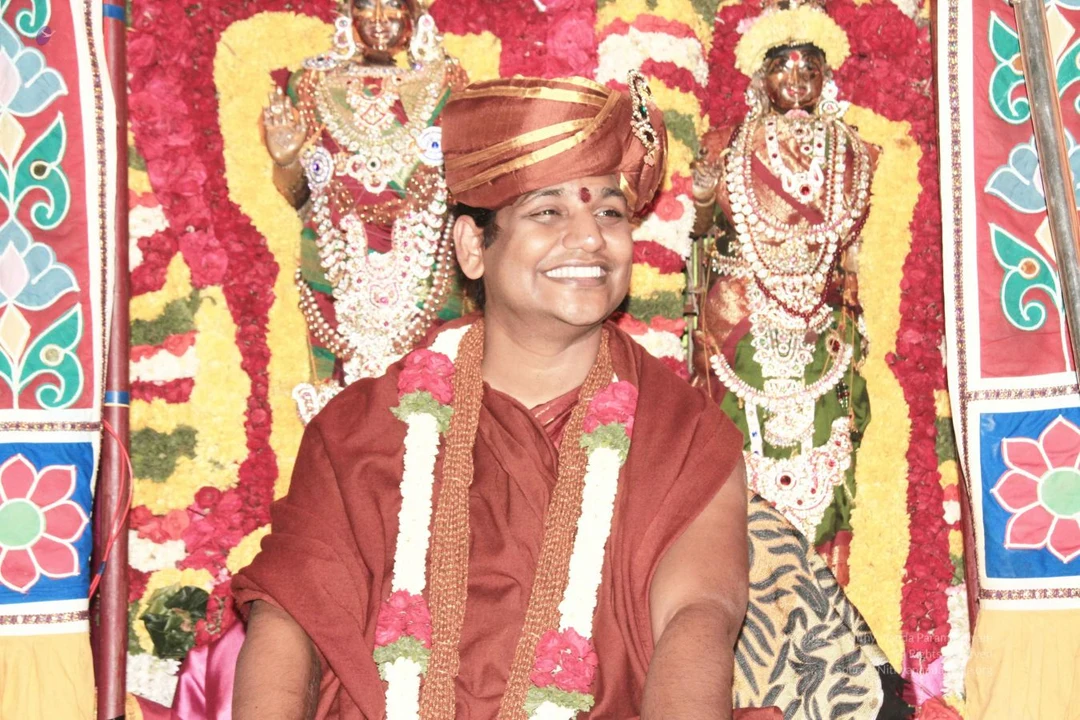
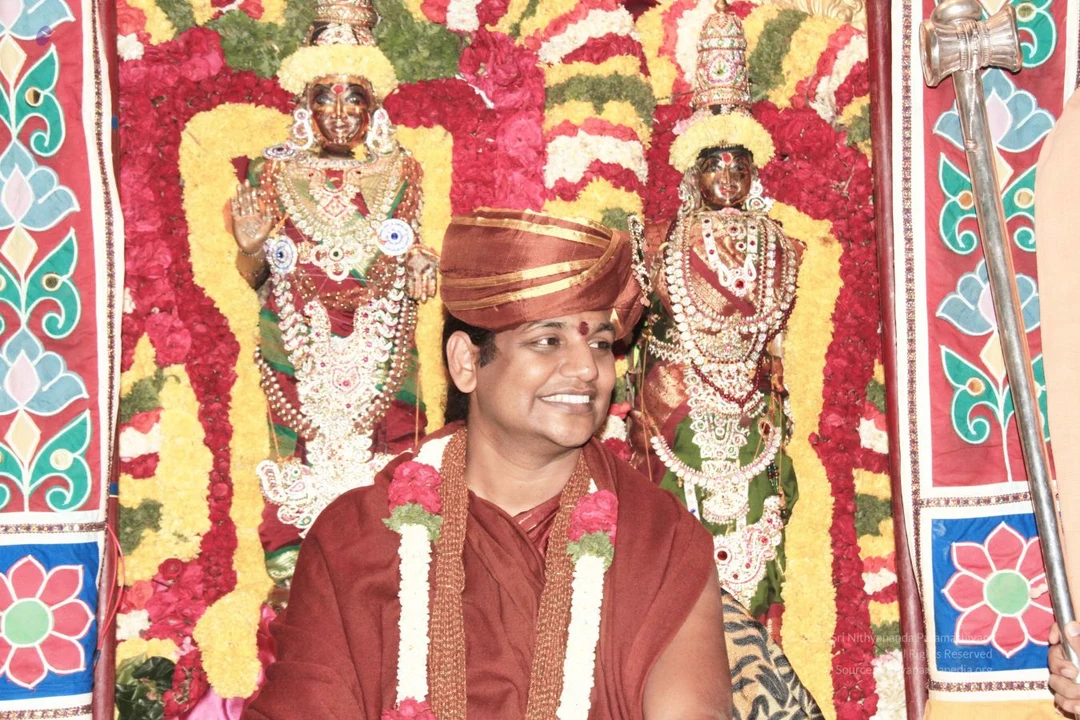
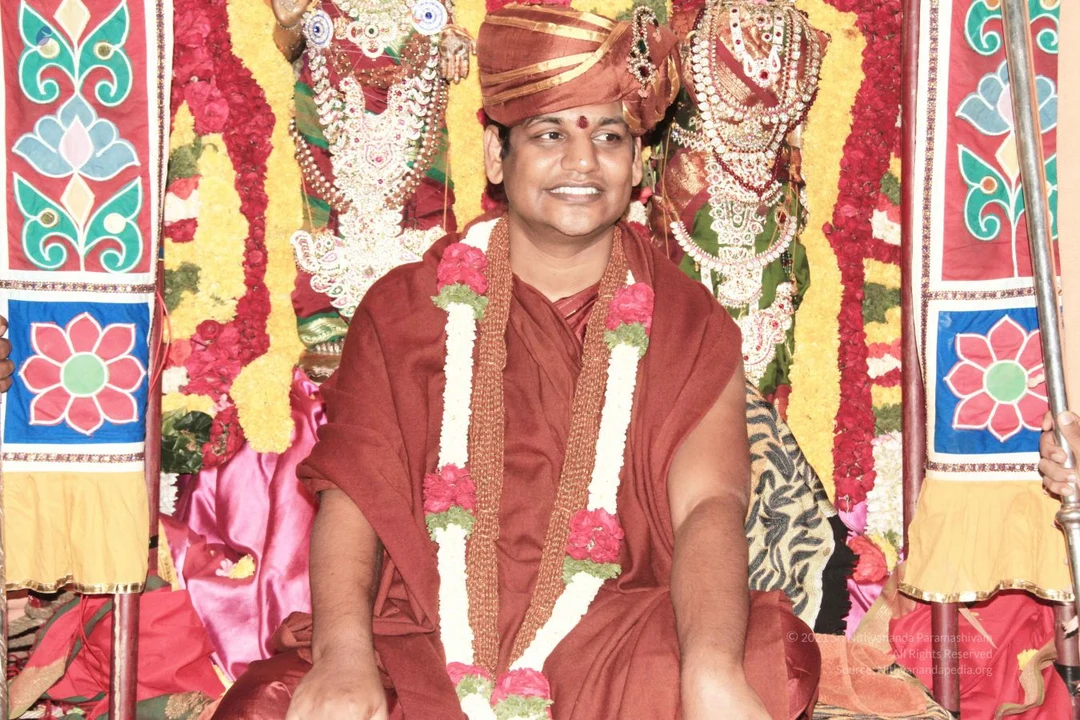
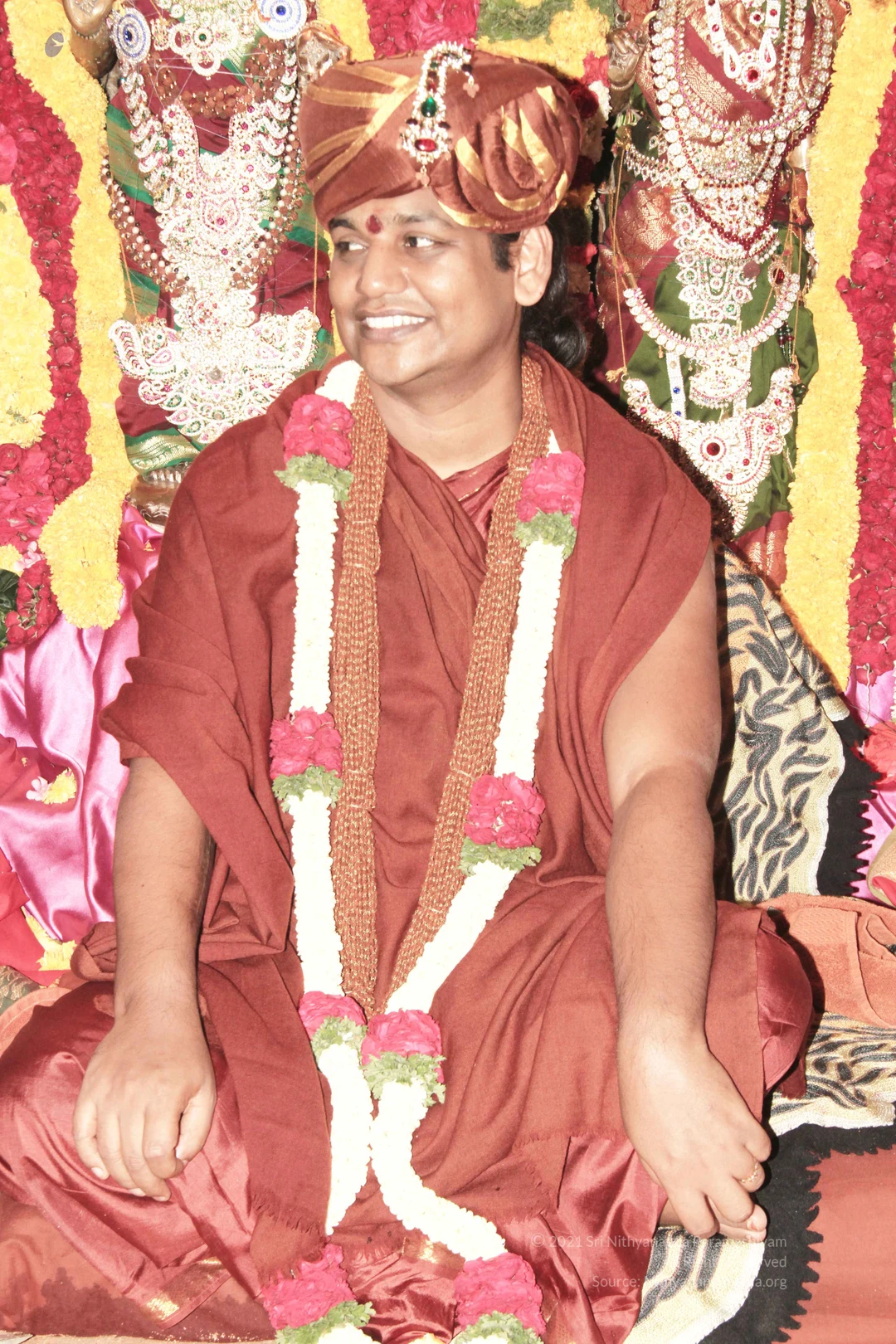
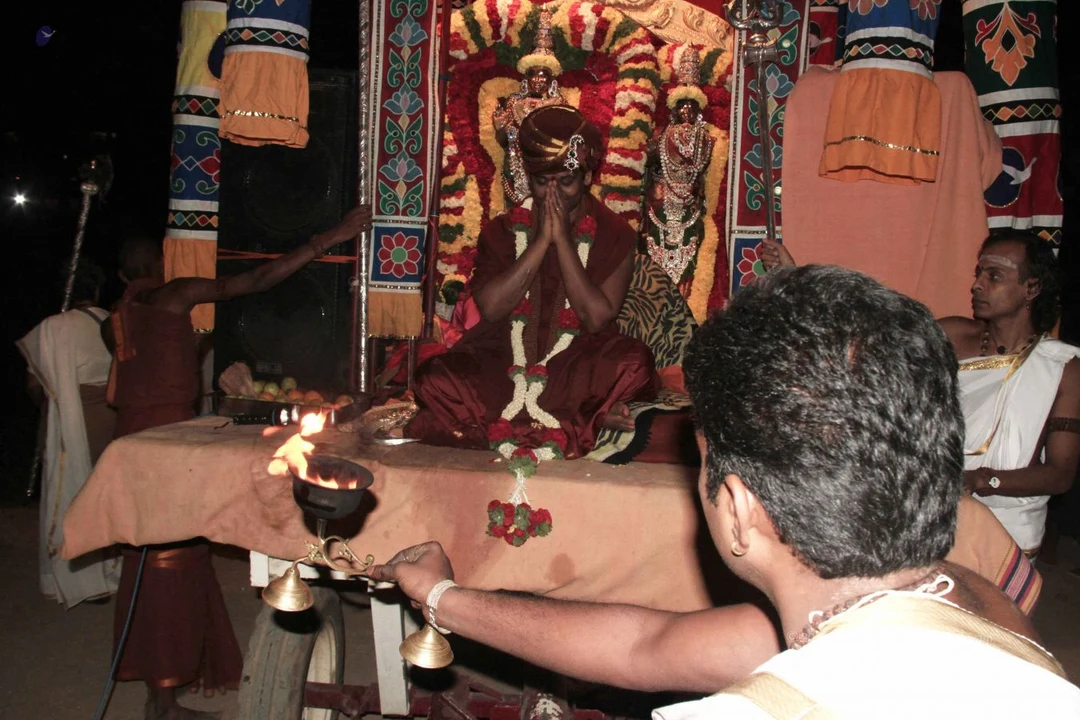
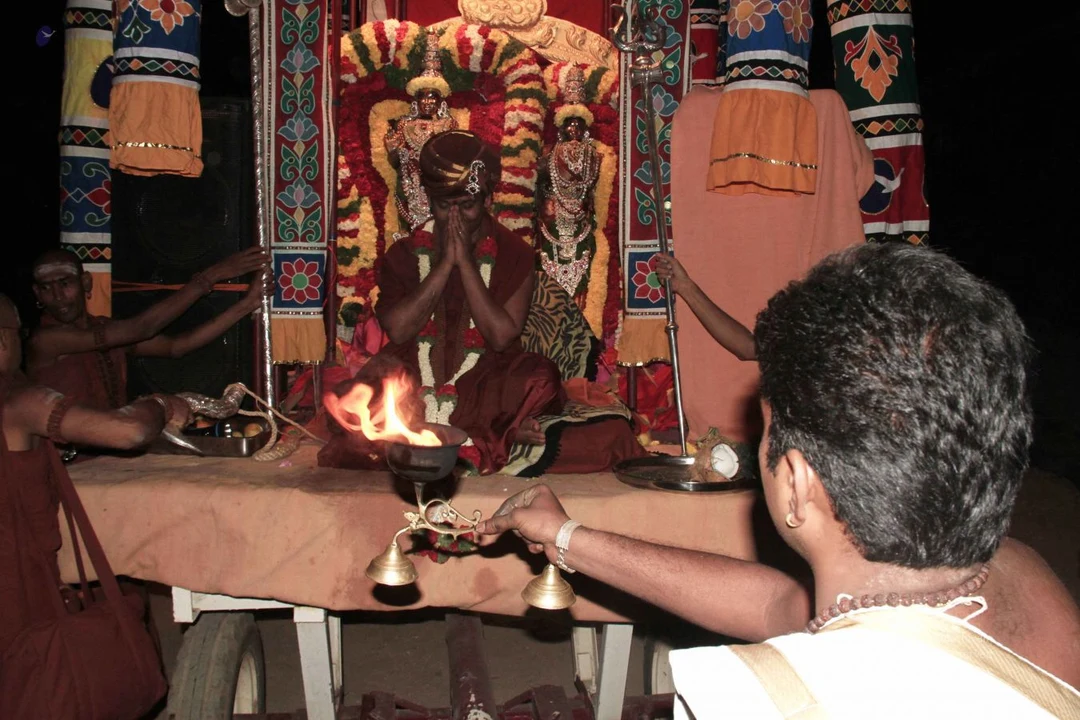
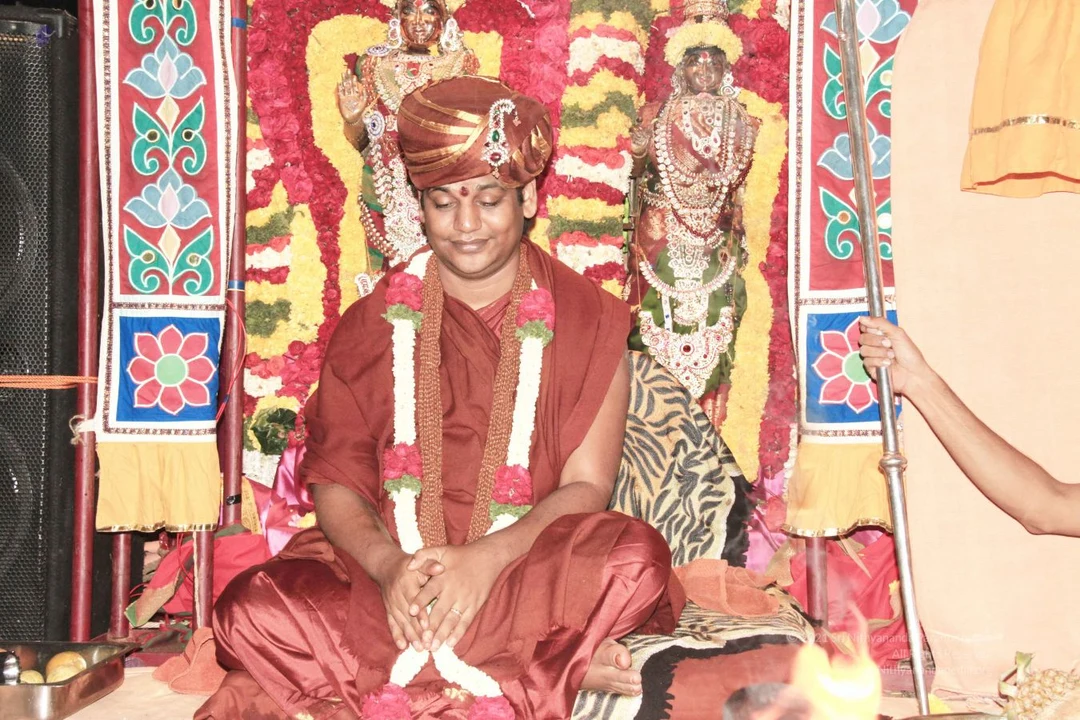
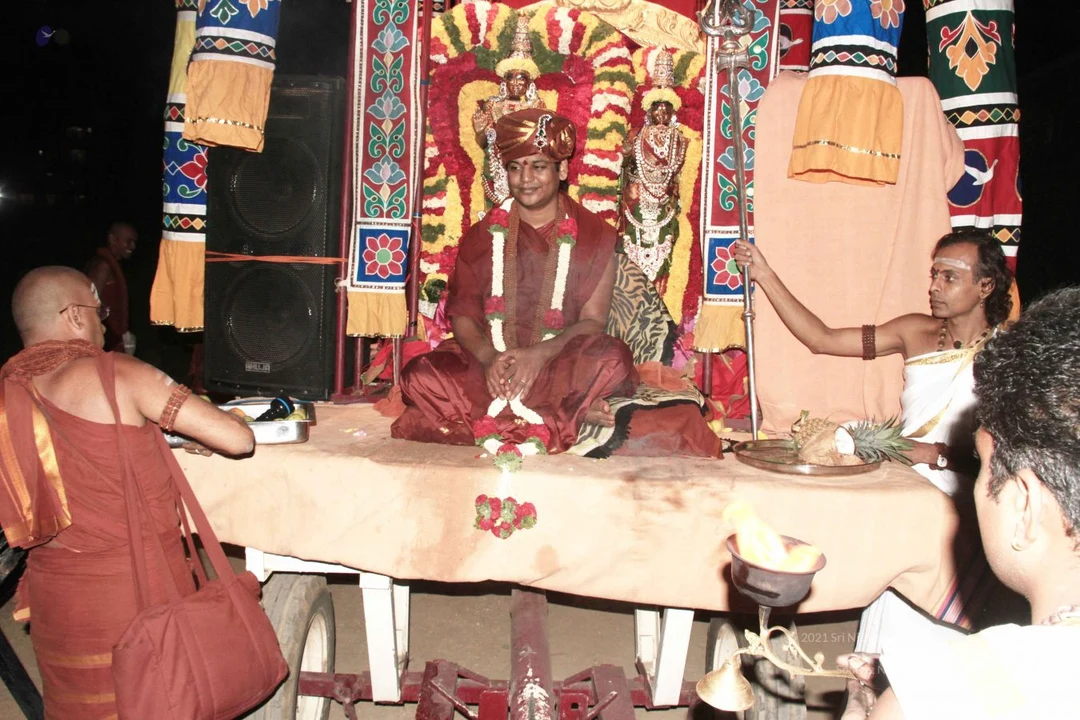
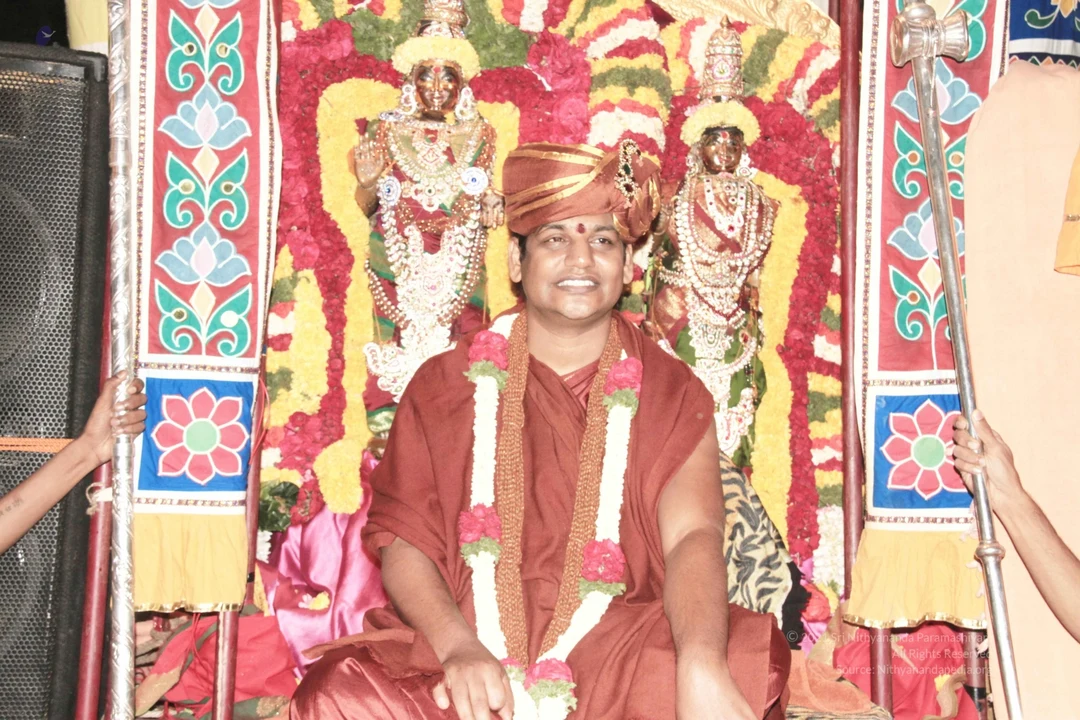
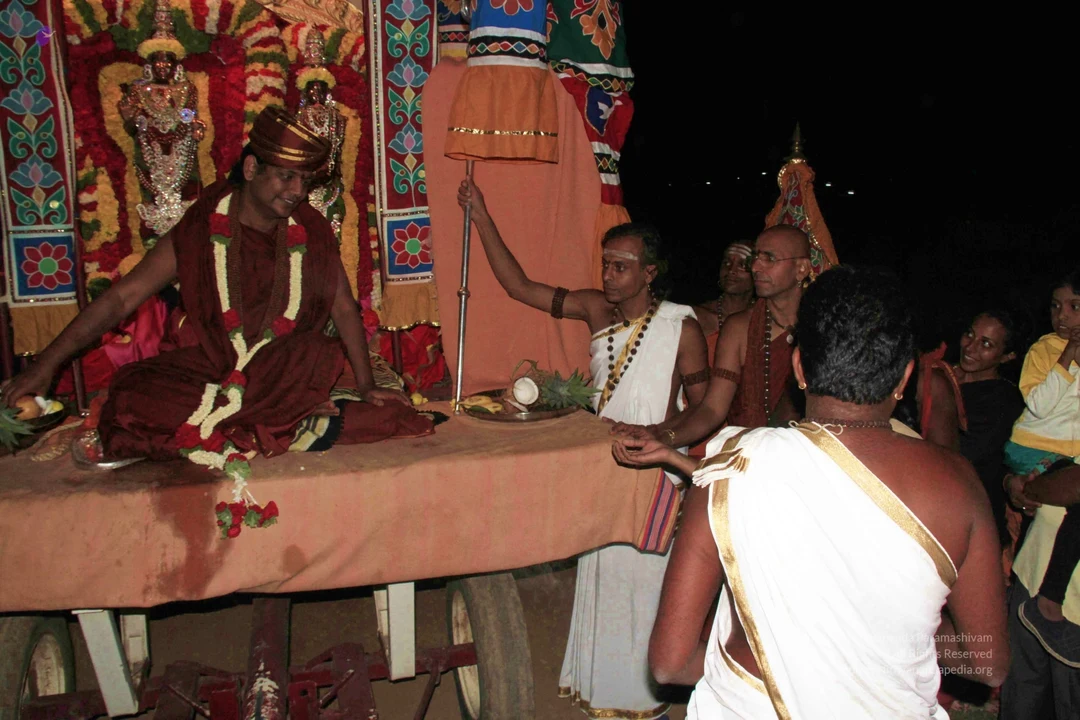
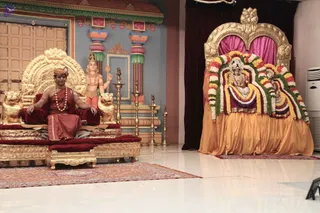
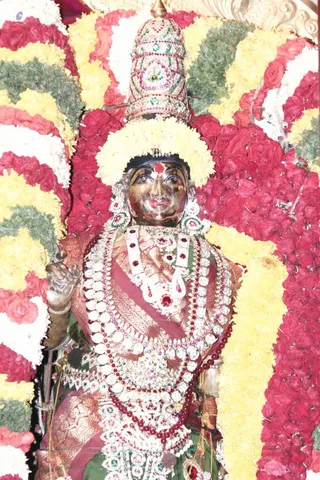
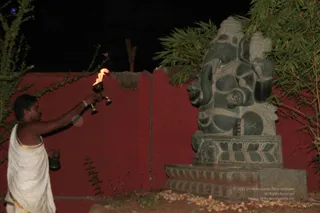
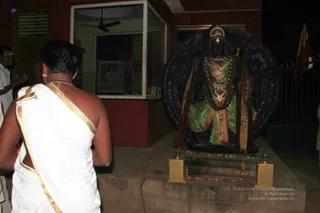
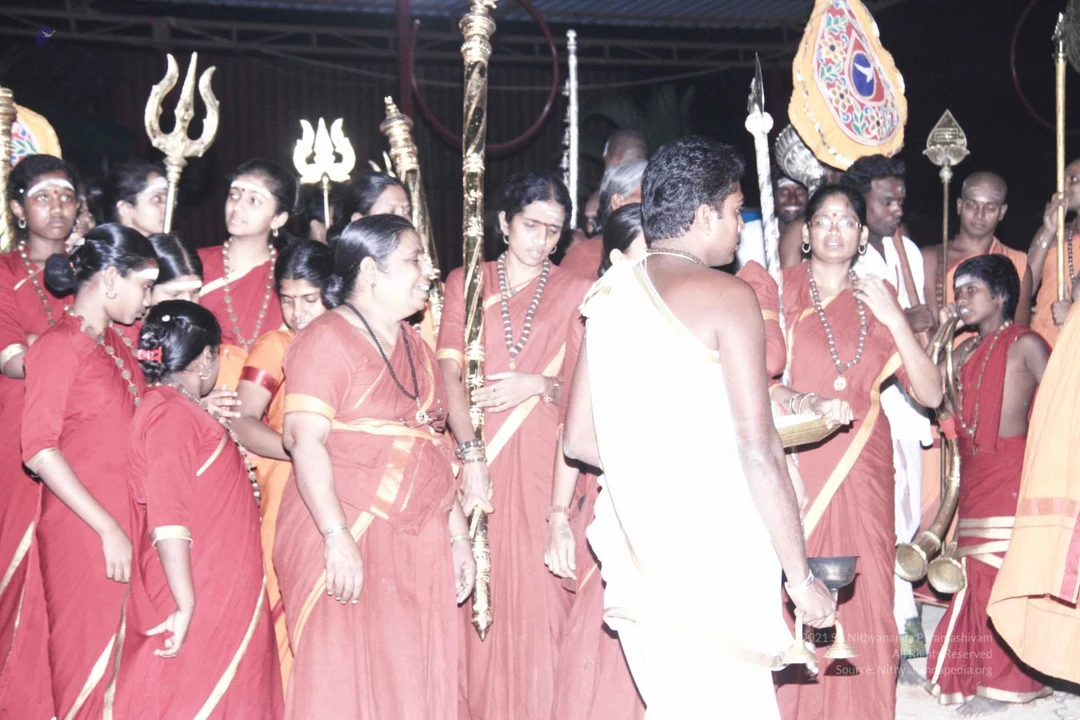
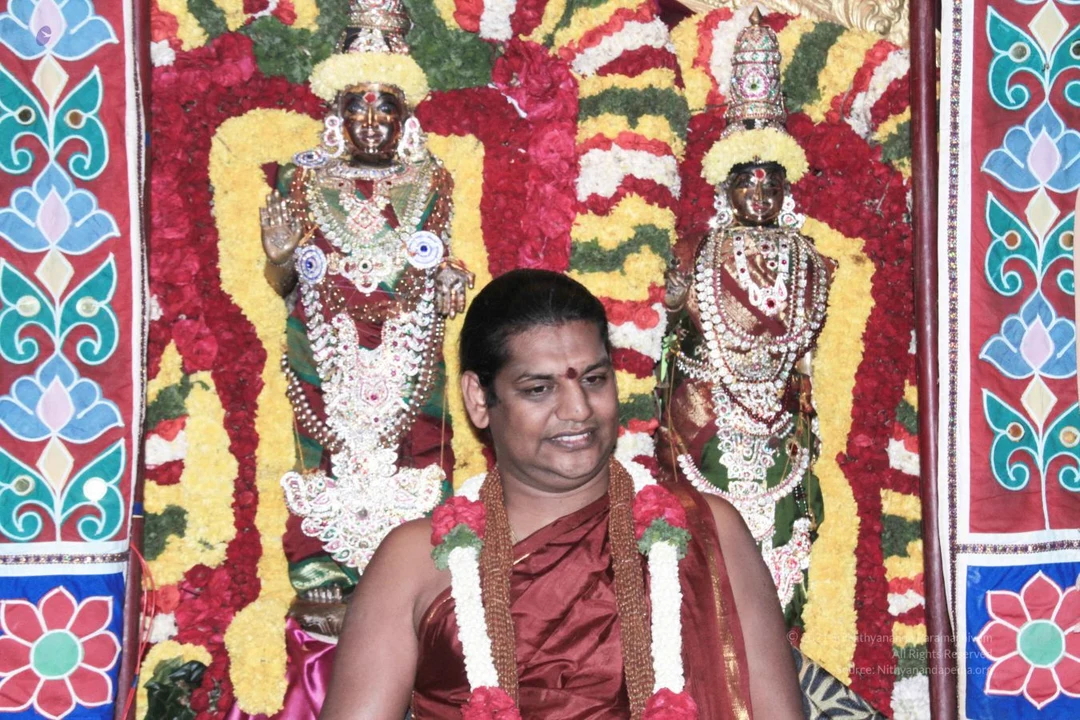
Today, the 7th day of the Nithyananda Brahmotsava, Rathotsava. So, today evening, Nithyanandeshwara will be taken in procession in the chariot in the ashram. And, He is gracing us with Nithyanandeshwari on the 7th day of the Brahmotsavam.

With this, I’ll expand on the same subject I was explaining yesterday about COMPLETION and CREATING A SPACE.

I can say, this is the essence of all the essence of my messages. As essence of my messages I have given so many messages; as essence of the Vedic tradition I have given so many messages. Now I can say, all those messages’ essence is this: “Using your Atma Jnana, using your Conscious Energy, using your Peak Possibility and making it into reality, making it into life.”

Please listen!

Life in its peak possibility, life in its peak energy! Please listen! Fortunately, in all of us, in all of us, however low, depressed you feel, however unworthy you feel, however angry, guilt you feel towards you and towards the world, in all of us the pure consciousness exists. That pure consciousness can be brought to our day-to-day utility. Means, you can bring that pure consciousness and make it for day-to-day use, make it for the day-to-day action.

Please understand, nothing is useful till you make it useful in your everyday routine. Even if you have a billion dollars in the Swiss Bank and you are not able to use it every day in your life, that is not making you rich in your day-to-day life, then what is the use? Almost all your spiritual energy, all your soul consciousness-Atman, is Swiss Bank money only! It has no direct use for you in everyday life. It is there; you only know the number of the bank account; but if you go and tell the petrol bunk guy or the hotel guy, ‘I have a bank account in Swiss Bank, which has billion dollars, this is the account number, can you give me a little food?’ he won’t give you! Even if he makes sure you have the money, he will give as a business deal that you will pay him back and not because you have.

Please listen! How the money which is not brought to day-to-day use, whether you have it or not it is not useful to you. Same way the energy which you have not brought to your day-to-day use, the energy which you have not brought to your day-to-day use, even if it is there, there is no use; even if you are having it, there is no use. Please listen, even if you are having it, there is no use. All I am trying to give you now through this satsang is, the energy, consciousness, Kundalini power which all of you have, all of us have, I am giving you the practical methodology to make it into your day-to-day life reality; to make this into your day-to-day life actuality; how to make that as part of your life; how to make this as reality of your life.

Please listen! In two words I am giving you the gist: “Completion” and “Creation of Space”. Completion again and again and again; how many times your being tries to get the idea of “impossibility” back to you, please listen, your being is such, it will again and again and again try to get this idea of “impossible” back to you. This idea of “impossibility” will be again and again told to you. That is the worst part! That is the worst thing in life!

Your mind will be alive, please listen, only as long as conflicts are alive; politicians and lawyers will have joy. So, the job of politicians and lawyers is not to solve the conflict, but to keep the conflict alive as long as possible. Same way, only as long as confusion exists, media will have job. Media’s job is not to solve the conflicts, solve the confusion. No! It is to keep it alive as juicy as possible, keep the chaos alive, keep the confusion alive as juicy as possible. They want confusion alive; chaos alive constantly. Confusion and chaos have to be kept alive for their business to flourish! No ethics!

I have seen these rowdies in the name of media. I tell you, Oh, God! One of the worst things in Indian media is eighty percent of them are uneducated. Only twenty percent guys are qualified. Eighty percent uneducated! When I say “uneducated”, they may be educated in some graduation, but professionally they would not have done degrees in Journalism or anything. And they have no ethics! Just bulldoze, abuse! To get the eye-balls, to get the TRP, anything is okay! Most unethical business! Keeping the confusion alive is their responsibility. I am talking only about one section of the media; let me make it very clear. There is another section of the media which is very socially responsible. Even in the same media house, one group behaves very responsibly. Just like every field needs purification, media field needs purification immediately. Immediately they need purification!

Listen! Just like media can be alive only if the chaos is kept alive, just like politicians’ and lawyers’ job is to keep conflict alive, your mind will be alive only if the idea “impossible” is kept alive. Your mind will be alive only if the idea “impossible” is kept alive. Your mind will be alive only if the idea that something is “impossible” is kept alive. Please listen: however many number of times it may come up, Complete with it, Complete with it, Complete with it!

Listen: kindle your Kundalini Shakti by completing with “impossibility”. Kindle your Kundalini Shakti by completing with “impossibility”. All your ideas of “impossible” are a lie, false! All your ideas of “impossibility” are a lie and false! Listen, all your ideas “this is not right, that is not right, this is not proper, that is not proper”, everything, everything is just pure lie! Complete again and again and again the cognition of “impossibility”. The cognition that something is “impossible” is like drinking poison, equivalent to the poison injected in you! Like if you had a polio attack, your whole life you will live with the side-effect, same way, if you have been attacked with the “impossible” polio attack, your whole life you will be mentally handicapped, you will be consciously handicapped. No! No! Complete, complete, complete! Complete, complete, complete!

The Completion, Completion Completion is life! Completion is everything! Even when you create a space to make something into reality, complete with all the doubts, complete with all the “impossible” ideas that come to you, complete with your ability to even create the space. Stand up powerfully without listening to any form of “impossibility” shouted by your mind towards you! Any form of “impossibility” screamed at you, any form of “impossibility” shouted at you is a crime by the mind. It is a crime by the mind! Any form of “impossibility” destroys your existence – your existence physically, mentally, emotionally and spiritually. Any form of “impossibility” is a lie!

I tell you, the idea of “impossible” is a lie! The idea of “impossible” is false! The idea of “impossible” is a crime! The idea of “impossible” is conflict! The idea of “impossible” is mind! Just because you do not know how it is possible, do not think it is impossible. The problem is, anything you don’t know how it is possible, your mind says it is impossible. No! Because you have not tasted it, how can you say it is sour? Because you have not tasted it, how can you say it is bitter? You tend to think anything you have not tasted is bitter. You tend to think anything you do not know how to, is impossible.

Complete with the idea of “impossibility”. Complete with the concept of “impossibility”, idea of “impossibility”. Life energy is blocked when the idea of “impossibility” is strengthened in you. Your Kundalini Shakti is blocked when the idea of “impossibility” is established in you.

Our whole consciousness is handicapped with the idea of “impossibility”. Whether you think about physical health – “impossible”; mental health – “impossible”; wealth - “impossible”; relationships – “impossible”; enlightenment – “impossible”; spiritual growth – “impossible”; Kundalini awakening – “impossible”. Then what for you are living? ‘Because I can’t die! Because I can’t commit suicide!’

No! Health is possible! I may not know how to do now, but I know it is possible! Wealth is possible! I may not know how to do now, but it is possible! Success is possible! I may not know how to do now, but it is possible! Relationships are possible! I may not know how to do now, but it is possible! Enlightenment is possible! I may not know how to do it now, but it is possible! Kundalini awakening is possible! I may not know how to do it now, but it is possible! Please understand, anything when you start the first step, you may or may not know; but, be very clear, IT IS POSSIBLE!

Listen! Complete, complete, complete! Complete with all the “impossible”. Once you complete with all the “impossibilities” and create a space, while you create a space whatever impossibility, doubt comes, again complete with it.

Now, I’ll give you a few minutes. Let us sit and again complete with whatever “impossibility” we had in yesterday’s space. Pick up the same desire. Complete with all the “impossibilities” and create the space.

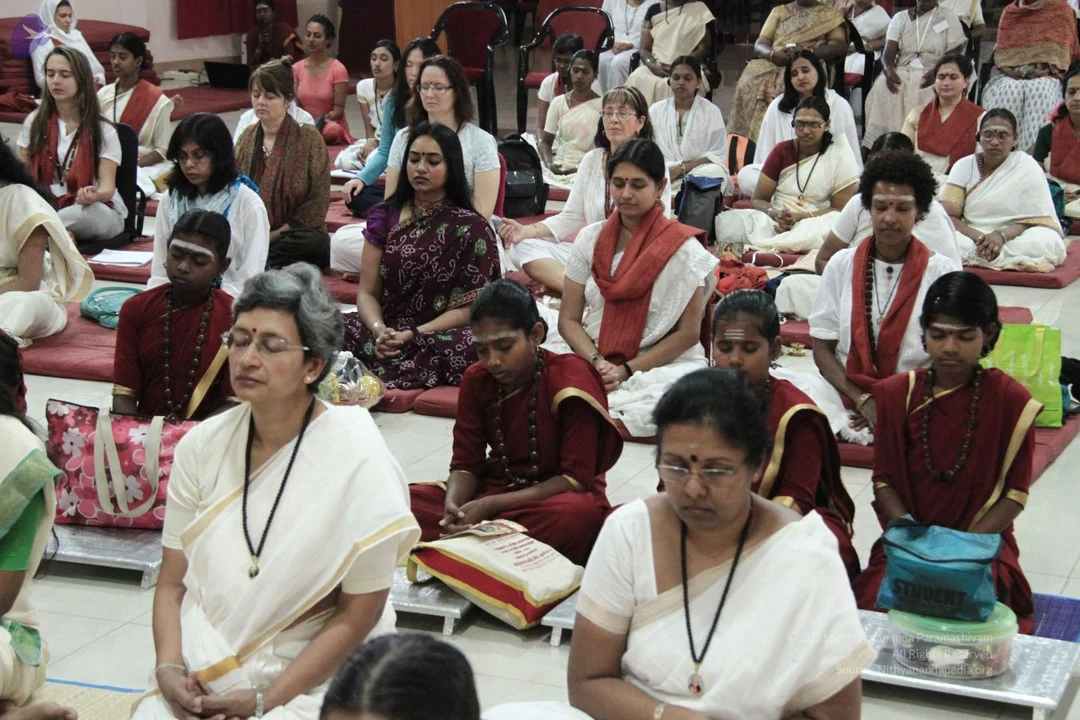
Sit straight. Close your eyes. Complete with all the ideas of “impossibility”, whether it comes as a self-doubt, everything. Complete with all the impossibility. Create the space for what you want. Complete with all the self-doubts. Complete with the doubt whether you can create the space or not. Complete with everything which even in a slight way suggests that it is impossible.

(After a few minutes…….)

Relax. I bless you all with Integrity, Authenticity, Responsibility and Enriching, the space you create let it be successful and auspicious!

Tags:

Paramahamsa Nithyananda, completion, space, creation, energy, consciousness, kundalini shakti.

Photos Of The Day:

paduka-puja
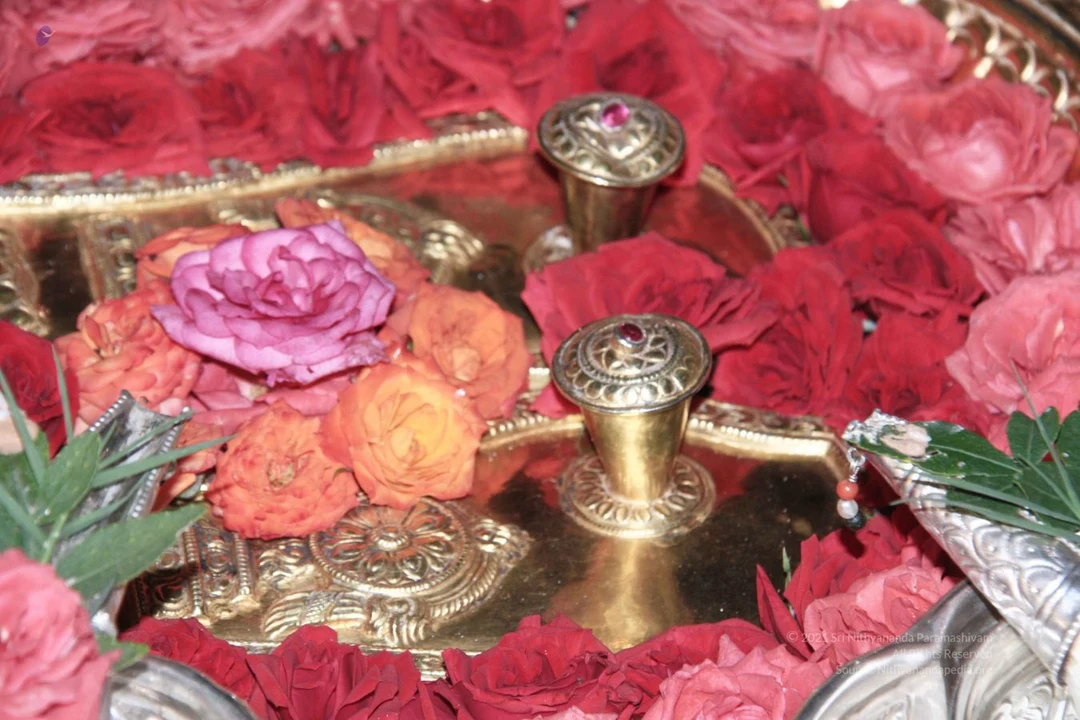
nithya-satsang
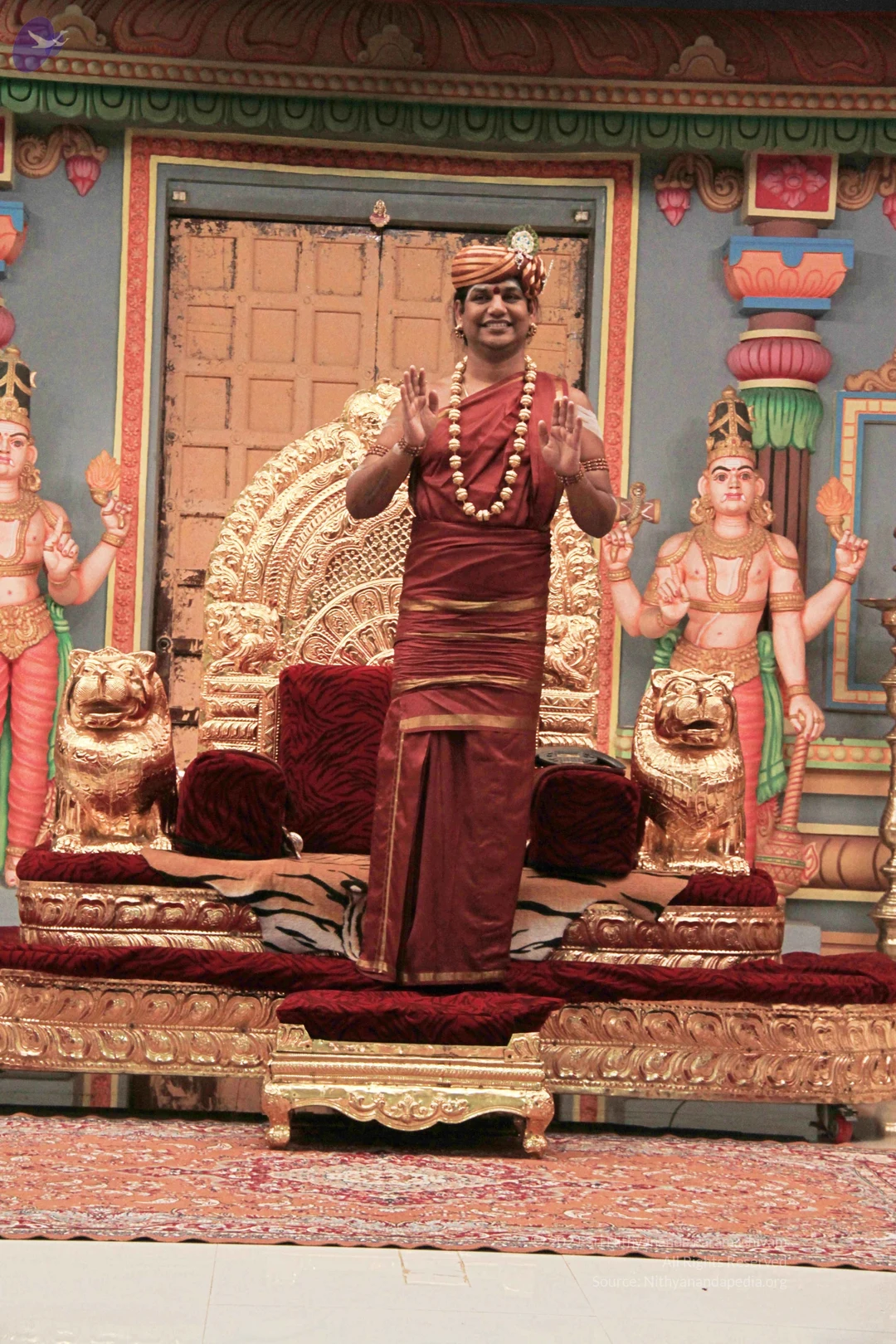
sarva-darshan-and-final-blessings

Inner-Awakening Darshan

Maheshwara Puja-Mahaparinirvana-Day

Rathotsav

03-Rathotsav

Photos from this day

View all 499 photos

paduka-puja

24 photosSource gallery
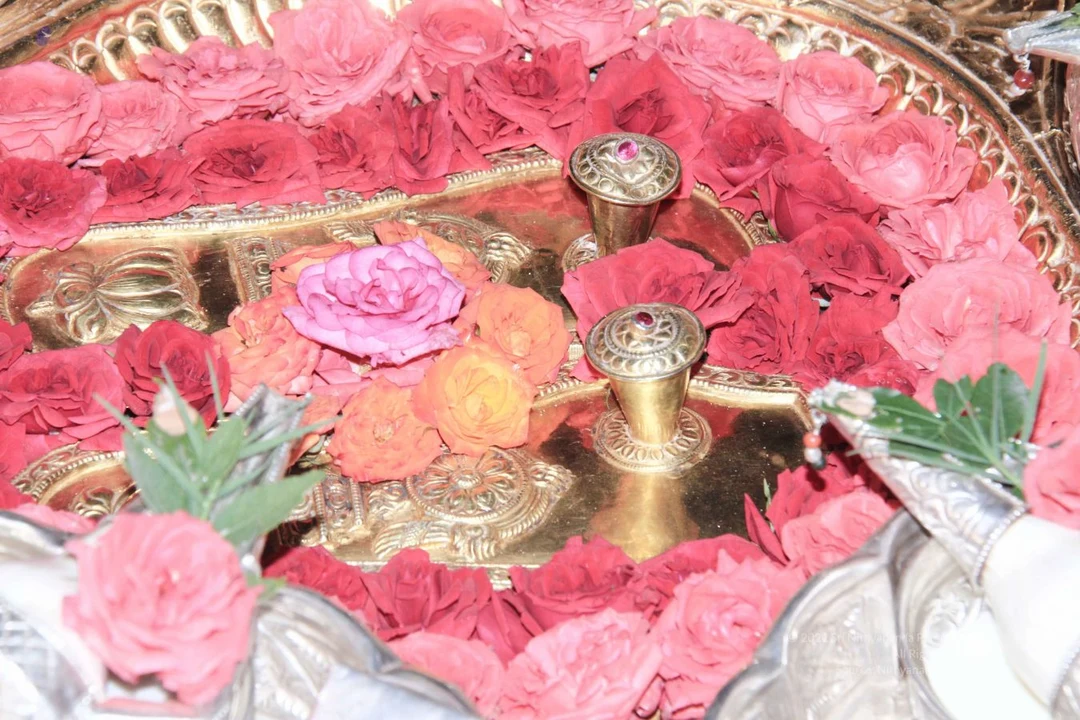
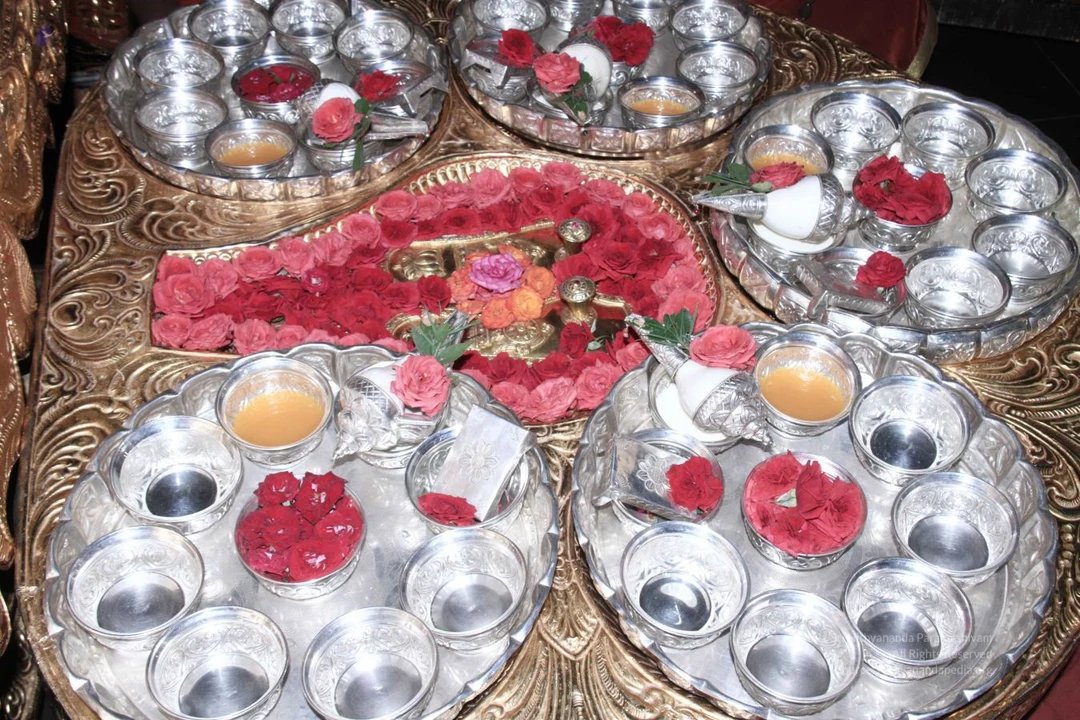
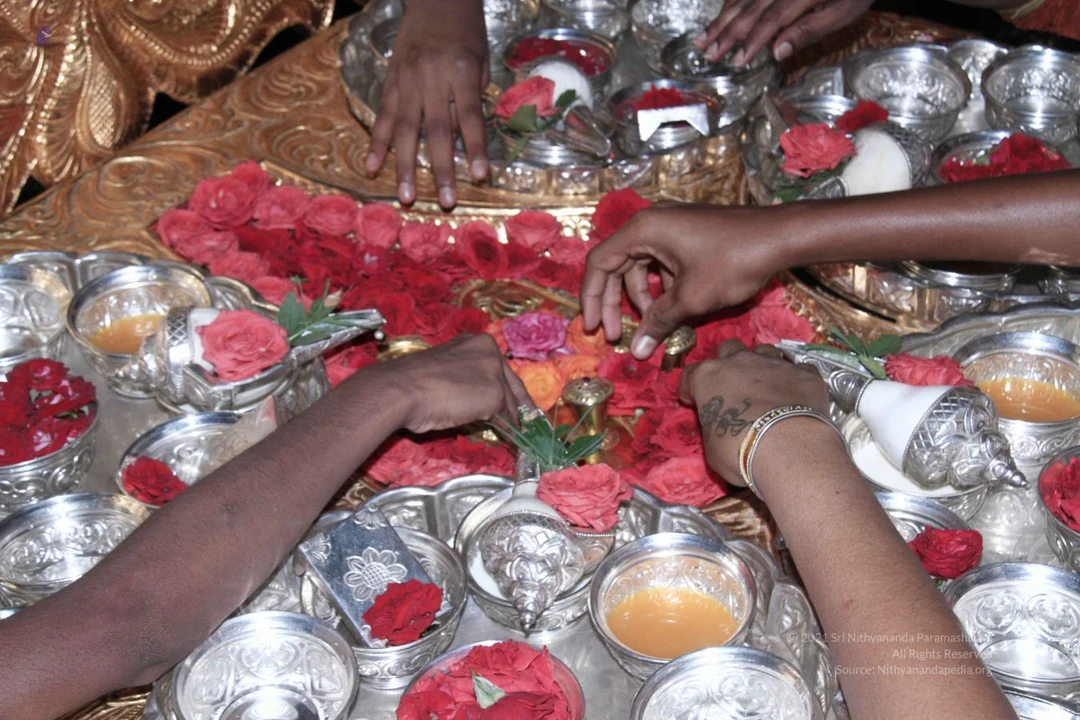
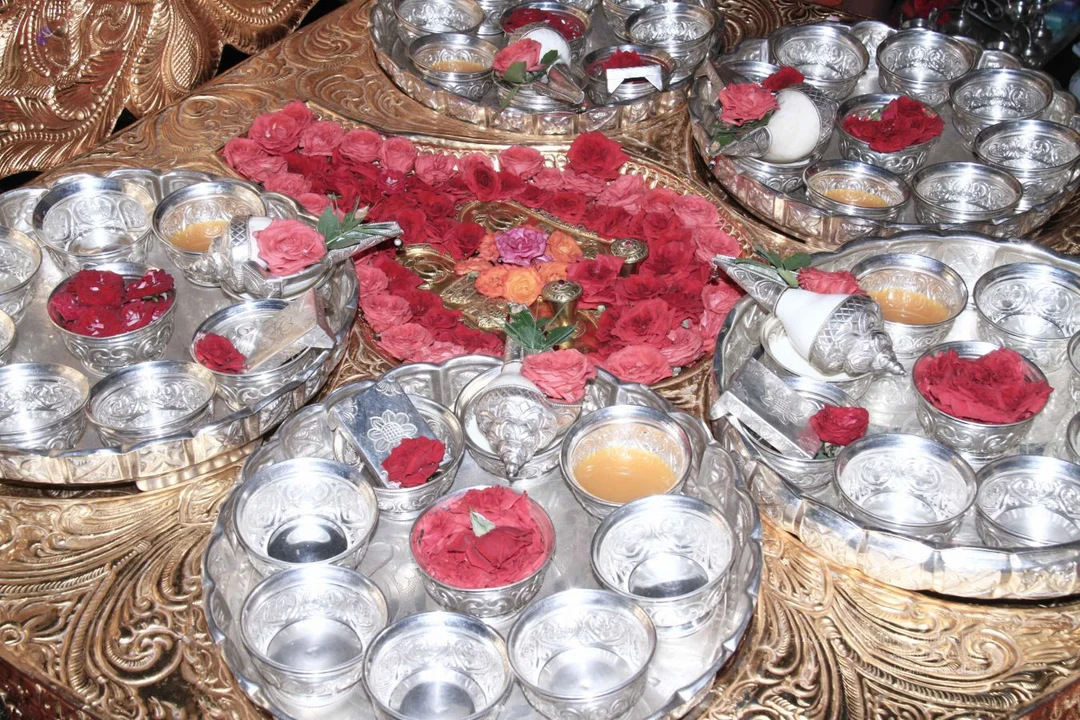
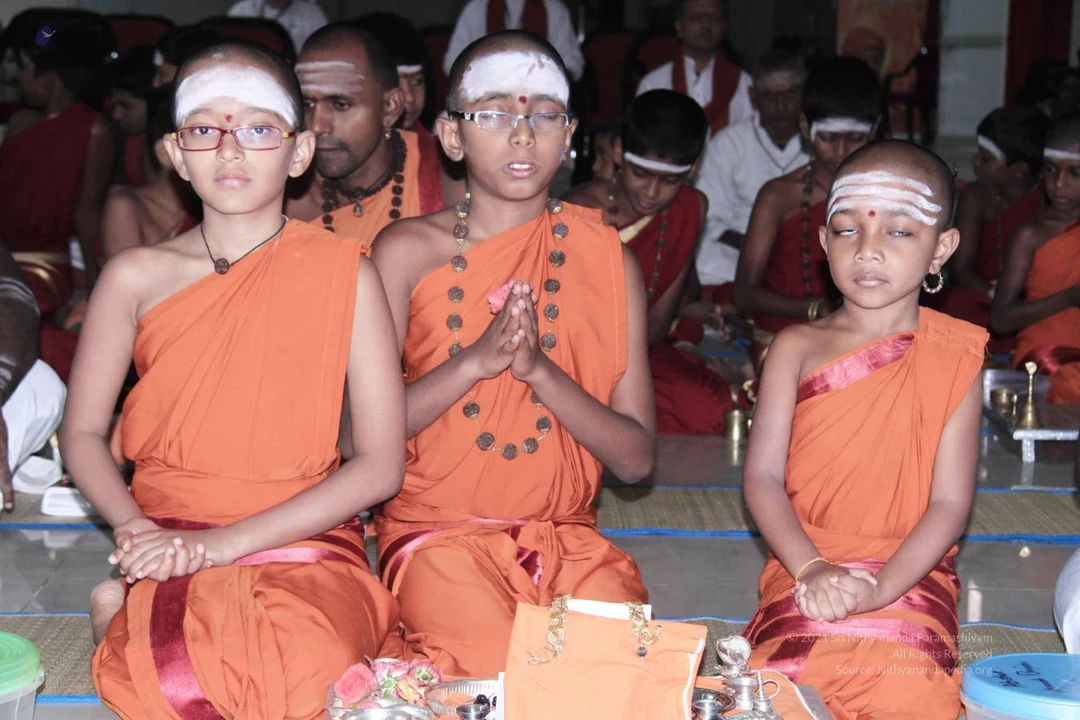
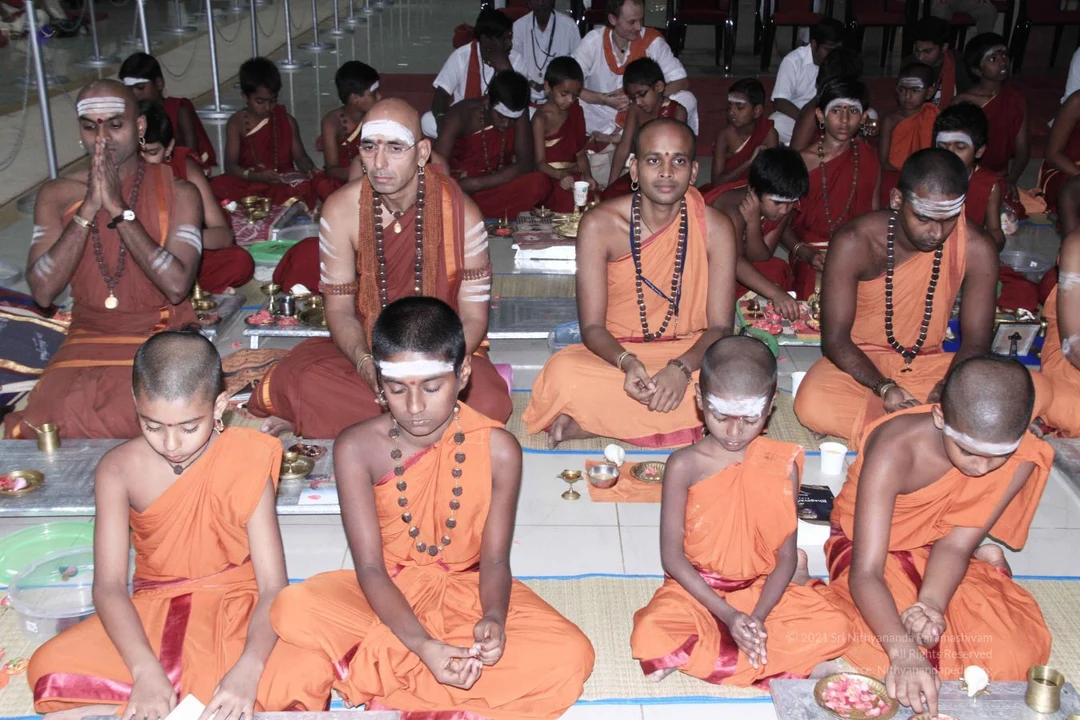
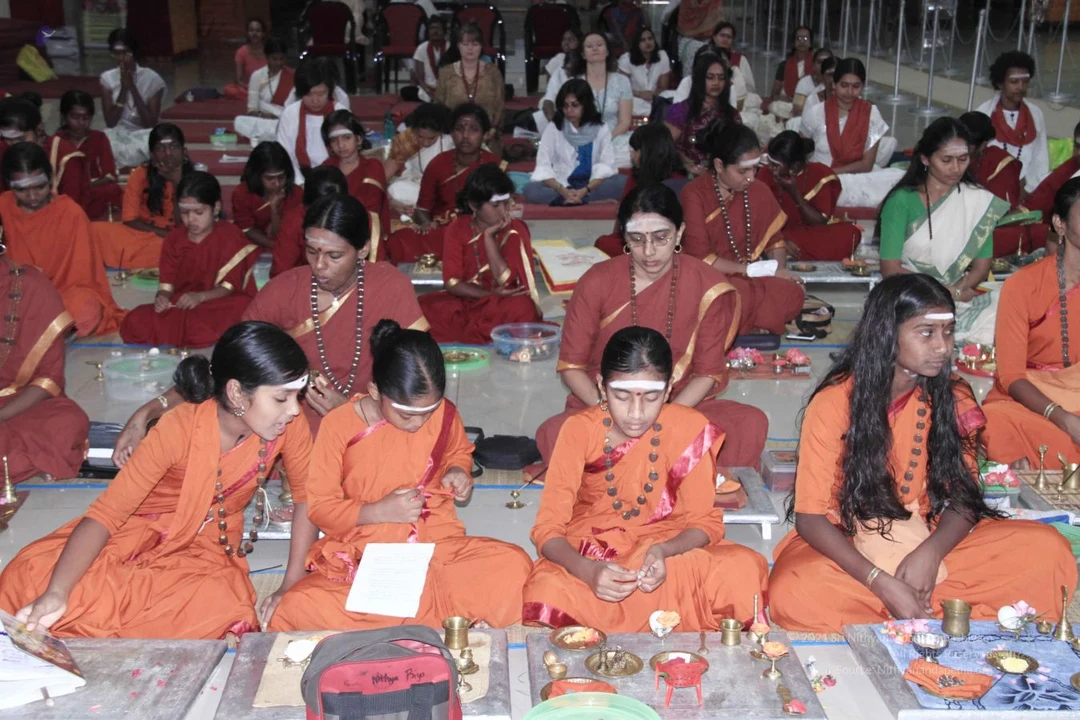
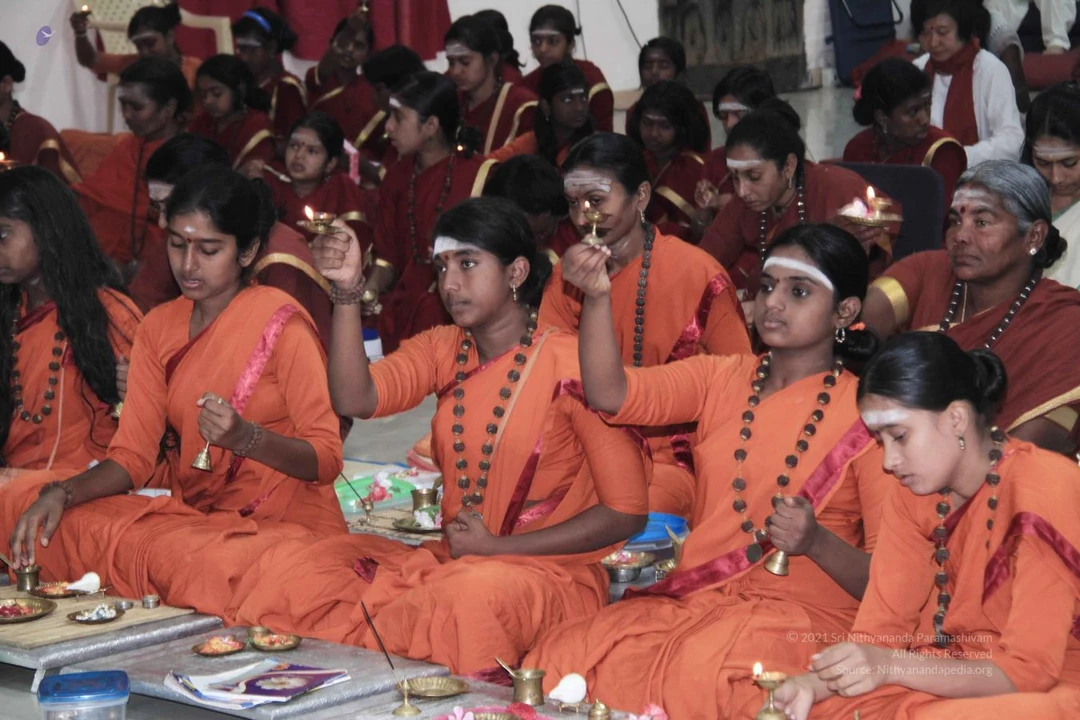
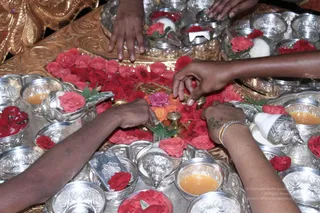
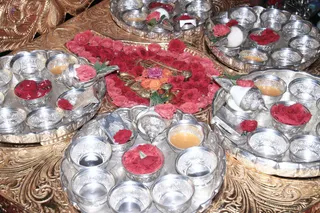
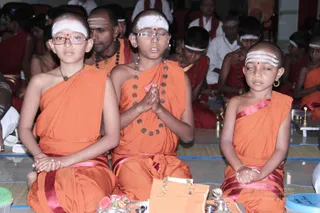
Close-up photograph of a gold-coloured ritual tray densely filled with fresh roses in red, pink, orange and a single lavender-pink bloom. Two gold cup-shaped vessels with small red gemstone knobs stand on the tray among the petals. Green leaves and a silver-coloured vessel edge the frame. No people are visible.Close-up photograph of a brass tray heaped with pink, red and orange rose petals and whole roses. Two small brass vessels with pink gemstone-like knobs stand on an ornate gold tray with floral engraving, surrounded by sprigs of green leaves on silver dishes. No people are visible.A photo of ritual offerings arranged on a gold-embossed tray. At the centre, red and pink roses fill a heart-shaped arrangement around a small gold ritual object and orange and pink flowers. Around it are several ornate silver bowls holding red rose petals, a yellow liquid, and empty silver cups, with silver ritual vessels with sprigs of greenery. No people are visible, so this is a view of puja offerings laid out for worship.Close overhead view of hands performing a puja over a gold-embroidered cloth covered with red and pink rose petals. Silver bowls hold saffron-yellow liquid and rose petals, and silver conch-shaped vessels with white cloth tops are arranged around a central brass puja vessel. Several arms reach in from the frame; one wrist wears a beaded bracelet and a tattoo is visible on the forearm. No face is shown and no identifiable figure is clearly present.Close-up photo of an arranged ritual offering on ornate gold-patterned trays. Red and pink rose petals fill a central plate, with orange and pink flowers at its centre and a small brass vessel. Surrounding repoussé silver bowls hold red petals, golden-yellow liquid, and empty silver cups, and a silver ladle-like vessel sits nearby. No people are visible; the scene shows only offerings and ritual objects.Three young boys sit cross-legged on a mat in orange saffron robes with maroon borders, shaved heads marked with white vibhuti bands and red kumkum dots. The boy in the centre presses his palms together in anjali while others sit with eyes closed in meditation. Beads and rudraksha-style necklaces hang on their chests. Behind them, more robed children and seated adults in white and red attend a ritual gathering; brass lamps, a small silver vessel and flower garlands rest on the floor in front.

nithya-satsang
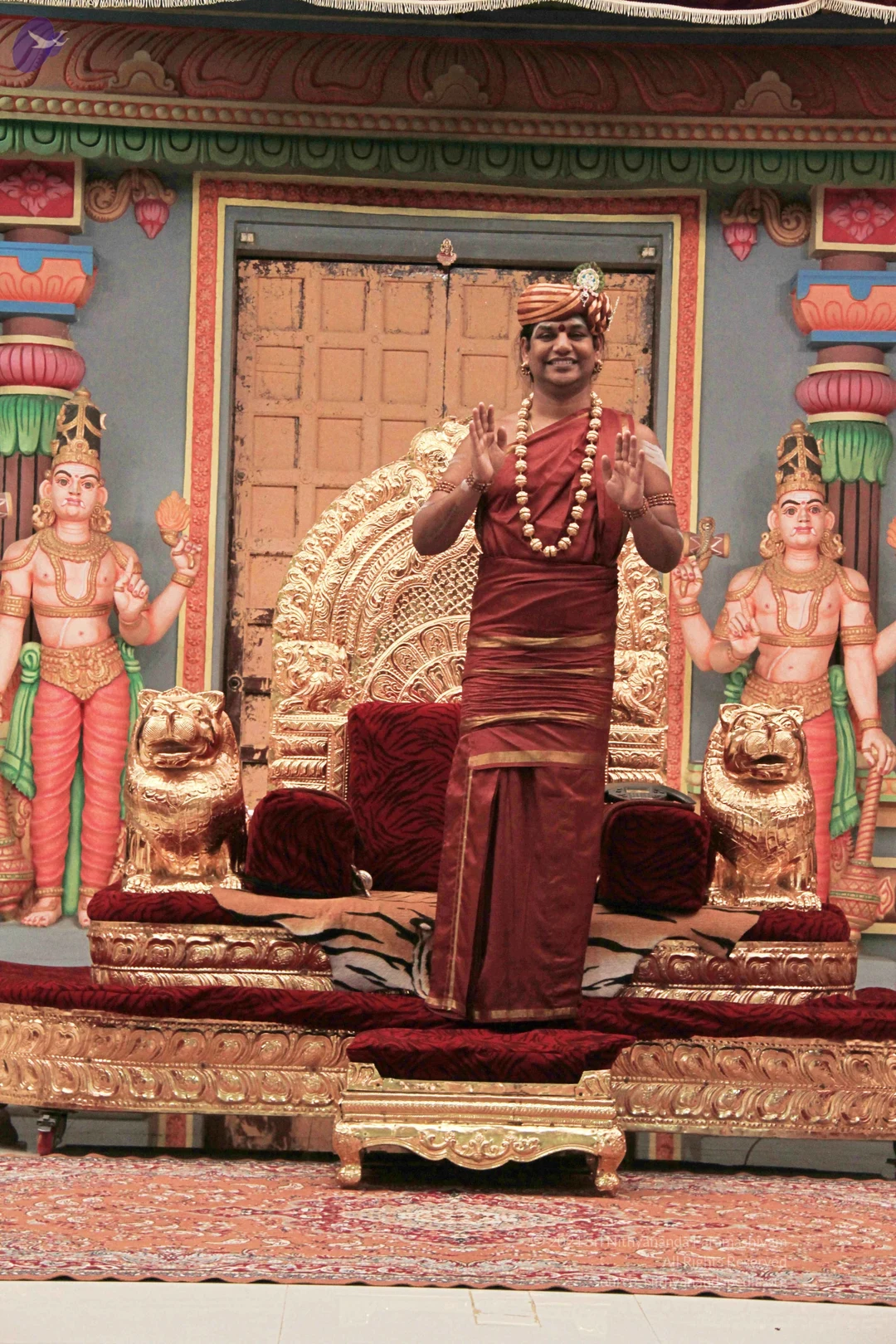
91 photosSource gallery
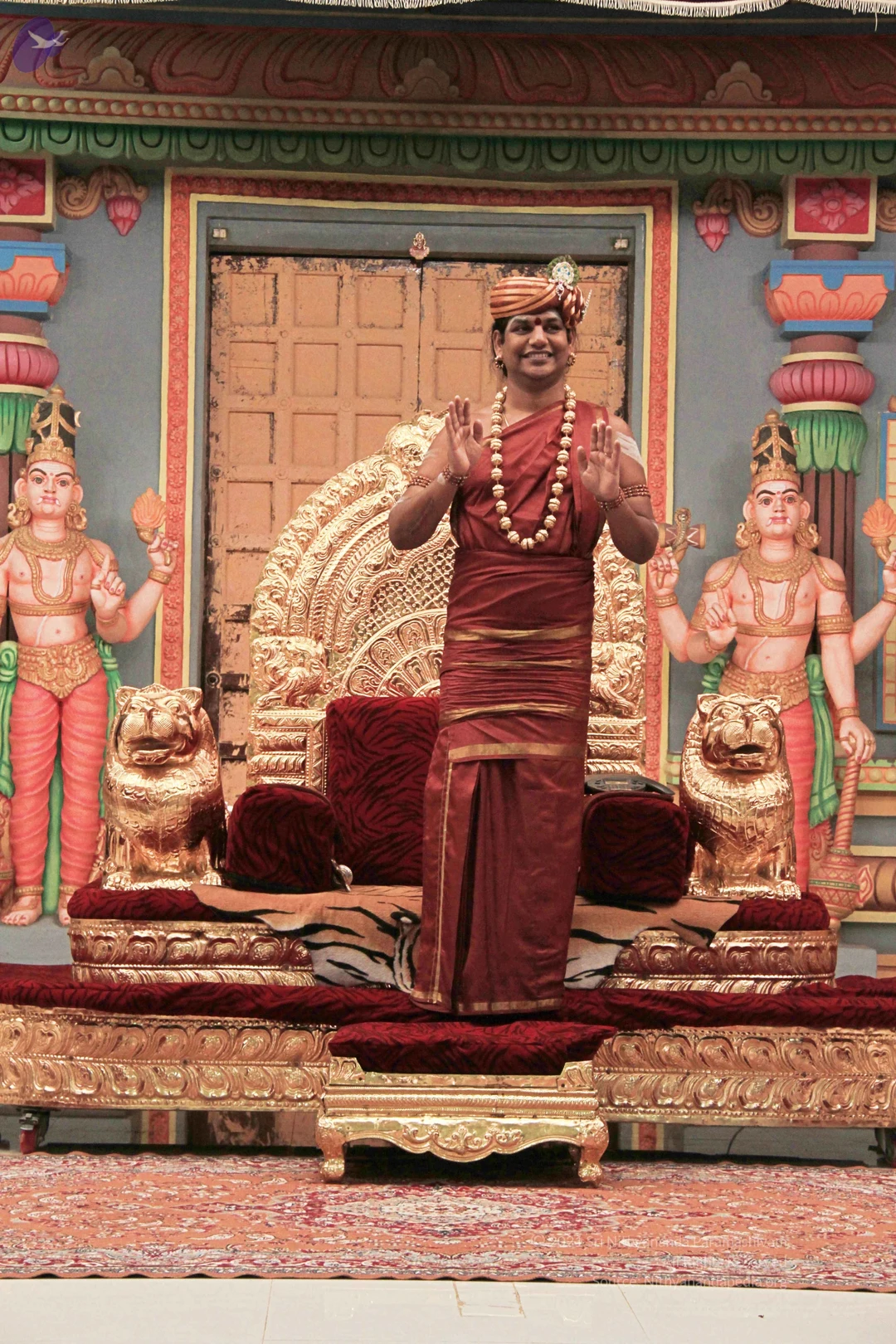
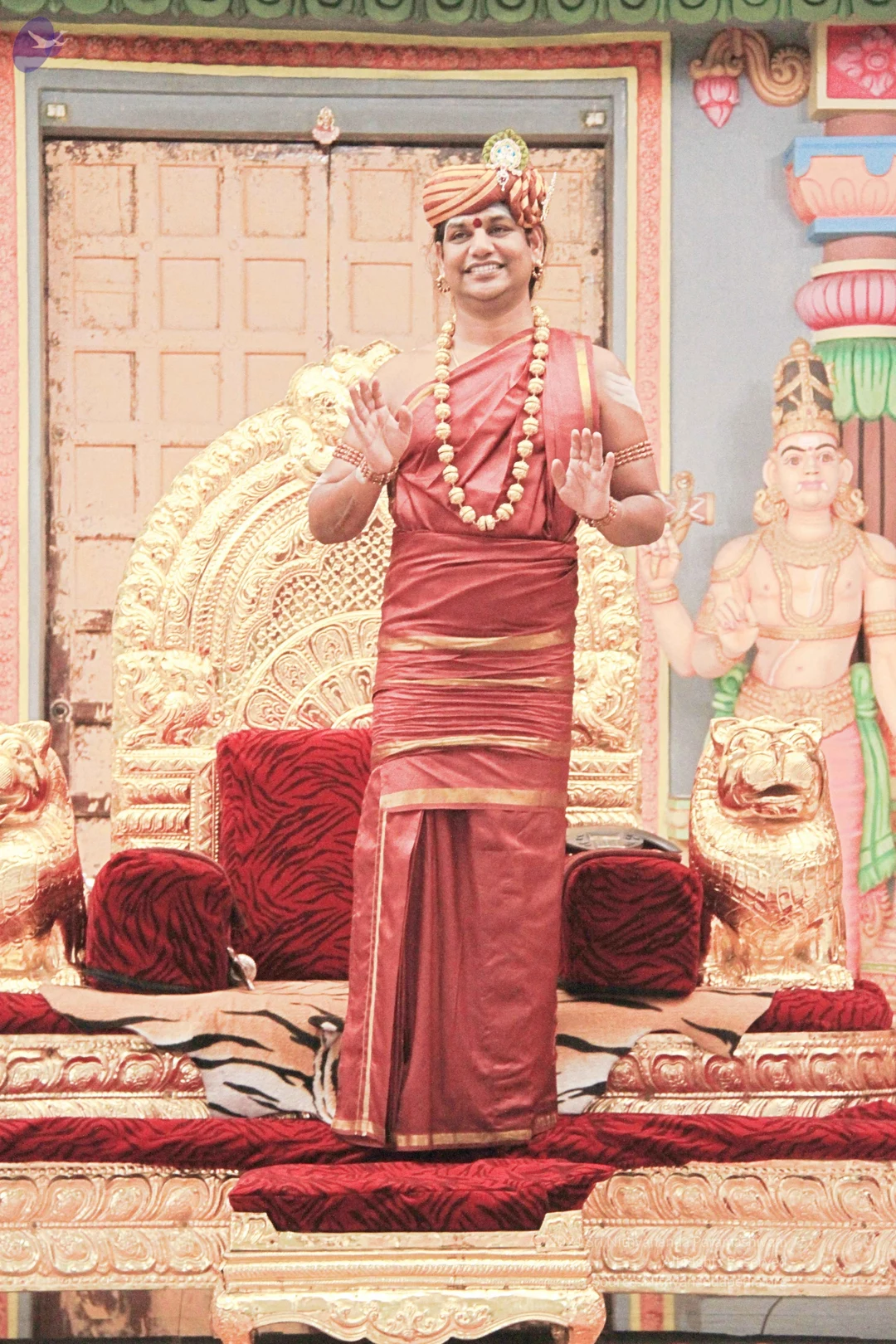
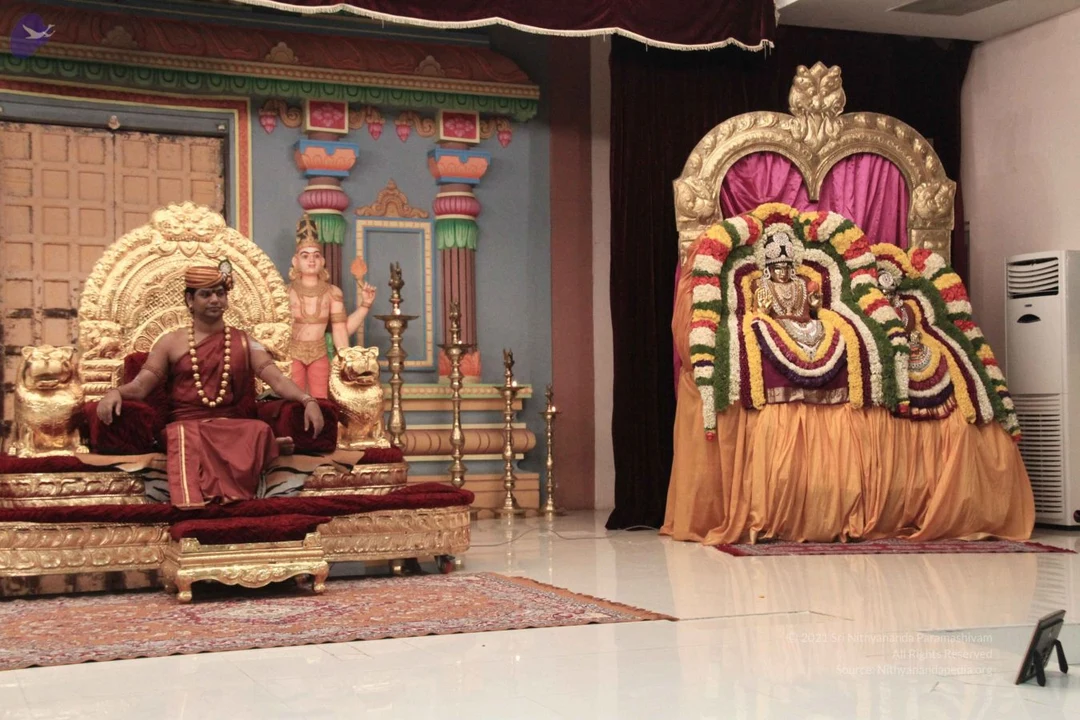
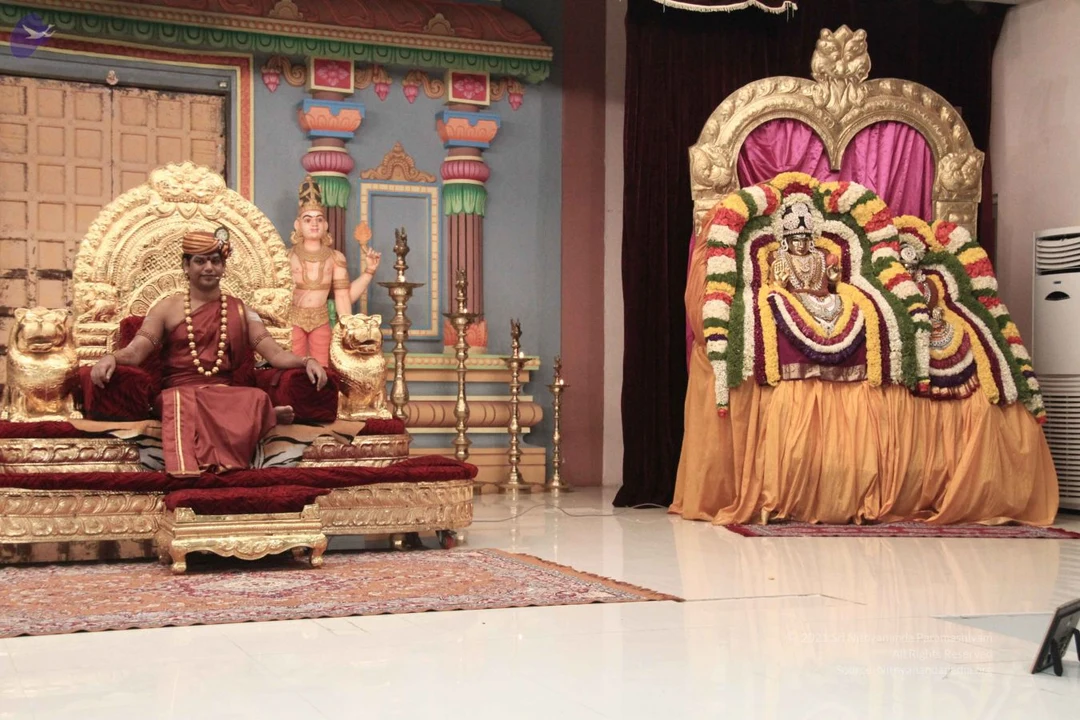
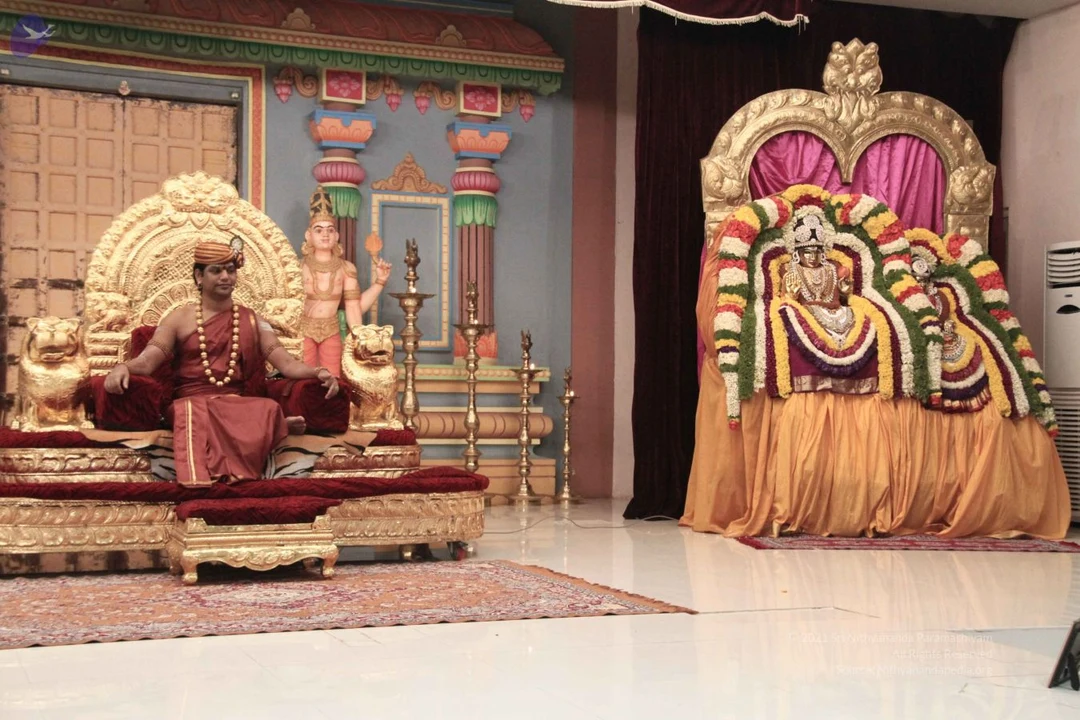
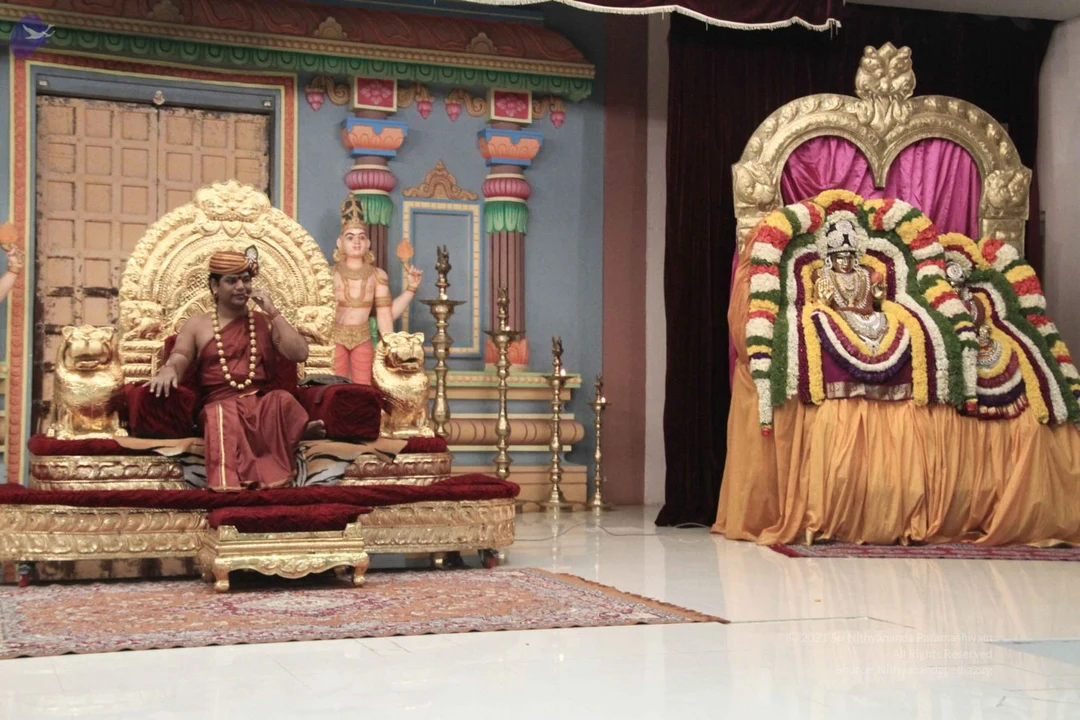
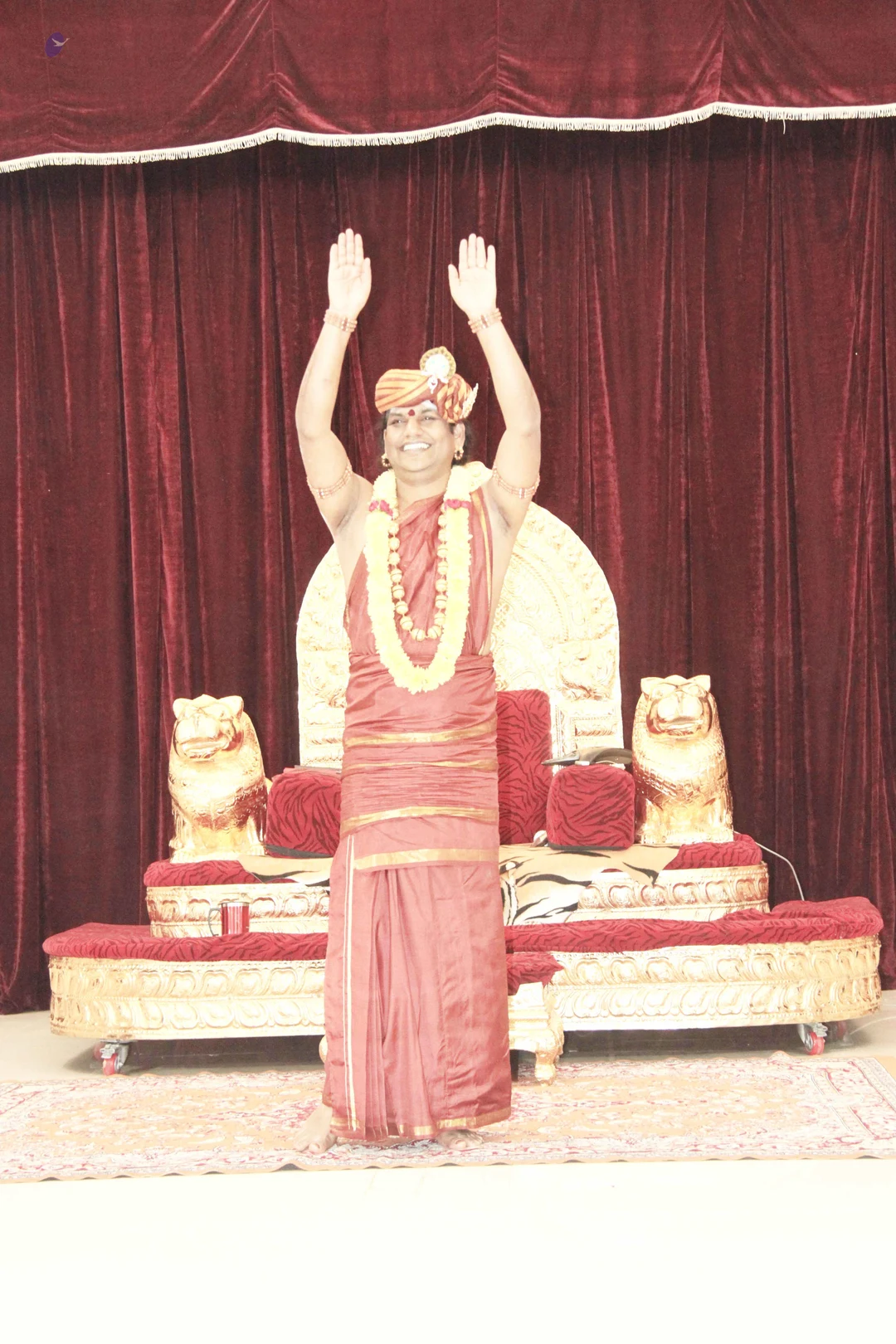
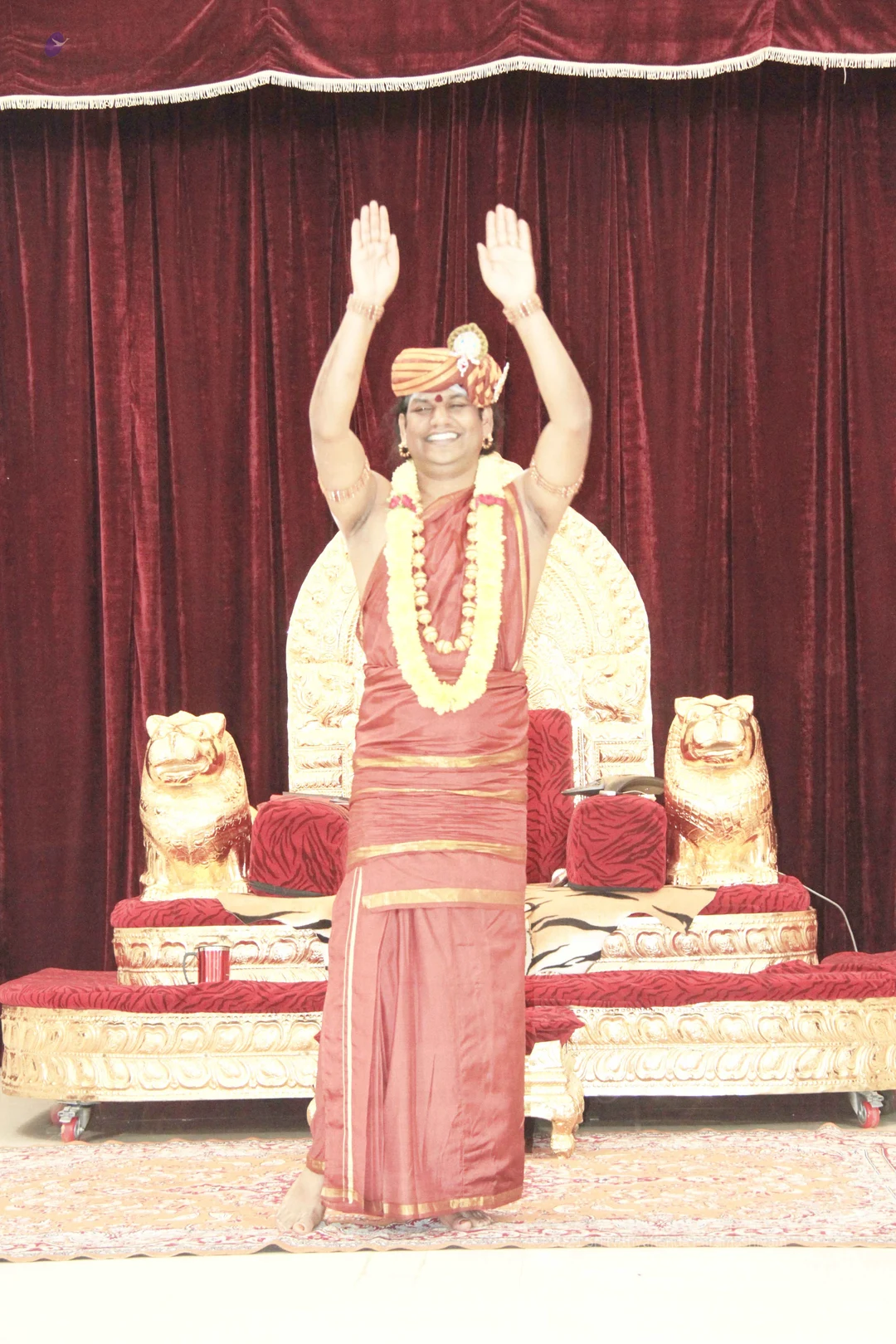
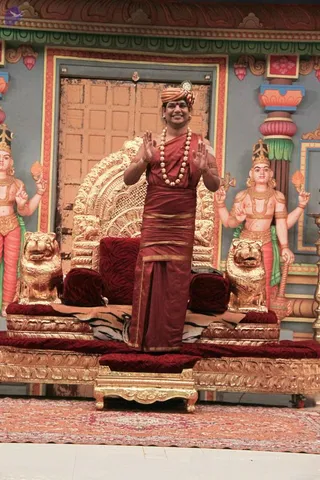
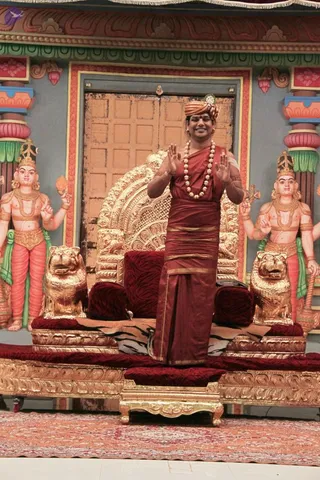
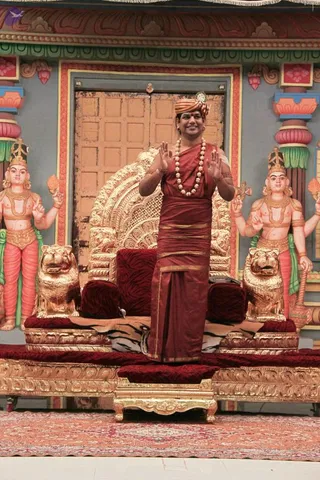
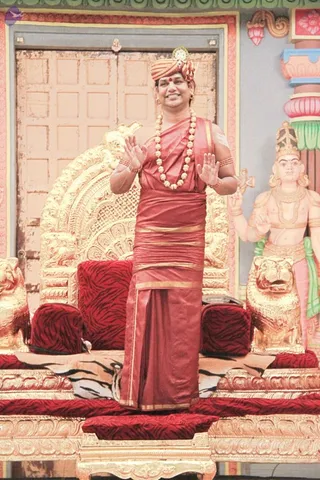
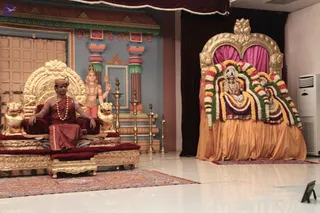
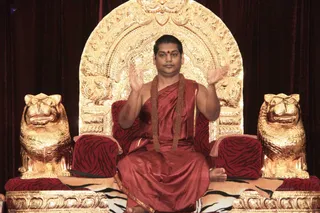
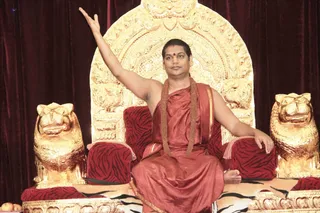
A standing man in a rust-red silk dhoti and wrap stands in front of a golden throne draped with red velvet and a tiger-skin cloth, flanked by two golden lion figures. He wears an orange-and-white turban with a jewelled ornament, a long necklace of gold-coloured beads, and bangles, and raises both palms outward in a blessing gesture. Behind him are painted deity figures with multiple arms and crowns, pillars with lotus motifs and a wooden door. A patterned red rug covers the floor.A man in a red-orange turban, red-orange draped robe and a long necklace of gold beads and rudraksha-style beads stands on a platform before an ornate gilded throne flanked by two gold lion heads with red cushions and a tiger-striped cloth. He raises both palms outward in a blessing gesture. Two painted deity statues with crowns and gold jewellery stand on either side, and a wooden door with carved panels is behind the throne. The stage has a patterned red carpet. The appearance of the central figure with his turban, saffron-red robes and ornate necklaces matches Swamiji (probable), standing as a teacher on the throne stage.A man in a rust-red and maroon dhoti-style garment with gold-edged borders stands on a raised stage before an ornate golden throne with lion-shaped arms and red velvet cushions. He wears a saffron-orange turban with a green jewel, a long gold-beaded and rudraksha-style mala, and holds his palms together raised near chest height in a welcoming gesture. Flanking him are two painted deity figures with multiple arms and gold ornaments, and golden lion statues sit at the throne's base. The setting is a temple-style stage with carved wooden doors behind the throne and a patterned red carpet in front. a person is identified by the distinctive saffron turban, layered mala and ceremonial throne setting, with the candidate physically present.Photograph of a smiling man standing on an ornate stage before a gold-carved throne with red tiger-striped cushions and gilded lion figures. He wears a red-orange turban with a jewelled ornament, a red-orange silk shawl and dhoti with gold borders, a red bindi, gold earrings, bracelets and a long gold-beaded necklace, and raises both hands in a blessing gesture. A pink and white deity murti stands to the right, and a wooden door with carved panels is behind. Appearance-based cues (turban, ornate red-orange robes, beaded necklace, throne) match the page's Swamiji label, so the figure is a probable Swamiji seated-stage speaker.A seated man in an ornate gilded throne with lion-head armrests sits on a red cushioned dais in a decorated hall. He wears an orange turban, a rust-red shawl over bare shoulders, a rudraksha mala, and his hands rest on his knees. Swamiji (probable), based on the orange turban, rudraksha mala and ornate clothing cues. Beside him stands a painted figure of a deity holding a kalasha-like object. To the right, a decorated deity murti sits in an arched gilded niche draped with orange silk and garlanded with multicoloured flower chains. Brass oil lamps line the central floor, and a wall air conditioner is visible at right.Photograph of an indoor temple-style hall with a seated man on the left and a garlanded deity murti on the right. The seated man wears an orange turban, a rust-orange robe and a long beaded rudraksha mala, and sits on an ornate gold throne with lion-head armrests draped in red cushions. Behind him stands a painted statue of a deity holding a staff. On the right, a gold arched canopy frames a silver-clad deity murti decorated with a multicoloured flower garland and a golden-orange cloth. Brass oil lamps stand on the white marble floor between them, with a patterned carpet in front. The person on the throne is an appearance-based probable Swamiji with a turban, rudraksha mala and orange robe, and the image is consistent with a satsang setting.
sarva-darshan-and-final-blessings

28 photosSource gallery
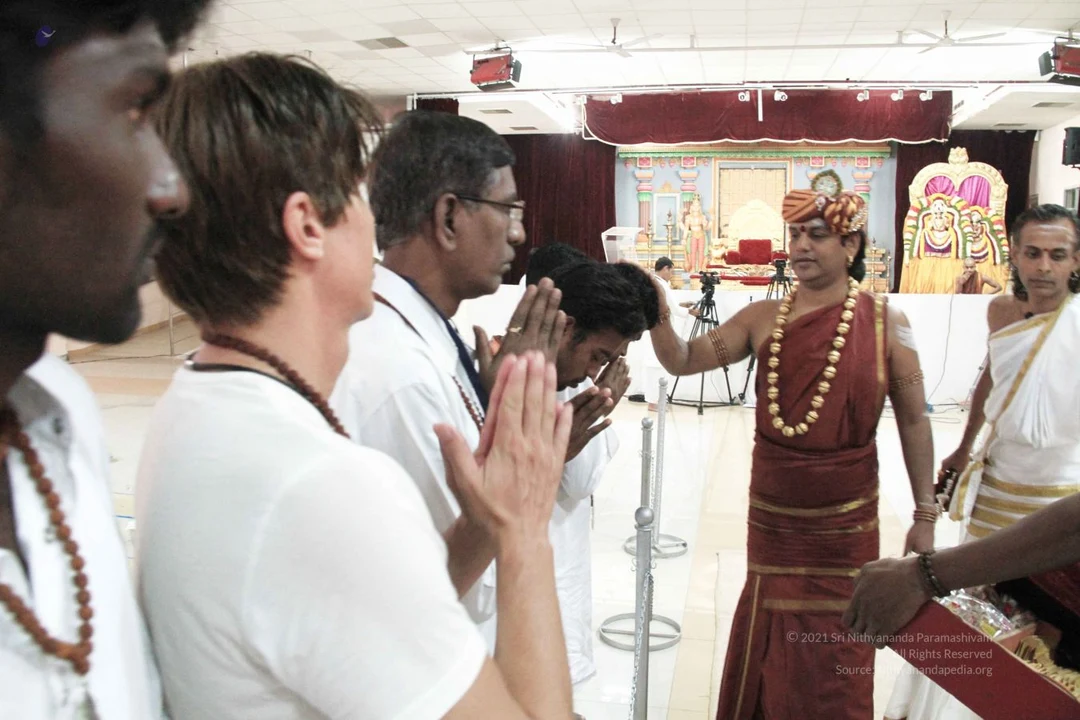
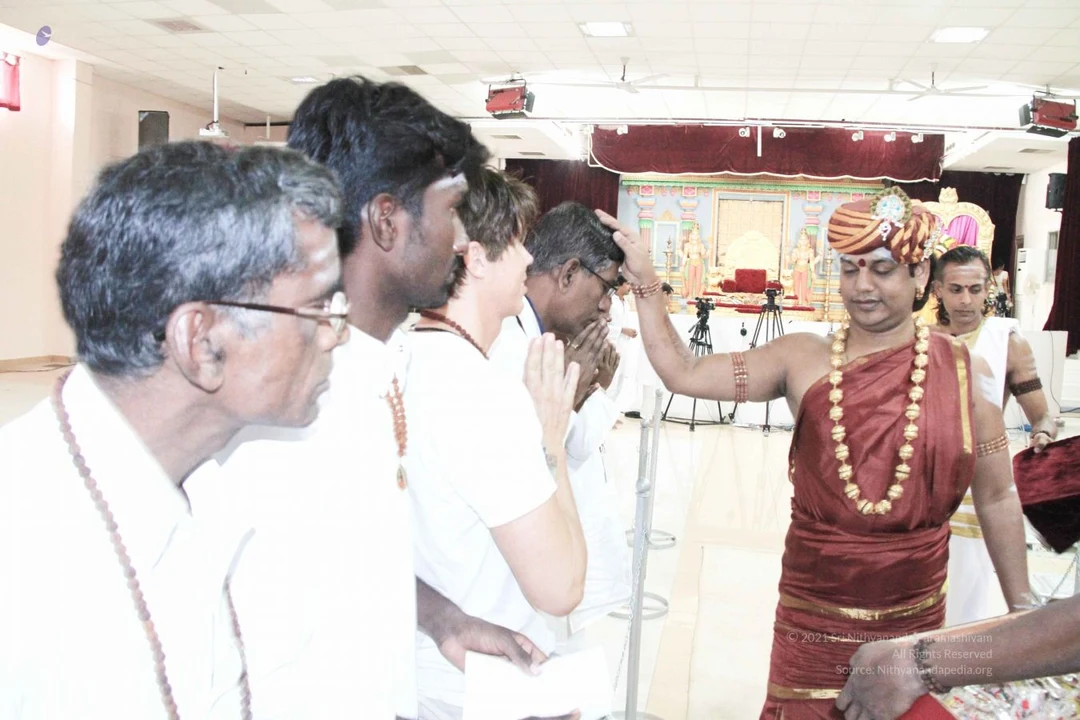
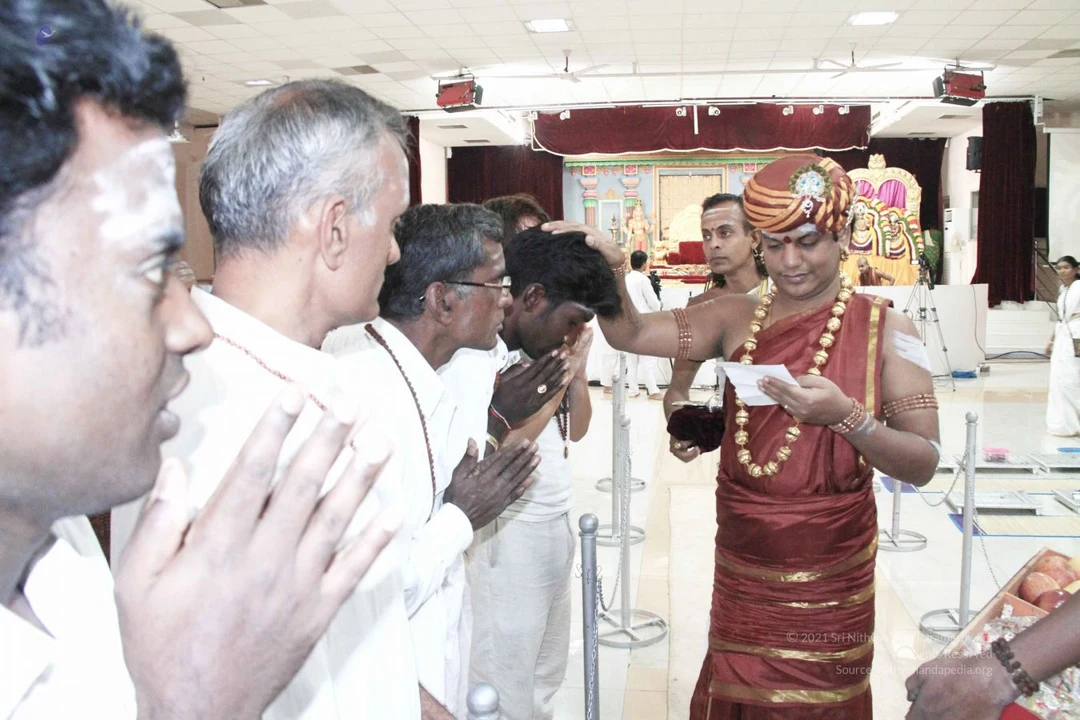
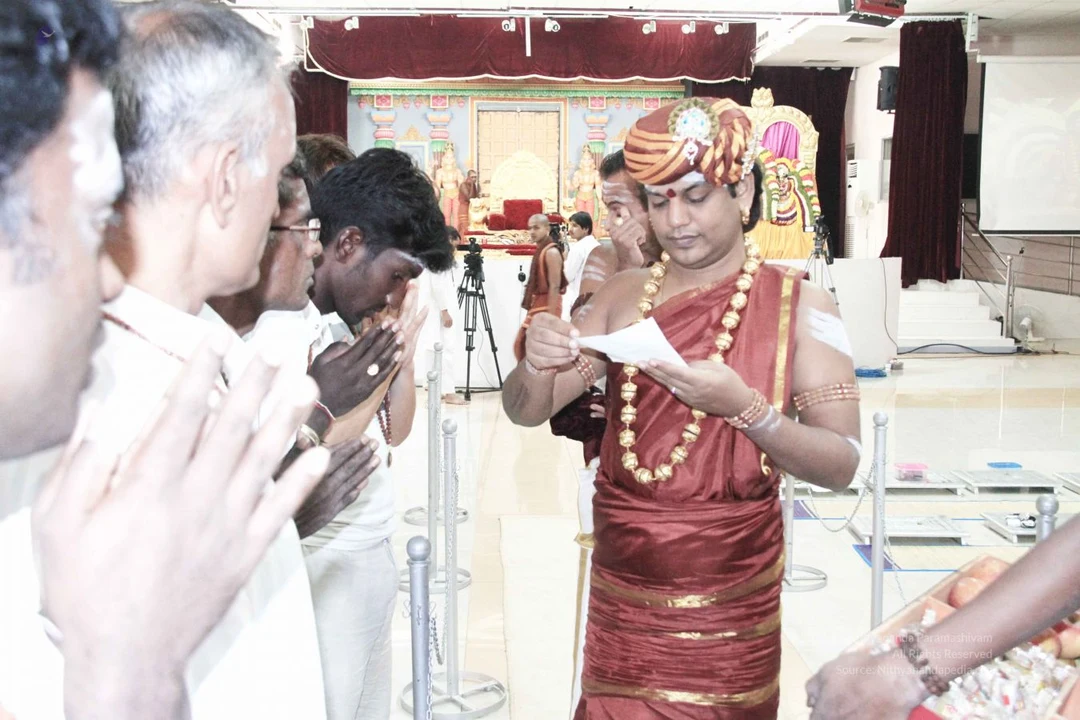
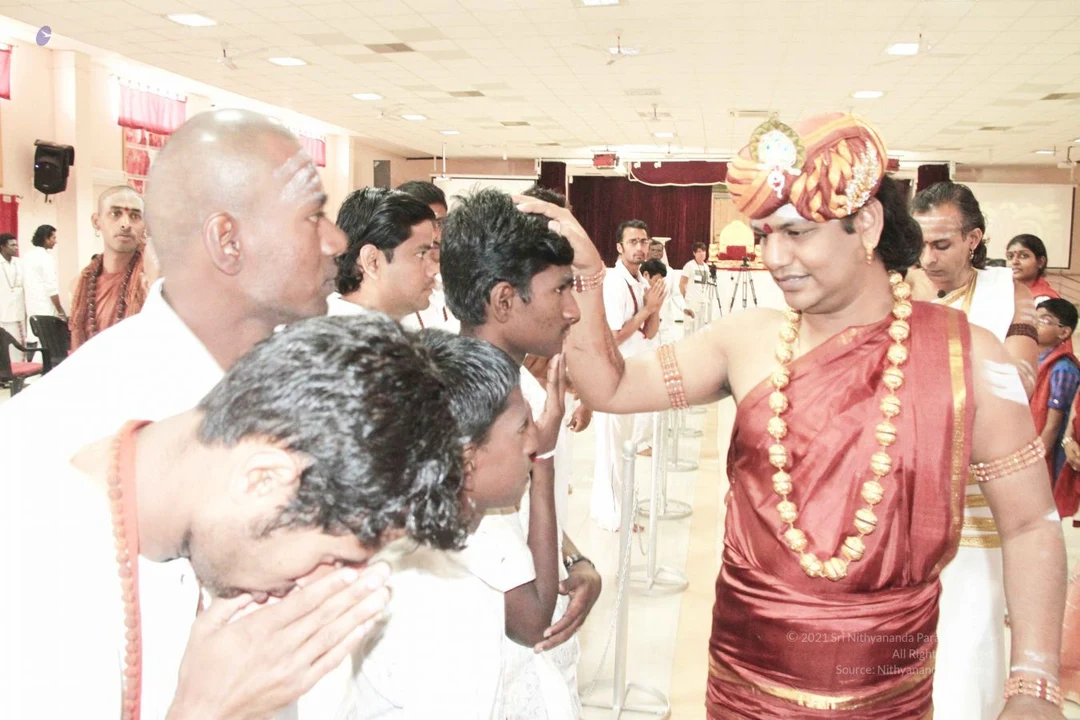
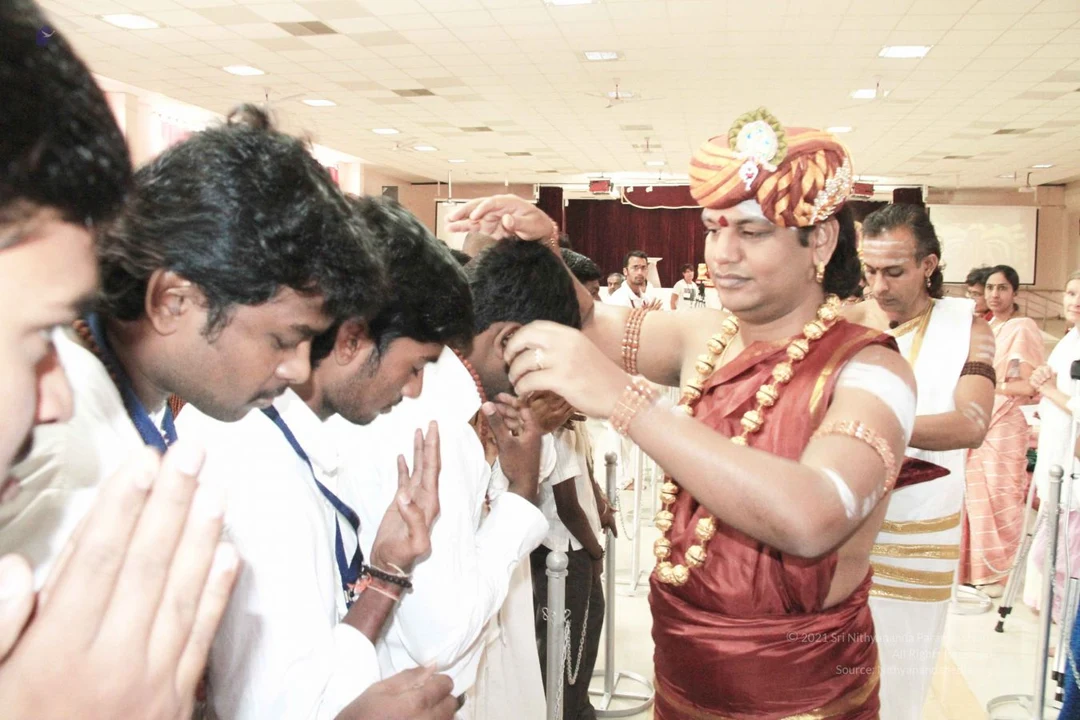
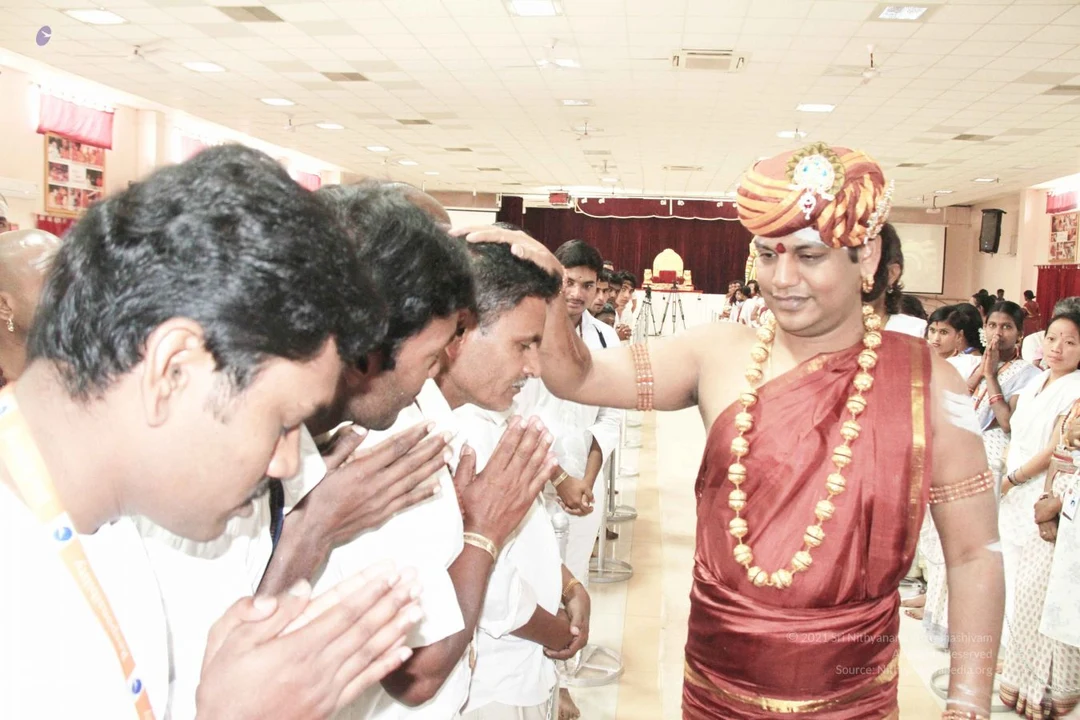
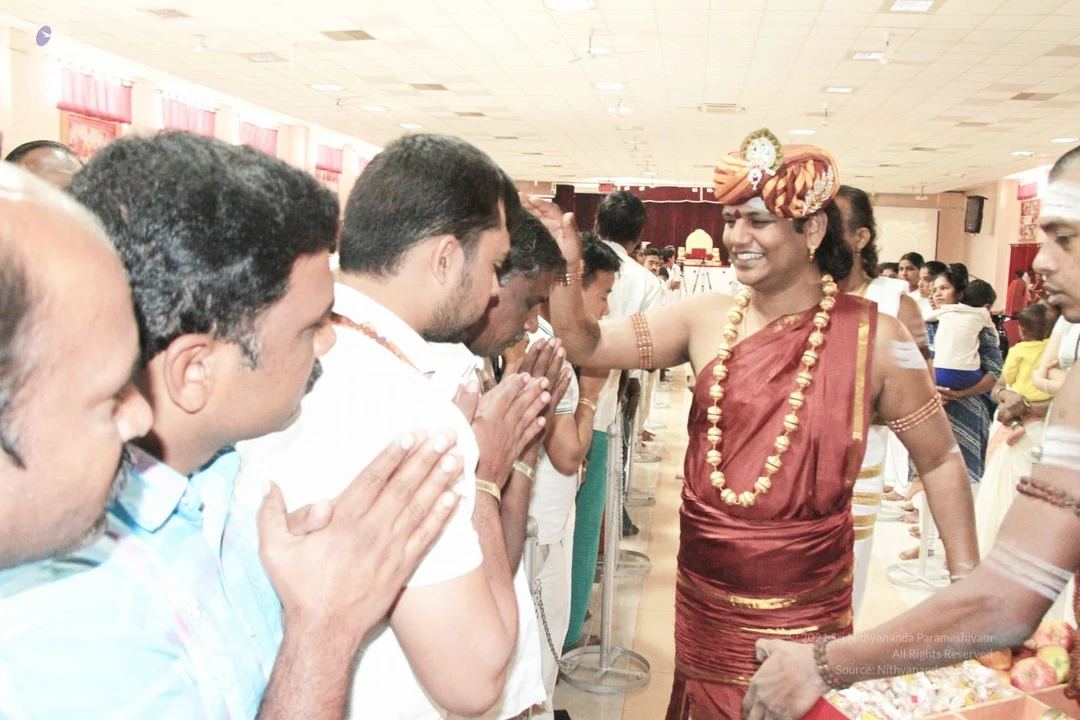
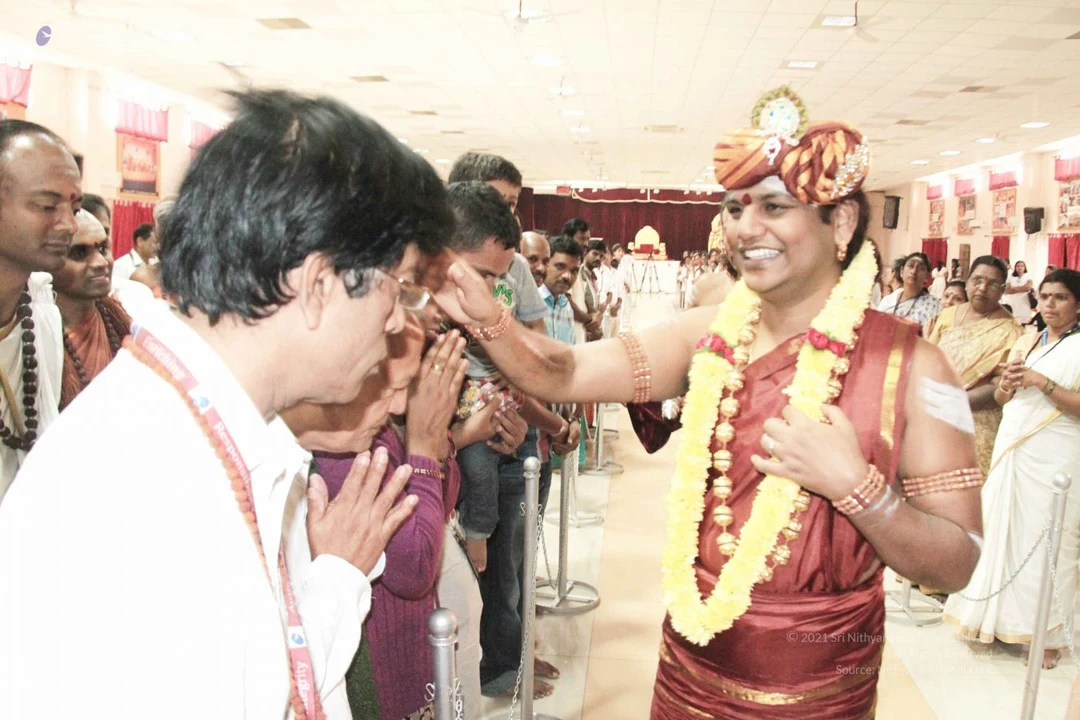
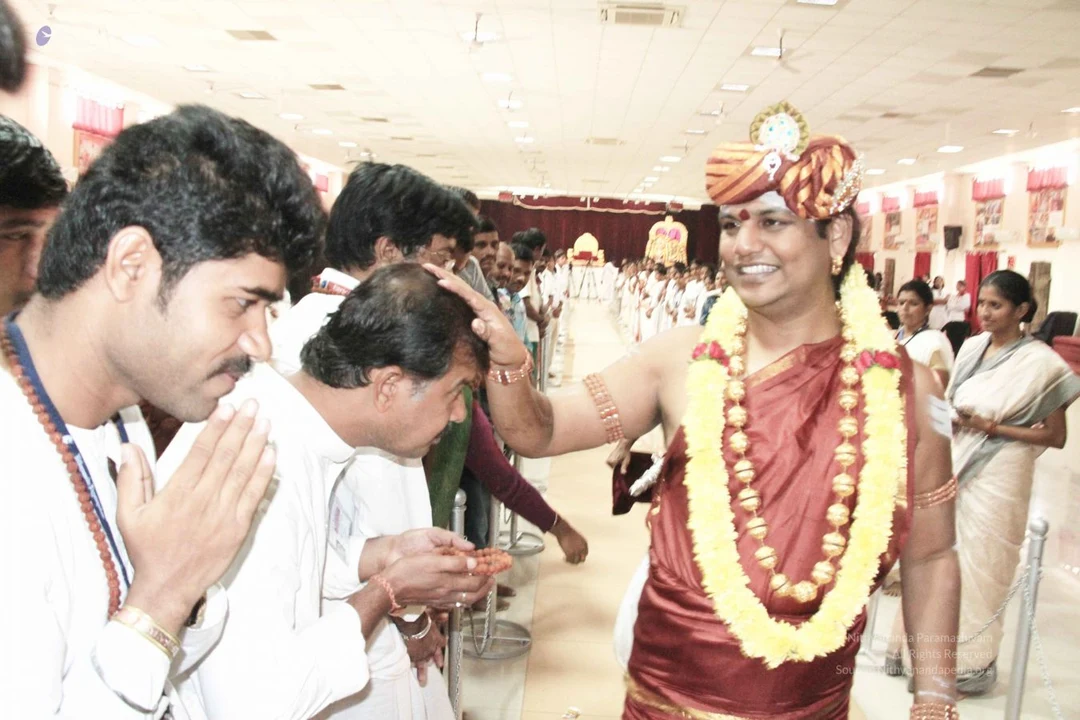
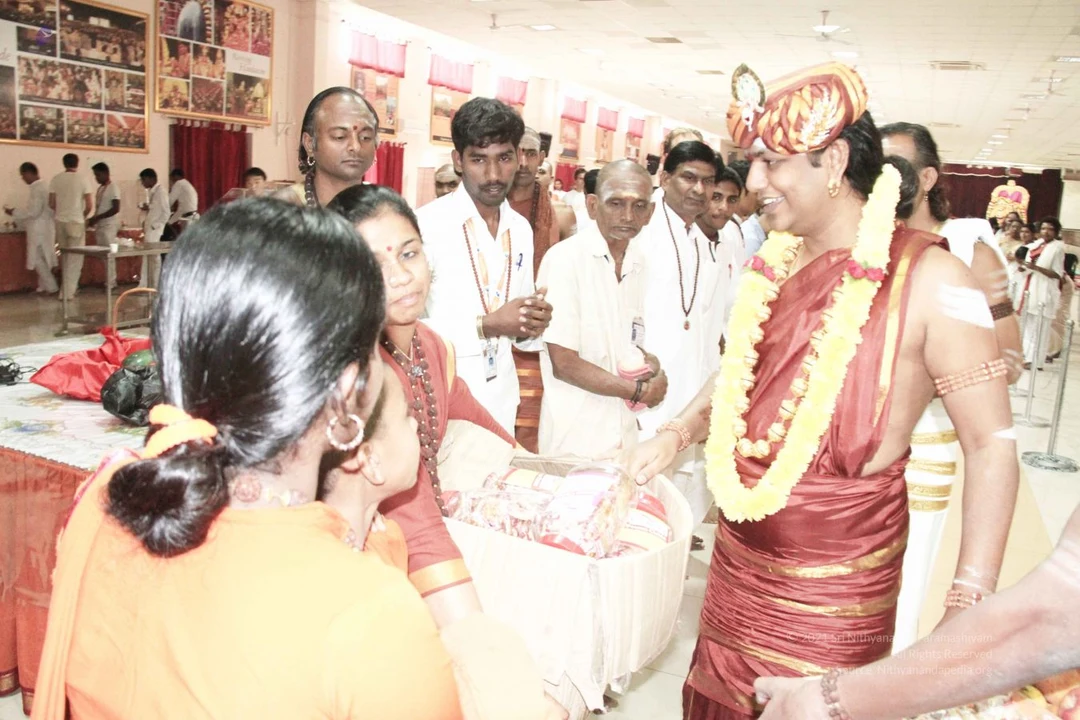
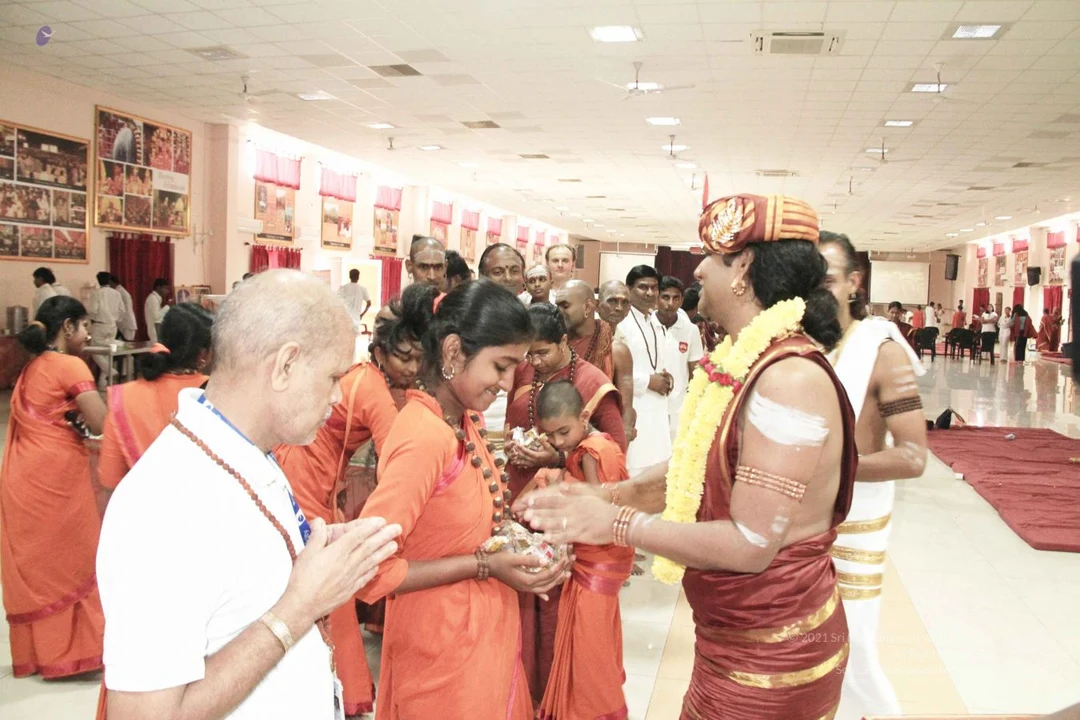
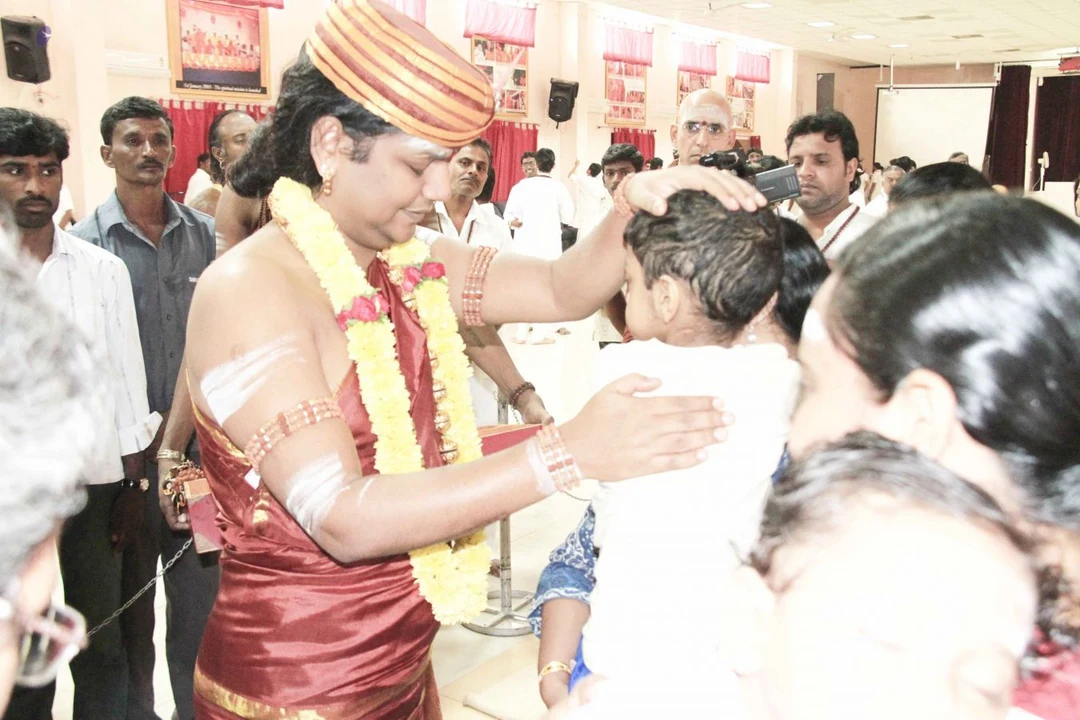
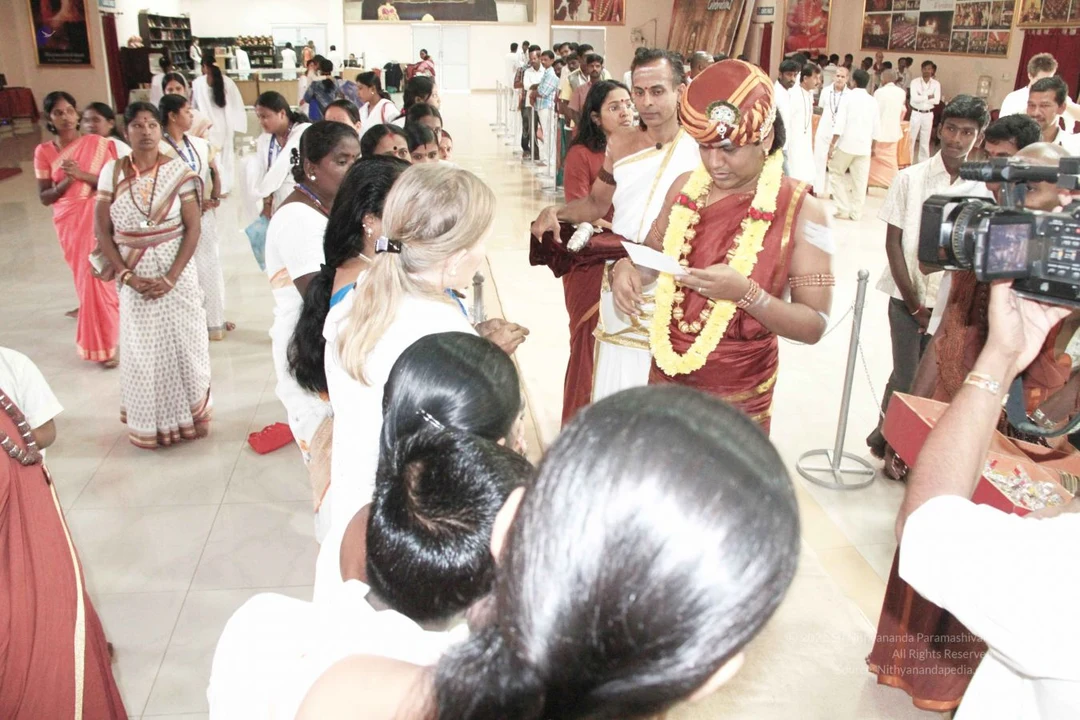
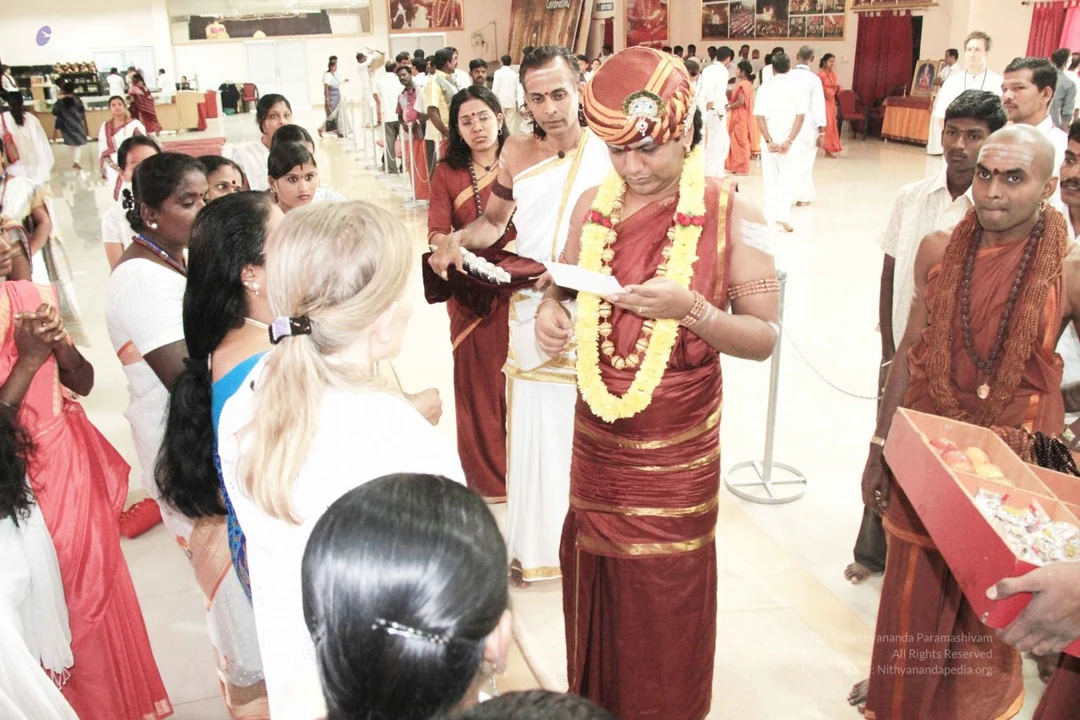
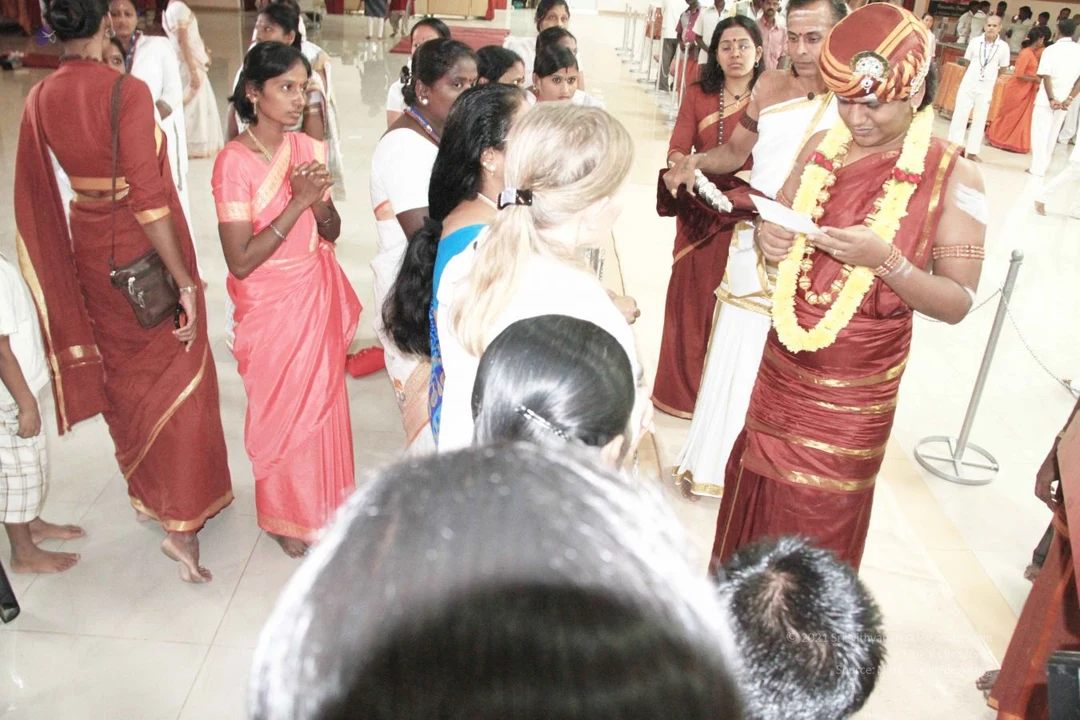
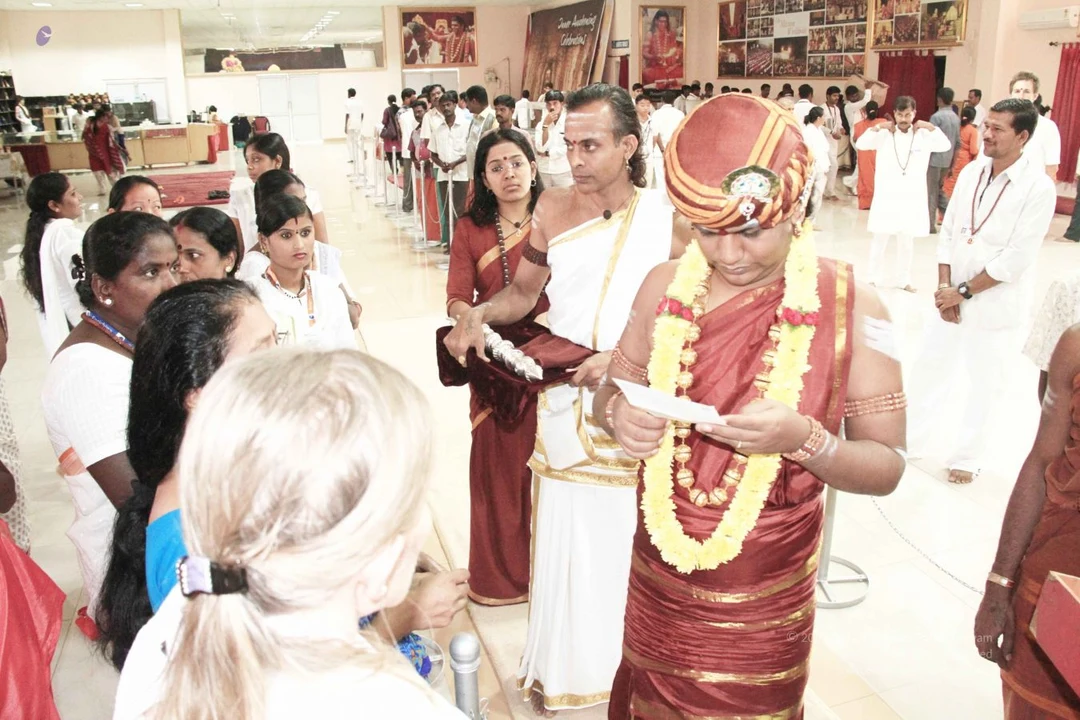
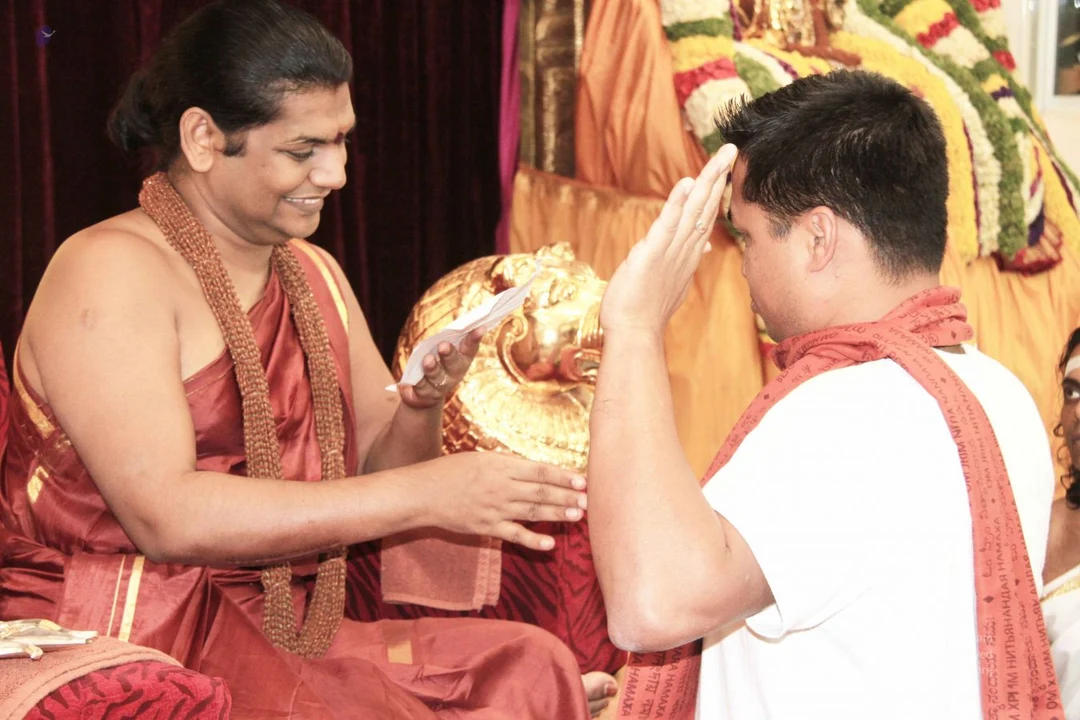
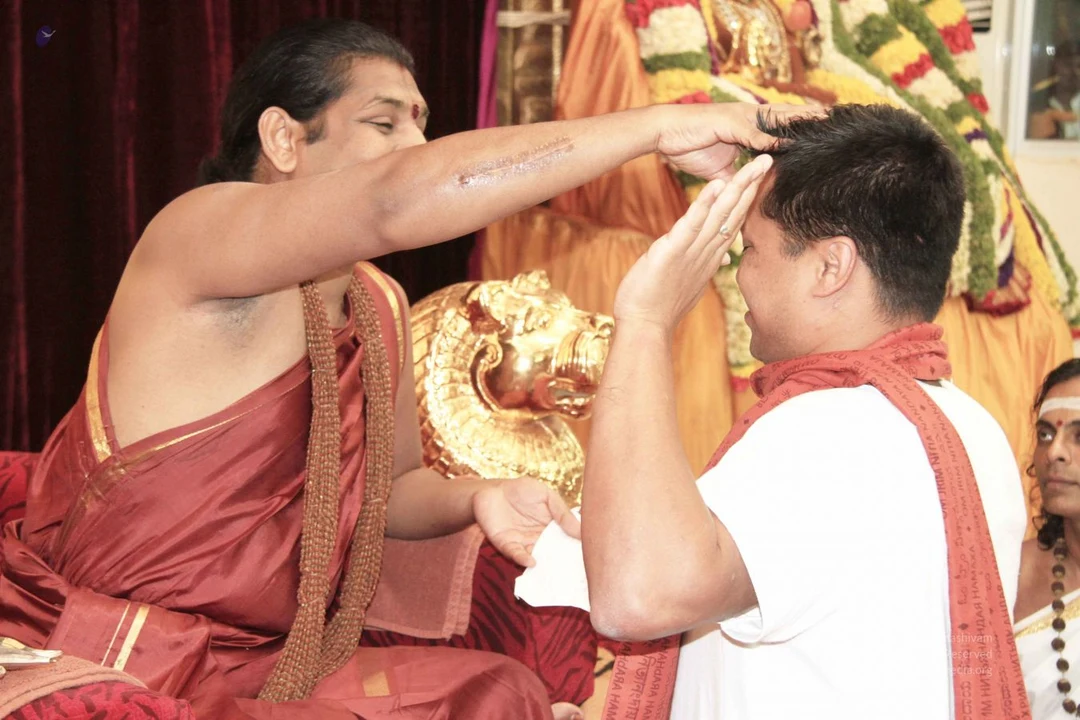
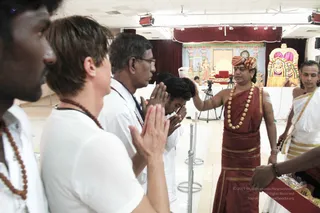
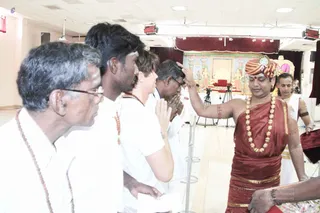
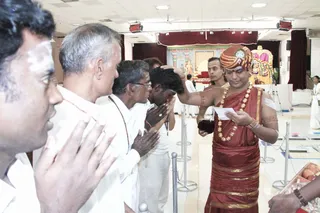
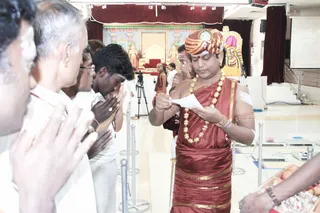
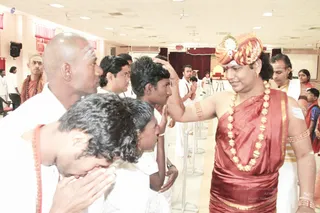
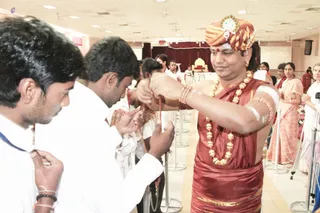
A photograph inside a hall with a maroon curtain and a decorated stage backdrop showing painted deity figures and a red-cushioned throne. In the foreground several men in white shirts and white dhotis stand with palms pressed together in anjali. A man in the centre wears a saffron-red turban, a red-brown dhoti-style wrap, and a long gold-beaded necklace, and extends his hand toward a bowed devotee's head in a blessing gesture. A shaved-headed man in white dhoti with gold border stands at right holding a tray. Rudraksha malas hang on several people. Camera tripods and lights are visible in the background.A photograph of devotees receiving blessings in an indoor hall with white walls and ceiling fans. A man in a maroon-red dhoti and wrap with gold trim, a gold necklace, a striped orange-and-maroon turban and a gold-bordered sacred thread stands on the right, raising his right hand toward a devotee's head in blessing. Beside him, a second man wears white clothes and a sash. On the left, three devotees in white clothes stand with folded hands, one wearing a rudraksha mala and one with a sacred thread; a bespectacled older man in white with a rudraksha mala stands at the far left. Behind them, a stage with red curtains and a painted backdrop of deities, a red throne-like seat and camera tripods. Total people visible: about six.A photo from a satsang-style gathering in a bright hall with a stage backdrop. A man in a rust-red dhoti and shawl, with a red-and-gold turban, gold beaded necklace and wrist bands, stands at right holding a folded paper and resting his hand on the head of a devotee with bowed head. Several men in white dhotis and shirts stand at left with palms pressed together in namaskar, one with white tripundra marks on his forehead. Stanchions and a fruit tray sit at lower right, and a painted temple-style backdrop and drapes fill the background.A photograph in a temple-style hall. A central figure in a rust-red and maroon draped garment with gold border, a gold-coloured jewelled crown or turban in orange and gold, a long gold bead necklace and gold bangles holds a folded white paper in both hands and looks down at it. A devotee with a bare-chested figure in the foreground stands with palms joined in anjali. Several people in white dhotis and shirts stand with folded hands and heads bowed at left. Behind, a red-cushioned throne is set before a decorated backdrop with golden deity murti figures, and a camera on a tripod sits near the stage. Fruit and offerings are arranged in a tray at lower right. a person cues: a bright orange-and-gold turban-style crown, gold bead necklaces and a draped rust-red garment on the central figure, who is handling a paper in a ceremonial setting.Indoor hall with white walls, ceiling fans, red curtains and a row of chairs. A man in a saffron-red silk dhoti and shawl, wearing a tall red-and-orange turban, long gold-bead necklace and gold earrings, stands at right with his hand raised over the head of a young boy in white. Beside them a bald man in white clothes presses his palms together, and another boy in white with bent head is held in front. Several devotees in white dhotis and orange shawls stand nearby; a shaved-head man in orange wraps stands at left. a person is the central figure in red and orange ceremonial dress, blessing a child. A projector screen and a small altar with lamps appear in the background.A man in a saffron-orange turban with a jewelled ornament and a red-maroon dhoti and shawl, wearing a heavy gold bead necklace and rudraksha malas, stands at right tying or adjusting a red-orange thread bracelet on the wrist of a young man in white clothing at left. Other devotees in white and cream attire stand with hands folded in the background. A red-draped stage holds a golden throne-like seat and a kalasha-style decoration. The setting is a large hall with a drop ceiling, cream walls and a row of metal stanchions.

Inner-Awakening Darshan

25 photosSource gallery
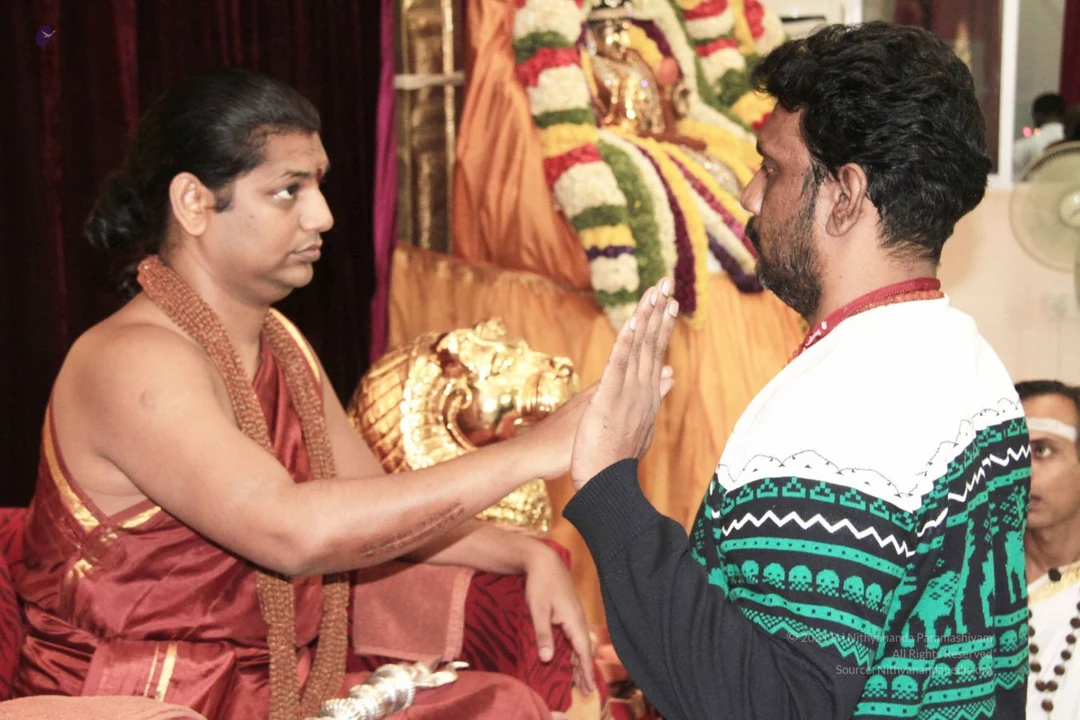
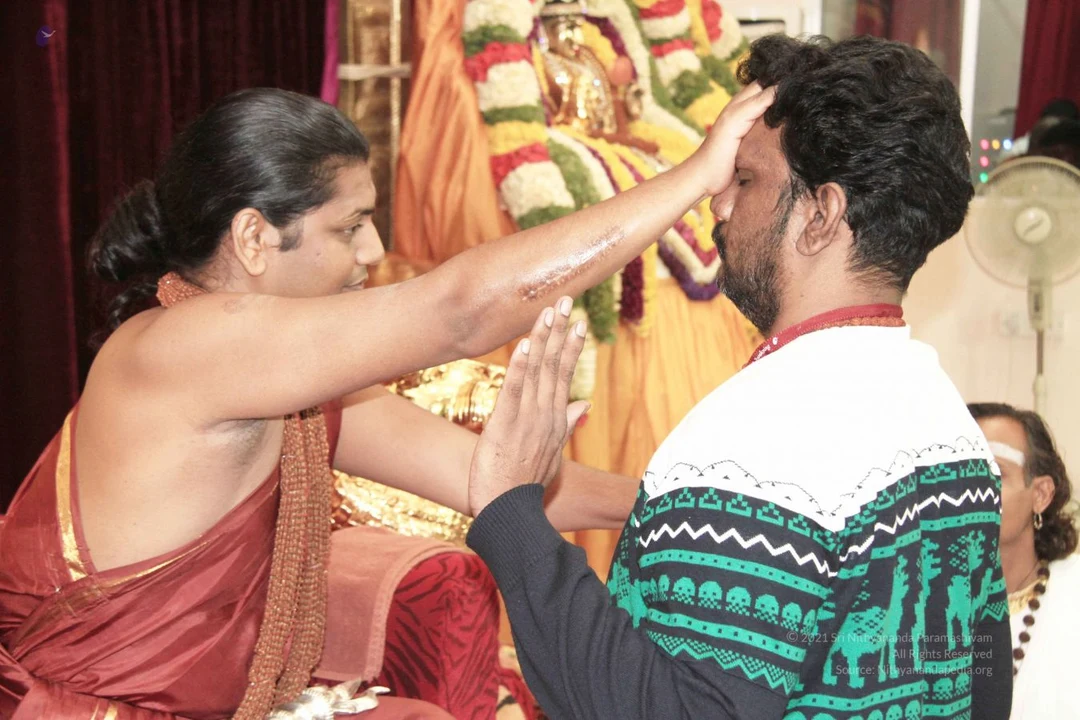
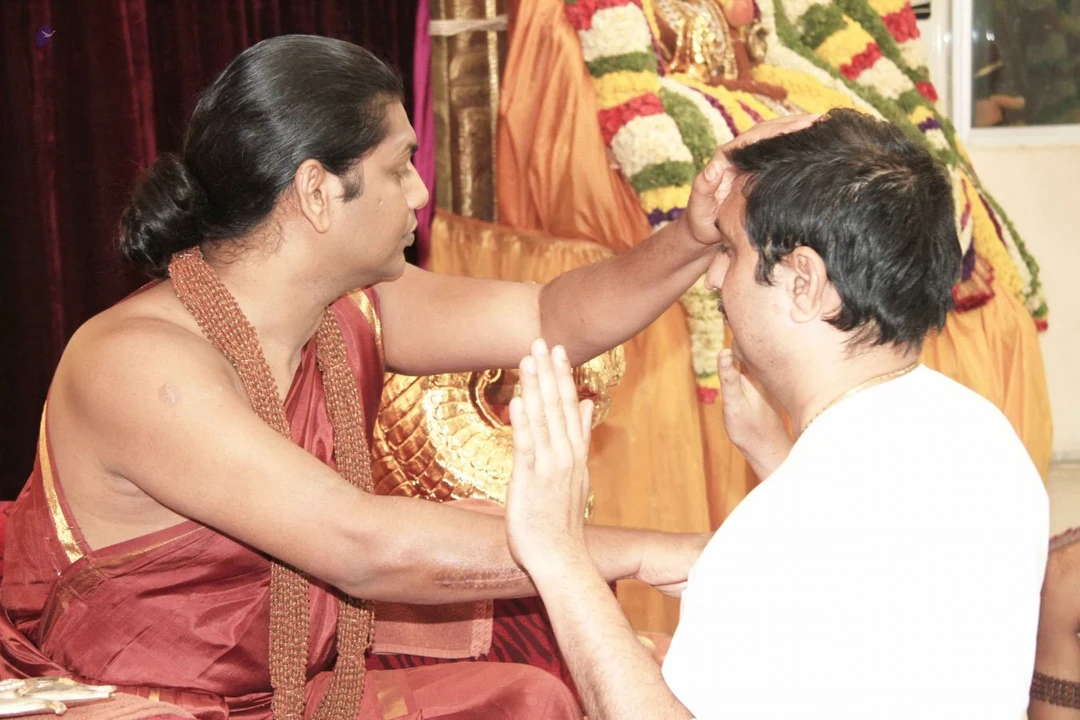
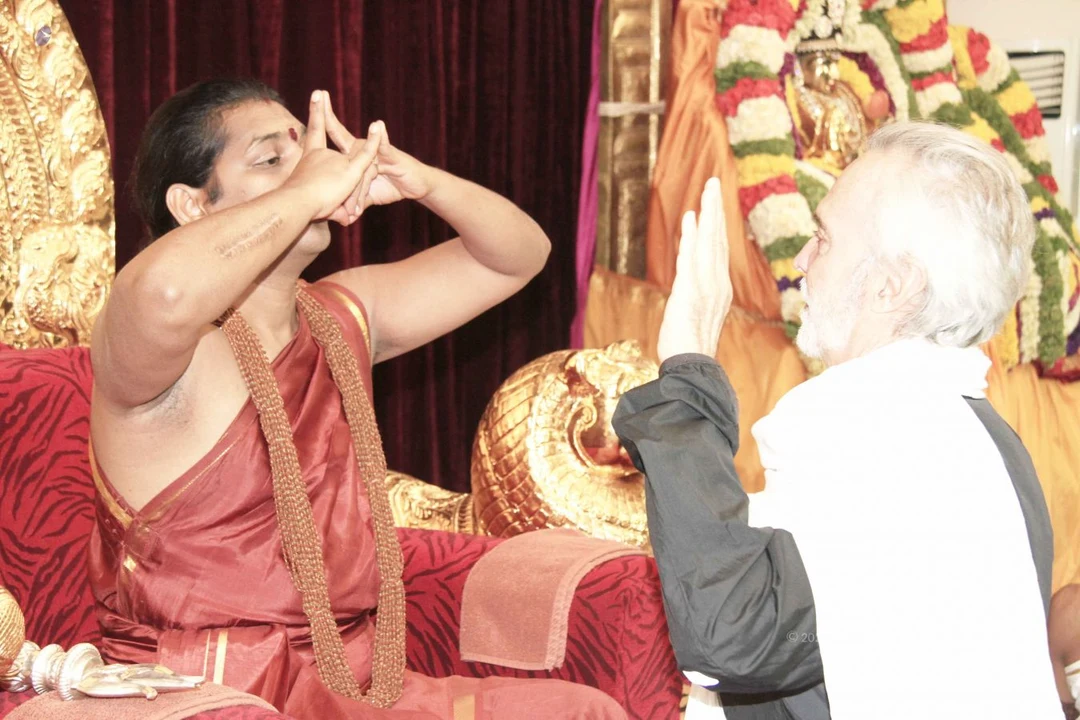
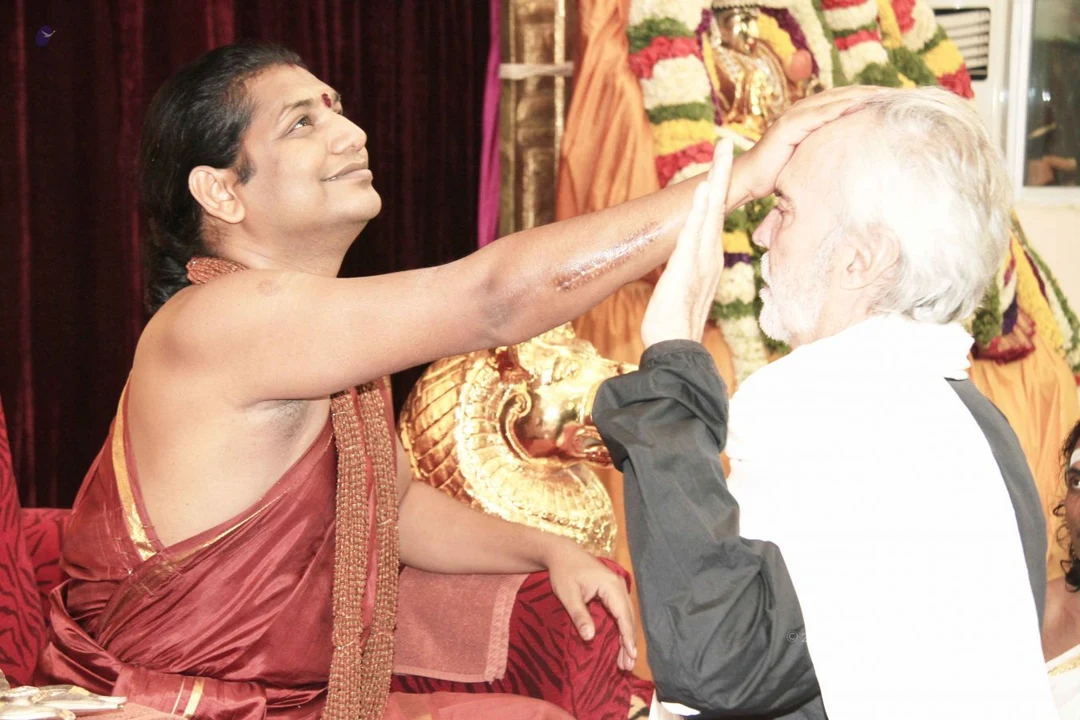
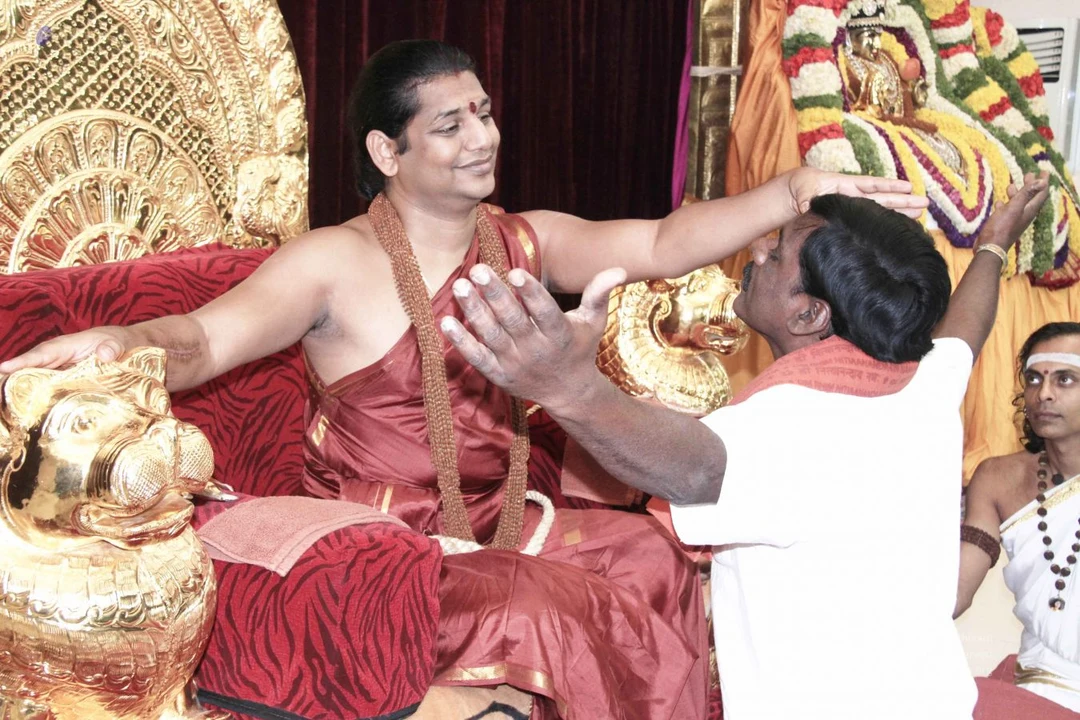
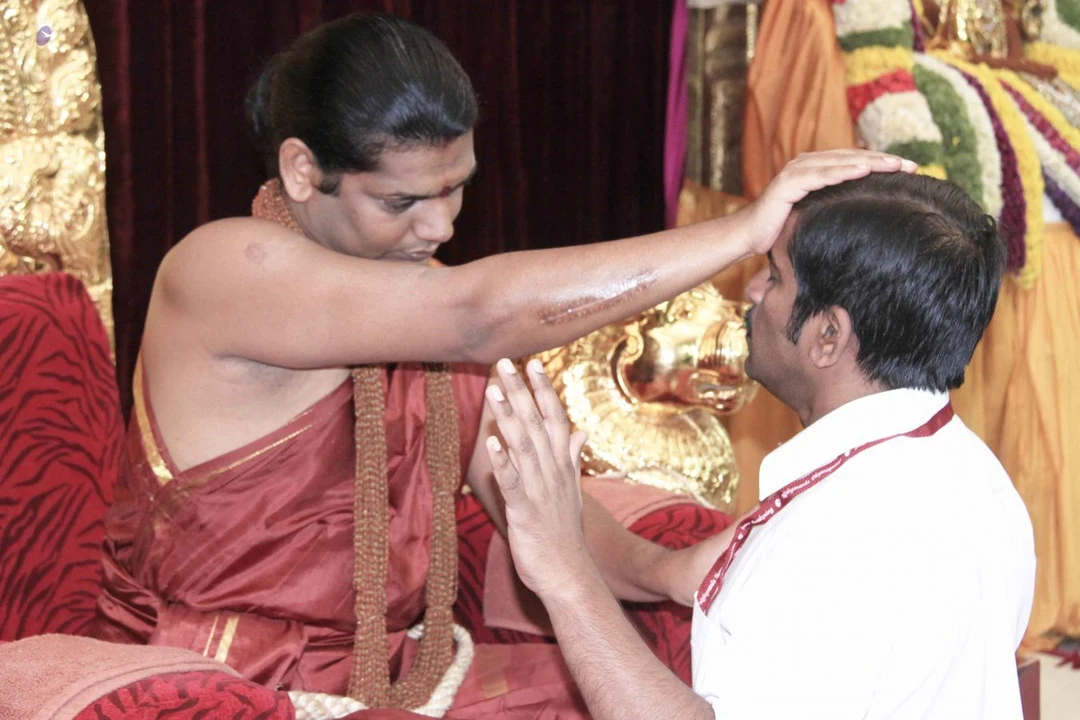
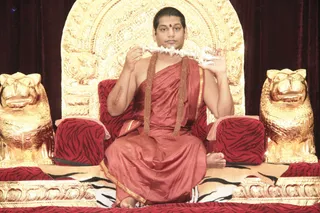
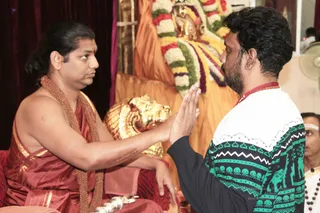
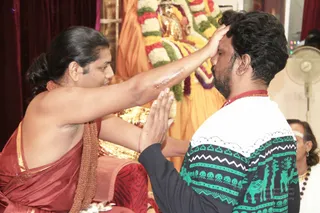
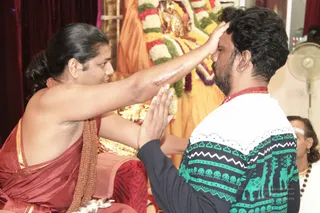
A seated man in a maroon-red robe and matching wrap sits cross-legged on an ornate gold throne with a gold arched backrest and two golden lion-shaped armrests. The throne is draped with red and black tiger-striped cushions and a tiger-striped cloth. He wears a beaded brown-and-gold rudraksha mala around his neck, a small red bindi on his forehead, and has his bare feet visible. His hands are raised in front of his chest with palms open in a gesture of teaching or blessing. Dark red curtains form the background. A copyright-style caption appears faintly in the lower right corner.A man in a rust-red dhoti and wrap with a rudraksha mala sits cross-legged on an ornate gold throne carved with scrollwork, flanked by two gold lion heads and red tiger-striped cushions. His right arm is raised in a blessing gesture and a red bindi marks his forehead. Dark red velvet drapes hang behind the throne, and a tiger-striped cloth covers the dais. Appearance-based candidate on a throne; clothing and mala cues are consistent with a person, though the face is not used for identification.A seated man in a maroon-red dhoti-style wrap with a gold-bordered shawl and a red bindi on his forehead sits on a red-and-black tiger-striped cushioned throne flanked by gold lion-head armrests. Behind him rises an ornate gold-leaf carved backdrop, with dark red curtains at the sides. He wears layered brown rudraksha malas around his neck and holds a white crystal-like shivalinga-shaped object in both raised hands, displayed toward the camera. Appearance-based probable Swamiji (probable): long swept-back hair, rudraksha malas and a saffron-toned wrap on a golden throne, matching the page's description of an in-person event. One person is visible.A seated man in a maroon-red robe with gold trim and a long rudraksha mala lowers his hand toward a standing devotee in a white and green patterned sweater, who presses palms together in a gesture of reverence. Behind them a deity murti is garlanded with white, yellow, red and green flower garlands on a golden throne-like setting, and a golden lion-shaped ornament sits in front. A man in white with a headband stands at the right edge. This appears to be a blessing or darshan exchange in a temple-like hall. a person: the seated man wears saffron-red ceremonial robes and a long rudraksha mala, a distinctive ascetic presentation.A photograph of a ritual blessing in a temple-like hall. A man with long dark hair tied back, bare-shouldered and wearing a deep red-maroon cloth with a gold border and a long rudraksha mala, presses his palm to the forehead of a bearded devotee in a dark sweater with green and white patterned yoke. The devotee's hands are pressed together and his eyes are closed. Behind them stands a golden deity murti draped in marigold and rose garlands with orange and green cloth, and a red curtain hangs at the left. A white-robed person with a white forehead mark and beads is partly visible at the right edge, and a standing fan sits in the background.A photograph of a seated figure in a maroon-red robe with a gold border and a beaded rudraksha-style mala placing a palm on the forehead of a bearded man in a black sweater with a white and teal patterned yoke. The man stands with his hands joined in namaste. Behind them, a golden deity murti is garlanded with red, white, green and purple flower strands, with an orange drape and a white fan on the right. At far right, another seated man in white with a white tilak mark on his forehead and a beaded necklace watches. Robed figure appears to be giving a blessing. a person: the seated figure has long dark hair pulled back, a rudraksha mala and a maroon robe, consistent with the page's listing of a person at this event.

Maheshwara Puja-Mahaparinirvana-Day

58 photosSource gallery
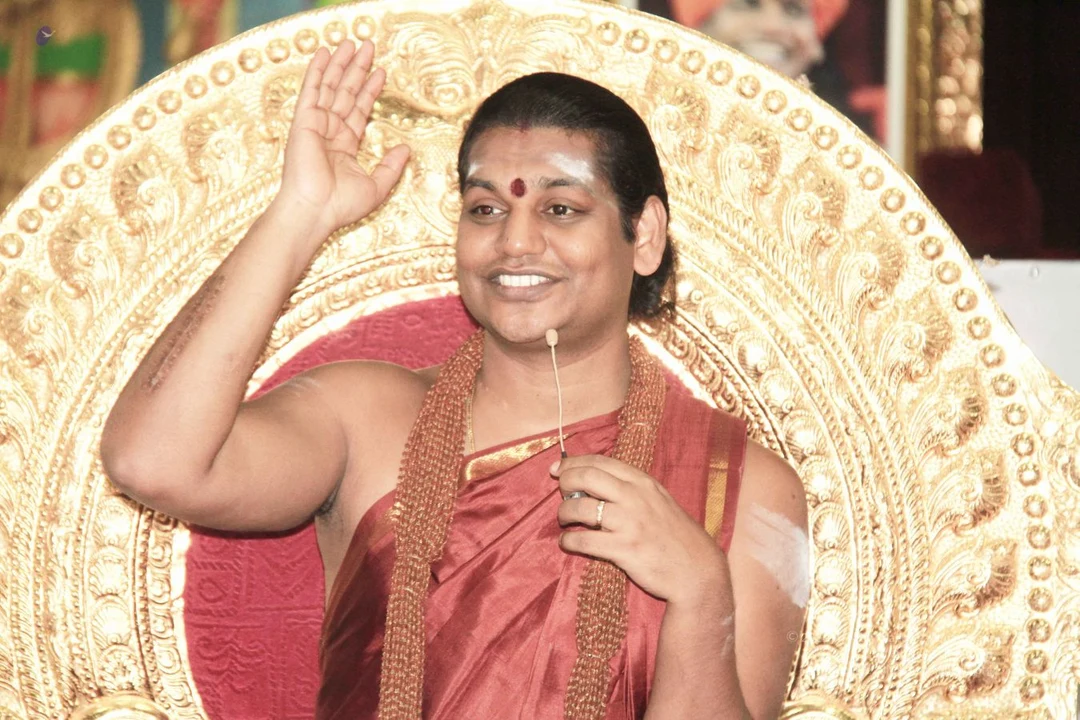
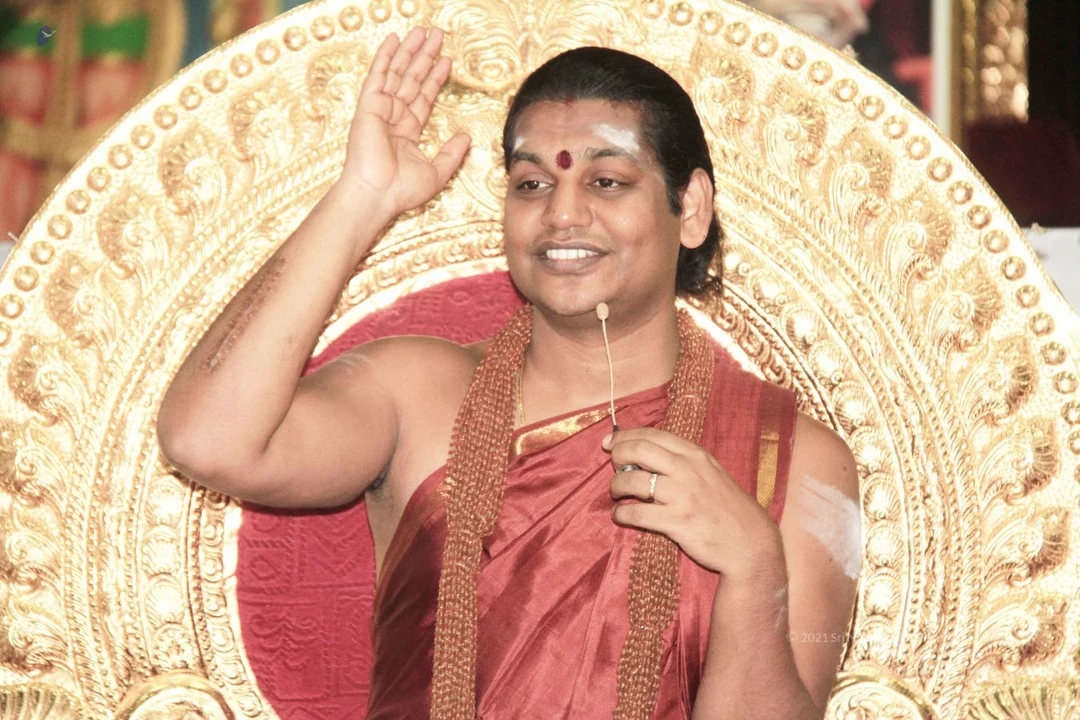
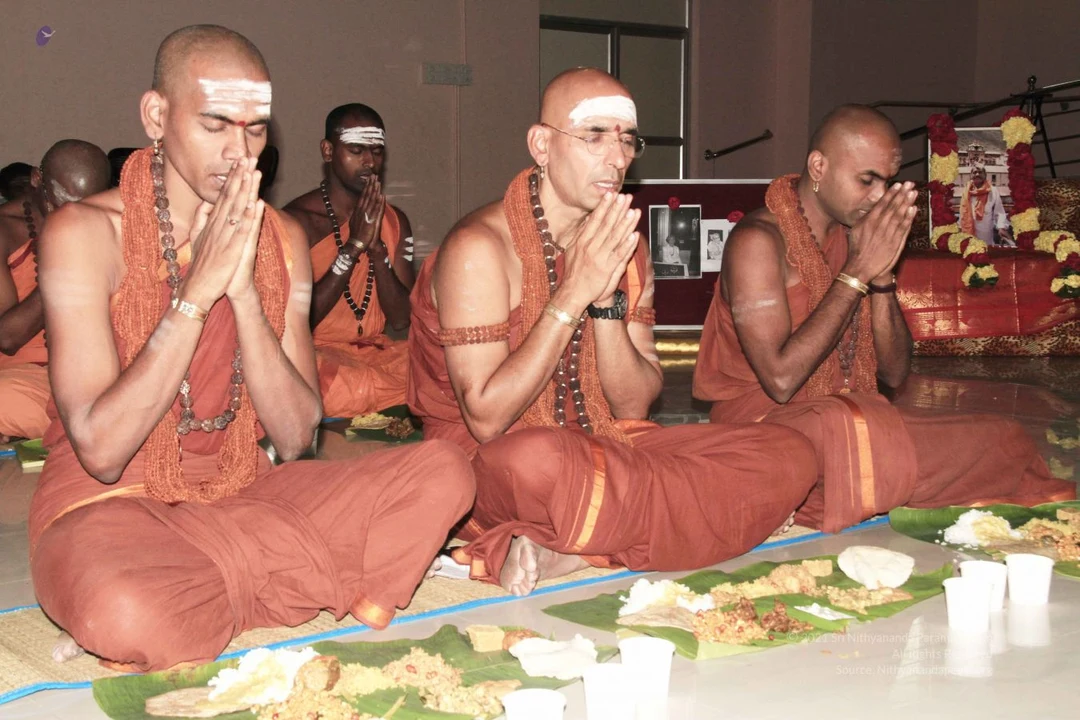
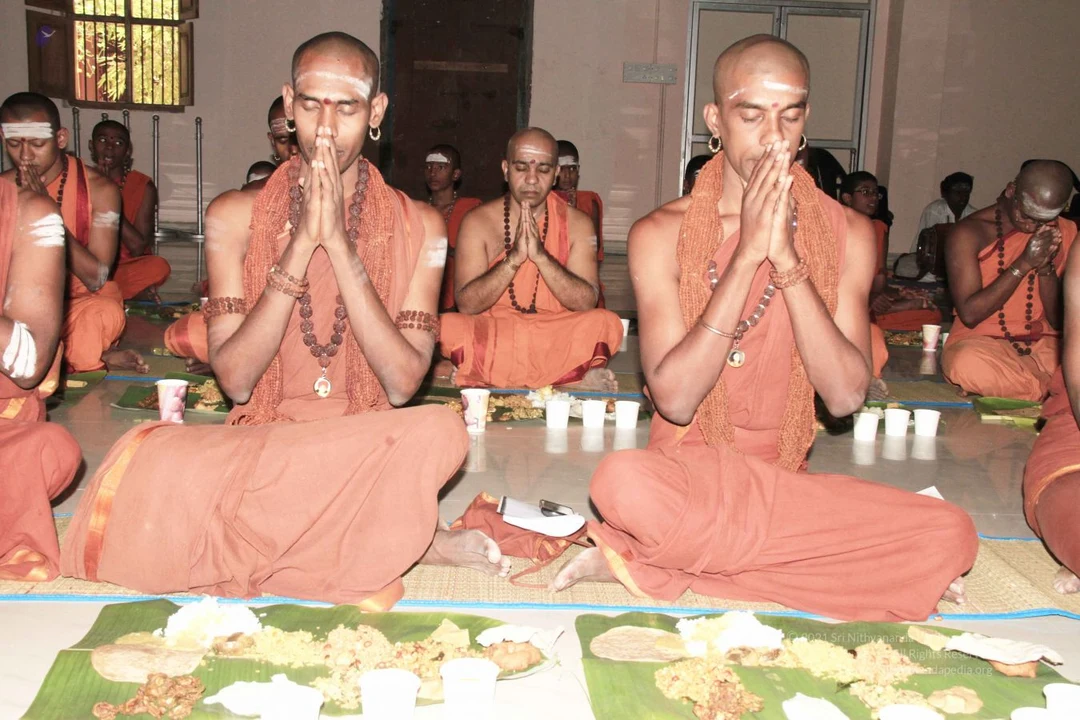
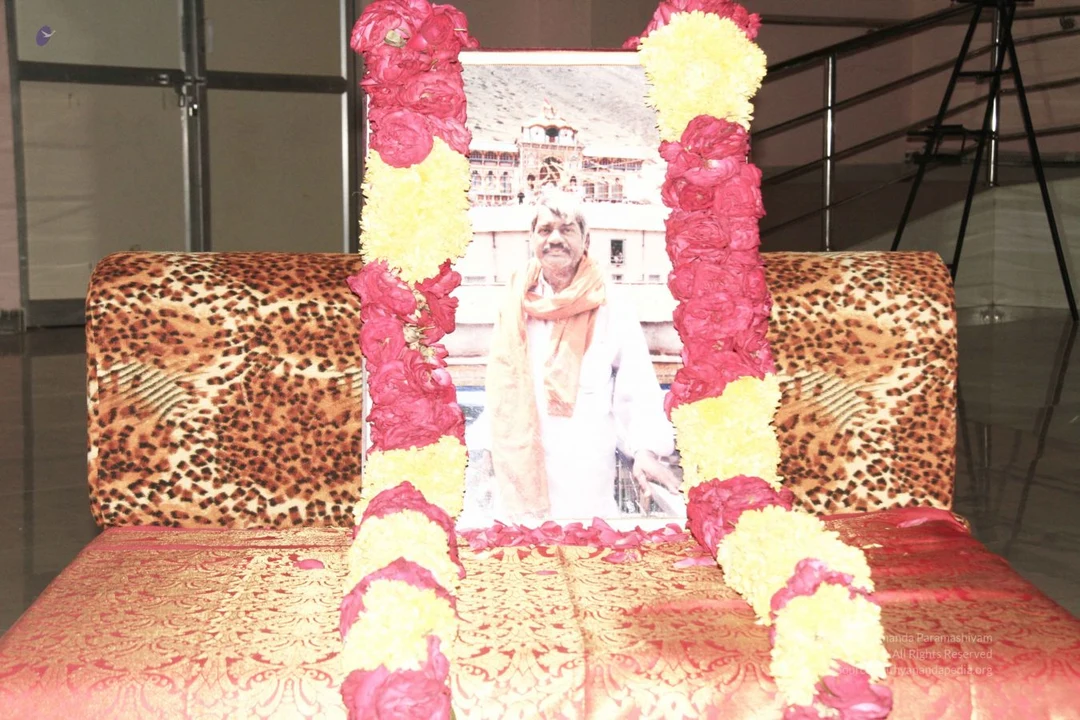
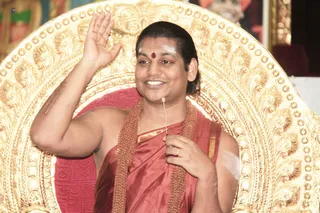
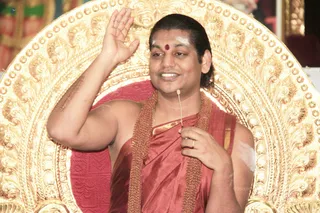
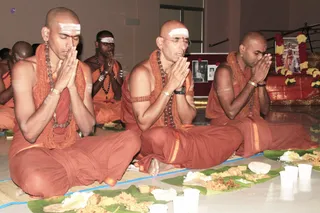
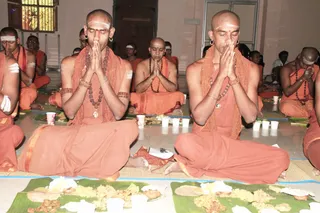
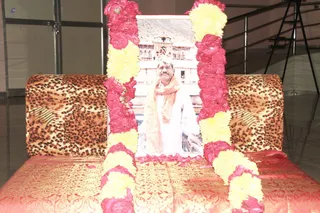
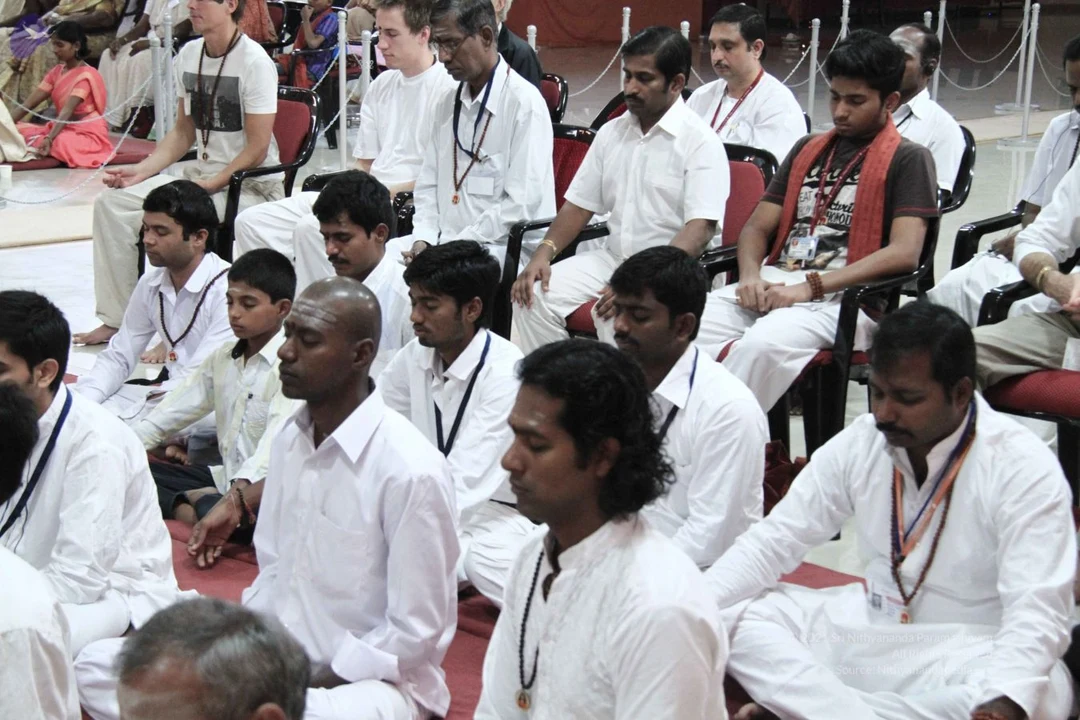
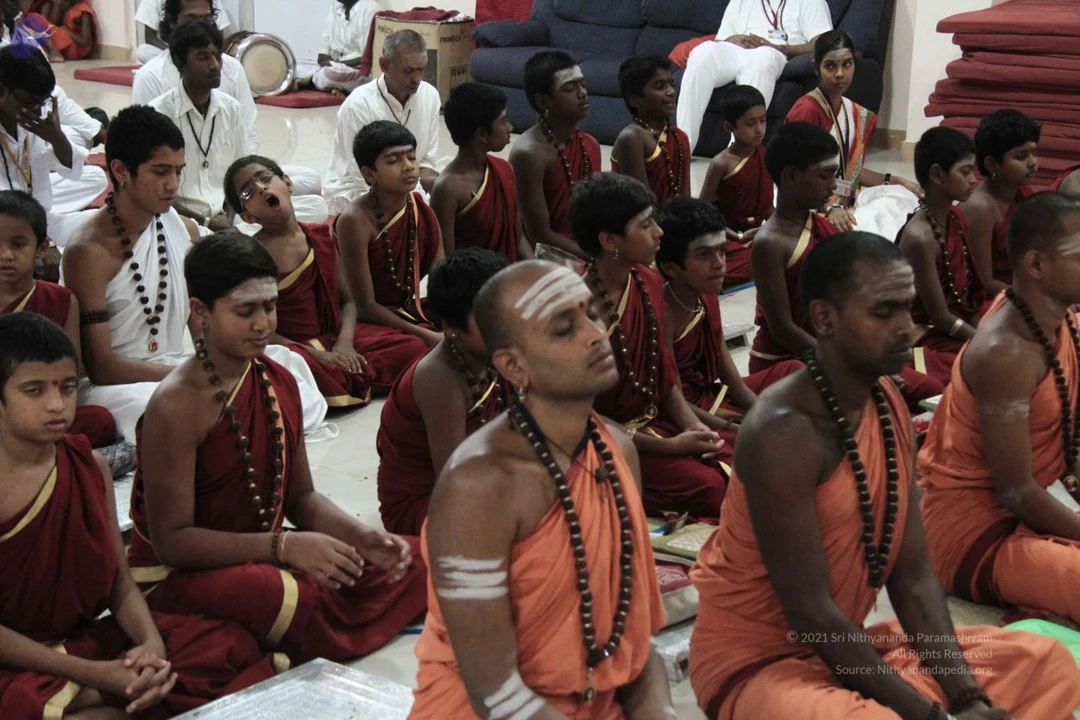
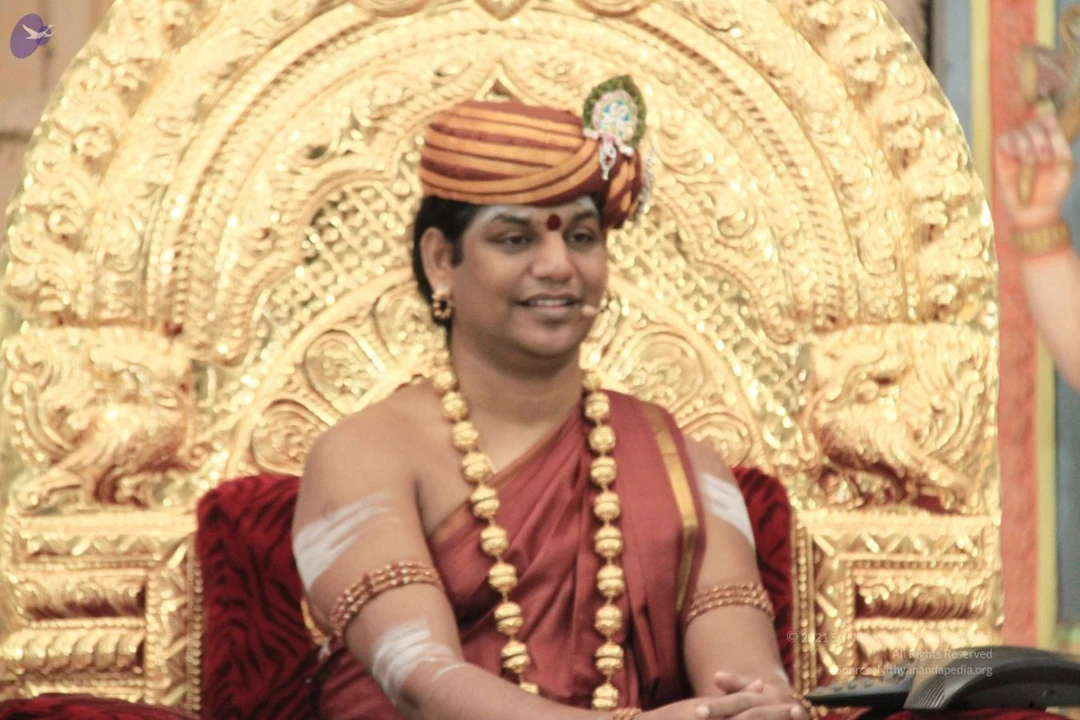
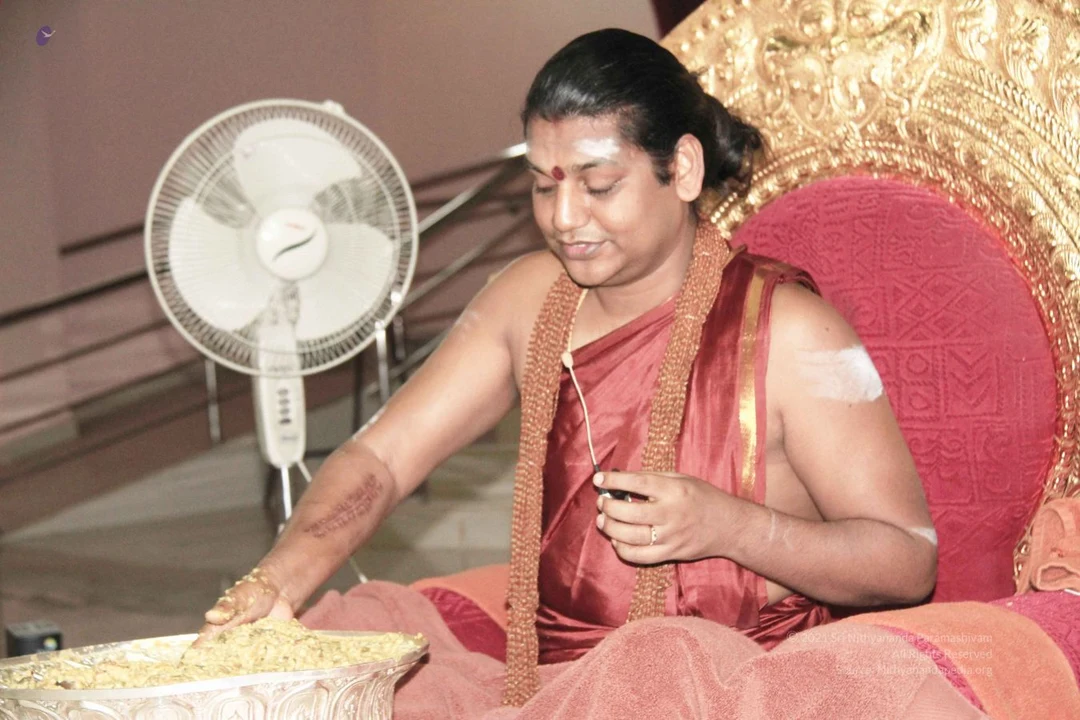
A smiling man seated on an ornate gilded throne with floral and scroll carvings raises his right hand in a wave. He wears a red-orange silk garment with a gold border over his shoulders and bare upper body, with long beaded necklaces of rudraksha-style beads, a red bindi and white vibhuti marks on his forehead. A small clip-on microphone is attached near his chest, and he holds a ring-adorned hand near it. Behind him a red cushion and a framed picture with gold trim are visible. Appearance-based label: a person, seated in a satsang setting.A man seated on an ornate gilded throne with elaborate scroll and bead carvings raises his right hand in a blessing wave while smiling and holding a thin stick or rod in his left hand. He wears a red-orange silk garment draped over his shoulder, a long beaded brown-gold necklace, a rudraksha-style chain, and a red kumkum dot on his forehead with white vibhuti marks. A red cushion sits behind him. The image appears to show a teaching or satsang setting, with the presentation being a candidate appearance-based match for a person, though identity is uncertain from appearance alone.Three shaven-headed men in saffron-orange robes sit cross-legged on a mat in prayer posture, palms pressed together at chest, eyes closed. Each wears a rudraksha mala and a saffron shawl, and the central man wears glasses and a watch; all have white and ash-colored tripundra marks on their foreheads. Banana leaves in front hold rice, papadam-like wafers and sweets, with paper cups nearby. Behind them a few other robed men sit with hands folded, and to the right a framed portrait sits among red and yellow flower garlands on a red-draped table. Two small framed photographs stand beside the table.Several shaved-headed men in saffron-orange robes sit cross-legged on mats in a hall, palms pressed together in namaste with eyes closed. Several wear rudraksha malas and white vertical tilak marks on their foreheads, with some also wearing white ash markings on arms and chest. In front of them, banana leaves hold rice, curries and fried items, with small paper cups of drink placed among them. Two prominent men in the foreground wear orange shawls and bead necklaces, and a few bystanders in white shirts sit at the right edge. No candidate is clearly identifiable as a person, so no identity is claimed.A framed printed photograph of a smiling man with grey hair and a moustache, wearing a white kurta and an orange-saffron shawl, is displayed on a red and gold brocade seat with a leopard-print cushion behind it. The framed photo is garlanded with red and yellow flower garlands and scattered petals, set in an indoor hall with a metal stand and staircase railing at right. The man appears in a printed photo, not physically present, and the background shows a temple gopuram.Two black-and-white photographs are pinned to a deep red felt background with three pink roses placed on and beside them. The left photo shows an older woman with short light hair and a pearl necklace in a white top, seated at a table with two wine glasses in a room with a window and a lit shelf. The right print is faint and shows several blurred figures in a room with framed pictures on the wall. A copyright credit is printed in the lower right corner.
Rathotsav
269 photosSource gallery
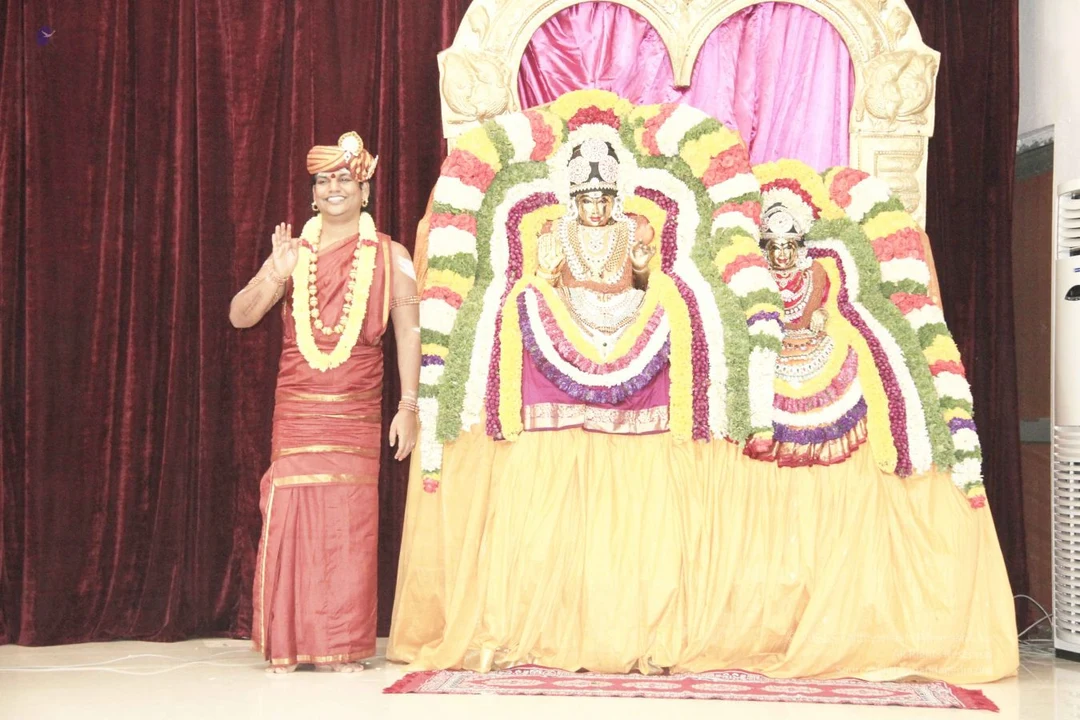
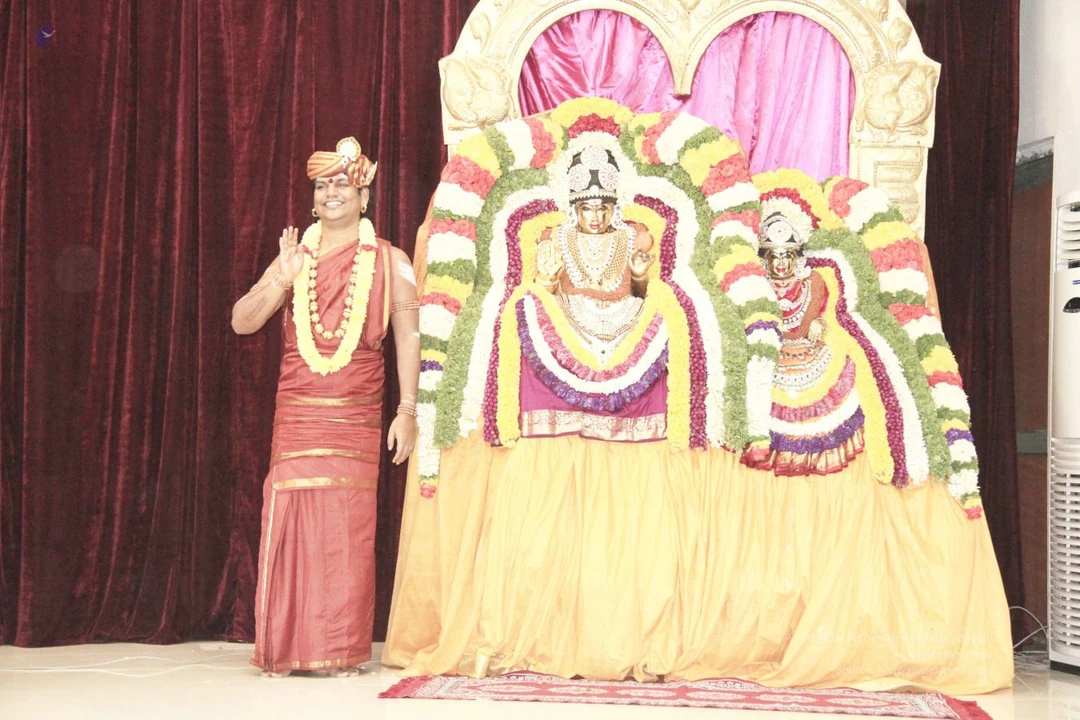
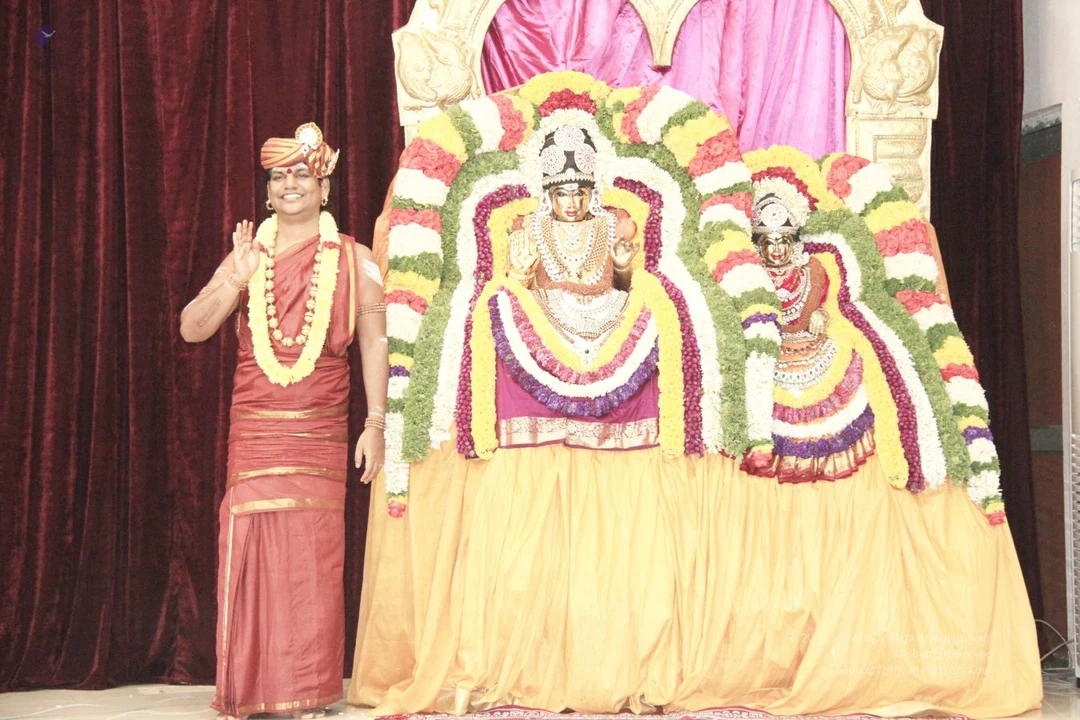
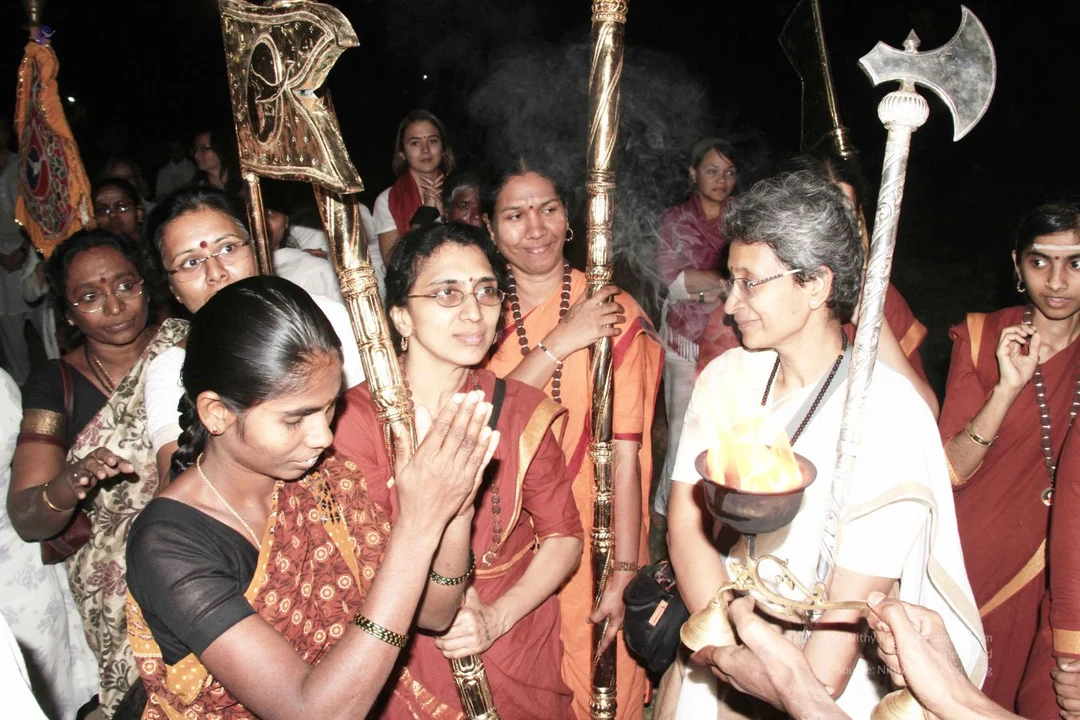
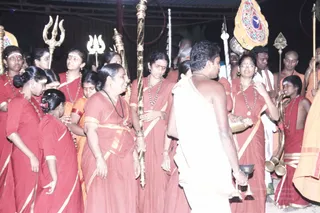
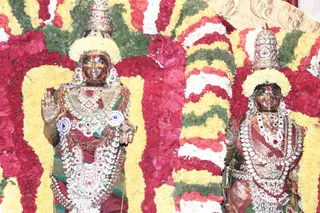
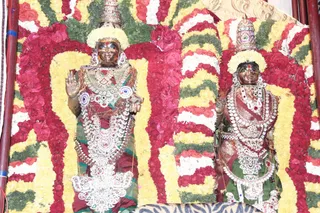
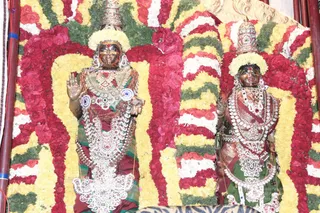
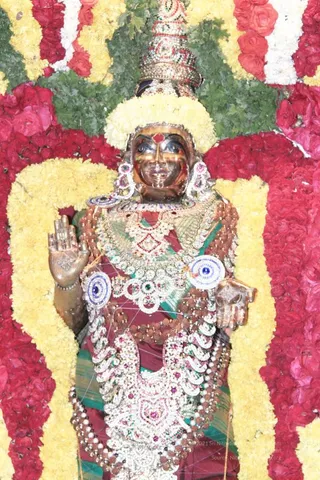
A nighttime procession of women in matching rust-red saris with gold borders and rudraksha malas walks outdoors. Several carry long gold-tipped staffs and trident-topped rods, and a tall gold-and-red banner with a decorative emblem rises behind them. A bare-chested man in a white dhoti with a gold border, facing away, holds a small brass dish and a bell. Men in saffron and white stand at the right edge, and a large curved horn rests in the foreground. Lit ritual staffs and tridents suggest a temple or ashram procession.Two metal murti of deities stand side by side, decorated with dense garlands of red roses, yellow marigolds and green leaves. The figure on the left has a raised right hand and wears a tall ornate crown, layered white and gold necklaces and a green and red sari. The figure on the right wears a crown, multi-strand beaded necklaces and a red and gold sari. Behind them, striped garlands of yellow, white, red and green form a backdrop. This is a photograph of deity murti, not people.Two deity murti, both metal figures with gold-toned faces, stand side by side against a backdrop densely covered in red roses, yellow marigolds and green leaves. The figure on the left has a raised hand and wears a tall crown, an ornate silver-white necklace and a green-and-maroon sari. The figure on the right wears a crown, layered jewelled necklaces and a green sari with gold border. Garlands frame the arrangement and a zebra-striped cloth lies at the base. No physical people are visible.Two gilded deity murtis of goddesses stand side by side against a backdrop densely covered with red roses, yellow marigold garlands and green leaves. The figure on the left raises one hand in blessing and wears a red and green silk sari, heavy silver jewellery, a jewelled crown and a large silver necklace. The figure on the right wears a green and red sari, layered silver necklaces, a red bindi and a jewelled crown. No people are visible in the photograph.A metal deity murti. The figure wears a tall jewelled crown with a yellow flower wreath, large earrings, layered pearl and gemstone necklaces, and many rudraksha malas. Its right hand is raised in abhaya mudra and the left hangs at the side. The deity is draped in a maroon and green silk garment with a green border, and a red tilak marks the forehead.A metal deity murti, a goddess figure, stands at the centre of a shrine decorated with dense garlands of red roses, yellow marigold-type flowers and green leaves. The murti wears an ornate jewelled crown, a jewelled necklace layered with pearl-like strands and red beads, and a red-and-gold patterned sari-style cloth. Its right hand is raised in a mudra and a yellow garland circles its head.

03-Rathotsav
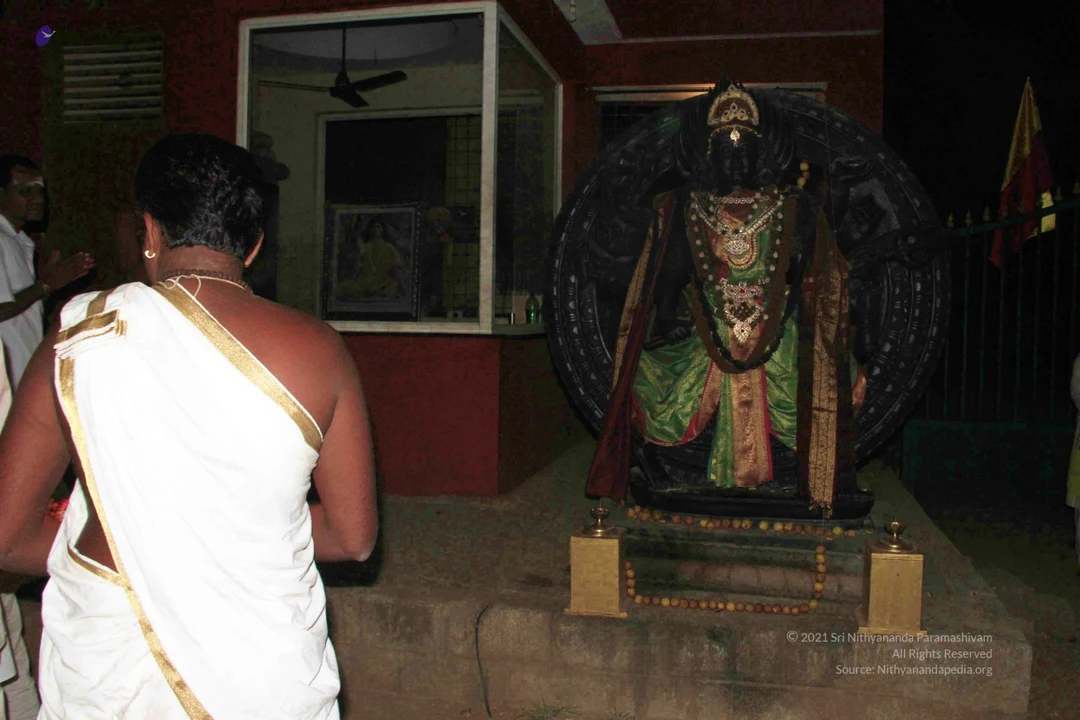
4 photosSource gallery
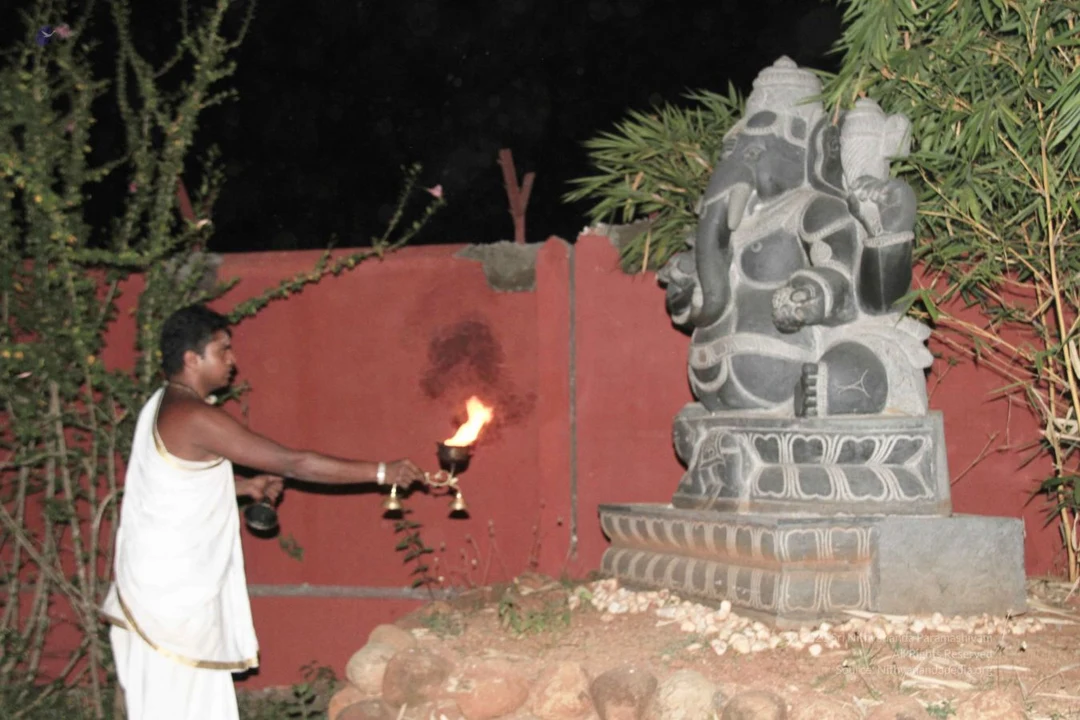
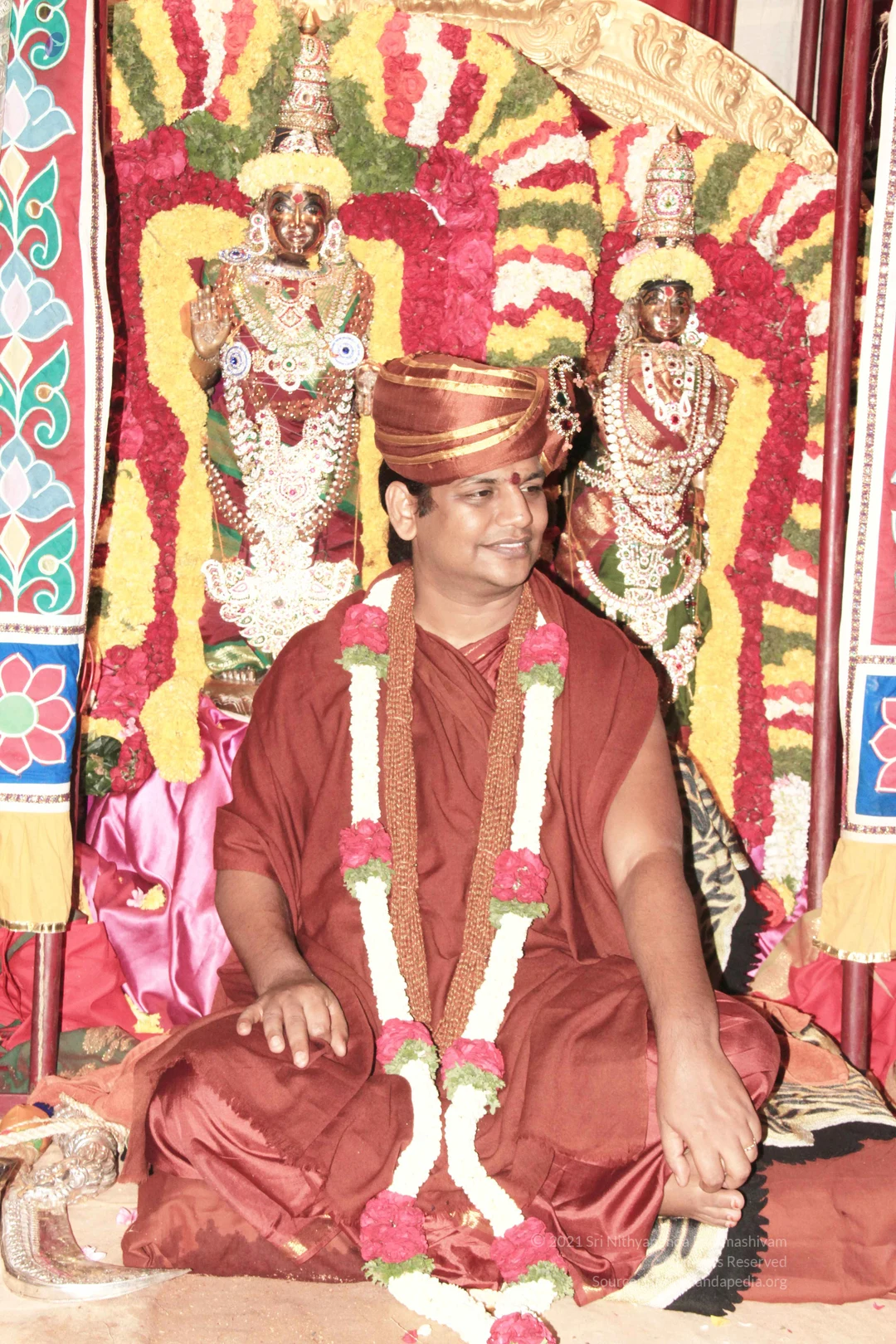
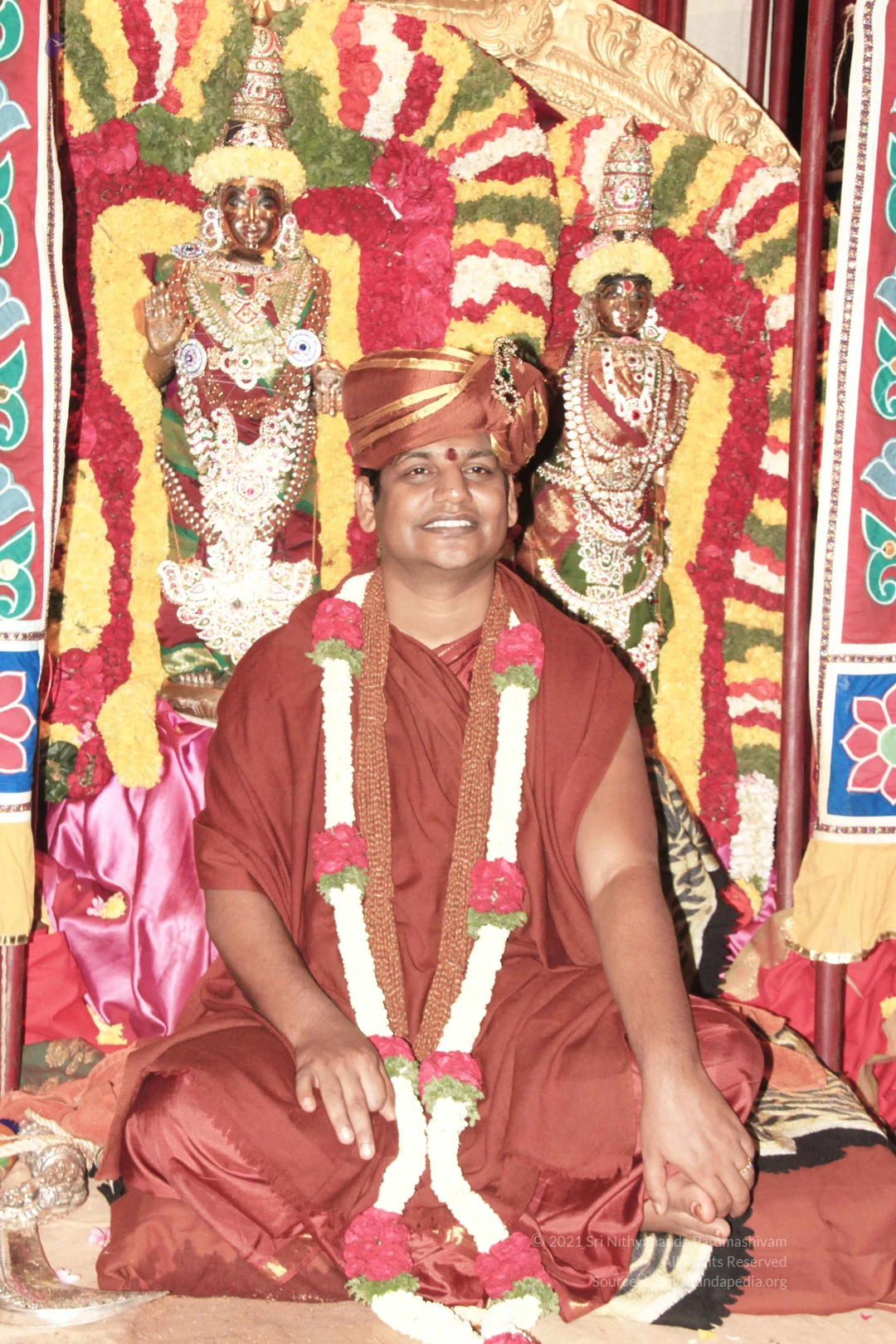
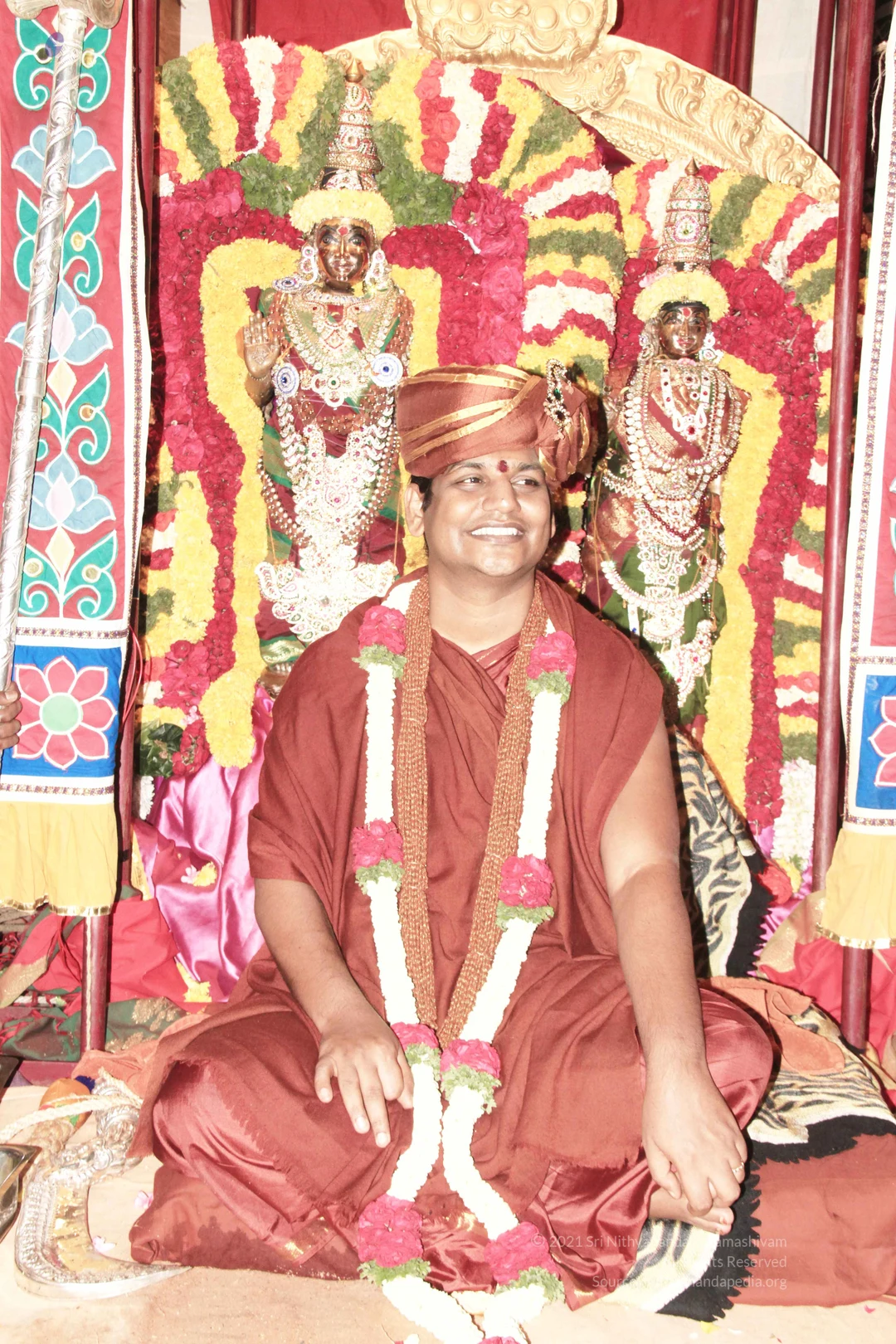
A seated man in a rust-red sannyasi robe and matching red-gold turban sits smiling at the centre of a festival stage. He wears a white flower garland with pink blossoms and a long brown-beaded rudraksha-style mala across his chest. Behind him stand two ornately decorated deity murti figures adorned with pearl necklaces, gold crowns and yellow garlands, framed by red and yellow floral backdrops. Hands of attendants hold the decorated poles at the left and right edges. A large speaker sits at the far left. Man is not visibly identified by name in the image; he presents with a turban and red robe but the cues are limited, so identity is uncertain.Night-time temple procession scene on a wooden ratha chariot draped with an orange cloth. A man seated on the left wears a maroon shawl, maroon turban and a white floral garland, with fruit and offerings on the orange-covered platform before him. Behind, a priest in white dhoti with a sandalwood-marked forehead and a bead mala holds a long silver staff with a dhwaja. Beside him, a bald man in maroon wrap and spectacles holds the hands of a devotee in white dhoti with gold border, who stands with his back to the camera. Behind them, women and children watch. Above, decorated deity figures with silver ornaments stand against a red and green embroidered backdrop.A night-time outdoor photo of a priest in a white dhoti and shawl with a gold edge, bare-chested, holding a brass aarti lamp with a bright flame in his raised right hand while carrying a smaller brass vessel in his left. Beside him stands a dark carved stone Ganesha murti with elephant head, seated on a lotus-patterned pedestal, set against a red-painted wall with green bamboo and shrubs and a scatter of pebbles on the ground. This appears to be an aarti offering to the Ganesha murti.A night photograph of a devotee in white dhoti and shawl with gold border, seen from behind, standing before a black stone deity murti dressed in a green and gold sari with layered garlands and gold ornaments, set on a raised plinth with rudraksha beads at its base. A circular black halo stands behind the murti. A framed portrait is visible in a window to the left, and a red and yellow flag stands at the right. The devotee appears to be performing puja or darshan. Two other partially visible people stand at the left edge.