Monday
11 November 2013
Are you fighting for the wrong things?
- Dated photos
- 623
- Source pages
- 1
- Media
- 3
November 11 2013
Original wiki pageTitle:
Are you fighting for the wrong things?
Description:
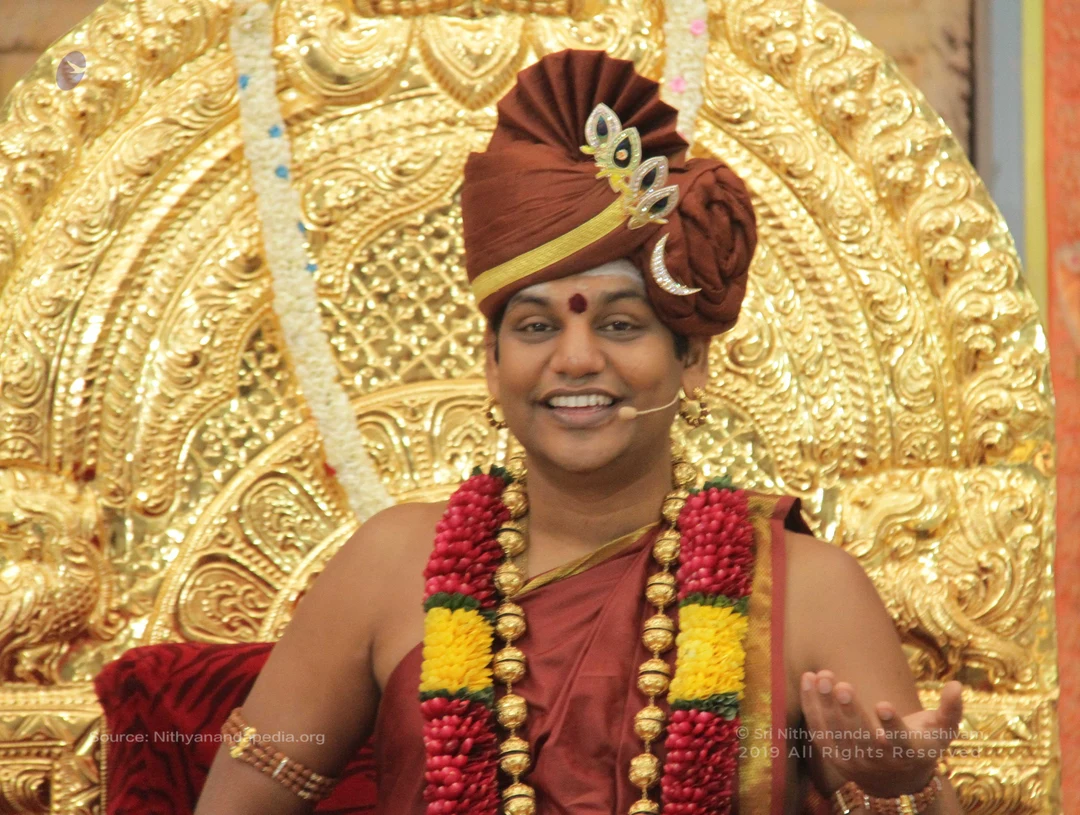
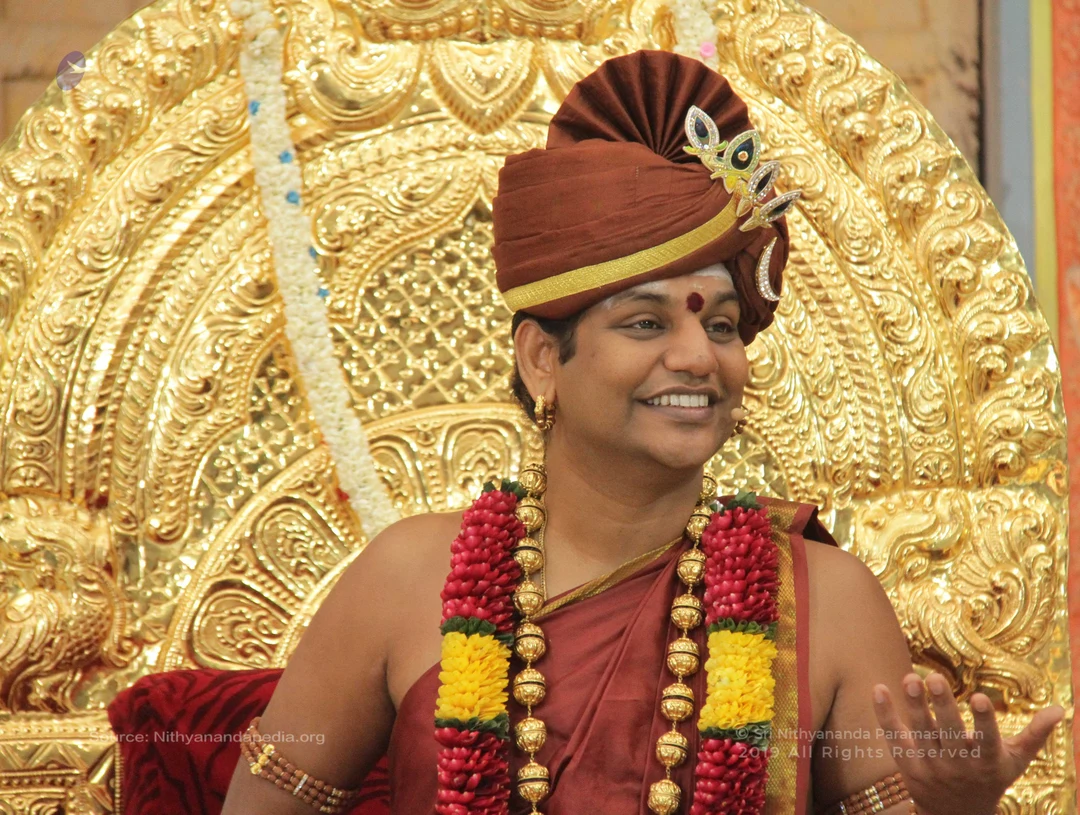
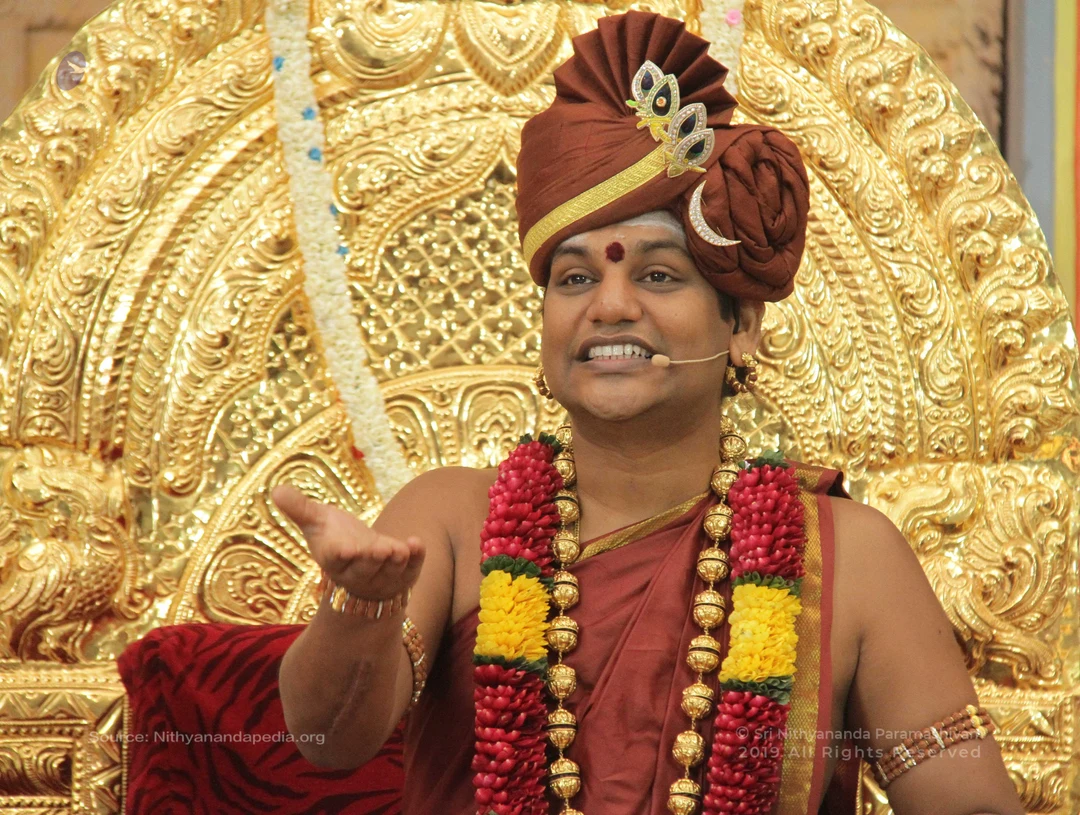
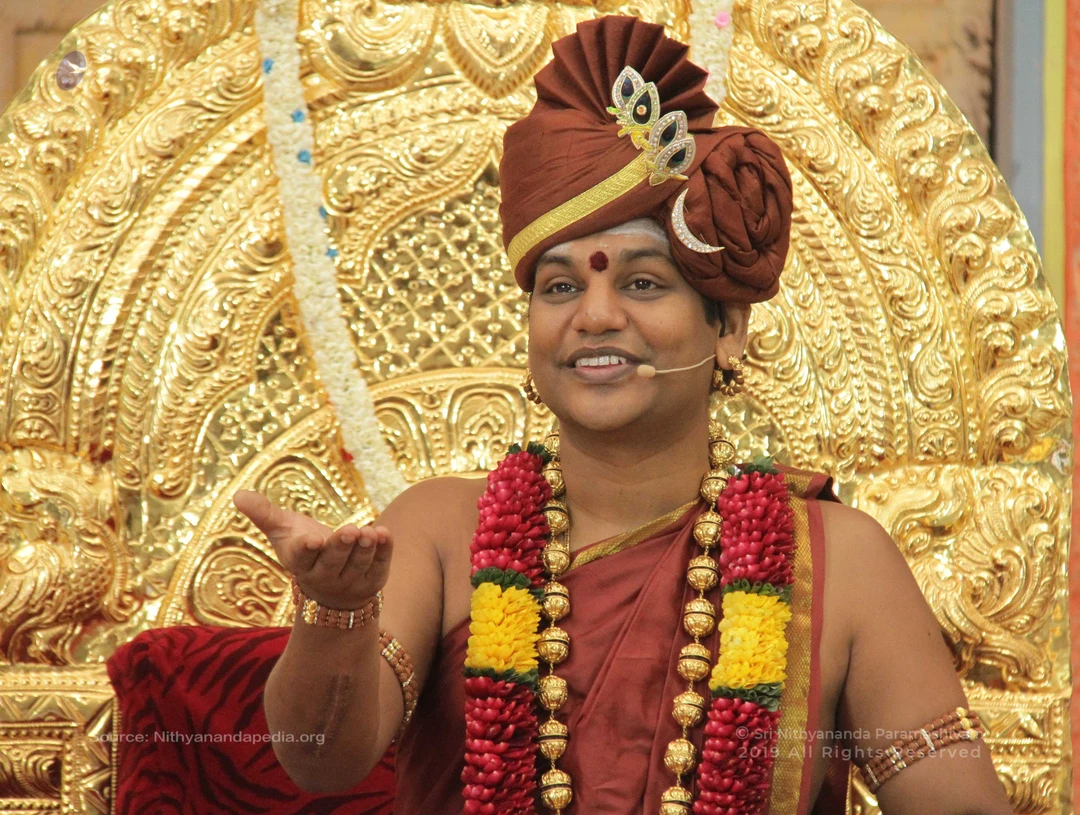
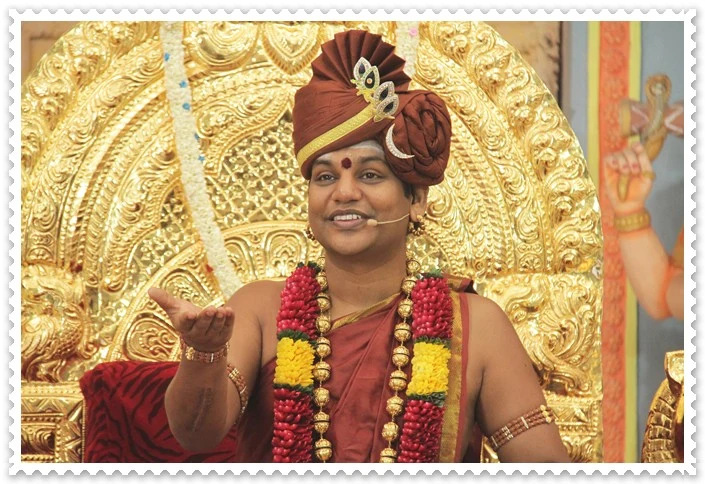
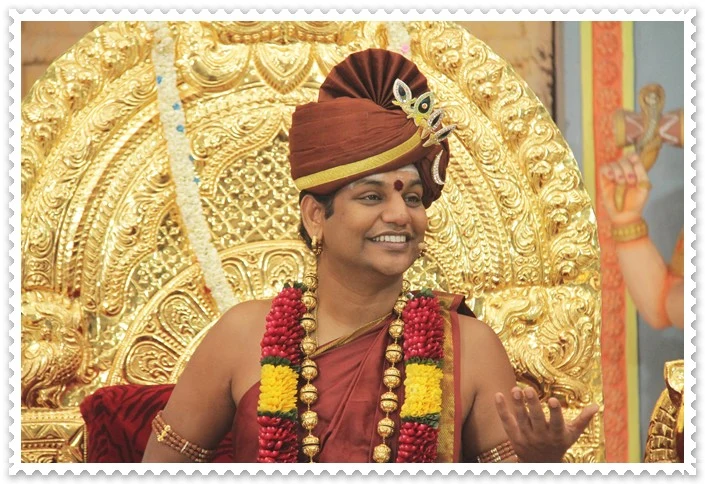
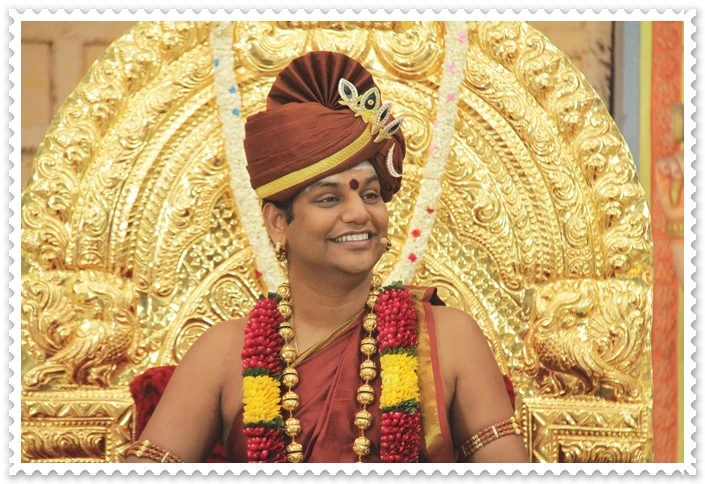
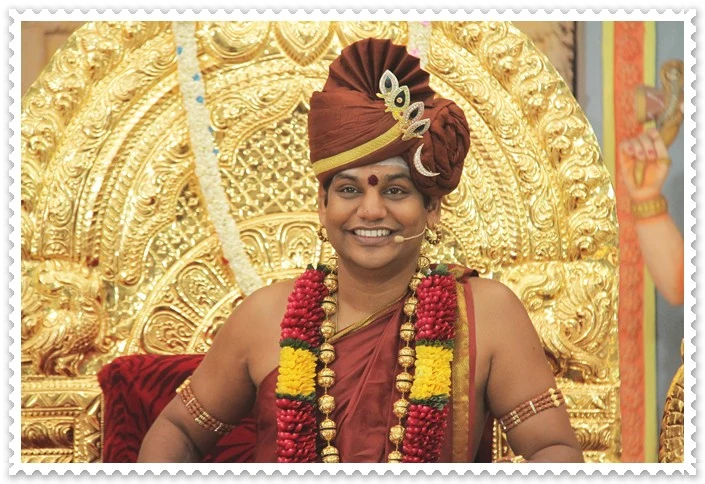
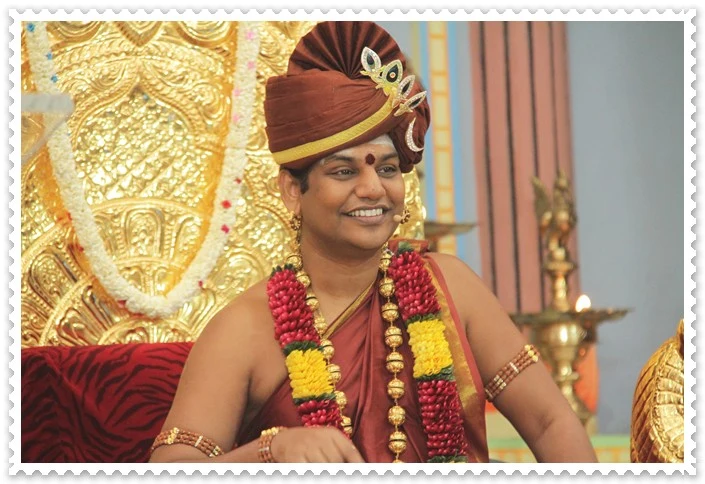
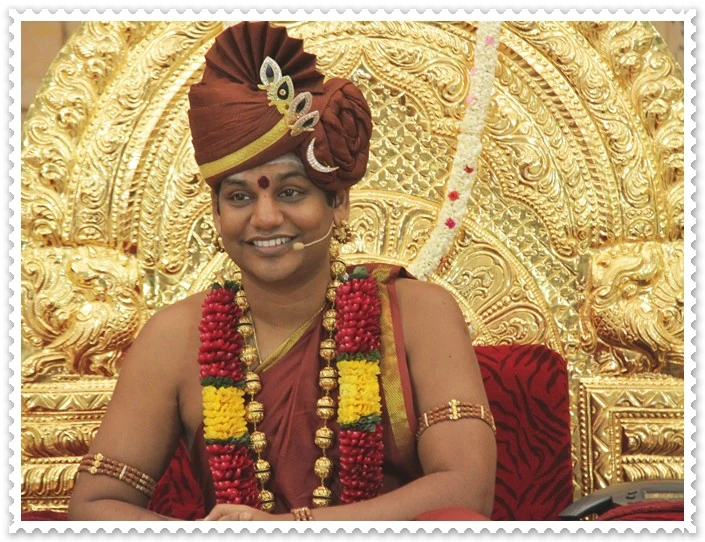
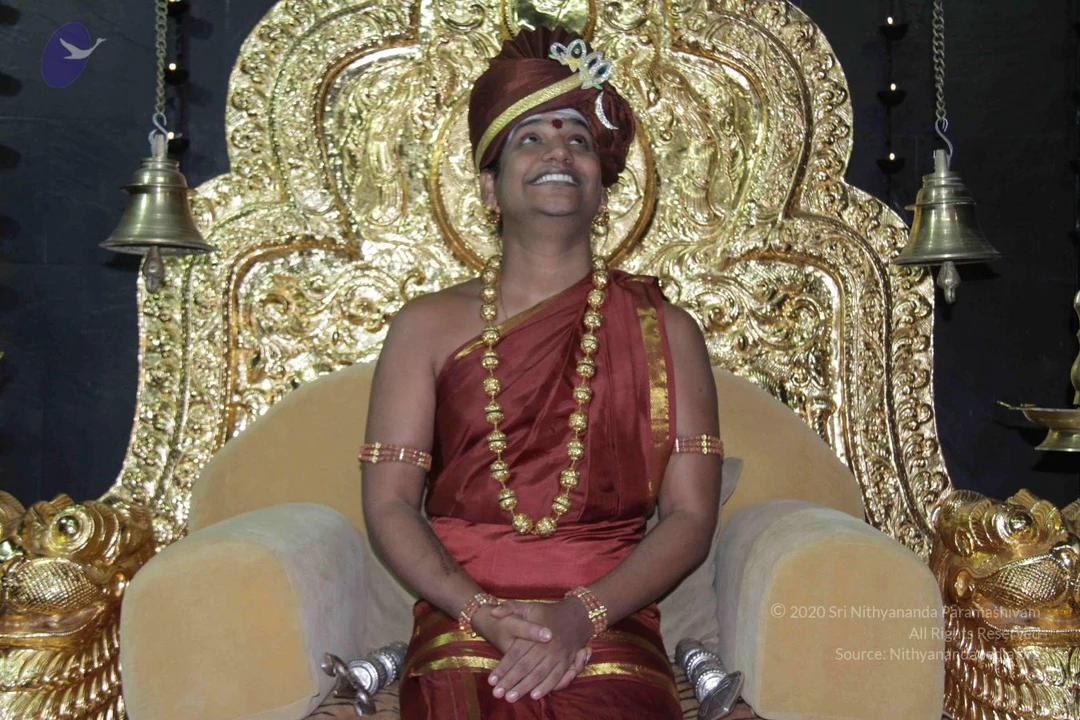
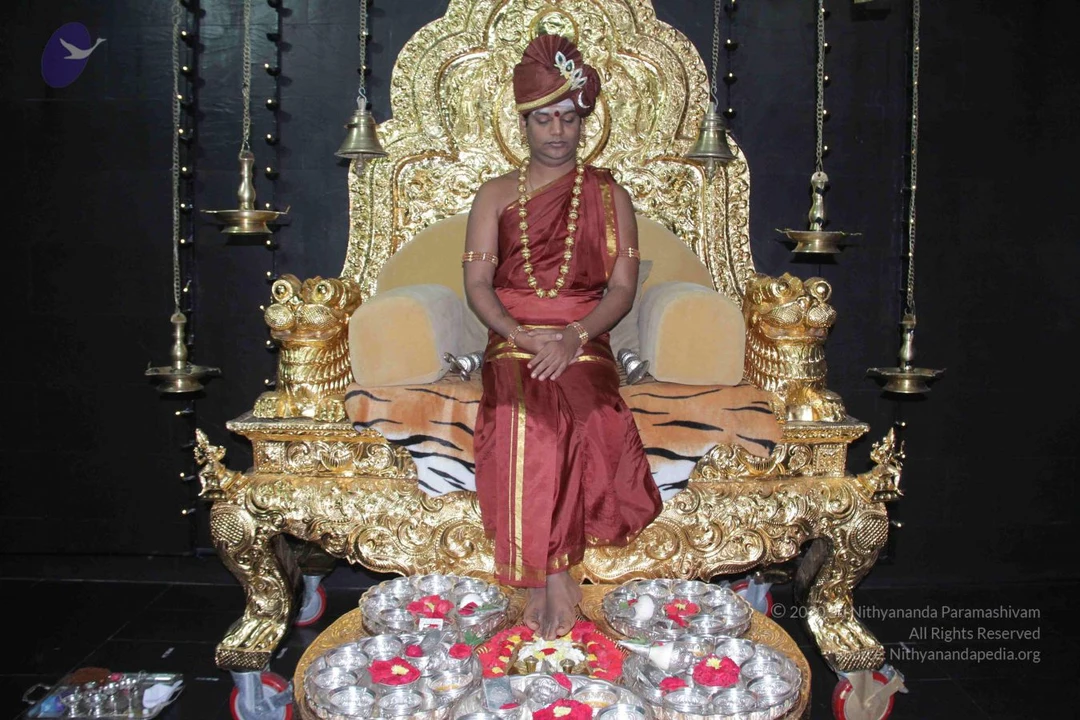
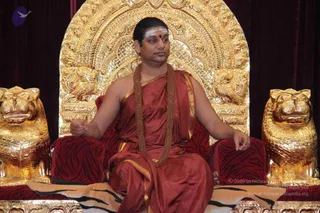
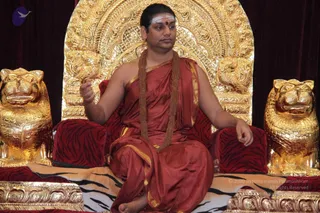
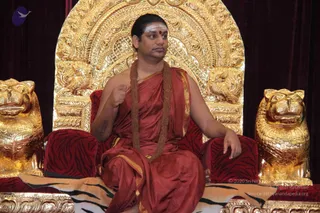
In today’s morning Satsang, Paramahamsa Nithyananda revealed the importance of shifting your core cognition to the zone of creation and doing. When we shift the battle- ground and complete with self doubt we are elevated by grace. He reminded humanity that it will become extinct from Depression, Drugs and Death unless lakhs and lakhs of young people take up spirituality and become teachers of the Science of Completion. With a million sannyasis we can save the world.
Link to Video:
| Video | Audio |
Transcript:
Nithyanandeshwara Samaarambhaam Nithyanandeshwari Madhyamaam |
Asmath Aachaarya Paryanthaam Vandhey Guru Paramparaam ||
00:37 Hindi - 00:50
I welcome all the devotees, disciples, samajis, satsanghis sitting with us all over the world at this moment through Nithyananda TV, Sadhna TV, Lotus News Channel, Janashree TV, Eshwar TV, and through two-way video-conferencing in twenty-five places having Nayana Deeksha, in twenty-two countries around the world as per the statistics.
Cities sitting with us in two-way video-conferencing having Nayana Deeksha: Kuala Lumpur-Palani, Singapore-Singapuram, Houston-Kalahasti, Seattle-Chidambaram, Oklahoma-Somanatham, Guadeloupe-Rameshwaram, Los Angeles-Arunachalam, San Jose-Madurai, Ohio-Prayag, Nithyanandeshwara Hindu Temple-Charlotte, Houston-Kalahasti, Toronto-Kailasam, Guadeloupe-Rameshwaram, Hyderabad-Nithyanandagar, San Diego-Ocean Side, Peethadeeshwaris’ Training Center-Salem, Jorpati-Nepal, Adi Nithyananda Dhyanapeetam-Avathipalayam, Oman-Sivagangai, Dakota Dunes, Surrey-British Columbia, Paris-Kalighat, Jorpati-Nepal, Colorado Springs-USA, Port Washington-New York, Grasse-France, Bangalore-North, Hong Kong-Sirkazhi, Hyderabad-Gupta Kashi, New York-Varanasi, Paris-Kalighat, Mill Valley-Vairavan Koil, Enriching Temple-Bidadi, Surrey British Colombia.
I welcome all of you with my love and blessings.
Today:
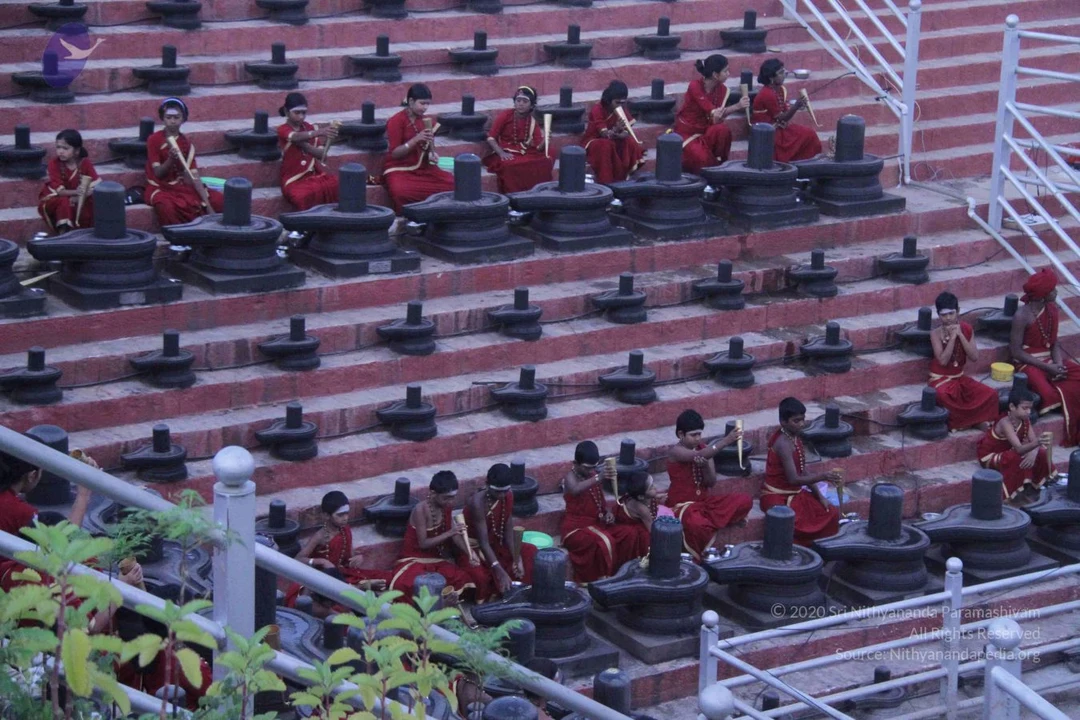
21st batch Inner Awakening, 11th day. We are beginning the third level, the Science of Creation in Inner Awakening. All Completion is for creation.
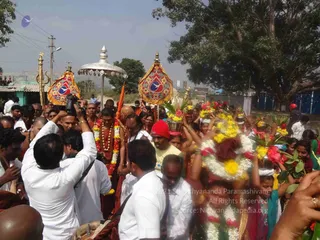
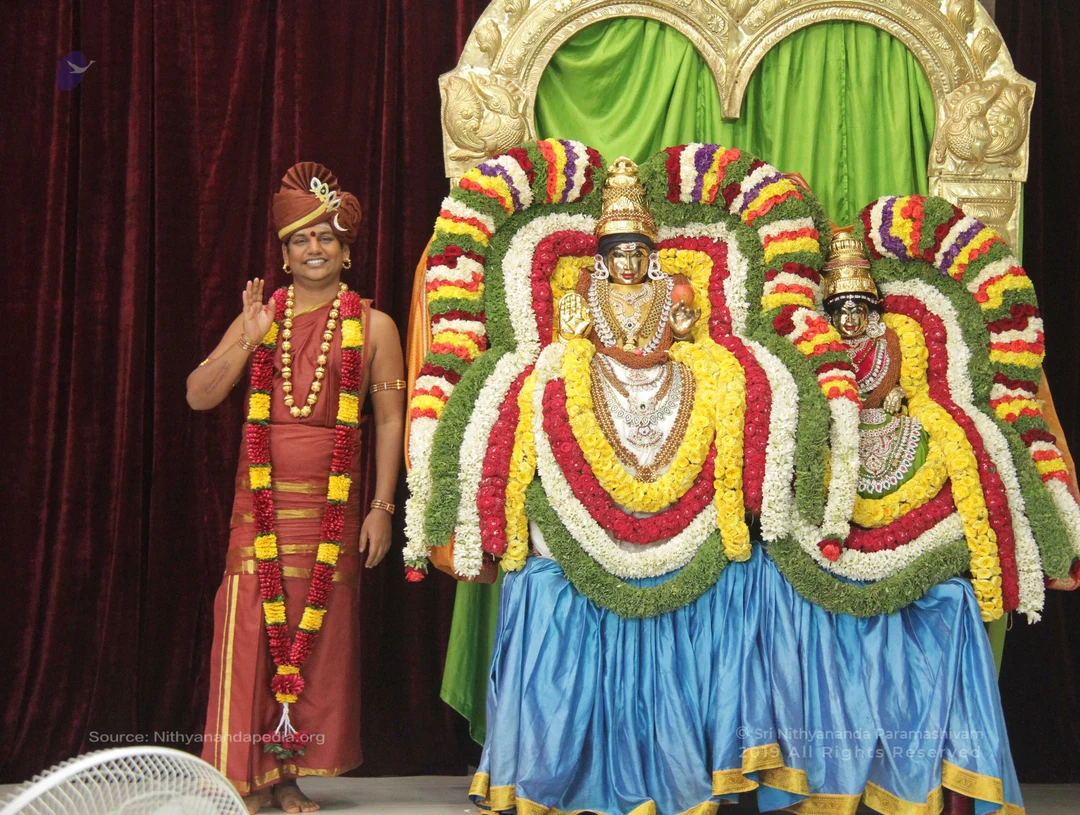
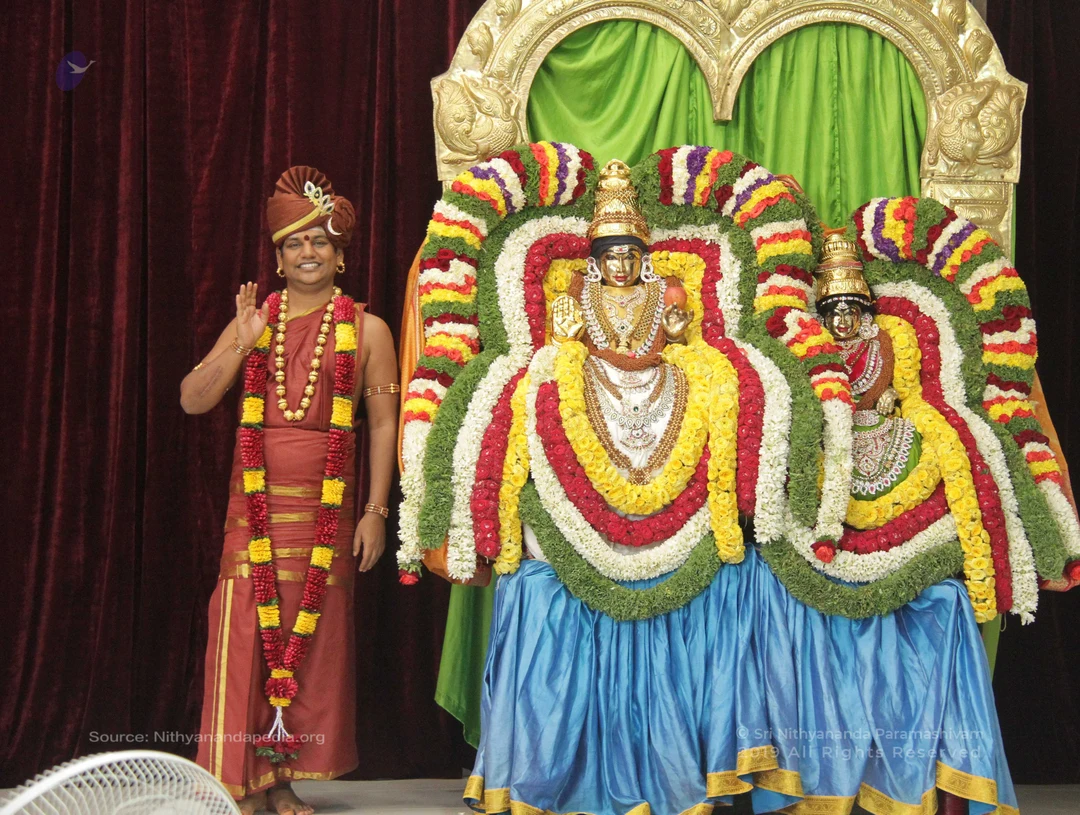
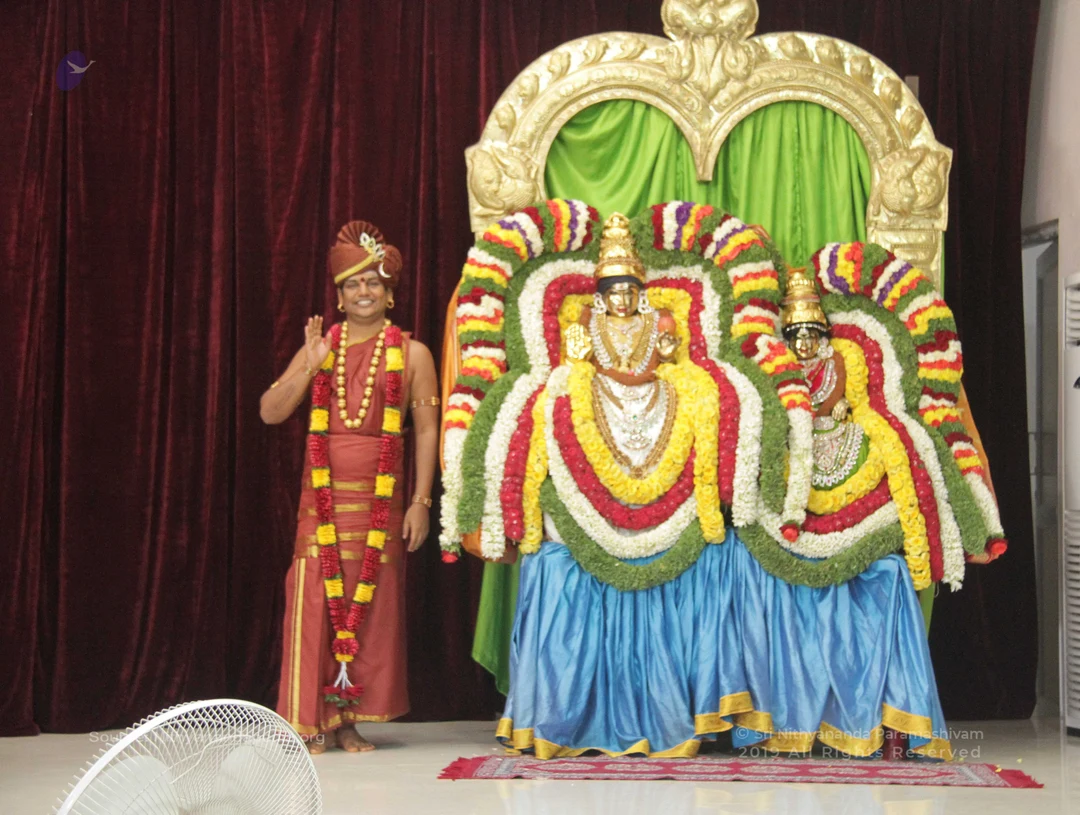
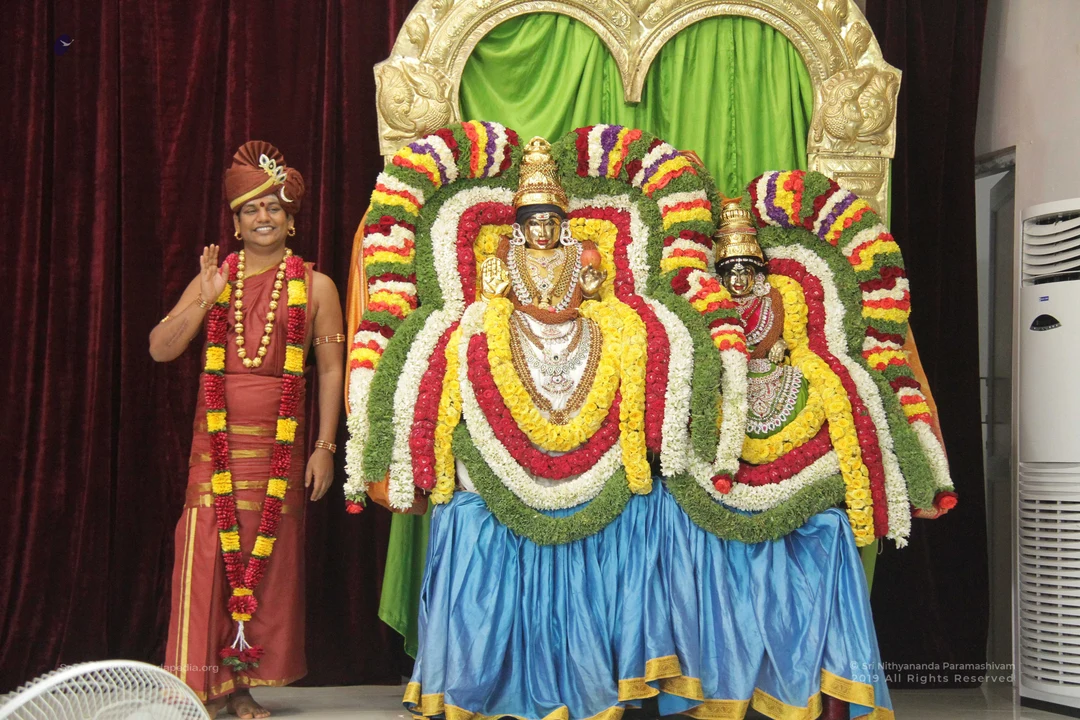
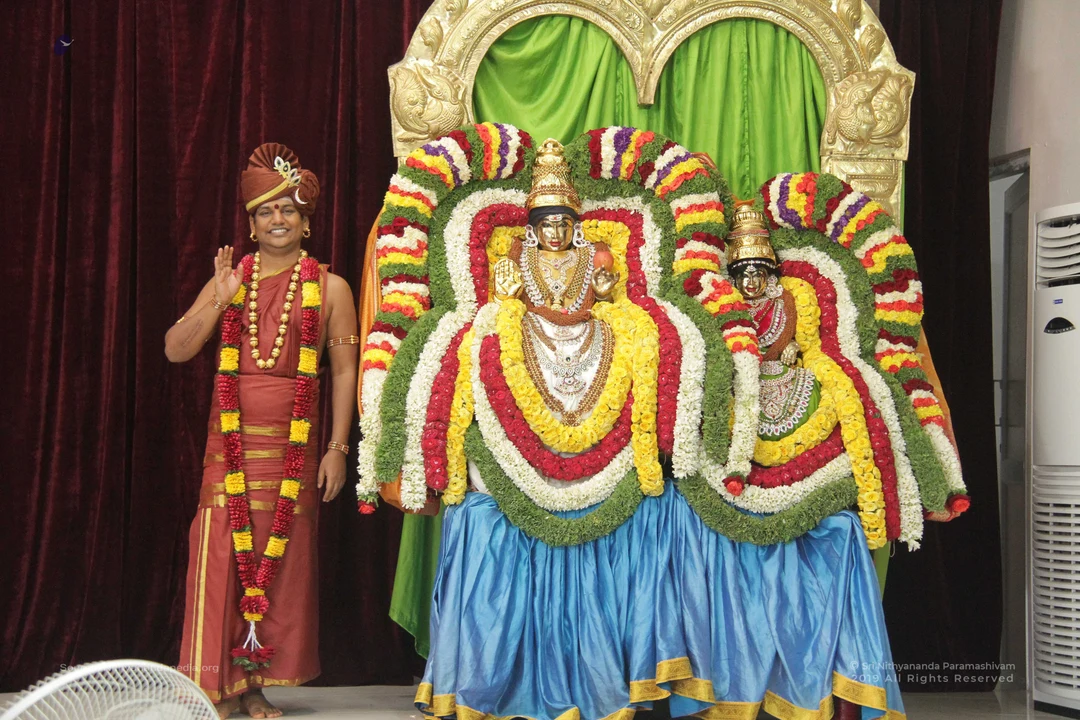
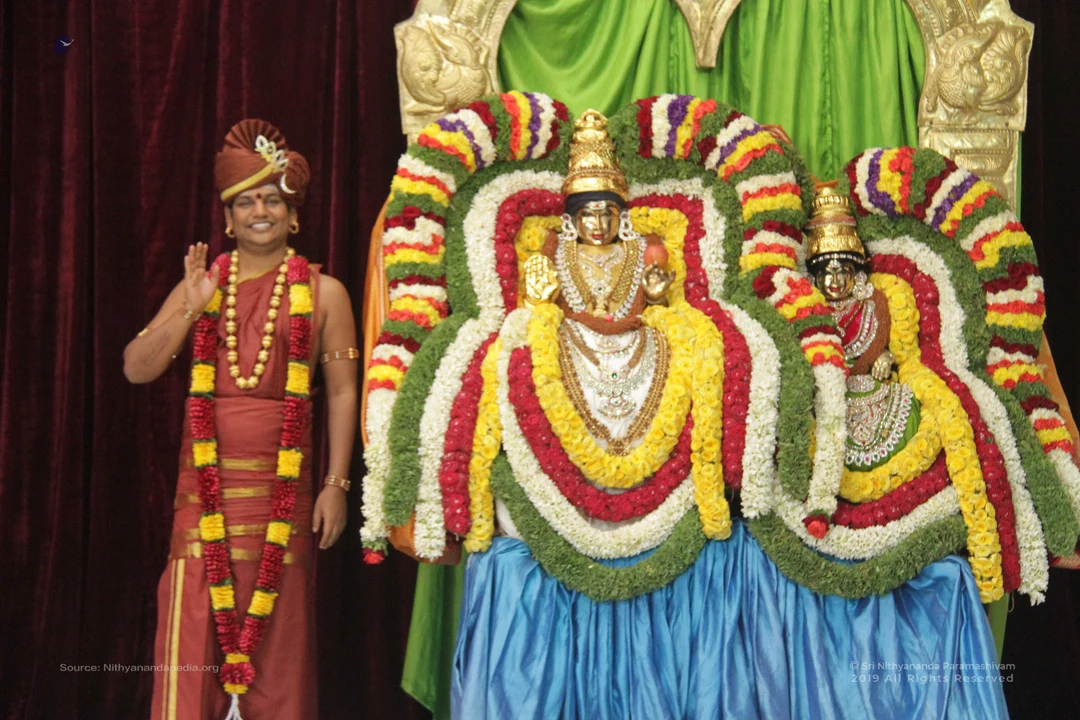
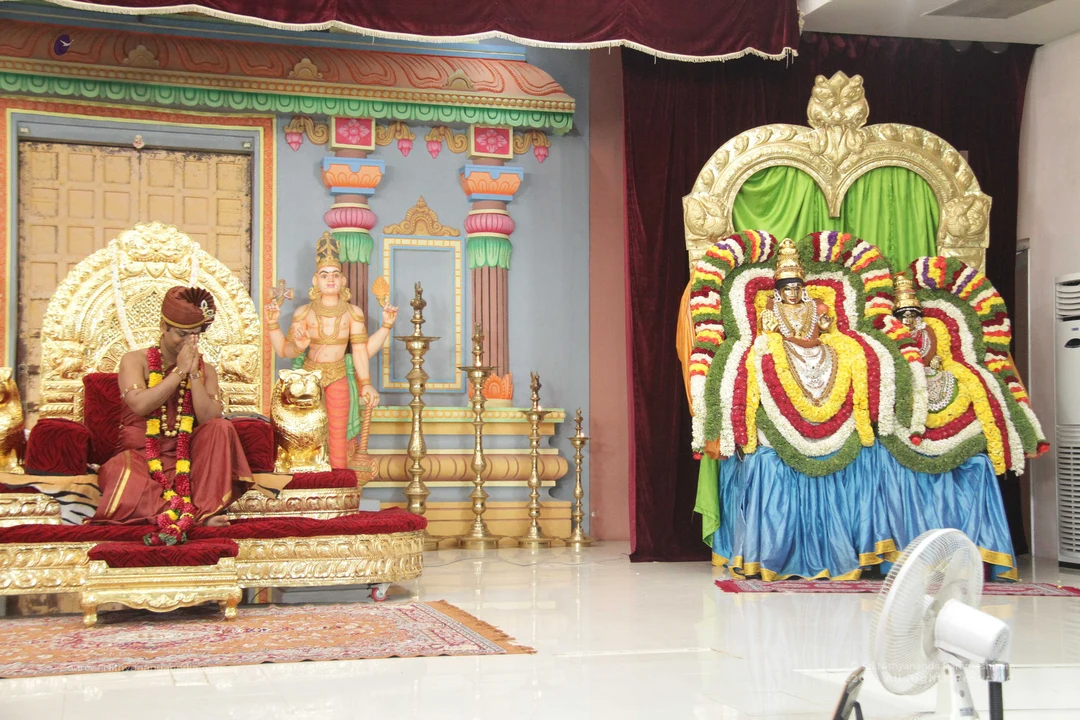
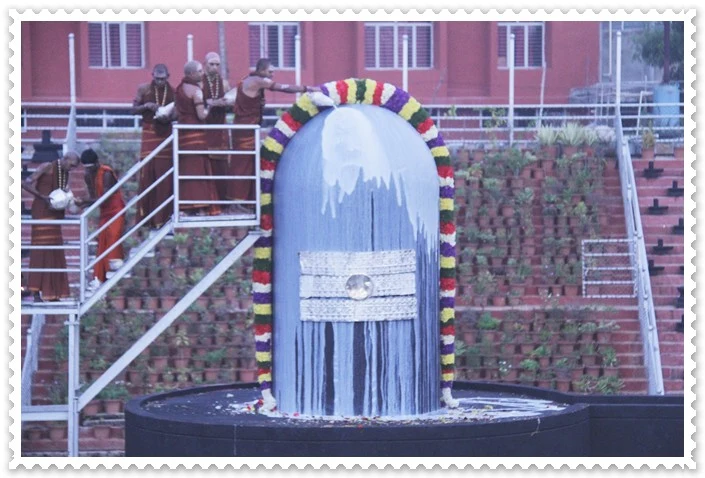
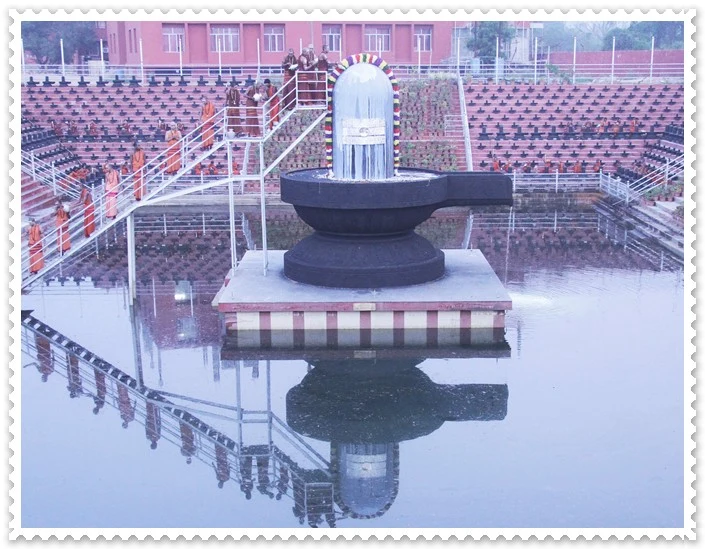
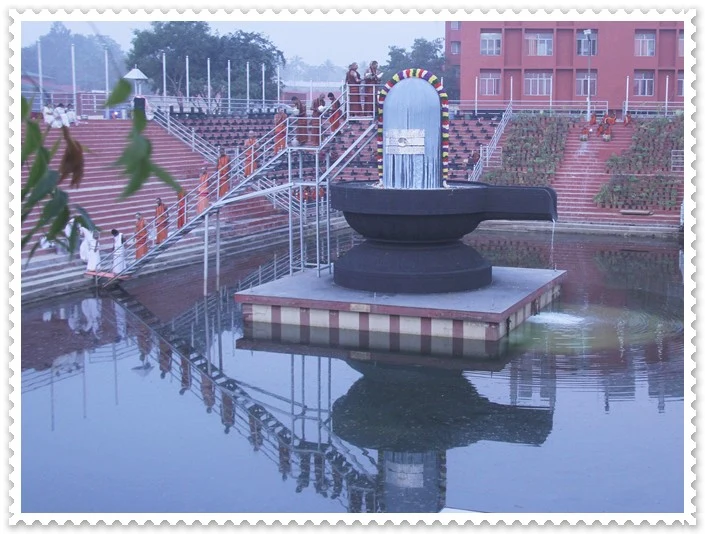
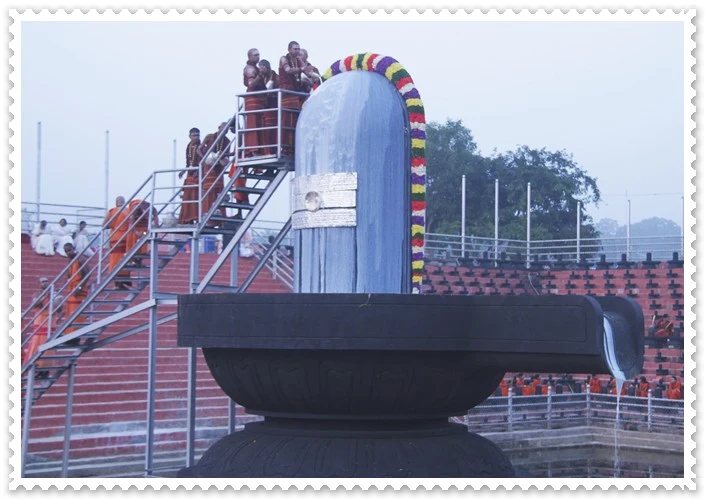
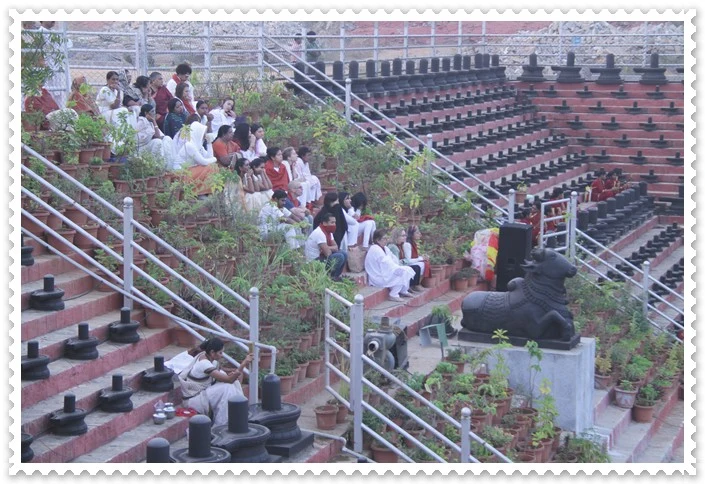
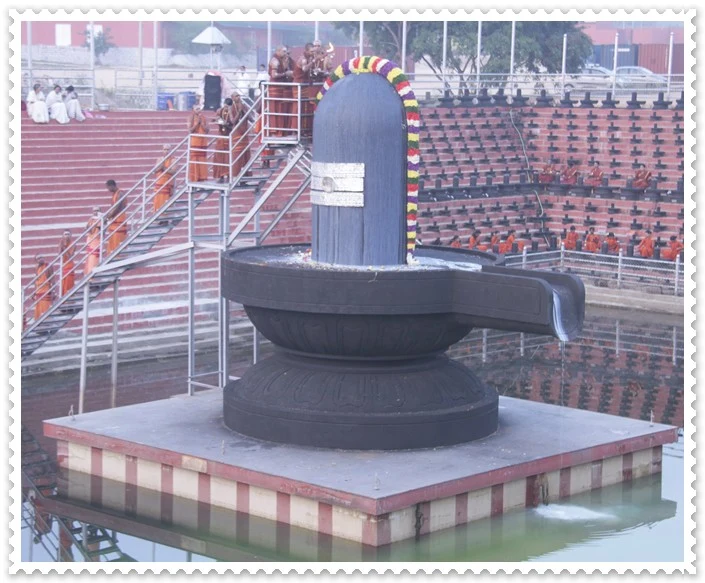
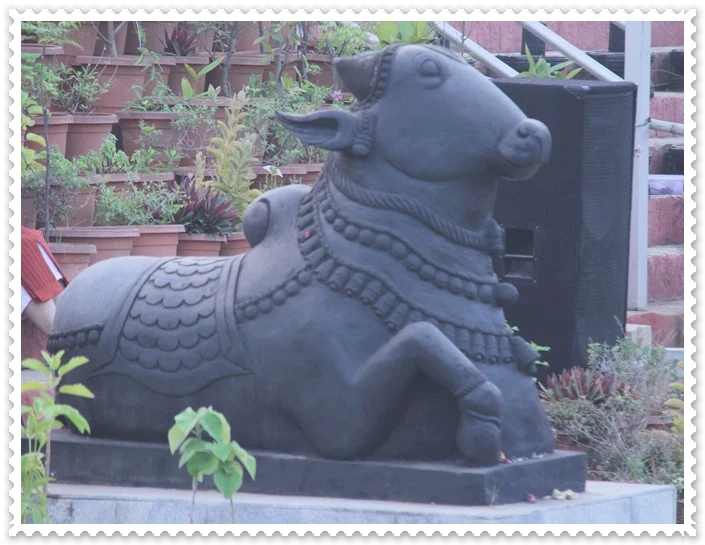
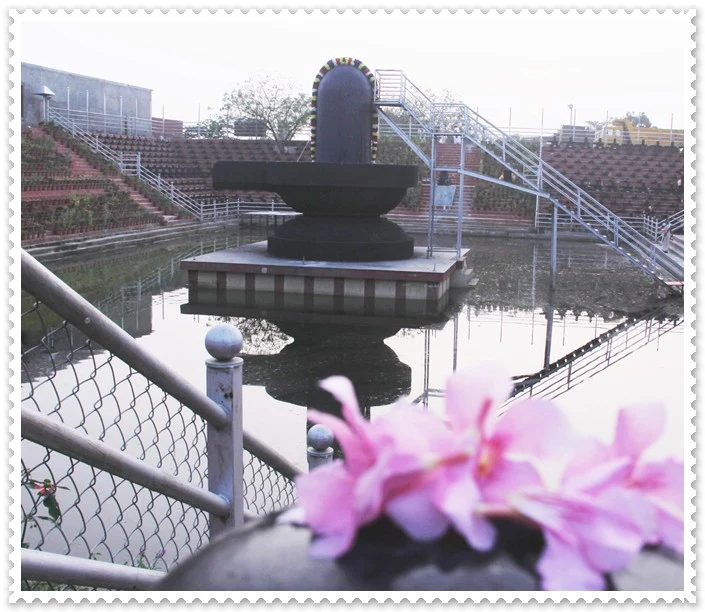
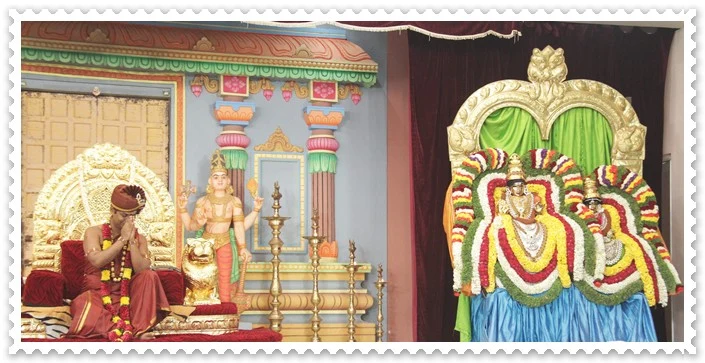
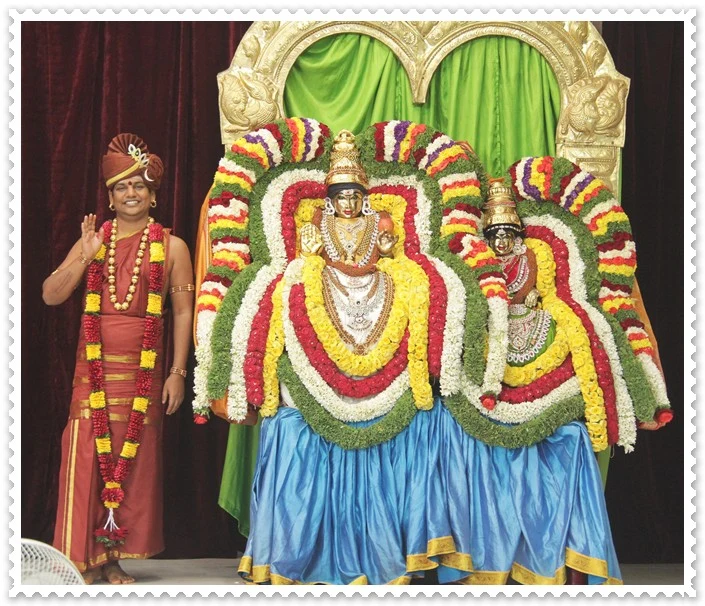
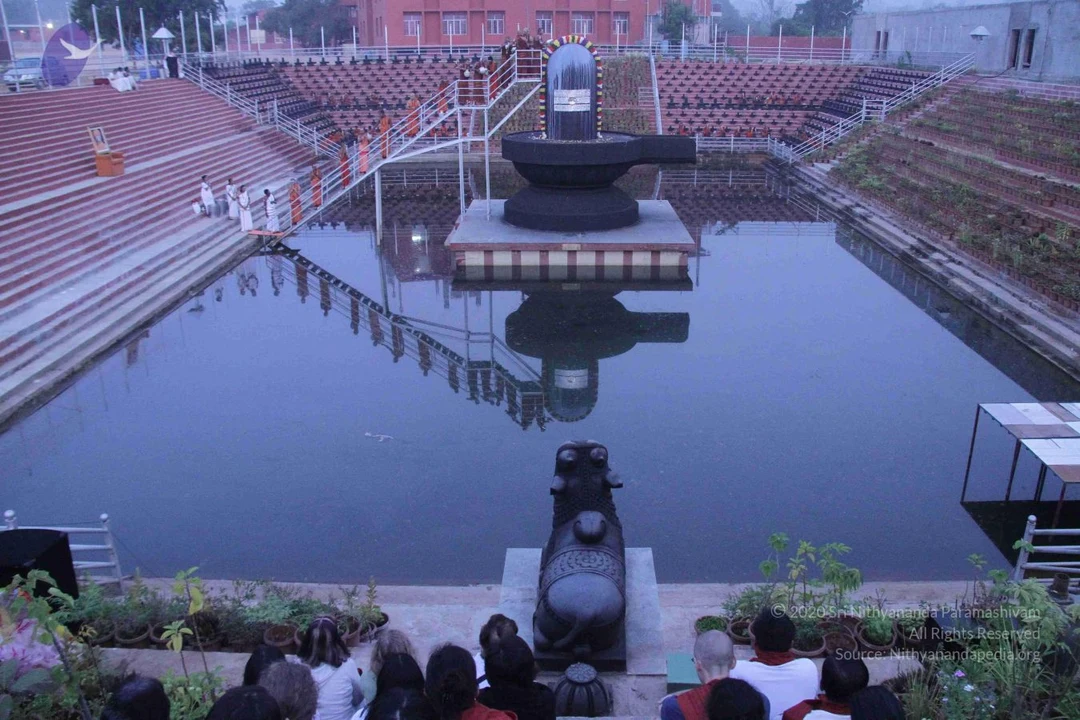
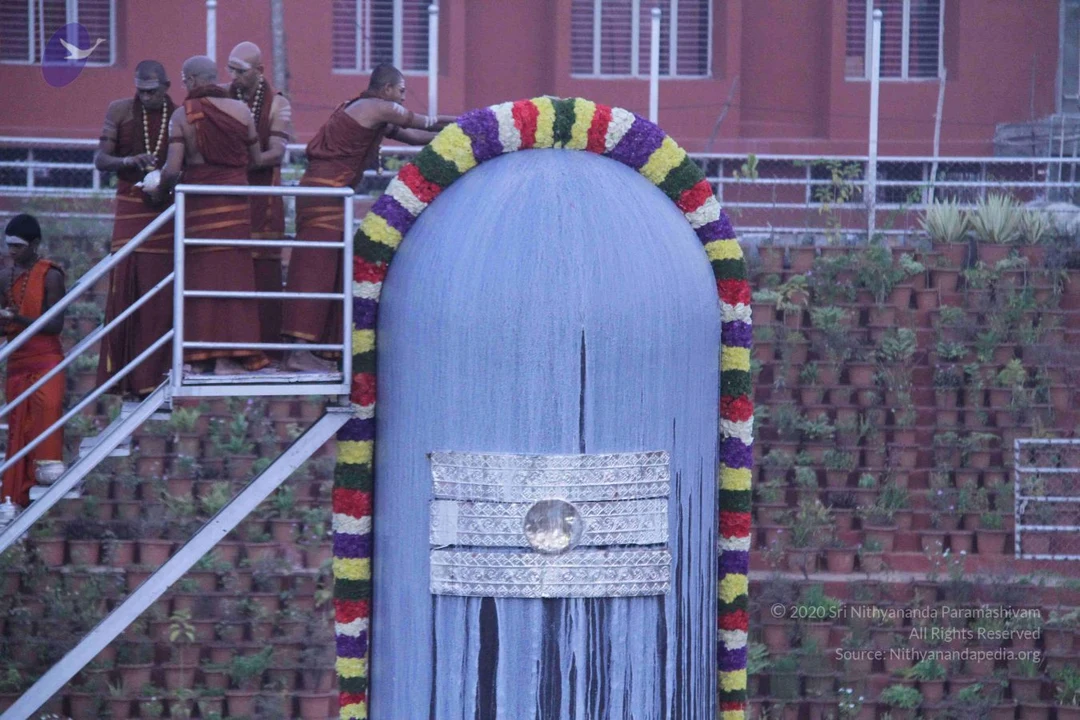
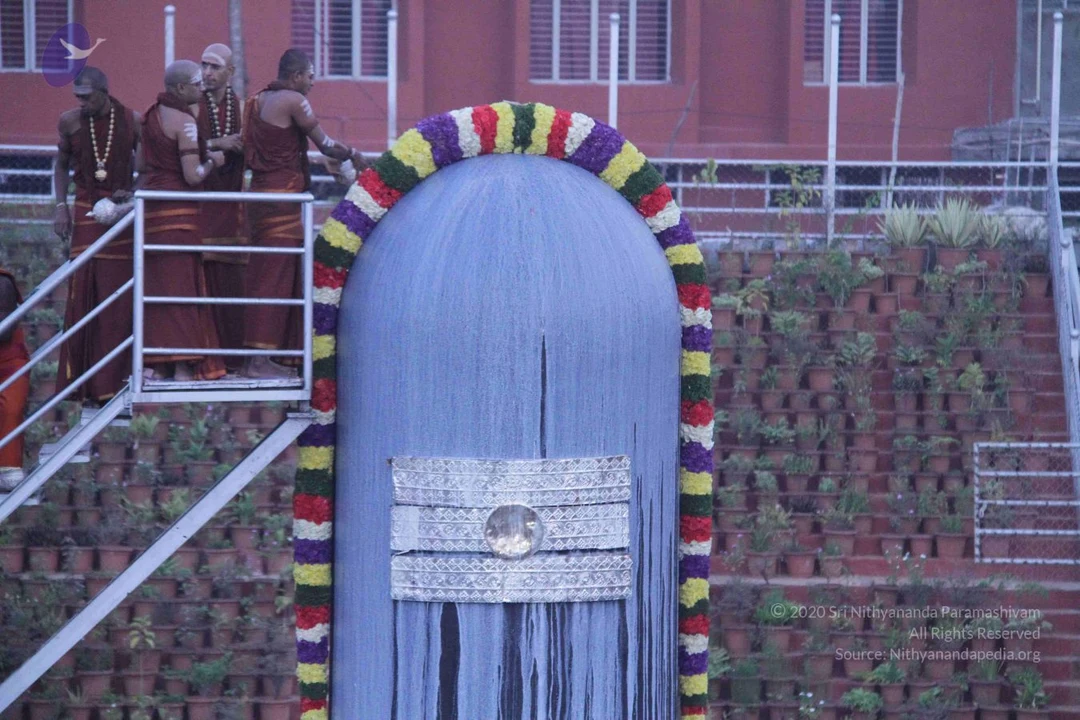
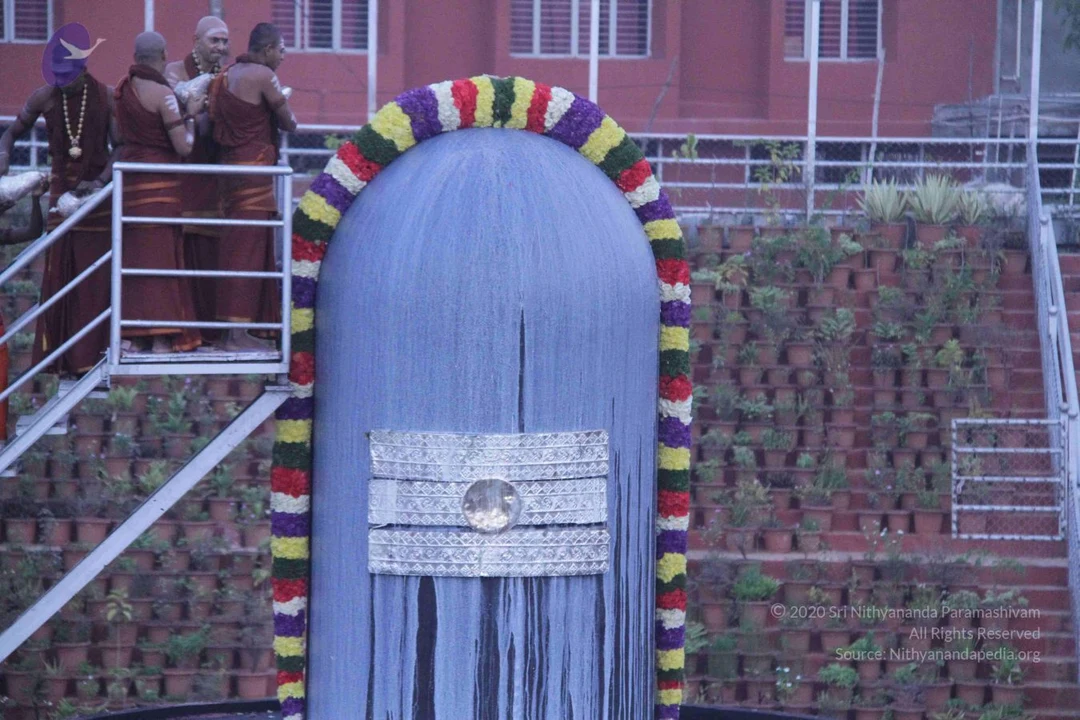
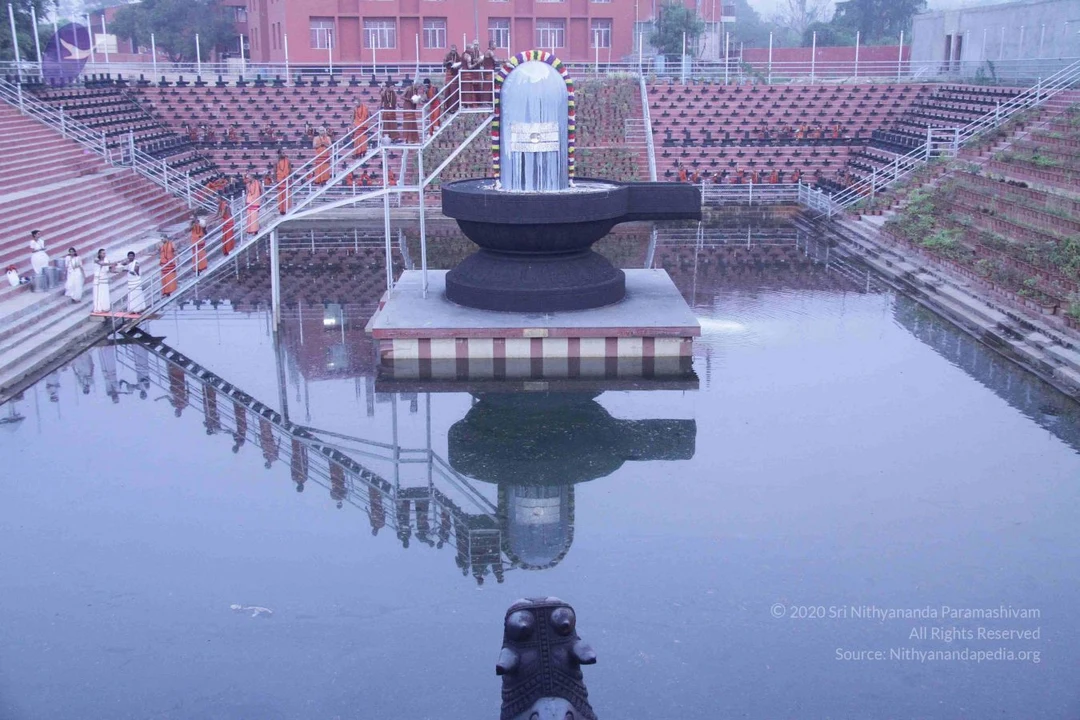
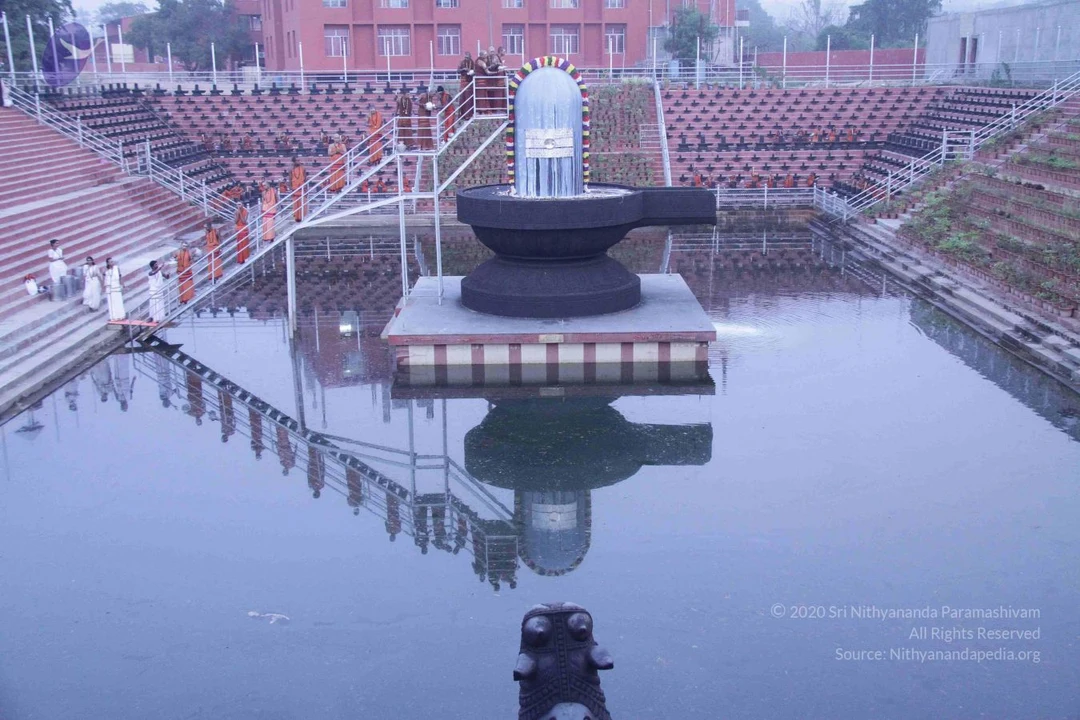
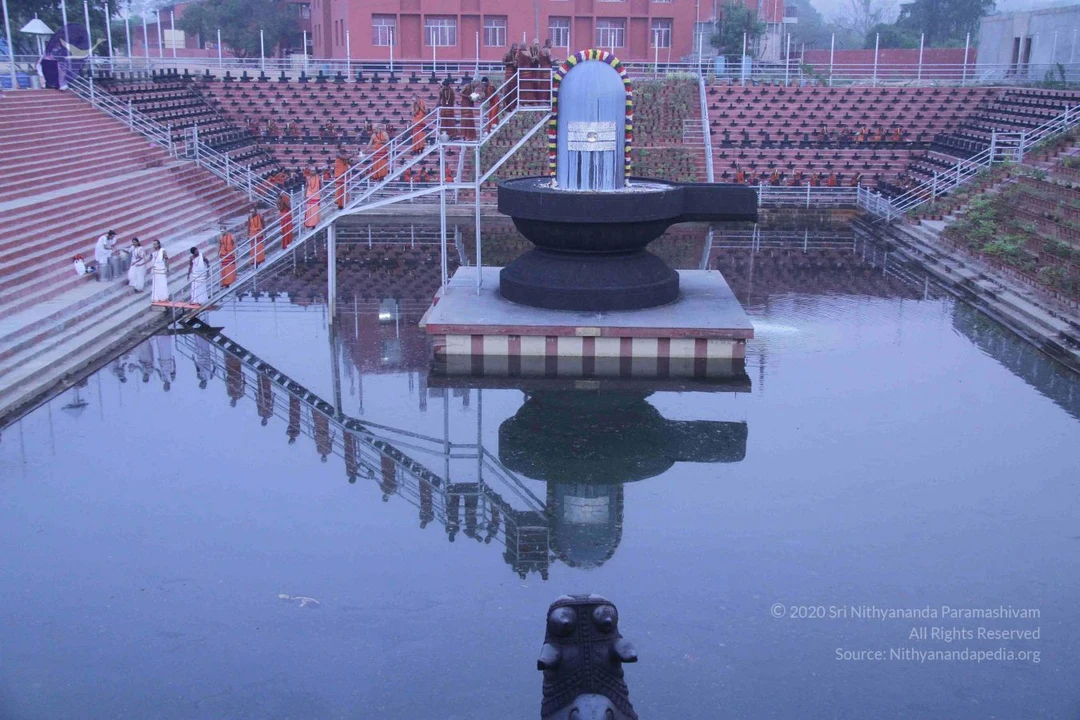
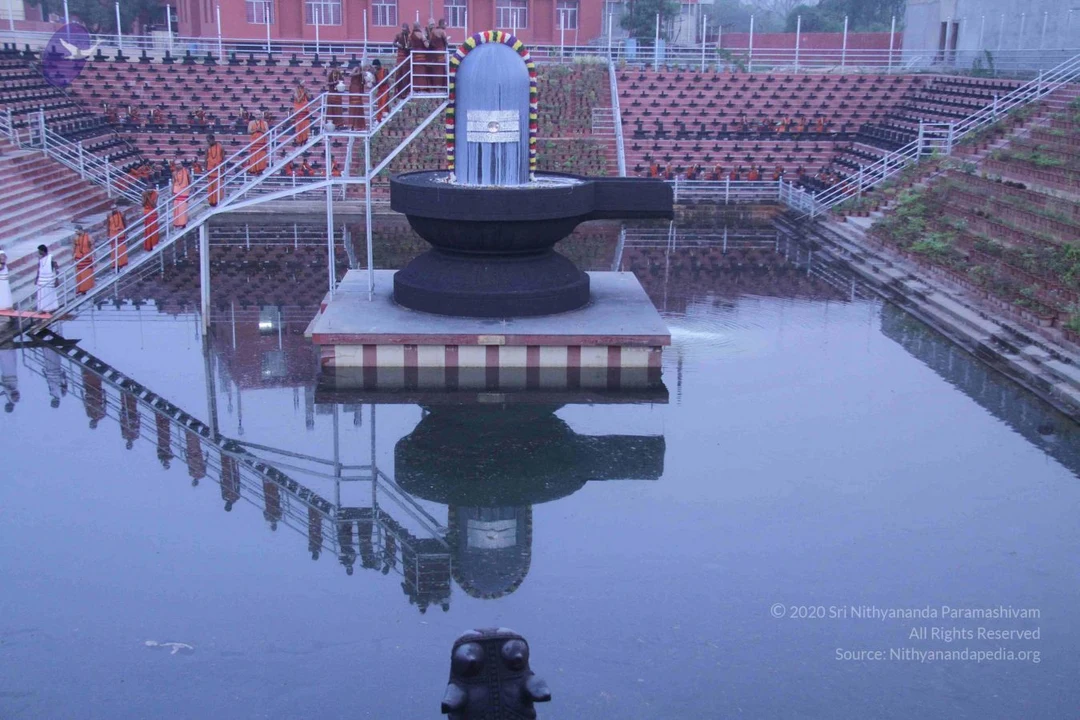
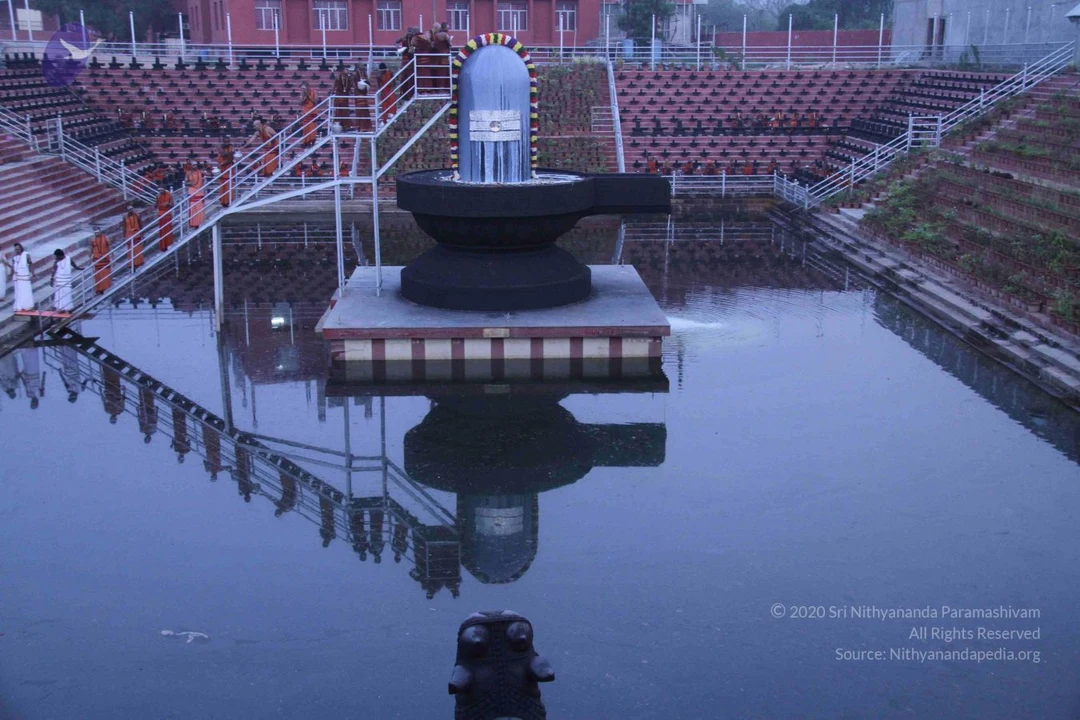
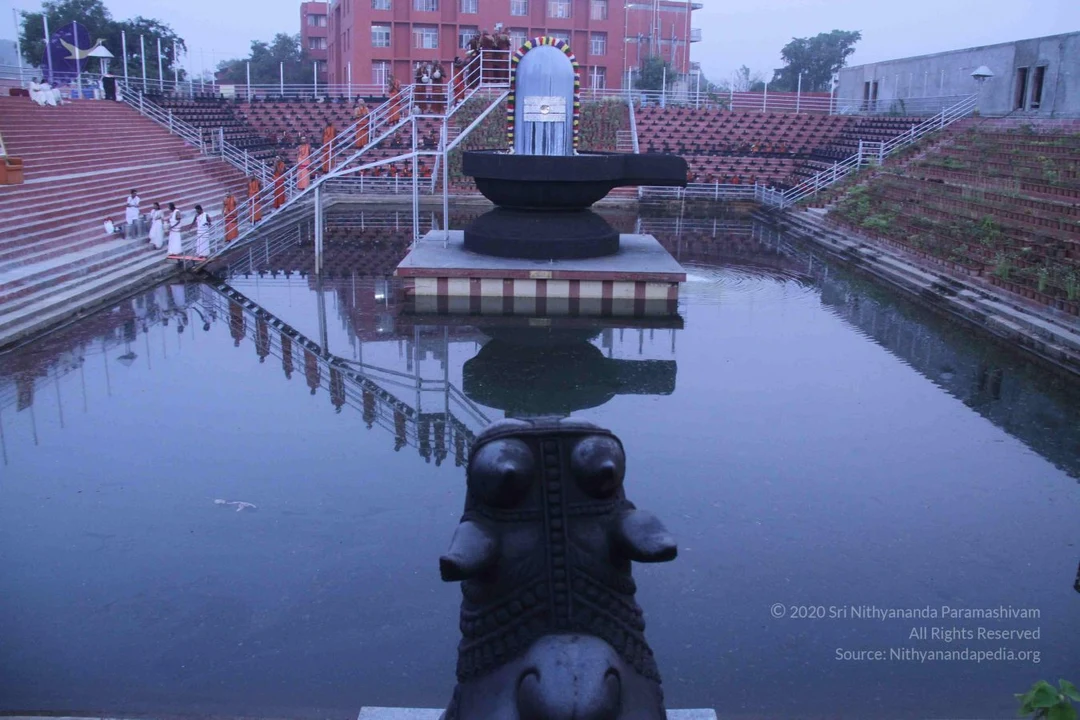
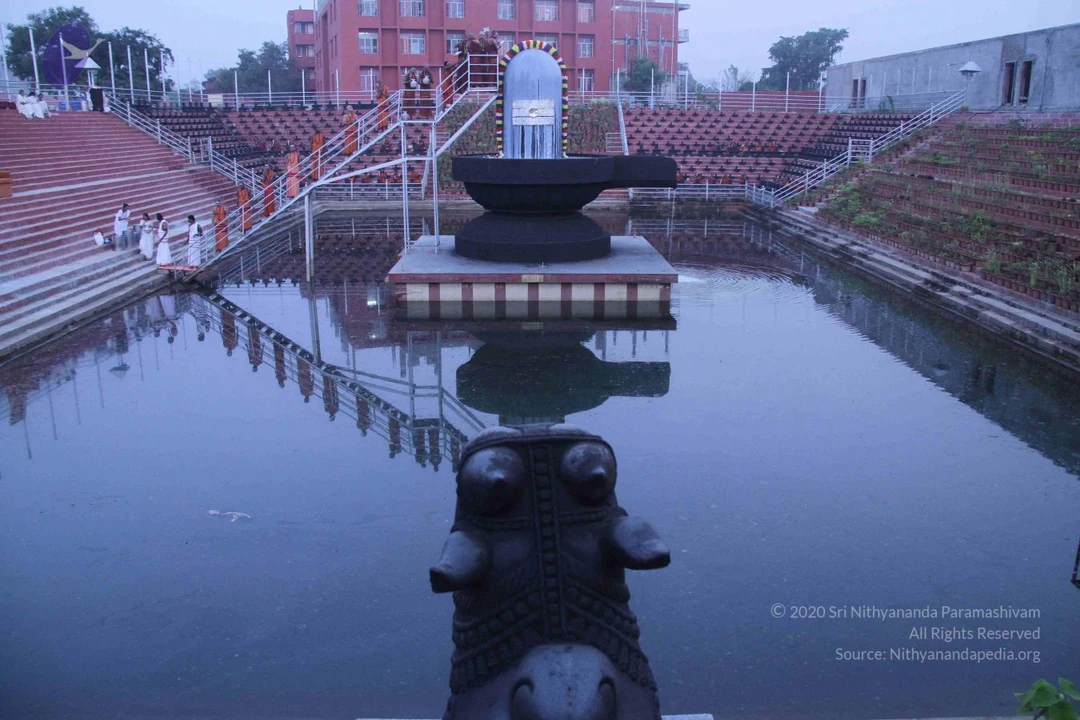
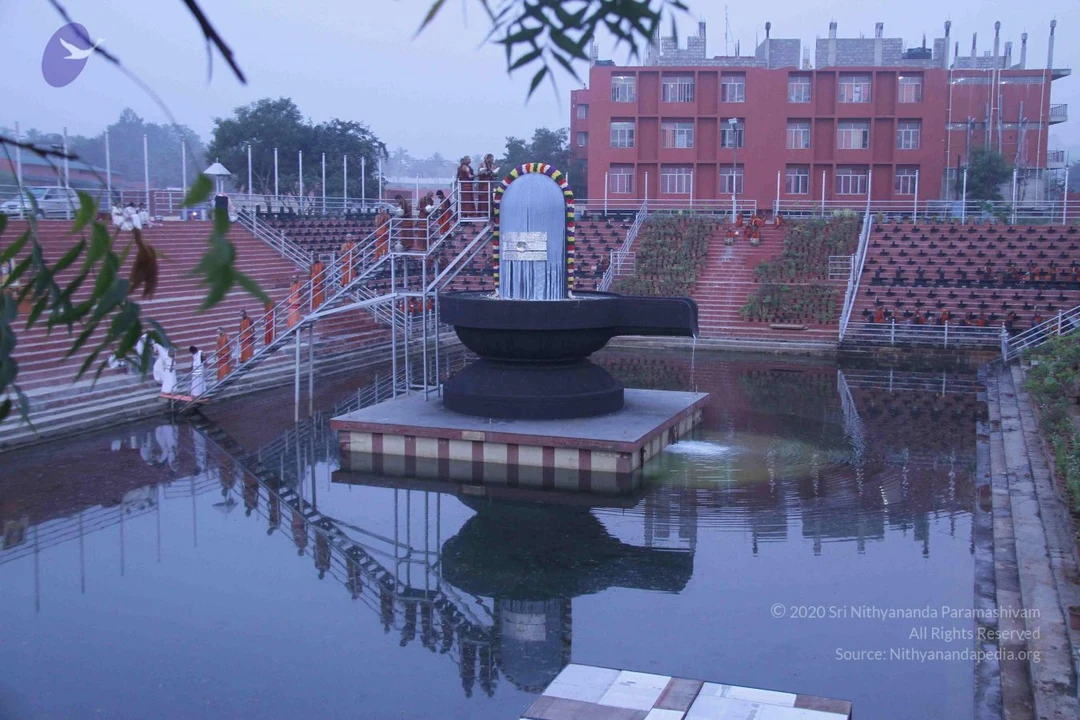
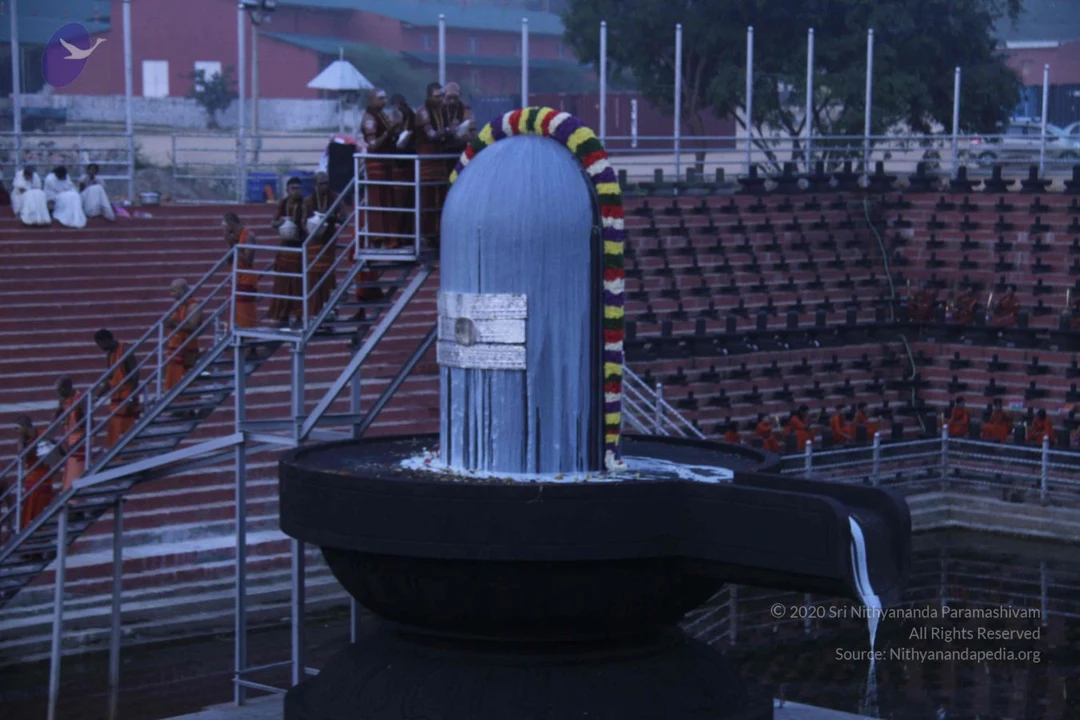
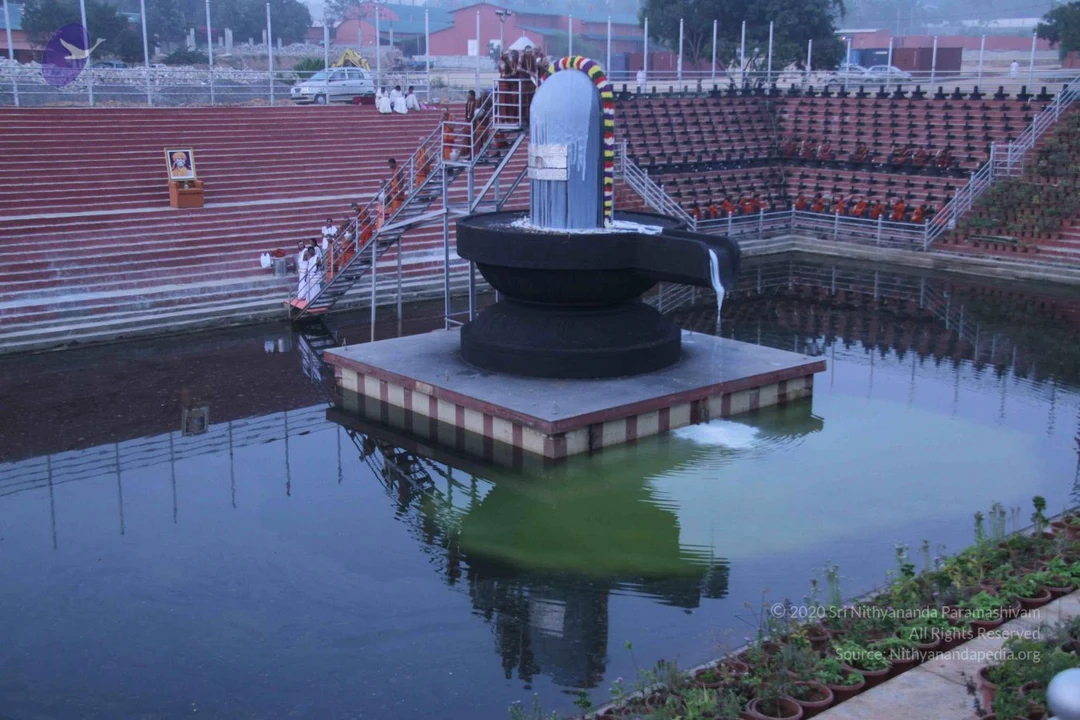
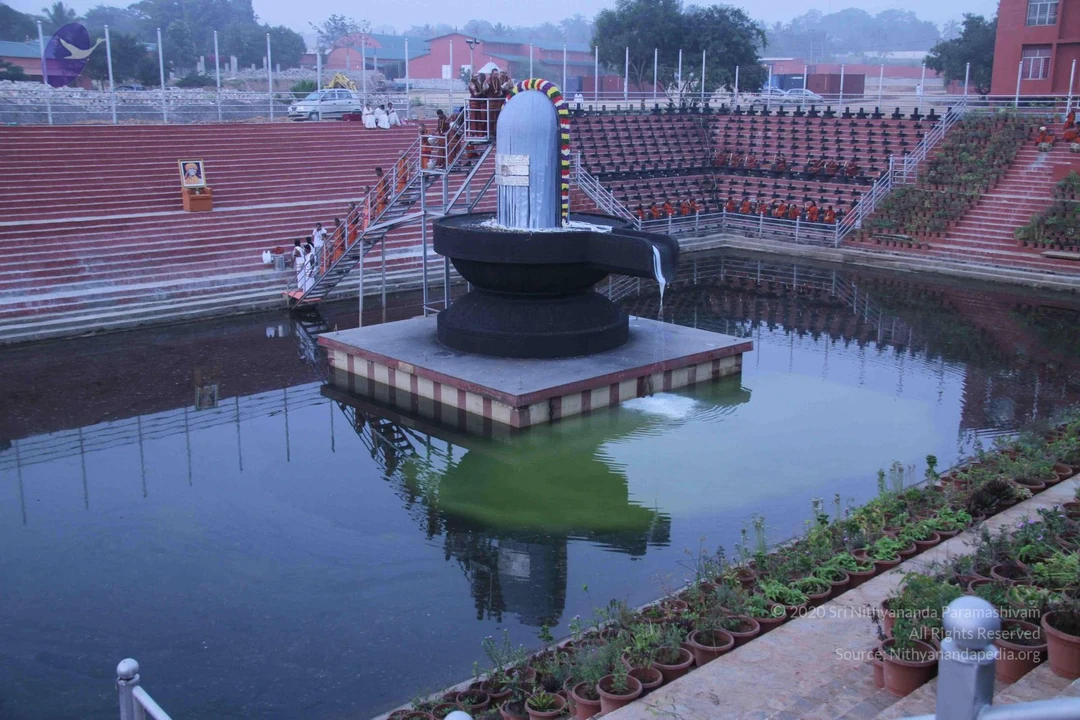
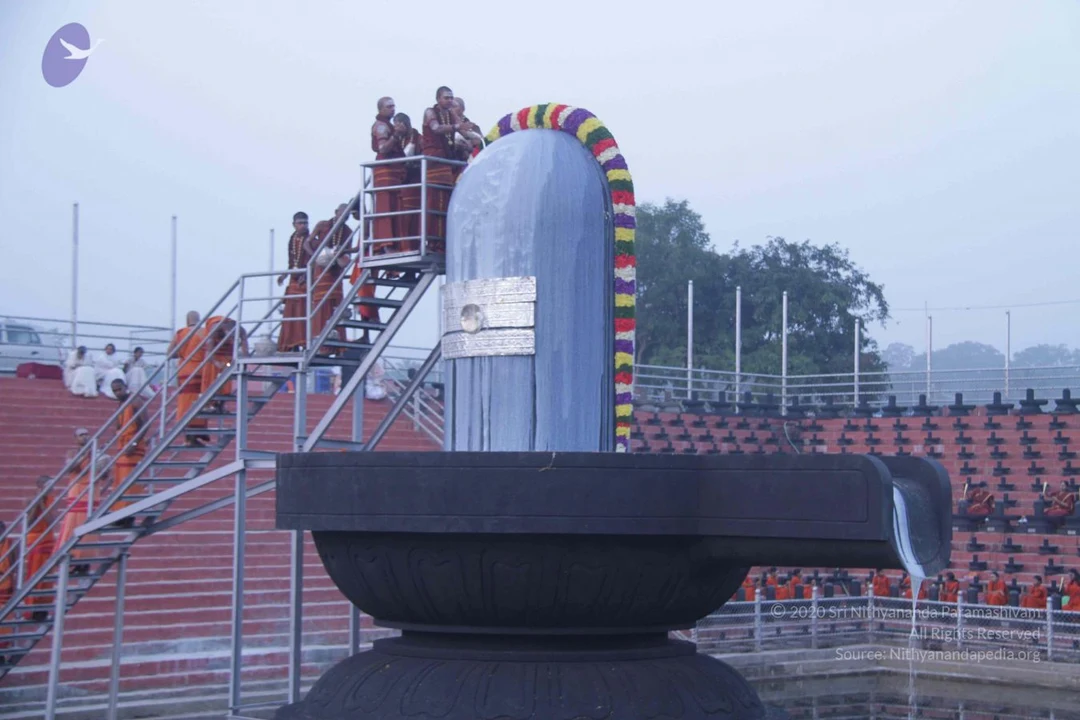
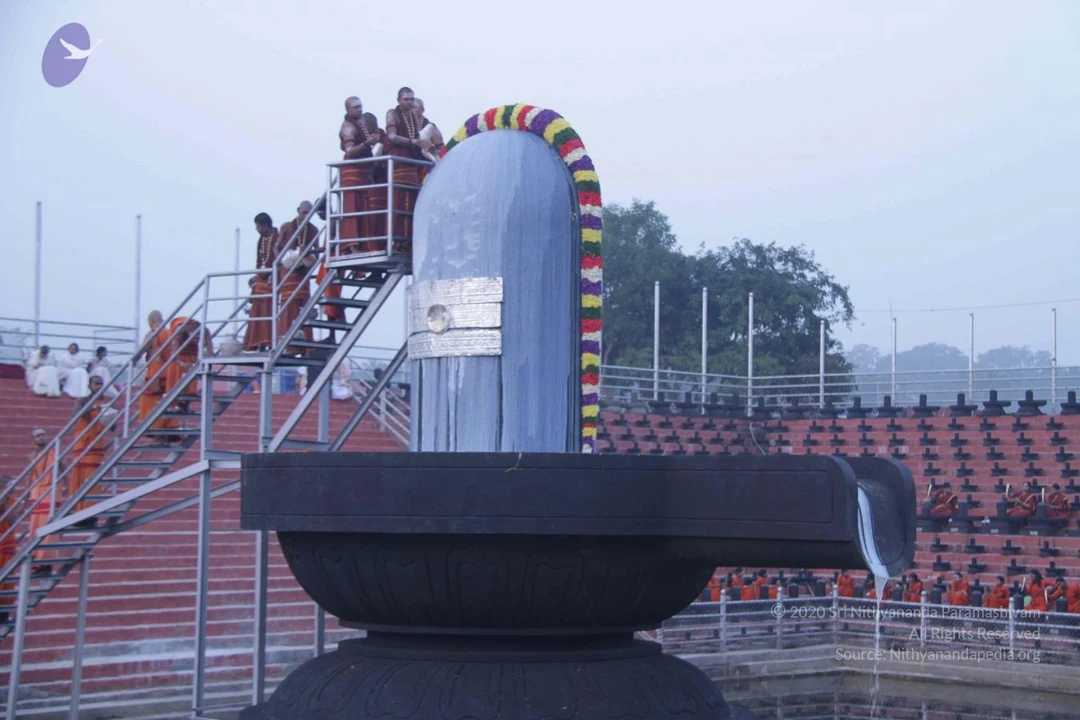
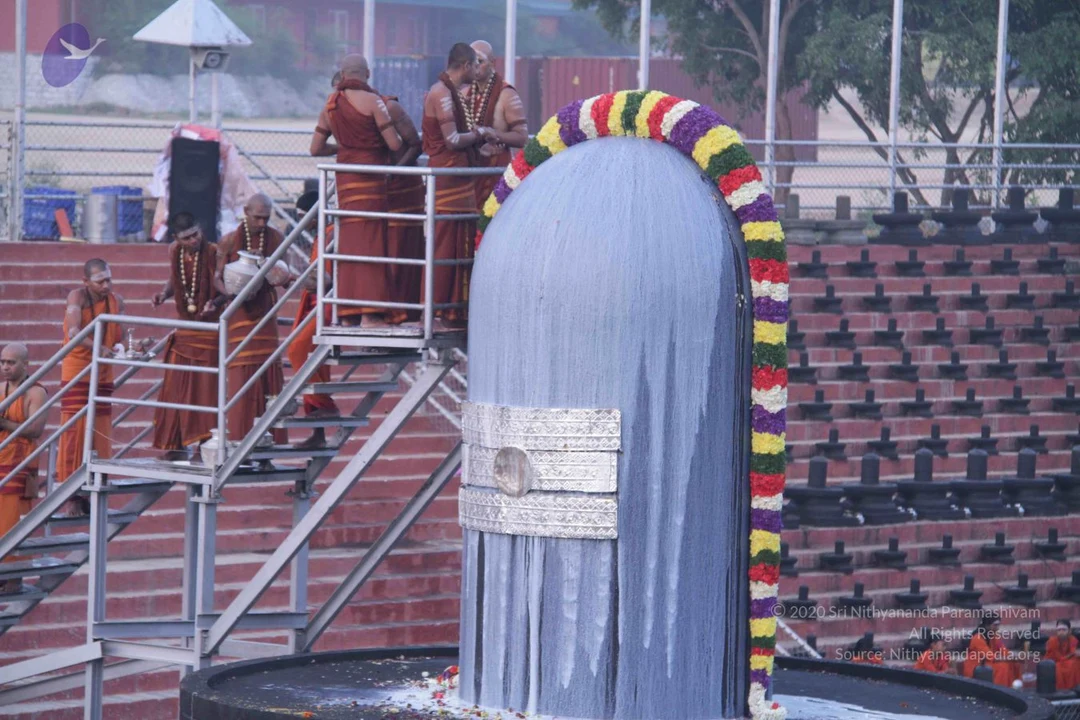
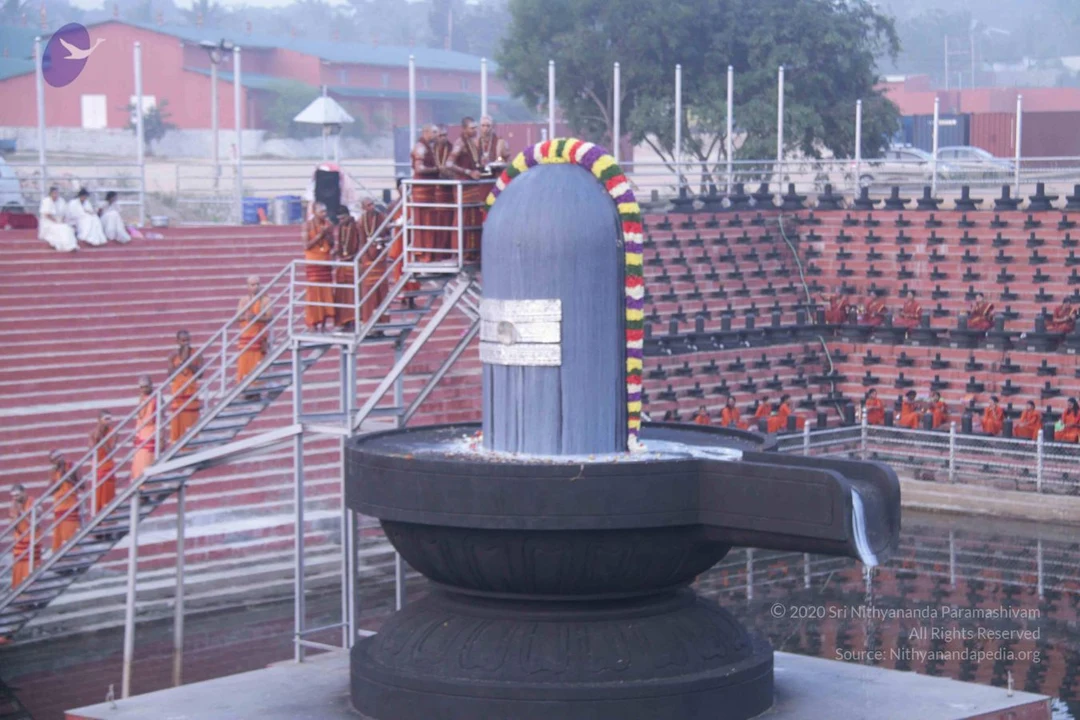
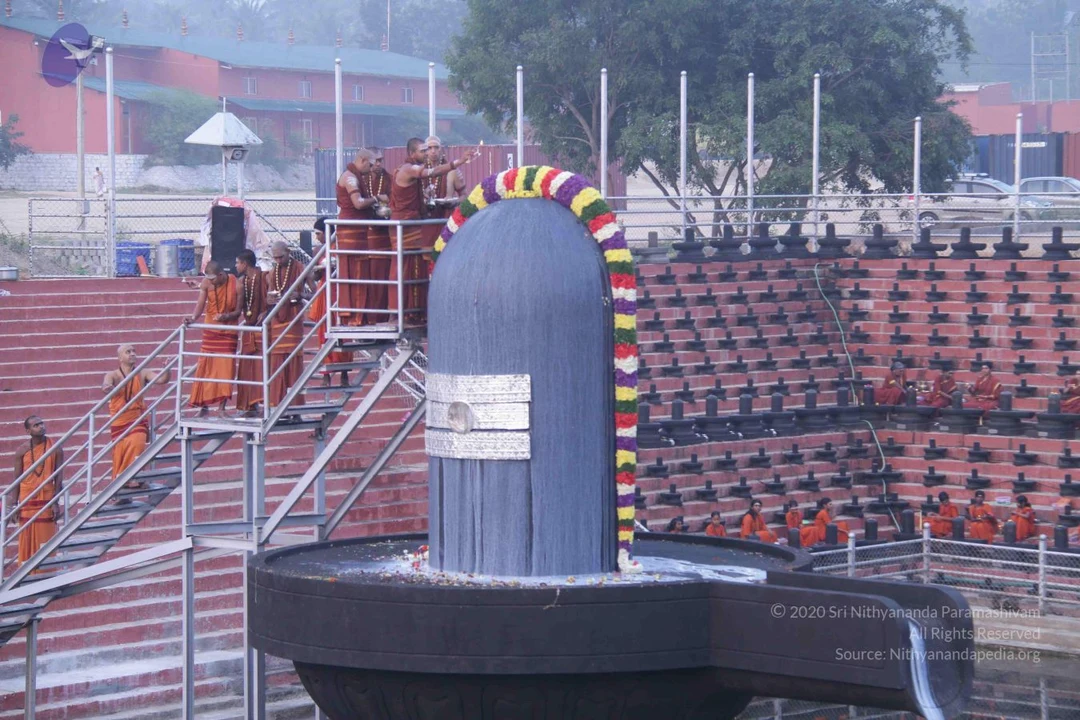
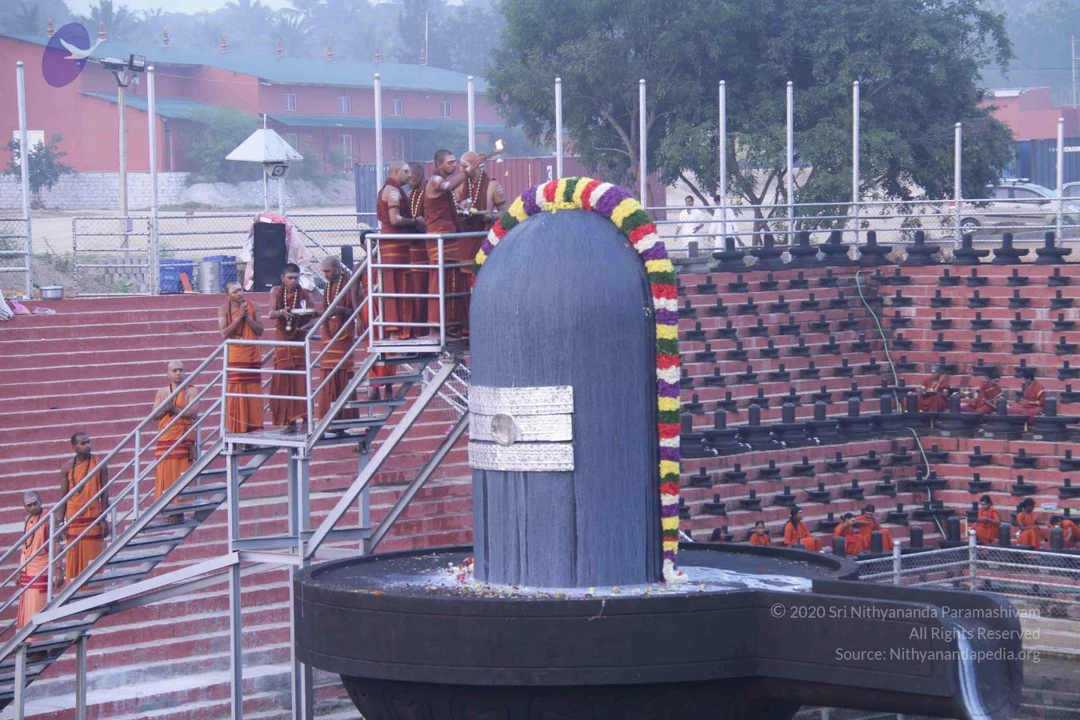
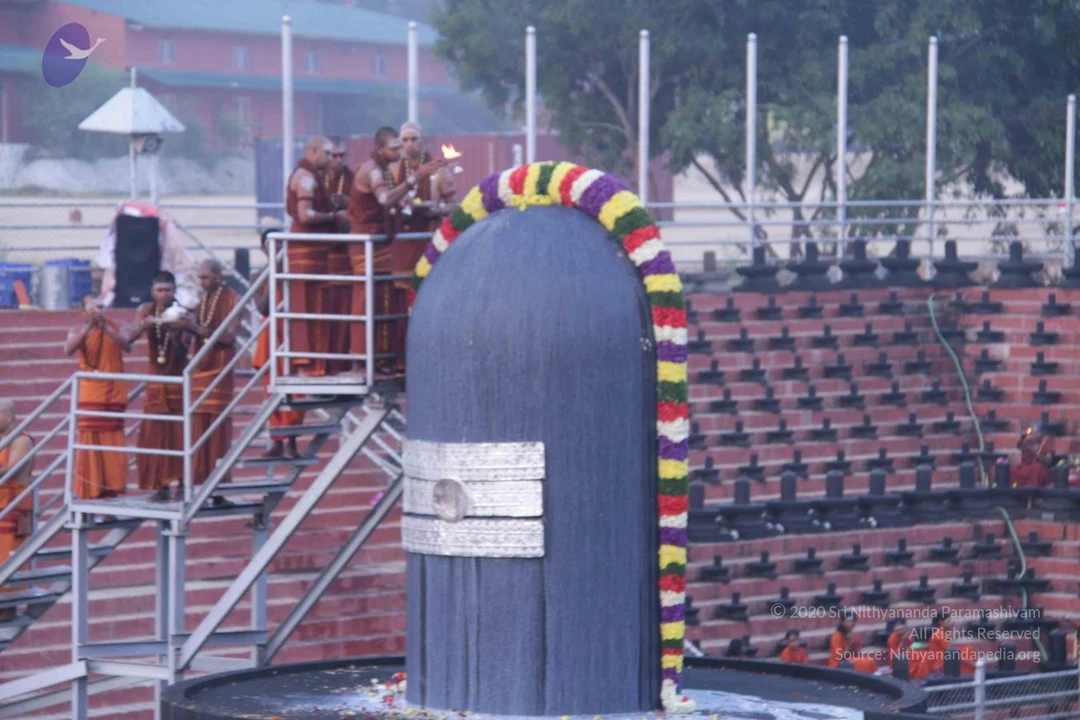
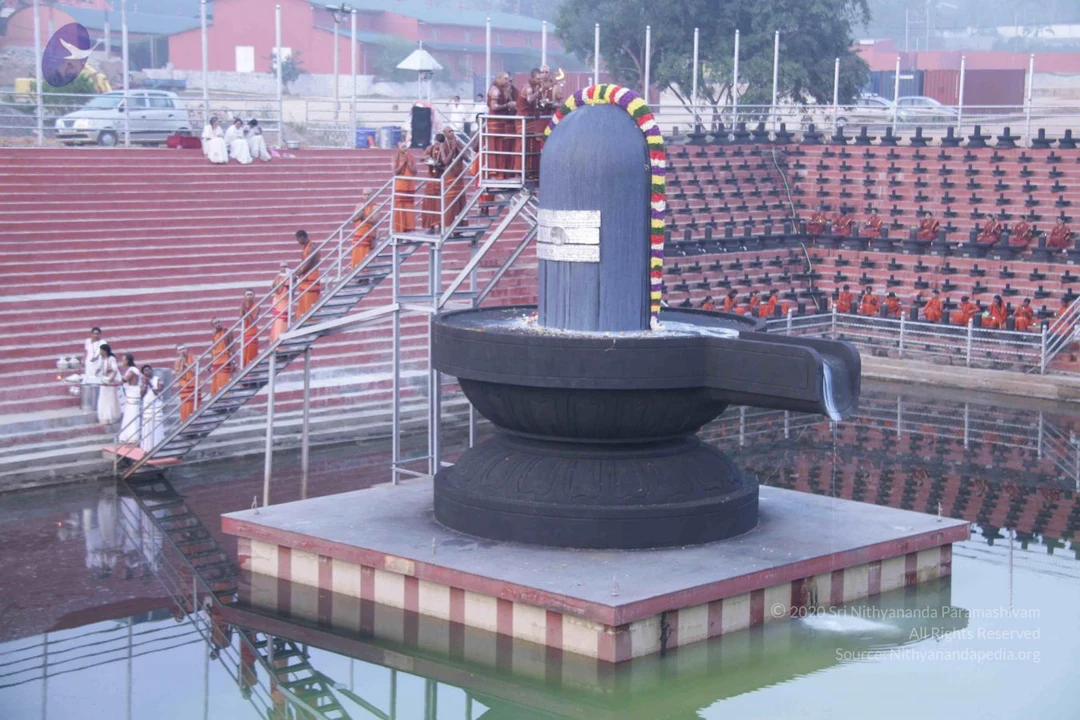
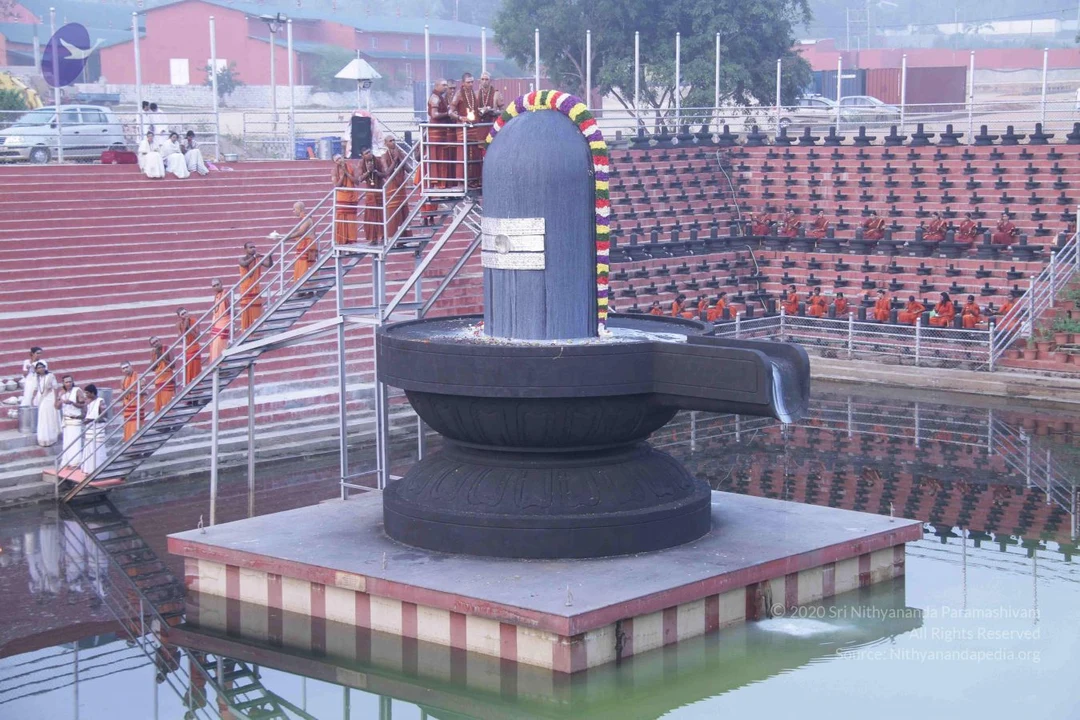
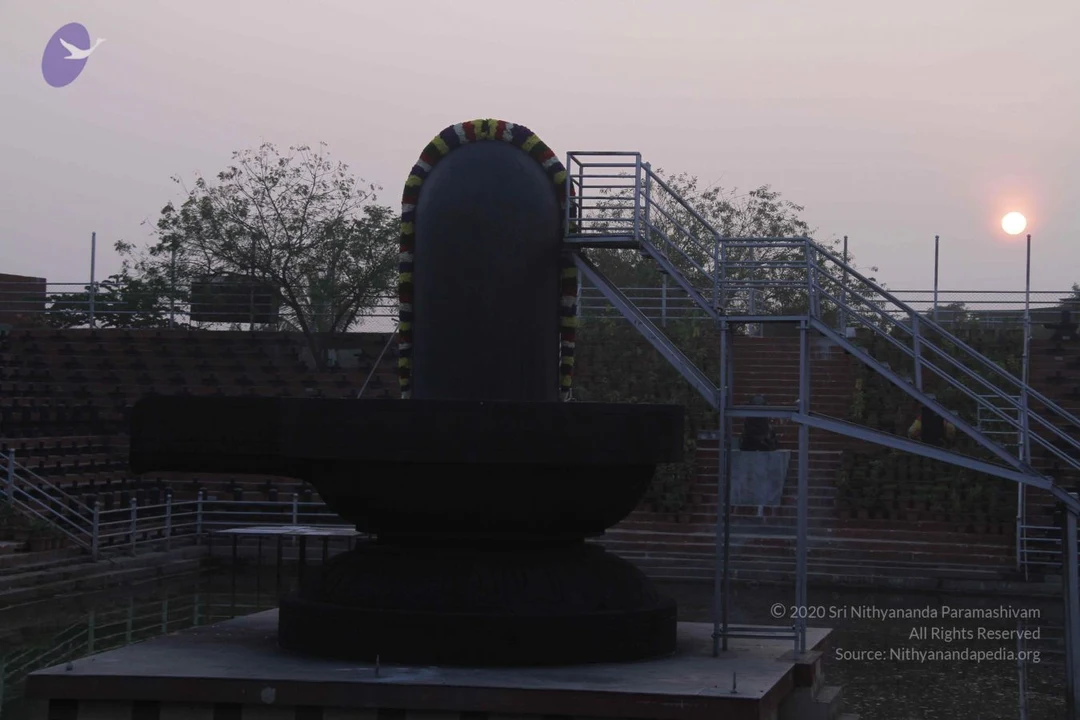
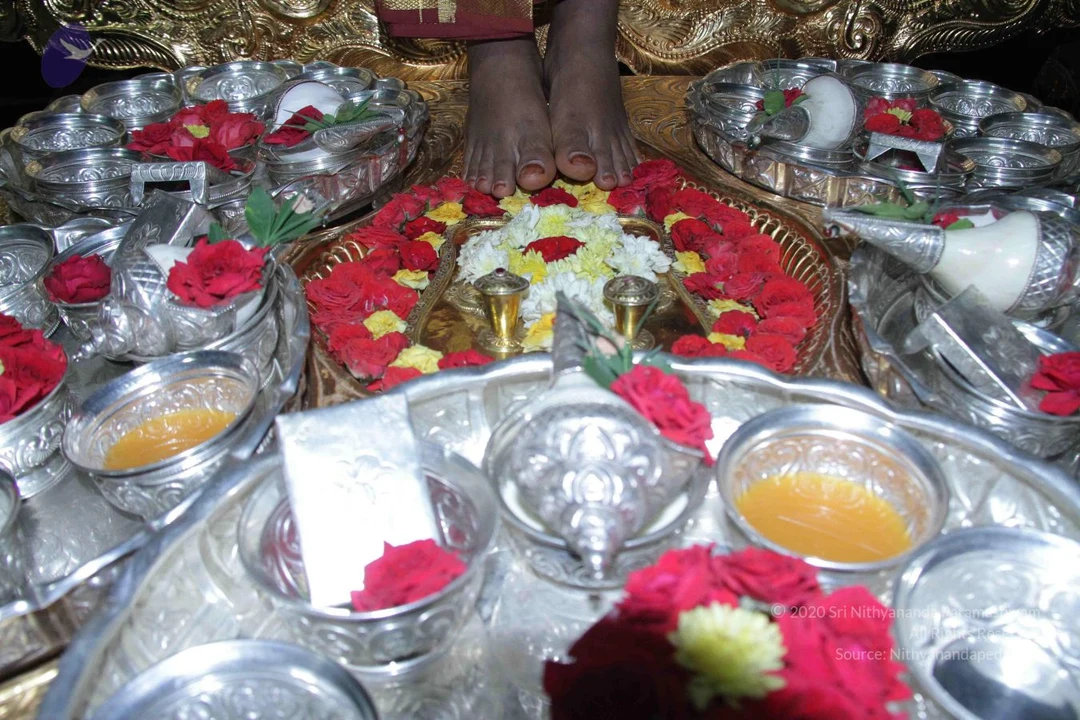
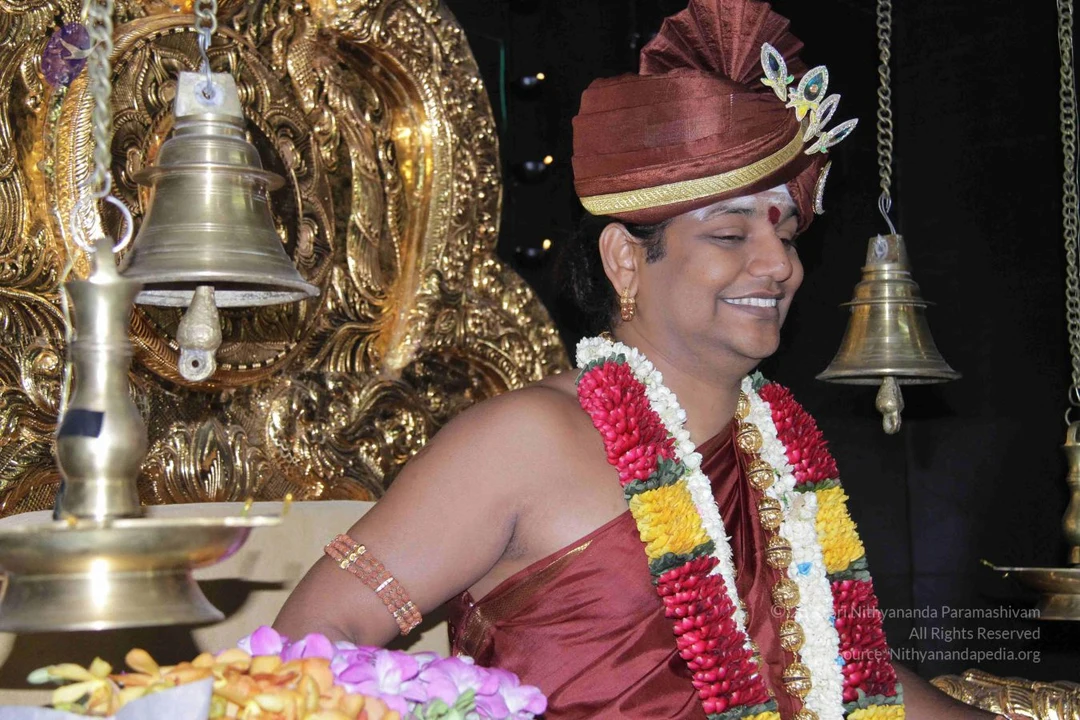
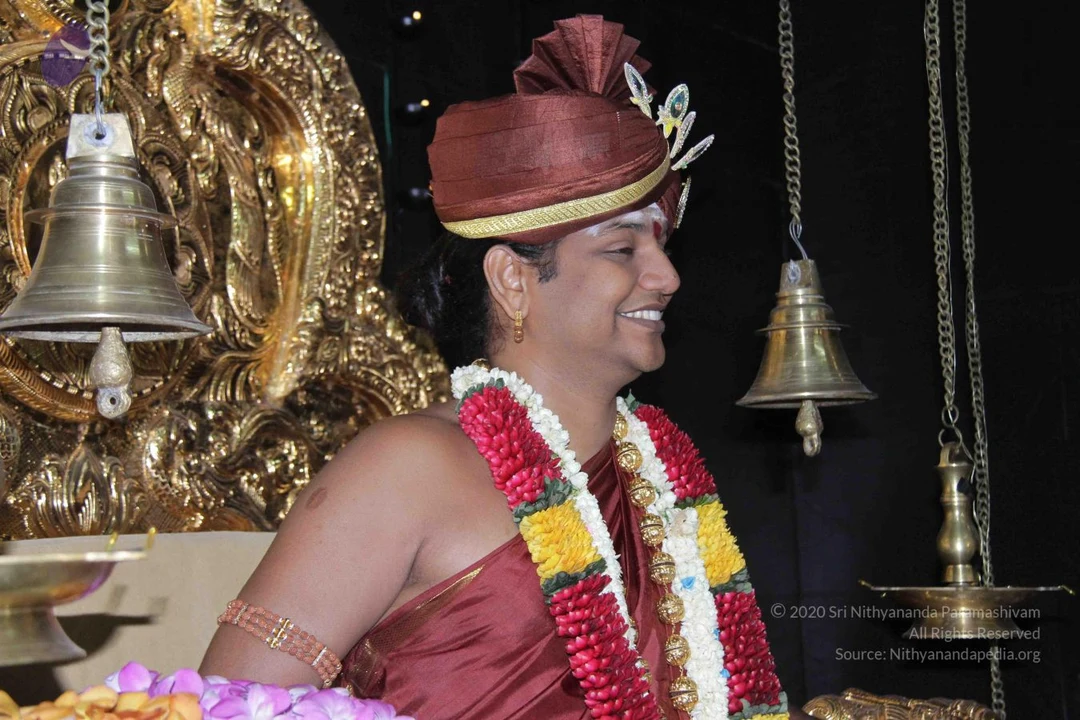
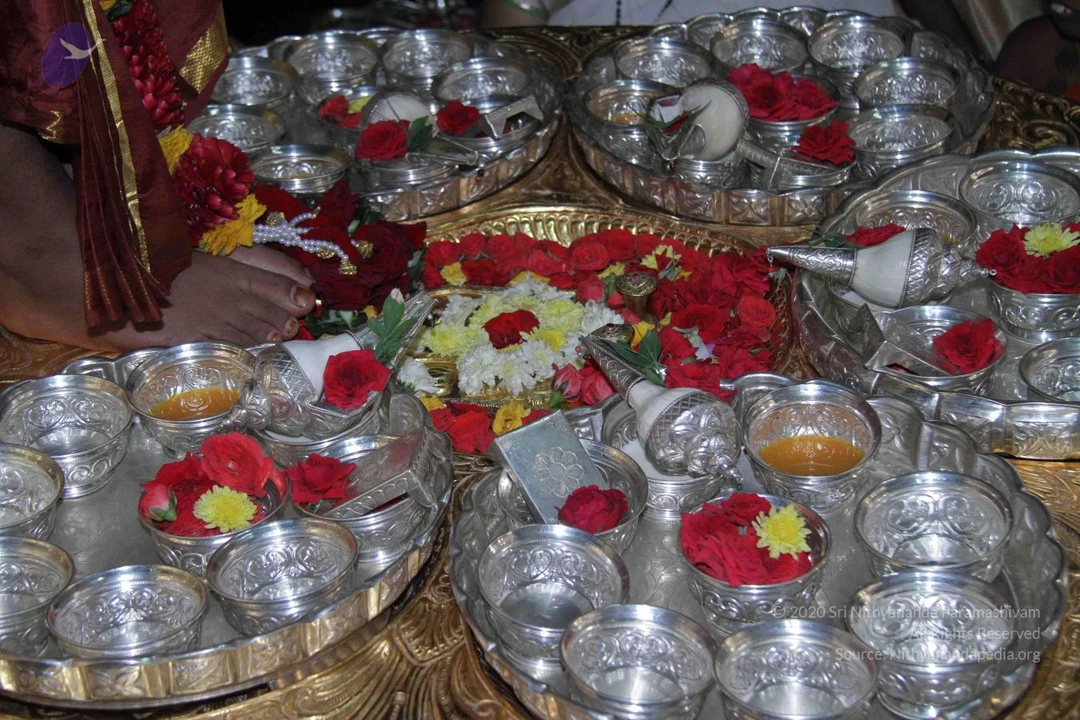
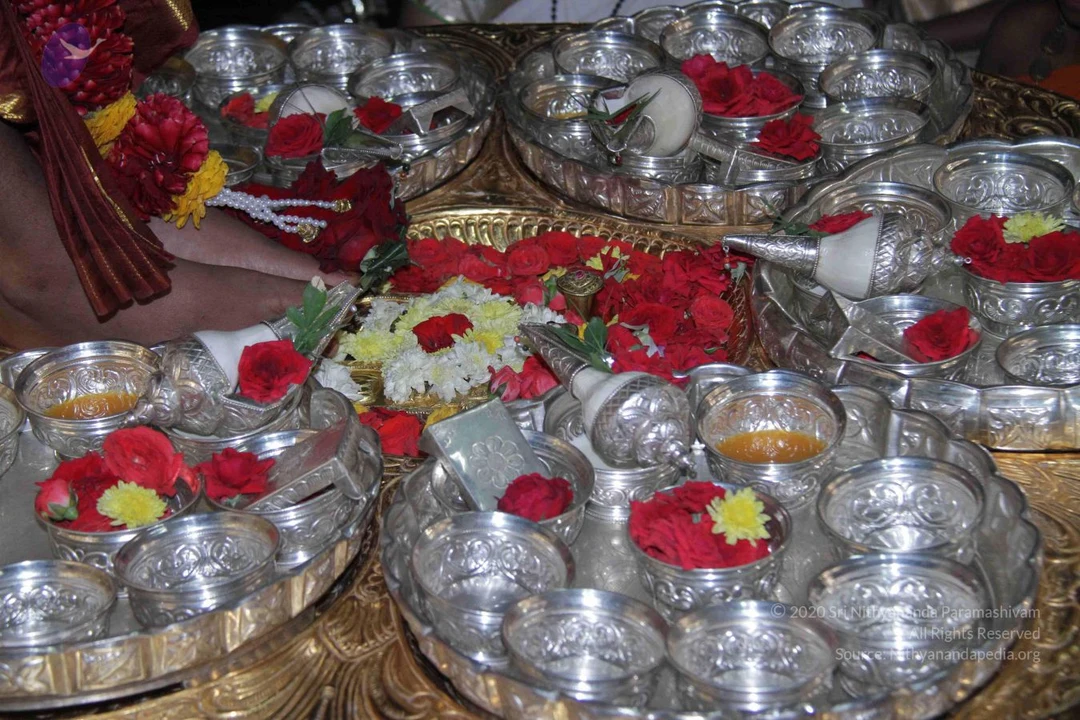
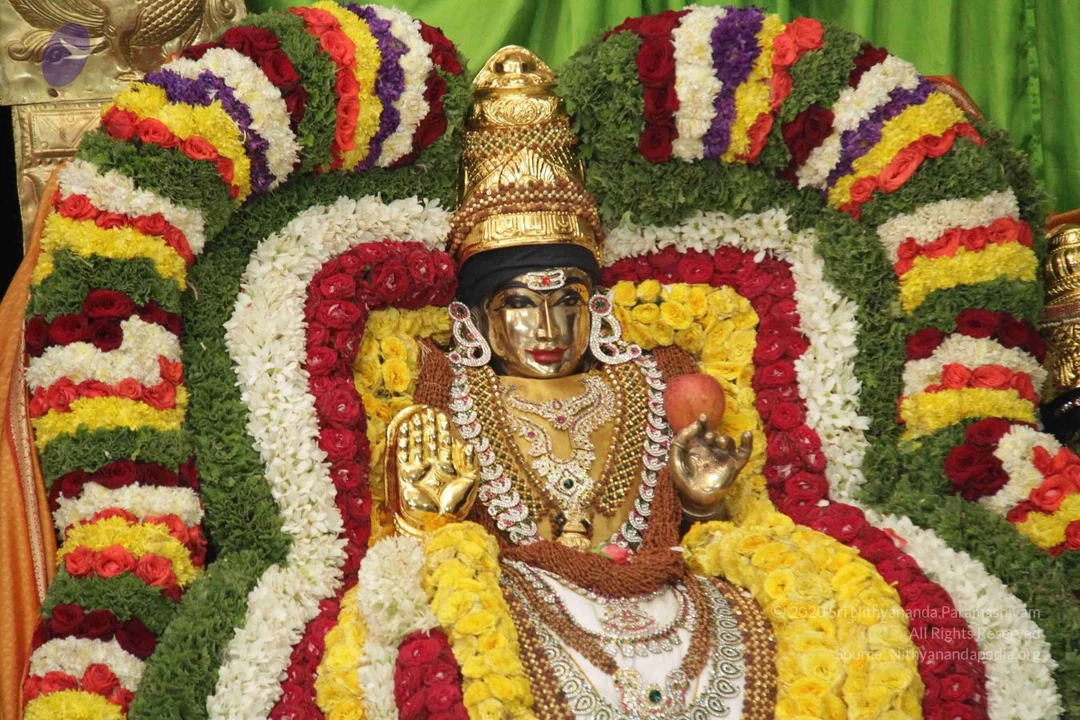
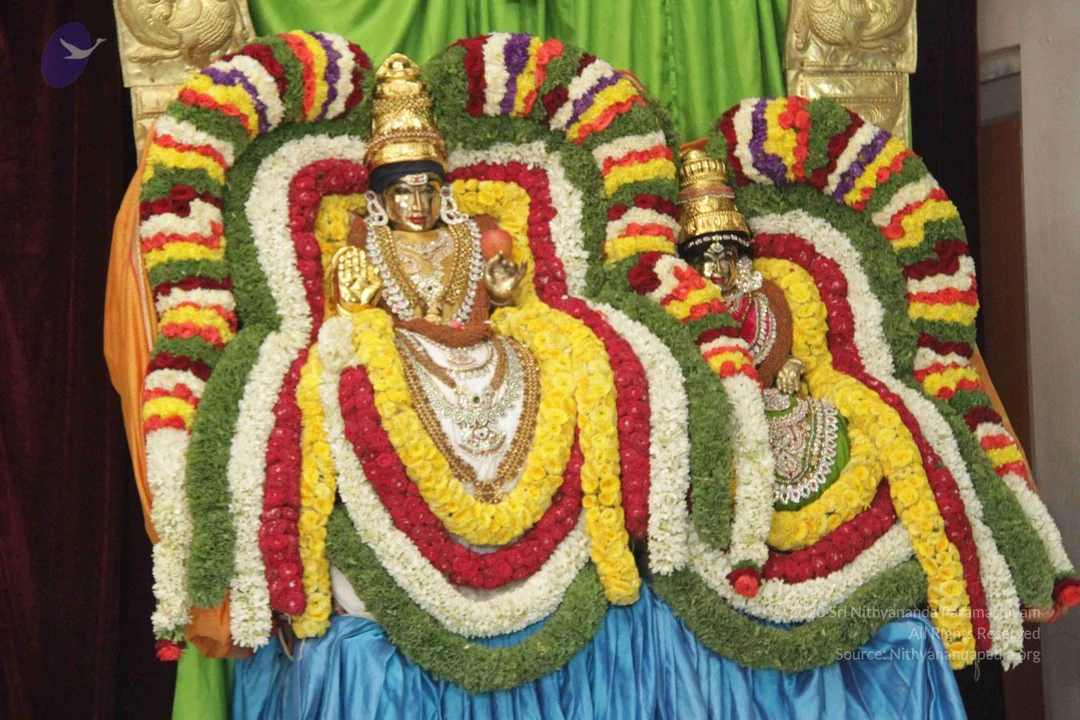
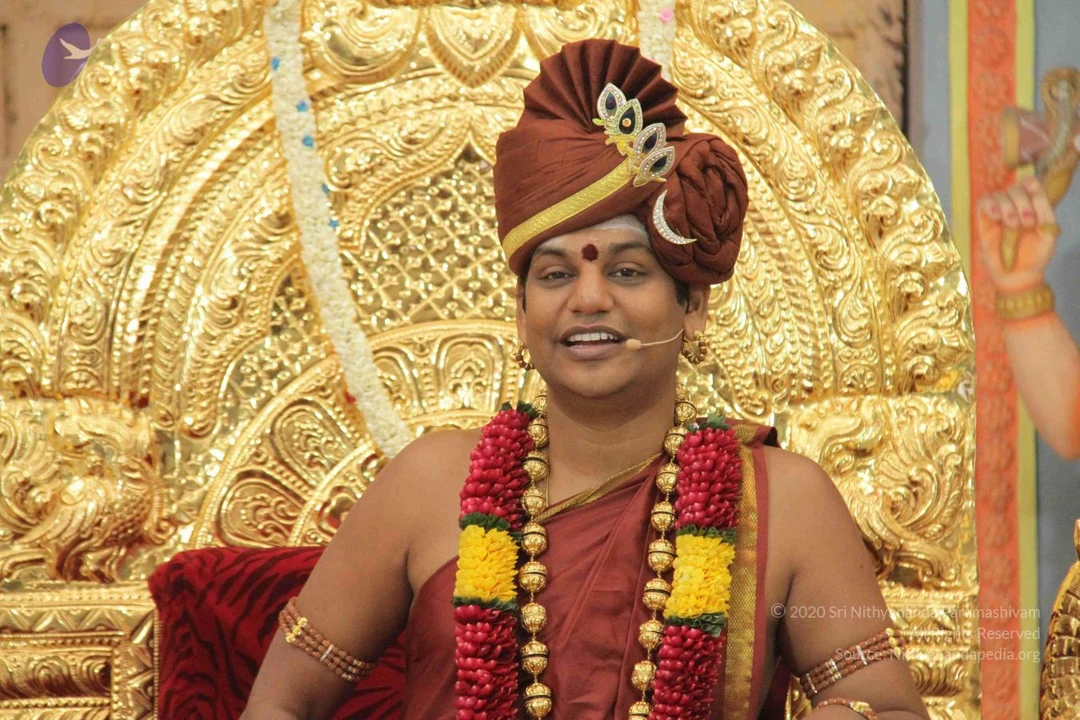
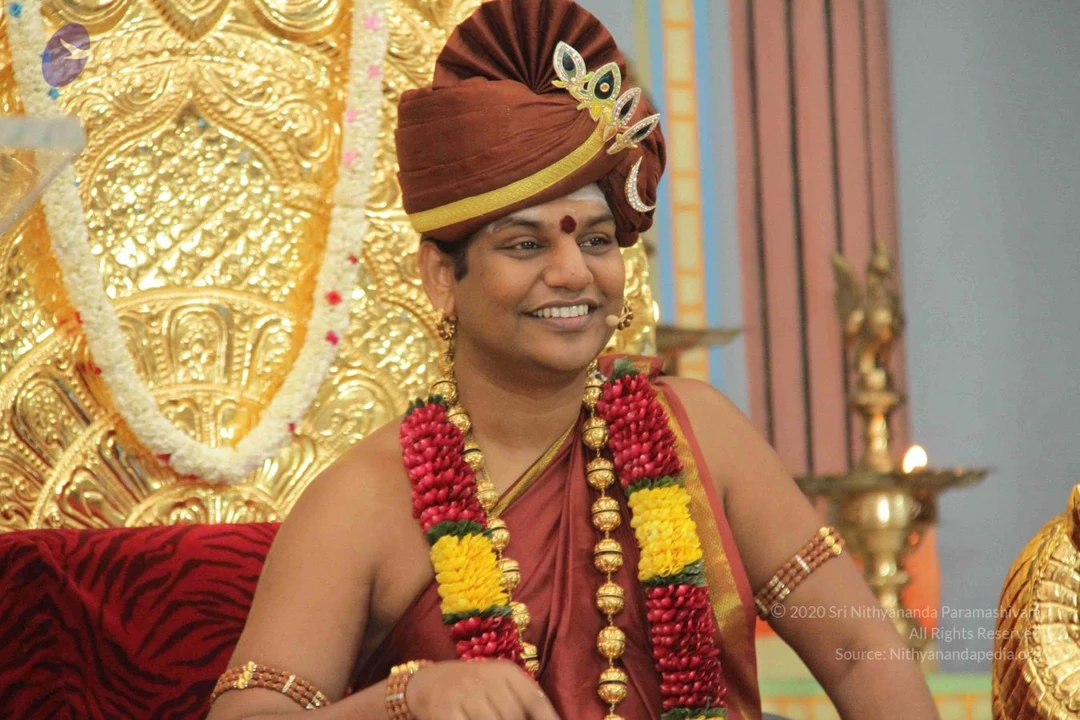
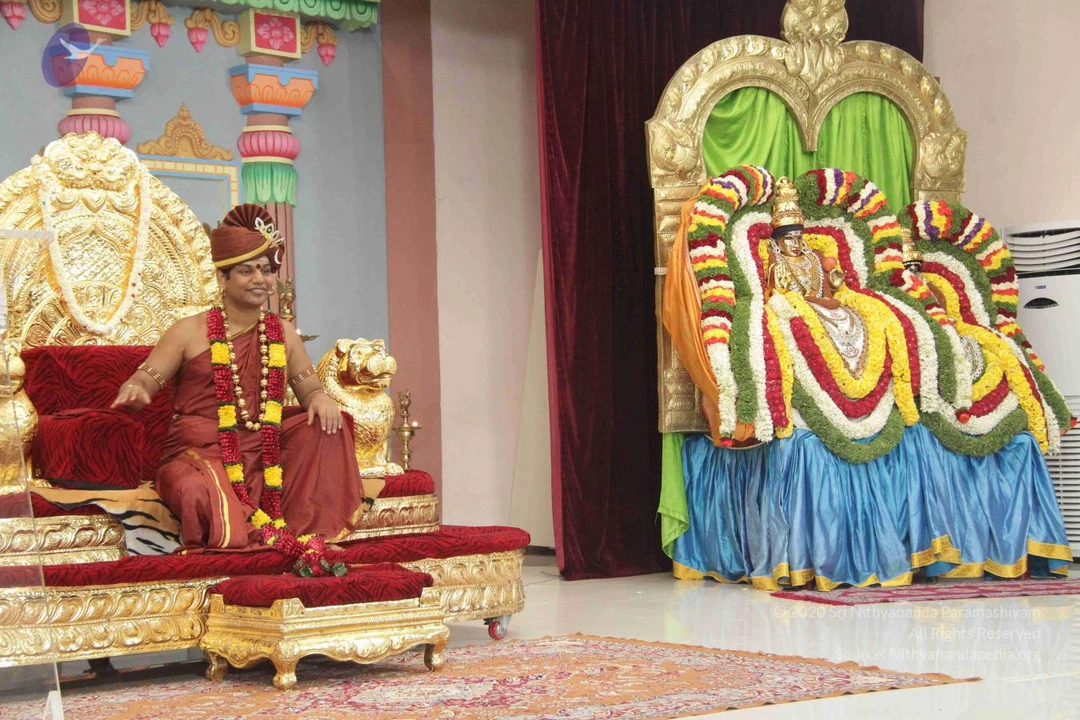
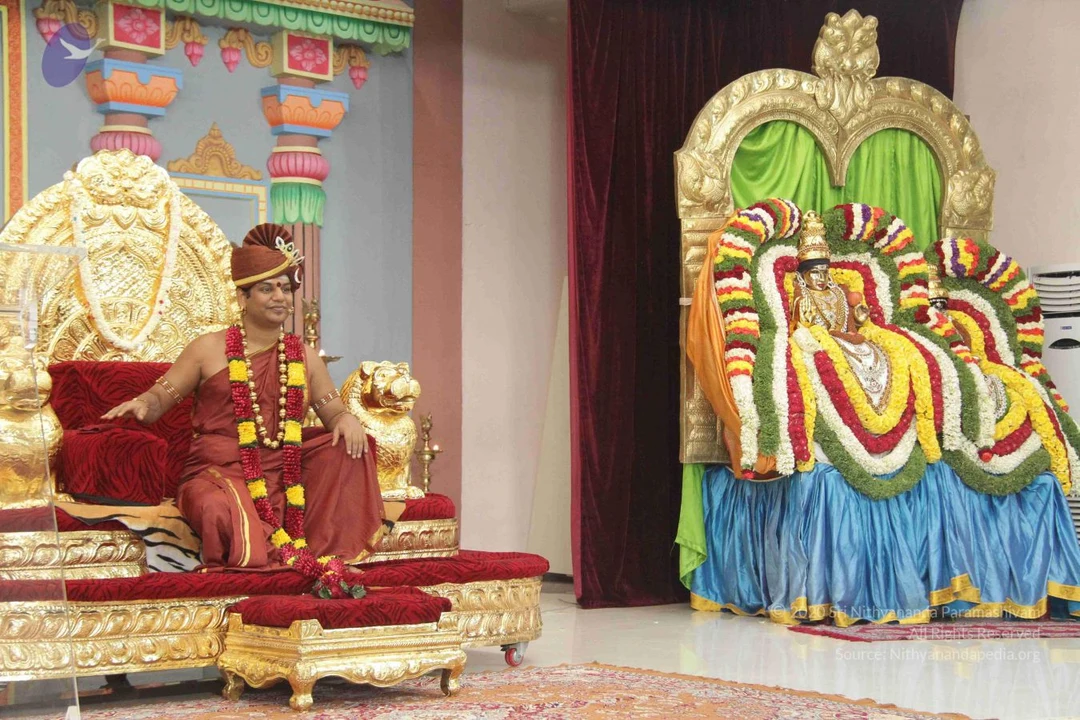
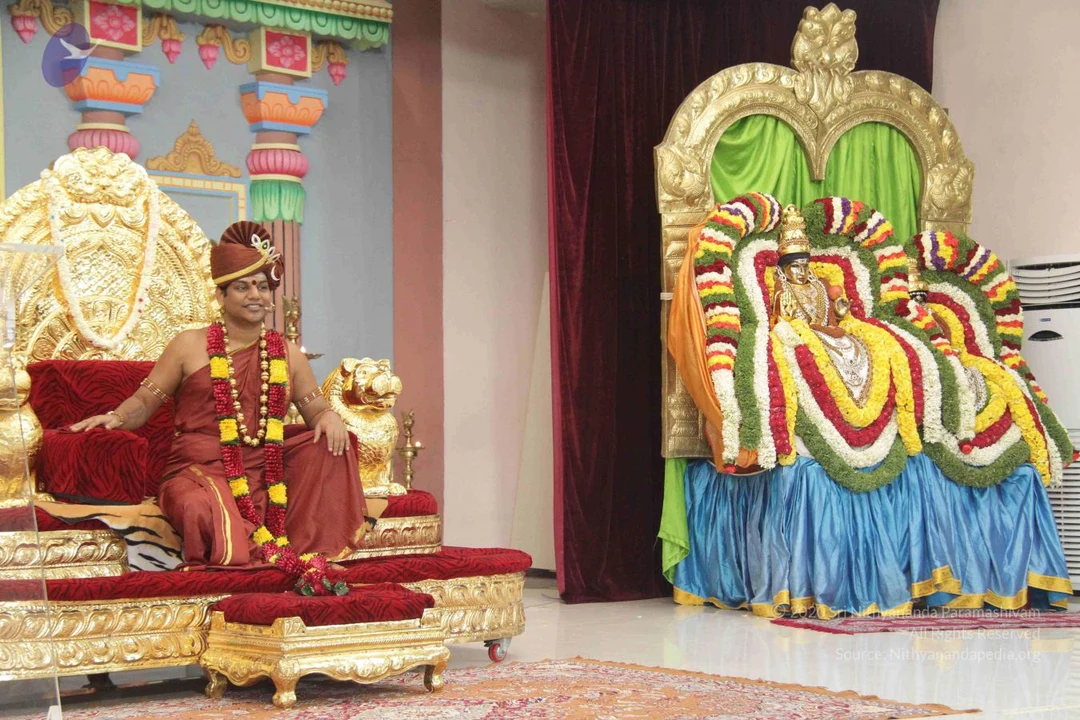
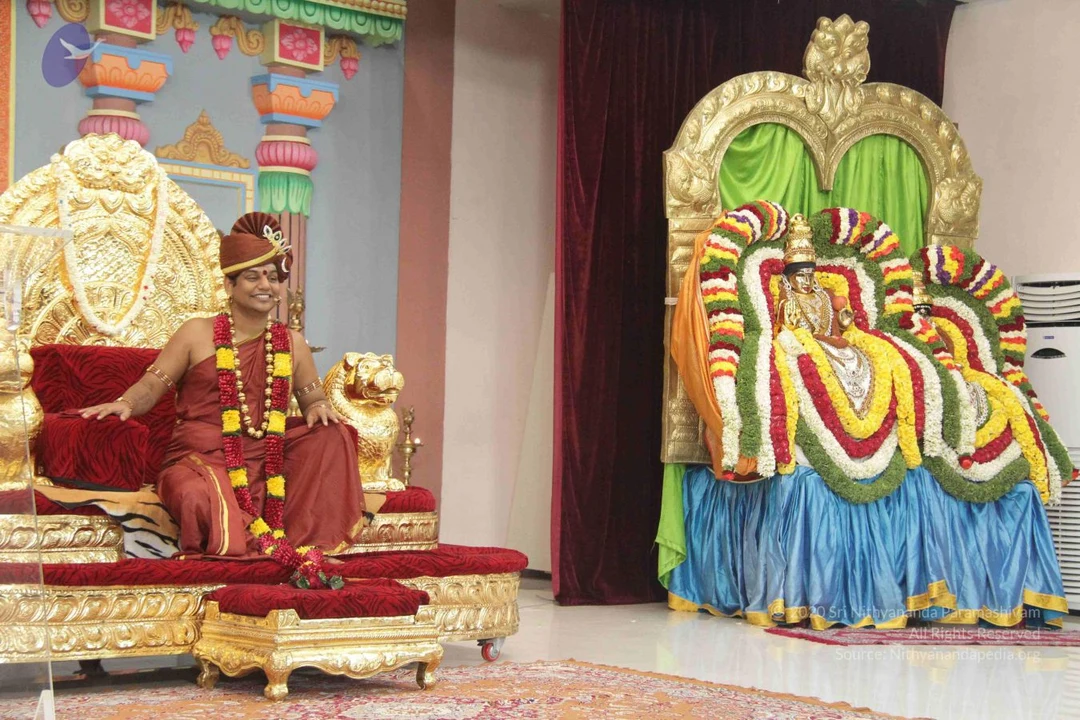
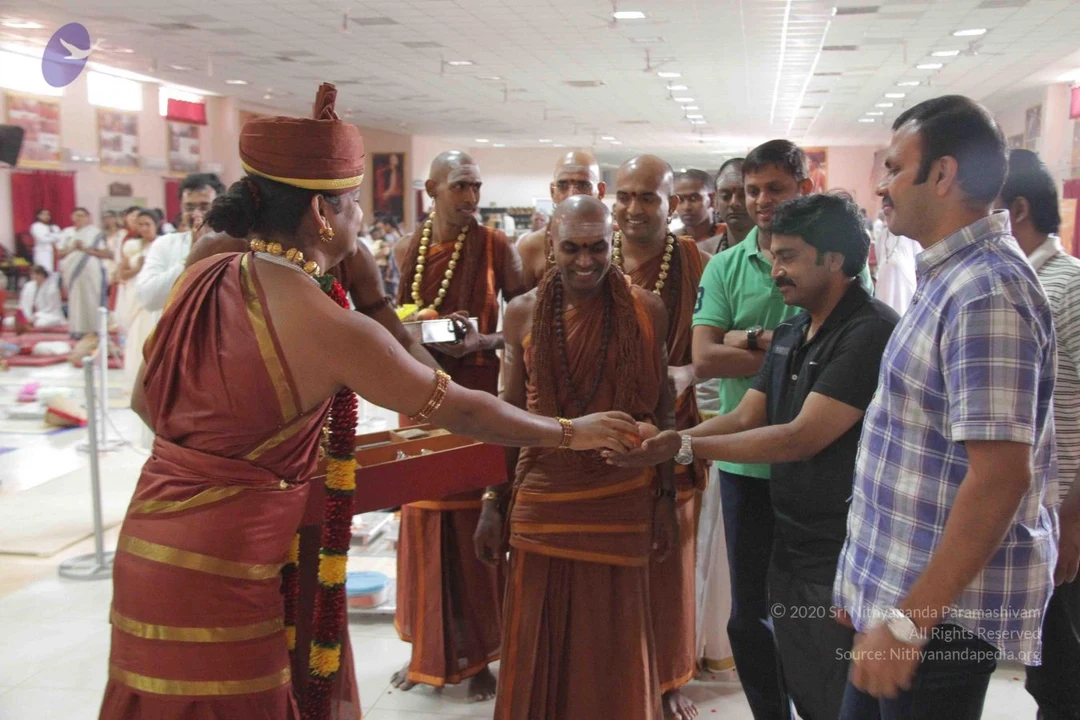
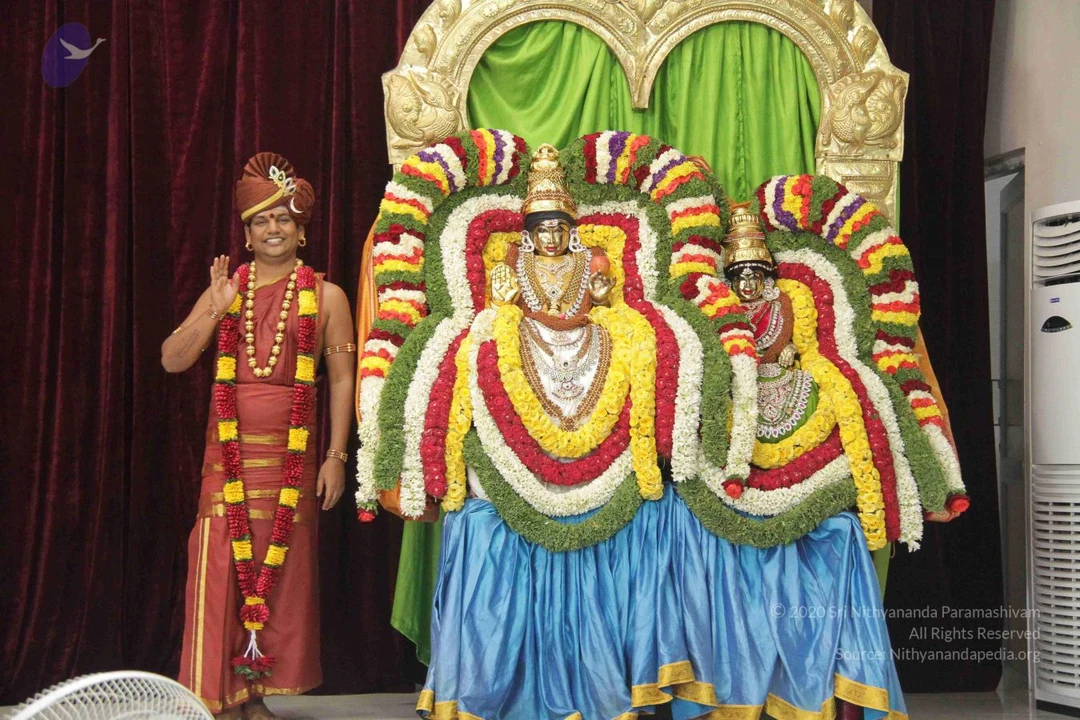
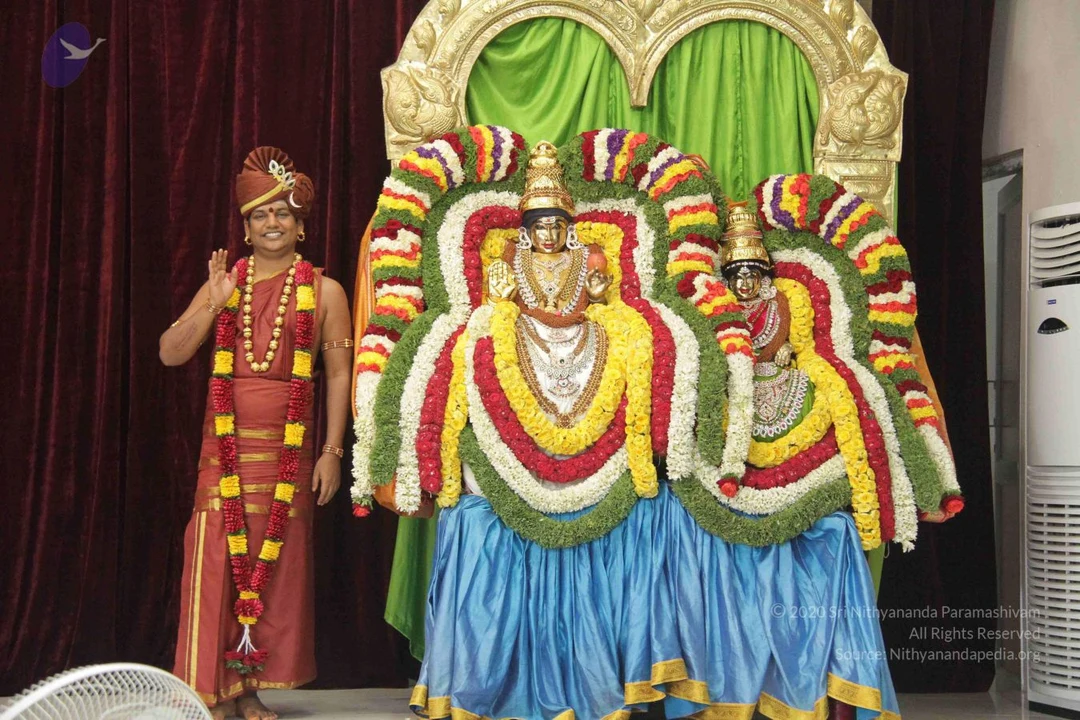
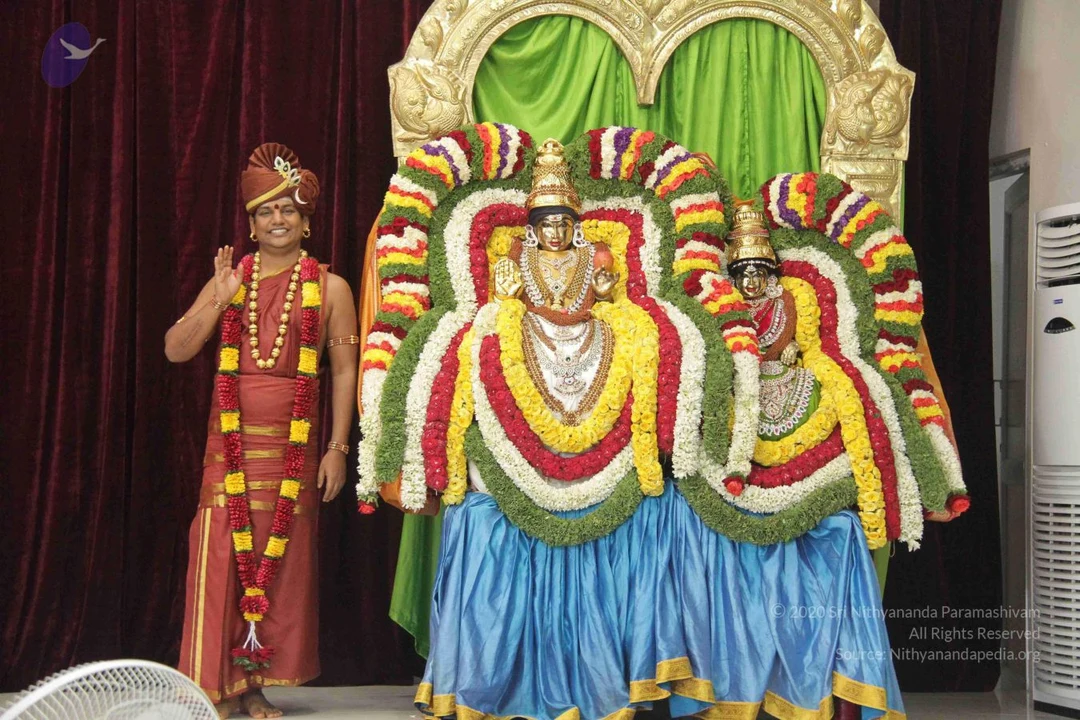
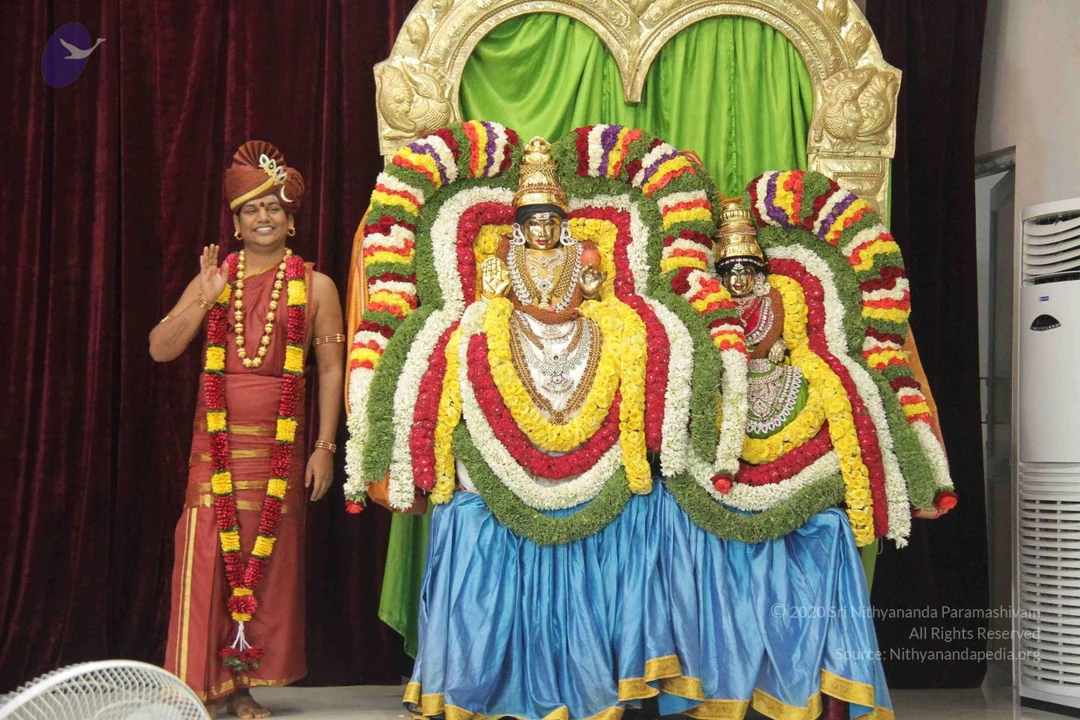
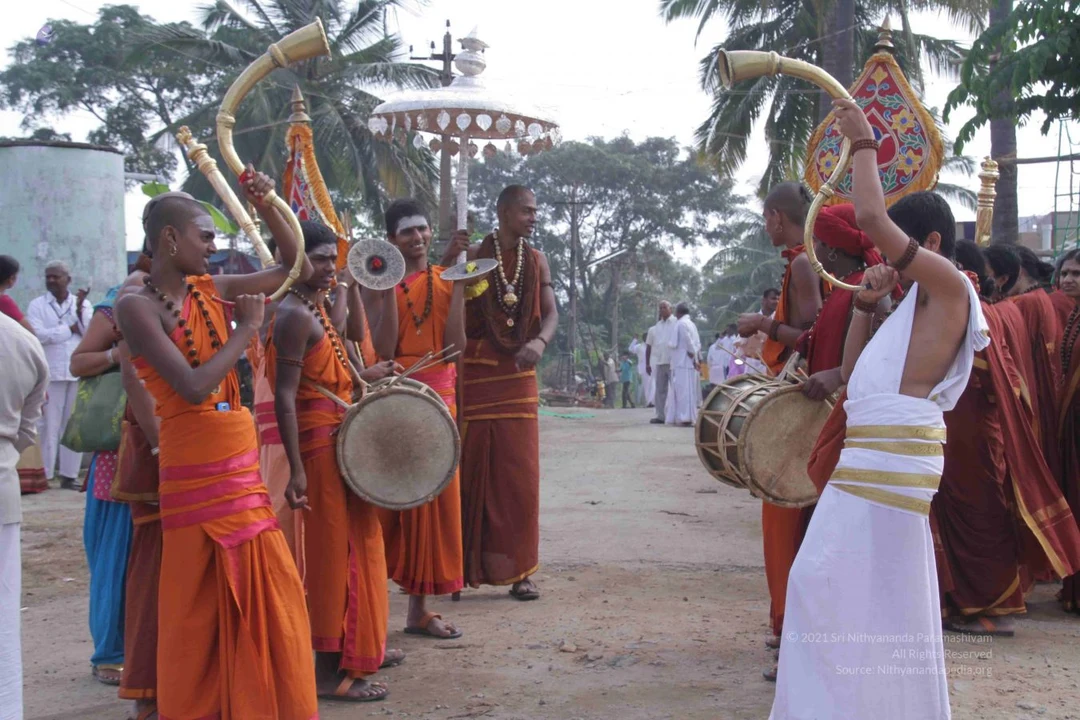
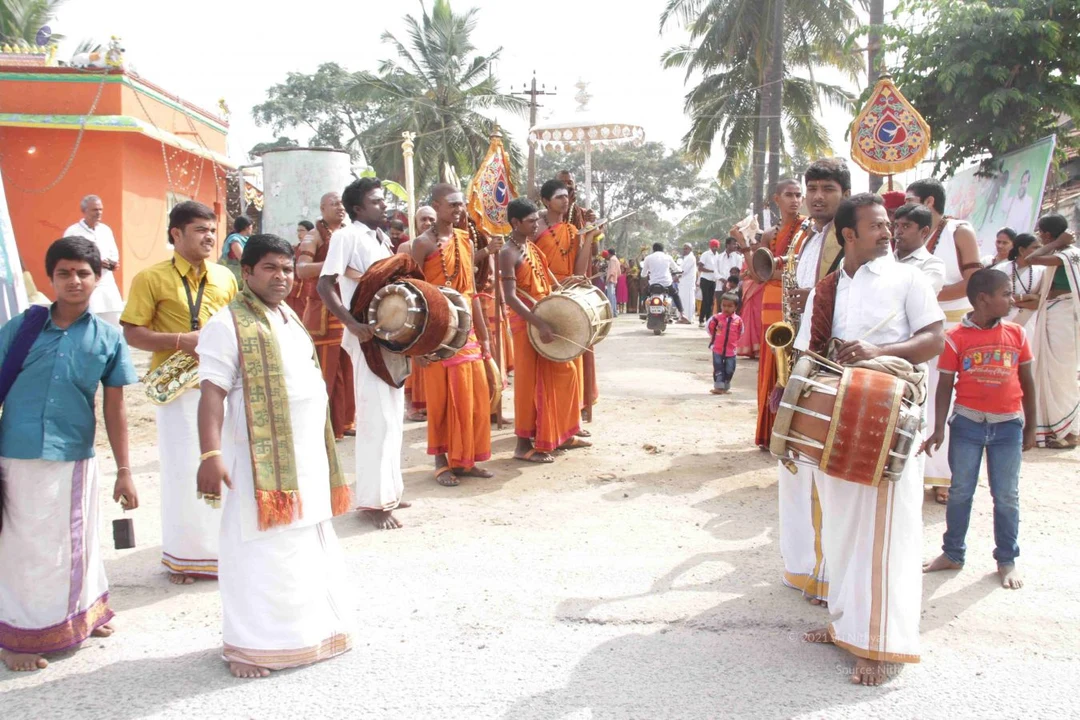
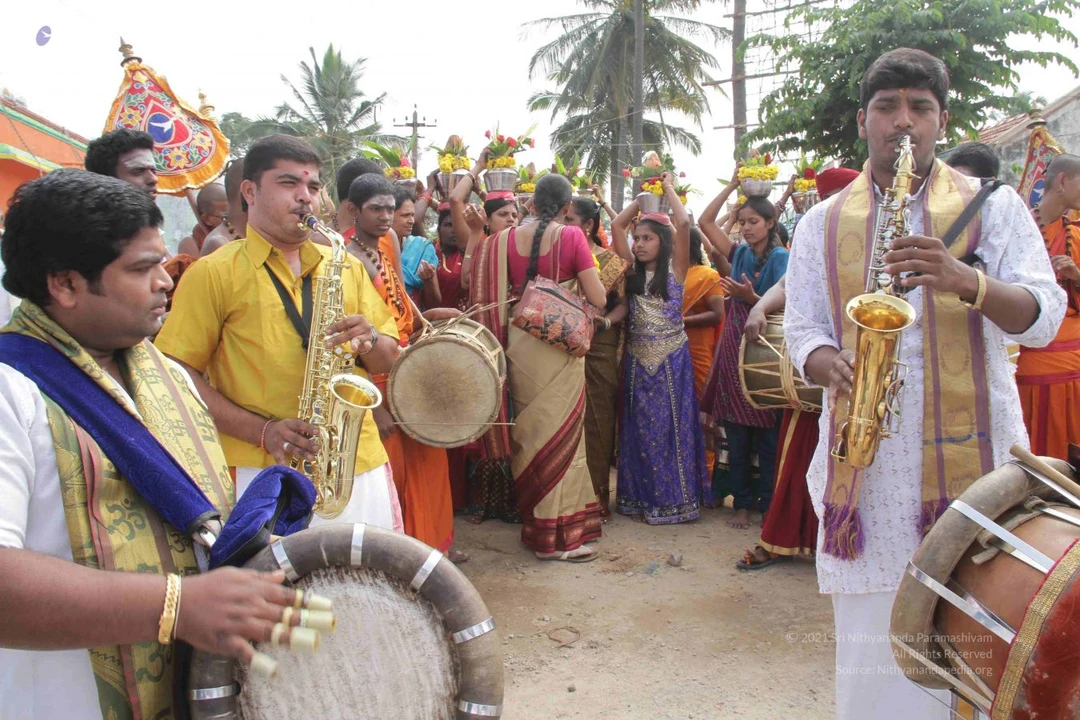
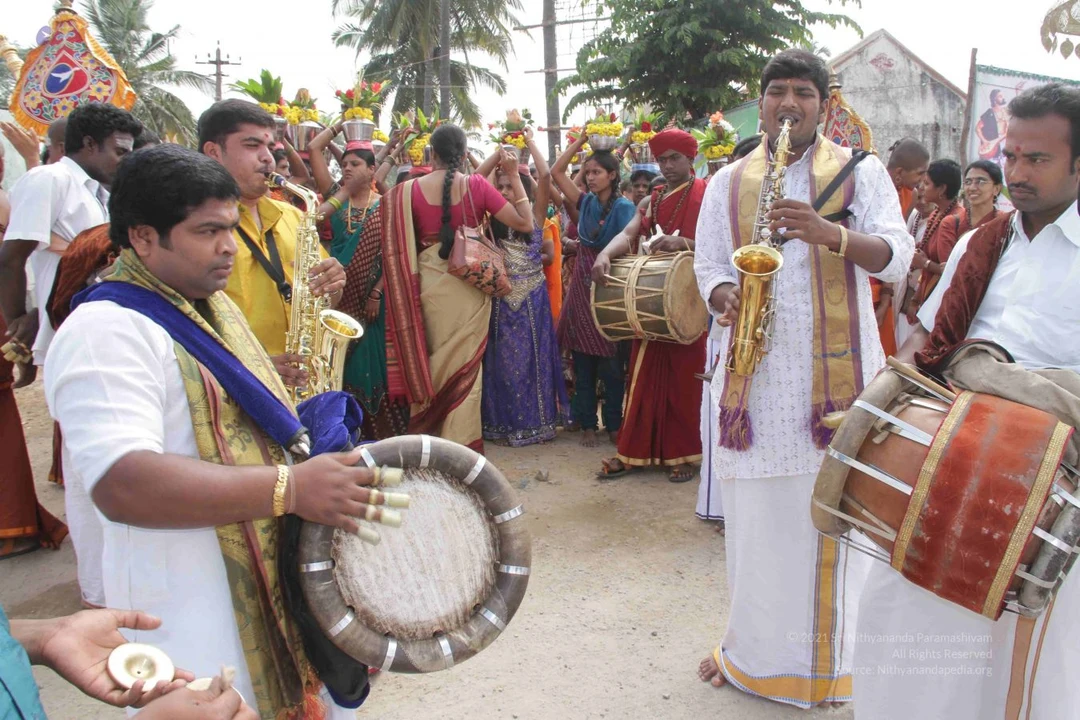
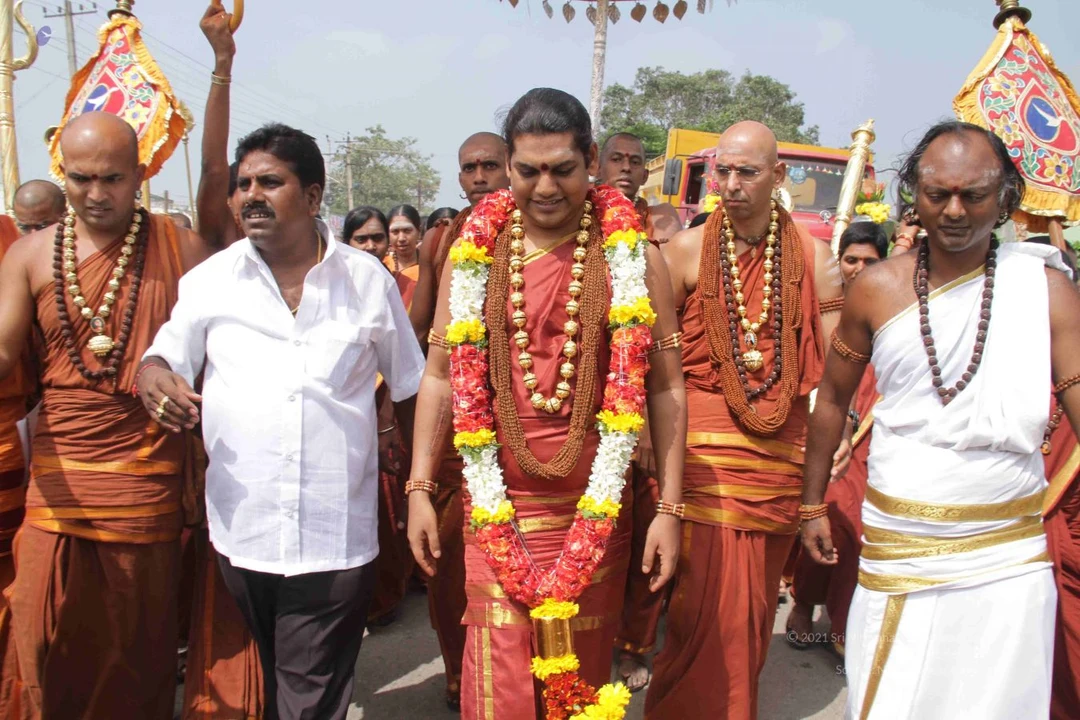
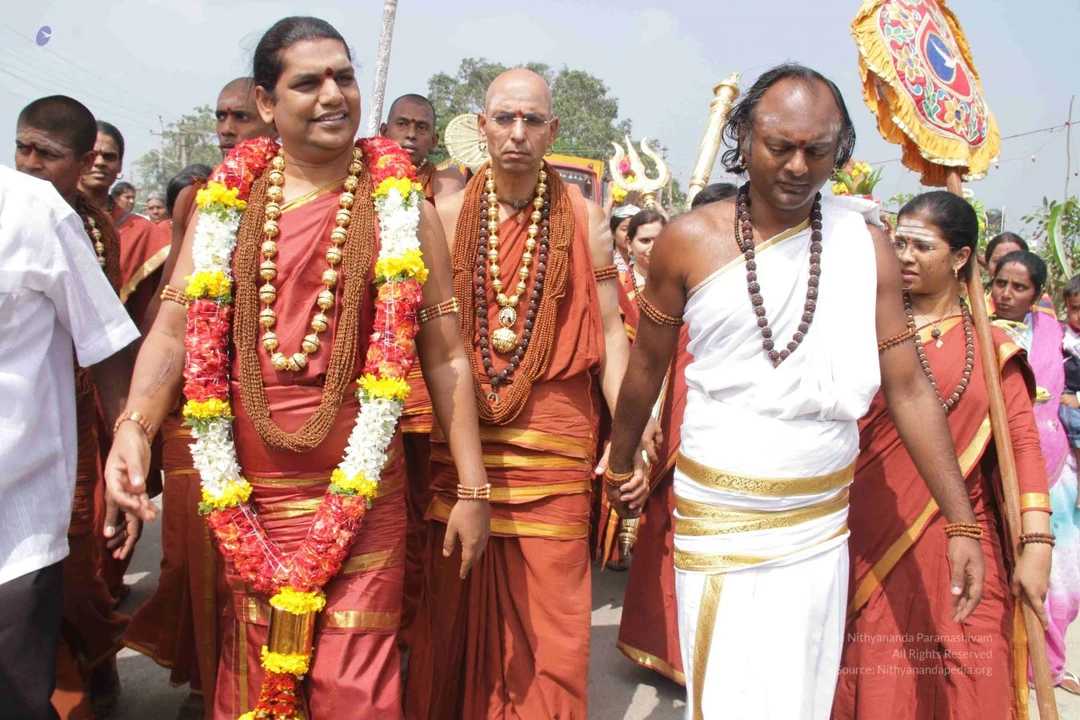
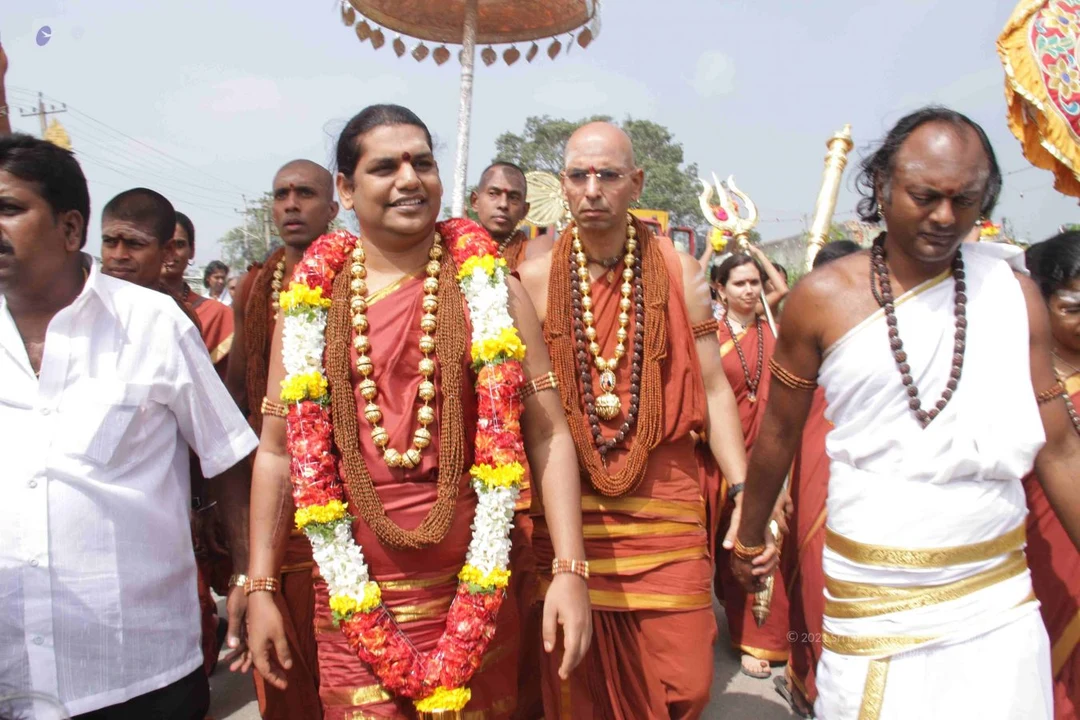
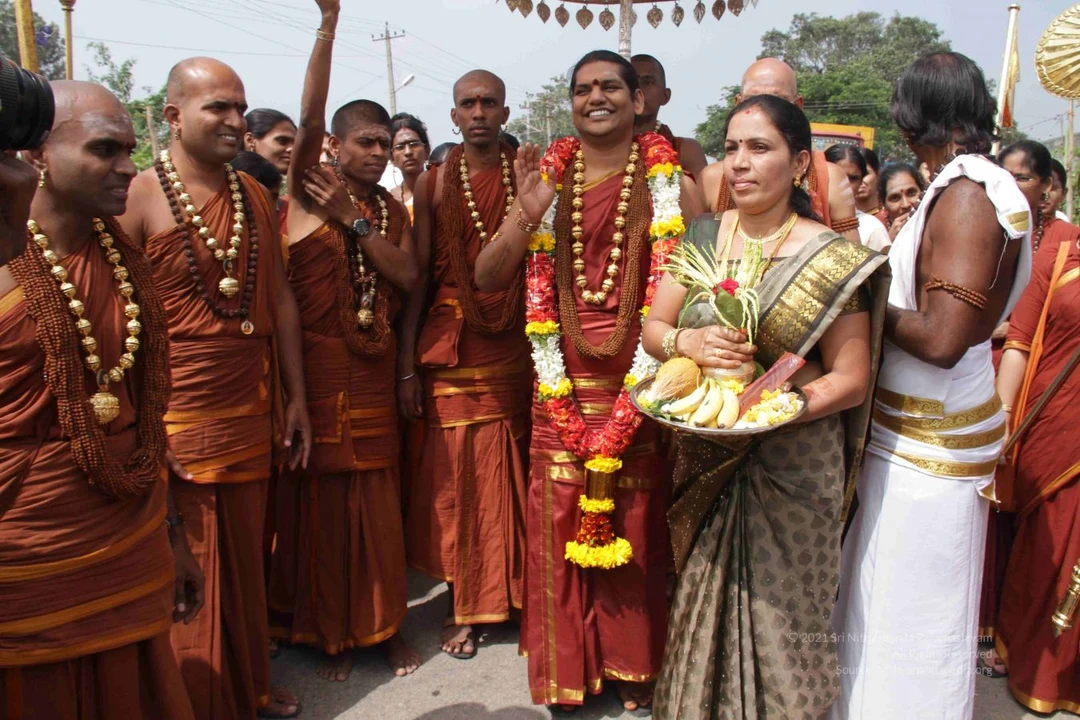
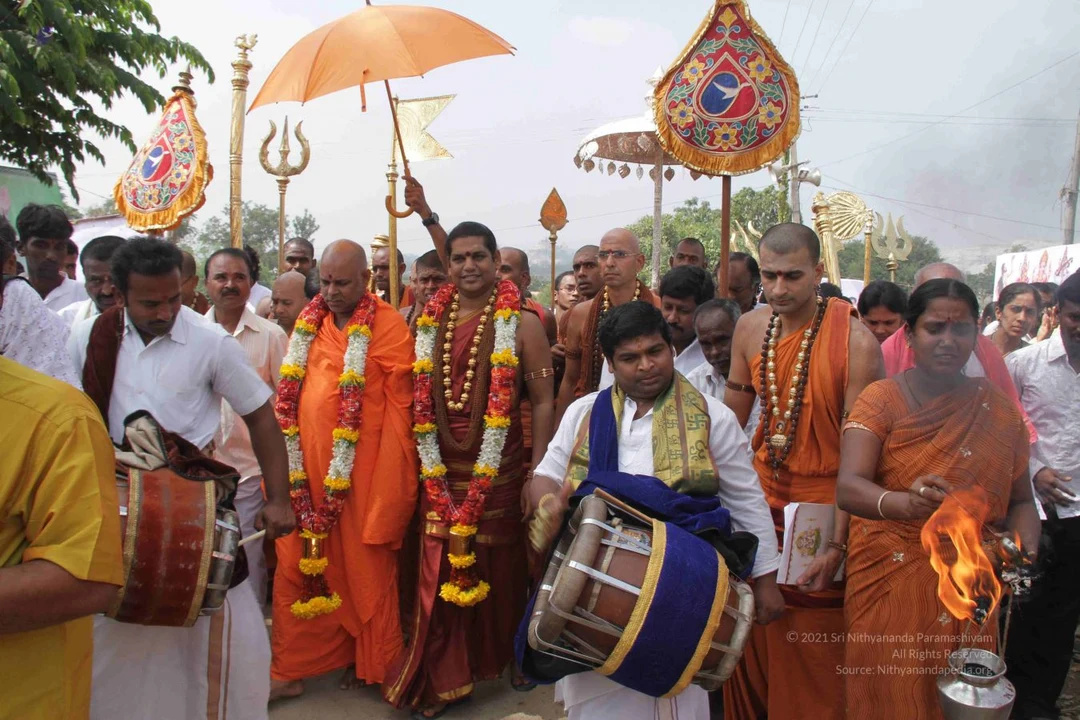
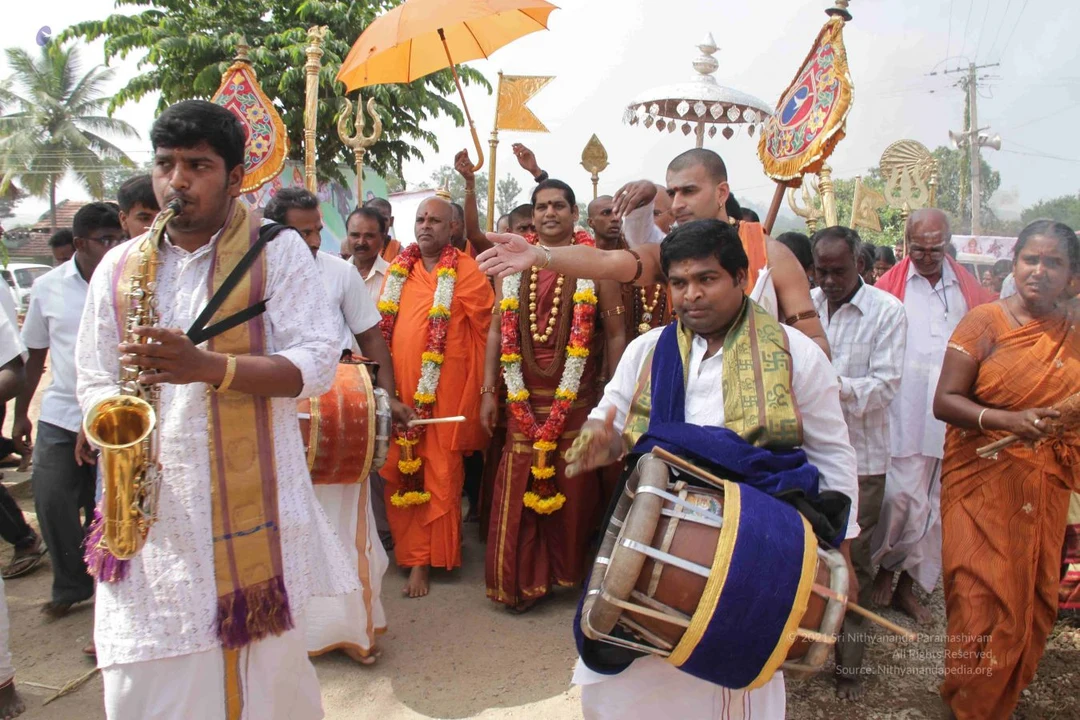
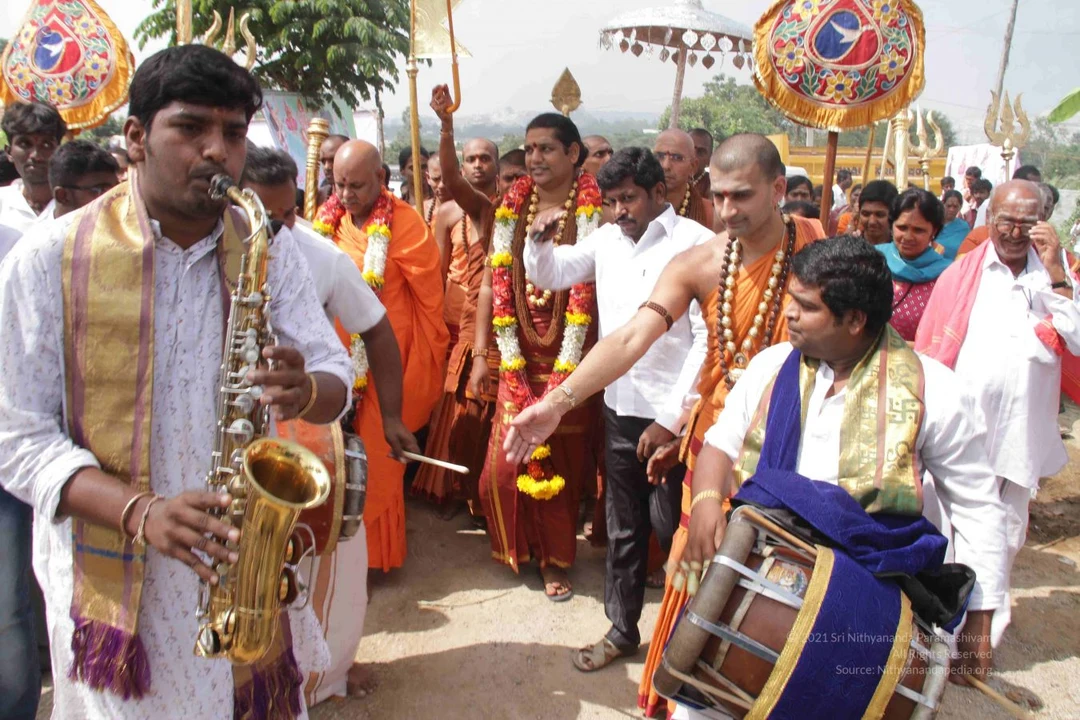
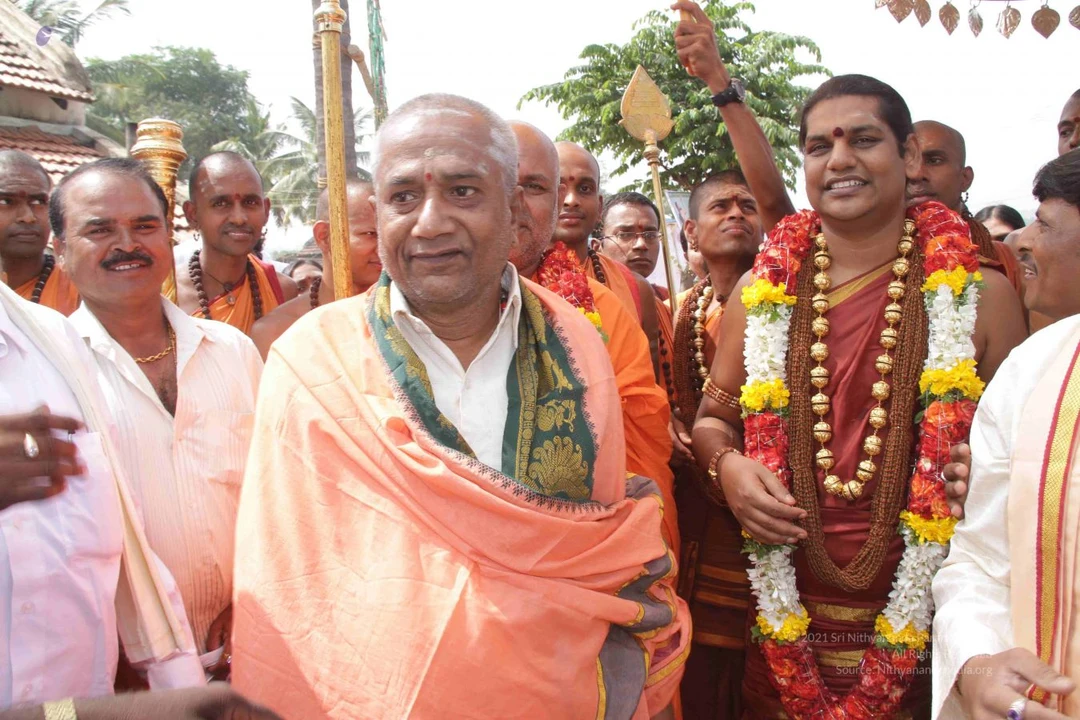
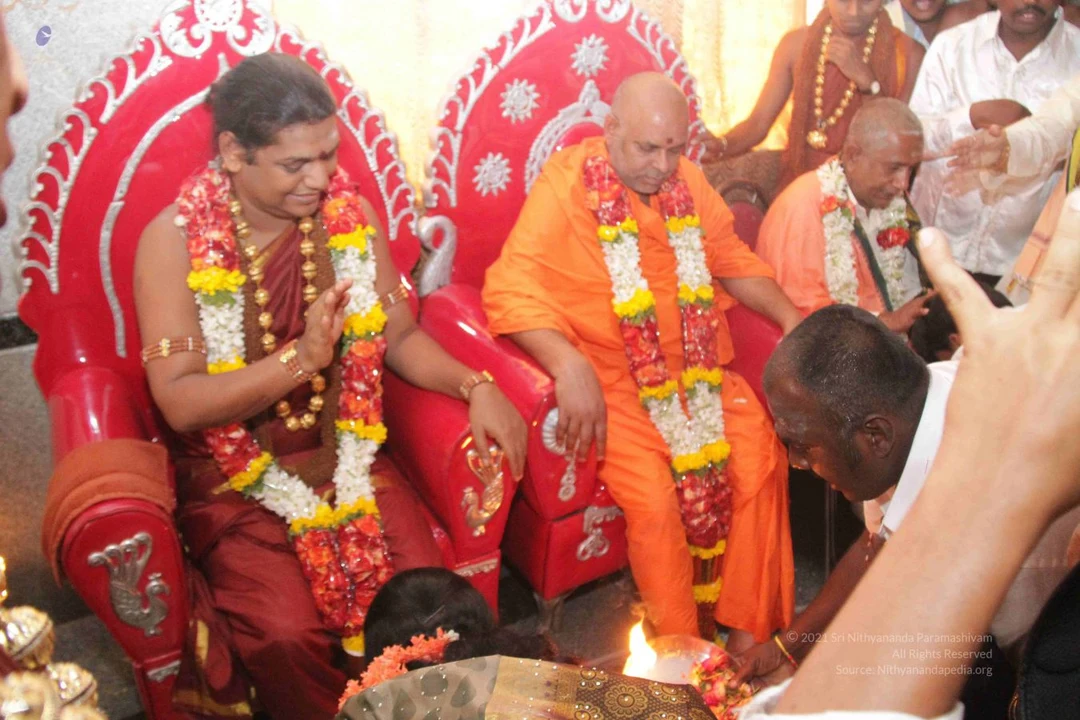
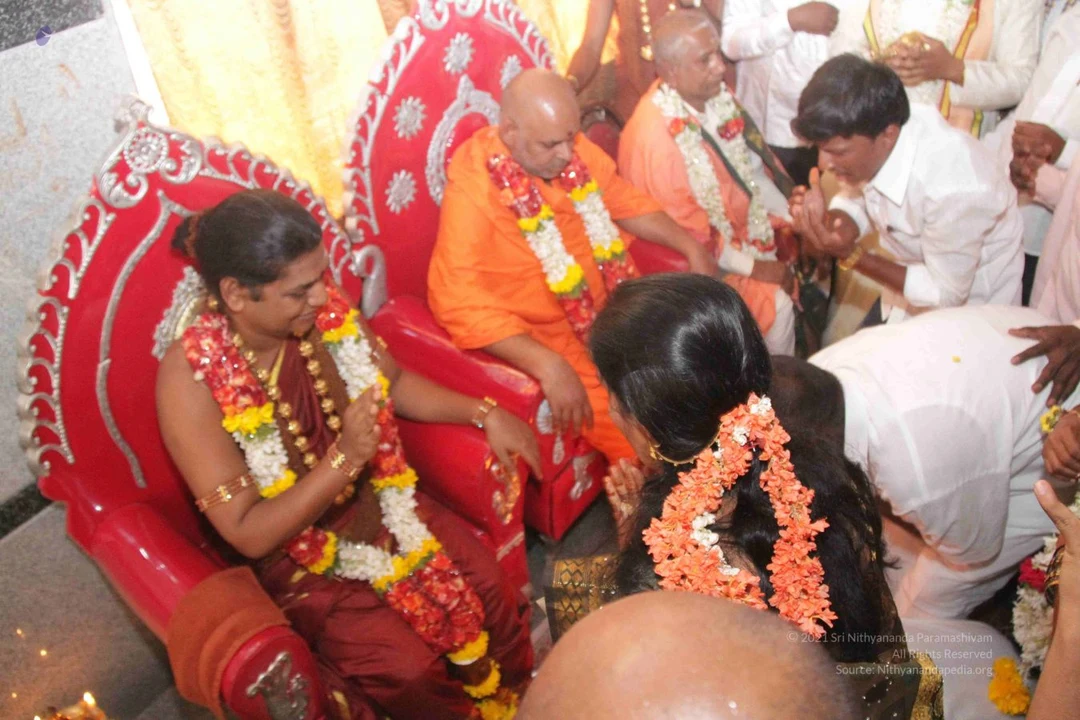
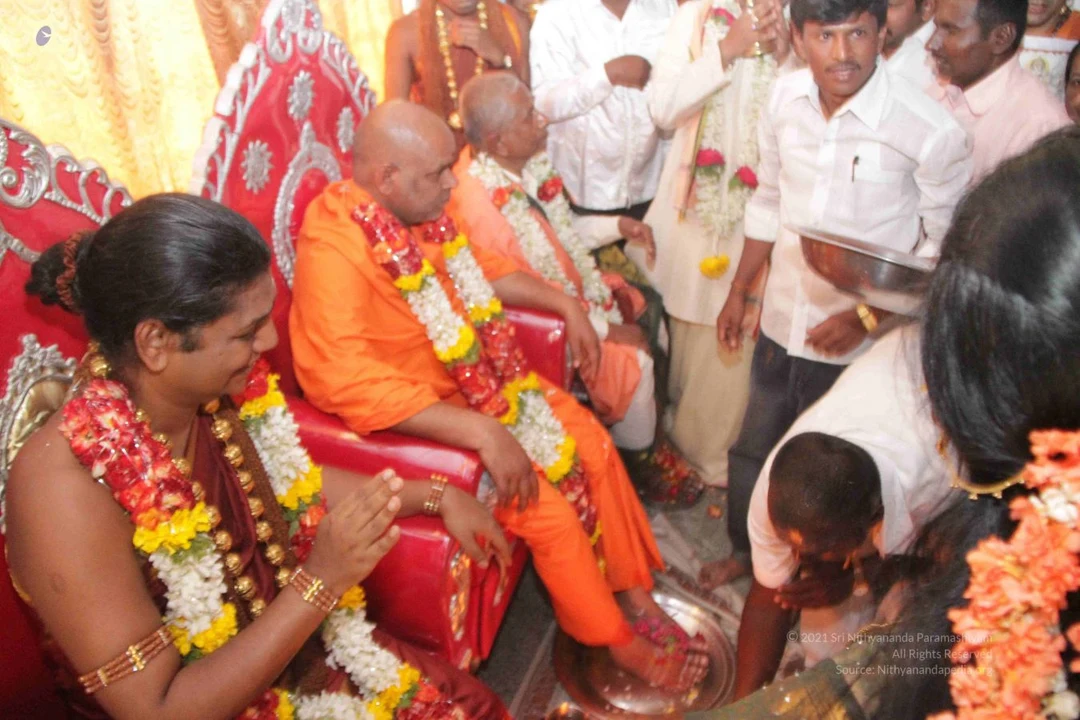
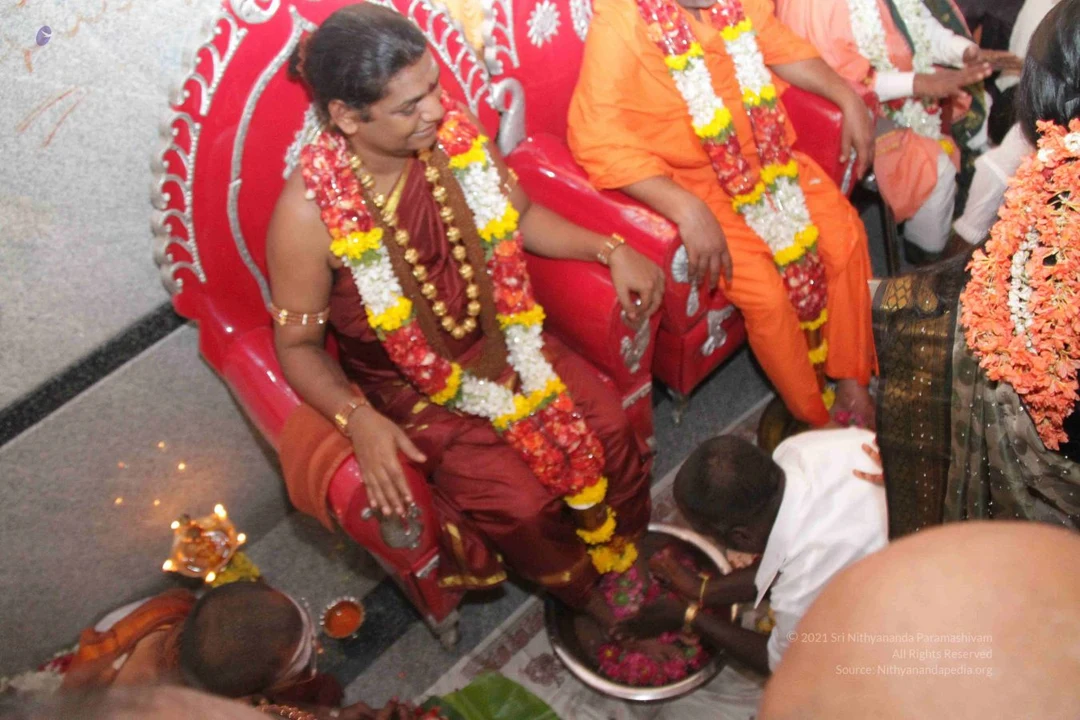
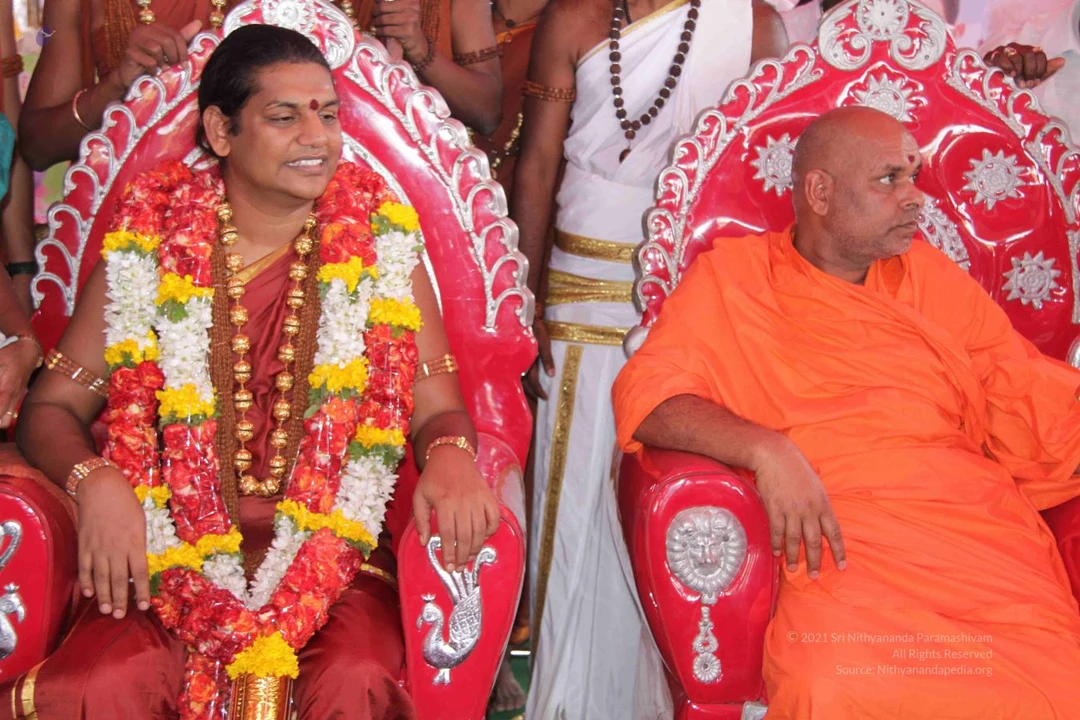
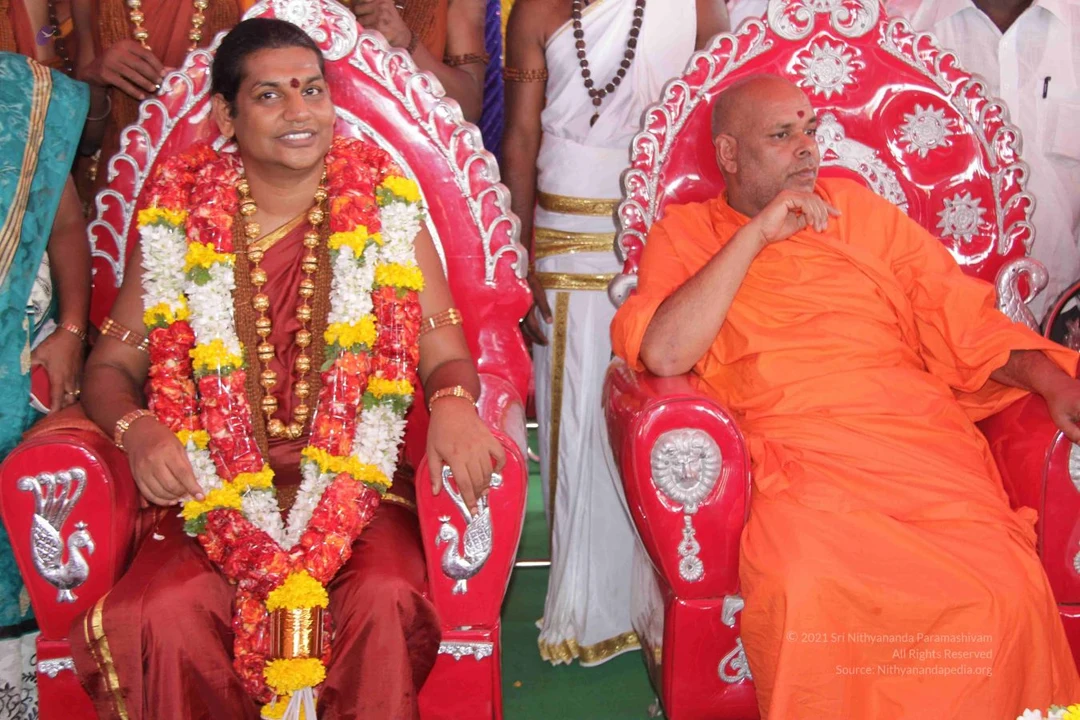
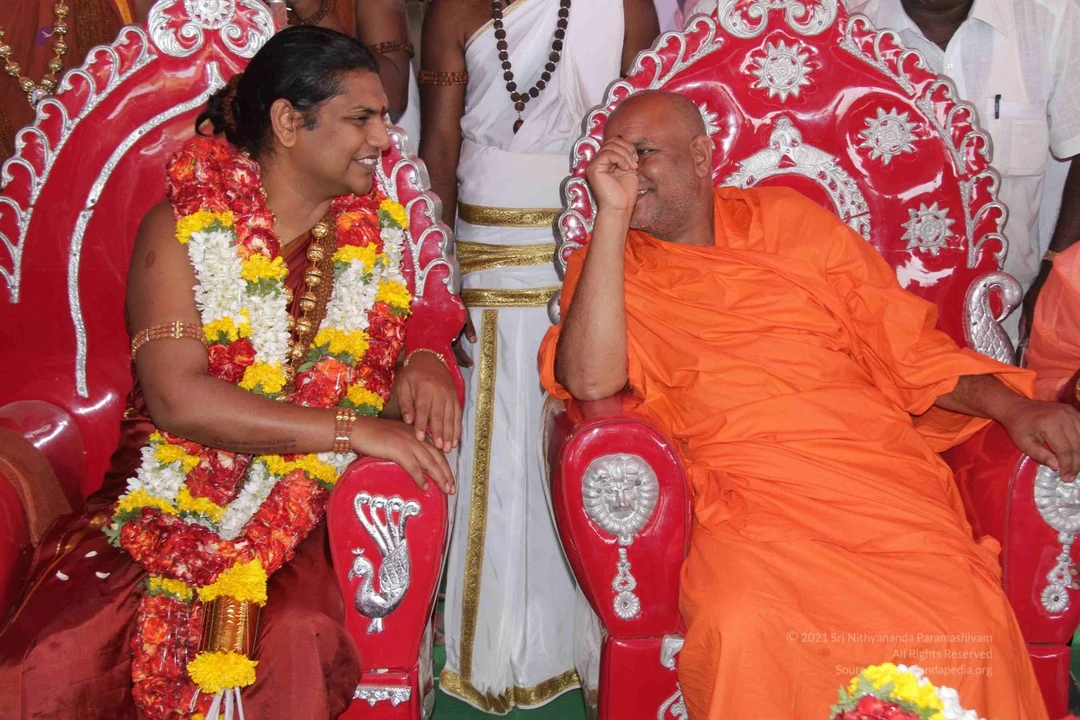
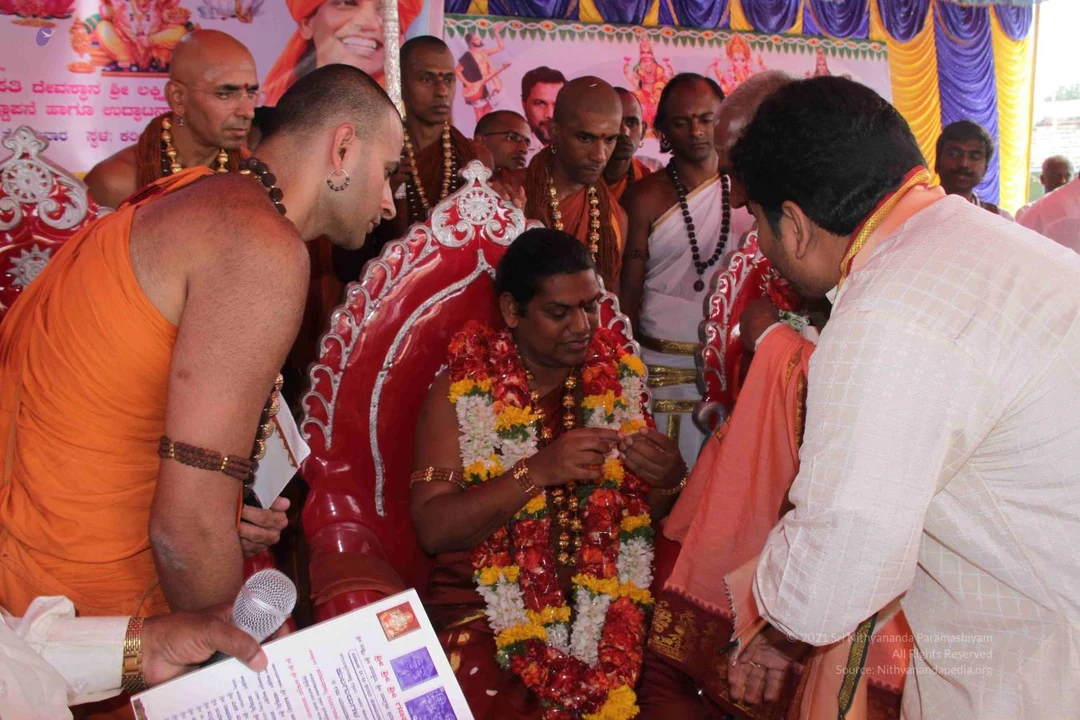
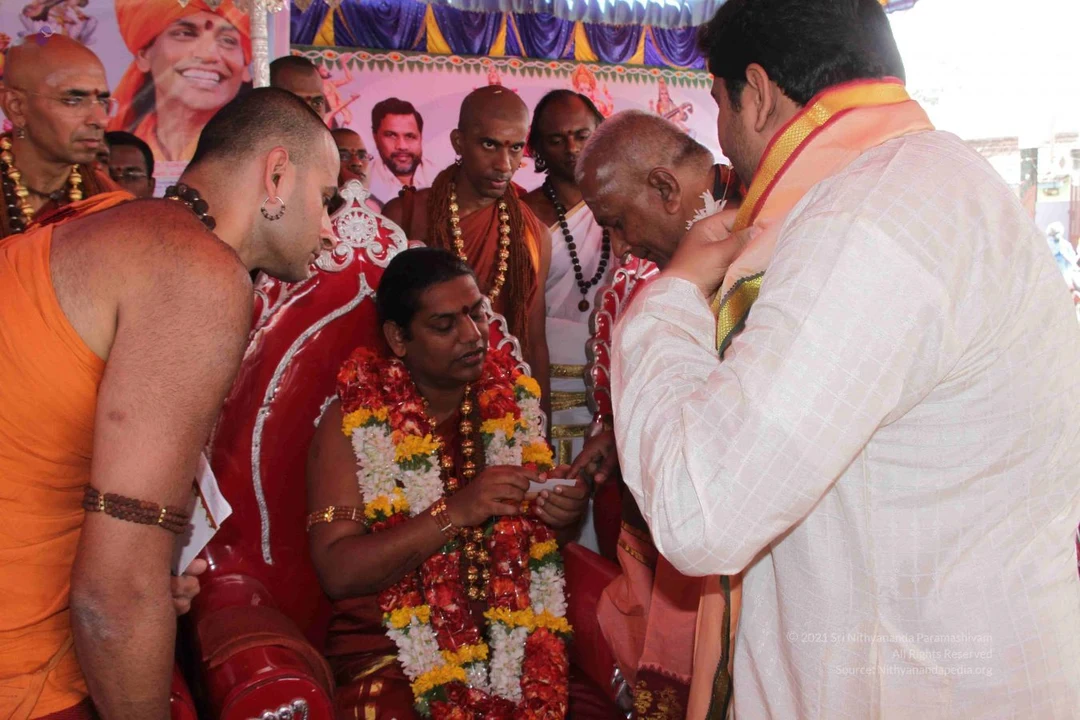
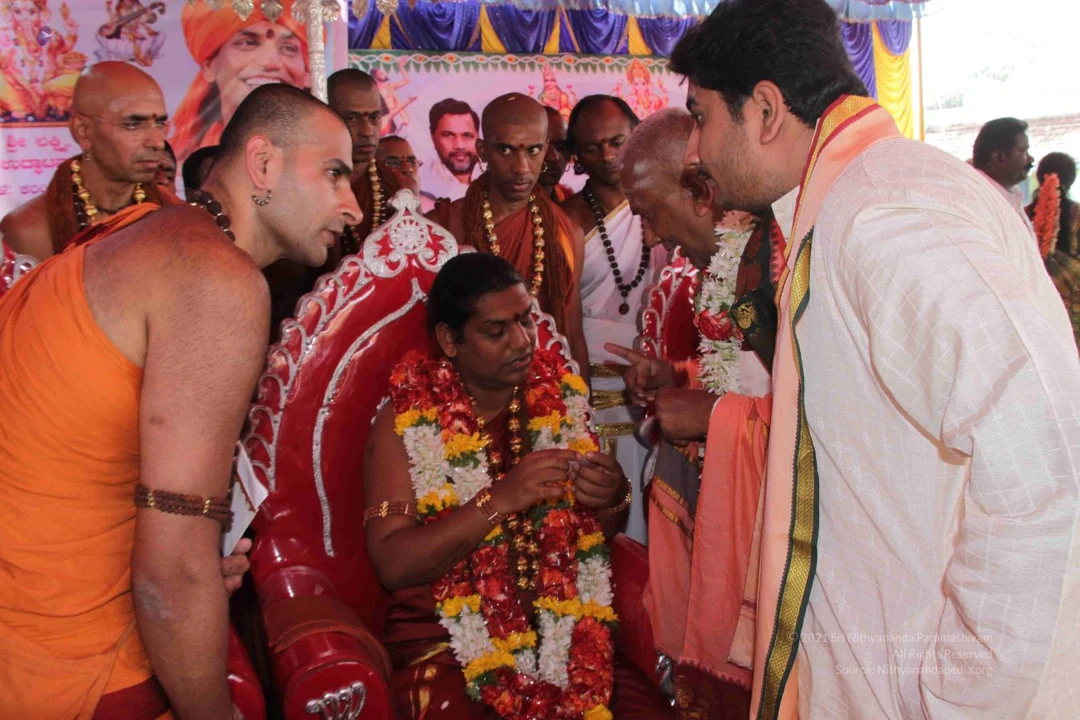
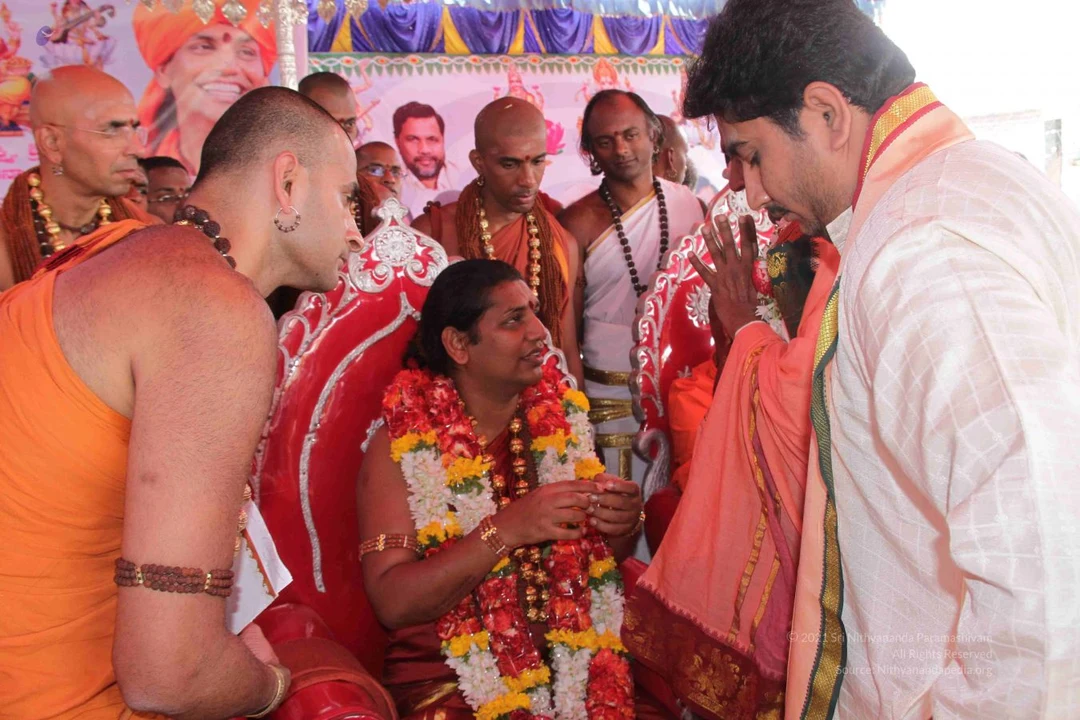
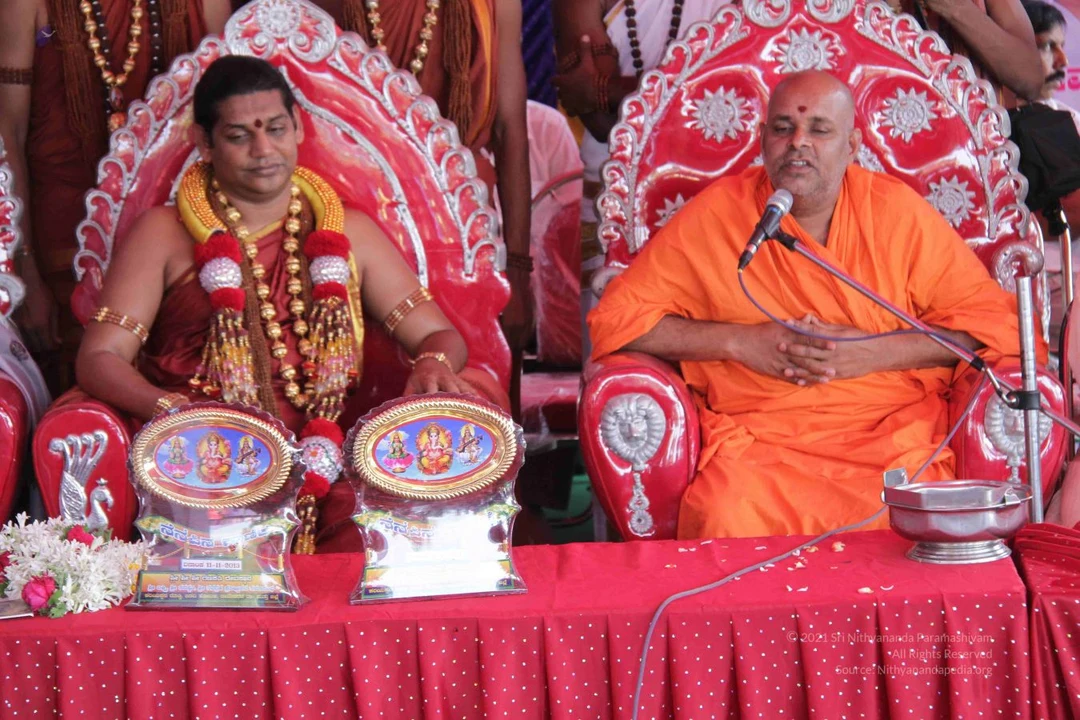
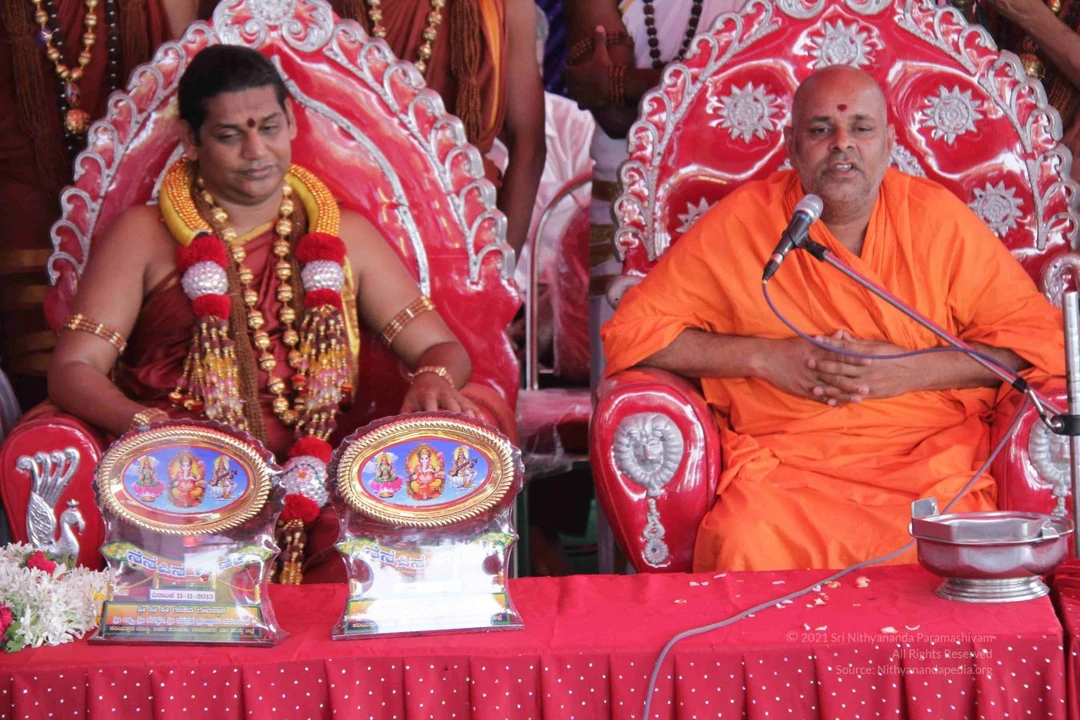
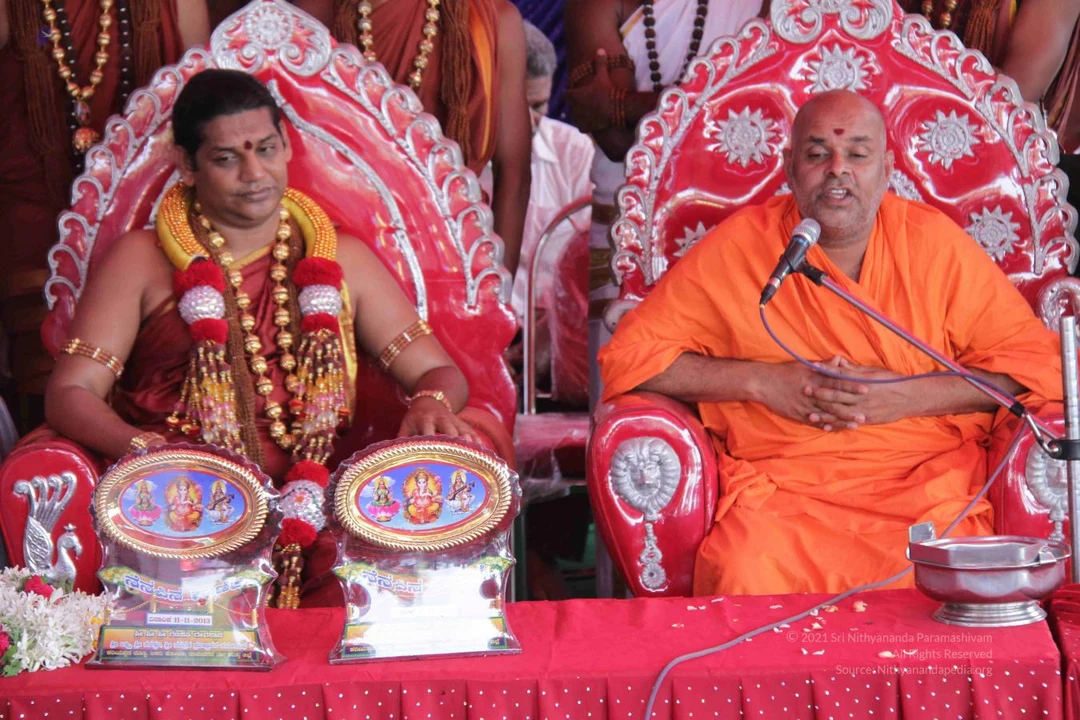
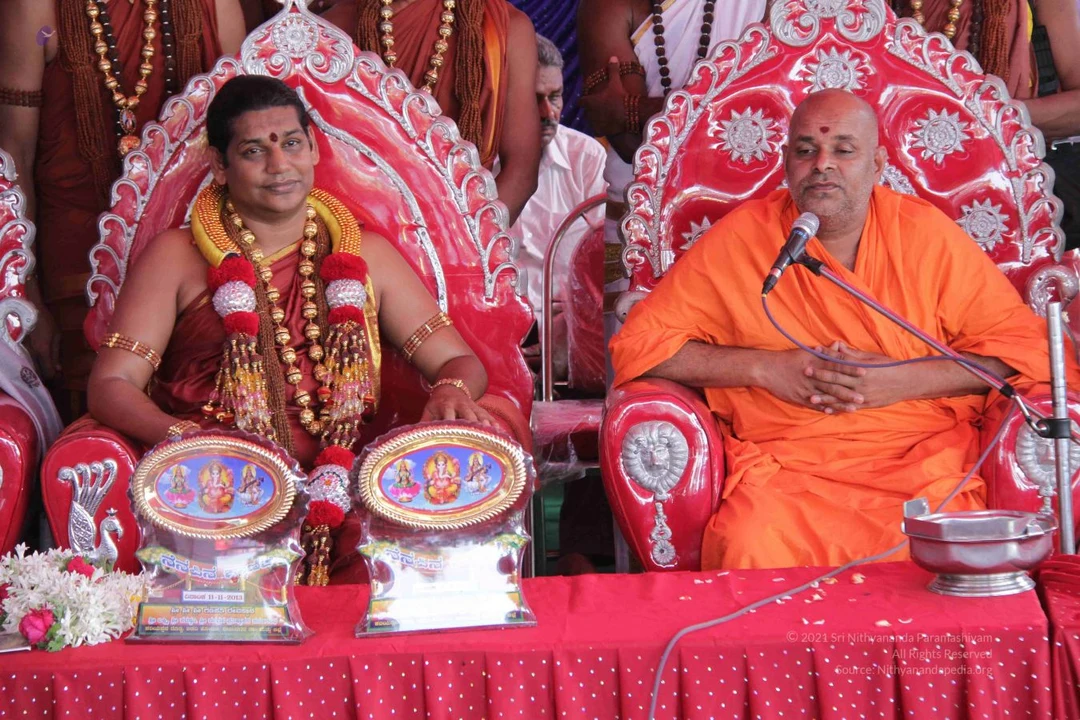
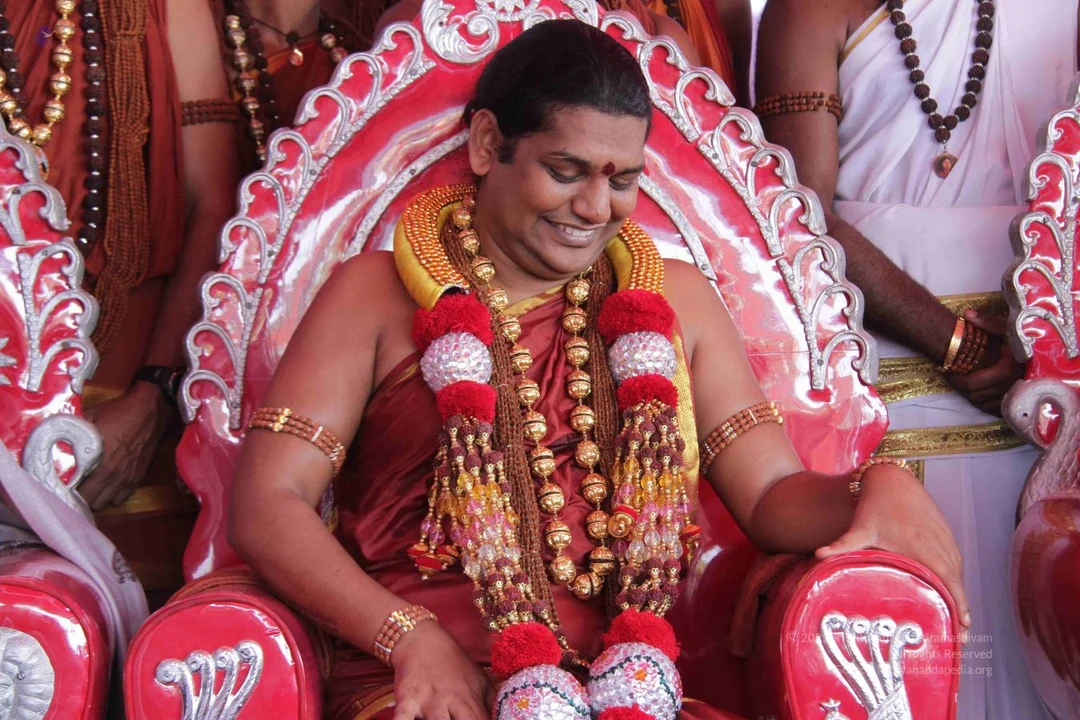
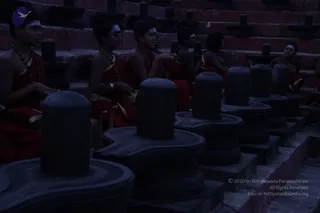
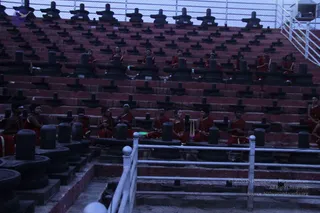
Nithyanandeshwara Brahmotsava, 4th day today. So, Nithyanandeshwara and Nithyanandeshwari are gracing us here as part of the Brahmotsava celebrations.
18th batch eN-Genius.
And, 21st batch Nirahara Samyama. This time, both are overlapping – 21st batch Inner Awakening and 21st batch Nirahara Samyama. Today, I’ll expand on the “Science of Creation”. Before entering into the subject – the Science of Creation, creating – I’ll complete with whatever I was speaking yesterday. Yesterday, in the morning satsangh, I was expanding on how visualization, understanding about form and visualization can directly liberate you and lead you to spontaneous Completion.
Please listen, come to the space of listening.
The form which you see has no problem, but the incompletion you infuse into it has a problem. Please listen. This one example: In your whole life you may see the snake only once or twice, that also from a very safe distance but every day the number of times you remember the snake with fear and the panic attack you go through with the fear, the panic attack you go through with the visualization, and the damage that panic attack does to your system, you die by the remembrance of the snake, not by seeing or getting bitten by the snake. The remembrance kills more number of people. Remembrance reduces your longevity. Remembrance reduces the longevity in more number of lives than actual happening.
The remembrance of poverty makes you live as a miser. Miser and poor are one and the same. Poor at least knows he does not have; but miser he thinks he has, but never knows how to live. So, listen, miser and the poor are one and the same. Miser and poor are one and the same. Listen. Who is miser? Who lives with the remembrance of poverty. All the time he remembers poverty; because he remembers poverty all the time, he is in deep insecurity; because he is in deep insecurity, he never lives the money he has. So, miser is poor guy who is poor psychologically also. Same way, if you don’t use your body by doing Yoga and being active, you are also a miser.
Many people think, ‘Oh, if I work too much in this age, later on I will fall sick, my health will collapse.’ As I said these people also, by remembrance of diseases, they live in disease. The remembrance makes you live now itself in that same space.
Listen, this is a very important thing. Many times, the moment you start doubting, ‘This relationship in my life, this person is going to move out of my life.’ You feel, ‘Before he moves out, let me move out! Before he hurts me, let me hurt him!’ So, just because you start thinking he may move out, you move out of his life, you distance yourself. How many of you have done this raise your hand? This is again just by remembrance, just by thinking, destroying the life. Listen, just by thinking, ‘I may become poor’, already you start living the life of poverty. Just by thinking, ‘He may move out of my life; I’ll feel hurt’, you start moving out of his life or her life. What a pathetic condition human-beings live in, under the dominance of the devilish dragon, demonic visualization called “incompletion”! Don’t you see what a strange life we are living? If we think he will distance from us, a friend, or a brother, or a sister, or a father, or a mother, or son, whatever relationship, or even Guru.
Alright, even if he distances, when he distances let us face! ‘No, no, no, no he may distance so let me distance now itself. It is like because you are going to die one day, today itself drink poison and commit suicide! Is that life? Is that an intelligent decision? There are fools: ‘Anyhow, one day I am going to die why not let me drink poison today itself and die?’ No that is not an intelligent life. That is not intelligent decision. Listen, instead, “Any one day I am going to become complete; let me become complete from today!” That should be the decision. That is what is “Smaranaath Arunachalam”! Any one day I am going to be liberated; let me remember Arunachala now itself and be liberated. Understand, whatever you think is going to happen, IS going to happen! So, build your beliefs in the right direction that it IS going to happen. Please listen, whatever you think is going to happen, IS going to happen, because you will make it happen. You will make it happen! You are powerful enough! If you want to be a leader, enlightened one, you will make it happen, because you are capable. If you want to live in poverty and you are constantly thinking about it, you will make it happen. You will make it happen, you will get into poverty. If you think, ‘How much ever I practice; I’ll only be in the space of powerlessness.’ You will make it happen because, that is what you wanted. So, all you need to do, just shift your core visualization, core cognition, your core energy, your core understanding.
I tell you, I’ll give you few examples. Instead of all the time fighting with your mind which is thinking about negative things like, ‘Oh, what will happen if I fall sick?’ ‘What will happen if I become poor?’ ‘What will happen if I become bankrupt?’ ‘What will happen if this happens, that happens?’ Then you tell your mind, ‘No that and all will not happen, do not bother.’ This is the fight you all the time you are doing. Am I right? How many of you all the time in this fight? Shift the very zone of fight into positive creation. For example, if you are all the time afraid of bankruptcy, decide, ‘I am going to become billionaire.’ So, the fight will be in your inner space you will I become billionaire or not? You may have millions, but the fight will no more be whether bankruptcy or not. Let the fight always be in the zone of creation, not in the zone of destruction. You are fighting in a wrong zone.
Please understand Mahabharata beautifully says, “Let the fight be in Kurukshetra.” In Sanskrit, “Kurukshetra” means “Space of Creation”. “Kuru” – doing. Let the fight be in the space of doing, creation. Please listen it is in Kurukshetra, “Kuru” means “doing”. The whole place of fight should be different. Not with the lowest realm, with the highest realm. So, you’ll always be in the middle. In the fight itself, you will always be in the middle, and in the end you will be at the peak. So let always let your fight be, ‘Will I become CEO or not?’ Not ‘Will I lose this job or not?’ Now all your fight is, ‘Will I lose this job or not?’ All your worrying, all your thinking, all your basic cognition is, ‘Will I lose this job or not?’ Even in your nightmare, in your dreams, you’re only worried ‘Will I lose this job or not?’ No! ‘Will I become CEO or not?’ Shift the battle-field let it be Kurukshetra. Let the Kurukshetra be the battle-field. “Dharma Kshetre Kurukshetre.” All, please listen, the fight in your life it is in the field of creation, you are living in Dharma. If it is in the field of failure, you are living in Adharma. This is the exact meaning of the first sloka in Gita:
Dharmakshetre Kurukshetre Samavetayuyutsavaha |
Maamakaah Paandavaashchaiva Kimakurvata Sanjaya ||
Listen, life is fight till you are enlightened but let your fight be in the field of creation, not constantly in the field of losing. Let your visualization be: ‘Will I become CEO or not?’ ‘Will I reach my peak or not?’‘Will I become a great Yogi or not?’ ‘Will I become a great Jnani or not?’ ‘Will I become a rich guy or not?’ ‘Will I become powerful or not?’ ‘Will I become a leader or not? ‘Will I become enlightened or not?’ Let the fight be in the direction of Kuru, creation. I tell you, if your fight is in the direction of Kuru, very easily you will win the game with very less stress, very less stress.
I tell you, there are some political leaders who have very less stress than sadhus and Swamis, because their fighting zone is in the field of creation, these sadhus, their fighting is in the field of failure. The ground on which the battle happens decides your existence and expansion. Don’t be constantly fighting with, ‘Will the snake bite me and I’ll die?’, or ‘Will I get a heart-attack and die?’, ‘Will my health collapse?’, ‘Will I become bankrupt?’, ‘Will I lose this job?’ No! ‘When will I become Yogi?’, ‘When will I reach my peak health?’, ‘When will I become CEO?’, ‘When will I become the top, peak power center?’, ‘When will I become enlightened?’ Let the battle-field, battle-ground be shifted and, I tell you, it does not take more than forty-eight hours to convince you to shift the battle-ground for yourself. You just need to complete some of the self-doubts which you are carrying, which you got as “Sthree Dhana” from your family, from your elders. Just you need to complete with those self-doubts which you got as “Sthree Dhana” from your elders. Complete with them. Change the battle-ground; immediately you will experience so much of Completion. I tell you the moment you change the battle-ground, you may become even enlightened, because it’s your default parking spot that decides whether you are enlightened or not. Otherwise you are enlightened, you just need to remember and reclaim it. The best way to remember and reclaim it is to complete with the self-doubt and shift the battle-ground. See, now your battle-ground is: ‘Any one day I am going to become bankrupt. Let me delay it as much as possible’ Instead: ‘Any one day I am going to become the richest being. Let me do it as early as possible.’
So, your goal should be your parking spot, default parking spot. You can take your car wherever you want, but finally you will park where it belongs to; means, your garage. Same way, your mind can go wherever it wants, but end of the day it should come and park in the spot of your goal, not your accident. Accidents may happen or may not happen, but accident spot cannot be parking spot. In your life, bad things may happen or may not happen, but that is not the spot where you should park yourself. Listen, your parking spot should be the spot of creation, spot of Kurukshetra.
Duryodhanas, Duryodhanadhis were all the time fighting with their insecurities. Pandavas were all the time fighting to create Indraprastha. So, the Pandavas were living in Dharma. The Kauravas were living in self-destructive mentality, Adharma.
Please listen, if you think, ‘Any one day I am going to become bankrupt. Let me do whatever I can to protect, stop, delay ’, you are in Adharma because your pull. See, inside you, you have a powerful force, whether it acts like a power of gravity or power of levitation, whether it is going to be pulling you down or raising you up, whether you are in the hands of gravity or grace. If you are in the hands of gravity, you are going towards grave. If you are in the hands of grace, you are going to become great. So your default cognition and I tell you, the moment you battle-field changes, your strategies will change, your understanding will change, your whole expression will change.
Just the other day I was sitting with Atal Acharya and discussing. We got a very old book a reference notes about Akhada which says, when Aurangzeb attacked Varanasi – the Jnanavyapi War – two lakh Atal Naga sannyasis conquered the Aurangzeb's army,won the war and protected the Varanasi Vishwanatha Temple but, unfortunately, during a festival after two months, during a festival when the Nagas were without weapon, when they were celebrating, doing rituals, they attacked, they did a guerrilla attack, and killed the top leaders. So we were discussing all these points.
Swamiji was telling, Atal Acharya Mahamandaleshwar was telling, ‘Still we have all those relics, memories, Swamiji. Those days, we used to have one lakh sadhus to study and teach, five lakh sadhus to wage war and conquer. Five lakh sadhu army, one lakh sadhu studying! Shastra dhaaris five lakh, shaastra dhaaris one lakh! ‘
I told him, ‘Swamiji, it is my commitment to Atal Peetha, it is my commitment to Akhada, it is my commitment to the Sarvajna Peetha, we will revive it, bring at least ten lakh sadhus. We will become at least ten lakh sadhus’ akhada.’
See, now our need is different; we don’t need to now take a weapon and wage war. No, we don’t need that, but we need shaastra dhaaris who learn and teach, who learn and preach. We need shaastra dhaaris. We don’t need shastra dhaaris, we don’t need sadhus with weapons, we don’t need to go for any fight; but we need to be shaastra dhaaris, studying and teaching.
Swamiji was telling, ‘How is it possible Swamiji to bring that kind of a number back?’
I said, ‘It is possible, because we will have to completely make the human society, modern society understand.’
See, it is not that already people who are interested in spirituality, I will go and inspire them and make them sannyasis. No. We will have to start from scratch and make the common man understand the need and importance and utility value. If we are waiting, sitting, ‘O, all the people who are interested let them come to our temple, whoever comes regularly we will start talking to them and after that we will inspire them. Then we will make them attend the IA. And then we will ask them “Why don’t you become sannyasi? Or if you are married, then why don’t you at least give a child to take up sannyas?’ When will this happen? No, I am not that kind of a strategist. Reach out to the humanity. Tell them, the reason ‘you are destroying yourself with suicides, drug, and depression is not having the right knowledge about life.’ “Shrunvanthu Vishwe!” Listen, o humanity. “Amrutasya Putraaha”! You guys are Son of Immortality. “Vedam Ayetam Purushamahantam”! I have realized the truth I am here to share with you
“Shrunvanthu Vishwe Amrutasya Putra Vedam Ayetam Purushamahantam”
Listen, O humanity, you need to know, only by reviving the Vedic tradition, thousands and thousands, lakhs and lakhs taking up the lifestyle of learning and teaching this great Science of Completion, these great spiritual truths, only with that we can save humanity from depression, drugs and death.
31:20 Hindi - 36:02
Ma Maneesha: Question from devotee. The last year Swamiji mentioned for the next three years which is 2012 - 2015 there is a cosmic conscious shift happening and attending the Inner Awakening during this period is highly beneficial. Can you explain the significance of attending the Inner Awakening, in December, in Bali in this context?
Swamiji: Please understand this three years, the Cosmos is going through a huge positive shift. You can see last year we finished all the negativities, all the poison is over. This year we are expanding and this Bali Inner Awakening is entry into positive explosion. Please understand that is why this Bali Inner Awakening is completely altogether a different level. IA level four, everything is totally altogether a different level. Whether the yogic techniques you are going to practice or the Kriyas you are going to do or the panchita kriyas you are going to do or the understandings you are going to have. Everything, everything is going to be totally different so practically you will have amazing Power of Words, Power of Thinking, Power of Feeling and Power of Living. Above all, all the non-mechanical parts of your brain will be awakened. Many powers which you have inside which you do not know, will be awakened and what more I can say other than come and experience.
It’s really time now that the whole Nithyananda Sangha also changes, shifts the battle-ground. Each one of you should shift the battle-ground. Even many of you guys are in the battle-ground of survival mode. ‘Anyhow I am going to be extincted better let me survive, let me survive let me survive.’ No. Shift it. Anyhow we are going to become a million sadhus, we are going to become a Sangha with ten-thousand temples. Let us do it as early as possible. Shift the battle-ground. That is victory. Understand shifting battle-ground itself is victory because, your whole cognition will be flowing in that direction, your whole energy will be flowing in that direction, your whole thinking will be flowing in that direction, your whole existence will be flowing in that direction, your whole strategy planning will be flowing in that direction. Only if you know you are going to make it, you will even take the risk of investing in it, whether it is your time, energy, money, interest, emotions, anything. Investing, anything, happens only when you know you are going to make it.
There is a question from Ma Bhatika; ‘I am not able to trust enough to let go and declare completion and shift the ground of fight. I know it is perfectly possible but I am not able to trust.’
Then just perish and disappear that’s all! No you know, ‘fire will burn me, I should not put my hand in the fire, but still I am not able to put my hand out of fire I am touching the fire.’ Then what can be done? Get burnt and perish! It’s do or die! When you know it is possible why don’t you do it?
We are Mahanirvani Akhada. We have to revive it to ten lakh sadhus. It’s our life, we do it we will do it! Ten lakh sadhus should learn the Science of Completion, go around and teach the Science of Completion to the world. It has to be done. That is life. It has to be done! That is life!
So, I bless you all! Let you all radiate with Integrity, Authenticity, Responsibility and Enriching with eternal bliss, Nithyananda. Thank you.
Let you all achieve, experience, live, express, radiate, share and explode in eternal bliss, Nithyananda.
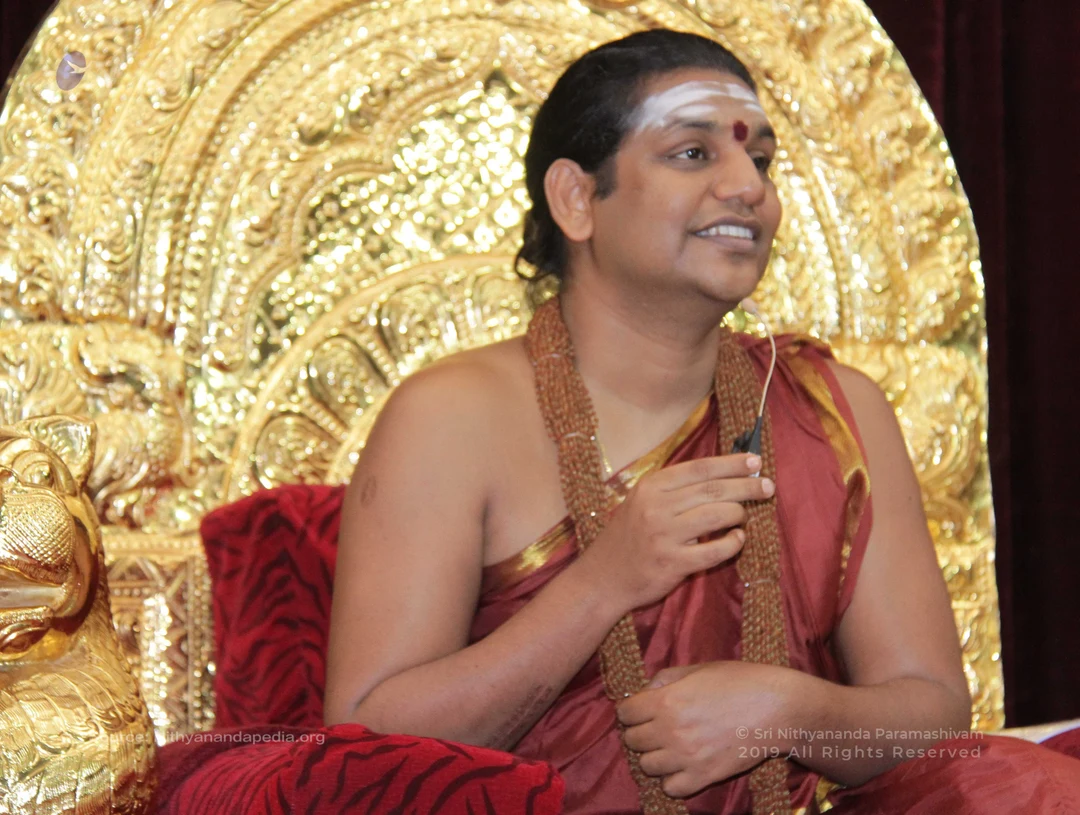
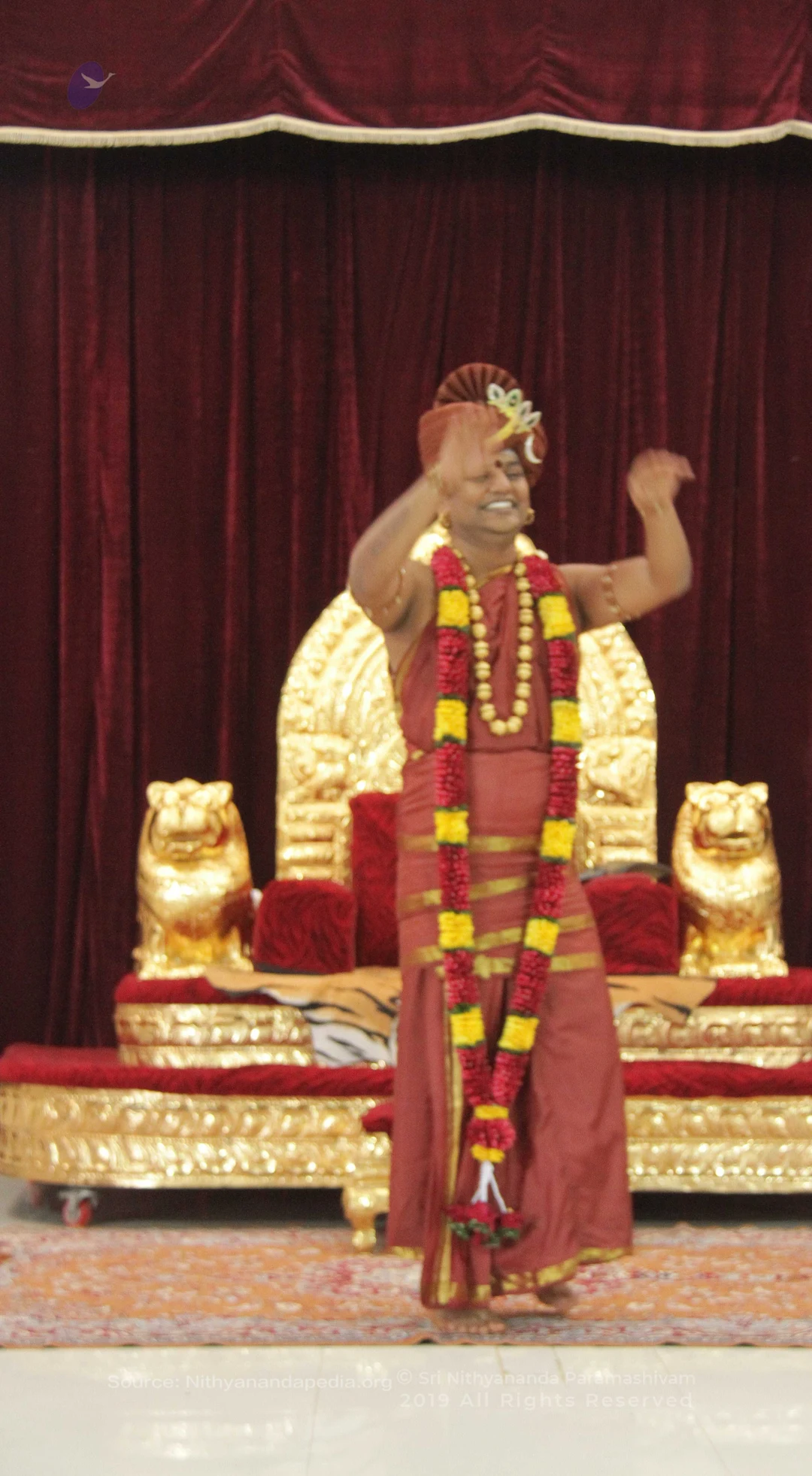
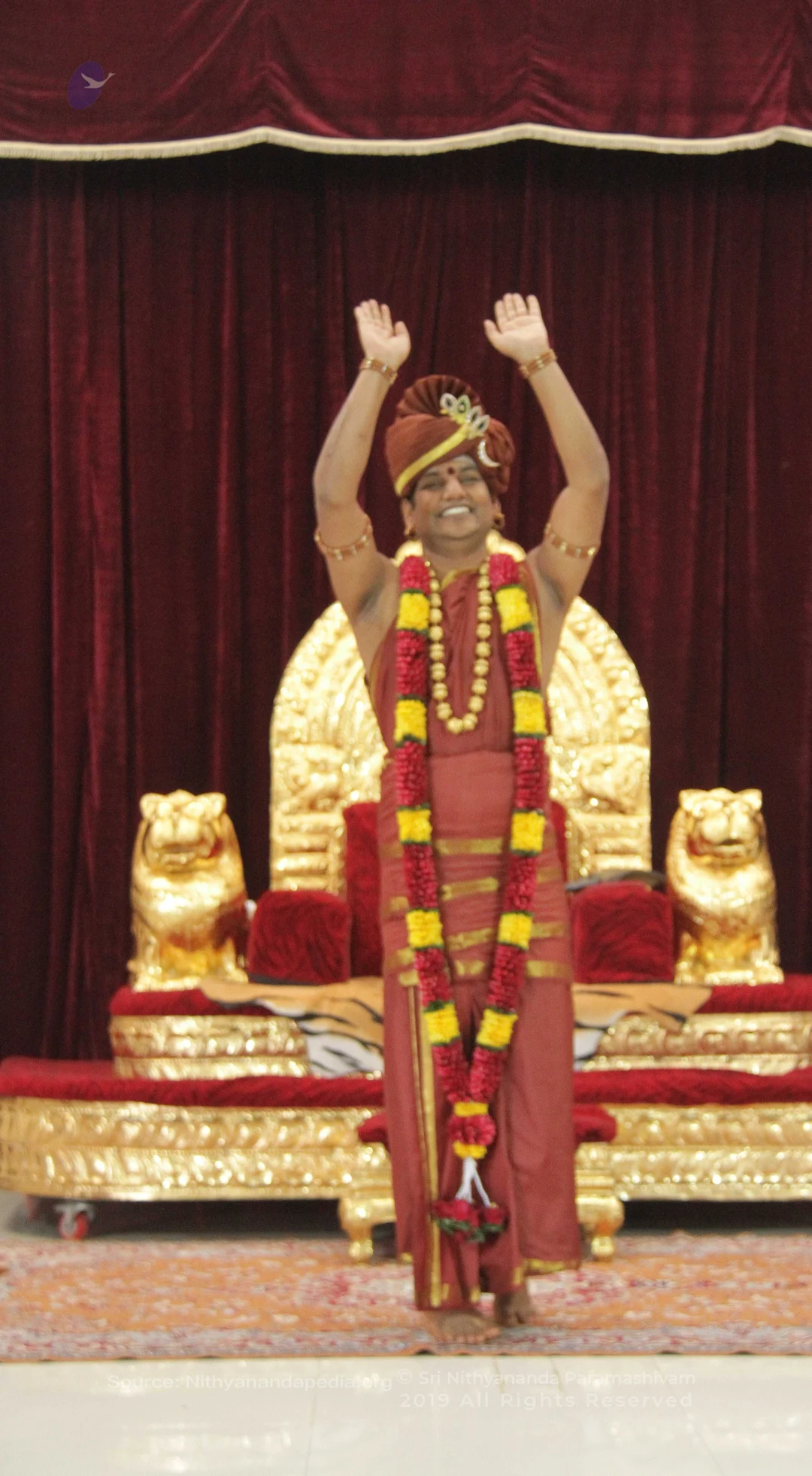
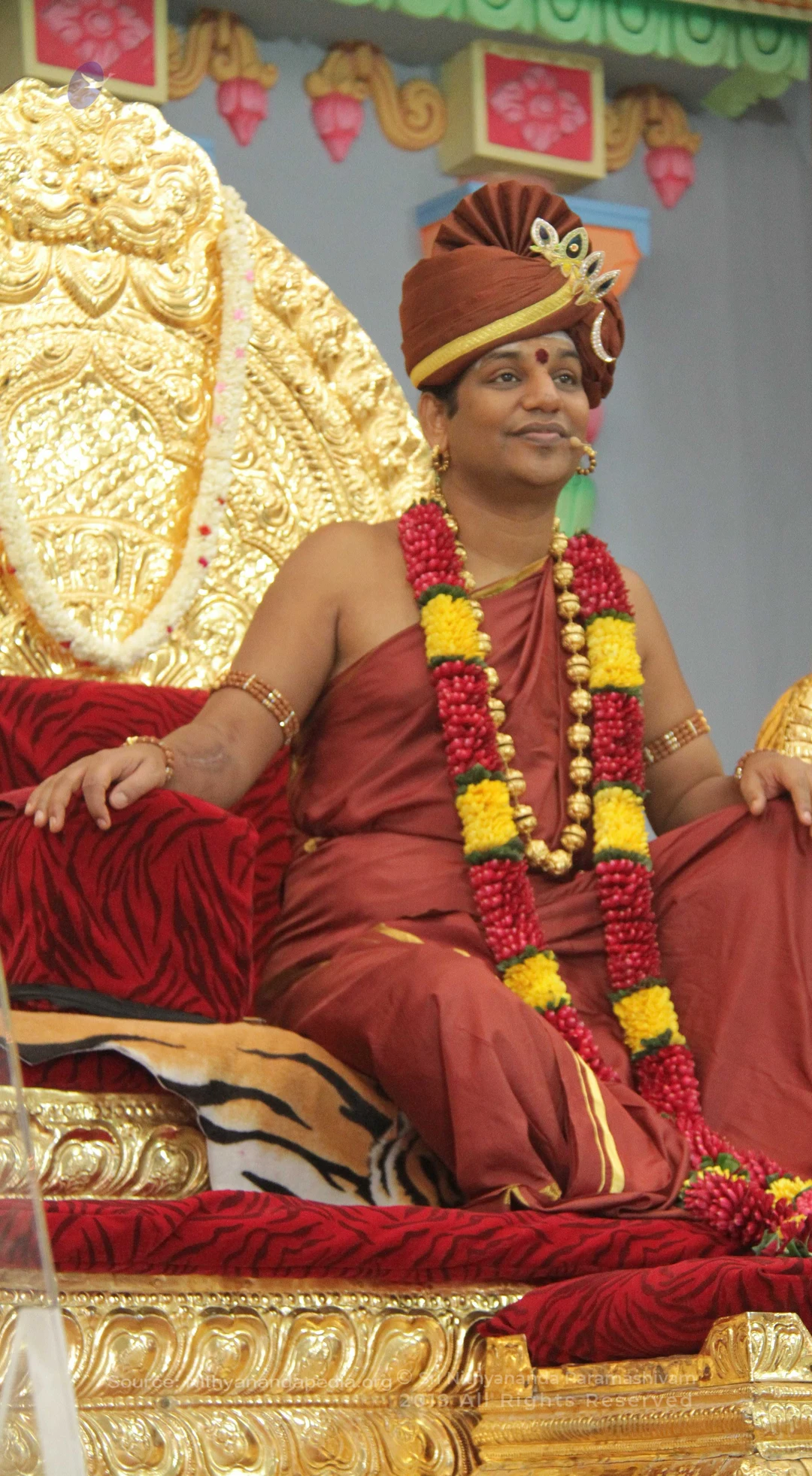
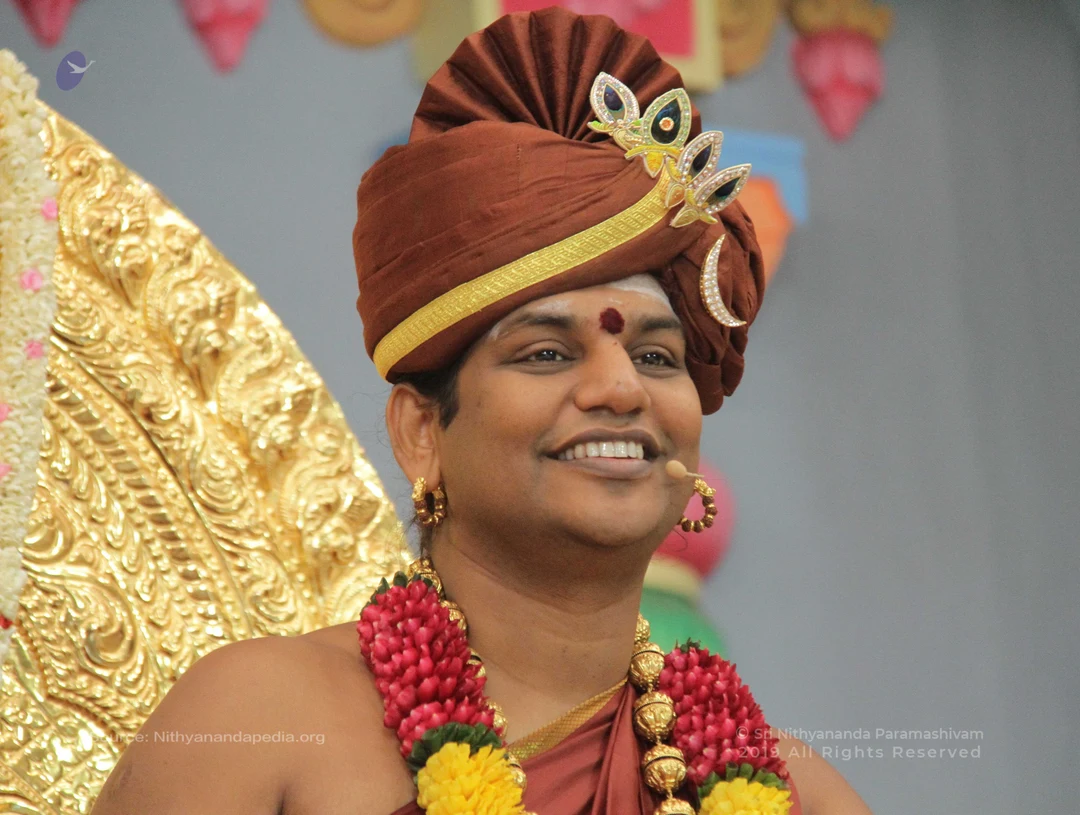
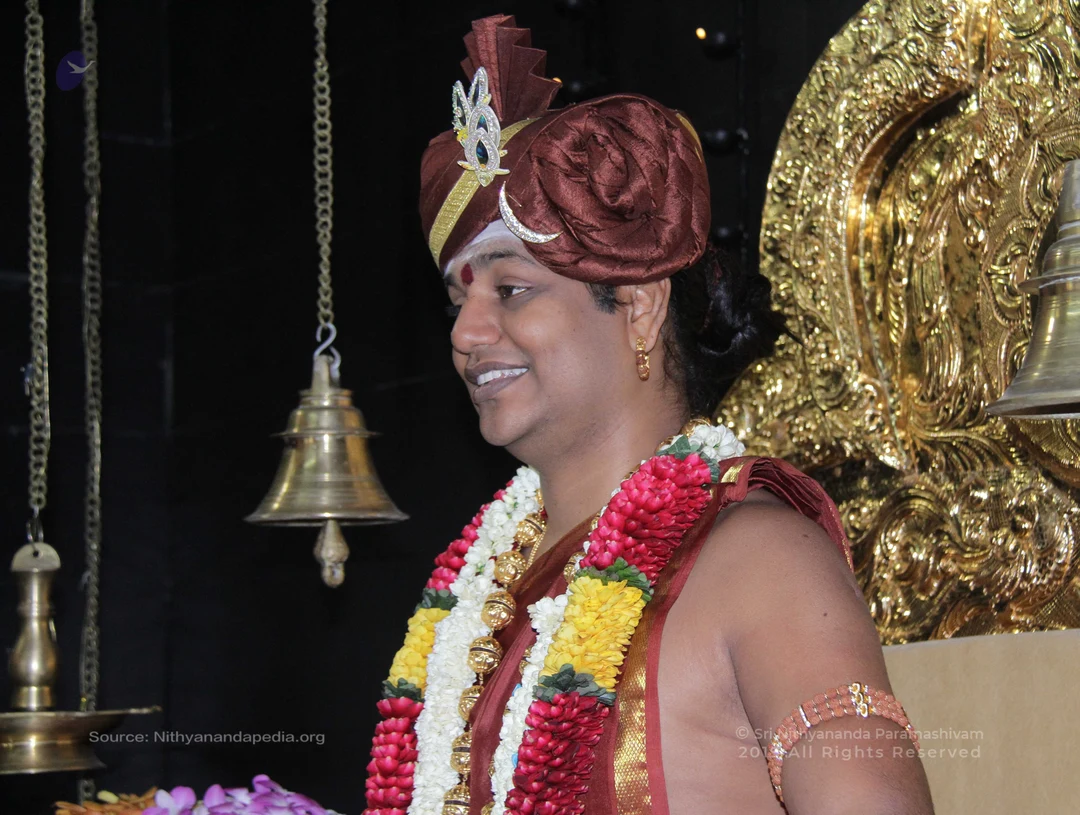
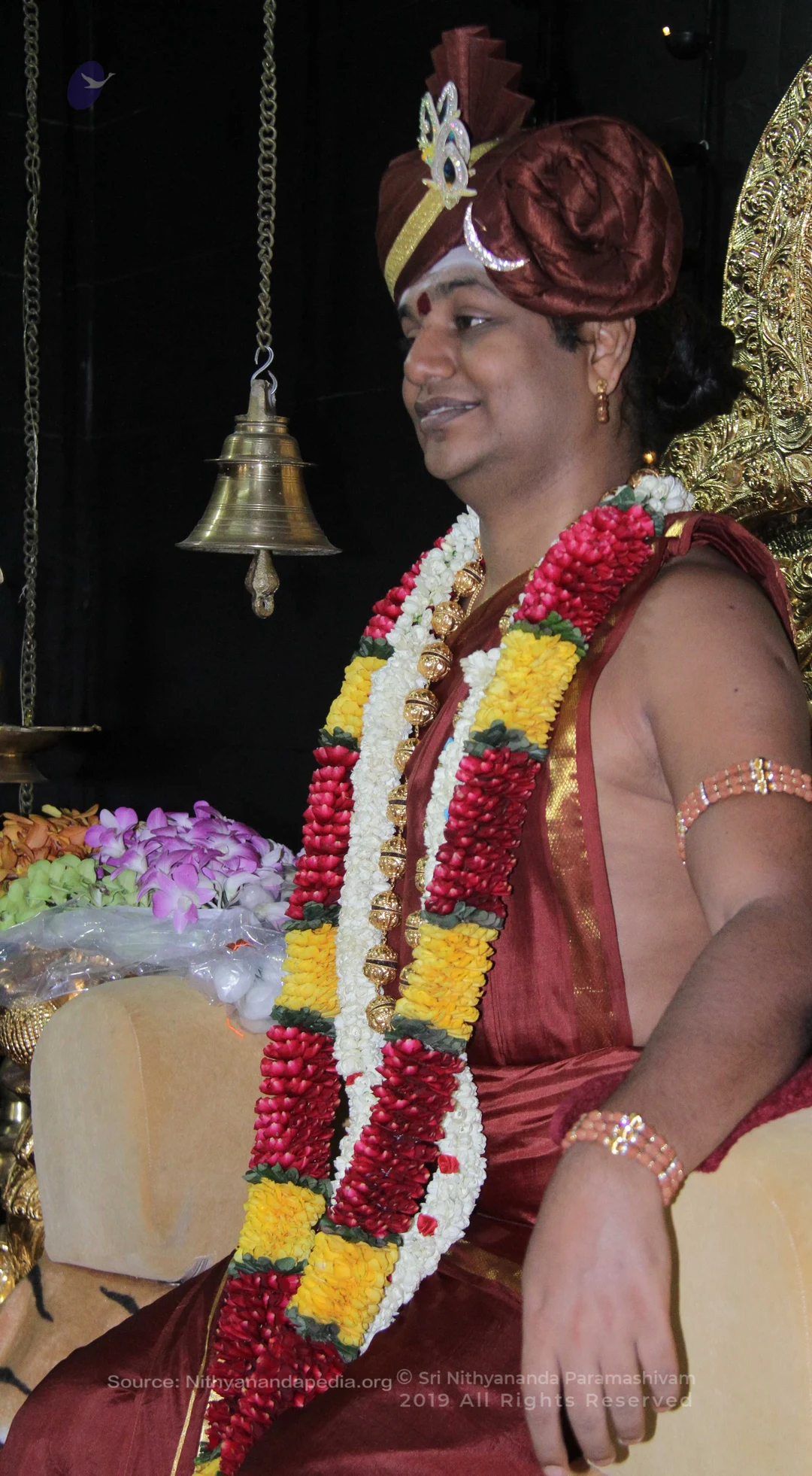
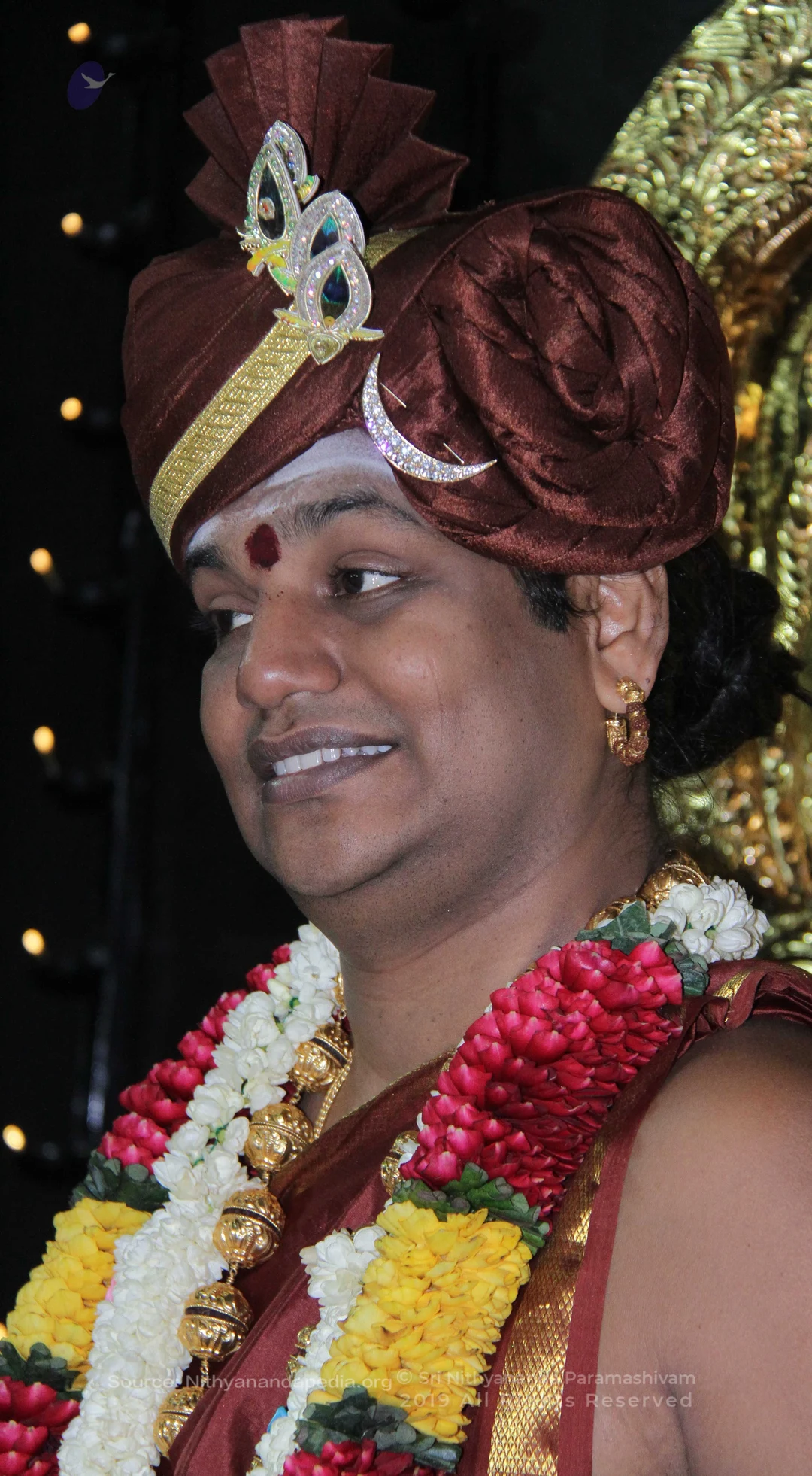
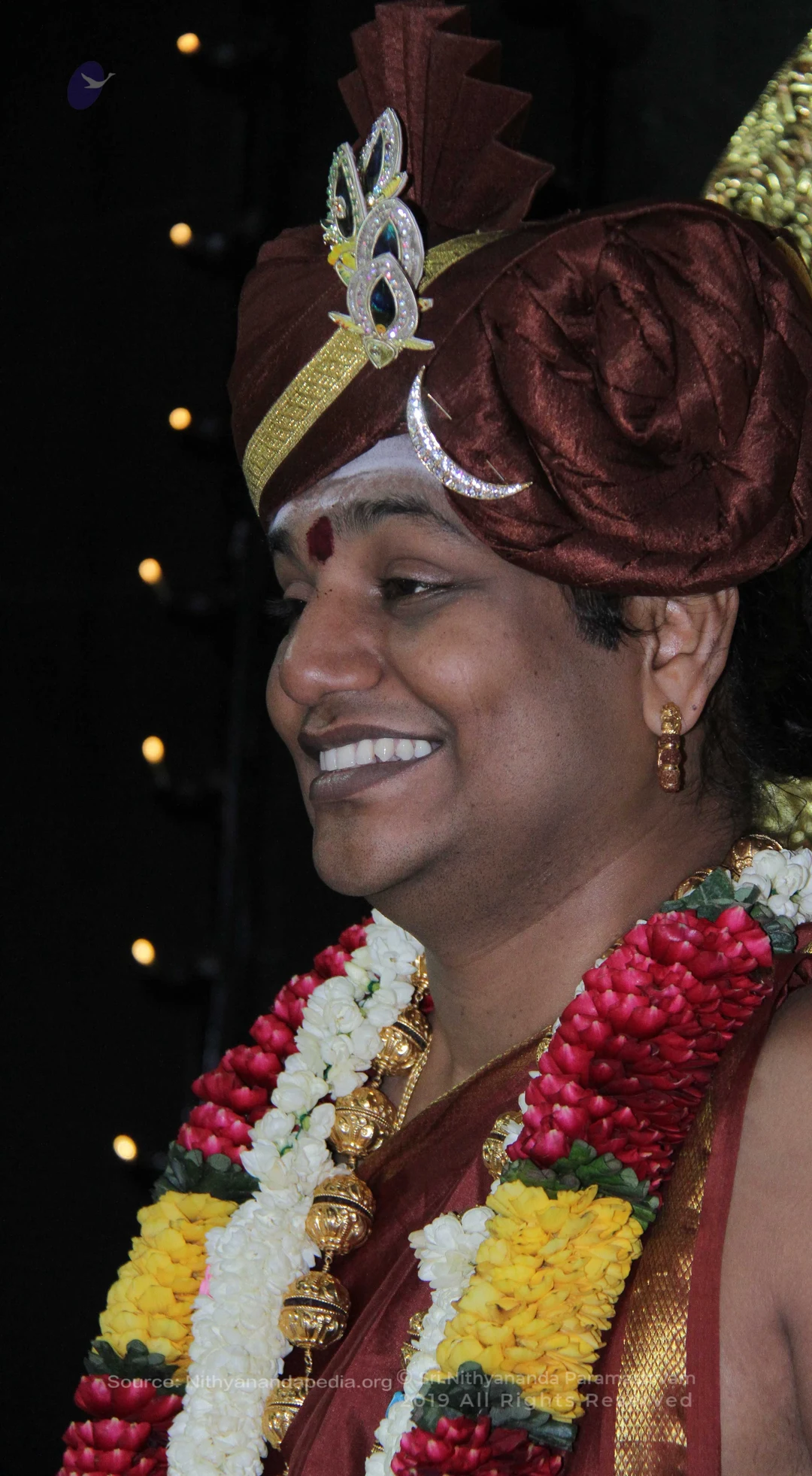
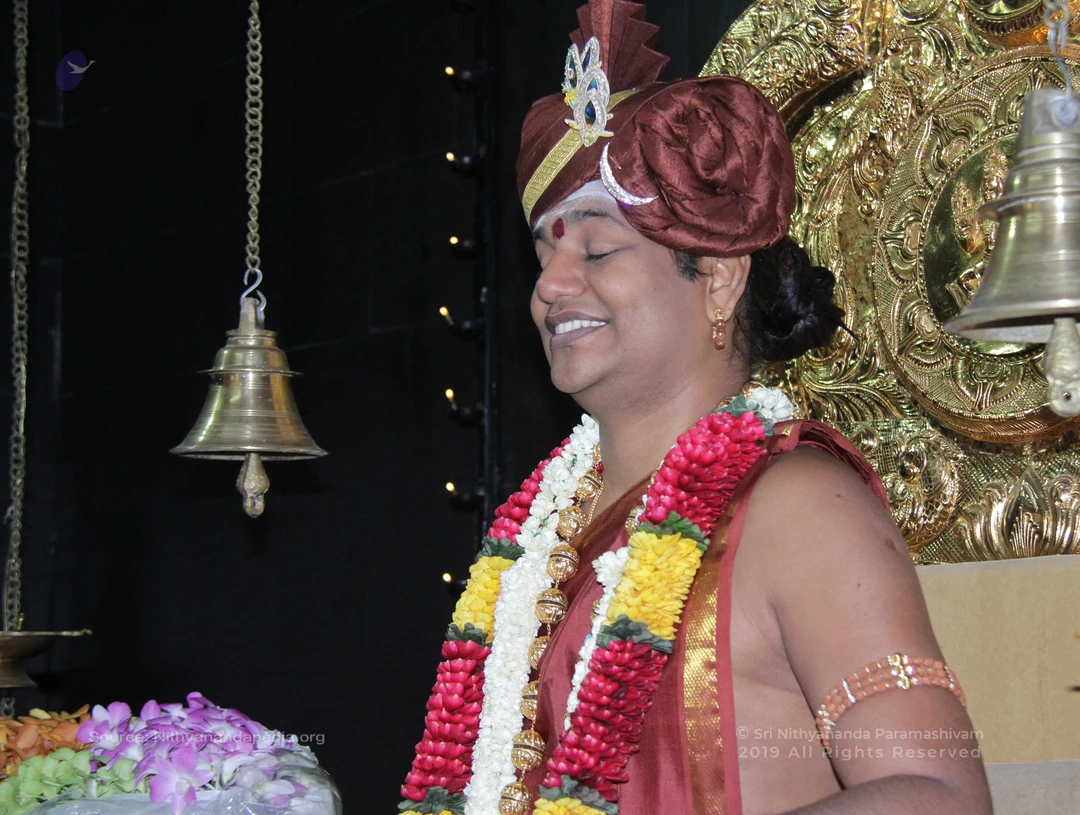
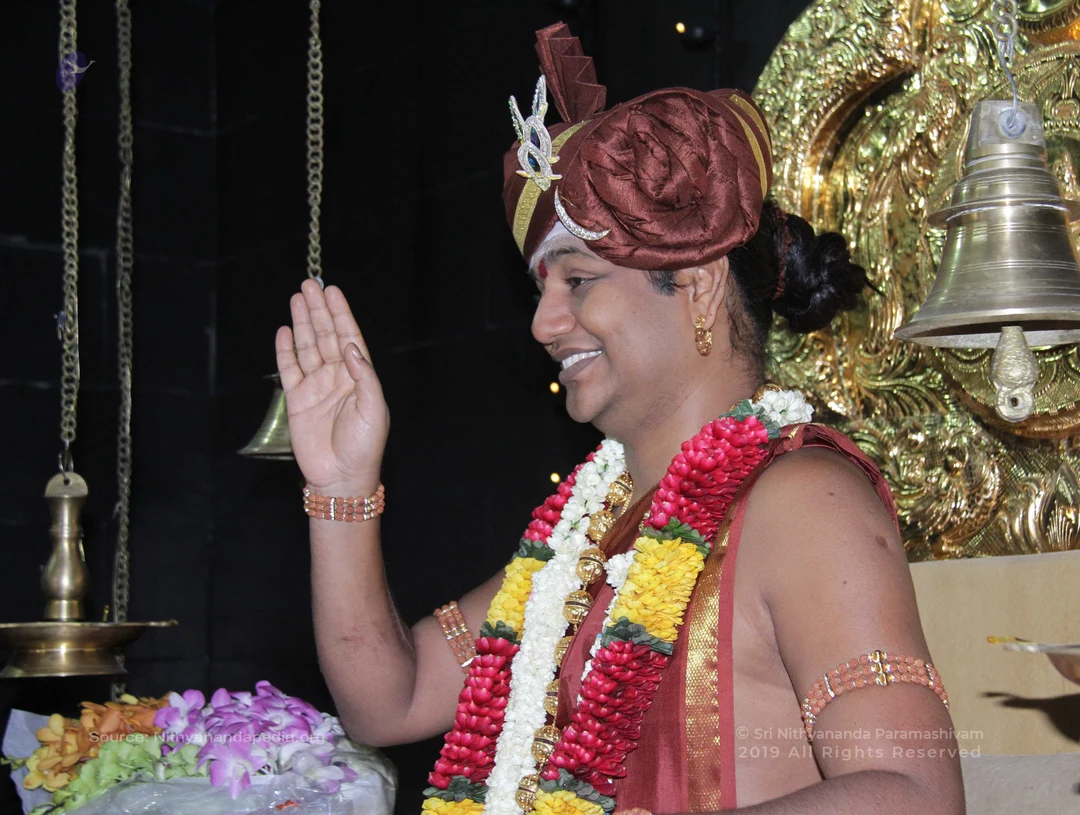
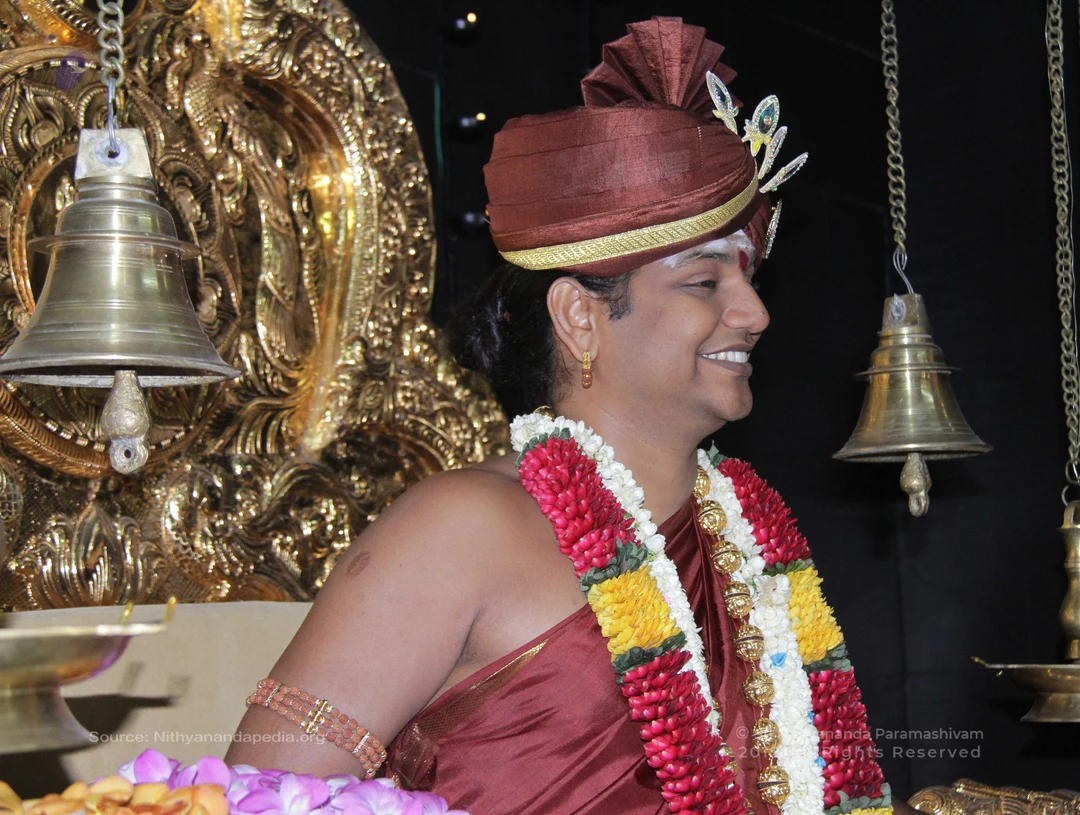
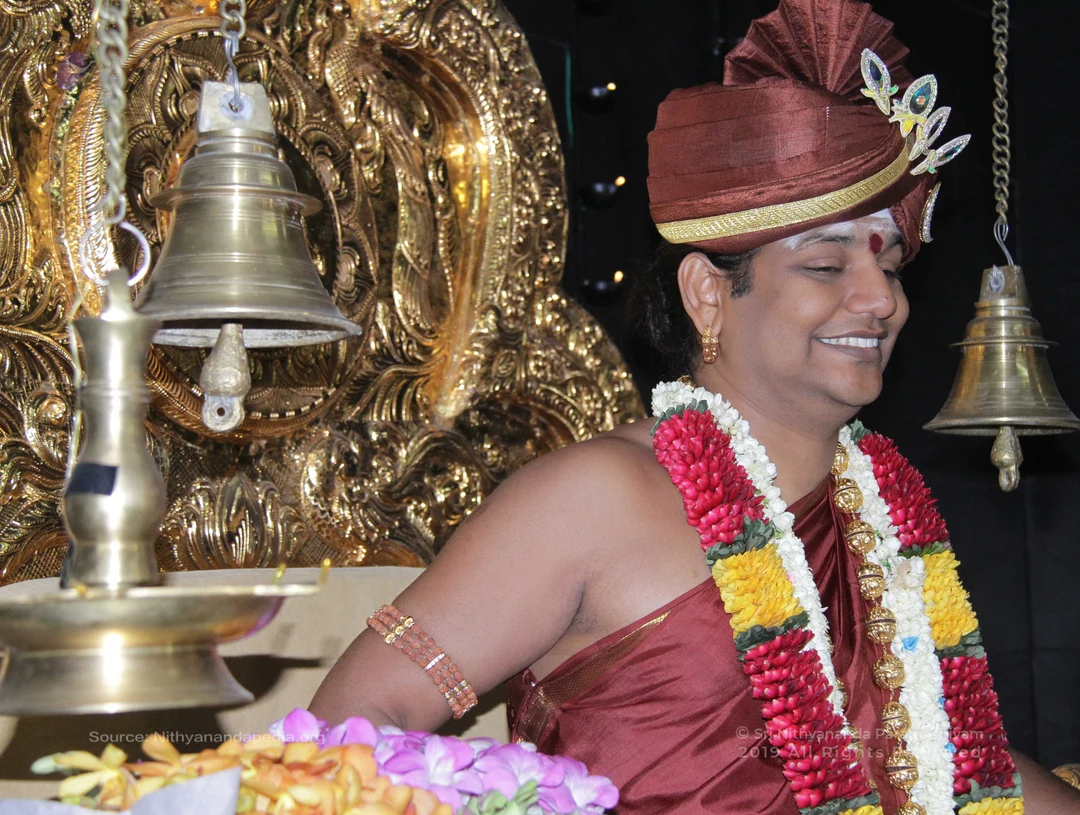
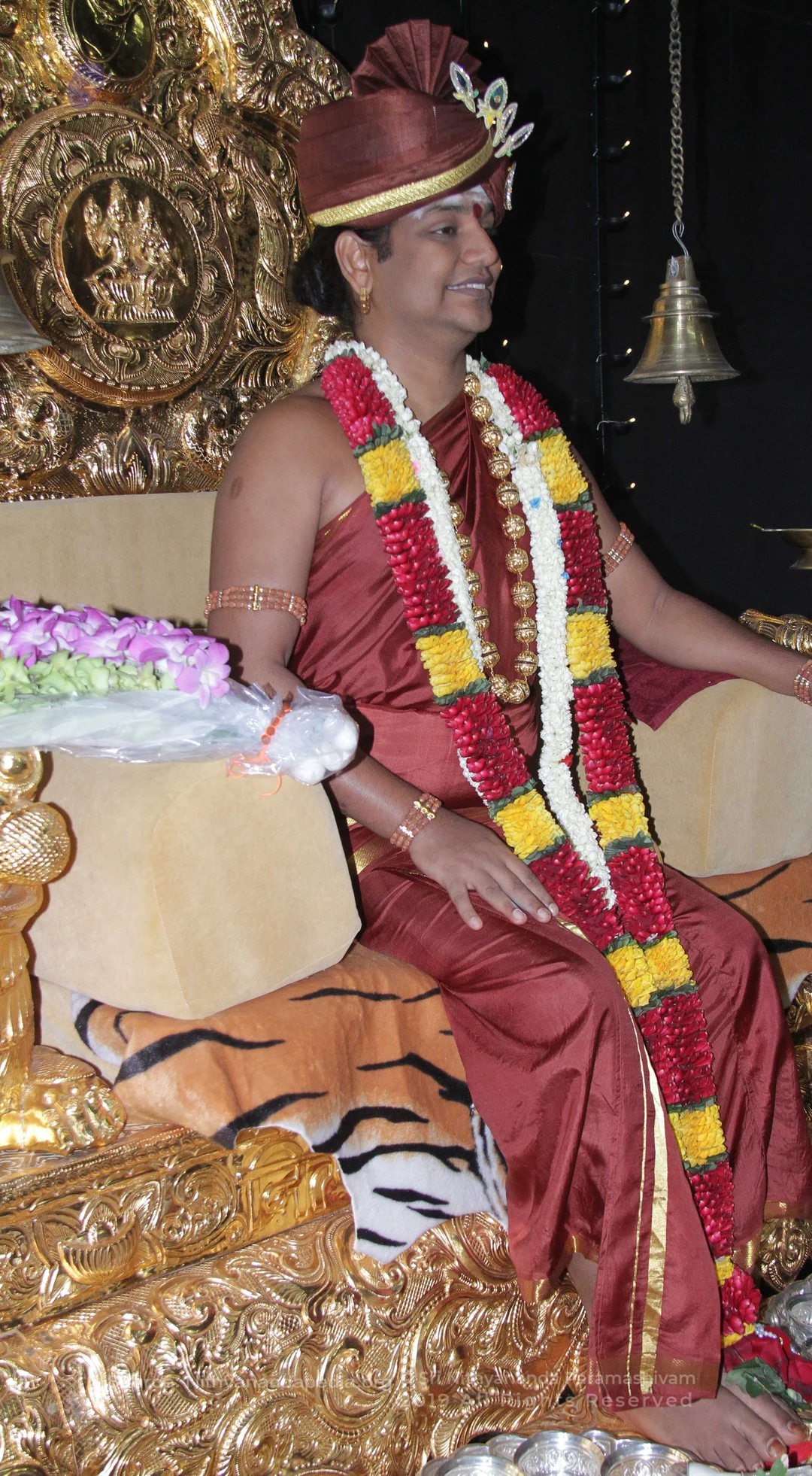
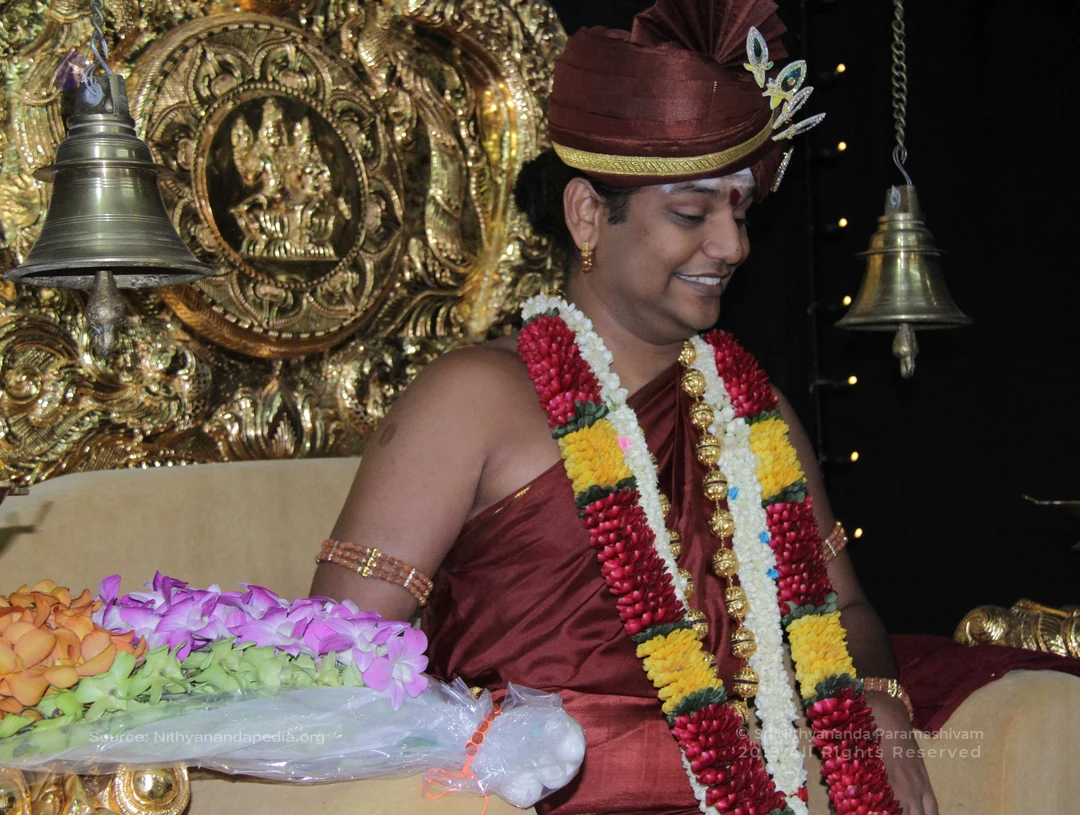
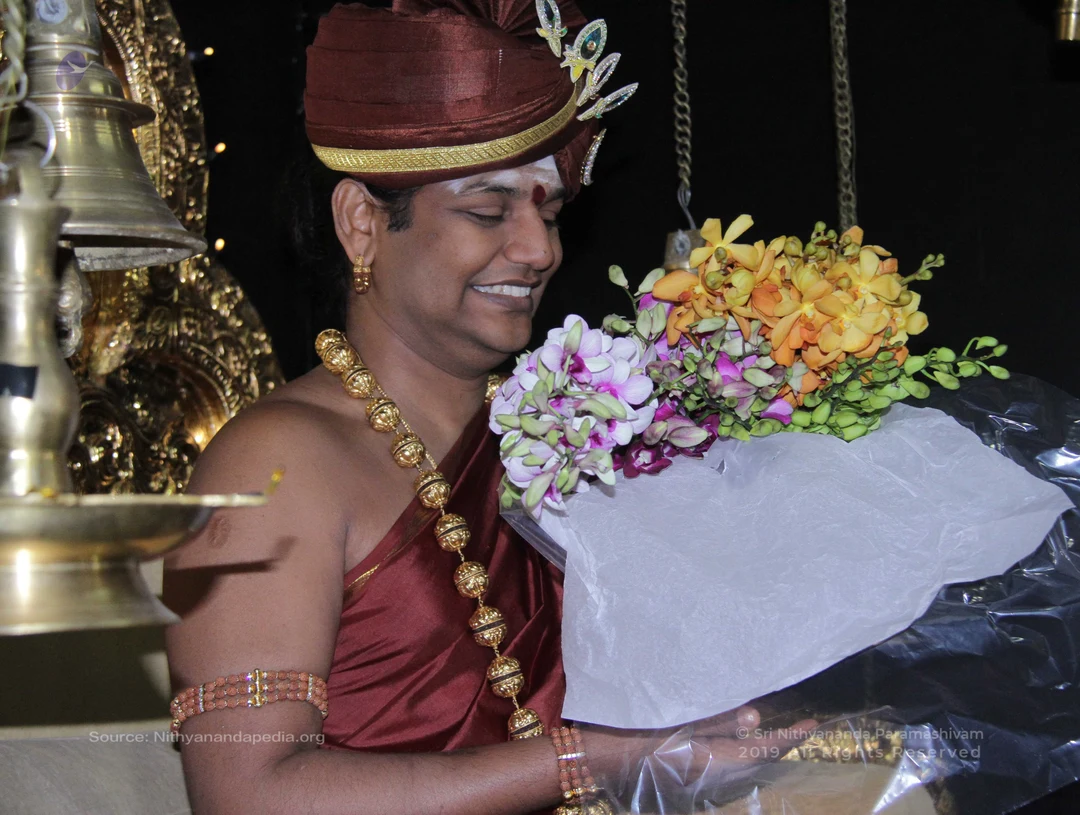
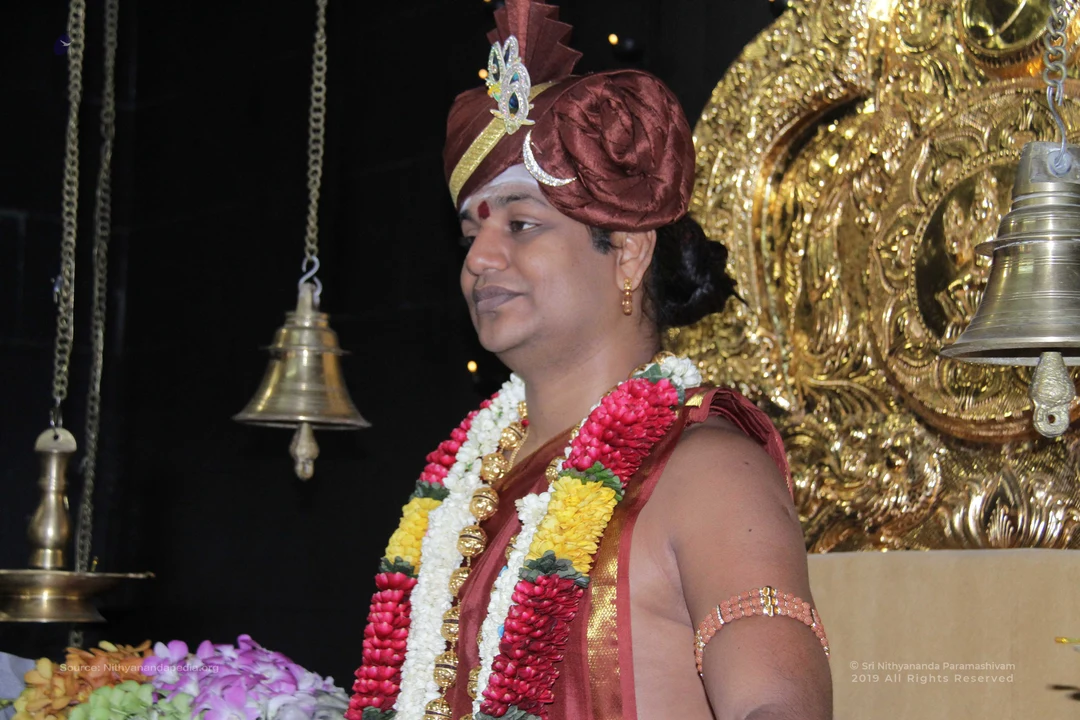
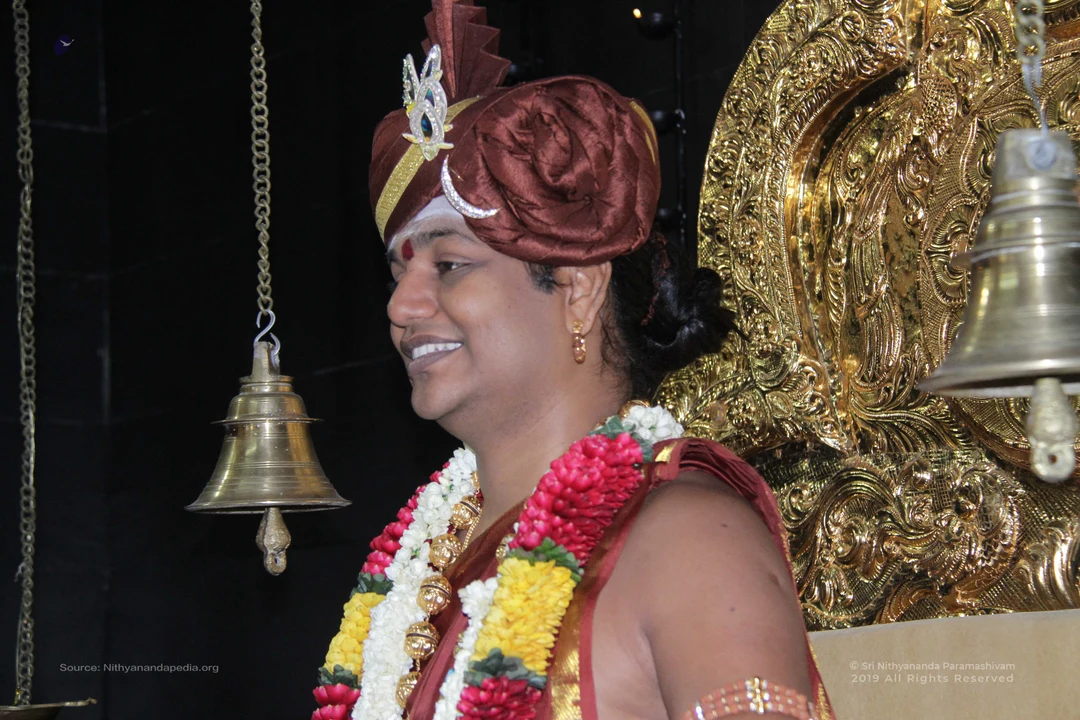
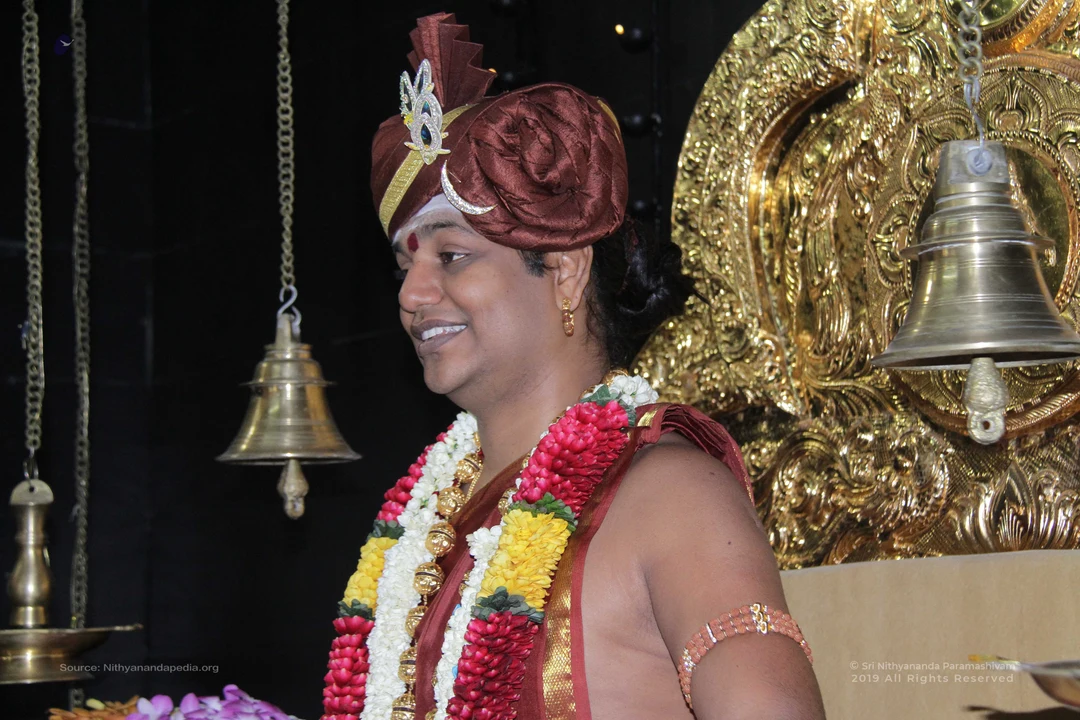
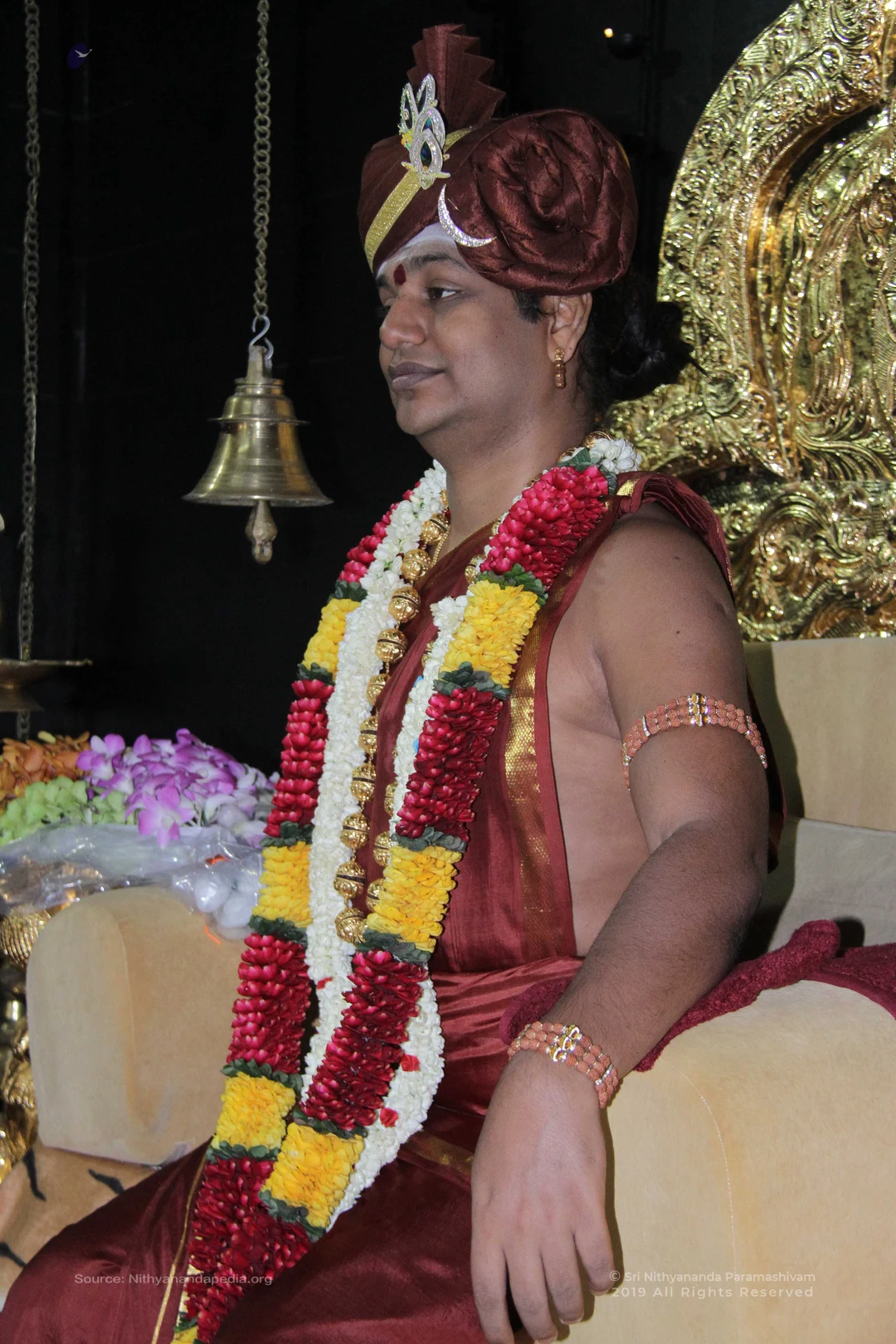
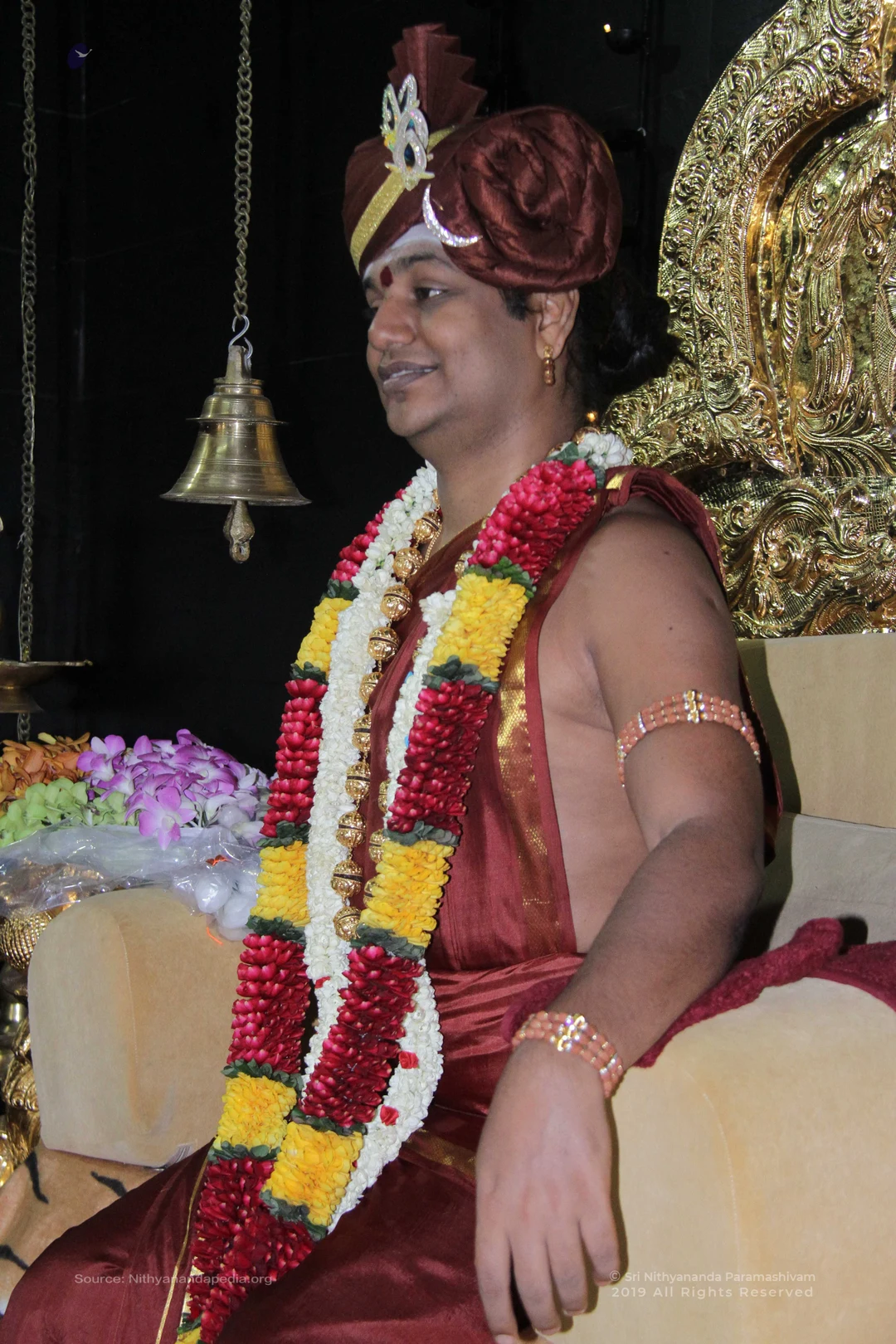
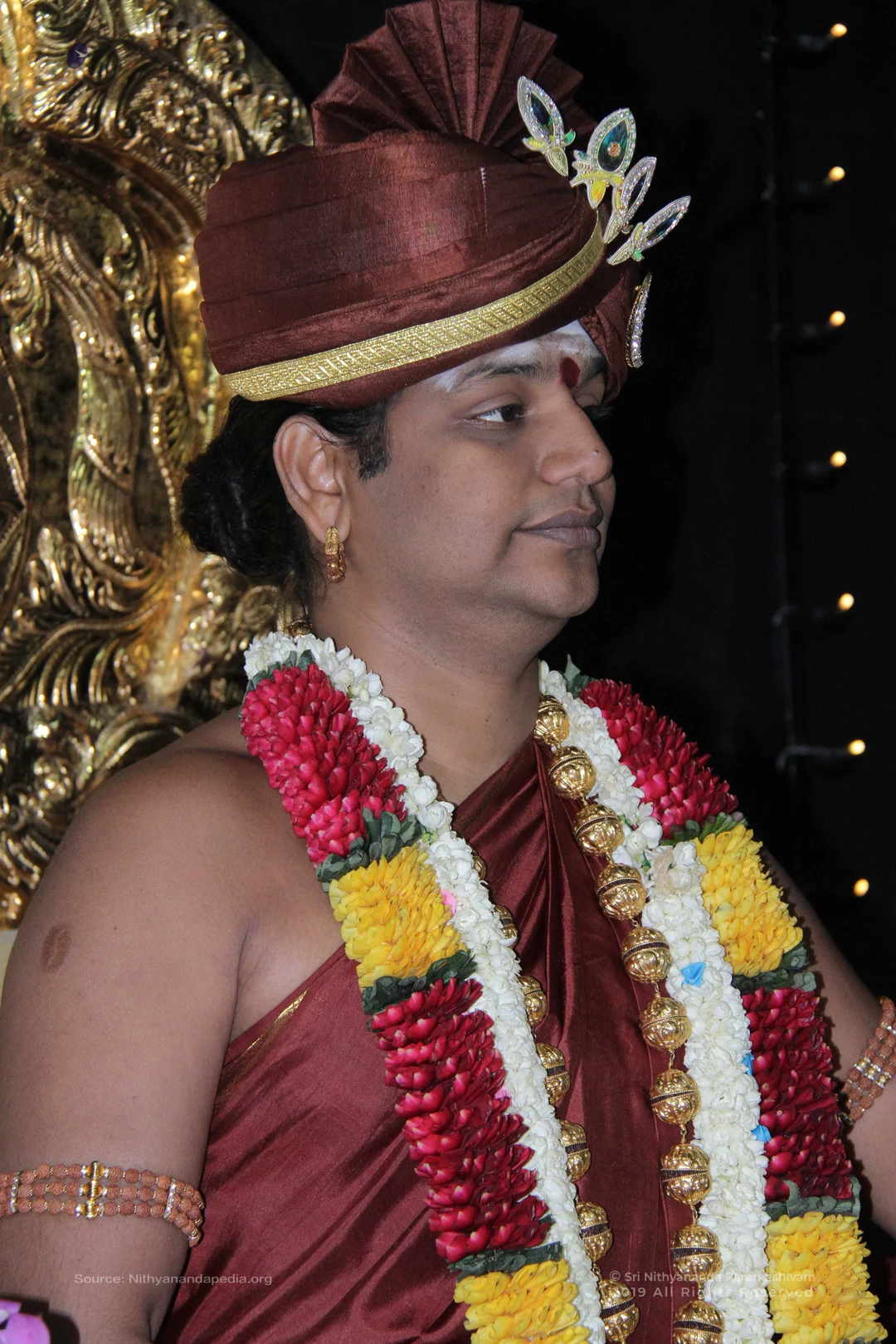
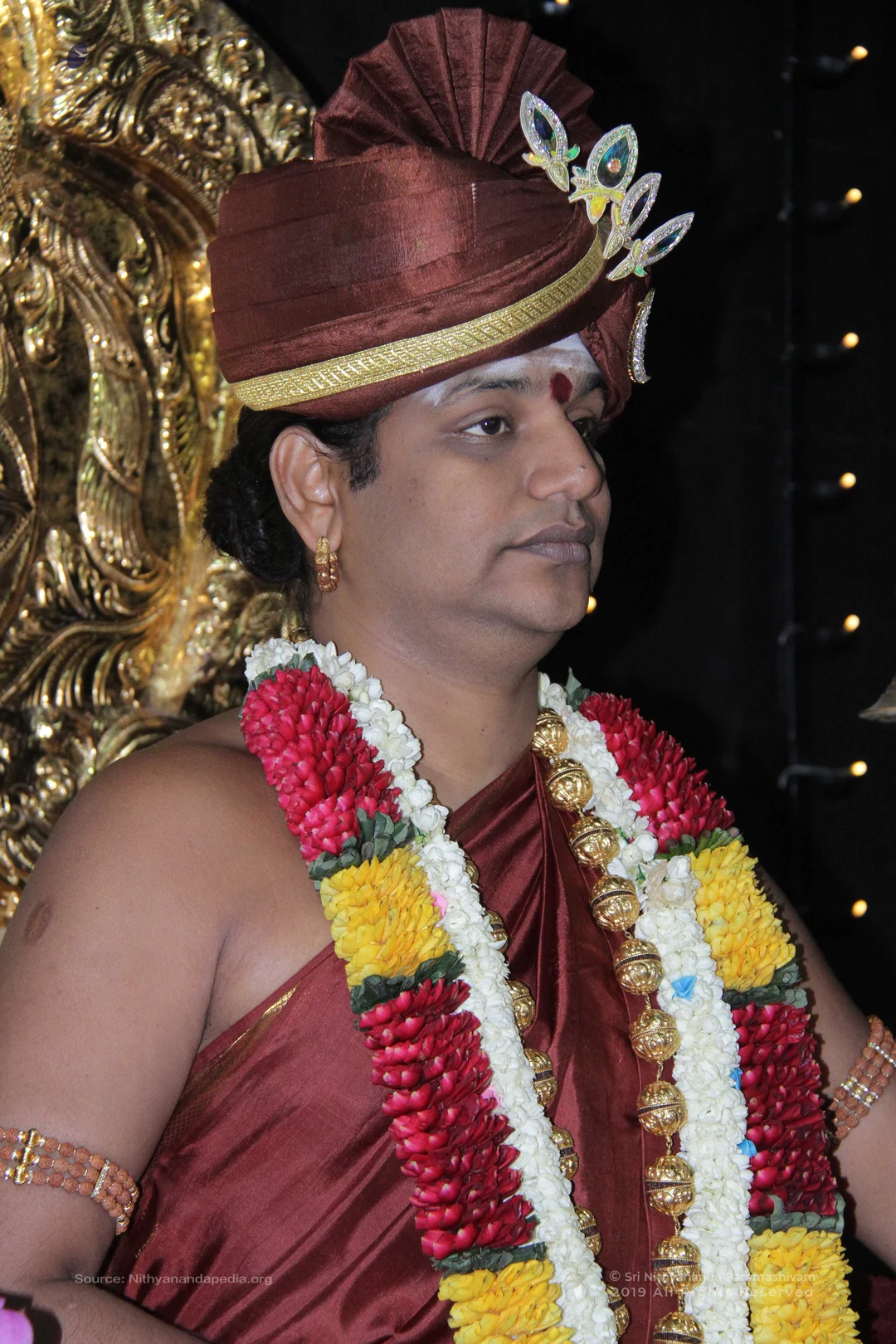
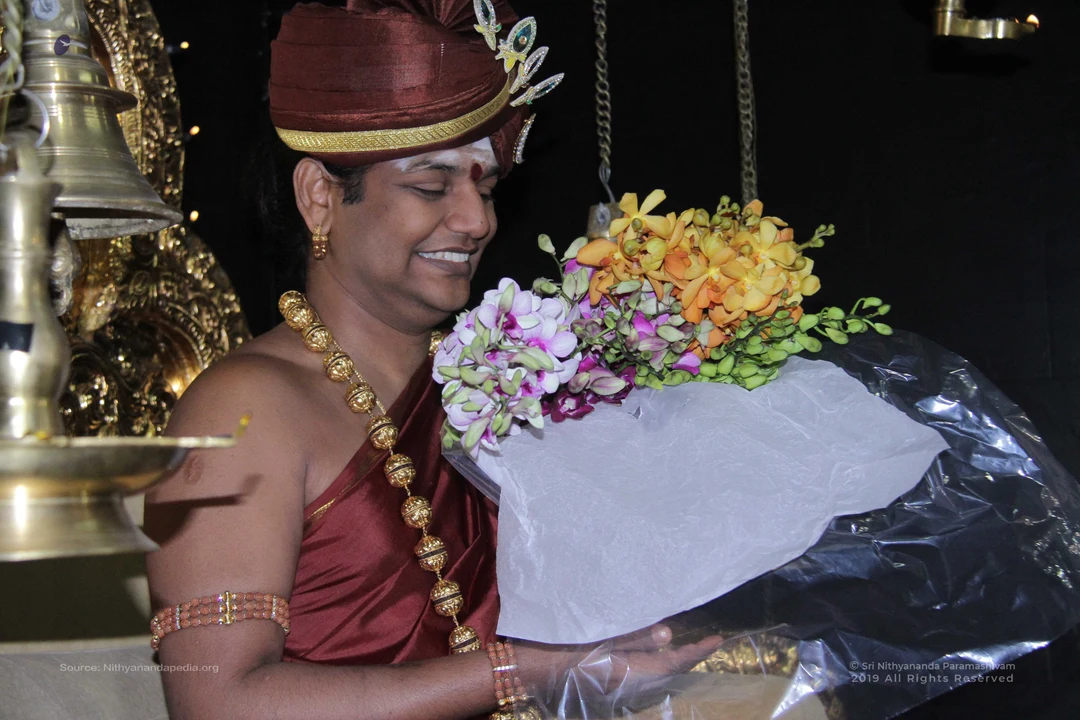
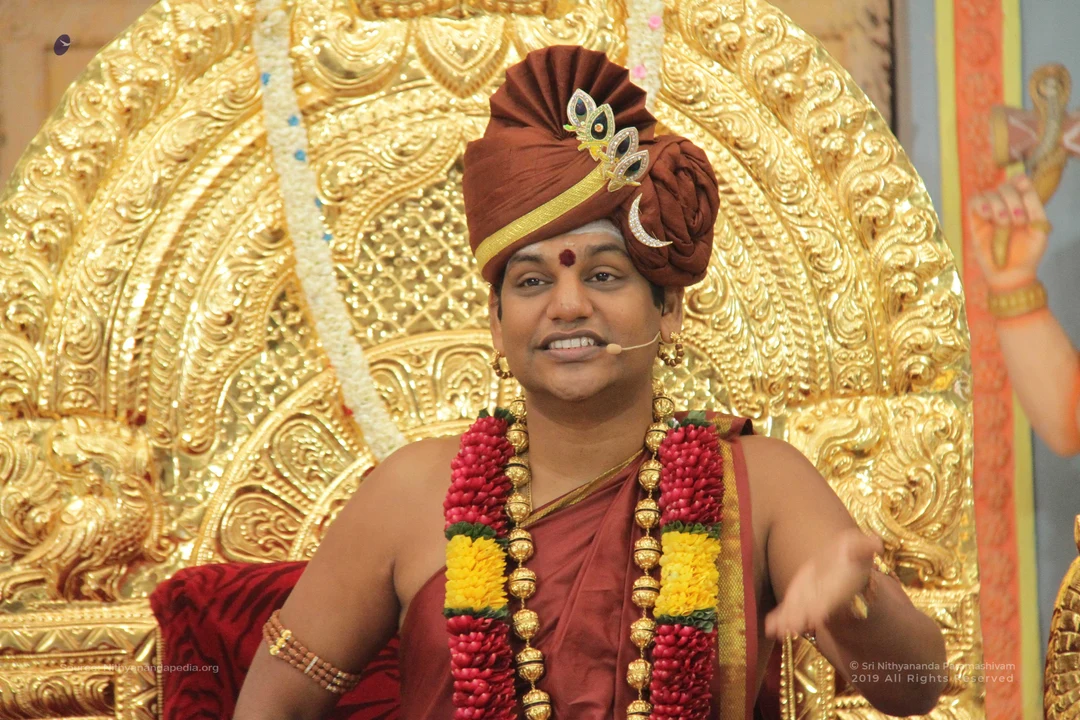
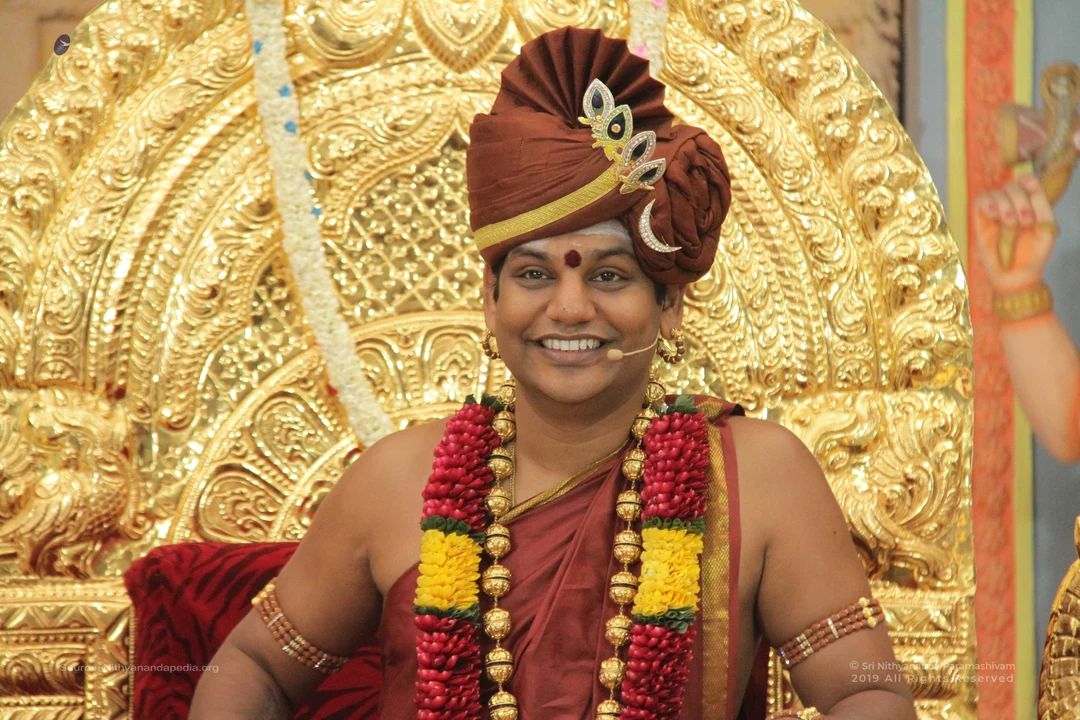
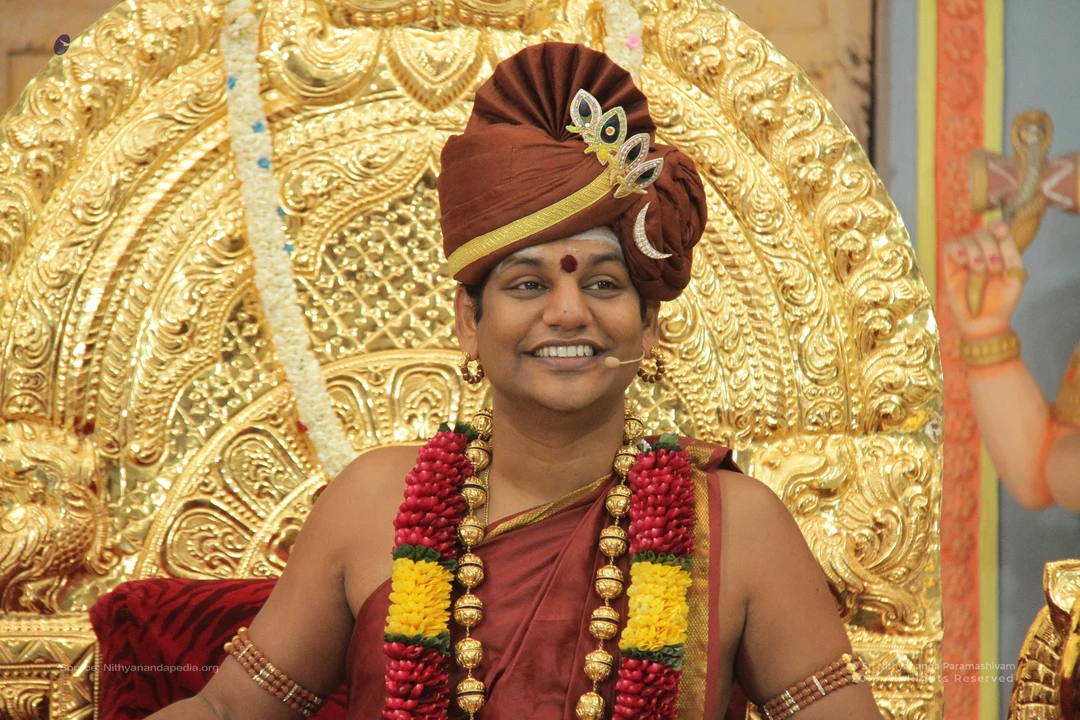
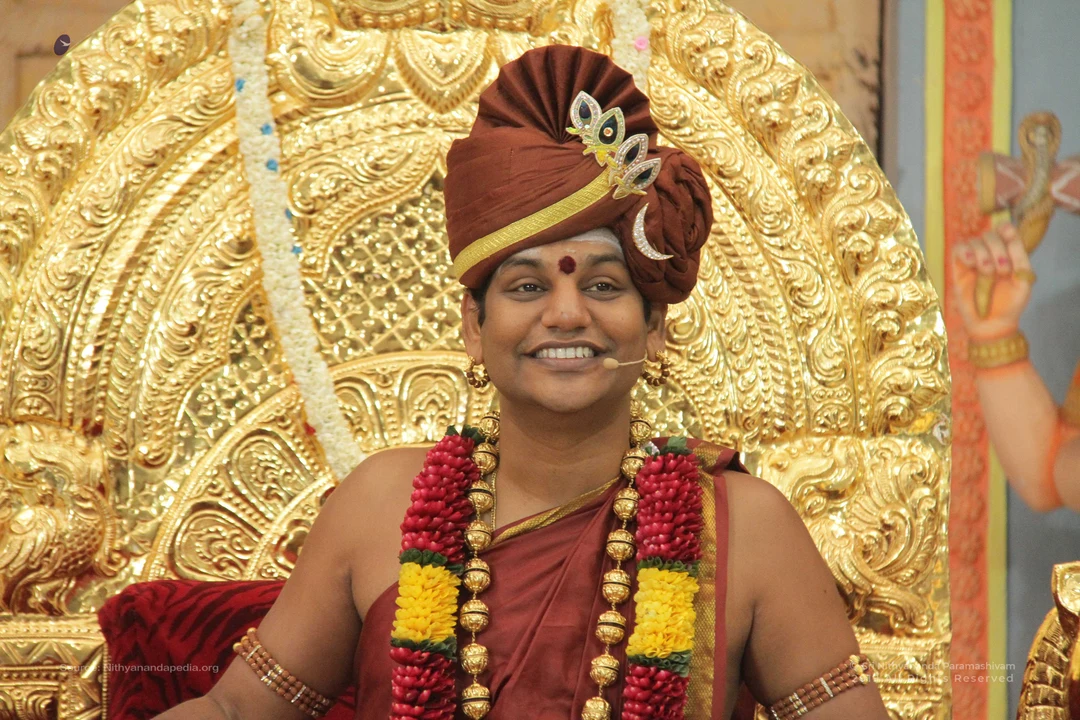
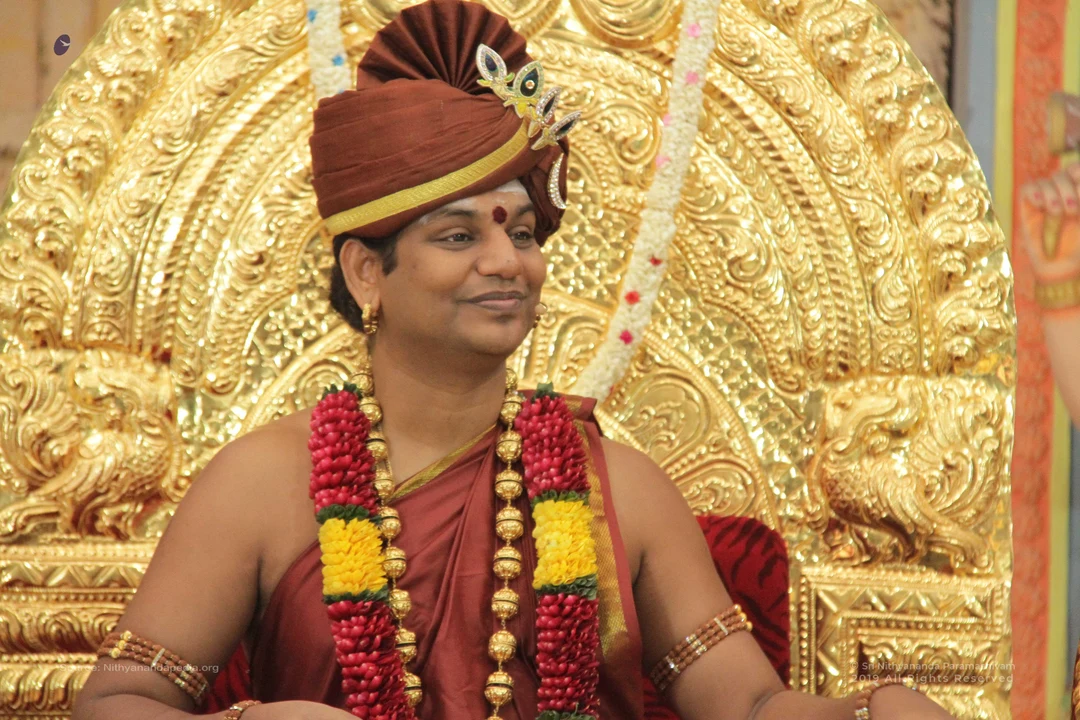
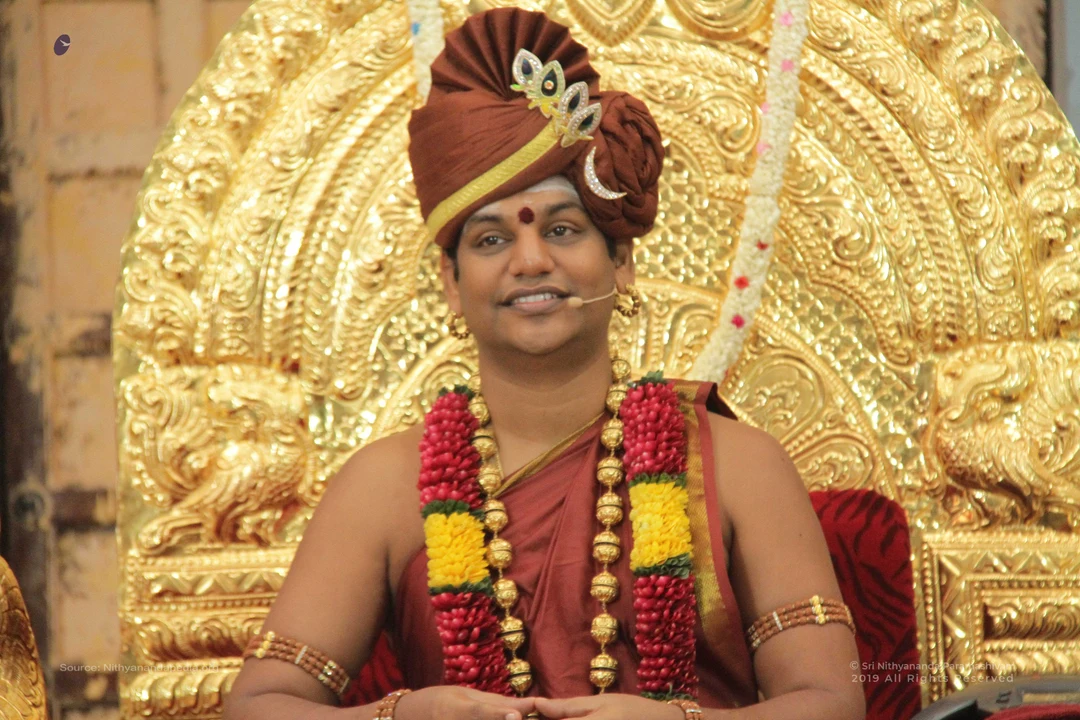
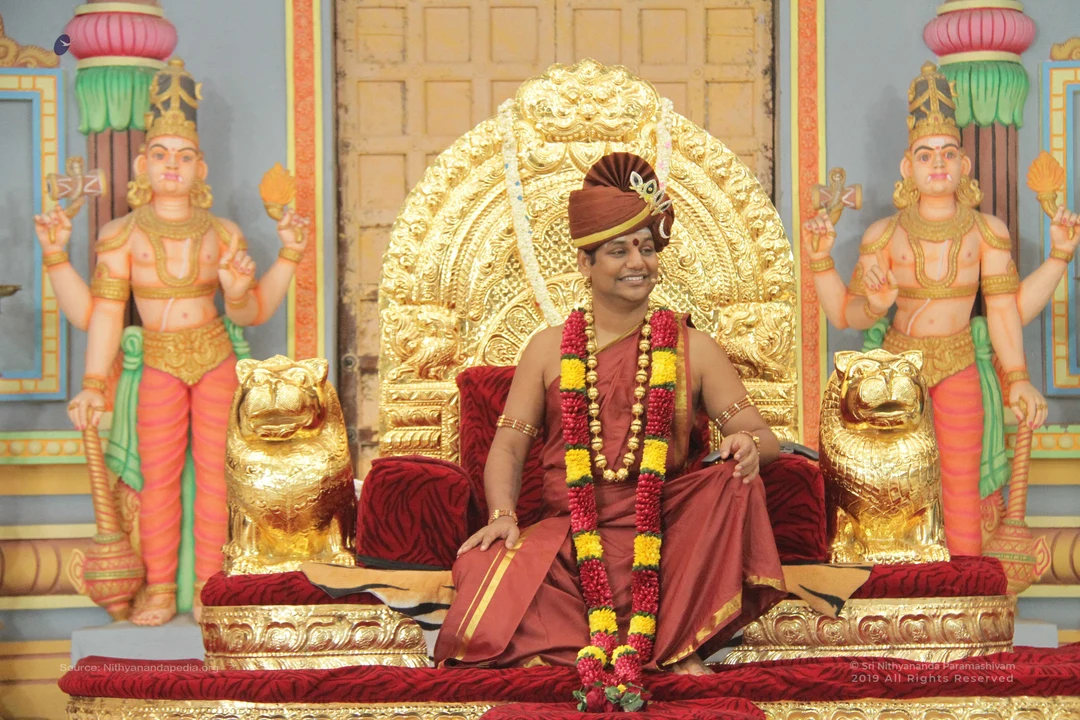
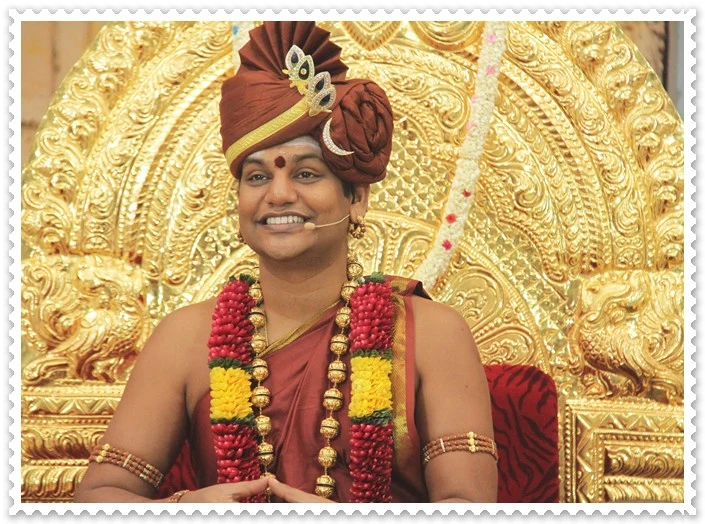
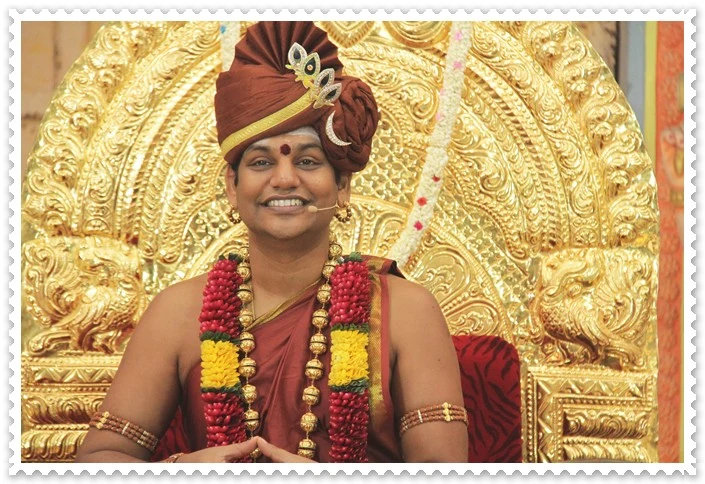
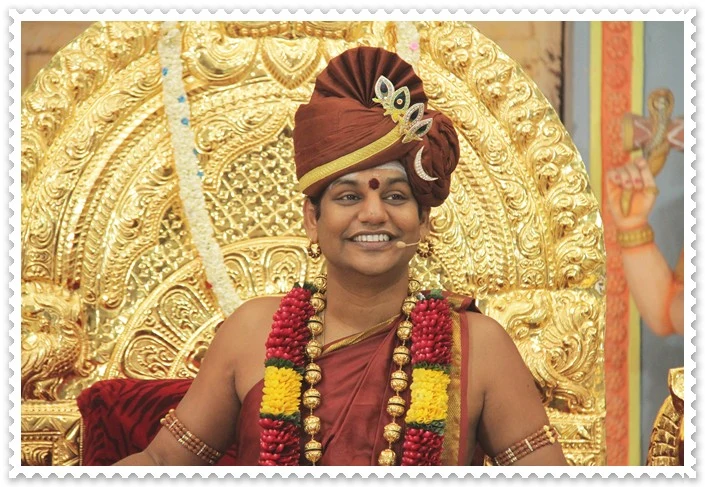
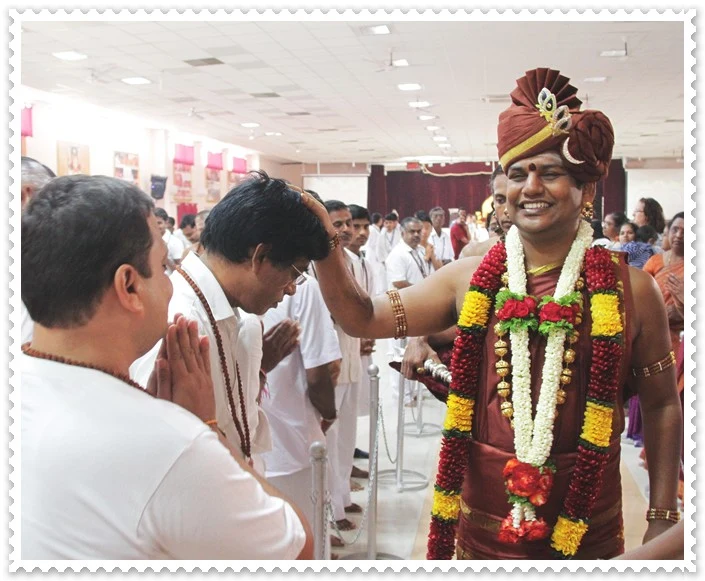
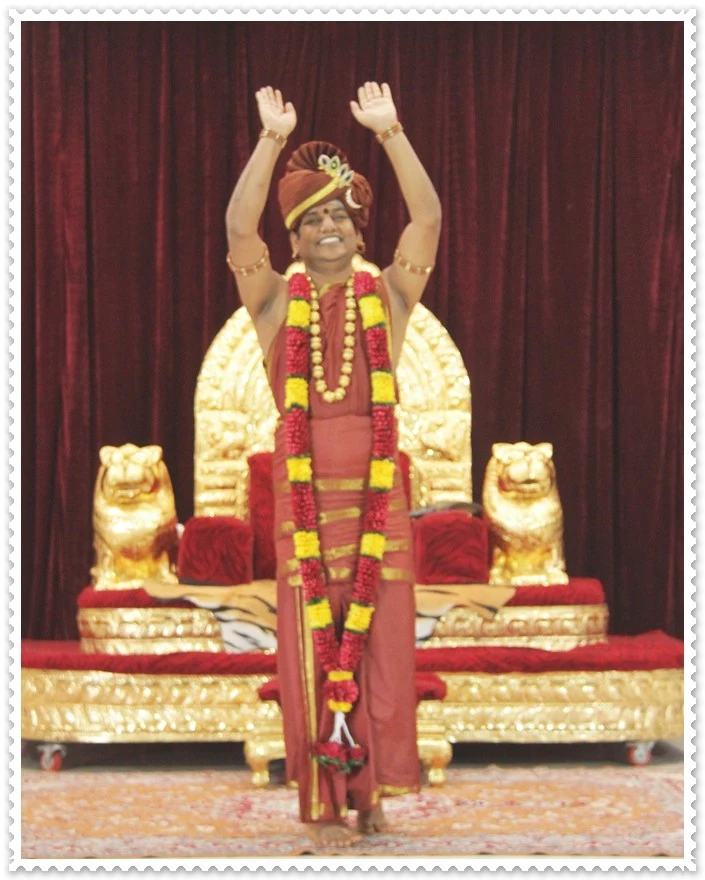
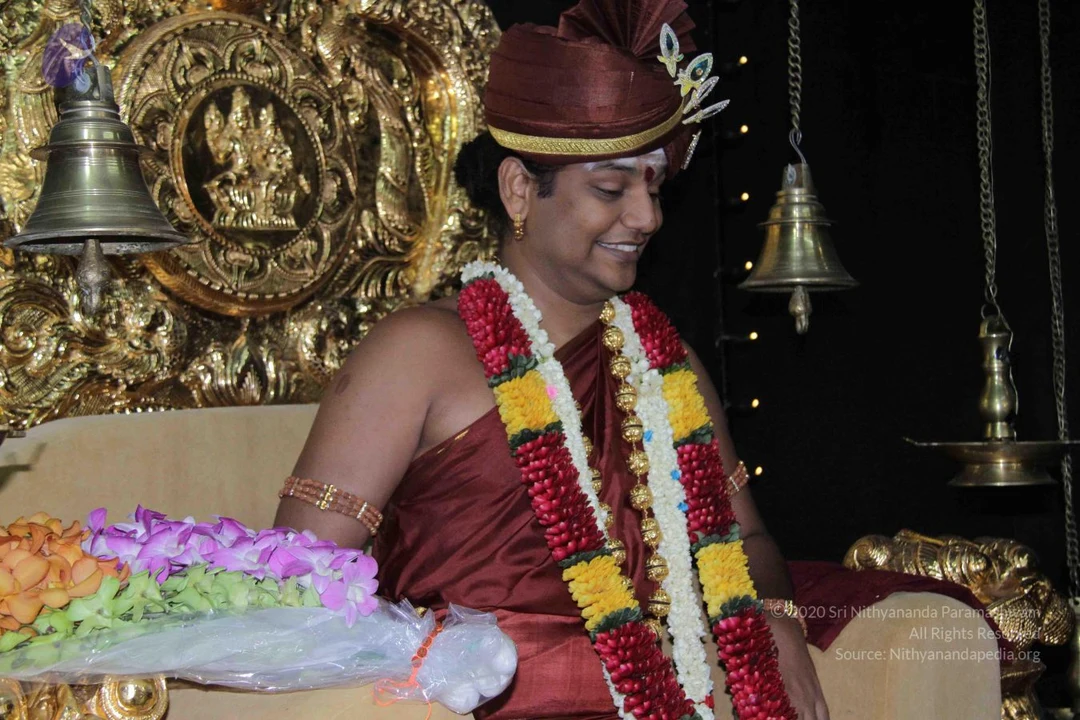
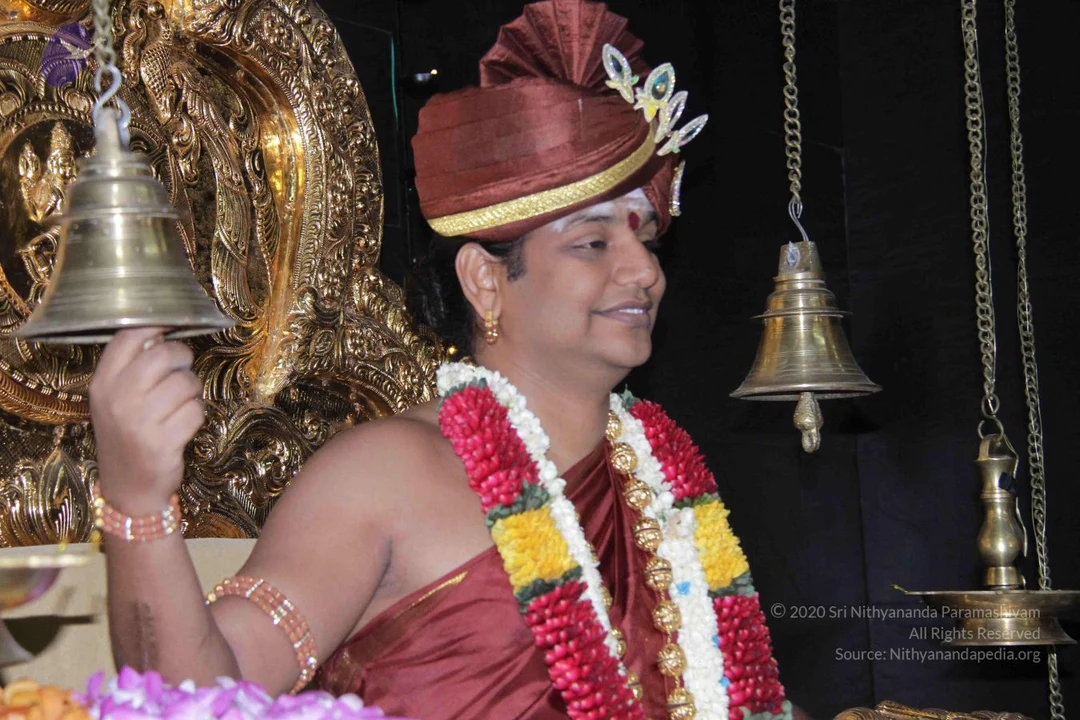
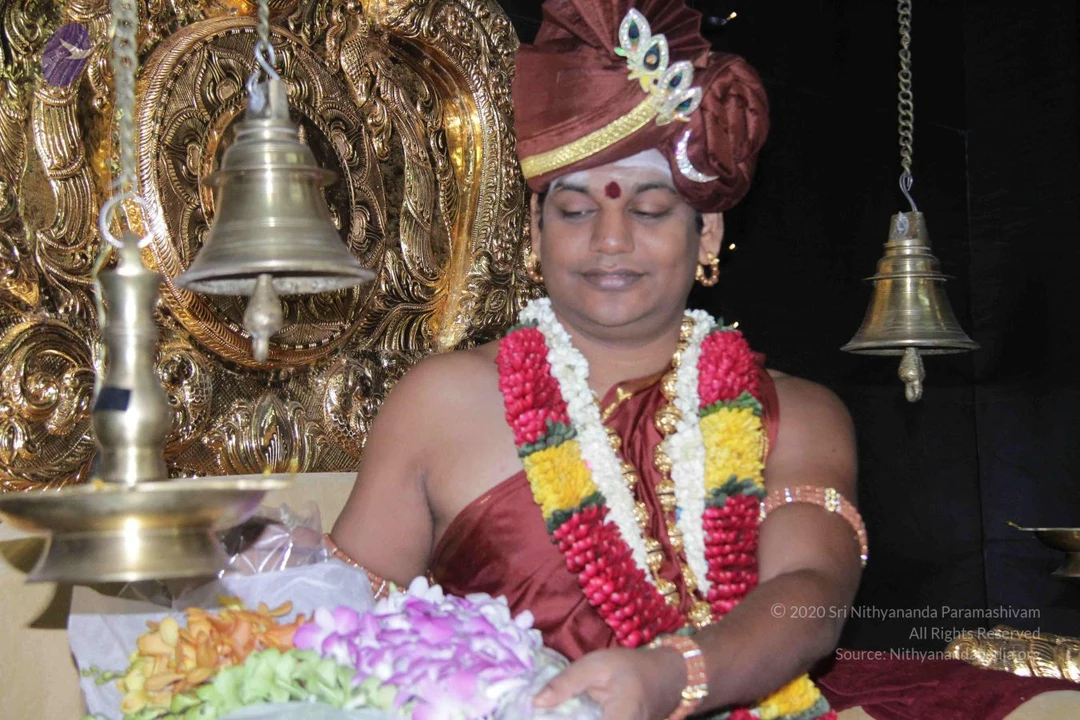
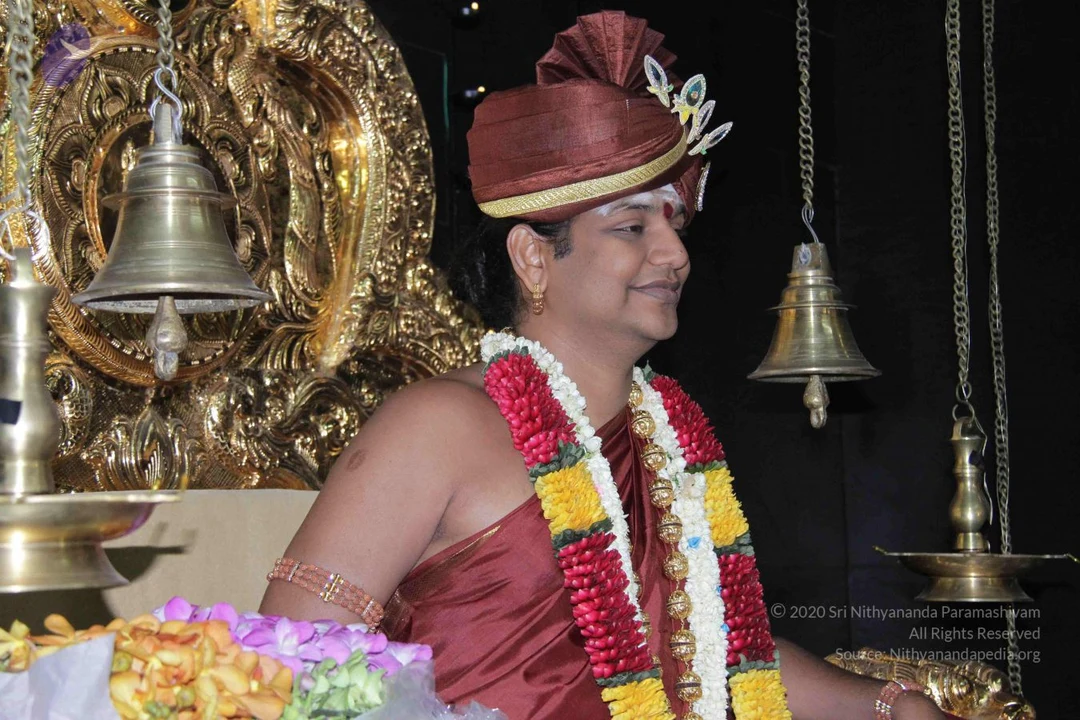
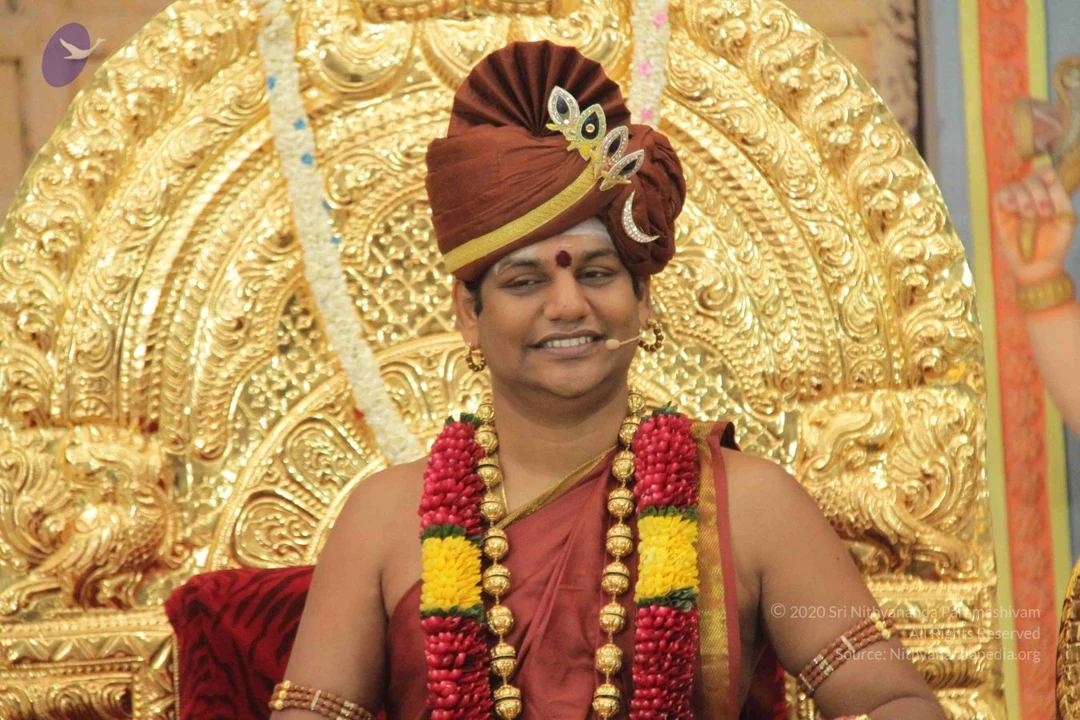
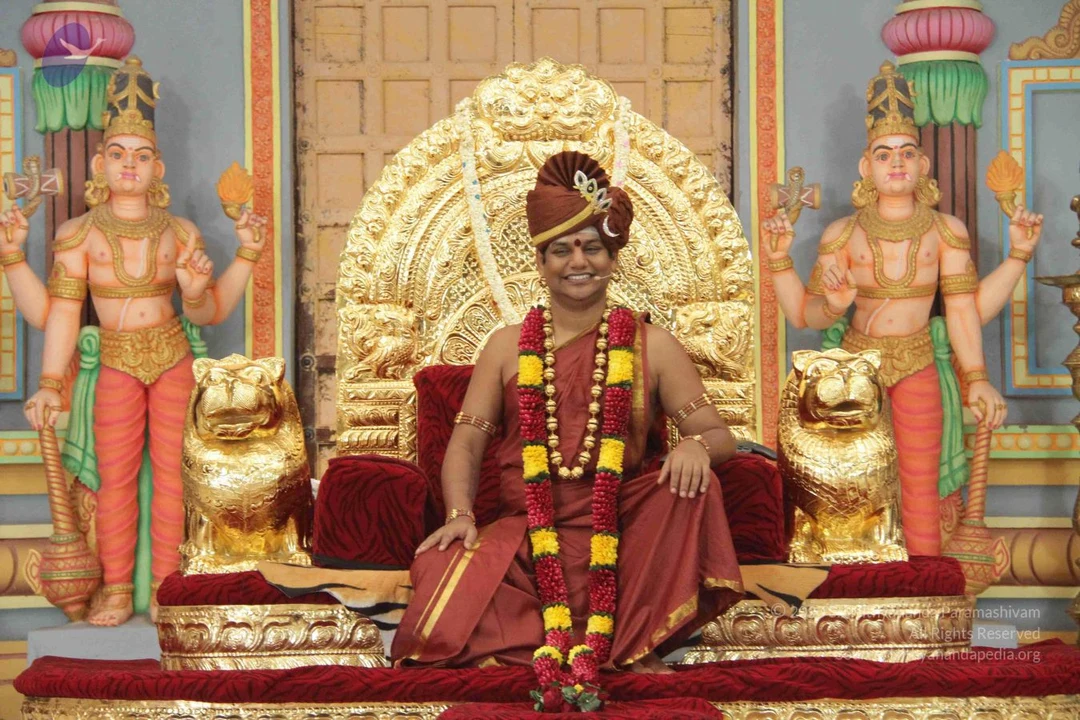
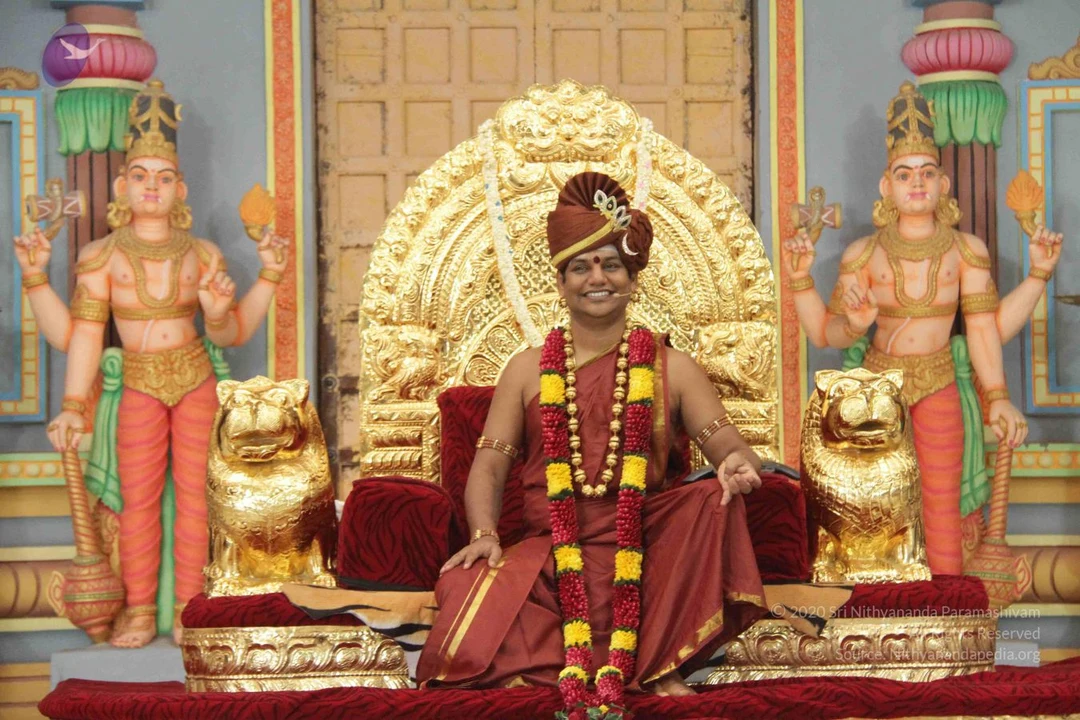
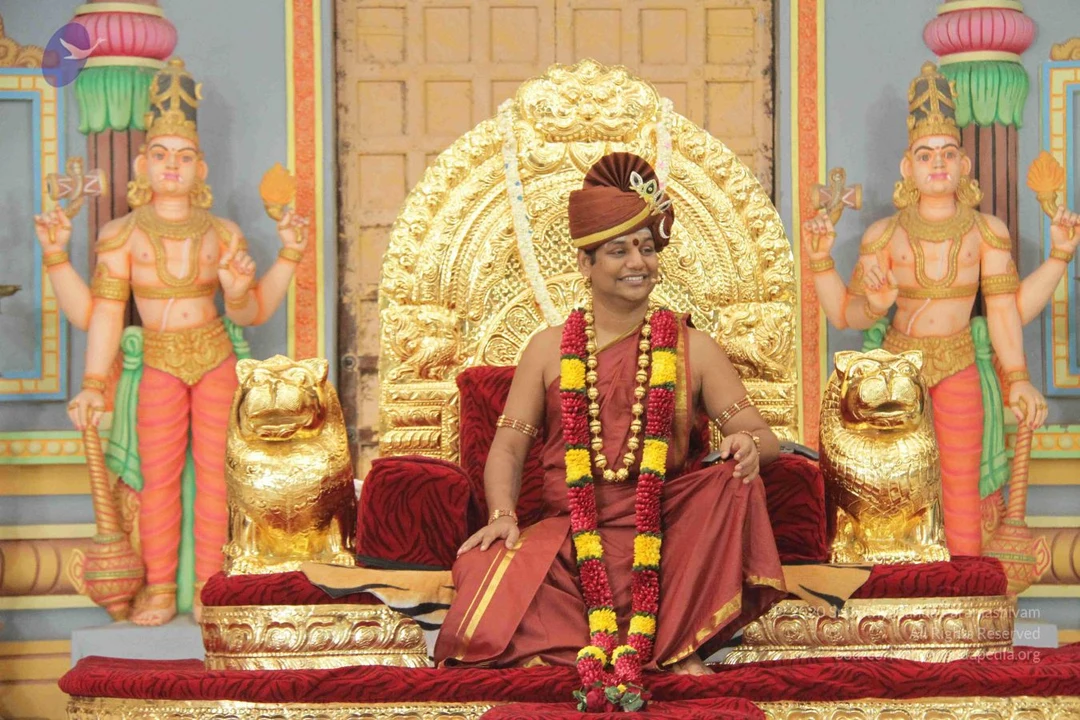
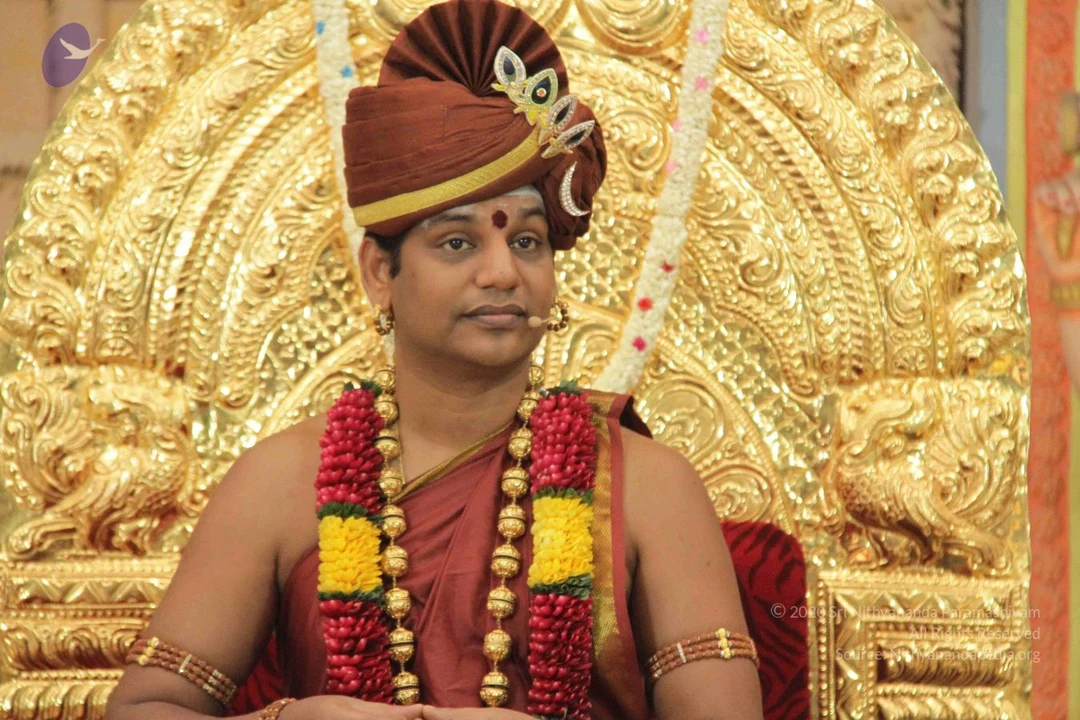
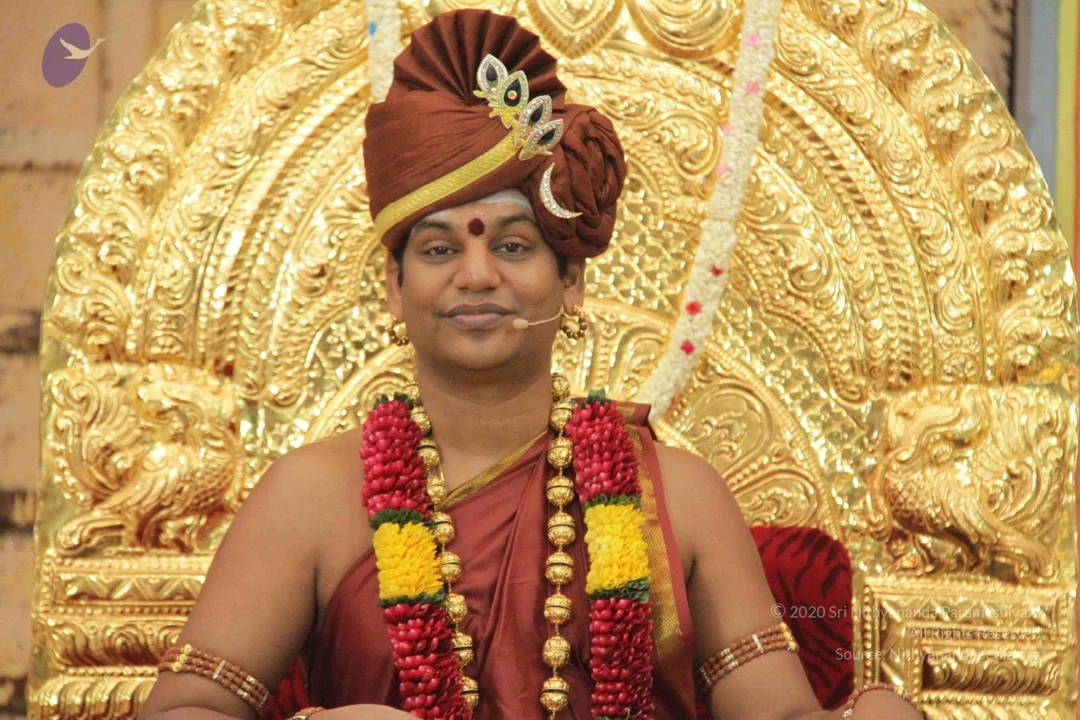
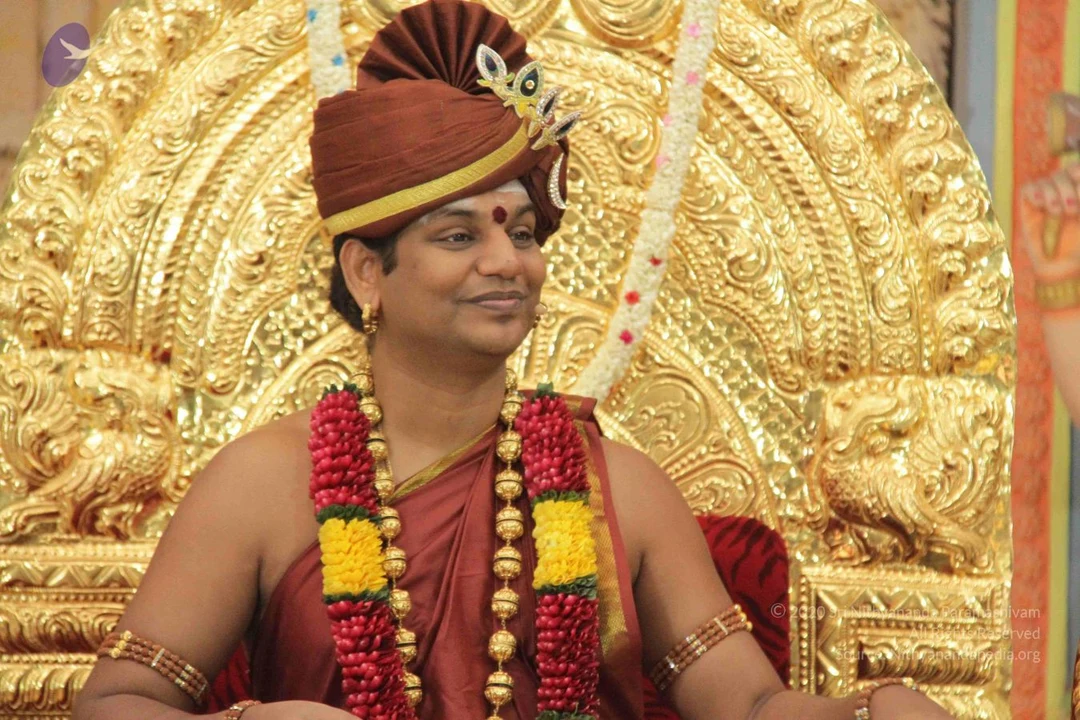
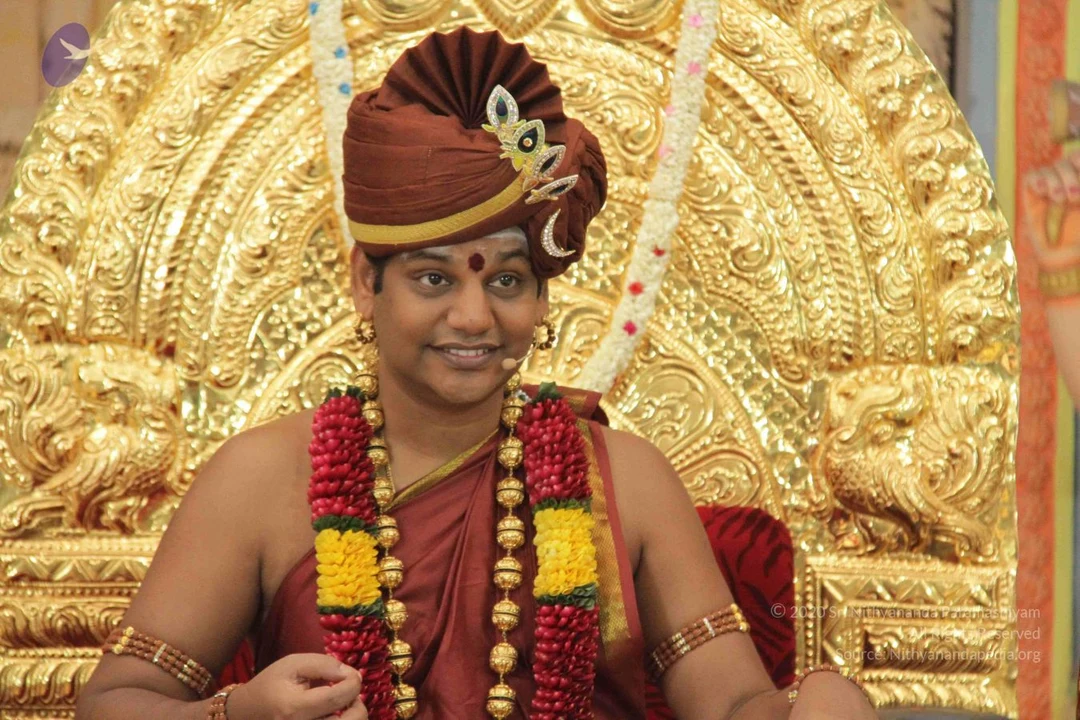
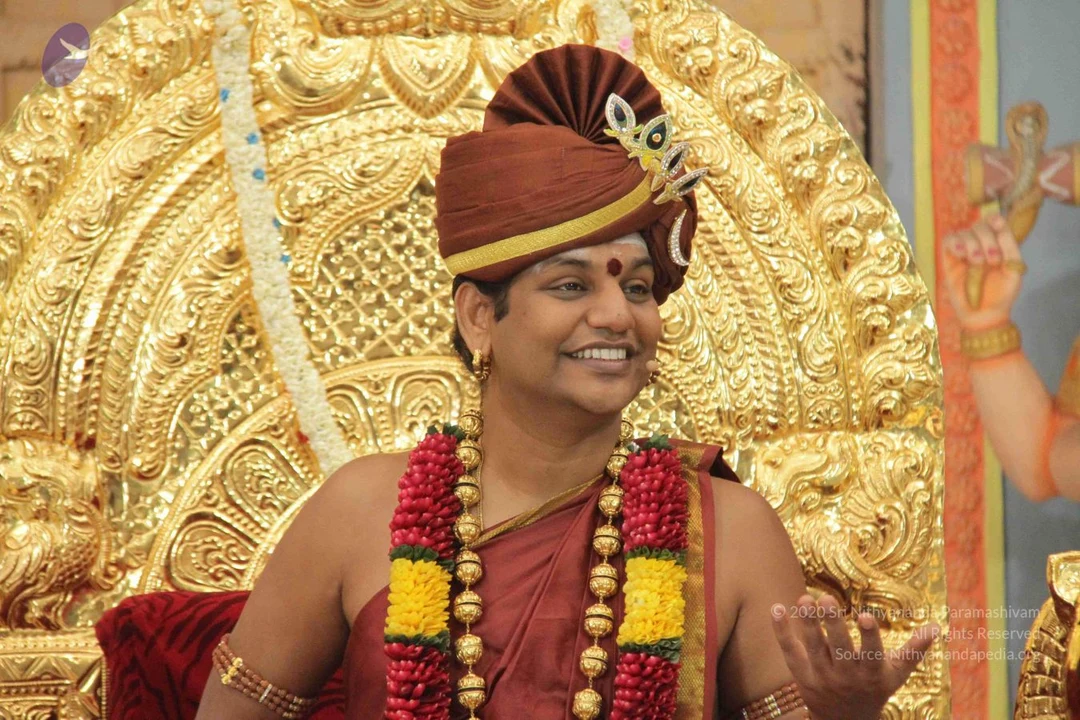
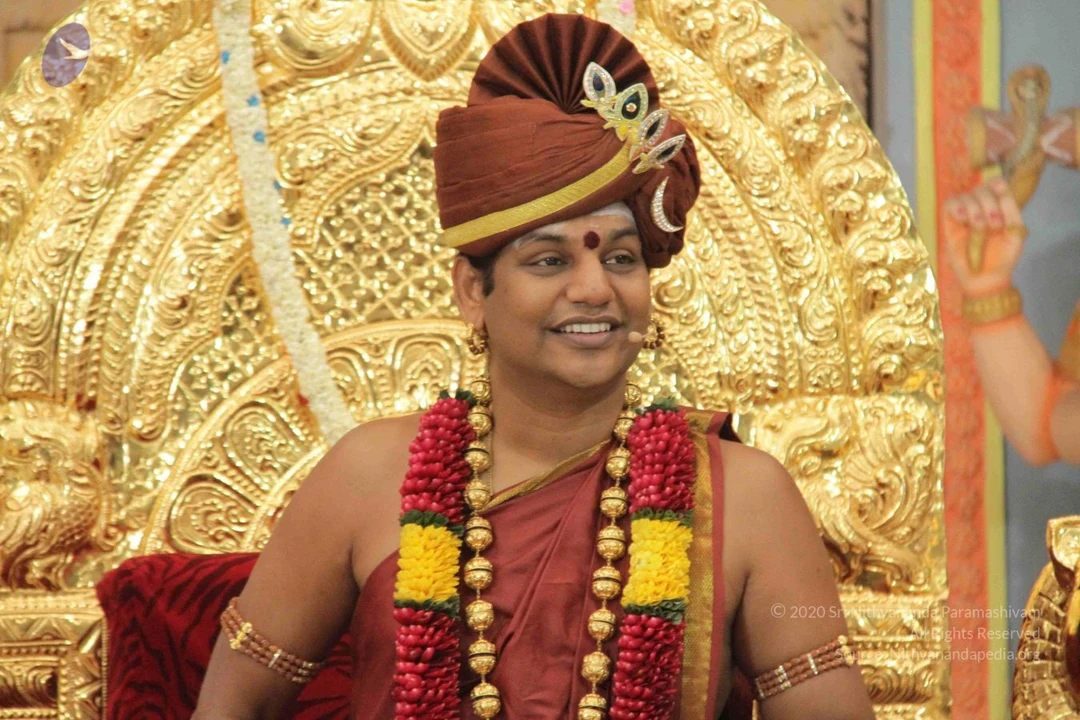
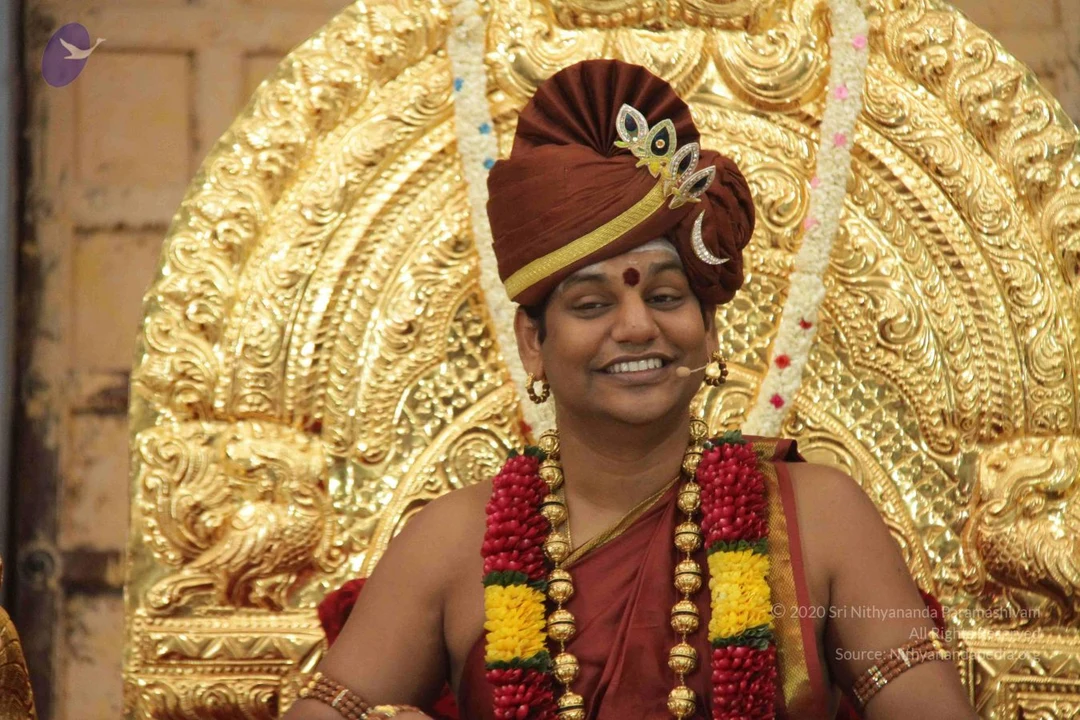
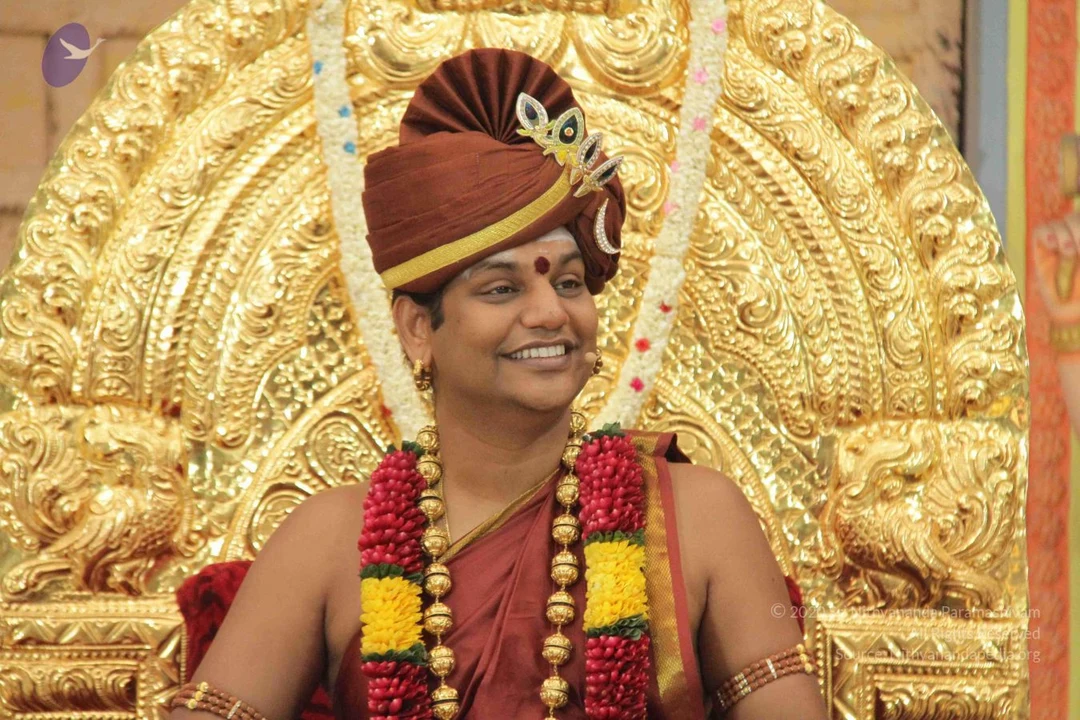
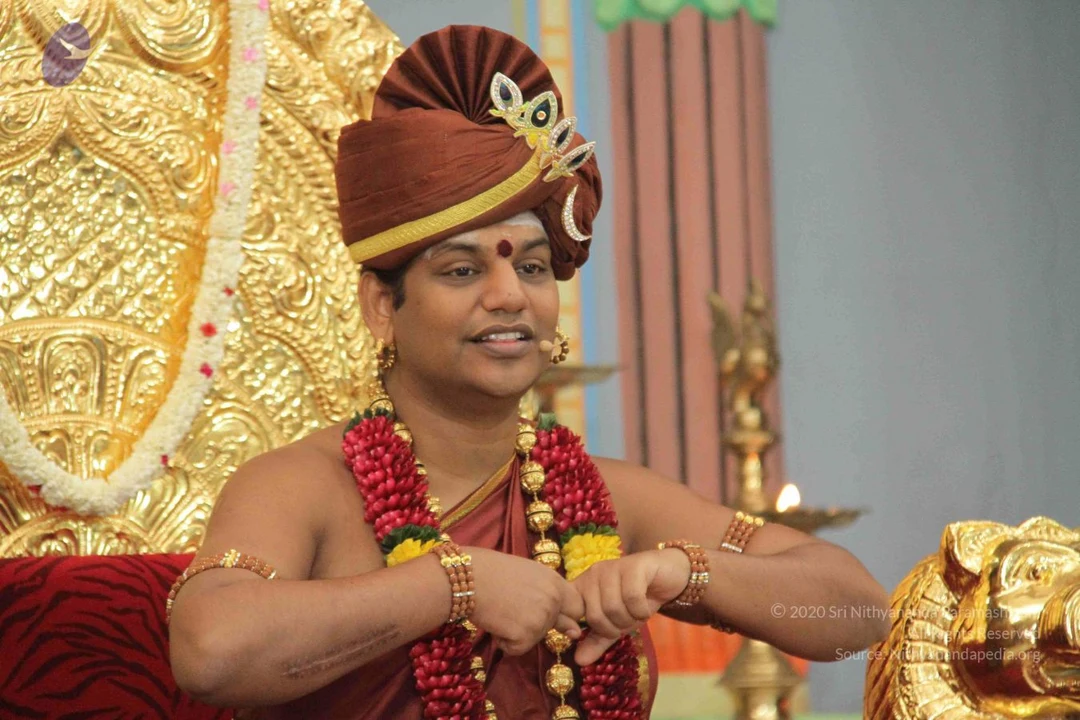
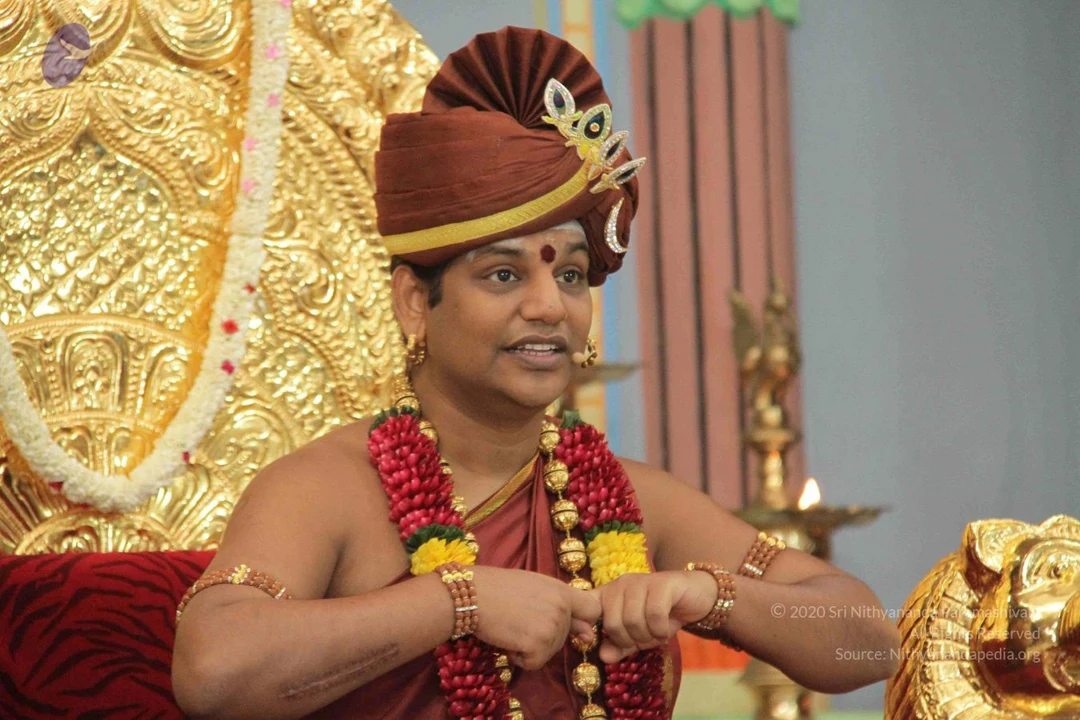
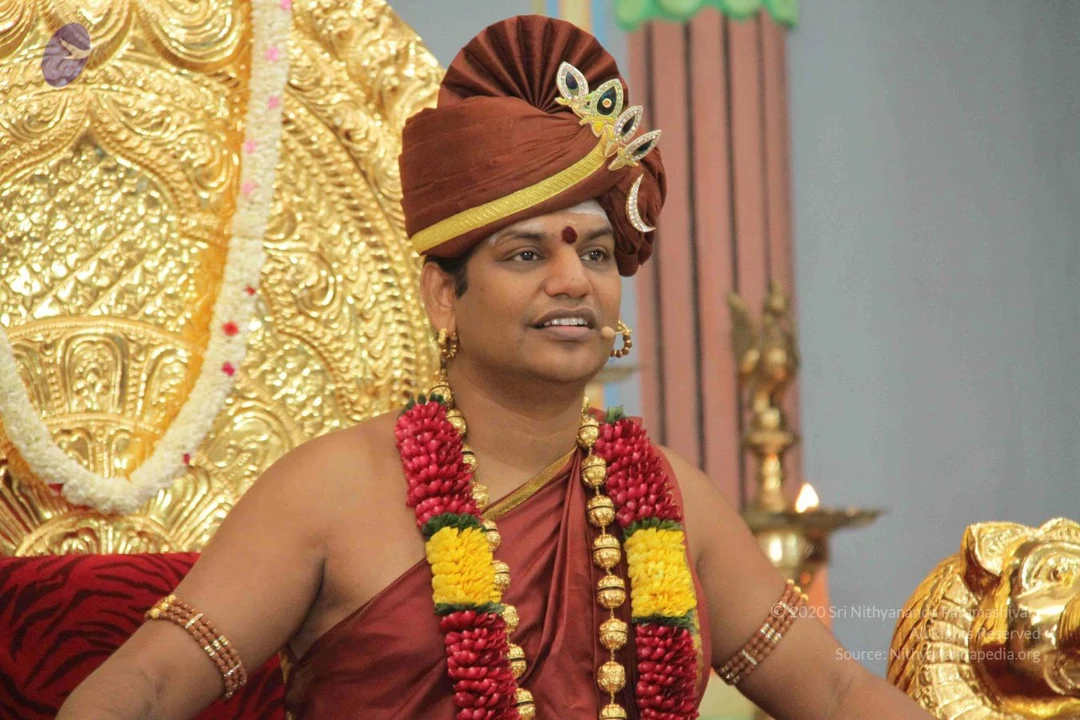
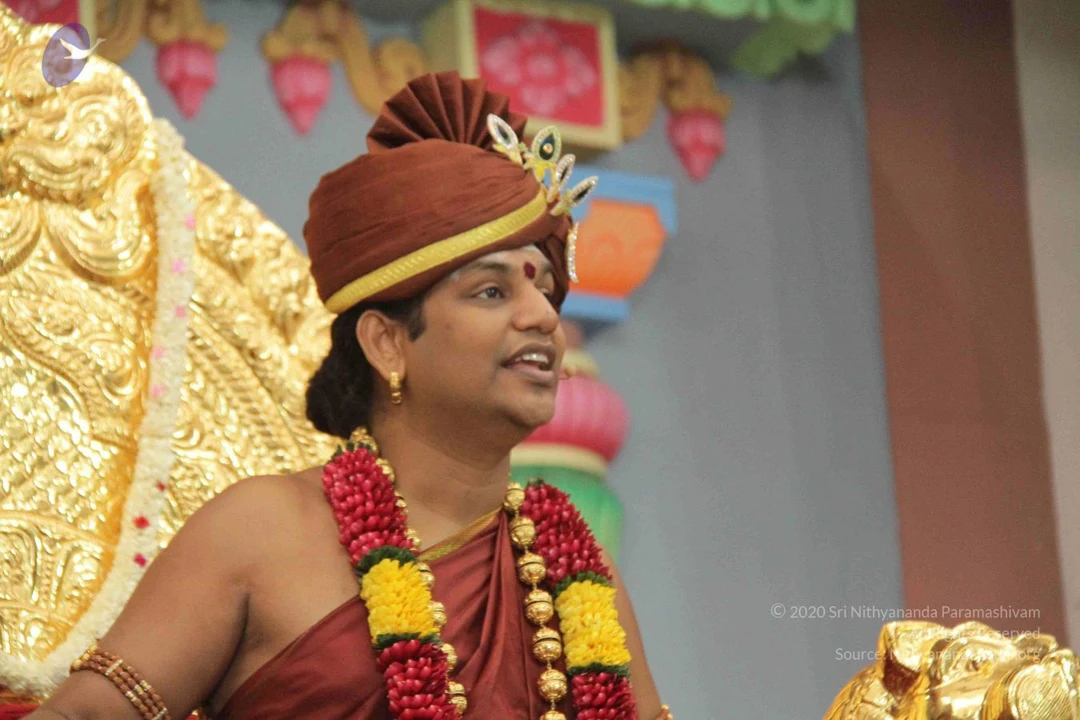
Photos
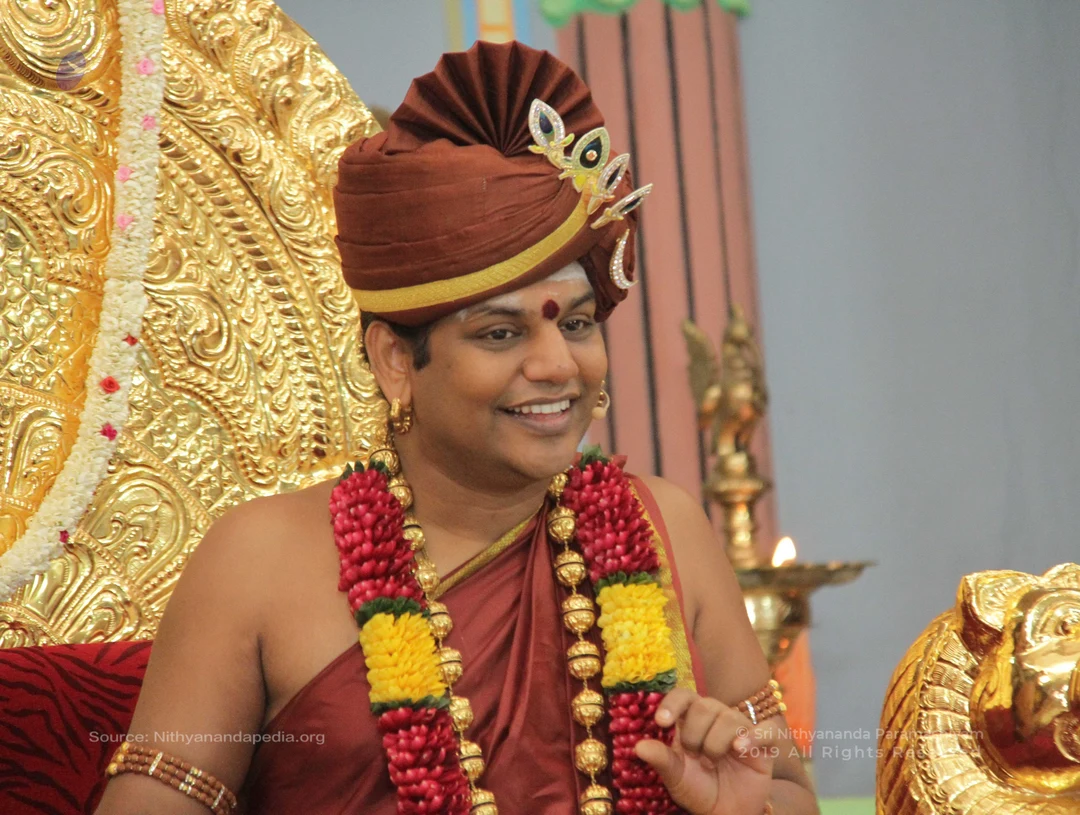
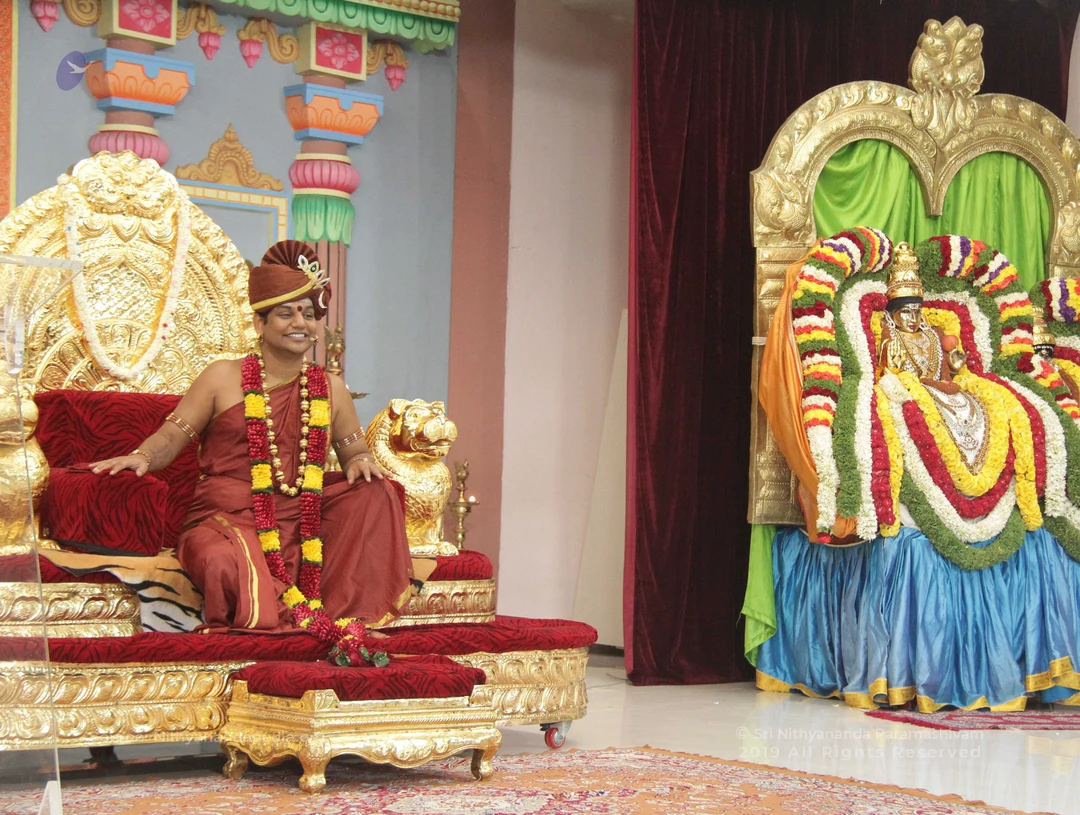
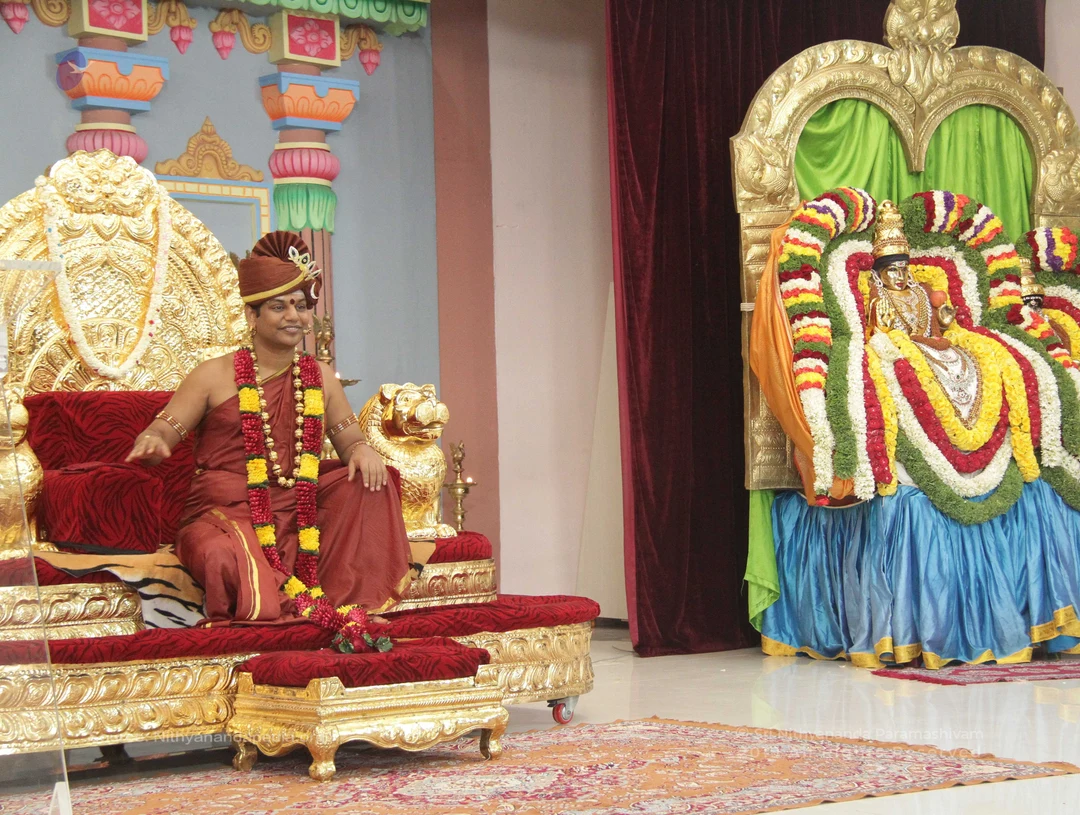
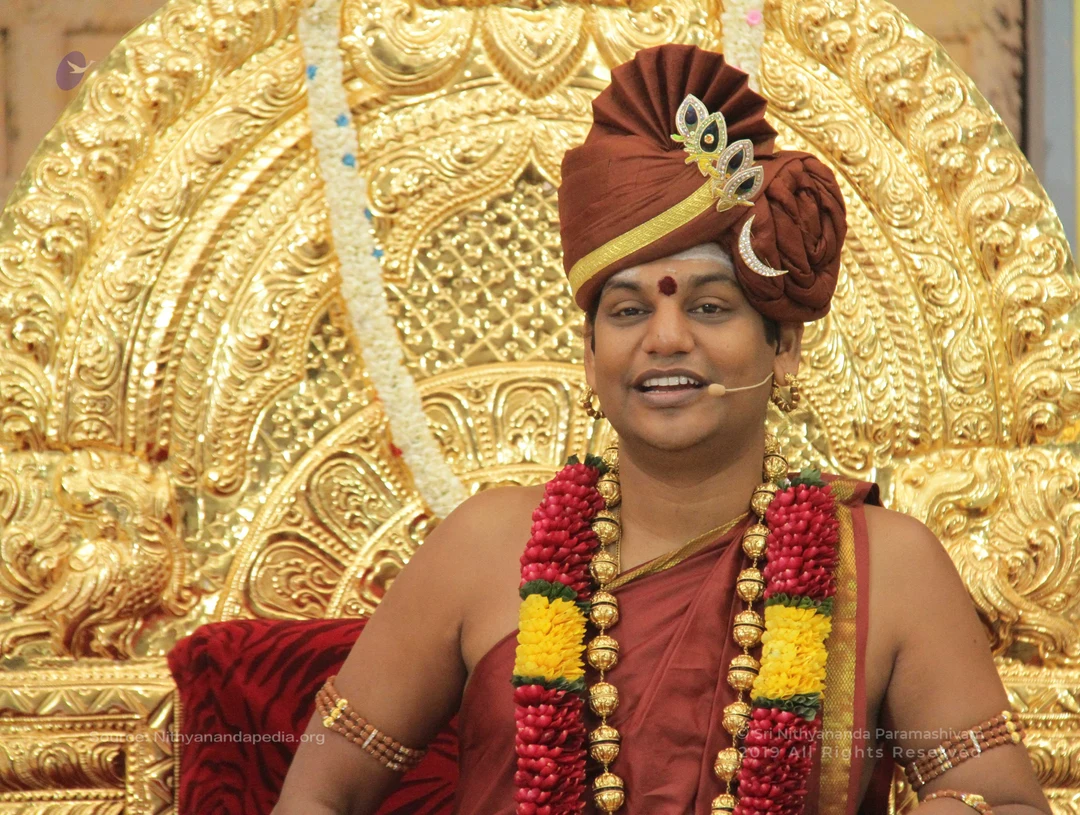
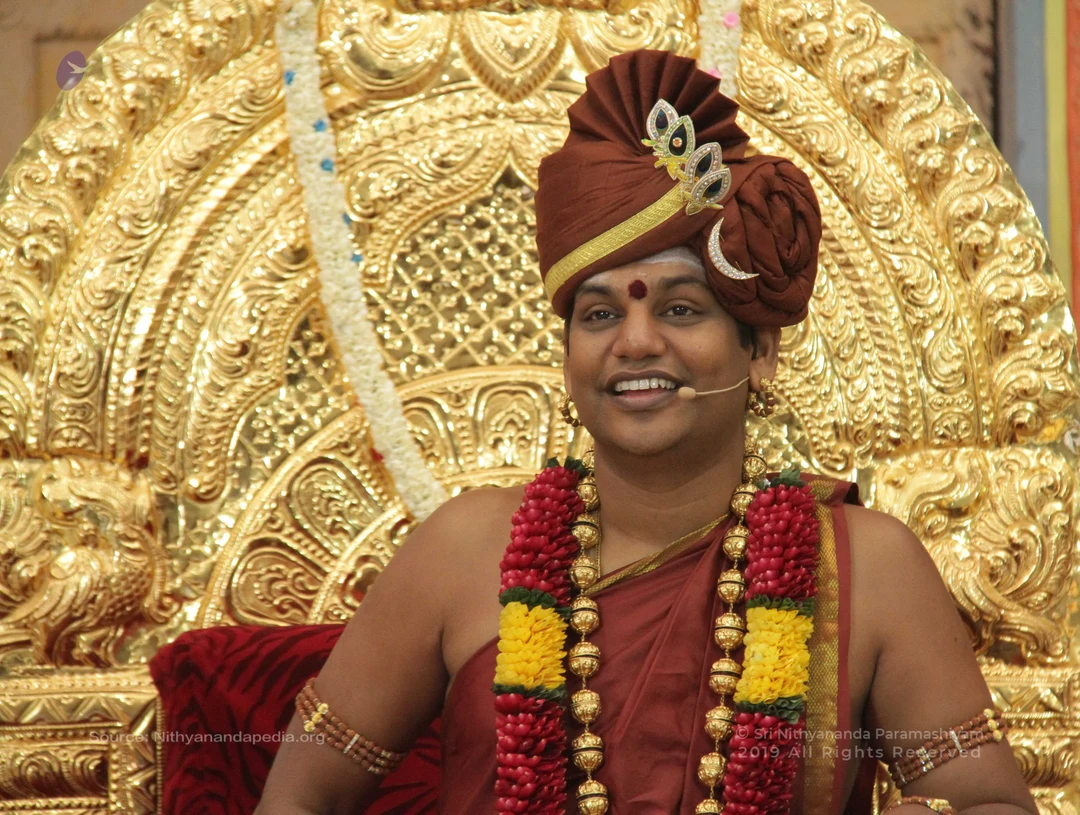
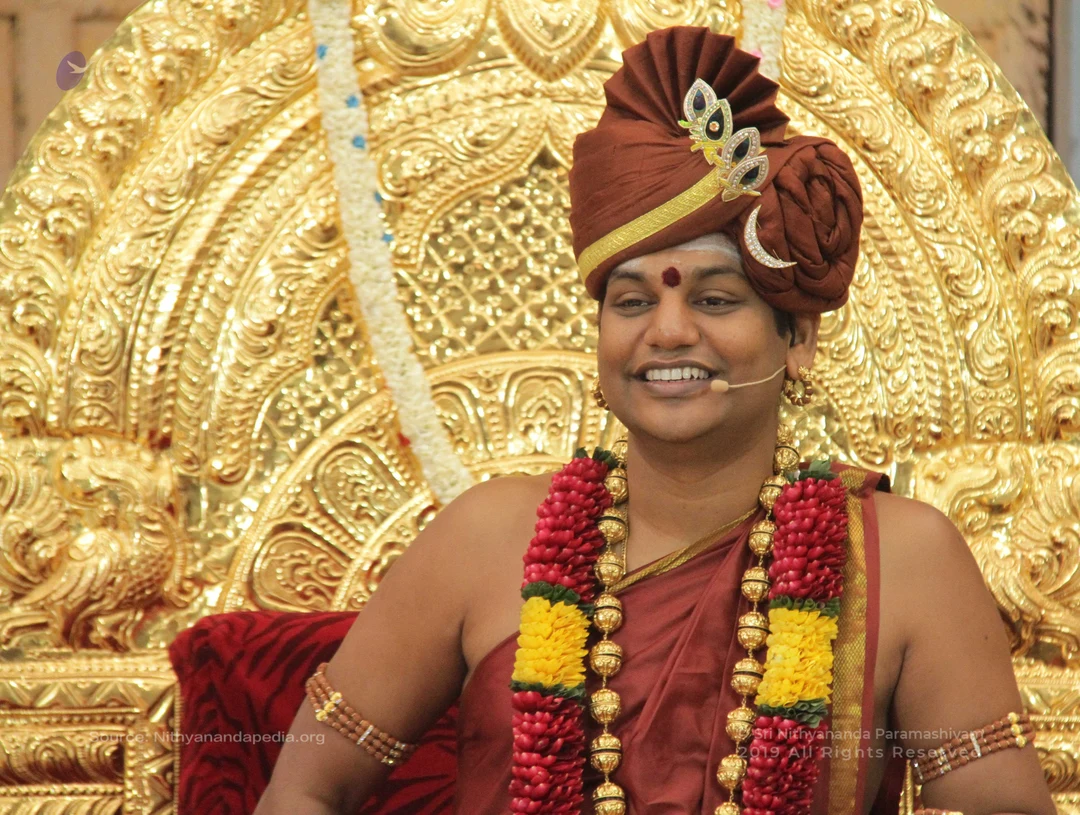
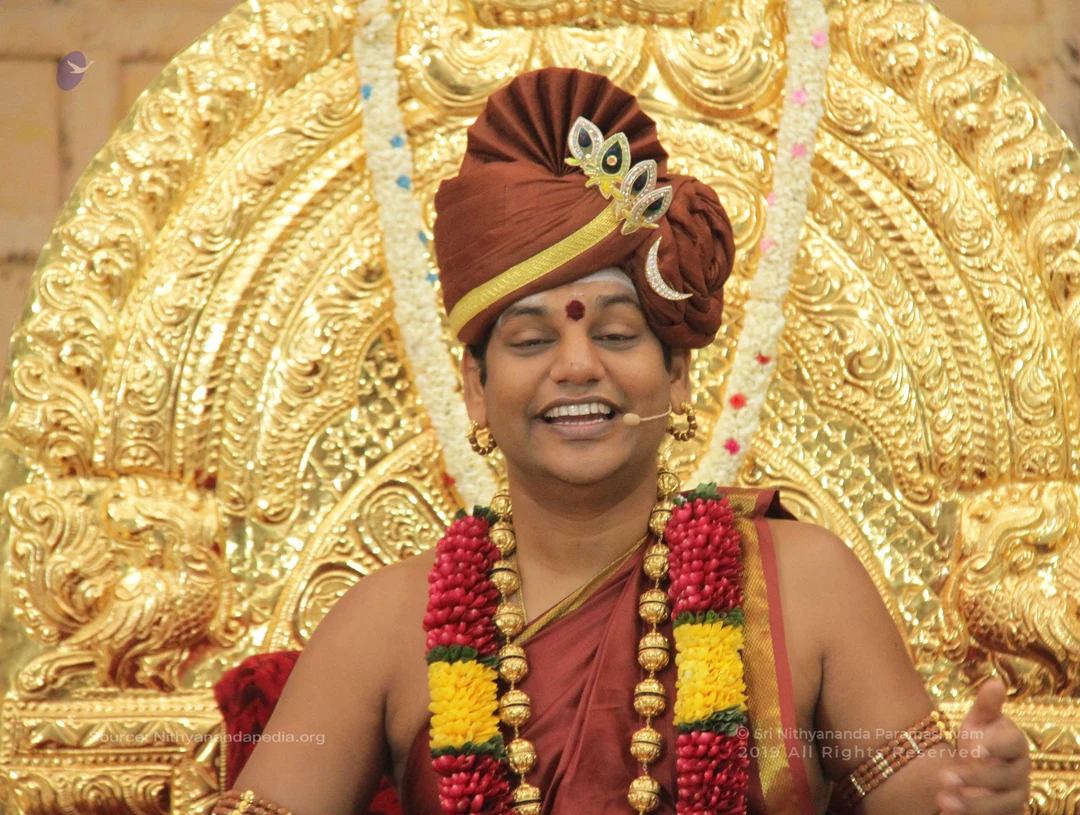
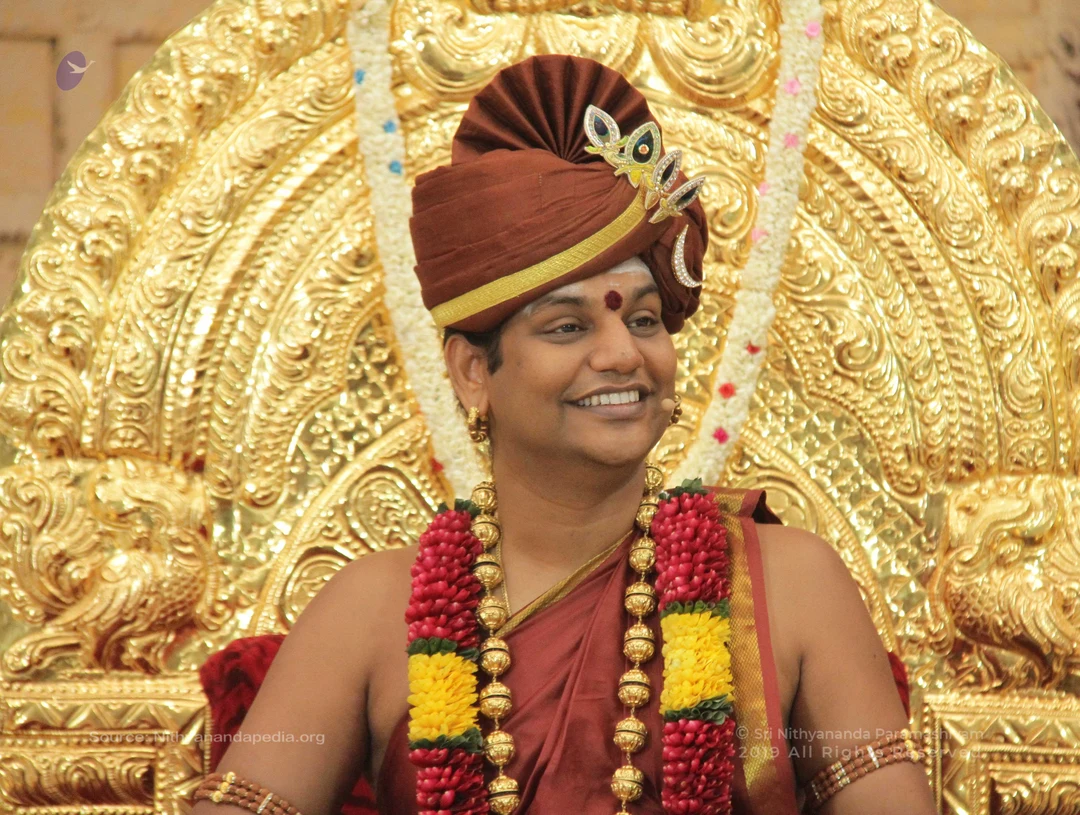
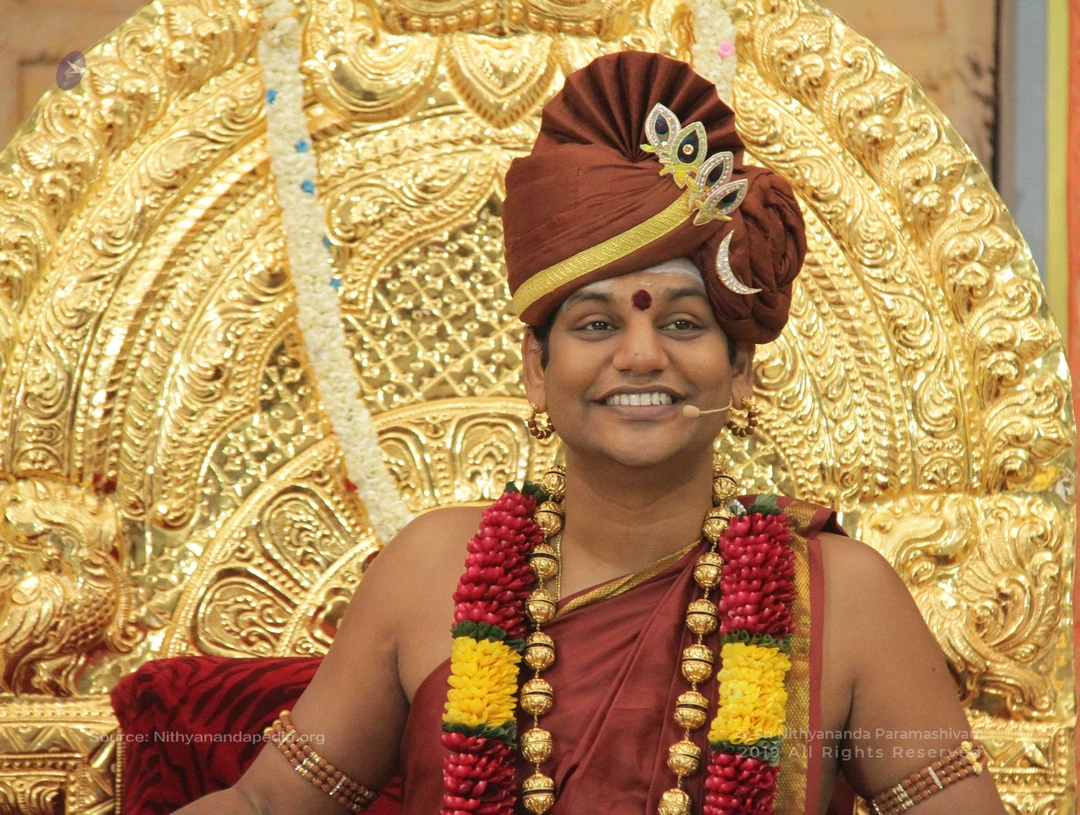
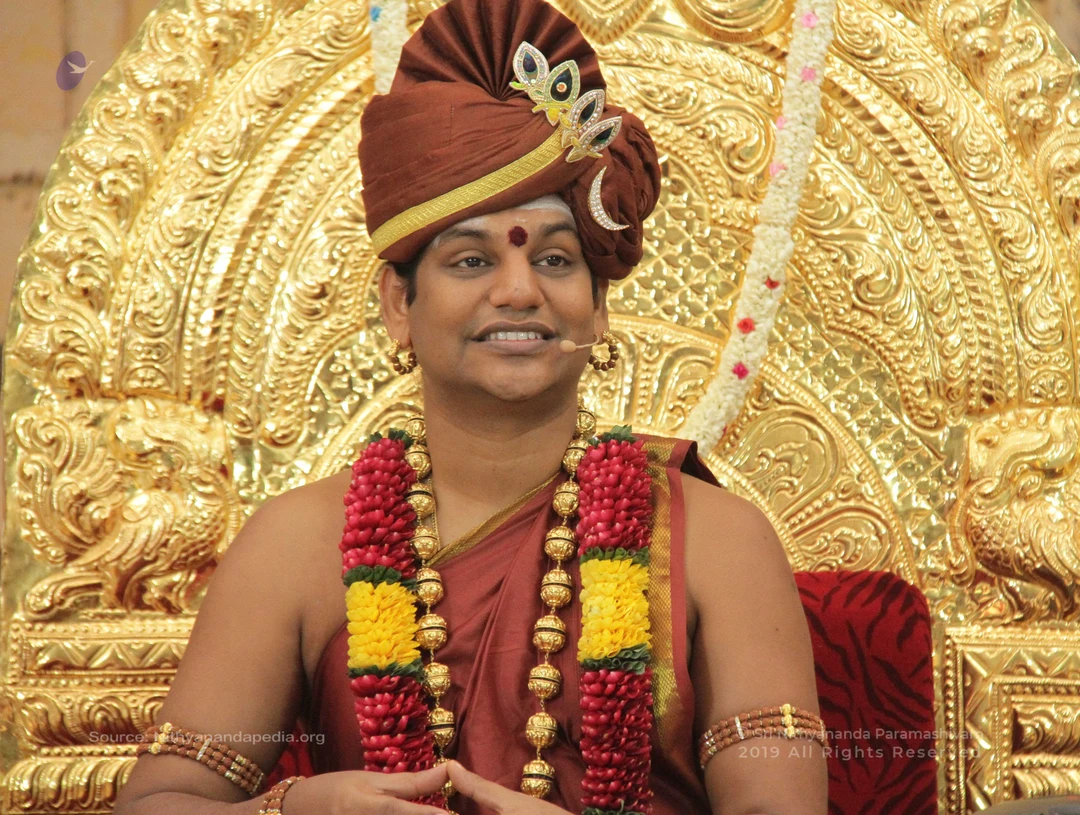
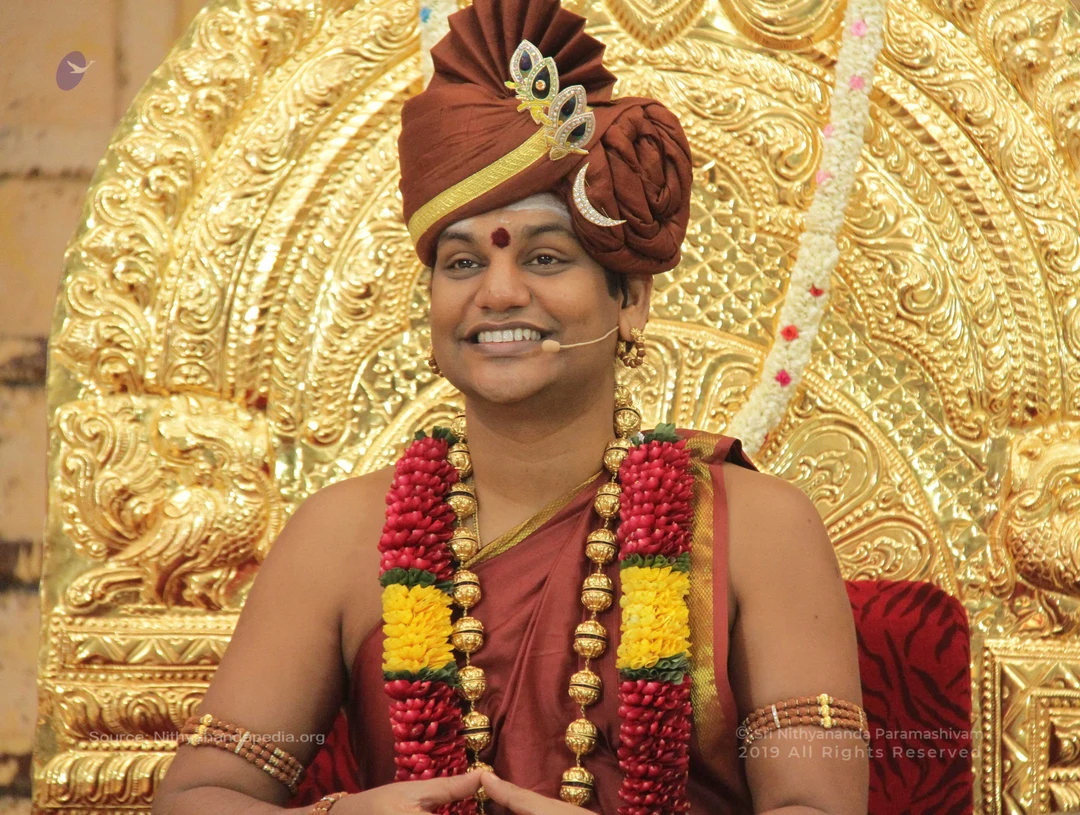
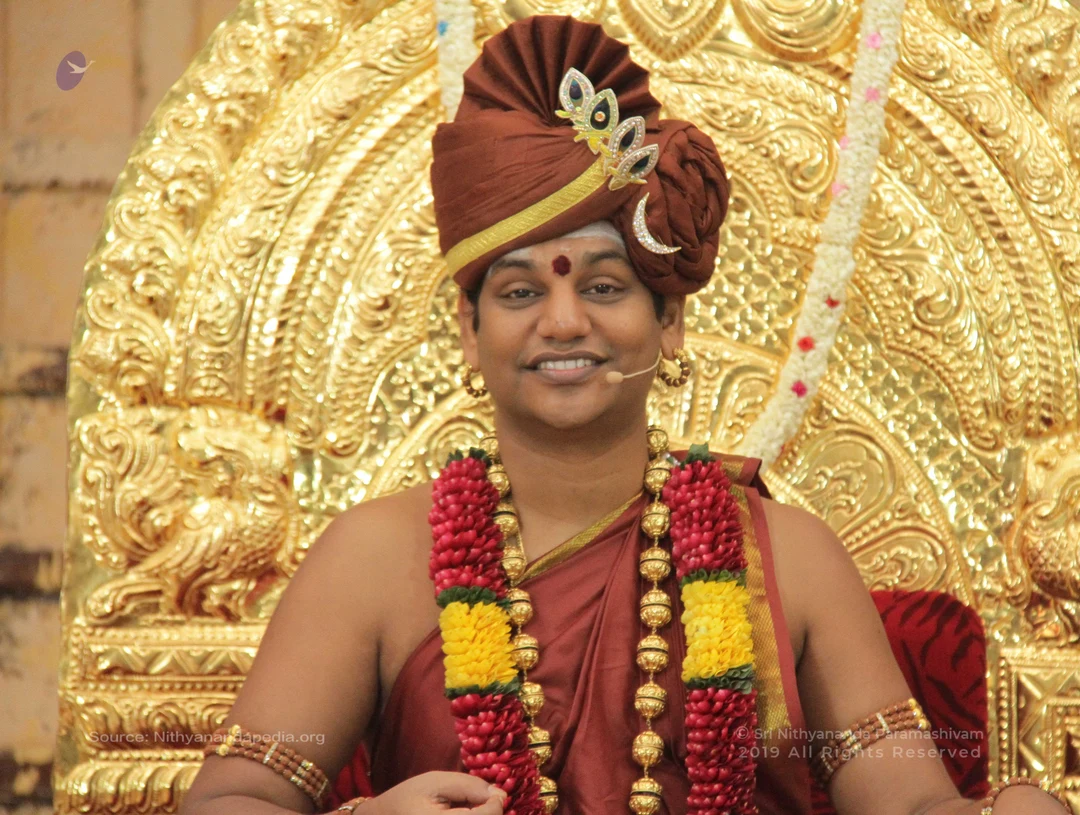
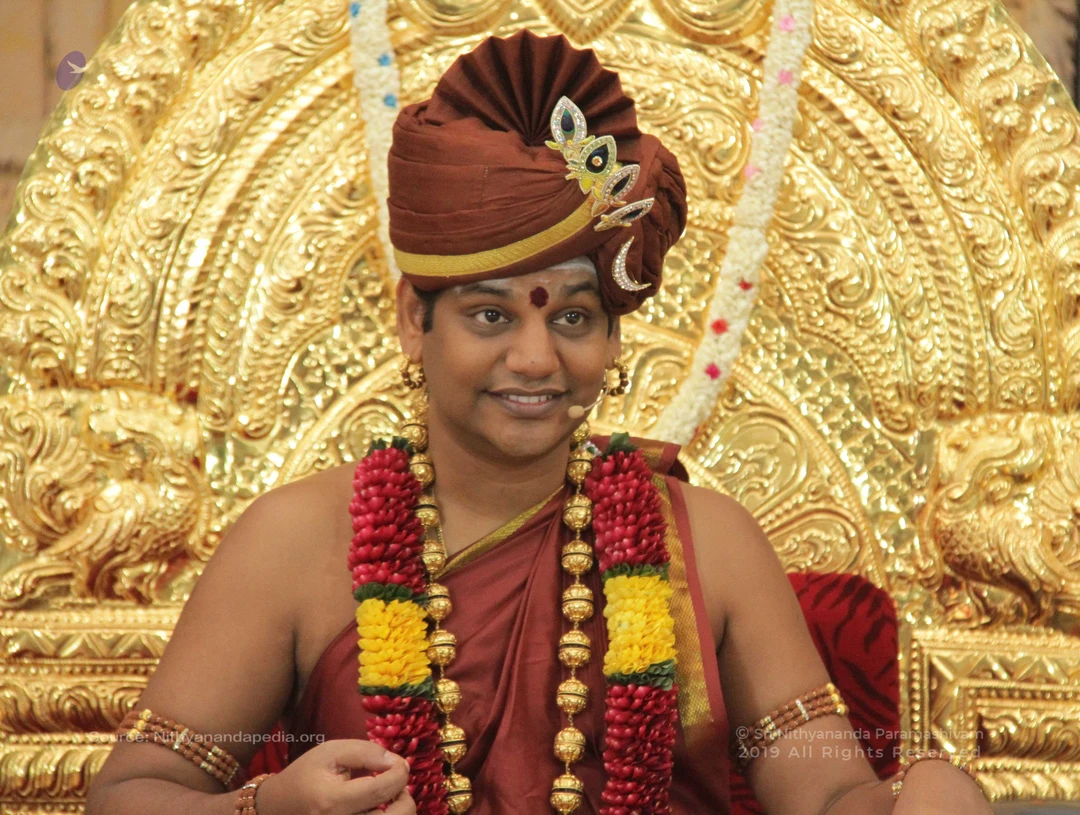
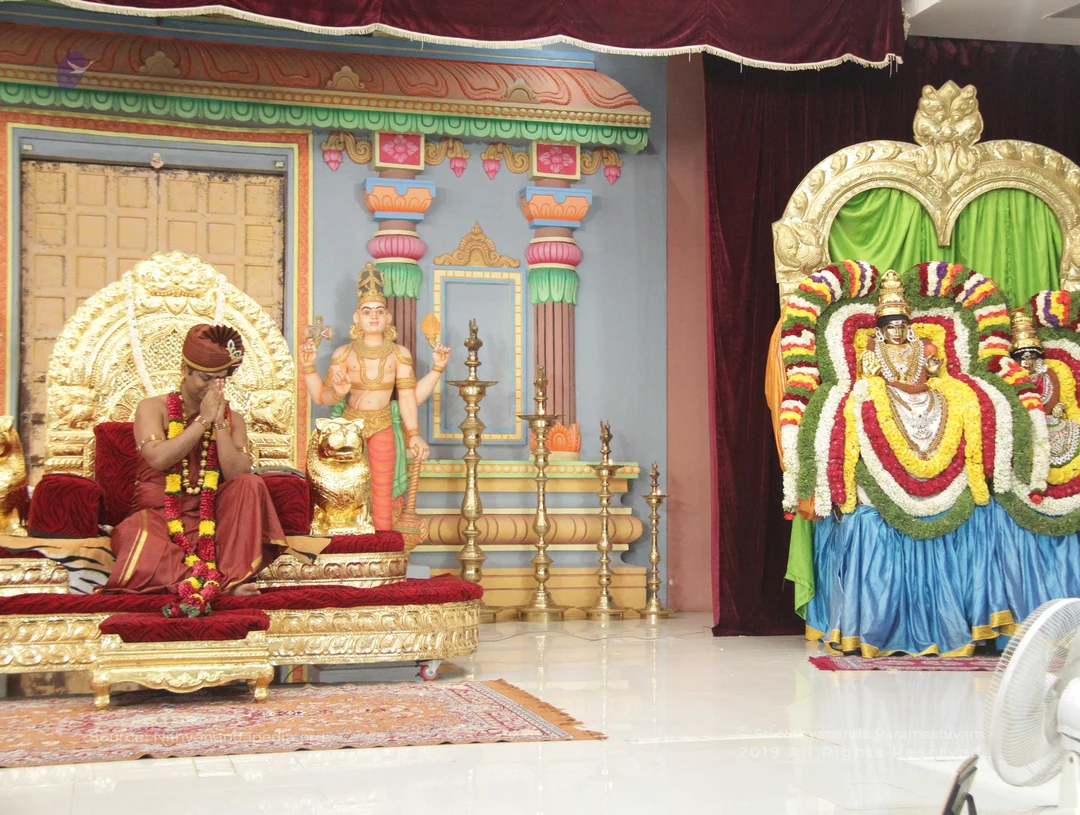
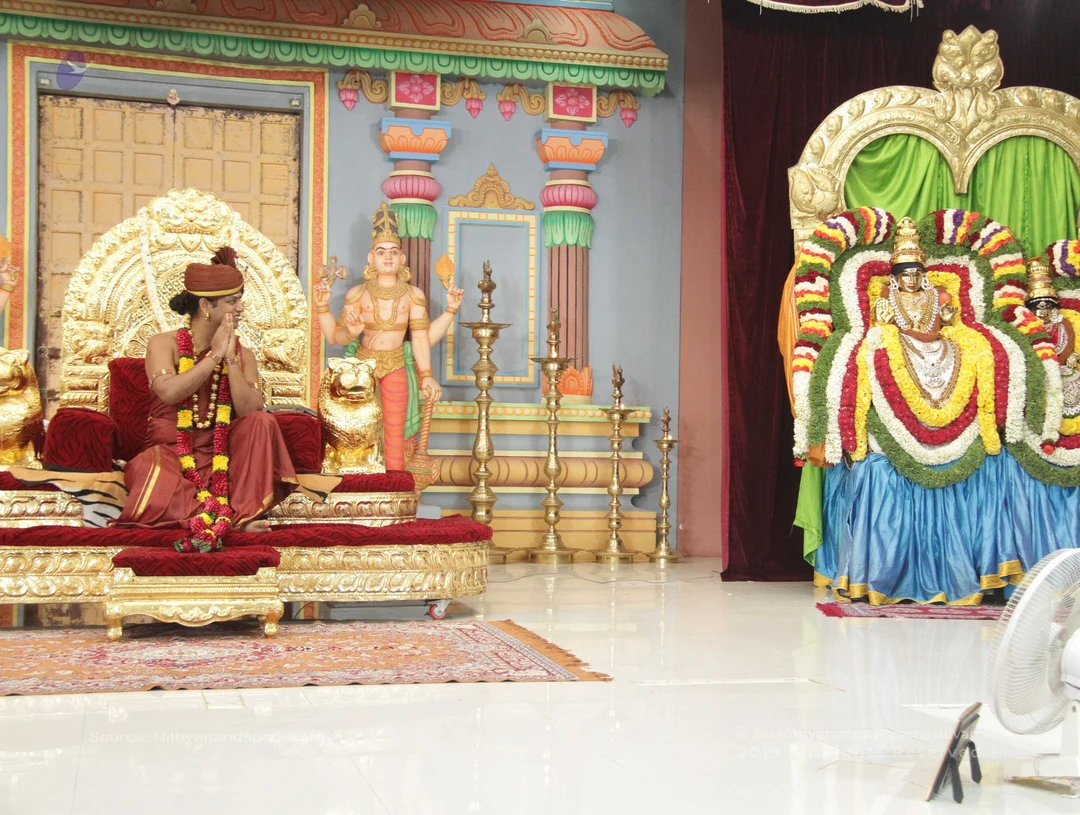
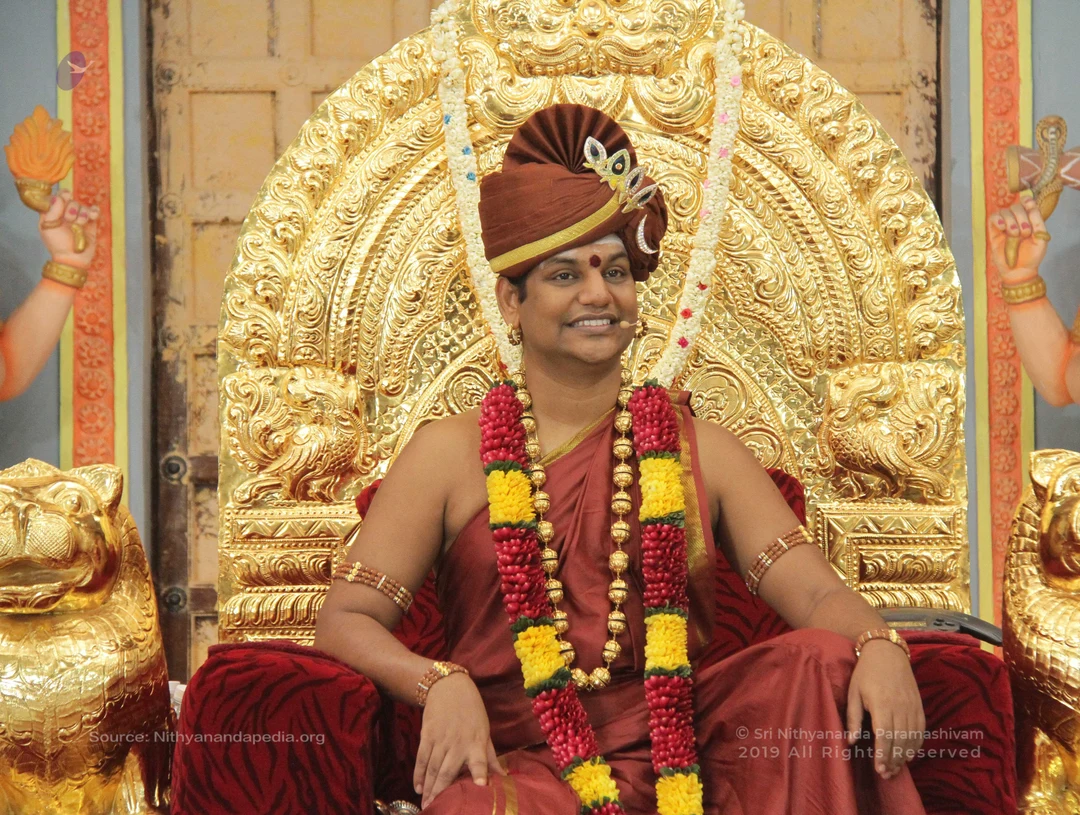
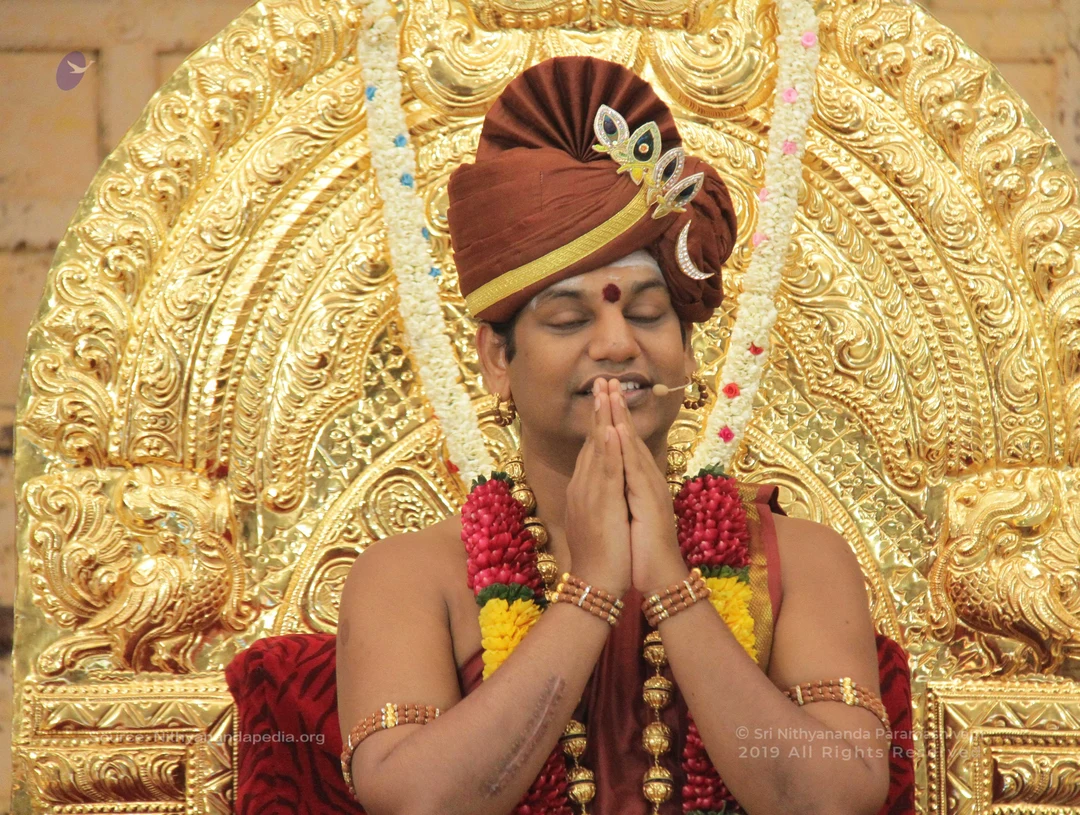
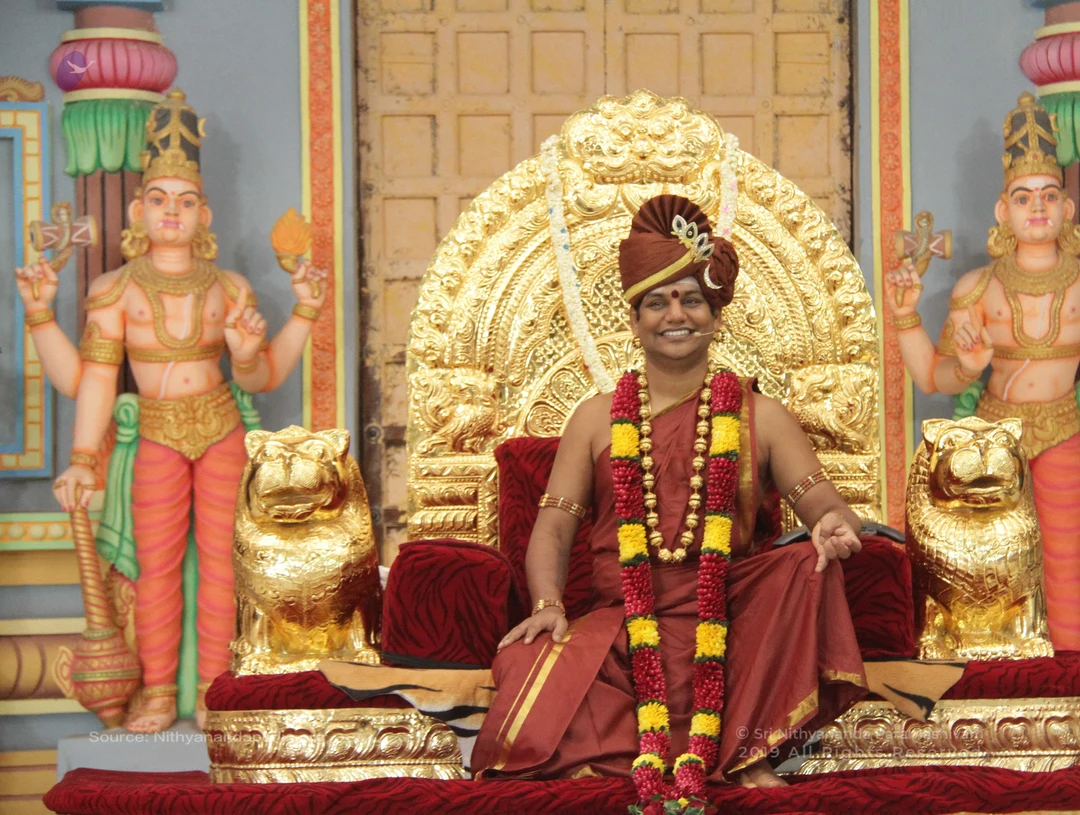
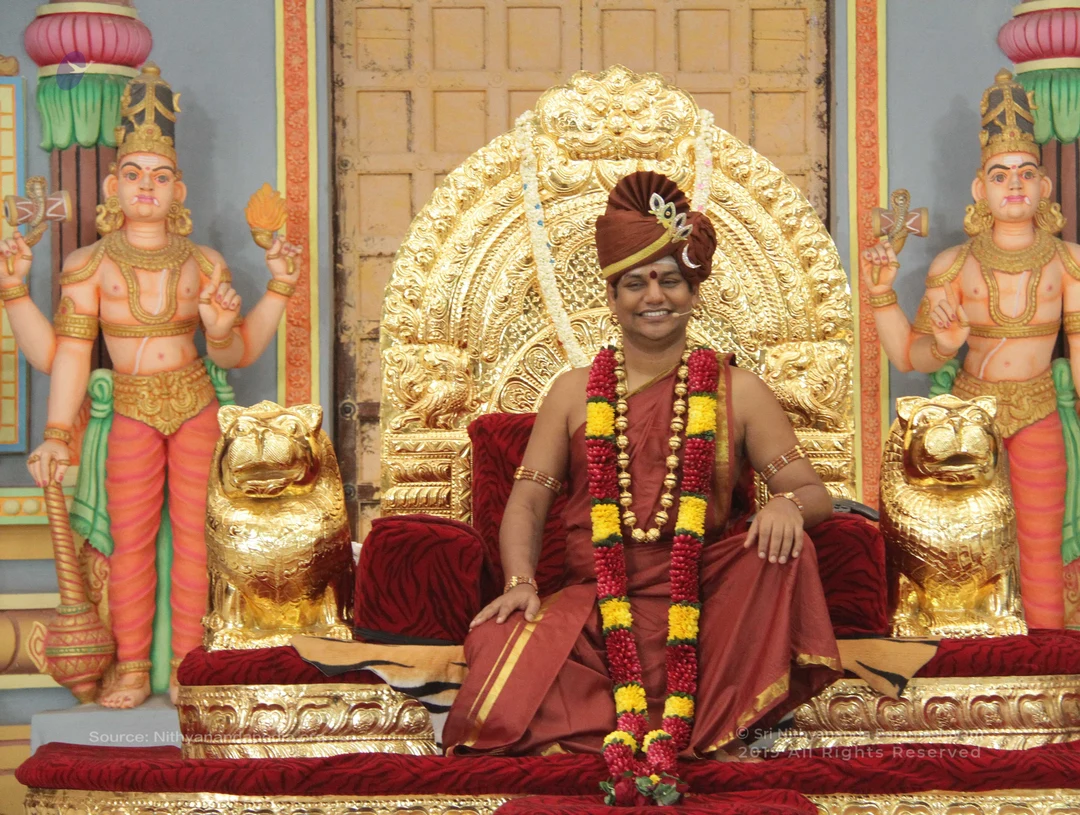
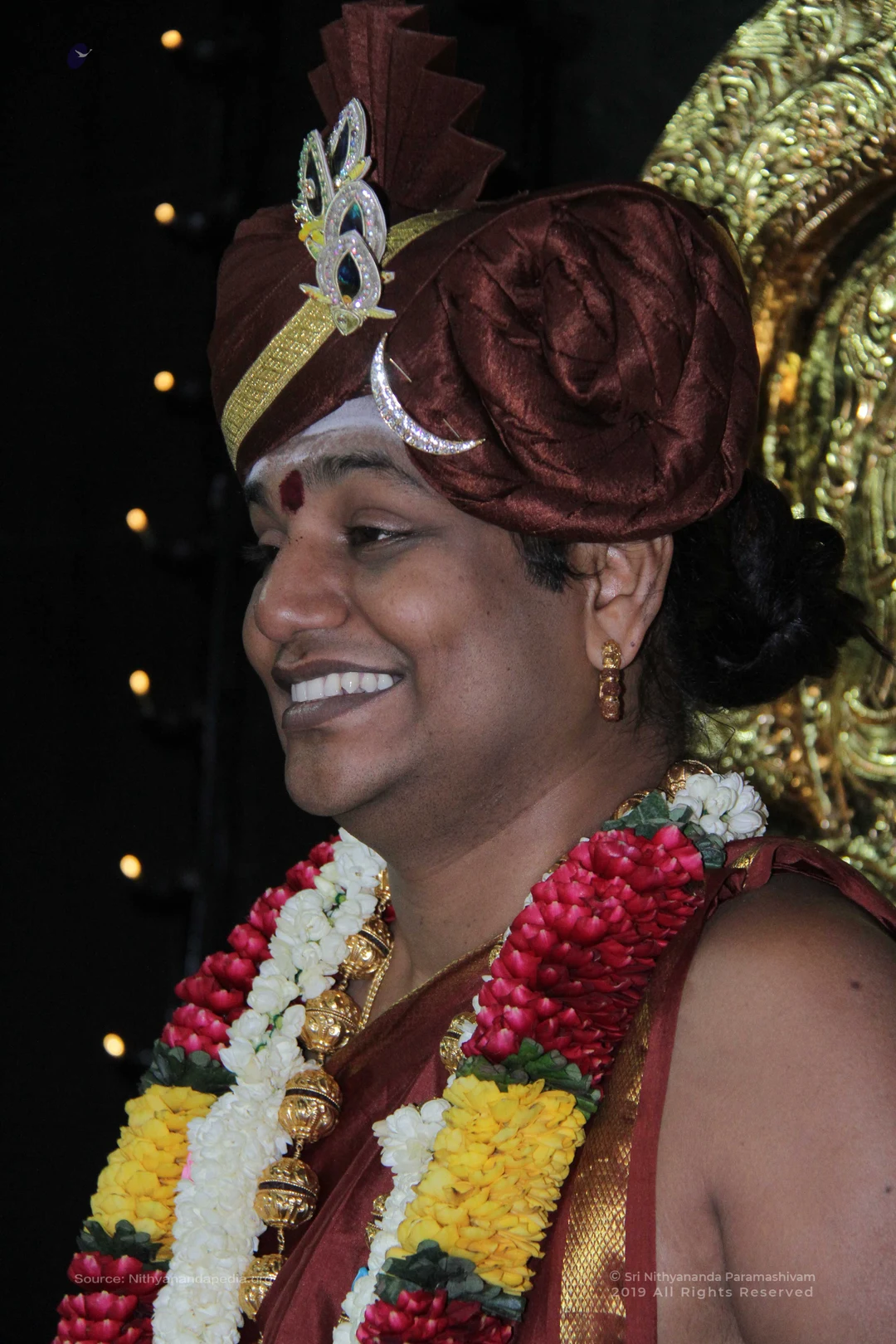
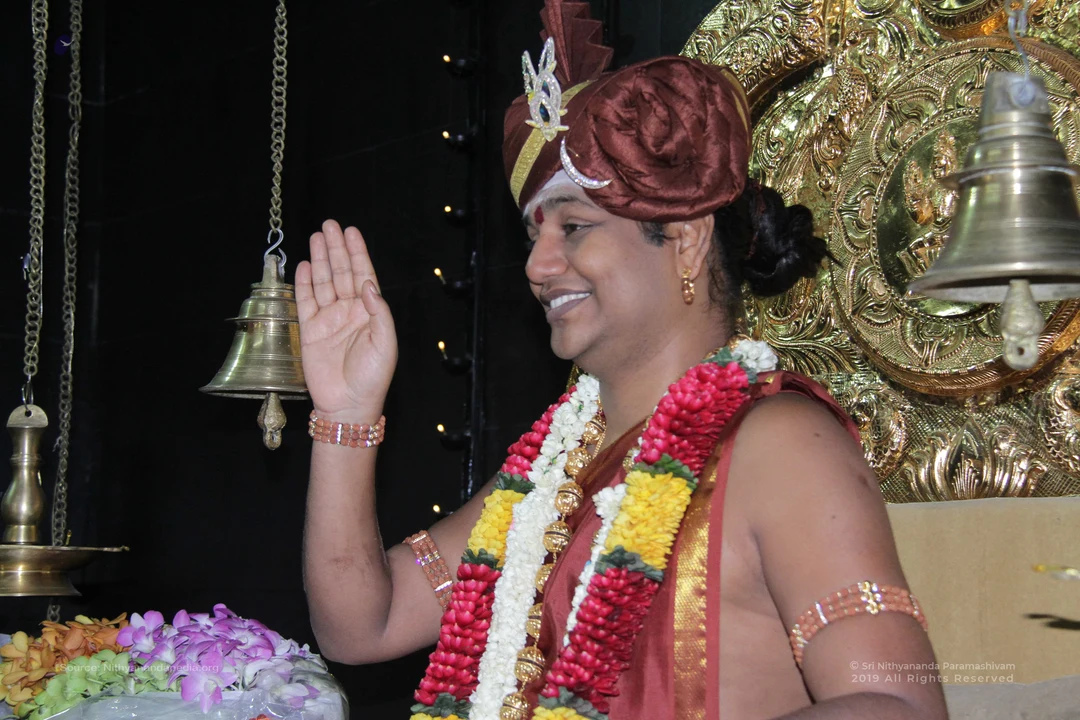
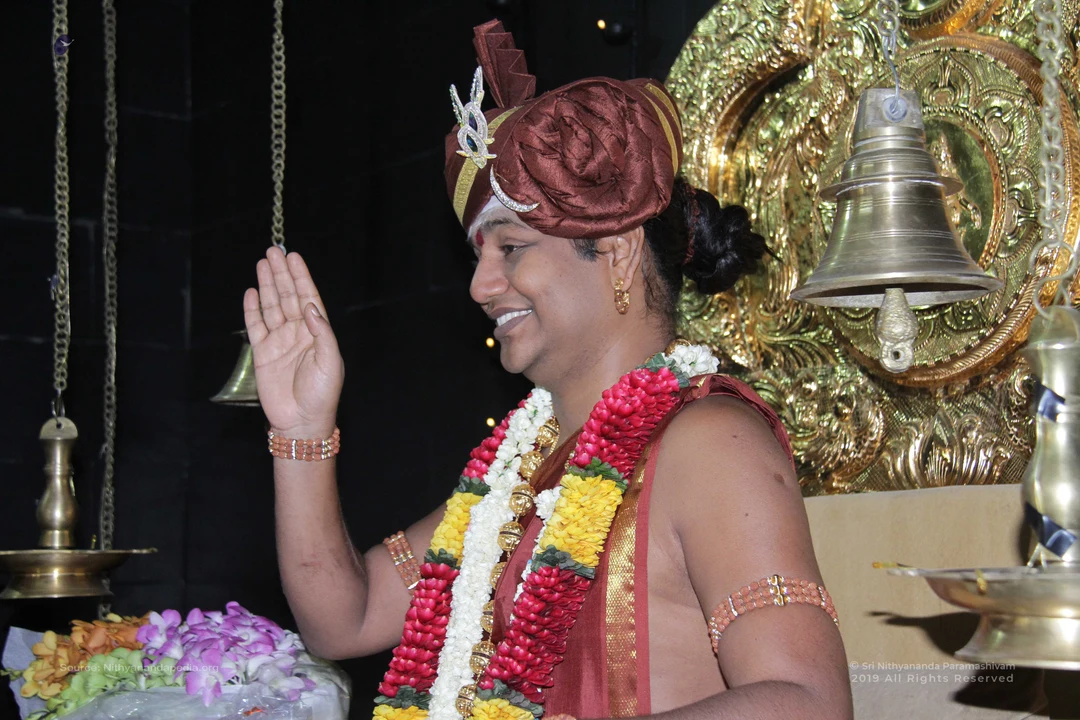
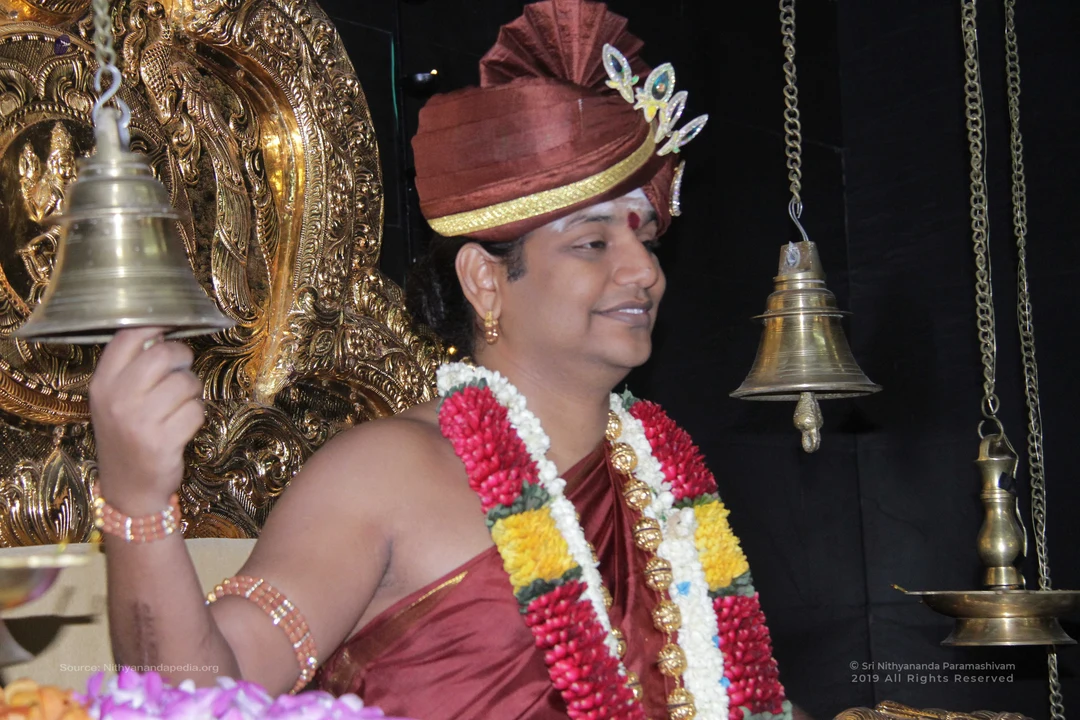
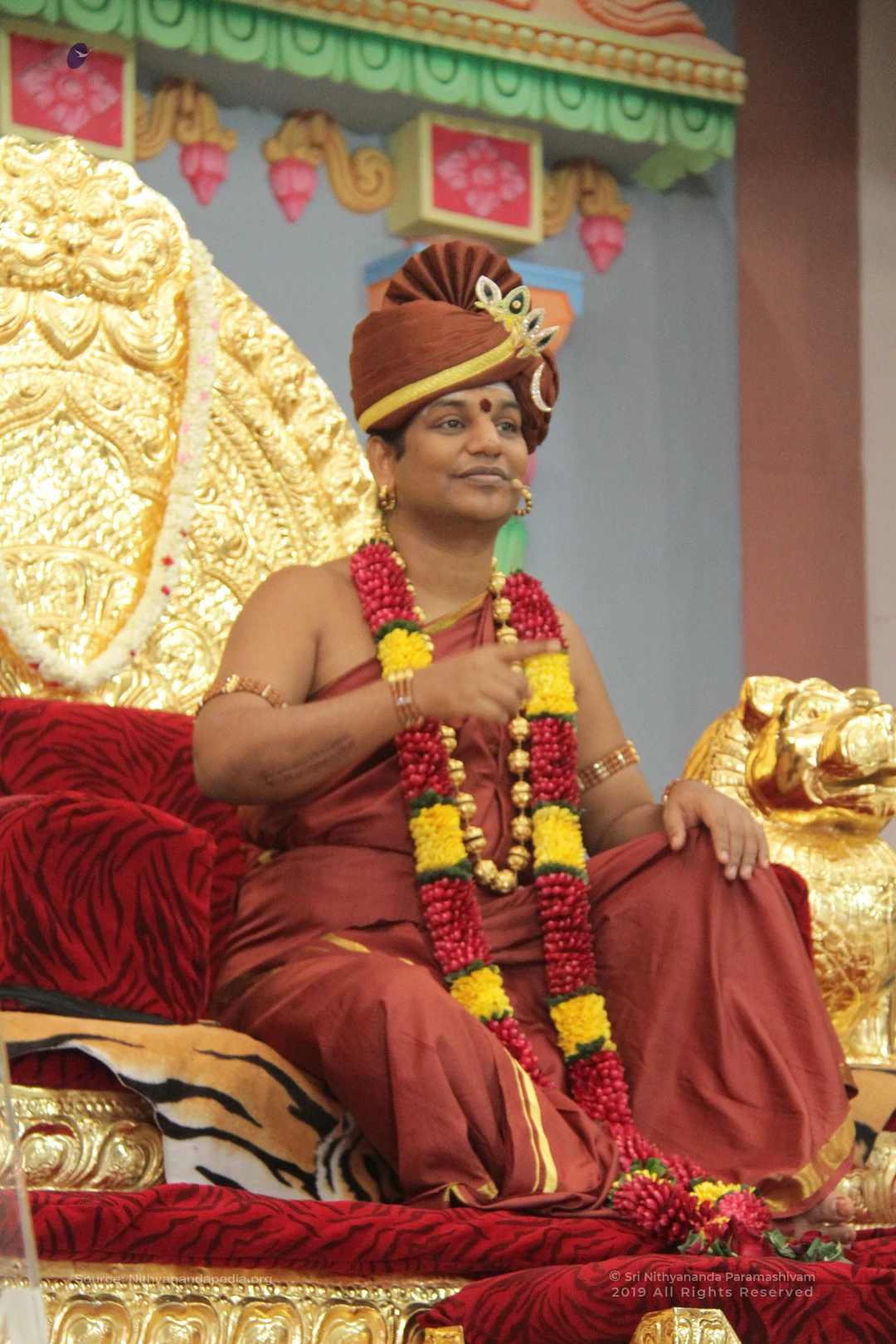
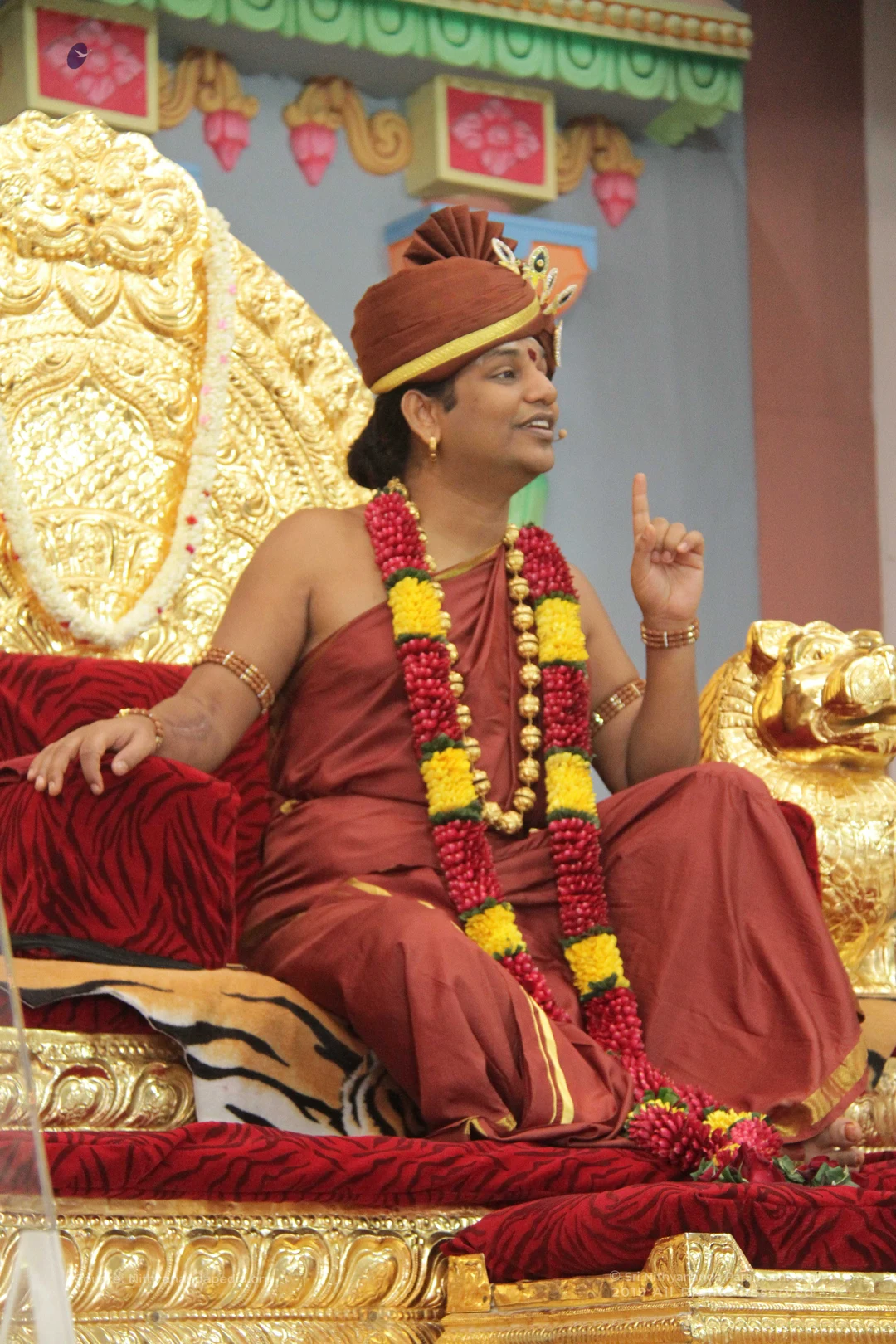
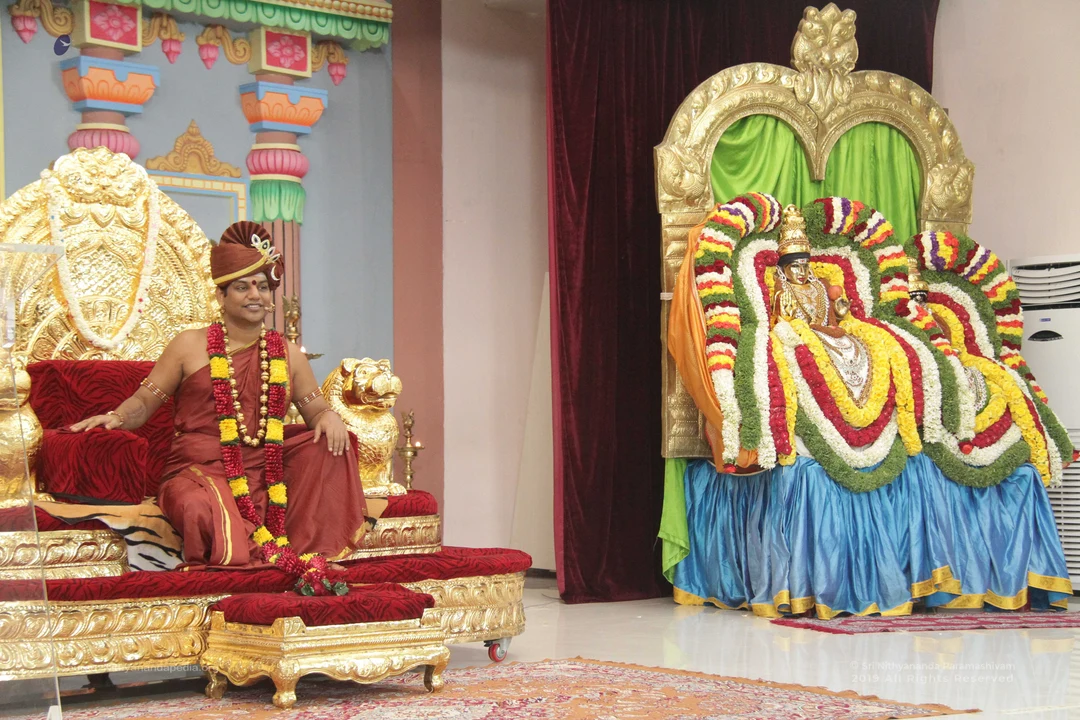
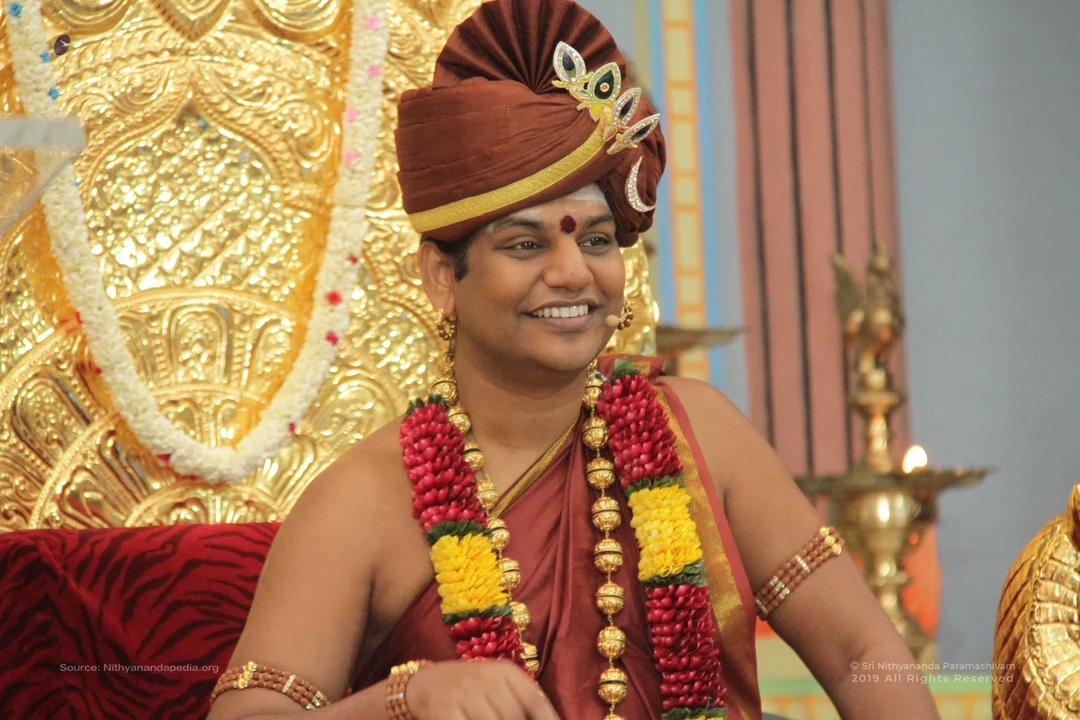
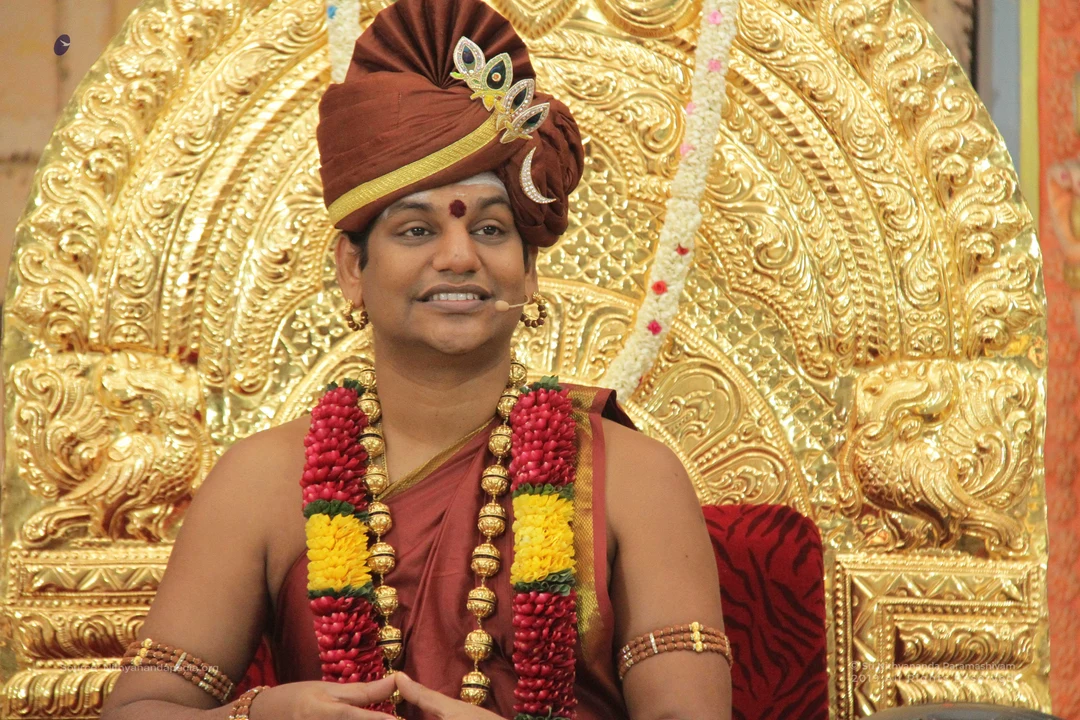
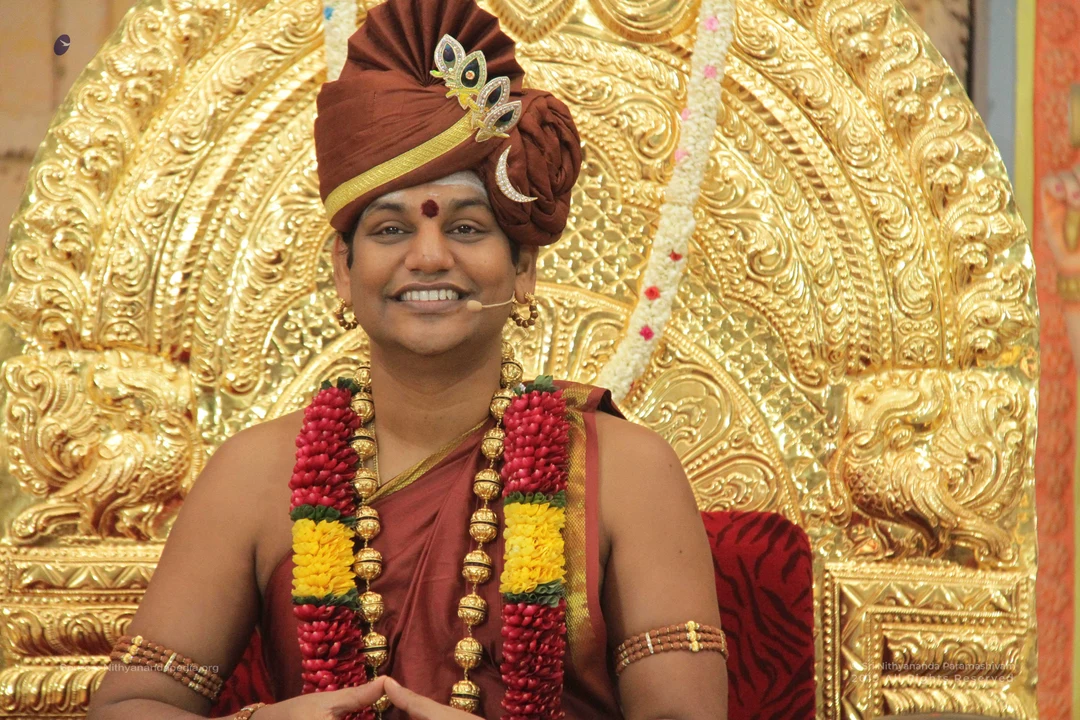
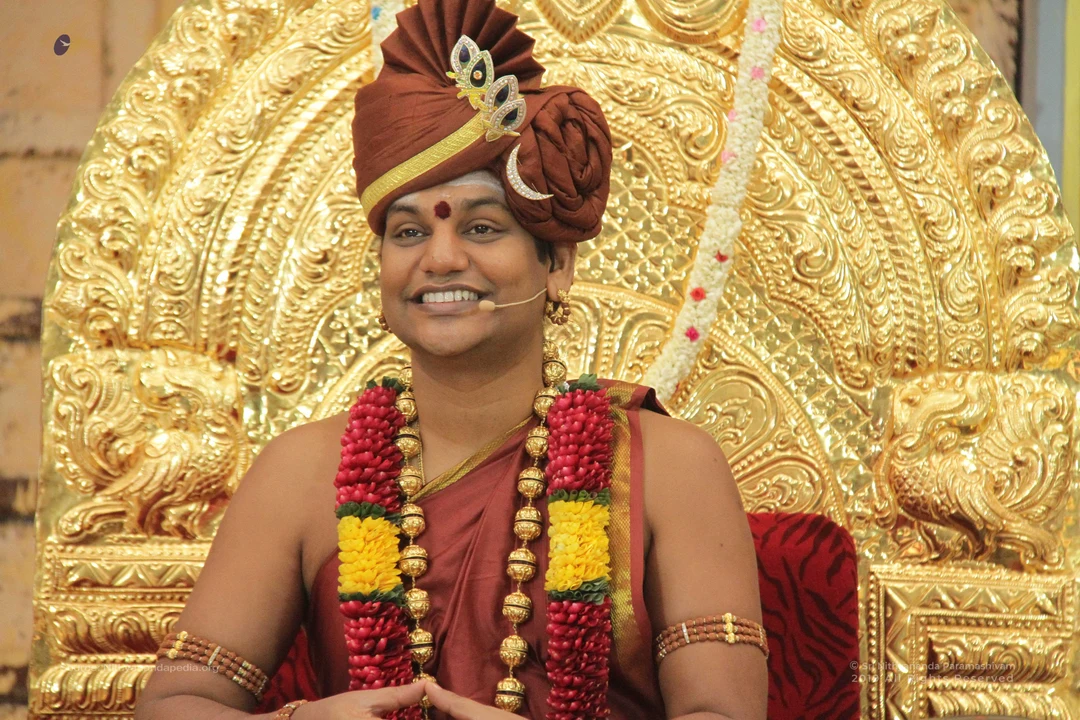
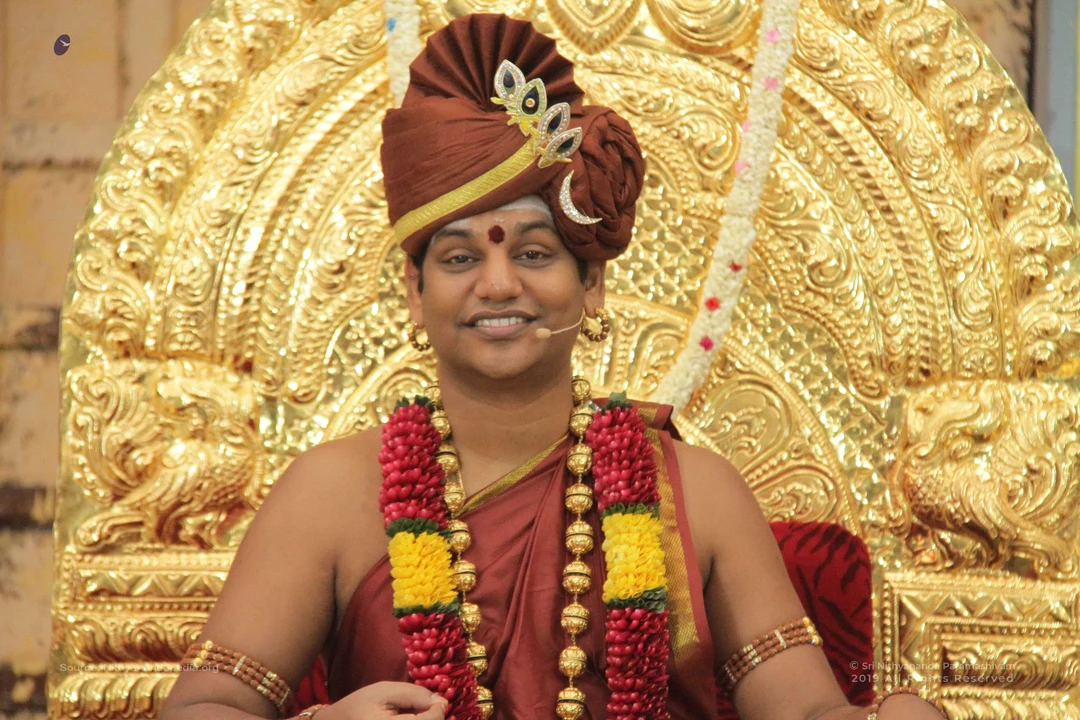
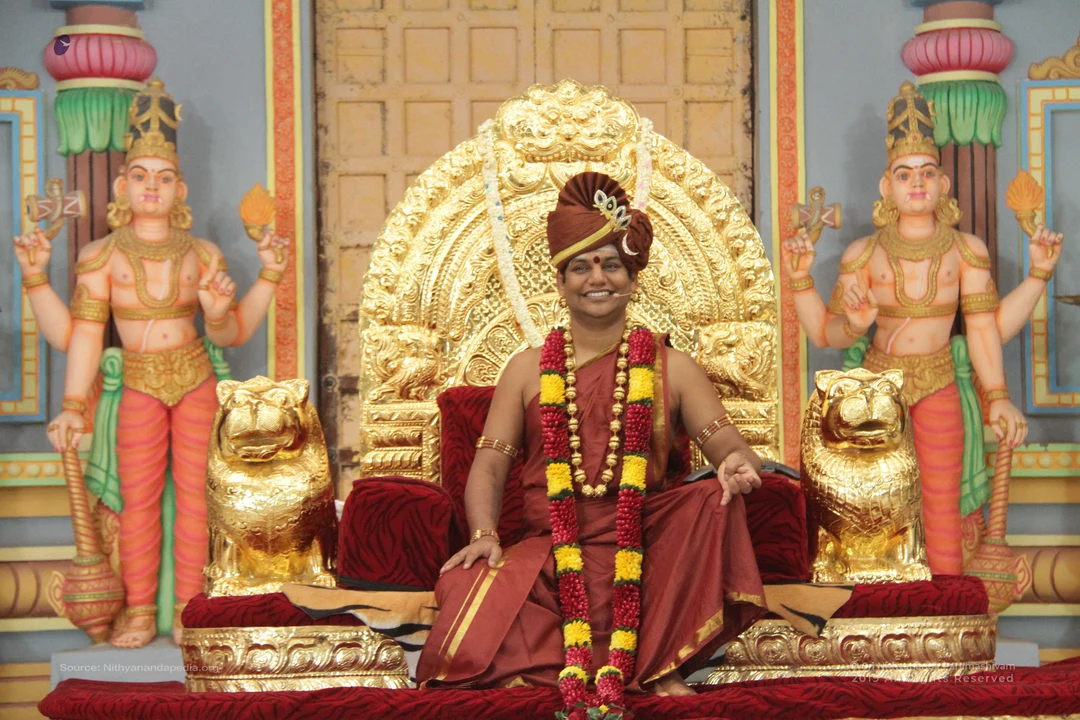
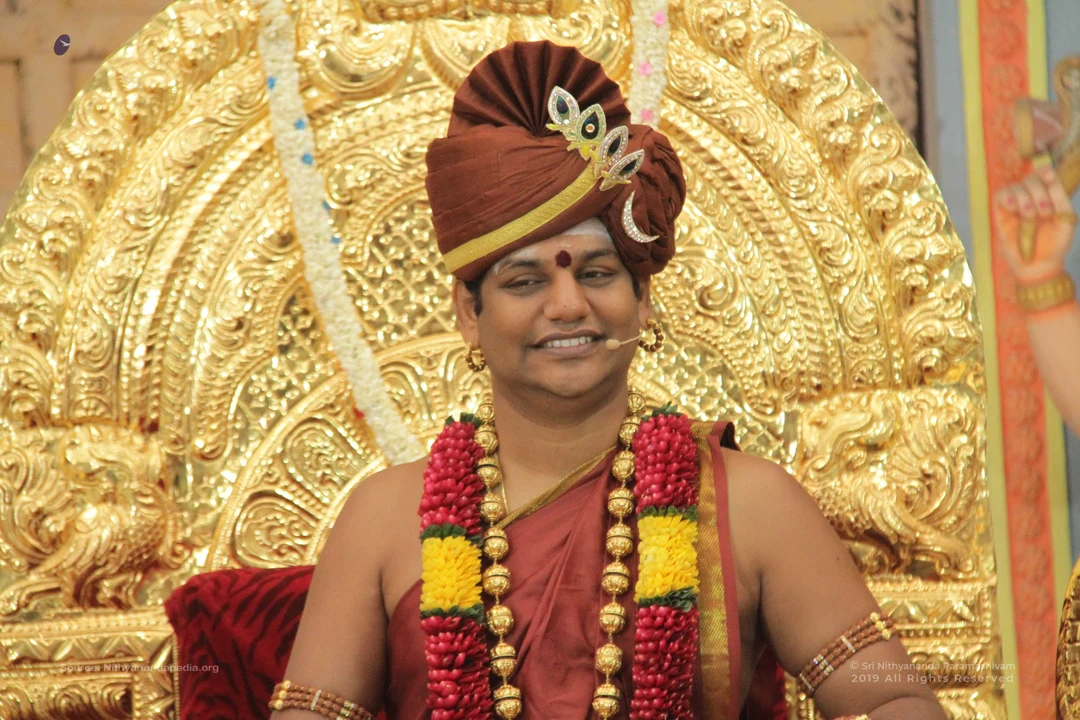
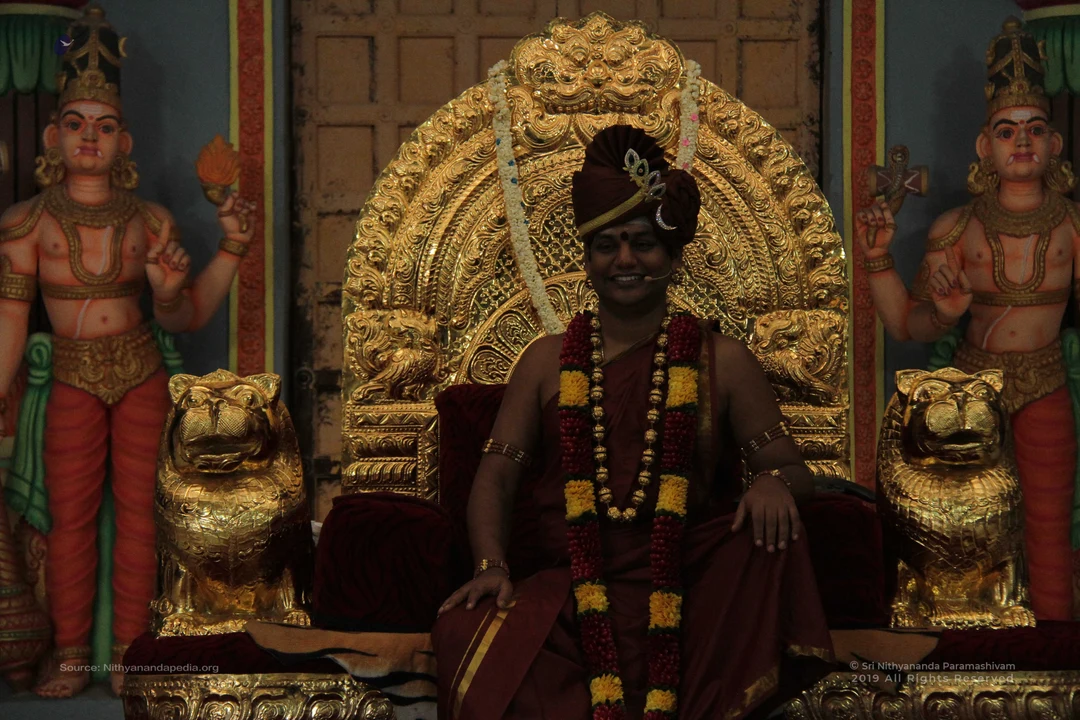
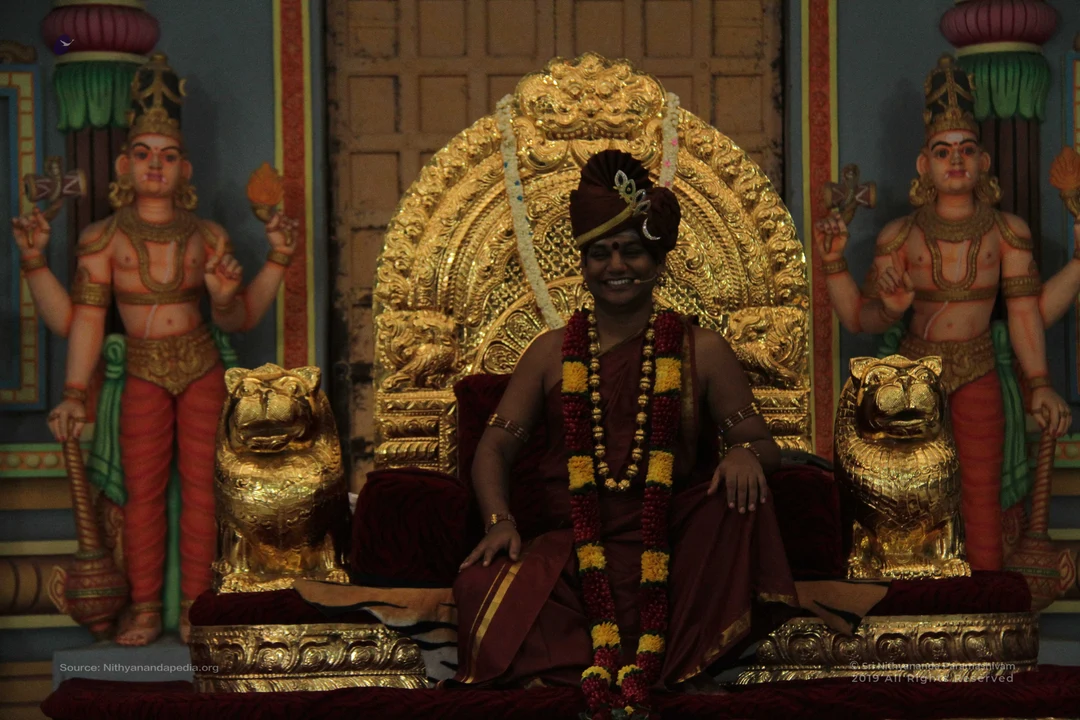
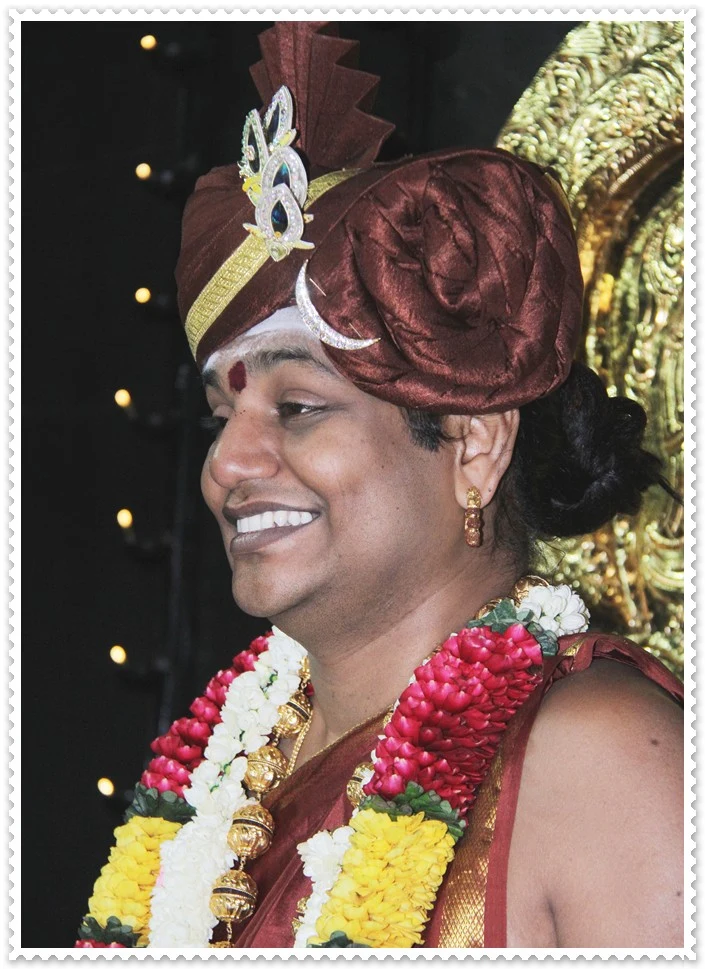
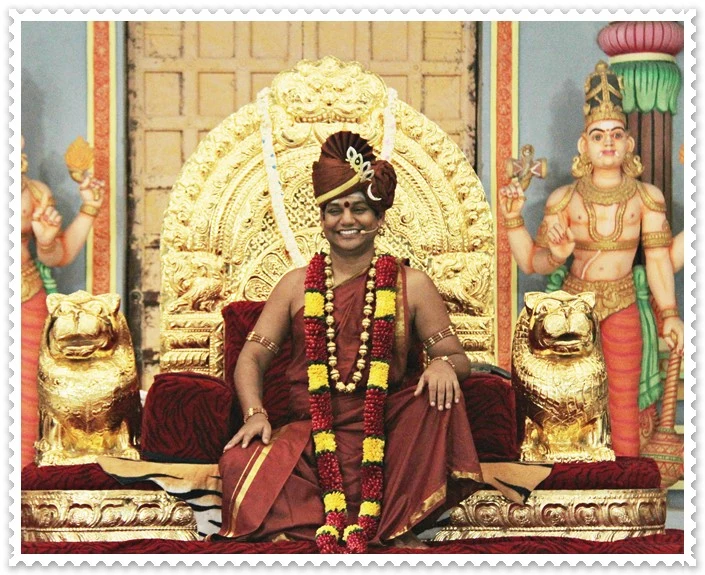
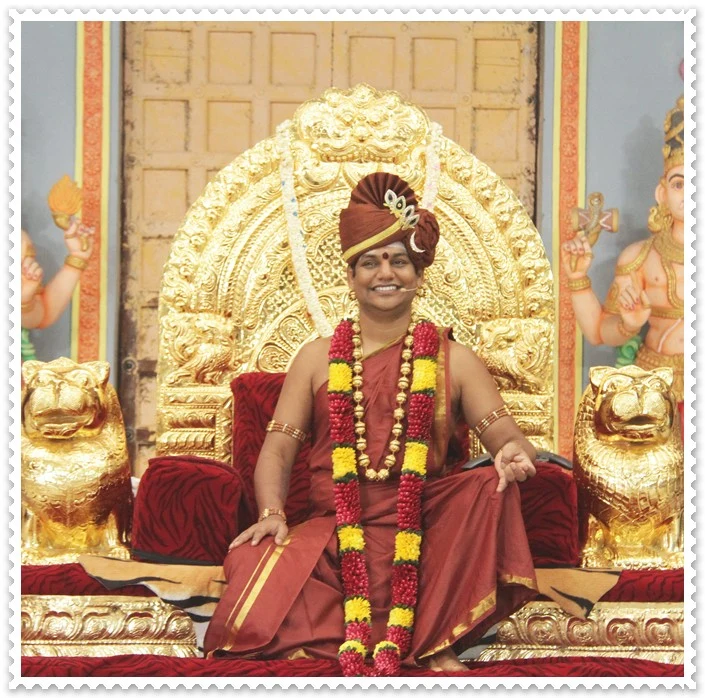
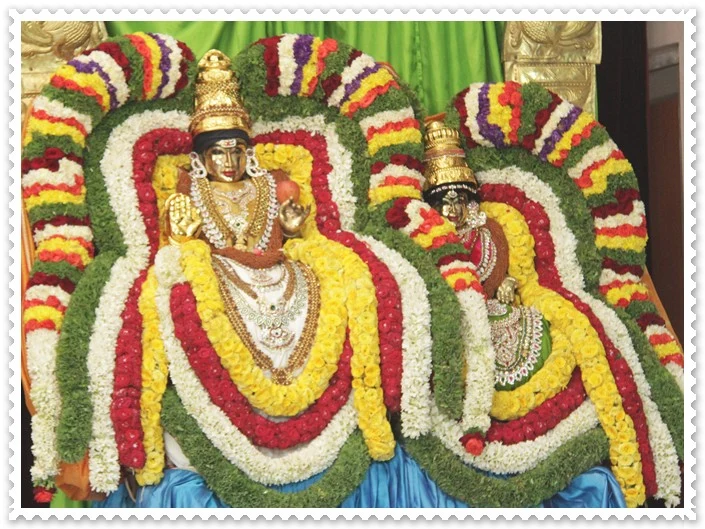
Tags:
Paramahamsa Nithyananda, cognition, creation, grace, spirituality, science, completion
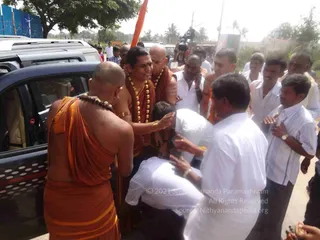
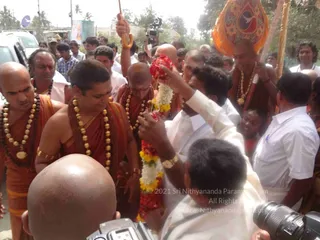
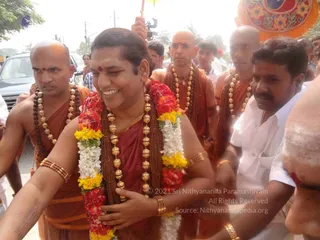
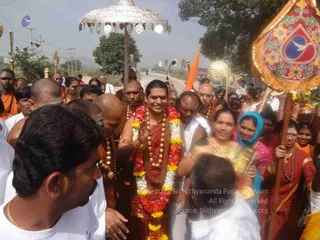
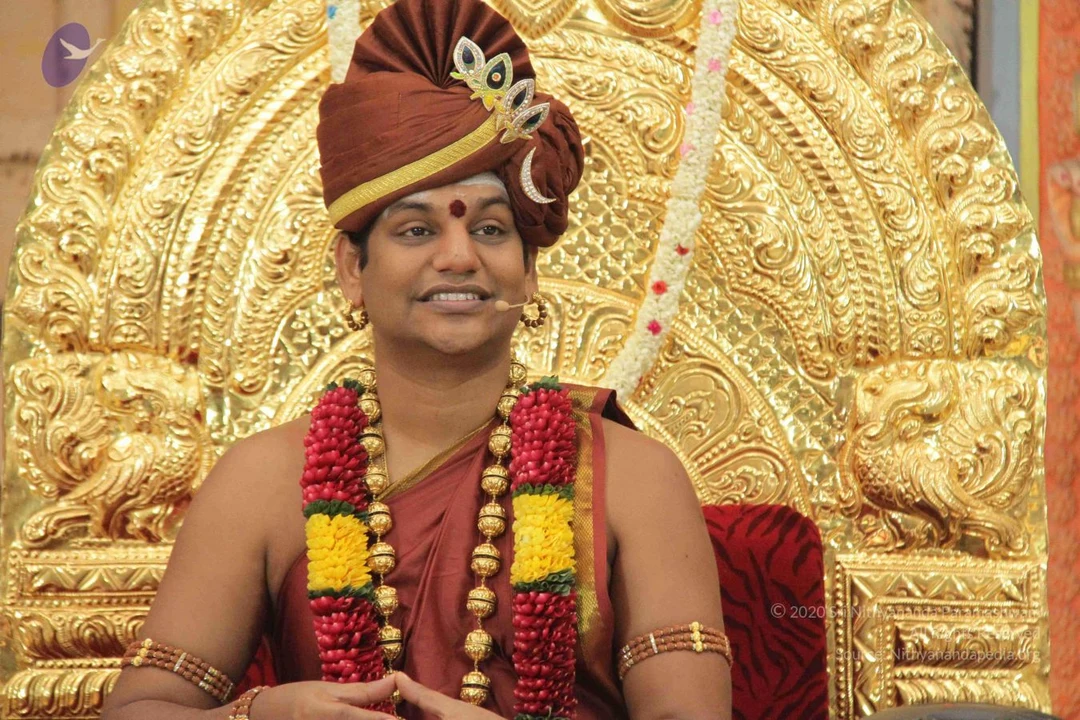
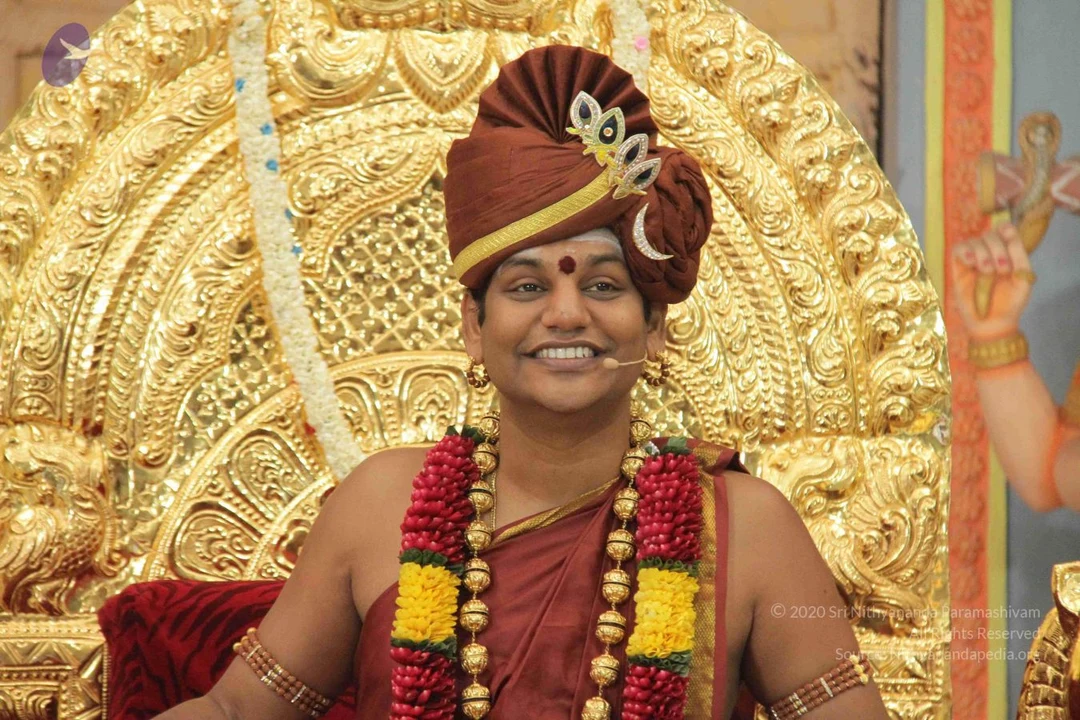
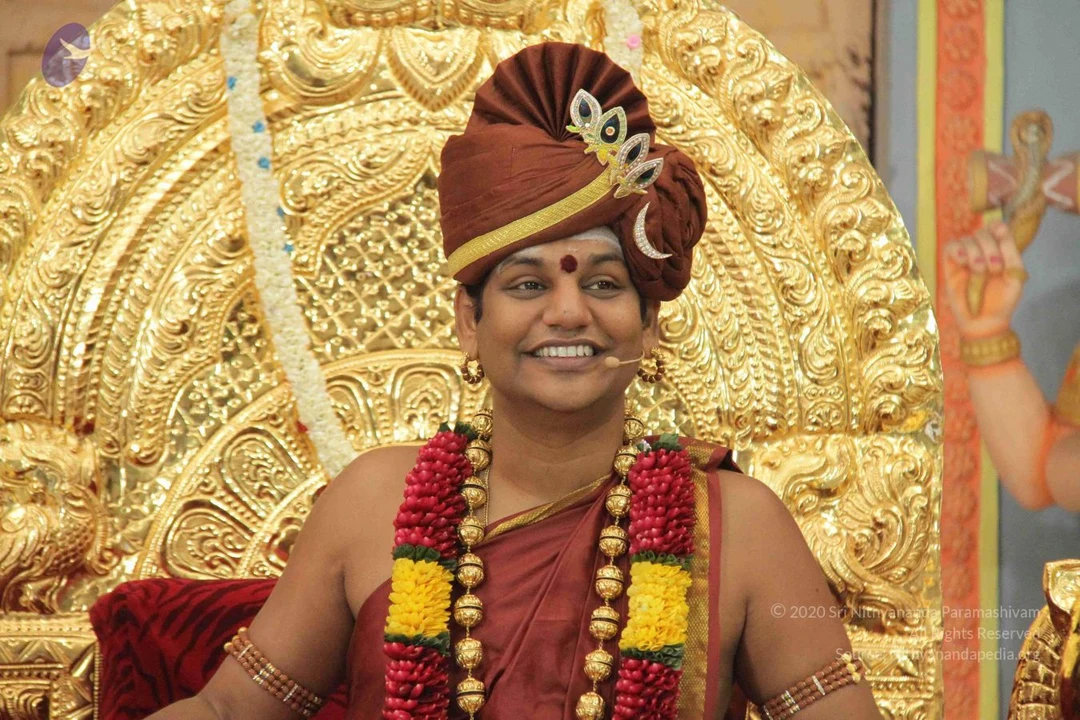
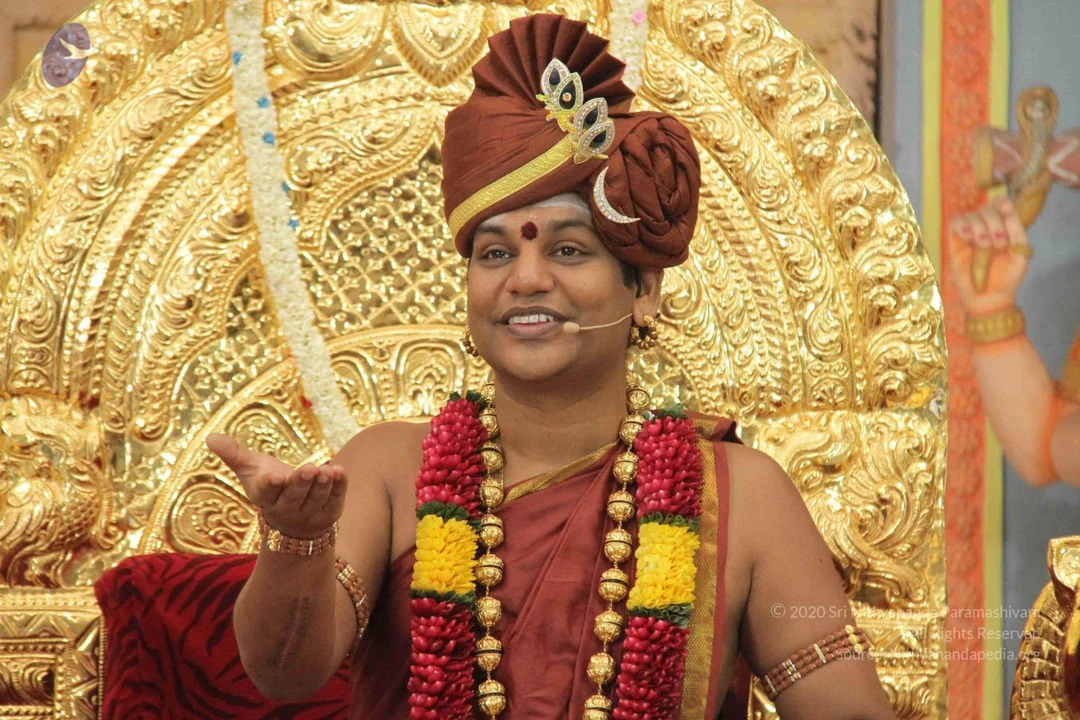
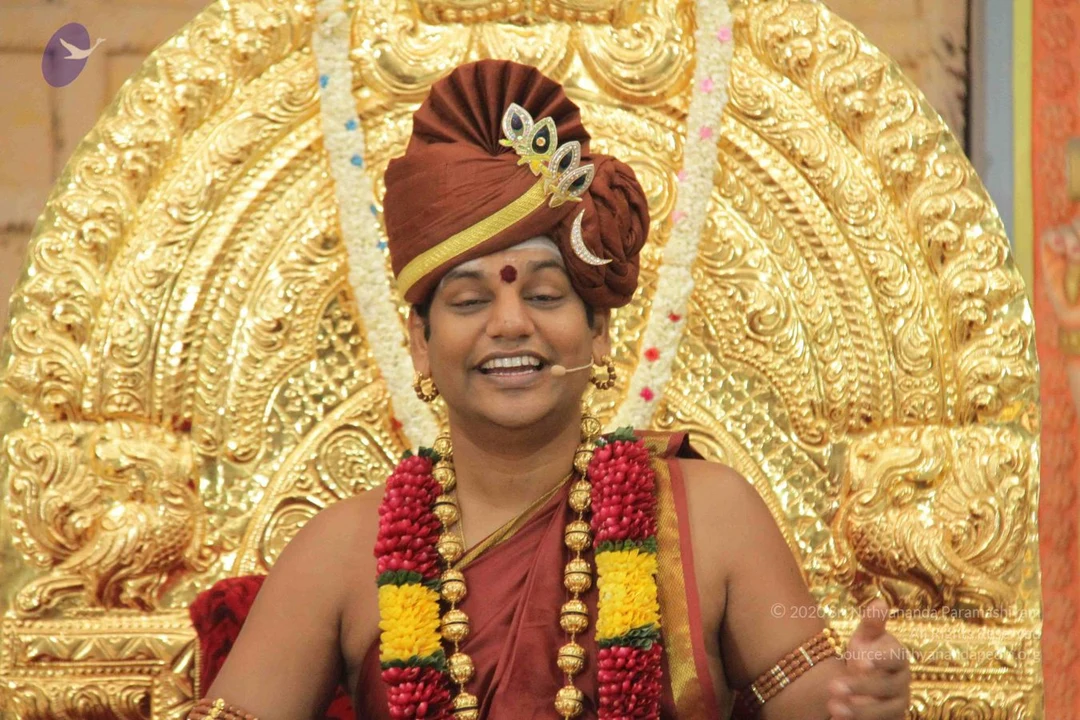
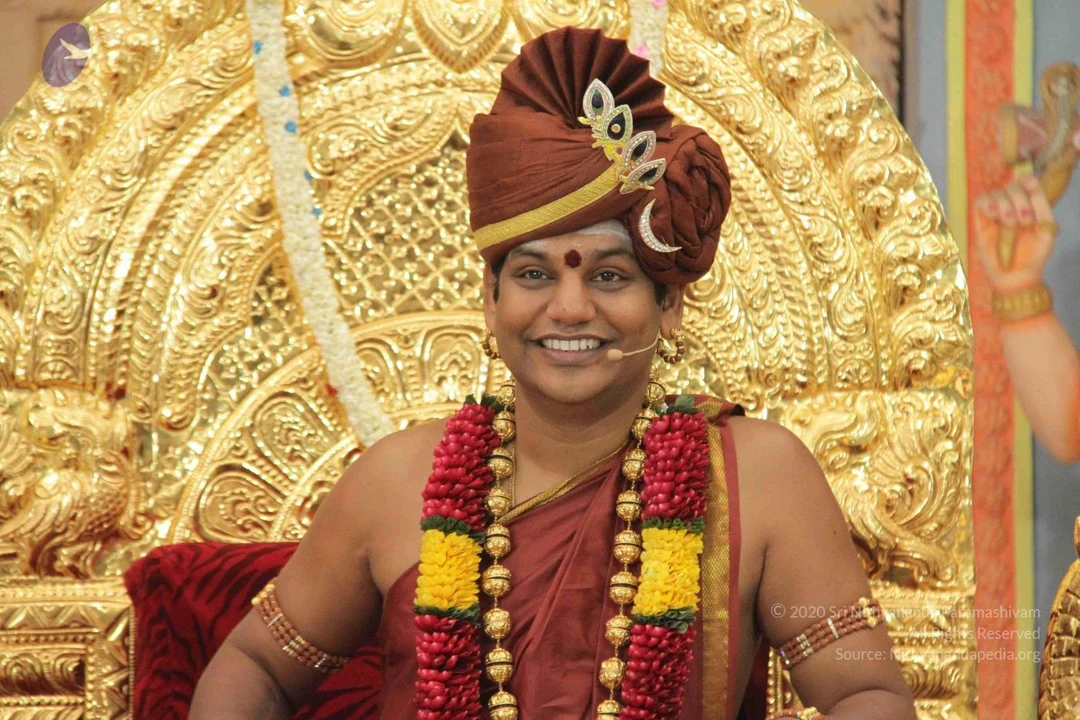
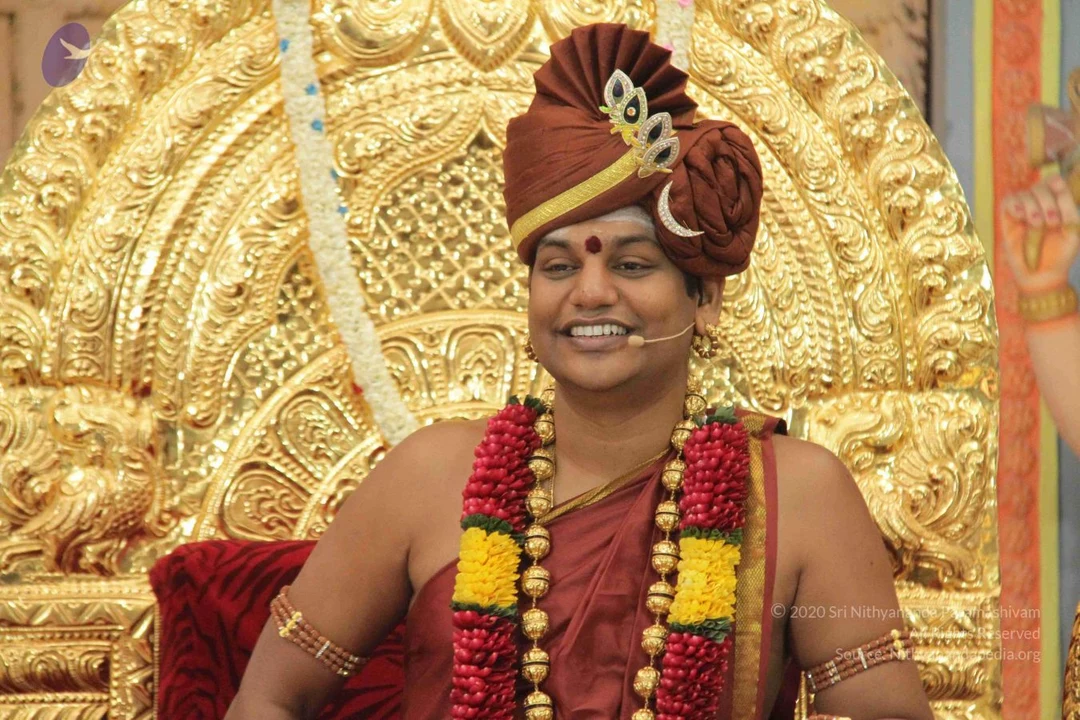
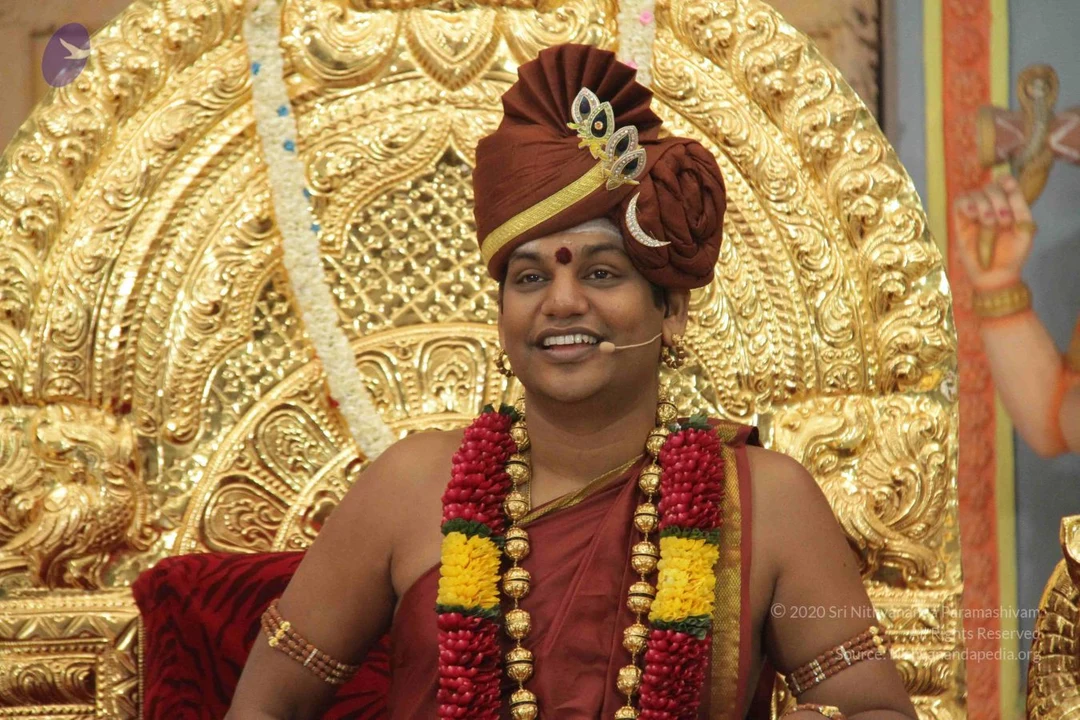
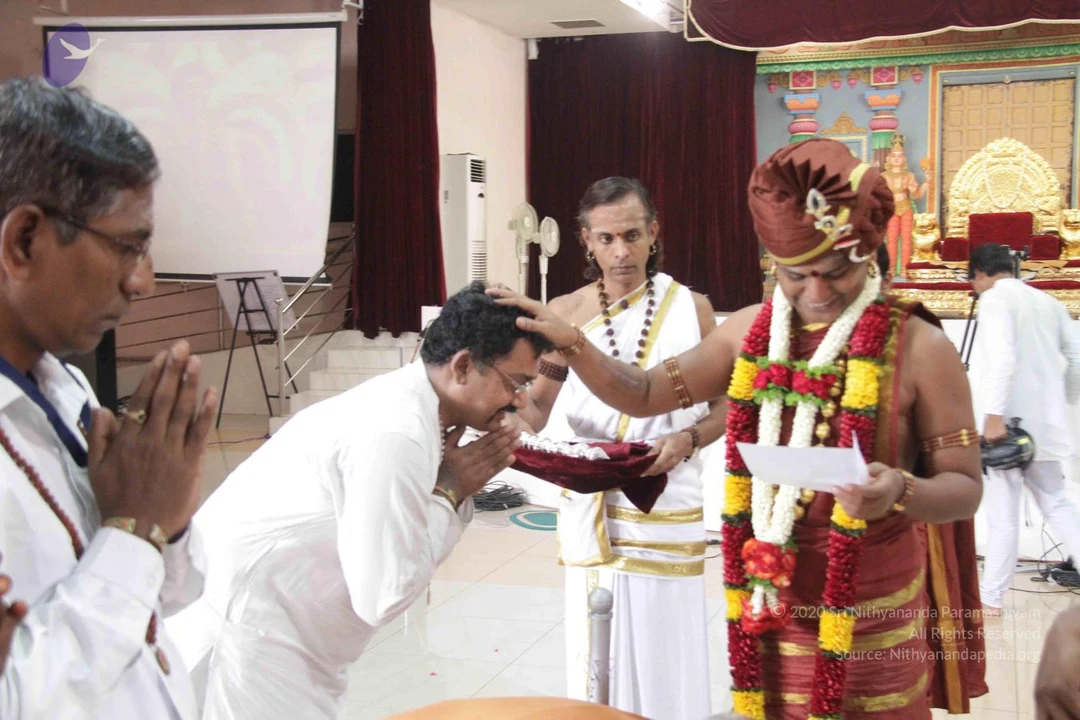
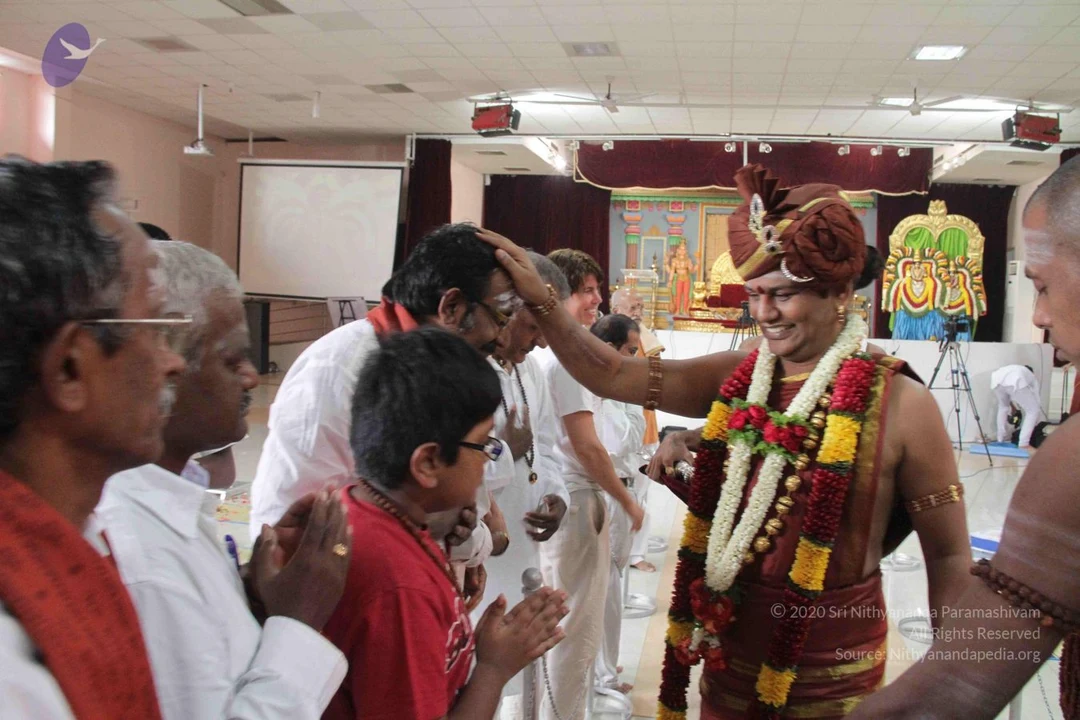
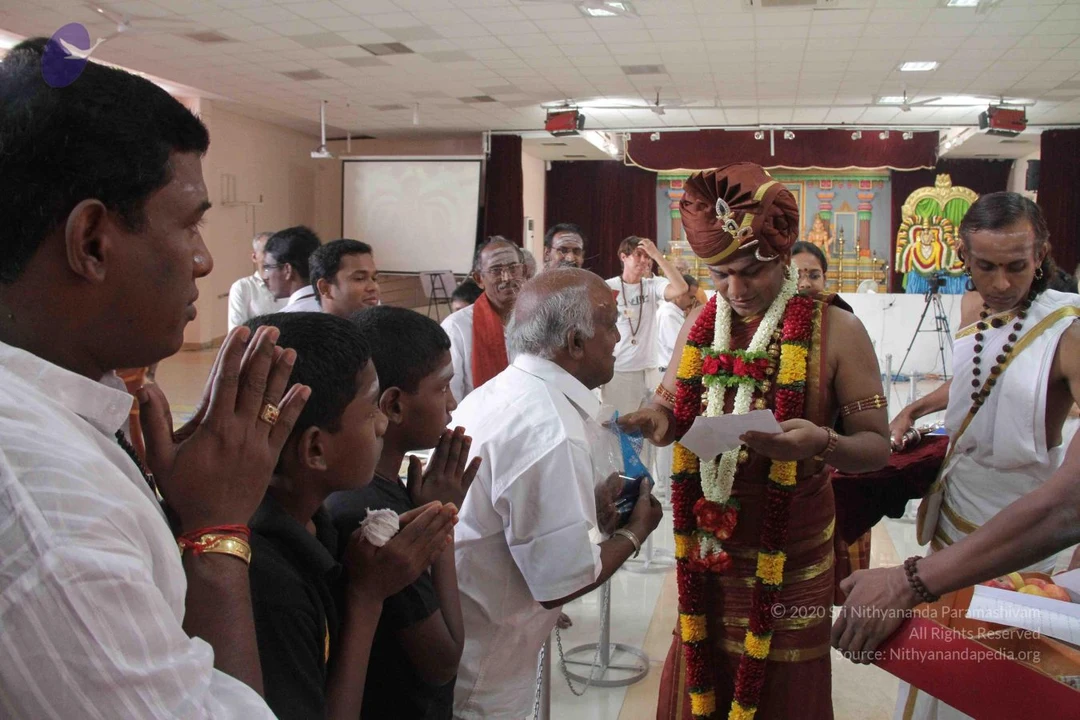
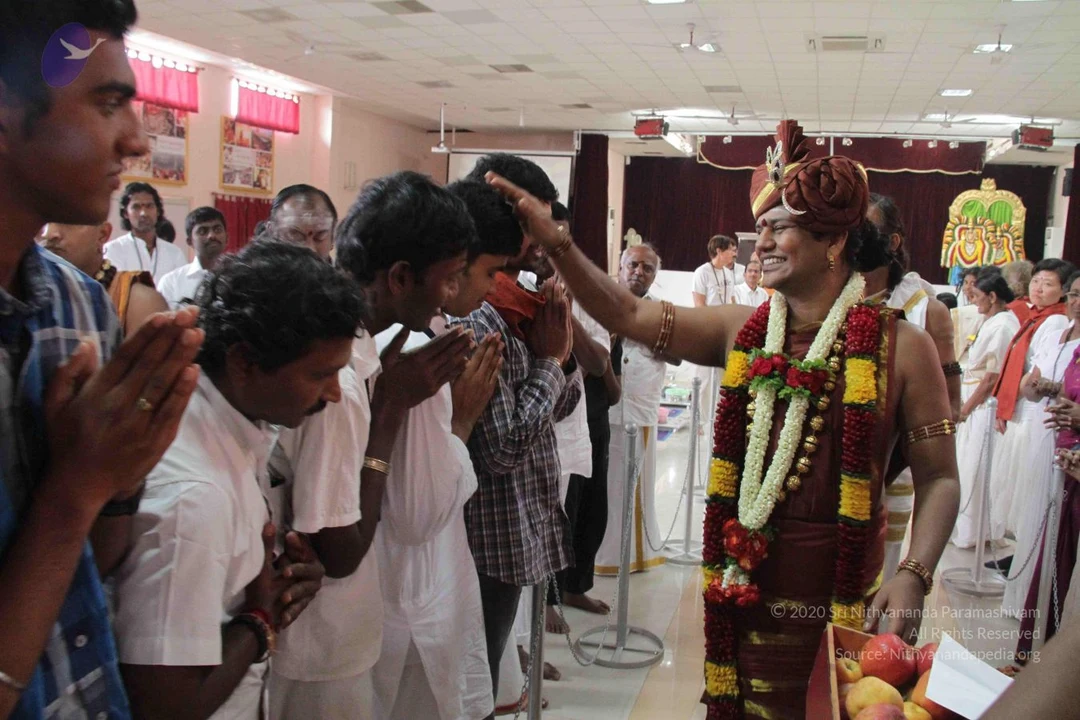
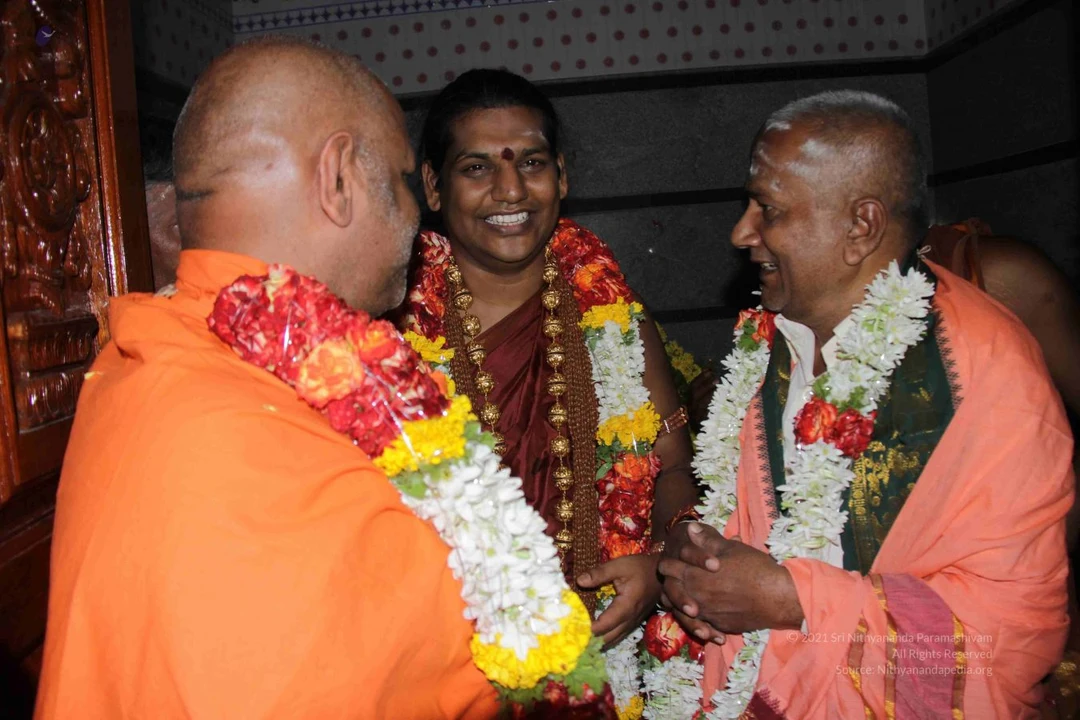
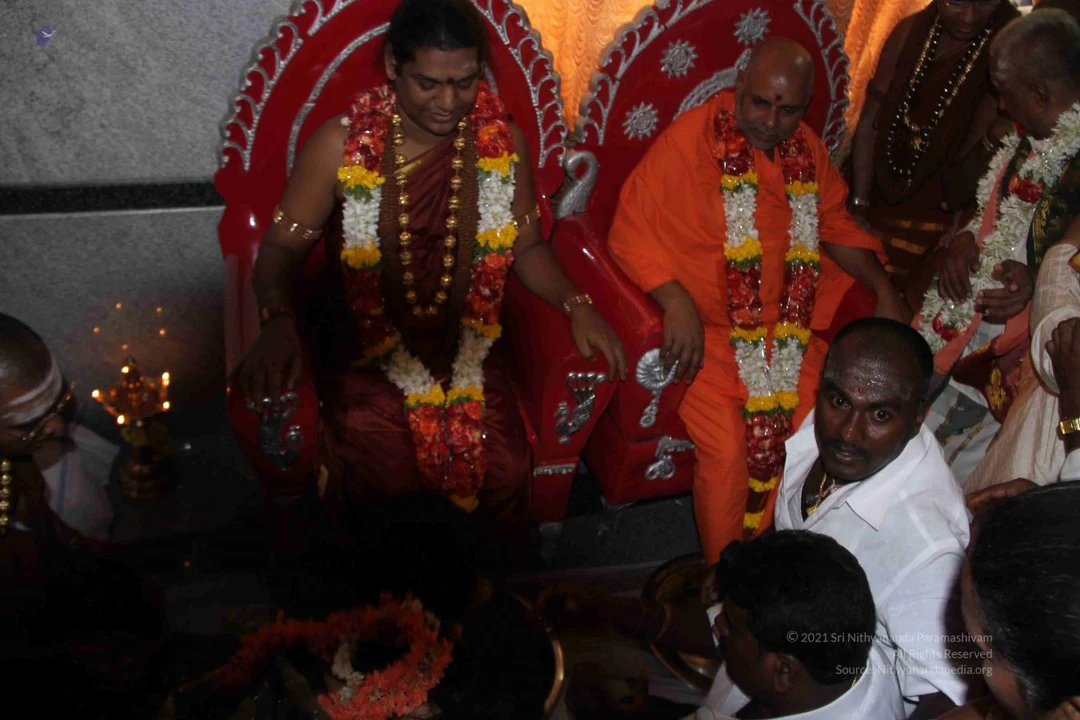
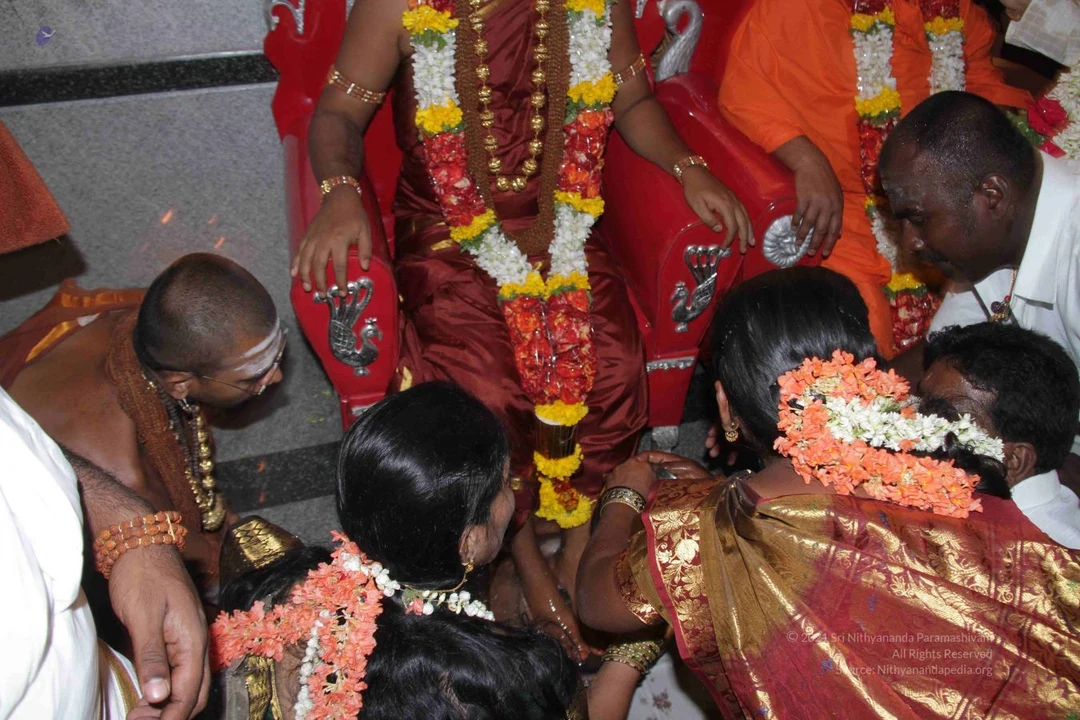
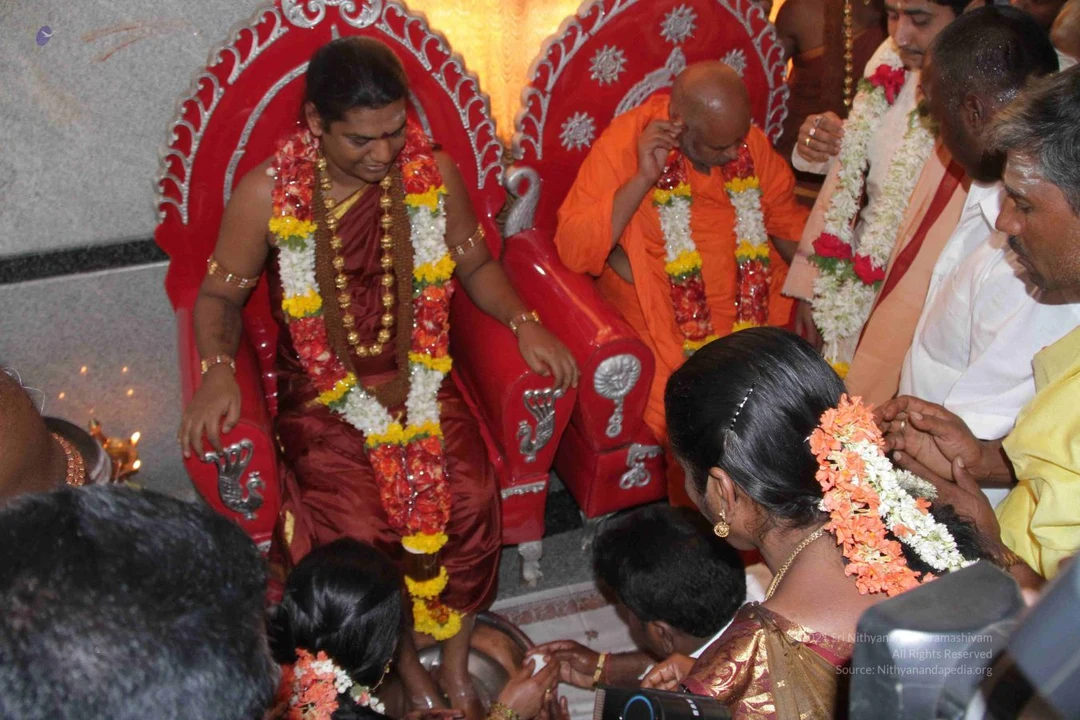
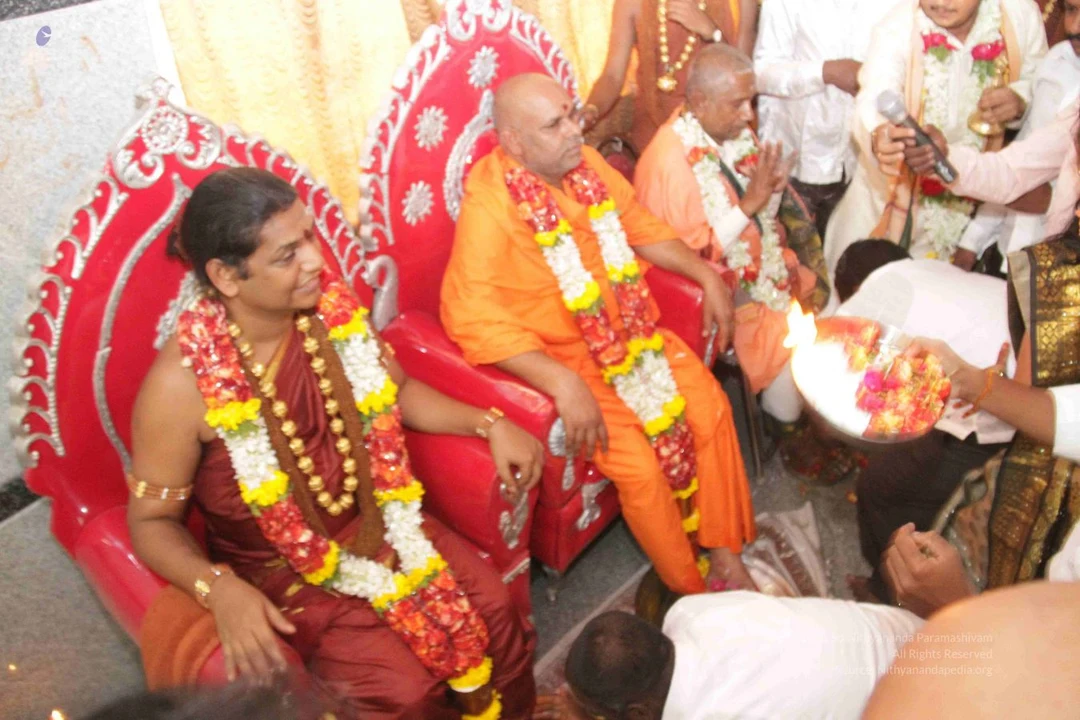
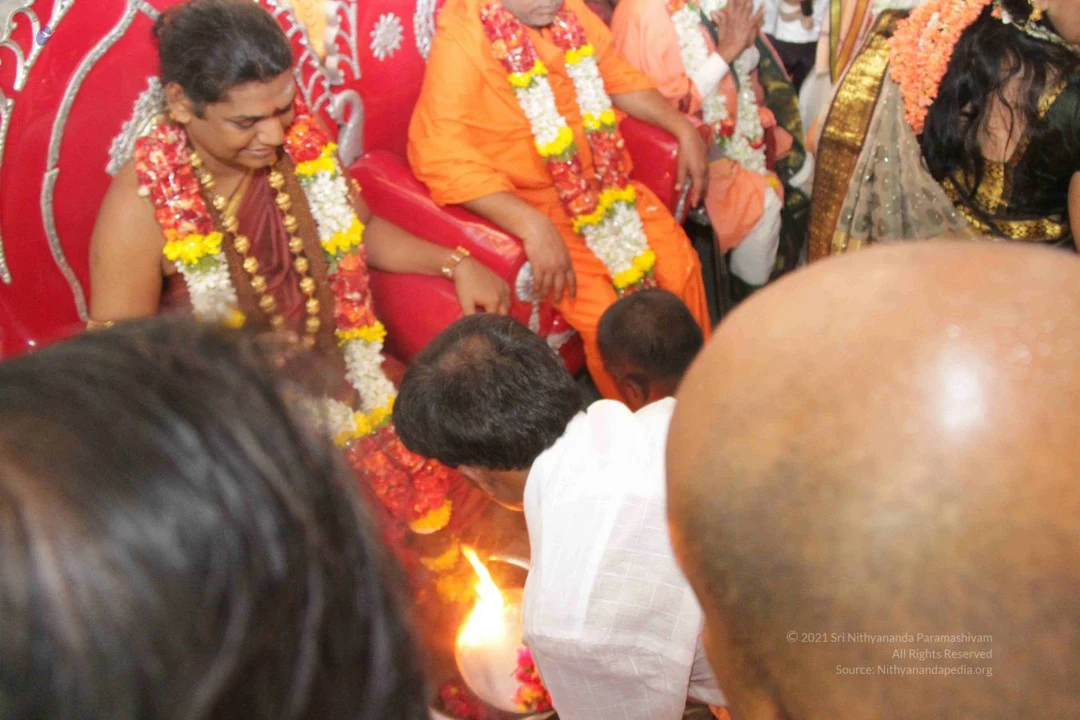
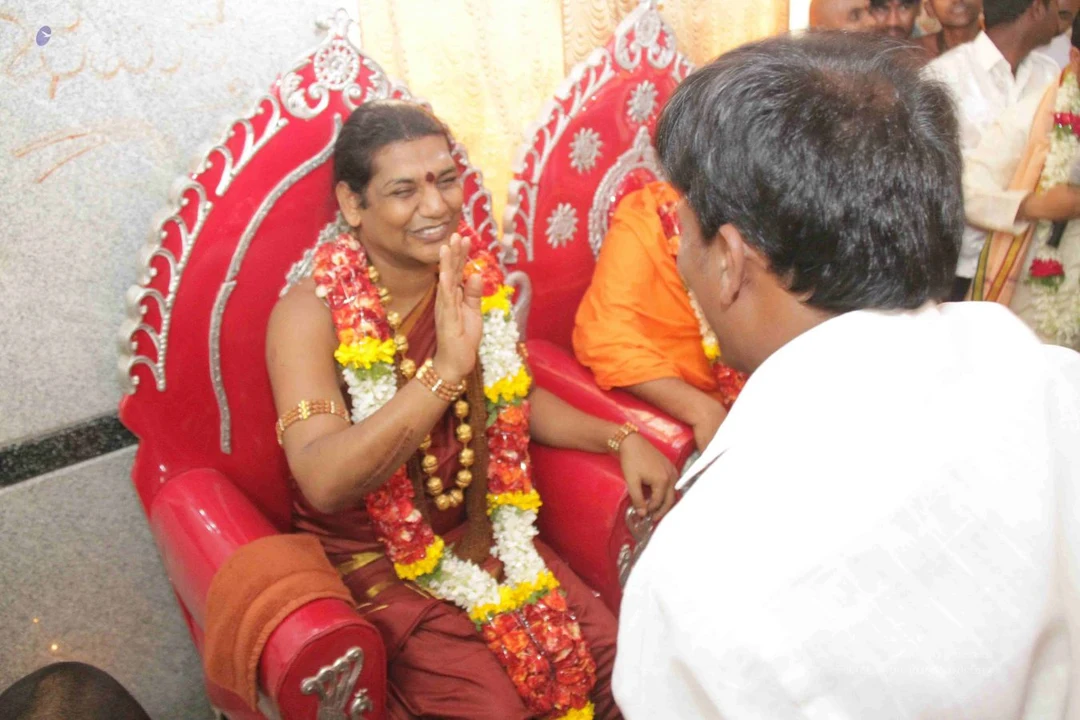
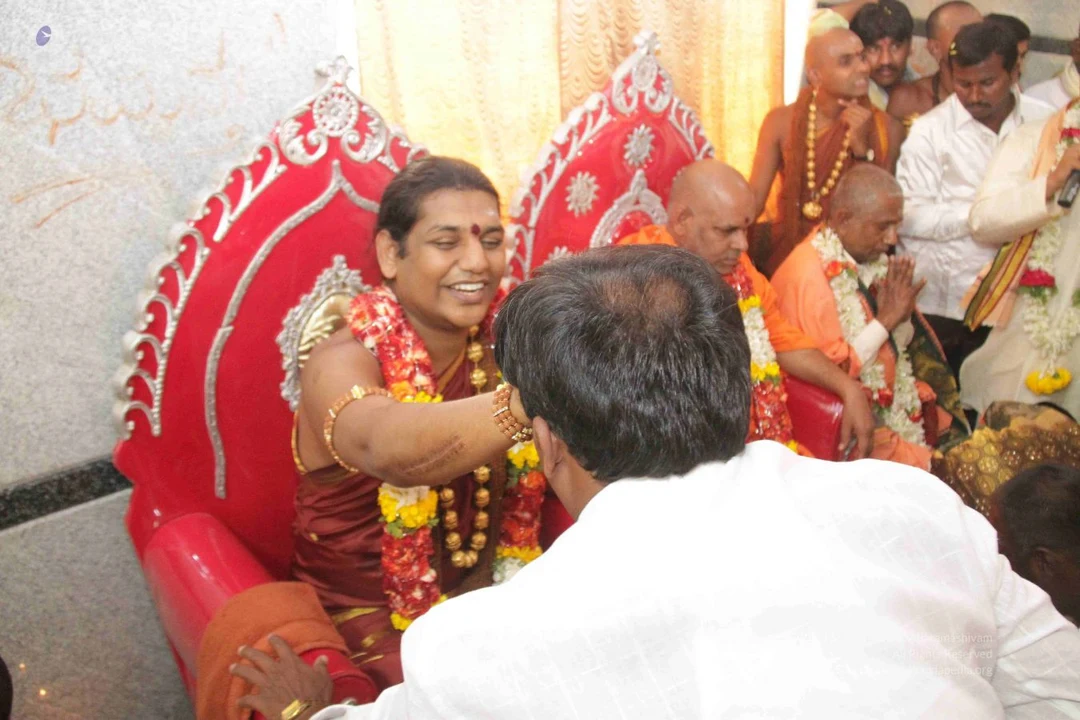
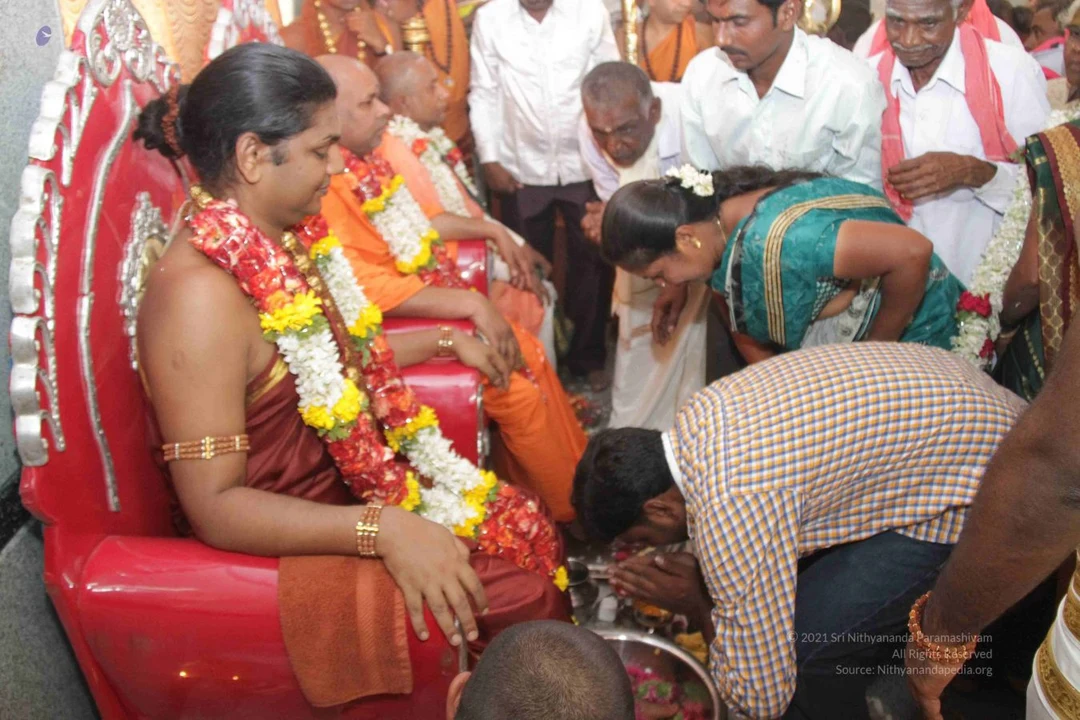
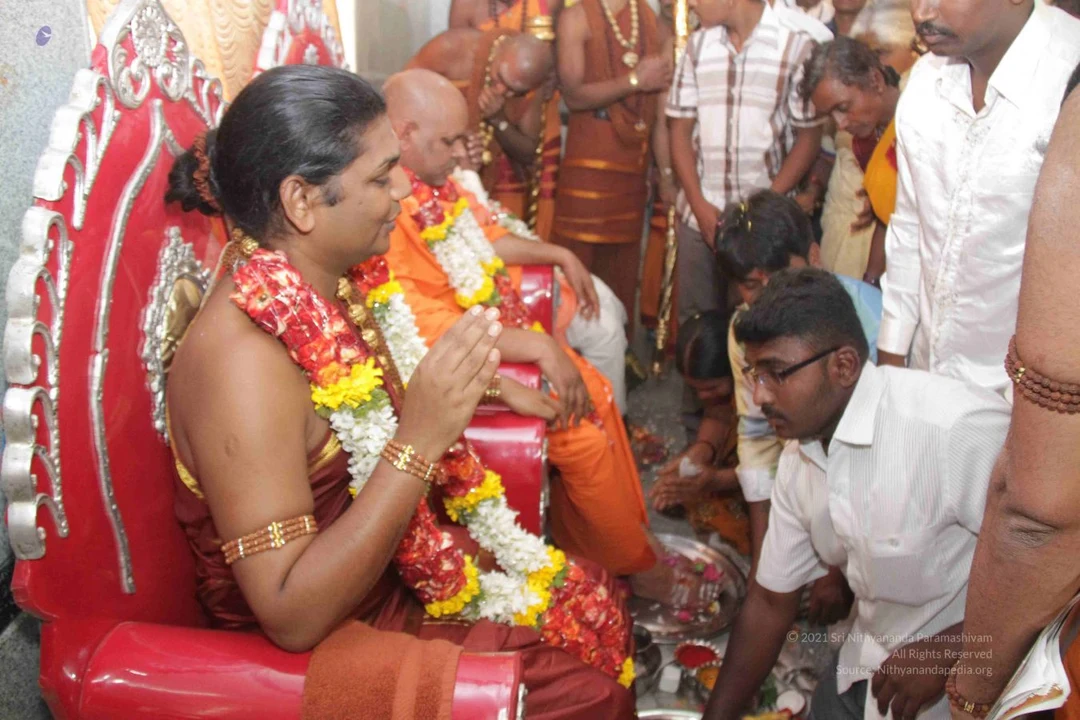
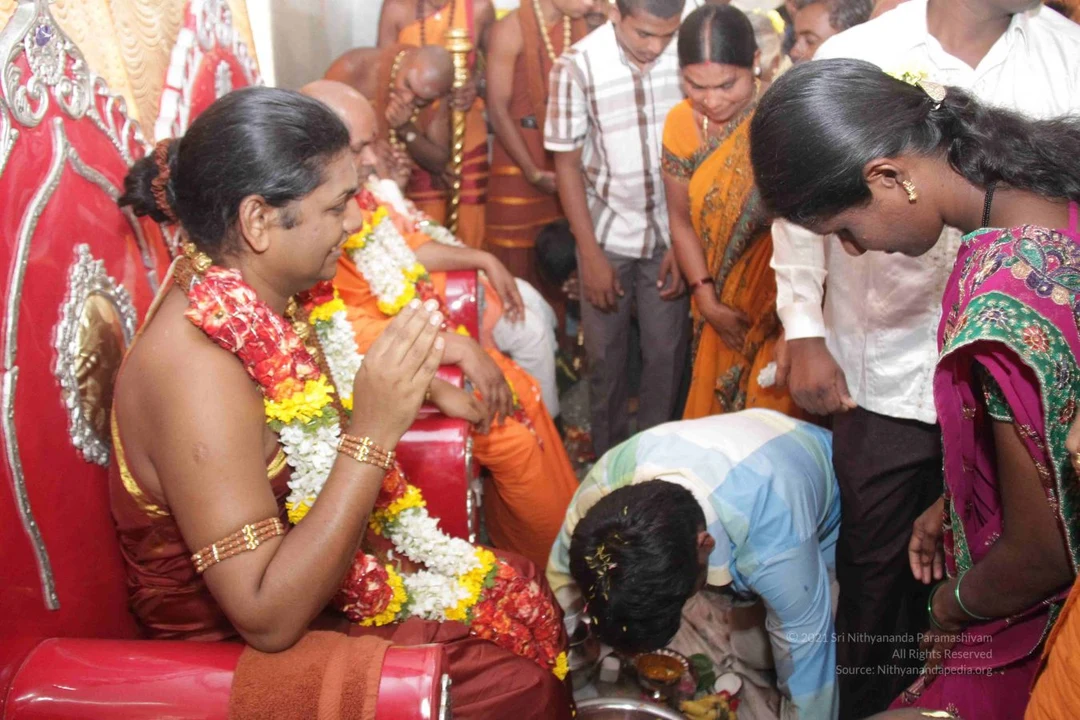
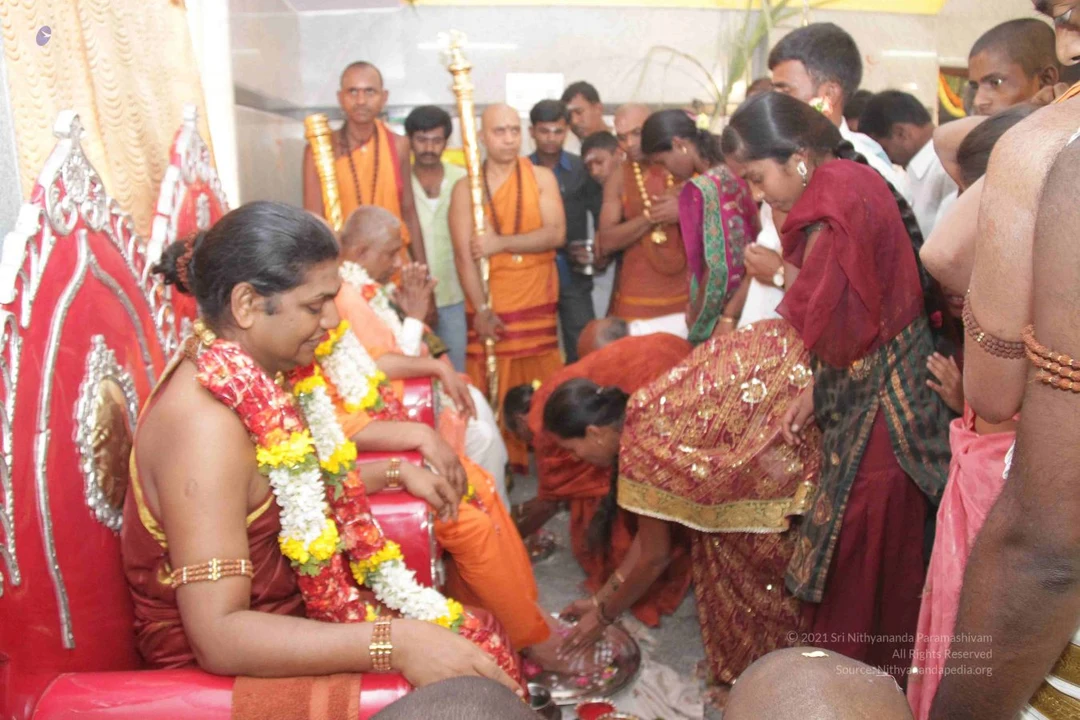
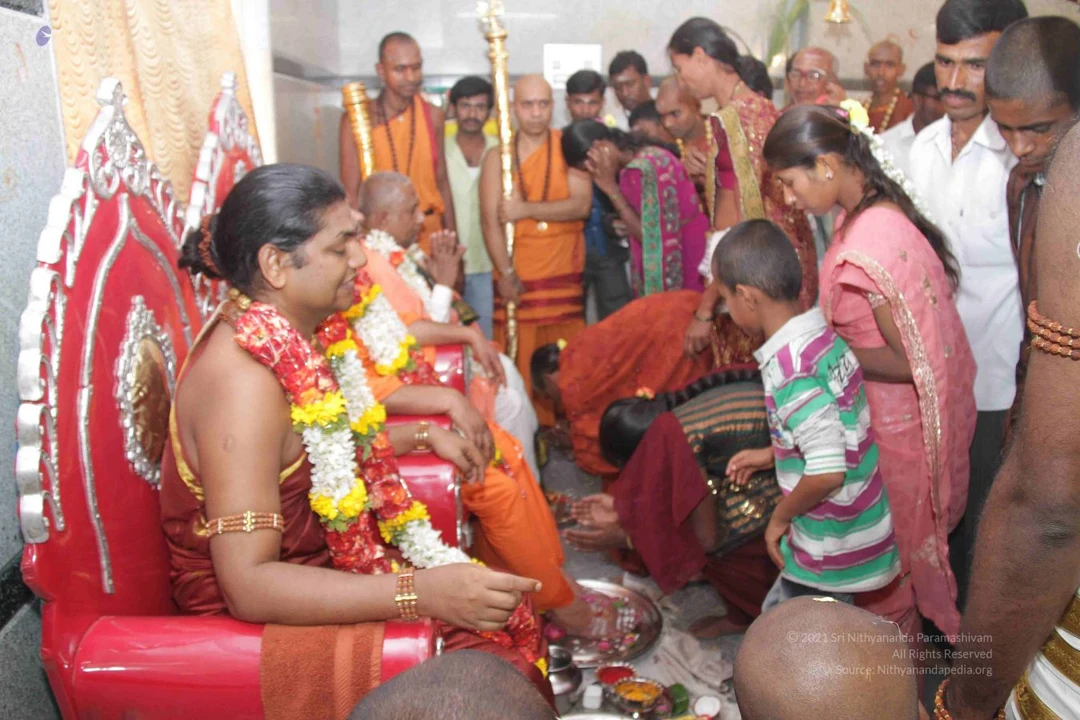
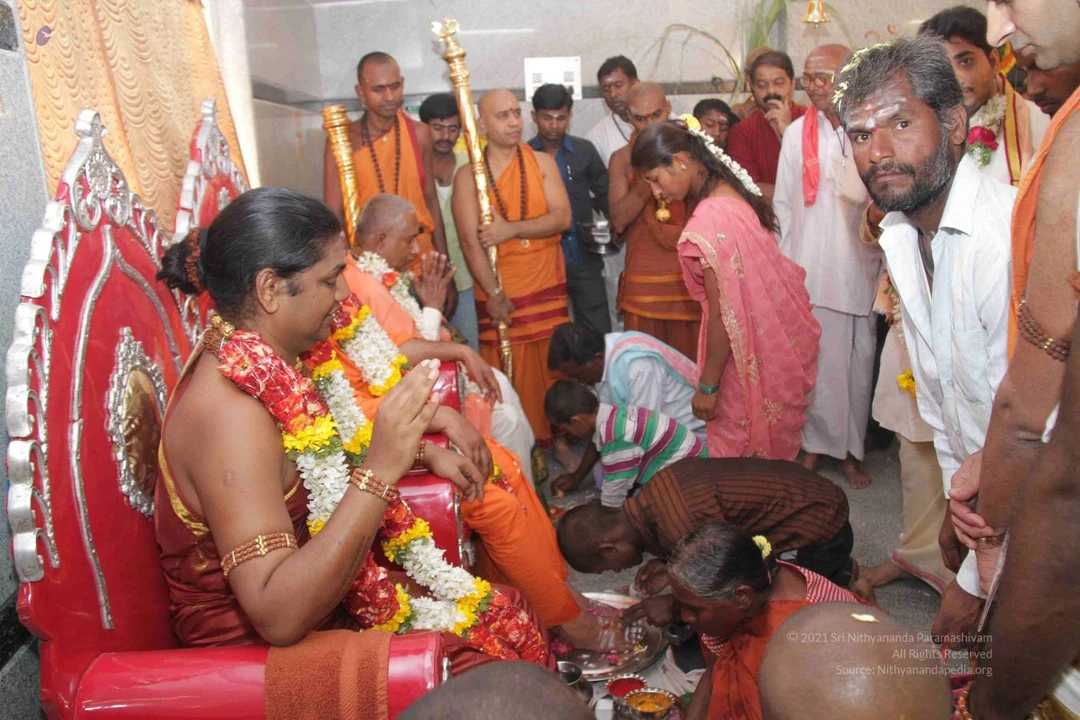
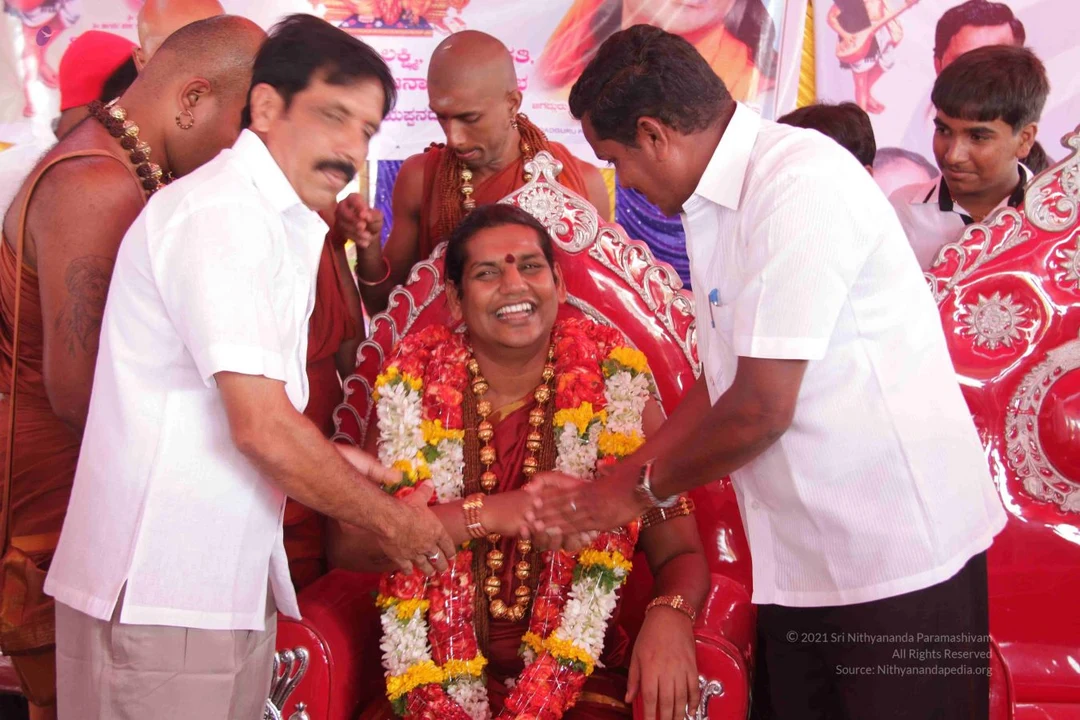
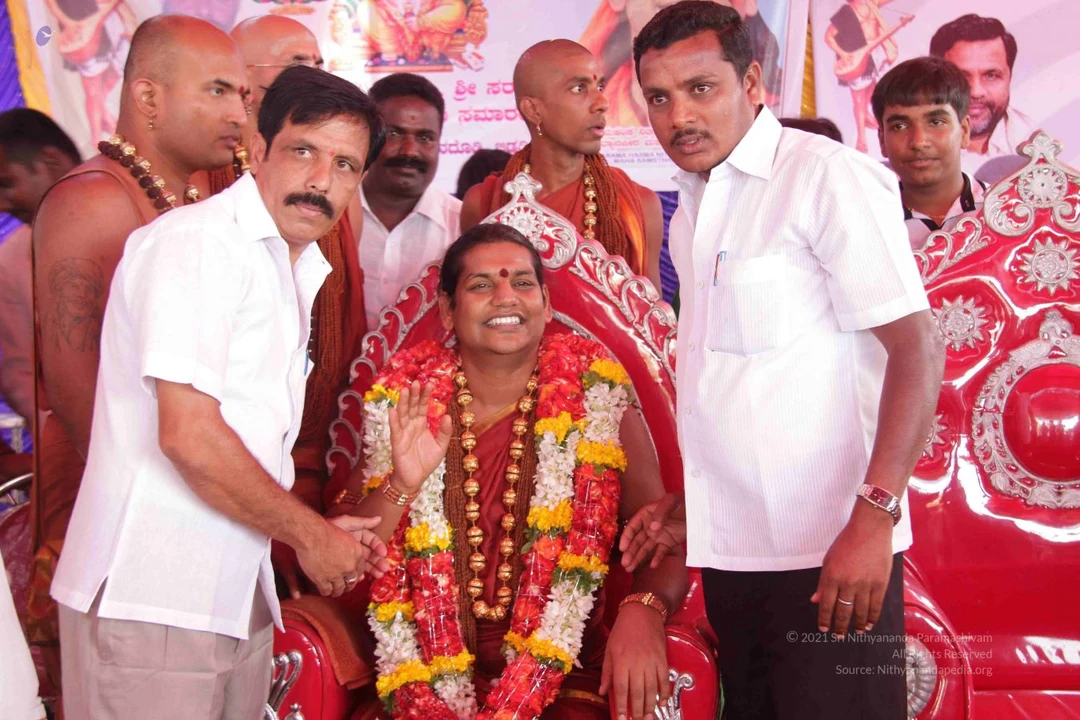
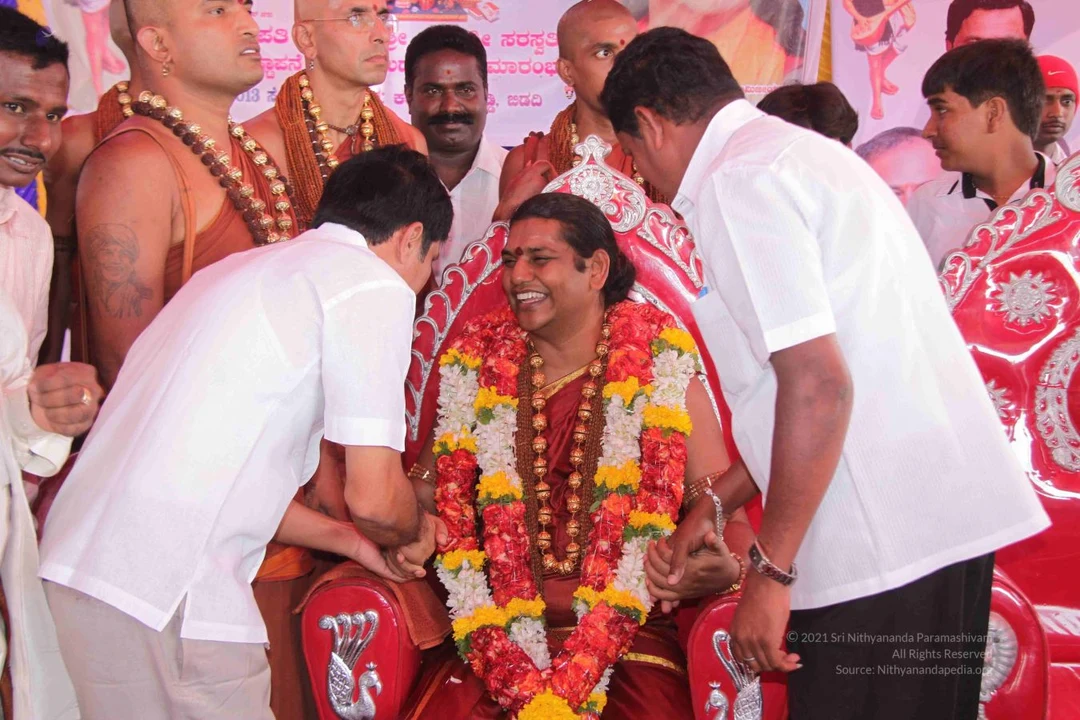
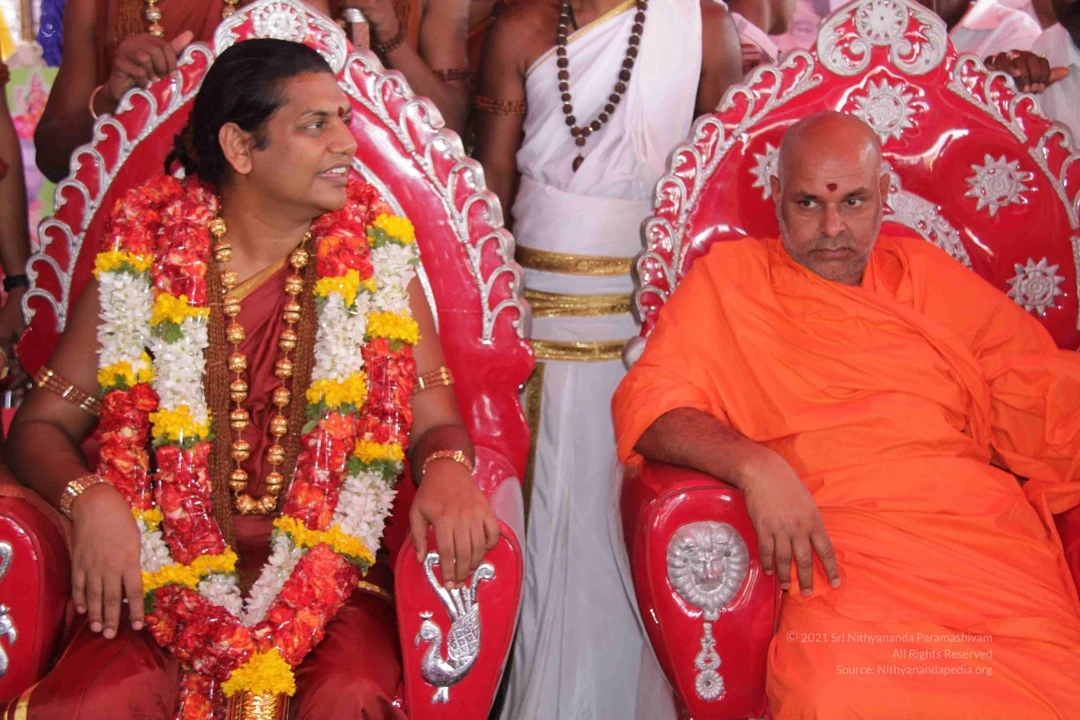
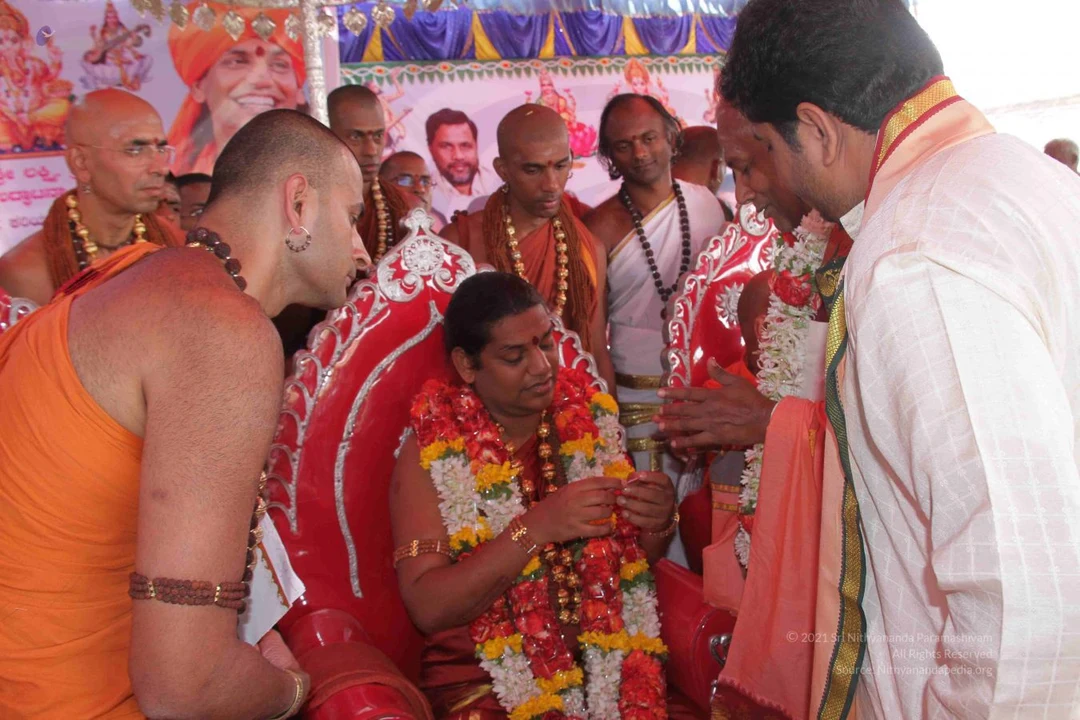
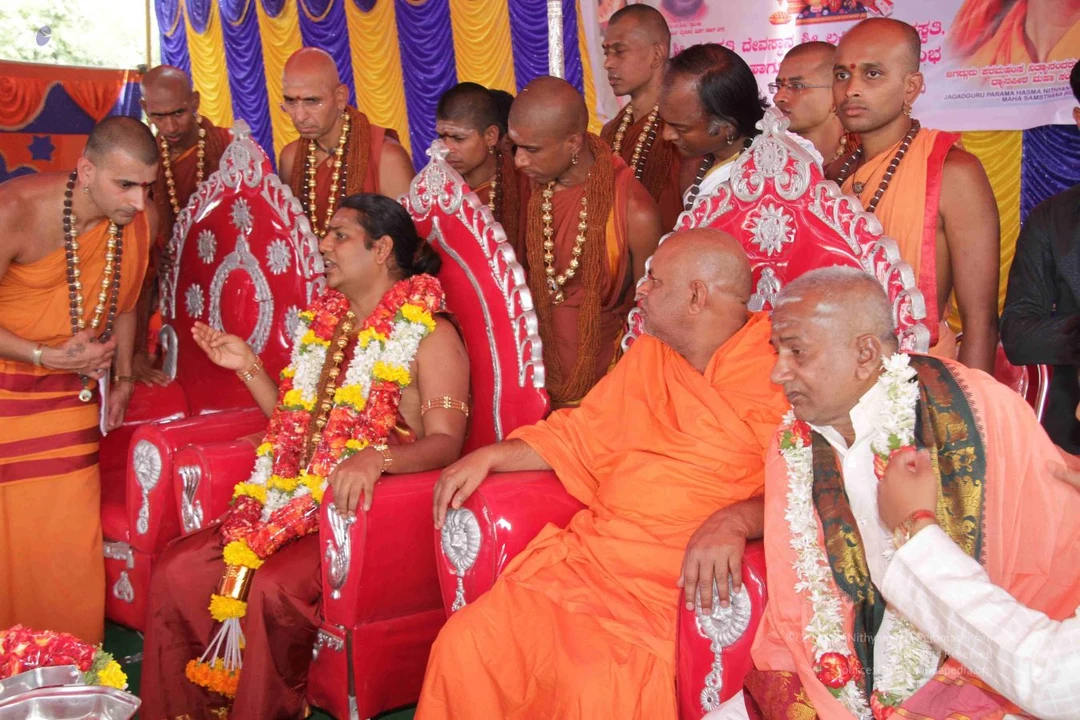
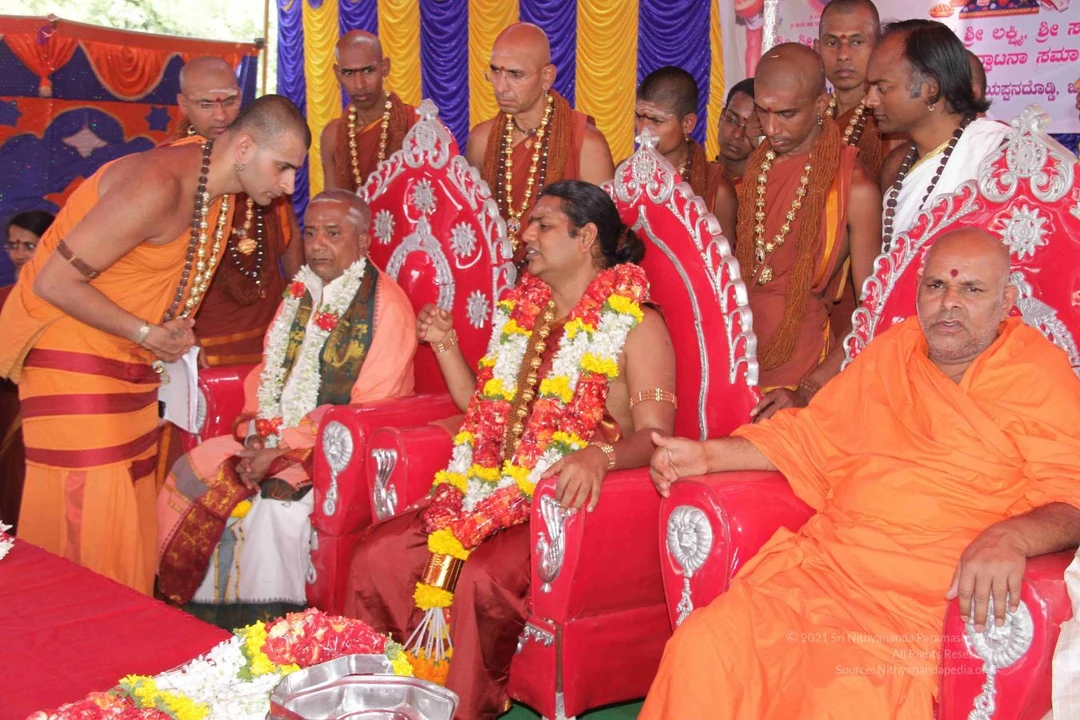
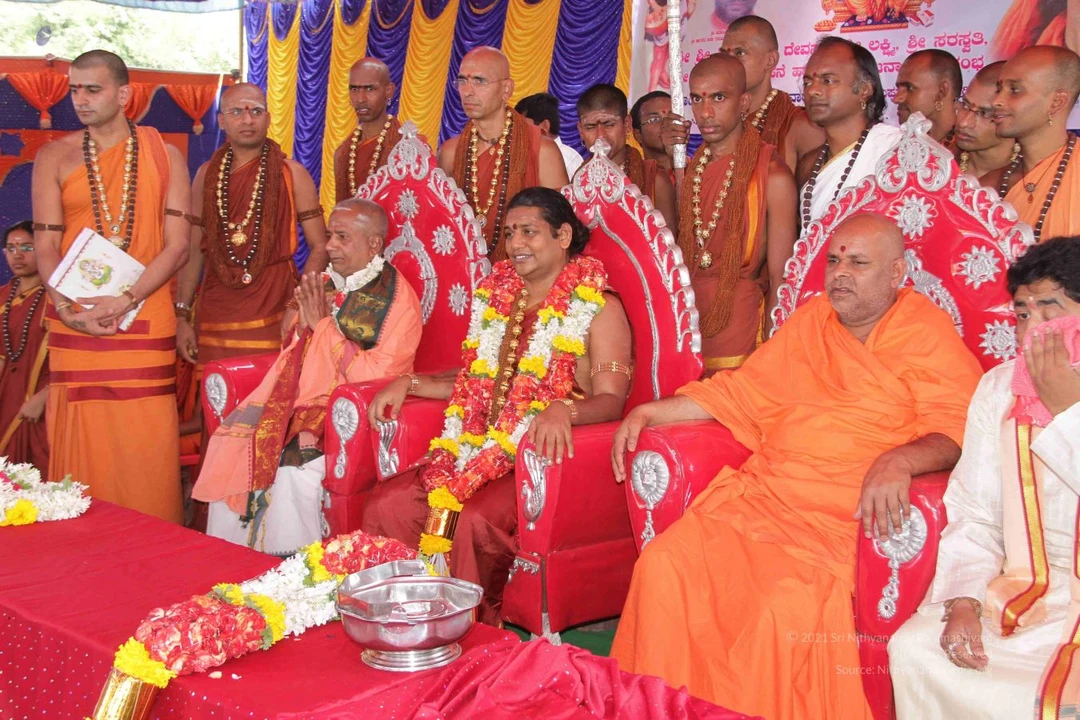
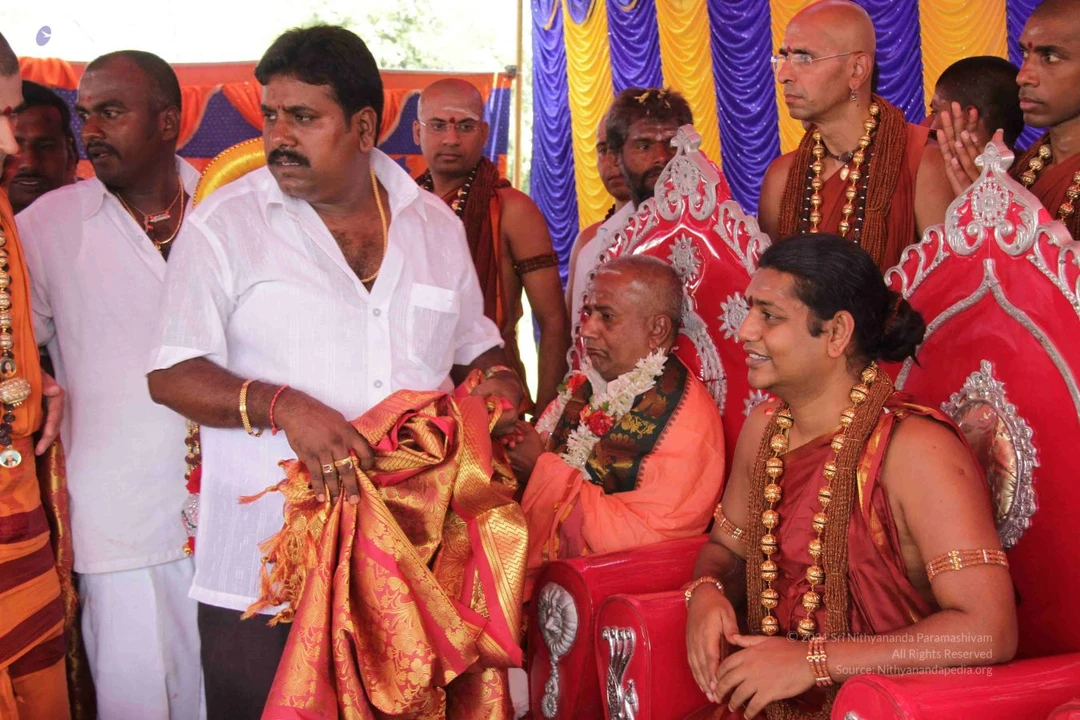
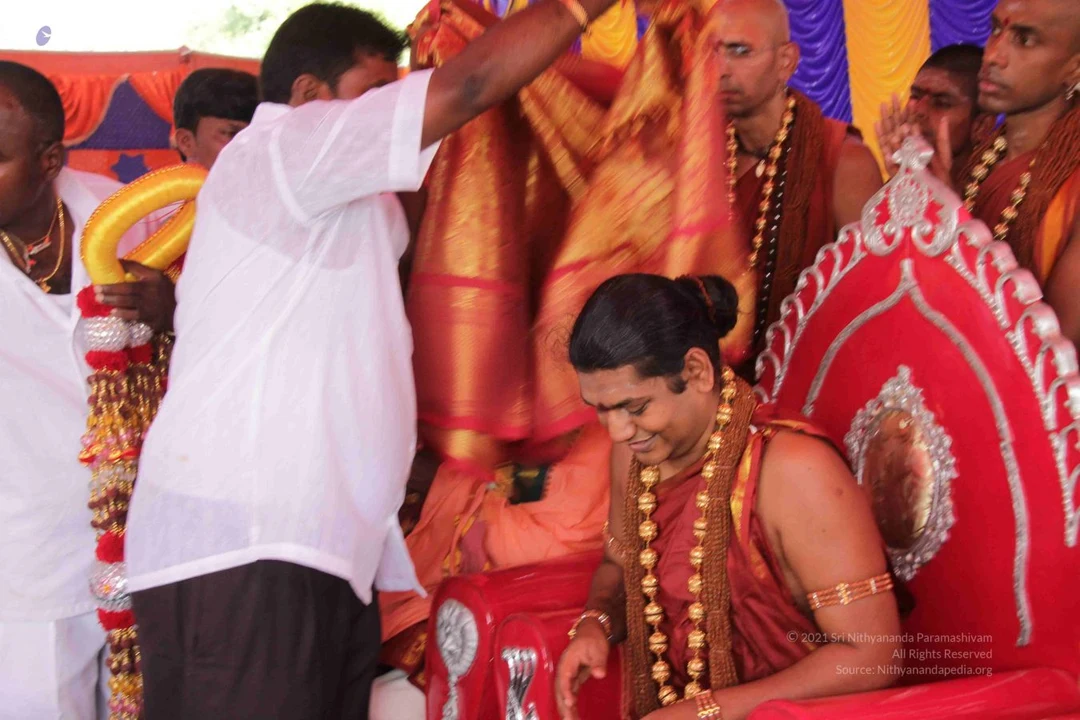
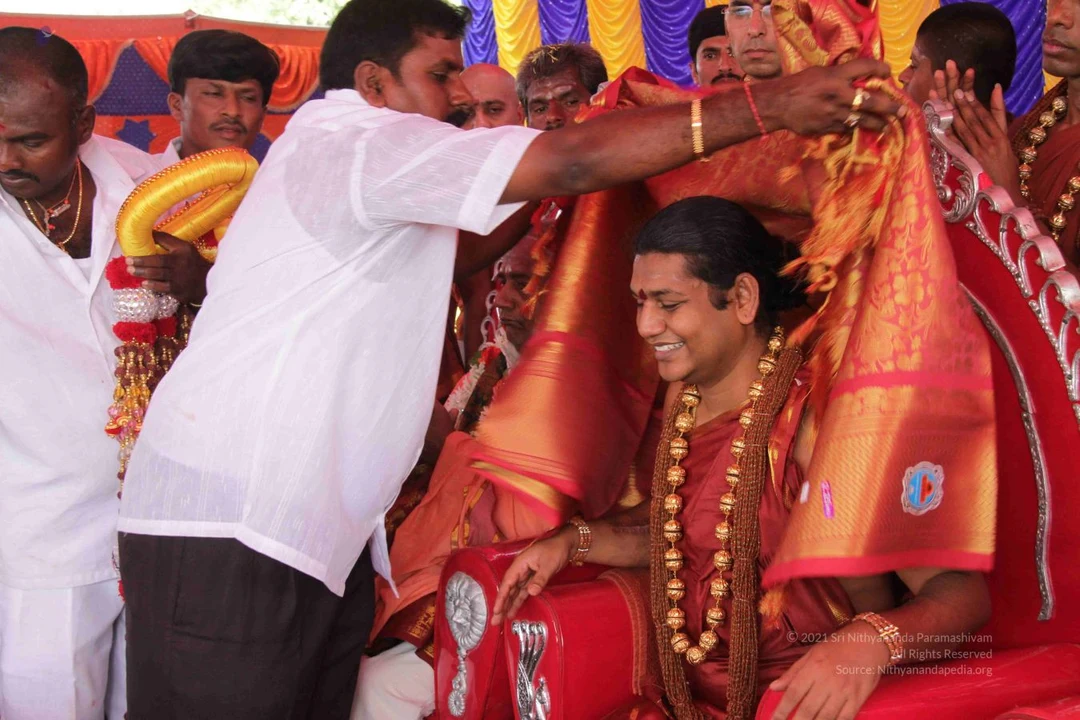
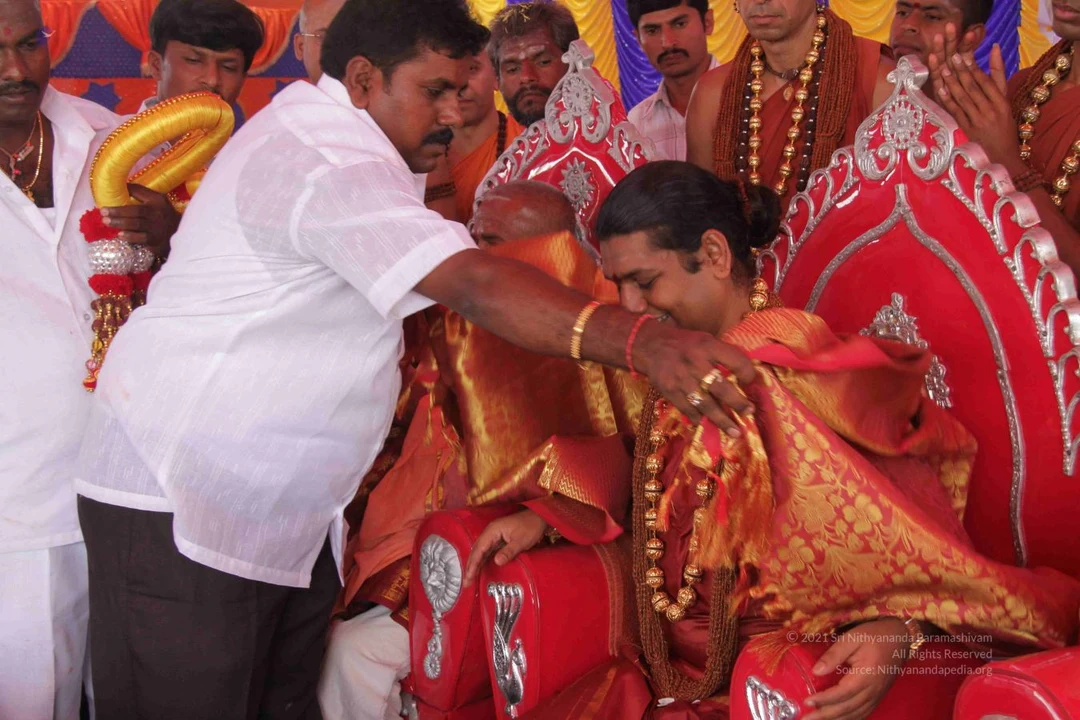
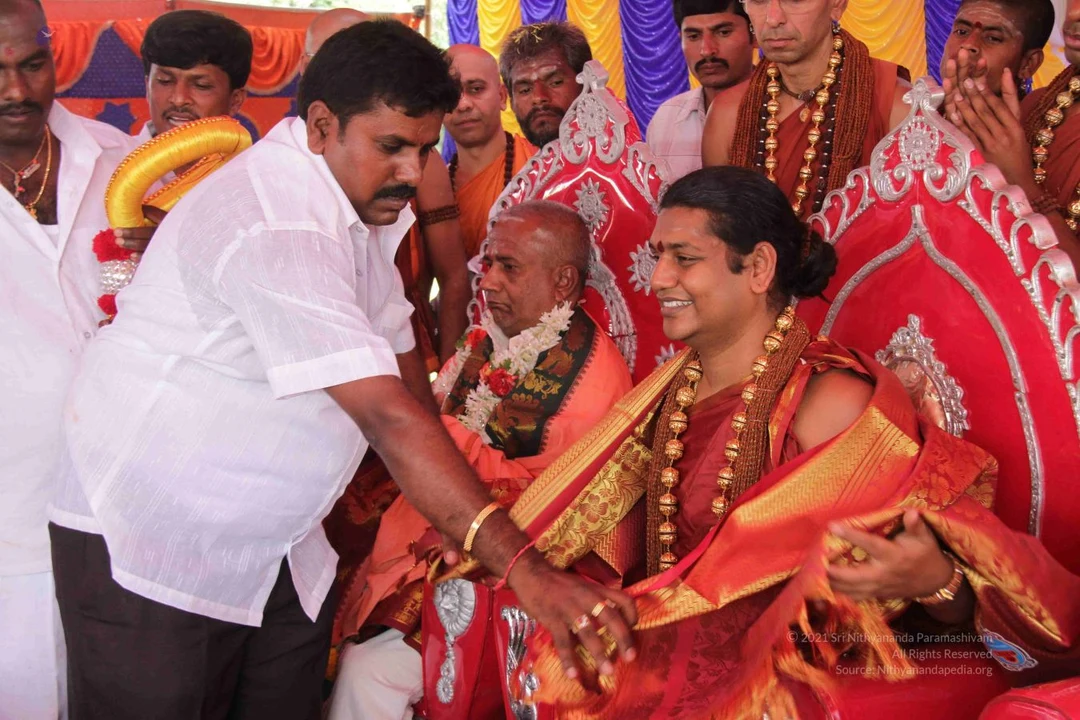
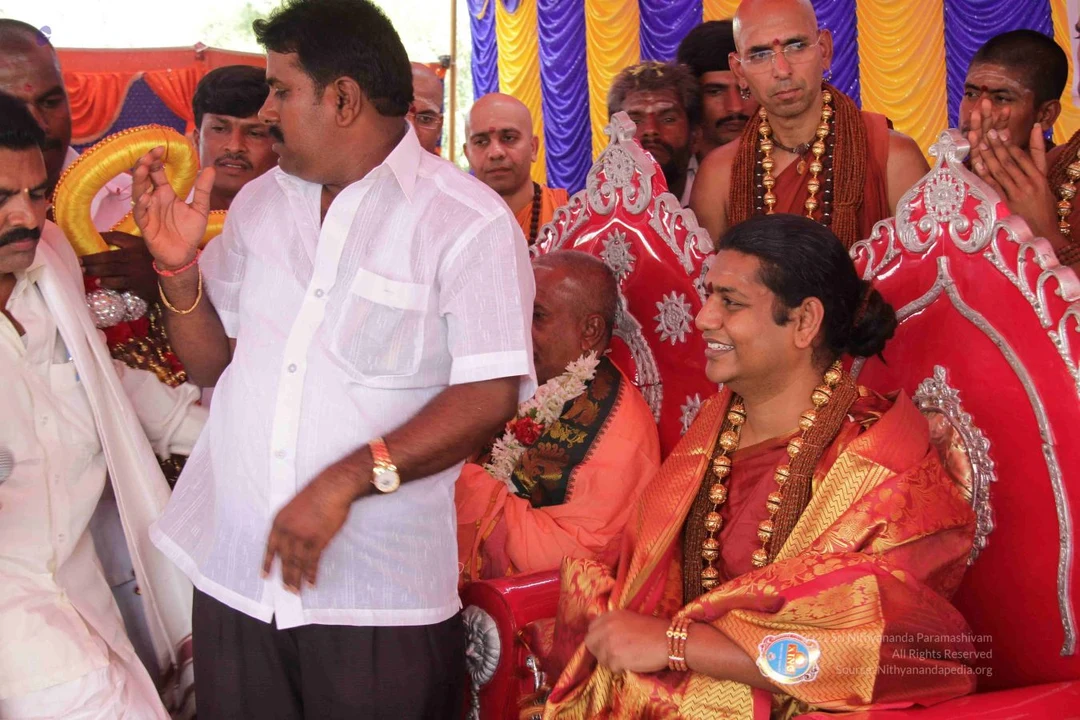
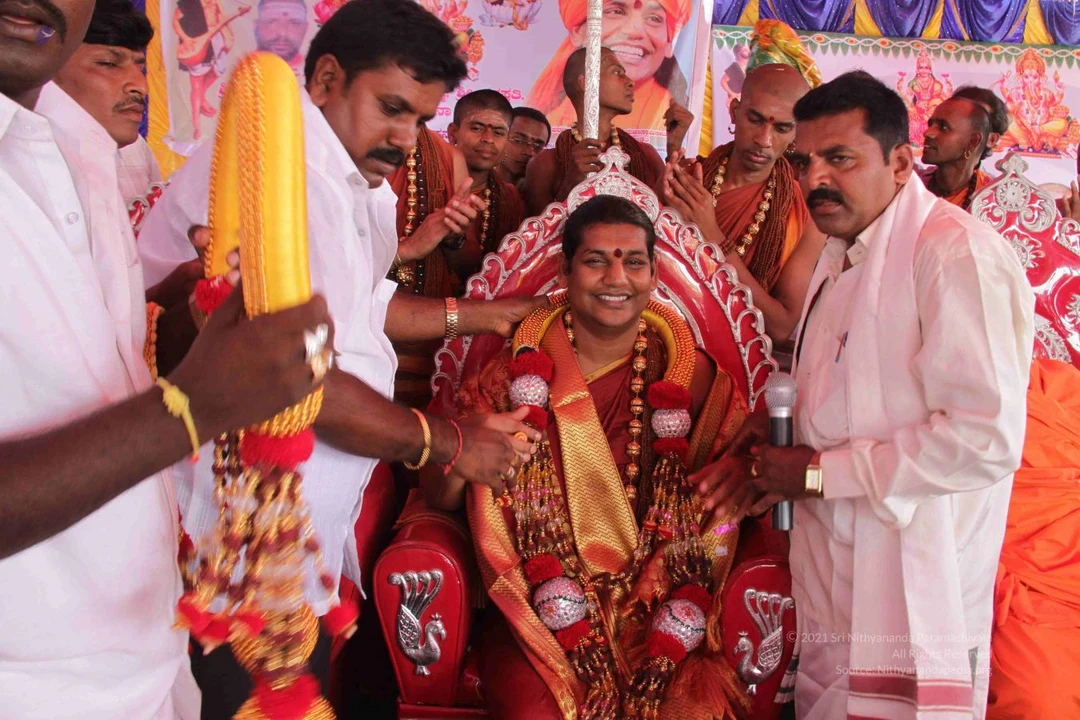
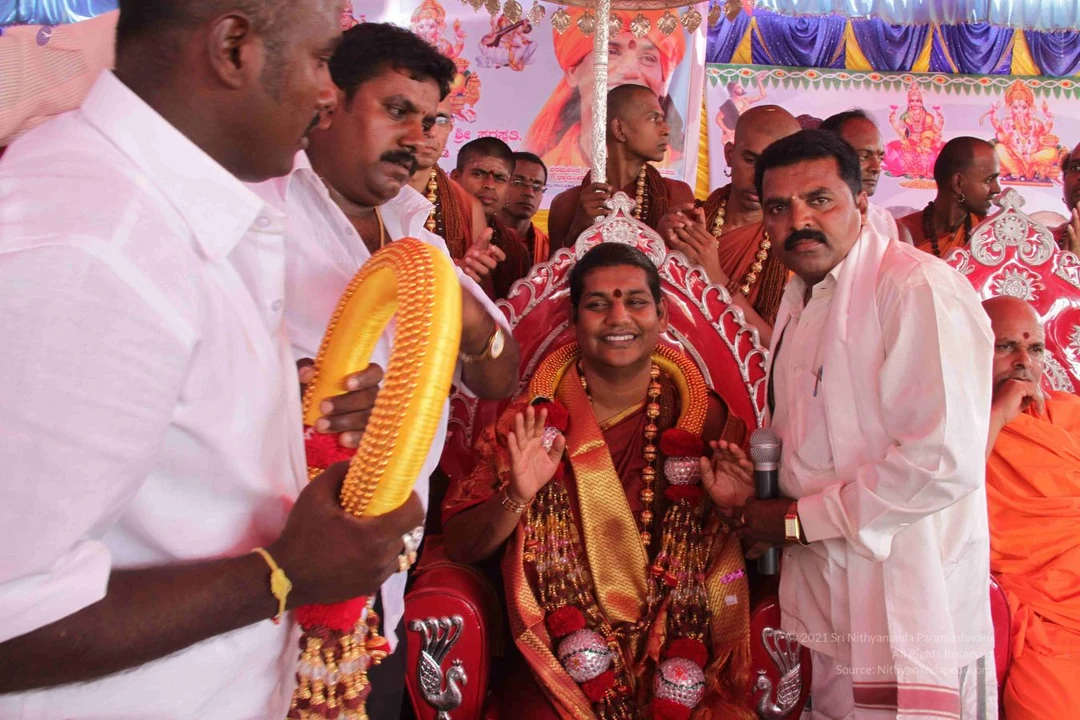
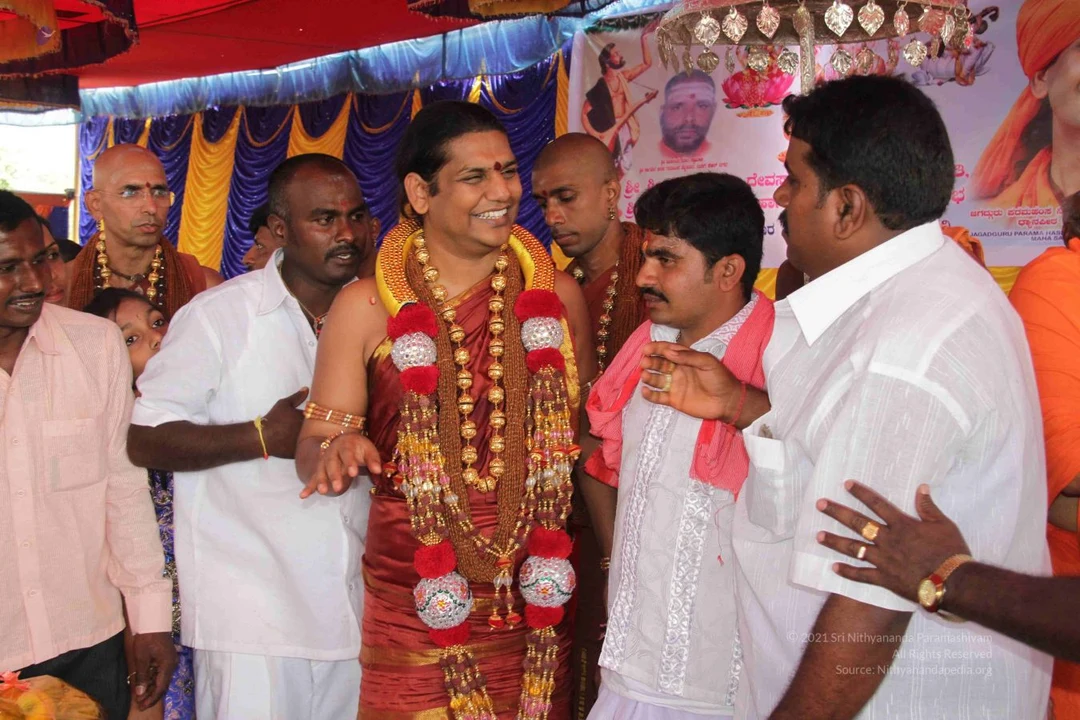
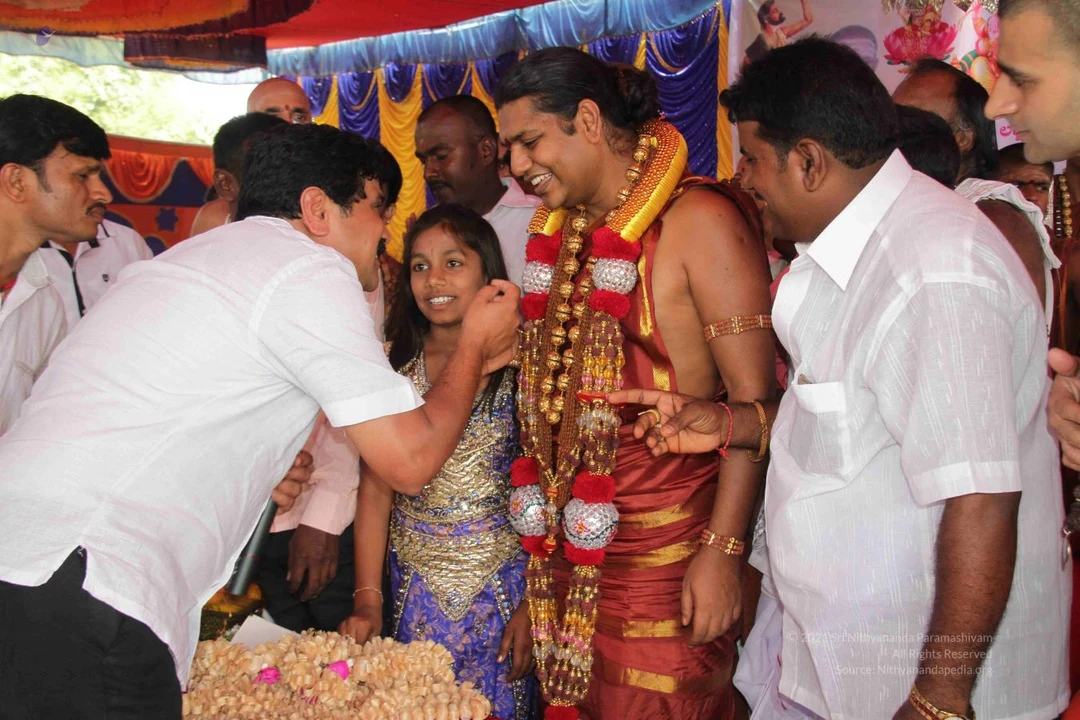
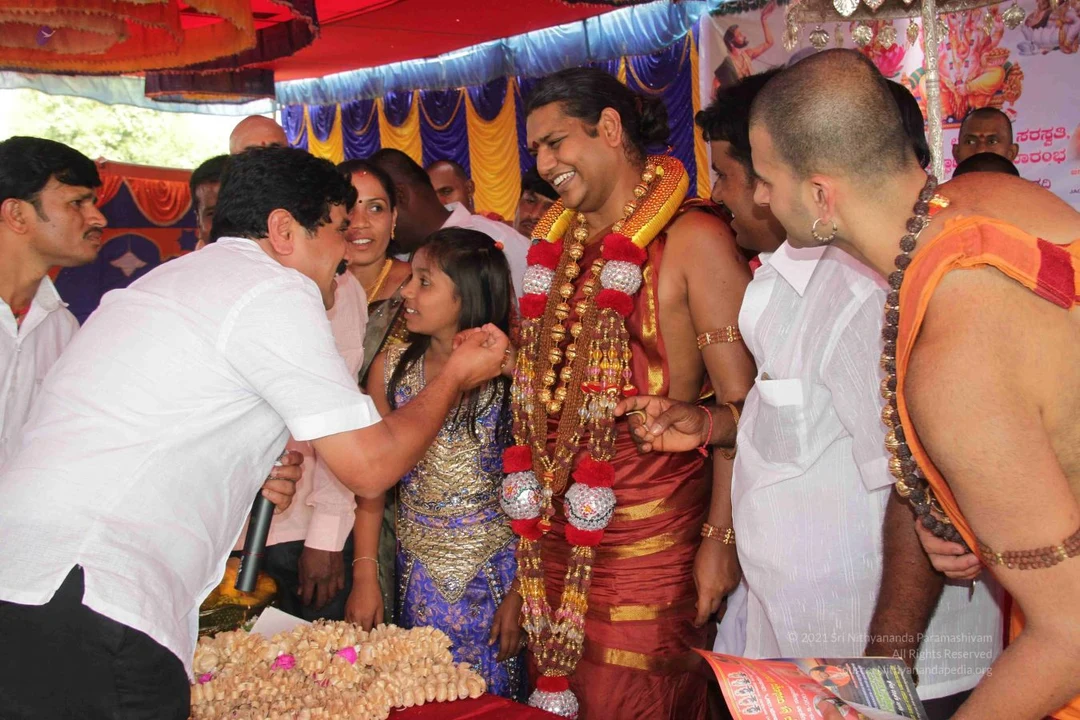
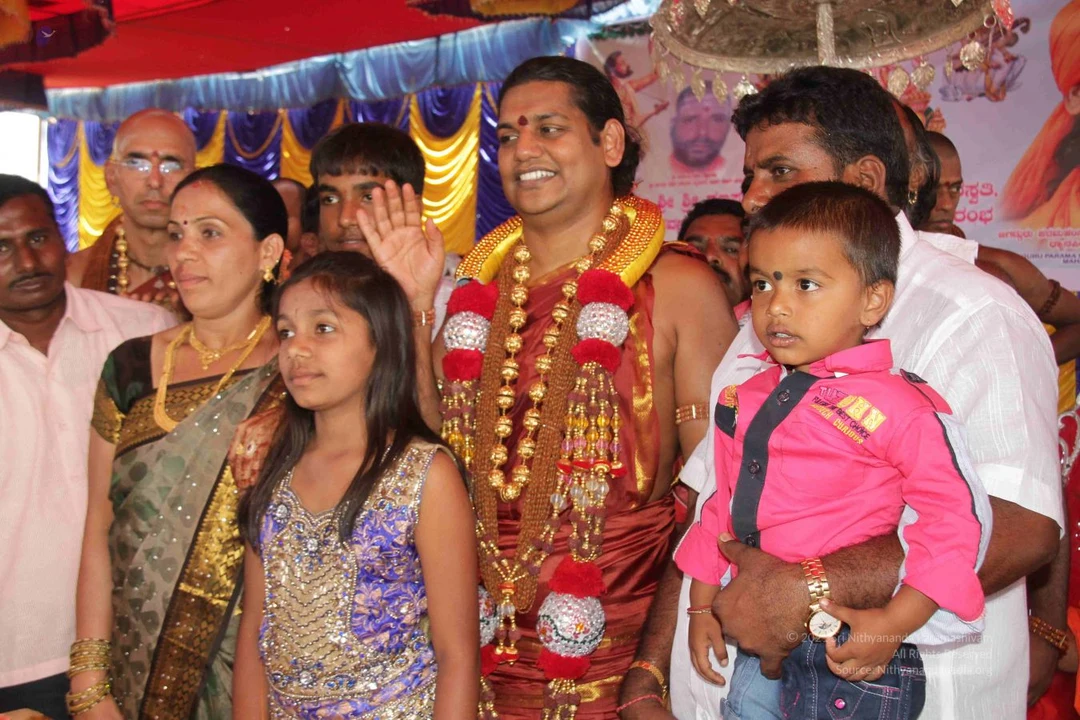
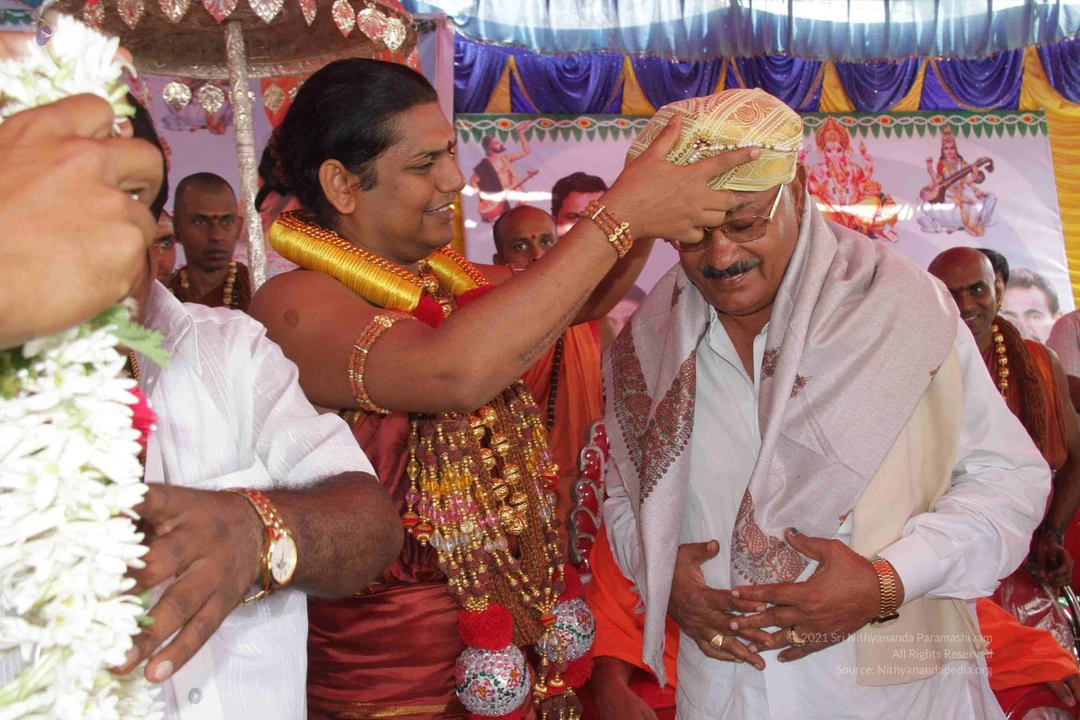
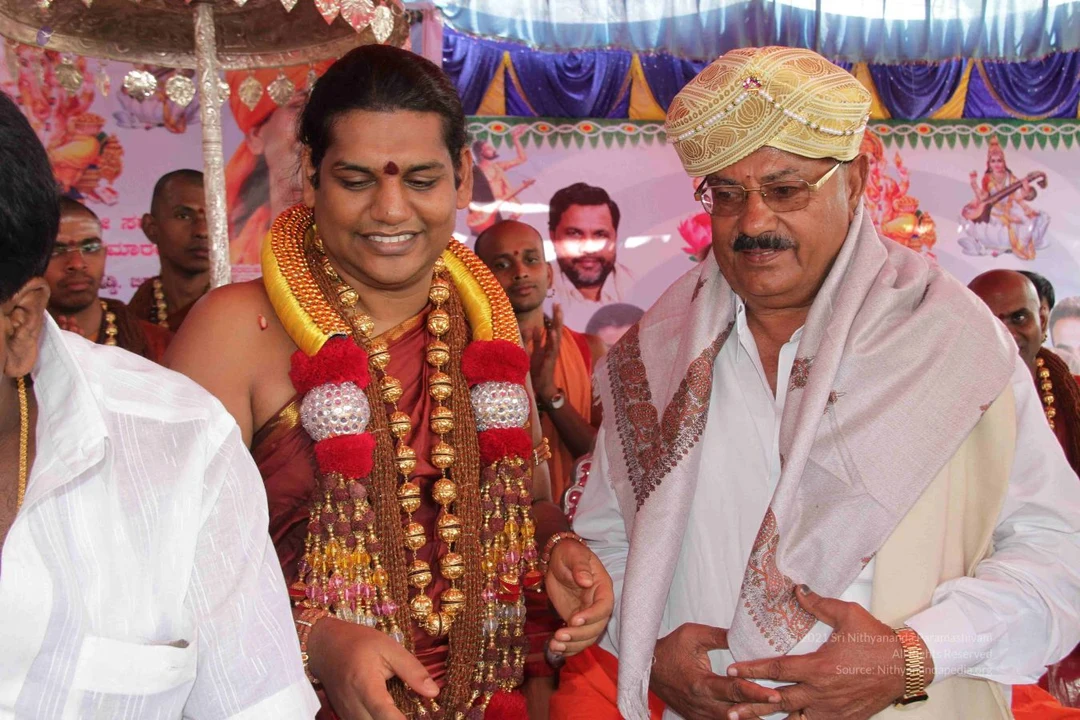
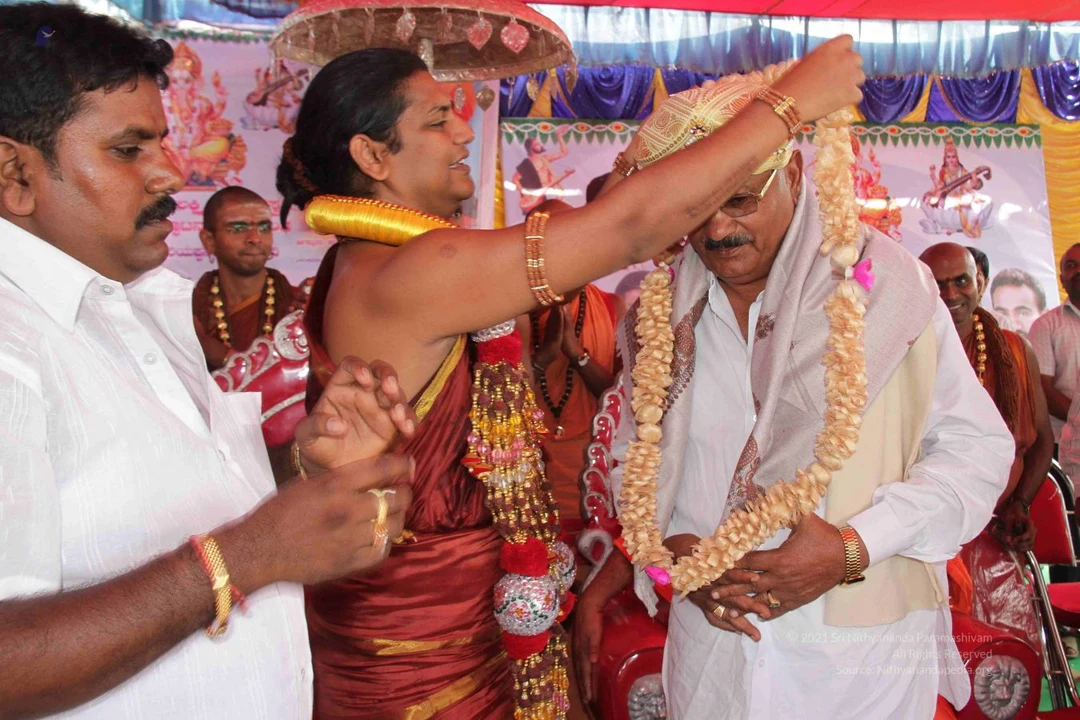
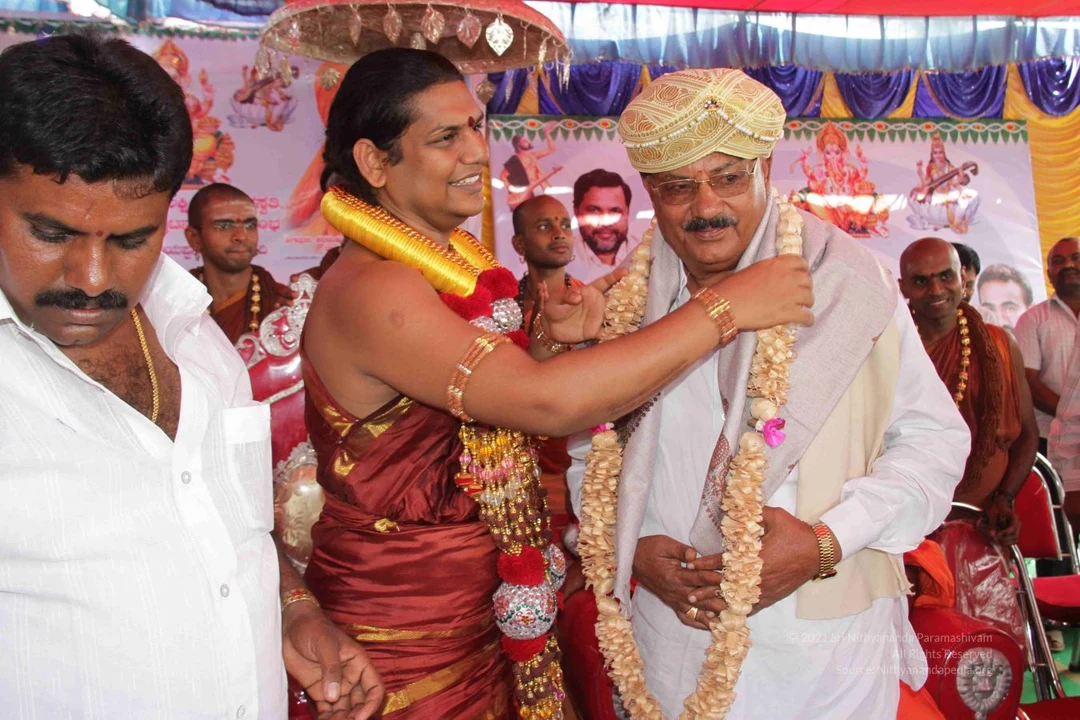
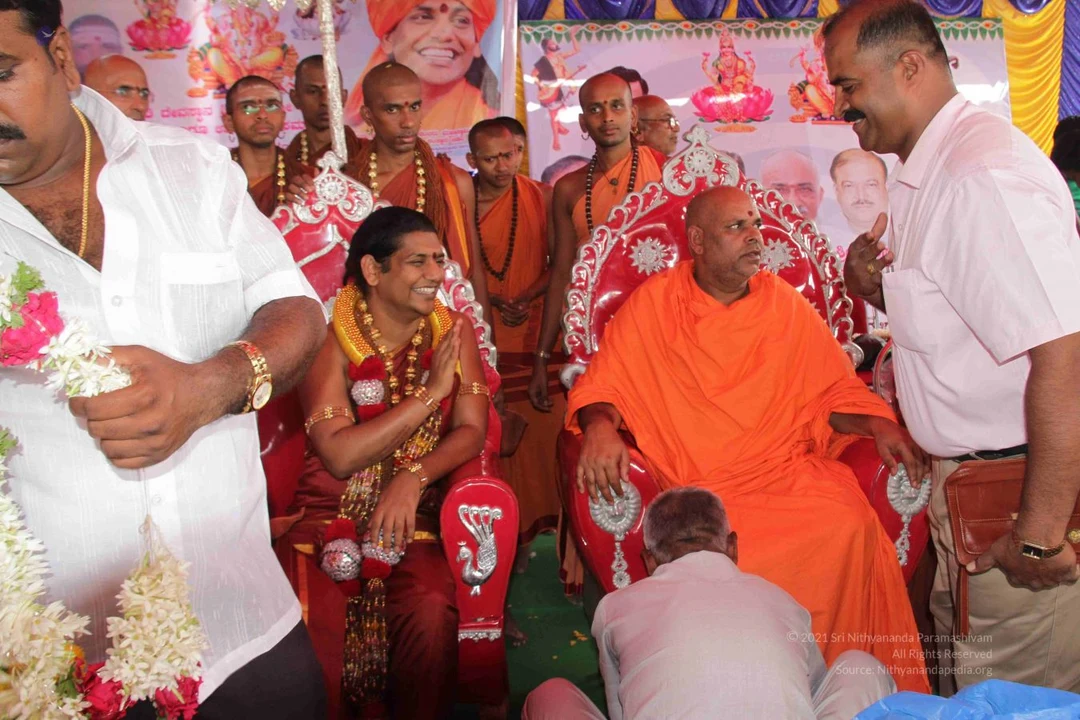
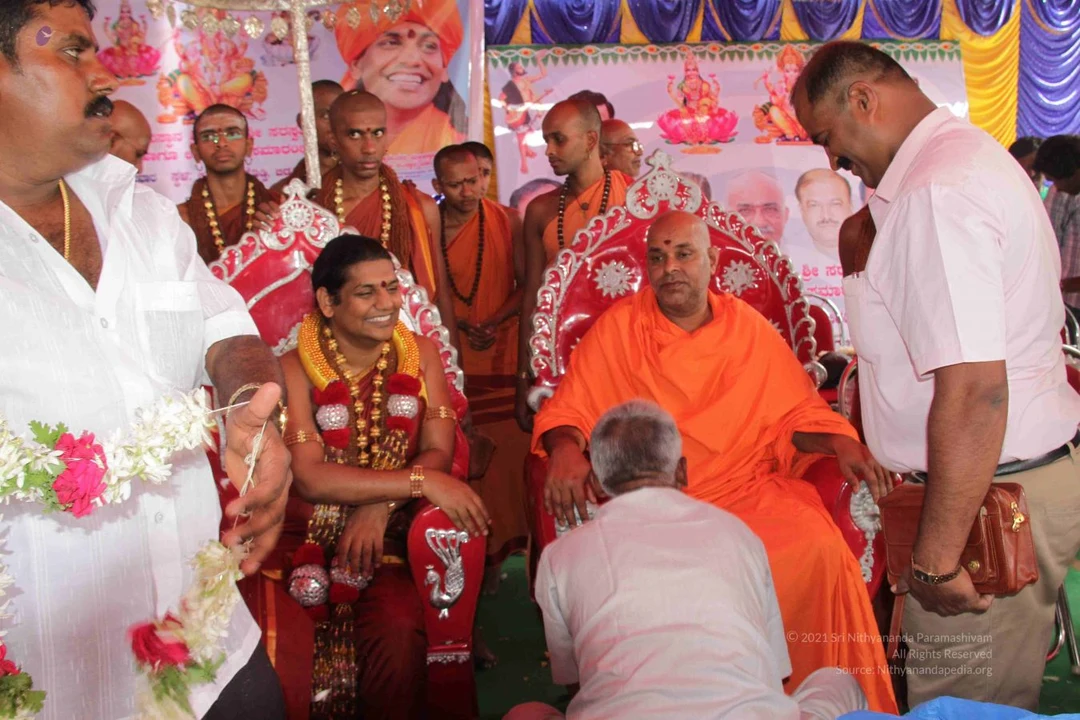
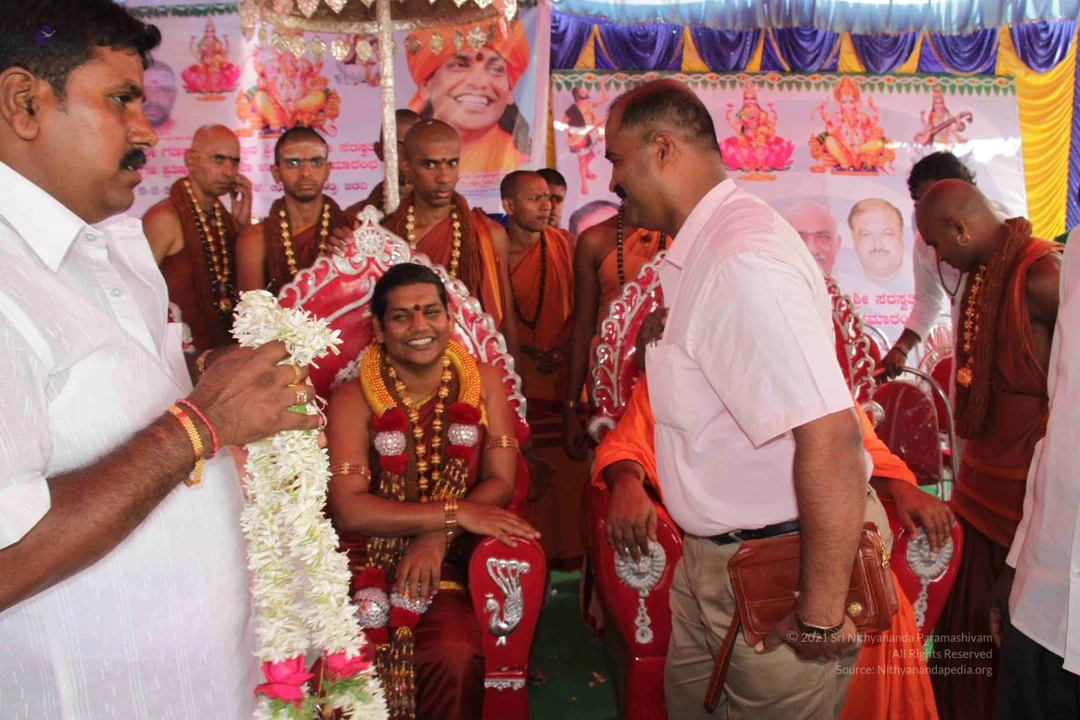
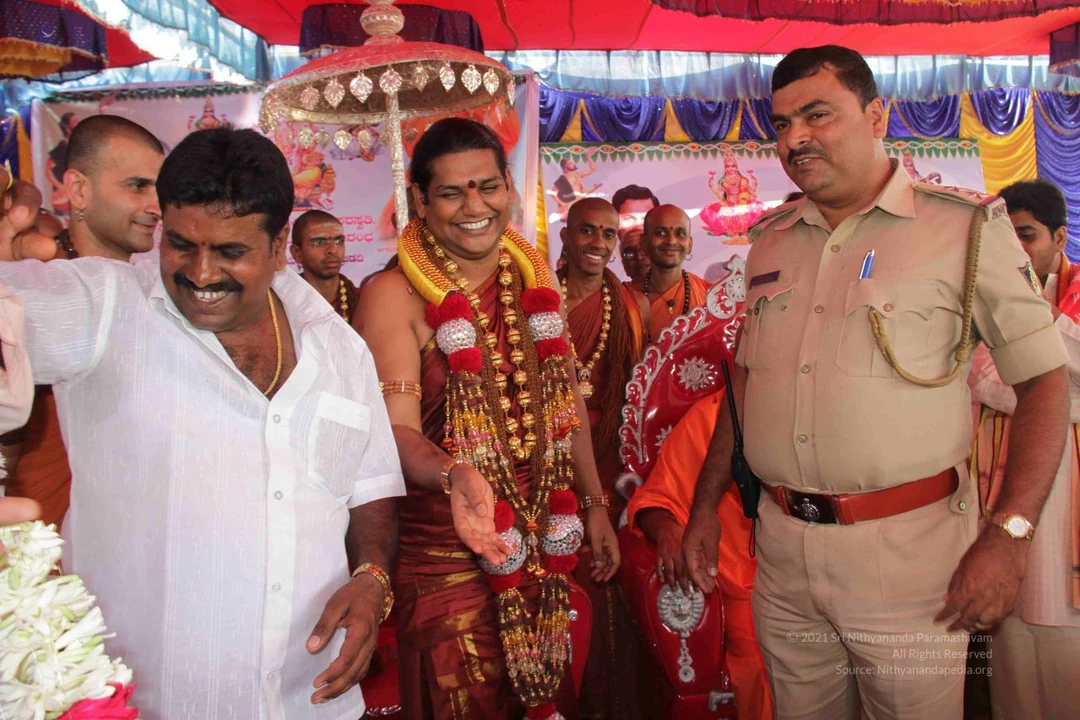
Photos Of The Day:
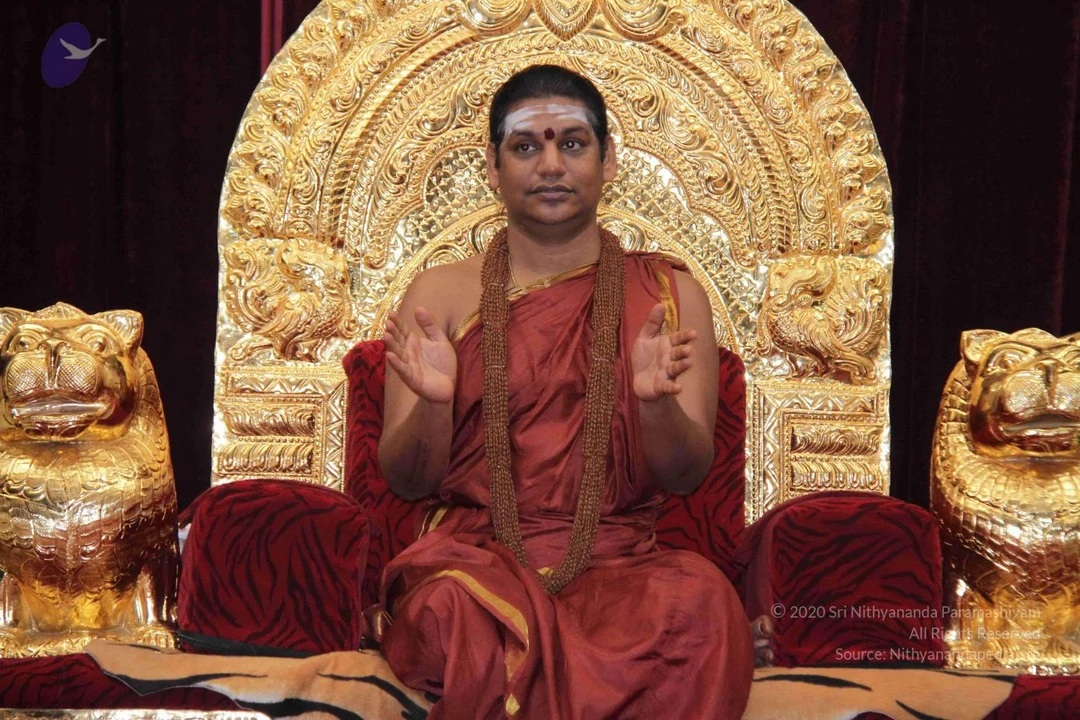
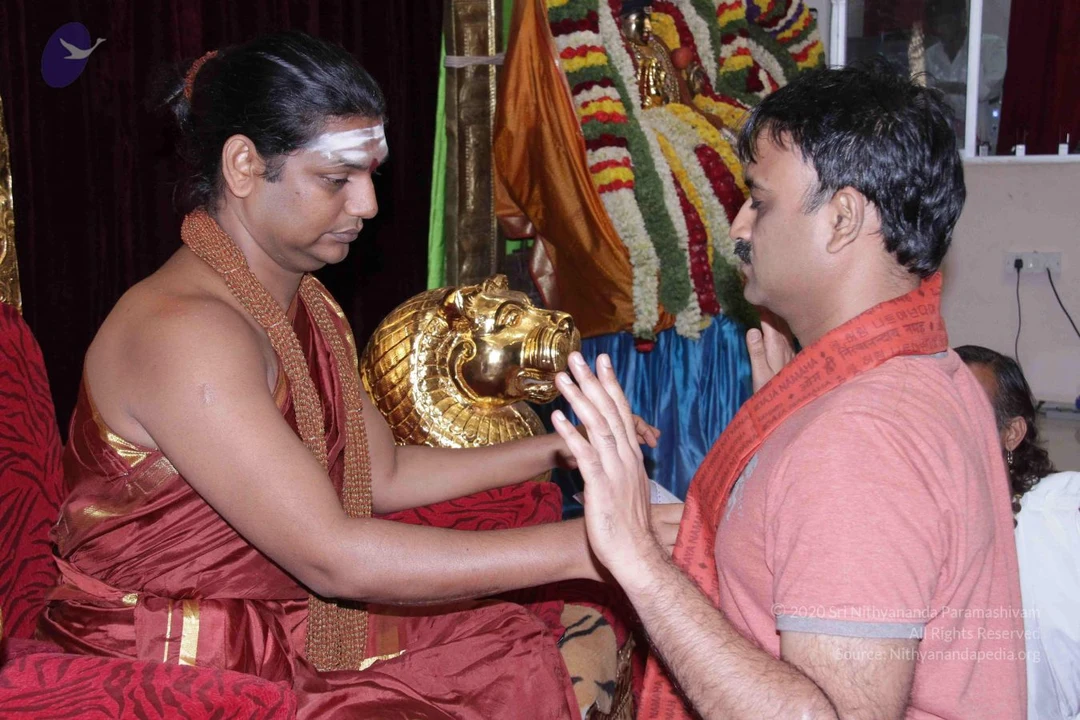
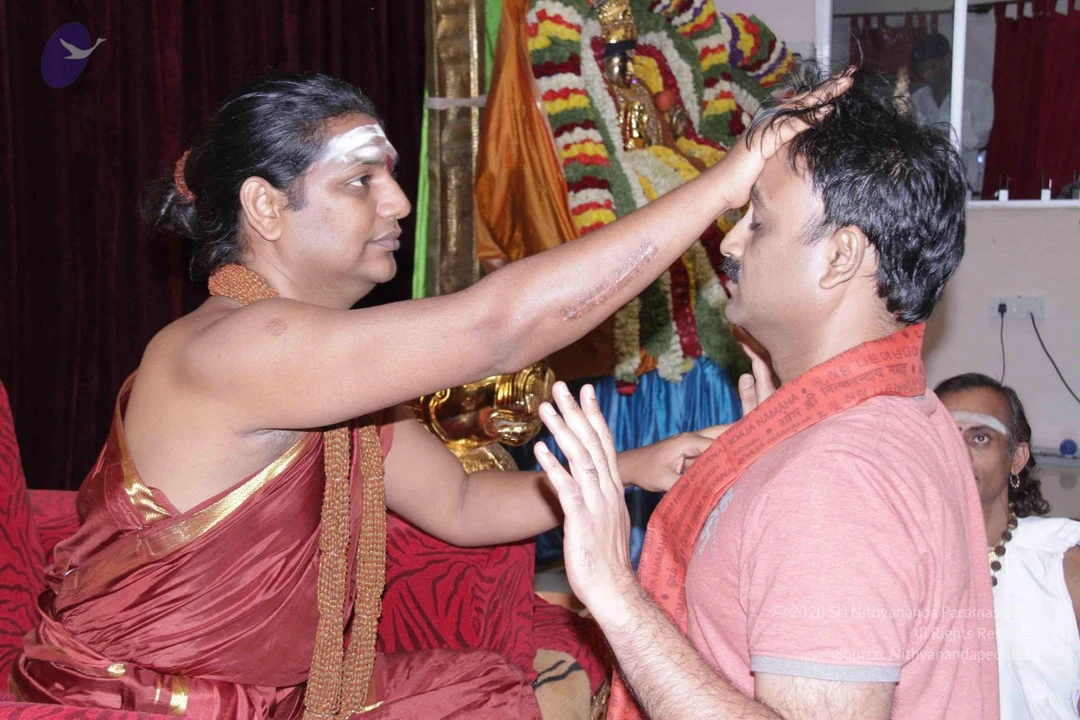
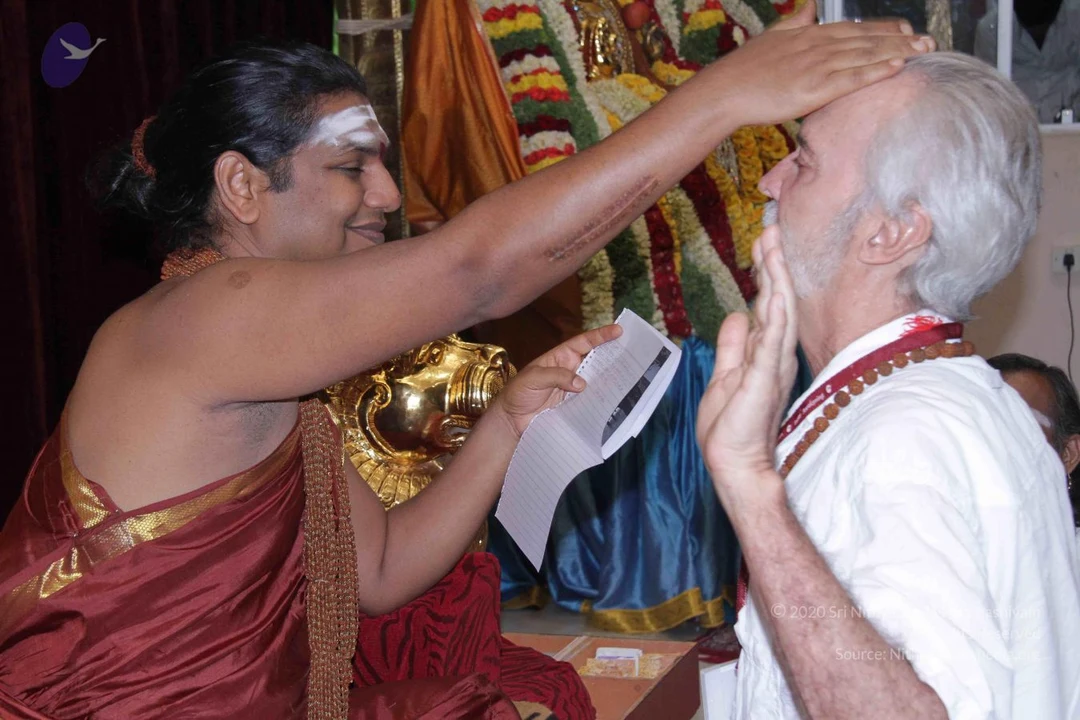
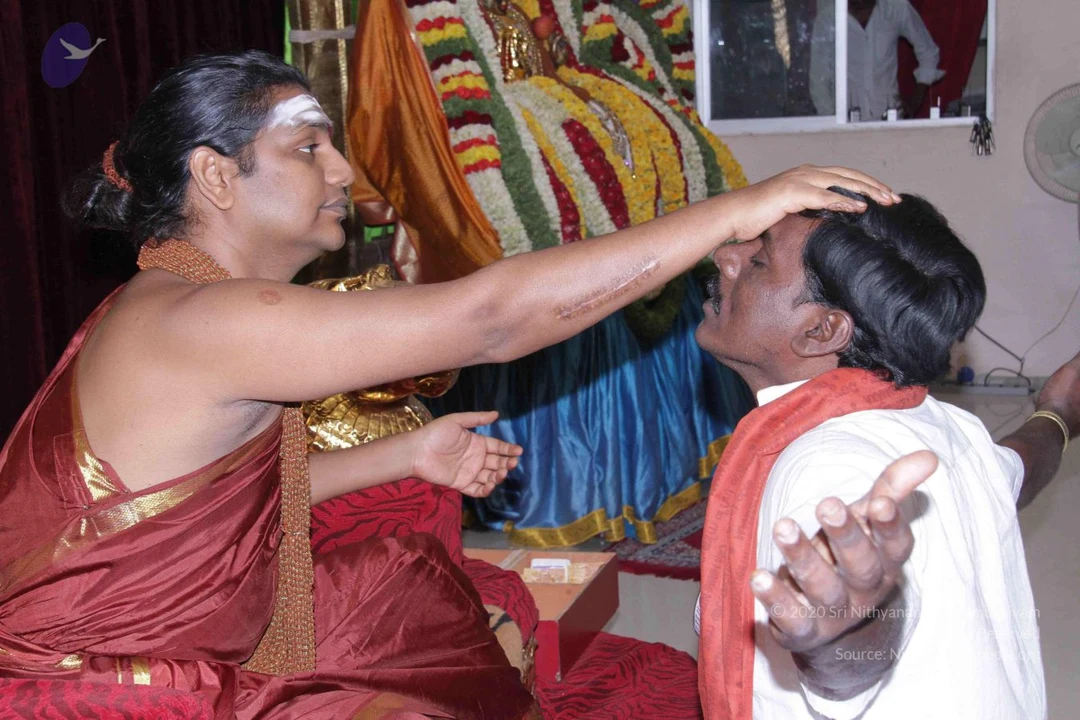
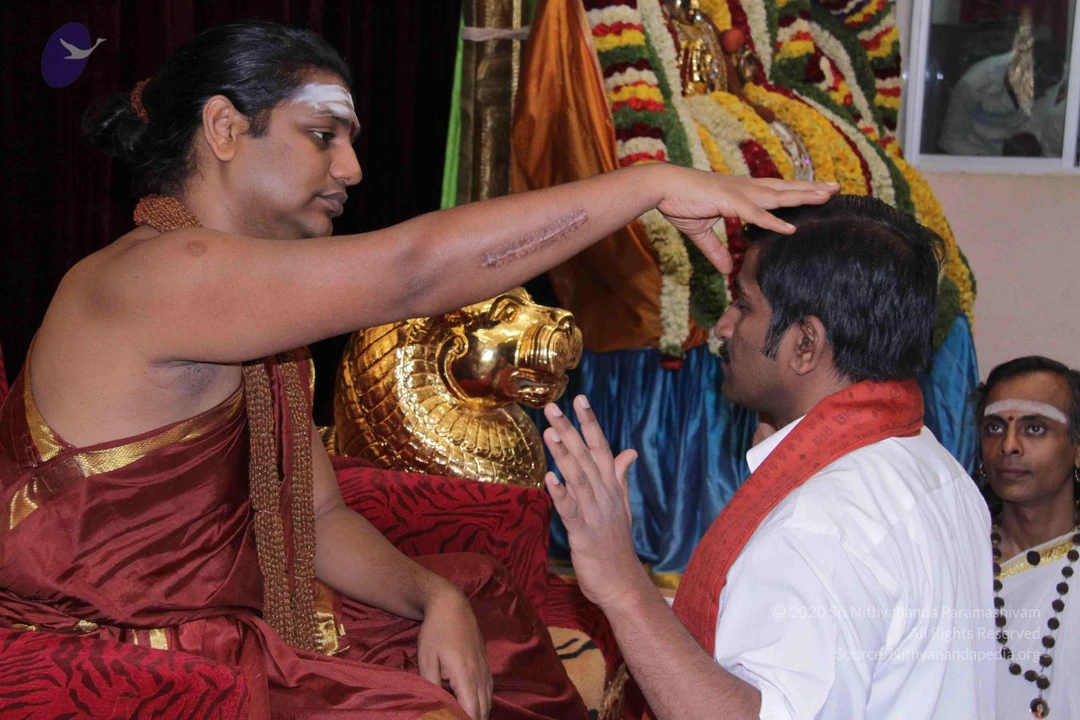
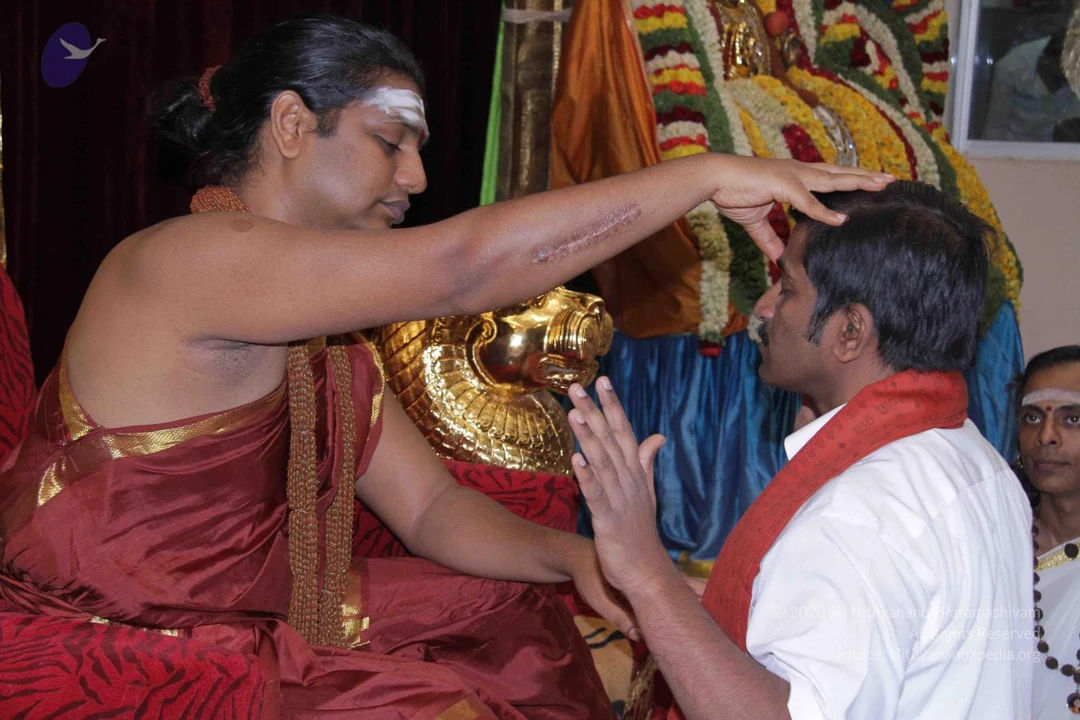
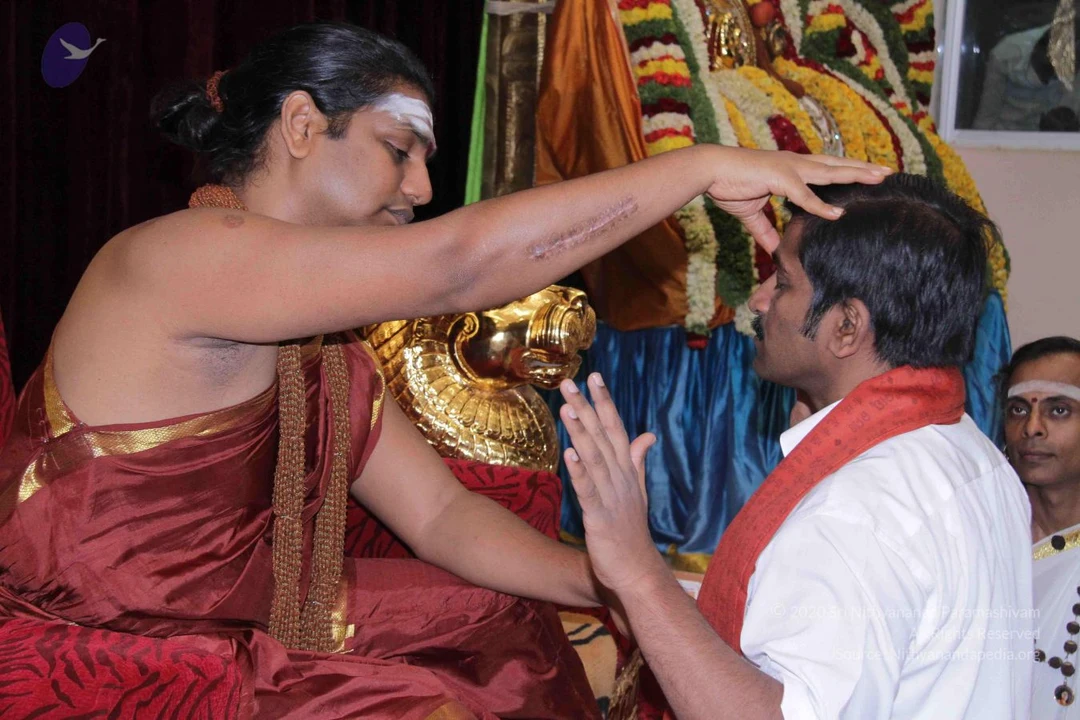
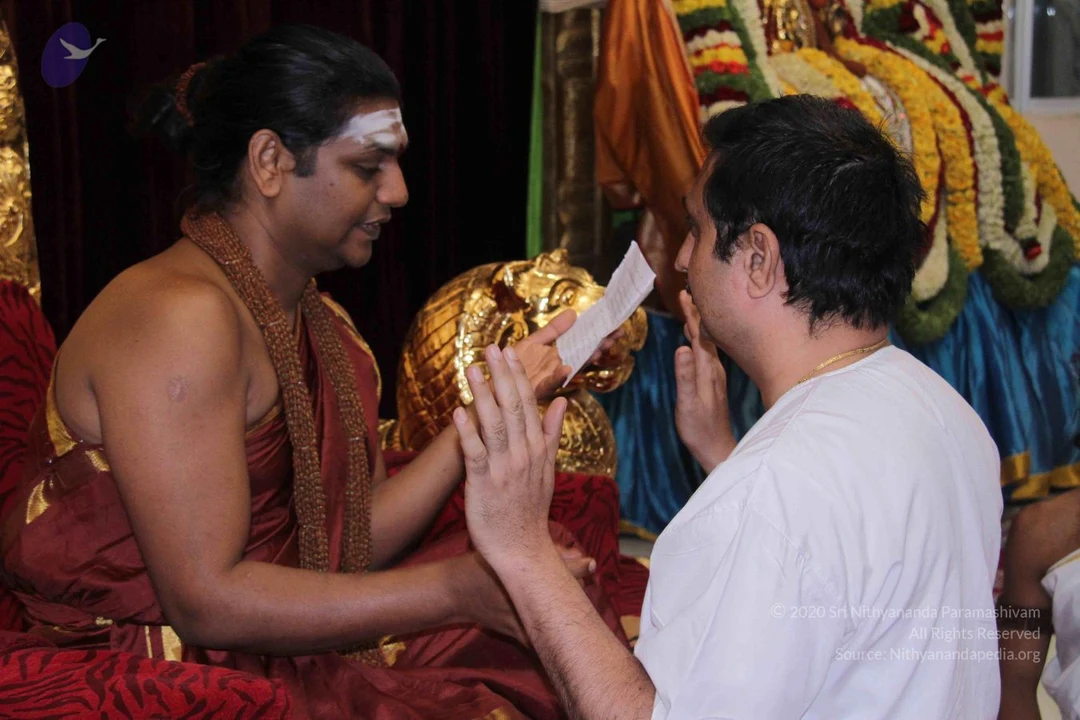
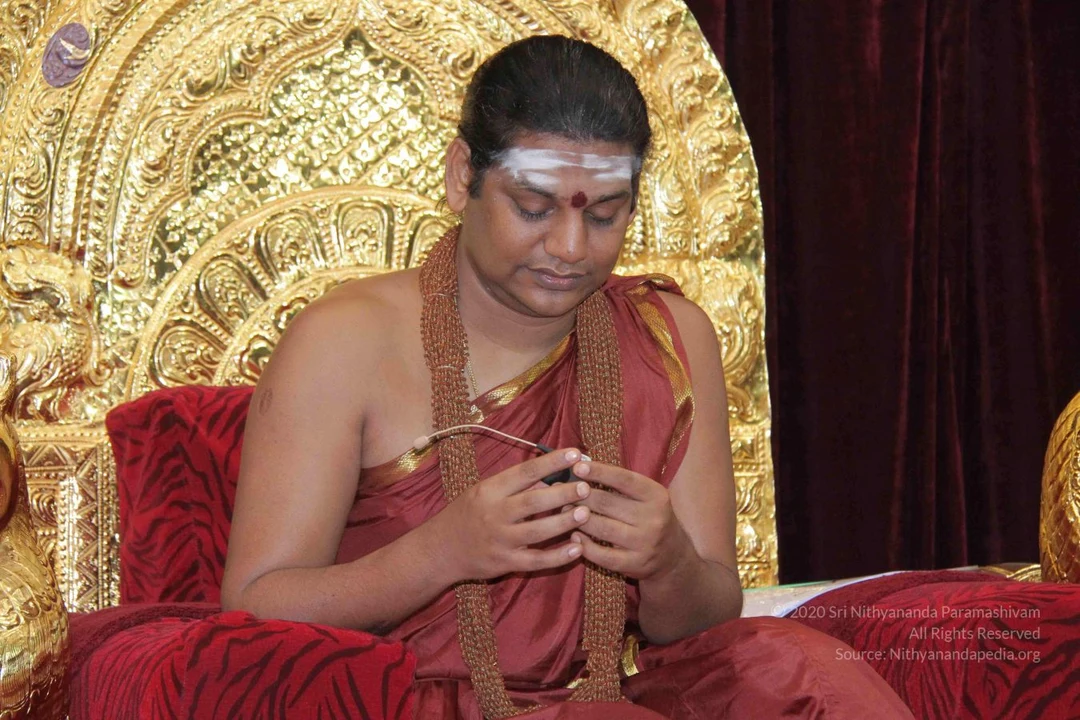
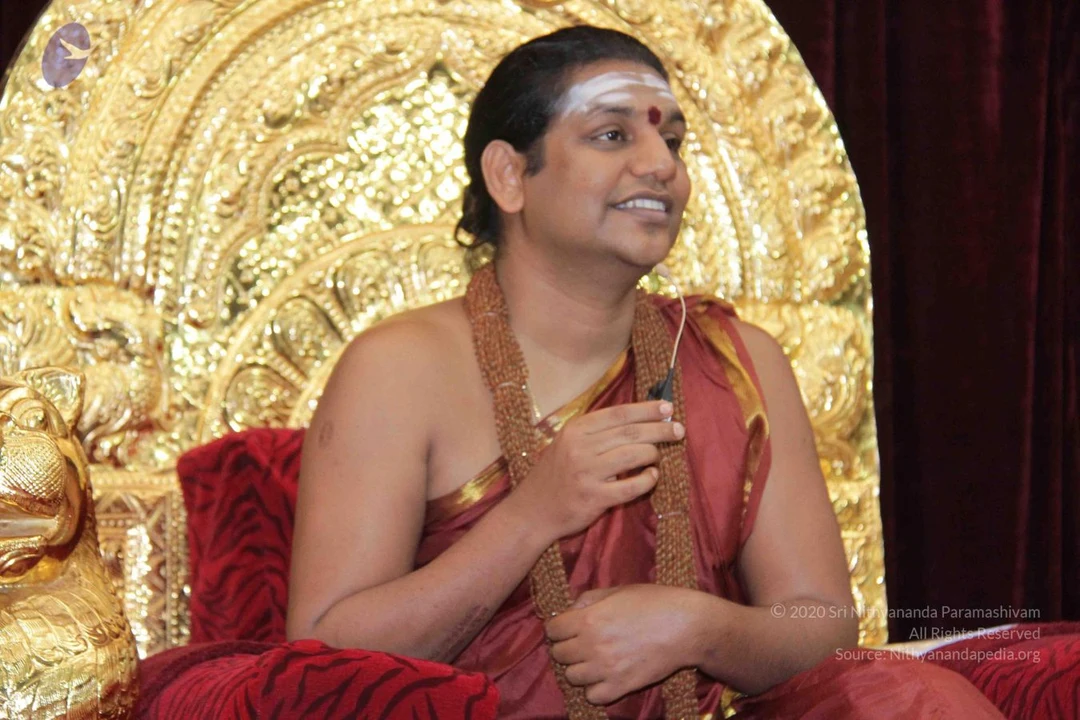
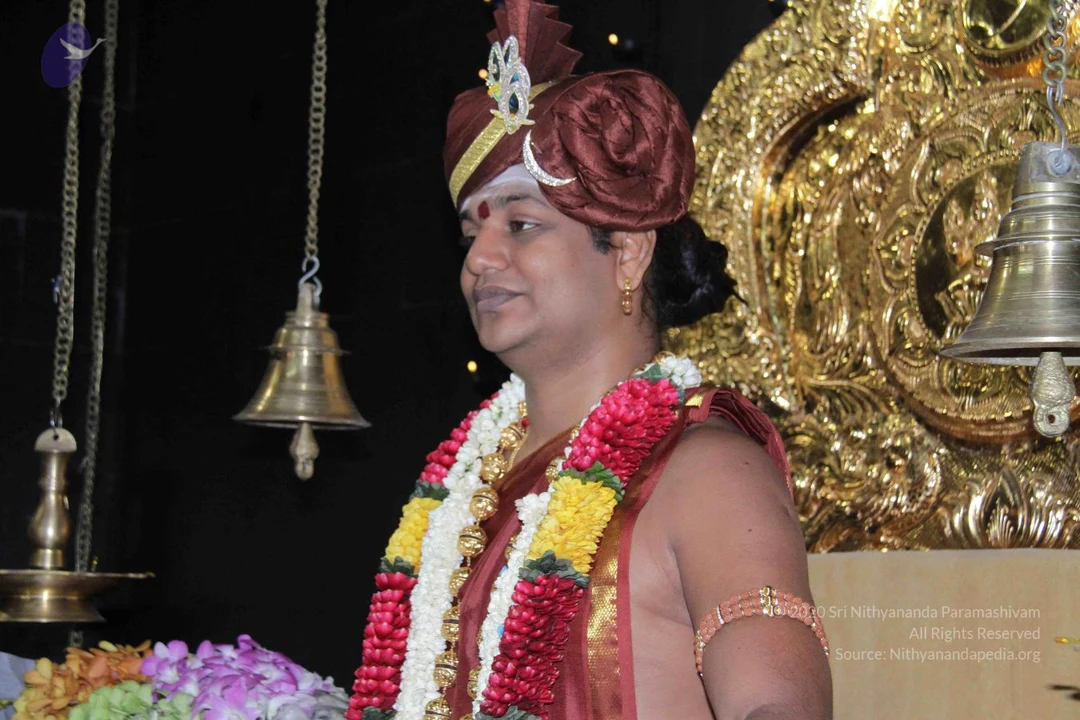
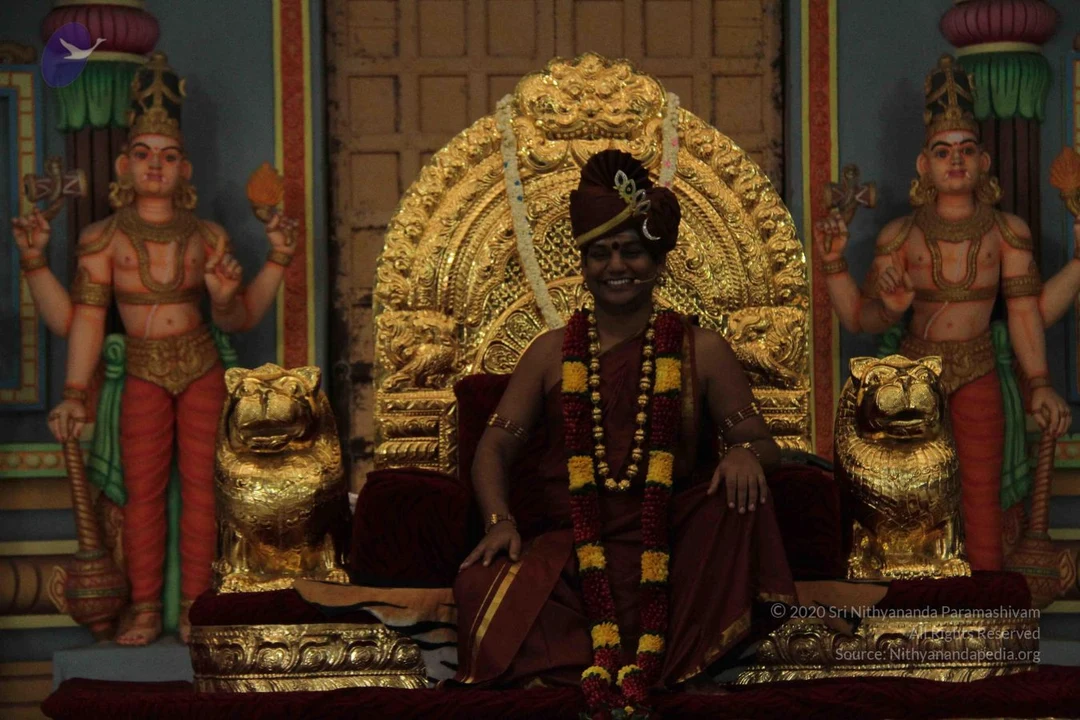
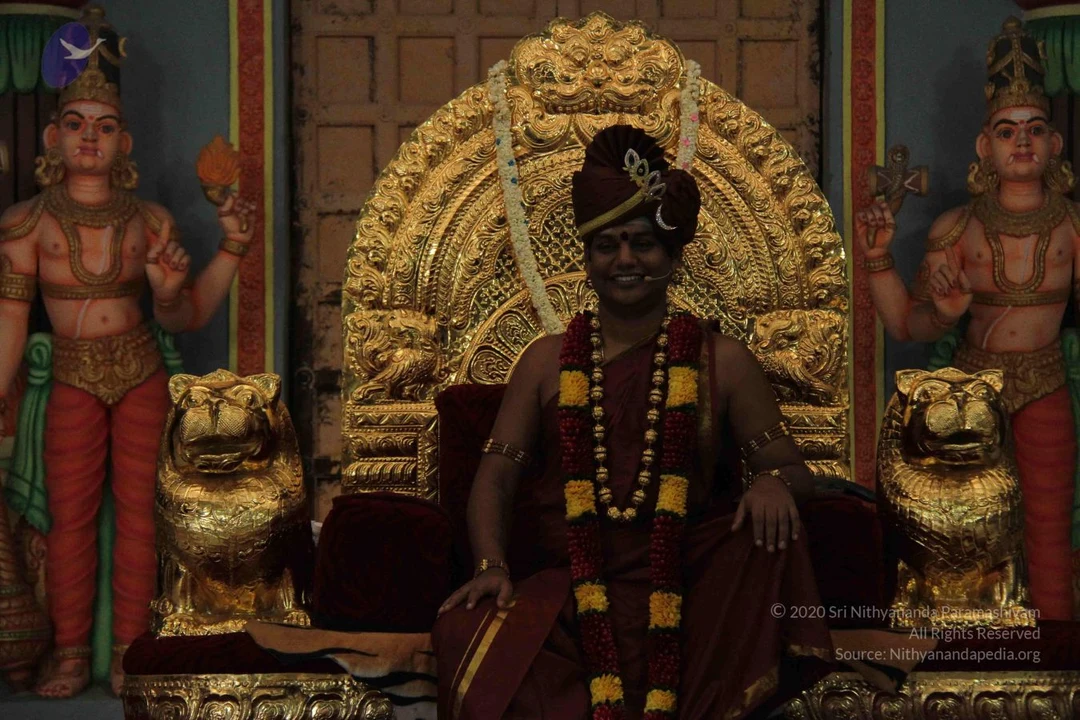
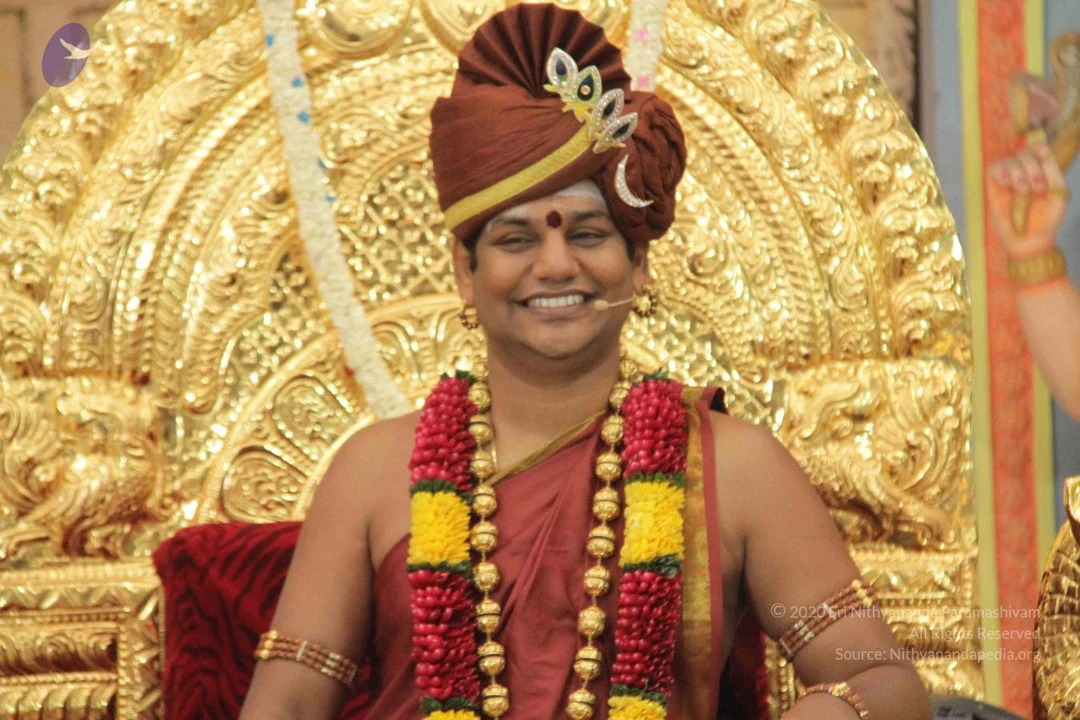
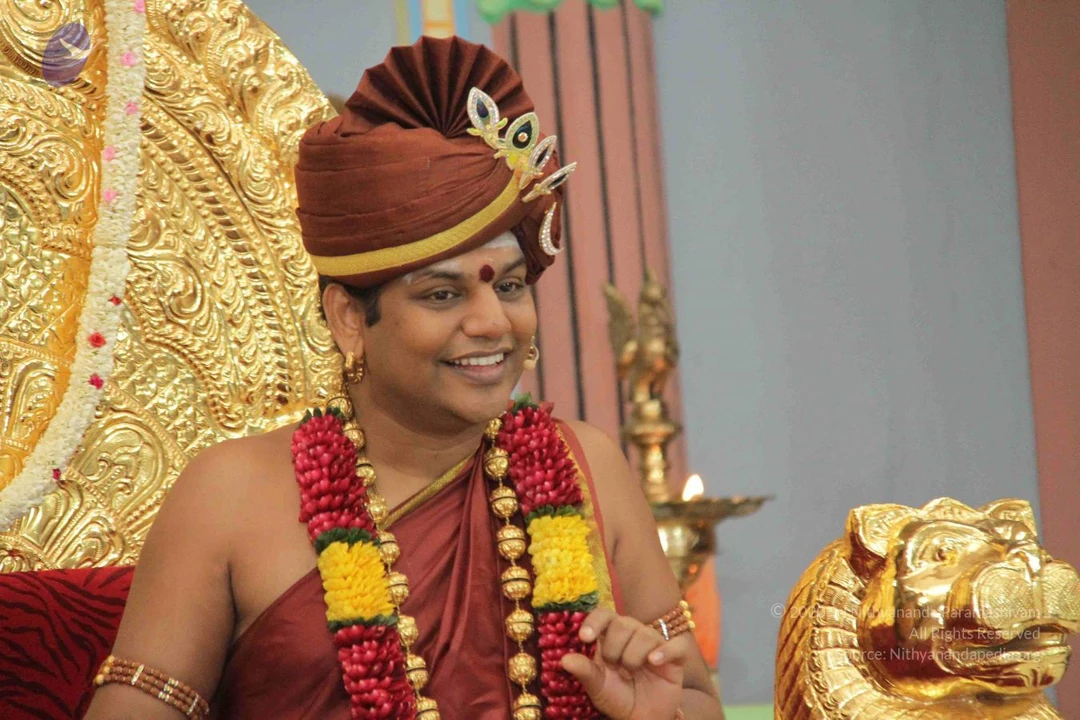
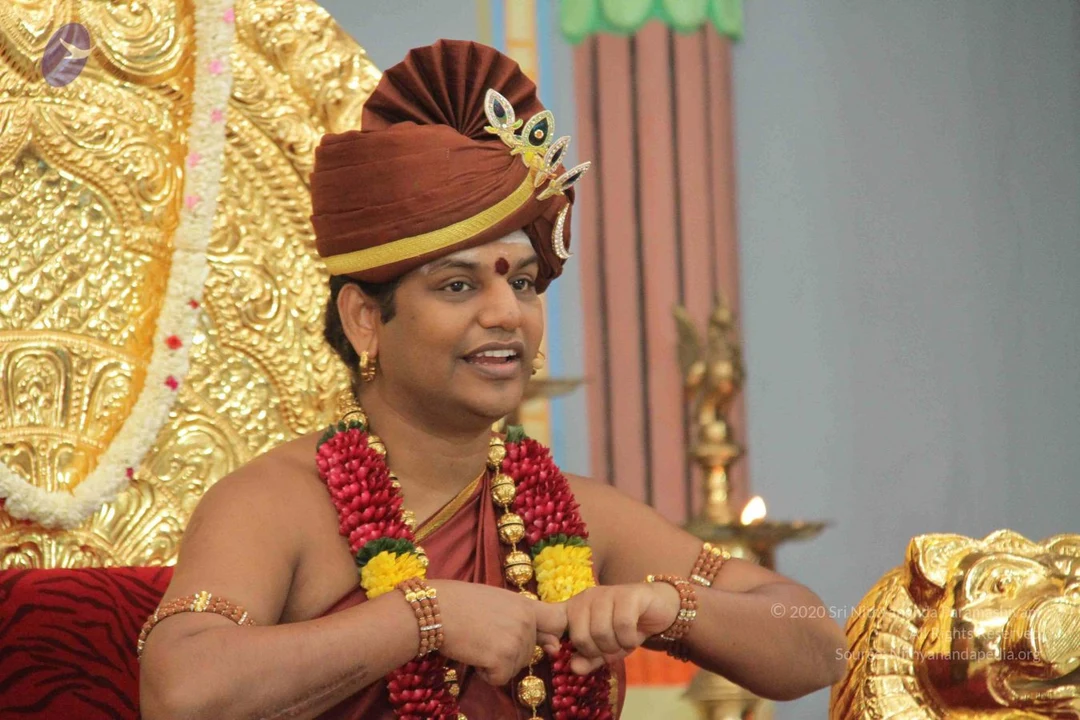
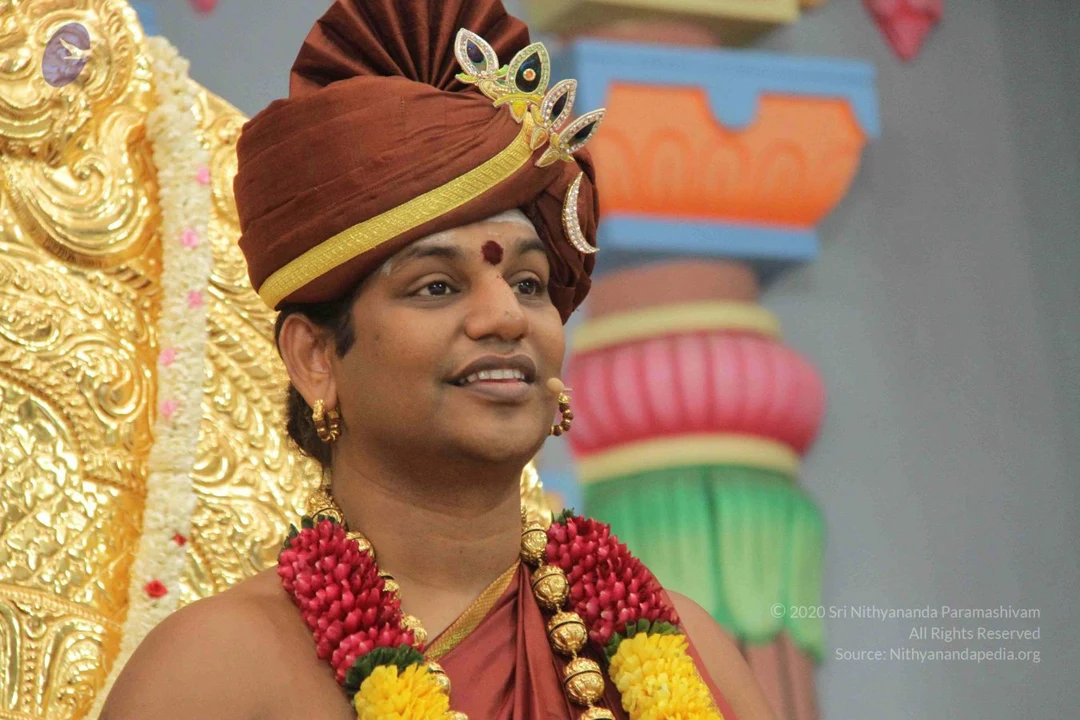
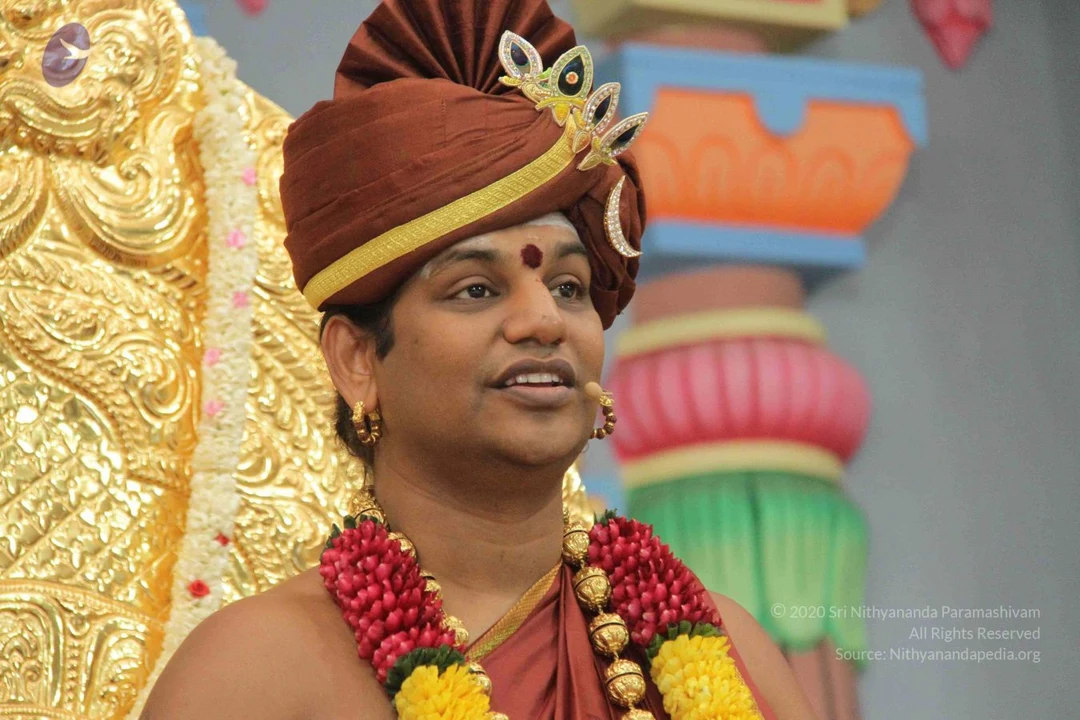
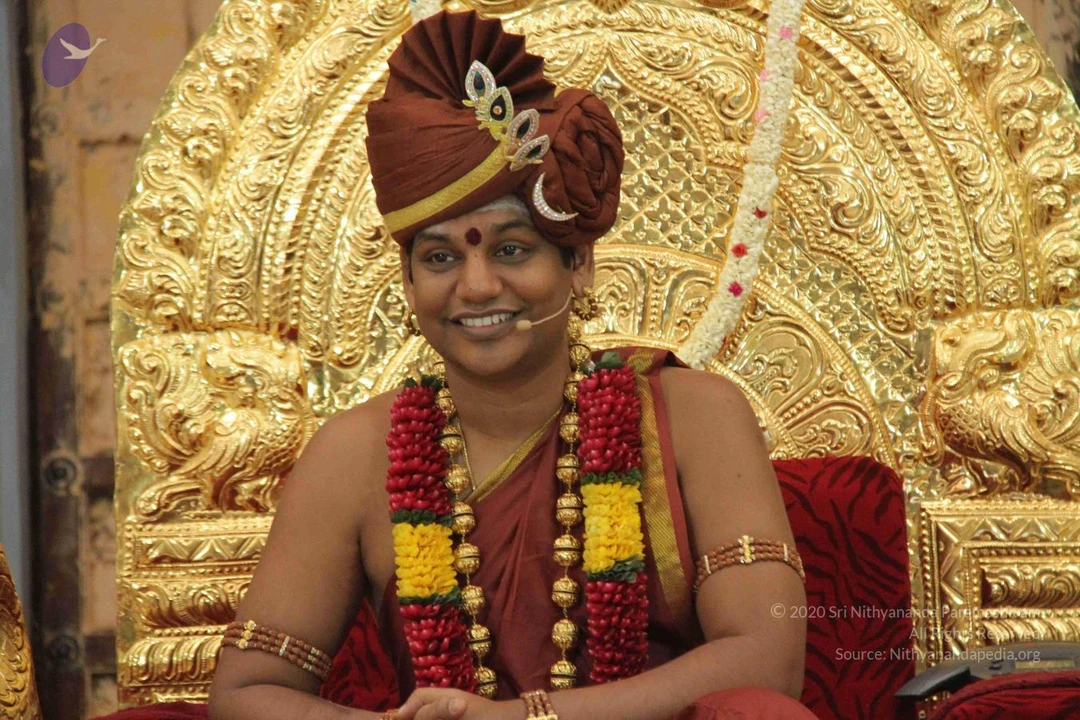
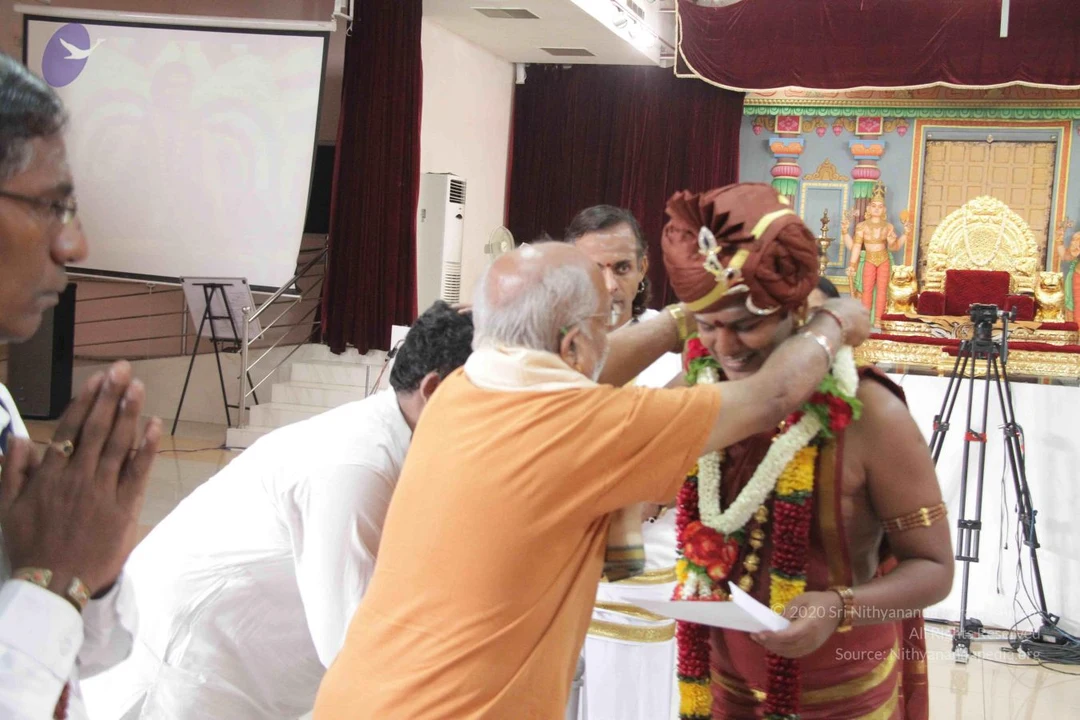
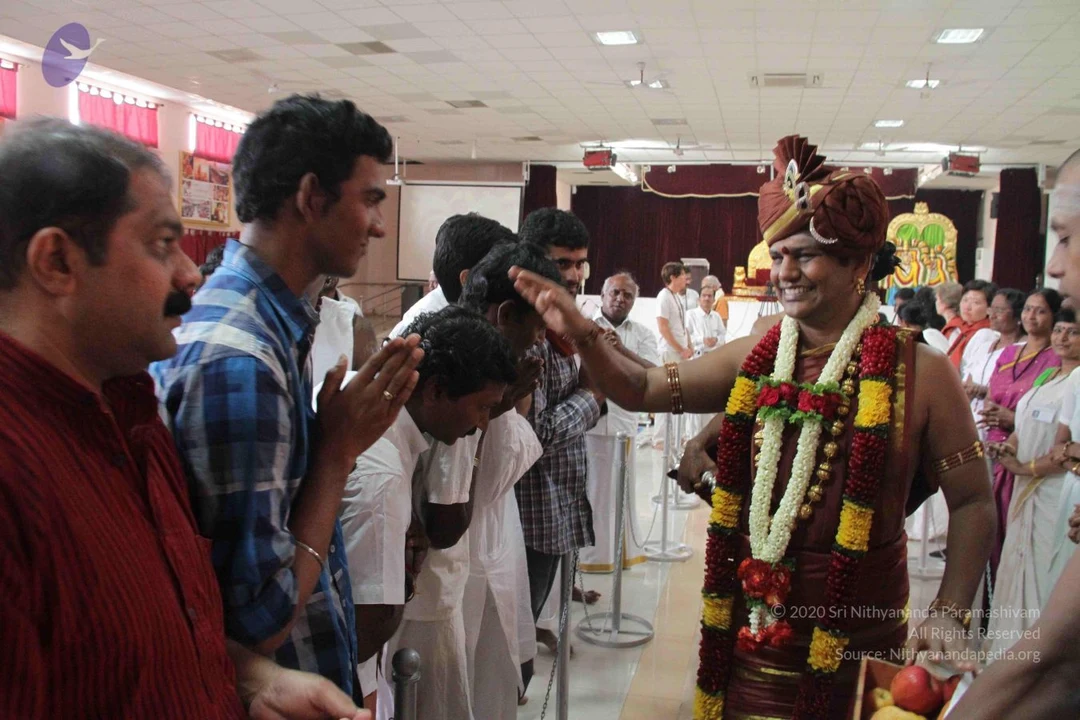
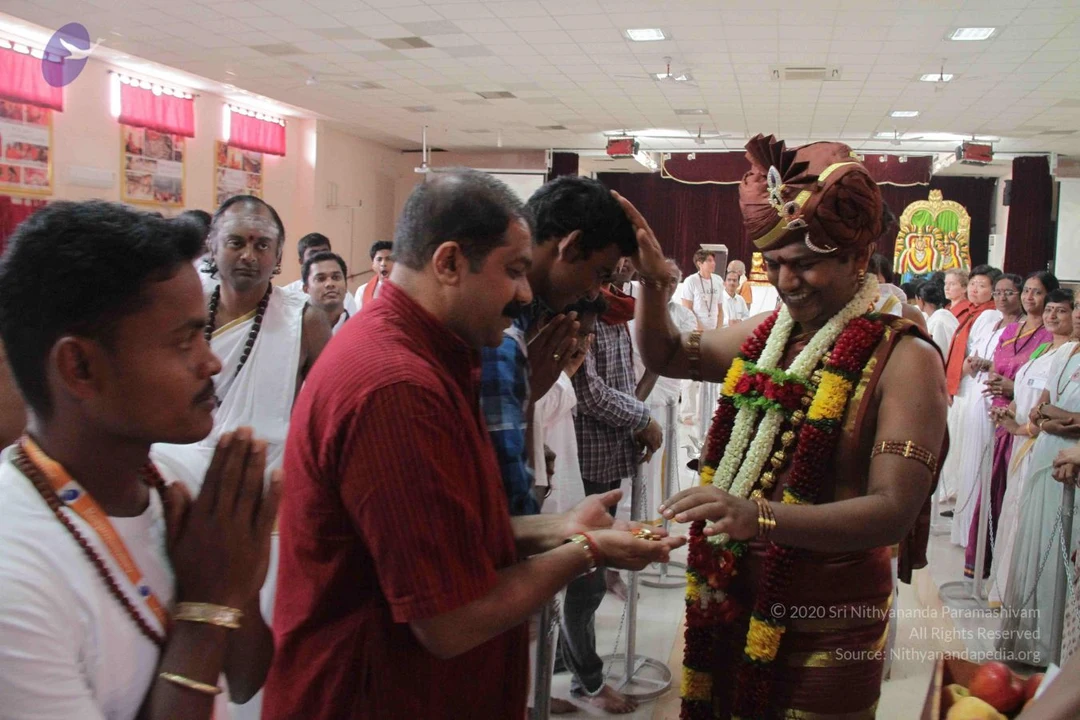
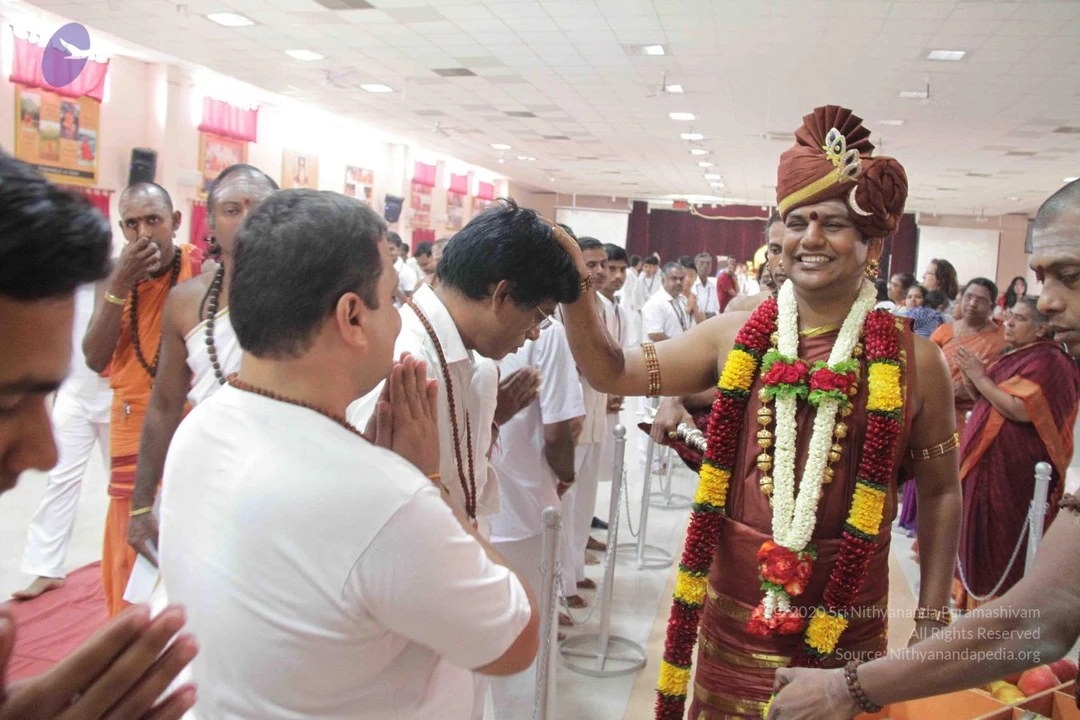
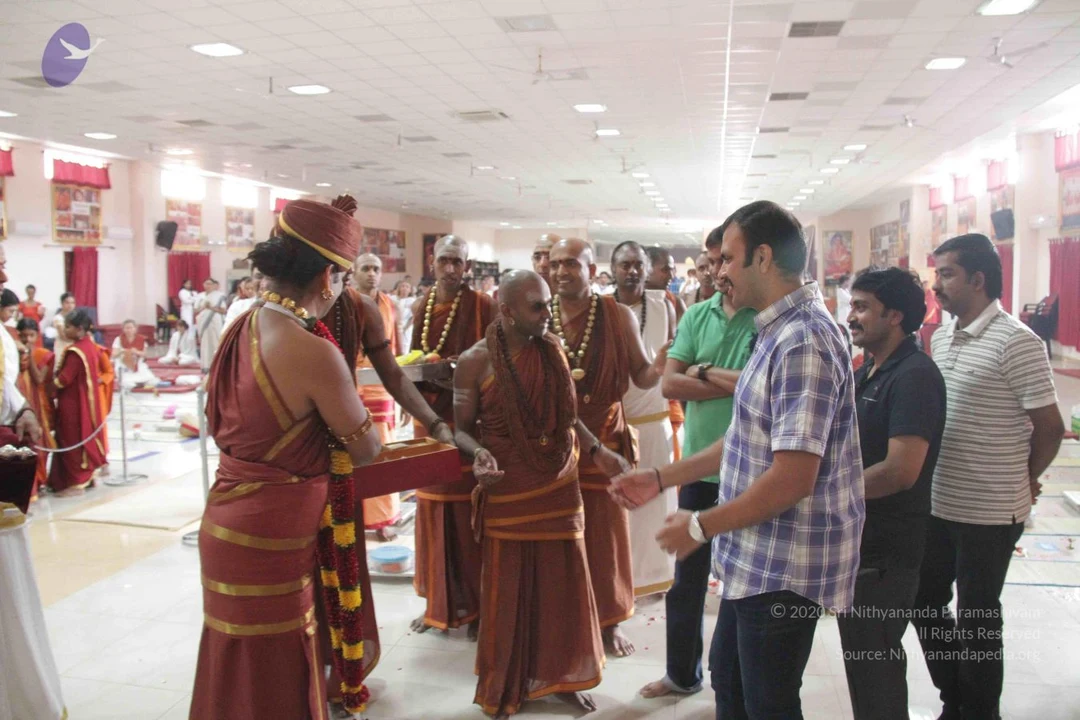
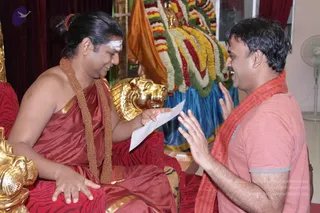
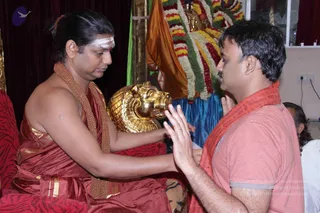
IA_Darshan
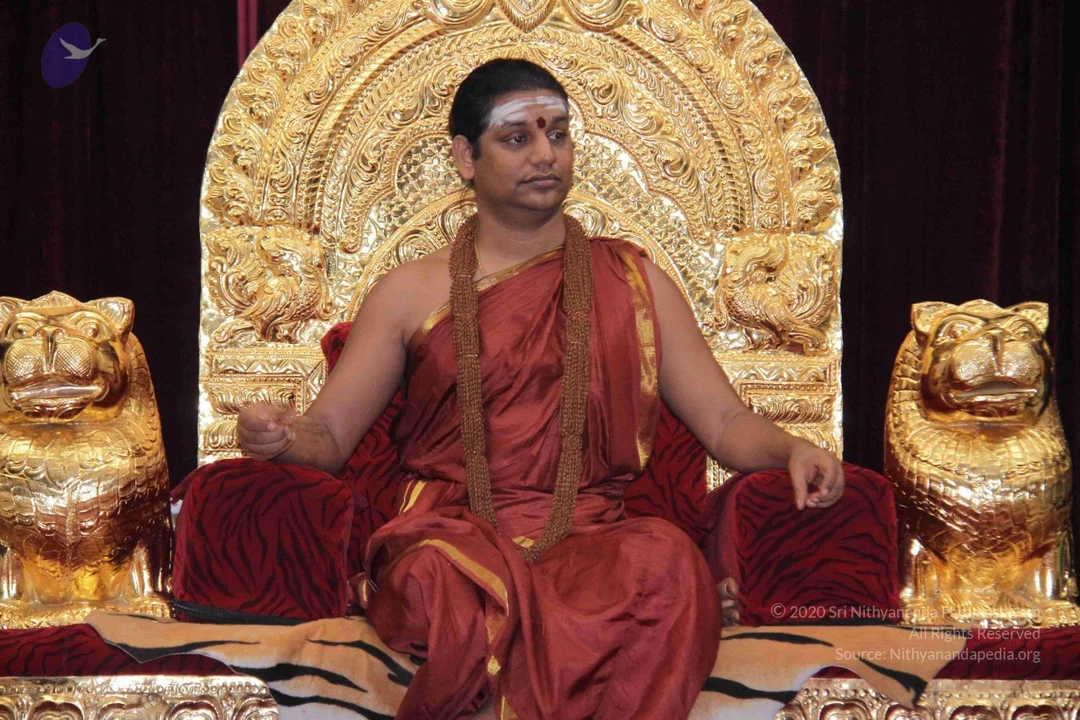
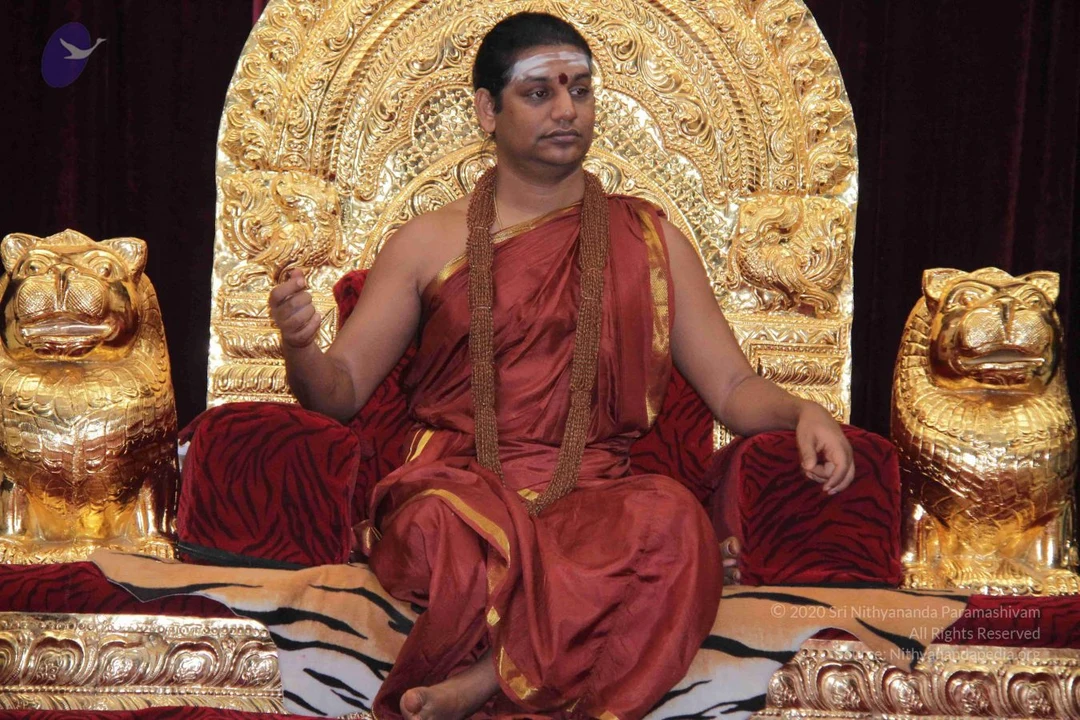
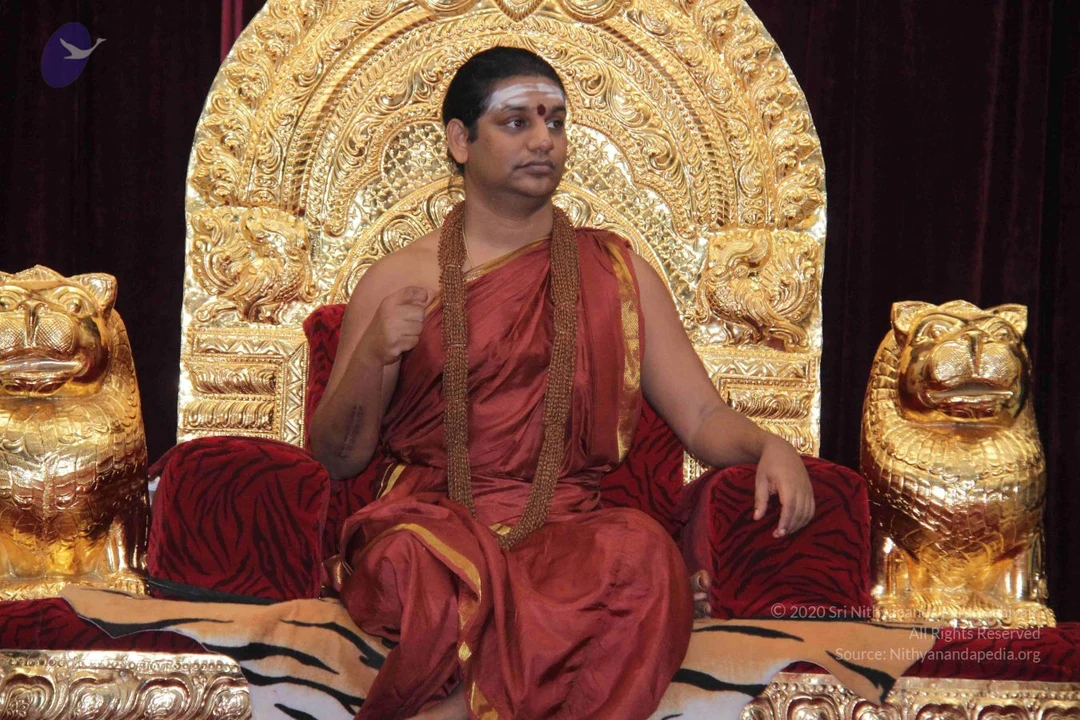
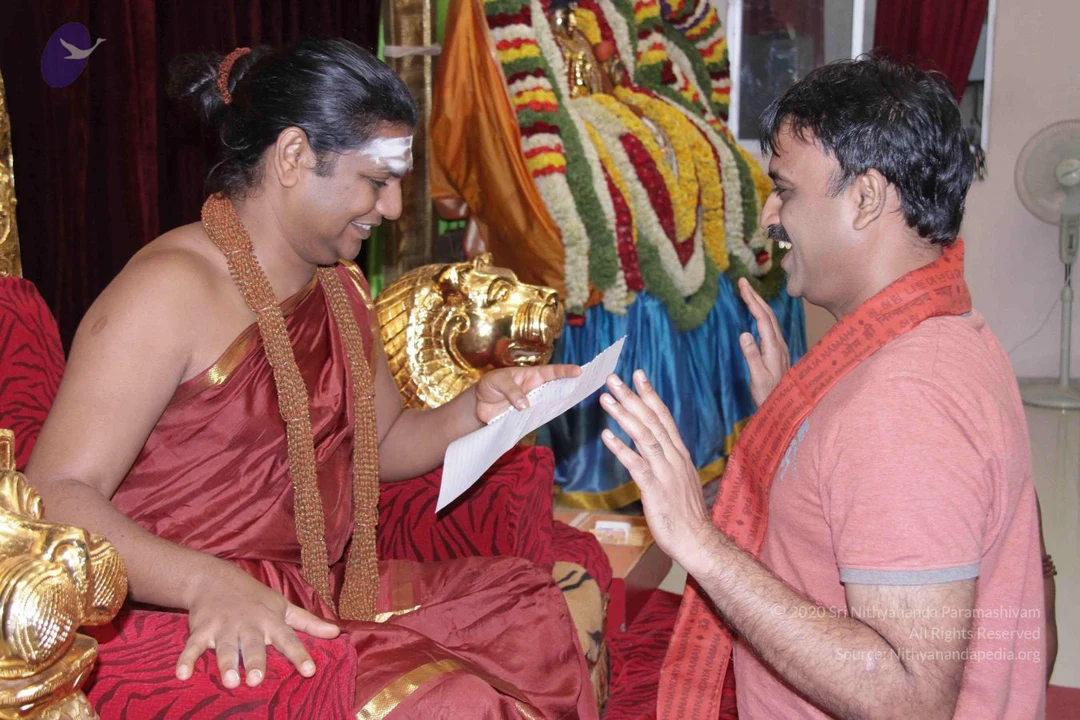
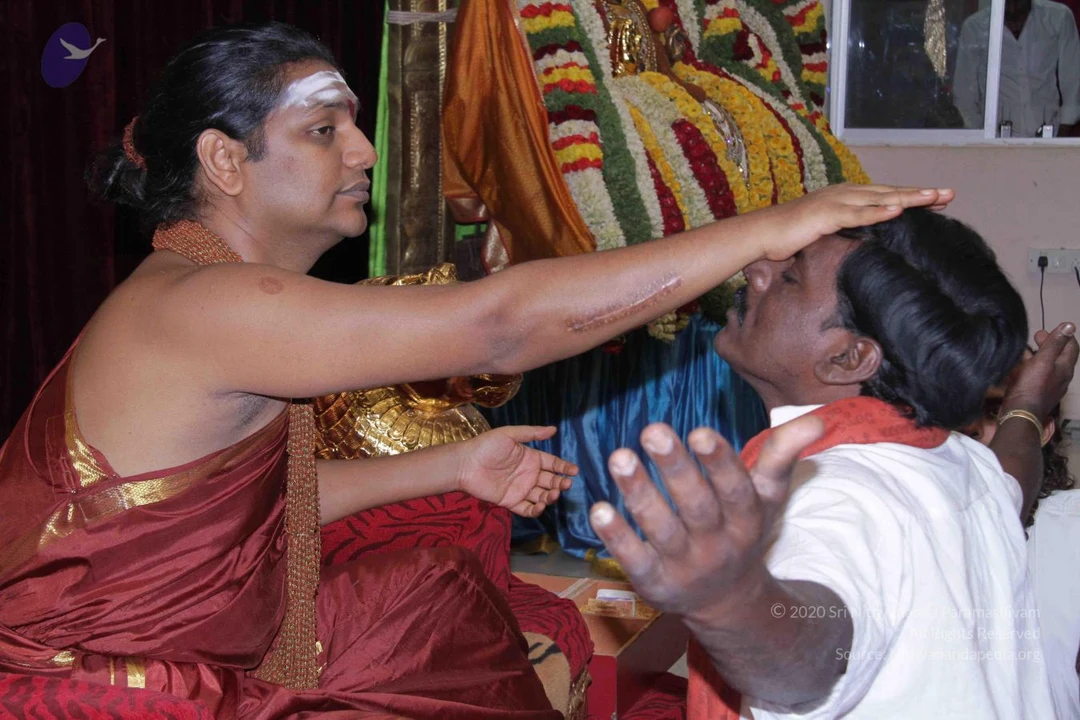
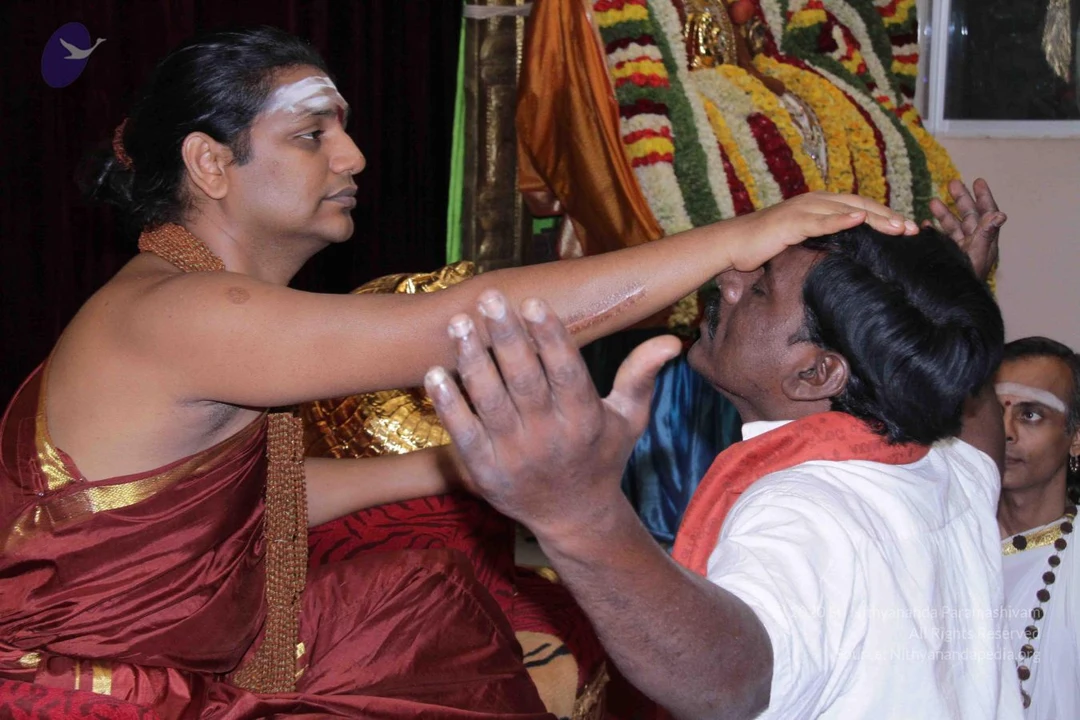
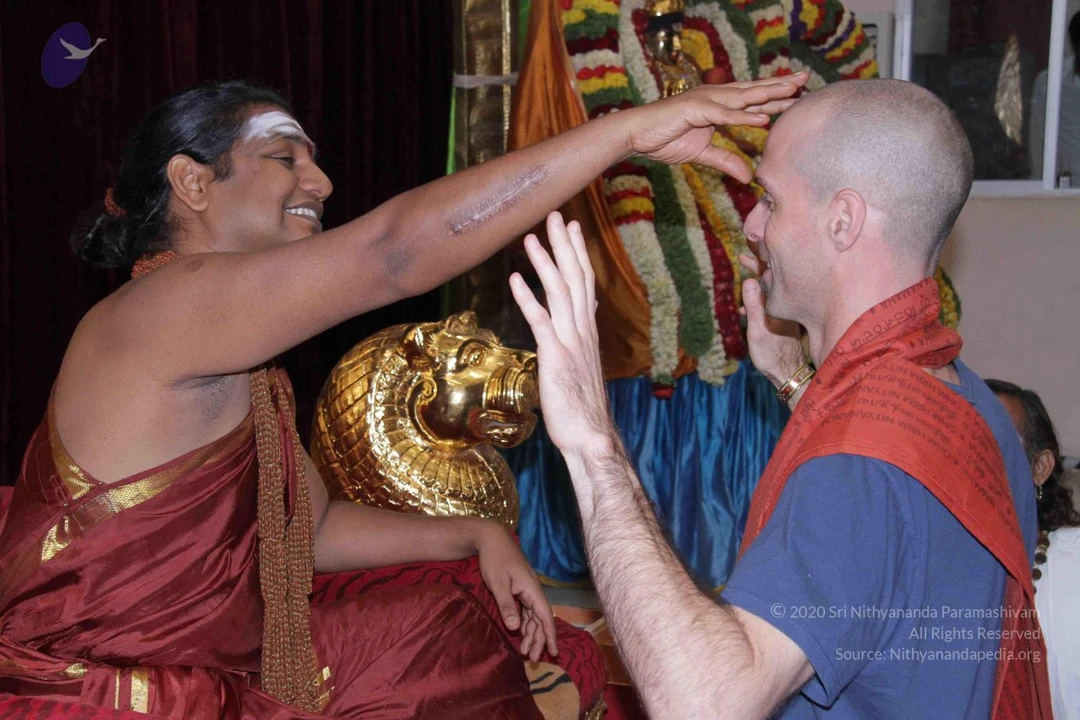
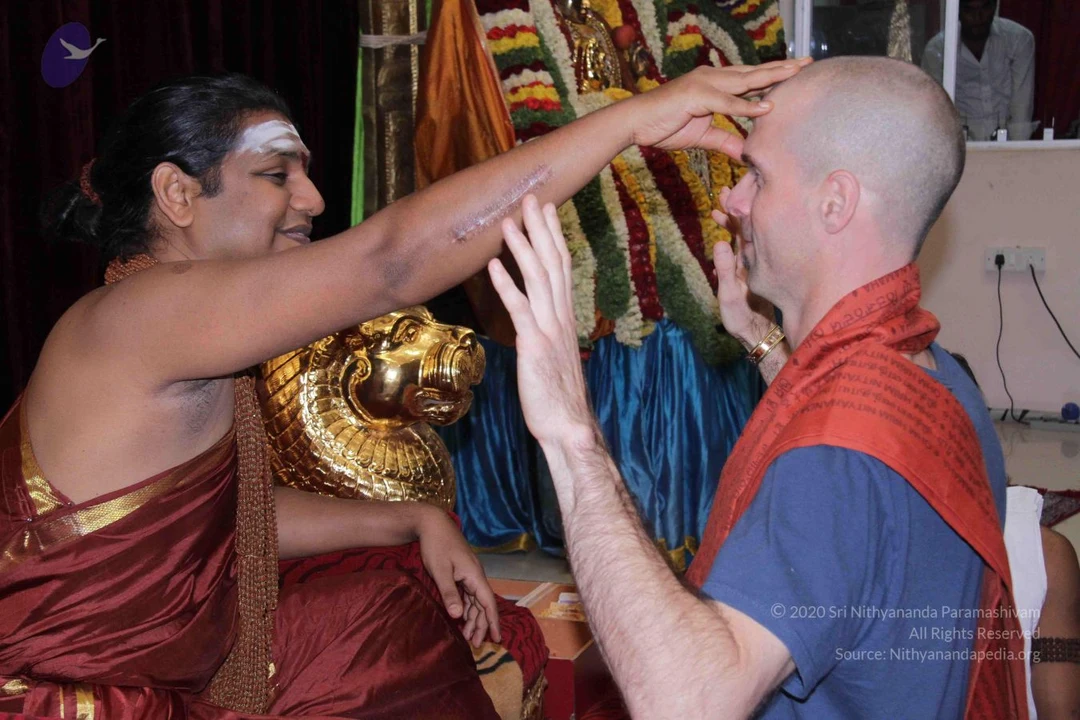
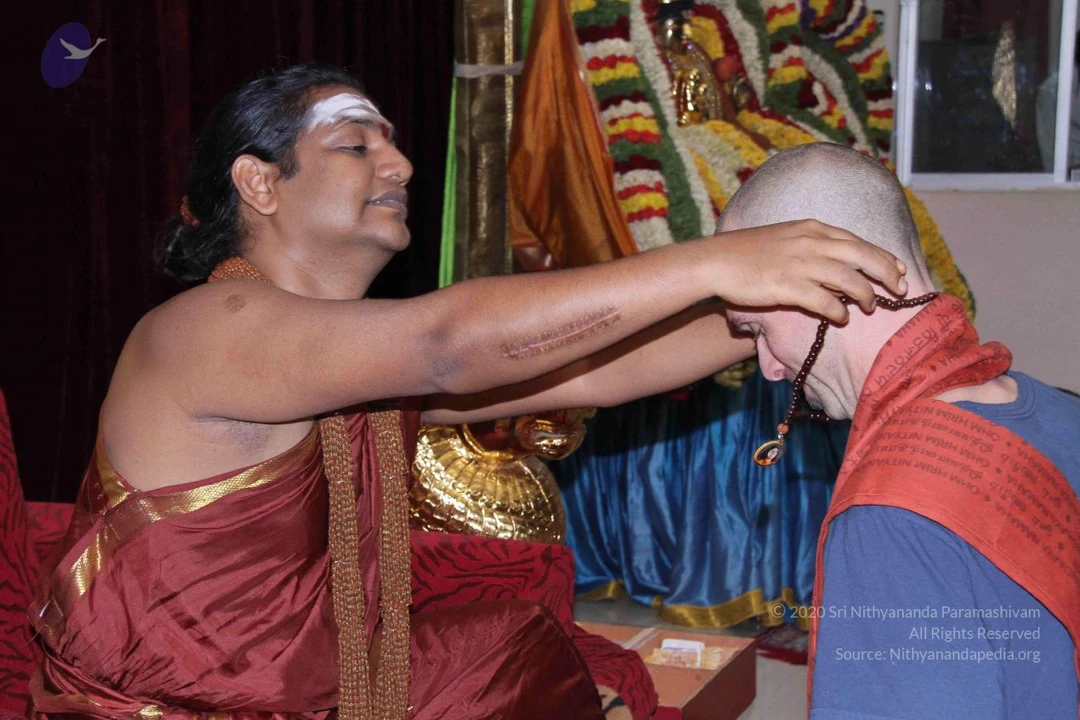
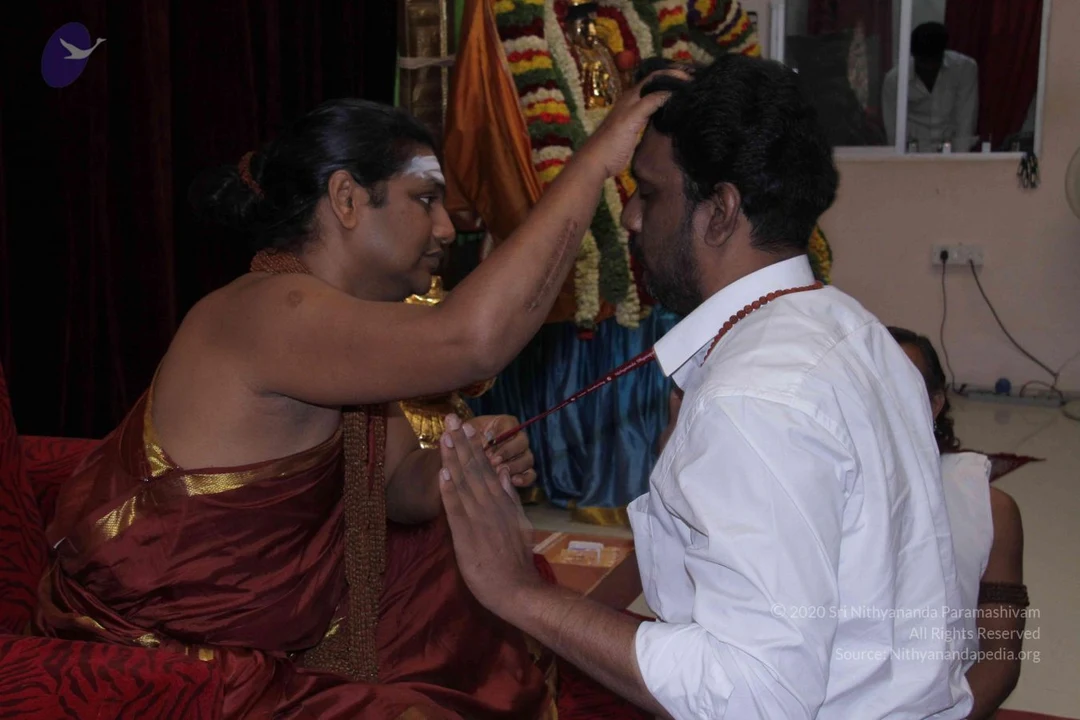
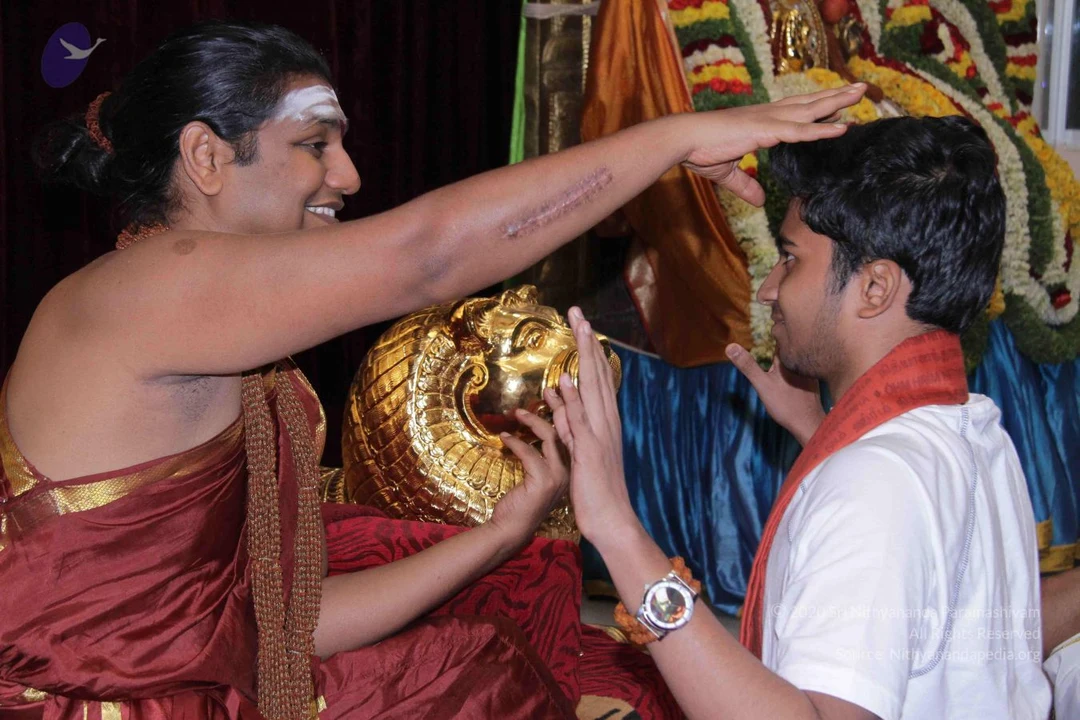
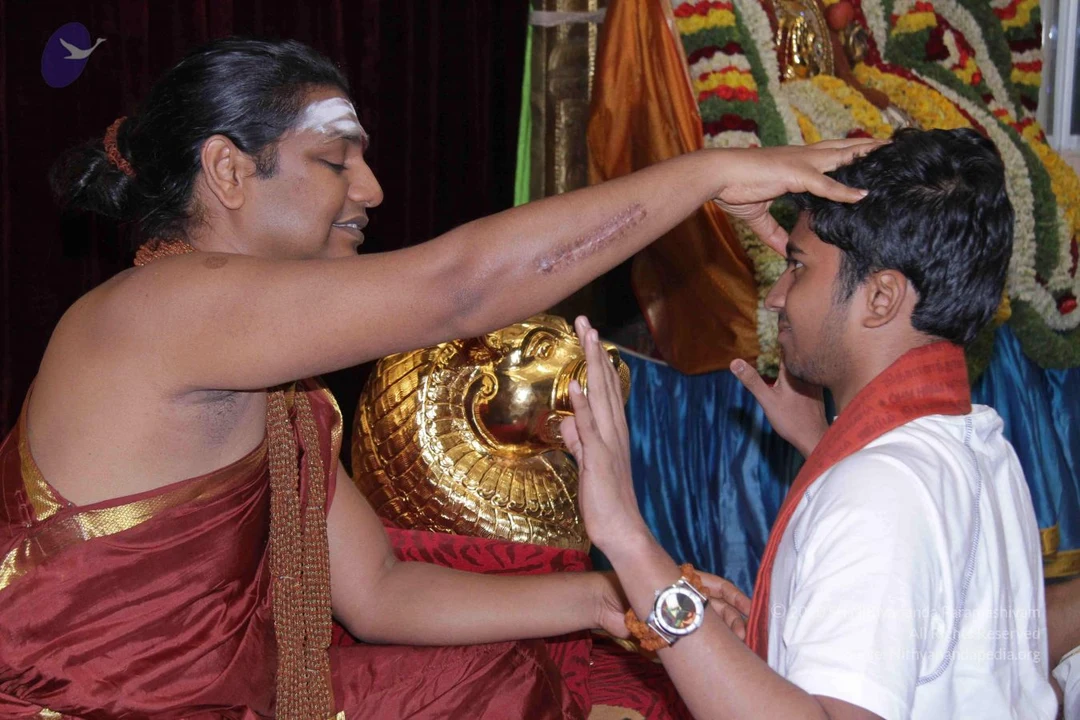
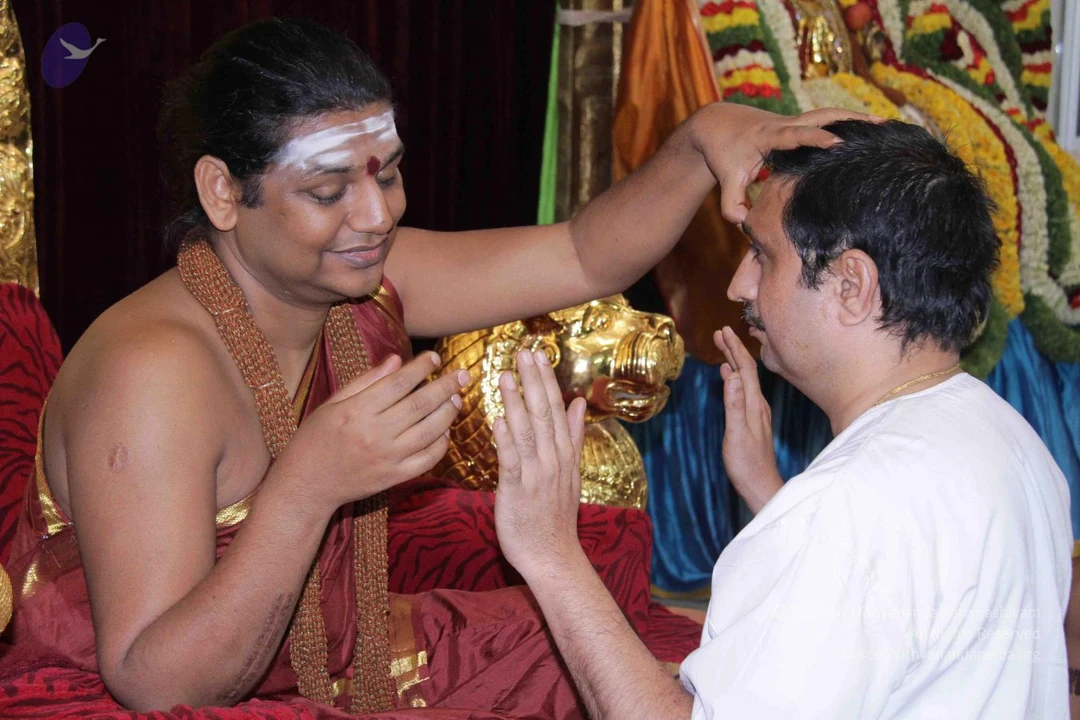
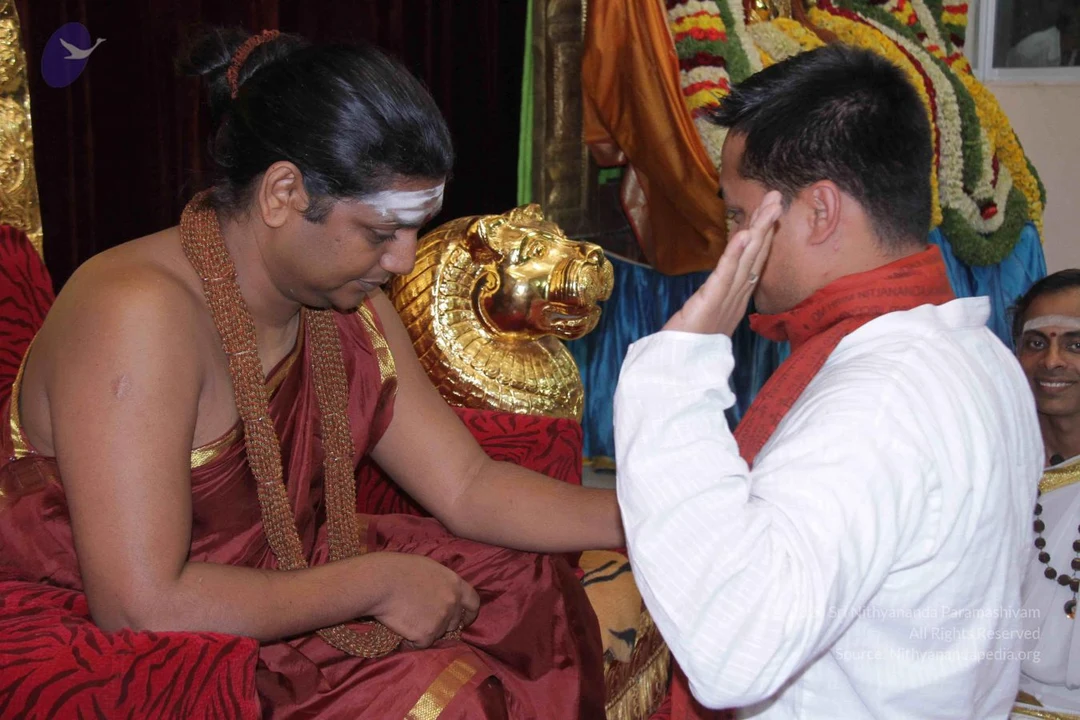
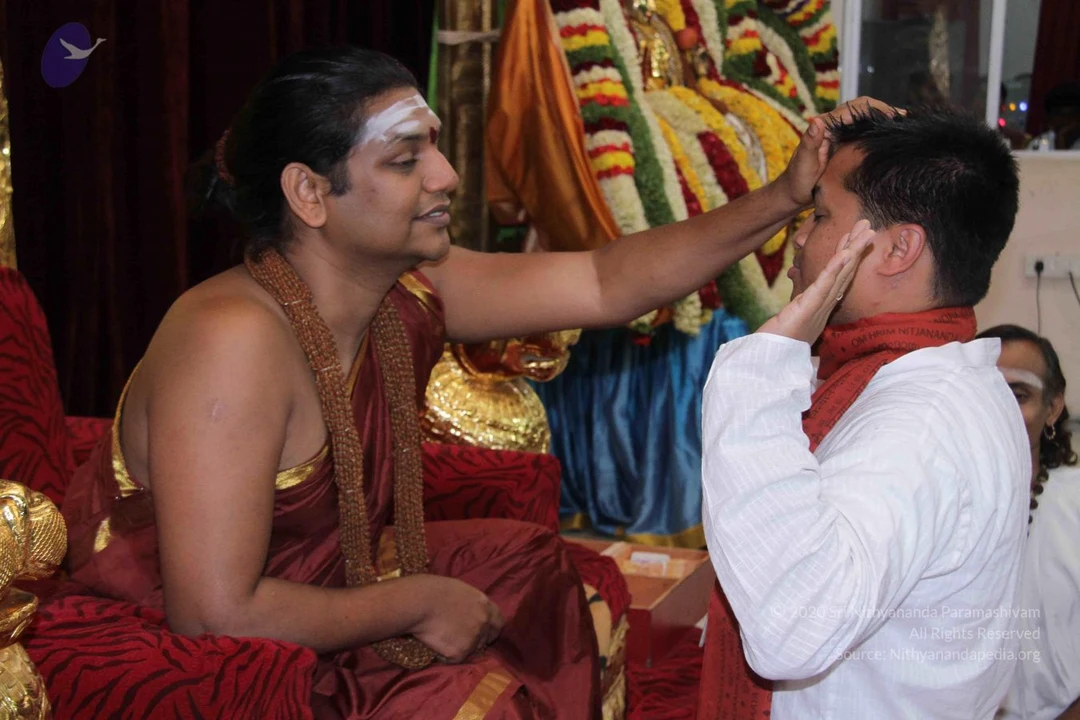
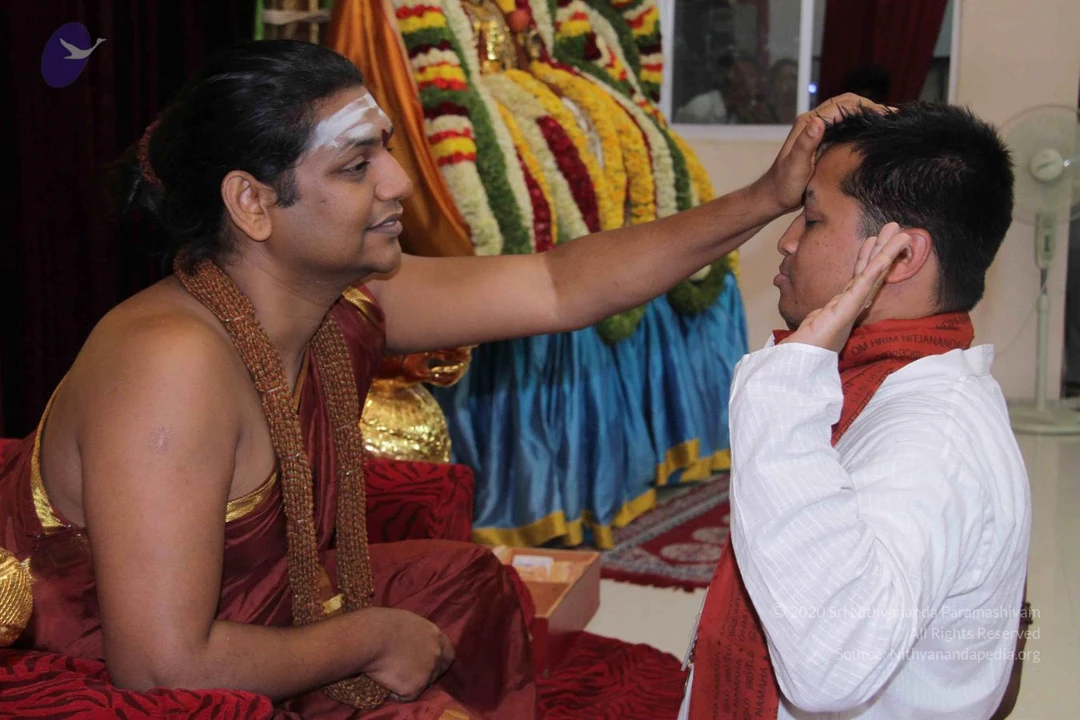
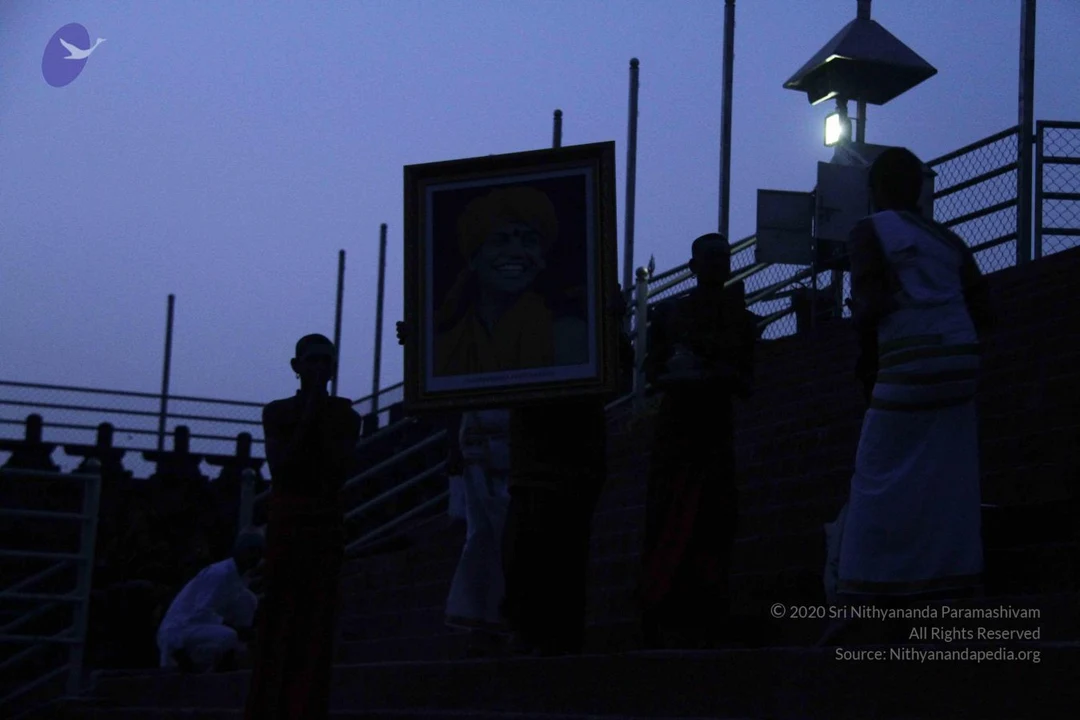
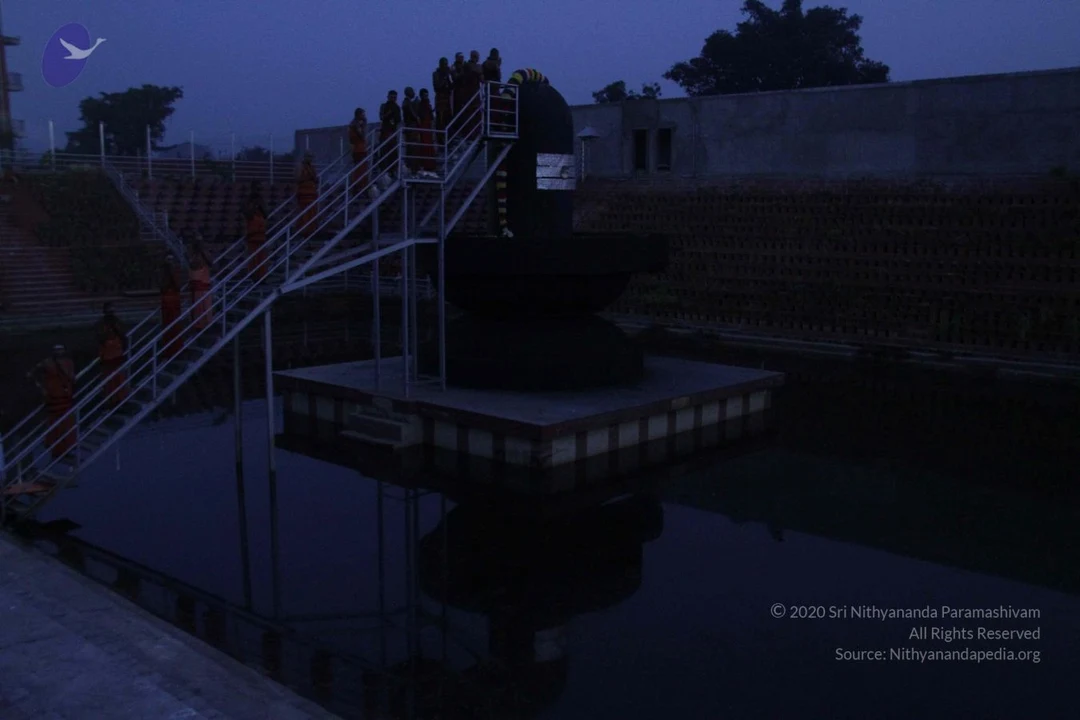
PHOTOS
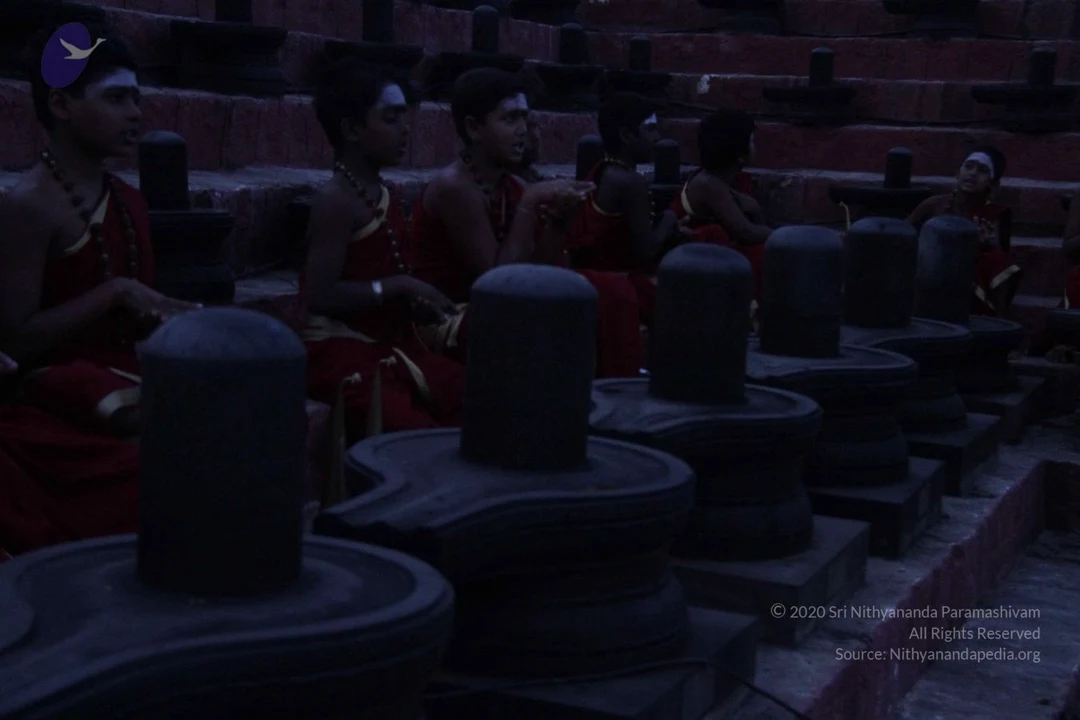
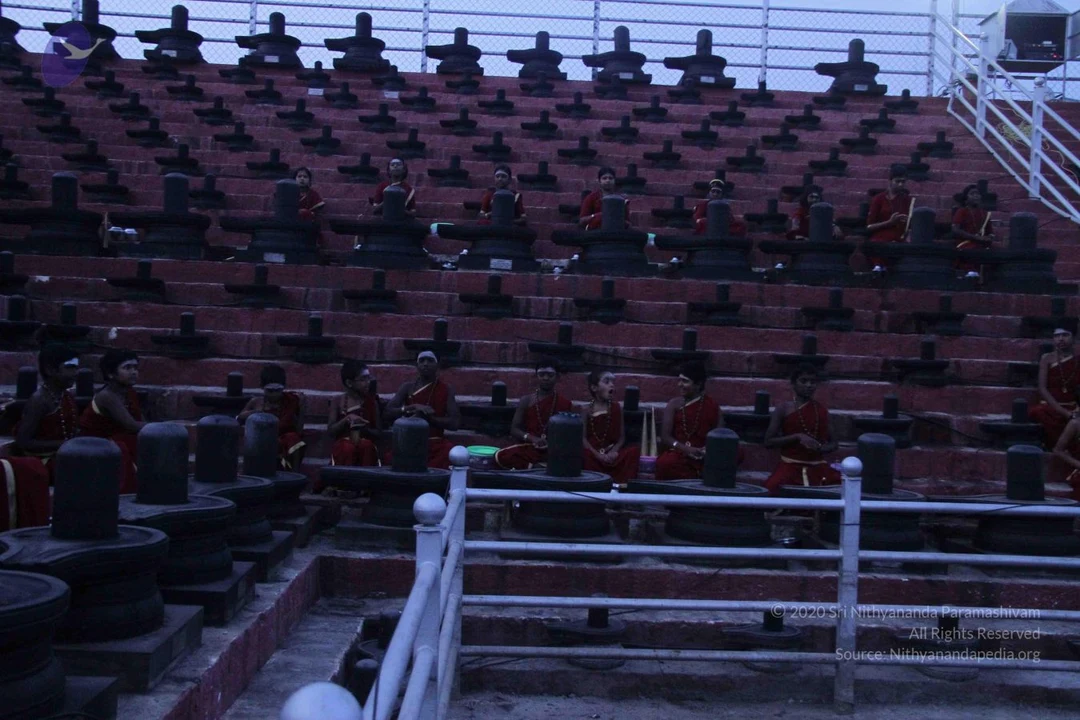
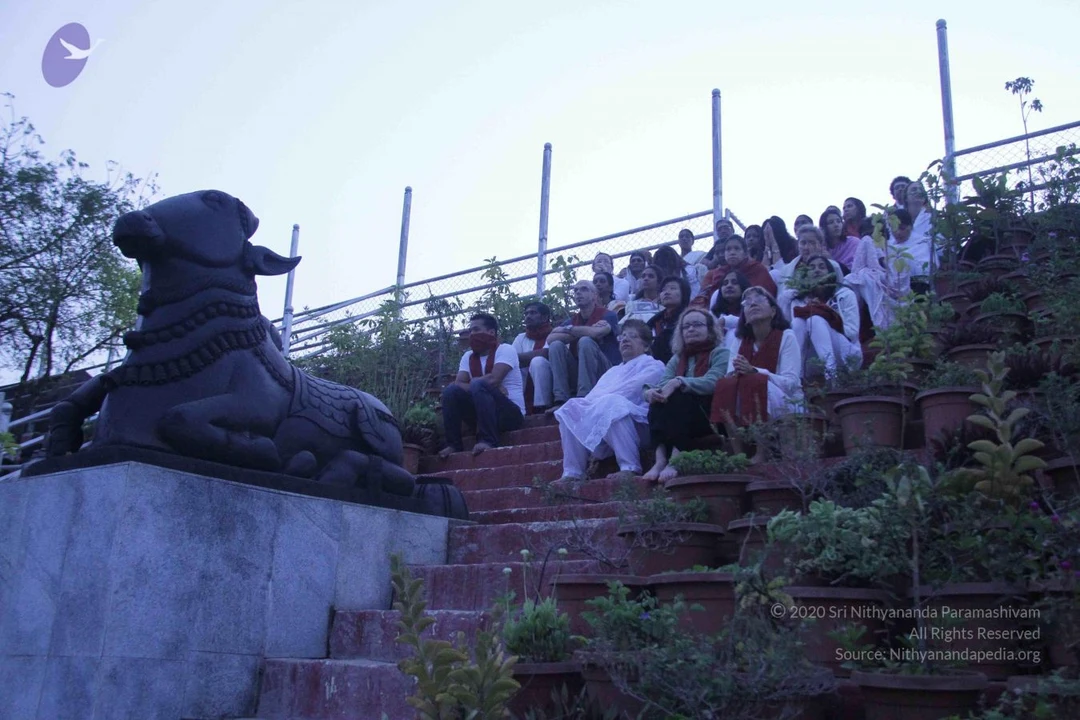
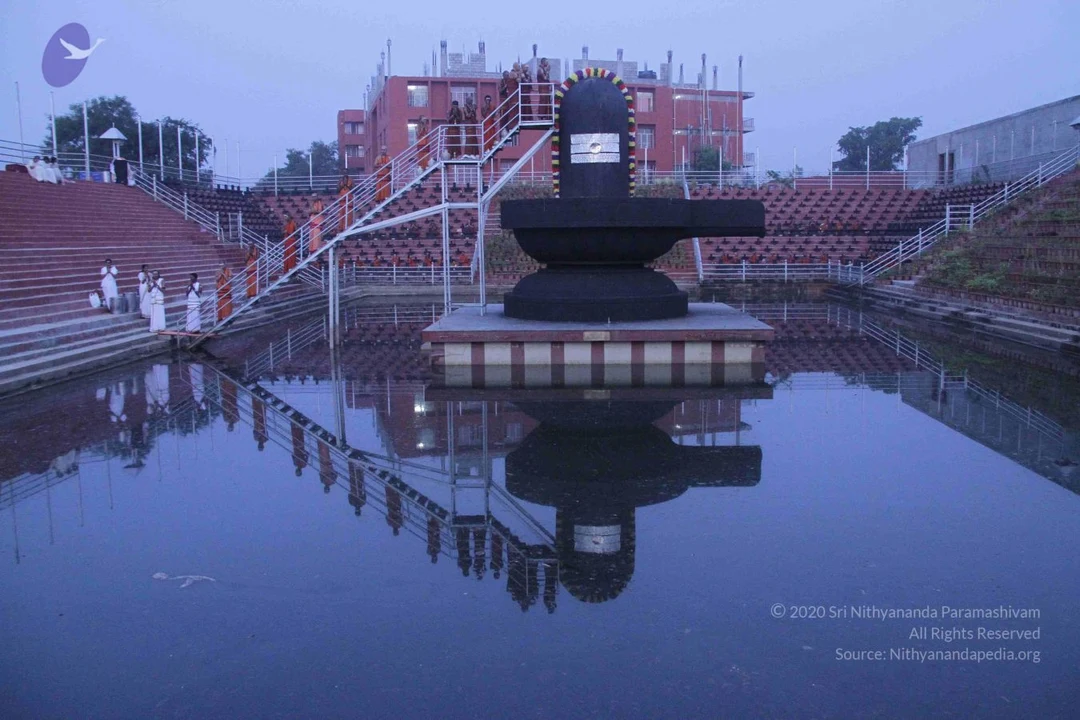



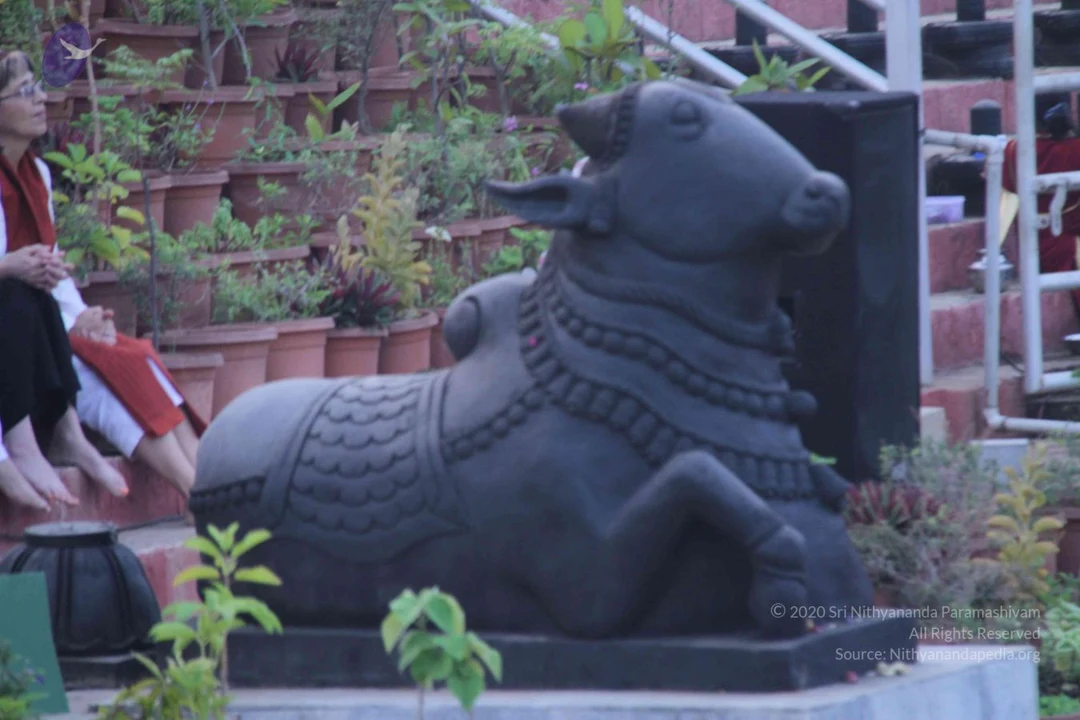
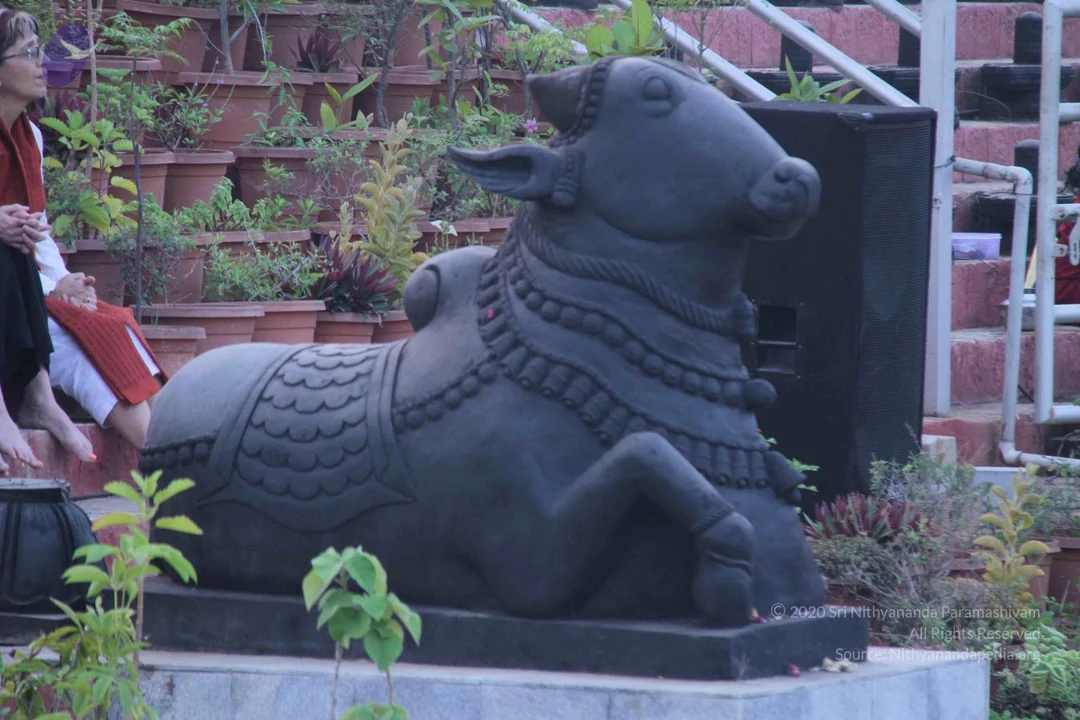
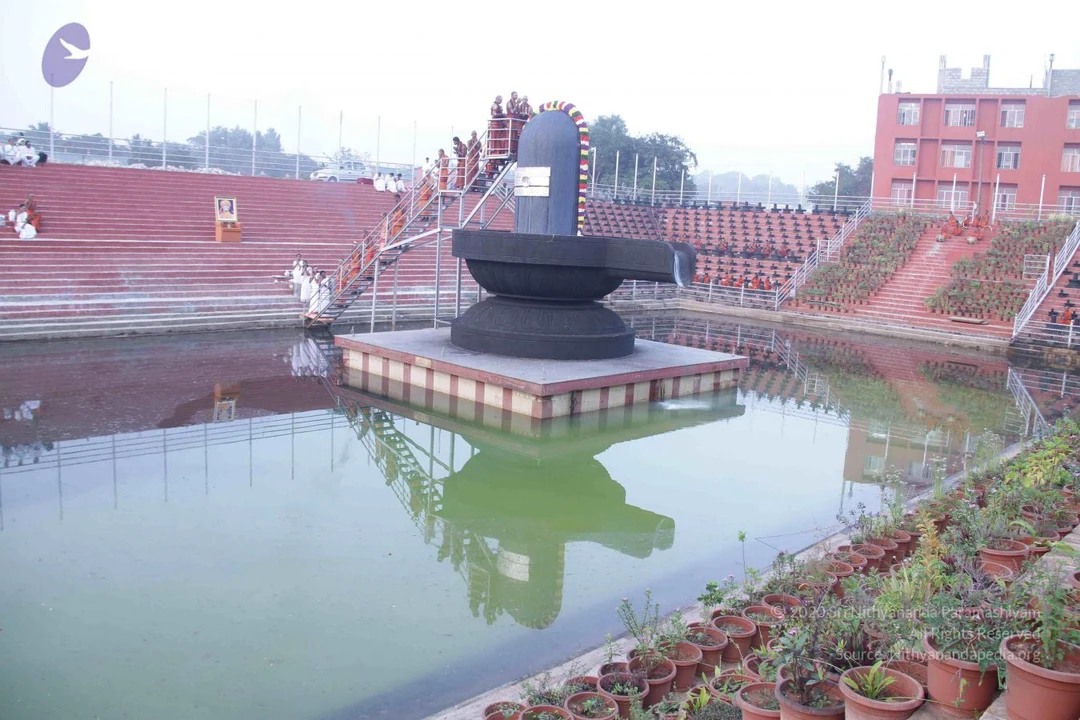
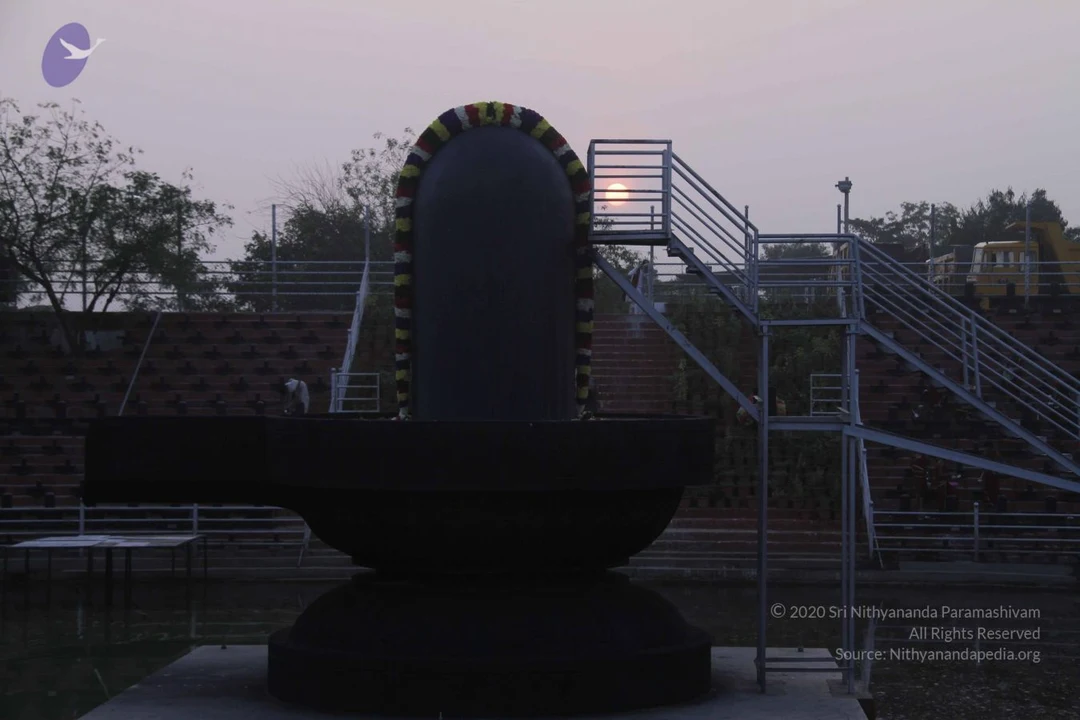
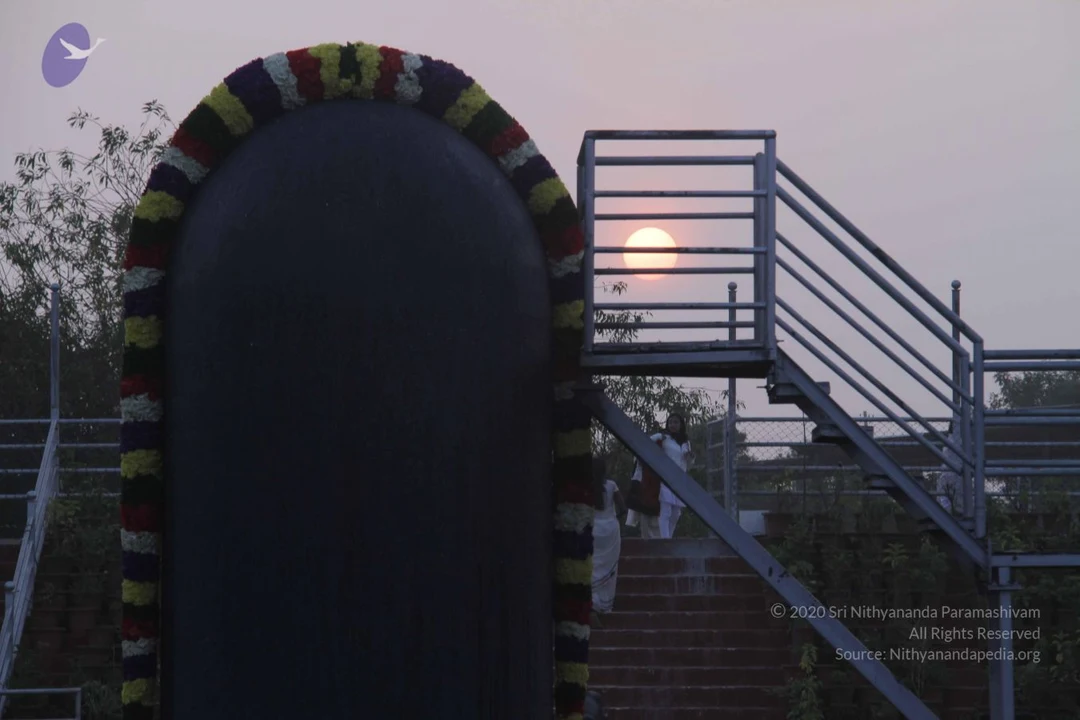
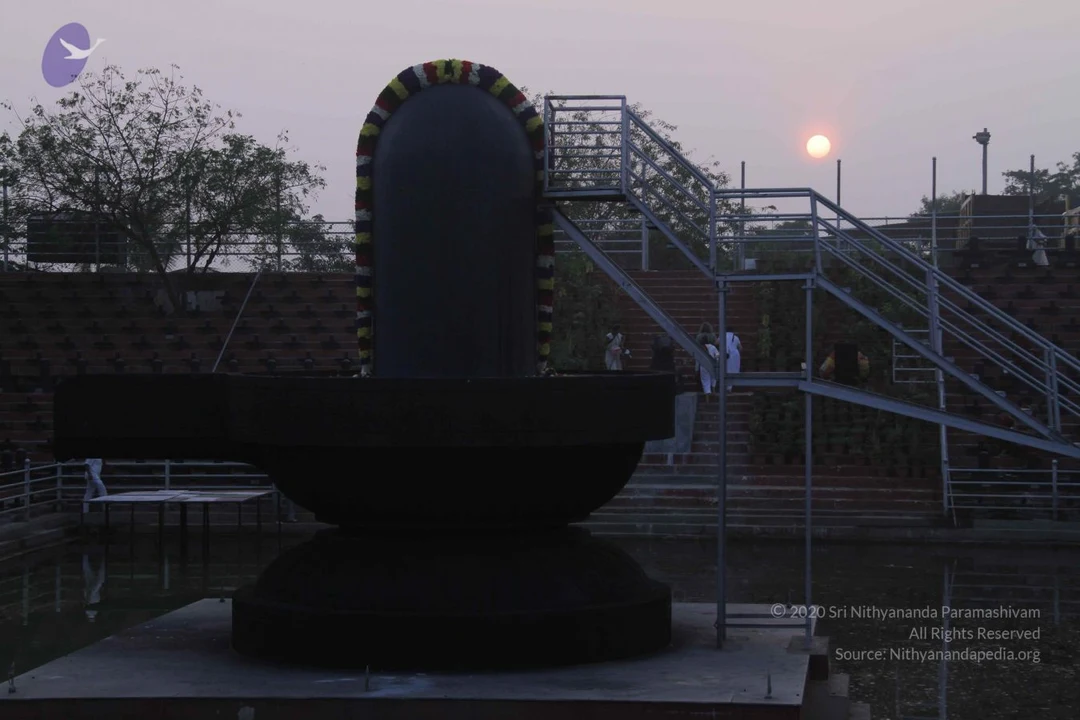
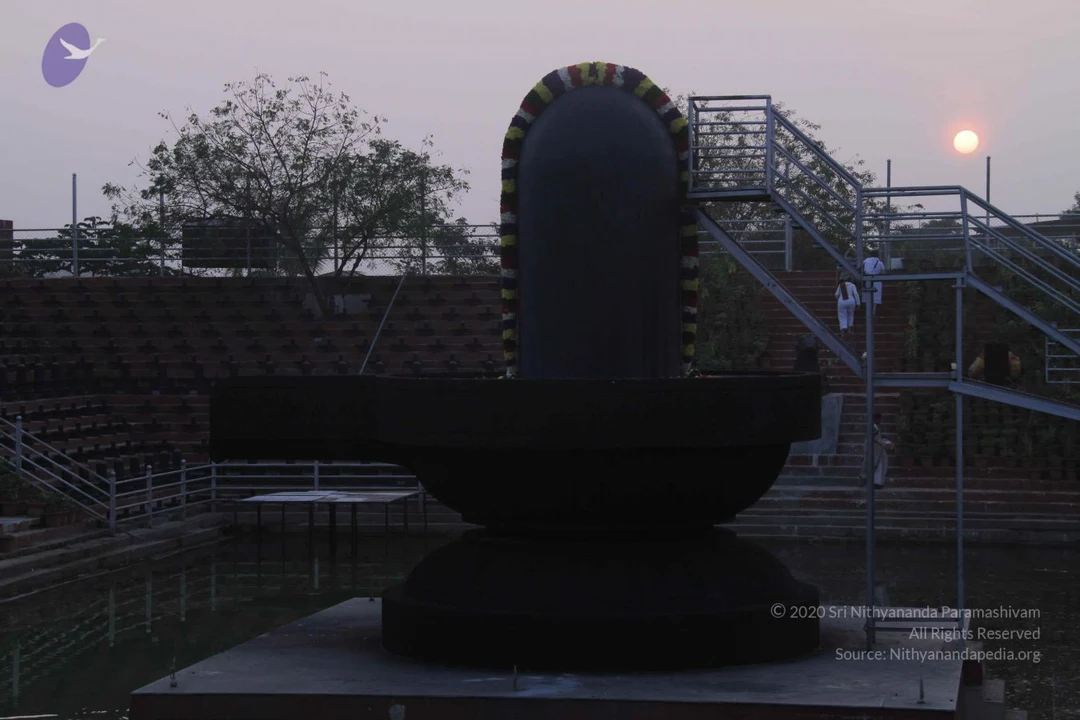
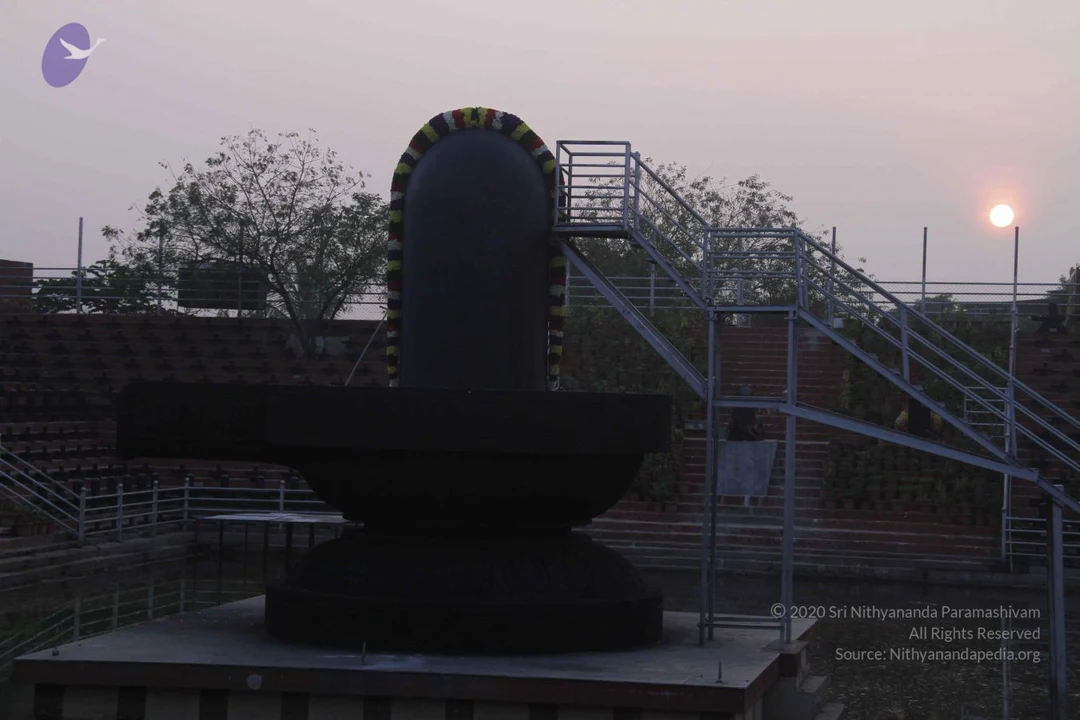

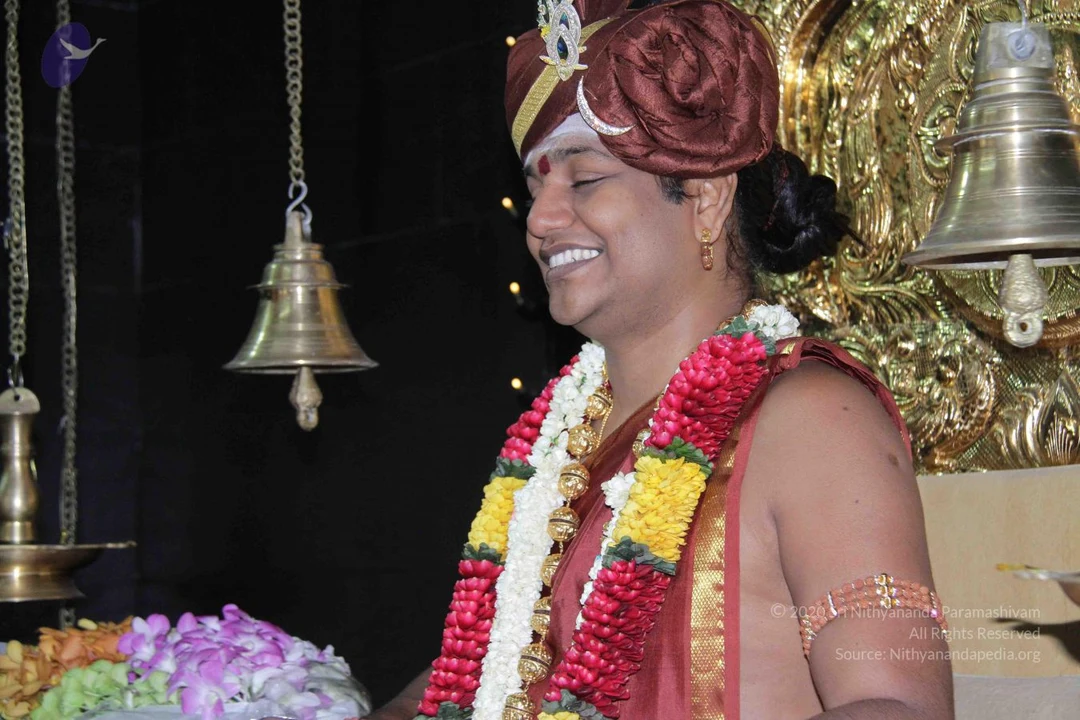
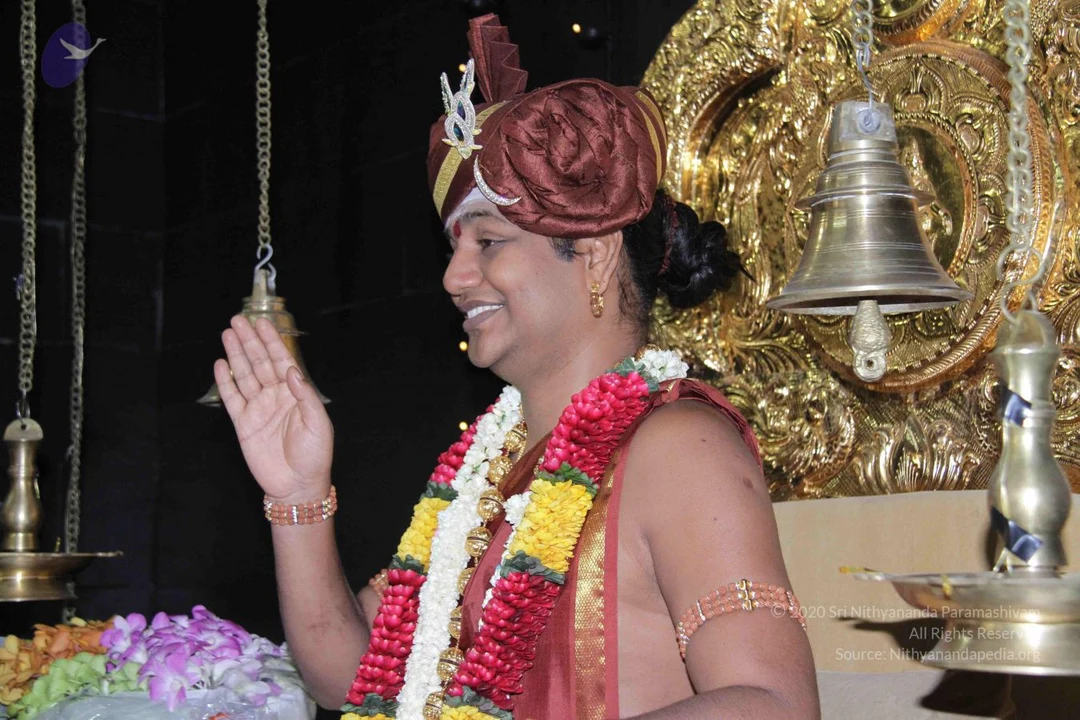
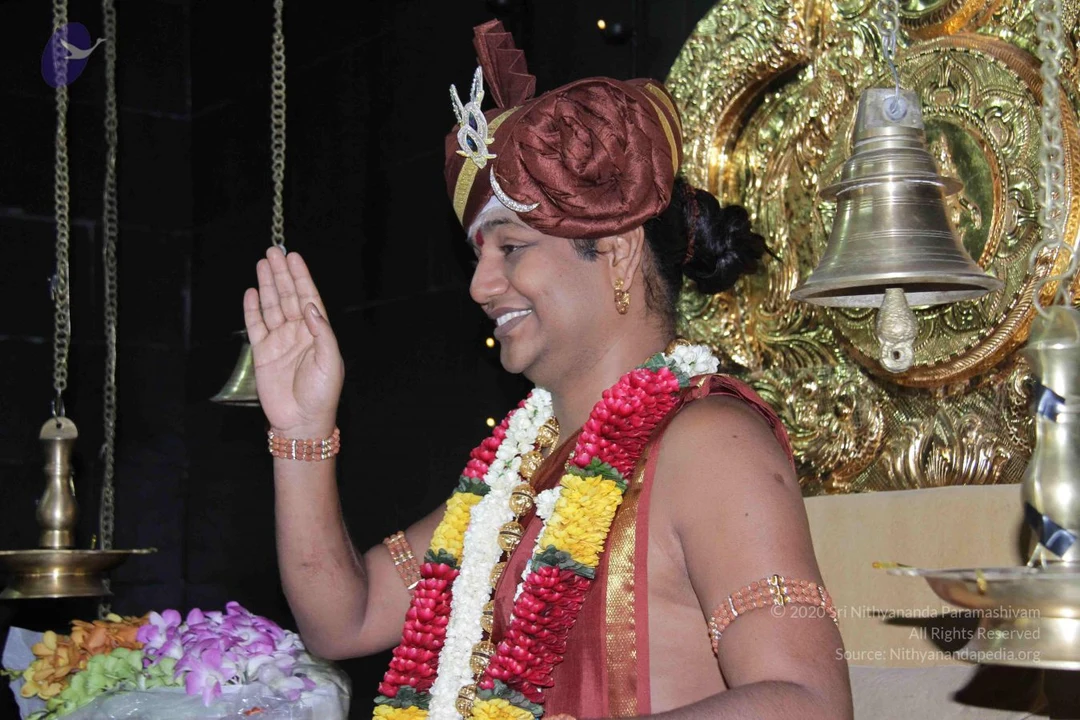
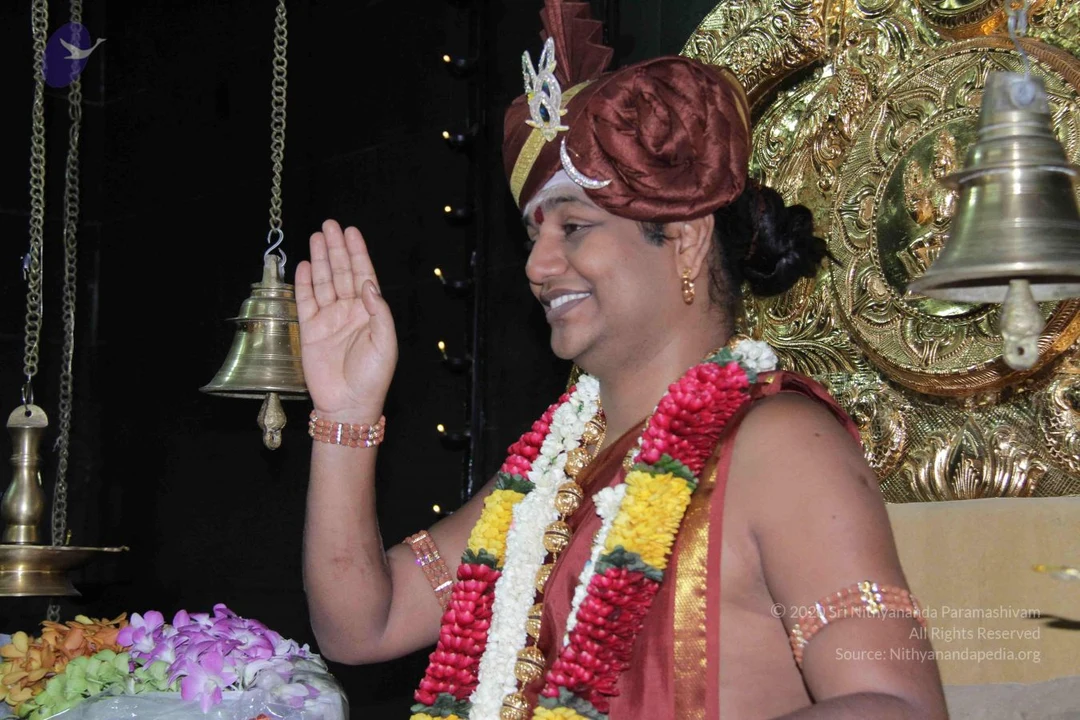
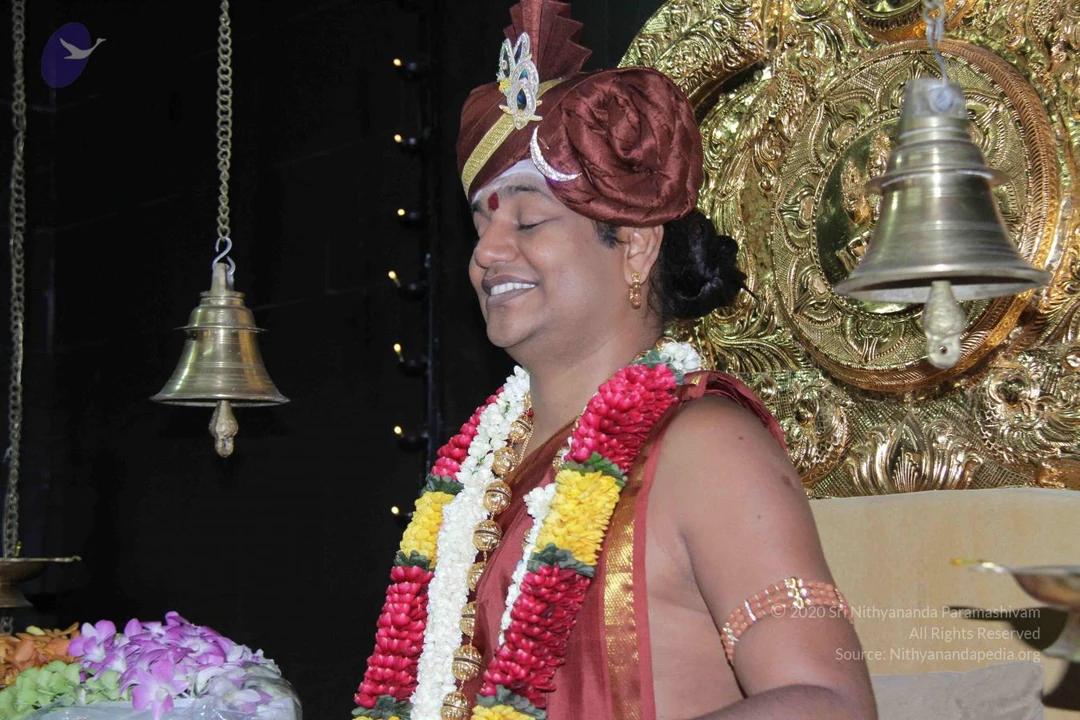
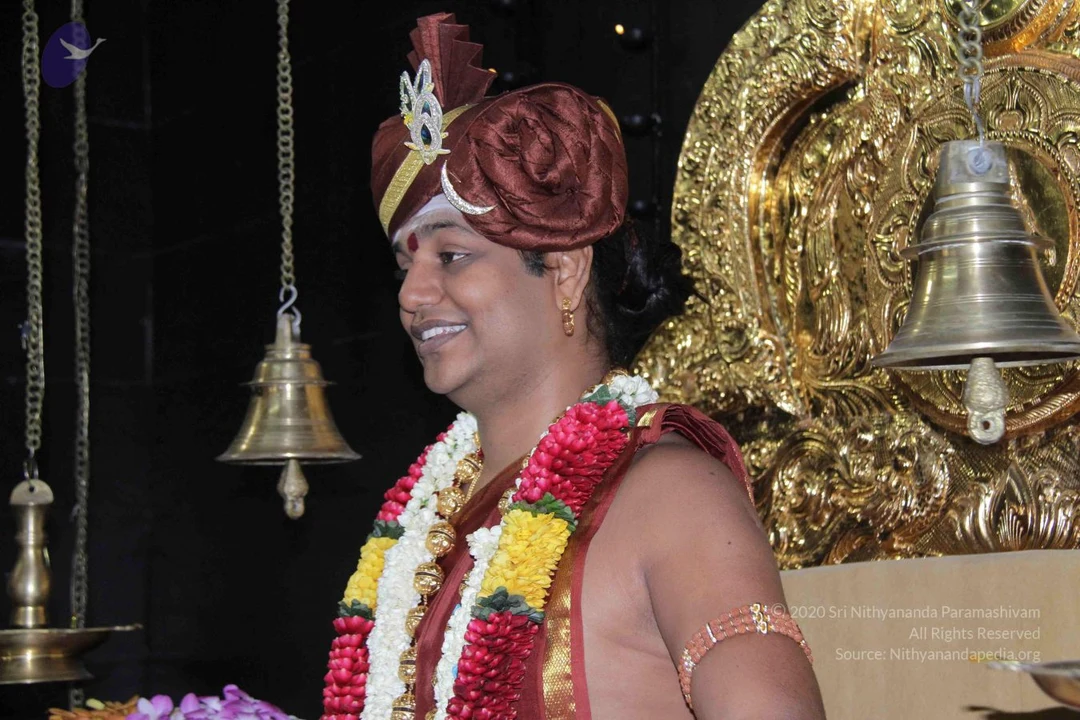
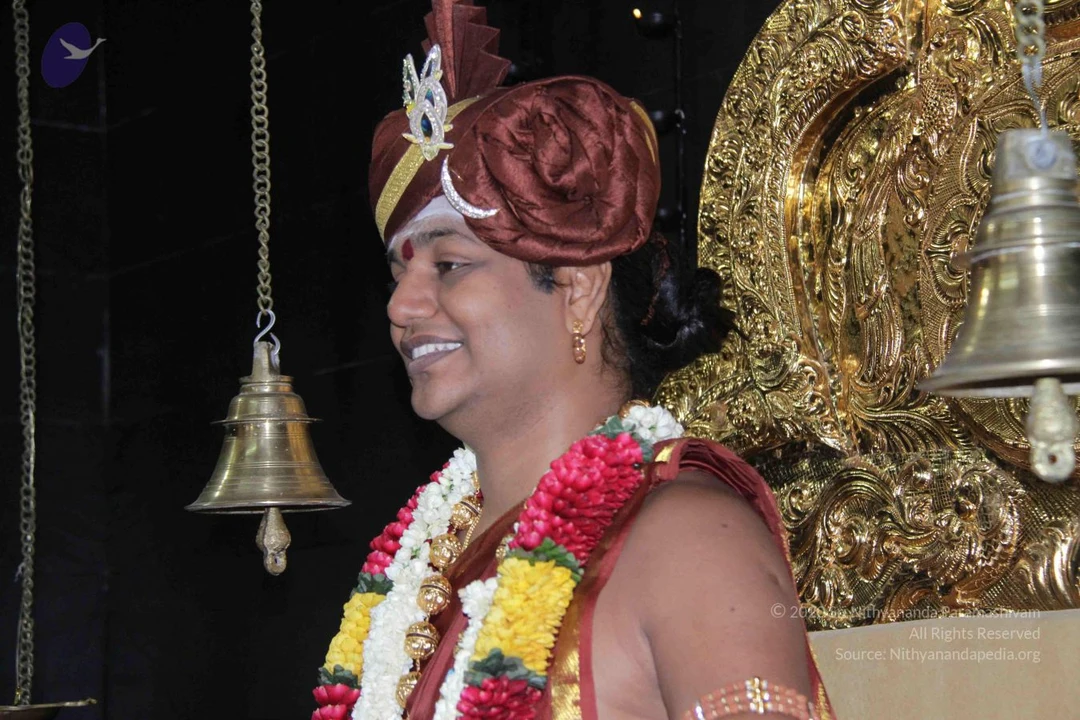
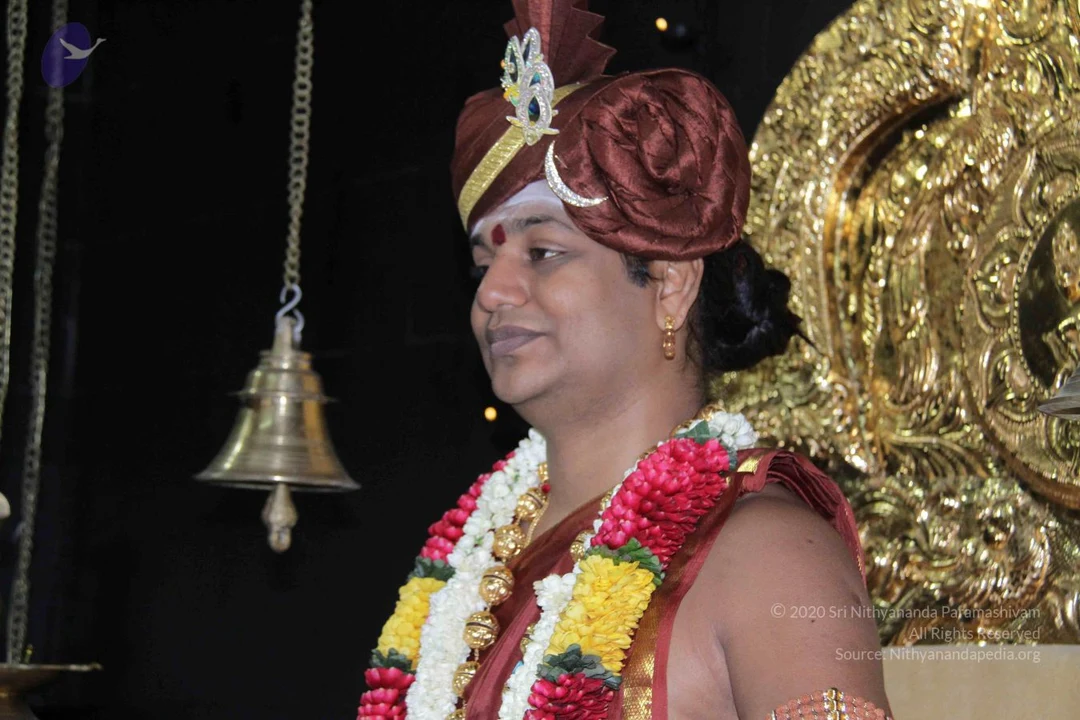
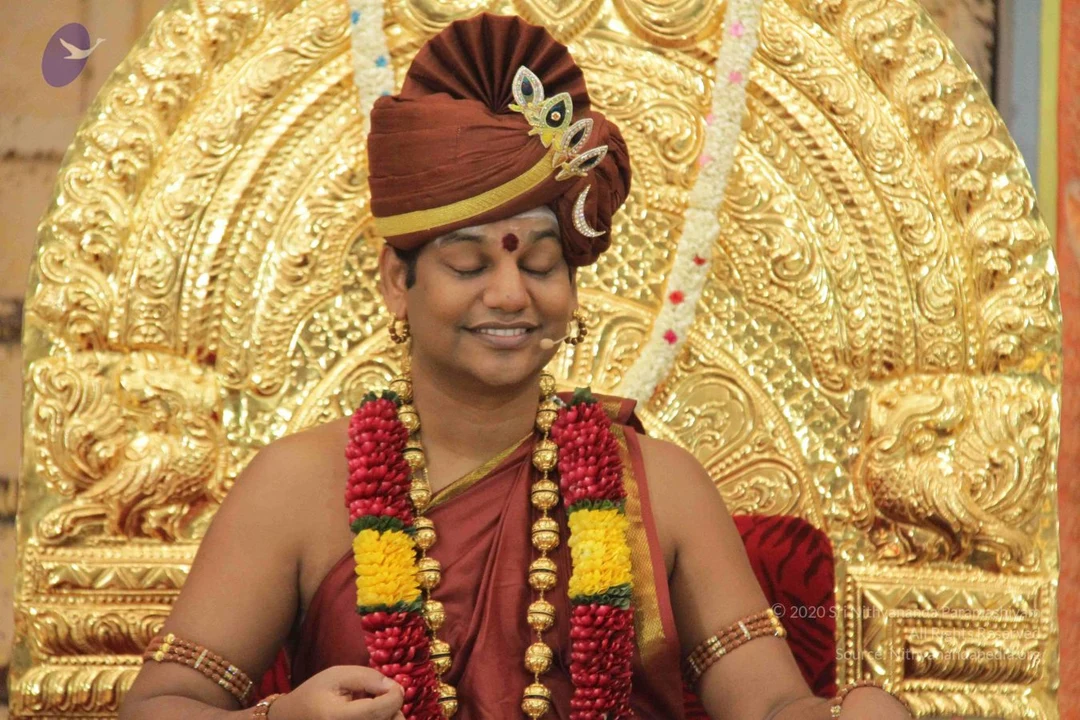
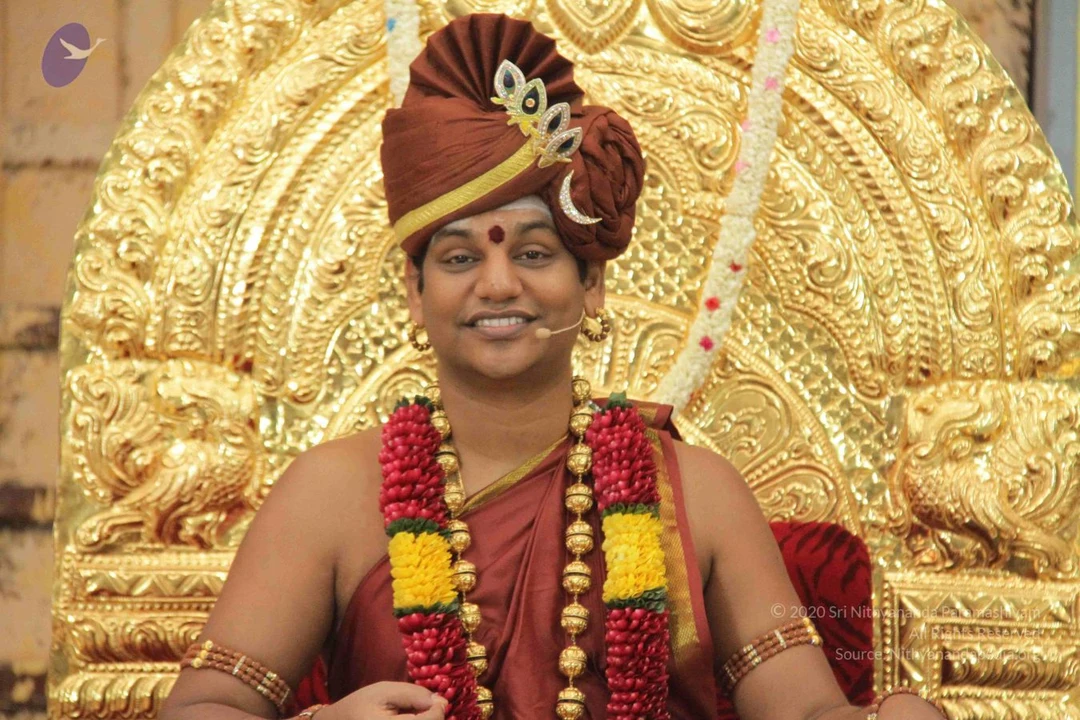
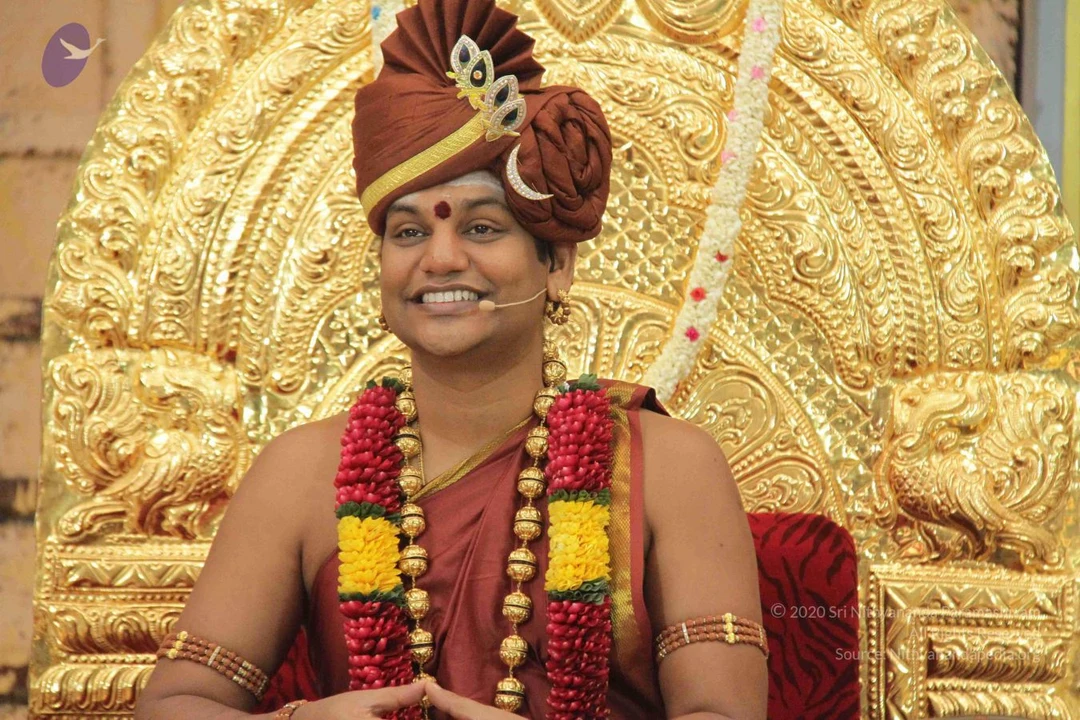
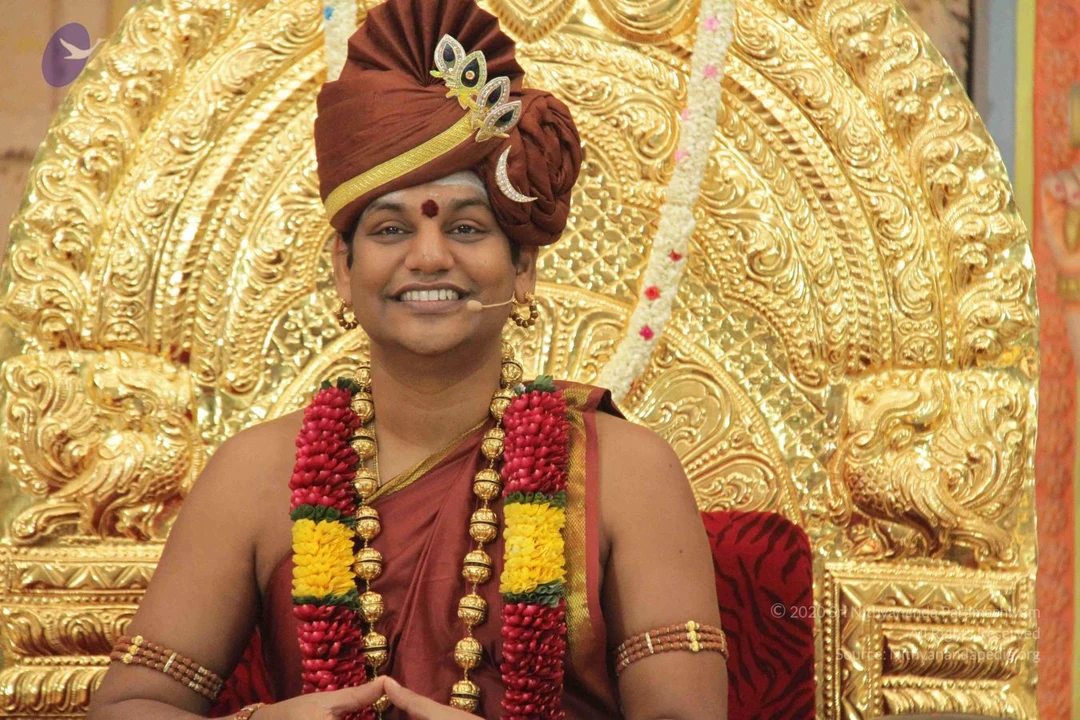

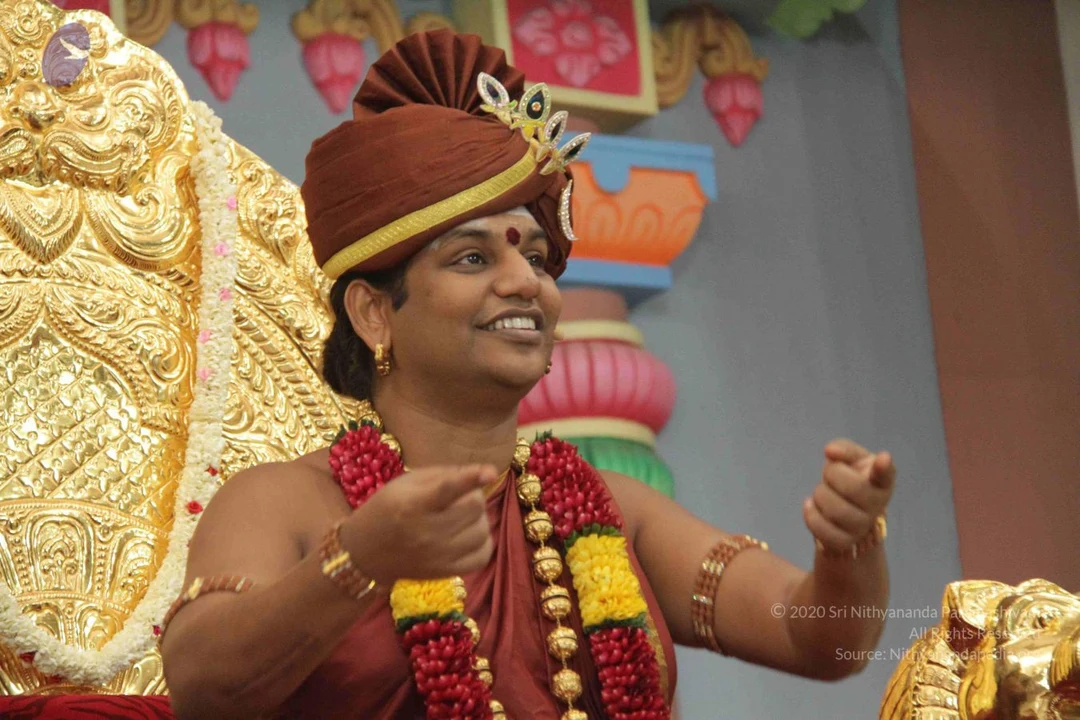
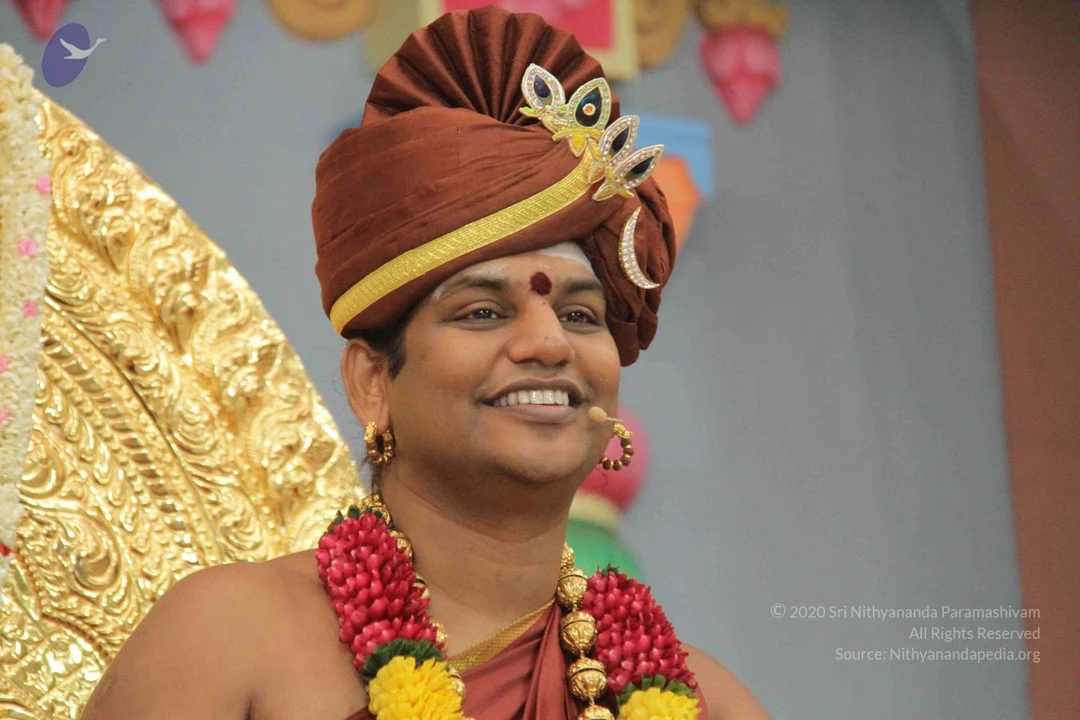
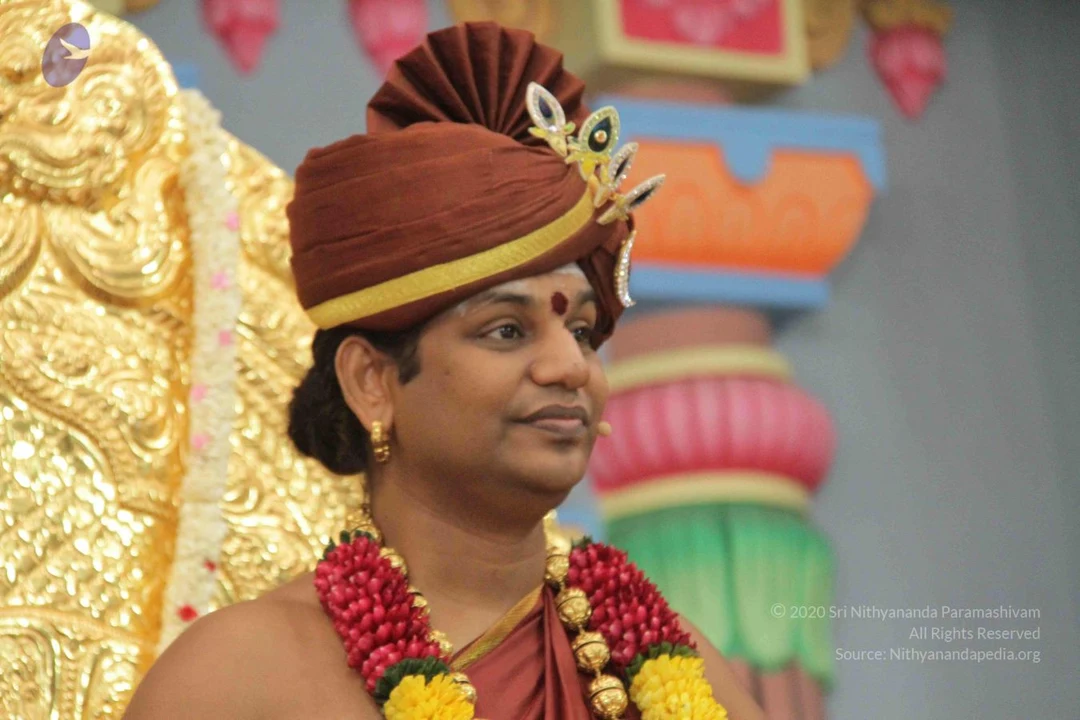
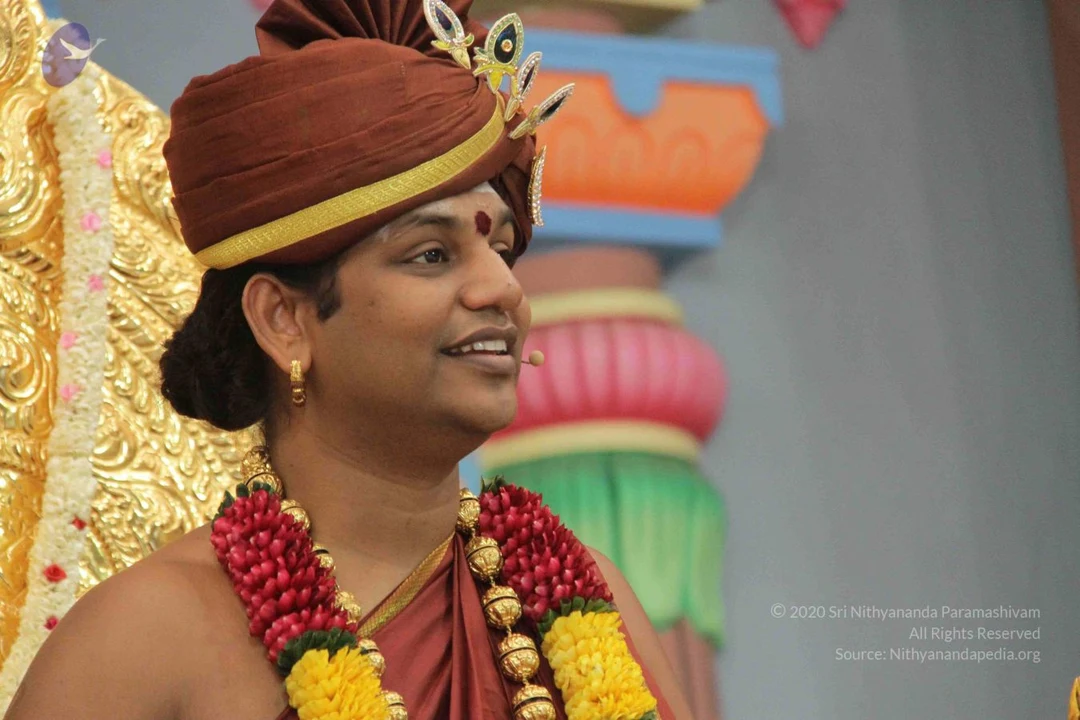

Sakshi Pramana:
Sharing from 11/11/12/inner awakening
Photos Of The Day:
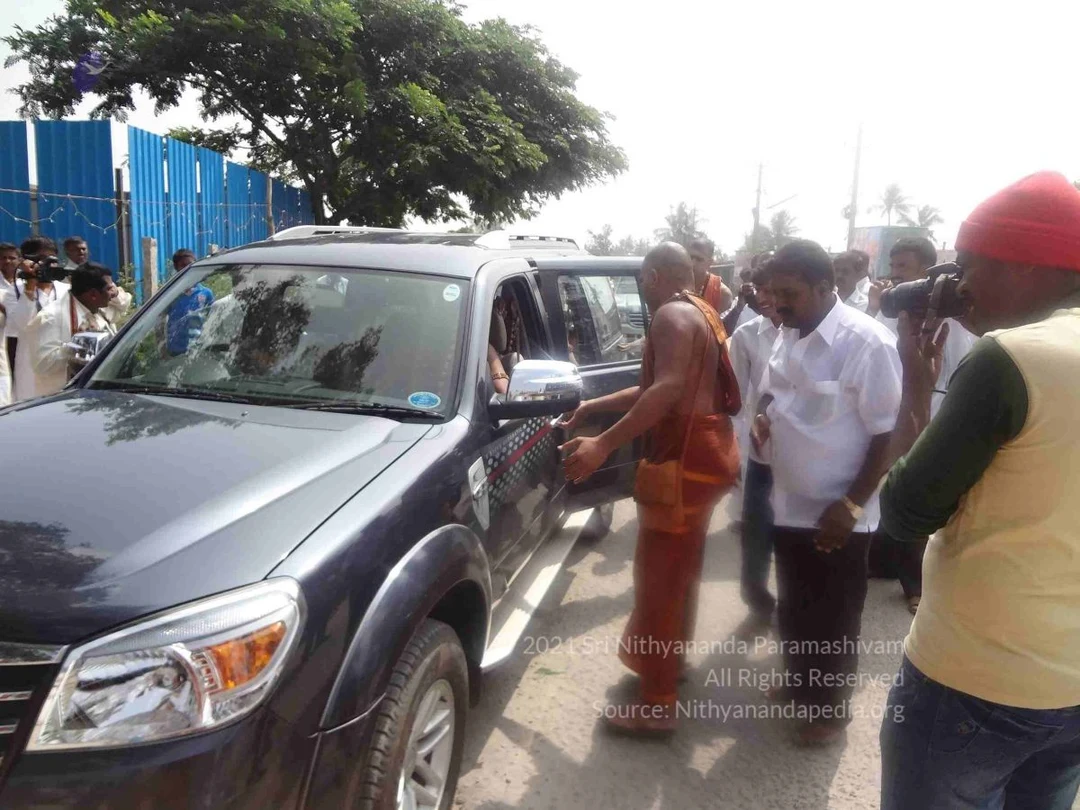
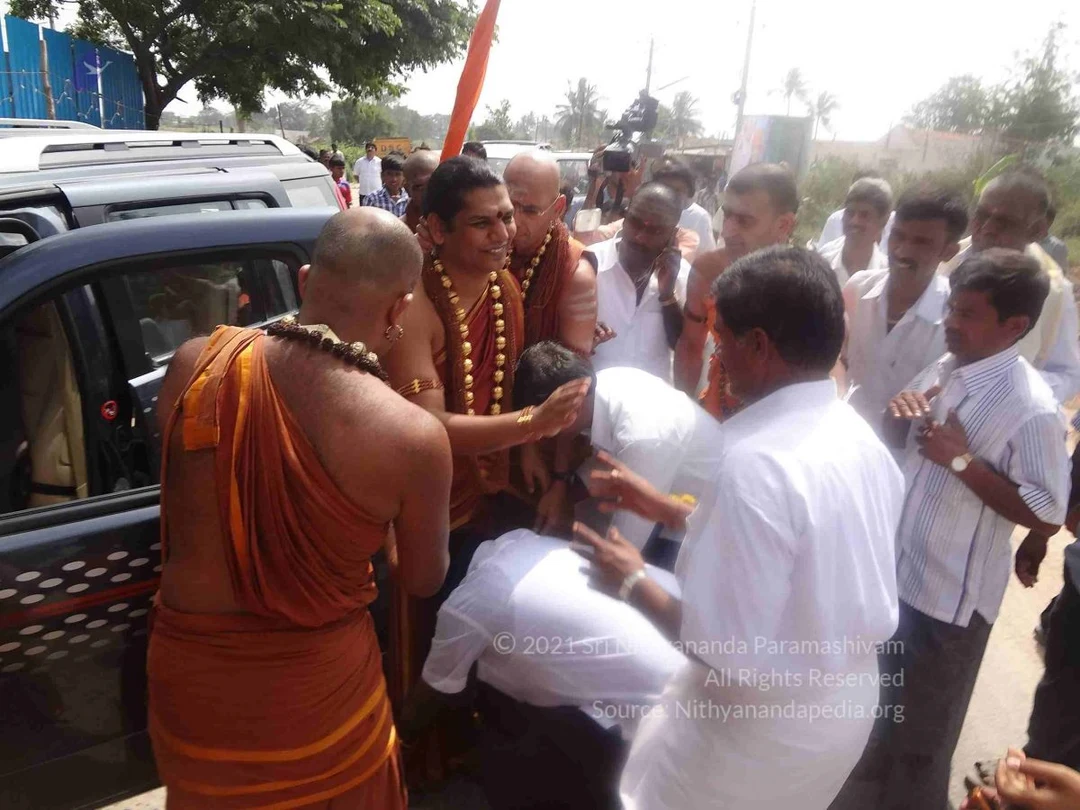
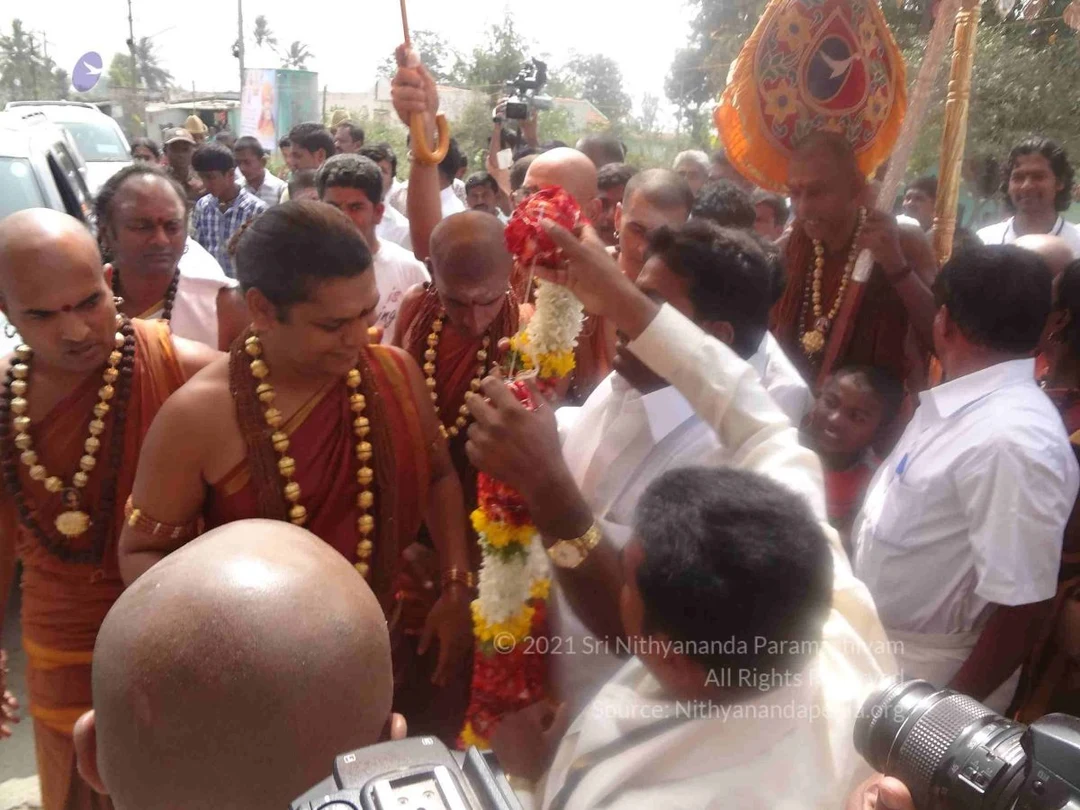
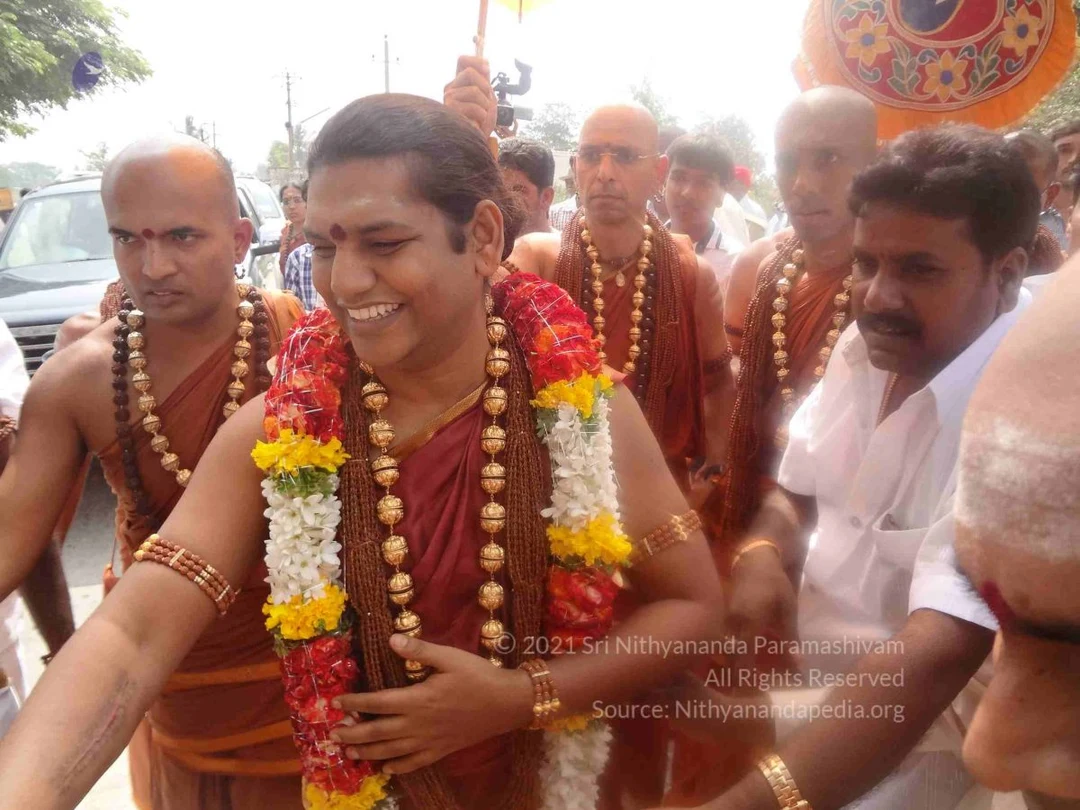
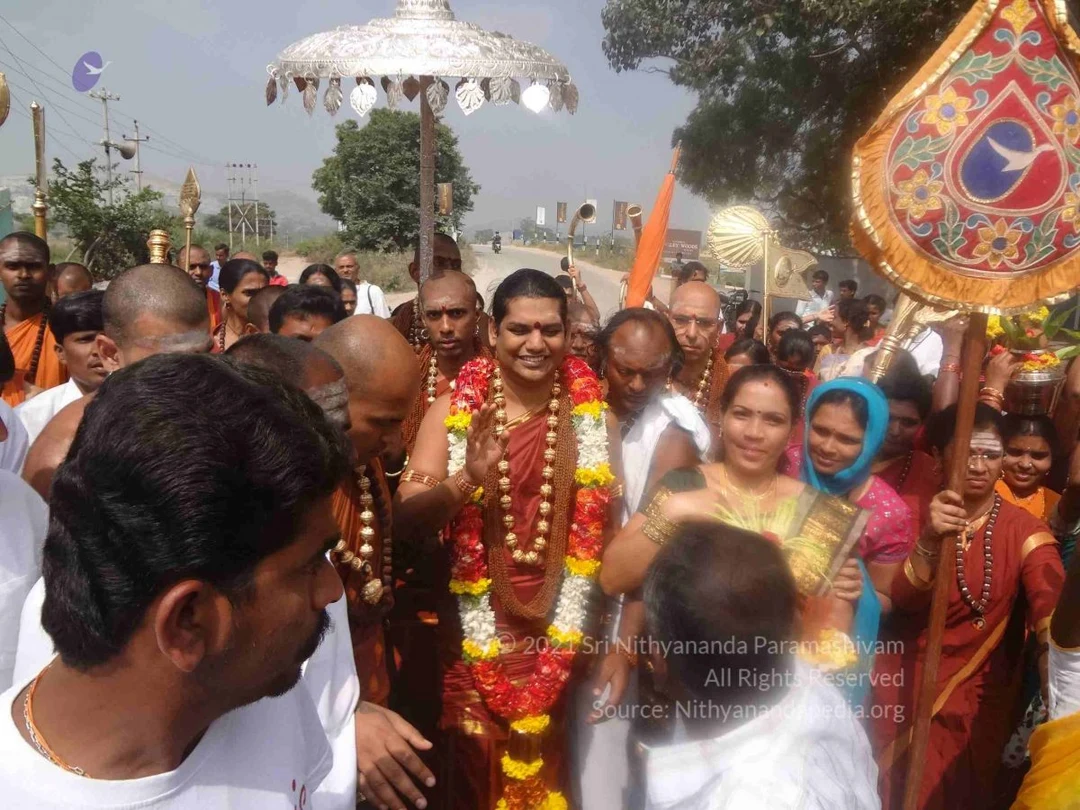
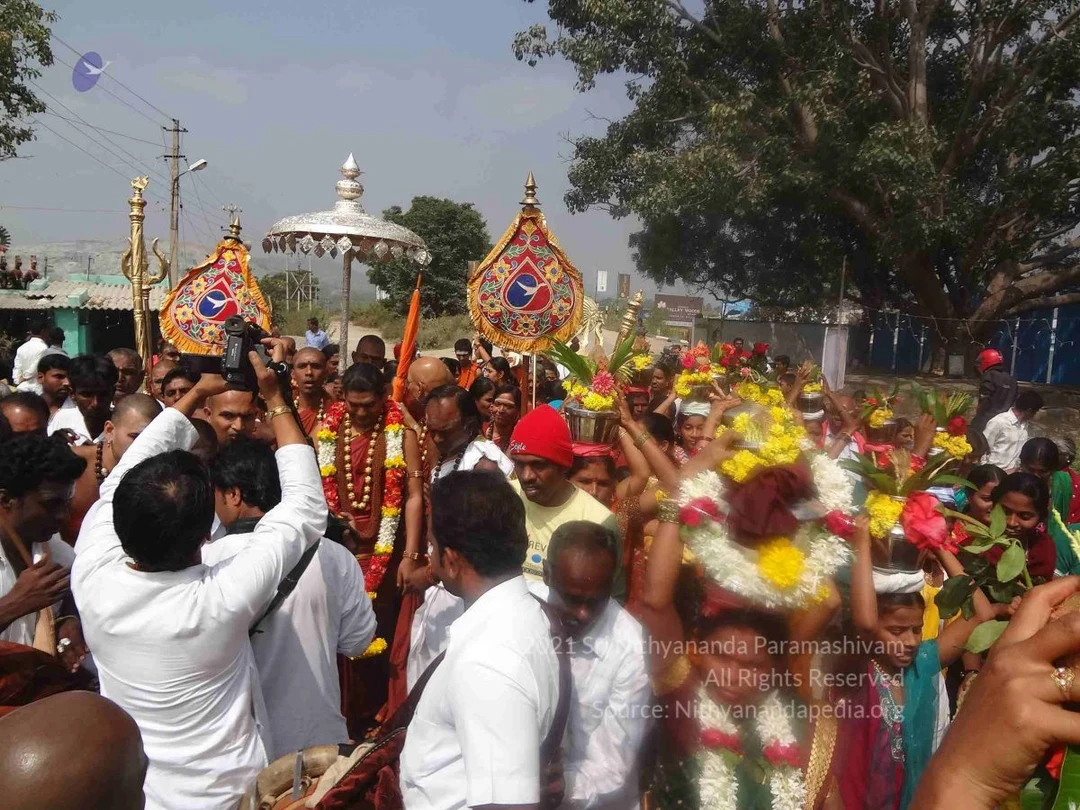
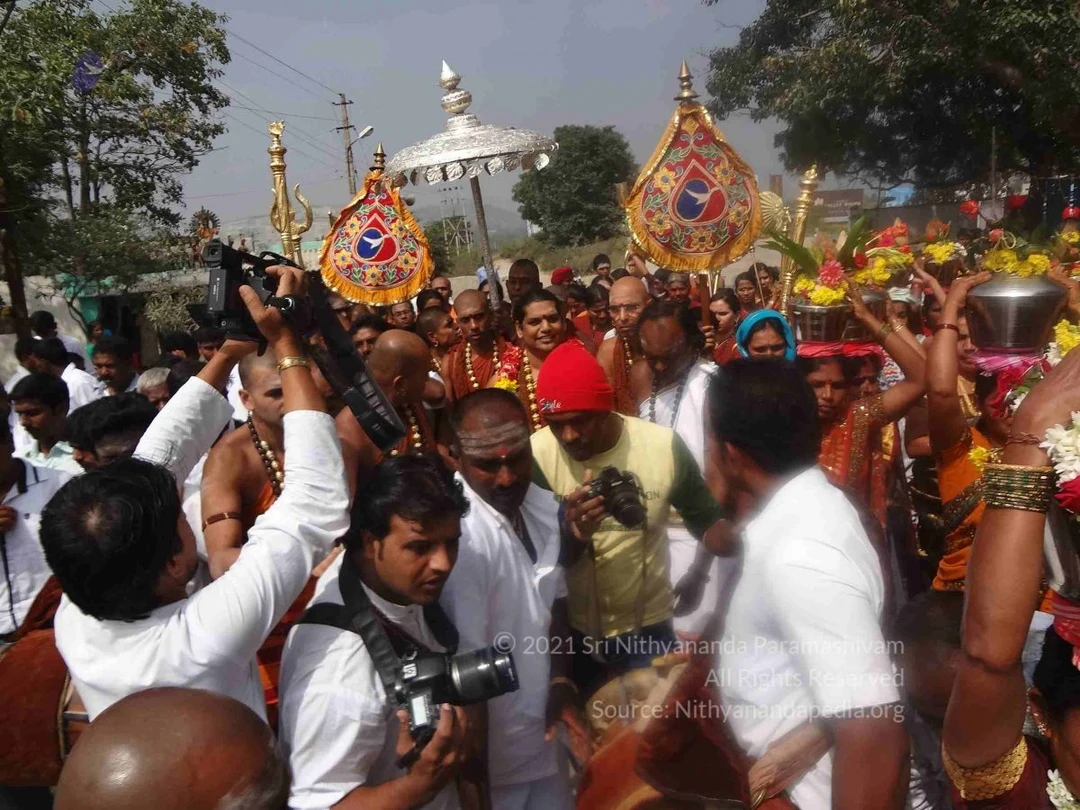
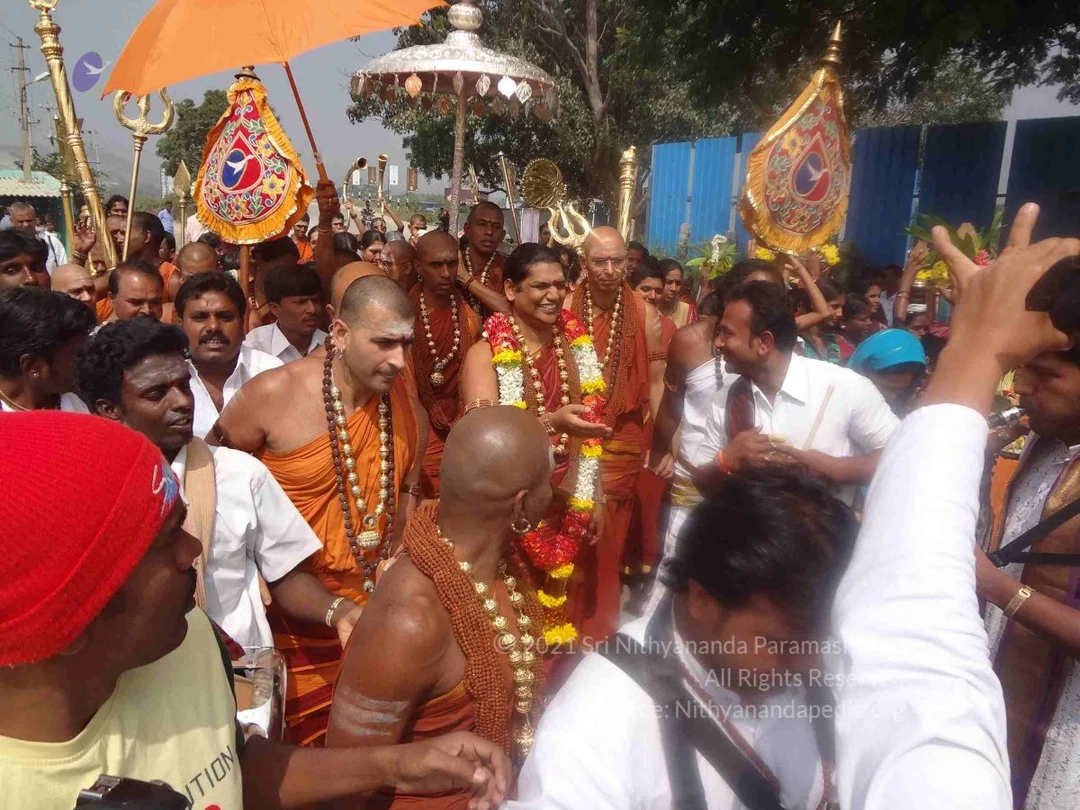
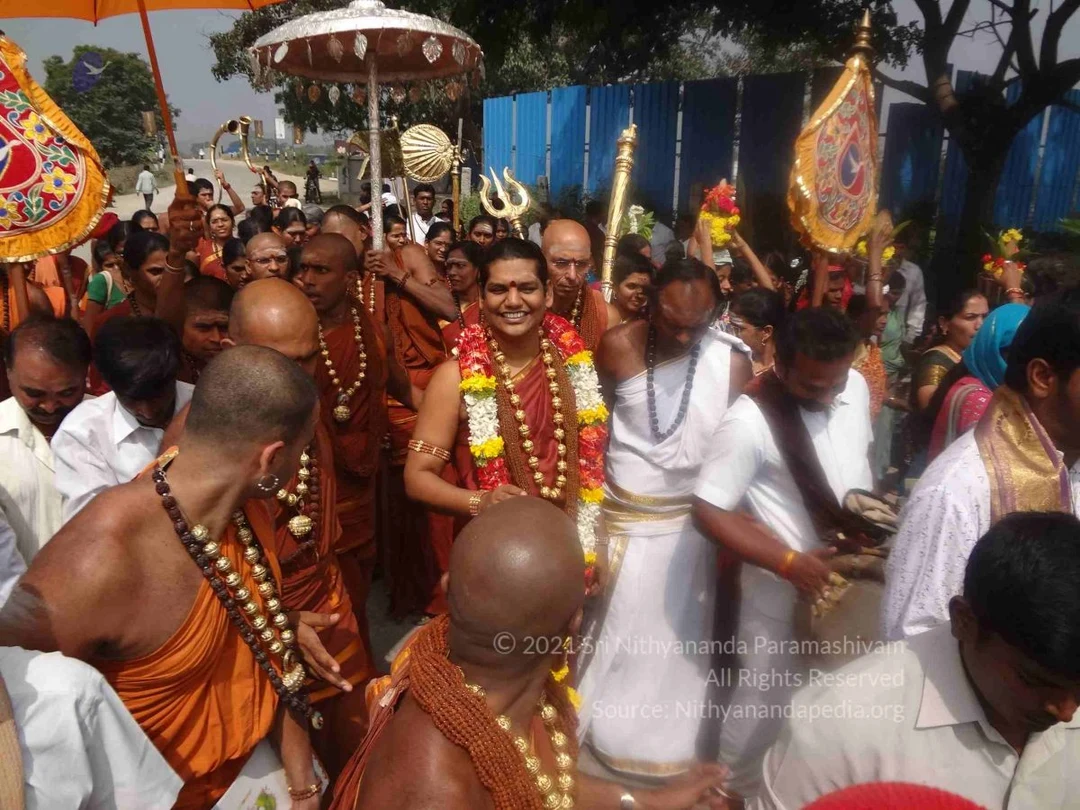
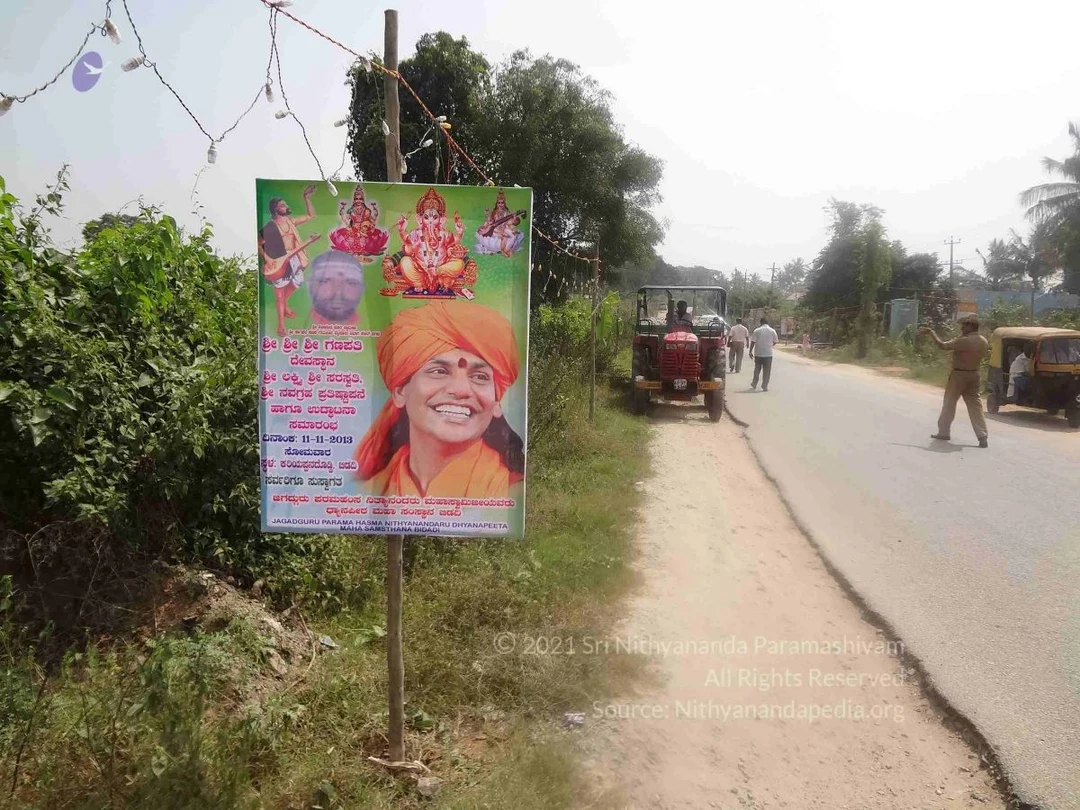
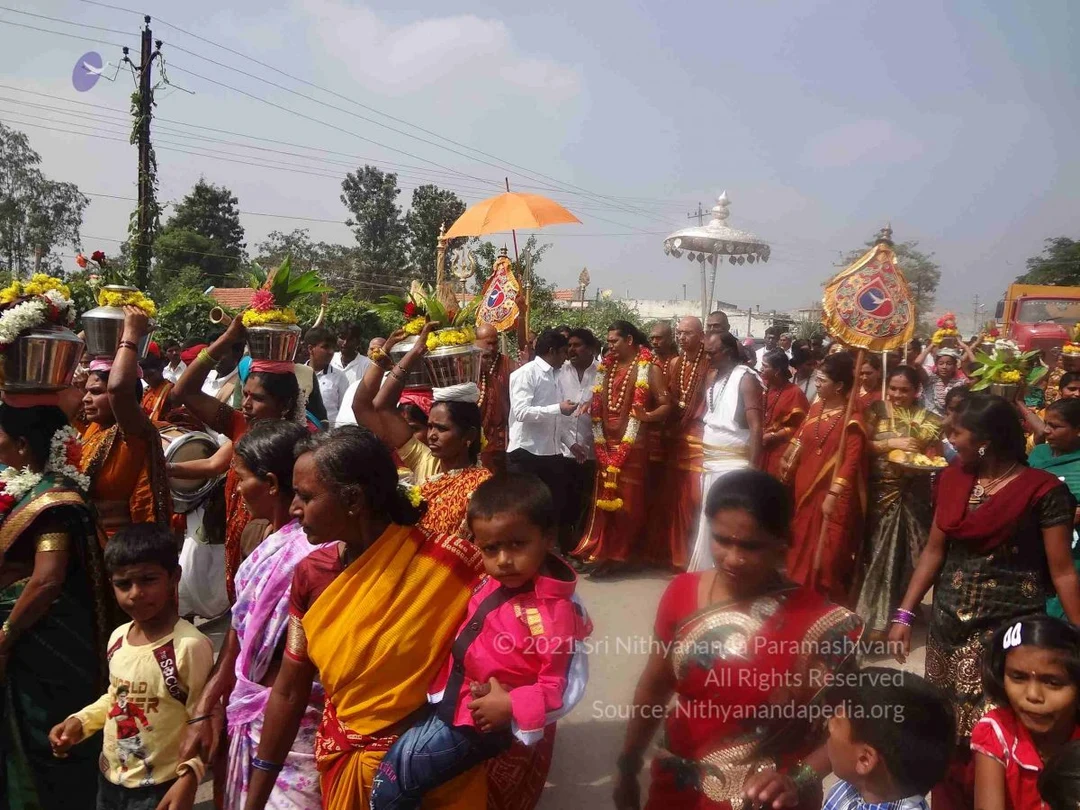
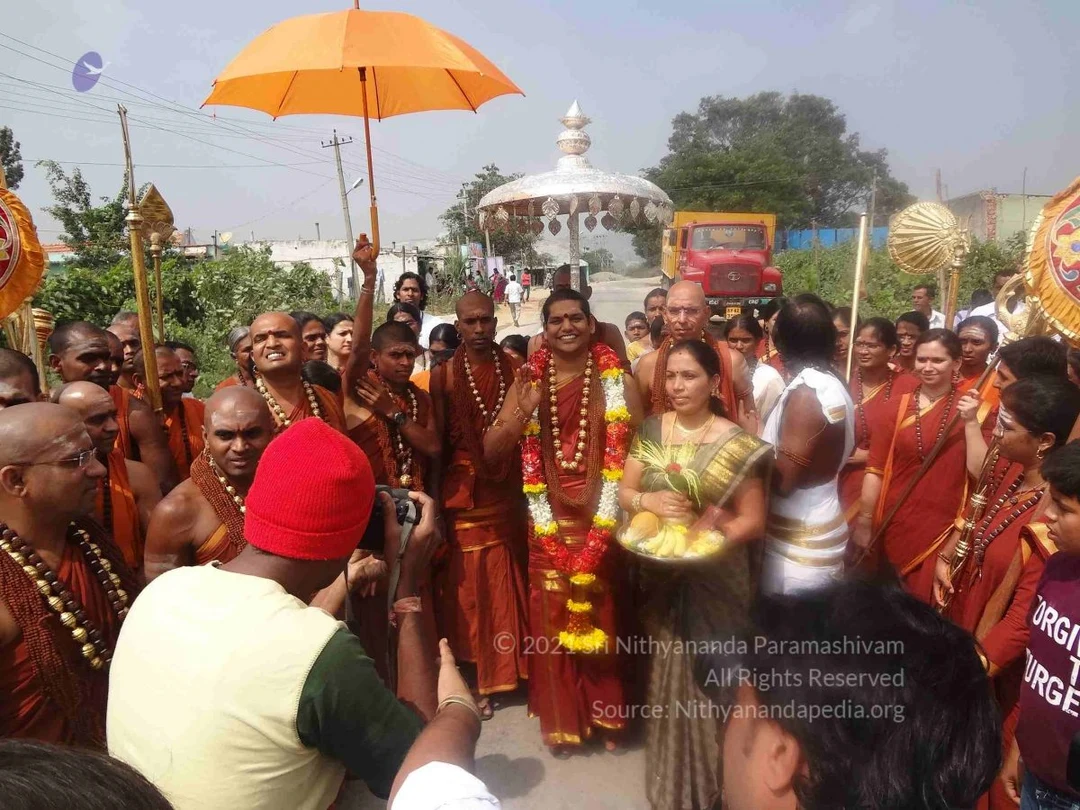
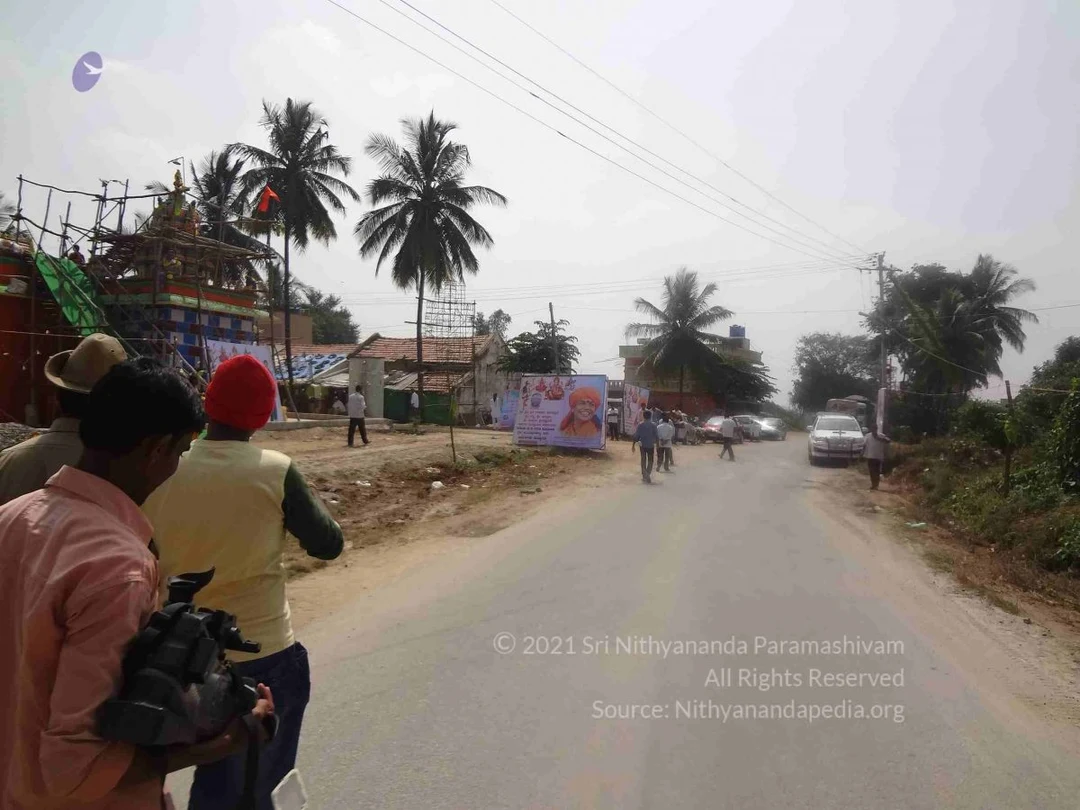
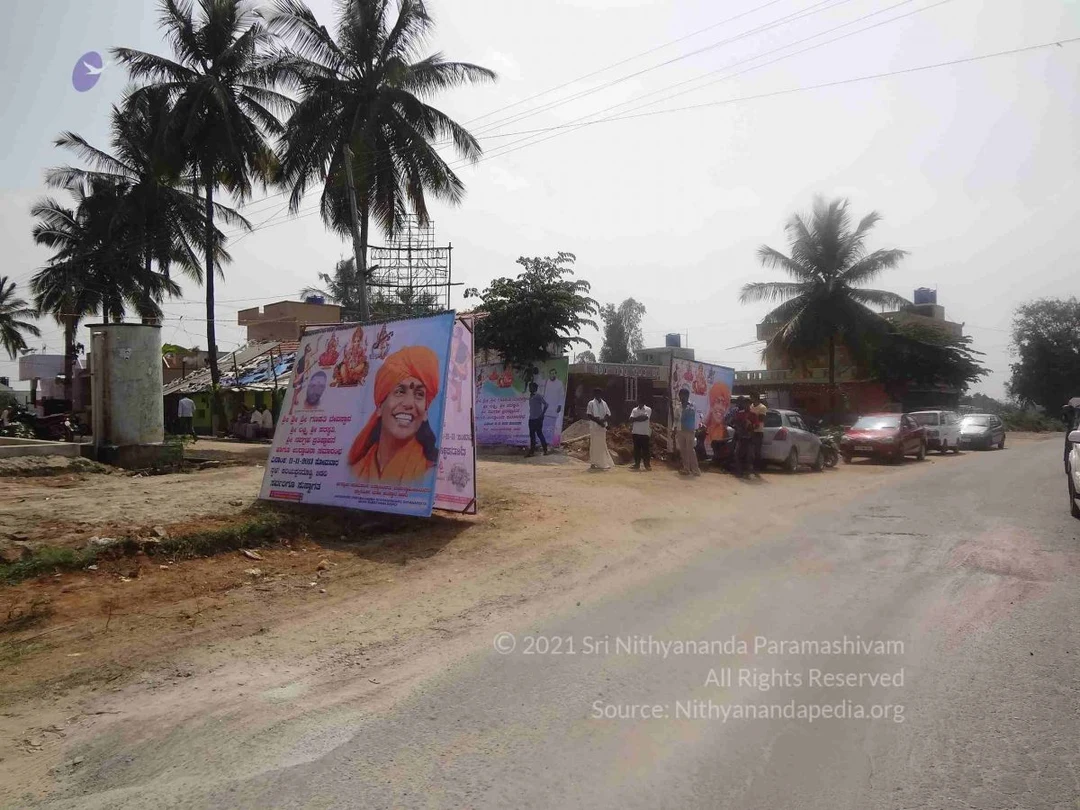
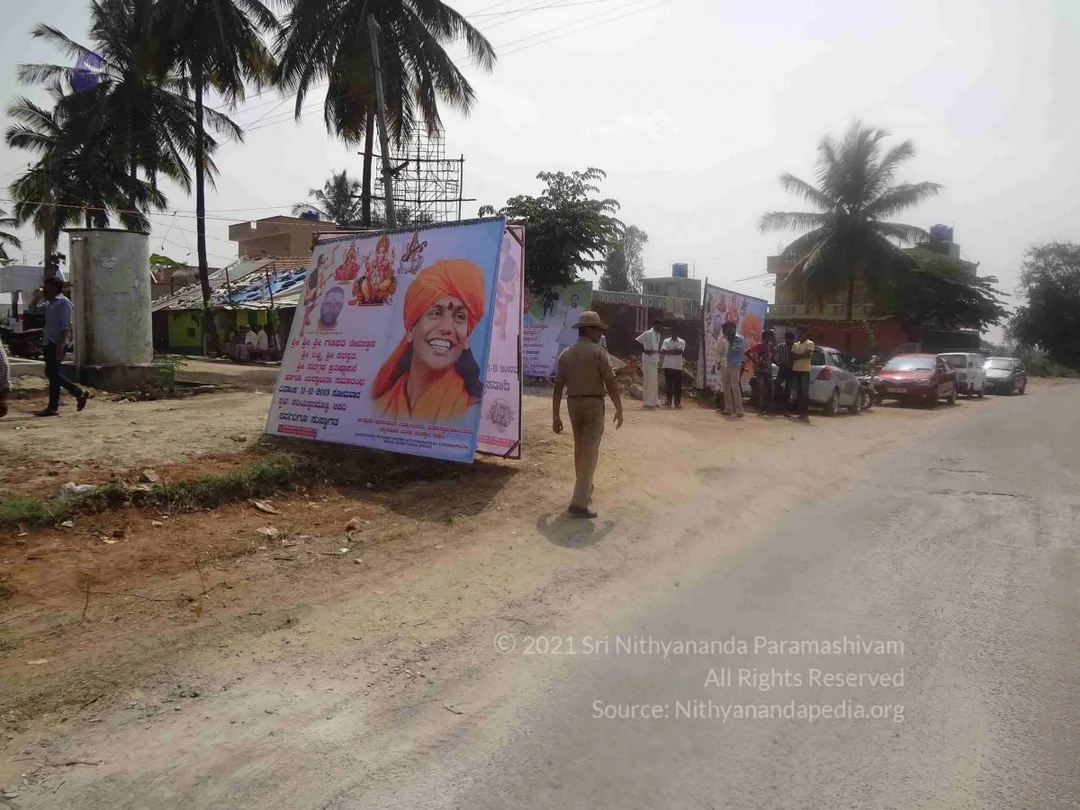
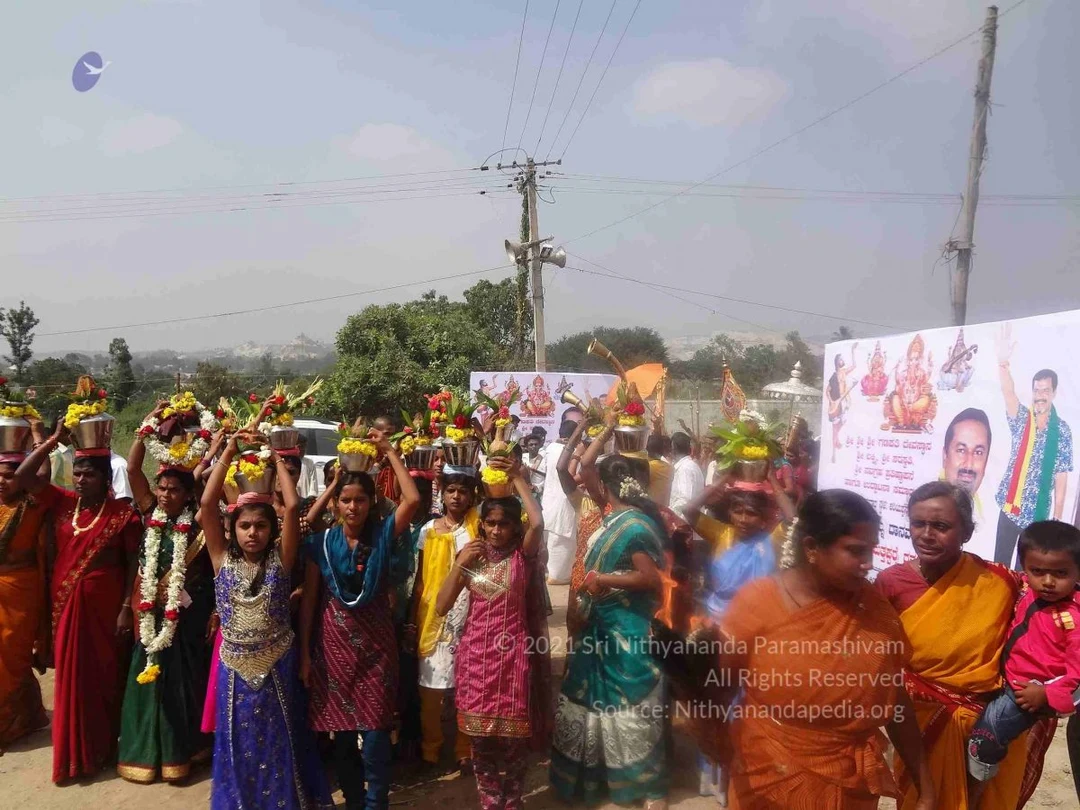
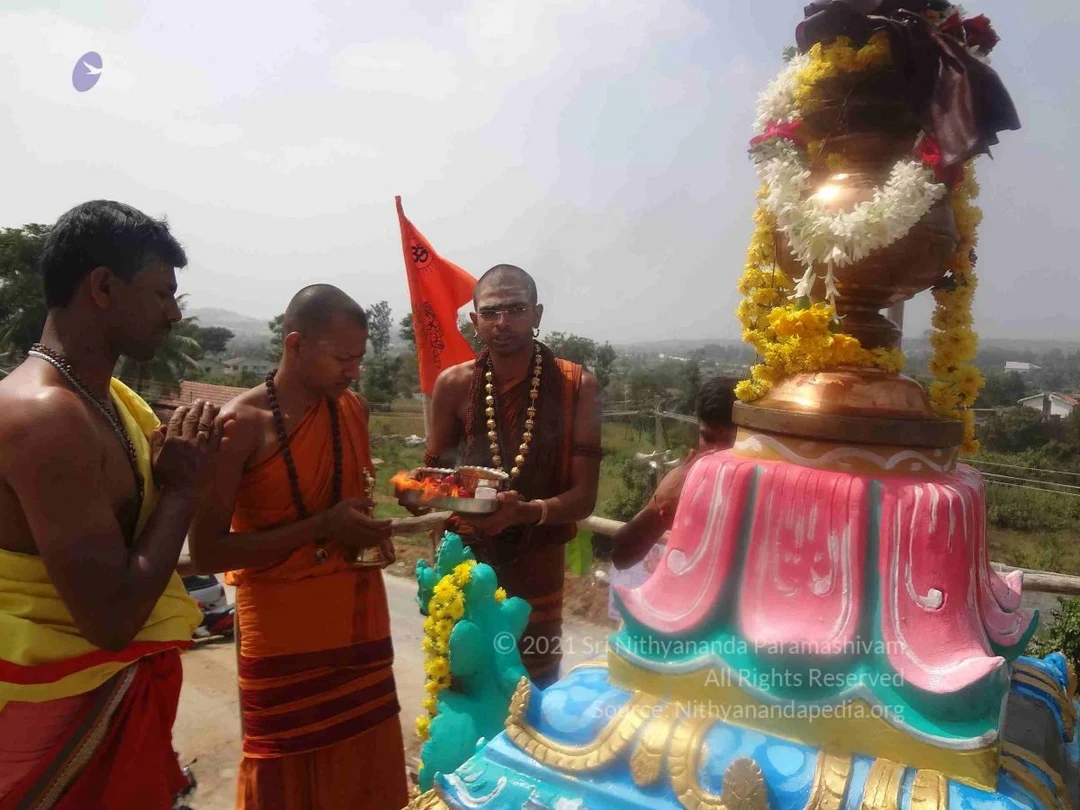
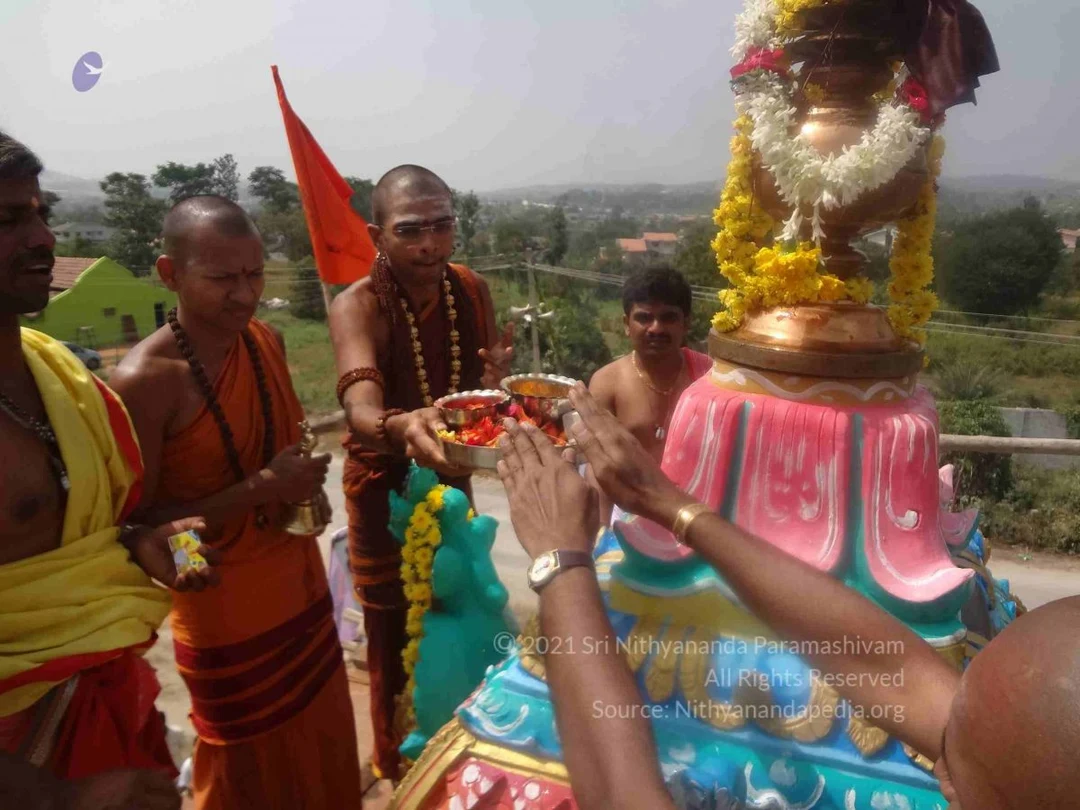
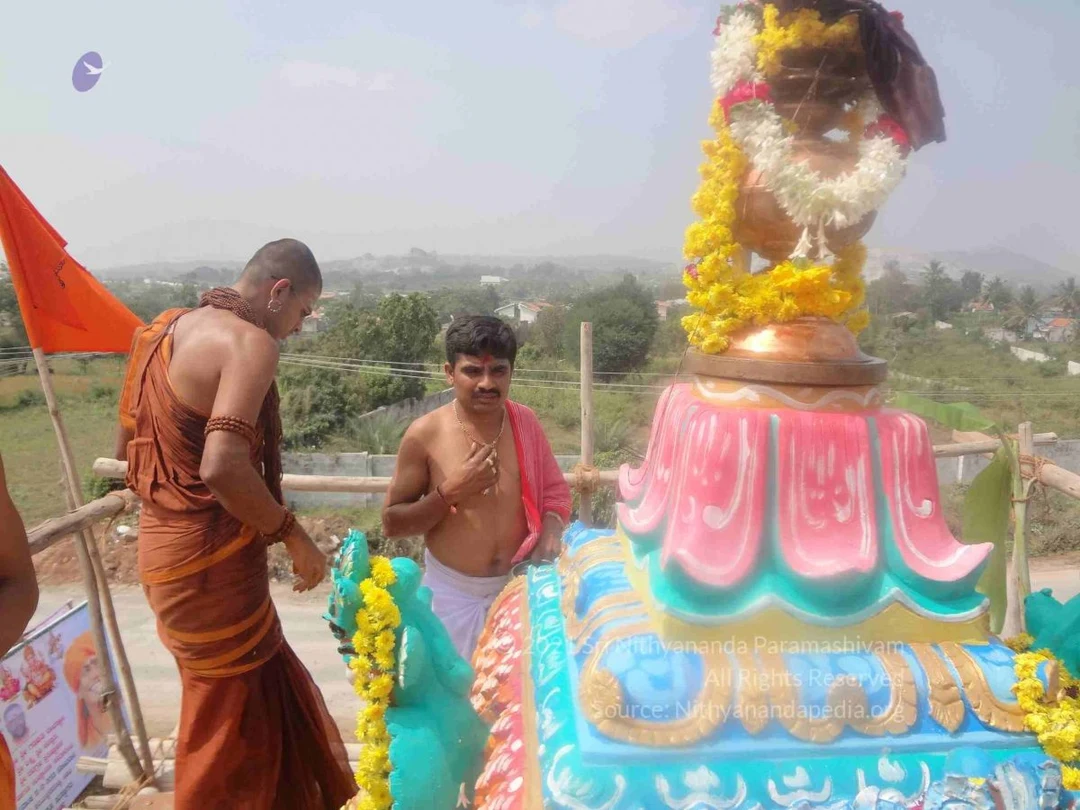
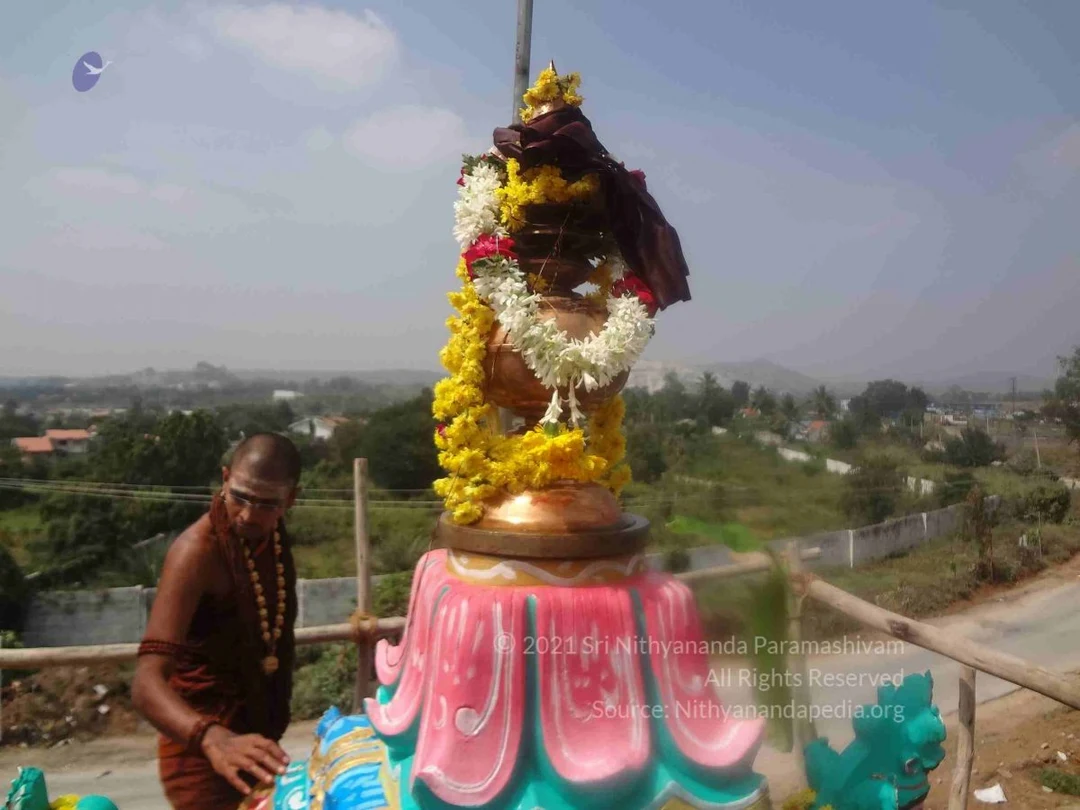
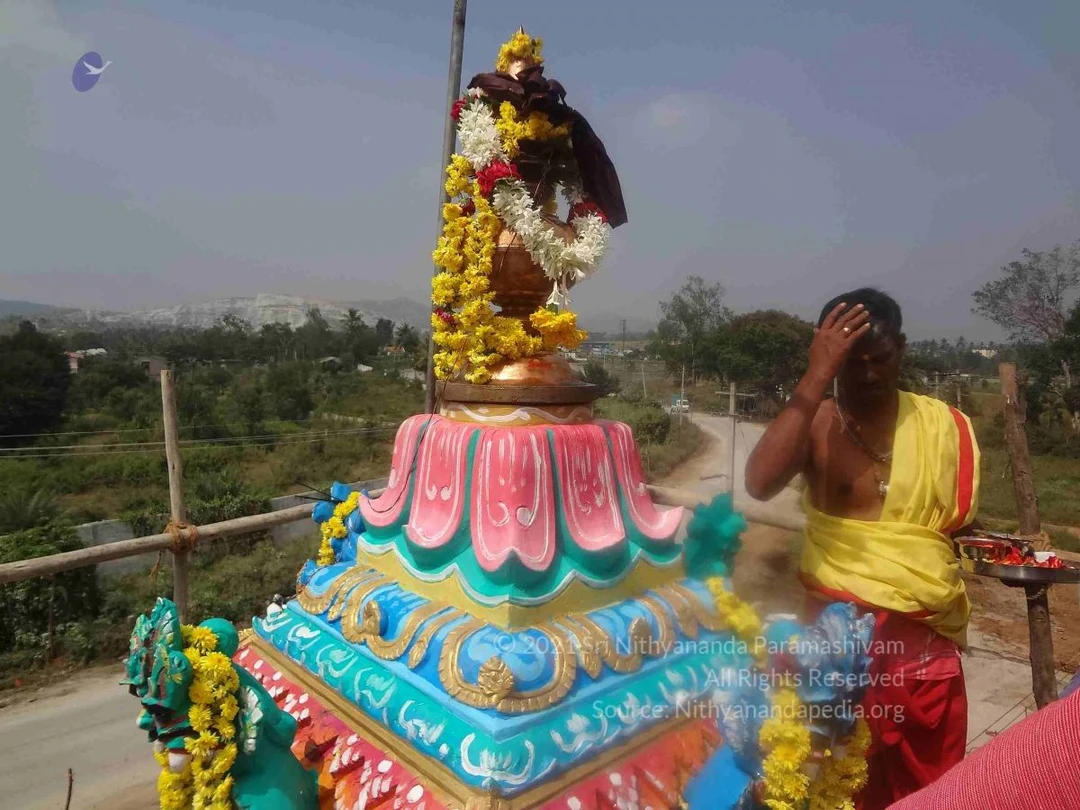
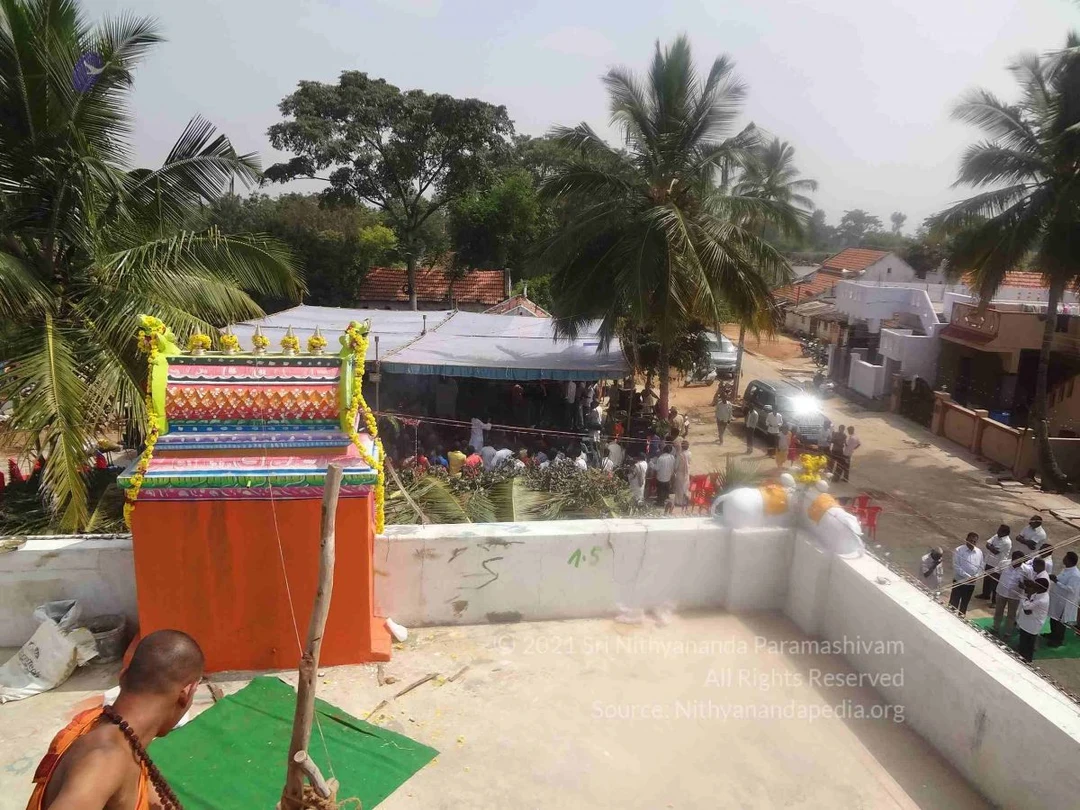
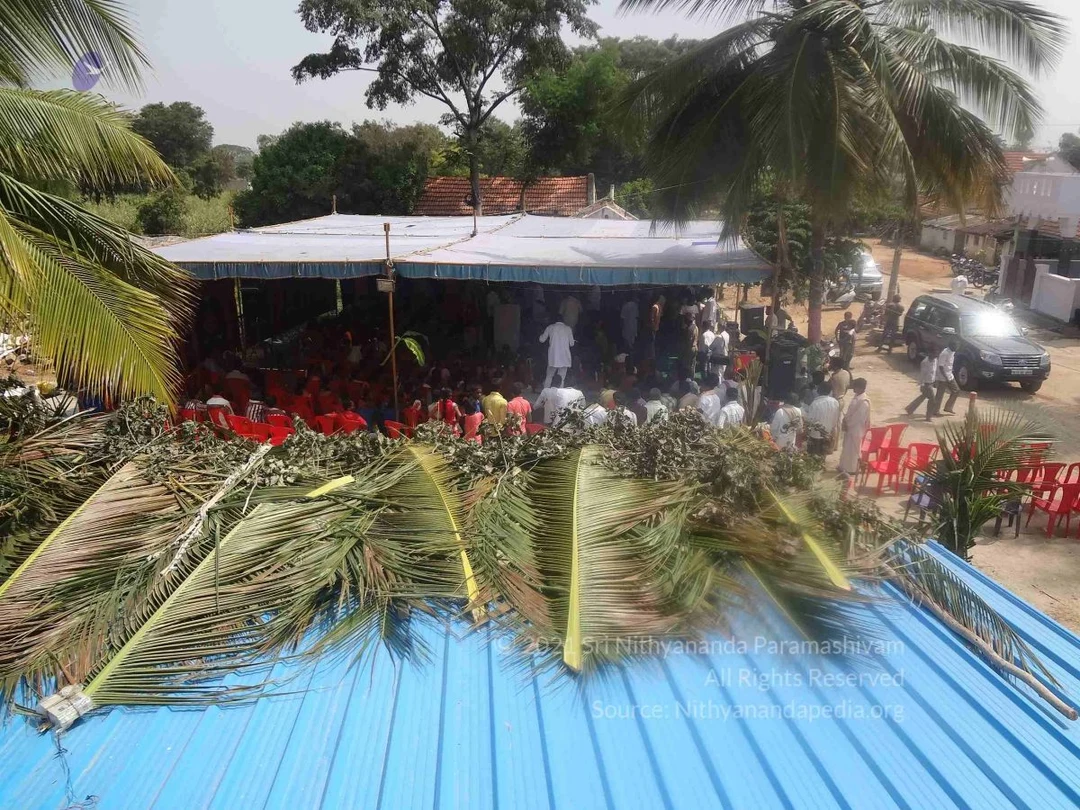
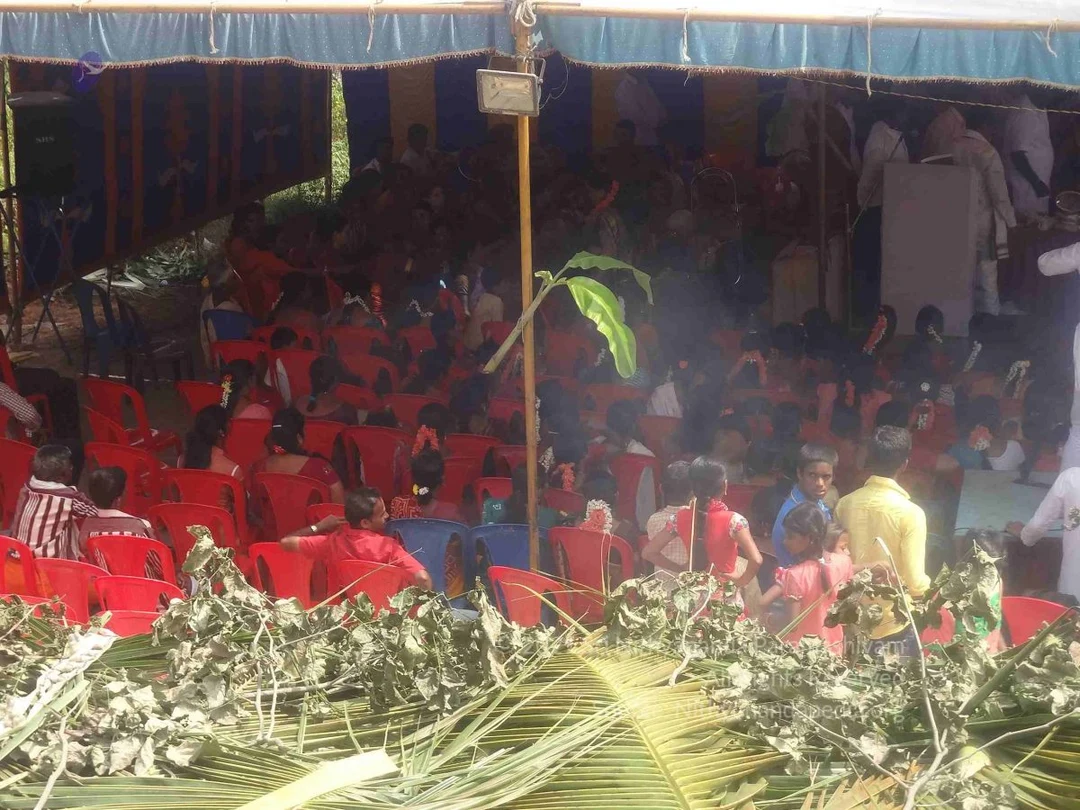
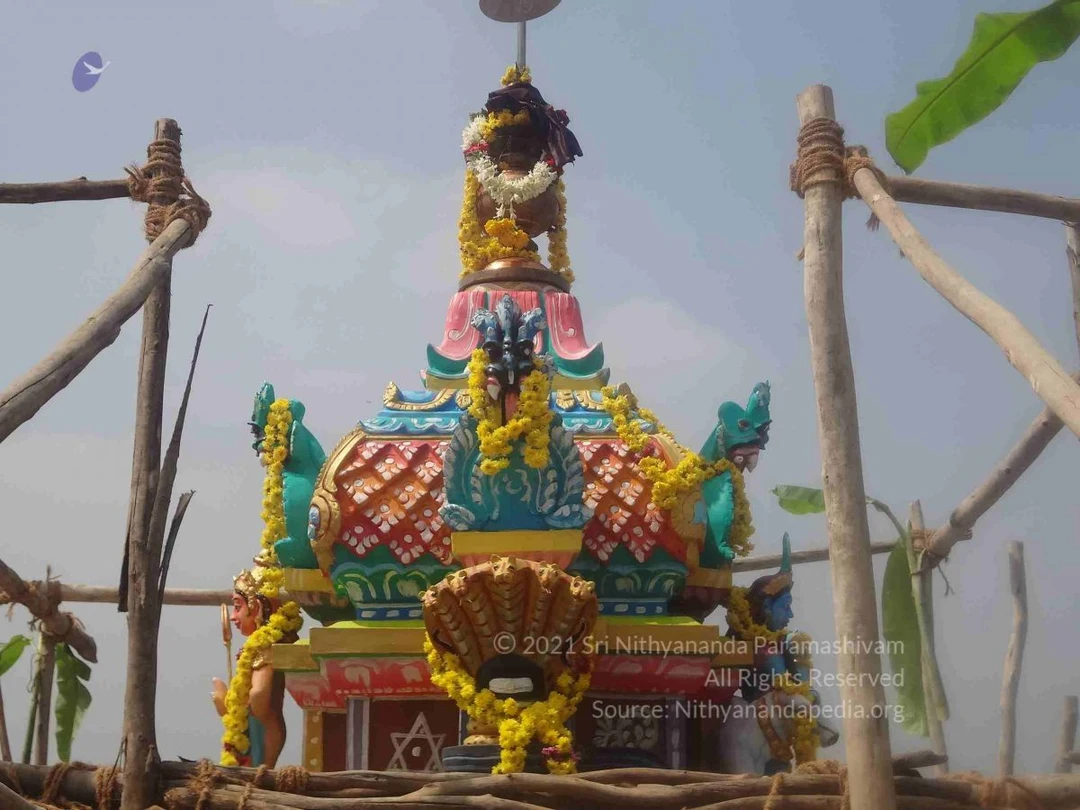
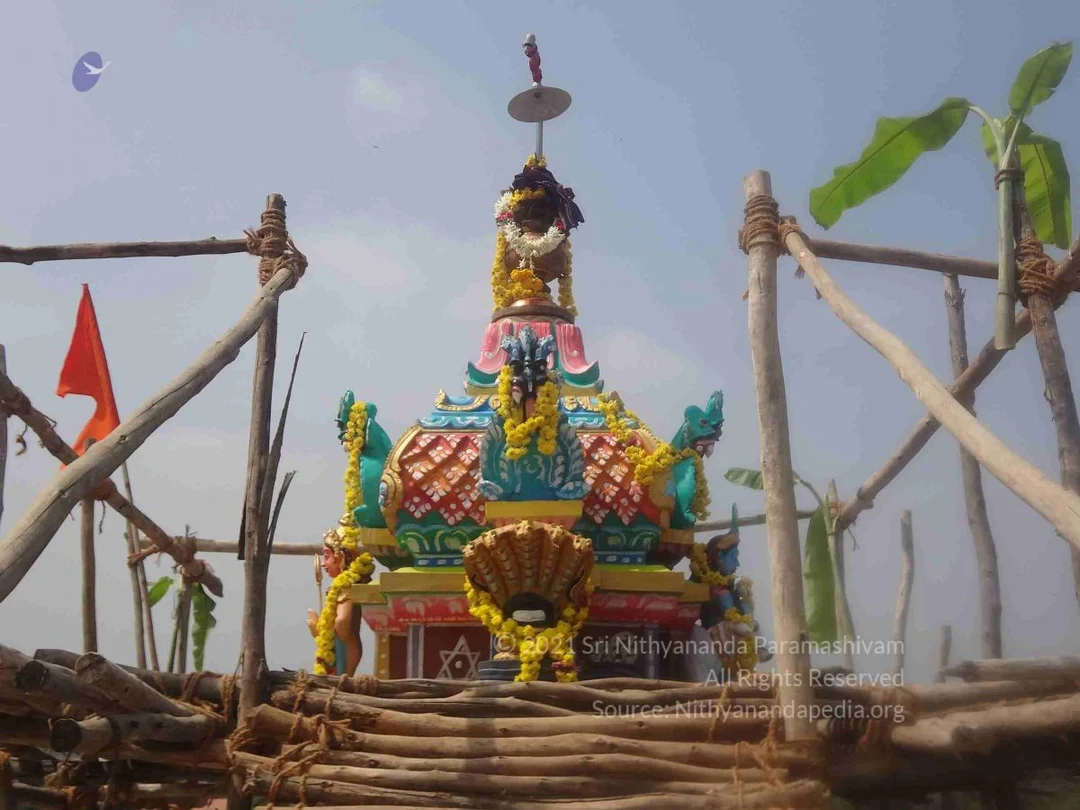
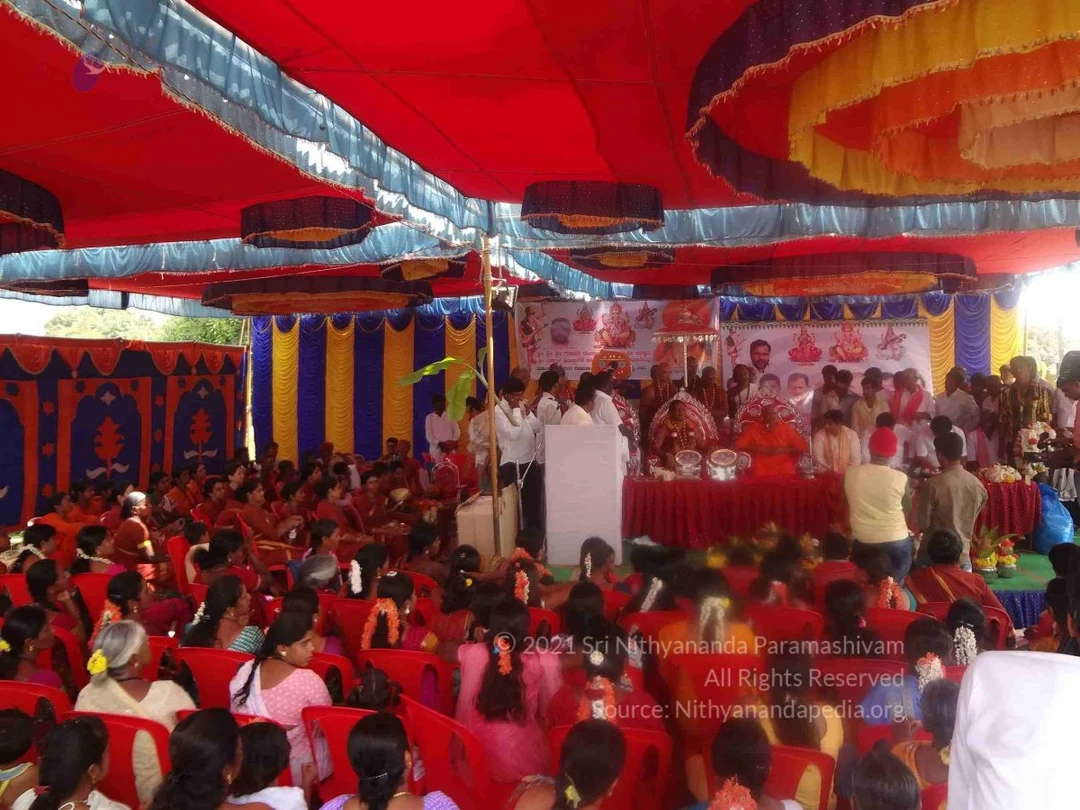
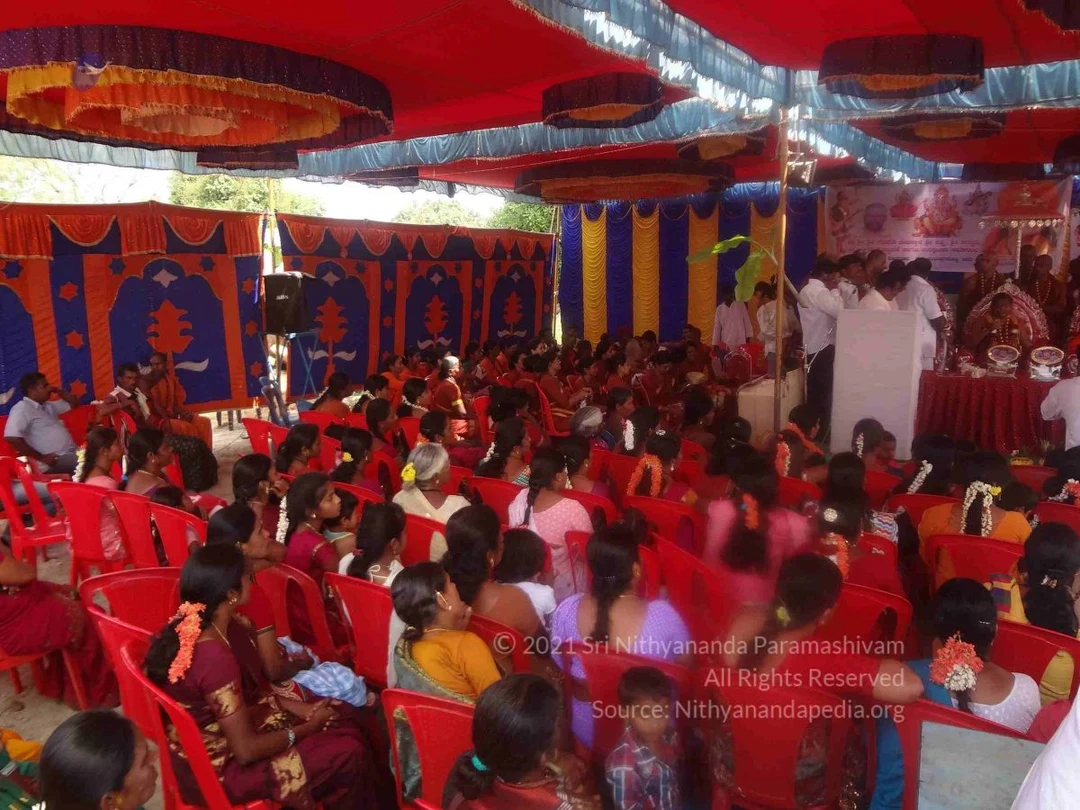
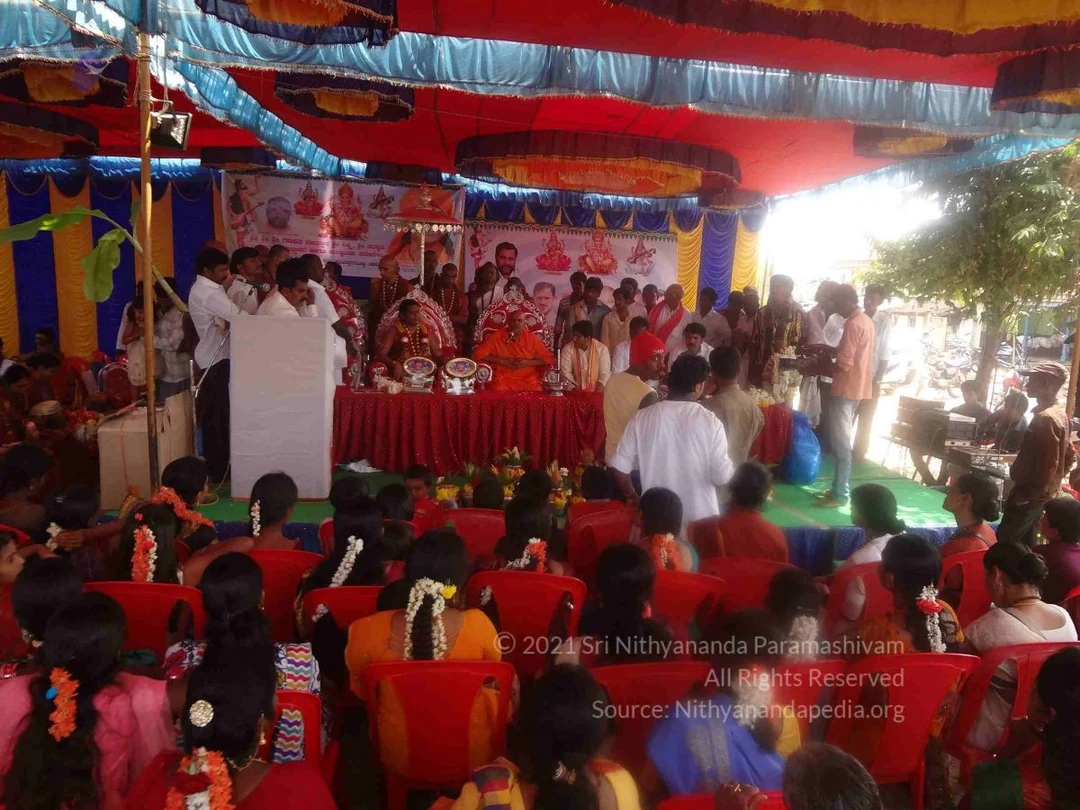
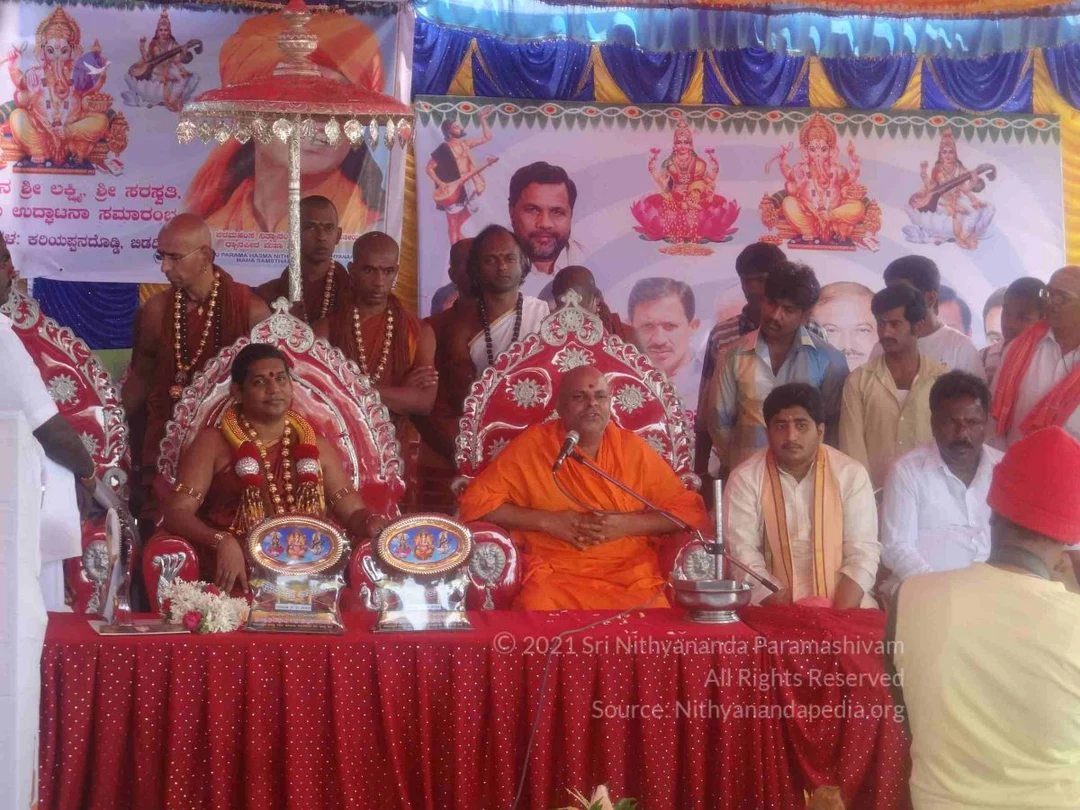
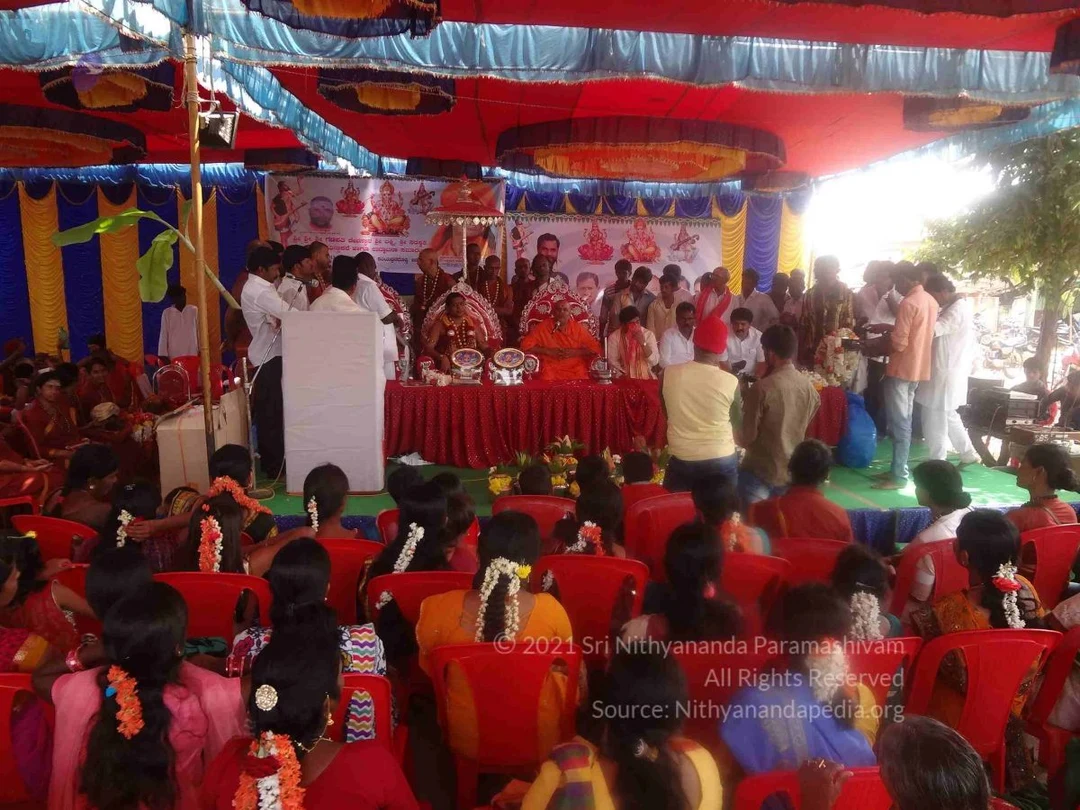
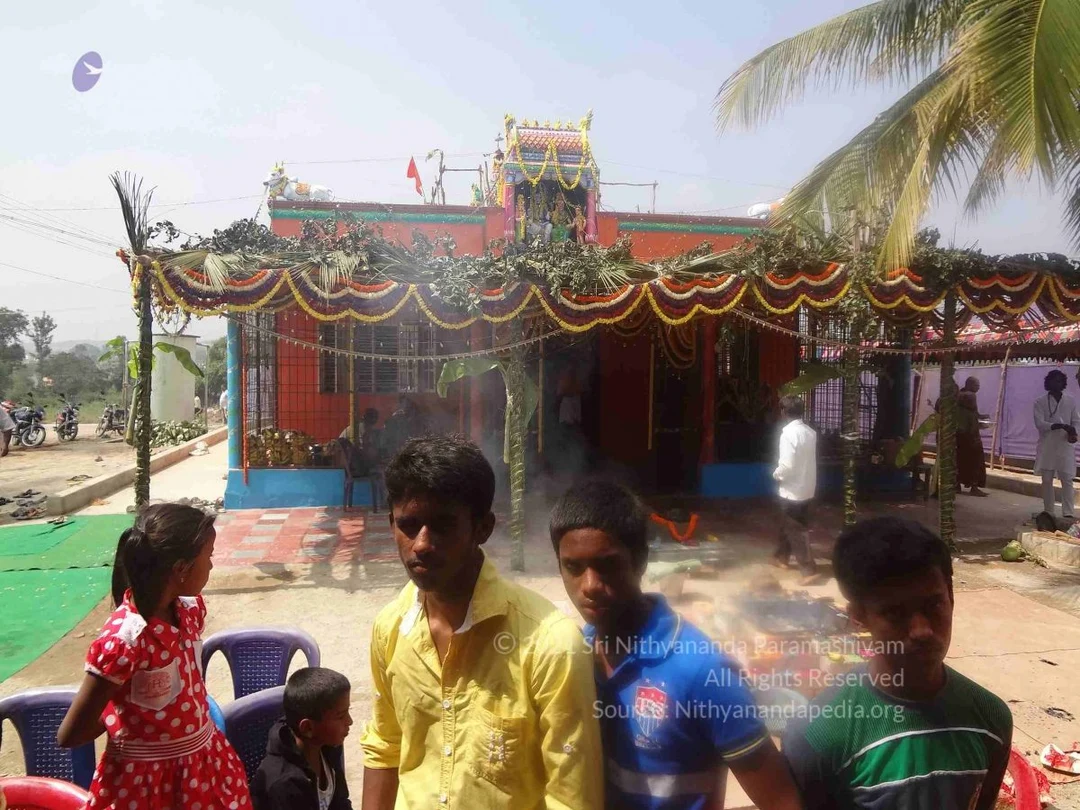
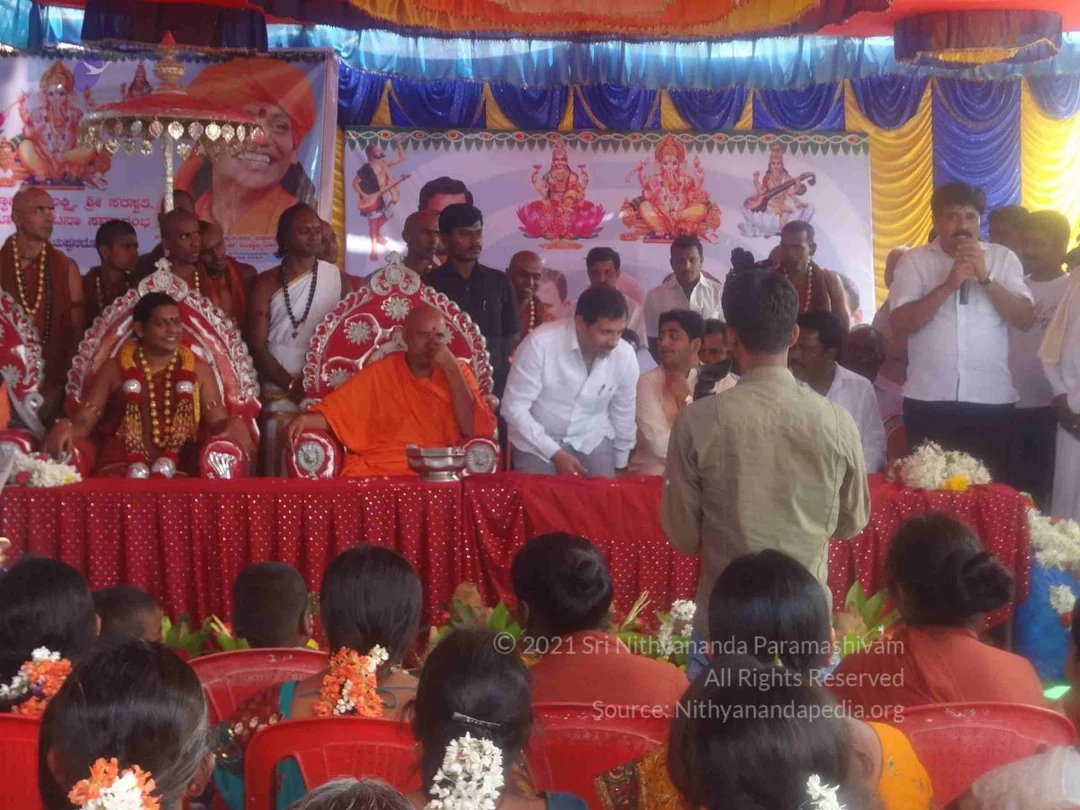
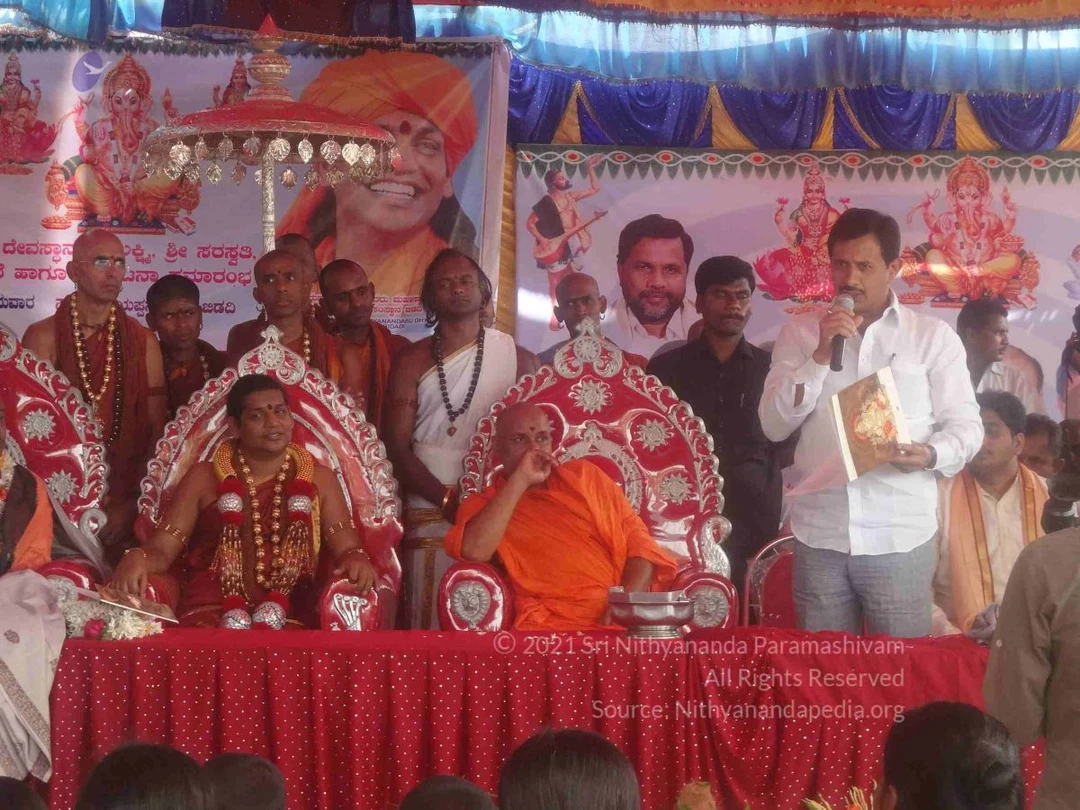
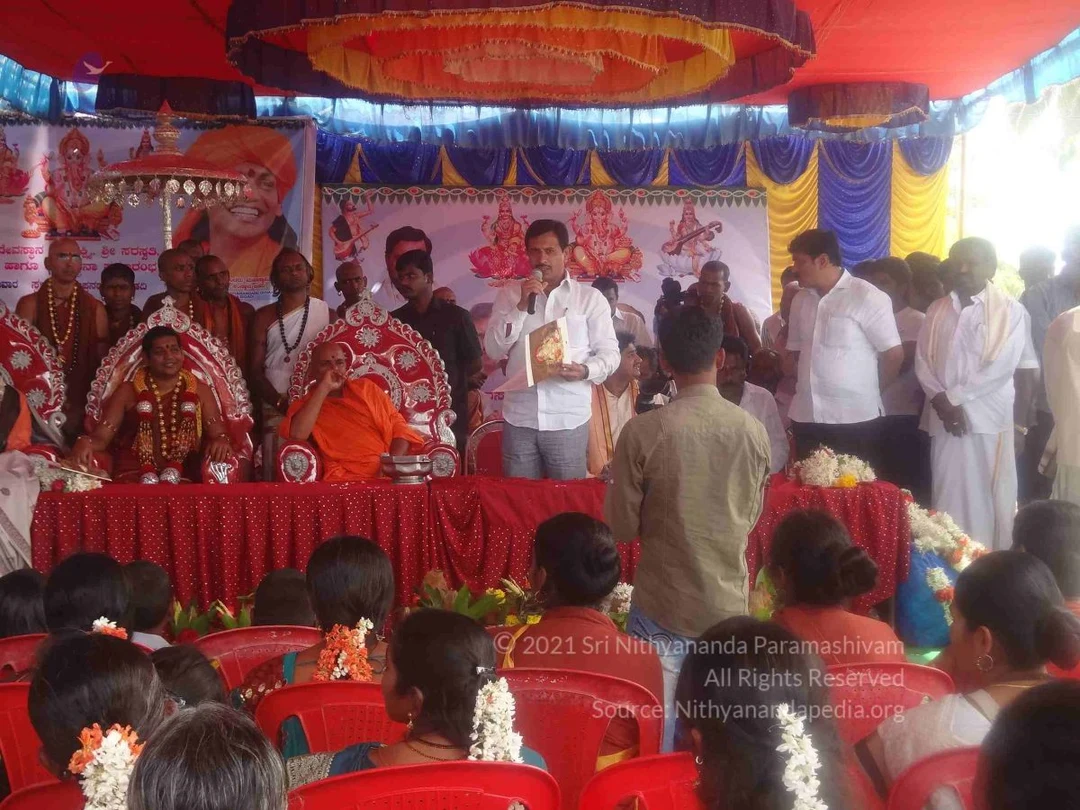
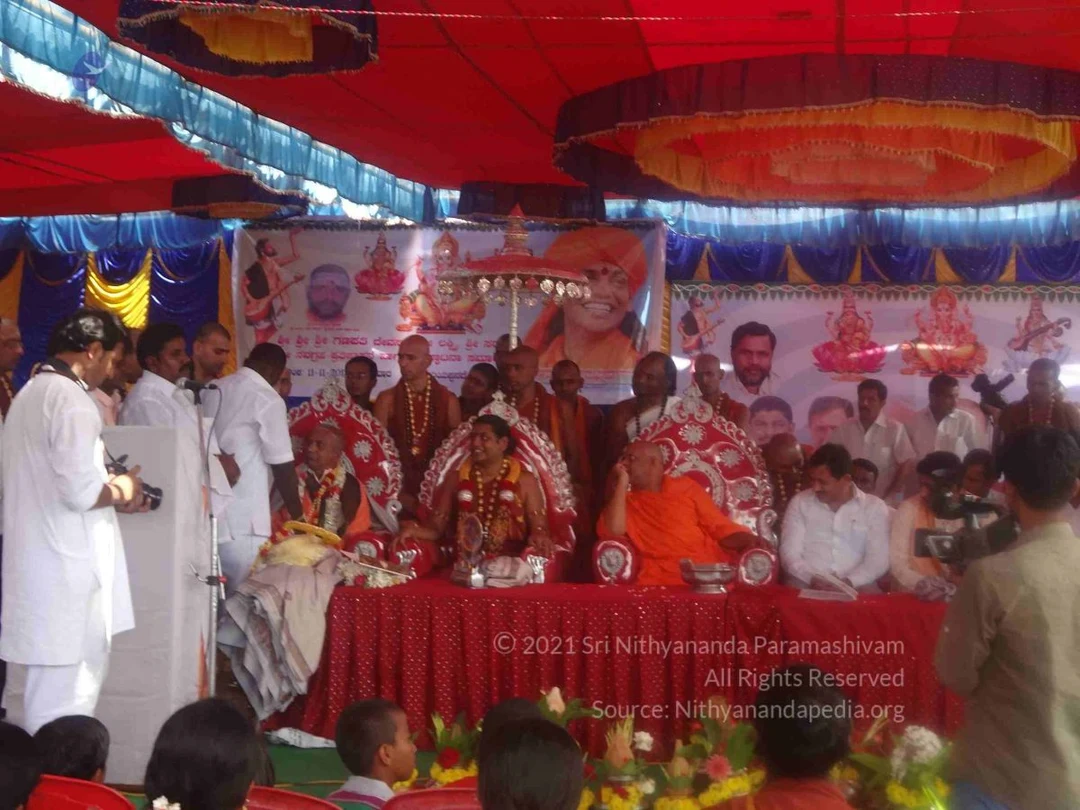
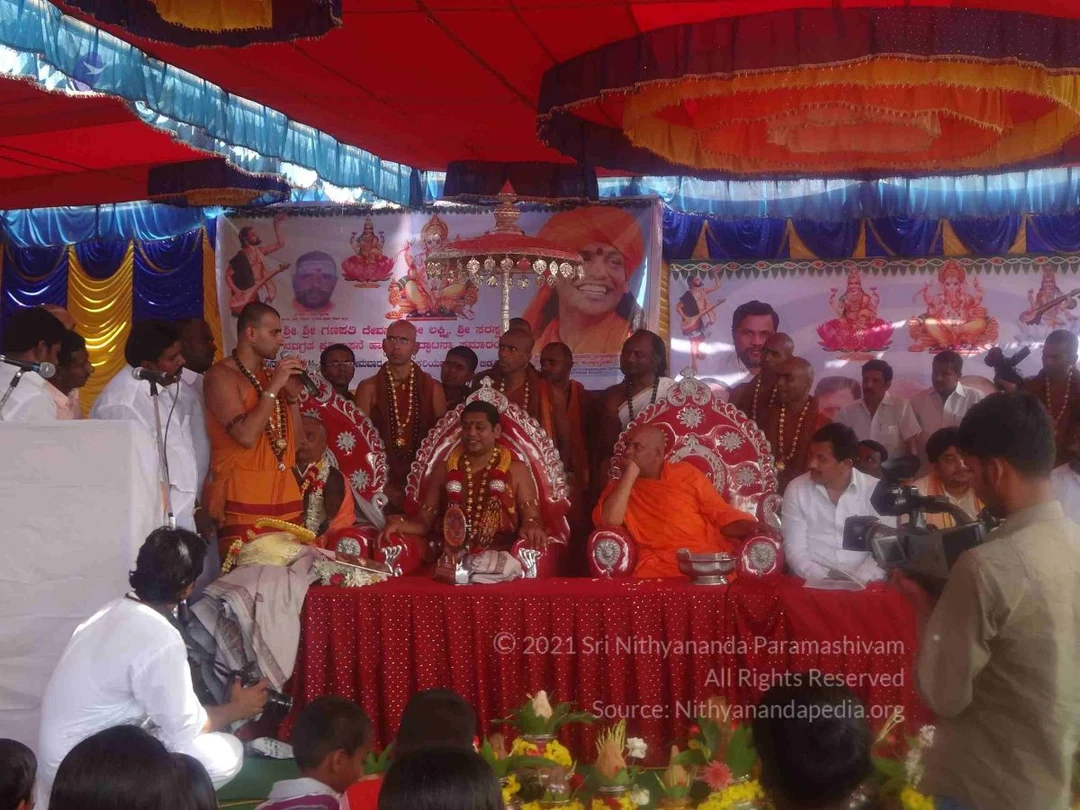
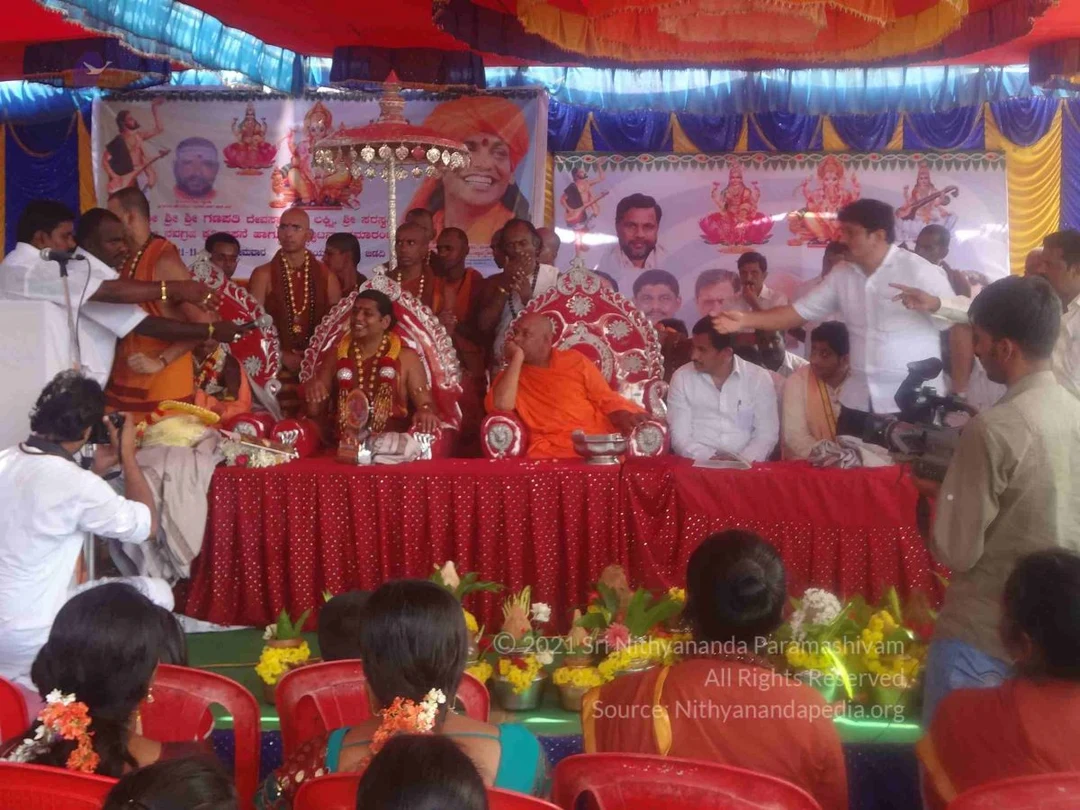
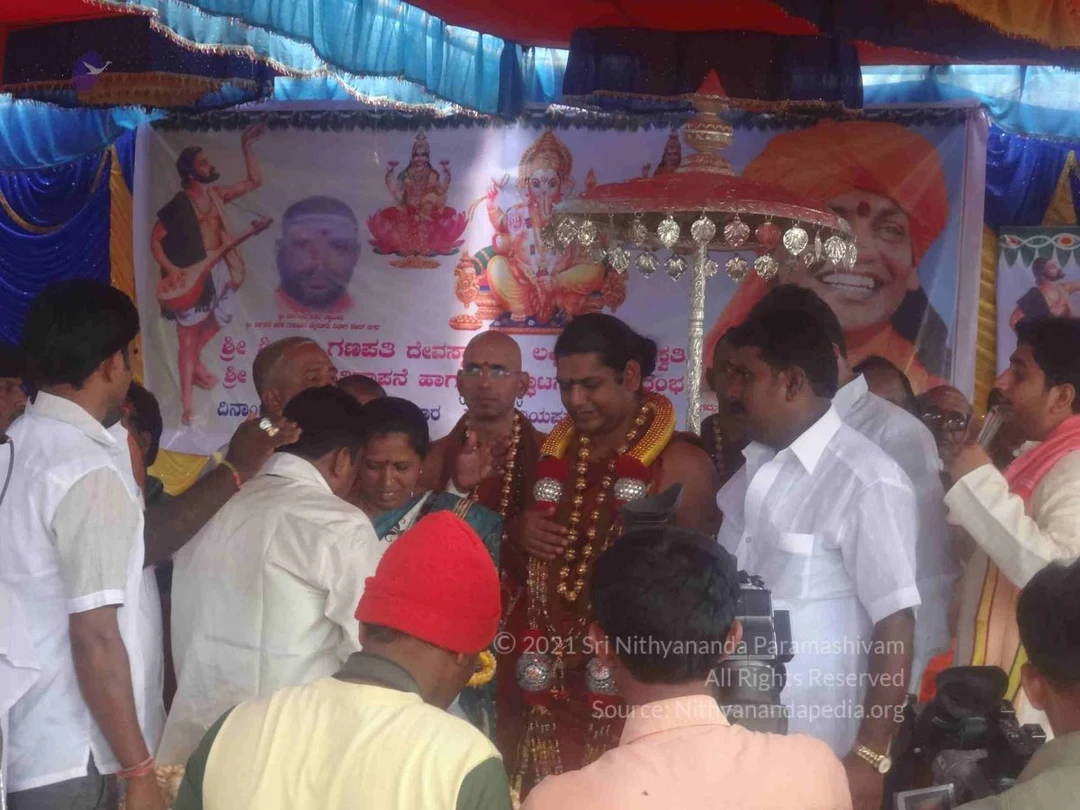
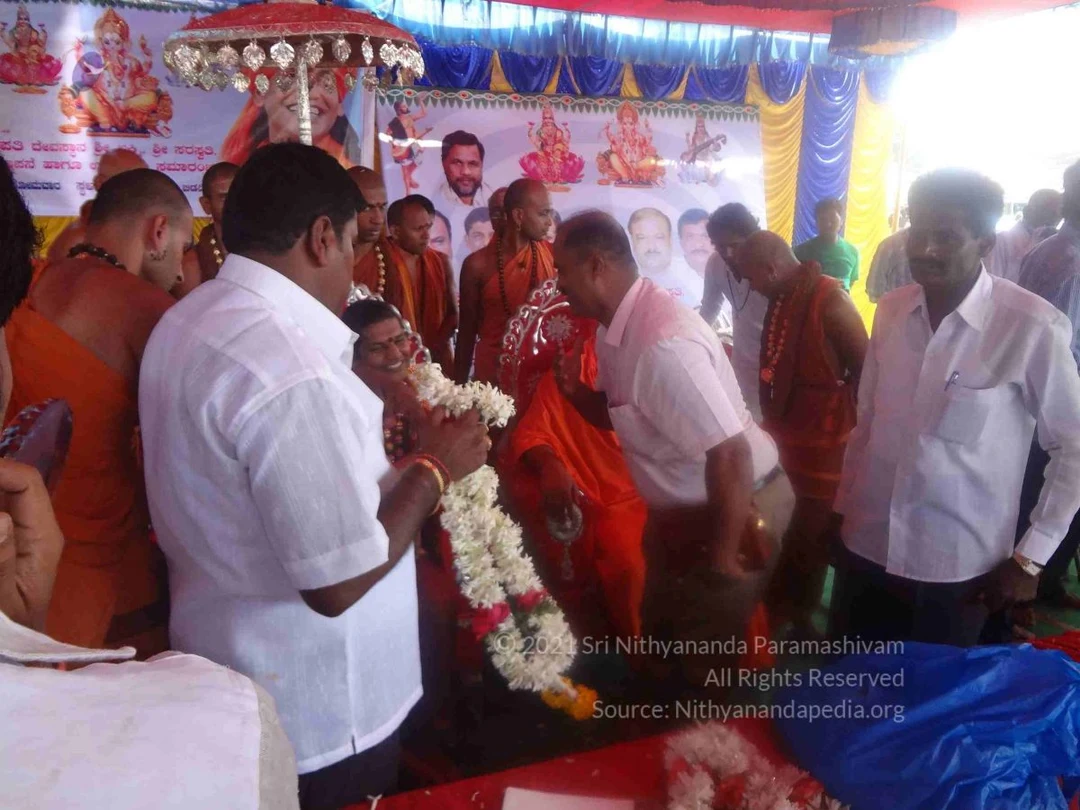
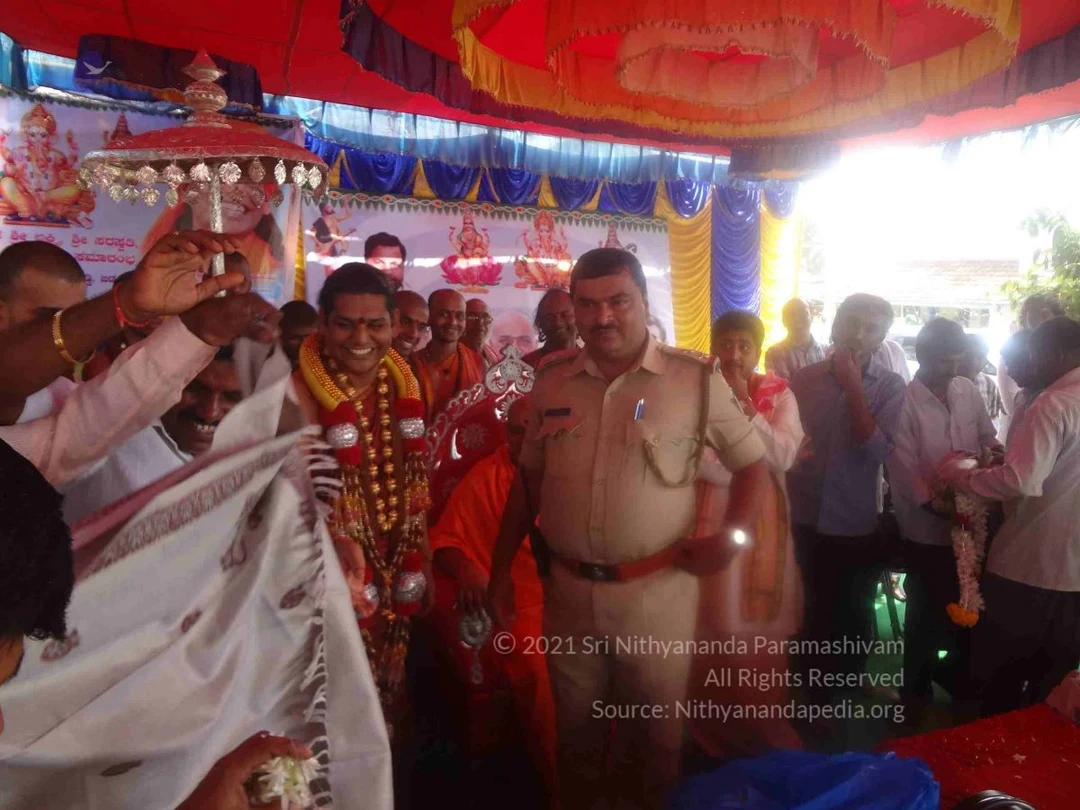
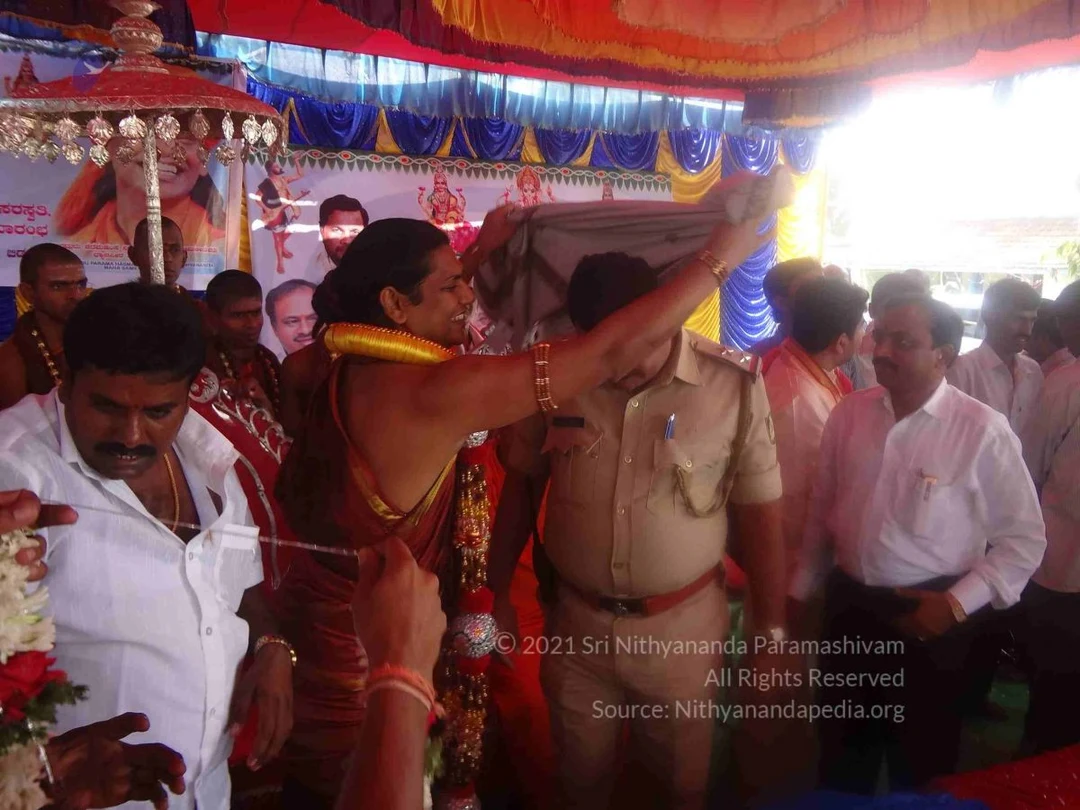
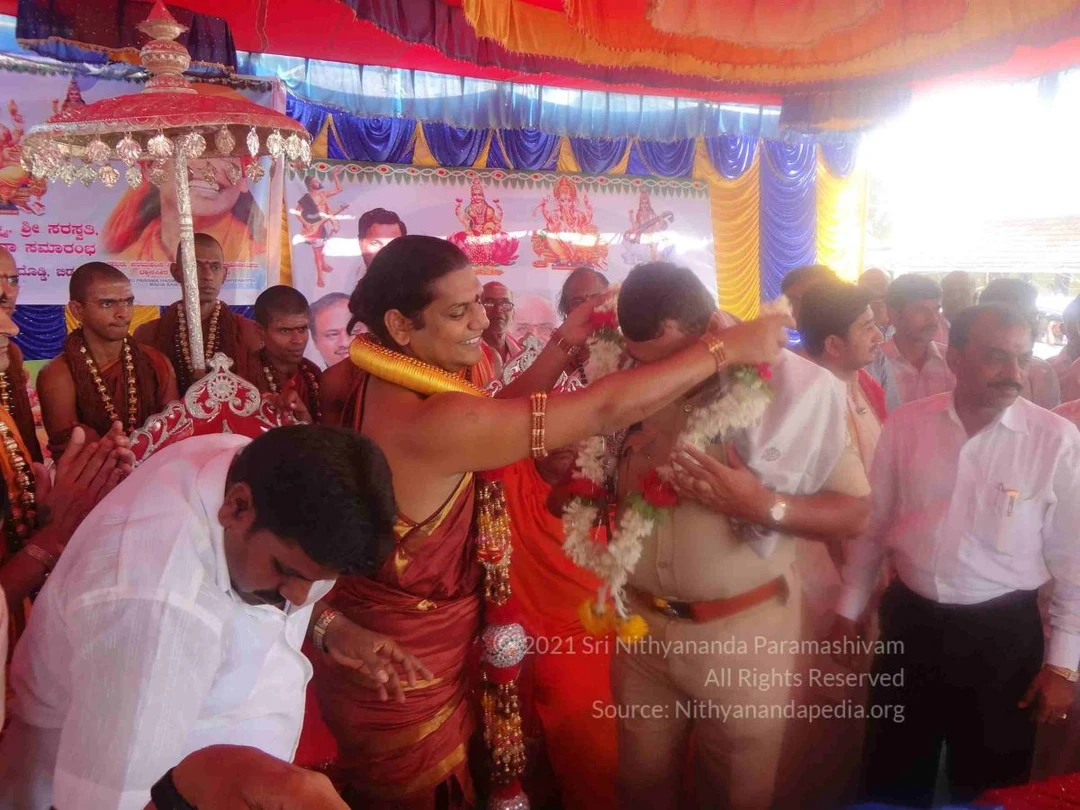
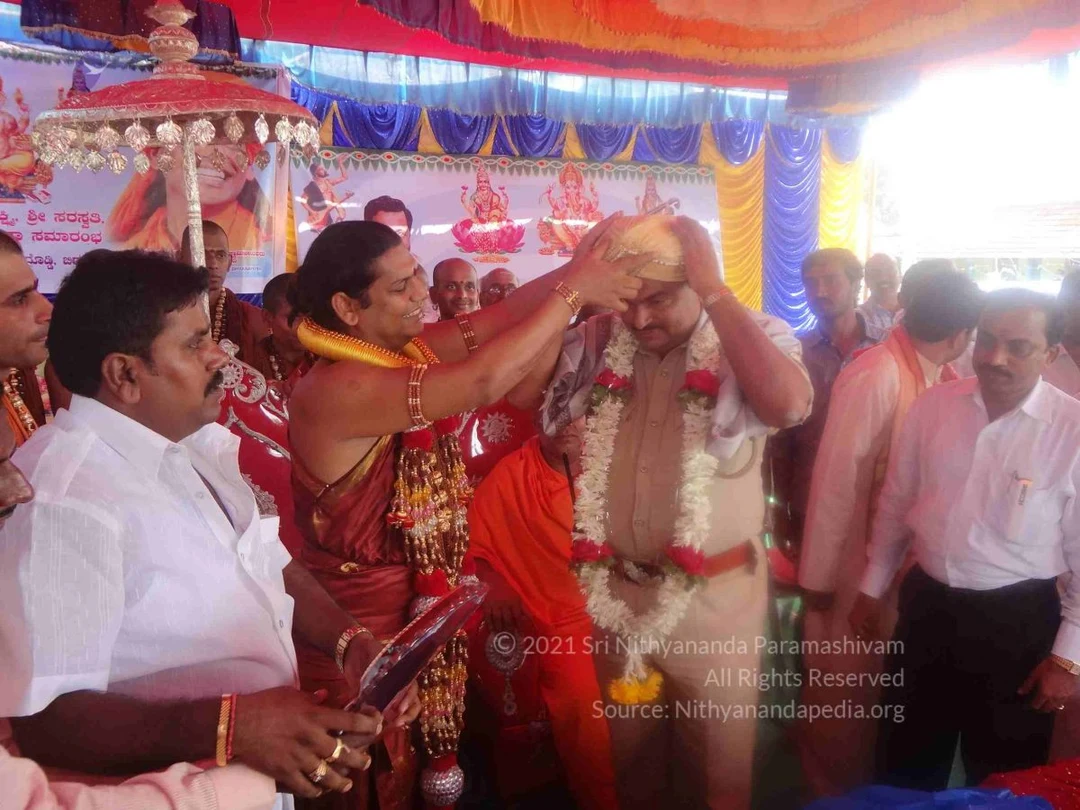
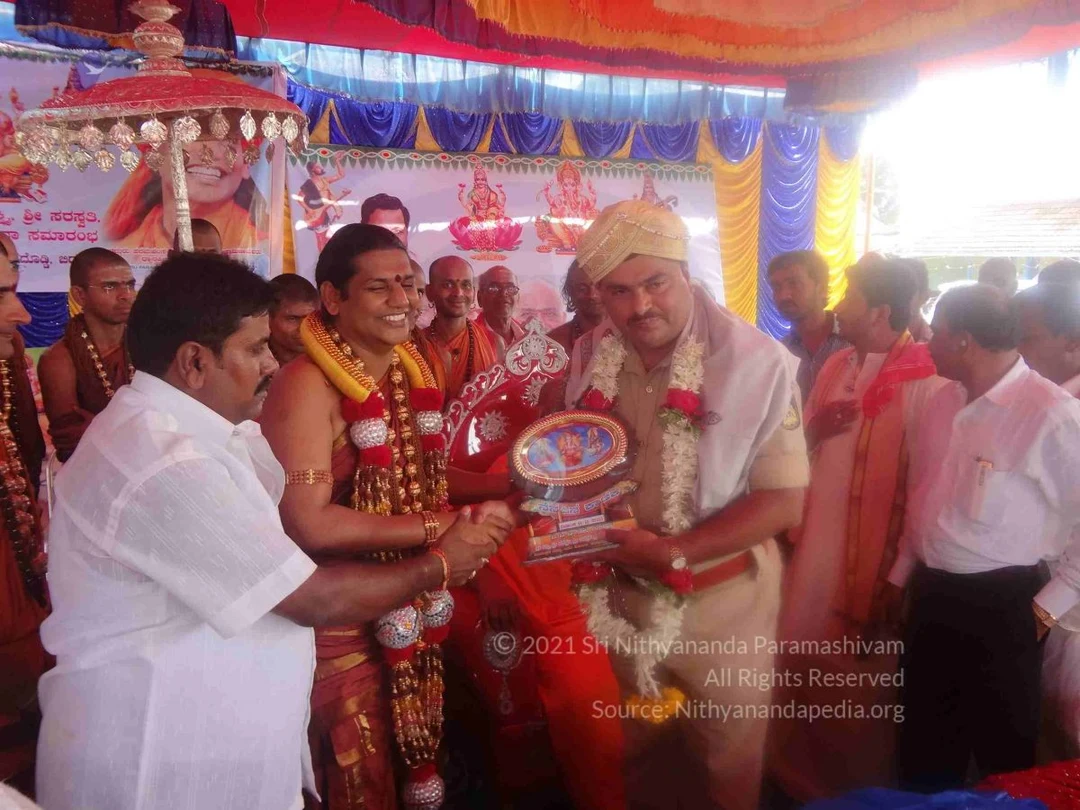
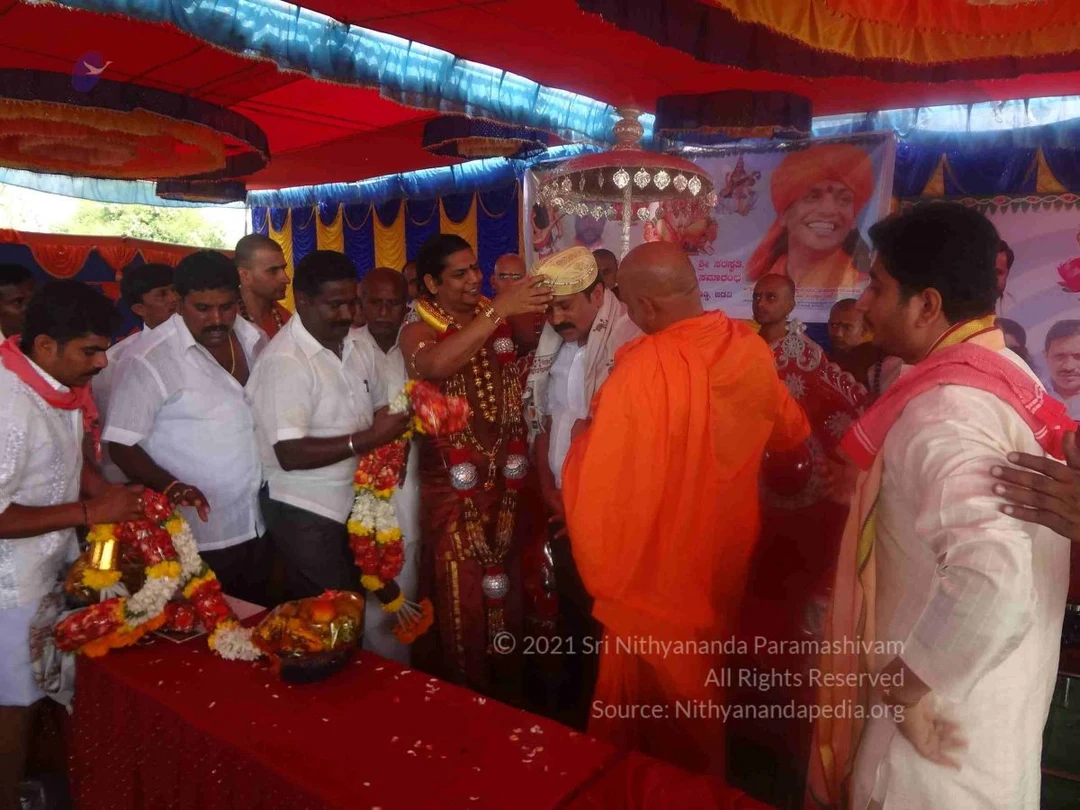
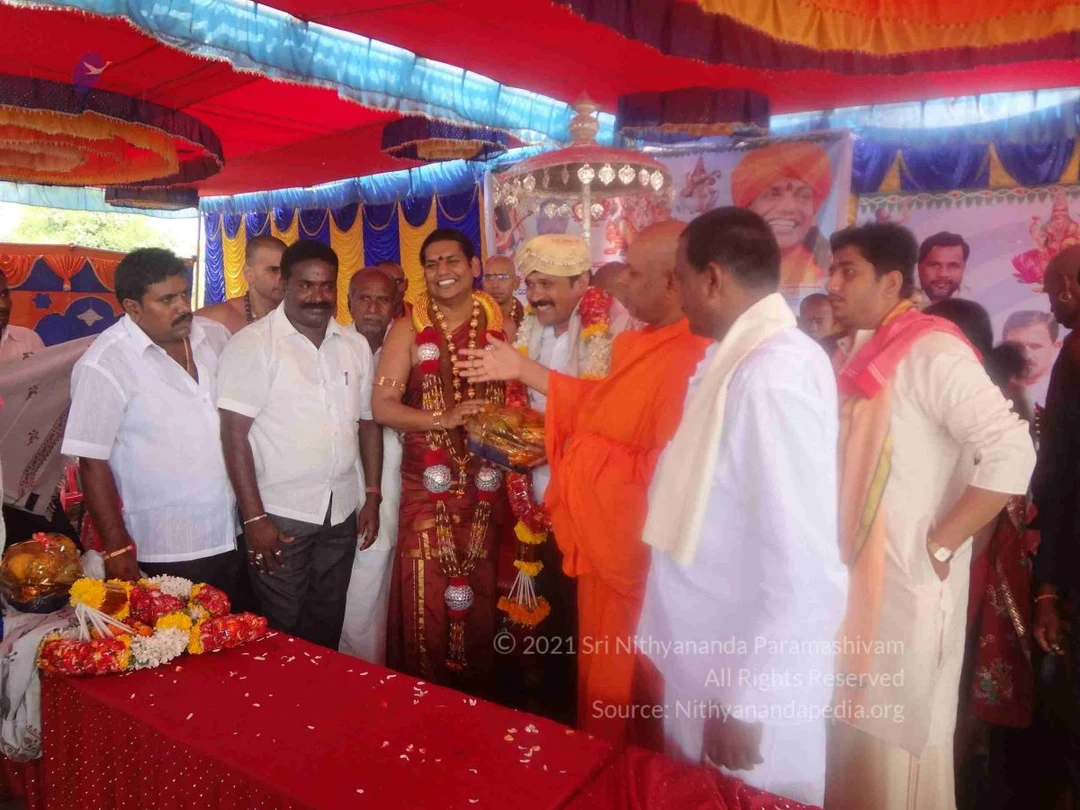
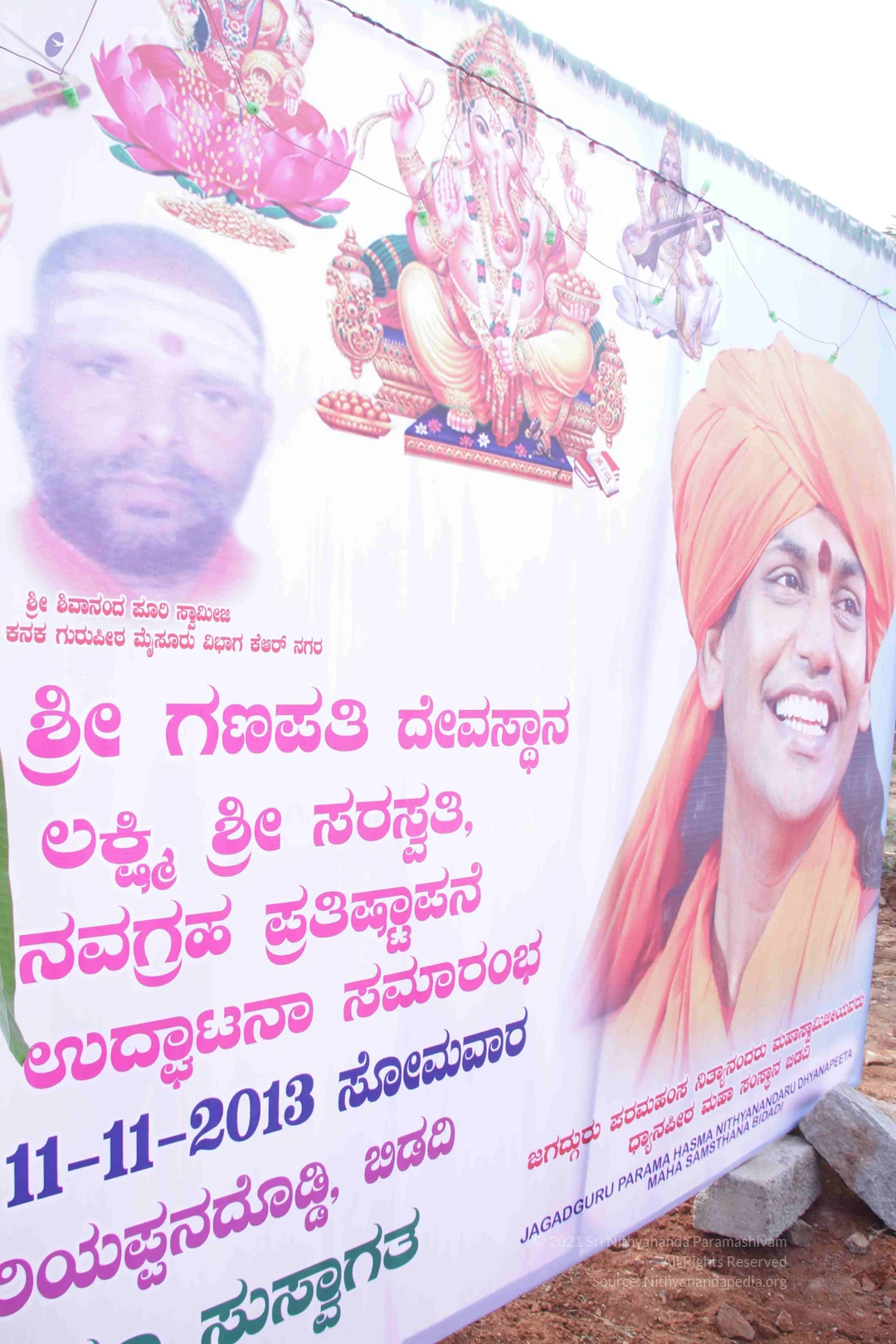
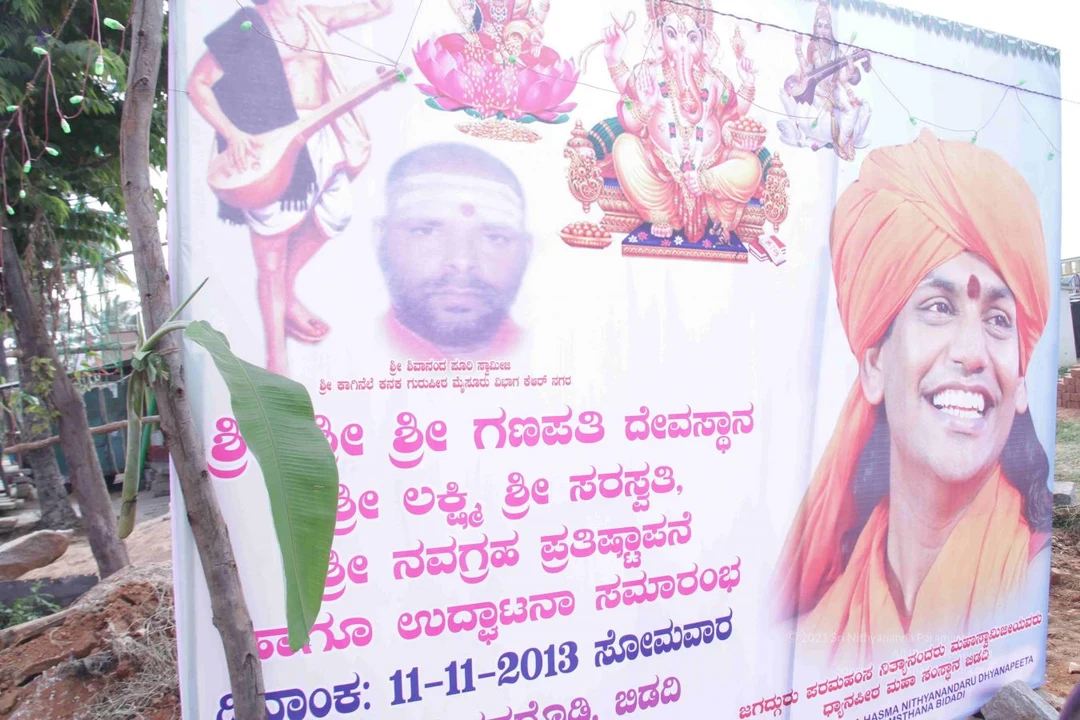
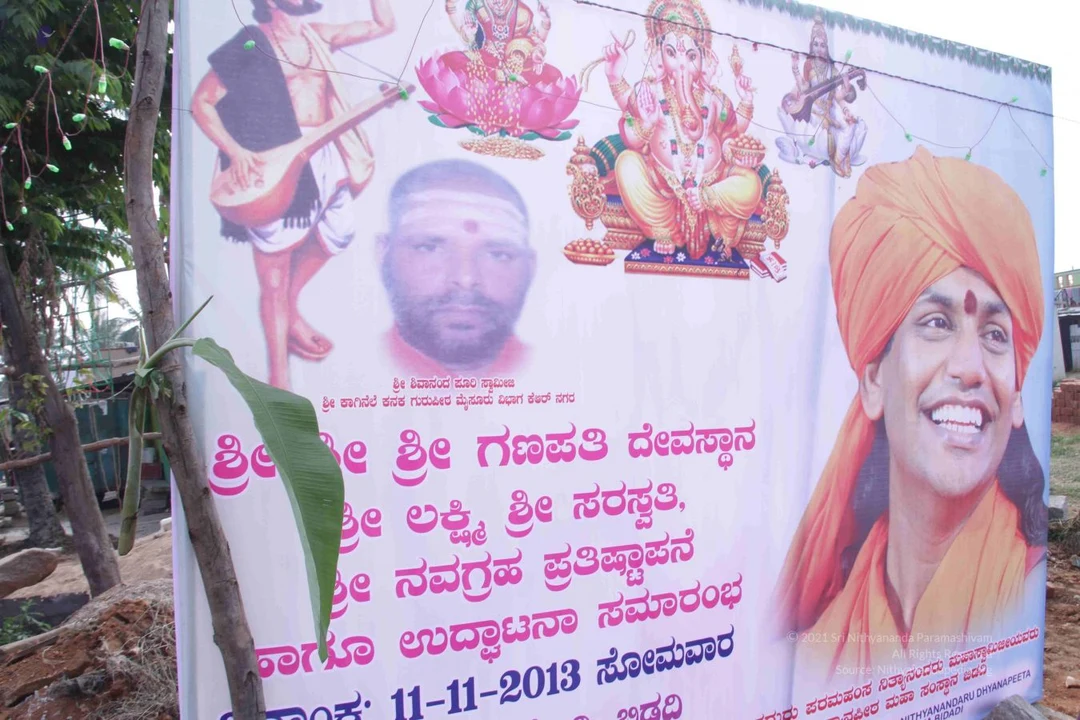
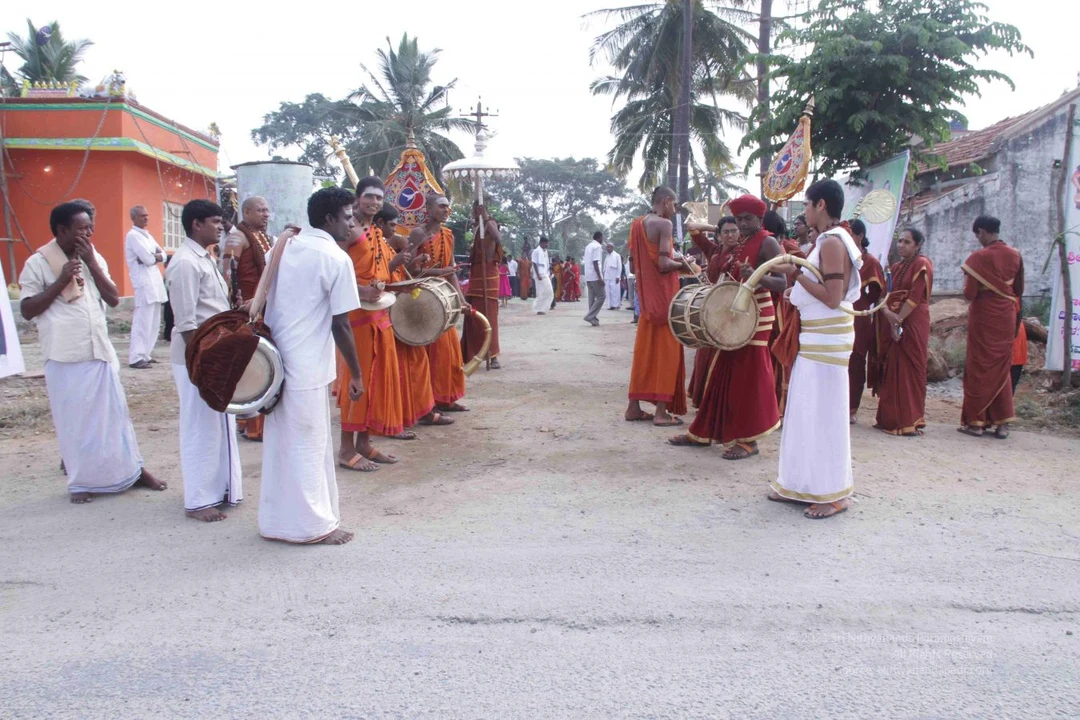
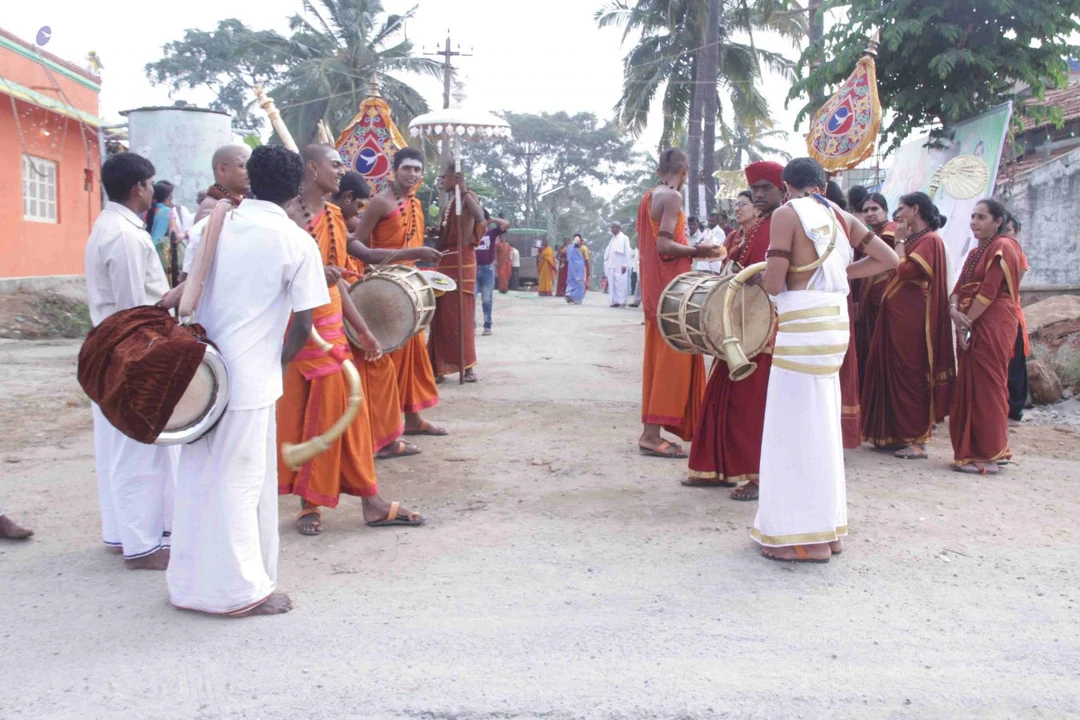
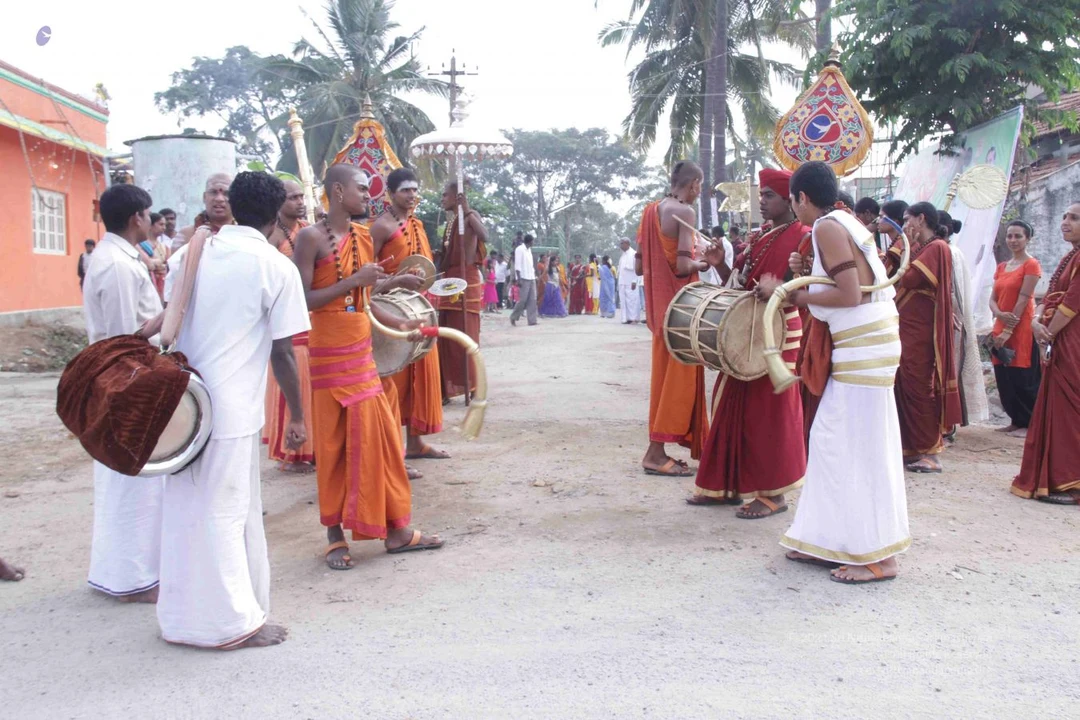
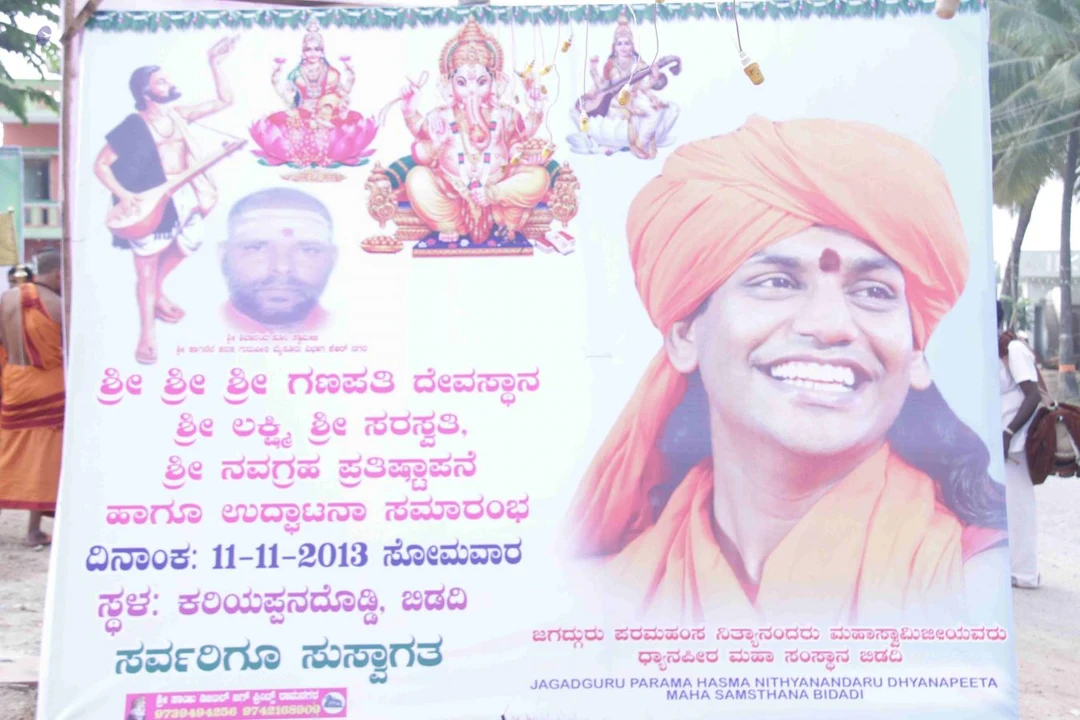
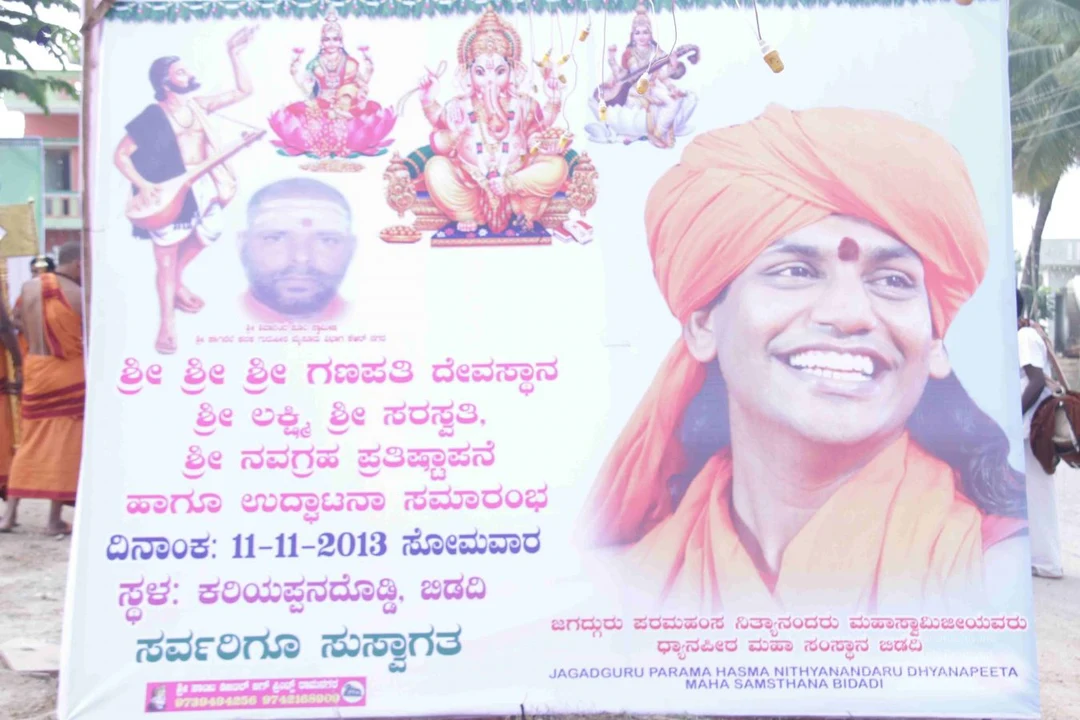
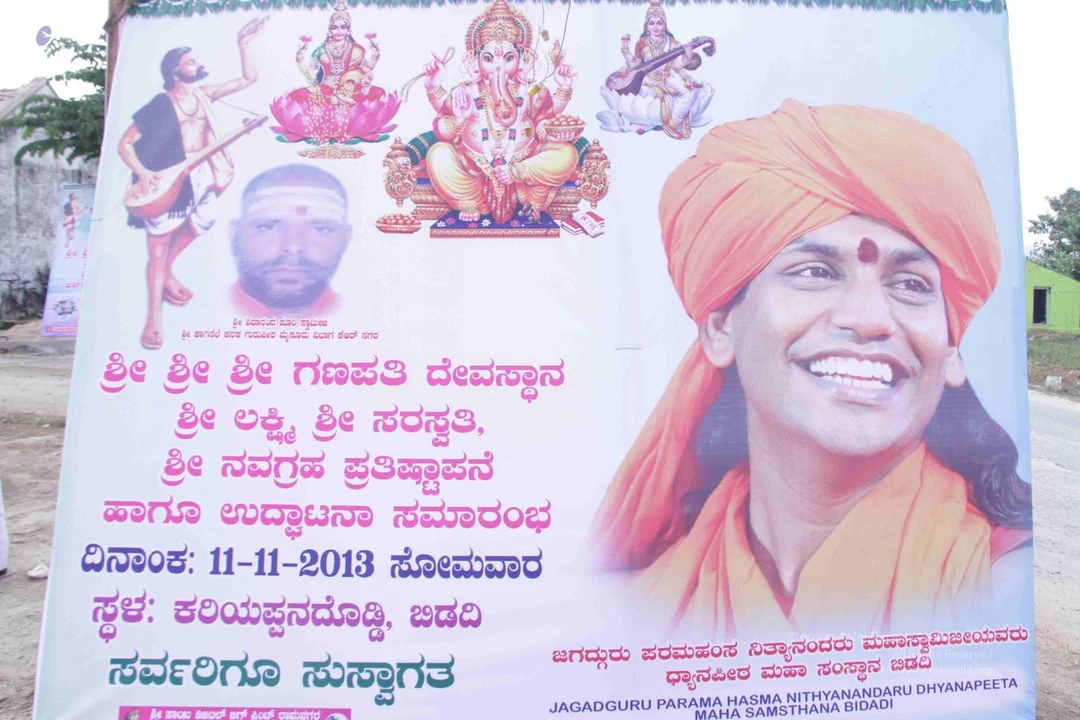
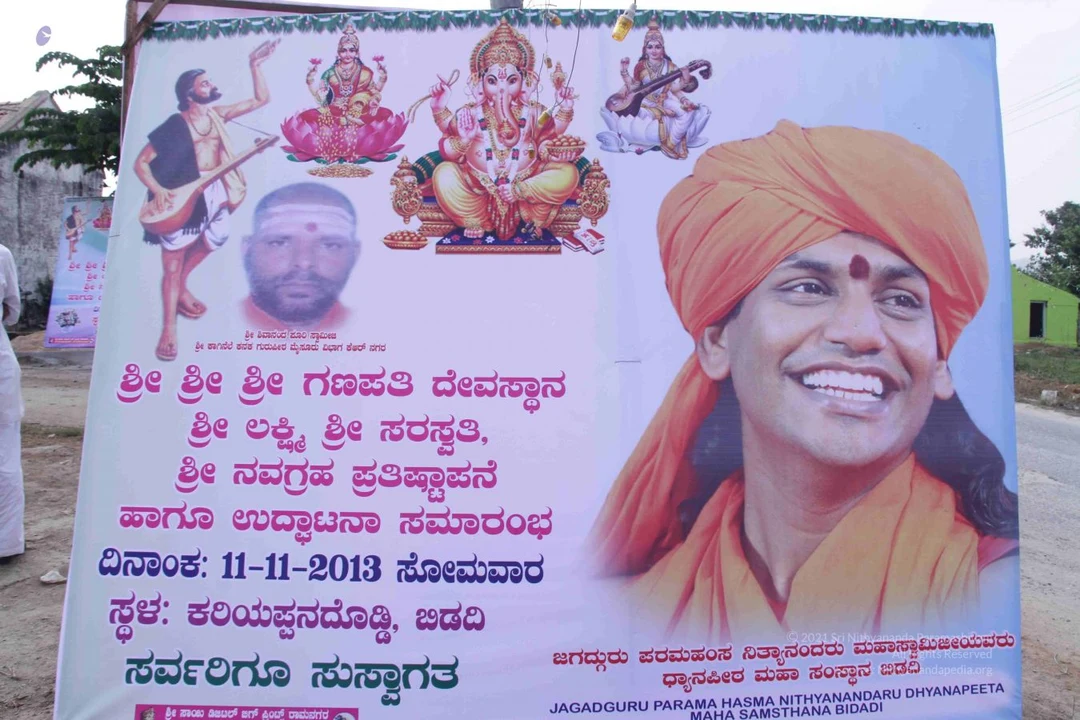
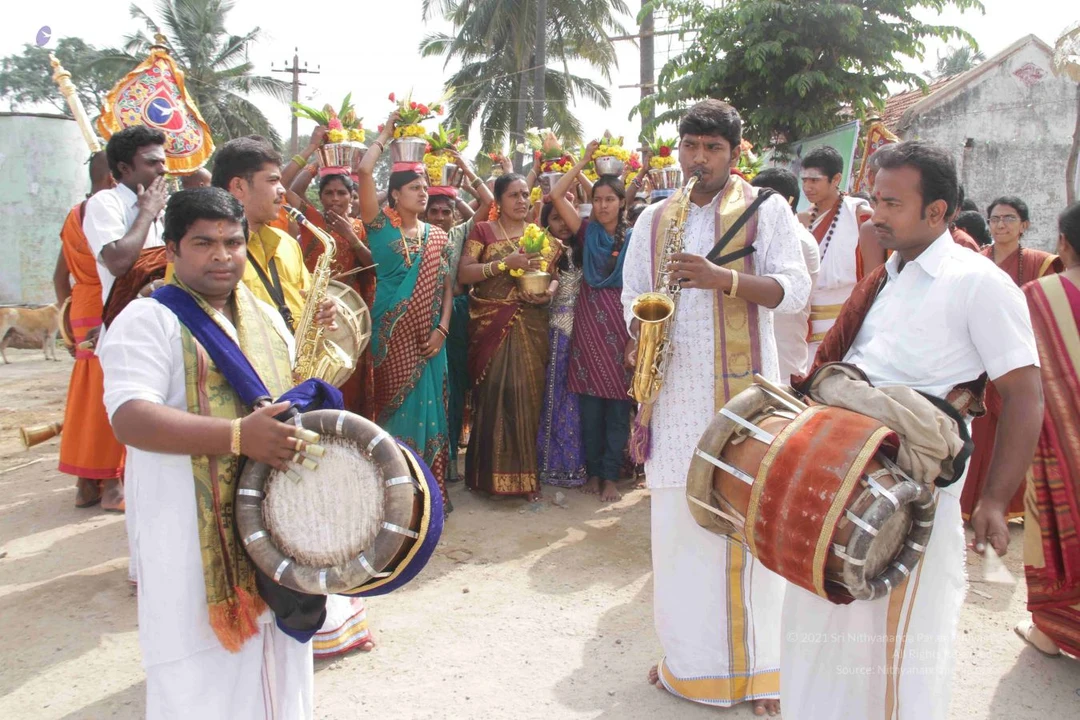
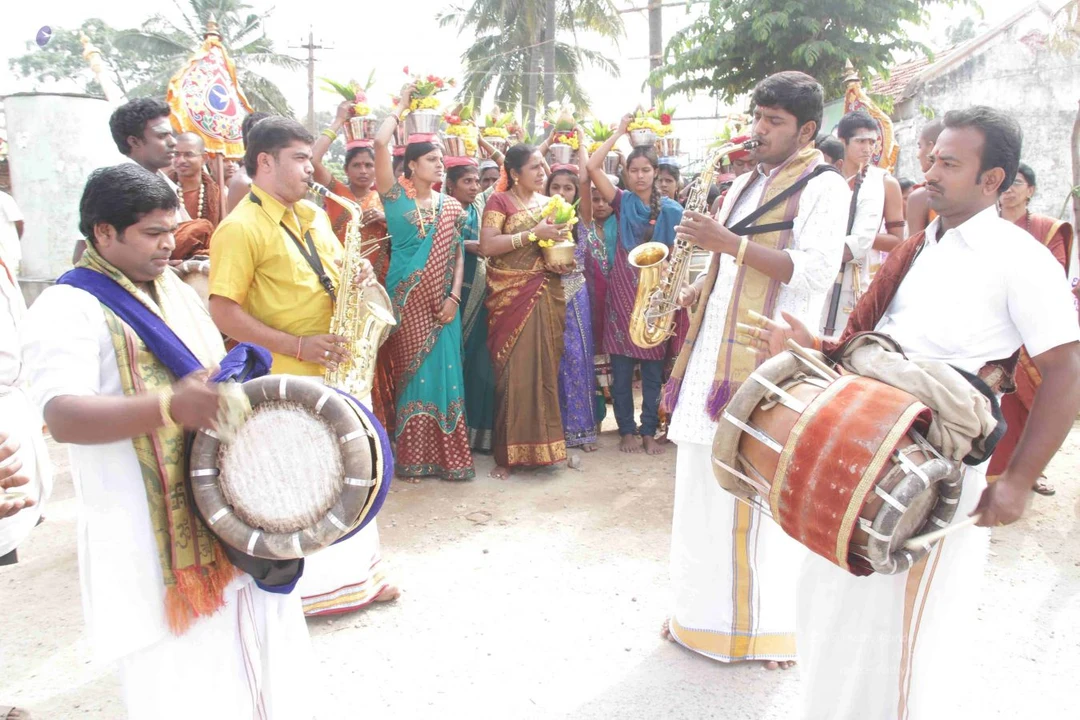
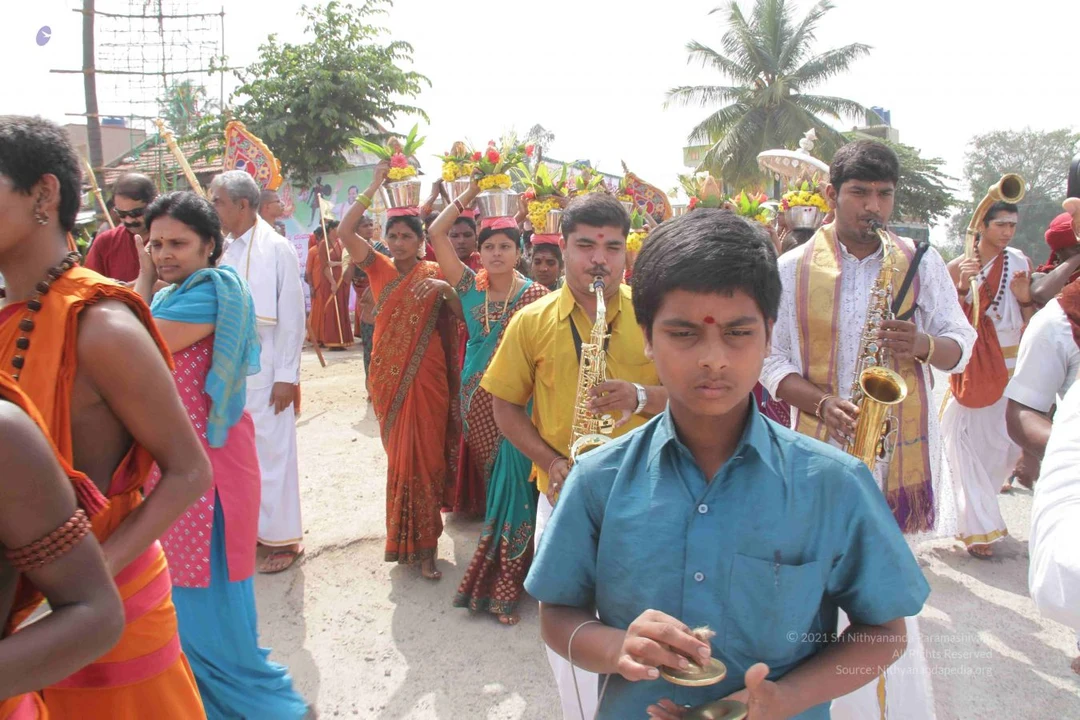
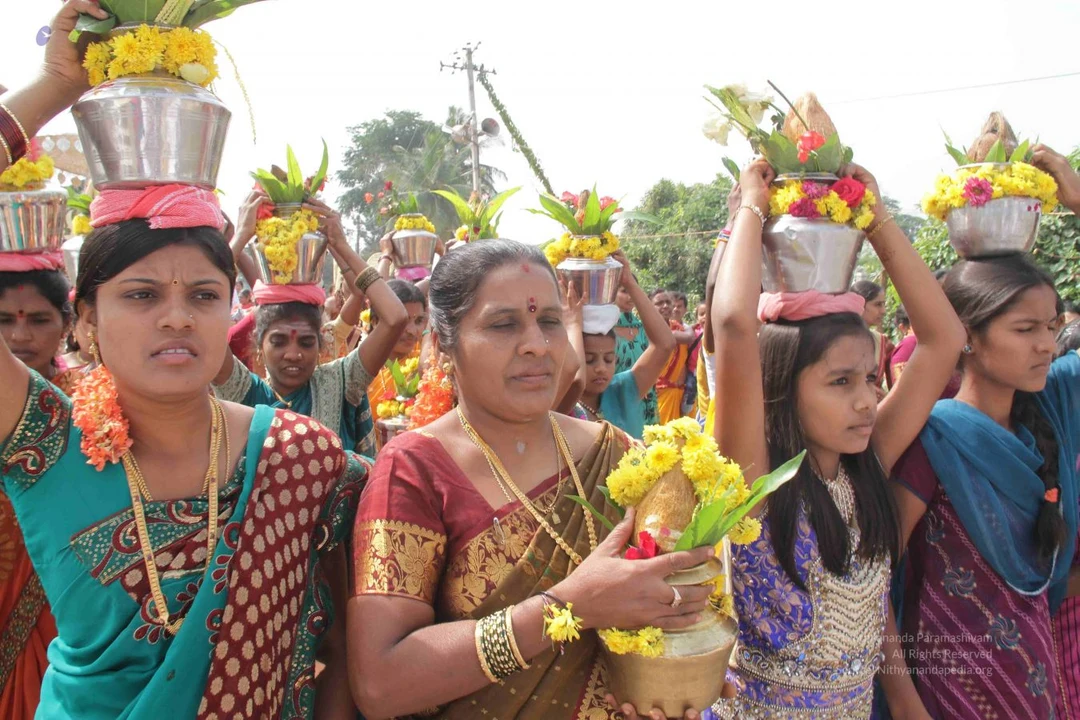
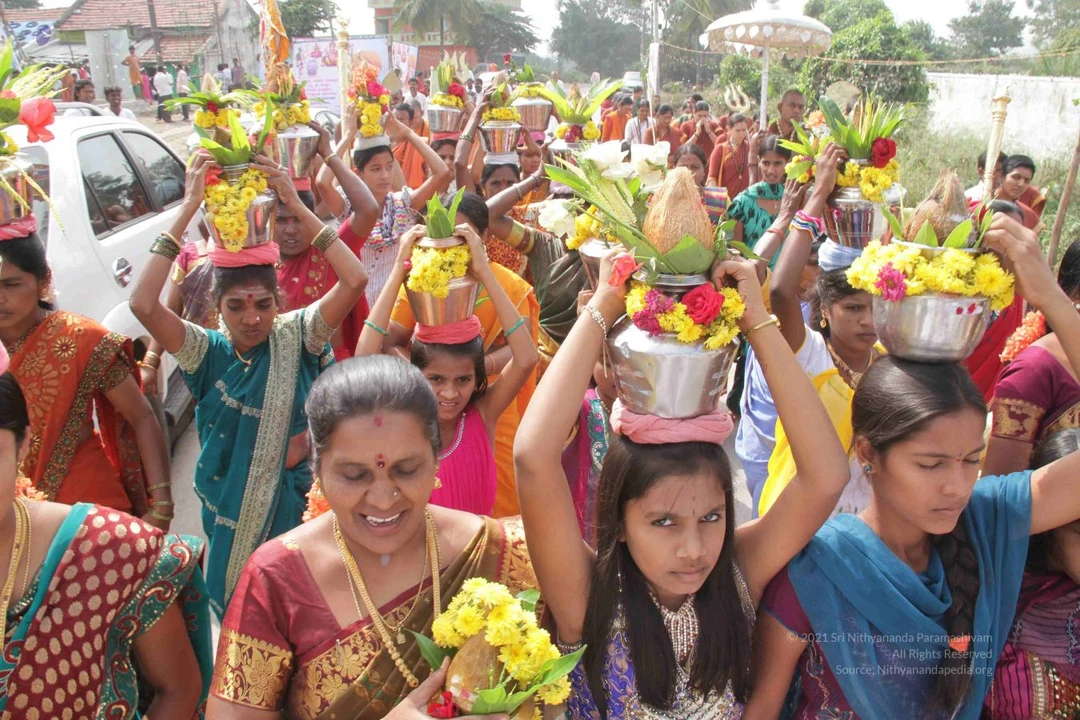
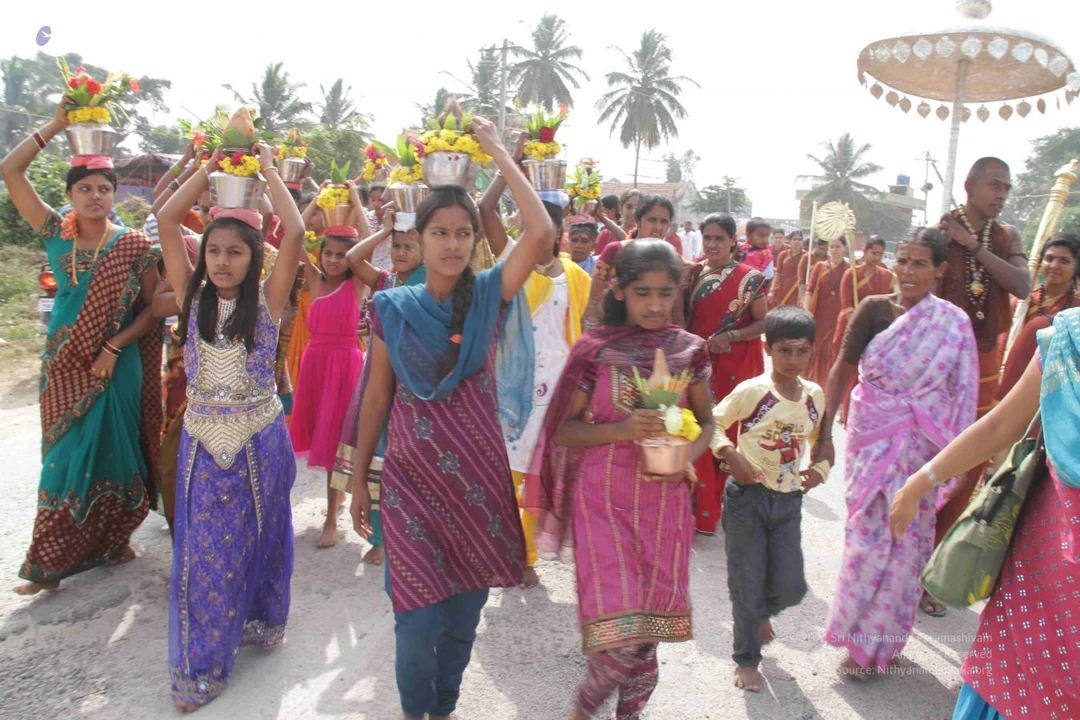
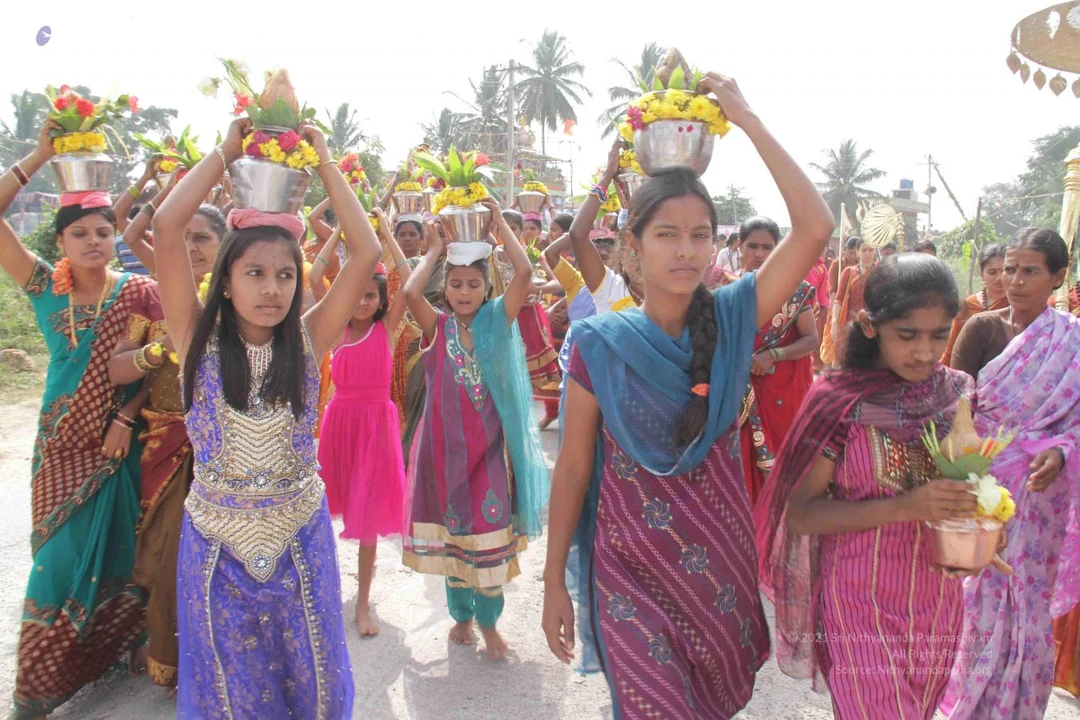
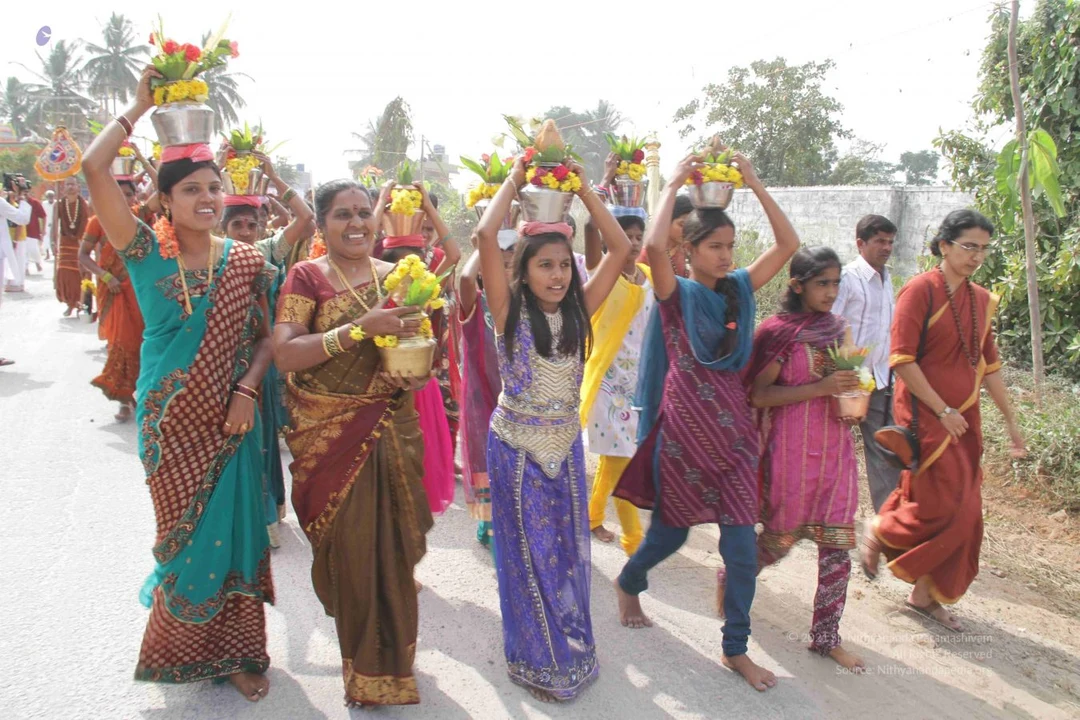
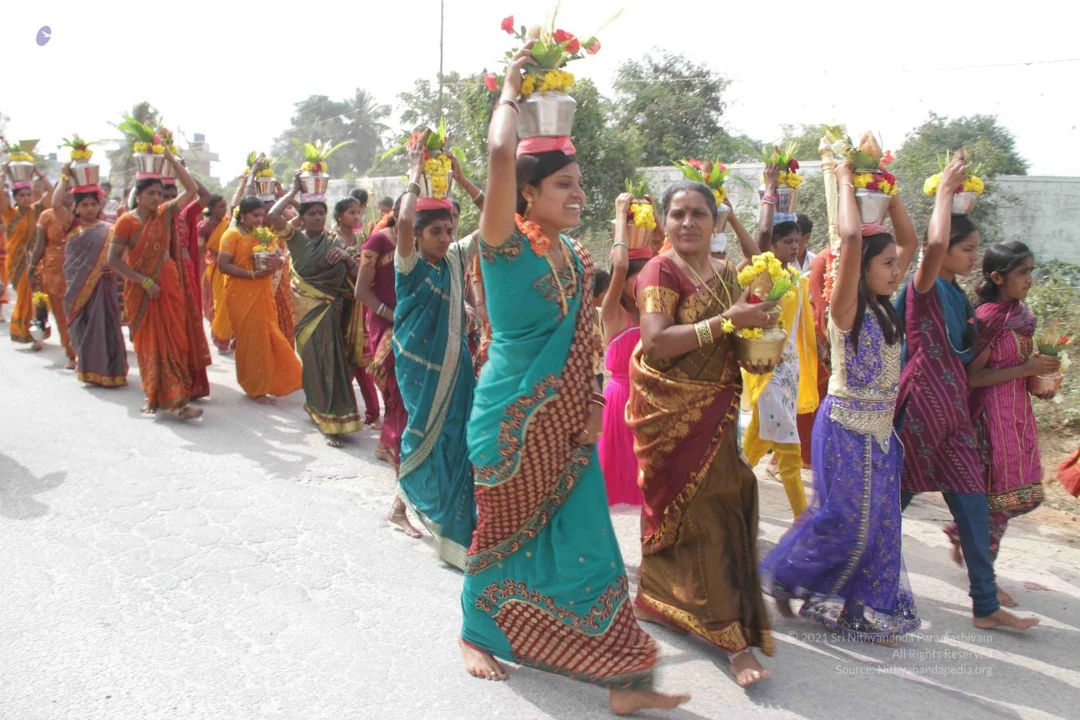
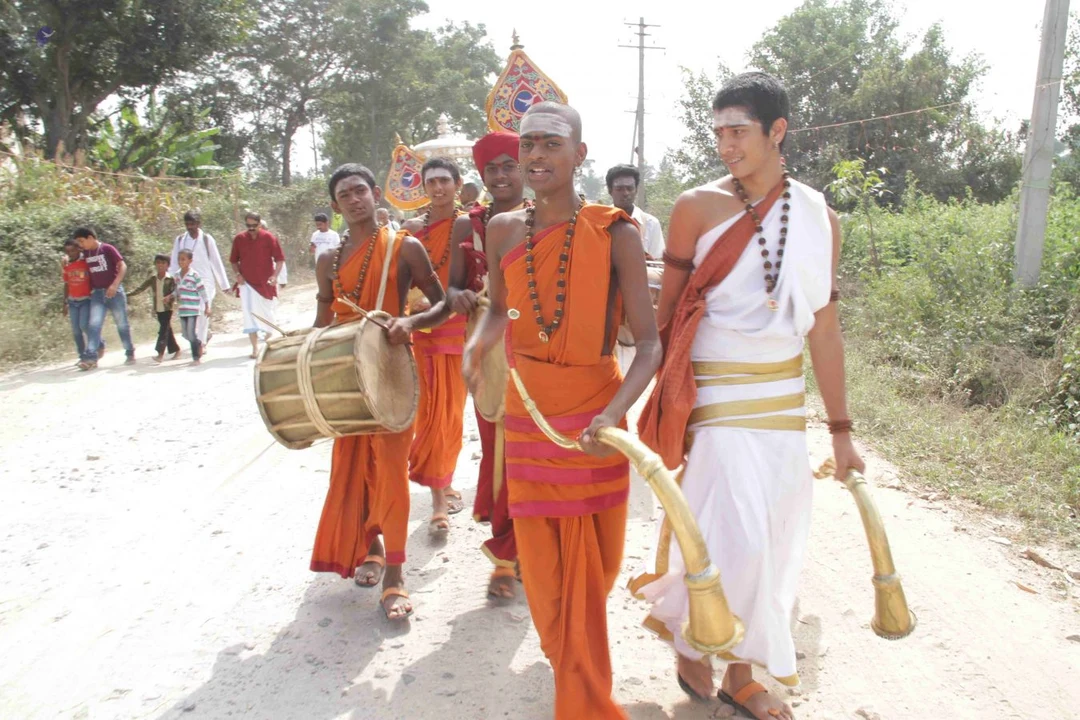
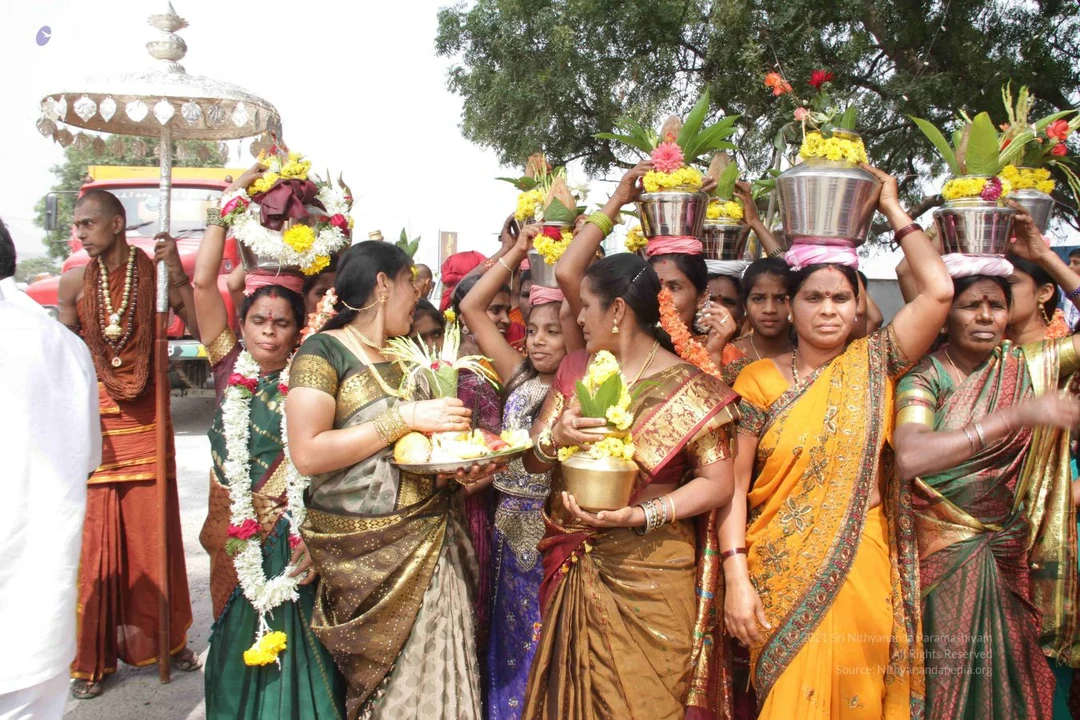
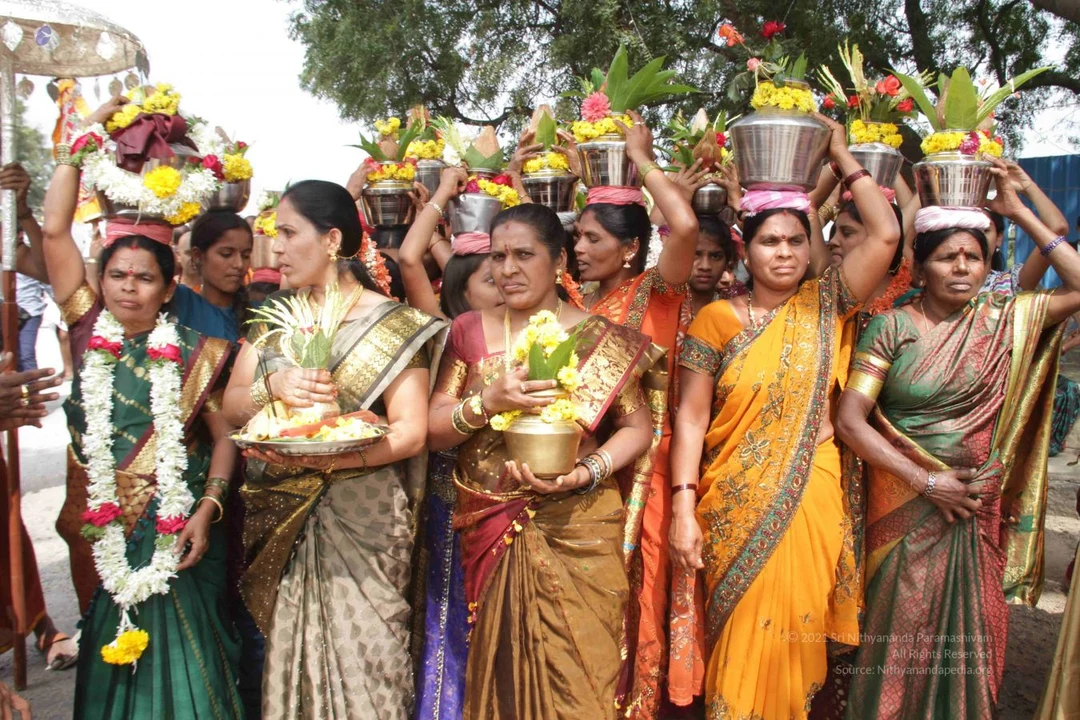
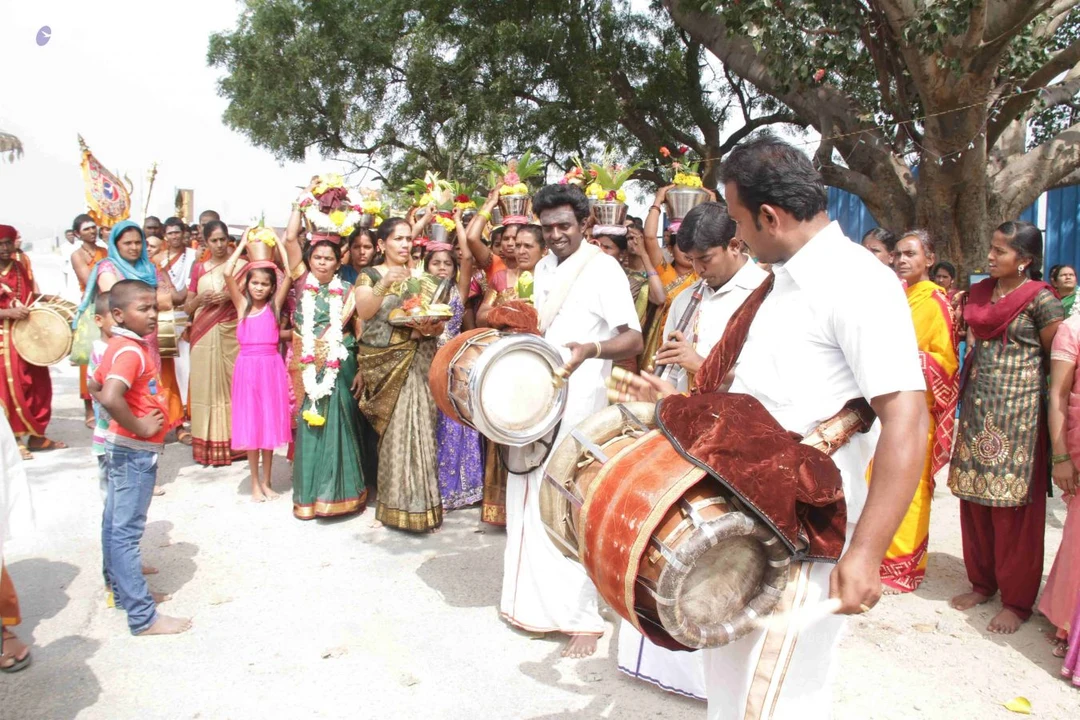
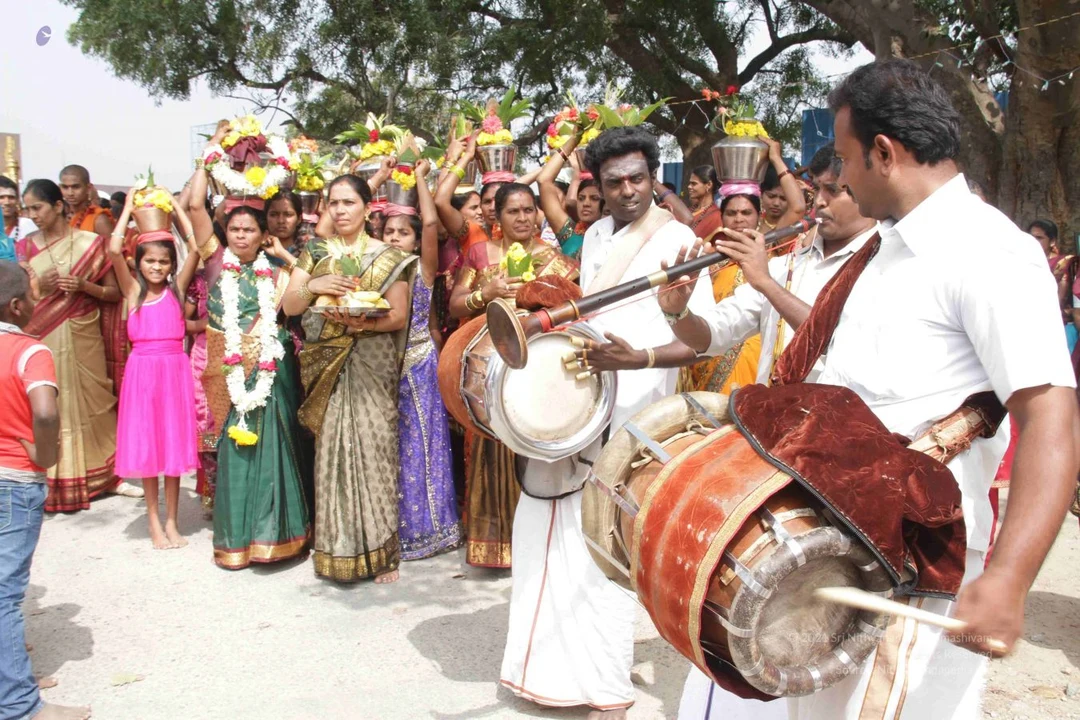
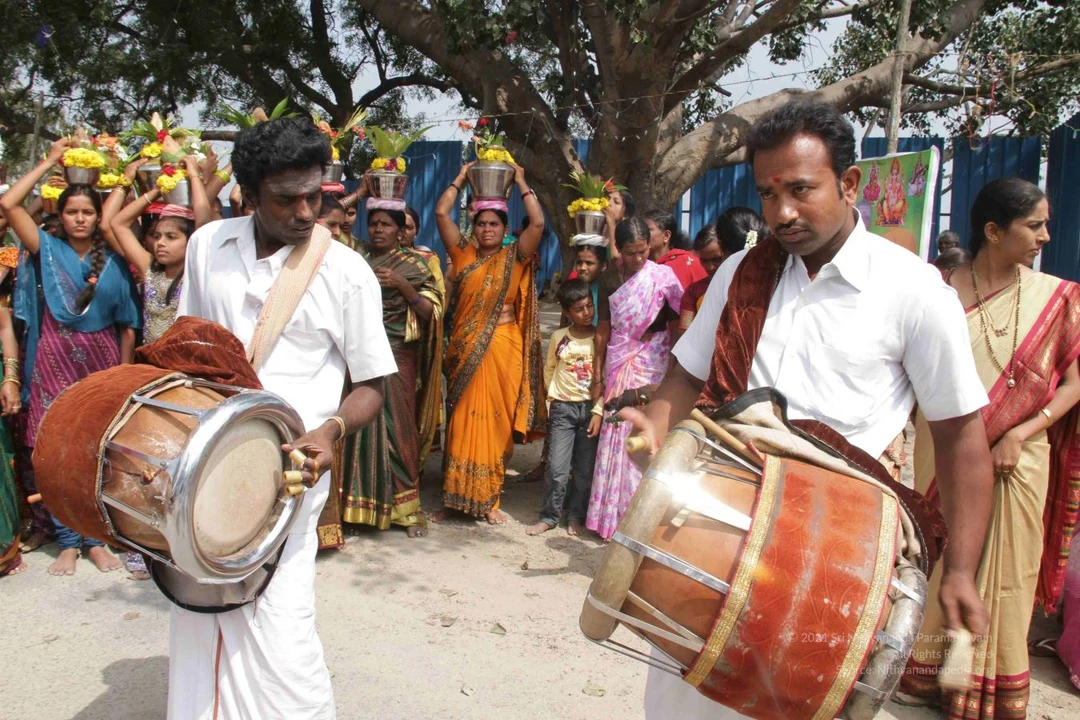
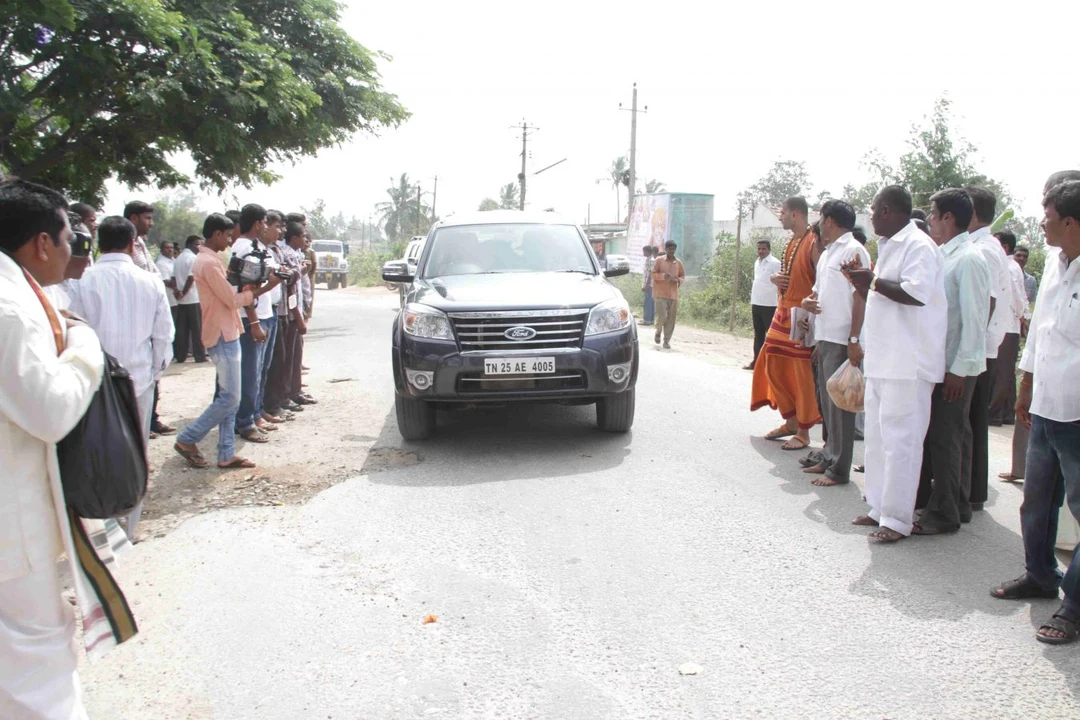
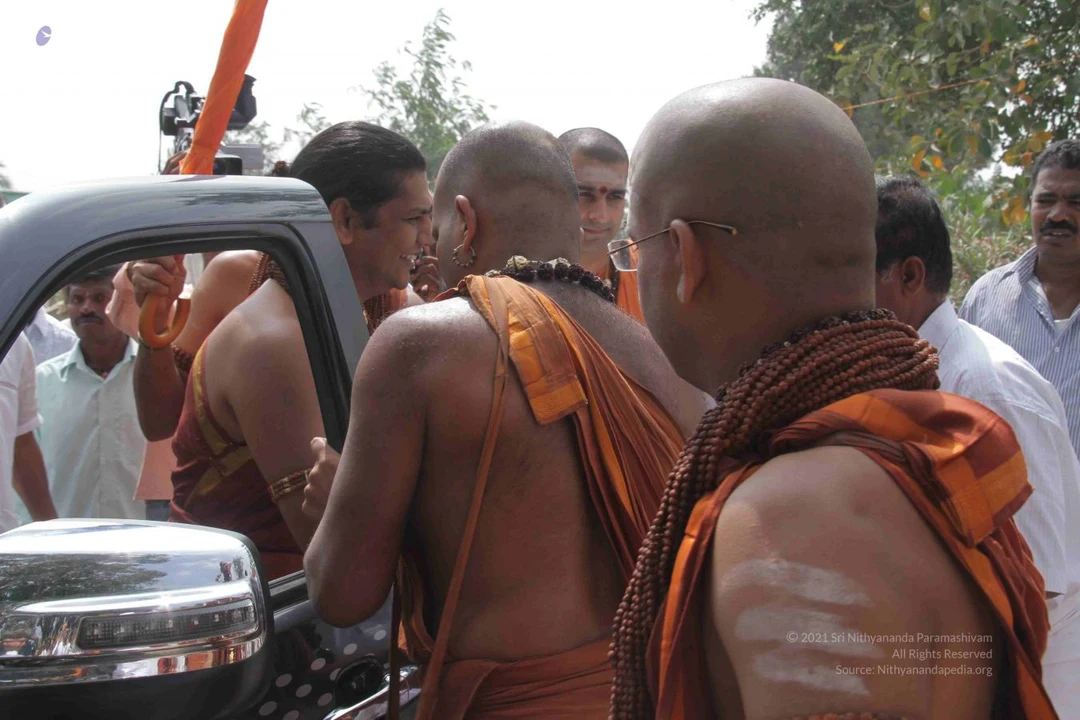
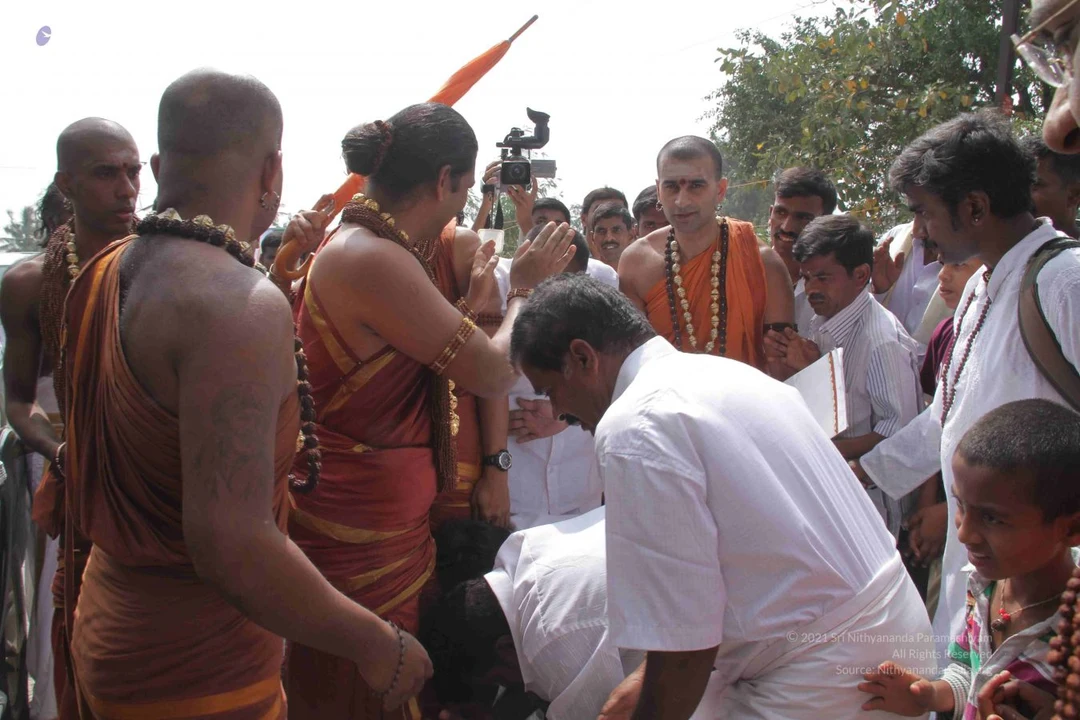
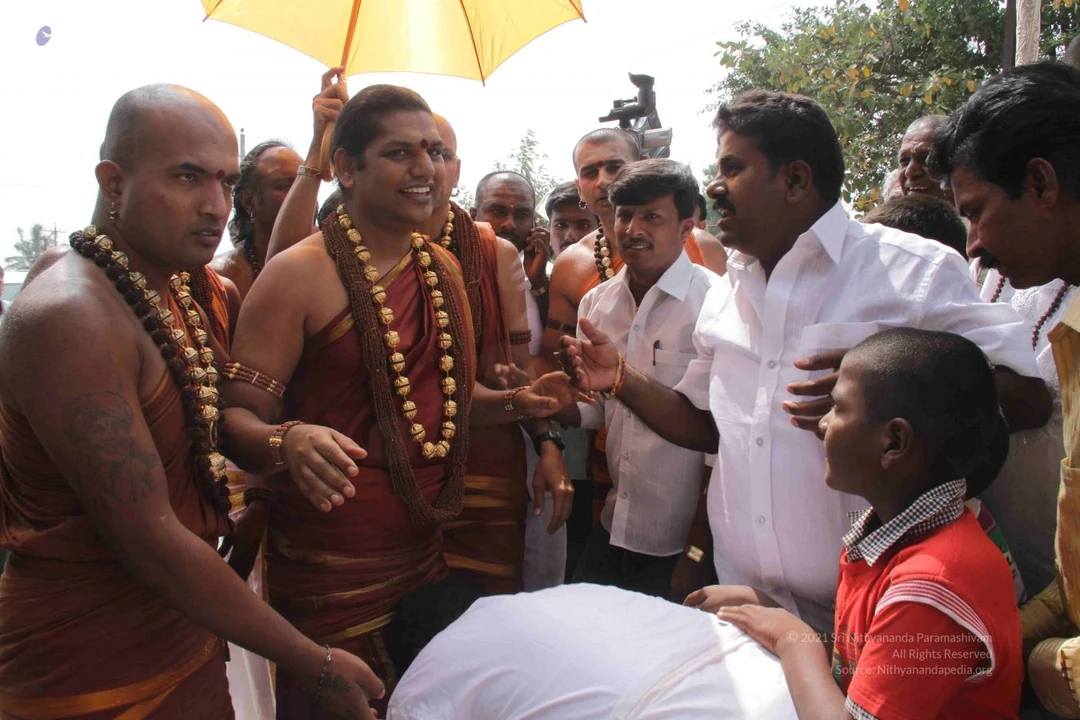
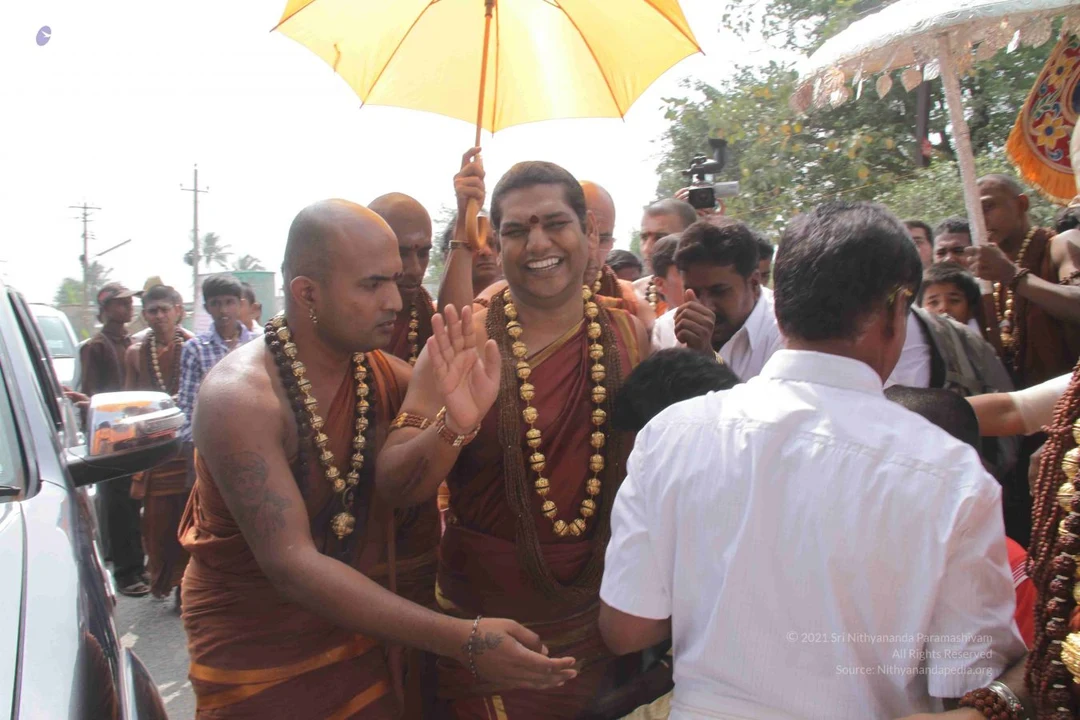
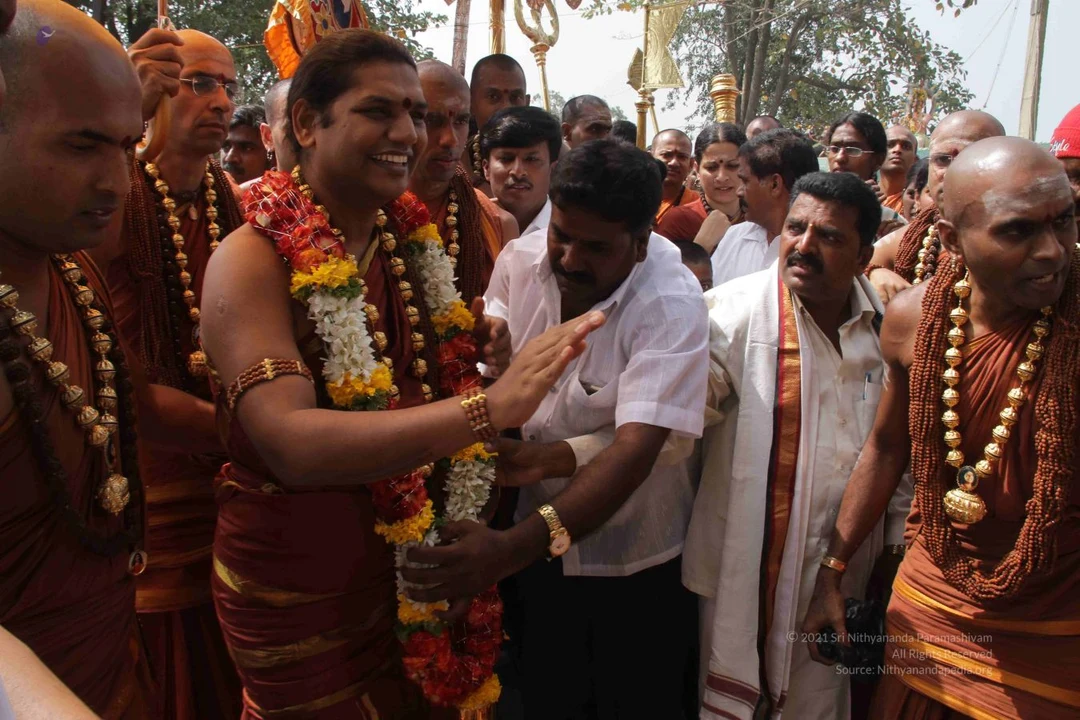
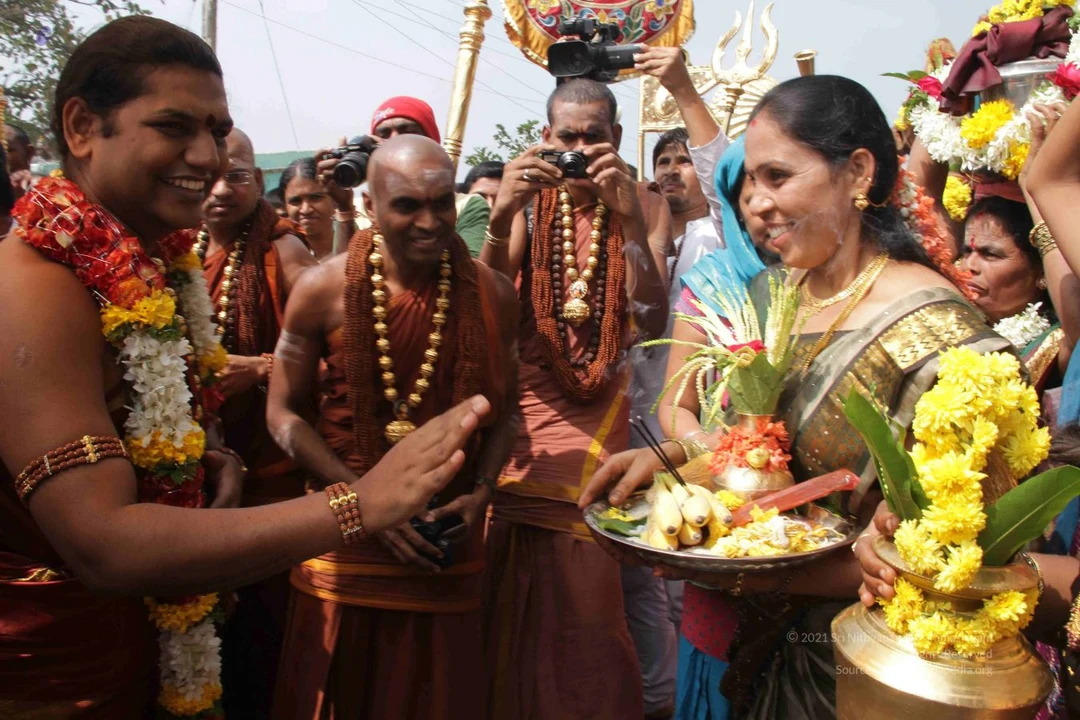
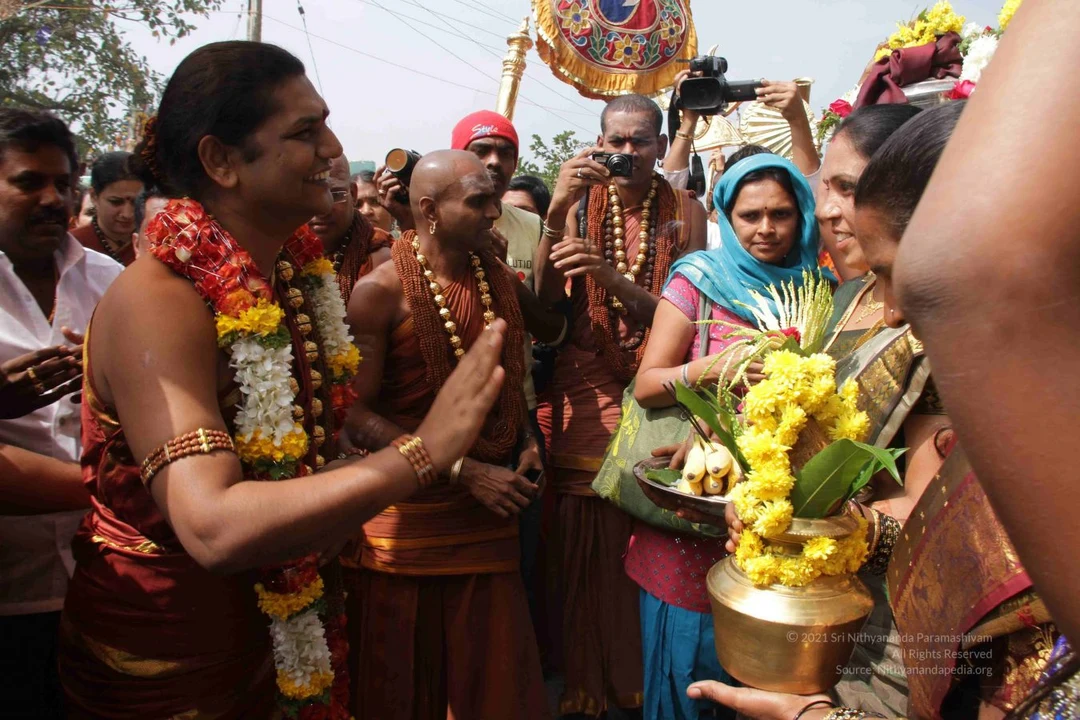
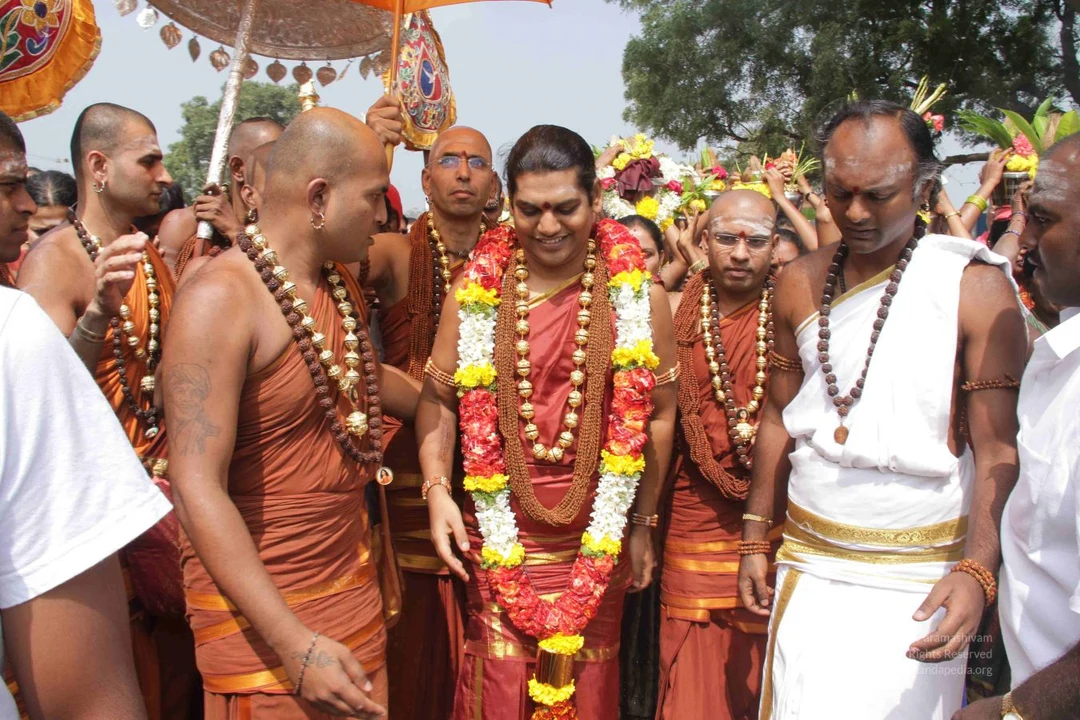
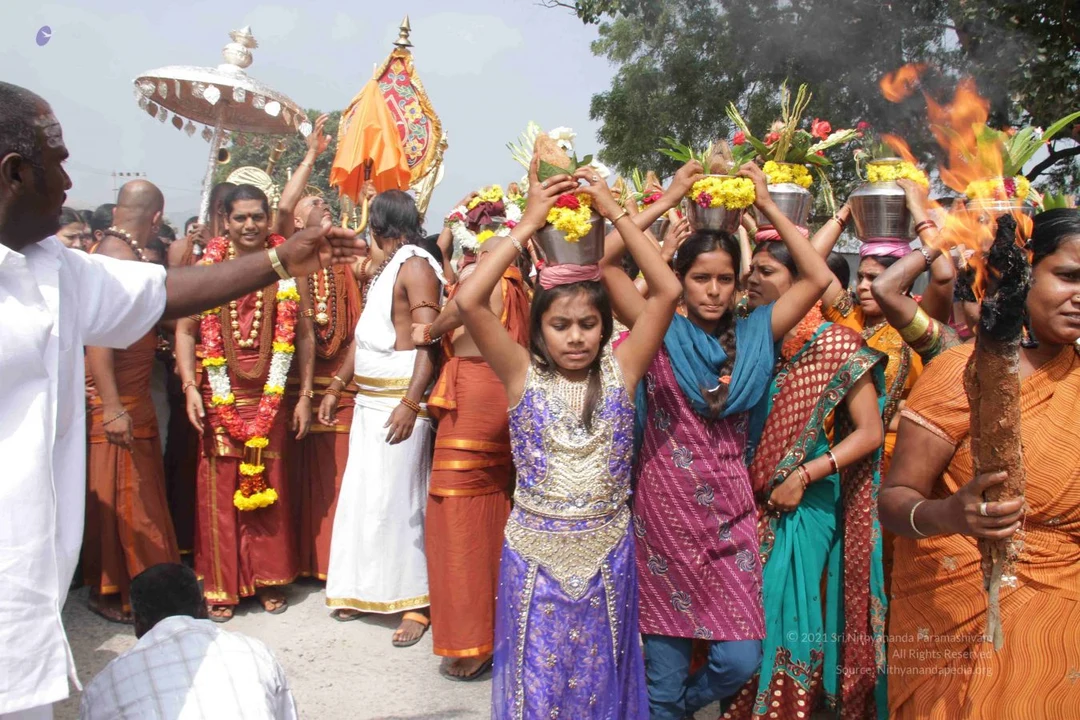
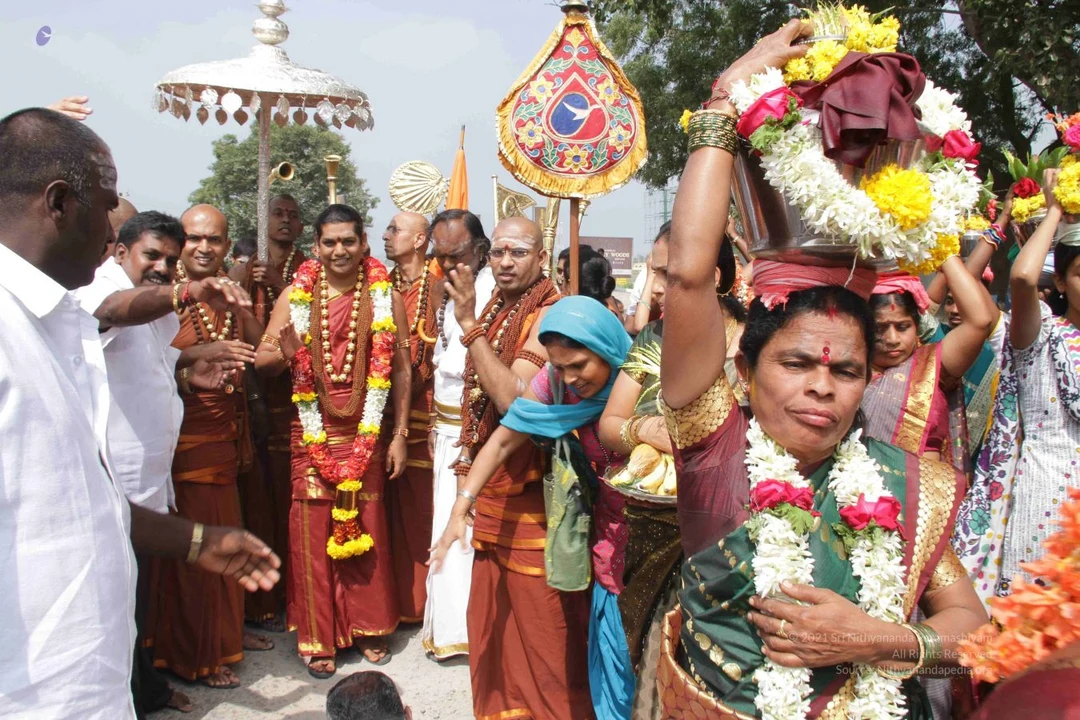
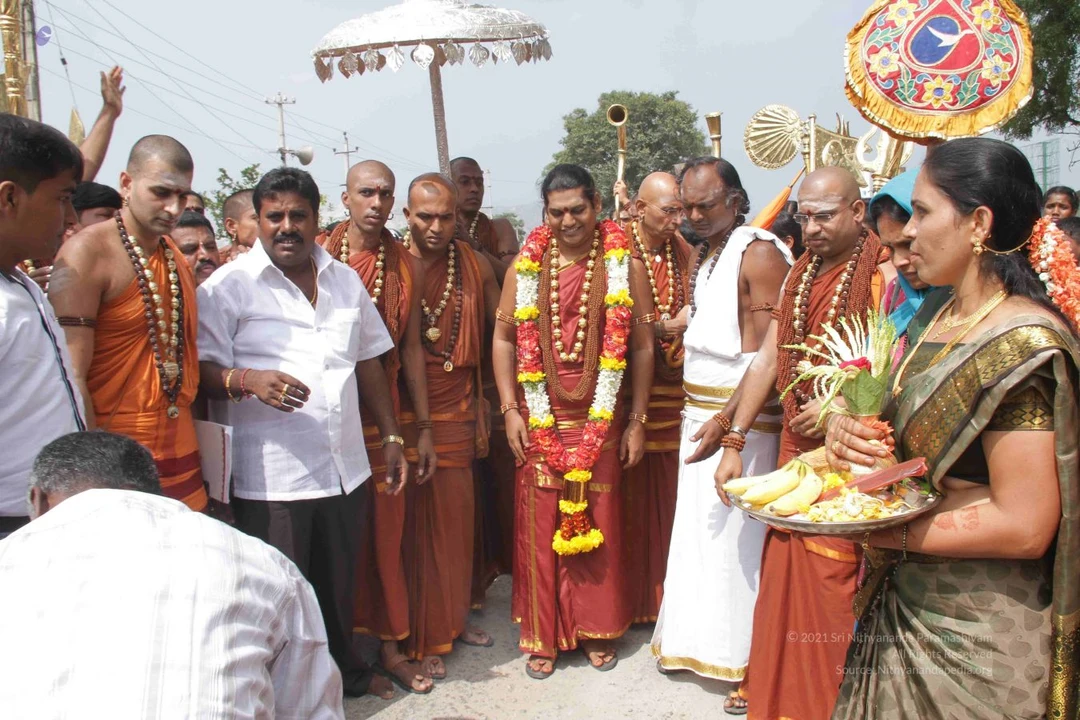
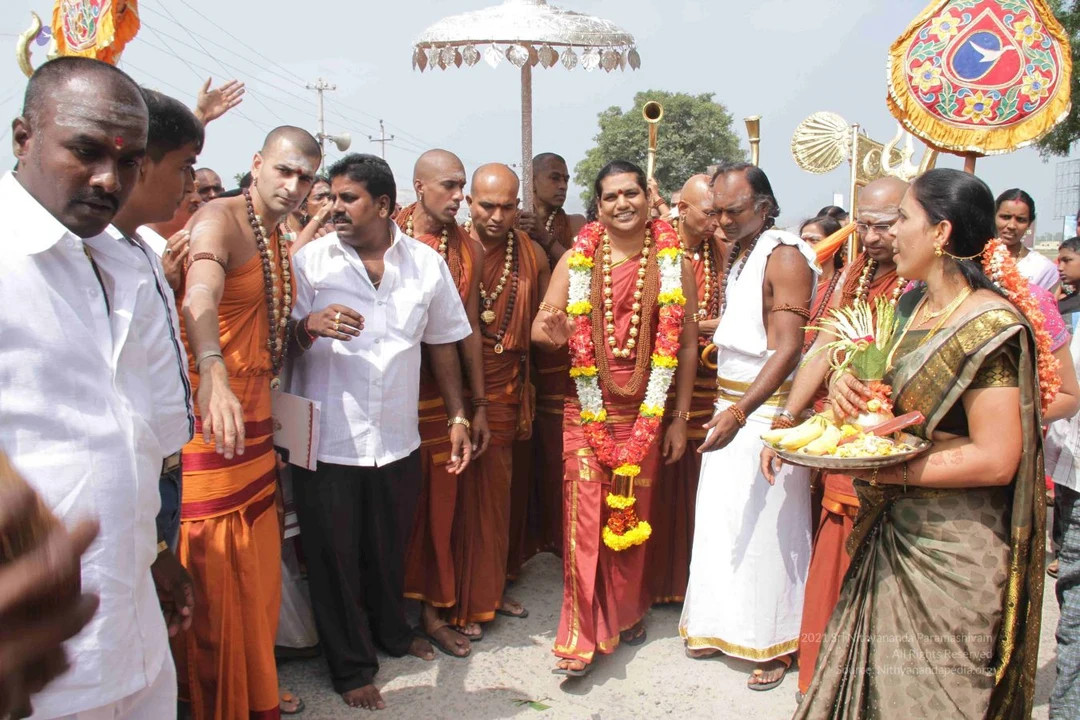
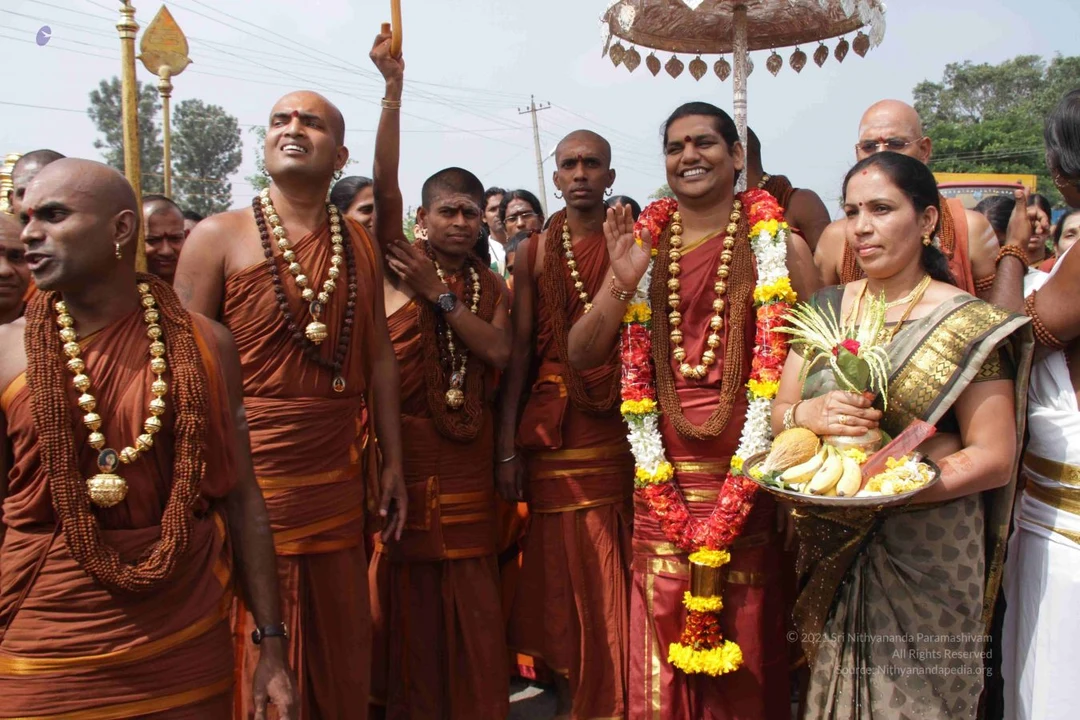
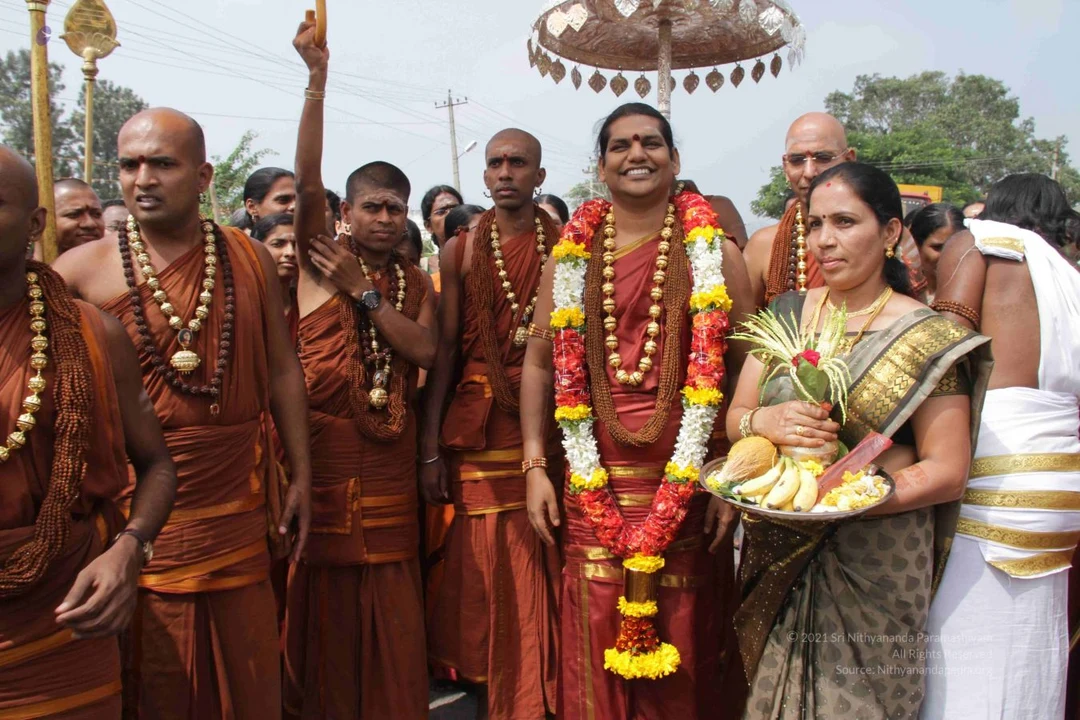
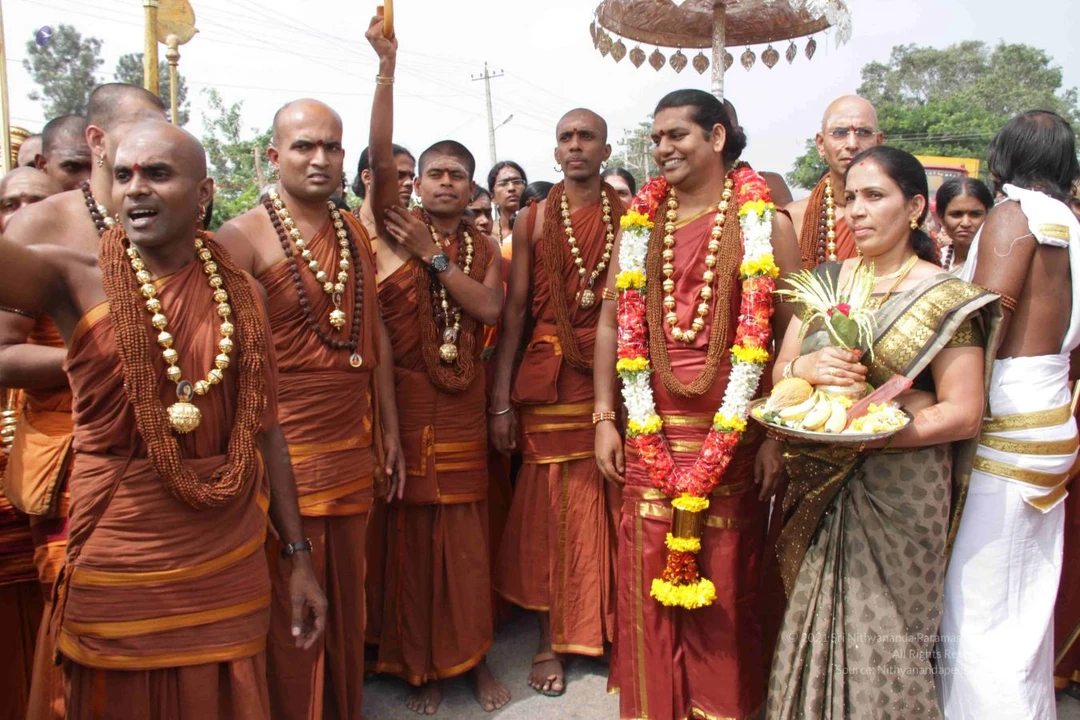
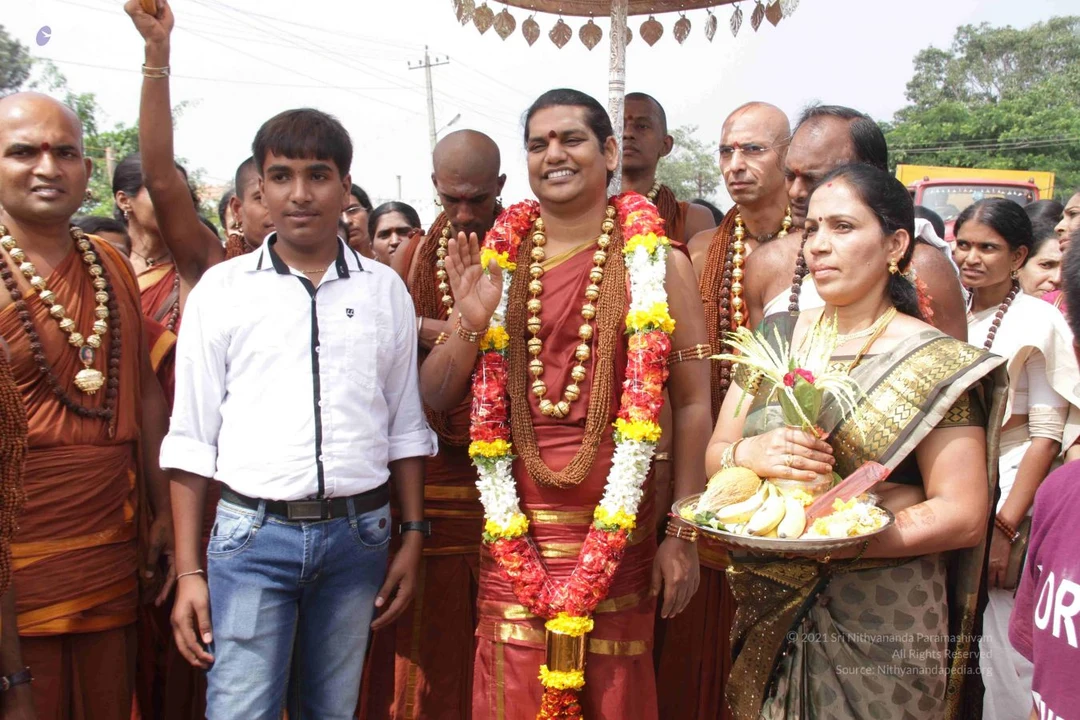
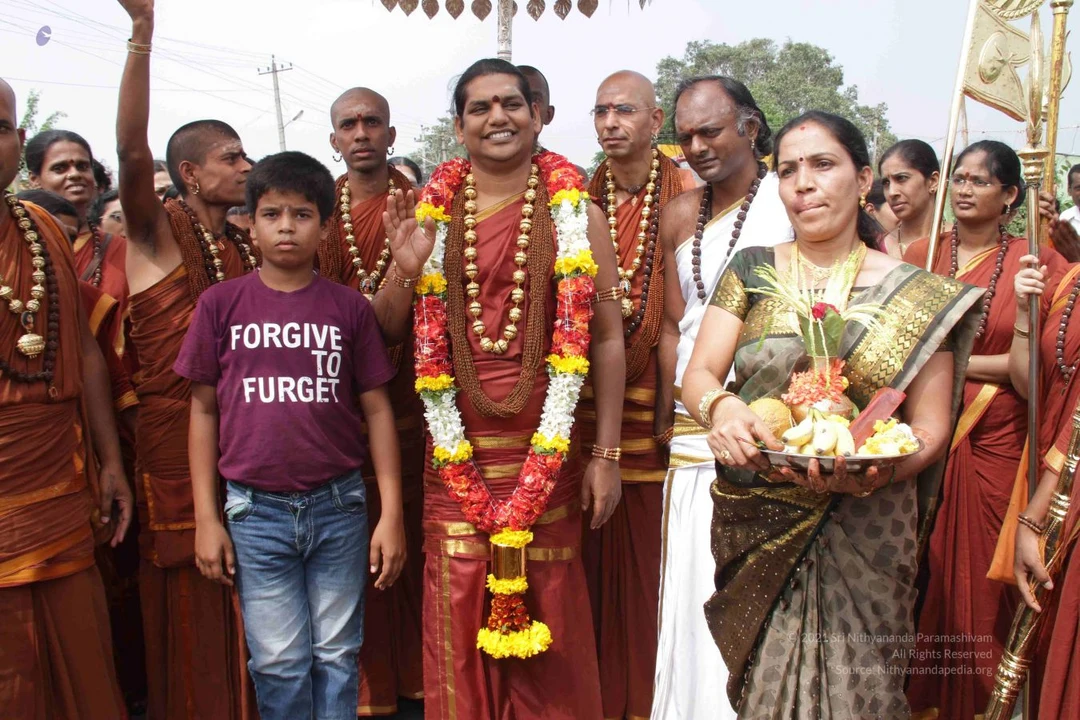
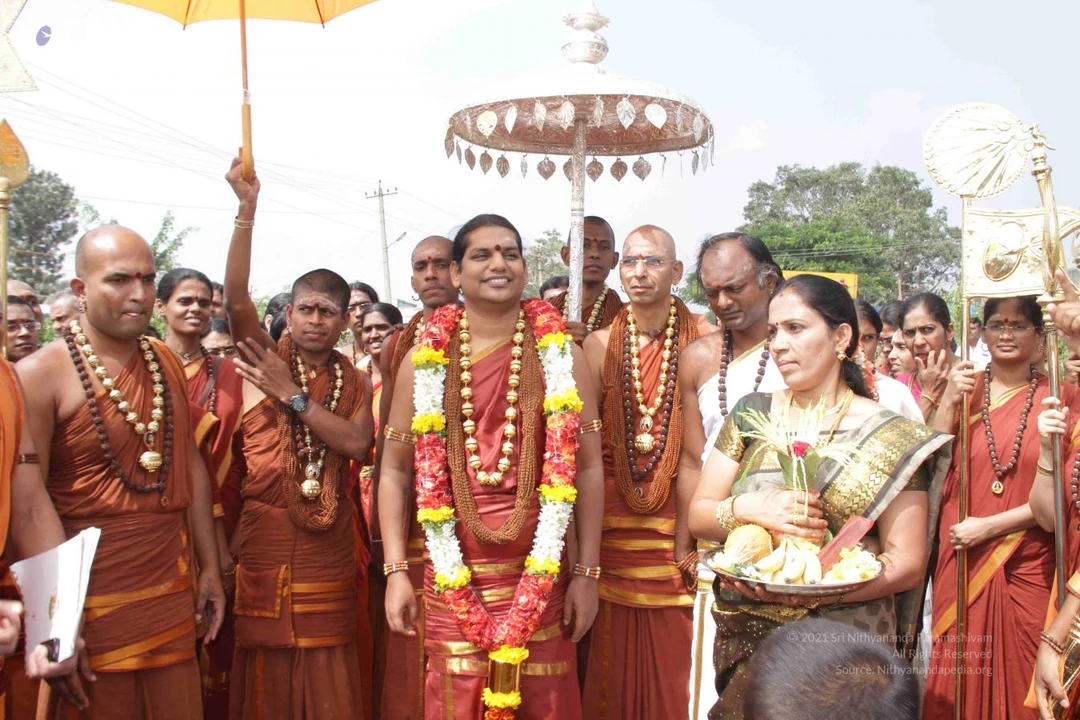
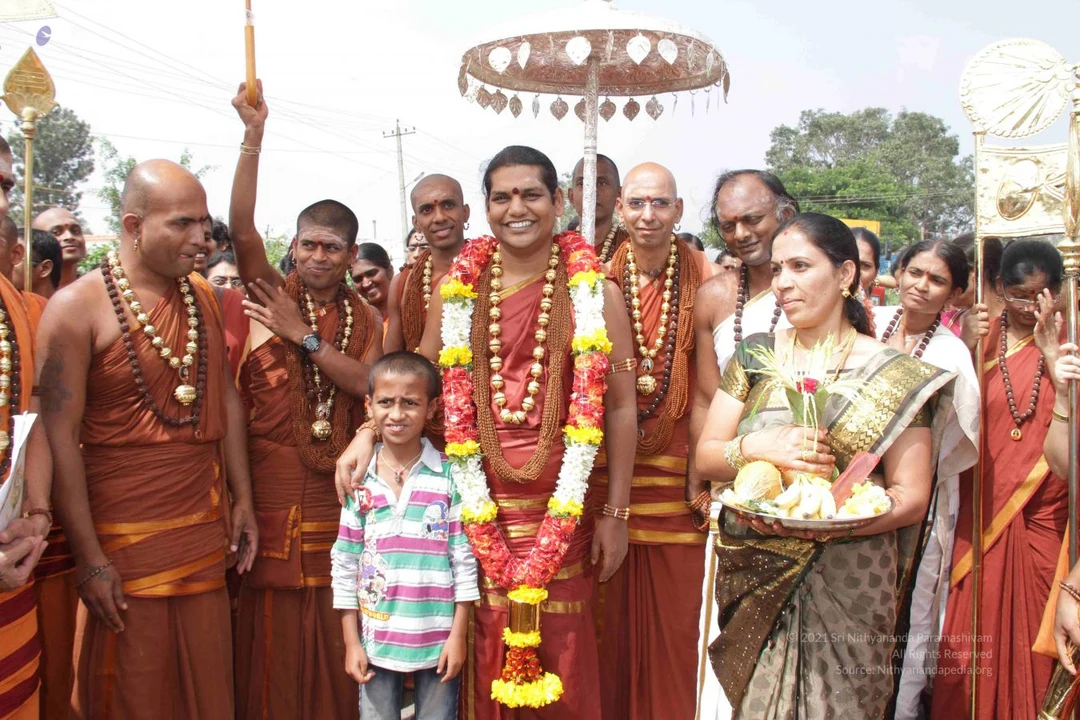
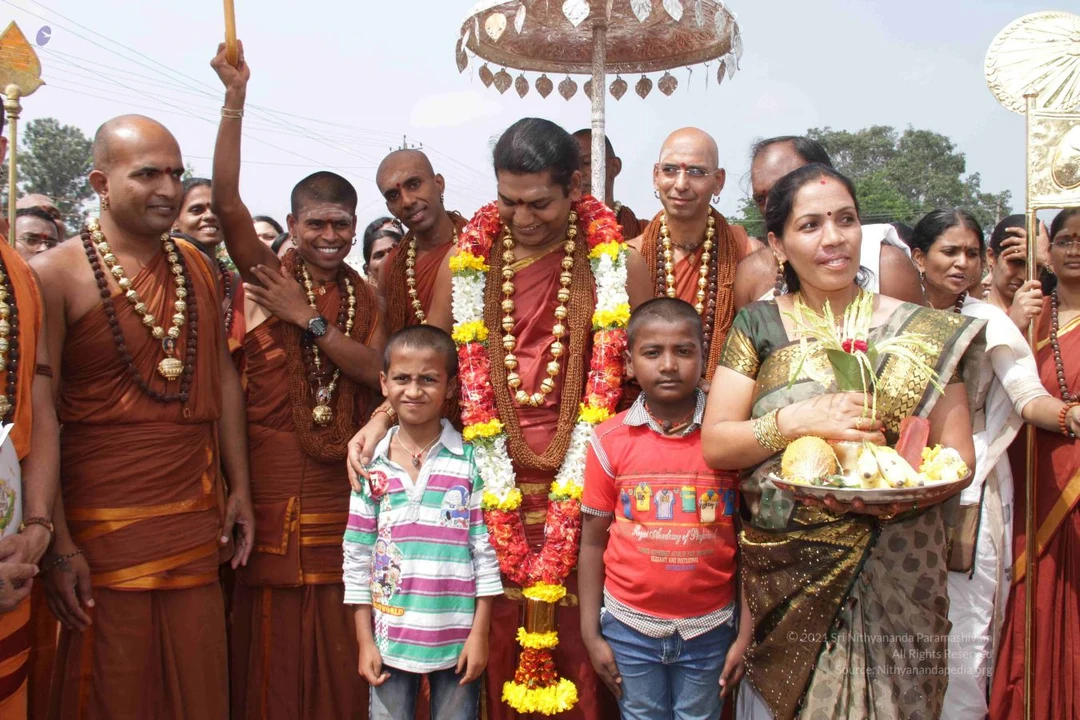
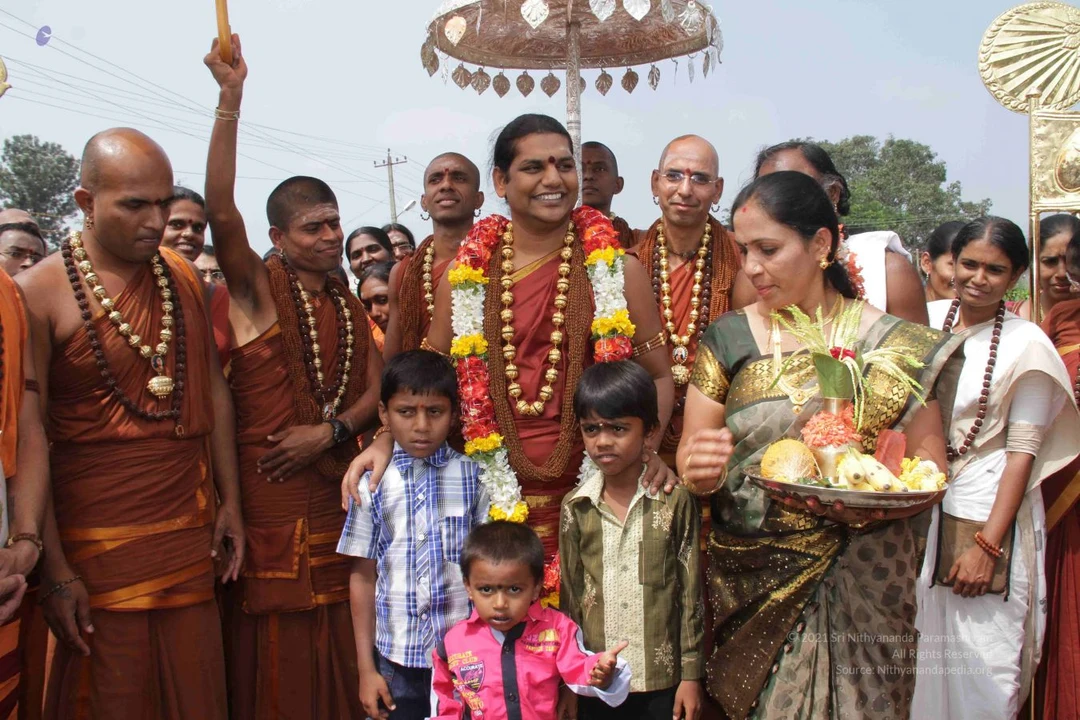
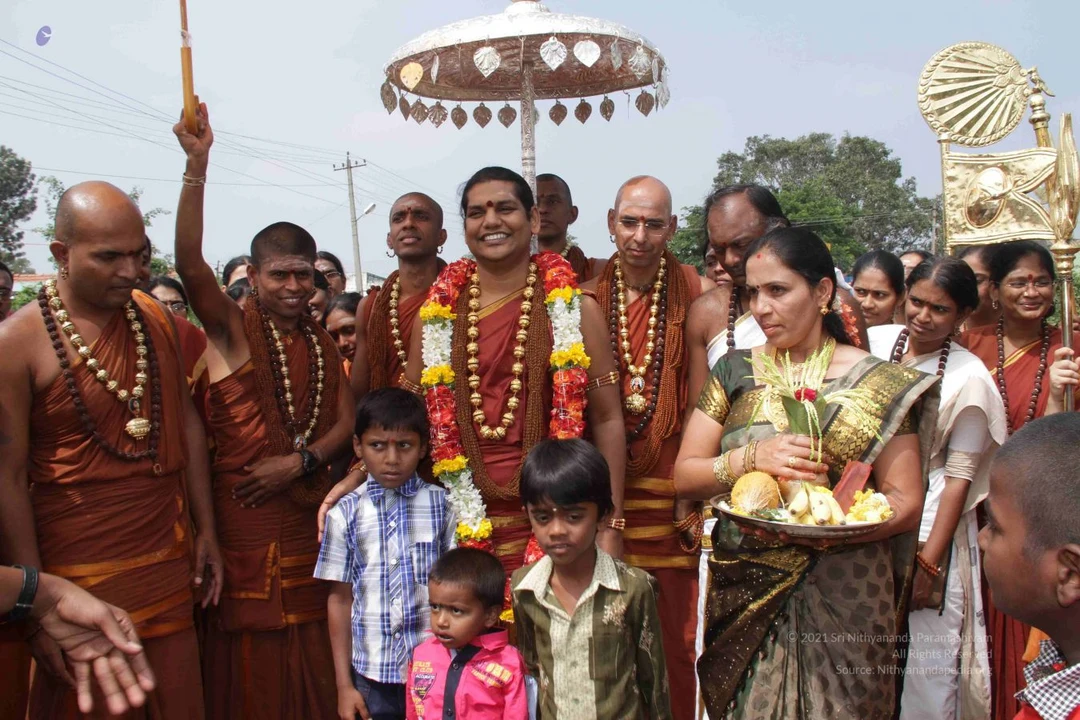
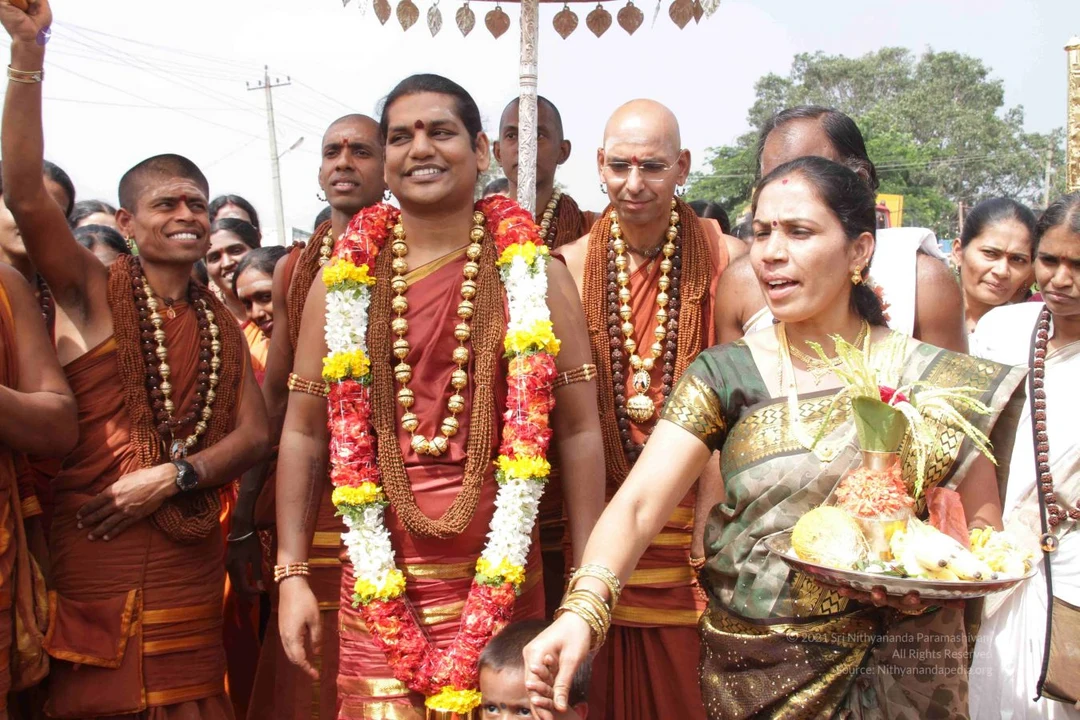
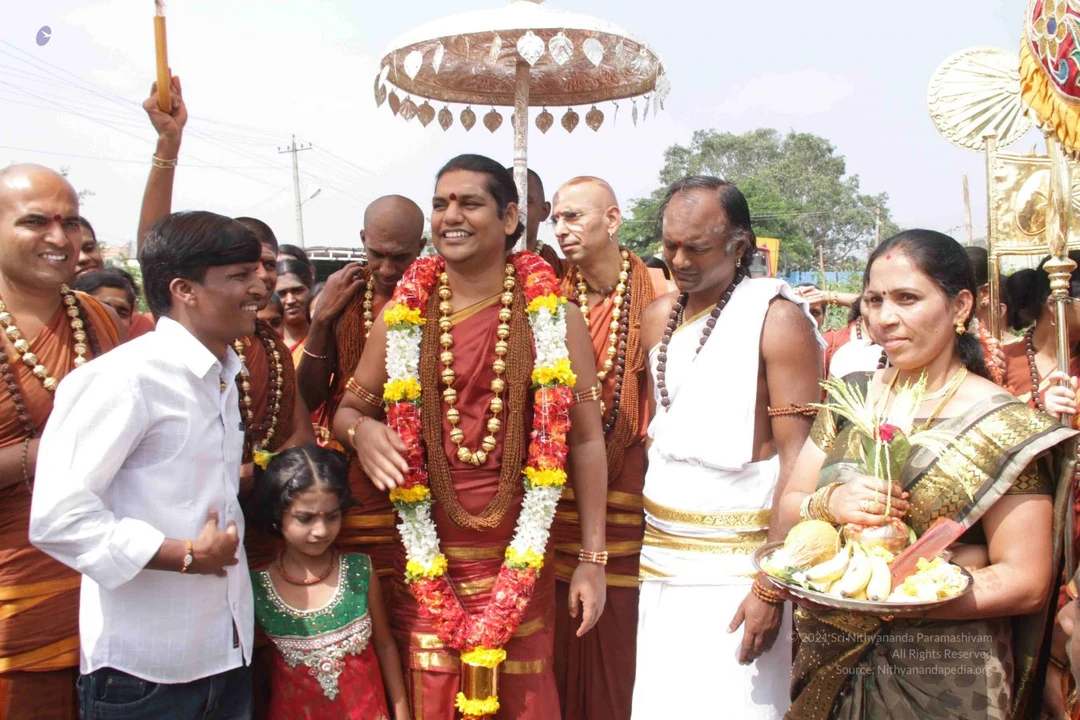
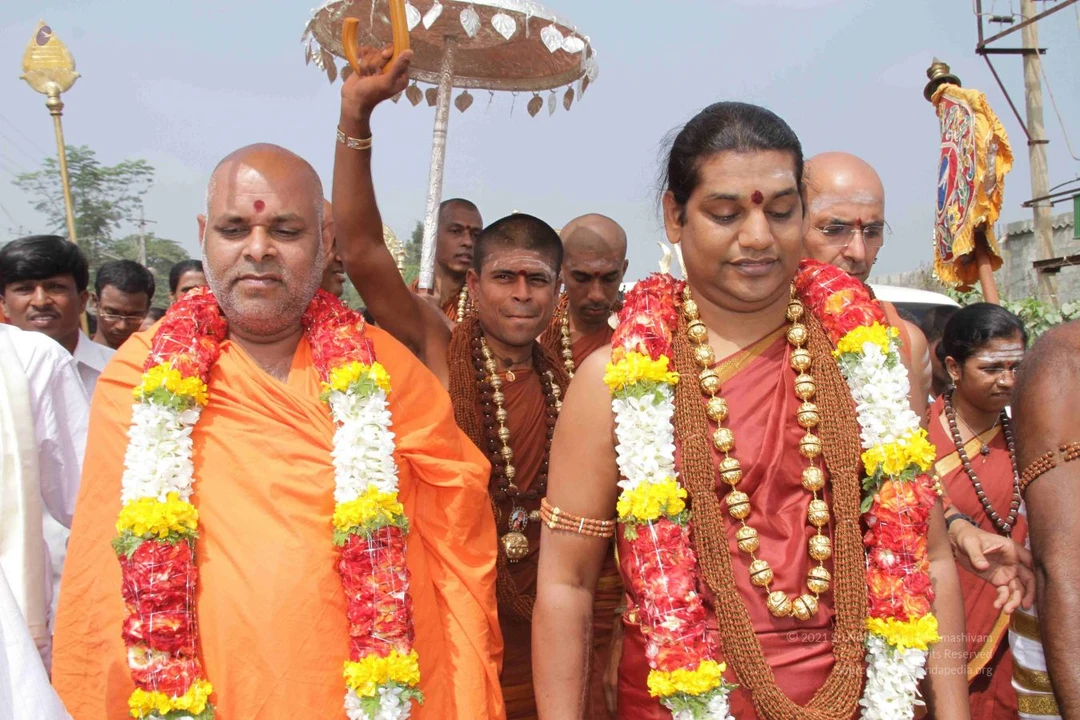
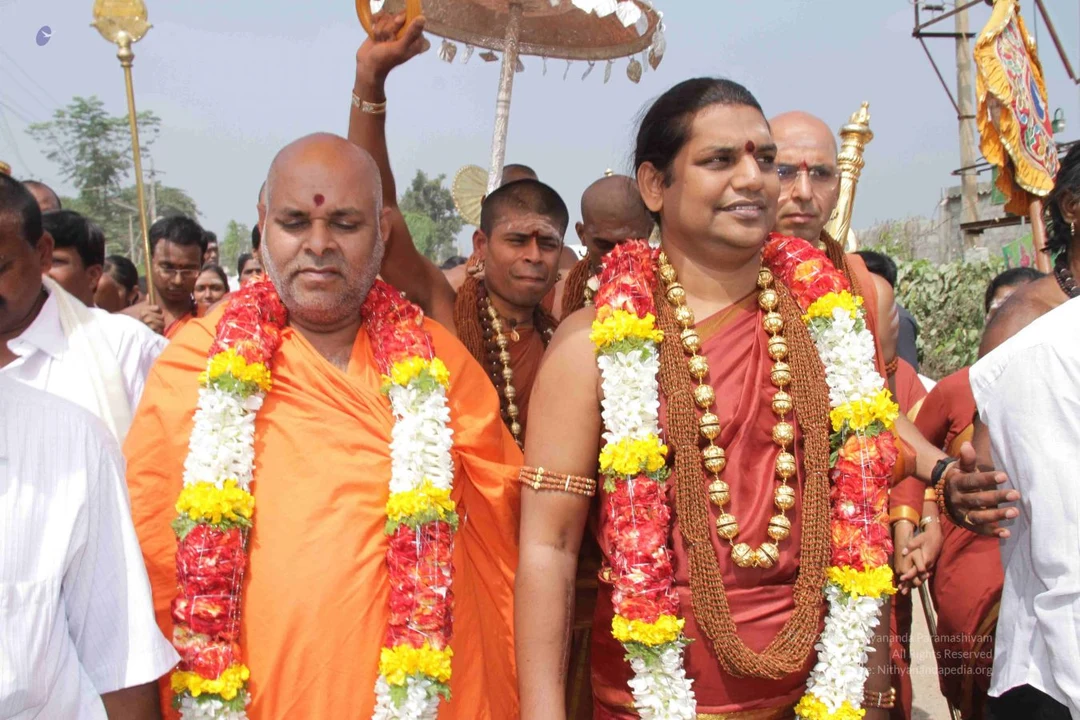
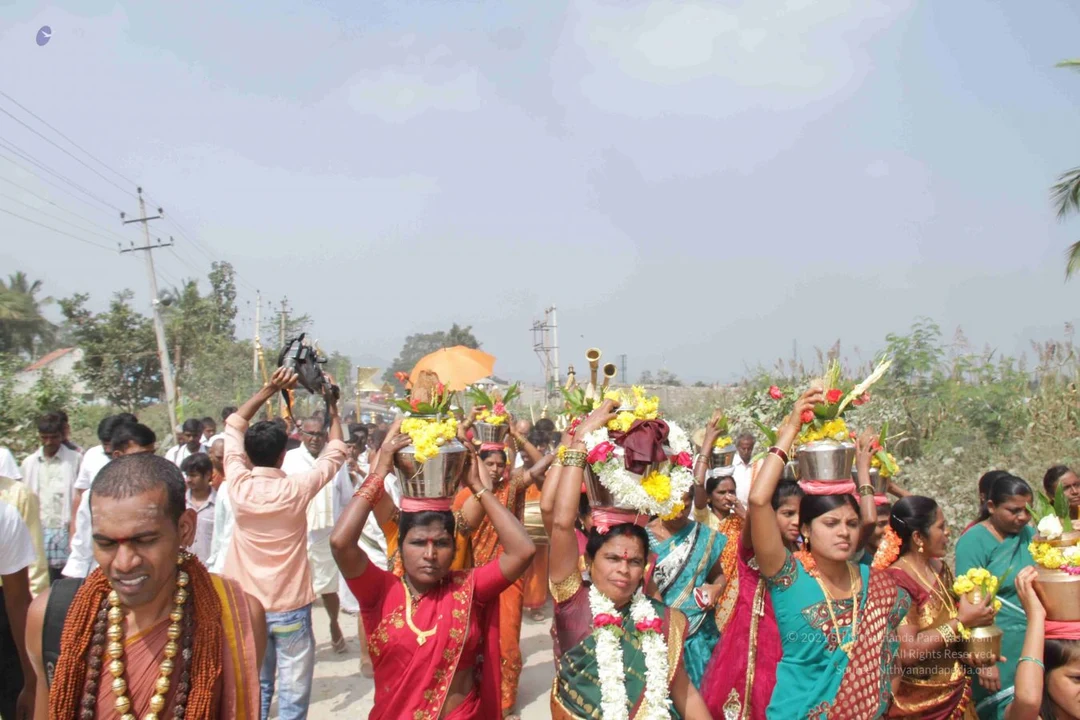
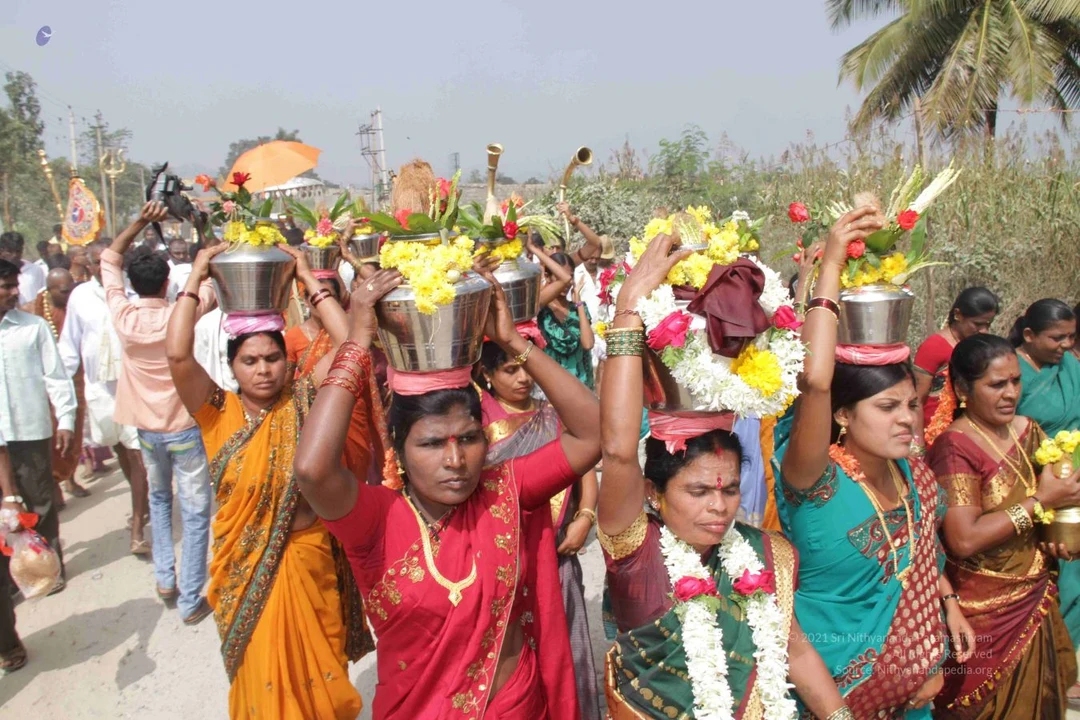
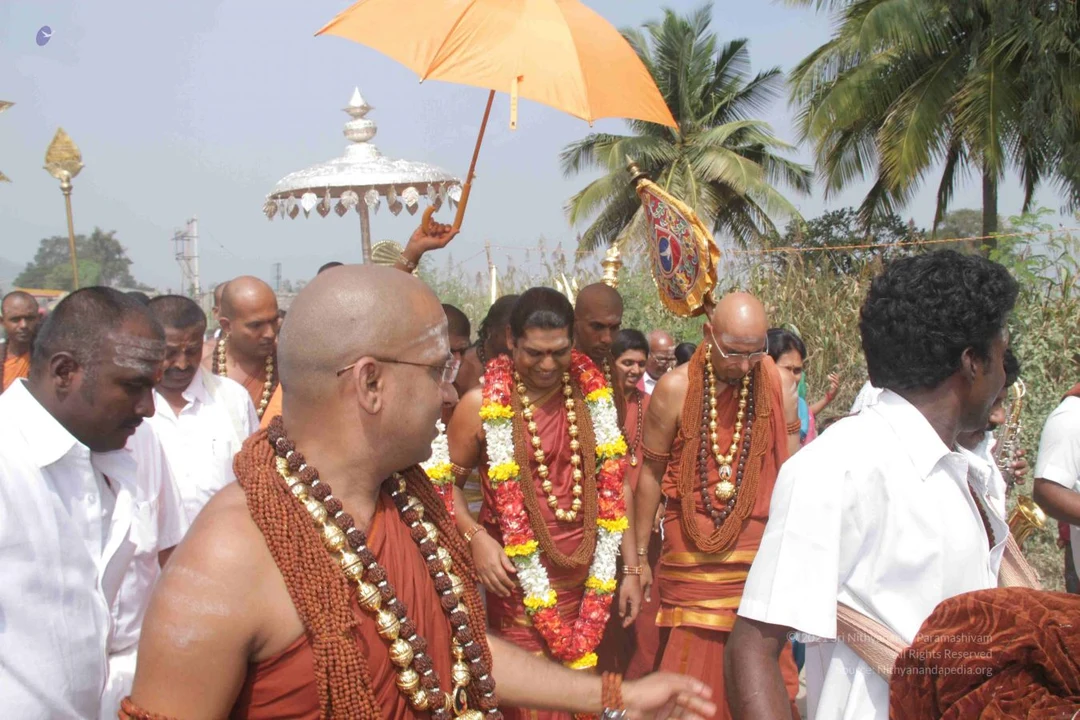
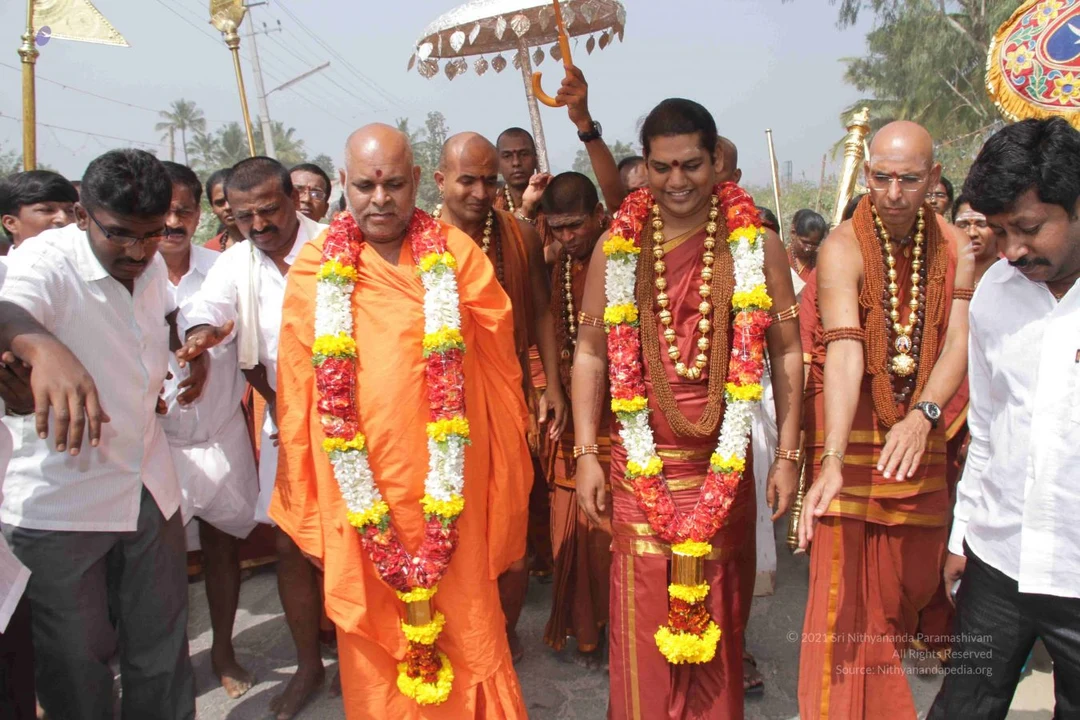
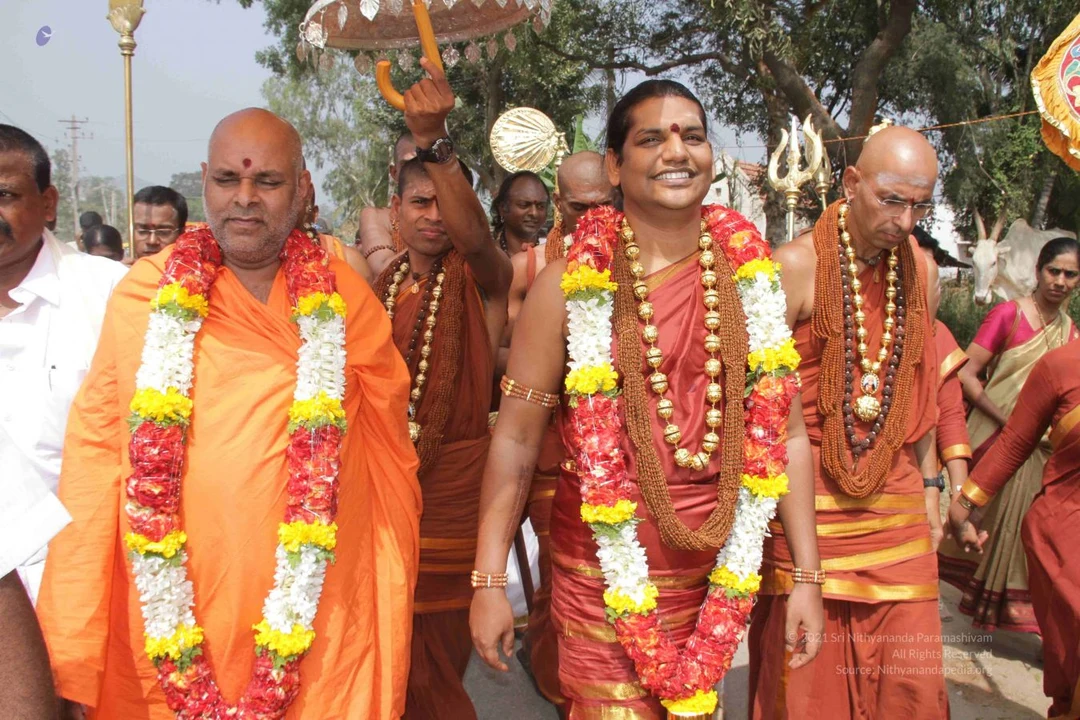
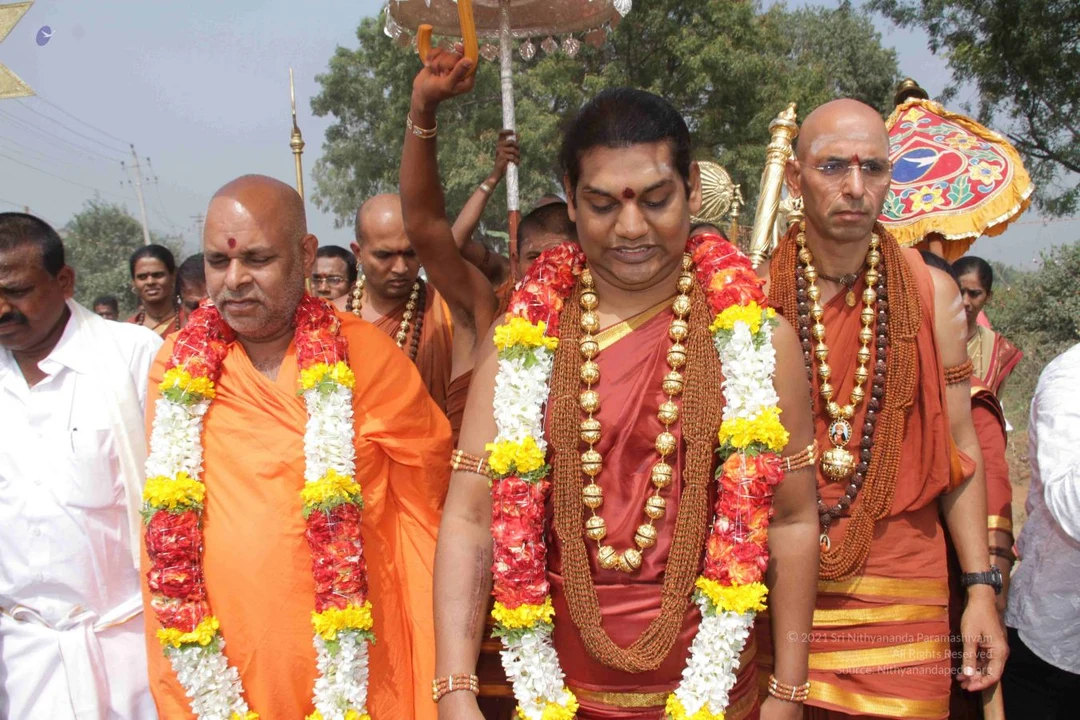
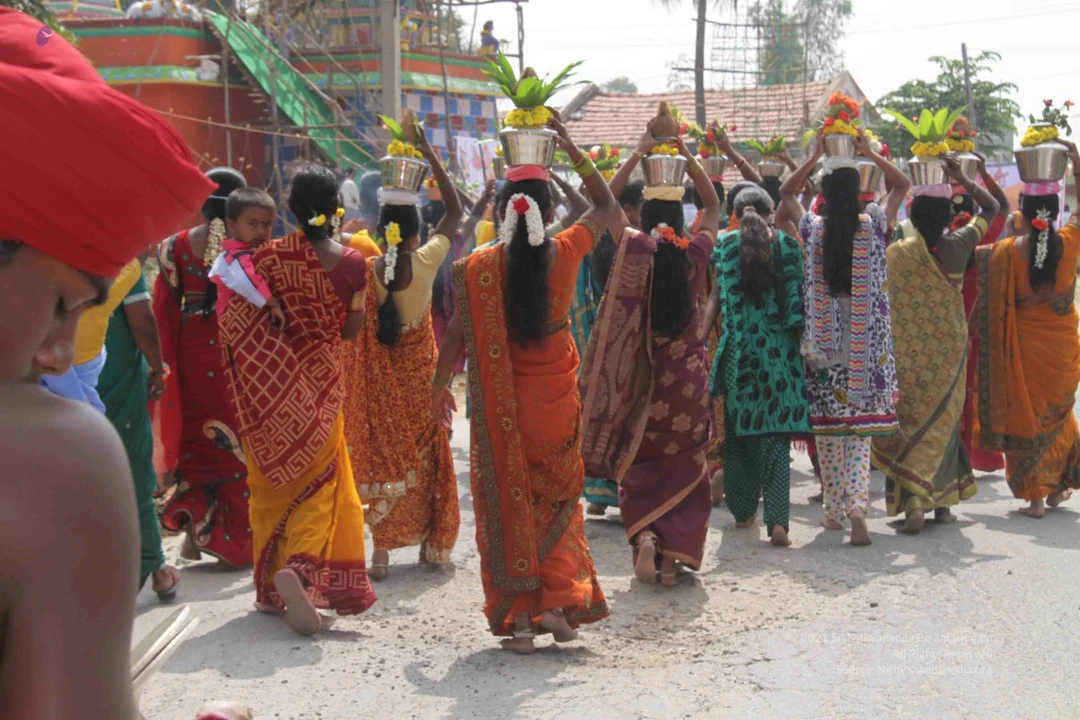
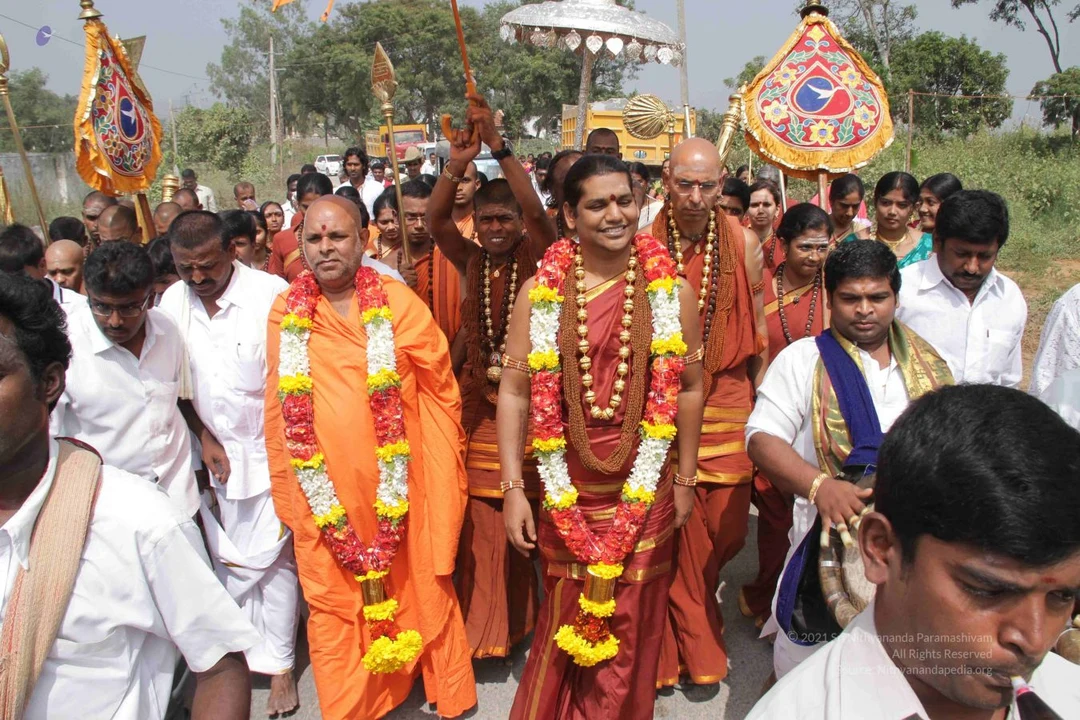
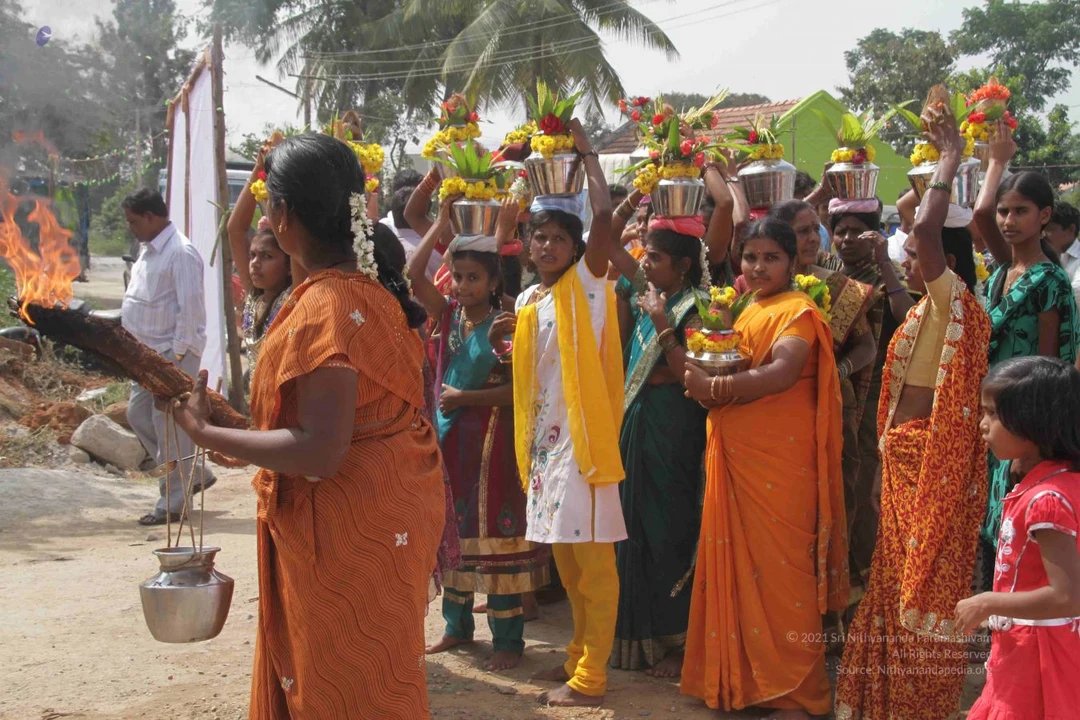
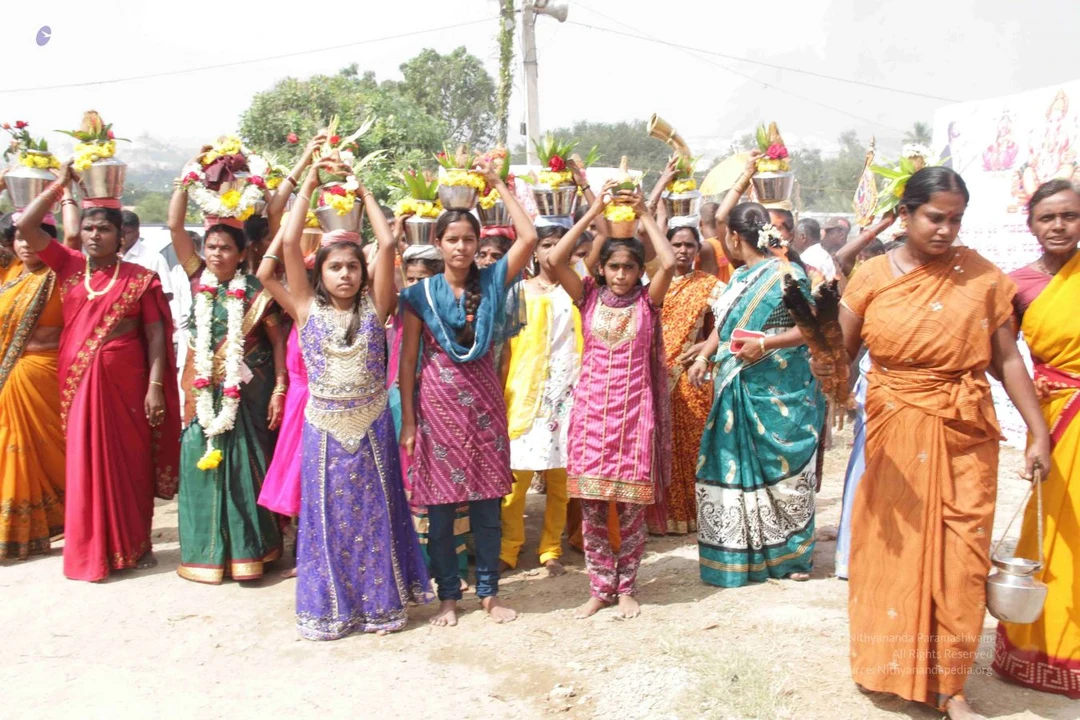
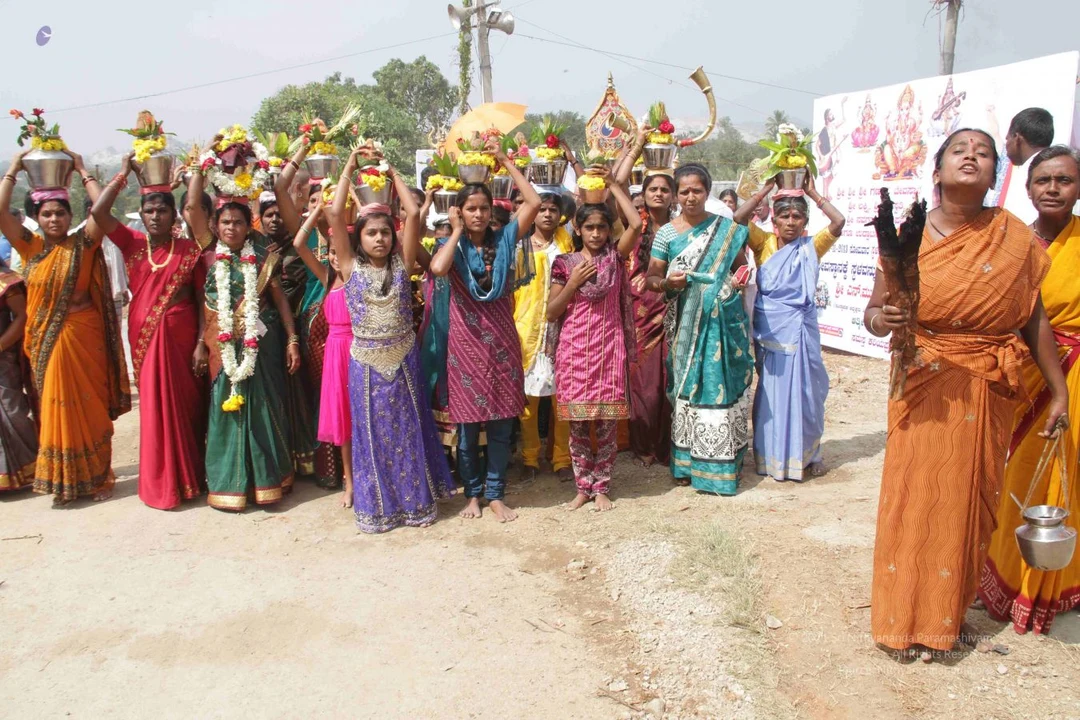
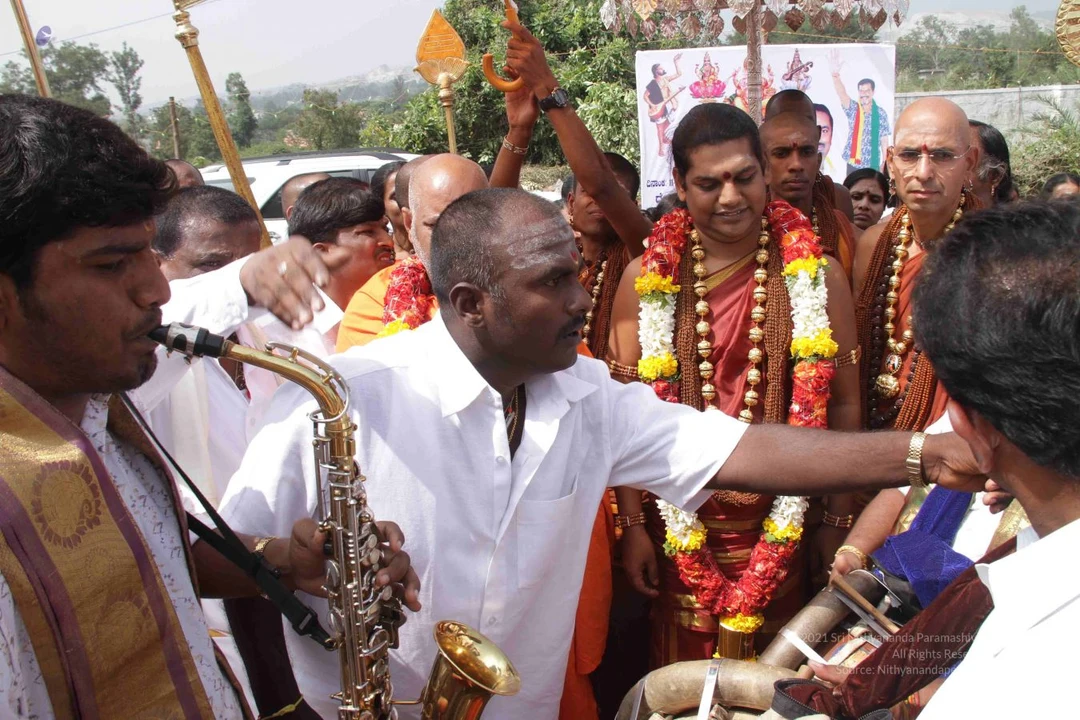
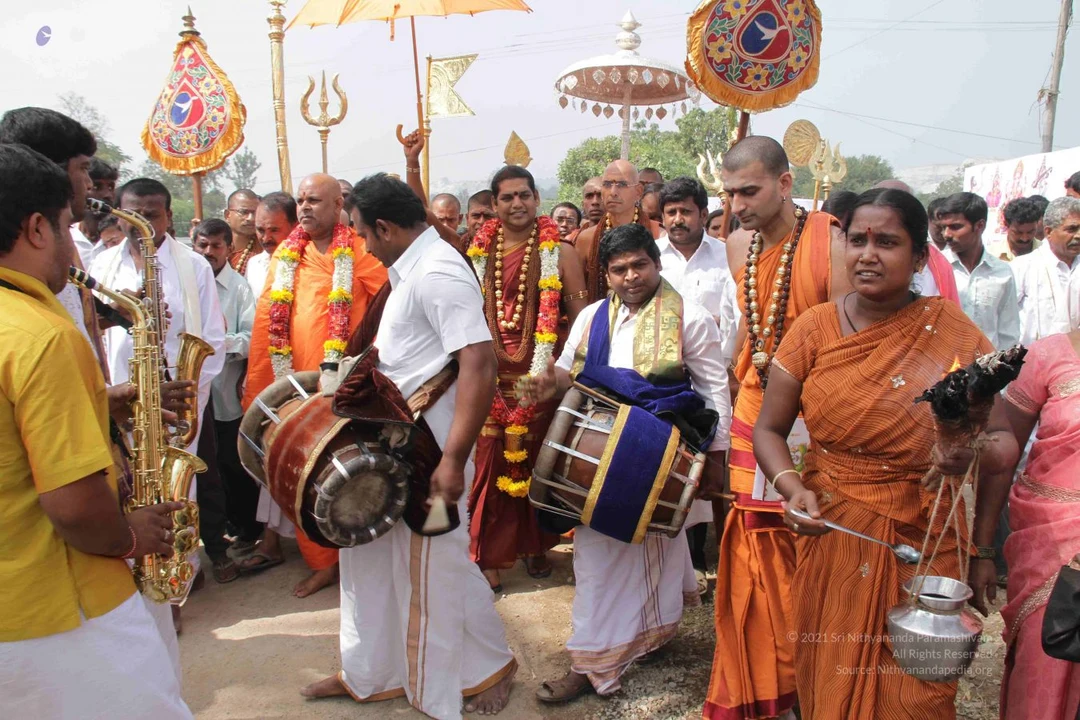
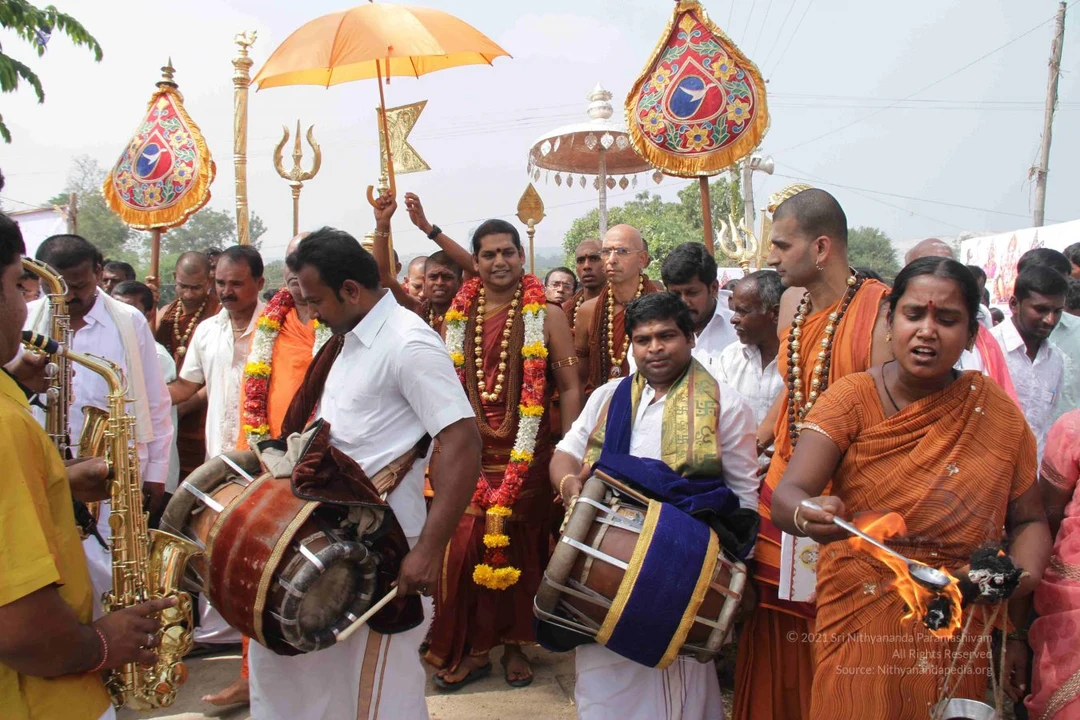
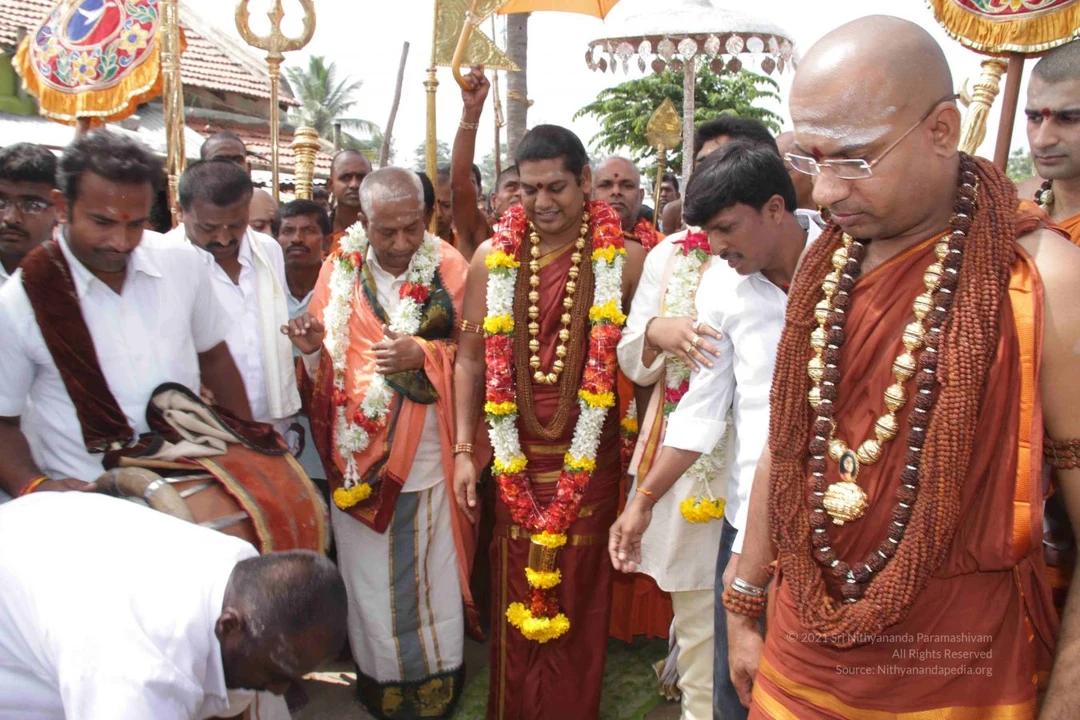
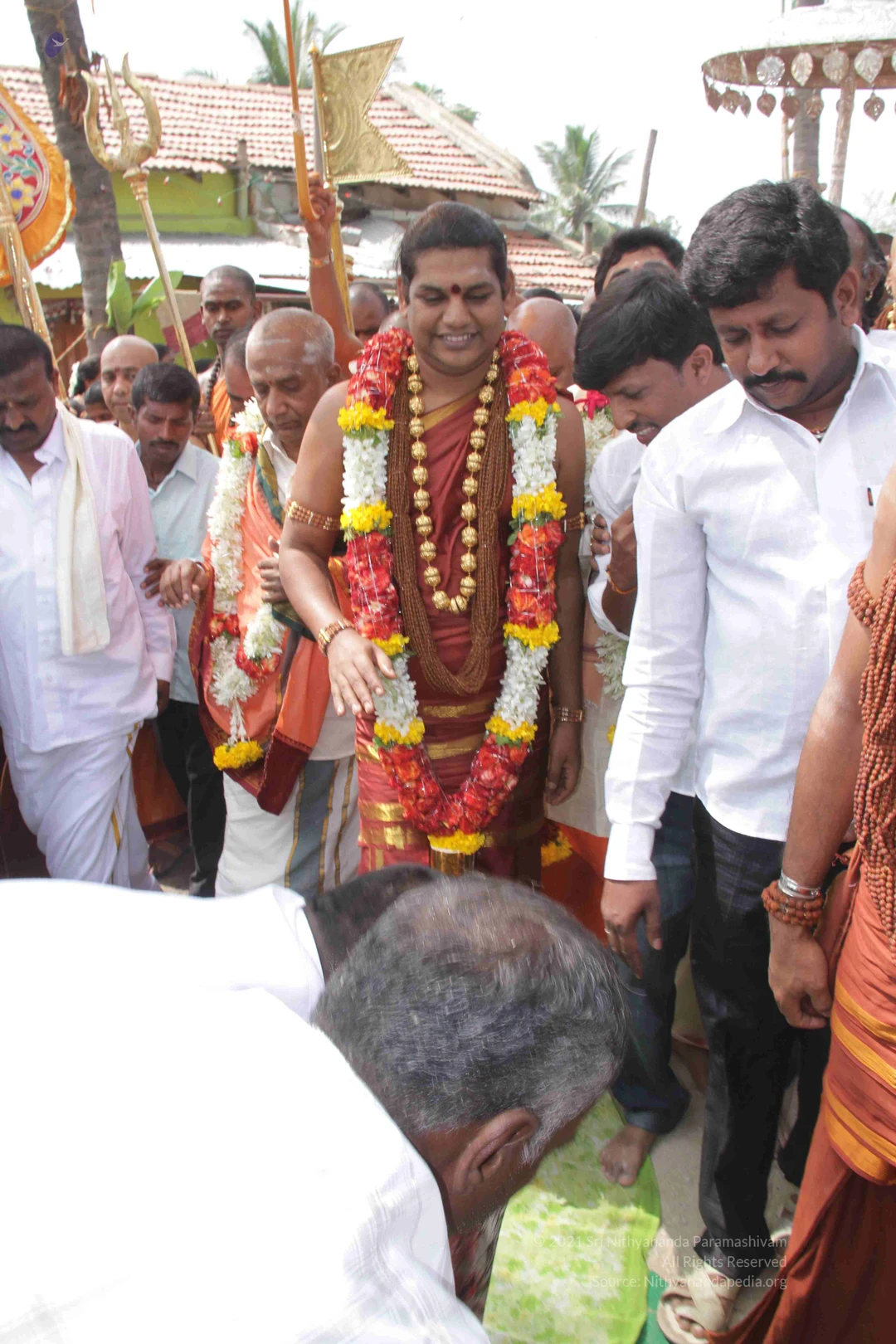
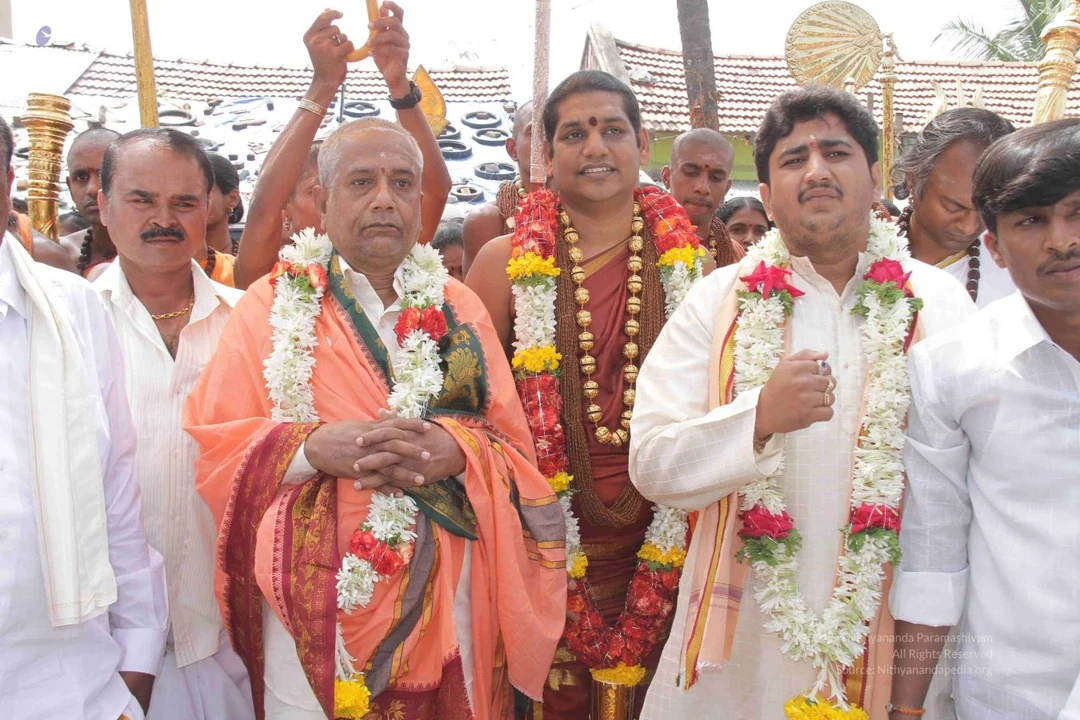
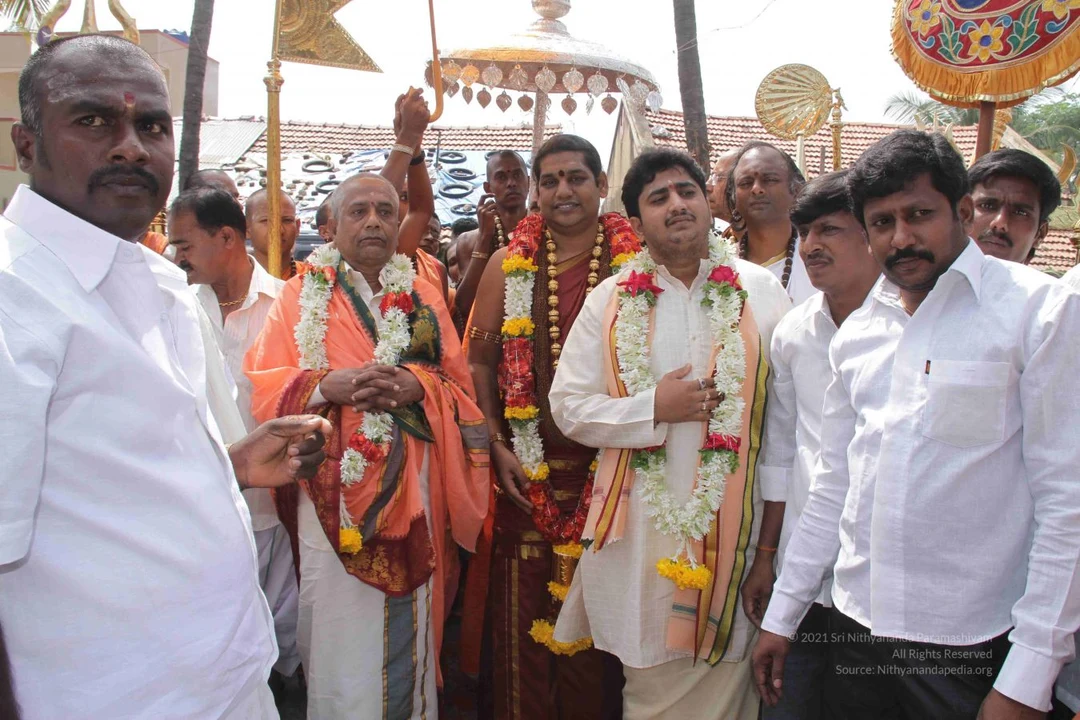
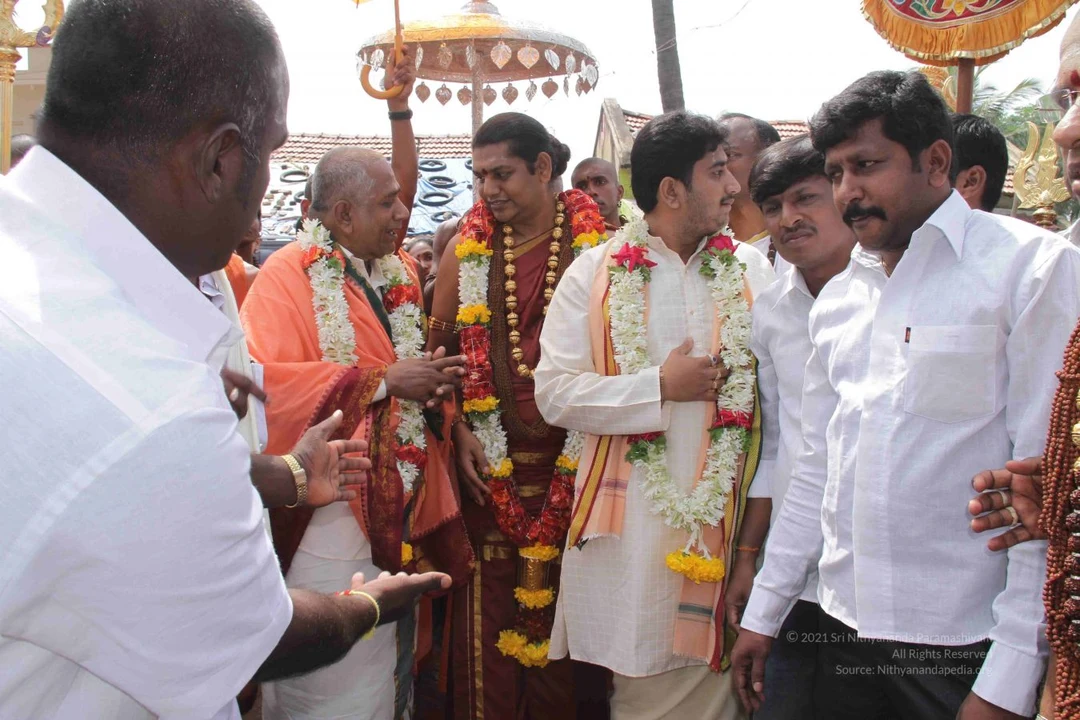
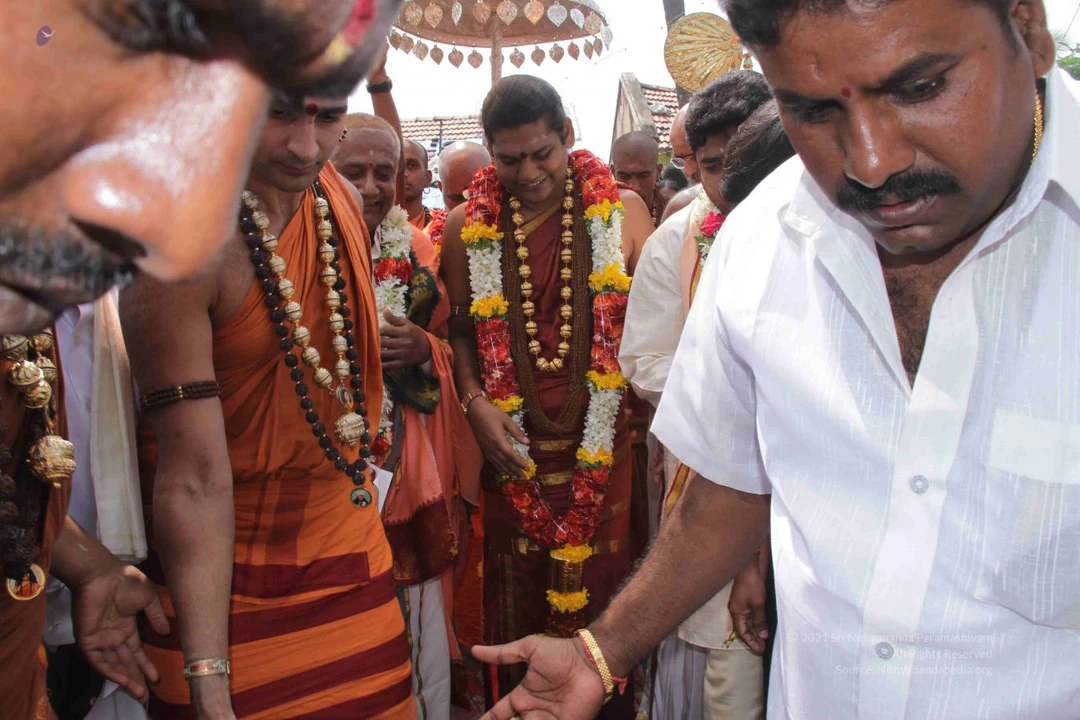
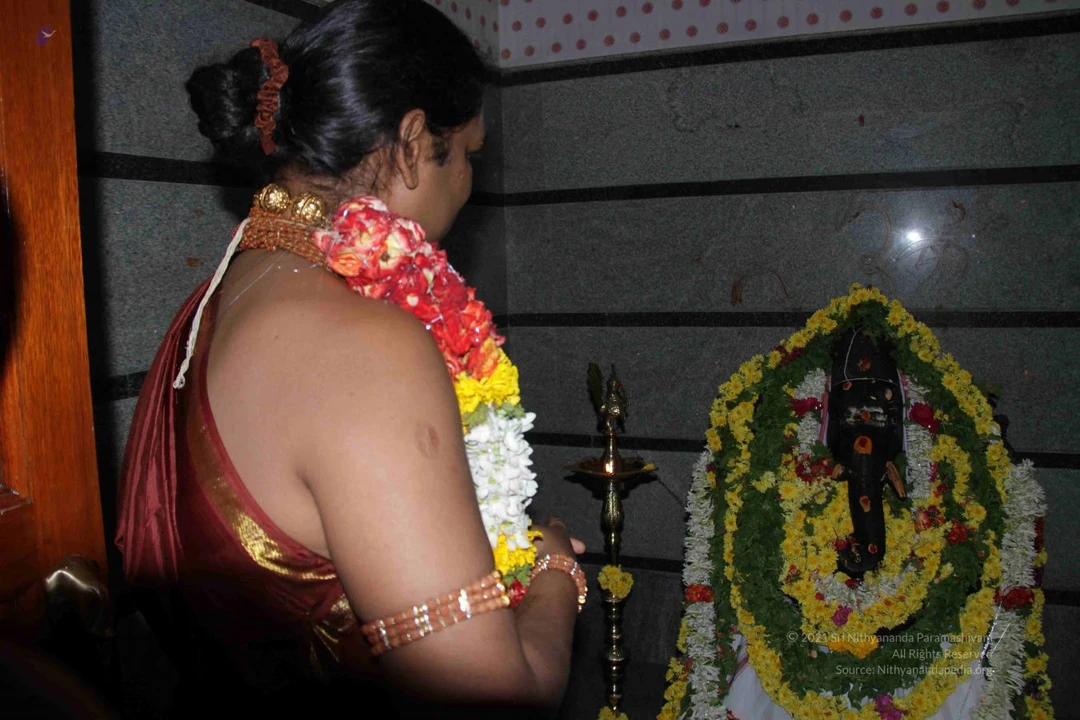
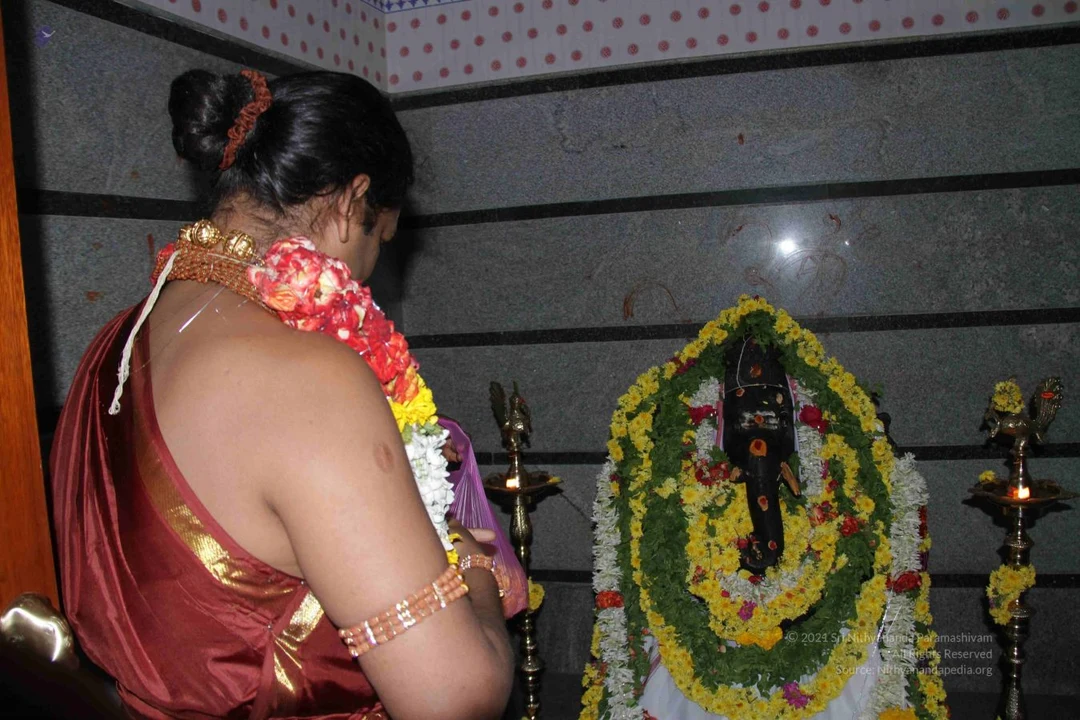
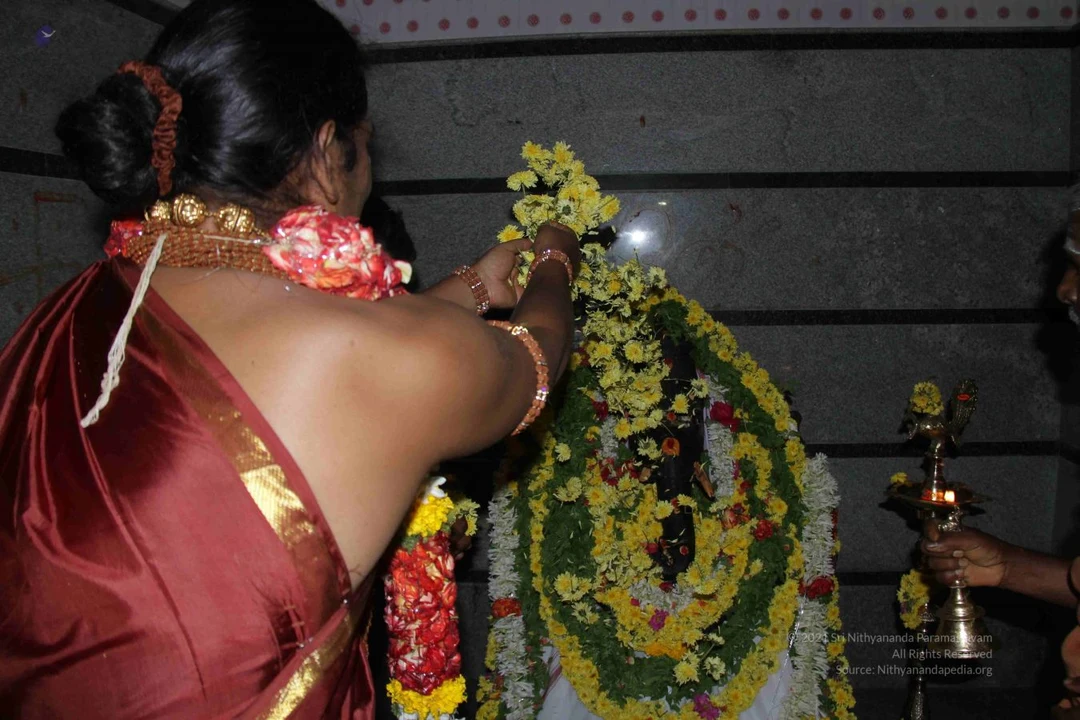
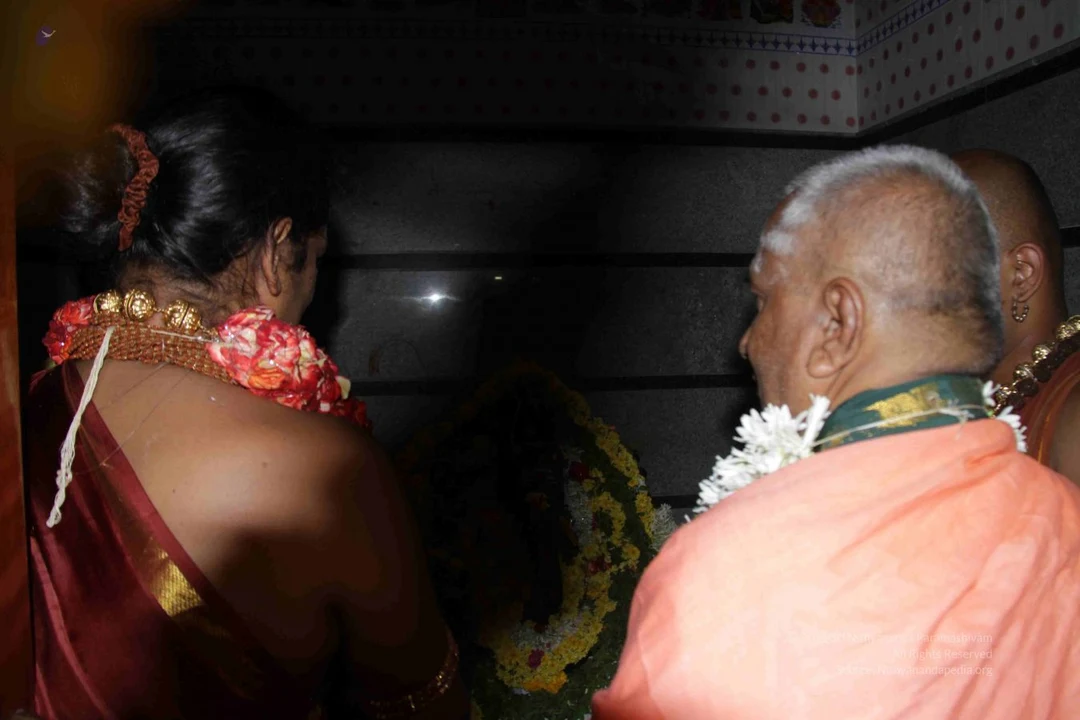
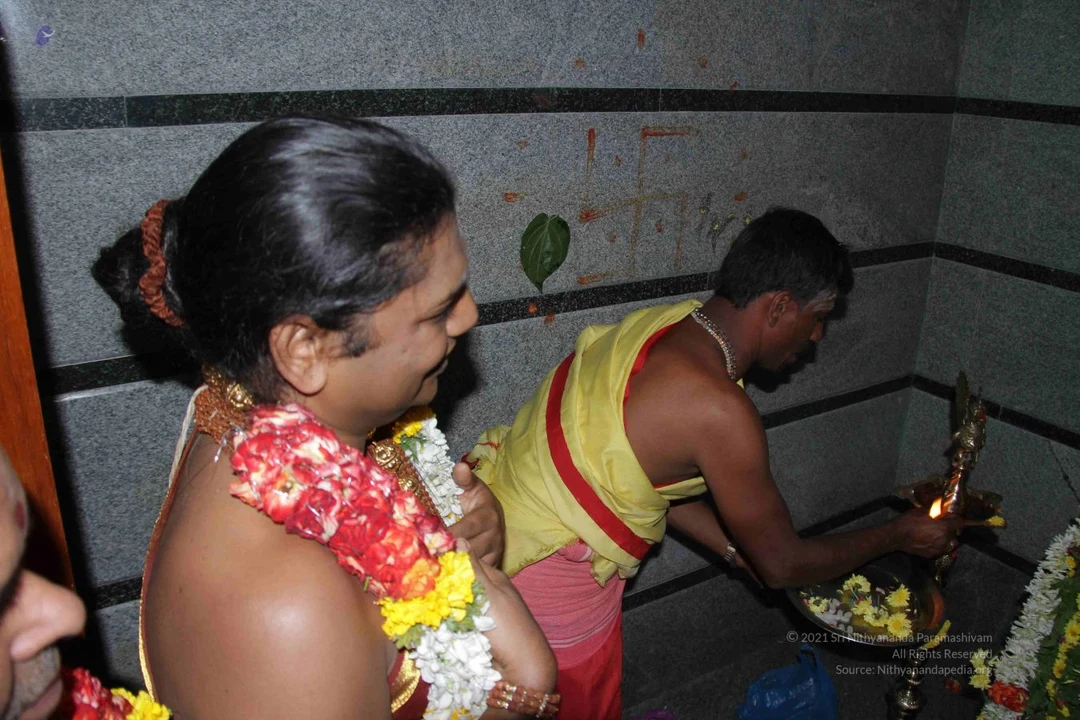
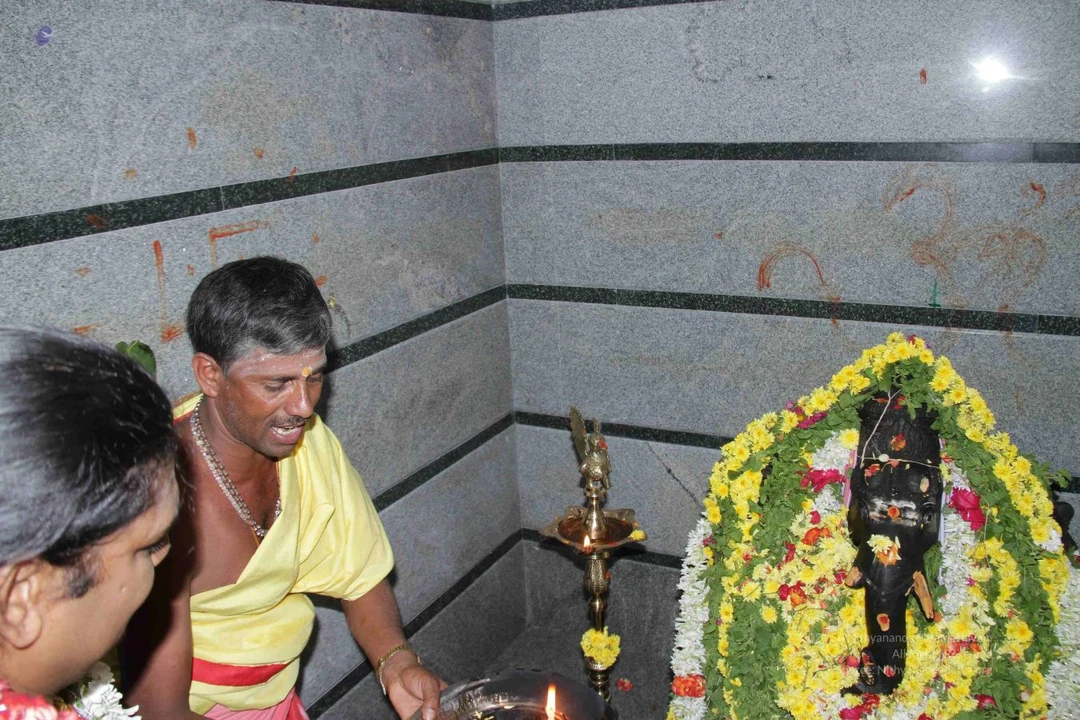
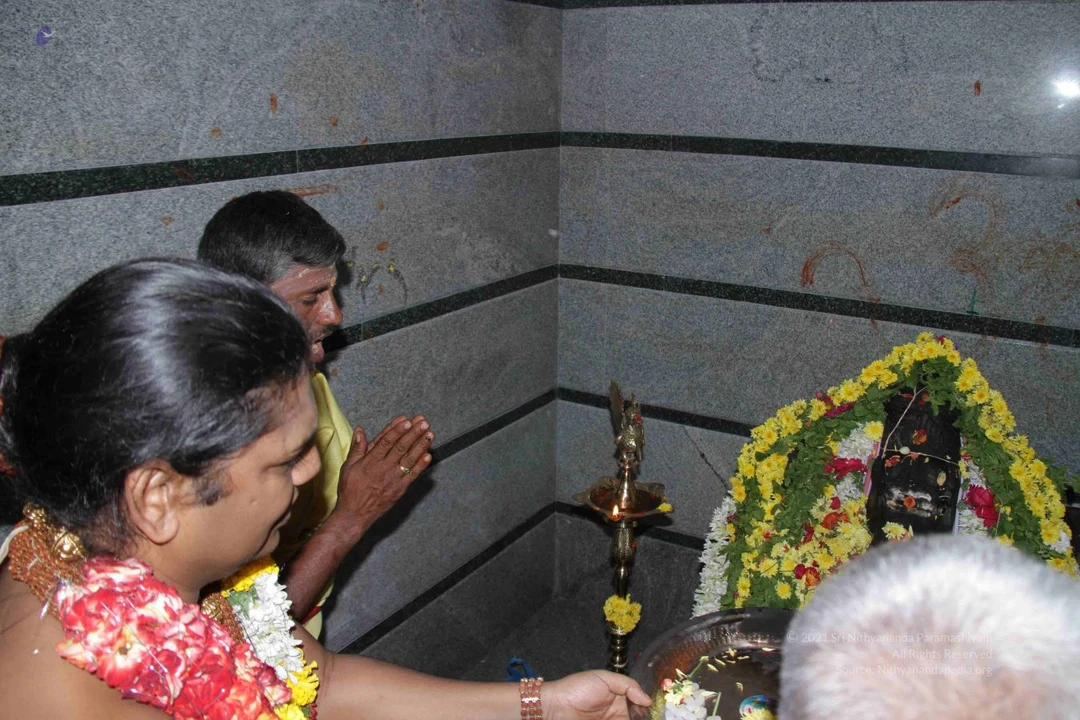
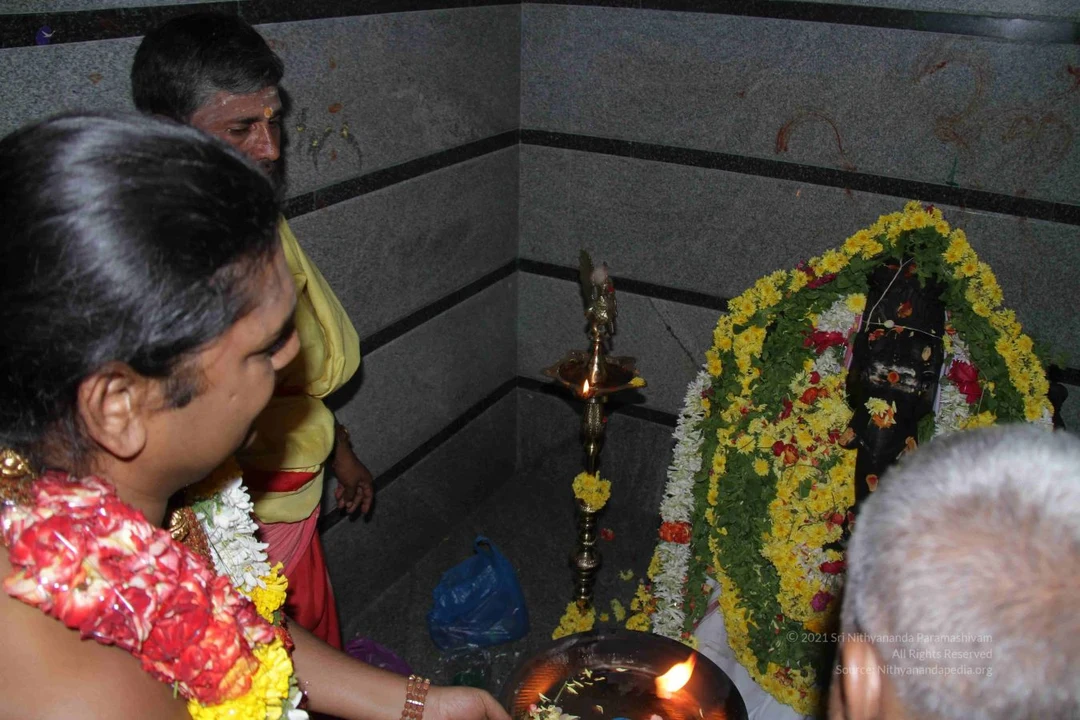
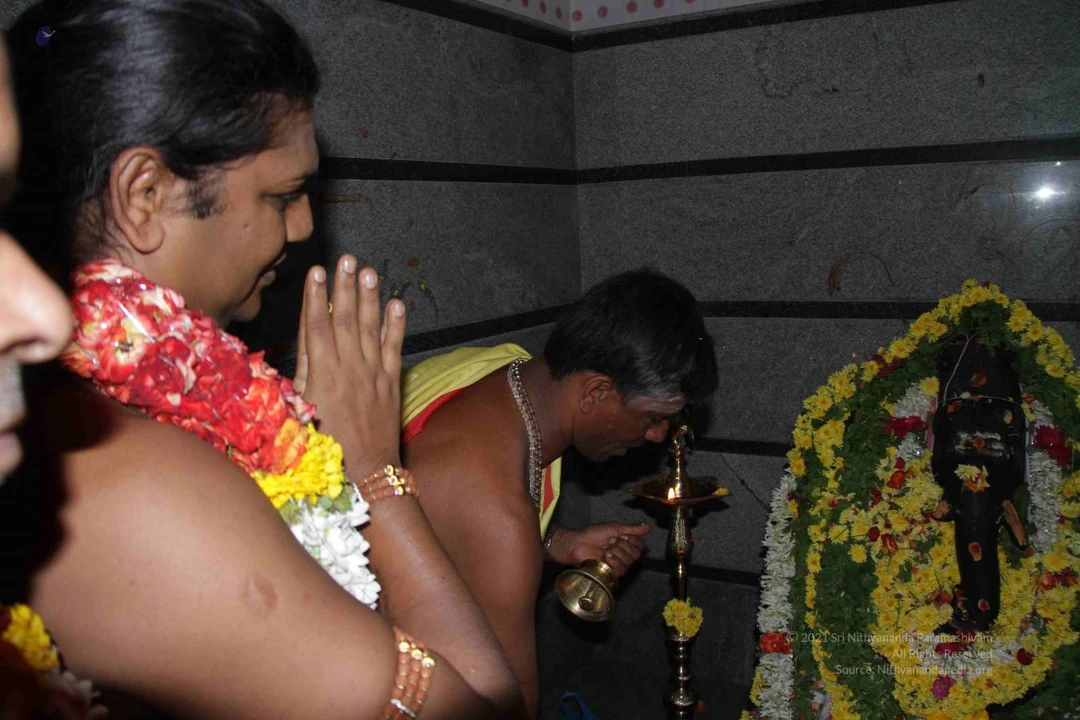
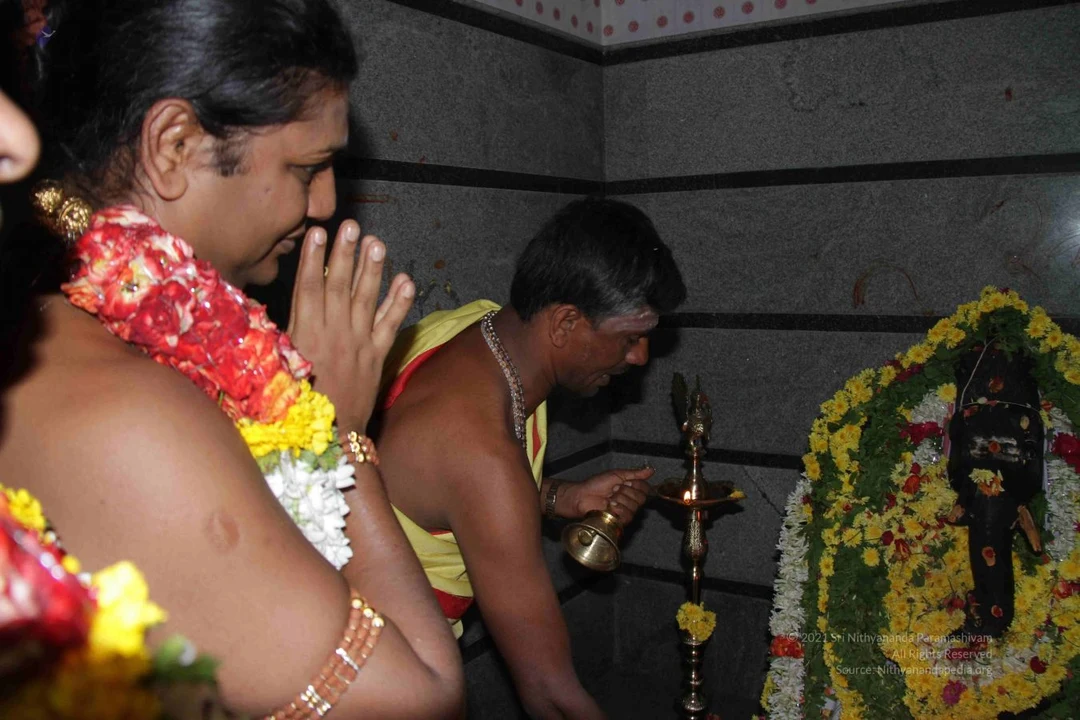
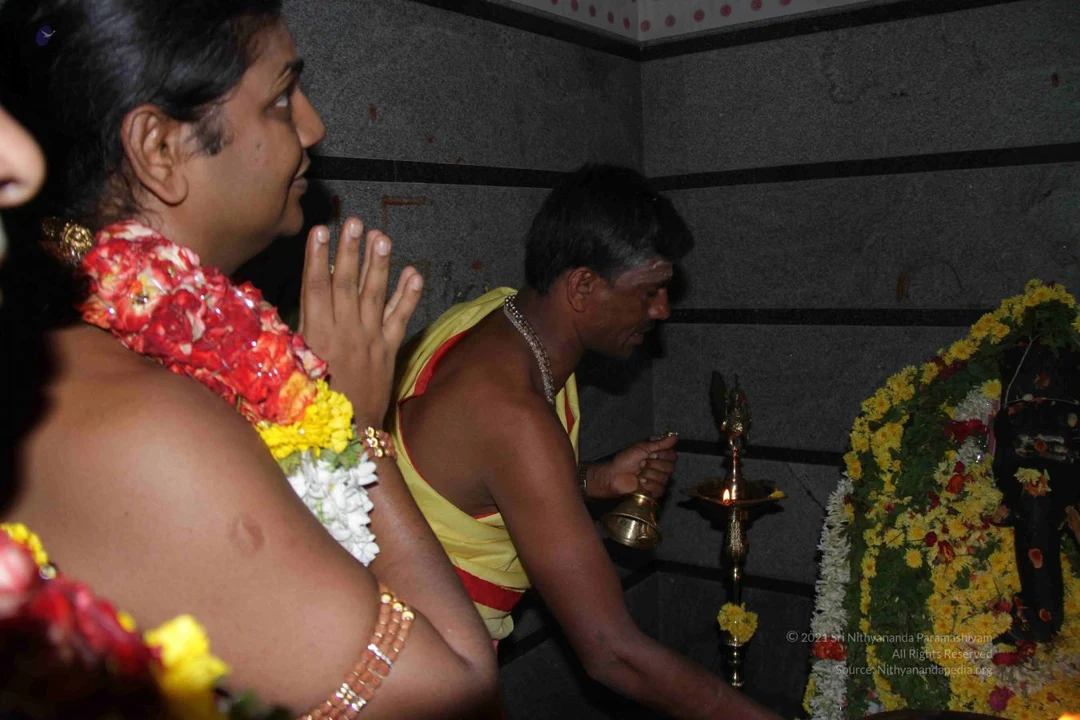
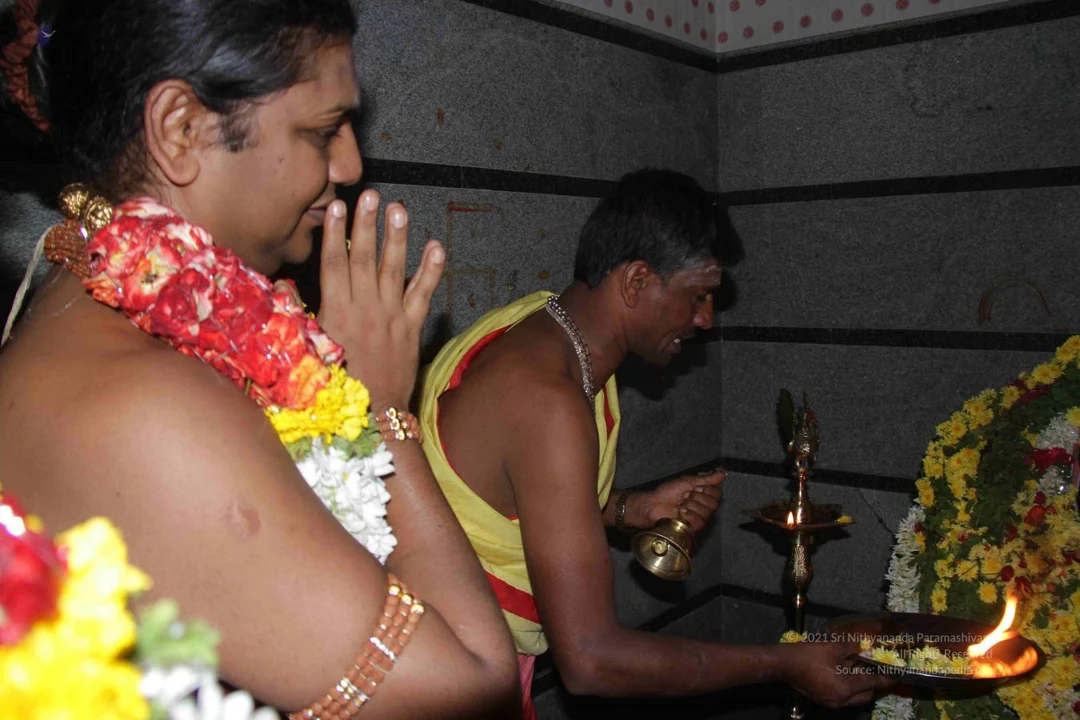
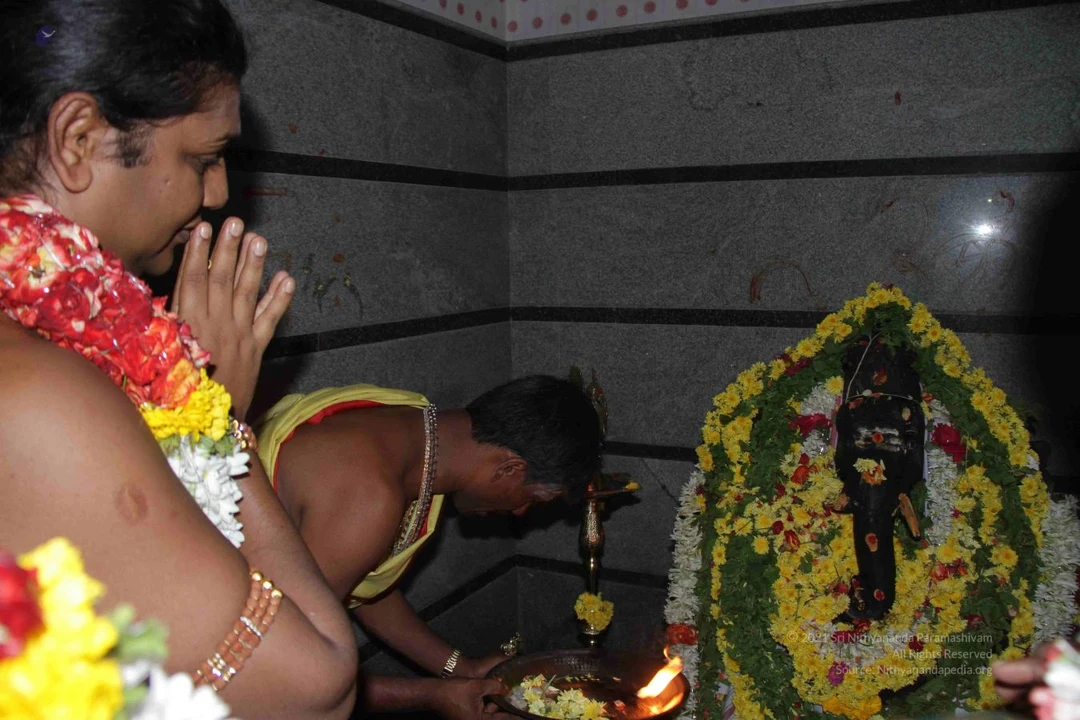
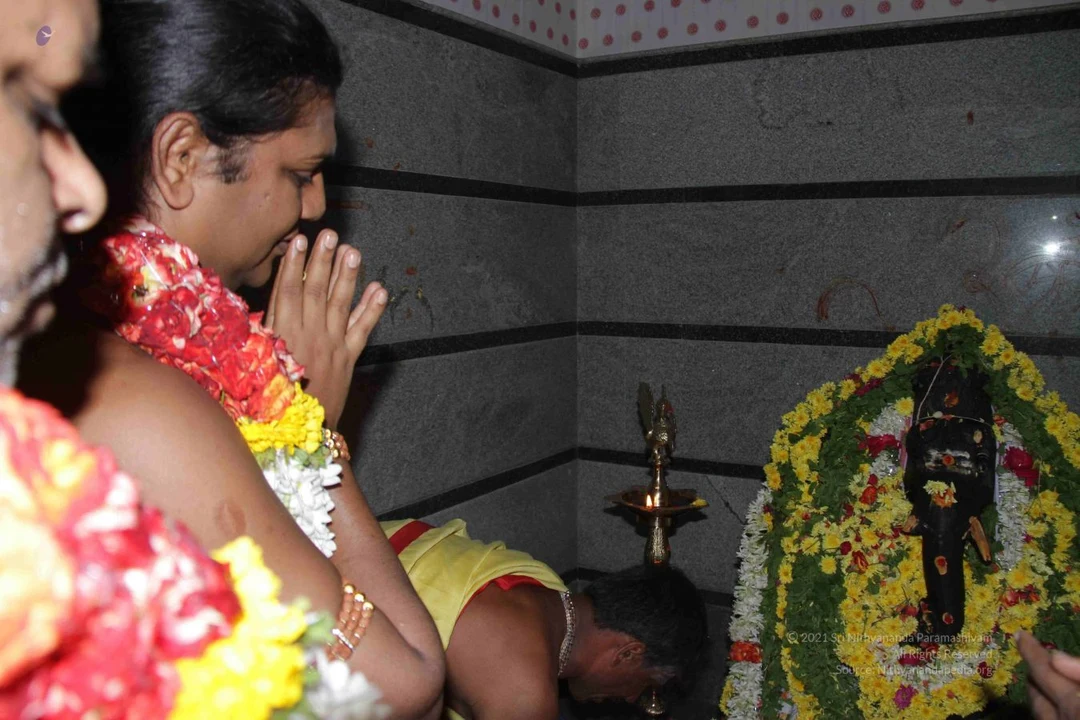
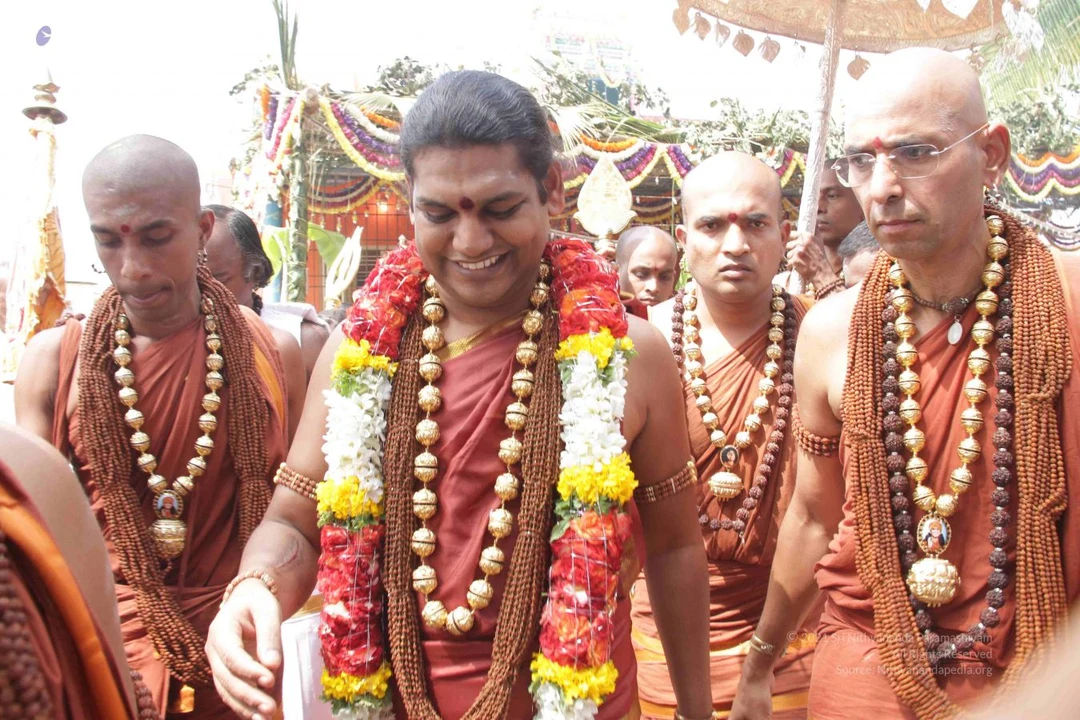
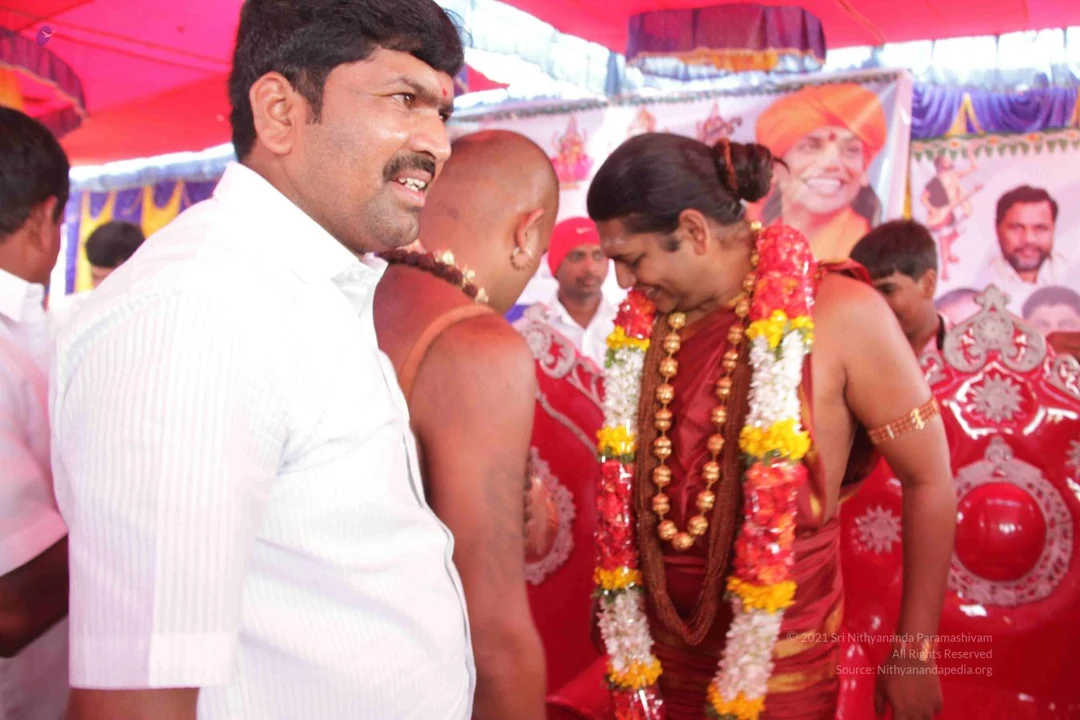
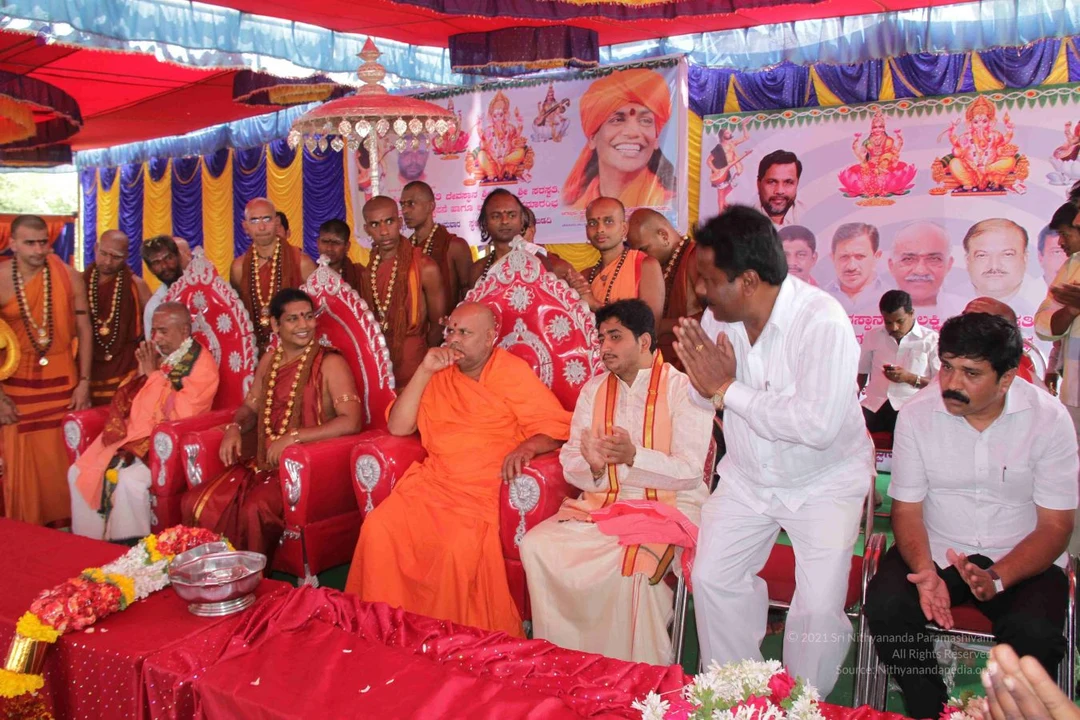
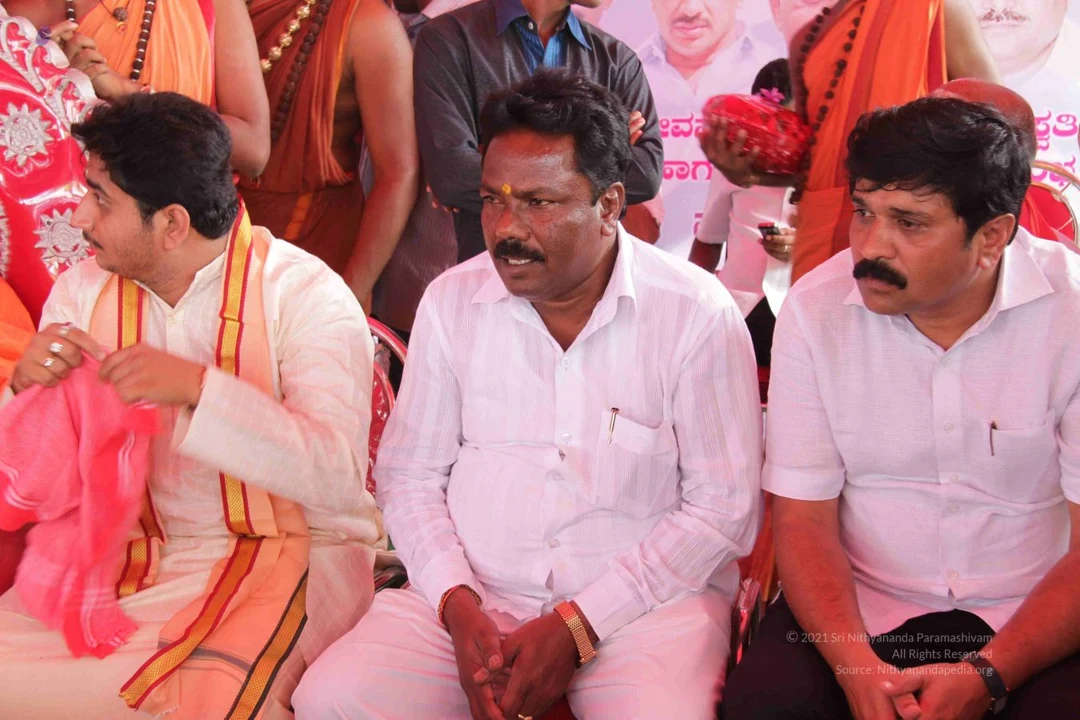
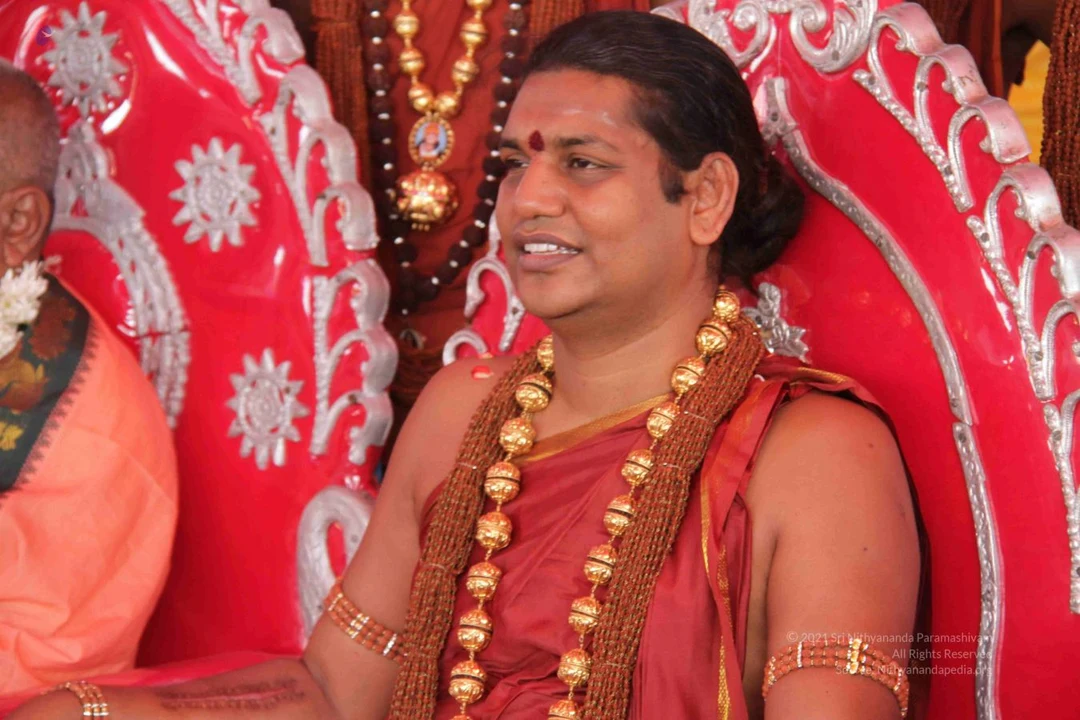
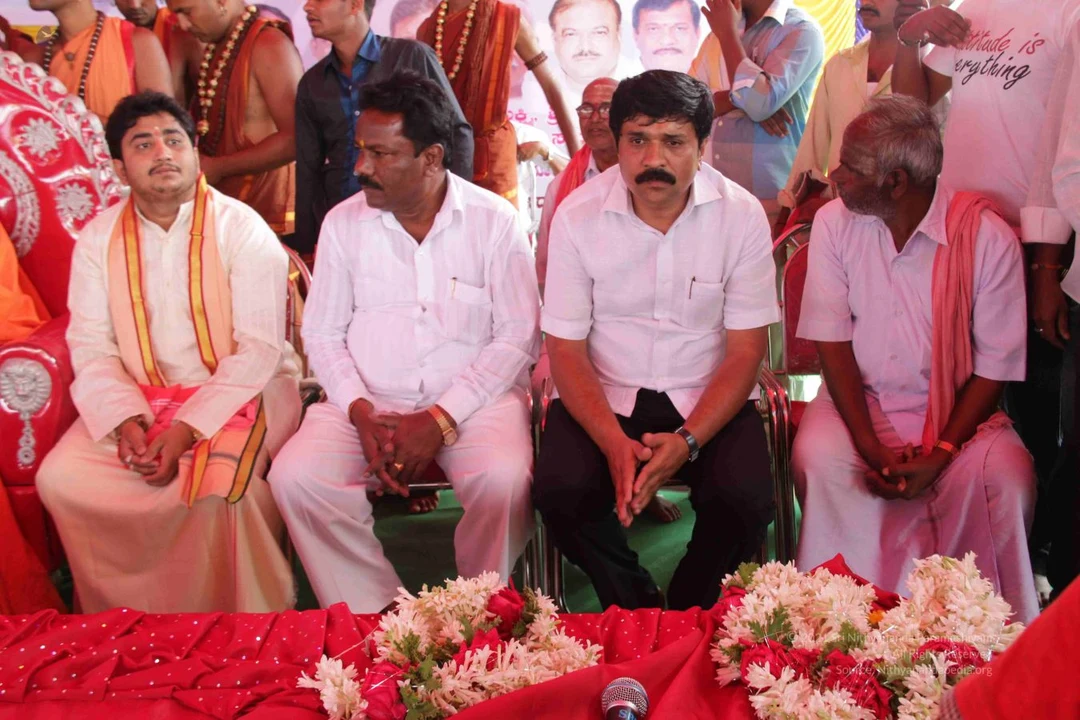
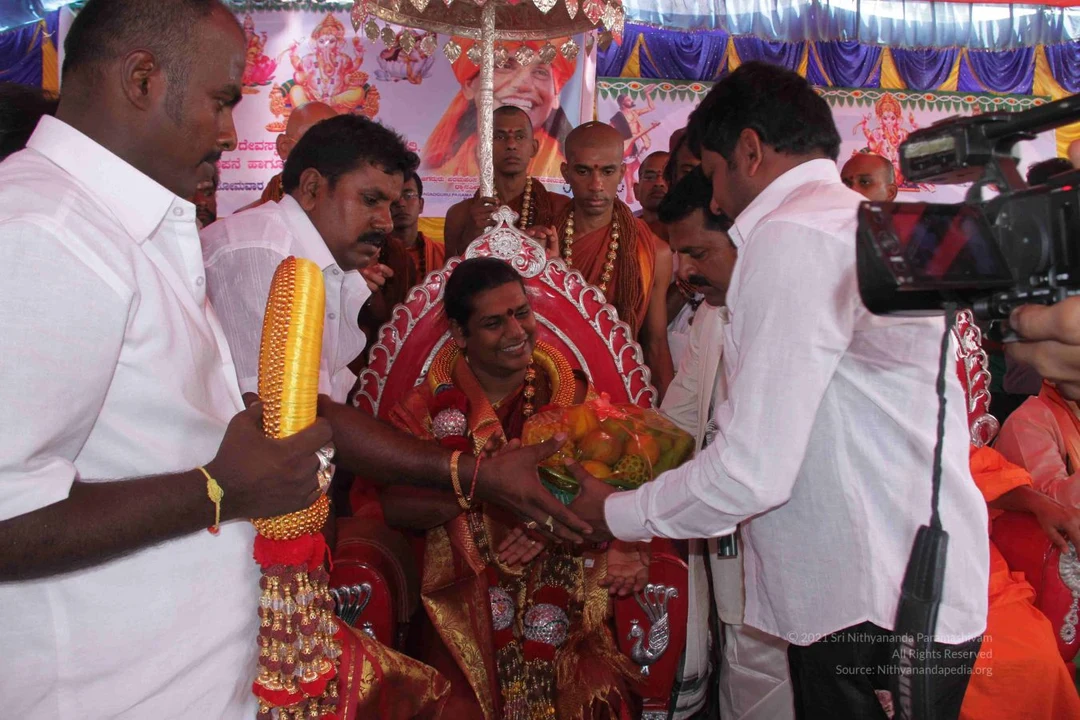
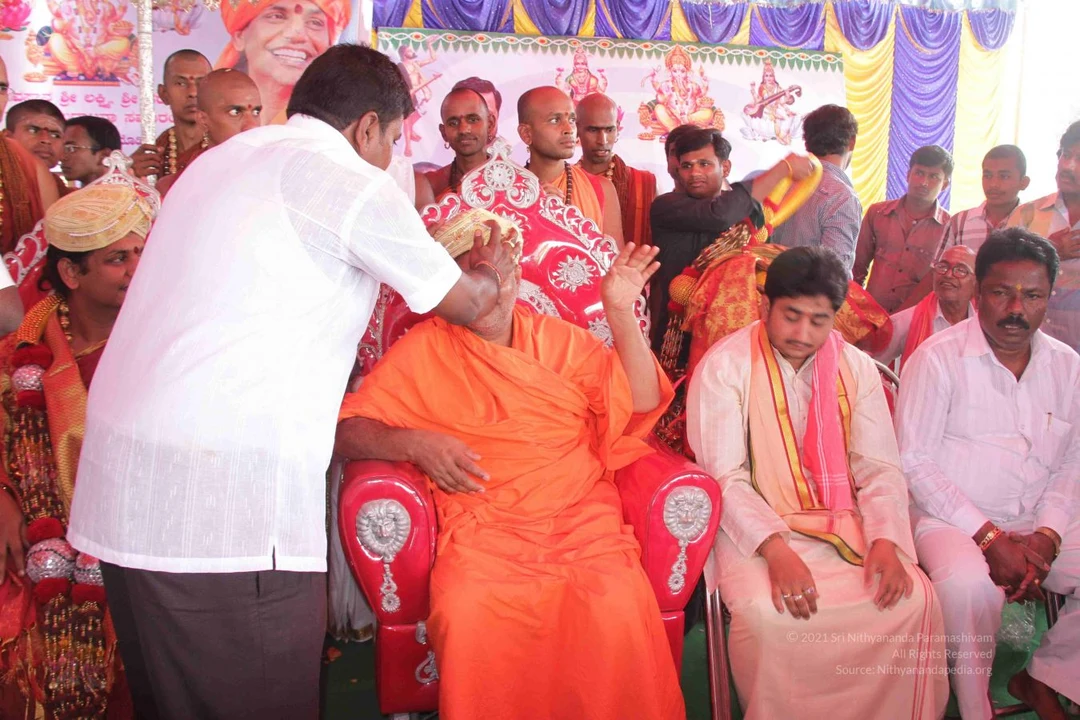
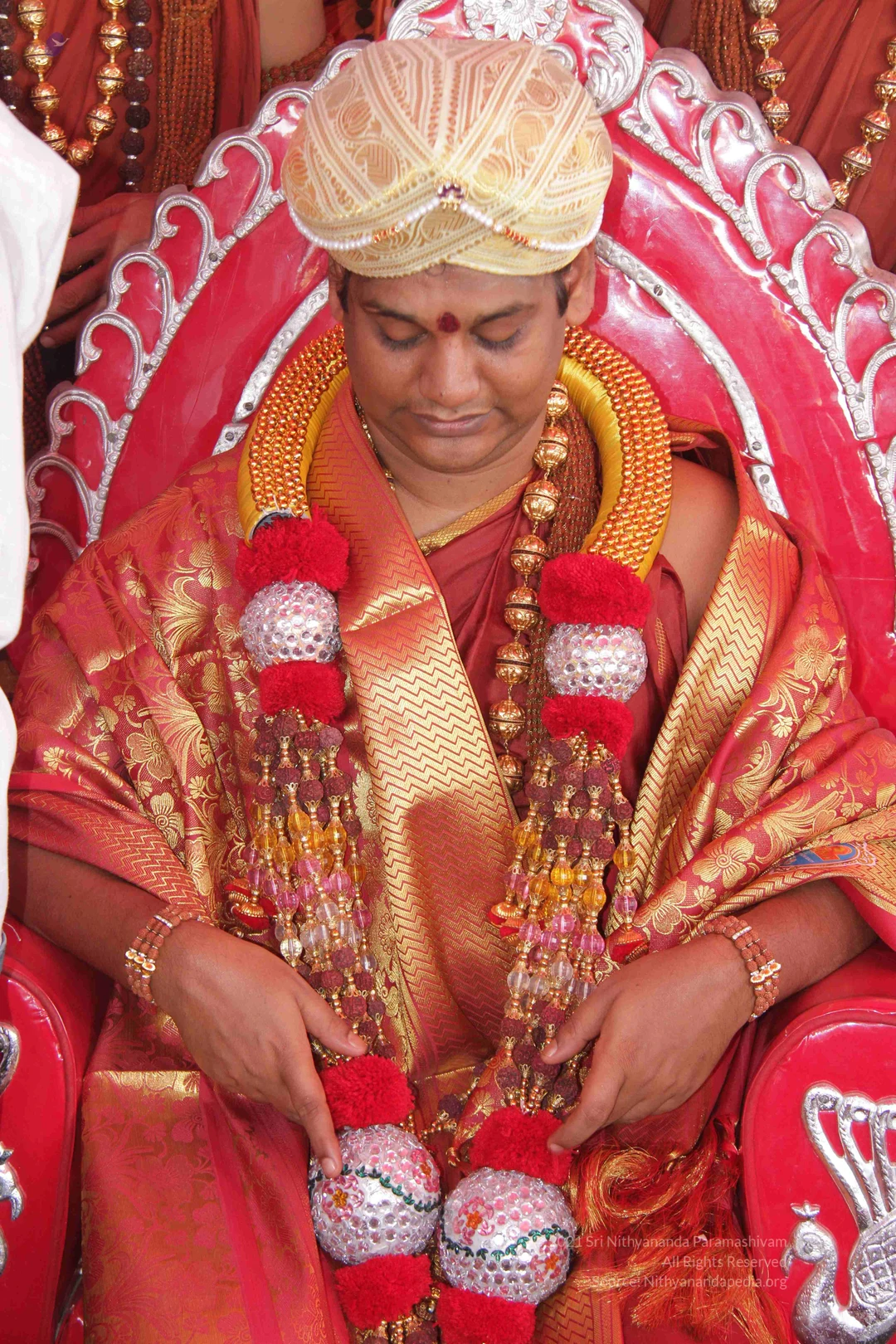
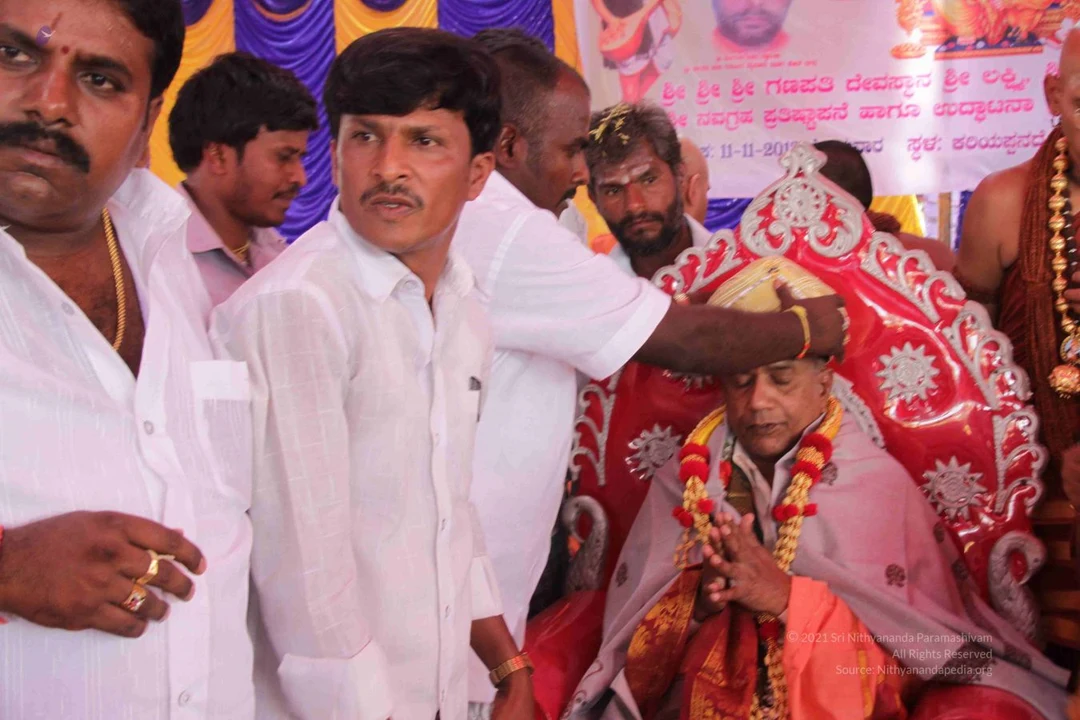
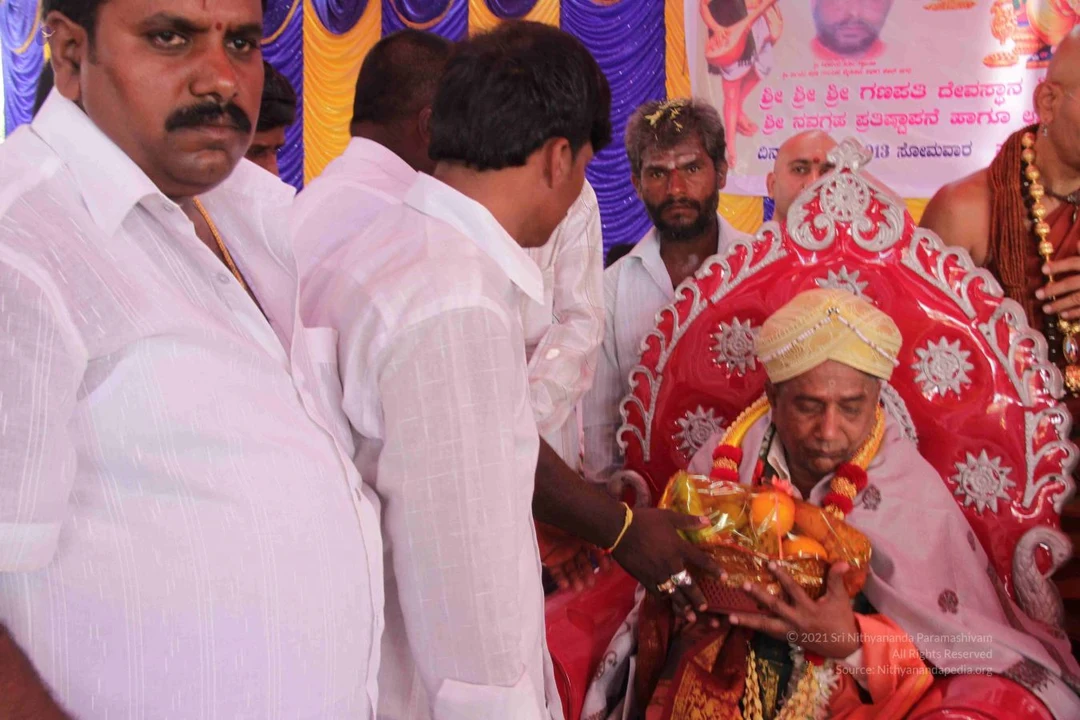
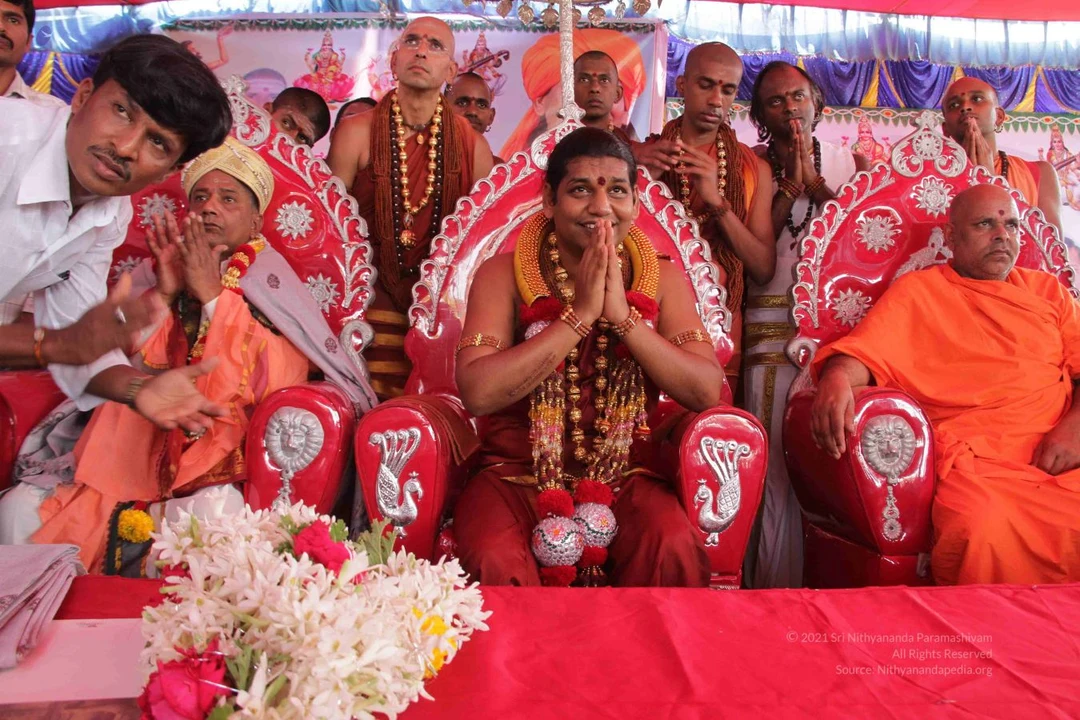
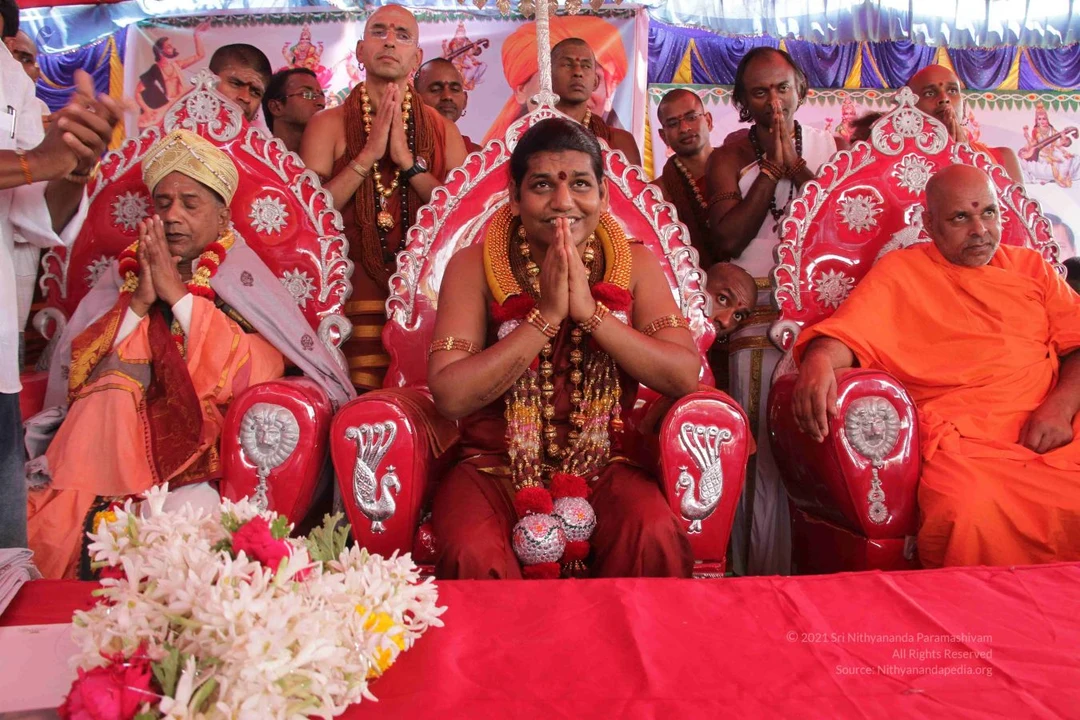
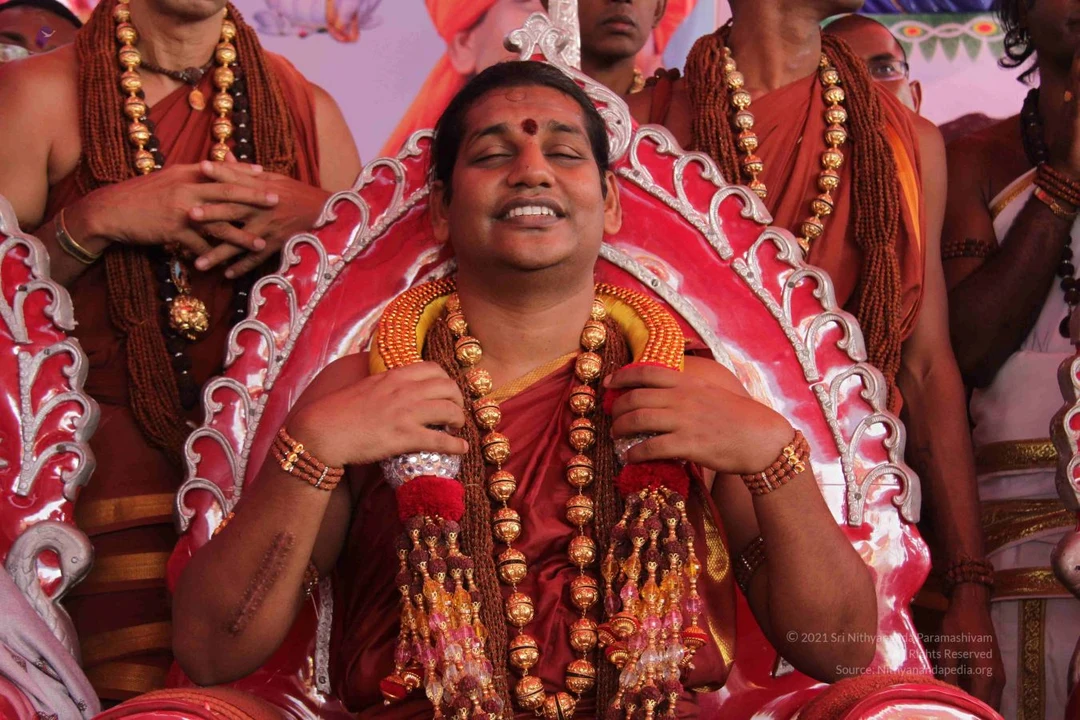
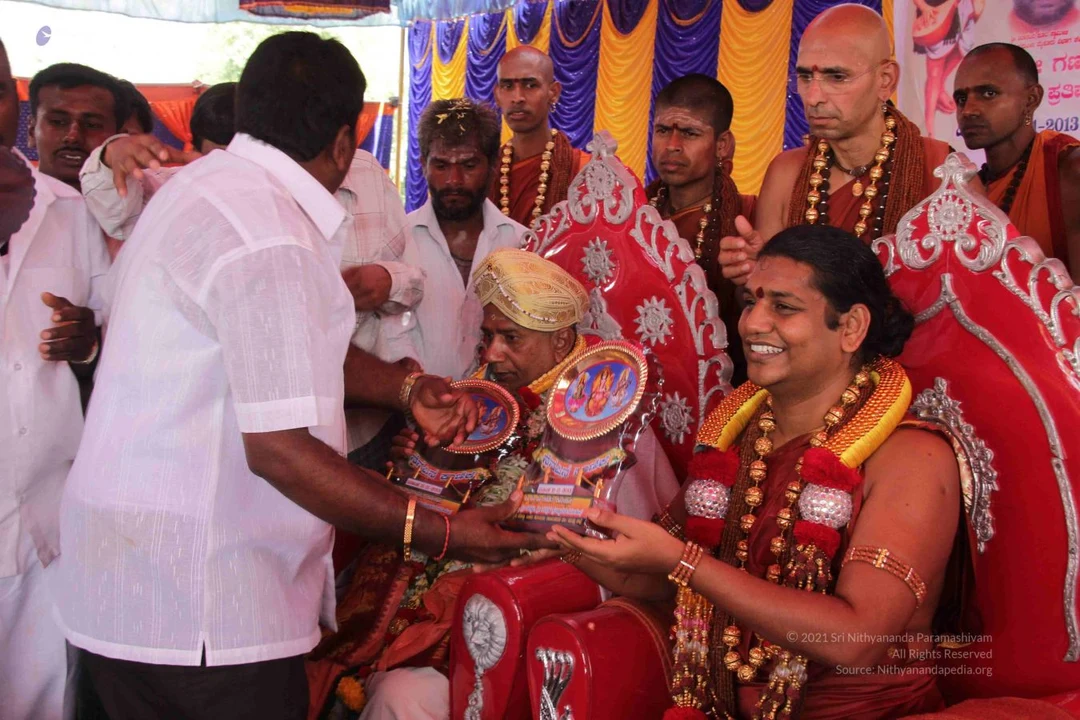
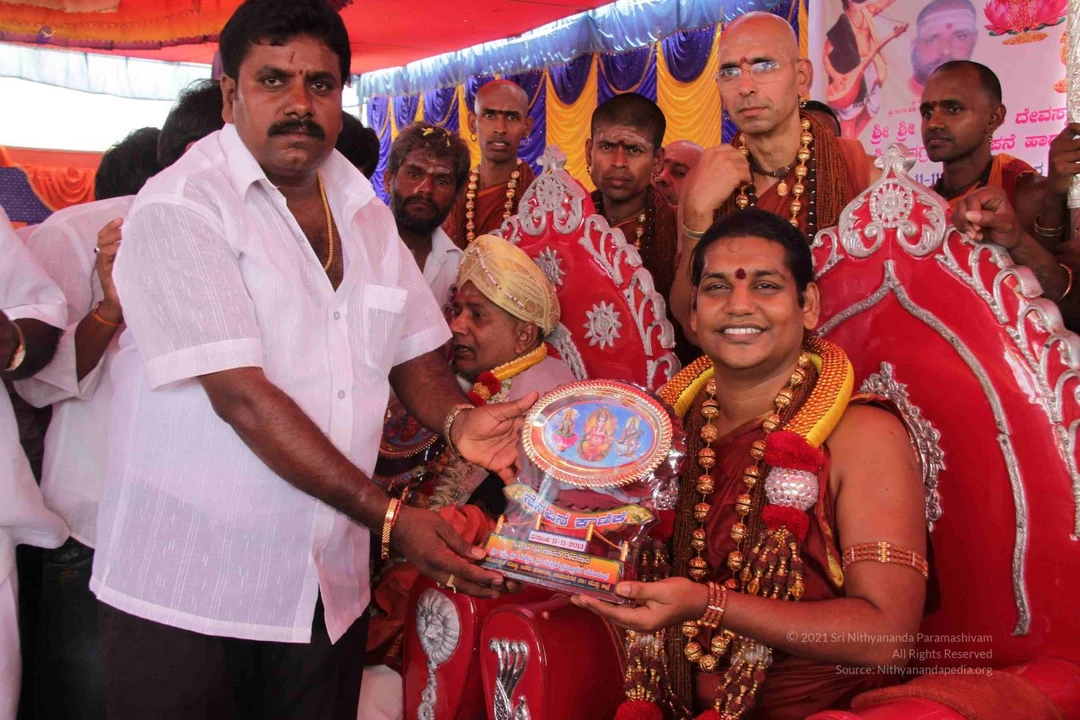
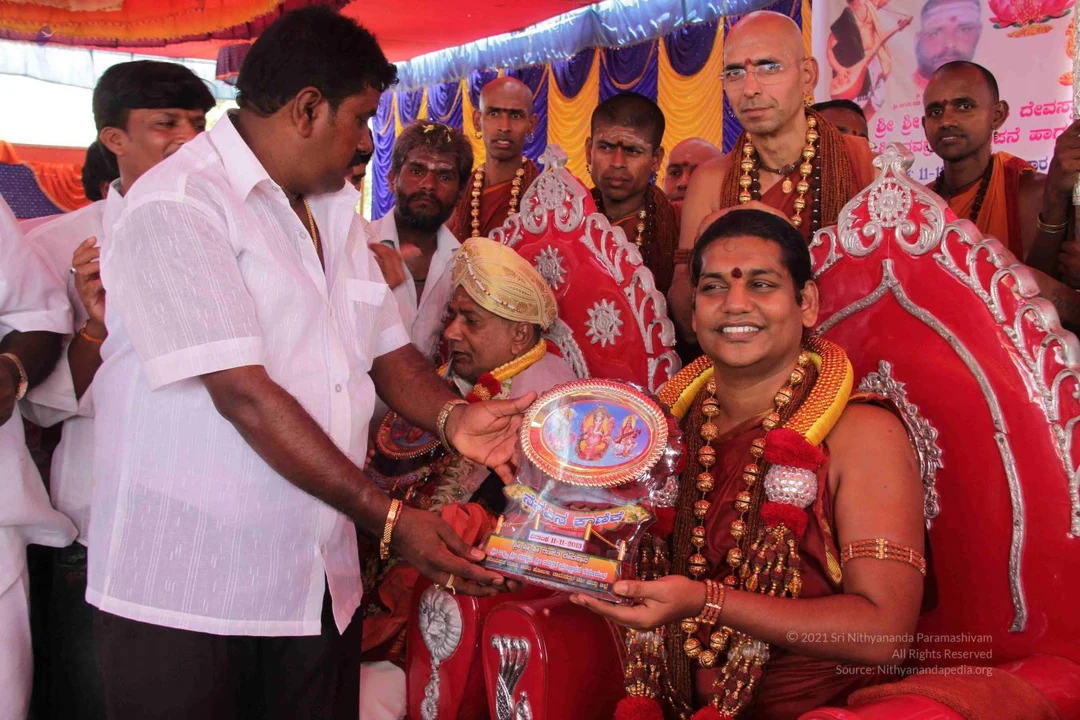
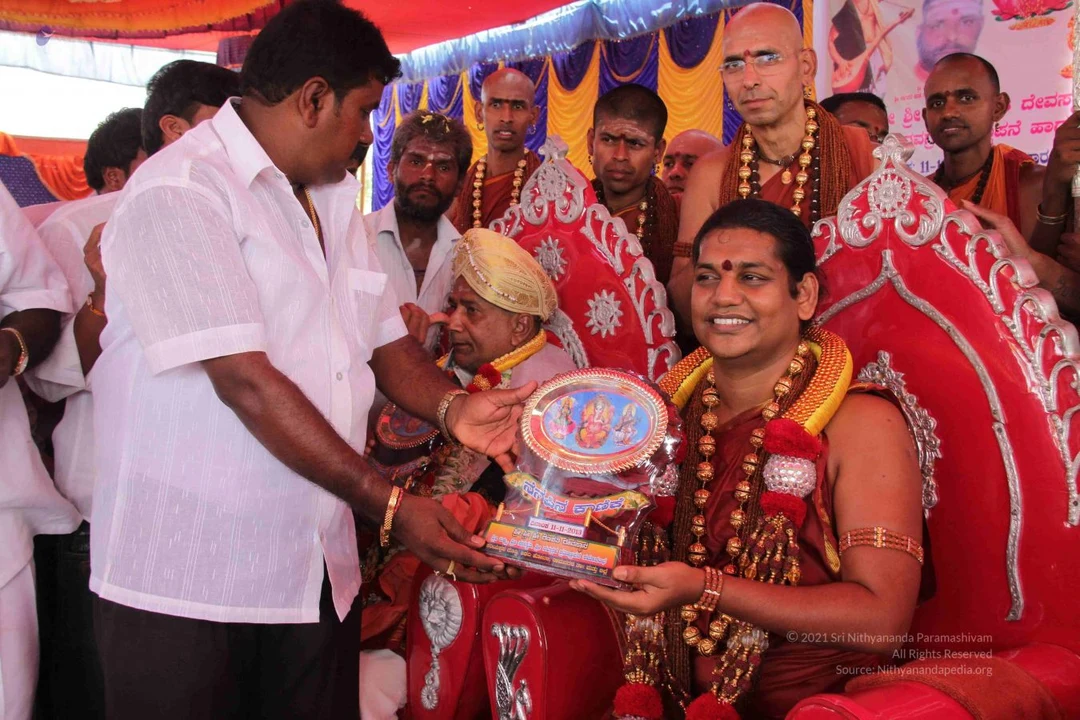
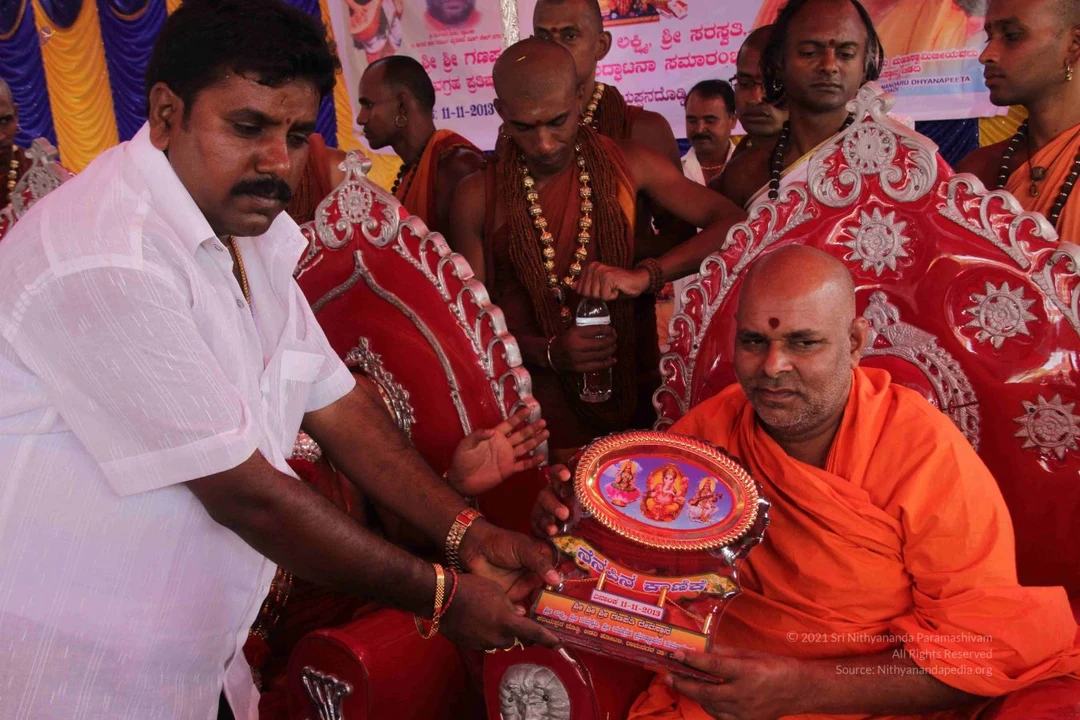
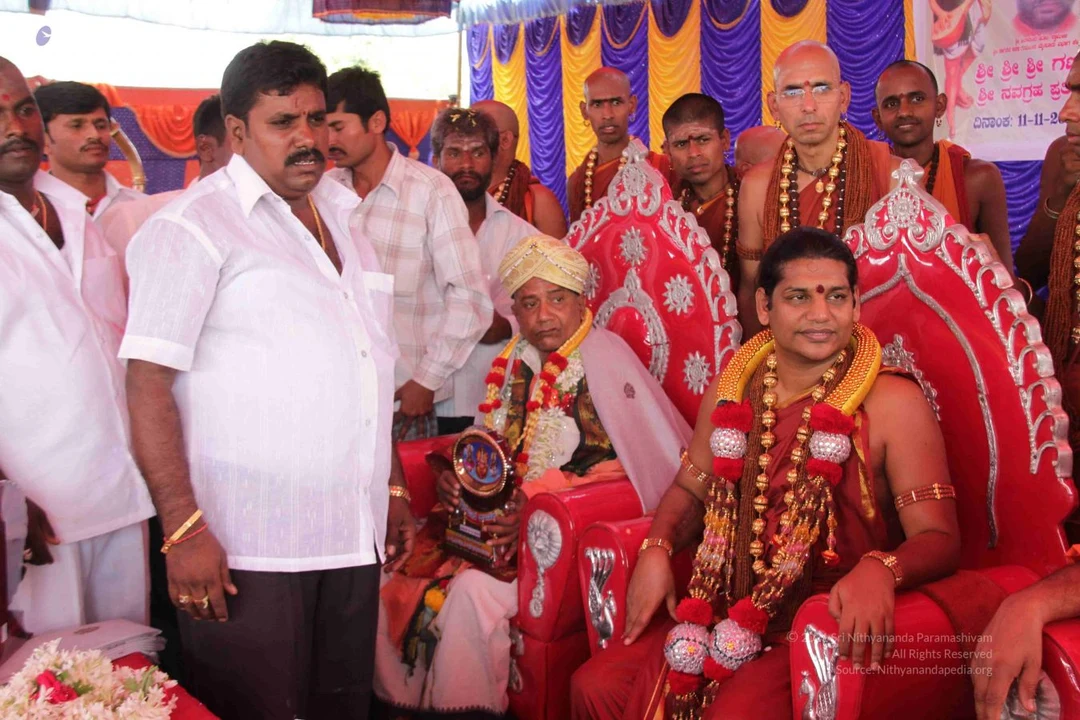
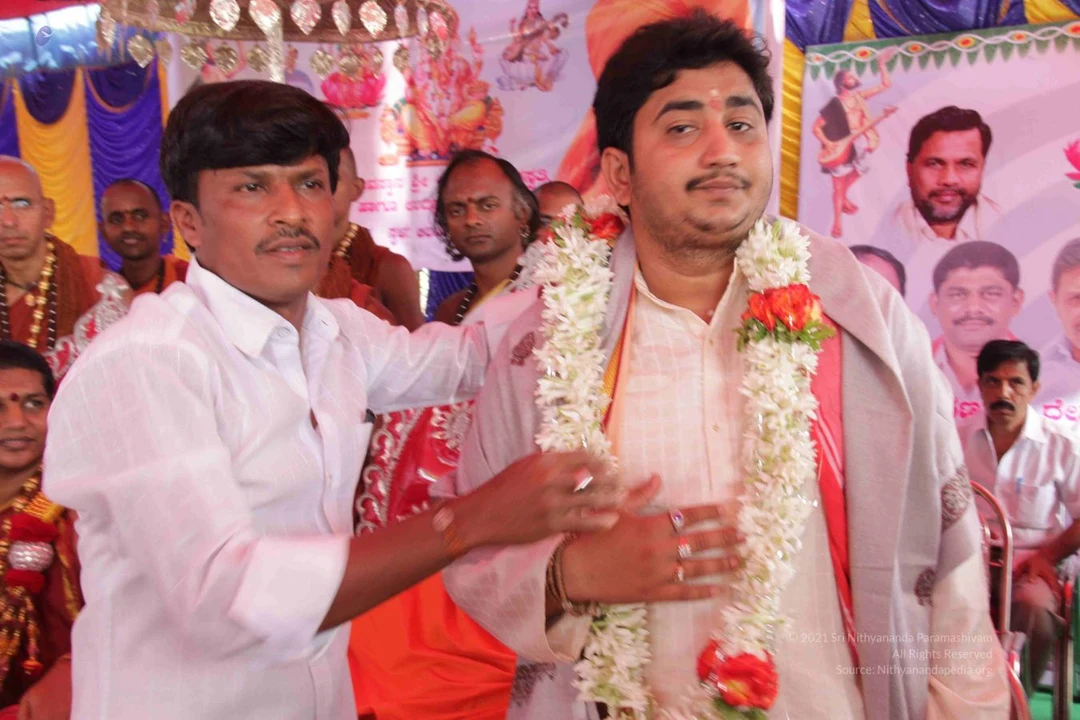
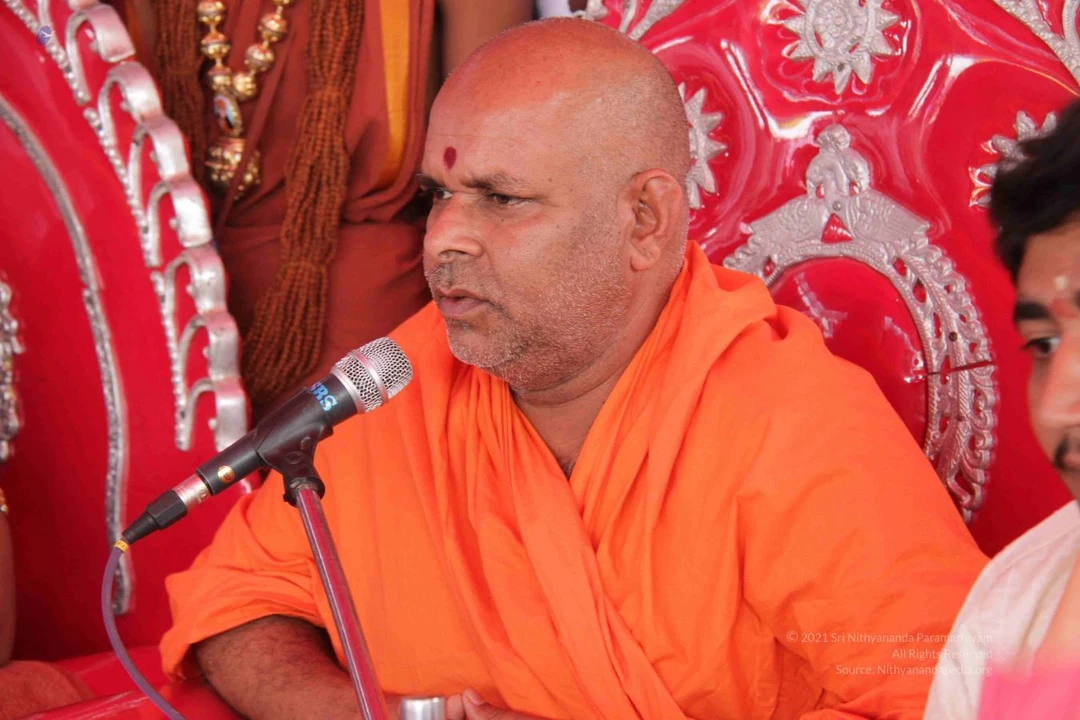
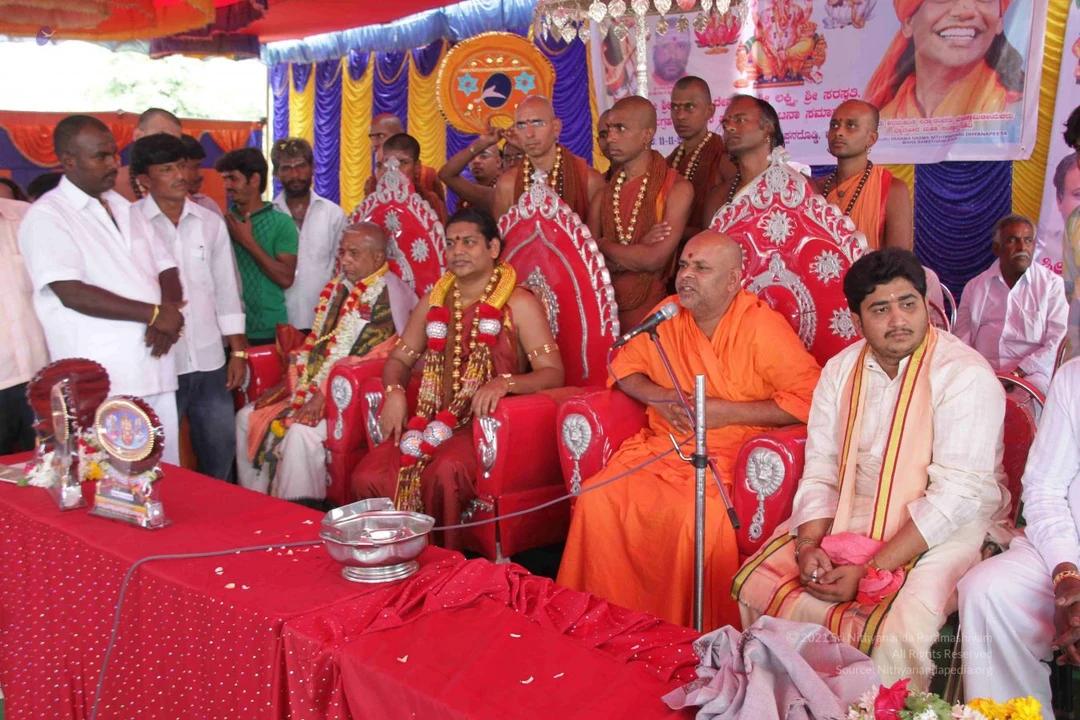
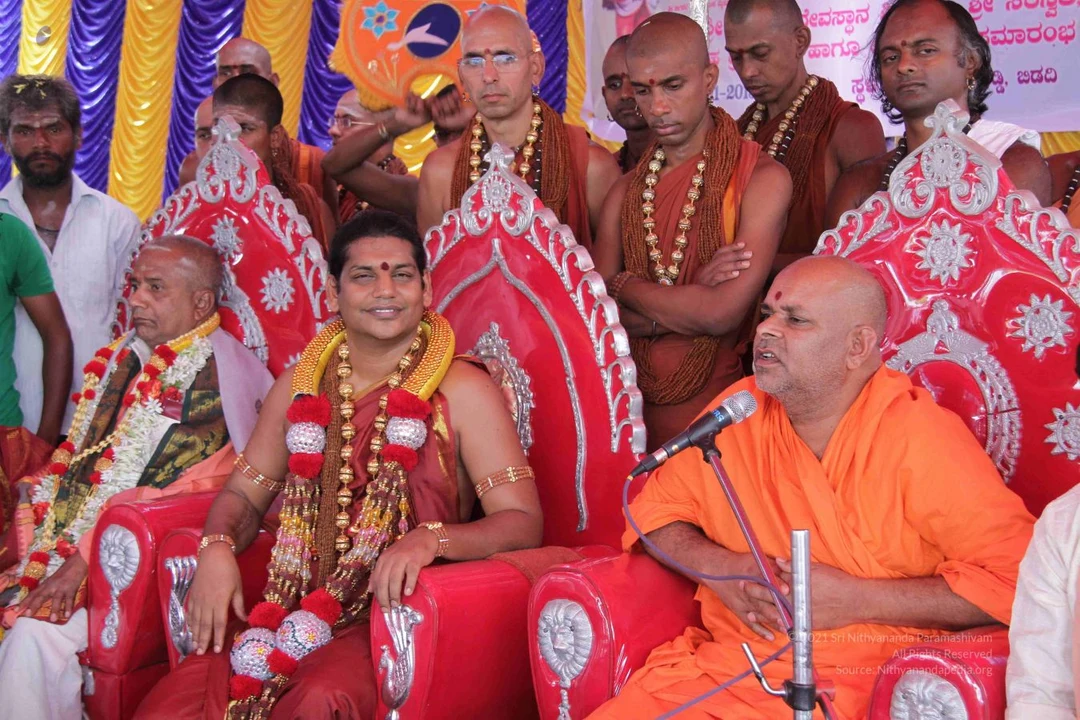
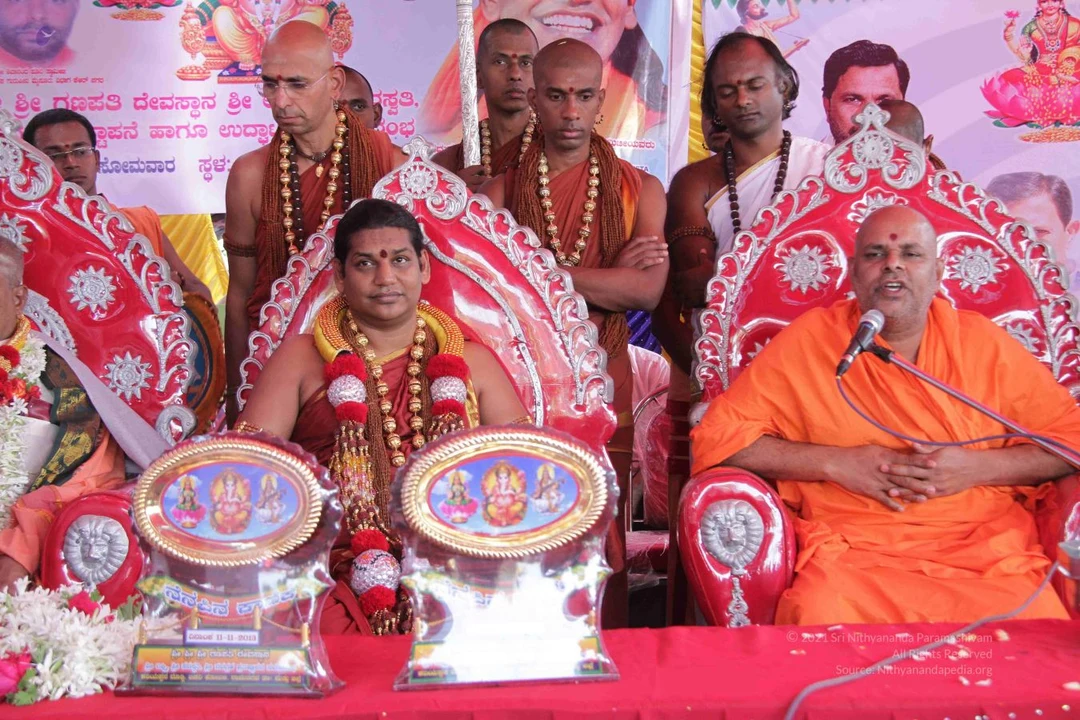
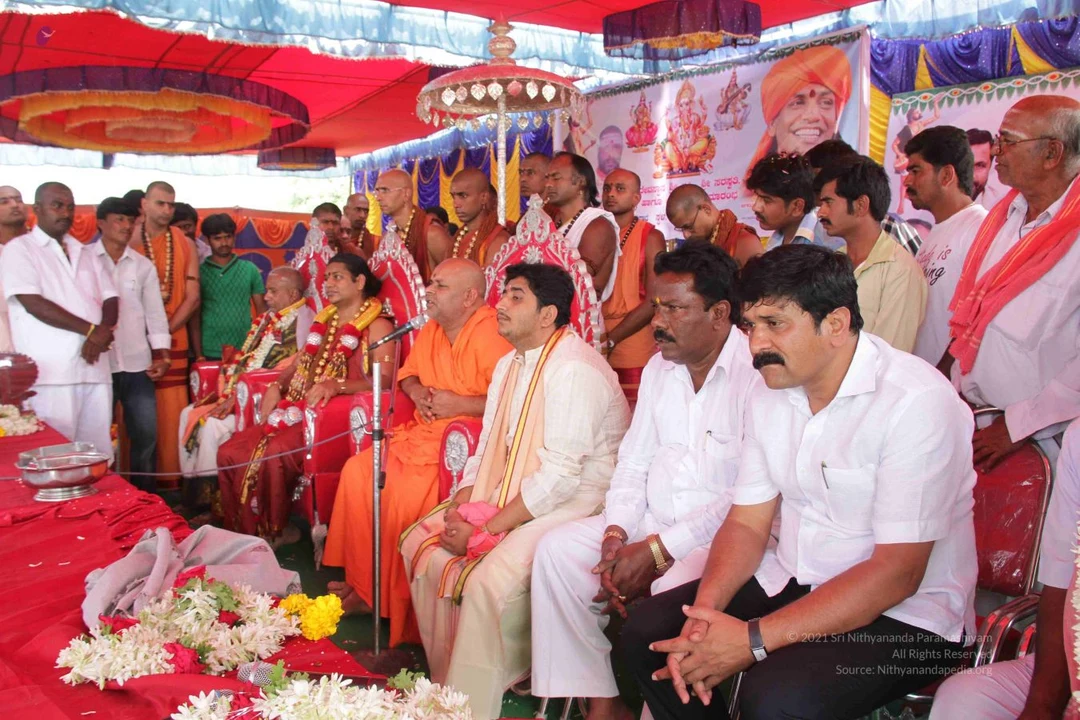
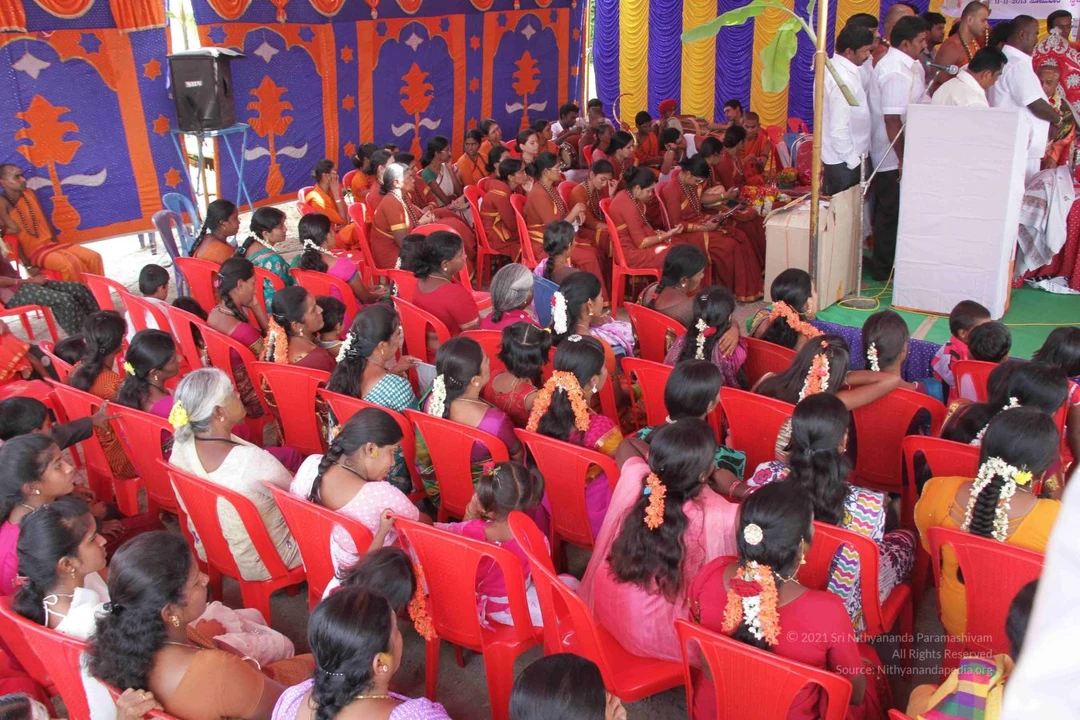
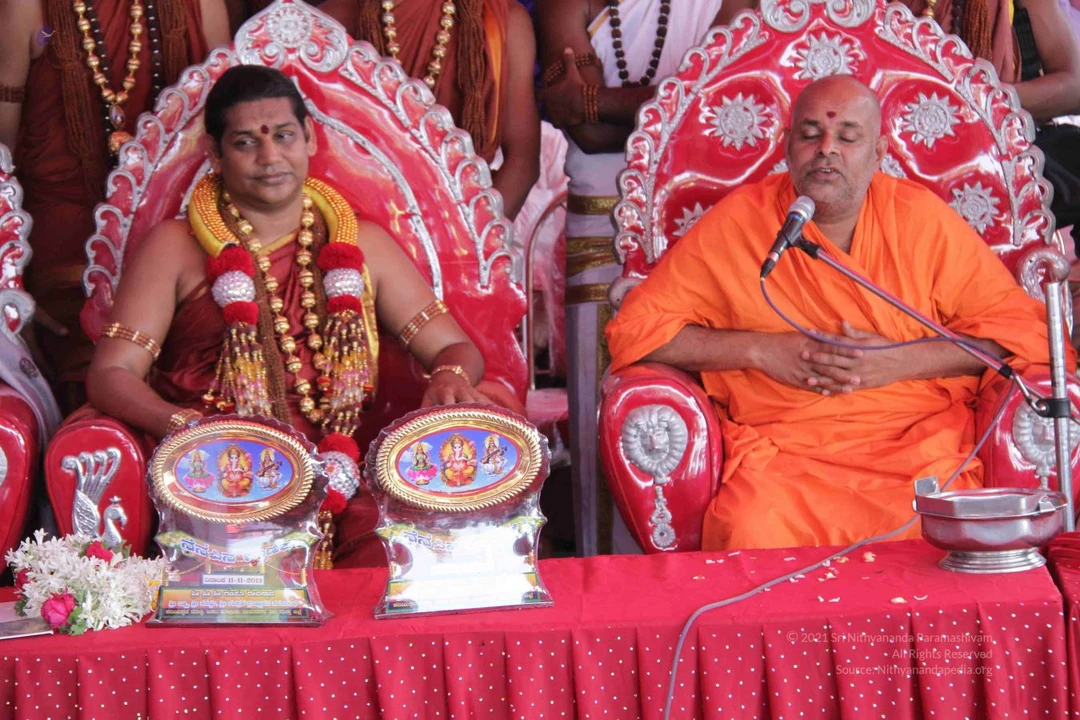
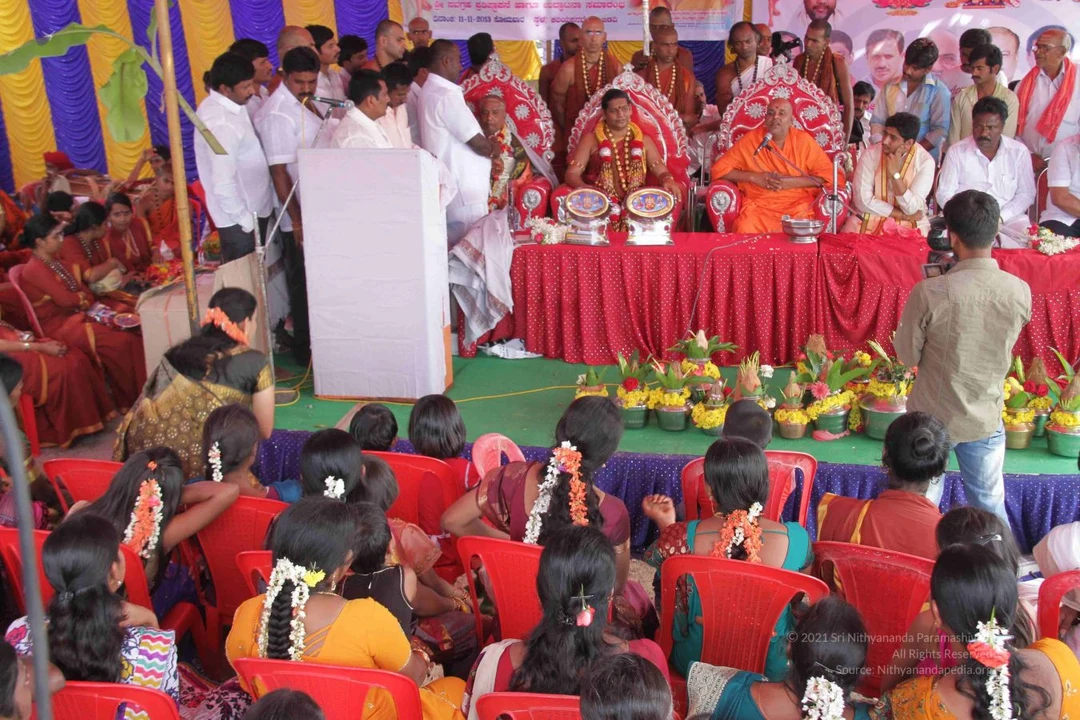
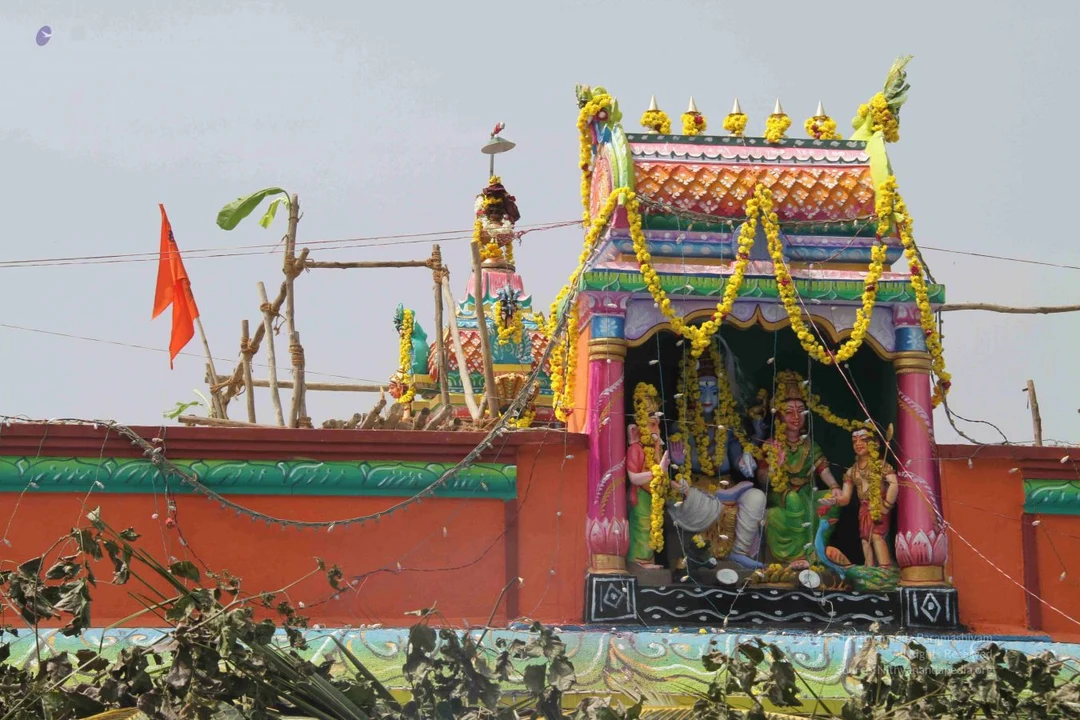
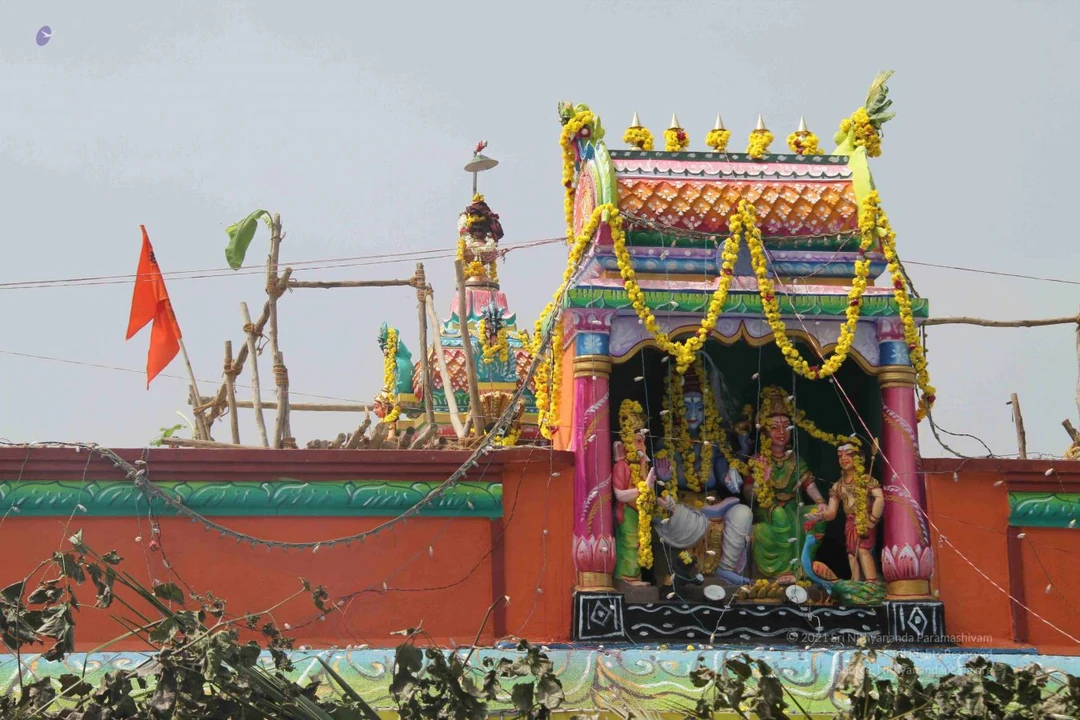
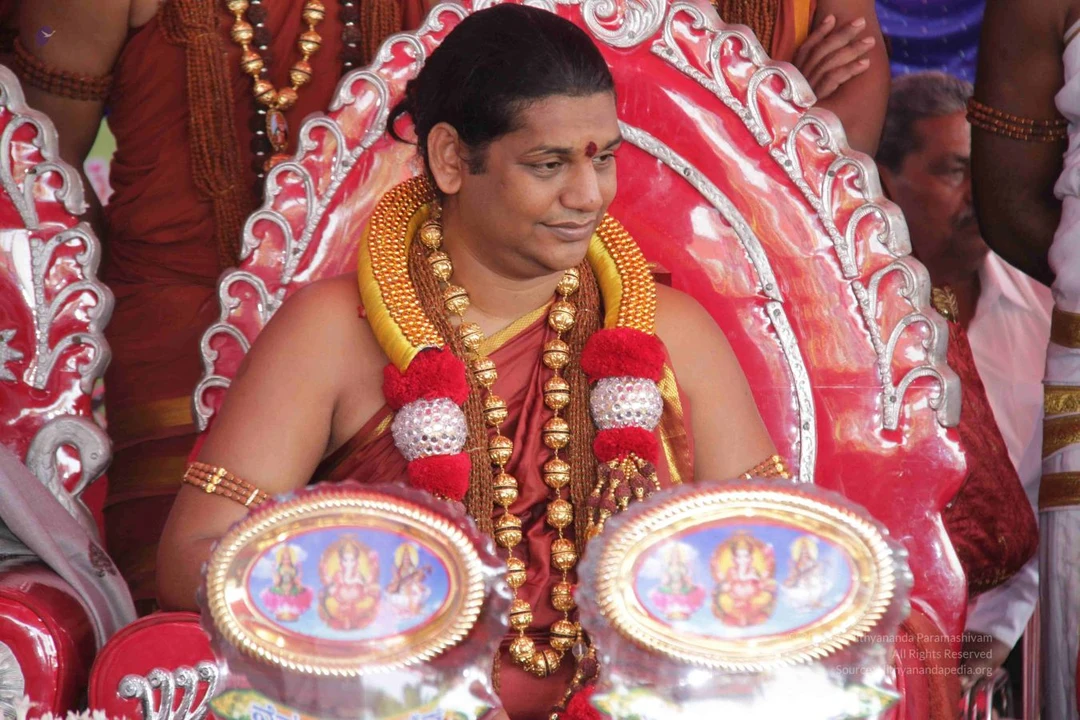
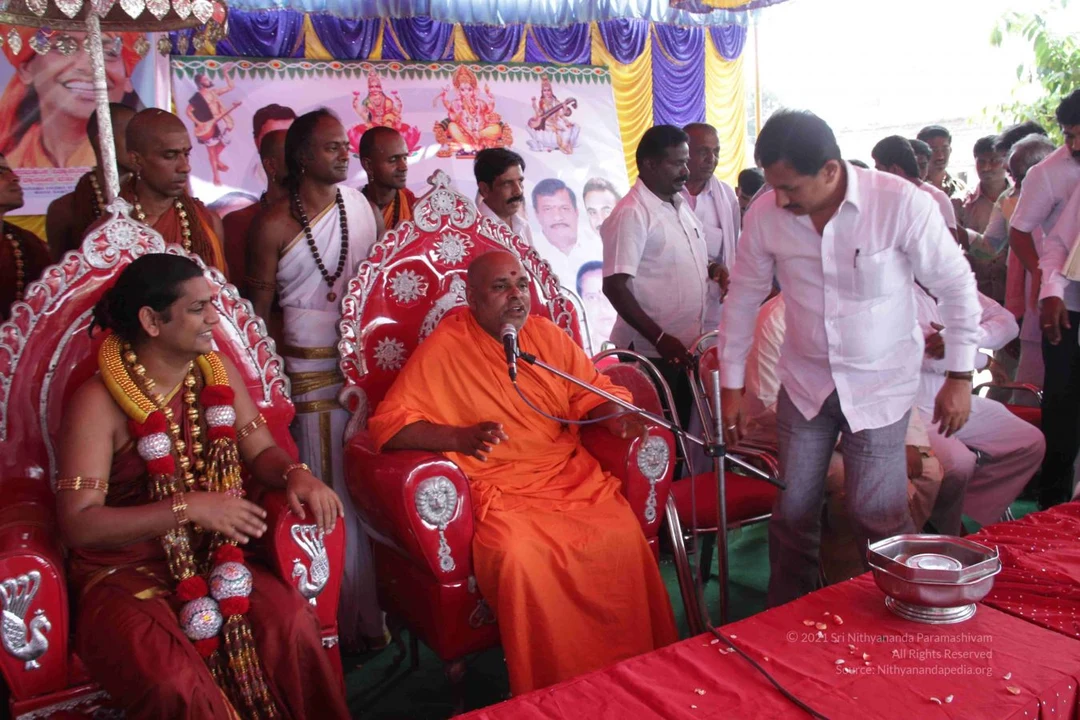
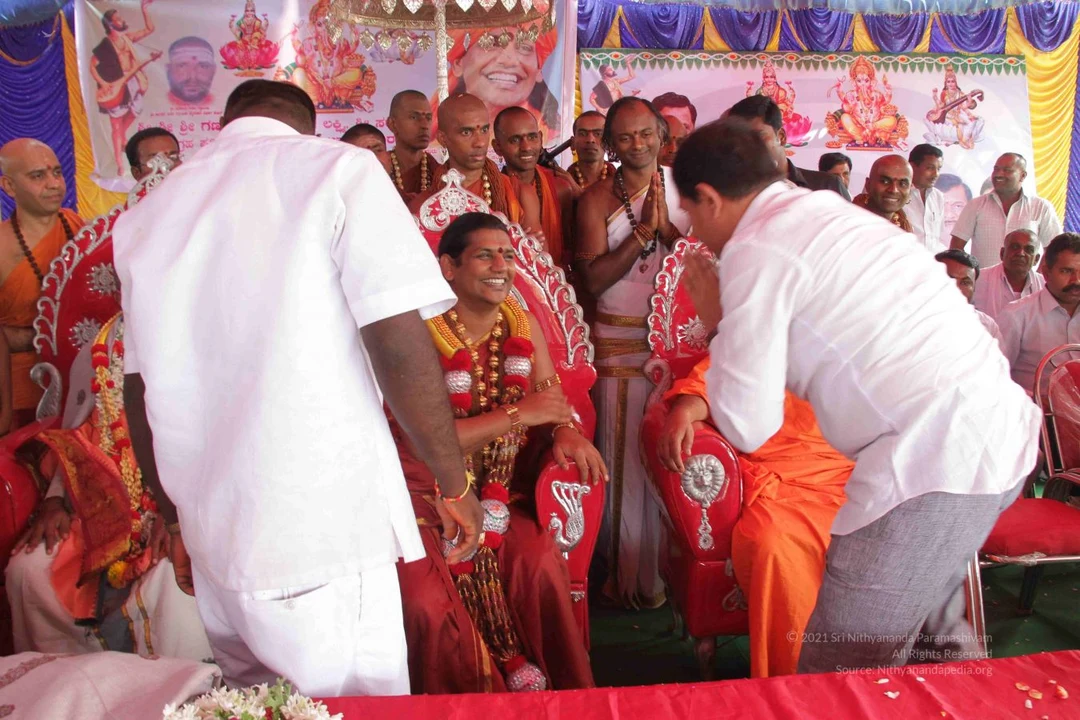
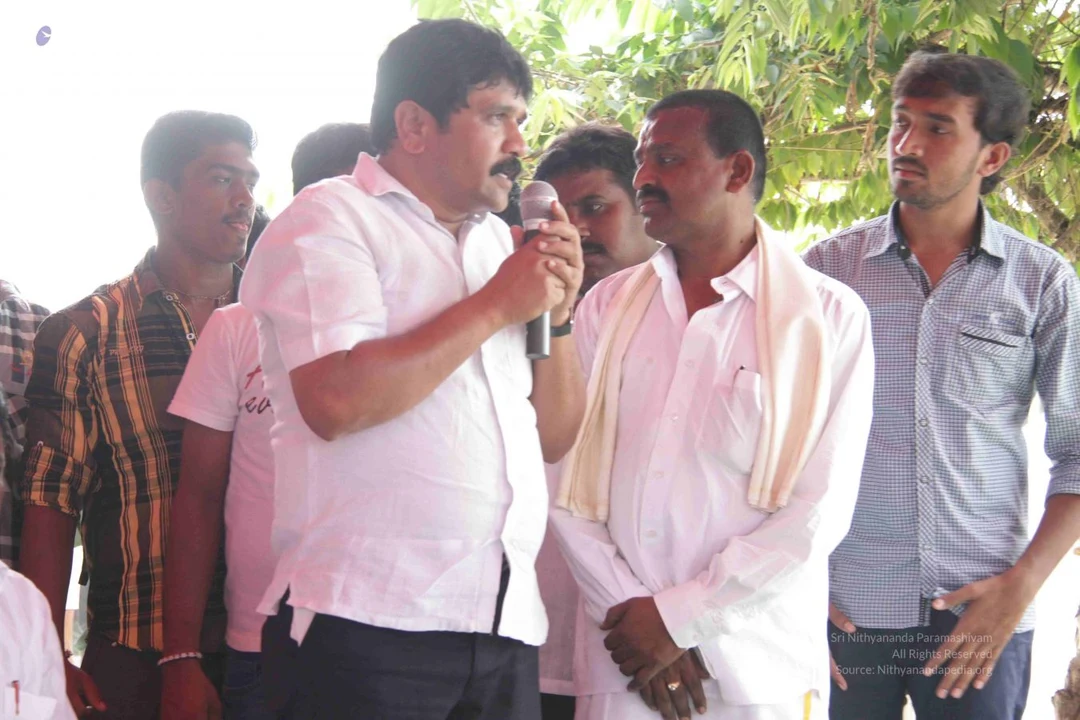
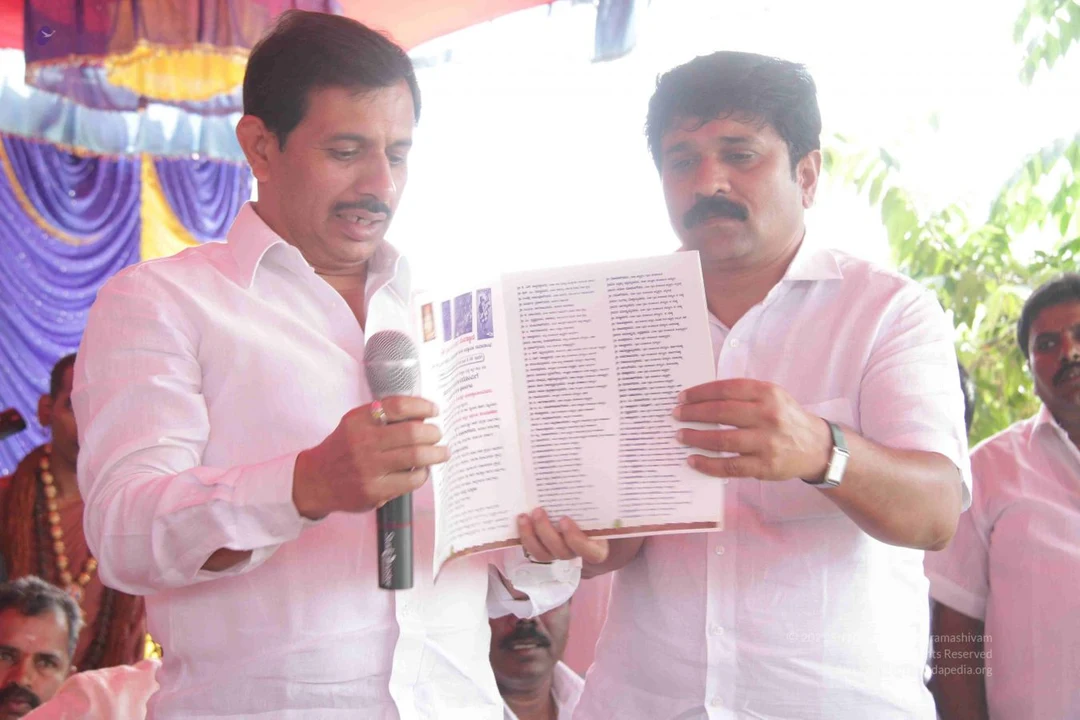
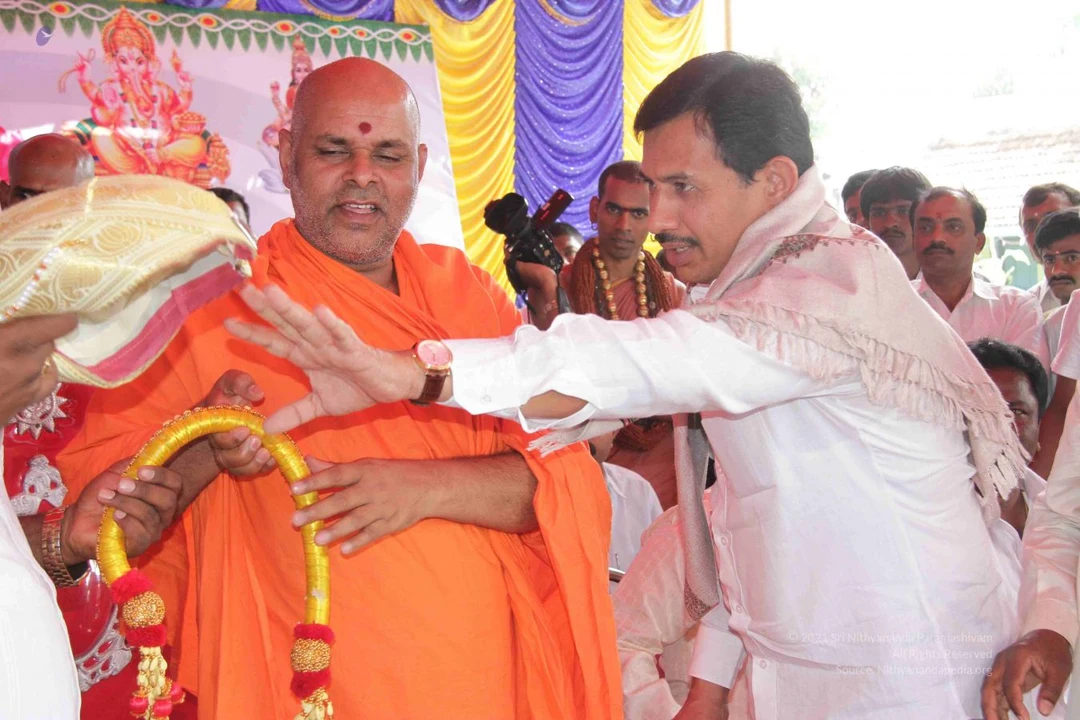
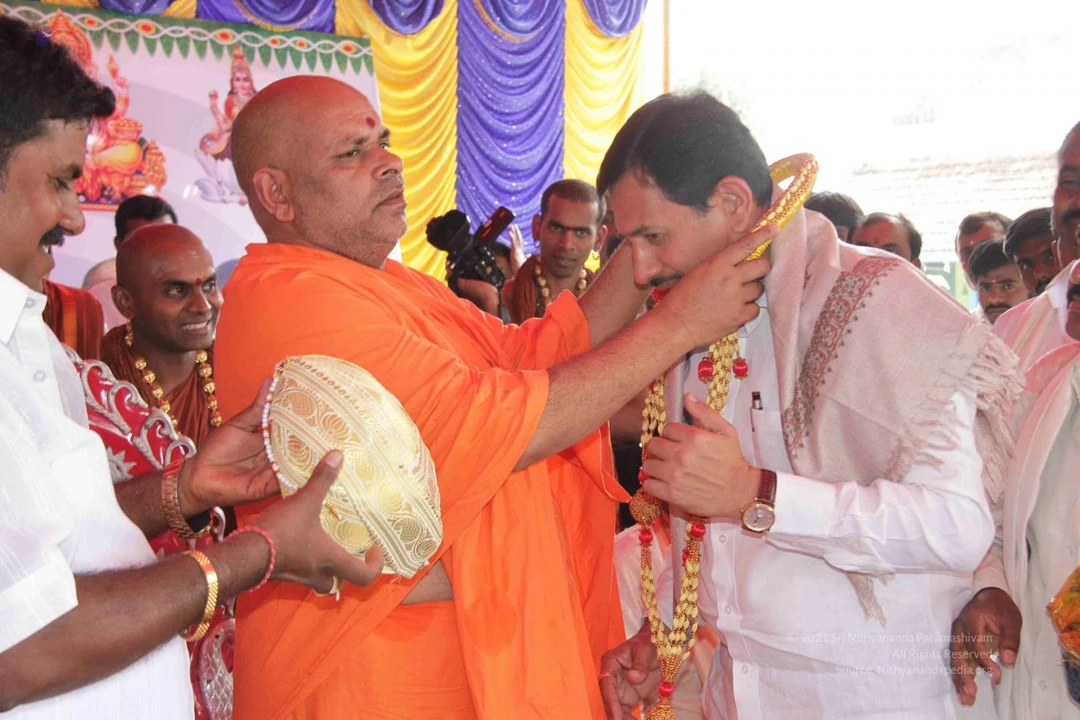
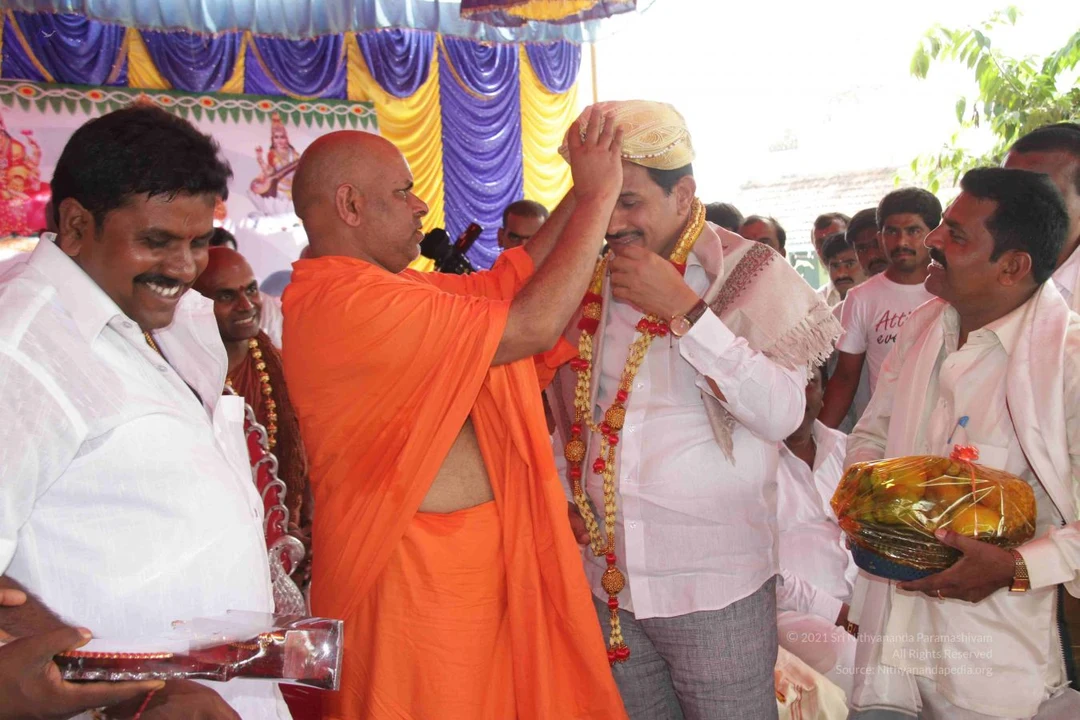
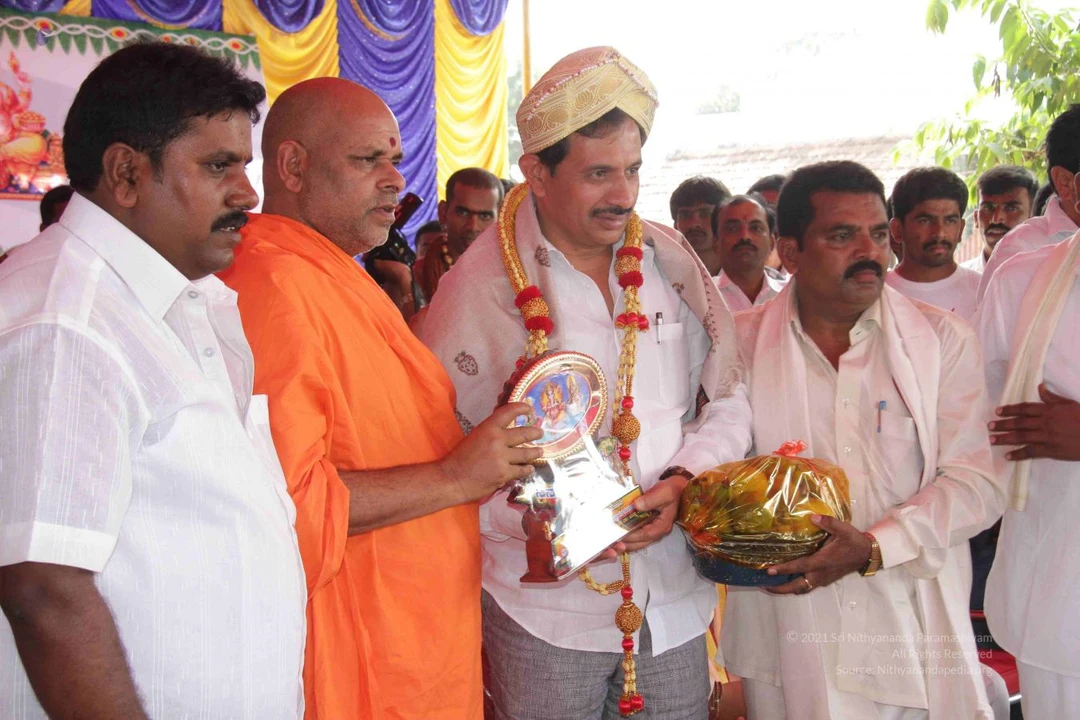
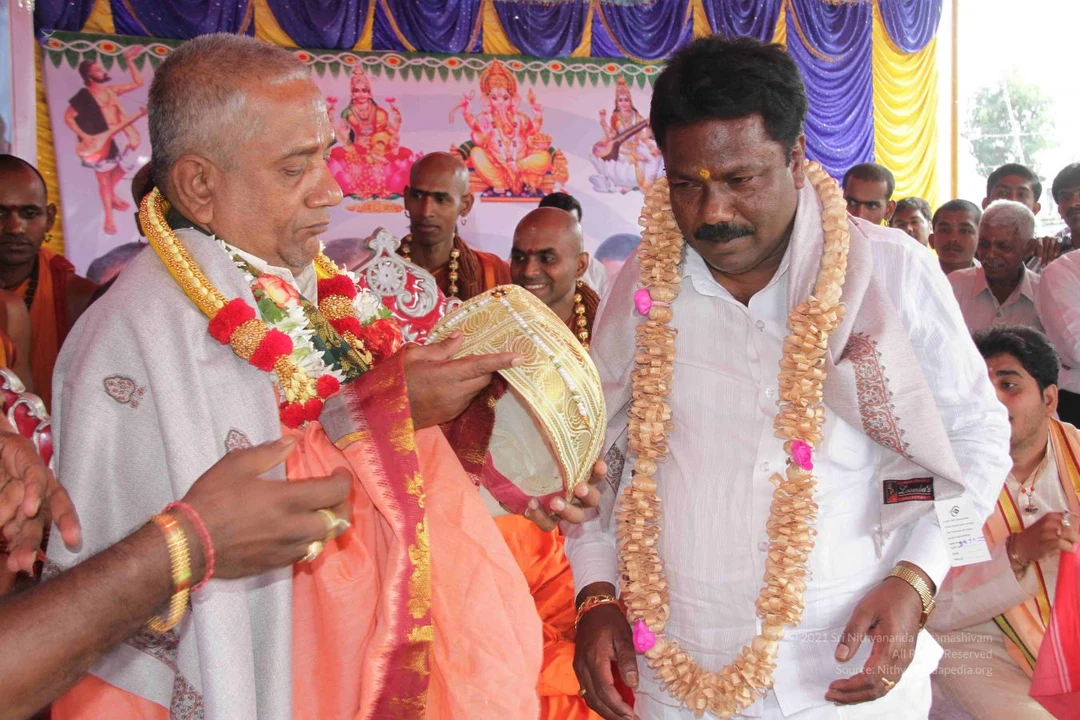
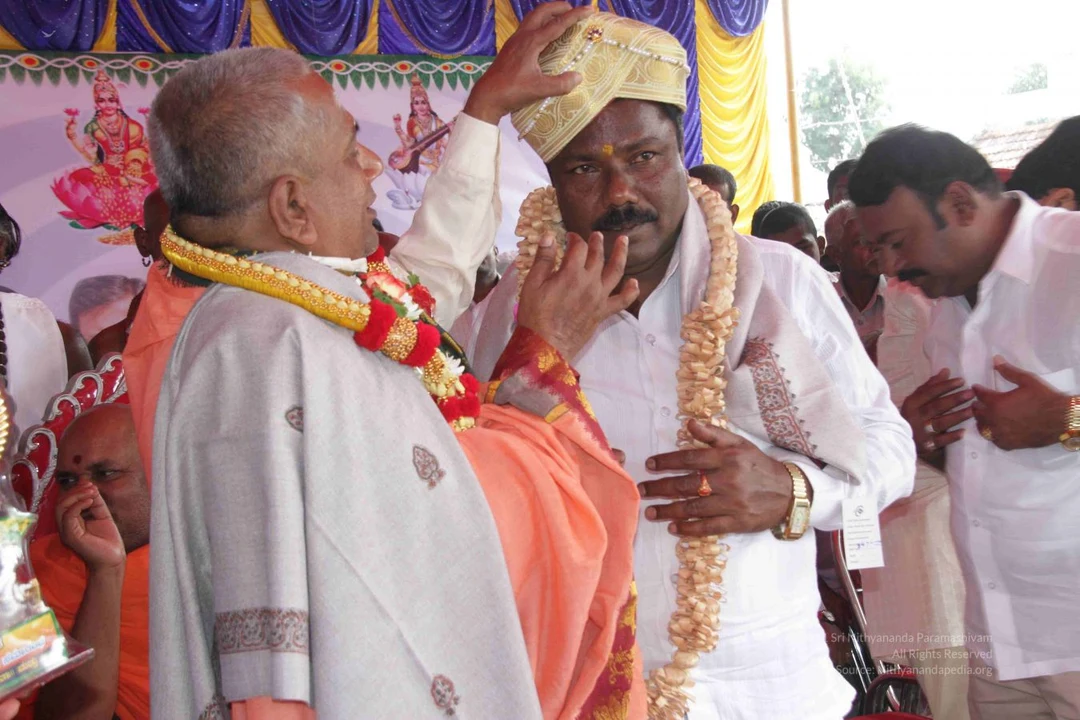
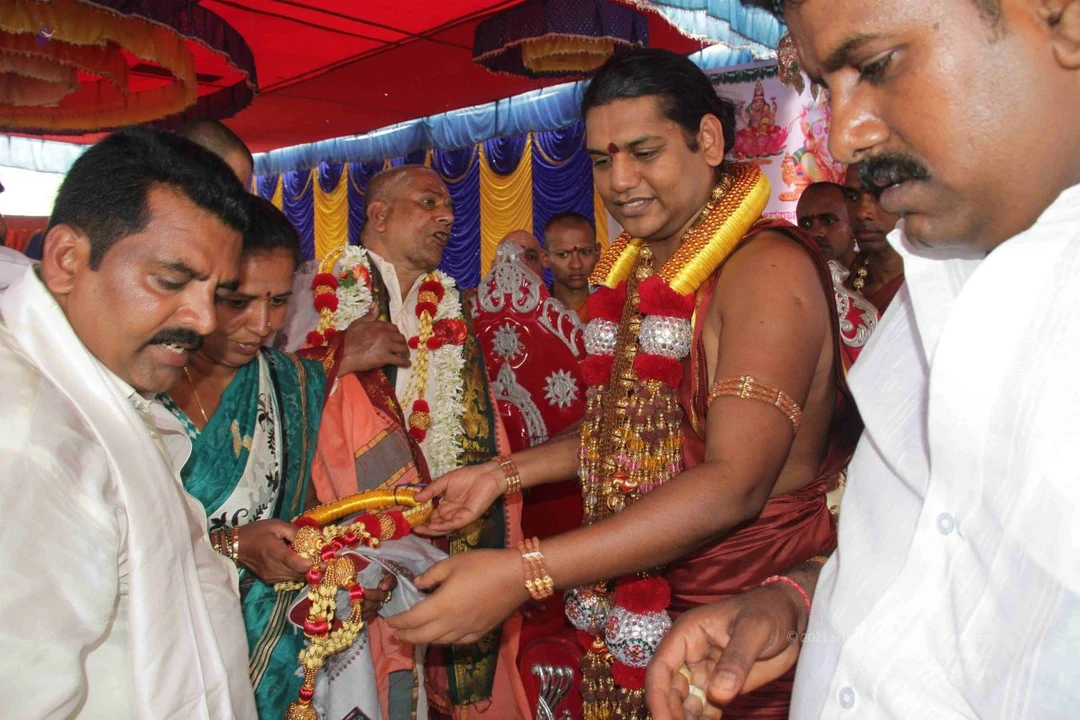
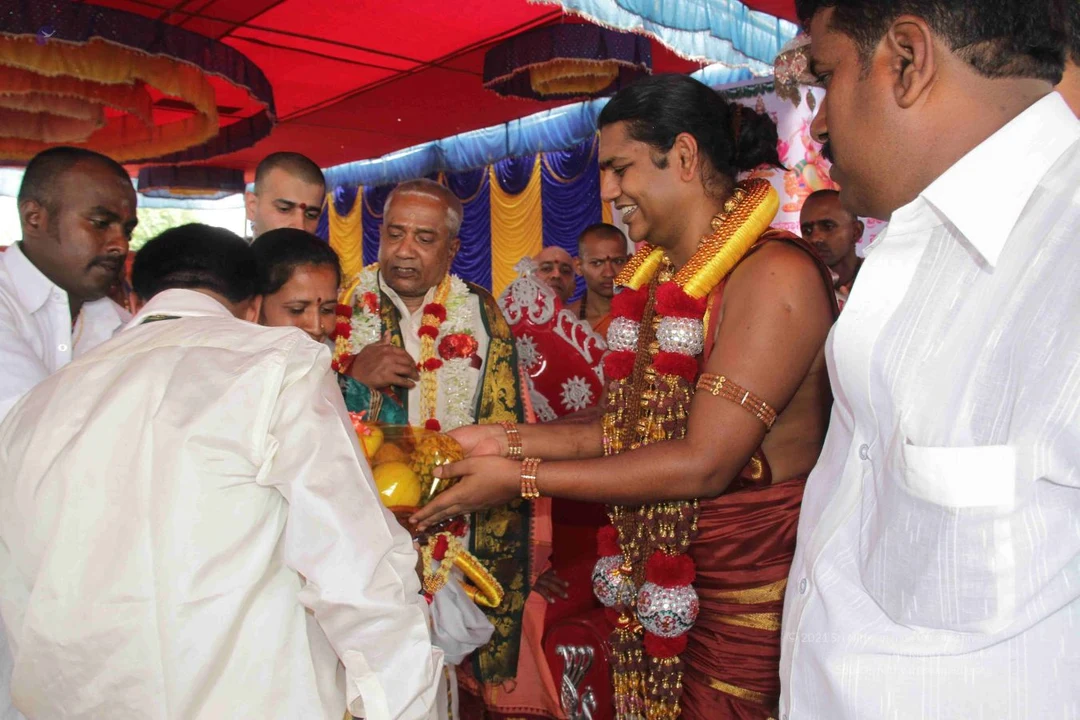
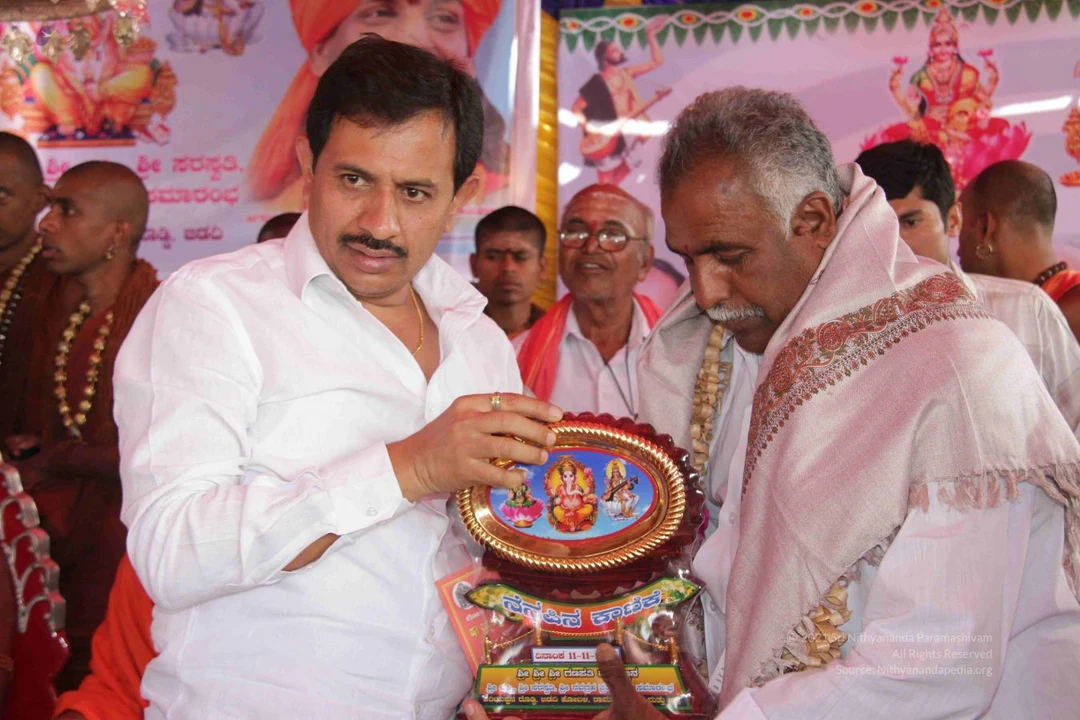
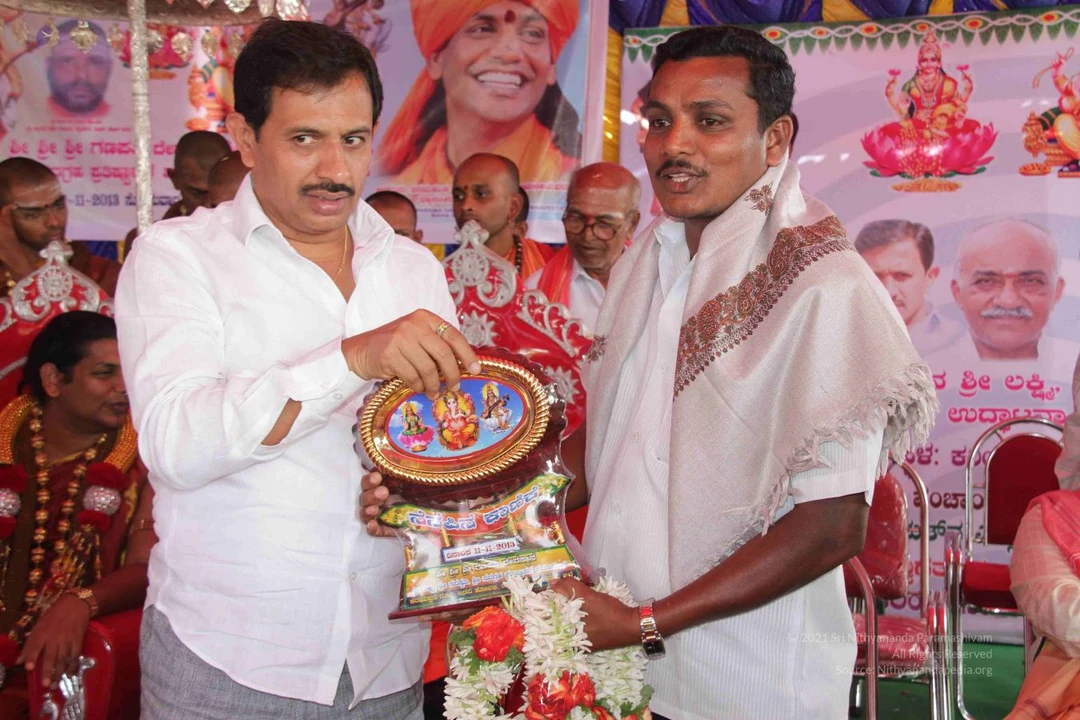
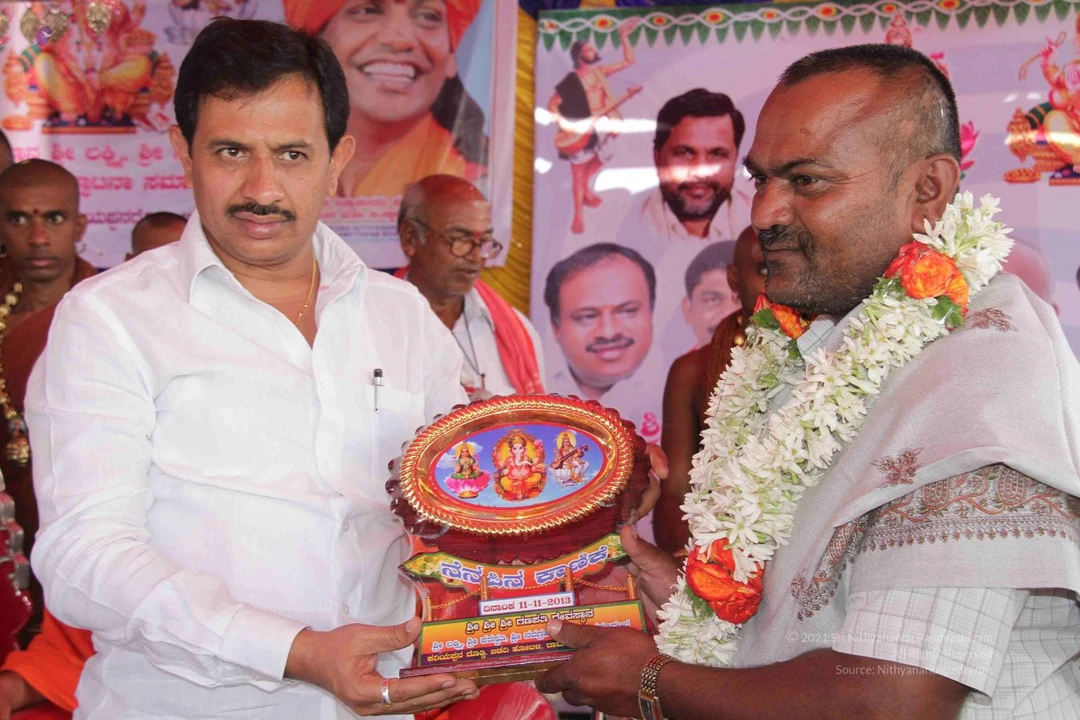
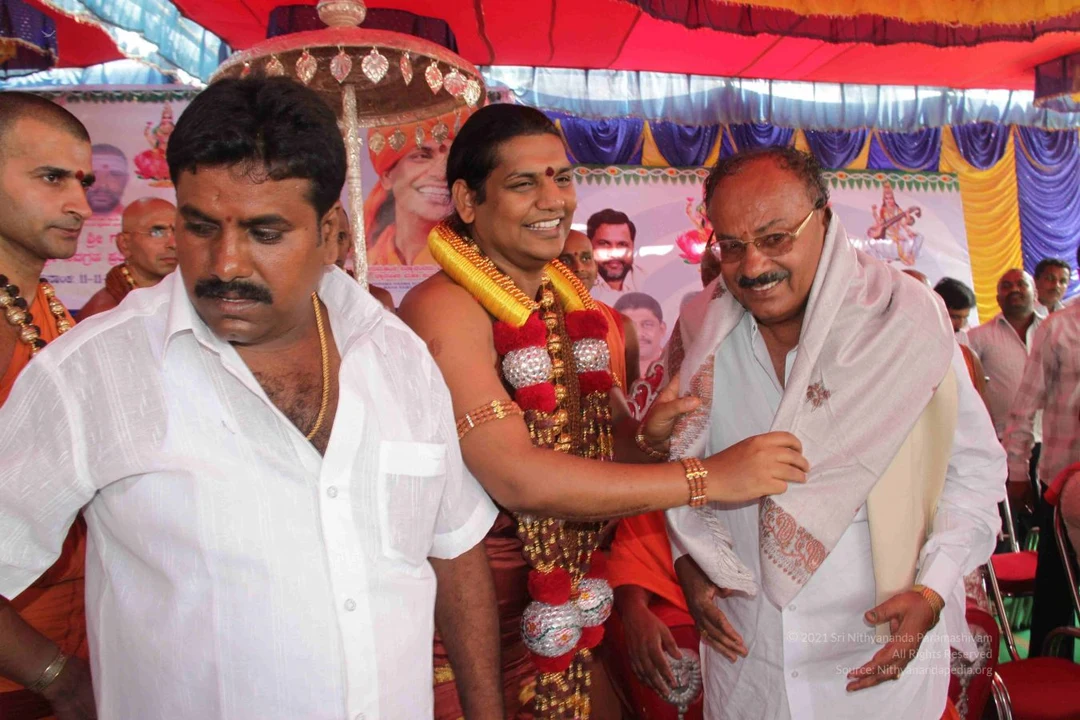
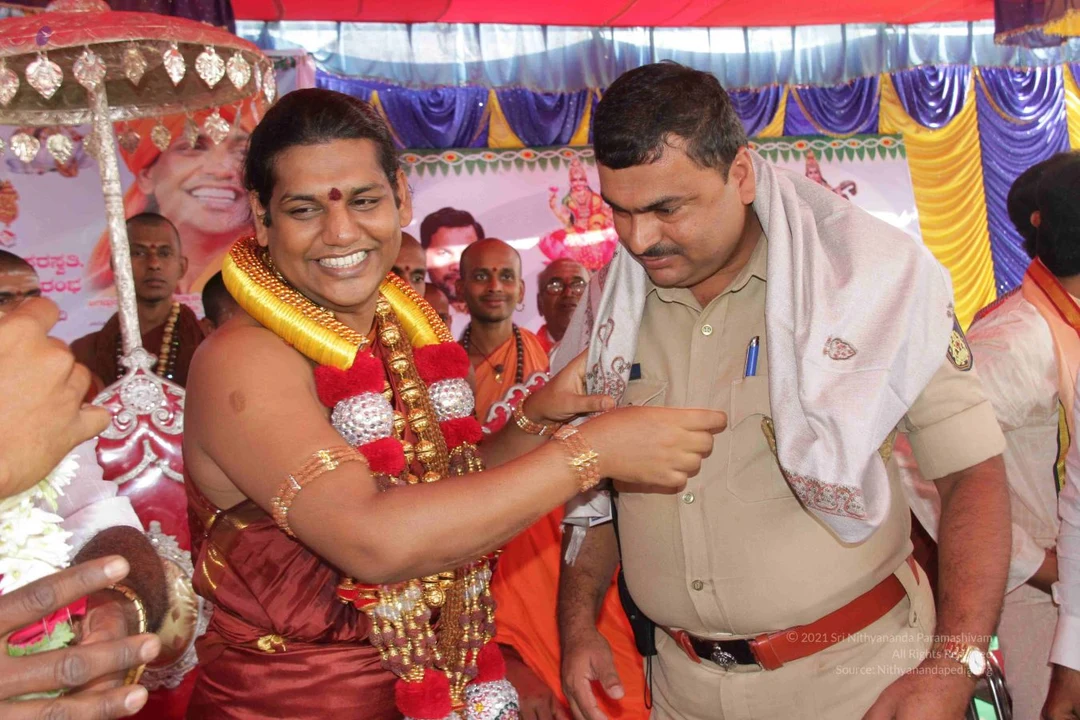
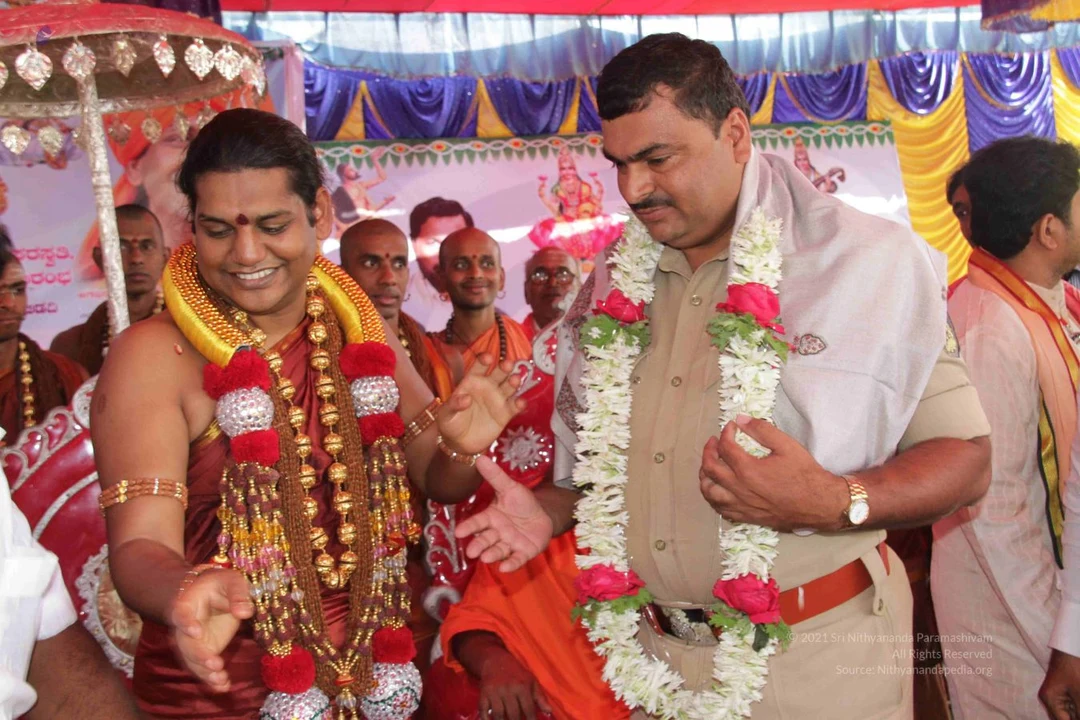
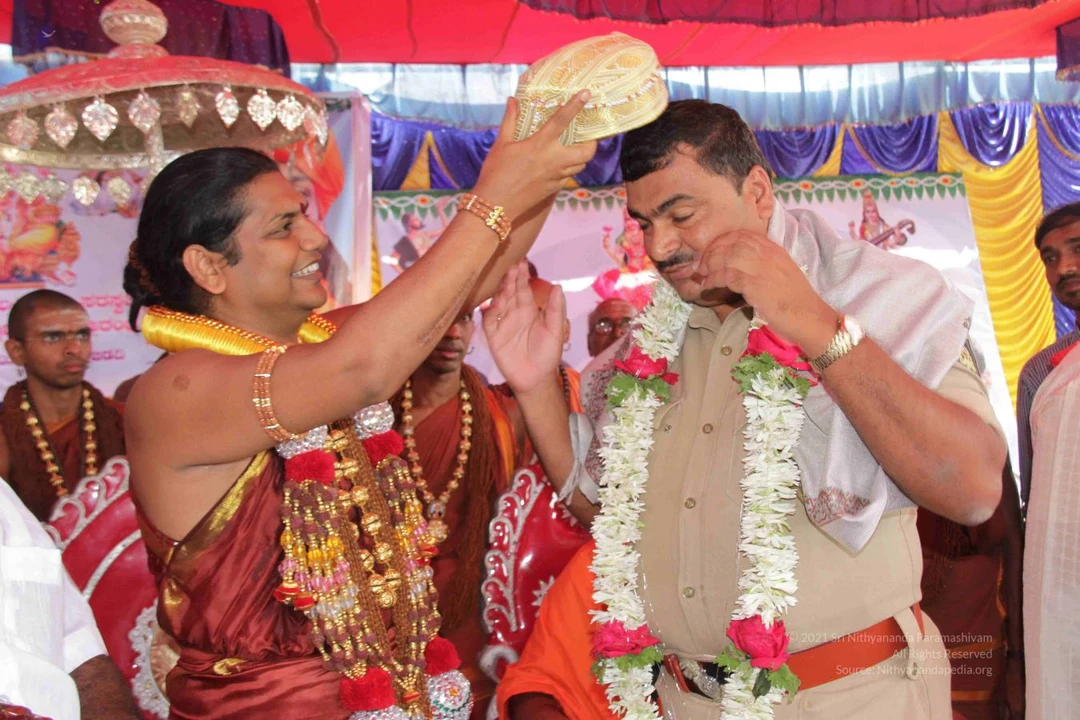
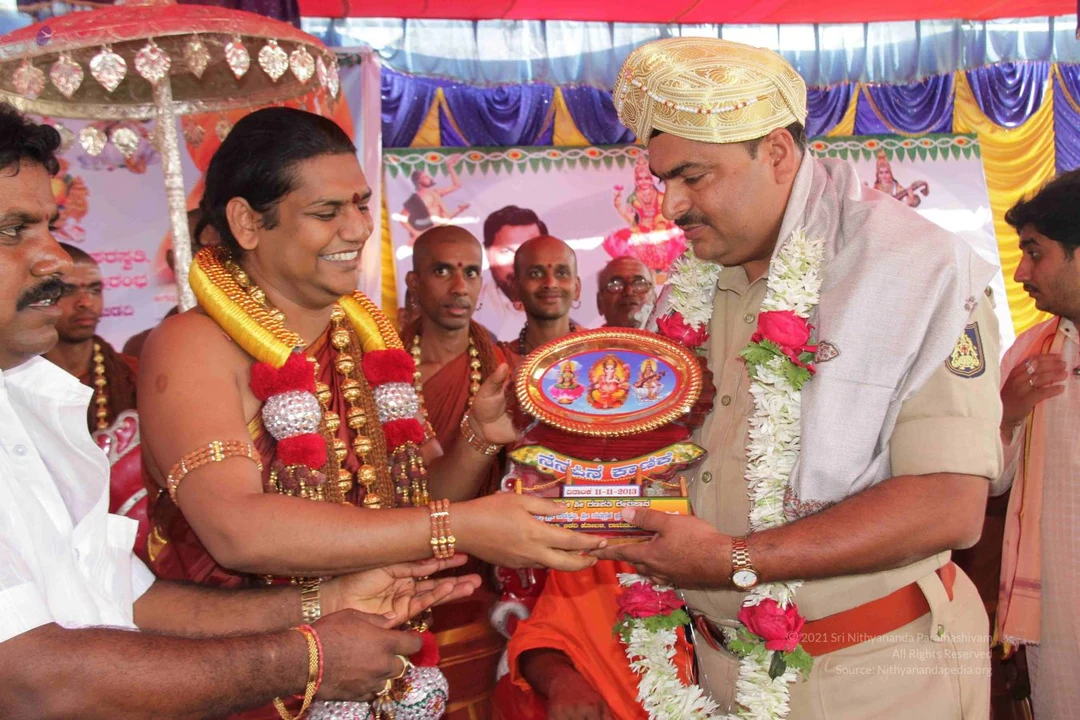
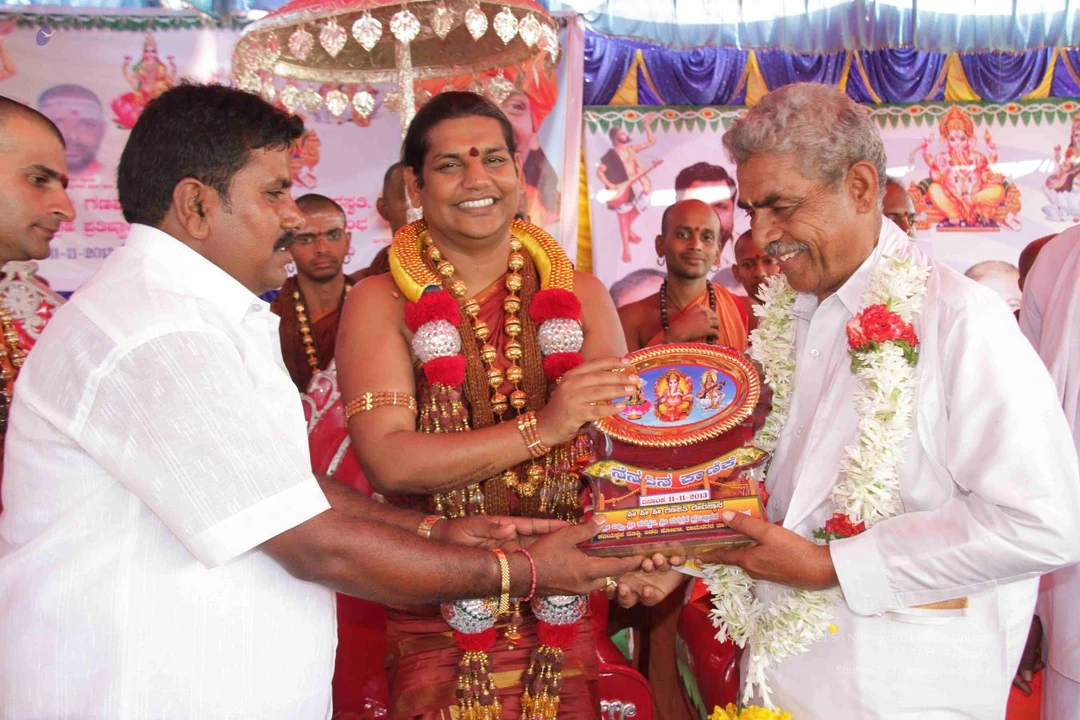
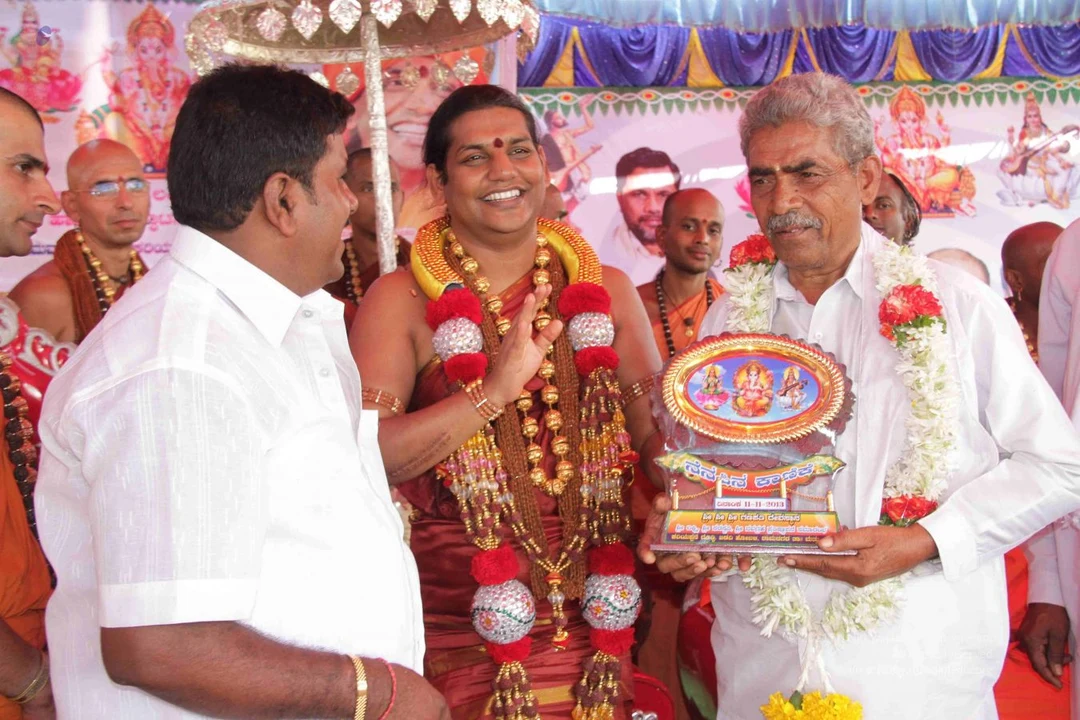
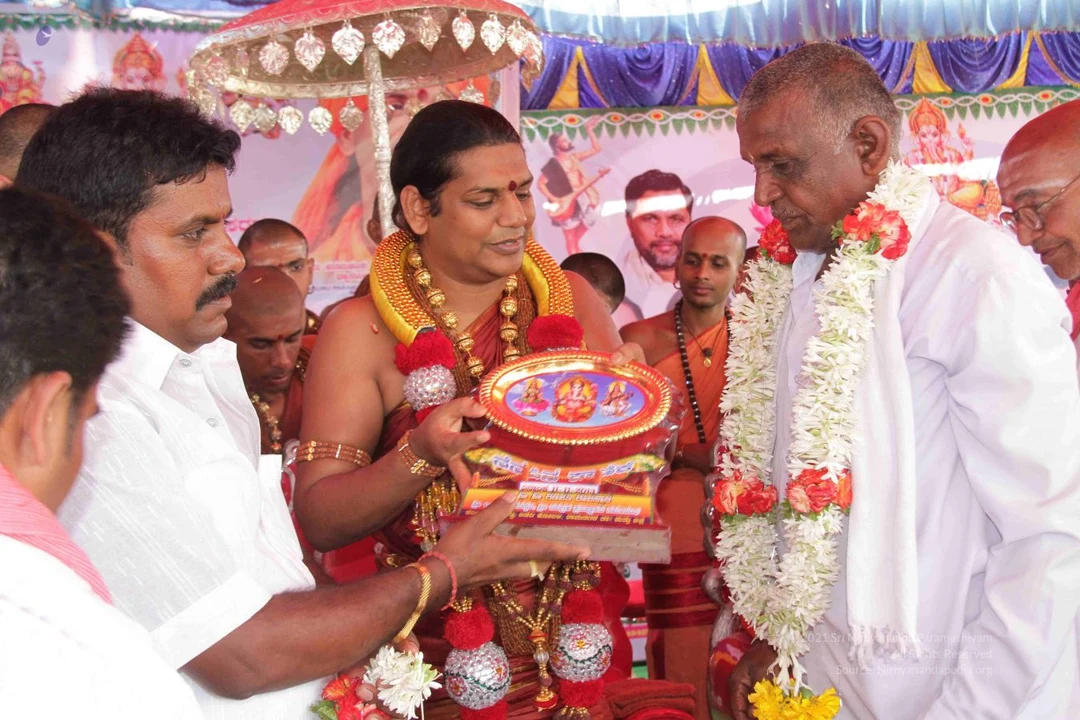
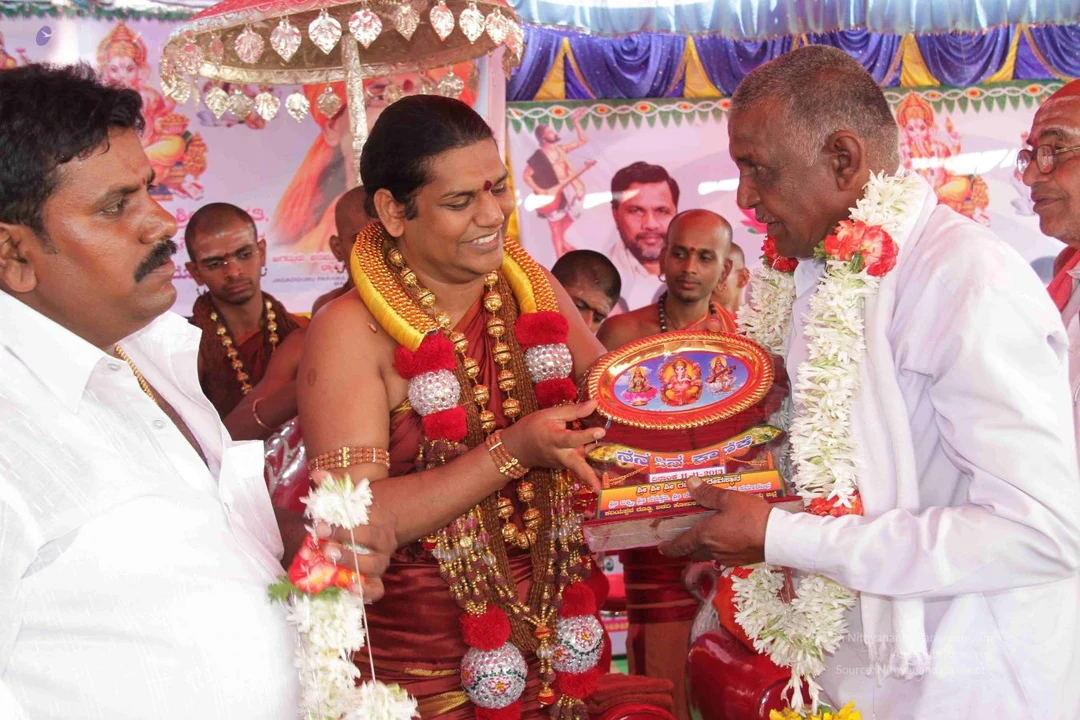
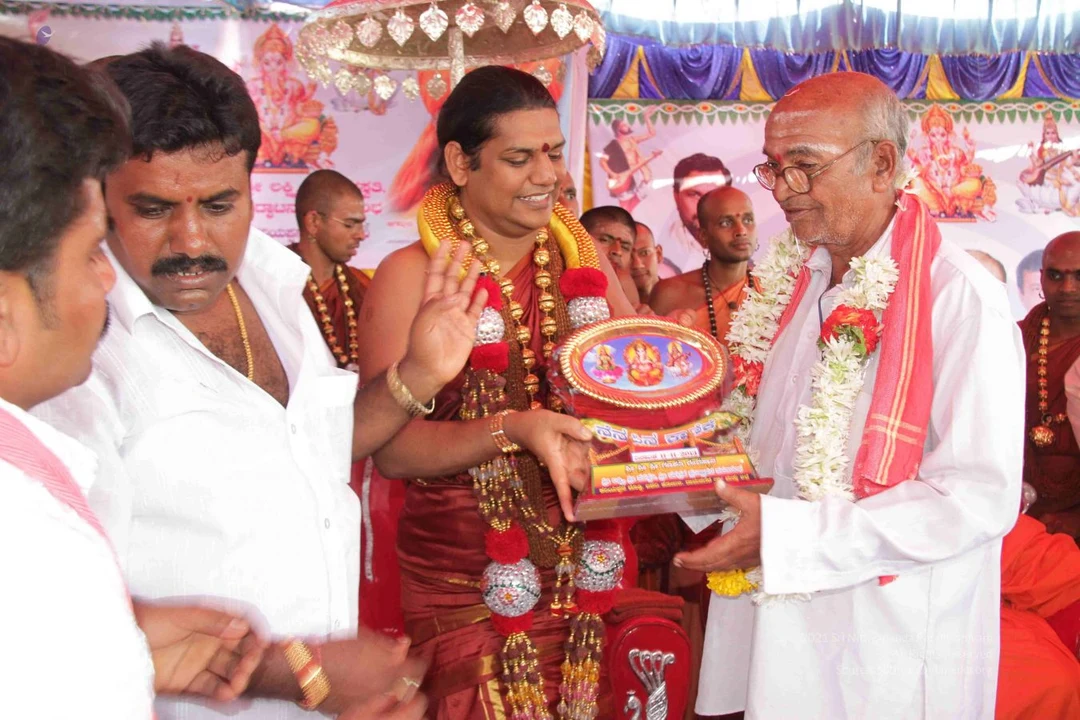
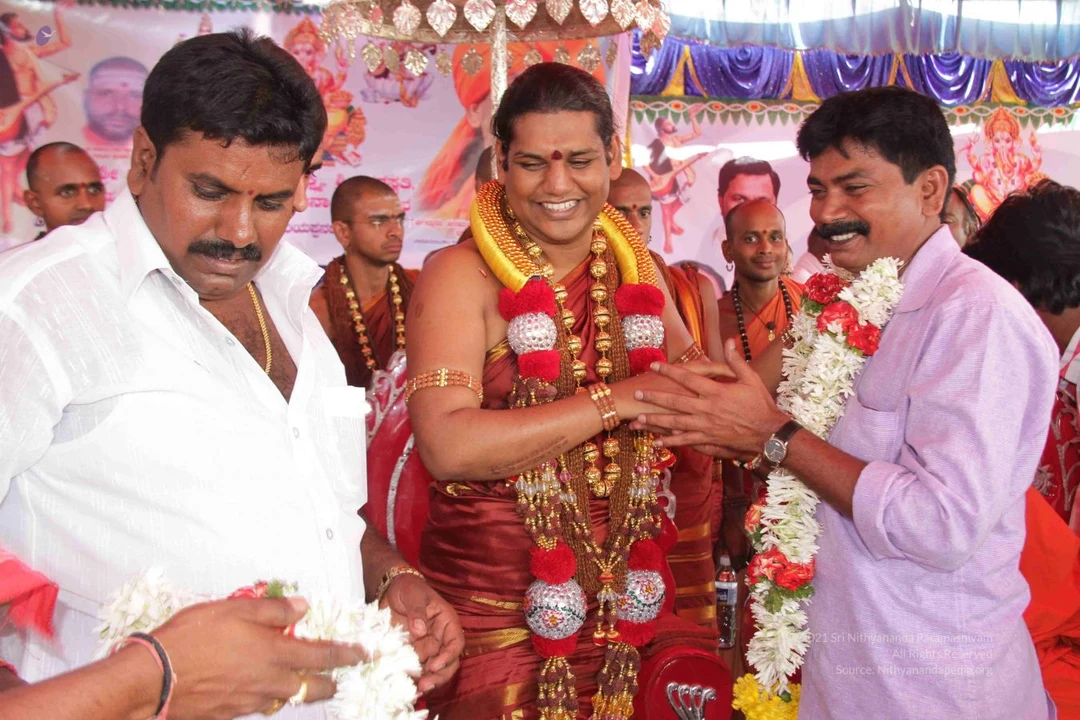
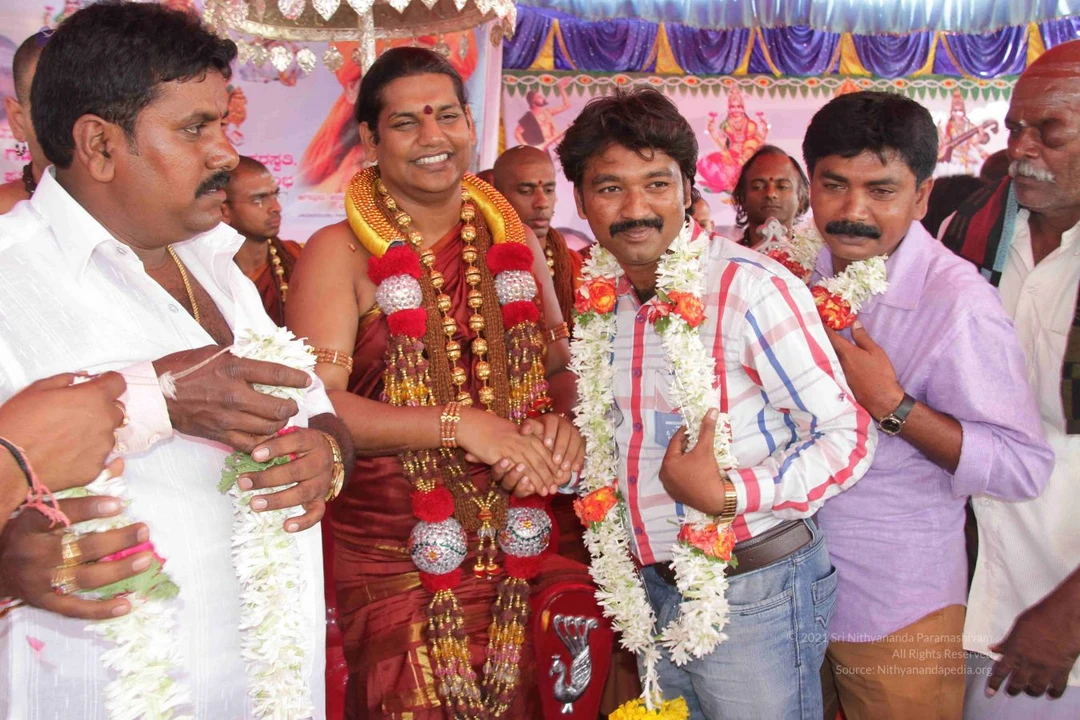
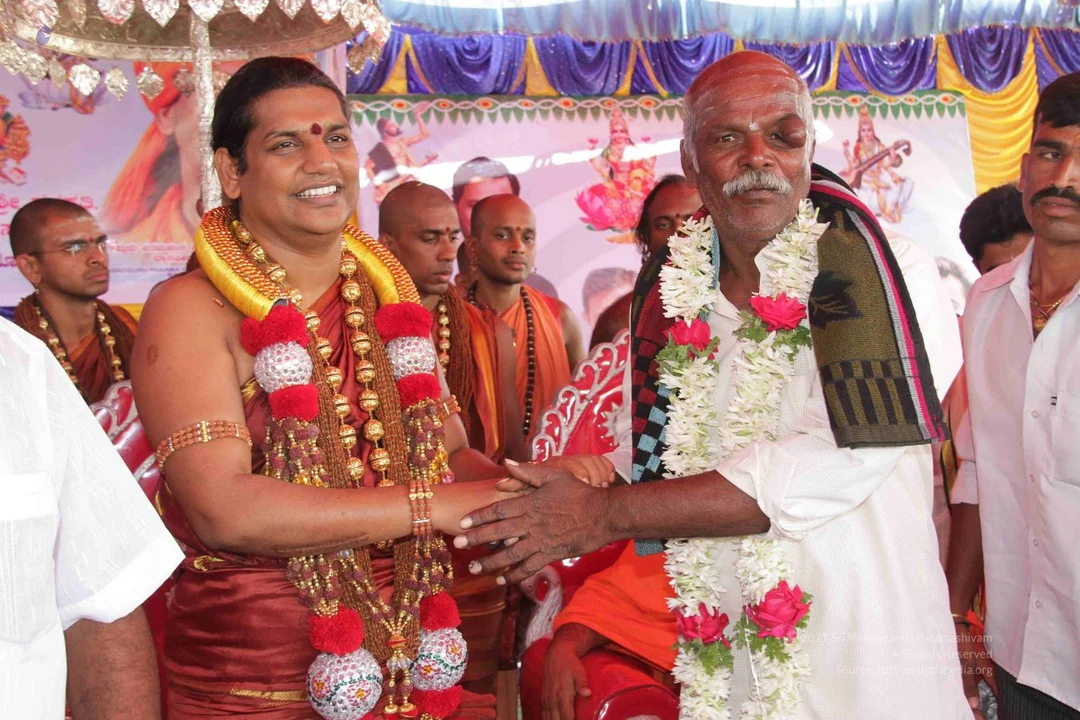
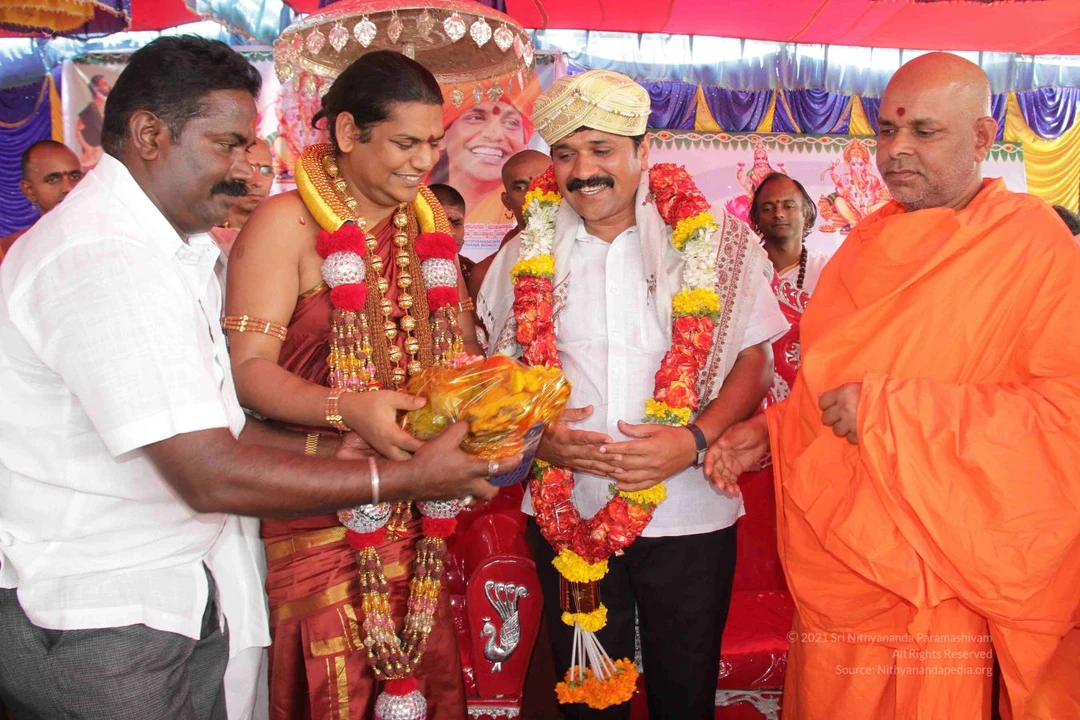
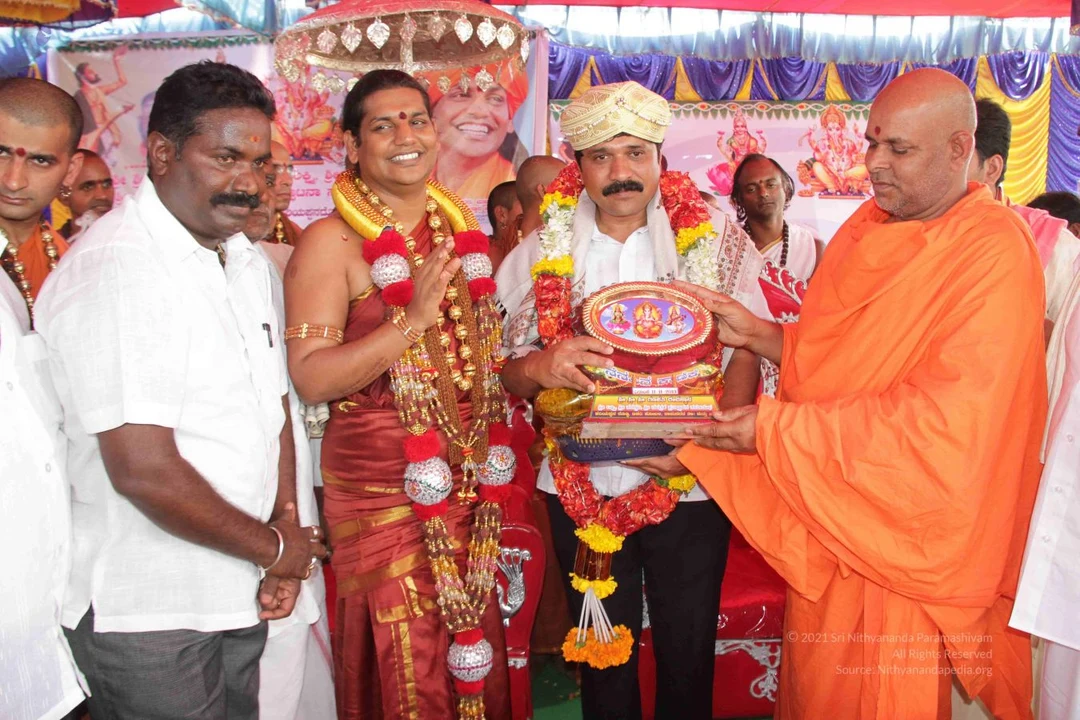
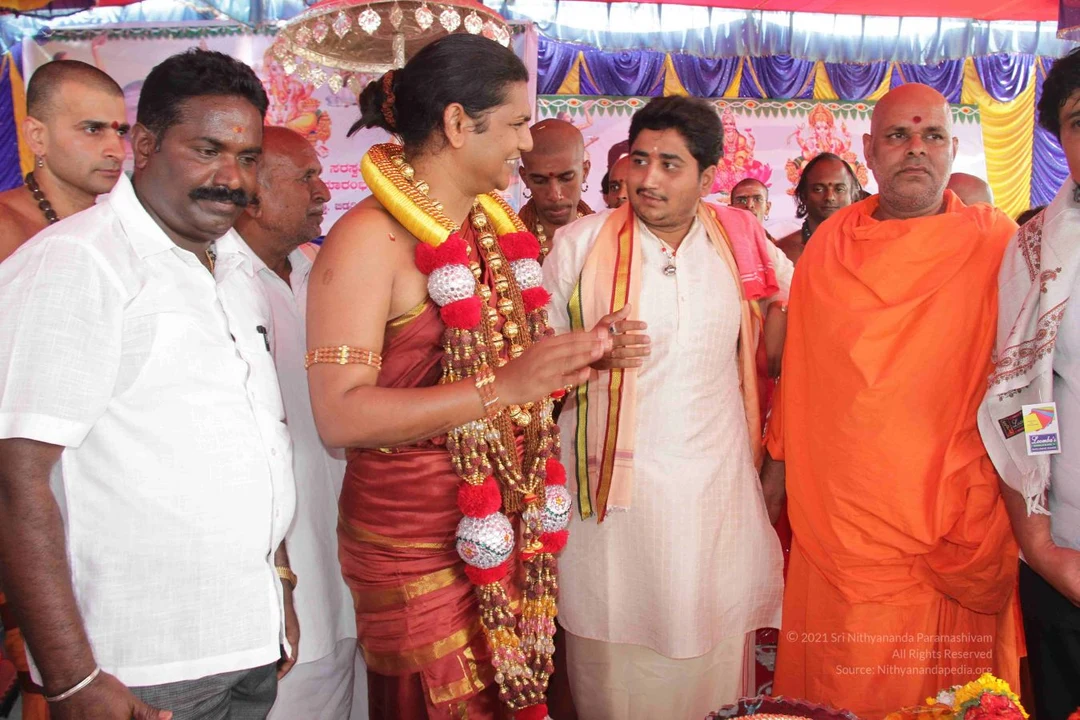
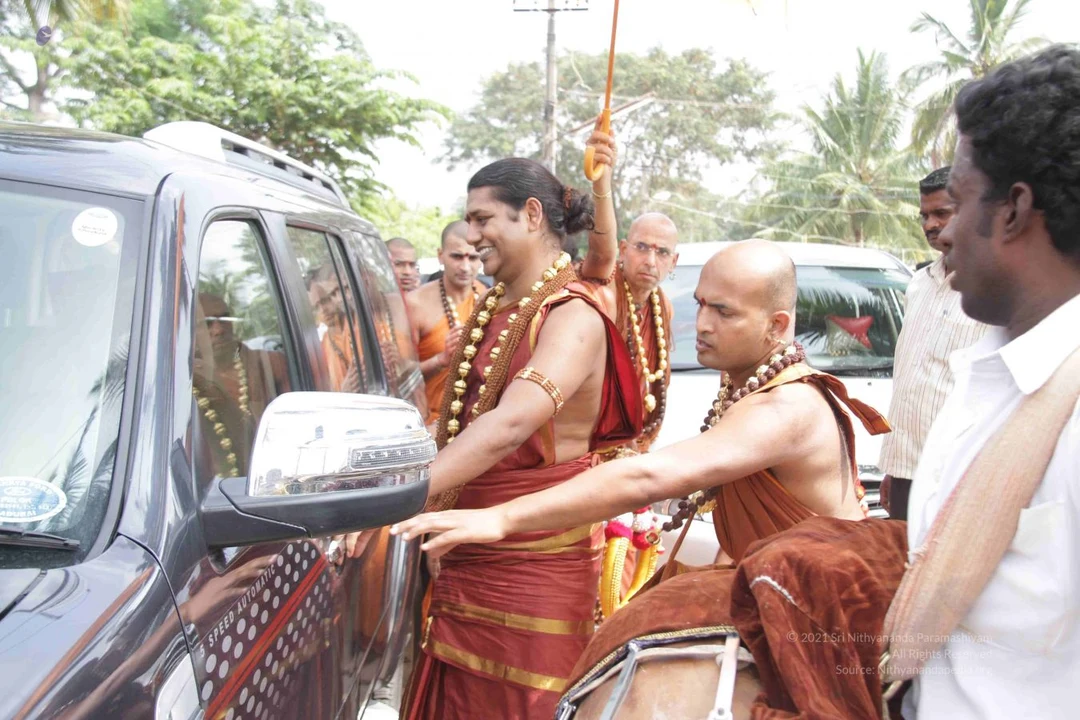
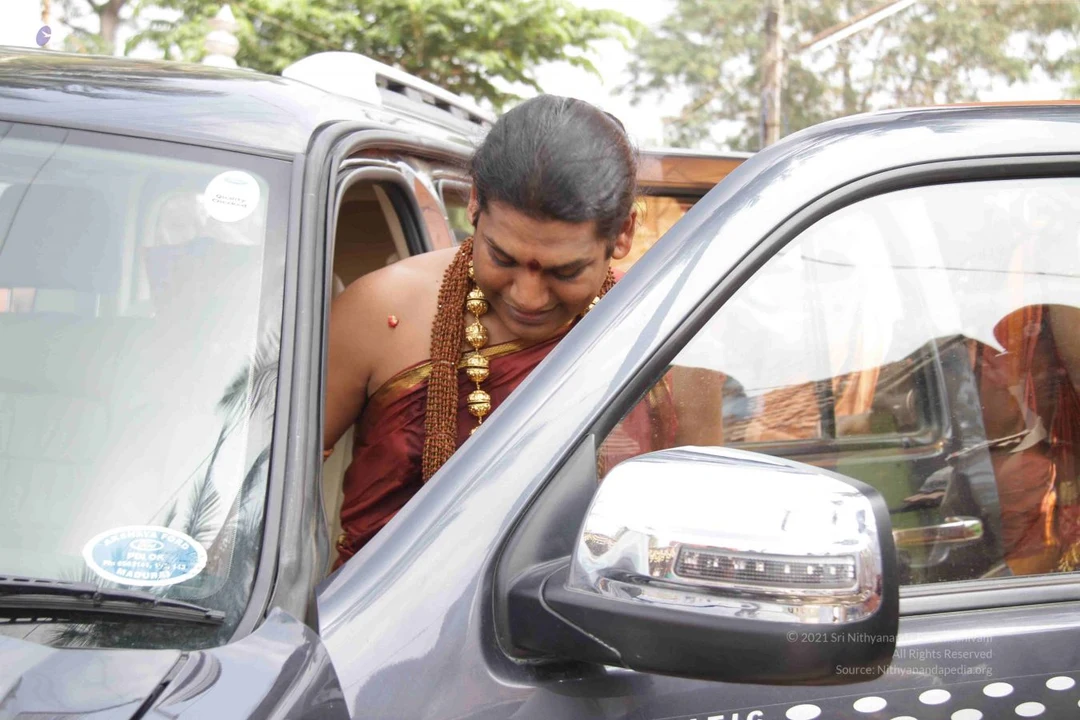
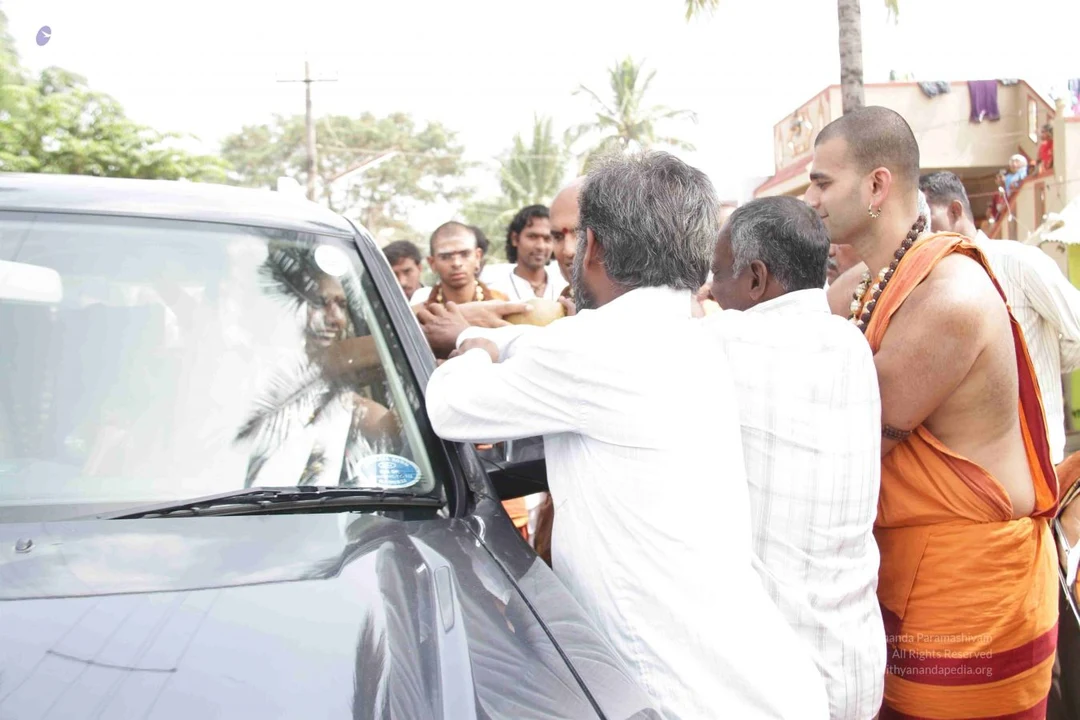
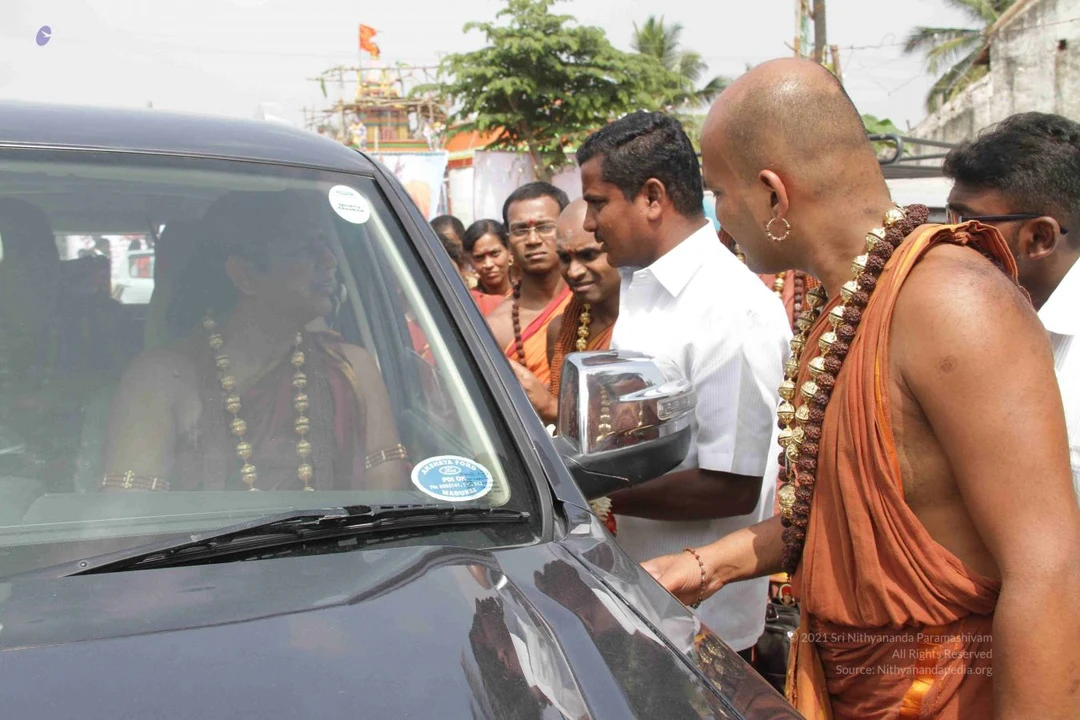
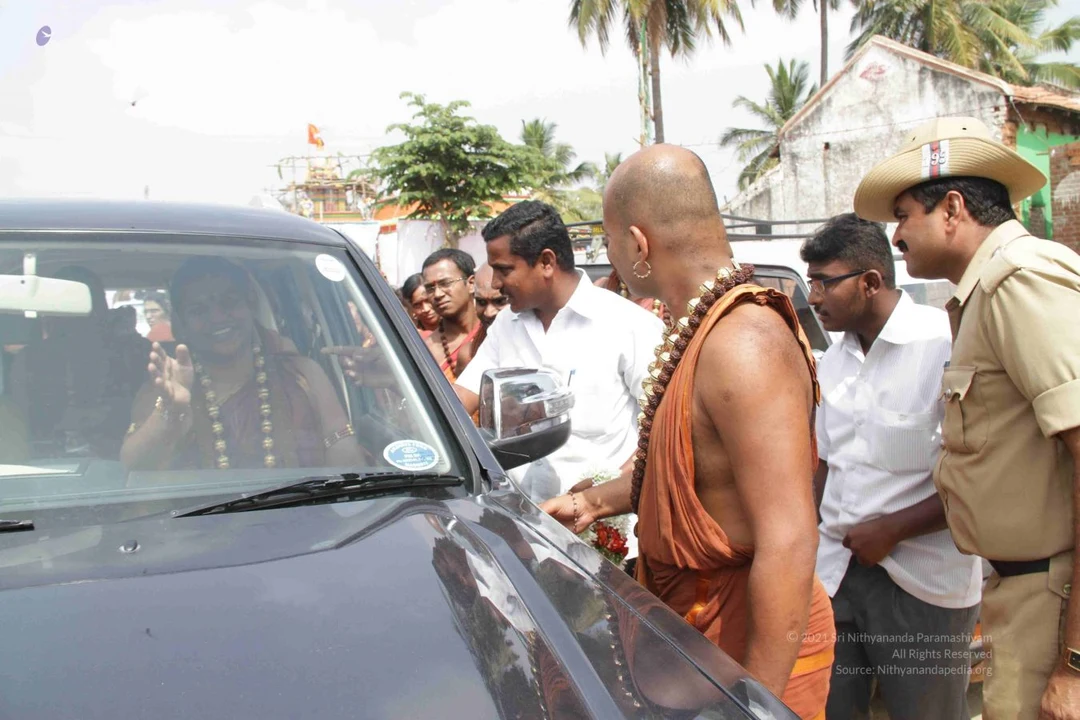
KUMBHABHISHEKAM-TO-BIDADI-GANESHA-TEMPLE




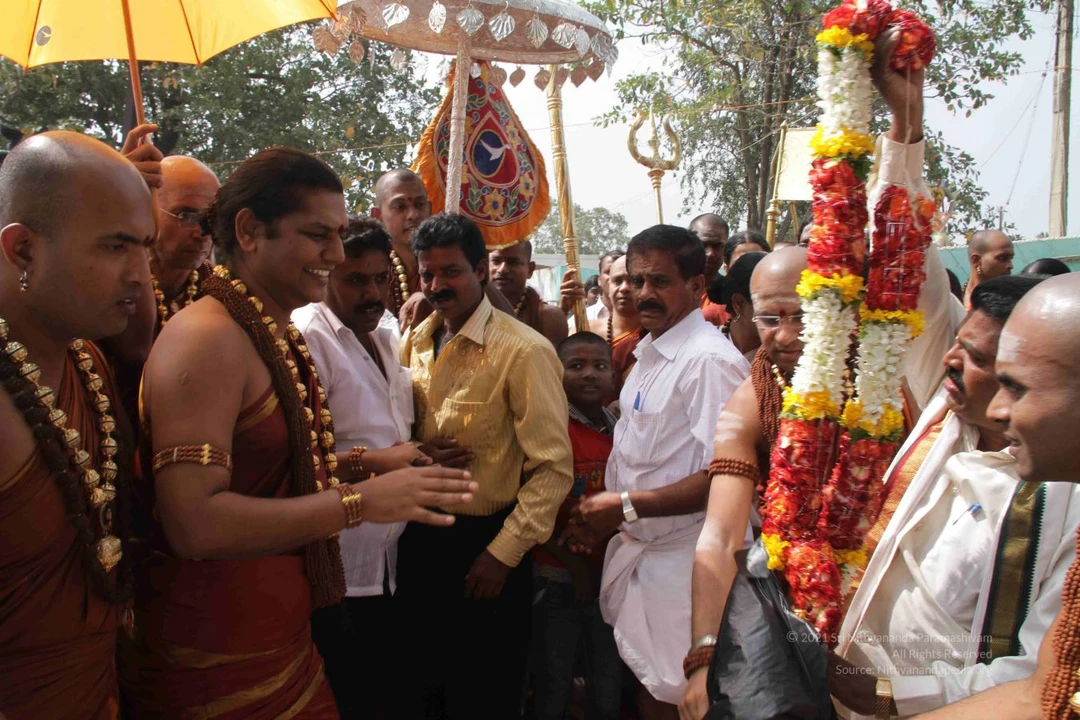
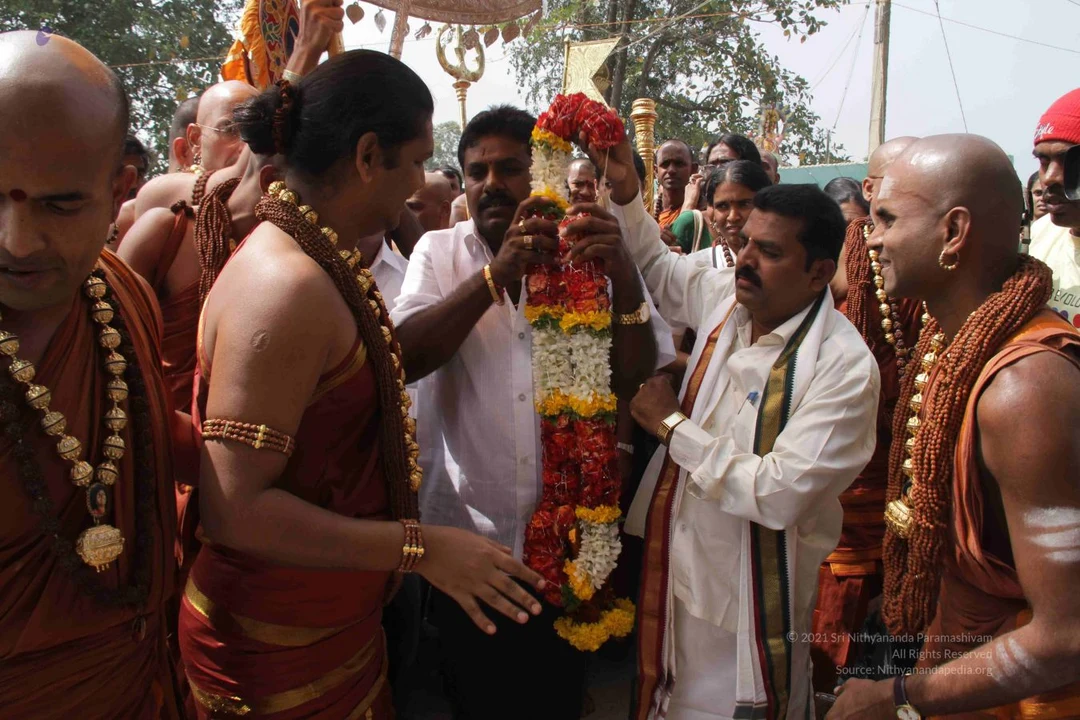
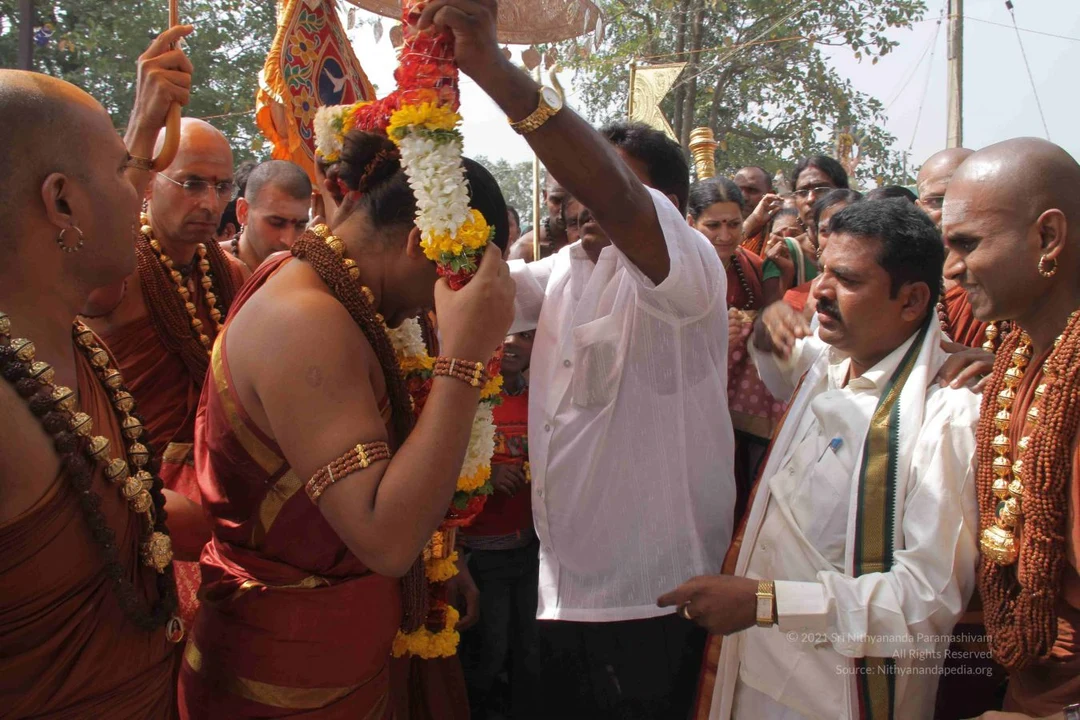
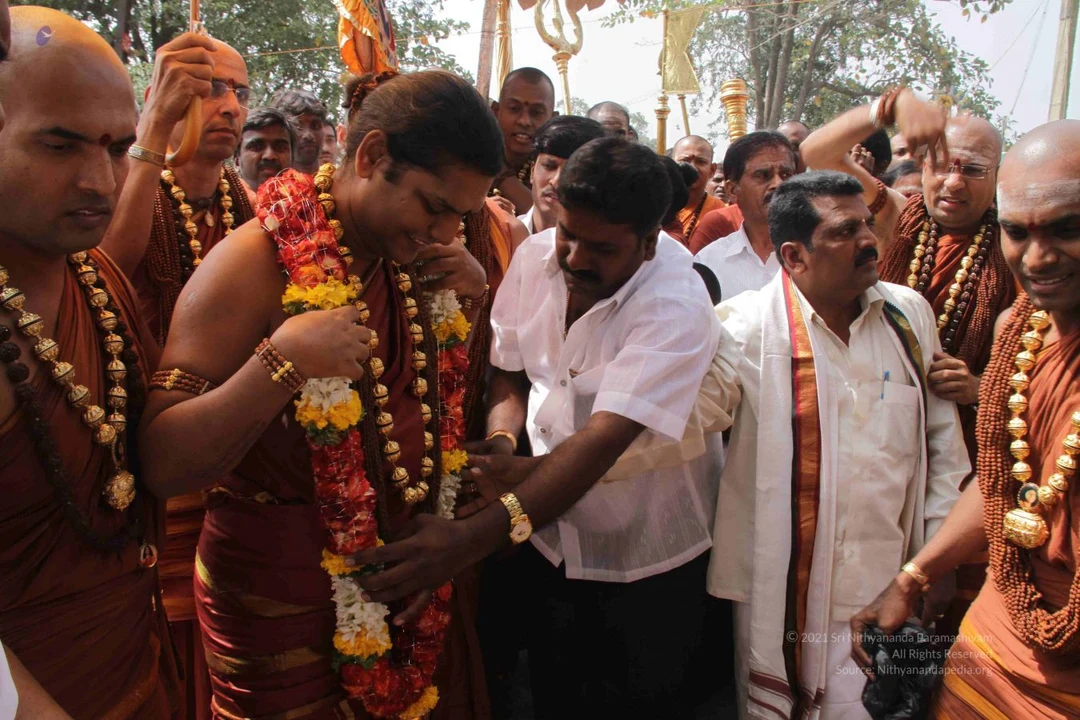
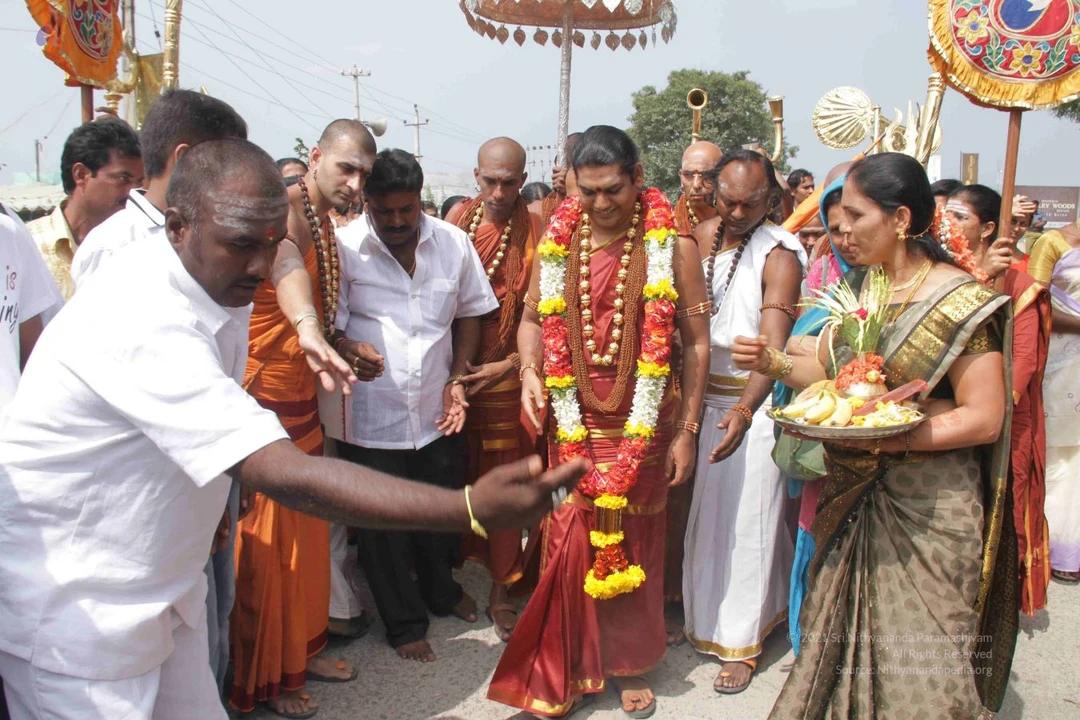
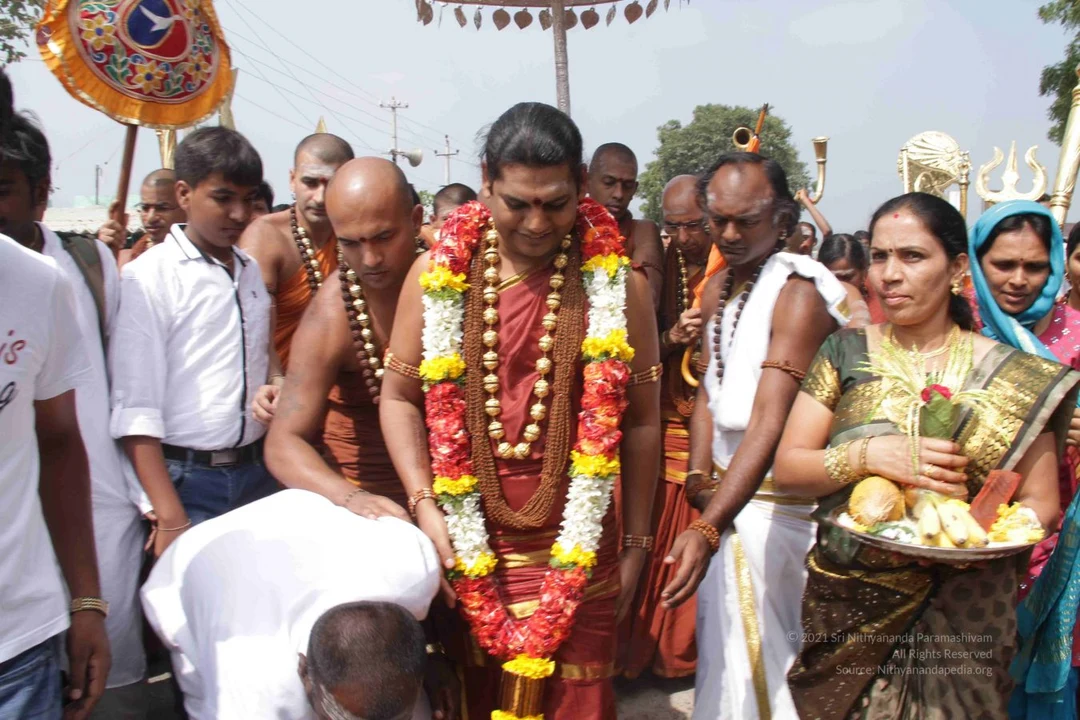
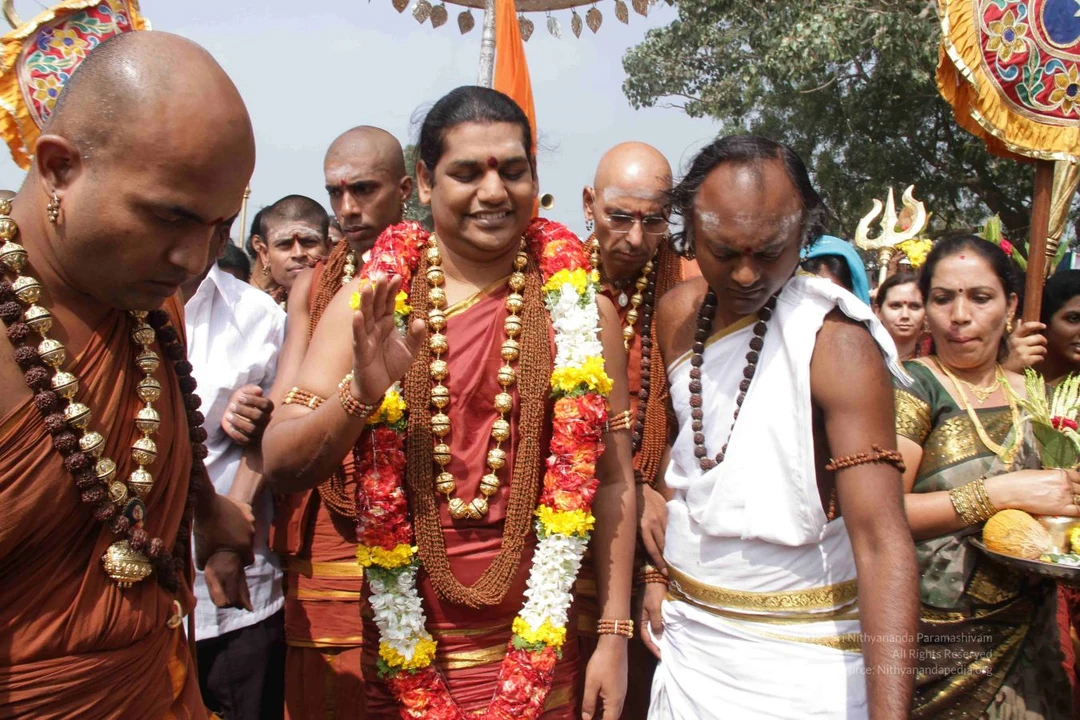
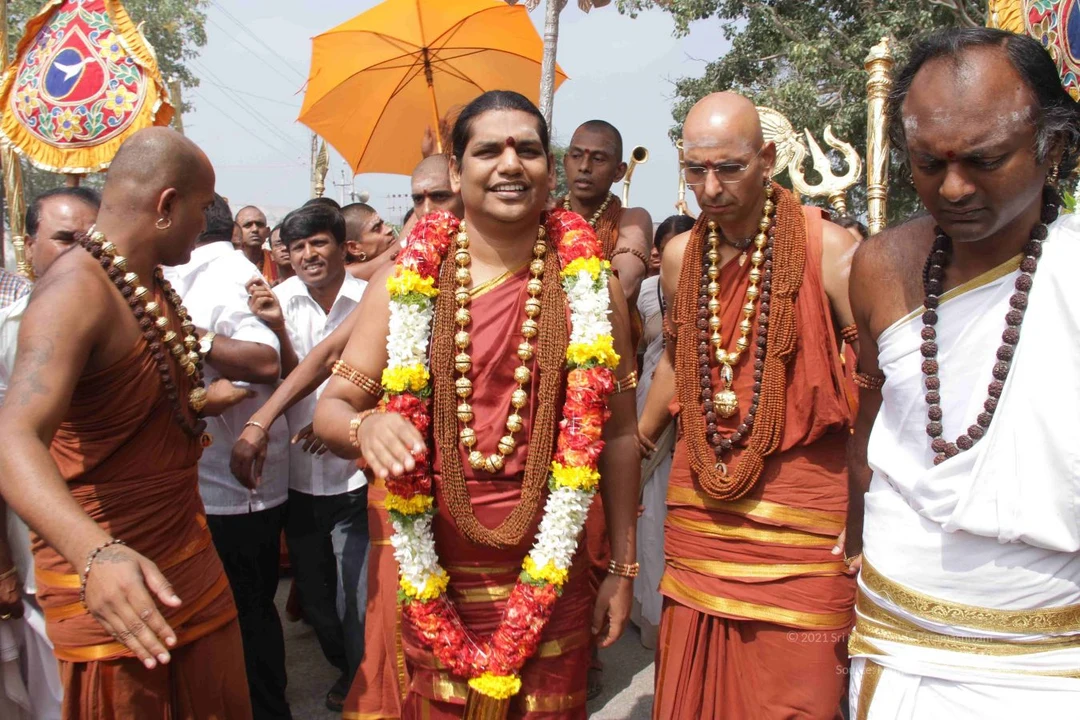
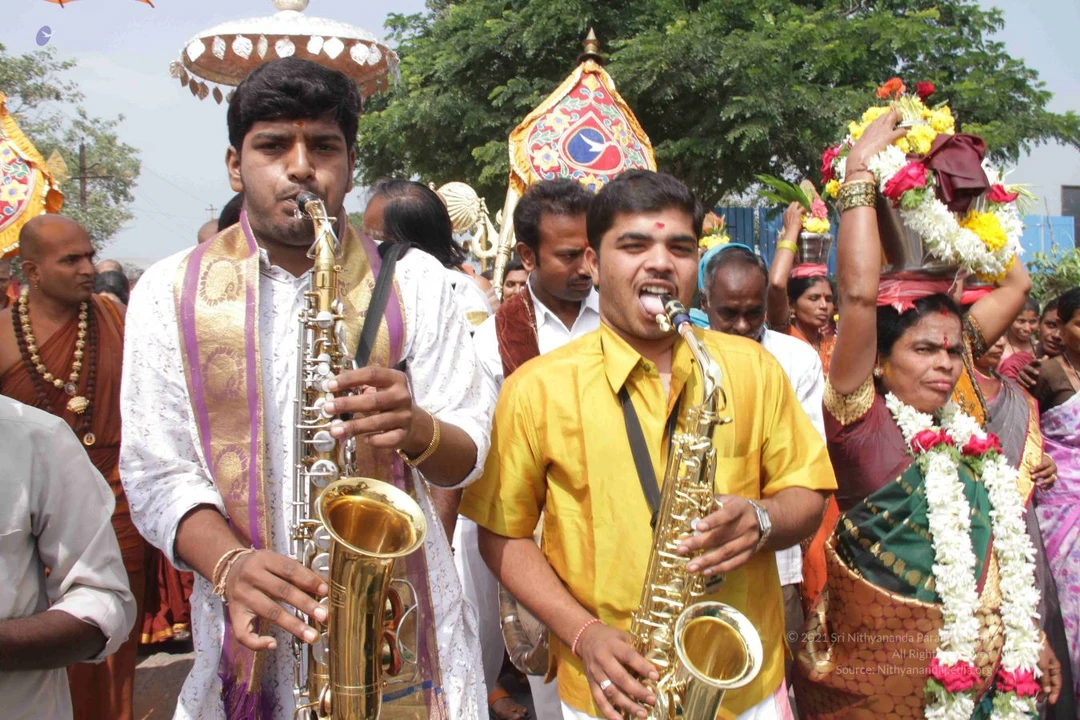
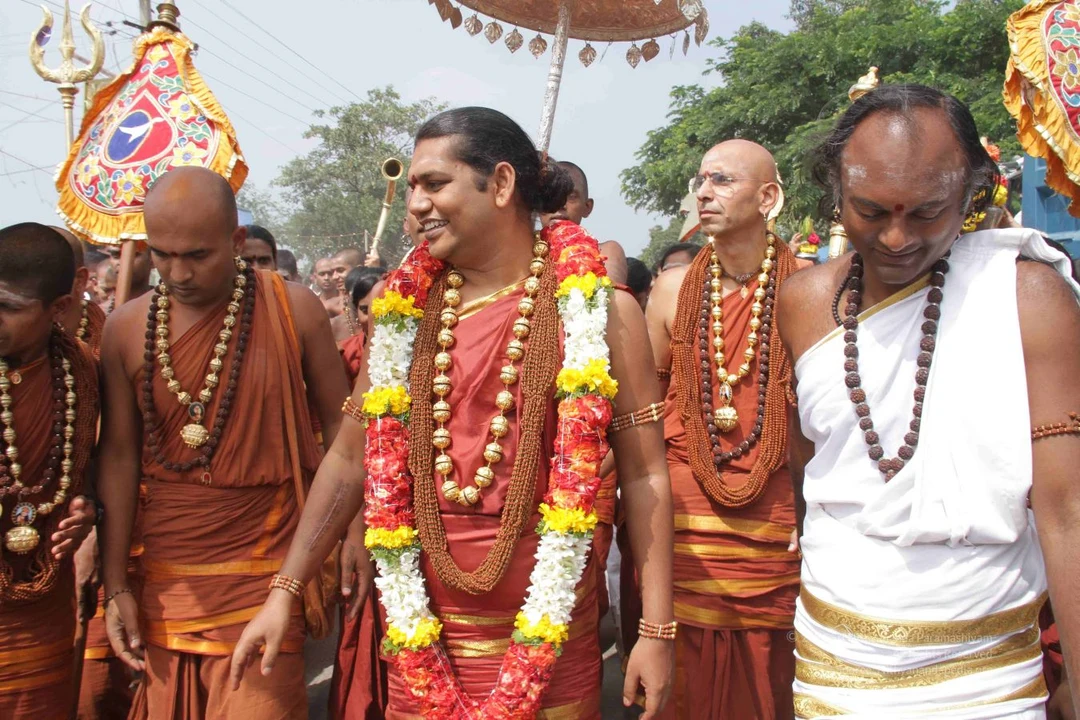
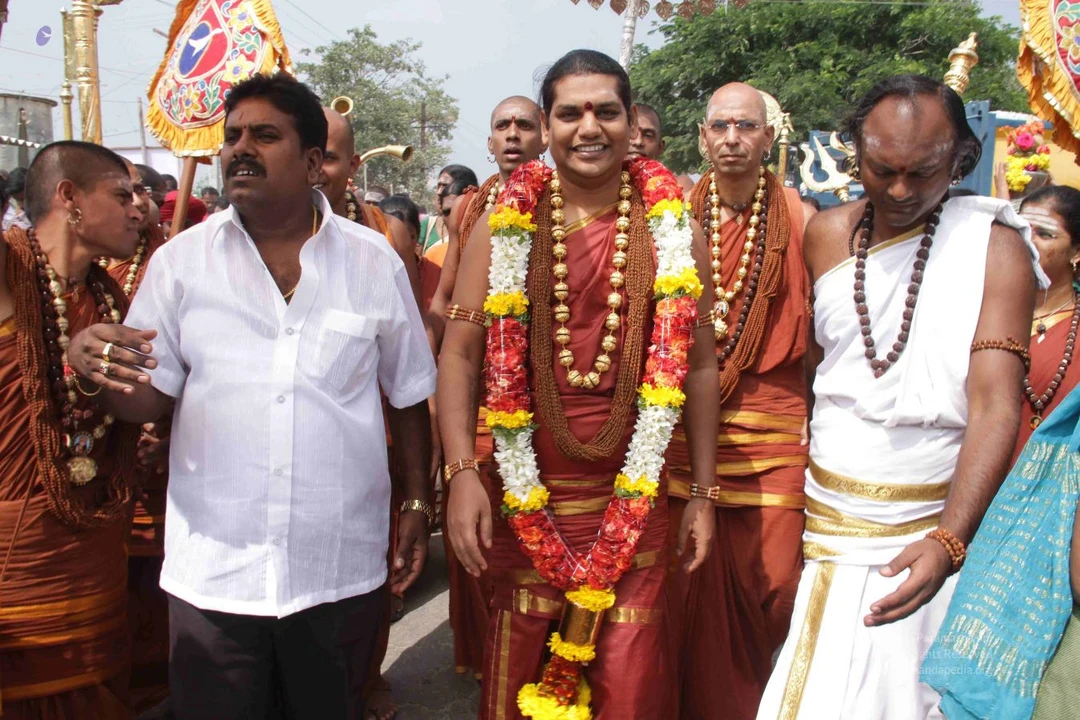
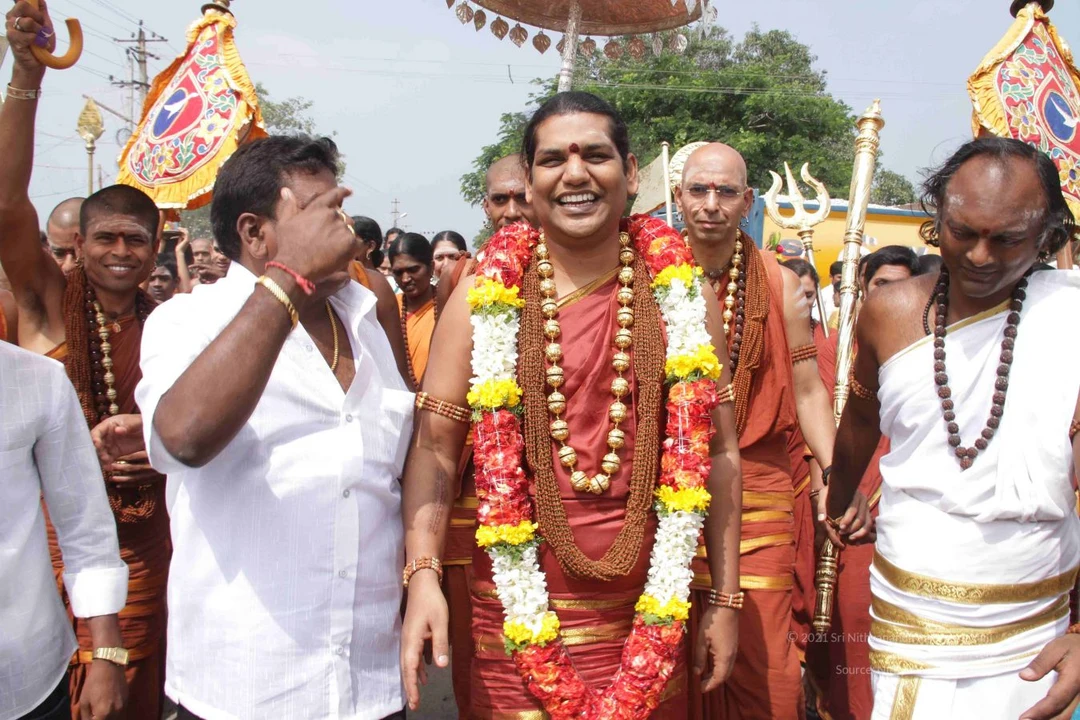

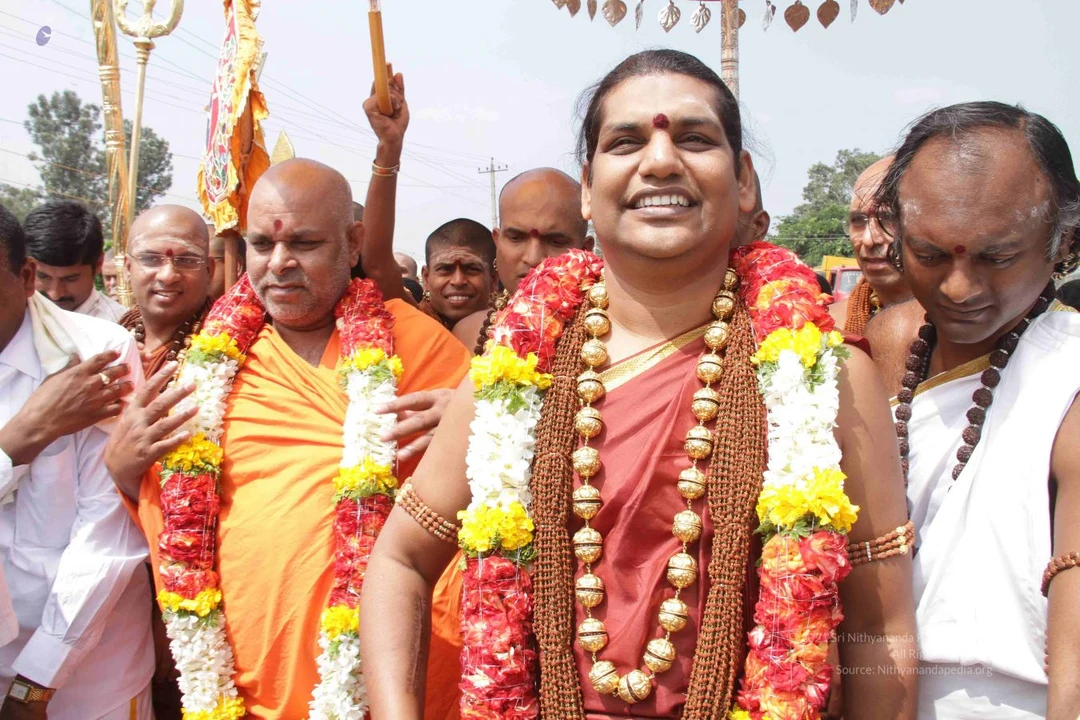
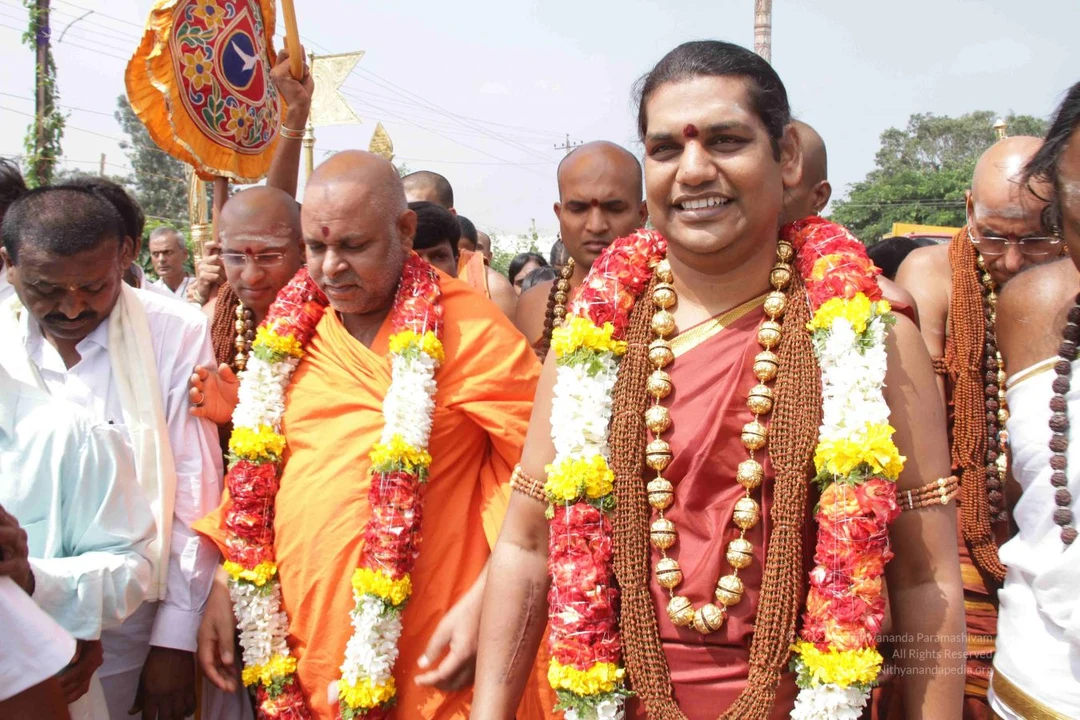
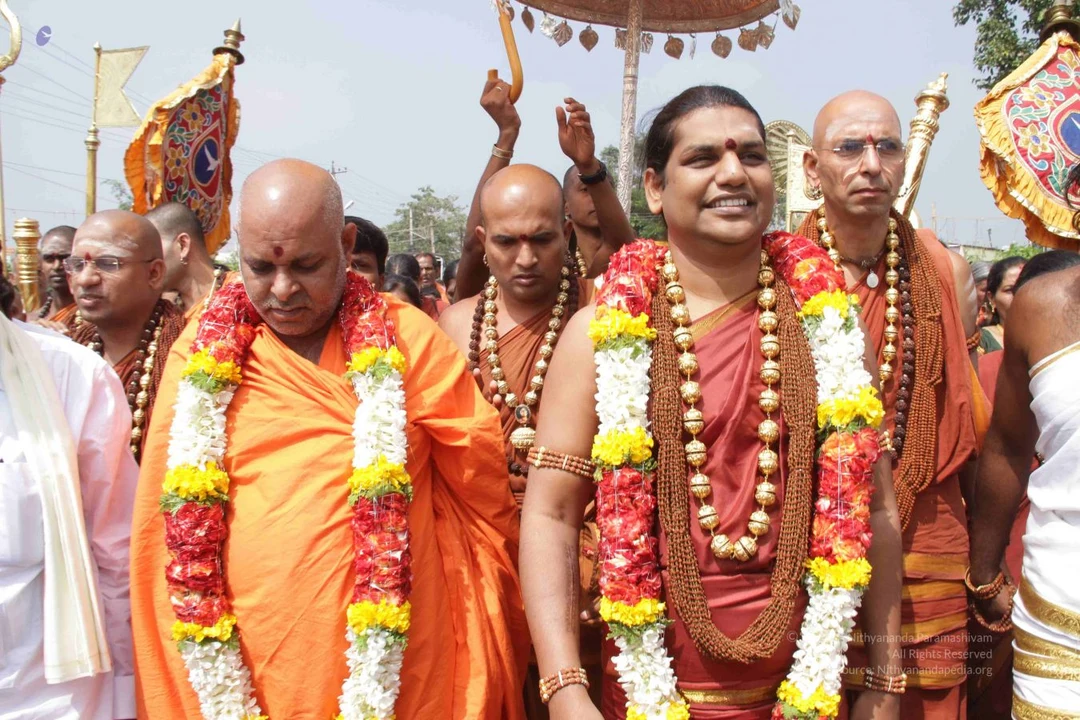
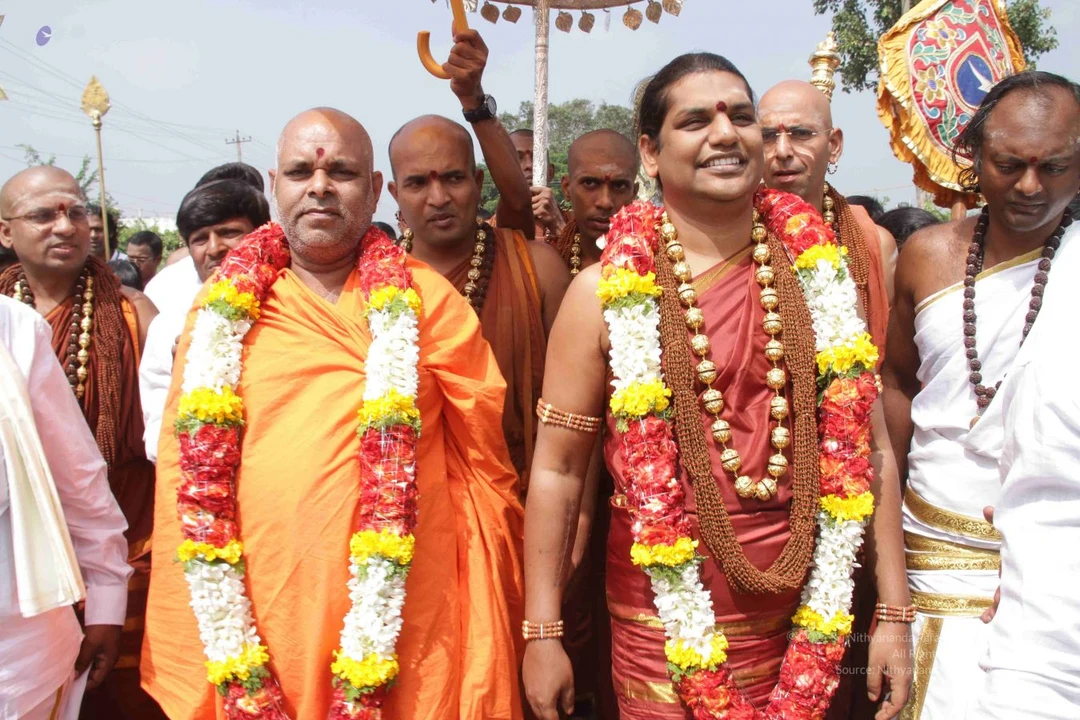
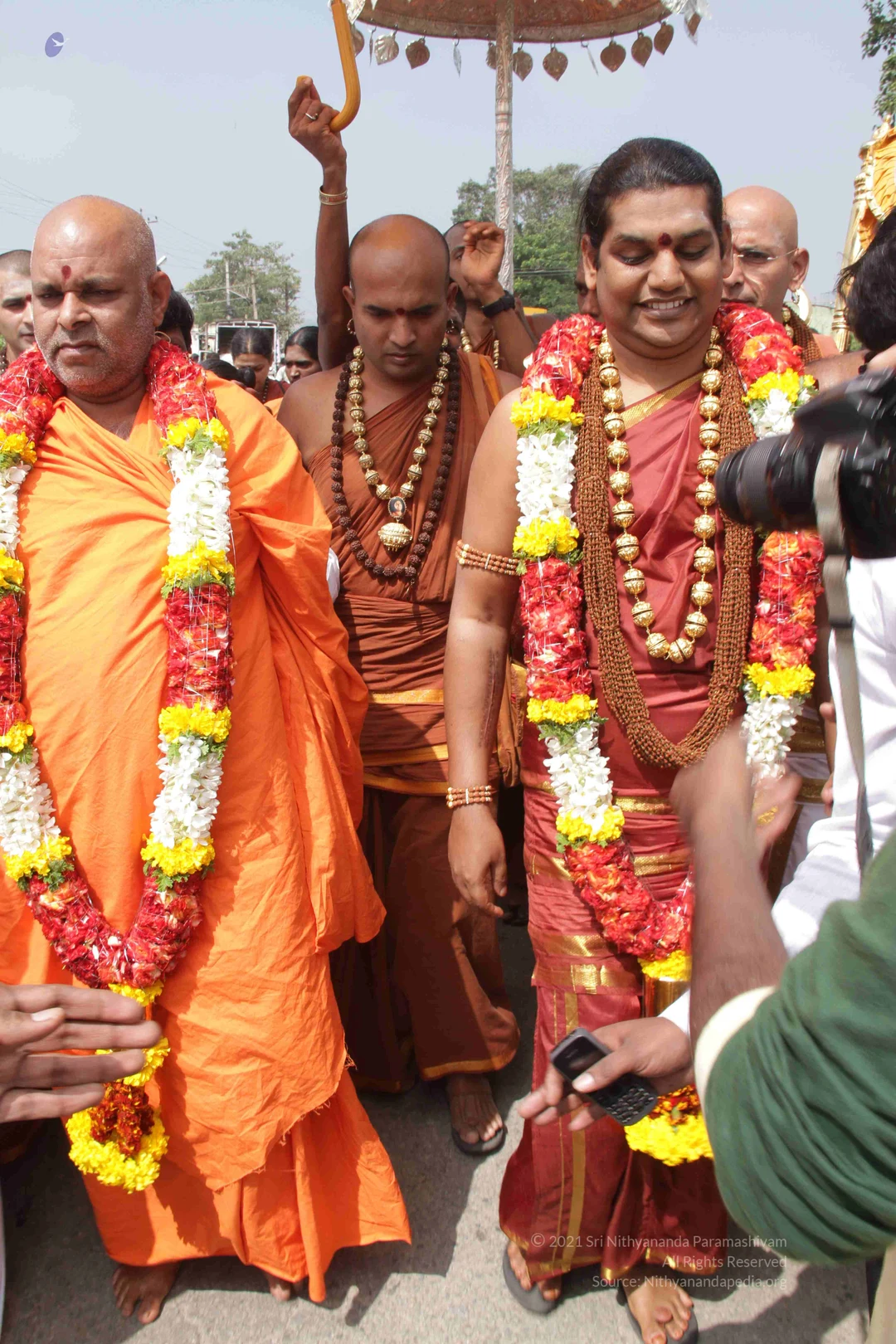
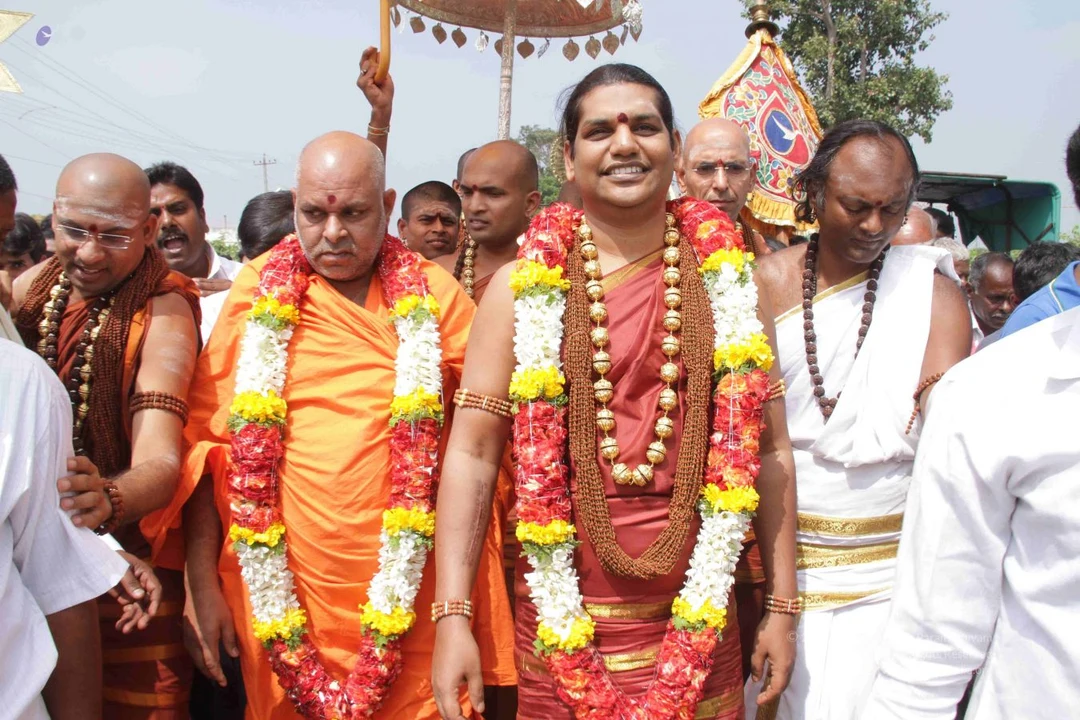
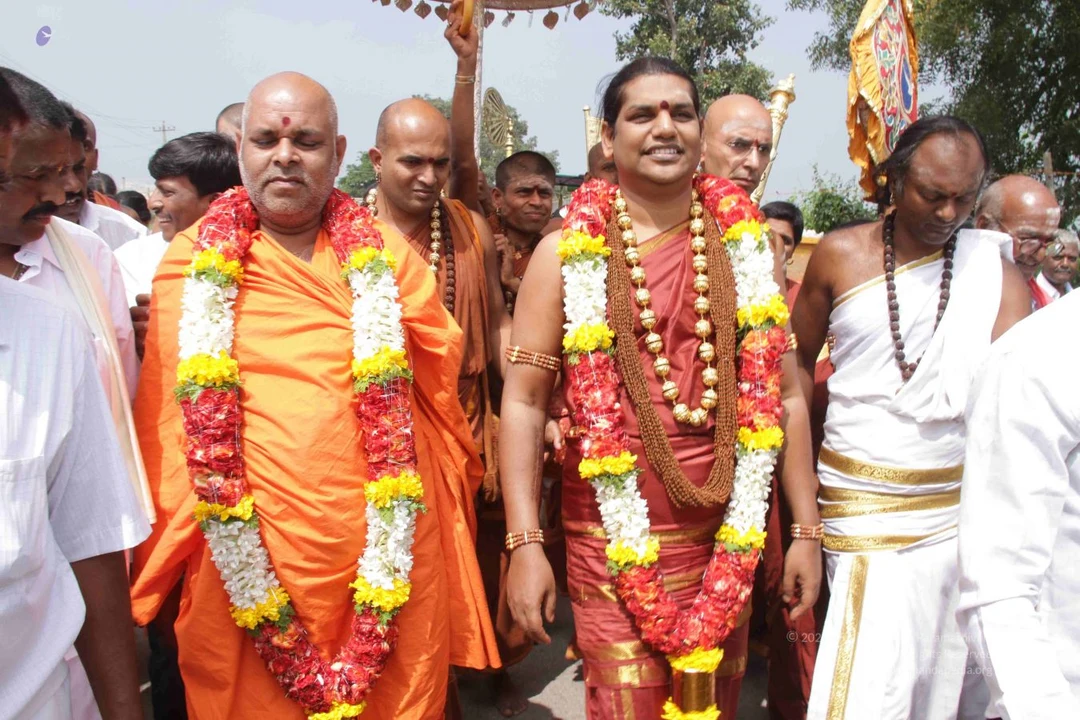
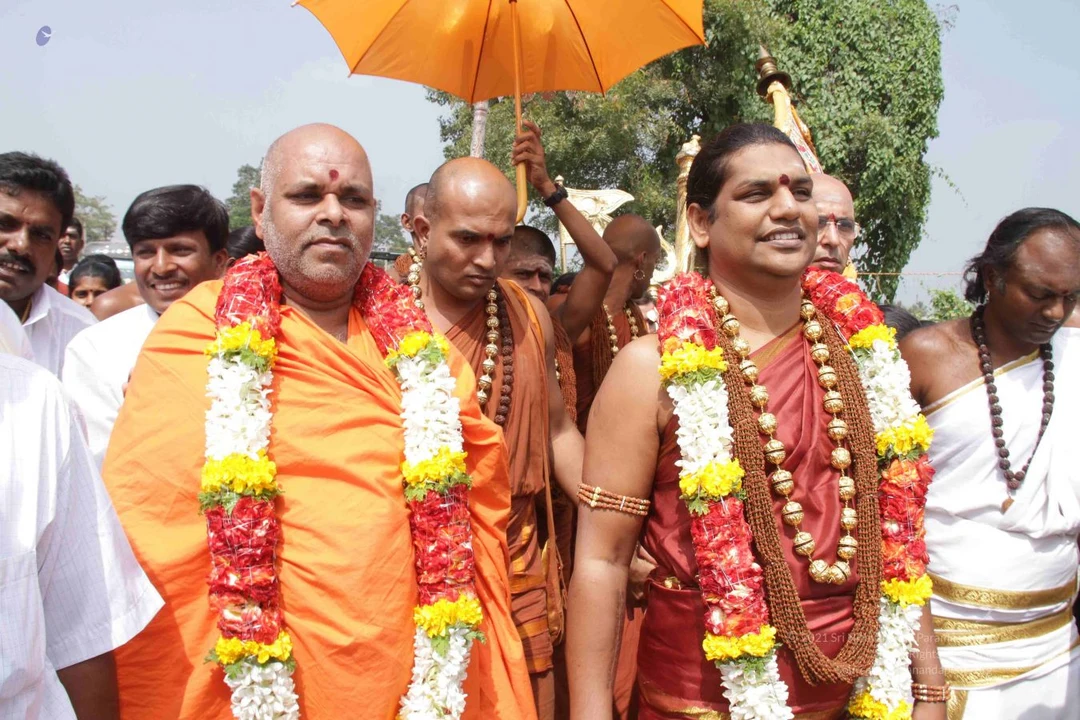
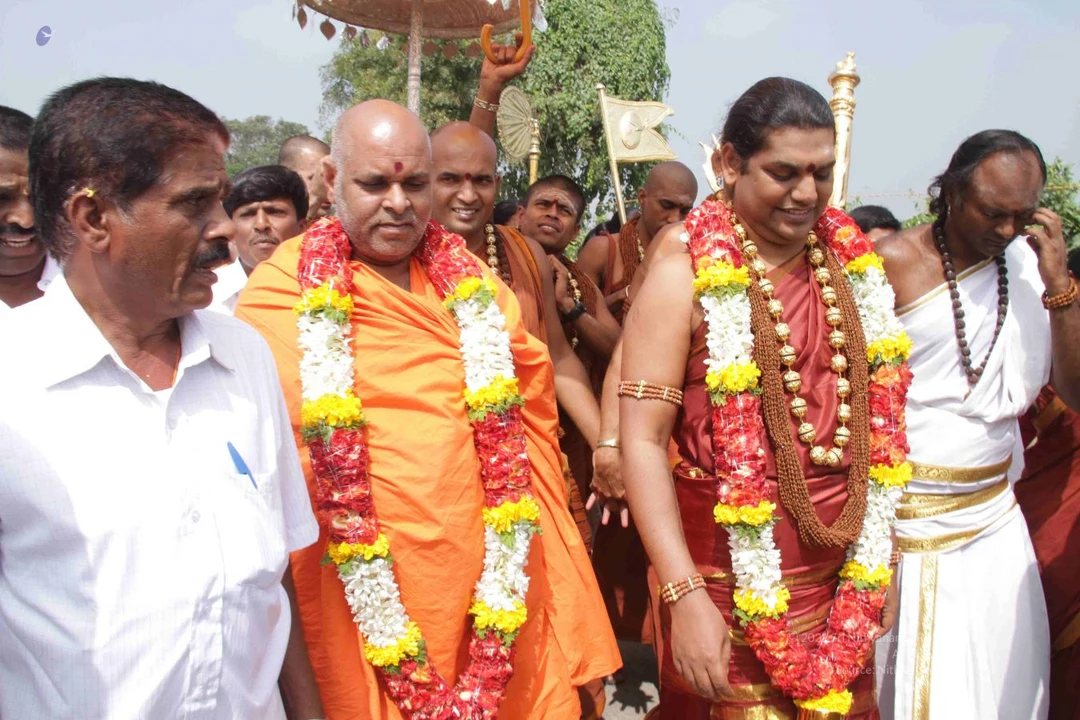
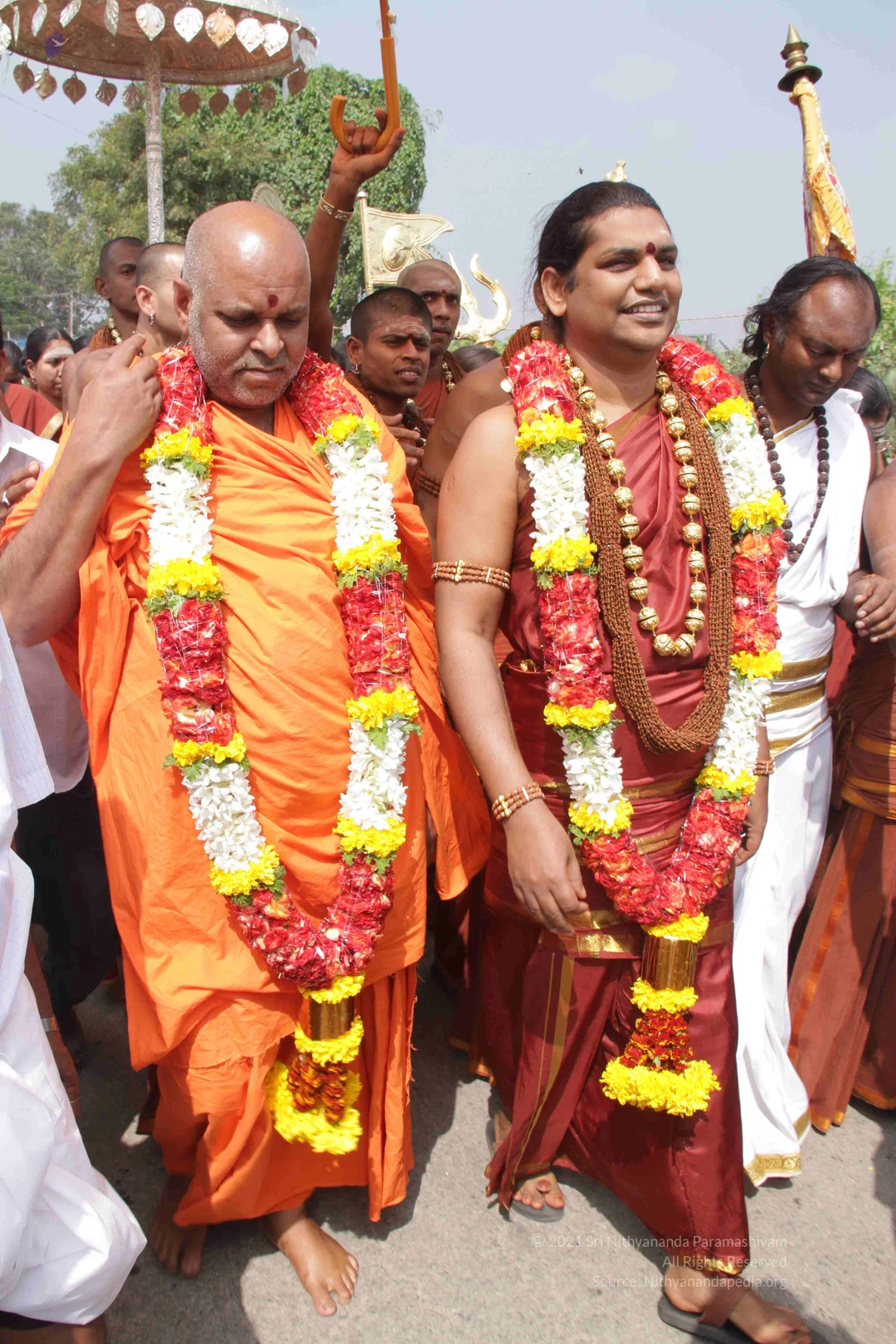
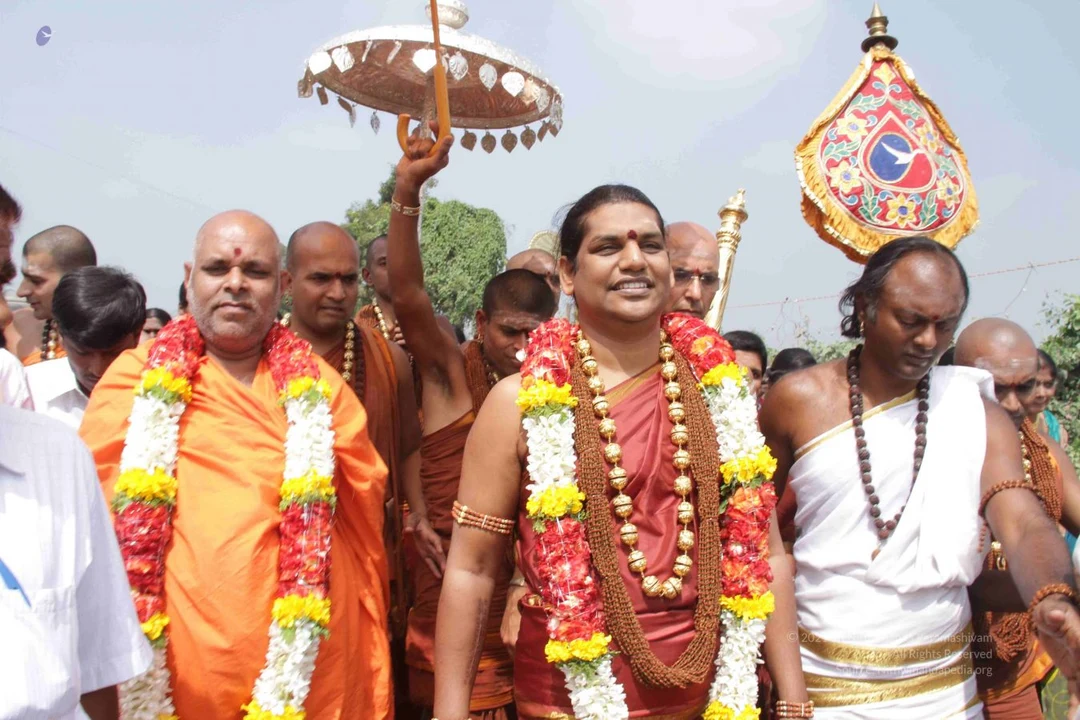
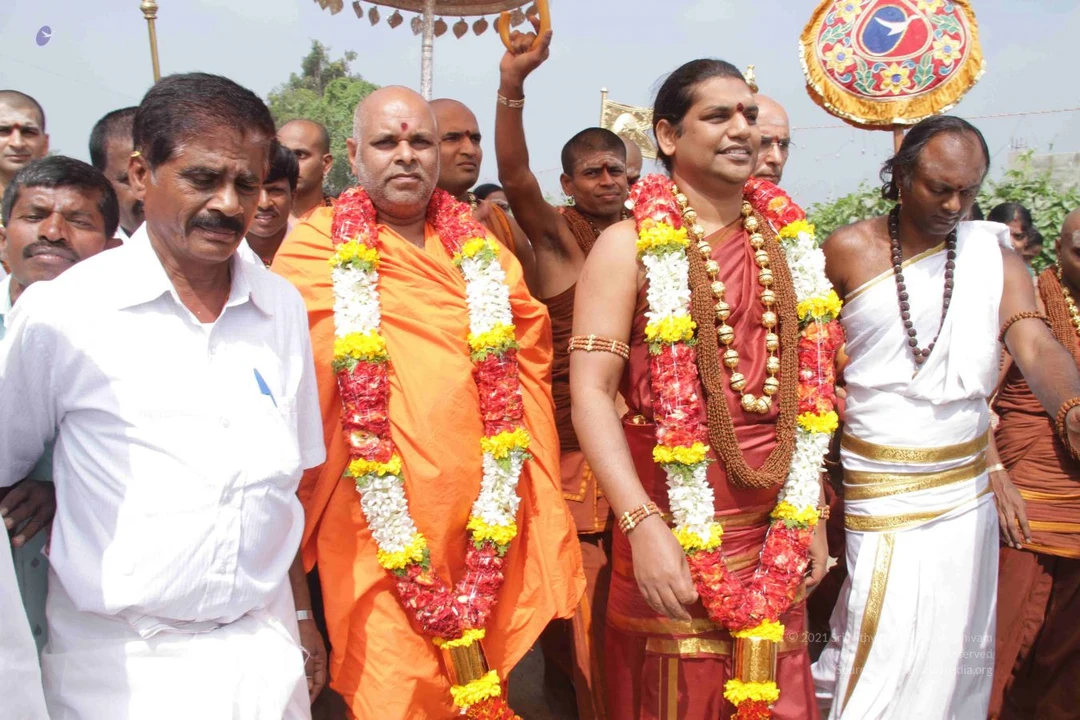
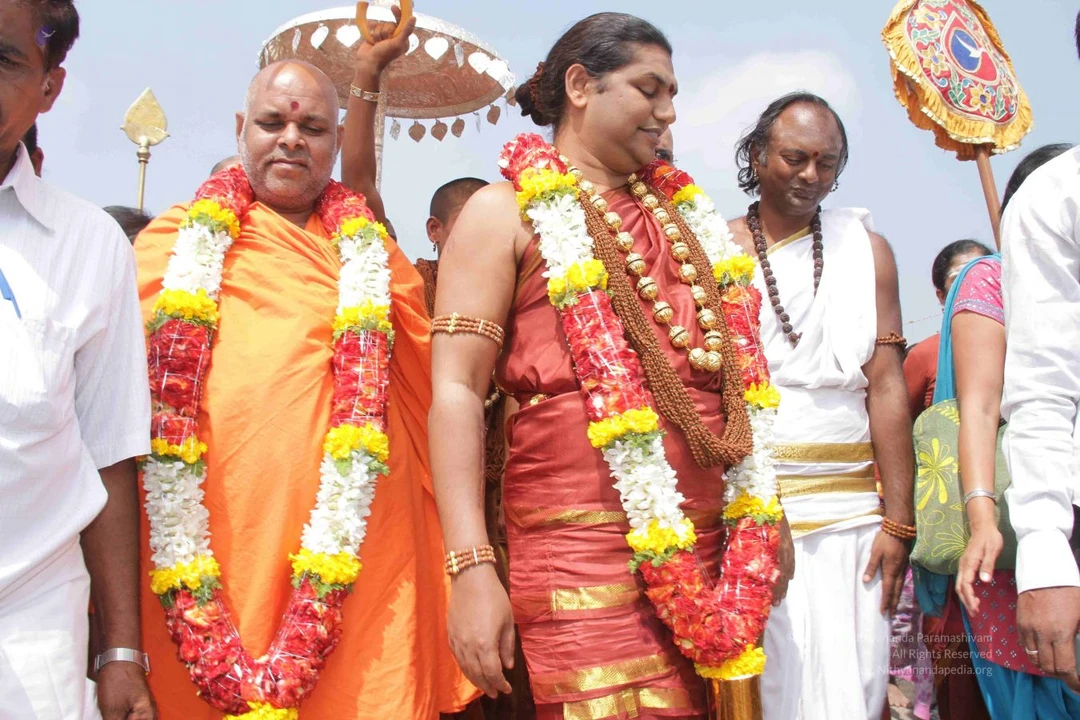
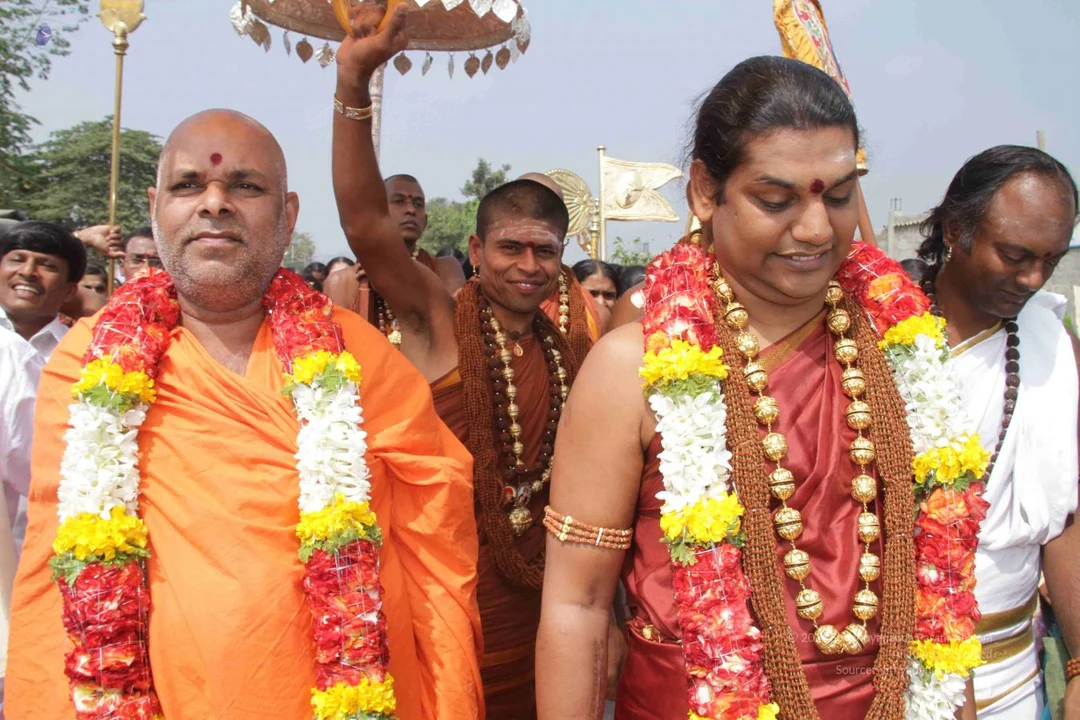
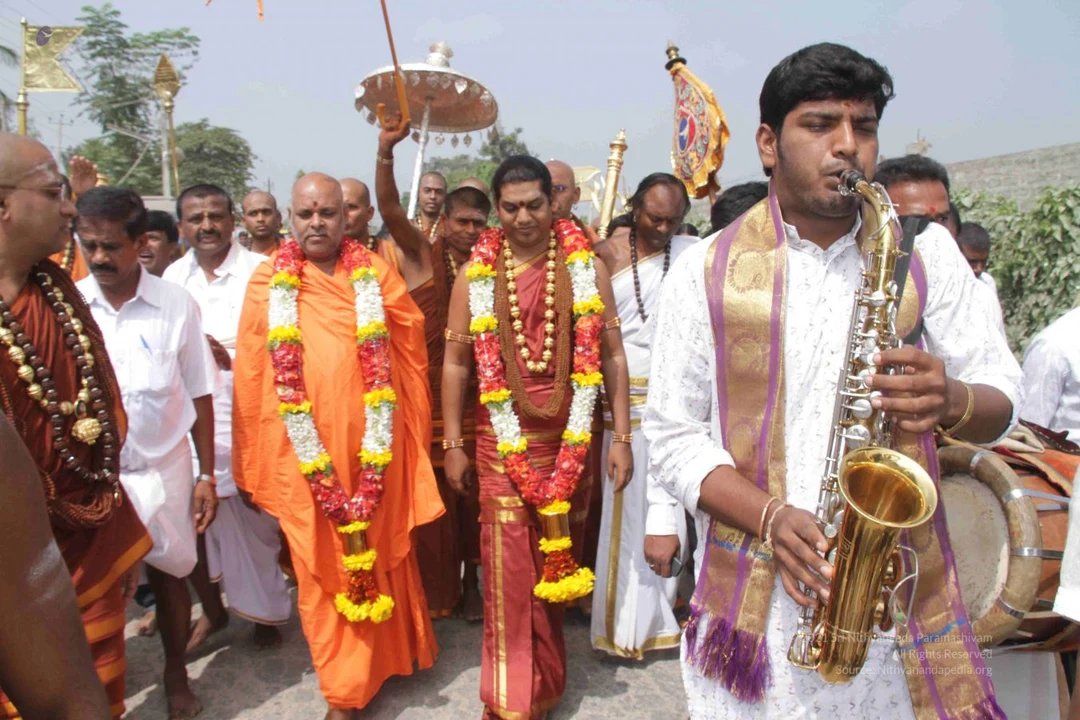
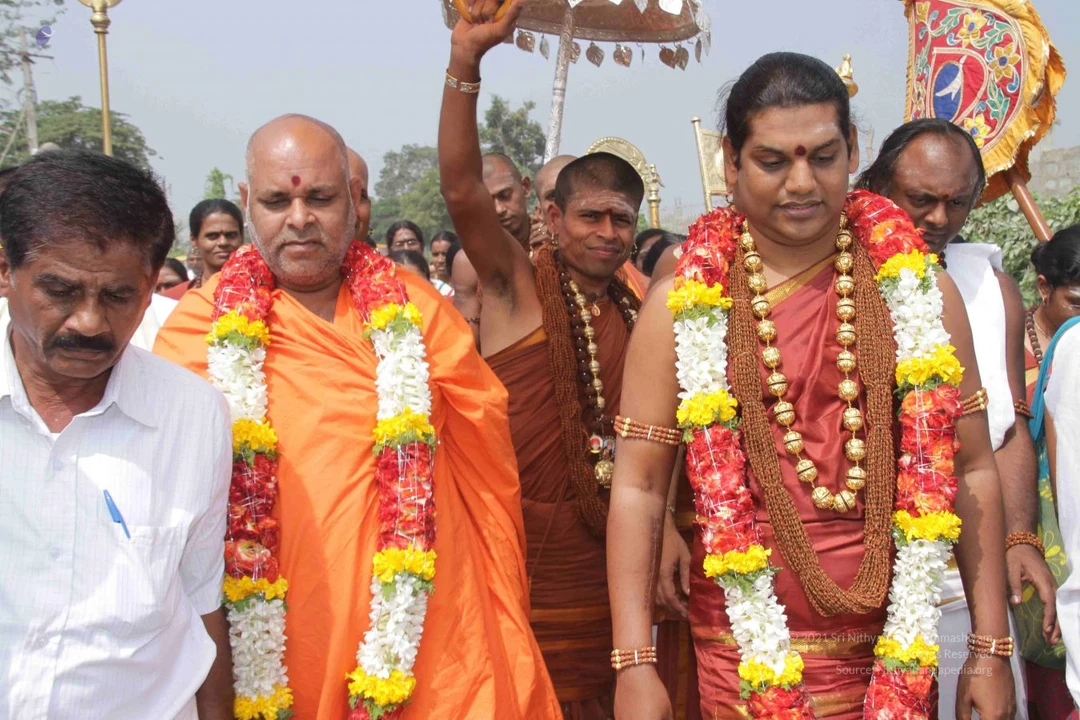

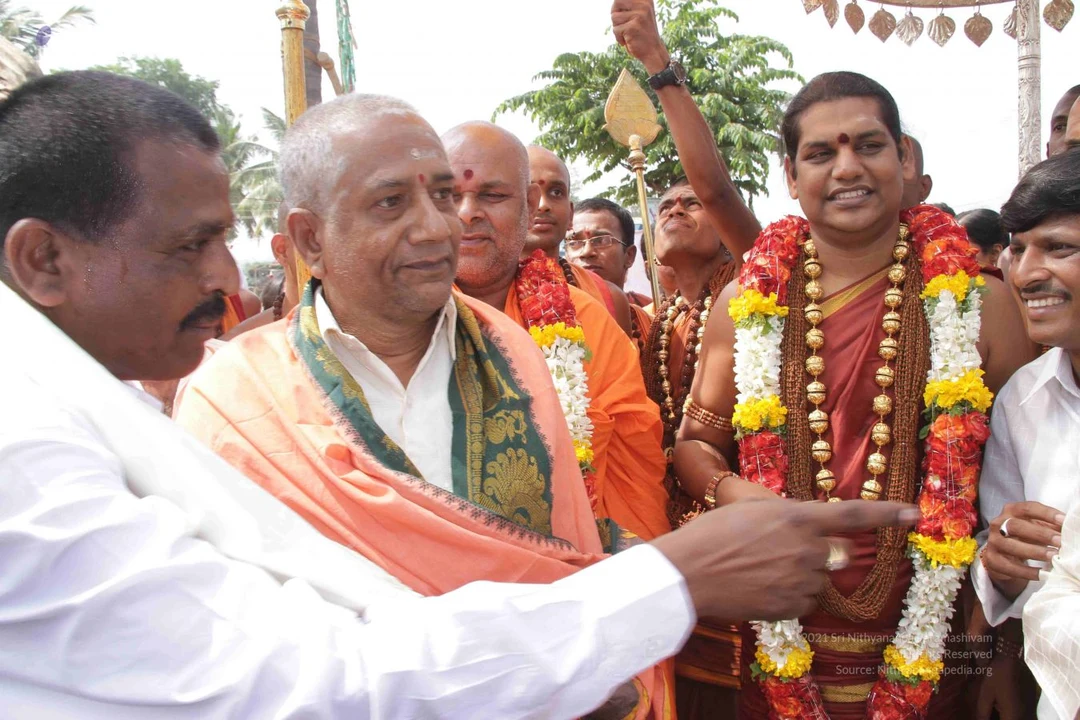
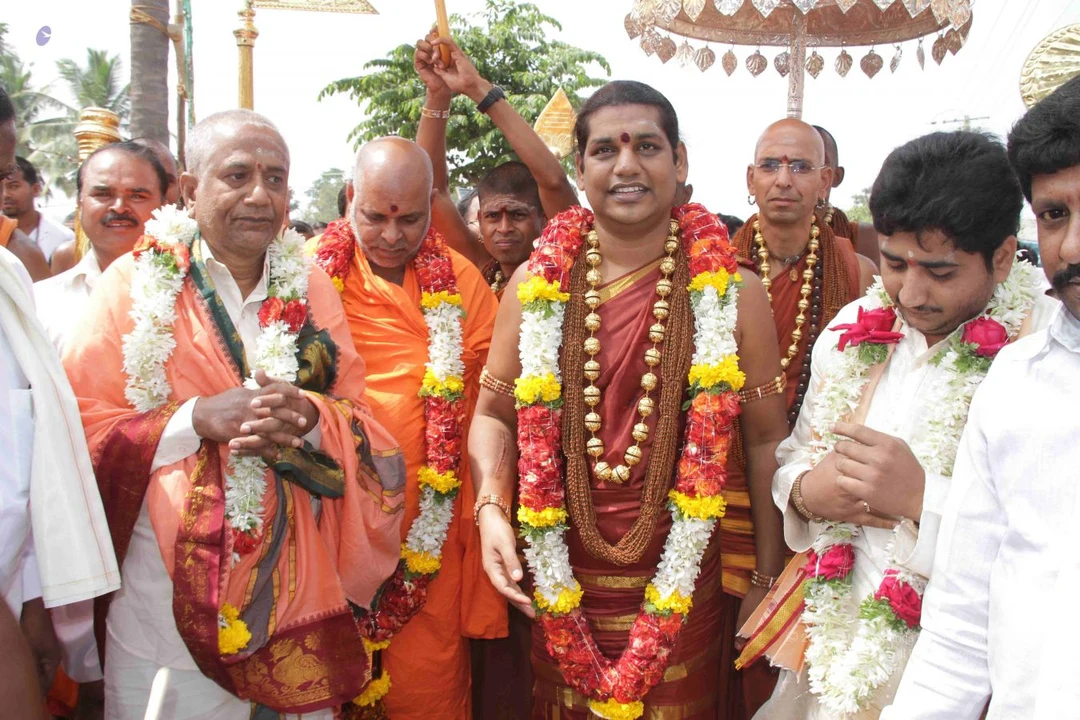
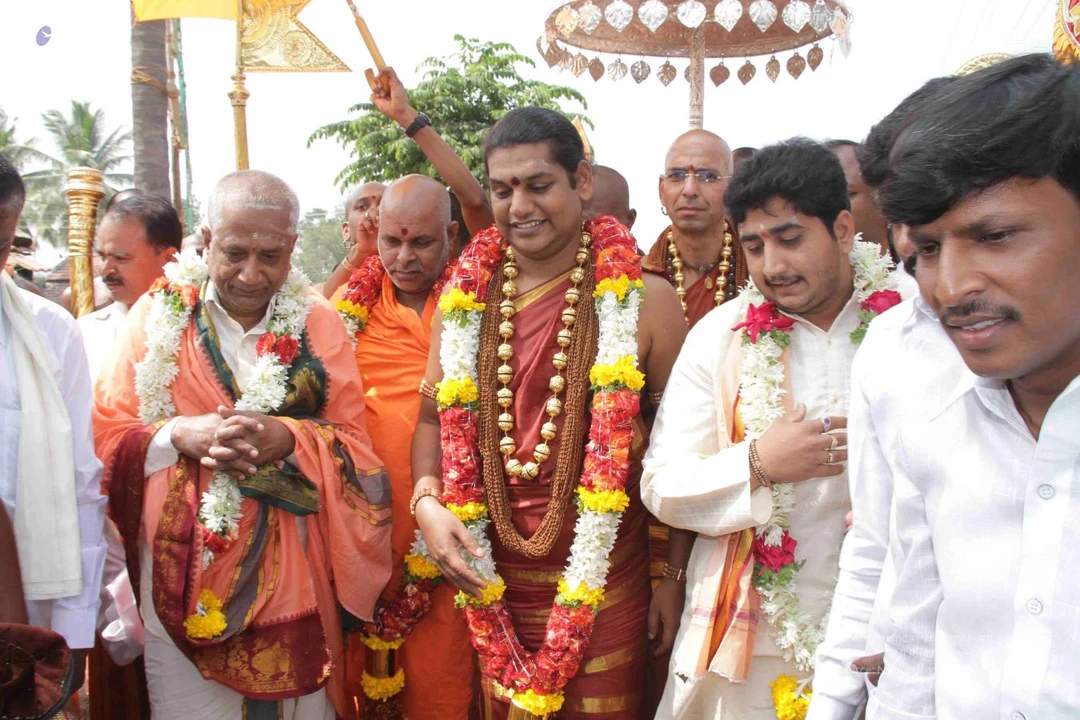
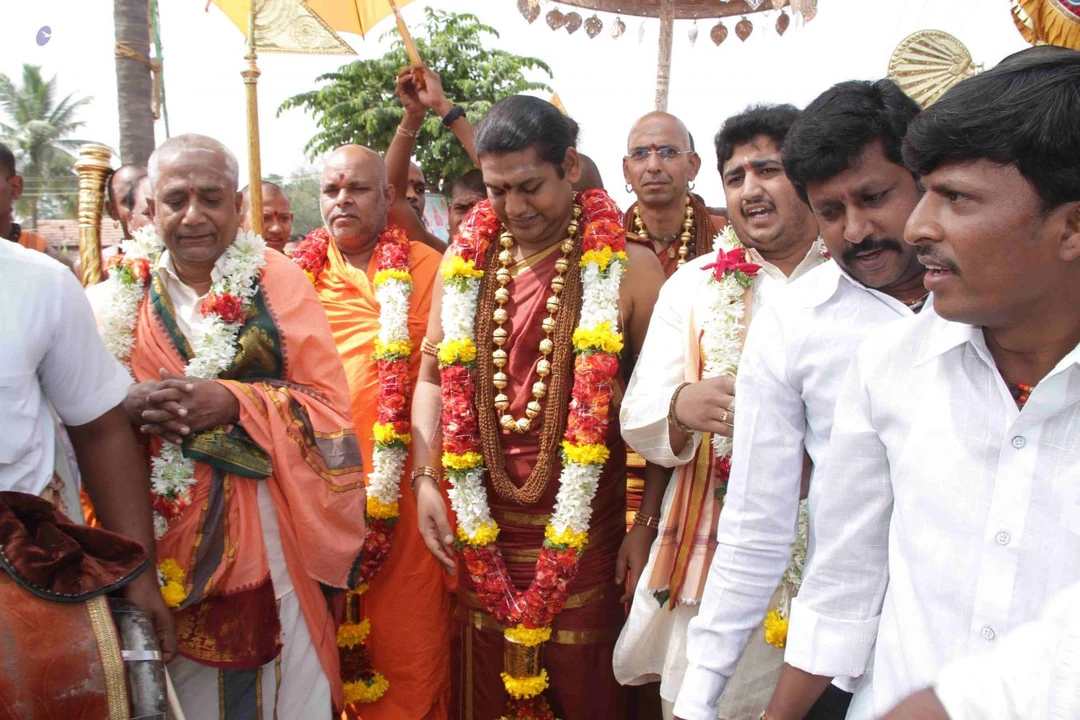
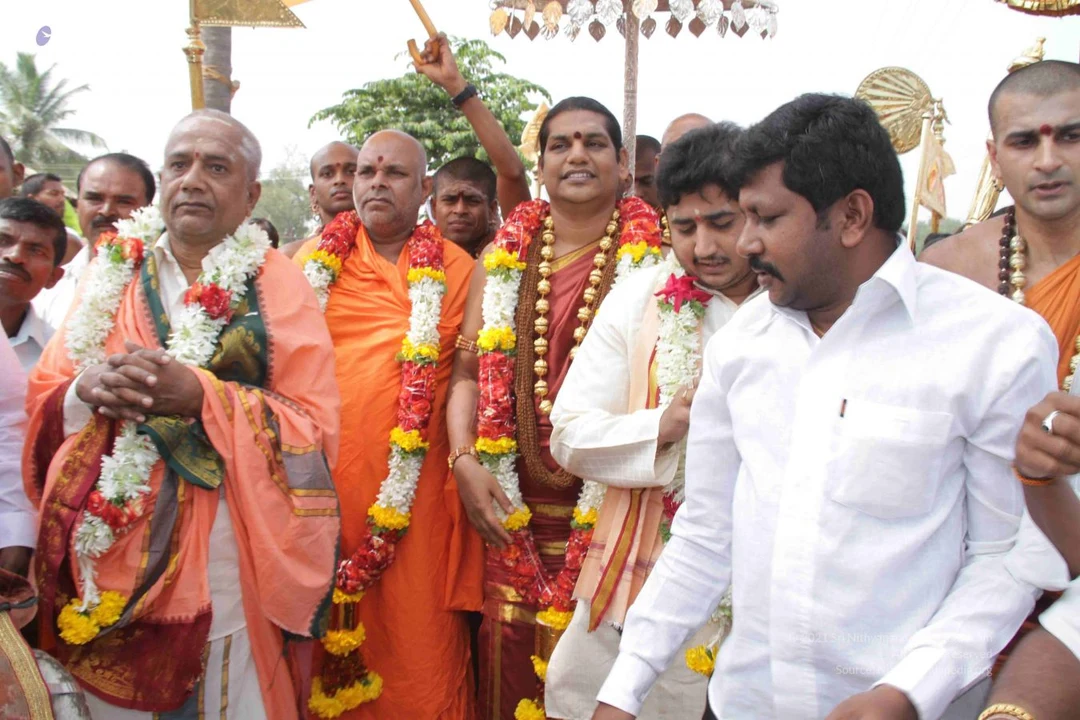
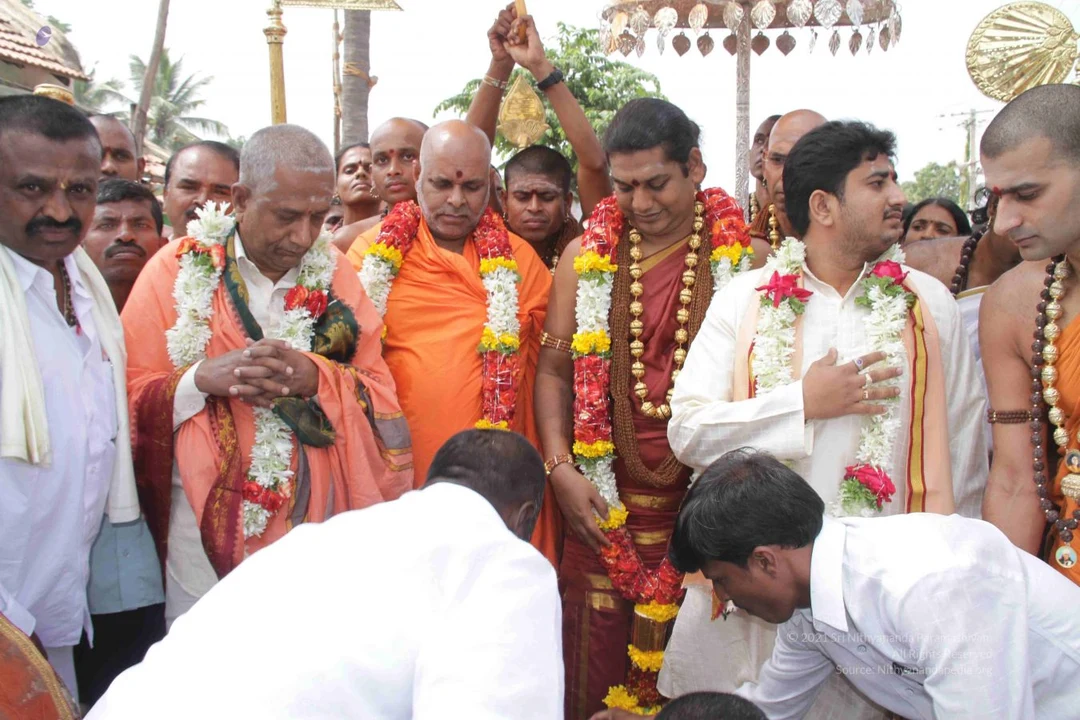
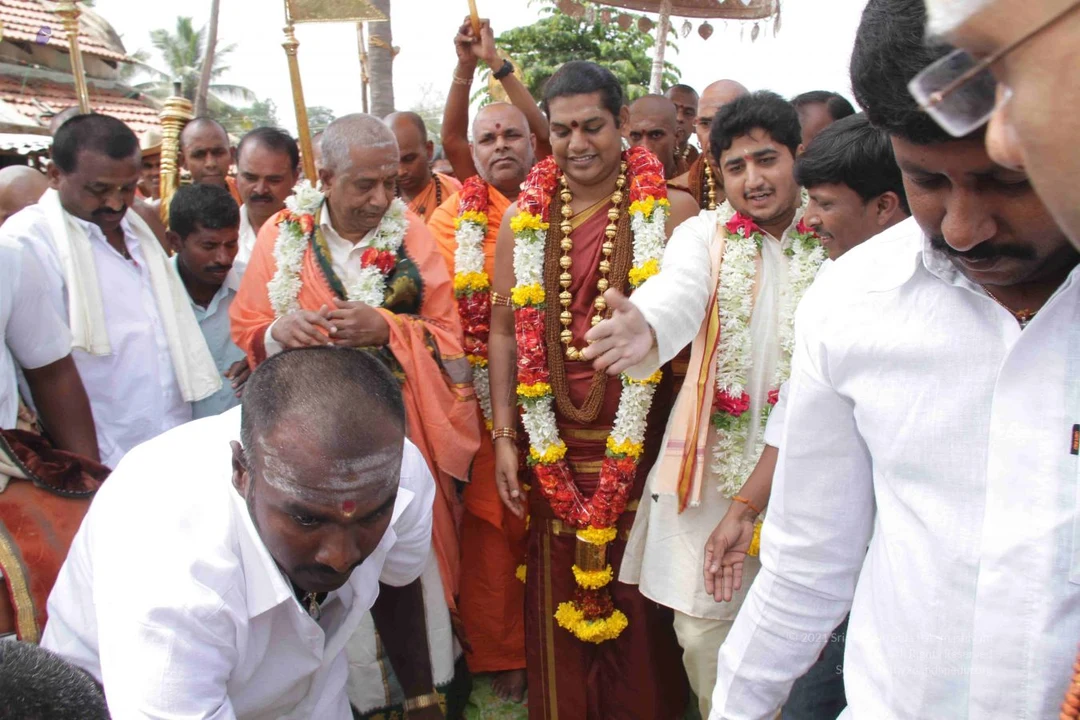
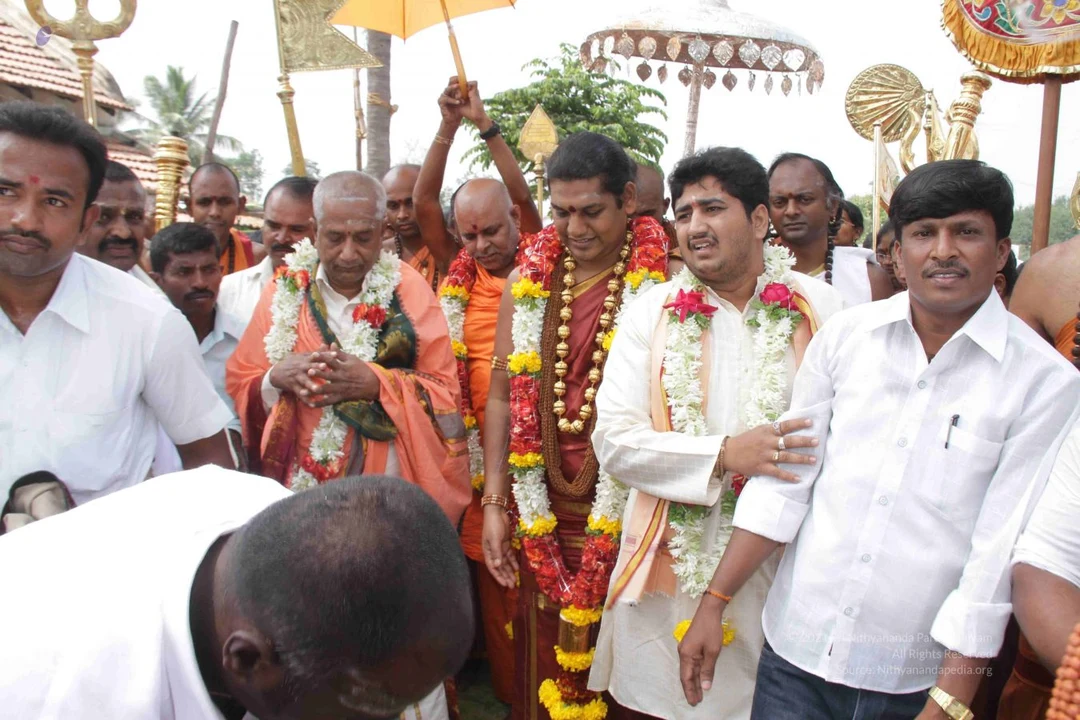


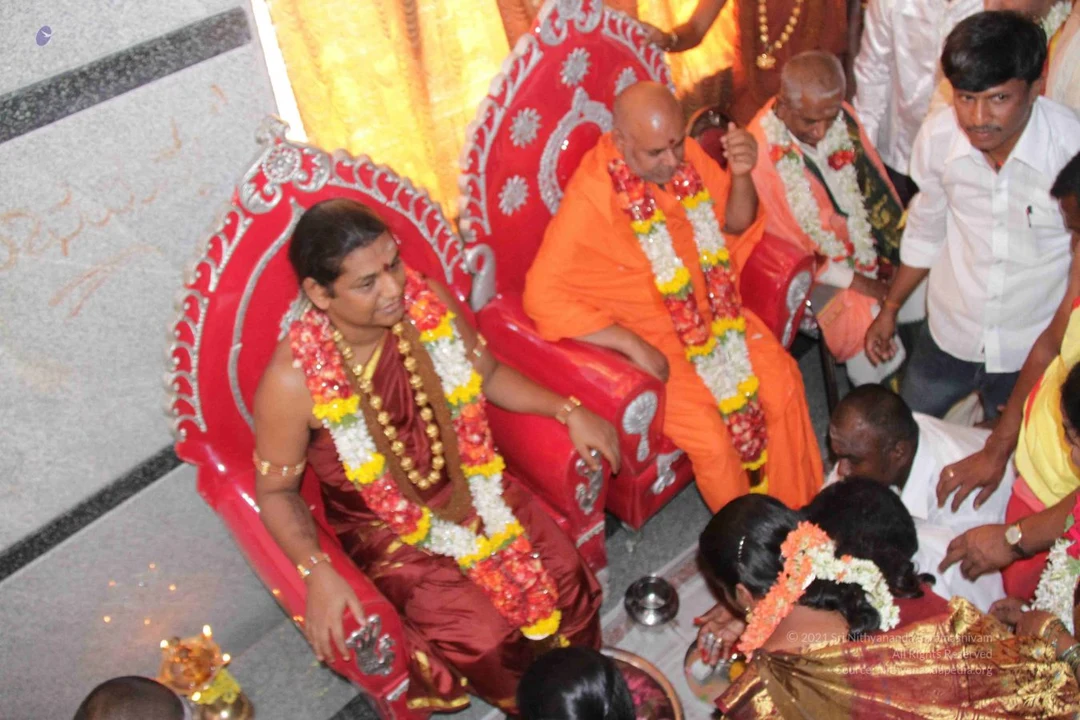
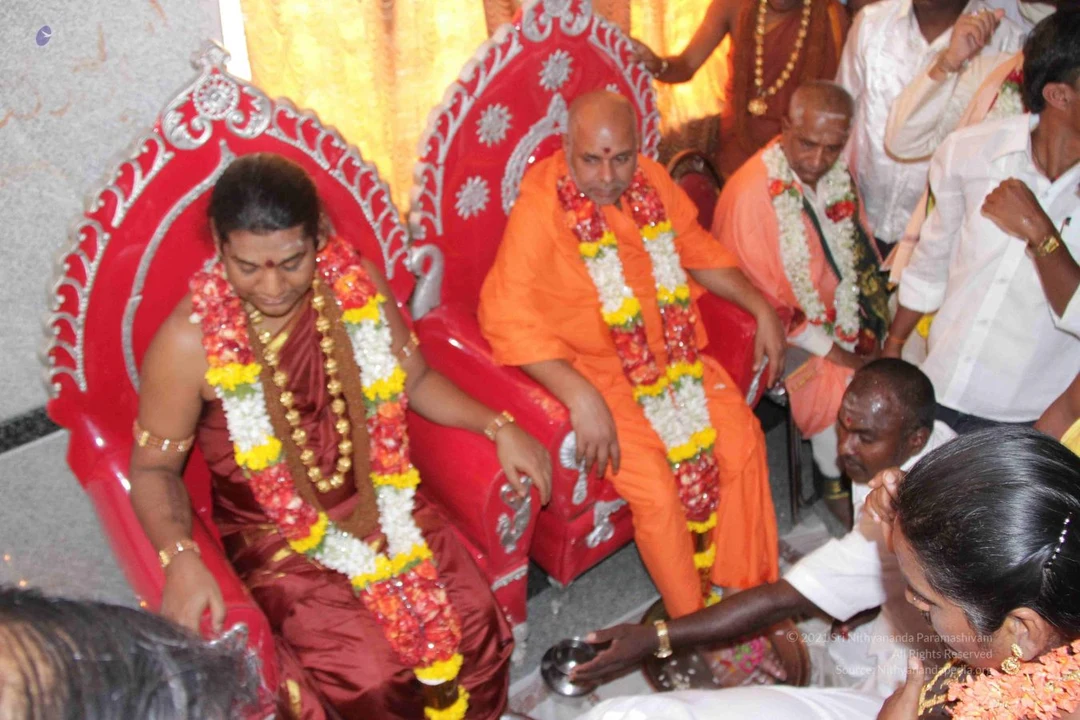
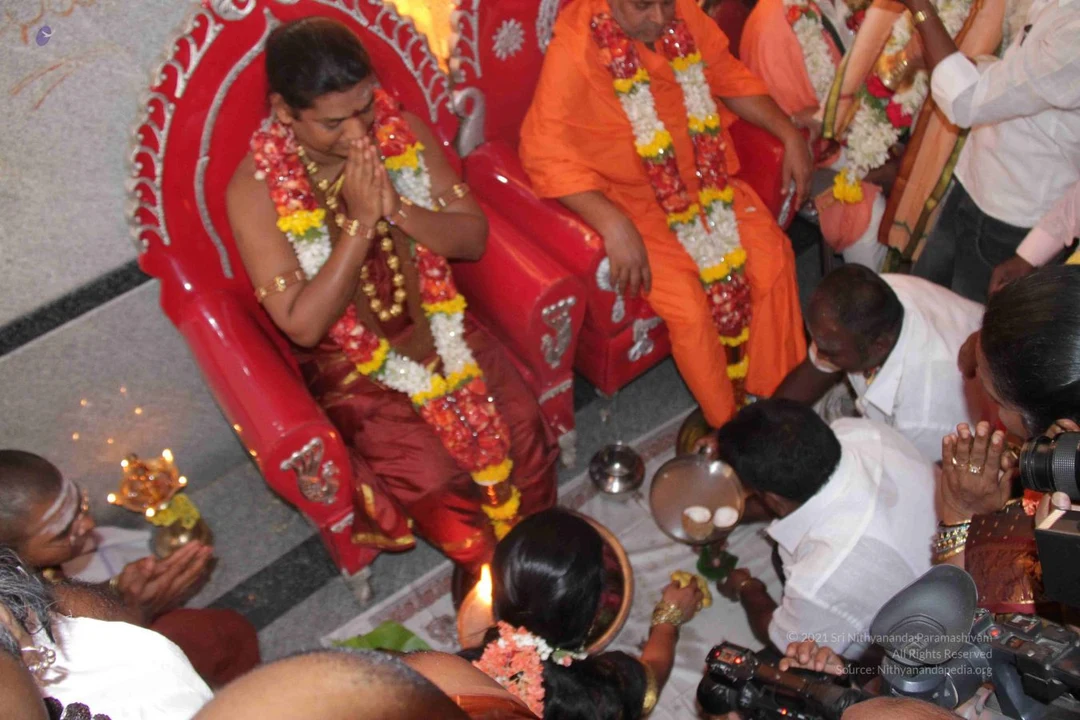
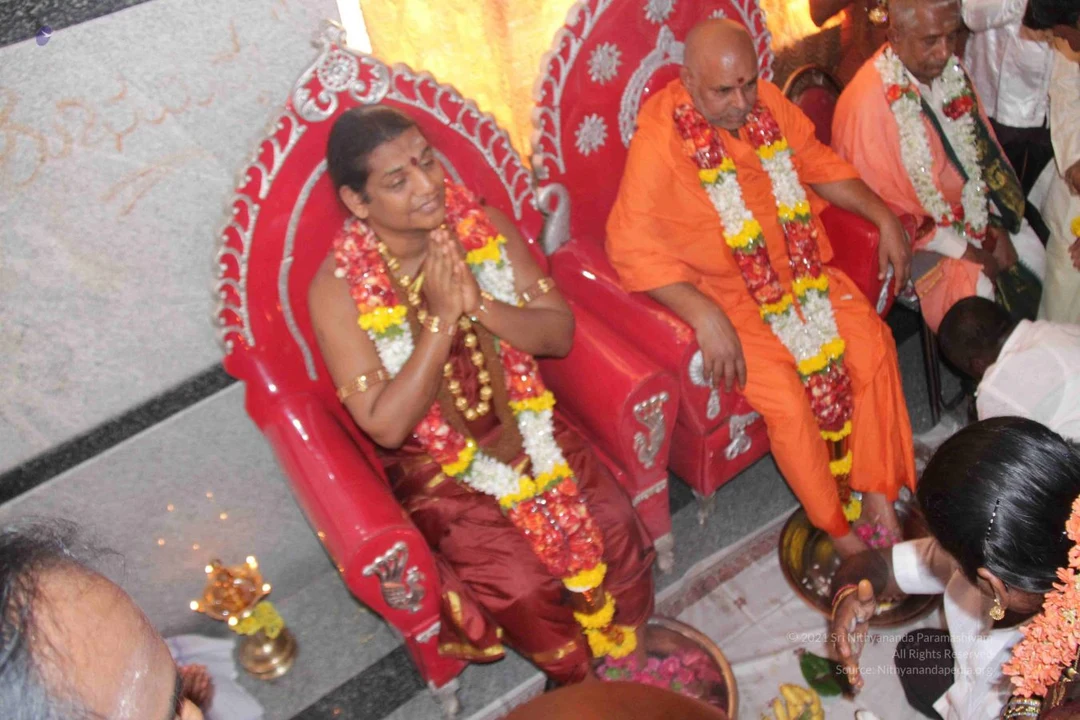
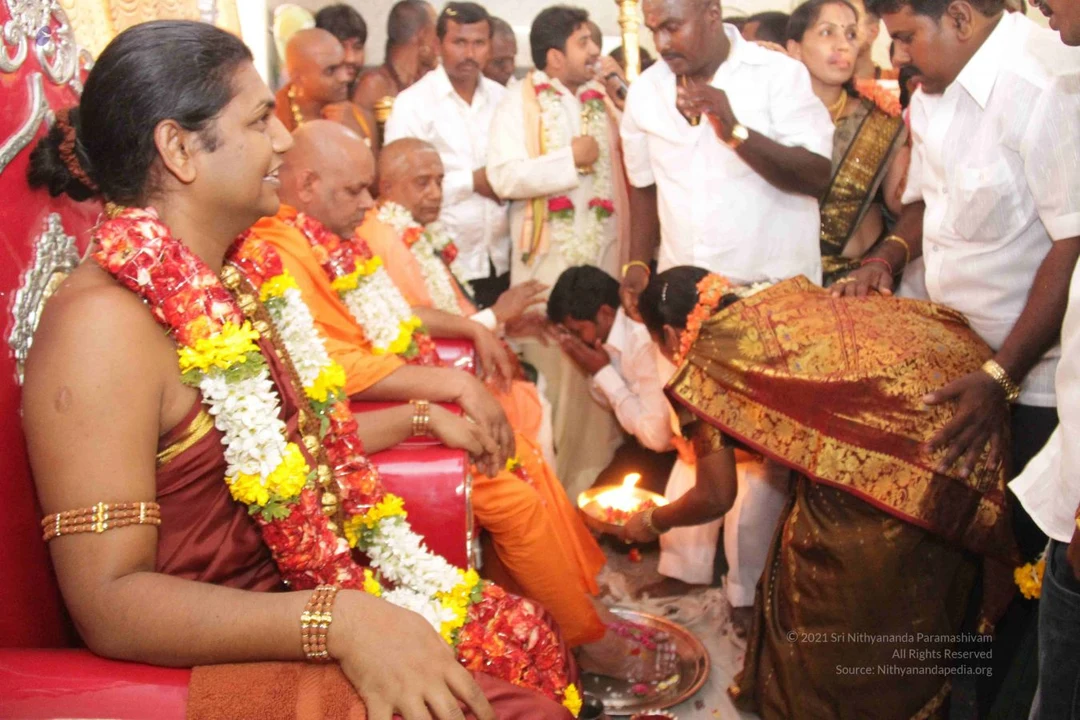
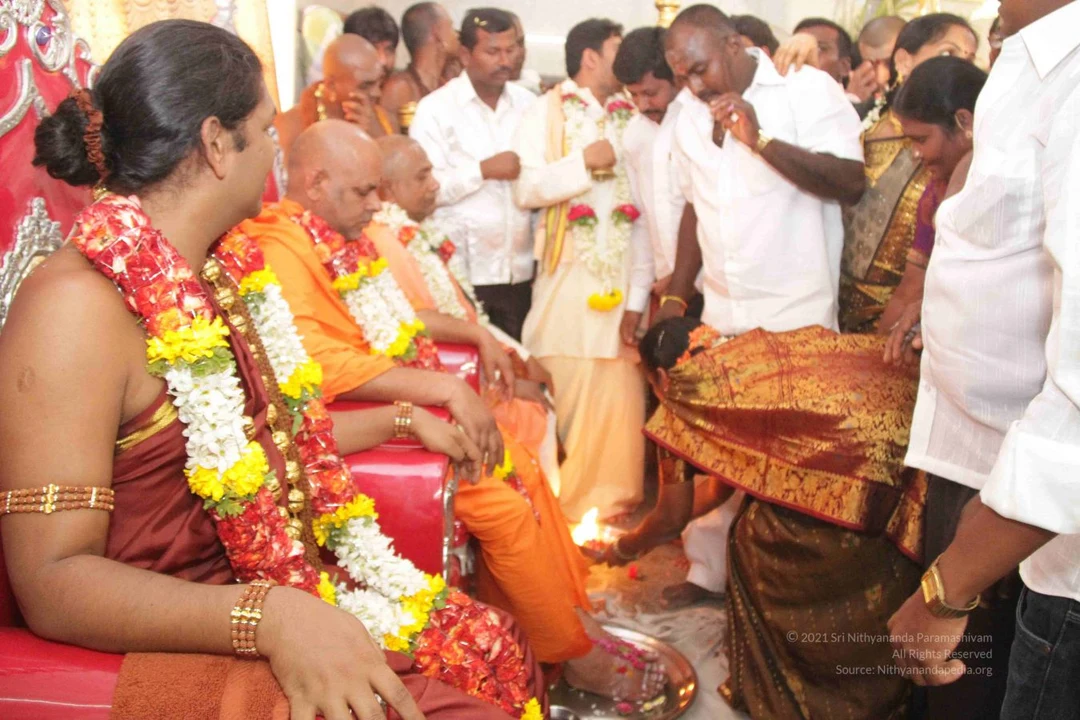
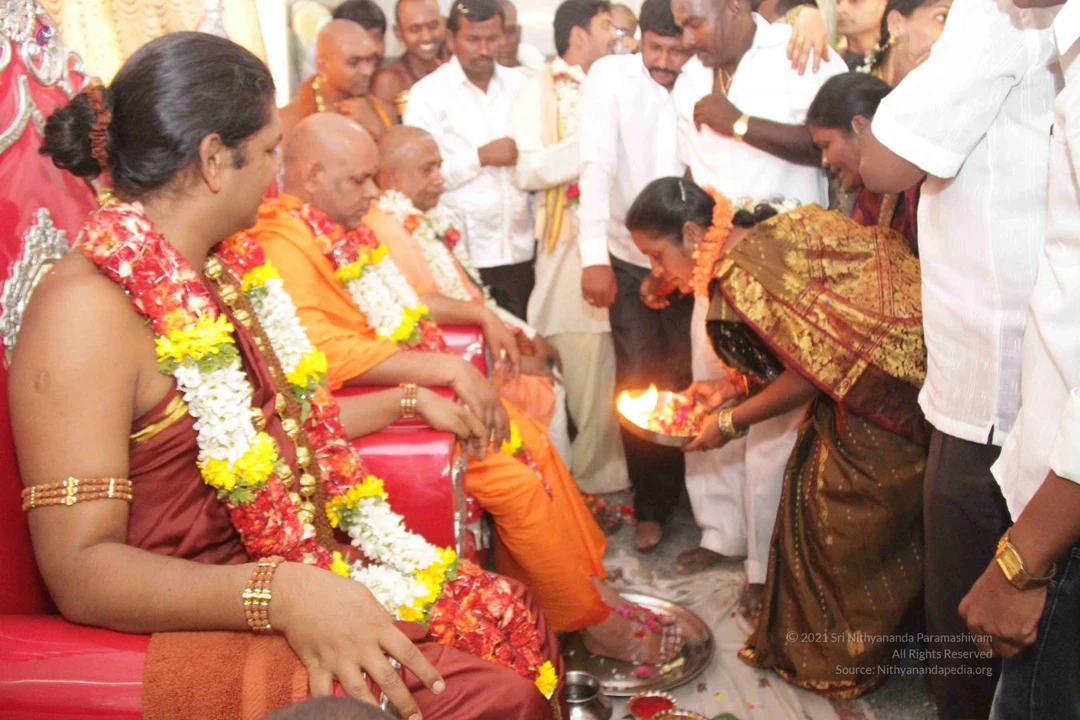
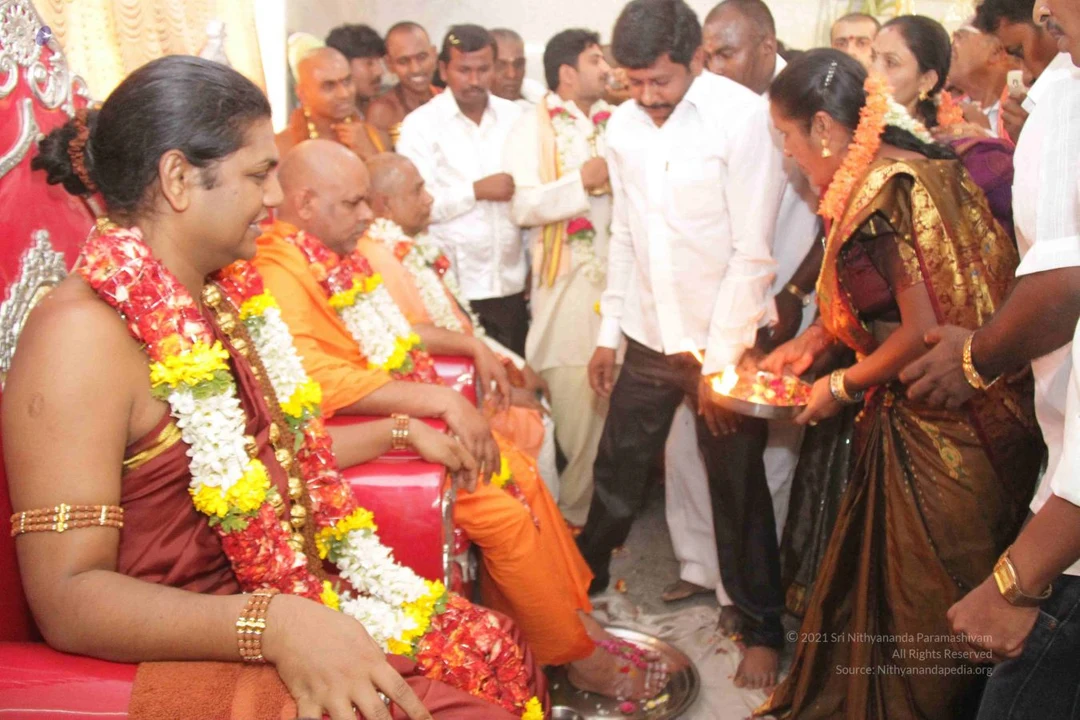
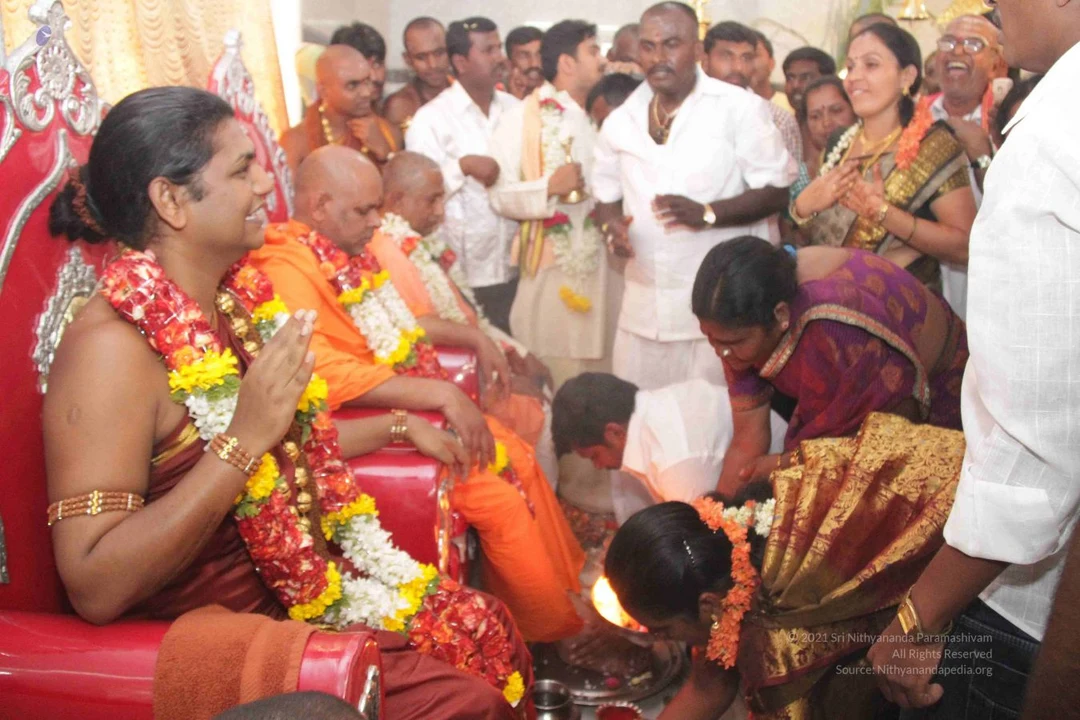
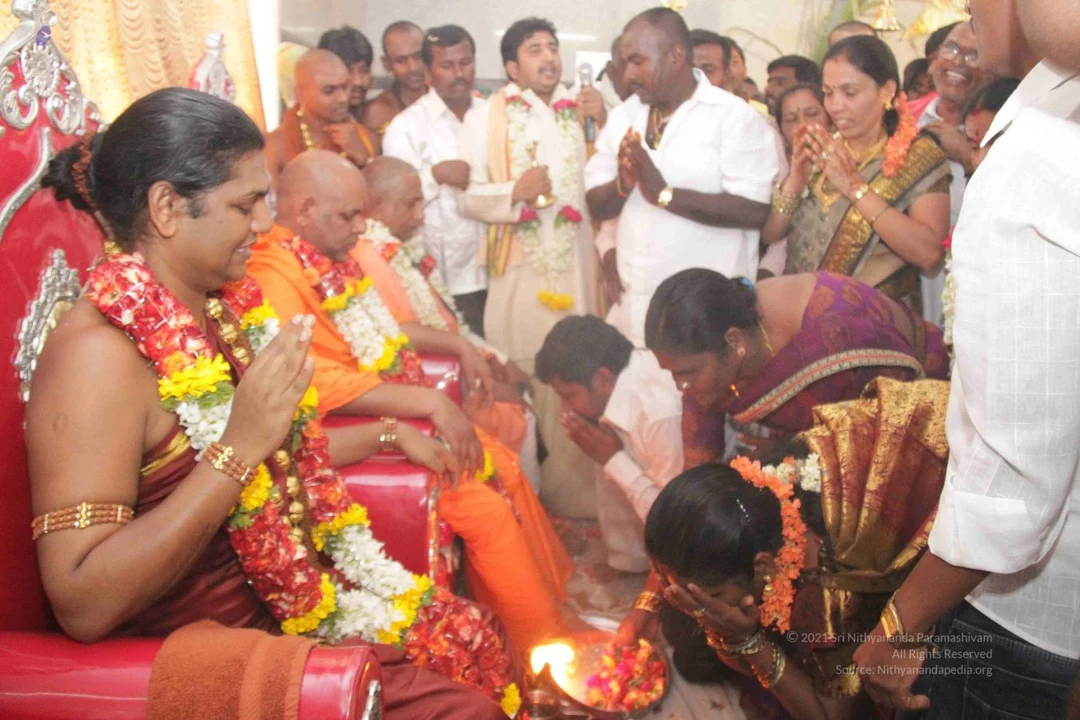
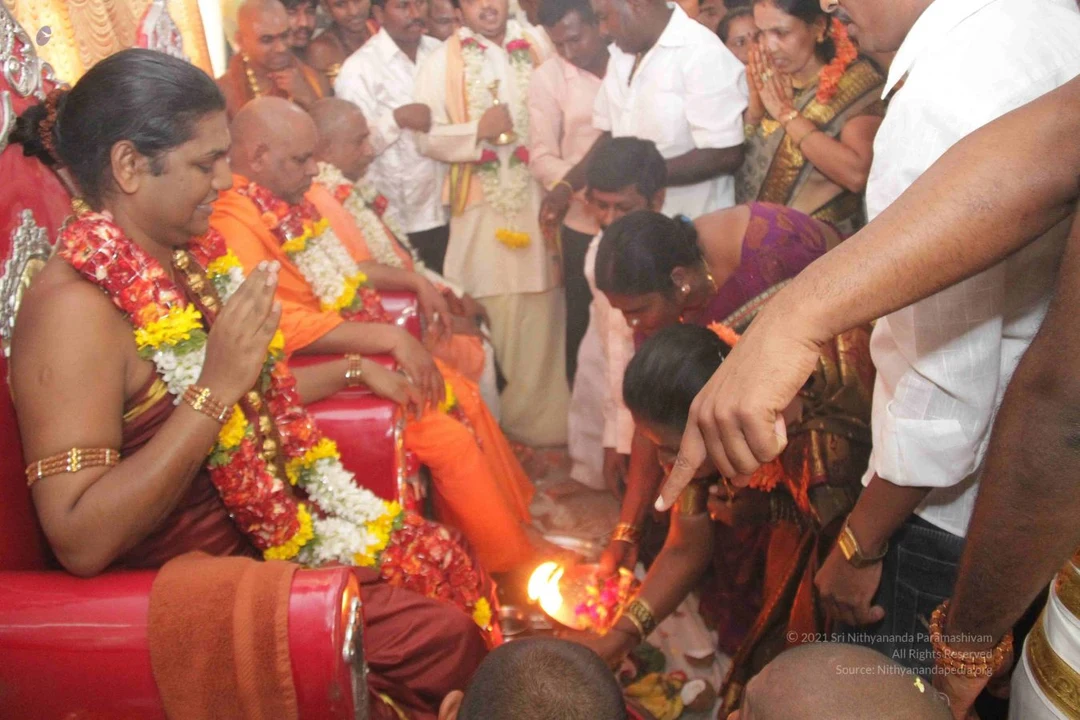
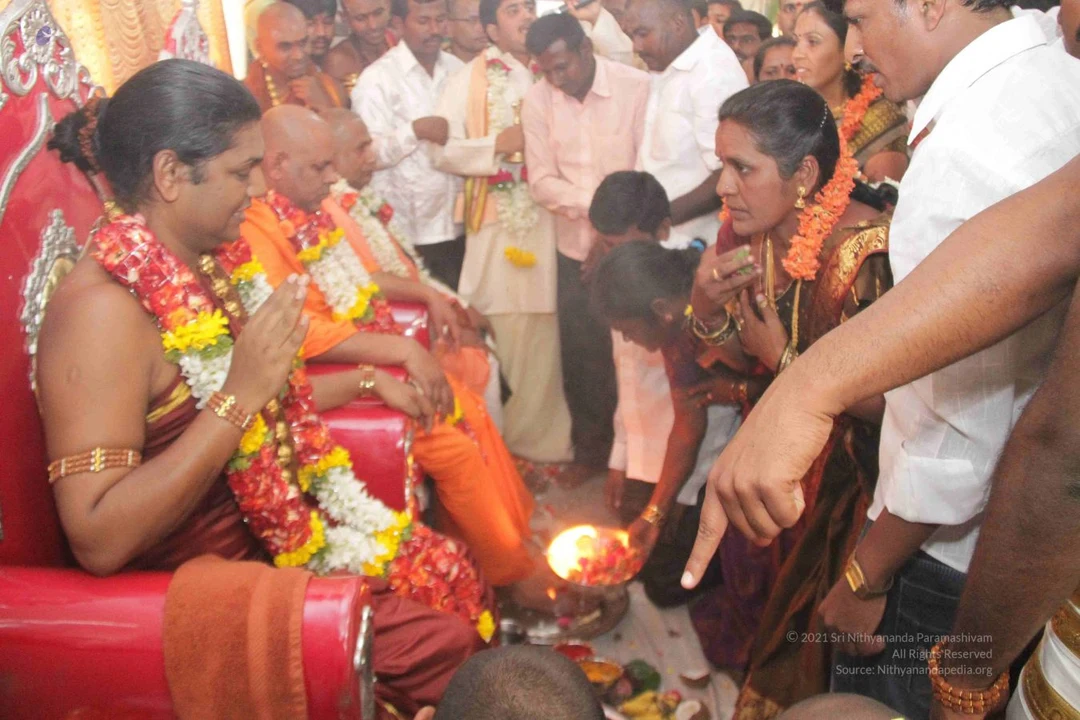
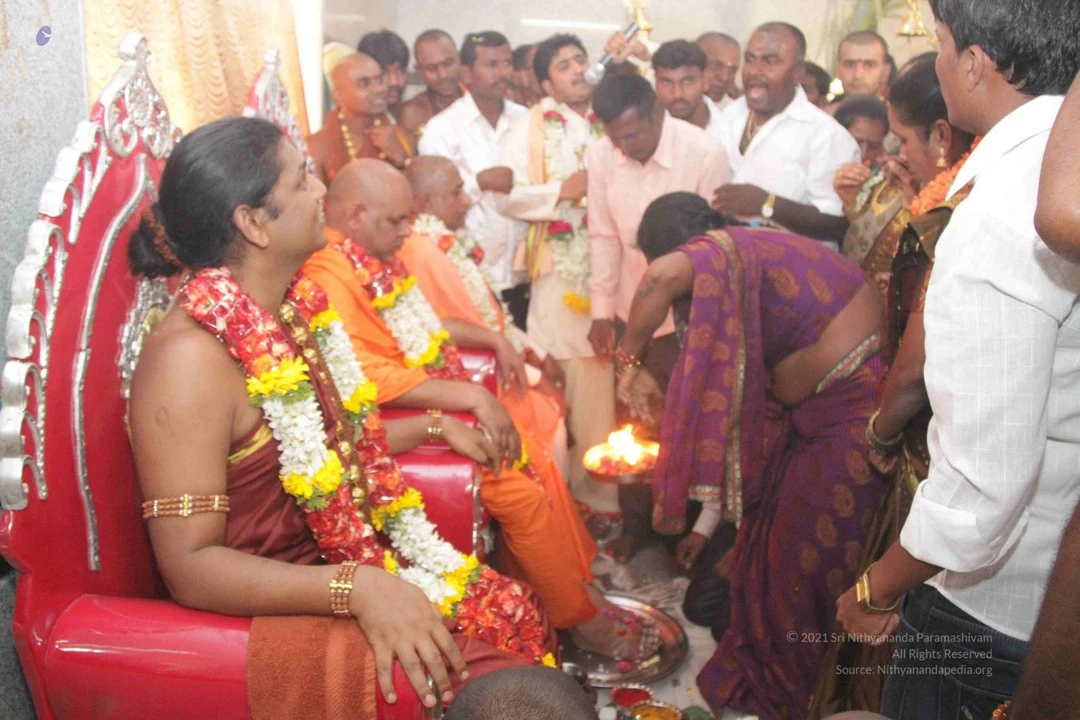
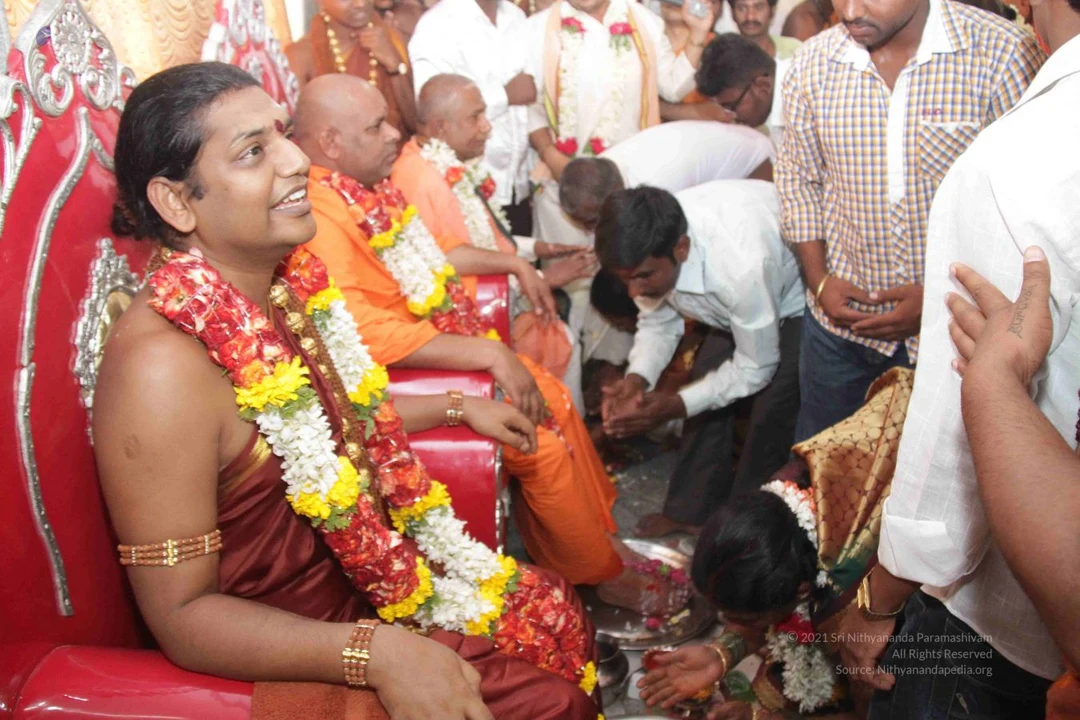
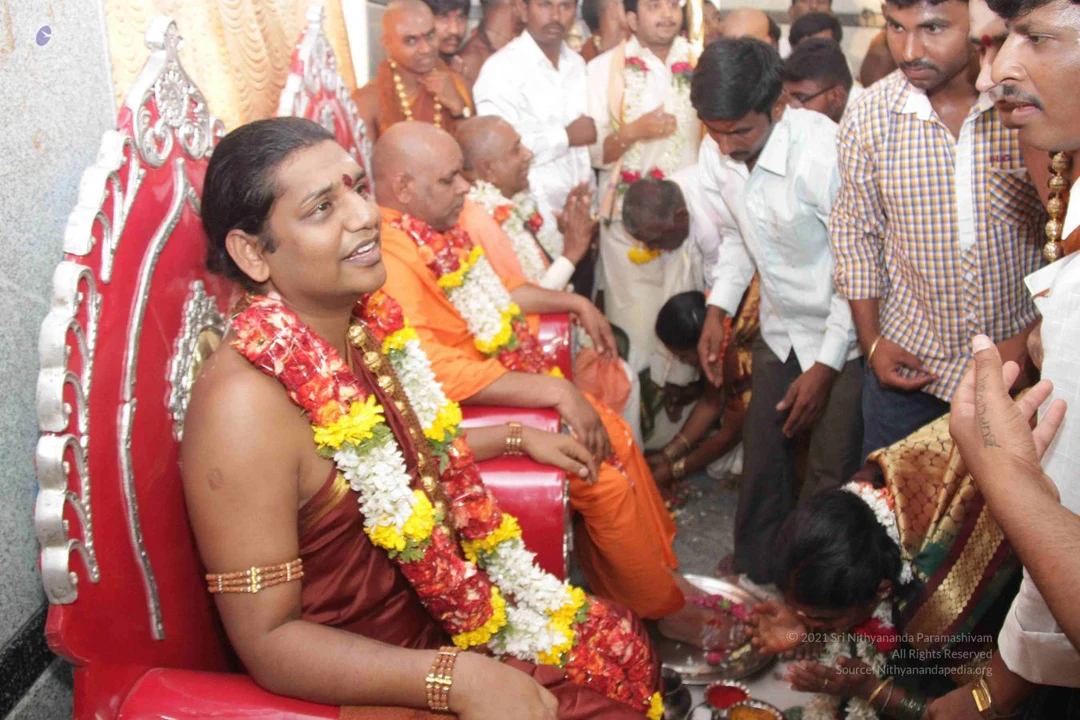
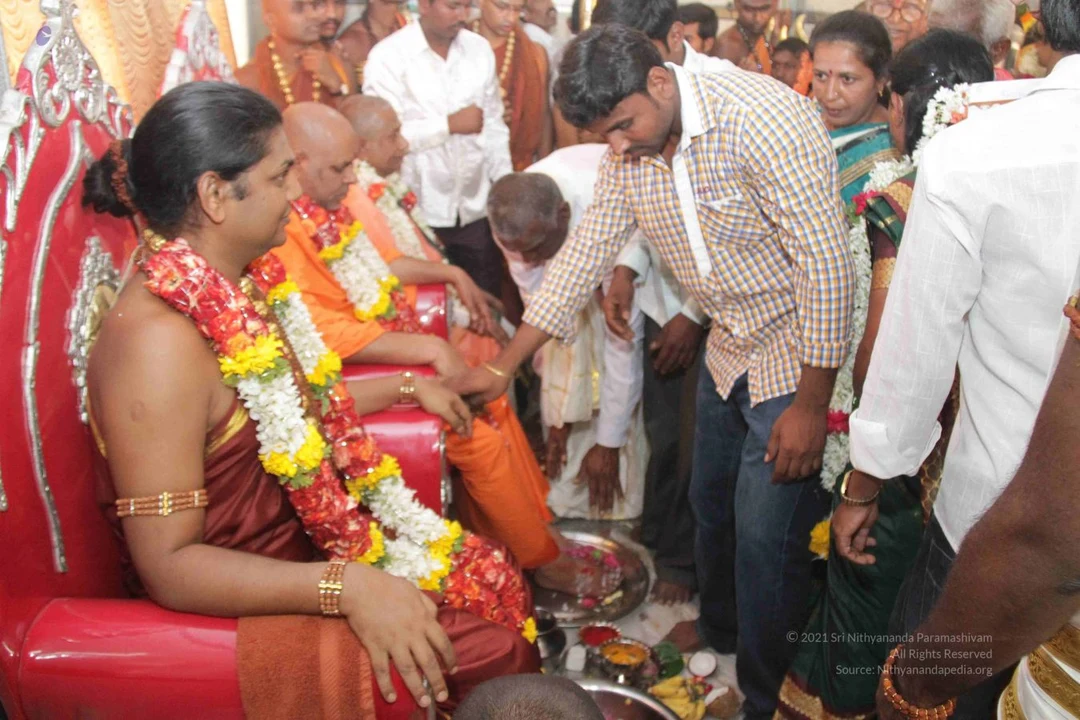



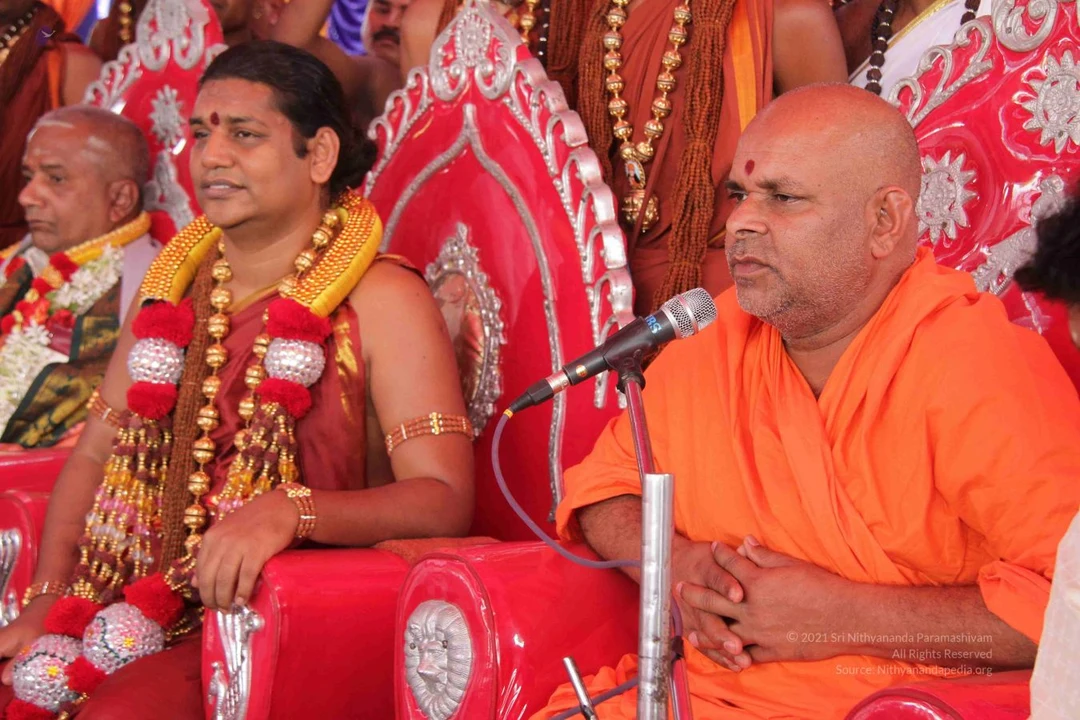
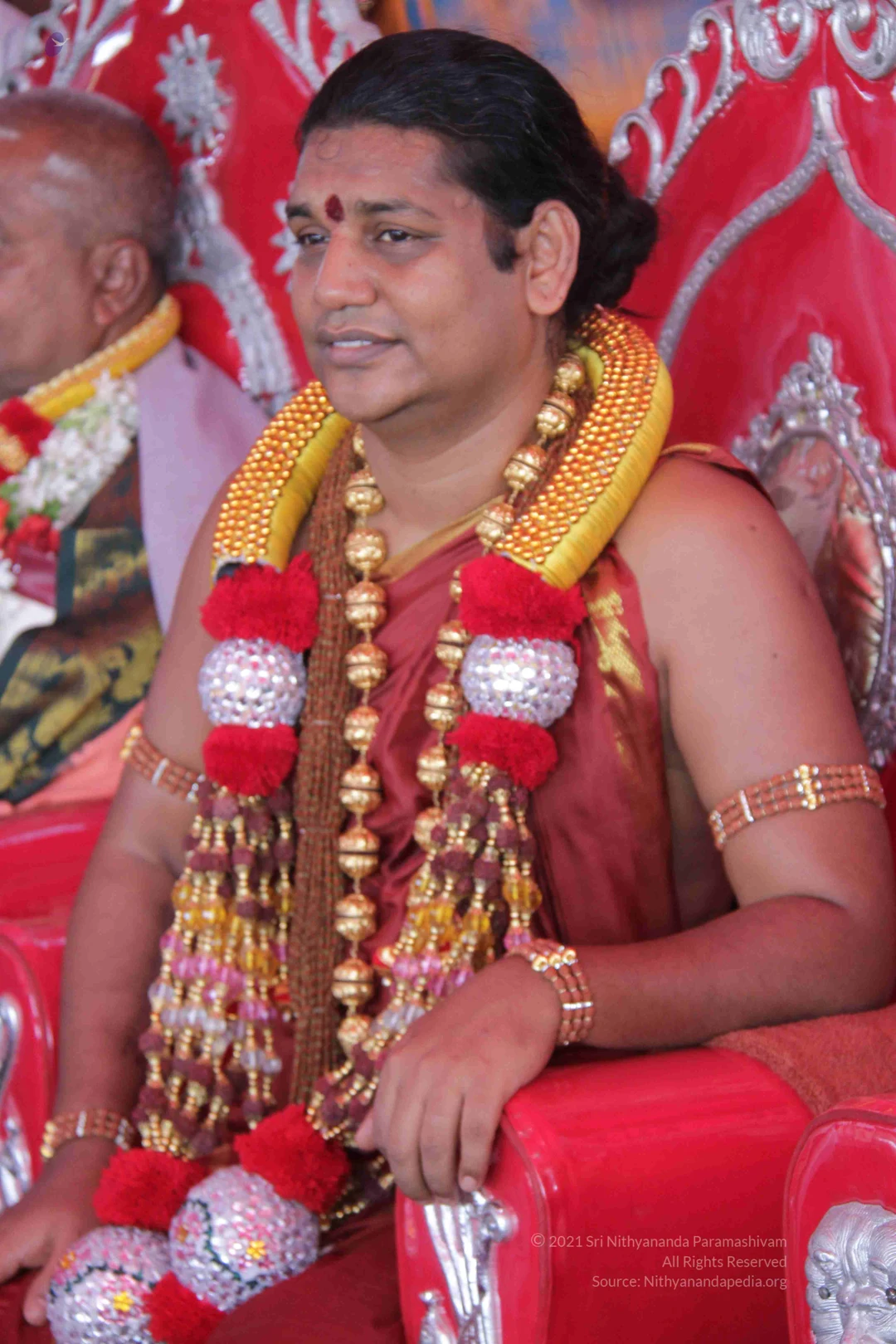
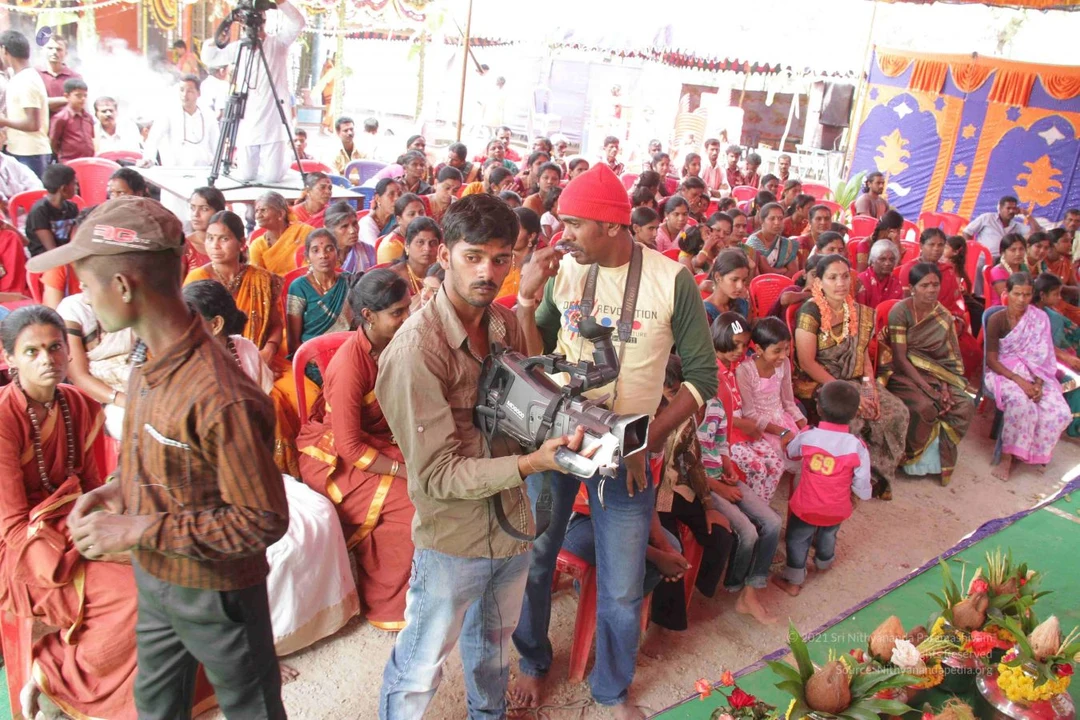
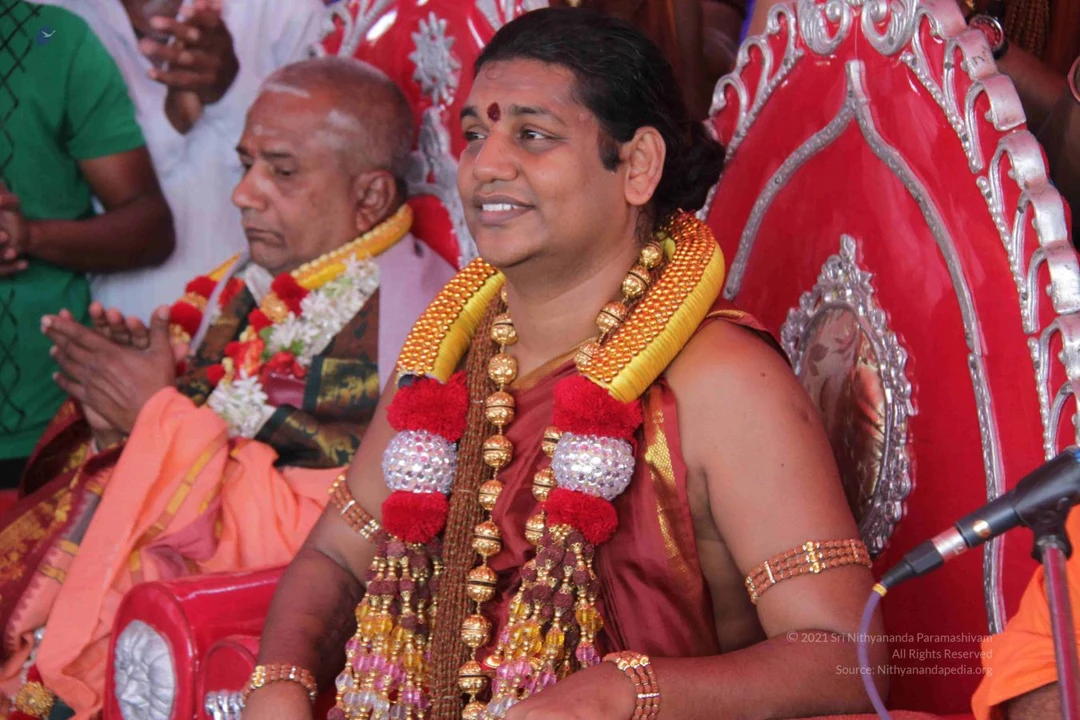

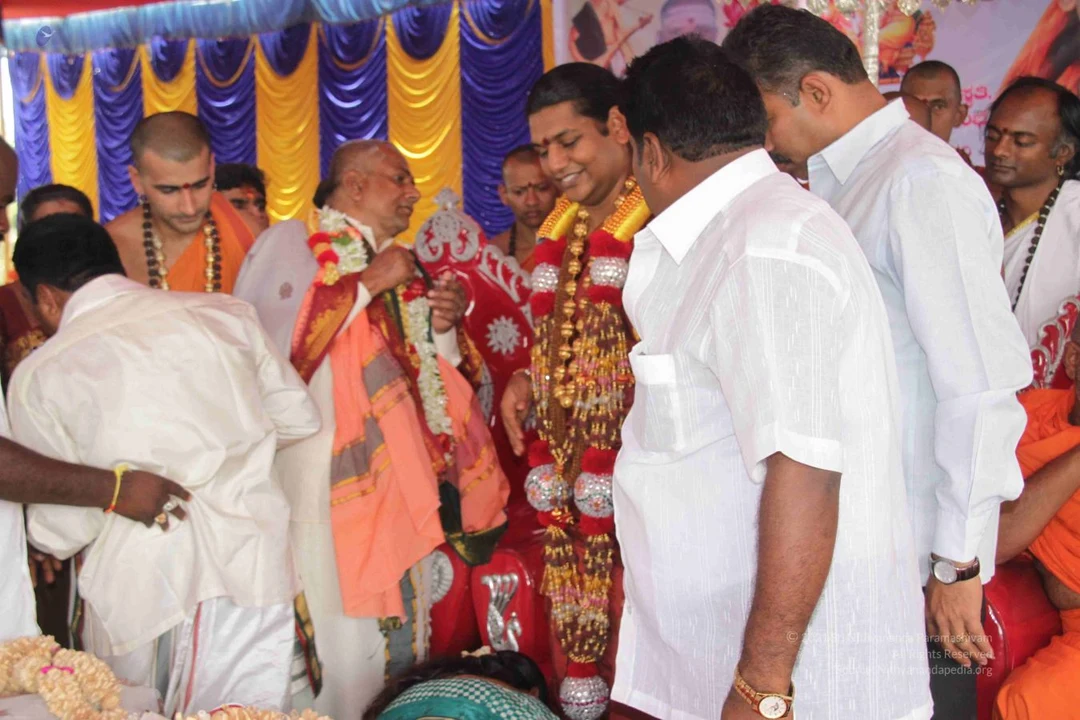
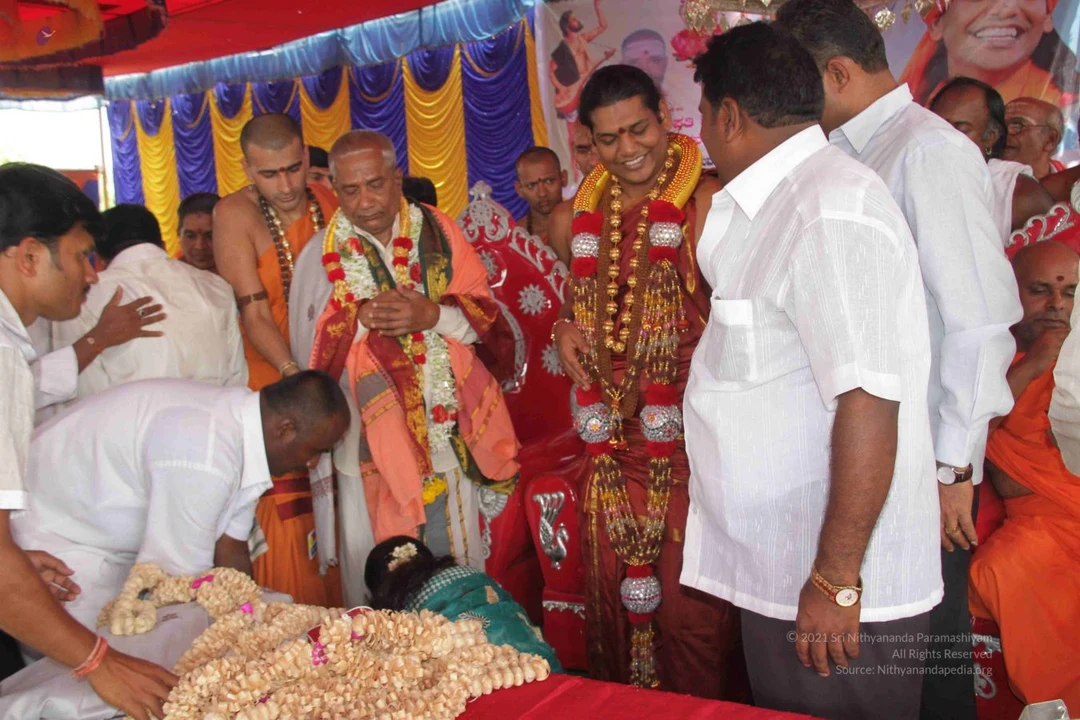
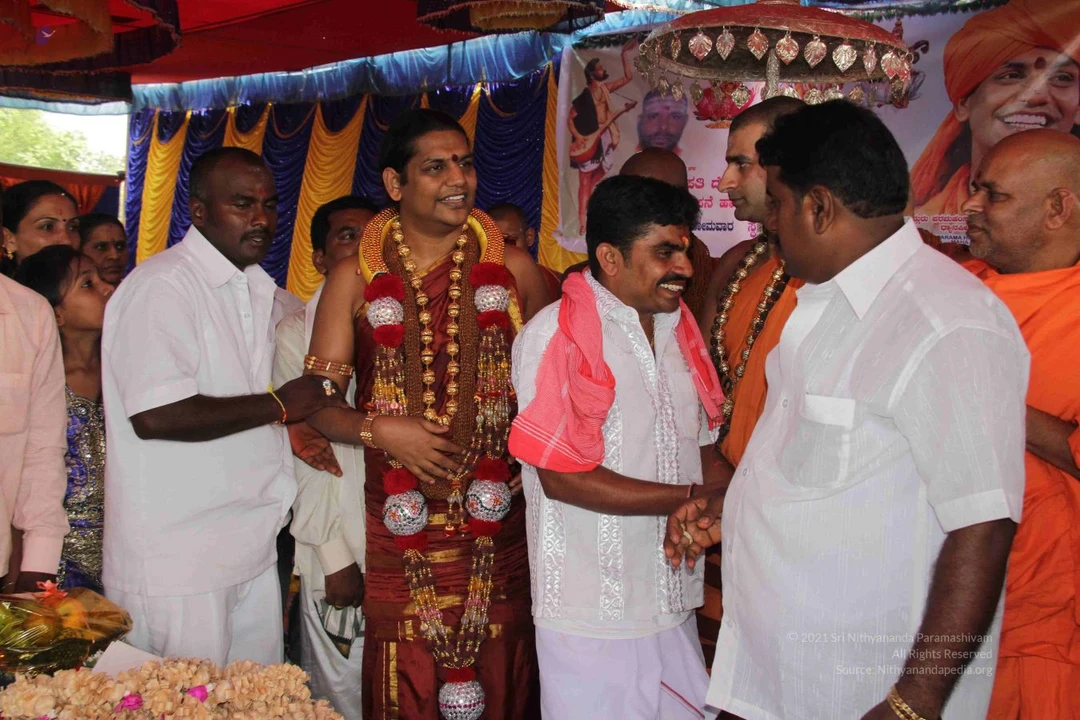
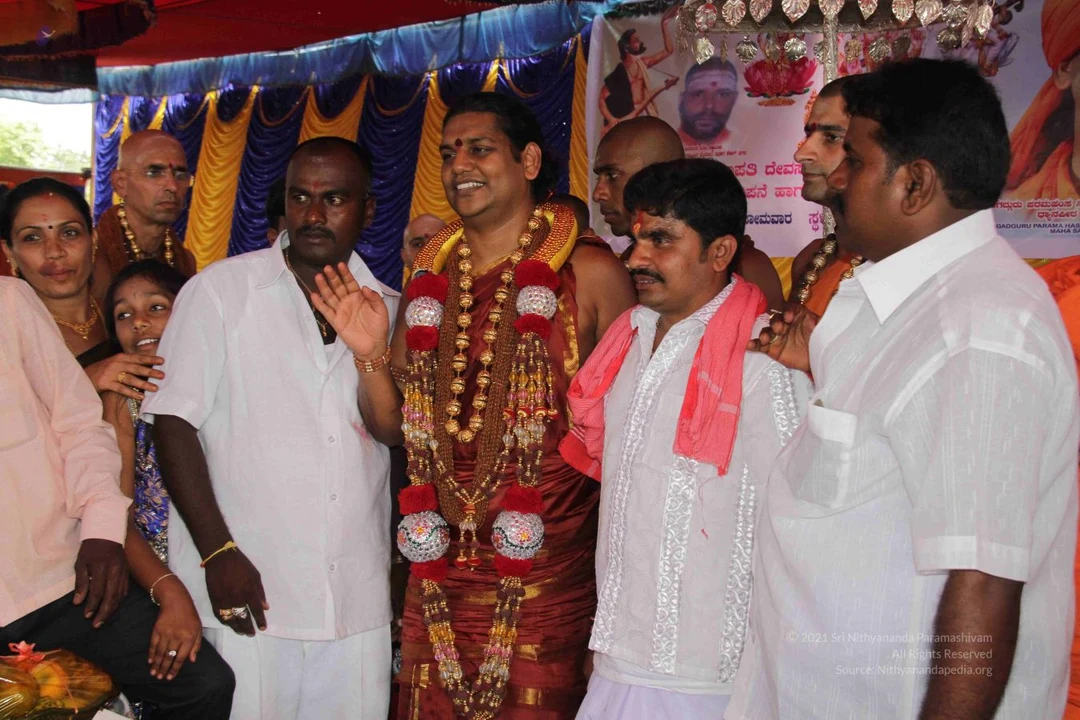

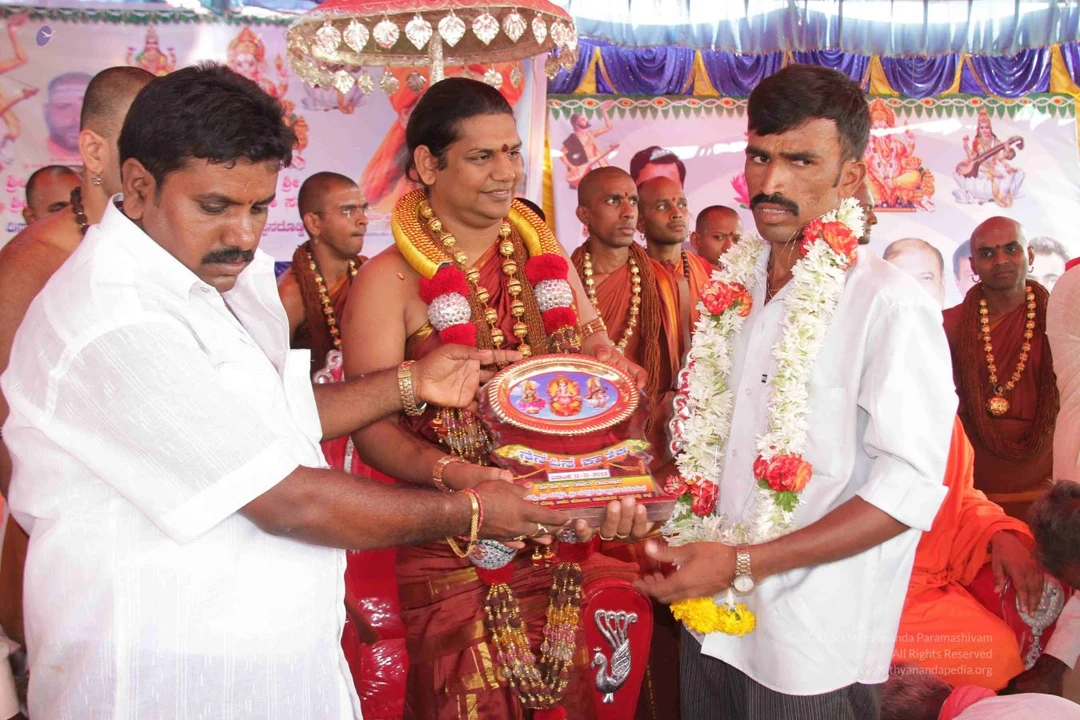
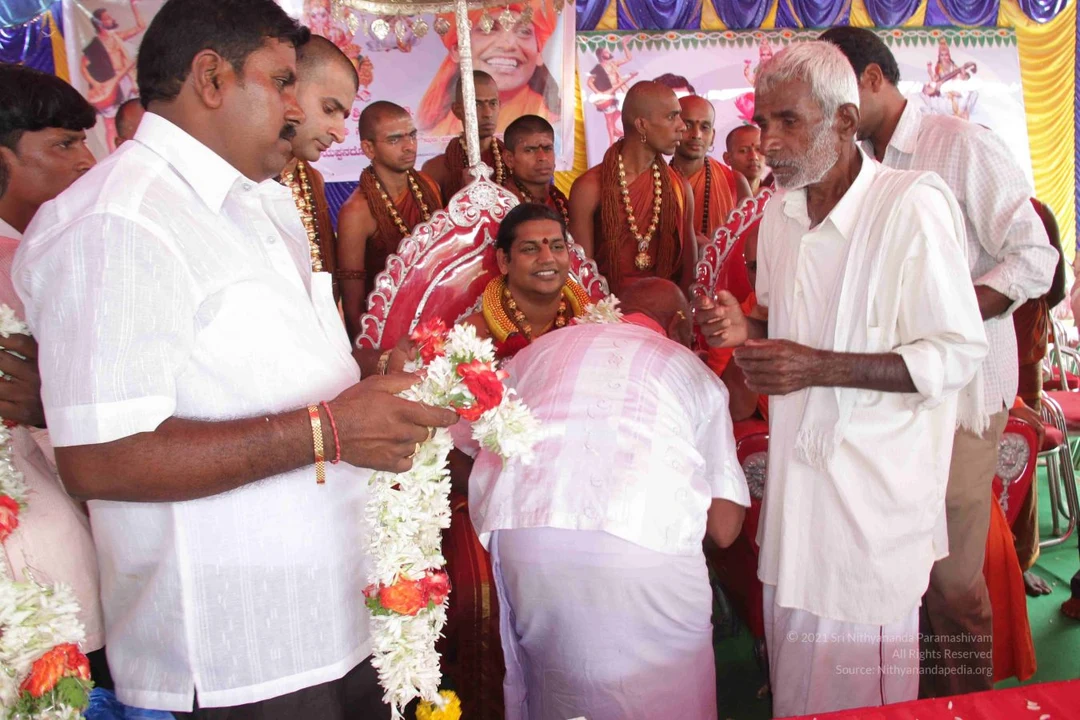
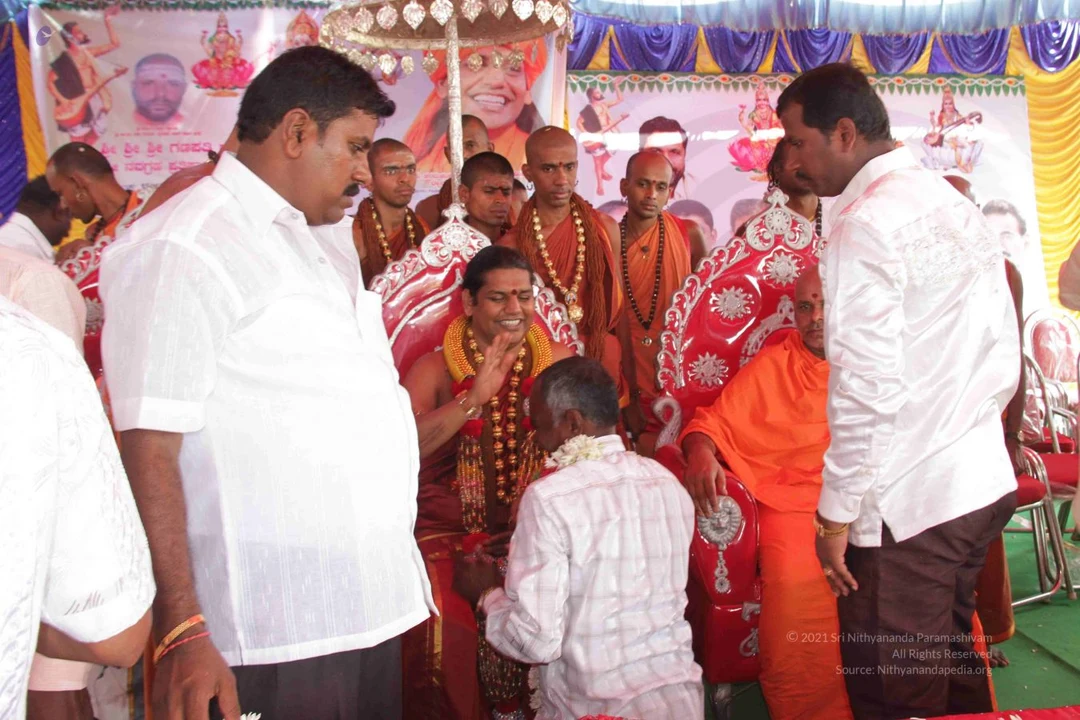
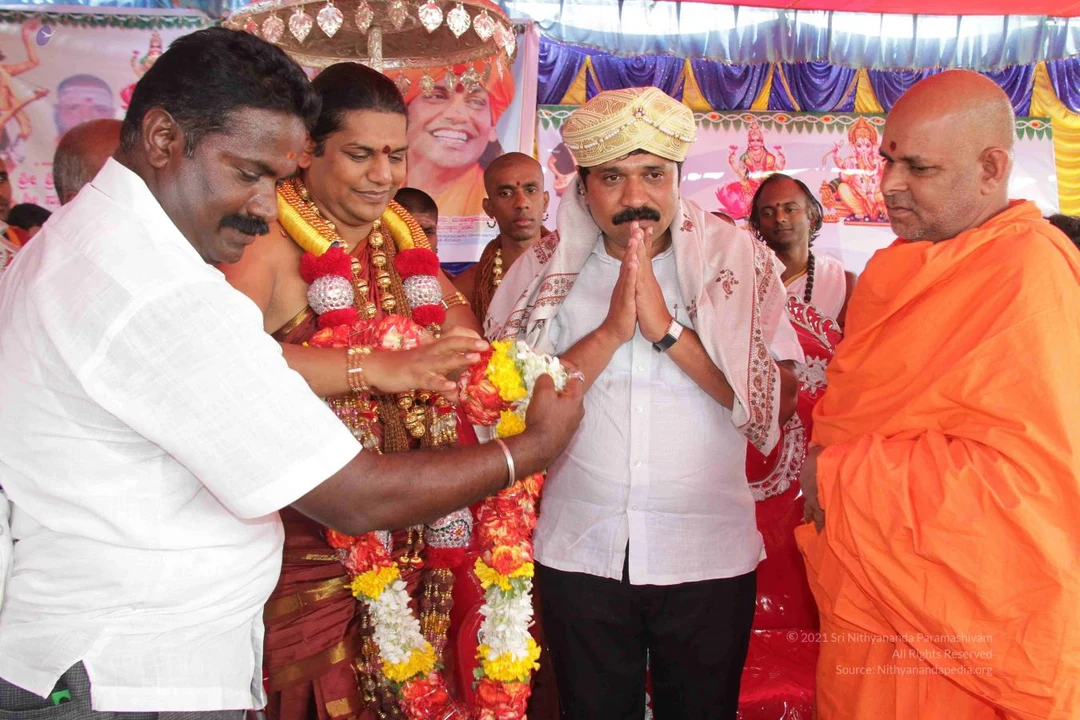


Photos from this day
View all 623 photosPhotos
13 photosSource gallery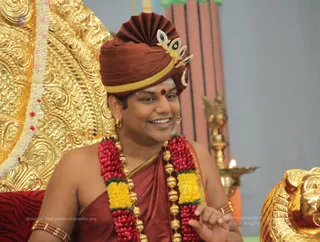
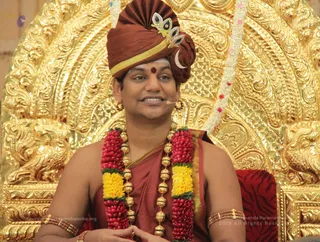
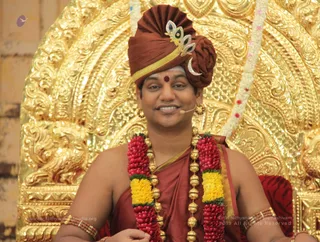
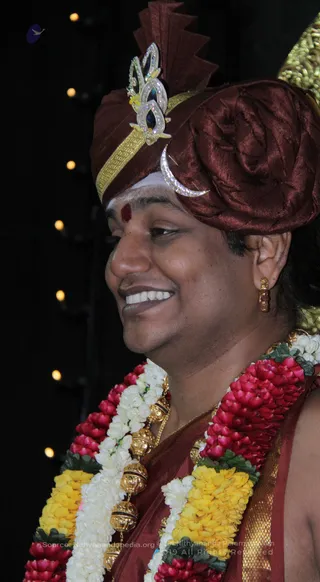
IA_Darshan
25 photosSource gallery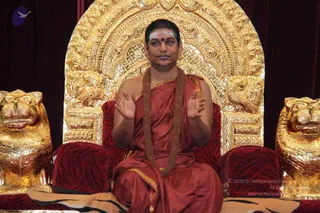
PHOTOS
117 photosSource gallery
KUMBHABHISHEKAM-TO-BIDADI-GANESHA-TEMPLE
345 photosSource gallery