Skip to content
Sunday

10 November 2013

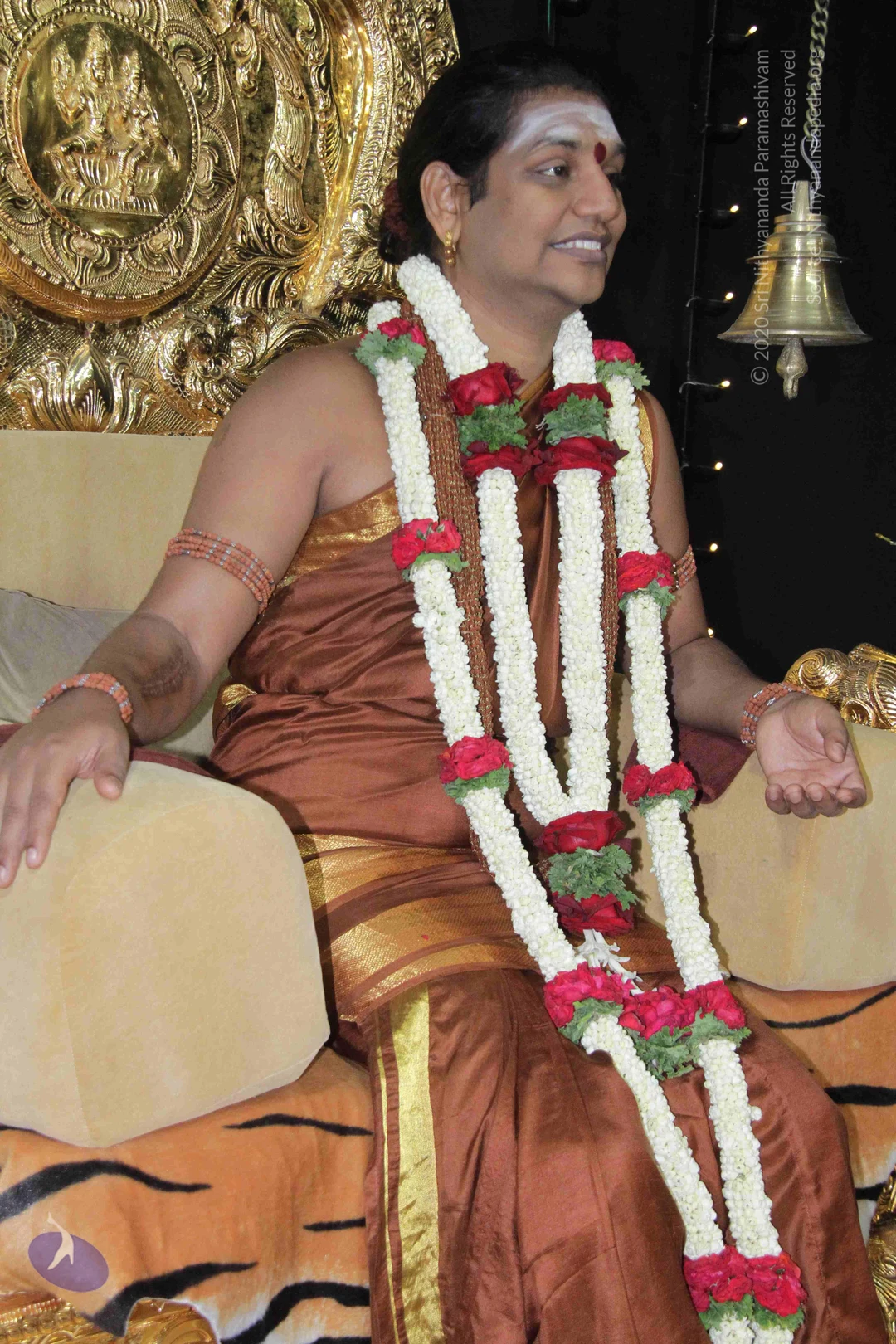
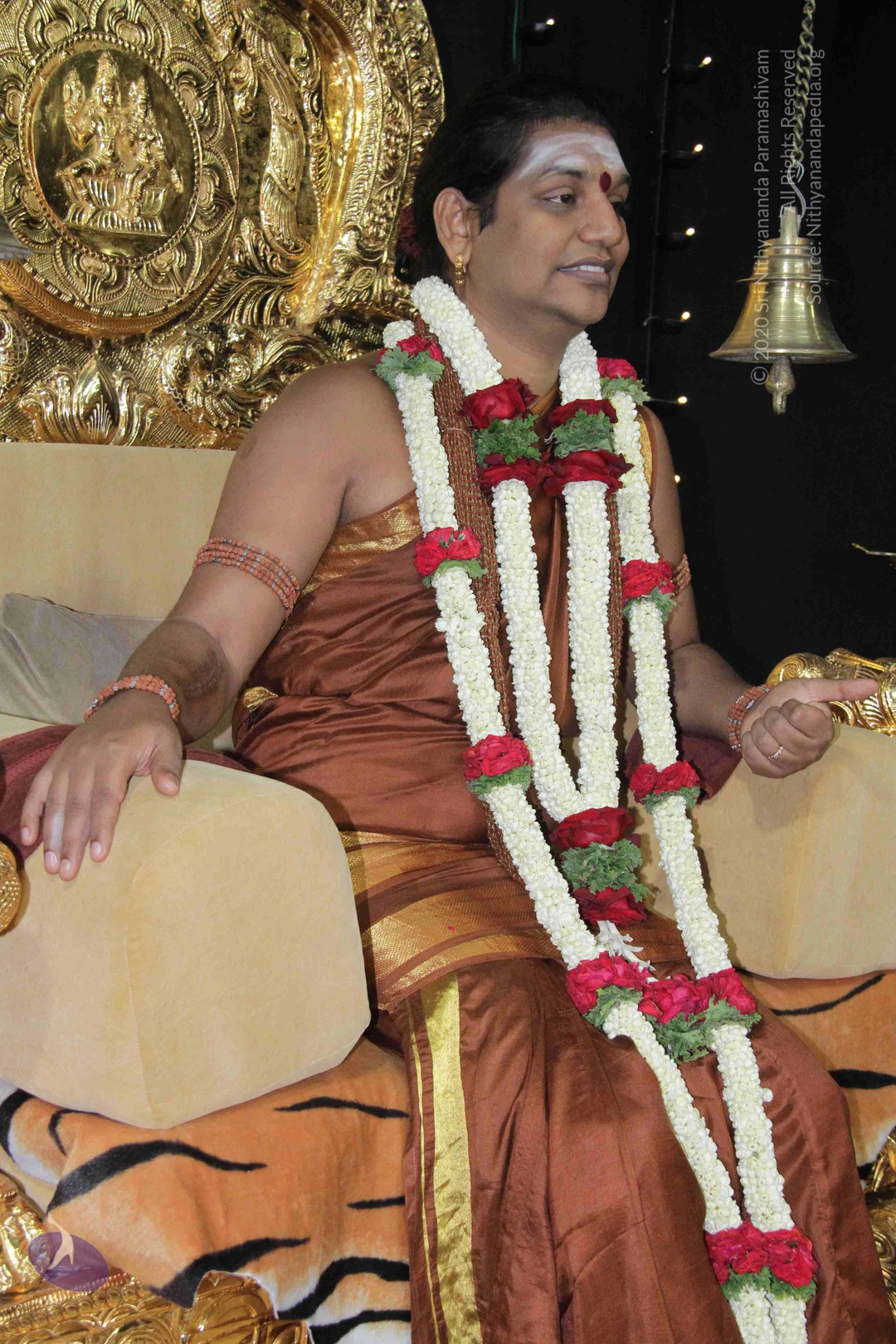
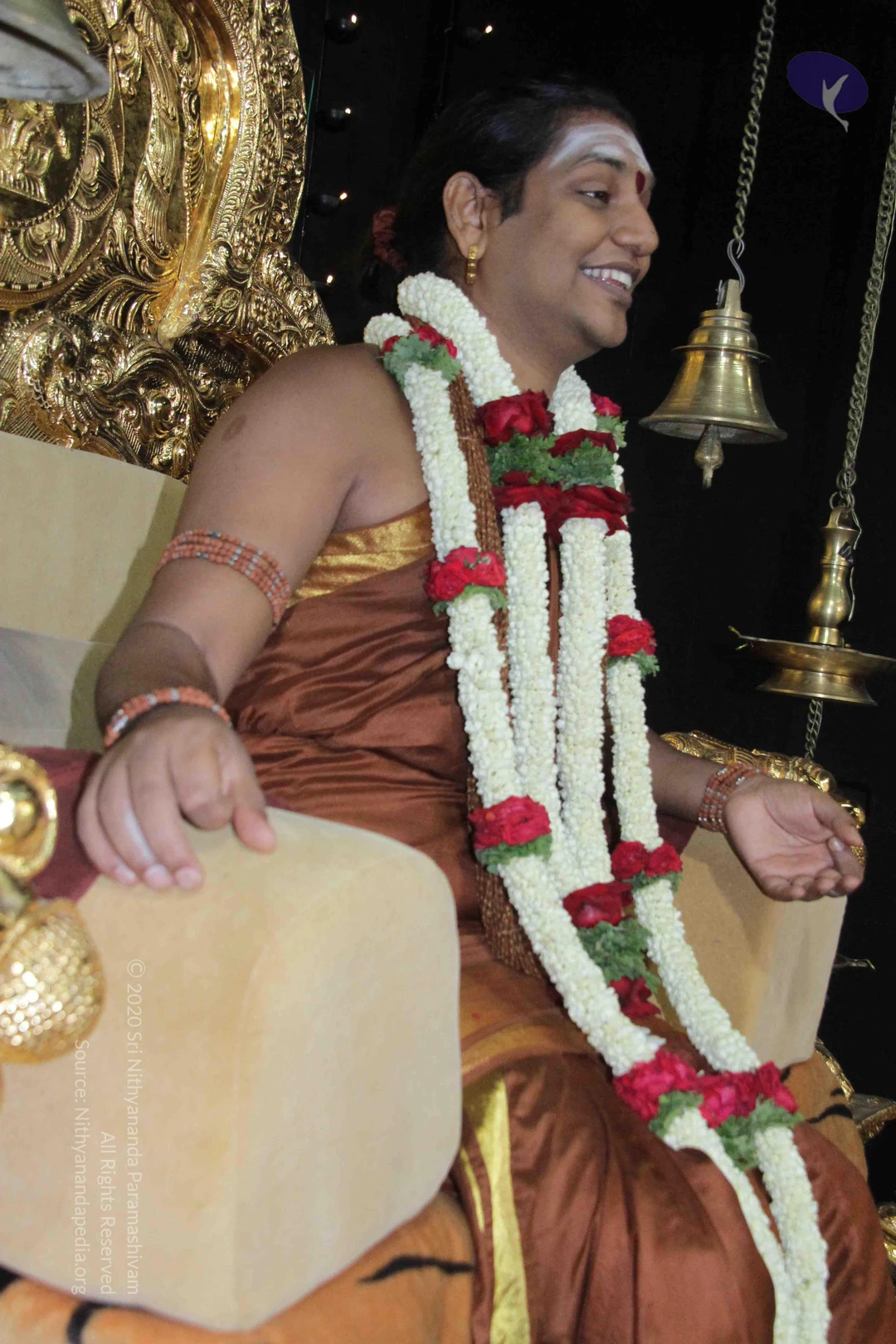
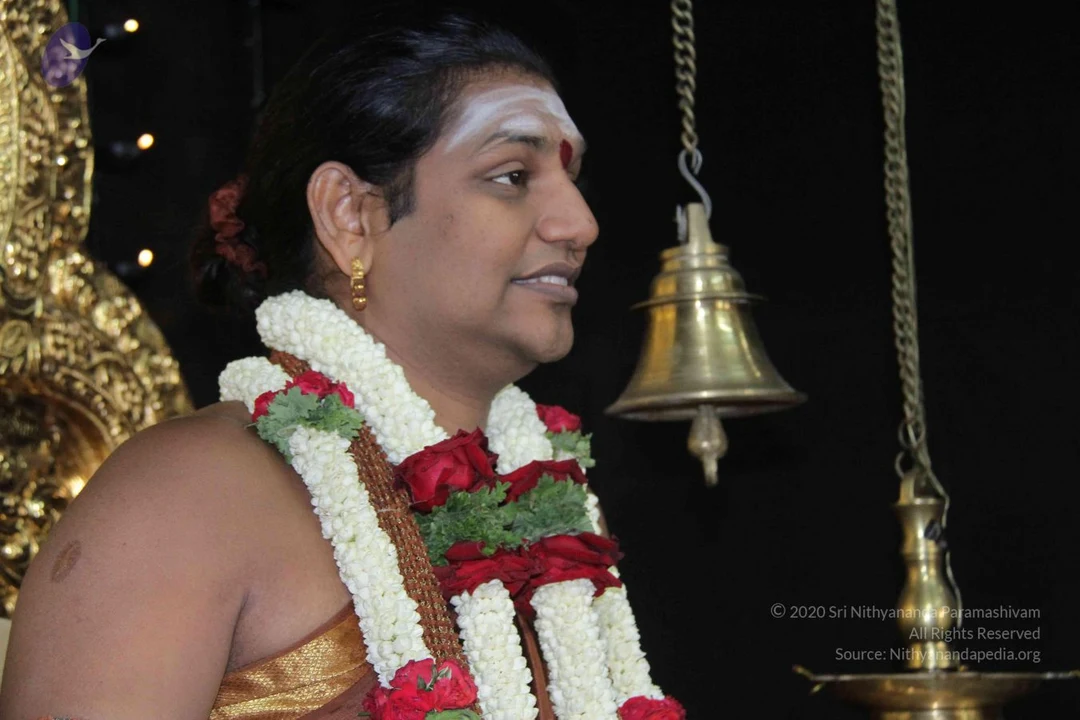
The Supreme Pontiff of Hinduism HDH Bhagavan Nithyananda Paramashivam

Dated photos
431
Source pages
1
Media
2
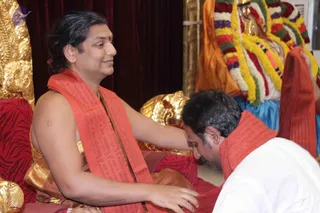
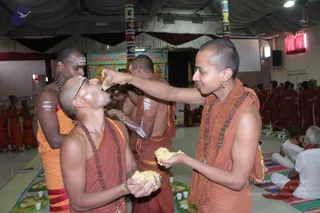
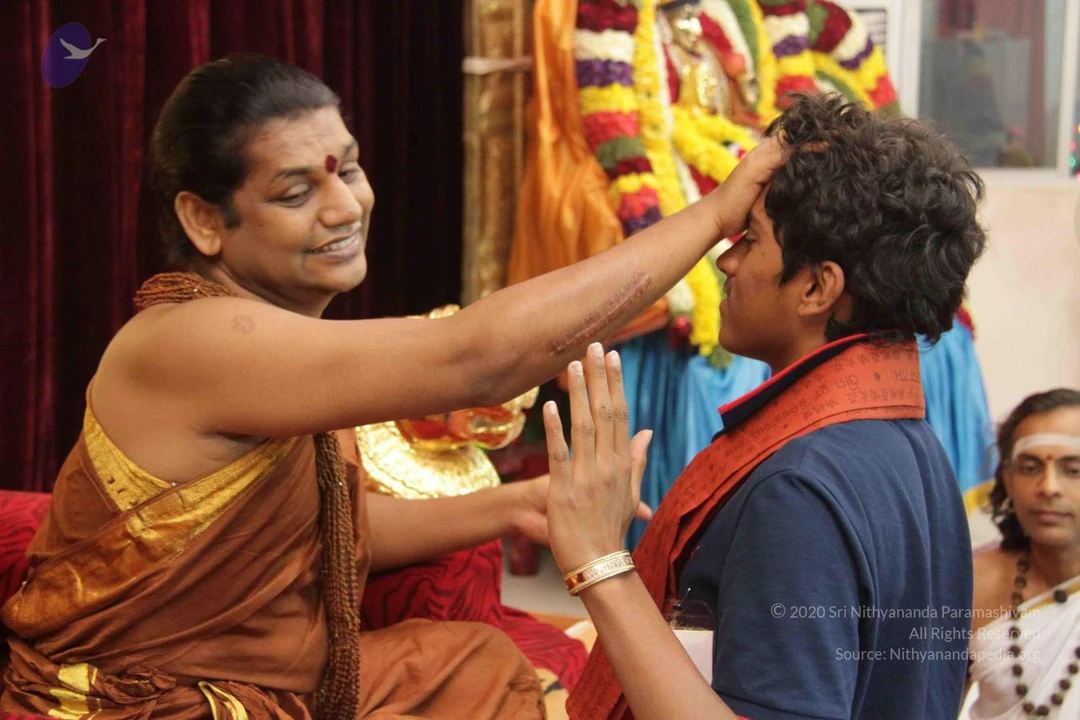
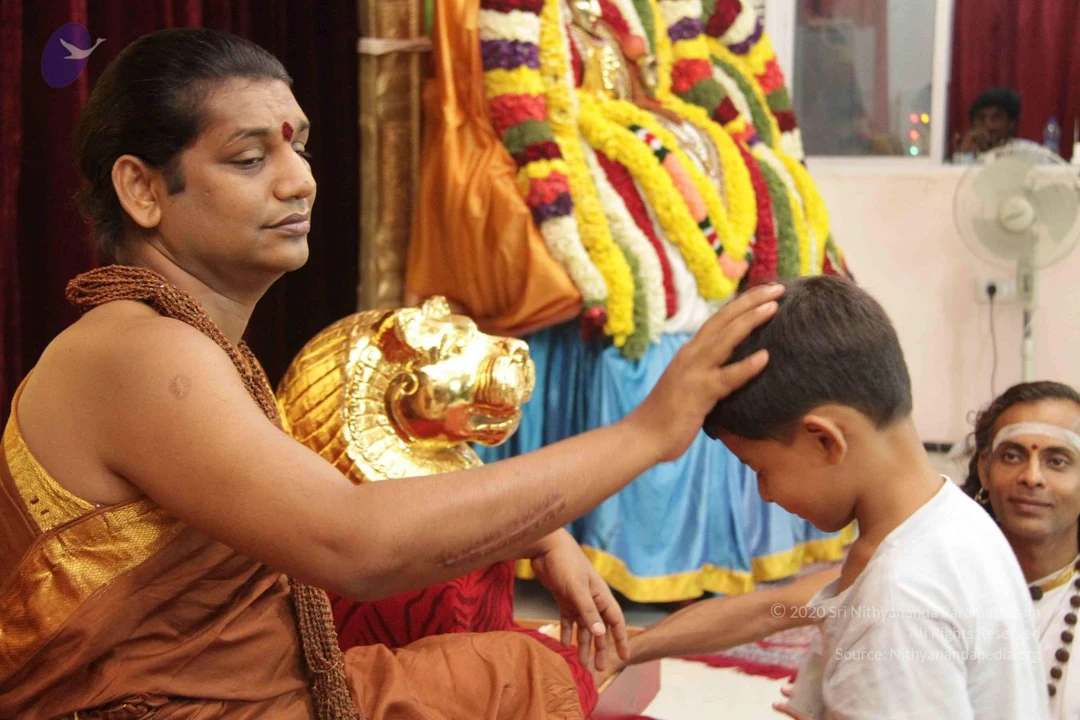
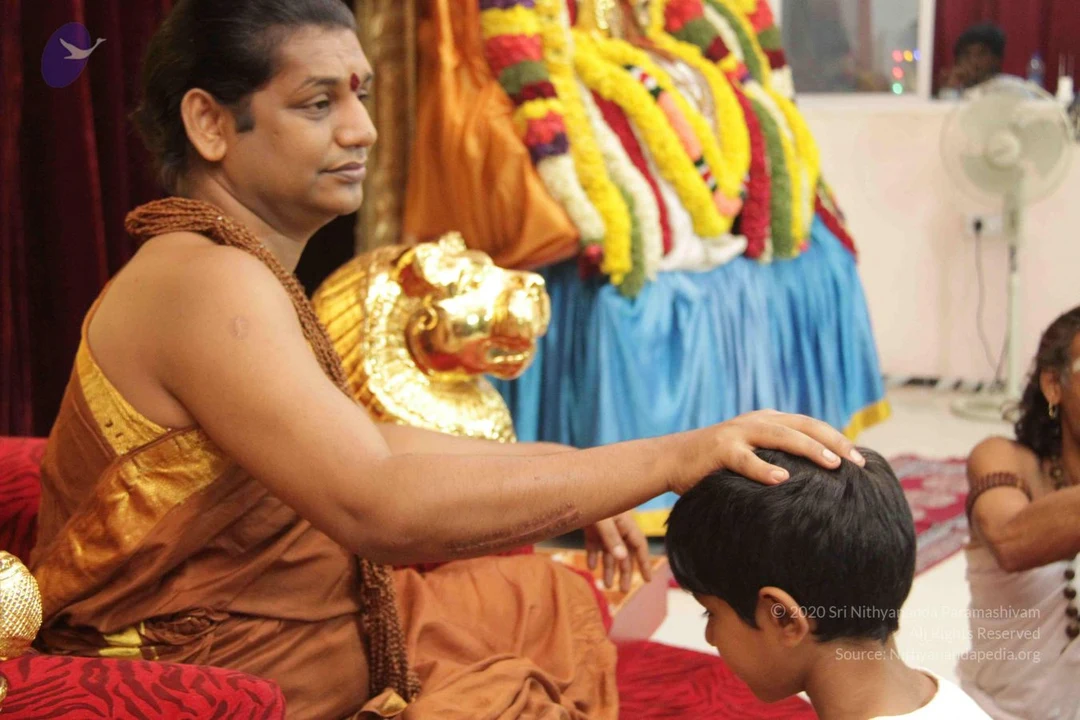
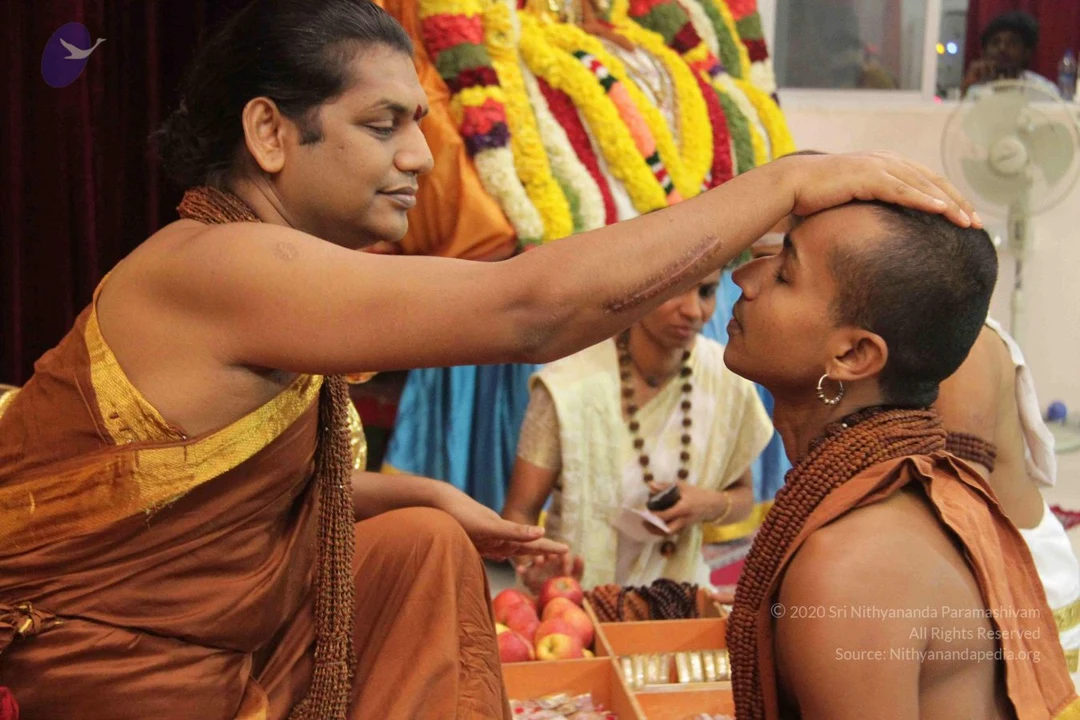
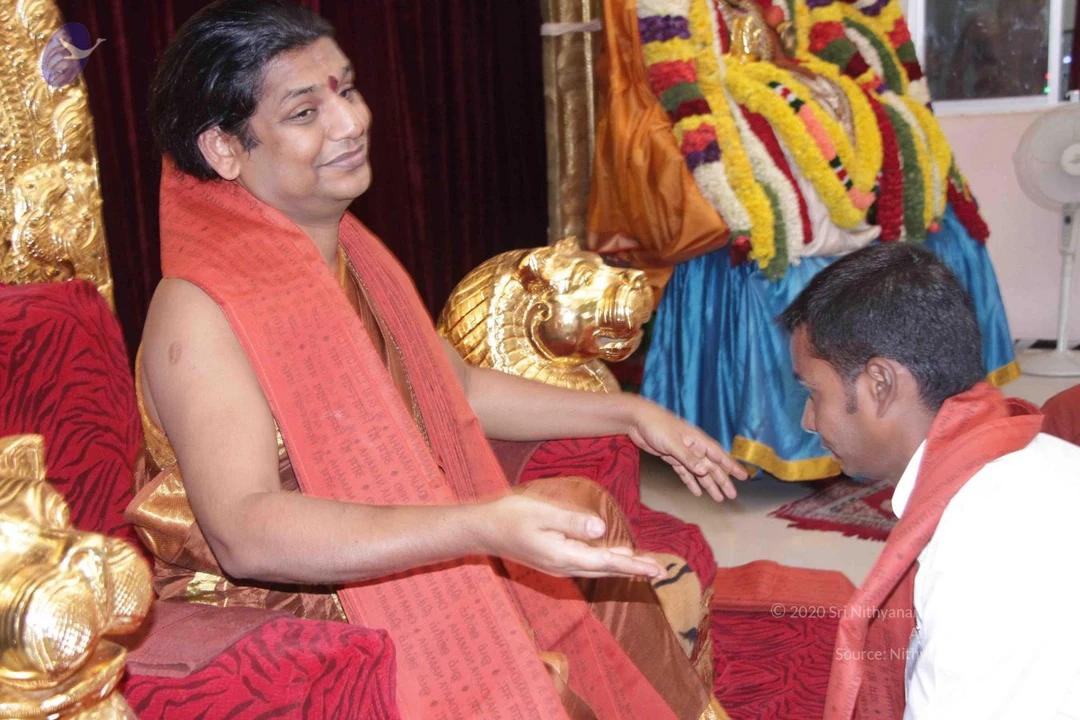
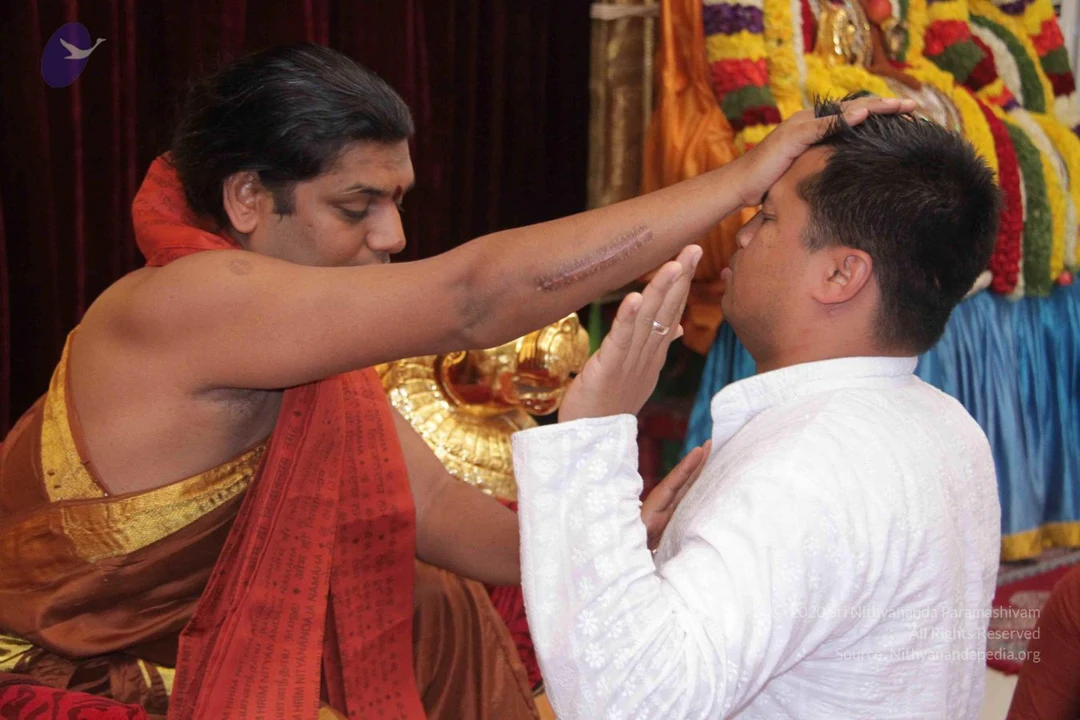
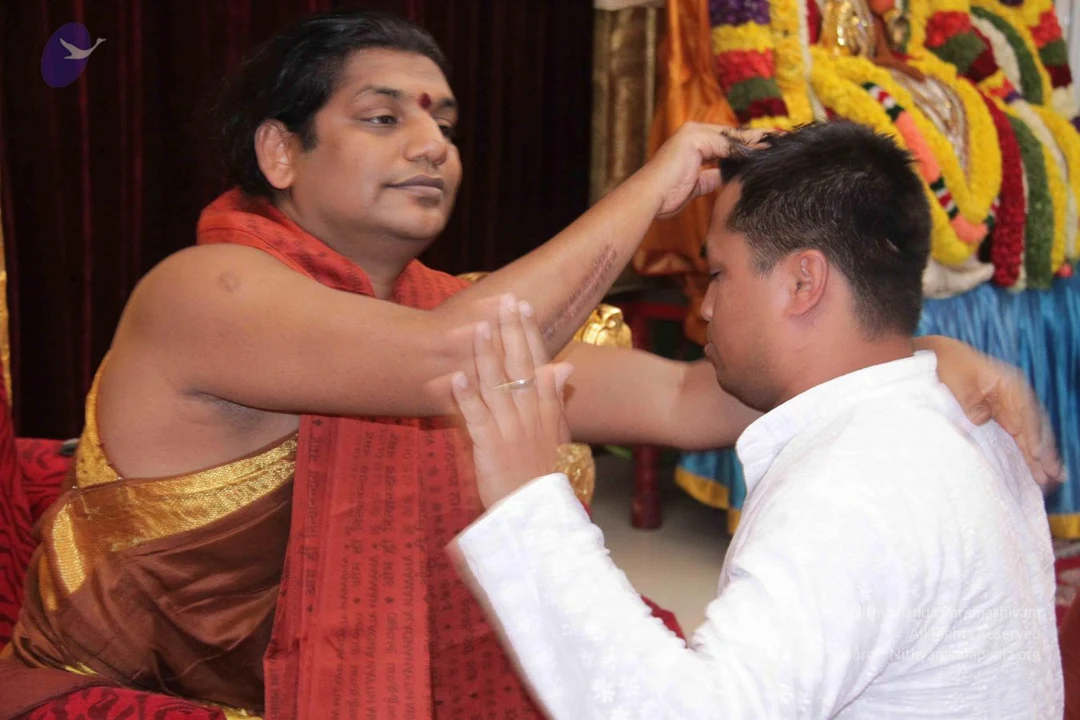
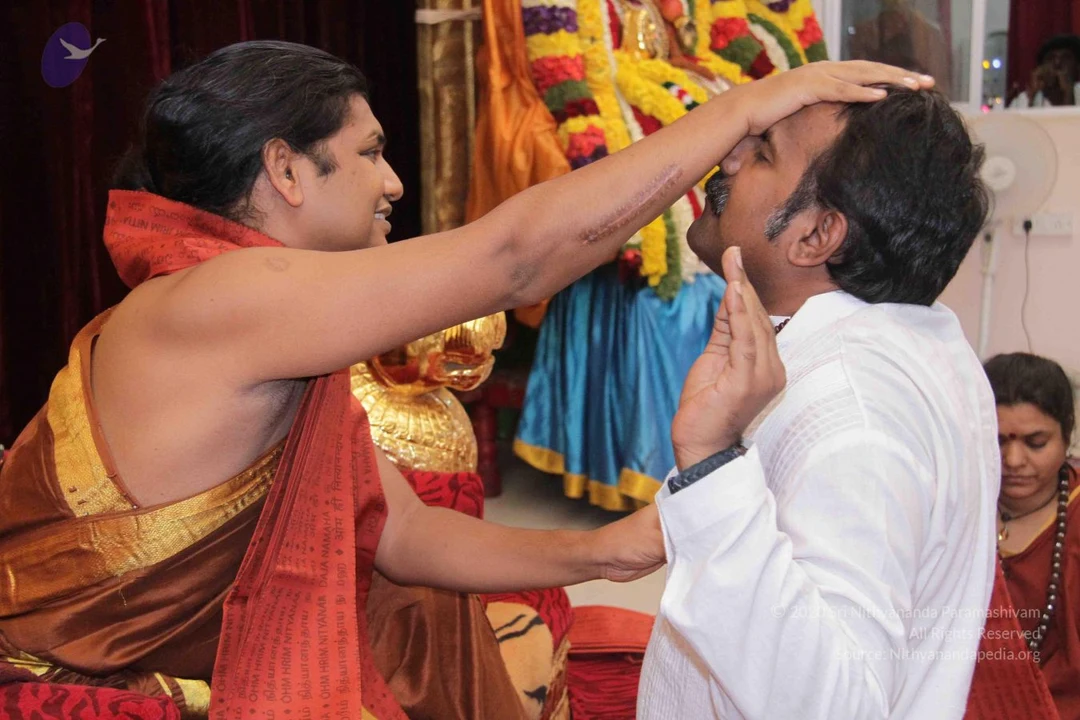
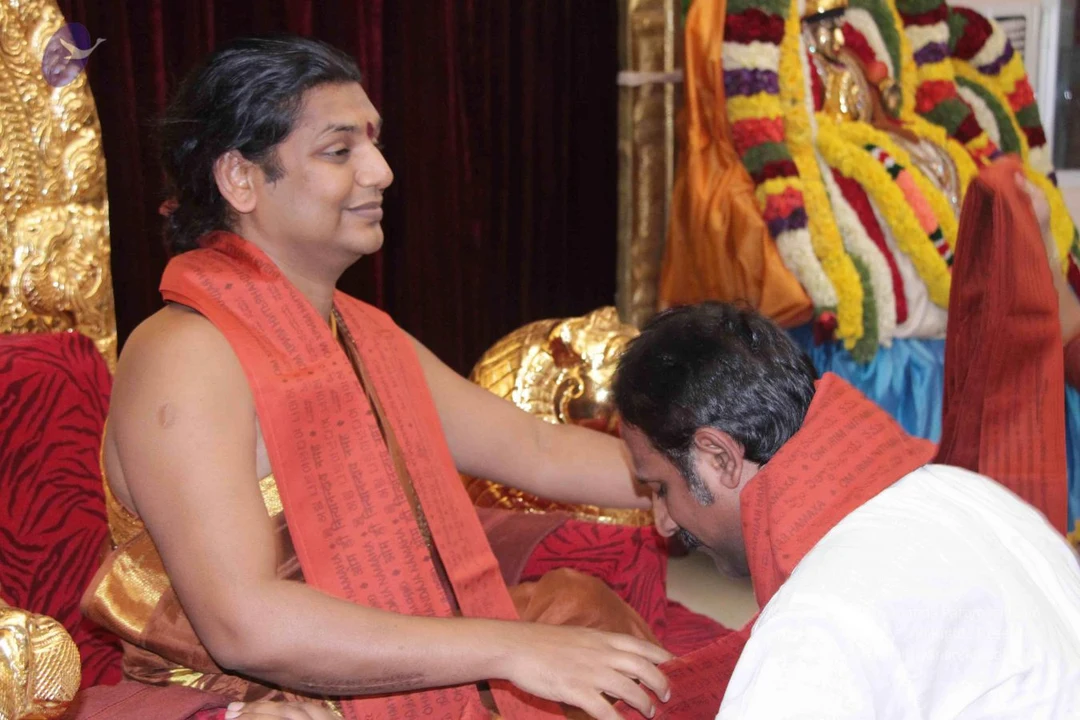
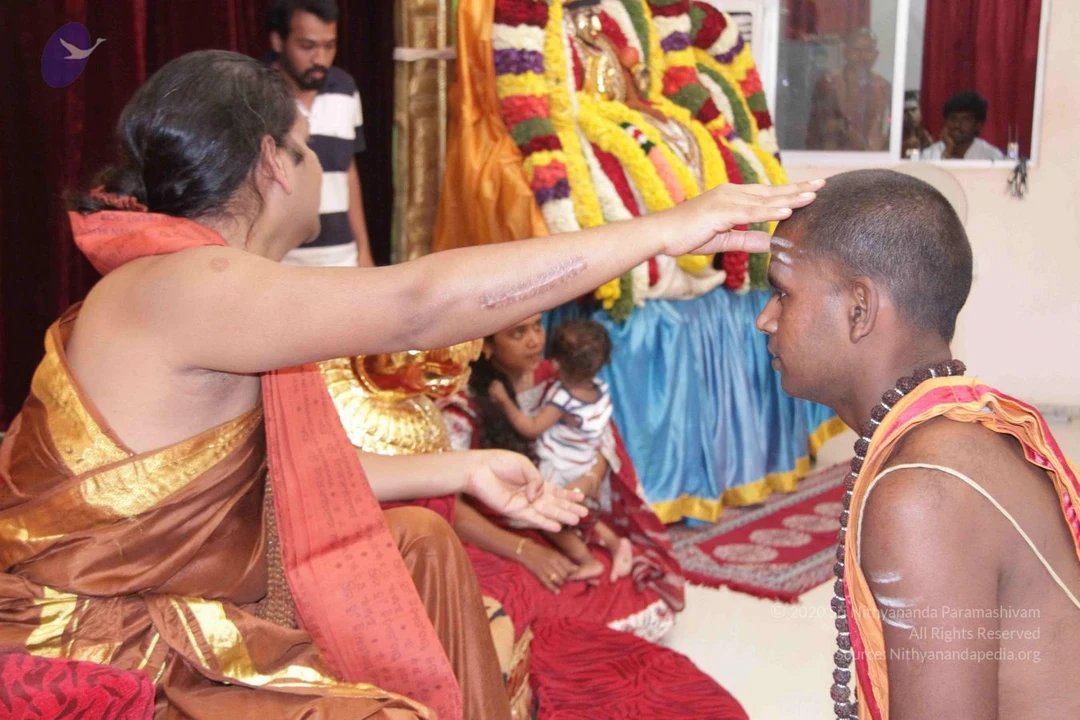
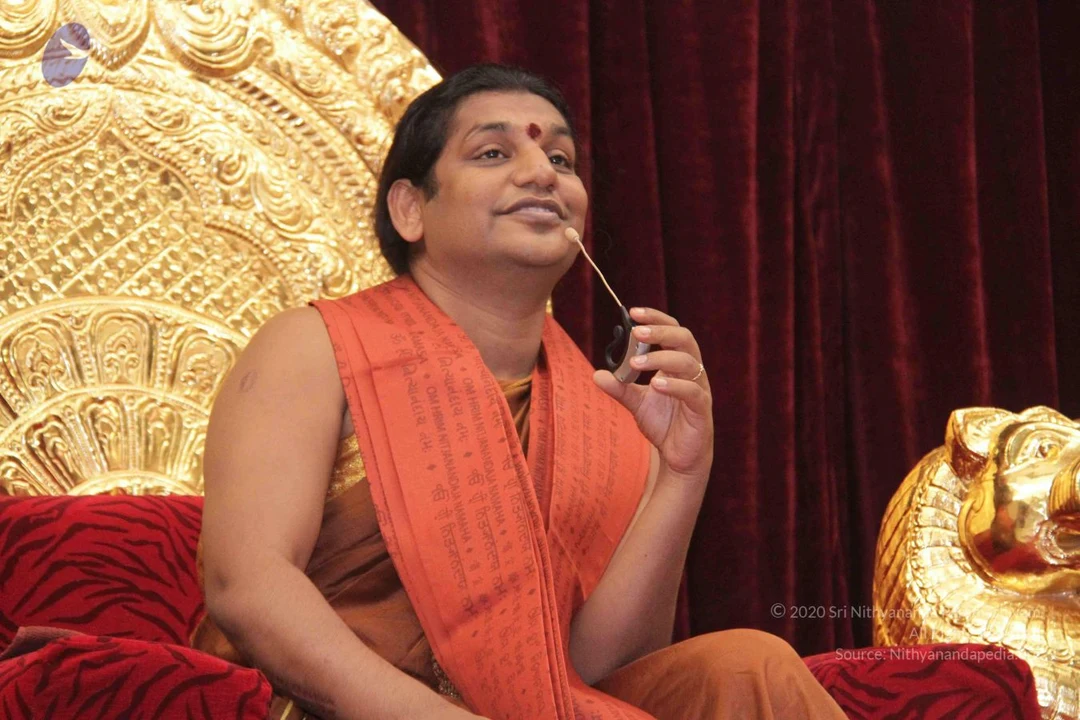
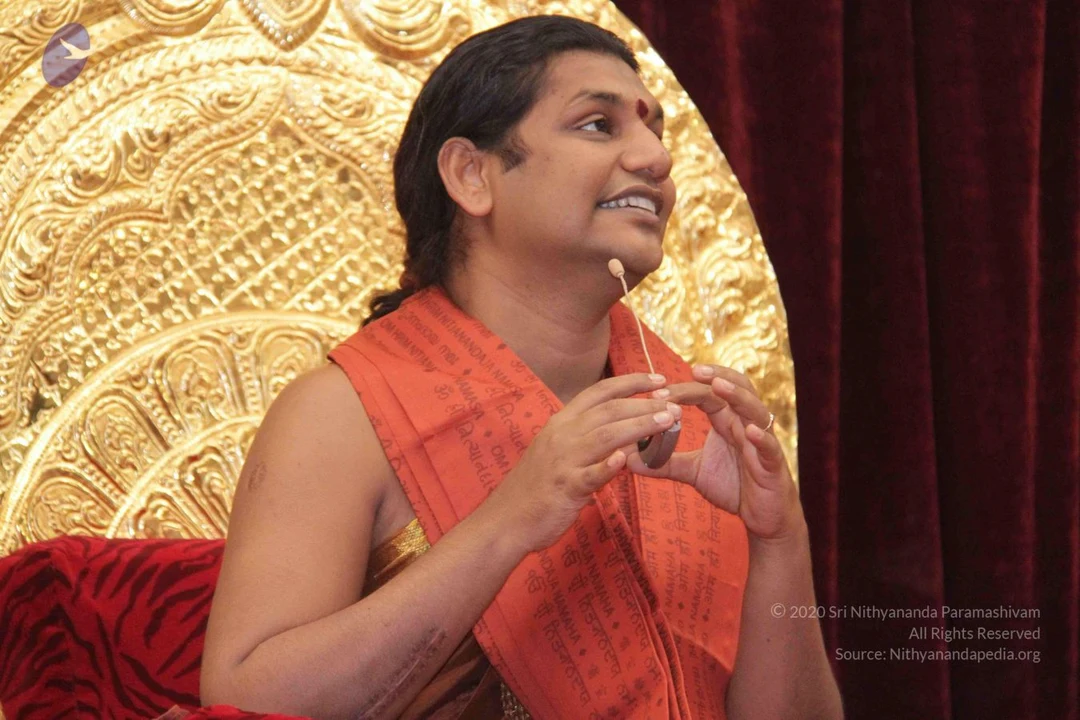
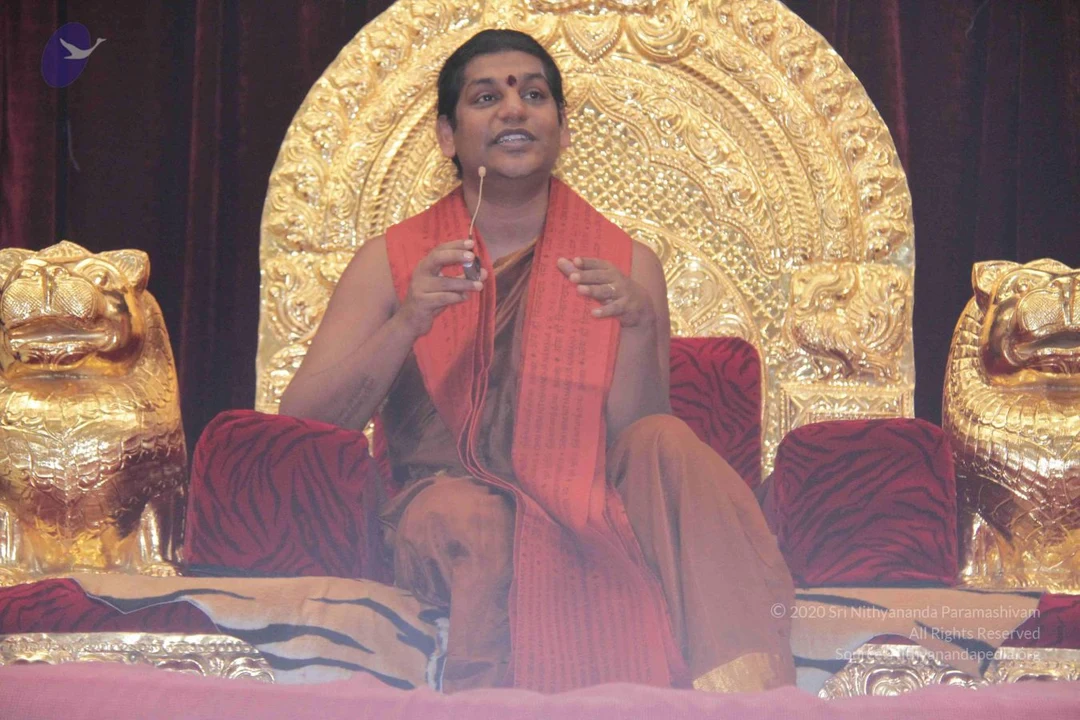
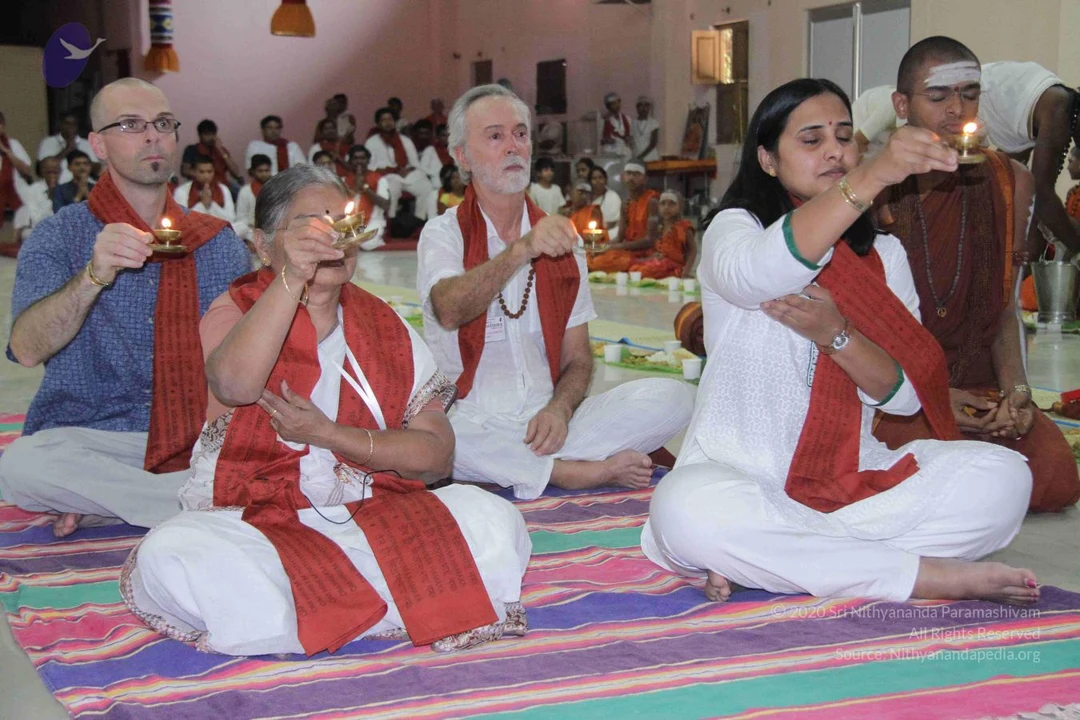
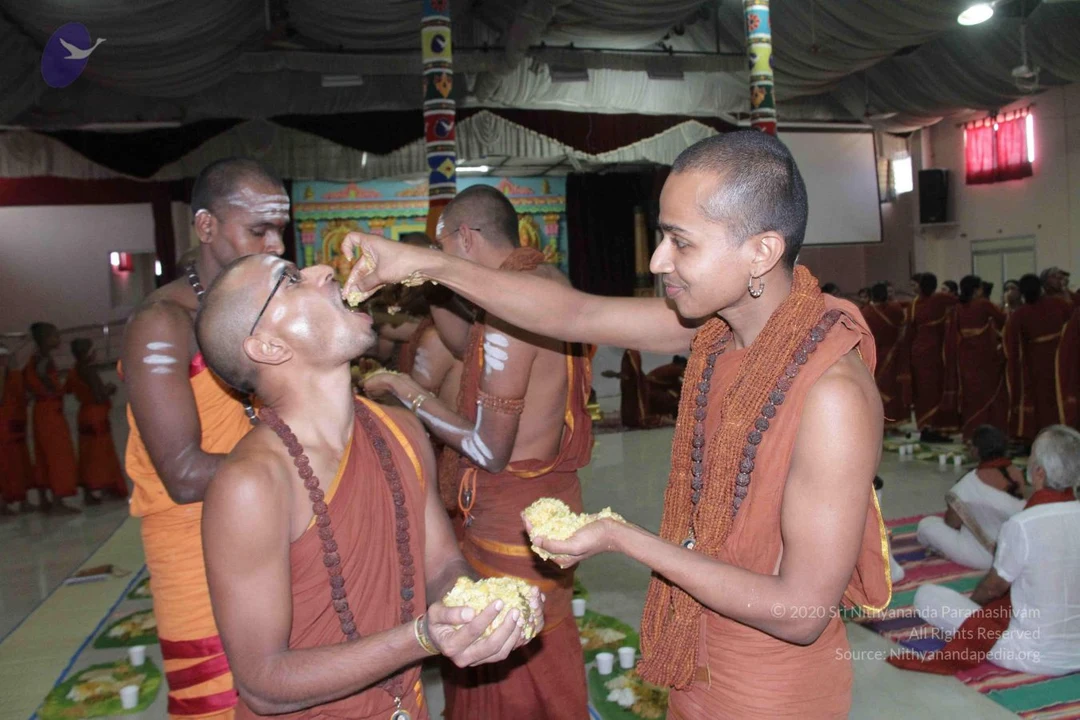
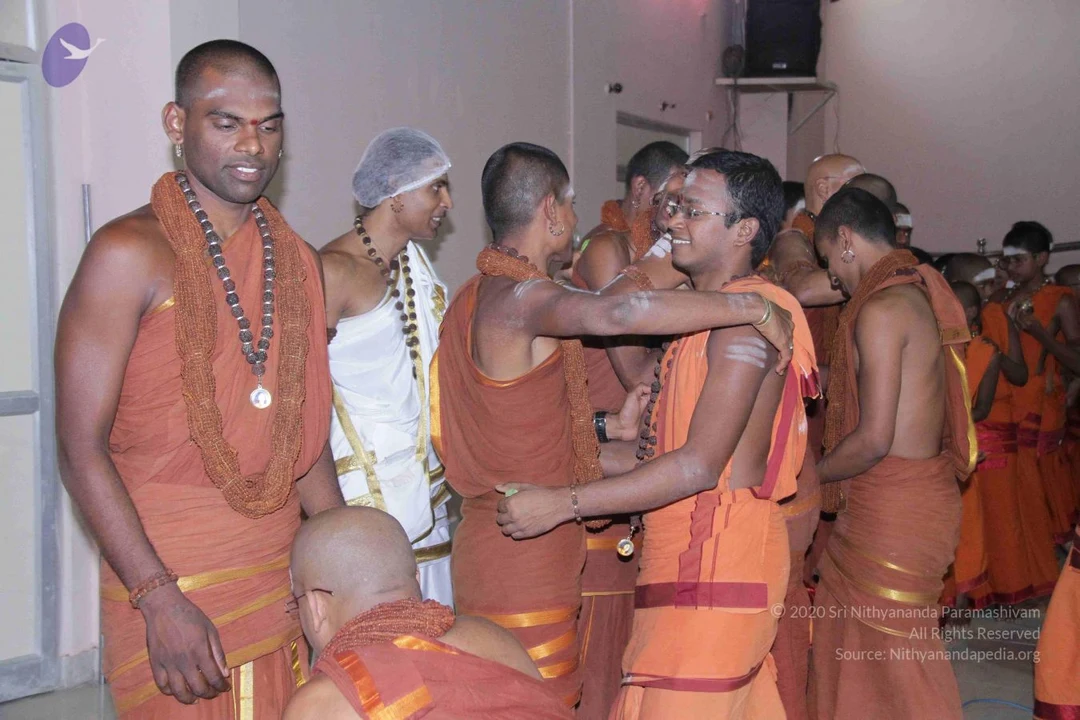
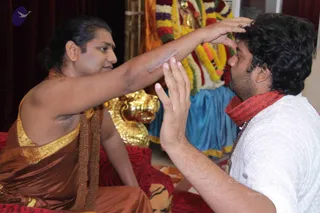
A photograph of a seated man with swept-back dark hair, a small red bindi, bare shoulders and an orange shawl printed with script, sitting on a red and gold cushioned seat. His right hand rests on the head of a man in a white kurta who bows low, his own orange shawl with printed text. Behind them, a golden deity murti is garlanded with red, yellow and purple flowers, with orange cloth draped beside it and a red-and-gold throne. The seated man is a probable Swamiji by appearance cues: long swept-back hair, ornate gold-trimmed seating and the printed shawl; the bowing devotee is a devotee receiving blessing, with the scene.A young man stands centre frame in front of a deep maroon velvet curtain, wearing a sleeveless orange kurta with a mandarin collar and small gold buttons. He wears small hoop earrings and holds a lapel microphone clip in both hands at chest level, appearing to speak to an audience. The scene reads as a stage presentation or satsang talk. Appearance-based identity is uncertain, so no a person candidate is asserted.A photograph inside a hall with a draped white ceiling and a colourful painted backdrop. In the foreground, a young man in orange-saffron robes with a rudraksha mala and orange shawl holds up food with his right hand and feeds a shaven-headed man in orange robes who has white markings on his face and chest; the recipient tilts his head back with mouth open. Another orange-robed man beside them holds food in his hands. Behind, many orange-robed devotees stand and sit on mats, with green leaf plates and small cups on the floor. A seated elder in white is at the right edge. Sparse crowd, mostly clothed in saffron.

November 10 2013

Original wiki page
Contents

Title:

The Supreme Pontiff of Hinduism HDH Bhagavan Nithyananda Paramashivam

Description:

In today’s morning Satsang, Paramahamsa Nithyananda delivers another powerful dimension of completion. We can experience life, in its pure, pristine form, when we live the science of completion because there is no form even in love or fear that can bind us! A form is a form and gets its power only when we feed it incompletion. The most powerful strategy planning in our lives, that is free from hatred and violence, is completion!

Link to Video:

VideoAudio

Transcript:

Nithyanandeshwara Samaarambhaam Nithyanandeshwari Madhyamaam | Asmath Aachaarya Paryanthaam Vandhey Guru Paramparaam ||

00:32 Hindi - 00:41

I welcome all the devotees, disciples, samajis, satsanghis sitting with us through Nithyananda TV, Sadhna TV, Lotus News Channel, Janashree TV and Eshwar TV, and through two-way video-conferencing in thirty-seven places having Nayana Deeksha, in twenty-three countries around the world as per the statistics.

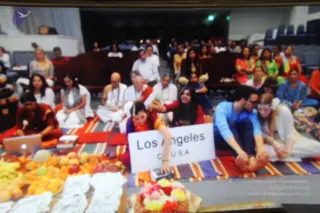
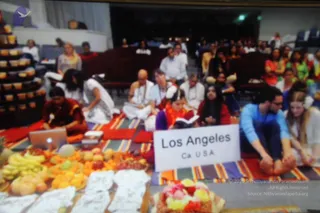
The cities sitting with us through two-way video-conferencing: Los Angeles-Arunachalam, Nithyananda Nagar-Hyderabad, Tiruvannamalai-Arunachalam, Varanasi, Singapore-Singapuram, Houston-Kalahasti, San Jose-Madurai, Guadeloupe-Rameshwaram, Ohio-Prayag, Bangalore North, Oklahoma-Somanatham, Seattle-Cidambaram, Atlanta-Ujjaini, Enriching Temple-Bidadi, Toronto-Kailasam, Tallahassee-Florida, Oman-Sivagangai, Mattakalapu-Sri Lanka, Colorado Springs-USA, Melbourne-Australia, New York-Varanasi, Warrington-UK, East London-UK, Devon-UK, San Diego-Tirualavai, Paris-Kalighat, Mulund-Mumbai, Mill Valley-California, Surrey-British Columbia, Wellington-New Zealand, Indrani-New Jersey, Bogota-Colombia, Washington DC-Sripuram, St. Louis-Tirumala, Slovakia-Shivaloka, Hyderabad-Gupta Kashi, Vancouver-Bhubaneshwar.

I welcome all of you with my love and blessings.

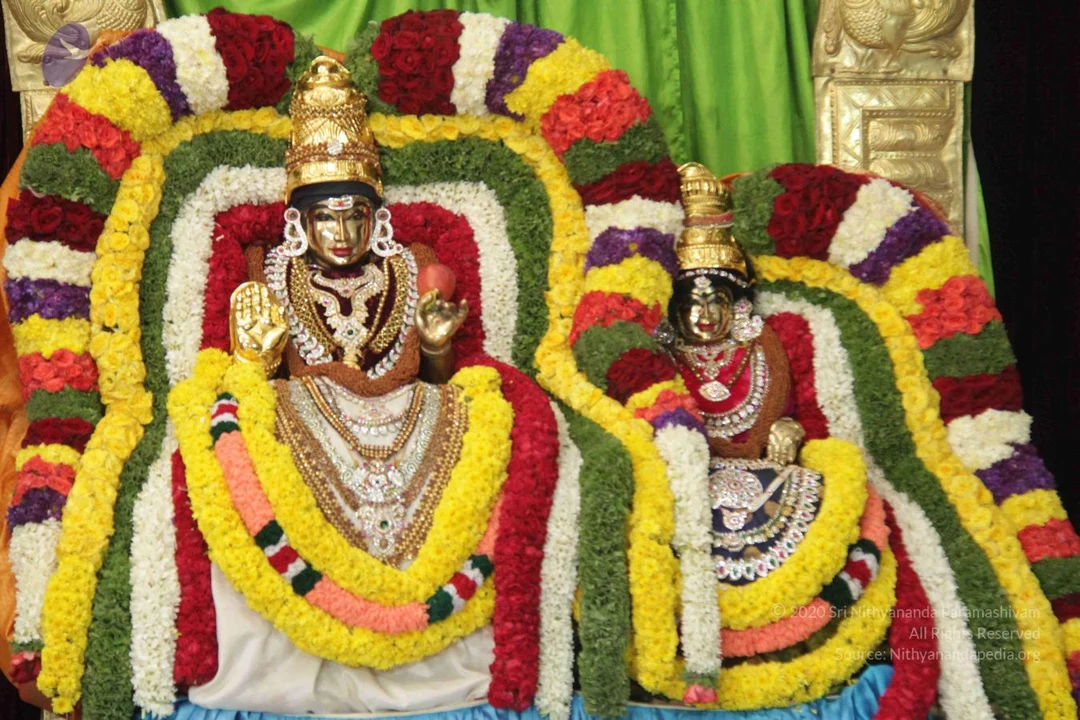
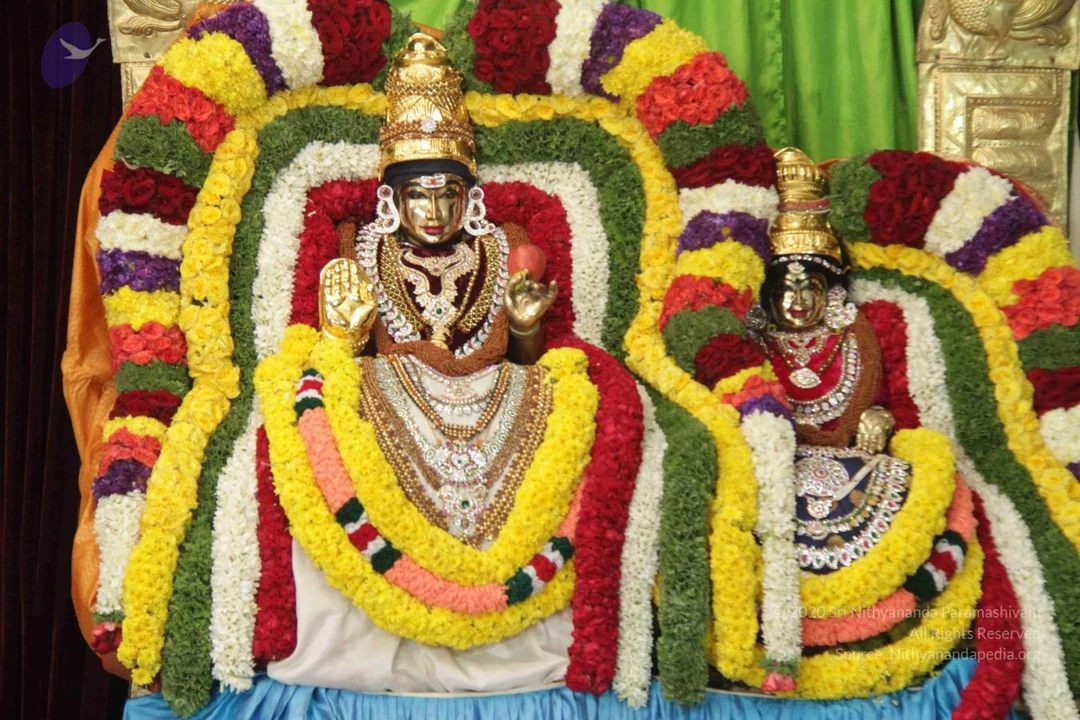
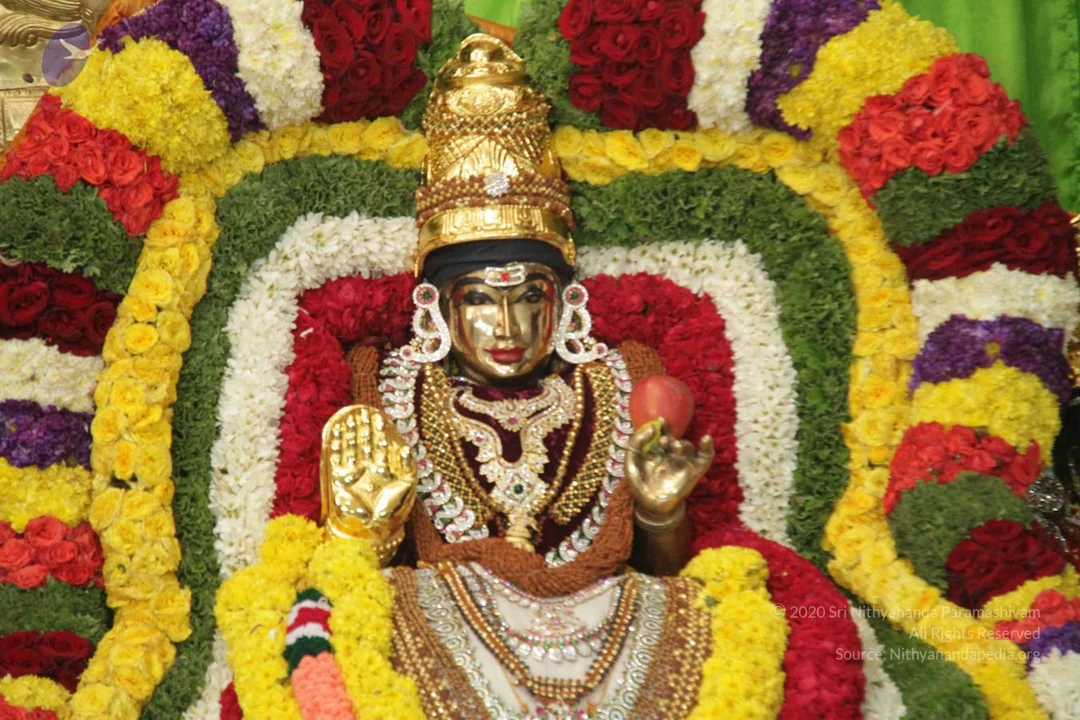
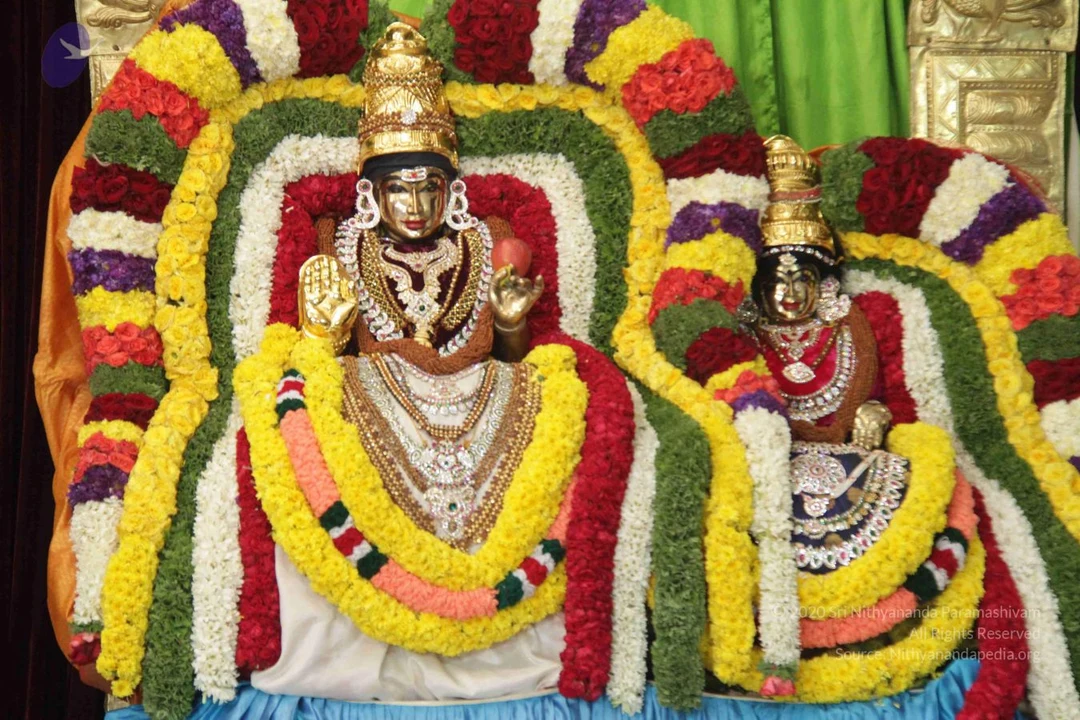
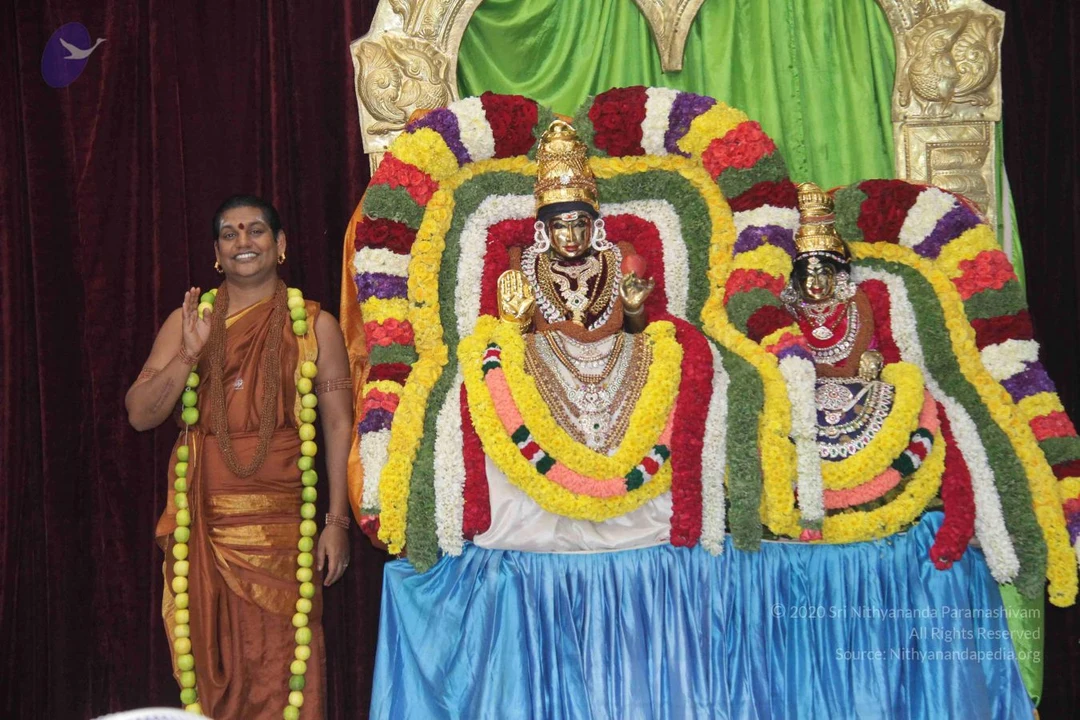
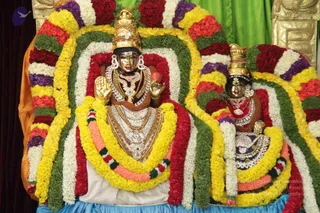
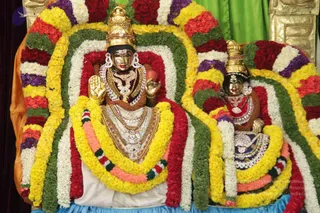
Today, the third day of Nithyanandeshwara Brahmotsavam, Thiru Karthigai Brahmotsavam. Nithyanandeshwara and Nithyanandeshwari are gracing us in the Sarva Alankara.

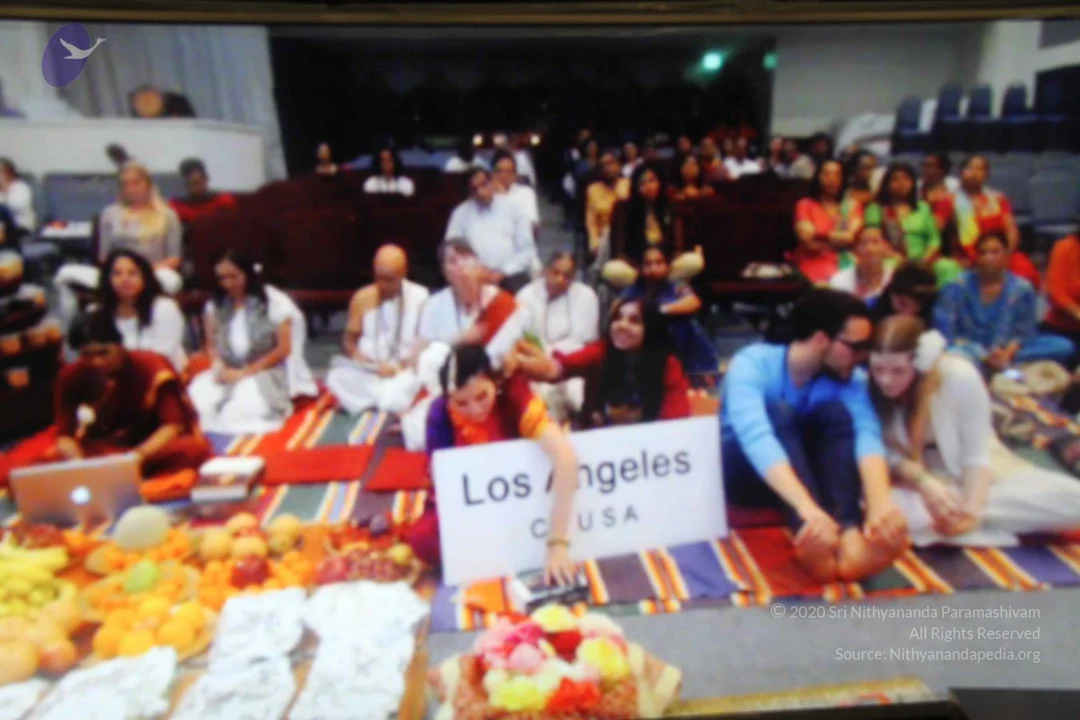
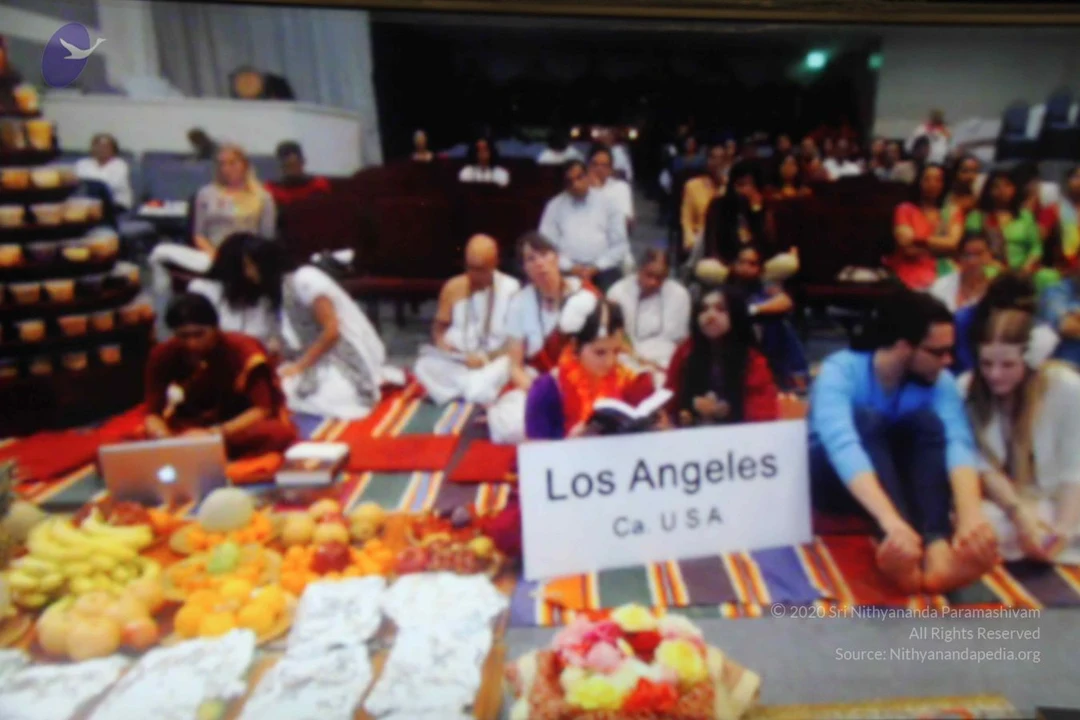
And today, the sixth anniversary of Los Angeles Nithyananda Vedic Temple and Nithyananda Vedic University and my blessings to the whole Los Angeles. Till the Sun and the Moon, and beyond, let the temple live and grace the whole world and I accepted all the naivedyams. Six years over, and seventh year they are entering/Blessings to all the devotees in Los Angeles and I also accepted all 128 naivedyams you offered. Blessings.

And birthday blessings to Andal and Prema Kothandaraman. Blessings.

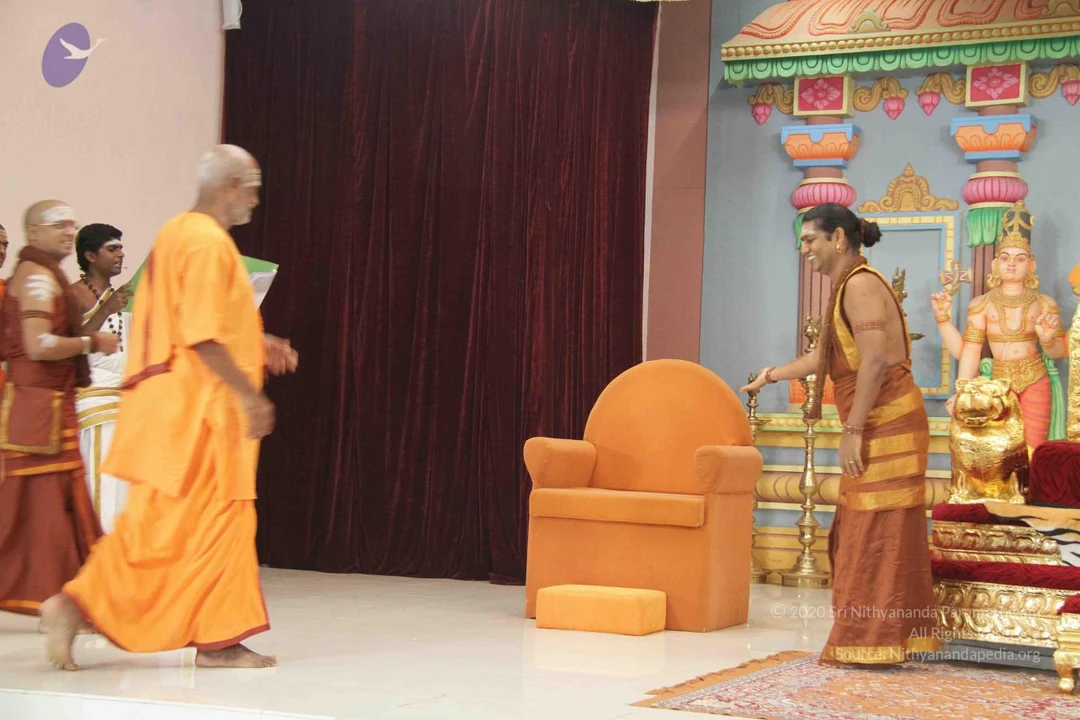
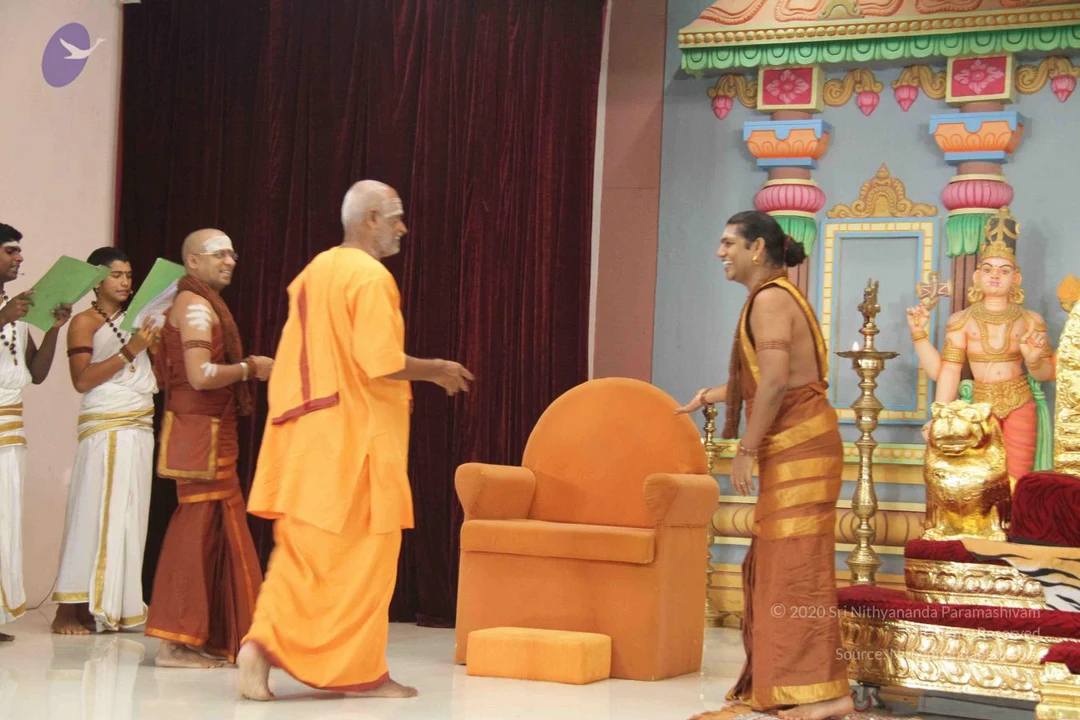
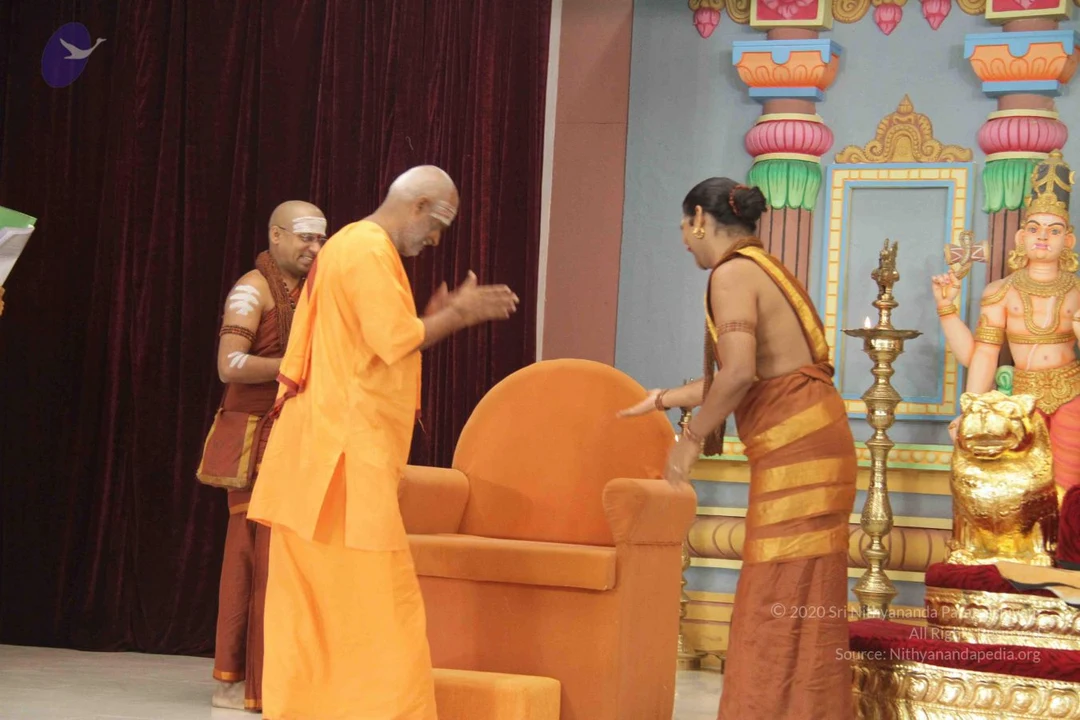
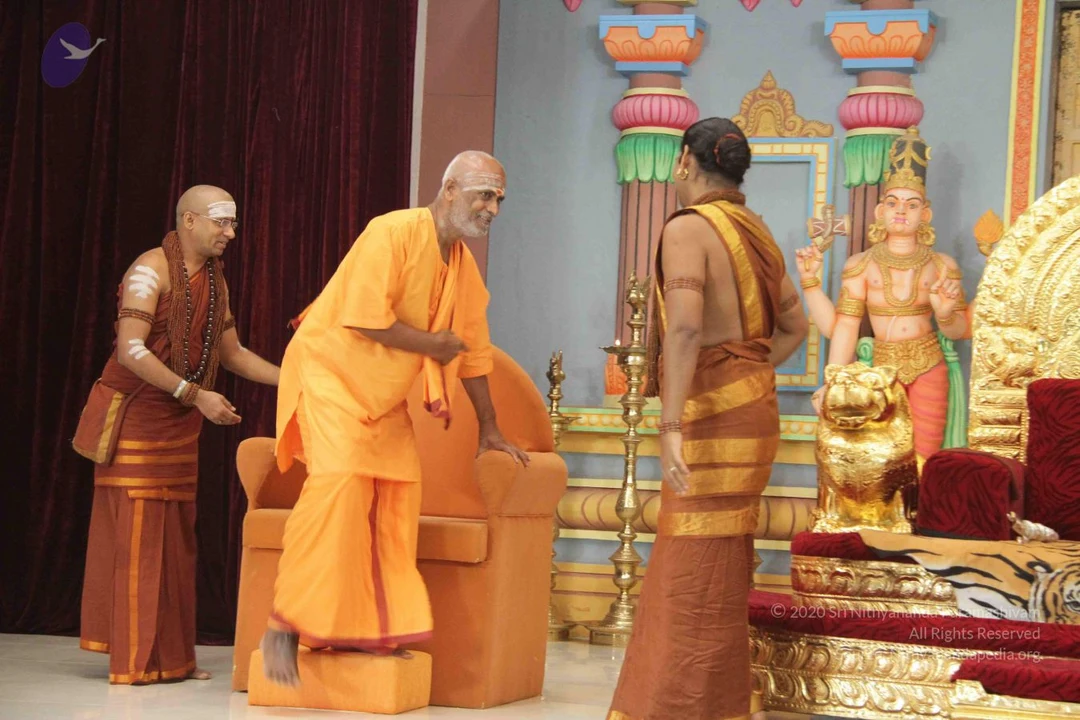
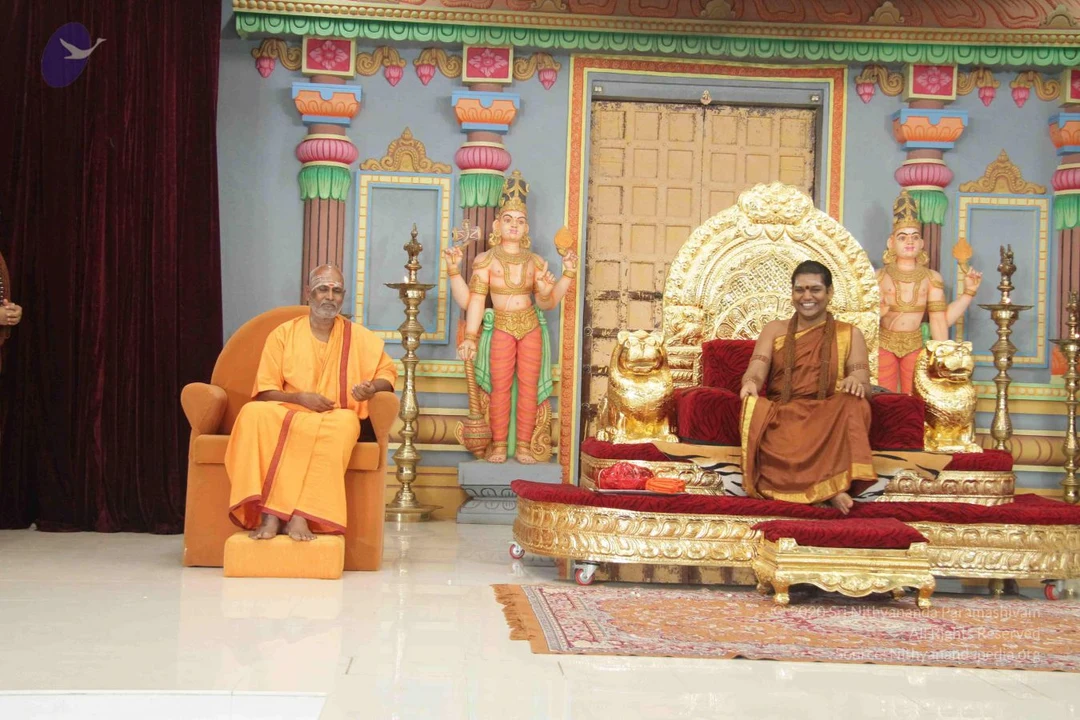
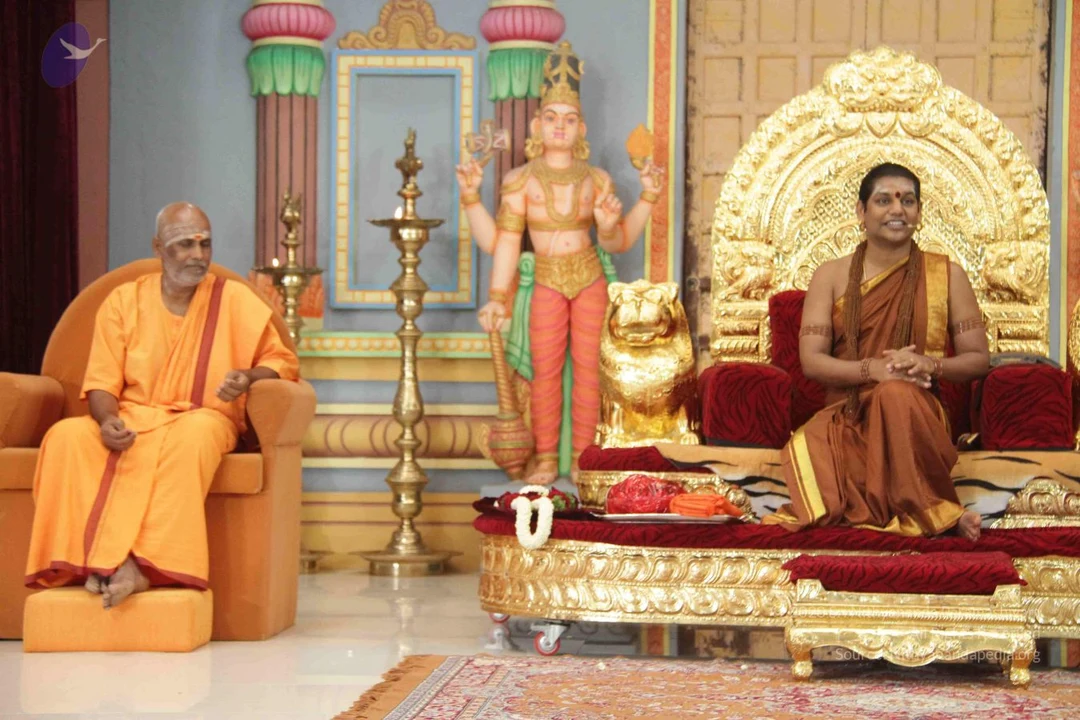
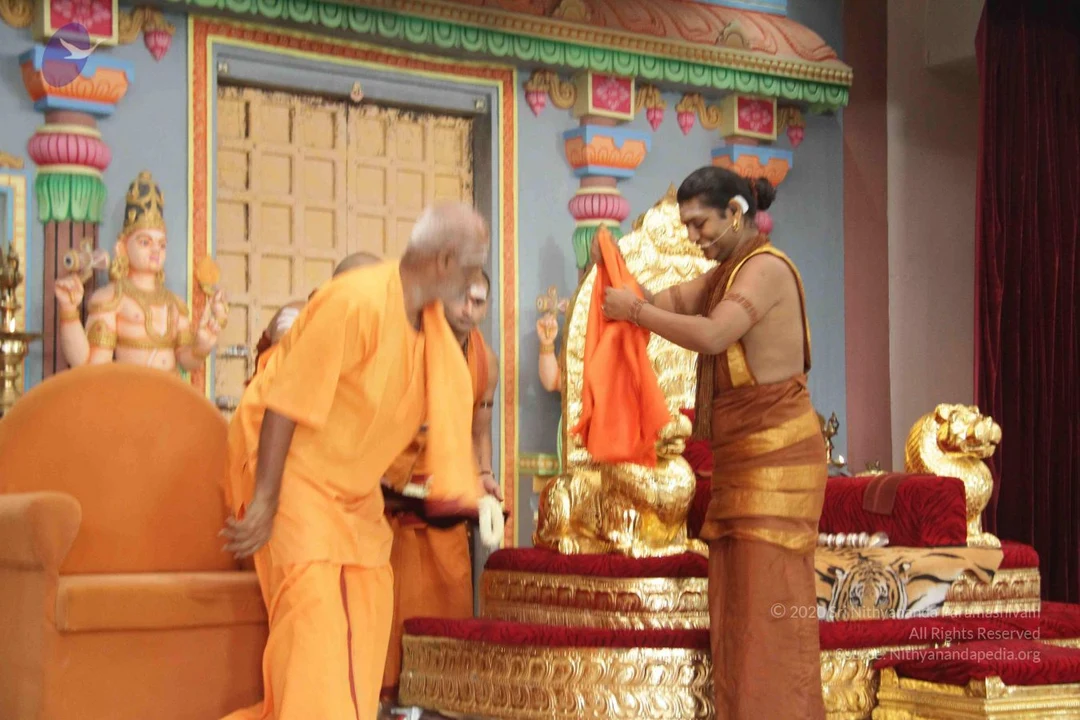
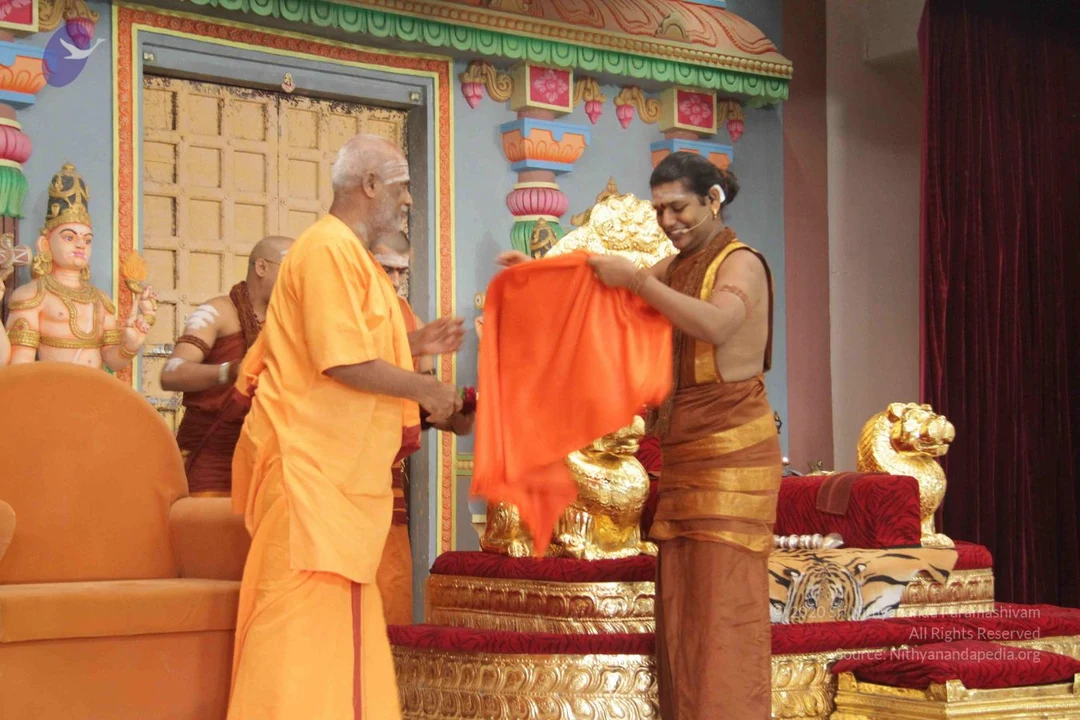
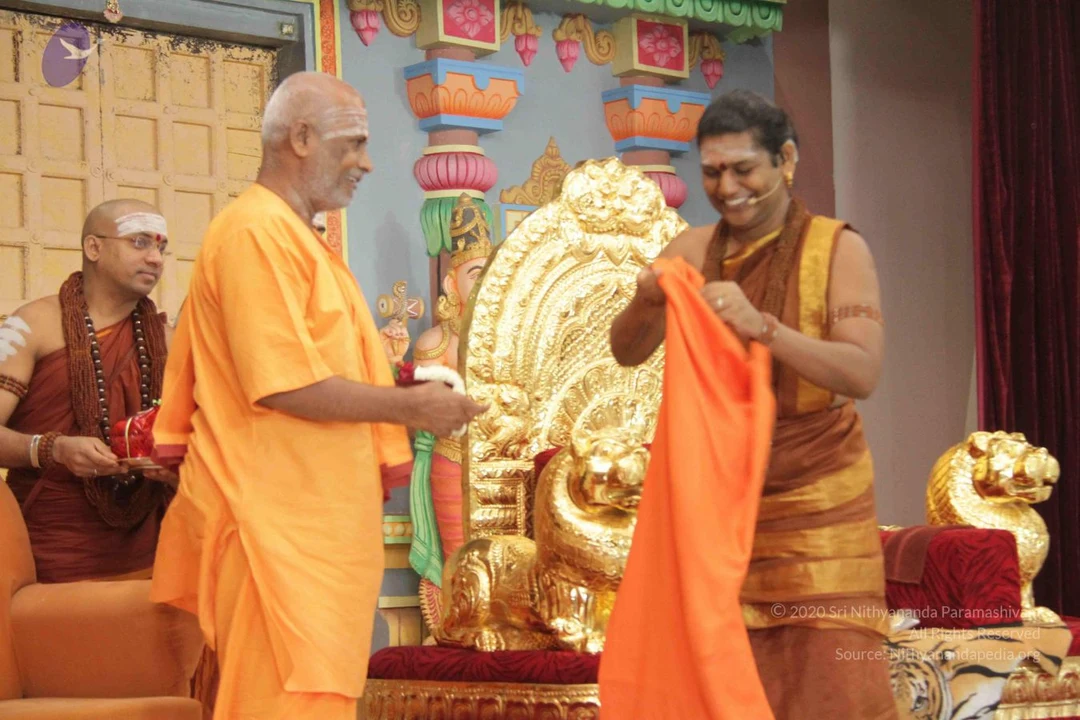
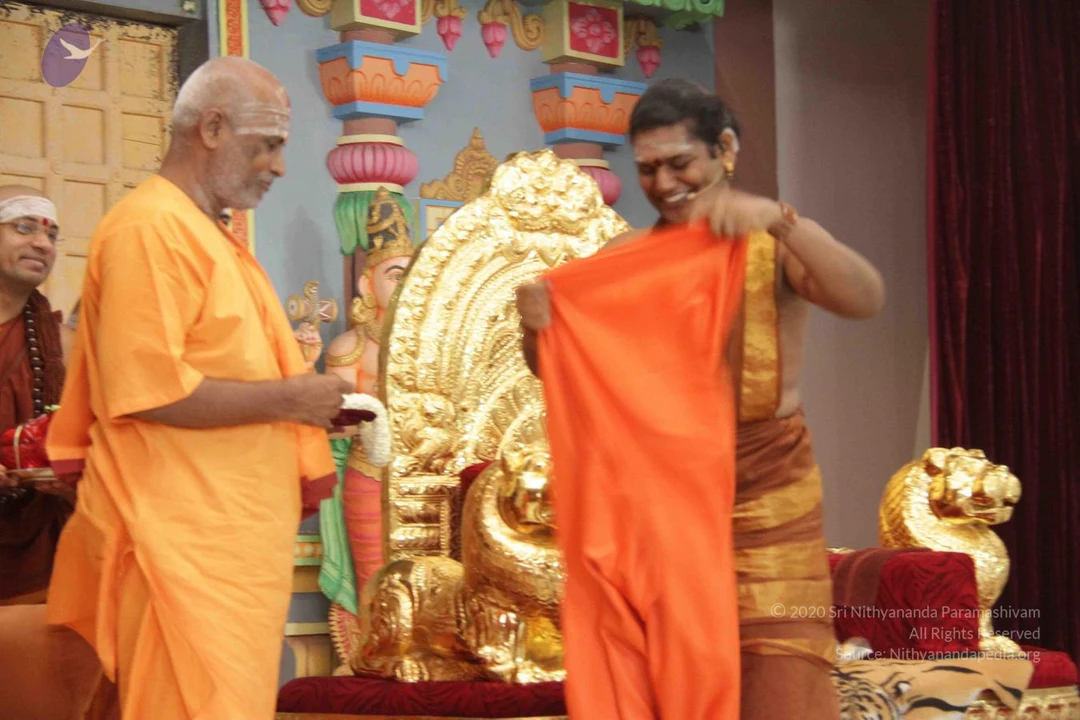
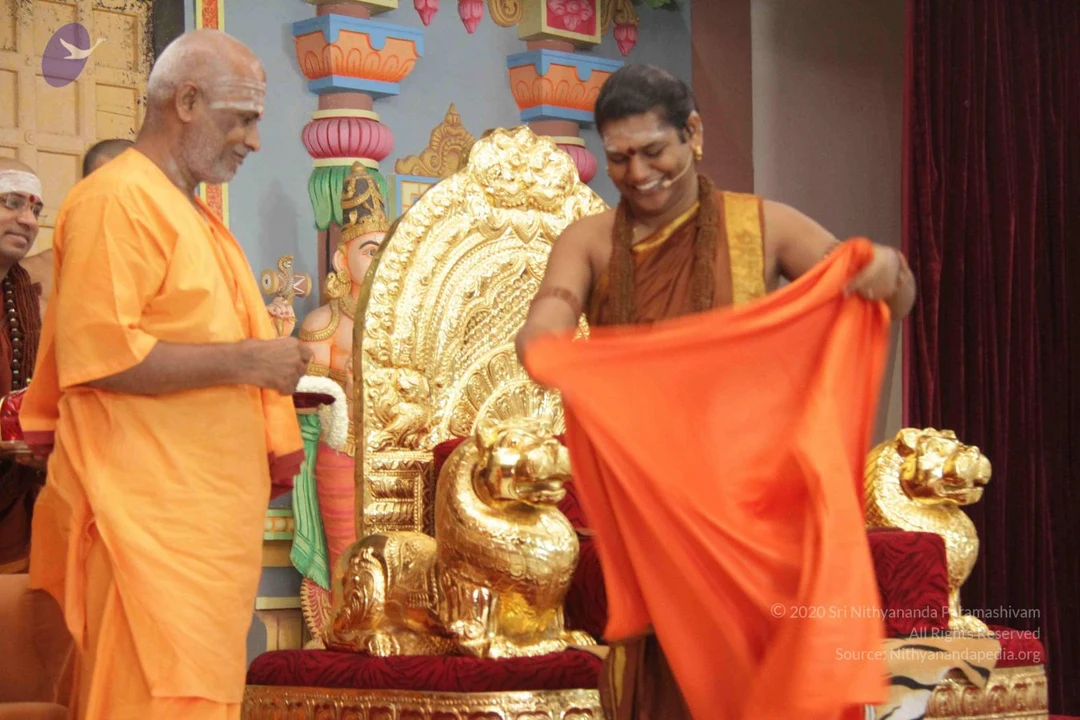
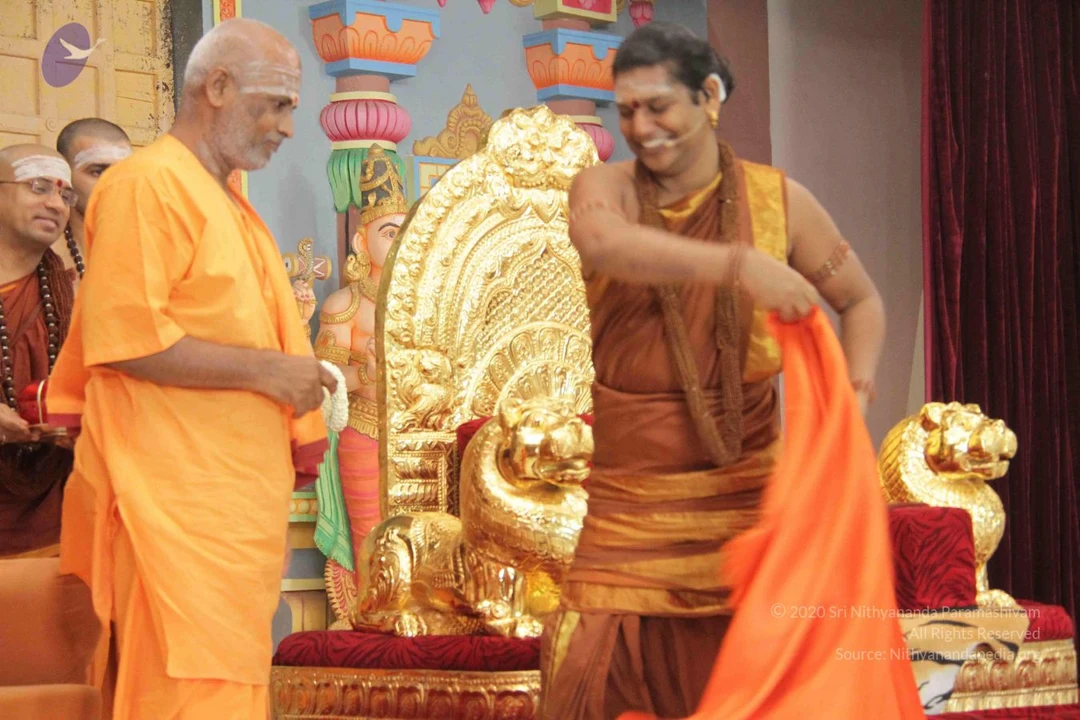
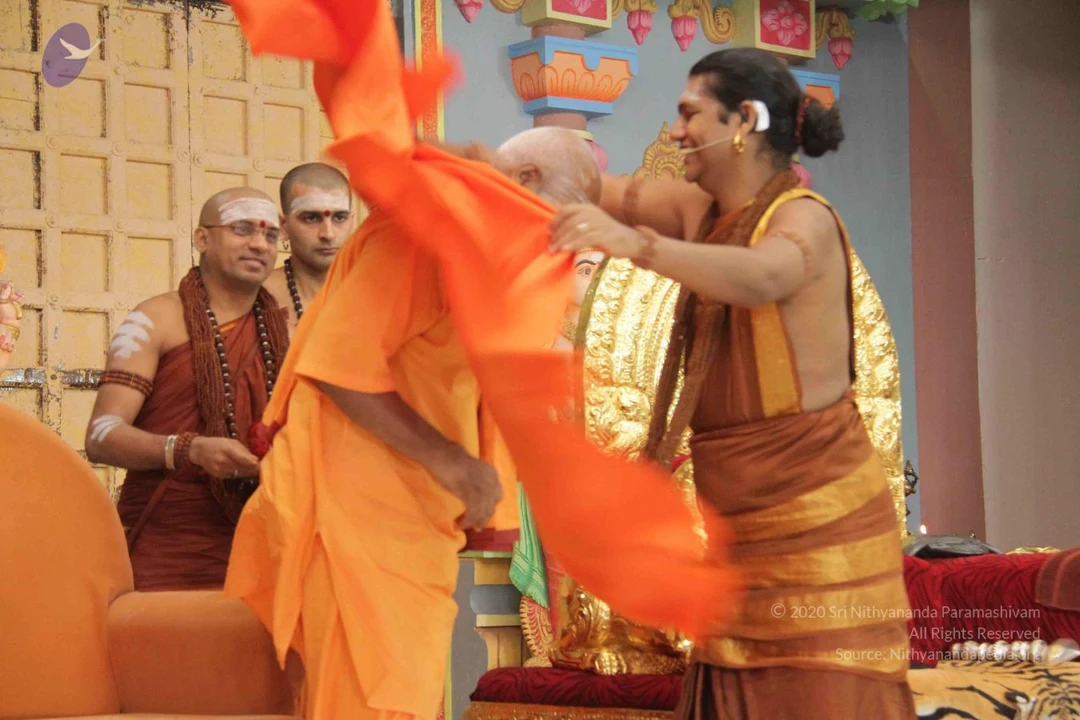
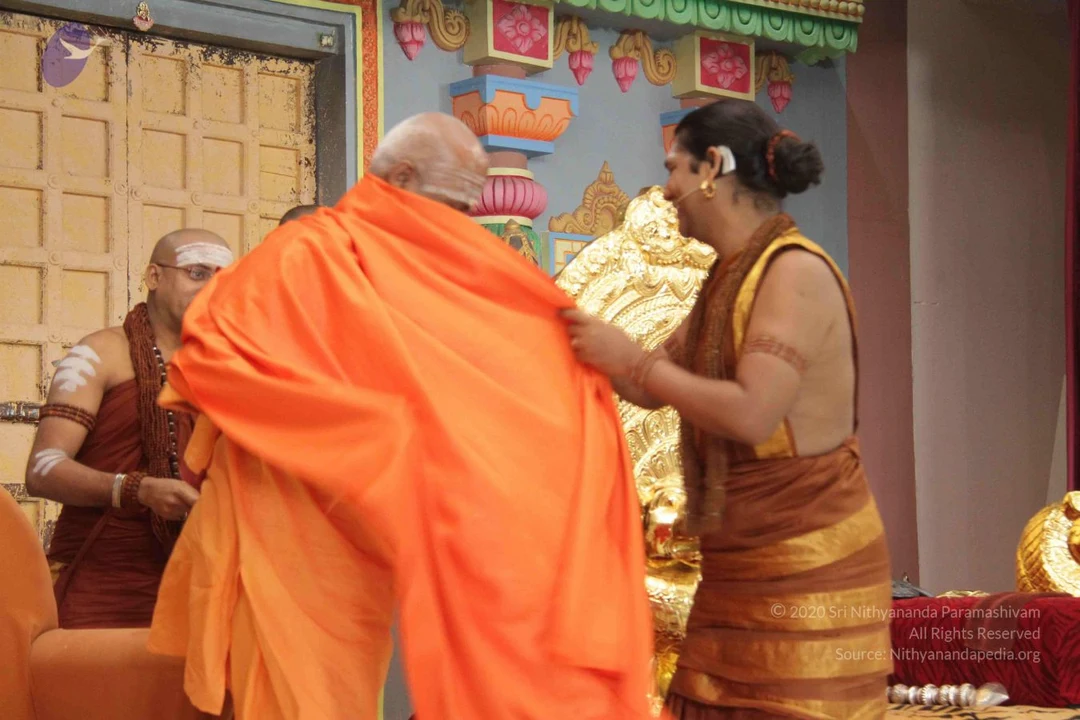
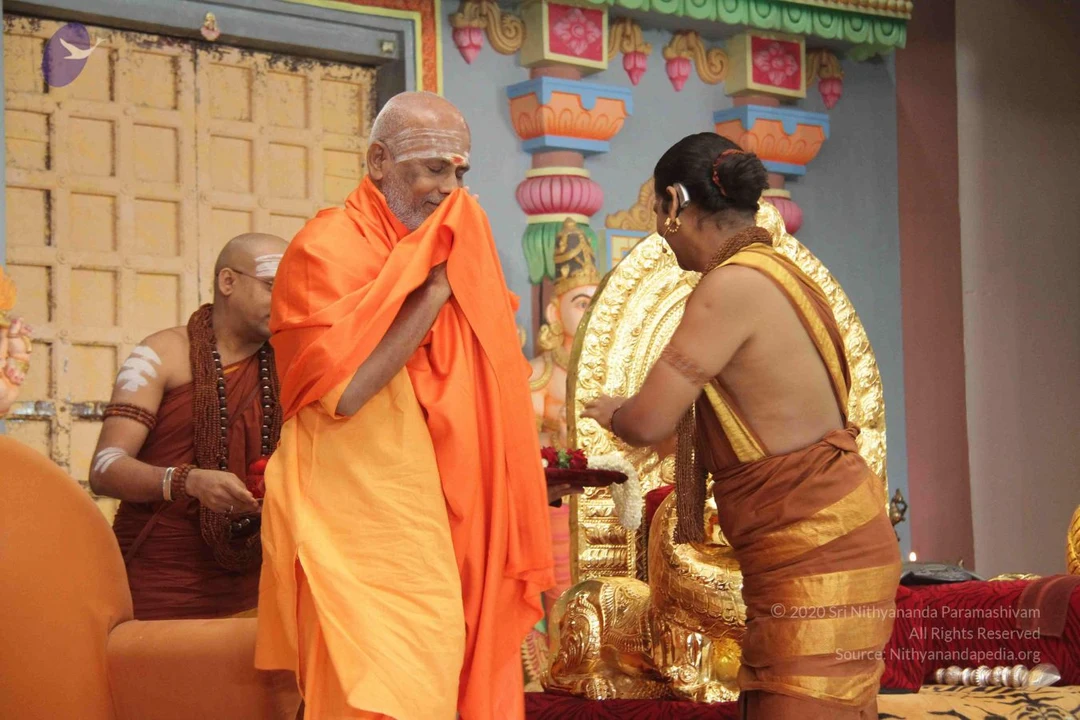
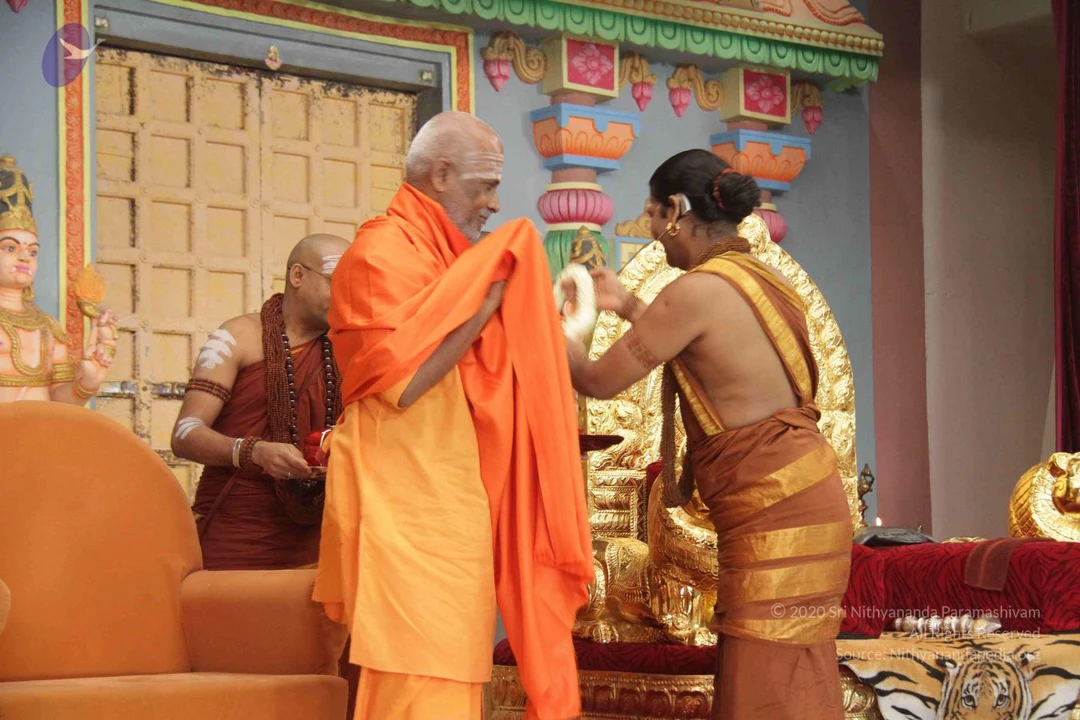
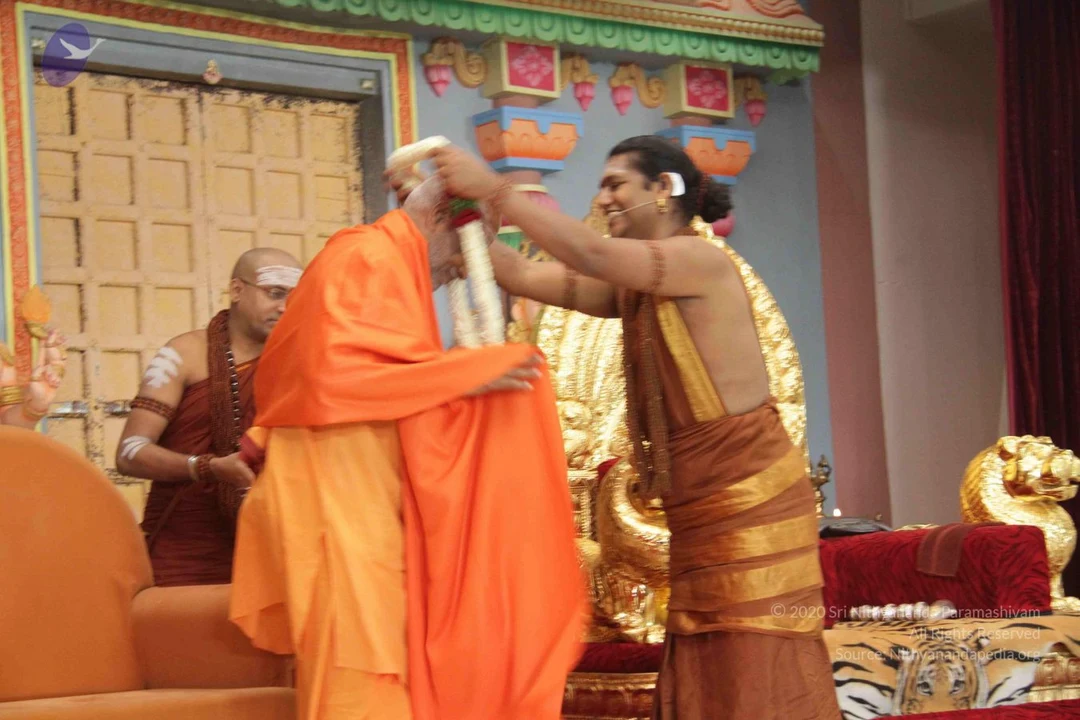
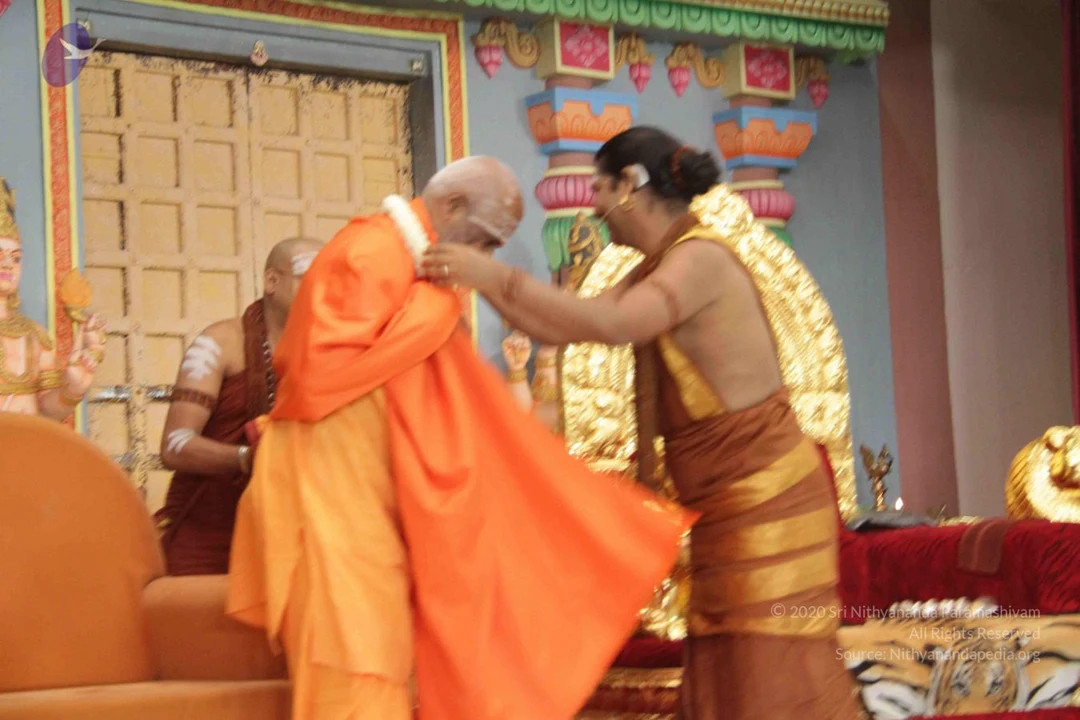
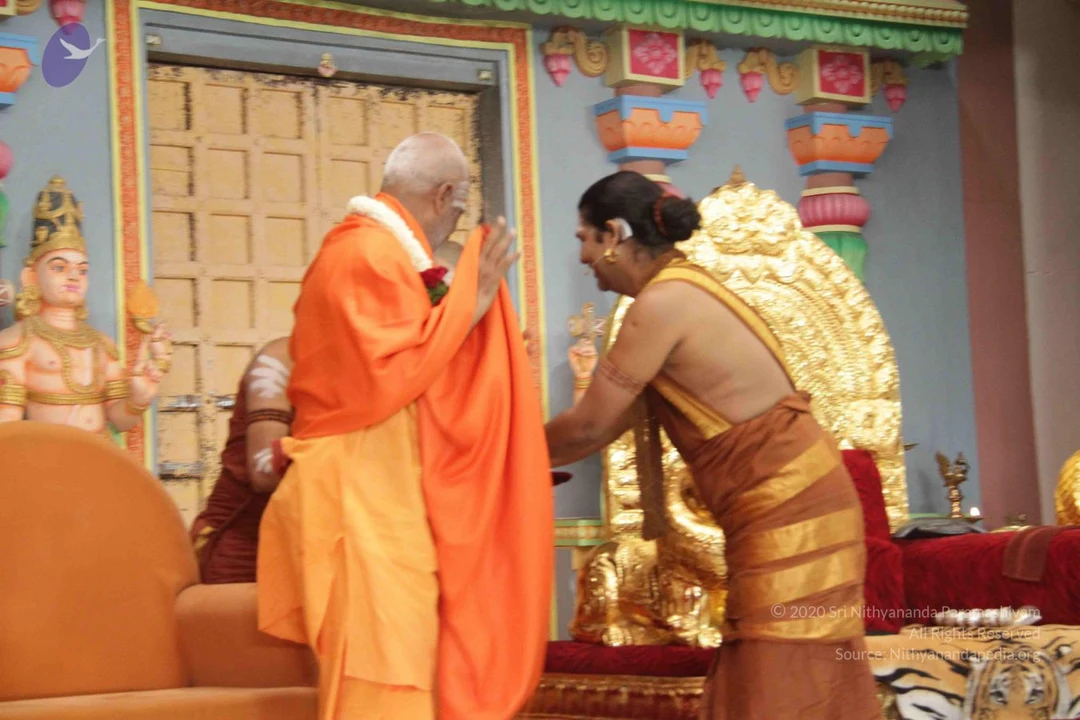
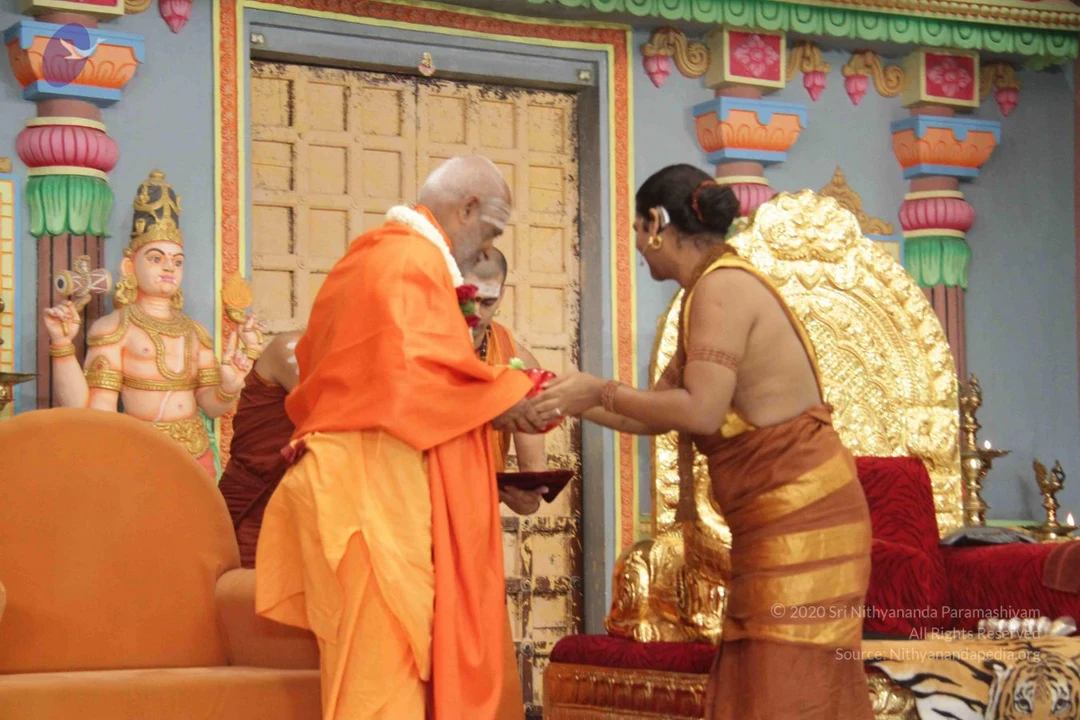
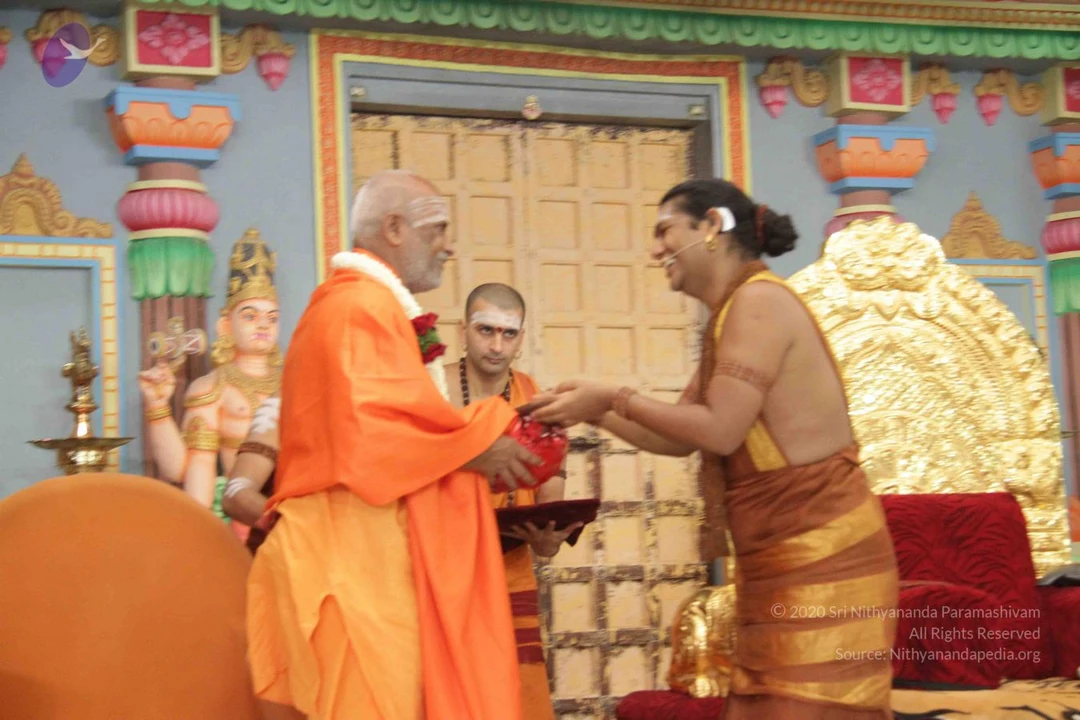
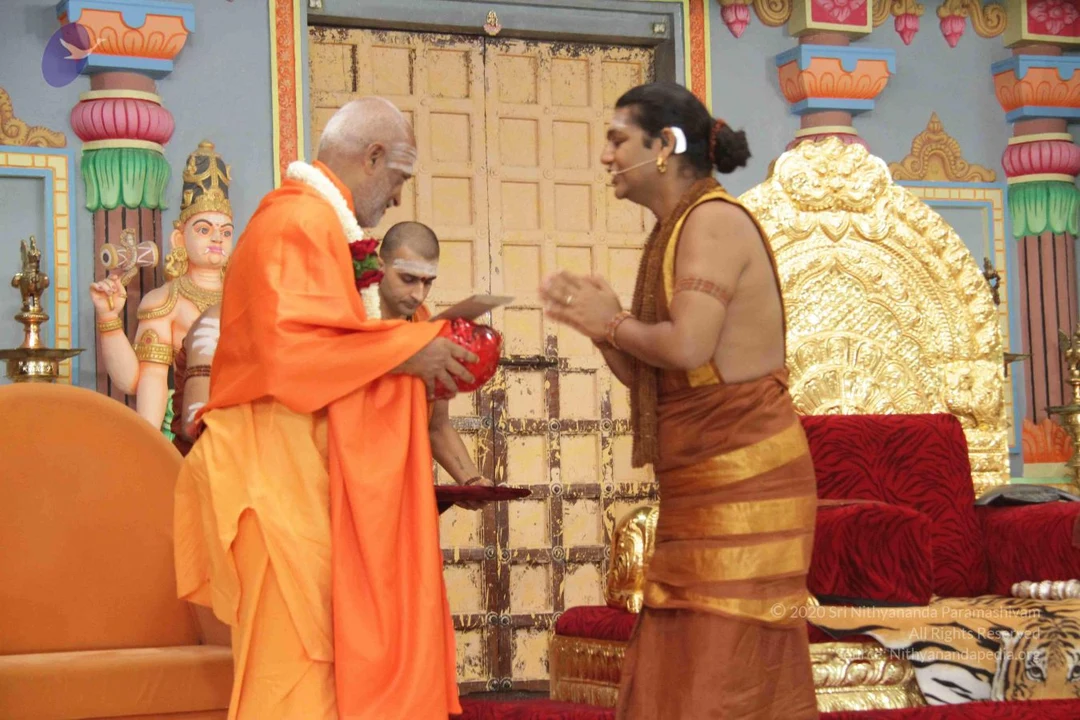
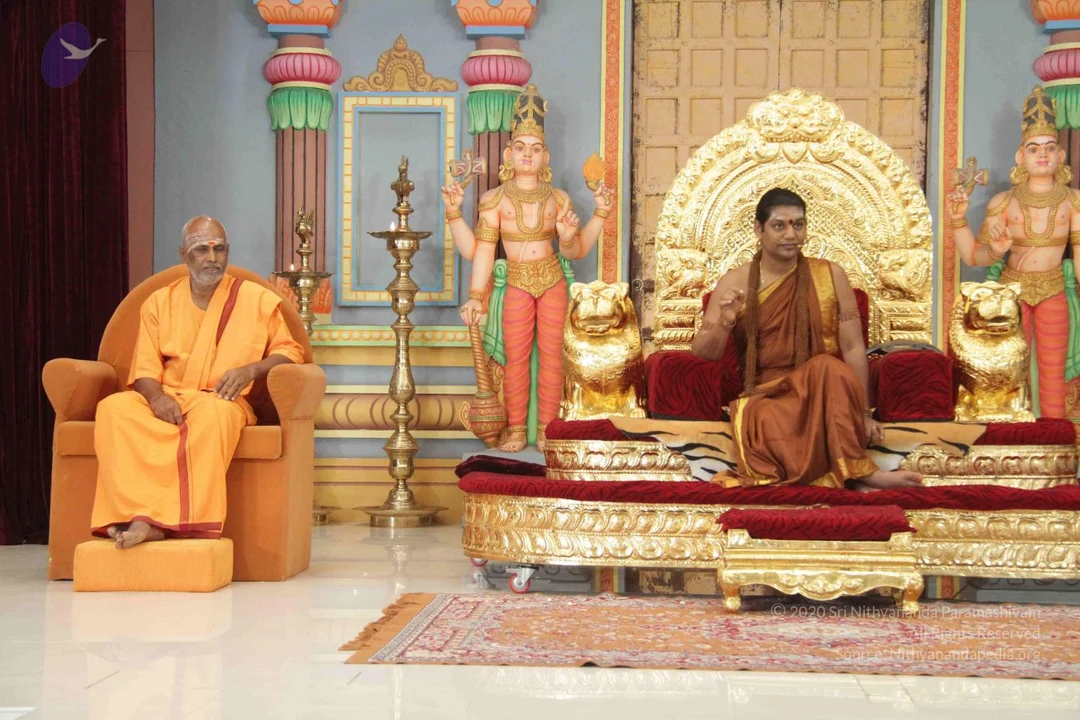
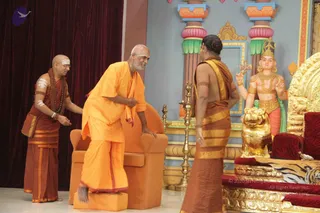
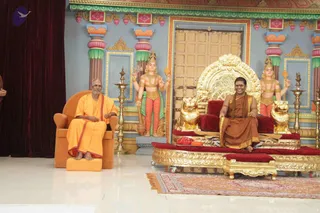
And, today, Swami Akhilanandaji Maharaj, he is here. He is the Head of the Kuttralam Ramakrishna Tapovanam. He is the disciple of Swami Chidbhavananda ji. Swami Chidbhavanandaji. If I have to introduce Swami Chidbhavanandaji to all of you, I think all of you know Swami Chidbhavanandaji, because when I spoke on Bhagavad Gita, I dedicated the whole Bhagavad Gita satsang.our satsang to Swami Chidbhavanandaji’s translation. He is a great Mahatma, a great soul who brought Vedanta to South India, who is South India’s Vivekananda. Swamiji is a direct disciple of Swami Chidbhavanandaji. Today he is here to bless us and on behalf of me and on behalf of Nithyananda Dhyanapeetam, I offer our respects. Swamiji belongs to the Puri Sampradaya. So, Mahanirvani Akhada sadhu, as per our tradition, we offer our humble respects.

And I also bless Tiruvannamalai. All the devotees, organizers have gathered in Tiruvannamalai today for planning further programs in Tamil Nadu and all the Tiruvannamalai disciples and devotees are planning for a Padayatra from Tiruvannamalai to Bangalore. Today the organizers team is meeting on Padayatra. My blessings for the success of the meeting and success of the Padayatra. Blessings for the organisers meet.

So, I’ll continue with today’s satsang.

Today is:

21st batch Inner Awakening, 10th day;

18th batch eN-Genius, 10th day;

21st batch Nirahara Samyama, 2nd level, 7th day;

10th batch, Level-4 Nirahara Samyama, 10th day.

Today, I wanted to expand on the concept which I was explaining from yesterday. The form, understanding about the form can lead to spontaneous Completion and spontaneous Enlightenment. Please understand, all the forms you see are like balloon structures in the life. It is the amount of emotion you infuse into them, please listen, the amount of emotions you infuse into them, inflates that balloon. So, the inflation value of every form in your life is the incompletion you carry inside. The inflation value of every visualization, every form you carry in your being, is dependent on the incompletion you carry inside. Please listen, contemplate, take a few seconds and contemplate on this.

Every form you carry in your life, everything which is most valuable or most dangerous in your life, most valuable or most dangerous in your life, gets alive, becomes alive, gets life only based on the incompletions you infuse into it. Understand everything is gas balloon in your life. Whether it is the most important form or the most dangerous form, it’s a gas balloon which balloon you are going to inflate it by infusing your incompletion. Please understand, the most dangerous thing you think in your life, whether it is poverty, or death, or disease, or accident, or losing your name and fame, or losing your identity, the most dangerous thing is also inflated balloon by your incompletion. And the most beautiful form in your life, even if it is Guru’s form, even if it is your Ishta devatha’s form, is nothing but form inflated by some of your incompletions. Please listen; I am using the word “incompletion”, not “Completion”! I am using the word “incompletion”, not “Completion”. Even you making your God or Guru a hero or saviour or father figure is nothing but you feeling something is missing in your original space of Completion. So, both inflations are your creation. Please listen, I am giving you one of the greatest advaitic truth in a simple, straight-forward way.

The most important truth you need to know, whether it is the most dangerous form you think in your life or the most blissful, reassuring form you think in your life, form is a form is a form. Form gets its power only based on incompletion. If you think somebody is a villain, somebody is a hero; both are from your incompletion. Do not have God or Guru in your life because of your incompletion. Have both of them because of your Completion, strength and love. I tell you, people who try to project hero figure, father figure on me because of their incompletion, I am afraid of them, because any day they will pull out their gas supply to my form. Whether it is Guru or God, if your devotion, if your love is based on Completion, only then you will also grow, you will be really, really, really growing in pure love and devotion towards Guru or God.

Please listen. This whole rumours and scandals and problems around us drove away all the fellows who were projecting their hero figure, father figure on me due to their incompletion. Please understand I have seen in my life the same fellows who were at my feet, begging, crying, just to have my Darshan or blessings were demanding that ‘leave this whole organisation to us and get out!’ I only said if I’m an incarnation I’ll come out of all this mess and prove. I proved. And the same thing during this hoax problem created by the media in Tamil Nadu, during this madurai adheenam issue. I only said one thing. ‘I am not against anybody; I have no anger towards anybody. I am not against anybody; I am not competition to anybody.’ Before accepting responsibility, actually when 292 Sannidhanam came and offered to me. He came and offered, he requested. Before accepting the responsibility I meditated and I saw very clearly Meenakshi wants me to accept that responsibility and commitment. So I took it. ‘If that vision is powerful enough, I’ll continue.’ That’s all I said and again all of you know now we won the game!

Please listen, let everything be based on the space of Completion, whether it is your devotion or anything. Of course, based on Completion, you will not be able to have hatred or violence, but you will have a powerful strategy-planning like Sri Krishna. Krishna didn’t have any hatred towards the Bhishma. Sri Krishna didn’t have any hatred towards Drona. Krishna liberated Bhishma, but he had a powerful strategy. He knows what he wants, and he will do what he wants. So understand, let everything be based on the space of Completion, whether it is your devotion, whatever, the form filled by incompletion only will go on binding you more and more and more.

Just a few days before, I gave an example: If you have fear of snakes, in your whole life if you see the statistics, you would have seen snake only once and that also in a zoo, at a very safe distance where they cannot come near you. You can only see them and they can only see you. You would have seen only twice, but mentally you will be seeing snakes every day two-hundred times and having the panic attack. Not by the snake, but by the memory of the snake, you will have much death sooner. Not by the poison of the snake, but by the visualization of the snake, you will have early death!

So, understand, whether it is danger or what you call as love, both if you fill it with your insecurity, if you fill it with your incompletion, both are going to be dangerous to you, harmful to you, and both are going to be binding you.

So, understand, life, life in its pristine pure form is Completion. When you bring Completion into you, please listen, when you bring Completion into you, no form will bind you, whether it is love or danger, no form will be binding you whether it is love or fear.

And I’ll expand the further satsangs how this understanding can lead to spontaneous Completion and spontaneous enlightenment.

Ramakrishna says very beautifully.

One lady goes to Ramakrishna and complains, ‘My husband is constantly threatening me. ‘I’ll become a Sannyasi, I’ll become a Sannyasi.’

Ramakrishna laughs and says, ‘Don’t worry; he will never become a Sannyasi. No one can become a Sannyasi like this.’

Then that lady asks, ‘Then how people become Sannyasis?’

Ramakrishna just takes the towel in the shoulder which he used to have and dusts twice and puts it on his shoulder and says, ‘See now how I am walking, leaving everything. That is the way people leave and become Sannyasi!’

Means, only by spontaneous decision of Completion, anything great can happen in the life, never by something which you have been mulling over in incompletion for ages and ages and ages.

Adi Shankara says in Viveka Choodamani, ‘Even Kalpakaala Paryanthaam you are sitting with certain visualization or ritual out of incompletion, nothing can be done ’ He says, even the age of a Brahma if you are sitting with some ritual, visualization, you cannot achieve anything great, you cannot achieve any Completion.’ So, understand, even Kalpakaala Paryanthaam if you sit with incompletion, whether you sit with your negative visualizations or positive visualizations, life is not going to become complete, it is not going to be liberating you.

I’ll expand in further satsanghs how understanding can liberate you spontaneously, understanding can enlighten you spontaneously.

21:27 Hindi - 22:40

So, listen, don’t fill in any form in your life again and again through incompletion. Every form you fill through incompletion will only bind you.

23:13 Hindi - 23:27

Let you all achieve, experience, live, express, radiate, share and explode in eternal bliss, Nithyananda.

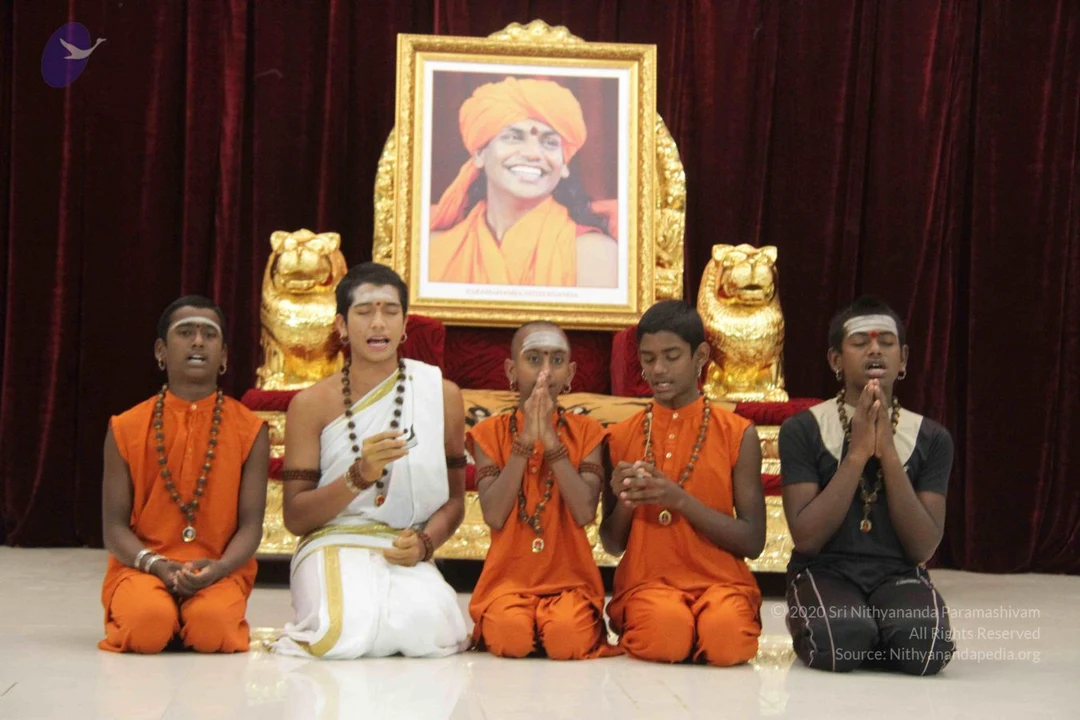
Photos Of The Day:

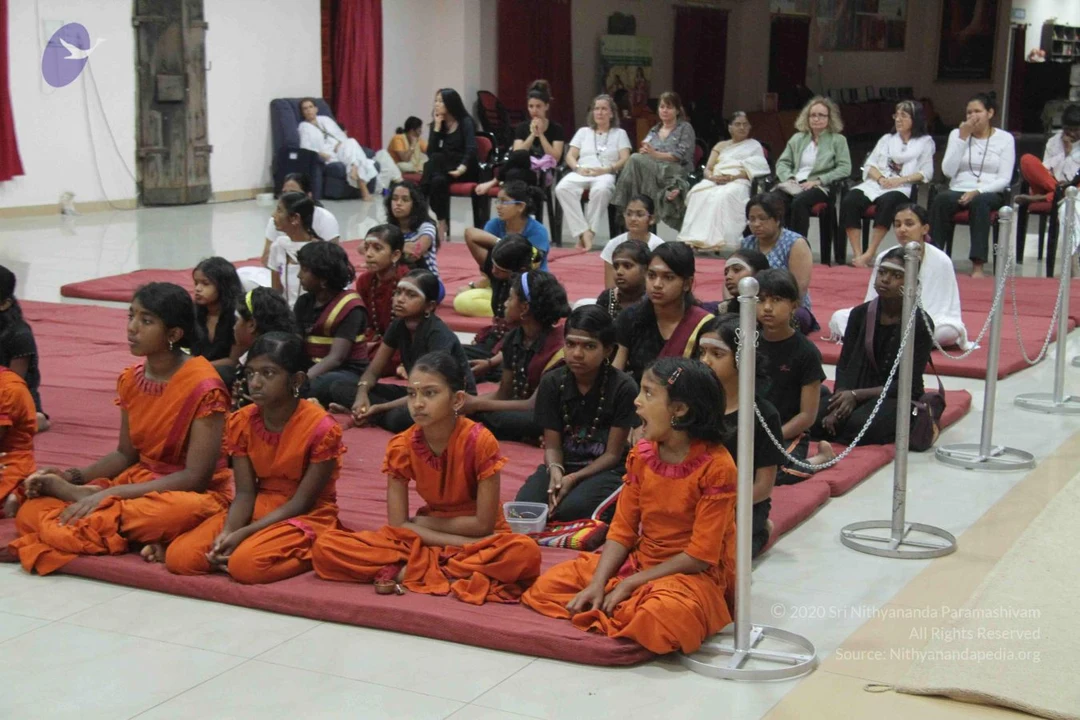
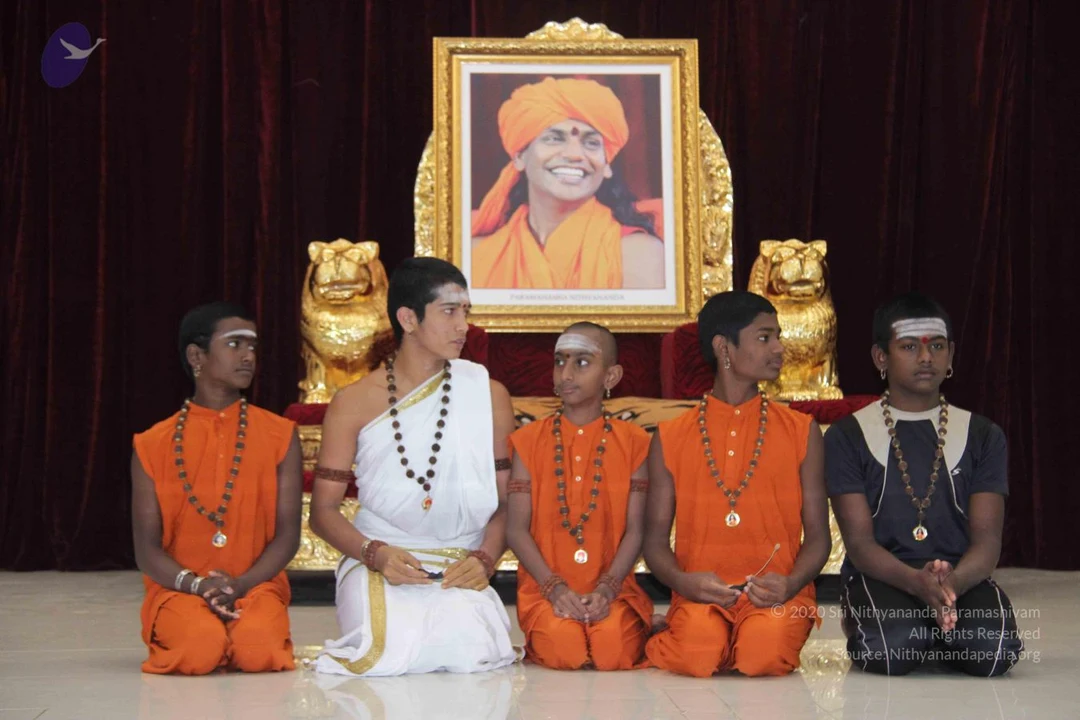
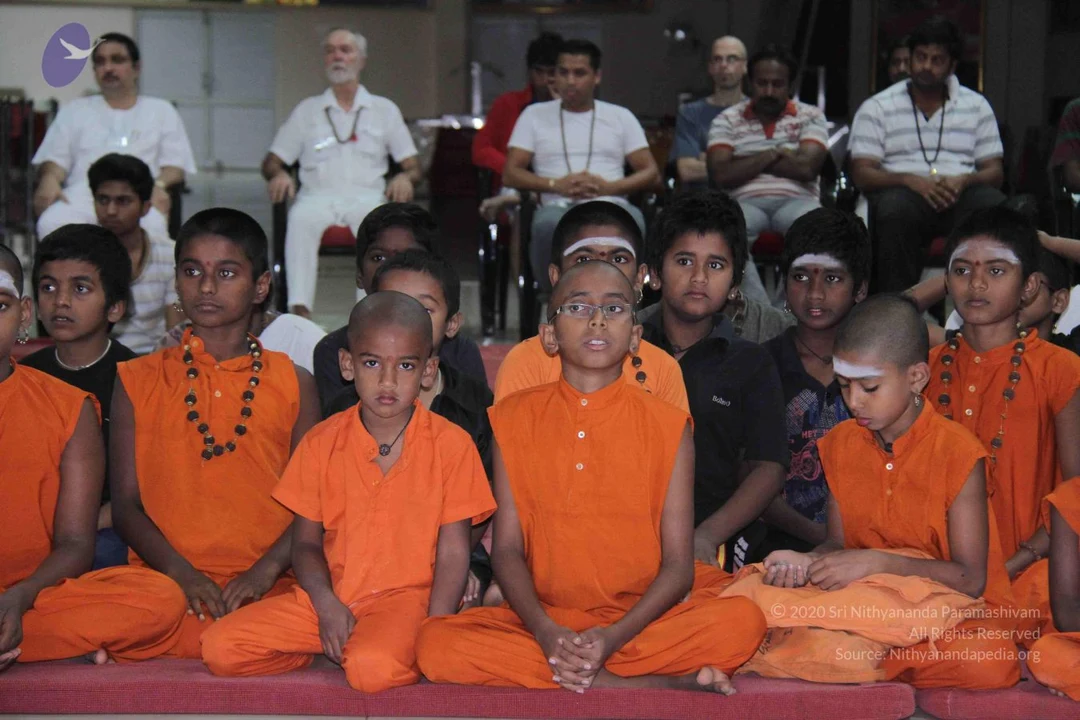
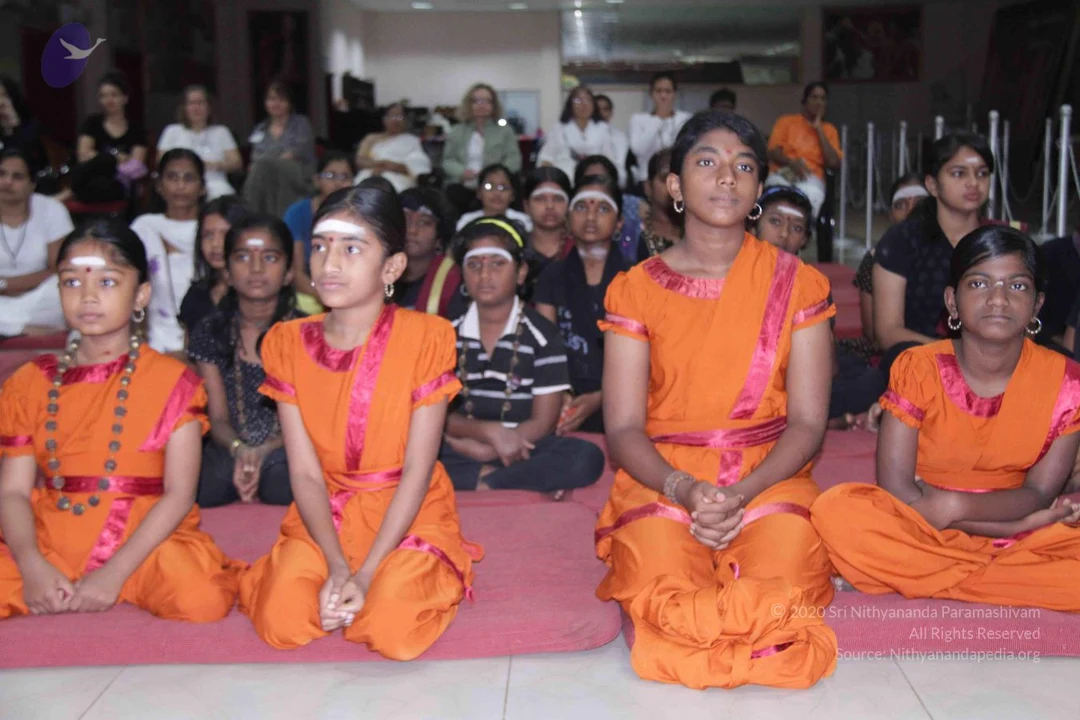
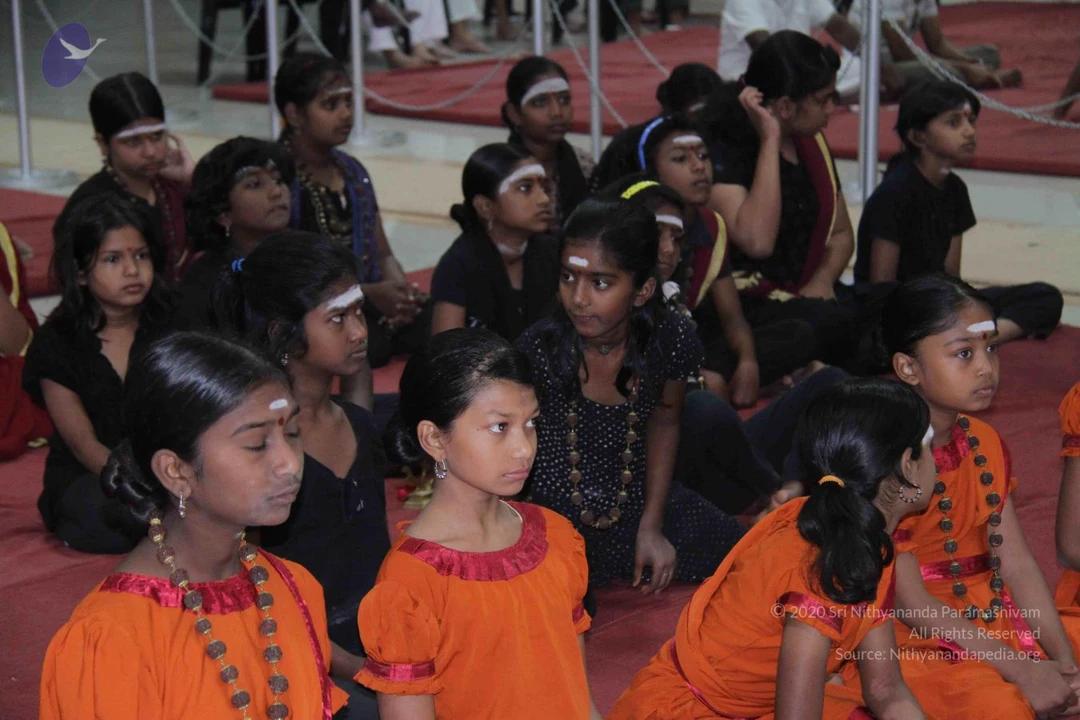
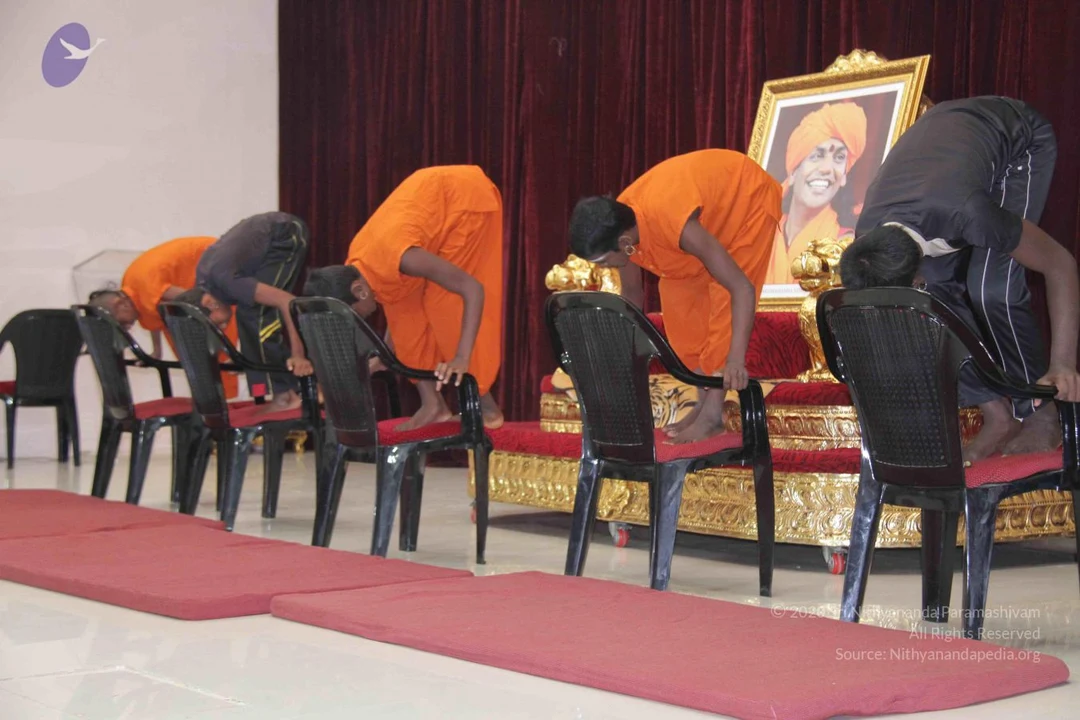
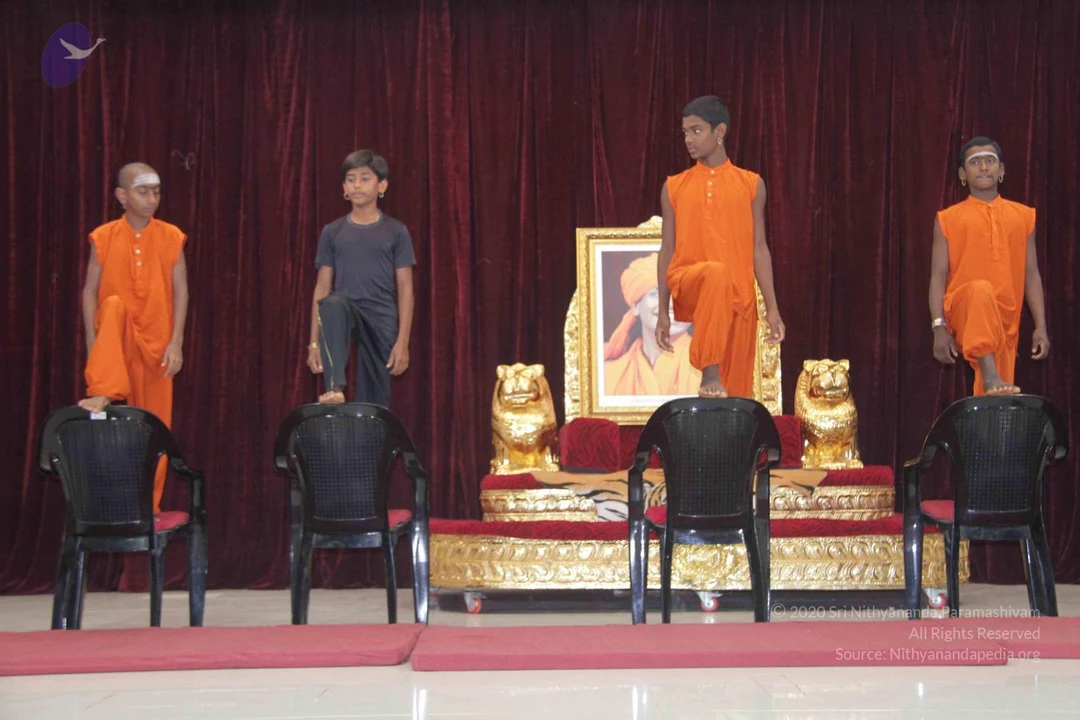
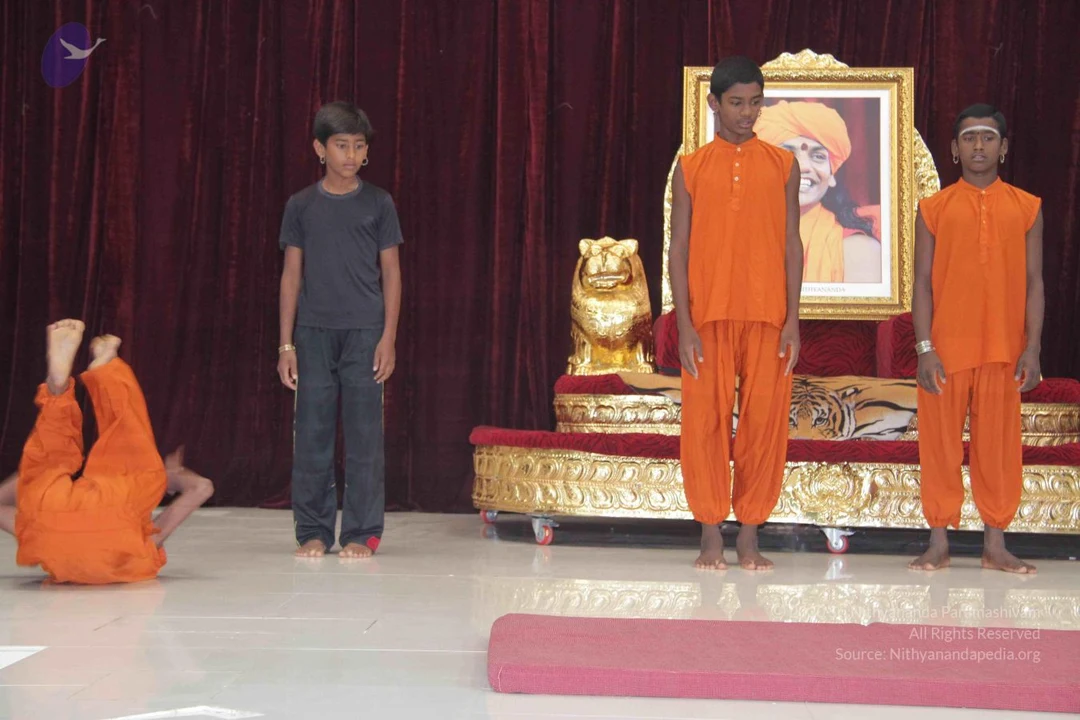
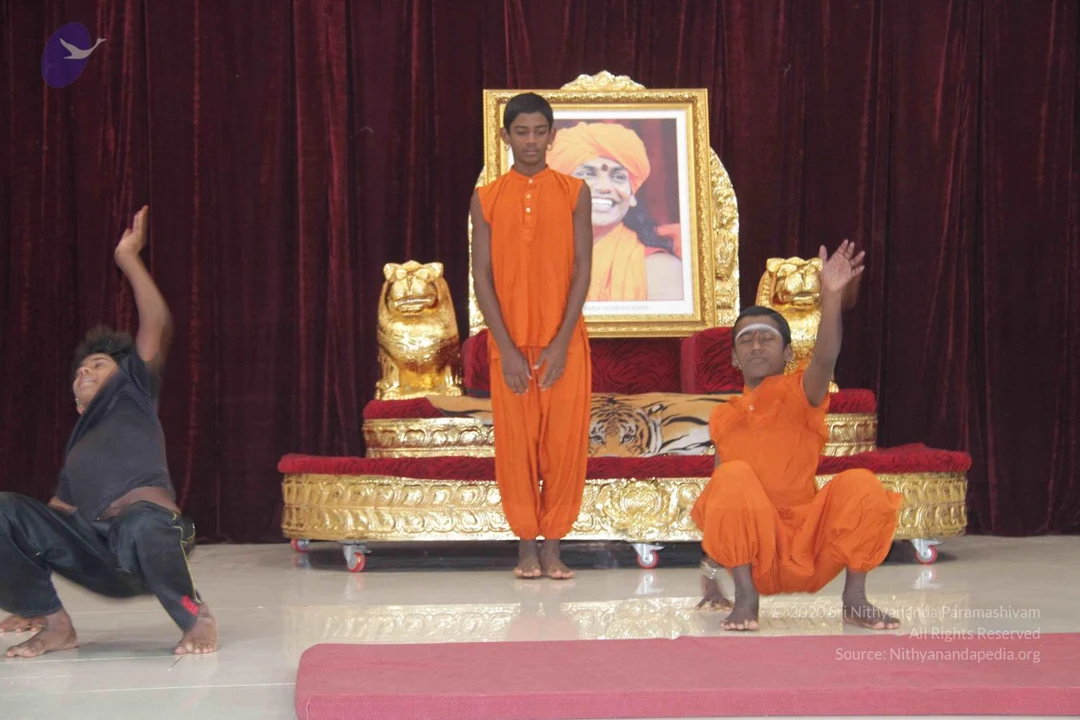
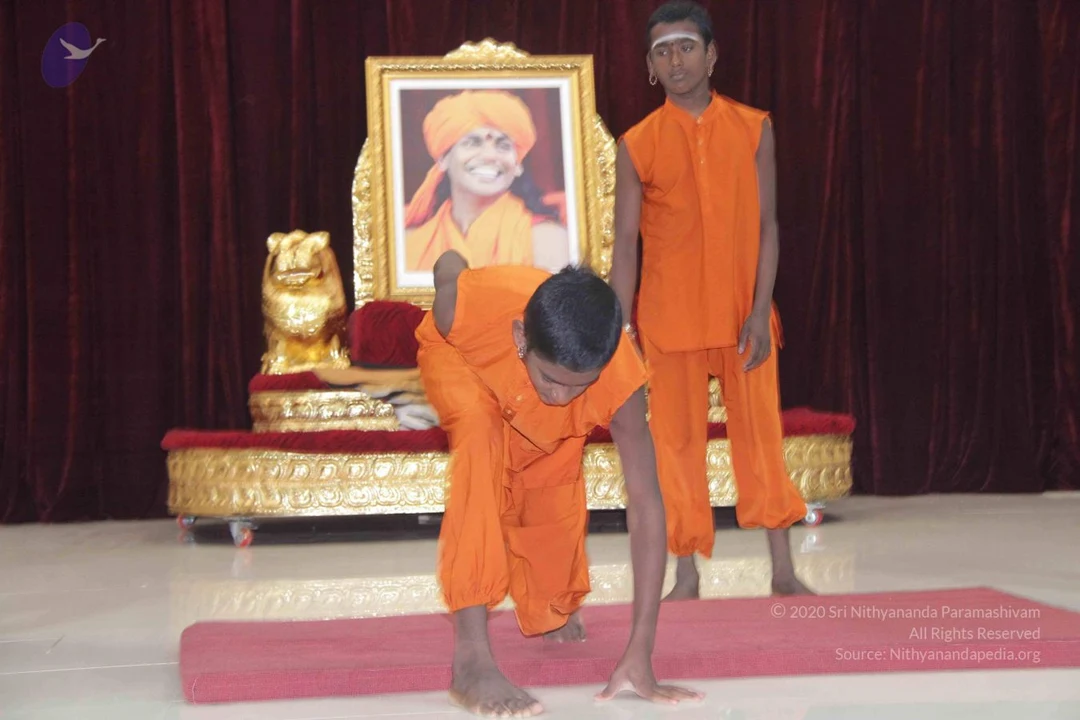
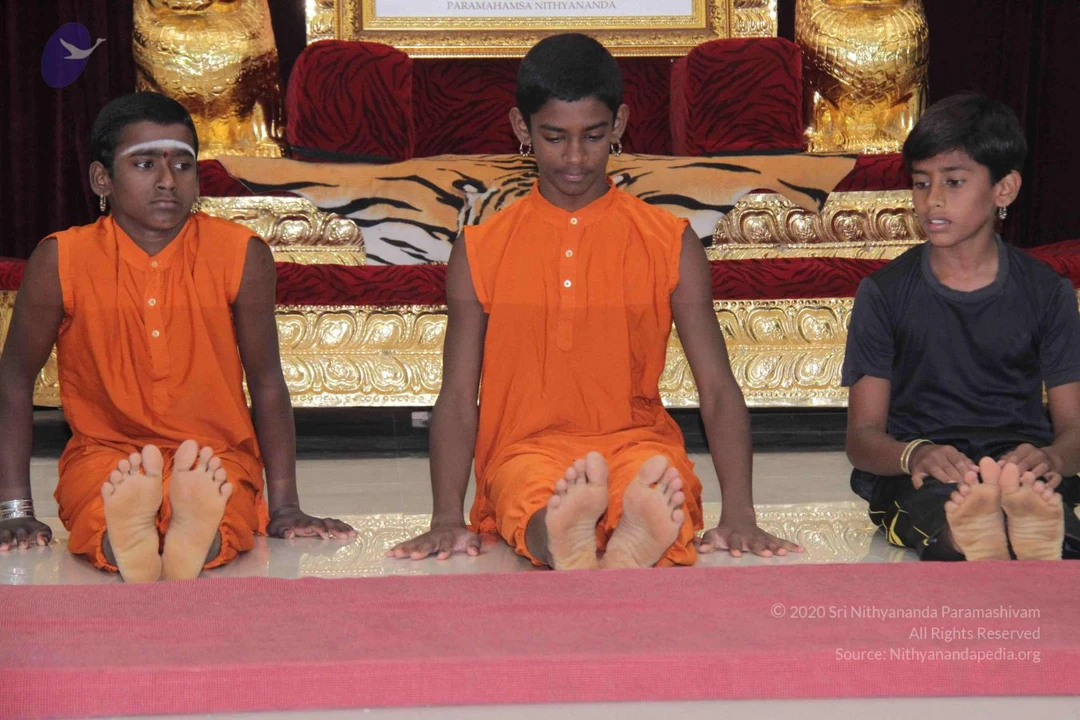
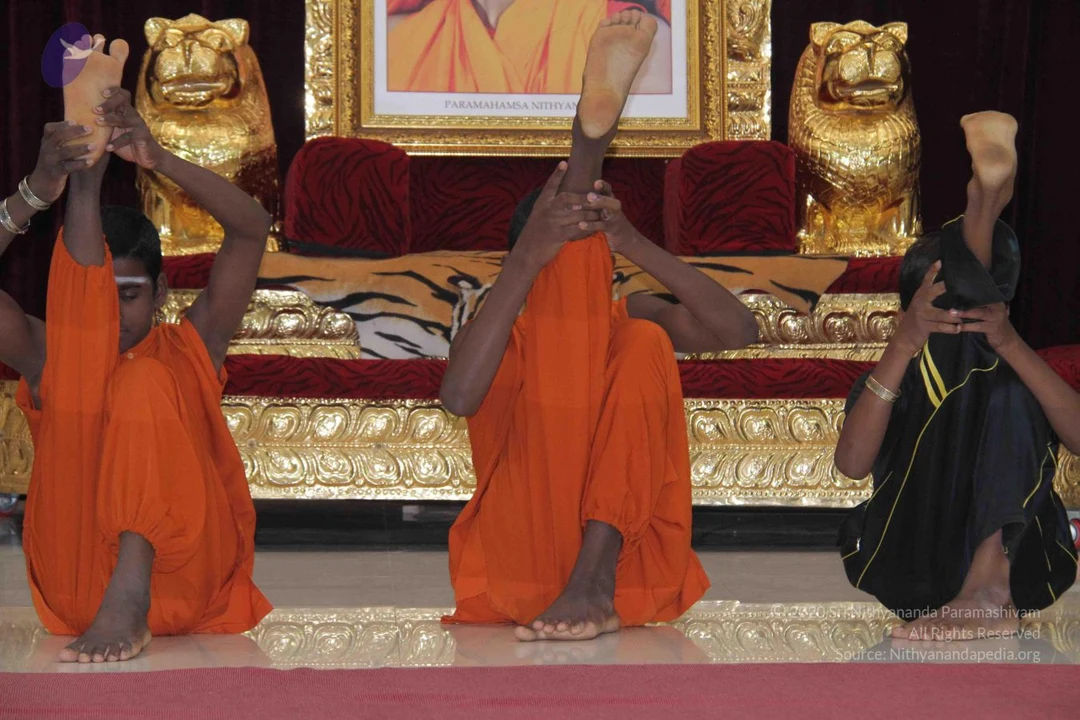
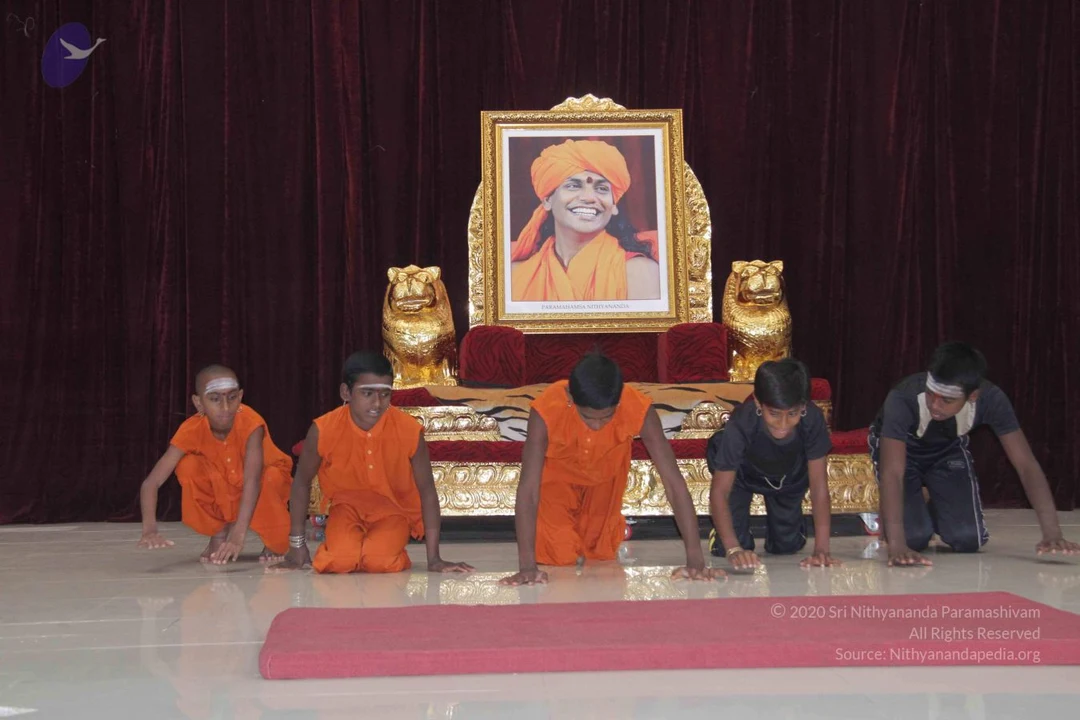
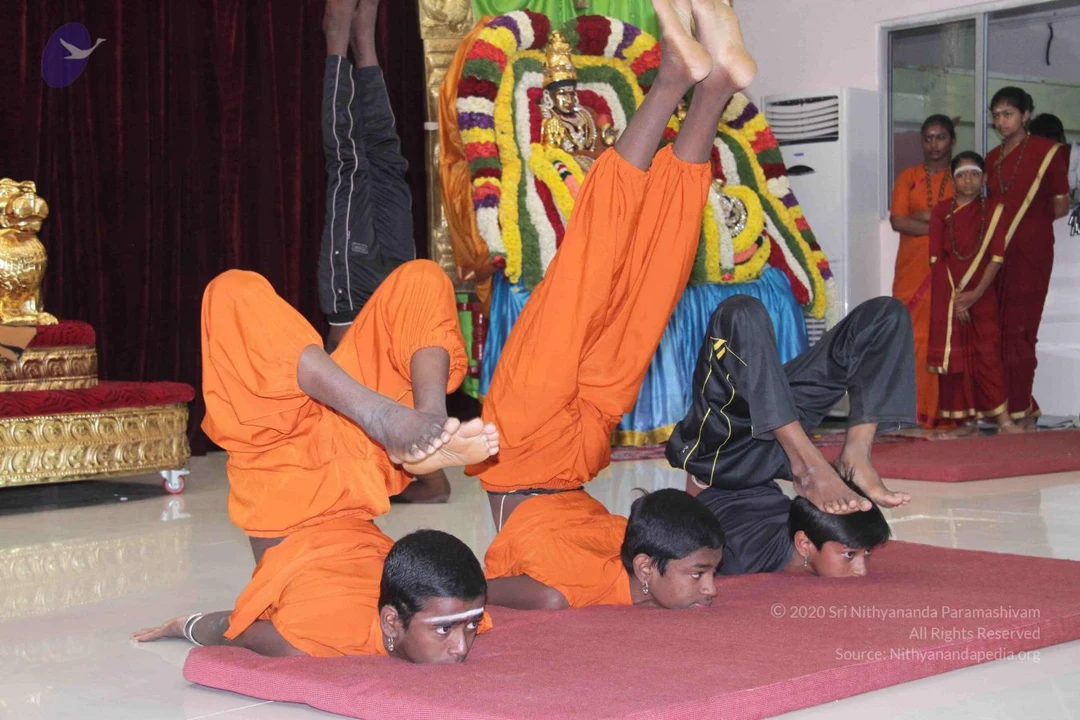
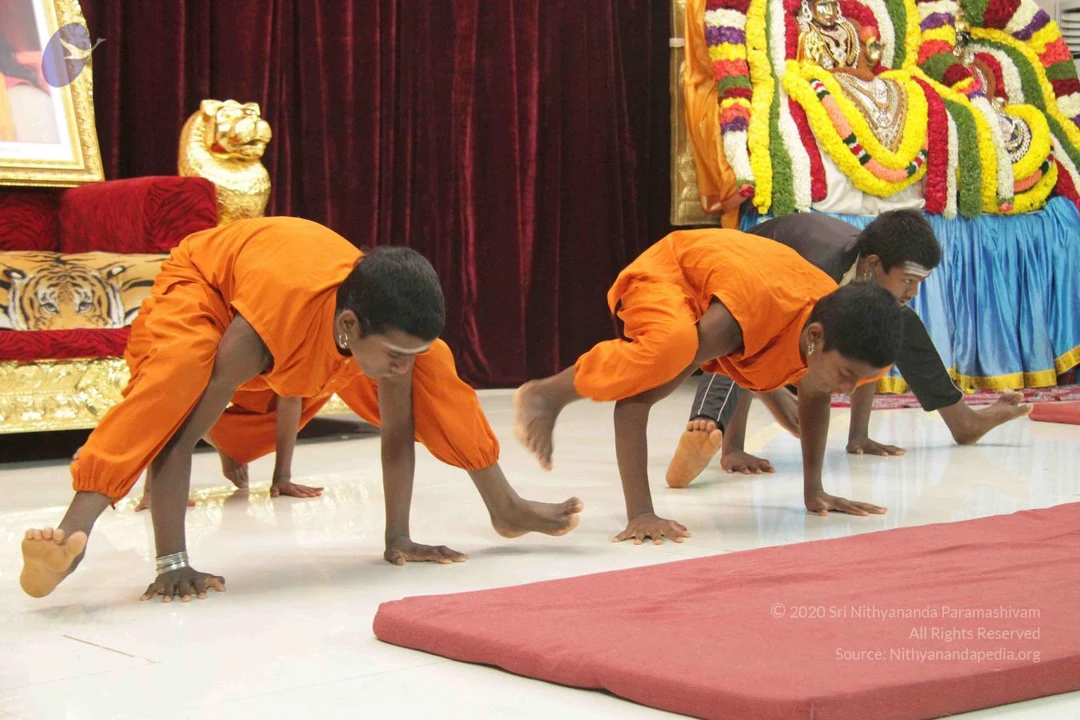
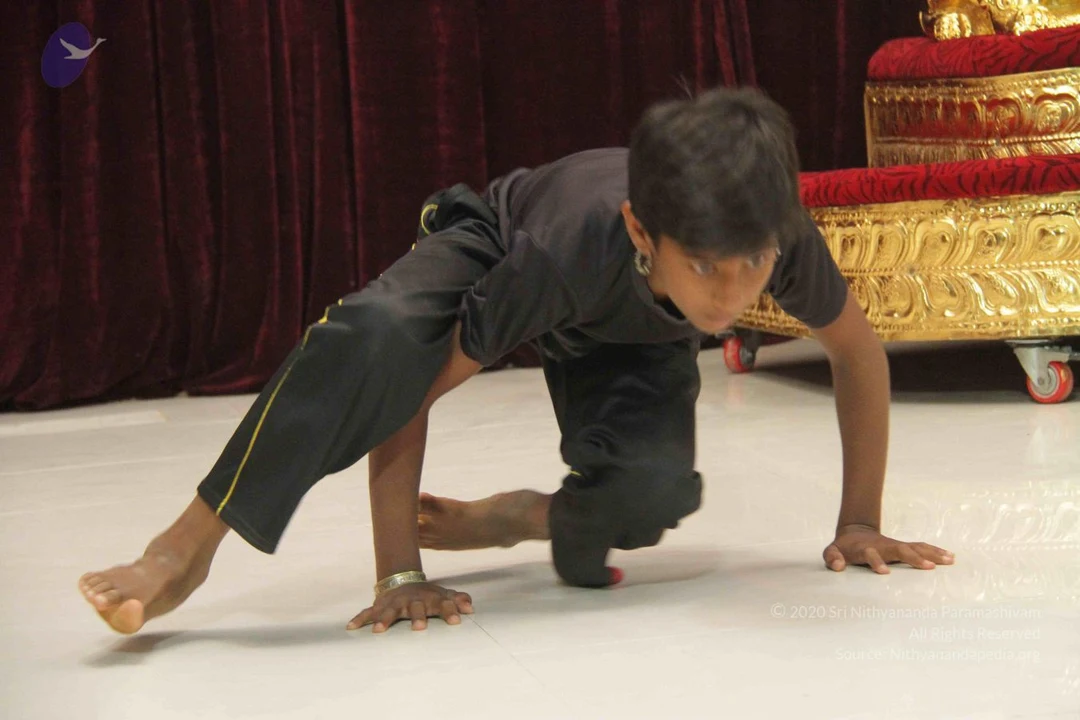
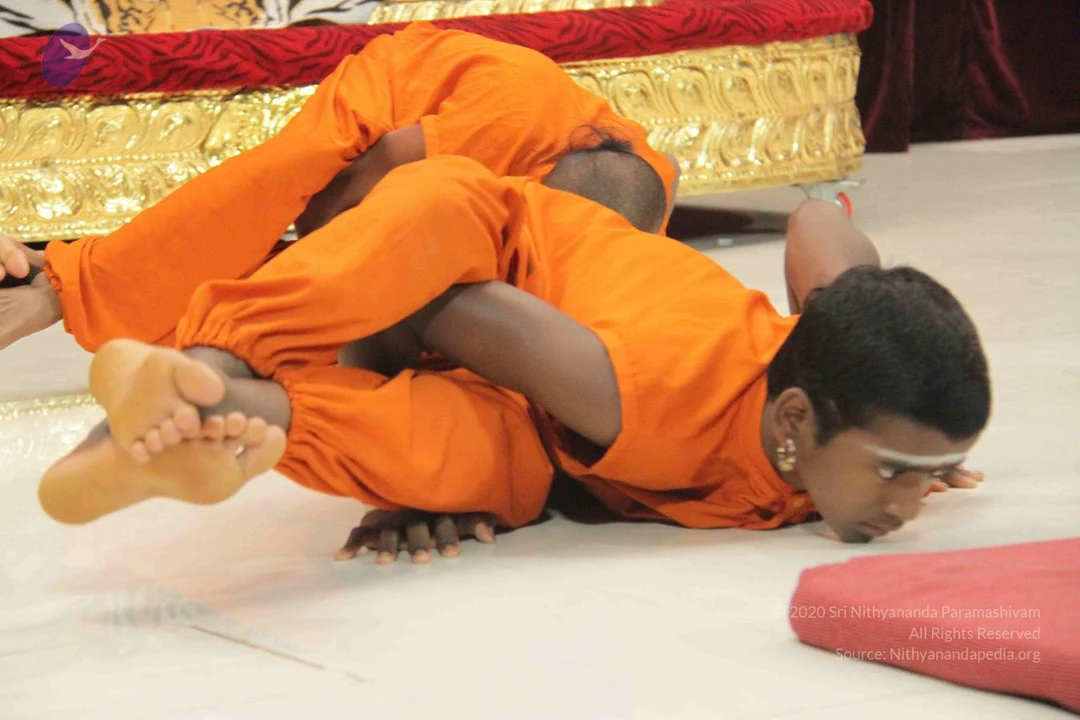
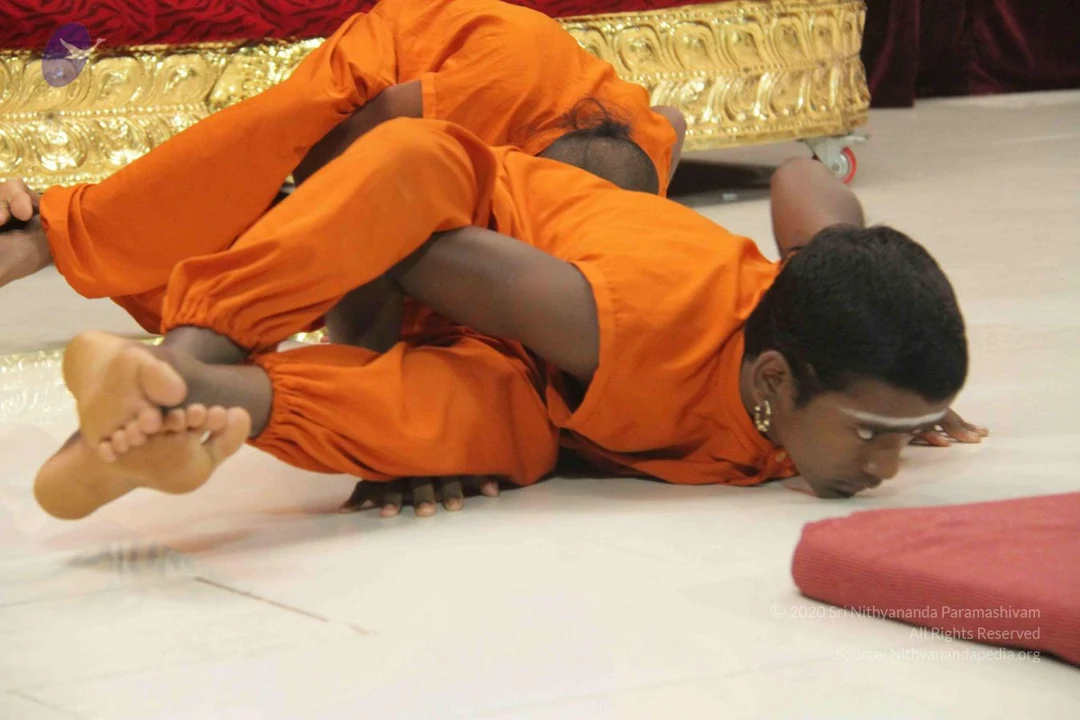
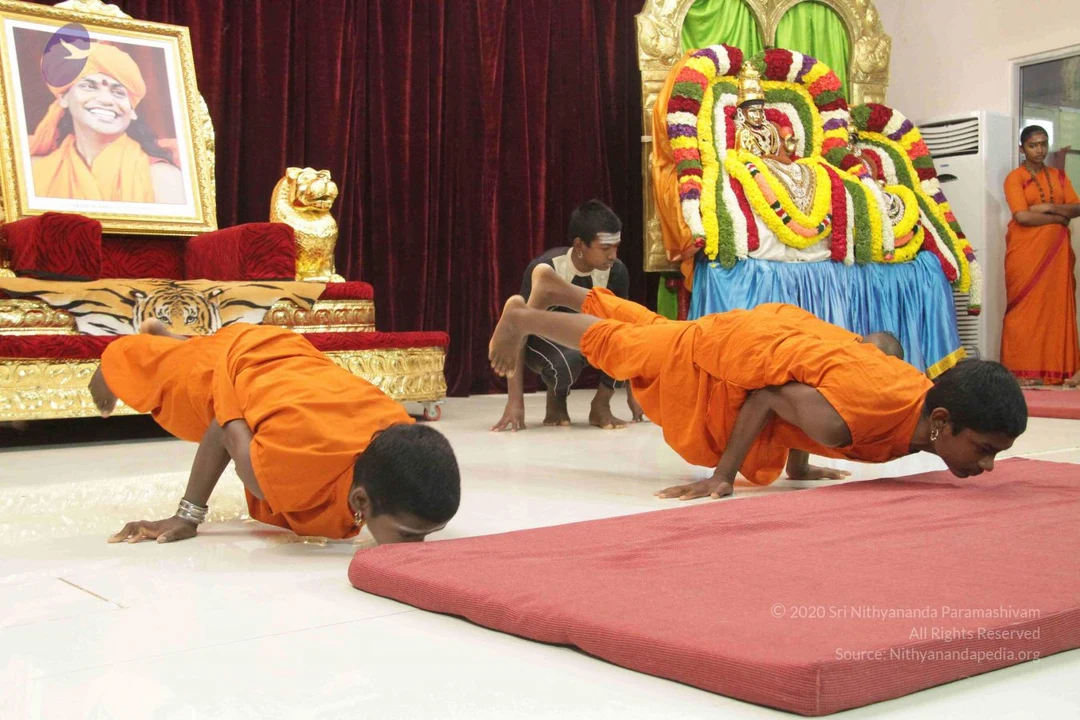
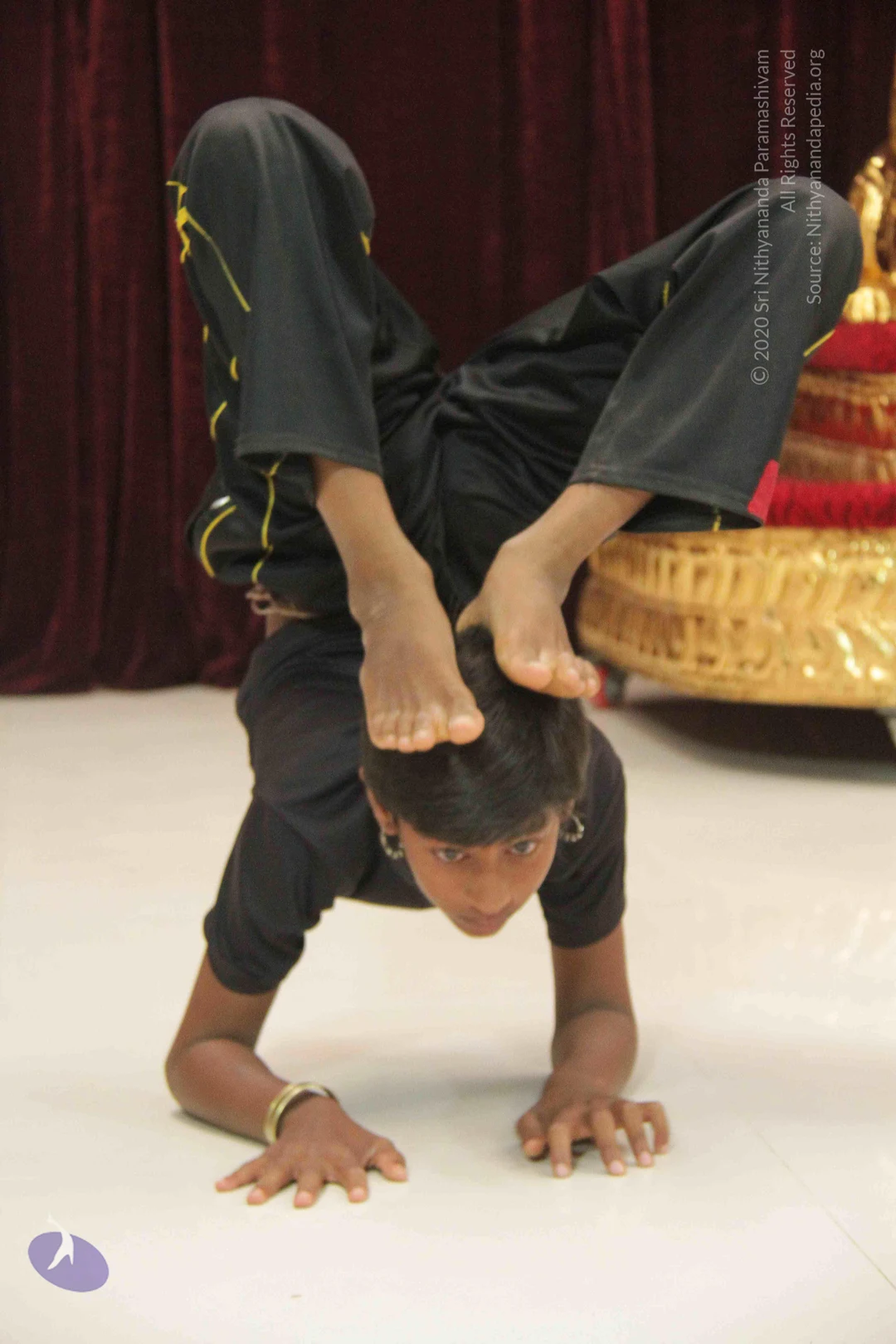
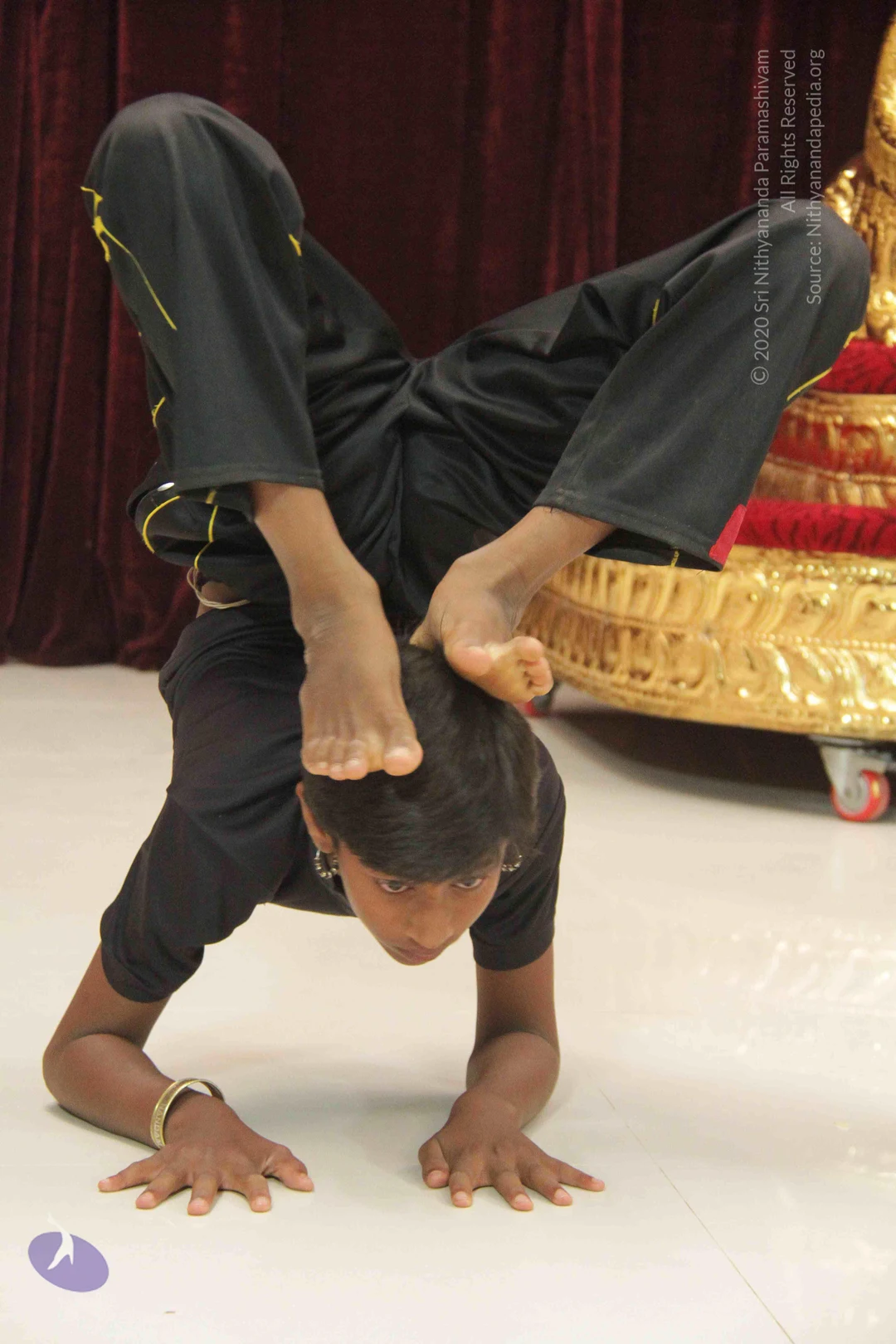
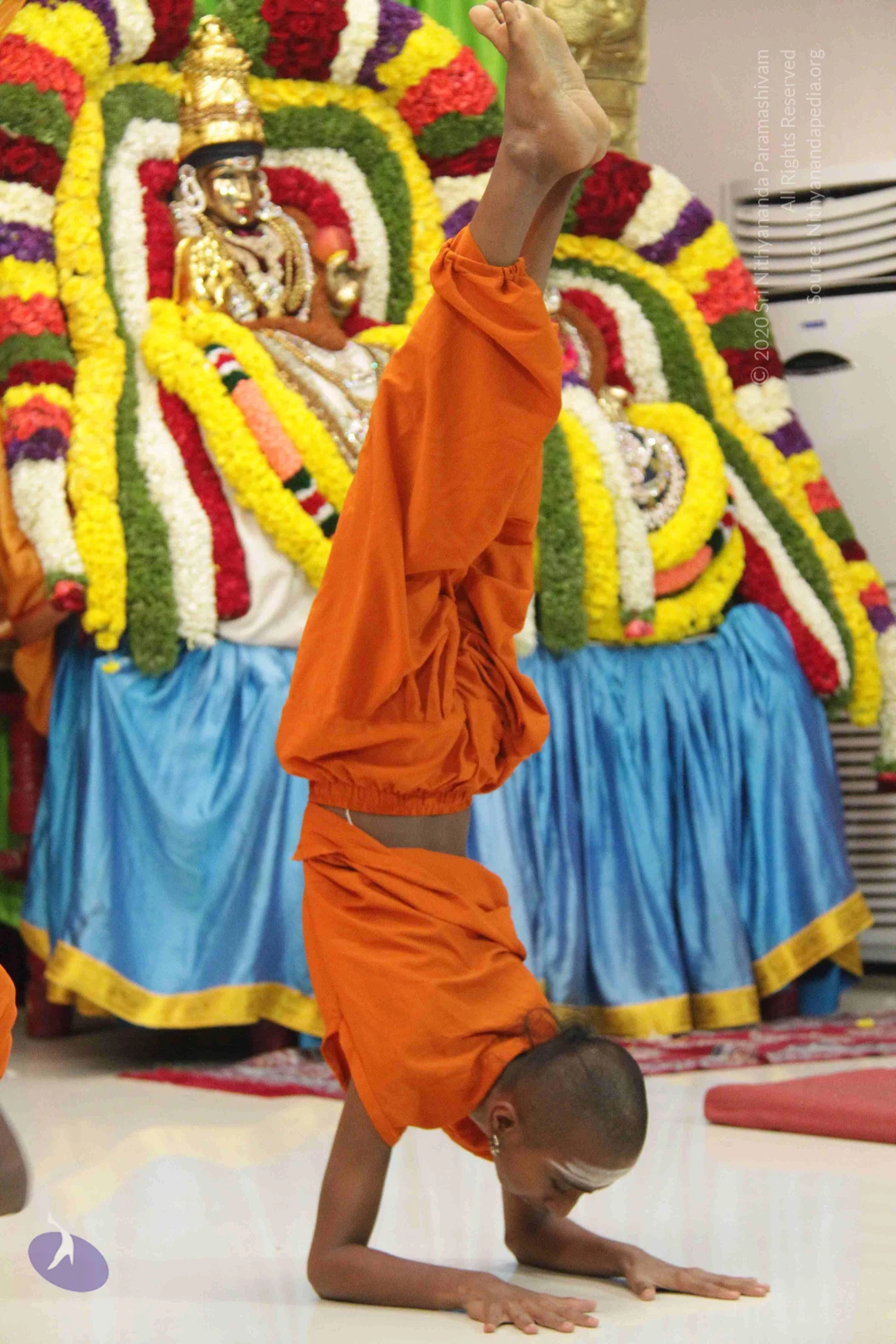
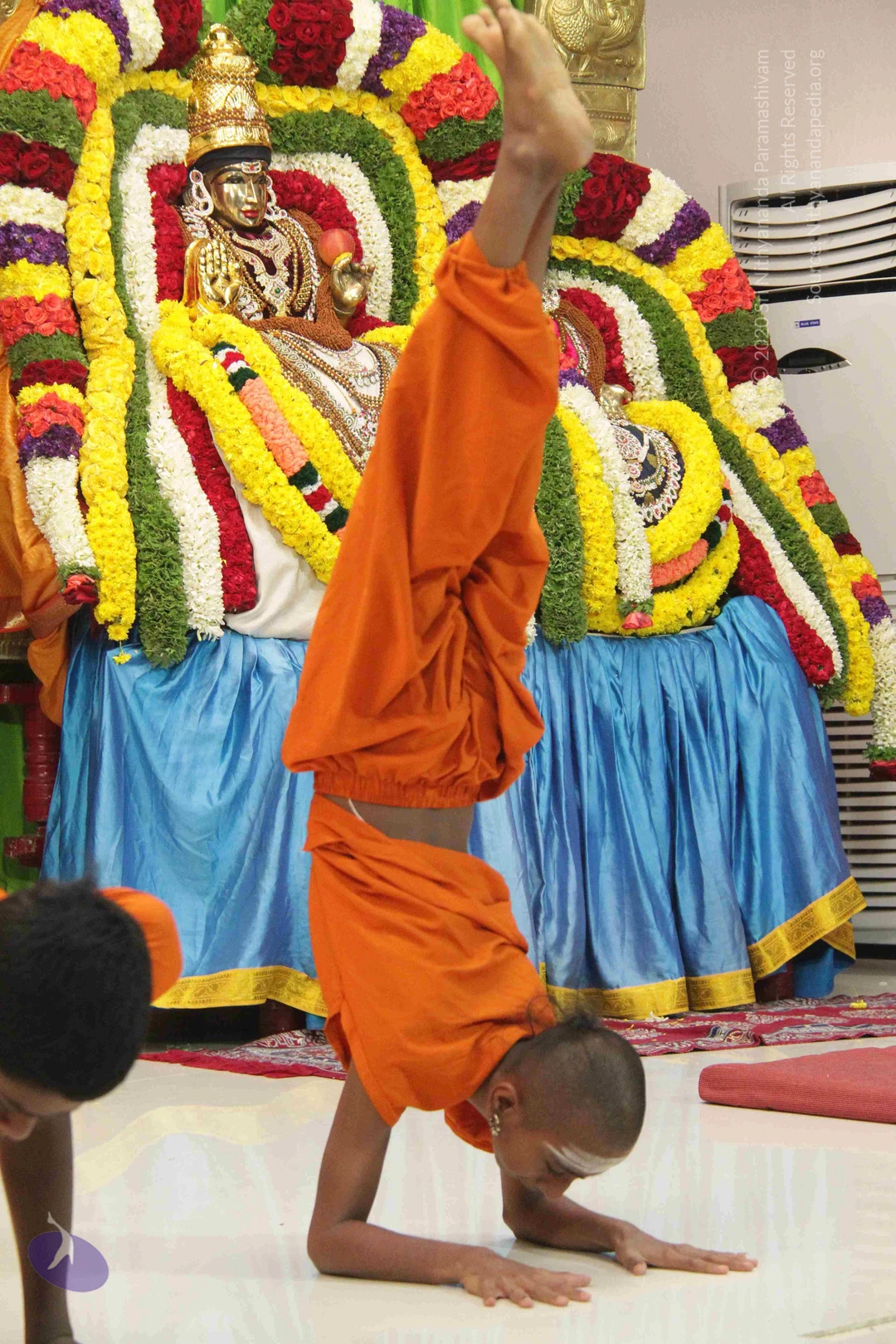
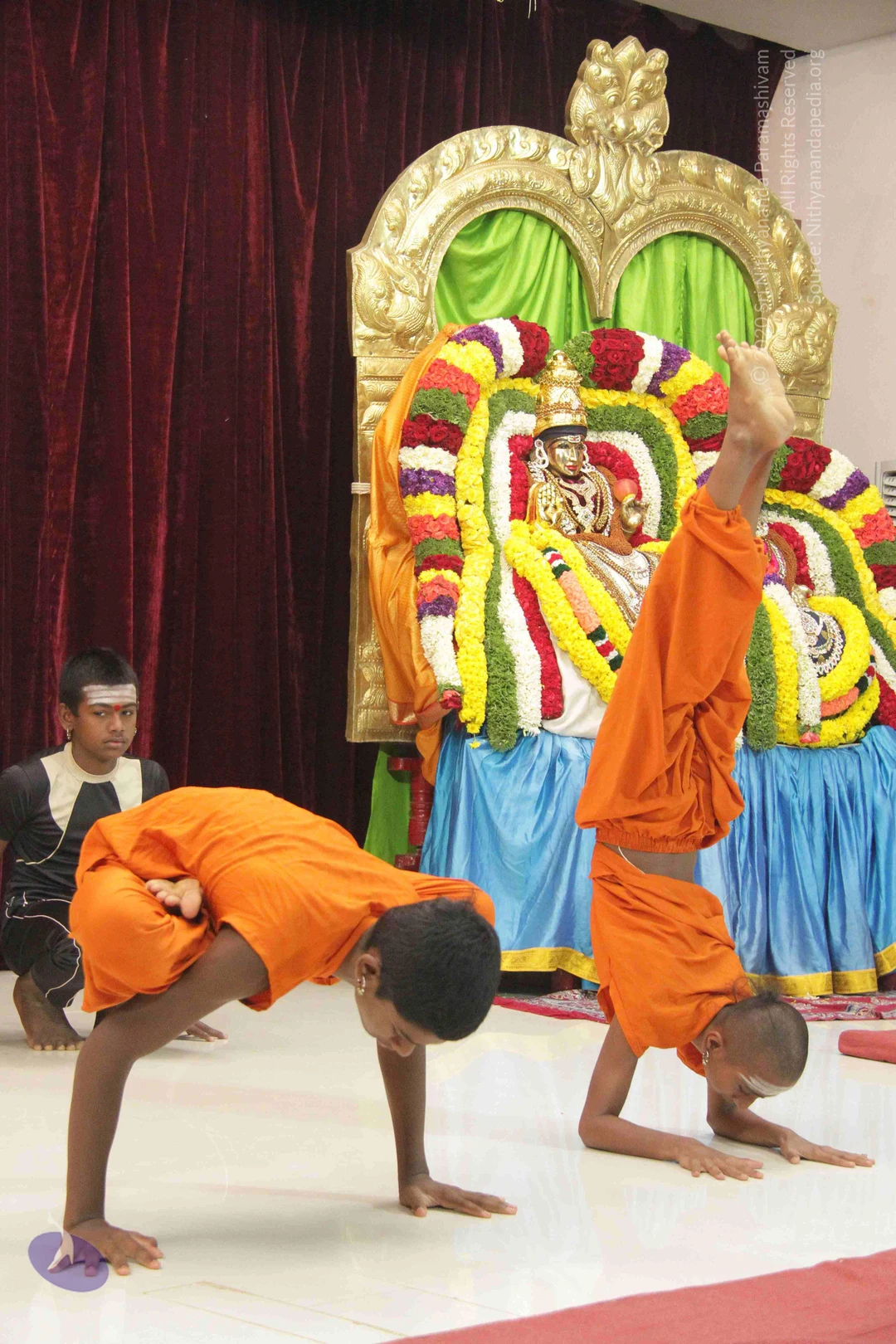
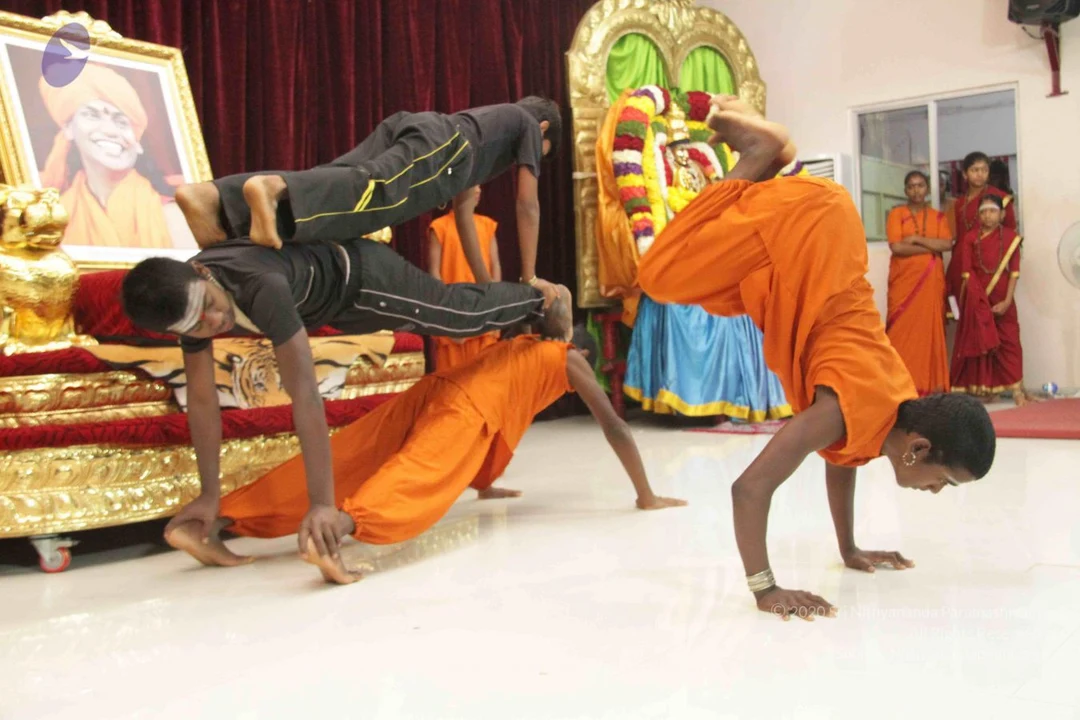
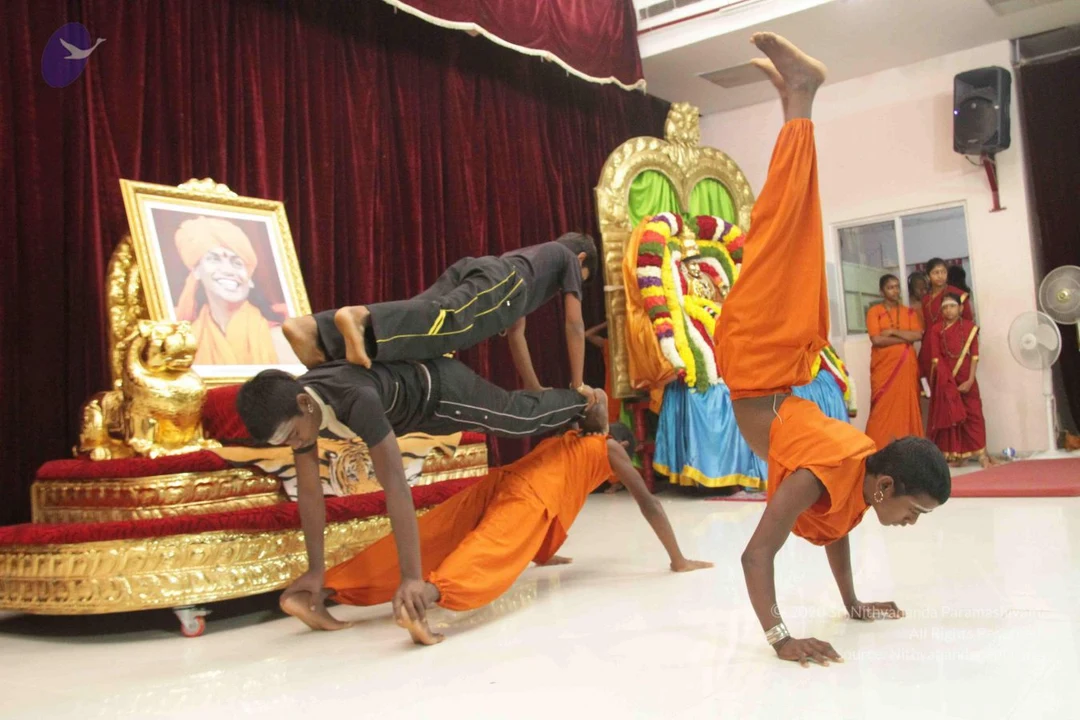
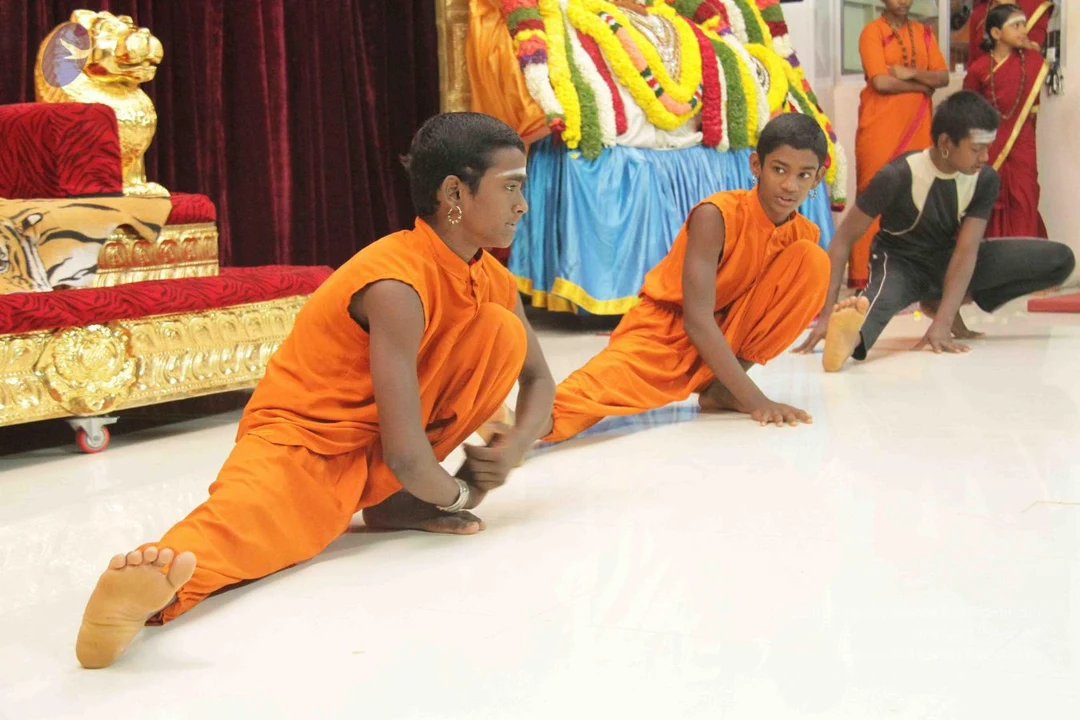
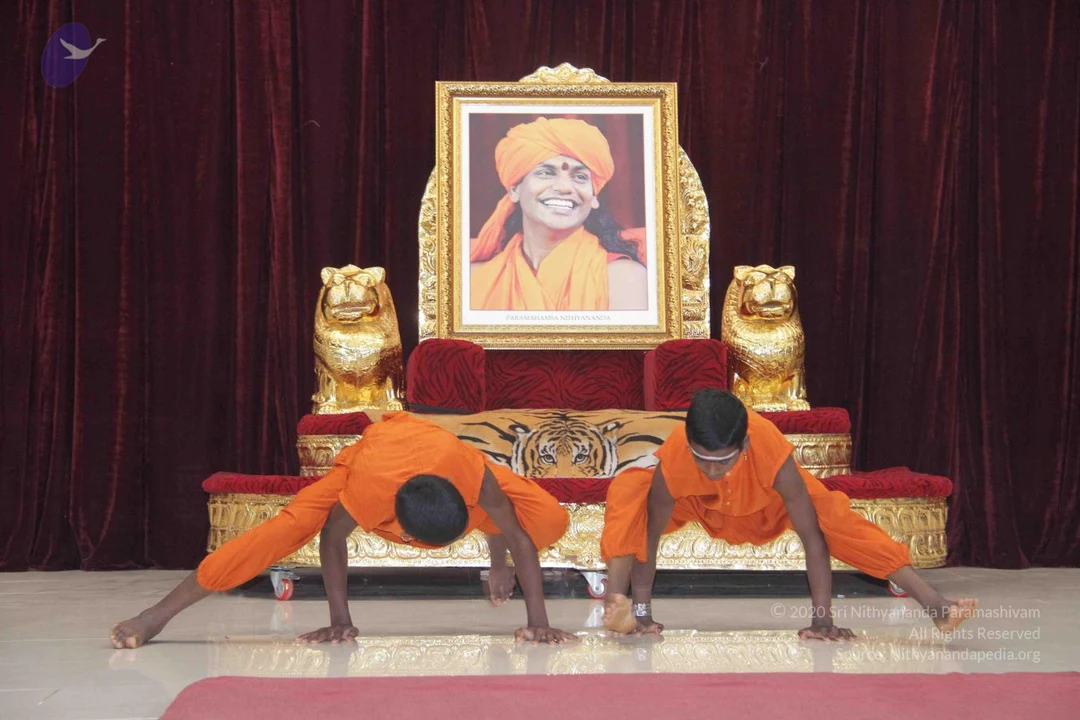
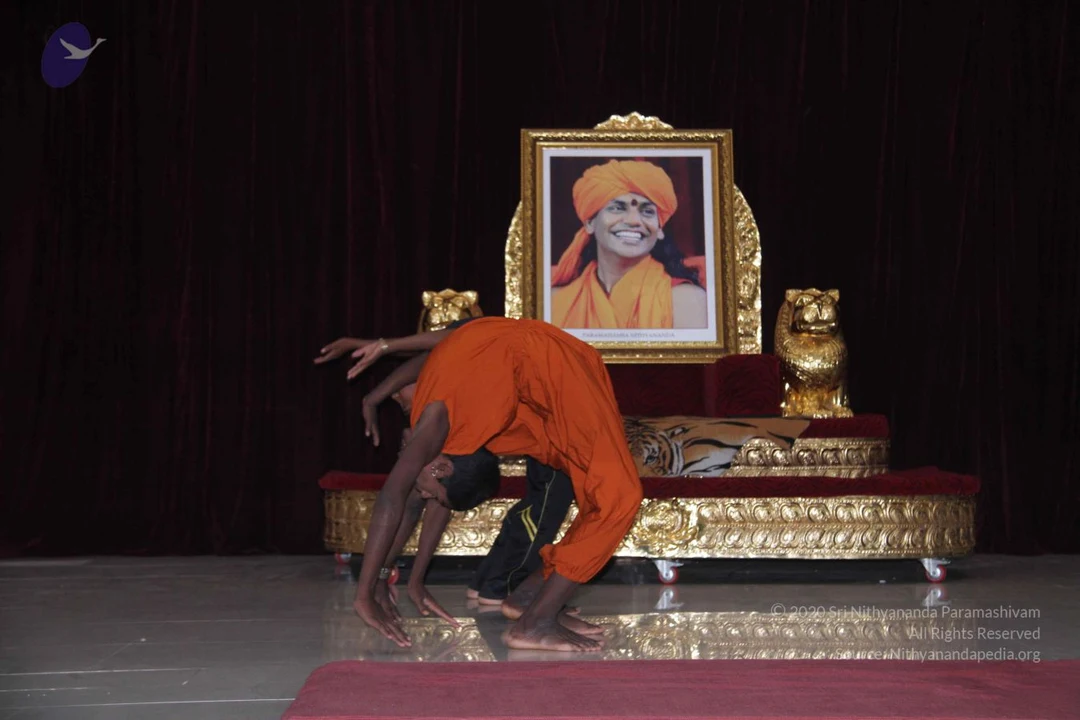
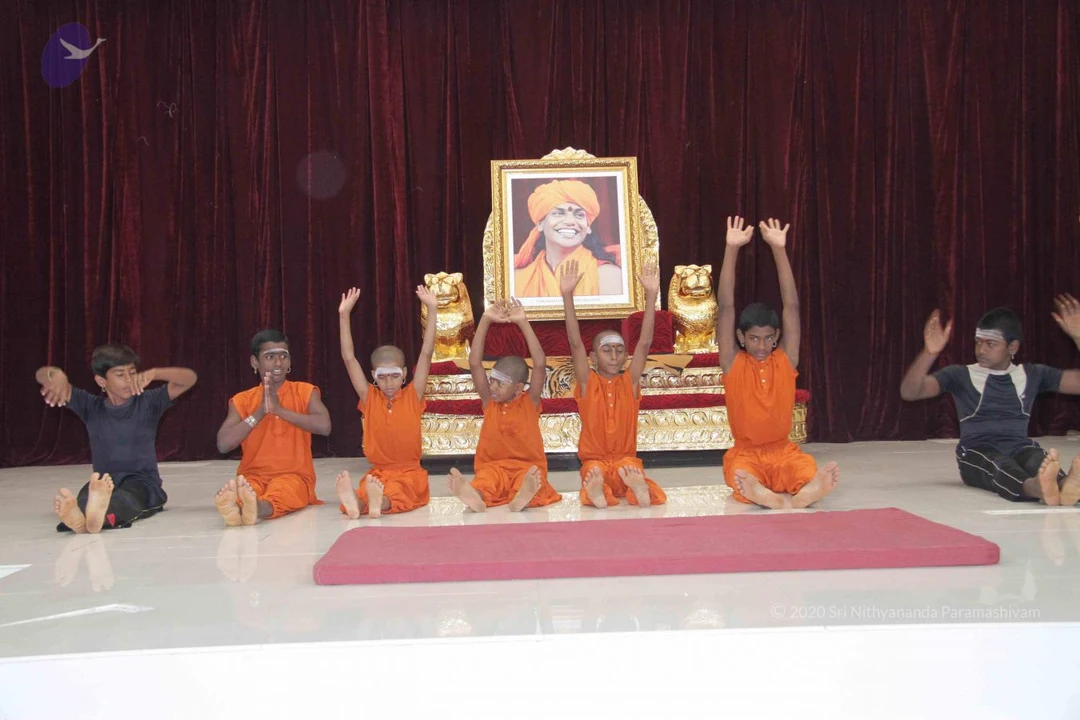
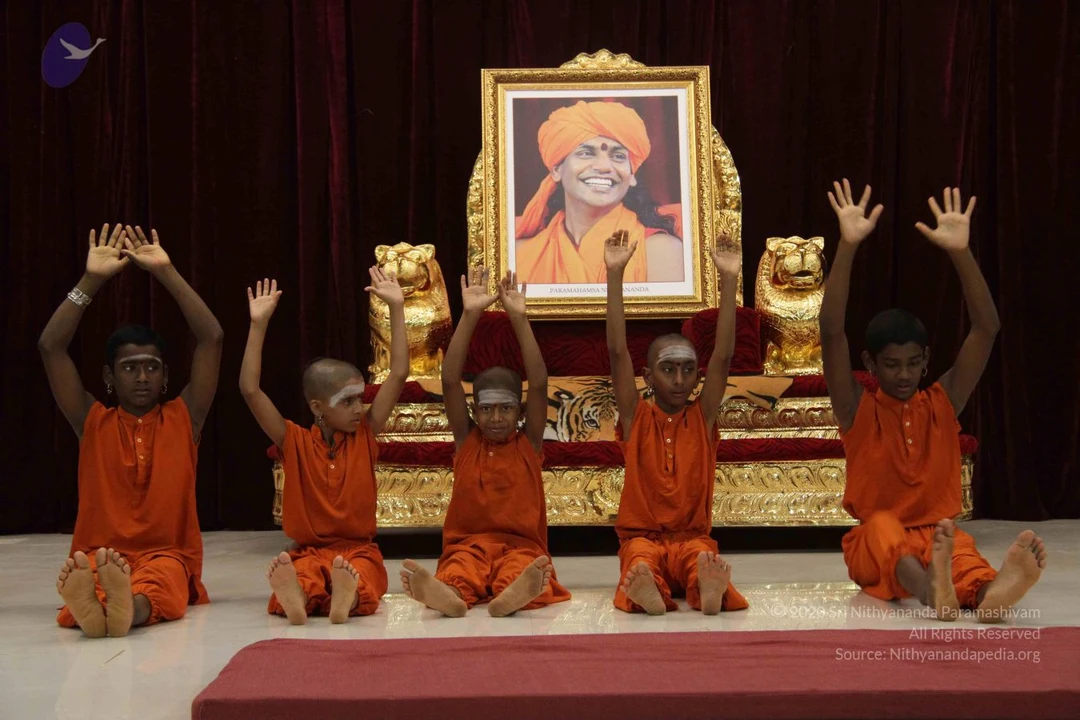
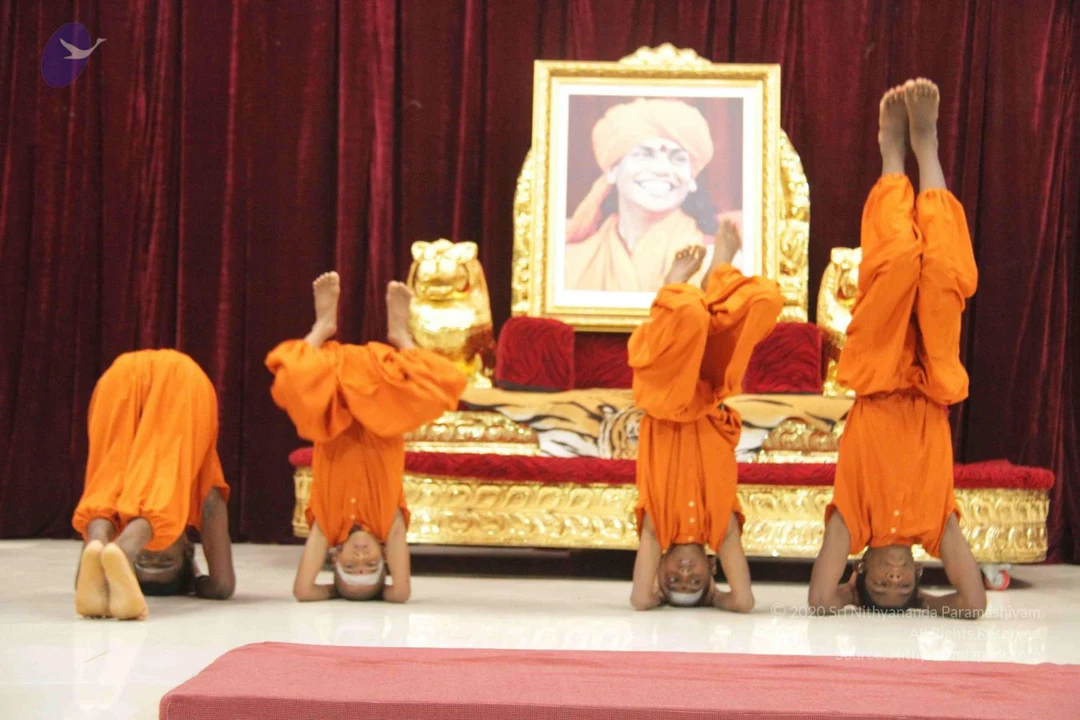
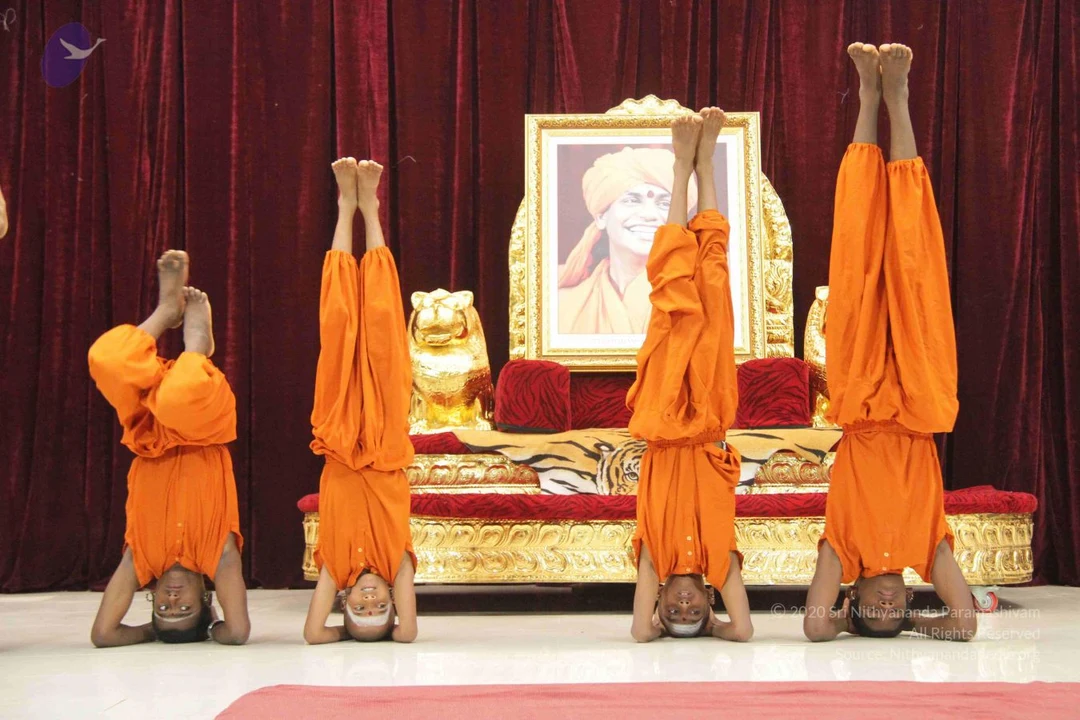
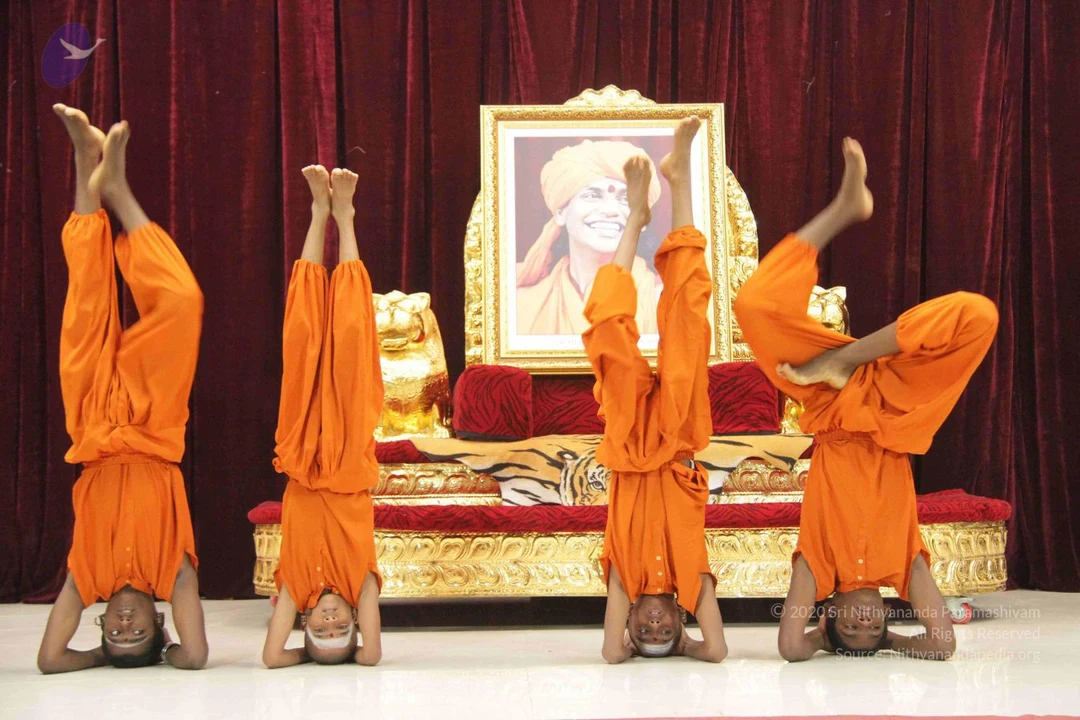
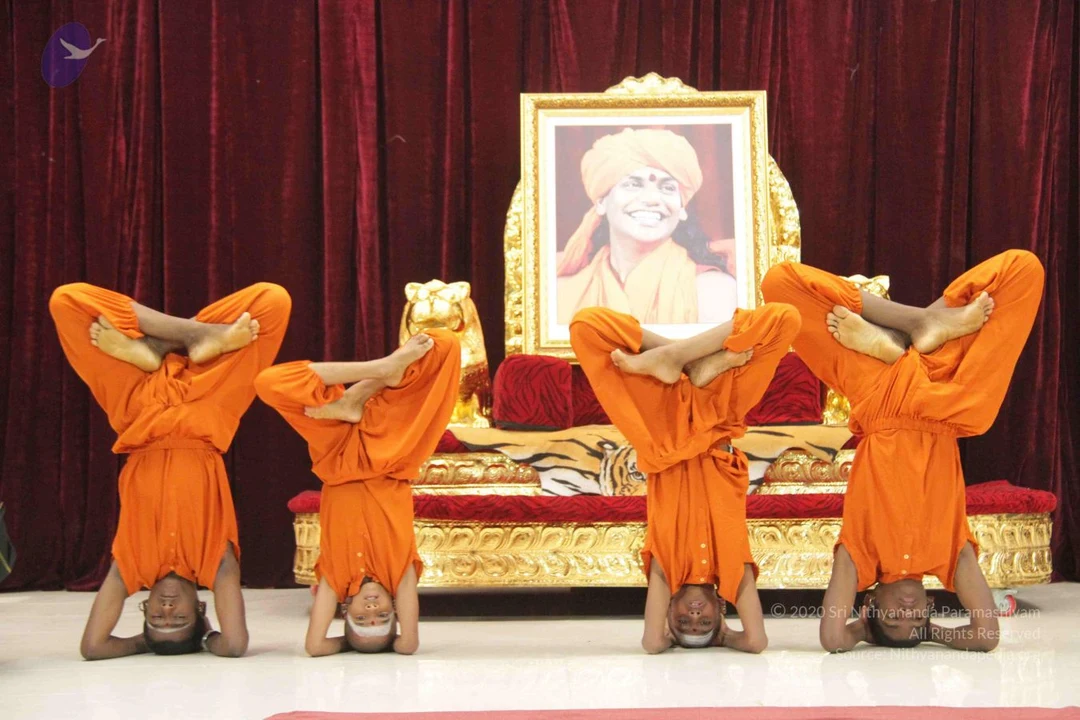
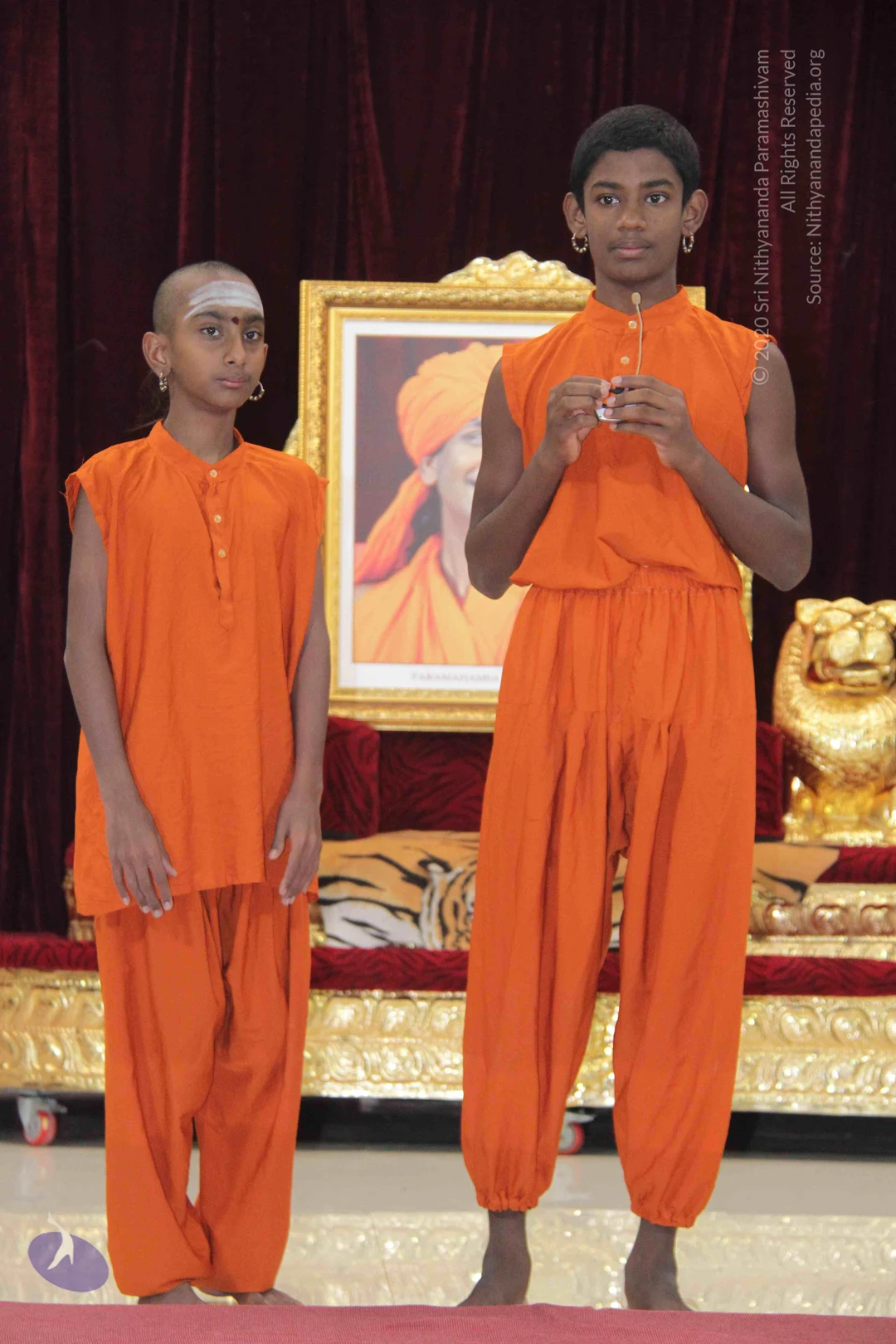
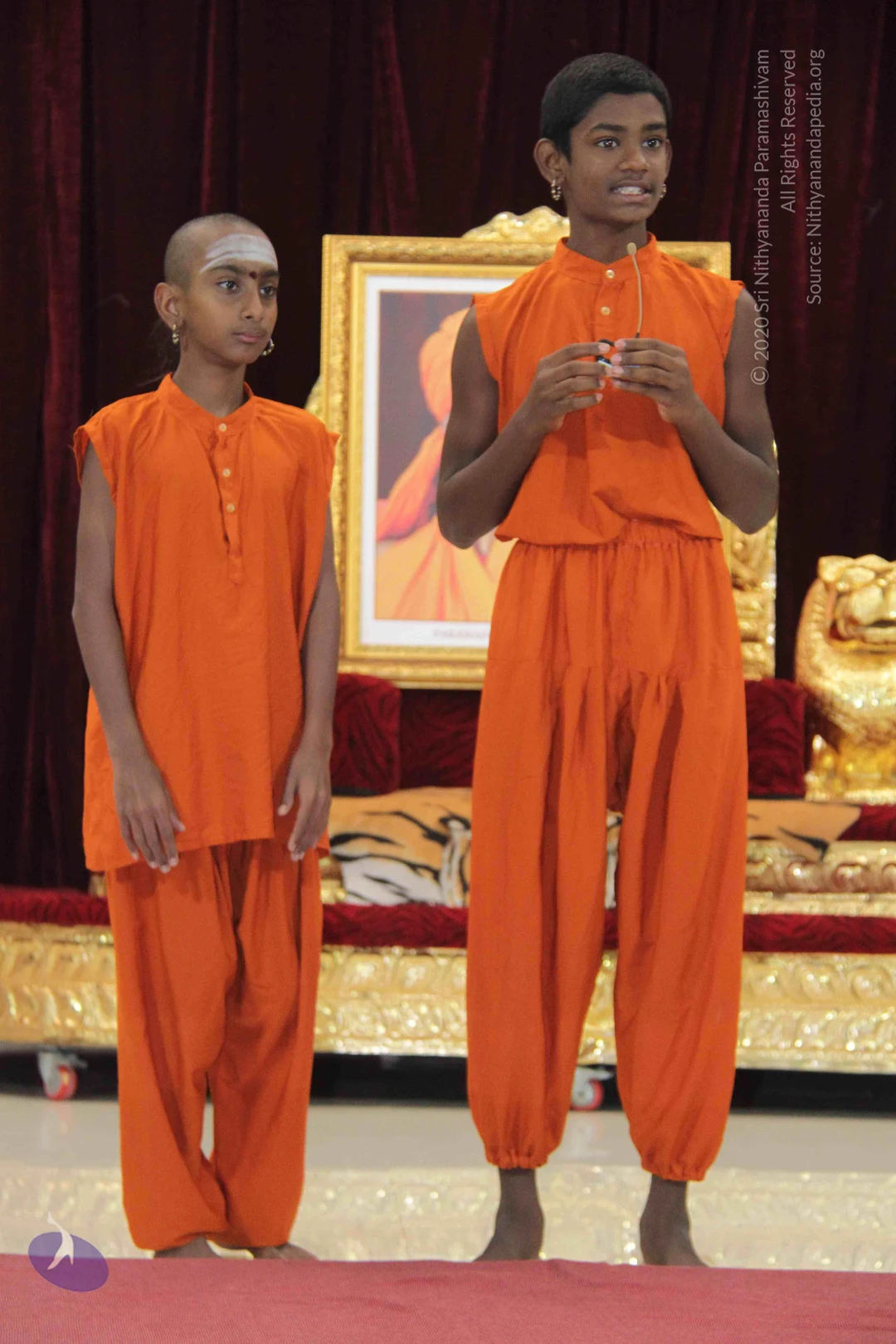
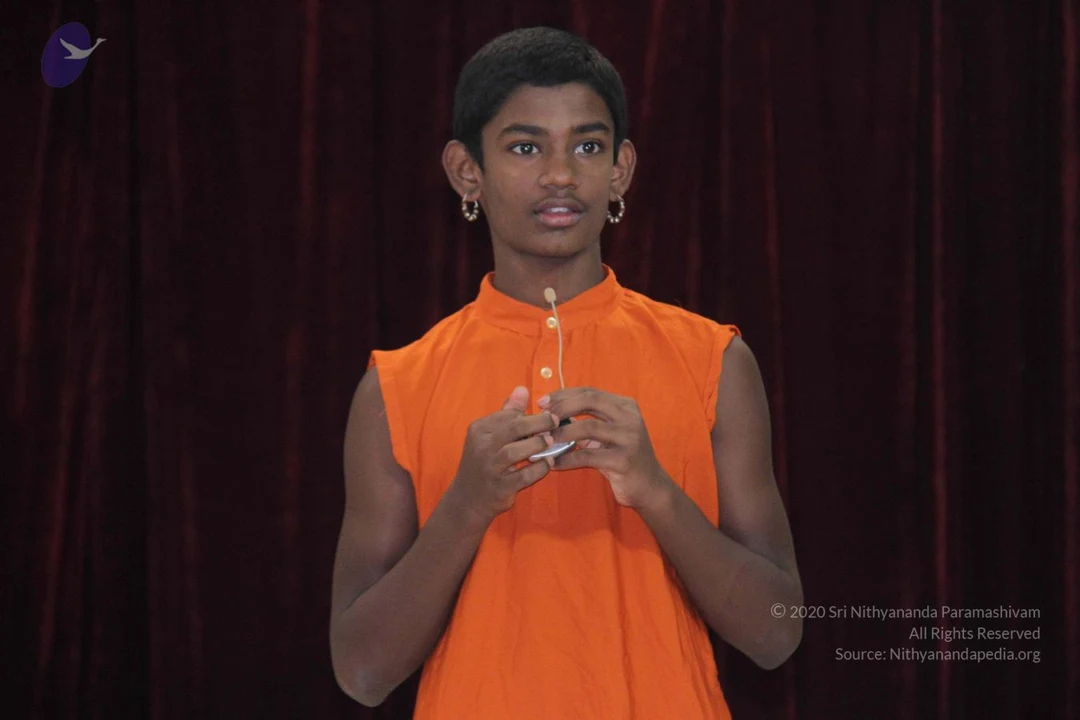
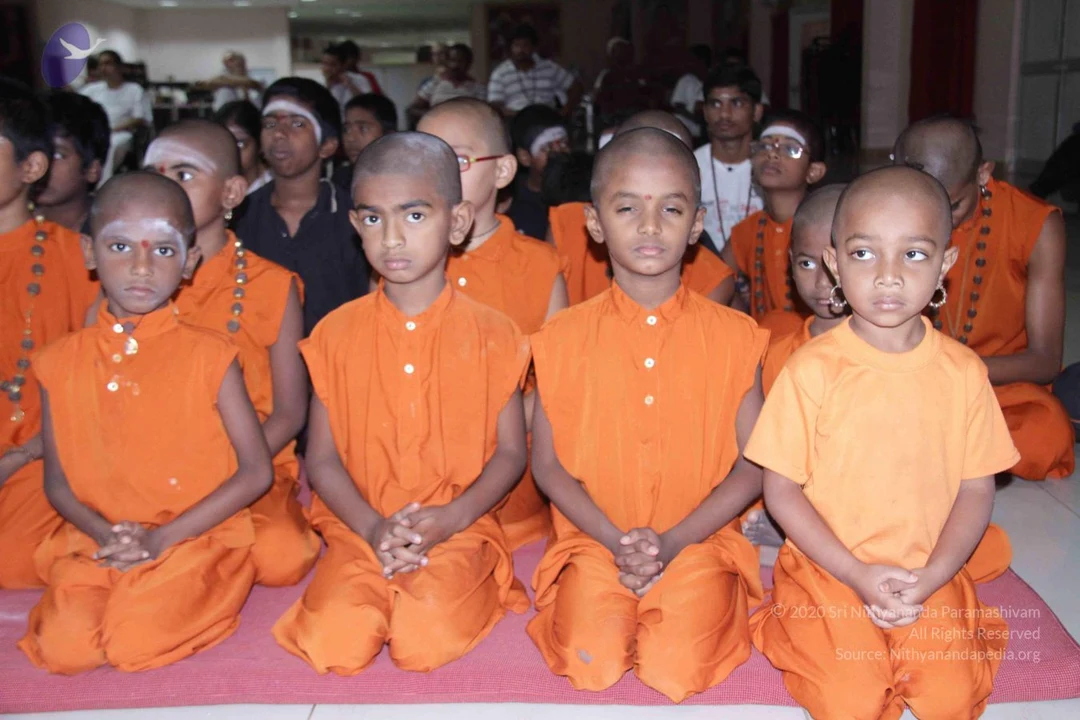
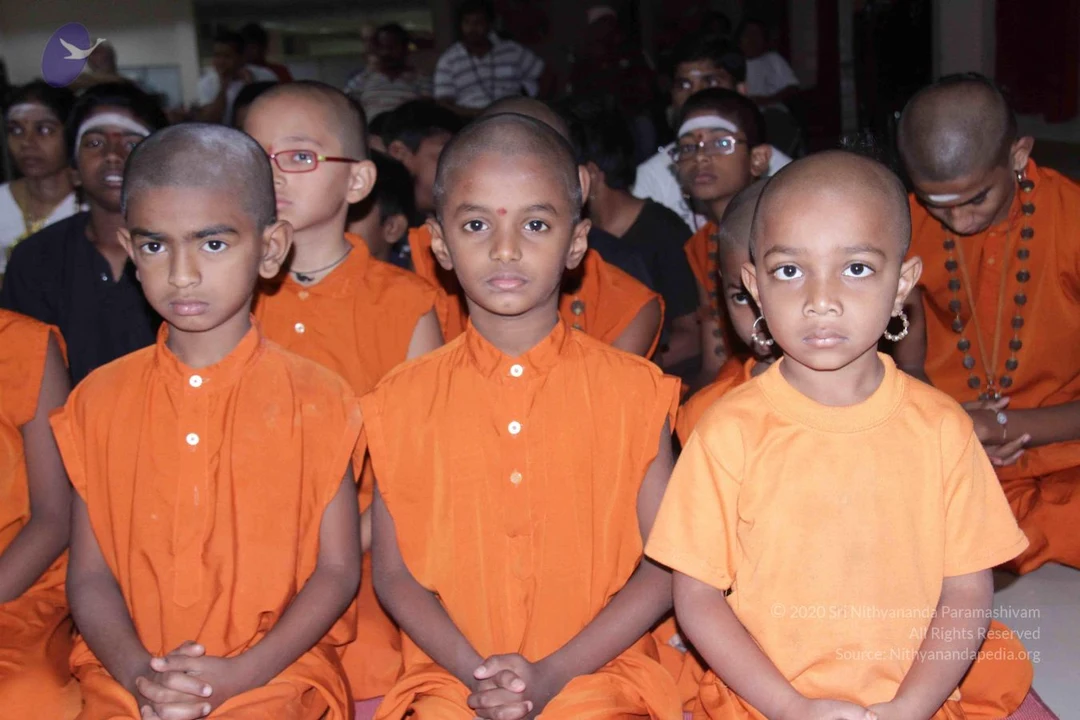
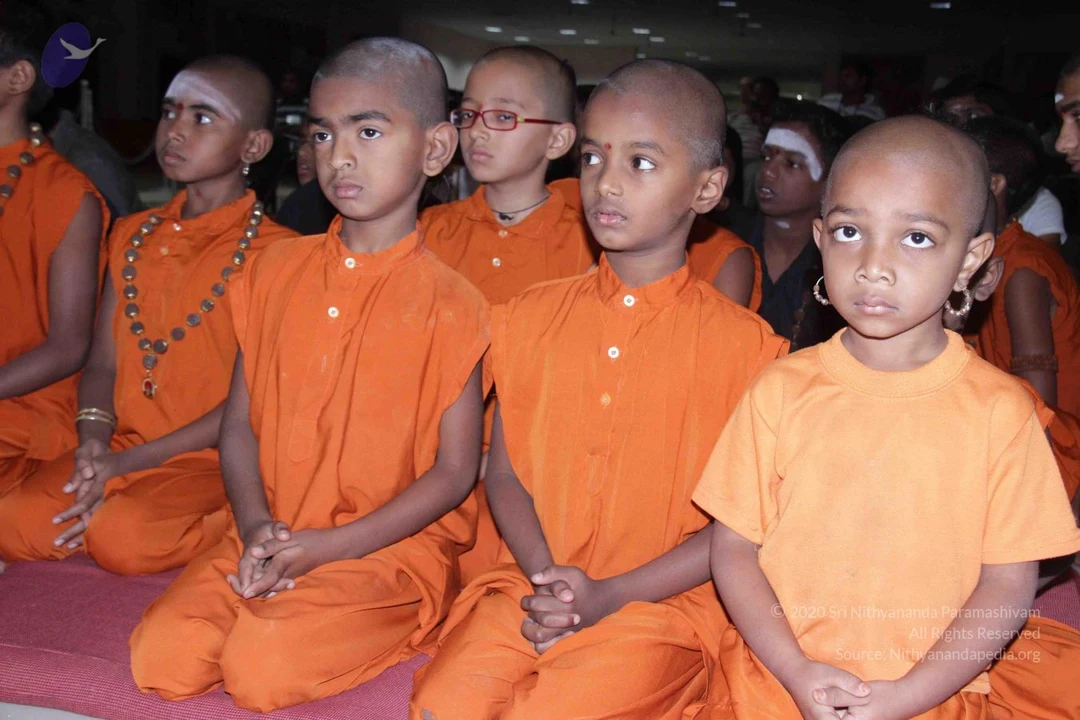
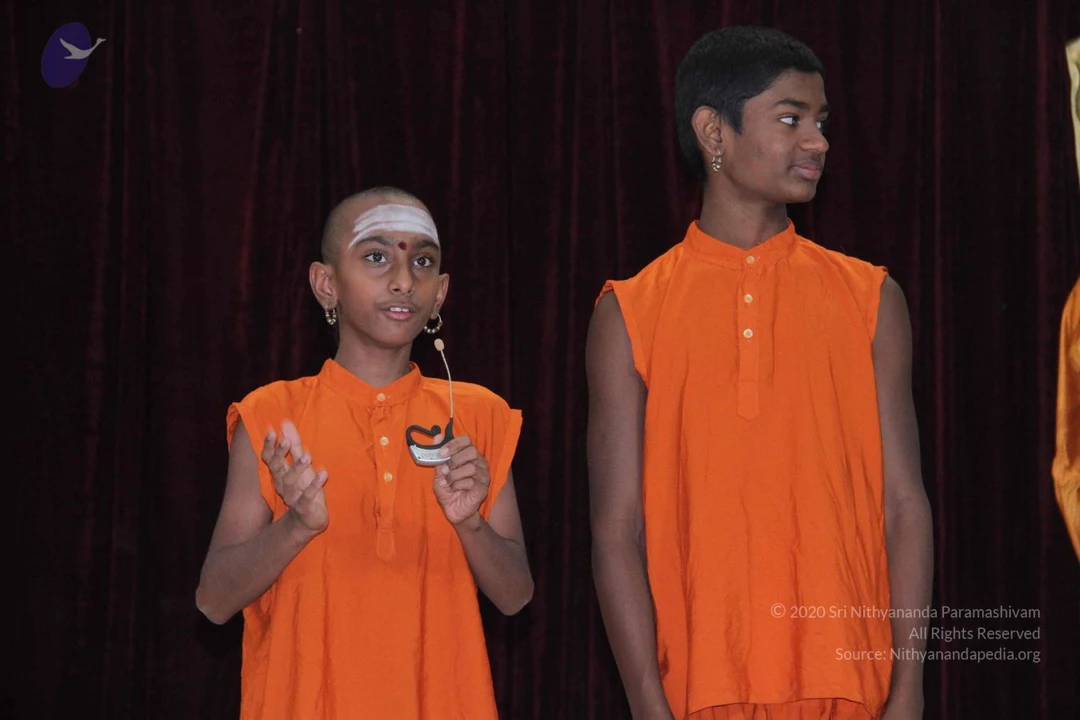
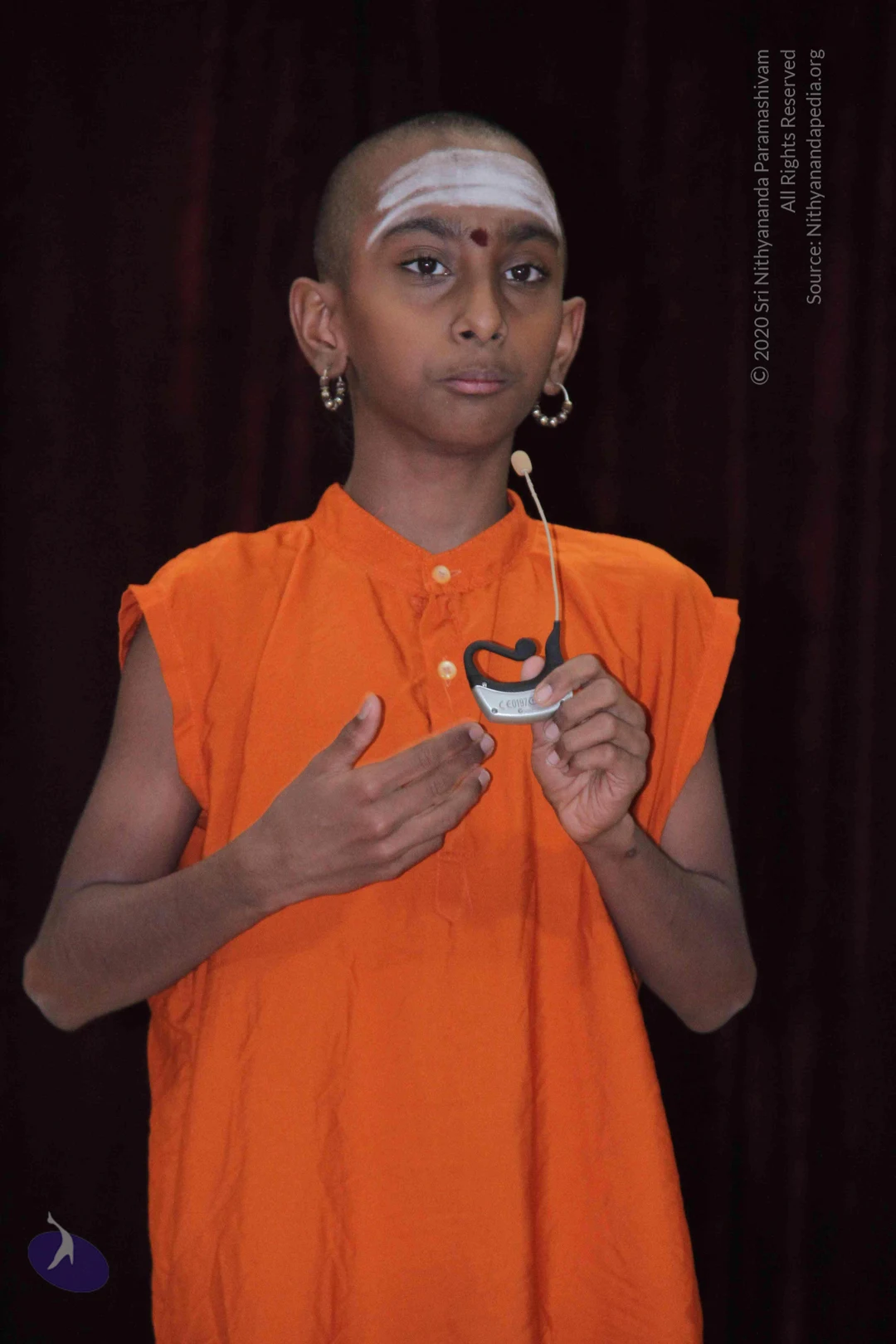
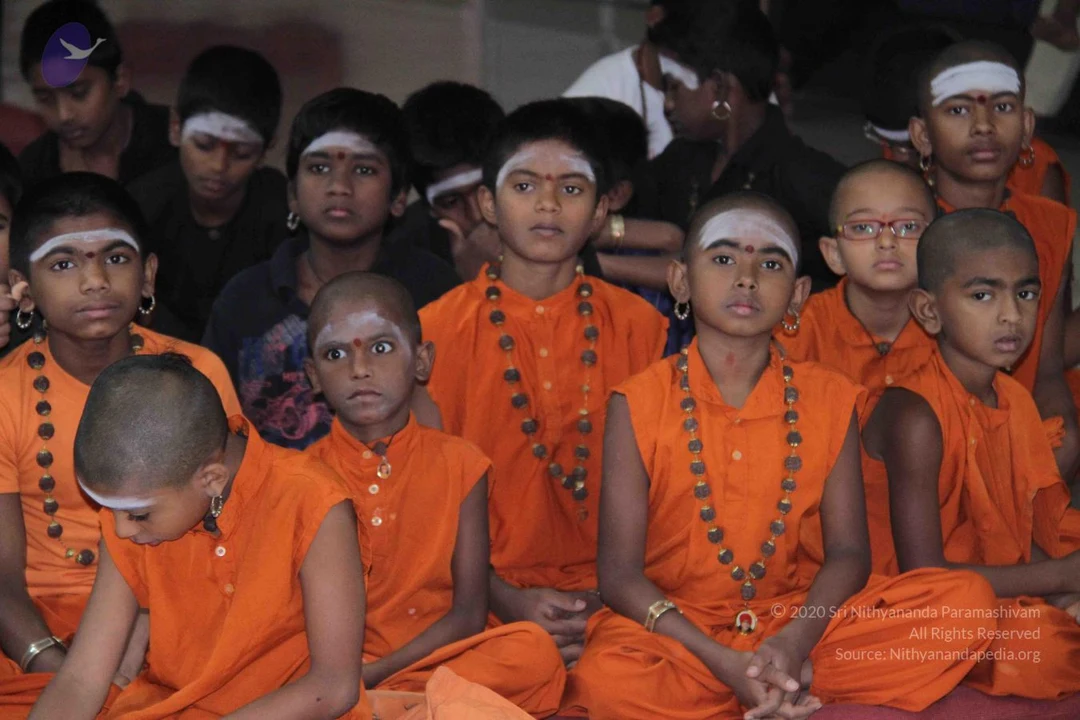
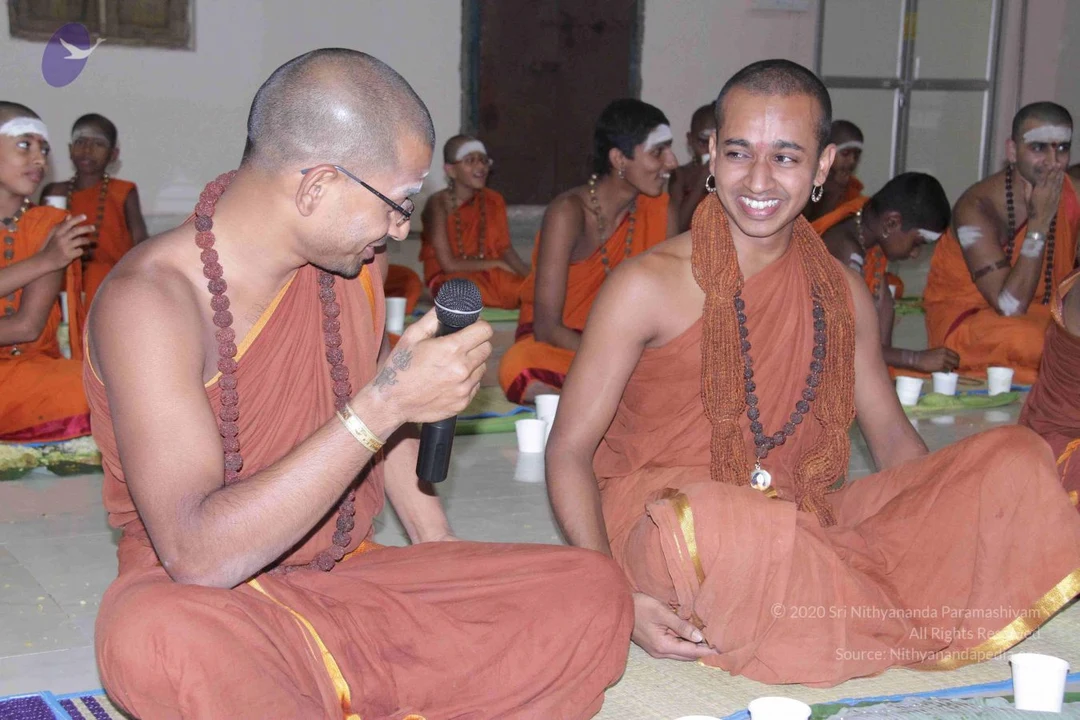
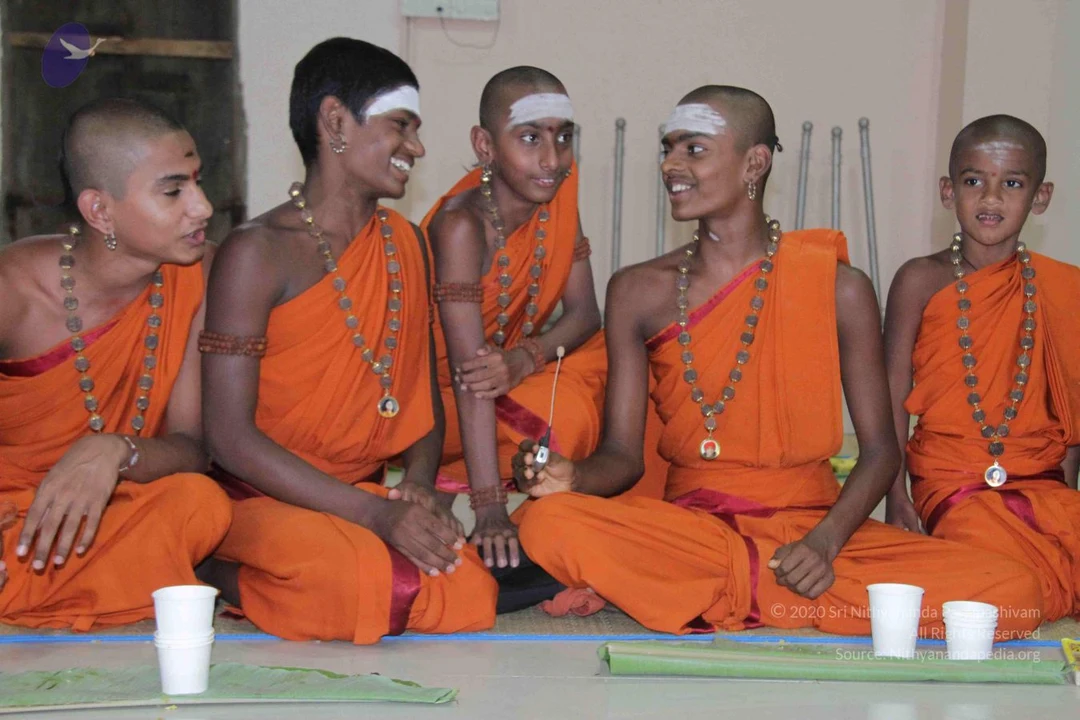
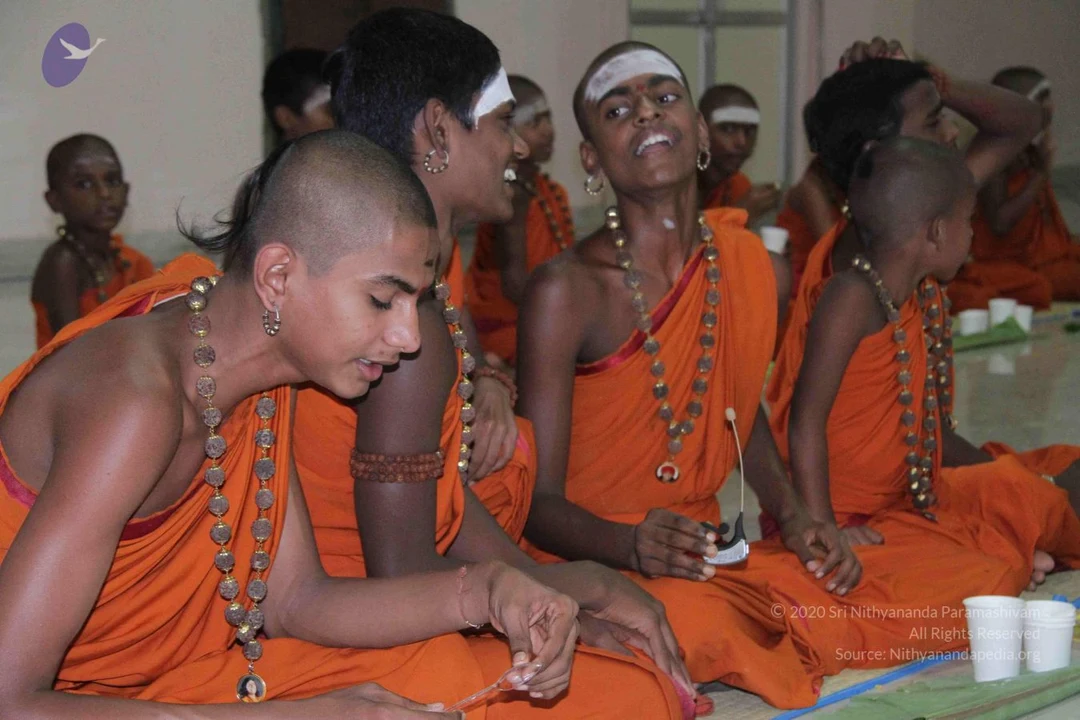
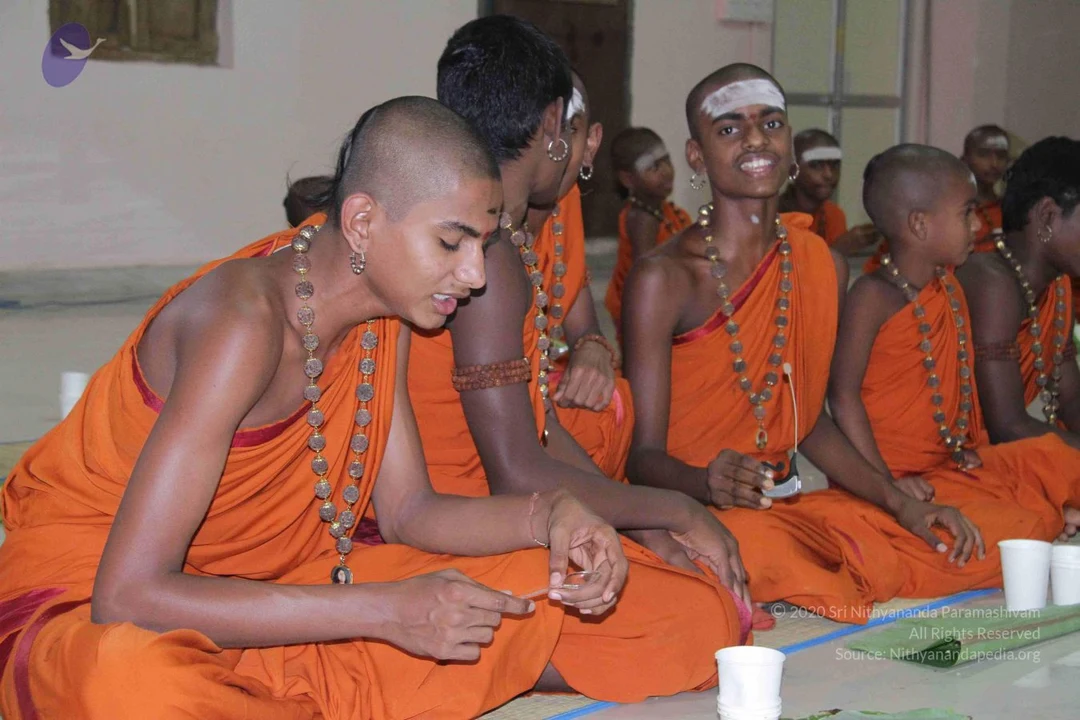
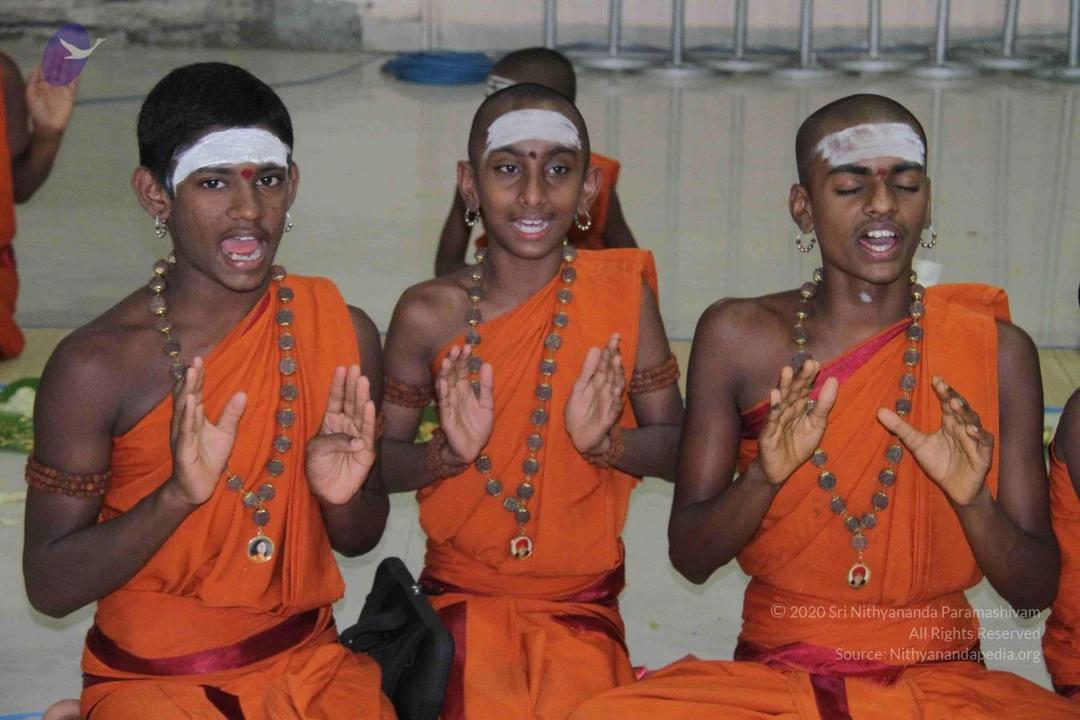
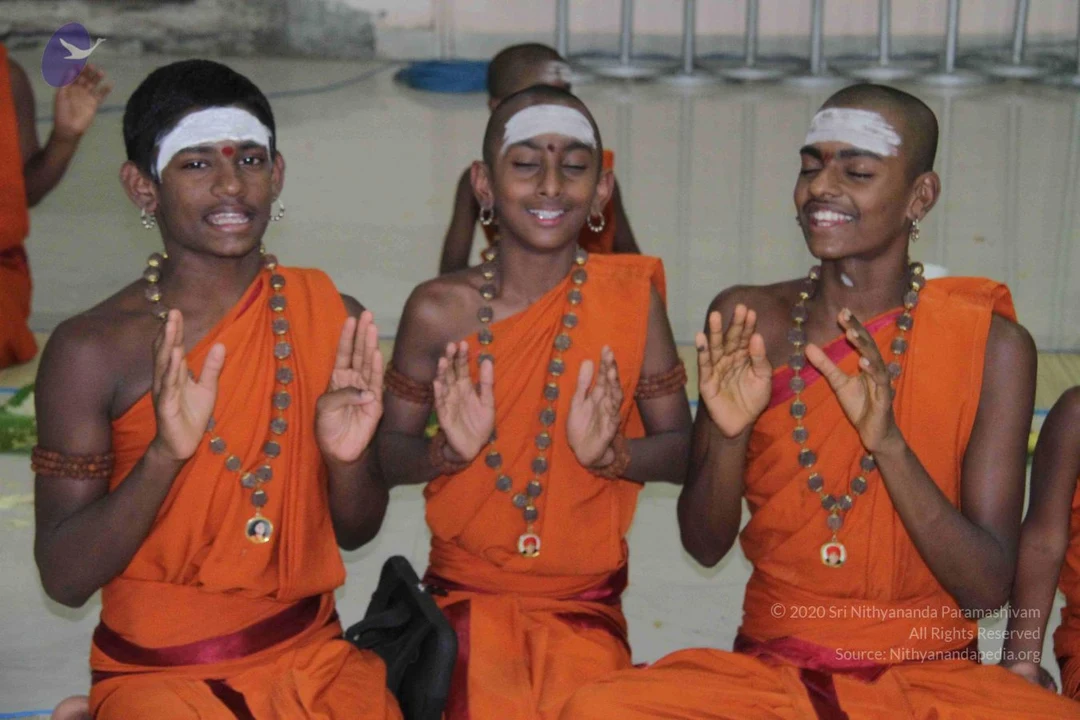
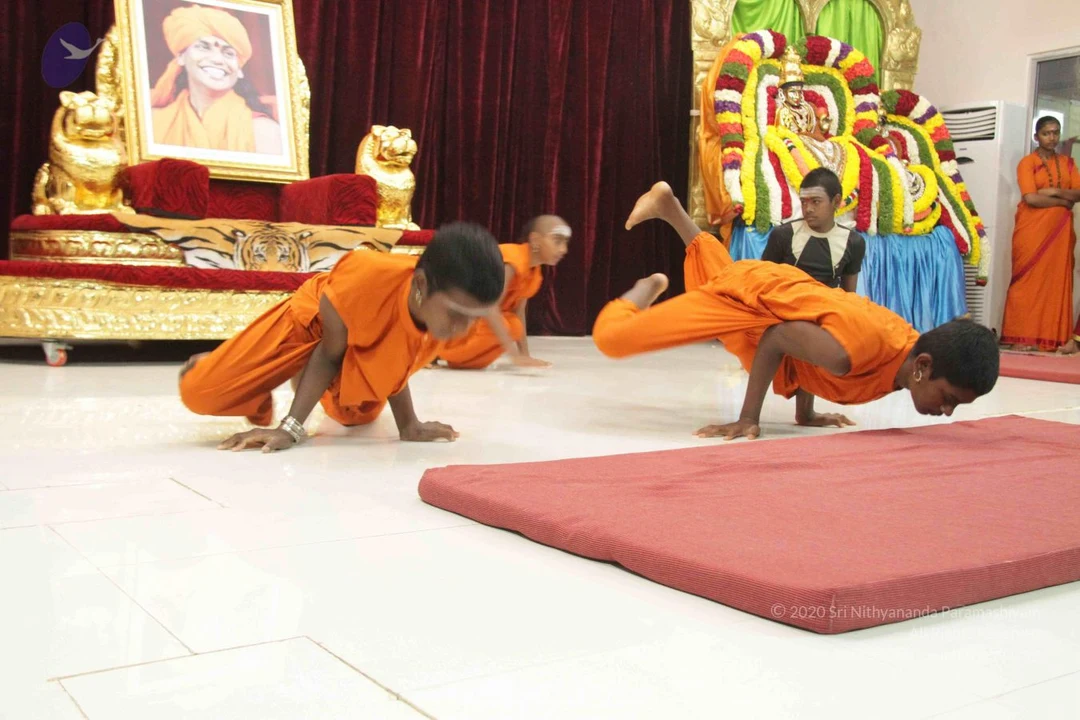
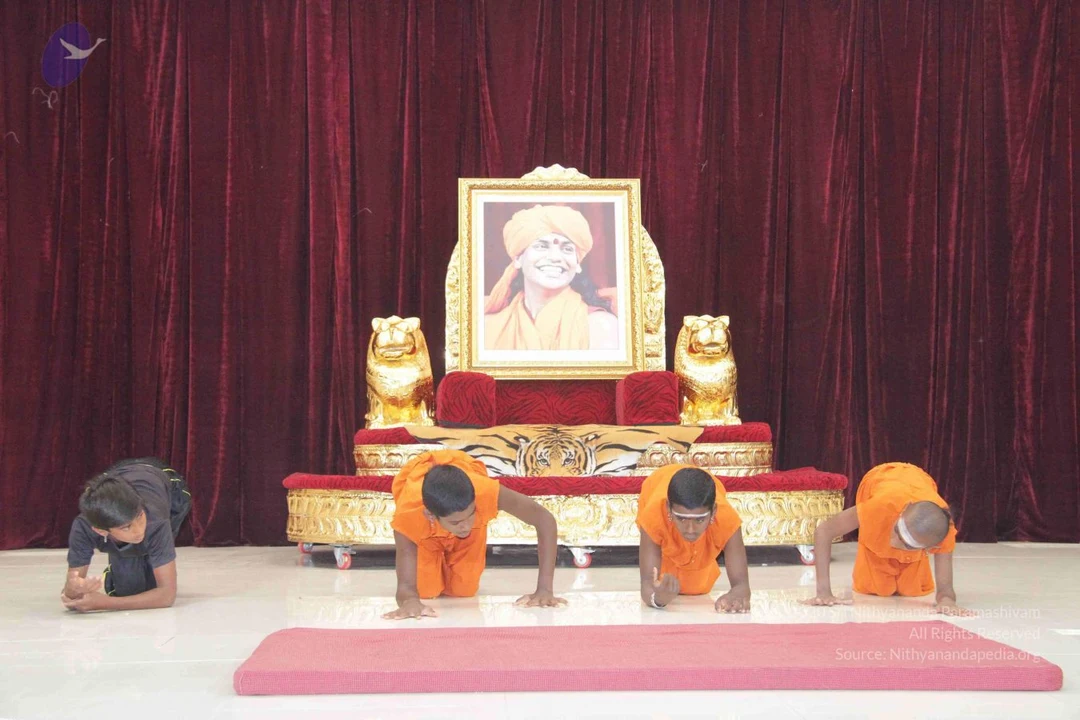
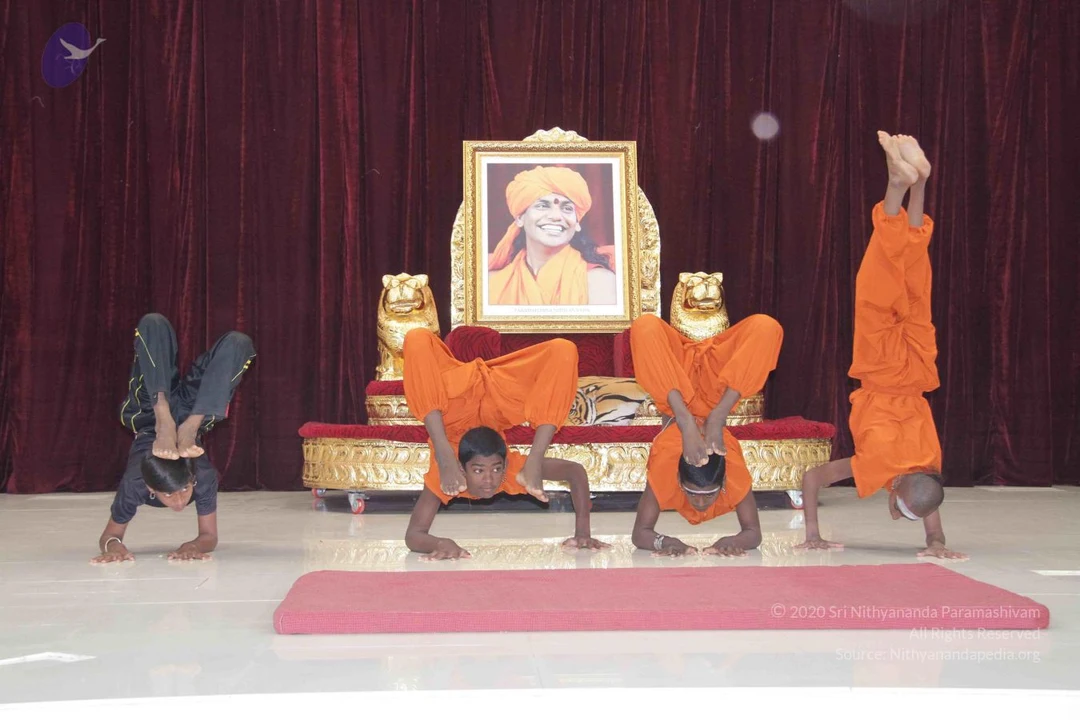
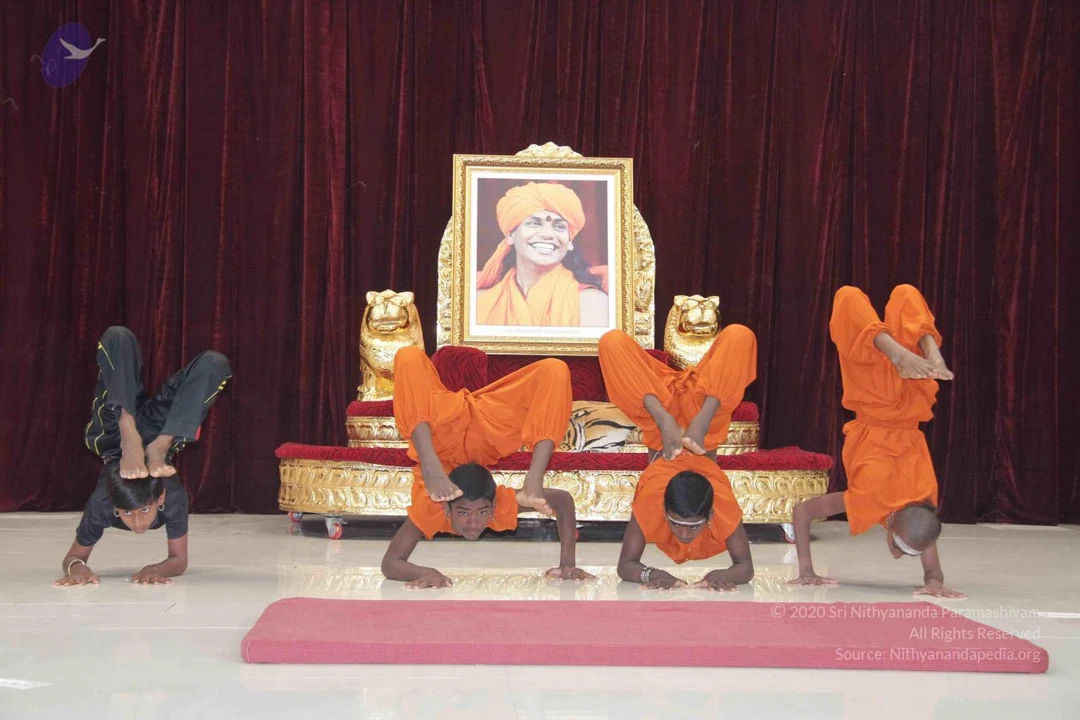
gurukul-kids-show-Inner Awakening
Arunachaleshwara-Apeethakuchambal(devi)

pratyaksha-pada-puja

final-blessings

Los Angeles-anniversary-nayana-deeksha

nithya-satsang

sarva-darshan

deities-aarti

HDH-Swami-Akilananda-Ramakrishna-Mutt

Inner Awakening Darshan

Inner Awakening Darshan_2

Maheshwara Puja

Tags:

Paramahamsa Nithyananda, dimension, pure, science, completion, love, power, powerful, strategy.

Photos from this day

View all 431 photos

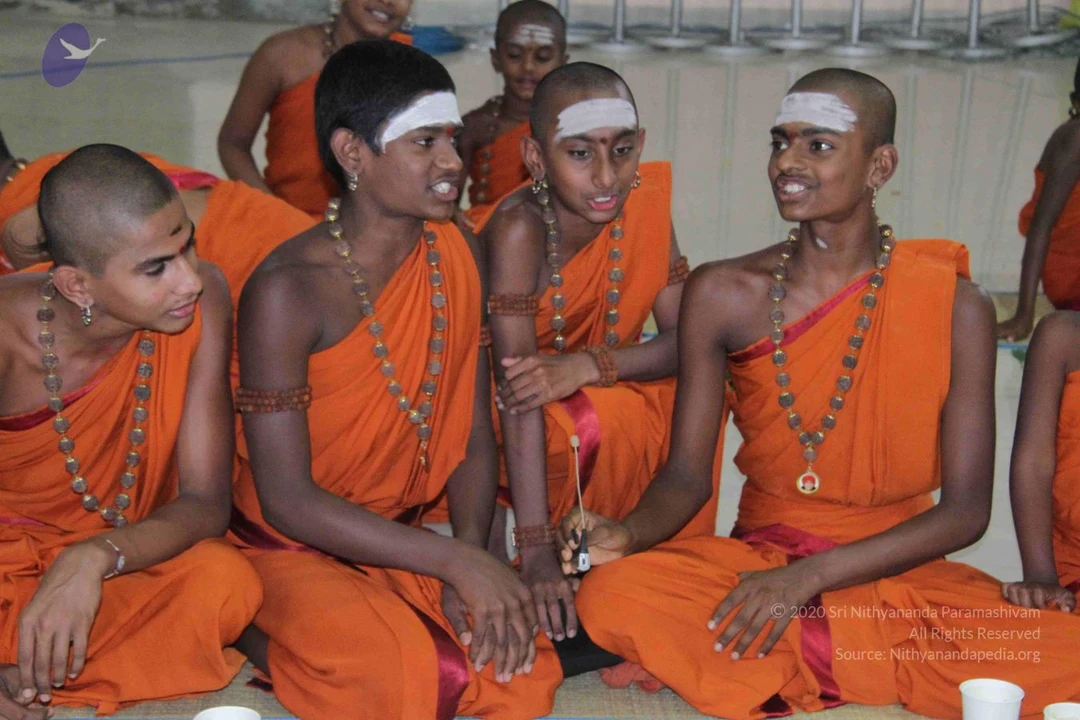
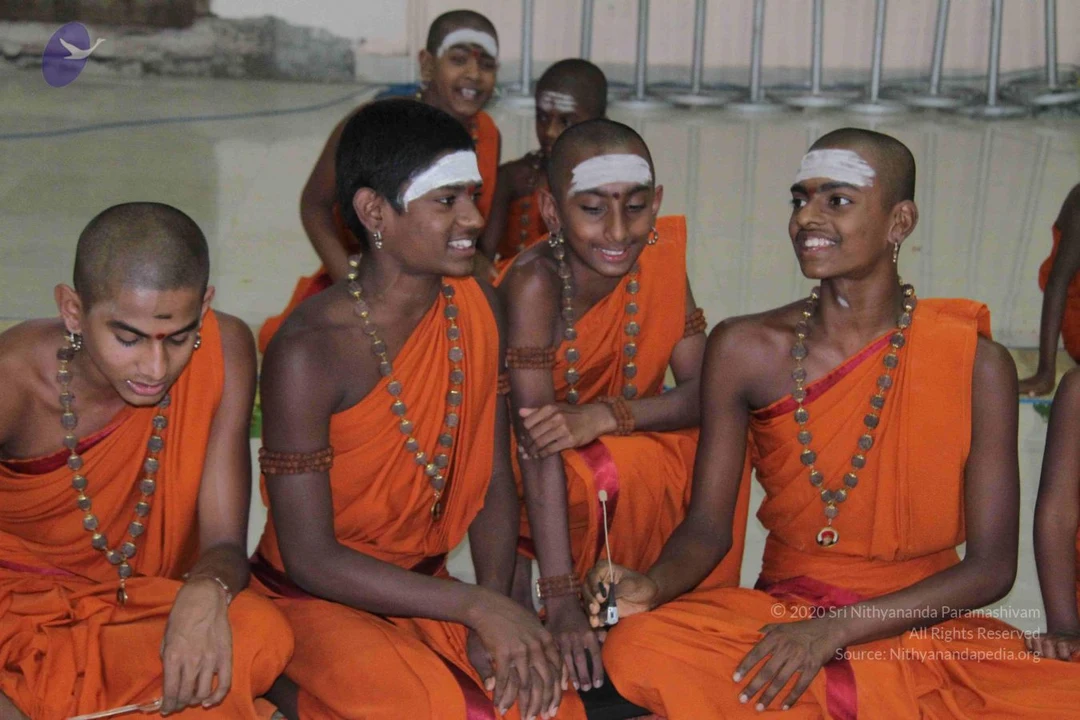
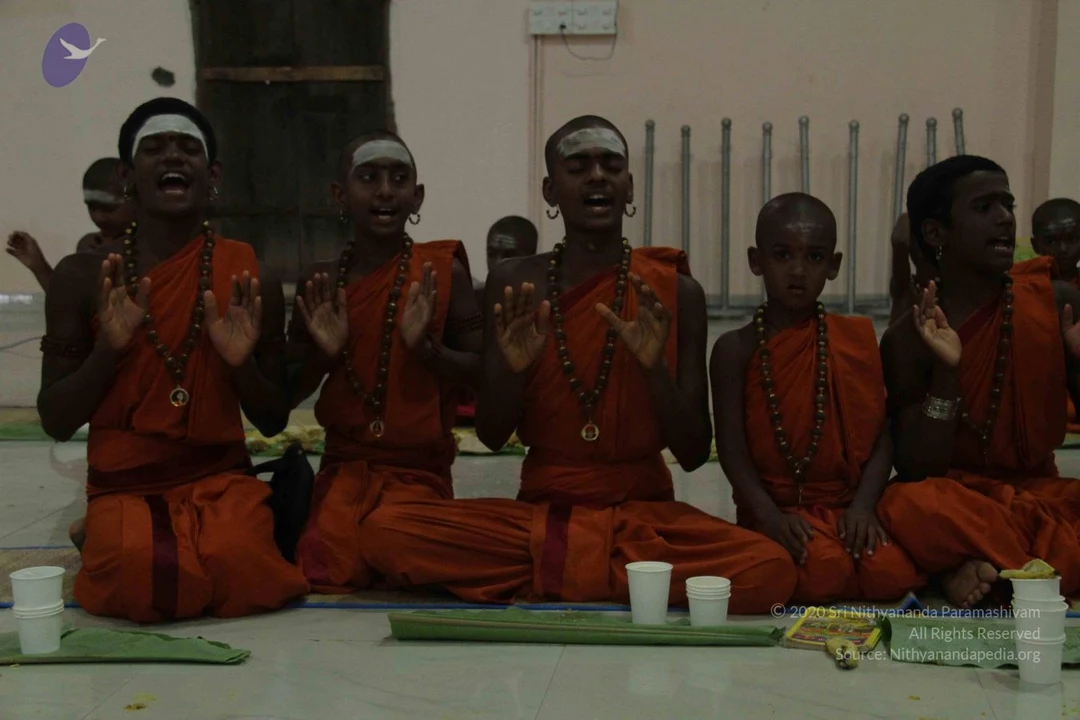
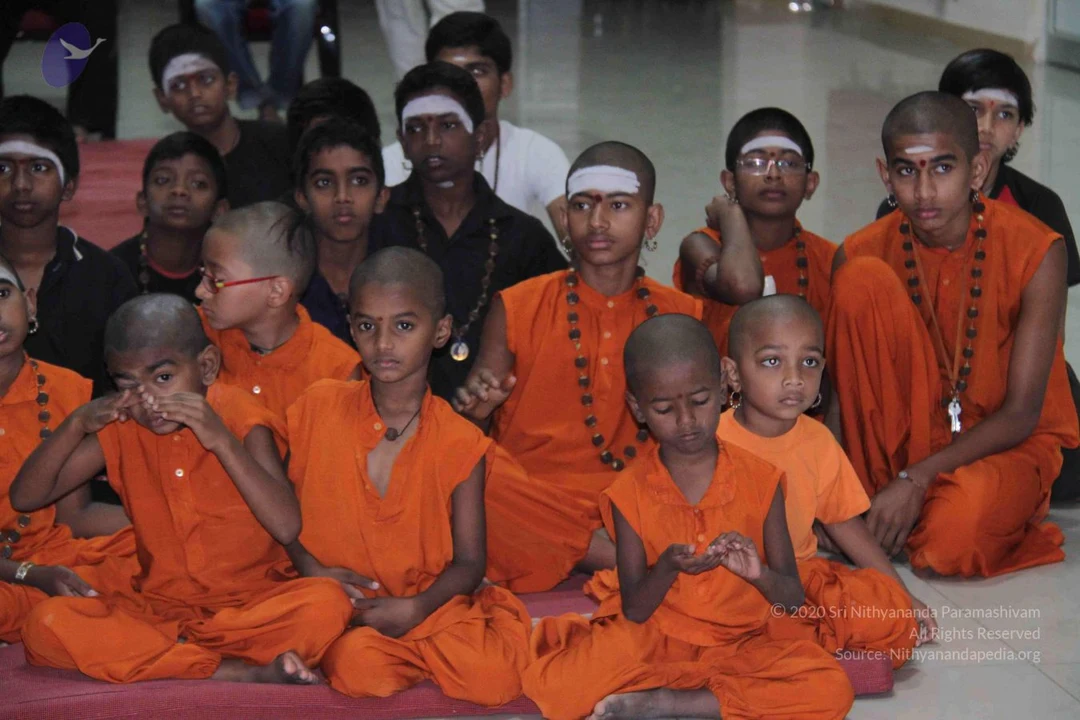
gurukul-kids-show-Inner Awakening
81 photosSource gallery
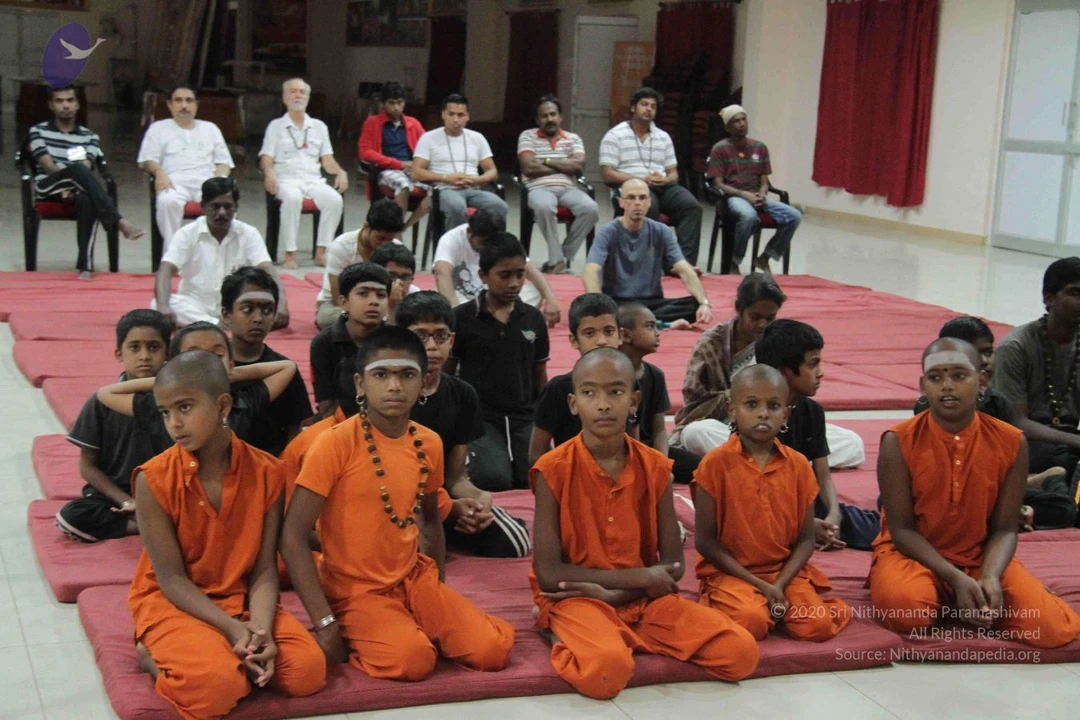
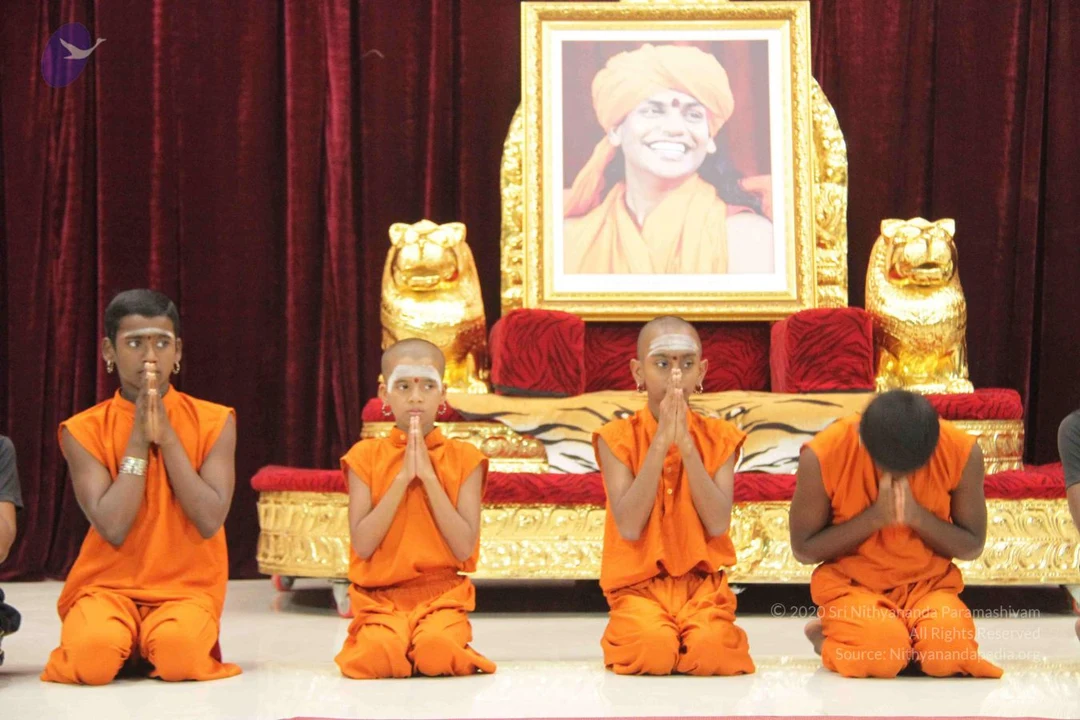
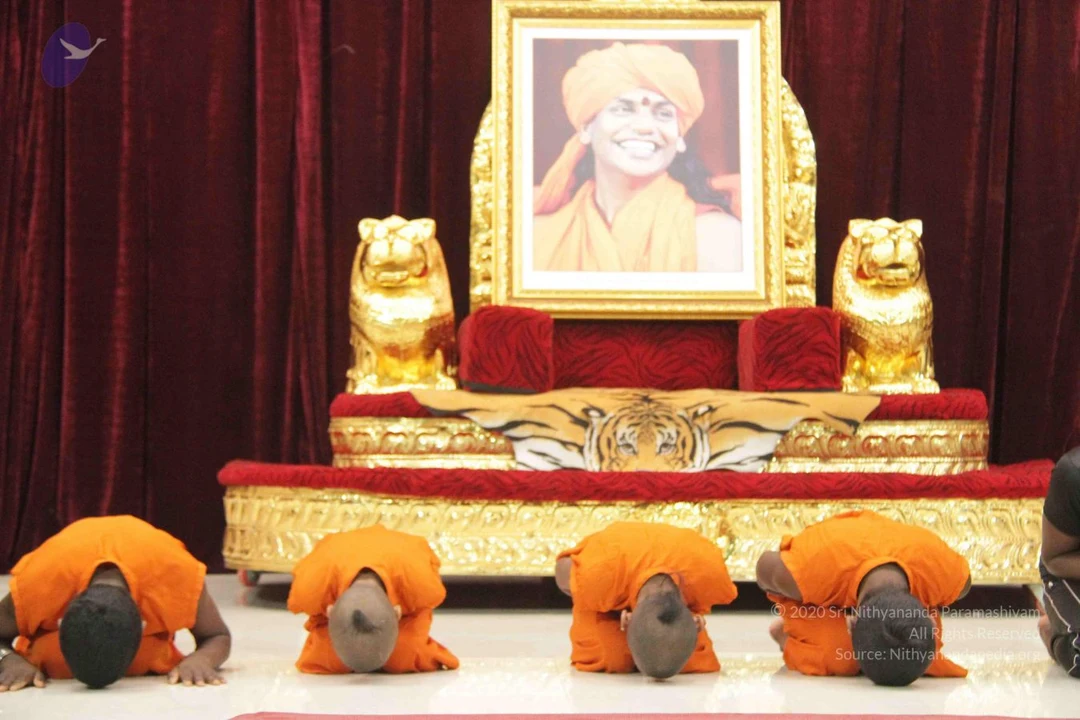
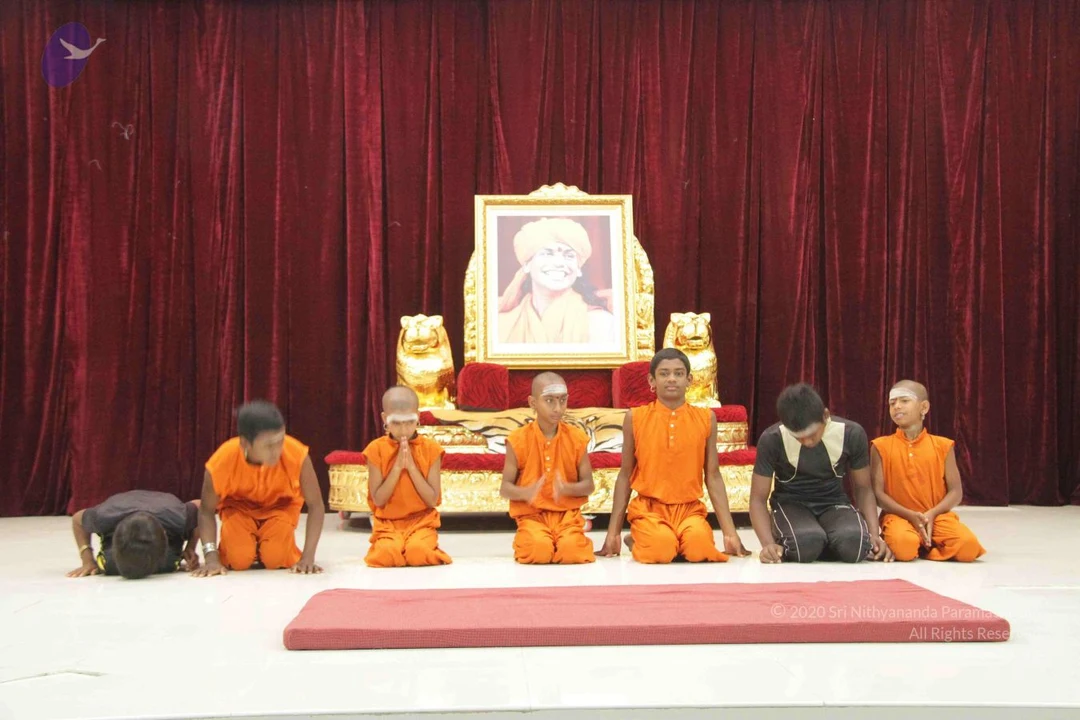
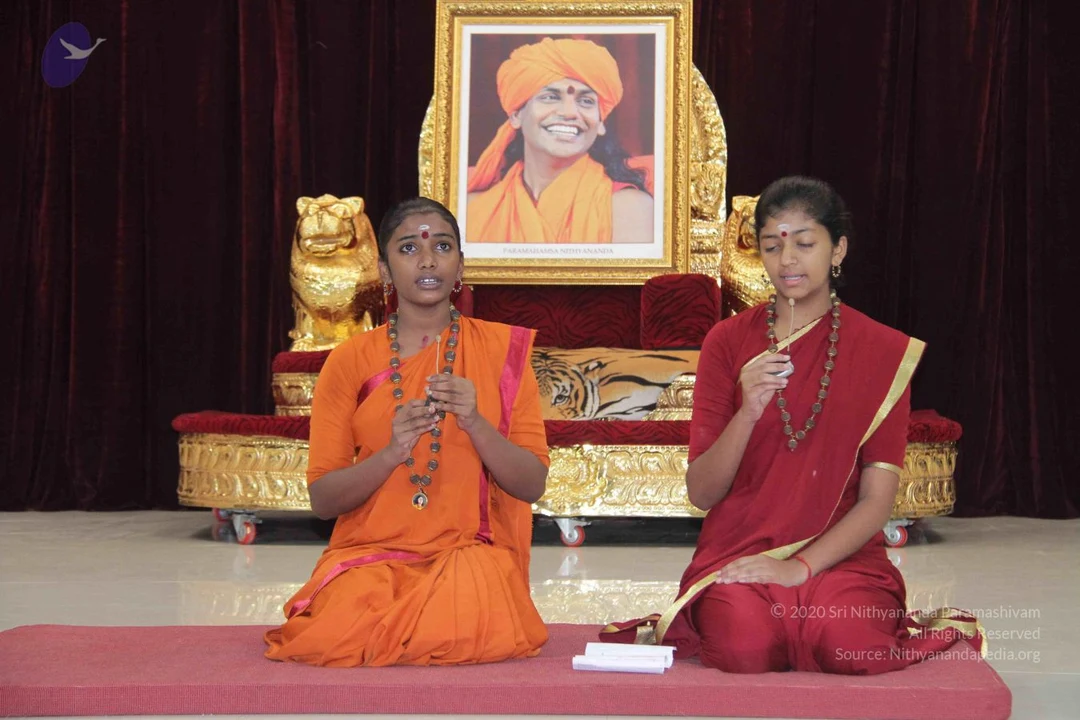
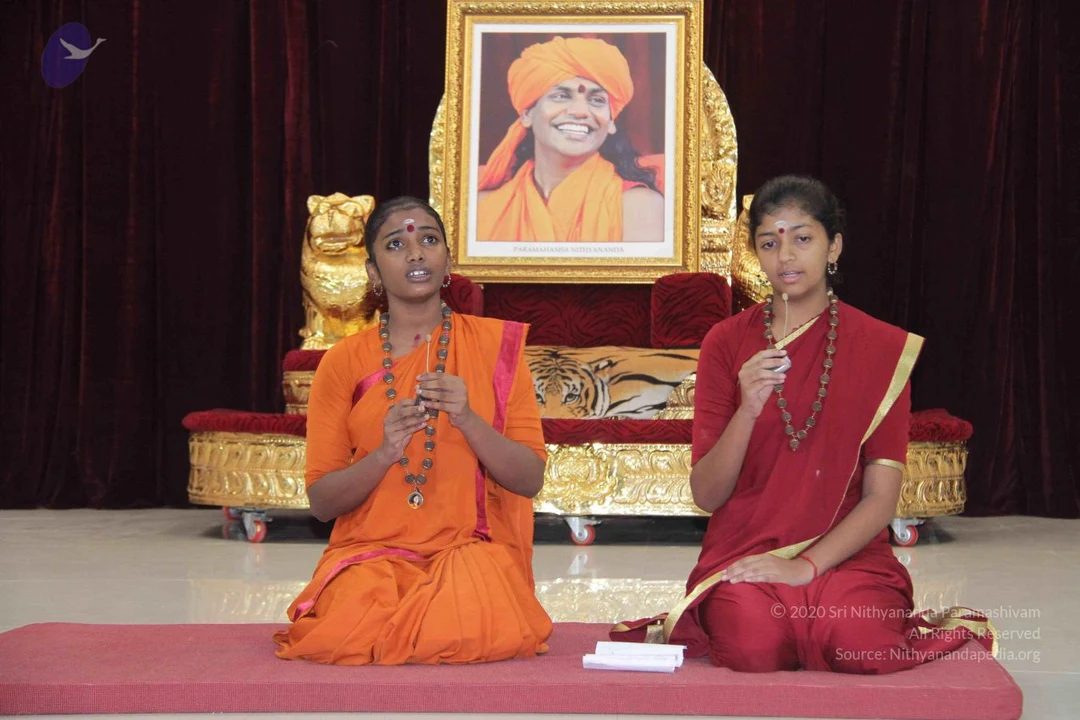
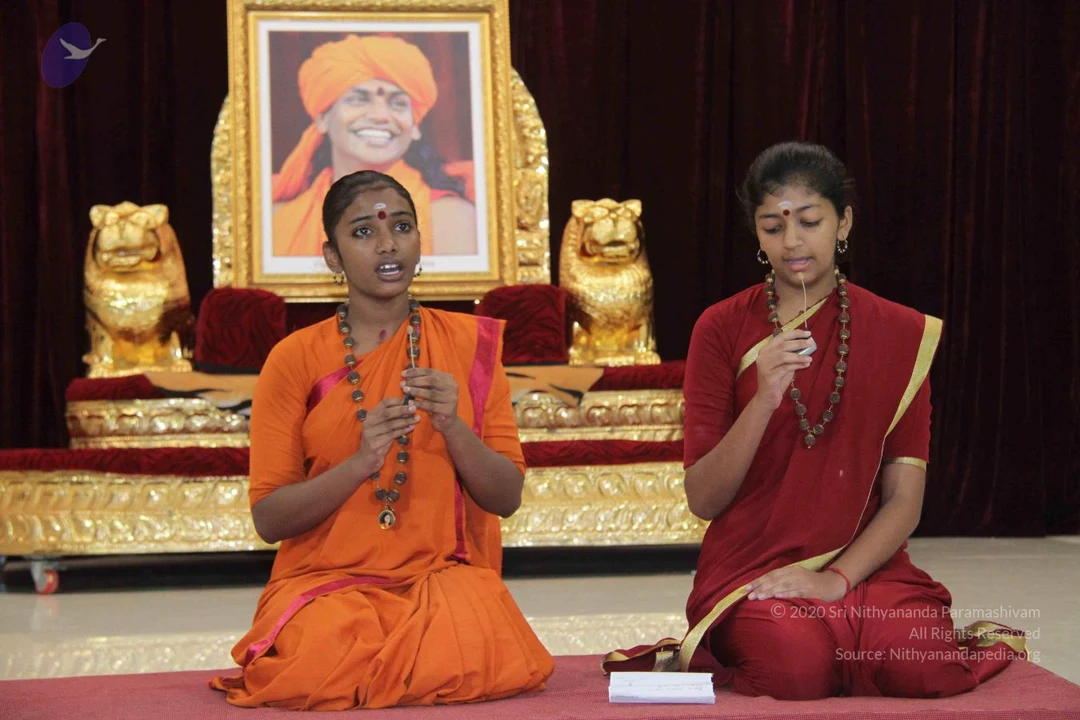
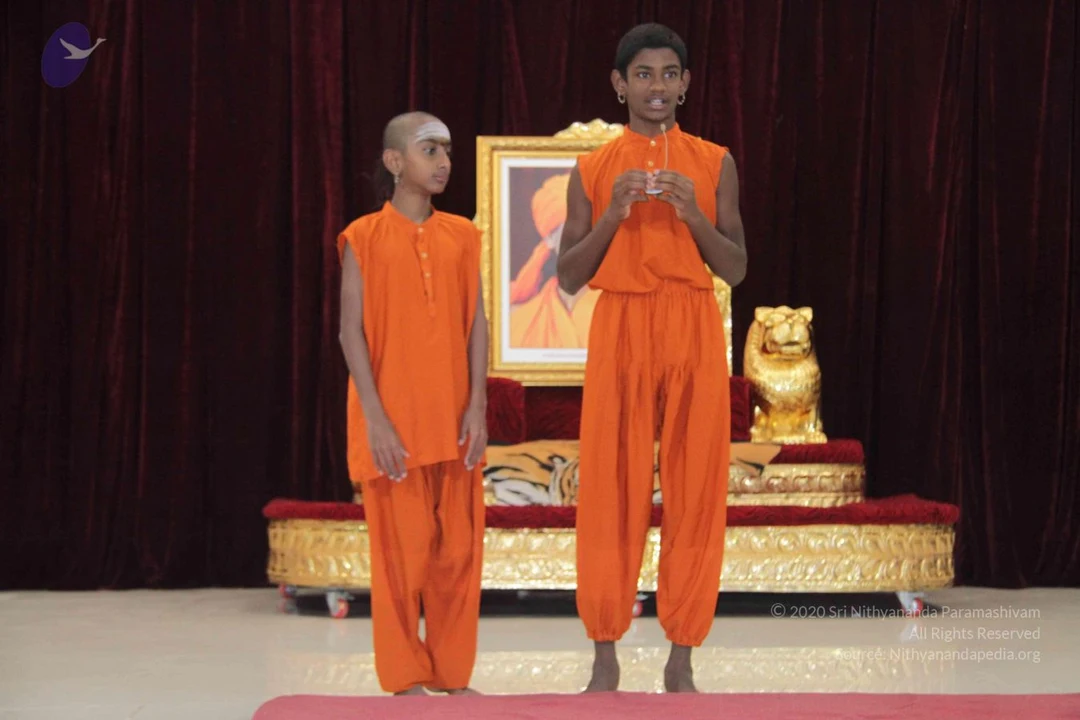
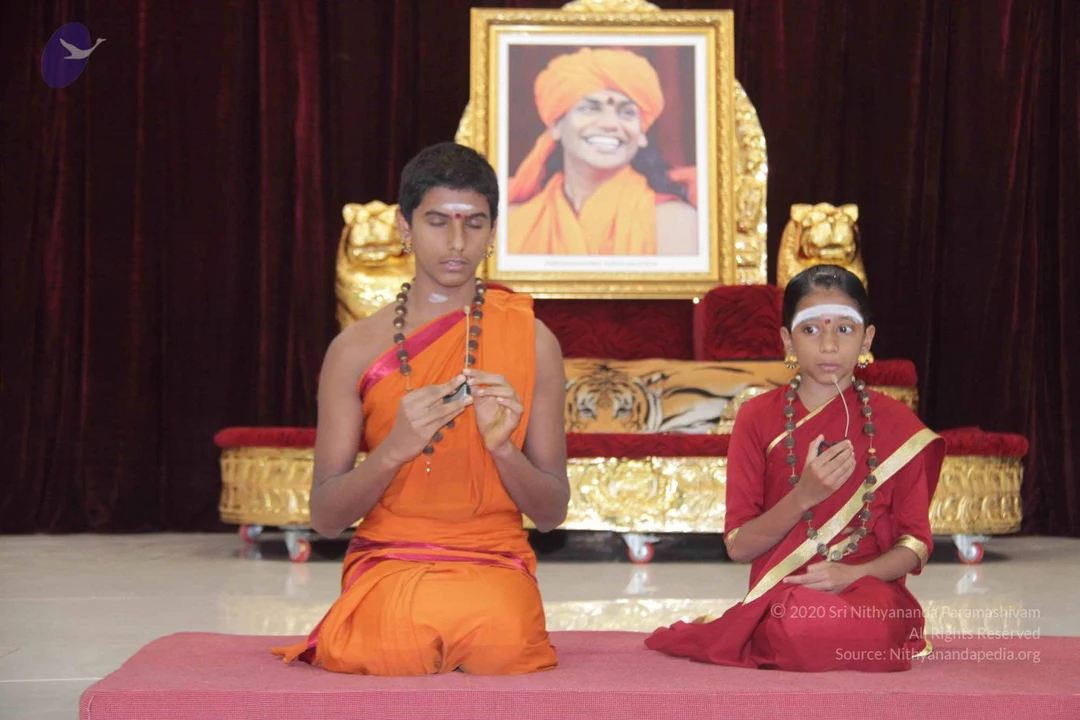
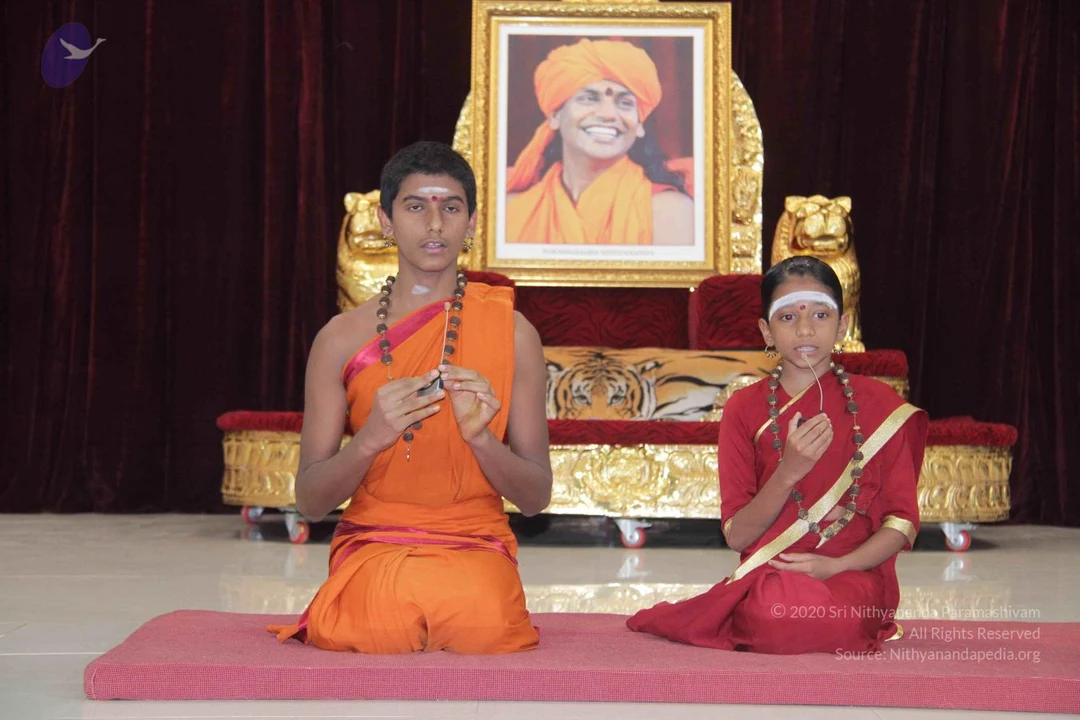
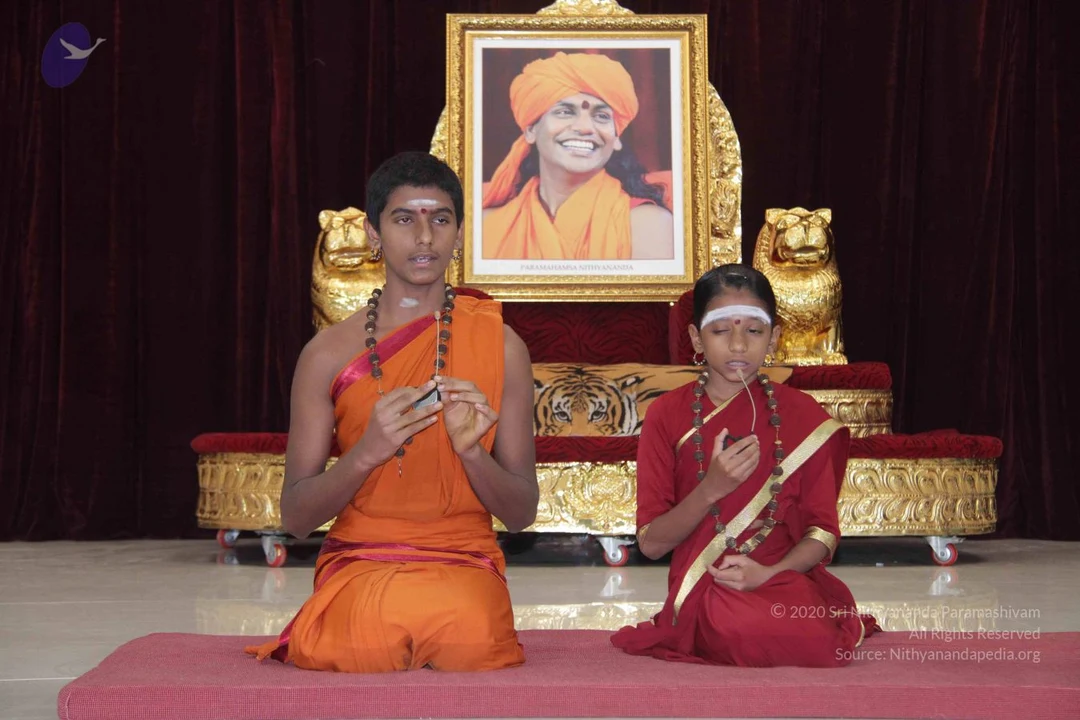
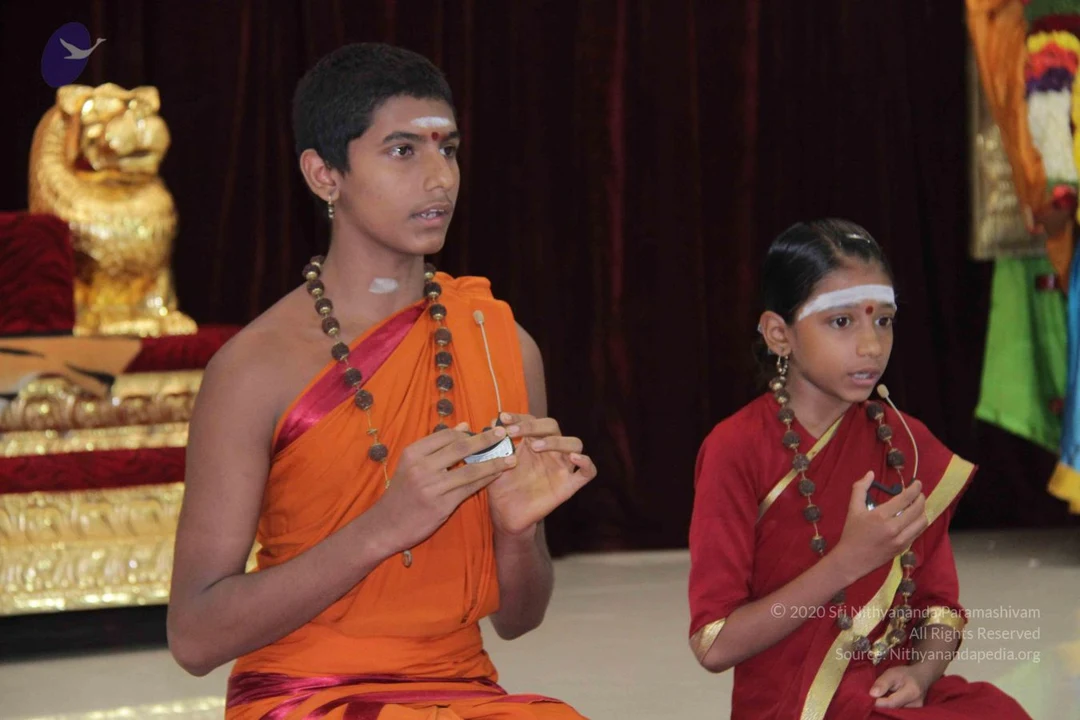
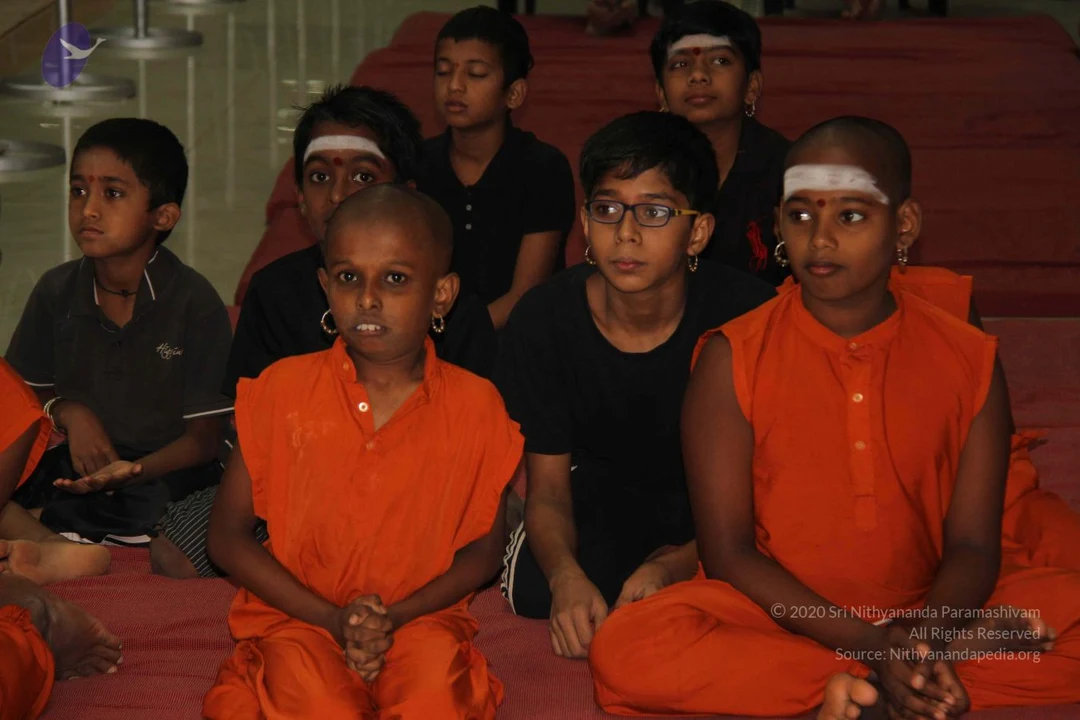
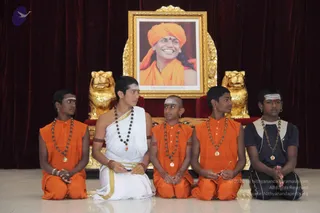
Five young men kneel in prayer on a white floor before a framed portrait on a golden-edged throne flanked by golden lion figures and red cushions, with dark red velvet drapes behind. The portrait shows a smiling man in an orange turban and orange robe. Four men on the left wear orange robes and rudraksha malas, with sandalwood and vibhuti marks on their foreheads; the man in the middle with palms joined is shaved-headed. The second figure from left wears a white dhoti with a gold border, bare-chested, with sandalwood on his forehead and arm bands. The far-right man wears a black top and grey trousers with a white sash and palms pressed together. Their eyes are closed as they chant.A photograph of a seated group in a bare, tiled hall with red floor mats and a red curtain at right. In the foreground, about five boys in saffron-orange sleeveless tunics and sarong-style lower garments sit cross-legged on red mats, several with white forehead markings and rudraksha beads. Behind them, rows of older boys in black shirts and adults in white or striped shirts sit on red chairs and mats, watching forward. A woman in a dark sari sits among the boys at centre-right. The scene reads as a satsang or group teaching session. No identifiable a person figure is visible in the frame.A photograph of a seated group of young girls on red mats in a hall, most wearing orange salwar-style outfits and some in black tops with orange or maroon shawls, several with white forehead markings and beaded necklaces. Behind a line of chrome stanchions, adult women sit in white and pastel clothing on chairs, watching attentively in a satsang-style gathering. A carved wooden door and red curtains are visible on the back wall.Five young men kneel in a row on a light tiled floor before a dark red velvet curtain and a framed portrait on a gilded stand flanked by two golden lion figures. The portrait, labelled "Paramahamsa Nithyananda" in its caption, shows a smiling man in an orange turban and saffron robe. Four of the young men wear orange sleeveless robes with rudraksha malas and pendants, and white forehead markings. The man second from left wears a white dhoti with a gold border, bare shoulders, a rudraksha mala and a gold-trimmed wrap, with his hands folded. The youth at far right wears a dark navy shirt with a rudraksha mala and white forehead marking. A small white and purple logo sits in the top left corner.A group of young boys seated on a red mat indoors, many with shaved heads and white vertical tilaka-style marks on their foreheads. Most wear saffron-orange sleeveless robes and rudraksha malas; some wear black or orange t-shirts. A boy in front closes his eyes with hands folded in meditation, while others sit attentively, one wearing glasses. The floor is light and polished. No a person candidate is clearly visible among the seated children.A seated group of boys and young men in saffron-orange robes sit cross-legged on a red mat during a satsang gathering. Several boys wear sandalwood or vibhuti markings on their foreheads, and many wear rudraksha malas. Behind them, adult men in white shirts and striped polo shirts sit on red chairs, watching attentively. A small purple logo appears in the upper left. Two shaved-headed boys in the front row have hands folded in their laps. The setting is an indoor hall with reddish walls.

Arunachaleshwara-Apeethakuchambal(devi)

4 photosSource gallery
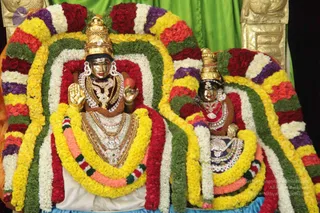
Two gilded deity murti are seated side by side on a decorated platform, dressed in layered gold and silver jewellery including necklaces, earrings and crowns. The murti are framed by a dense arch of marigold-yellow, red, white and purple flower garlands and green leaves, with a green cloth and gilded carved panels behind. The left figure holds a red fruit in one raised hand and has a gold crown; the right figure wears a crown and red and gold garments. No physical people are visible.Two golden deity murti seated side by side on a flower-decorated throne, wrapped in bands of yellow, red, white, purple and green flowers and garlands. The larger murti wears a golden crown, heavy layered gold and jewelled necklaces, earrings, and a red-and-gold garment, with raised hands holding a red fruit. A smaller murti beside it wears a golden crown, jewelled necklaces and a blue-and-gold garment. Behind them hang a green satin backdrop and gold-toned panels.A golden deity murti. The murti wears a tall golden crown, large jewelled earrings, layered gold and jewelled necklaces and a red-brown garment. Its right hand is raised in abhaya mudra and its left hand holds a round red fruit.Two gilded deity murtis are seated side by side on a flower-decorated throne, almost entirely covered in garlands of yellow marigolds, red roses, white jasmine and green leaves in bands of colour. The larger central figure wears a golden crown, jewelled earrings, layered necklaces and a red fruit or flower in one raised hand, with a golden palm raised beside it. The smaller figure to the right wears a golden crown and a red and silver jewelled necklace. Behind them hang green and gold drapery and a golden frame. The image is a photograph of the decorated murtis; no people are visible.

pratyaksha-pada-puja

42 photosSource gallery
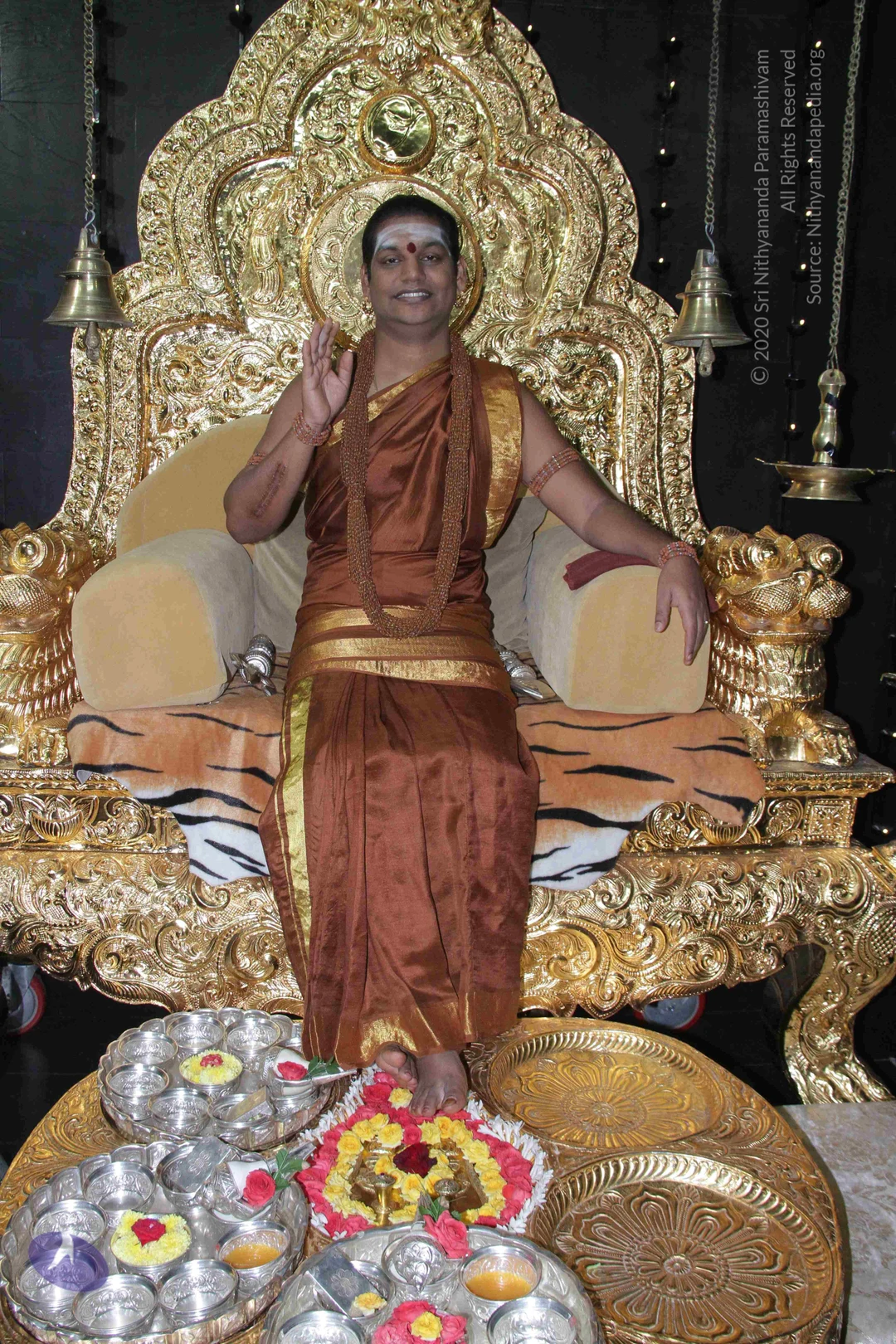
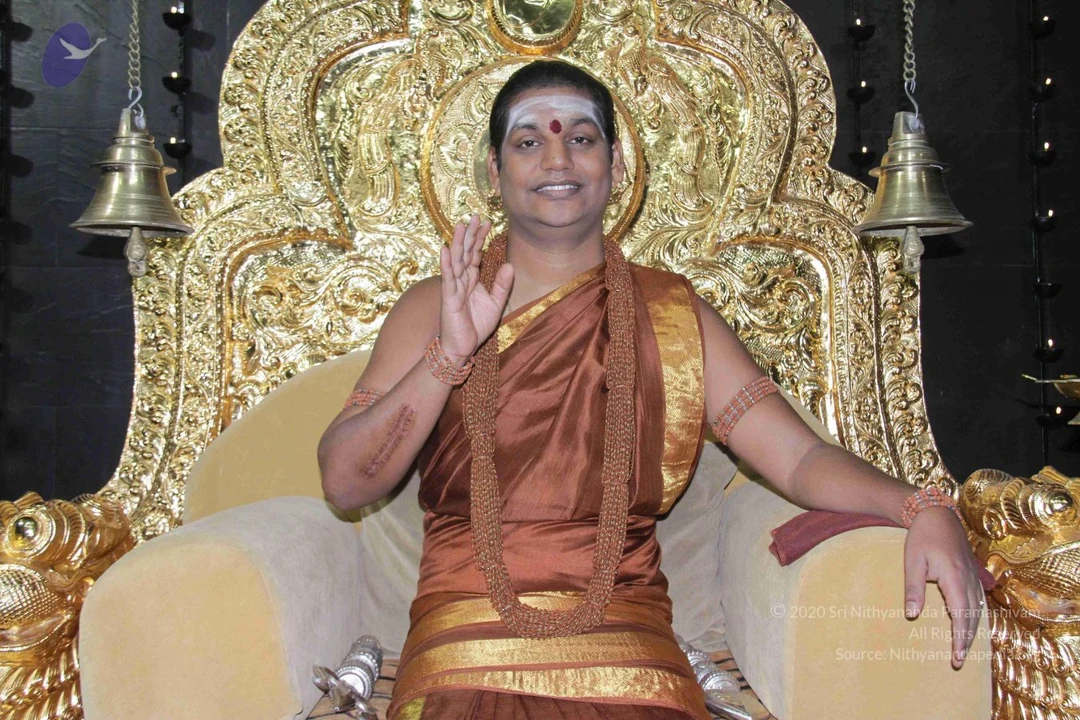
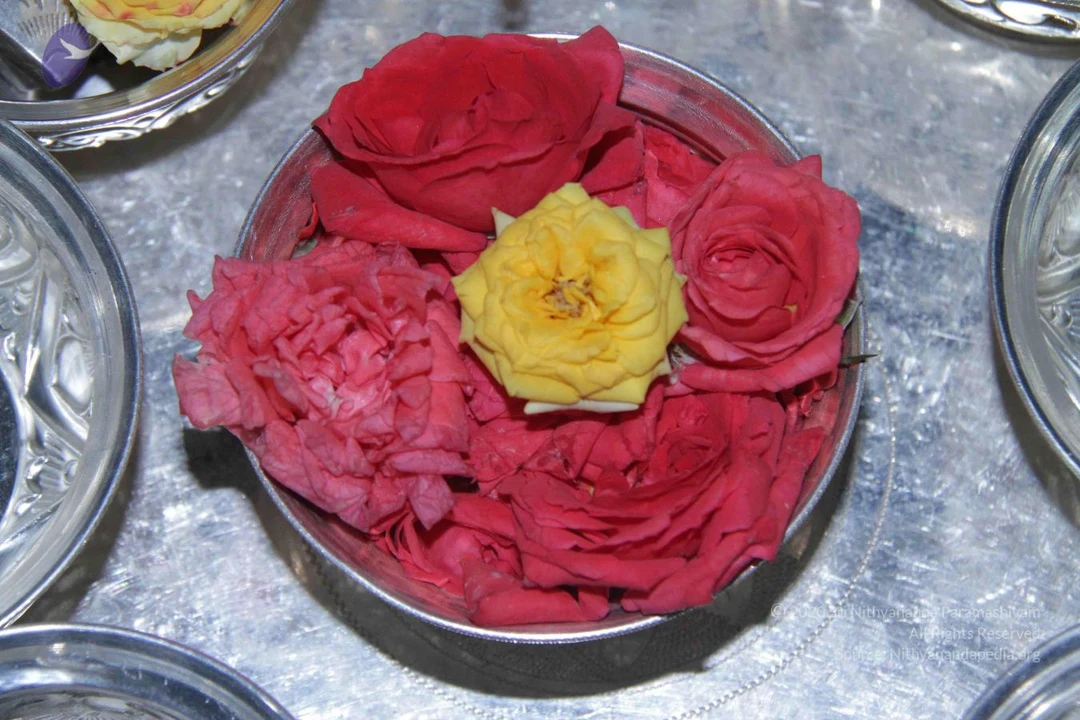
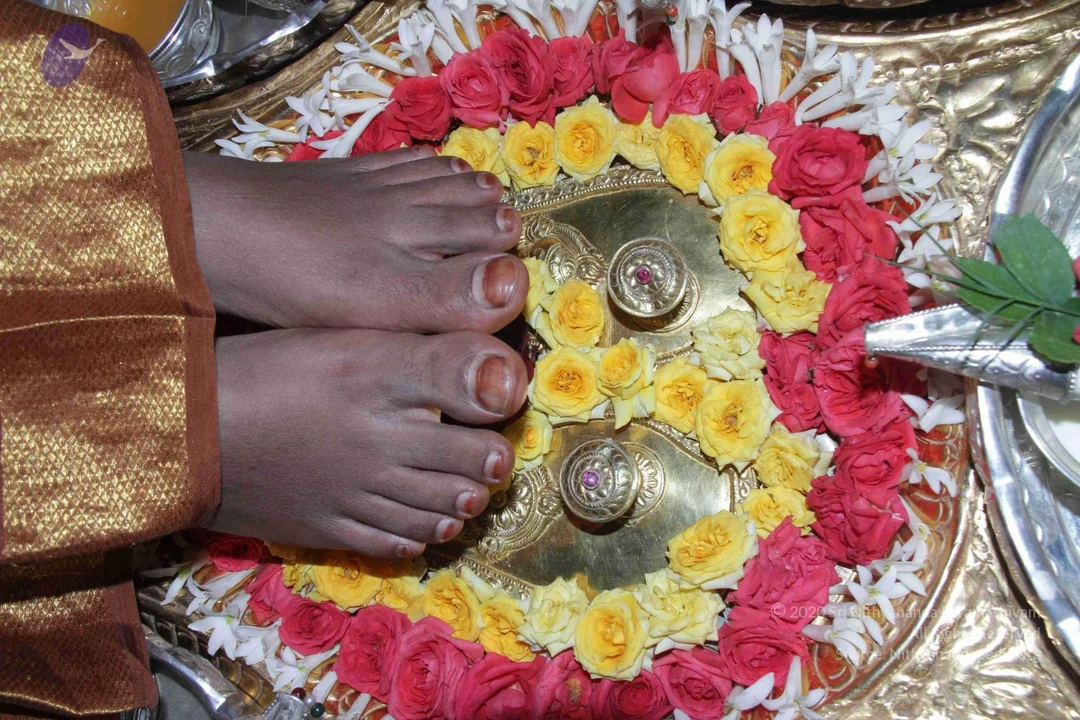
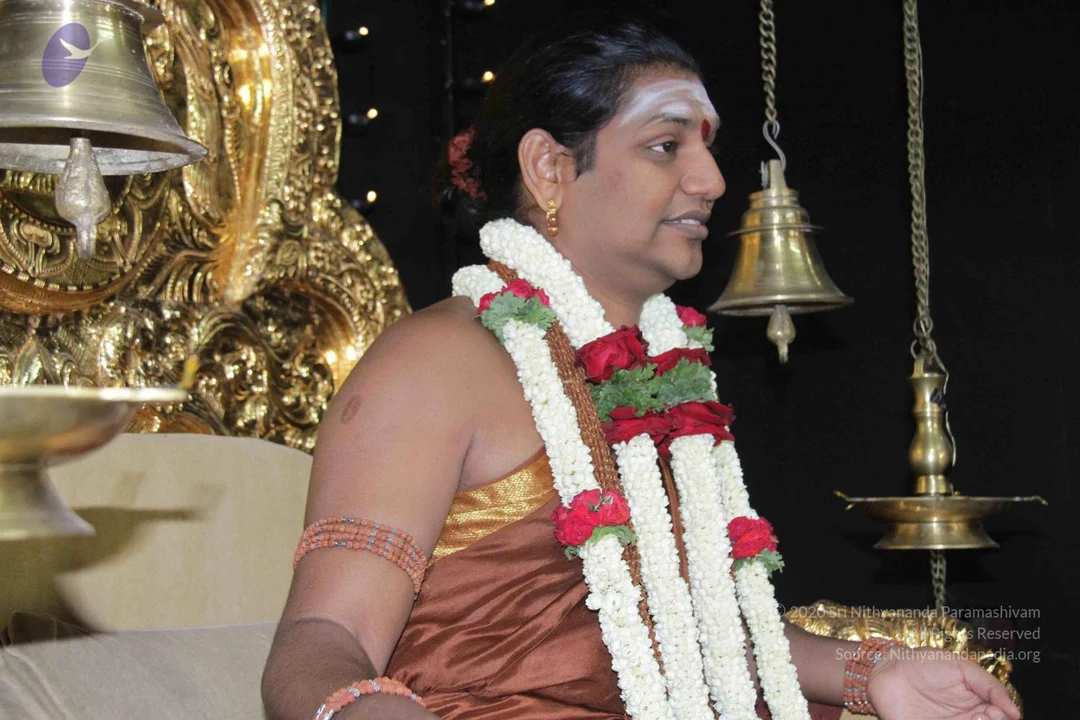
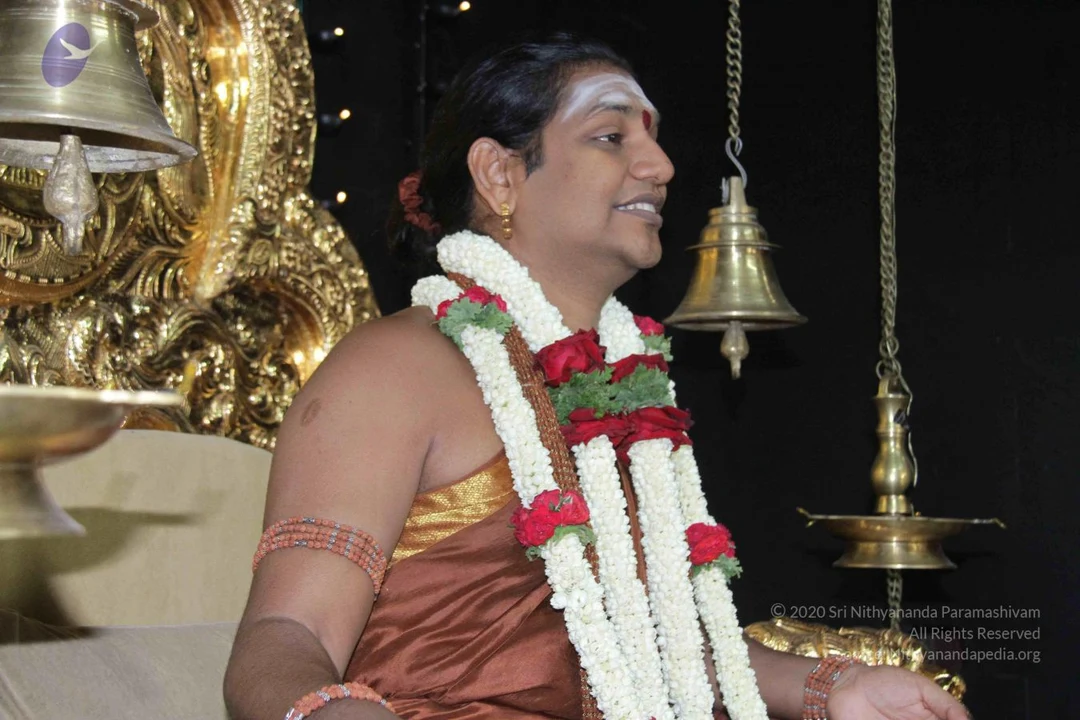
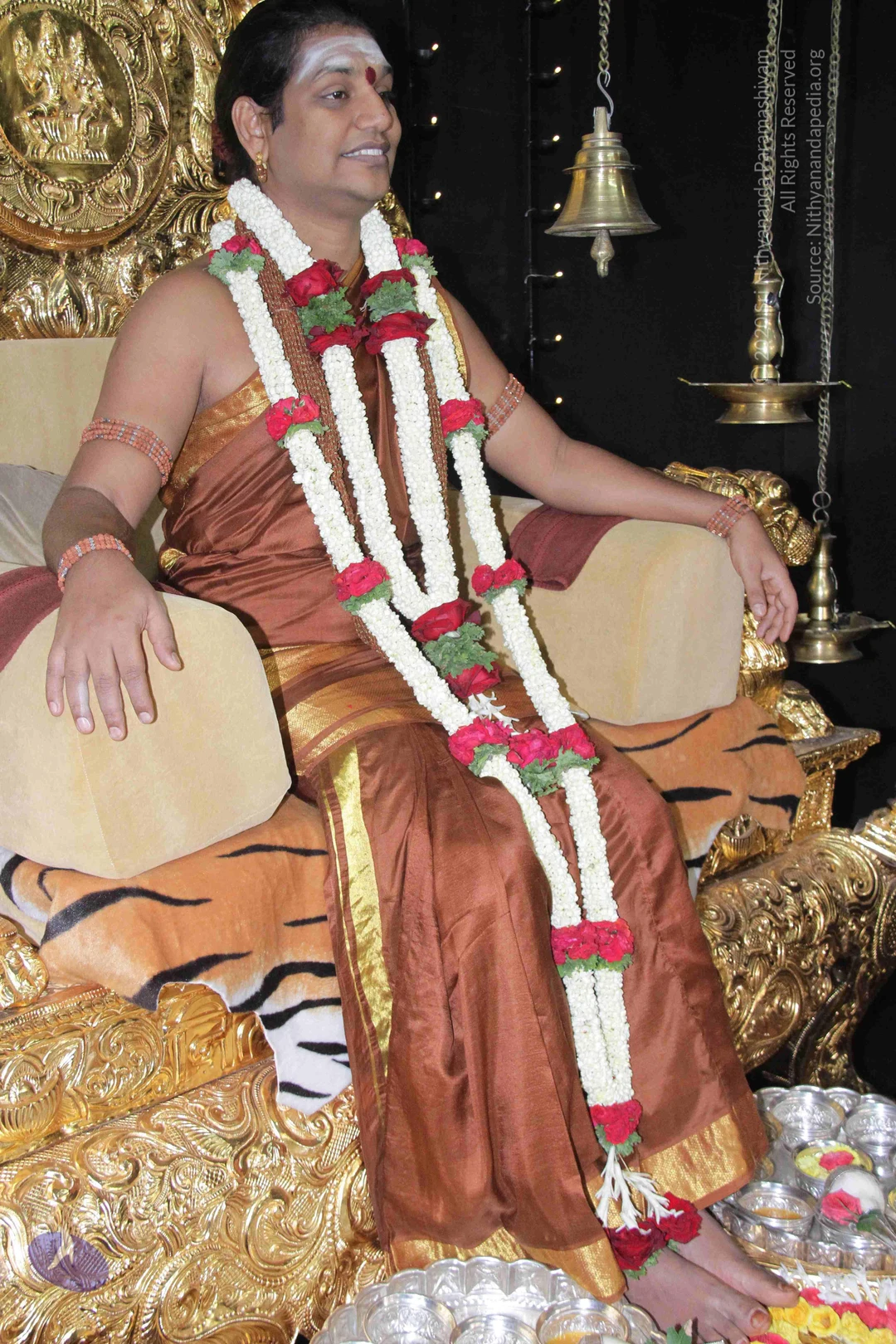
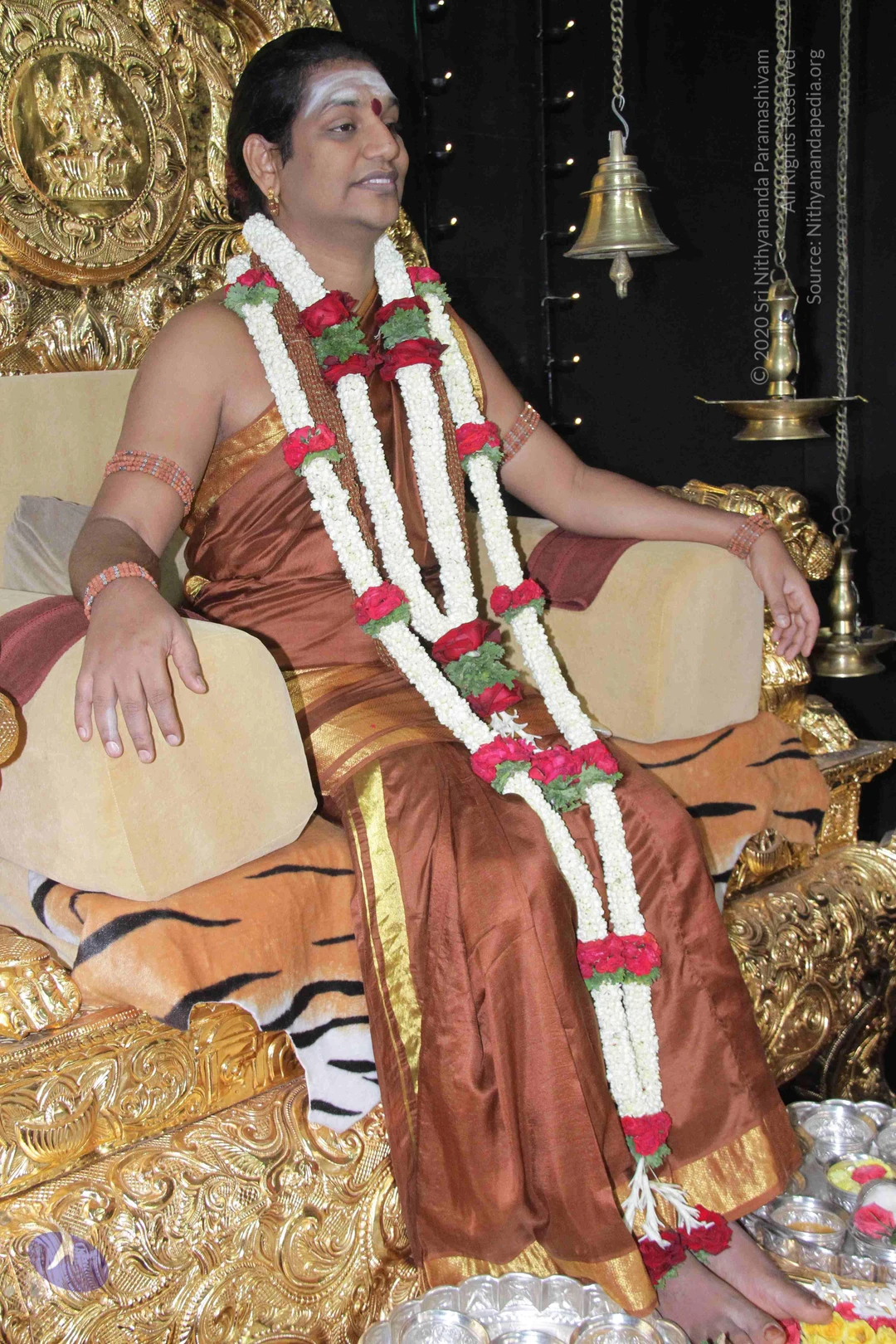
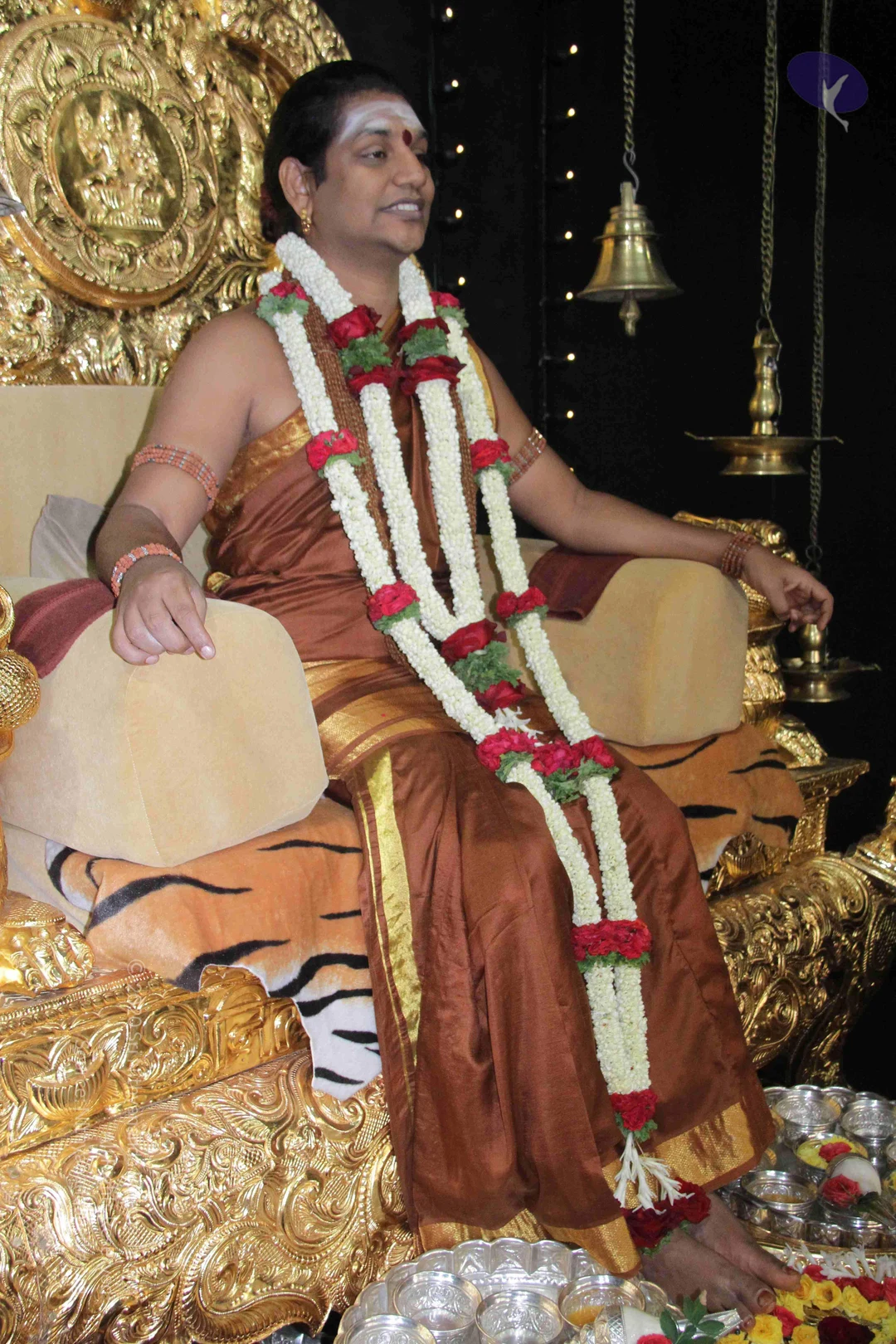
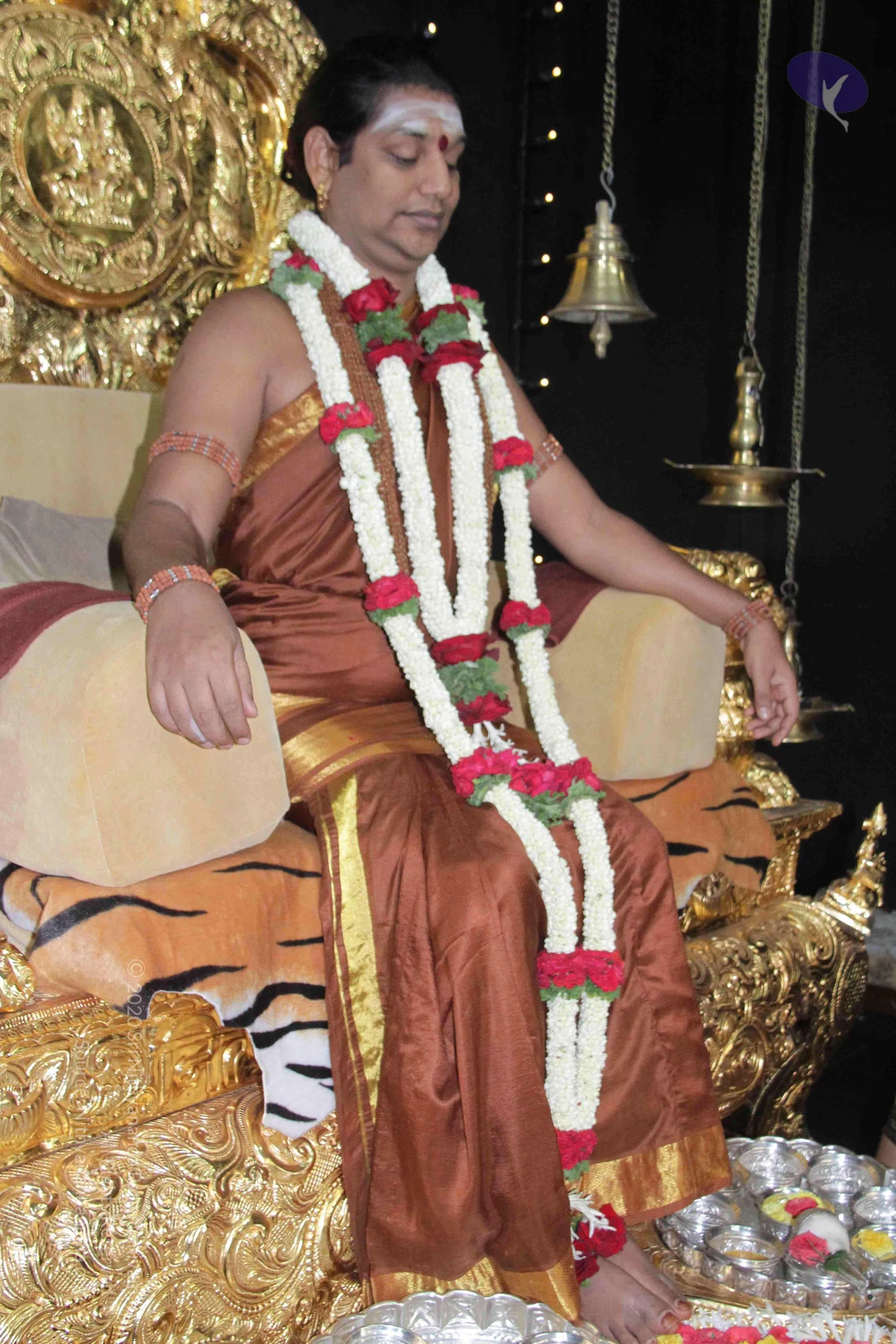
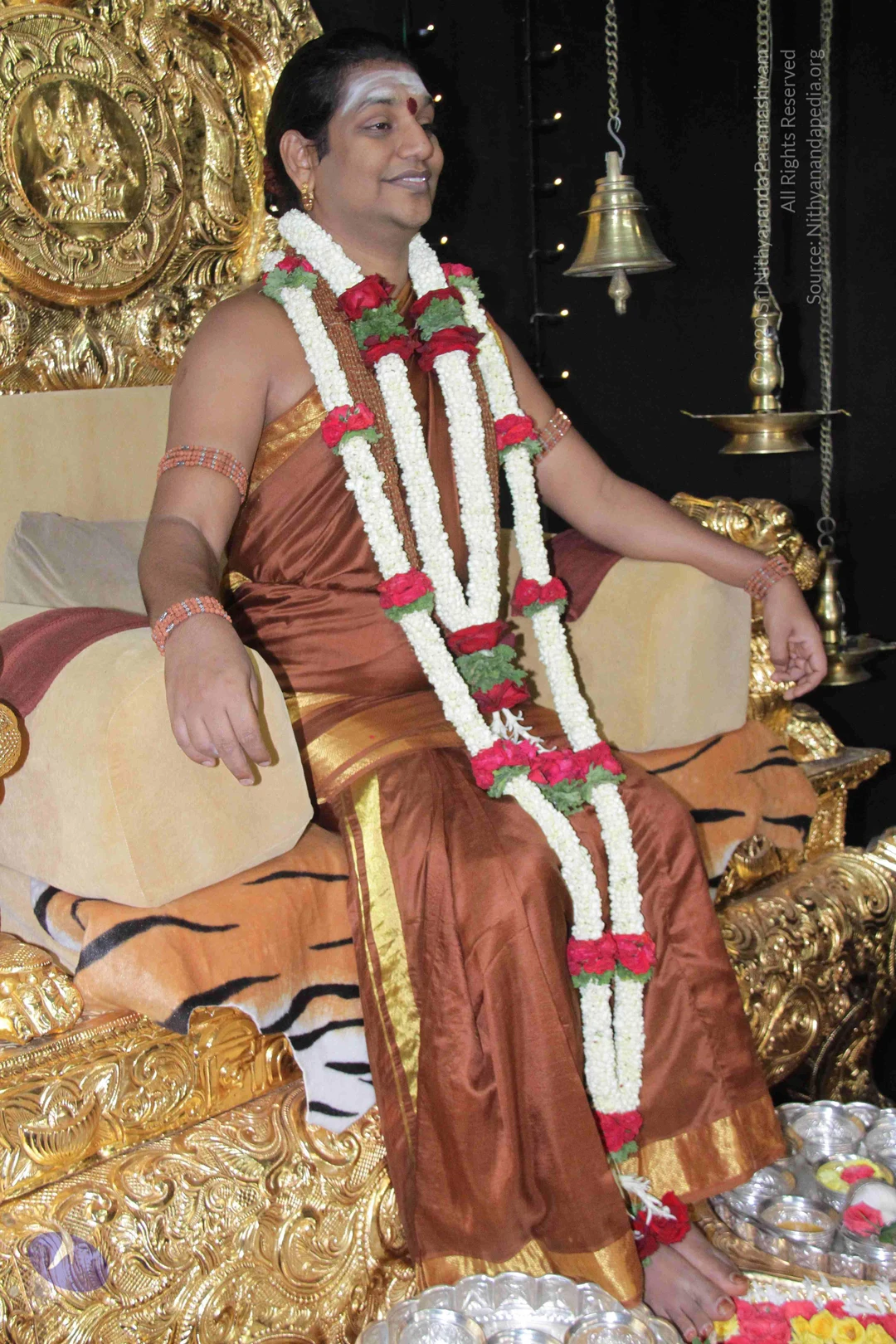
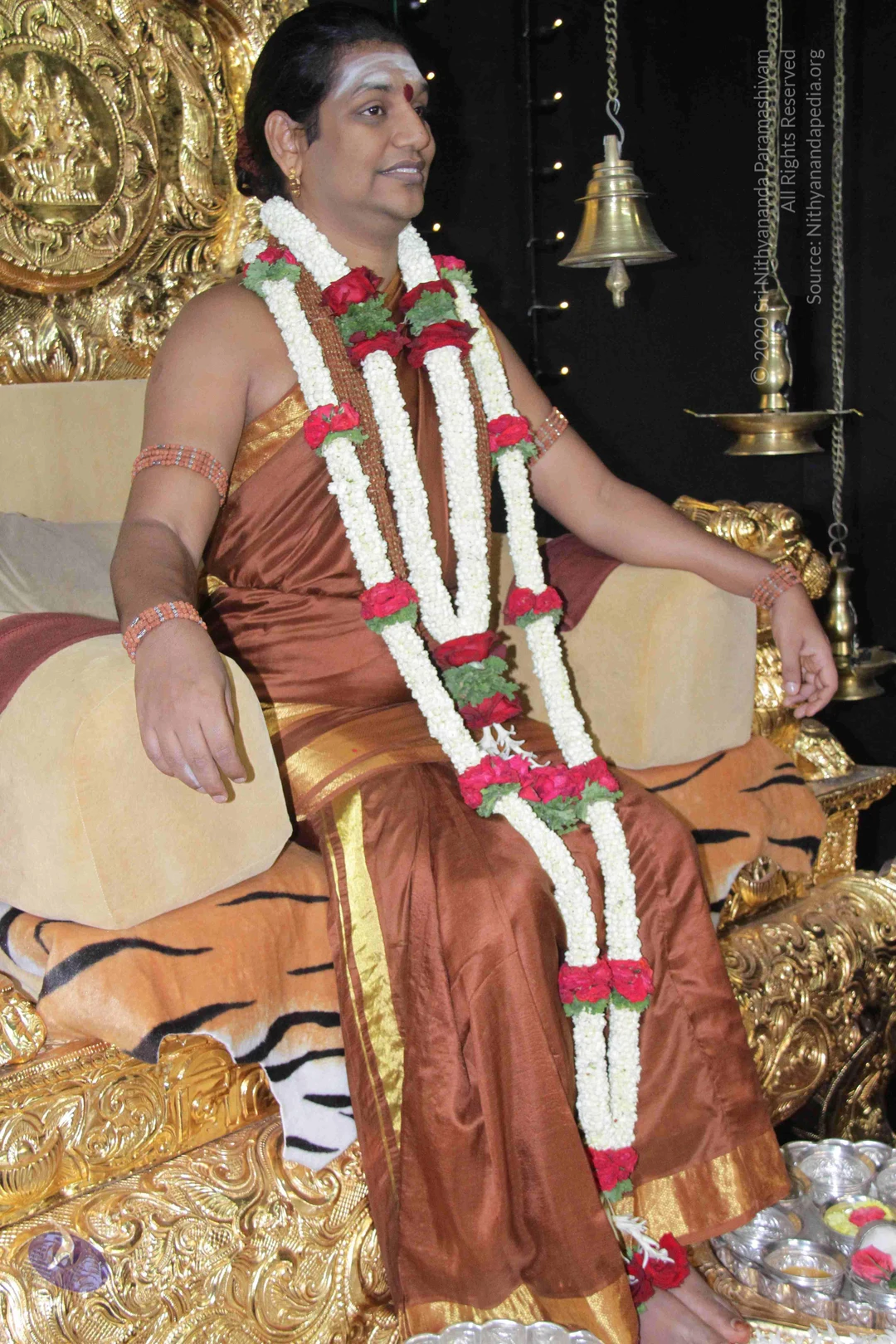
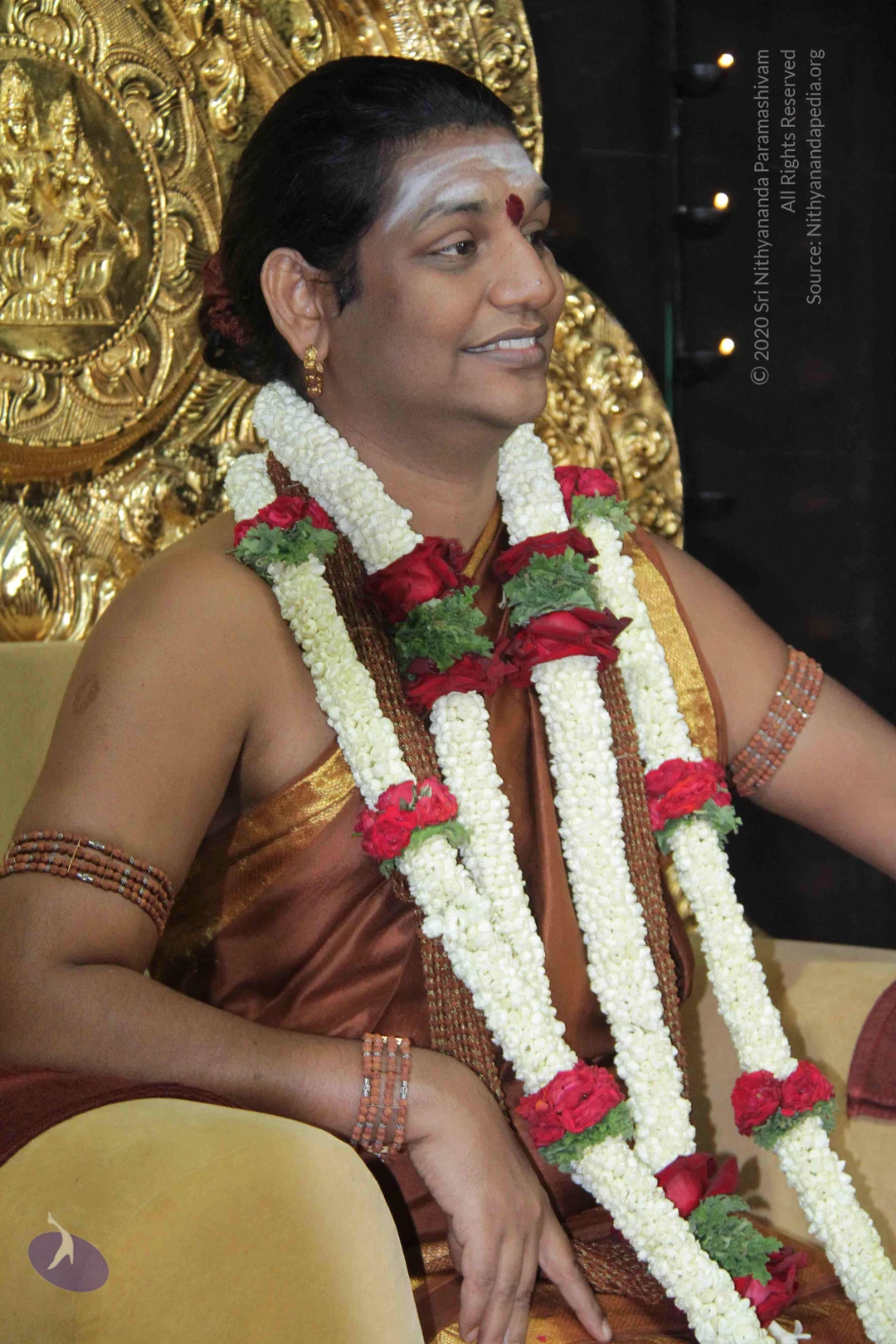
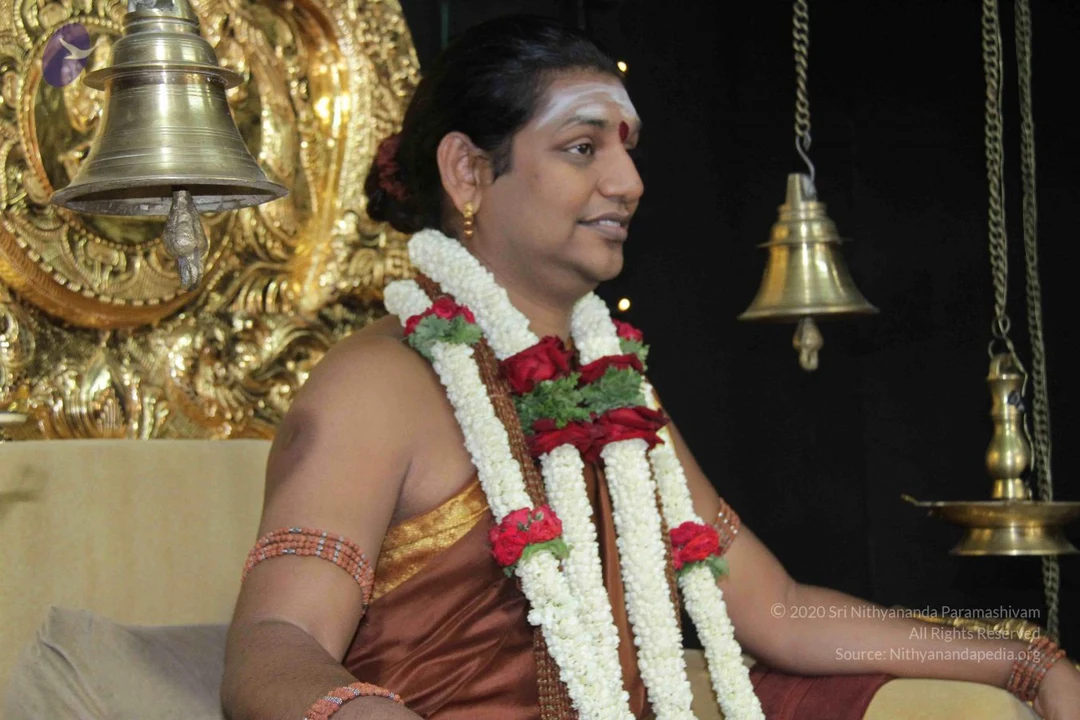
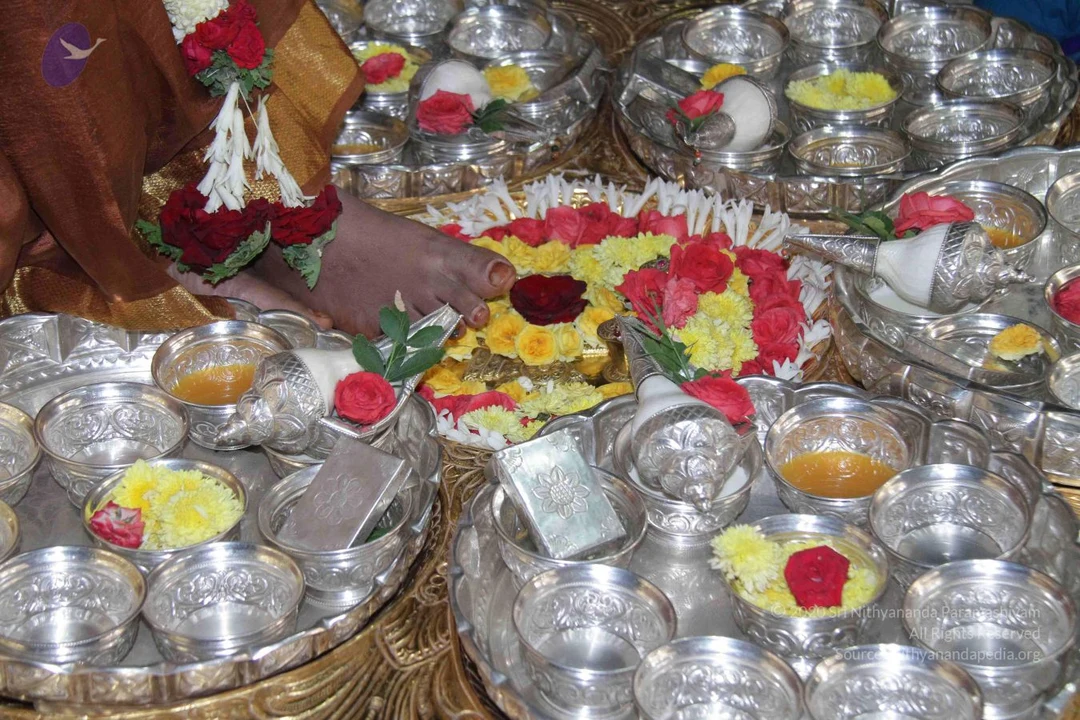
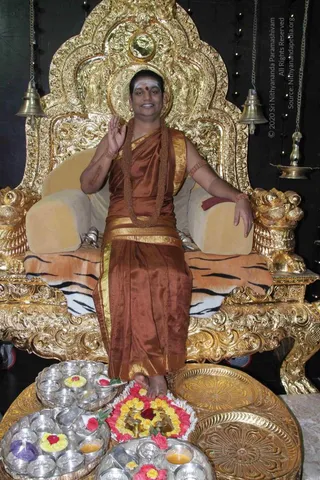
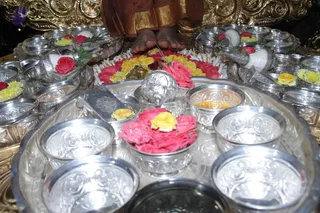
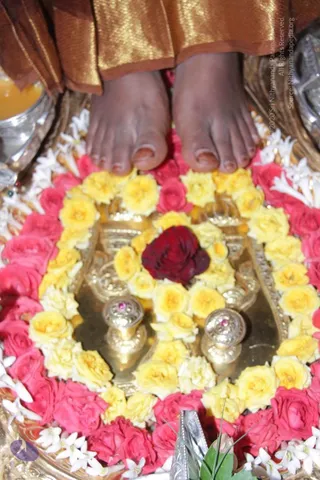
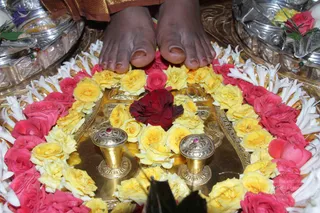
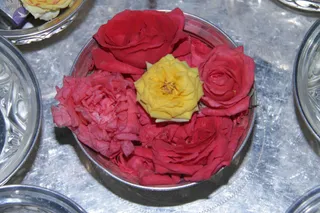
A seated man on an ornate gold throne with carved lion-head armrests and a tiger-striped cushion, raising one hand in blessing. He wears a rust-orange silk dhoti and wrap with gold borders, a long rudraksha mala, beaded bangles, a white vibhuti tripundra and a red kumkum bindi. Silver bowls of flowers and offerings surround his feet, which rest on a rangoli-like ring of red, pink and yellow flowers with a small brass lamp. Brass bells hang from chains and a brass oil lamp sits at right. A watermarked copyright notice runs down the right edge of the photo.A seated man in a rust-orange silk dhoti and shawl with gold borders sits on an ornate gold-carved throne with lion-like armrests. He wears a long rudraksha mala, a white vibhuti line with a red kumkum dot on his forehead, and beaded bracelets on both arms, and raises one hand in blessing while smiling. Two brass bells hang from chains beside the throne.Close photo of a ritual arrangement on a gold-embossed dais. Bare feet in the upper frame, with a reddish-brown silk garment visible at the top, stand on a bed of white flowers and rose petals in red, pink and yellow. Around them are many silver bowls and small silver cups holding yellow marigold petals, red roses, and orange-yellow liquid. A large silver tray in the foreground holds a silver kalasha-like vessel, a small silver bowl of yellow offering, and pink and yellow flowers. The scene suggests a puja or abhishekam offering setup. No faces are visible.Close photo of a pair of bare feet resting on a brass padapuja tray surrounded by a ring of yellow and pink roses and white jasmine-like flowers. A brass lamp-like vessel and a red rose sit in the centre, and a gold-bordered orange silk garment is visible at the top of the frame. The feet appear to be a person's feet, and a silver pot and leaves appear at the bottom edge.Close photo of a pair of bare feet, visible from the ankles down, standing on a brass tray ringed with yellow and pink roses and white jasmine-like flowers. A deep red rose petal lies at the centre between two small brass vessels with gem-set lids. Silver puja plates with flowers and a red-and-green decoration sit at the top corners. The wearer's lower garment is a maroon and gold silk cloth. This appears to be a padapuja, the ritual worship of the feet.Close overhead photo of a round stainless steel bowl filled with red and pink rose petals and one yellow rose at the centre, set on a polished metal surface. Several other small metal bowls with yellow and pink flowers sit at the edges of the frame. No people are visible. The bowls appear to hold flower offerings used in worship.

final-blessings

2 photosSource gallery
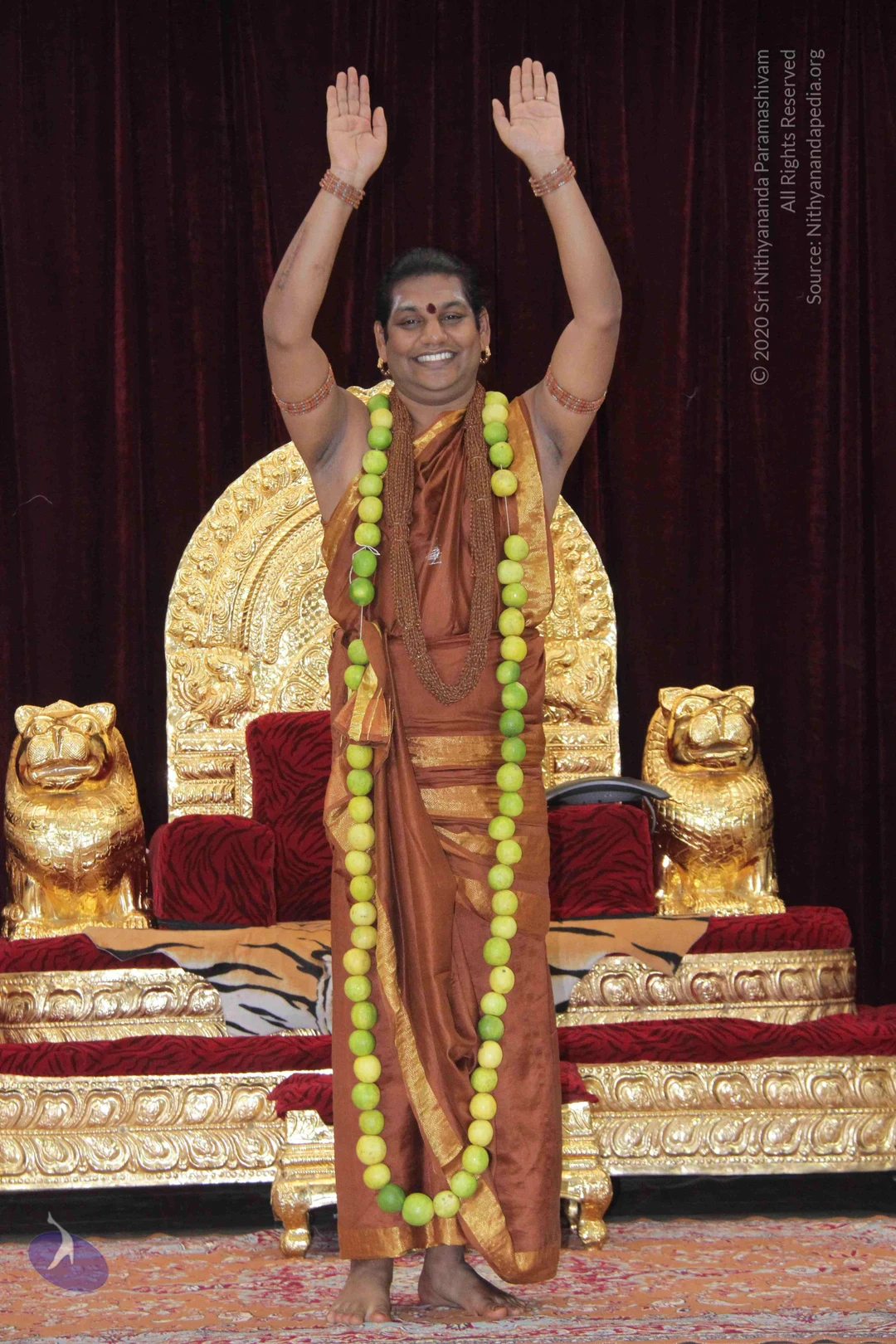
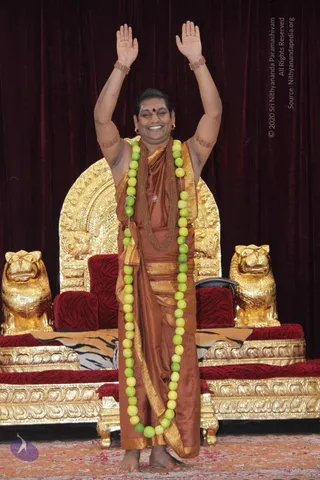
A standing person with both arms raised overhead, smiling, in front of an ornate gold throne with lion-head armrests, red tiger-striped cushions and deep red velvet drapes. The person wears a rust-brown draped robe with gold border, a long green lime garland, rudraksha beads, gold earrings, red bangles and a red bindi, and stands barefoot on a patterned red carpet. A printed copyright line appears vertically on the right edge.A standing person in saffron-orange draped clothing waves with a raised right hand beside a garlanded altar. The person wears a long rudraksha-style mala and a green-and-yellow marigold garland, with bangles and a red bindi. Behind them, two gilded deity murtis sit on a blue-draped platform, surrounded by a dense arch of red, white, yellow, purple and green flower garlands. A maroon curtain and green backdrop frame the scene. The person's face is visible, but there is no clear ornate or crowned appearance matching the a person cues, so identity is uncertain.

Los Angeles-anniversary-nayana-deeksha

4 photosSource gallery
A blurry photograph of a large screen showing a two-way video-conference satsang. In the foreground, participants seated on striped red and white mats behind a white placard reading "Los Angeles"; a laptop sits at left and floral offerings and fruit are laid out before them. Behind them, rows of seated devotees in saffron, red, green and white clothing fill a hall, and a tiered stand holds rows of small lamps at left. A plain white placard labelled "Los Angeles" marks the site.A blurry screen photograph of a video-conference satsang showing a seated group in a hall. In the foreground, a woman in a maroon sari sits behind a laptop, and a white placard reading "Los Angeles" sits on a striped red and purple mat beside a woman in a purple top with a red shawl. Several people in white and pastel clothes sit behind them, with fruit and flower offerings spread on the mat and a tiered shelf of small lamps at left. a person cannot be confirmed here since no clear candidate is distinguishable in this blurred image.A blurry photograph of a satsang gathering shown on a large screen, with a sign reading "Los Angeles CA USA" held by a woman in red and orange at the front. Seated on striped mats, people wear white, saffron and red clothes; a woman in a red top and a man in white sit near a laptop, with fruit trays, white cloth offerings and a flower arrangement in the foreground. Many attendees sit in an auditorium with rows of blue seats behind them, with a bald man in white clothes at centre. Several people are visible in the room while others are seen as small figures in the background.A blurry photo of a video-conference screen showing a satsang gathering. A white paper sign reads "Los Angeles Ca. USA" in black letters on a striped mat. Seated devotees sit on red and orange mats with fruit offerings, flowers and a laptop in the foreground. A bald man in white clothes sits near a woman in a light top; a woman in an orange shawl and a woman in red sit behind the sign. A young man in a blue shirt and a woman in white sit at the right. Banana, orange and melon fruit, white cloth-covered trays and a flower arrangement fill the lower area, with a tiered shelf of offerings at the left and a seated audience in the background.

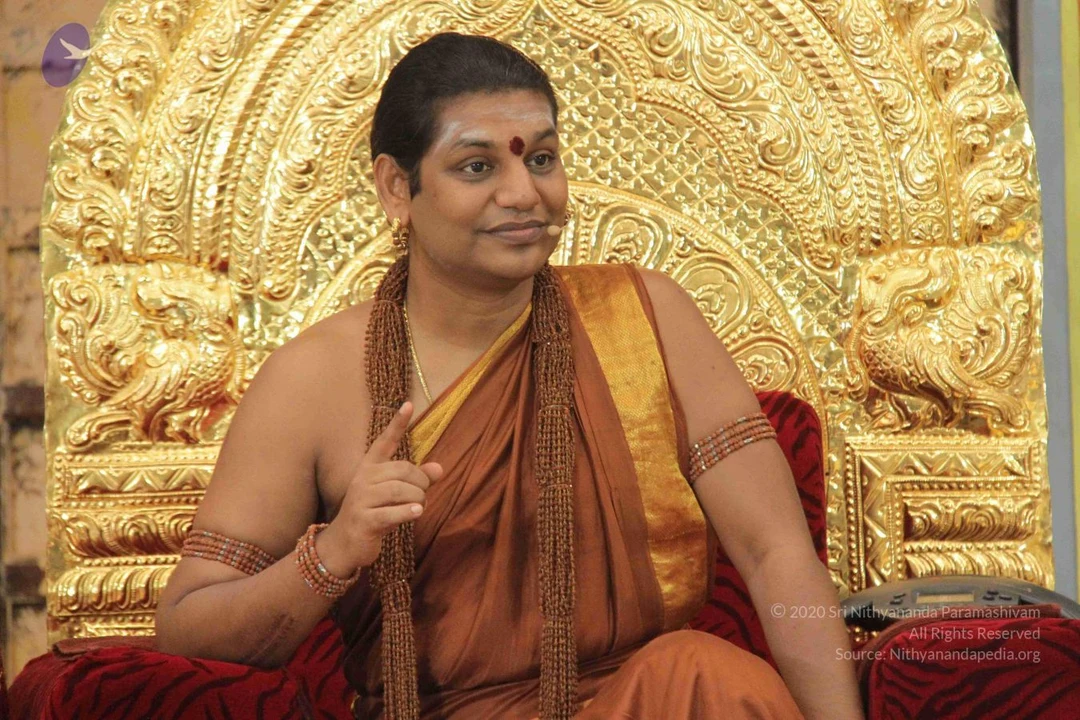
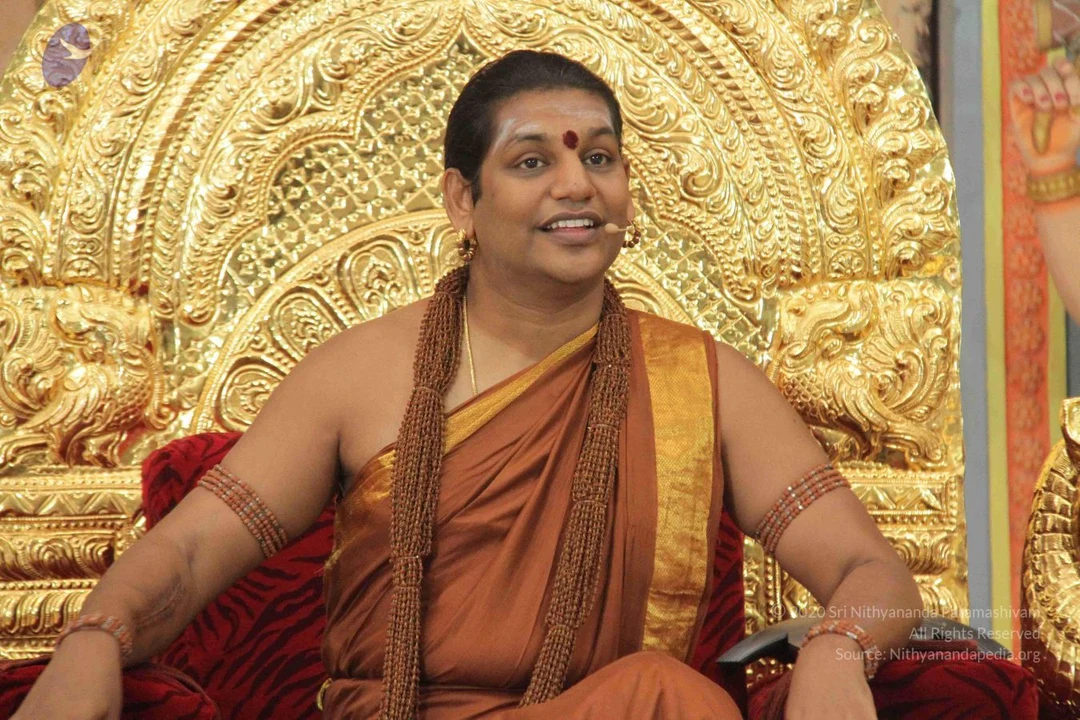
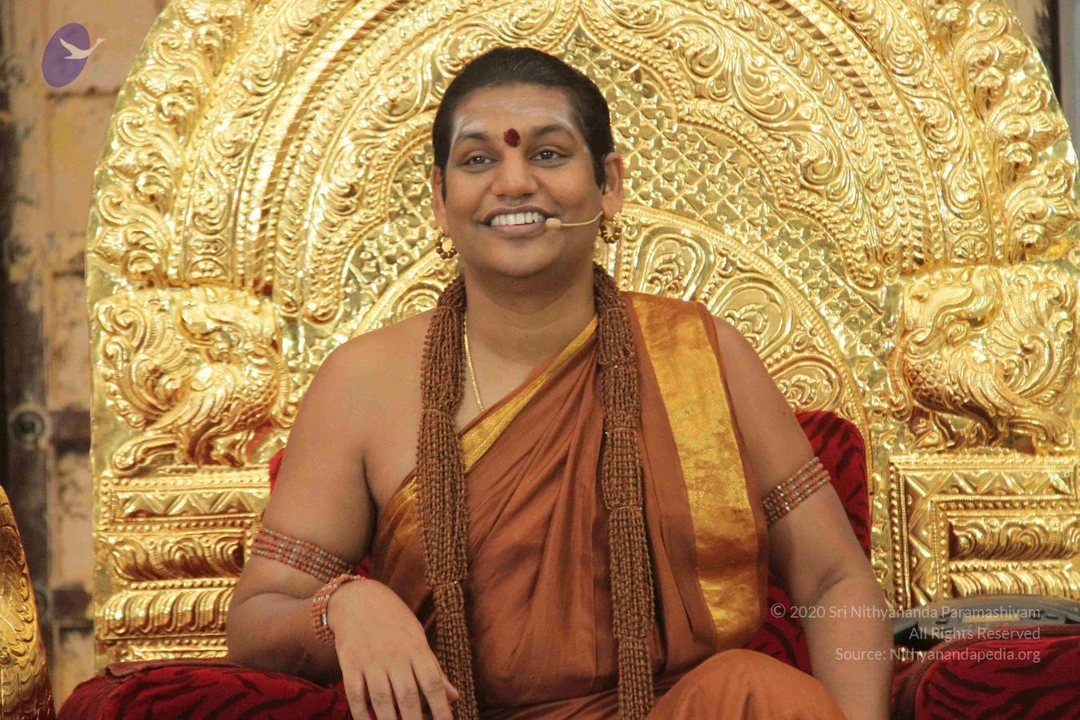
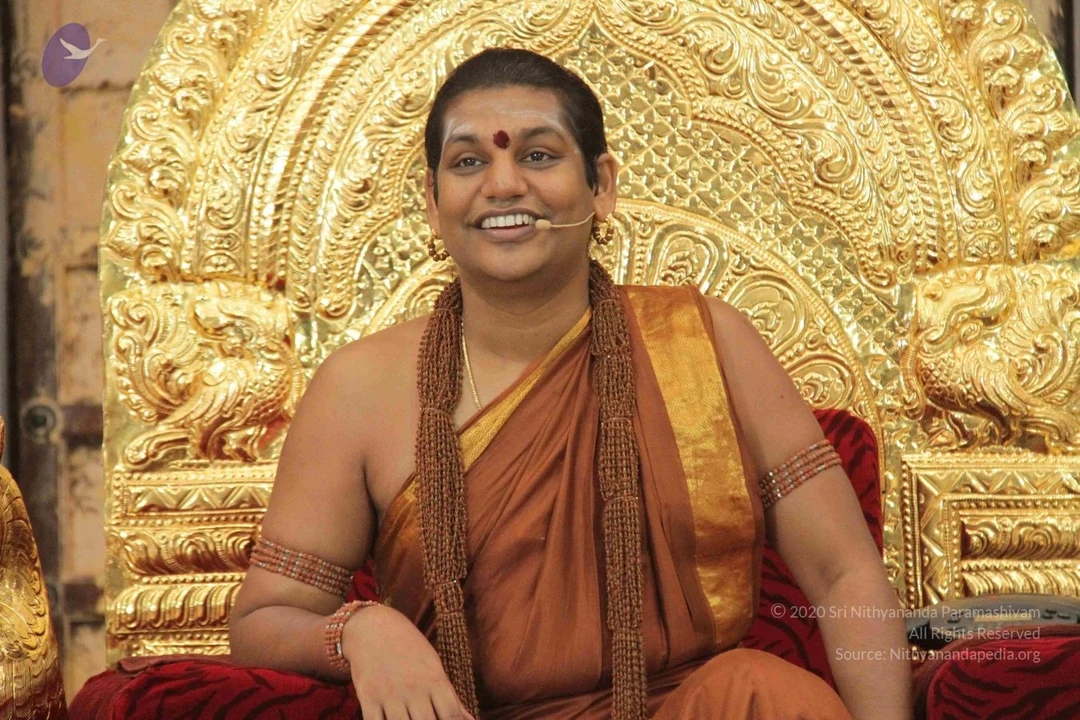
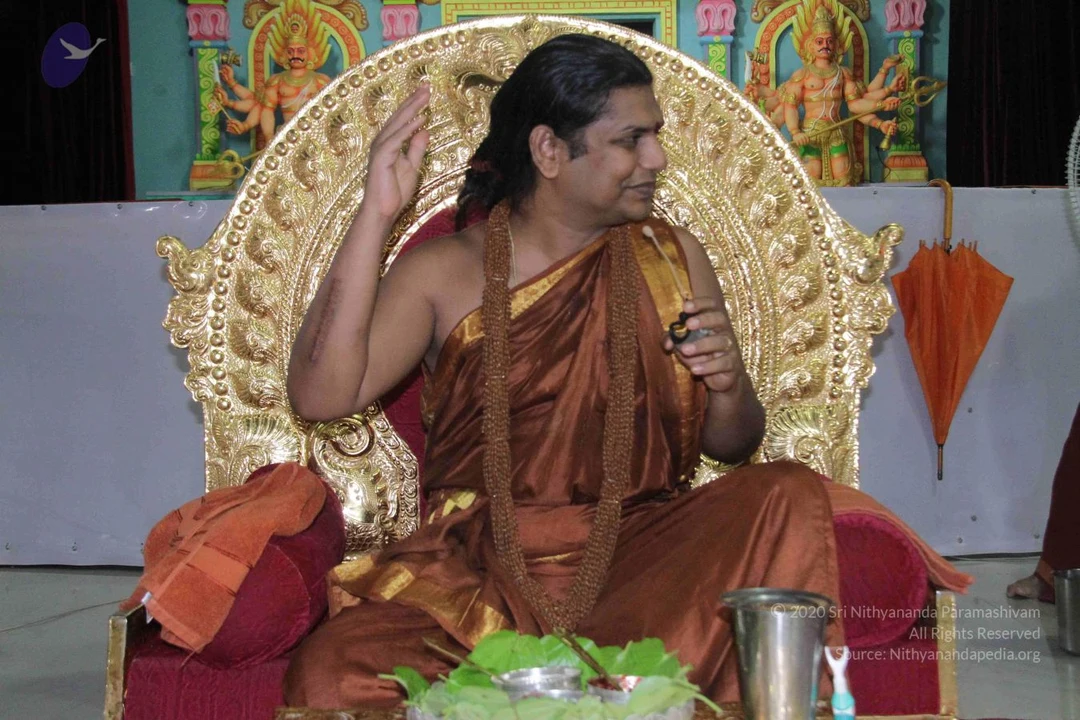
nithya-satsang

38 photosSource gallery
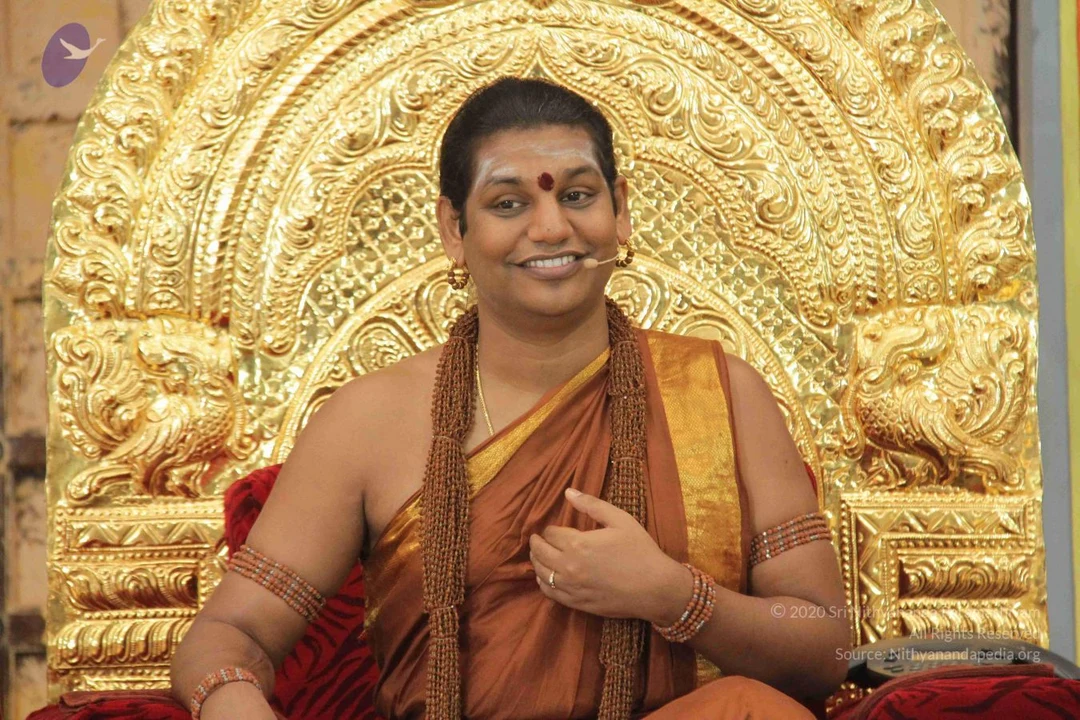
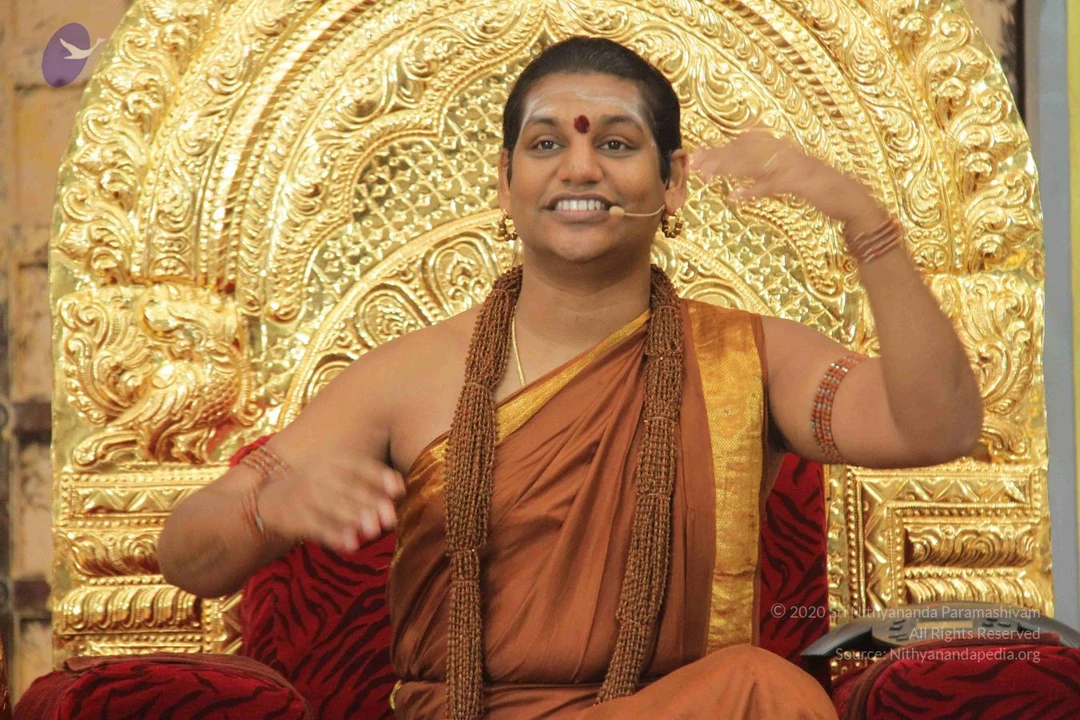
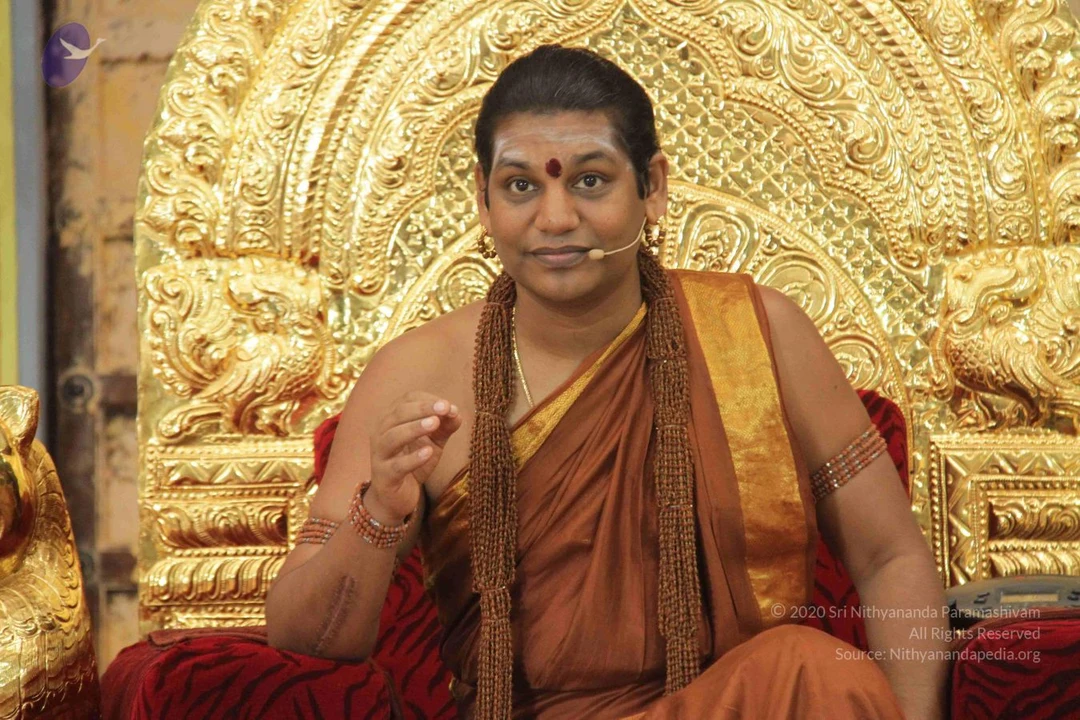
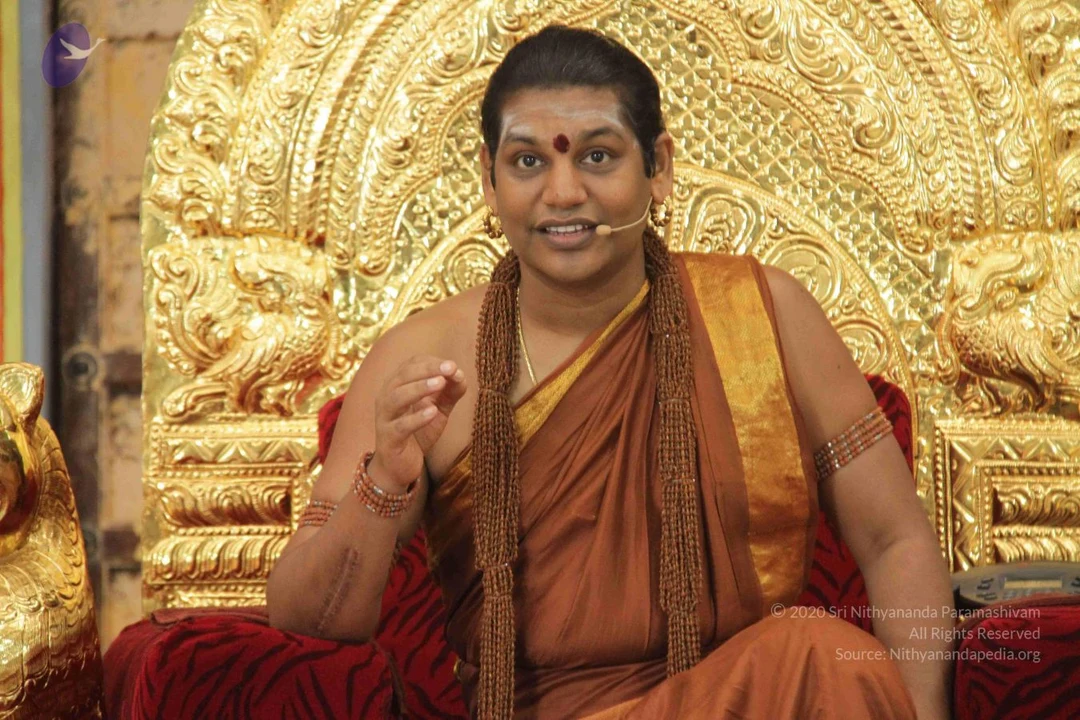
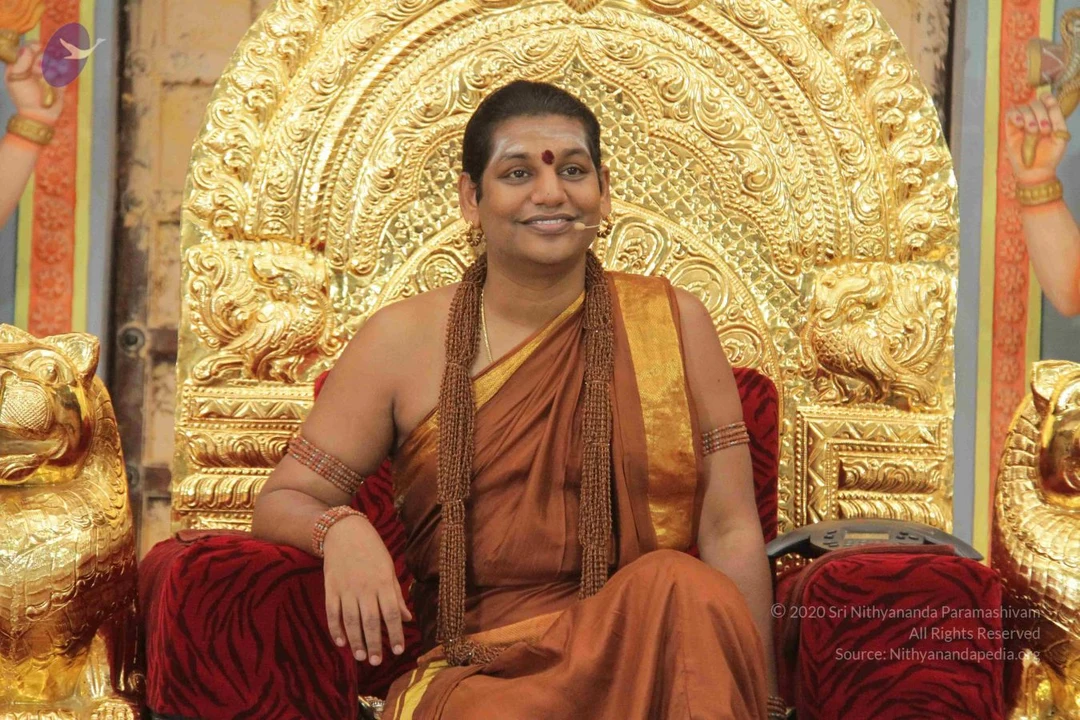
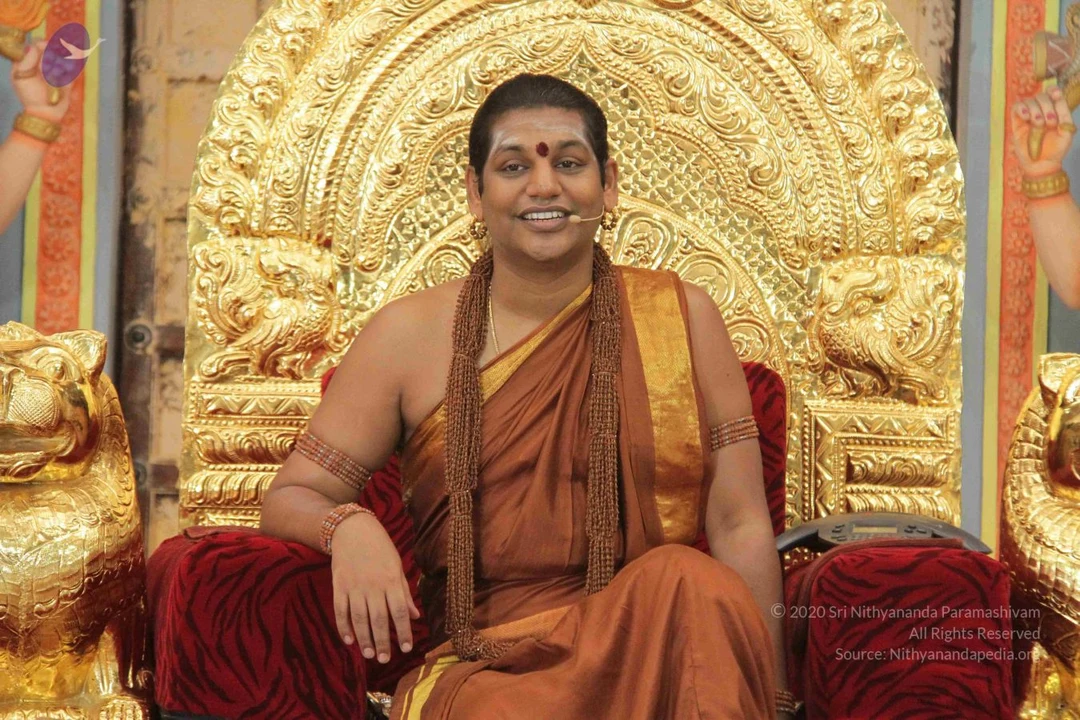
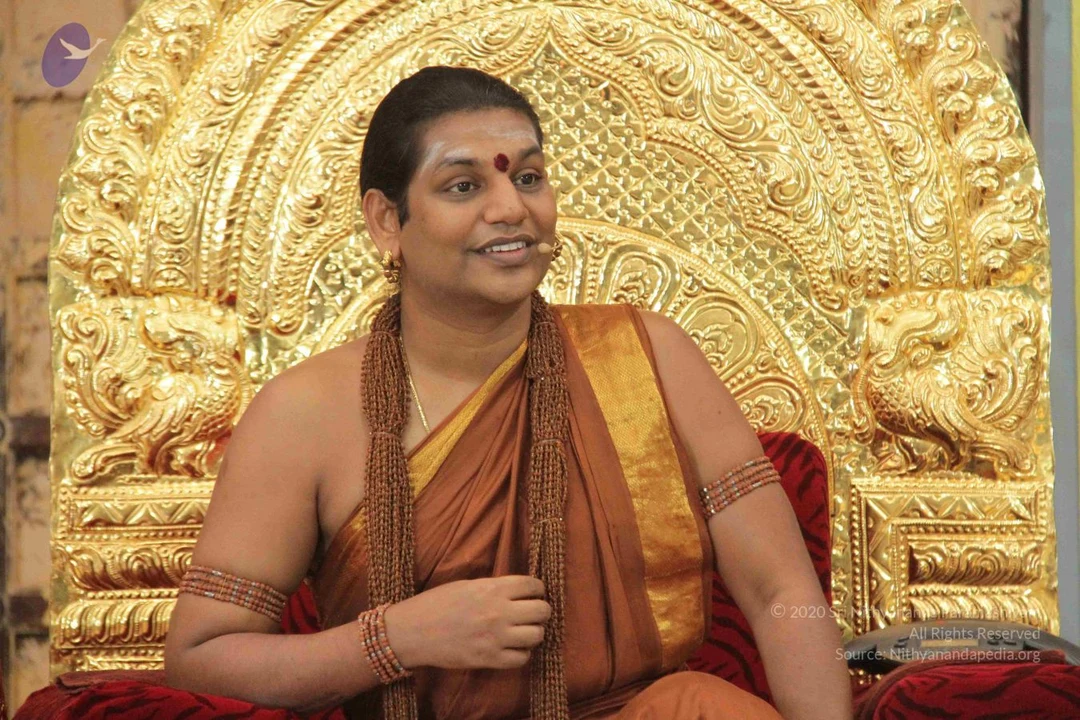
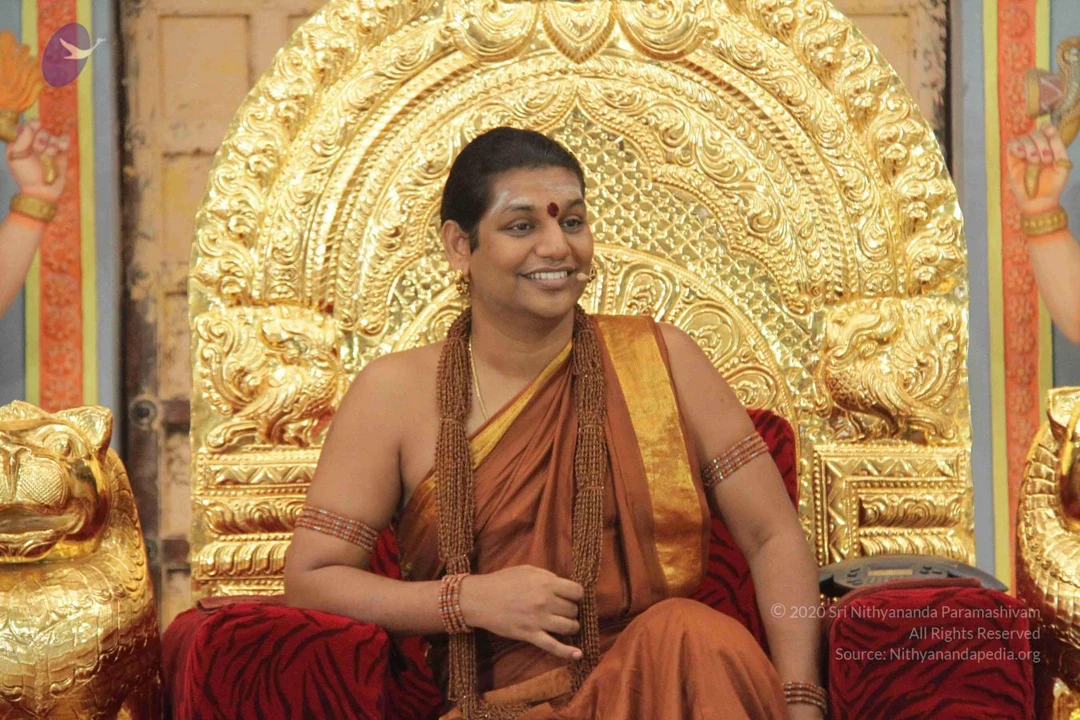
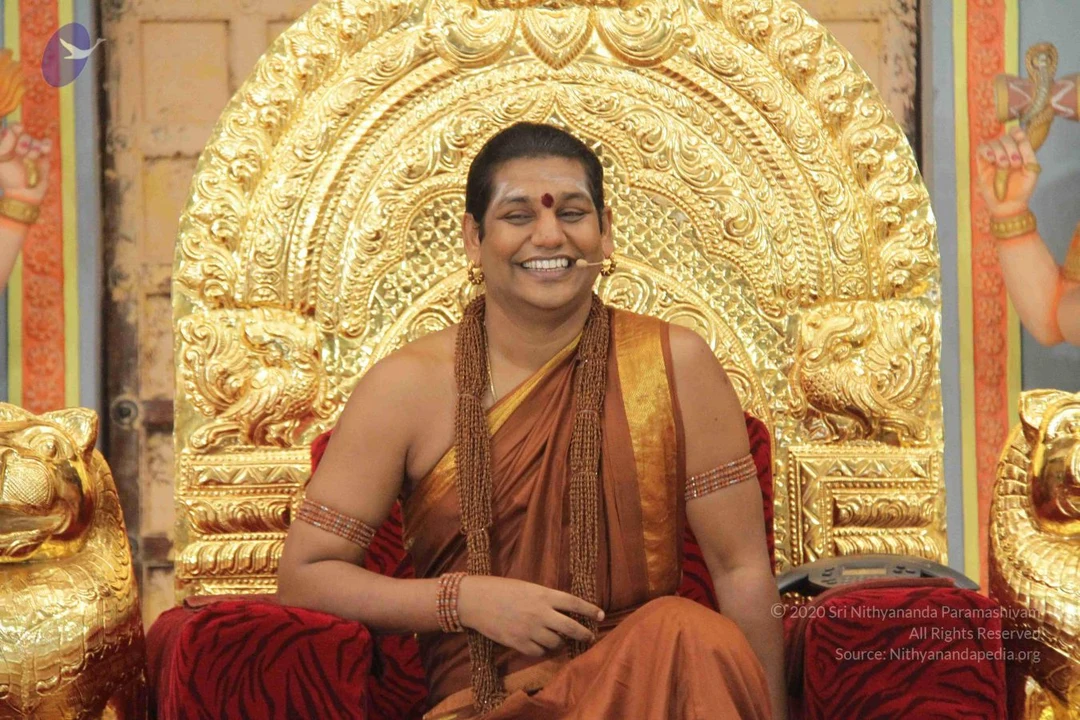
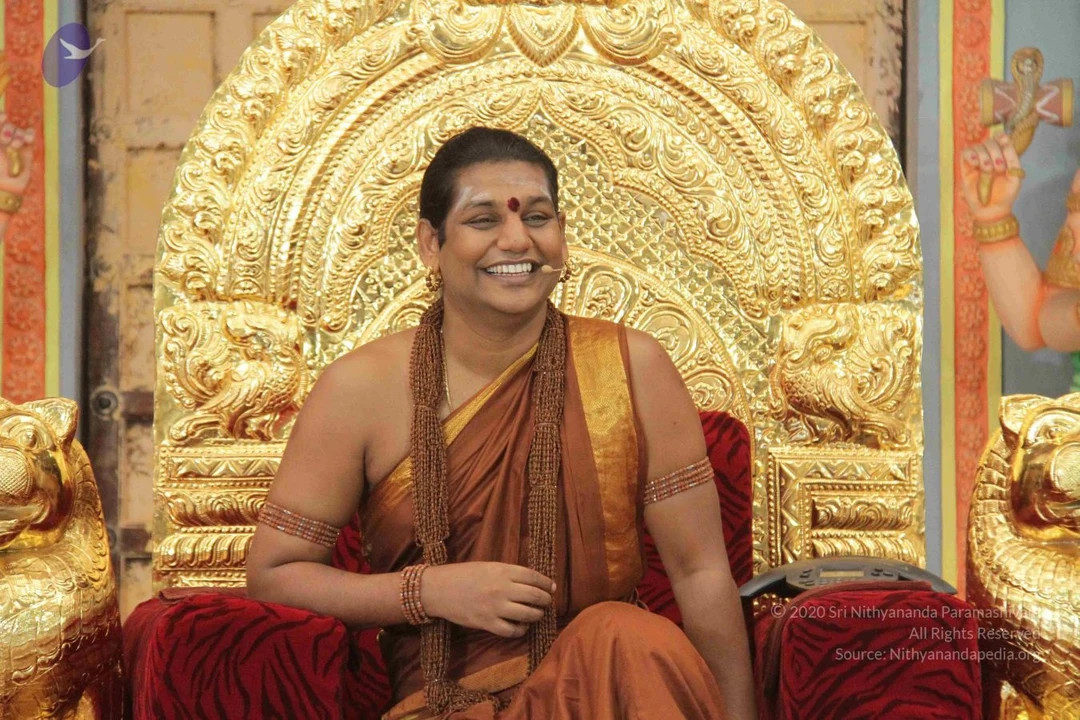
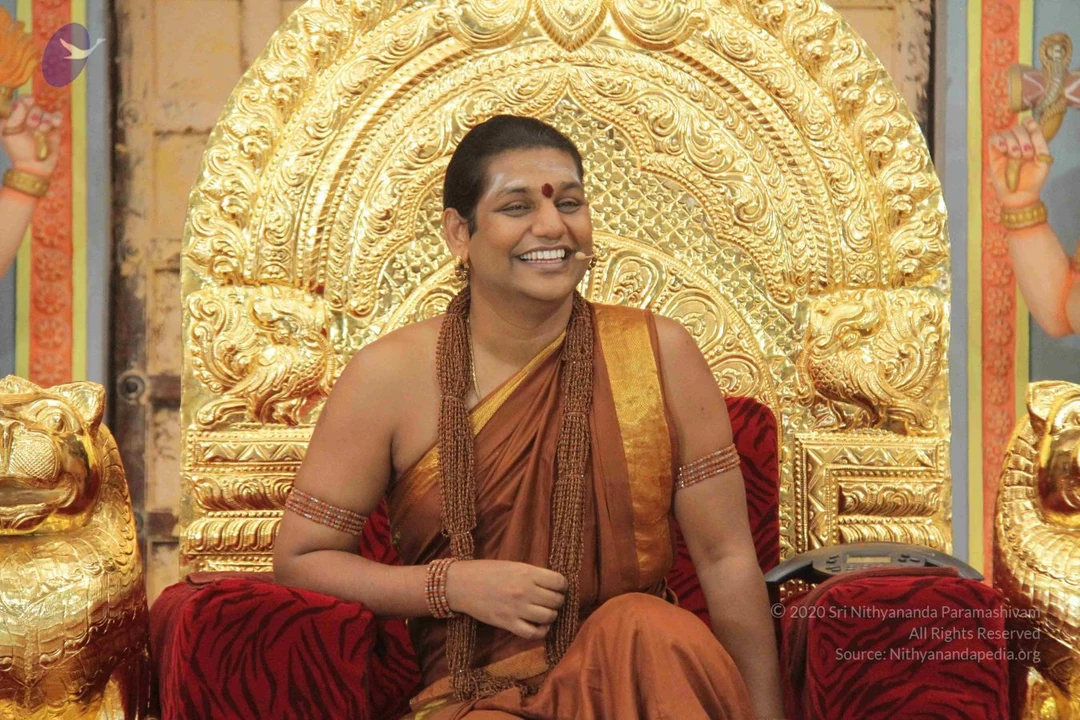
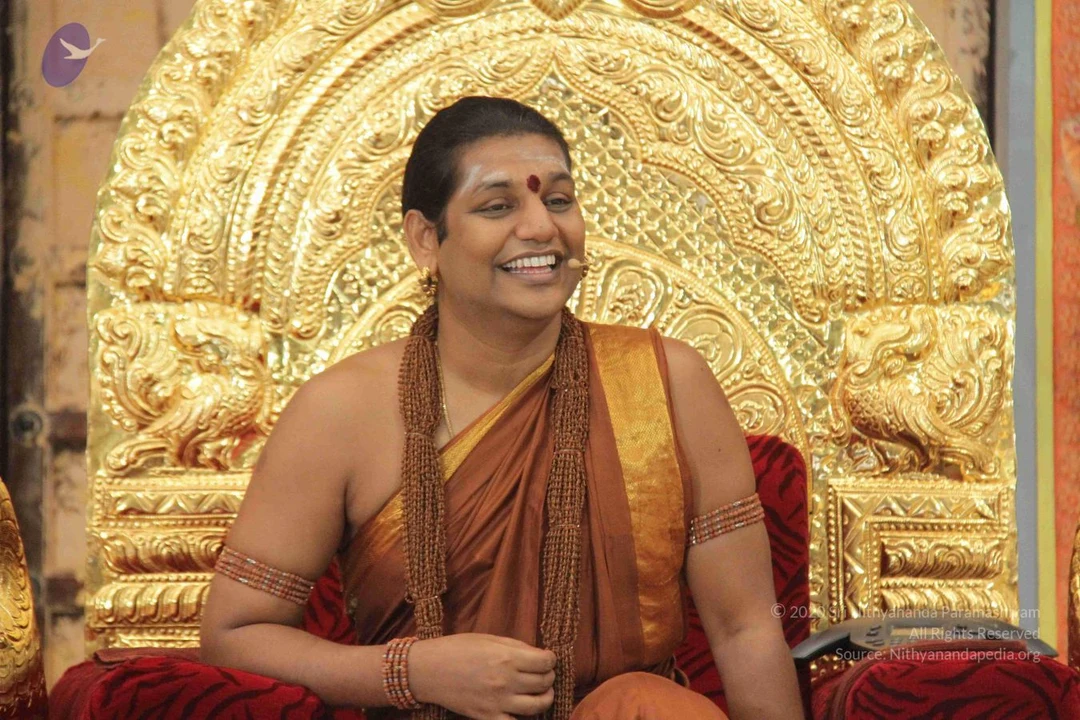
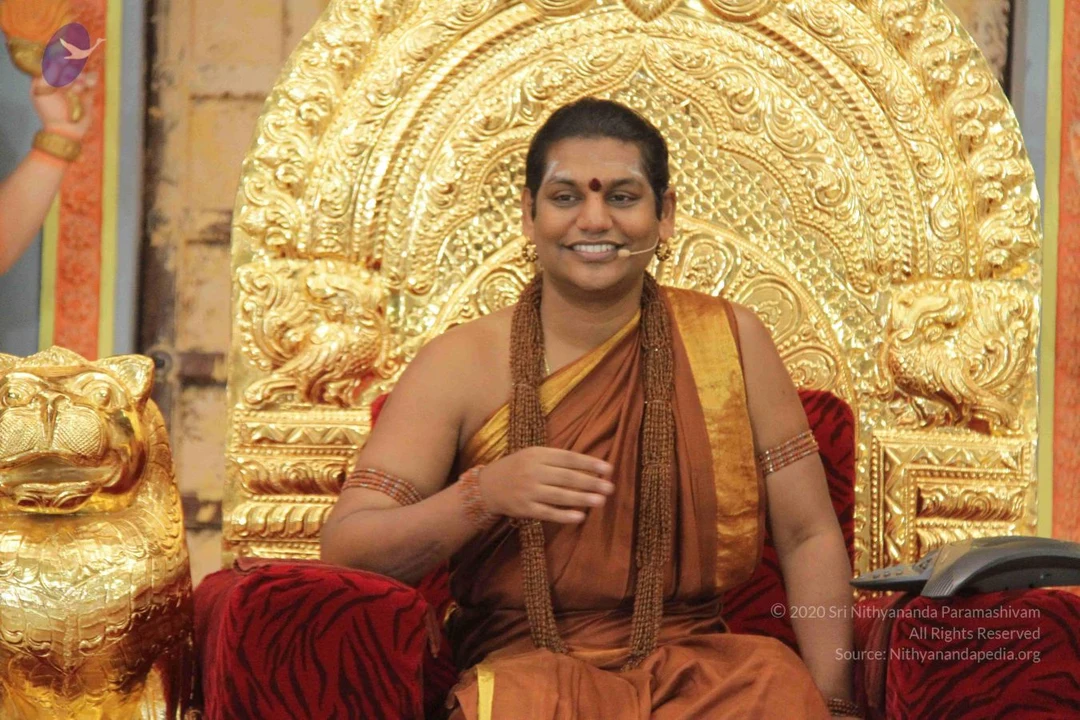
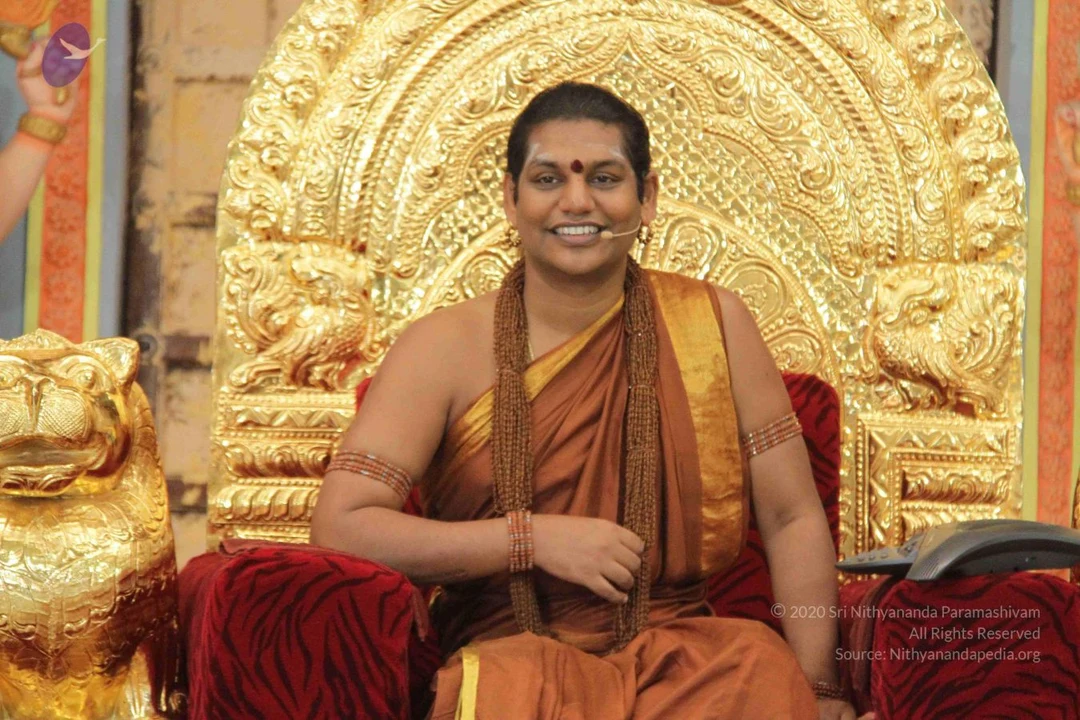
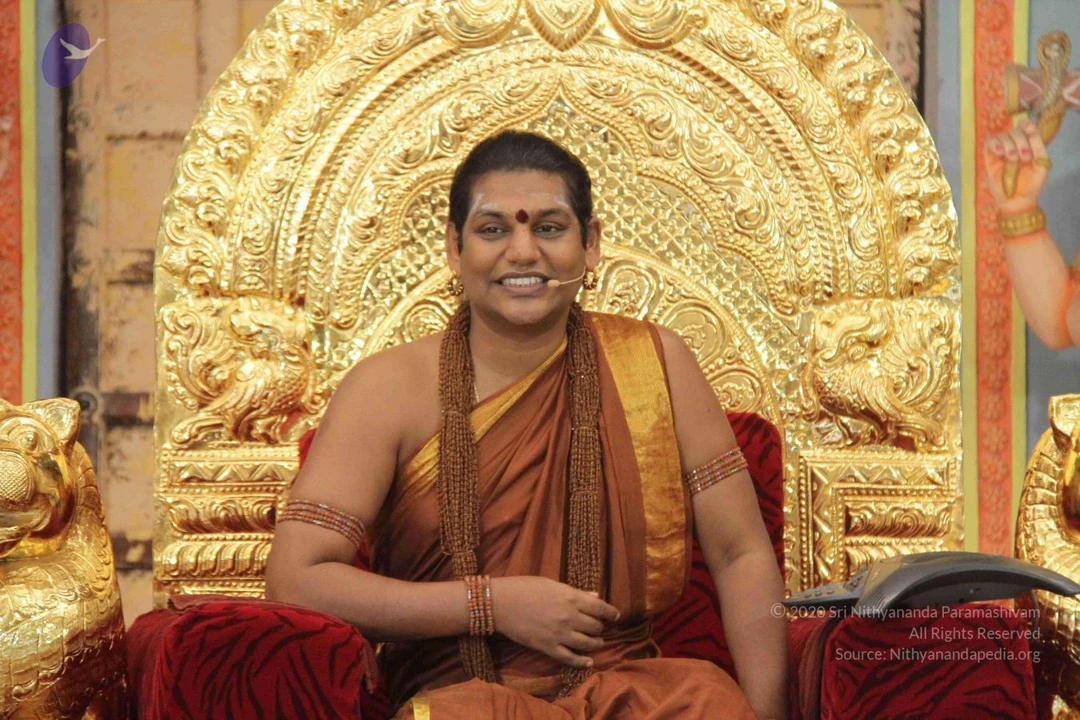
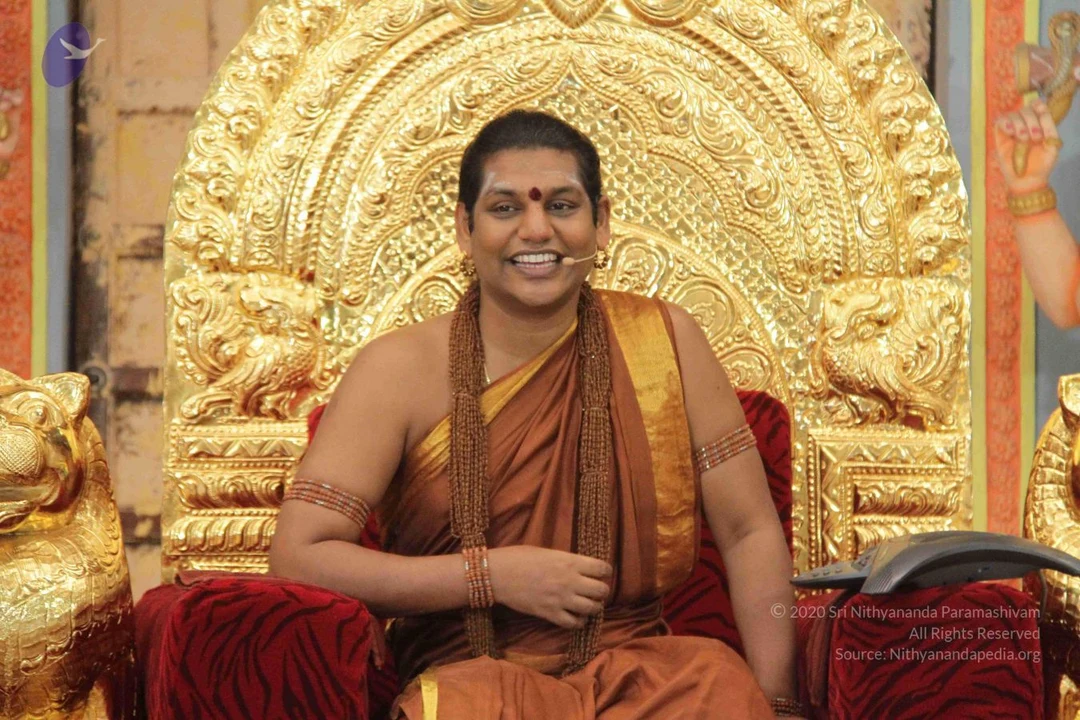
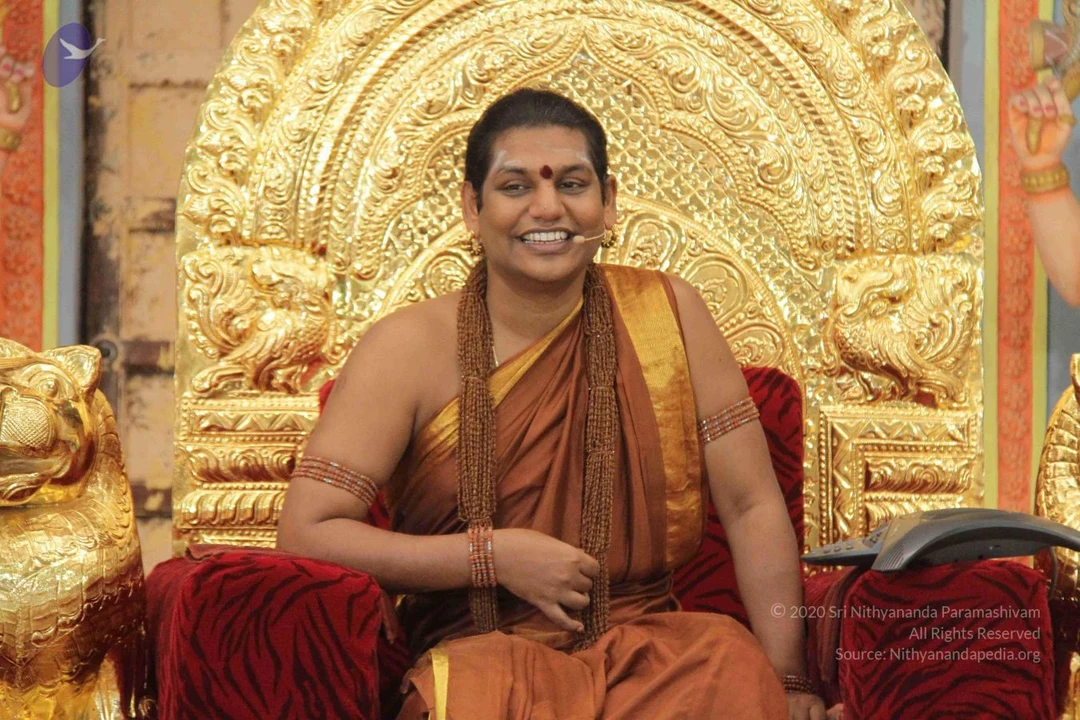
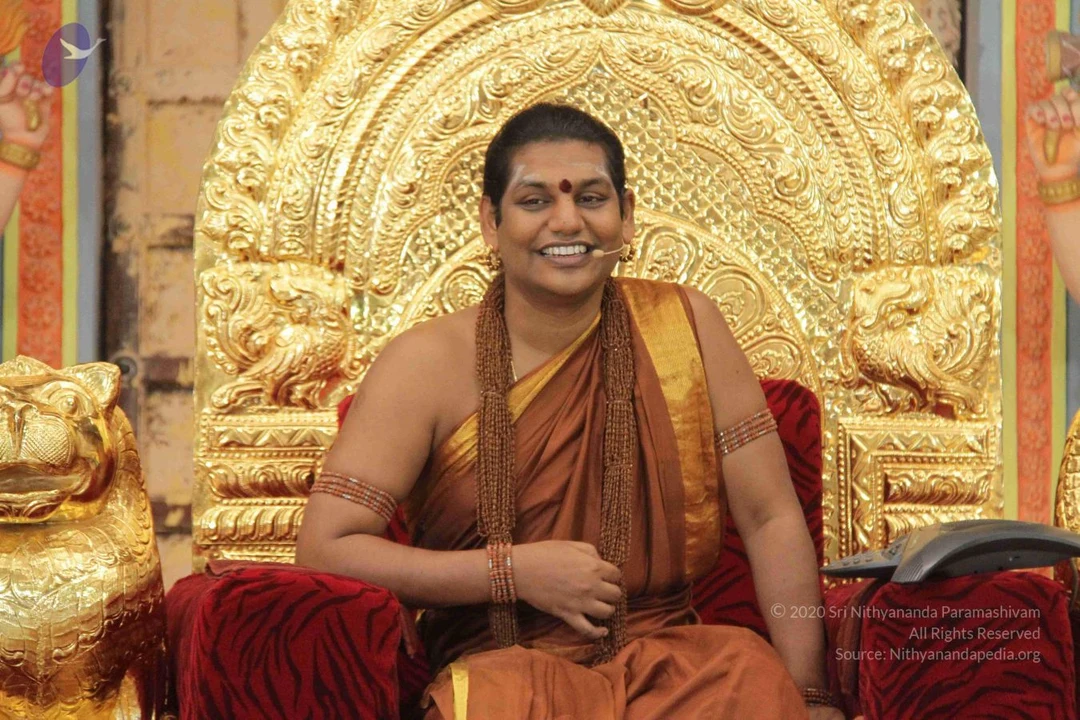
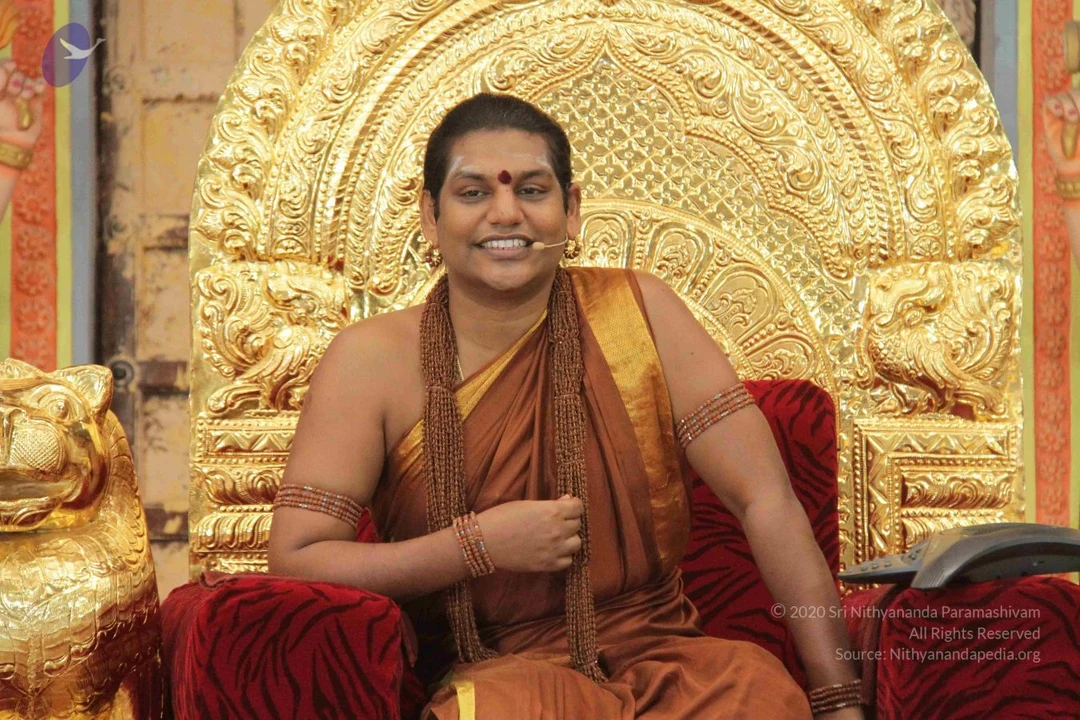
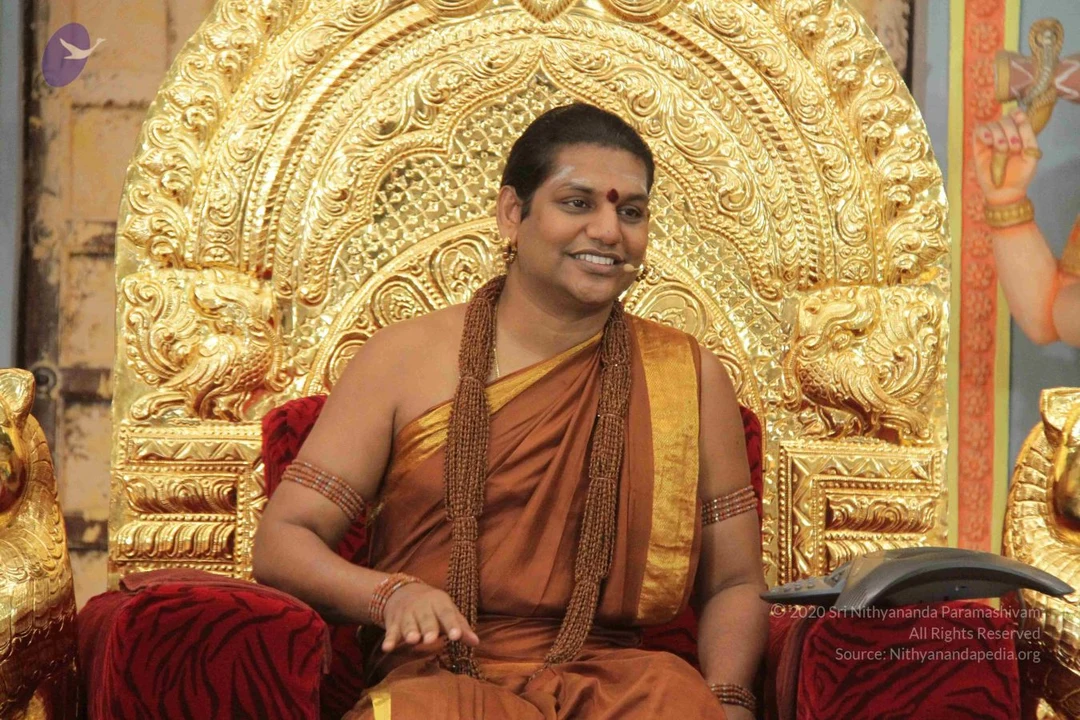
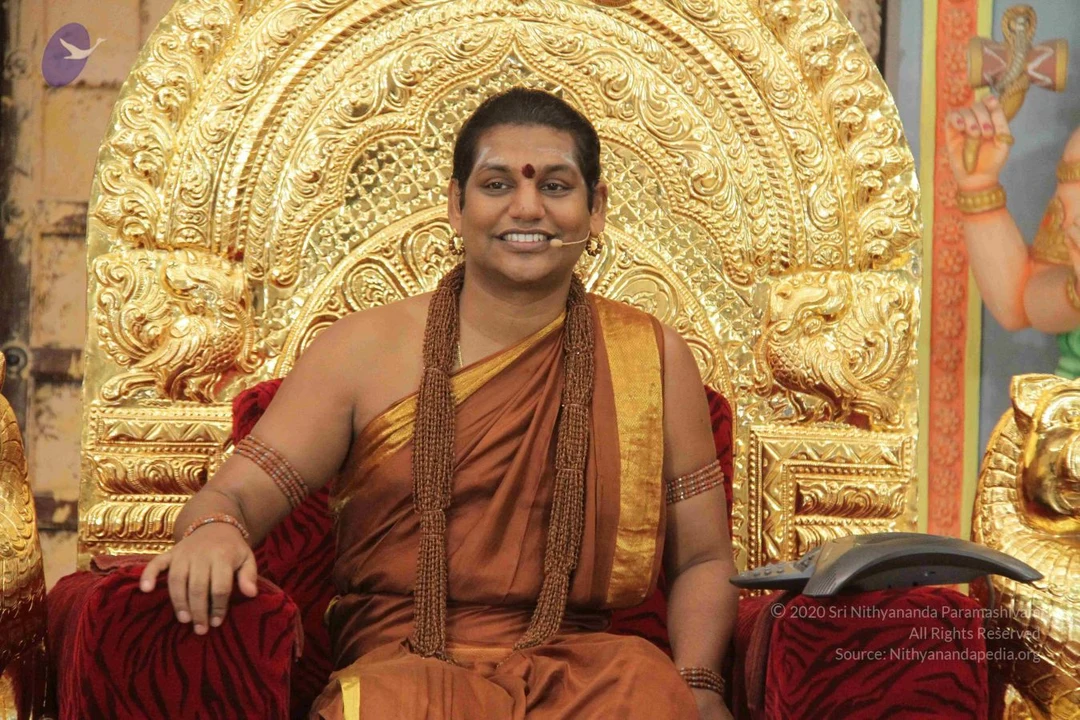
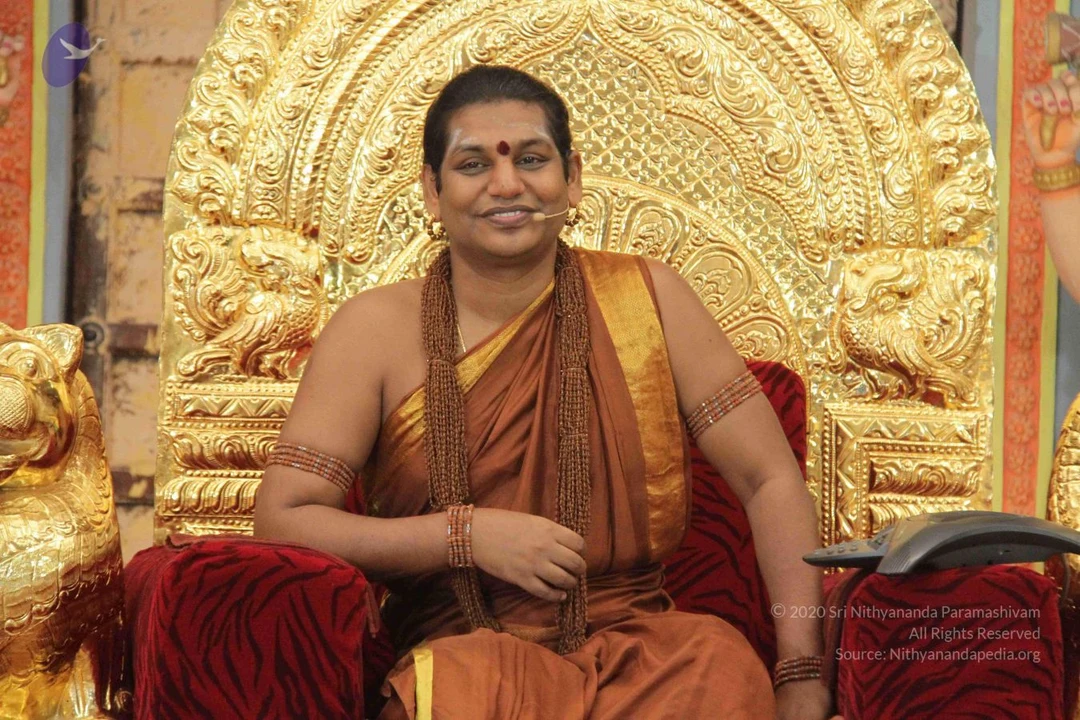
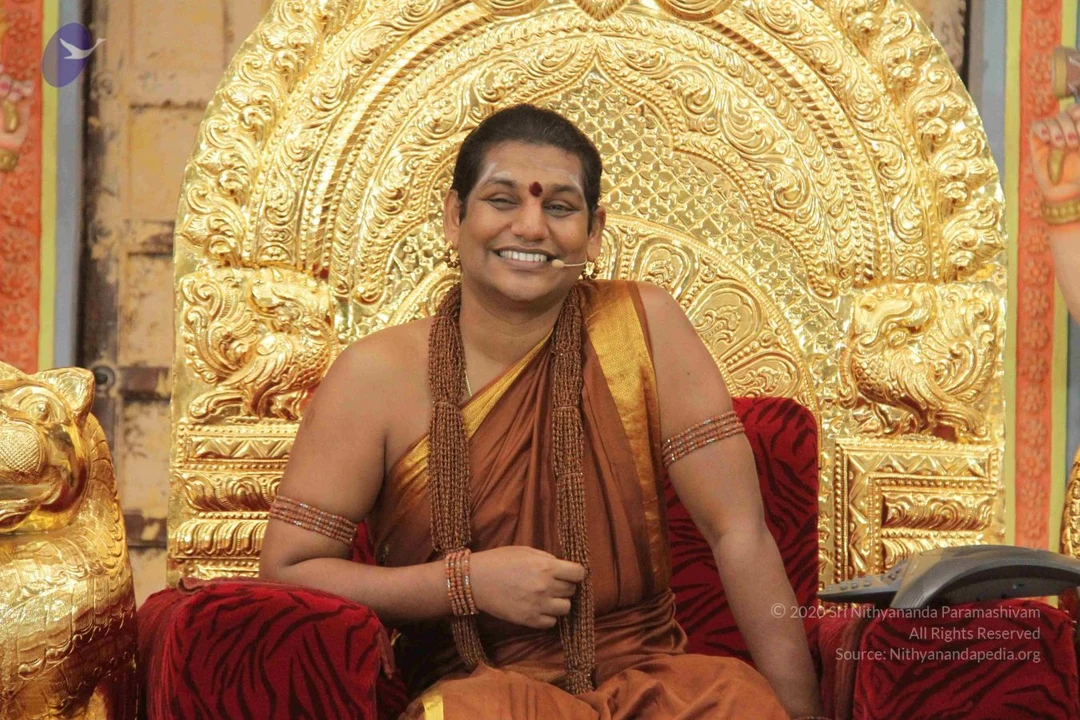
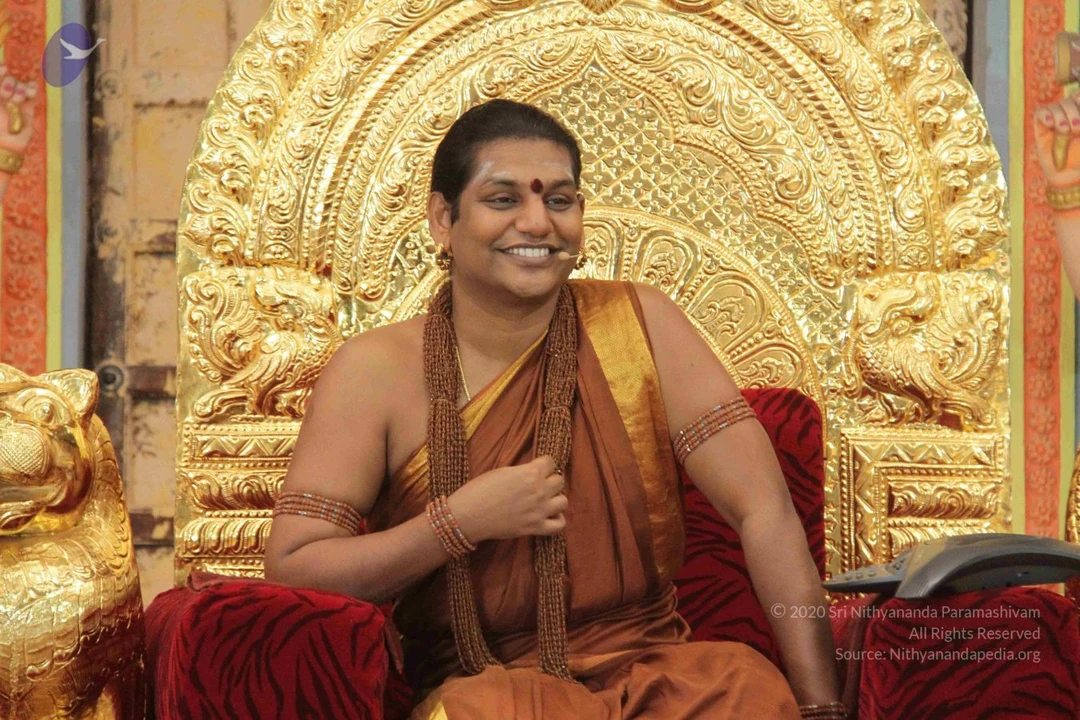
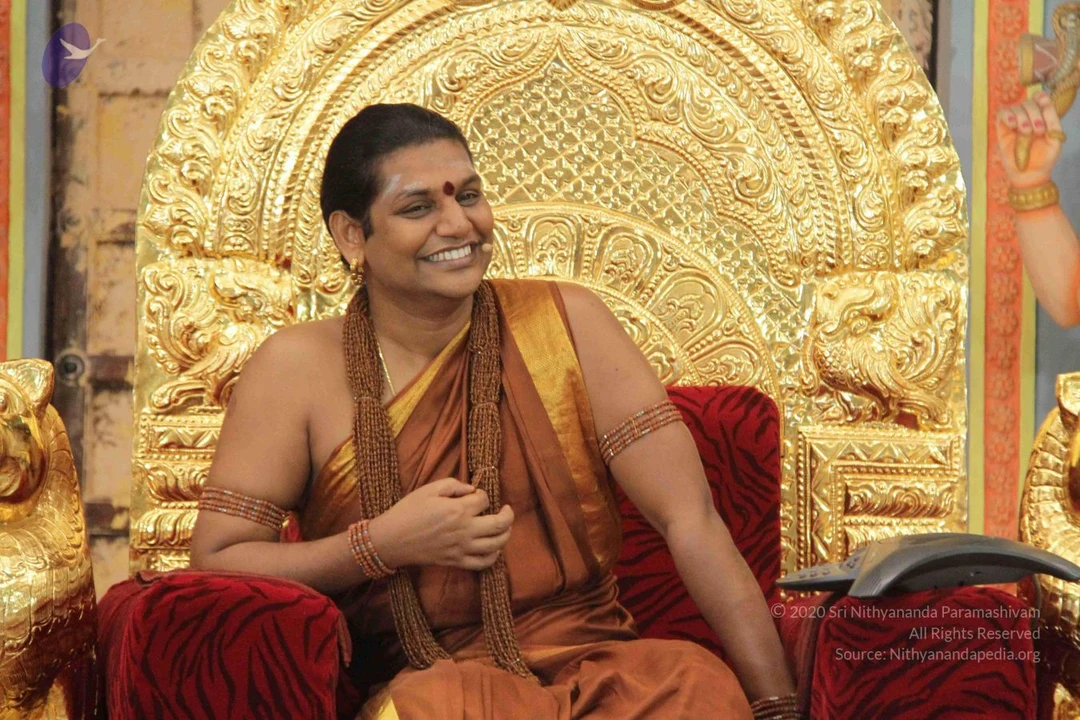
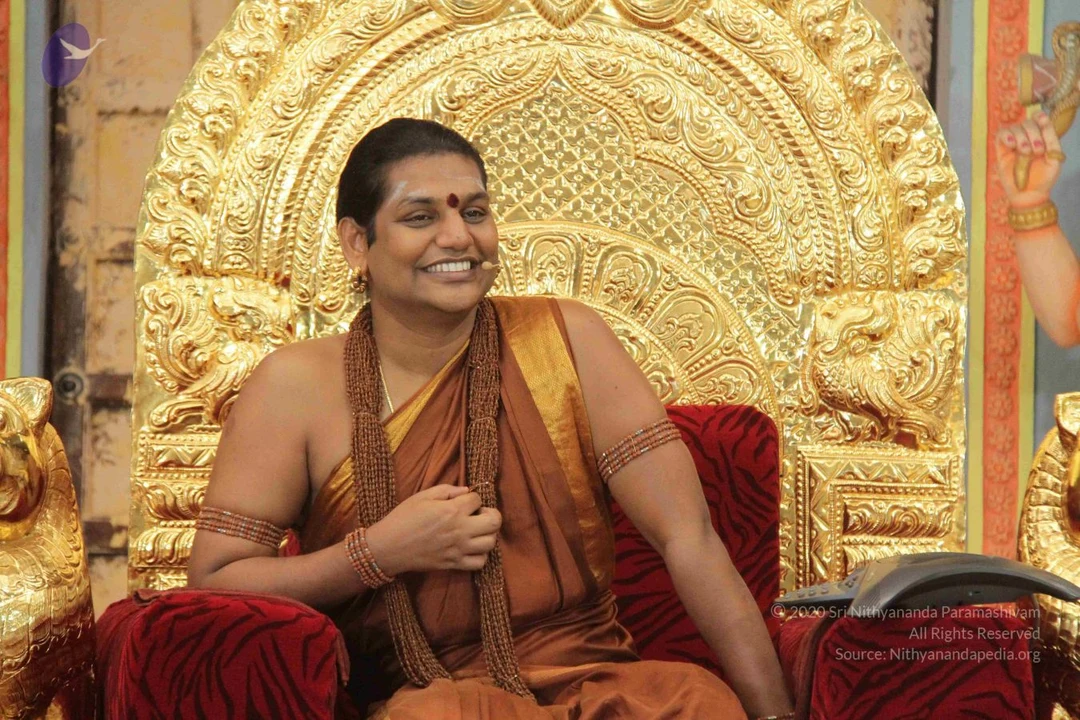
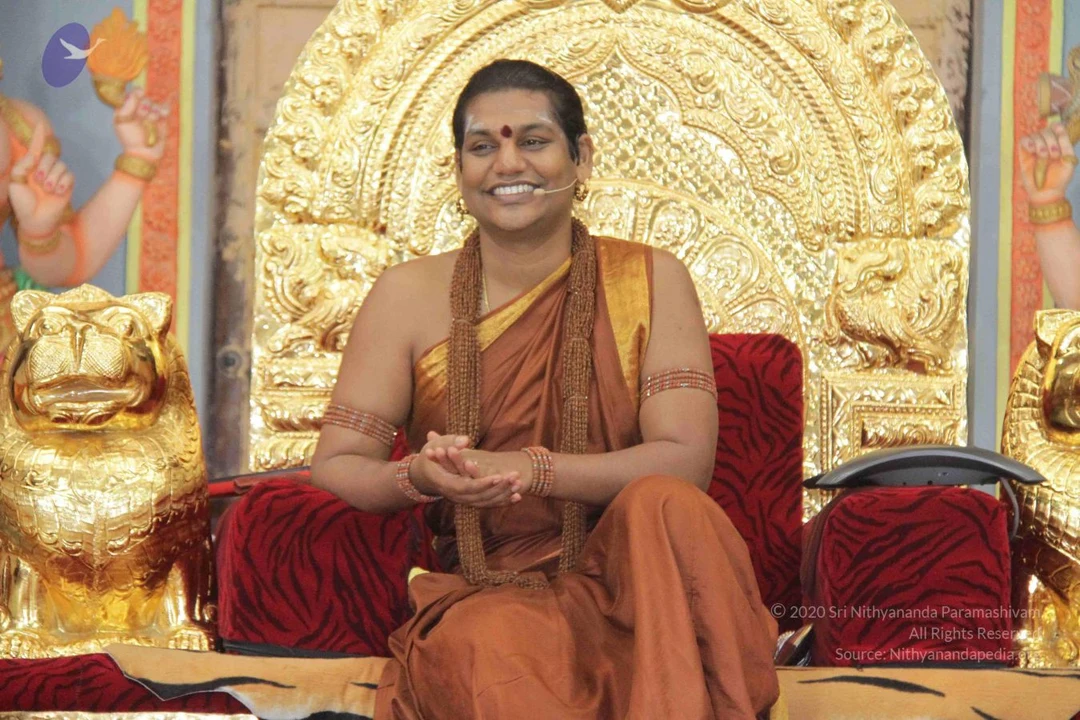
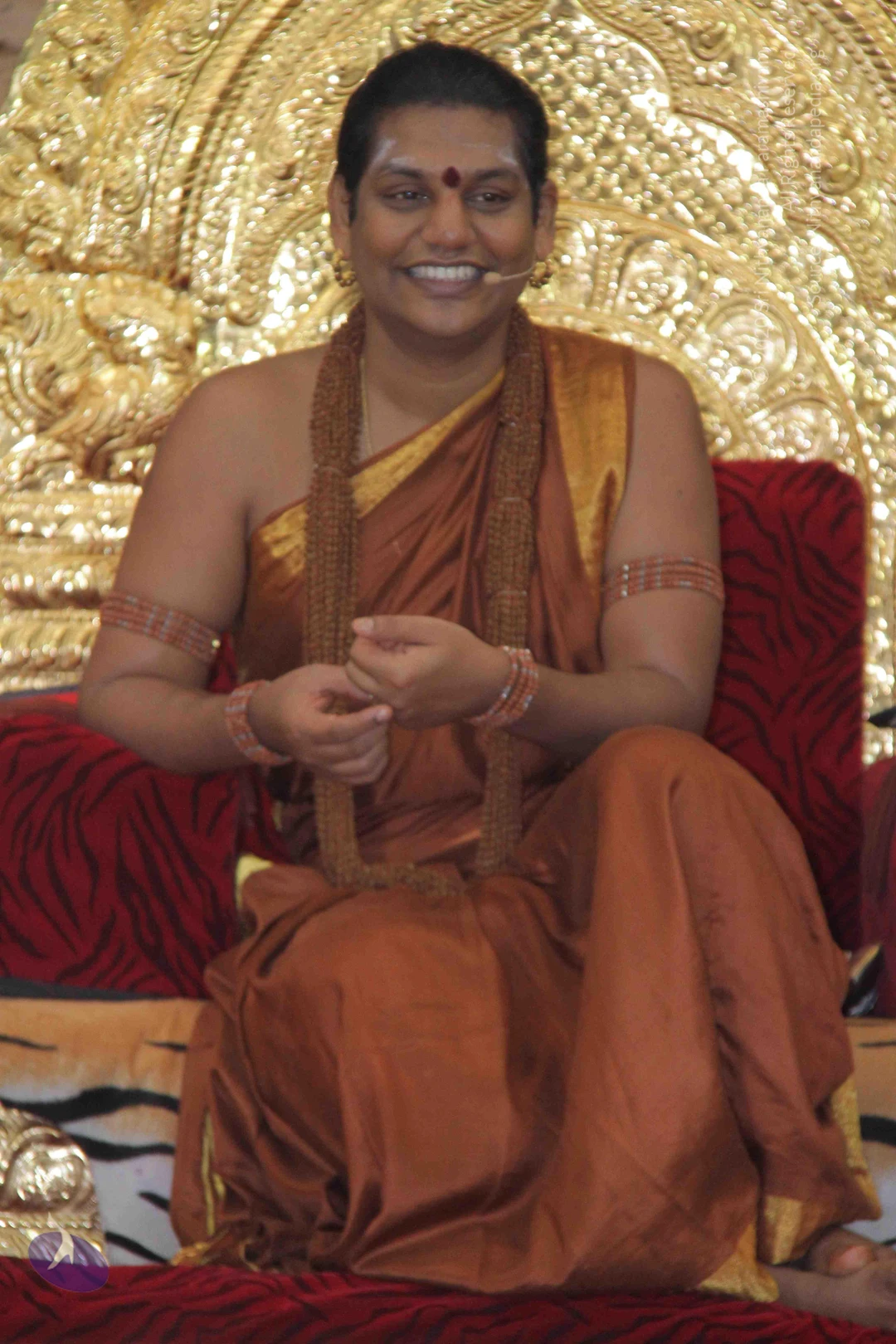
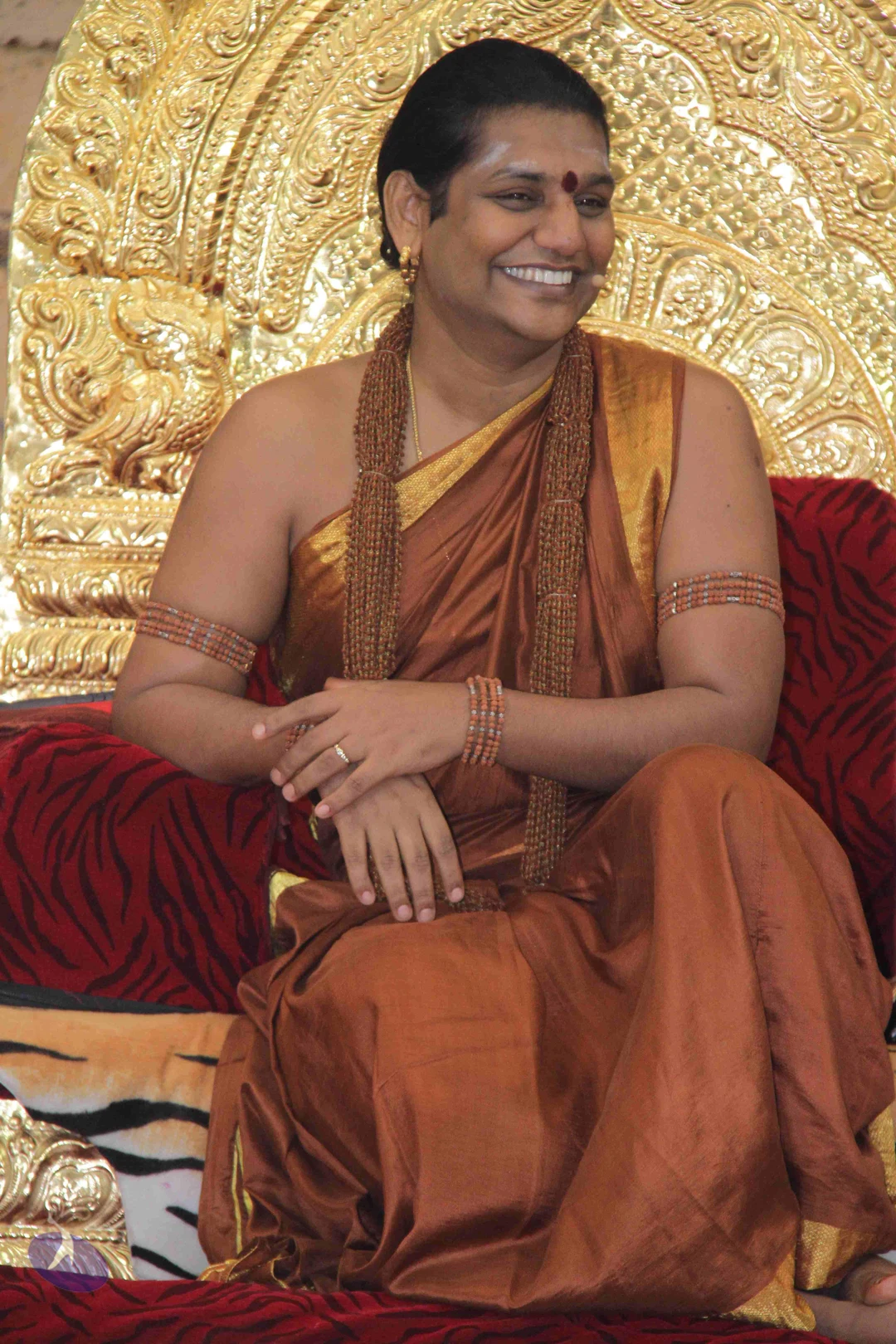
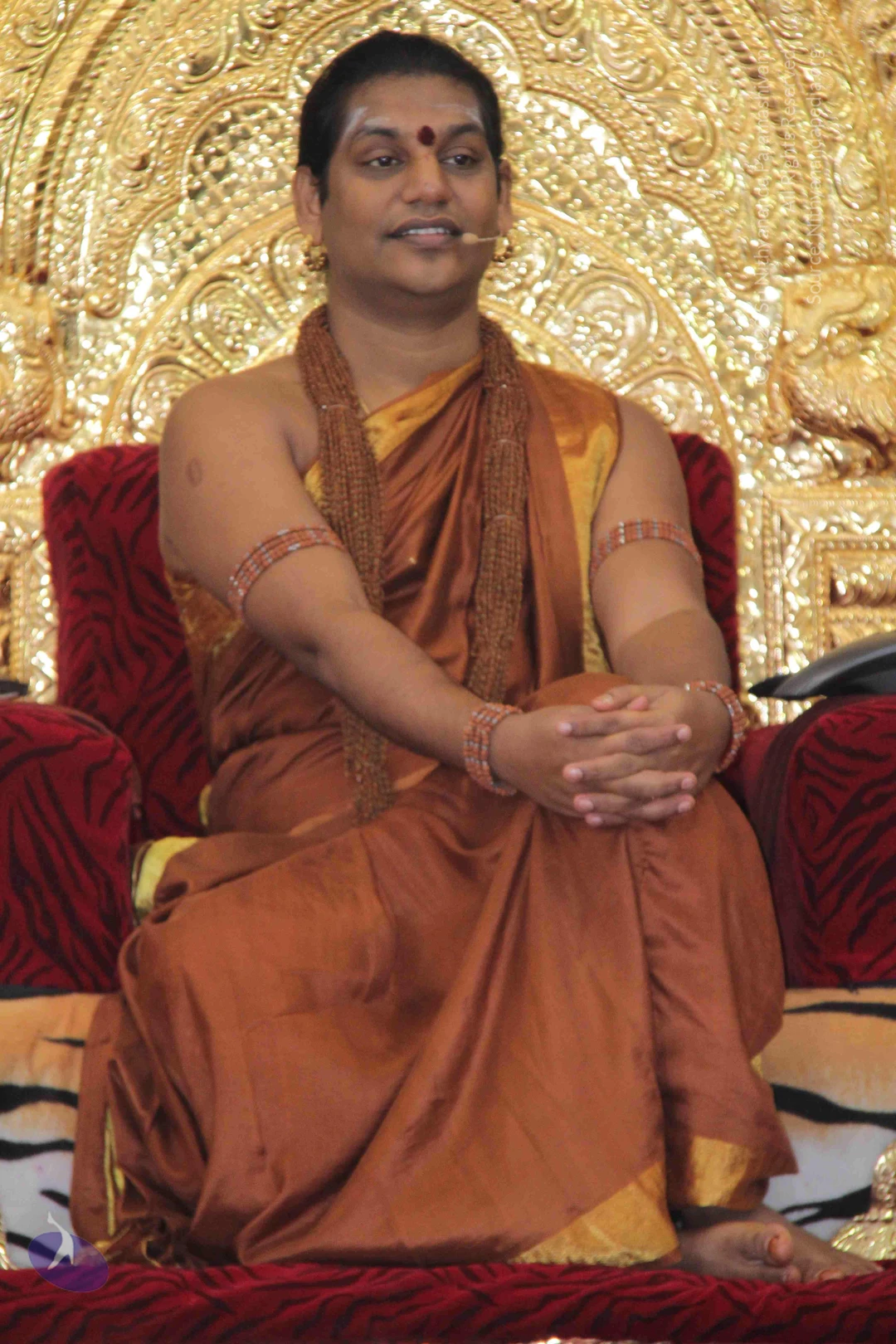
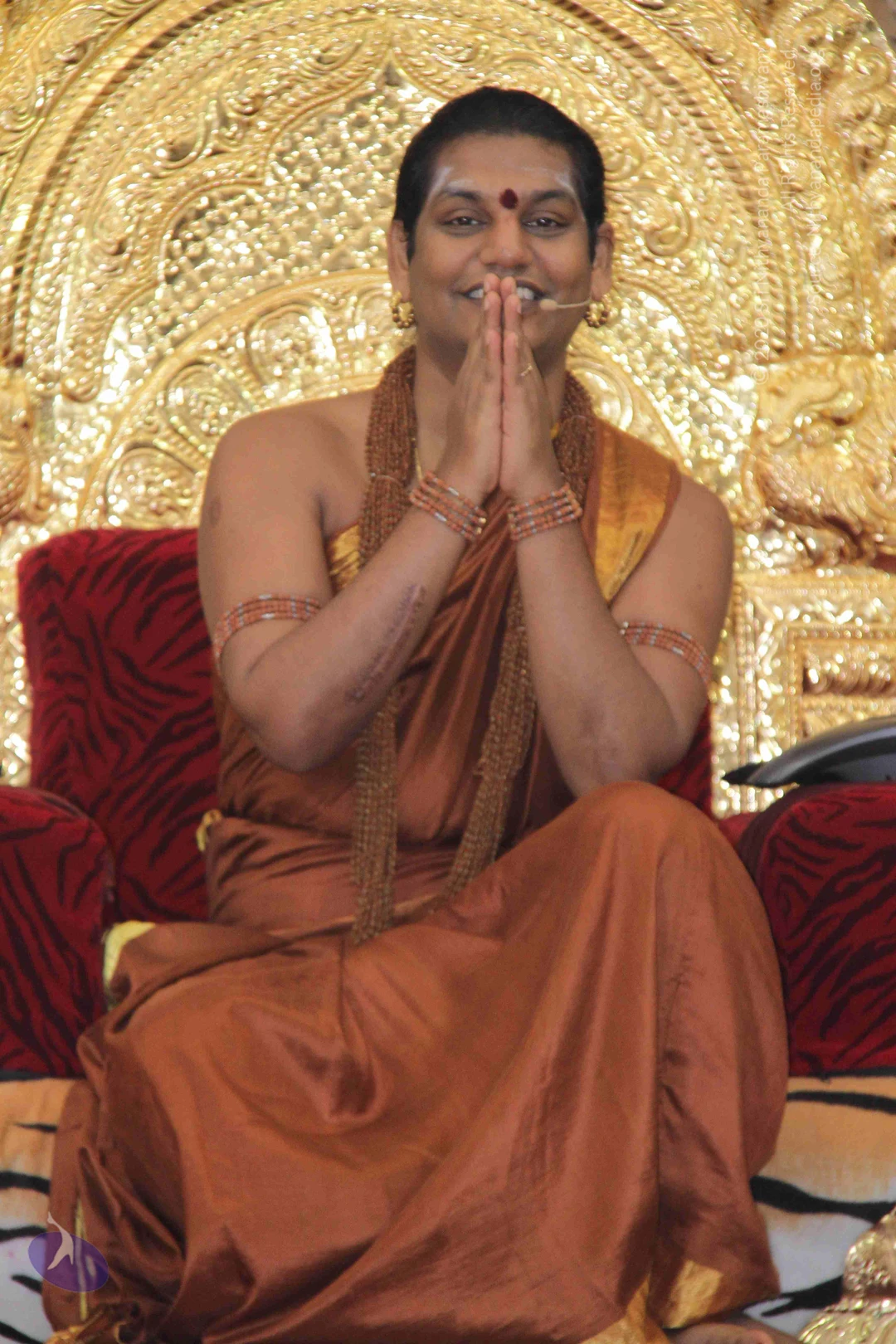
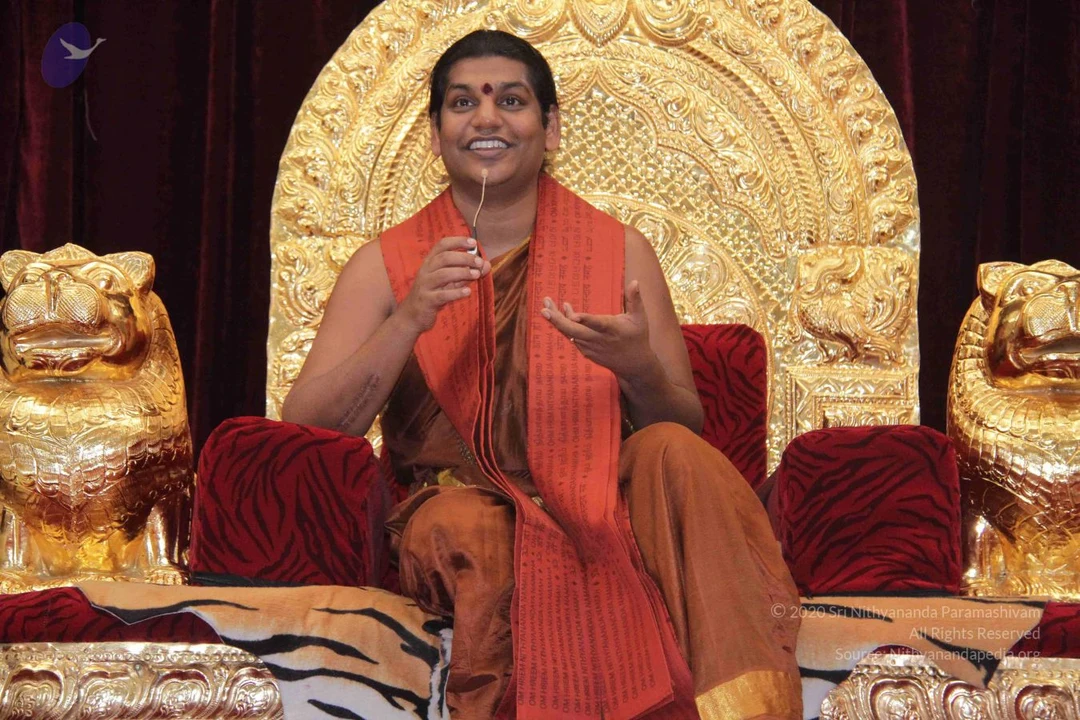
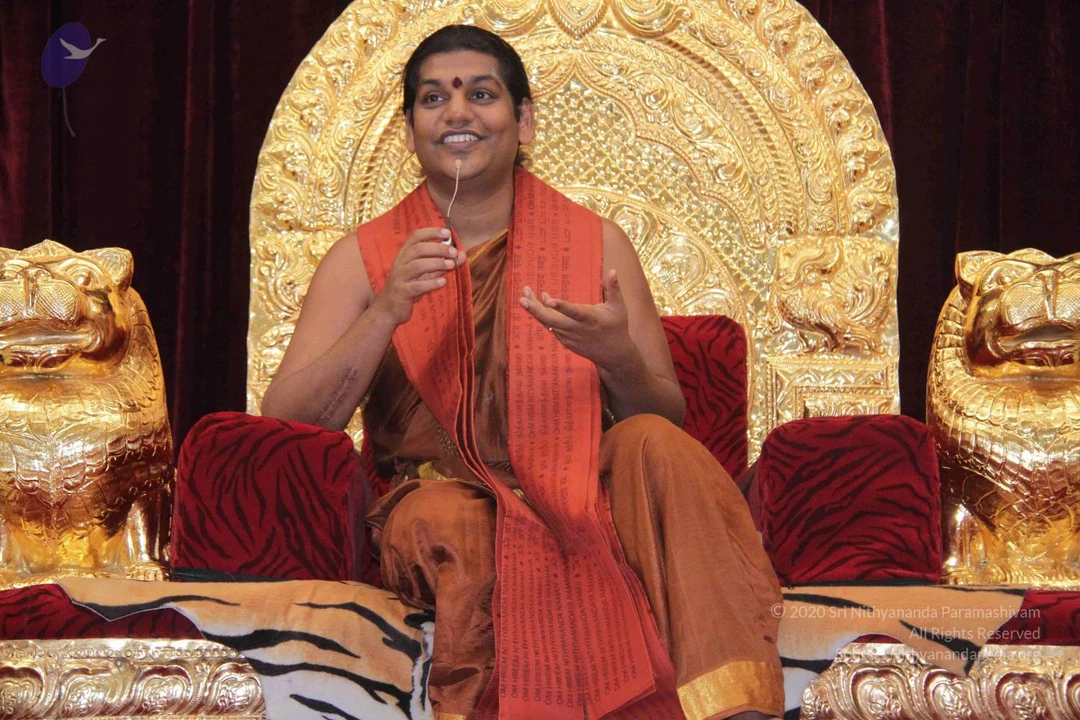
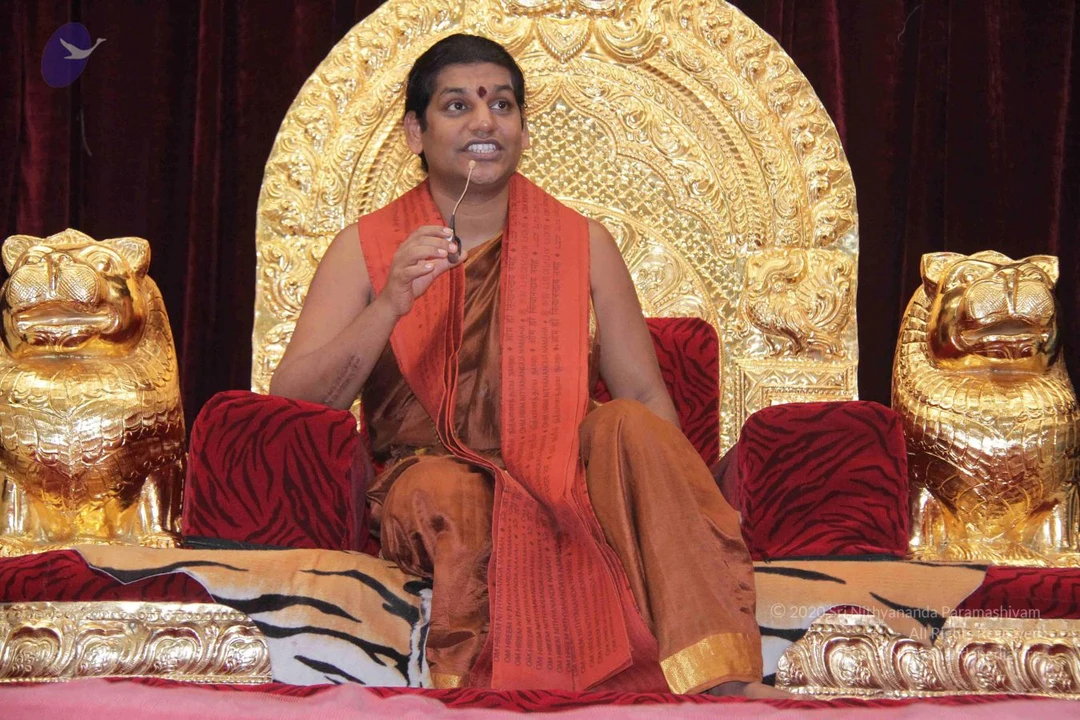
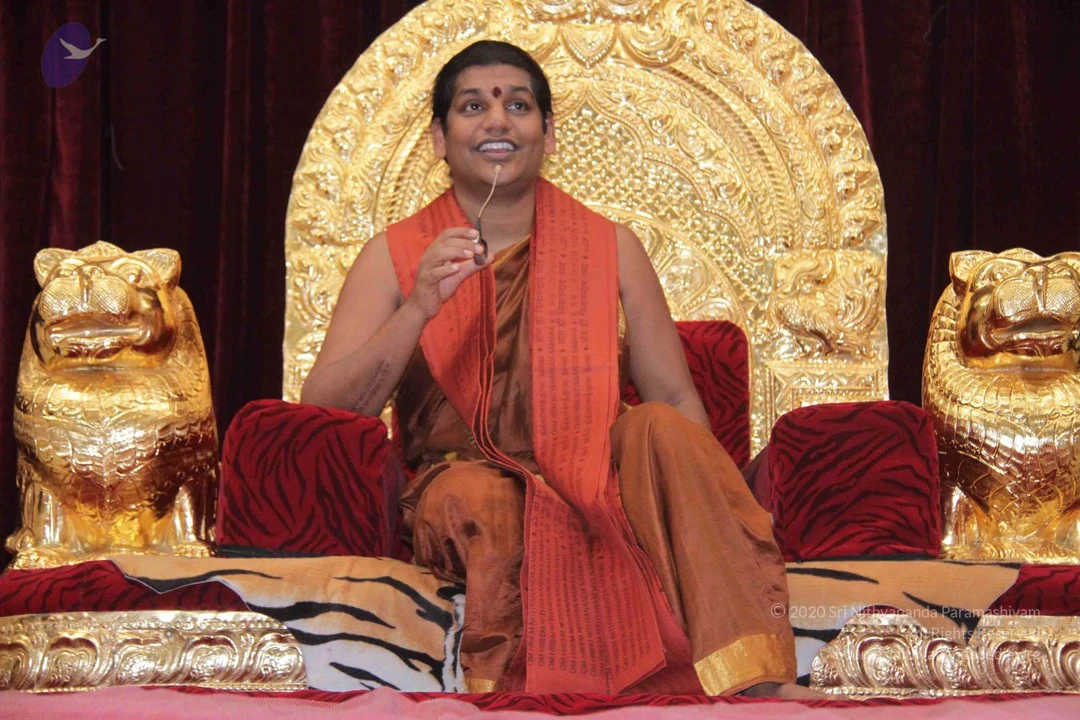
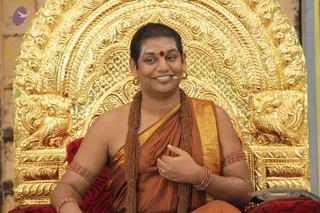
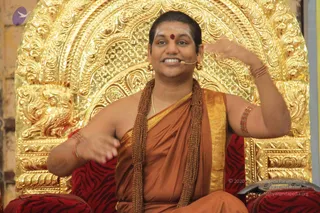
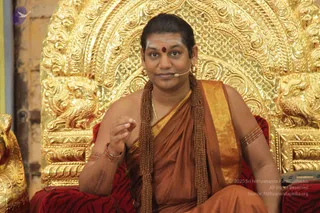
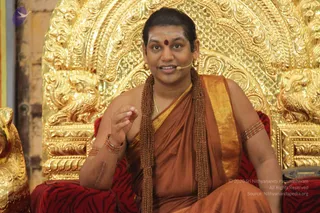
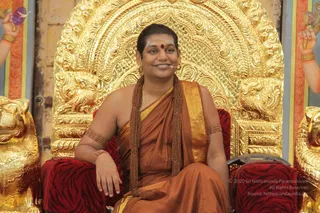
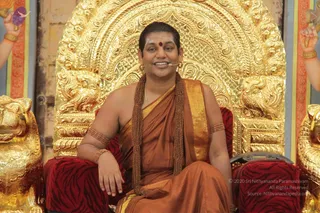
A man seated on an ornate gold throne with carved lion-like side figures and a gilded arched back, smiling broadly while gesturing with his right hand near his chest. He wears an orange-brown saffron-toned robe with a gold-bordered edge, multiple rudraksha mala strands hanging over his chest, and beaded bracelets on both upper arms and wrists. He has white forehead markings and a red bindi, a small gold necklace, and a headset microphone near his mouth. A red cushion sits beneath him. The setting appears to be a satsang discourse.A seated man in an orange-brown saffron-toned robe with a gold border speaks and gestures with both hands during a discourse. He wears rudraksha beads in long strands across his chest, a gold chain, gold earrings, a red bindi and tilak on his forehead, and red-thread bracelets. A small microphone is at his face. Behind him is an ornate gold-leaf throne with red and dark patterned cushions. Appearance-based identification is probable: a person, seated and speaking in a satsang setting, with rudraksha malas, orange robe and ornate gold throne as cues.A seated man in an orange-brown robe with a gold-bordered shawl sits before an ornate gold throne carved with lions and floral scrollwork, with red tiger-striped cushions beside him. He wears a red bindi, gold earrings, bead bracelets, a rudraksha-style mala of long beaded strands and a thin gold chain, and a small headset microphone. He gestures with one hand while speaking to an audience.A seated speaker in orange and gold robes gestures with his right hand while talking into a headset microphone. He wears rudraksha mala strands with a gold chain, a red bindi and gold earrings, and sits on red cushions before an ornate gold throne with carved lion figures. Swamiji (probable) — long swept-back hair with rudraksha strands and ornate gold regalia, seated in a discourse setting.A seated man in an orange-brown robe with a gold-edged shawl sits on an ornate gold throne with carved lion-like arms and red tiger-striped cushions. He wears a red bindi, rudraksha mala strands hanging to his waist, gold earrings, a microphone clip at his ear, and beaded bracelets on his arms, and he smiles toward the camera. Gilded lion statues flank the throne, and painted figures with bangles appear at the edges. The a person label applies: the rudraksha malas, saffron-orange robe, ornate gold clothing and throne seating together match the page's claim, and he is seated as a presiding teacher.A smiling man with a short-cropped head and a red bindi on his forehead sits on an ornate gilded throne with carved lion-head armrests, draped in a rust-orange garment with a gold border and long rudraksha-style mala beads hanging over his chest. He wears a small lapel microphone and gold earrings and rests one arm on a red and black zebra-striped cushion. Side pillars show partial painted figures holding objects.

sarva-darshan

15 photosSource gallery
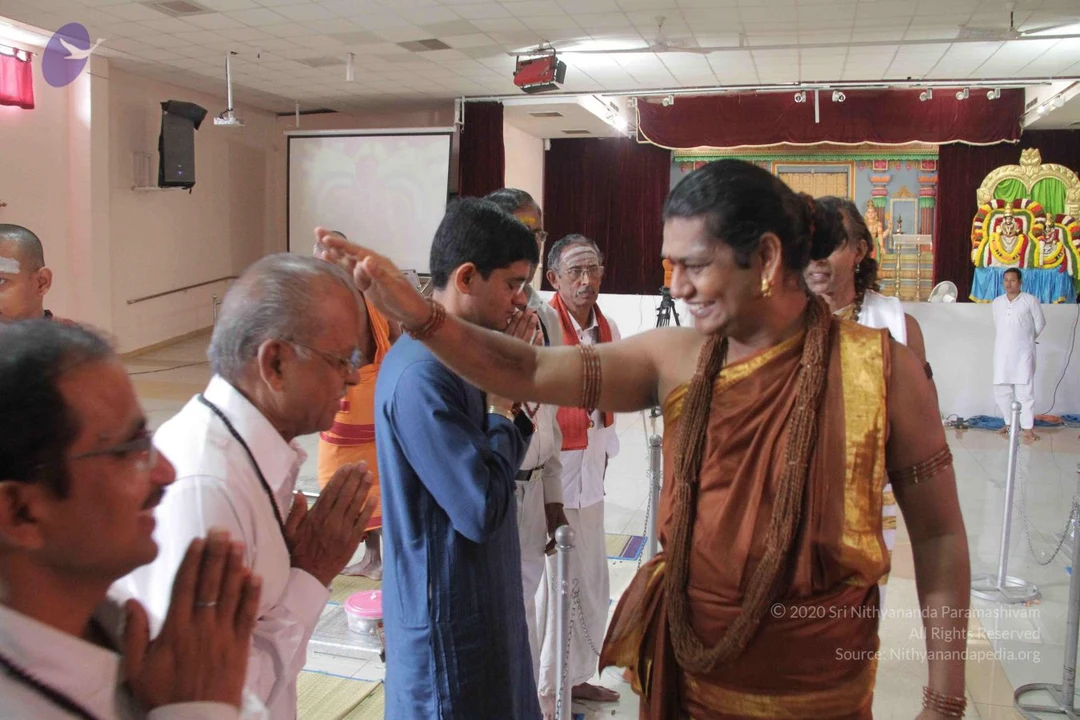
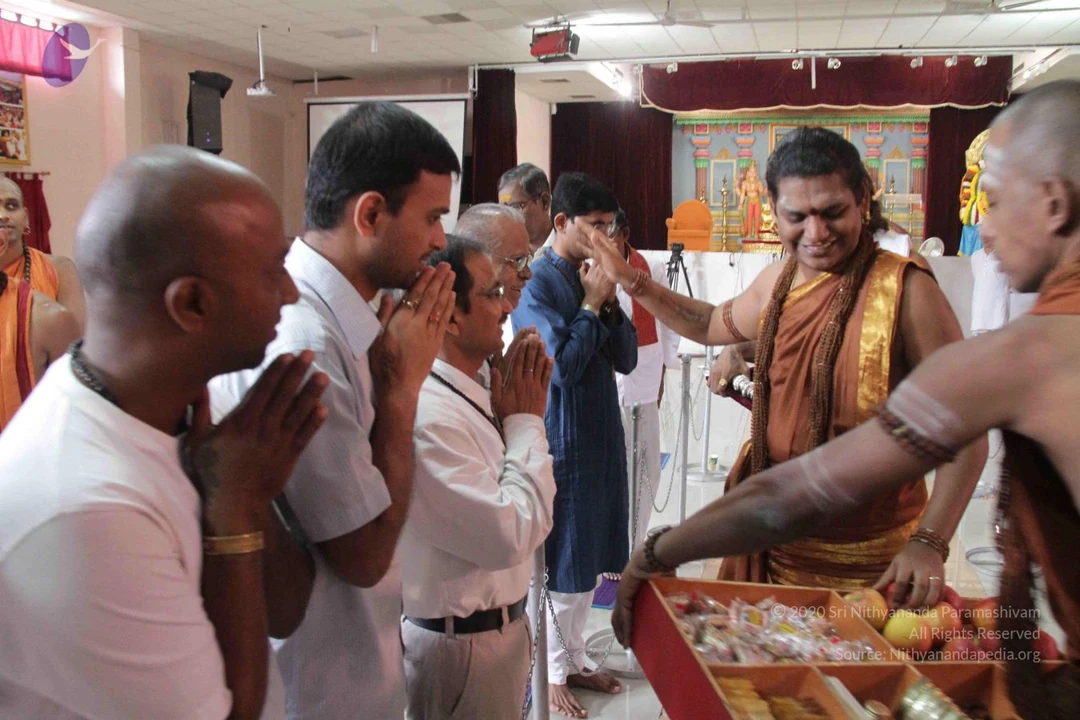
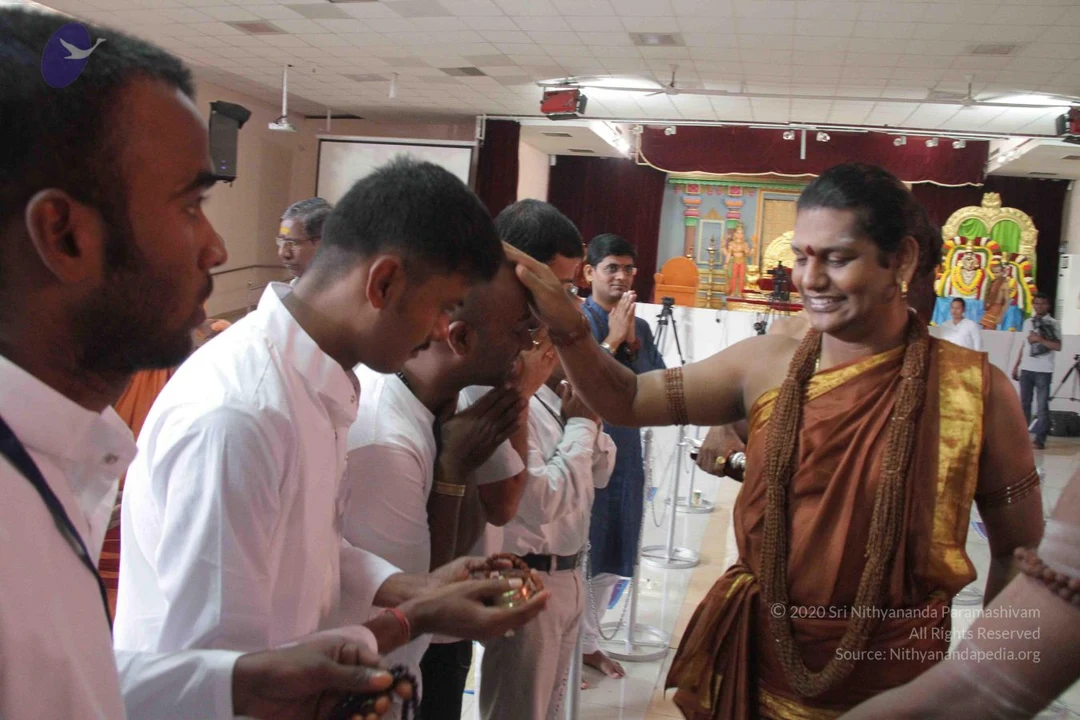
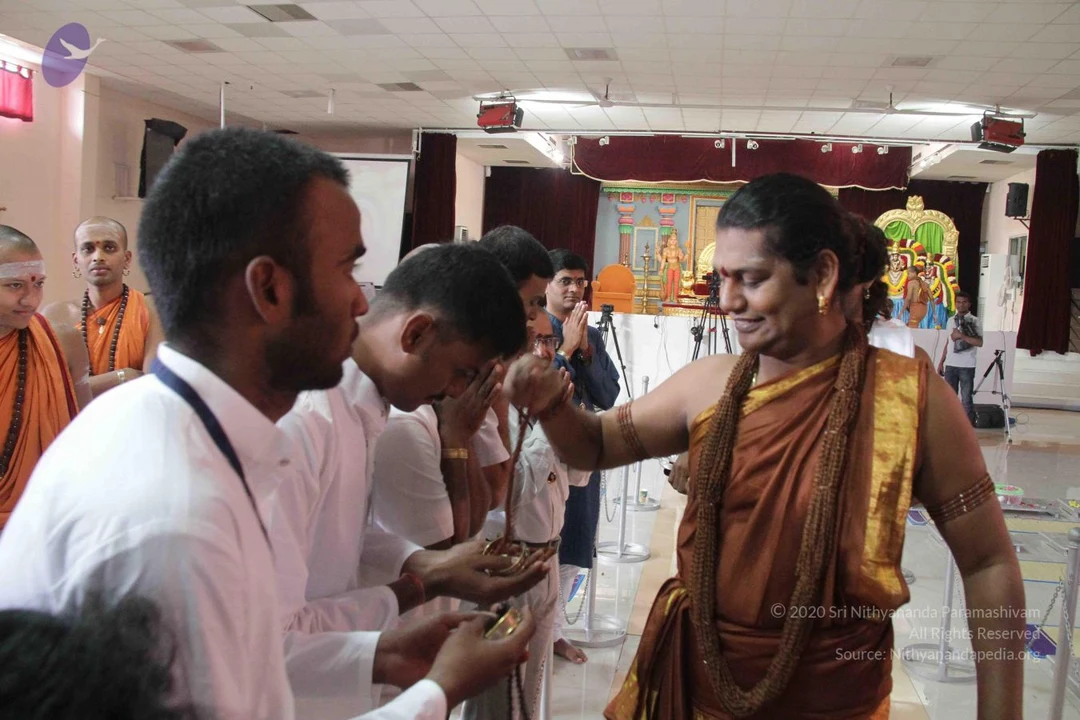
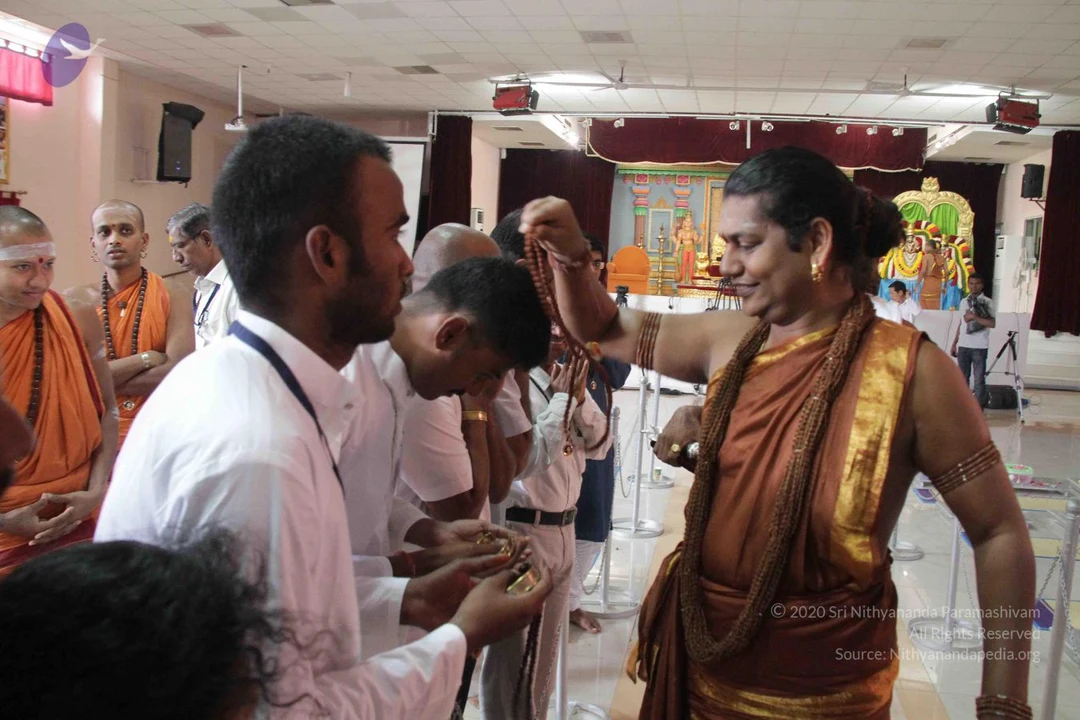
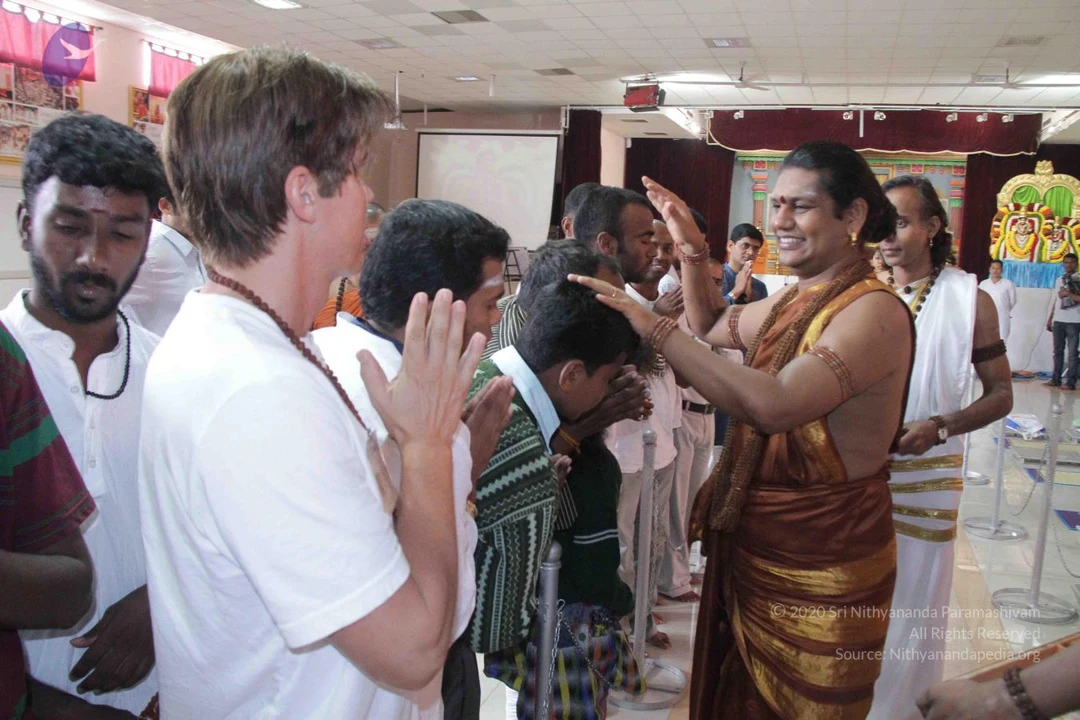
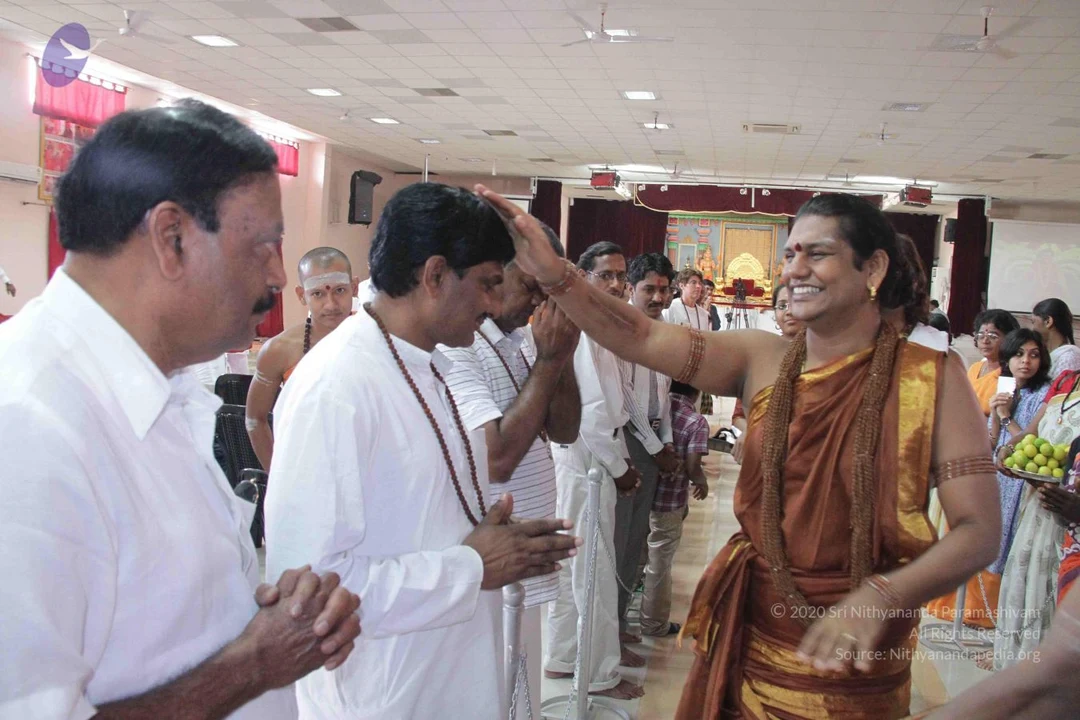
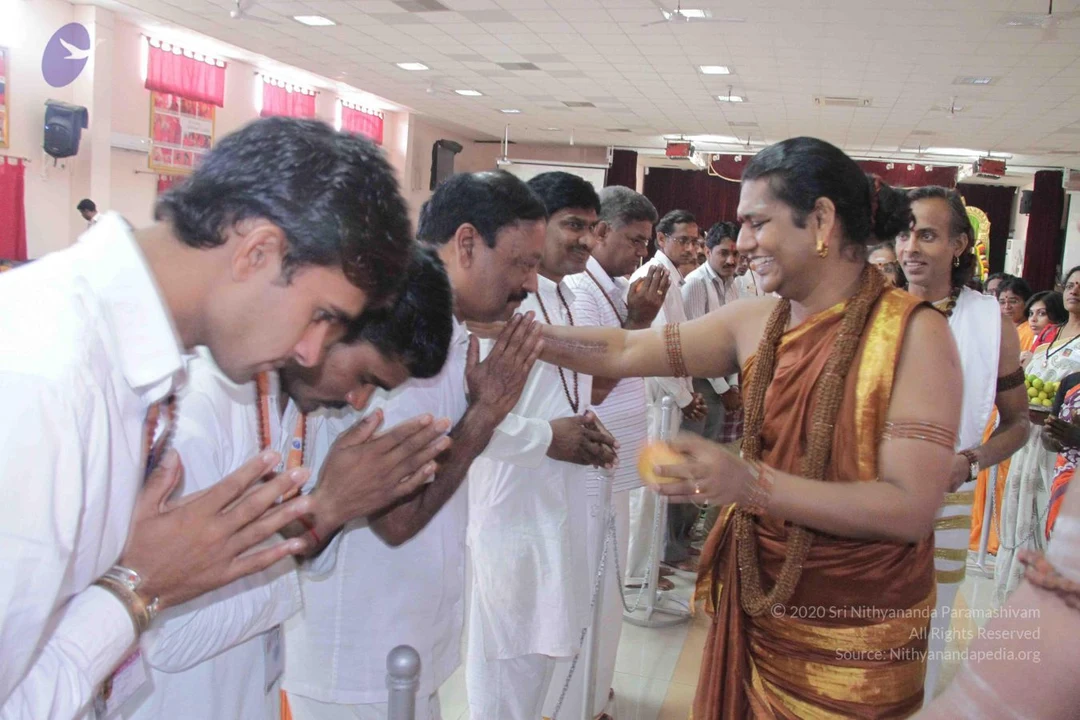
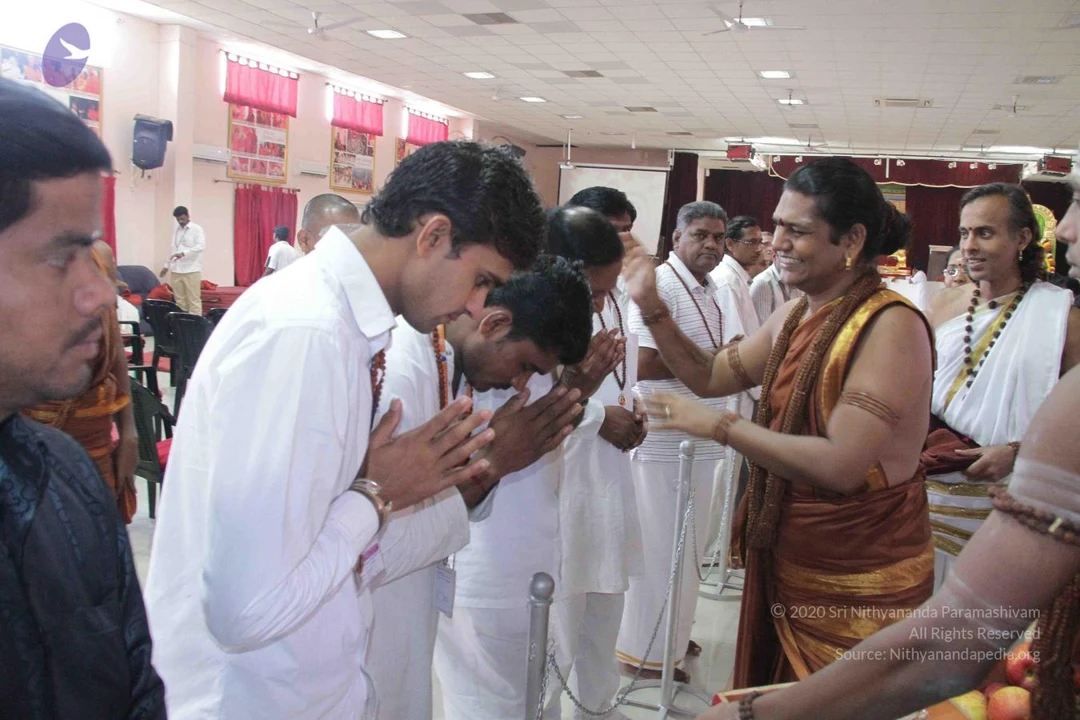
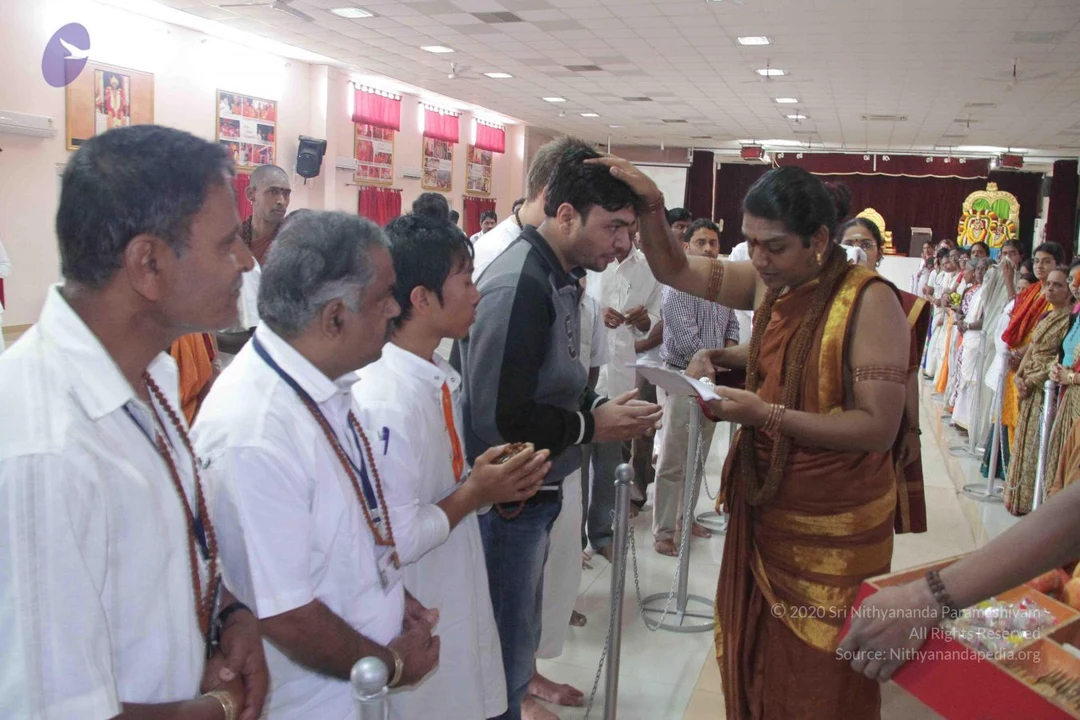
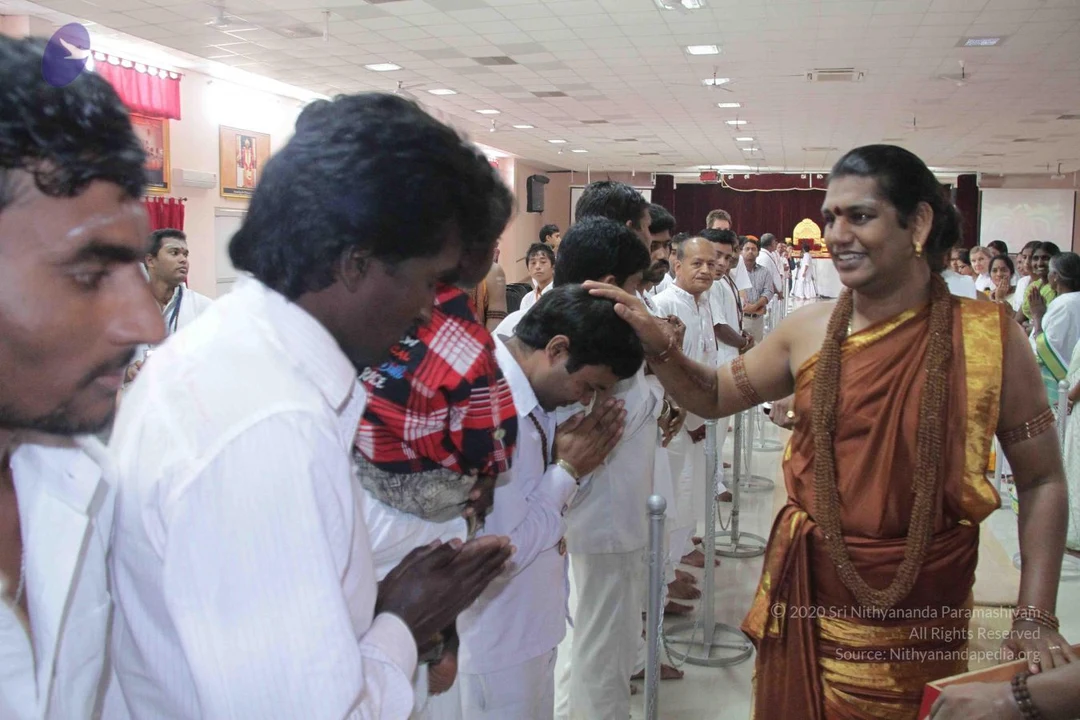
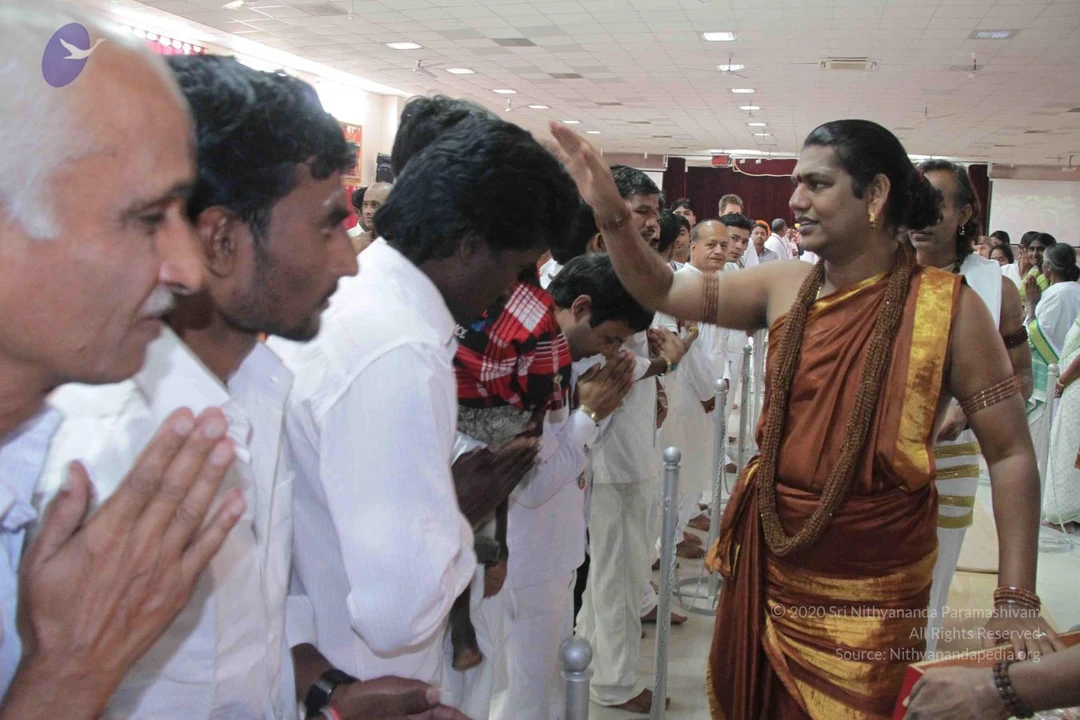
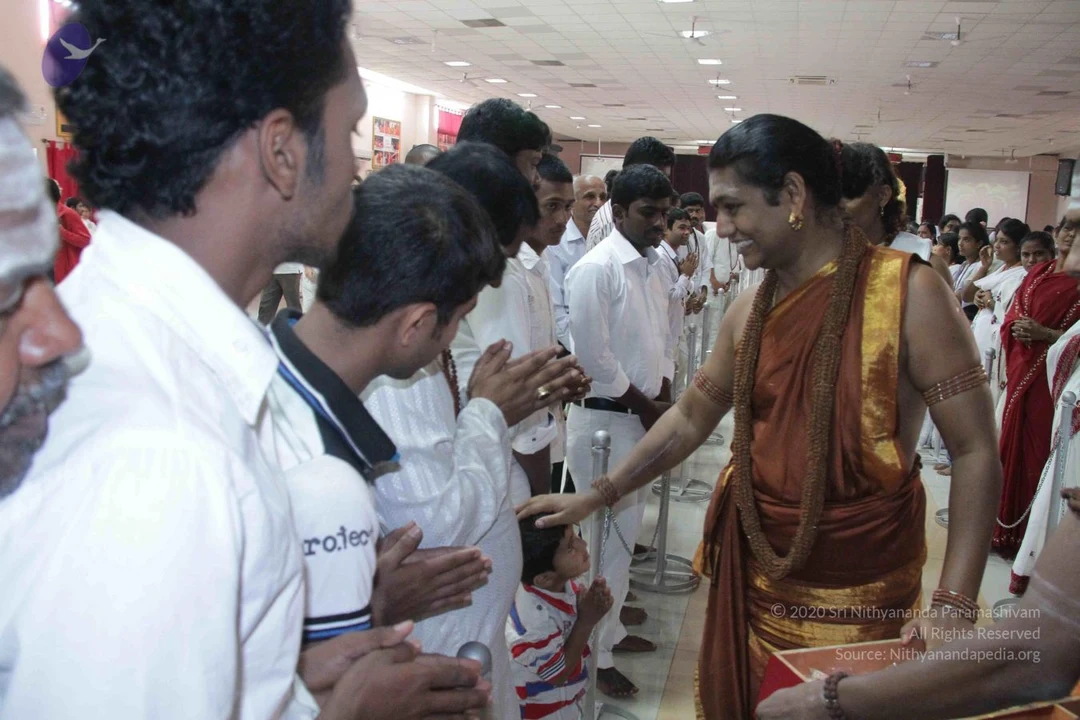
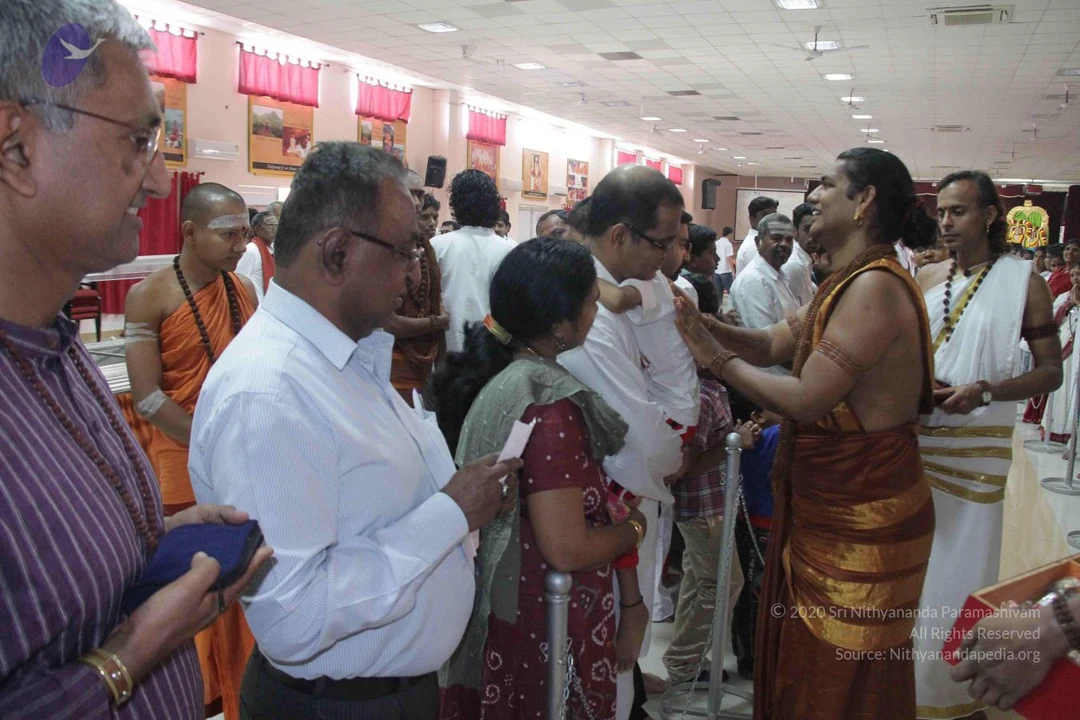
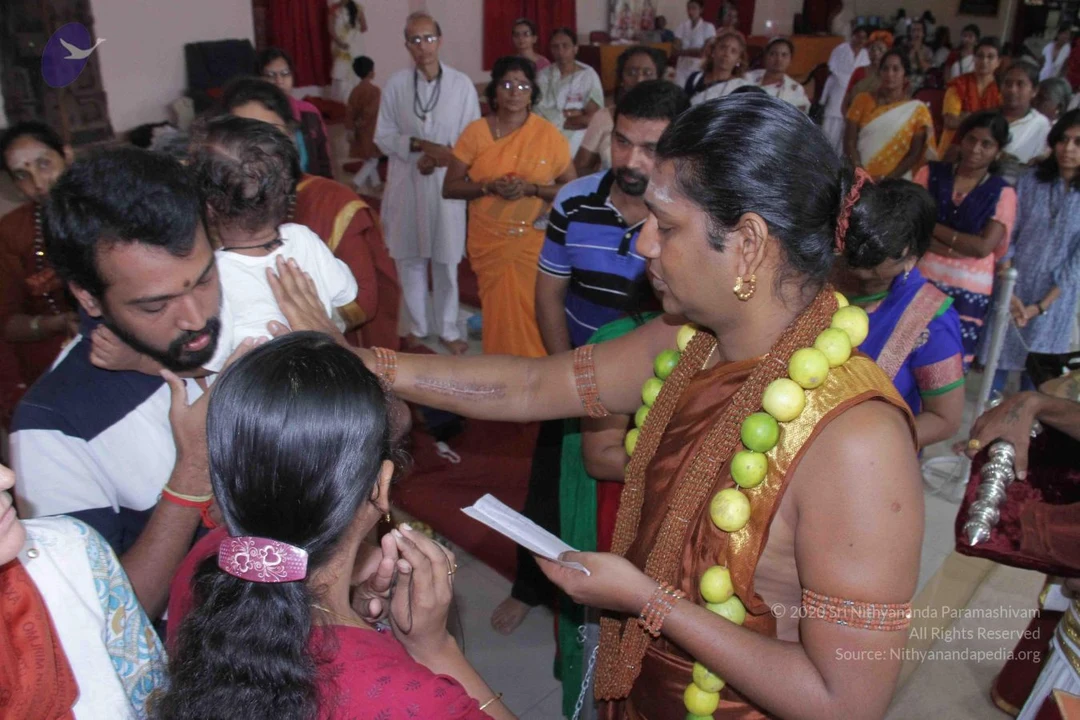
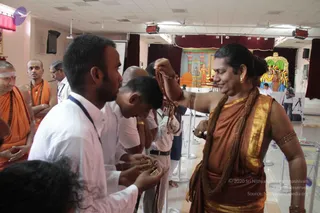
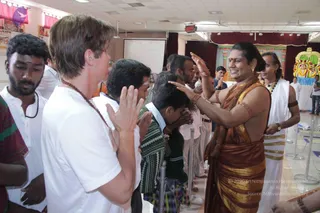
Indoor photo of a satsang-style gathering in a hall with a projection screen, red curtains and a decorated altar backdrop with a framed deity picture and floral garlands. A person in an orange-gold saffron-toned shawl with a long rudraksha-style mala, bangles and earrings extends a hand in blessing toward a young man in a blue kurta who has his palms joined. Men in white dhotis and shirts stand with hands folded in anjali. A shaved-headed man in white with a tilak stands at left, and a person in white ritual clothing stands at right. The person in the orange shawl is a person cue match with the page's description, but appearance cues are not sufficient for a confident match.Photograph of an indoor temple-hall setting with a red curtain and a painted deity backdrop behind a small altar. A man in an orange-saffron robe with gold border and long swept-back hair, wearing rudraksha beads and a gold necklace, stands at right smiling and touching the forehead of a devotee with a hand, while a bald attendant in an orange robe holds a tray of sweets and fruit. Several devotees on the left stand with palms pressed together in namaskar; one wears a white shirt, another a blue kurta. A deity murti and a lit lamp are visible near the altar. Swamiji candidate appearance-based label: probable Swamiji (probable) in saffron-and-gold robe with rudraksha beads, distinctive long hair and gold necklace, blessing a devotee.A photograph of a Hindu blessing scene in a hall with a red curtain and a deity mural in the background. On the right, a figure in an orange-brown shawl with a gold border and a long rudraksha mala, with a red bindi and gold armbands, places a hand on the head of a devotee. Several men in white shirts and white dhotis stand in line, bowing with folded hands; one holds a small brass lamp and beads. a person candidate is present, identified by the rudraksha mala and ornate shawl, appearing to bless the devotee.A photograph in a hall with maroon curtains and a painted backdrop of a deity figure with a garlanded throne. A woman in a rust-orange sari with a rudraksha mala and bangles stands at right, smiling, and extends her hand to a row of devotees in white shirts who lean forward with folded hands. On the left, two shaved-headed monks in saffron robes with rudraksha malas stand by. A cameraman with a tripod and a man in a blue jacket with folded hands are visible behind the group. Several people are partly visible, and a few devotees hold small brass vessels.Indoor temple hall with cream walls, red curtains and ceiling spotlights. In the foreground a woman in an orange-brown sari with gold border and rudraksha mala draping her shoulders holds a mala toward a line of devotees in white shirts and trousers, some with hands joined and heads bowed, others holding small brass items. On the left, monastics in saffron-orange robes, rudraksha malas and shaved heads stand watching. Behind them a decorated altar with a deity murti, garlands and colourful painted panels. Several people are visible, and a cameraman stands at the back.A photograph inside a hall with a drop ceiling and red curtains, showing a devotee line for blessing. A bare-shouldered figure in a rust-brown and gold draped garment, with a long brown rudraksha-style mala and gold bangles, raises a hand and touches the head of a kneeling young boy in a green patterned shirt. Beside him a woman in a white sari with gold trim and a gold necklace stands with hands together. A bearded man in white with a dark beaded mala and a white-shirted man with folded hands wait in line, and a man in a white T-shirt with a red-brown beaded necklace holds his palms together. Behind them is an altar with decorated deity images, a screen and a garland-draped gold framed backdrop.

deities-aarti

3 photosSource gallery
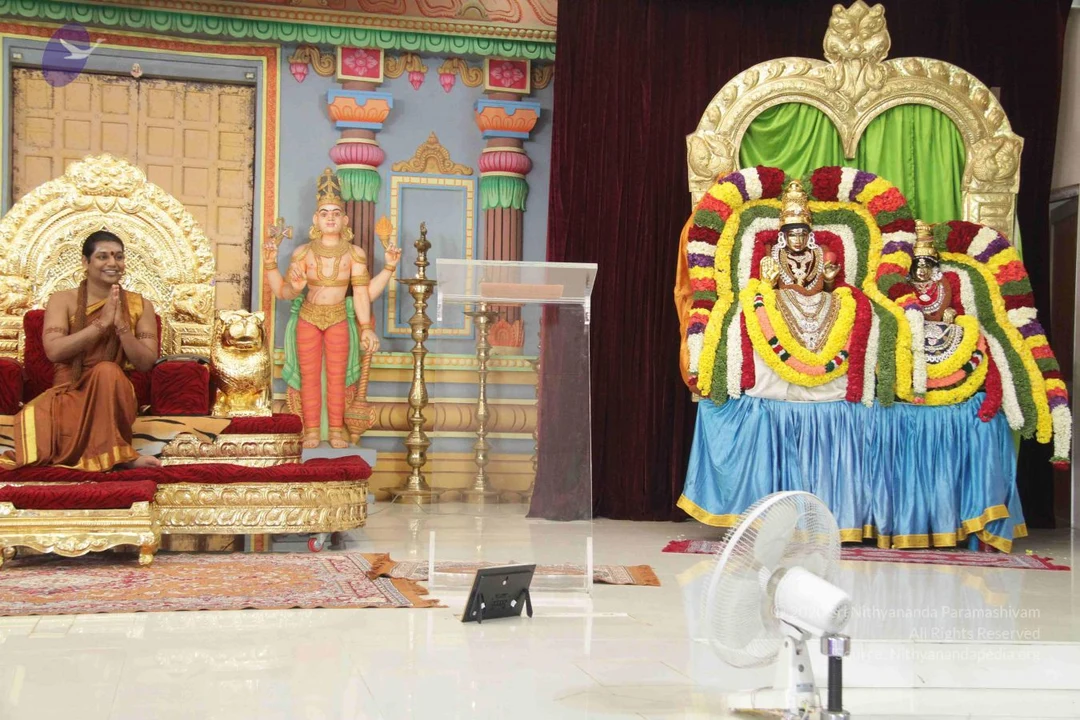
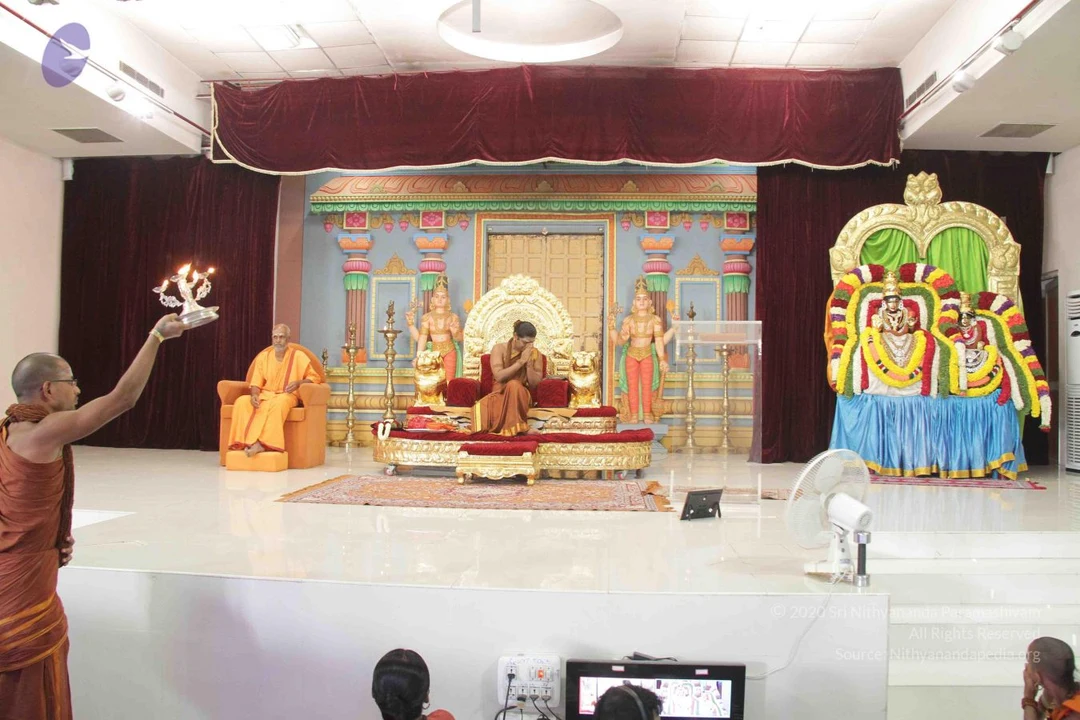
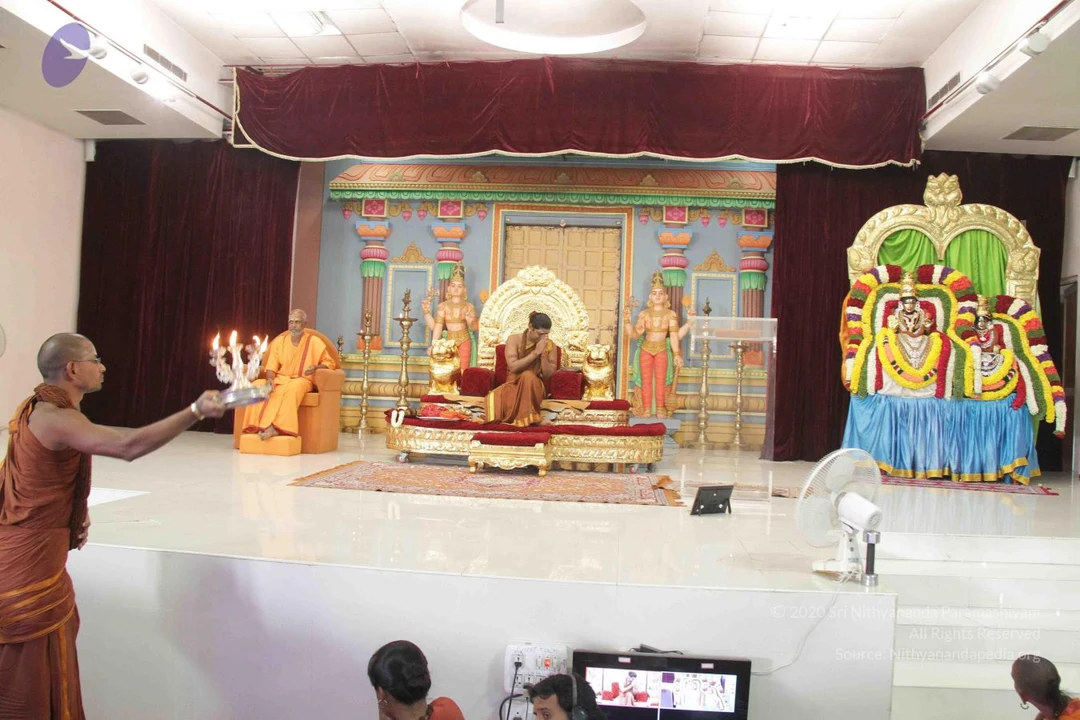
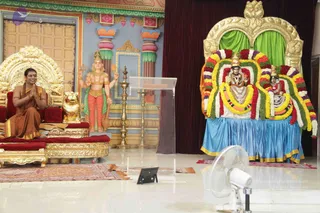
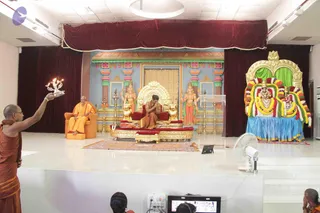
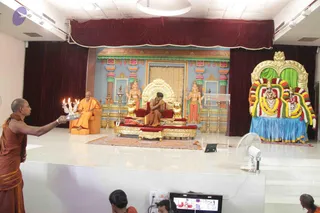
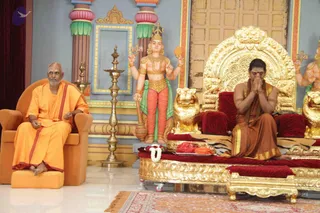
A photograph of a satsang hall with a gold-trimmed throne on the left, where a seated man in an orange-brown robe sits with palms pressed together in greeting and a smile. Behind him stands a painted figure of a four-armed deity with a crown, holding objects in its hands, beside ornate red-and-gold pillars. In the centre a clear acrylic lectern stands before a tall brass oil lamp. On the right, two deity murtis are dressed in blue silk and layered garlands of yellow, red and green flowers, seated on a golden throne with a green backdrop. A white pedestal fan sits in the foreground. No other physical people are visible.A photograph of a stage in a hall during a ritual. On a golden throne with red cushions, a seated figure in a saffron-orange robe sits with hands pressed together in a namaskar gesture. To the left, a bald man in an orange robe and orange shawl holds up a lit silver aarti lamp with flames. Another seated man in orange sits on an orange armchair beside the throne. Behind them stand painted guardian figures and gold lion-like statues flank the throne. On the right, a decorated deity murti with colourful garlands and a blue skirted base sits under an ornate golden canopy. Brass lamps stand on the stage and a fan is in the foreground.A stage inside a temple-style hall with a maroon velvet drape and a painted blue backdrop with gold-framed panels and carved pillars. A seated figure in saffron-orange robes with bare head and bare upper body sits on a gilded throne with lion-shaped armrests, hands folded in namaskara. To the left, a bald man in orange robes holding a lit multi-flame aarti lamp stands near a second seated man in orange robes on a low orange chair. Two standing deity murtis flank the throne, and on the right a decorated altar holds two deity murtis draped in colourful garlands with a blue cloth base. Brass lamp stands and a floor fan are visible, and a few people sit at the bottom edge near a monitor. The image shows a satsang-style ritual with aarti.

HDH-Swami-Akilananda-Ramakrishna-Mutt

26 photosSource gallery
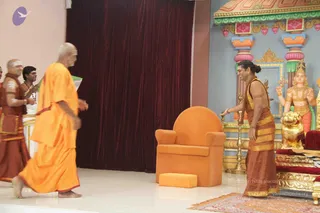
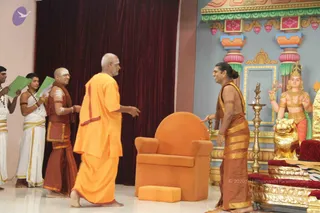
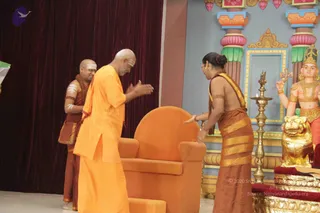
Stage scene in a temple-style hall. On the right, a man with hair tied up in a knot and a bare upper body wears a brown and gold dhoti-style garment, gesturing toward an empty orange armchair with a matching footstool. Behind him stands a gilded deity murti with a crown and raised hands beside a golden lion-footed seat and a brass lamp stand. On the left, a bald man in saffron robes walks across the stage, while other attendants in reddish-brown dhotis with white ash markings on their foreheads stand near the maroon velvet curtain. A patterned rug covers part of the floor.Photograph of a stage ceremony with a richly painted backdrop of pink and blue pillars, a gold-framed panel and a golden lion-like figure beside an ornate gold throne. A bald elderly man in an orange saffron robe walks across the stage toward an empty orange armchair with a matching footstool. To the right, a smiling man with long hair pinned up wears a rust-brown dhoti with gold border and bare upper body, arms extended in welcome. Behind them a shaved-headed attendant in rust-brown with white tilak smiles, and on the left, two young men in white dhotis with gold borders hold green booklets. A deity murti with multiple raised hands and a crown sits on the throne to the right, and a brass oil lamp stands near the chair. A maroon velvet curtain hangs at the back.Photo of a stage event with an orange-robed man in an orange kurta and white forehead markings gesturing toward an orange upholstered armchair, while a woman in a brown-and-gold sari with a gold border stands beside it with her hand extended toward the chair. Behind them a bare-chested assistant in a brown dhoti with white markings on his arms and forehead stands near a dark red curtain. To the right a gilded deity murti with a crown and necklaces stands beside a brass oil lamp and a golden lion-shaped pedestal draped in red. The backdrop is painted with pink and green lotus-topped pillars and a blue panel. Two people are physically present, and the orange-robed man's identity is not established by visible cues, so the a person field is unsure.Stage scene at an ashram satsang hall. An elderly man in a saffron-orange robe with a white forehead mark and bare feet steps down from a tall orange armchair, supported by a bald attendant in brown-orange robes with rudraksha beads and white body markings on the left. A woman in a brown and gold saree with gold bangles faces him from the right. Behind them stand a gold statue of a deity with a crown, gold necklaces and a raised hand, a golden lion-form seat, and a red throne draped with a tiger-striped cloth. Brass oil lamps and ornate pink-and-green pillars frame the stage.A photograph of a satsang stage set with a golden throne upheld by two golden lions, draped in red cushions, with a painted backdrop of pink and green pillars and two painted dvarapala figures holding staffs. On the throne sits a smiling person with long dark hair, wearing a brown-orange robe with gold border, hands resting on the knees. To the left, an older bald man in a saffron-orange robe sits in an orange armchair with a footstool, one hand raised in conversation. Brass oil lamps stand on either side of the throne. a person is the person seated on the throne in brown-orange robes, with long hair and gold-bordered cloth.A photograph of a satsang hall with a gilded throne-style seat on the right, draped in red cushions and a tiger-striped cloth. A seated man in a brown-orange robe with gold border sits on the throne with palms pressed together in greeting. To the left, an older bald man in an orange robe with red border sits in an orange armchair with hands raised in a teaching gesture. Behind them stands a painted four-armed deity murti in gold ornaments holding a mace and other objects, with a brass oil lamp stand and a garland on the throne platform. The setting is a decorated temple-style stage with blue and pink columns.

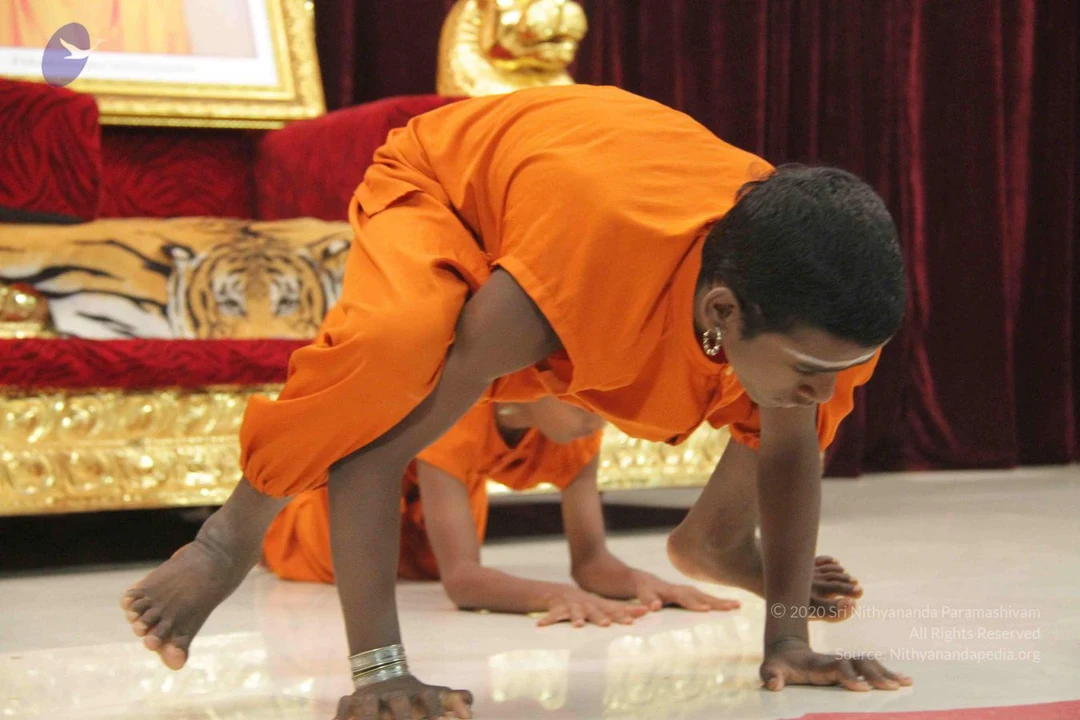
Inner Awakening Darshan
41 photosSource gallery
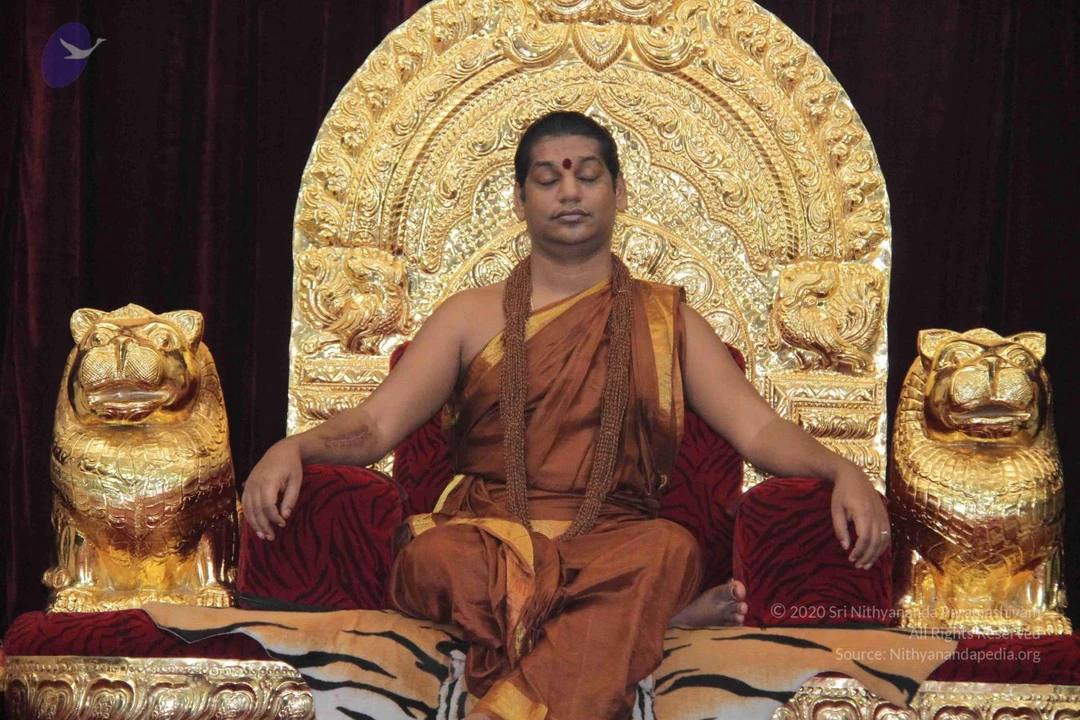
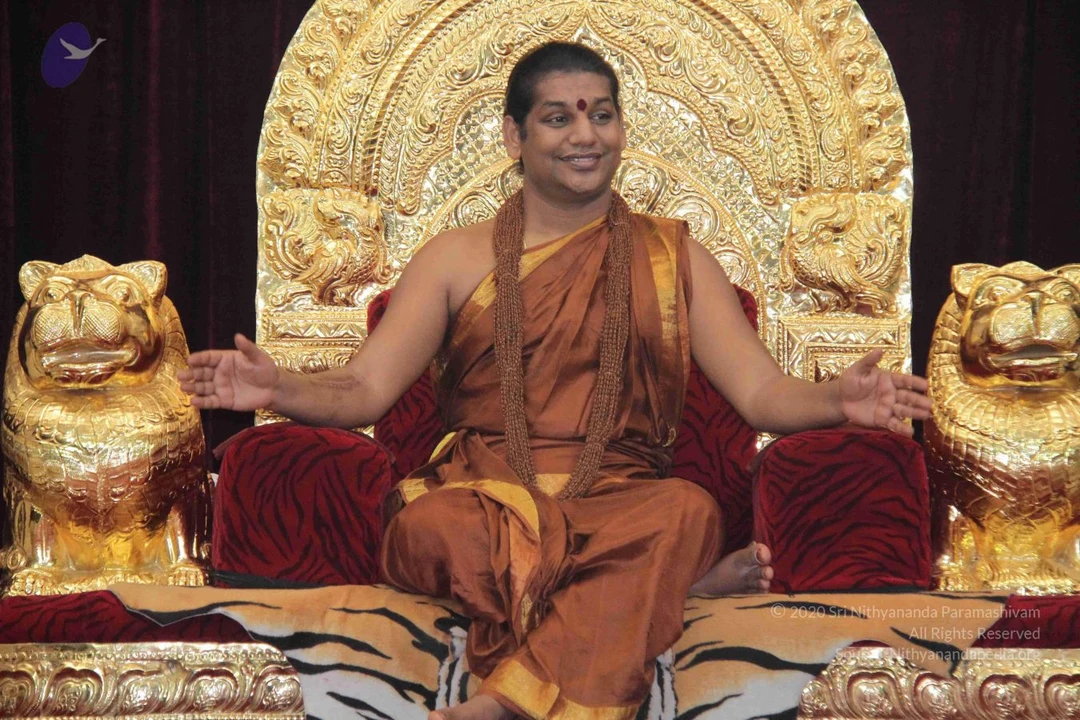
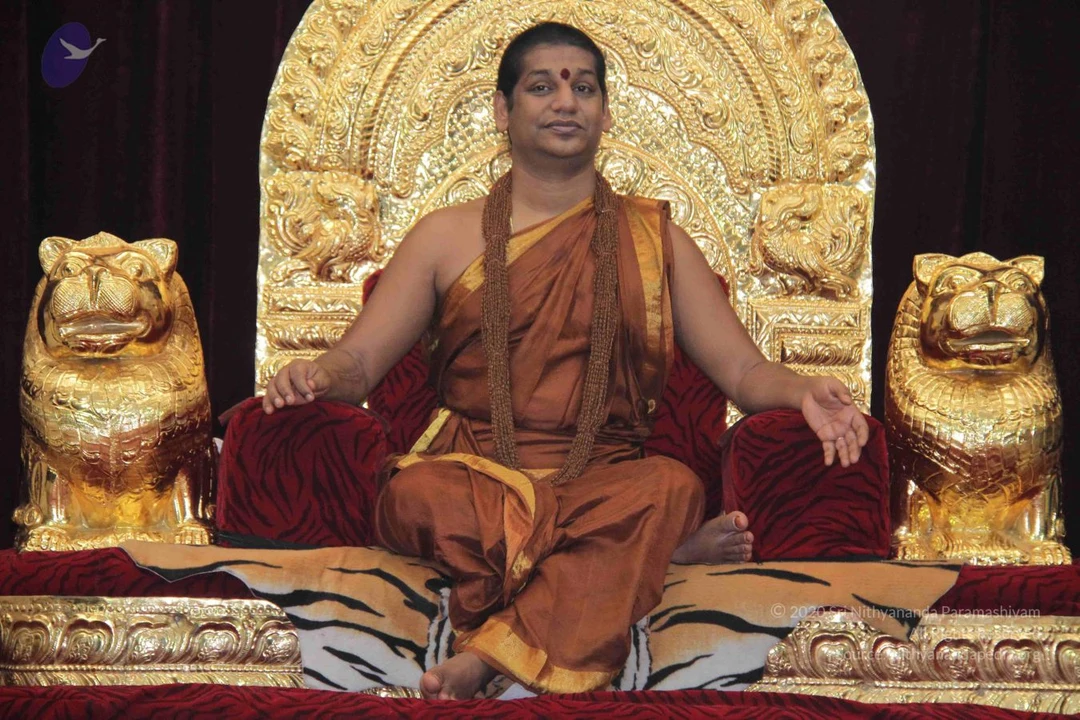
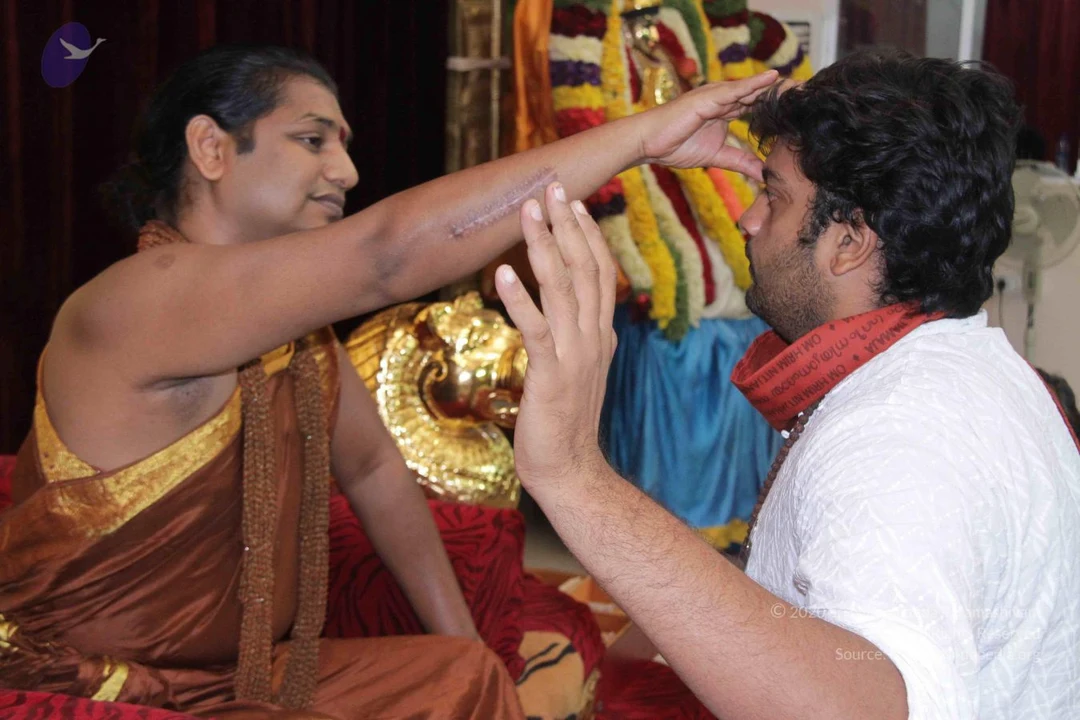
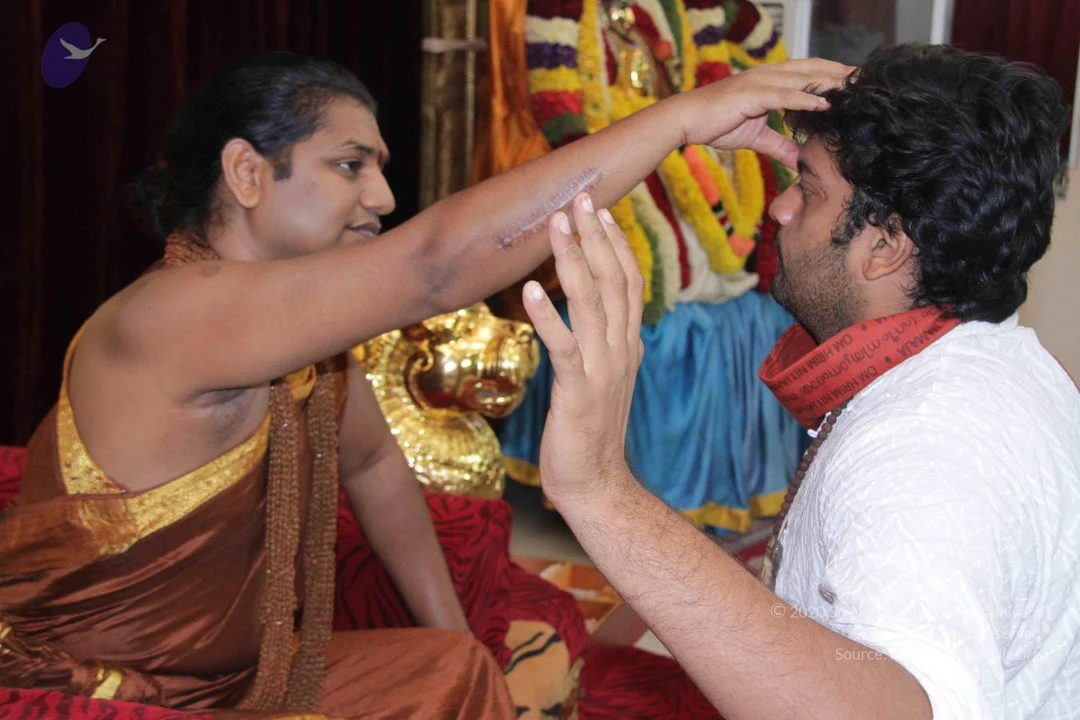
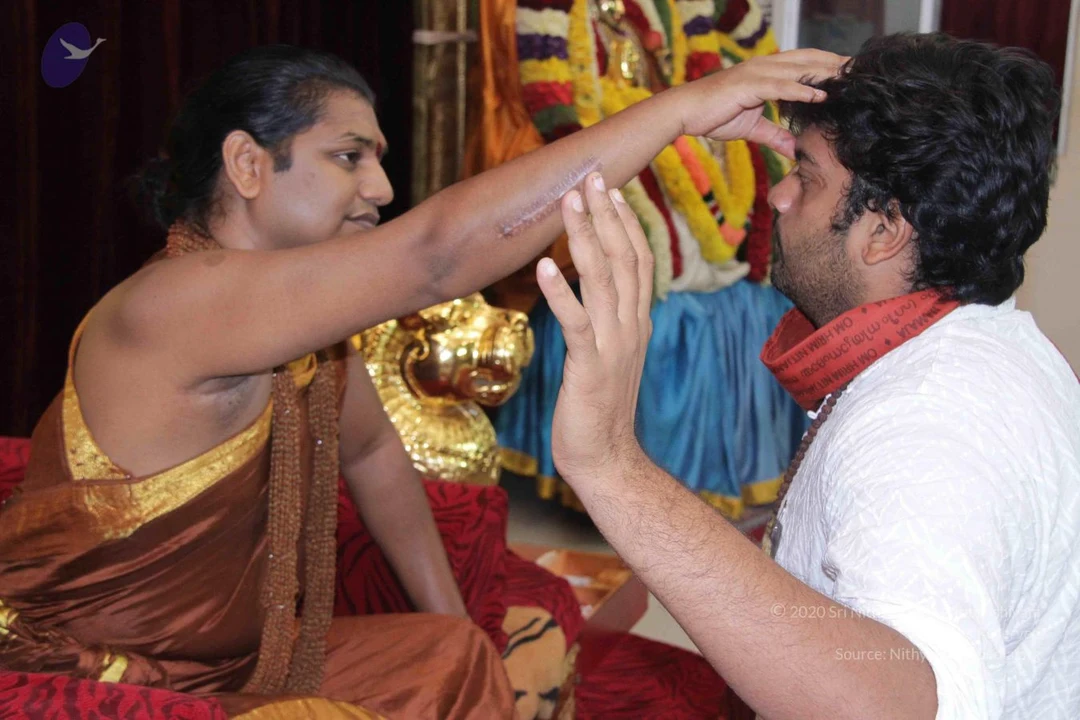
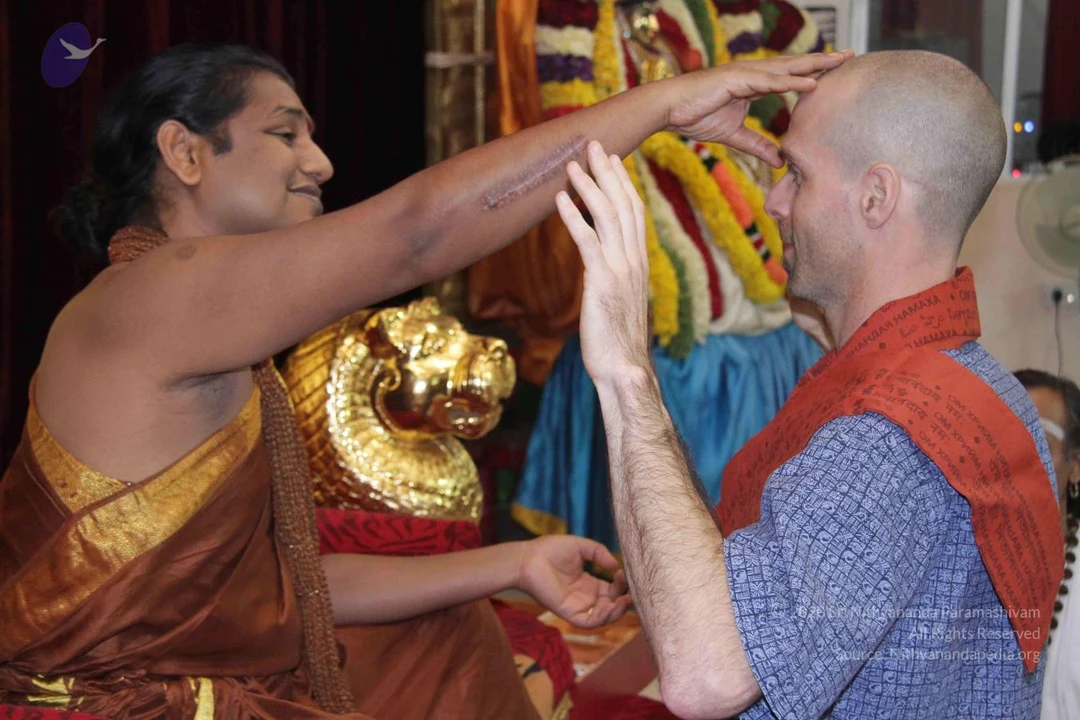
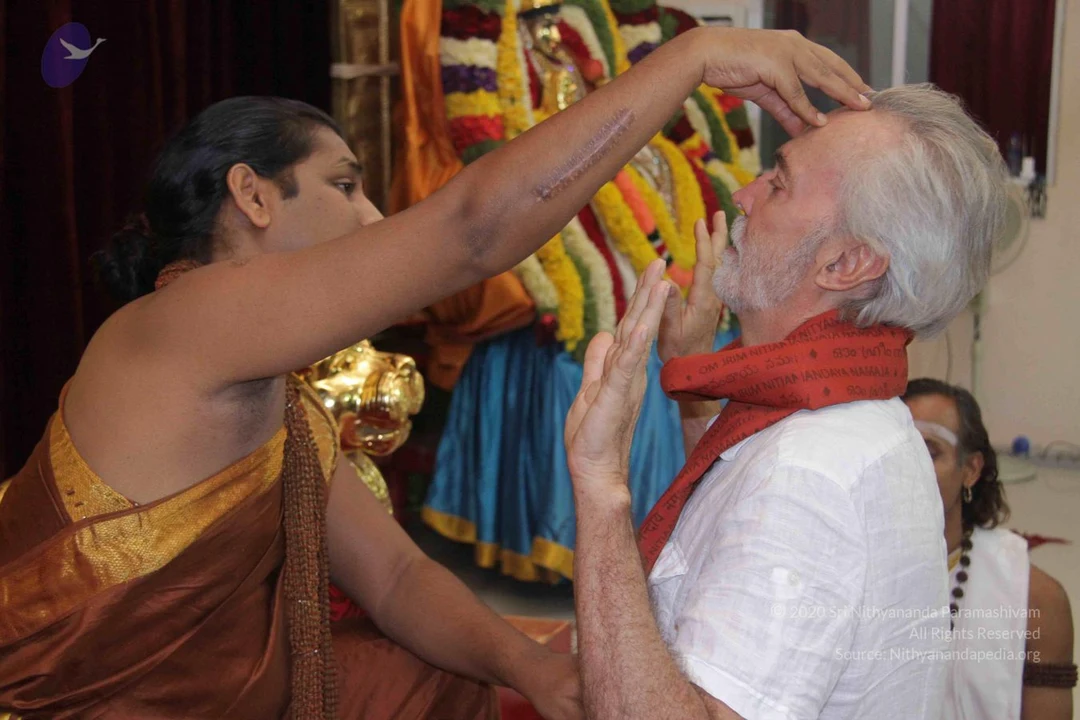
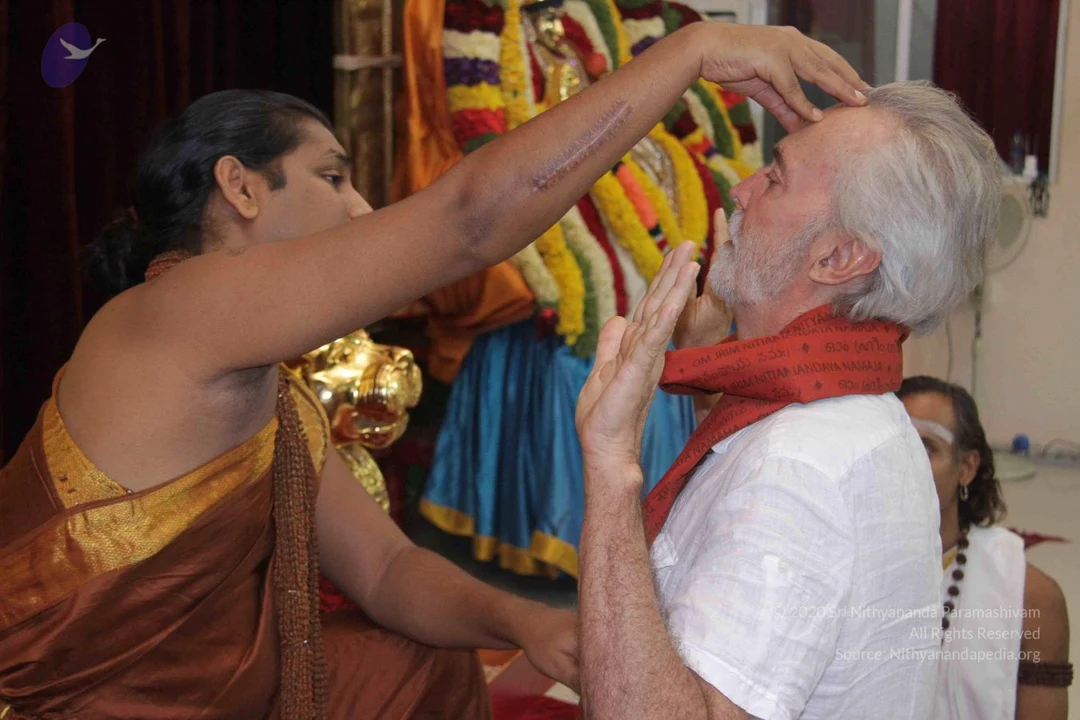
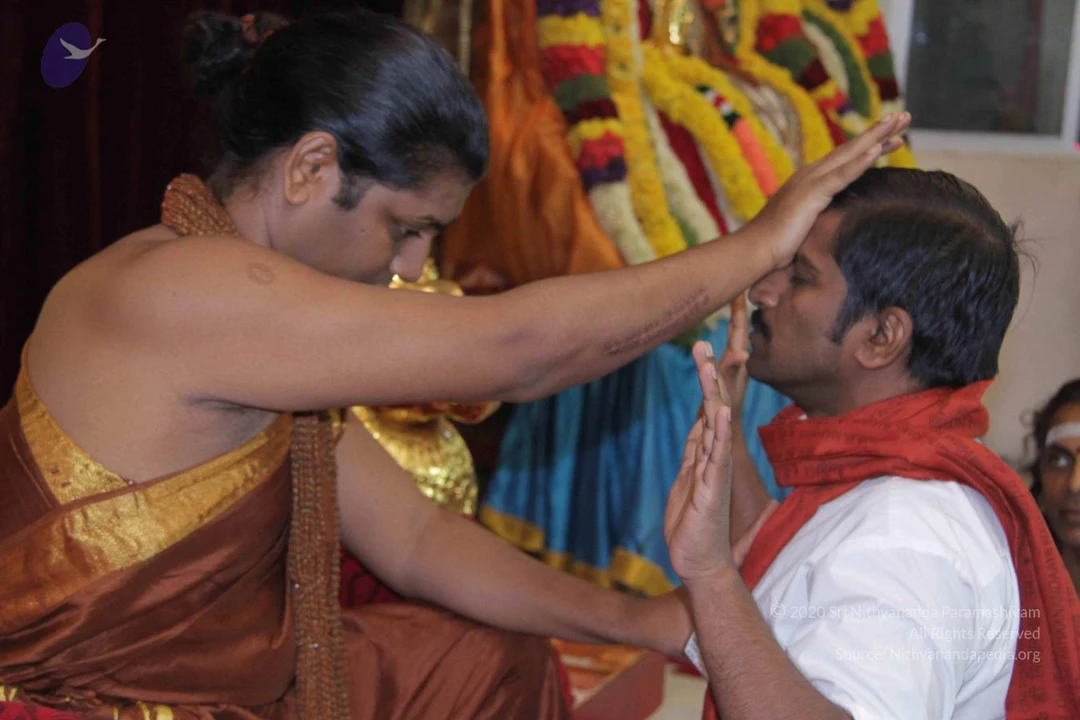
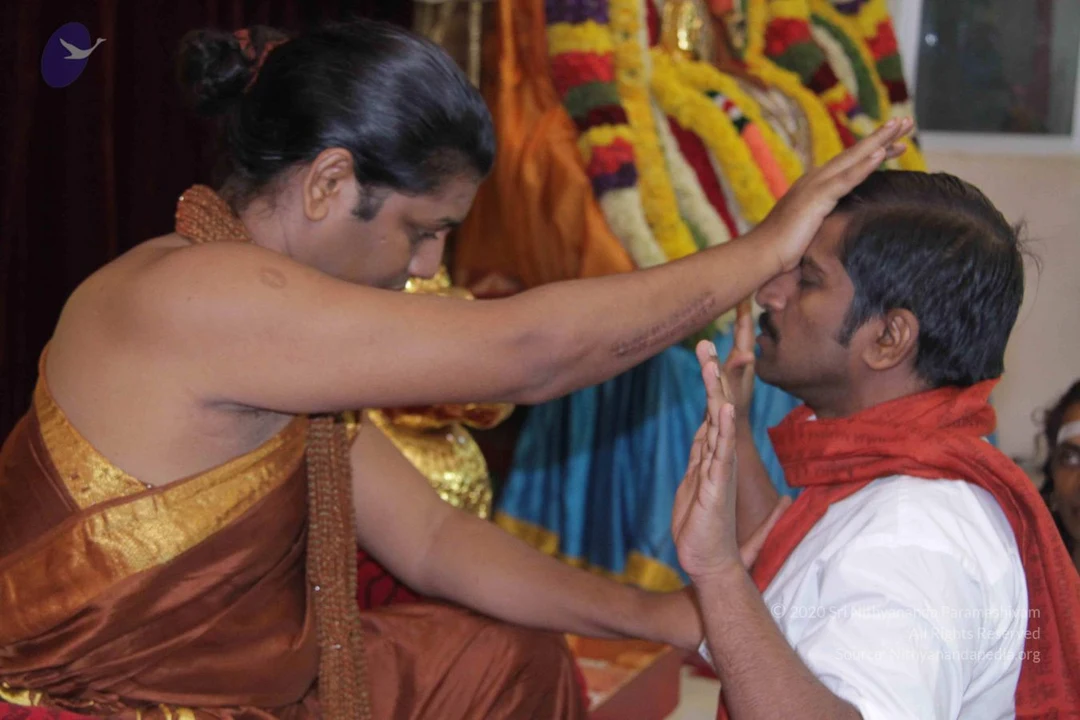
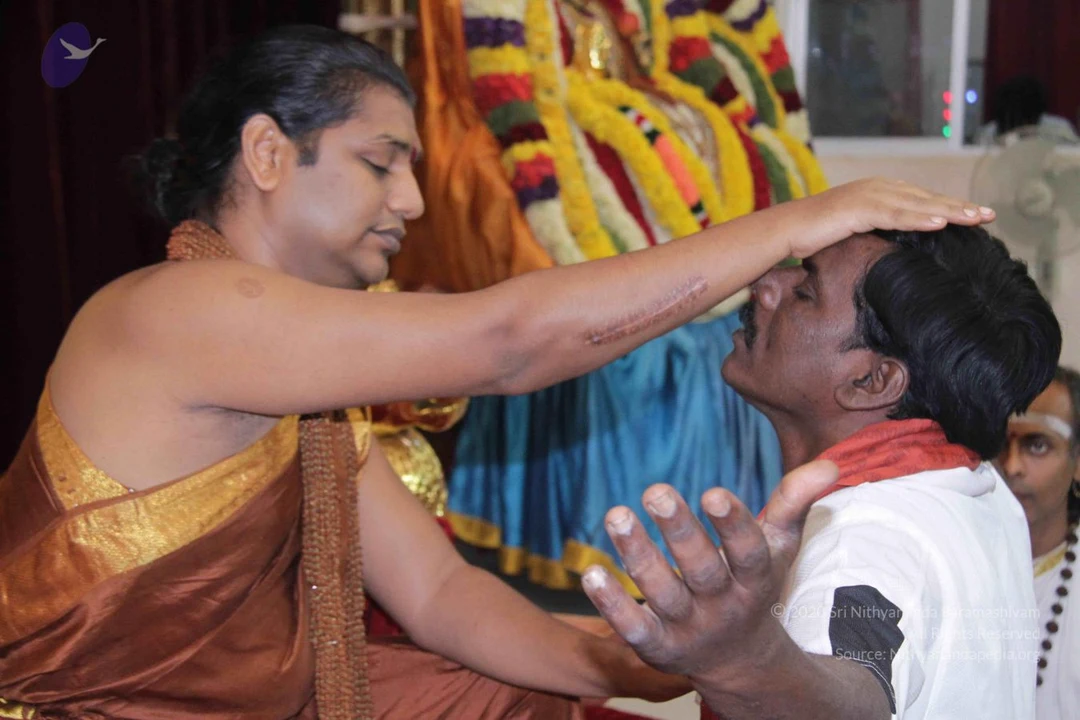
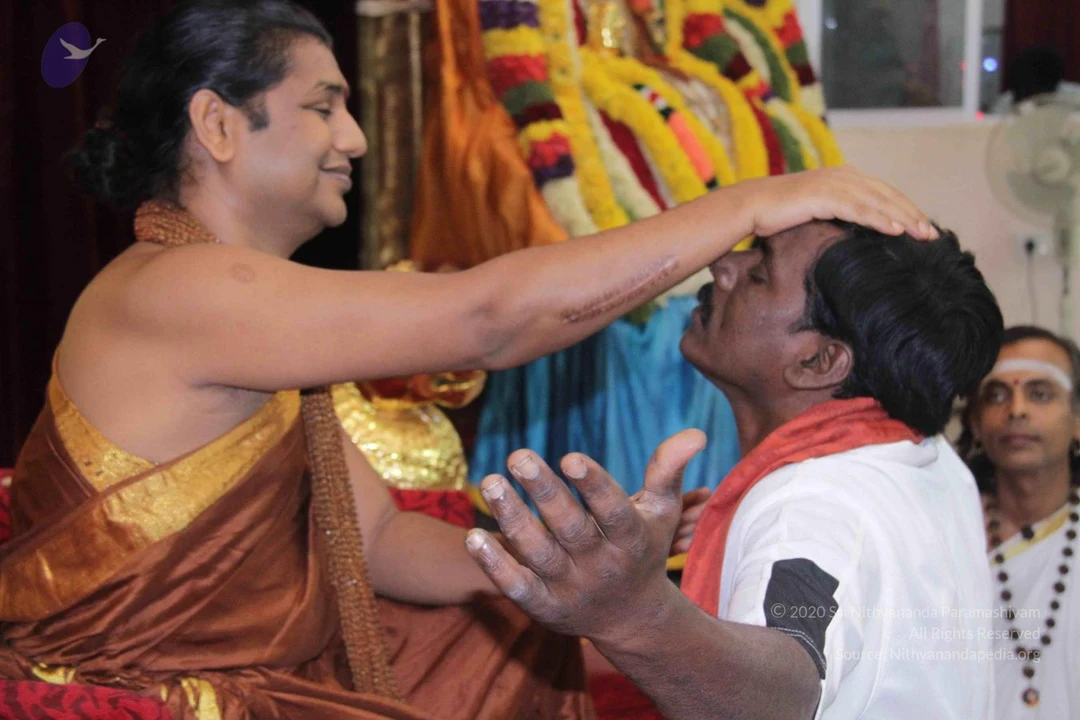
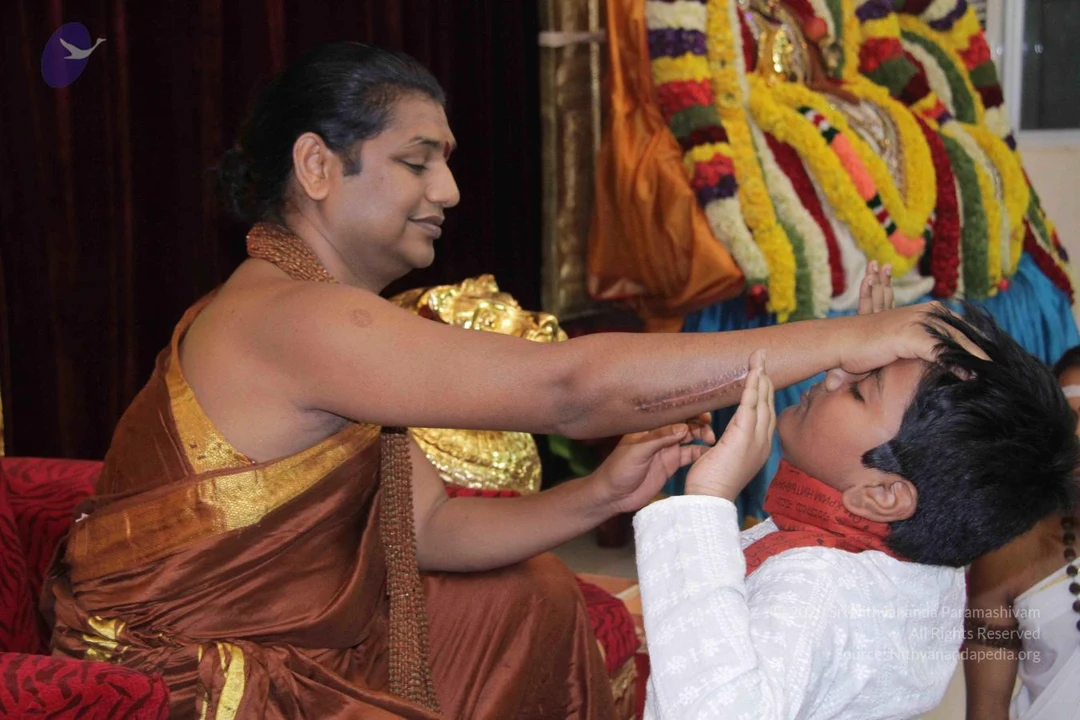
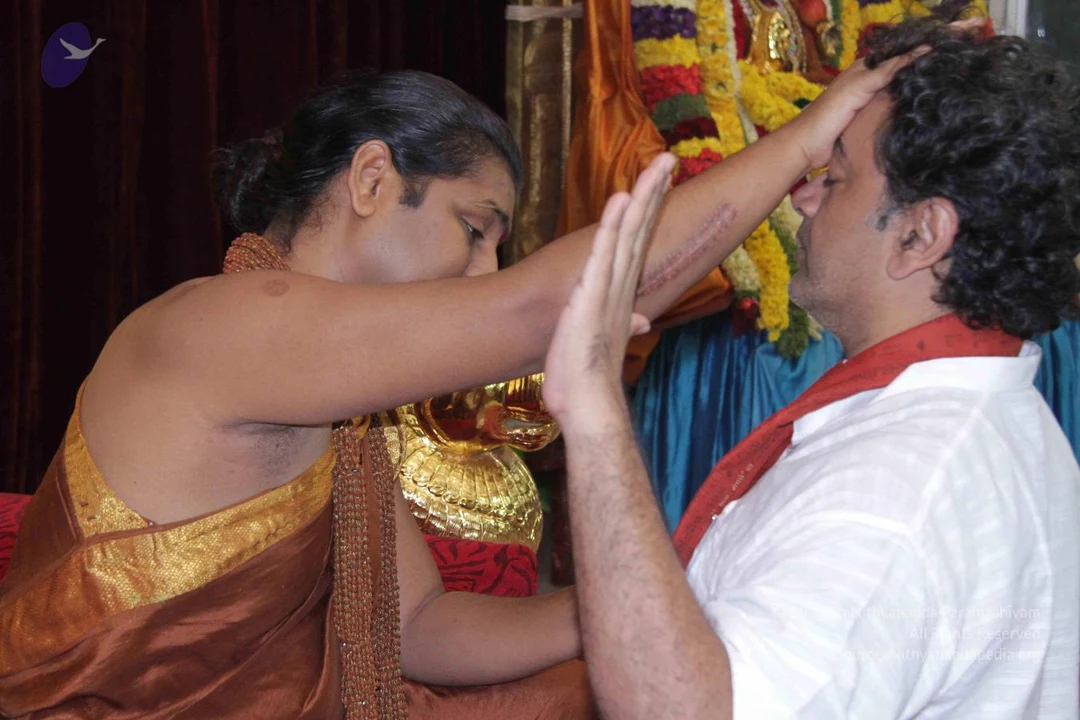
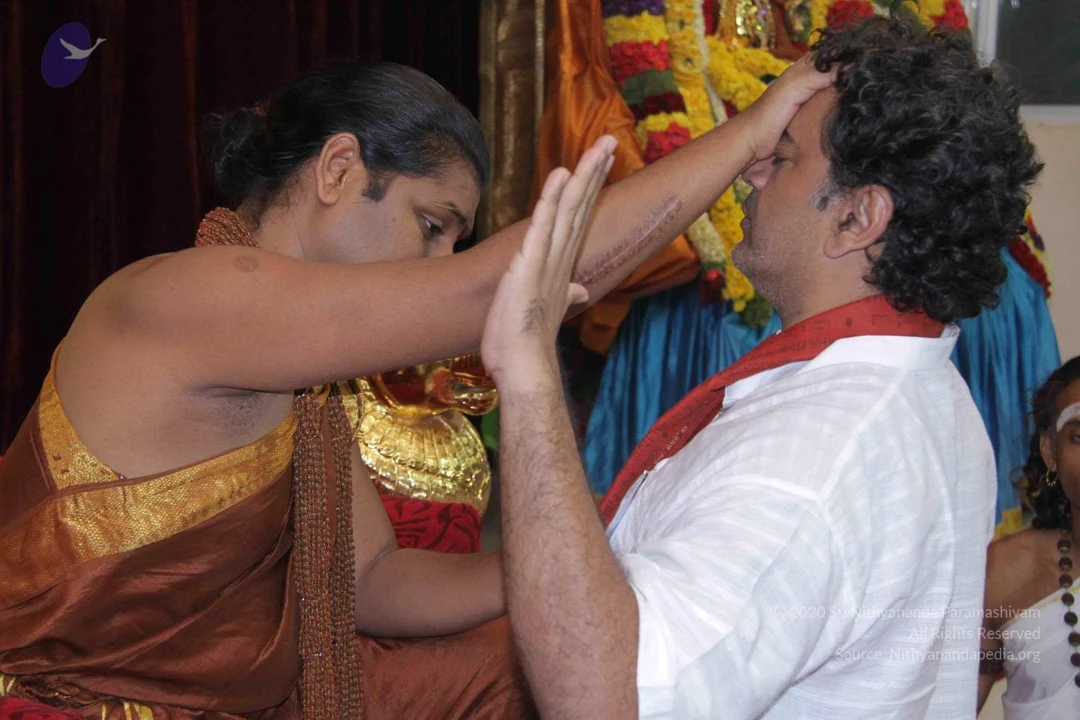
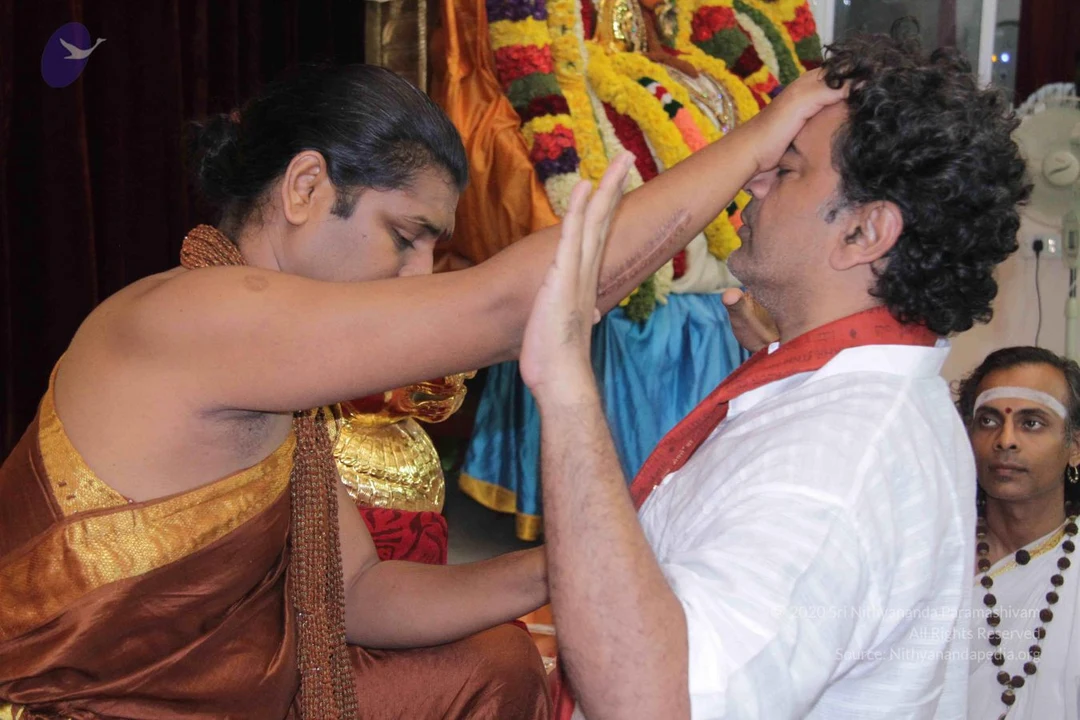
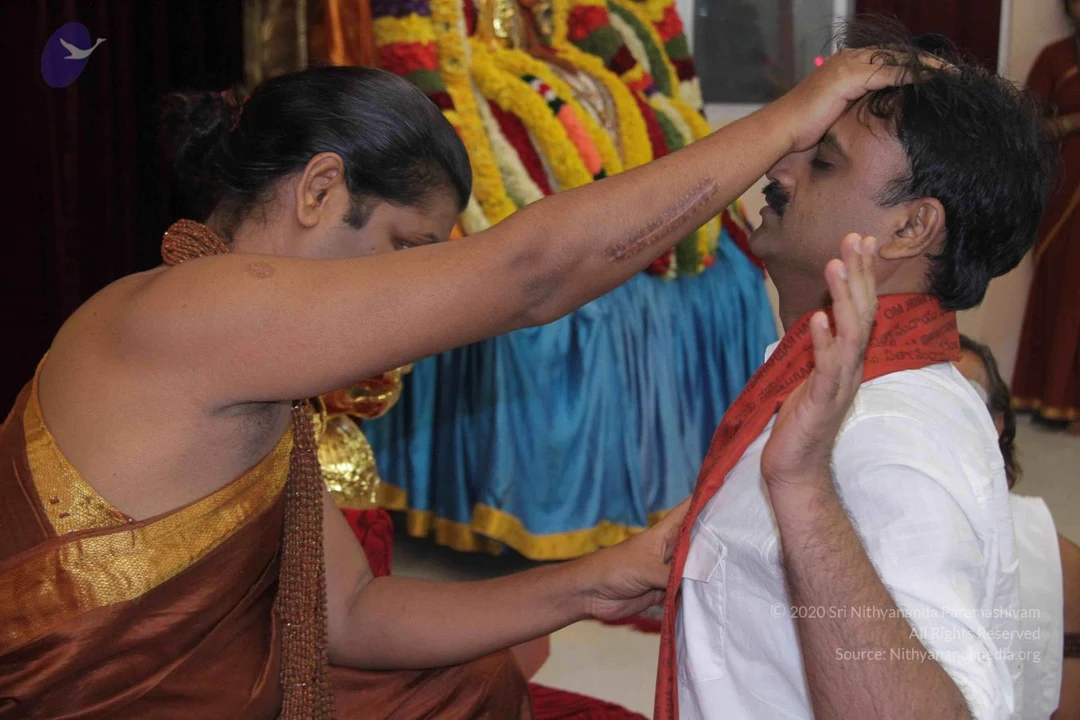
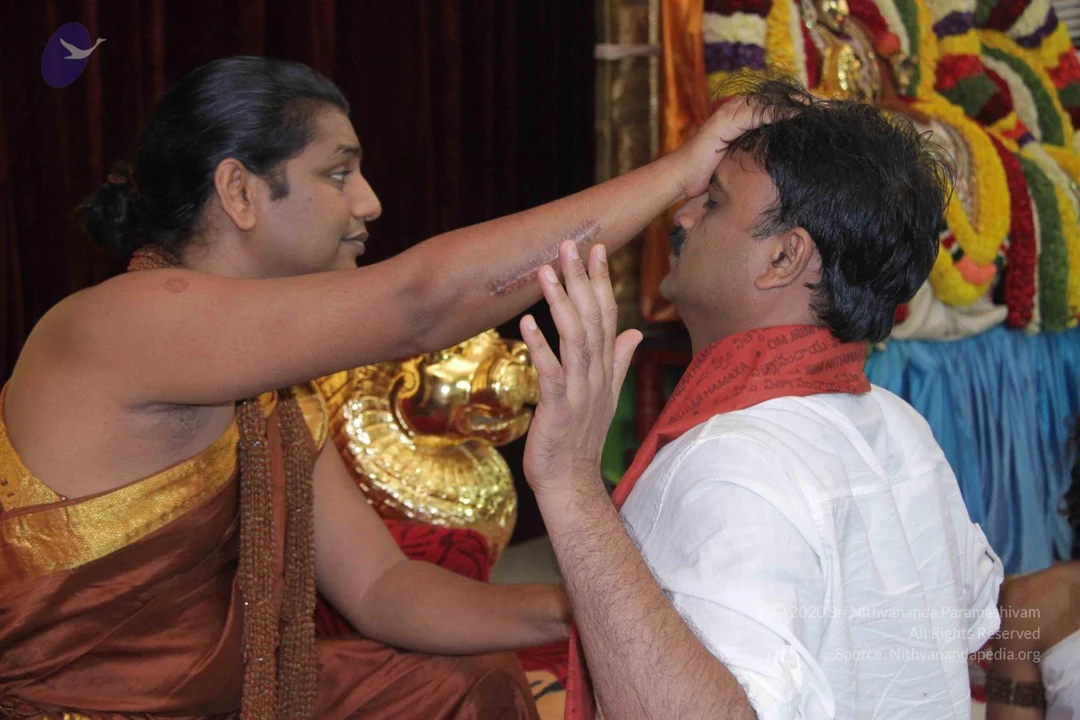
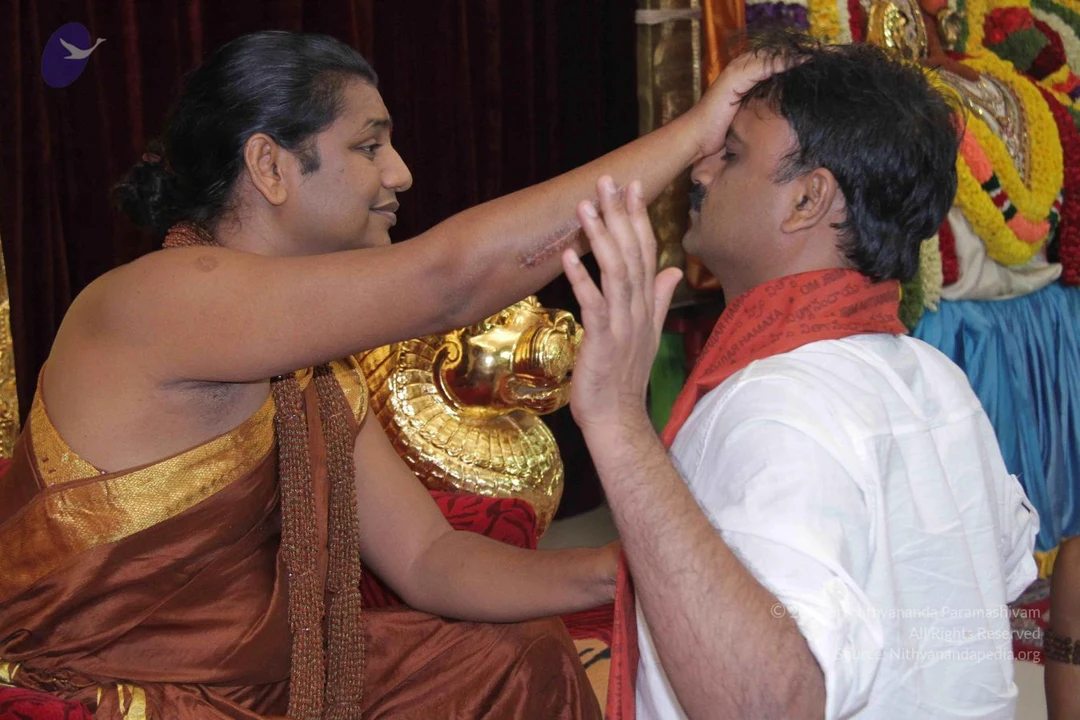
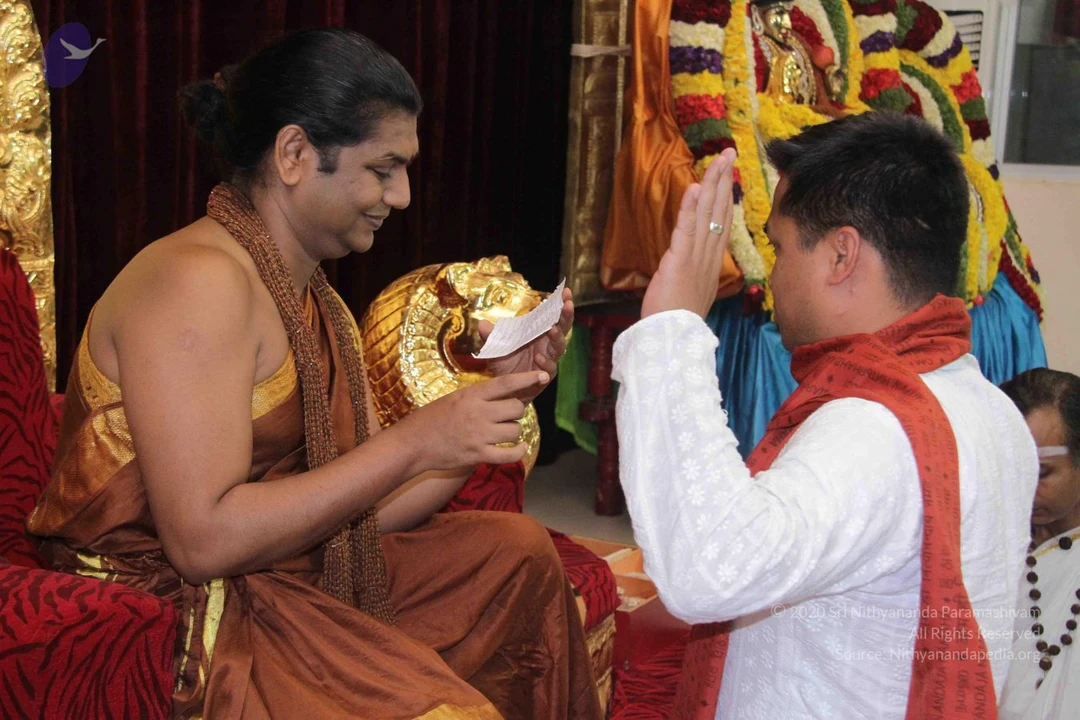
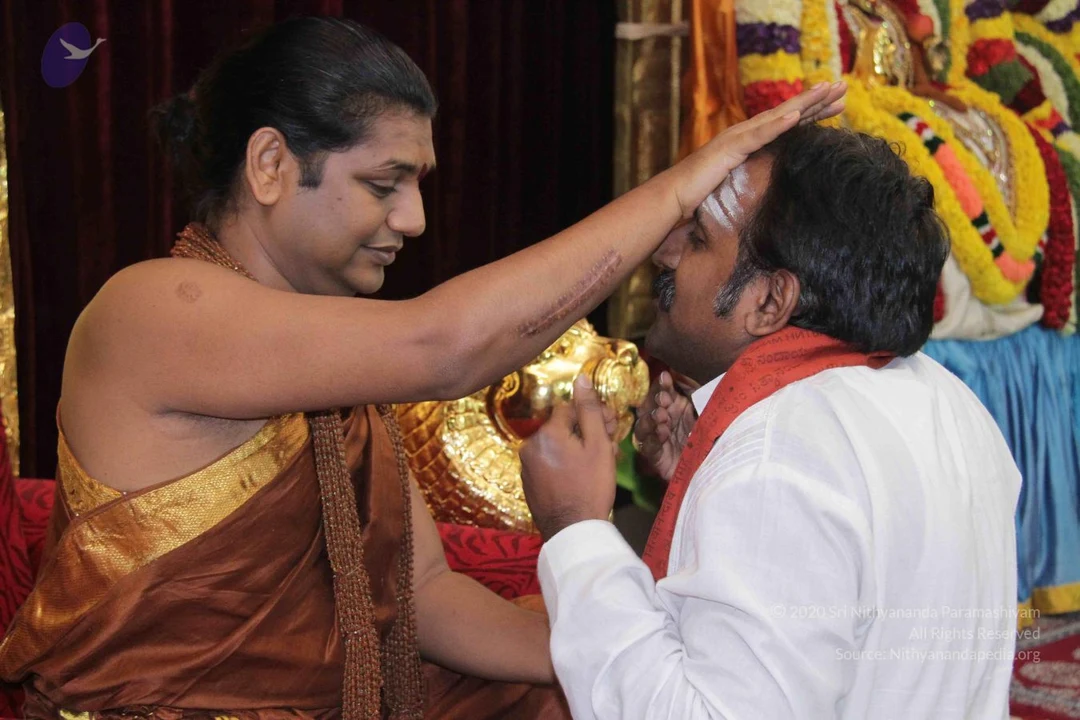
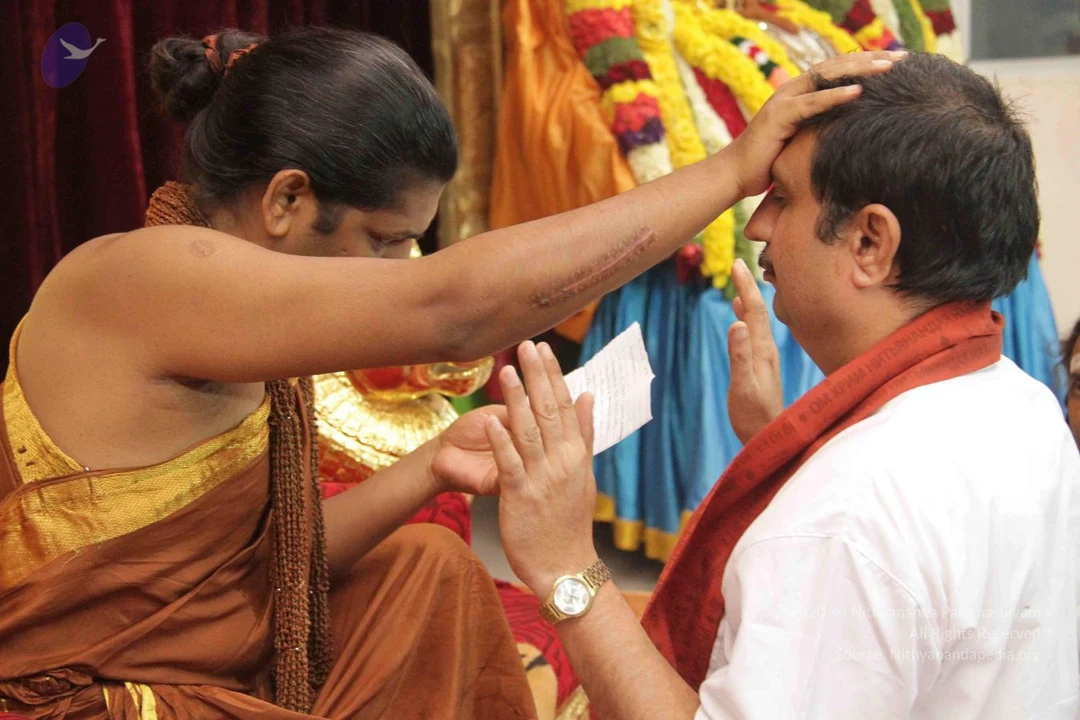
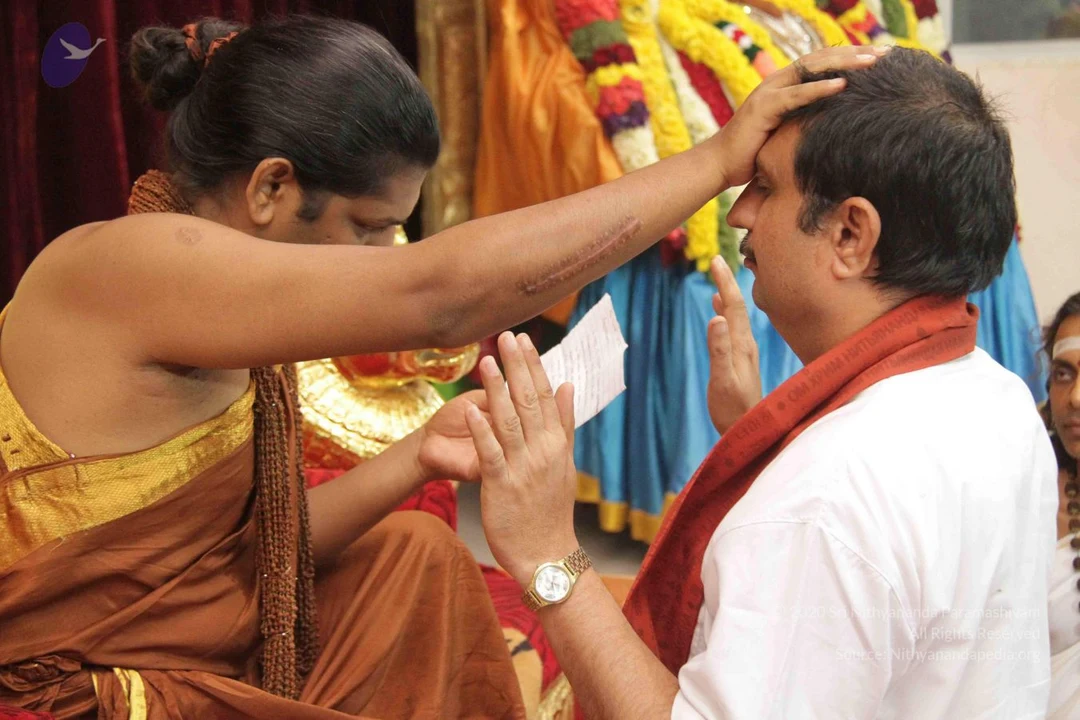
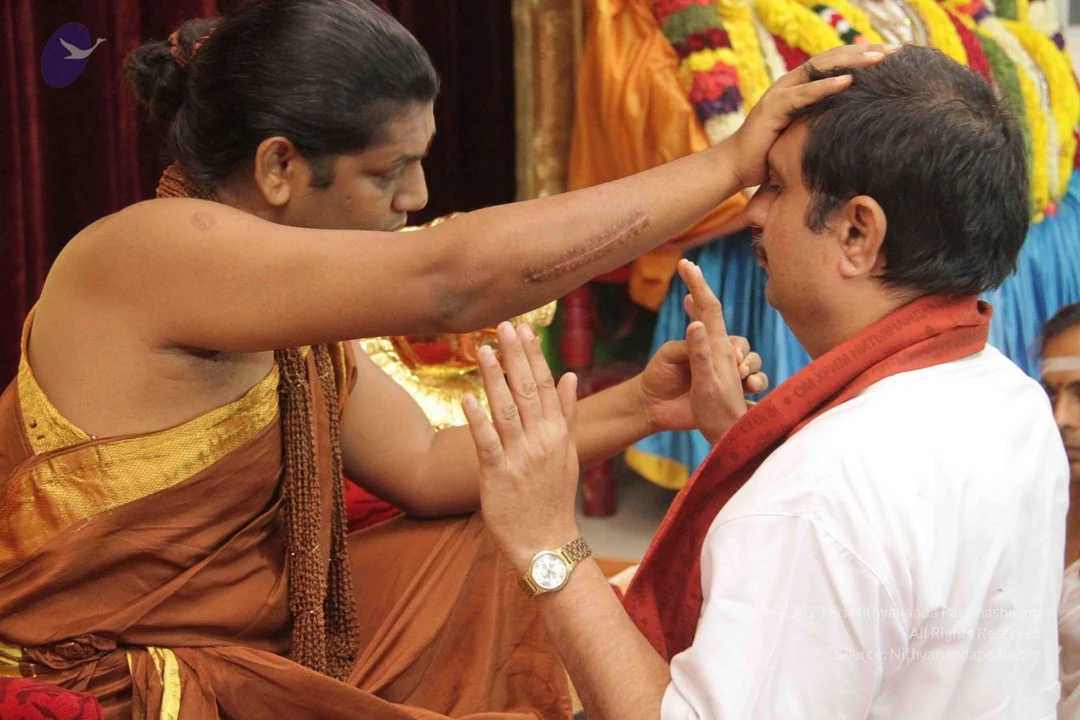
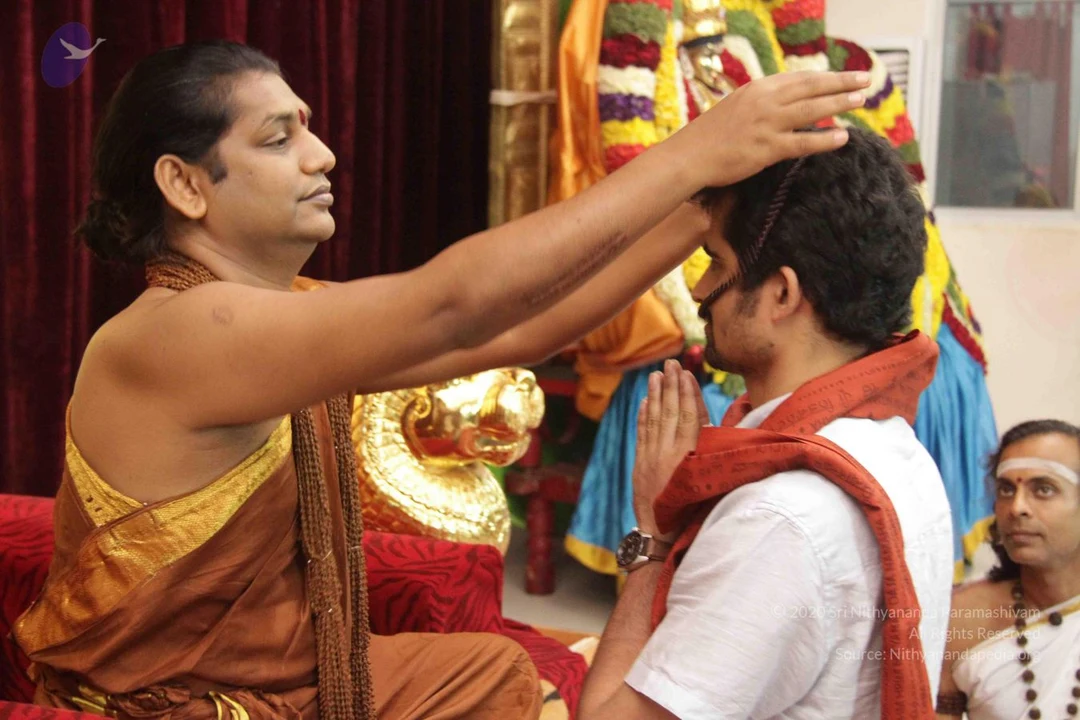
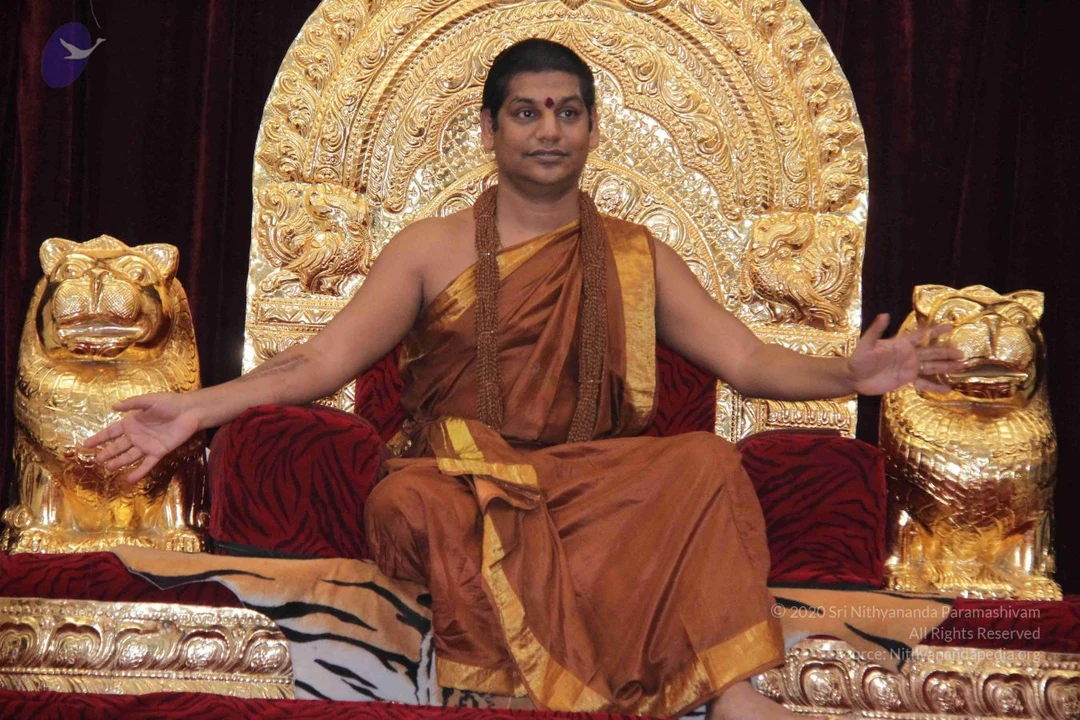
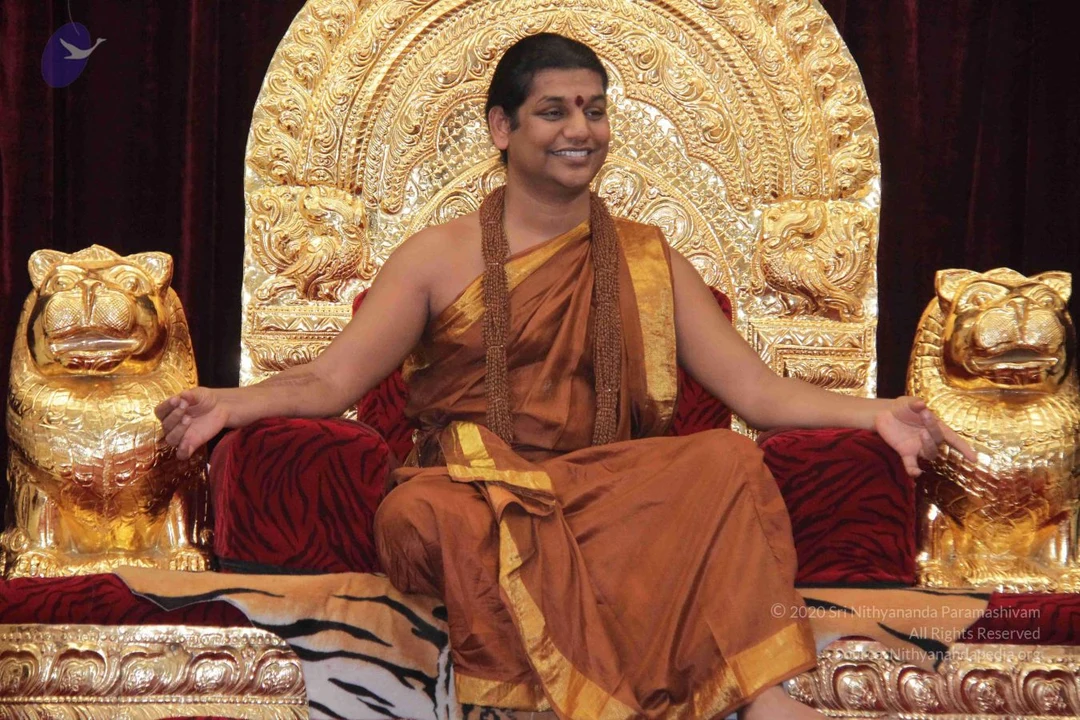
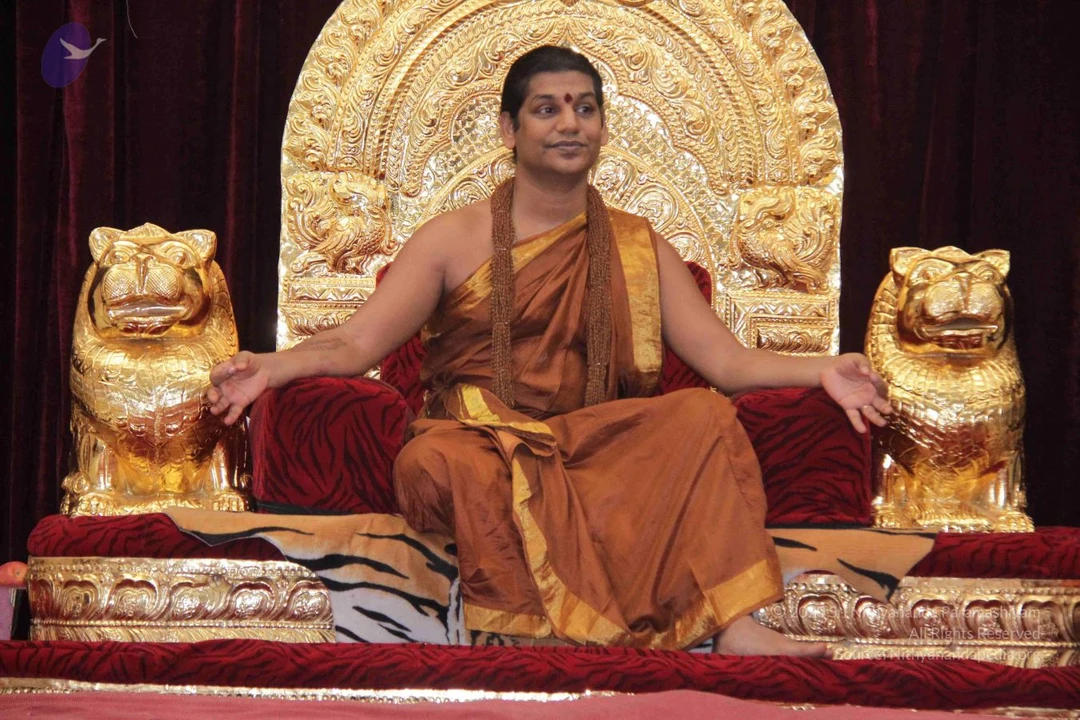
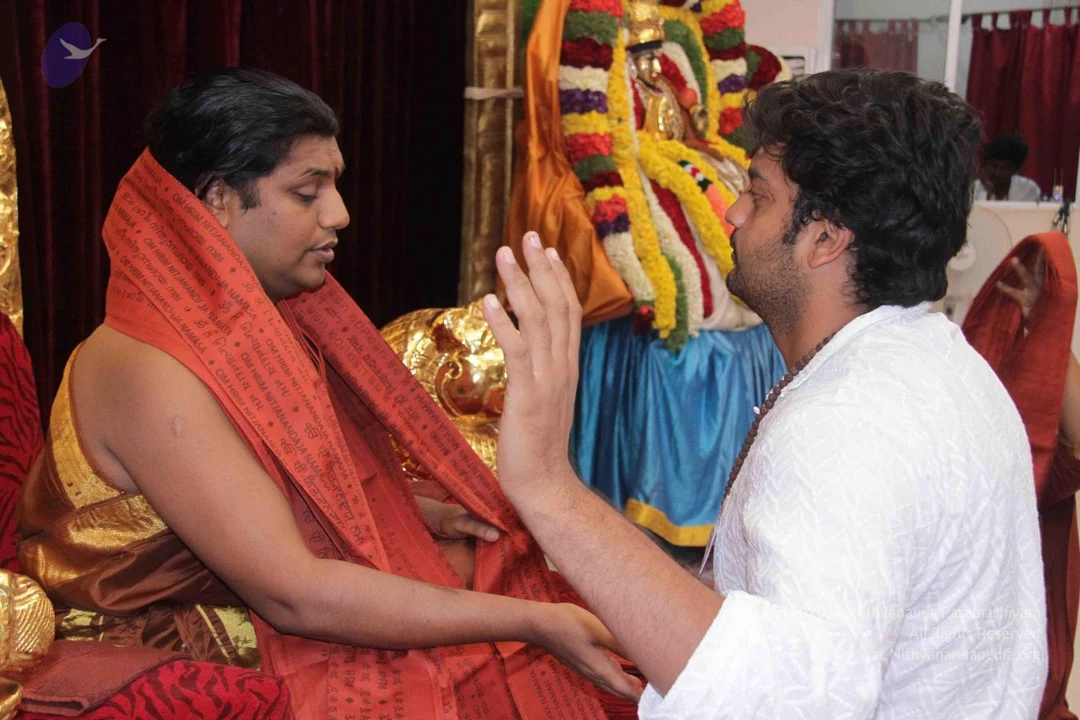
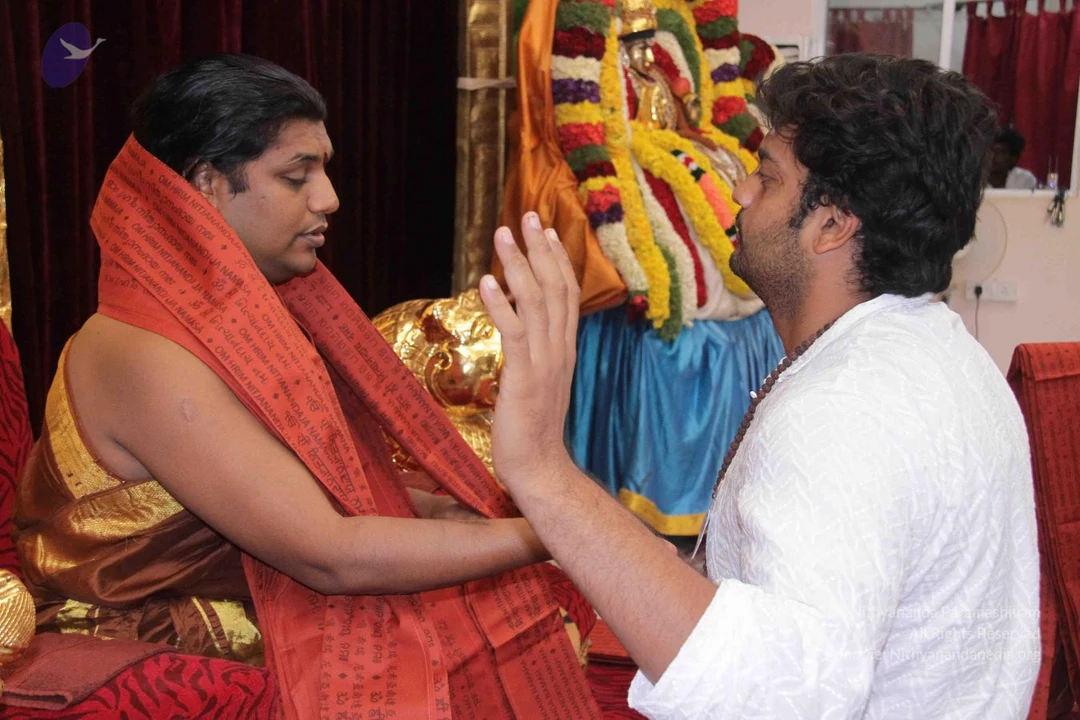
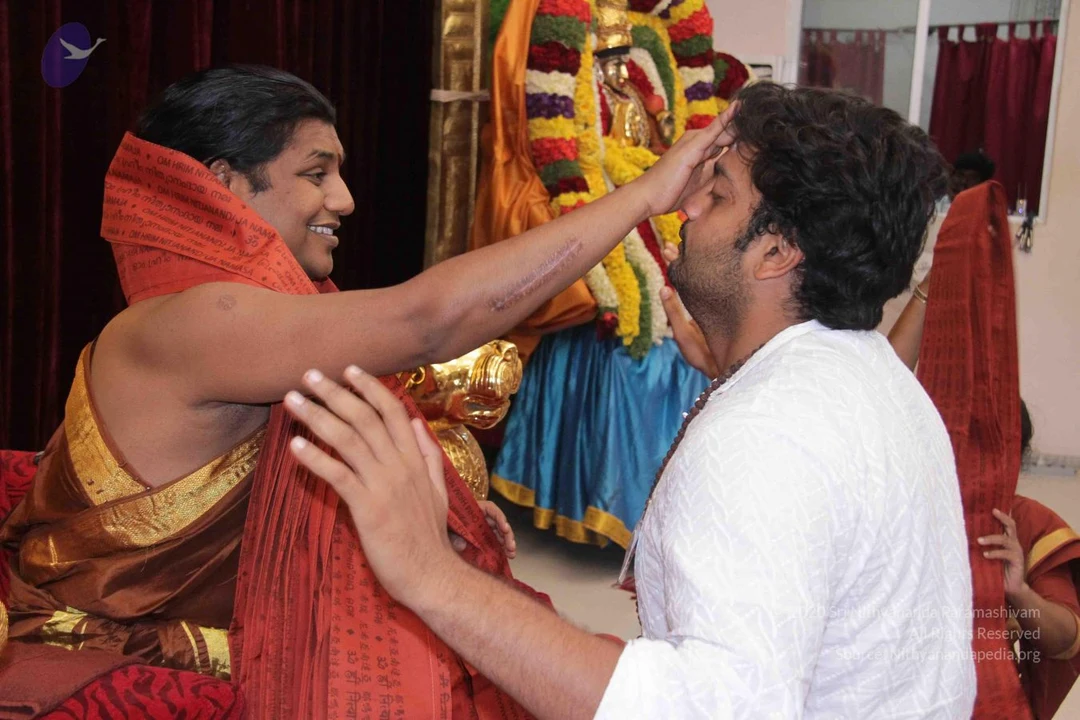
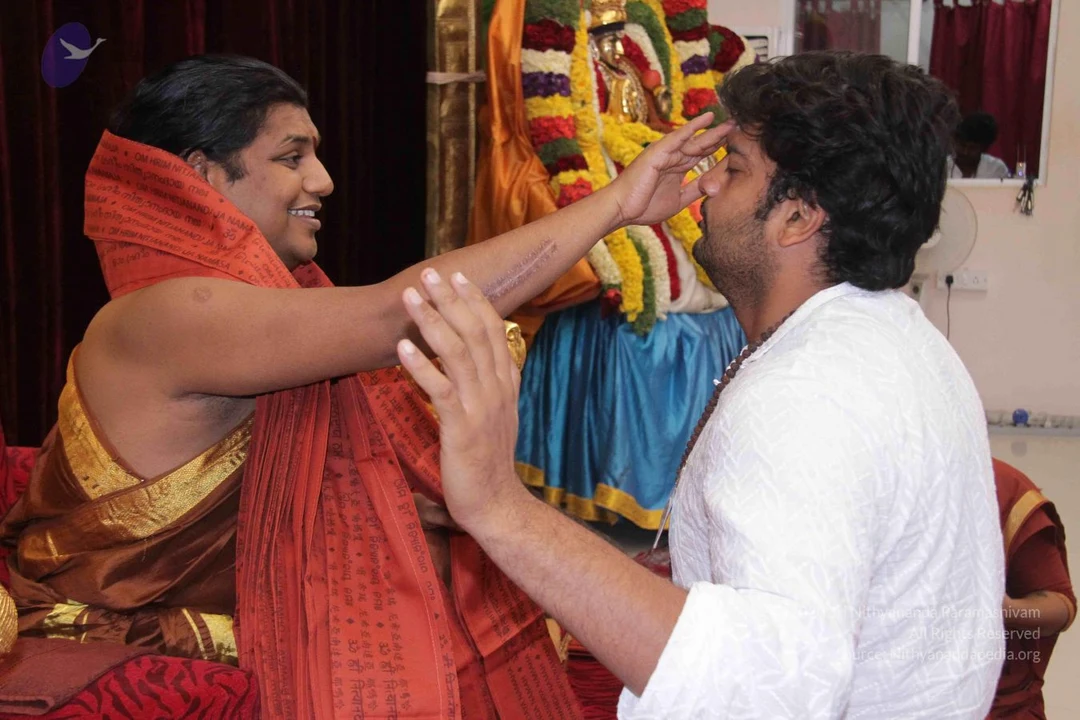
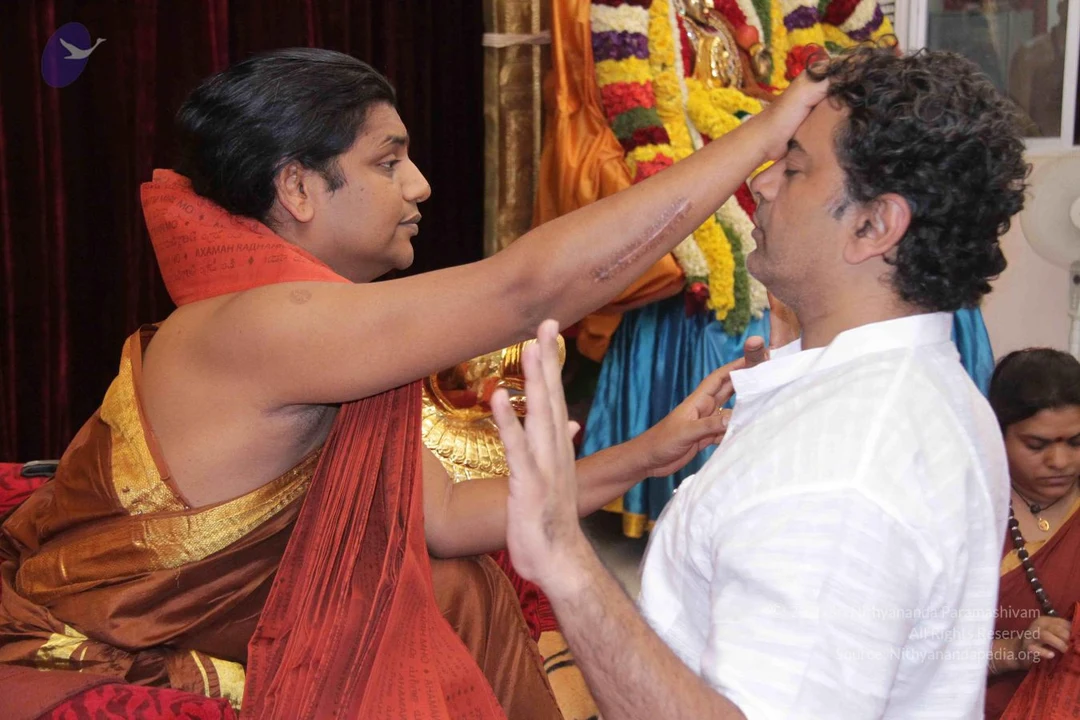
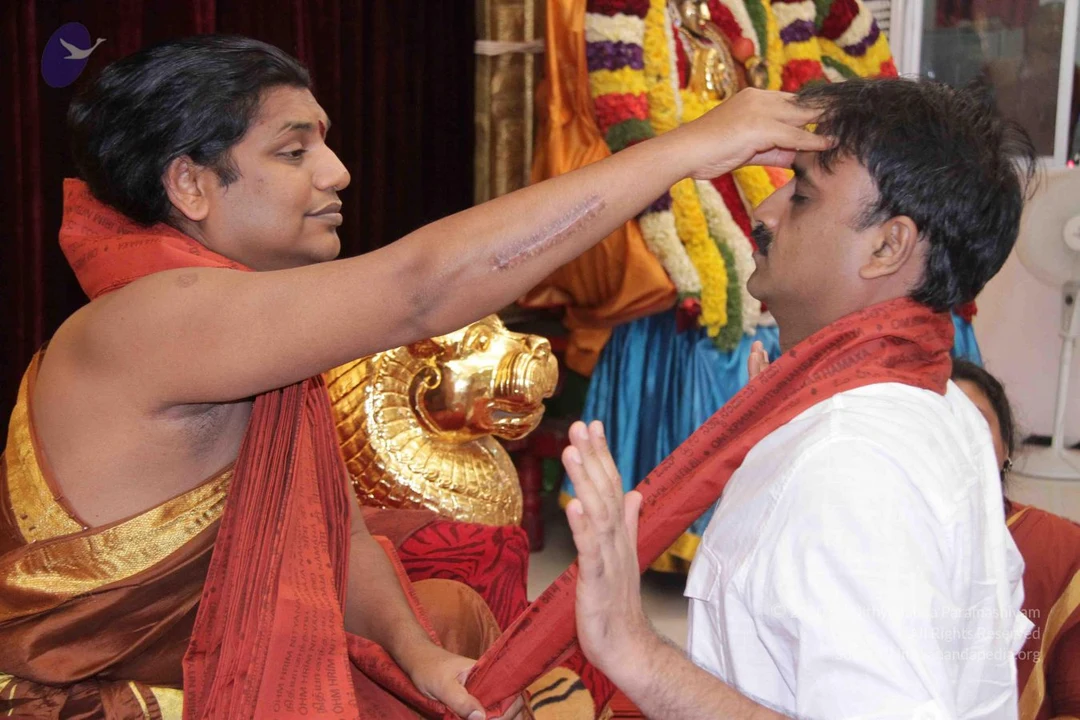
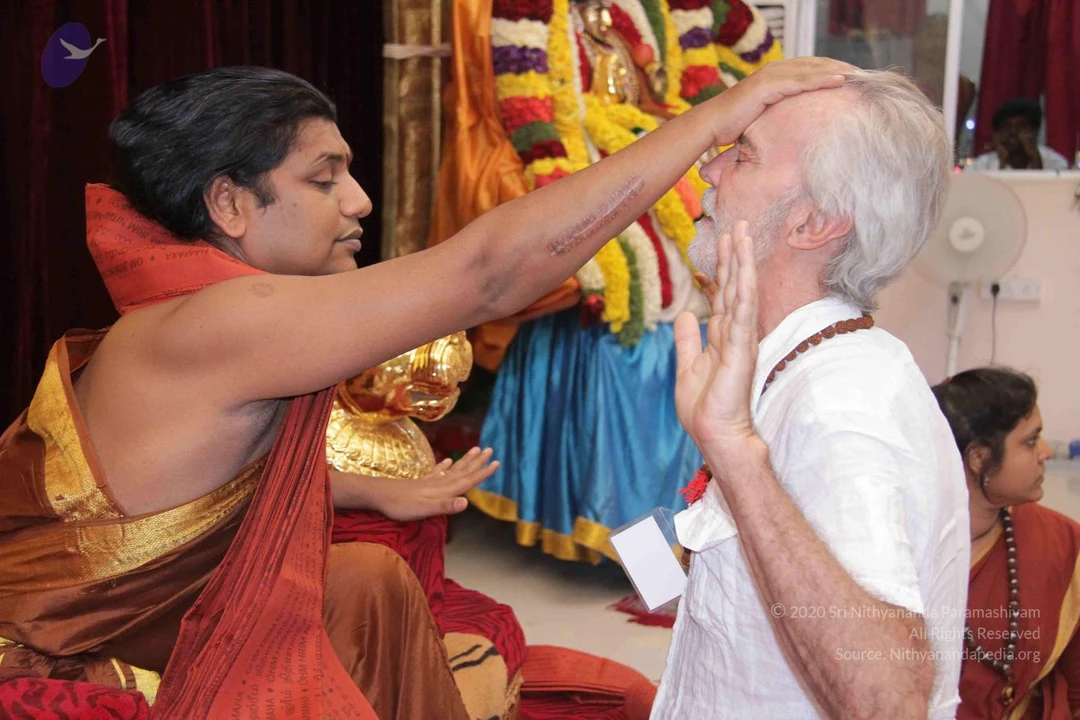
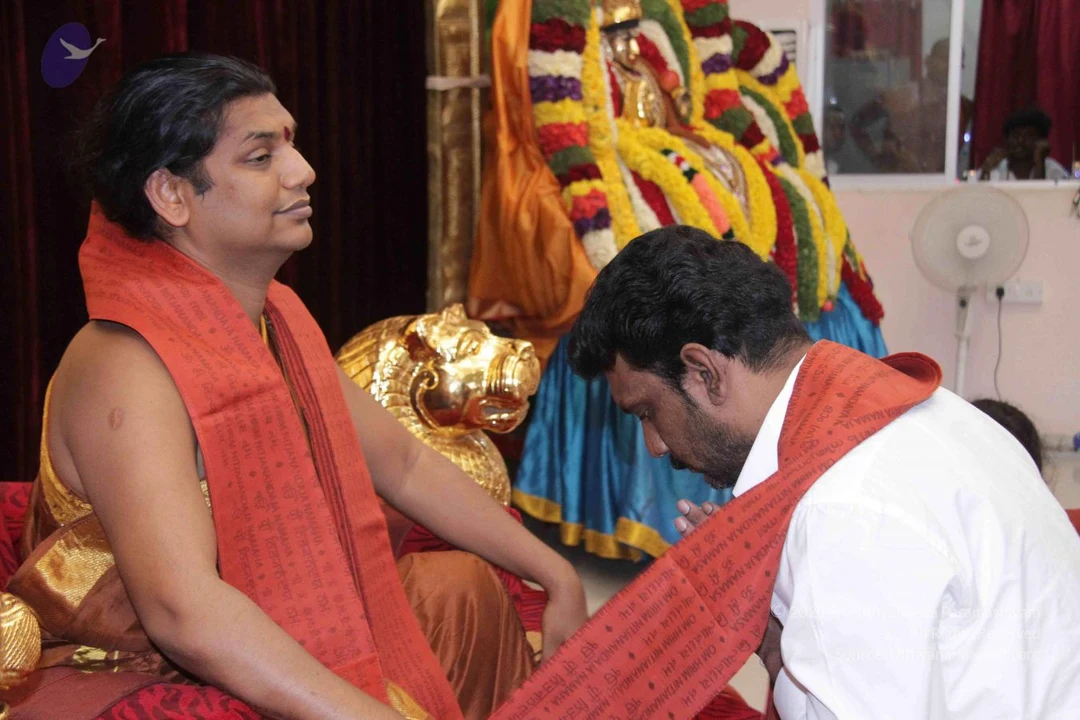
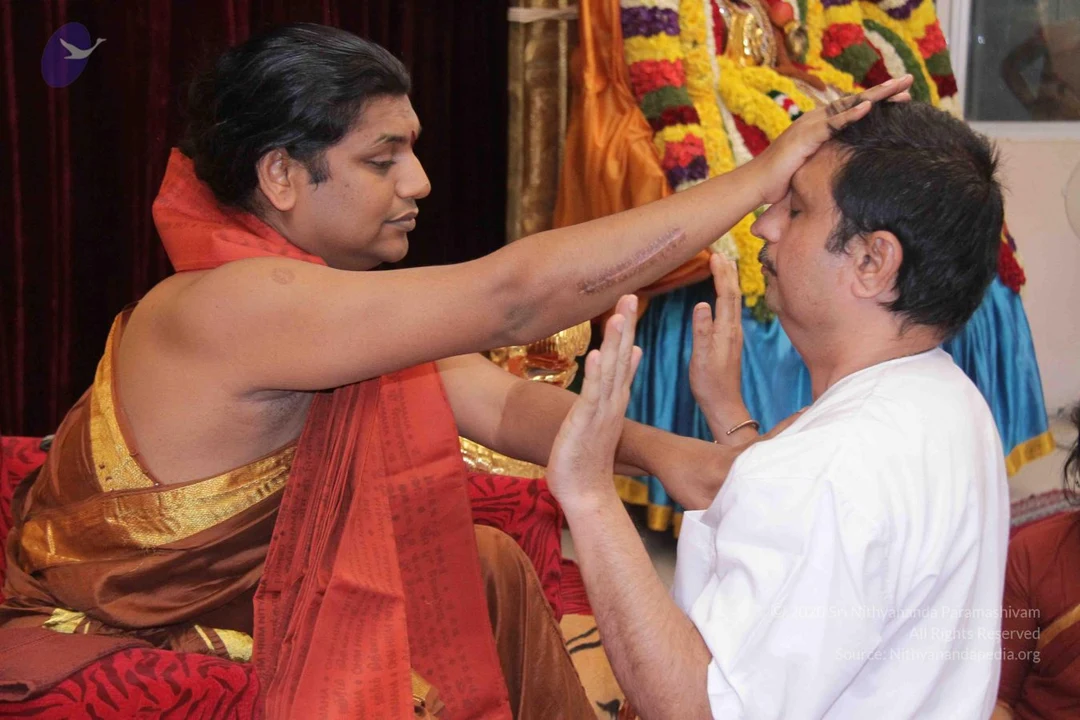
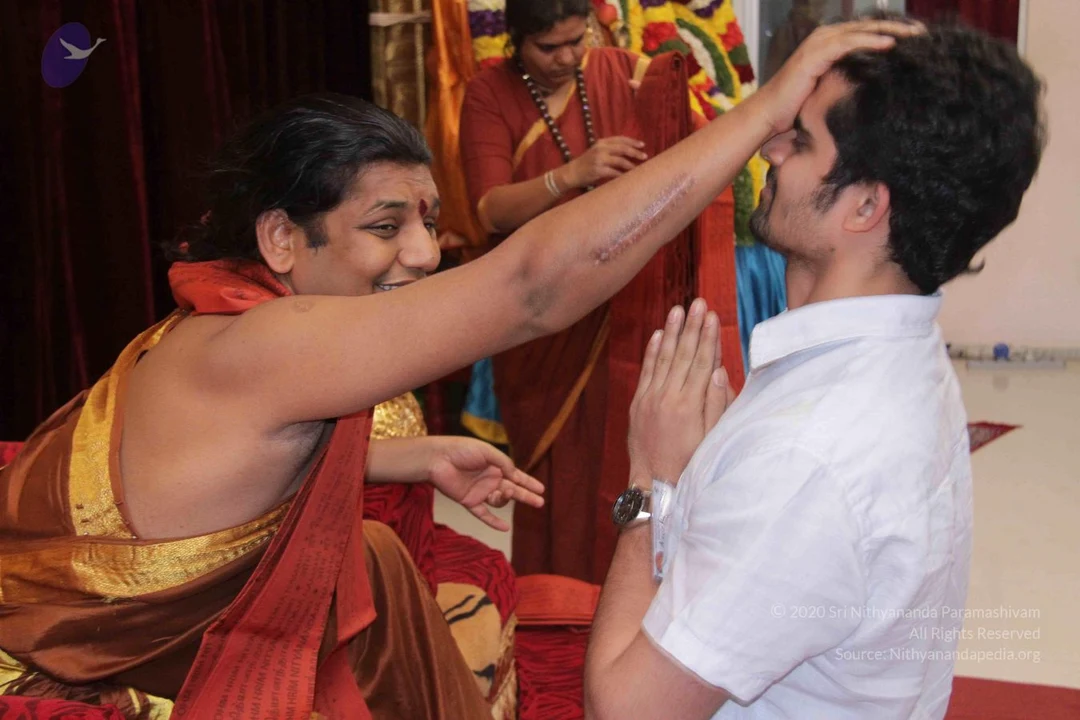
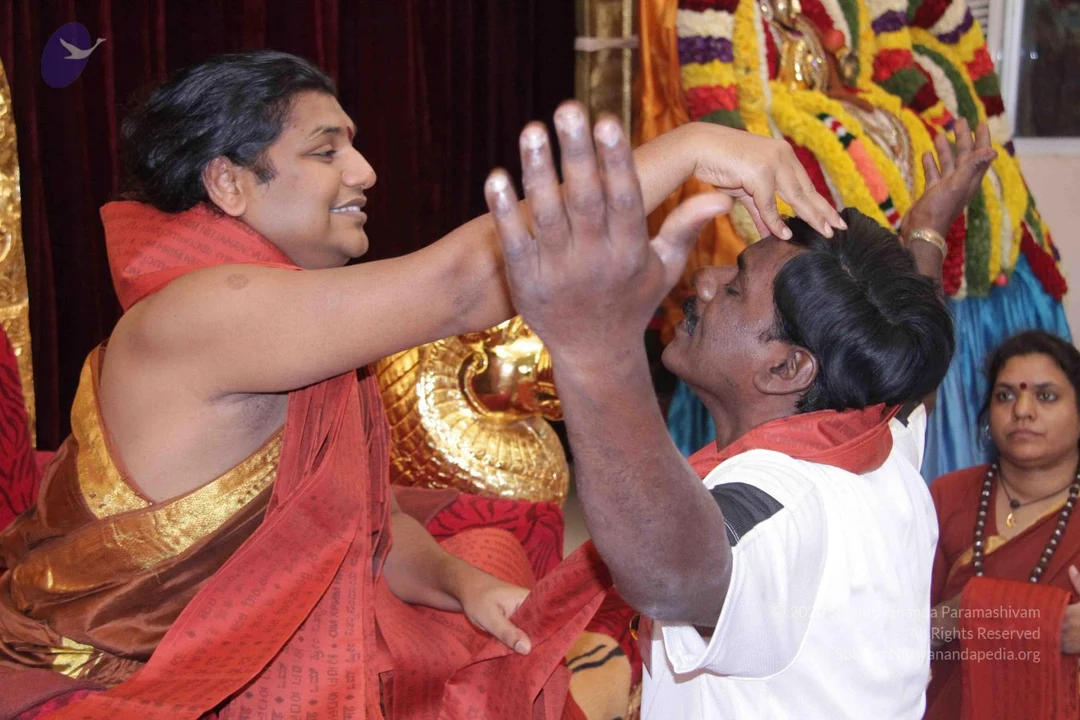
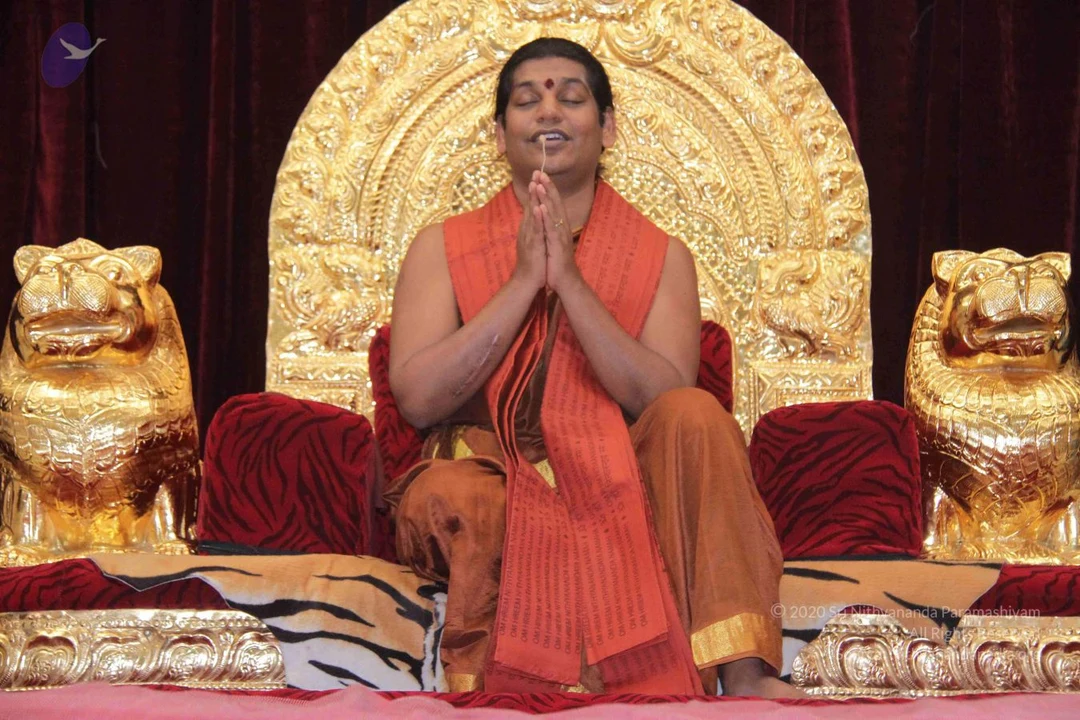
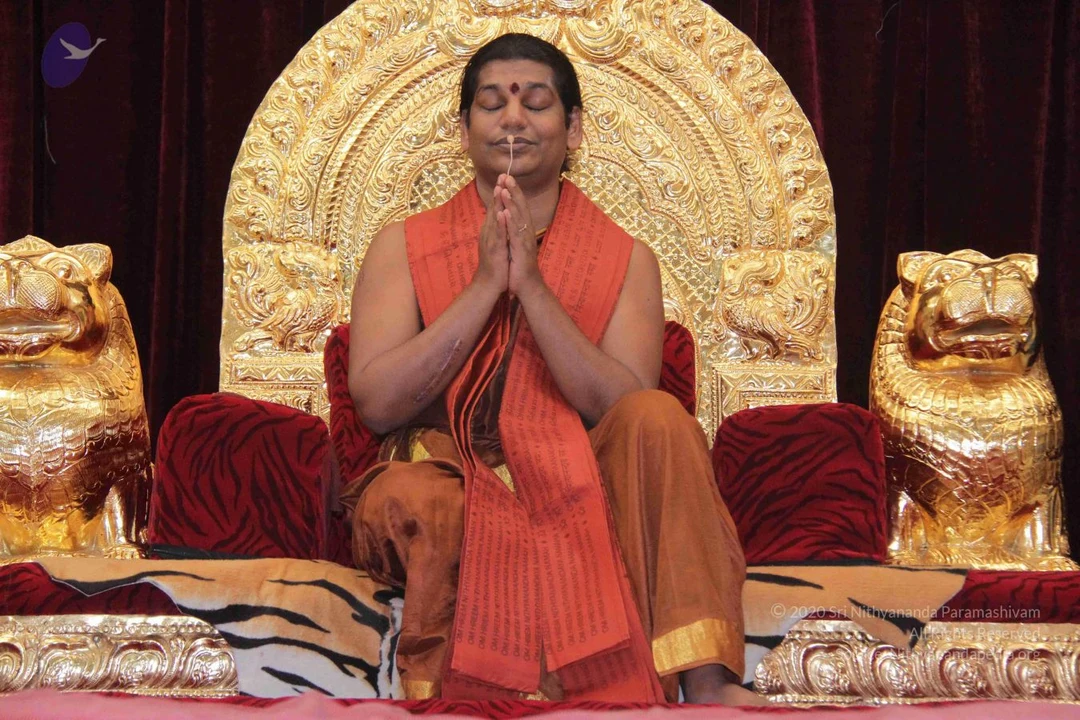
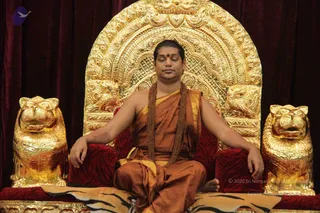
A man seated cross-legged in meditation on an ornate gold throne with a large carved arch and two gold lion-head armrests, draped with a tiger-striped cloth. He wears a saffron-orange robe with gold border, a rudraksha mala necklace, and a red bindi, eyes closed, hands resting on the armrests. Dark red velvet drapes stand behind the throne. The figure's appearance is consistent with the a person candidate, but the page-stated presence cannot be confirmed from appearance alone, so identity is left uncertain.A seated man in orange-brown ochre robes sits cross-legged with eyes closed in meditation on an ornate golden throne (peetha) with a large embossed arched backrest and golden lion-head armrests. He wears a red bindi, a long beaded rudraksha-style mala necklace, and his bare right arm and shoulder are visible. The throne is draped with a red cushion and a tiger-striped fabric, set against deep maroon curtains. One person is present. Appearance-based identity is uncertain, so the role is given as a seated figure in meditation.A man in a rust-orange silk robe with gold border sits cross-legged on an ornate gold throne with carved lion heads and a tiger-striped cushion, arms spread wide in an expressive gesture while smiling. He wears a long rudraksha mala draped to his lap and a red bindi on his forehead. Two large gilded lion sculptures flank the throne against a deep maroon curtain. a person: the seated figure with a swept-back hairstyle, rudraksha mala and saffron robe matches the page's a person reference, but the face is not used for identification, so the label is appearance-based only. The seated person is in the throne of a discourse setting, and the image is a photograph taken during a talk.A photograph of a man seated cross-legged on a throne with a gilded arched back and gold lion-head armrests, draped in a tiger-striped cloth over red-and-black upholstery. He wears an orange-brown robe with a gold border, a long rudraksha mala around his neck, and a red bindi on his forehead, with his hands resting open on the armrests. One person is visible.A seated man in a bare-shouldered brown-orange silk garment with a gold border and a rudraksha mala raises his right arm and places his palm on the forehead of a standing bearded man in a white kurta with a red-patterned shawl and a small mala. Behind them a golden deity face or murti, a garland of yellow, white and purple flowers, and a blue cloth backdrop frame the scene. The setting suggests a blessing exchange in a devotional room. a person: the seated figure has a swept-back hairstyle, bare shoulders with a brown-orange silk wrap and a gold-bordered garment, and a rudraksha mala, cues consistent with the page's attribution.Photo of a seated man in a bronze-brown silk garment with gold border and a long rudraksha mala draped over his shoulder, pressing his hand to the forehead of a man in a white embroidered shirt with a red shawl printed with Om and a rudraksha mala. Behind them stands a golden deity murti, a golden lion-faced ornament and a large garland of marigolds and red flowers with a blue cloth. The seated man has short swept-back hair and a tilak; the recipient is curly-haired and bearded. The gesture appears to be blessing or diksha. a person candidate appearance cues are a bronze-brown garment with gold border and a rudraksha mala, but the face and identity are uncertain, so this is unsure.

Inner Awakening Darshan_2
49 photosSource gallery
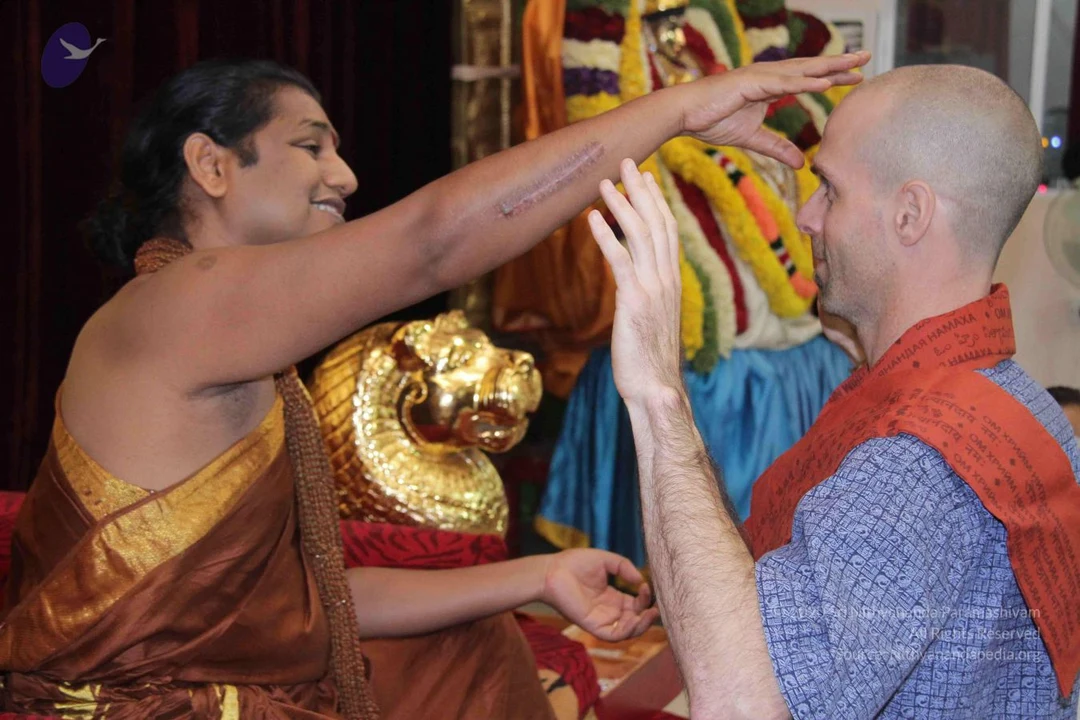
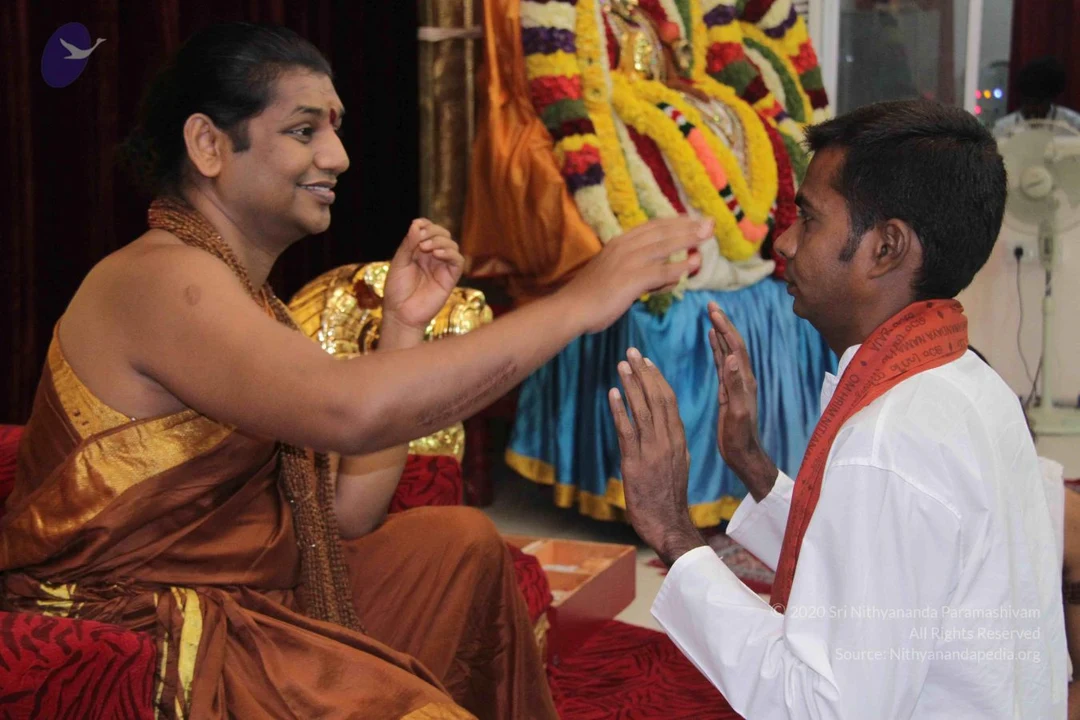
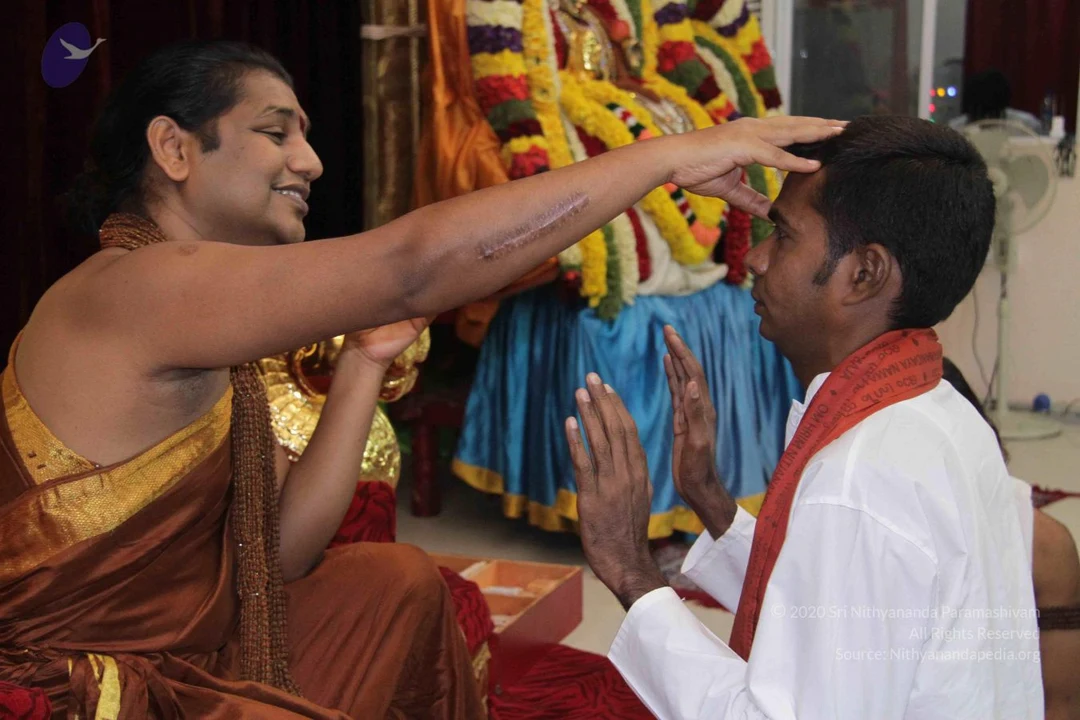
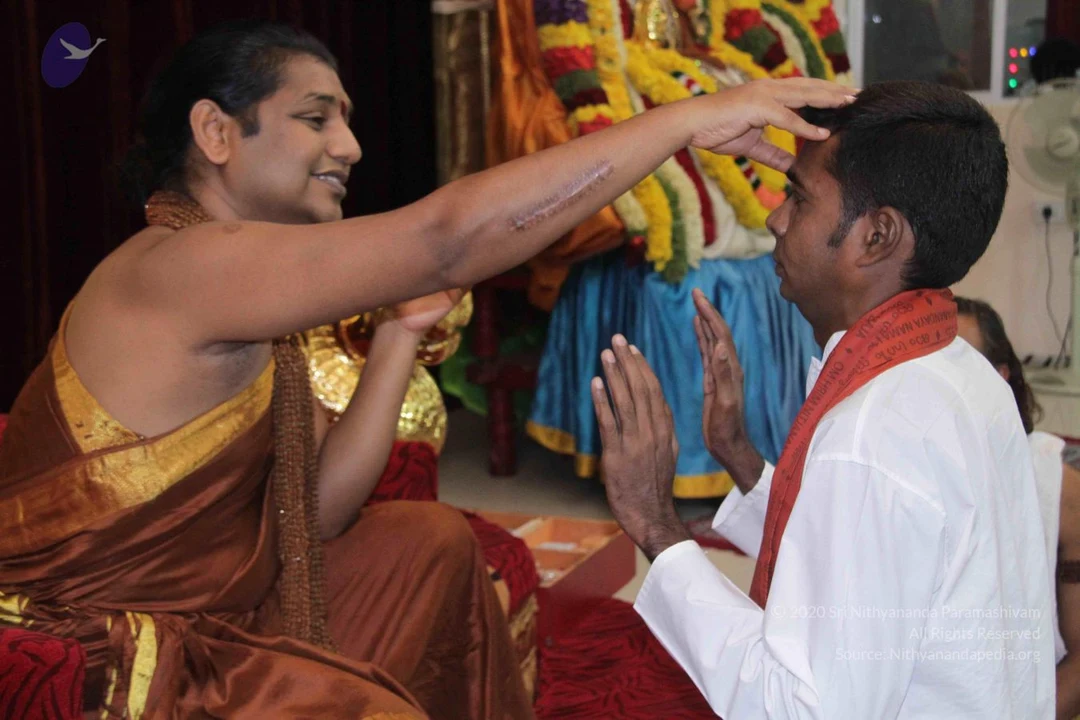
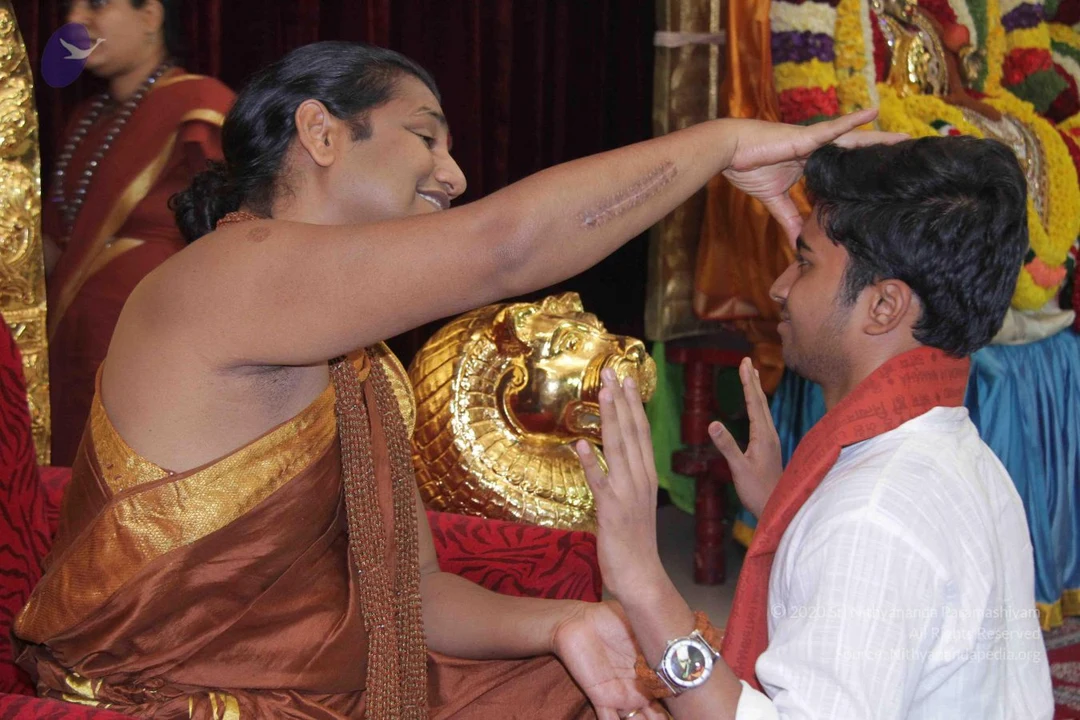
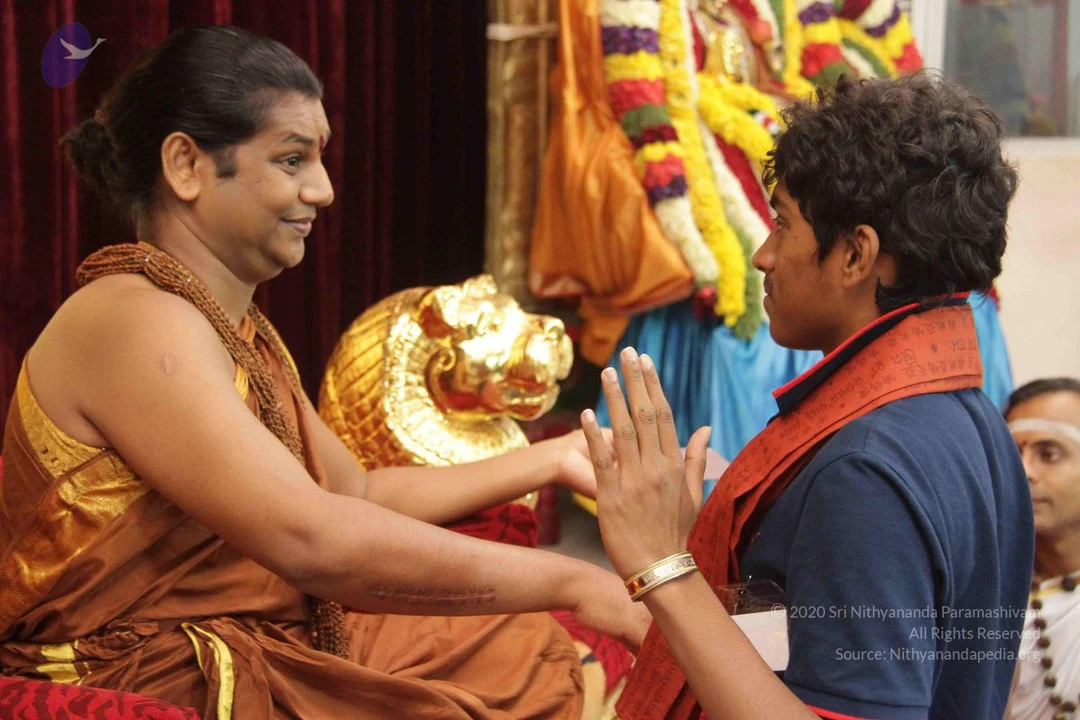
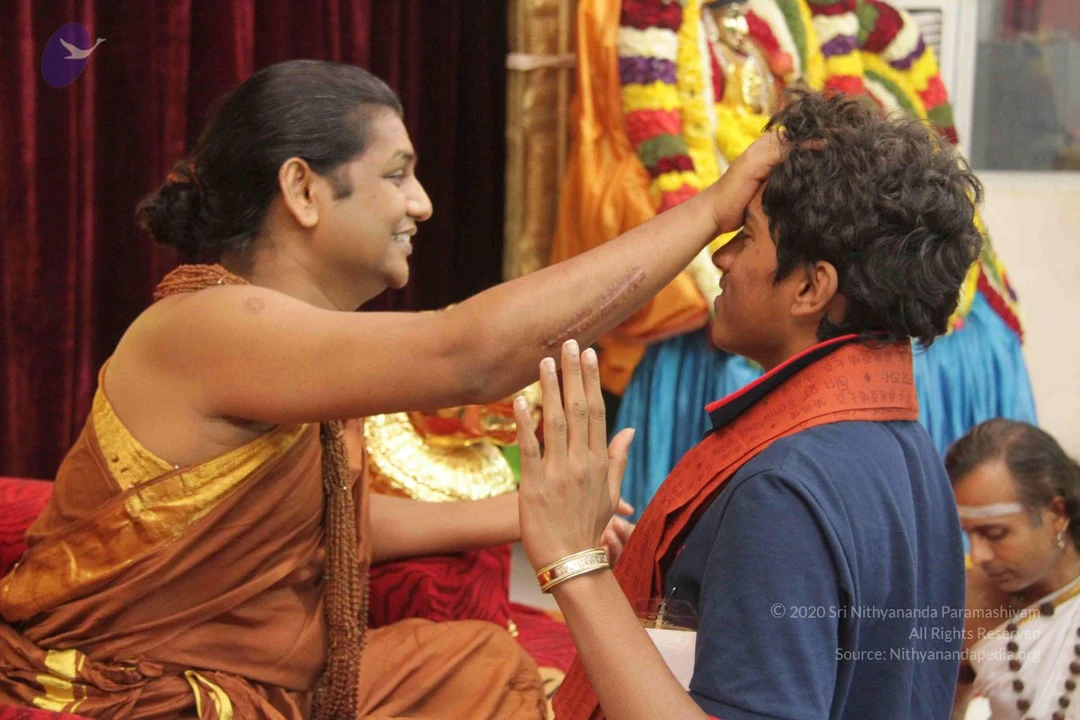
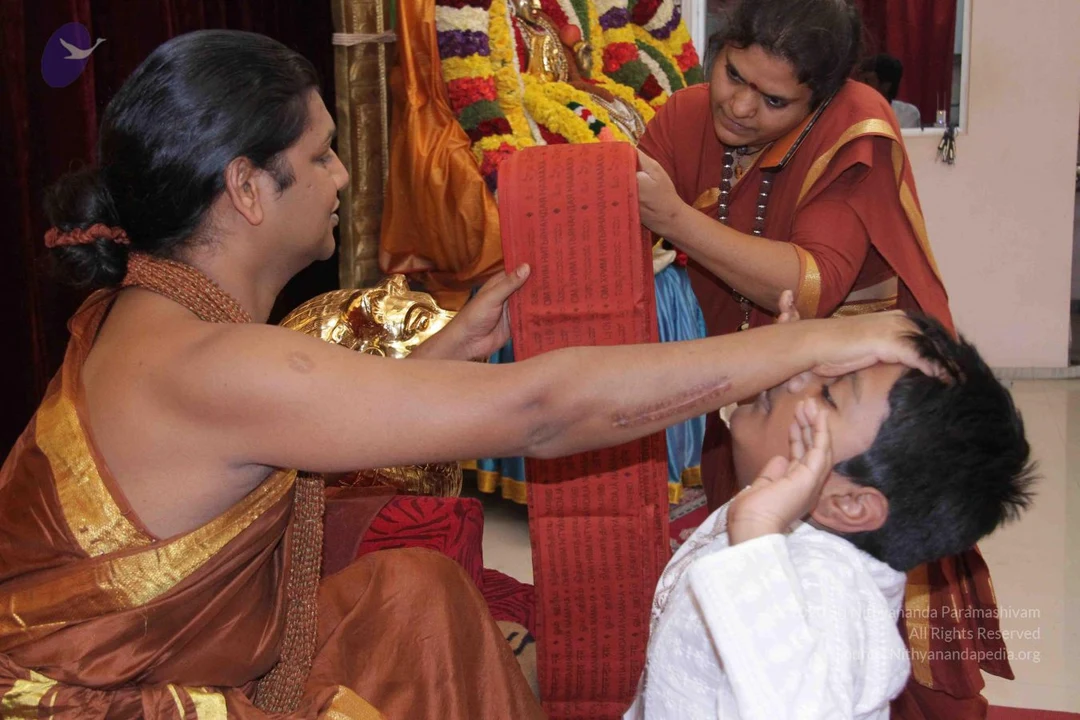
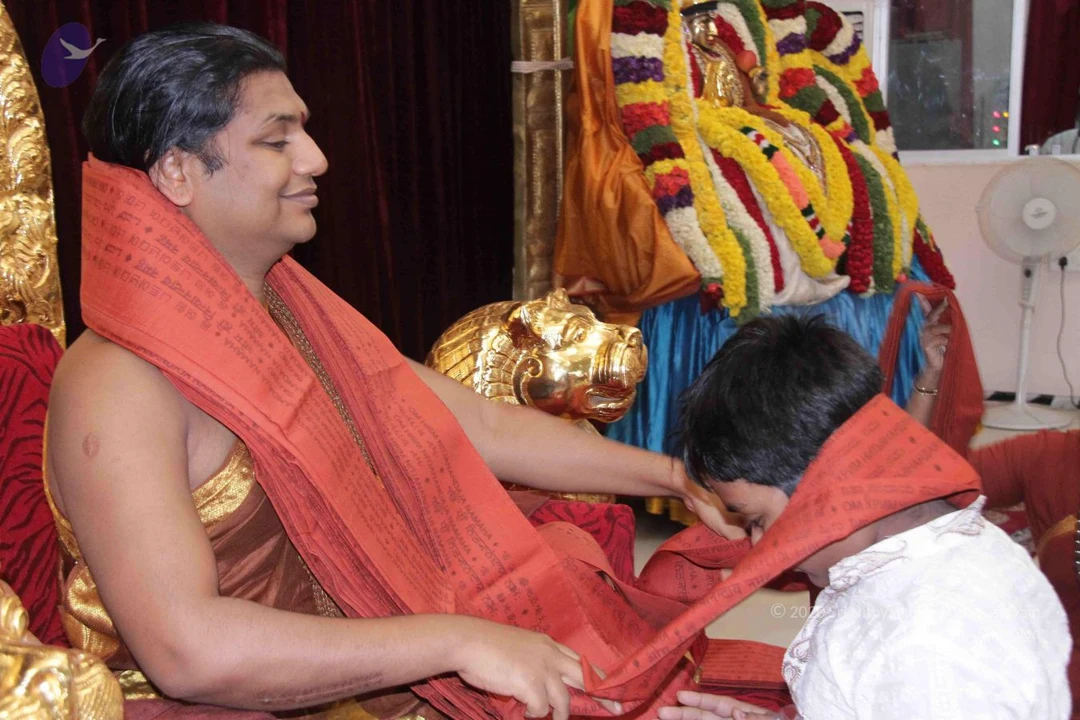
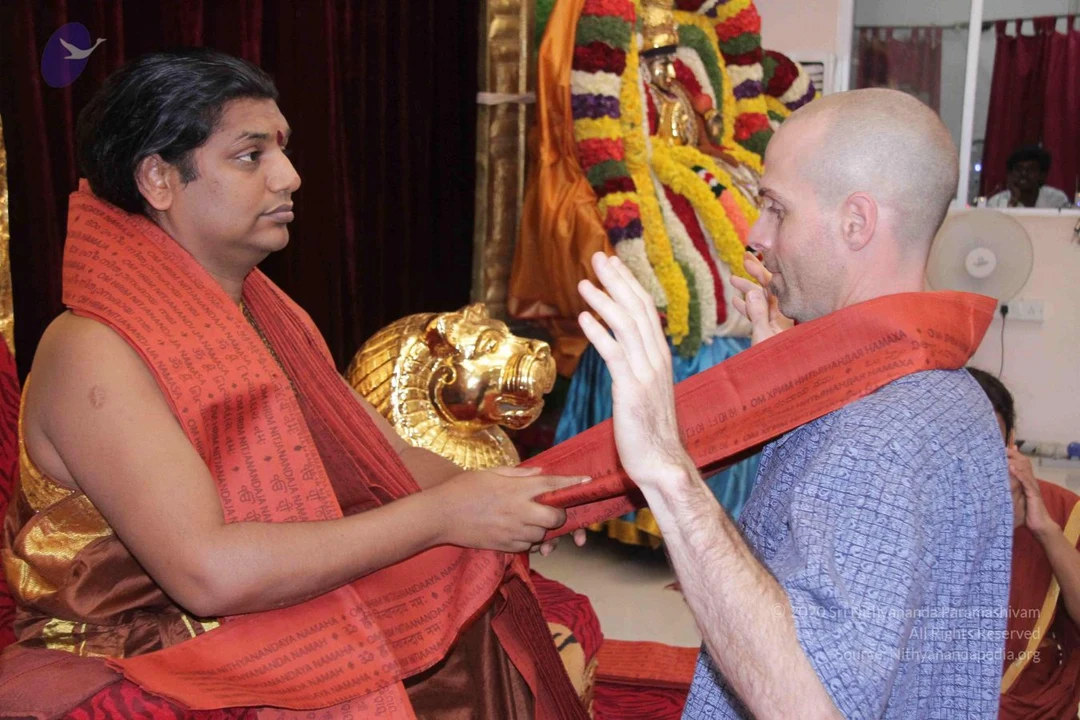
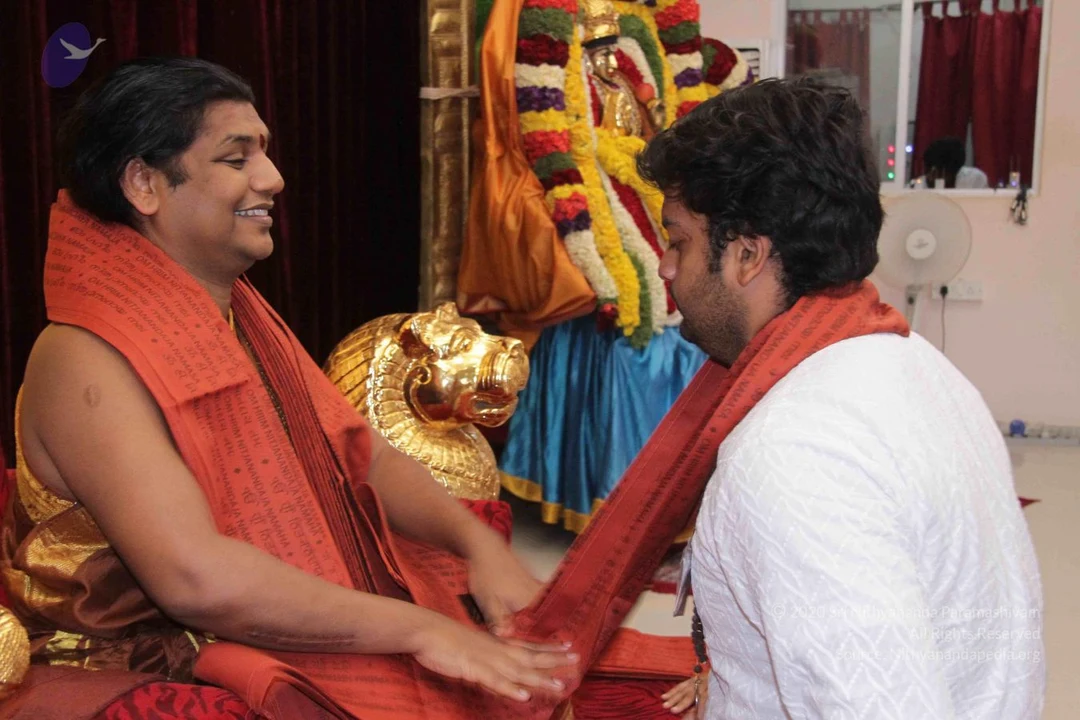
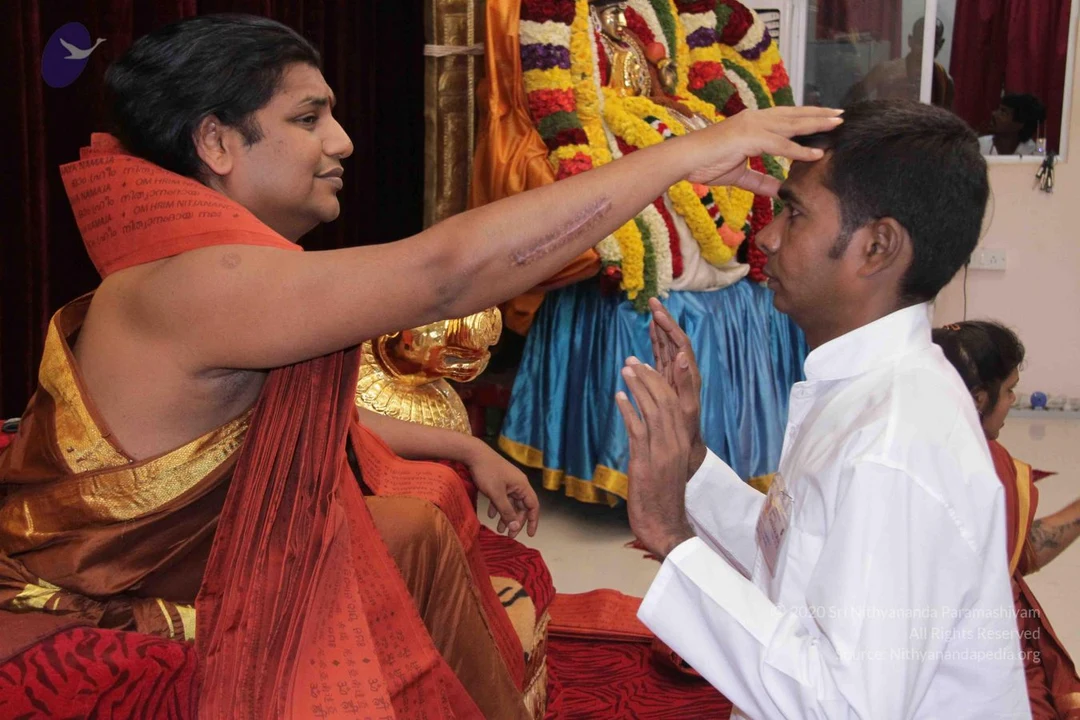
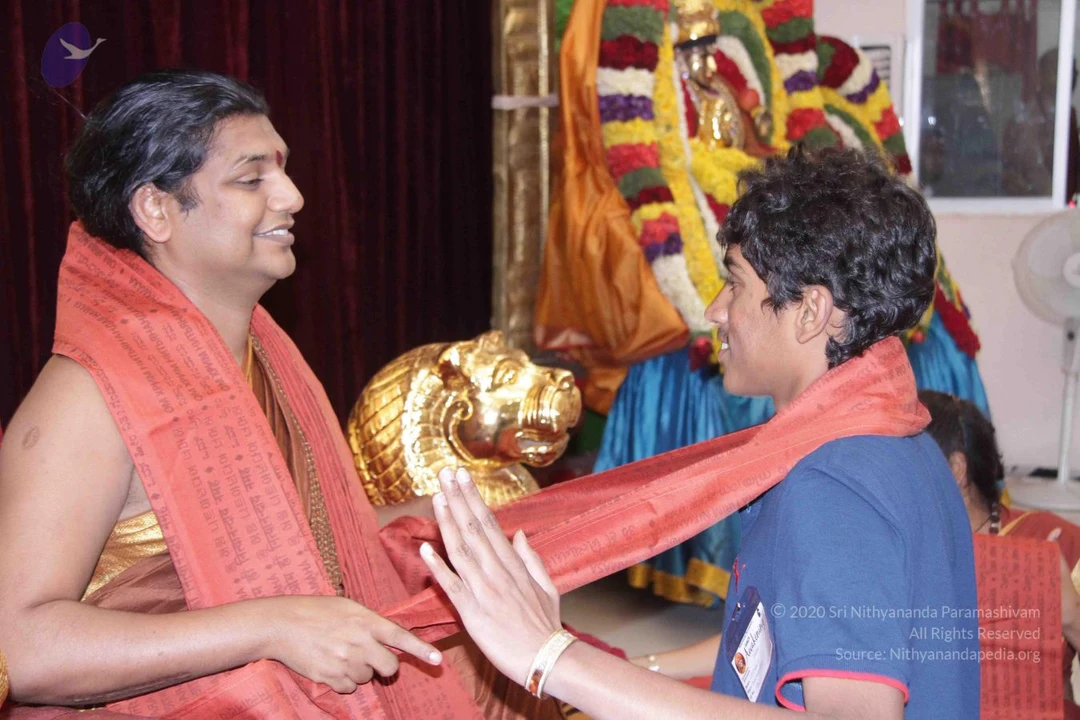
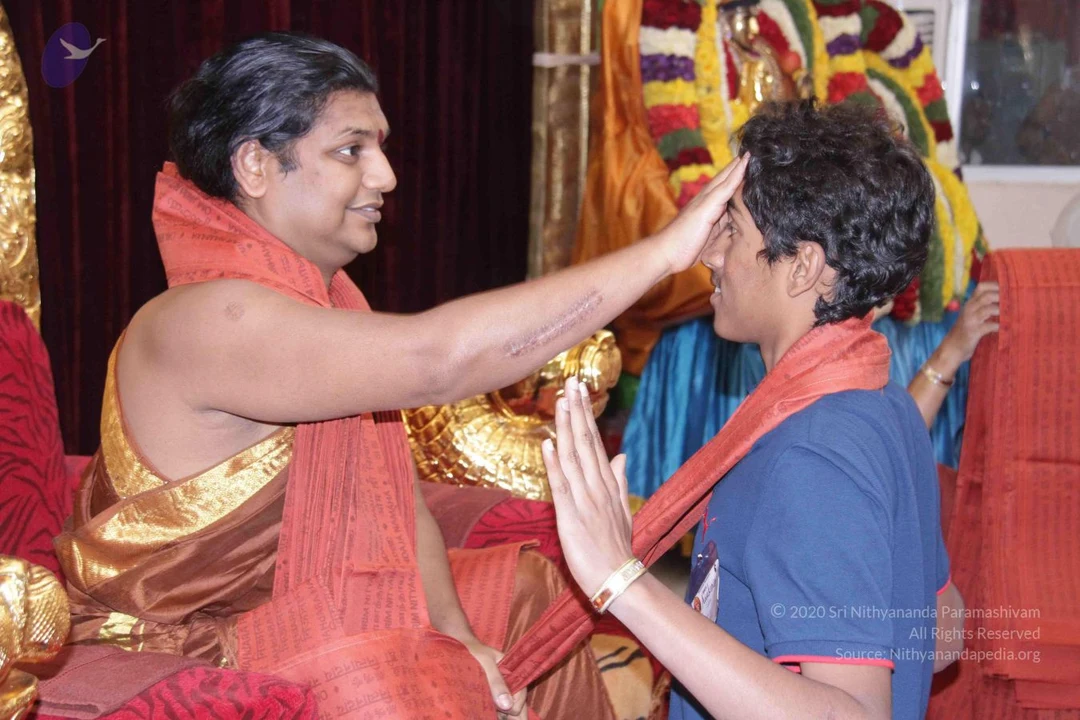
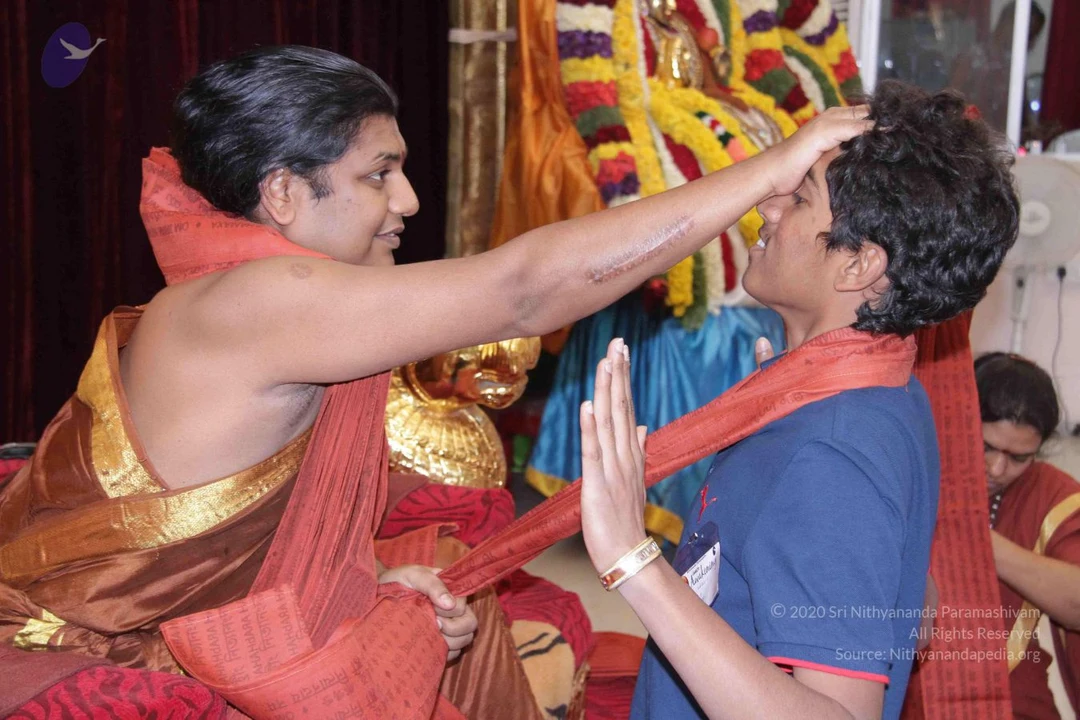
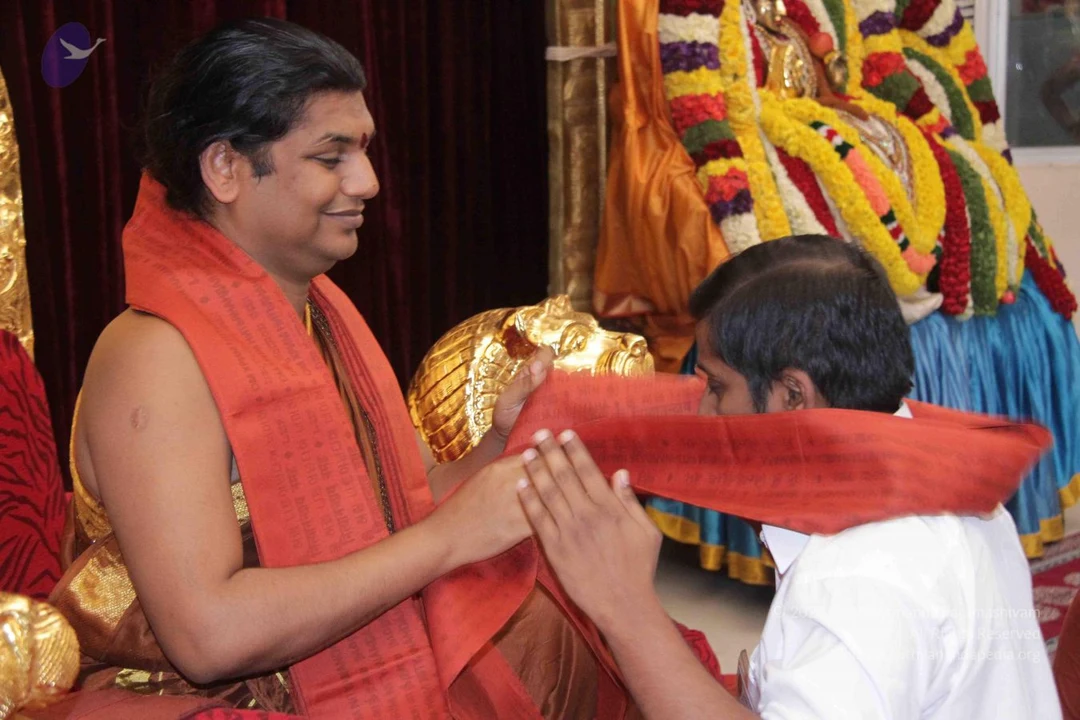
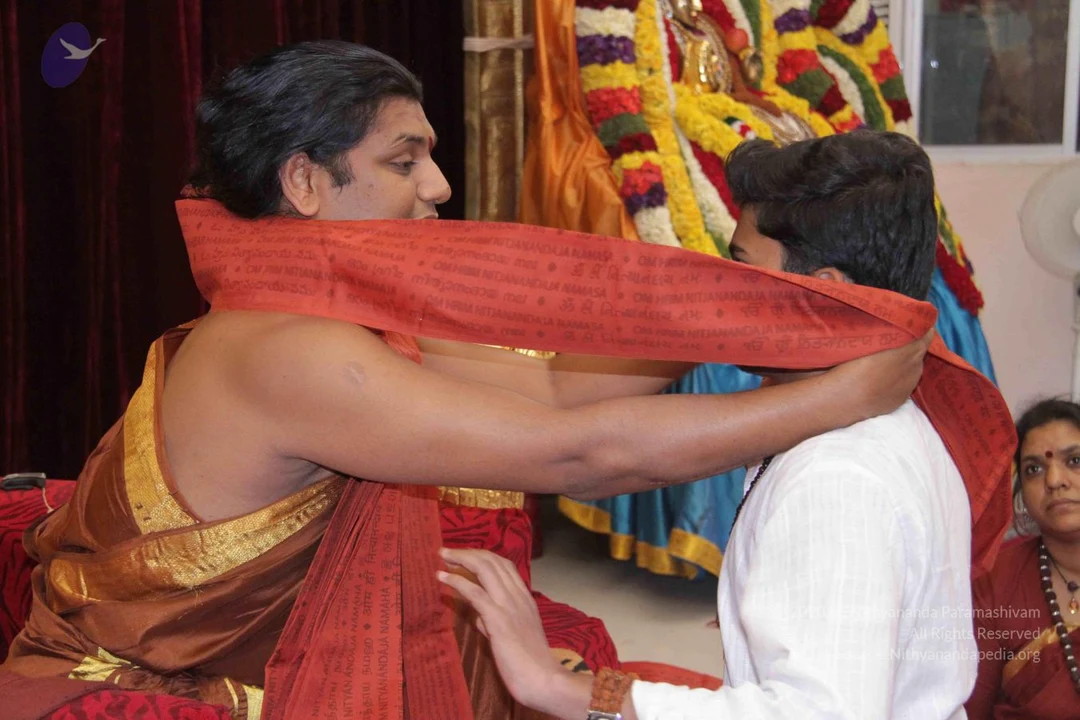
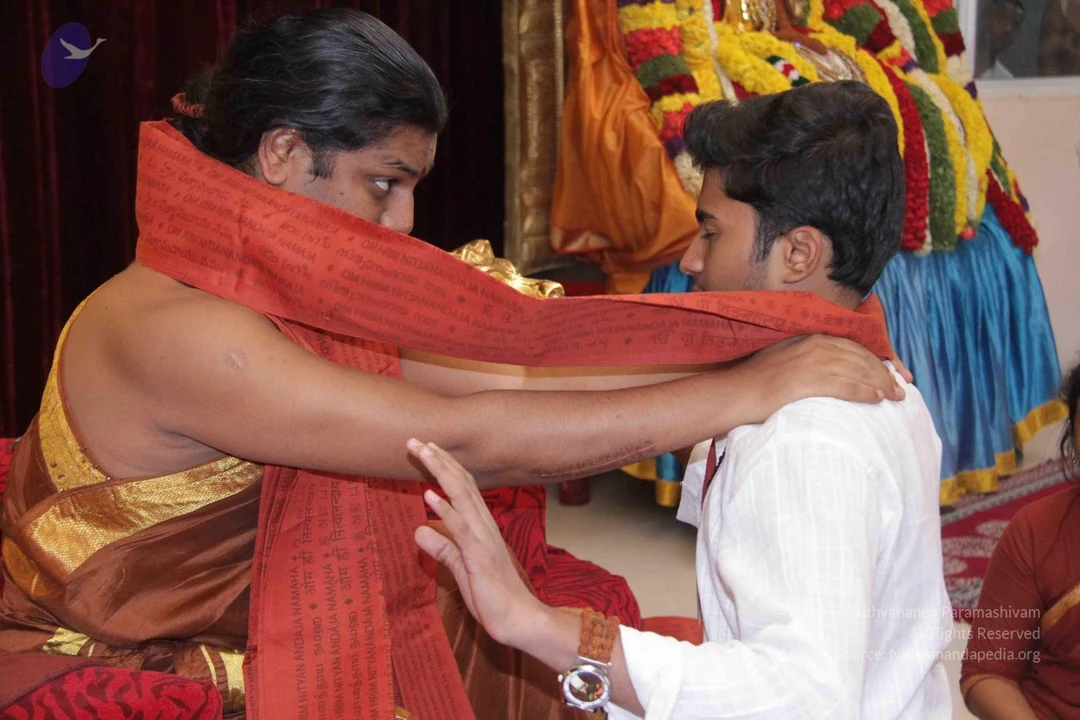
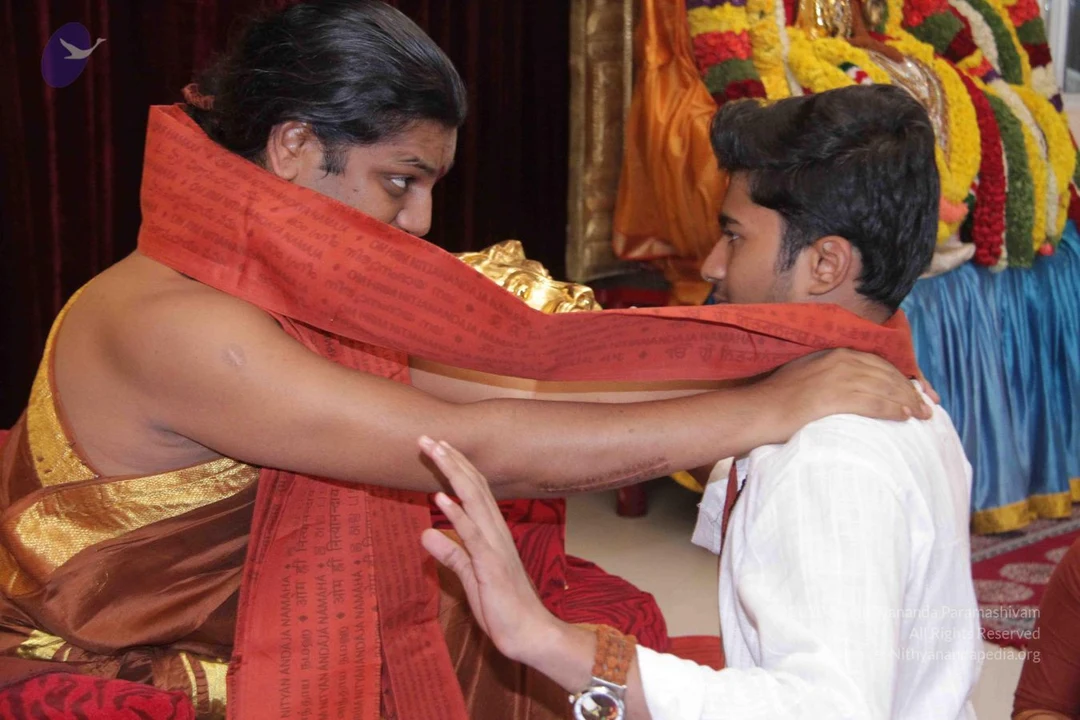
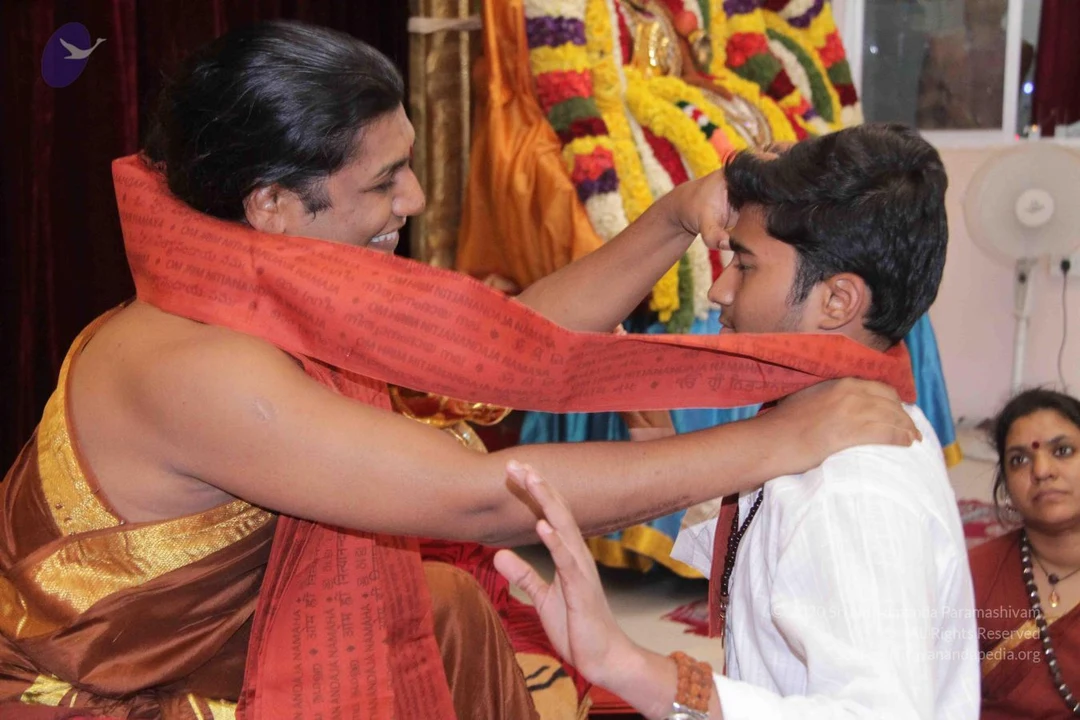
A man seated cross-legged on an ornate gilded throne with a tall arched back carved in floral and scroll patterns, flanked by two gilded lion-head armrests. He wears a saffron-orange silk robe with gold borders over a bare chest, a long rudraksha mala and a gold-coloured necklace, with a red bindi on his forehead. His arms are spread open in a gesture of explanation, and he gazes forward. The throne rests on a red velvet cushion draped with a striped tiger-print cloth against a dark red curtain.A man in saffron-orange robes sits cross-legged on an ornate gold throne with a carved, repoussé backrest and two gilded lion-head armrests, draped with red tiger-striped fabric. He wears a rudraksha mala and gold-bordered orange shawl, has a red bindi on his forehead, and holds his arms open with palms turned outward. Swamiji (probable): long, swept-back hair, a saffron shawl and rudraksha mala are visible cues. Red velvet drapes frame the background.A man in saffron-orange robes with gold borders sits cross-legged on an ornate golden throne with a red velvet cushion and tiger-striped fabric. He wears a rudraksha mala with a gold necklace, has a red bindi on his forehead and his arms are extended outward palms-up. Gold lion figures flank the throne against a dark red velvet backdrop. Appearance-based candidate, probable Swamiji (probable): long swept-back hair is not clearly visible, but saffron robes, rudraksha mala and gold ornamentation are present in a seated throne setting.A photograph of a ritual blessing in a temple-style room. A man with long dark hair tied back, wearing an orange-brown dhoti-style garment with gold border and a rudraksha mala, sits on the floor and places his hand on the forehead of a young boy in a white kurta, whose head is tilted back. Behind them, a standing woman in a rust-orange sari with gold border holds a long red cloth with printed script, and a golden deity murti and marigold and rose garlands are visible in the background. Three people are visible.A seated man on a golden throne with a gold-and-brown ornate shoulder wrap and bare chest, wearing a red-orange shawl printed with script, is leaning forward to place his hand on the head of a young child in a white shirt who bows low and holds the shawl edge. Behind them a golden lion-head armrest sits beside a deity murti decorated with a large garland of yellow, red, white and green flowers, with an orange cloth draped over it. A white pedestal fan stands at right and red drapery hangs behind. The man has long swept-back hair and the child is bowing in blessing, a darshan-style moment. The man's appearance includes the saffron shawl and ornate gold clothing, but the setting is limited to the cues shown, so his identity remains uncertain.Photograph of two men exchanging an orange-red shawl printed with repeated Nithyananda mantra text. On the left, a man with long swept-back dark hair, a red bindi, ornate gold-and-brown garments and an orange shawl sits in front of a golden lion-headed throne; he holds the shawl's end. Facing him, a bald man in a blue-grey short-sleeved shirt raises his hand and grips the shawl. Behind them, a deity murti is draped with garlands of yellow, red and white flowers and an orange cloth, and a figure in the background wears a white shirt. The left figure matches the Swamiji appearance cues (long hair, ornate gold clothing, orange shawl), so this is a probable in-person identification. Shawl exchange with a devotee suggests a satsang setting.
Maheshwara Puja

126 photosSource gallery
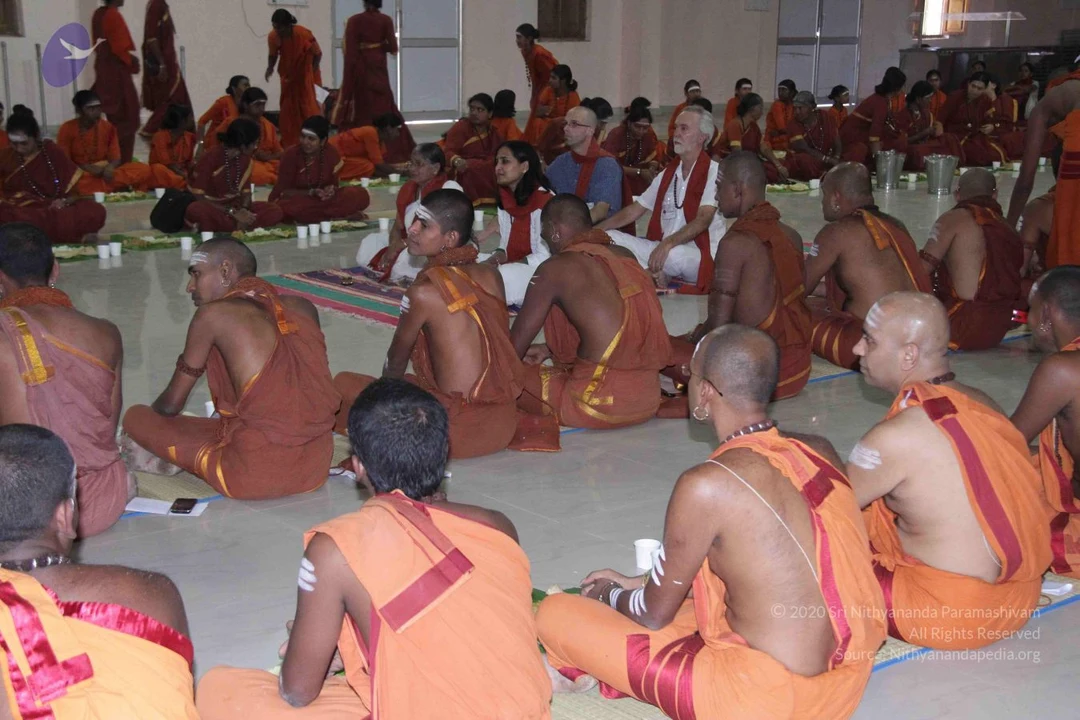
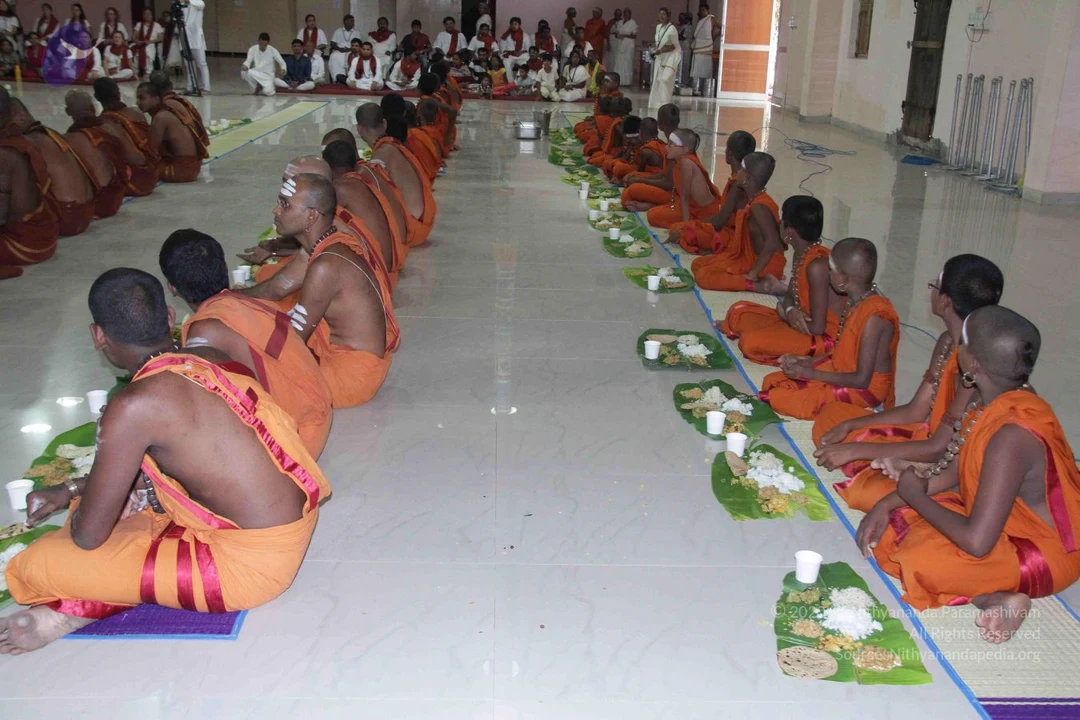
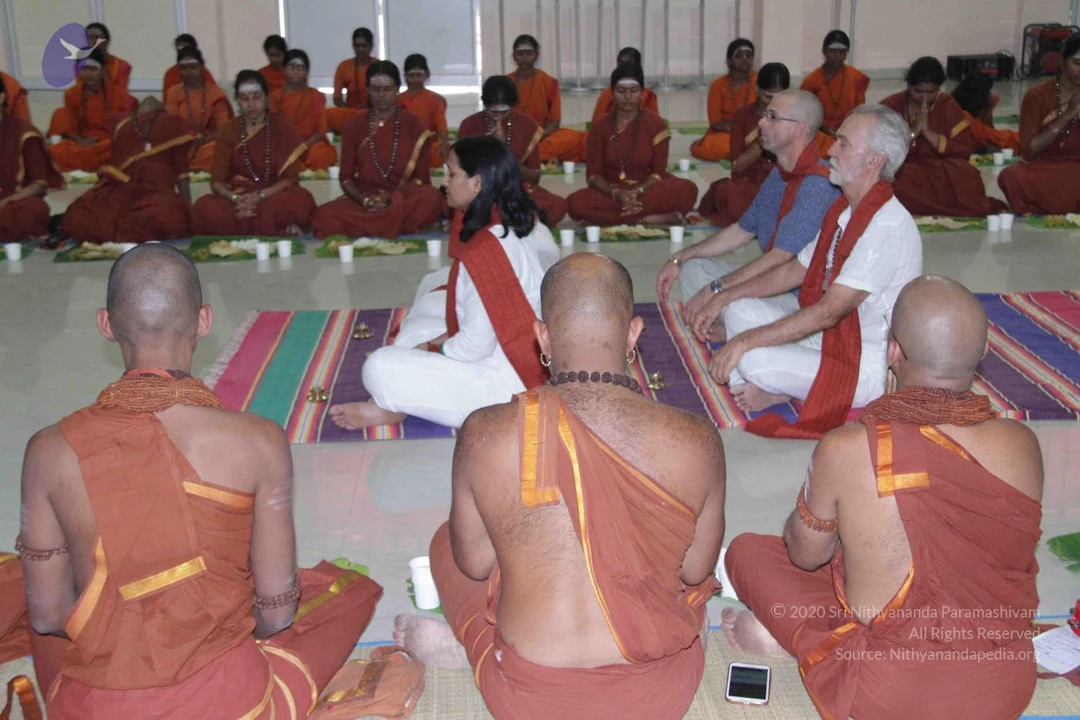
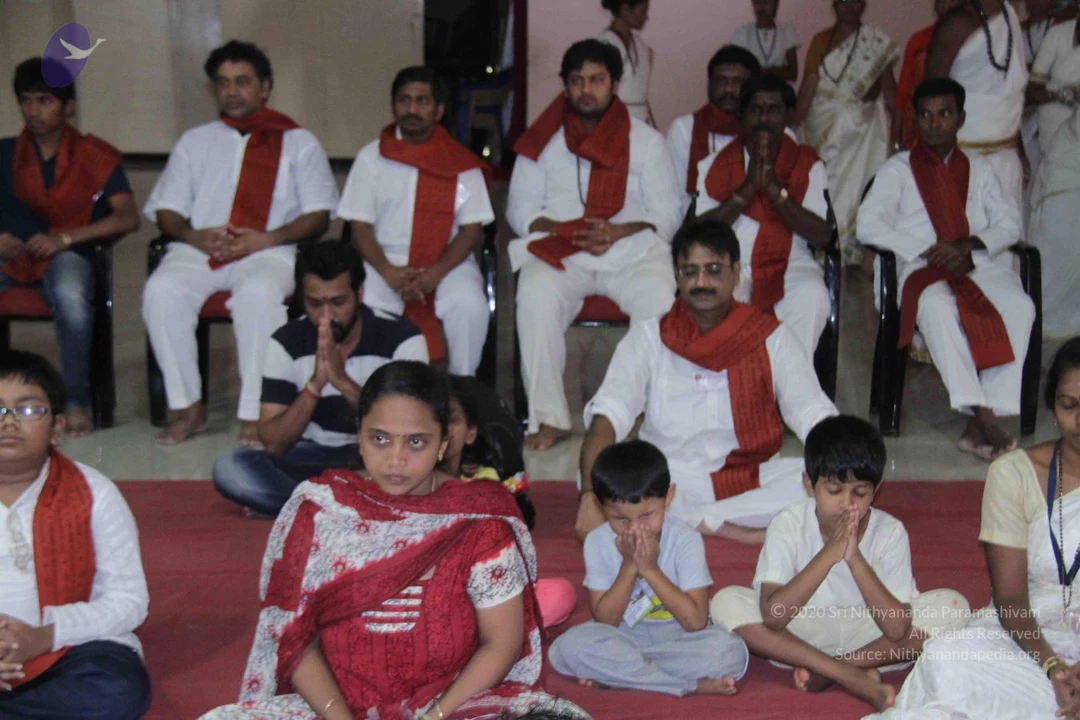
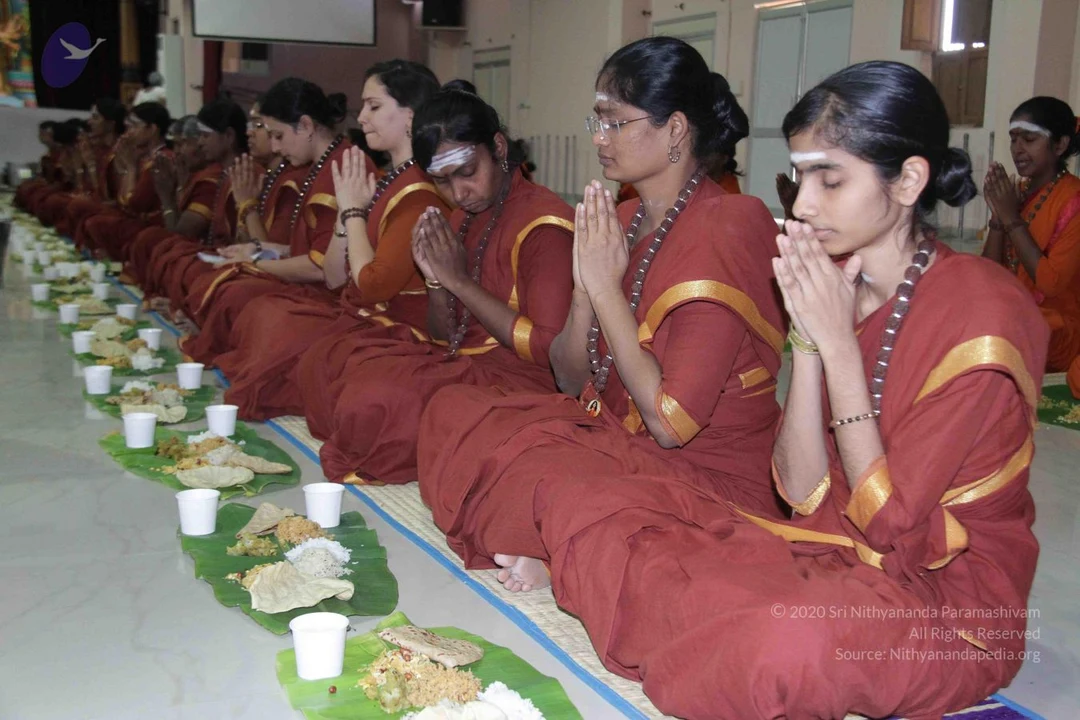
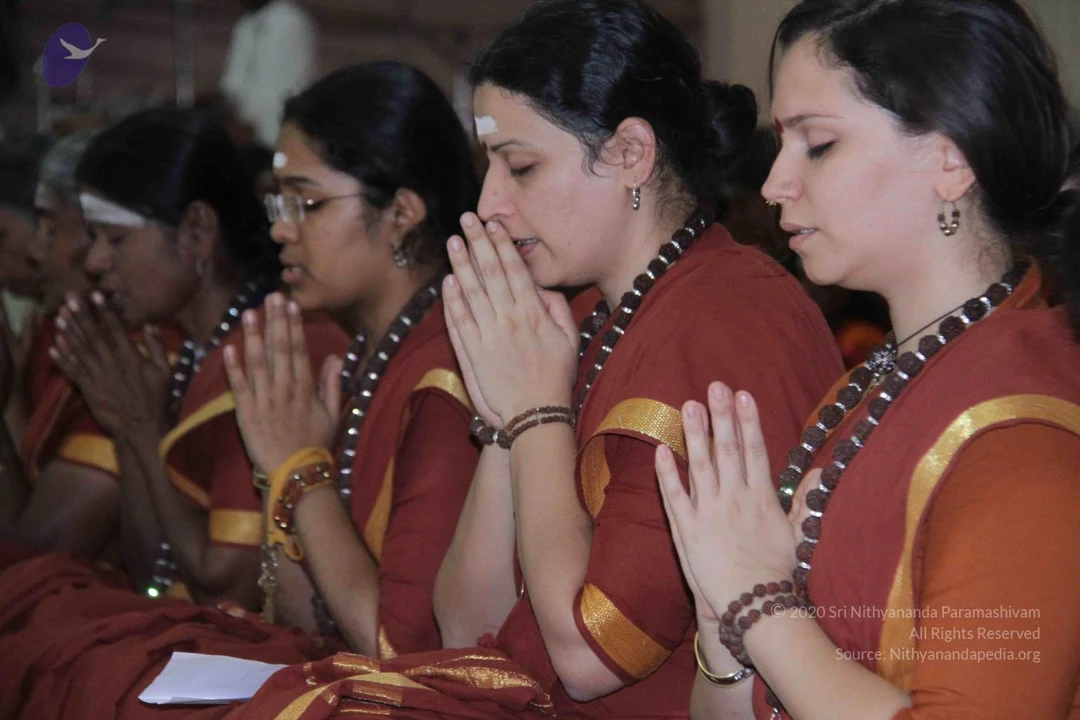
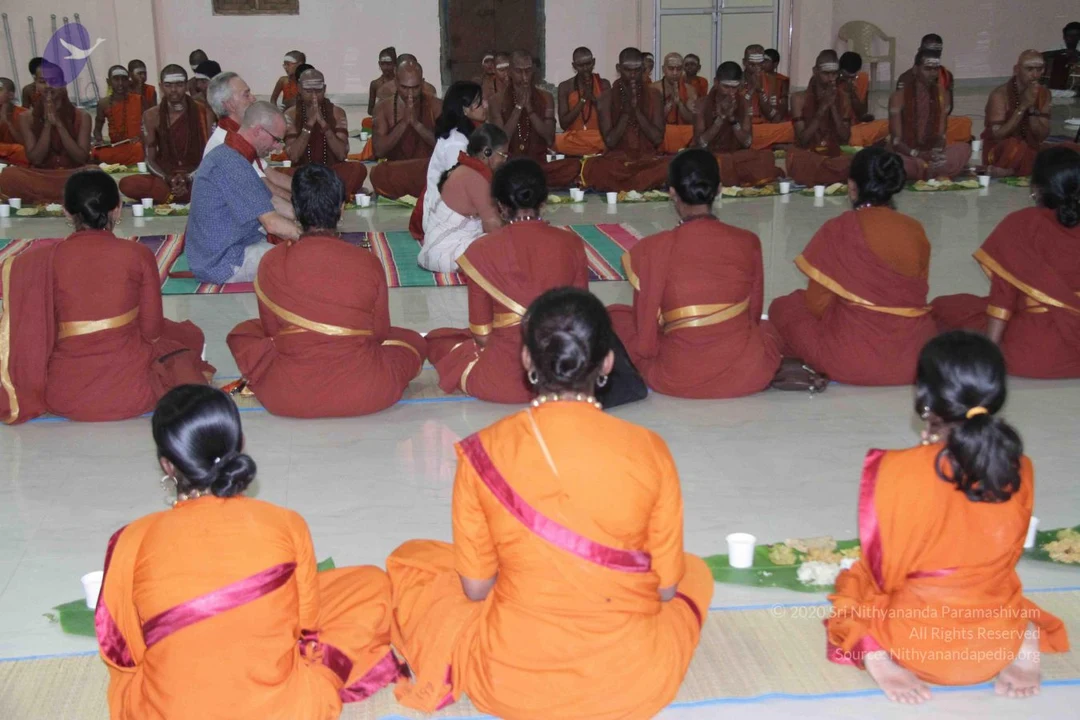
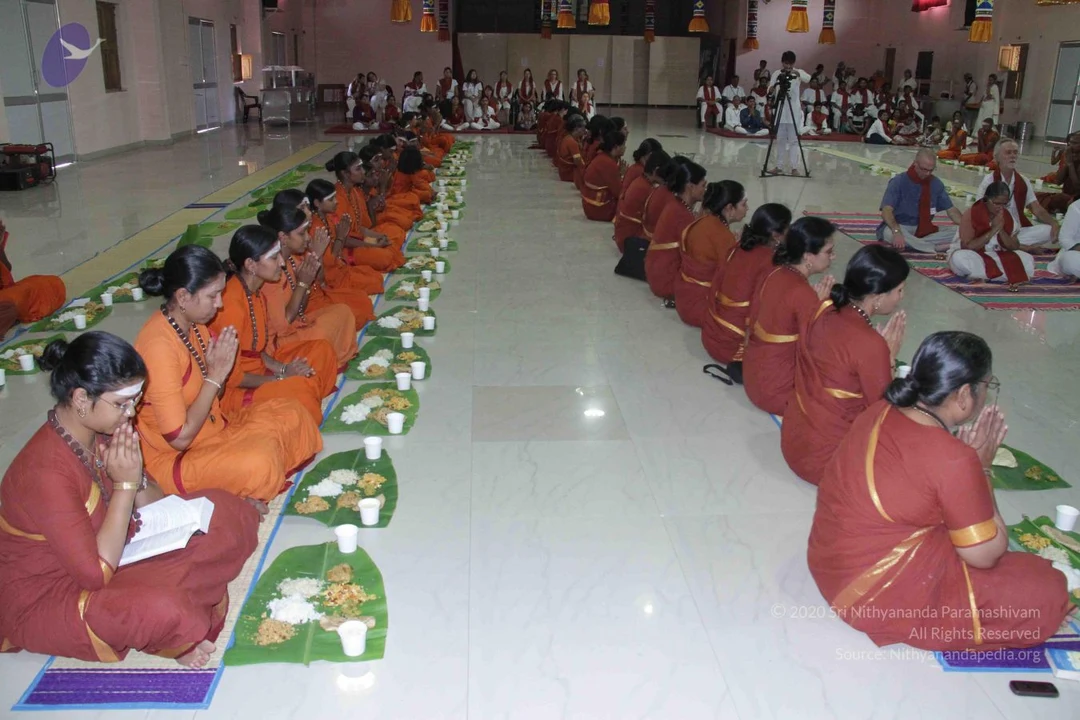
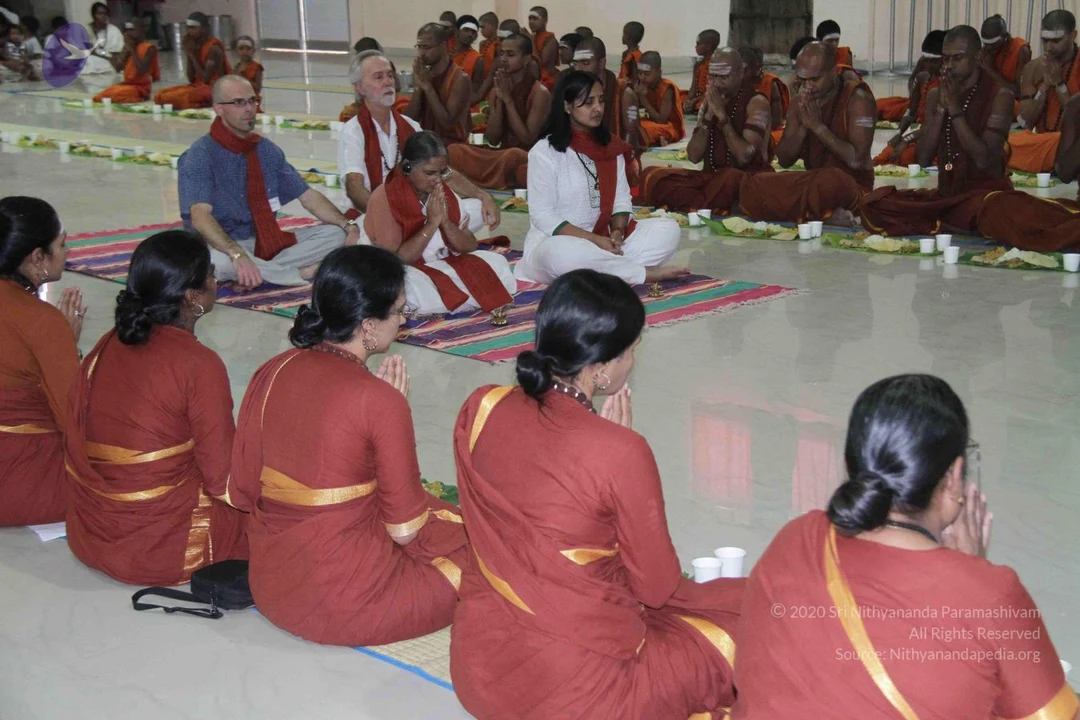
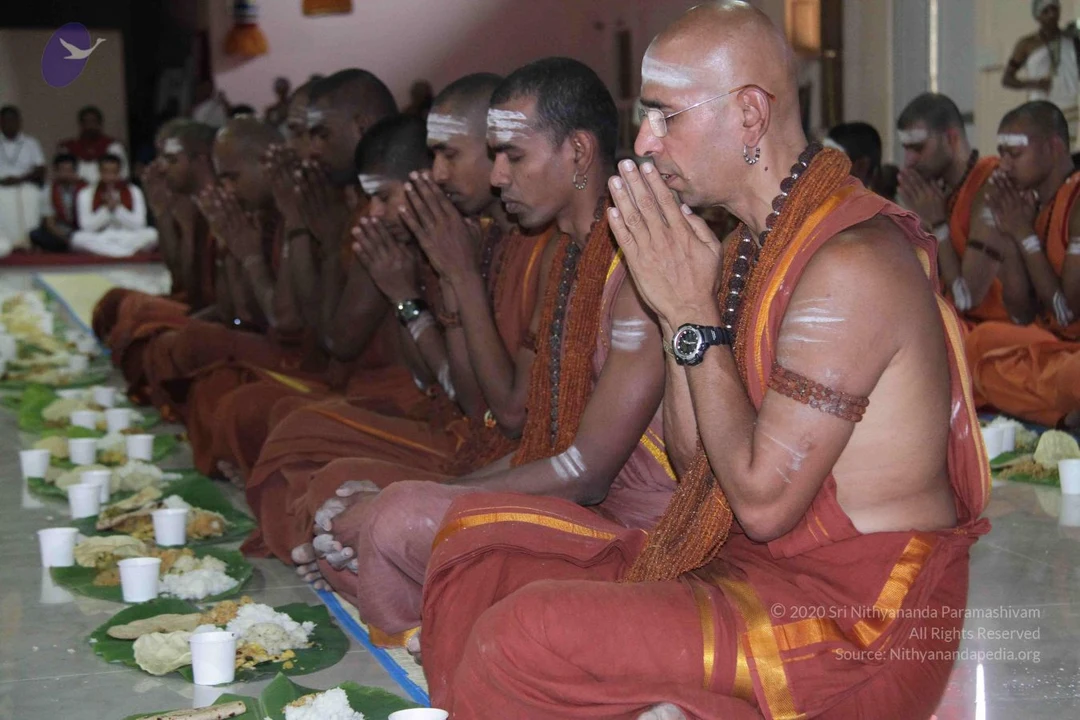
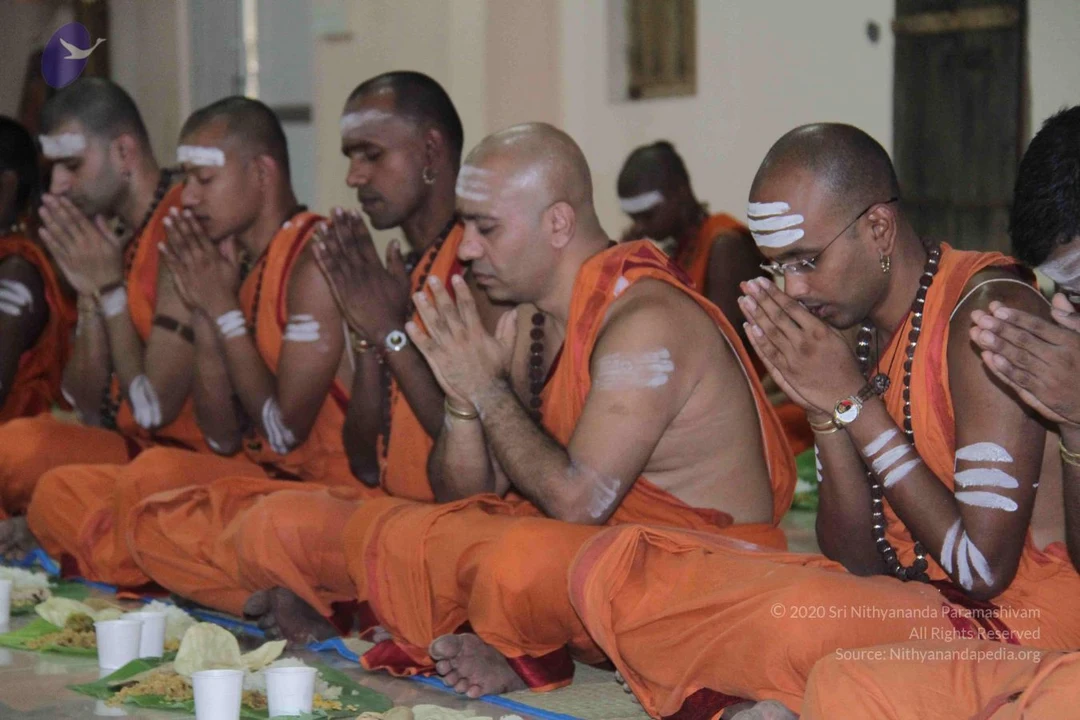
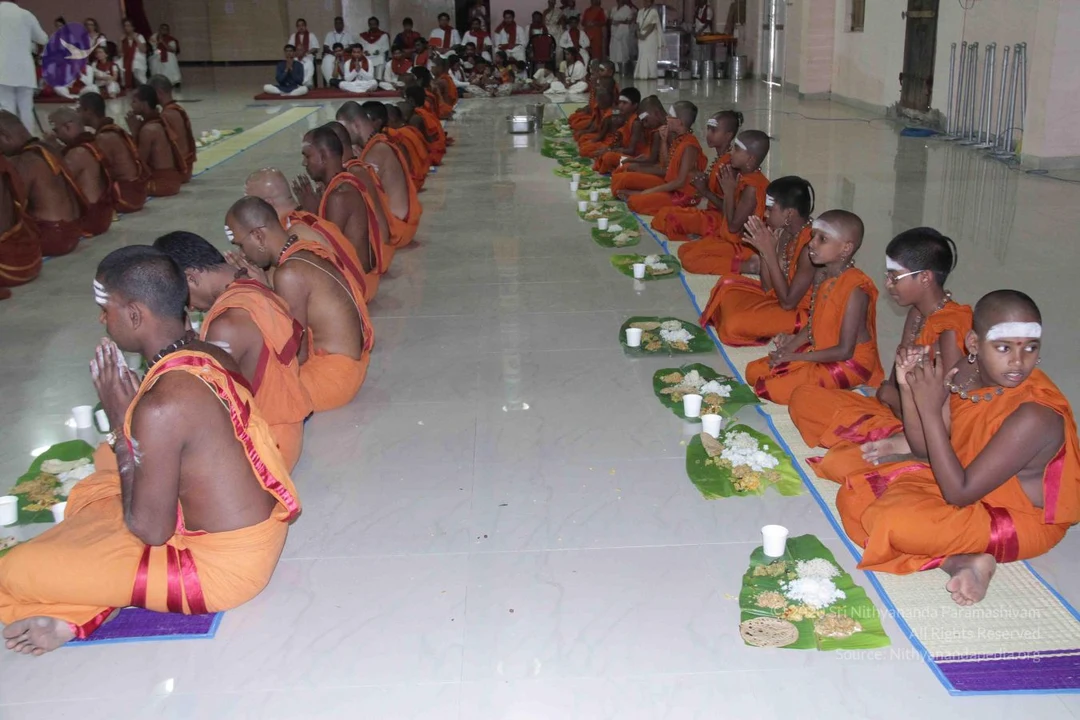
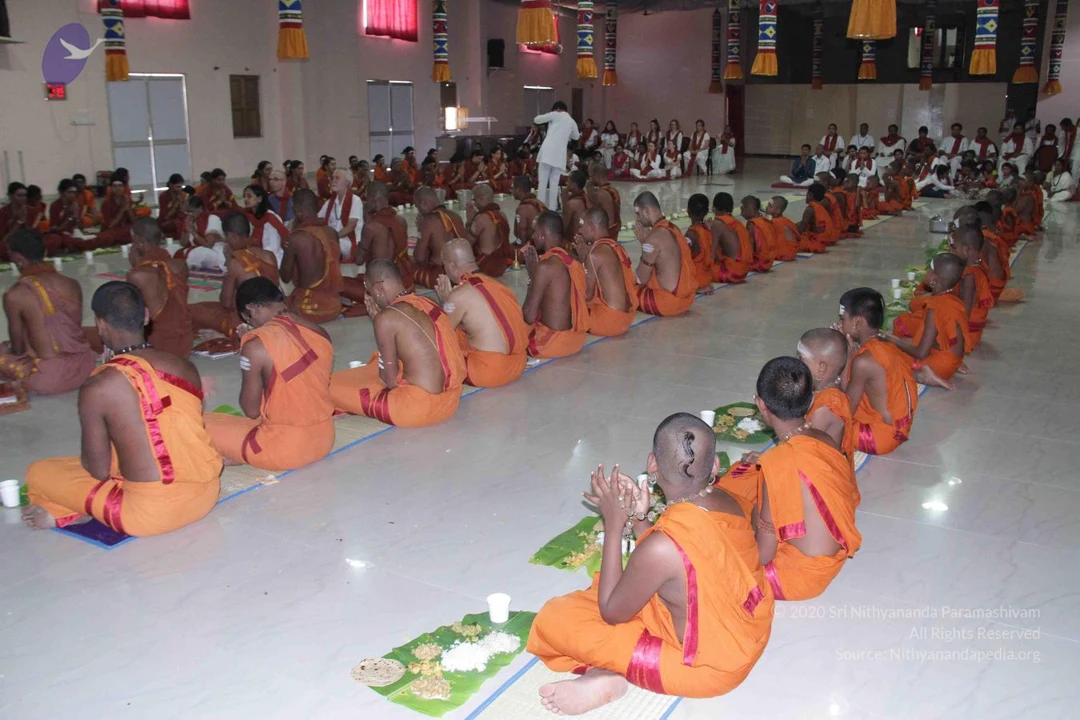
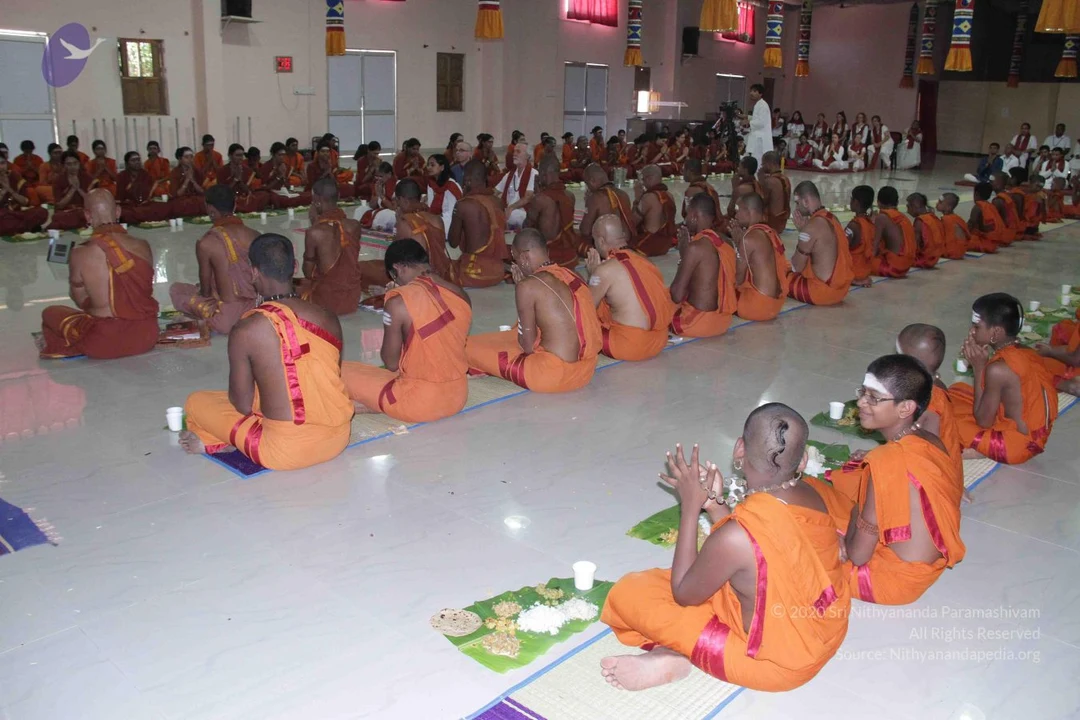
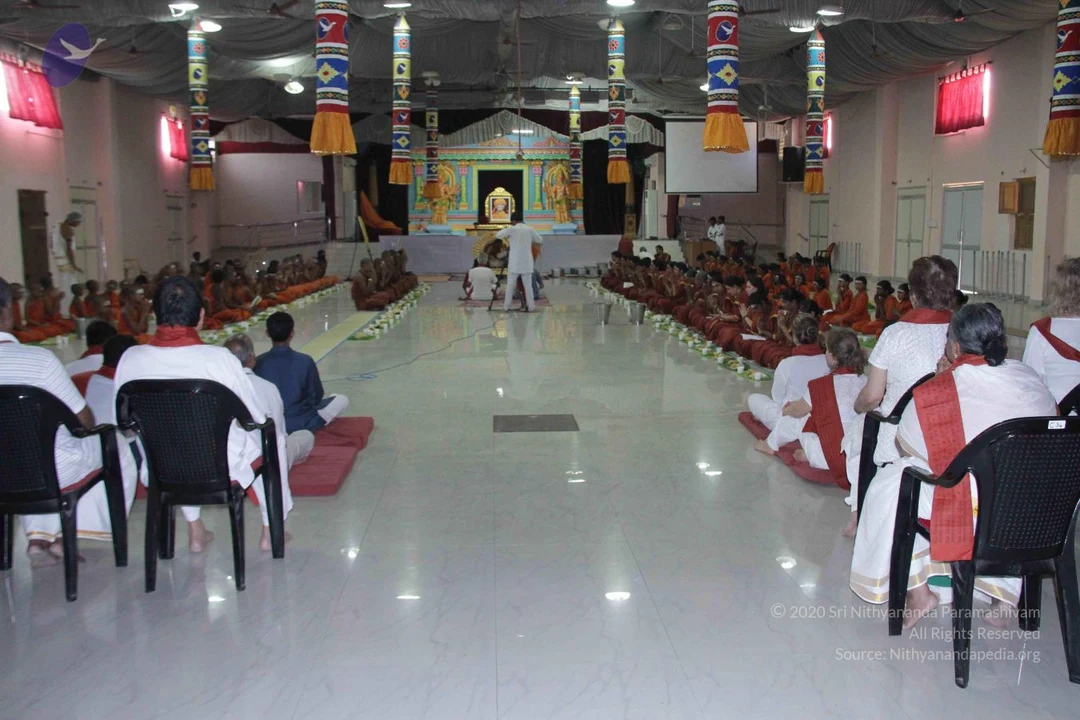
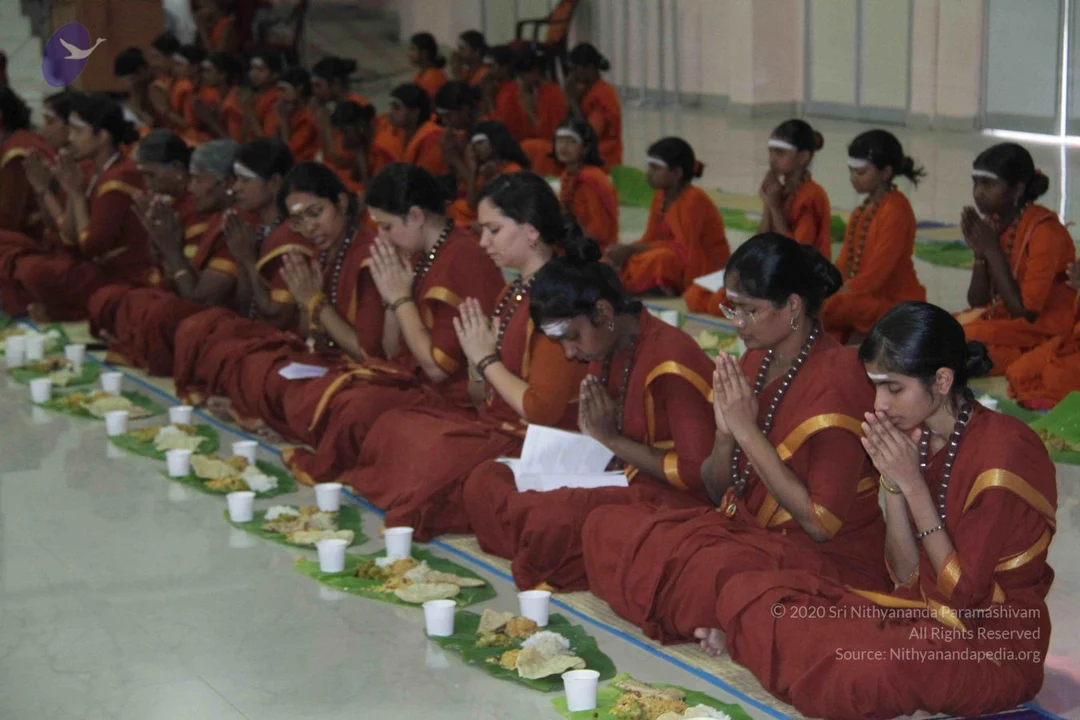
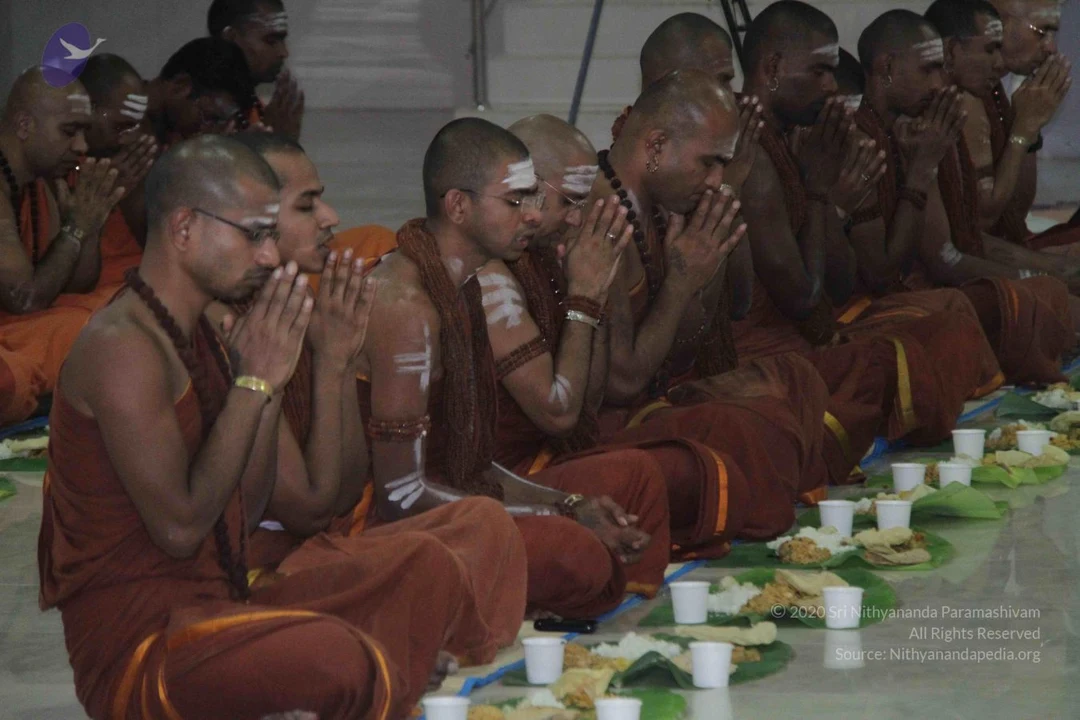
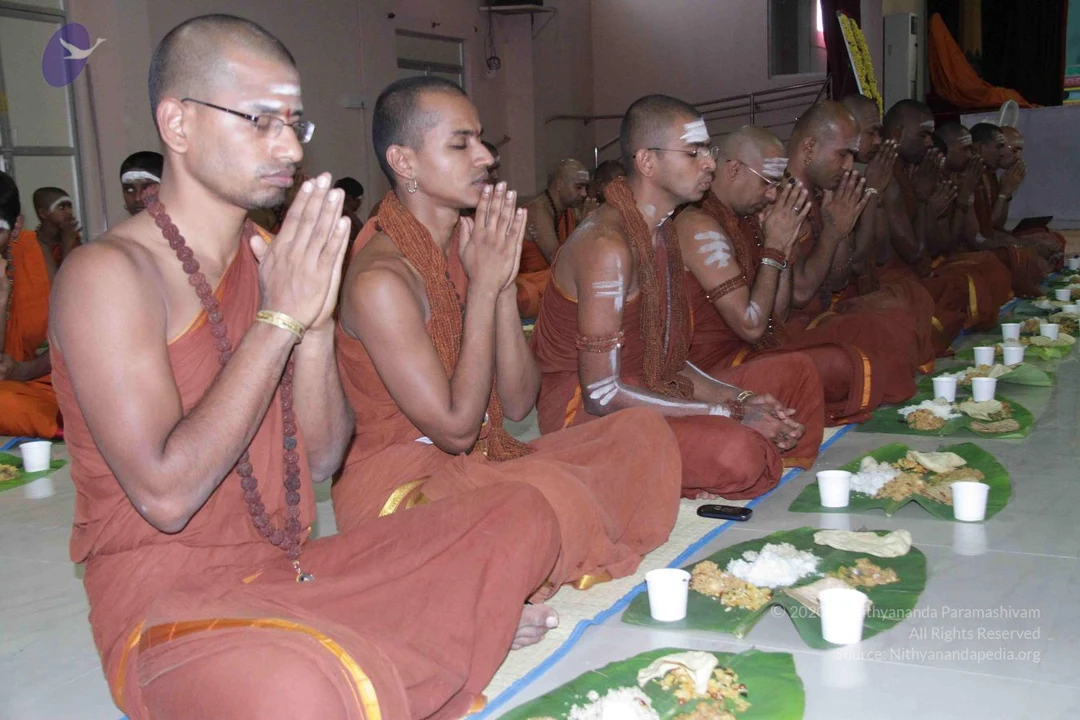
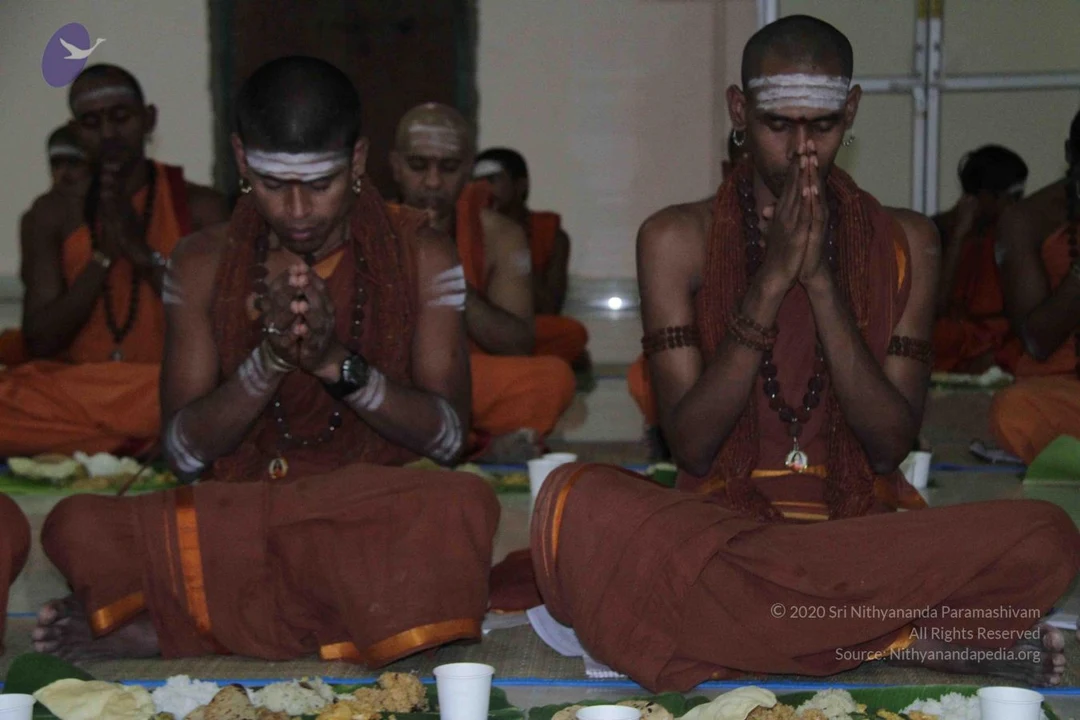
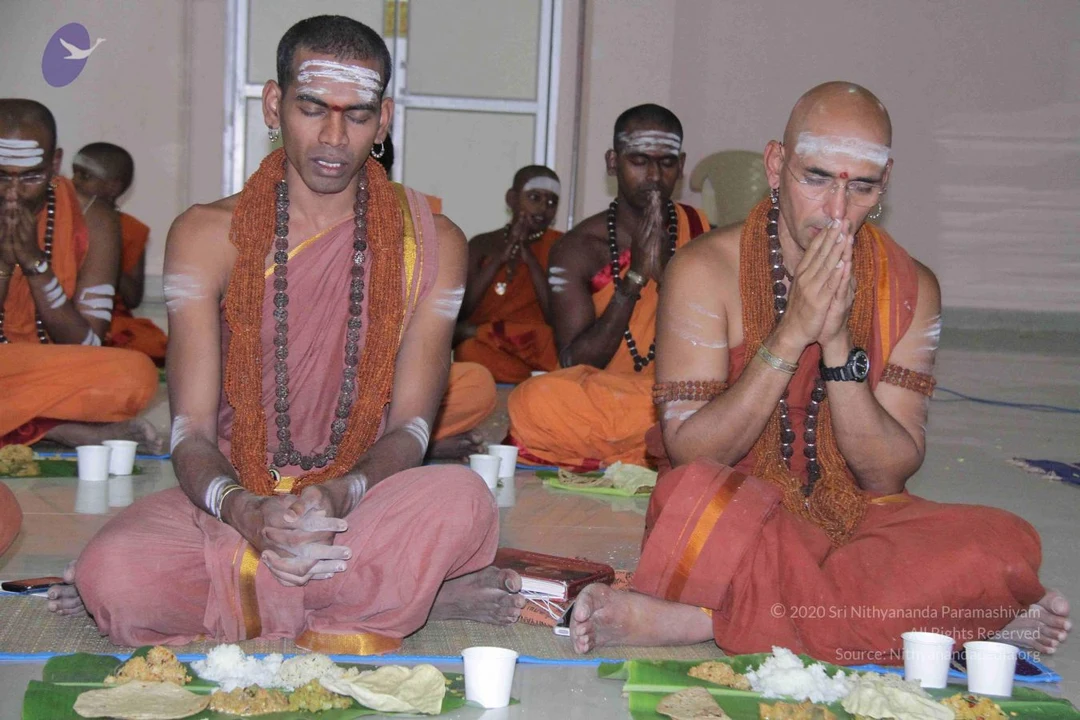
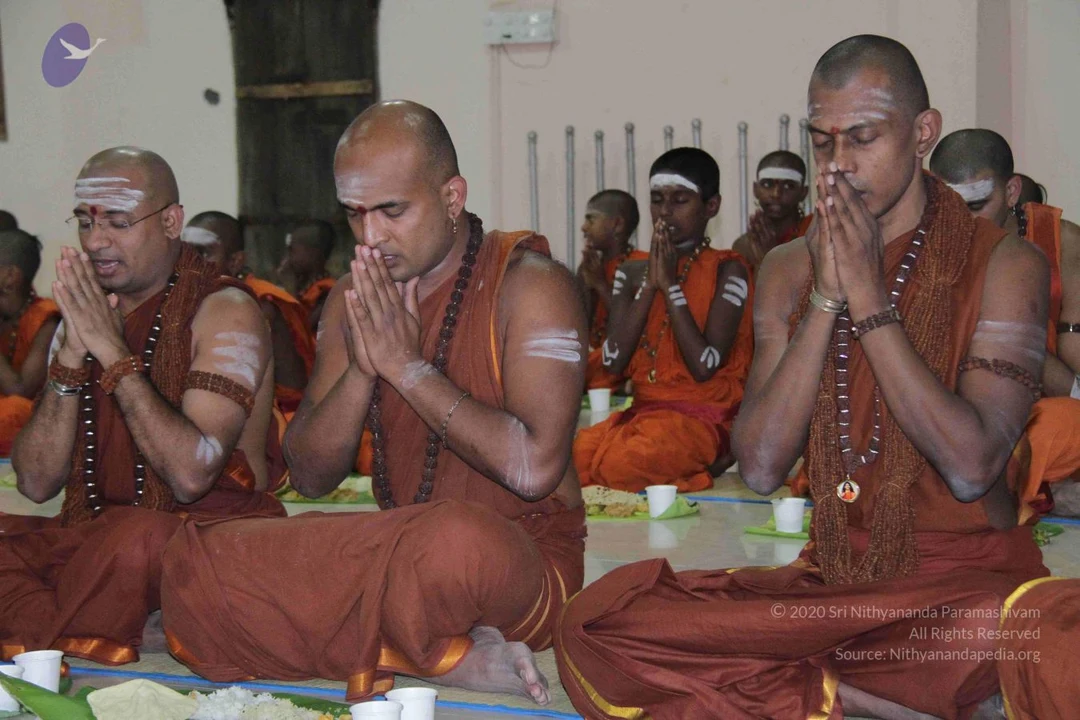
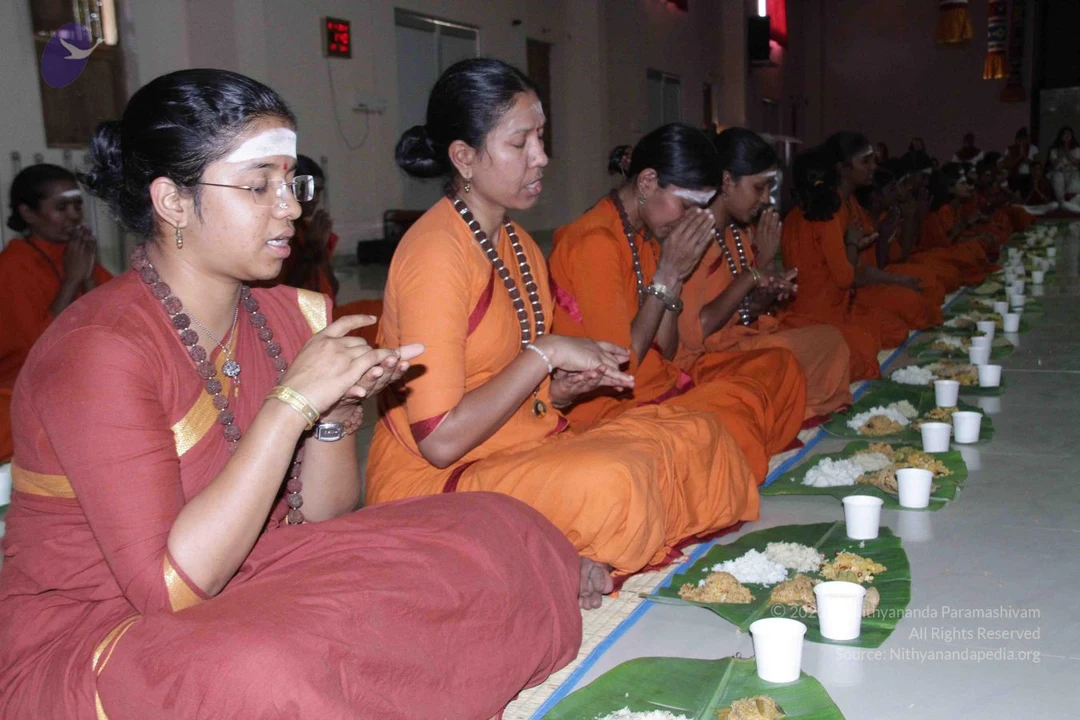
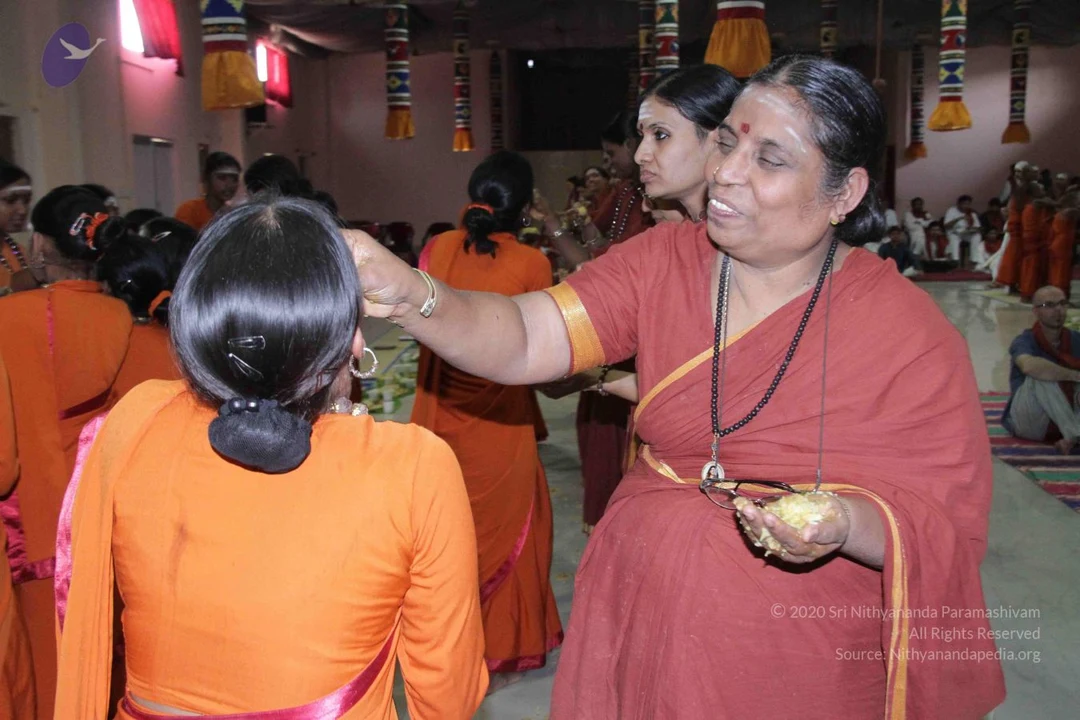
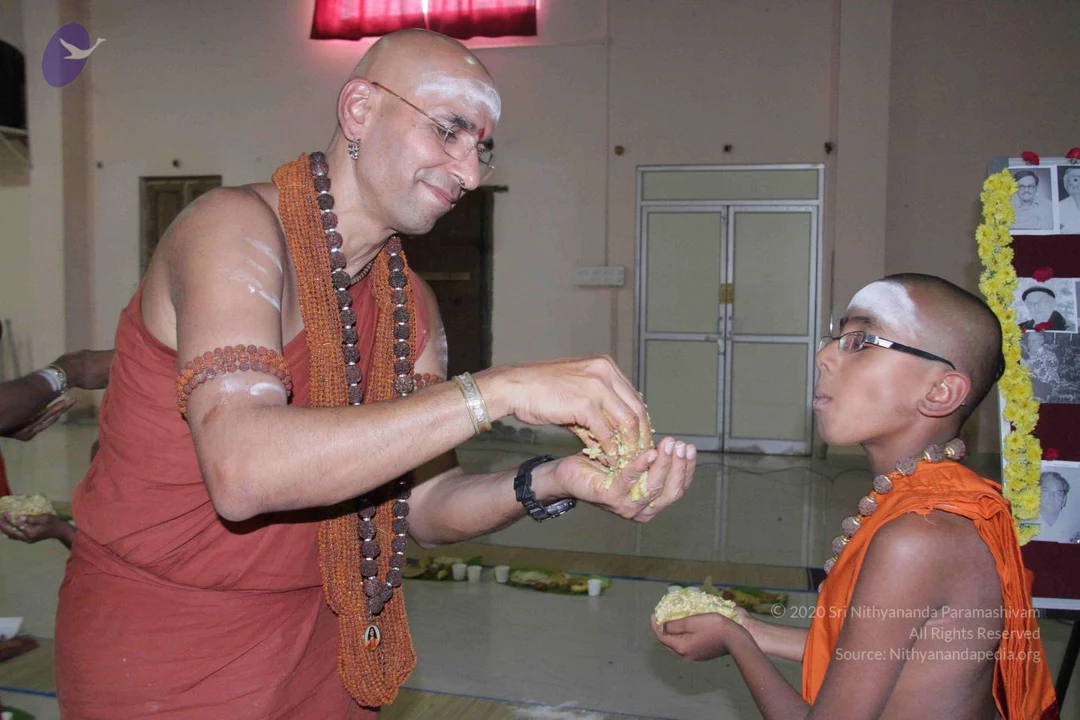
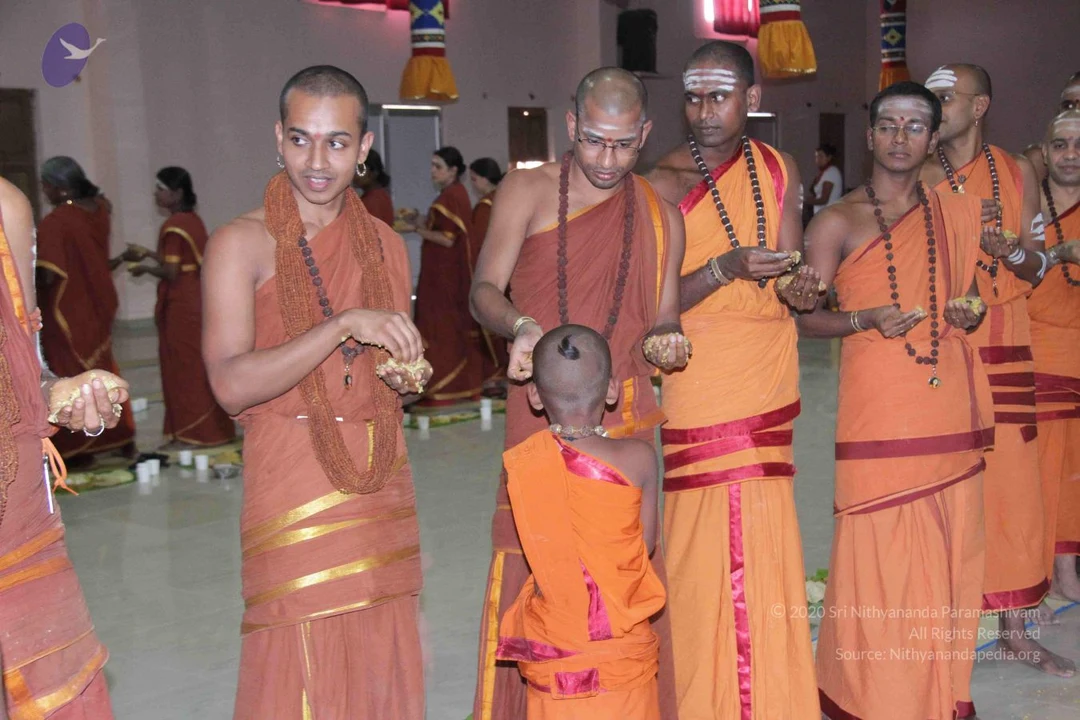
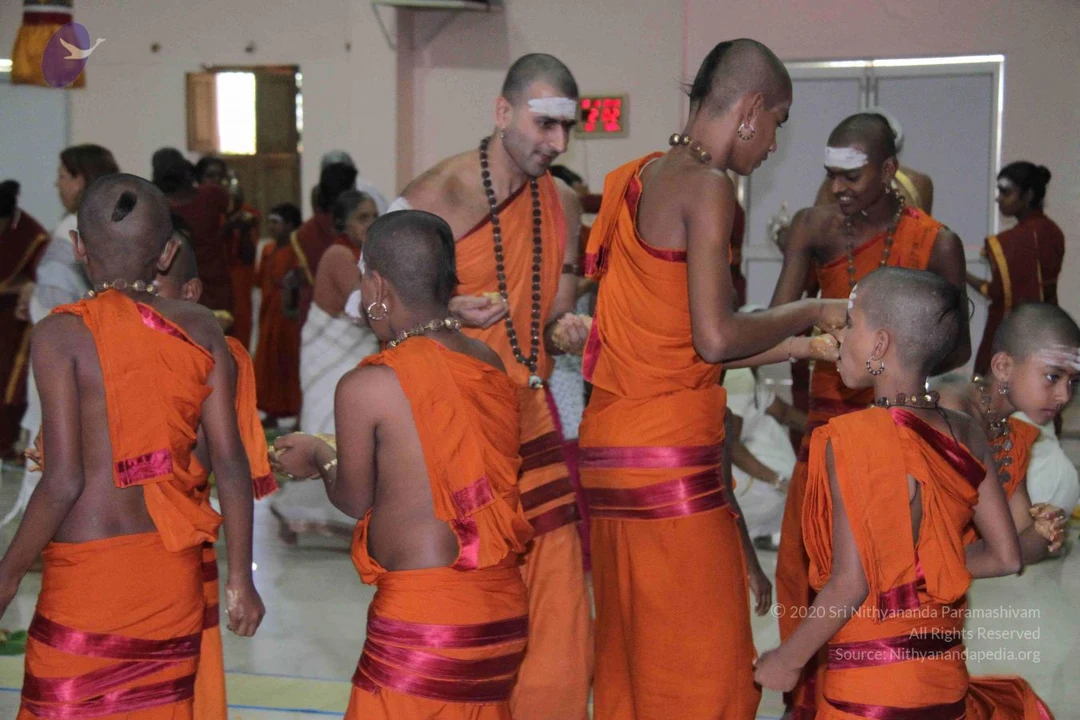
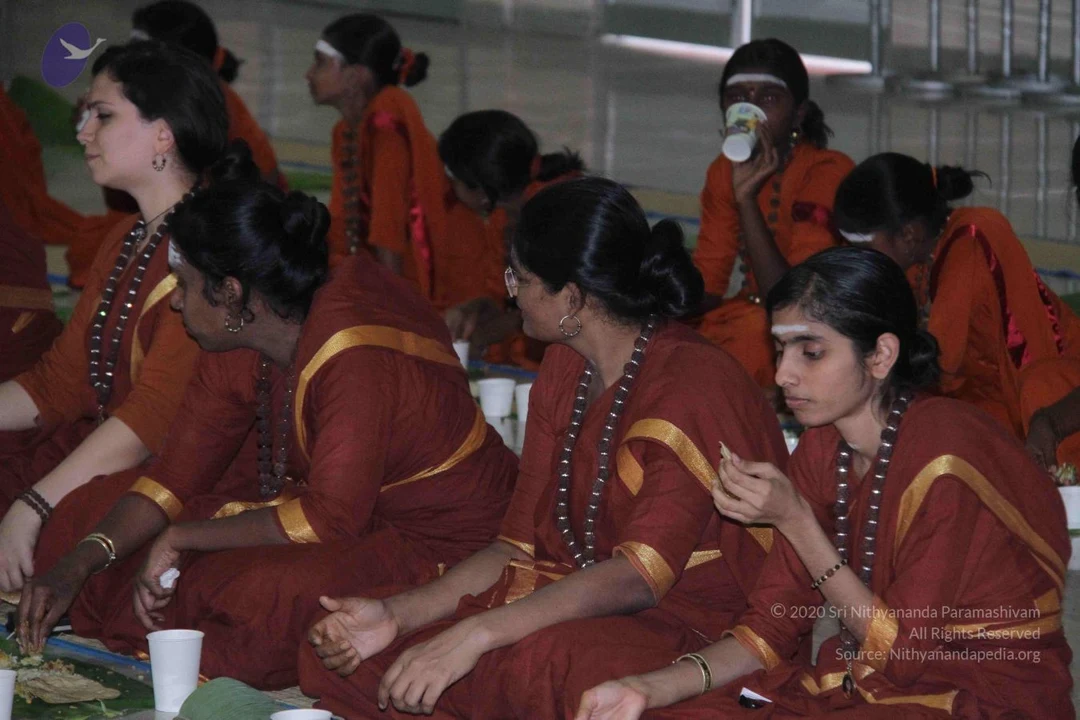
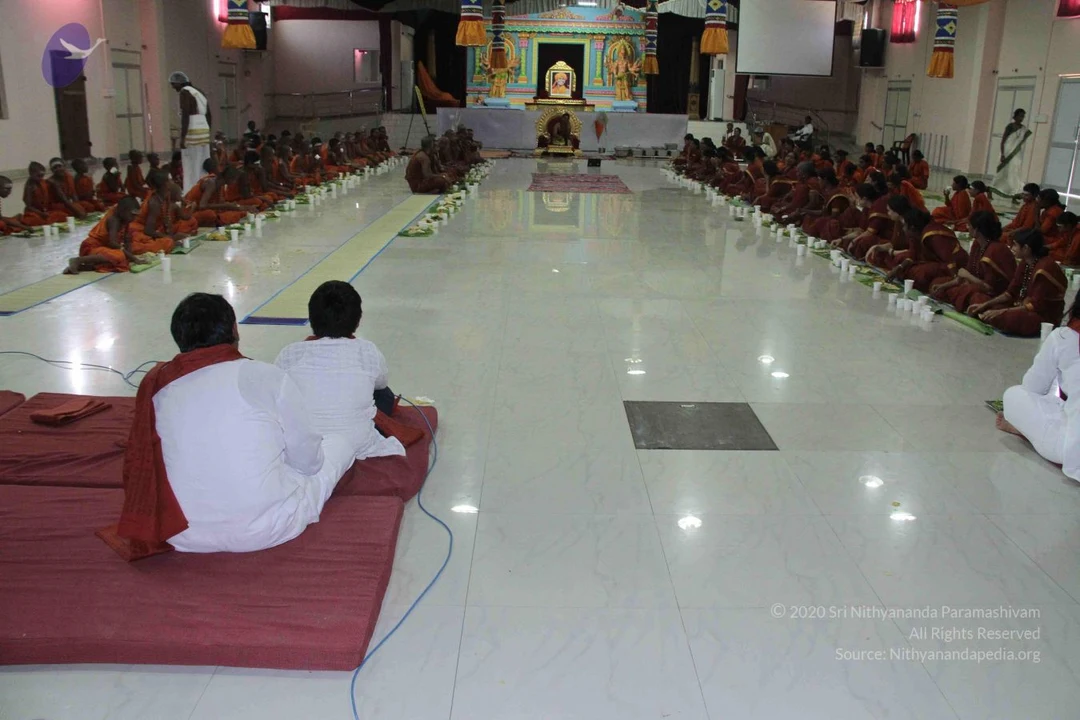
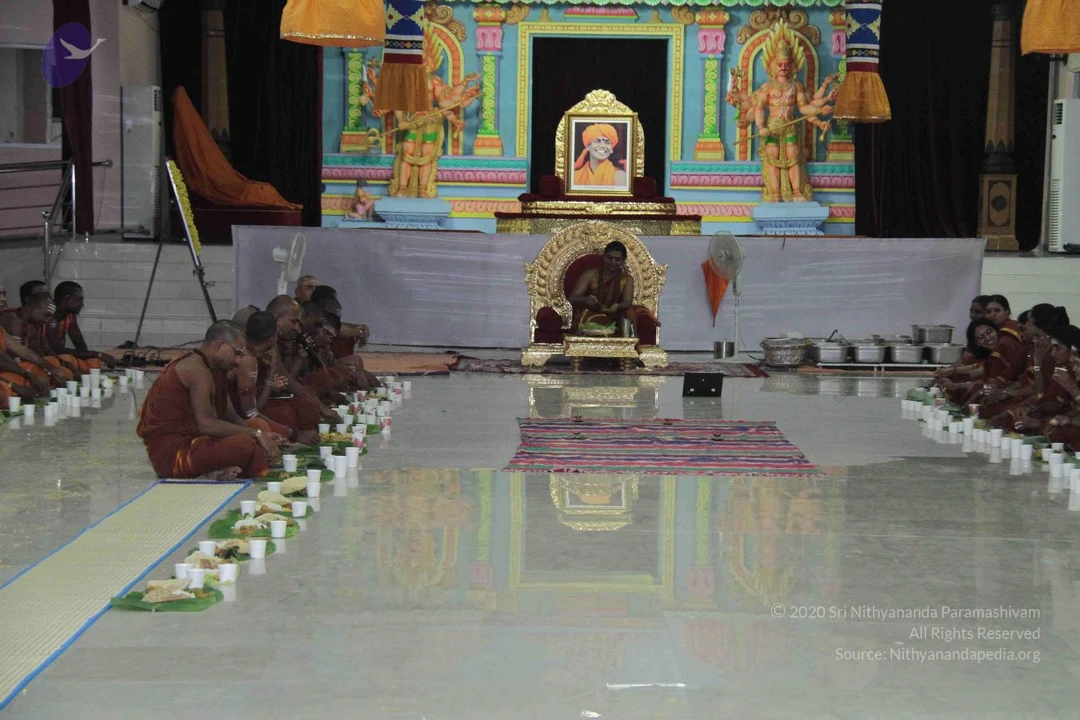
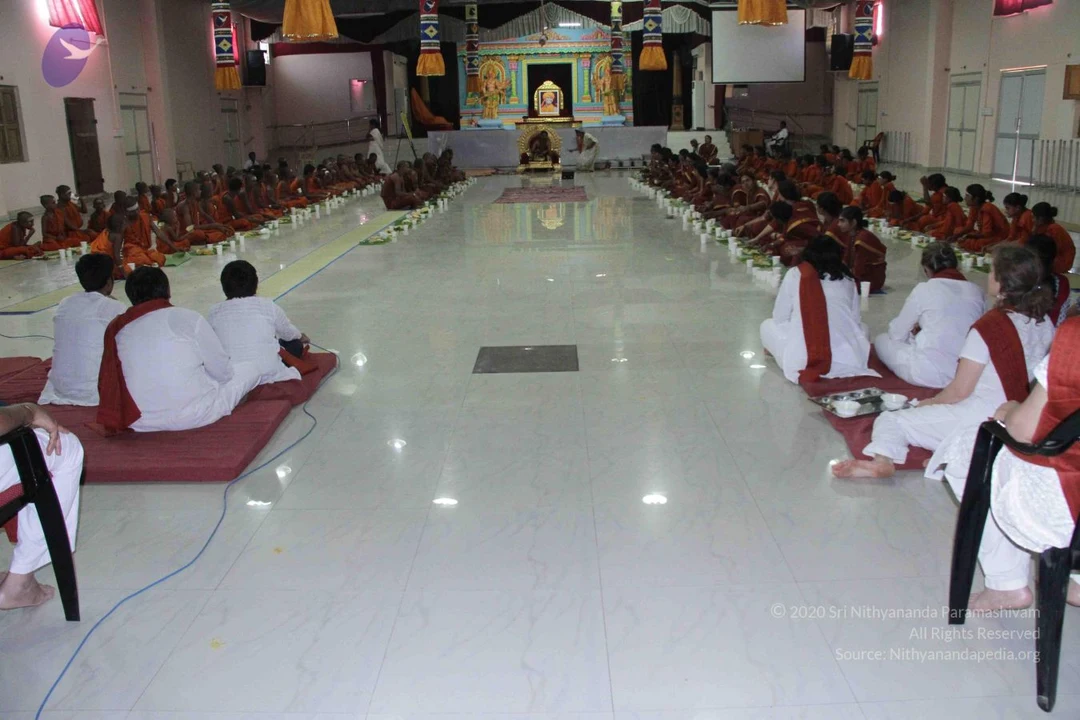
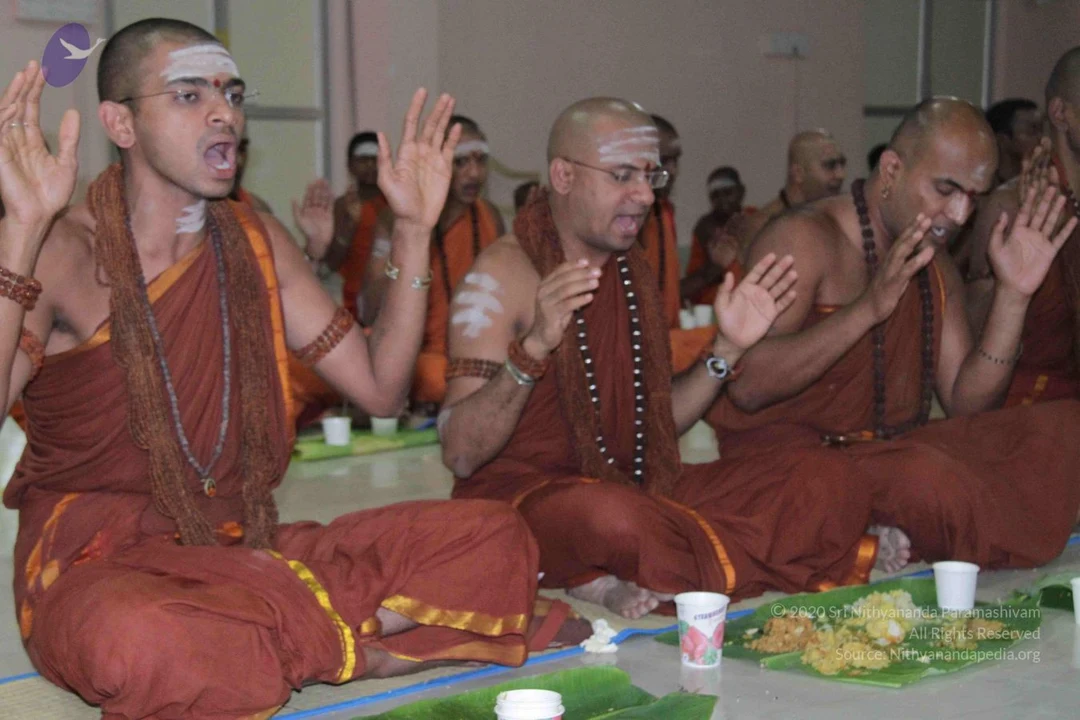
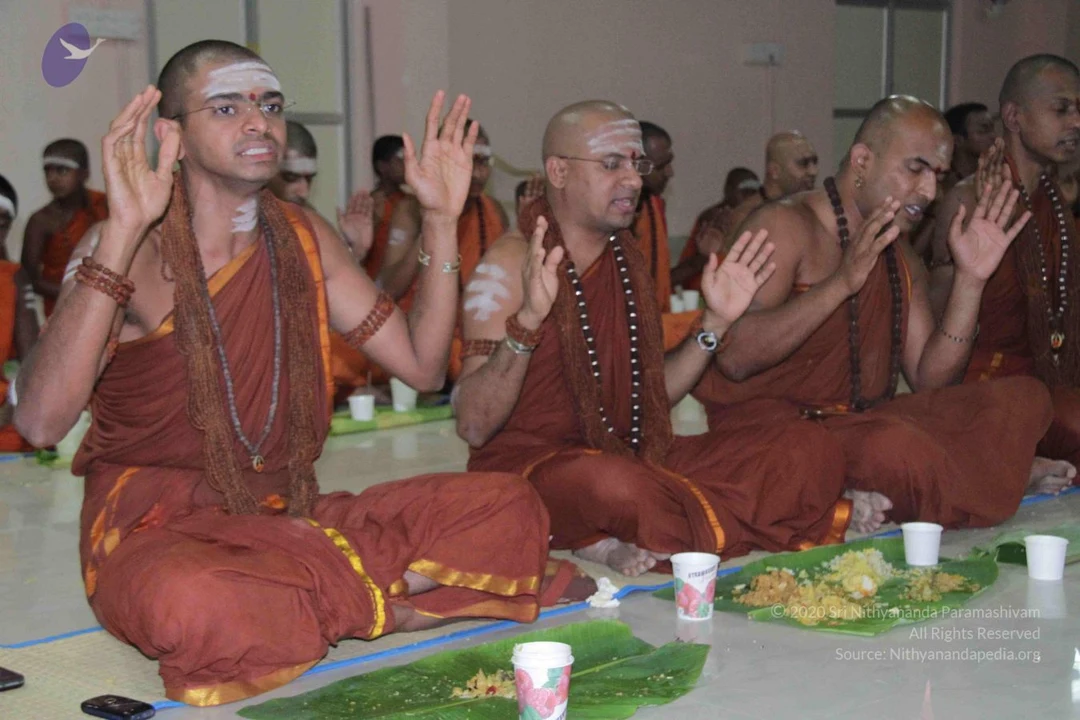
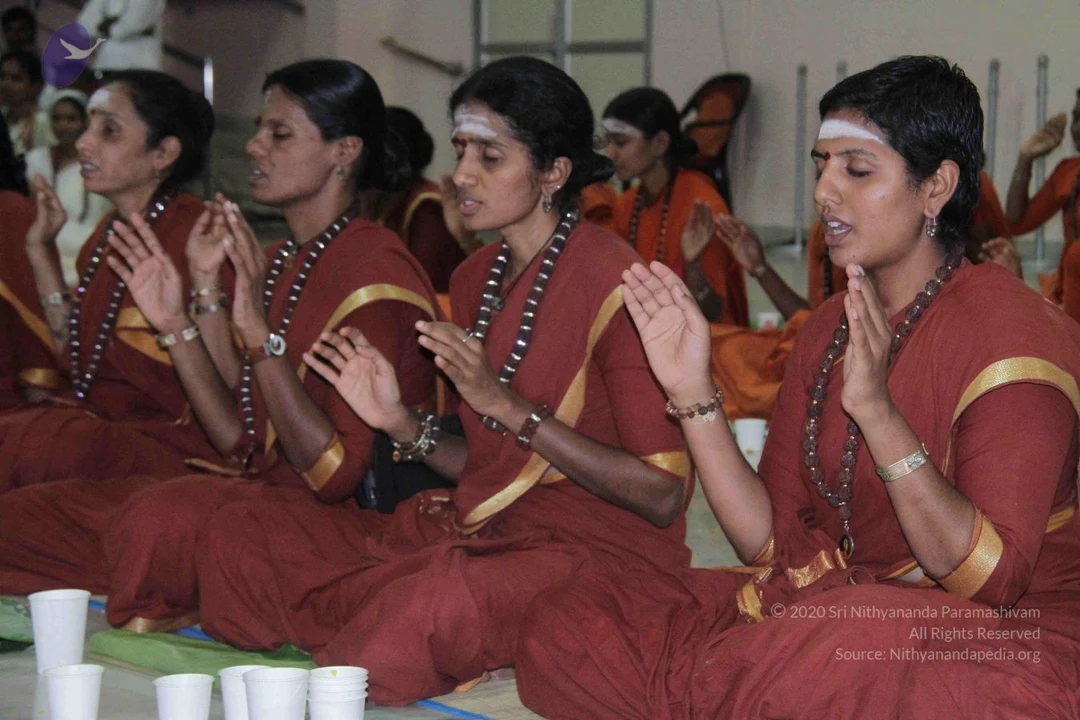
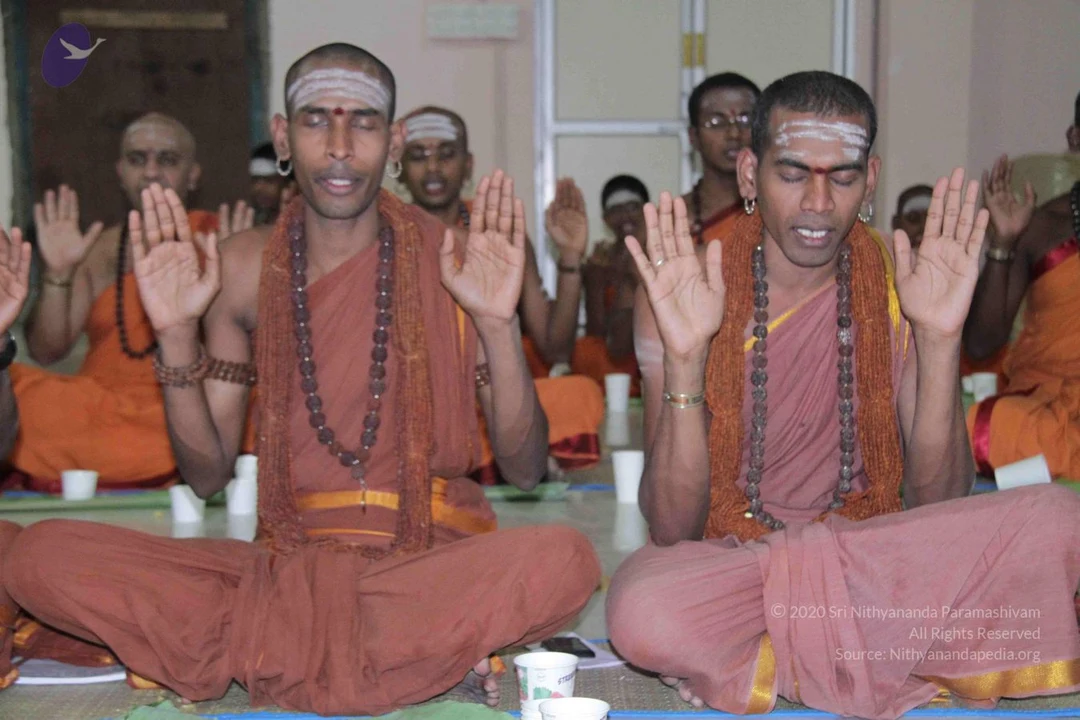
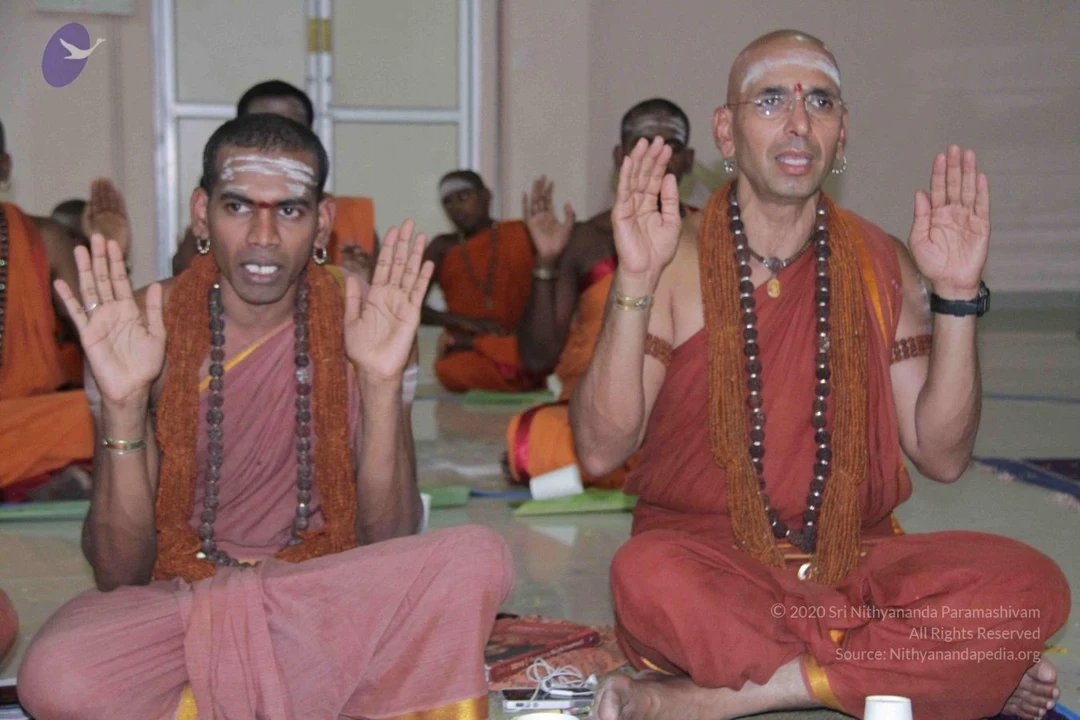
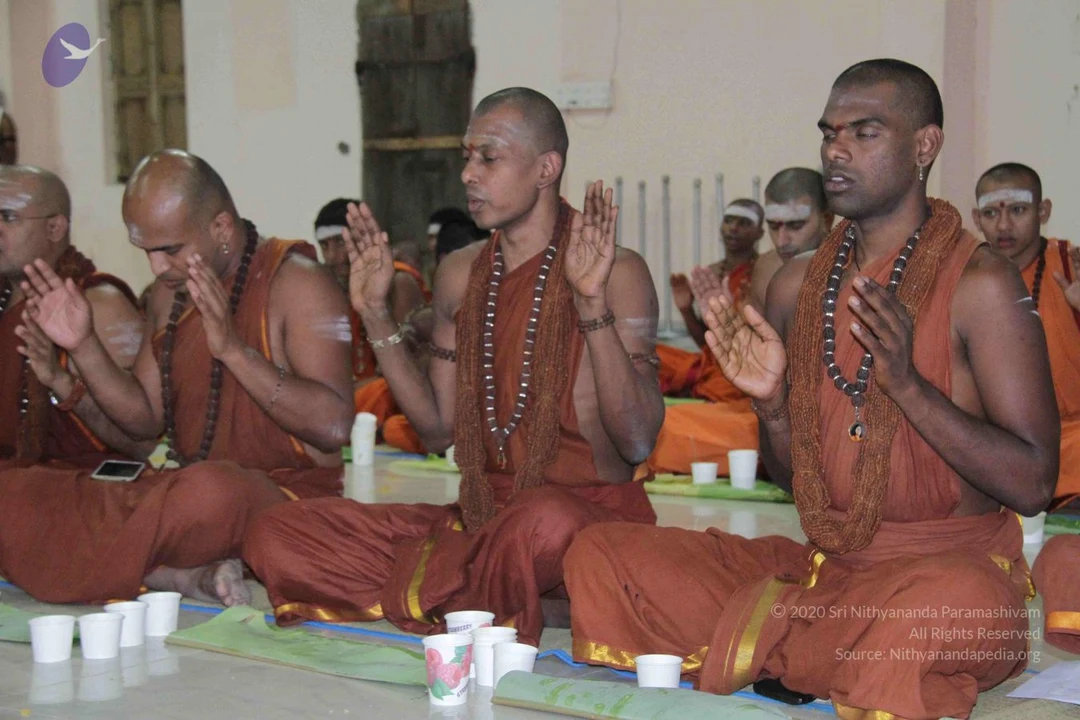
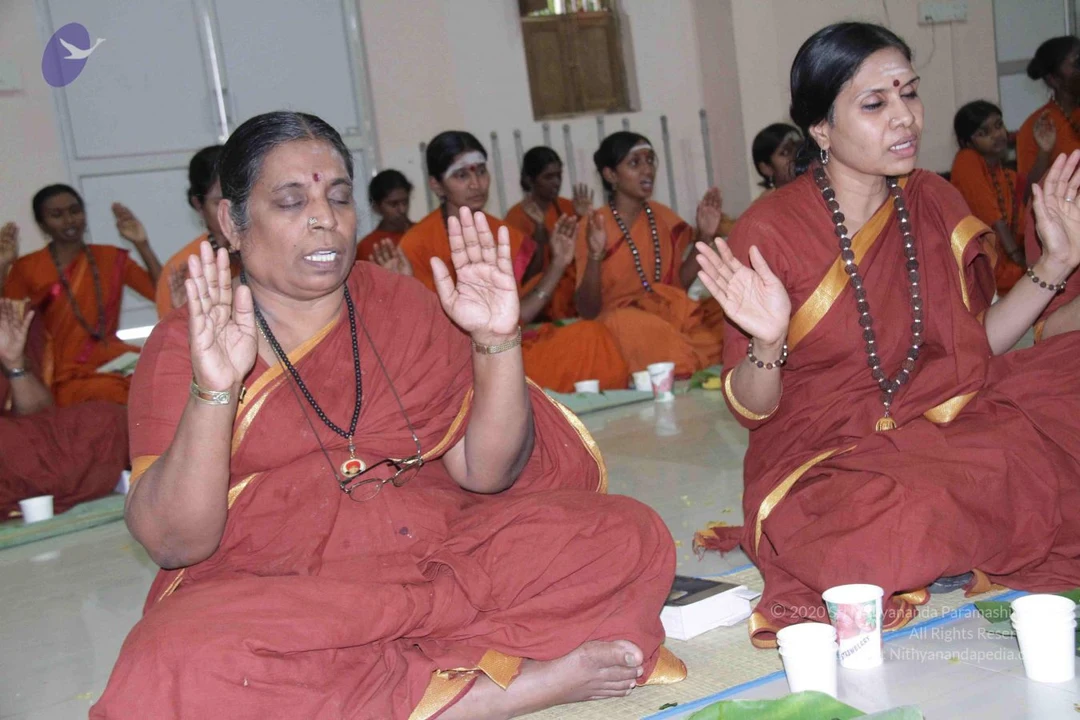
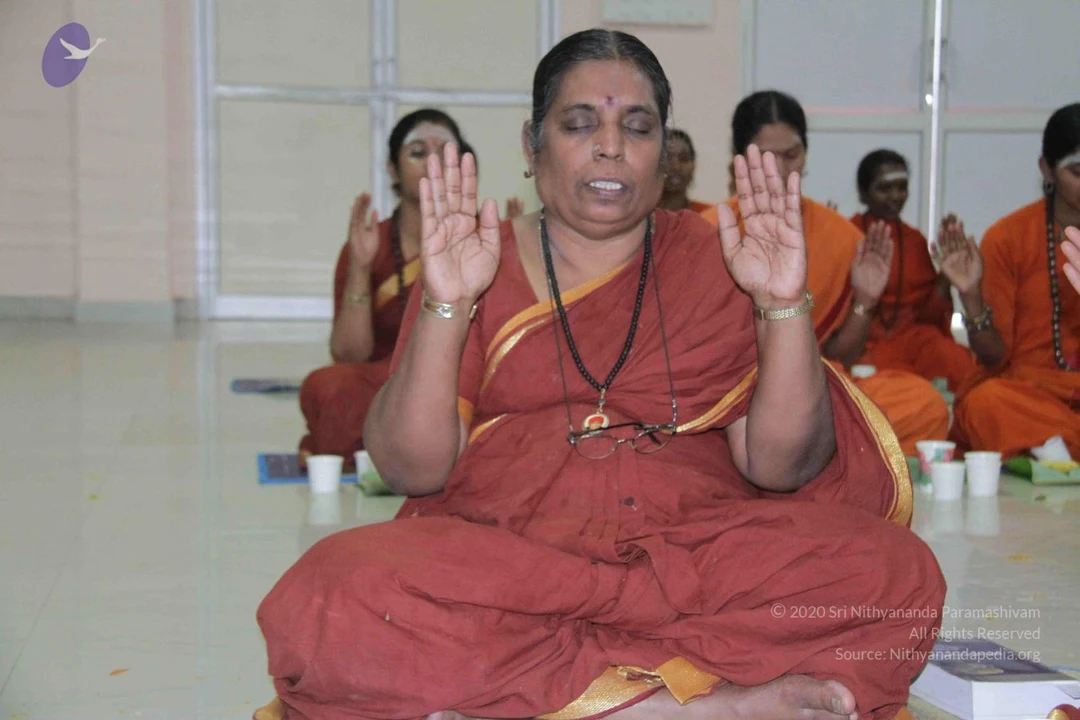
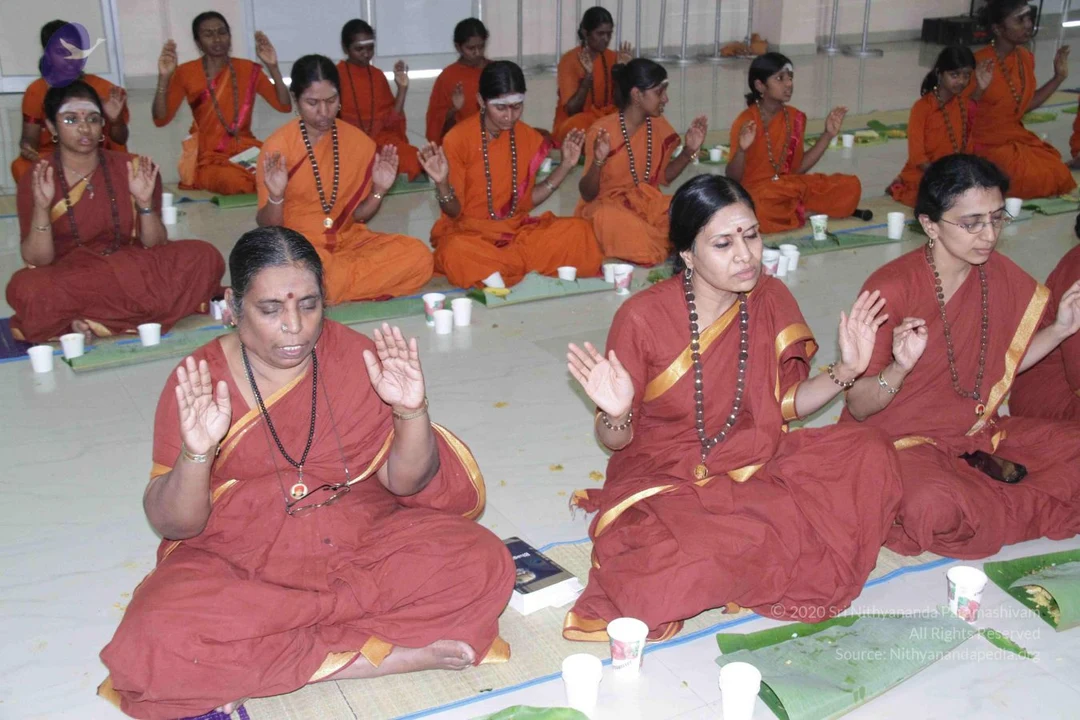
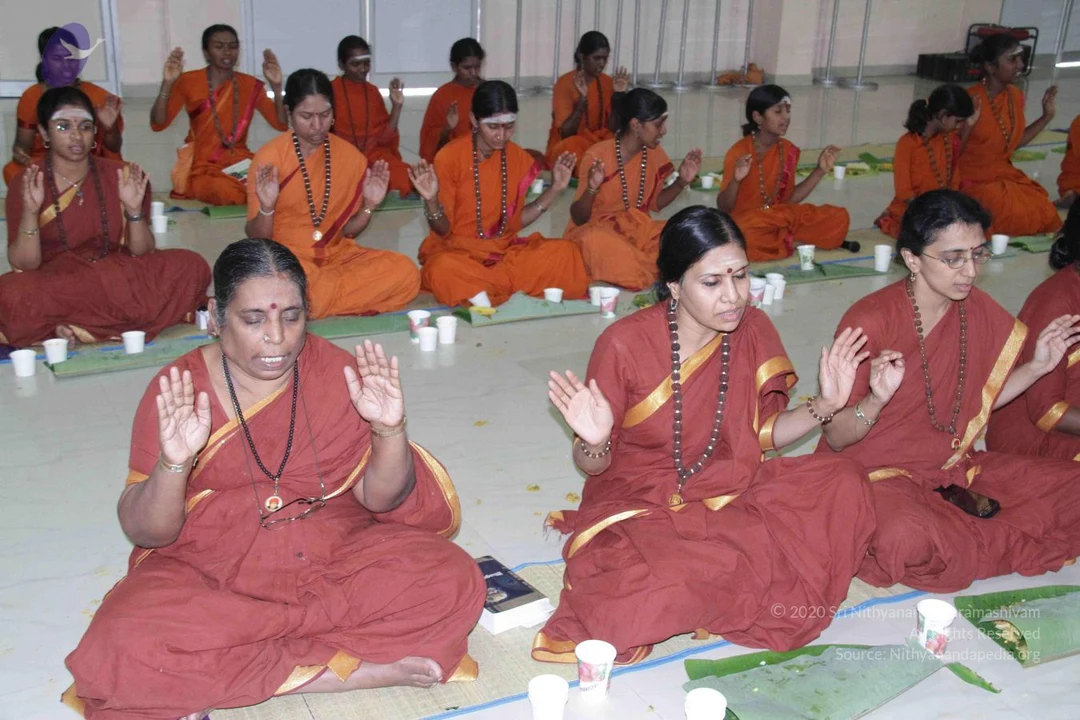
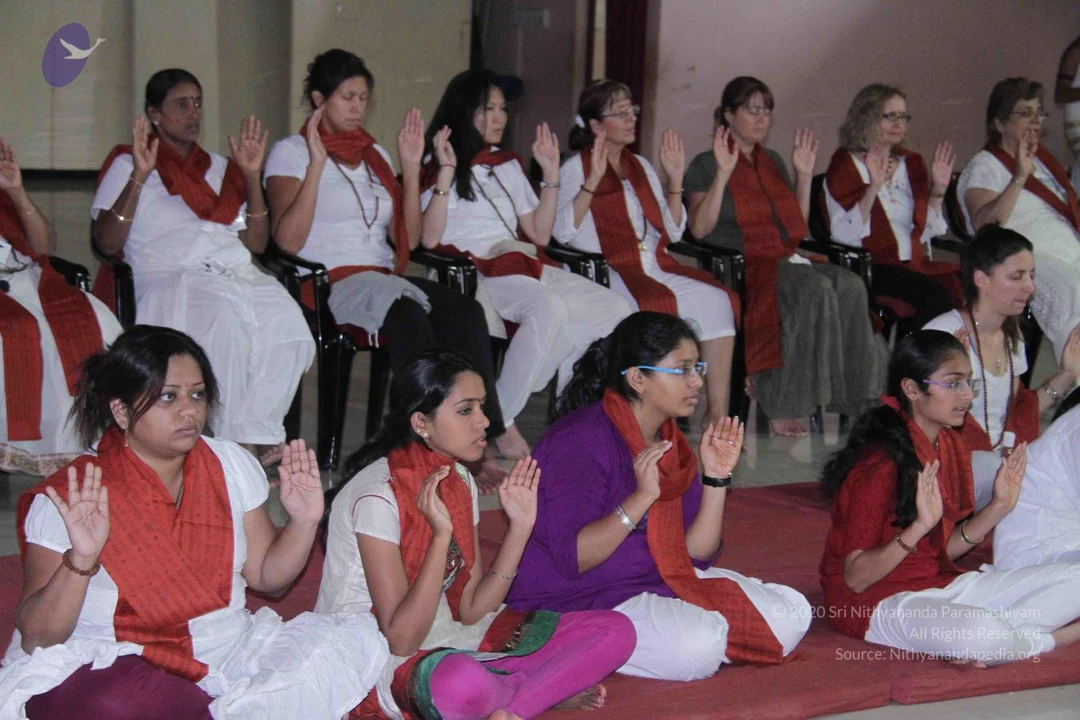
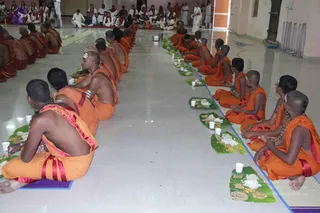
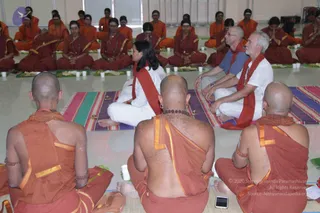
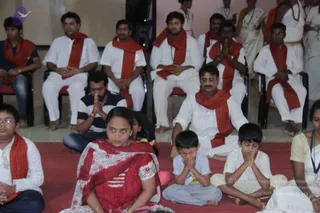
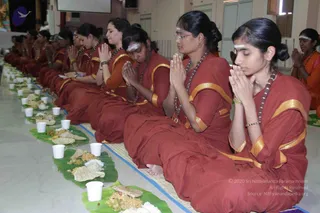
A photograph of a seated group in an indoor hall with a light tiled floor. Many men sit cross-legged in saffron and orange robes with red and gold borders, several with shaved heads and white ash markings on their arms and foreheads. Women in orange and red-brown saffron clothing sit in rows behind them, some wearing rudraksha malas. Two Western participants in white clothes with red shawls sit near the centre, and a woman in a red shawl sits beside them. Small paper cups and green leaf plates are arranged on the floor between rows, with metal pots along the right wall.A group of young saffron-robed sannyasi-style monks sit cross-legged in two long rows on a white marble floor, facing each other across a central aisle. Each wears orange cloth with red-bordered edges, rudraksha beads and white forehead markings, and each has a banana-leaf plate of rice and food with a small cup of water in front of him. Several sit barefoot on purple and beige mats. Behind them, seated devotees dressed in white and some in red sit along the back wall, and a woman in a white sari stands near a doorway on the right.A satsang gathering in a bright hall where a large group of saffron-robed sannyasis and devotees sit cross-legged on mats with flower petals and small cups placed before them. In the foreground, three people face a seated group: a woman in white with a red shawl, and two men in white and blue-grey clothing with red shawls, all seated on striped mats. Their backs are to the camera, and the three shaved-headed sannyasis in orange-red robes with gold borders sit in the front row. A smartphone lies on the floor at the bottom edge. The scene shows a teaching or meditative session with the audience focused forward.A seated group of devotees with palms pressed together in namaste during a satsang-style gathering on a red mat indoors. Several men wear white kurta-style clothing with red shawls draped over their shoulders, and a woman in a red and white patterned sari sits in the foreground. Two boys in front also sit with hands folded. Behind them, others in white and cream clothing sit on chairs, and a woman in white with a beaded necklace appears at the right edge. No deity murti, throne, or clear a person candidate is visible, so no identification is made.A photograph of a row of women seated on a mat on a white marble floor, hands pressed together in namaste and eyes closed, as if in prayer before a meal. They wear deep red saris with gold borders, rudraksha malas, white tilak marks on their foreheads and hair pulled back in buns. In front of them, banana leaves hold portions of rice and other food, with white paper cups of water set along the leaves. A projection screen and a wall with a painted deity panel are visible in the background. No a person candidate is visible in the scene.A row of women seated in prayer with palms pressed together in anjali mudra and eyes closed. They wear rust-red and maroon saris with gold-and-orange borders and rudraksha malas around their necks. Some have white vibhuti or tilak marks on their foreheads, and bangles and earrings are visible. The scene appears to be a satsang or group prayer, with a seated congregation facing forward.