Thursday
10 November 2016
The Journey to Sadashivoham 2016
- Dated photos
- 113
- Source pages
- 1
- Media
- 1
November 10 2016
Original wiki pageTitle
The Journey to Sadashivoham 2016
Description
Sadashivoham 2016 – “You will go back as Sadashiva Himself”, declares Paramahamsa Nithyananda. From the Mandala where you sit to the spiritual eyeliner, jnananjana, he will go on revealing the sacred truths expressed by Sadashiva to Parvati in the Agamas. Paramahamsa Nithyananda will be giving all the tools needed for the participants to go back after the program and continue, not to practice the techniques but to live the lifestyle of MANIFESITING THE POWERS OF SADASHIVA! (10 Nov 2016) Discover for yourself: https://www.youtube.com/watch?v=EPNjrjY9kHw
Watch, share and like the video's and Subscribe to our channel to be notified of the next upload.
Website and Social Media: http://www.nithyananda.org http://www.nithyananda.tv http://www.innerawakening.org https://twitter.com/SriNithyananda https://www.facebook.com/ParamahamsaNithyananda
Paramashivoham: 22-day Ultimate Spiritual Journey with the Avatar HDH Nithyananda Paramashivam Learn more: https://paramashivoham.nithyananda.org
Link to Video:
Transcript
(19:20) Like a school kid preparing for examination I am sitting and preparing with reading all the Agamas. See actually I got the whole thing directly downloaded by Arunagiri Yogishwara. He did not teach Me systematically like a step by step. He will give the experience and straight download the Shastra into My system. So now I have to get that same Agama Scriptures in printed form and organize it.The part I am going to reveal it to all of you in this Sadashivoham... those Shastra Pramana and Apta Pramana; please understand this four words need to be understood very clearly. Atma Pramana means My own Enlightenment experience and revelations. Shastra Pramana means what is available in the form of Veda and Agama; only this two can be called as Shastra nothing else. Puranas are all called only Smritis. So Veda and Agama - that is called Shastra Pramana. Apta Pramana means the Enlighteedn beings who lived earlier - their experiences, the authentic commentaries, interpretations, foot notes, they generated from their experience that is called Apta Pramana. Shastra Pramana directly revealed by Sadashiva as Veda and Agamas. Apta Pramana, His close disciples like a Sapta Rishis, Patanjali, Abhinava Gupta all of their commentaries, interpretations, Bhasya, Vartika, Tika all that literature, huge authentic literature - that is called Apta pramana. Whatever is My experience as Atma Pramana, which is elaborately described in Shastra Pramana, which is attested and supported by Apta Pramana, I am making it as Sakshi Pramana to you... as Reality. My own experience Atma Pramana, verified by the Shastra Pramana, concluded, guaranteed by Apta Pramana which is the disciples and followers and great beings of Saivaite tradition of Sanatana Hindu Dharma - all these three which is in tune with each other, becoming Sakshi Pramana, Reality for you is Sadashivoham 2016. (22:37) Literally I am going to be giving booklets after booklets for every process. For example, Sadashiva Garbha, with that Garbha you will have a booklet, original Shastra, Shastra Pramana, Atma Pramana, Apta Pramana, a clear description of all these three about the Sadashiva Garbha. And then the Mandala you are going to sit clearly it is recorded in Netra Tantra and Mukutagama; the whole Mandala is described. So that mandala picture, and the original verse, what is Shastra Pramana about that mandala, what is Apta Pramana - like a great Enlightened Beings of the Sanatana Hindu Dharma what they Spoke and said about it - their interpretations or their experiences, then My own experience Atma Pramana will be presented to you and made into Sakshi Pramana. In every step, every step, Jnananjana means Shastra Pramana then Apta Pramana then Atma Pramana then how it is going to be Sakshi Pramana for you. Same way Nithyananda Yoga - Shastra Pramana, Apta Pramana, Atma Pramana how it is going to be Sakshi Pramana for you. You are going to be given books, manuals, booklets in printed form about everything, about everything which is going to be revealed to you. You can take it back and continue to manifest, experience enjoy. As you know I don’t like the word practice.That’s a four letter word for me; I always use the word Manifest, Manifest. So everything will be provided for you to continue to manifest, even after you go back from the programme as Sadashiva Himself. See it’s like, you can see, how the Shastra Pramana attested by Apta Pramana becomes Atma Pramana in Guru and becomes Sakshi Pramana in you; it’s literally lived. The moment you come from head to toe the typical traditional Saivaite attire will be gifted to you; from the dress to the Rudraksha to the Kanta Mala with Jnananjana ☺ and what not... we are preparing for you to experience it something extraordinary, something extraordinary. Just get ready, just get ready to celebrate. That’s all I can say! (26:23) (1:28:41) Yes, blessings! So now we are going again to prepare for more things. It is just continuation, preparation for the next thing. So with this I bless you all. Let you all radiate with Integrity, Authenticity, Responsibility, Enriching, Causing, Living Shuddhadvaita Saivam, the Eternal Bliss – Nithyananda. Thank you. Be blissful. (1:29:15)
Photos
Nithya Satsang and Sankirtan
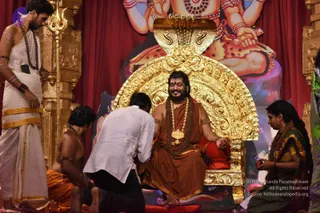
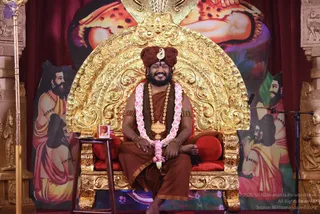
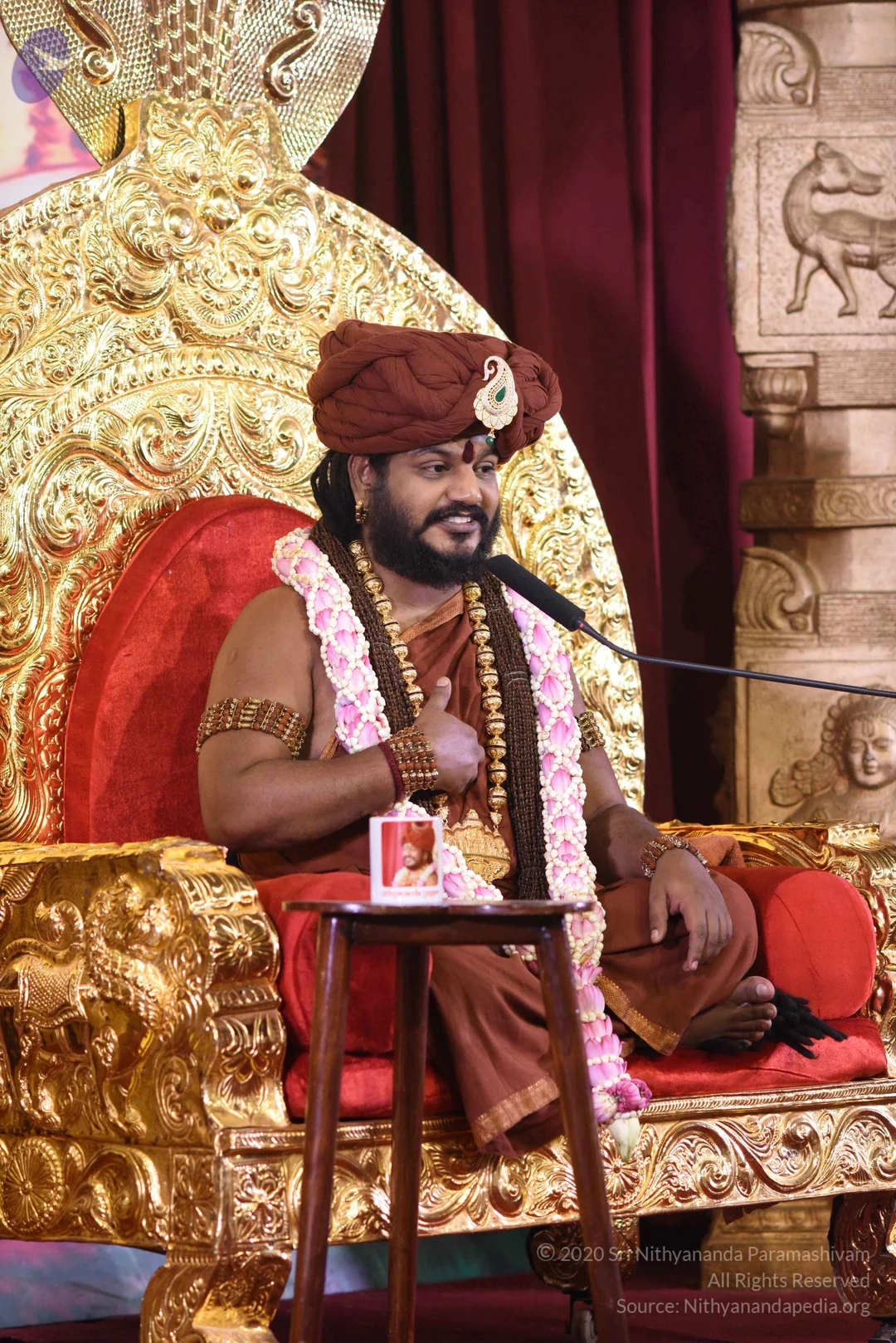
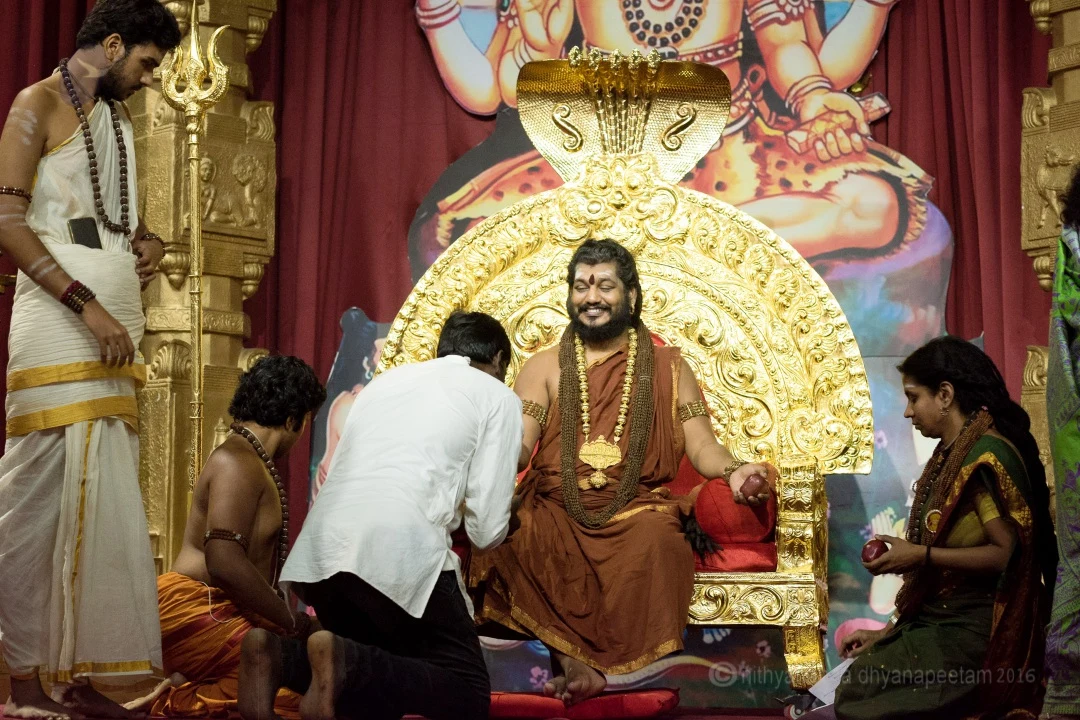
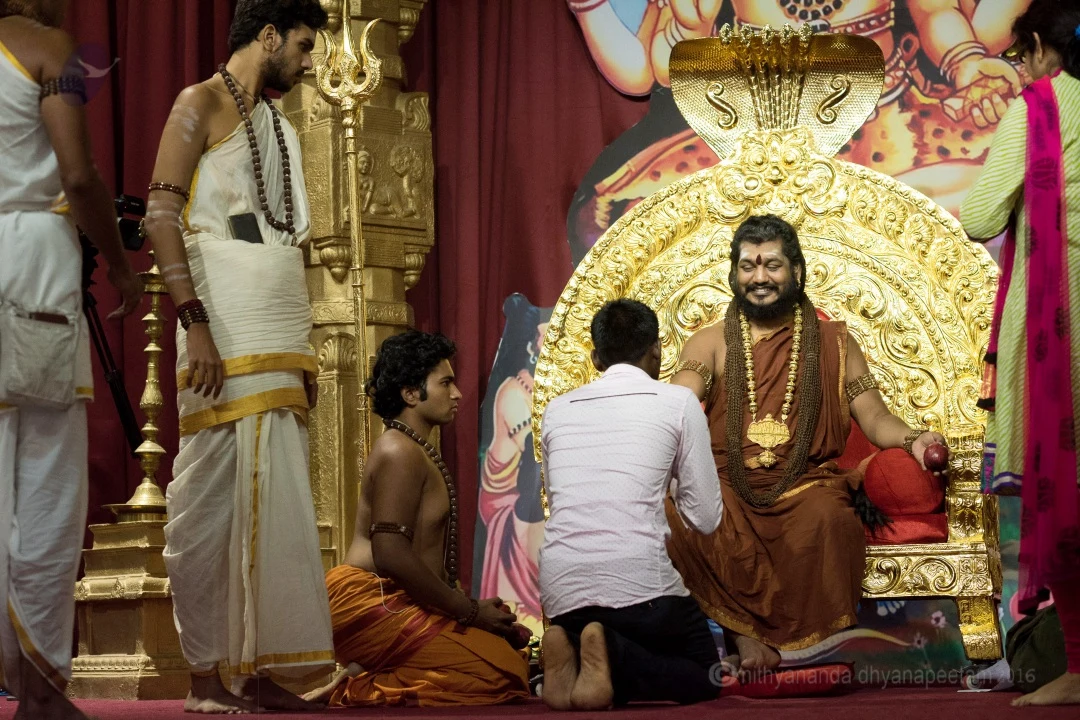
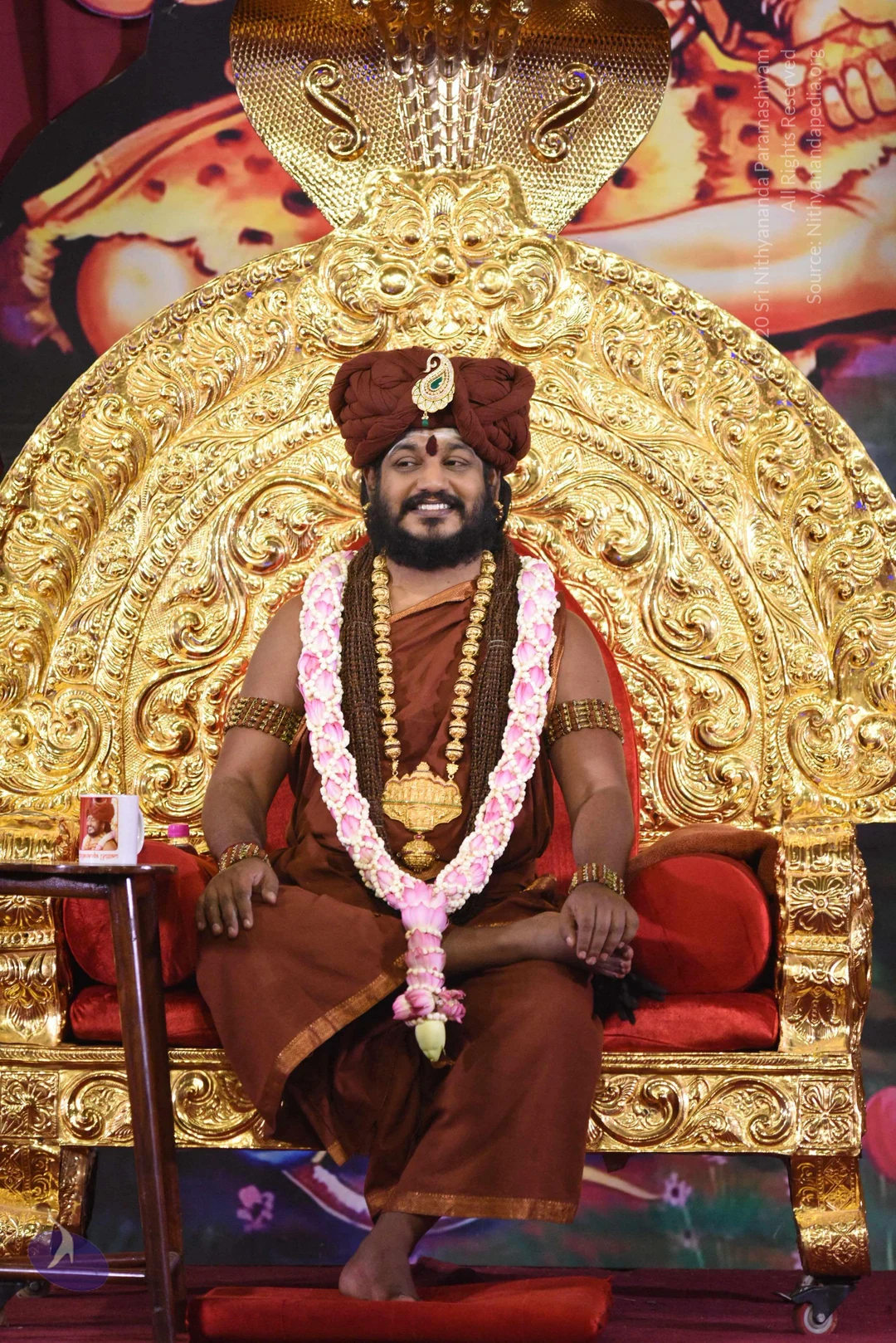
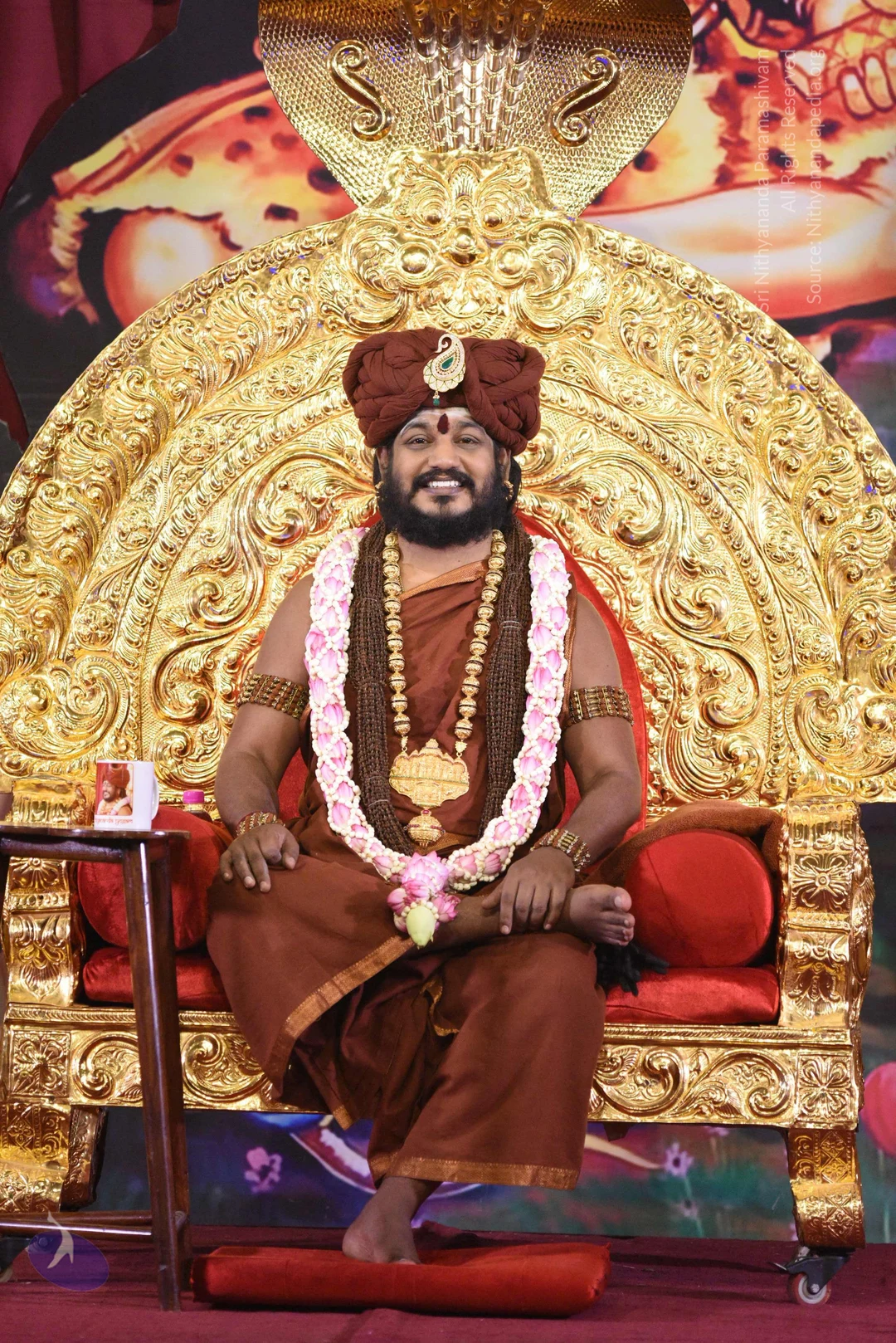
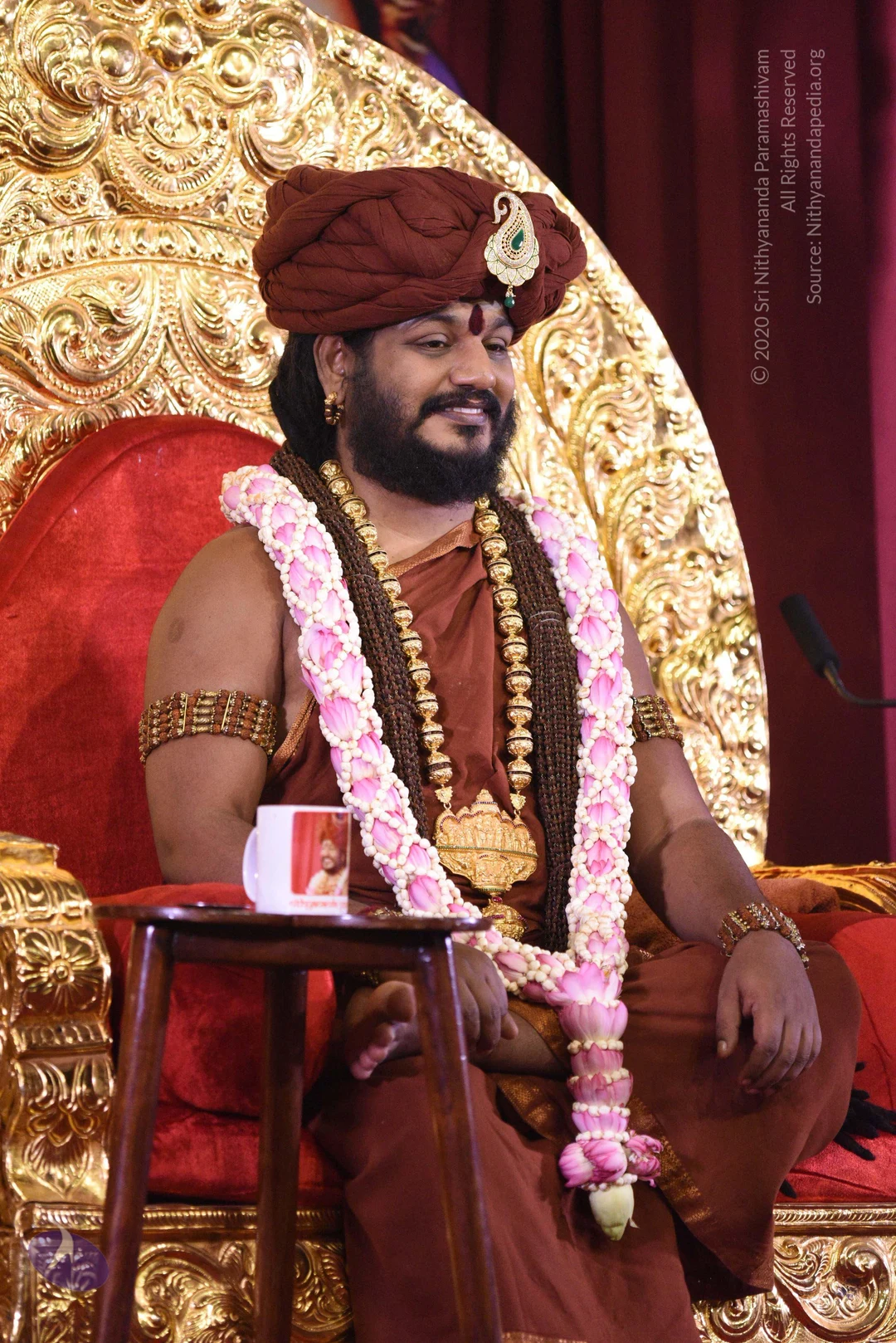
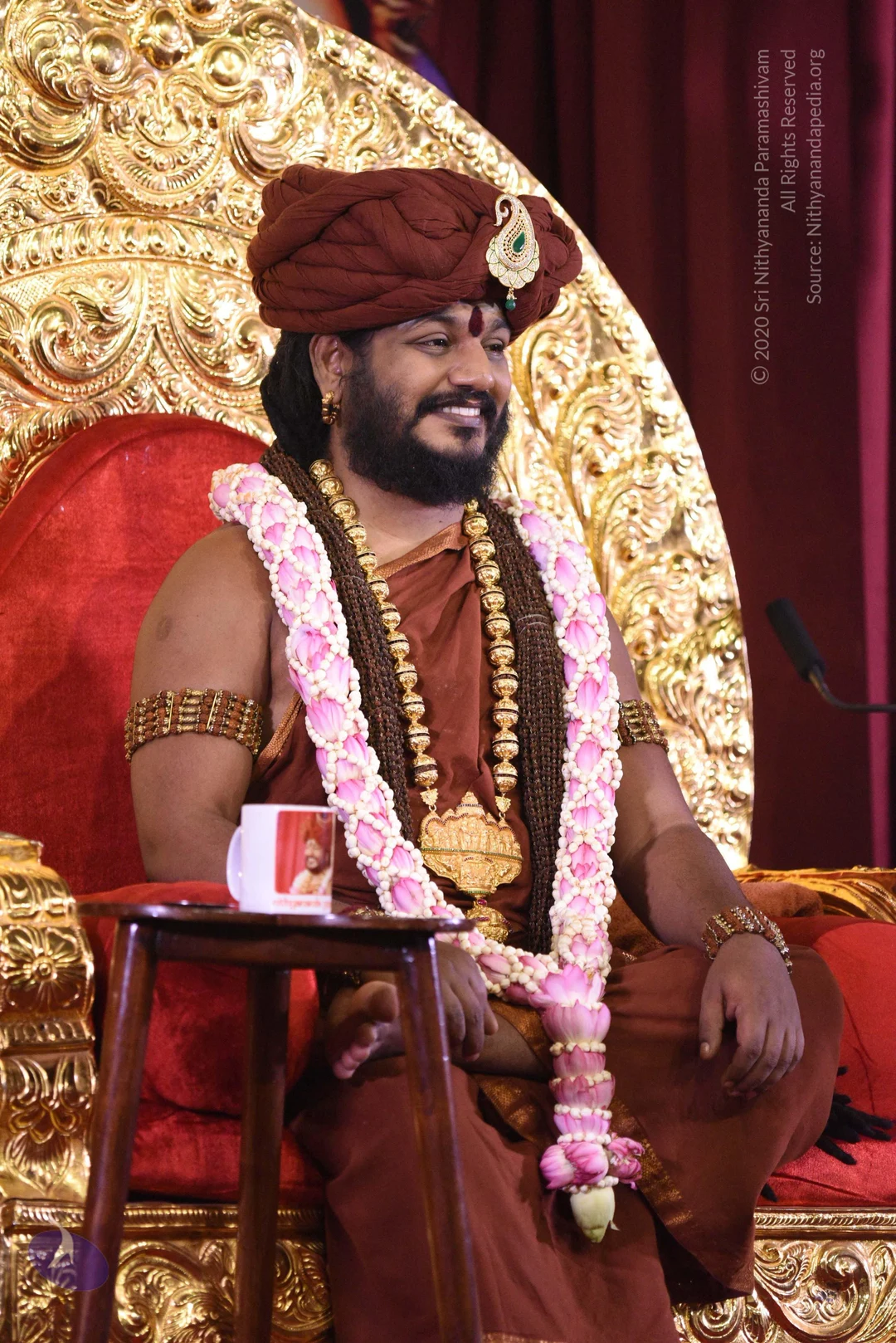
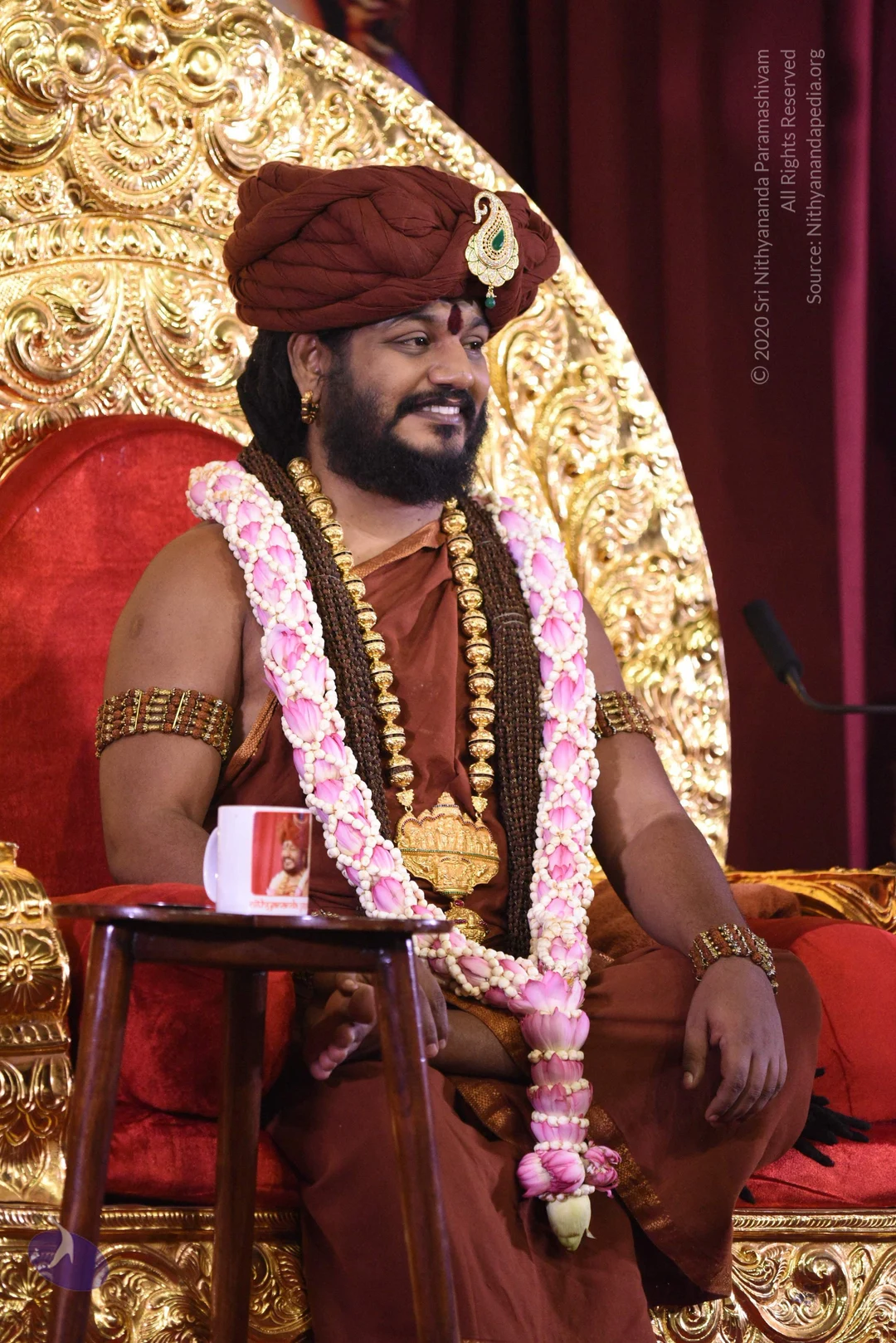
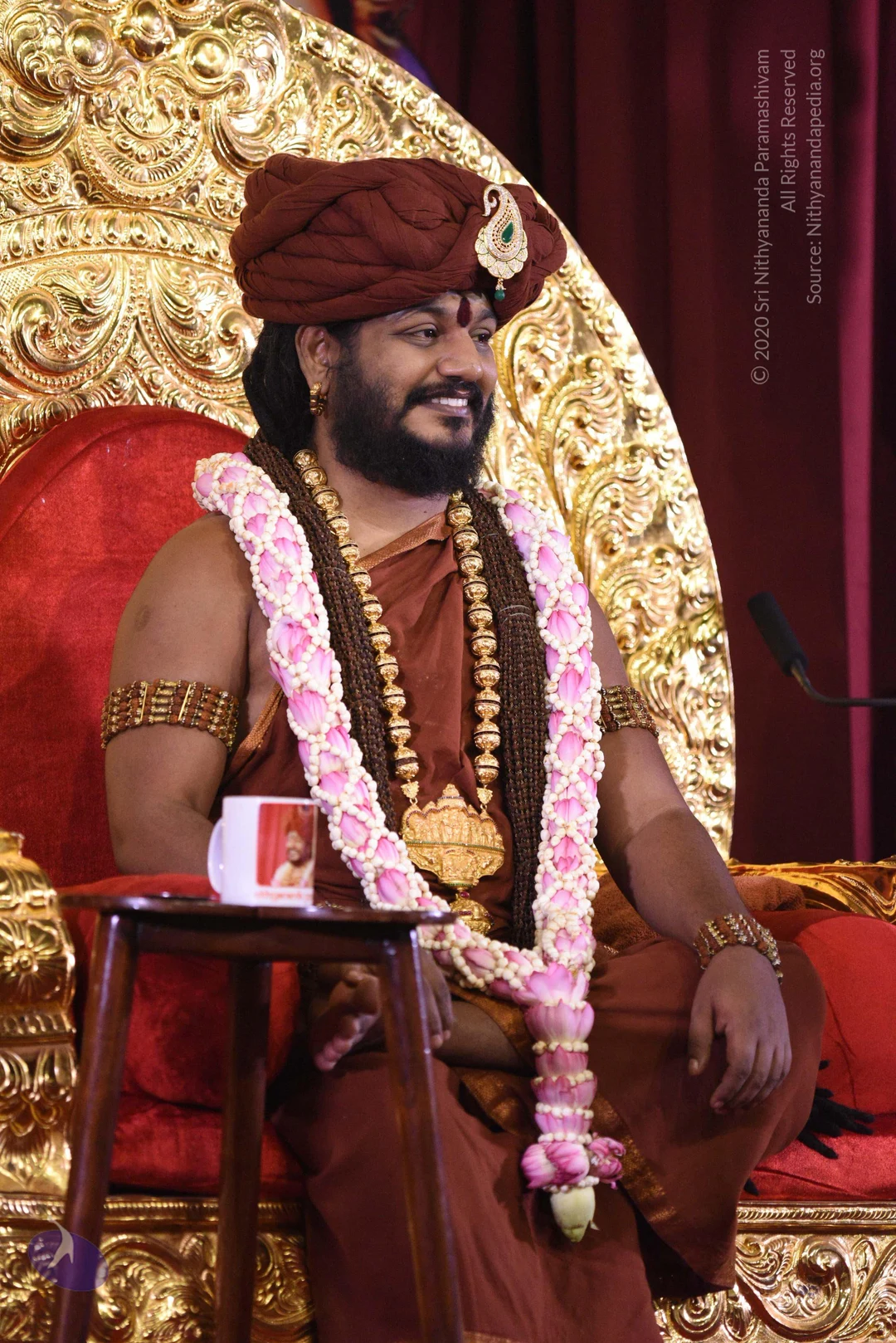
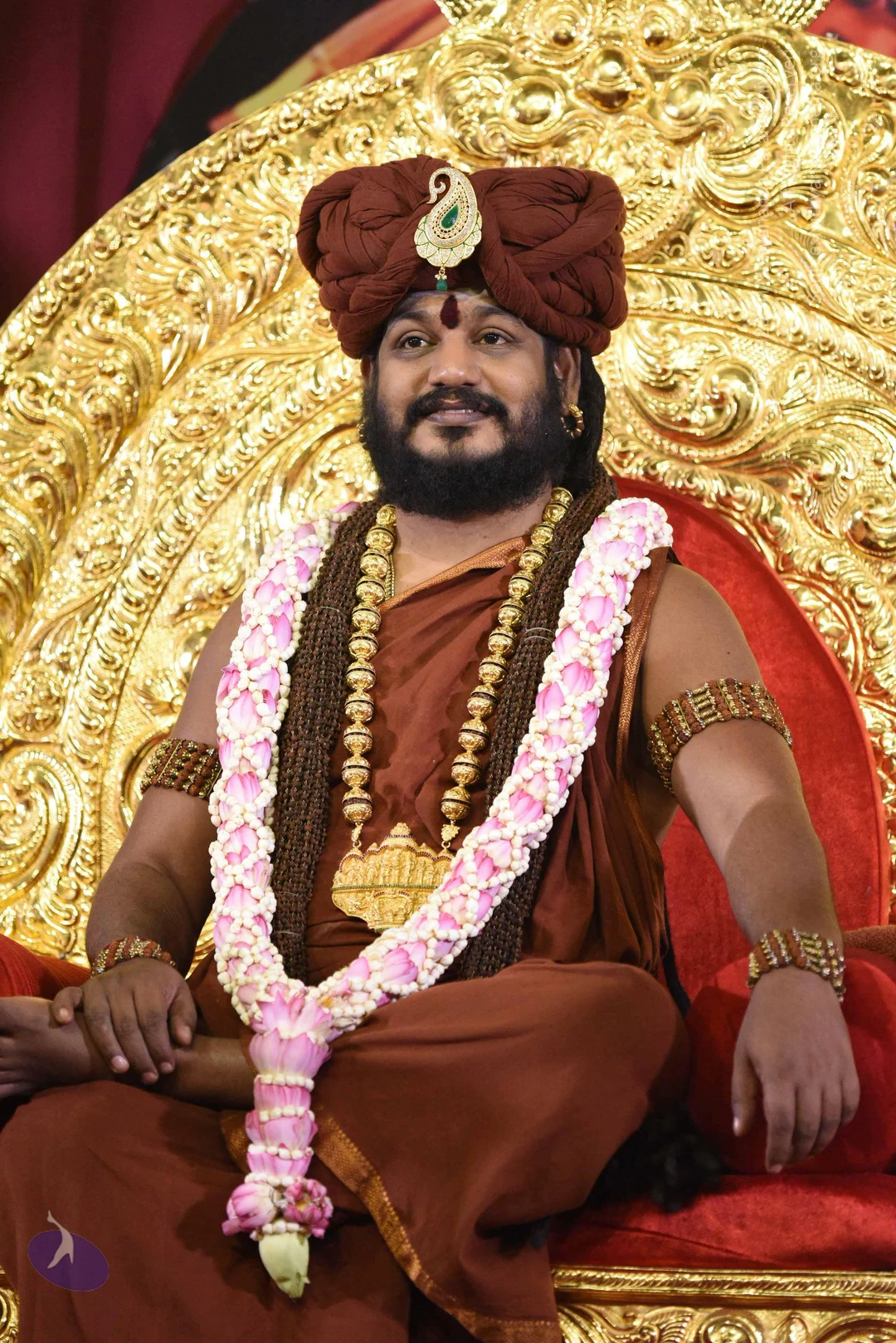
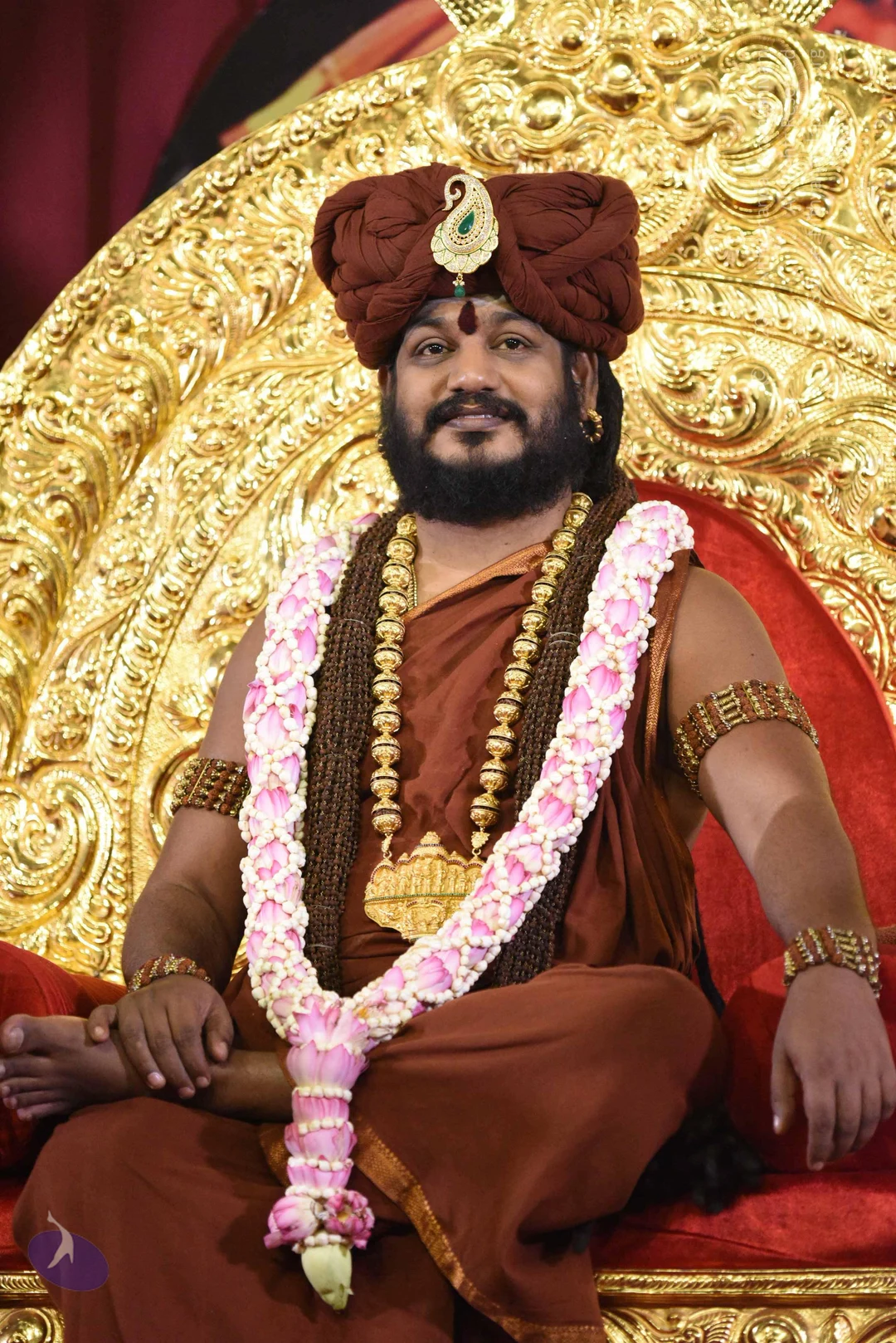
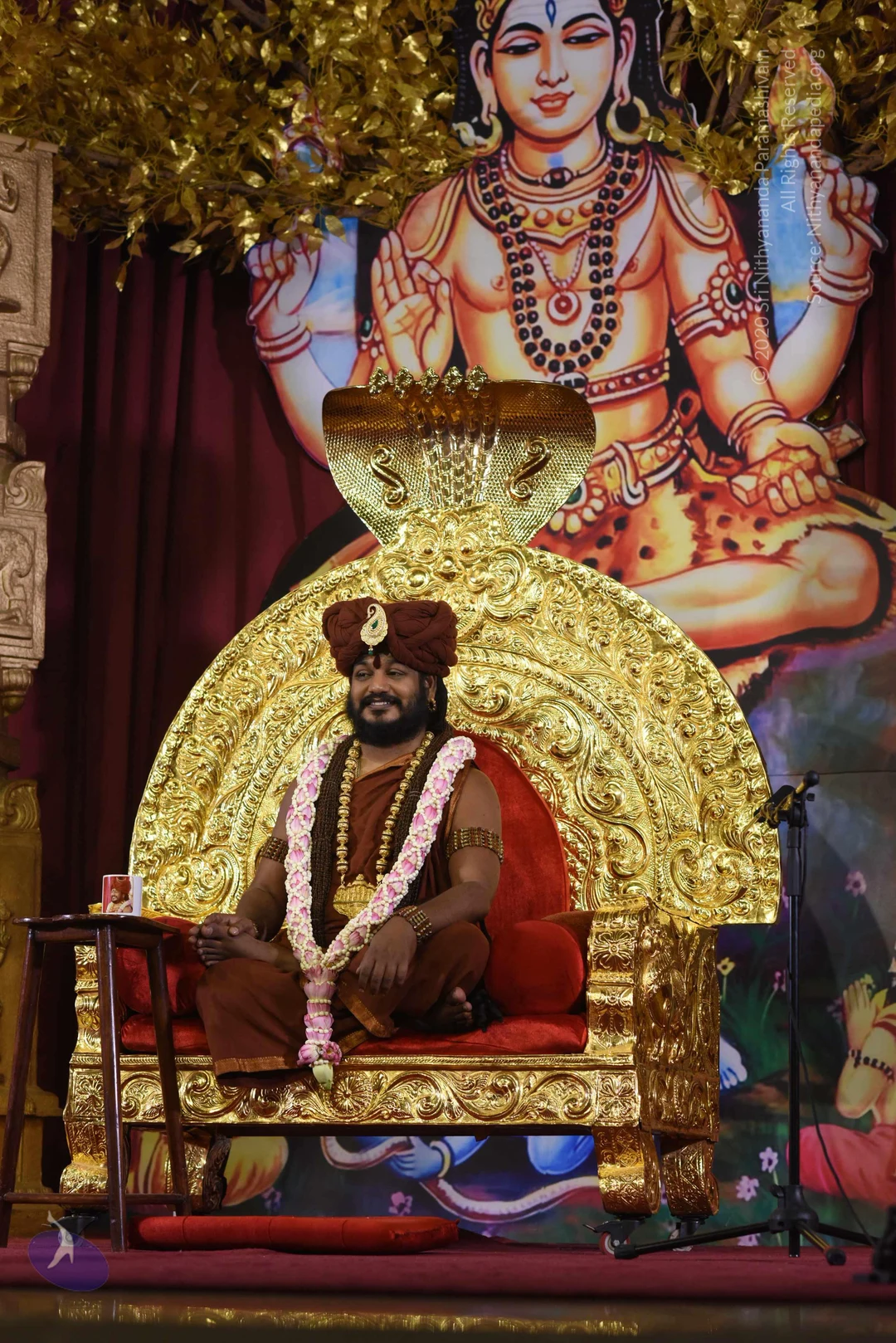
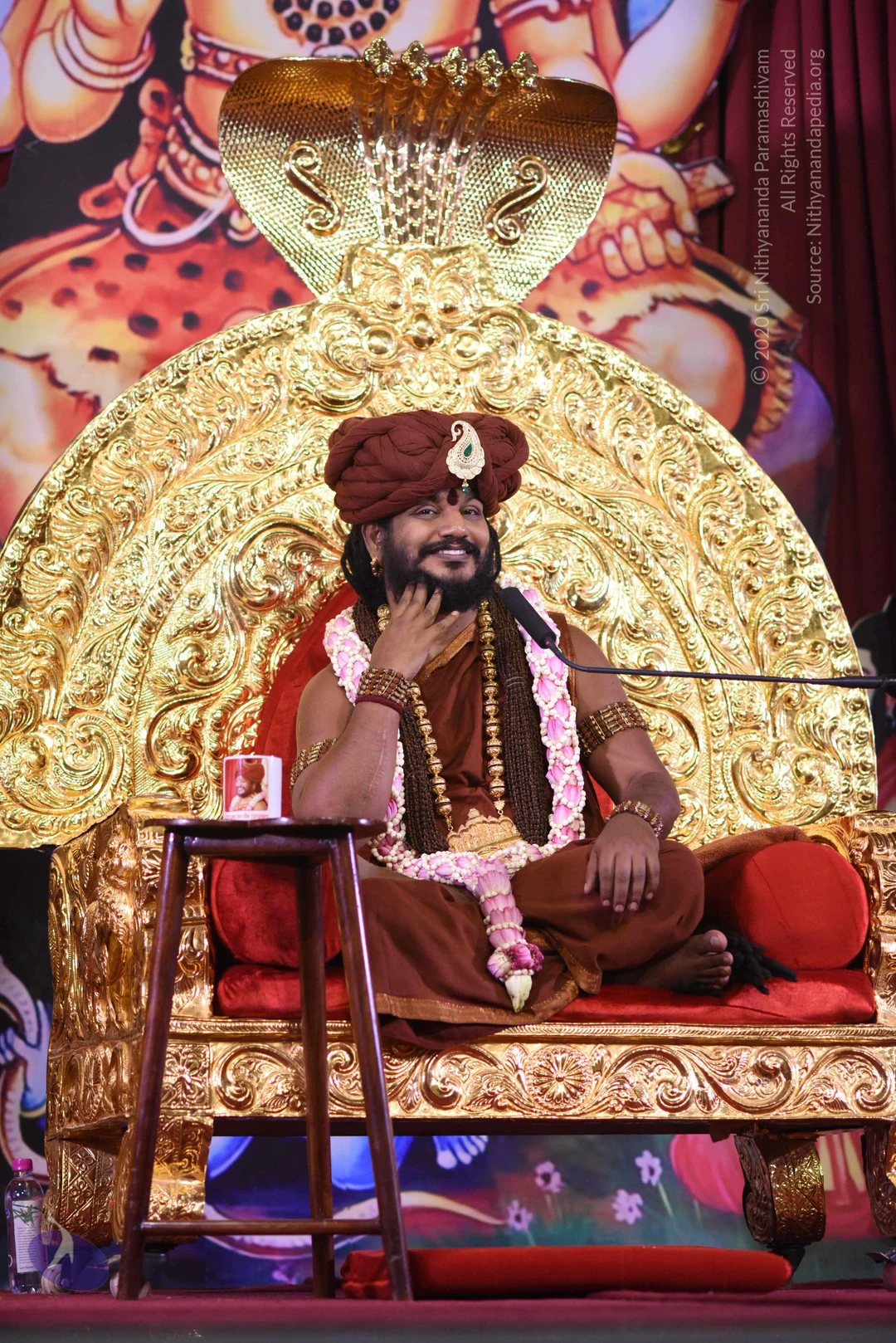
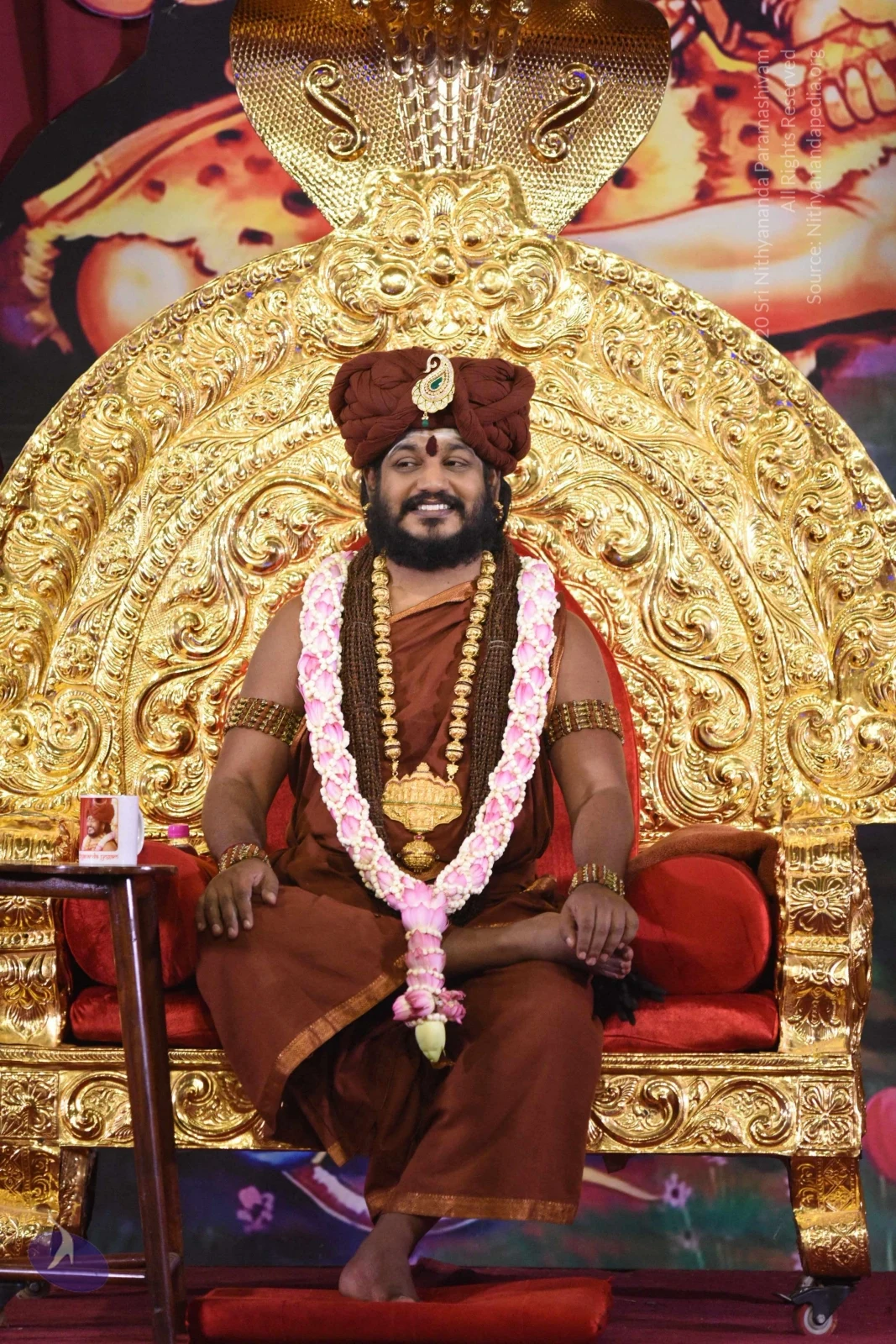
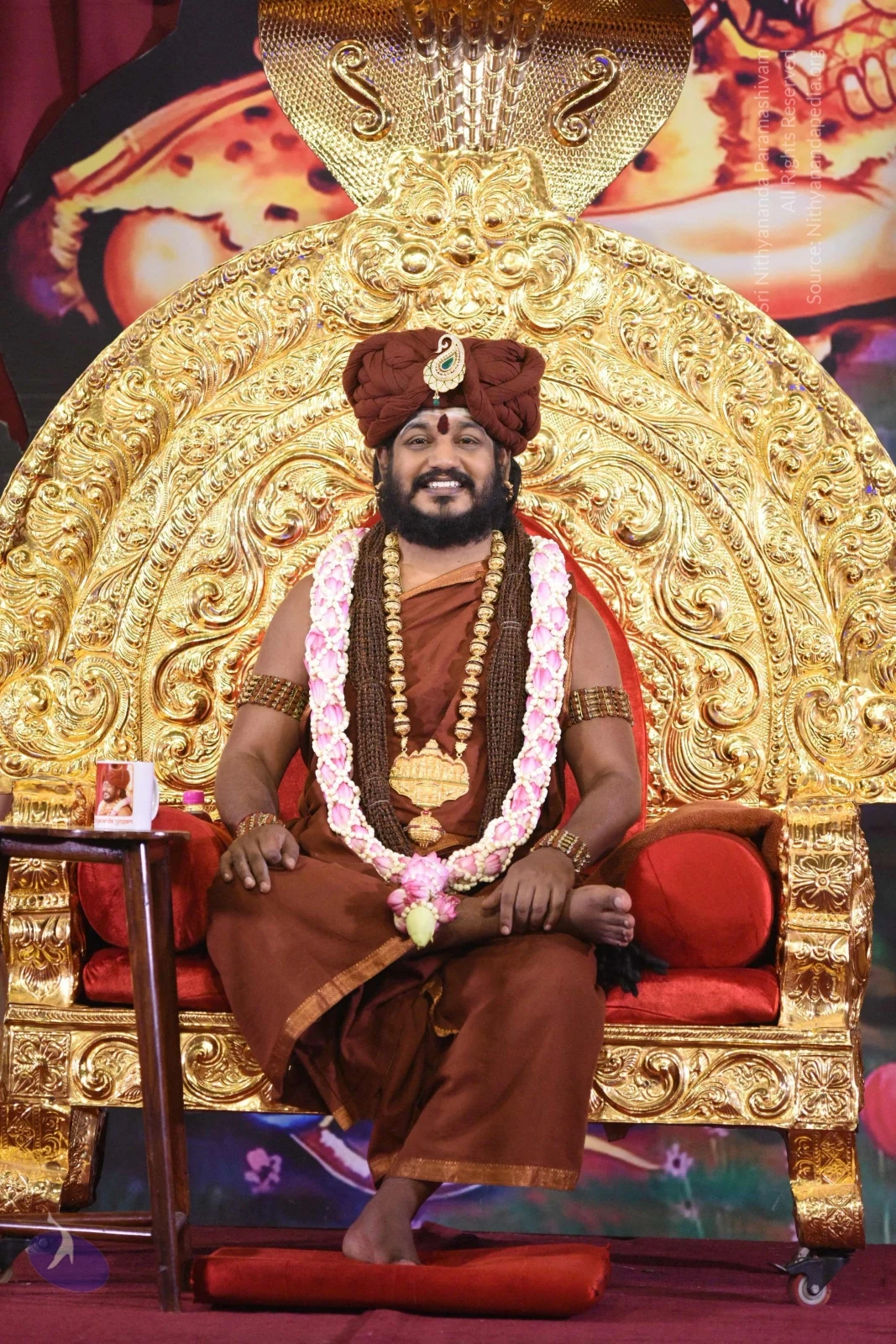
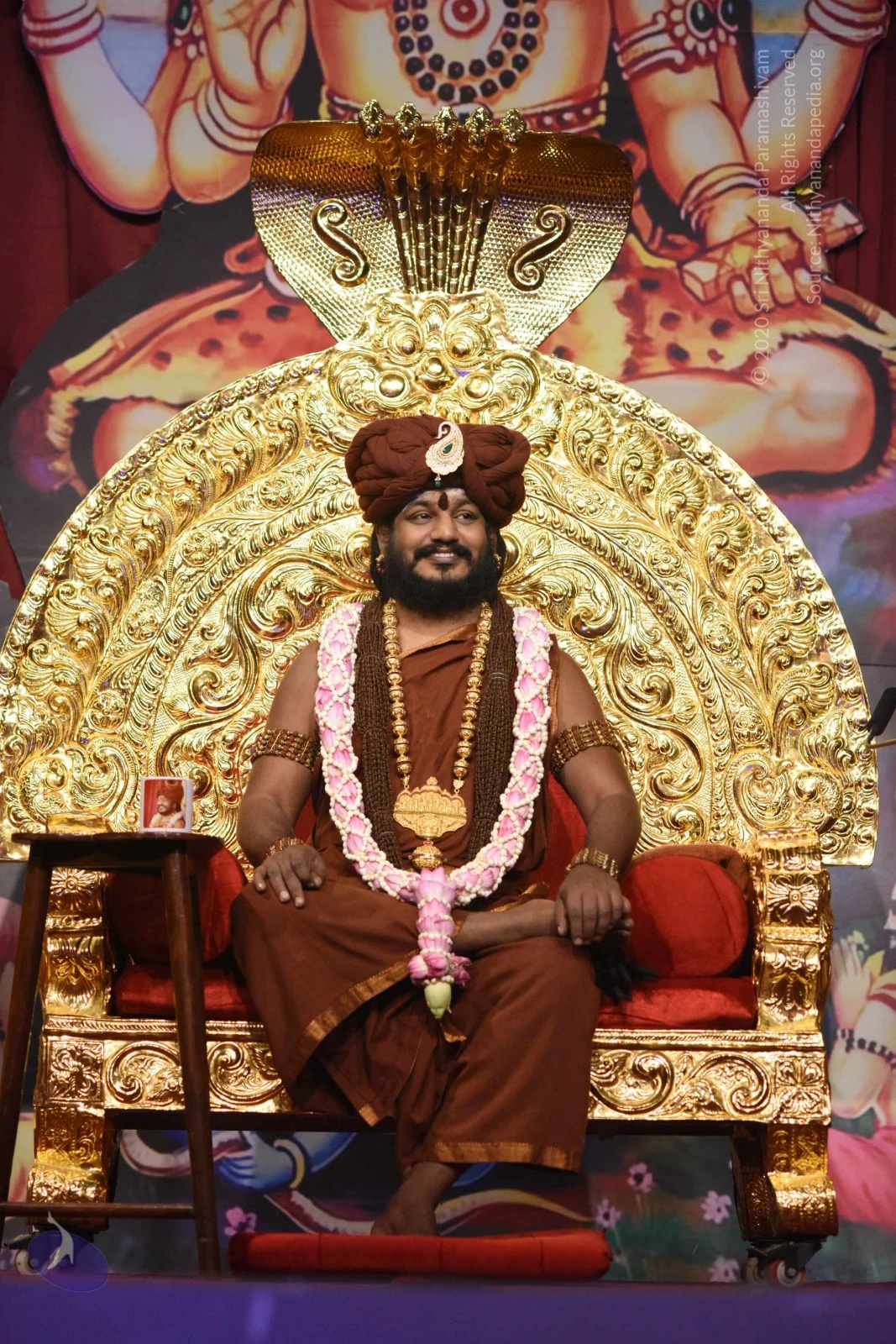
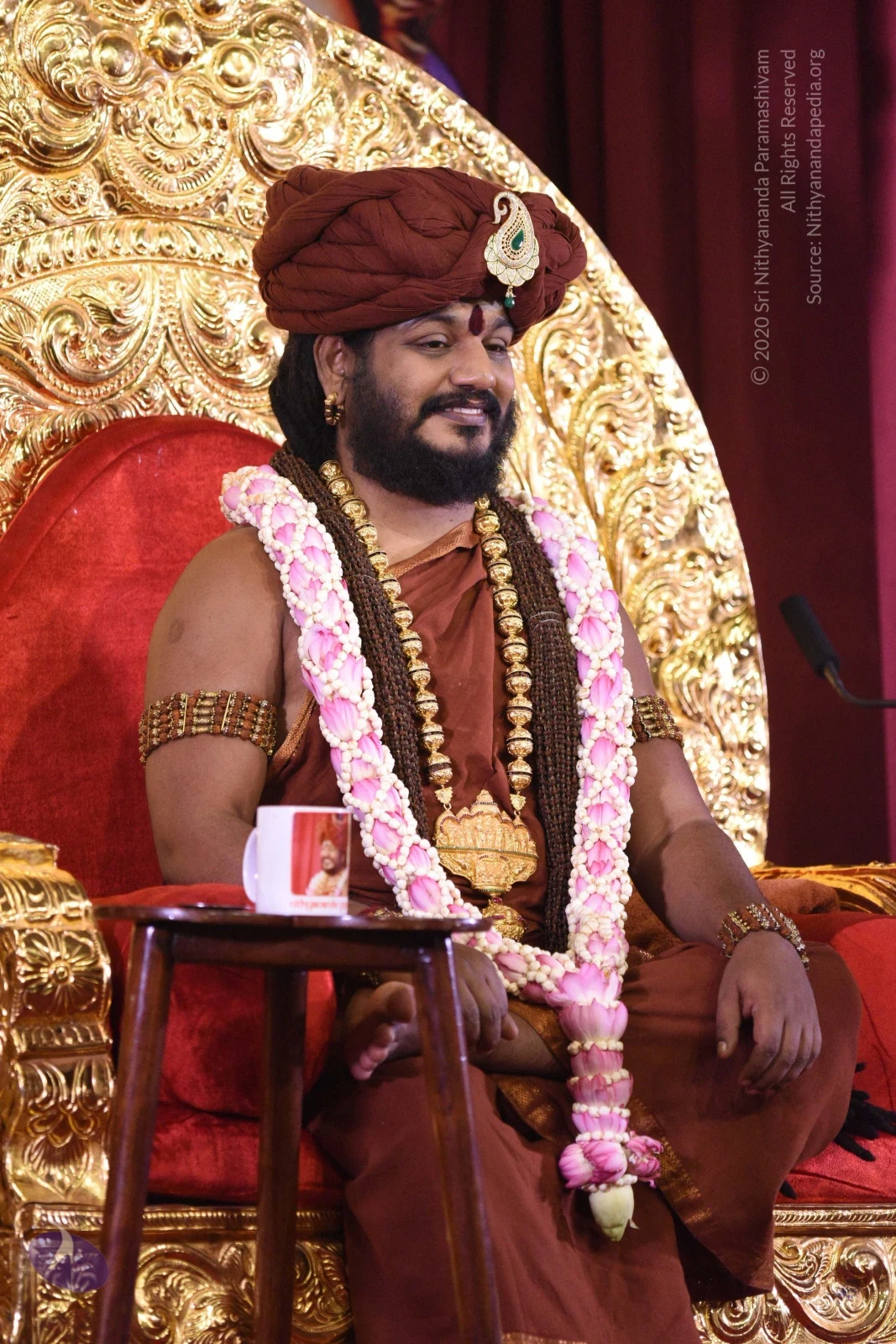
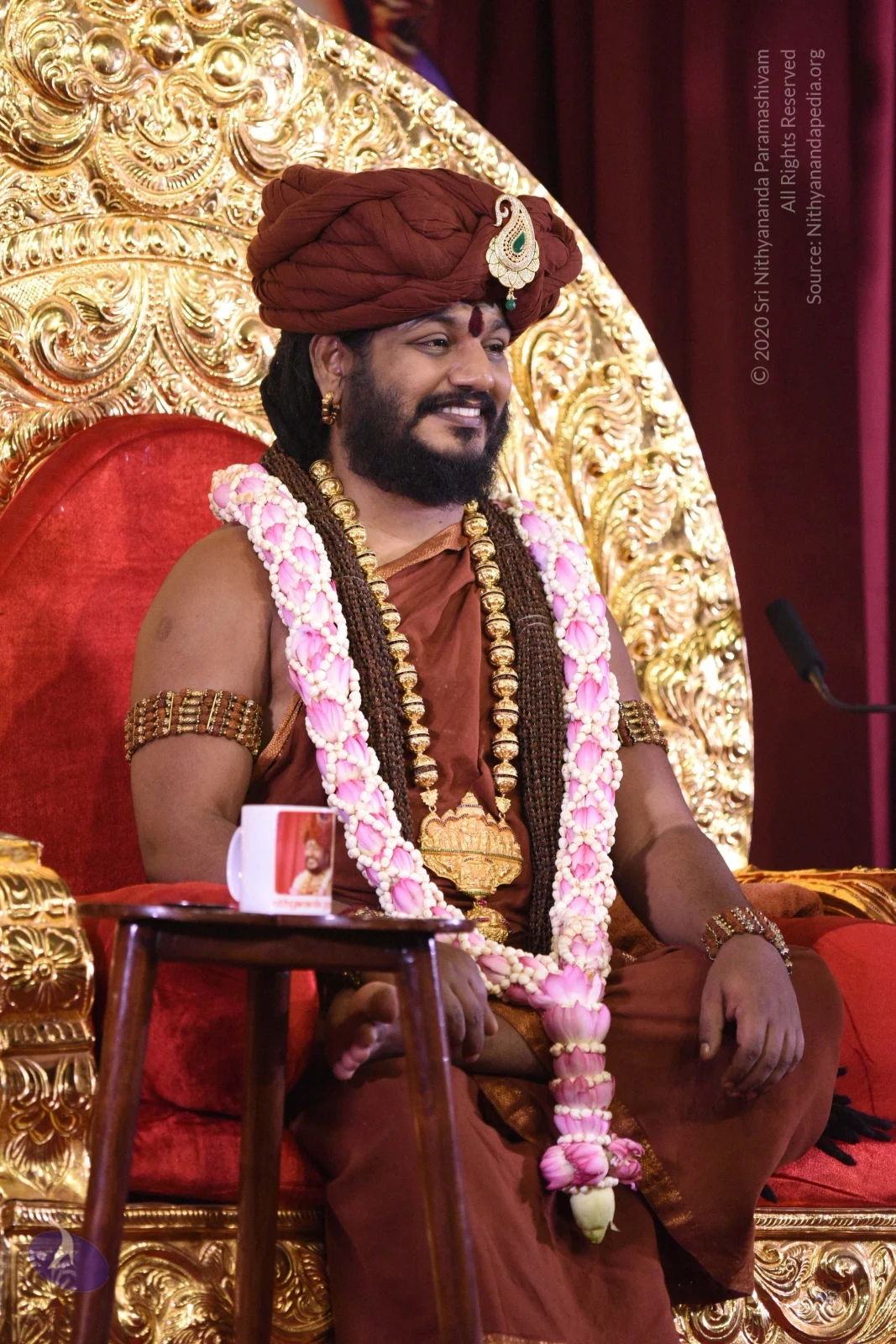
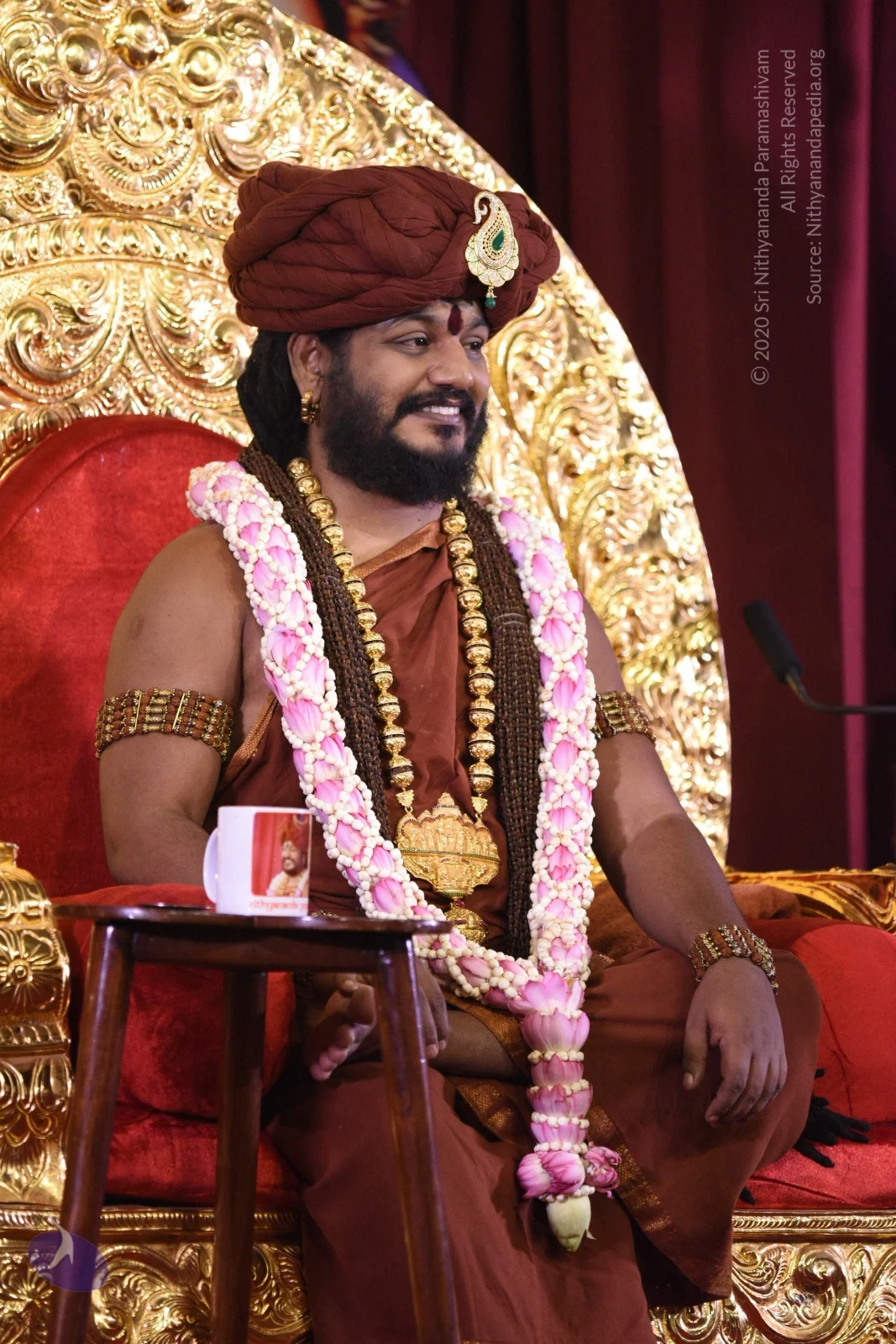
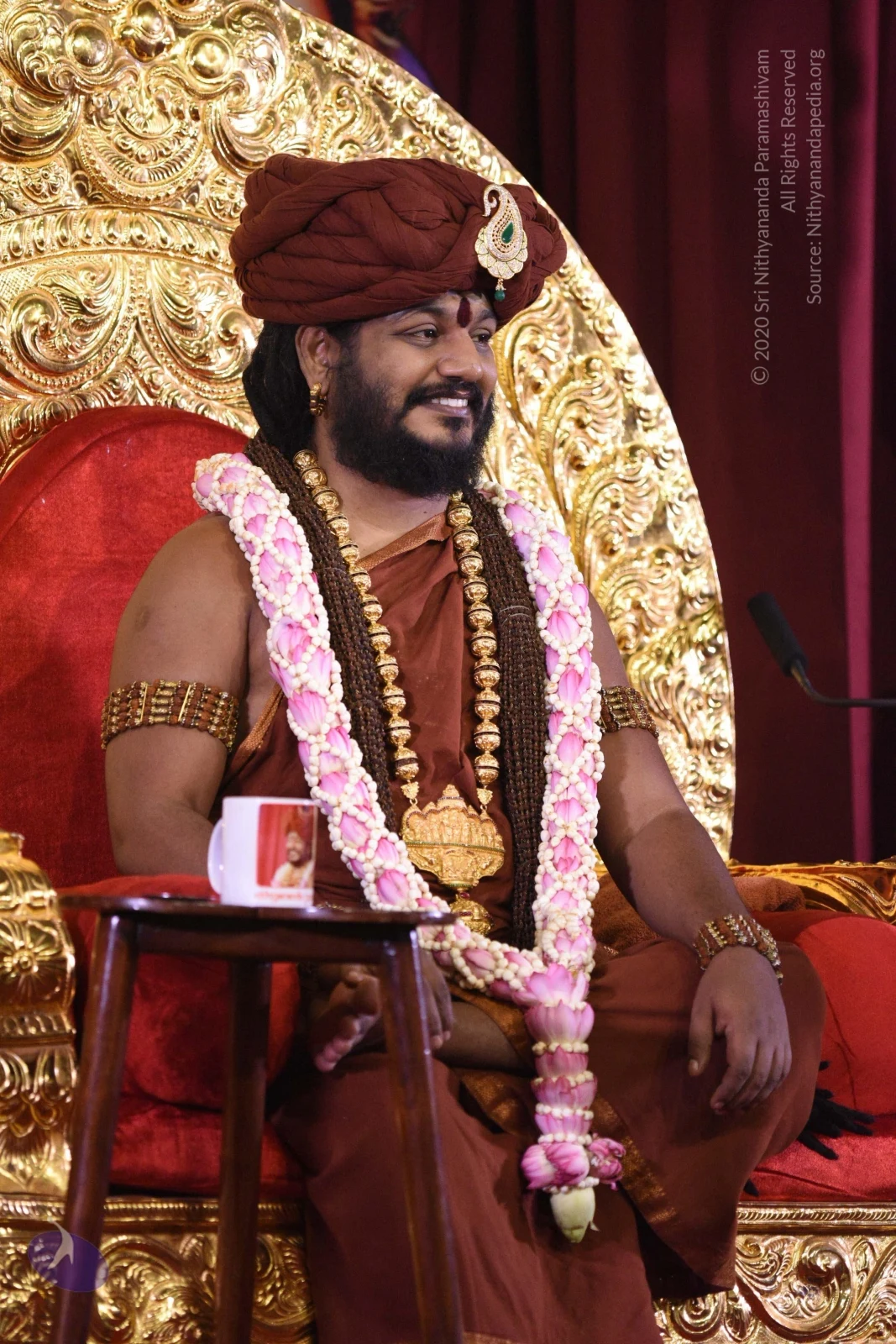
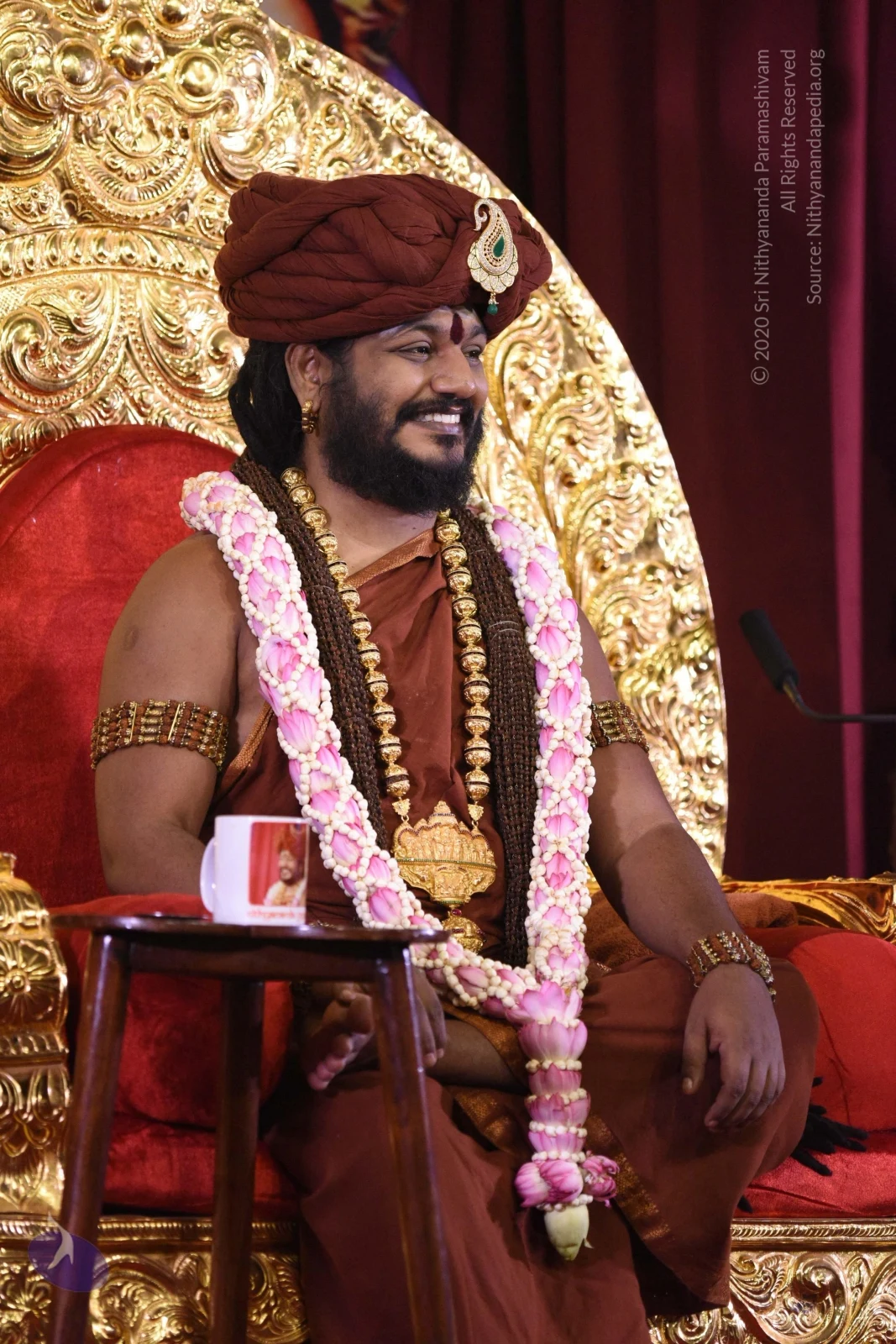
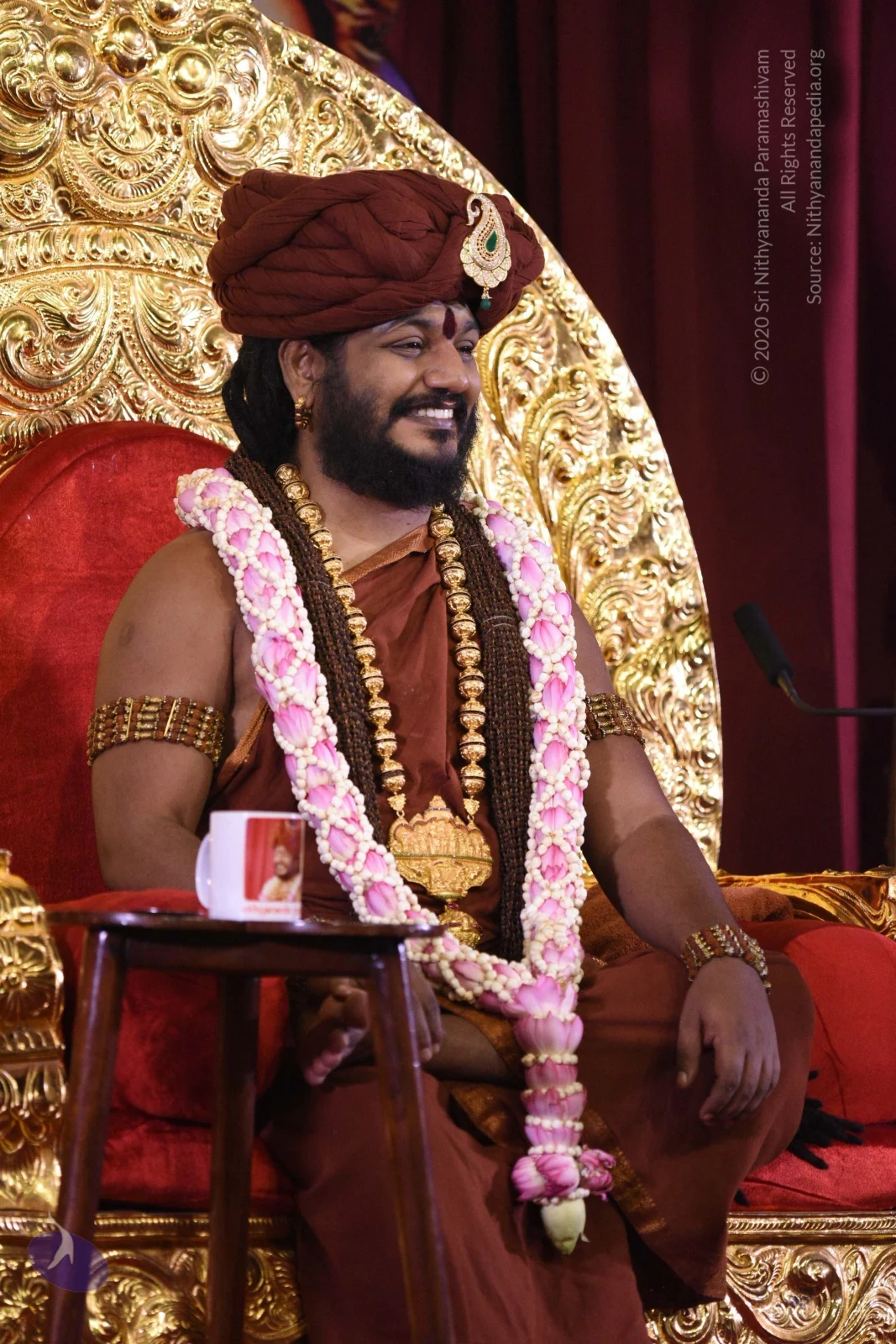
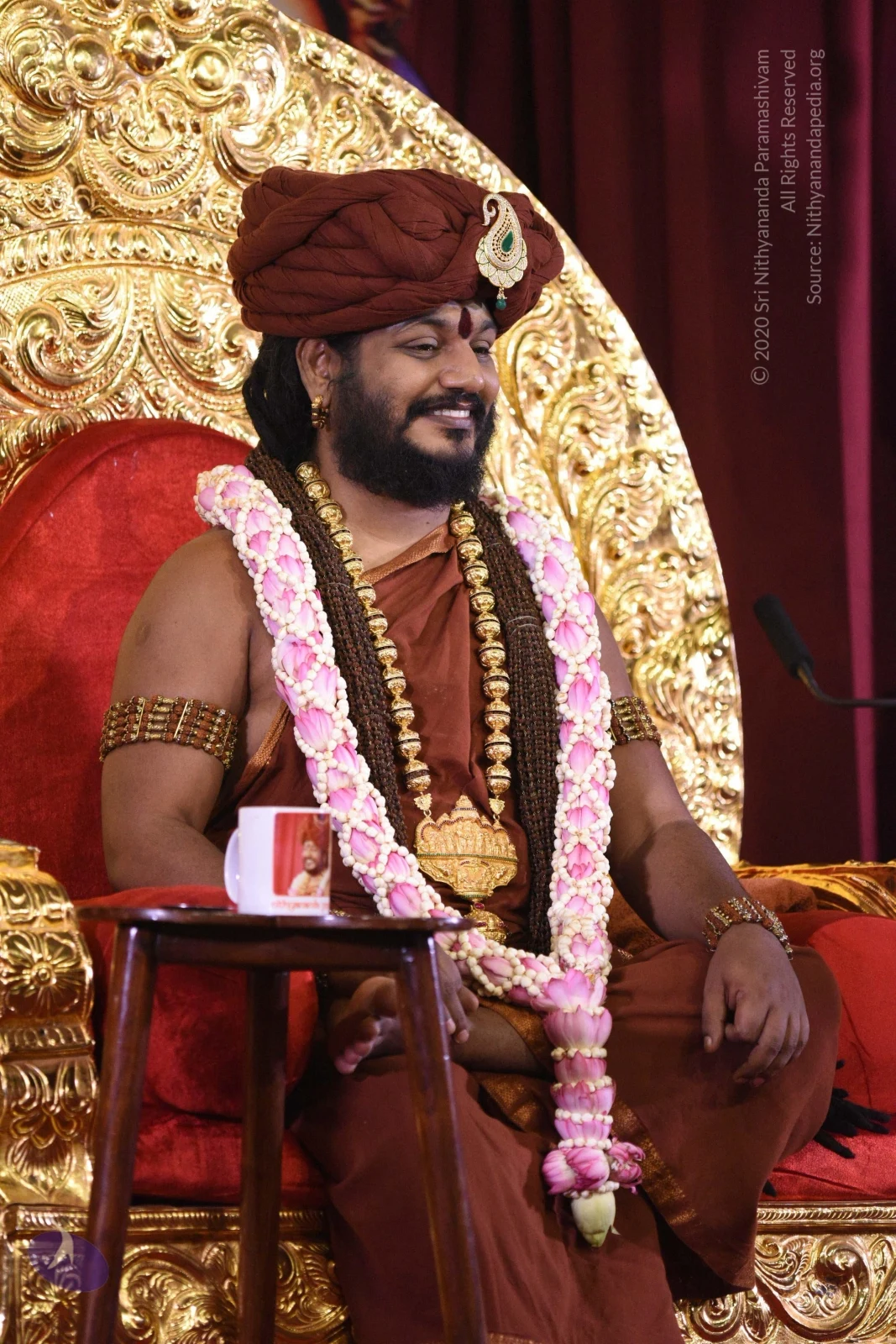
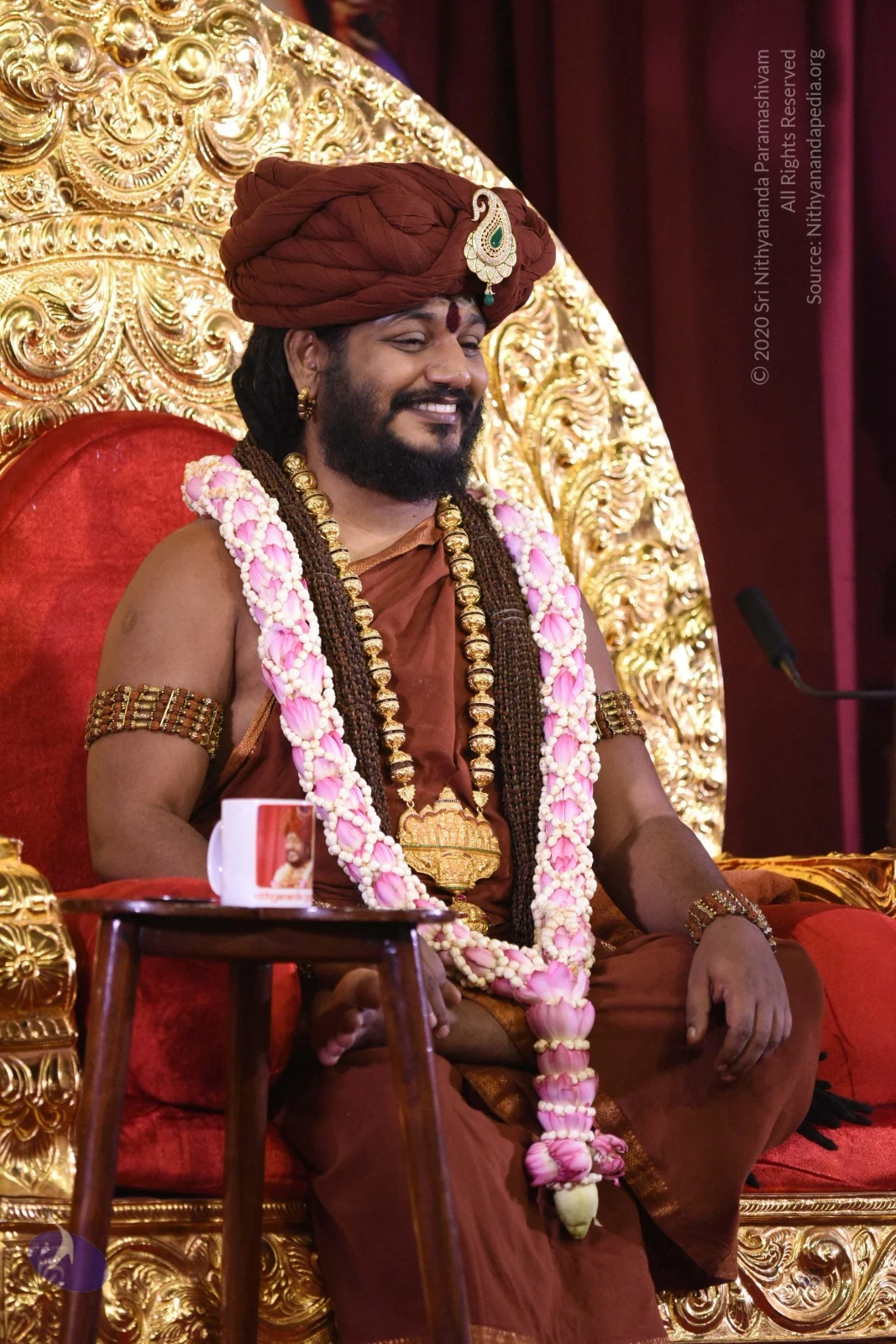
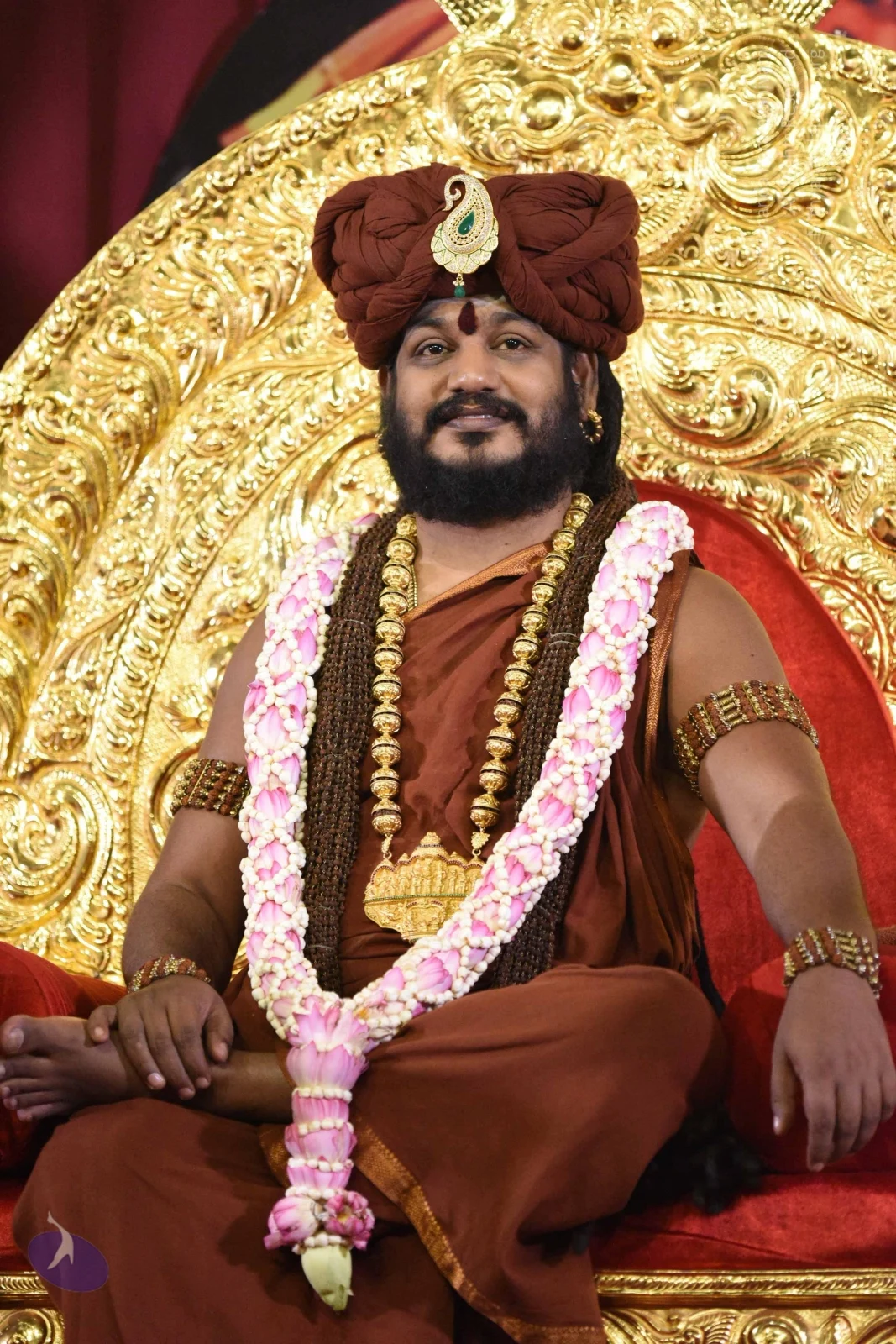
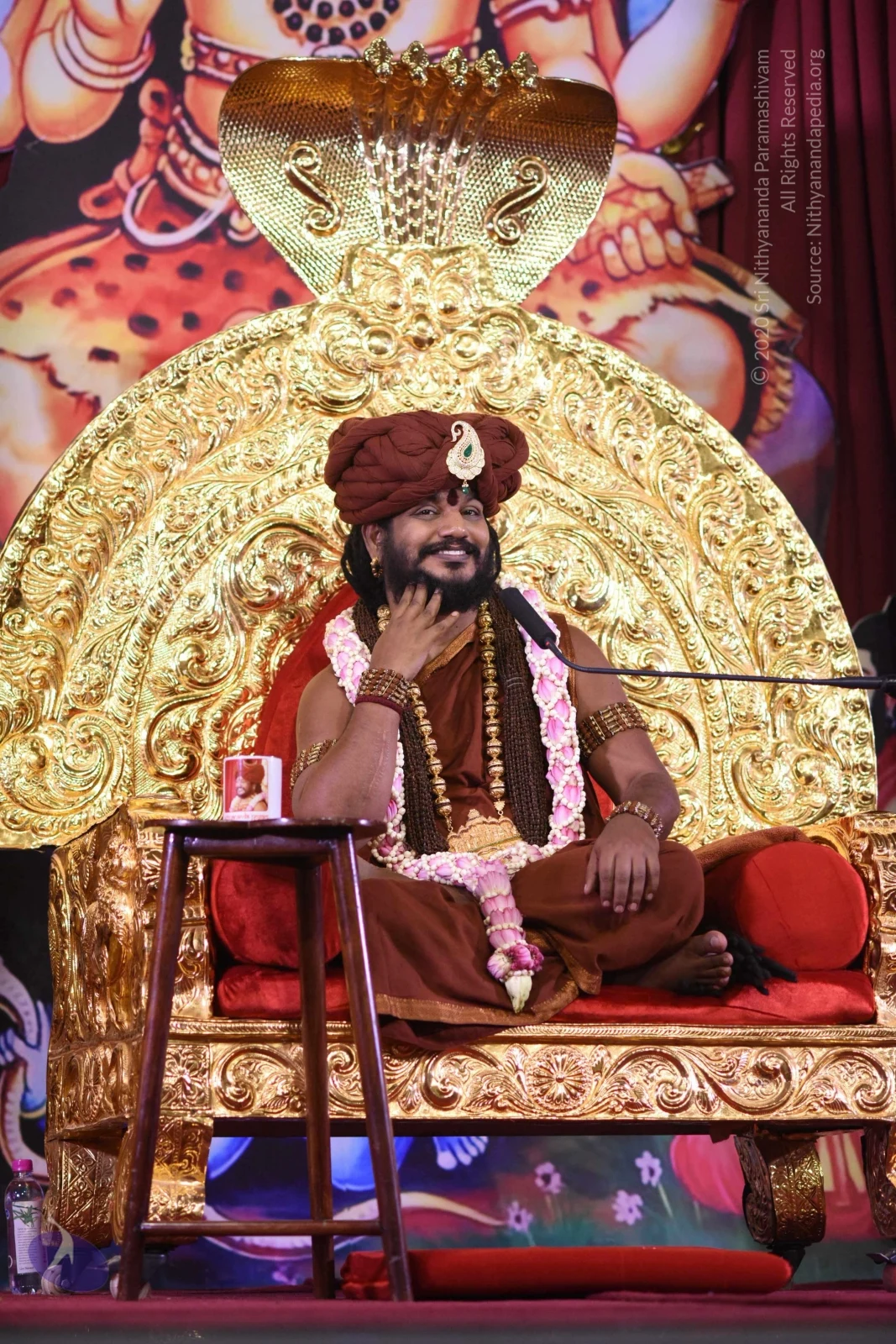
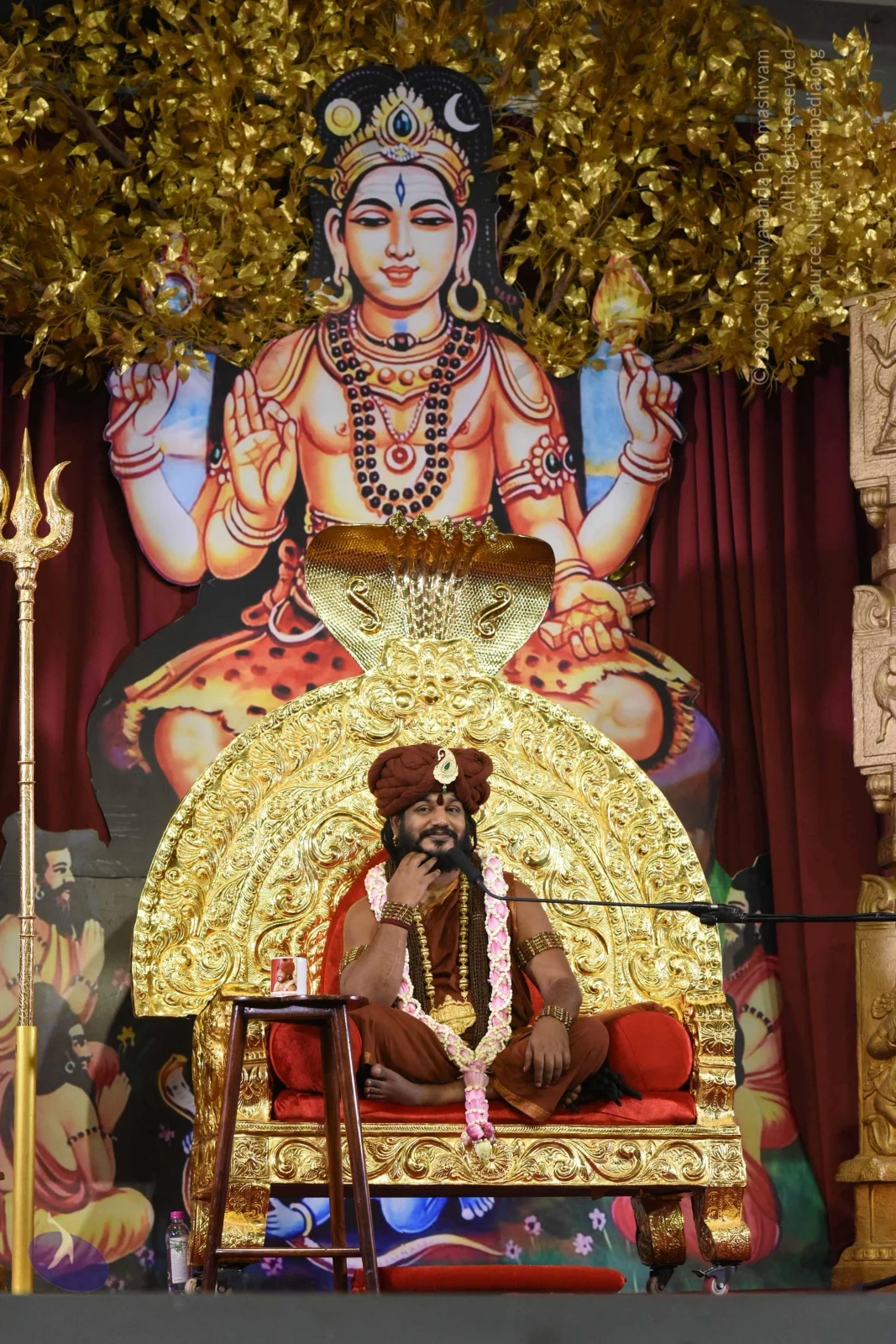
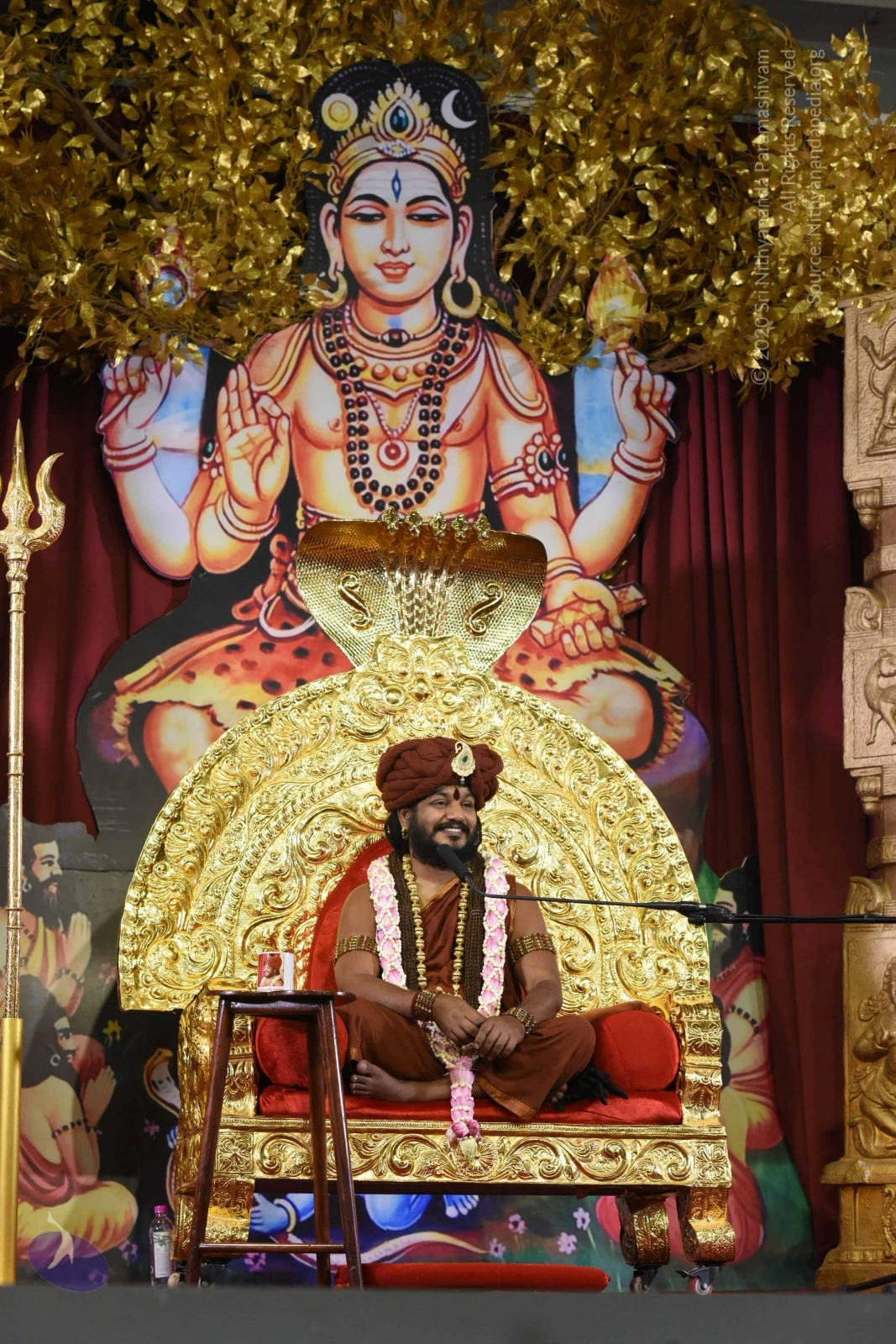
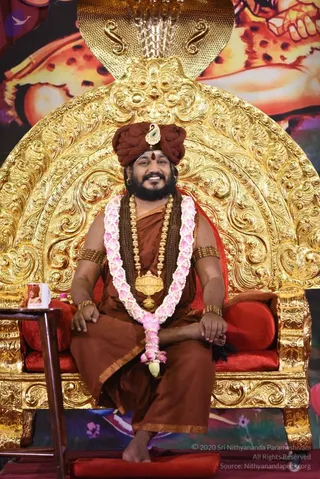 HDH Nithyananda Paramashivam gracing the delegates before the morning satsang
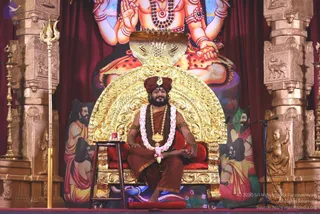
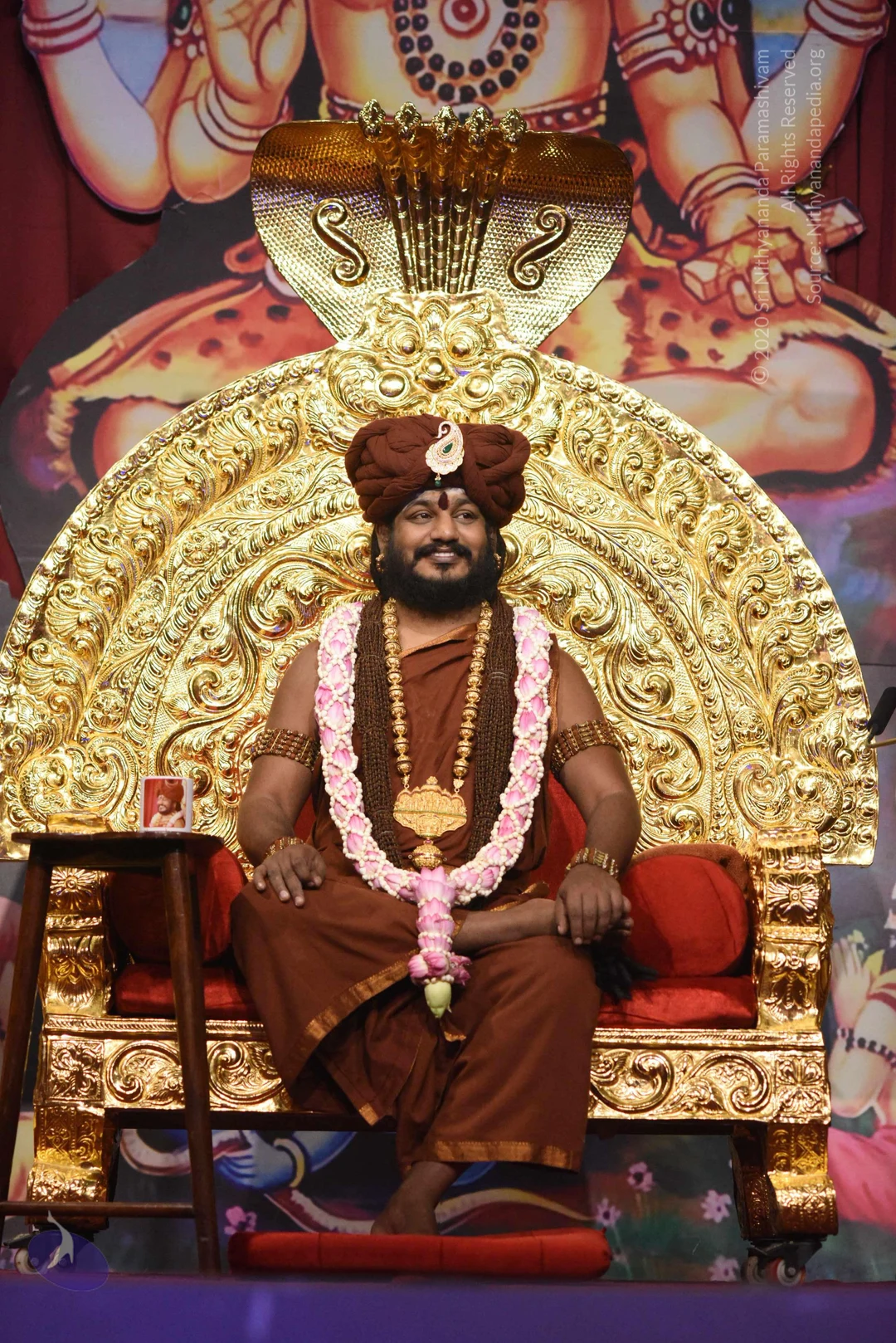
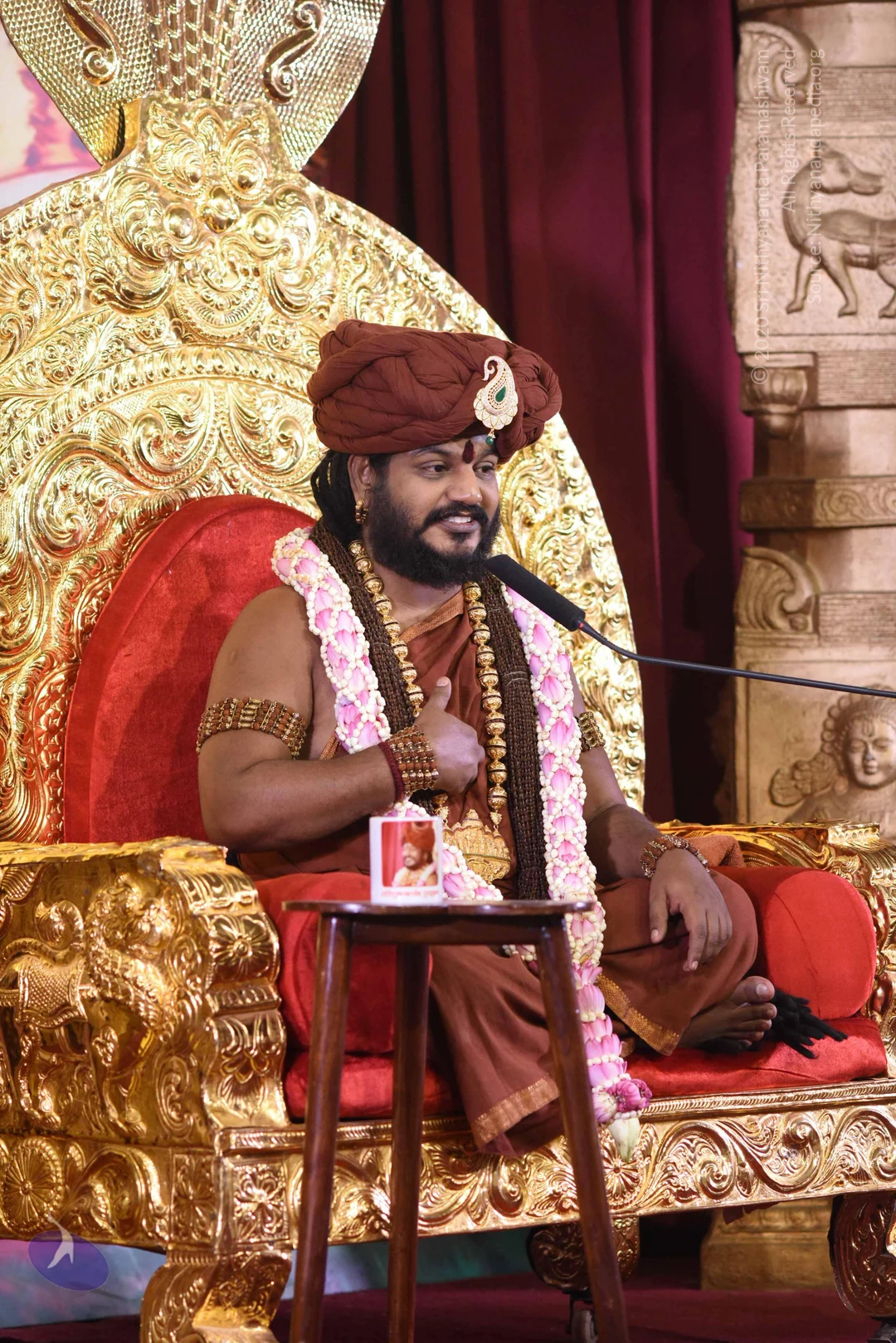
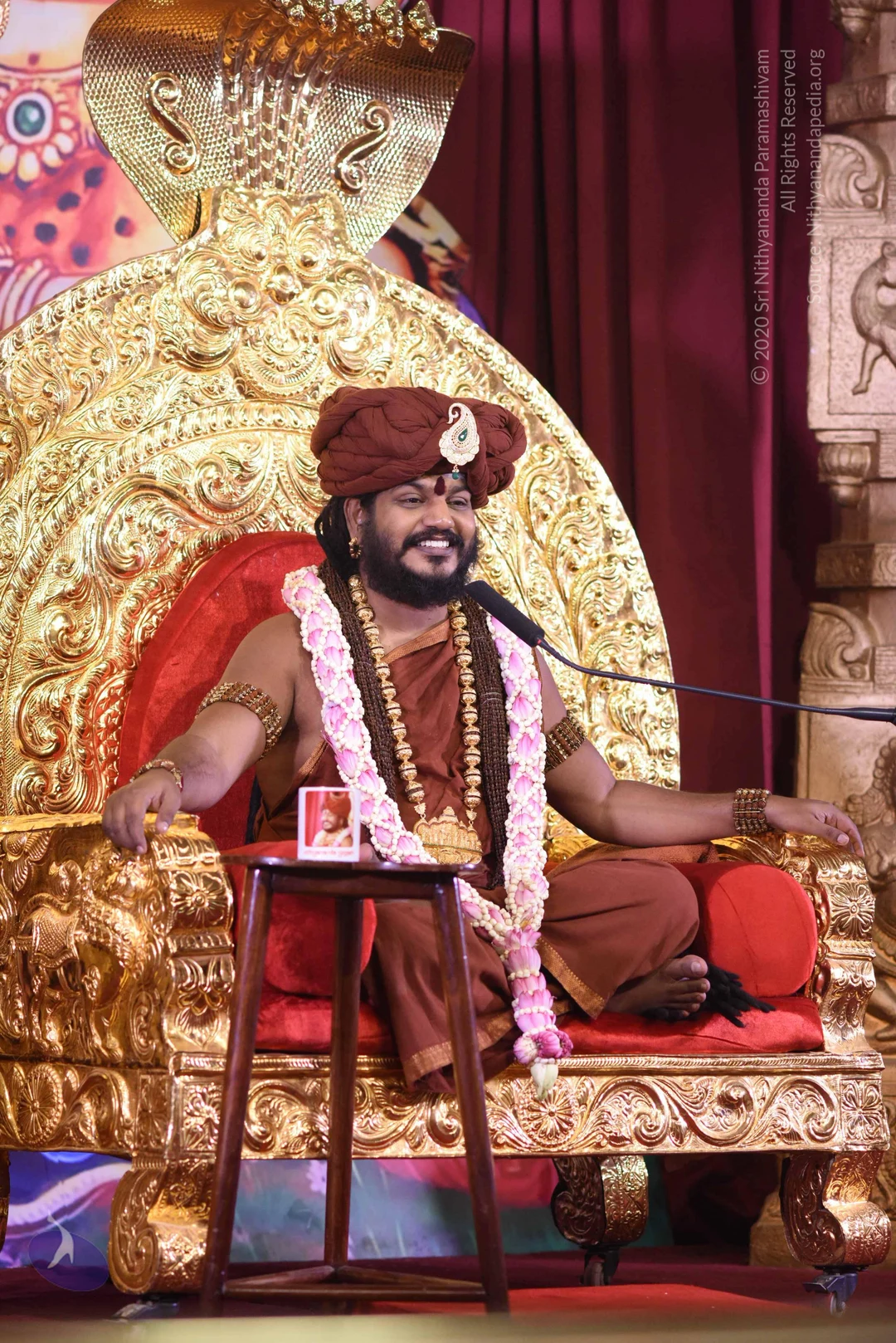
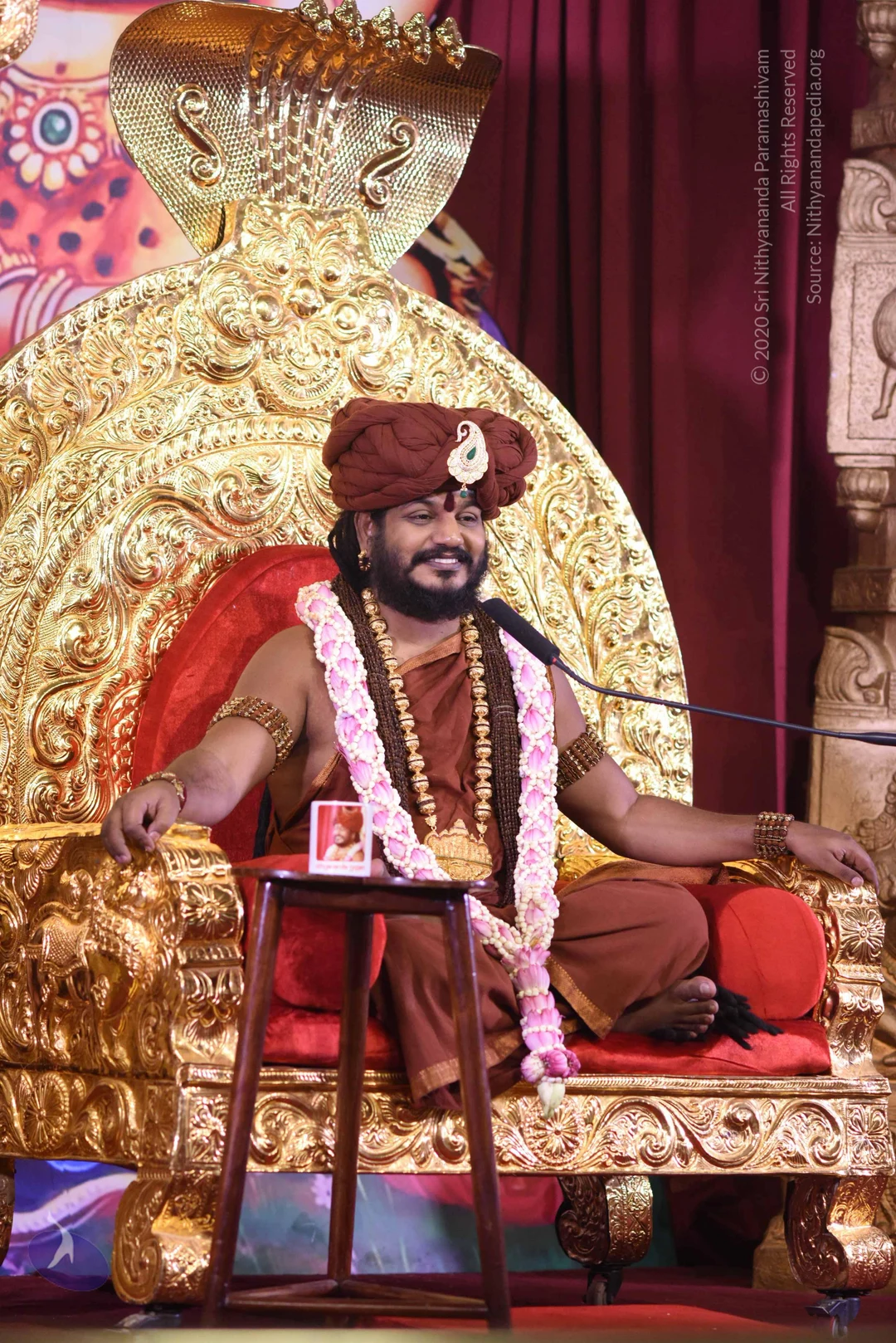
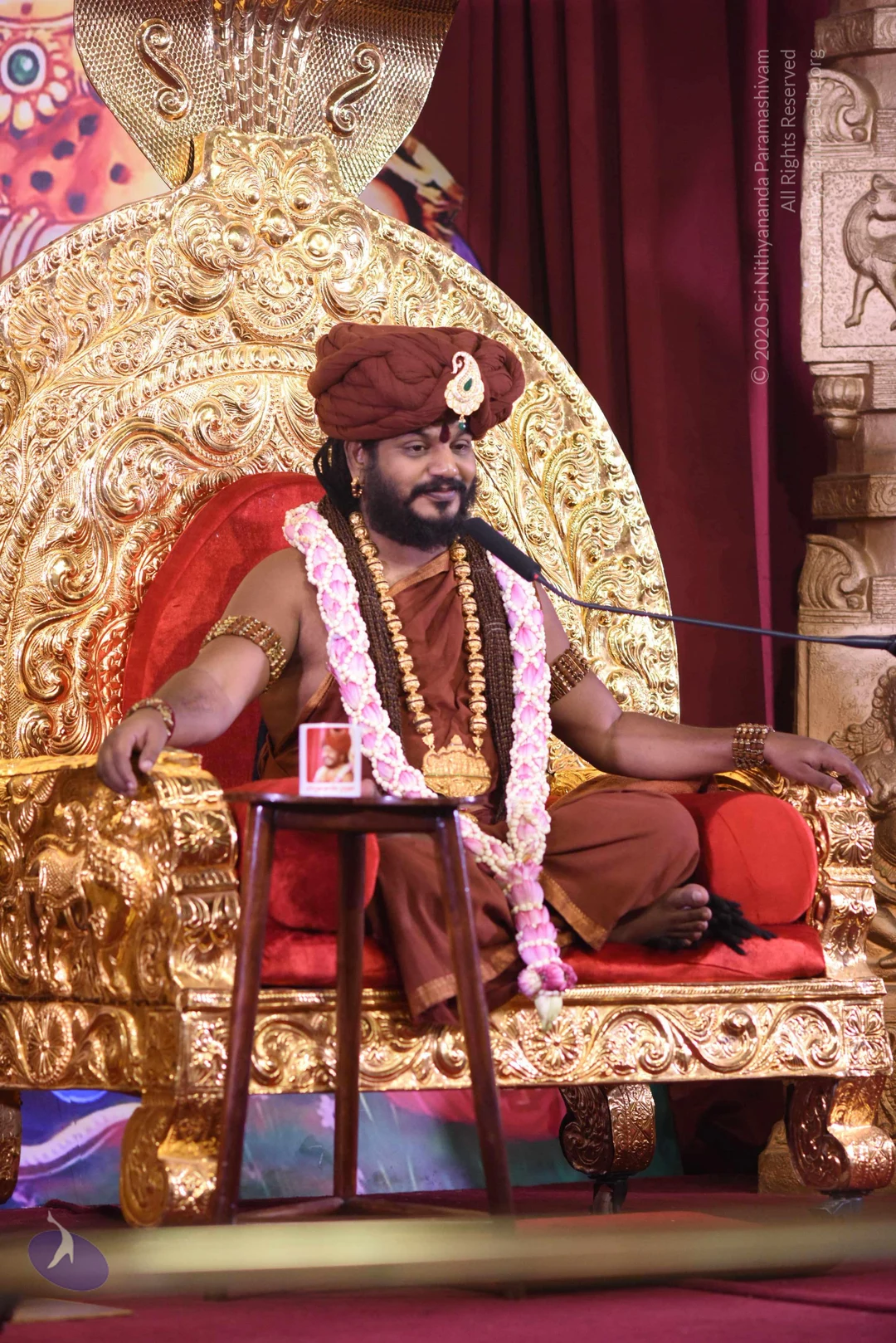
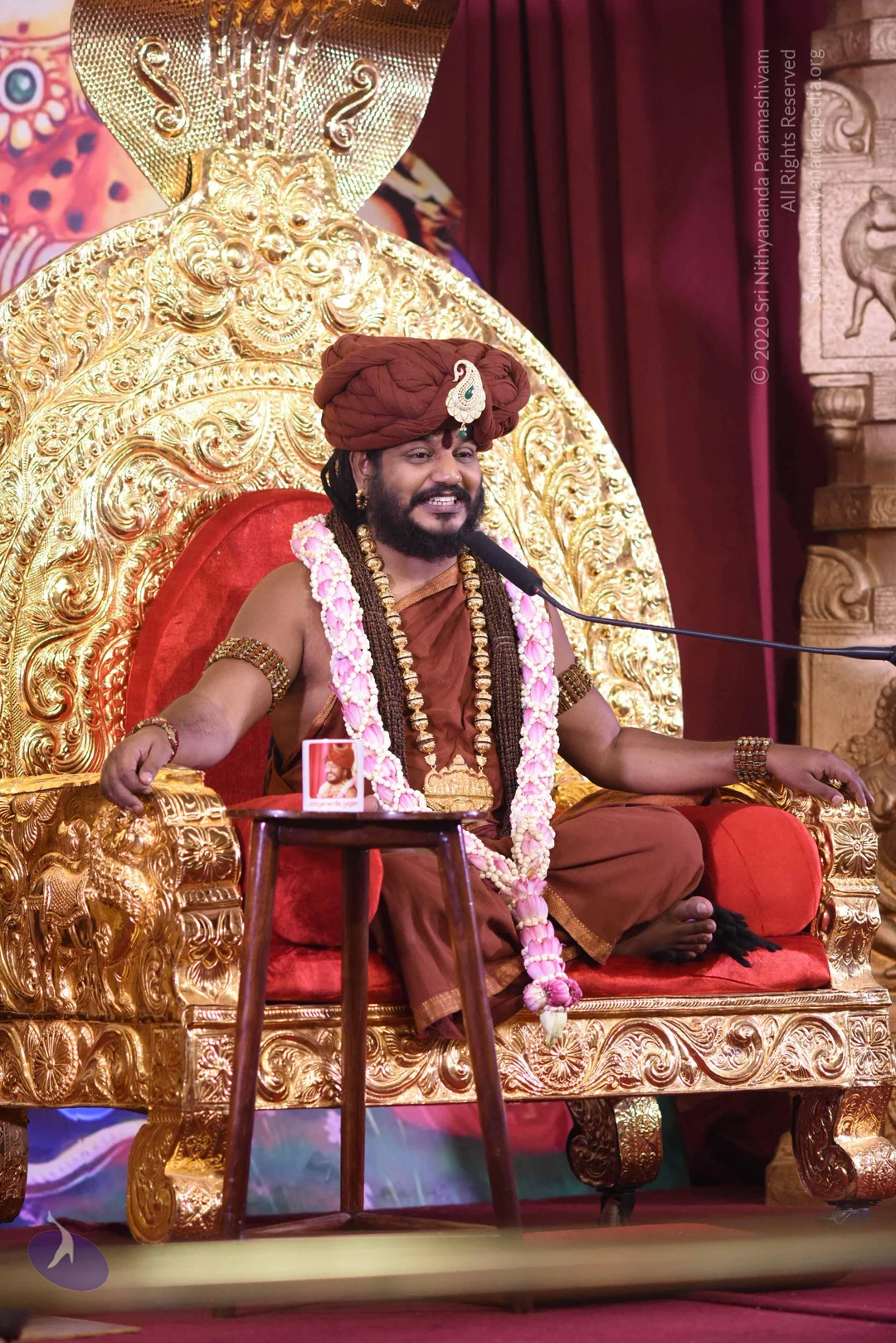
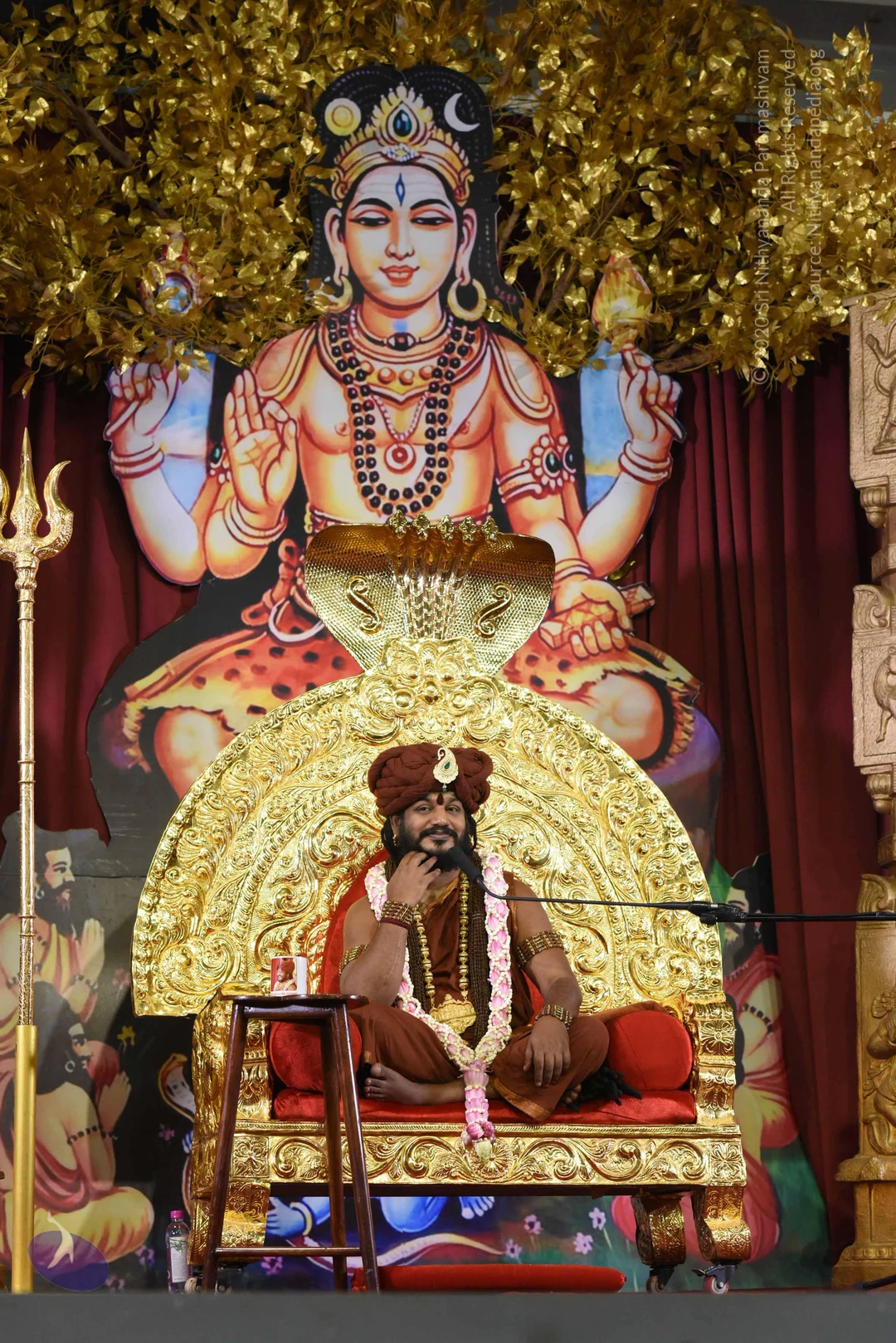
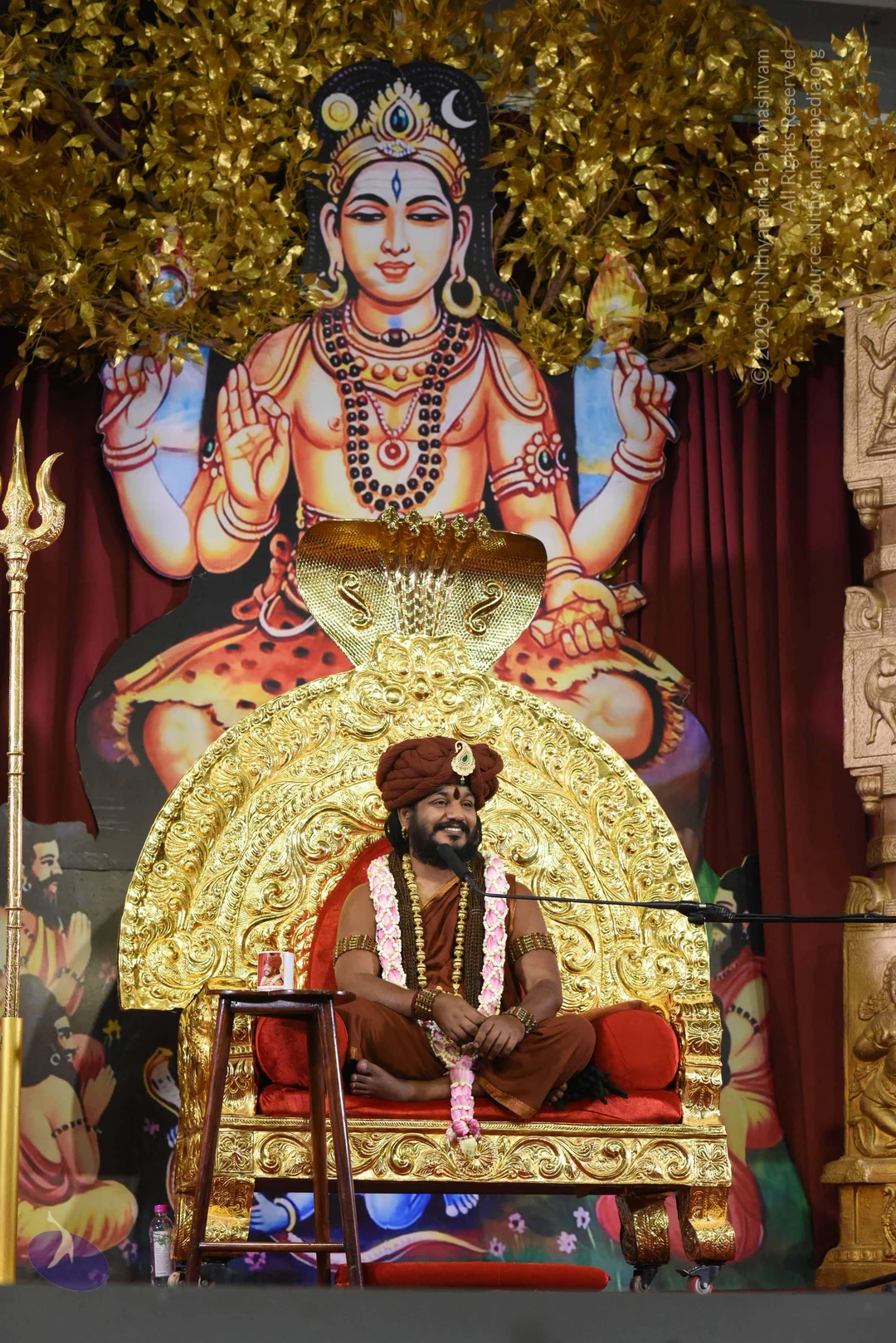
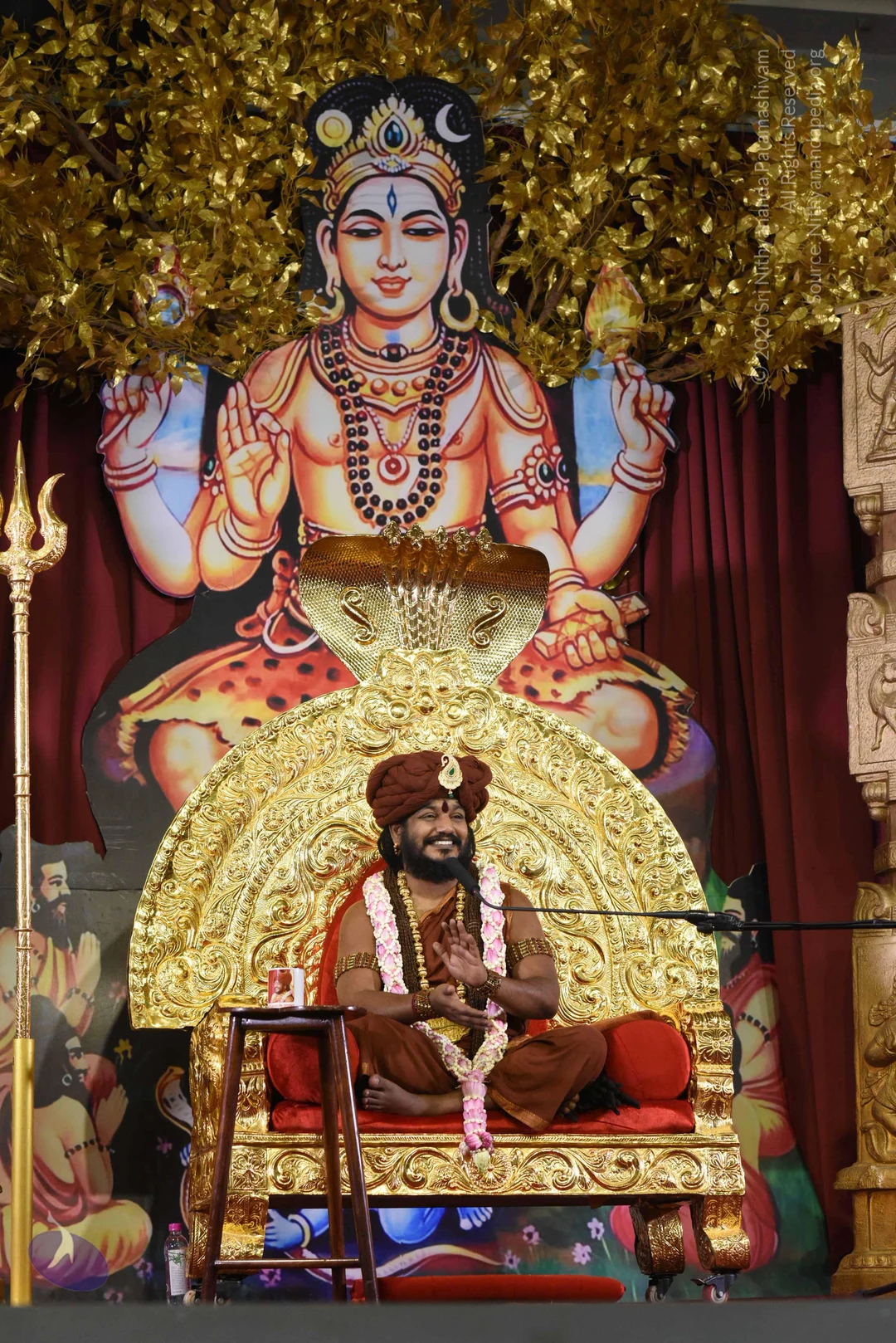
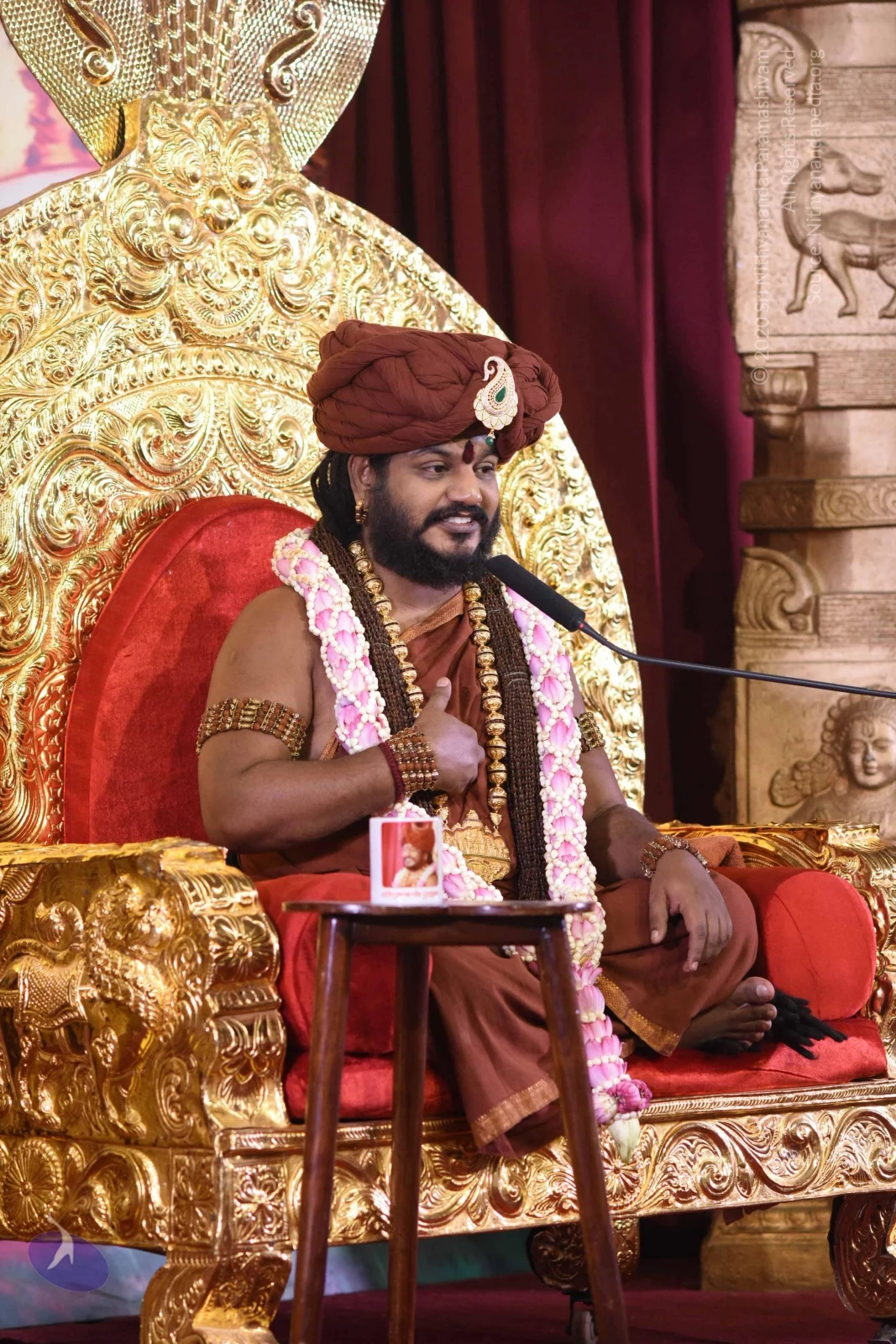
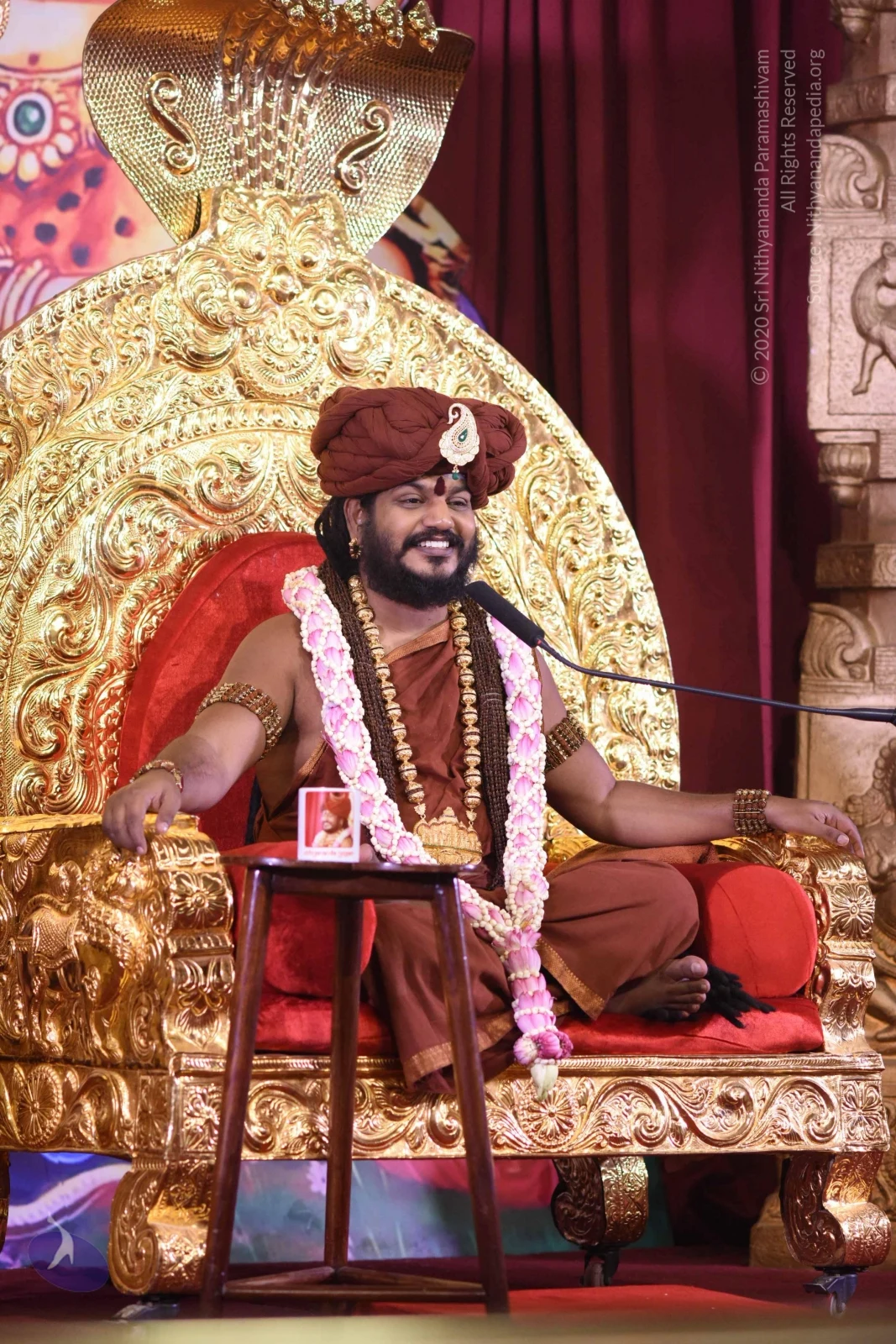
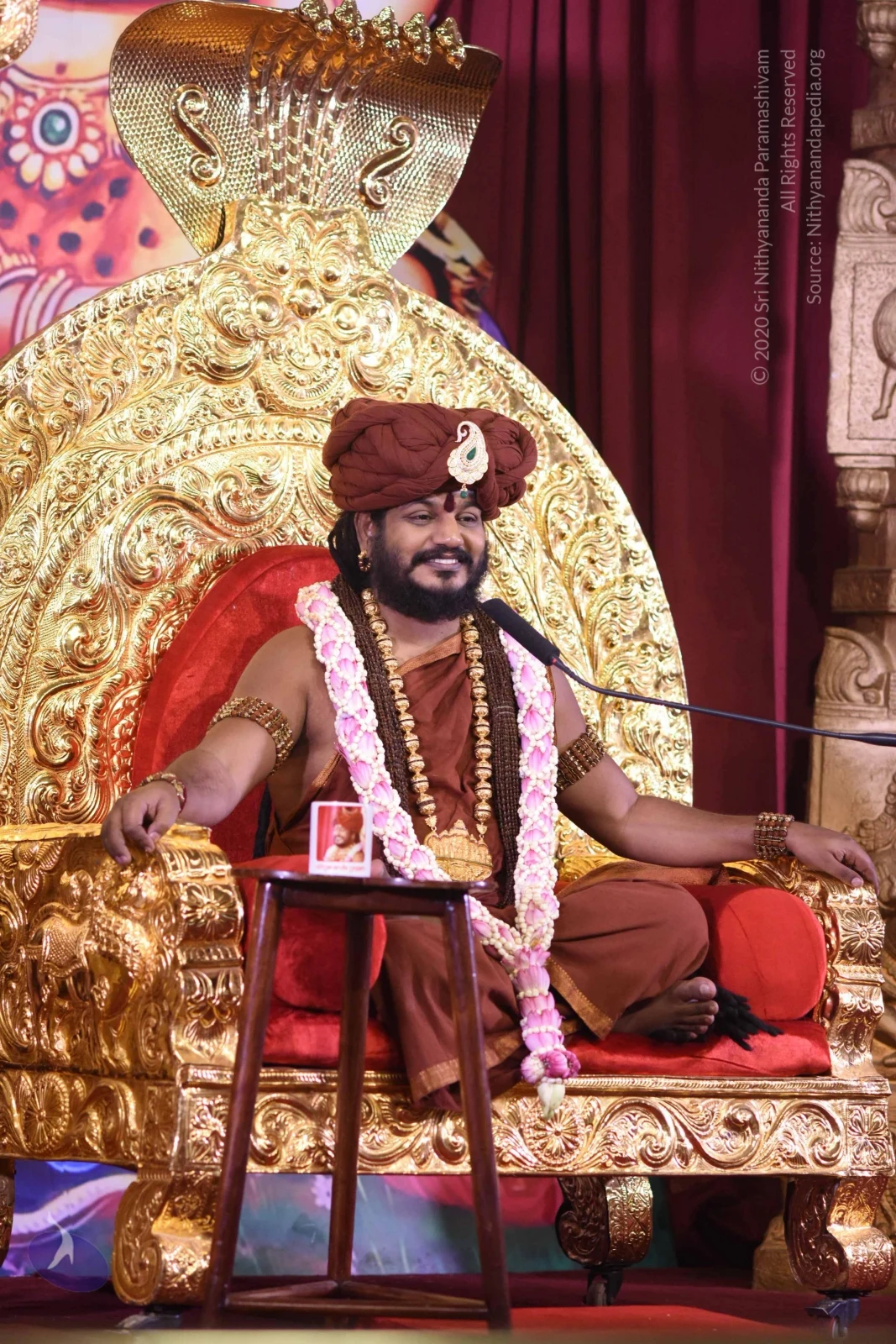
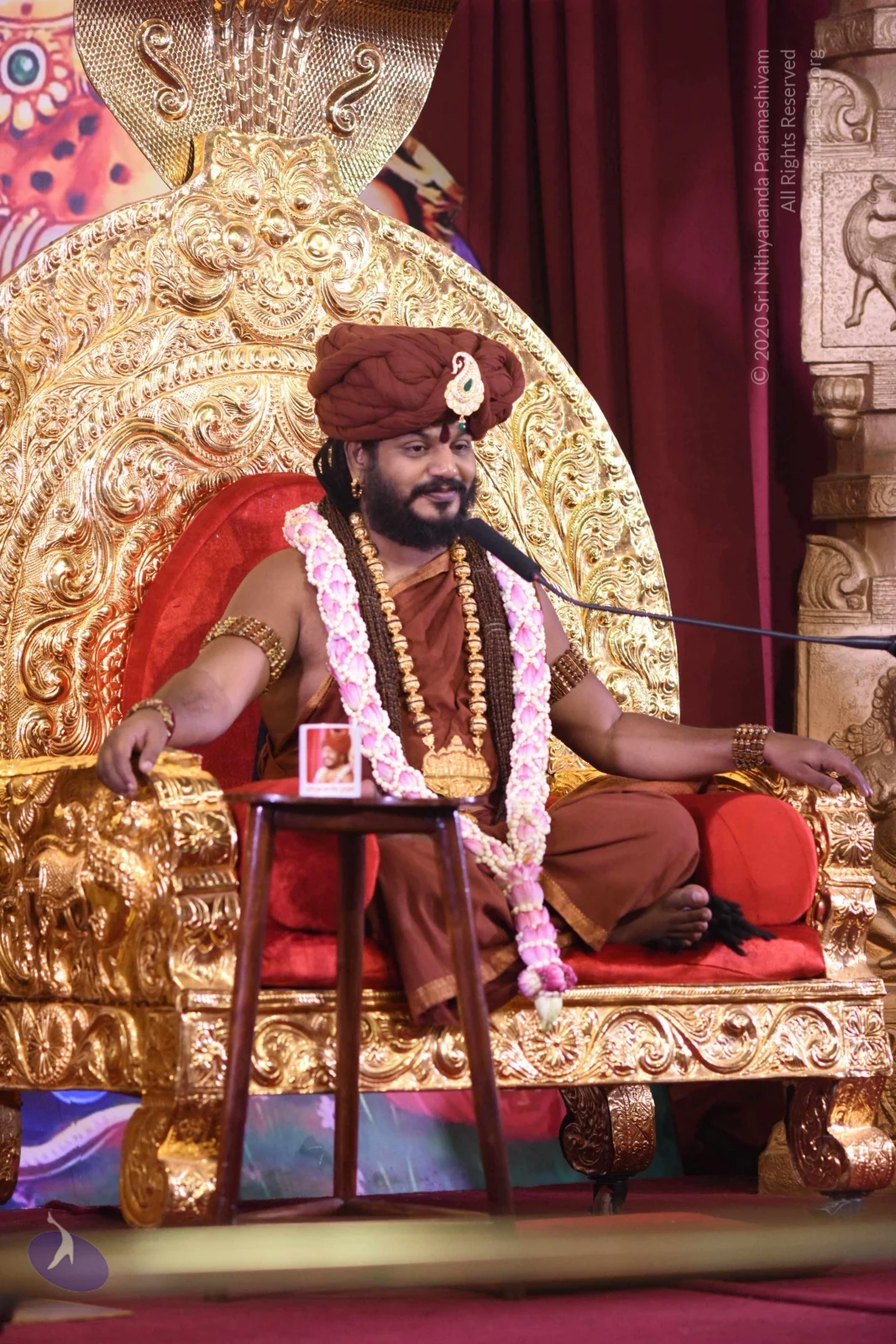
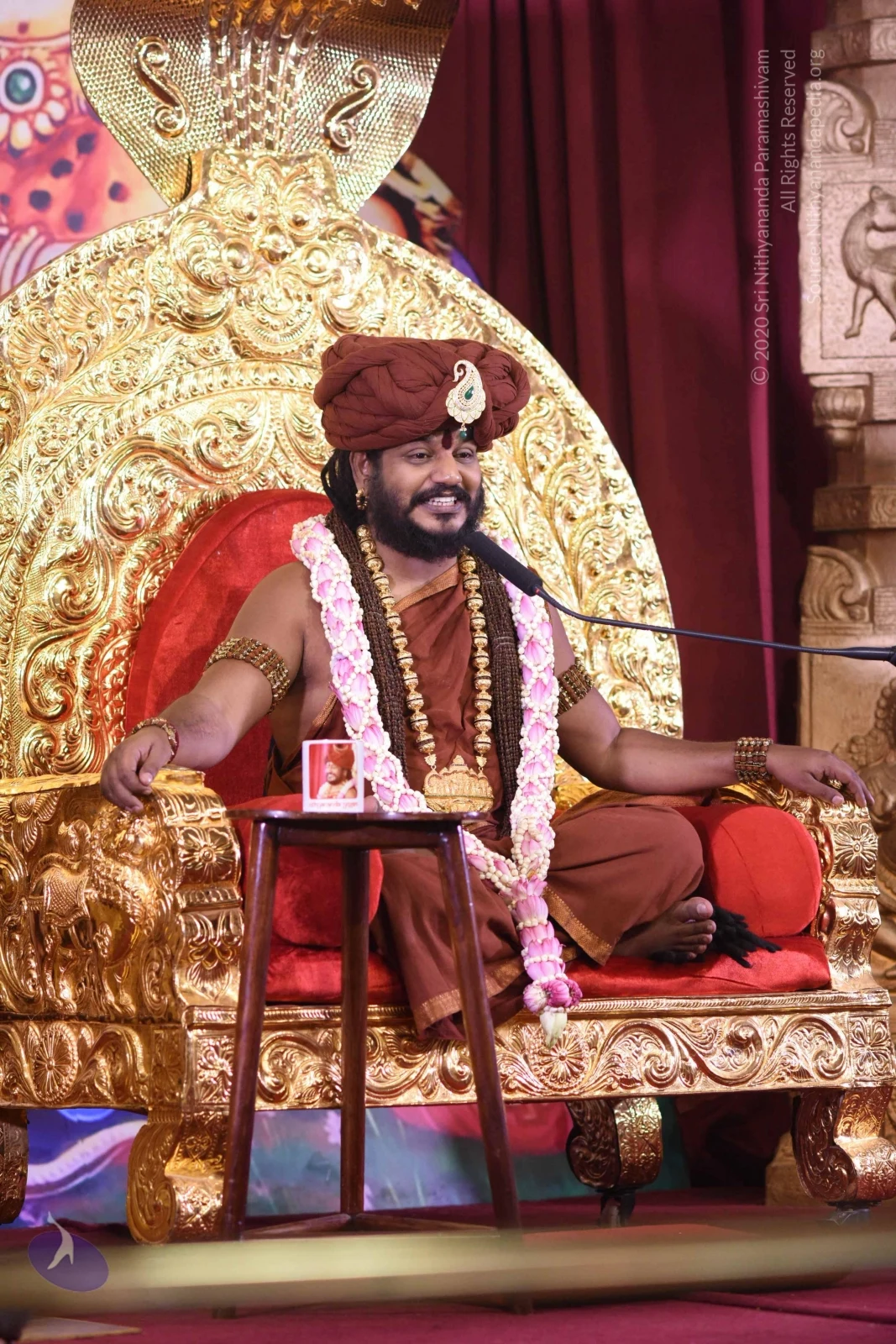
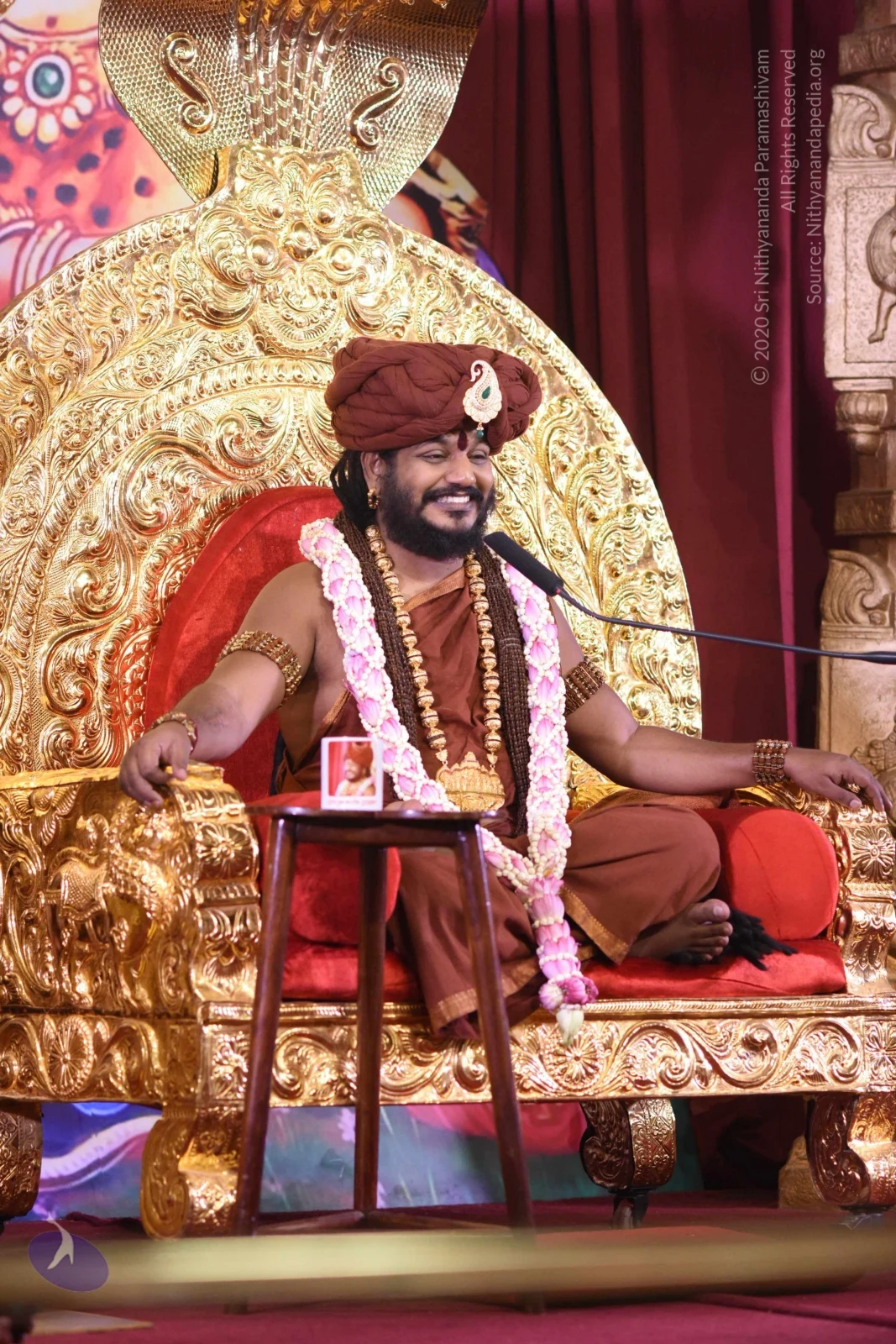
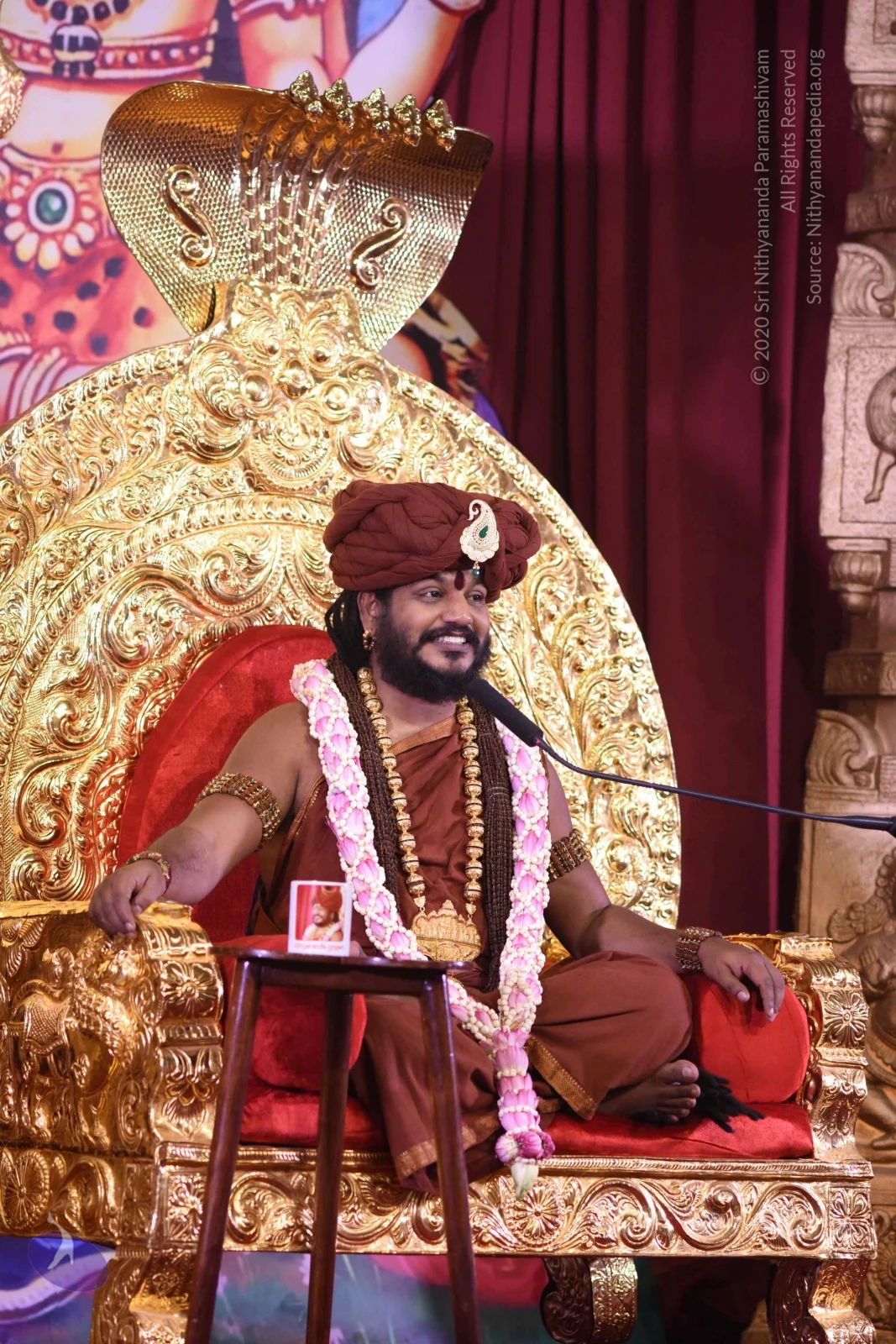
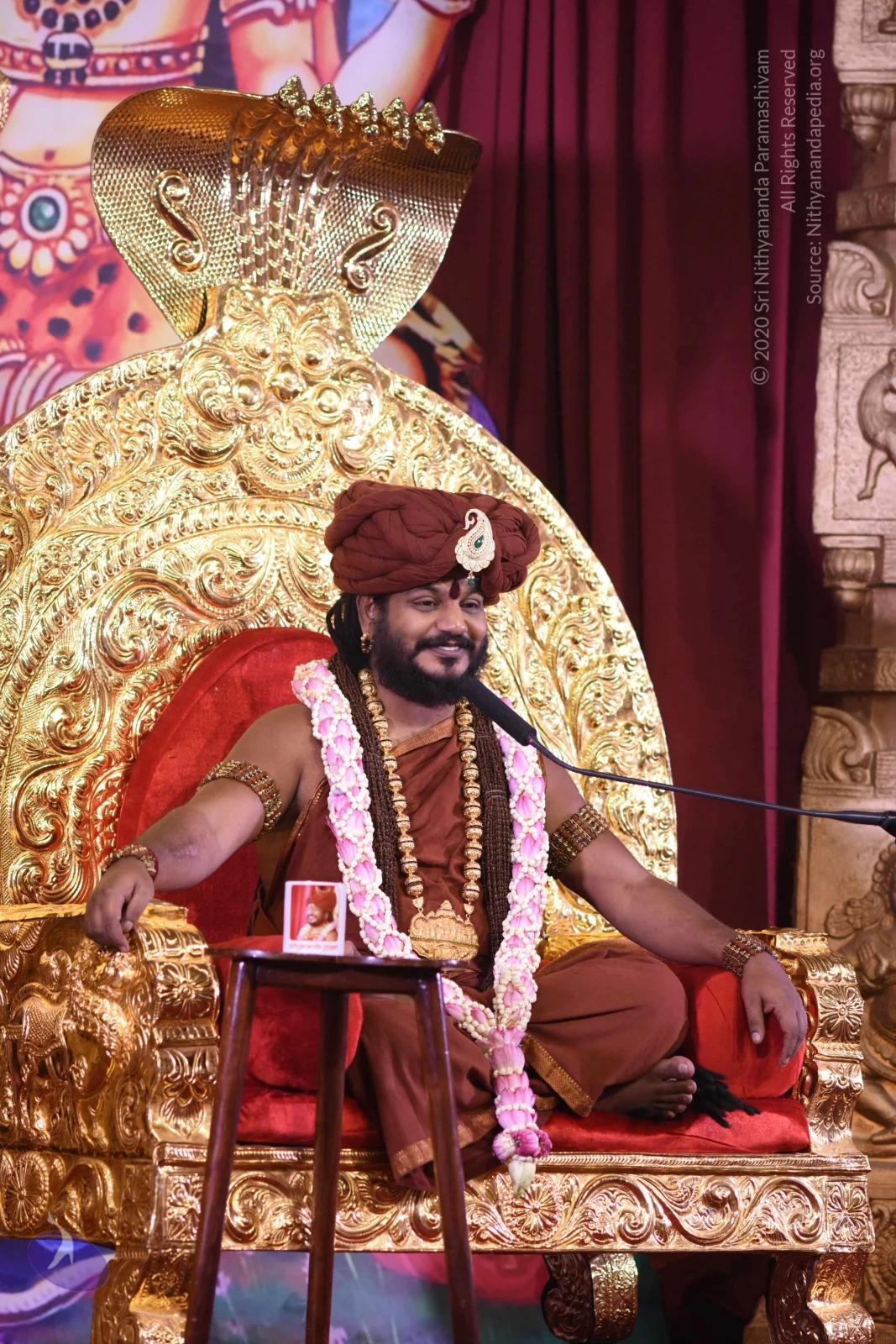
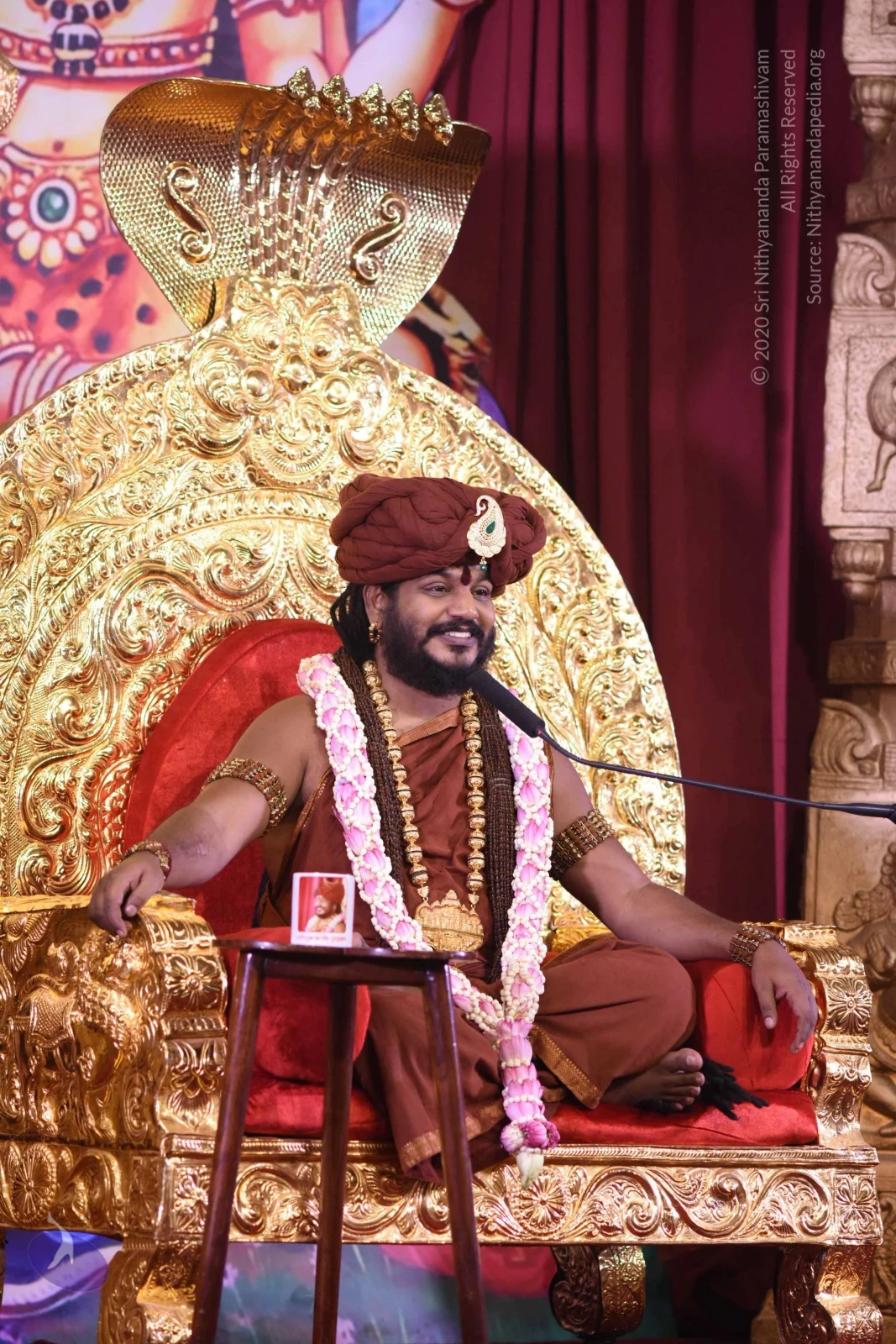
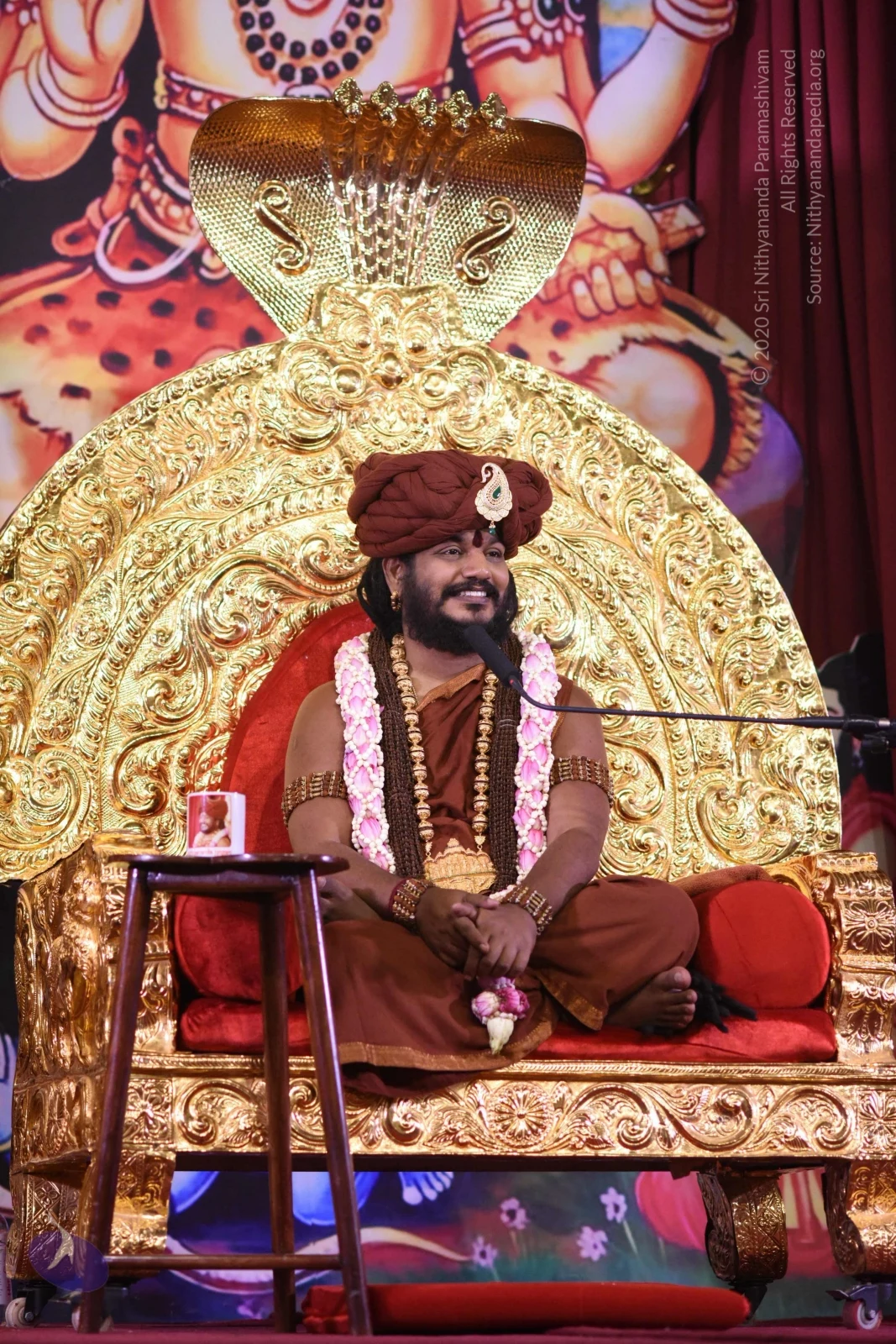
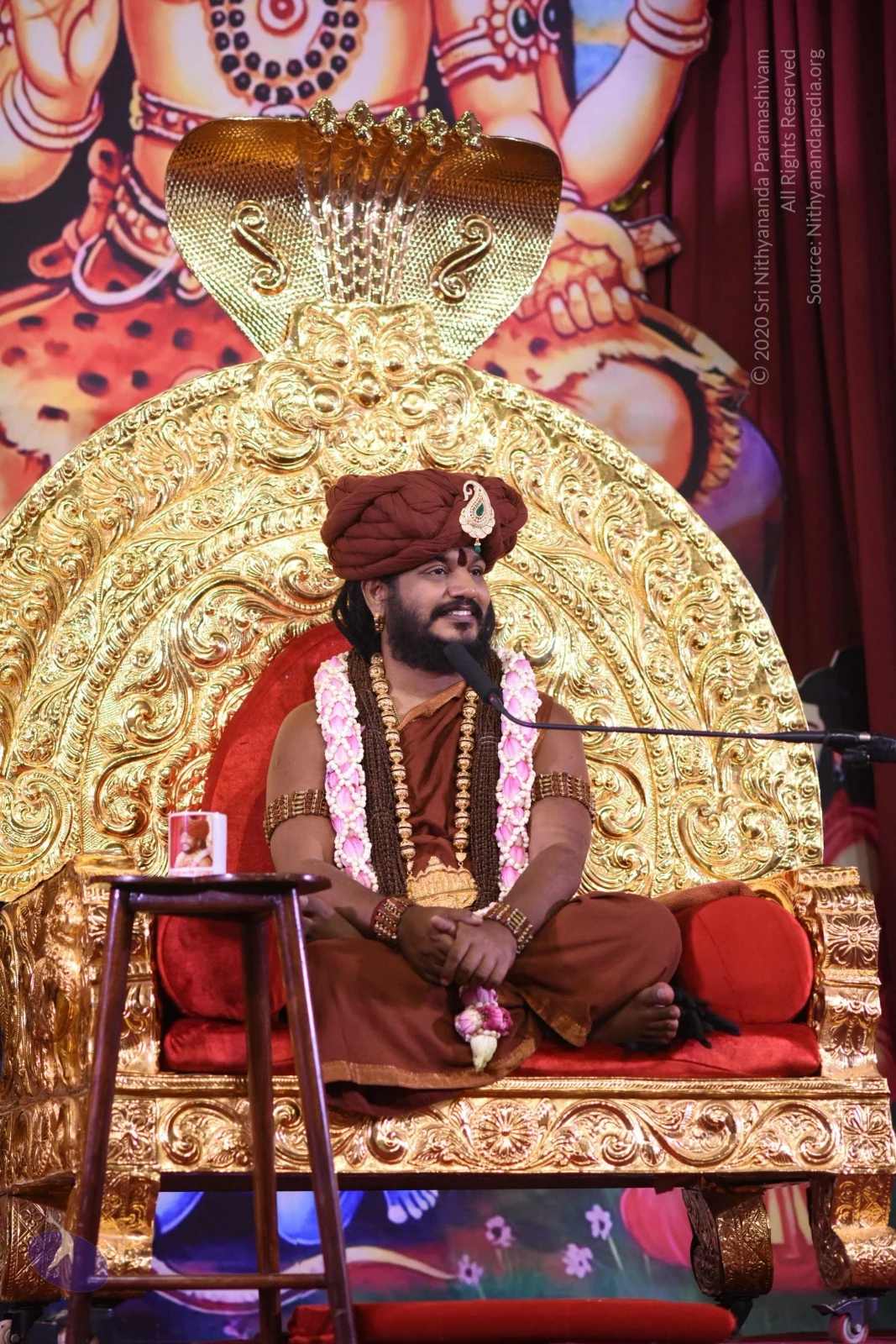
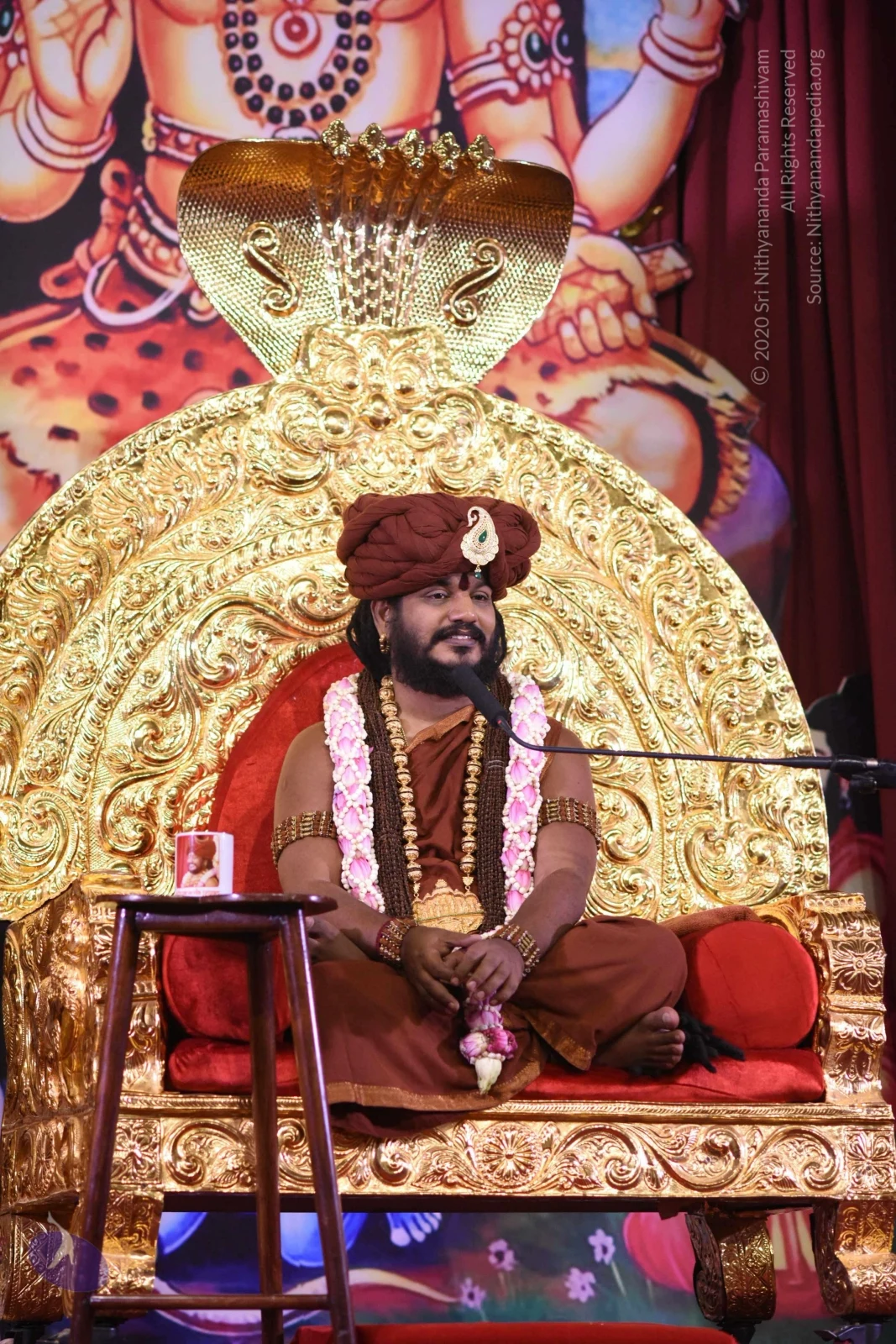
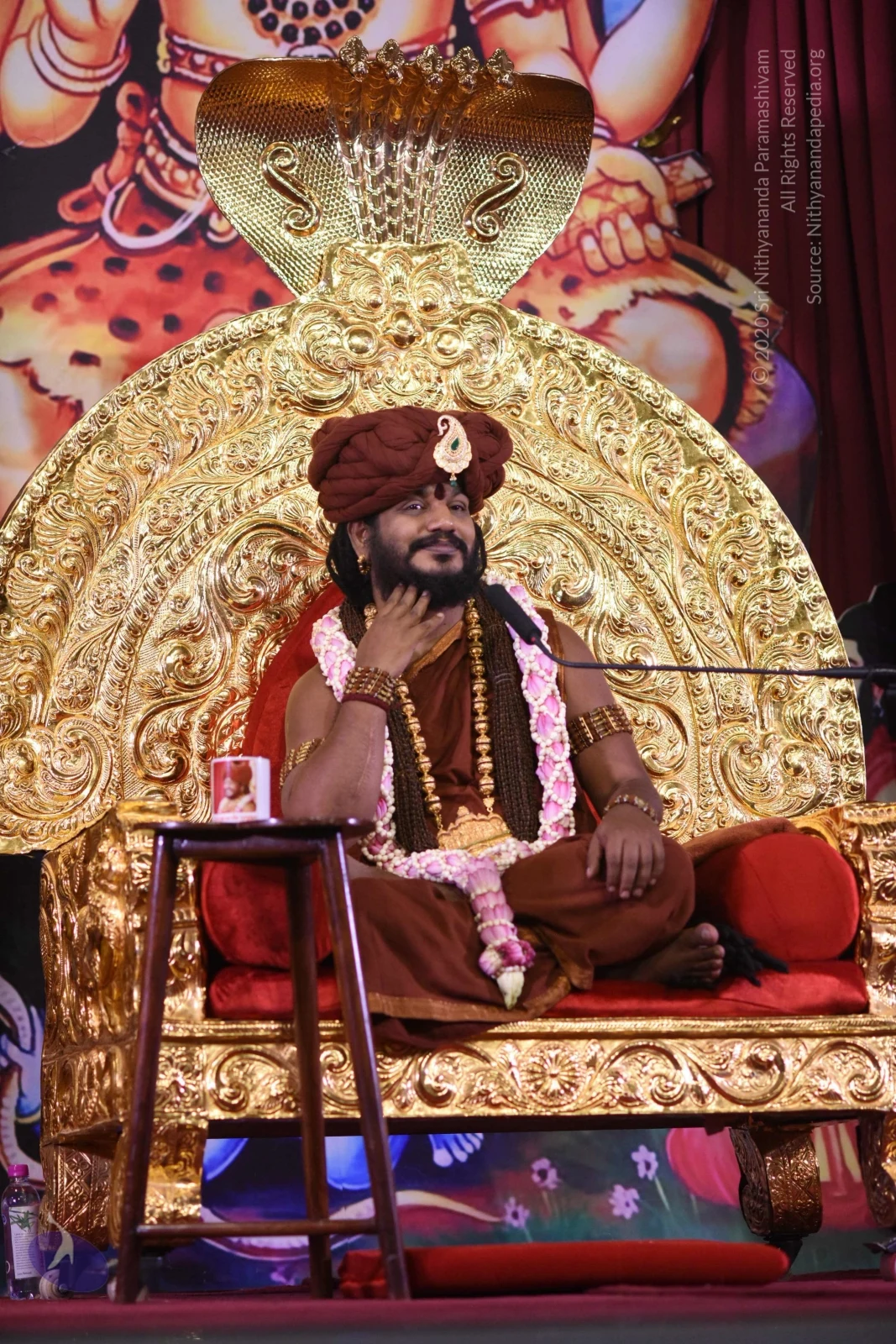
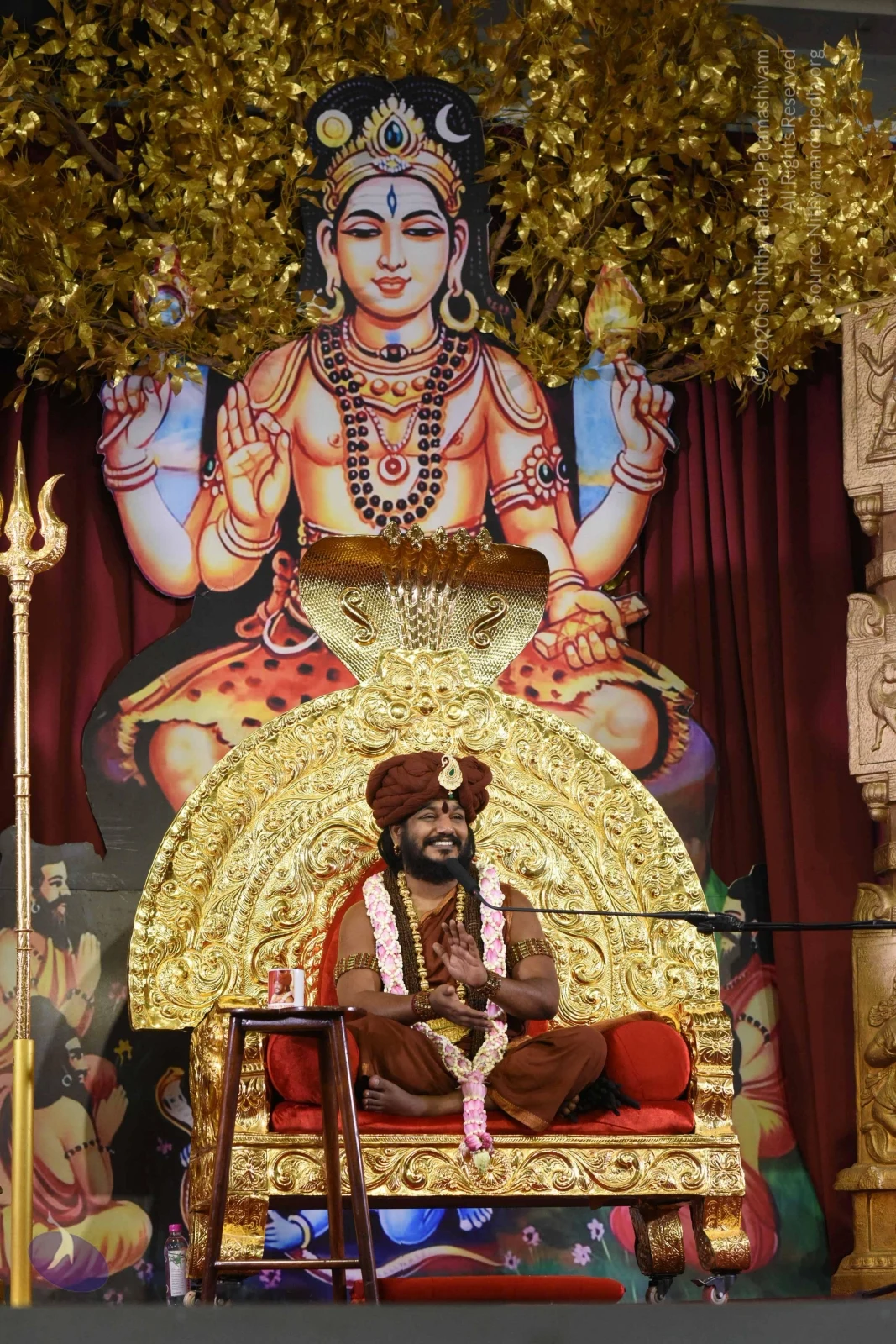
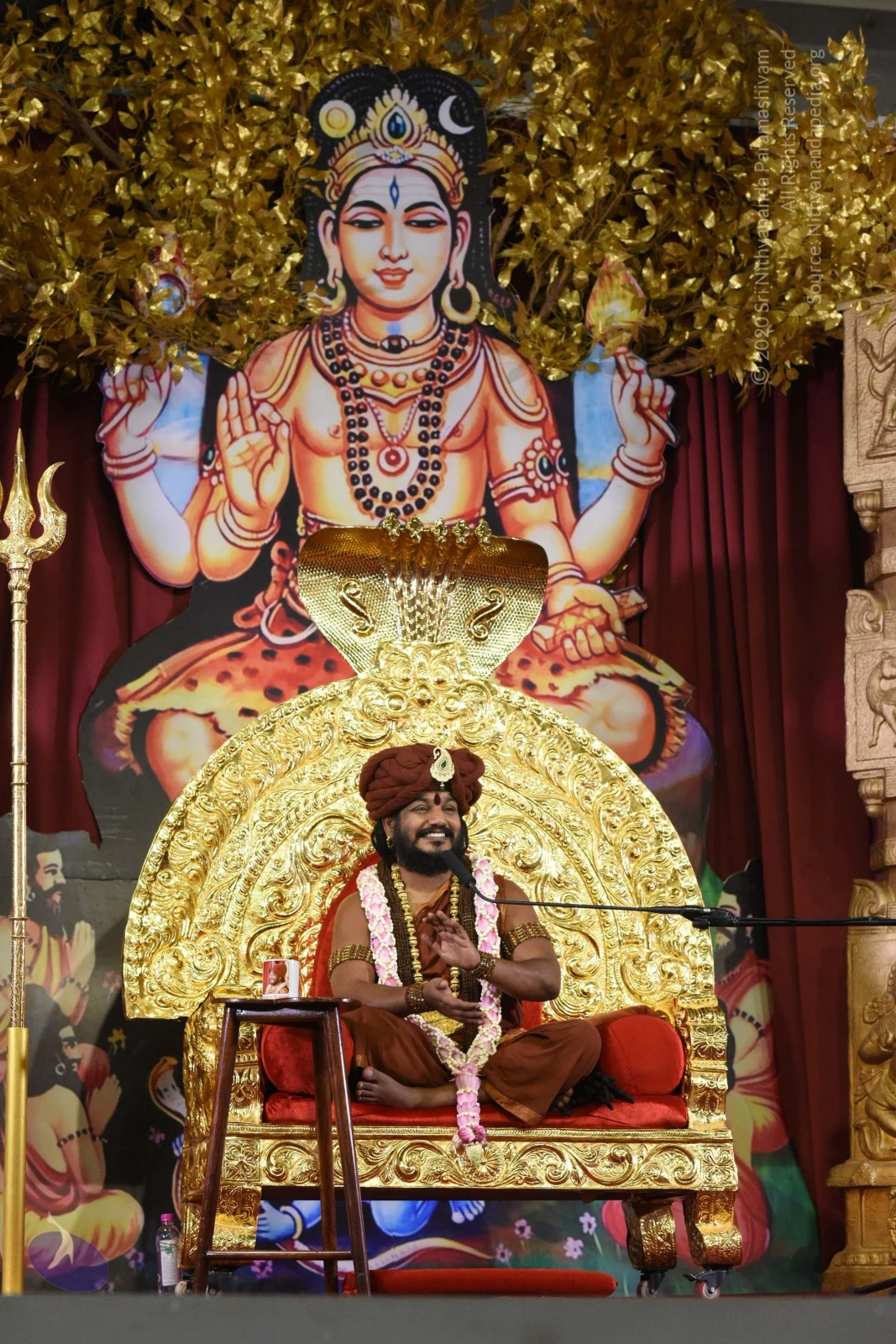
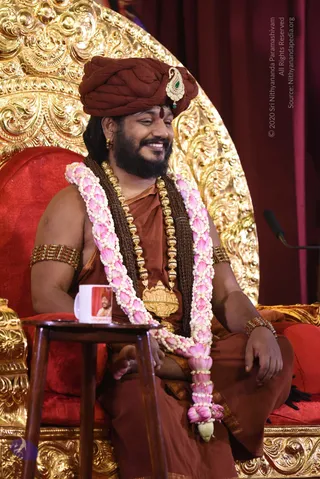
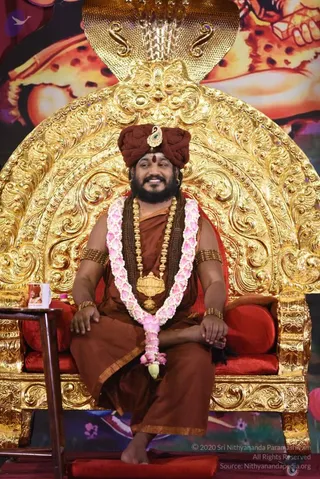 HDH Nithyananda Paramashivam while delivering the morning satsang
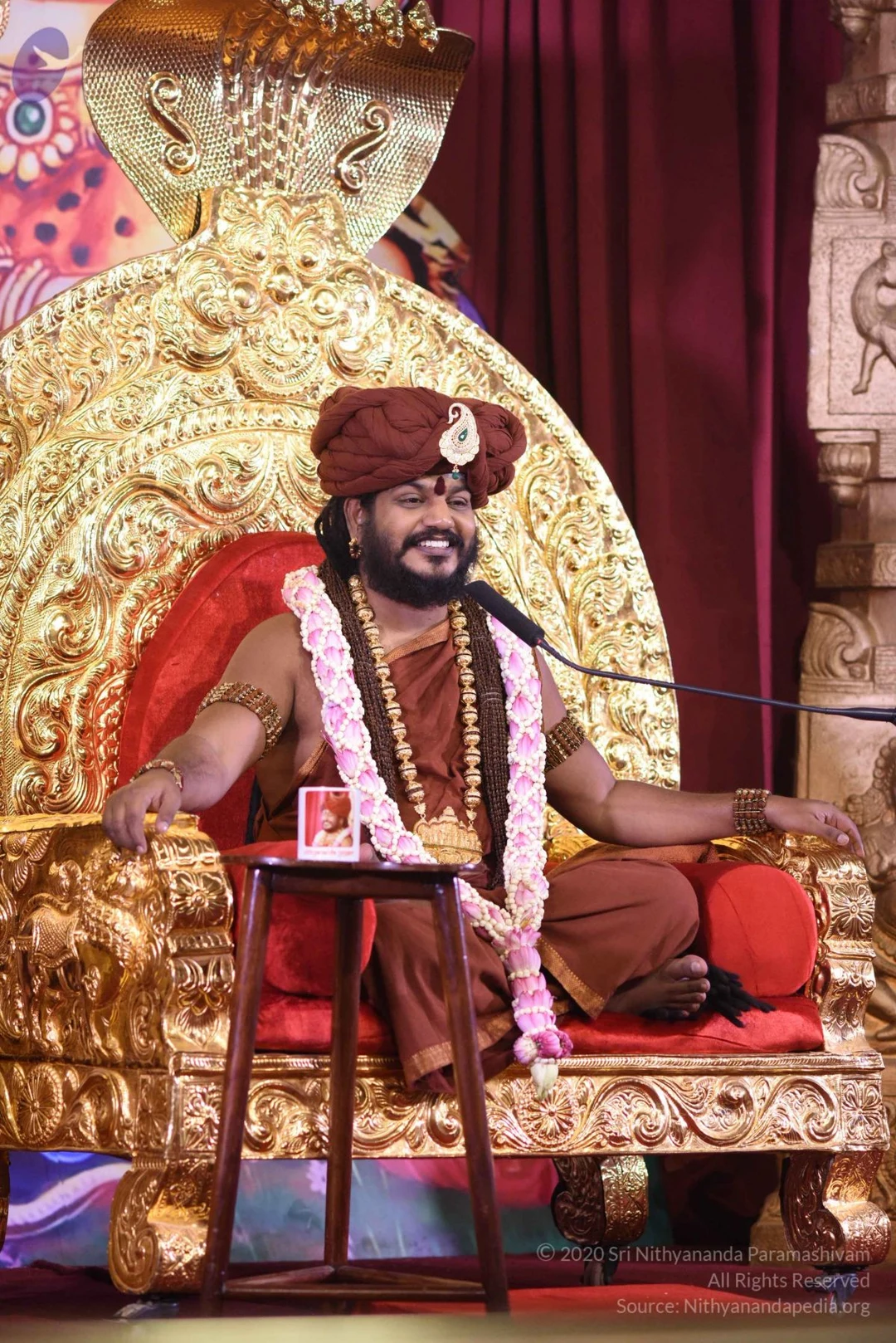
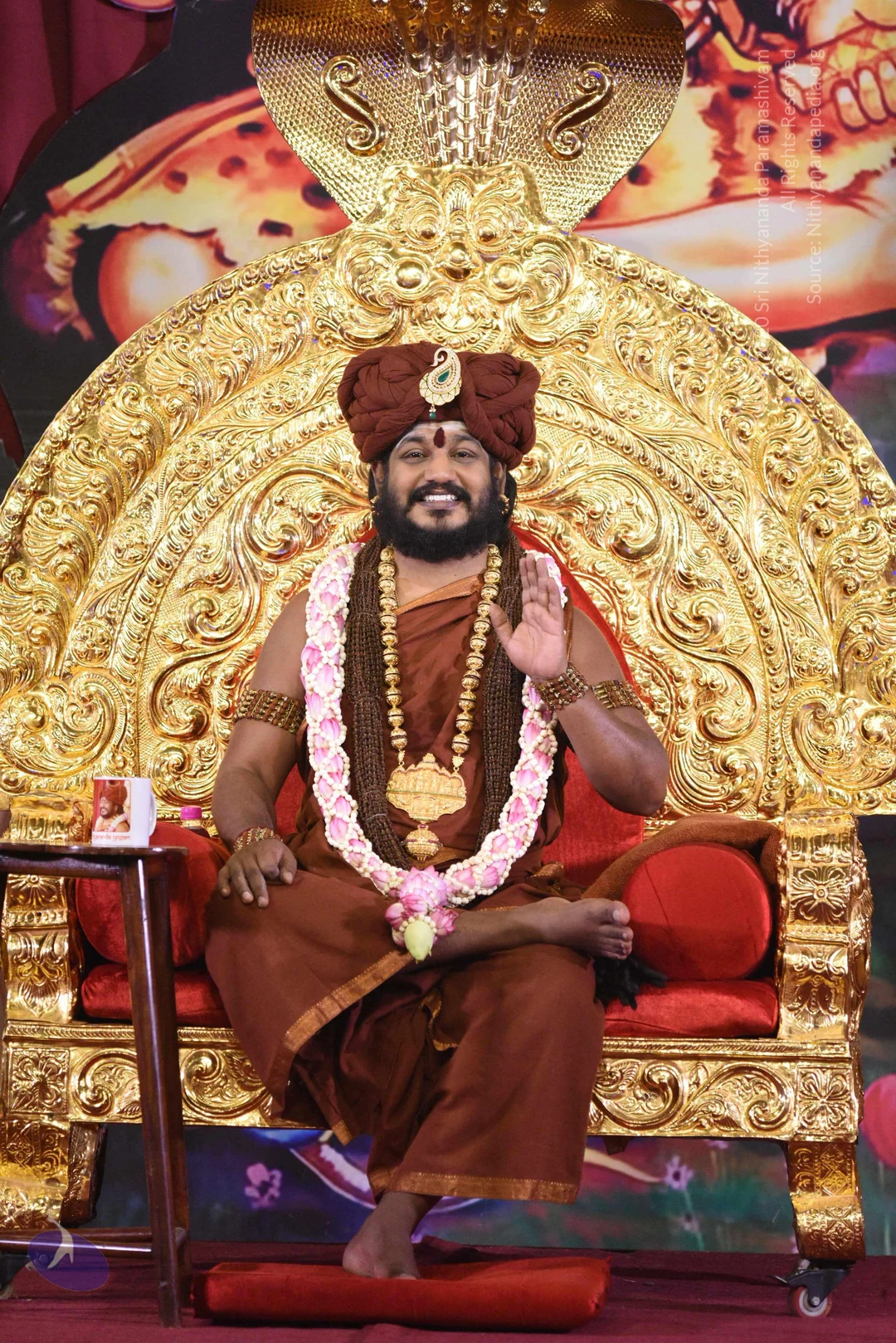
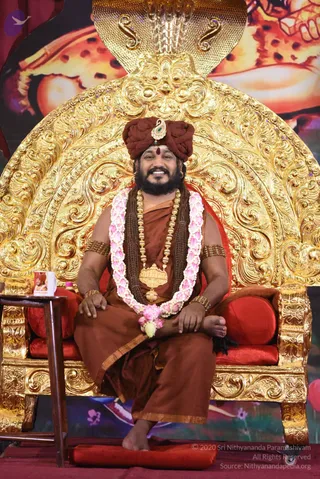 HDH Nithyananda Paramashivam blessing the delegates during the morning satsang
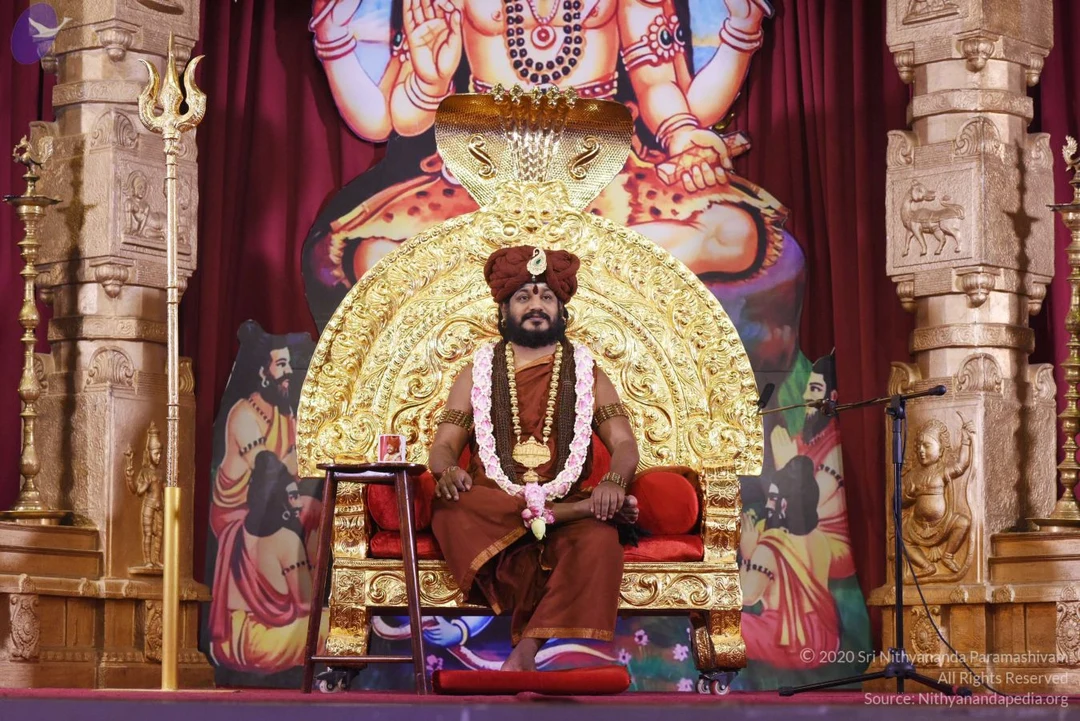 HDH Nithyananda Paramashivam delivering the morning satsang on Sadashivoham
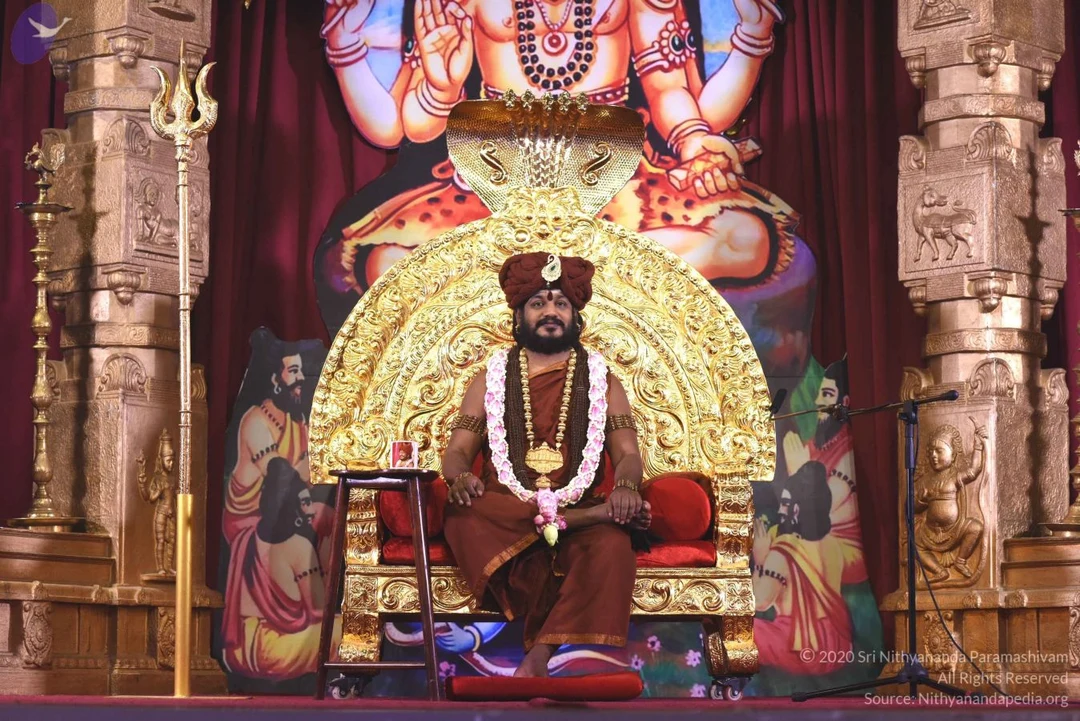 HDH Nithyananda Paramashivam delivering the morning satsang on Sadashivoham
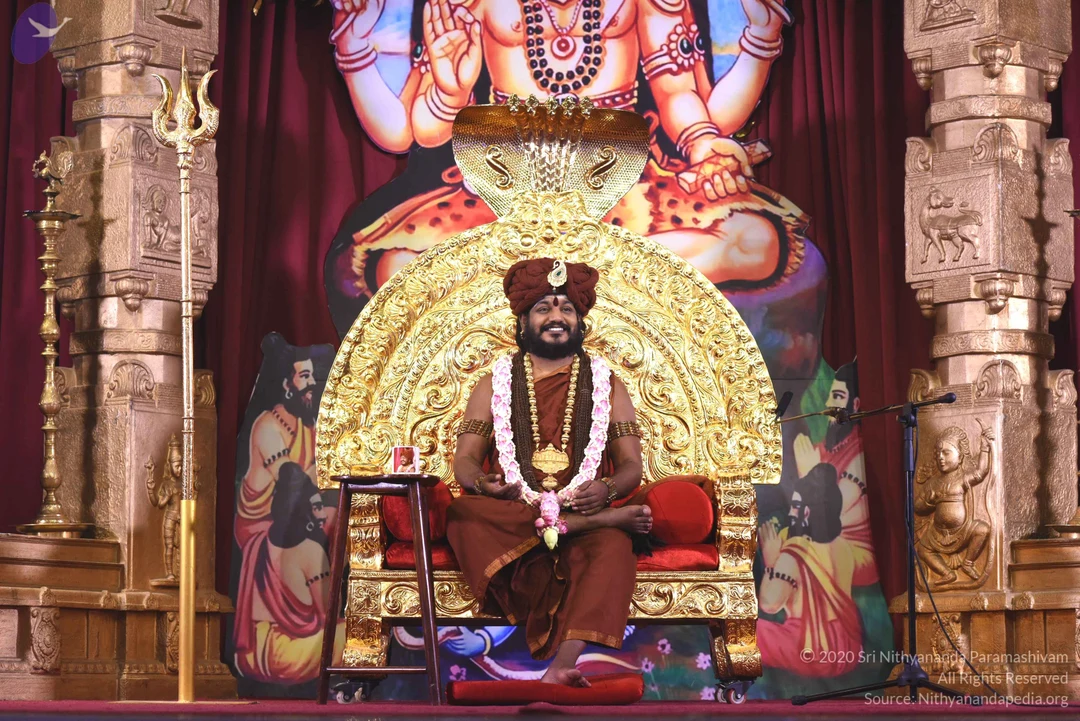 HDH Nithyananda Paramashivam delivering the morning satsang on Sadashivoham
 HDH Nithyananda Paramashivam delivering the morning satsang on Sadashivoham
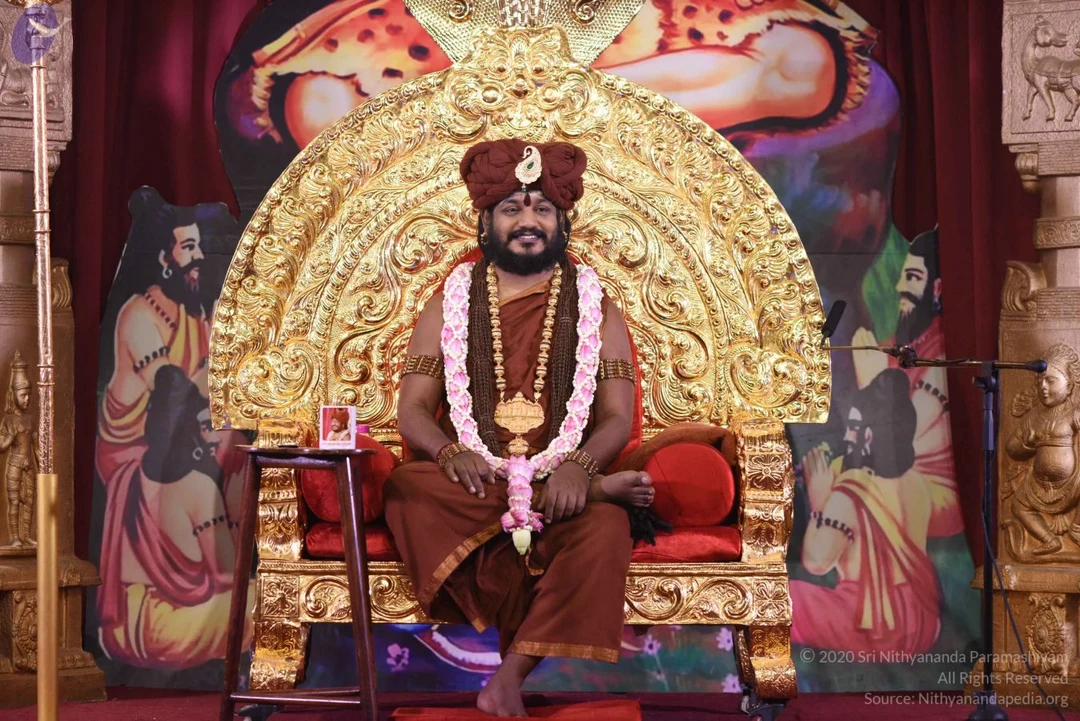 HDH Nithyananda Paramashivam delivering the morning satsang on Sadashivoham
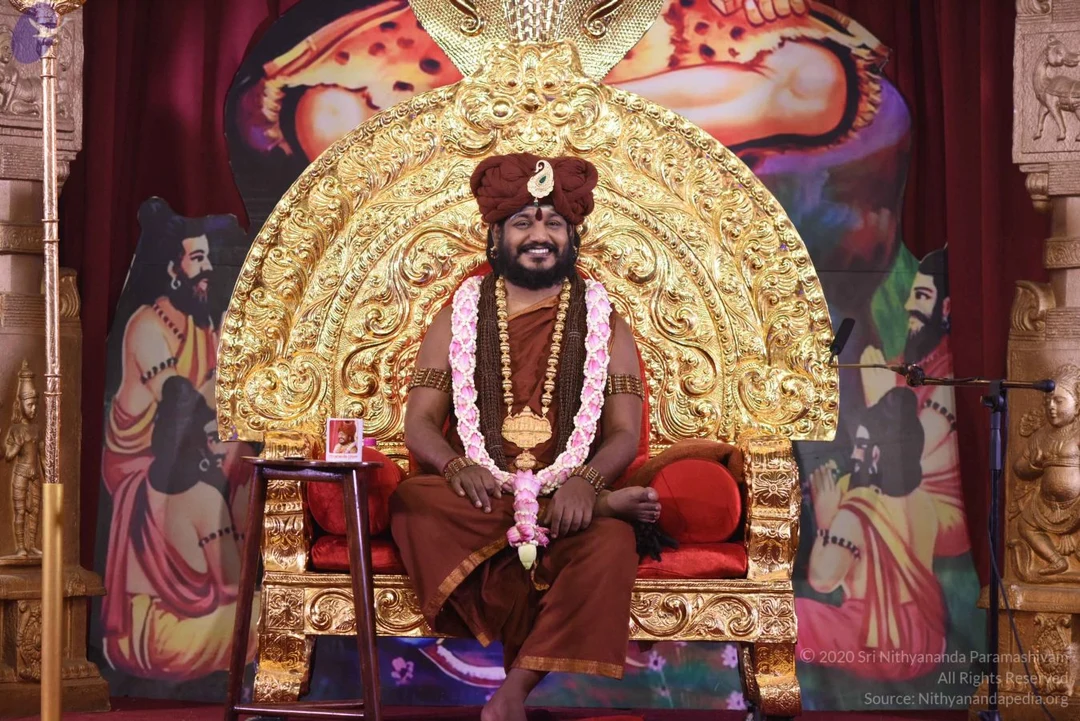 HDH Nithyananda Paramashivam blessing the delegates during the morning satsang
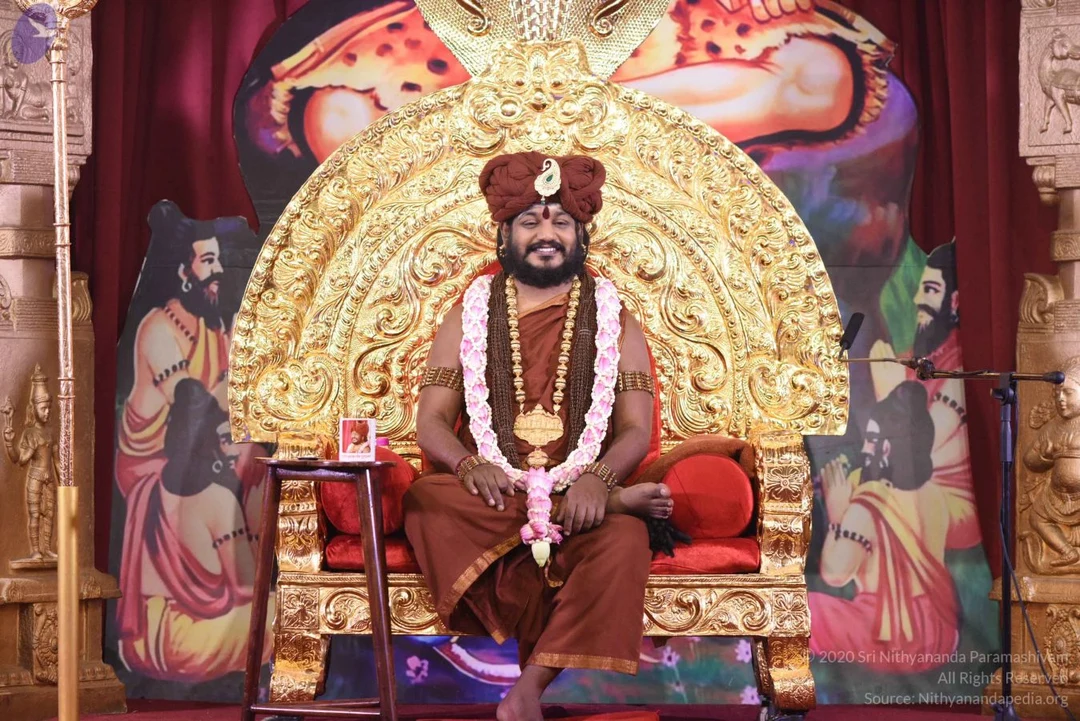 HDH Nithyananda Paramashivam blessing the delegates during the morning satsang
 HDH Nithyananda Paramashivam blessing the delegates during the morning satsang
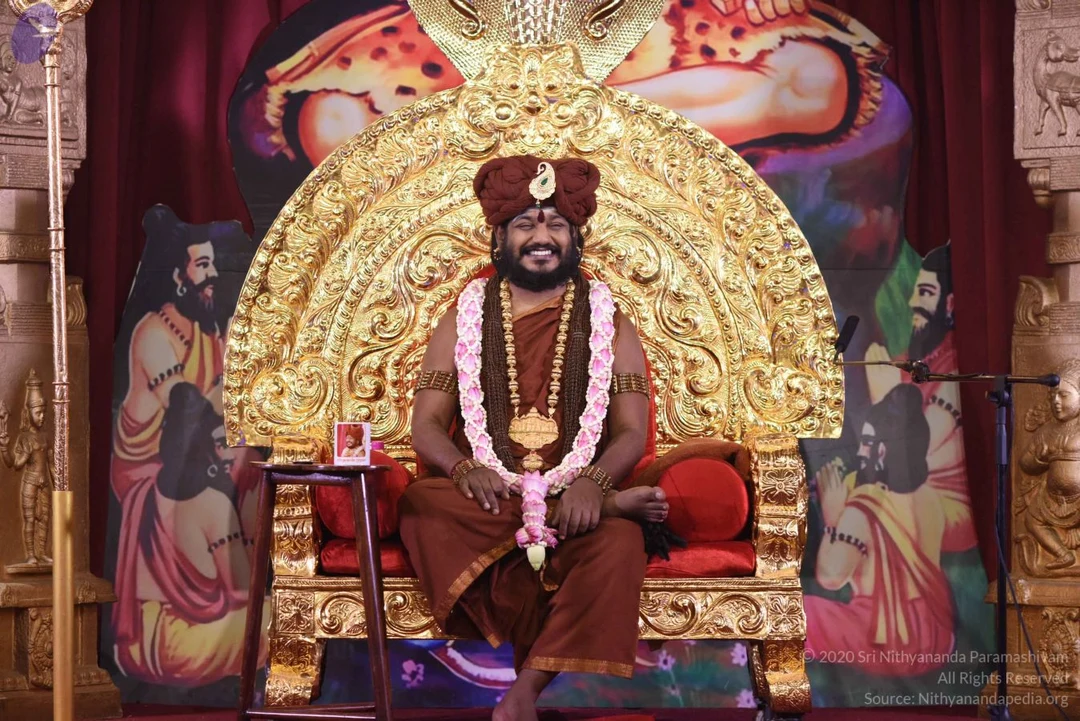 HDH Nithyananda Paramashivam blessing the delegates during the morning satsang
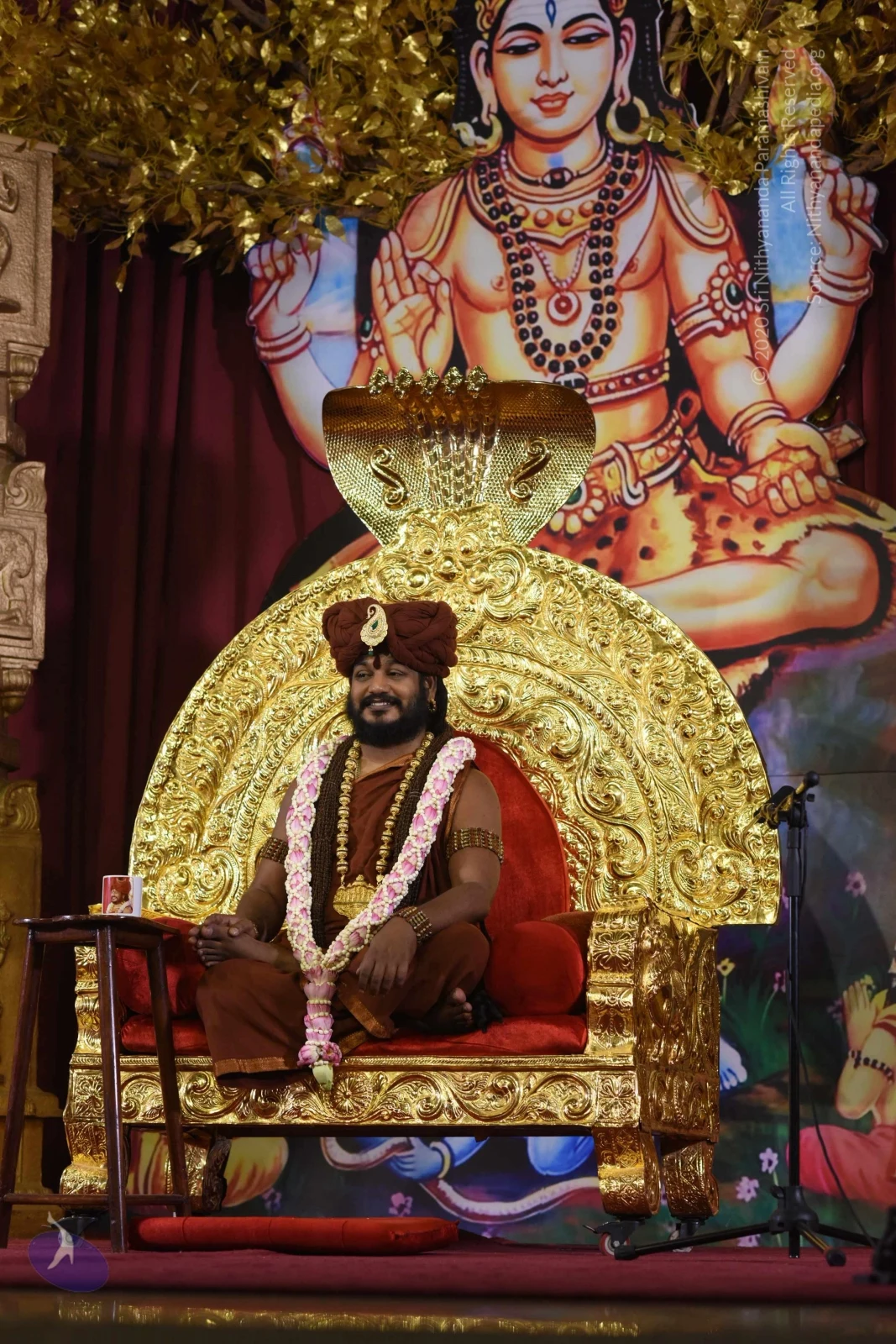
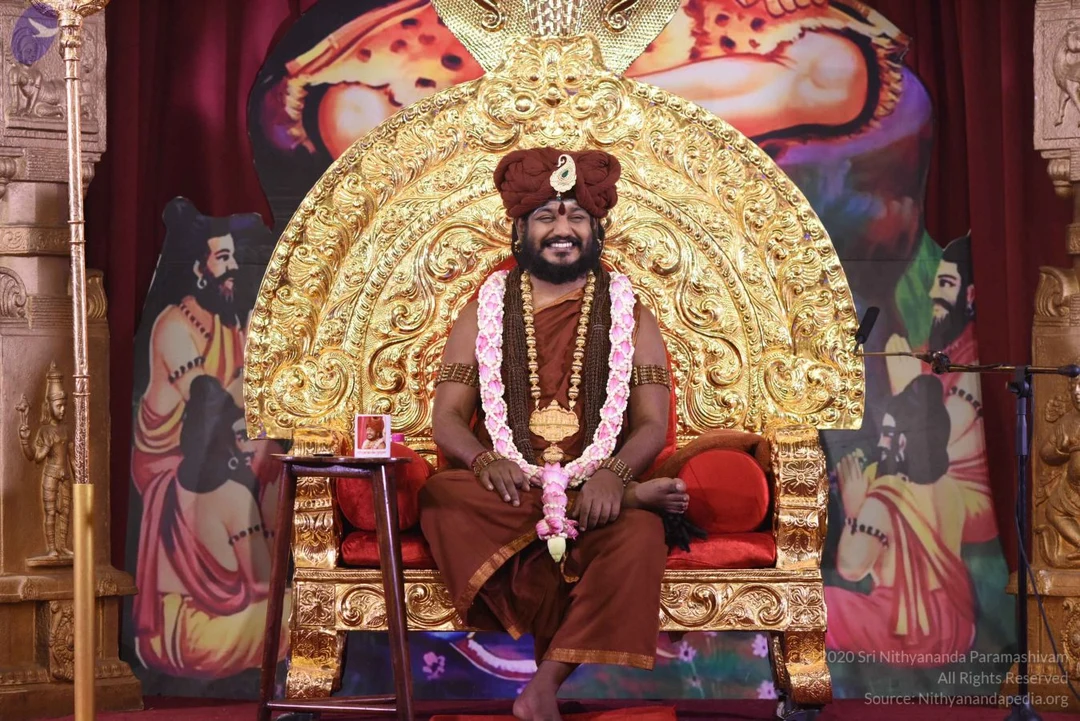 HDH Nithyananda Paramashivam before delivering the morning satsang on Sadashivoham
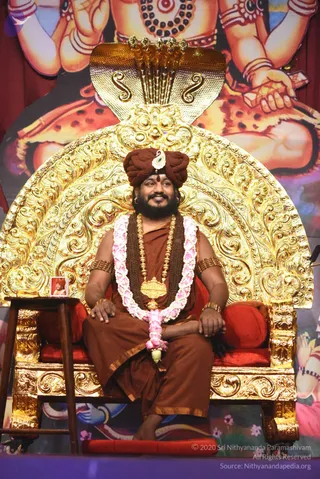 HDH Nithyananda Paramashivam delivering the morning satsang on Sadashivoham
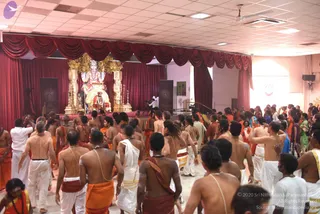
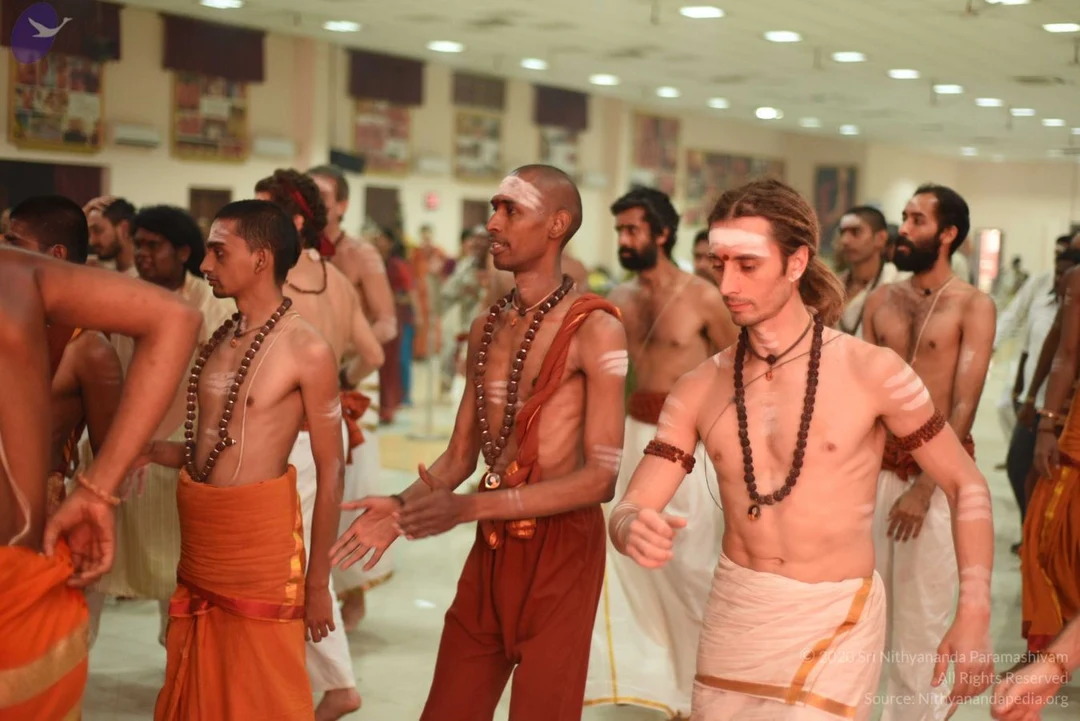 A group of Sanyasis and delegates performing Kirtan dancing before the morning satsang
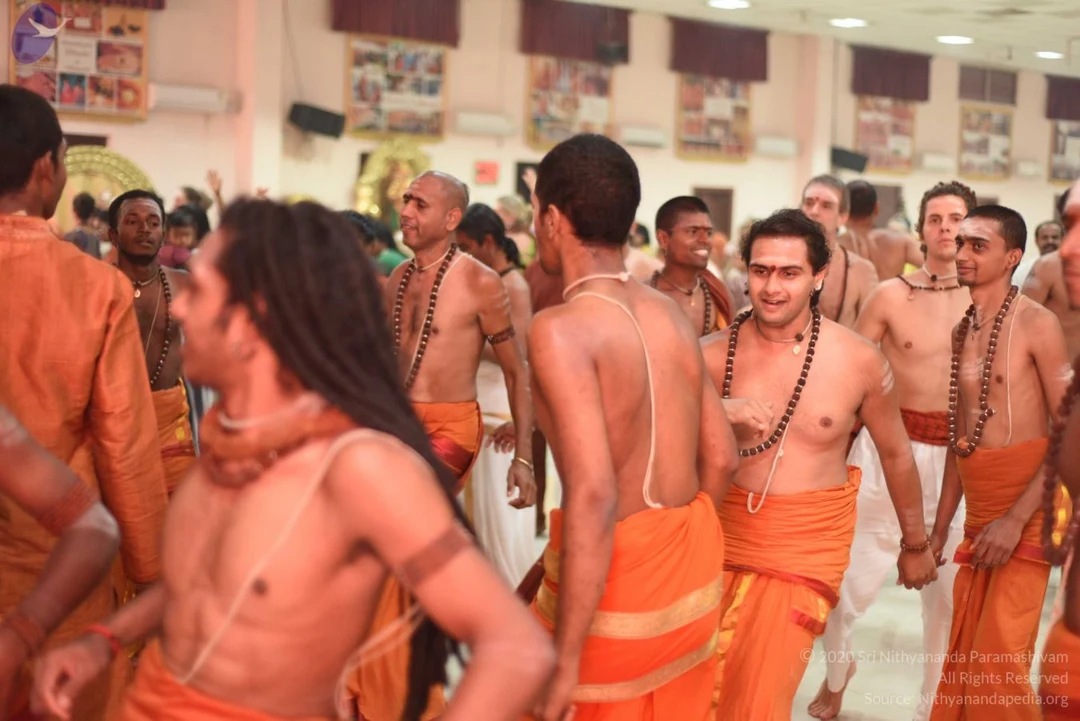 A group of Sanyasis and delegates performing Kirtan dancing before the morning satsang
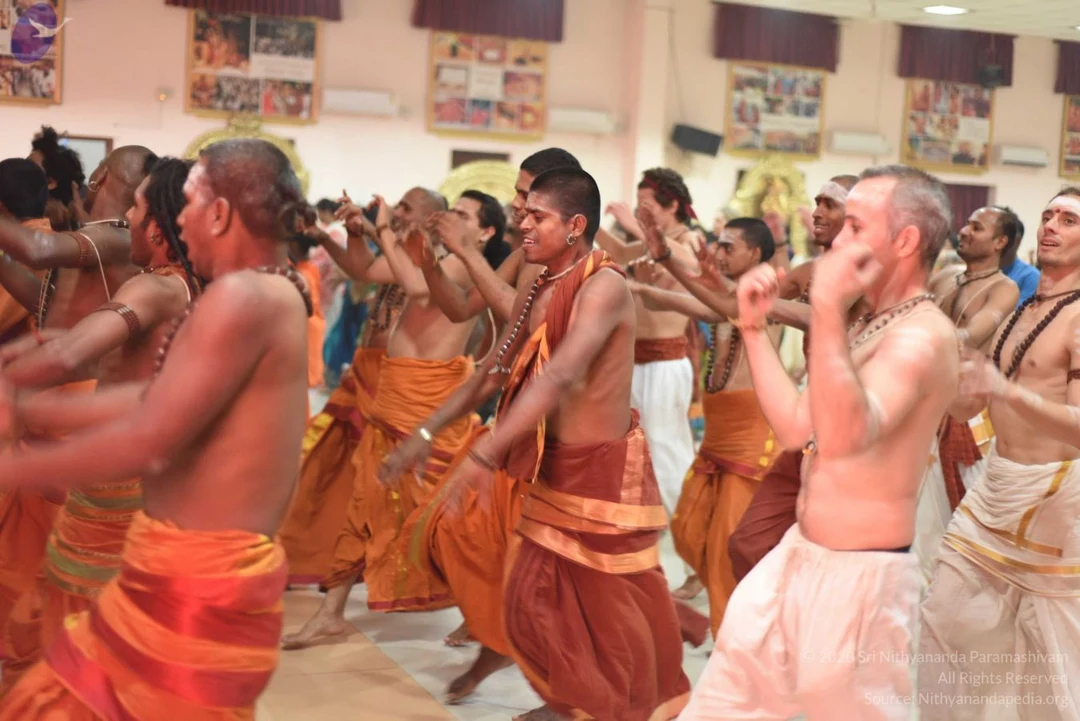 A group of Sanyasis and delegates performing Kirtan dancing before the morning satsang
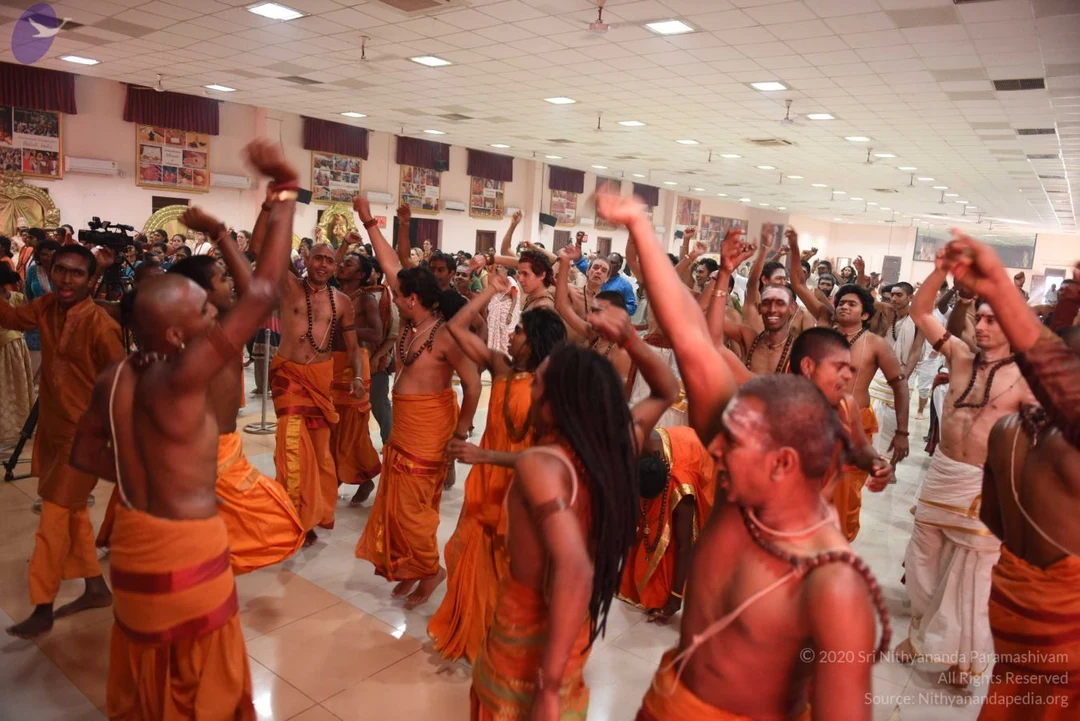 A group of Sanyasis and delegates performing Kirtan dancing before the morning satsang
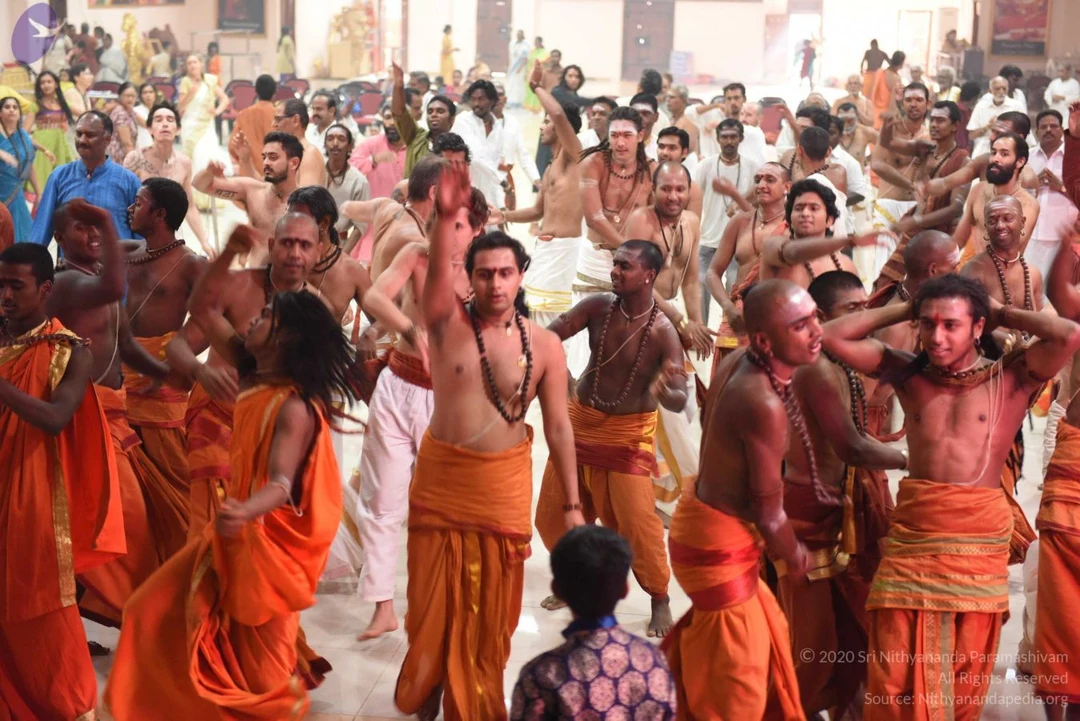 A group of Sanyasis and delegates performing Kirtan dancing before the morning satsang and enjoying the the presence of HDH Nithyananda Paramashivam
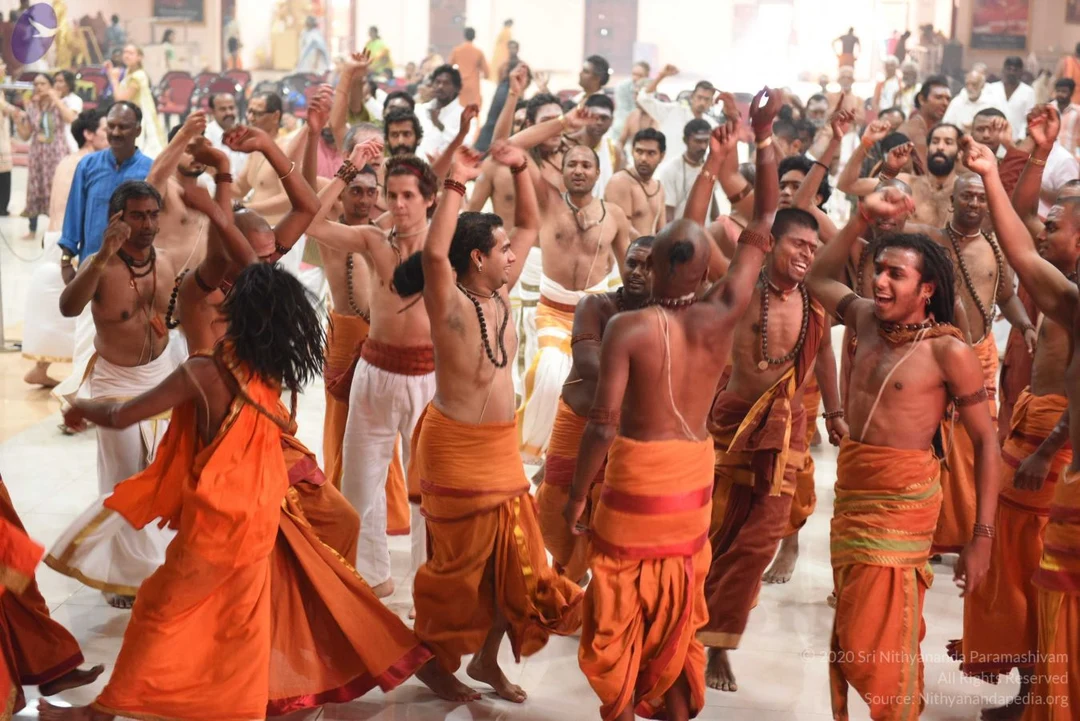 A group of Sanyasis and delegates performing Kirtan dancing before the morning satsang and enjoying the the presence of HDH Nithyananda Paramashivam
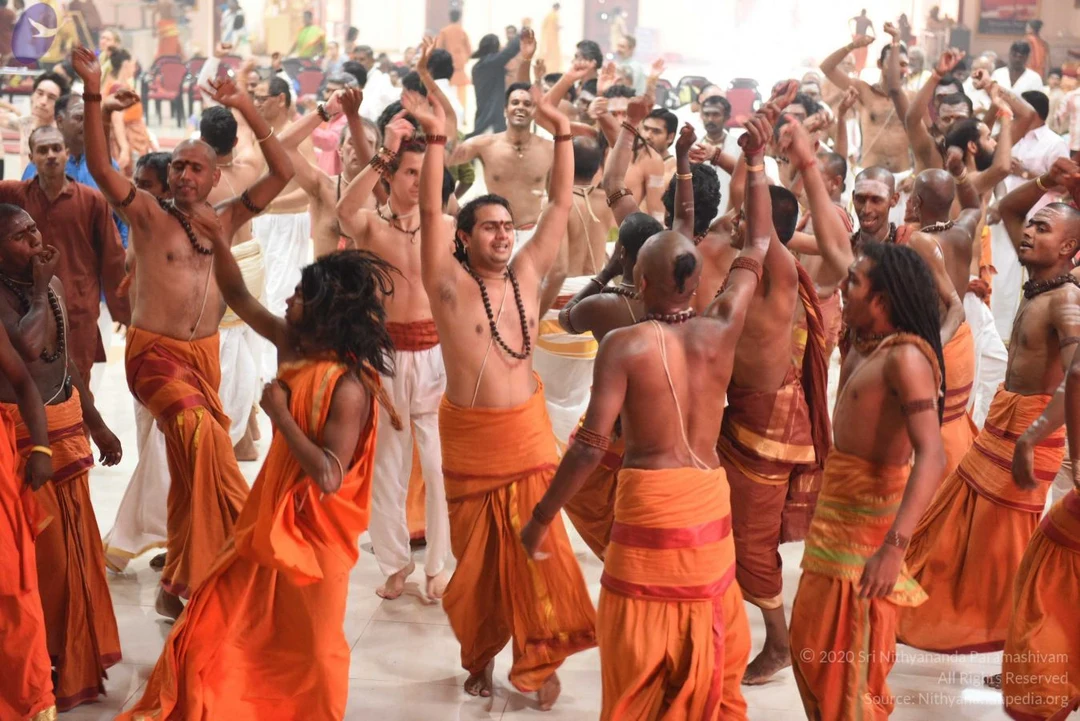 A group of Sanyasis and delegates performing Kirtan dancing before the morning satsang and enjoying the the presence of HDH Nithyananda Paramashivam
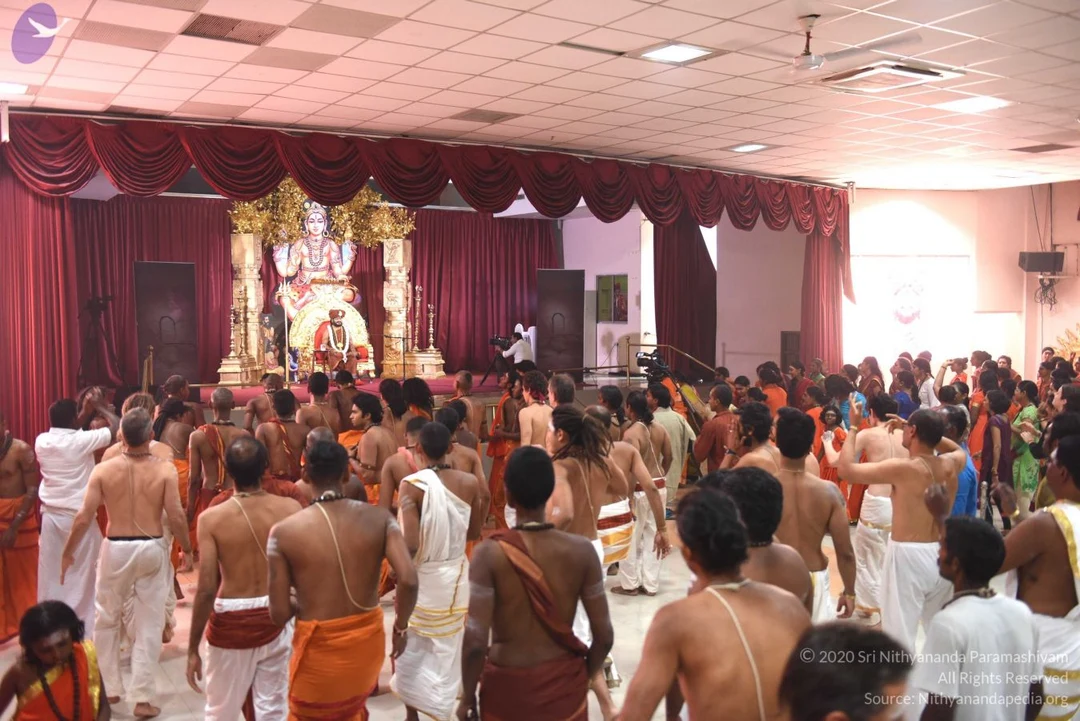 A group of Sanyasis and delegates performing Kirtan dancing before the morning satsang and enjoying the the presence of HDH Nithyananda Paramashivam
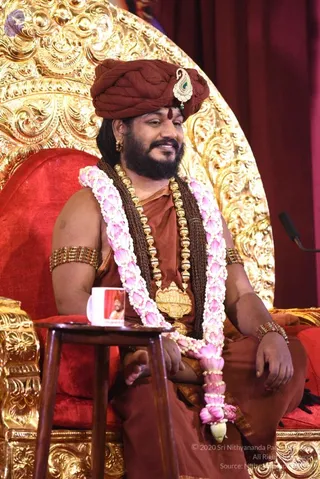 HDH Nithyananda Paramashivam delivering the morning satsang on Sadashivoham
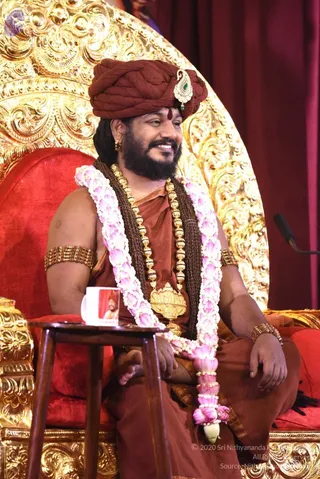 HDH Nithyananda Paramashivam before delivering the morning satsang on Sadashivoham
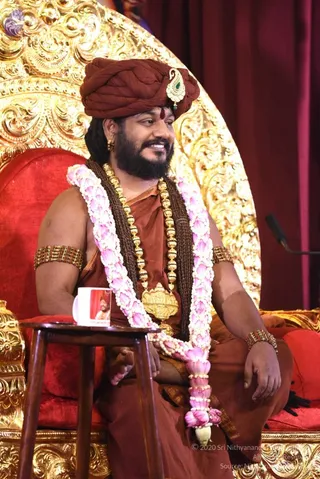 HDH Nithyananda Paramashivam before delivering the morning satsang on Sadashivoham
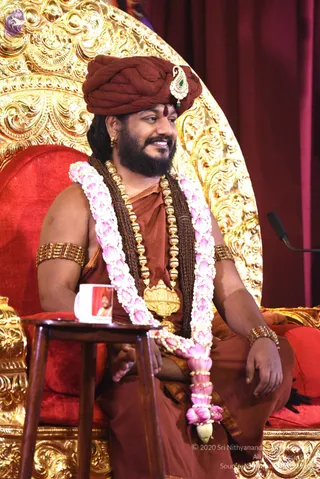 HDH Nithyananda Paramashivam before delivering the morning satsang on Sadashivoham
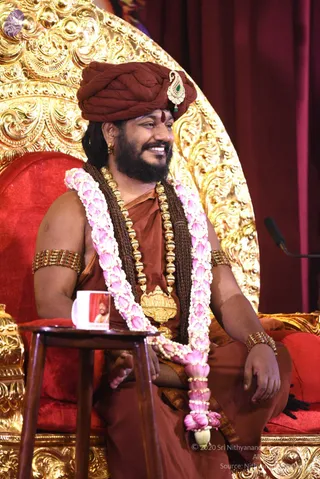 HDH Nithyananda Paramashivam before delivering the morning satsang on Sadashivoham
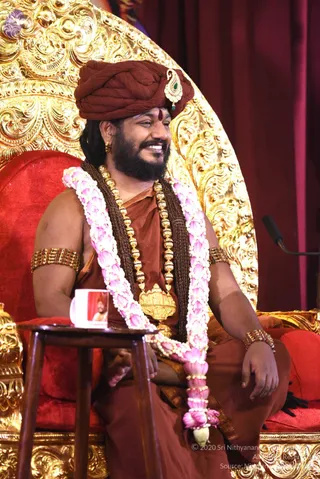 HDH Nithyananda Paramashivam before delivering the morning satsang on Sadashivoham
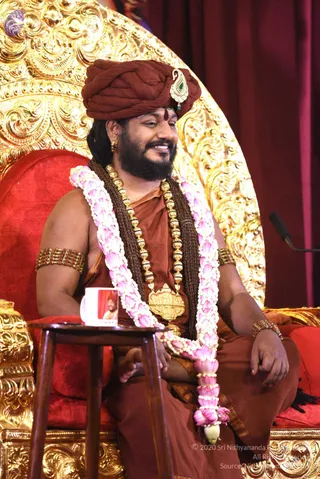 HDH Nithyananda Paramashivam blessing the delegates during the morning satsang
 HDH Nithyananda Paramashivam before delivering the morning satsang on Sadashivoham
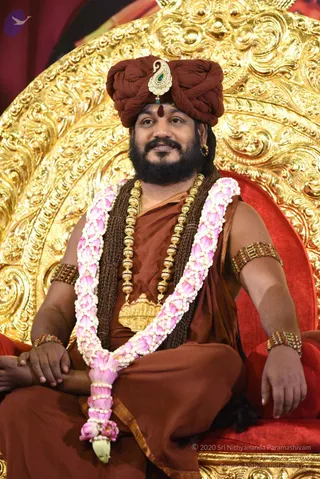 HDH Nithyananda Paramashivam before delivering the morning satsang on Sadashivoham
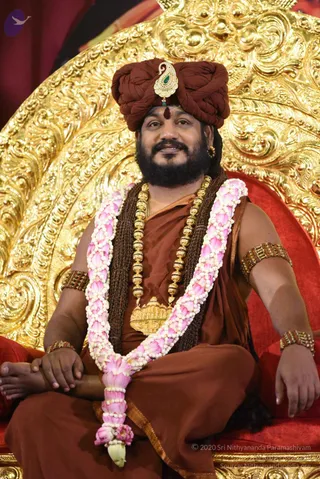 HDH Nithyananda Paramashivam before delivering the morning satsang on Sadashivoham
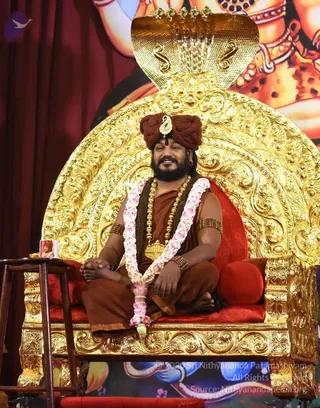 HDH Nithyananda Paramashivam sharing truths from Vedas and Agamas for Sadashivoham during morning satsang
 HDH Nithyananda Paramashivam sharing truths from Vedas and Agamas for Sadashivoham during morning satsang
 HDH Nithyananda Paramashivam sharing truths from Vedas and Agamas for Sadashivoham during morning satsang
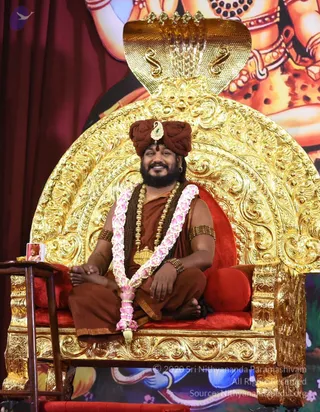 HDH Nithyananda Paramashivam sharing truths from Vedas and Agamas for Sadashivoham during morning satsang
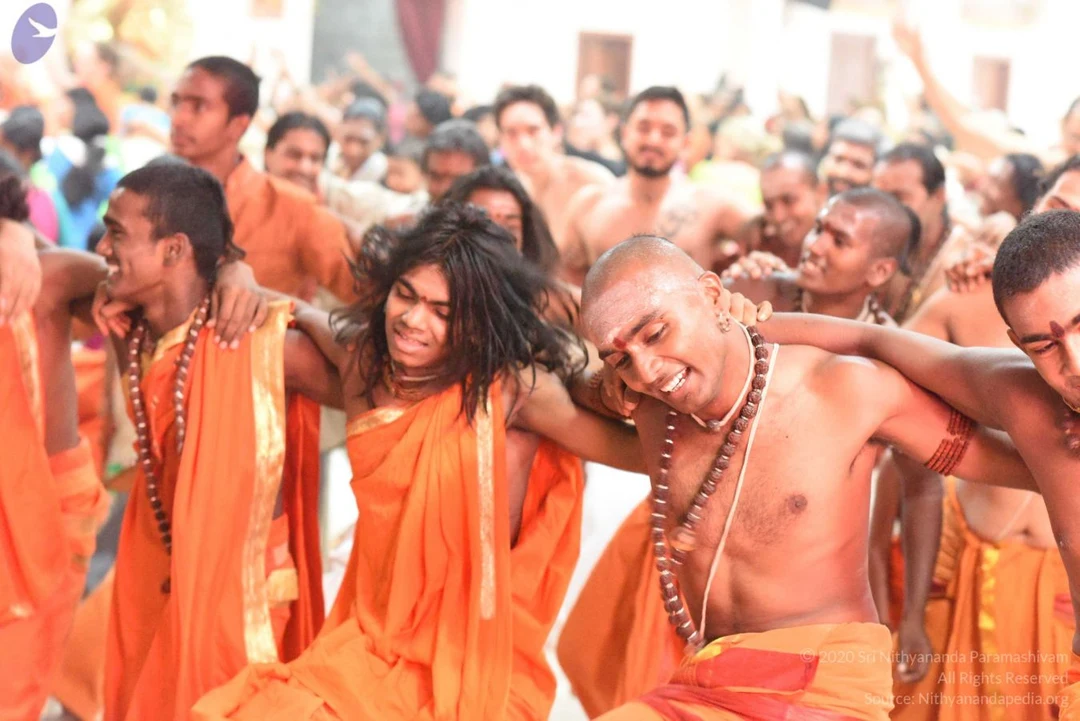 A group of Sanyasies enjoying Kirtan in the presence of HDH Nithyananda Paramashivam before the morning satsang
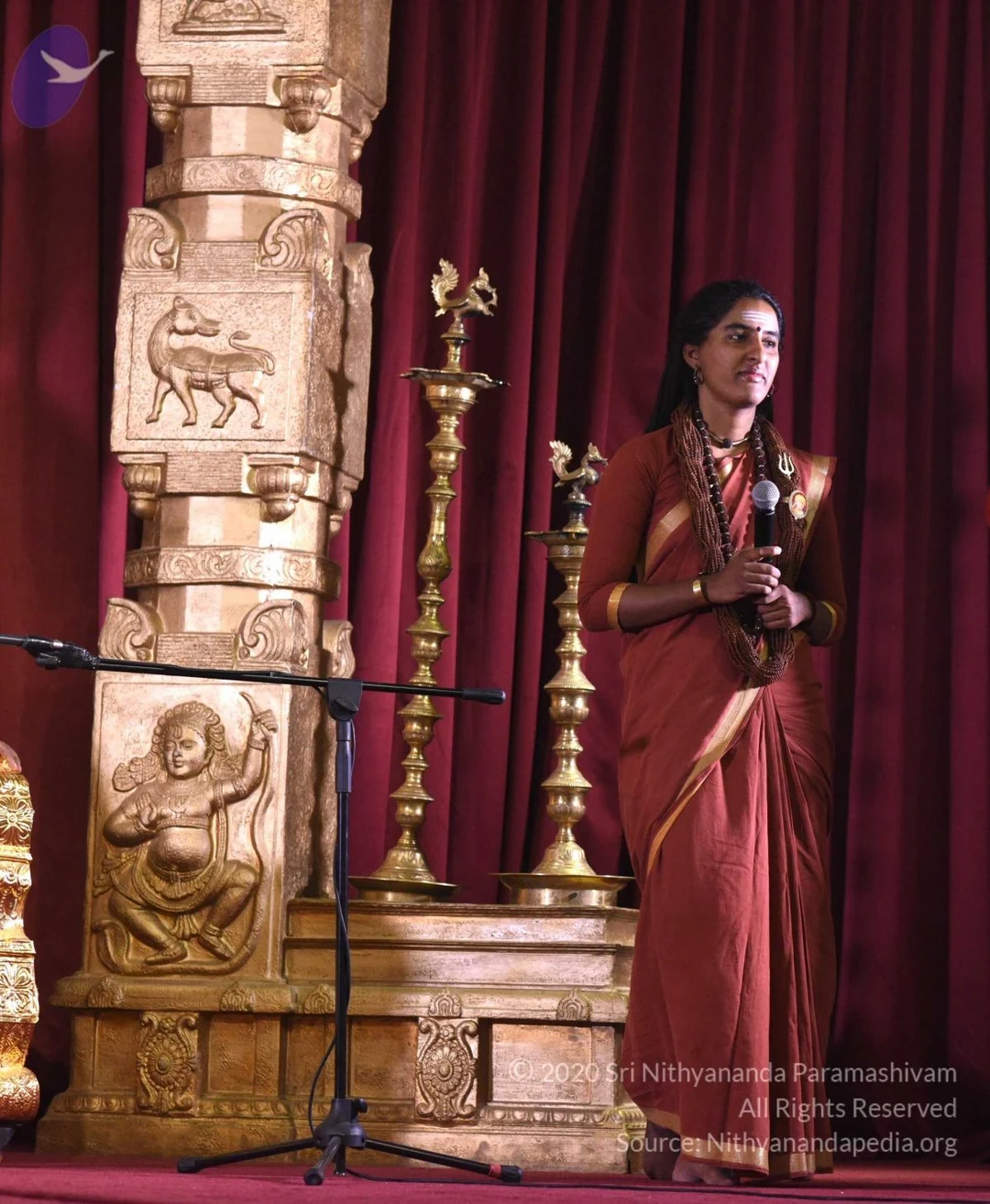
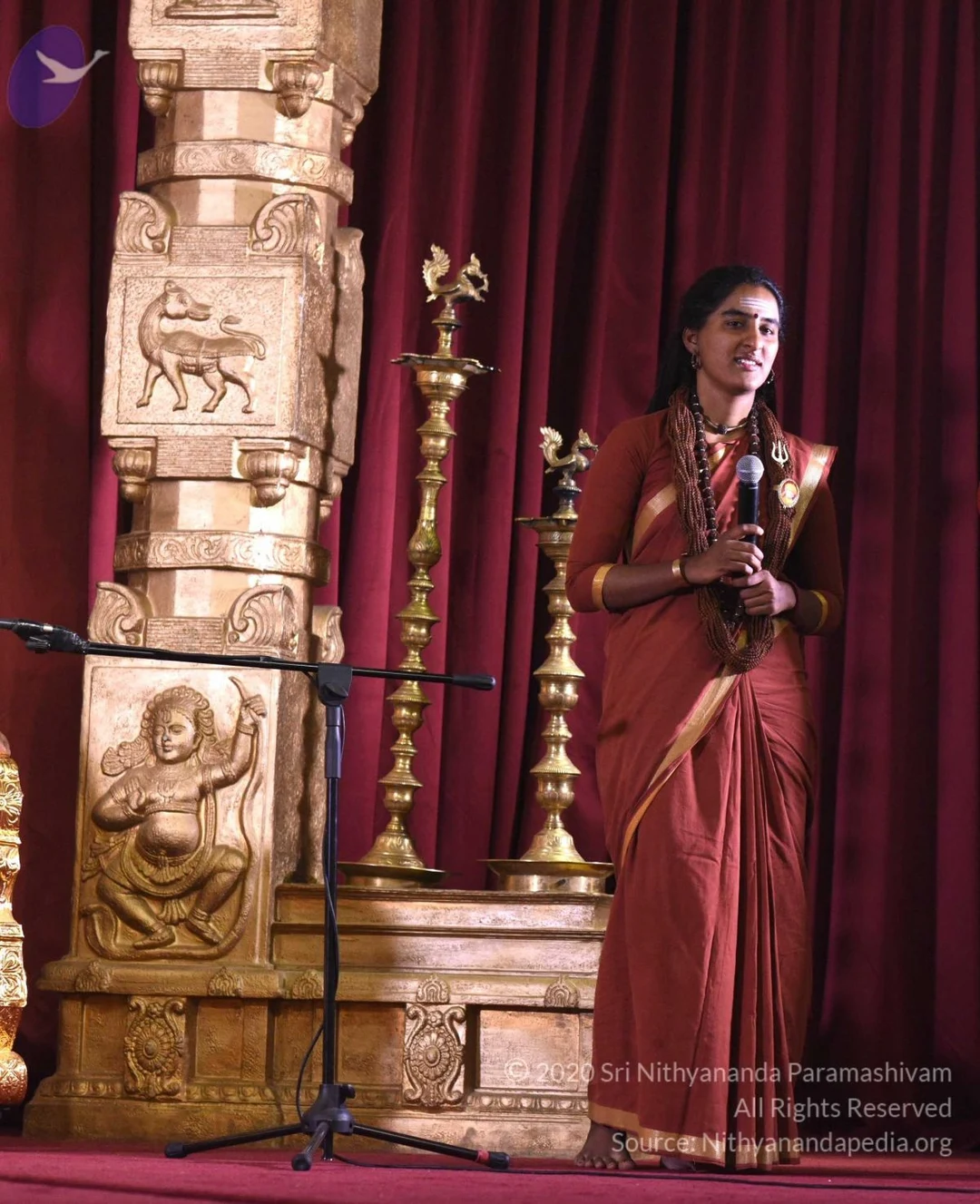
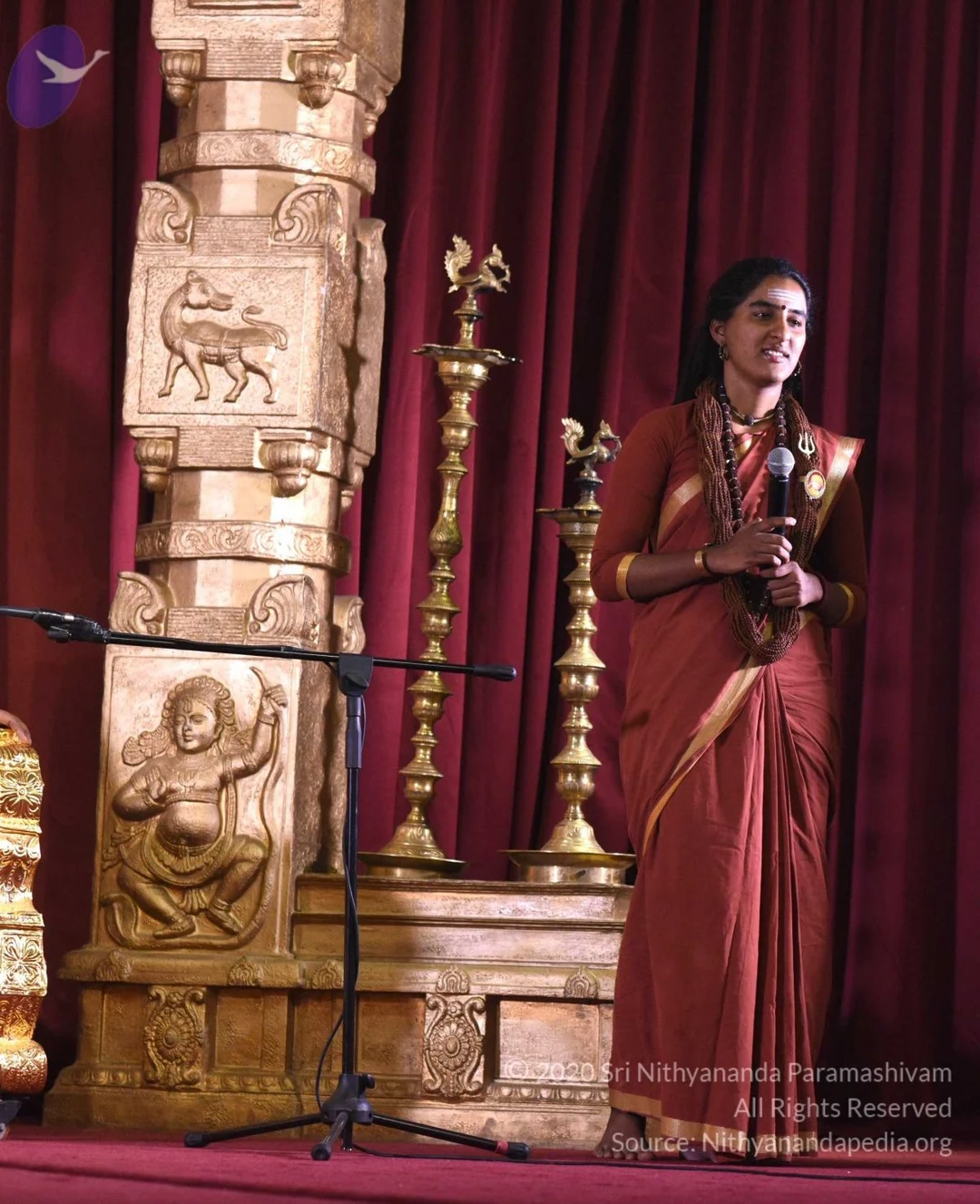
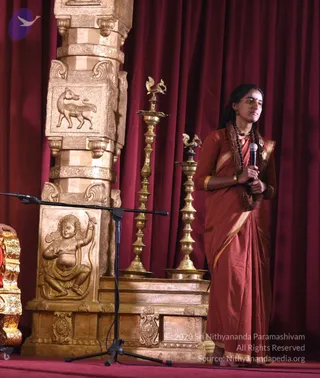 A Poorna Sanyasi sharing experience during morning satsang
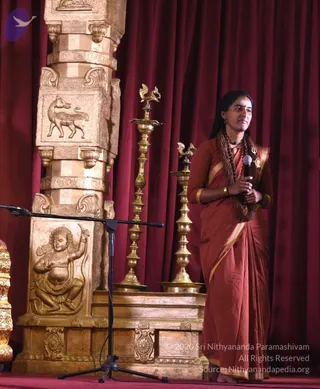 A Poorna Sanyasi sharing experience during morning satsang
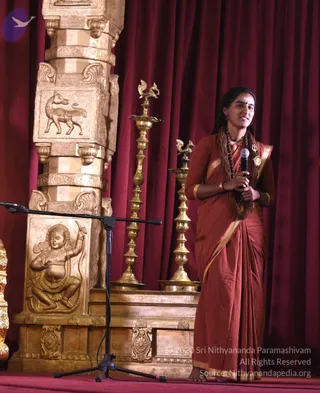 A Poorna Sanyasi sharing experience during morning satsang
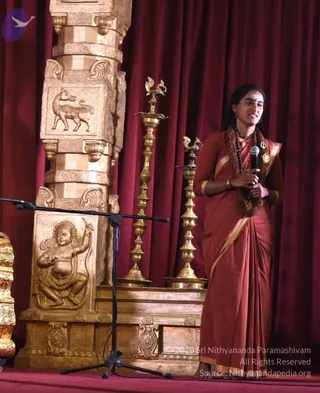 A Poorna Sanyasi sharing experience during morning satsang
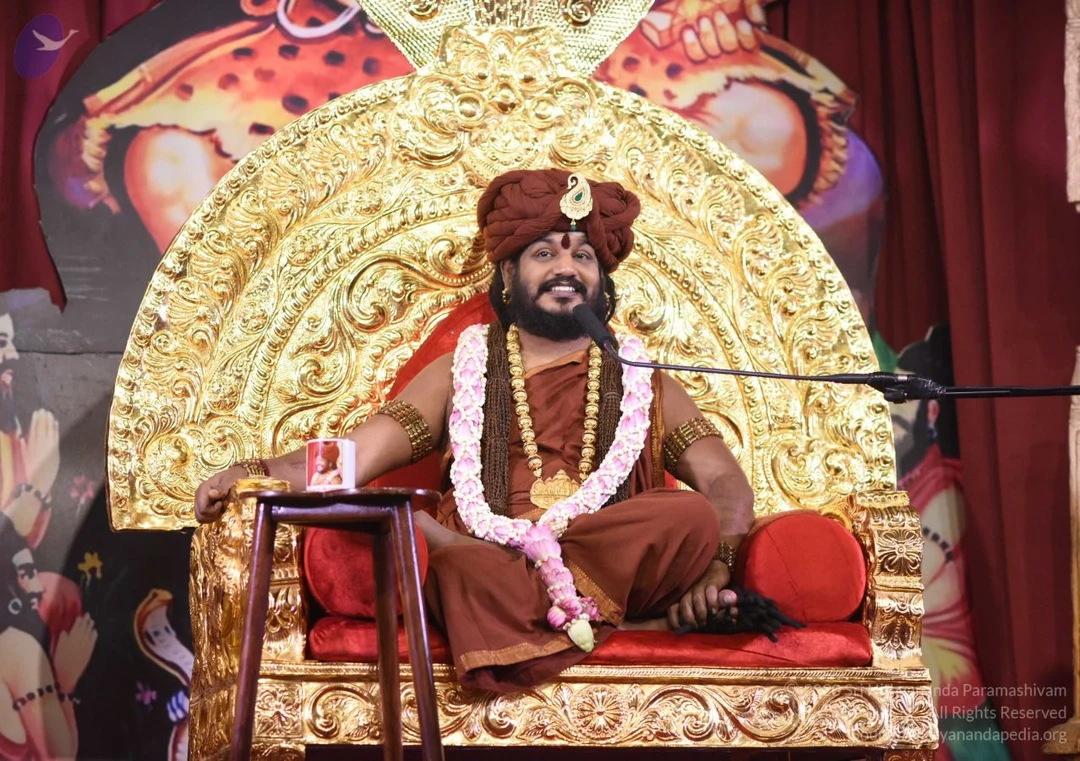 HDH Nithyananda Paramashivam sharing truths from Vedas and Agamas for Sadashivoham during morning satsang
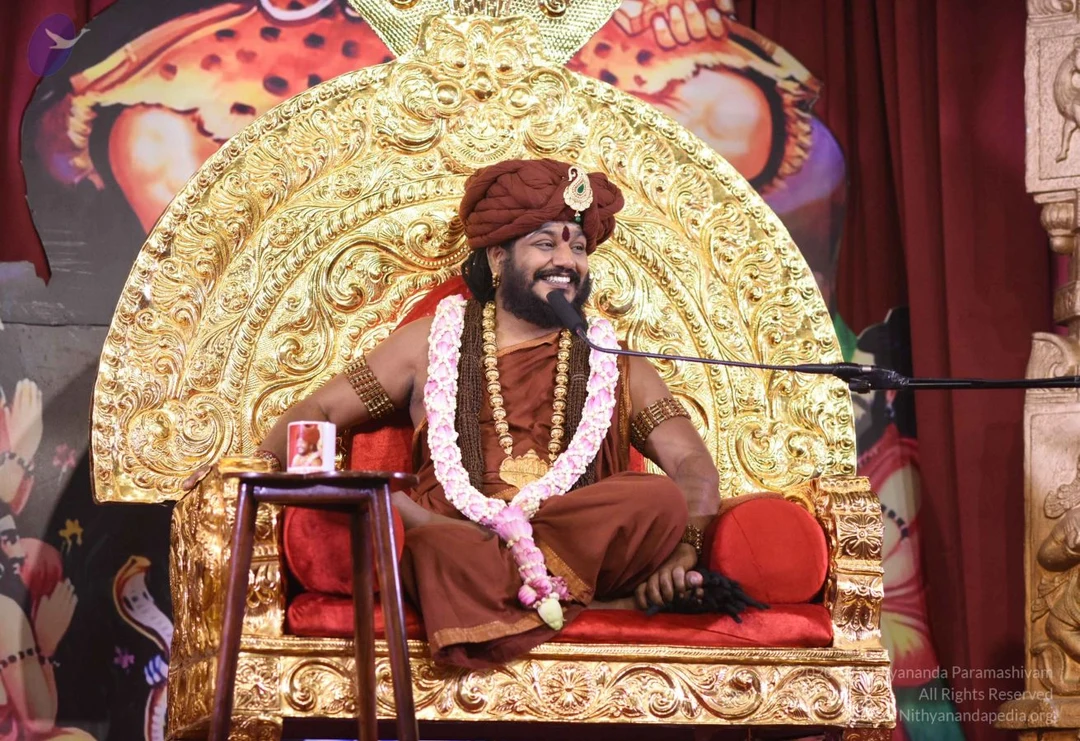 HDH Nithyananda Paramashivam sharing truths from Vedas and Agamas for Sadashivoham during morning satsang
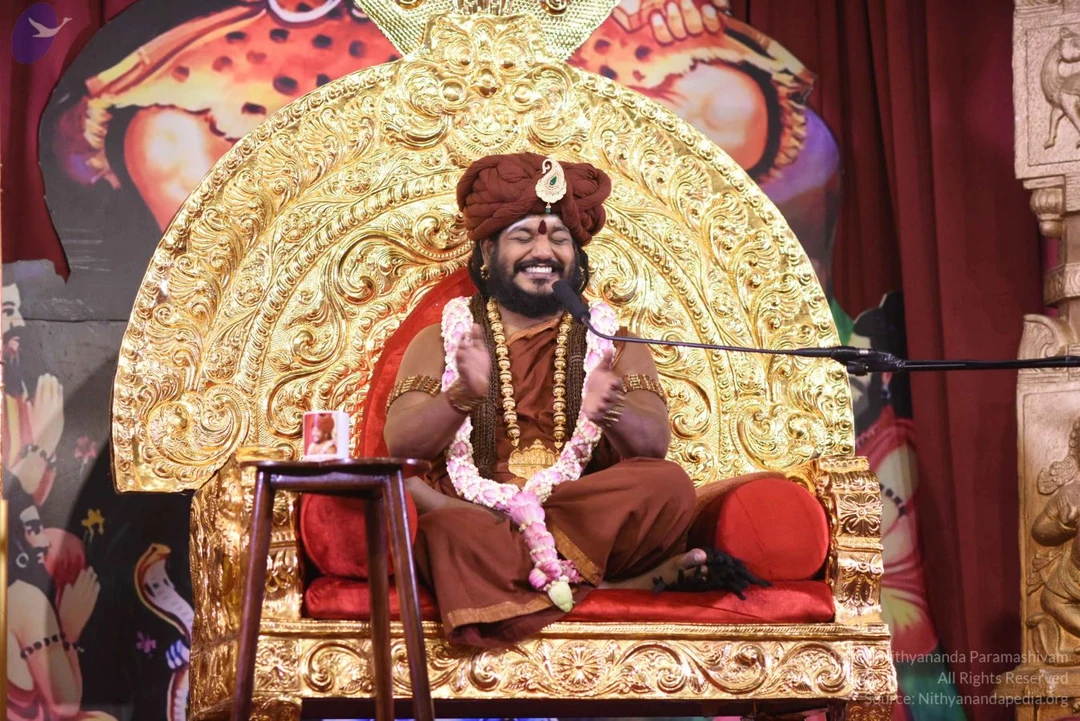 HDH Nithyananda Paramashivam answering the questions from the delegates during morning satsang happily
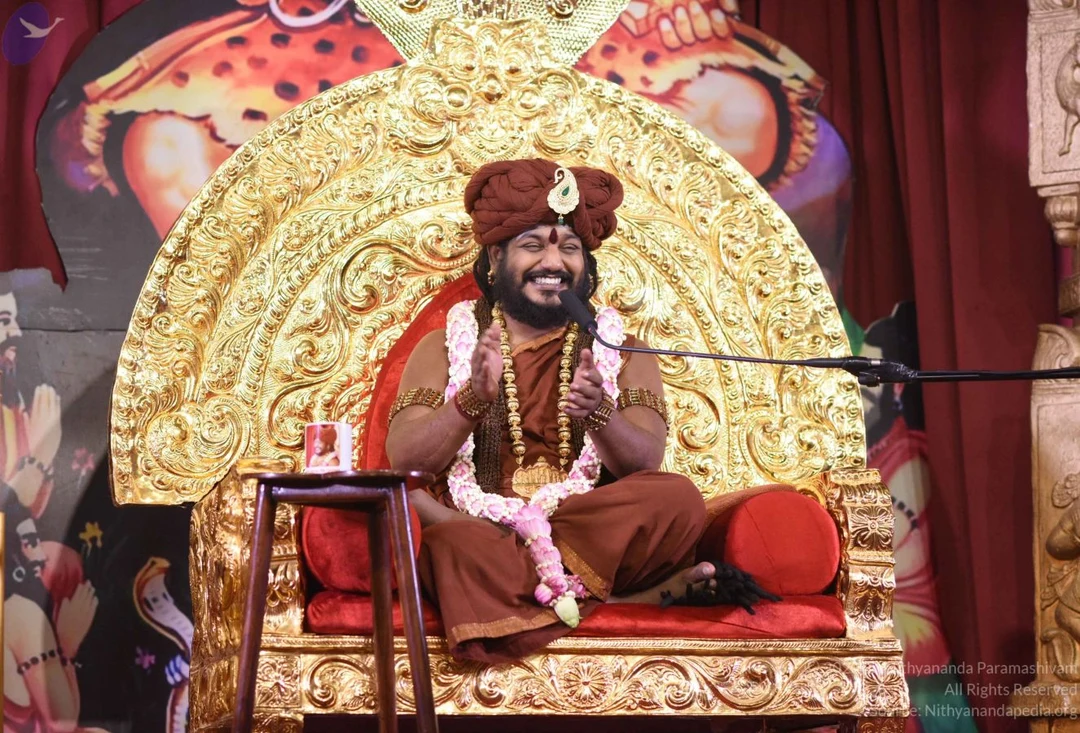 HDH Nithyananda Paramashivam answering the questions from the delegates during morning satsang happily
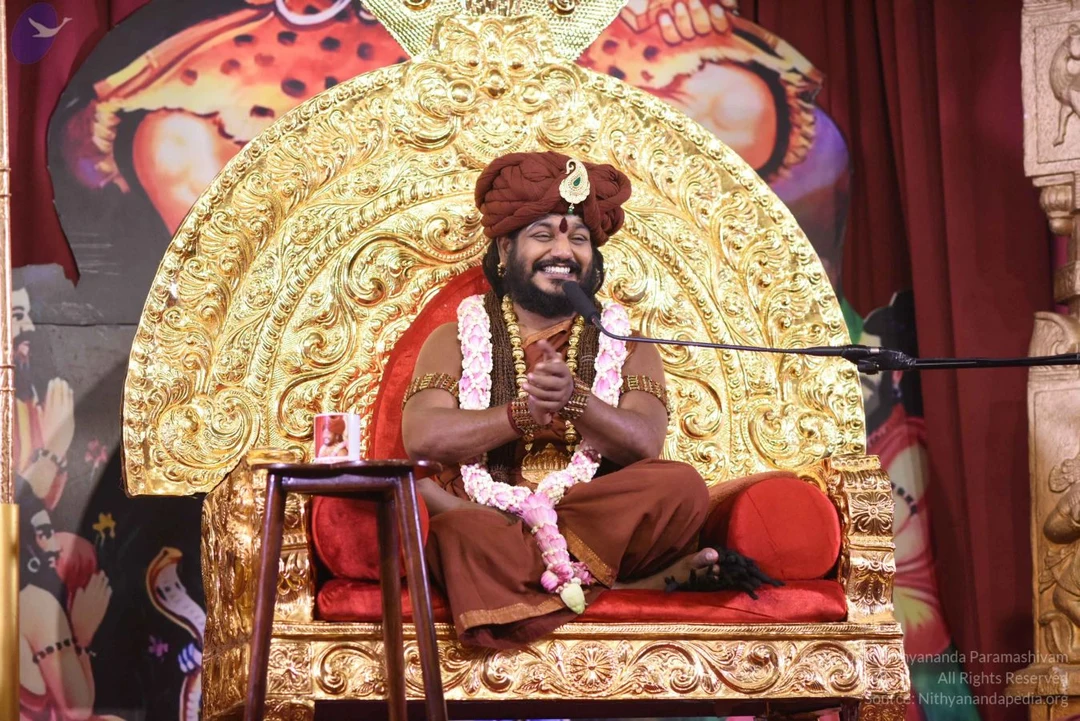 HDH Nithyananda Paramashivam answering the questions from the delegates during morning satsang happily
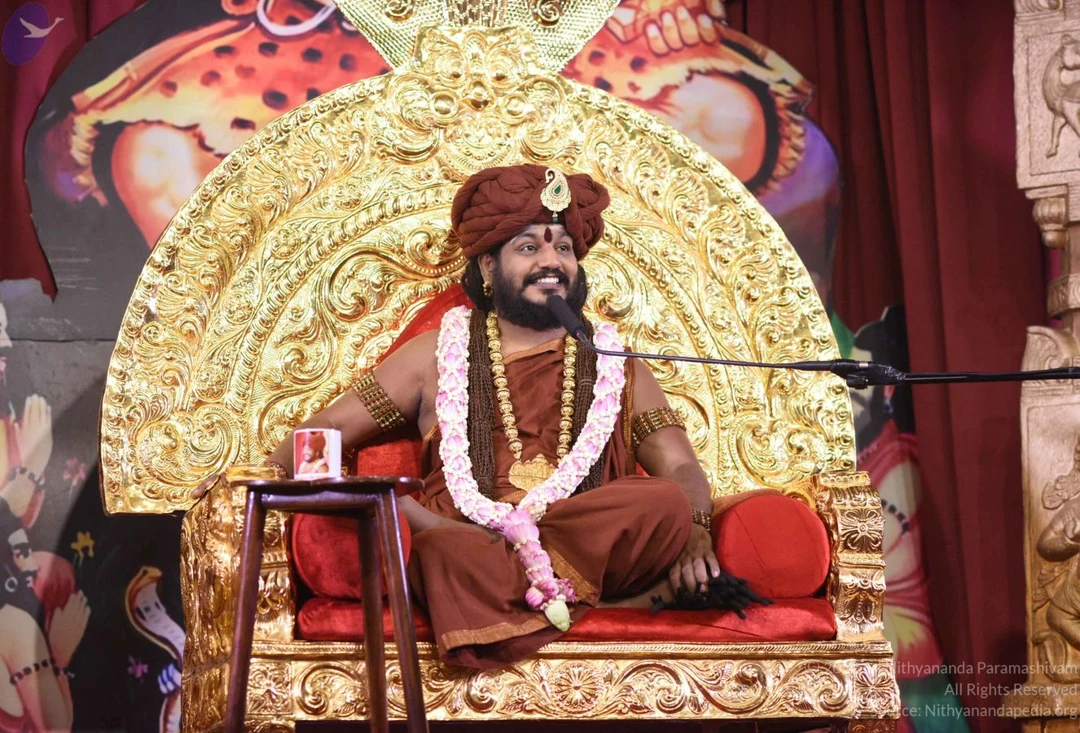 HDH Nithyananda Paramashivam answering the questions from the delegates during morning satsang happily
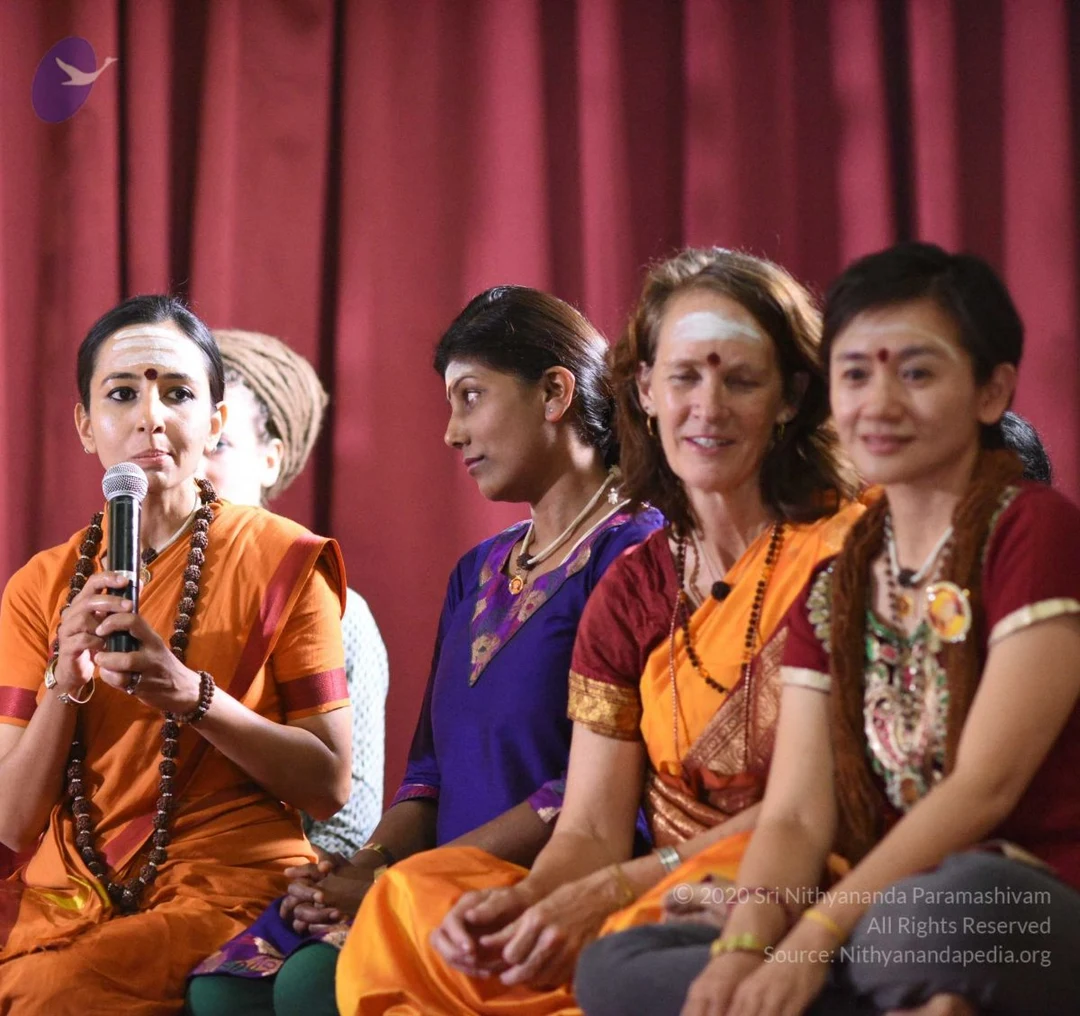
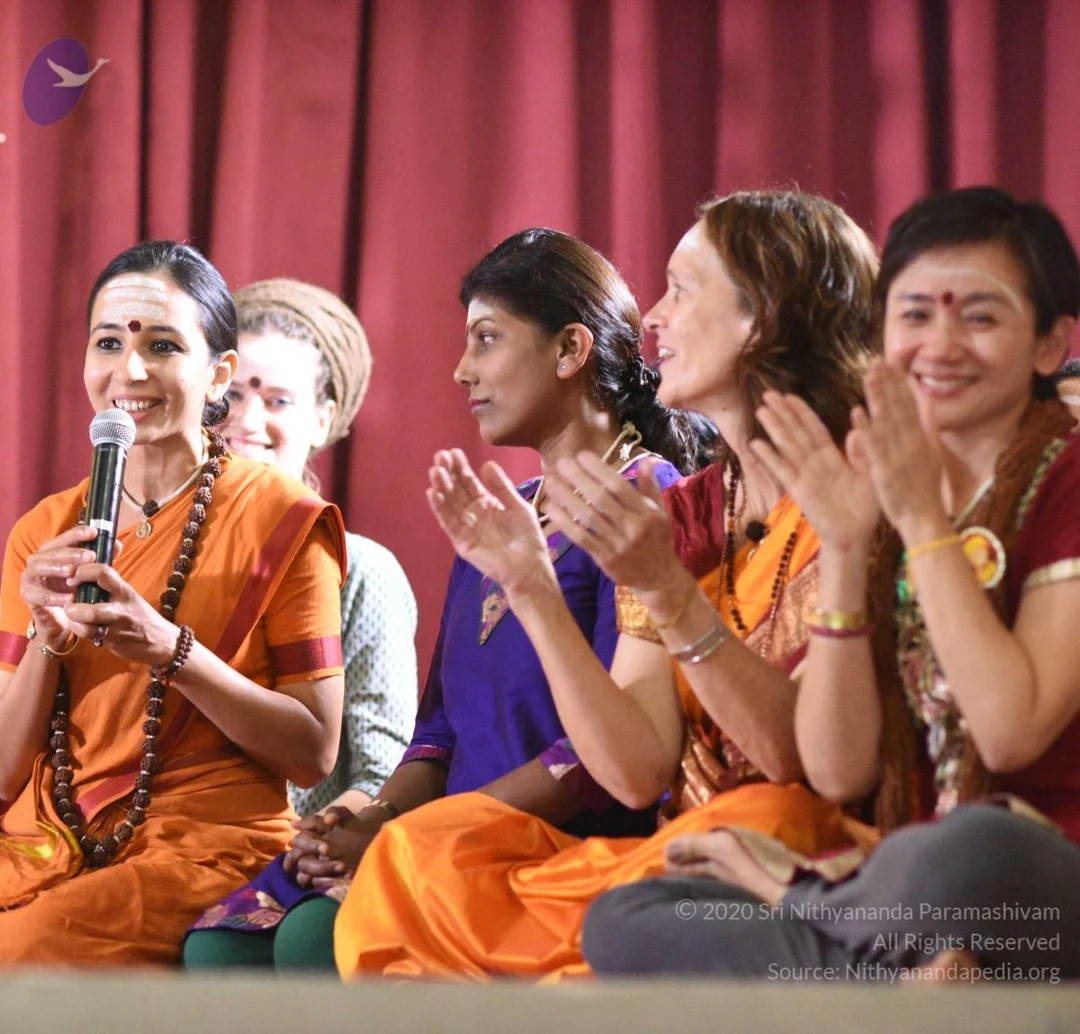
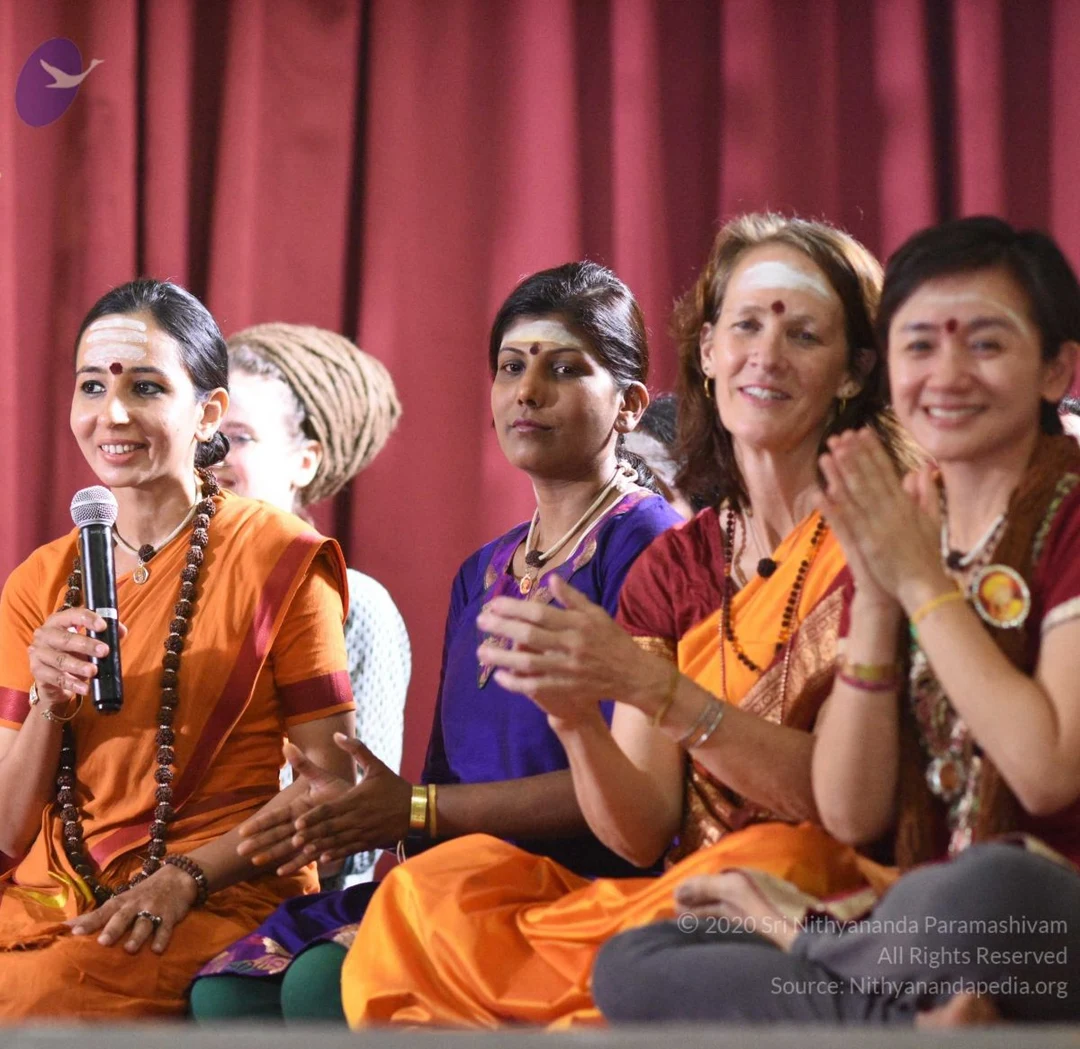
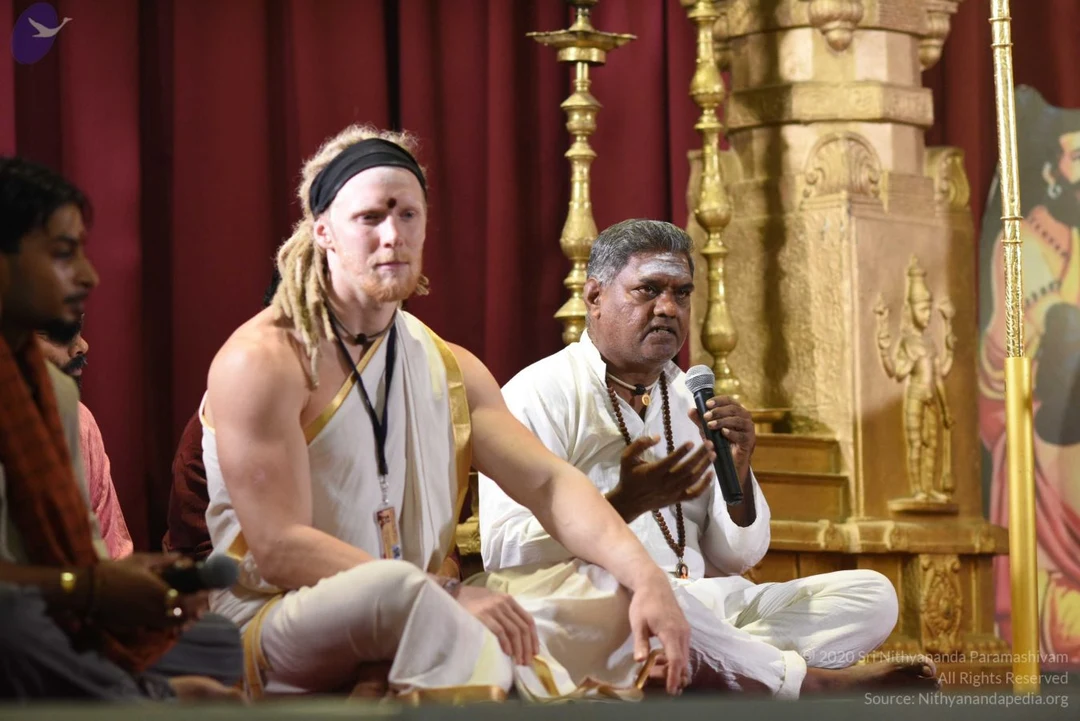 A group of delegates sharing their experience on the stage during the morning satsang in the presence of HDH Nithyananda Paramashivam
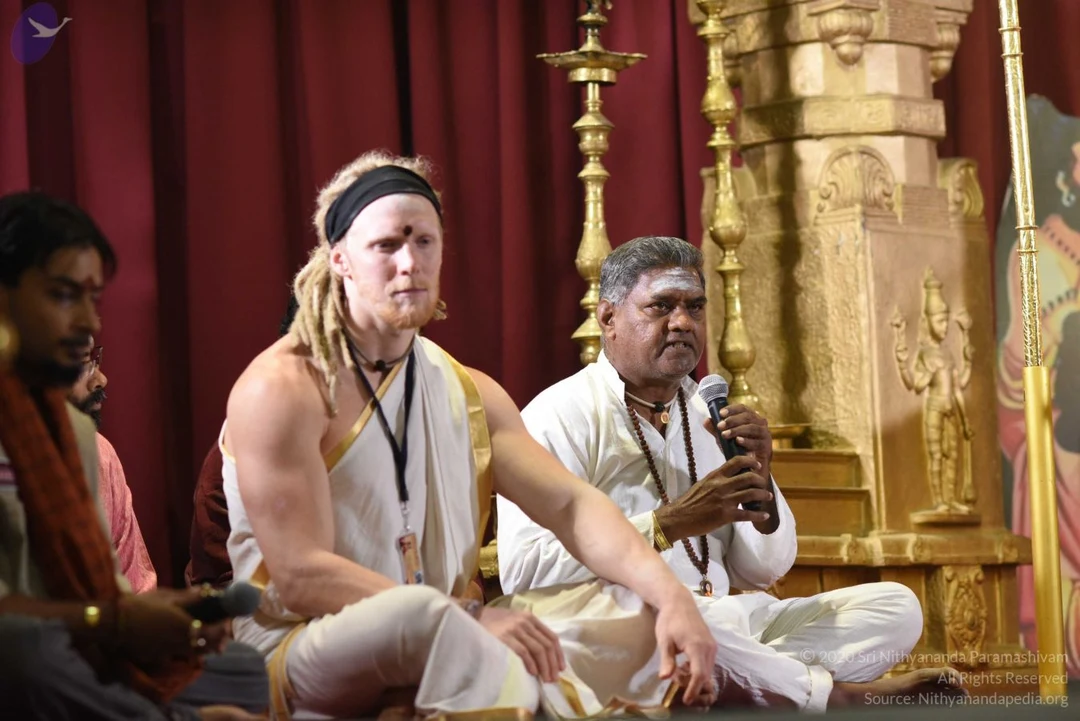 A group of delegates sharing their experience on the stage during the morning satsang in the presence of HDH Nithyananda Paramashivam
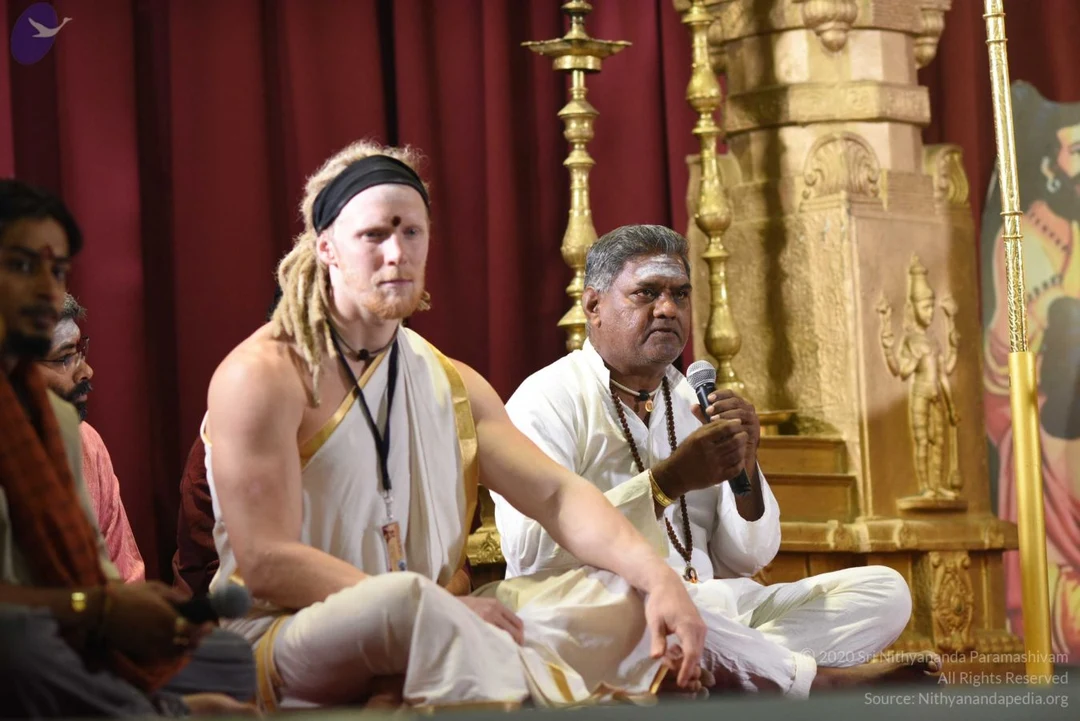 A group of delegates sharing their experience on the stage during the morning satsang in the presence of HDH Nithyananda Paramashivam
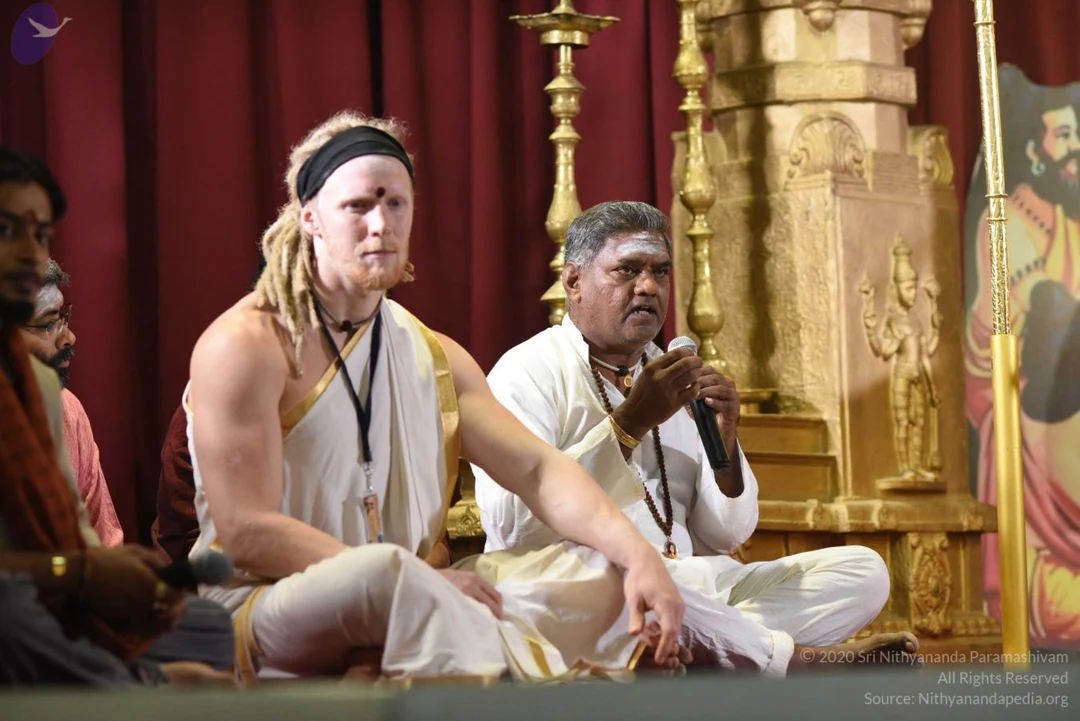 A group of delegates sharing their experience on the stage during the morning satsang in the presence of HDH Nithyananda Paramashivam
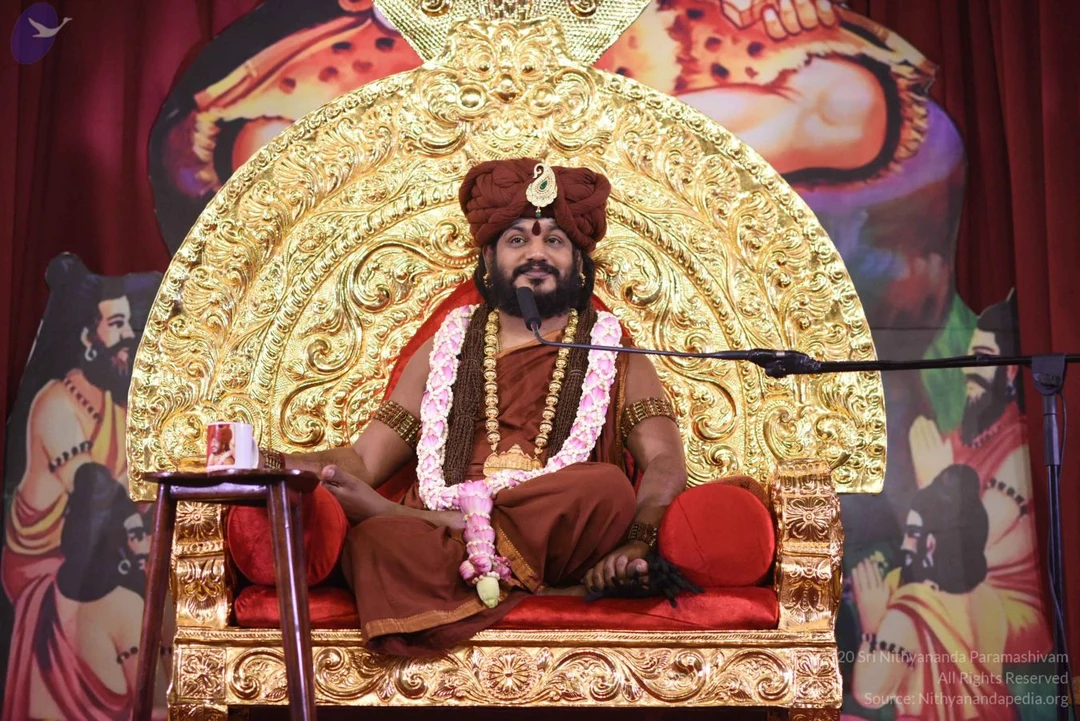 HDH Nithyananda Paramashivam sharing truths from Vedas and Agamas for Sadashivoham during morning satsang
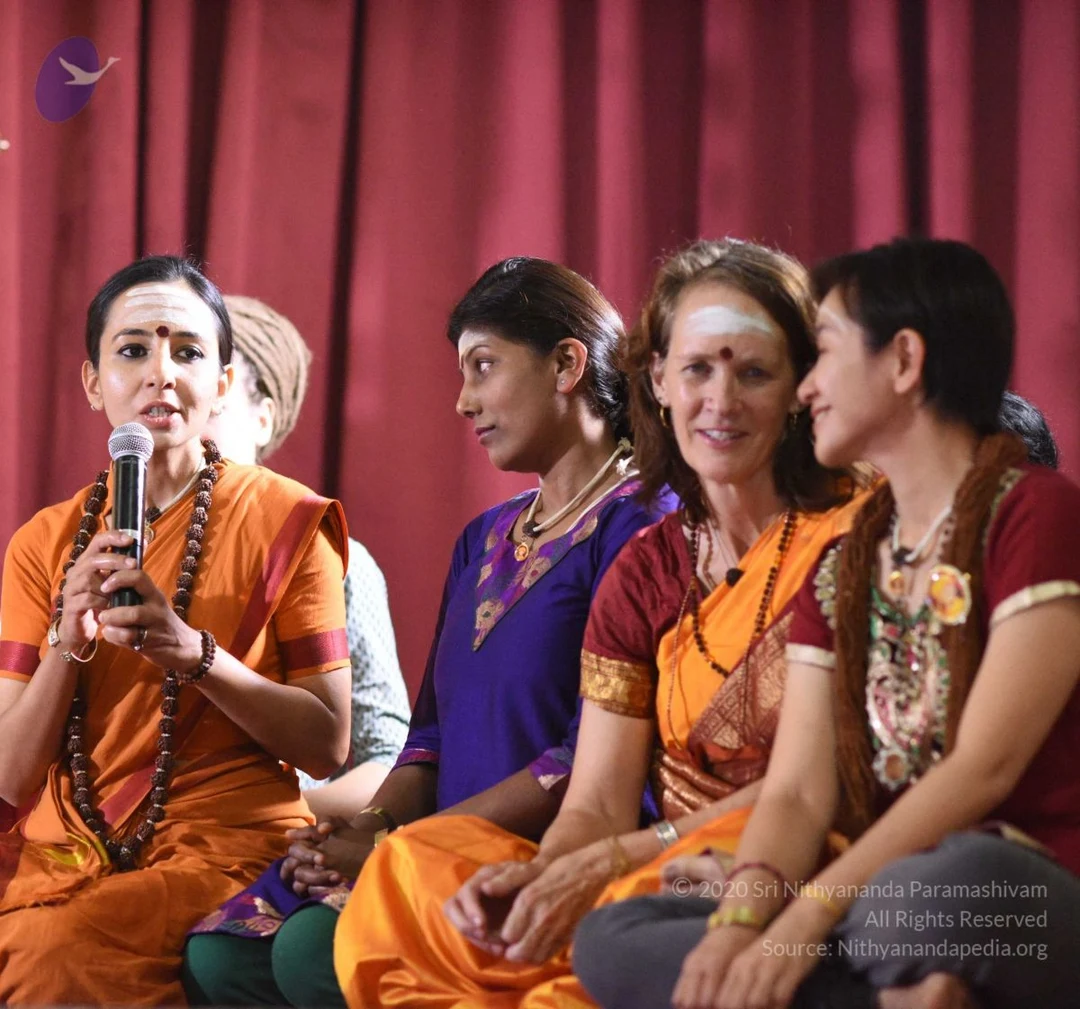 A group of delegates sharing their experience on the stage during the morning satsang in the presence of HDH Nithyananda Paramashivam
 A group of delegates sharing their experience on the stage during the morning satsang in the presence of HDH Nithyananda Paramashivam happily
 A group of delegates sharing their experience on the stage during the morning satsang in the presence of HDH Nithyananda Paramashivam joyfully
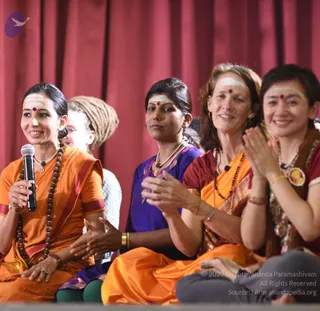 A group of delegates sharing their experience on the stage during the morning satsang in the presence of HDH Nithyananda Paramashivam joyfully
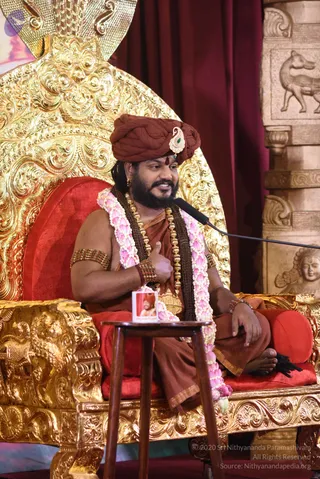 A group of delegates sharing their experience on the stage during the morning satsang in the presence of HDH Nithyananda Paramashivam joyfully
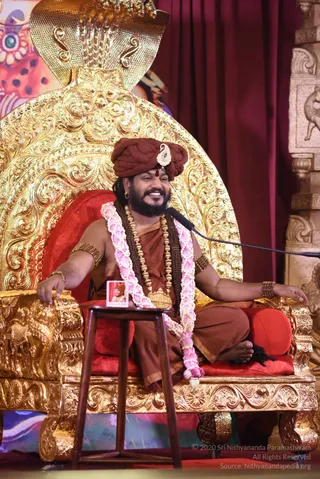 HDH Nithyananda Paramashivam sharing information on Sadashivoham for the delegates during morning satsang
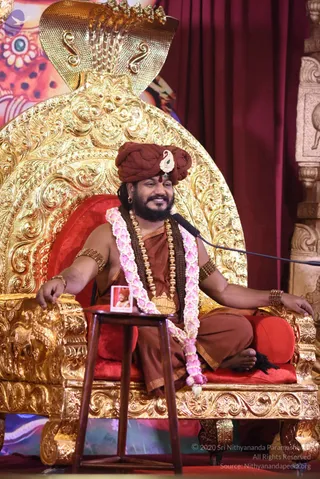 HDH Nithyananda Paramashivam sharing information on Sadashivoham for the delegates during morning satsang
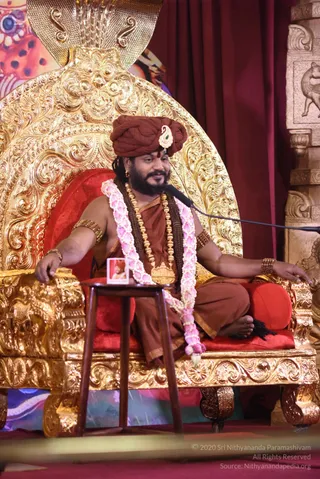 HDH Nithyananda Paramashivam answering the questions asked by the delegates on Sadashivoham
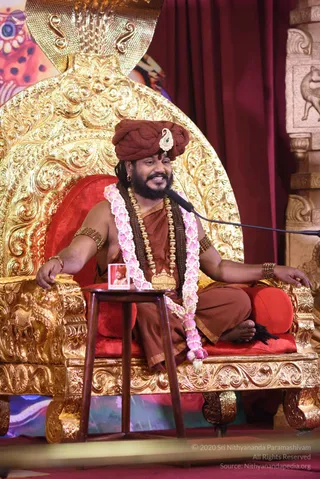 HDH Nithyananda Paramashivam answering the questions asked by the delegates on Sadashivoham
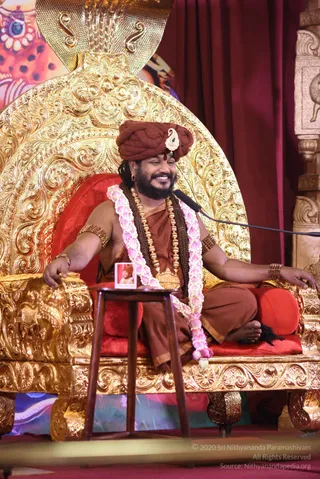 HDH Nithyananda Paramashivam answering the questions asked by the delegates on Sadashivoham
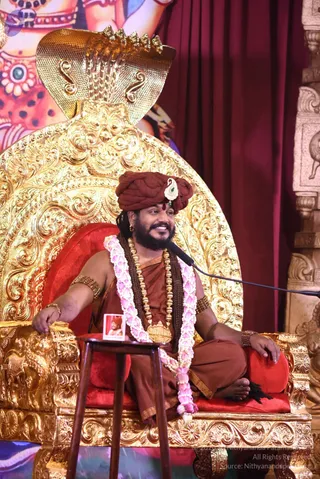 HDH Nithyananda Paramashivam answering the questions asked by the delegates on Sadashivoham
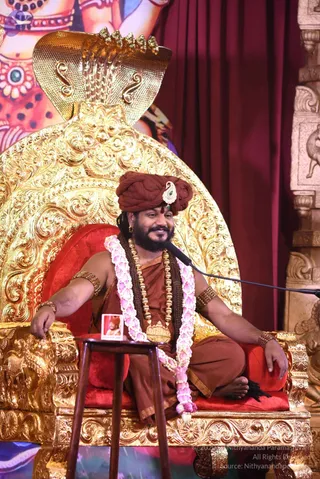 HDH Nithyananda Paramashivam answering the questions asked by the delegates on Sadashivoham
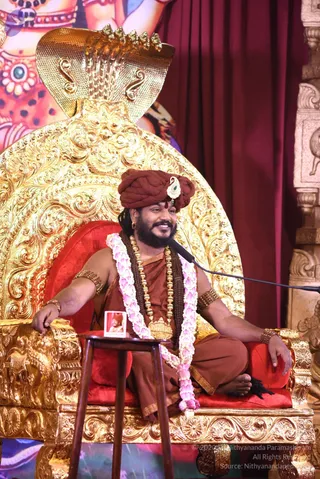 HDH Nithyananda Paramashivam answering the questions asked by the delegates on Sadashivoham
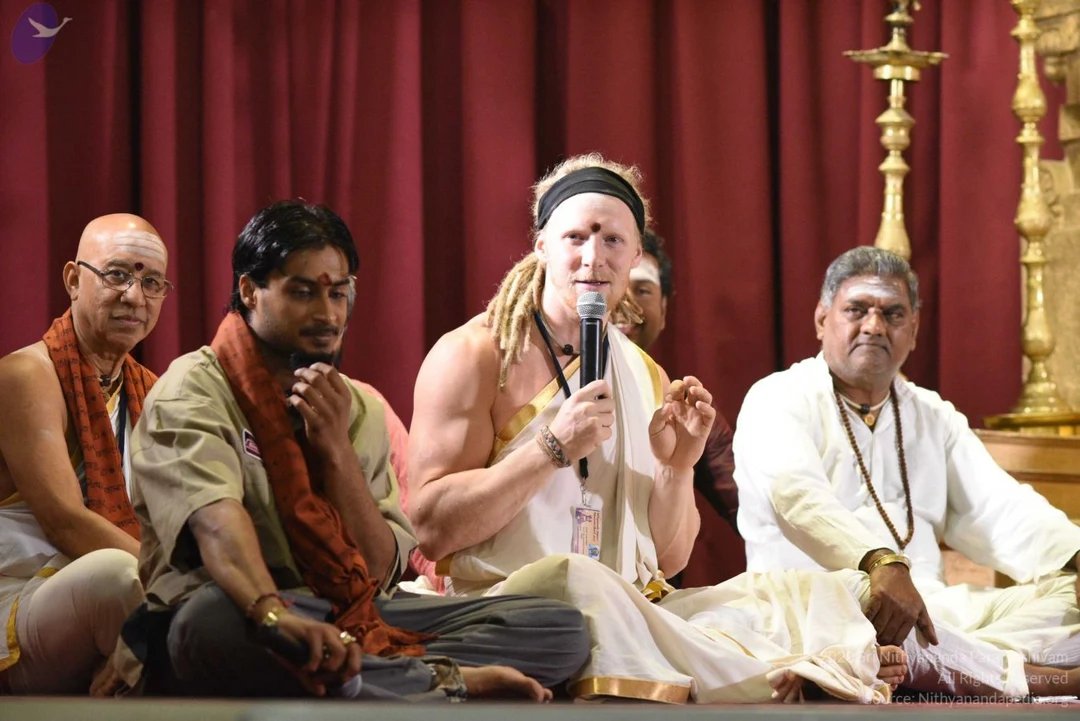 A group of delegates sharing their experience on the stage during the morning satsang in the presence of HDH Nithyananda Paramashivam
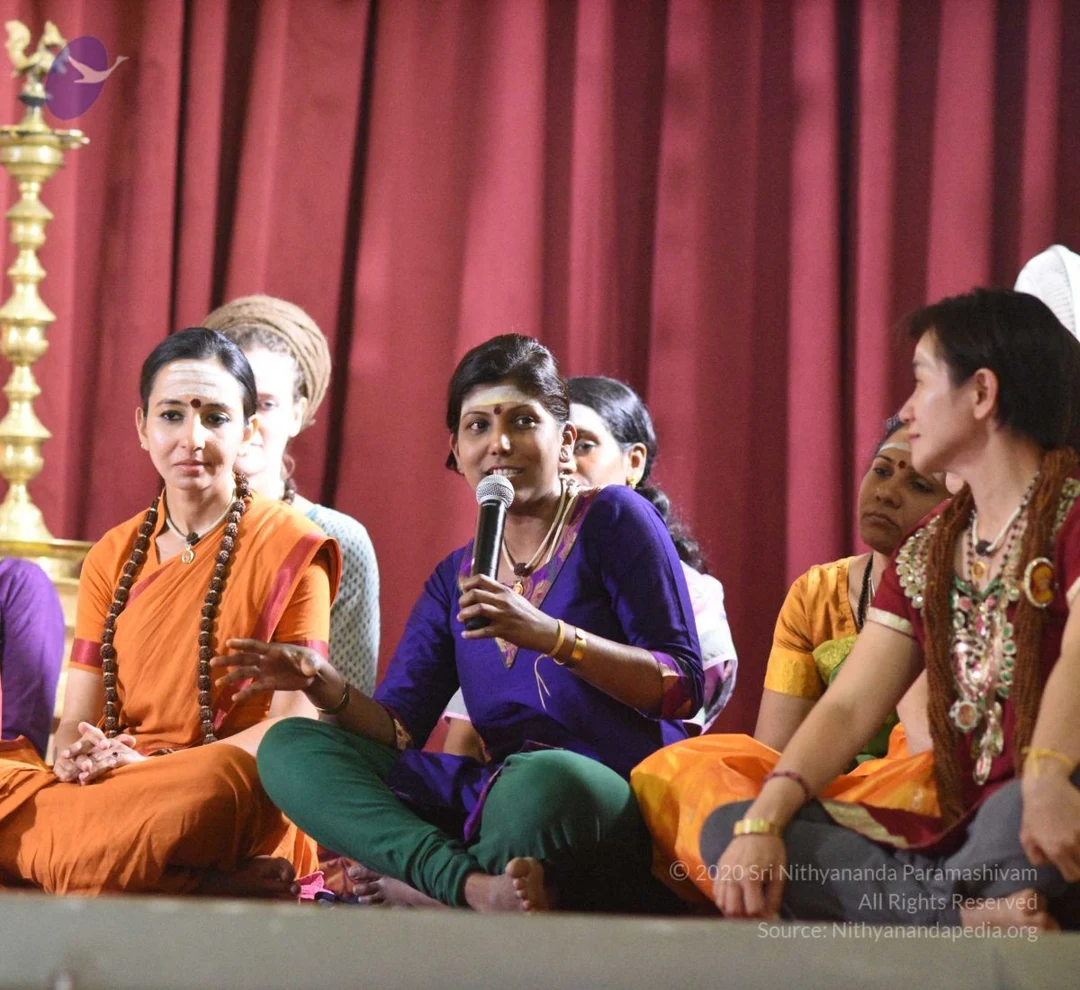 A group of delegates sharing their experience on the stage during the morning satsang in the presence of HDH Nithyananda Paramashivam
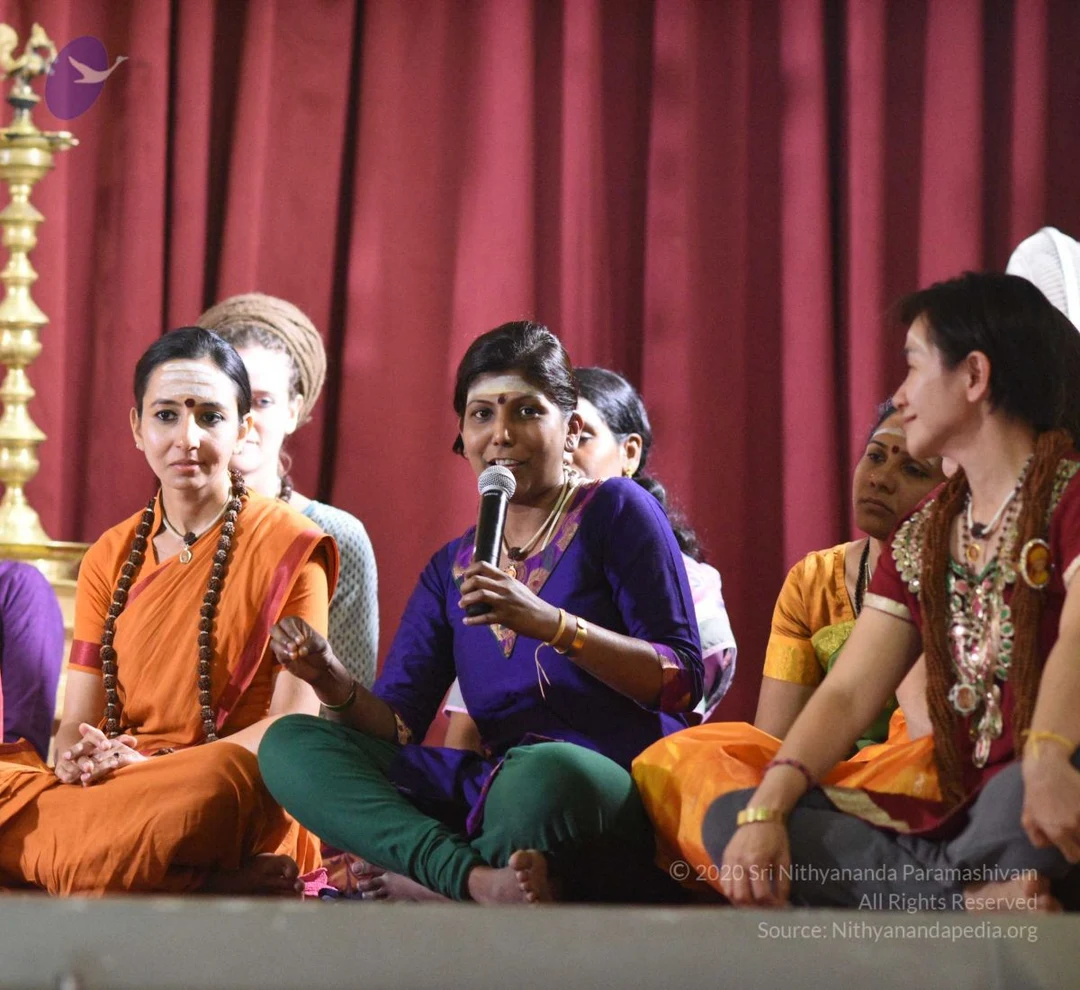 A group of delegates sharing their experience on the stage during the morning satsang in the presence of HDH Nithyananda Paramashivam
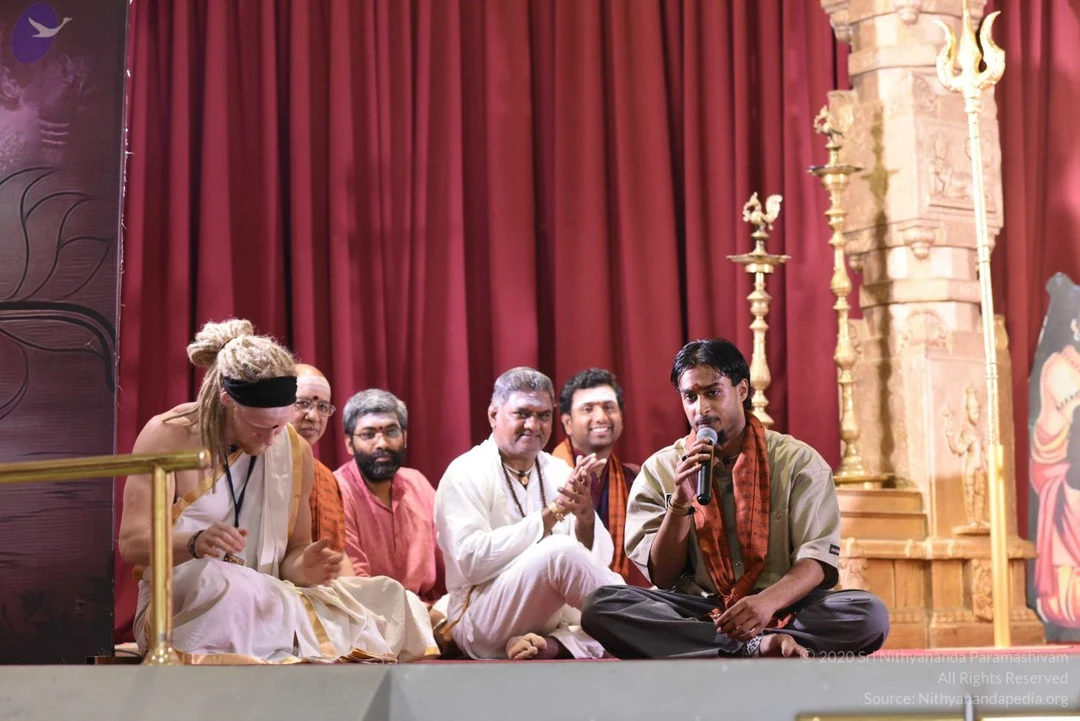 A group of delegates sharing their experience on the stage during the morning satsang in the presence of HDH Nithyananda Paramashivam
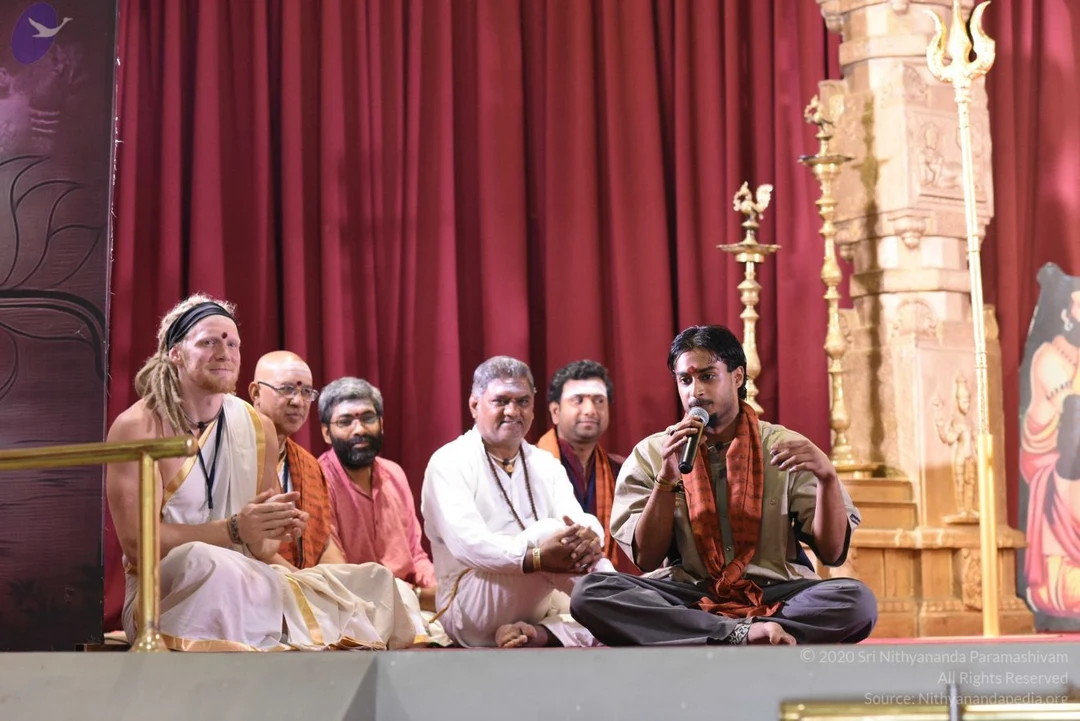 A group of delegates sharing their experience on the stage during the morning satsang in the presence of HDH Nithyananda Paramashivam
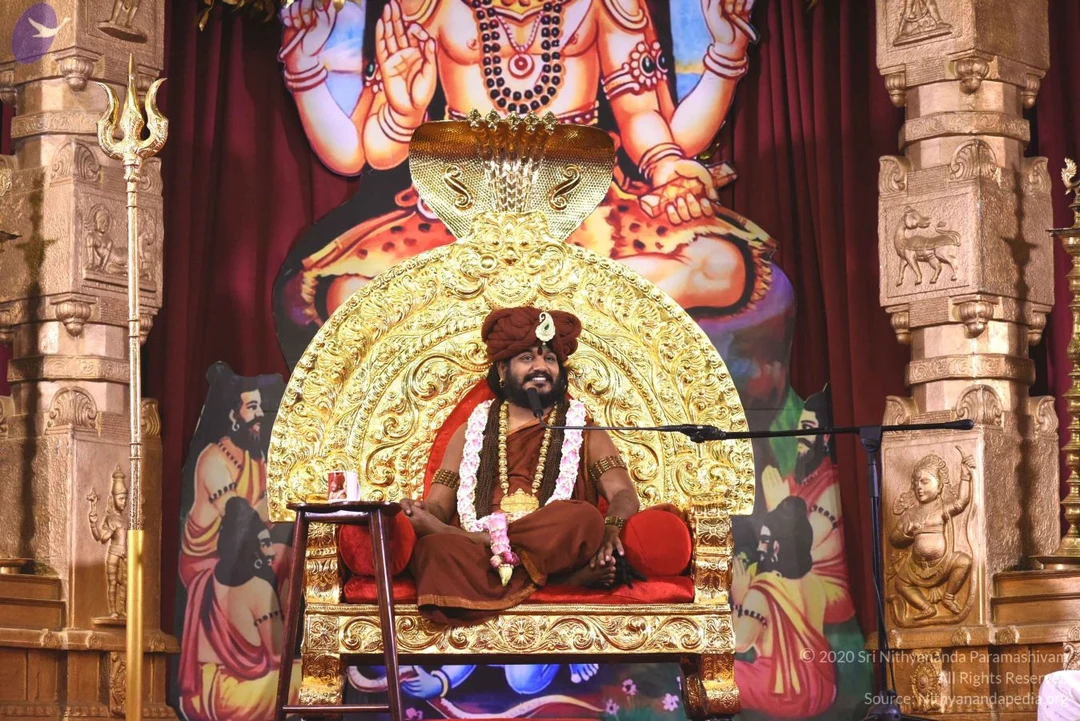 HDH Nithyananda Paramashivam sharing information on Sadashivoham for the delegates during morning satsang
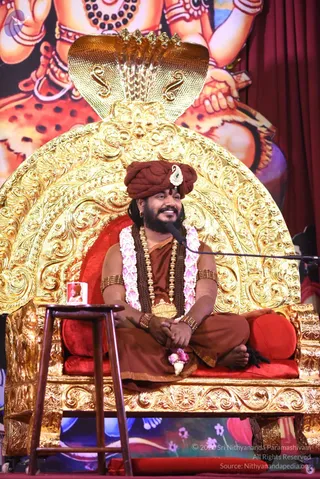 HDH Nithyananda Paramashivam sharing information on Sadashivoham for the delegates during morning satsang
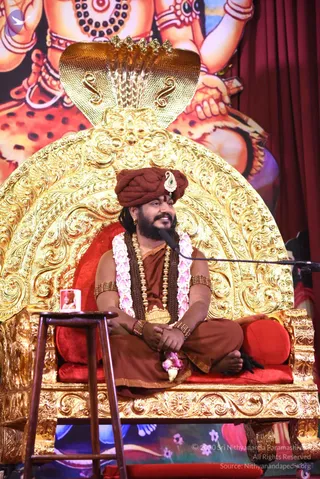 HDH Nithyananda Paramashivam sharing information on Sadashivoham for the delegates during morning satsang
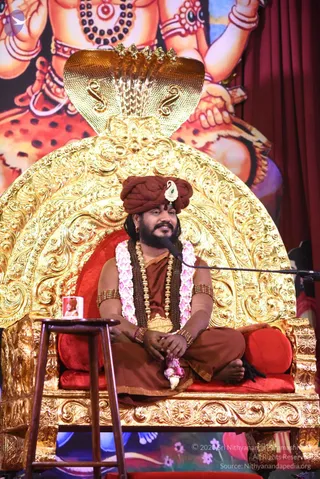 HDH Nithyananda Paramashivam sharing information on Sadashivoham for the delegates during morning satsang
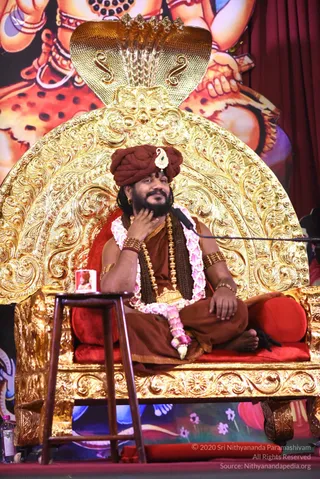 HDH Nithyananda Paramashivam sharing information on Sadashivoham for the delegates during morning satsang
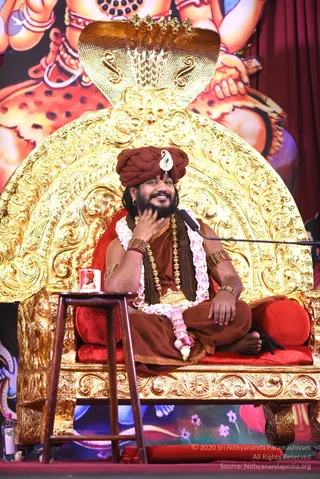 HDH Nithyananda Paramashivam answering the questions asked by the delegates on Sadashivoham
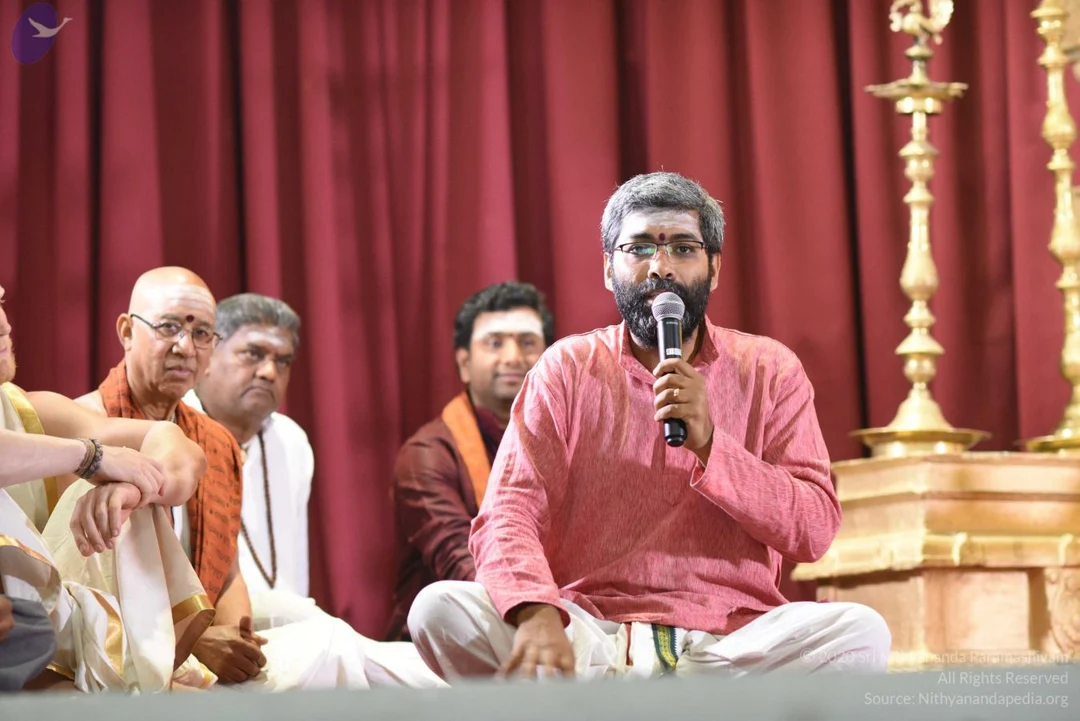 A delegate sharing his experience in the presence of HDH Nithyananda Paramashivam during morning satsang
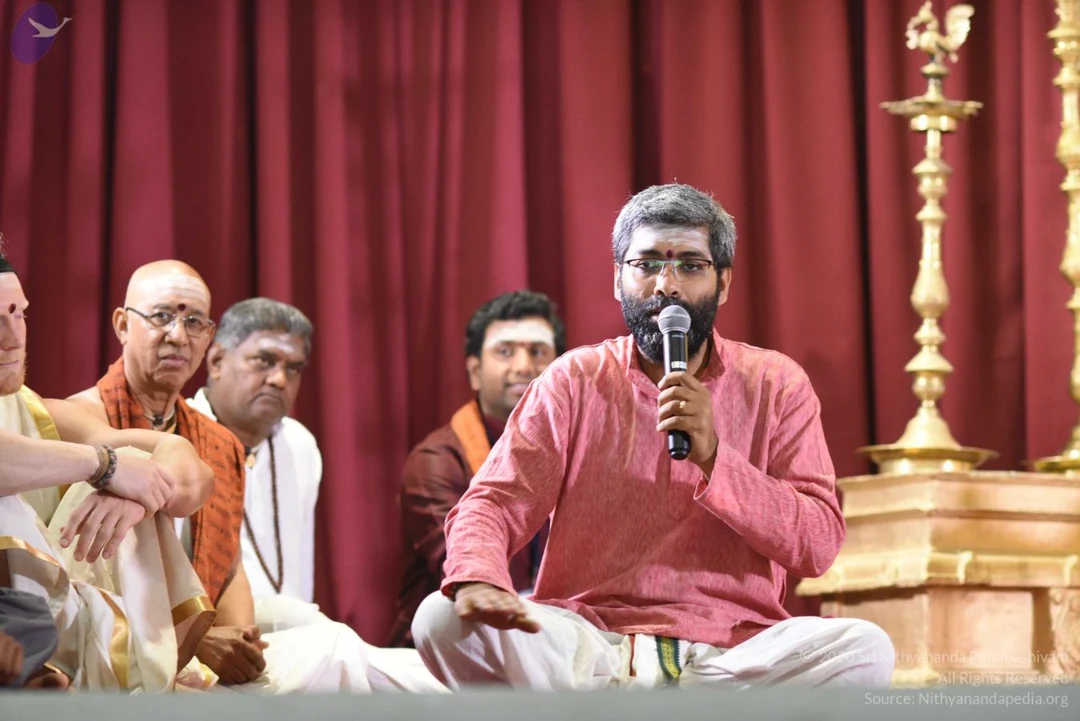 A delegate sharing his experience in the presence of HDH Nithyananda Paramashivam during morning satsang
 HDH Nithyananda Paramashivam sharing information on Sadashivoham for the delegates during morning satsang
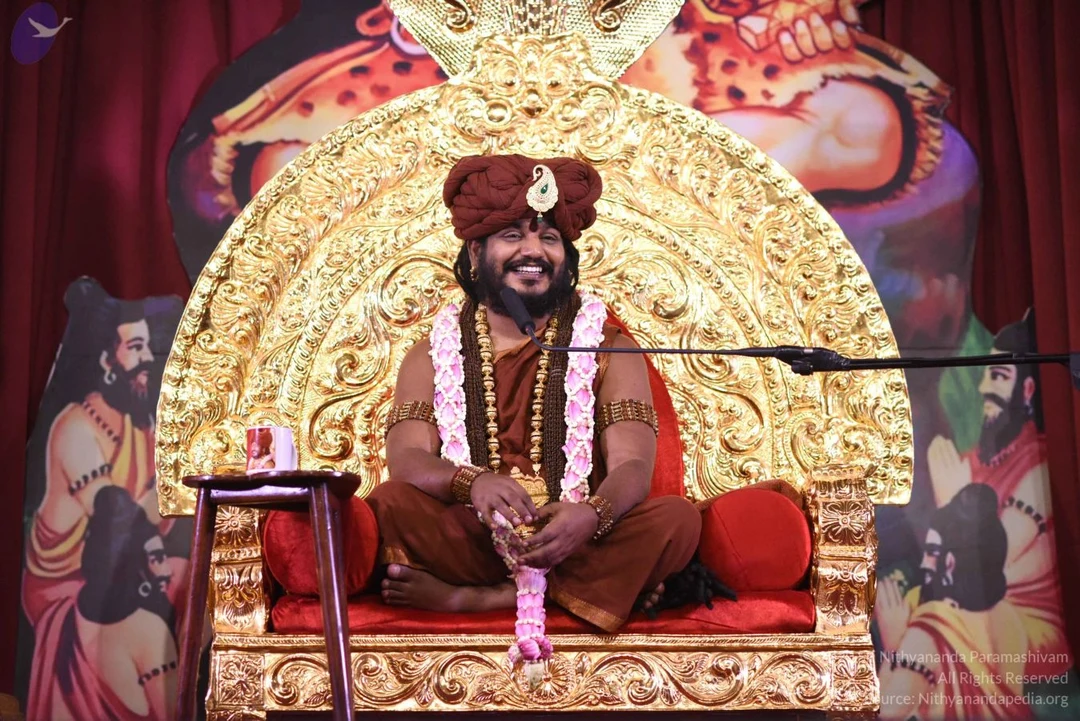 HDH Nithyananda Paramashivam sharing information on Sadashivoham for the delegates during morning satsang
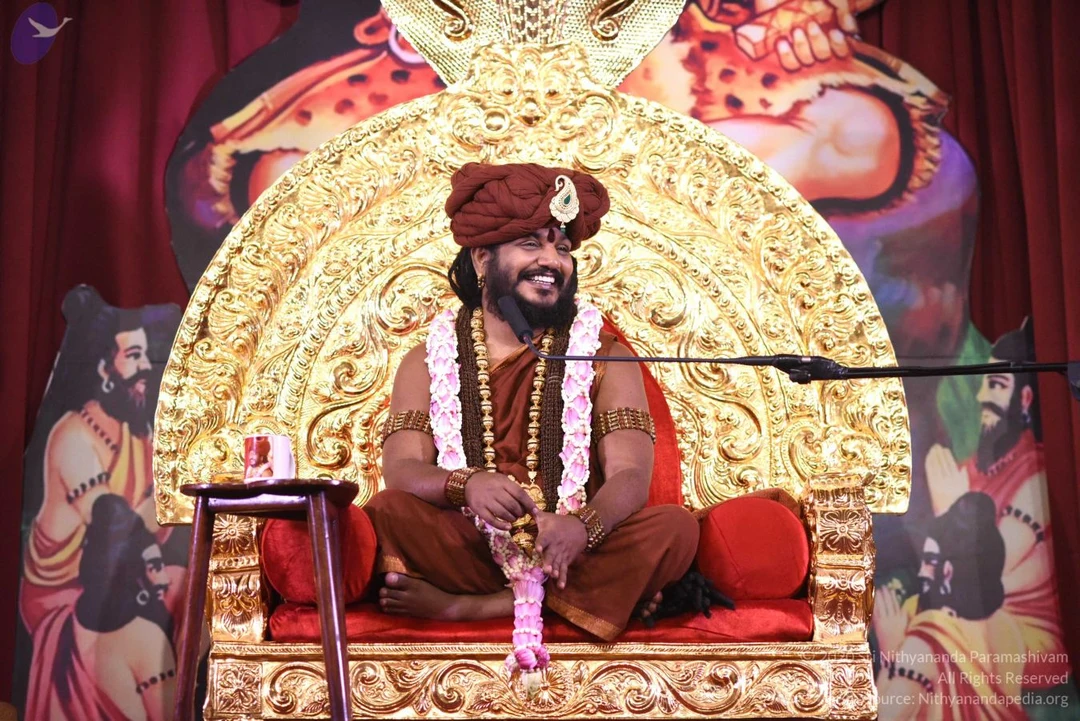 HDH Nithyananda Paramashivam sharing information on Sadashivoham for the delegates during morning satsang
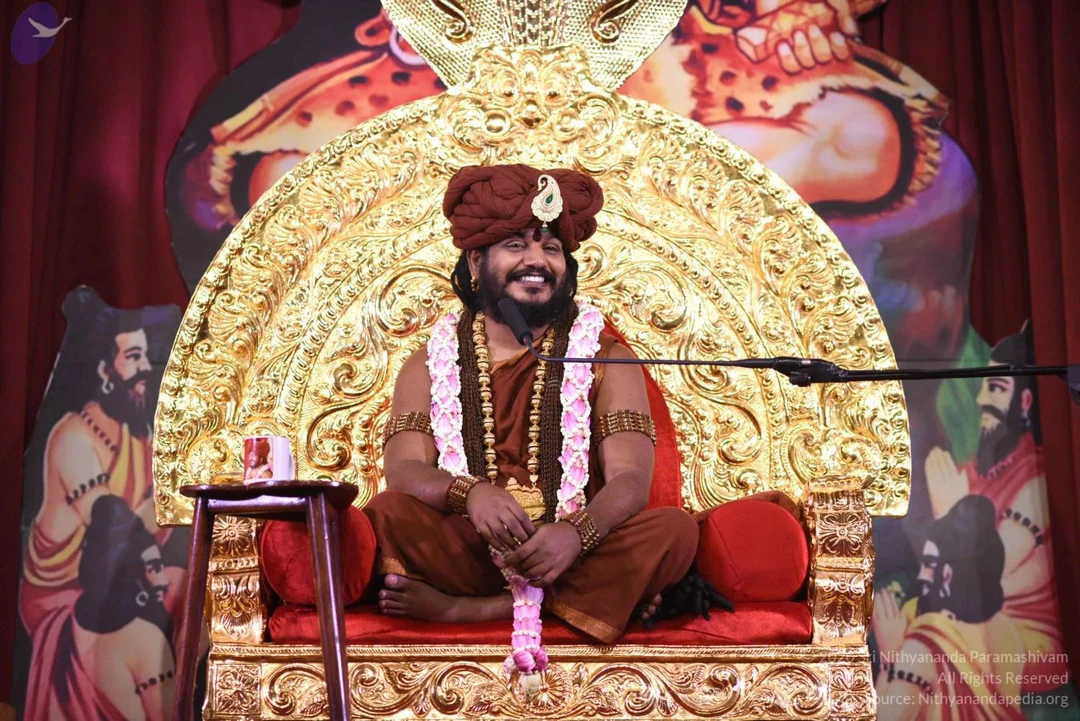 HDH Nithyananda Paramashivam sharing information on Sadashivoham for the delegates during morning satsang
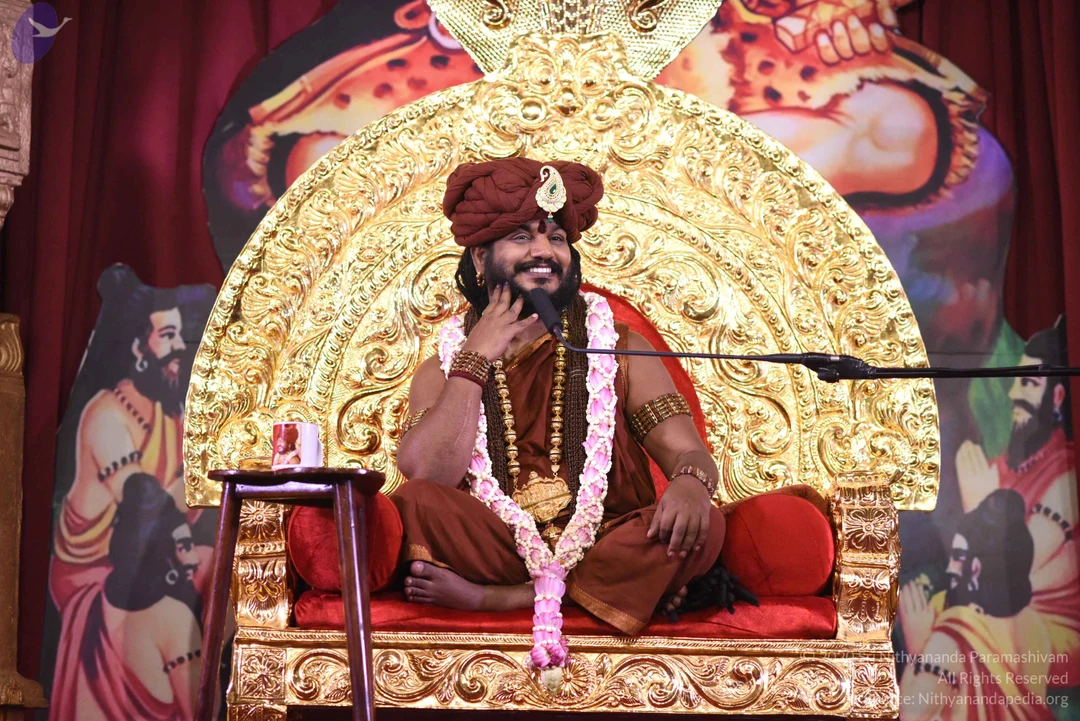 HDH Nithyananda Paramashivam listening to the delegates while asking their questions regarding Sadashivoham during morning satsang
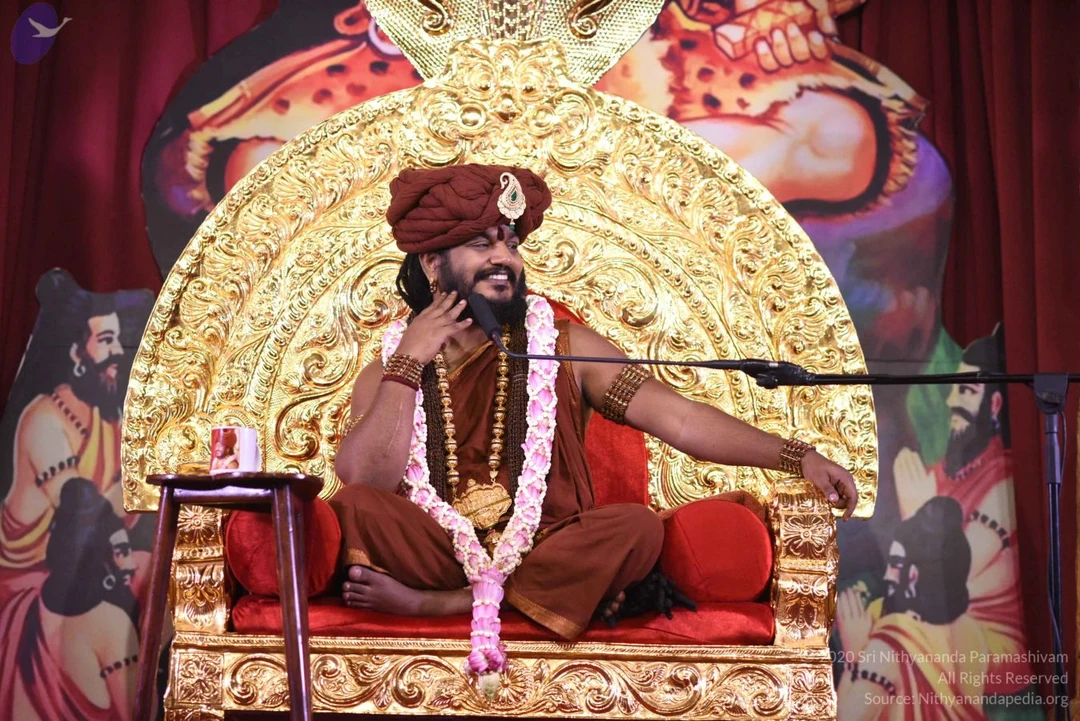 HDH Nithyananda Paramashivam listening to the delegates while asking their questions regarding Sadashivoham during morning satsang
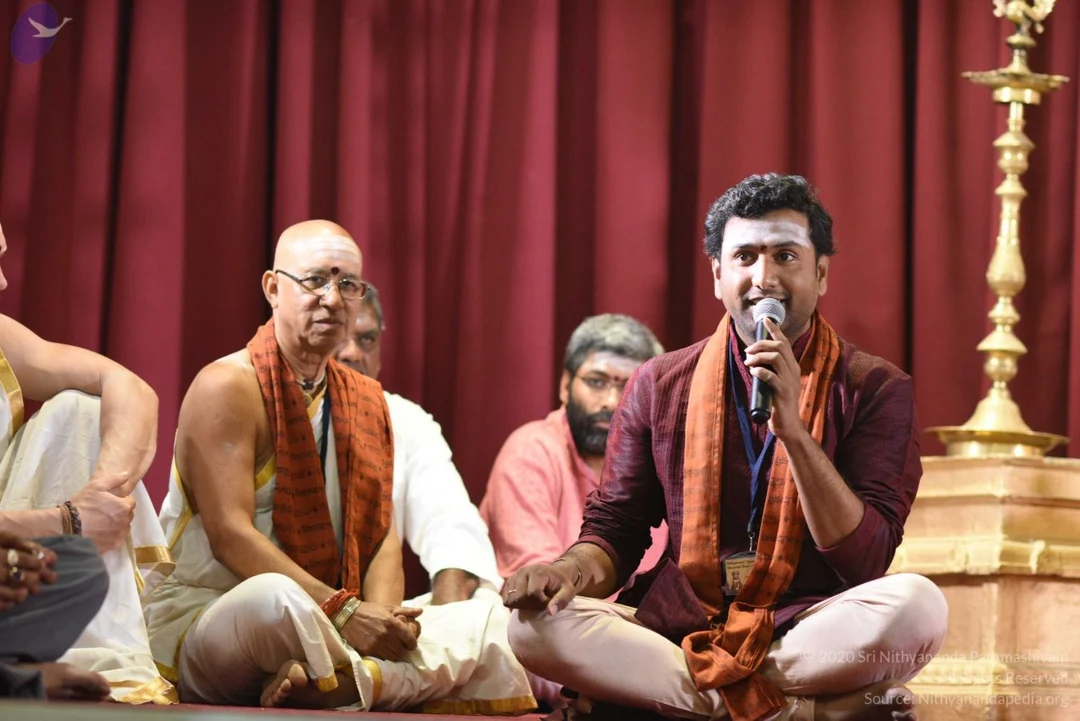 A delegate sharing his experience in the presence of HDH Nithyananda Paramashivam during morning satsang
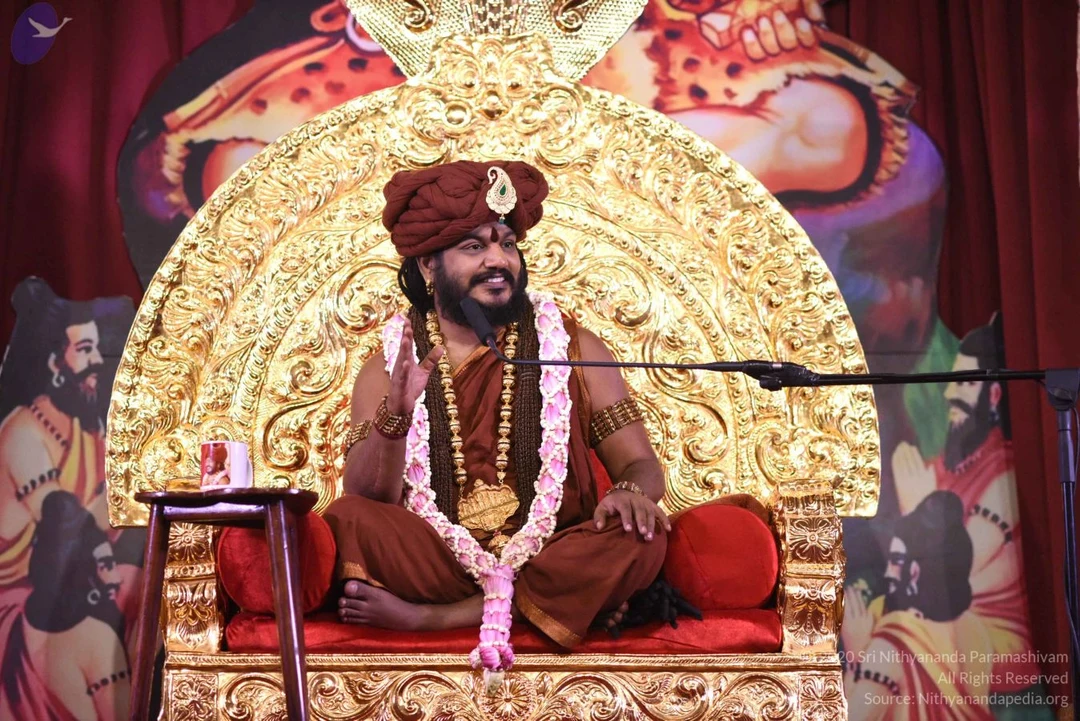 HDH Nithyananda Paramashivam listening to the delegates while asking their questions regarding Sadashivoham during morning satsang
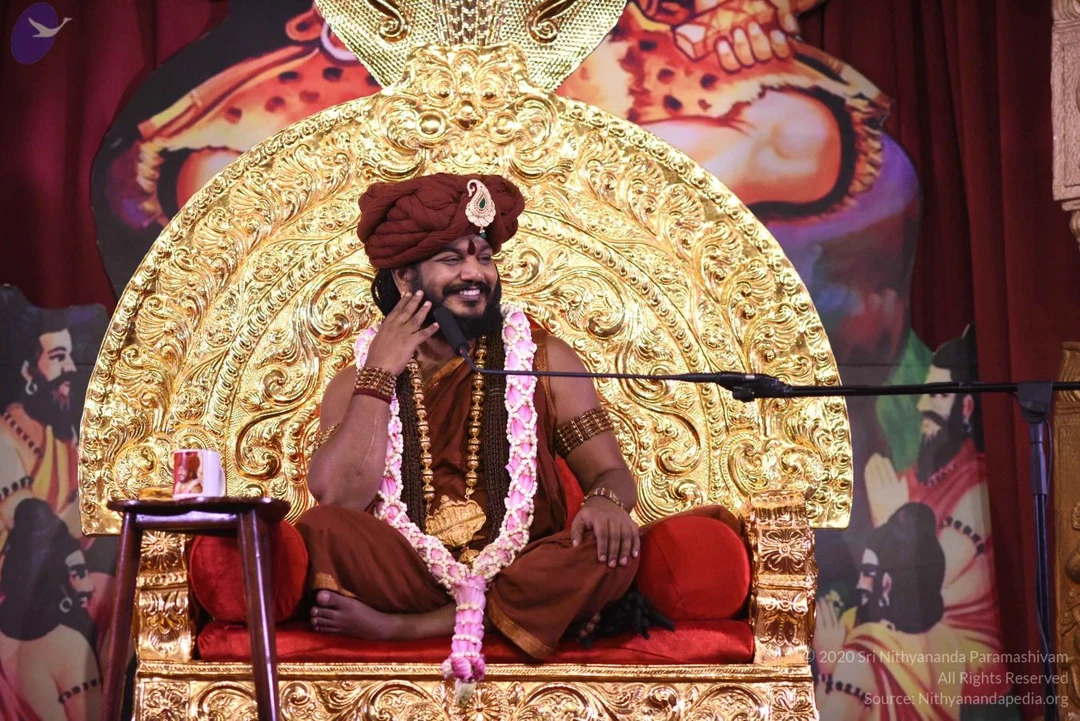 HDH Nithyananda Paramashivam listening to the delegates while asking their questions regarding Sadashivoham during morning satsang
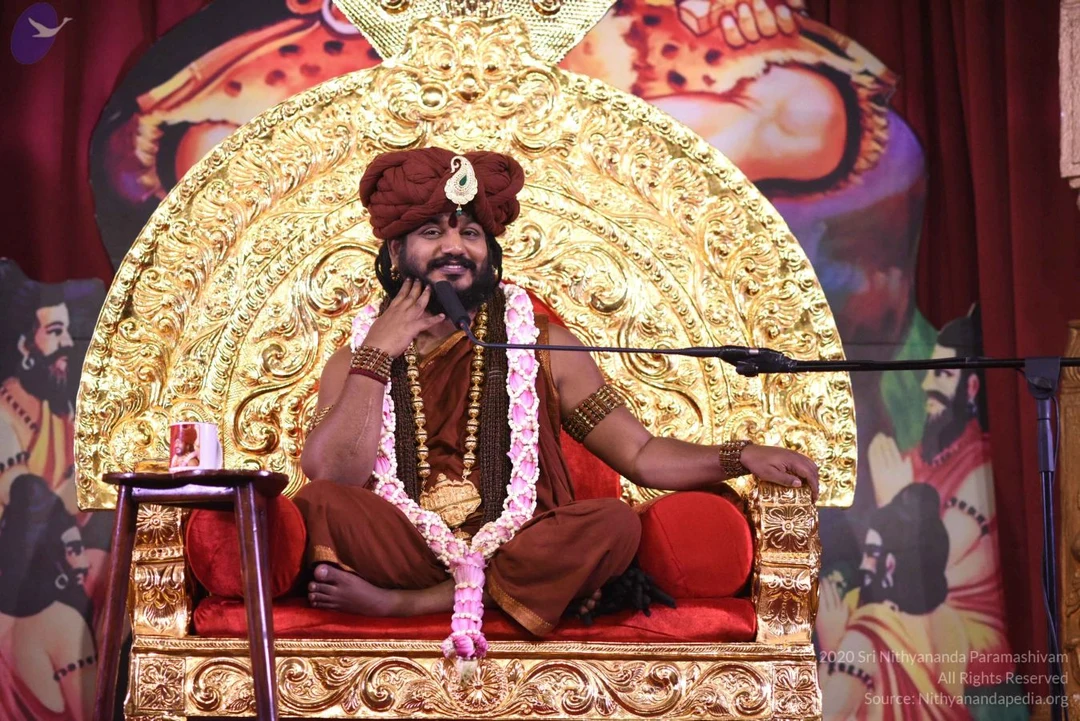 HDH Nithyananda Paramashivam listening to the delegates while asking their questions regarding Sadashivoham during morning satsang
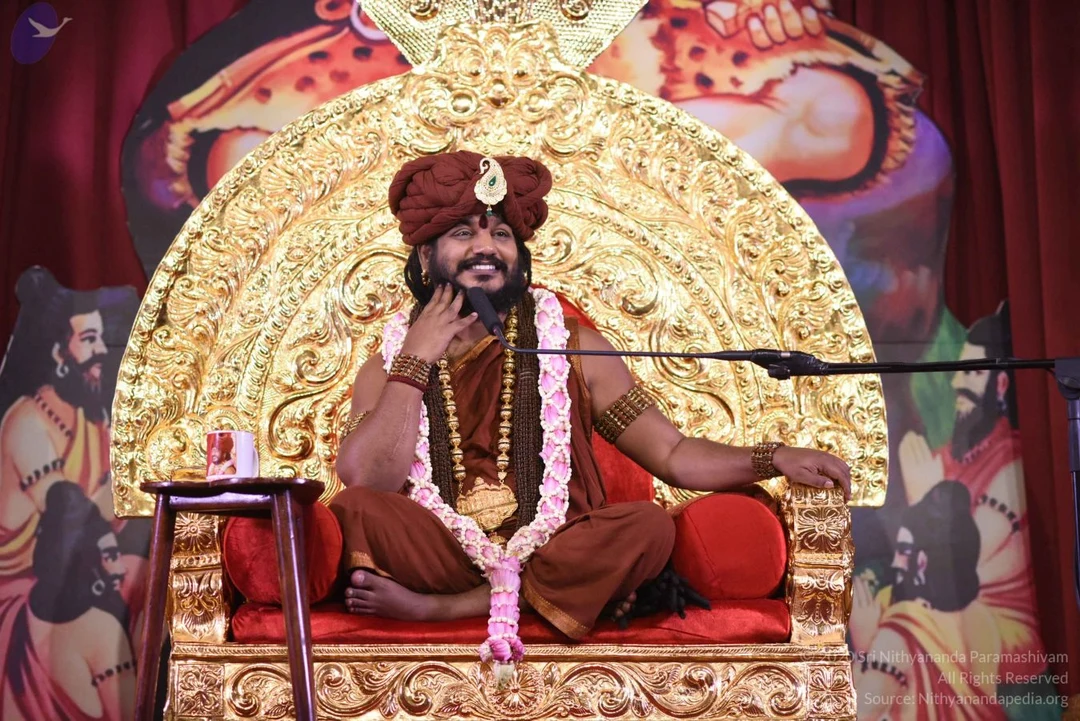 HDH Nithyananda Paramashivam listening to the delegates while asking their questions regarding Sadashivoham during morning satsang
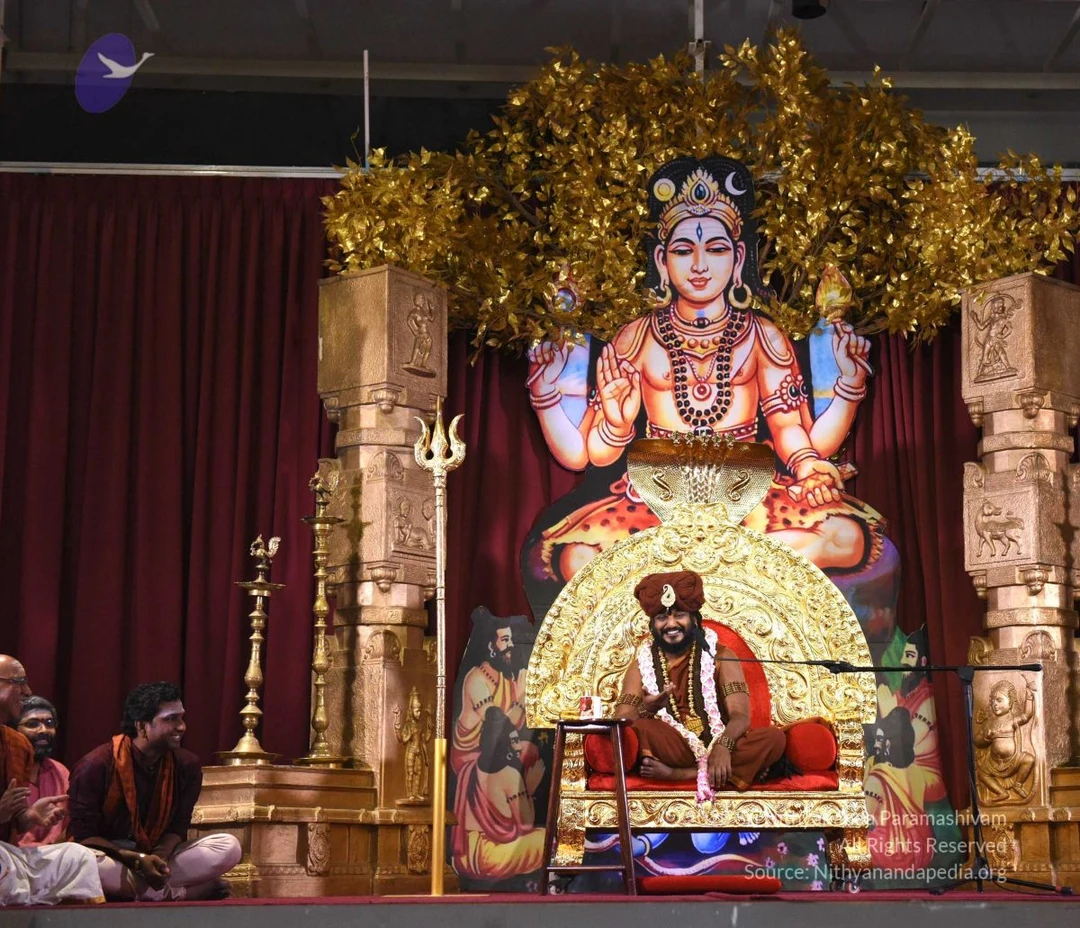 A group of delegates on the stage with HDH Nithyananda Paramashivam during the morning satsang
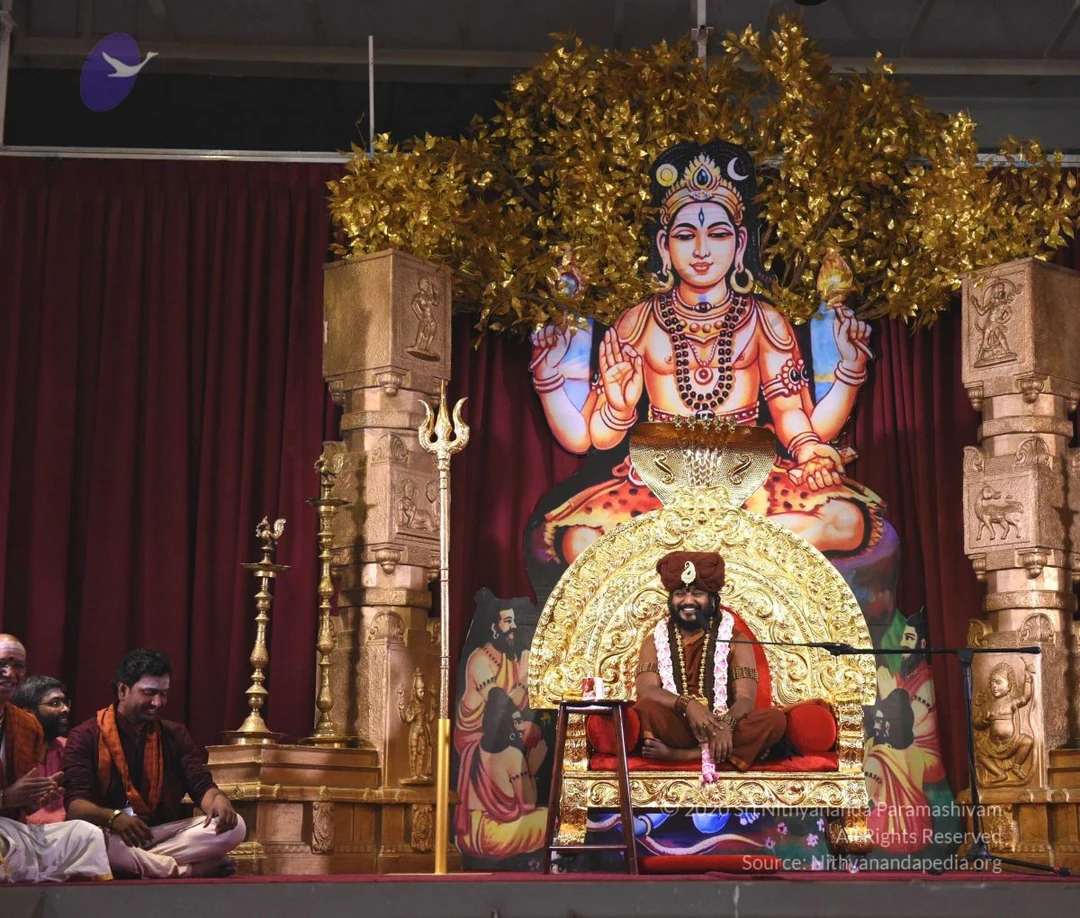 A group of delegates on the stage with HDH Nithyananda Paramashivam during the morning satsang
 HDH Nithyananda Paramashivam listening to the delegates while asking their questions regarding Sadashivoham during morning satsang
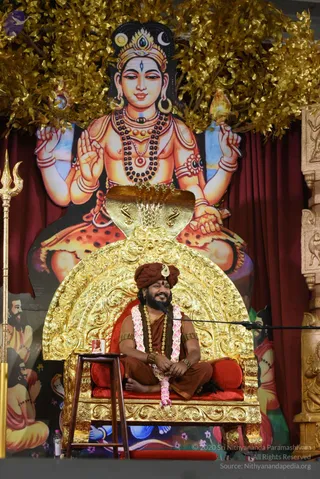 HDH Nithyananda Paramashivam listening to the delegates while asking their questions regarding Sadashivoham during morning satsang
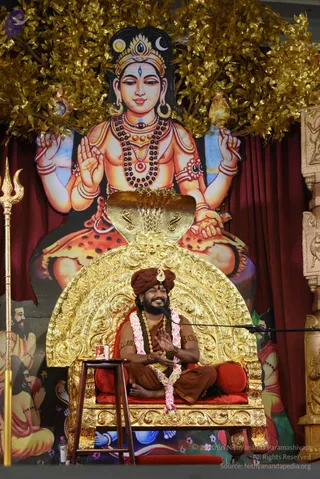 HDH Nithyananda Paramashivam during the morning satsang listening to the delegates' experiences joyfully
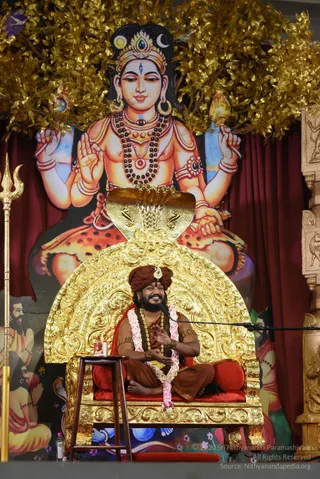 HDH Nithyananda Paramashivam during the morning satsang listening to the delegates' experiences joyfully
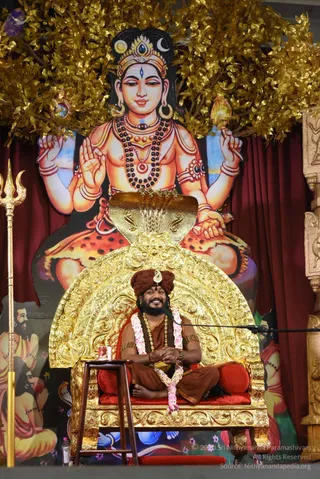 HDH Nithyananda Paramashivam during the morning satsang listening to the delegates' experiences joyfully
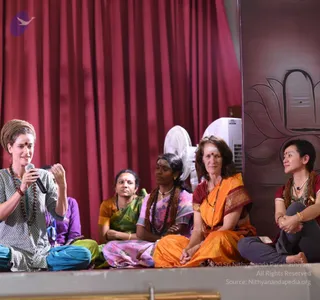 A group of delegates sharing their experience on the stage during the morning satsang in the presence of HDH Nithyananda Paramashivam
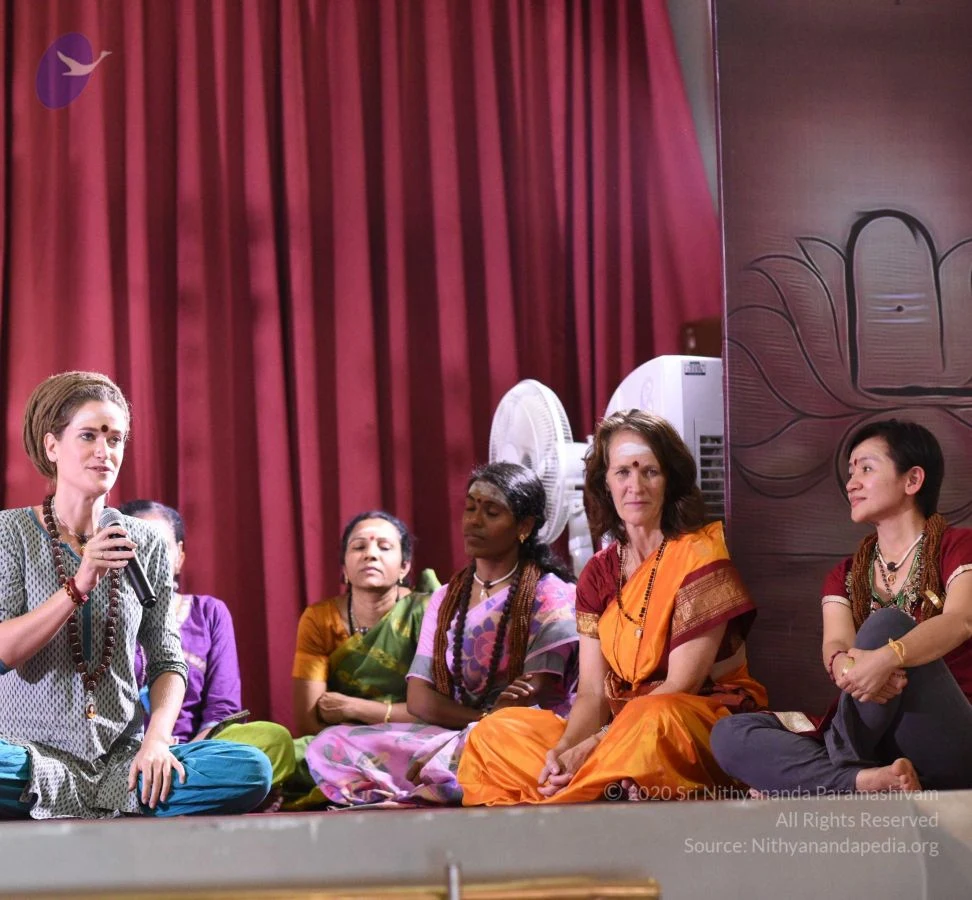 A group of delegates sharing their experience on the stage during the morning satsang in the presence of HDH Nithyananda Paramashivam
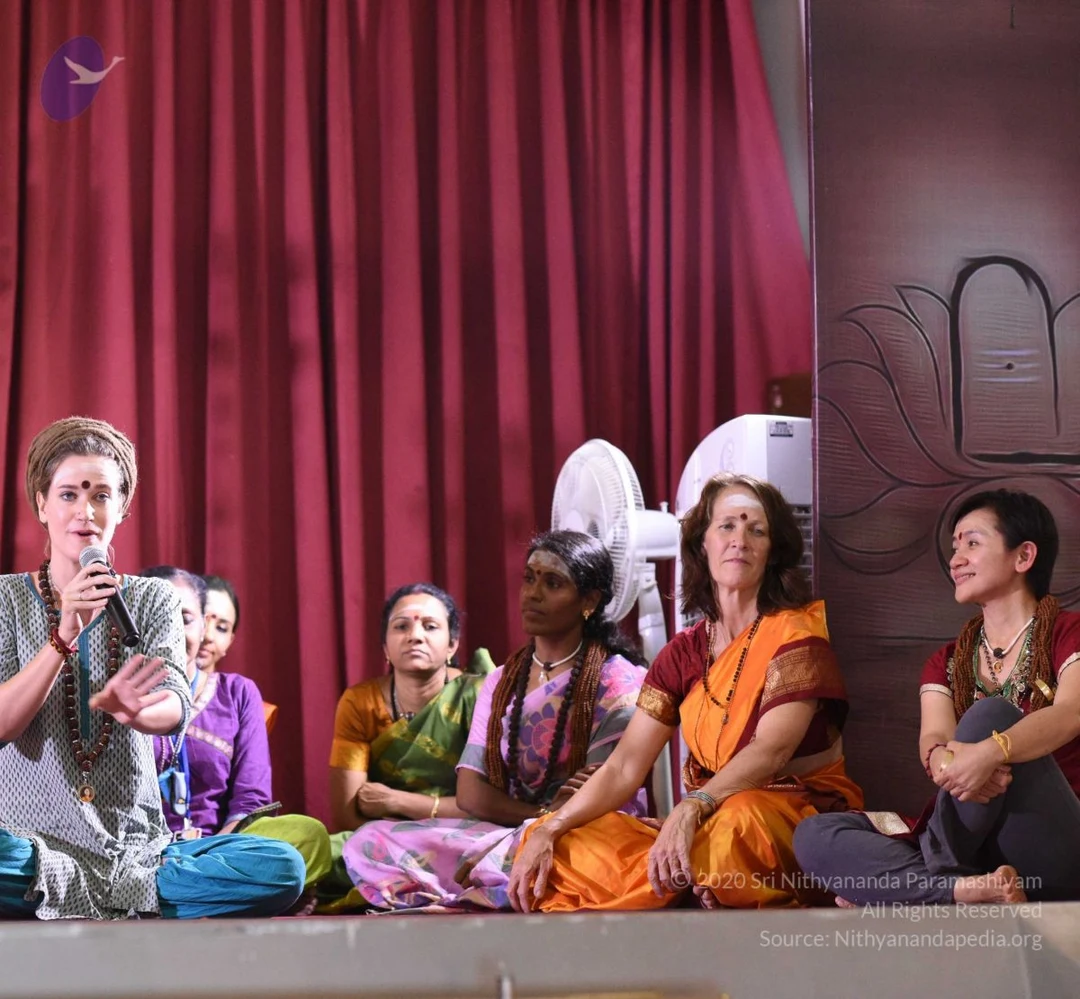 A group of delegates sharing their experience on the stage during the morning satsang in the presence of HDH Nithyananda Paramashivam
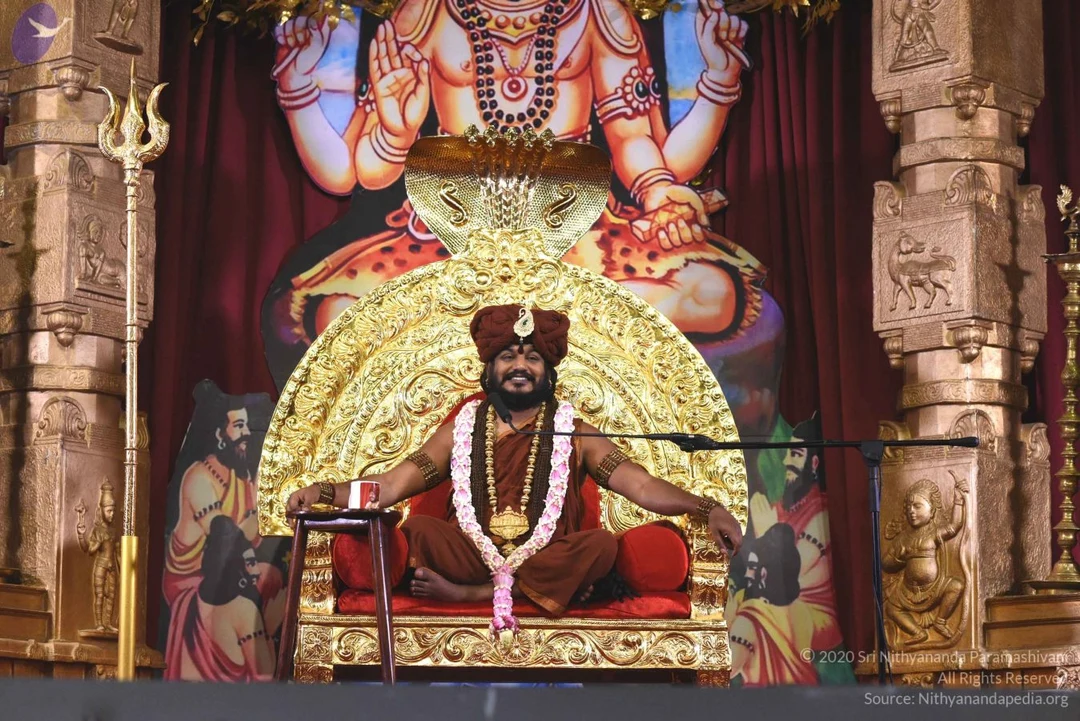 HDH Nithyananda Paramashivam during the morning satsang listening to the delegates' experiences joyfully
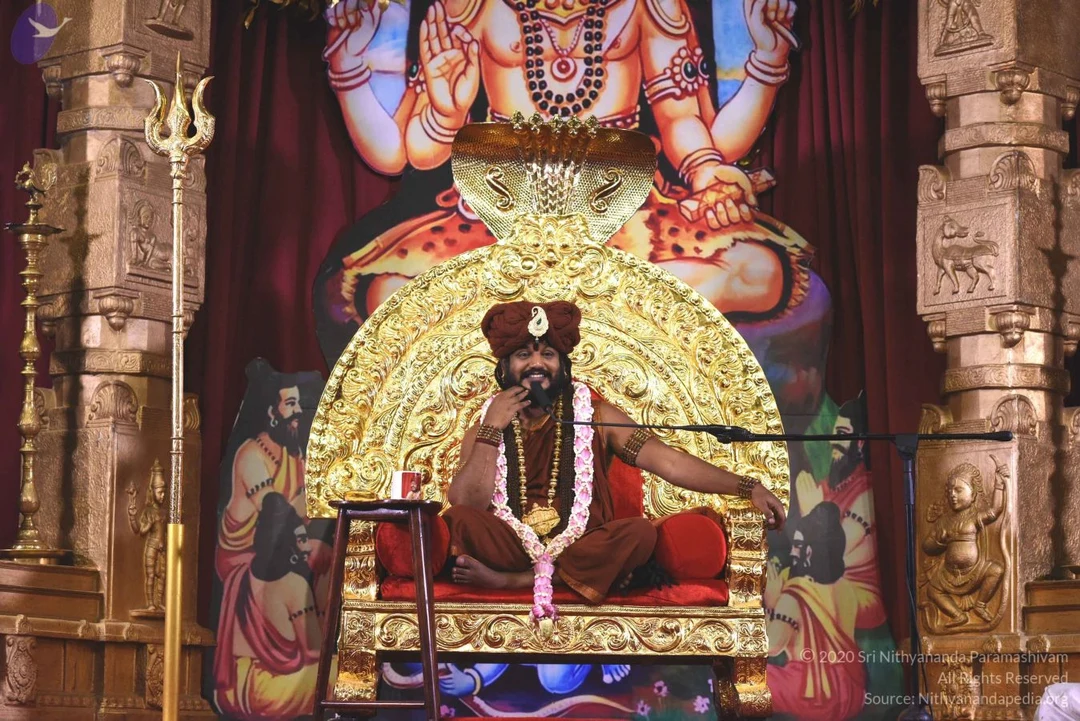 HDH Nithyananda Paramashivam during the morning satsang listening to the delegates' experiences joyfully
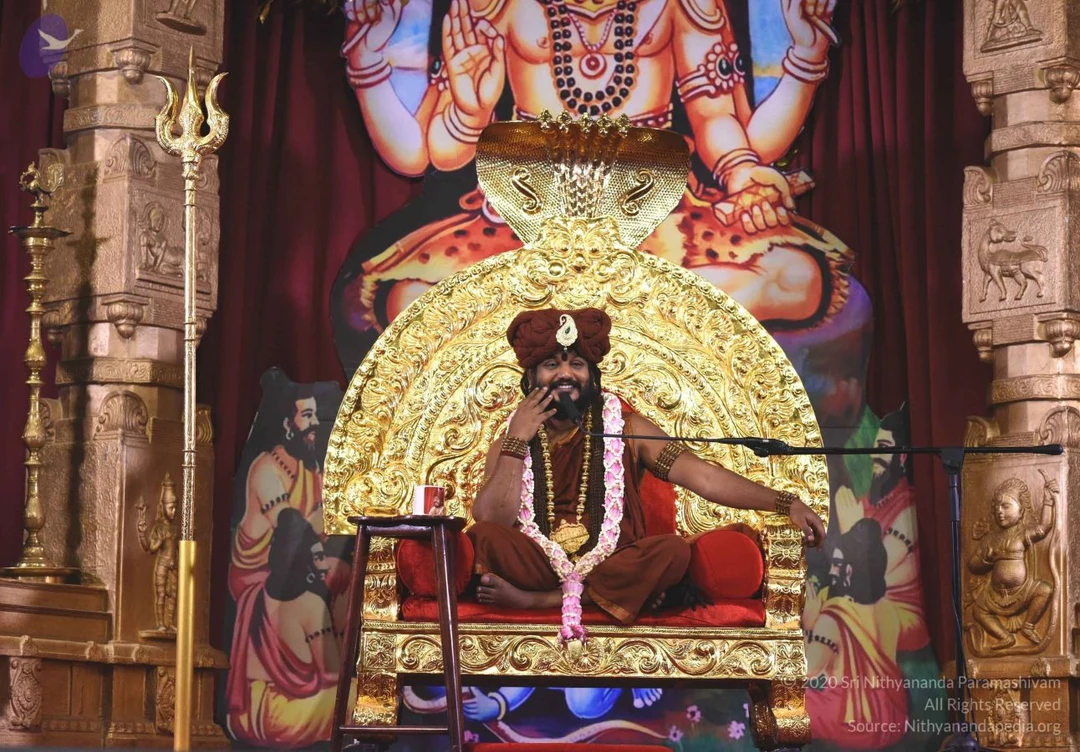 HDH Nithyananda Paramashivam during the morning satsang listening to the delegates' experiences joyfully
 A group of delegates sharing their experience on the stage during the morning satsang in the presence of HDH Nithyananda Paramashivam
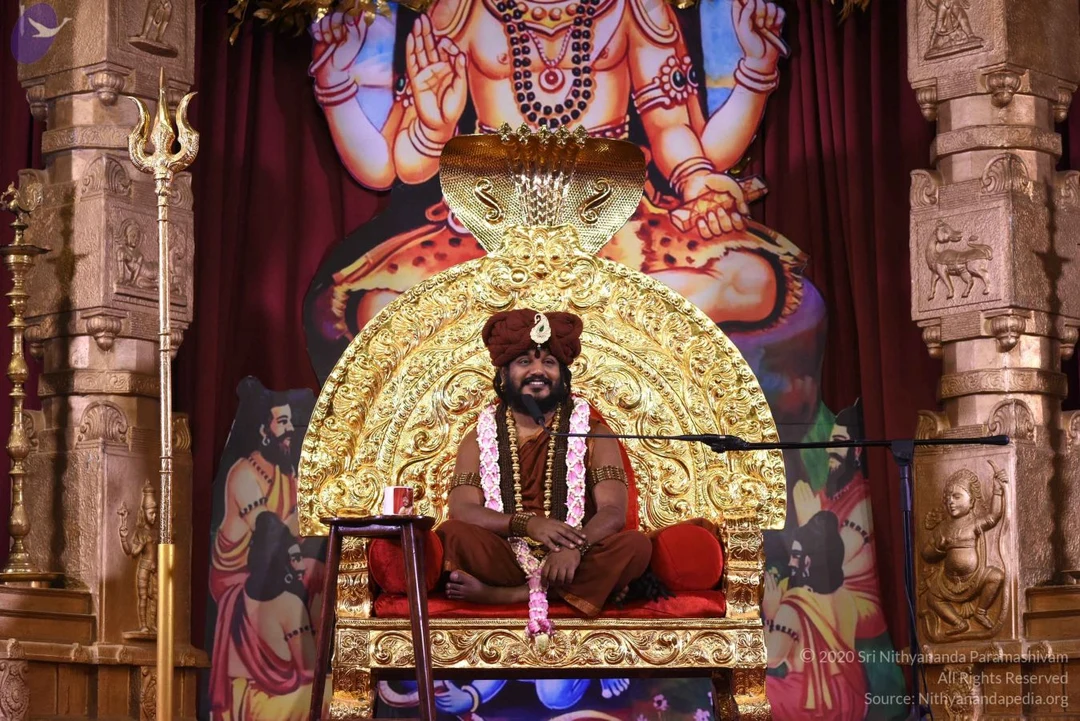 HDH Nithyananda Paramashivam during the morning satsang listening to the delegates experiences joyfully
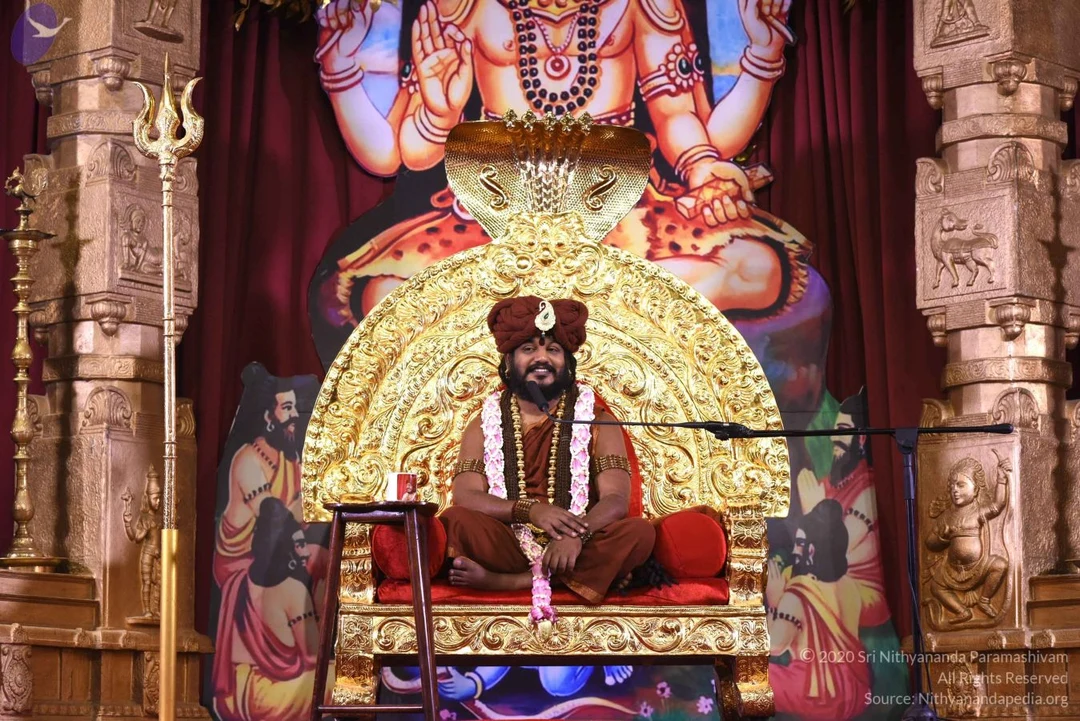 HDH Nithyananda Paramashivam during the morning satsang listening to the delegates experiences joyfully
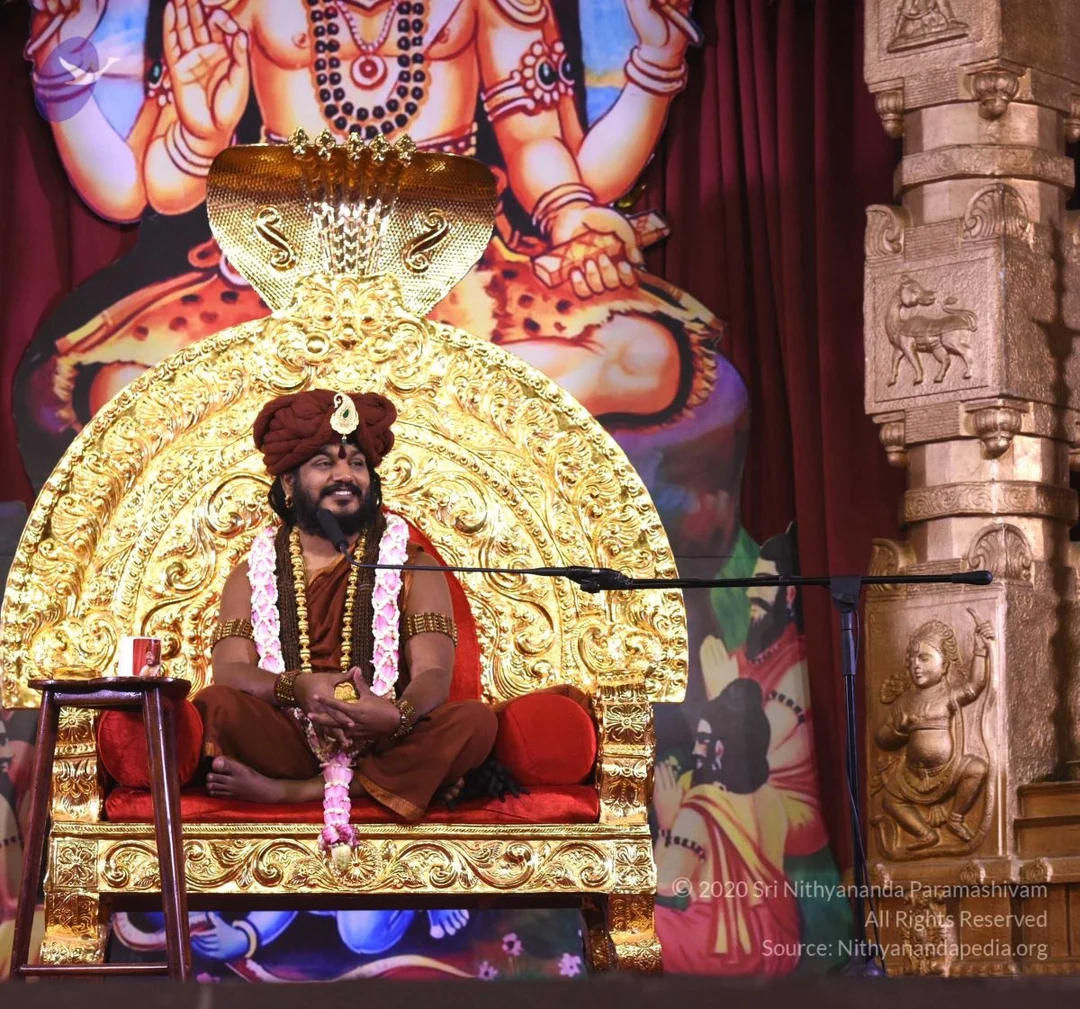 HDH Nithyananda Paramashivam during the morning satsang listening to the delegates experiences joyfully
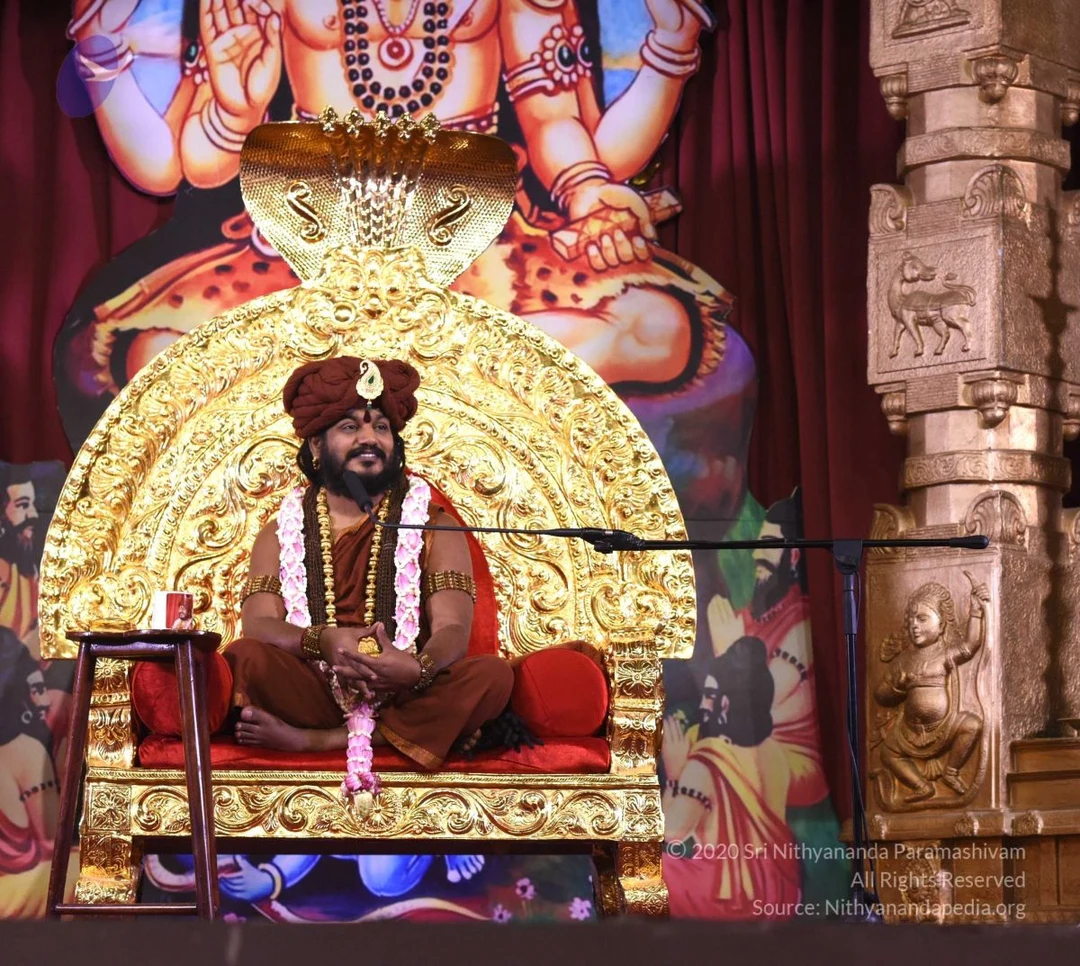 HDH Nithyananda Paramashivam during the morning satsang listening to the delegates experiences joyfully
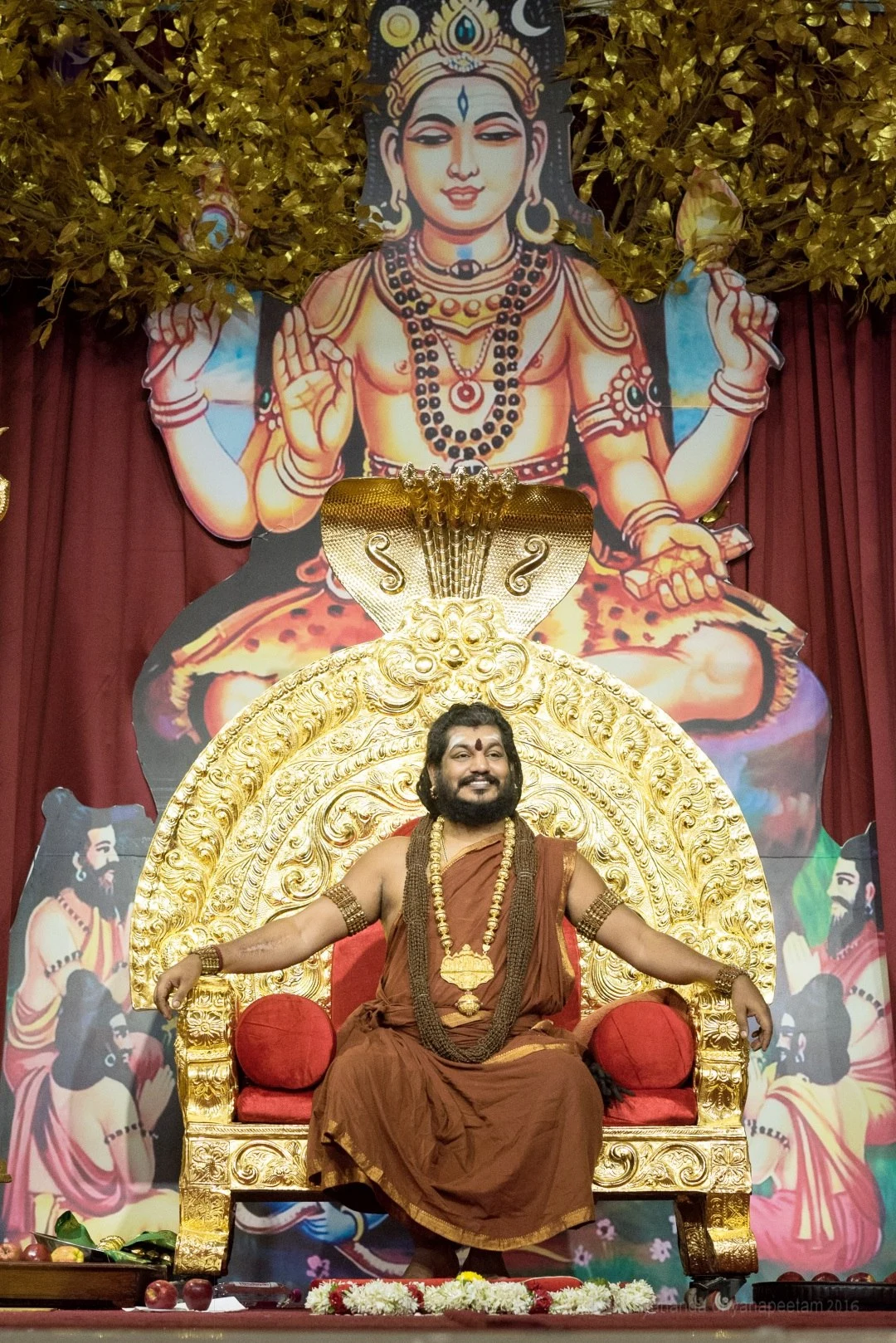
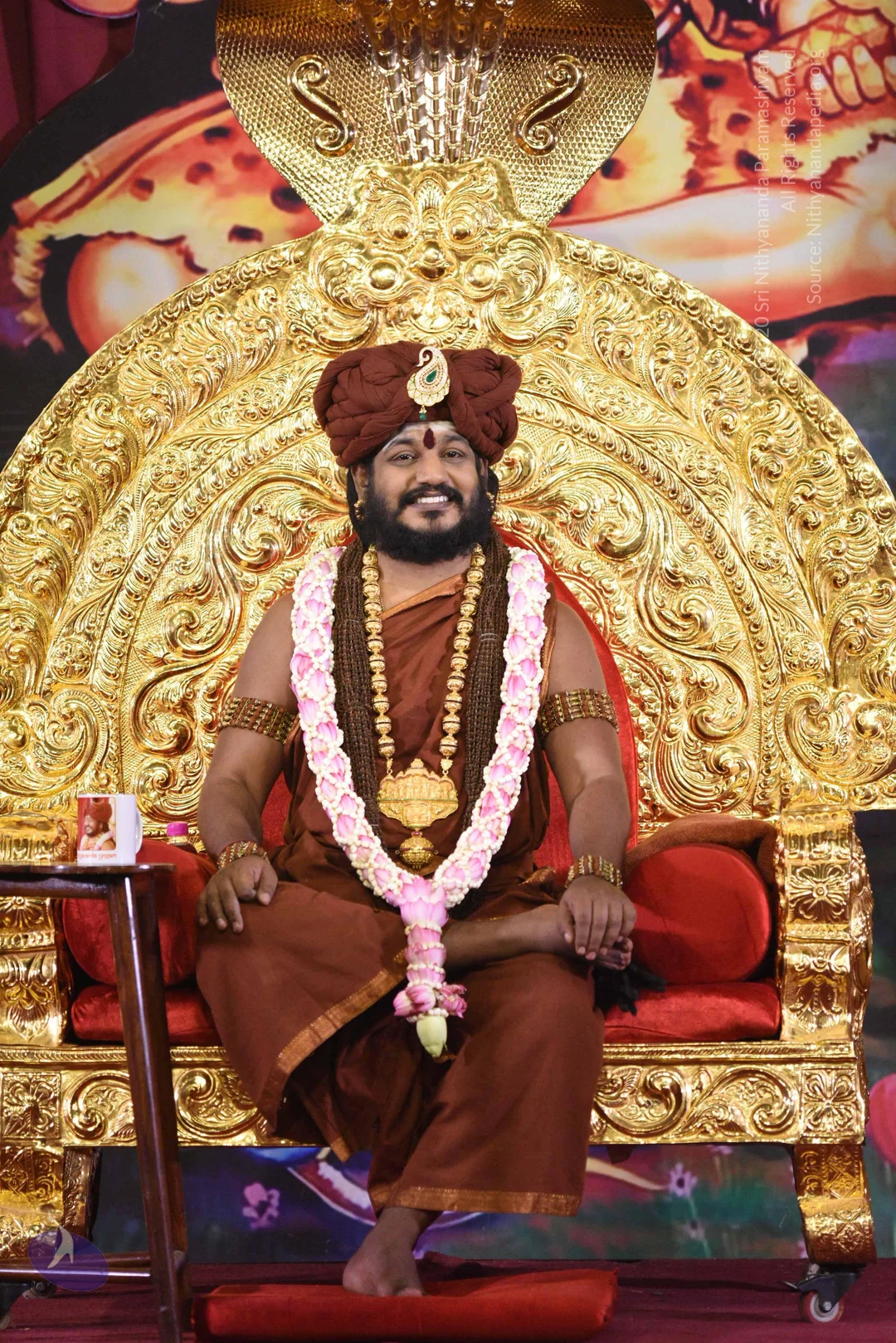
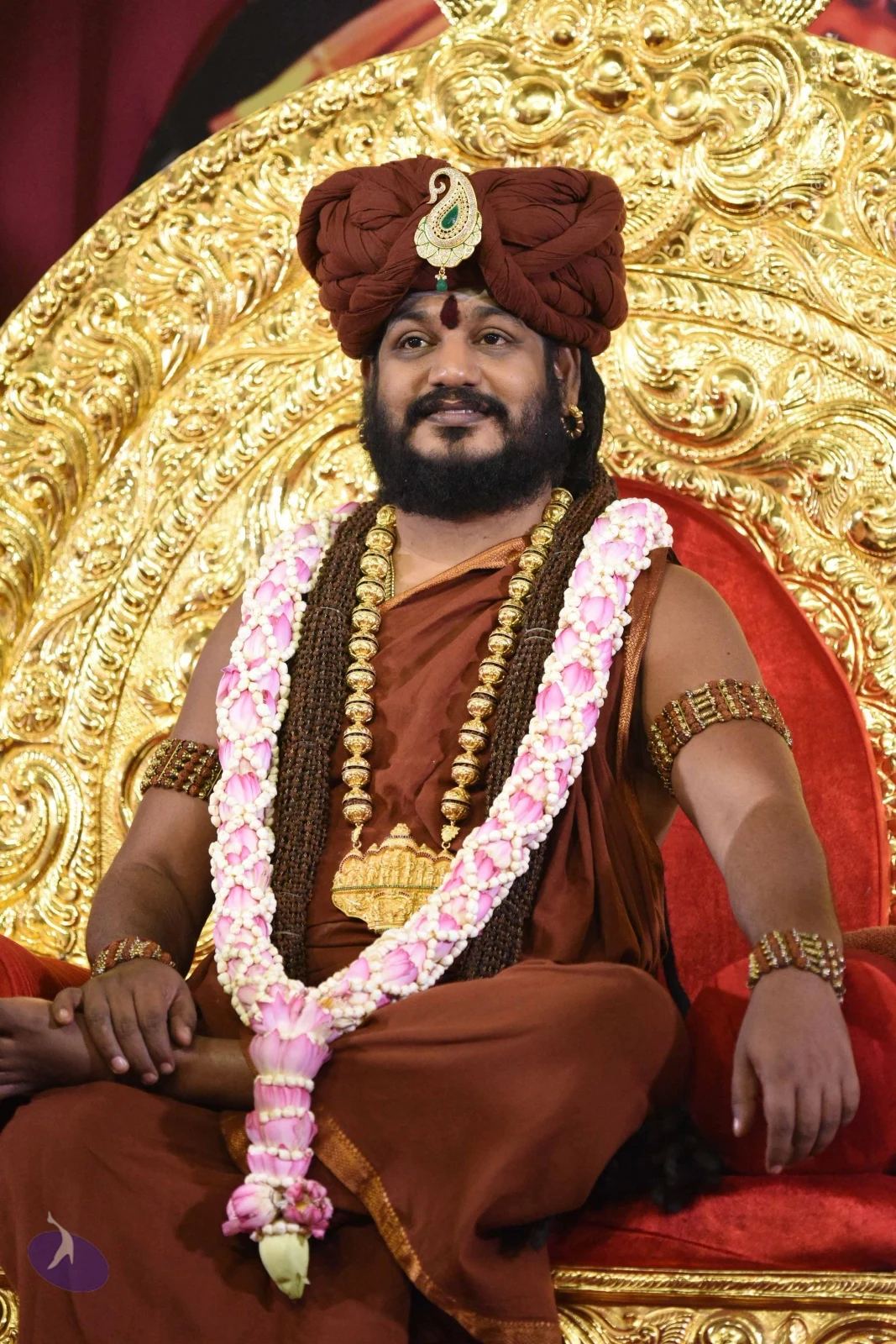
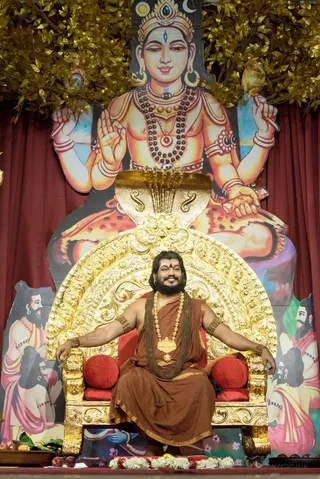
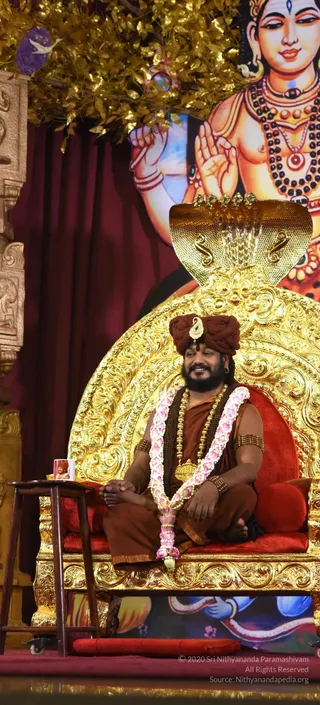 HDH Nithyananda Paramashivam gracing the delegates during the morning satsang
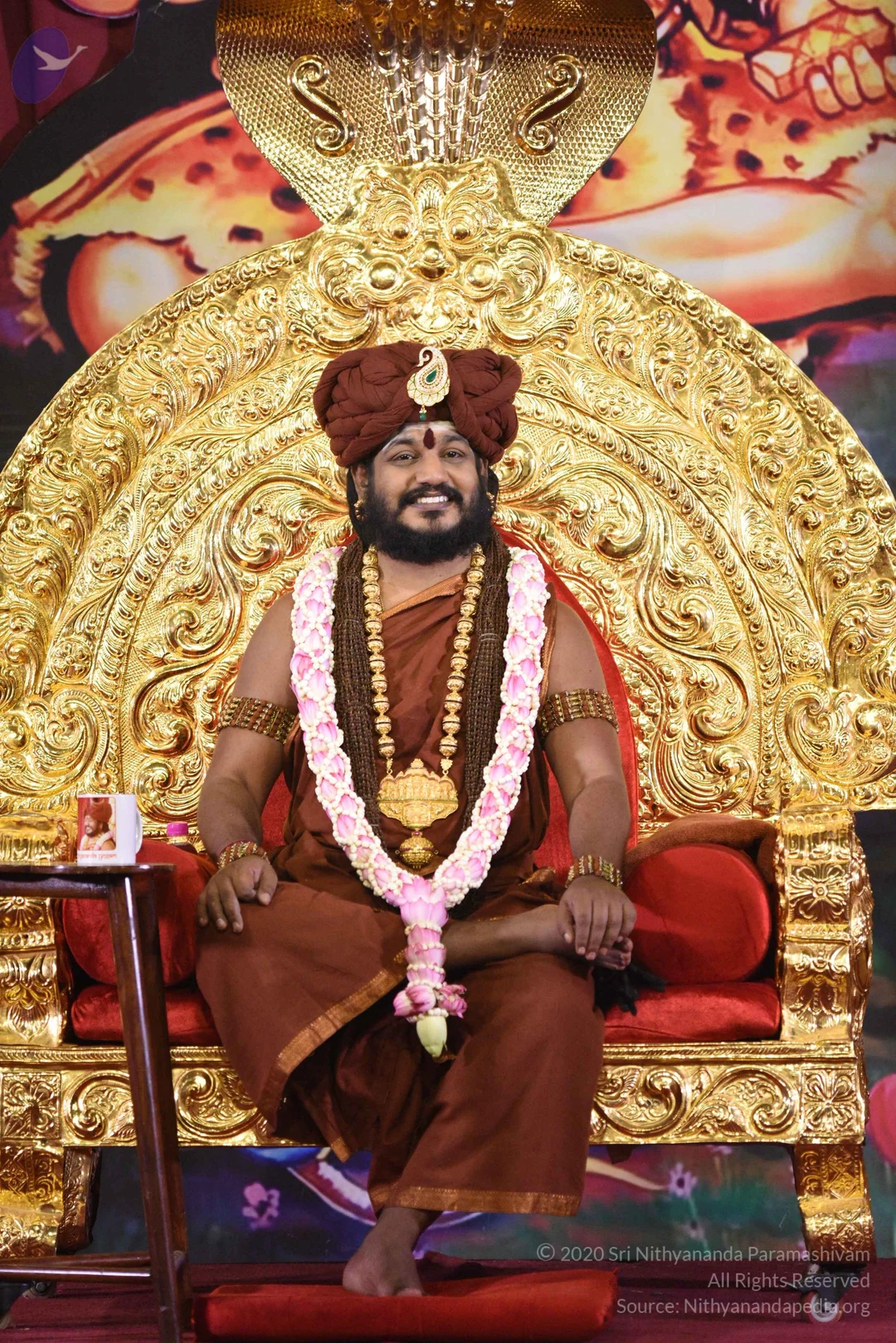
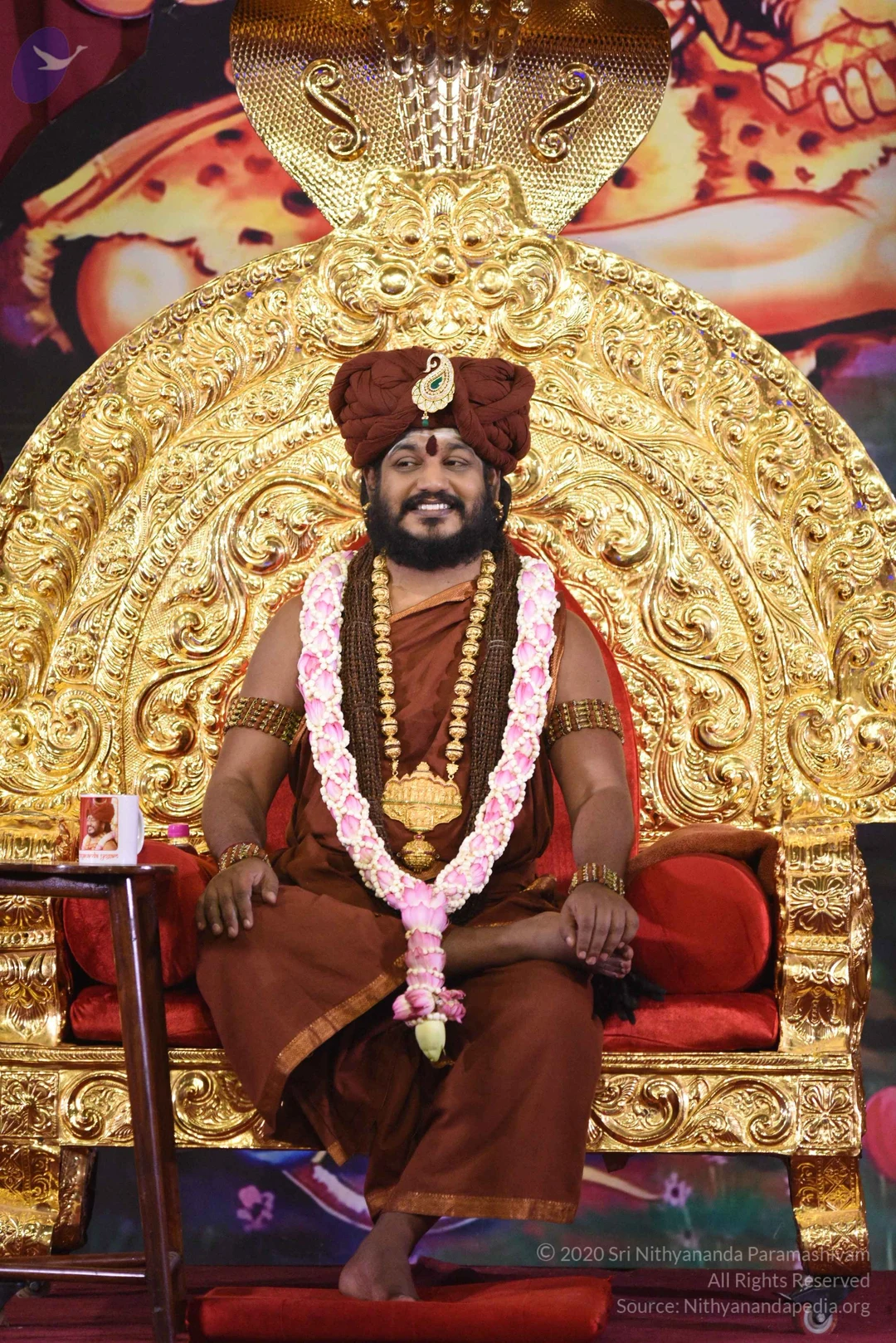
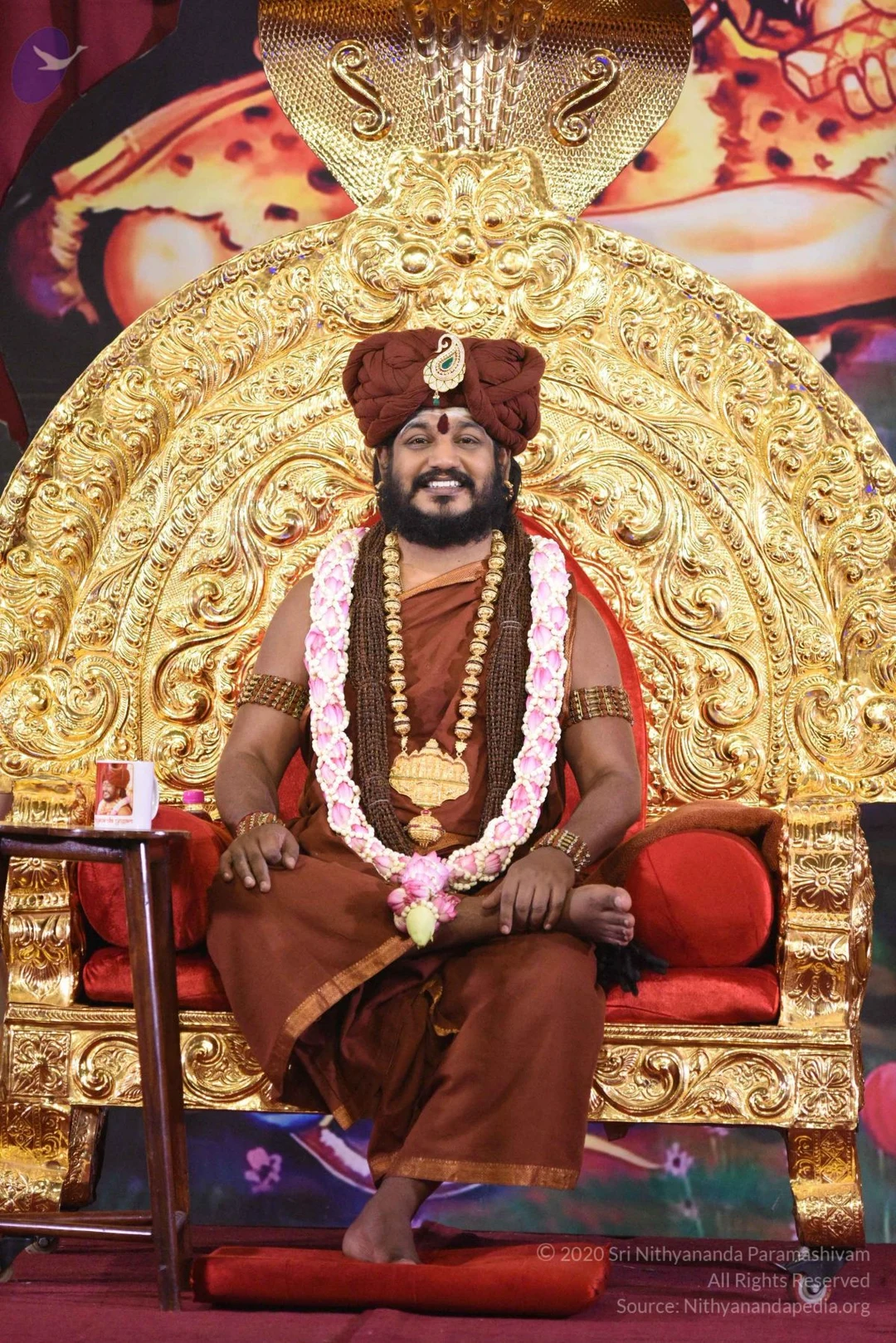

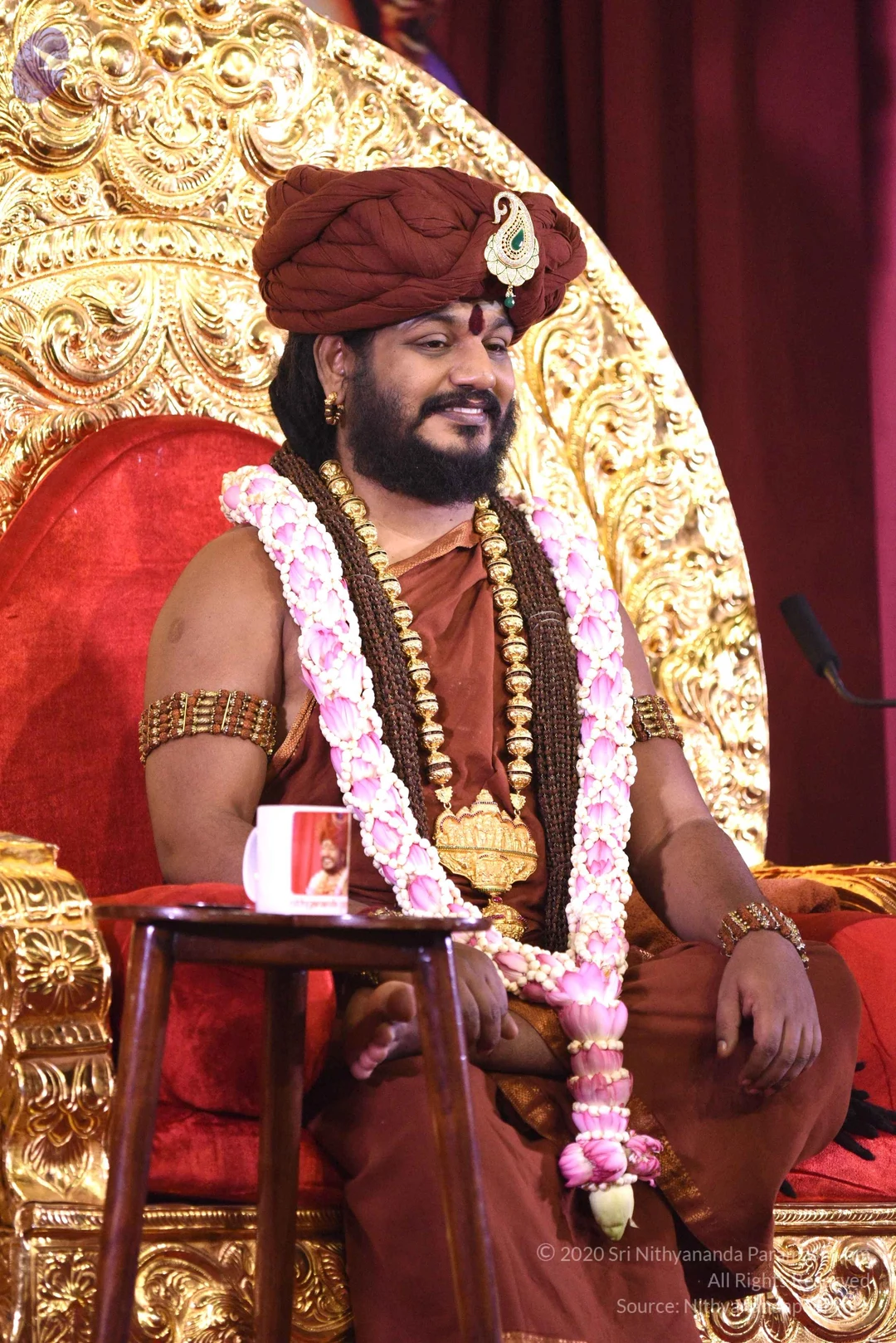
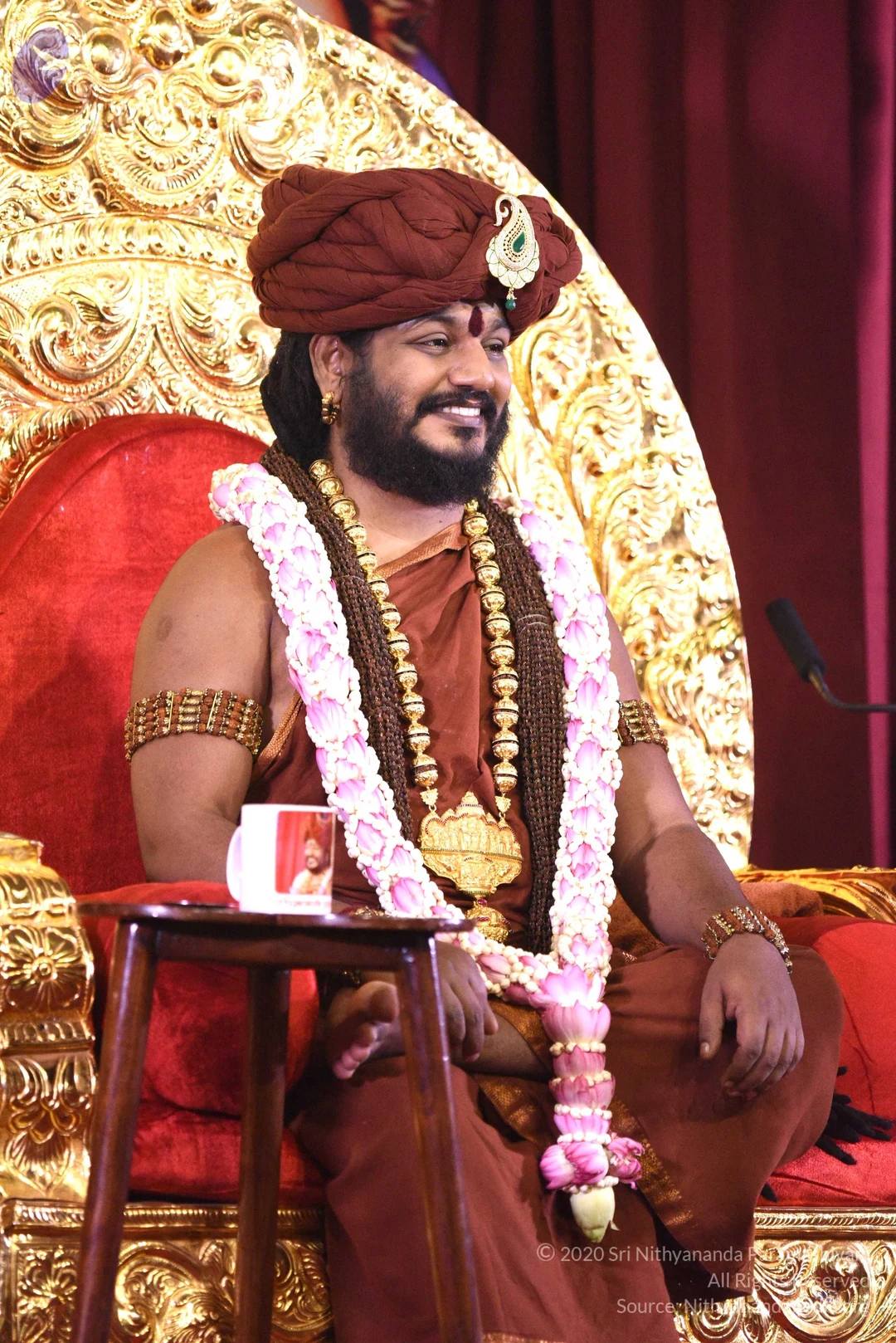
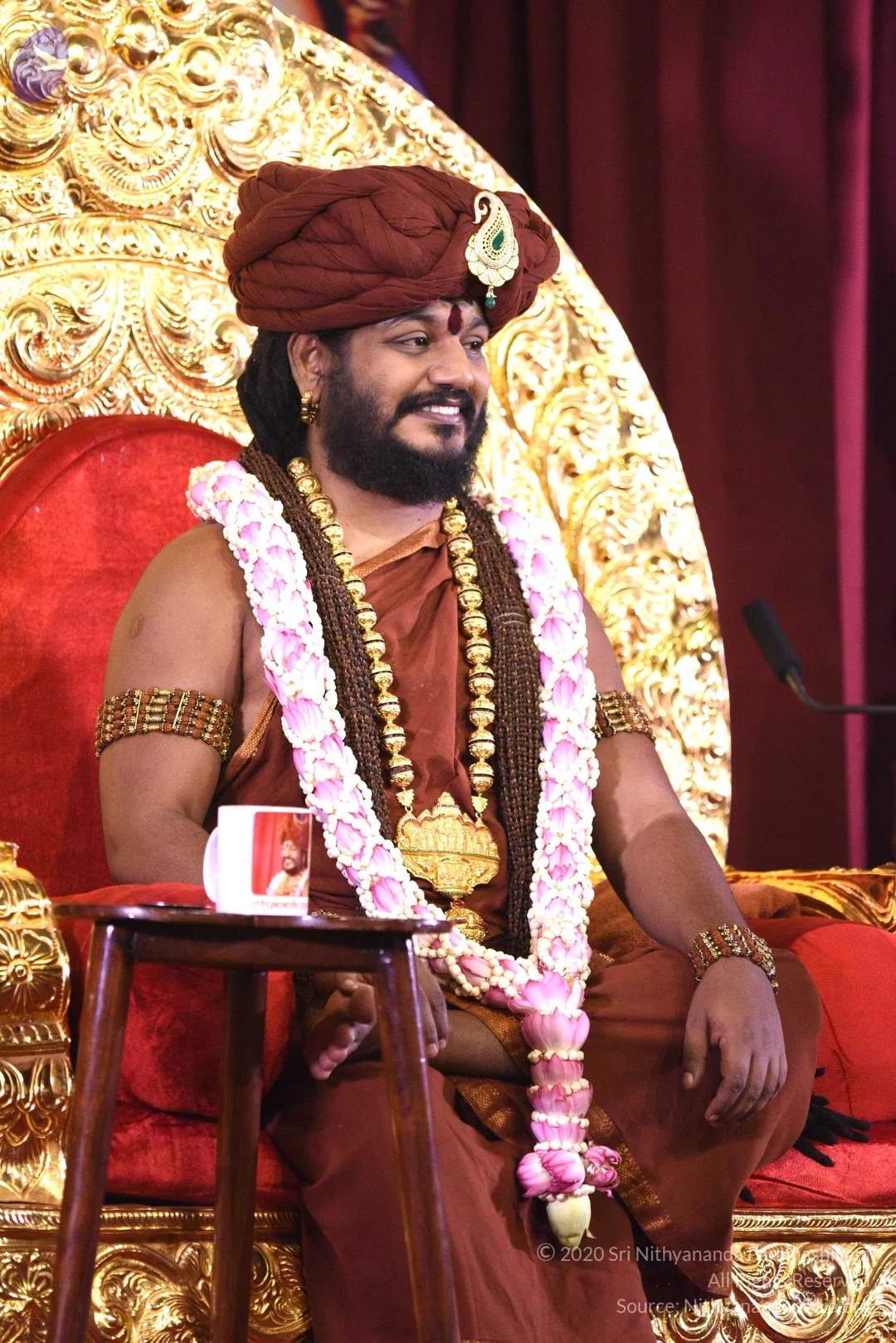
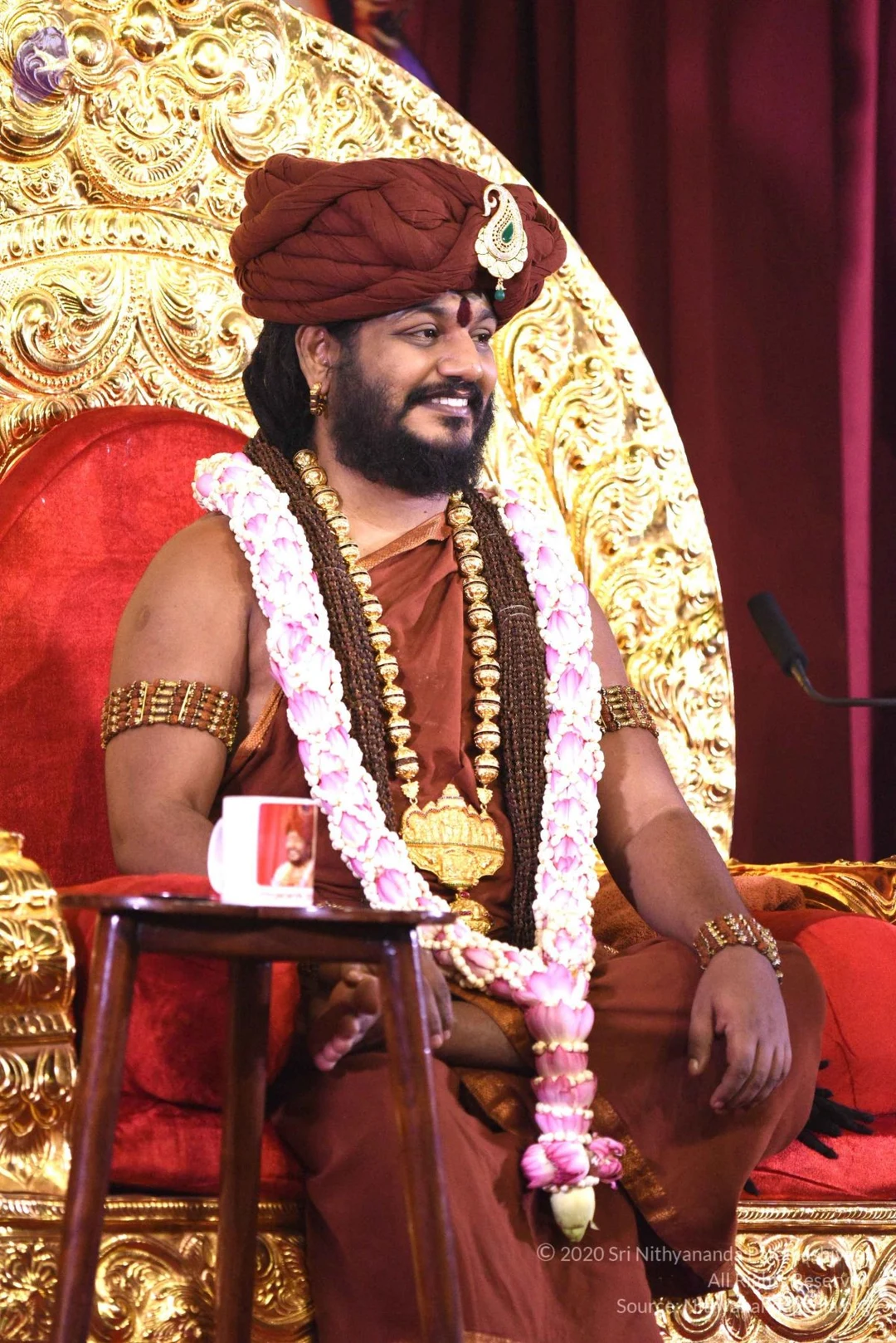
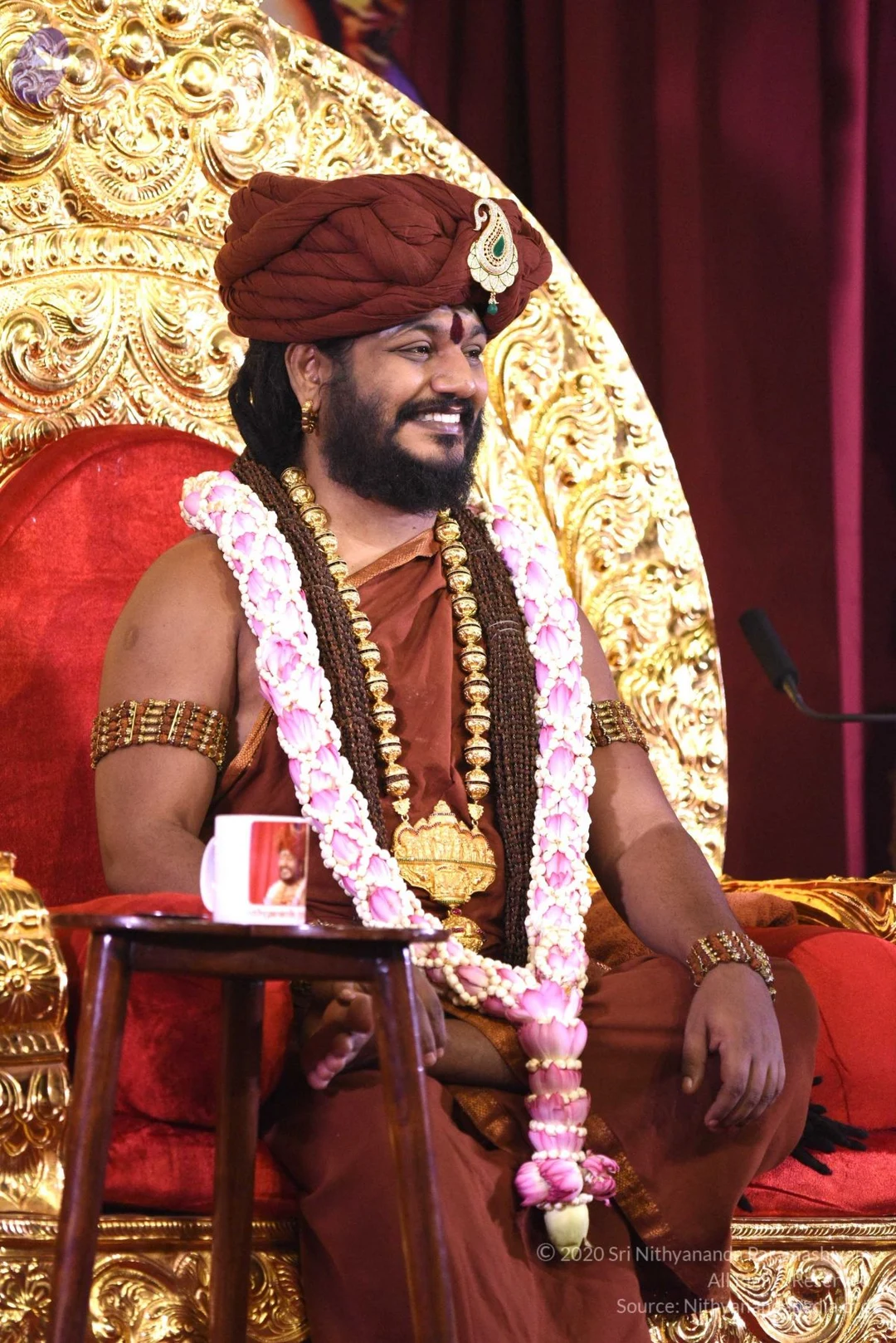
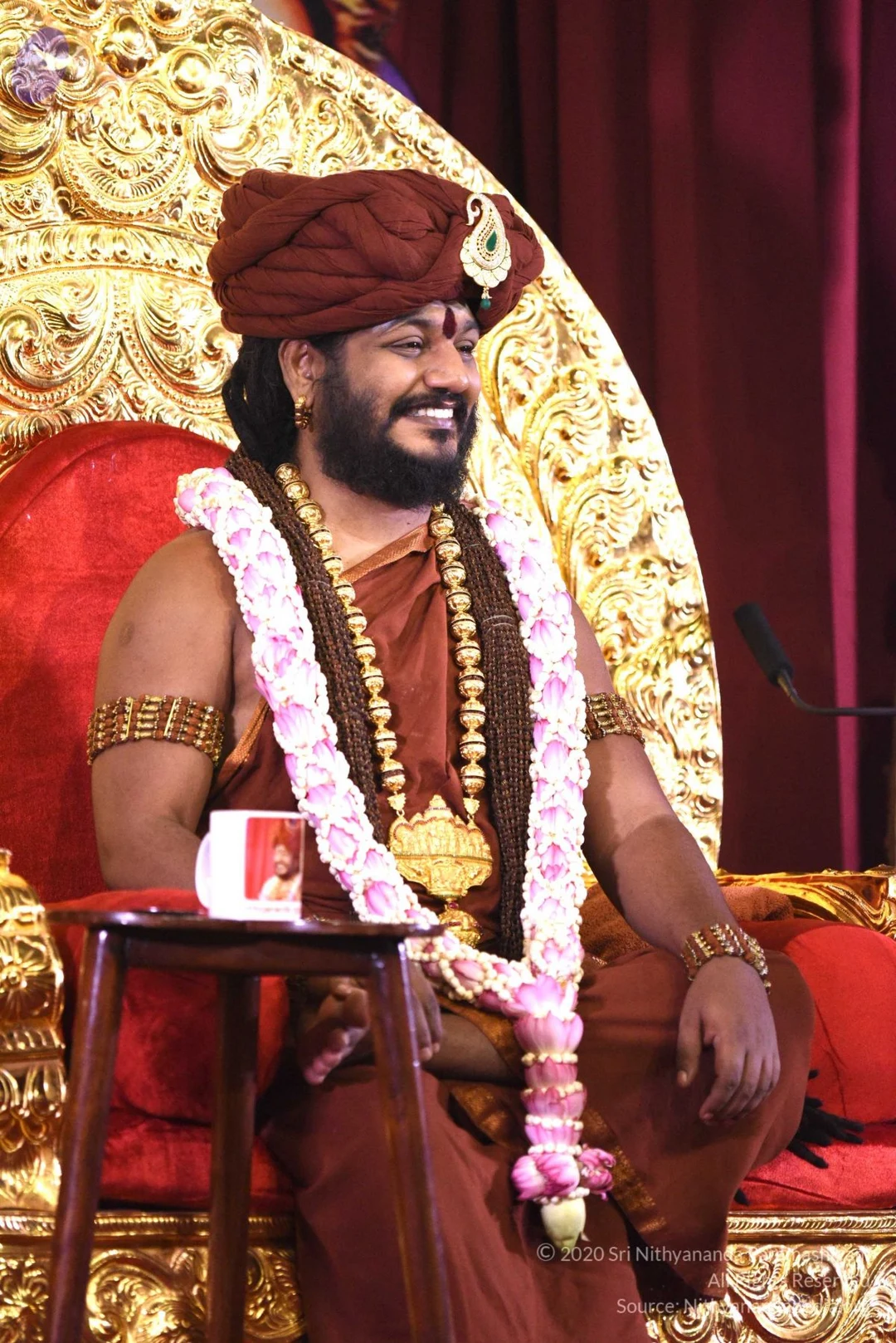
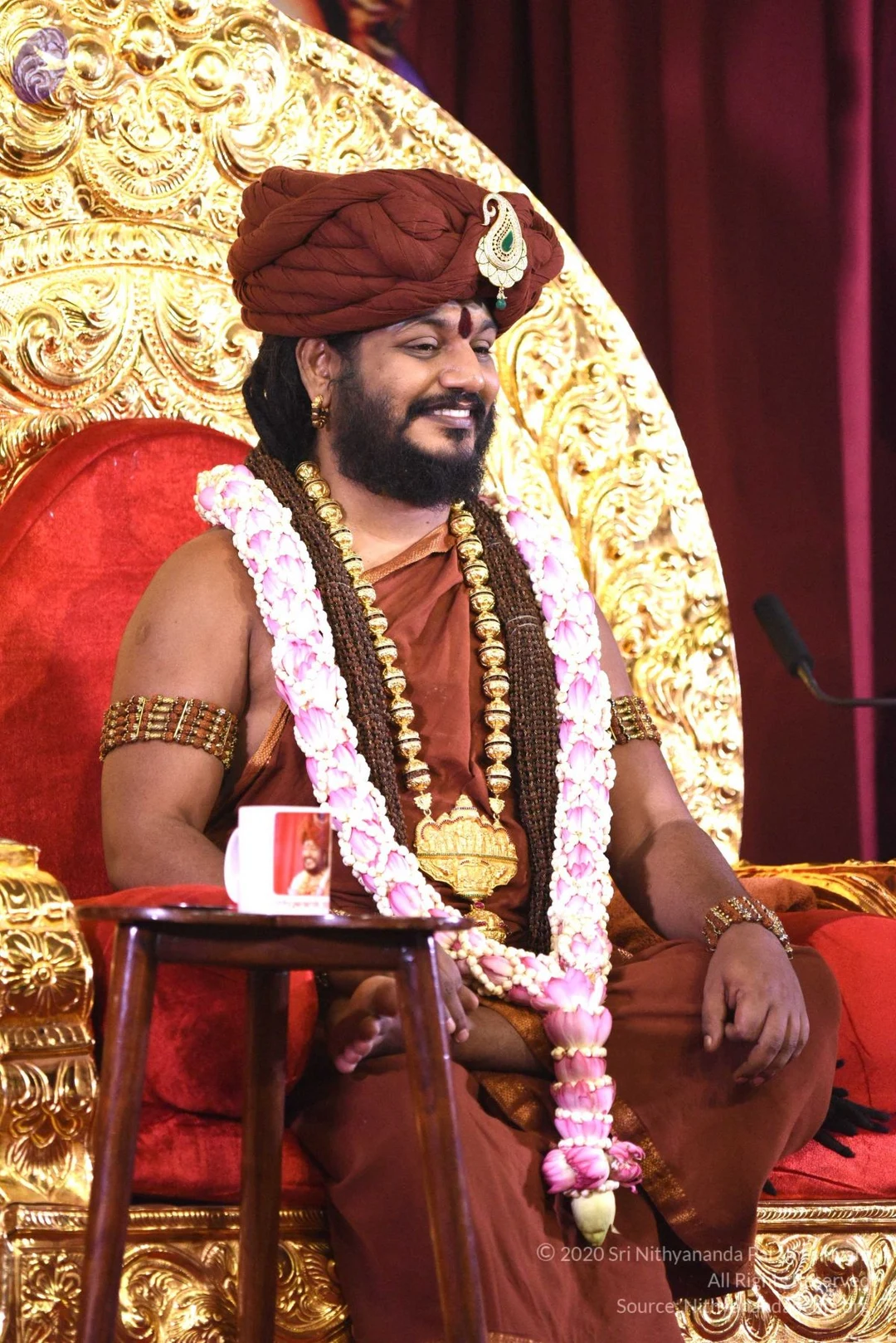
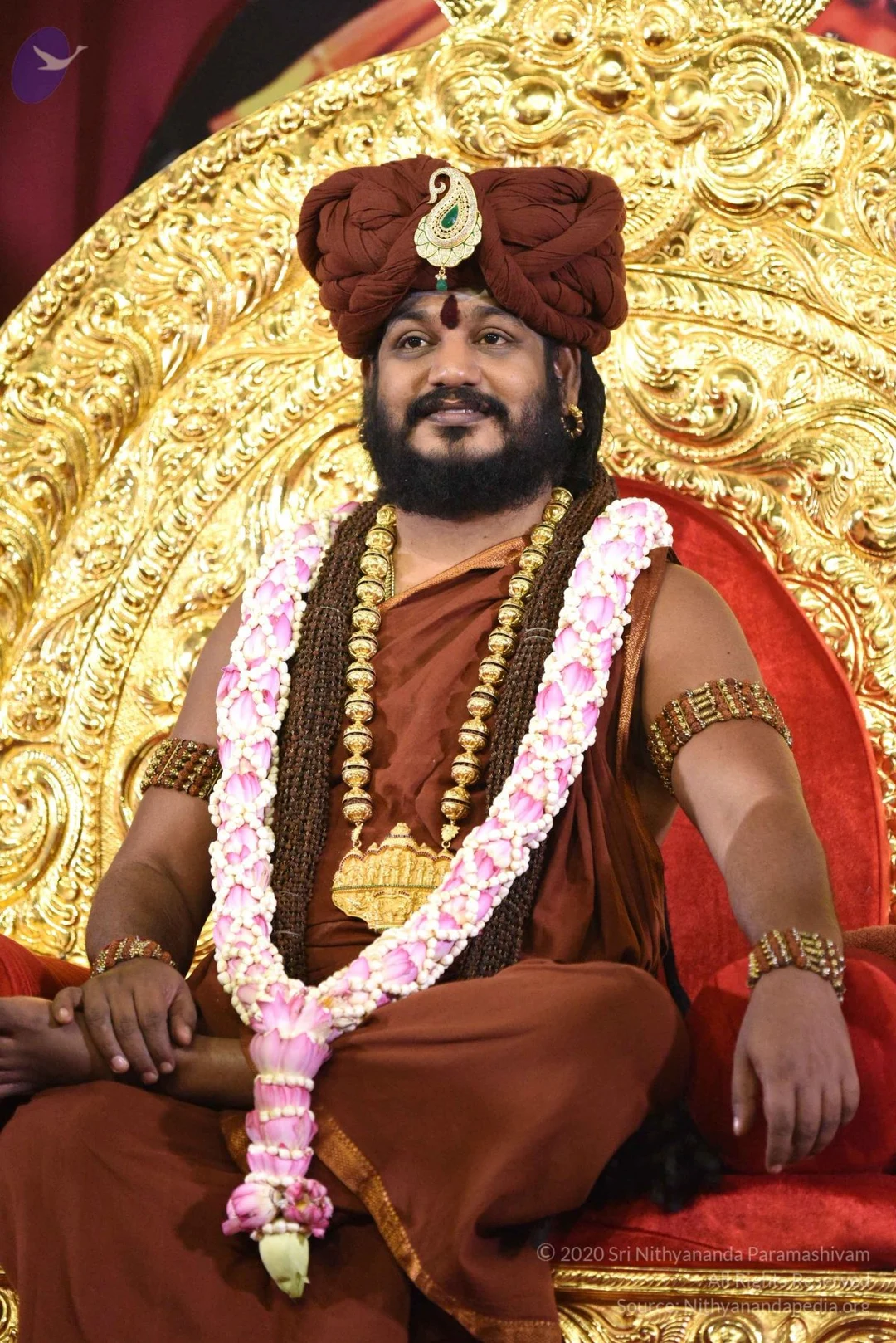
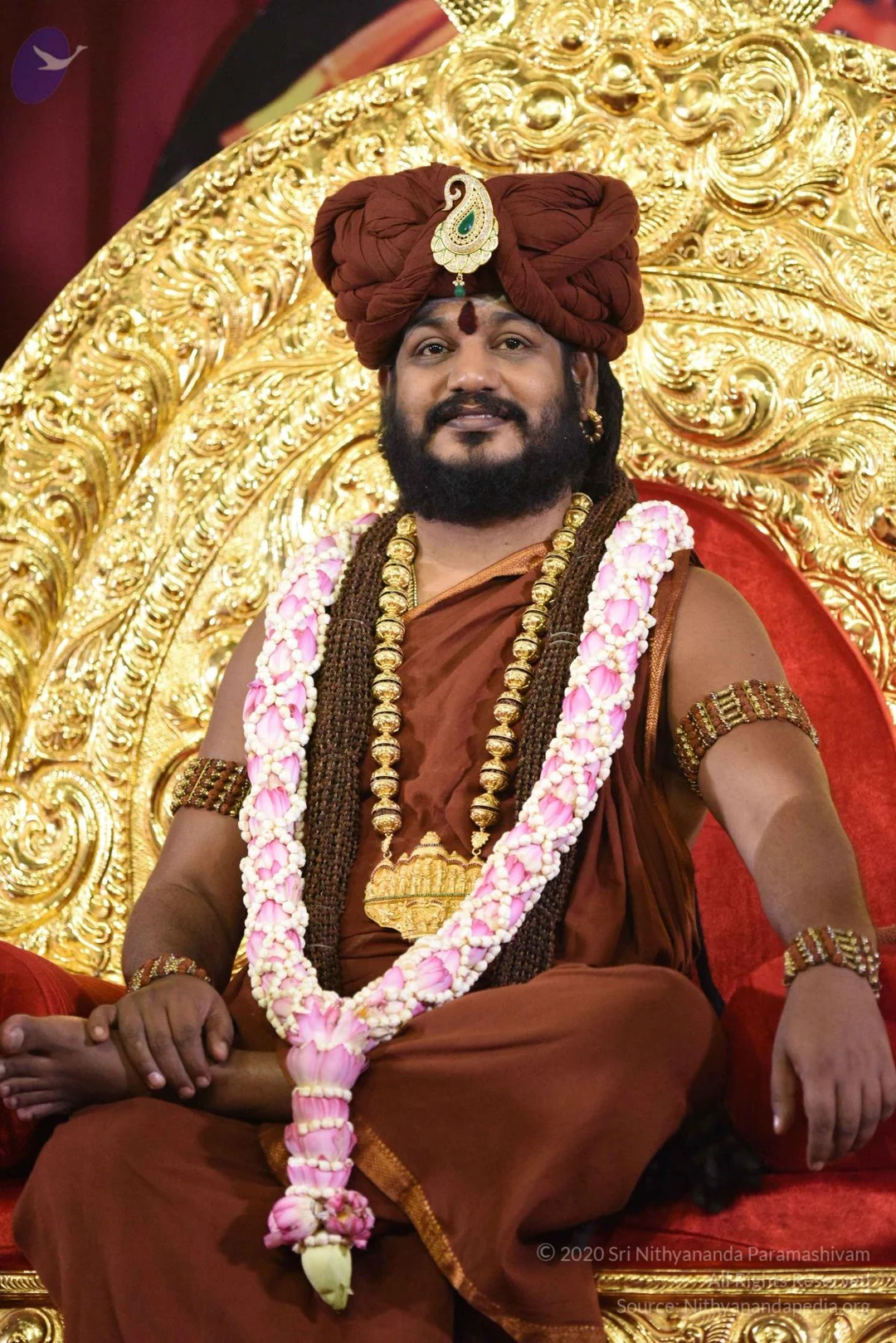

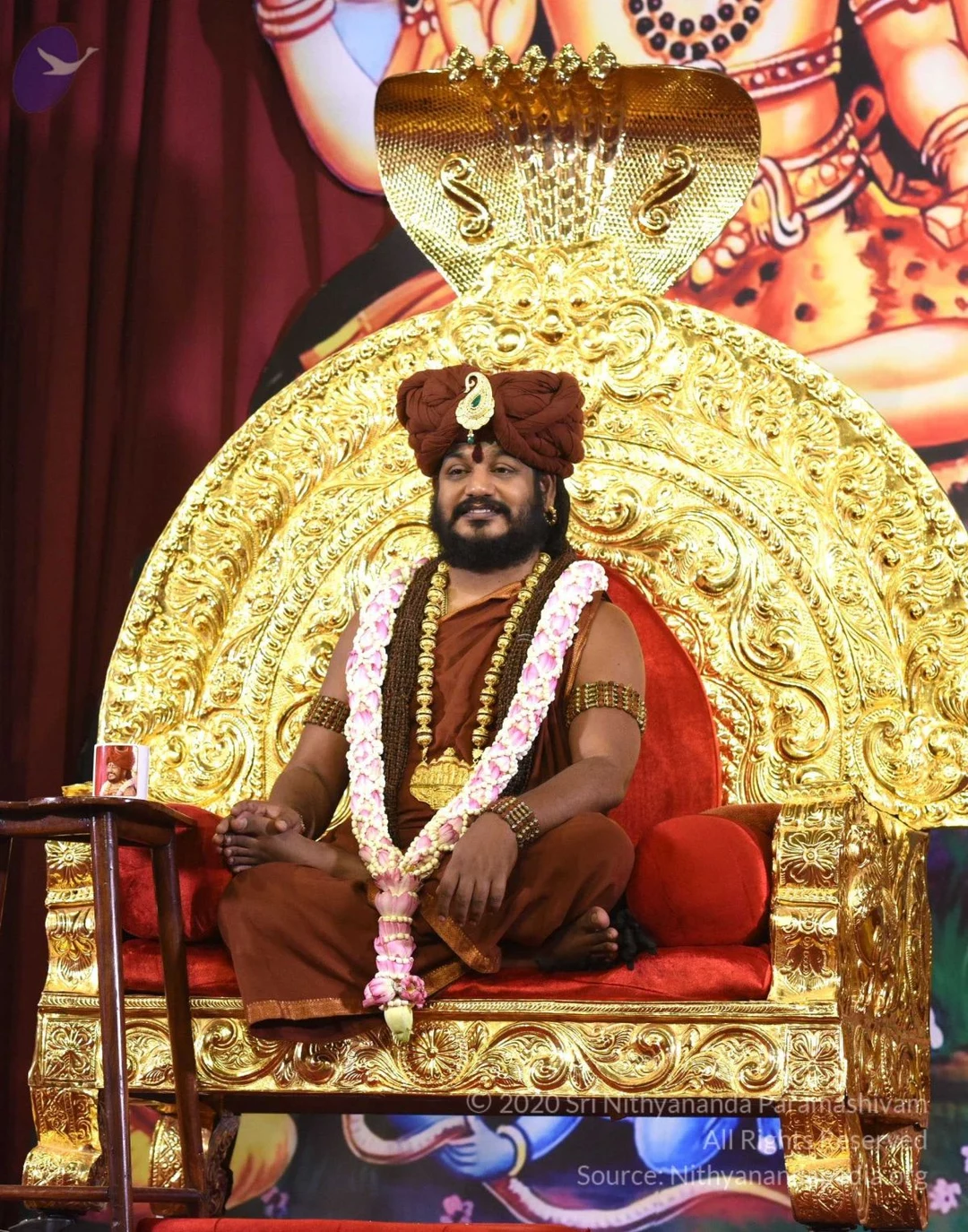
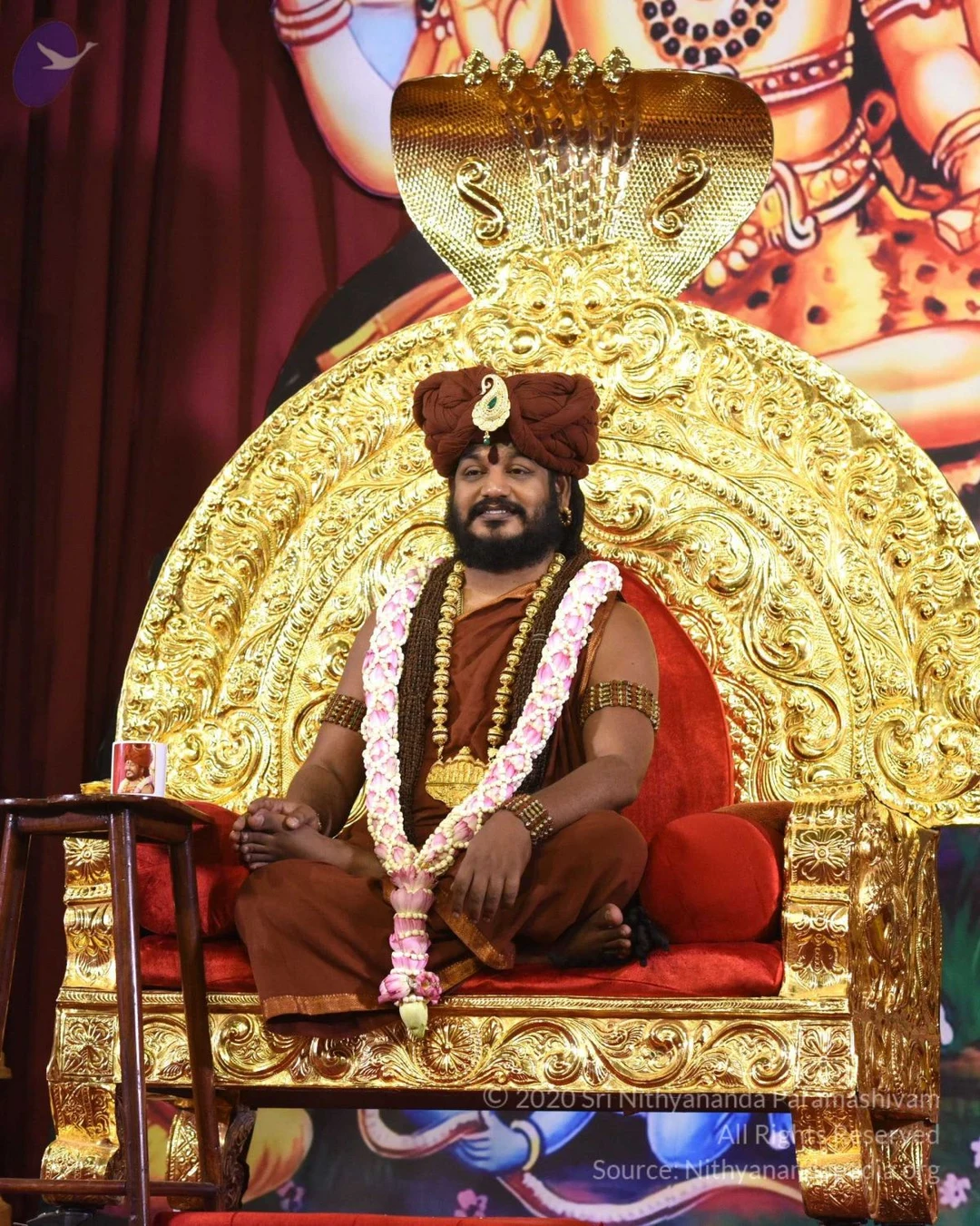
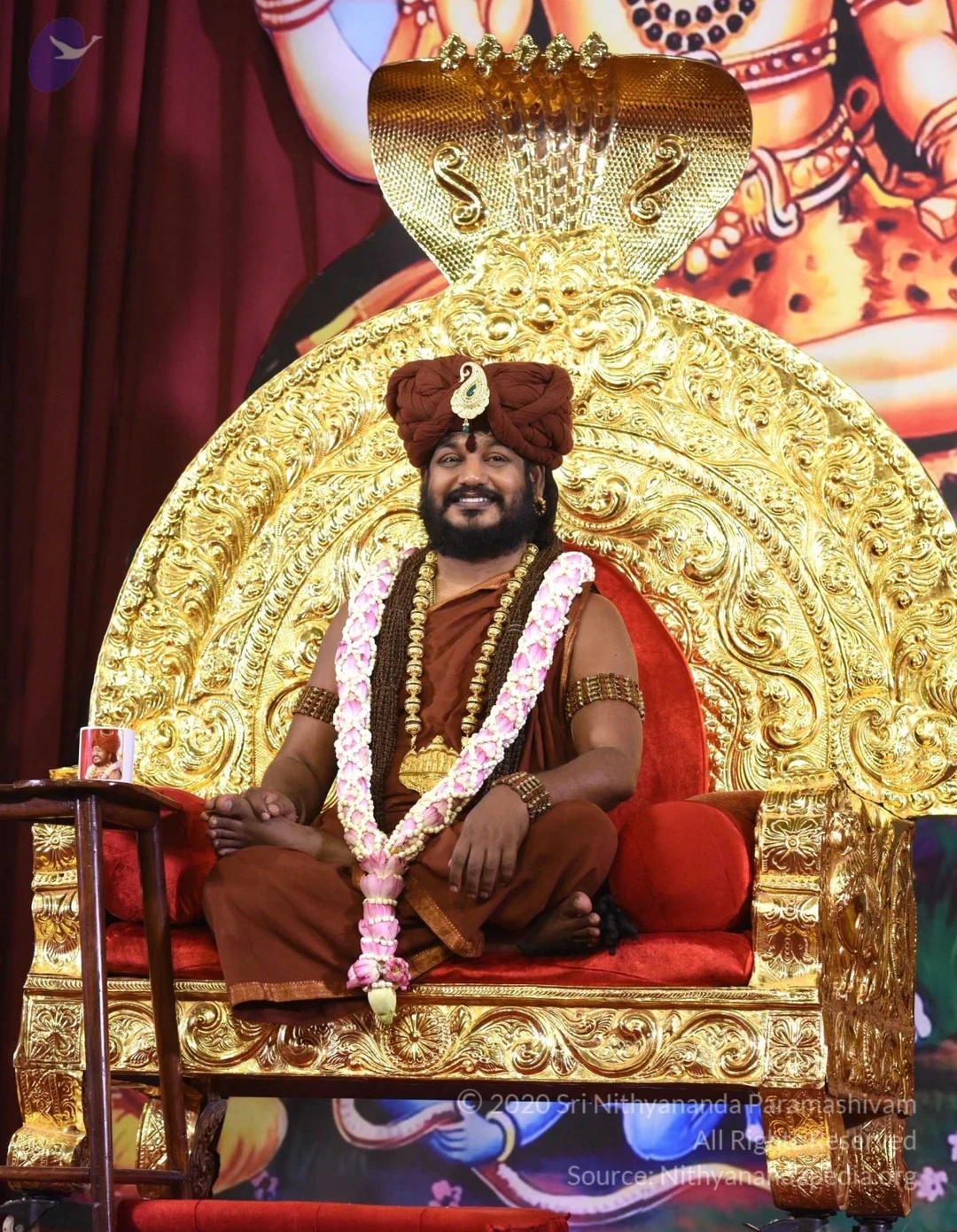
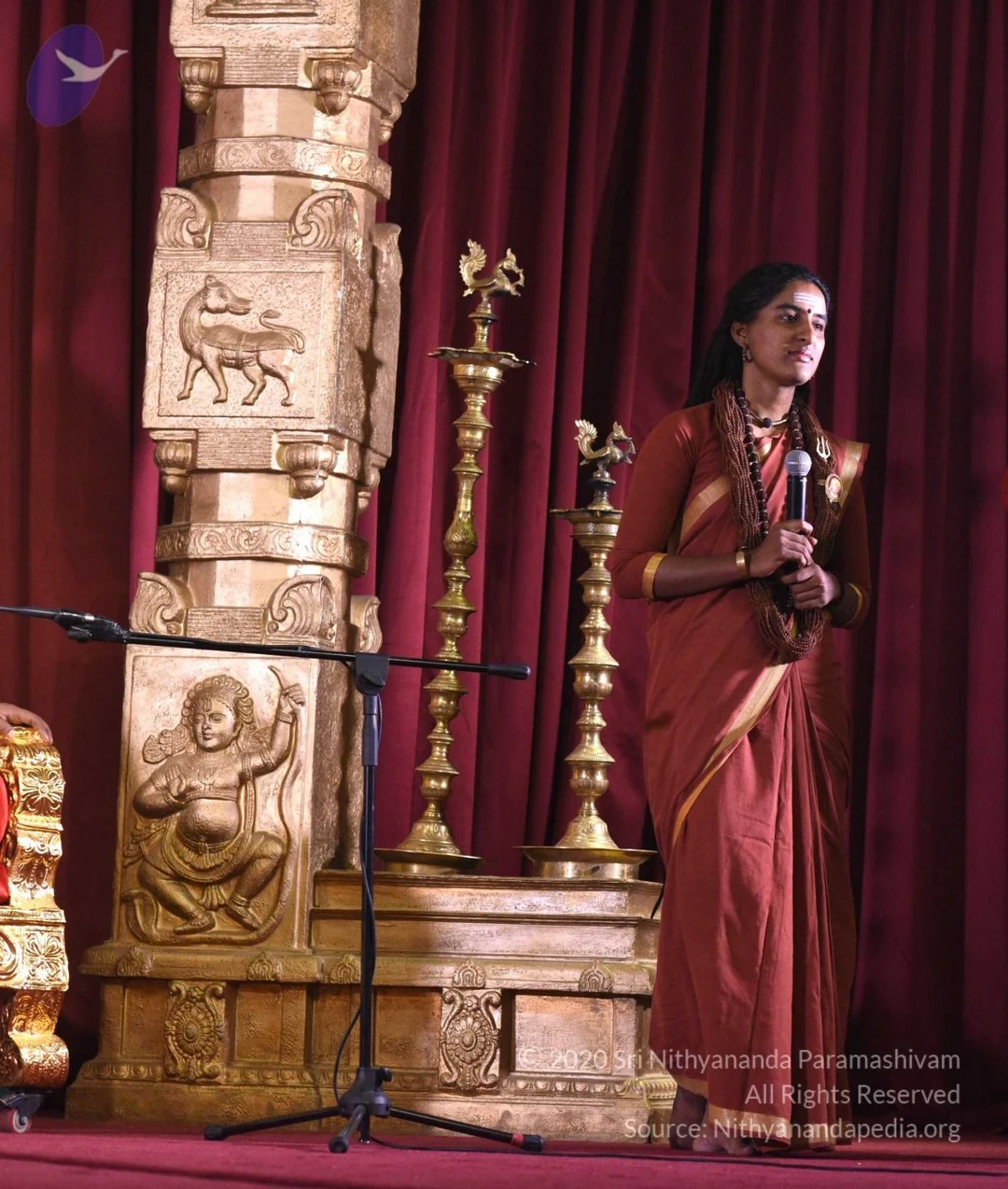
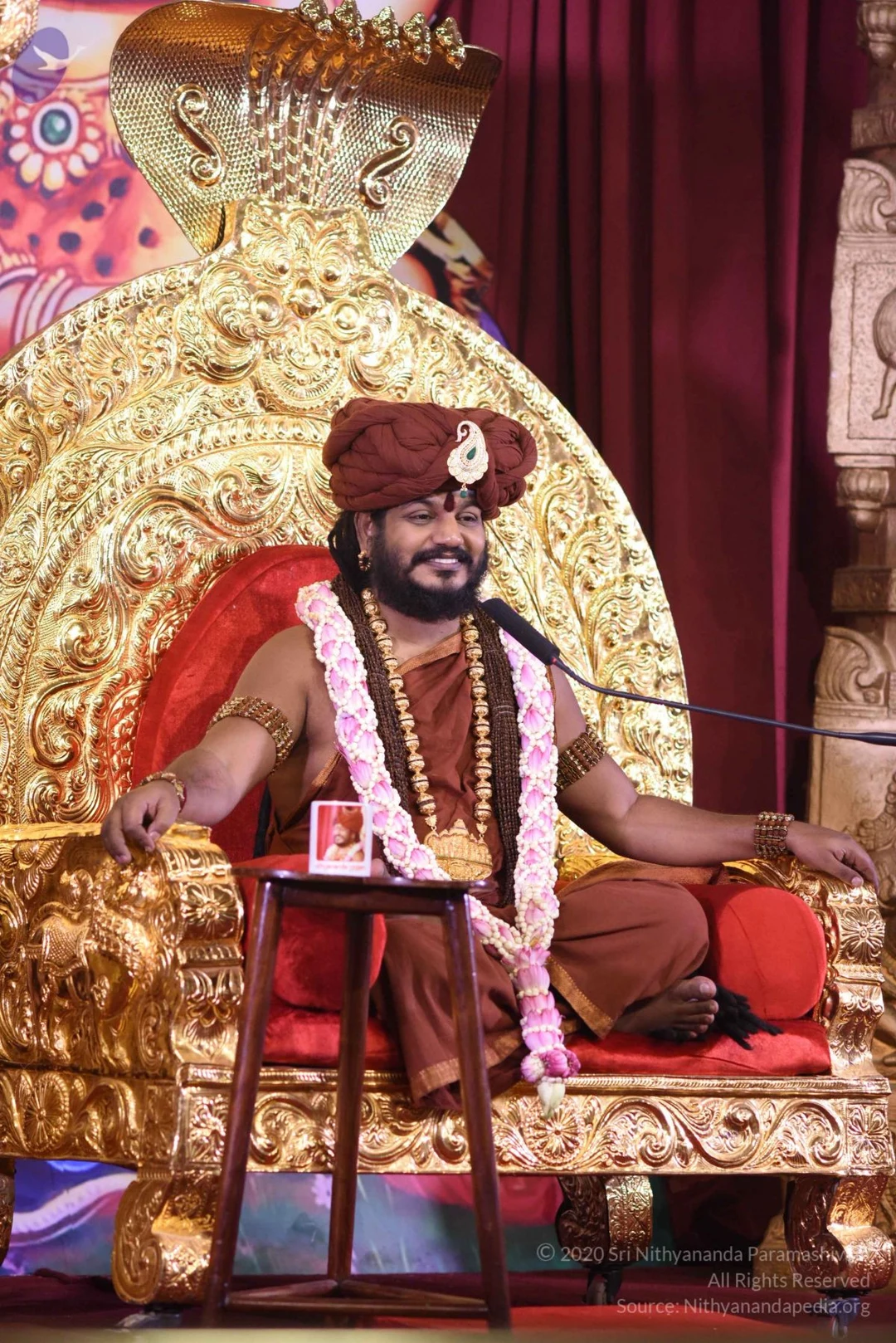
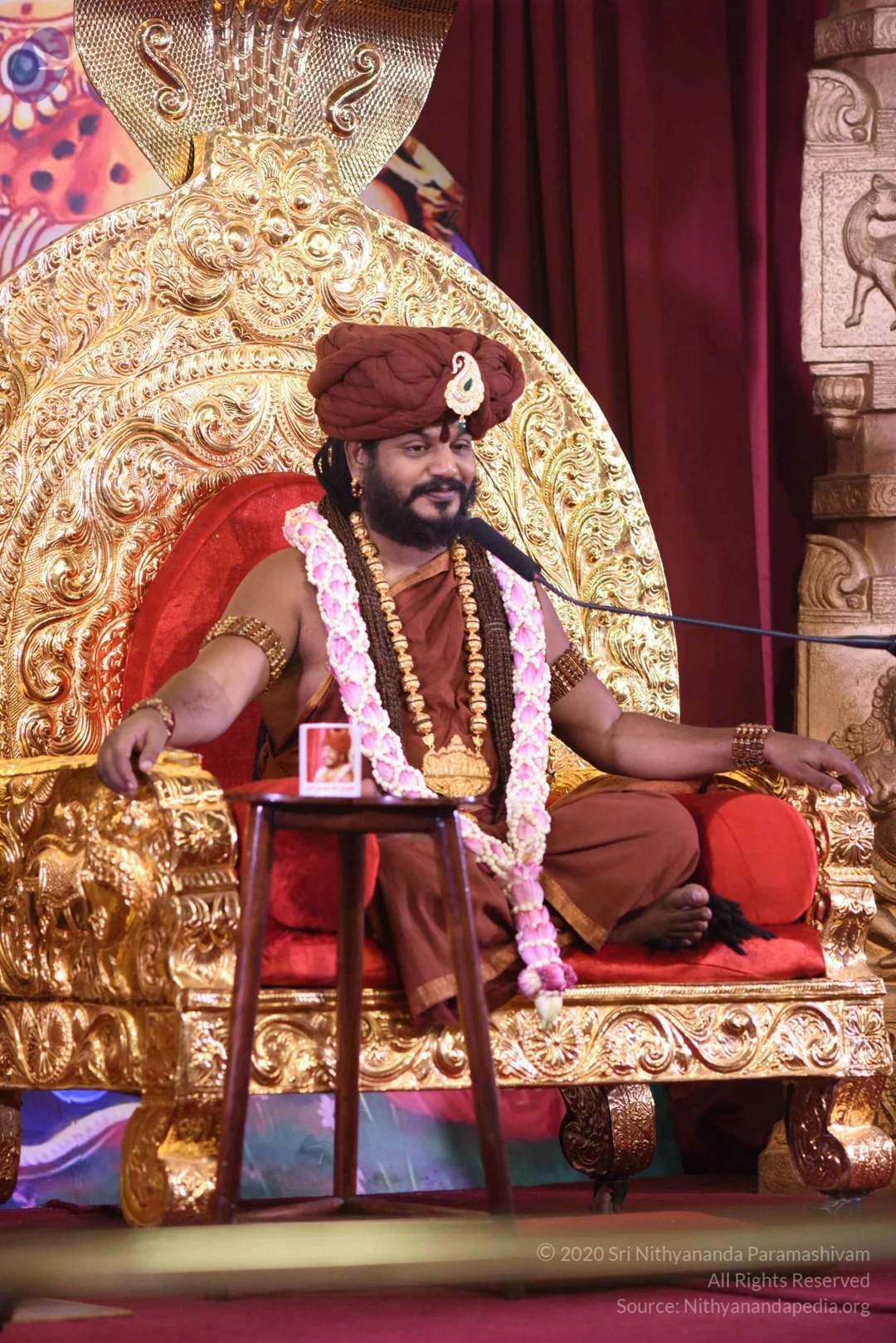
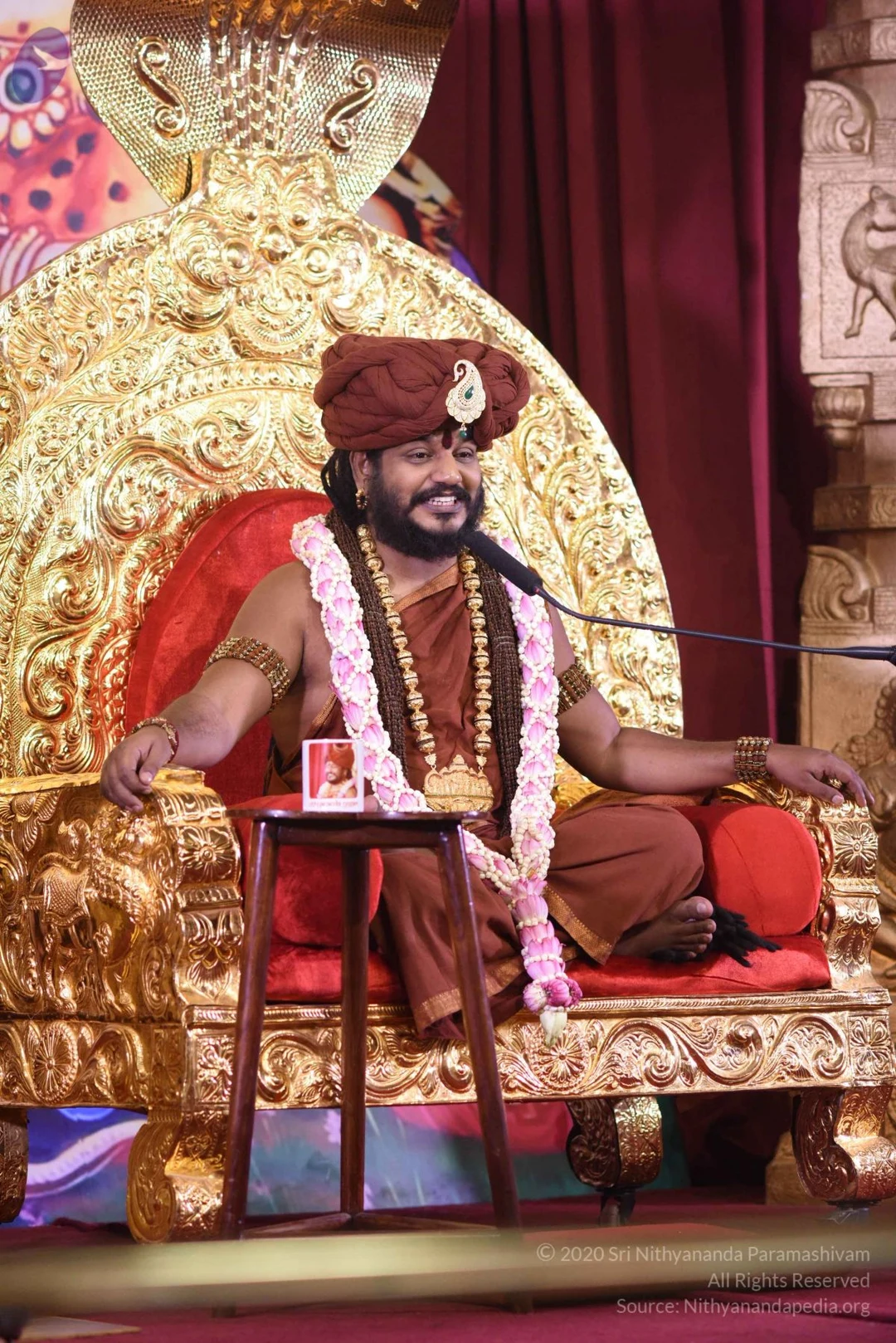
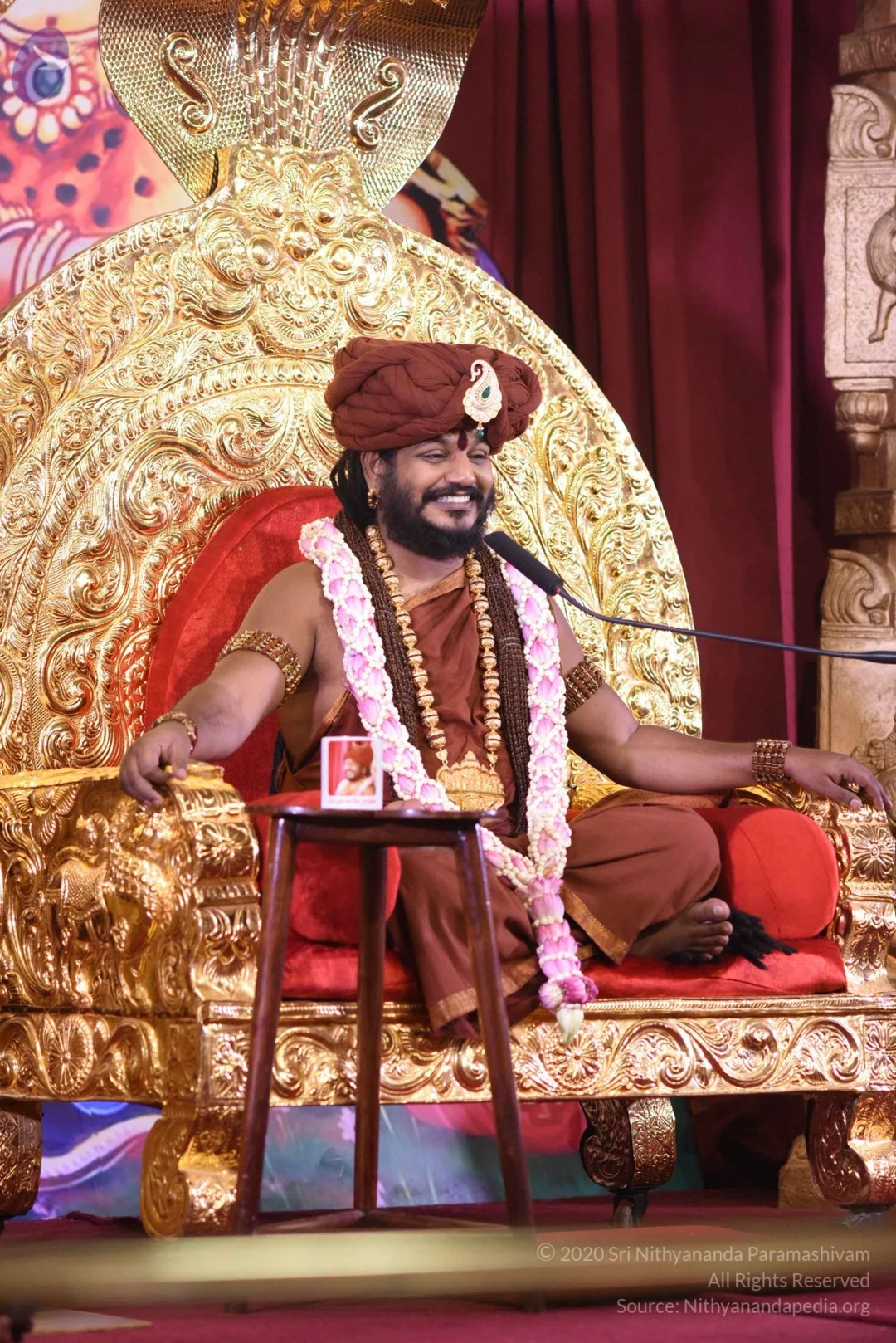
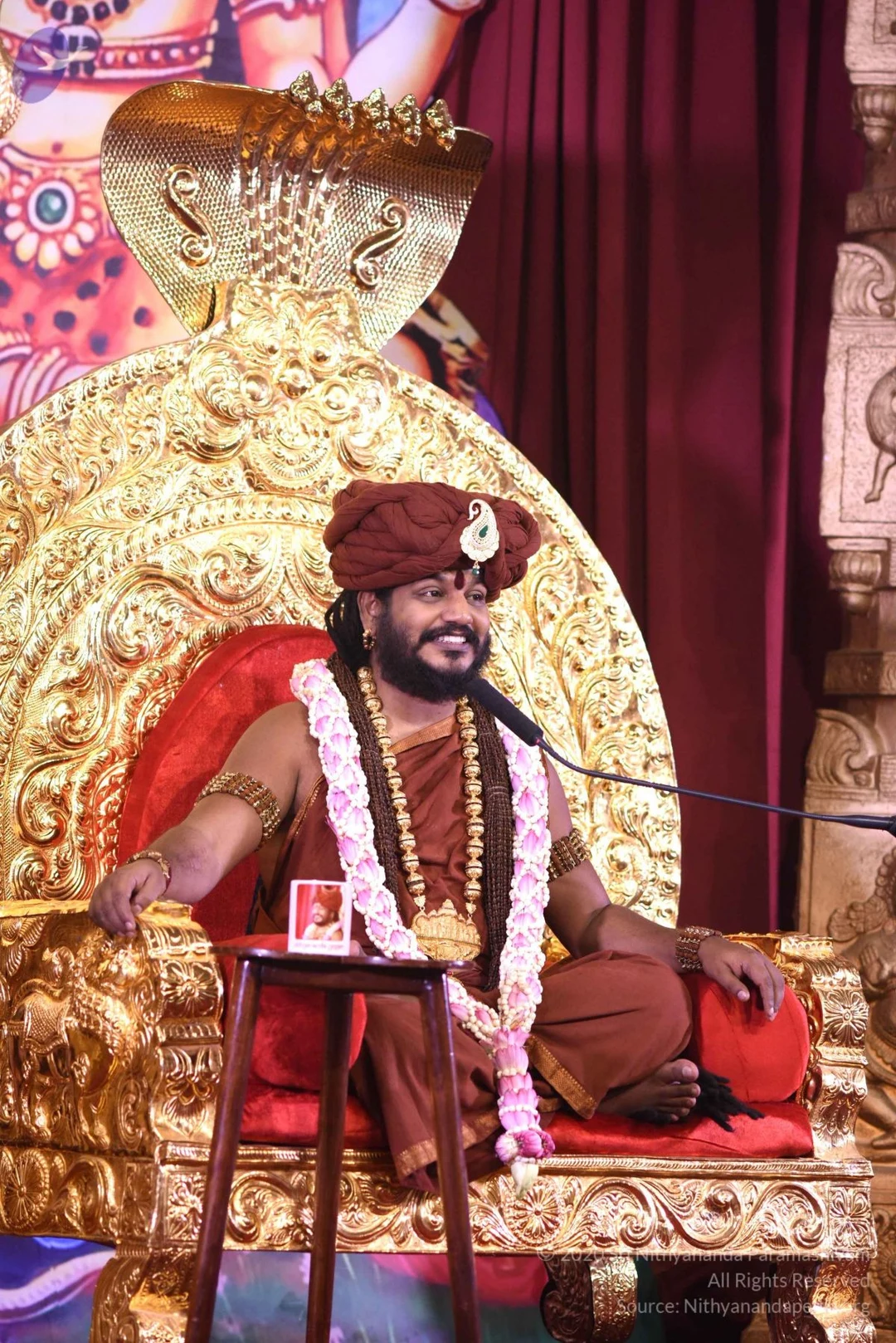
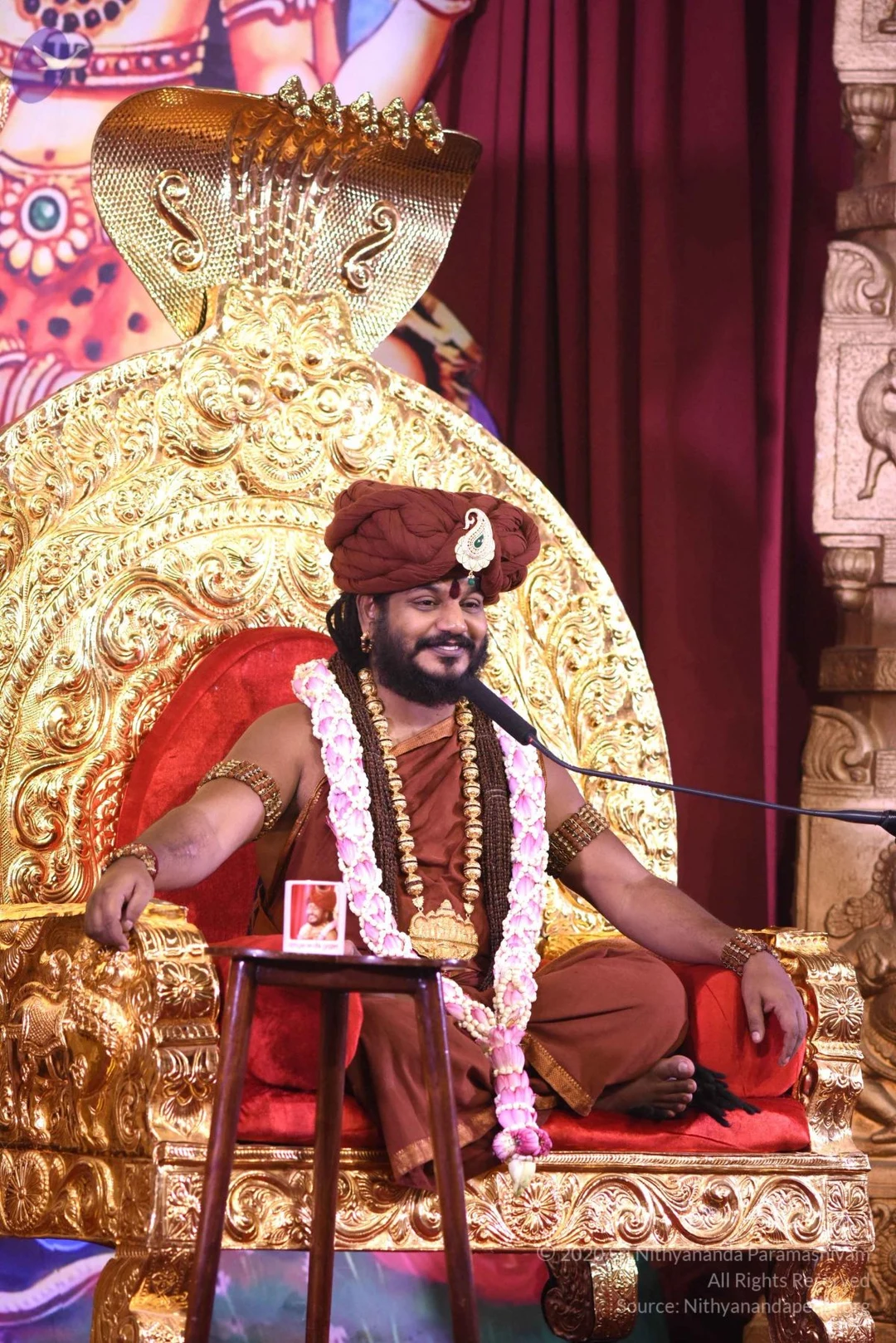
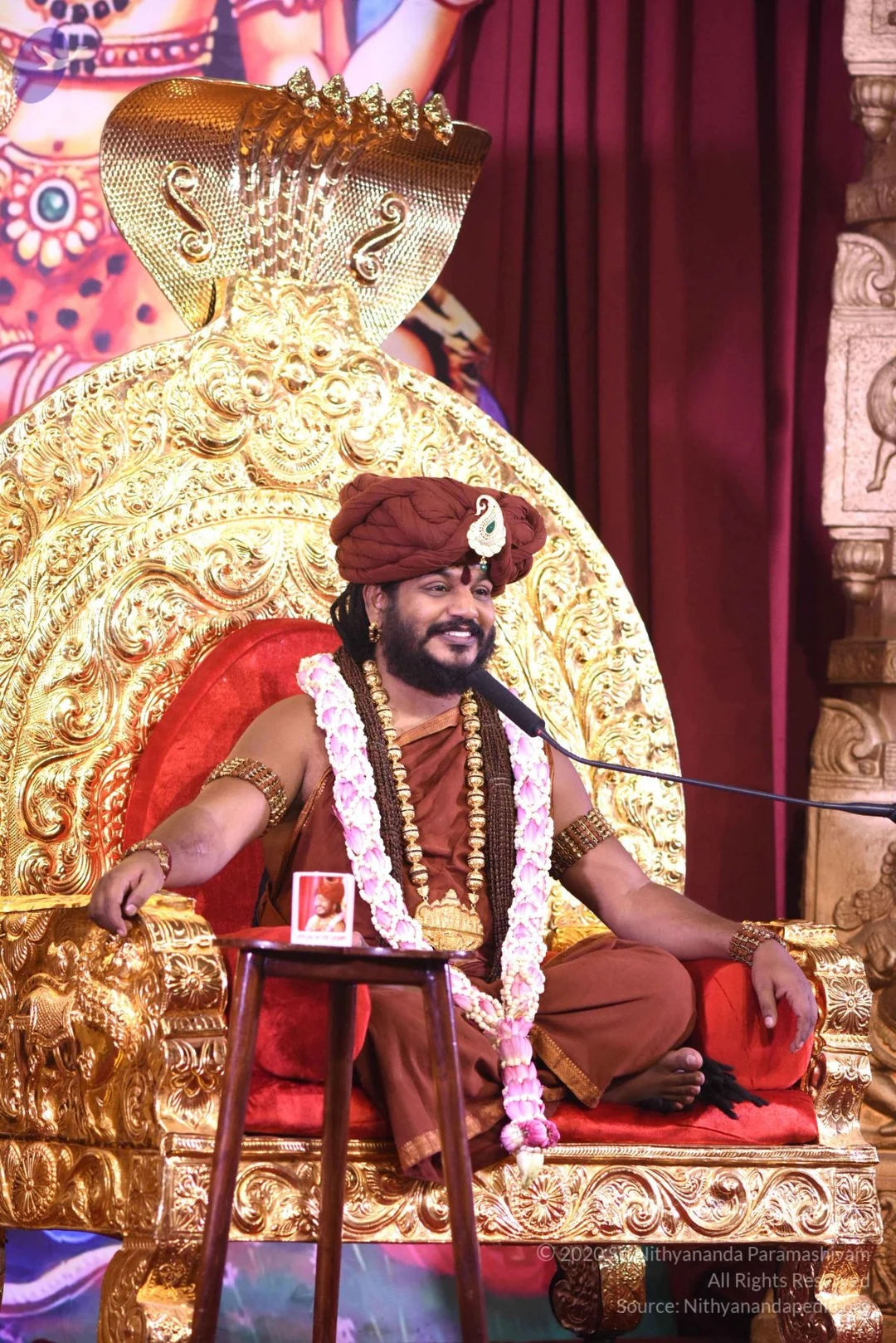
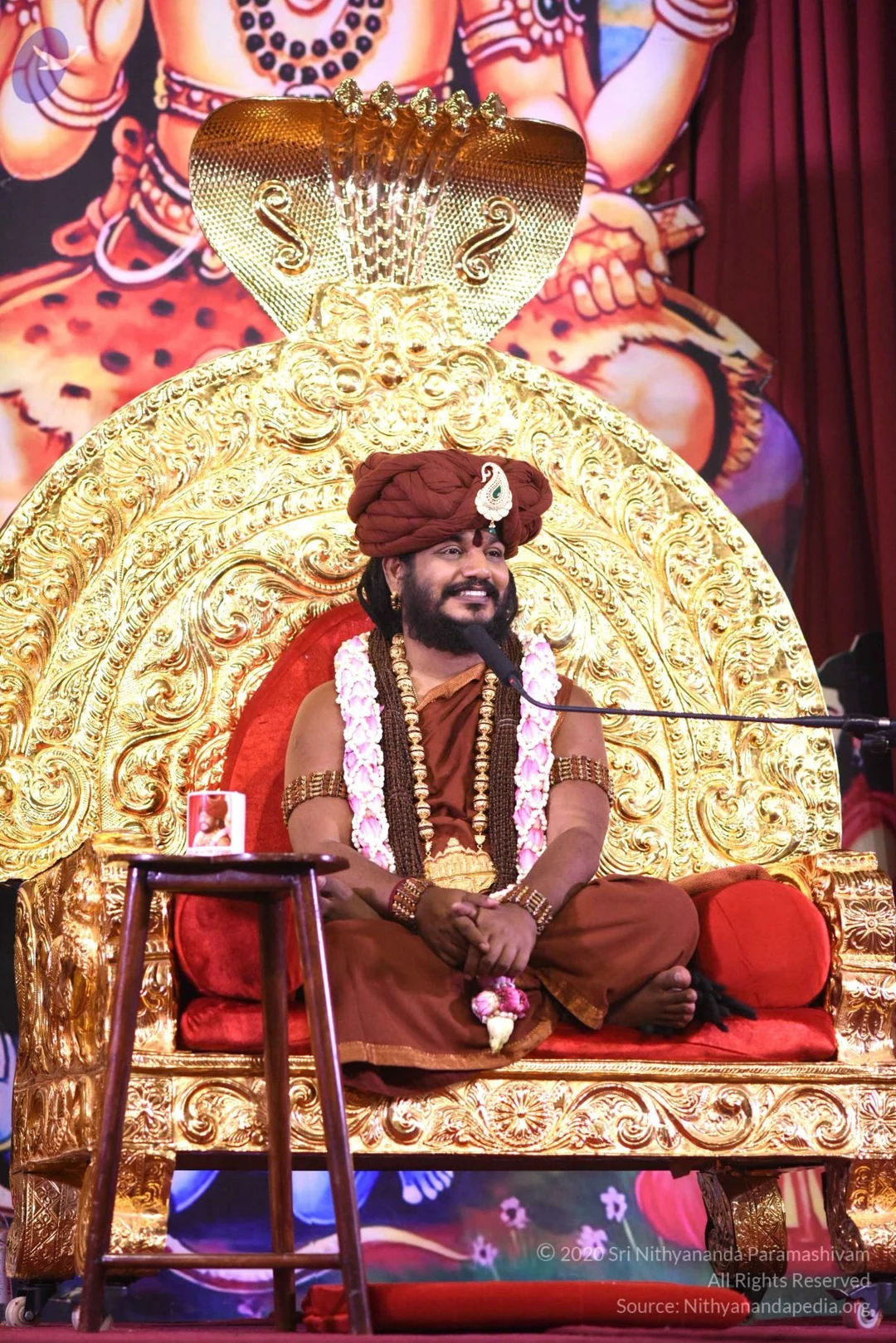
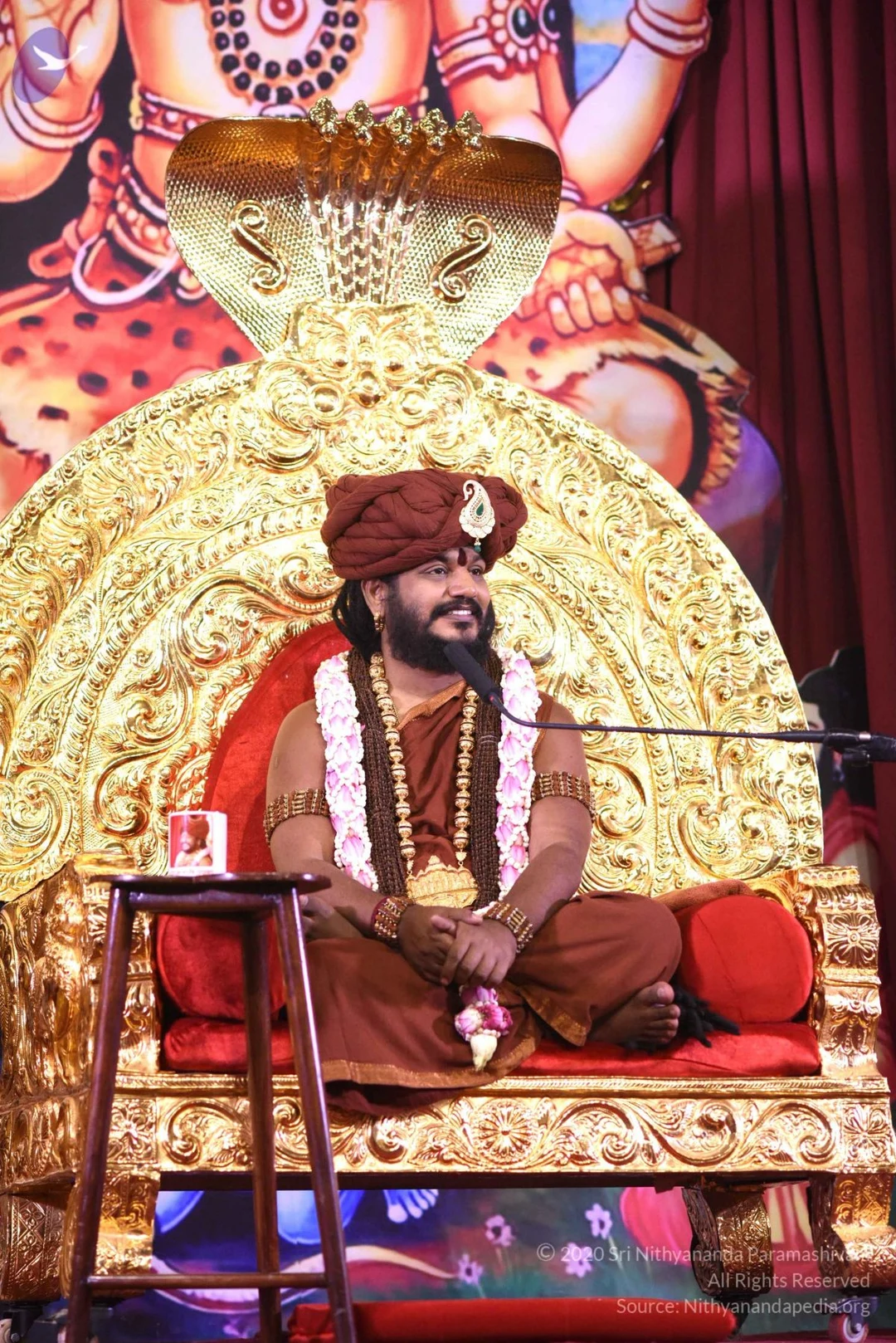
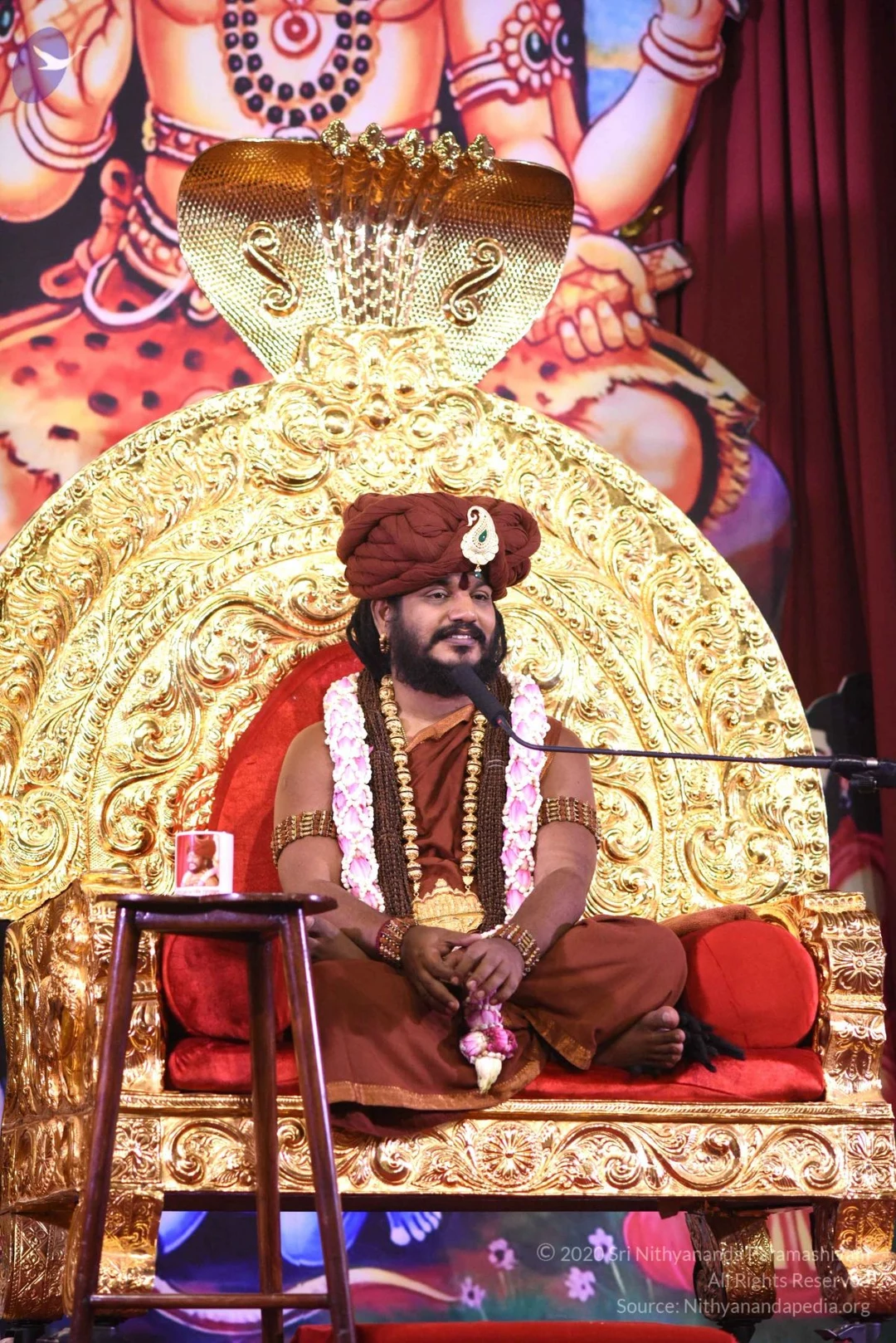
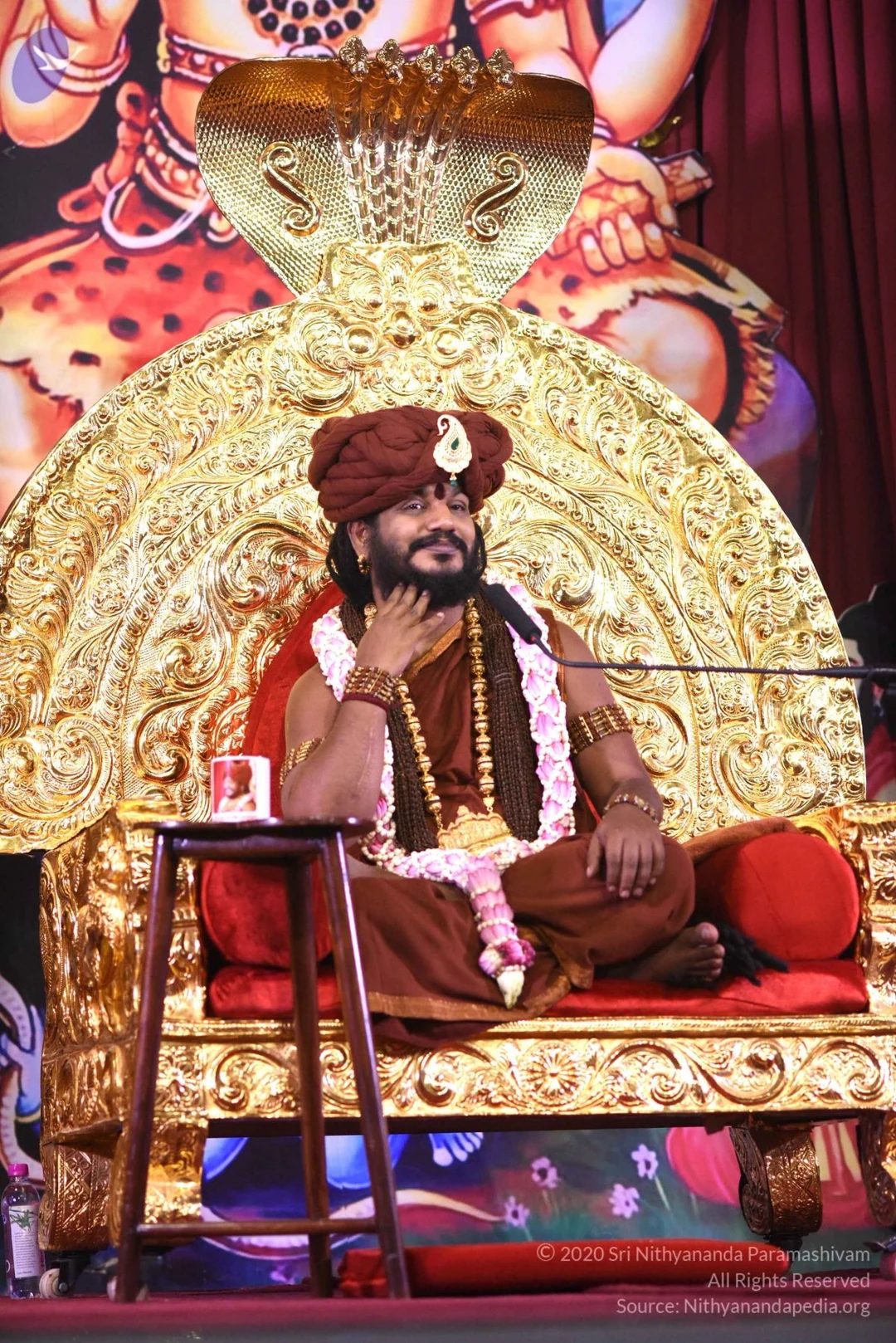
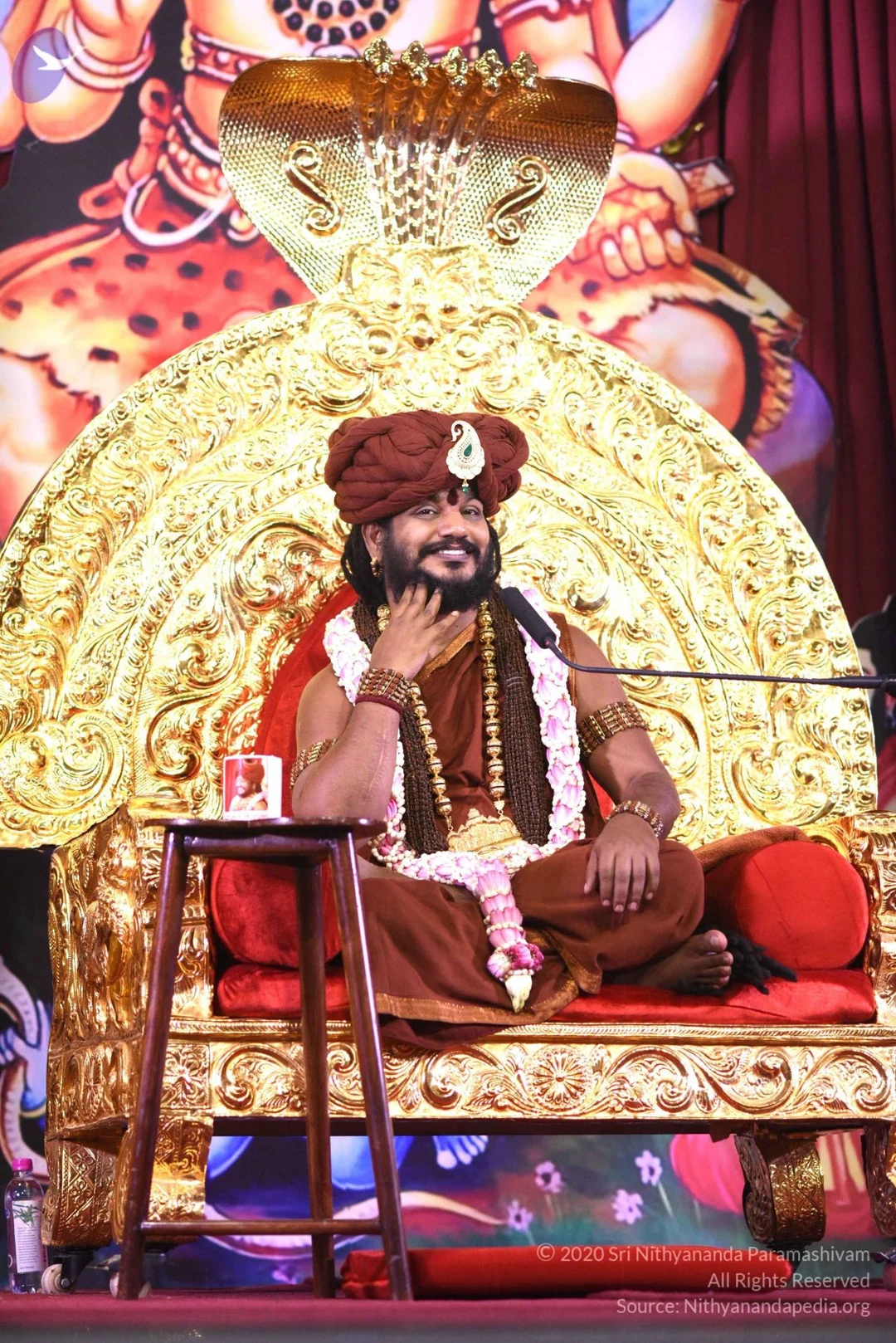
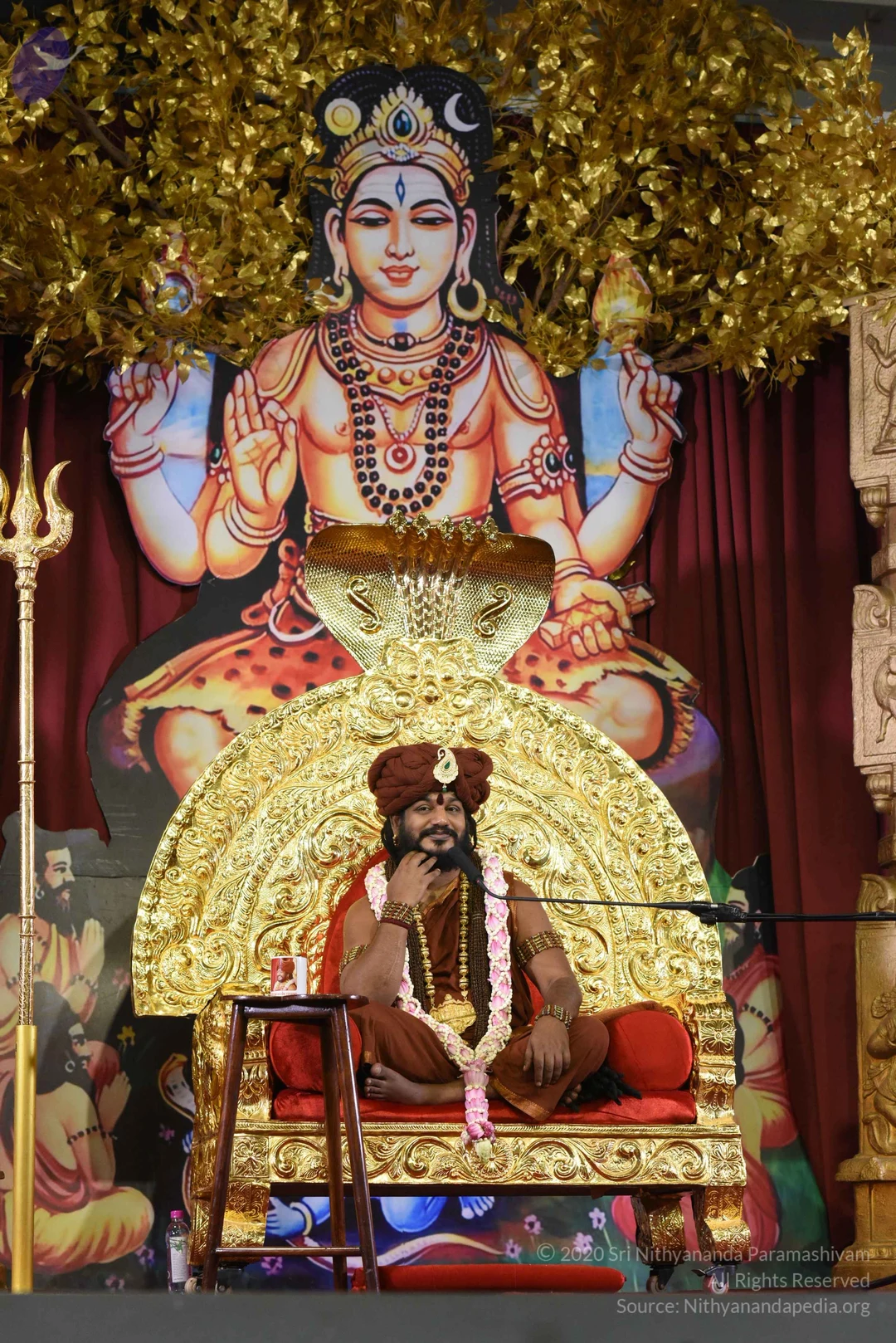
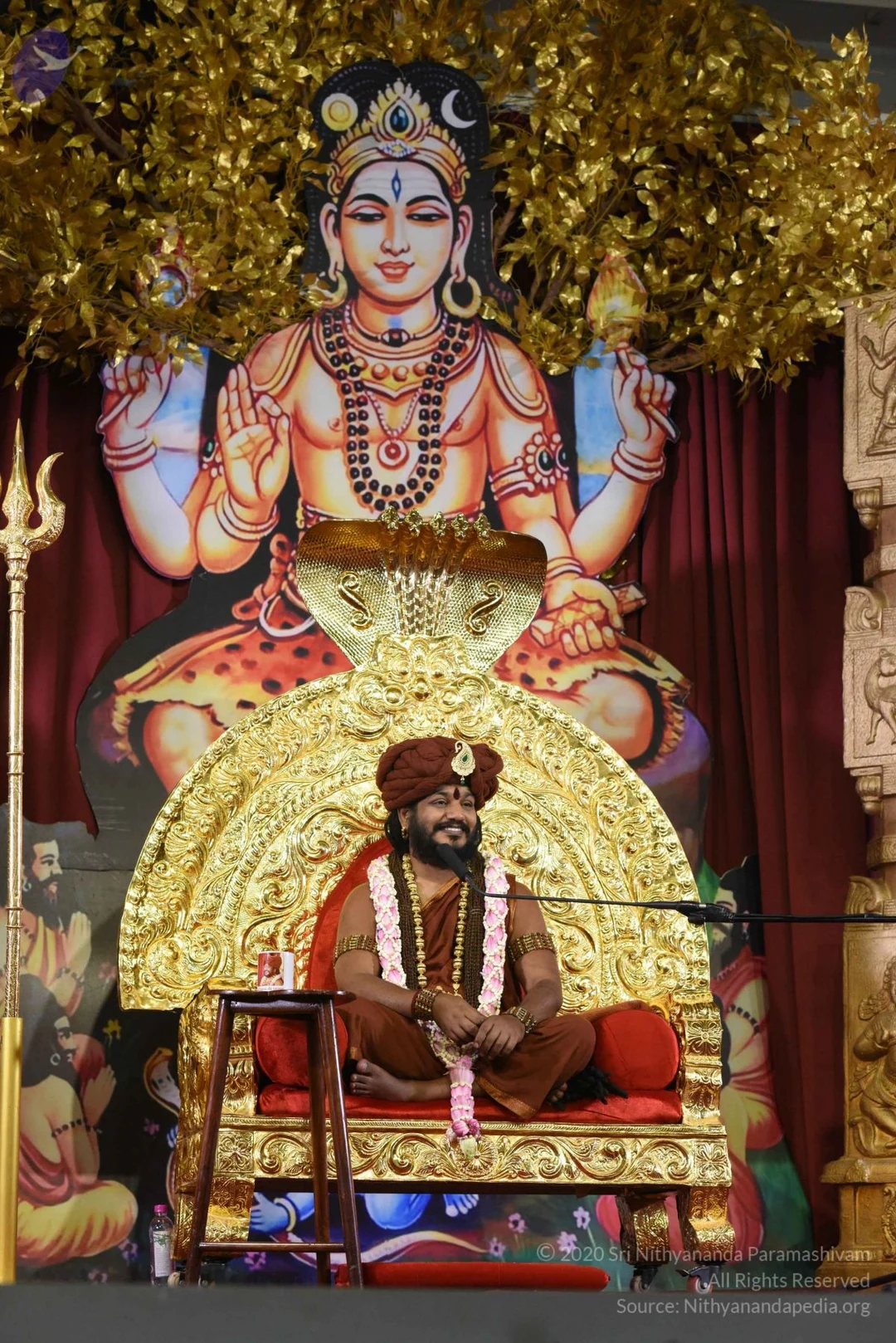
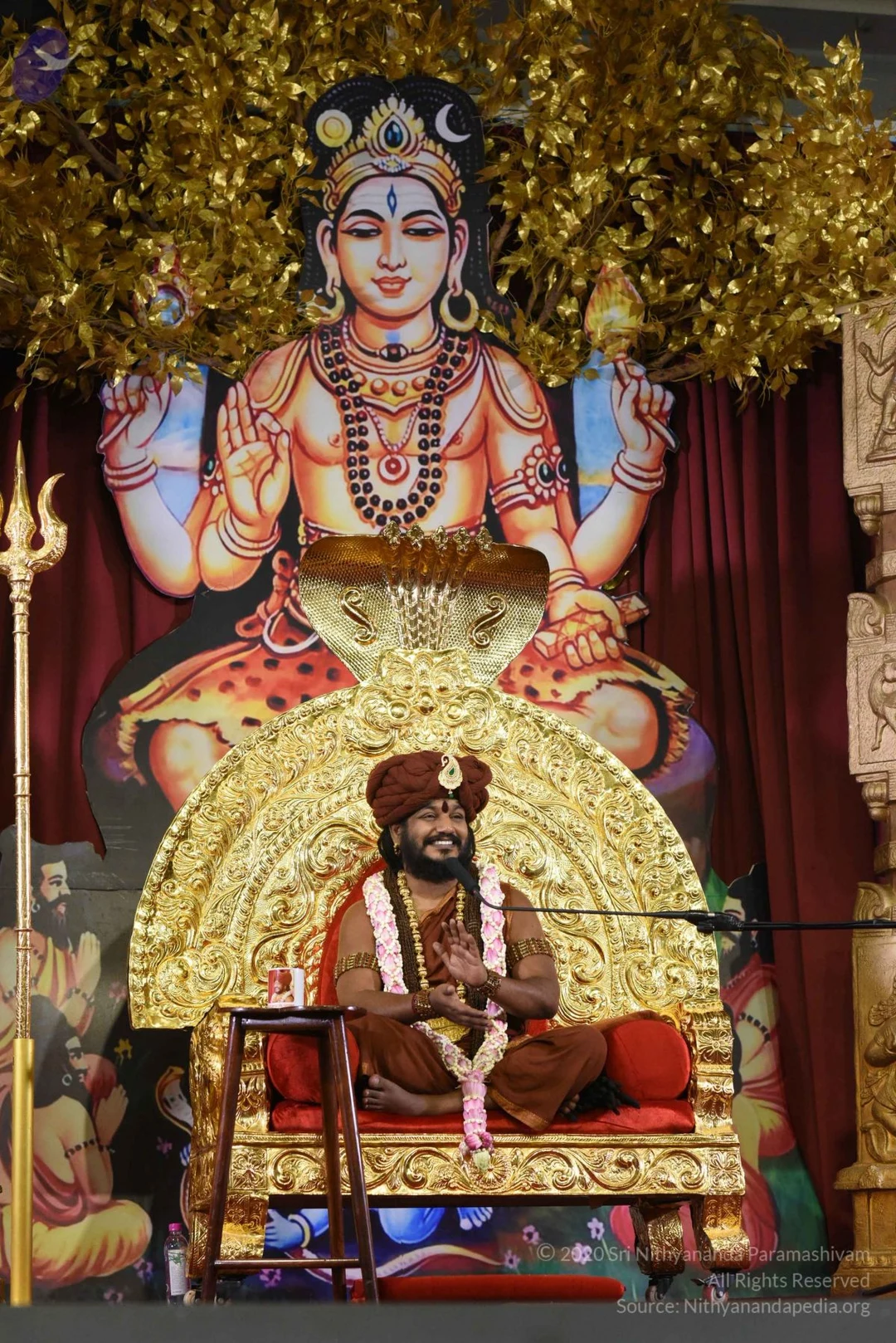
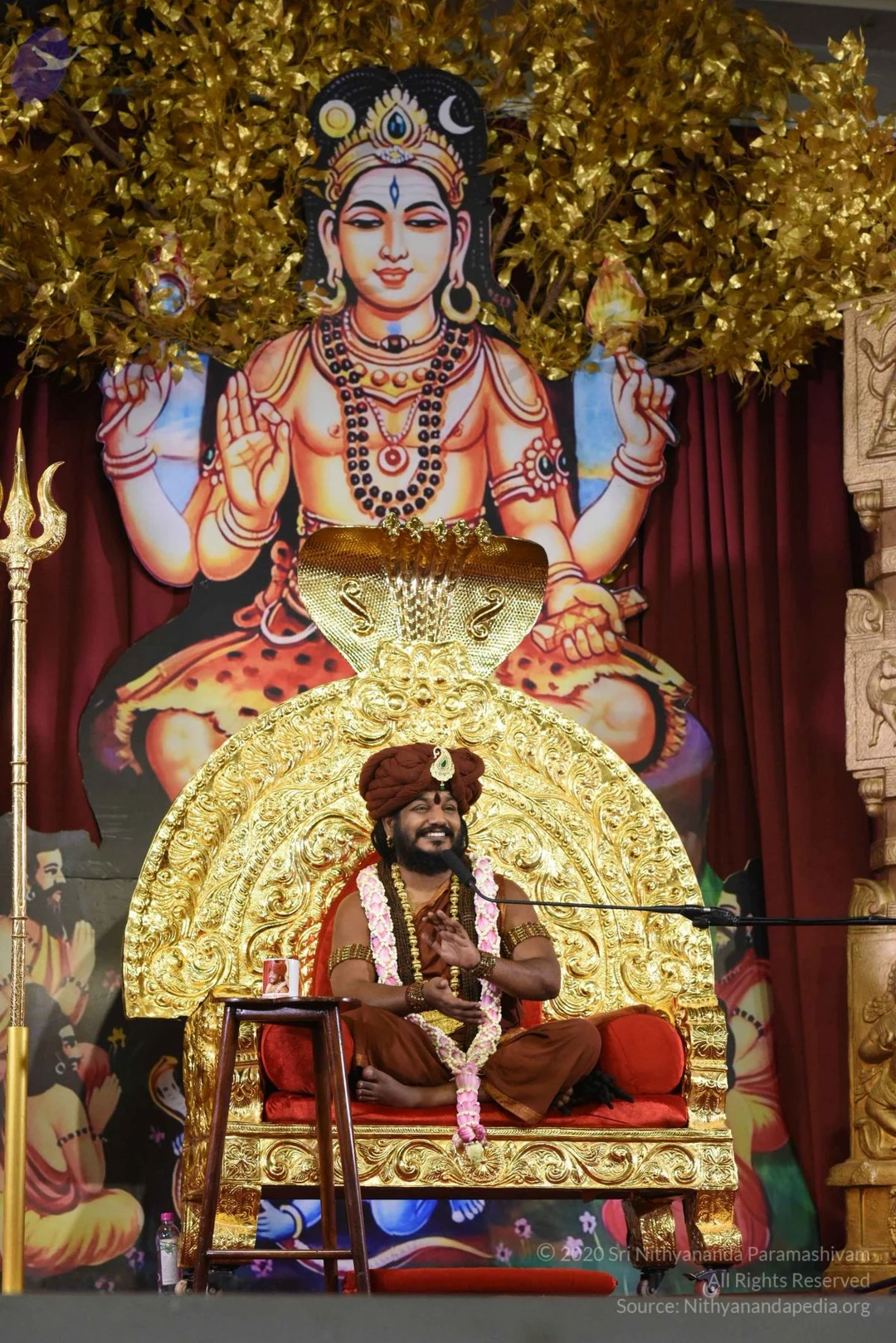
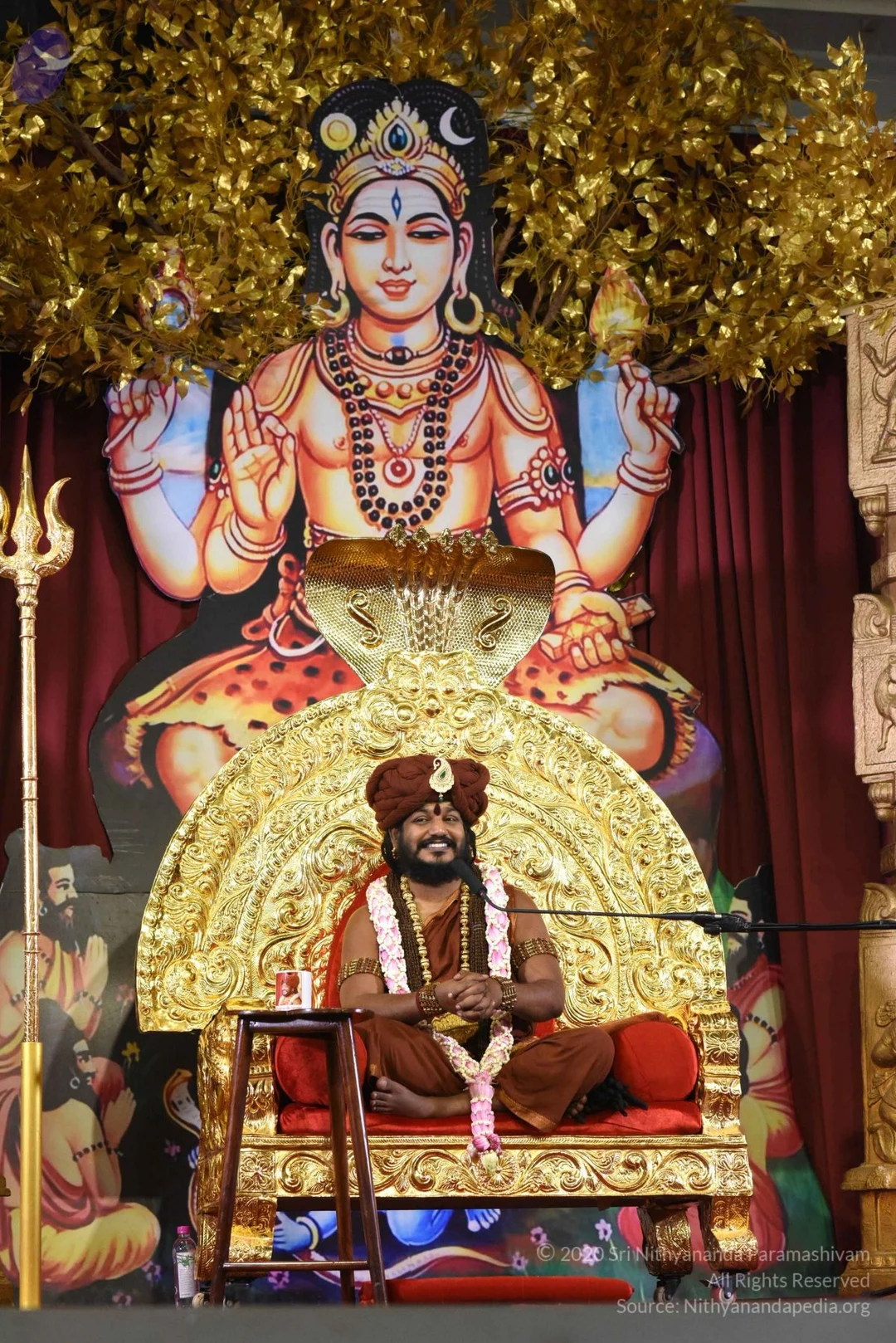
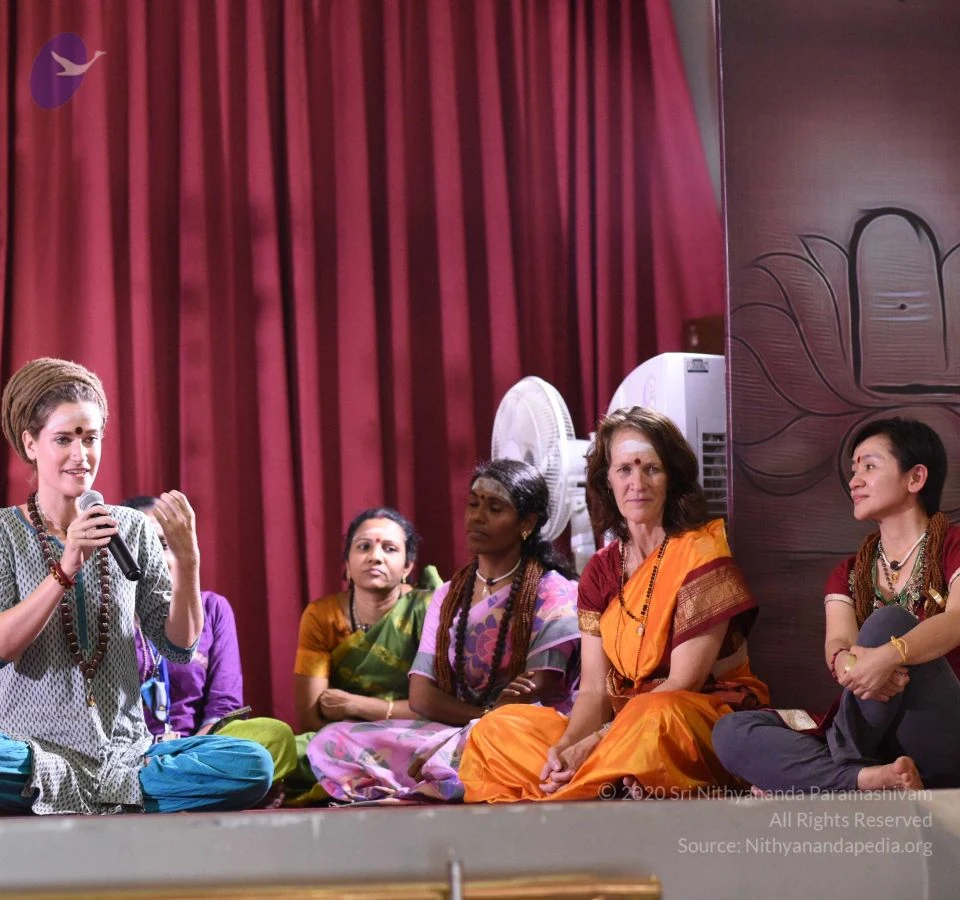
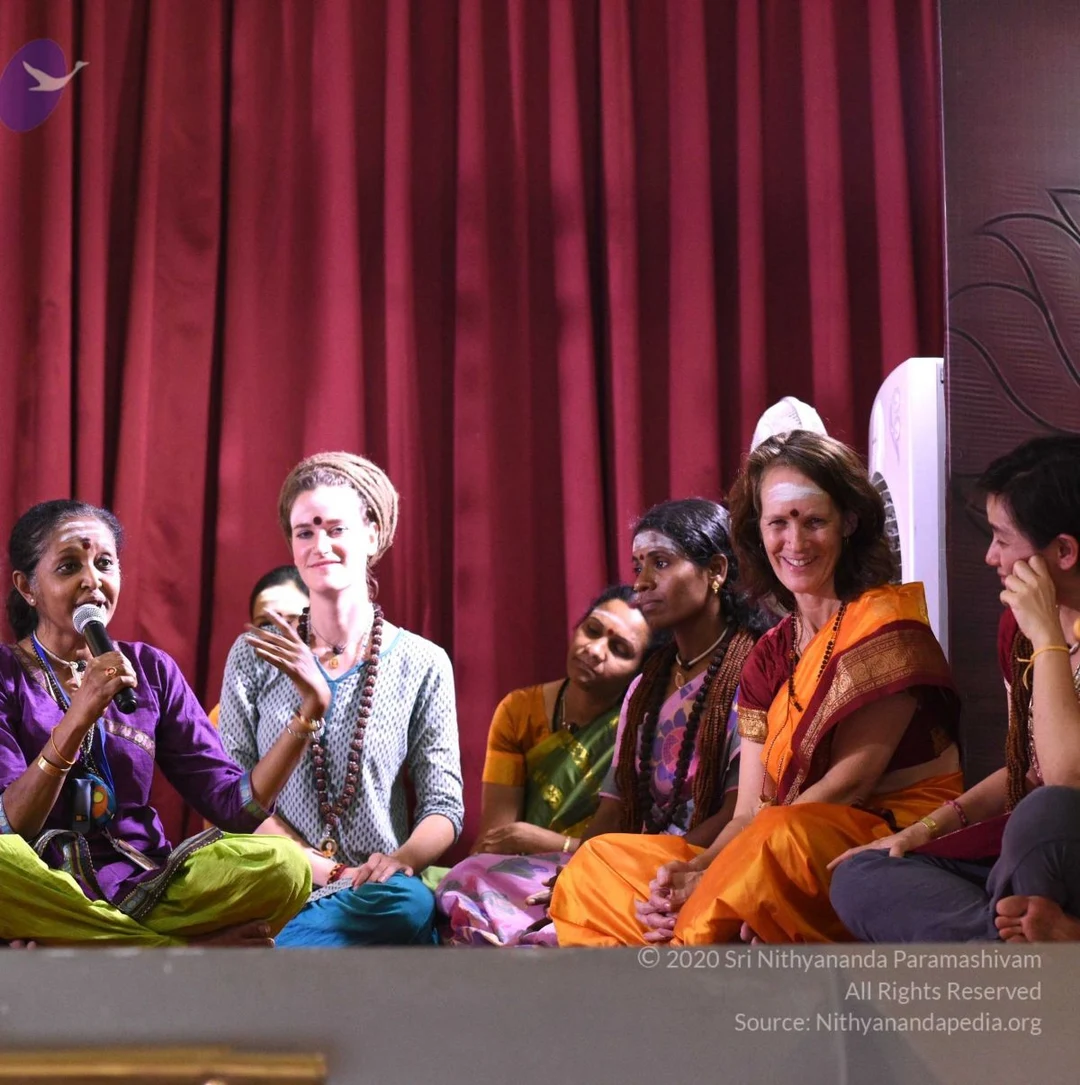
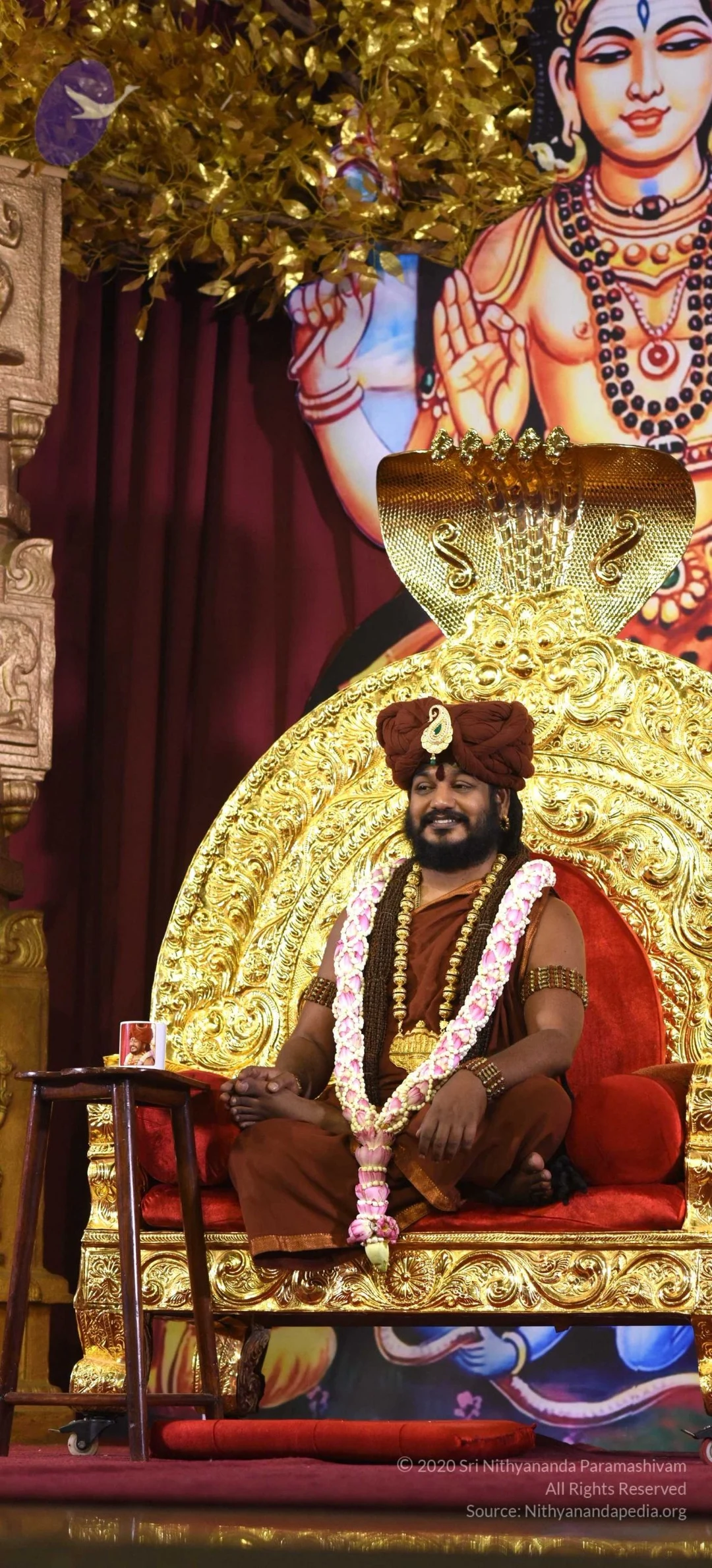
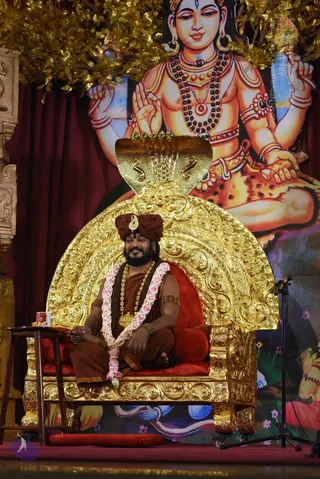
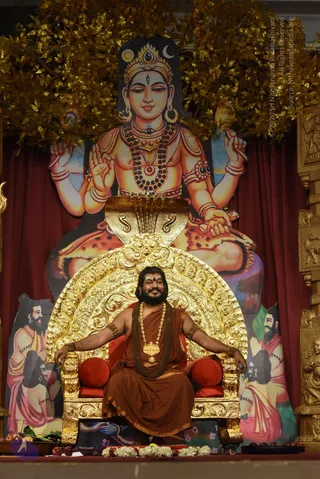
Kalpataru Darshan
Photos Of The Day:
01-NITHYA-SATSANG
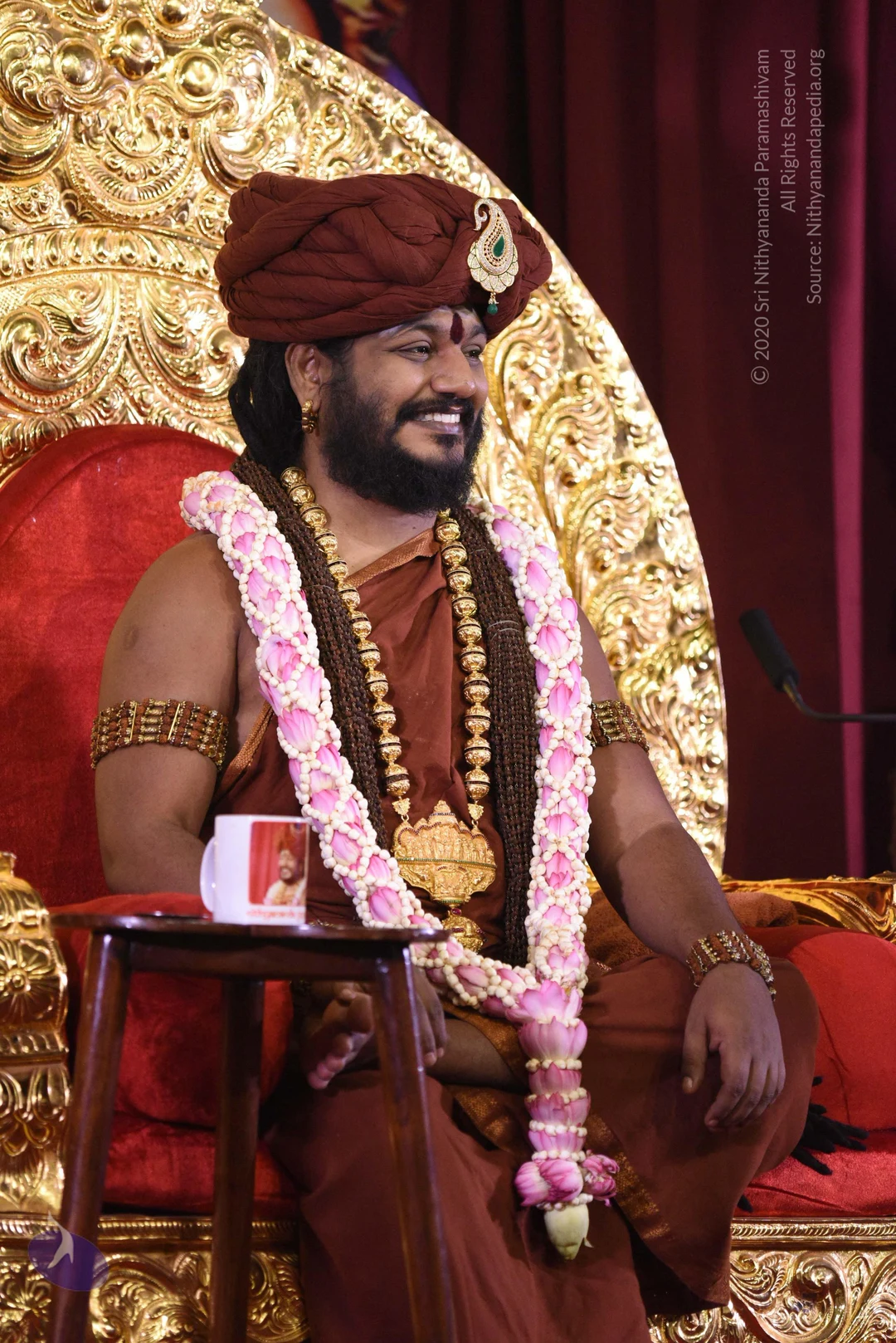
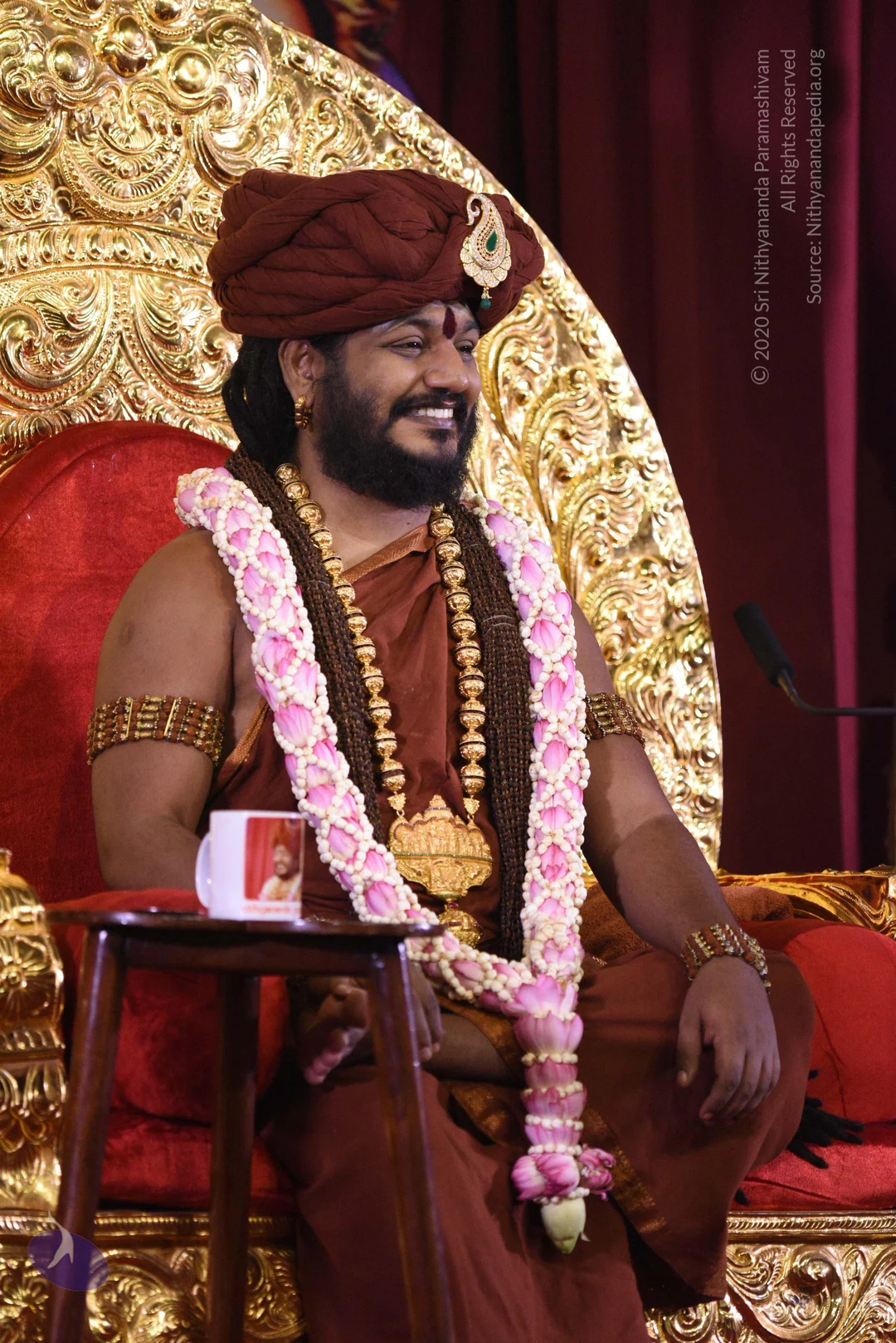
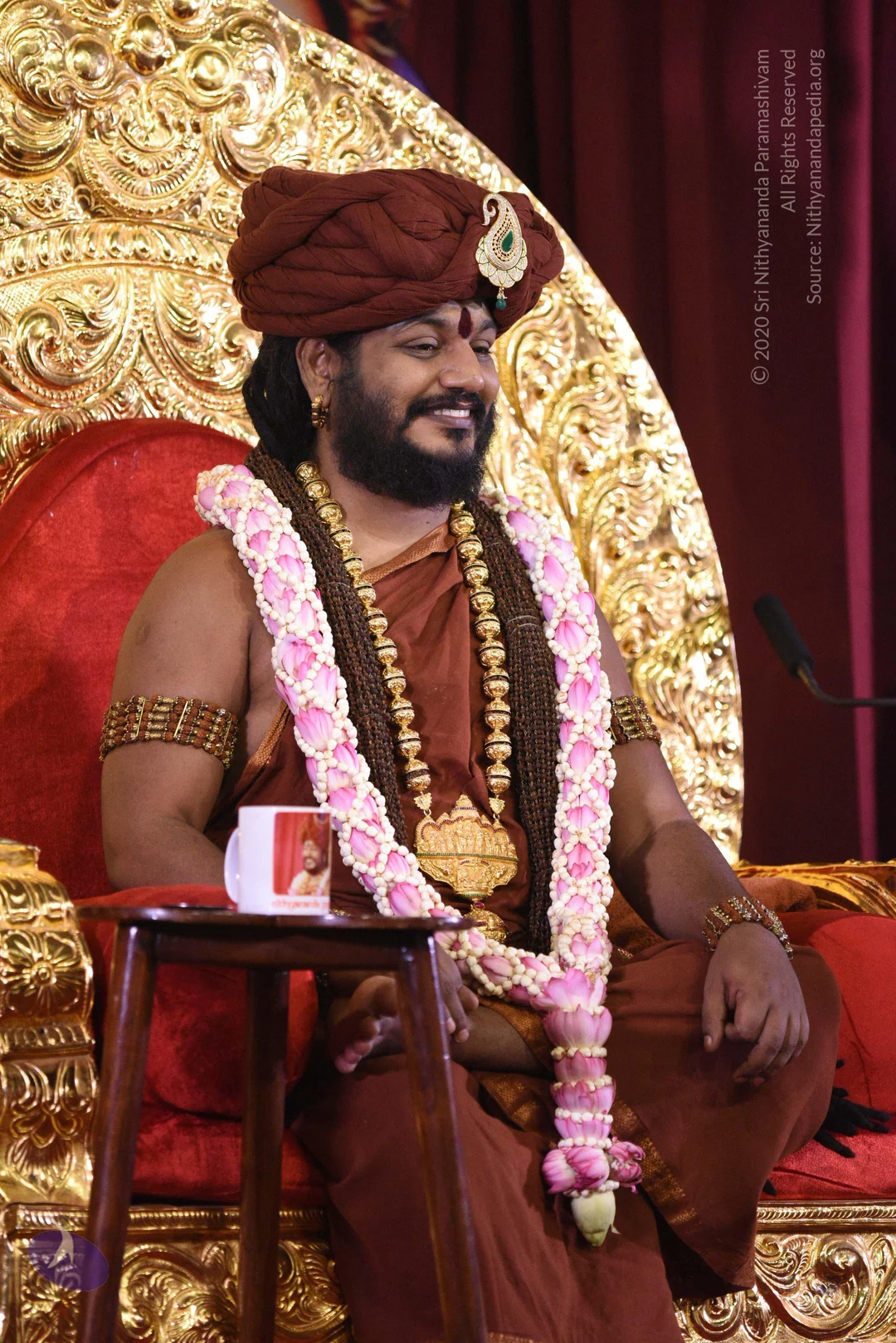
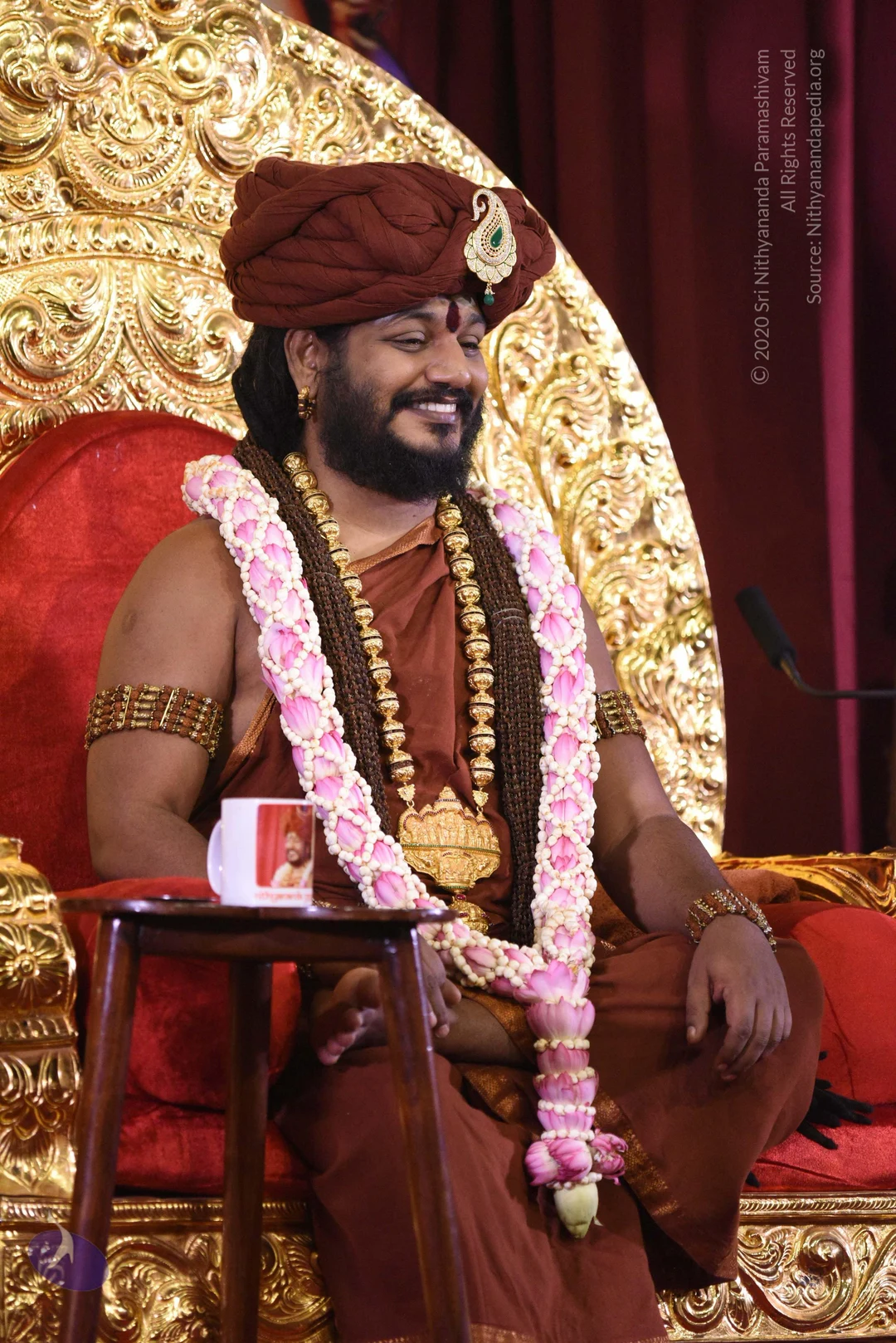
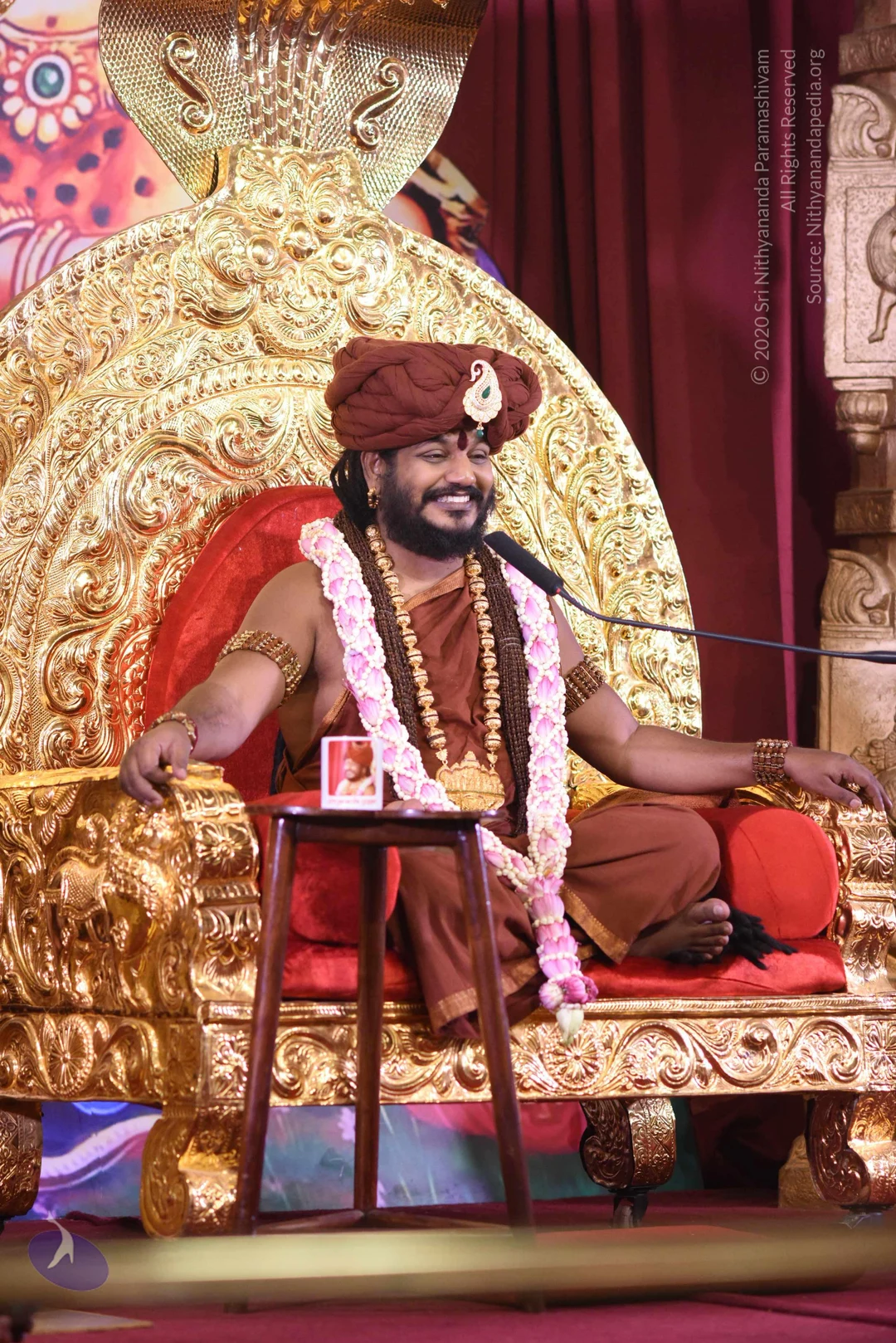
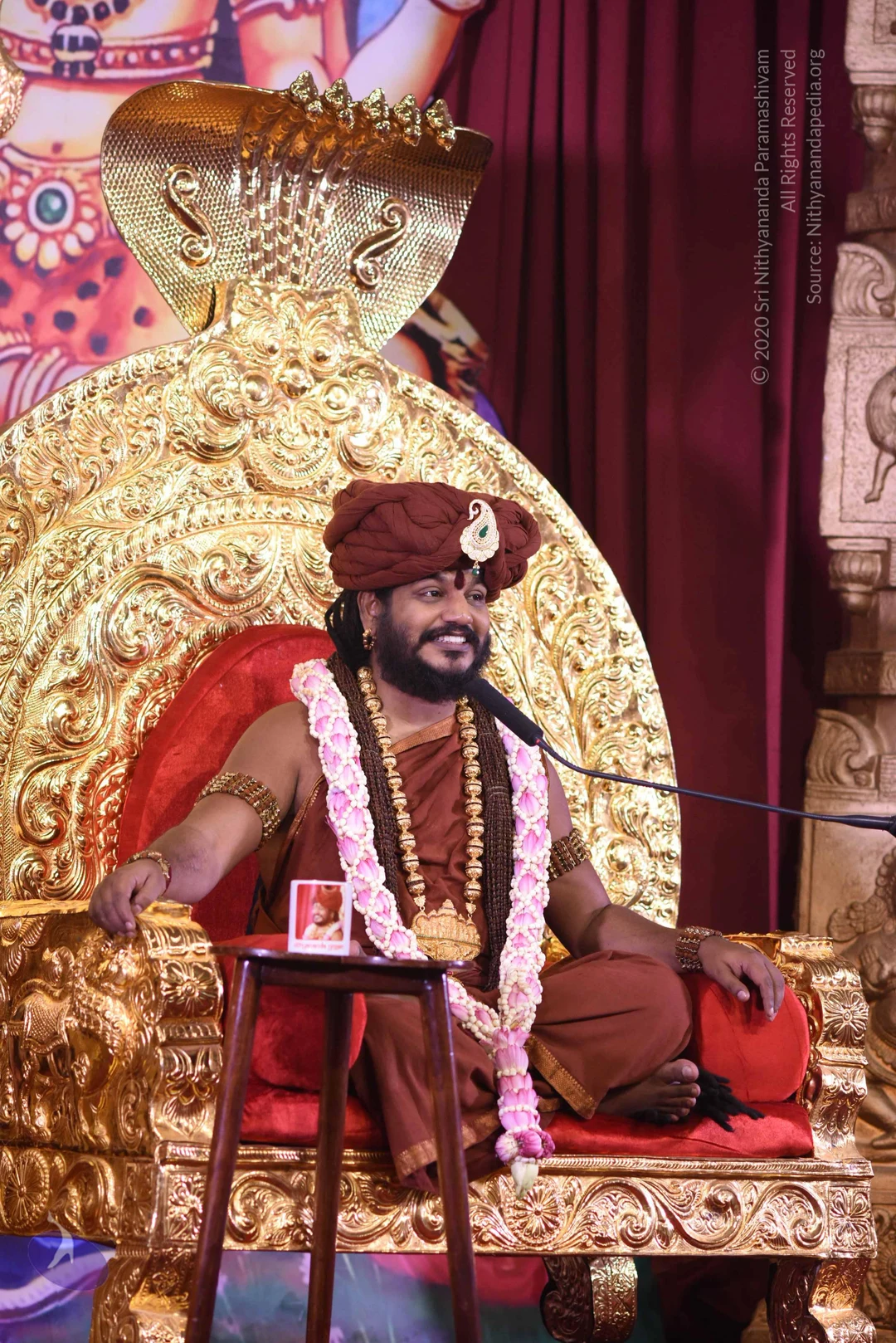
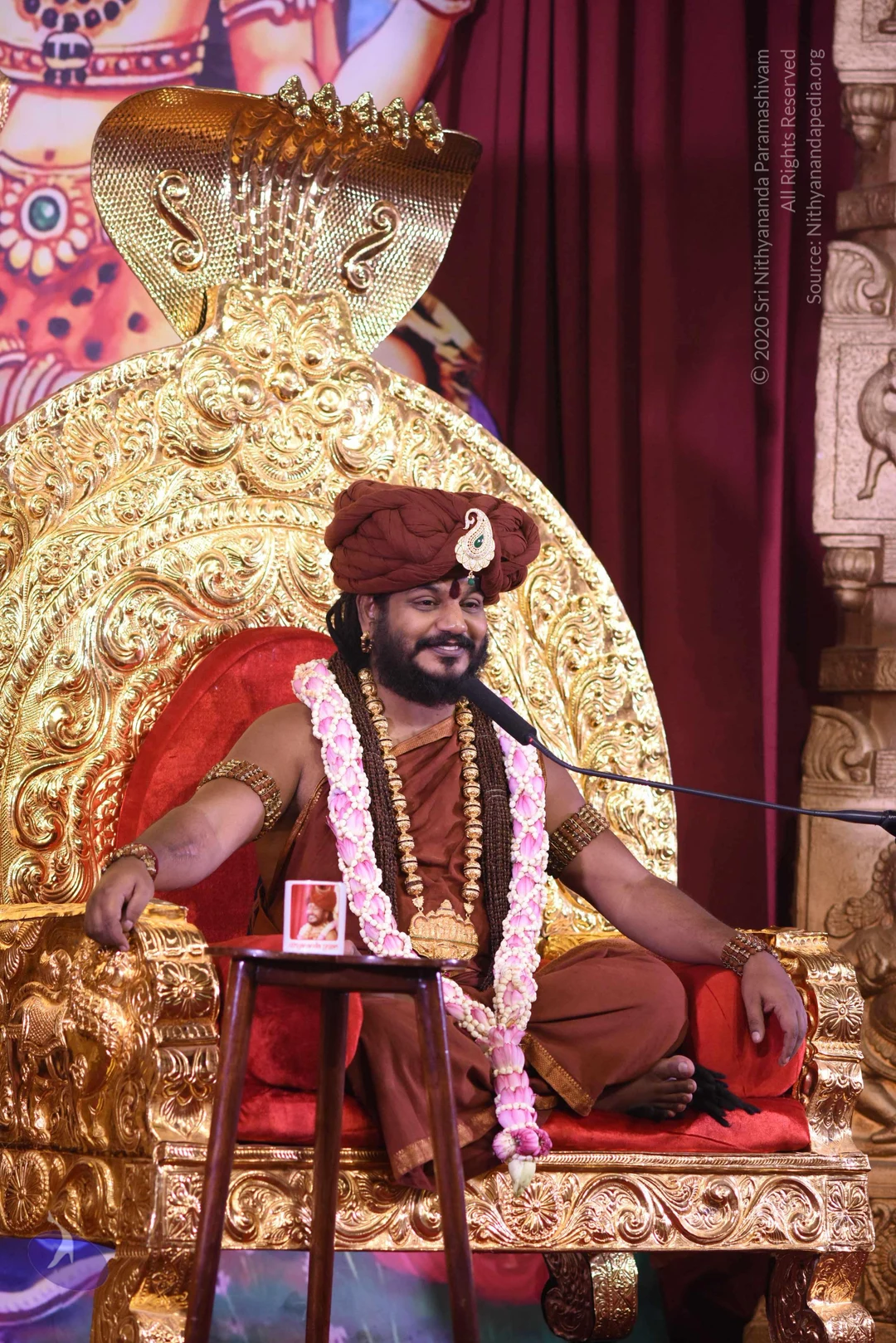
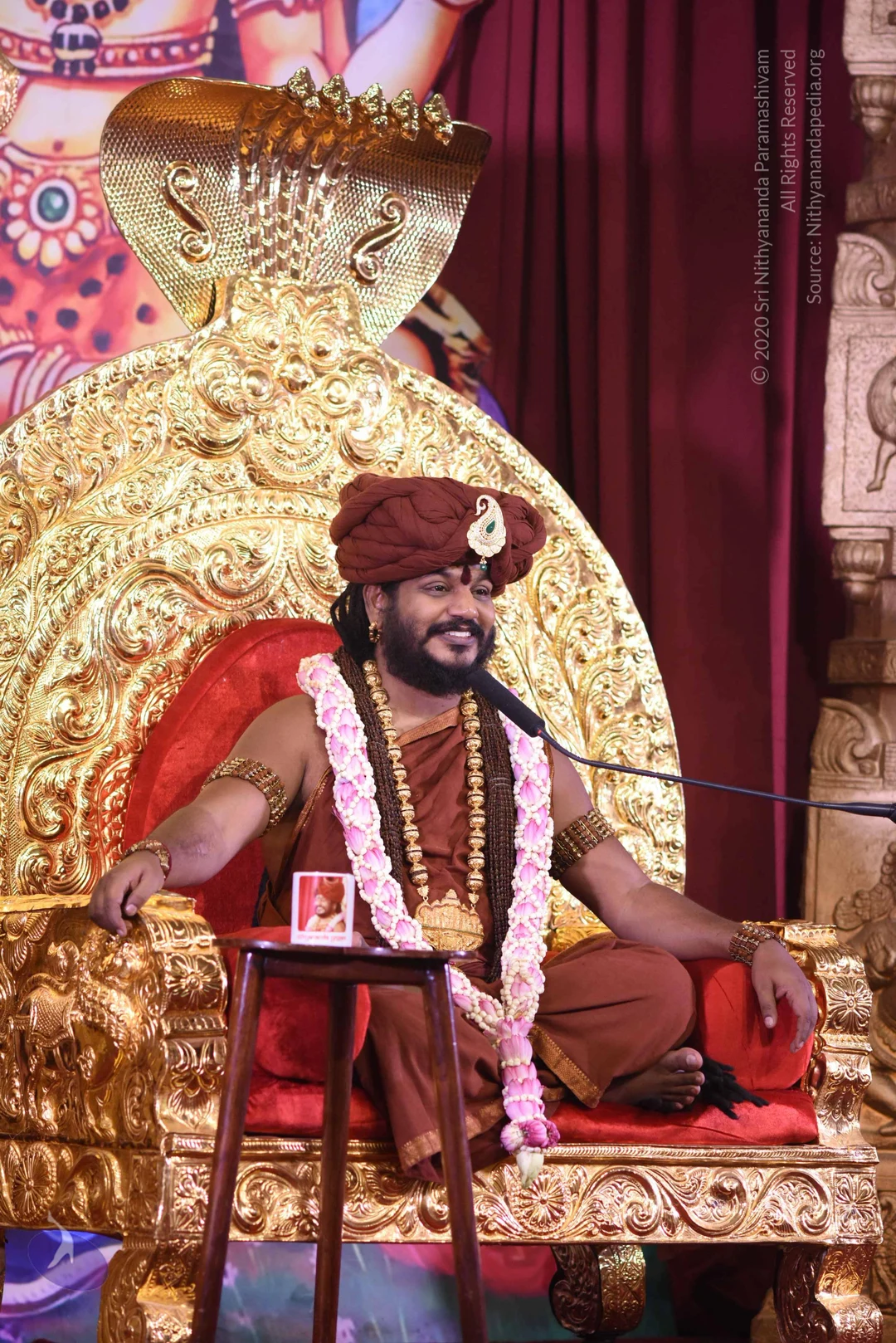
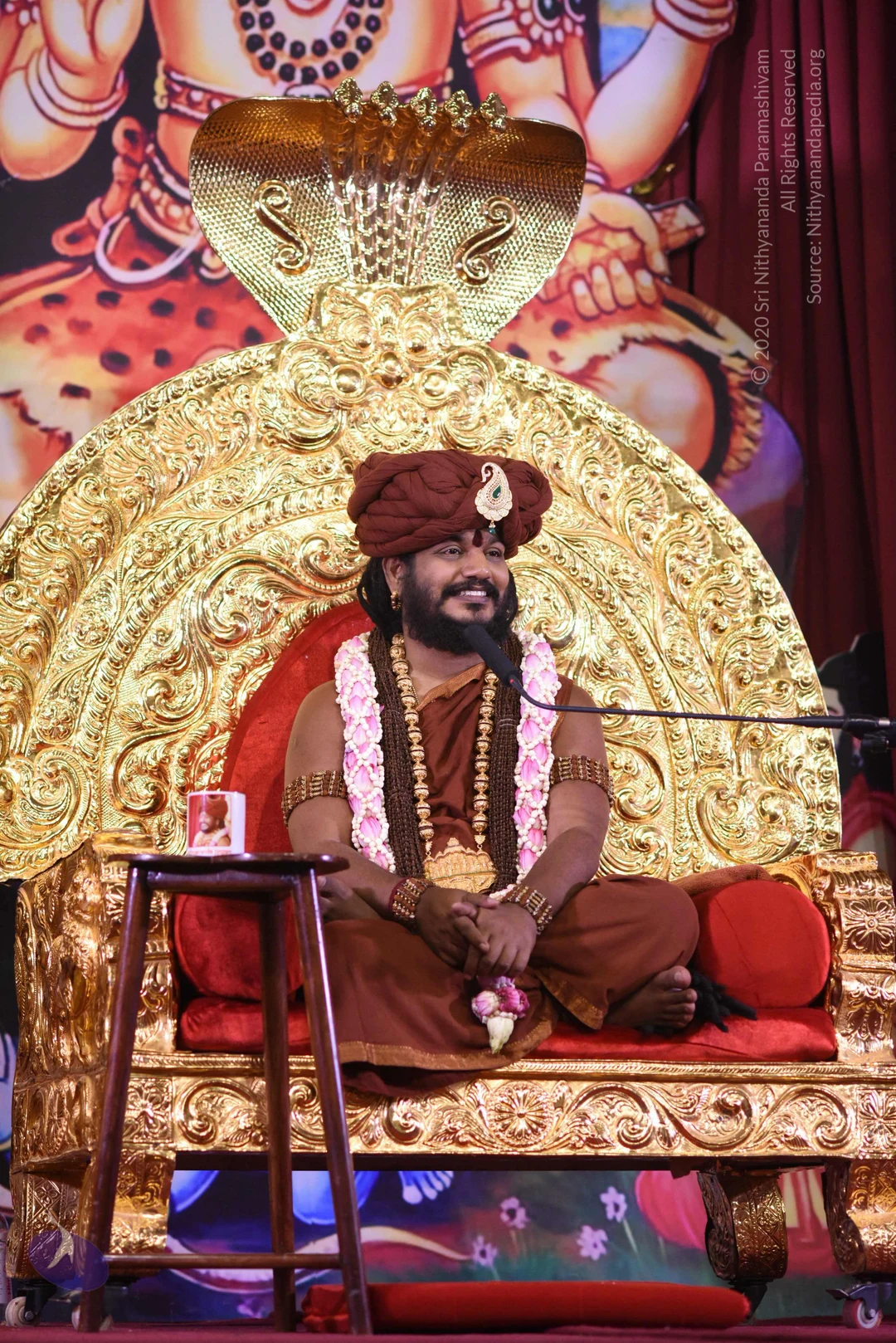
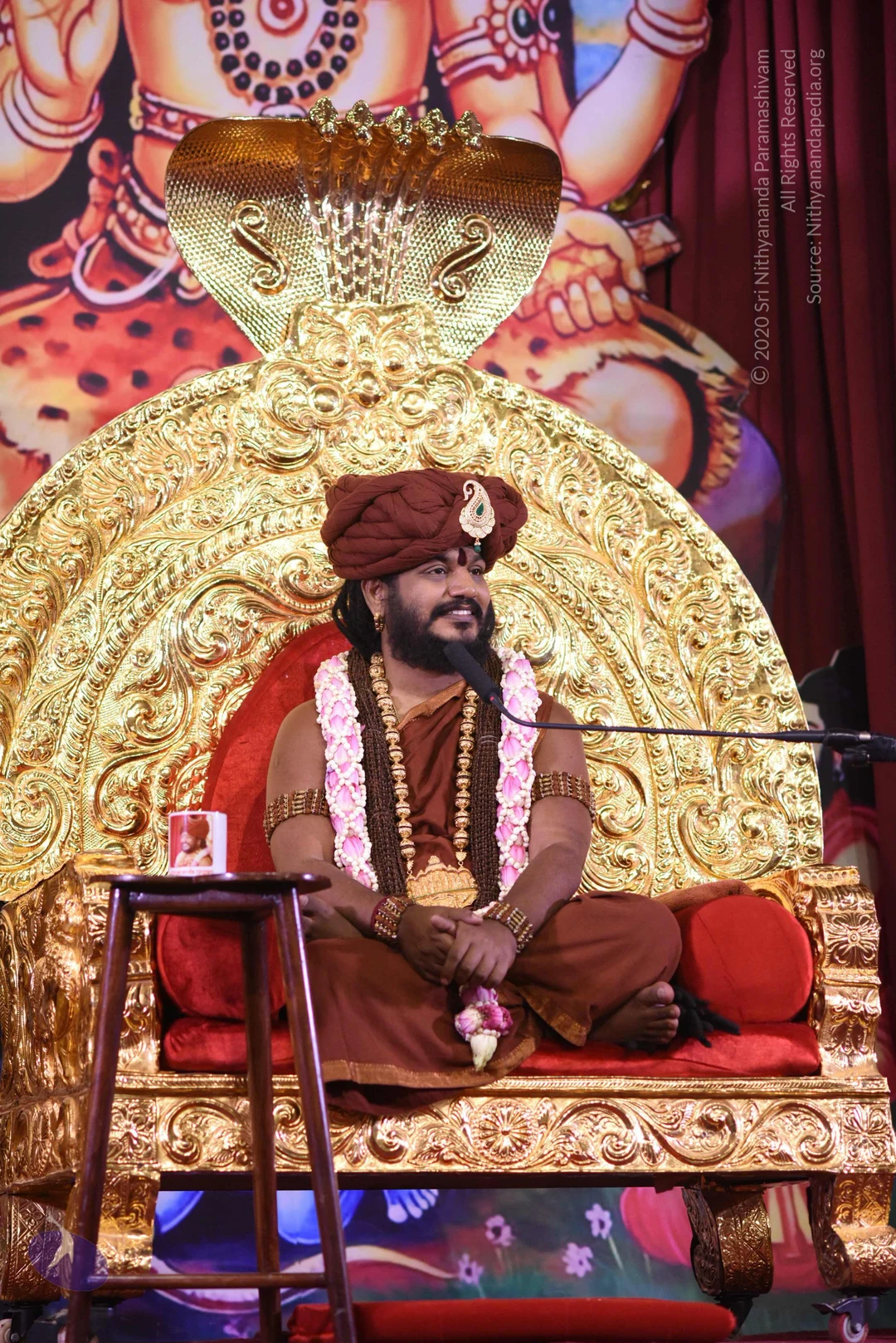
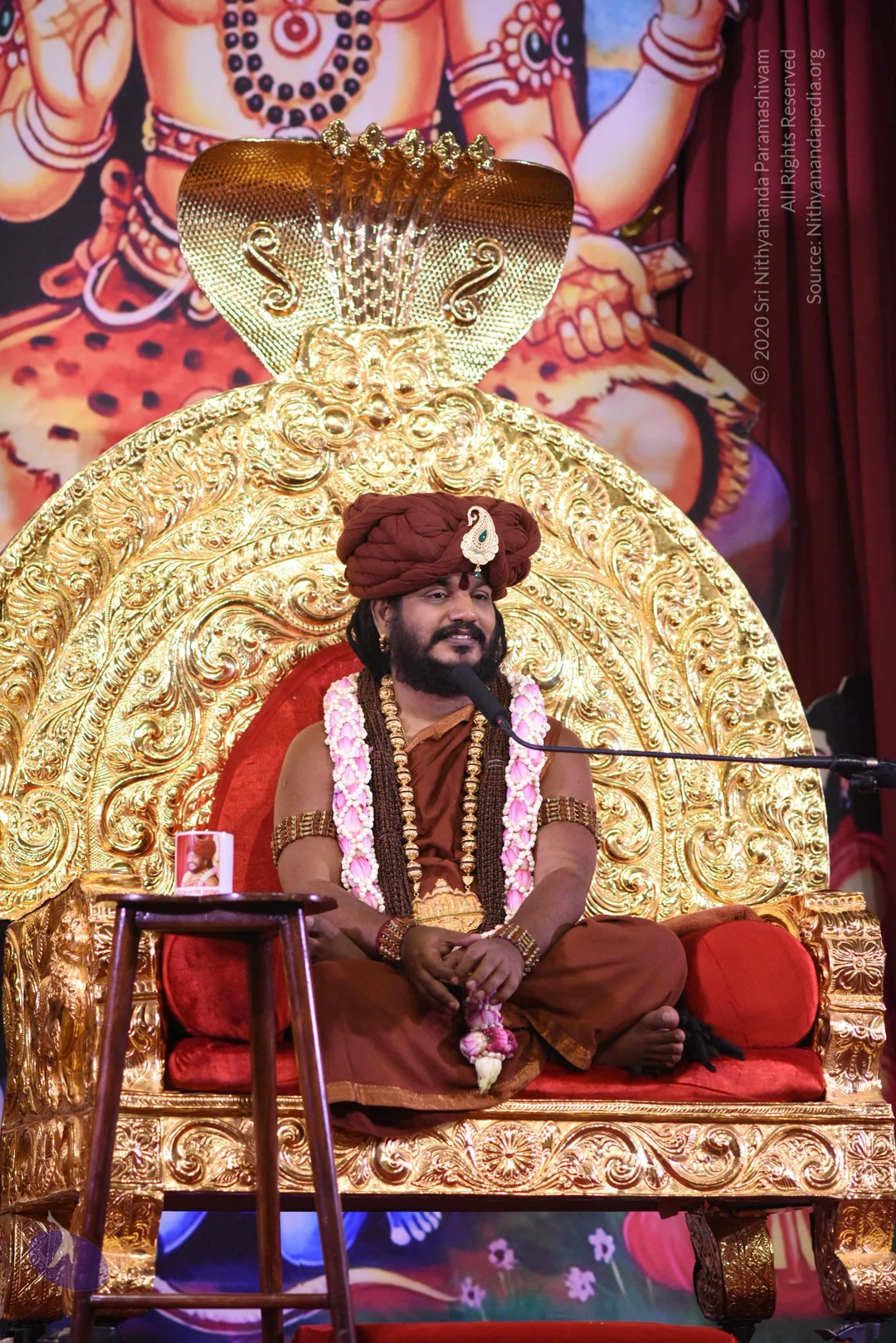
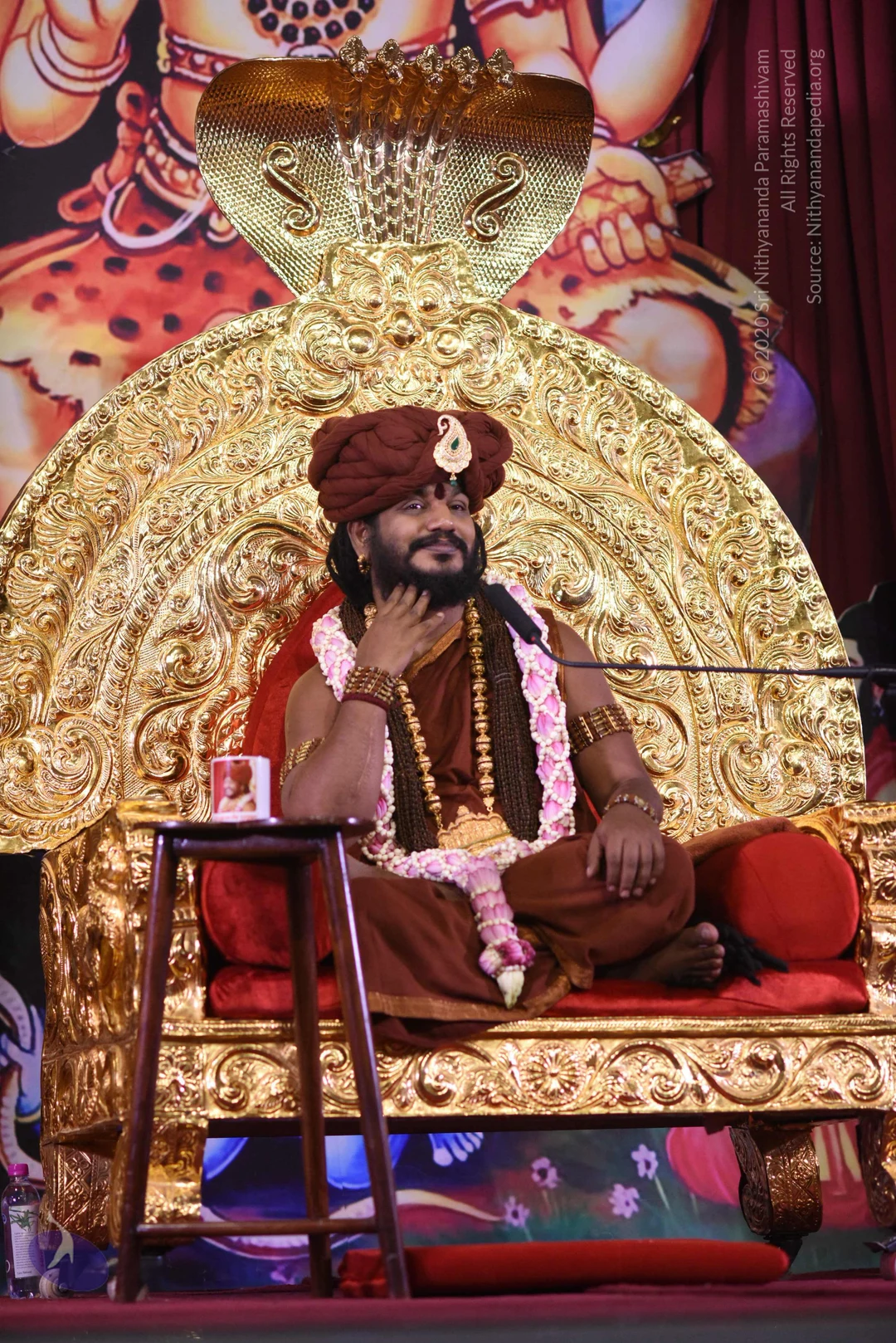
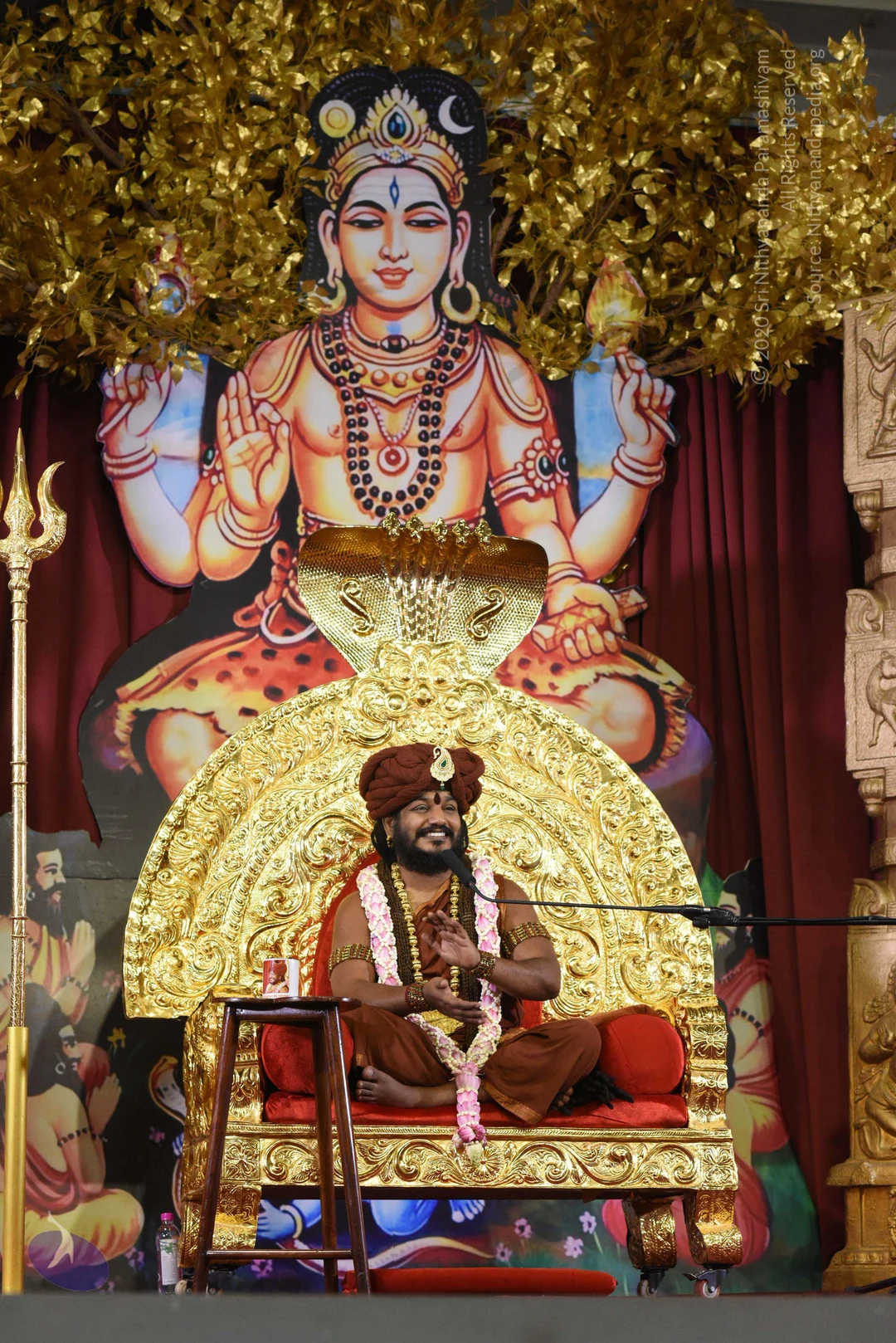
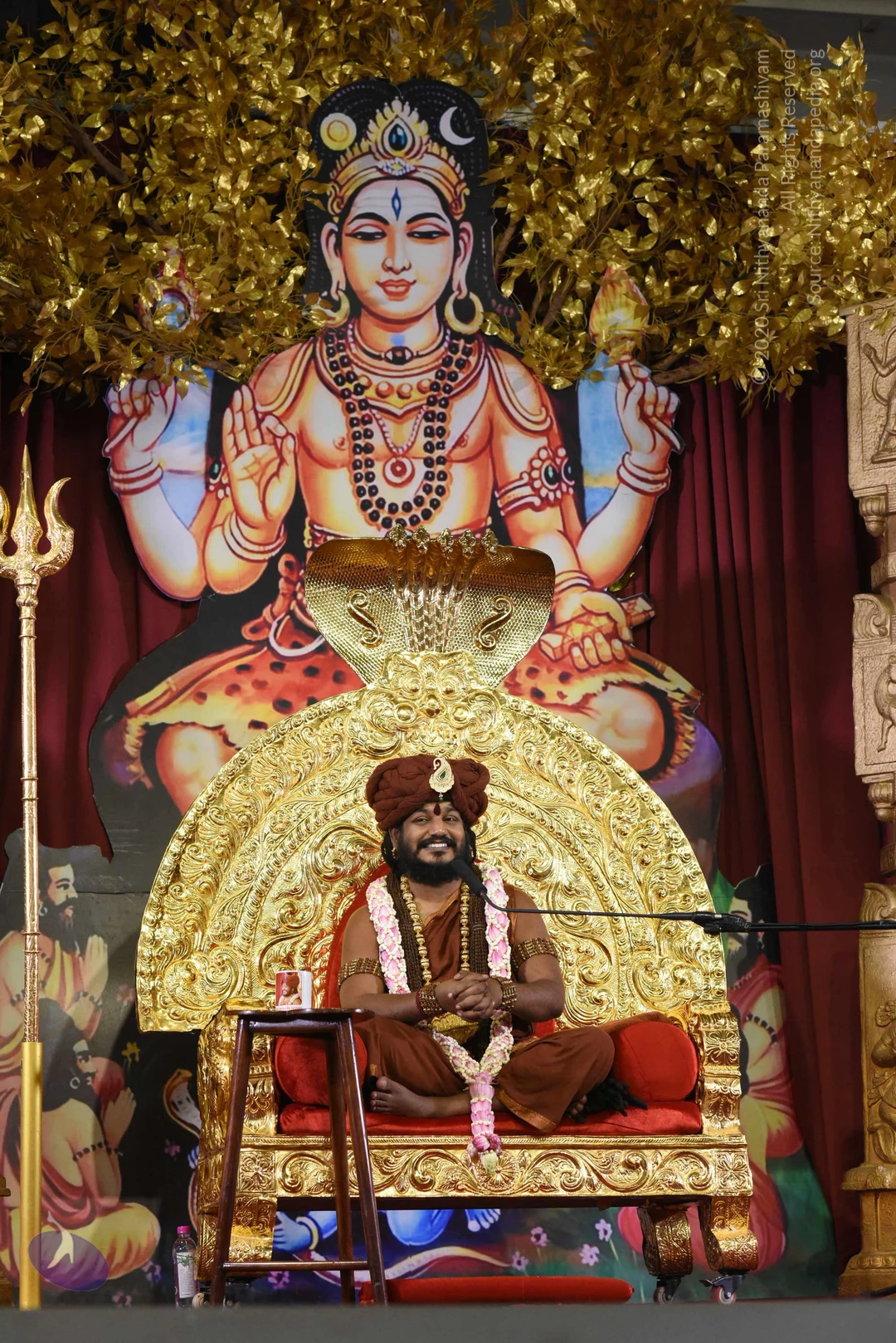
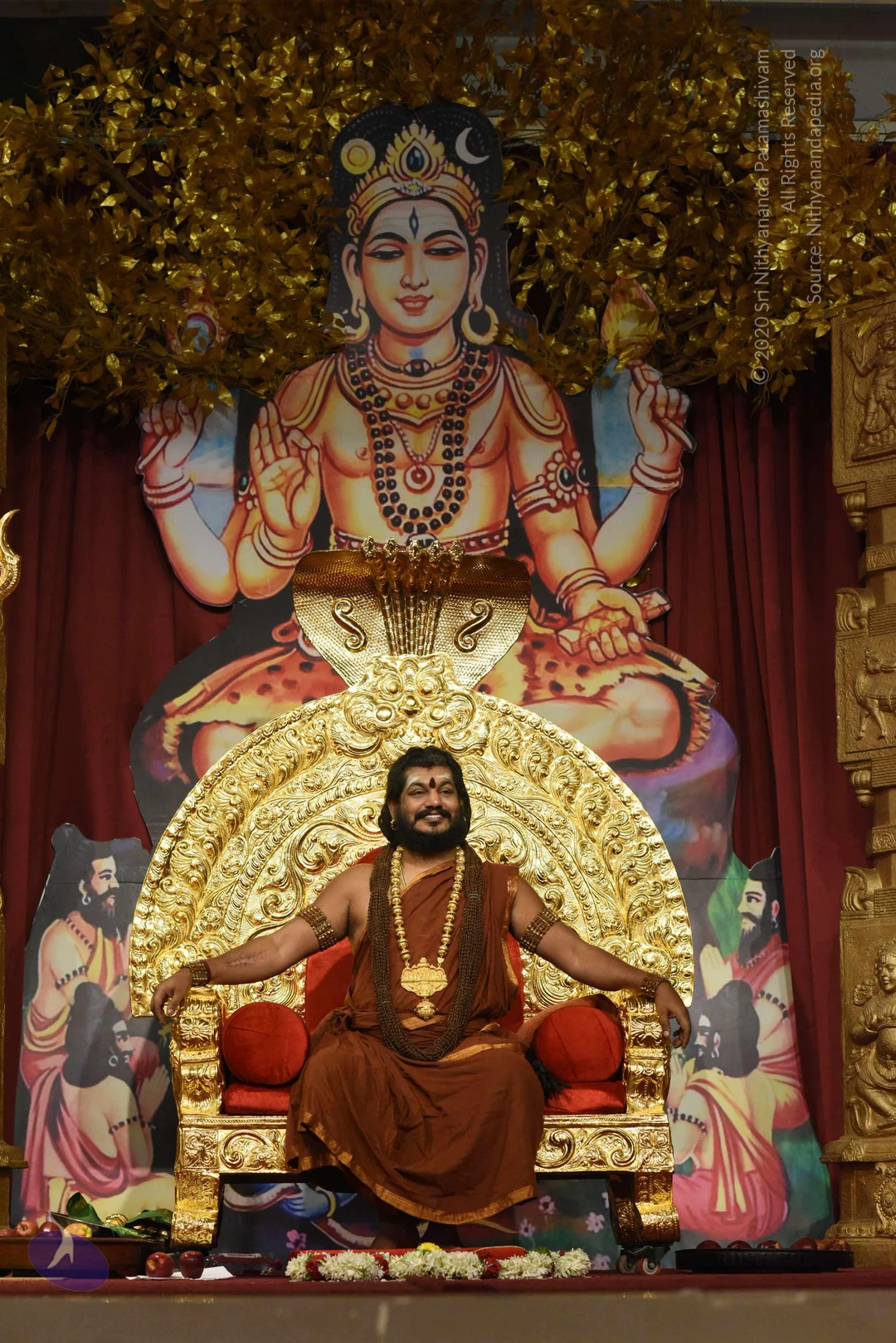
01-Nithya-Satsang
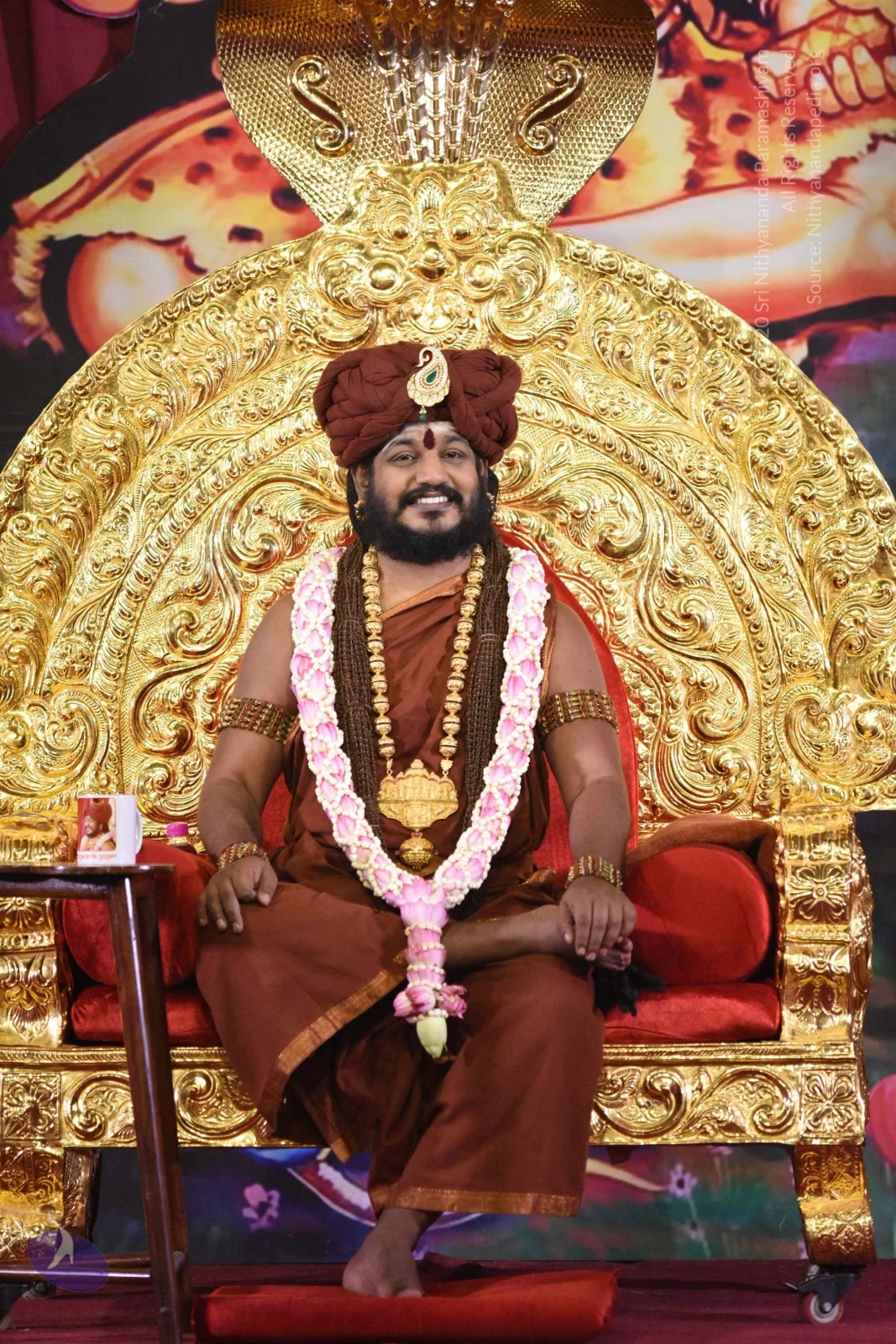
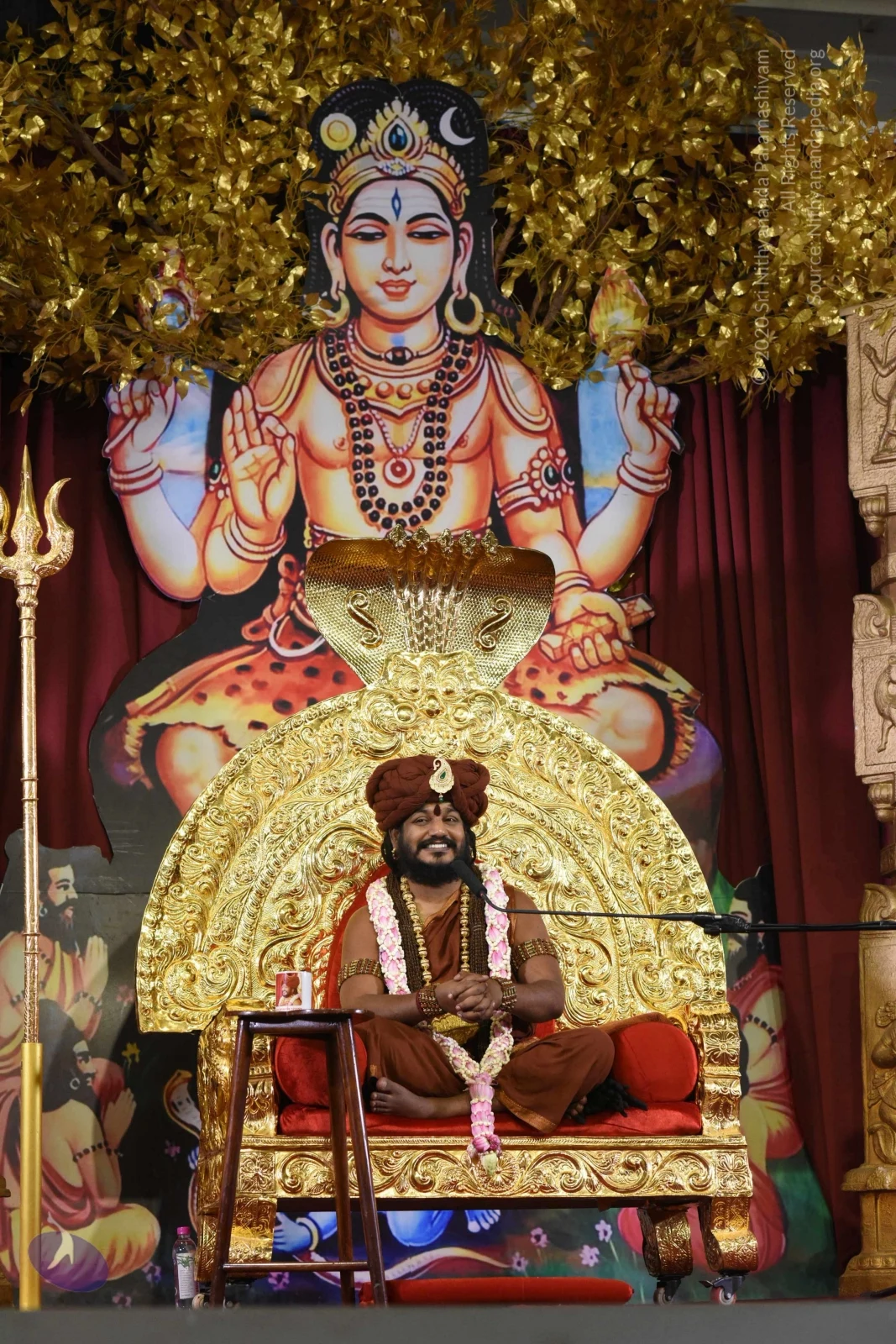
02-Kalpataru-Darshan
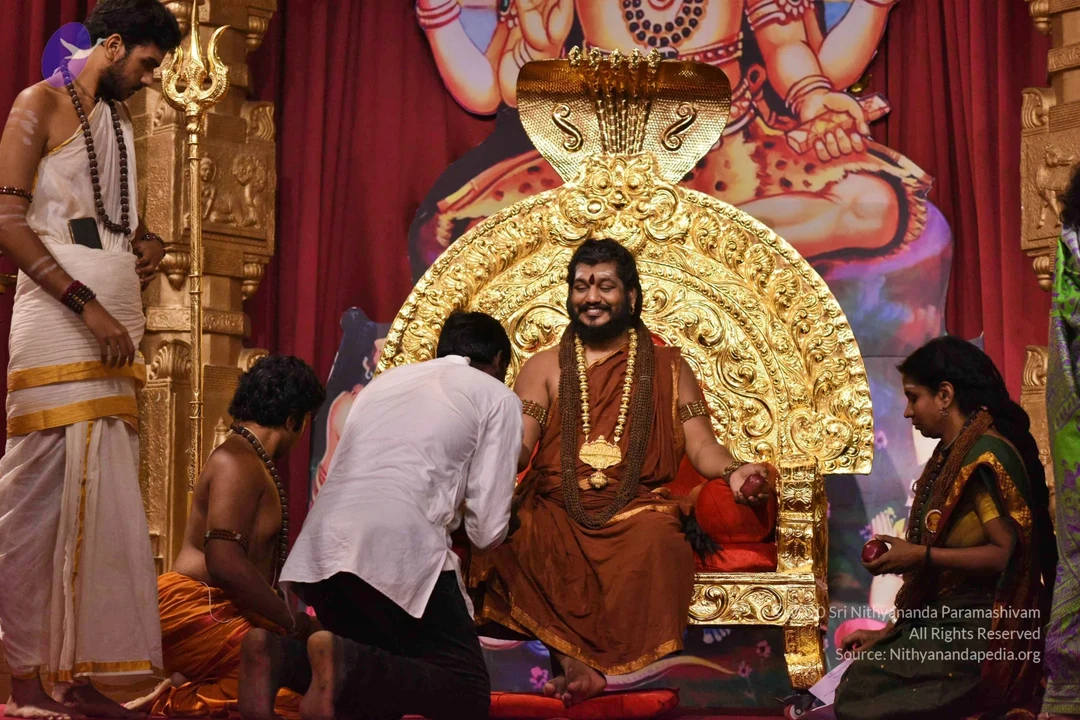
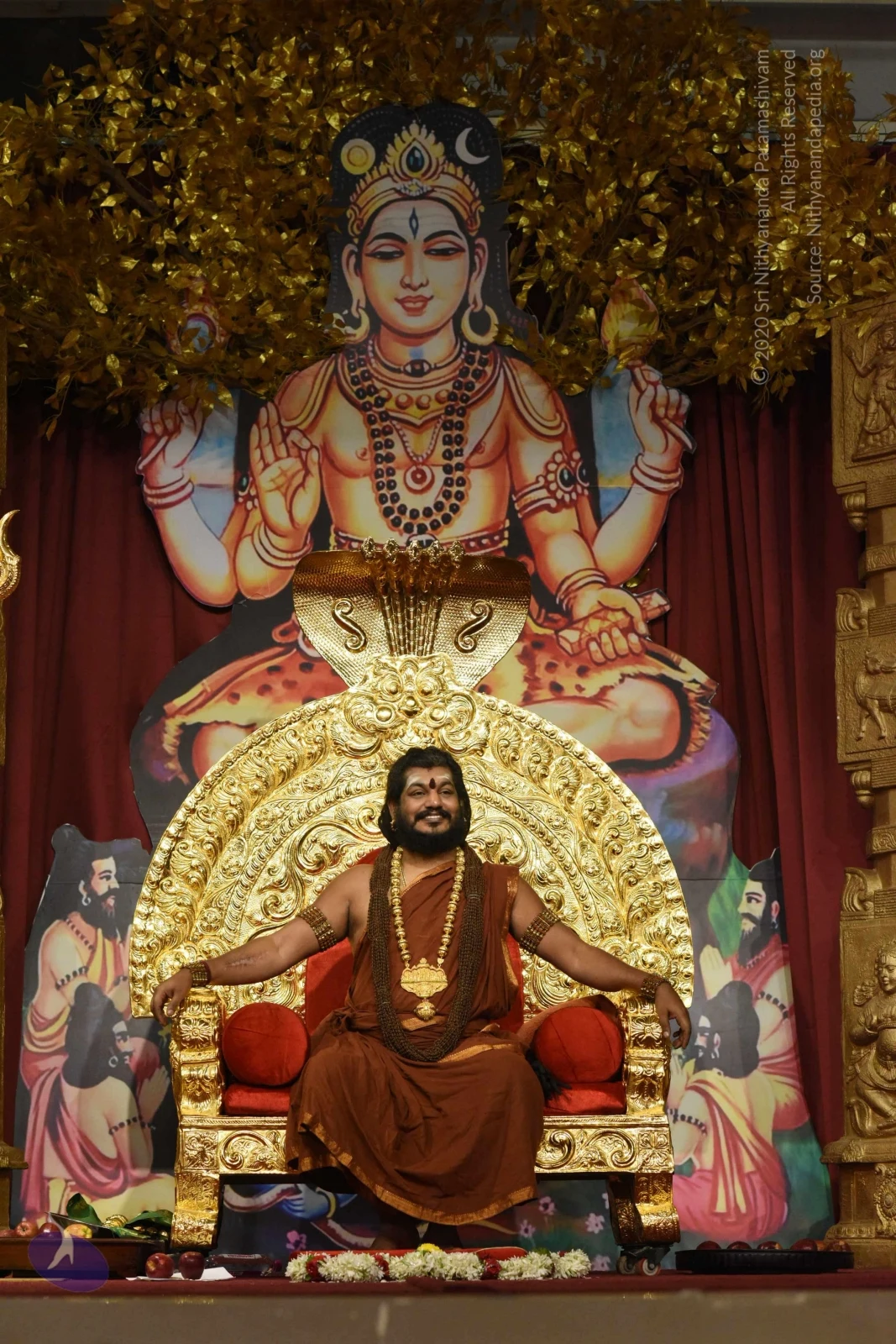
Photos from this day
View all 113 photosNithya Satsang and Sankirtan
106 photosSource gallery
Kalpataru Darshan
2 photosSource gallery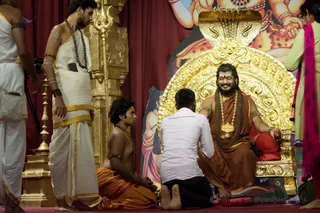
01-NITHYA-SATSANG
4 photosSource gallery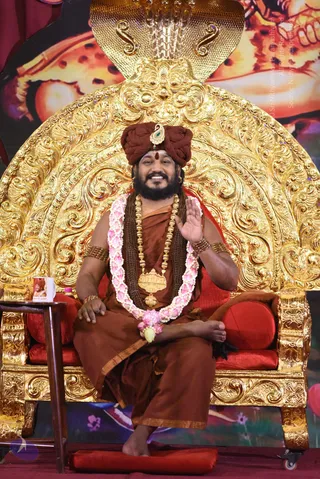
02-Kalpataru-Darshan
1 photoSource gallery