Sunday
25 March 2018
Message of Sri Ram Chandra - Build Your Life on Powerful Cognitions
- Dated photos
- 790
- Source pages
- 1
- Media
- 2
March 25 2018
Original wiki pageTitle
Message of Sri Ram Chandra - Build Your Life on Powerful Cognitions
Narration:
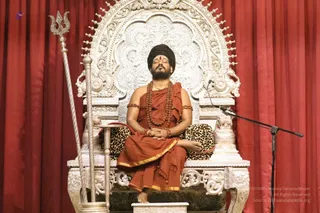
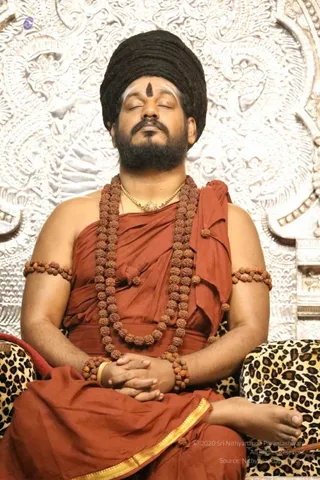
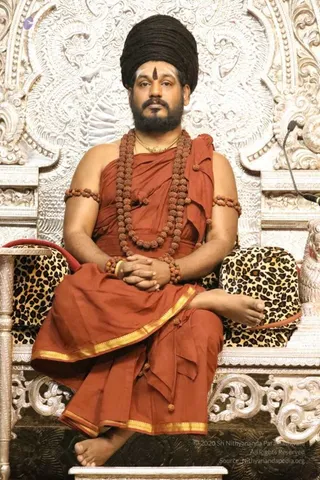
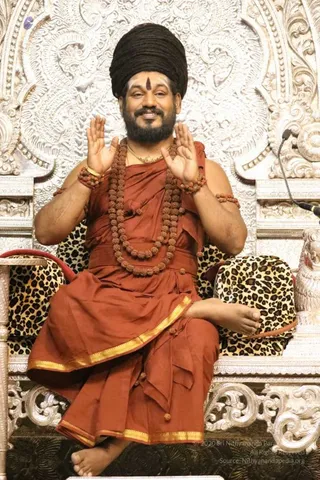
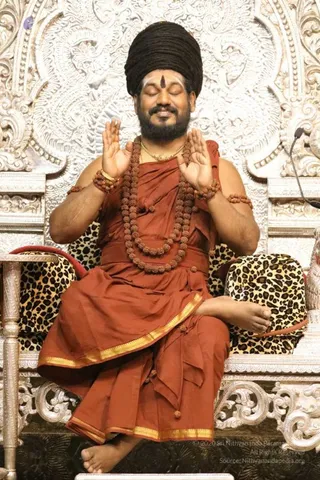
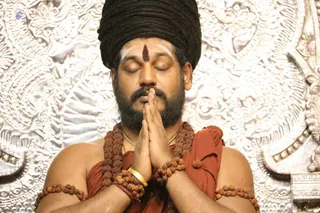
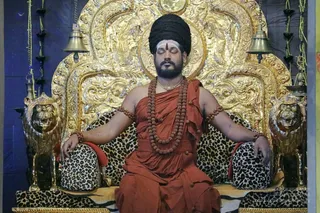
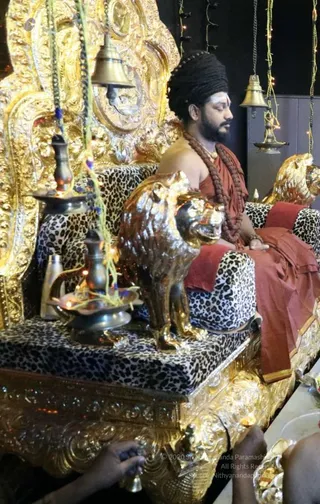
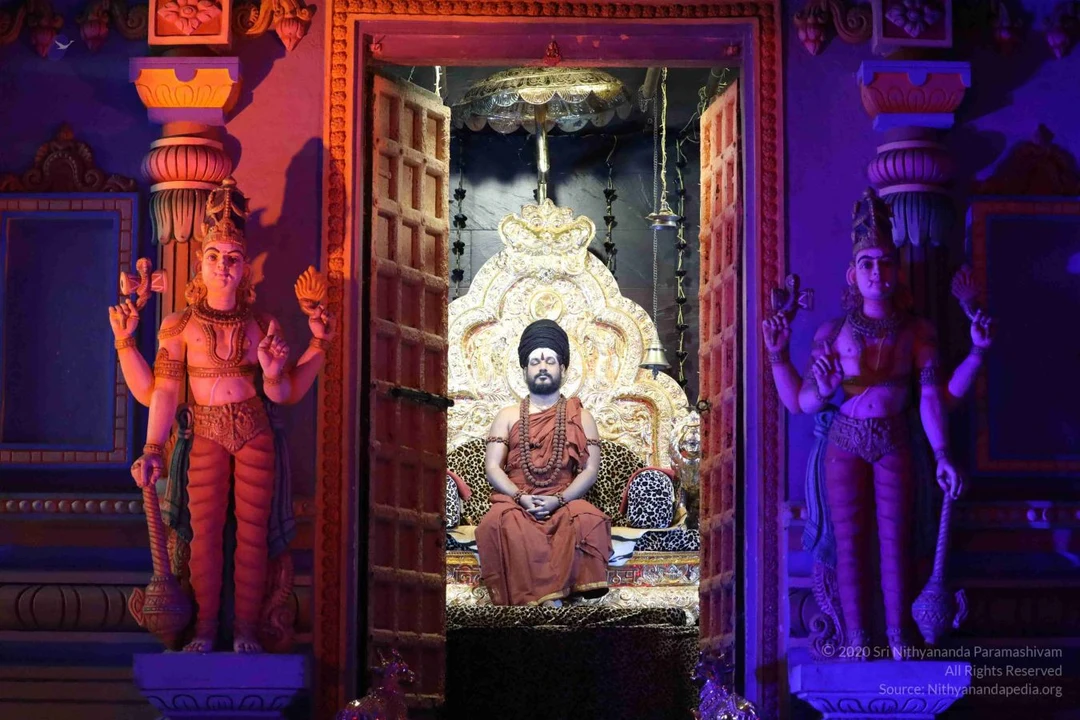
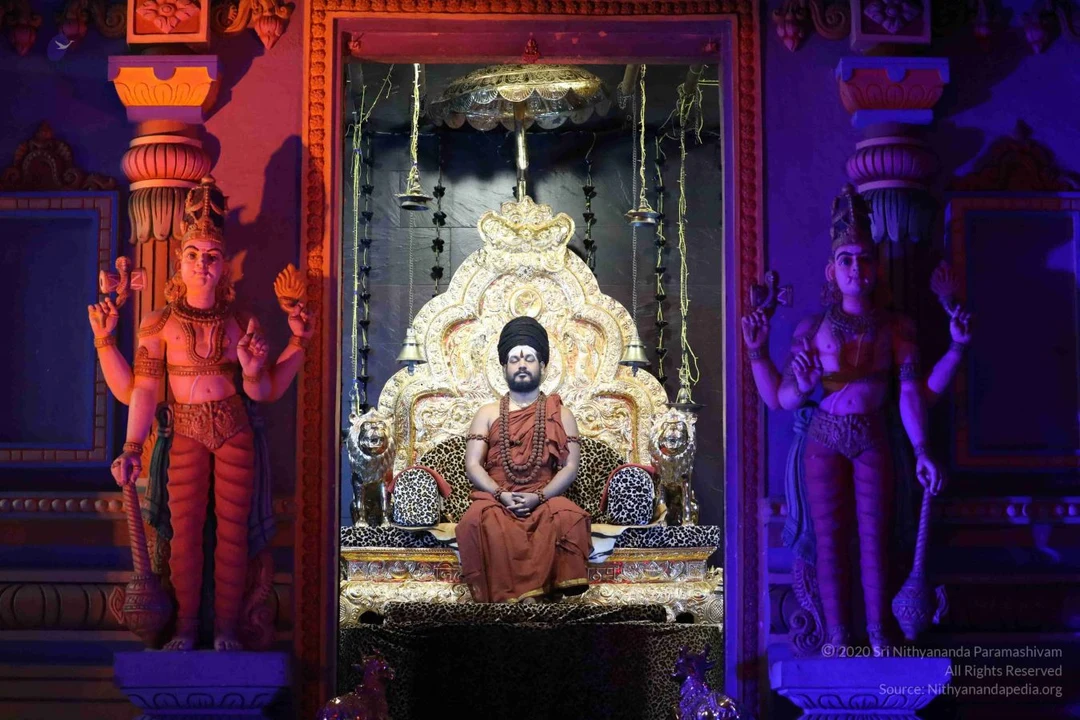
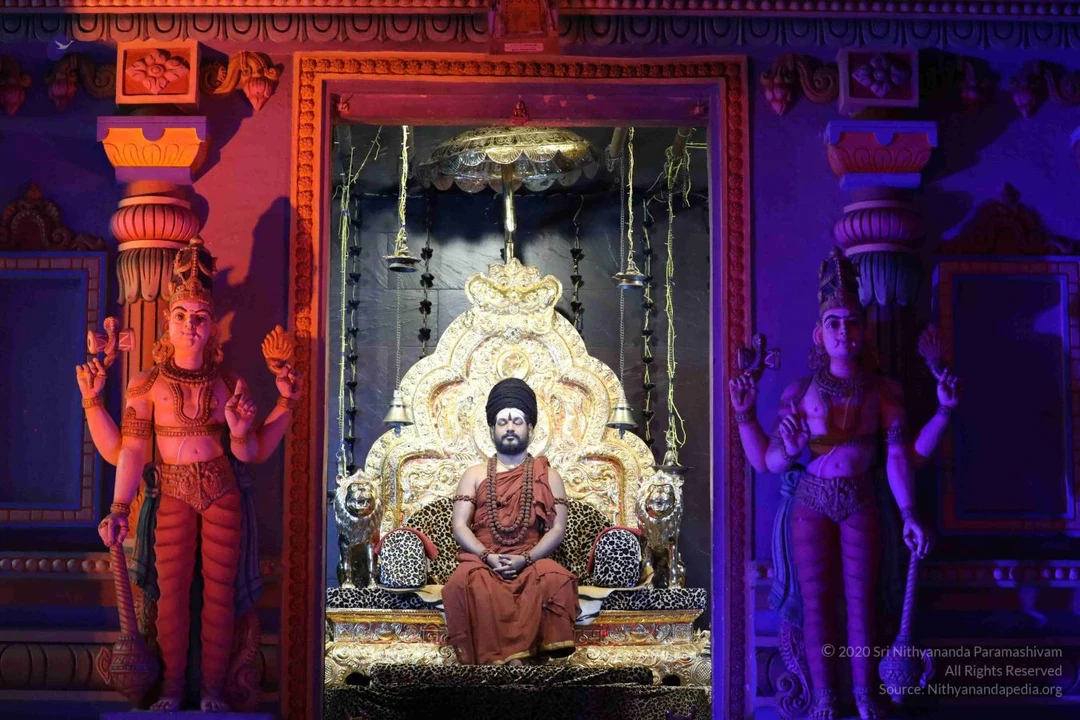
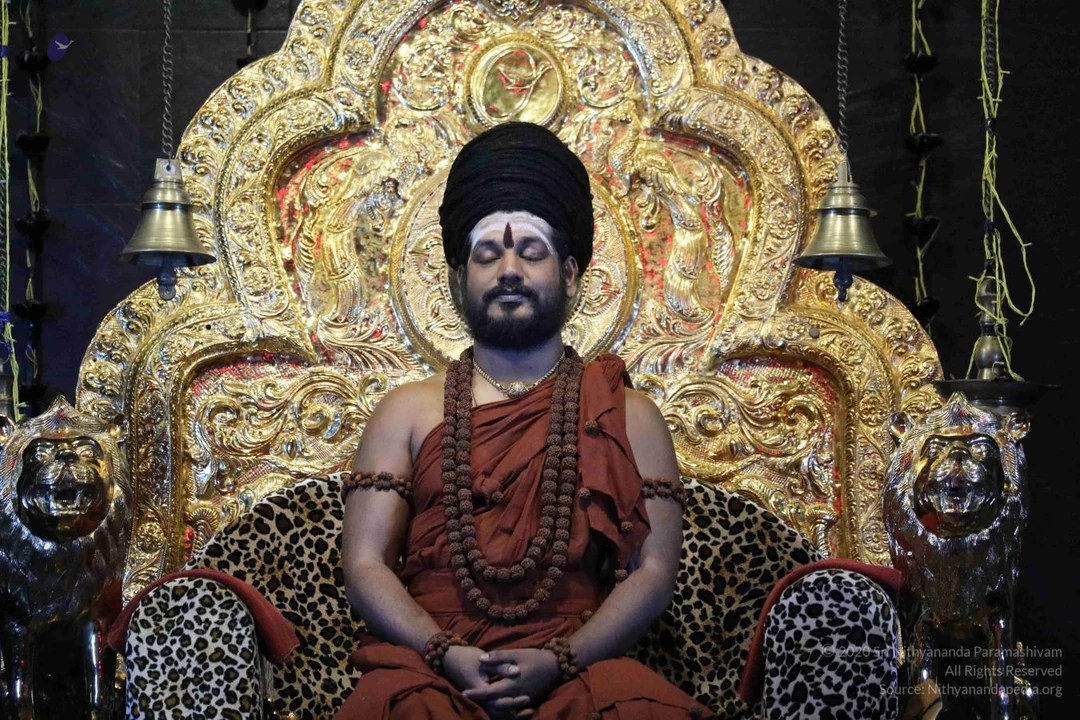
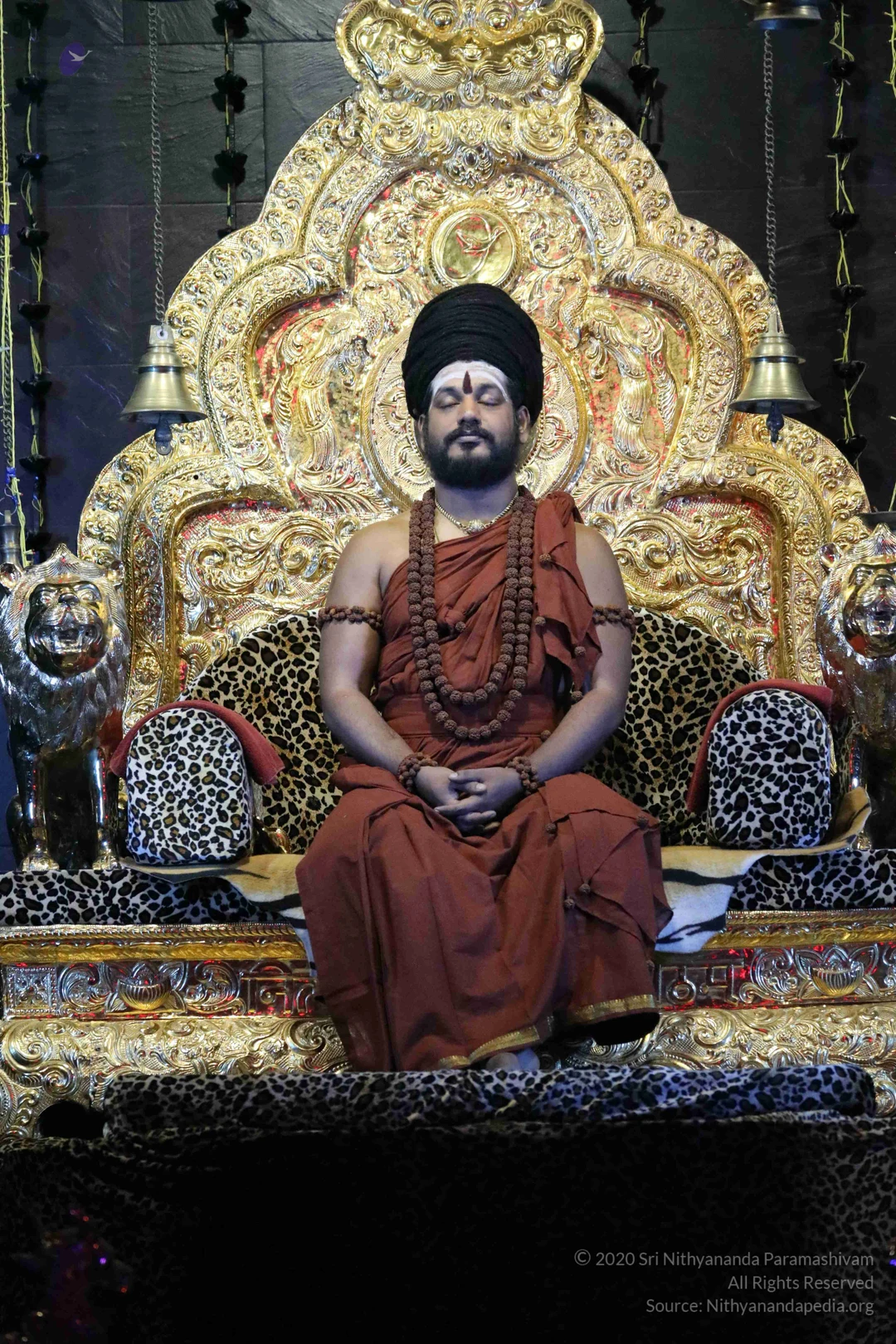
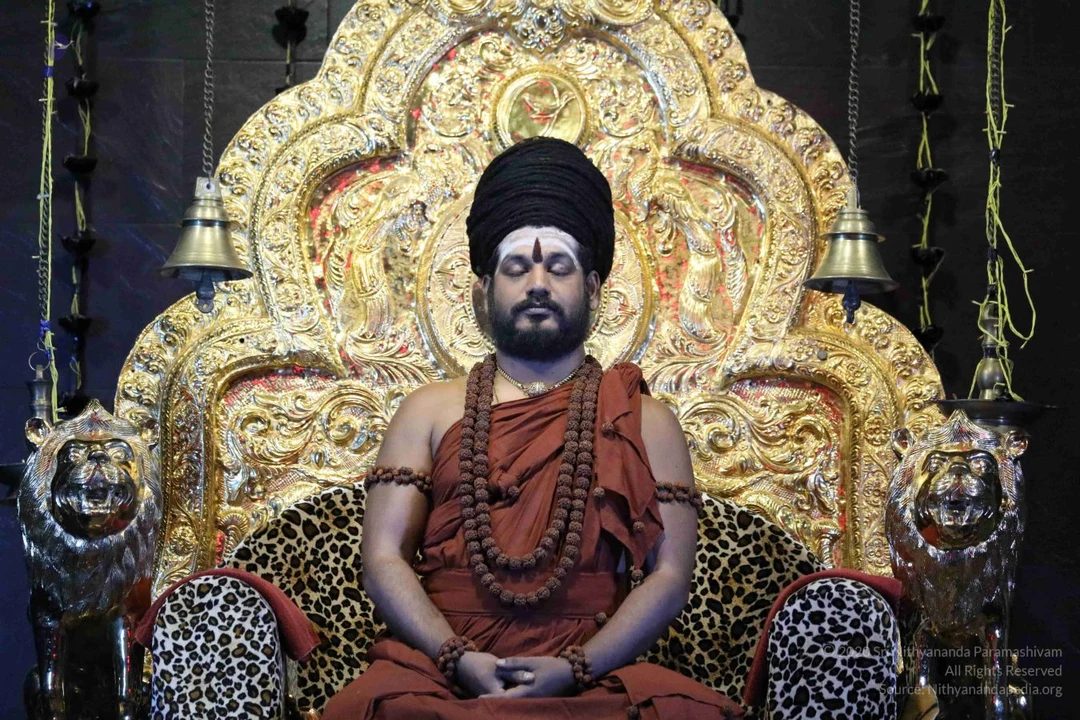
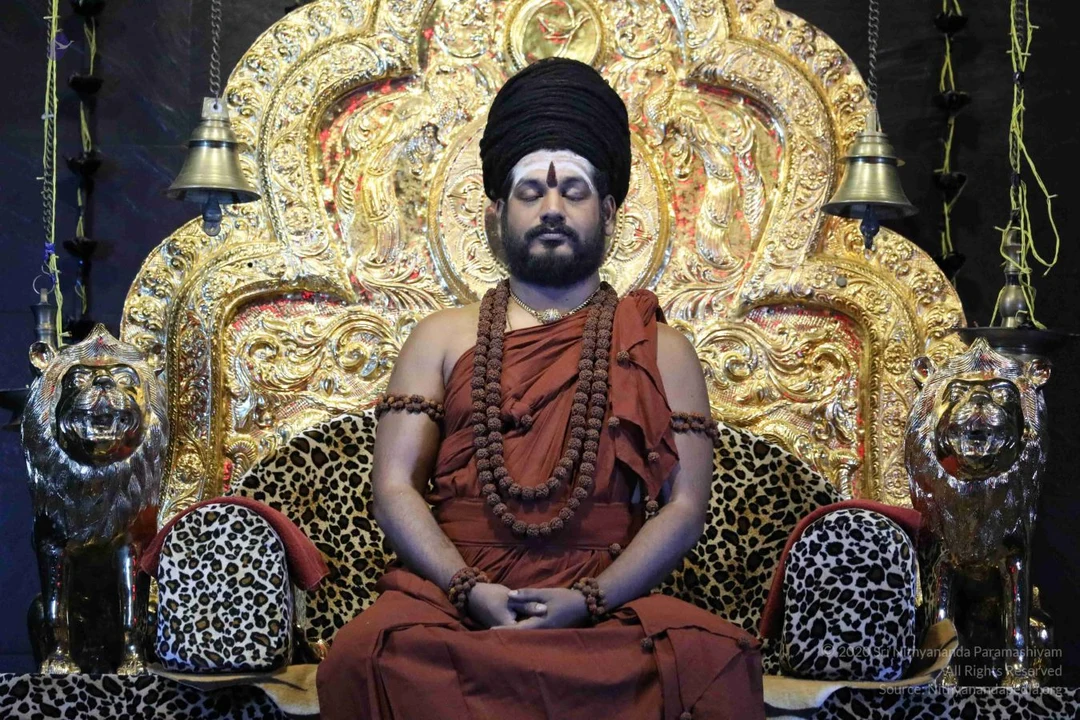
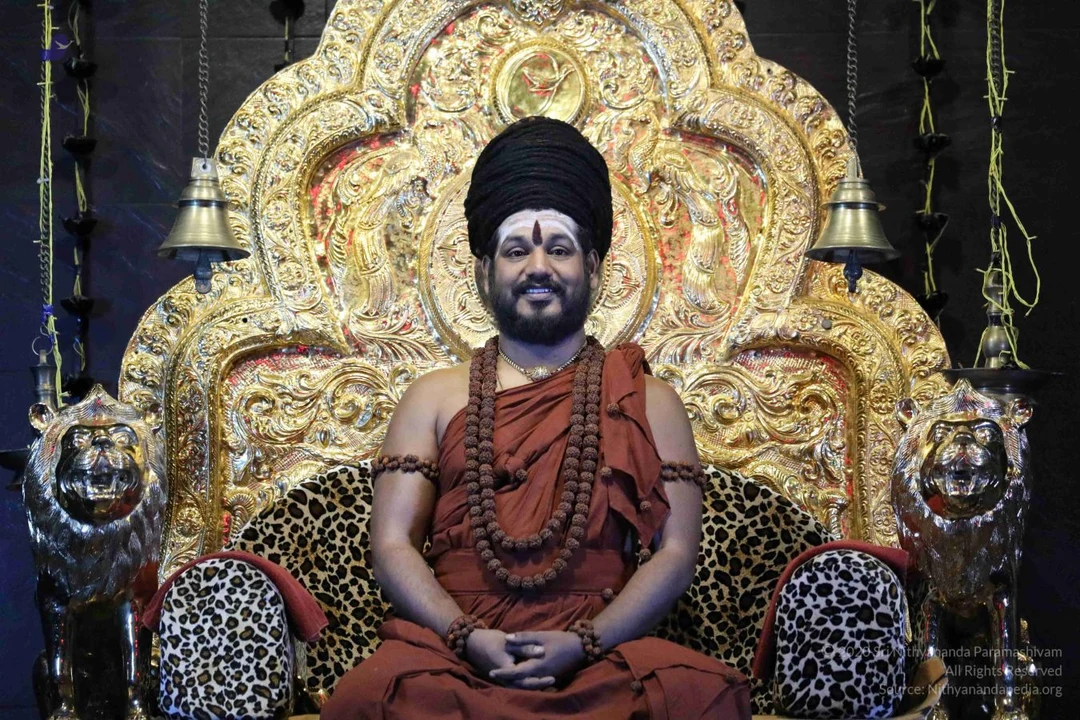
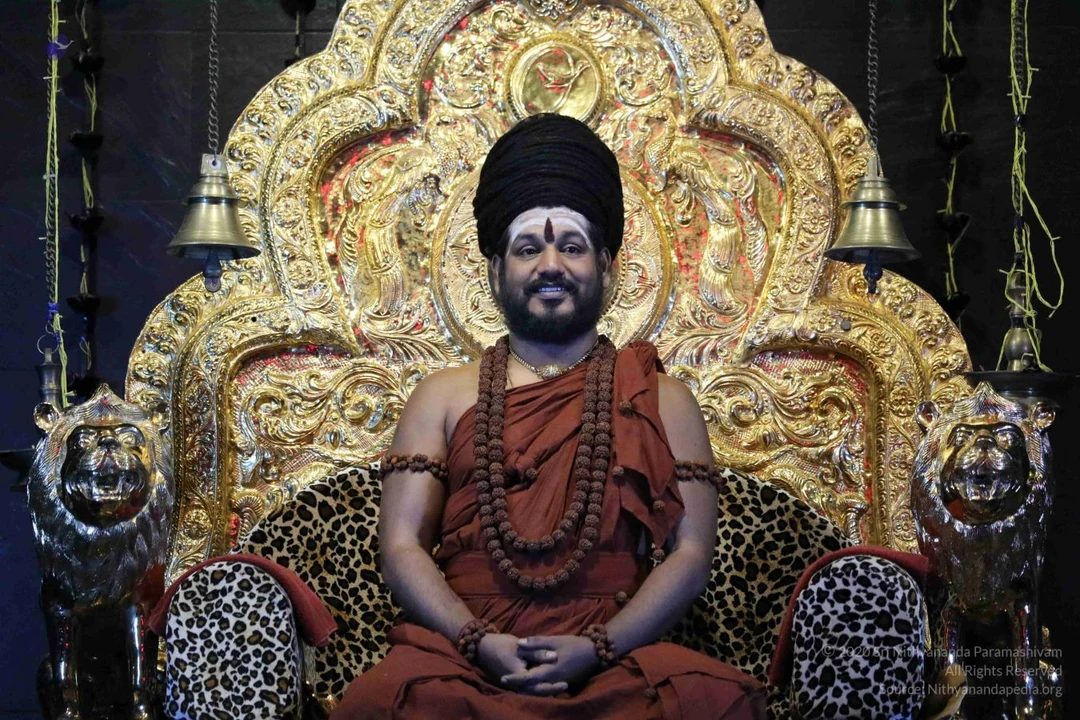
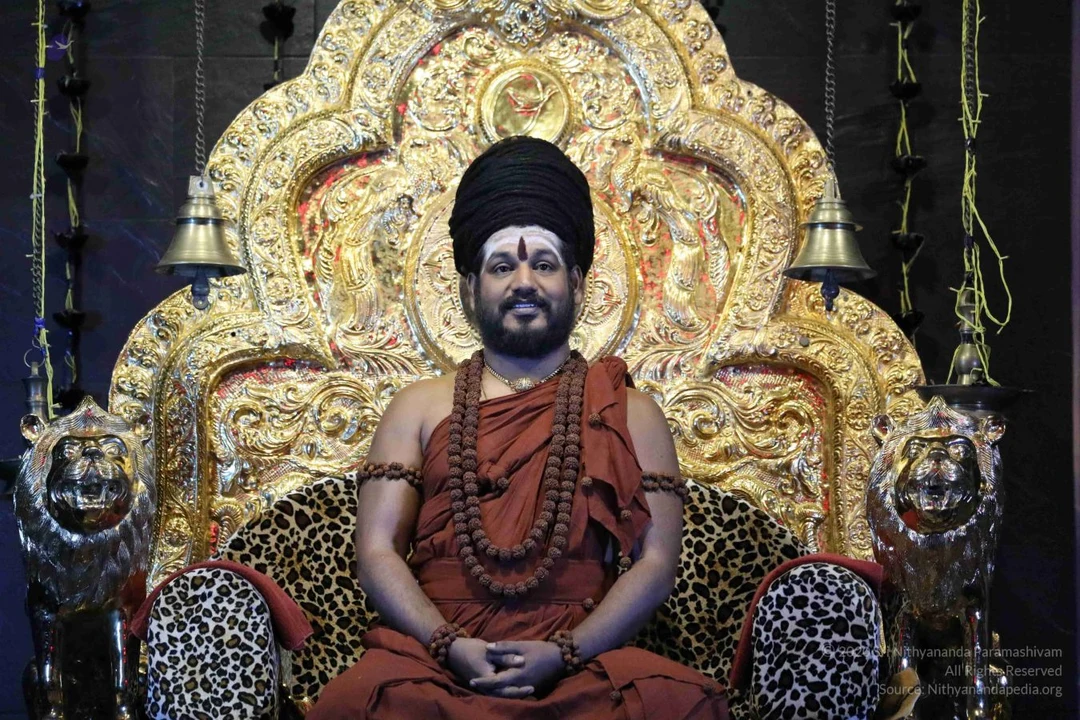
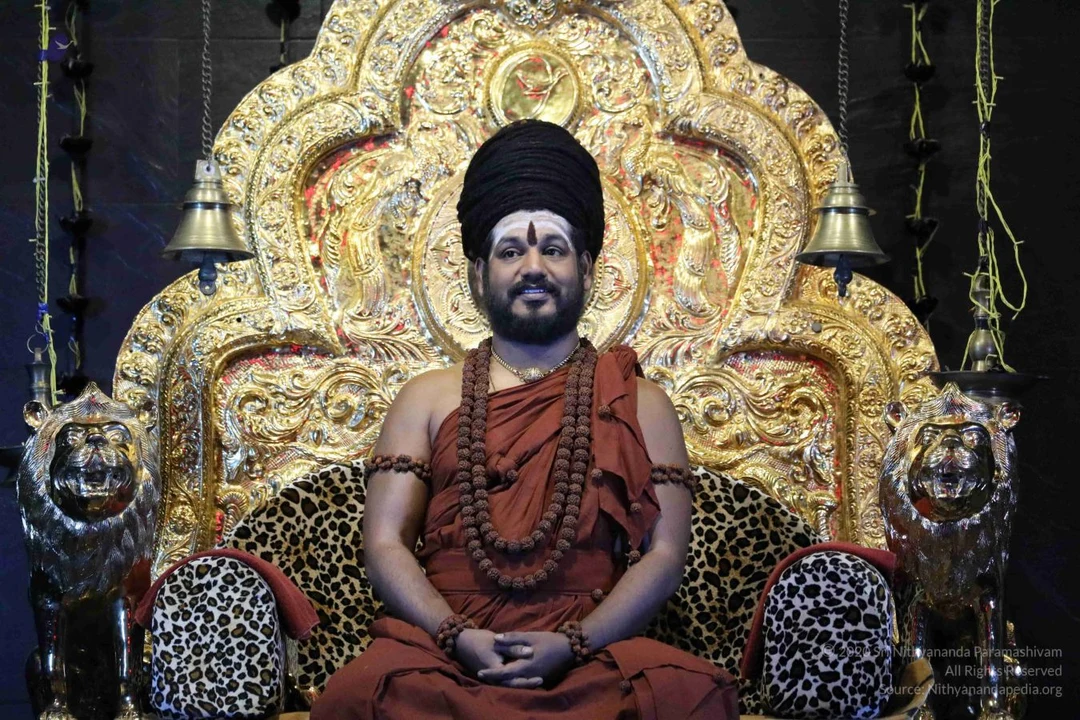
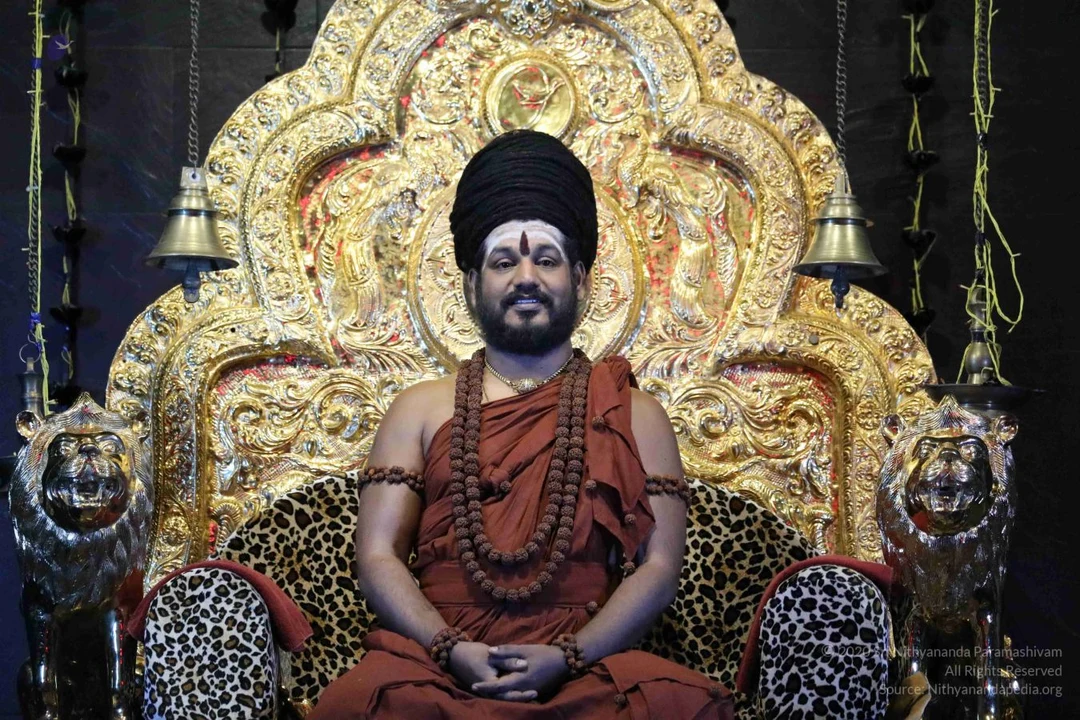
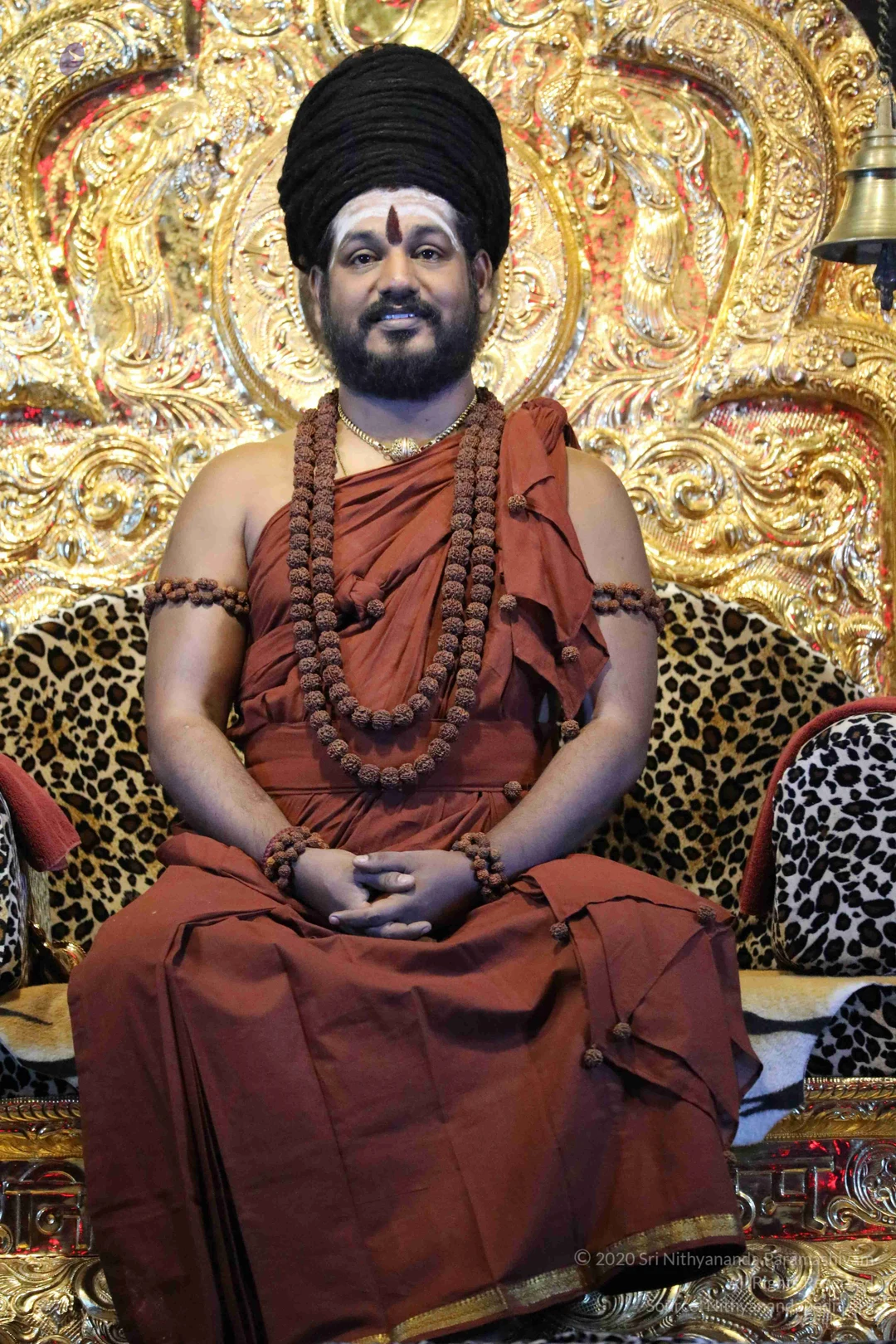
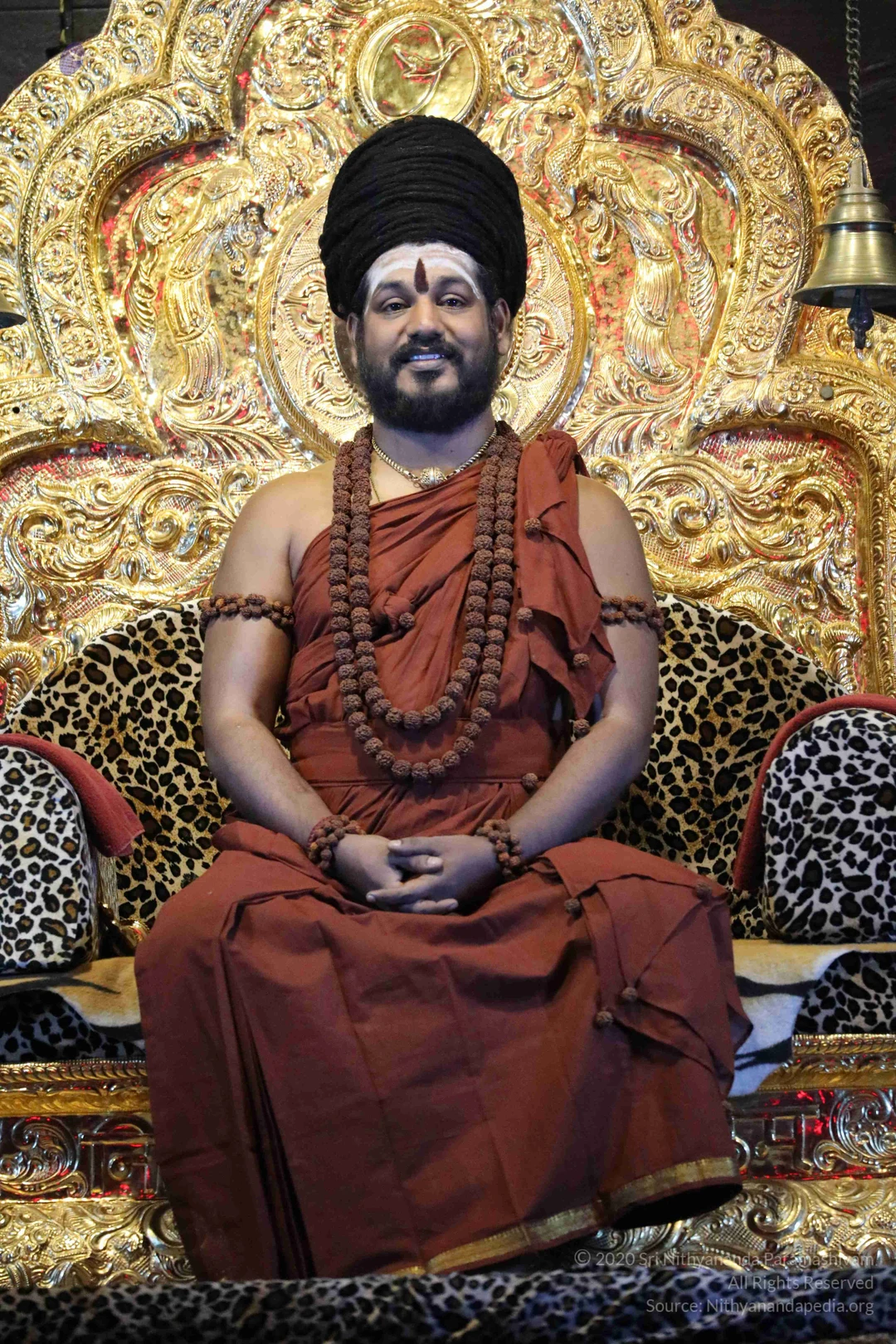
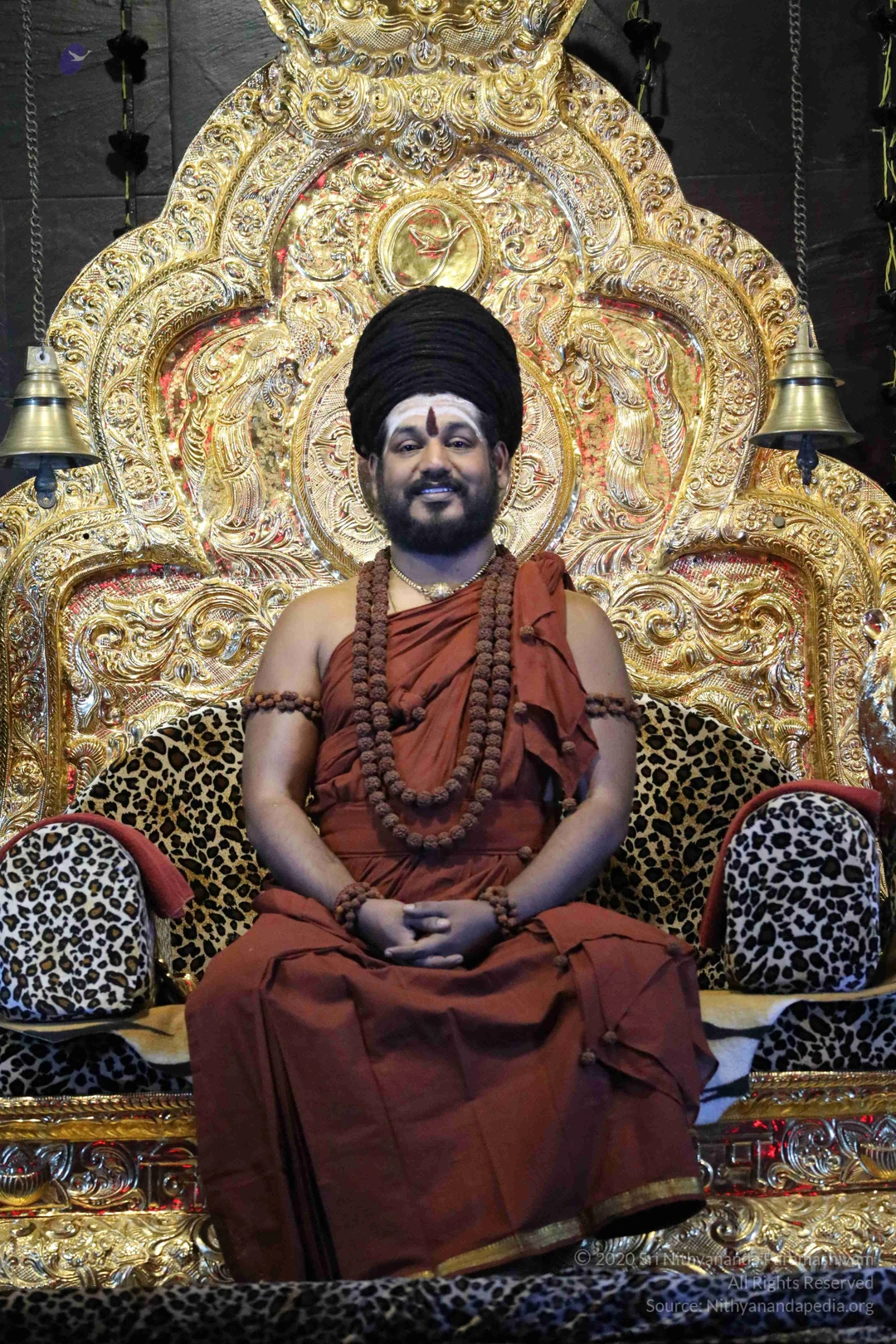
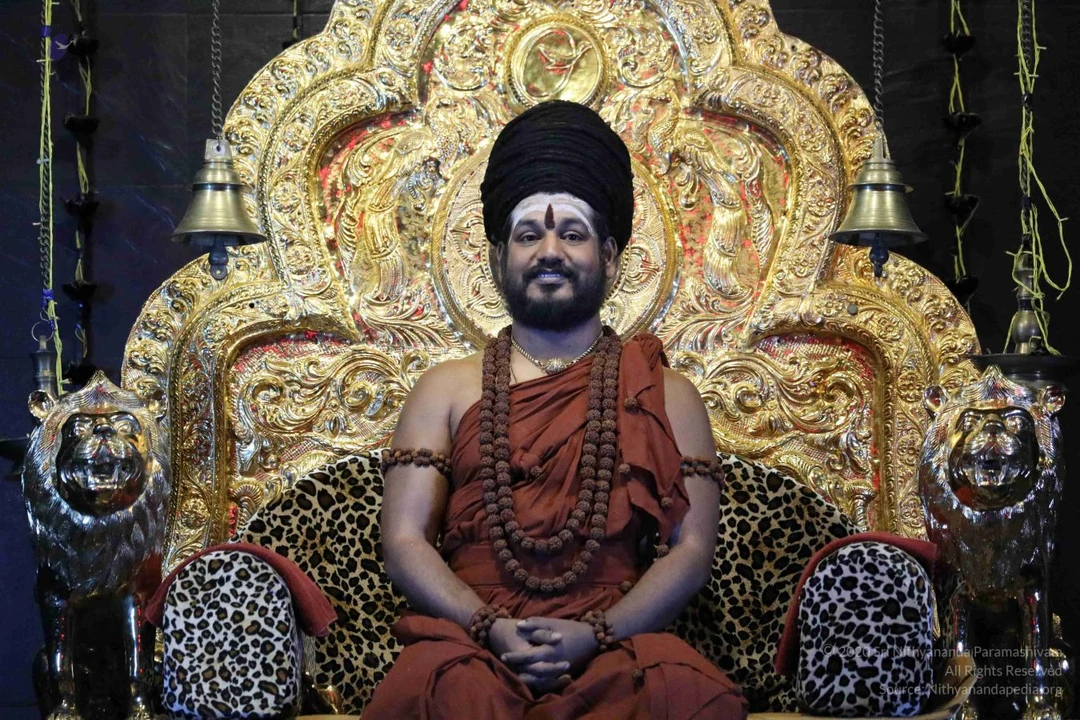
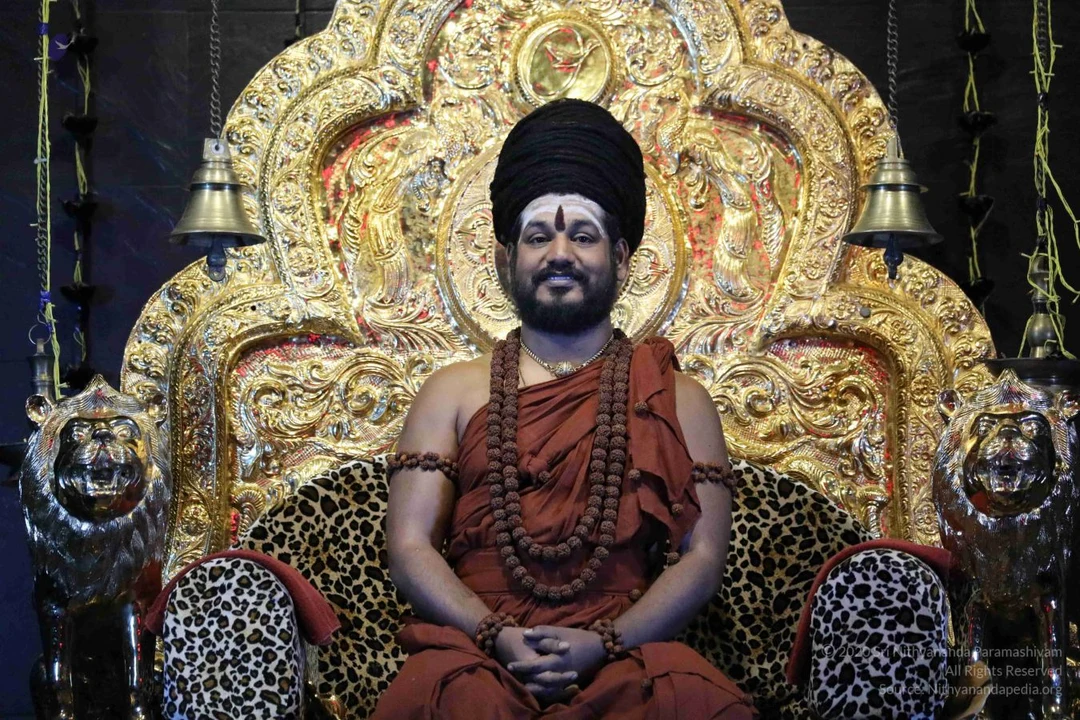
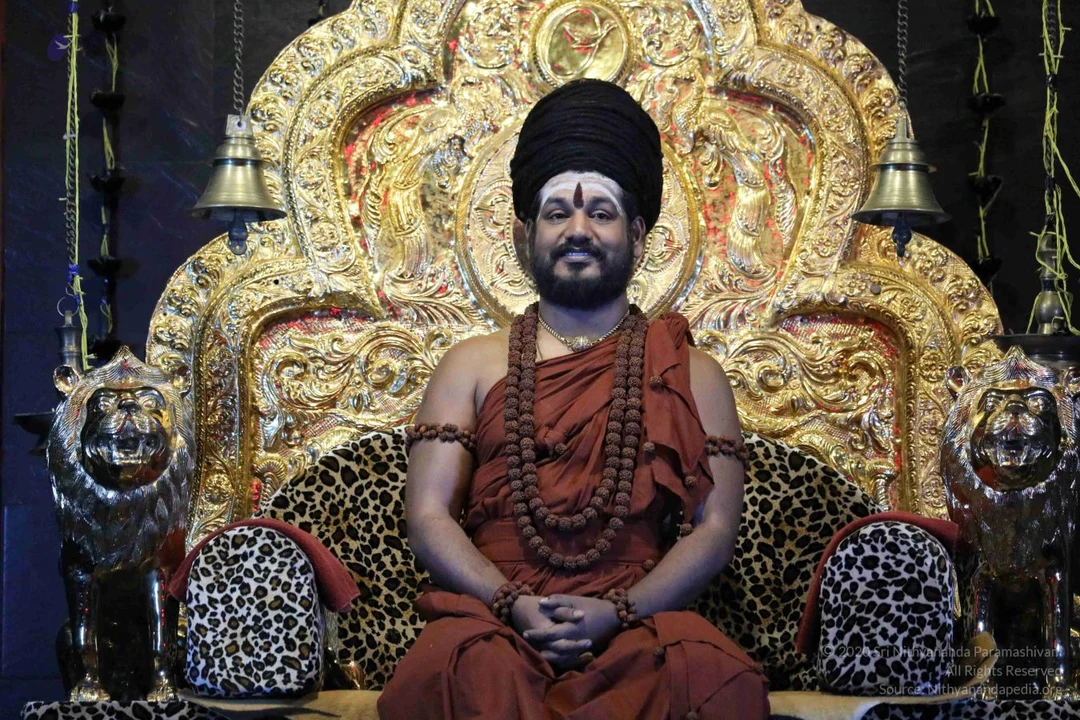
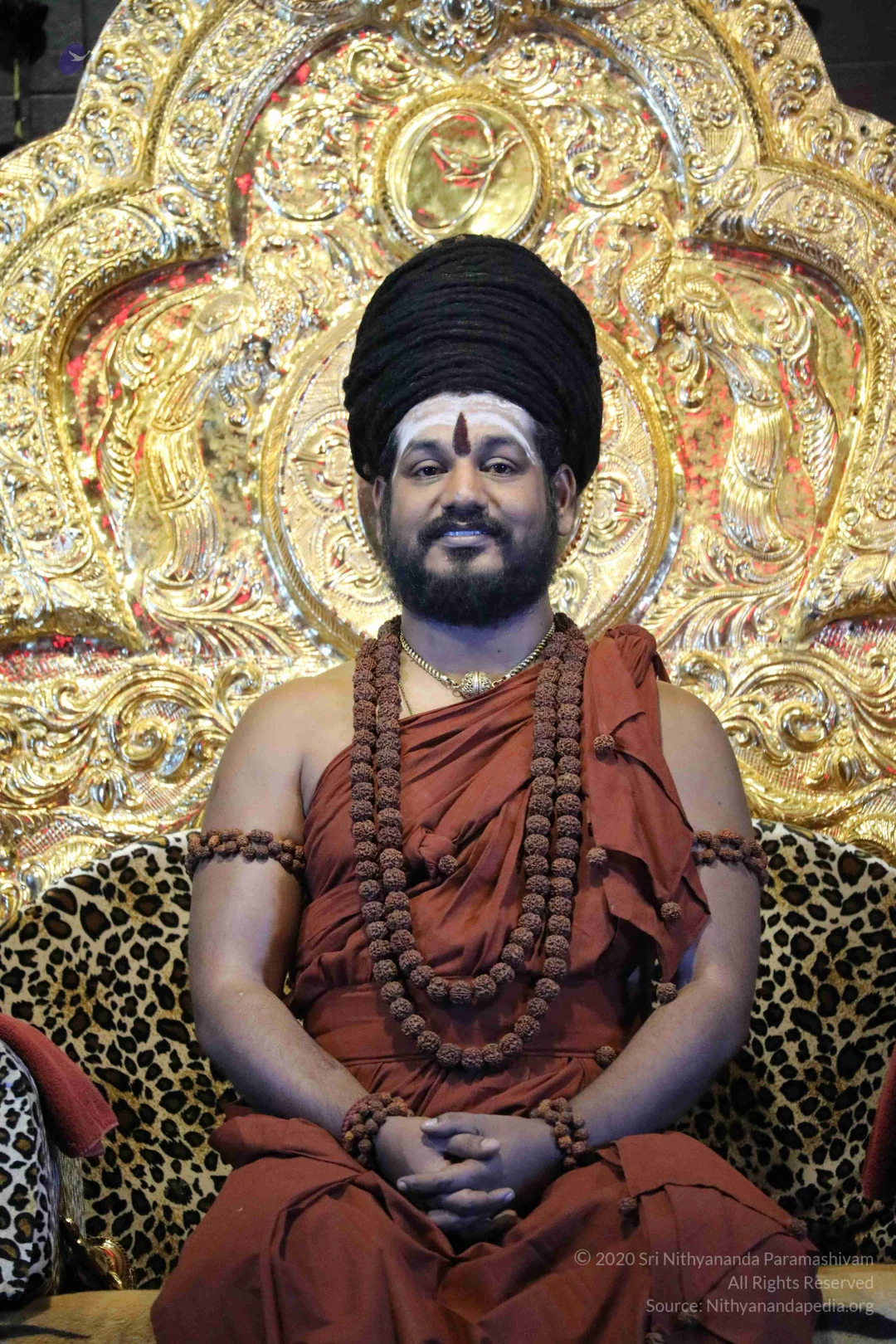
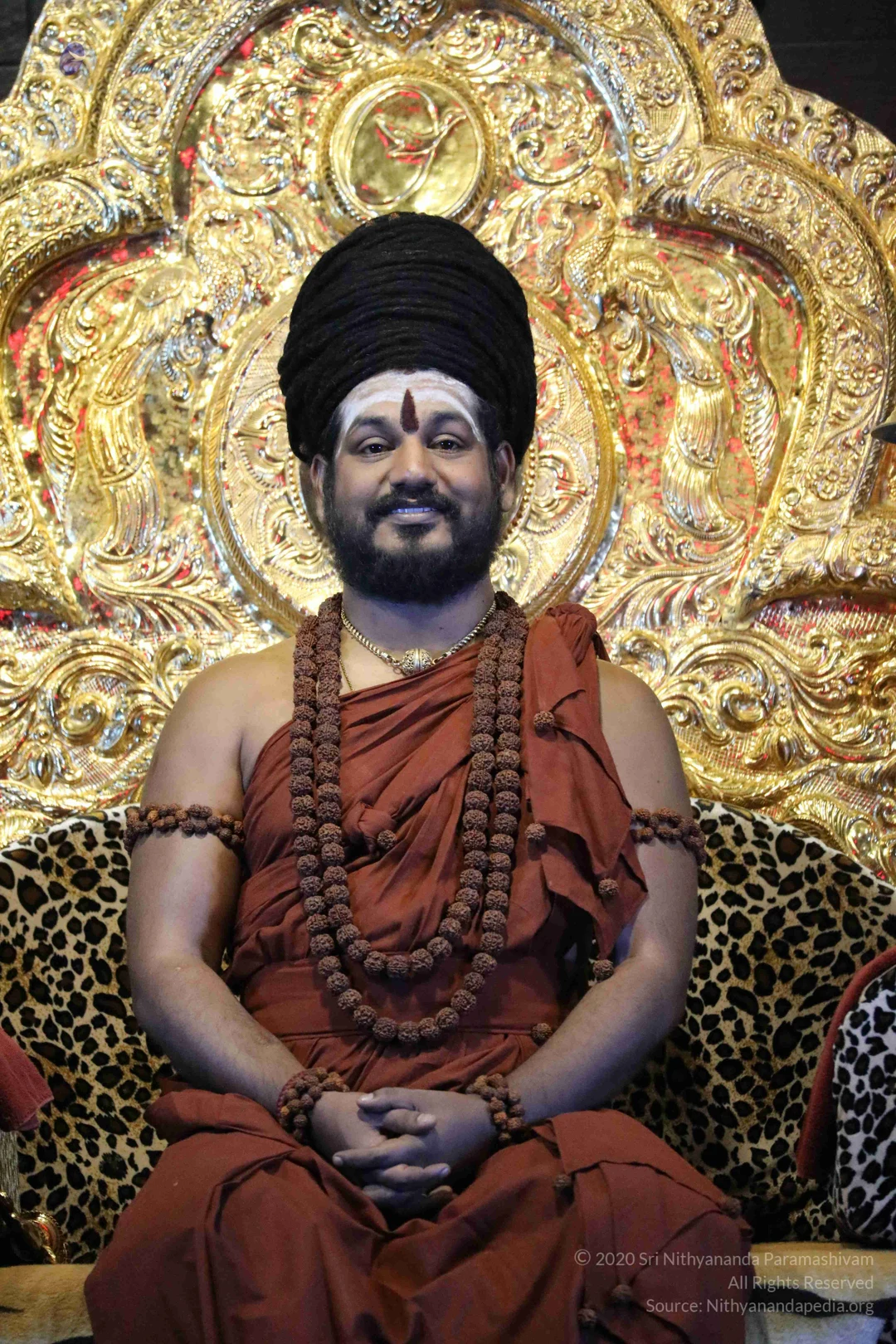
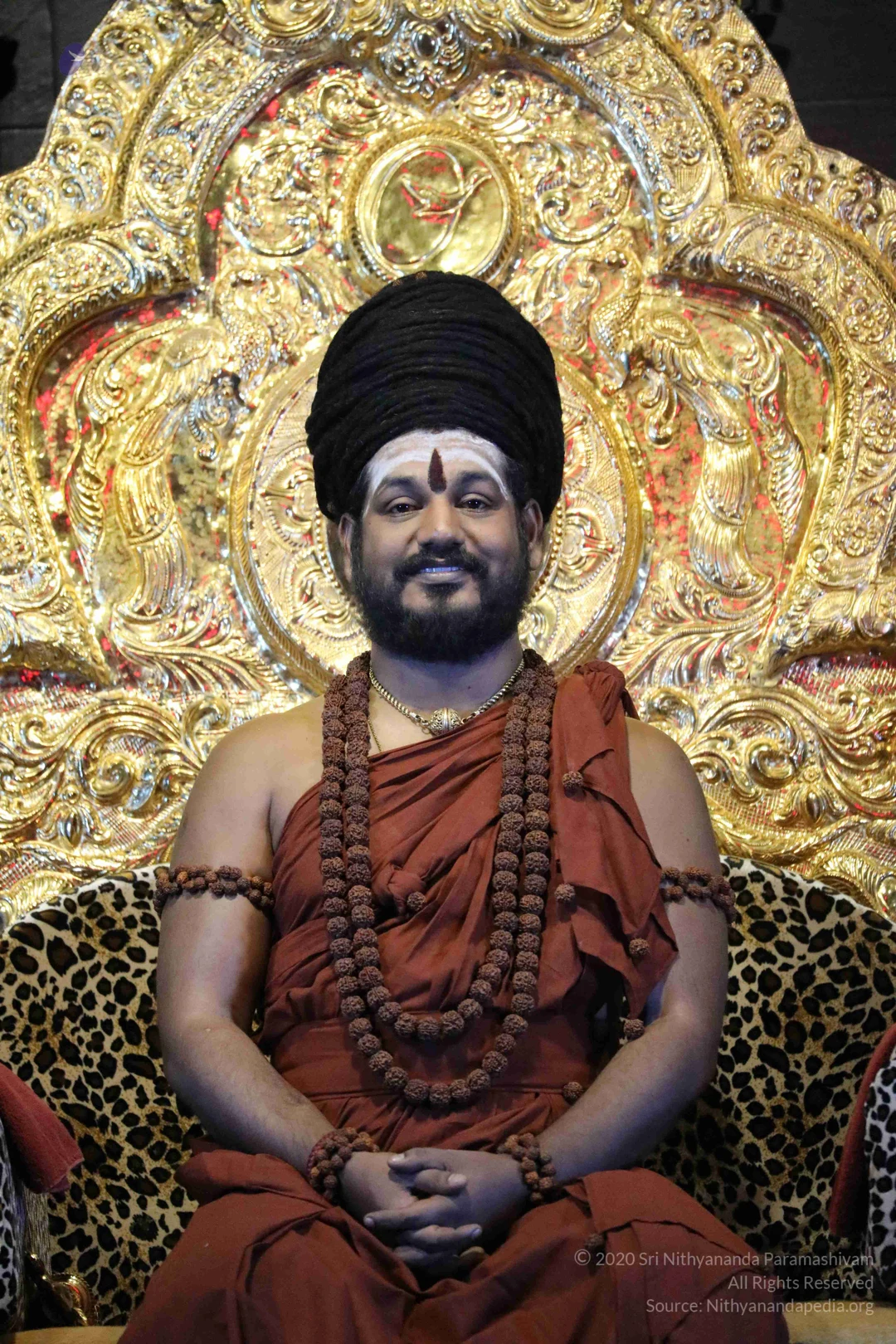
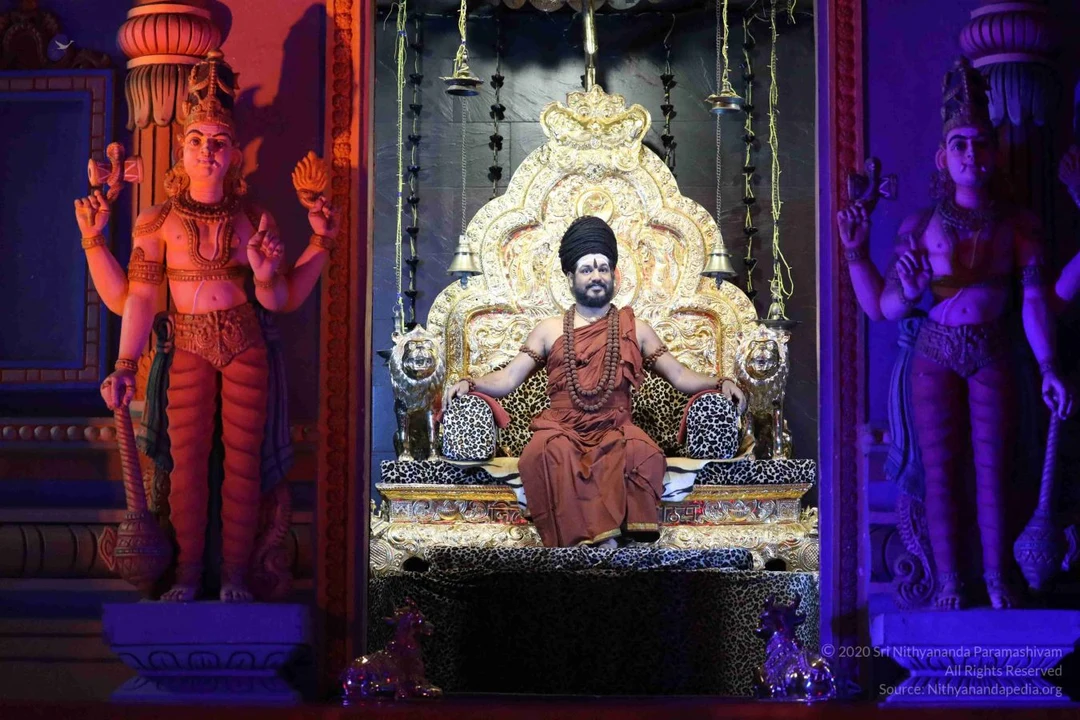
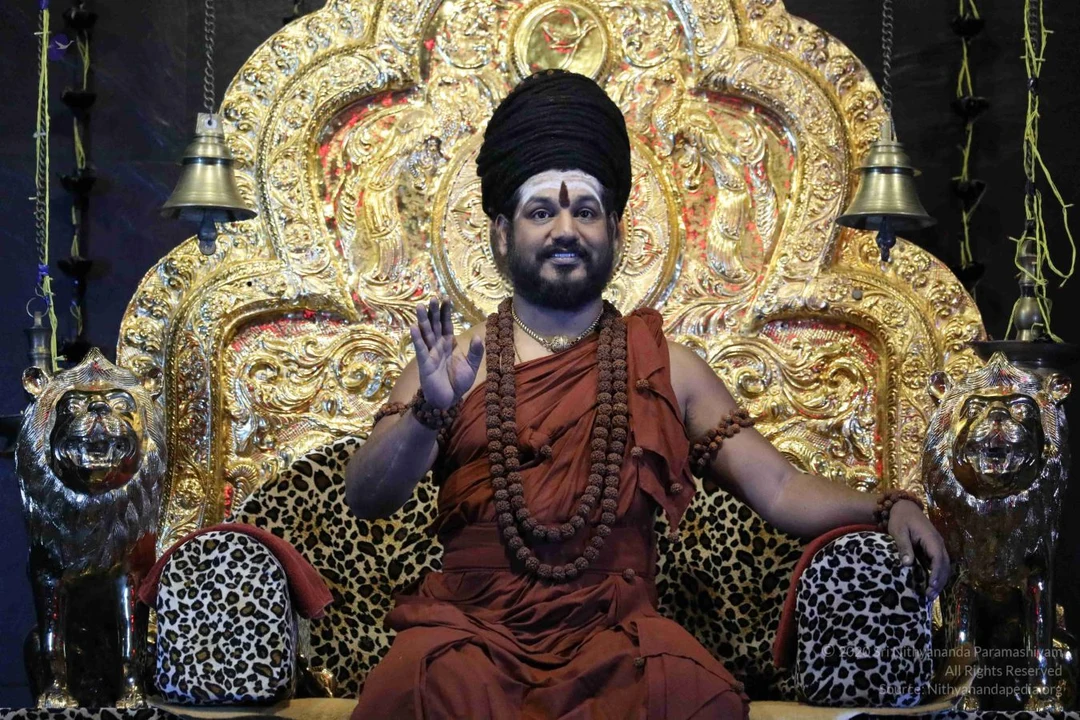
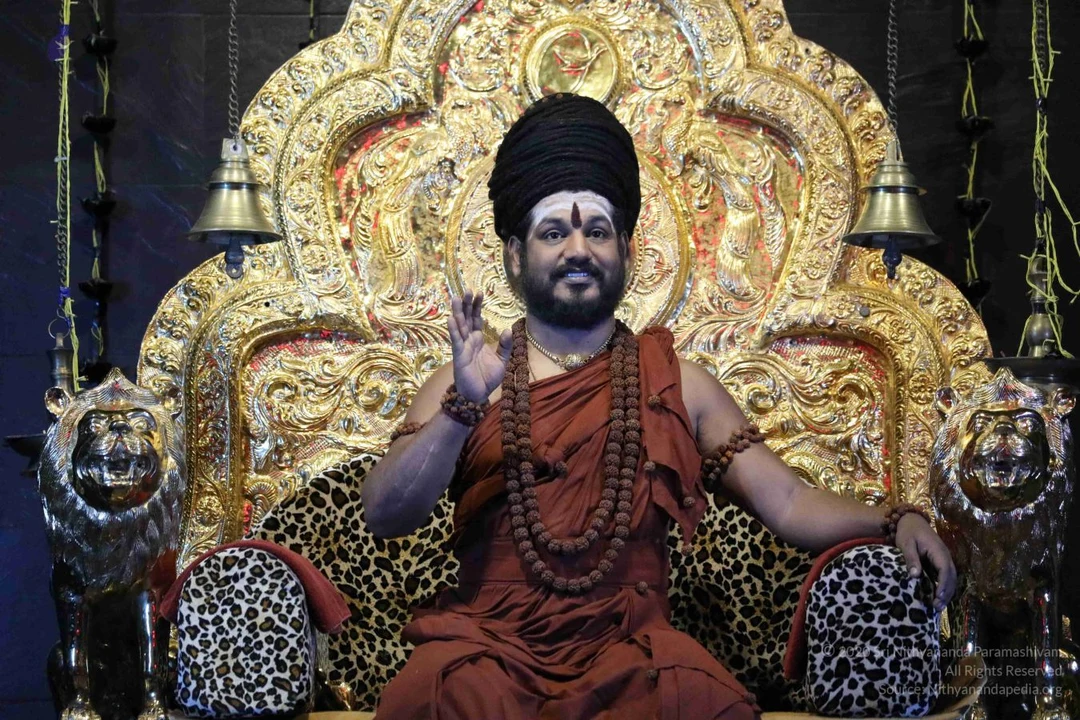
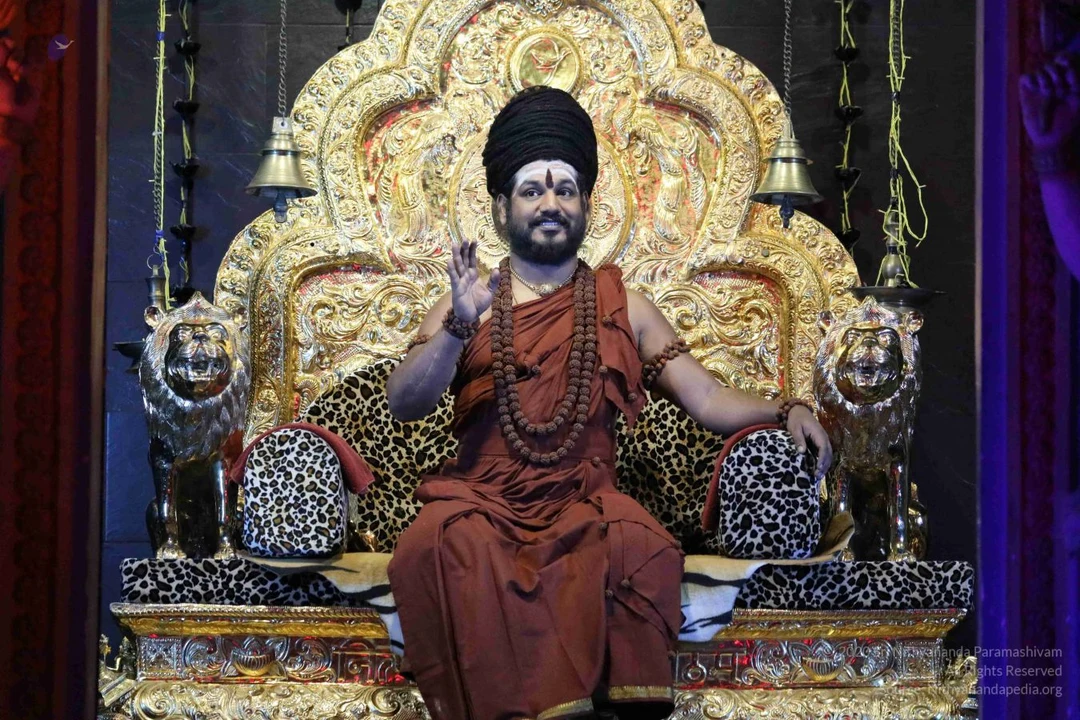
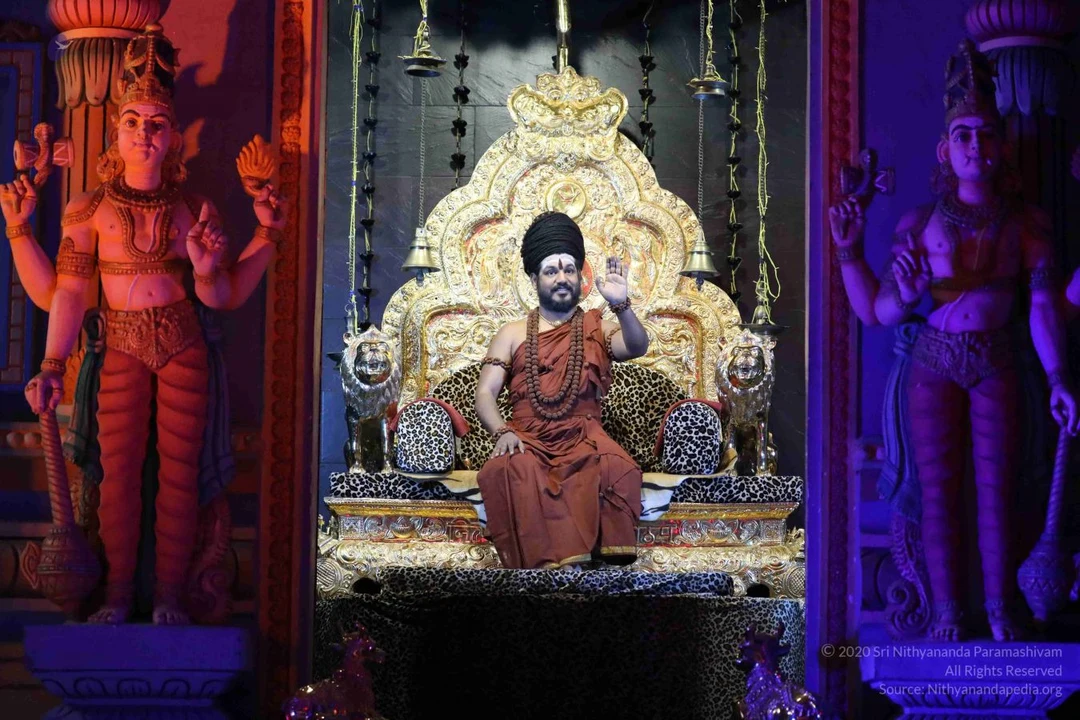
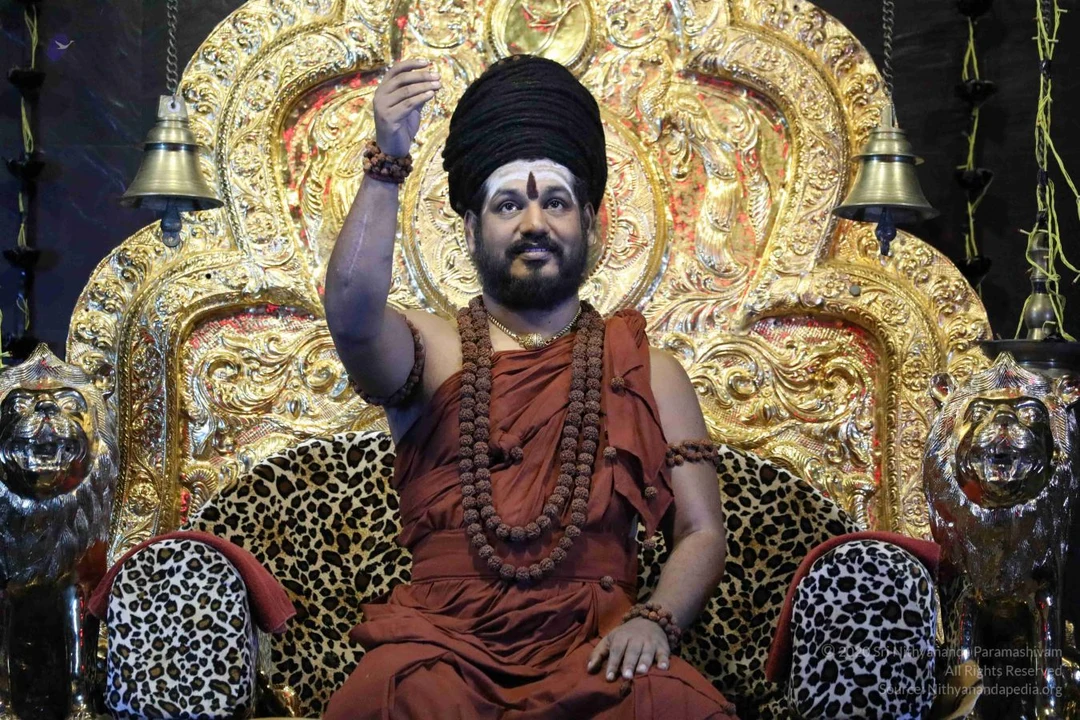
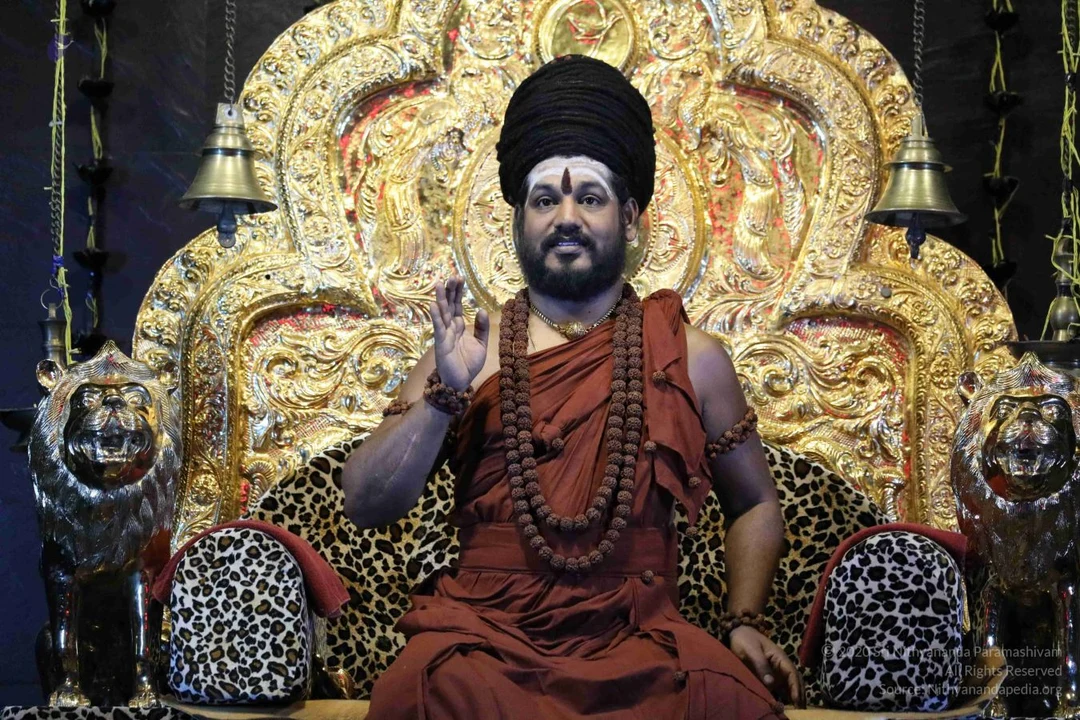
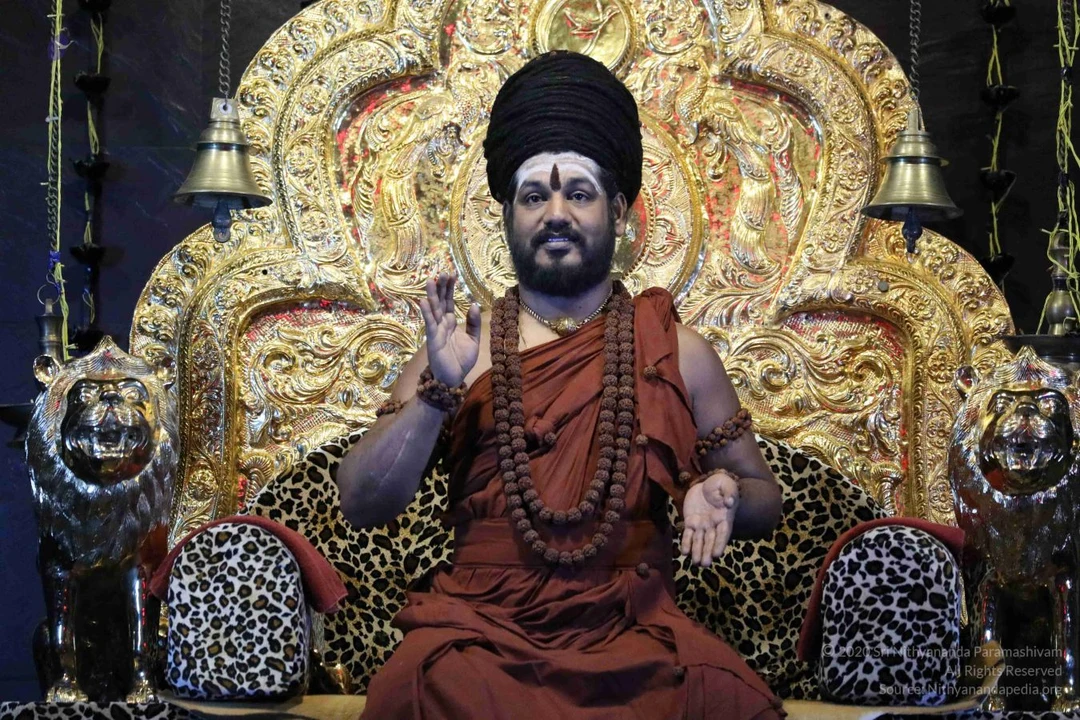
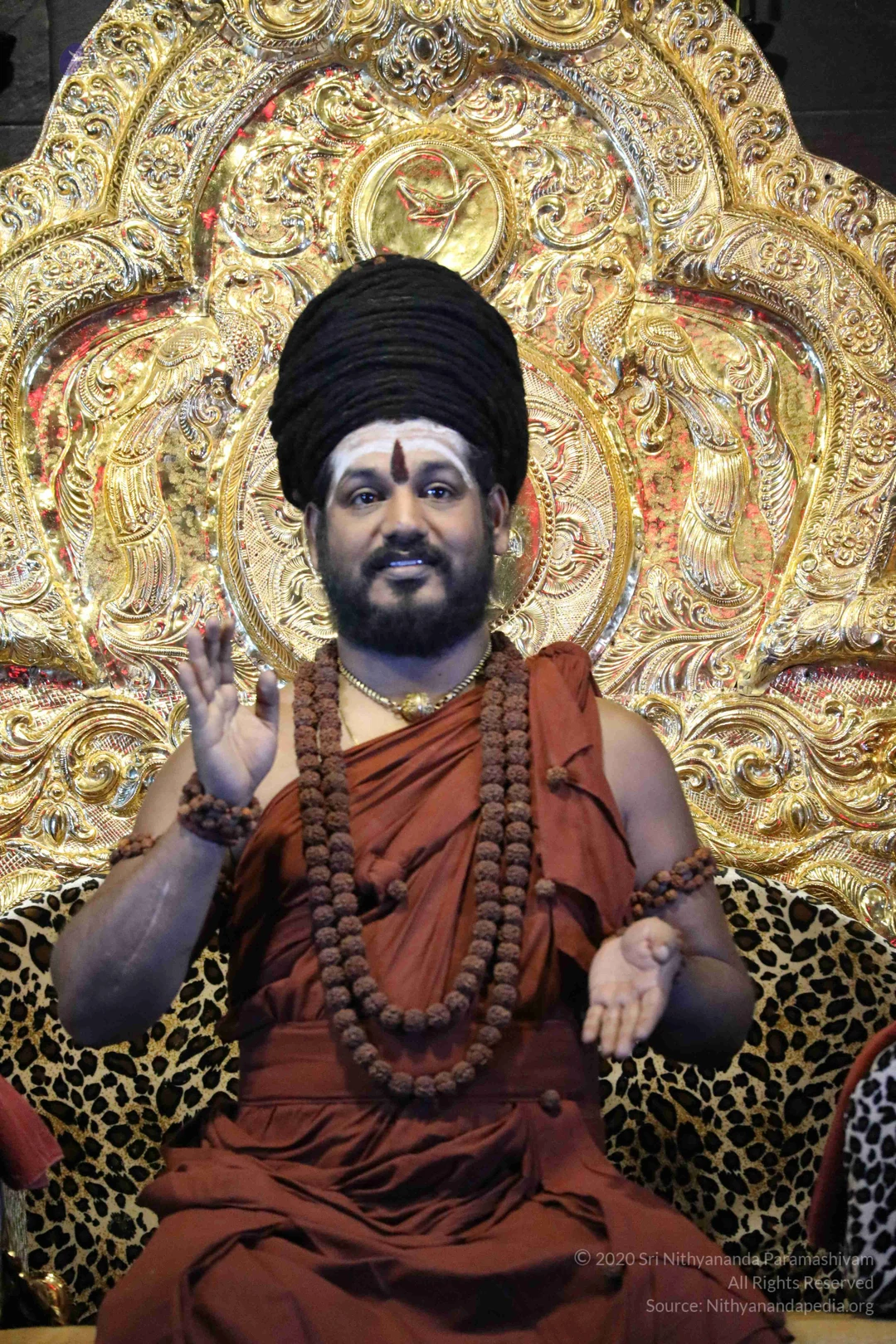
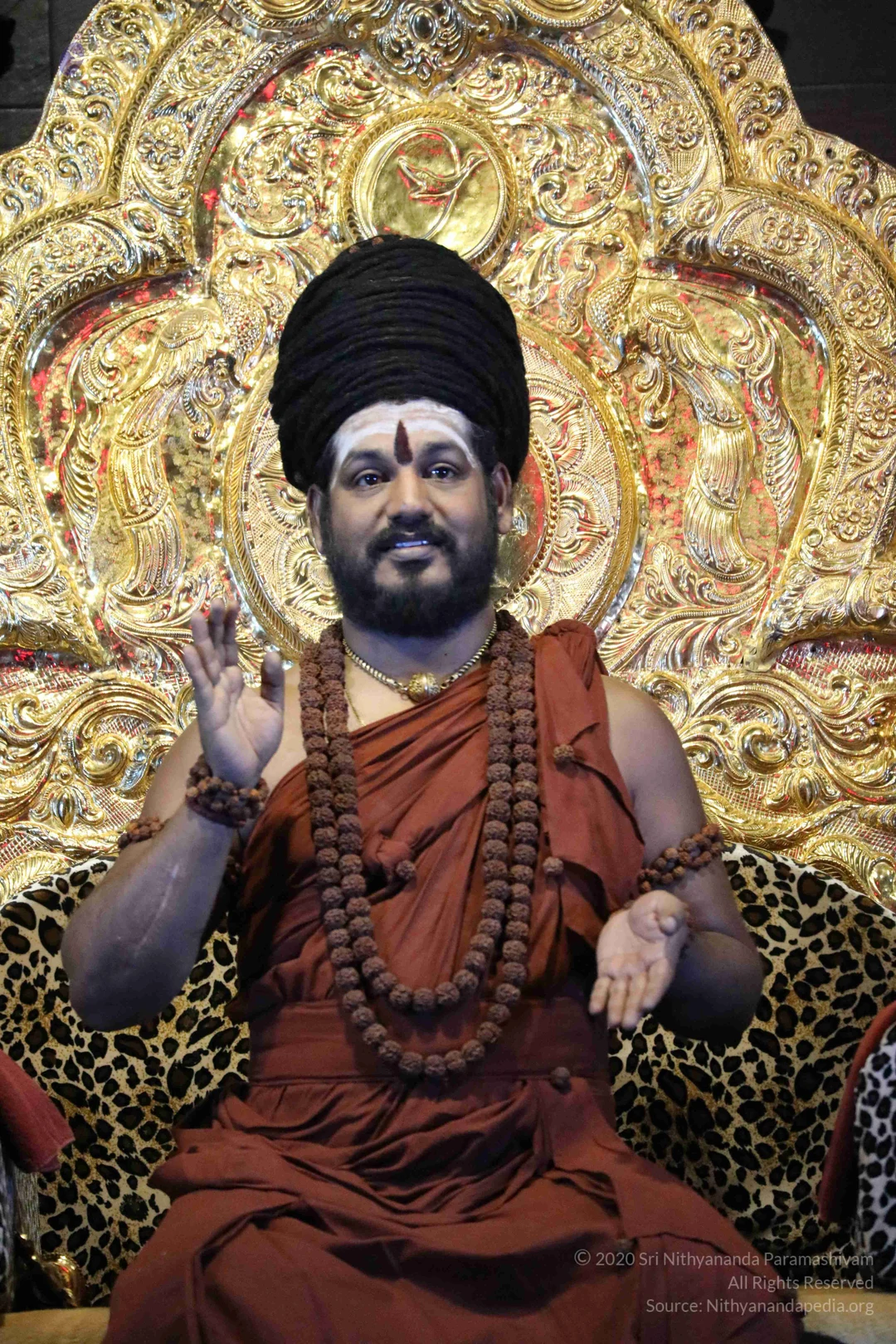
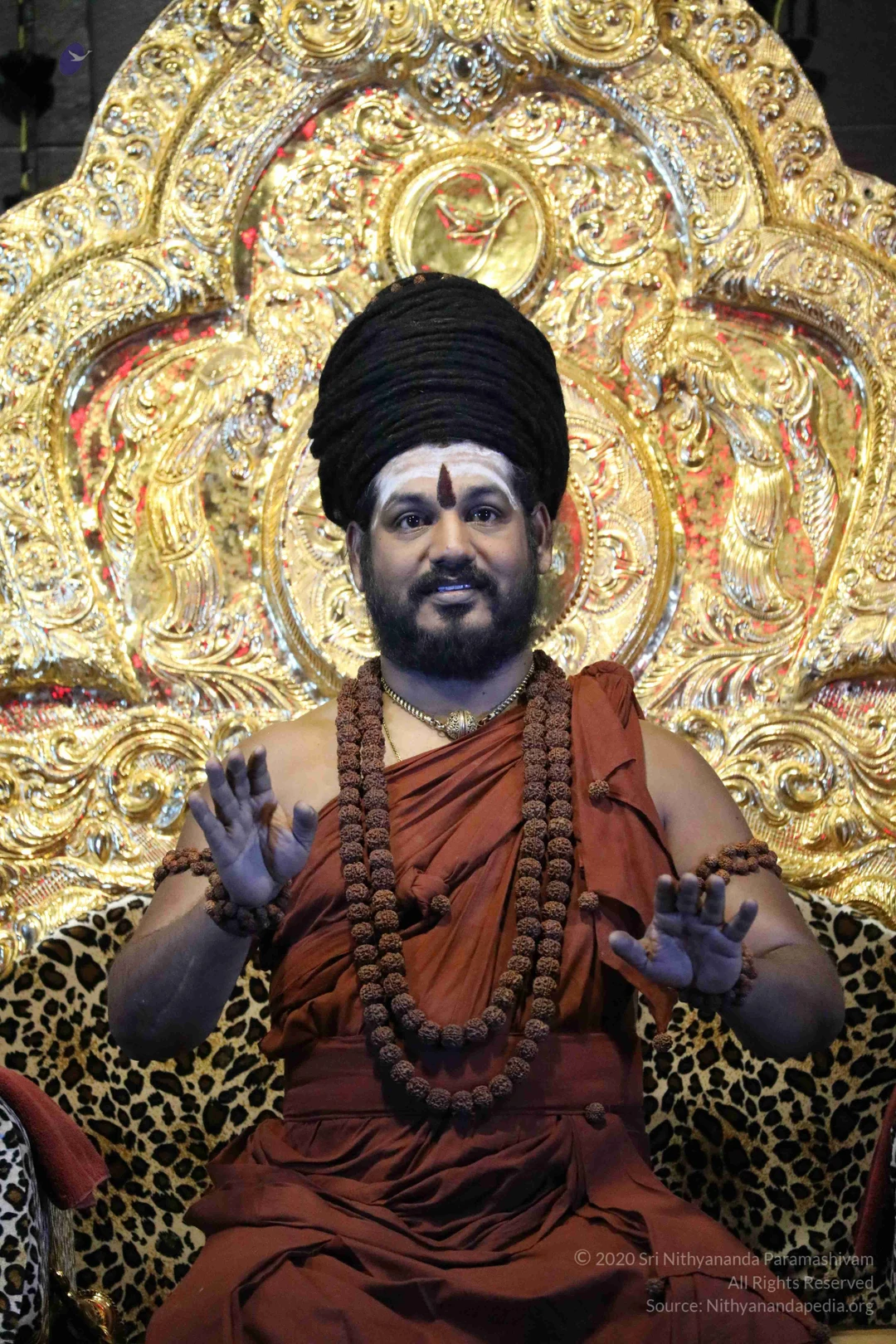
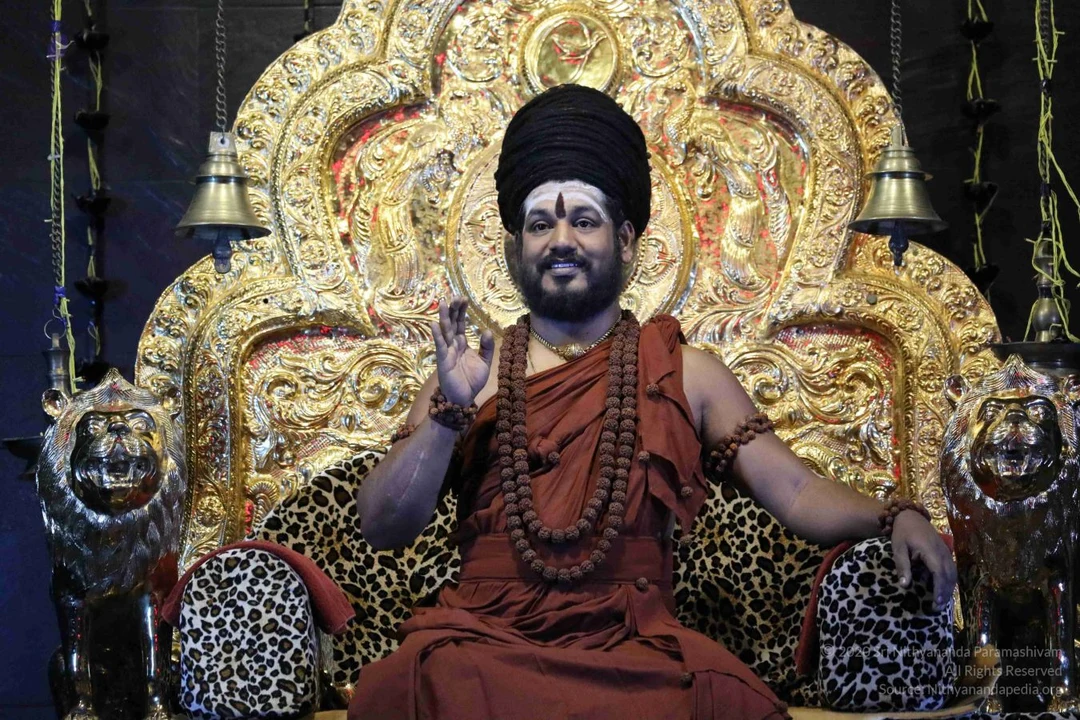
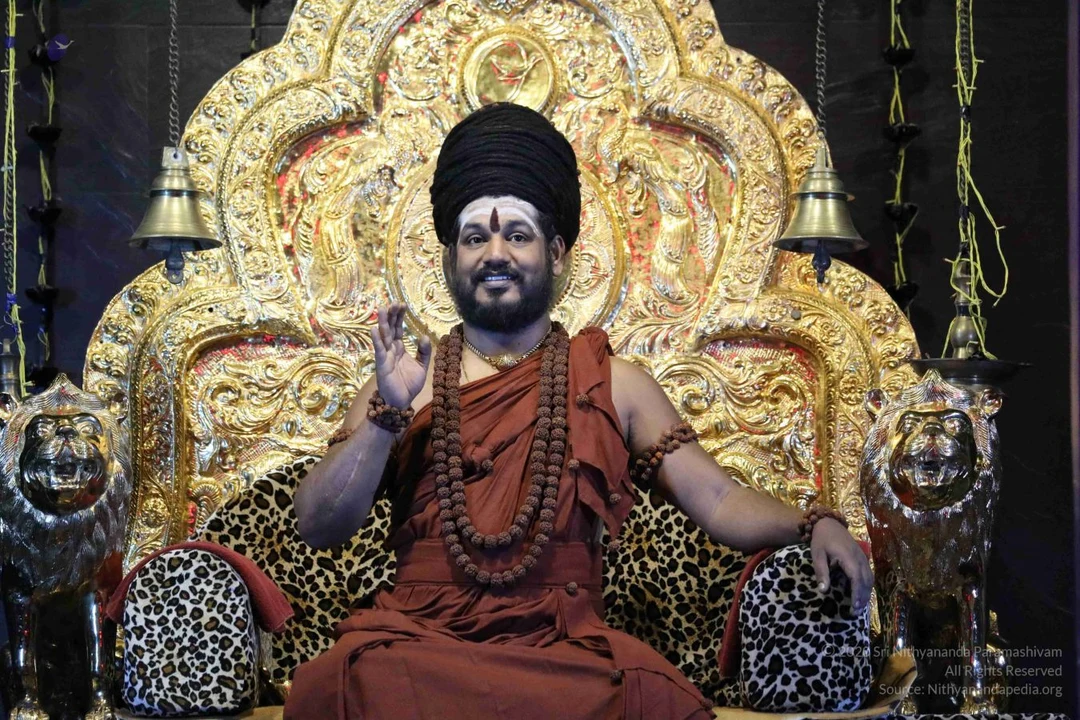
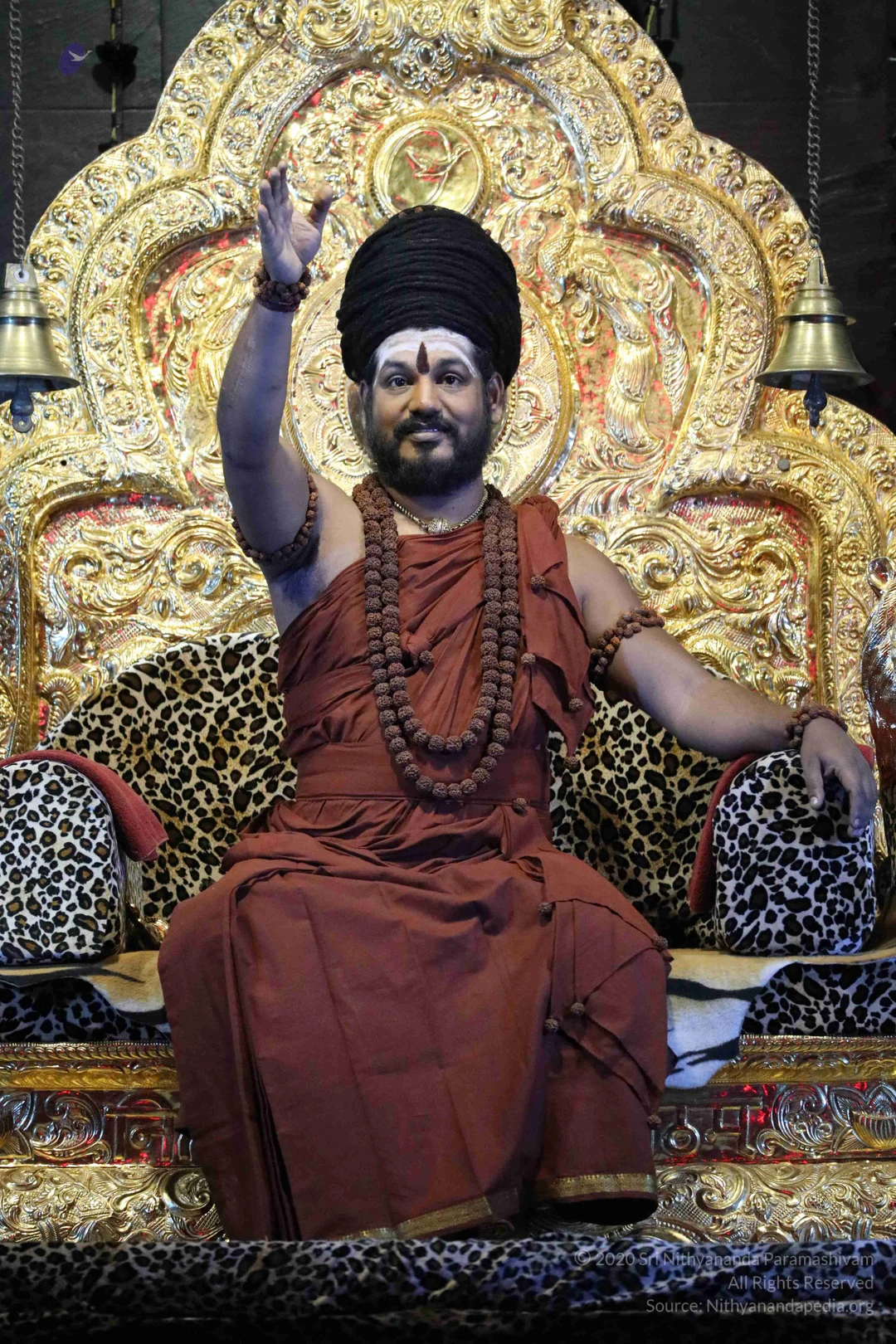
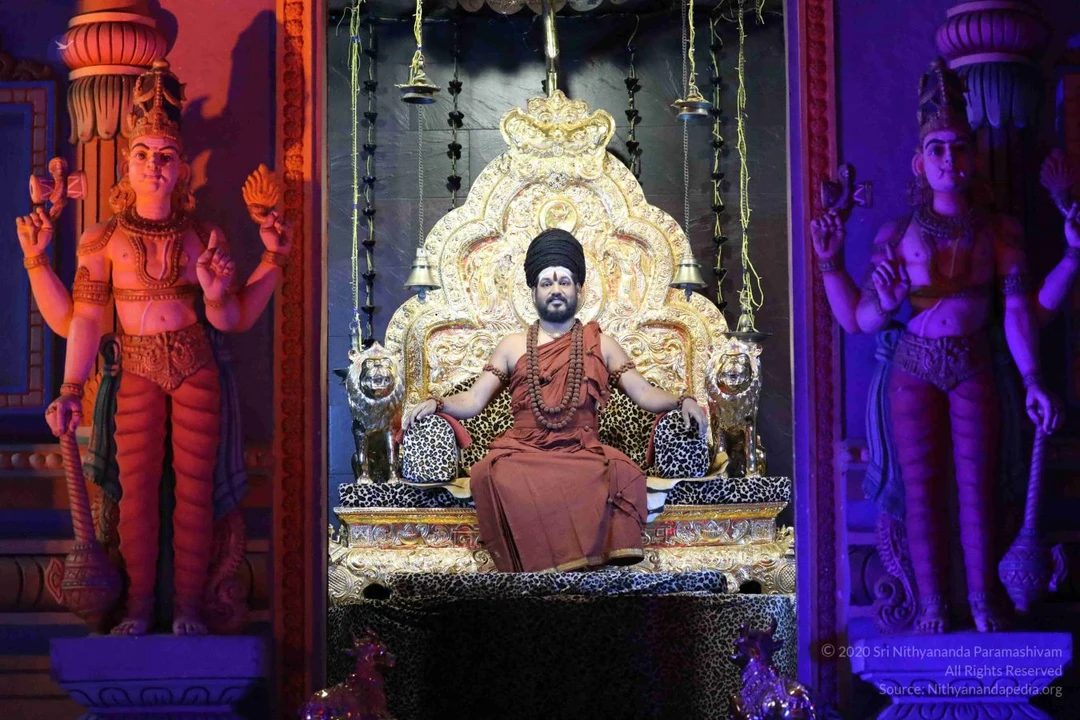
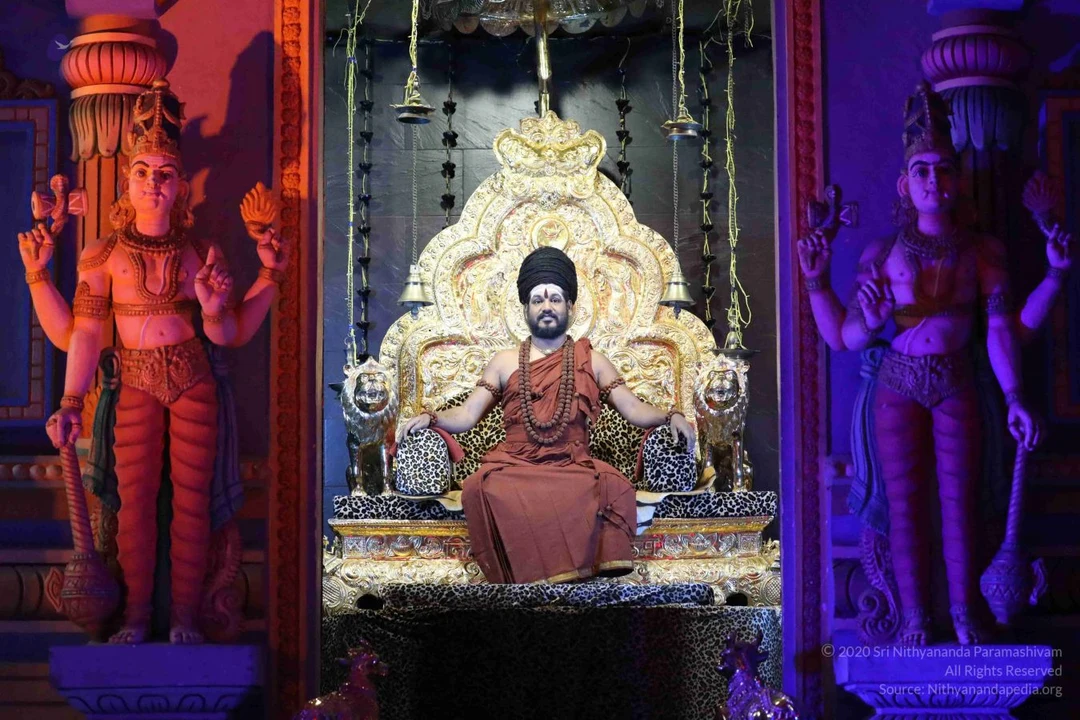
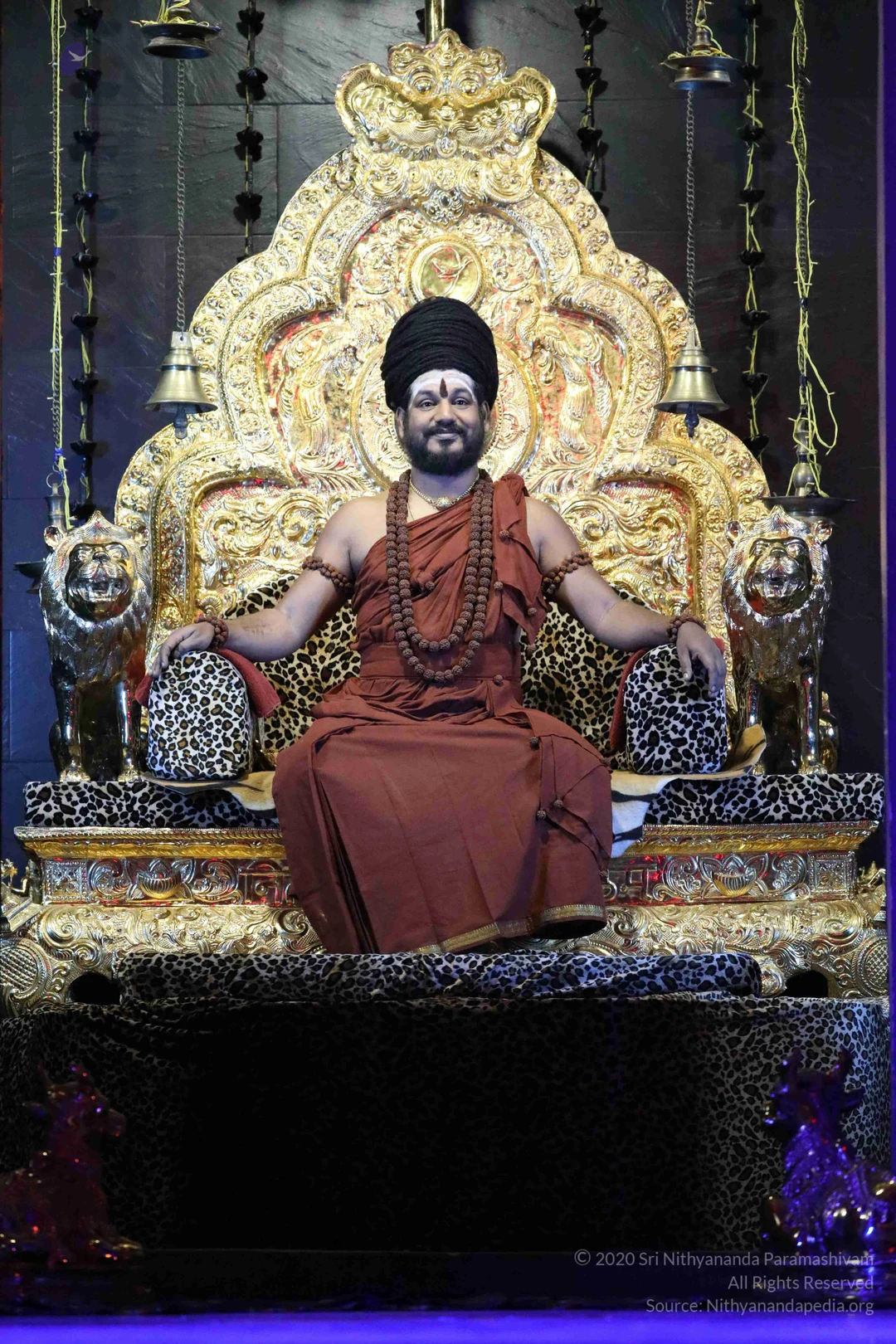
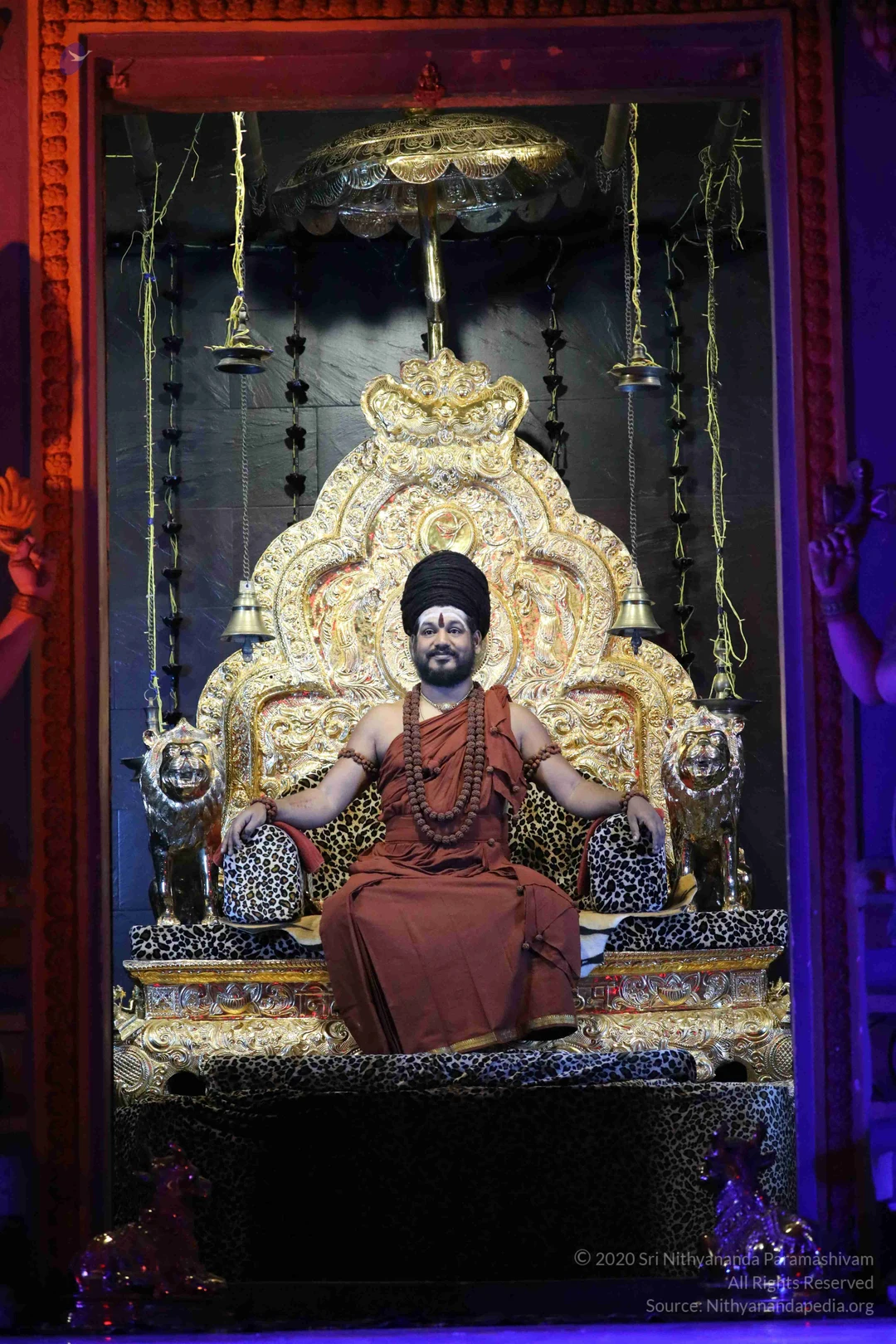
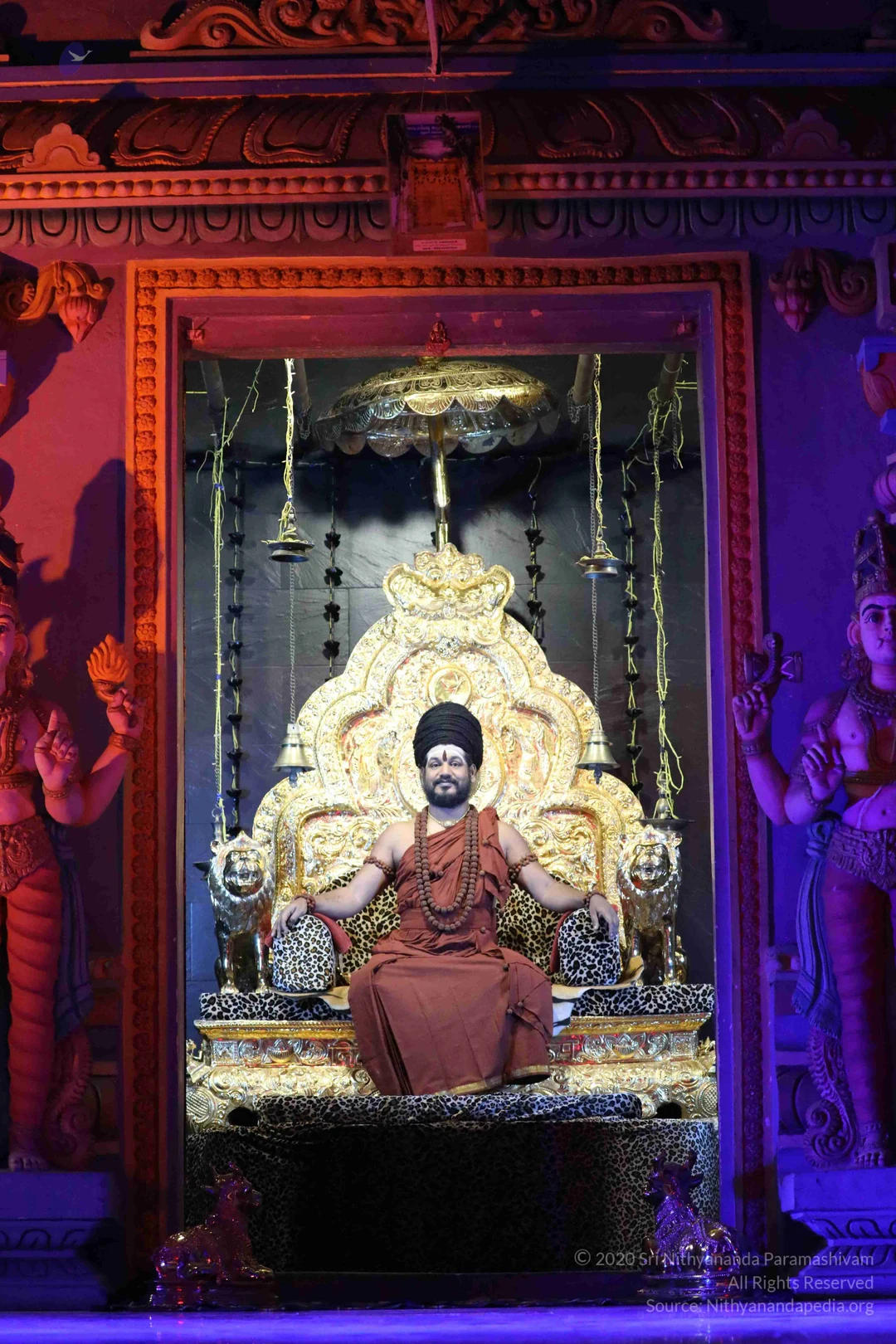
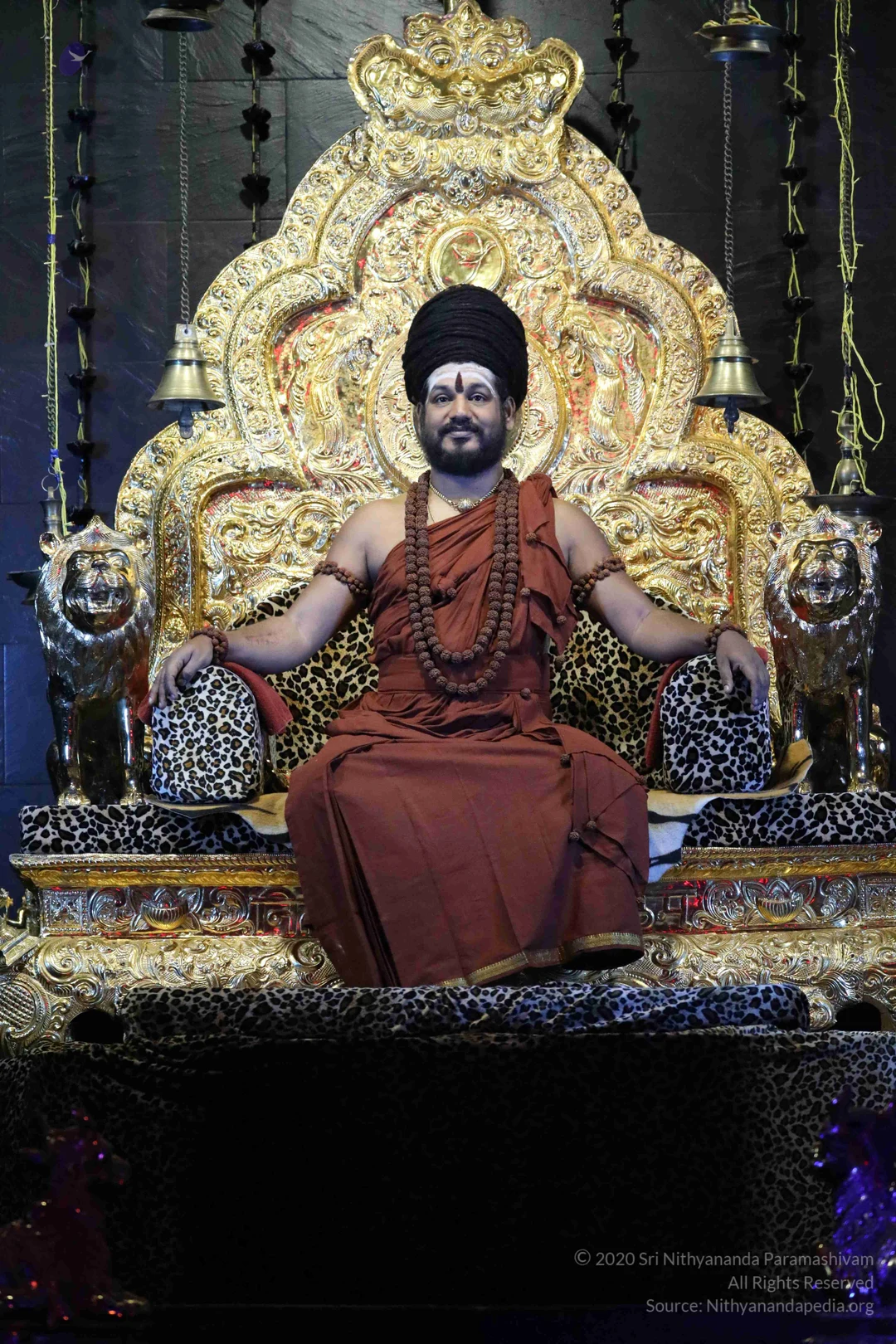
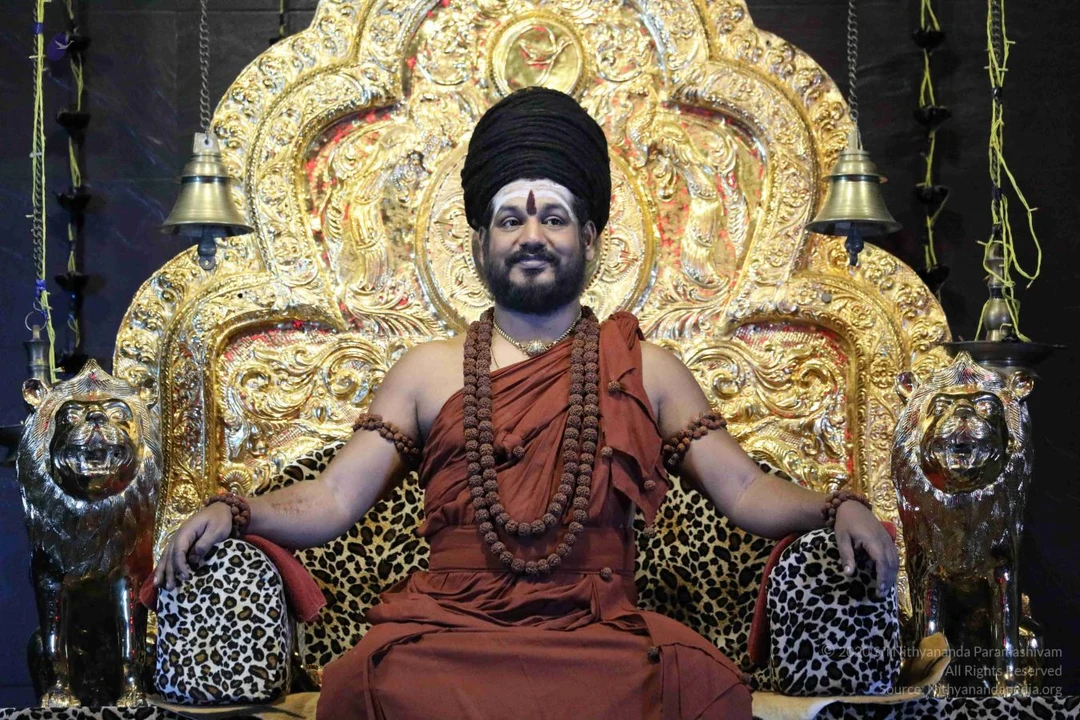
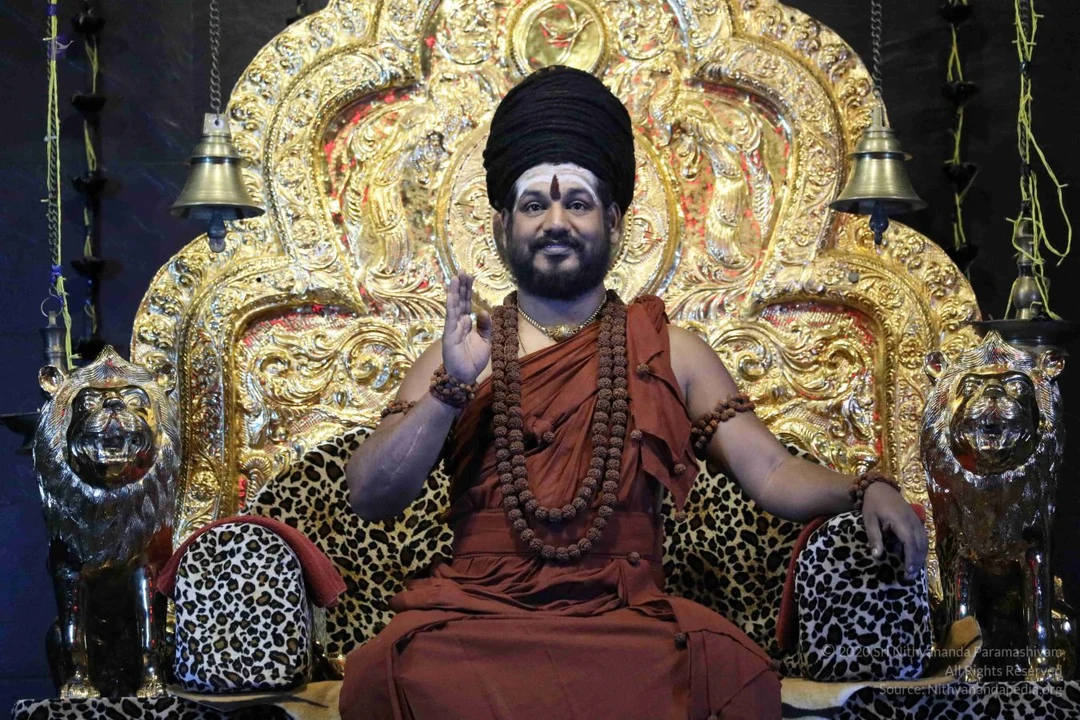
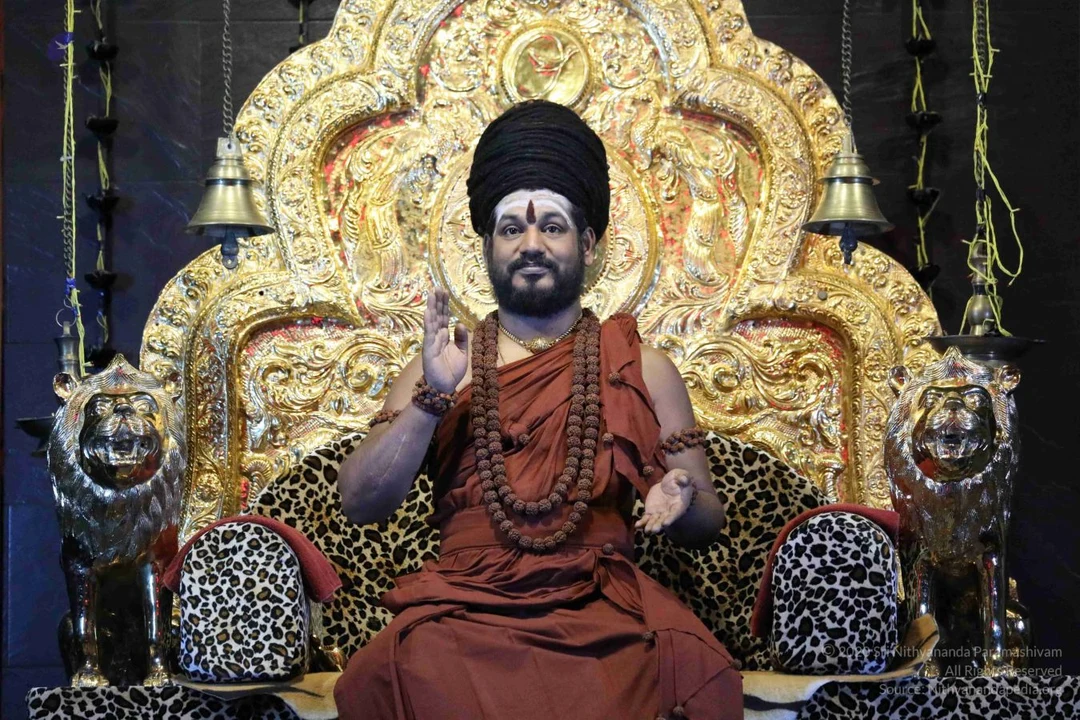
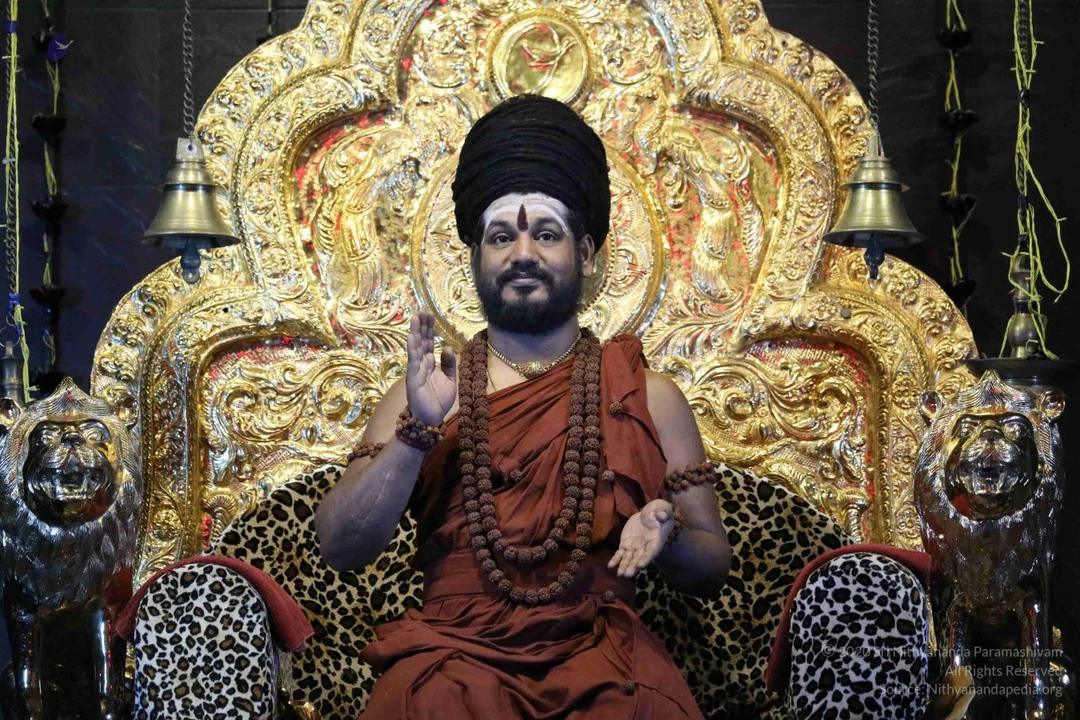
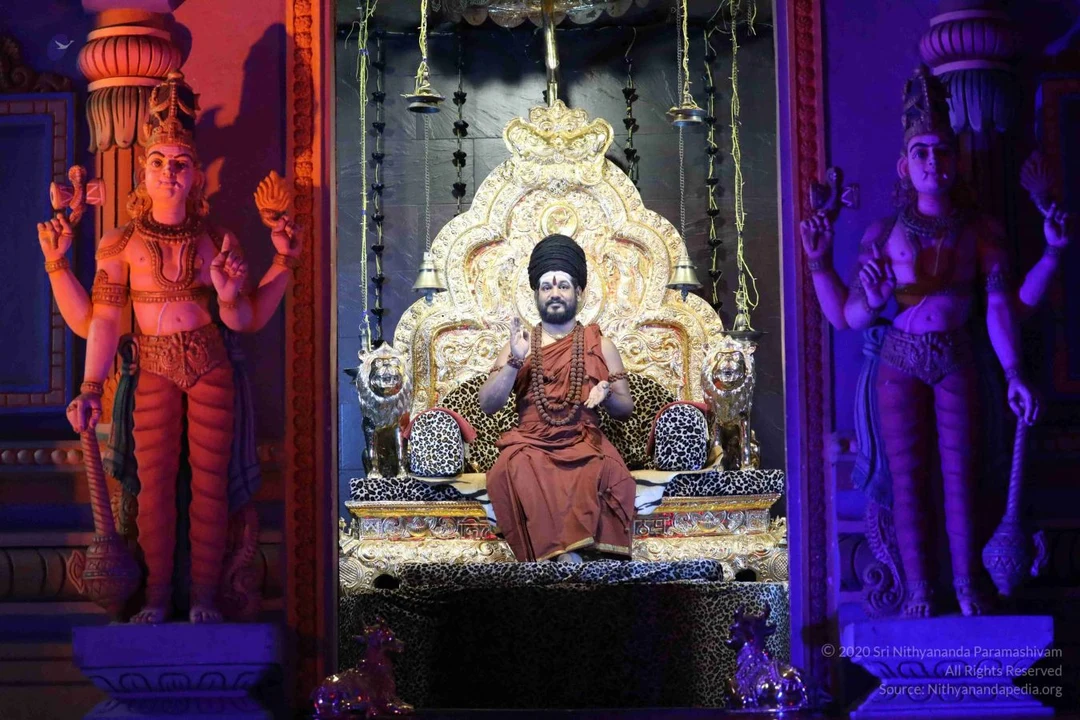
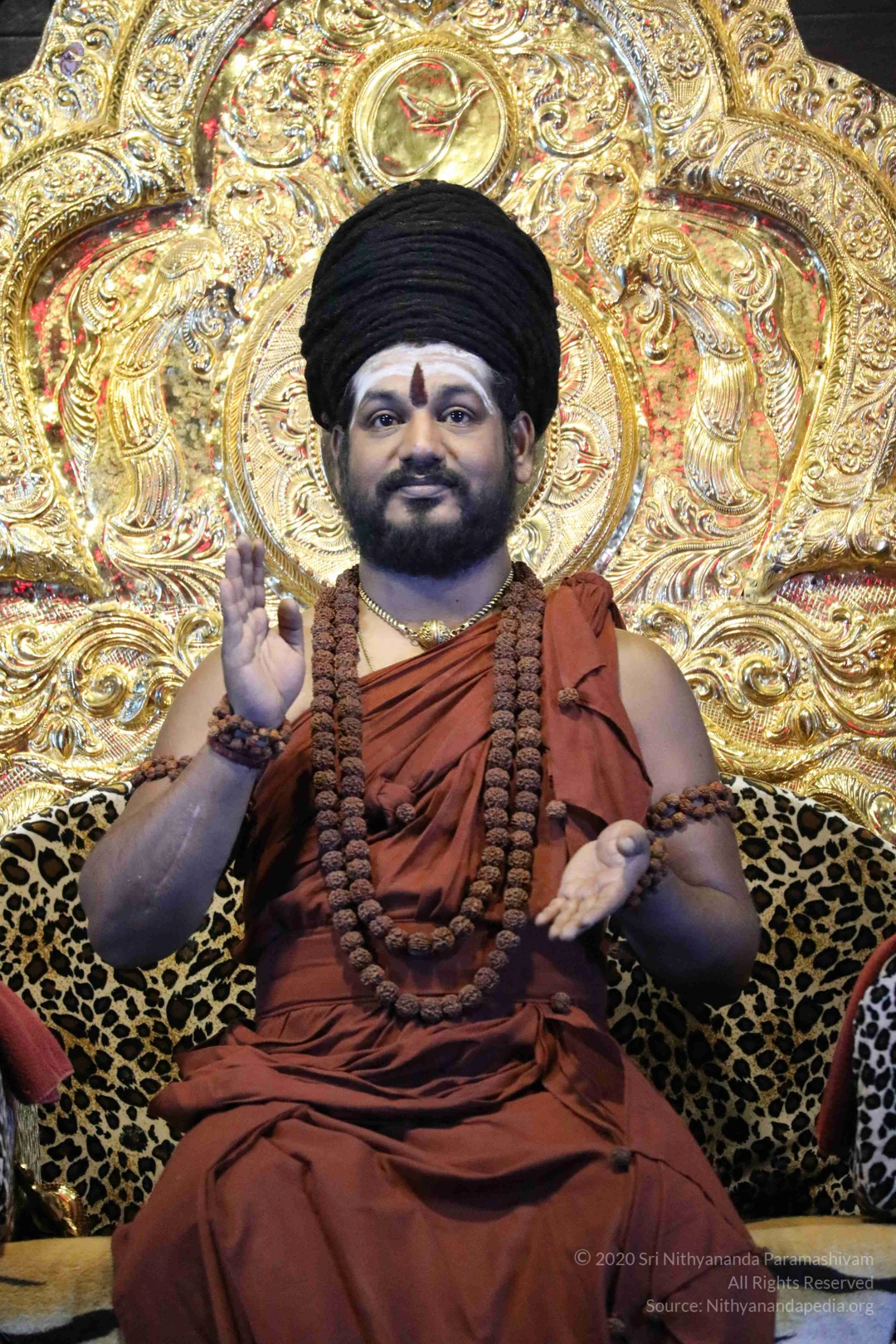
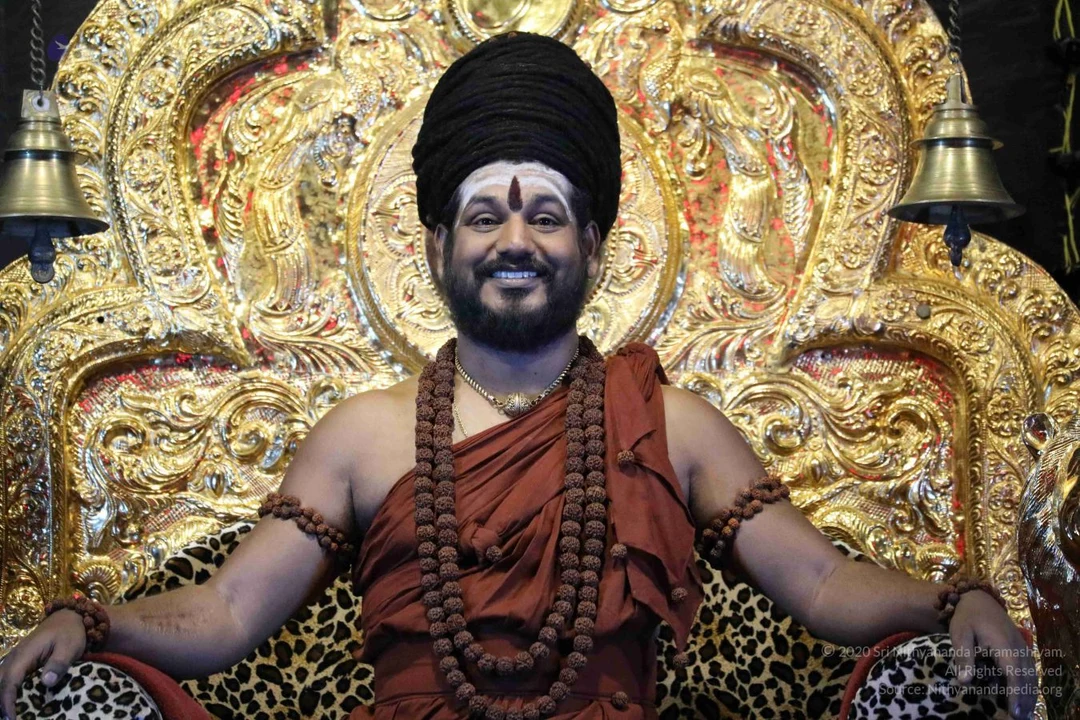
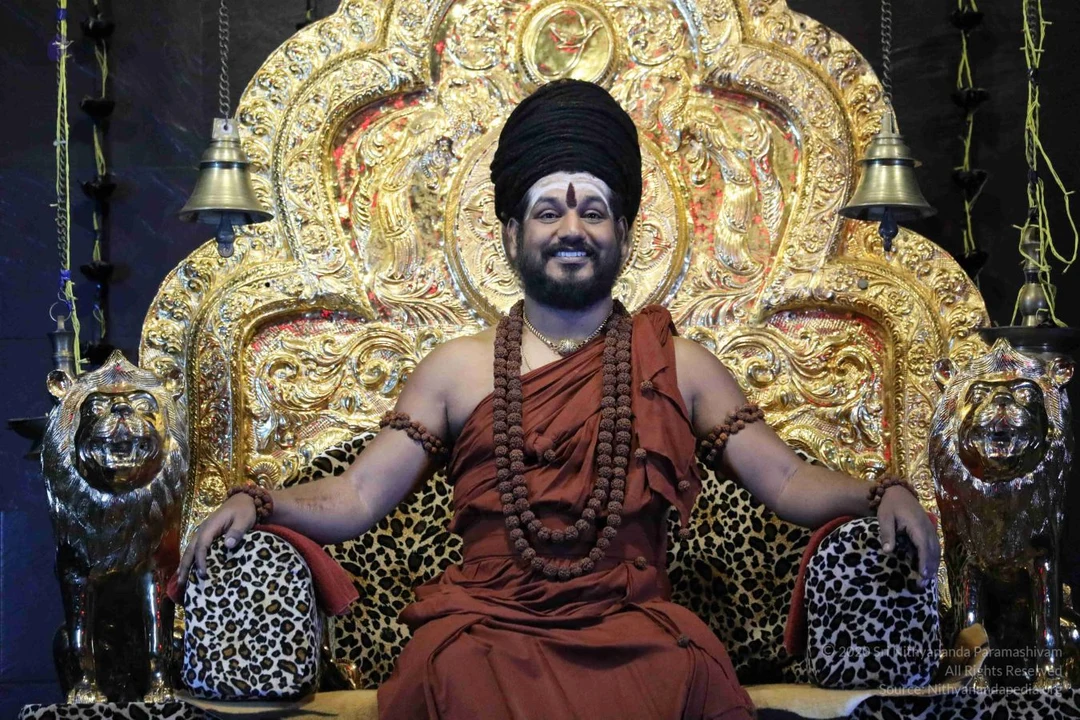
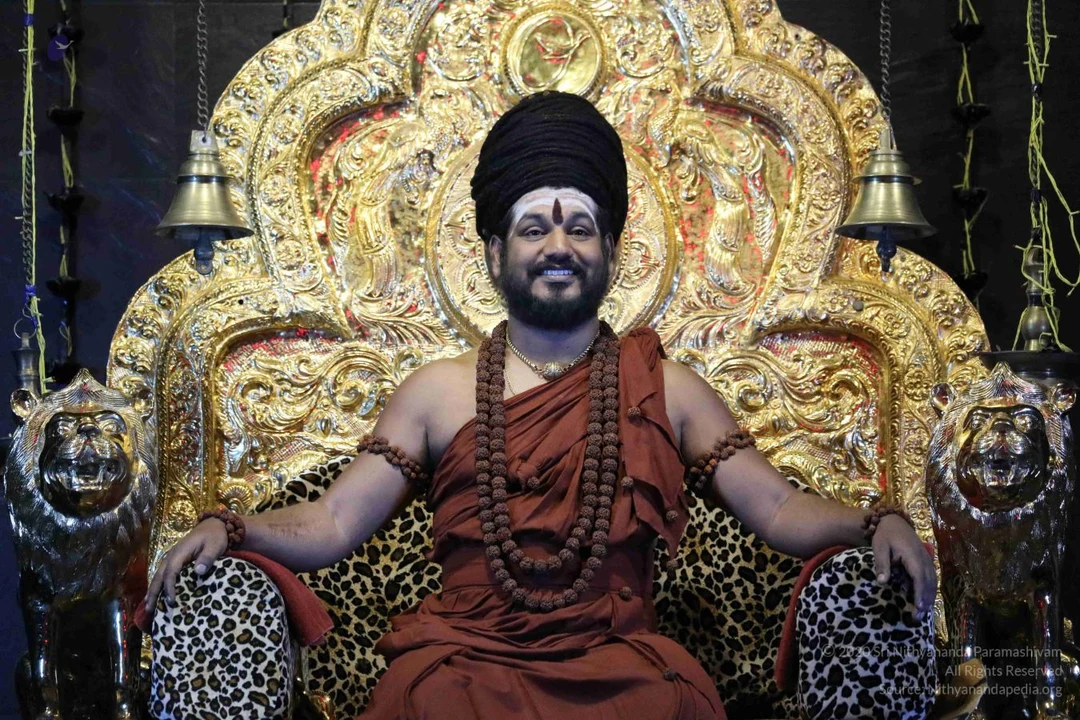
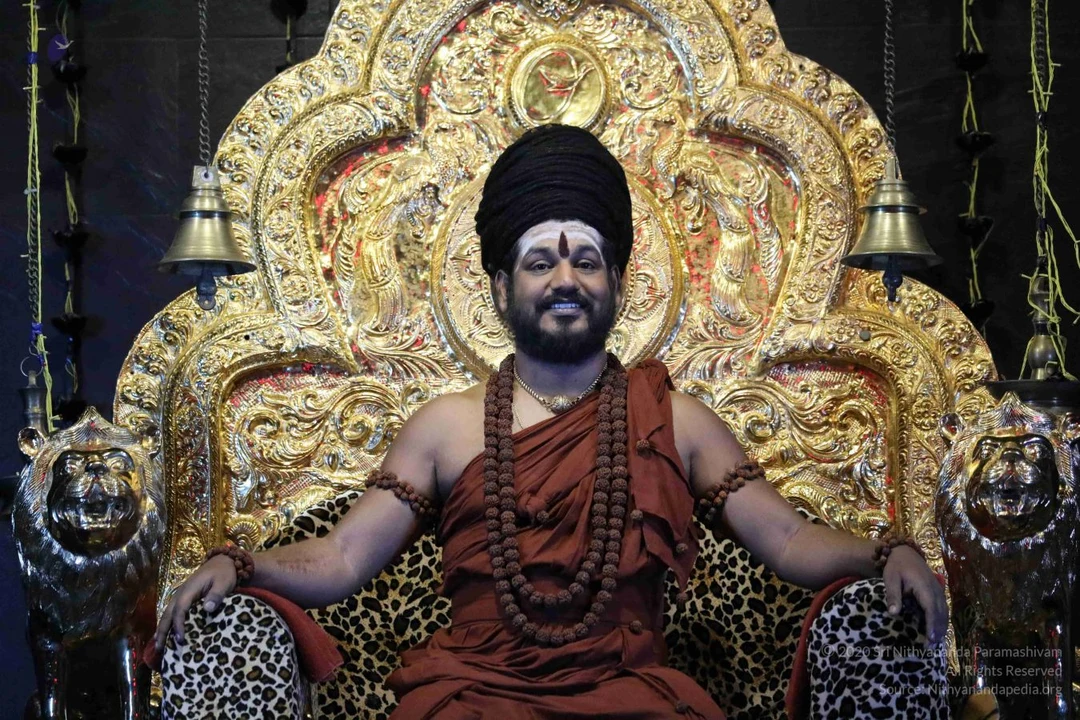
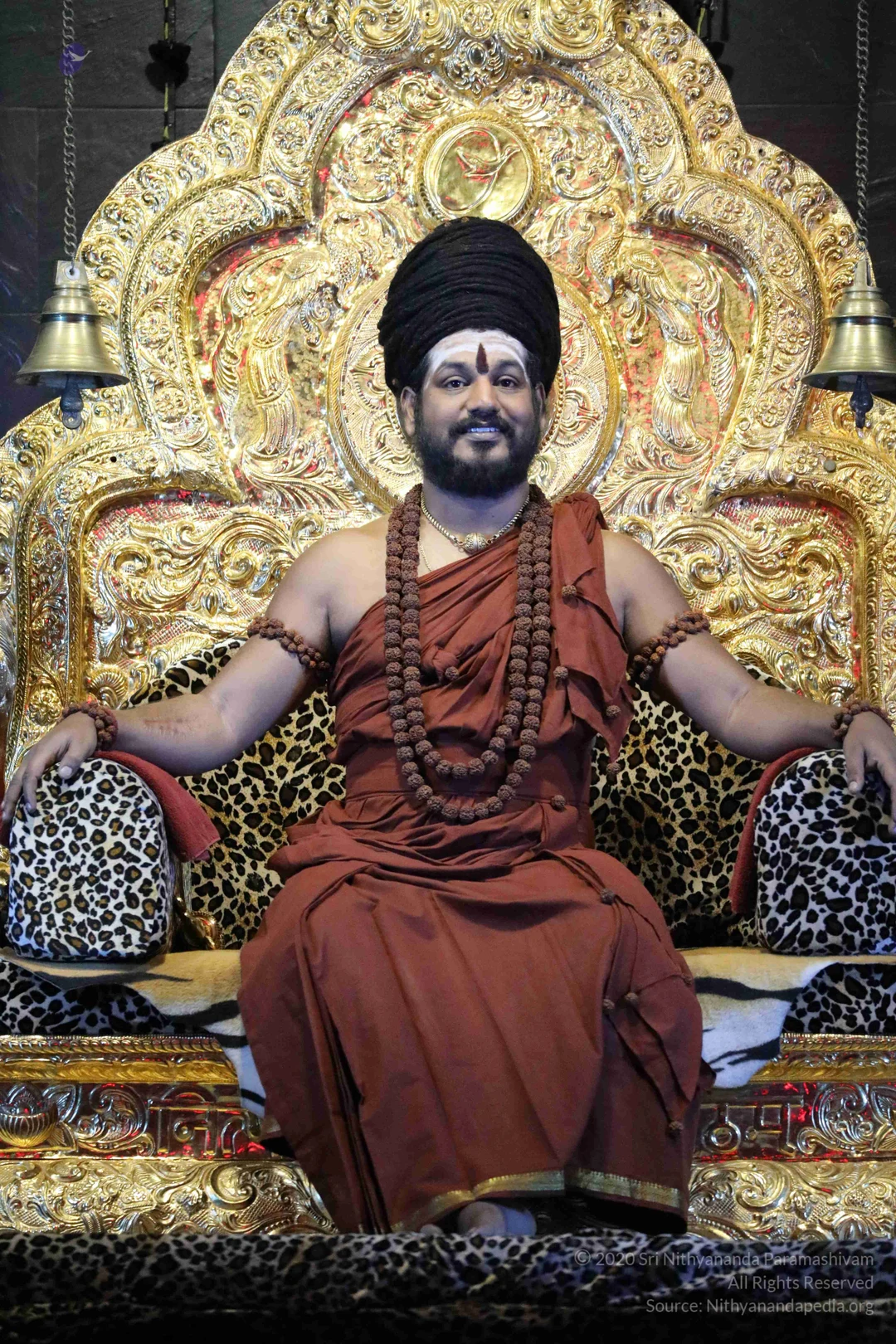
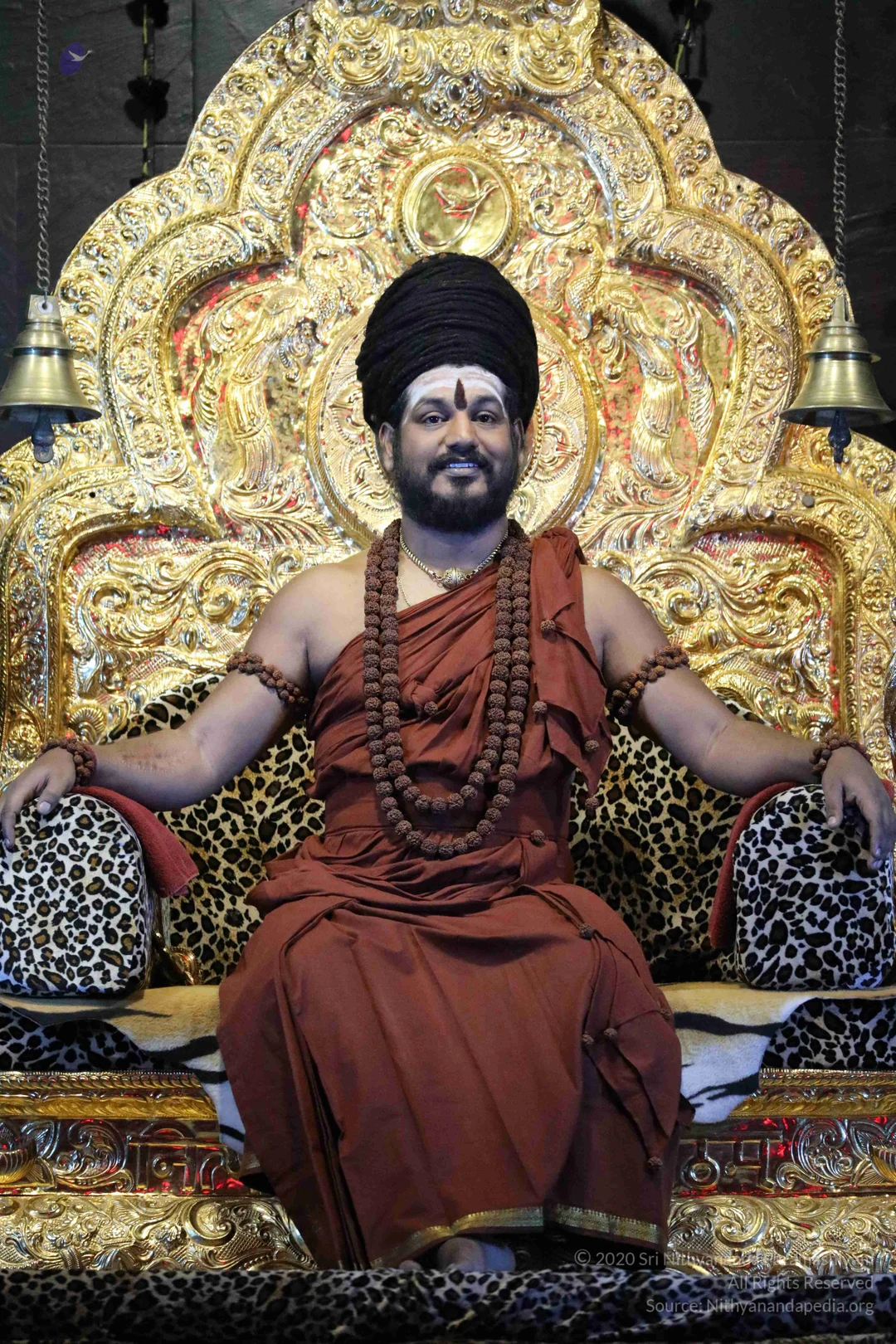
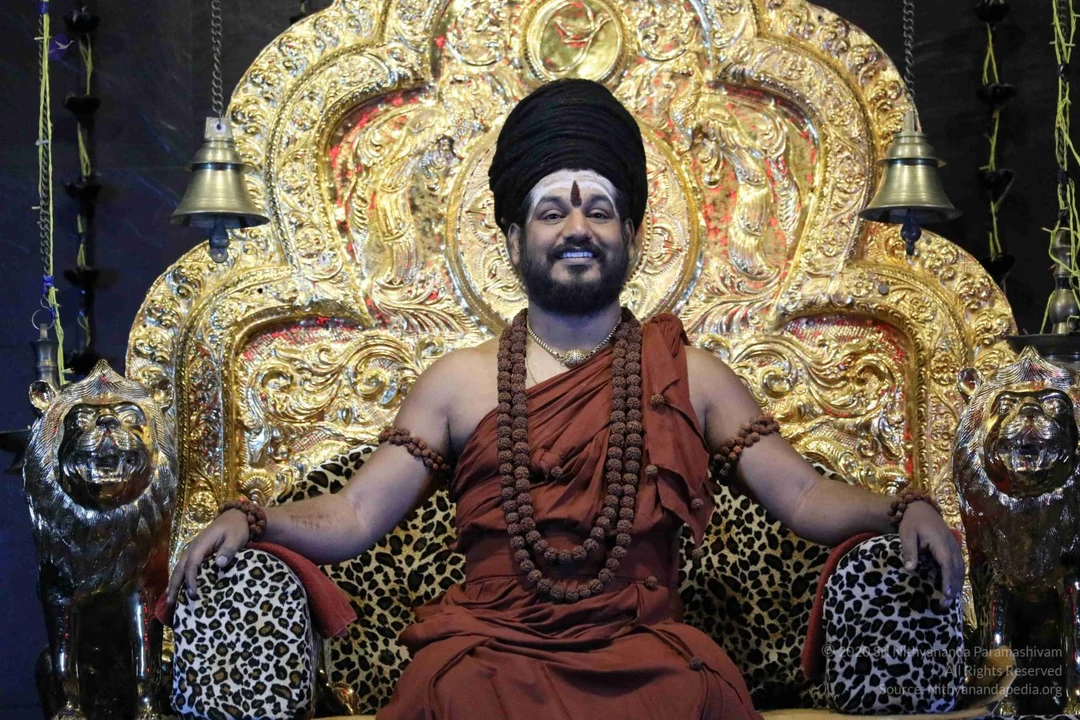
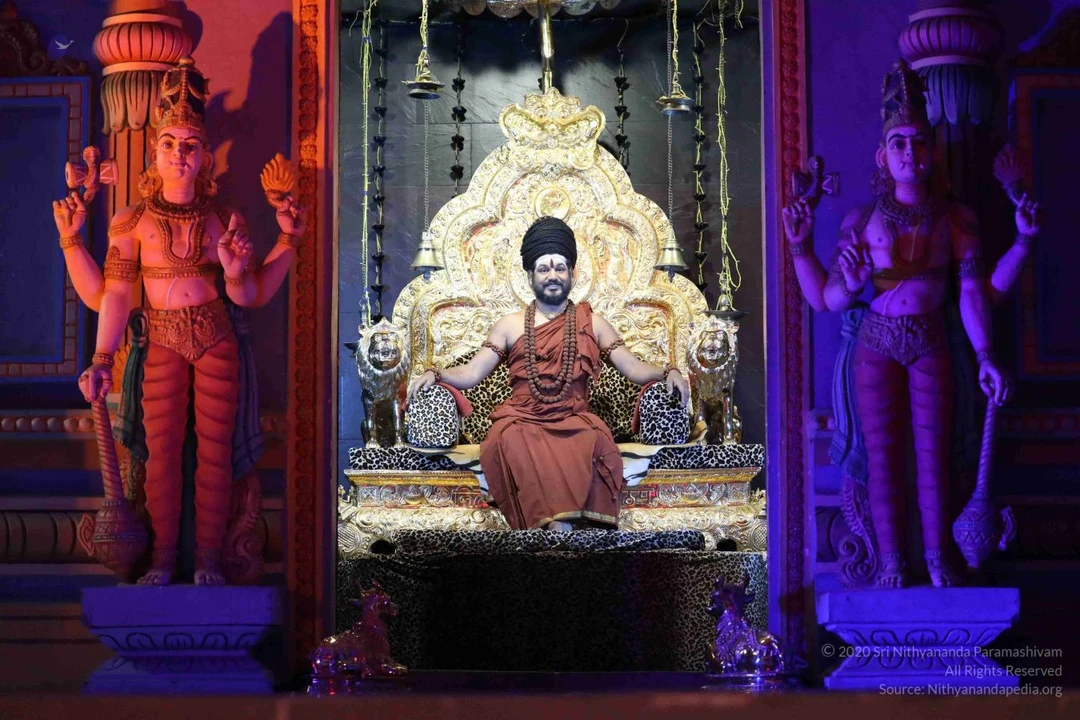
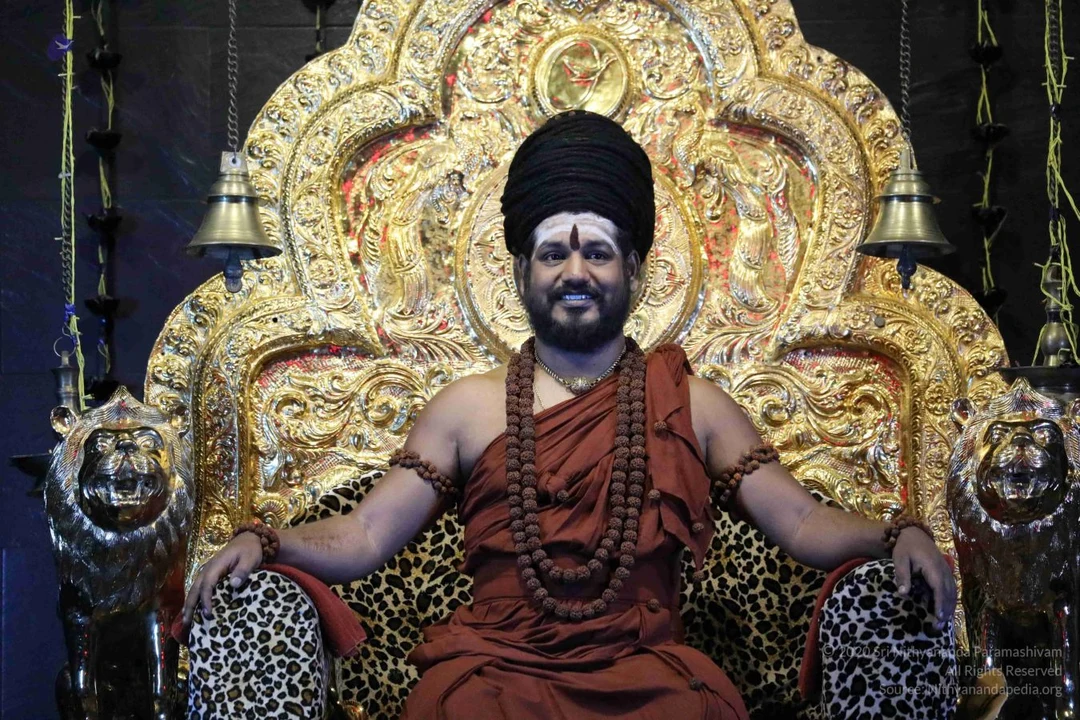
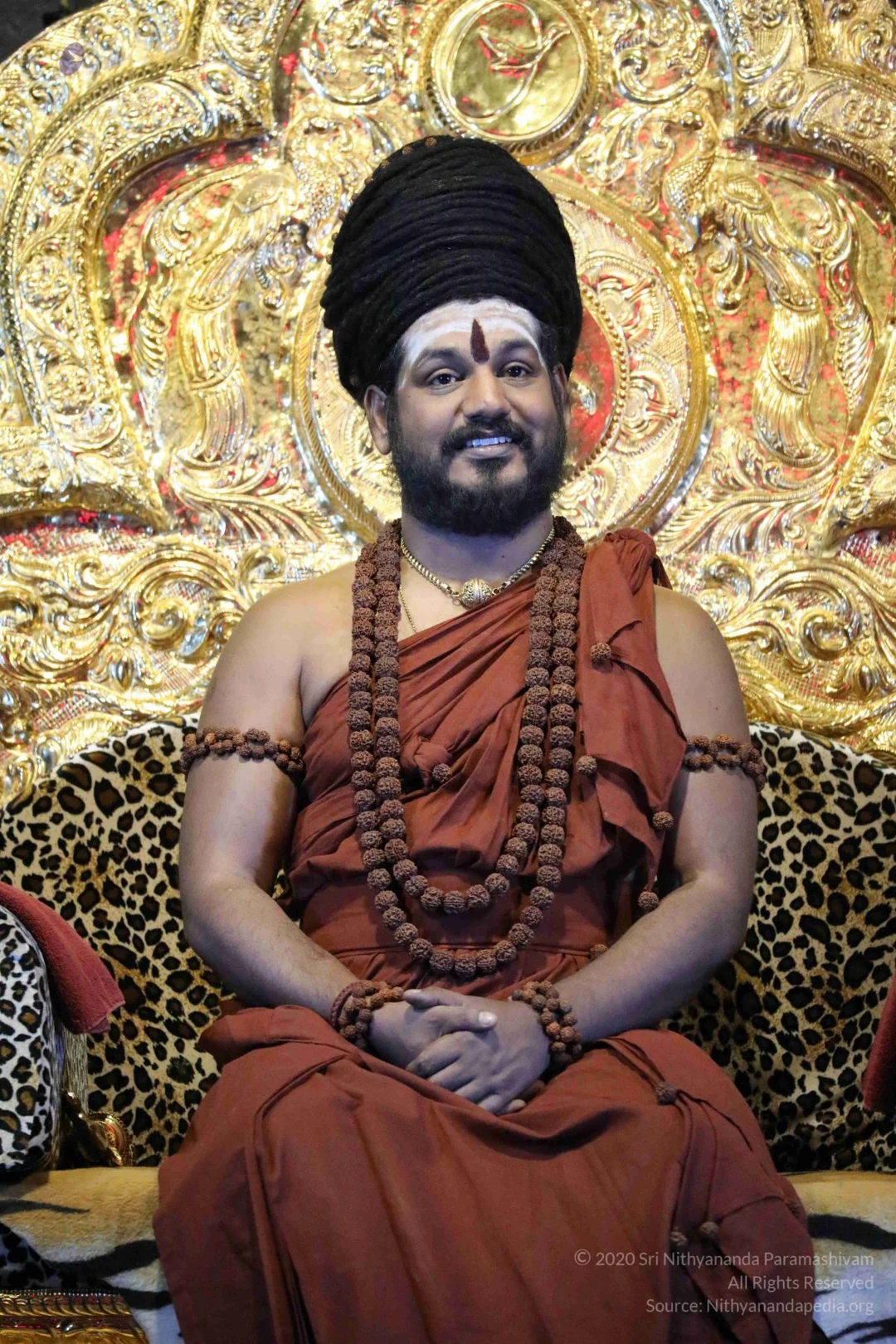
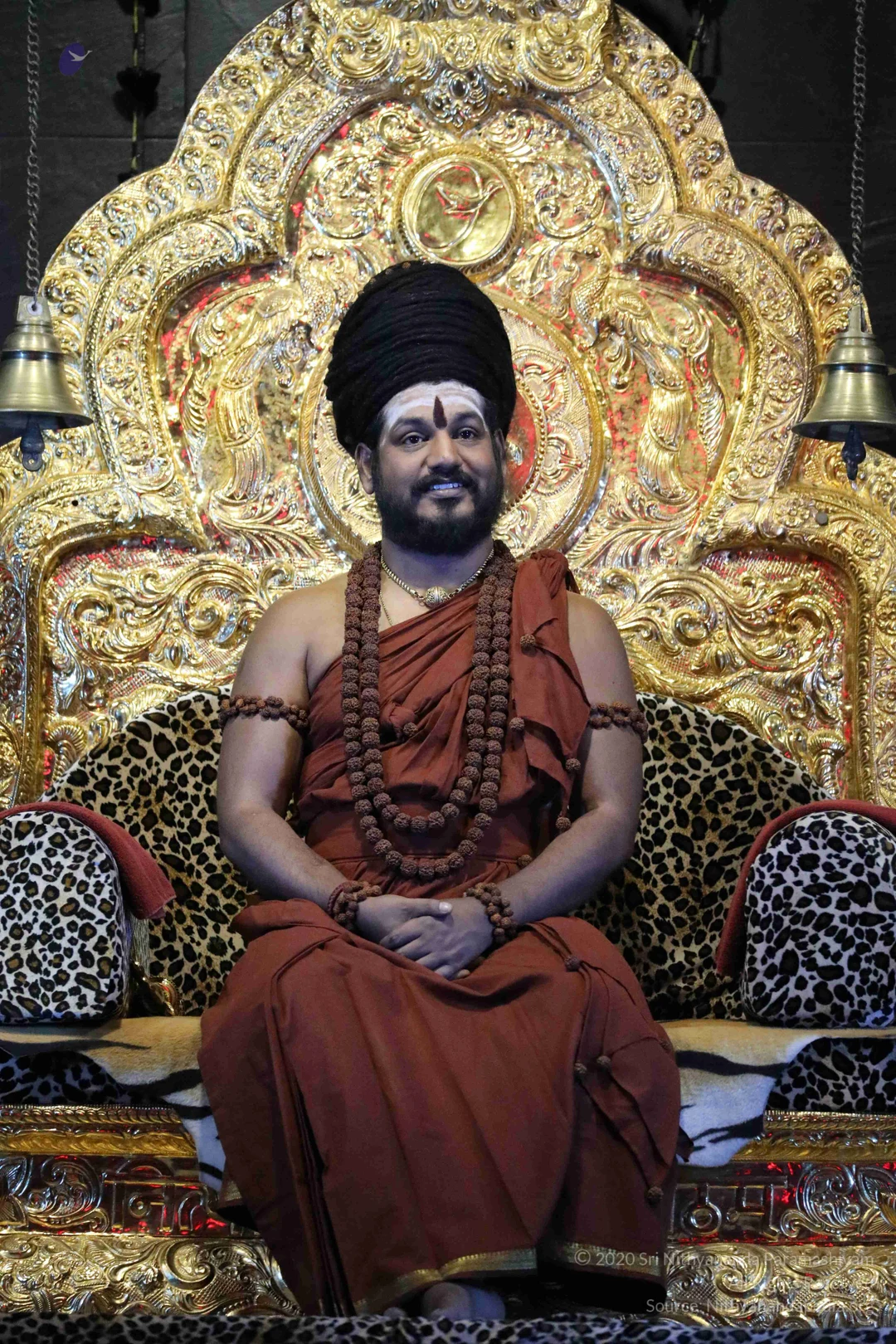
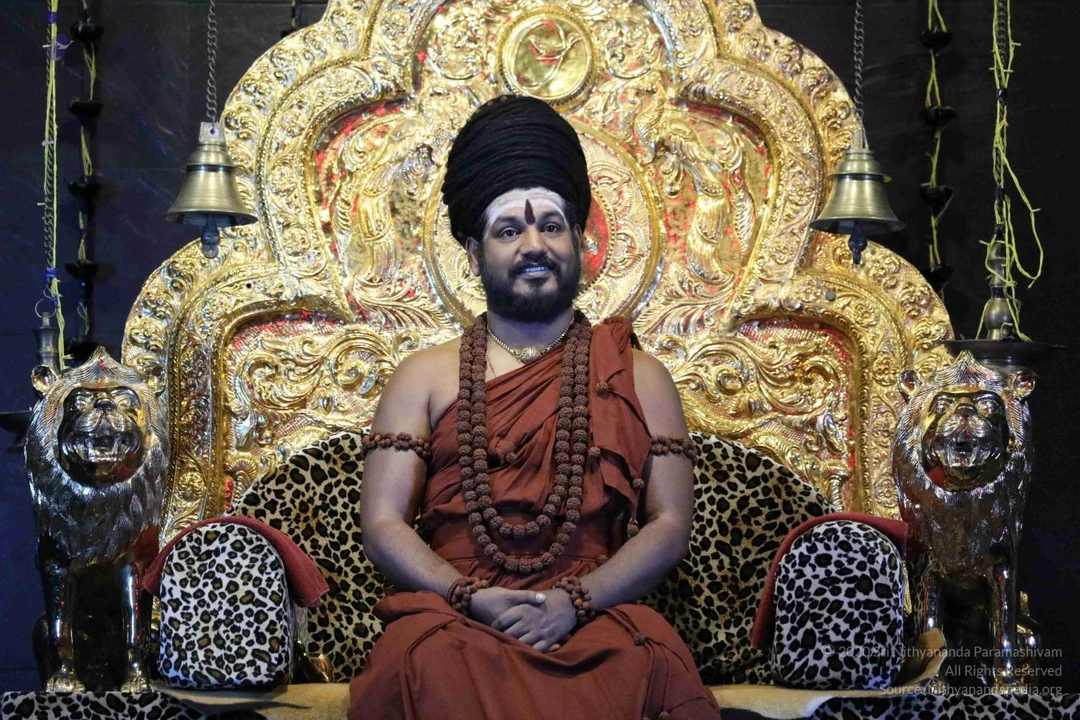
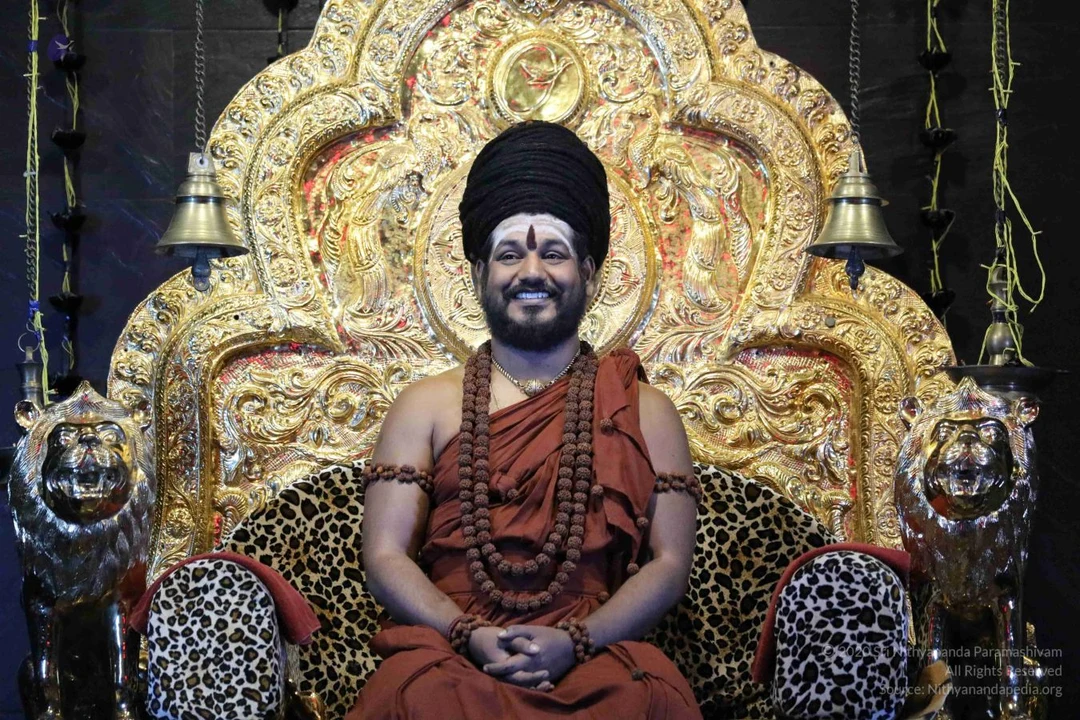
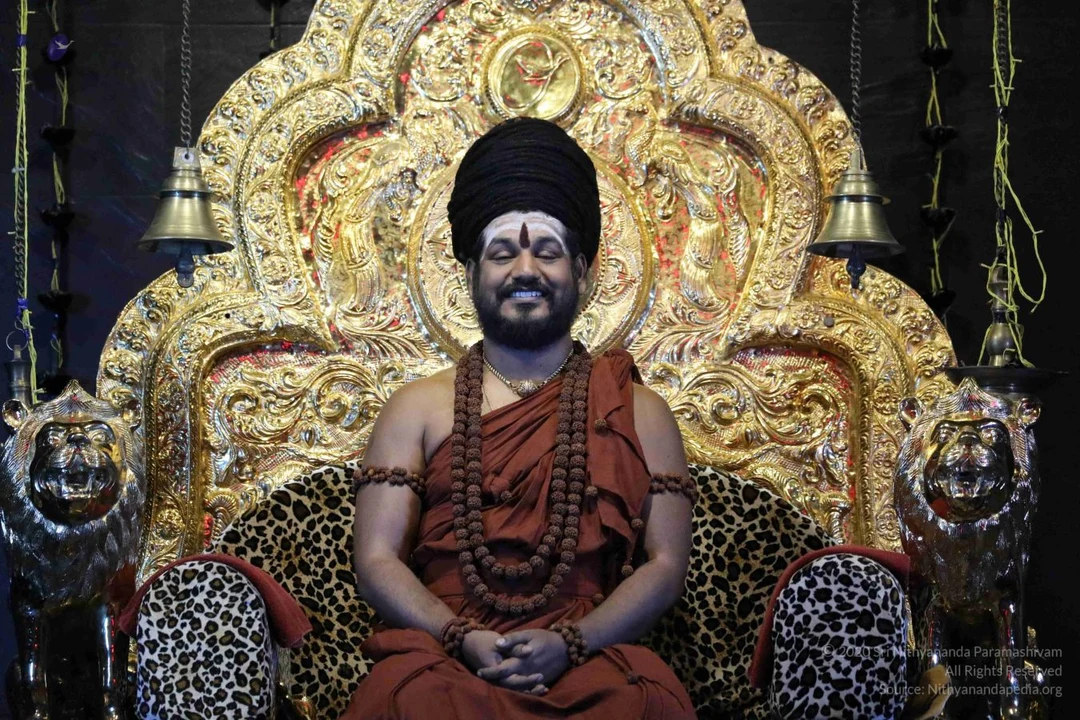
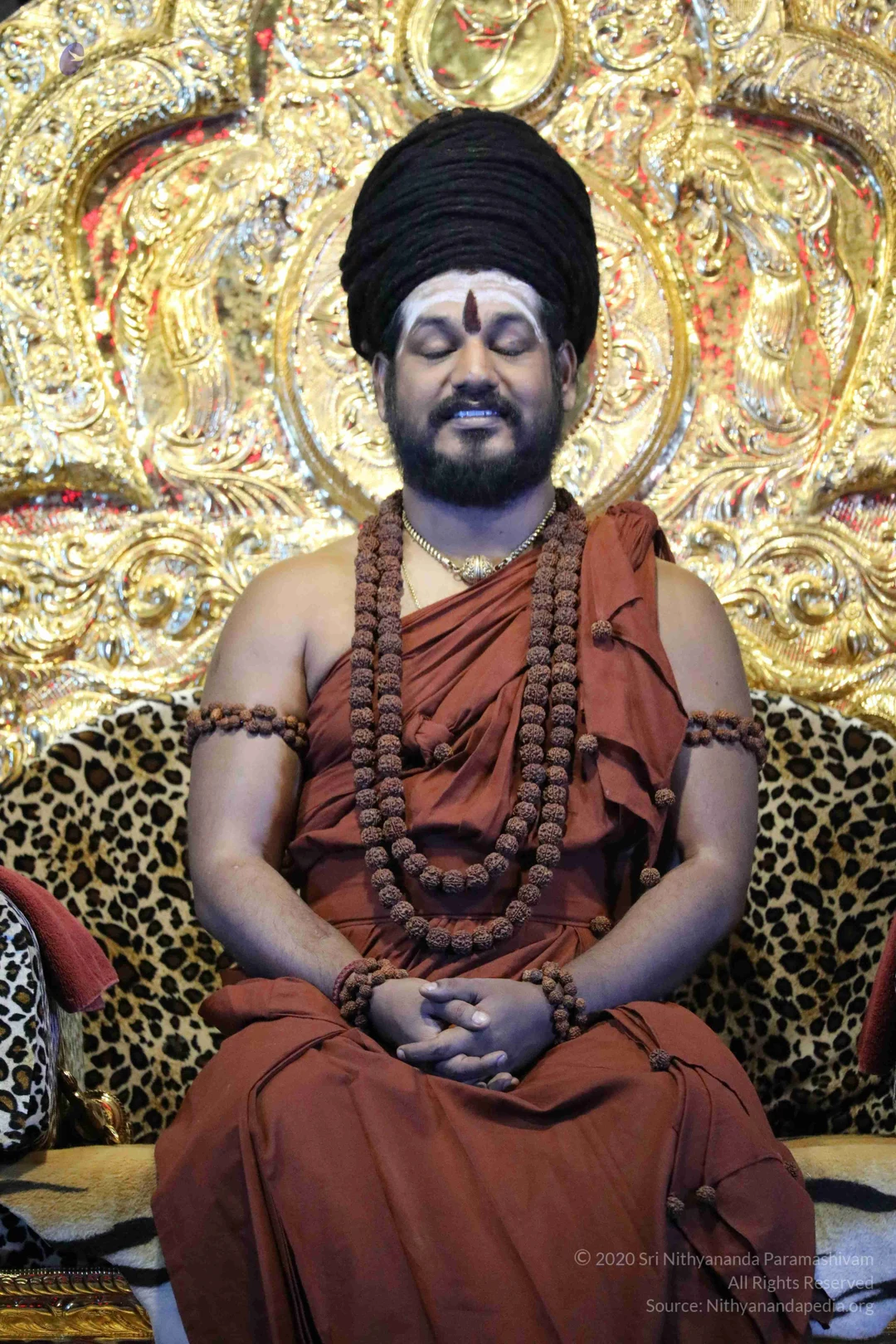
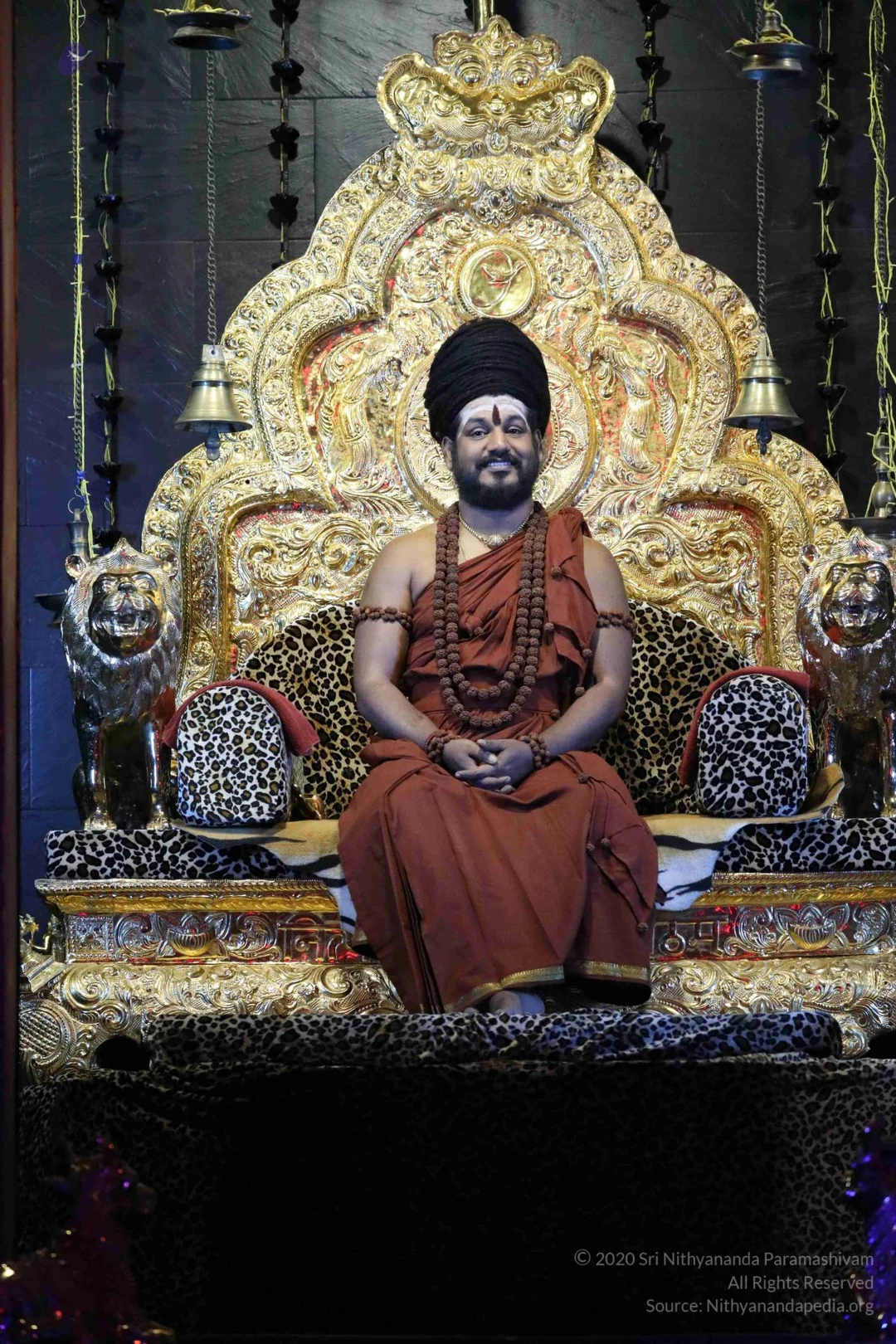
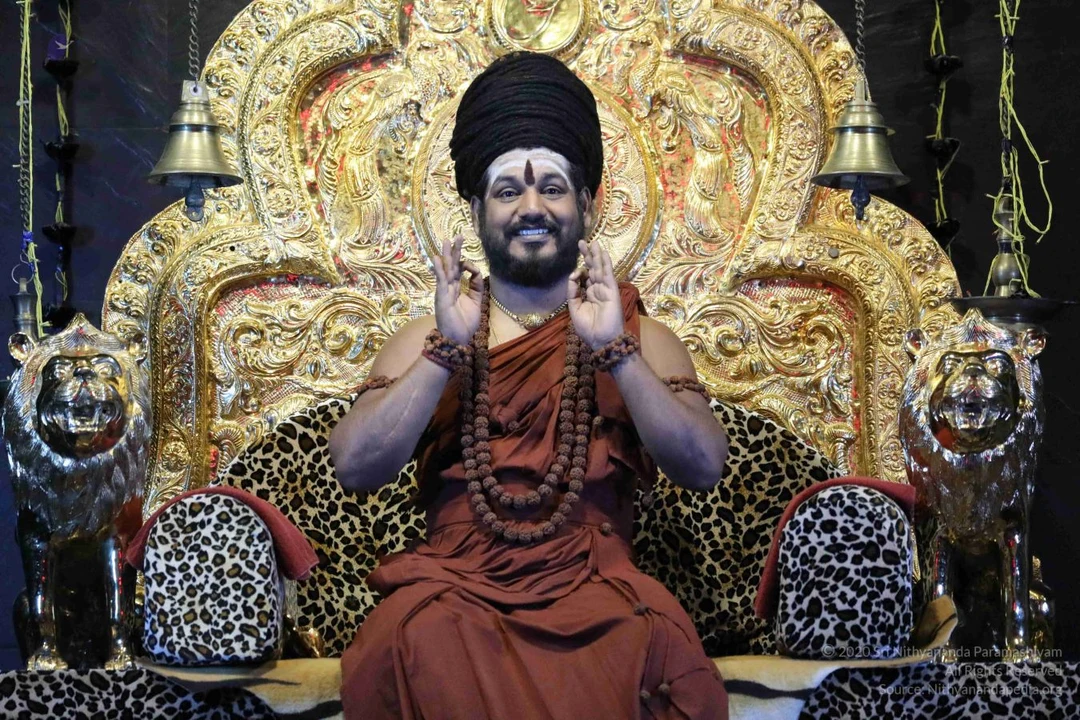
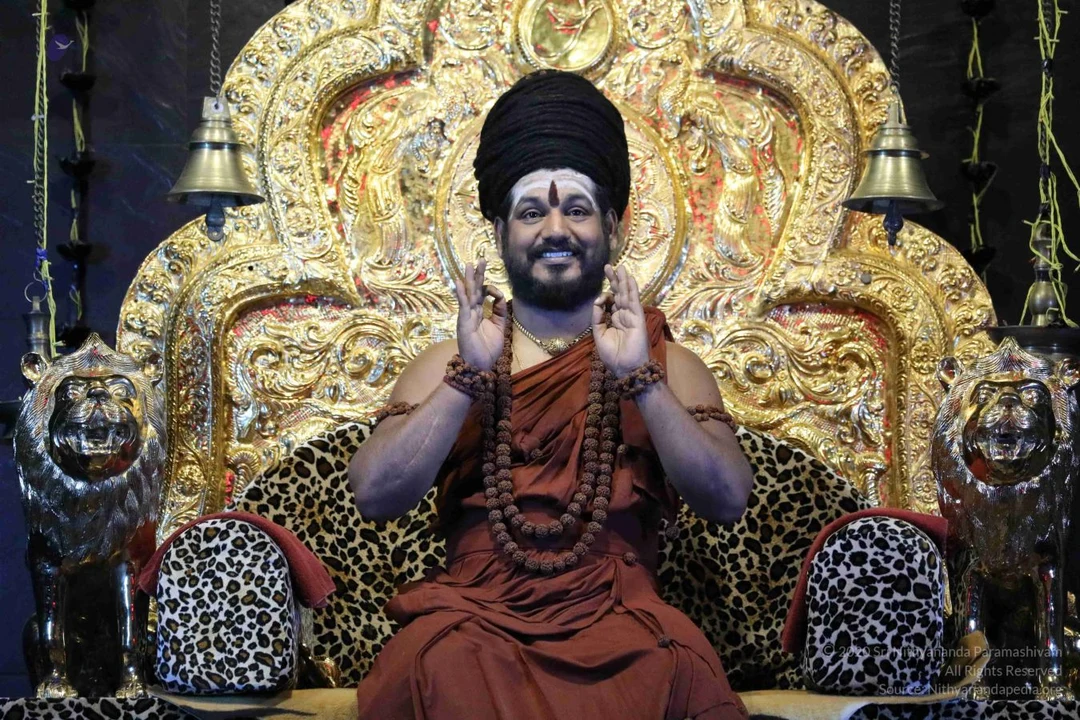
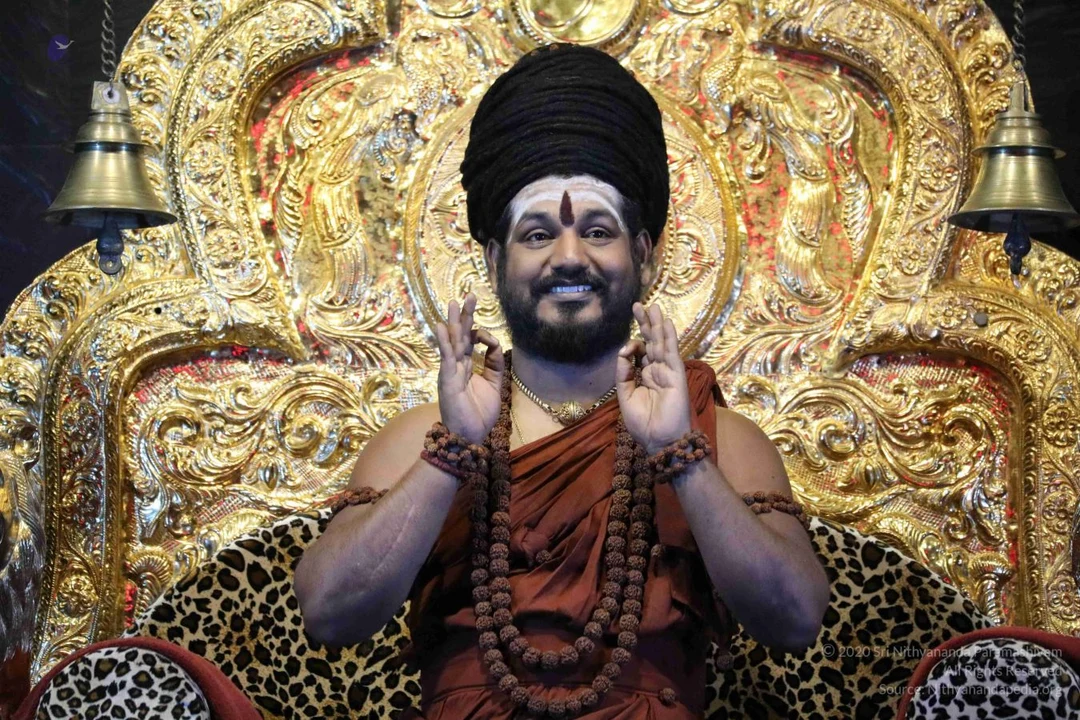
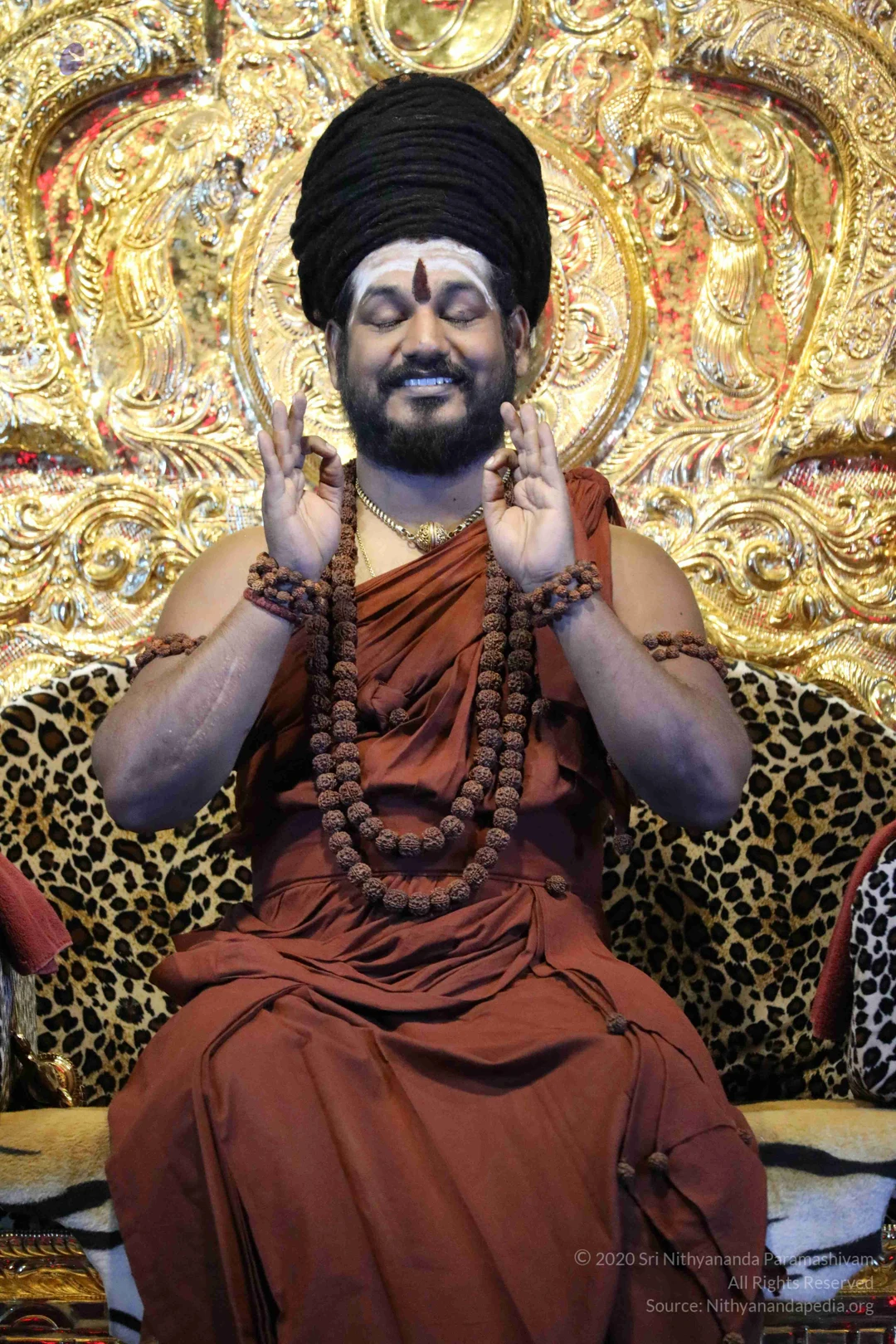
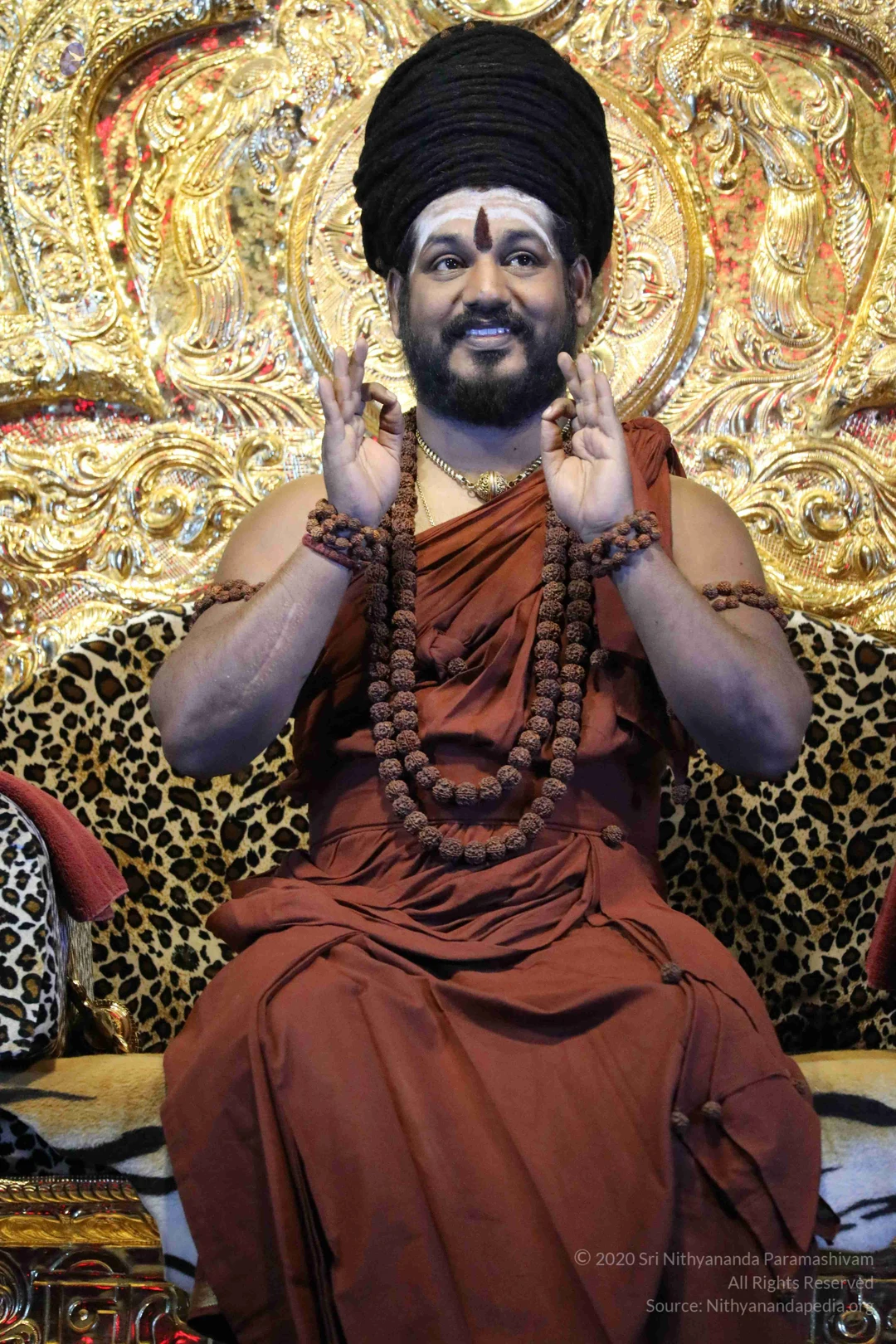
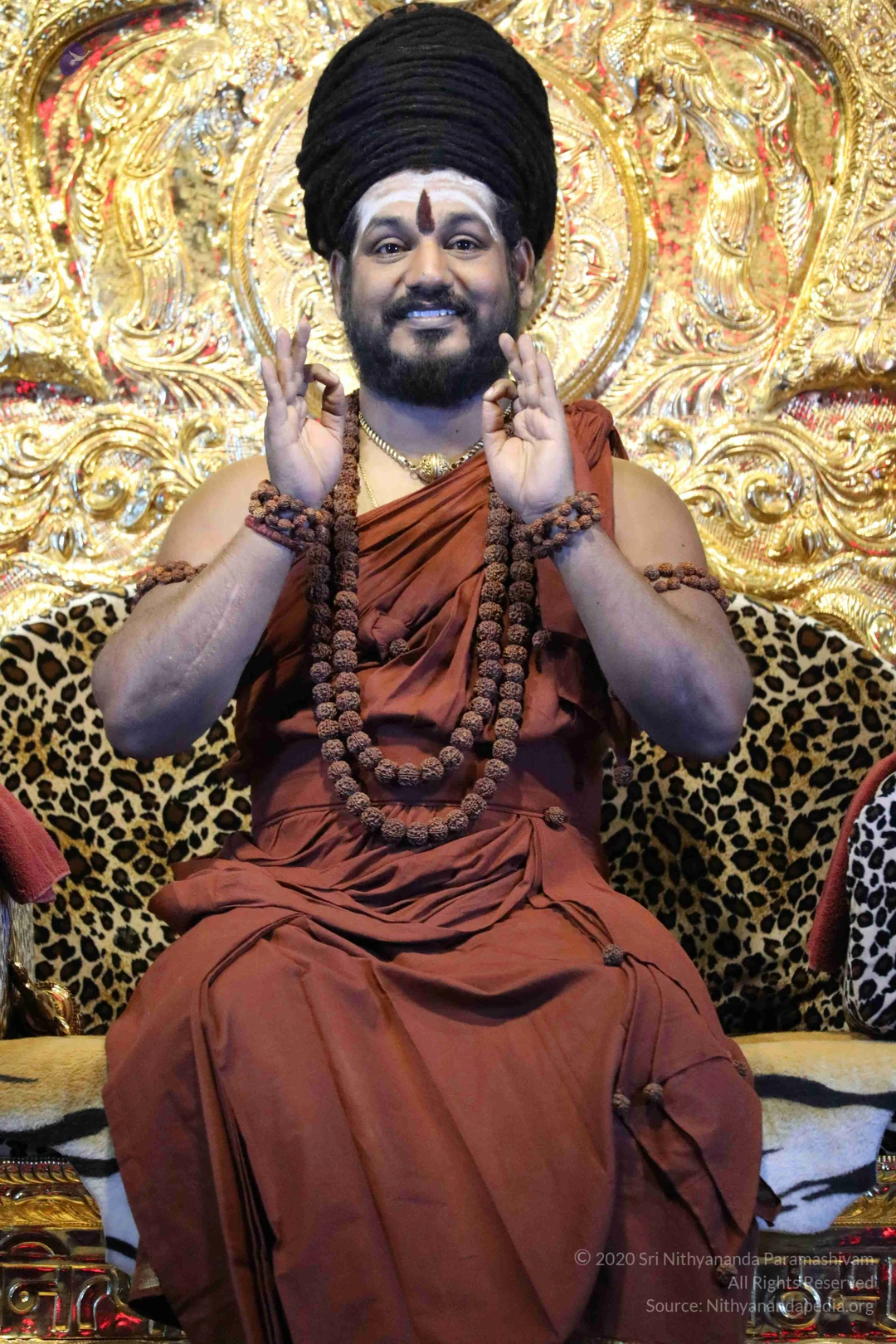
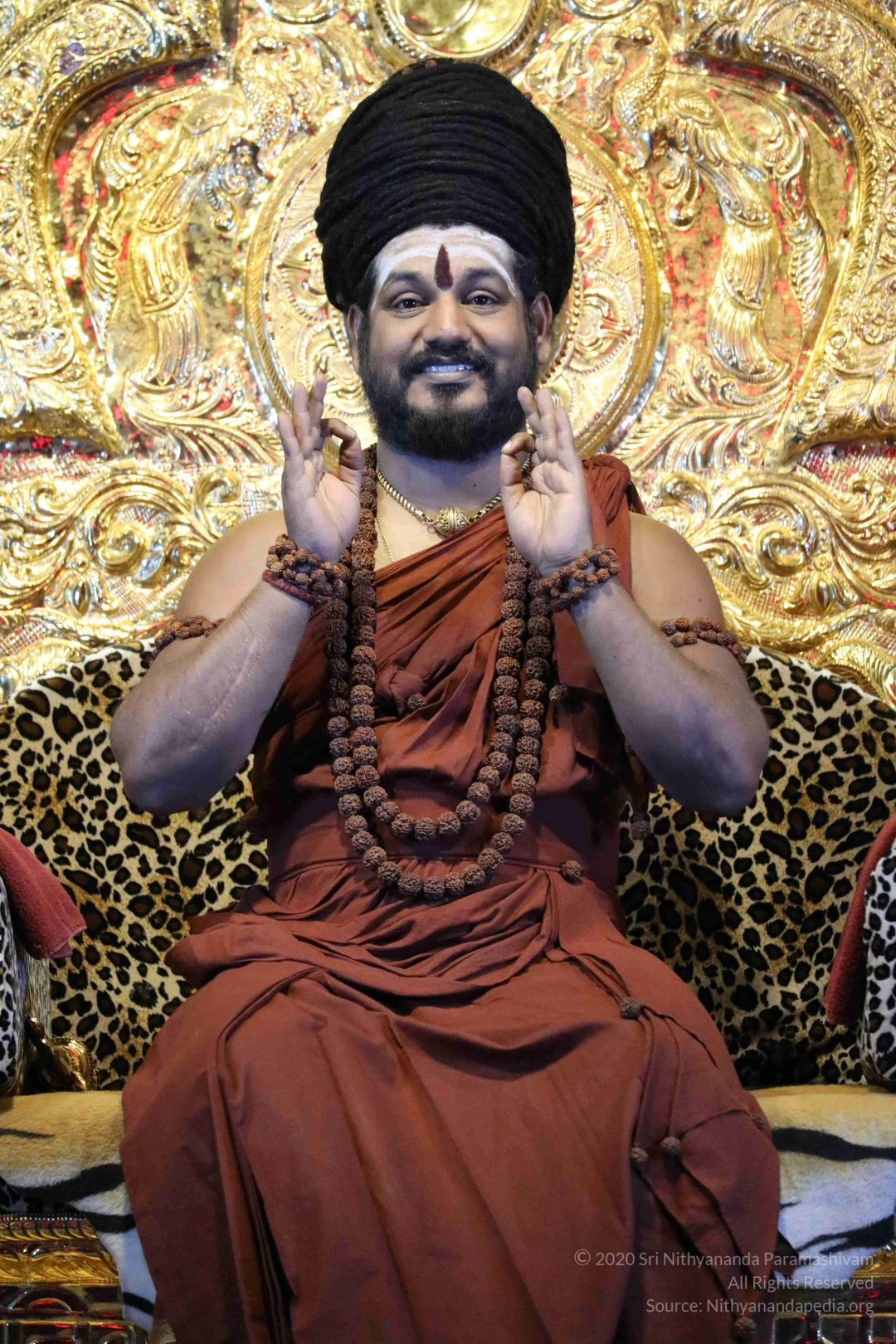
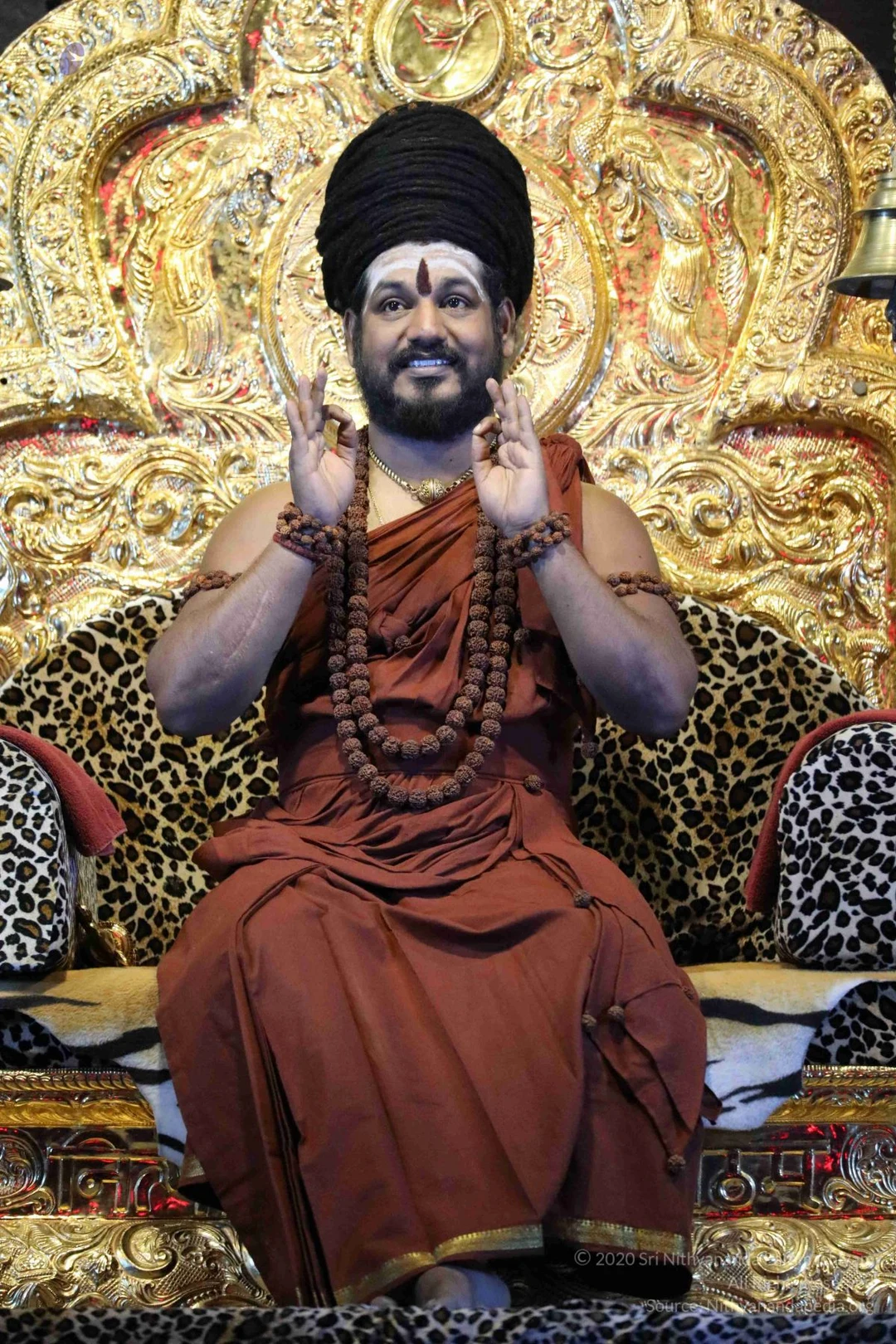
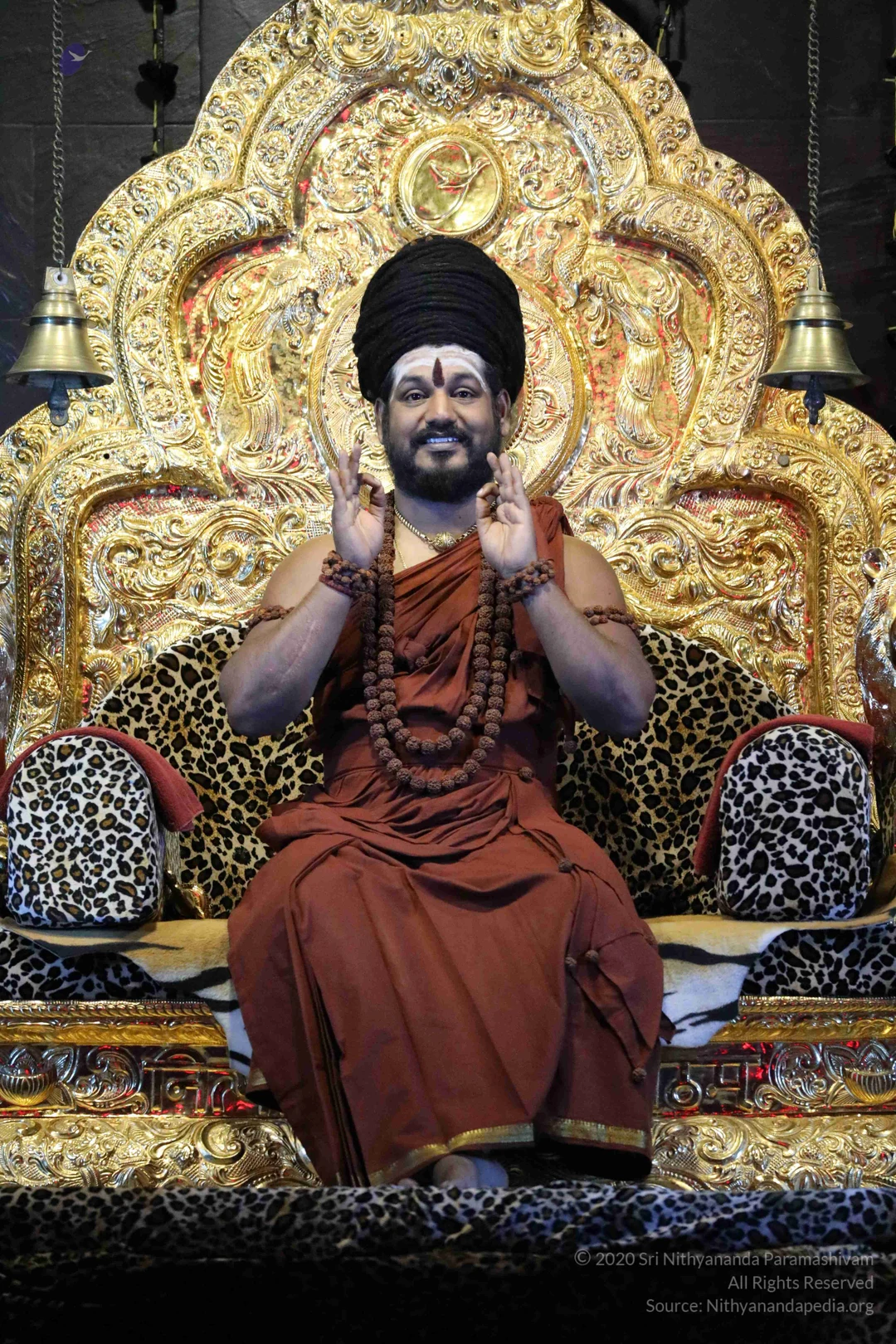
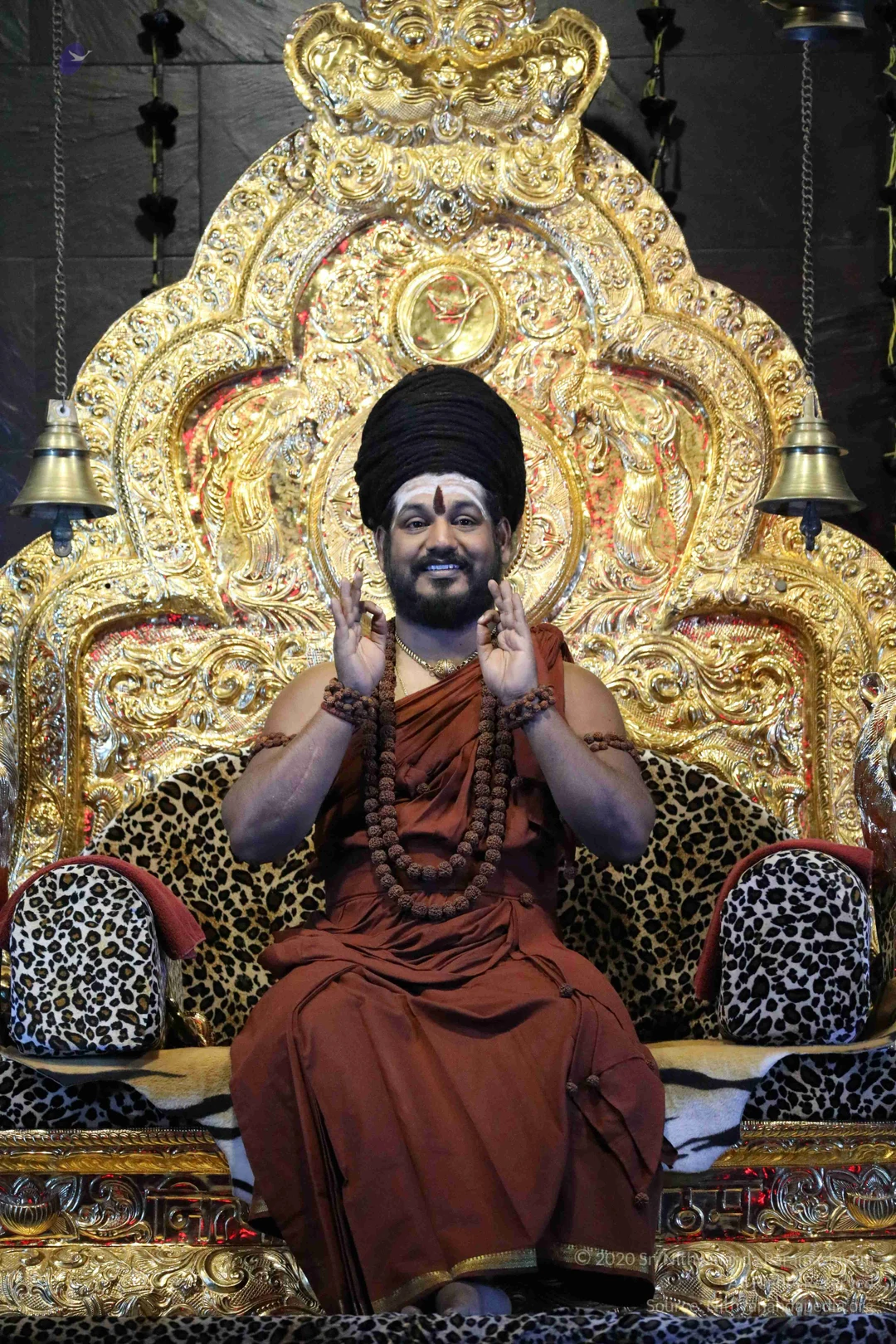
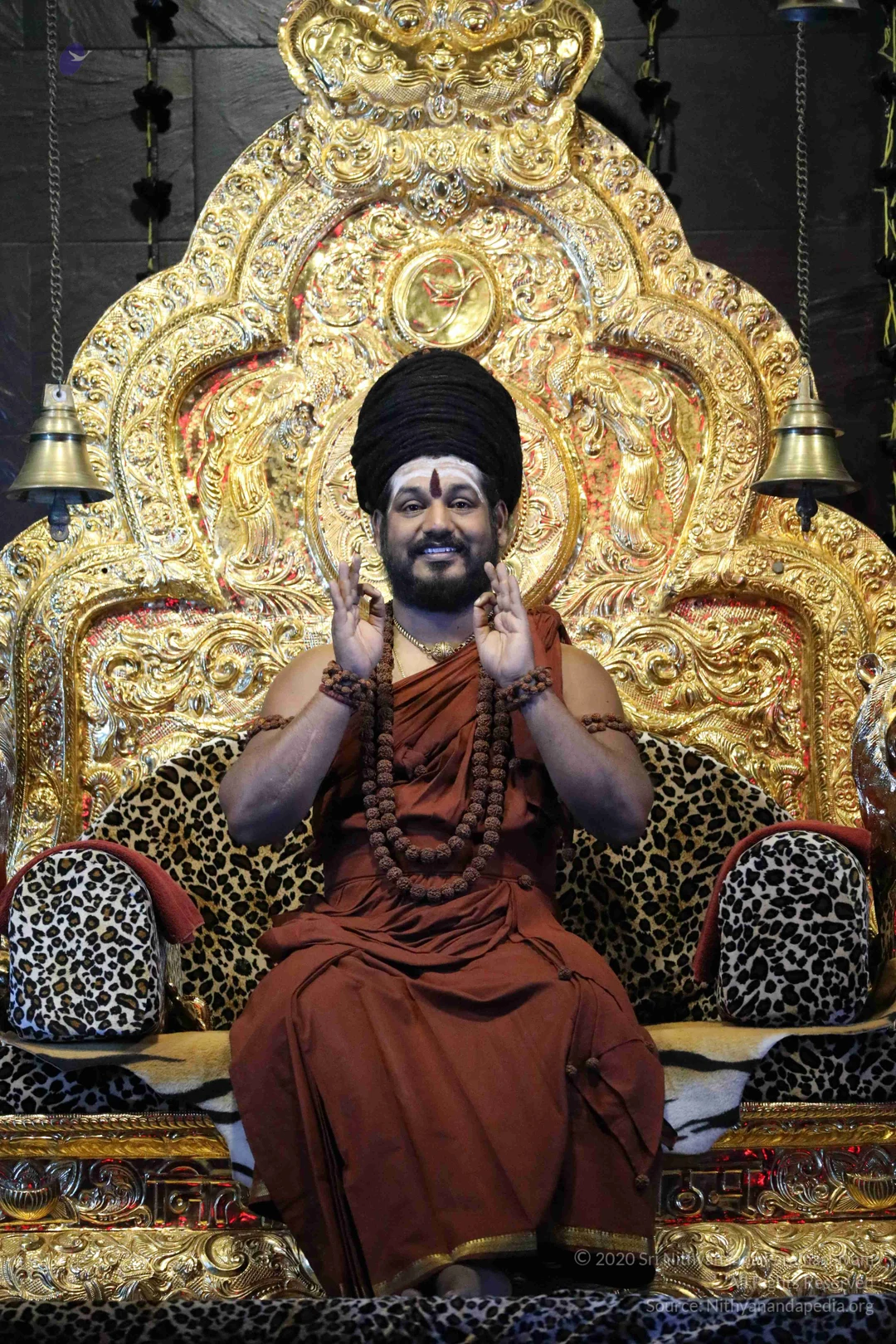
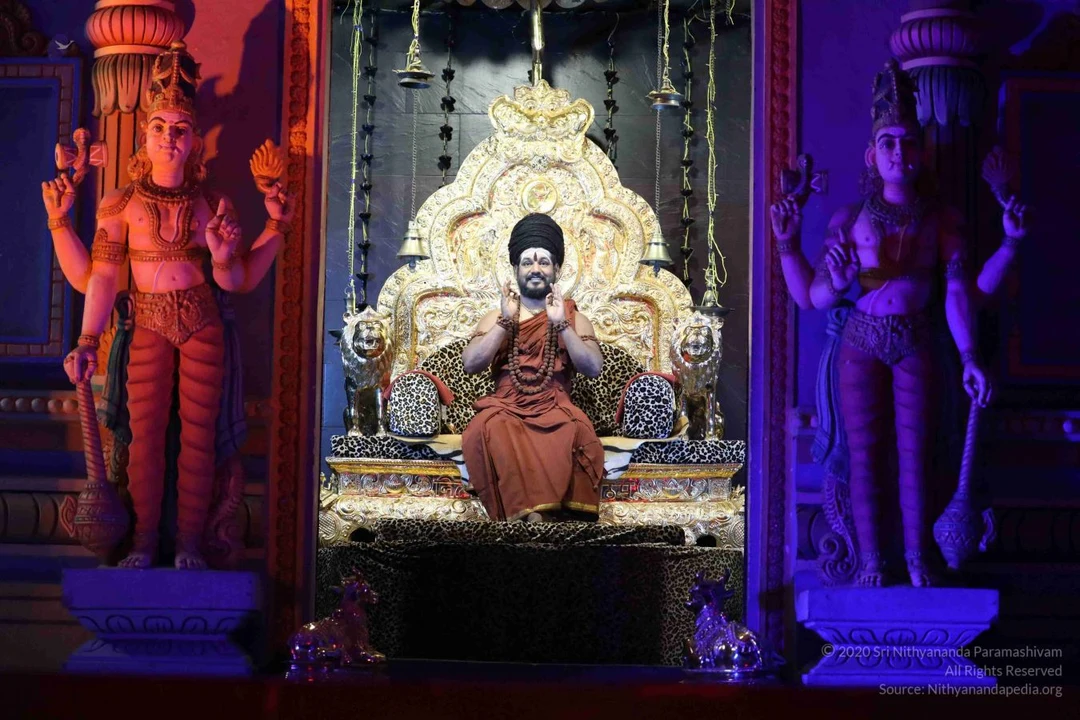
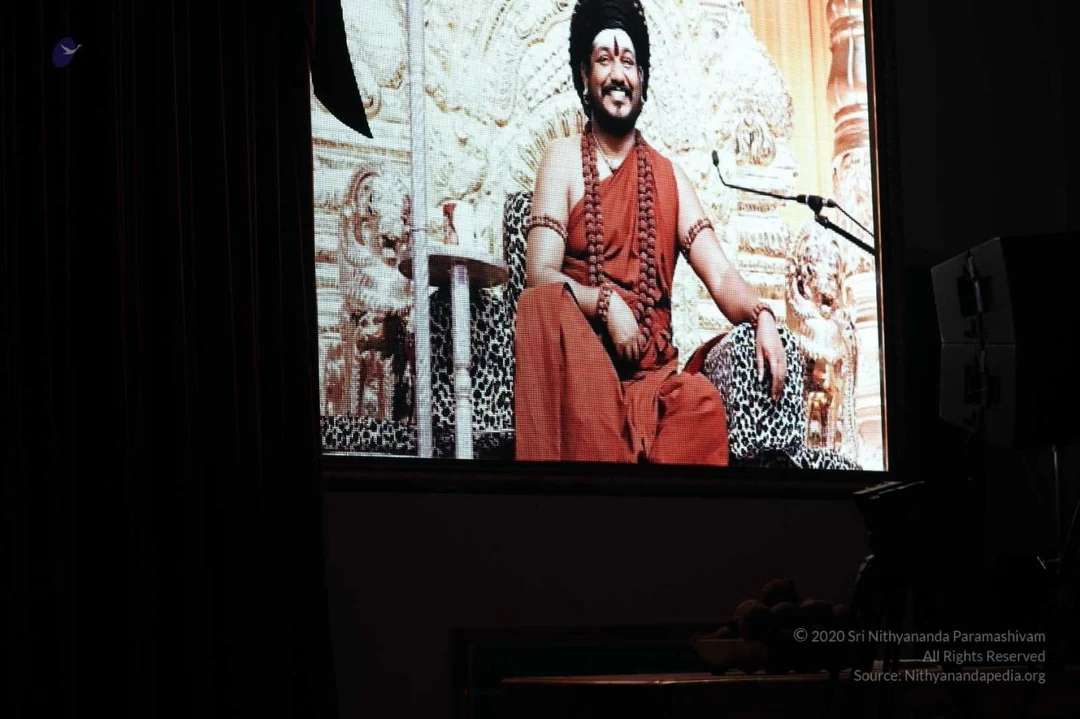
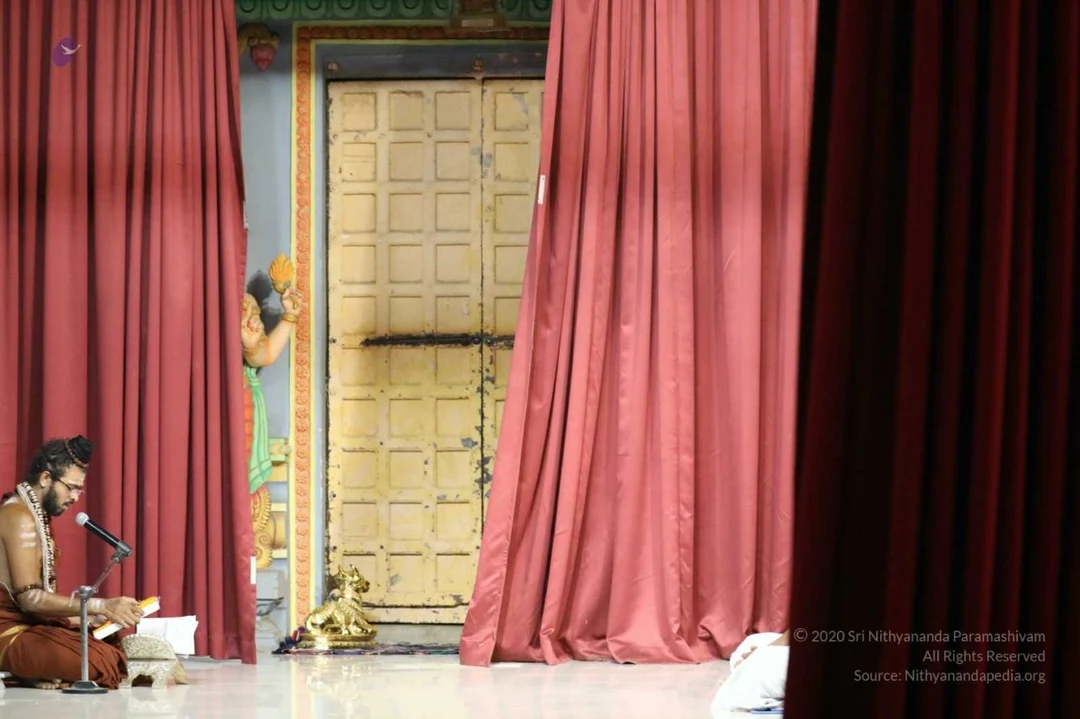
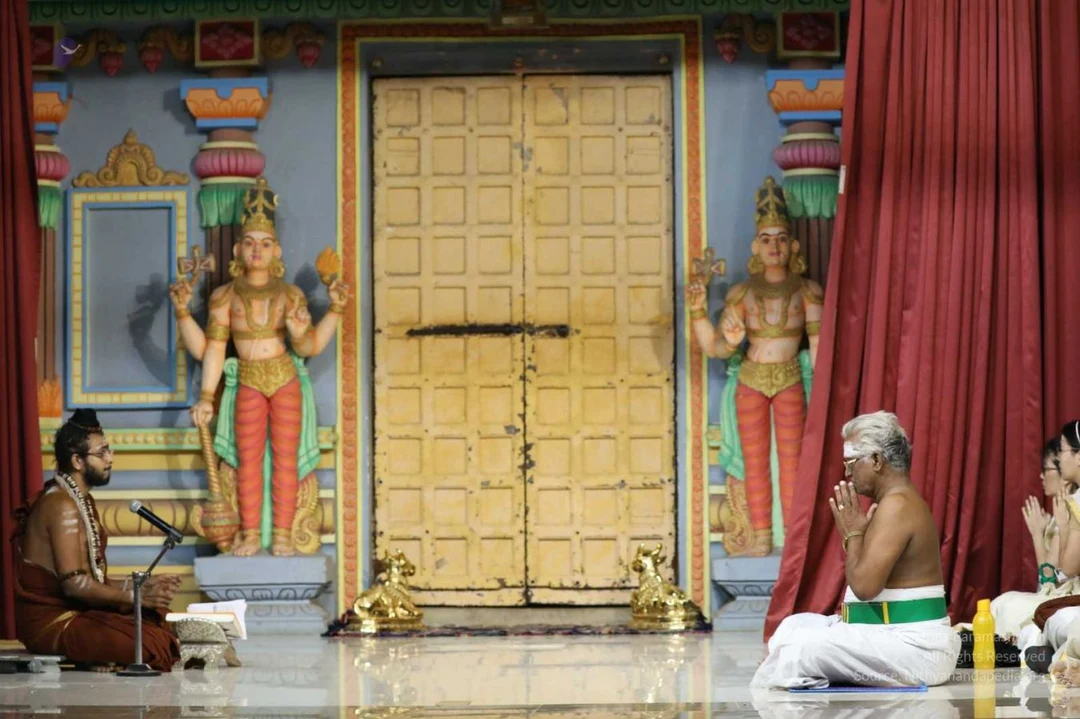
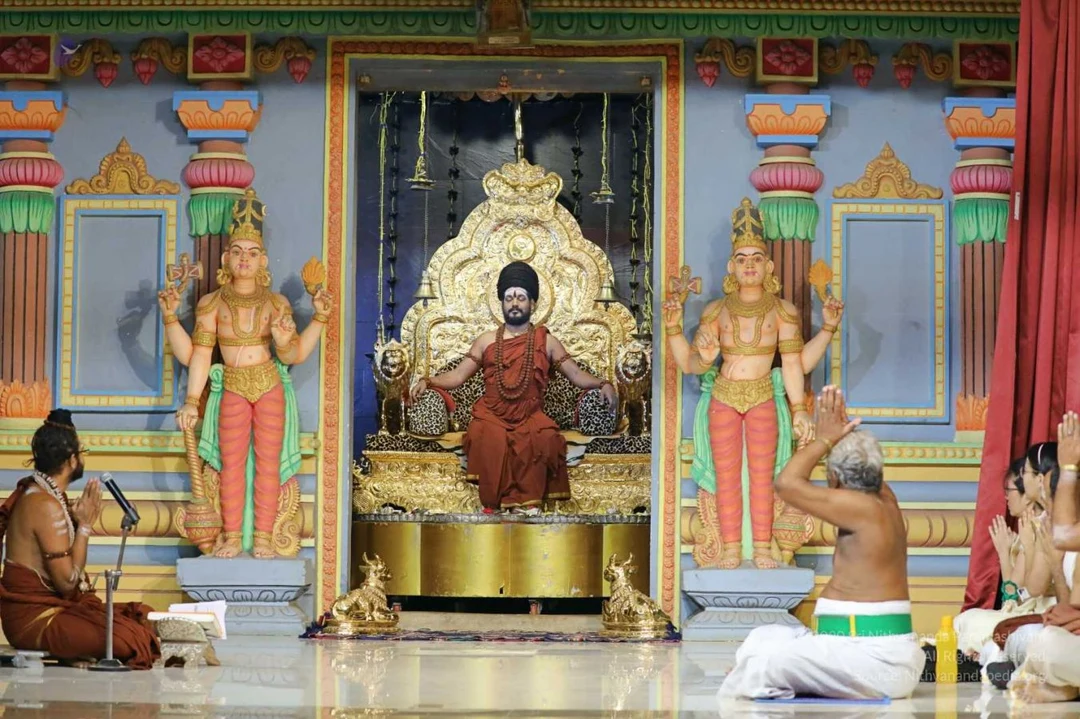
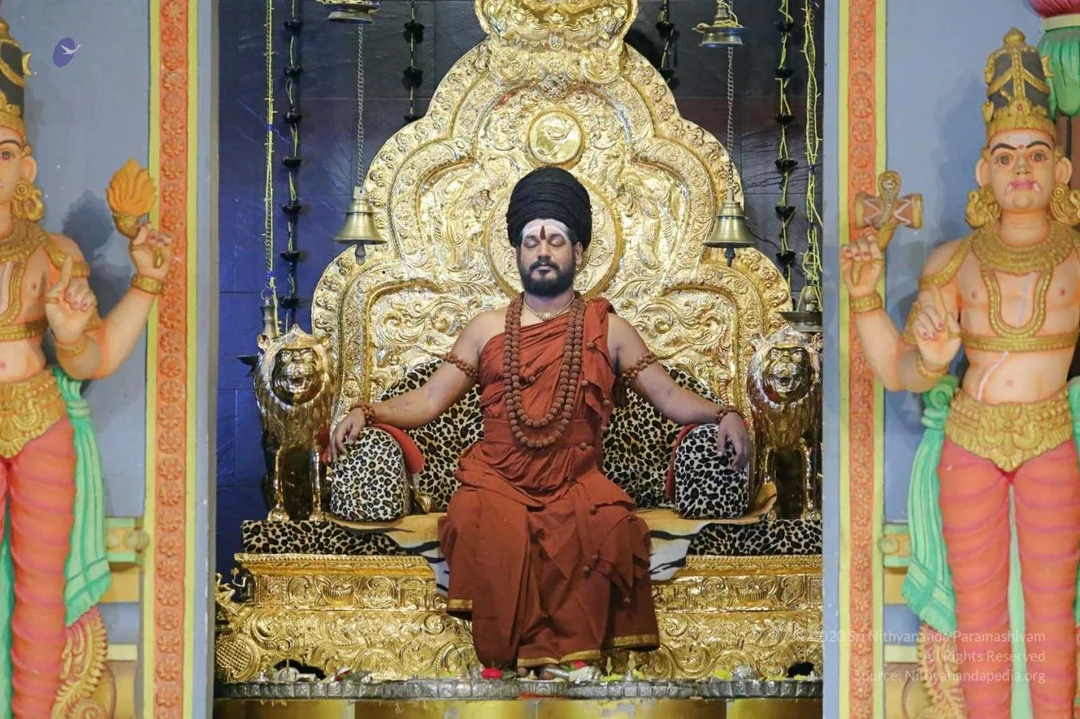
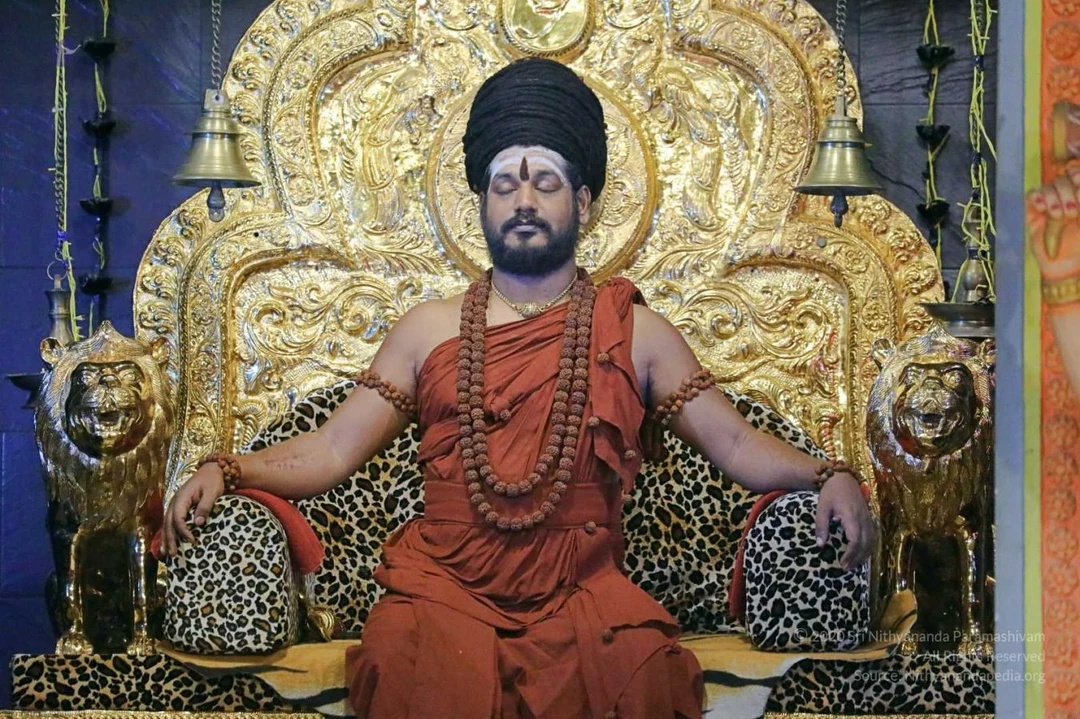
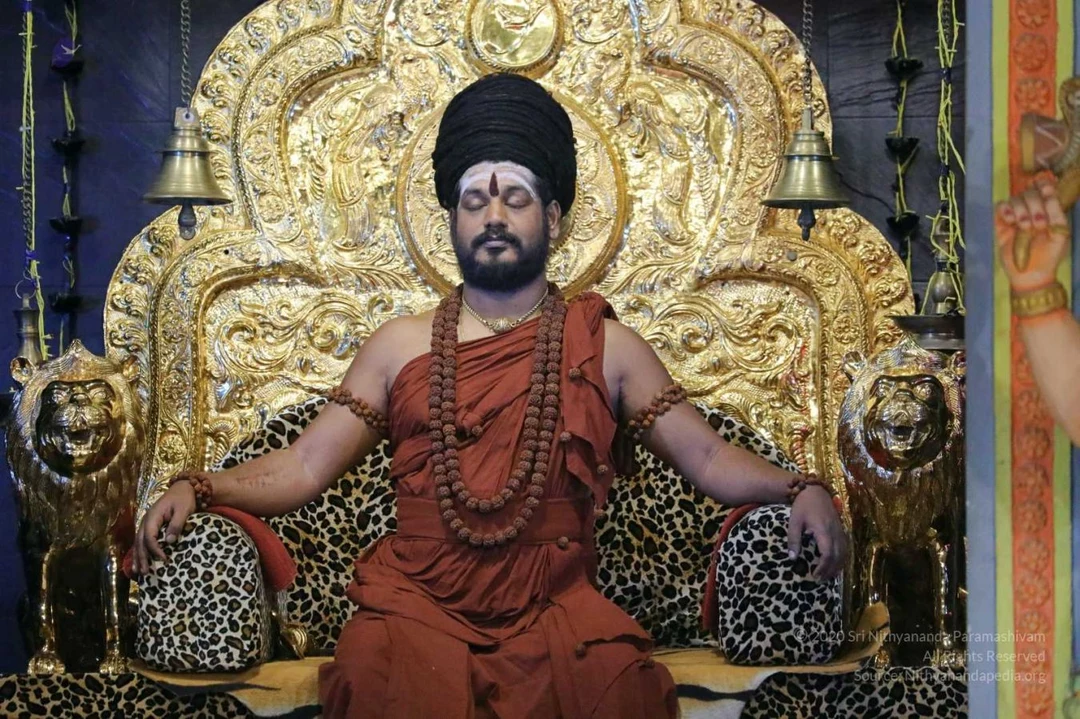
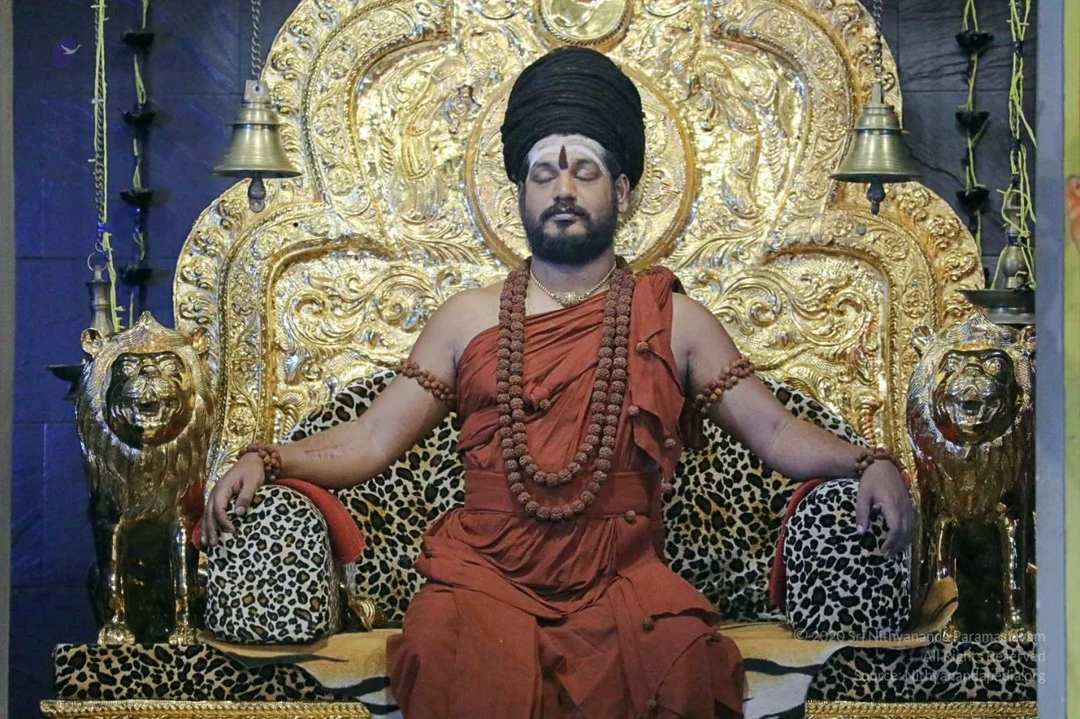
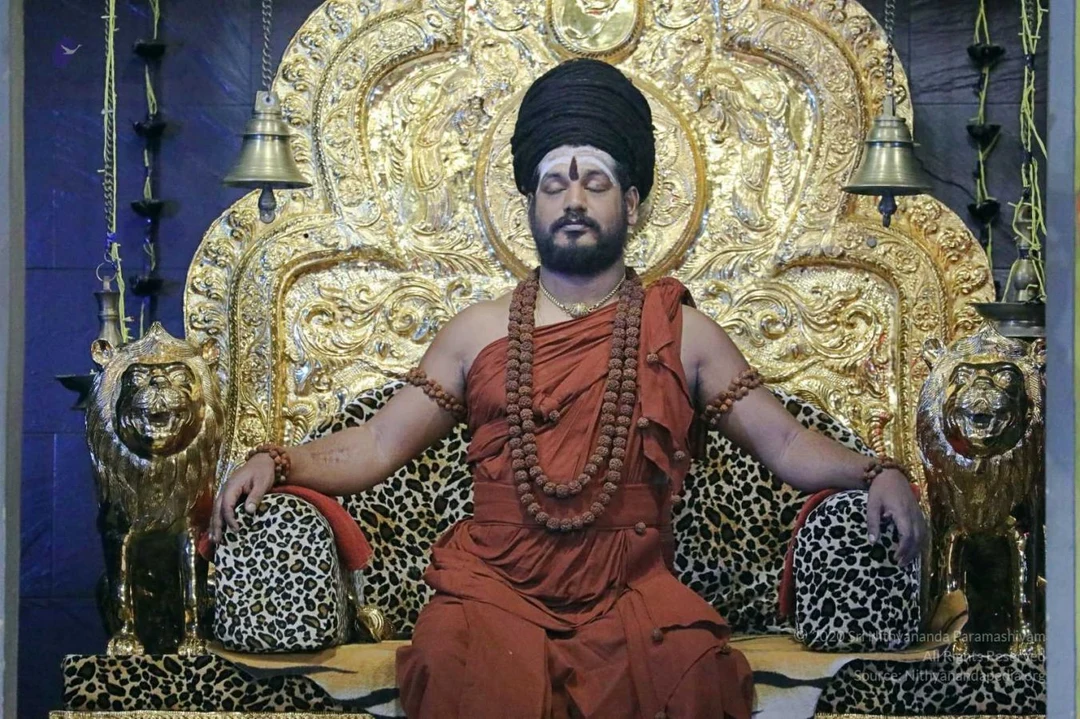
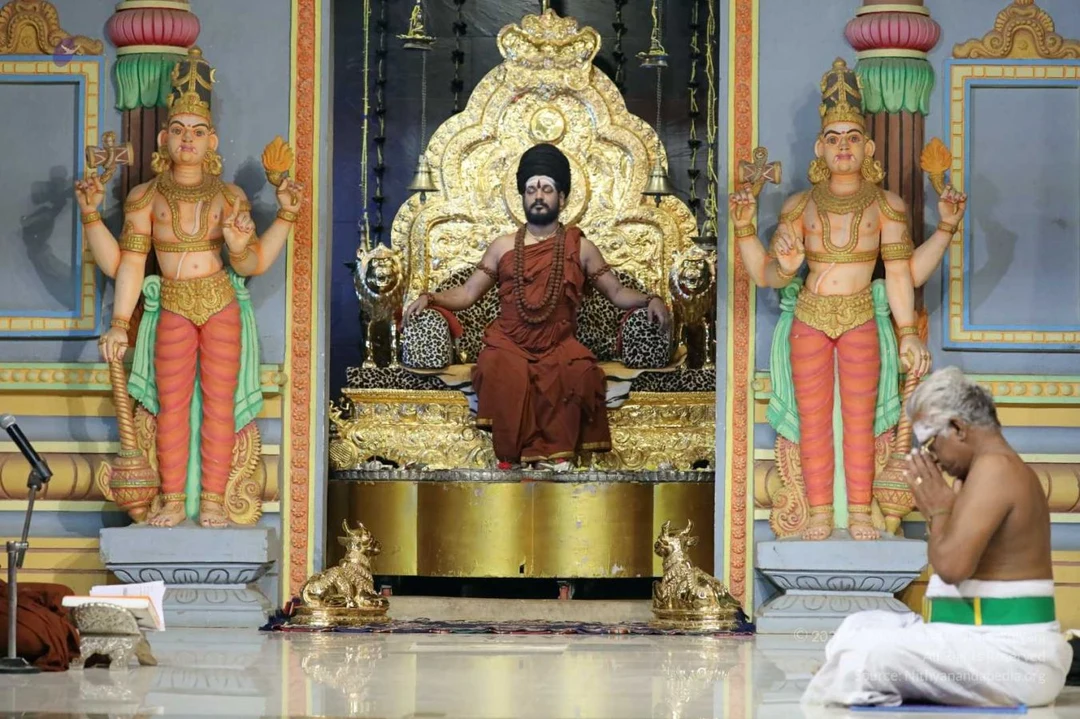
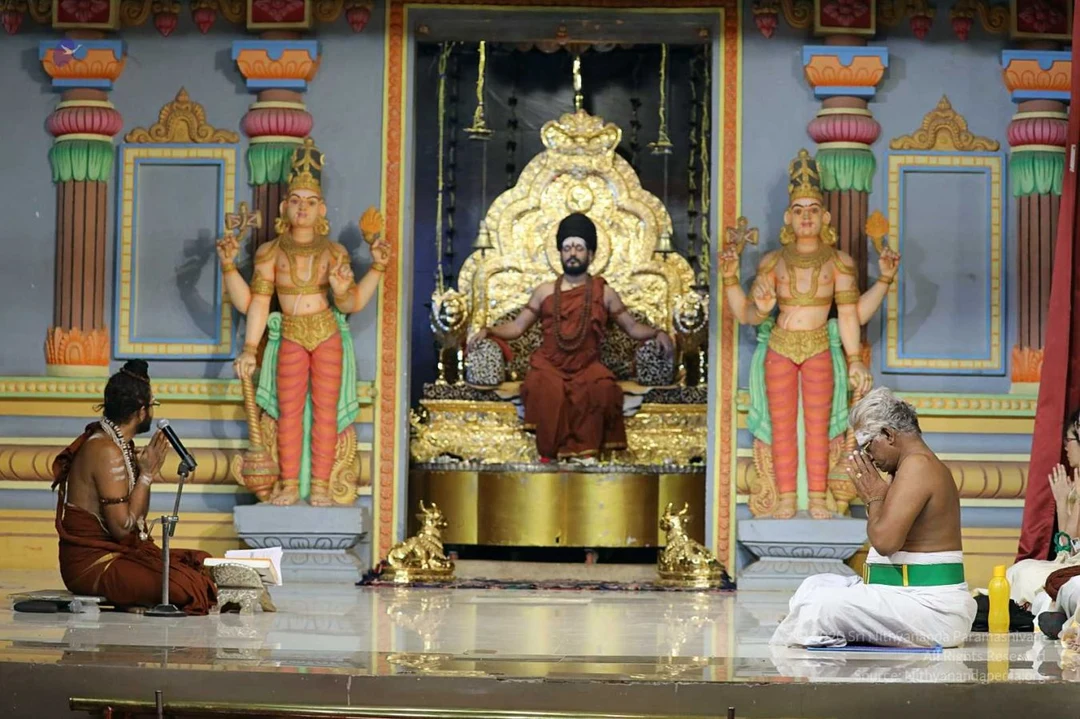
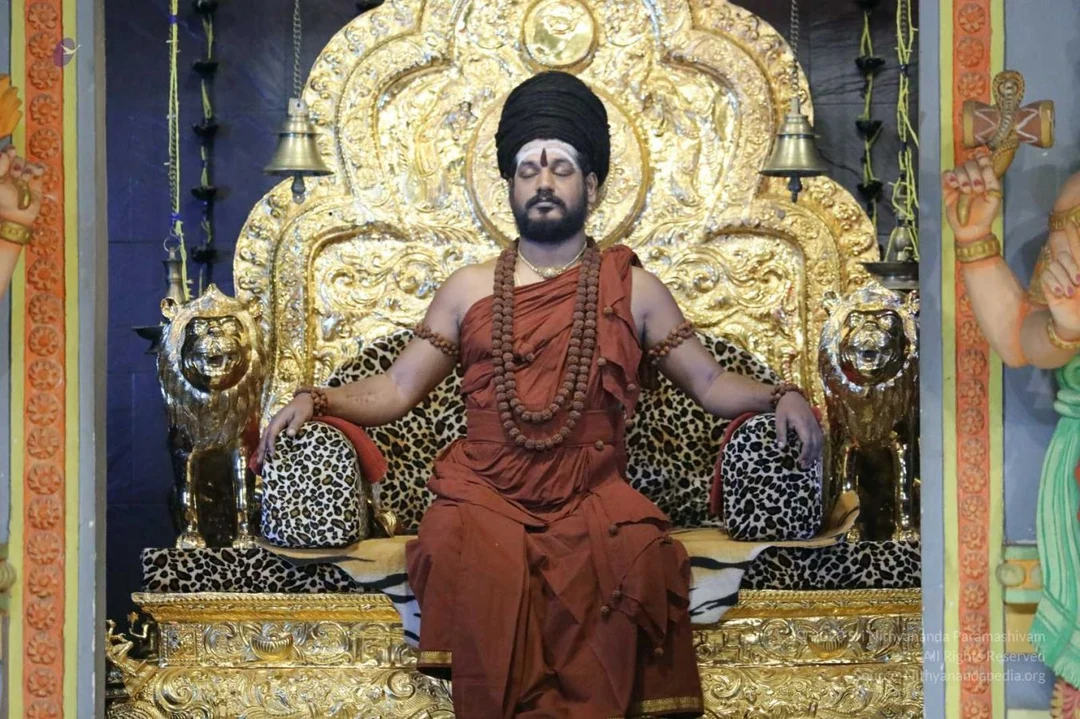
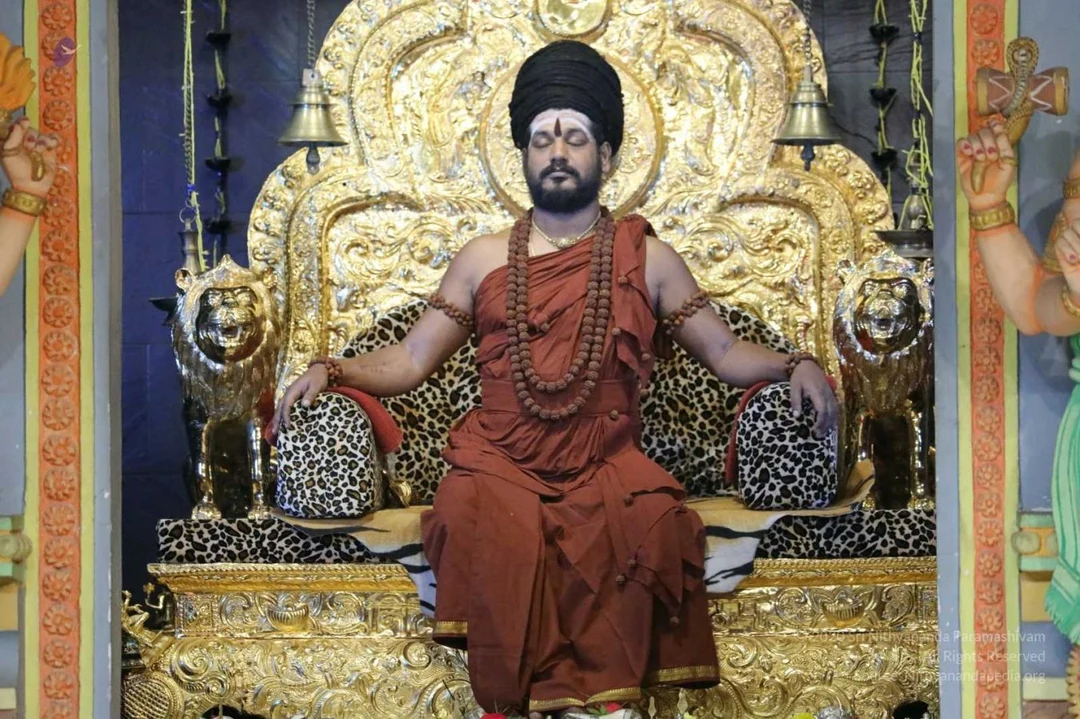
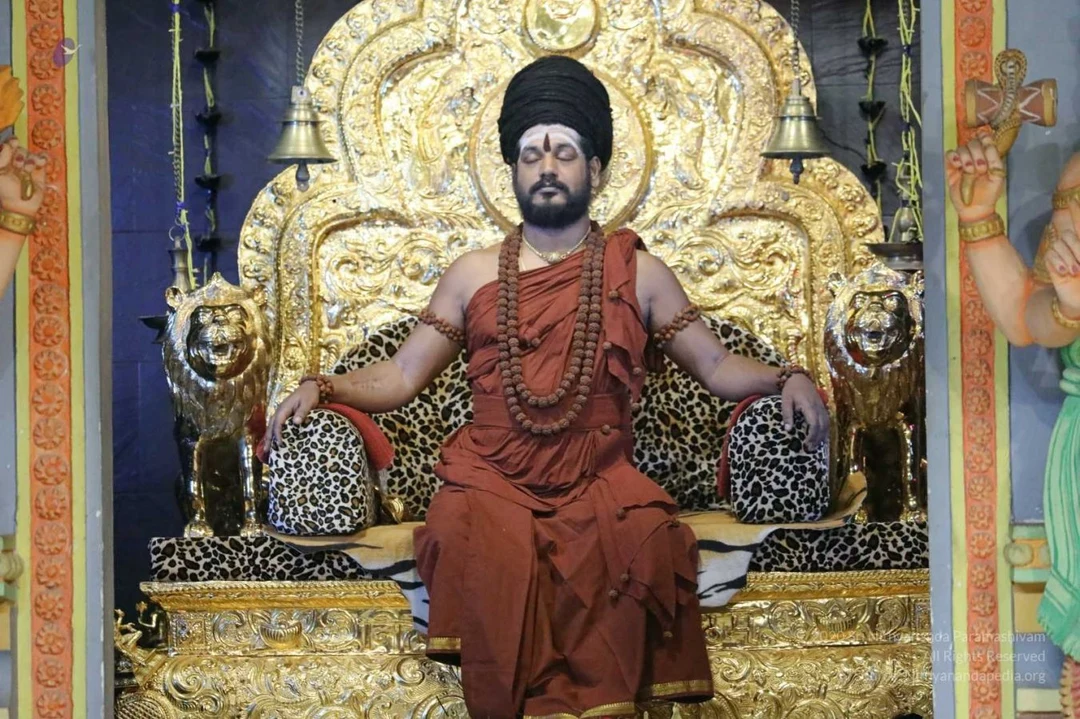
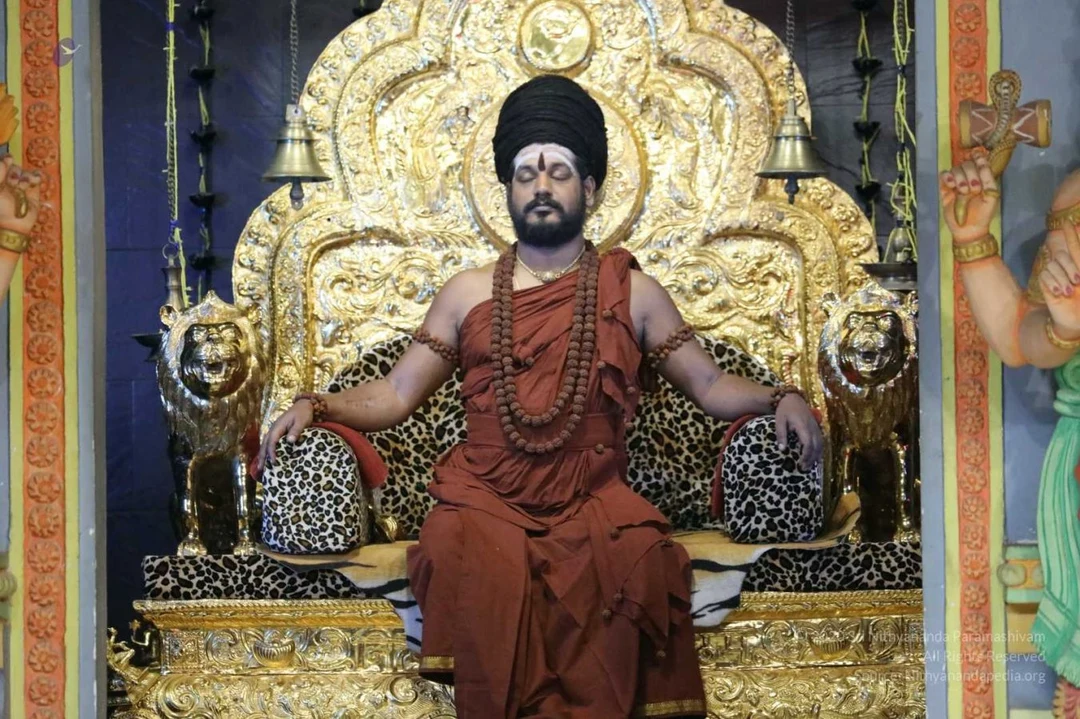
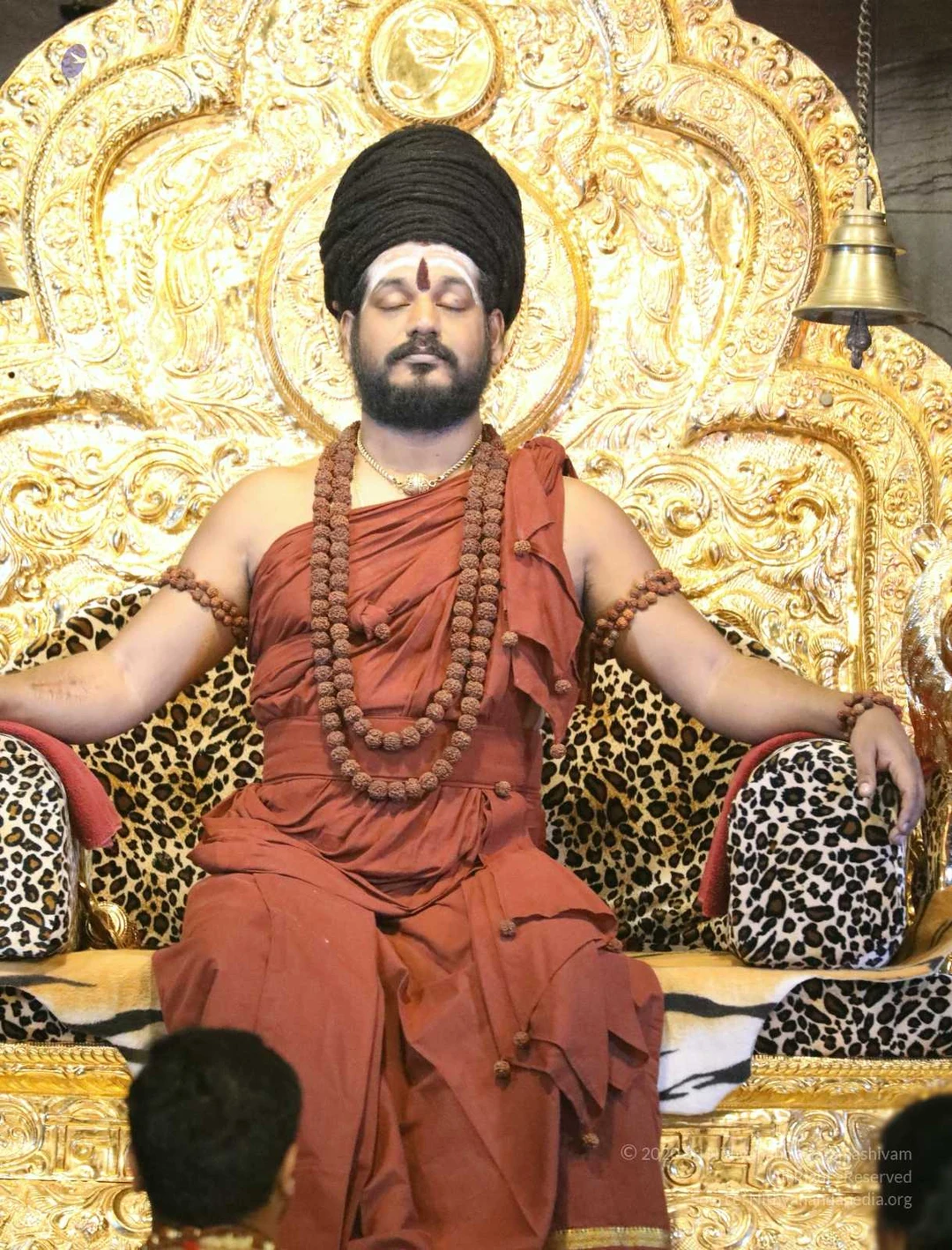
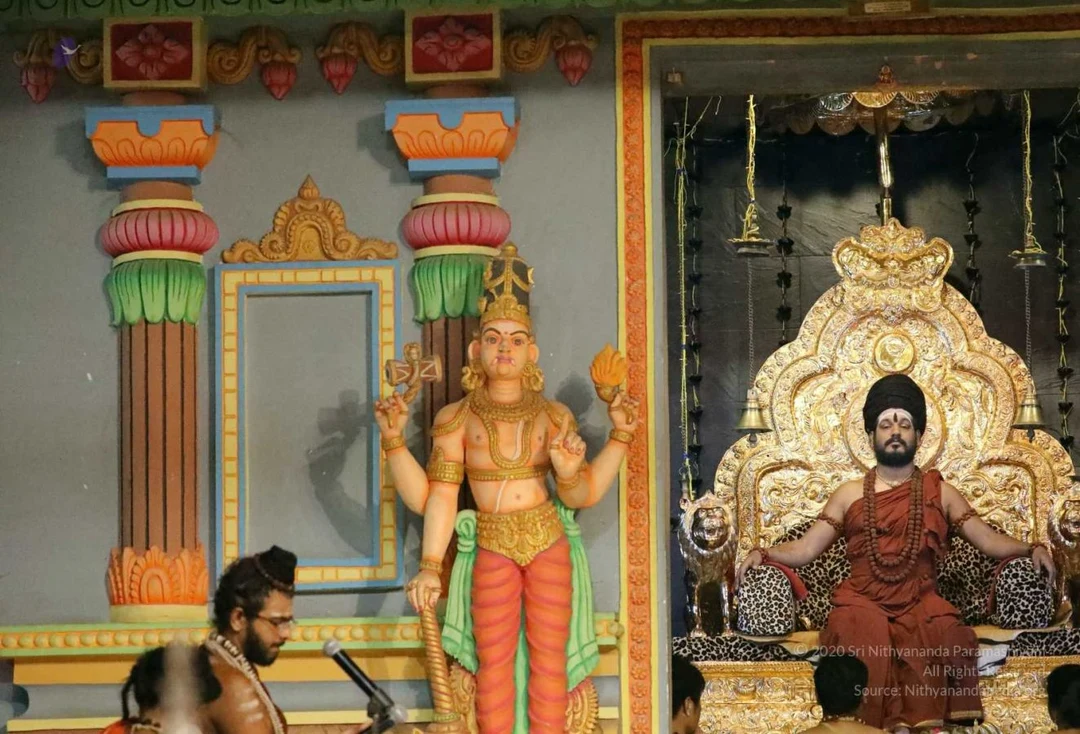
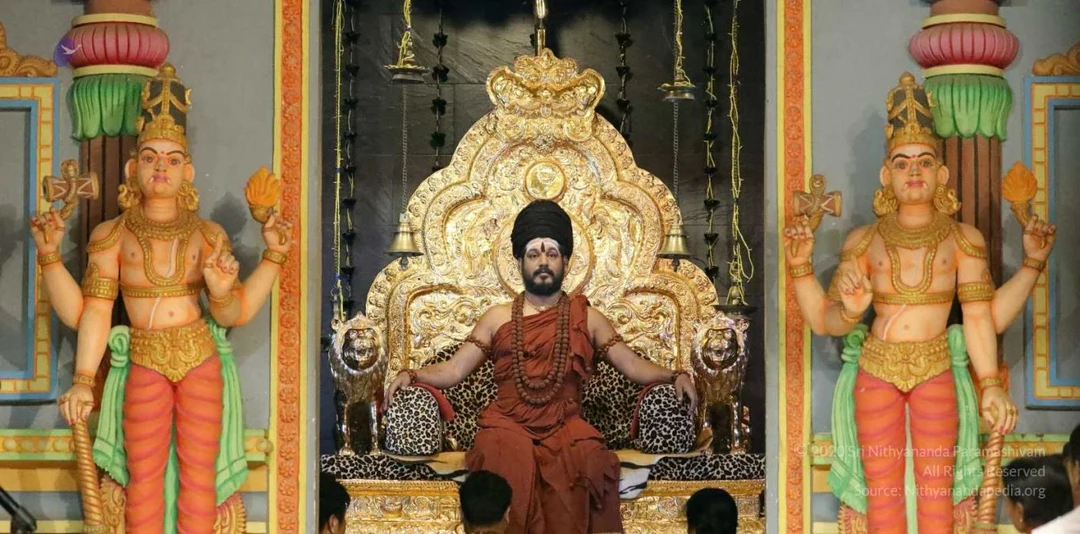
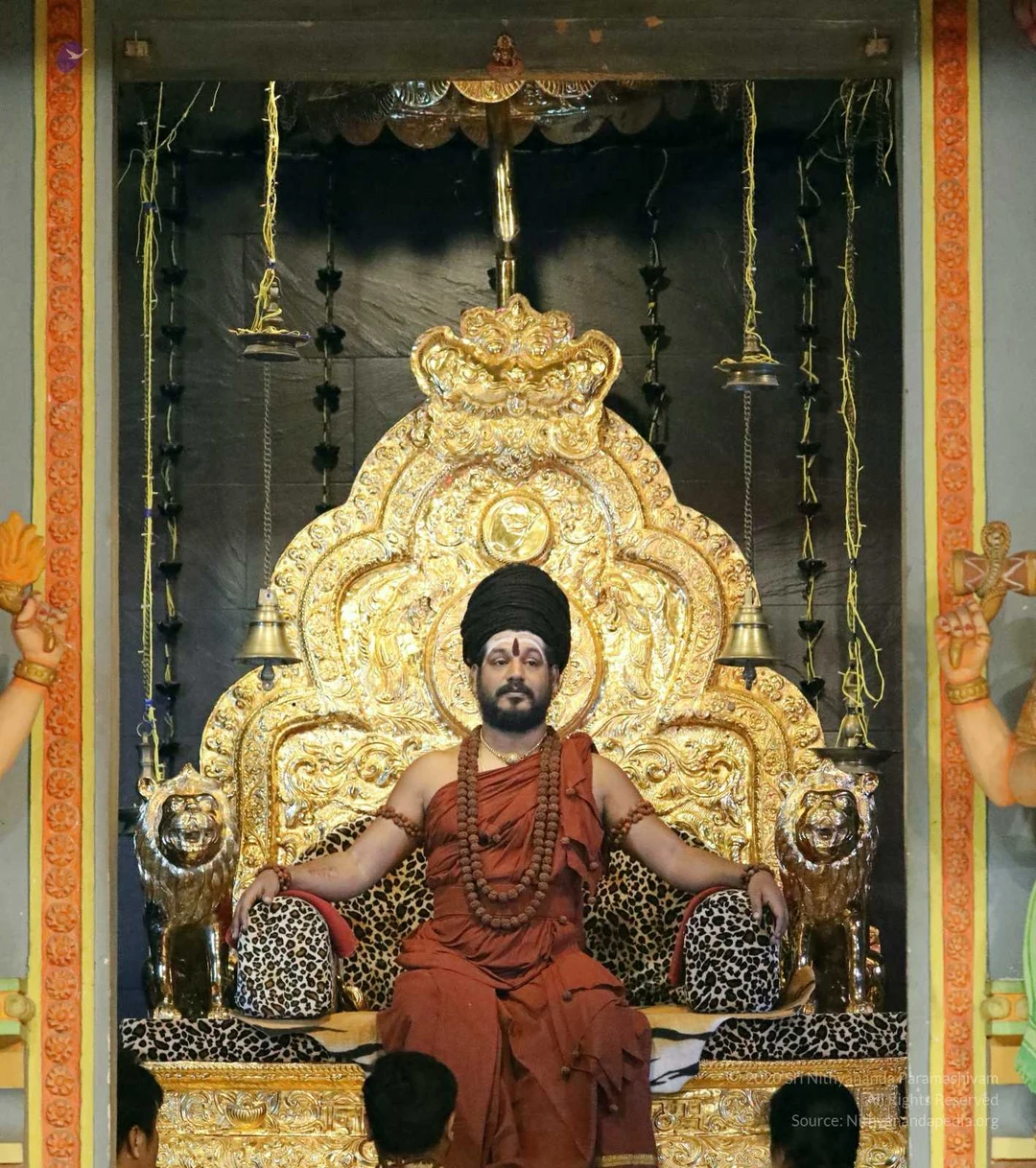
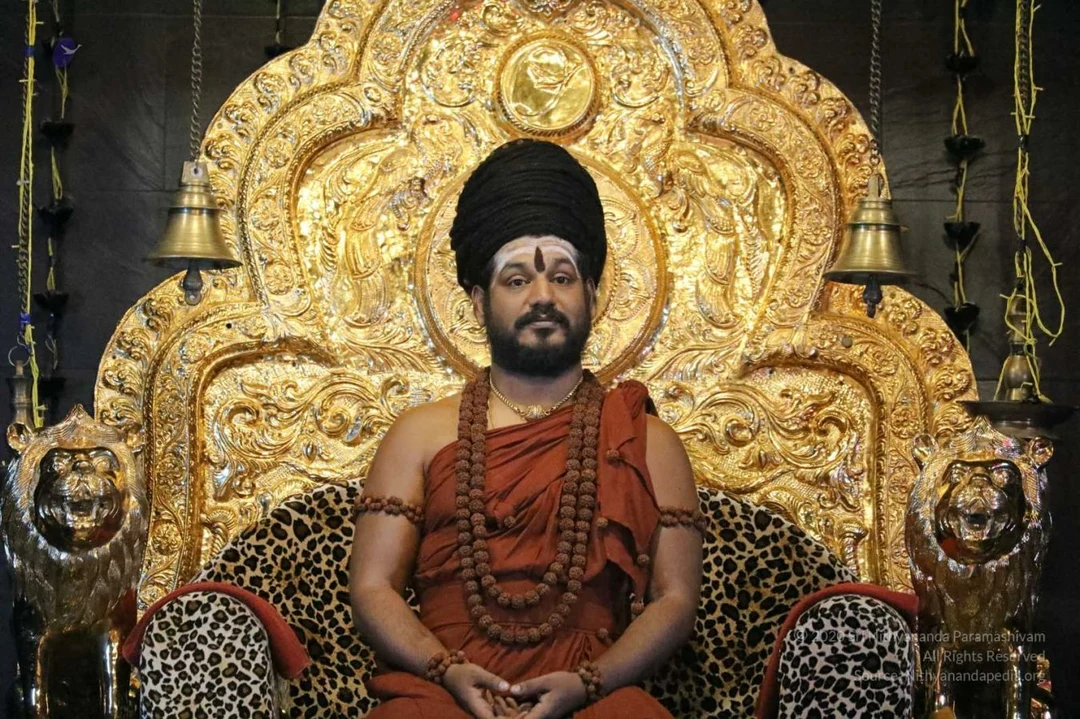
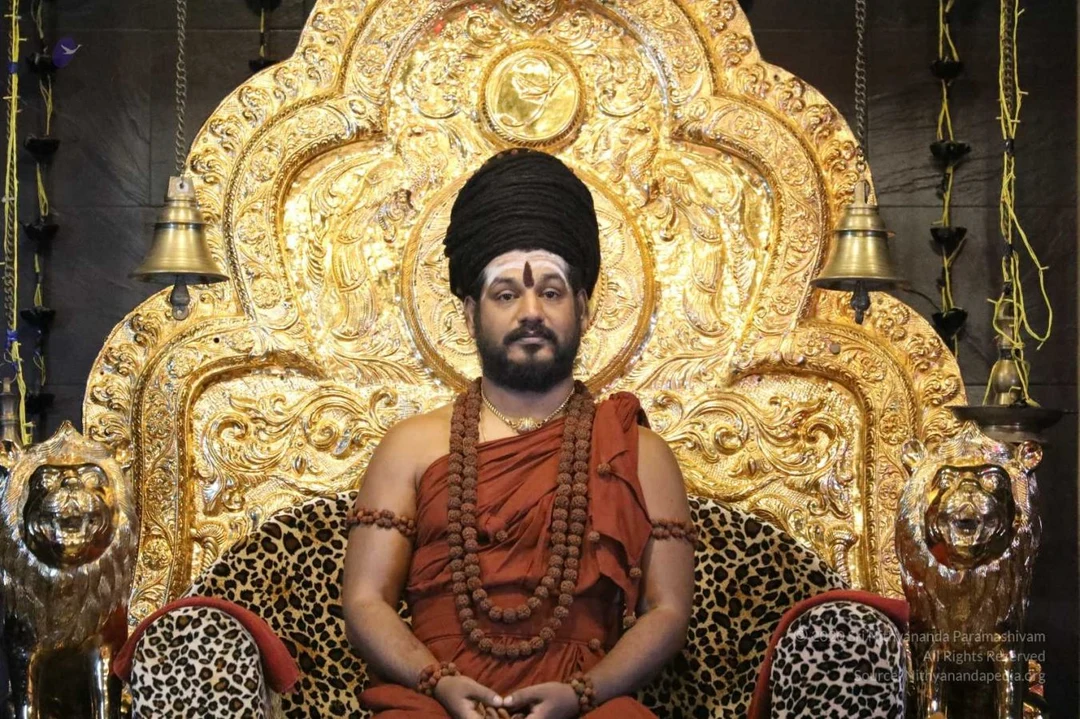
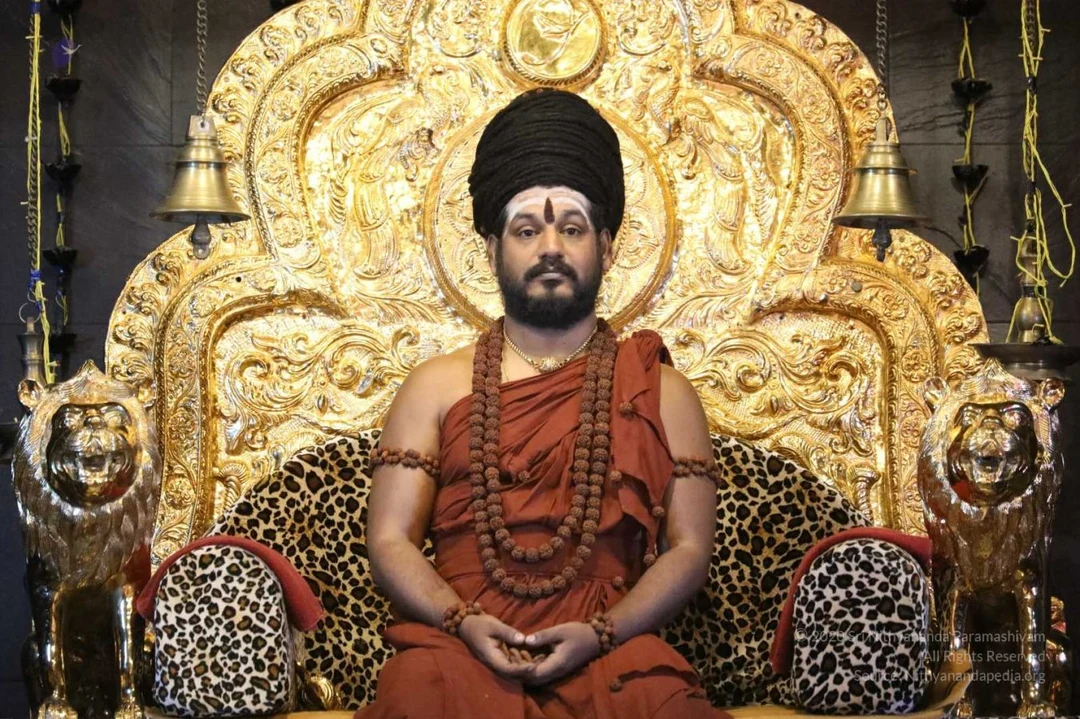
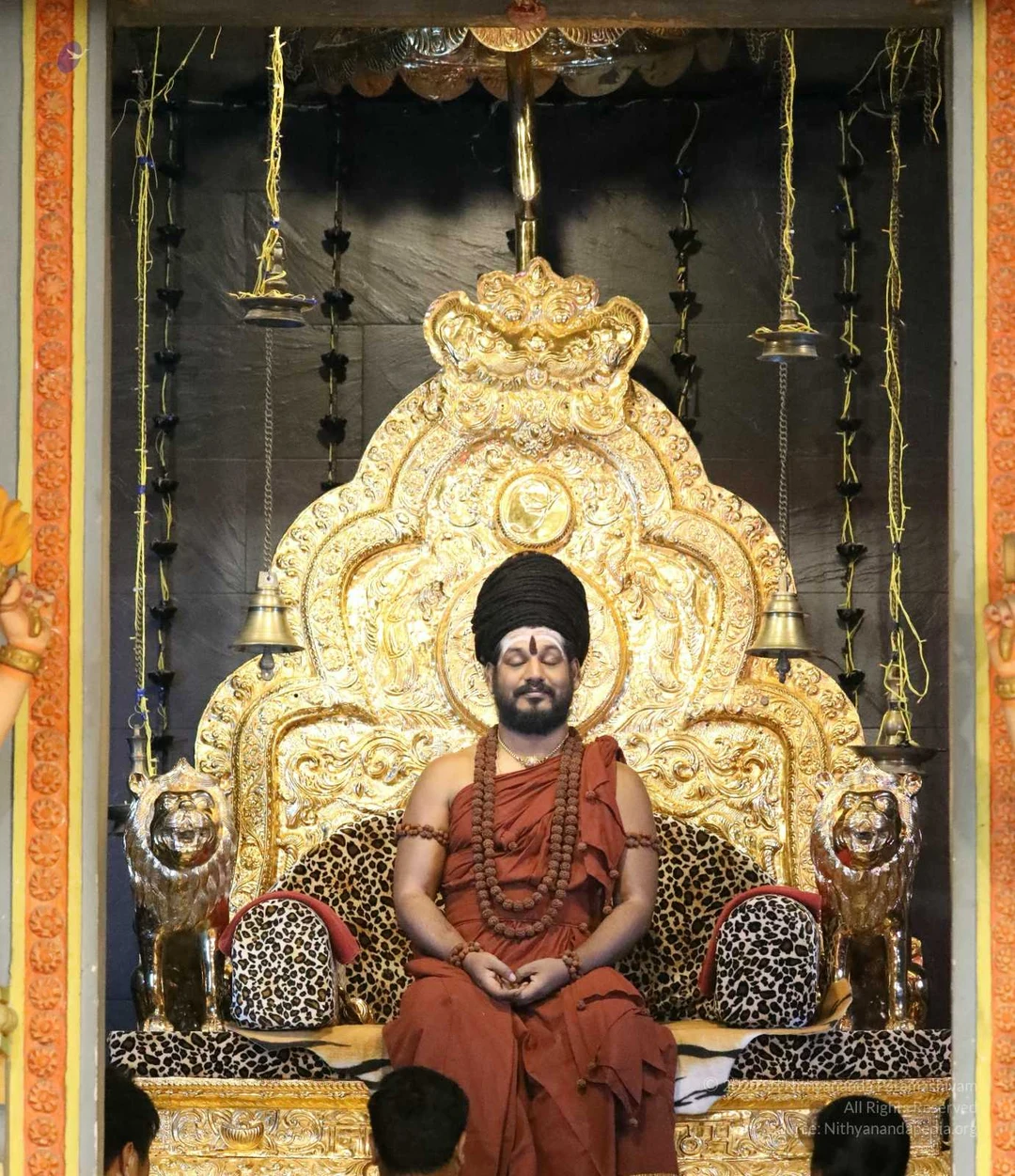
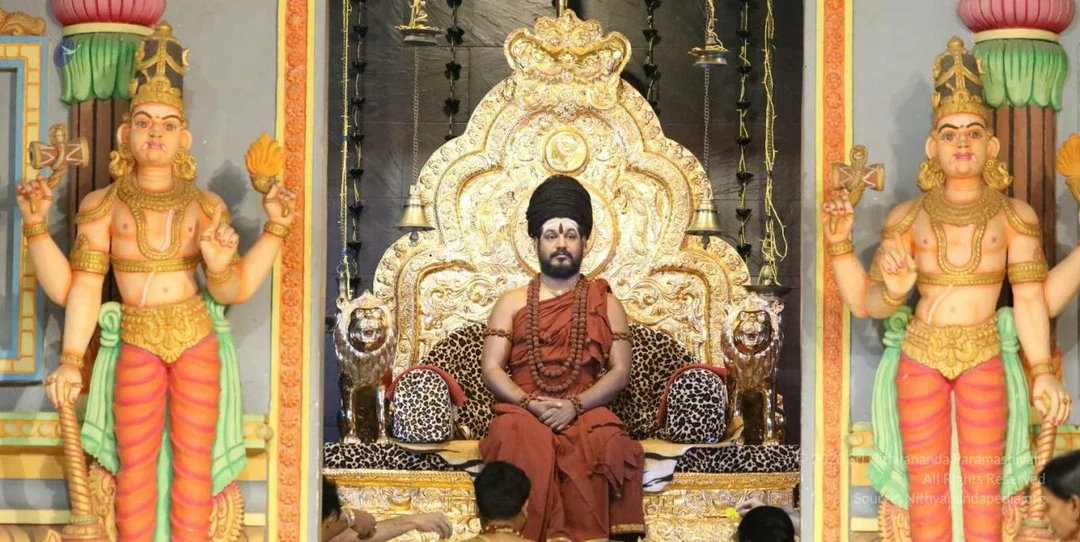
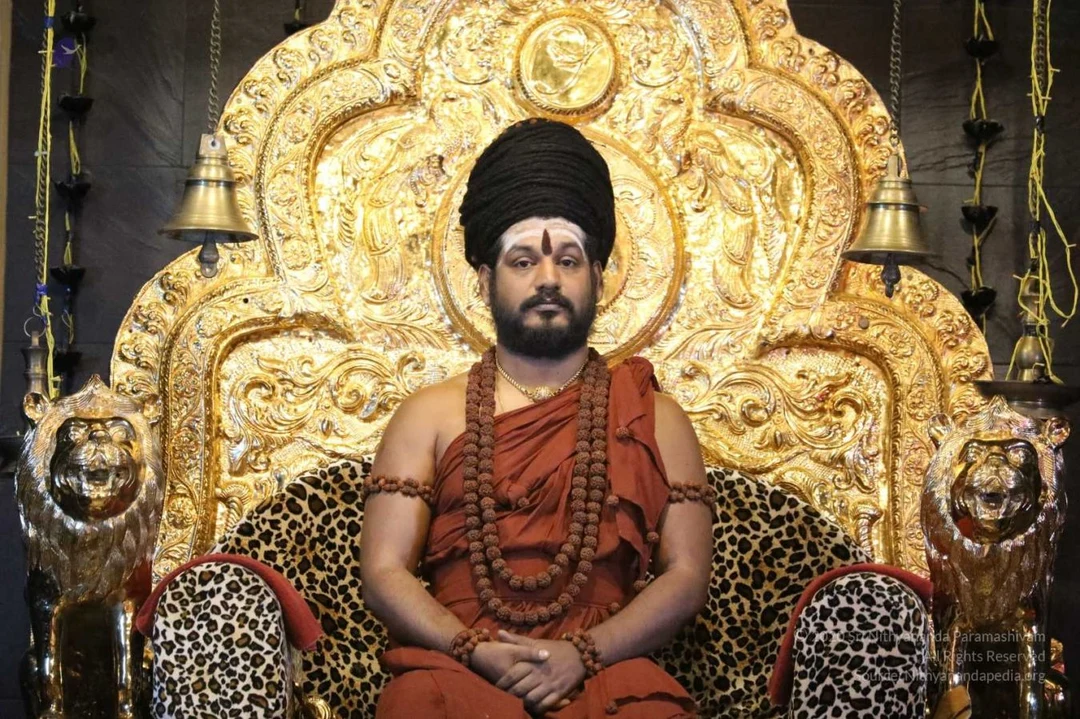
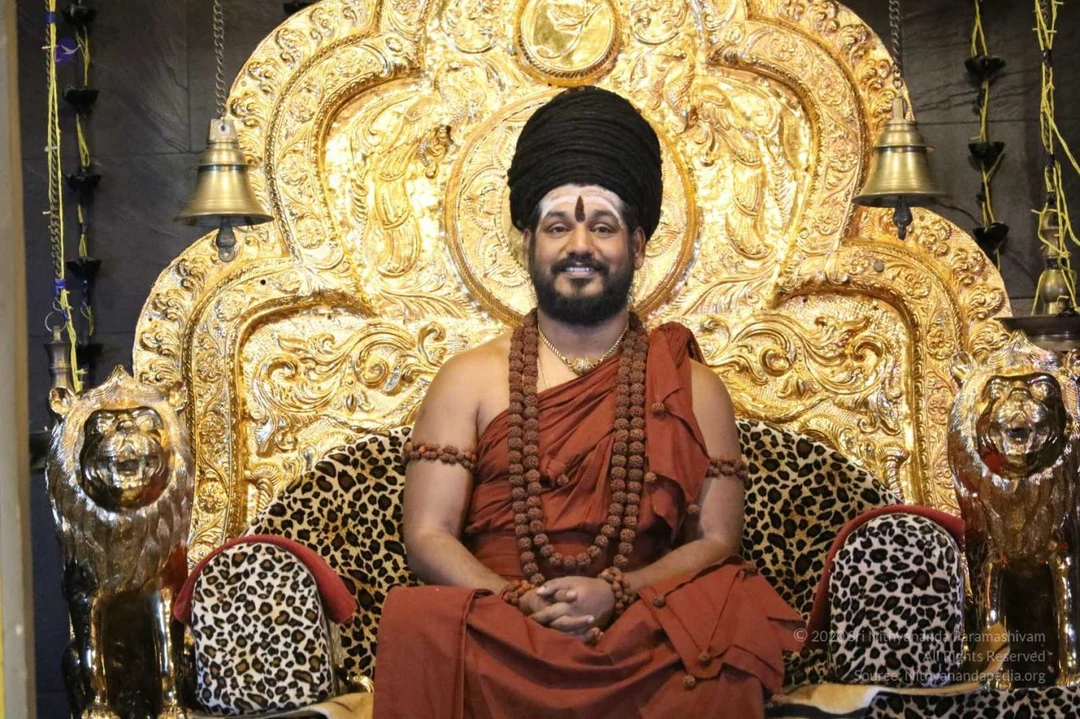
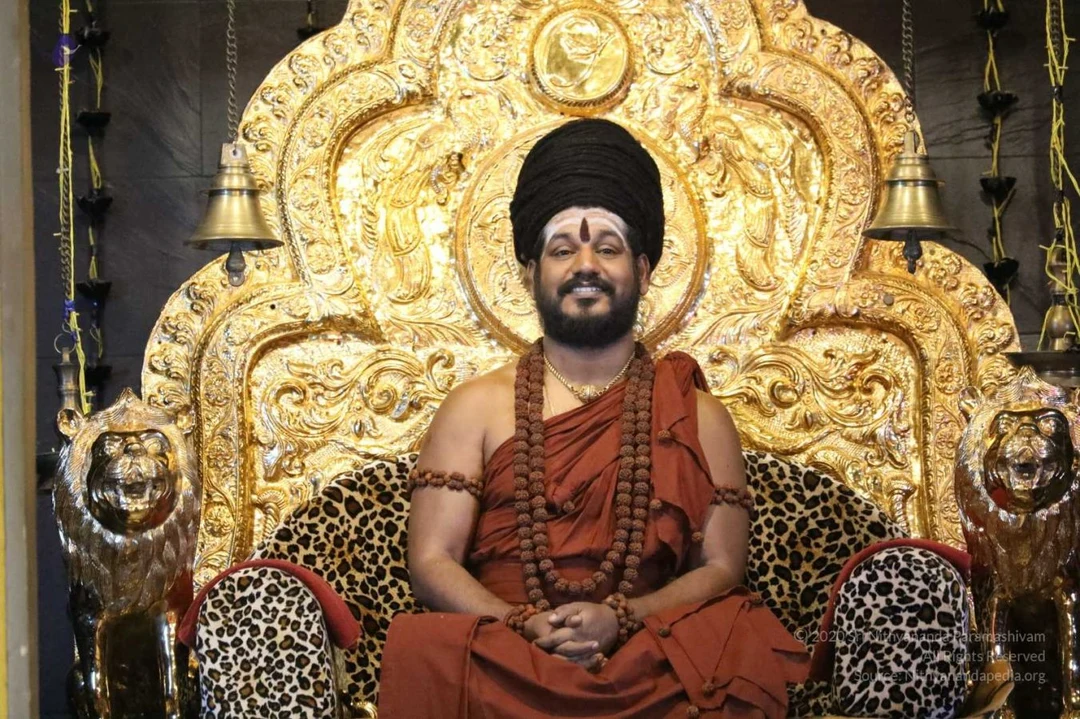
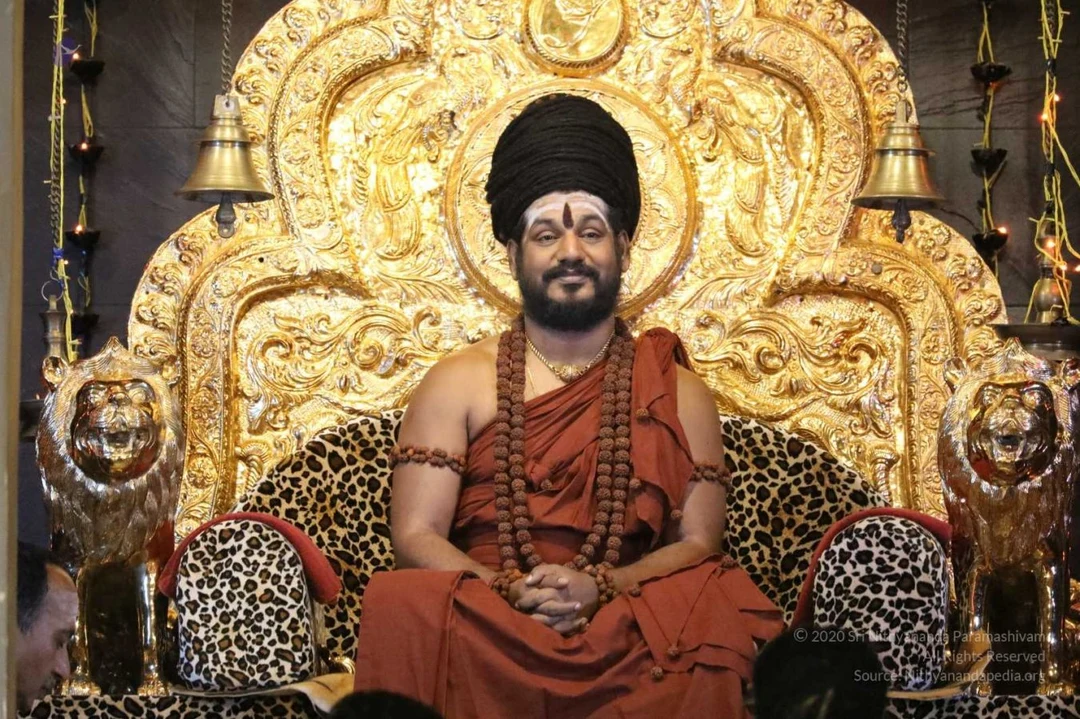
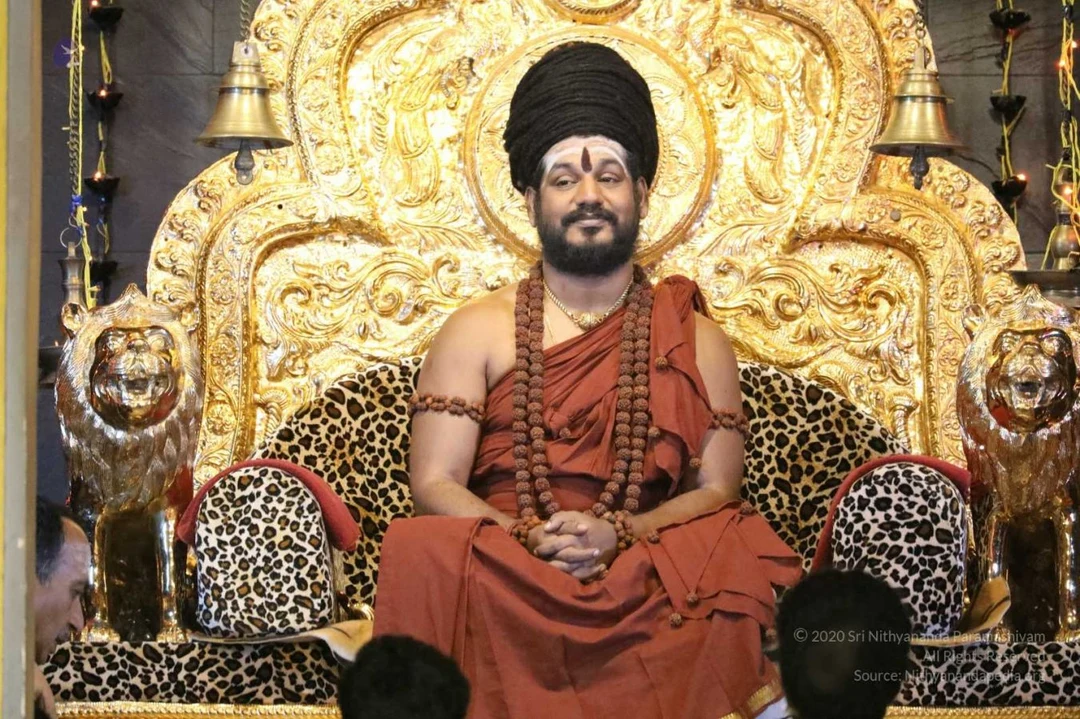
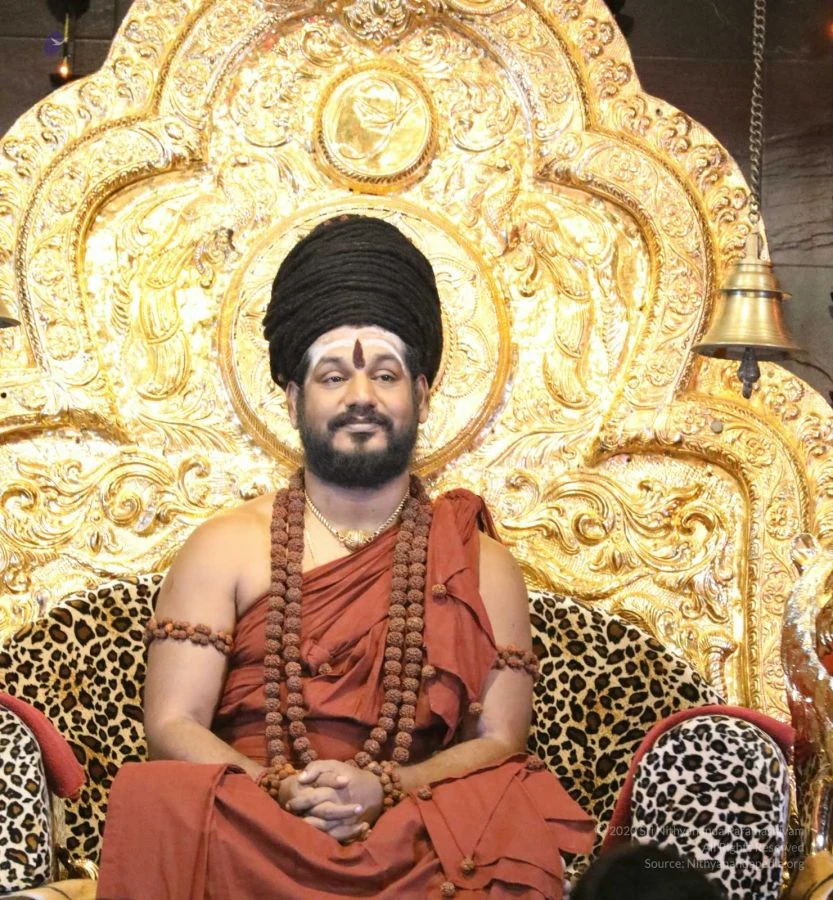
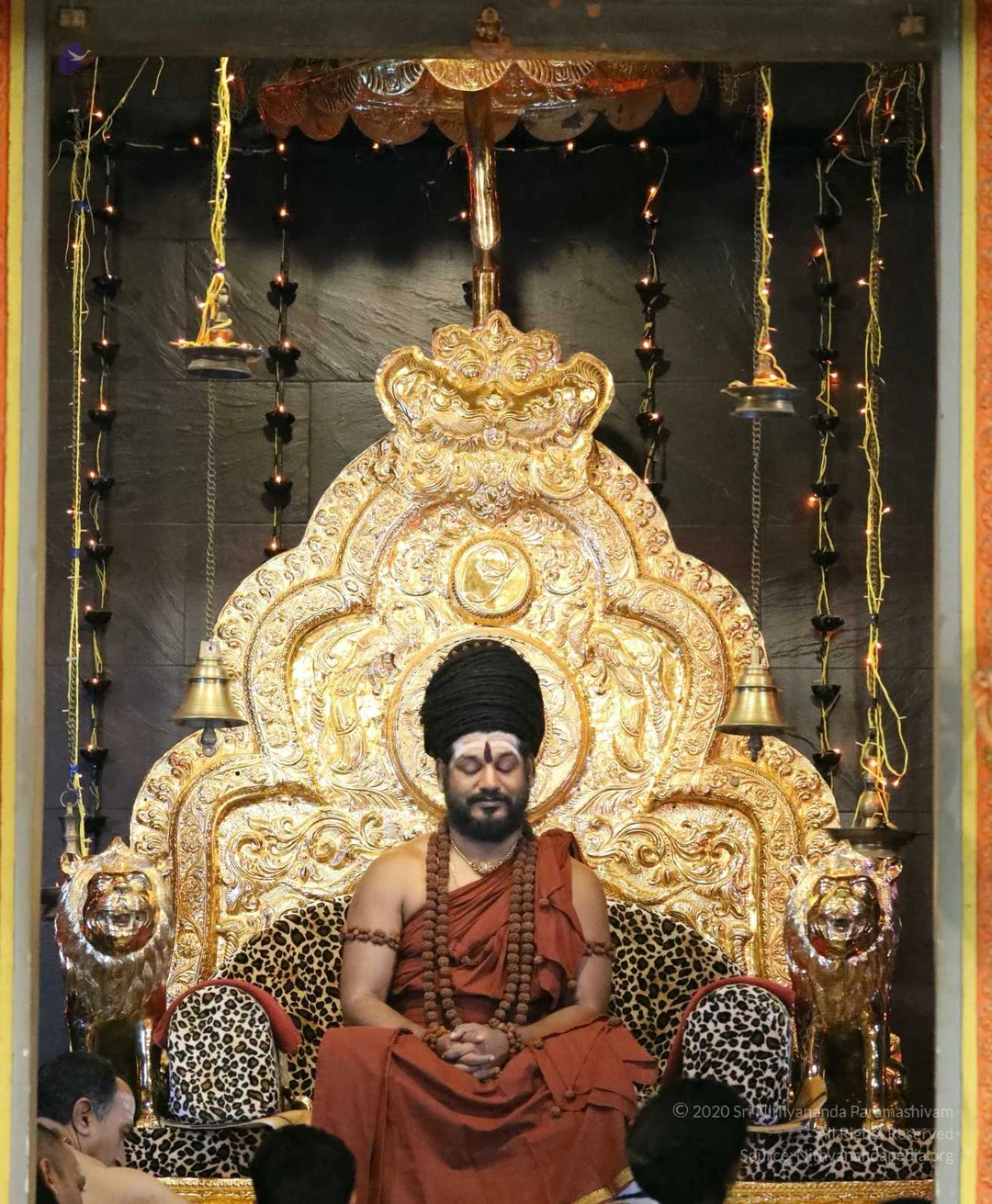
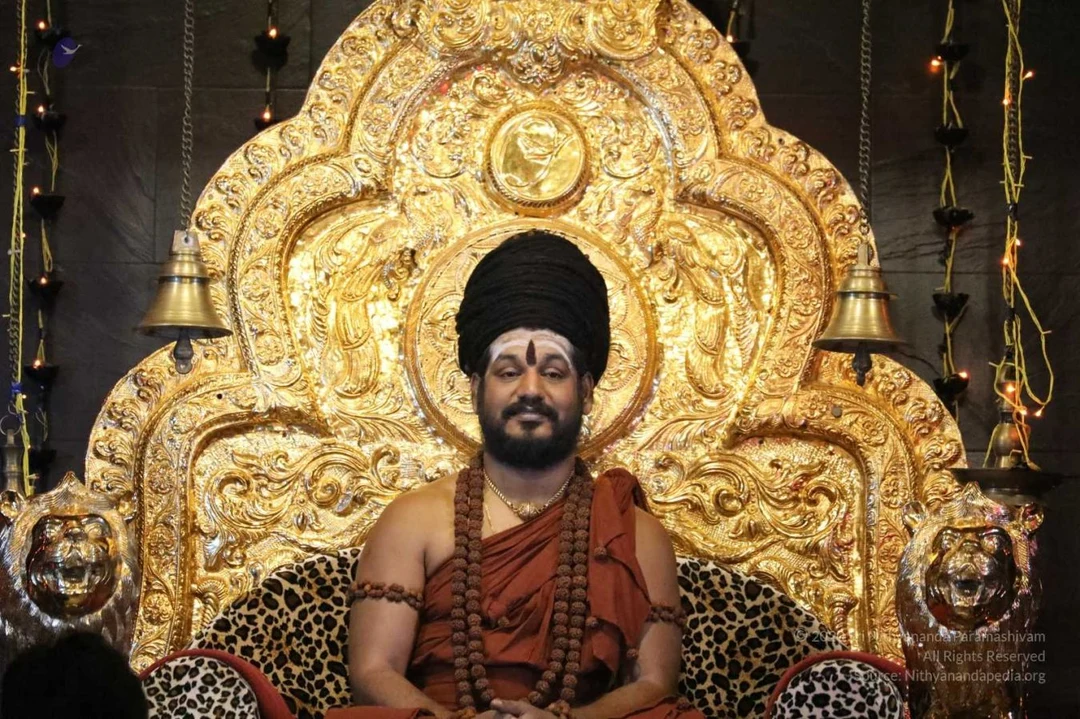
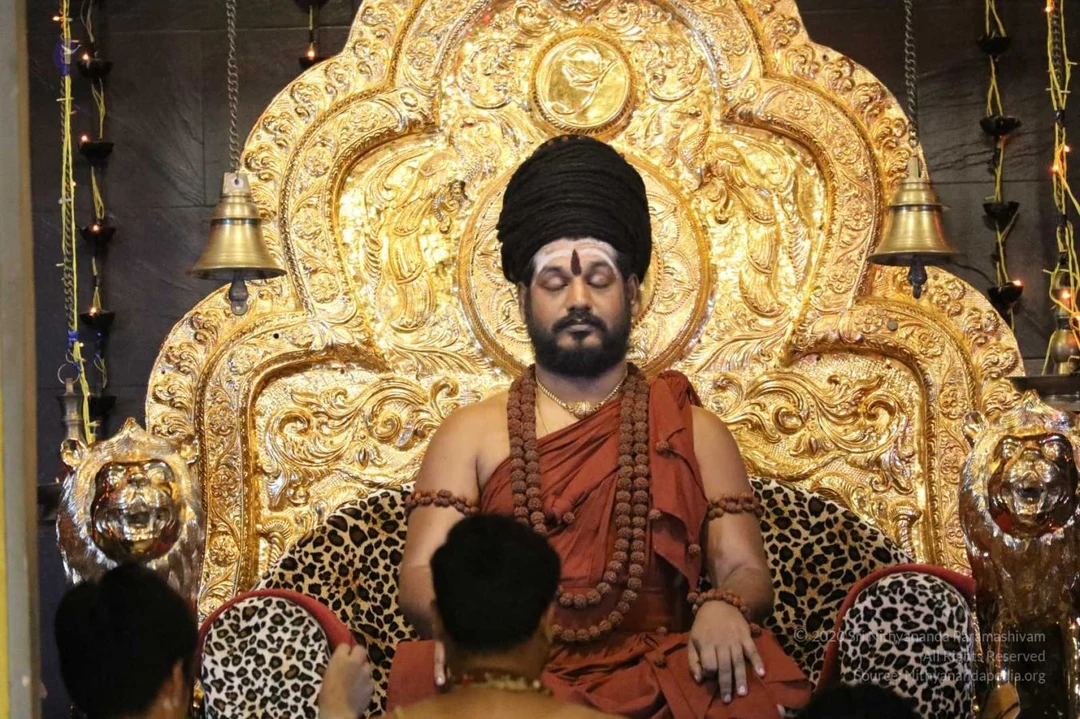
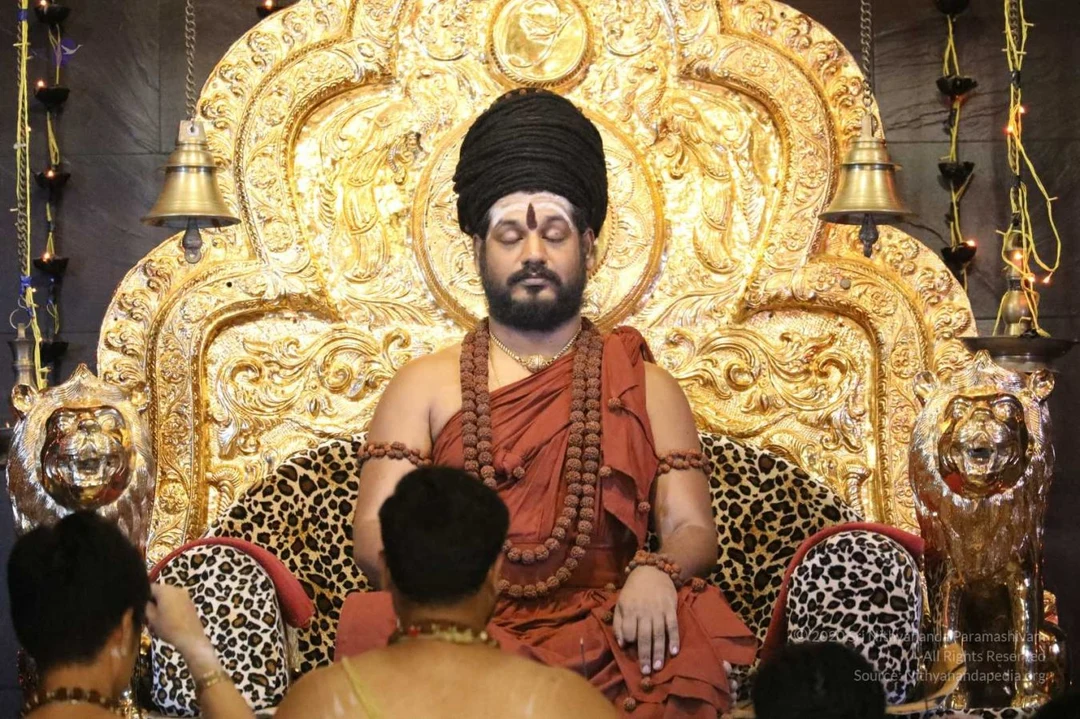
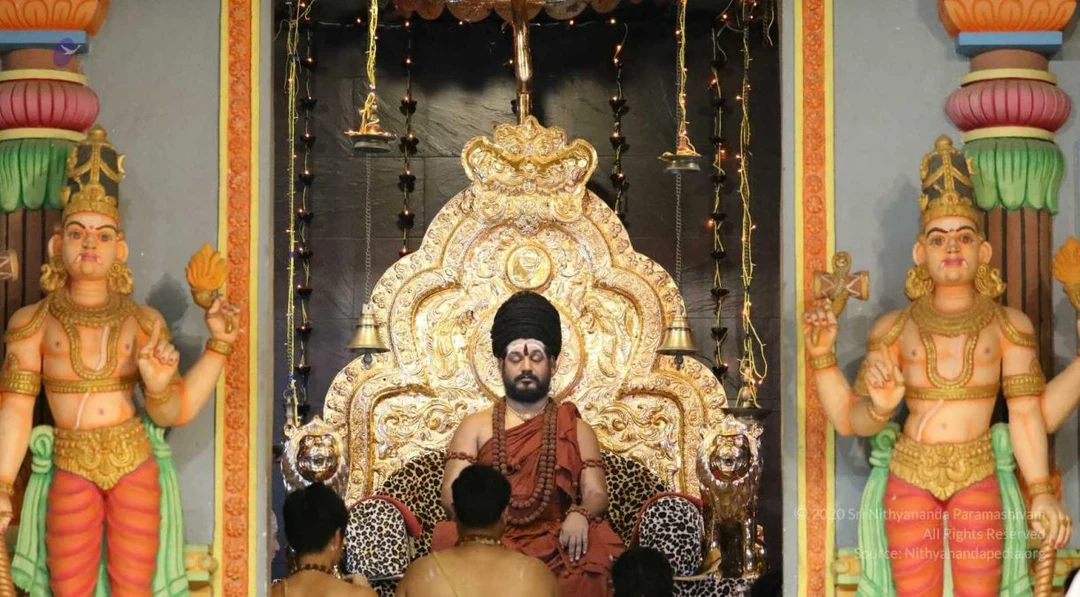
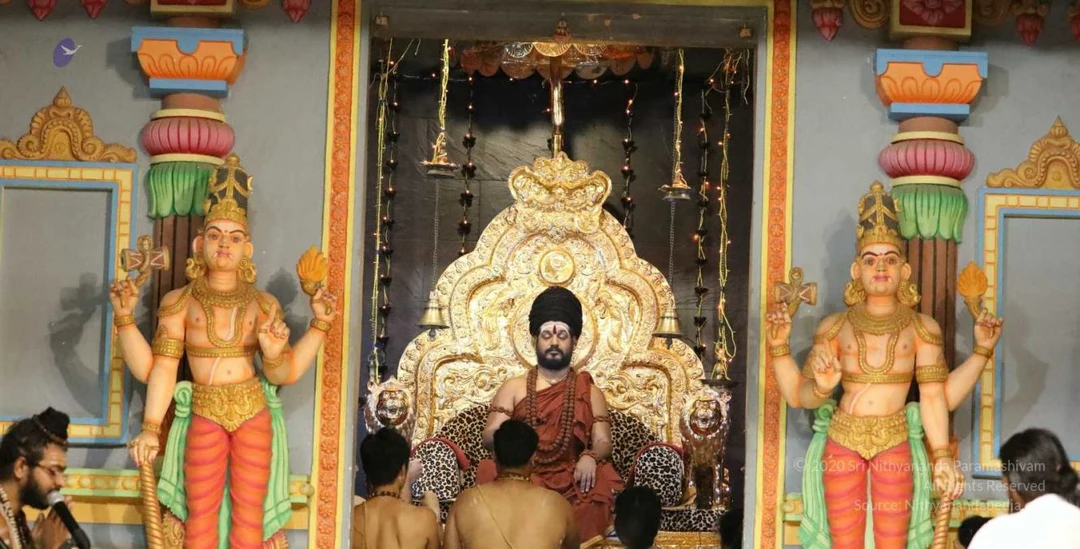
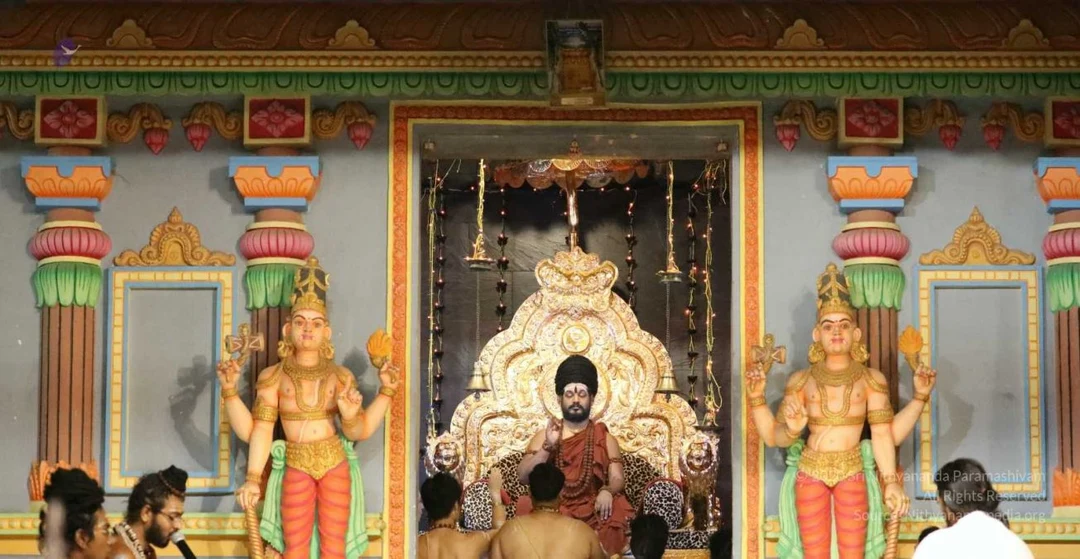
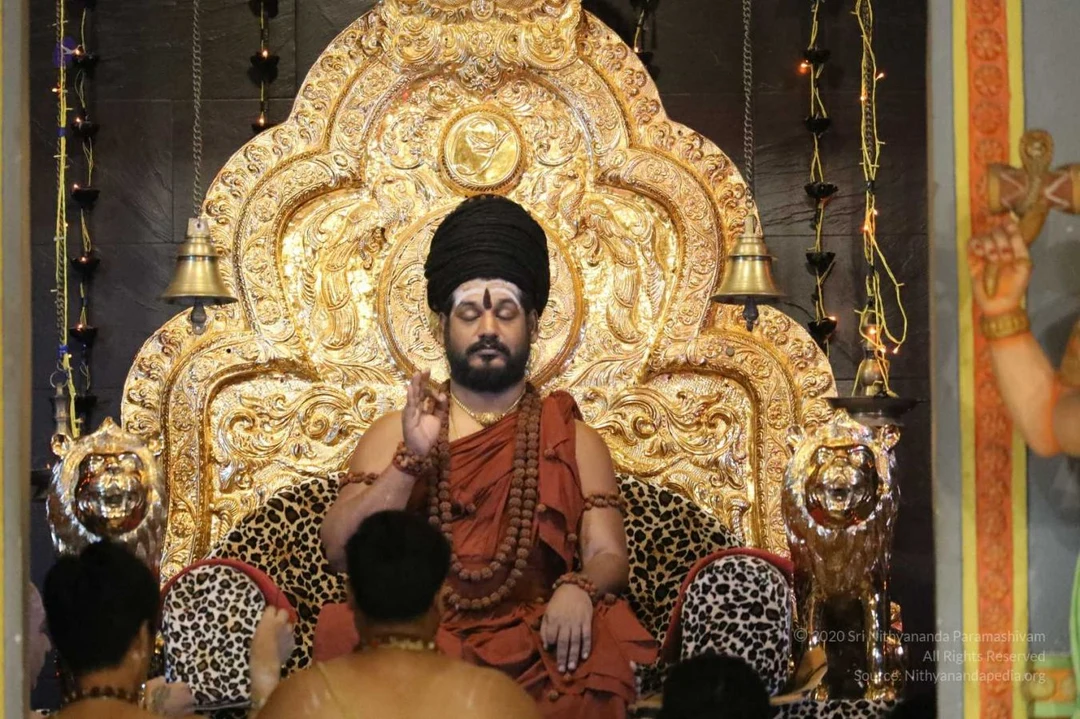
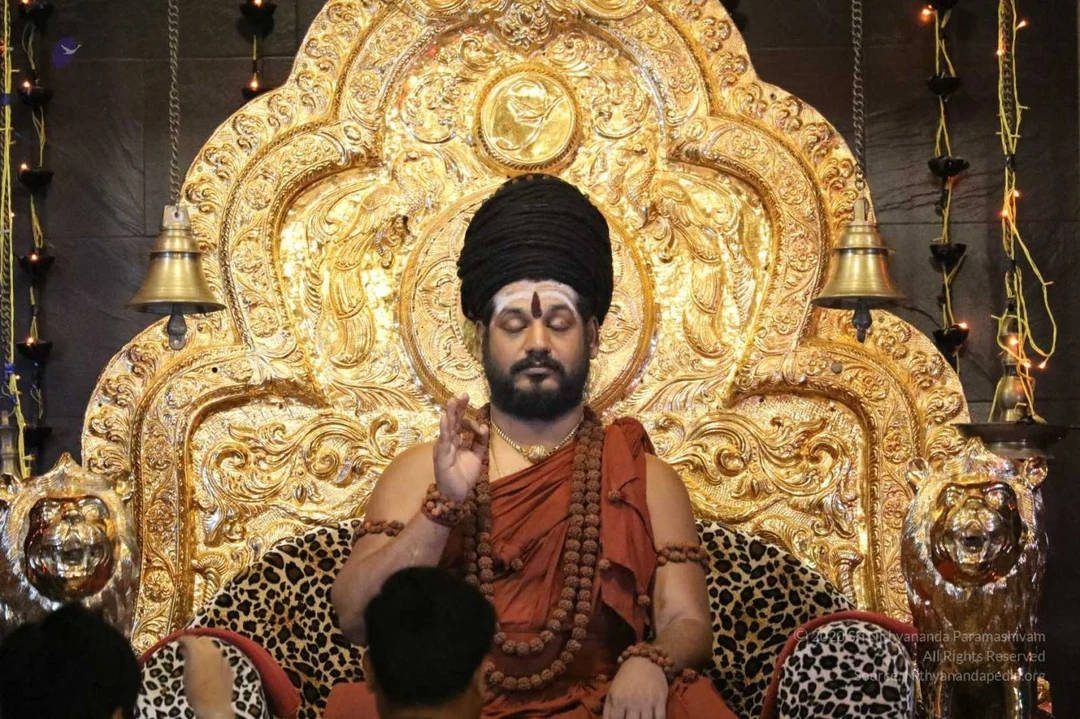
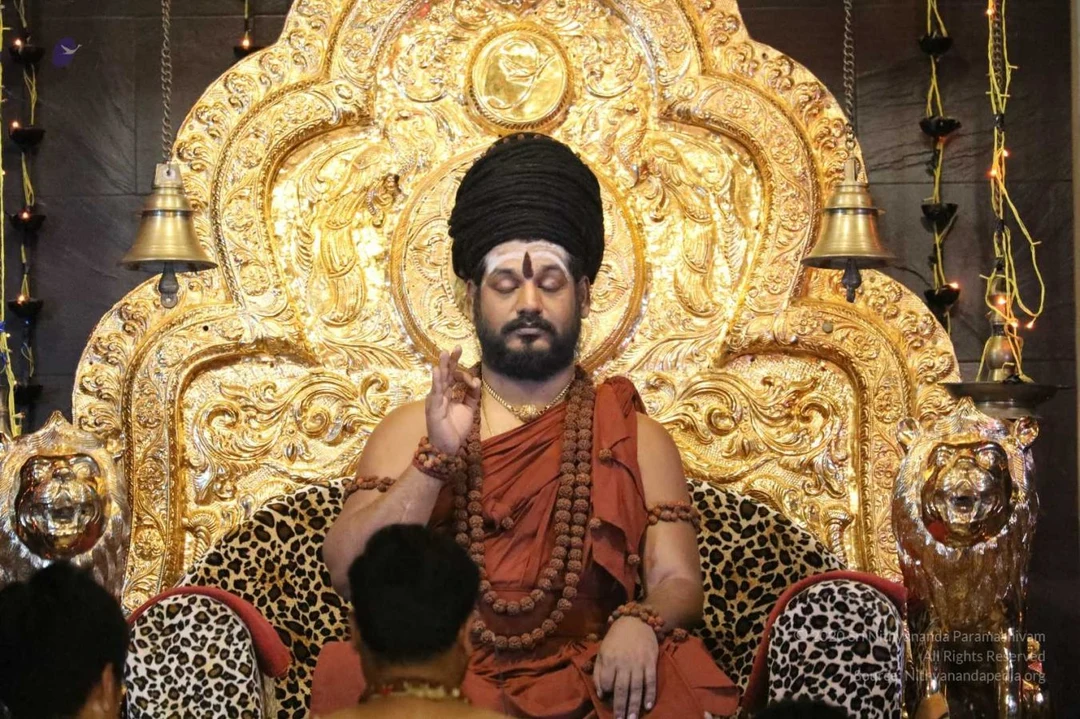
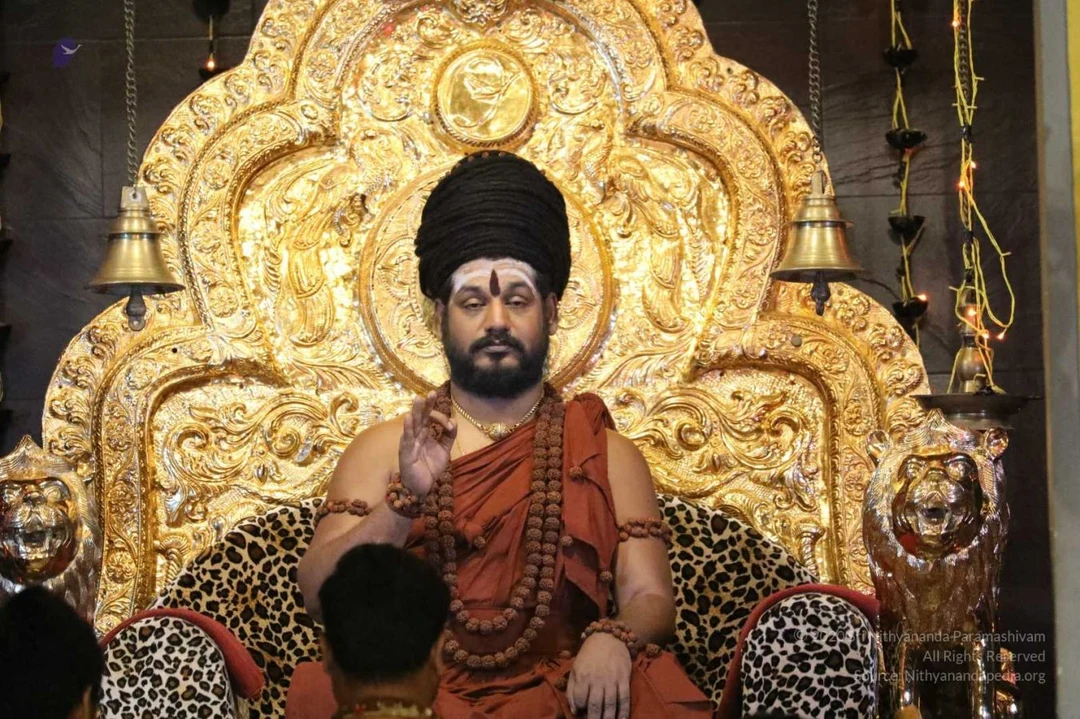
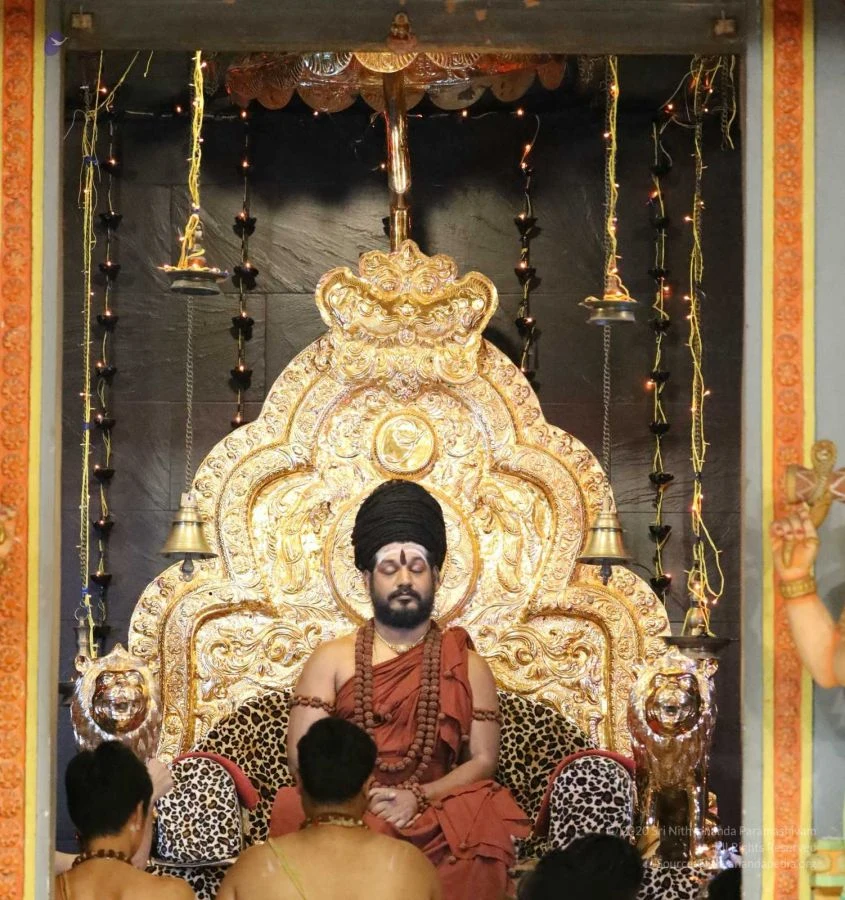
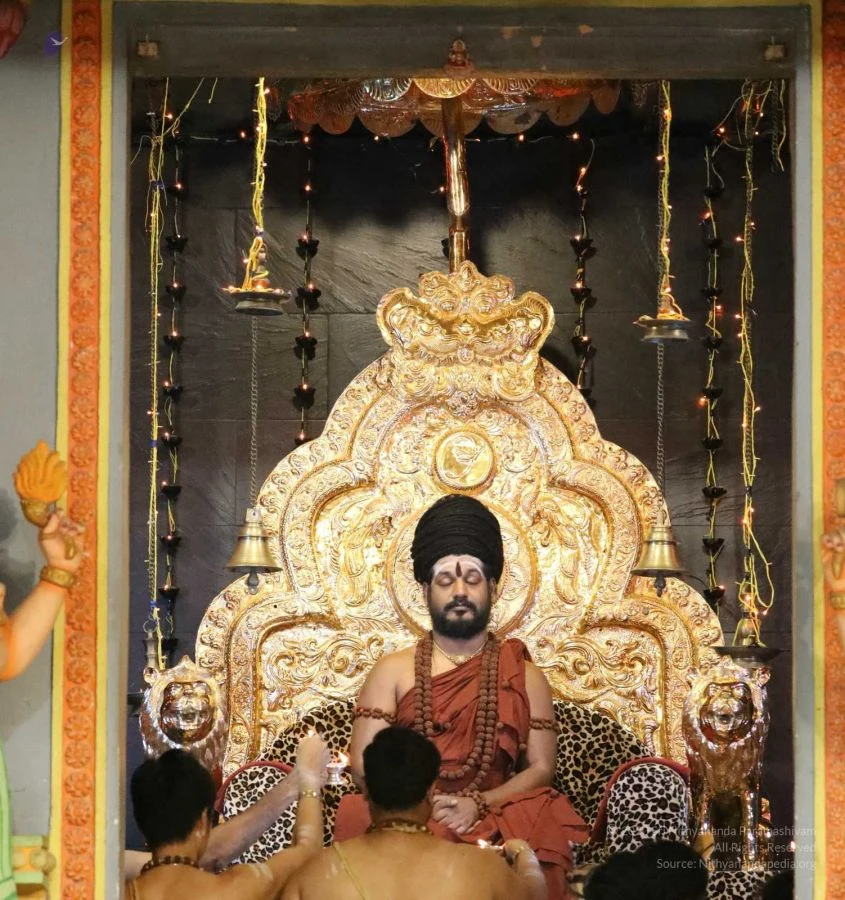
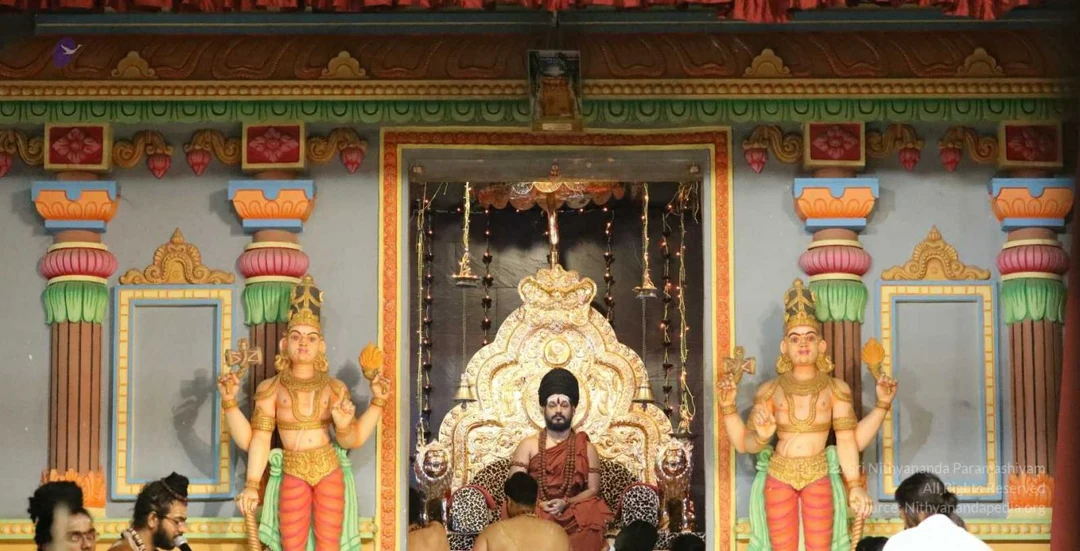
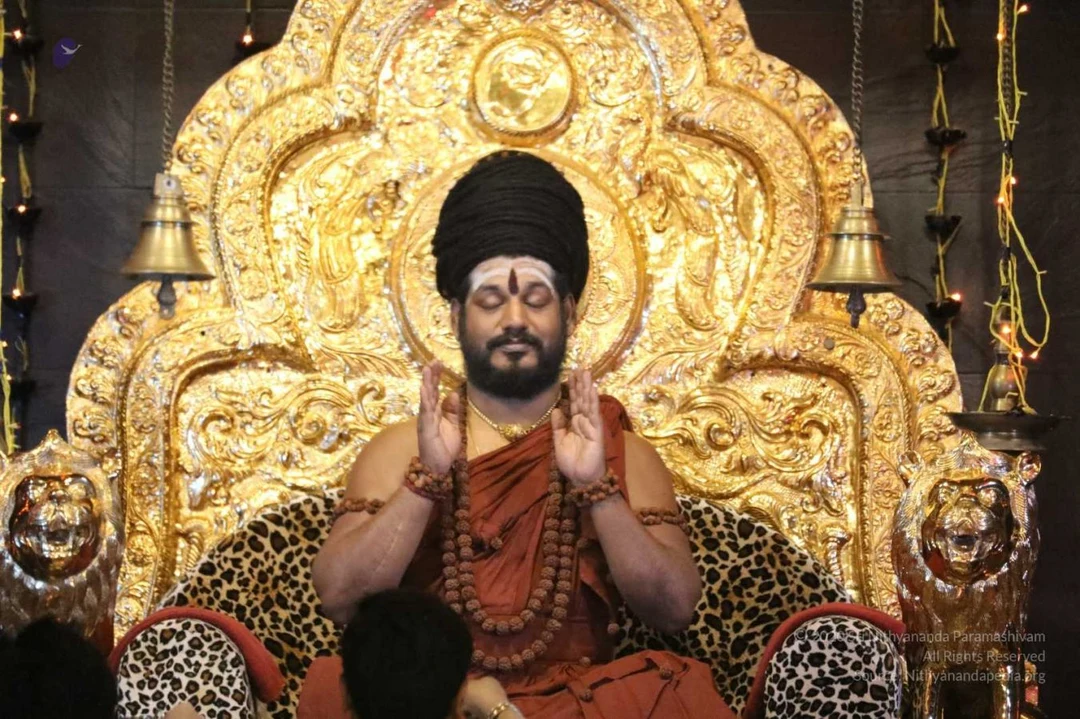
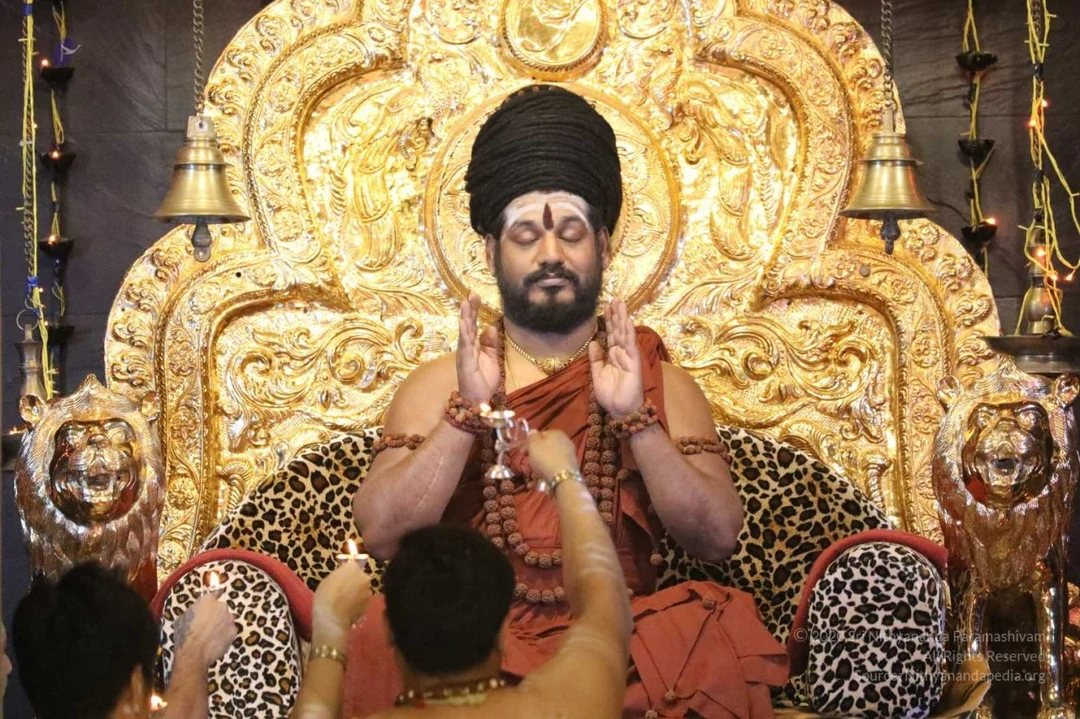
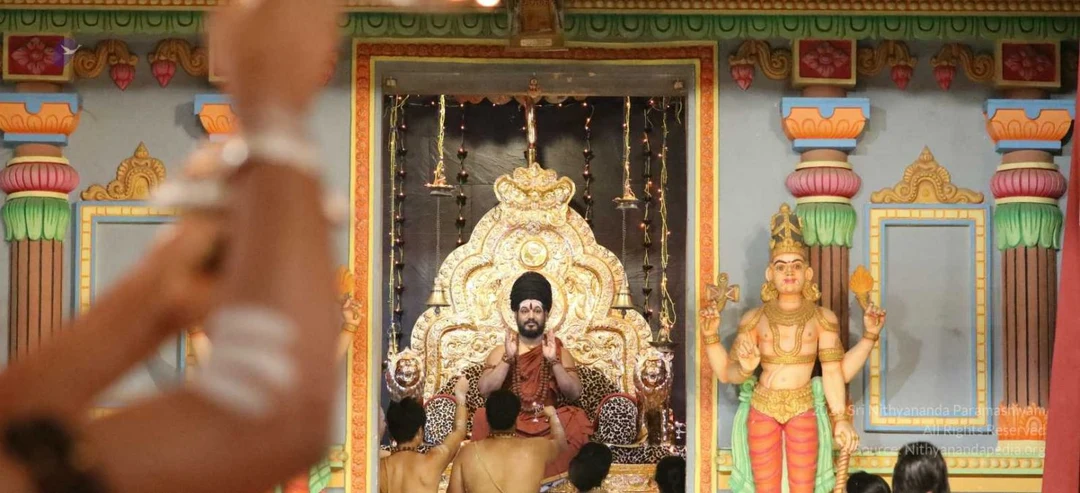
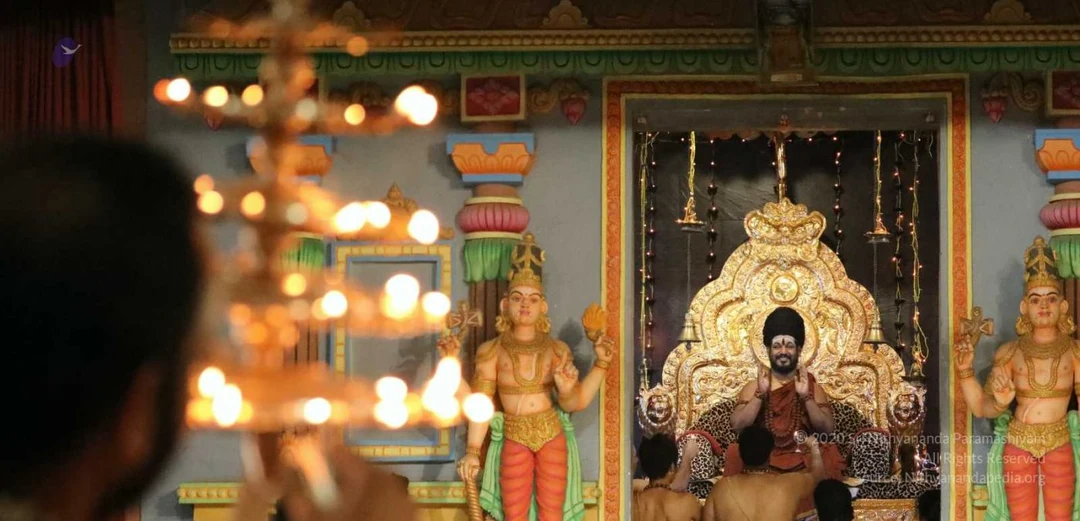
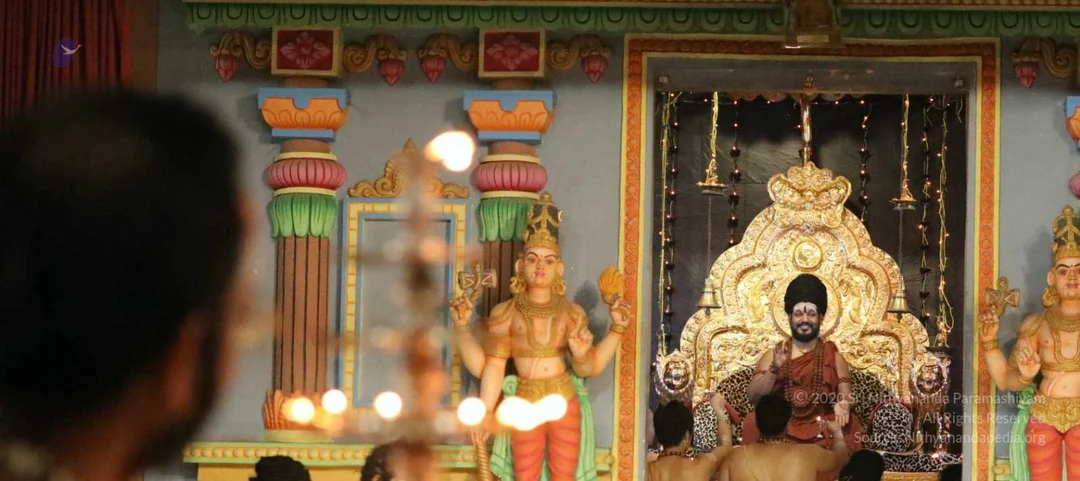
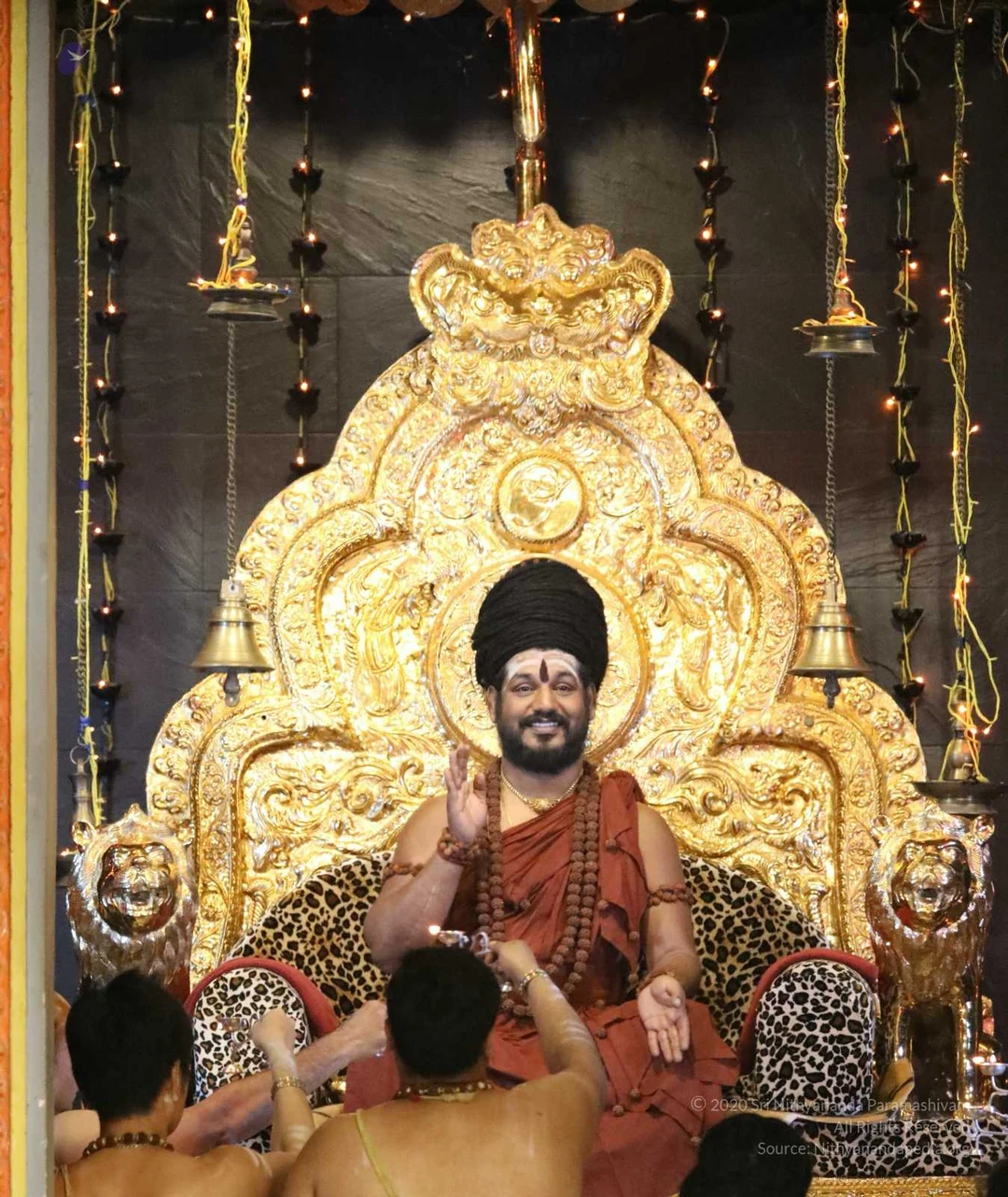
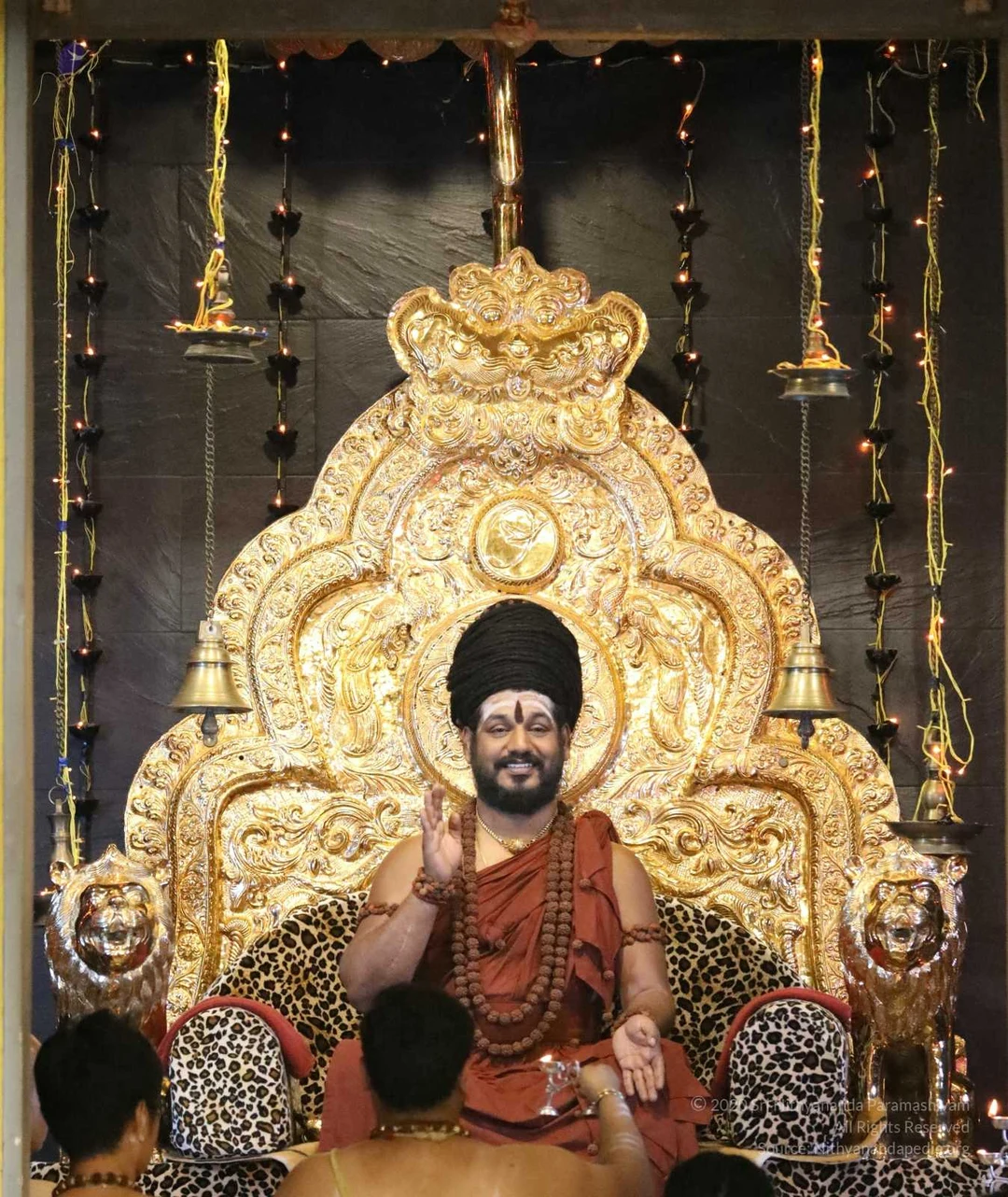
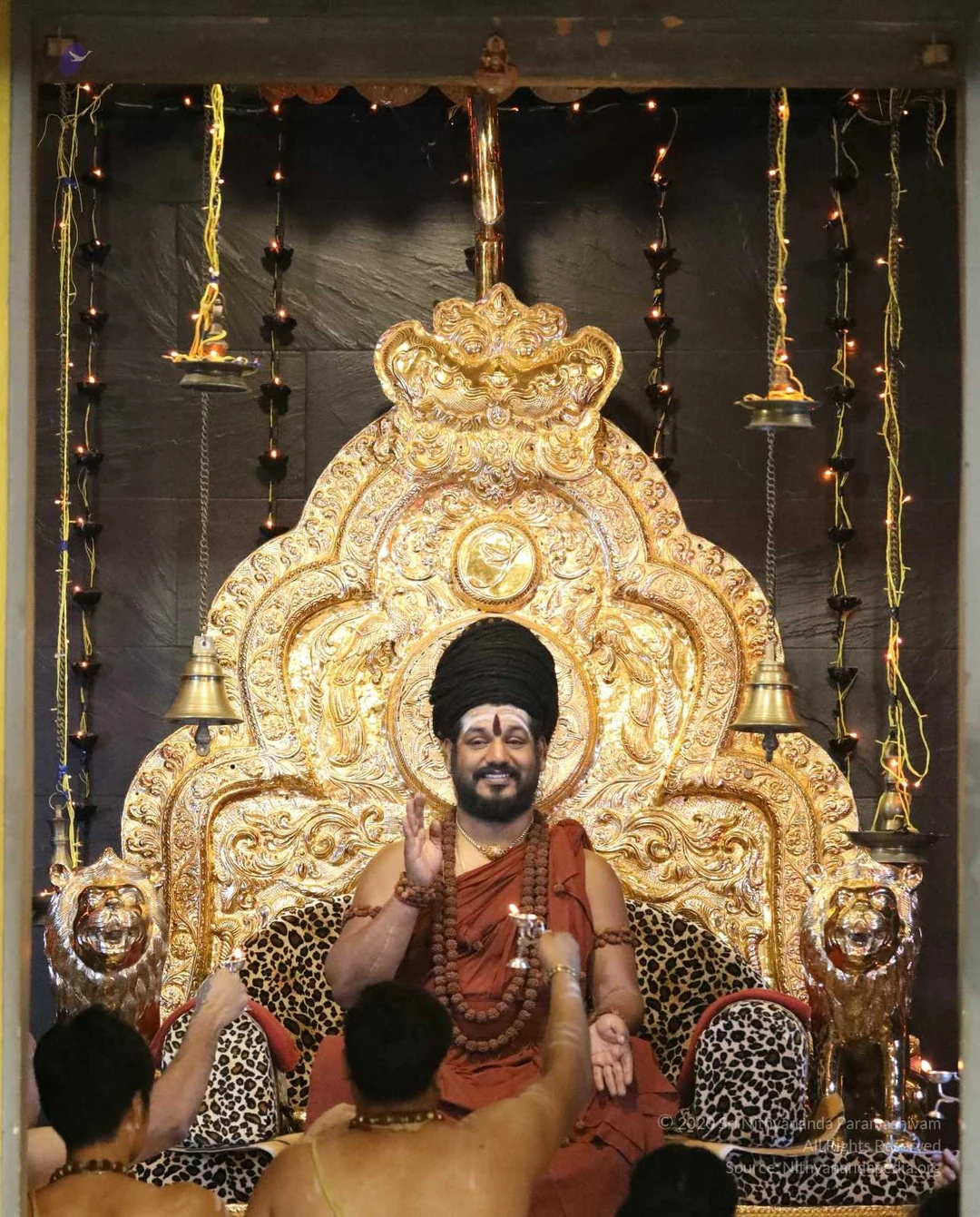
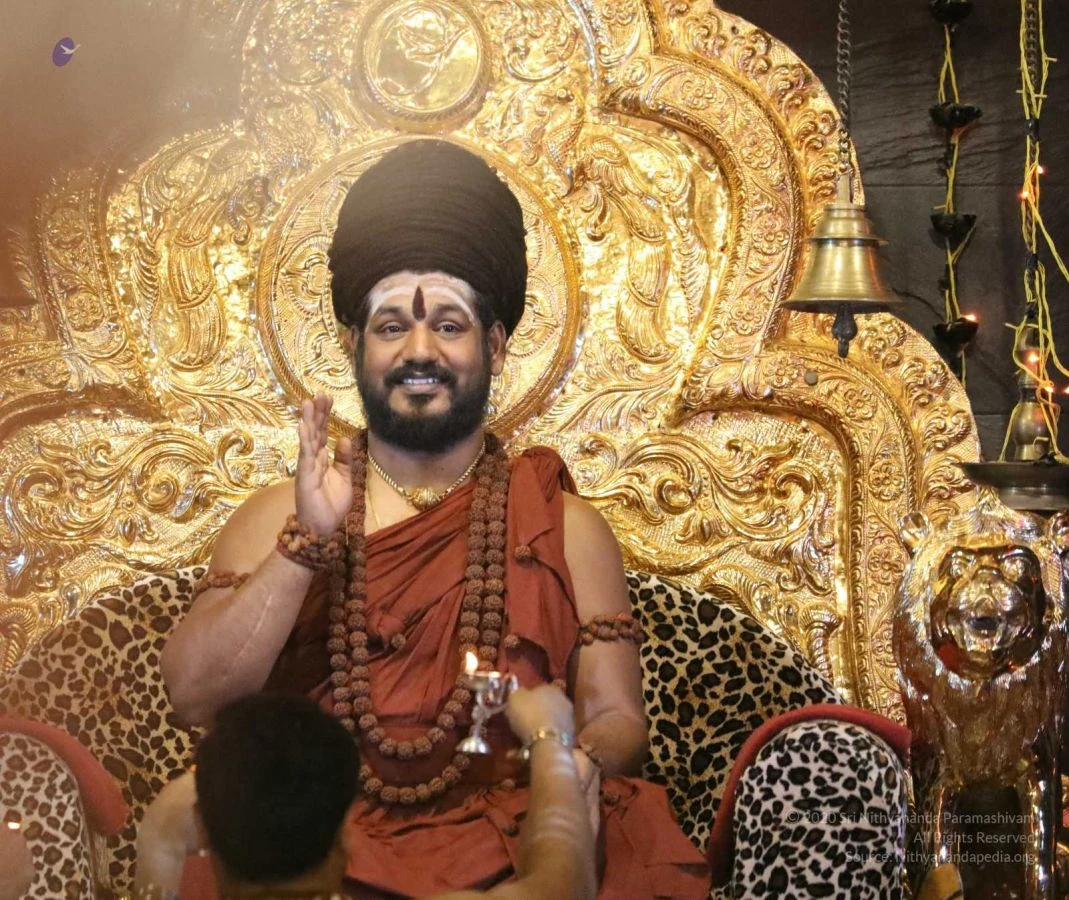
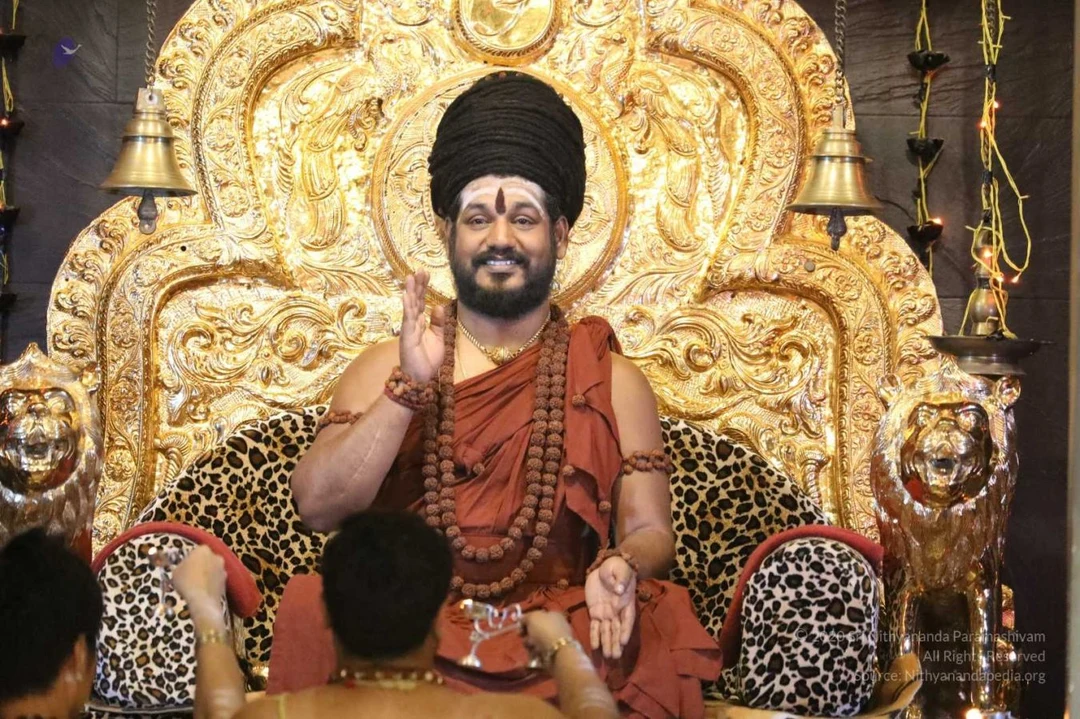
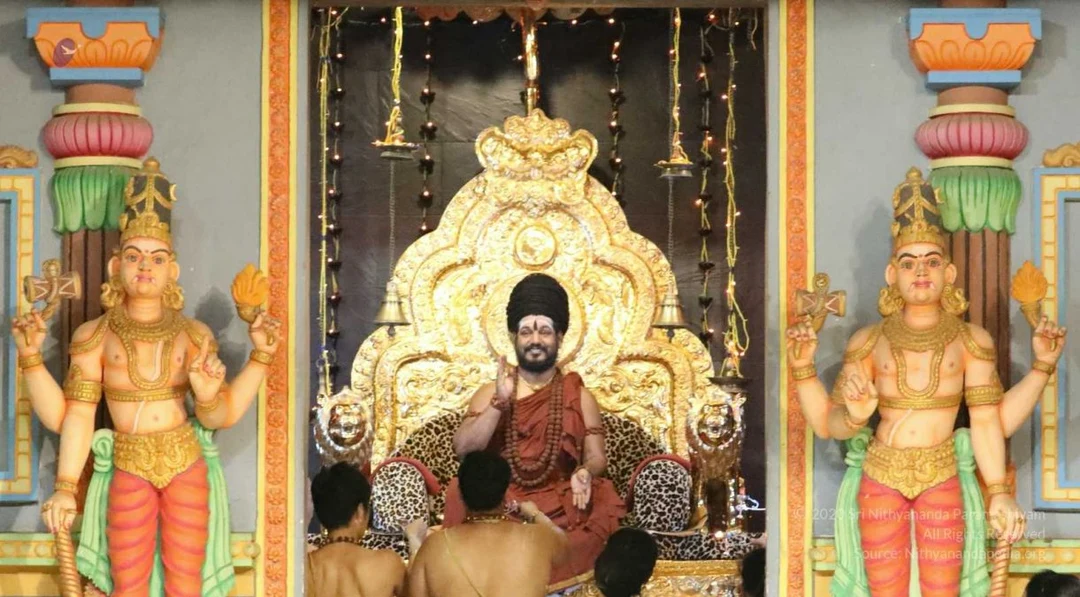
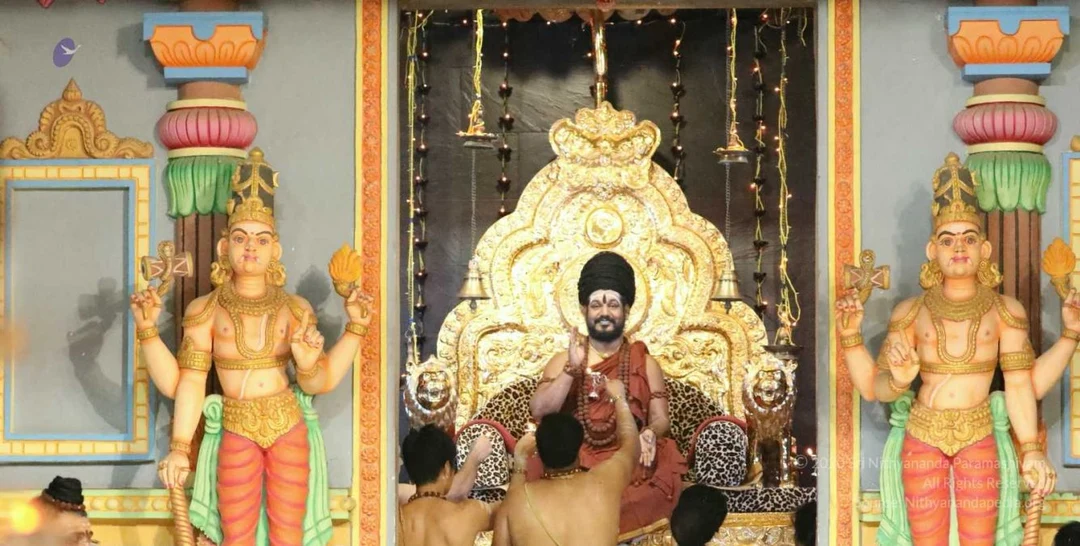
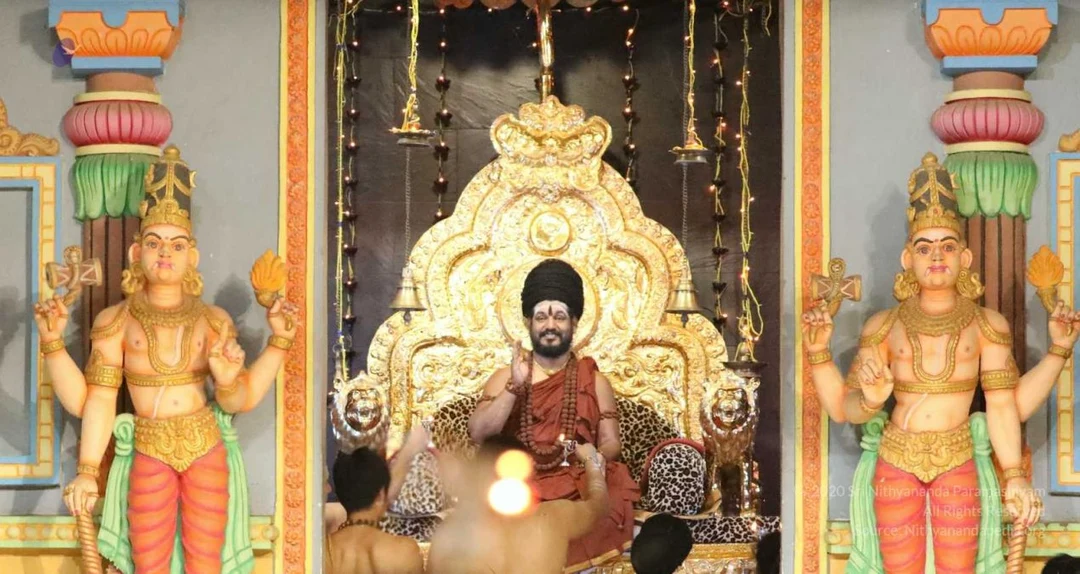
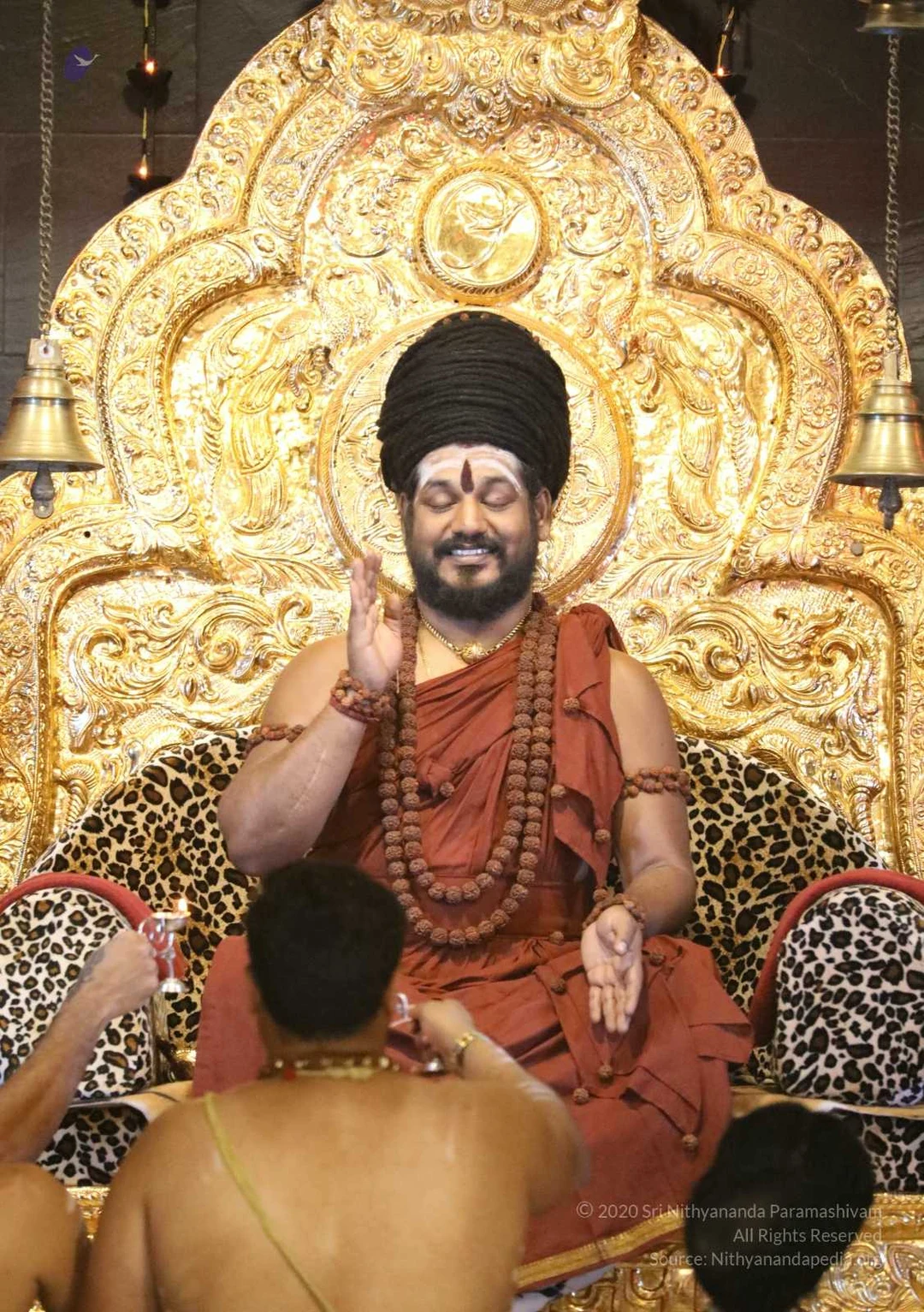
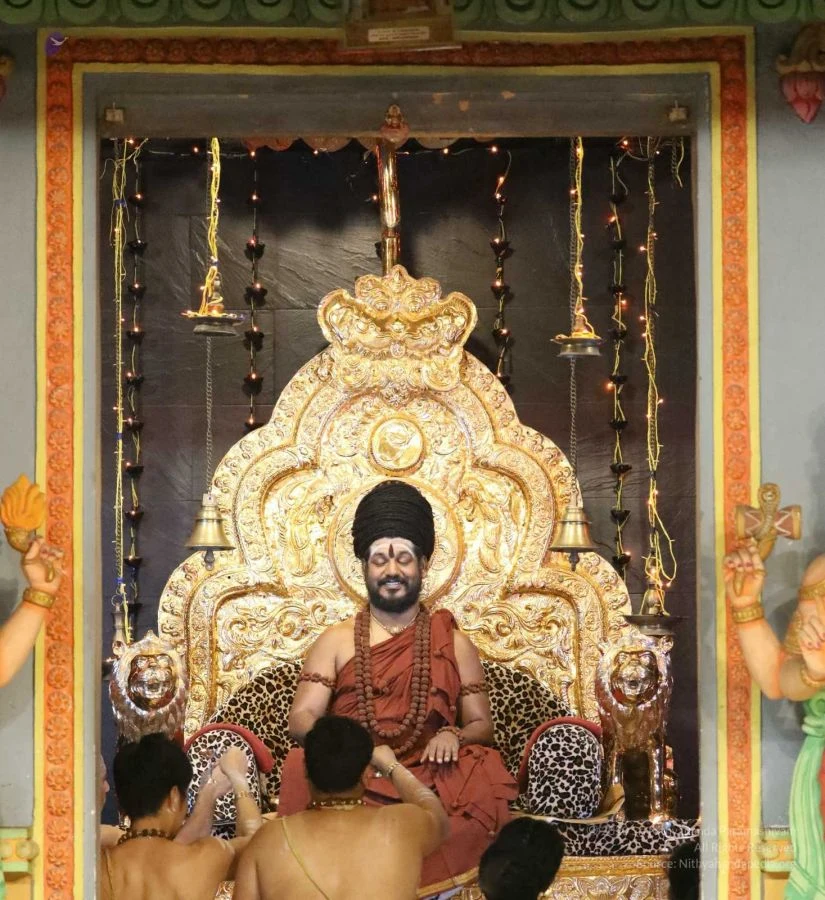
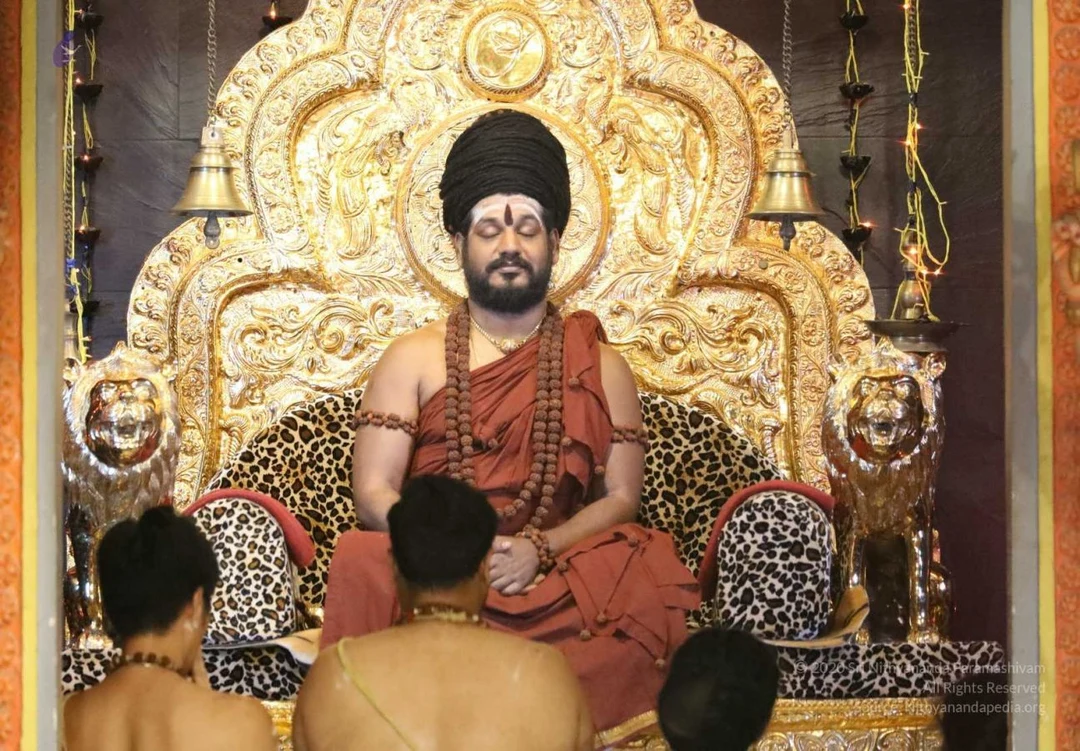
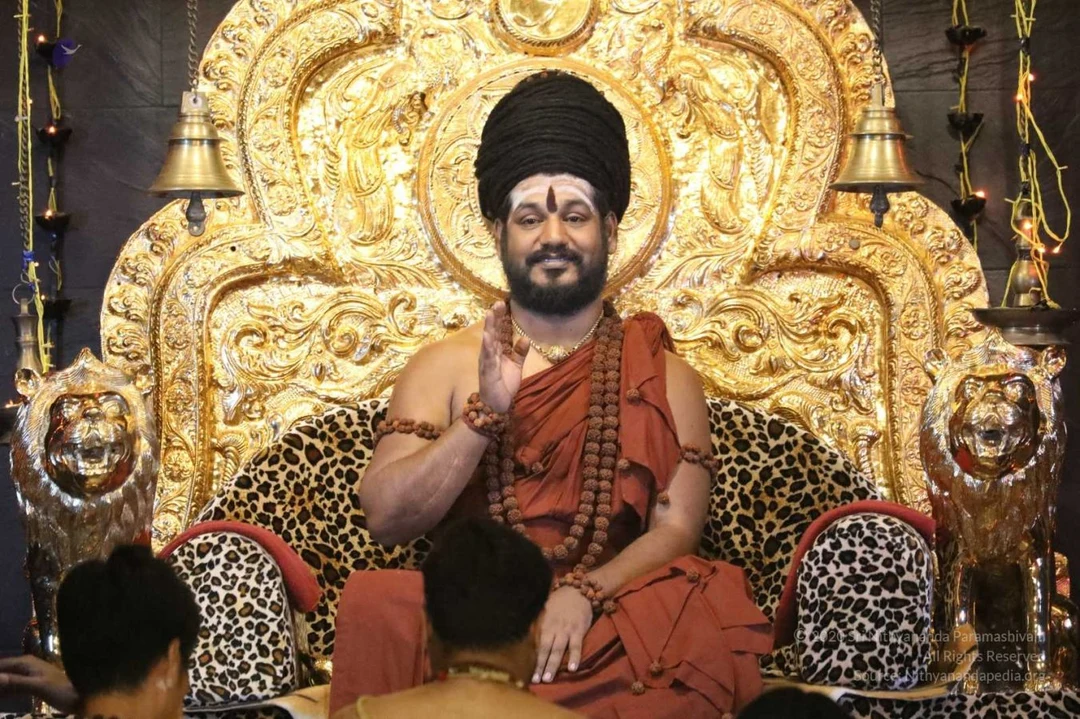
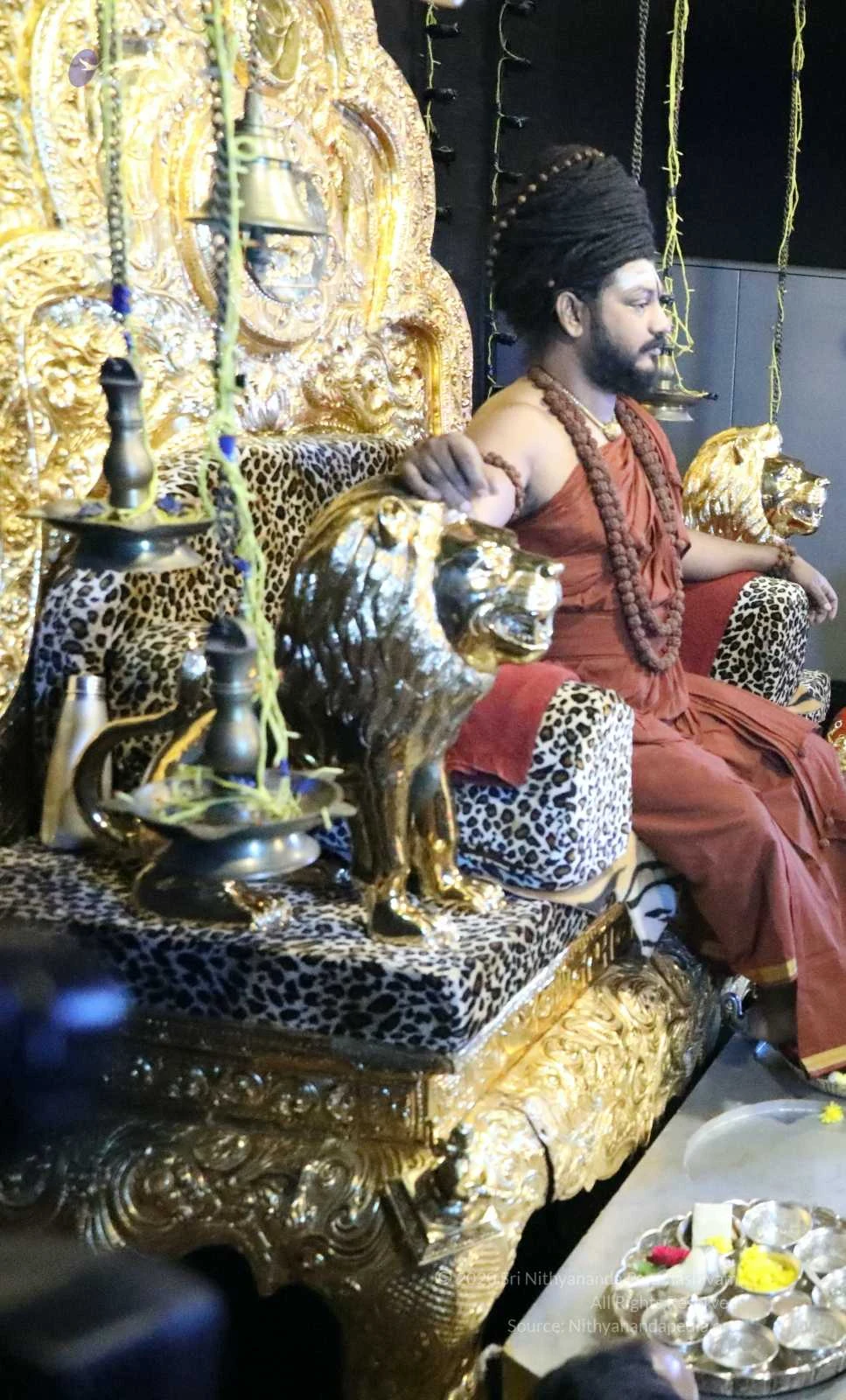
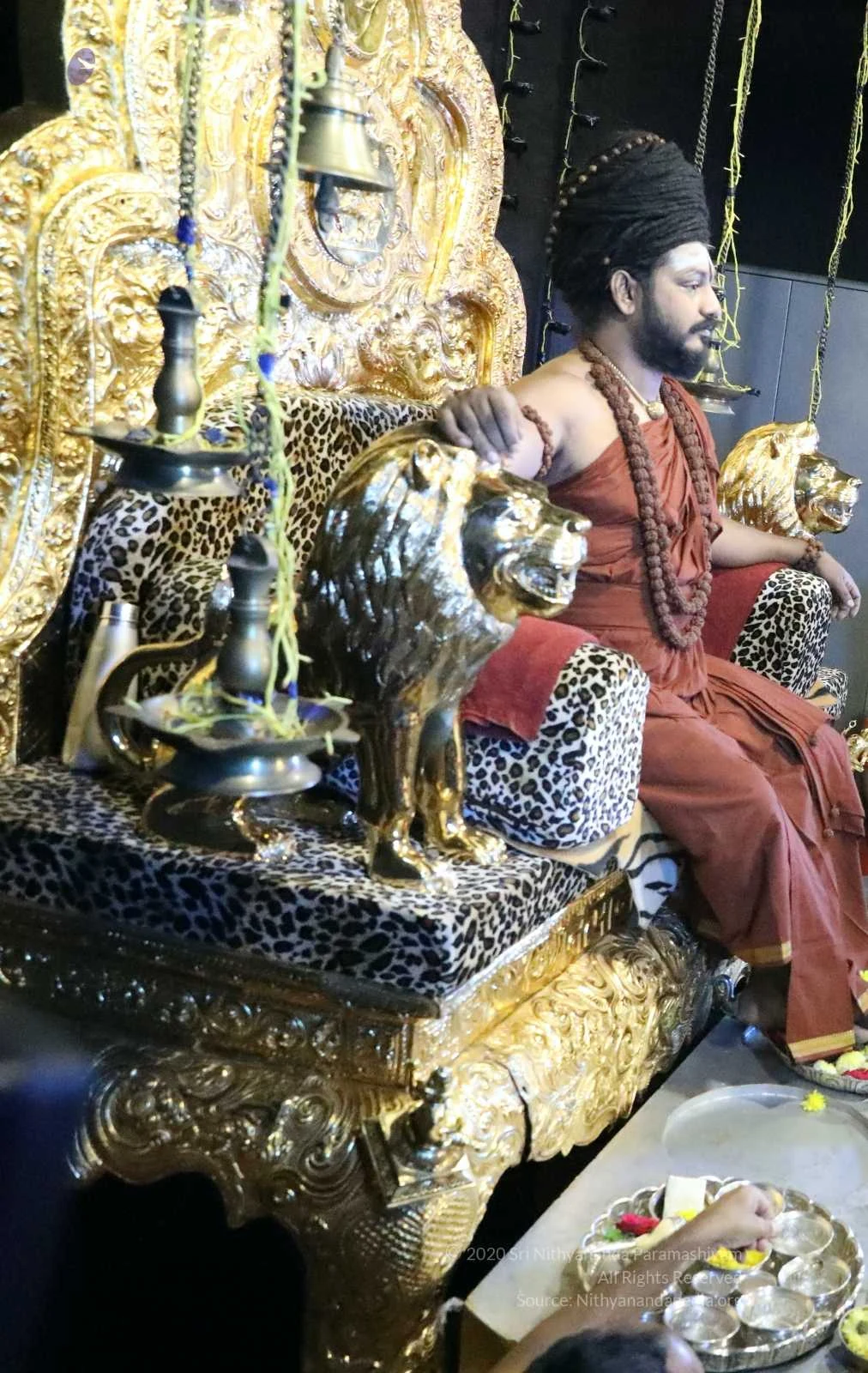
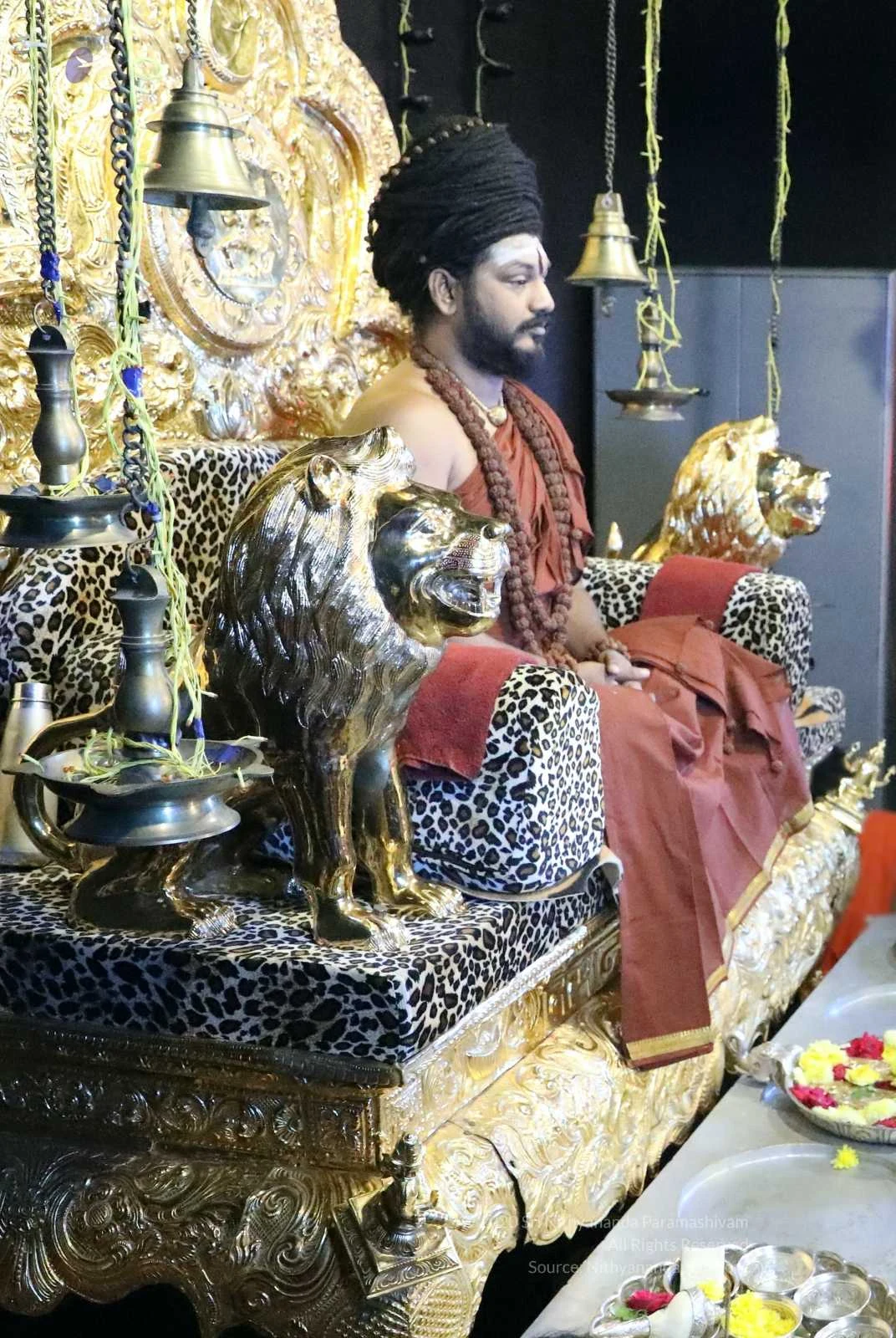
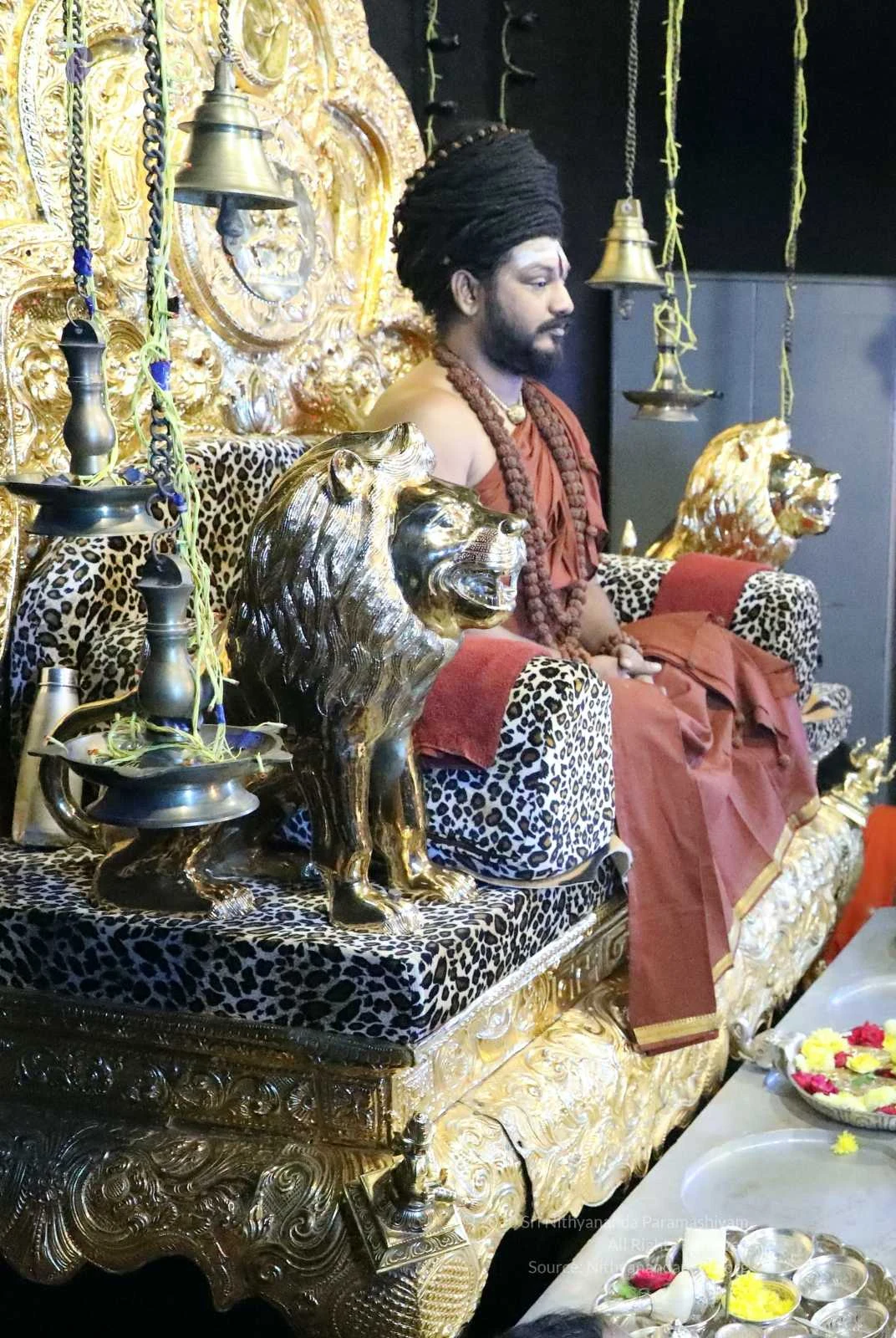
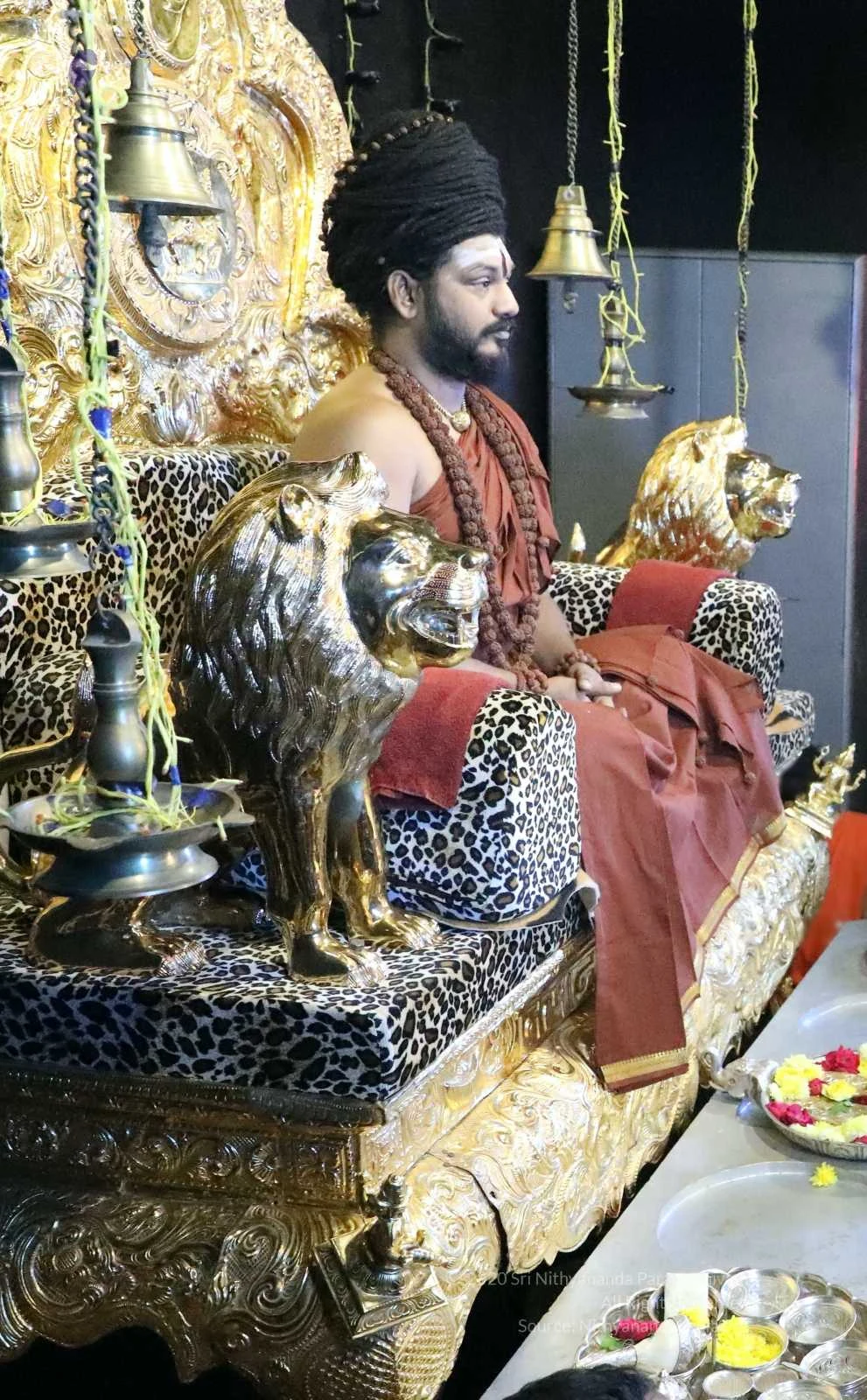
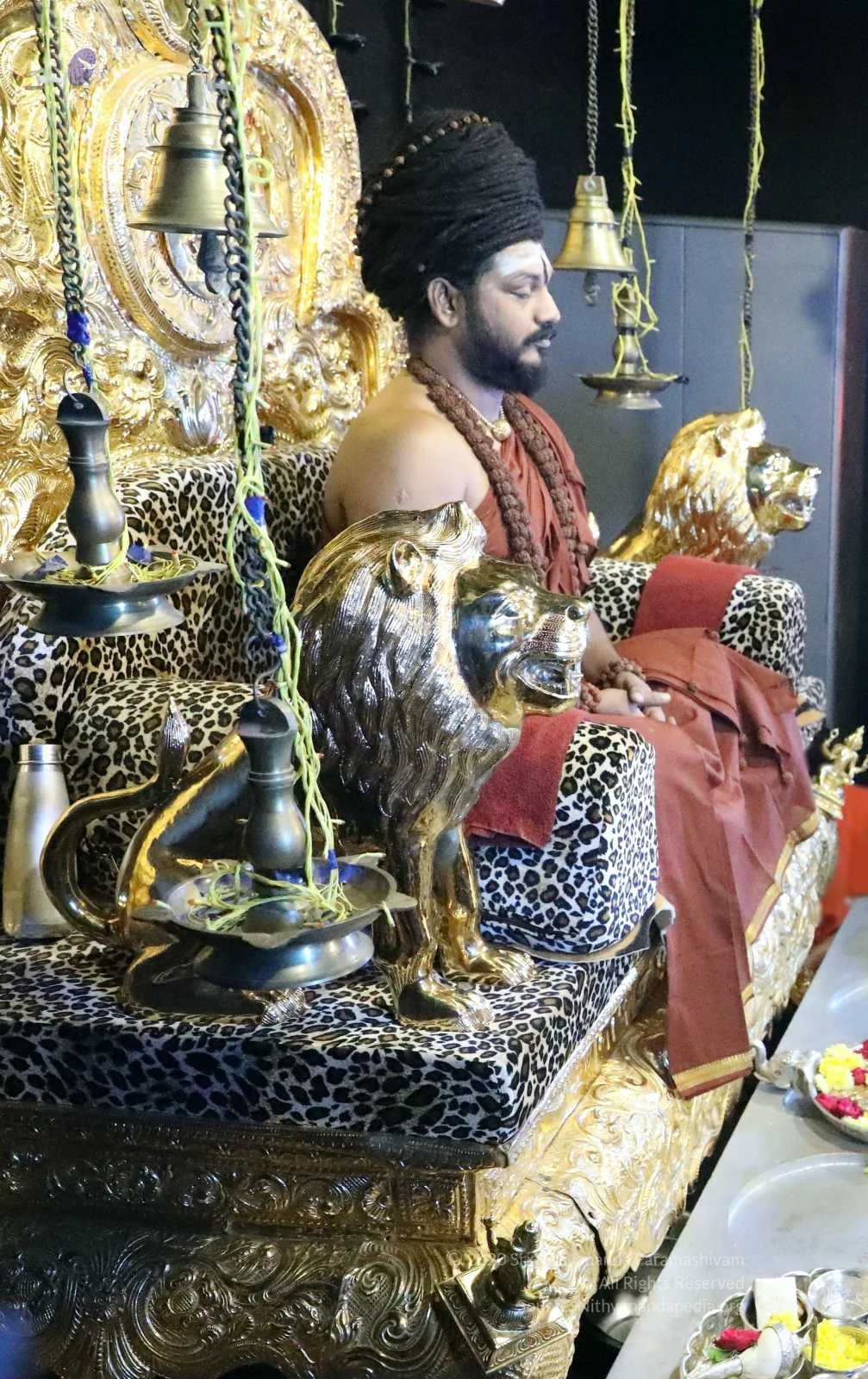
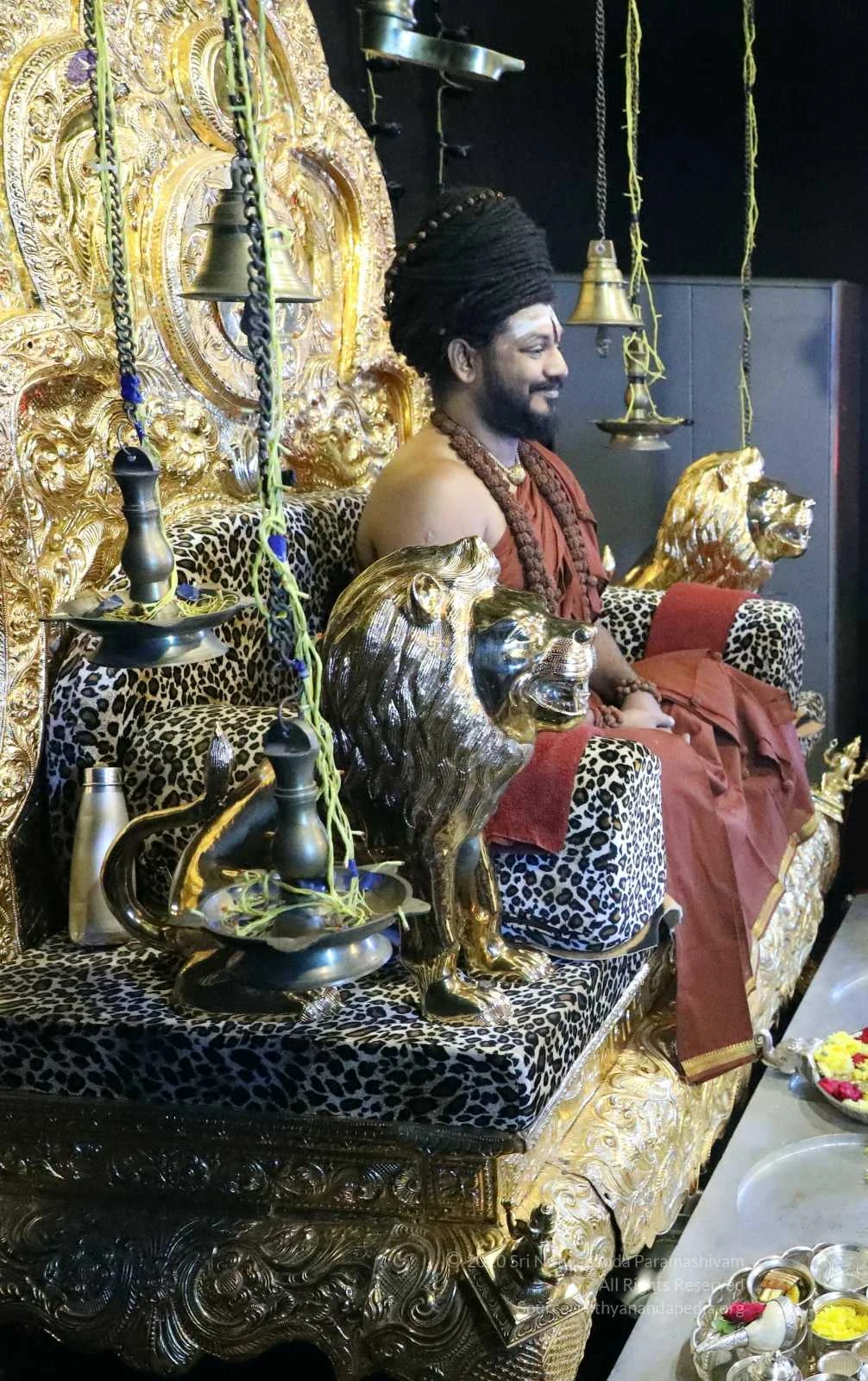
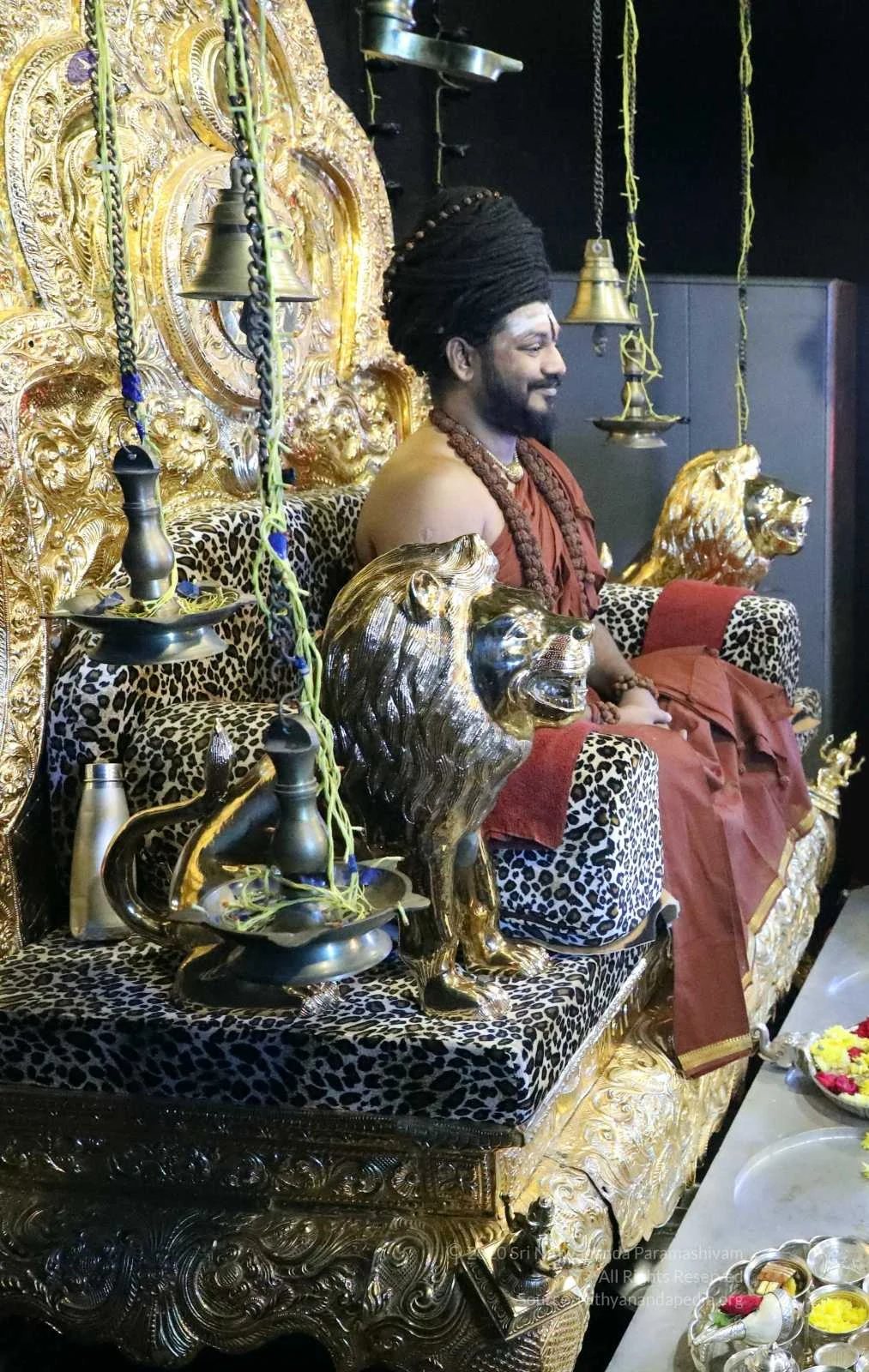
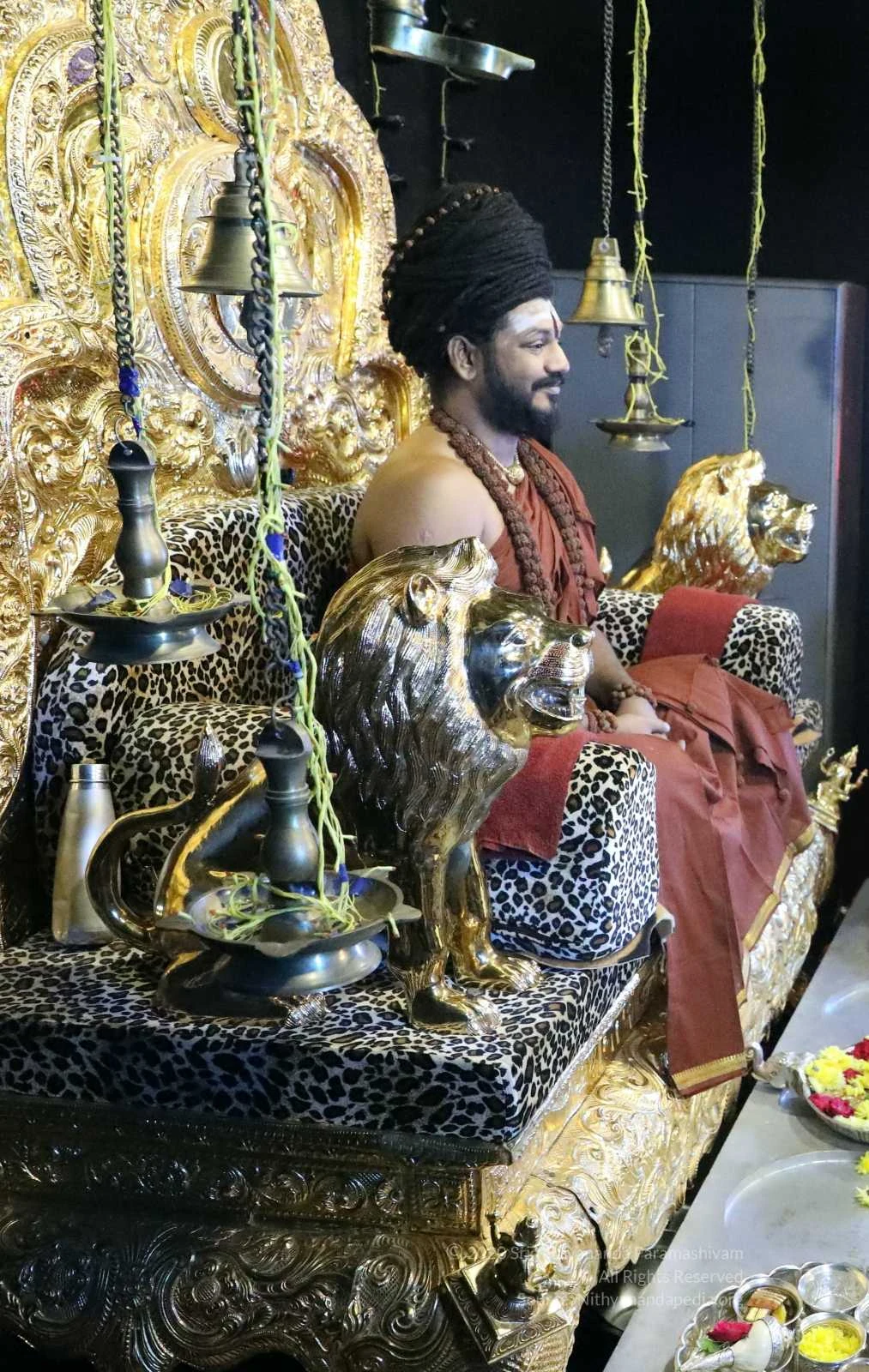
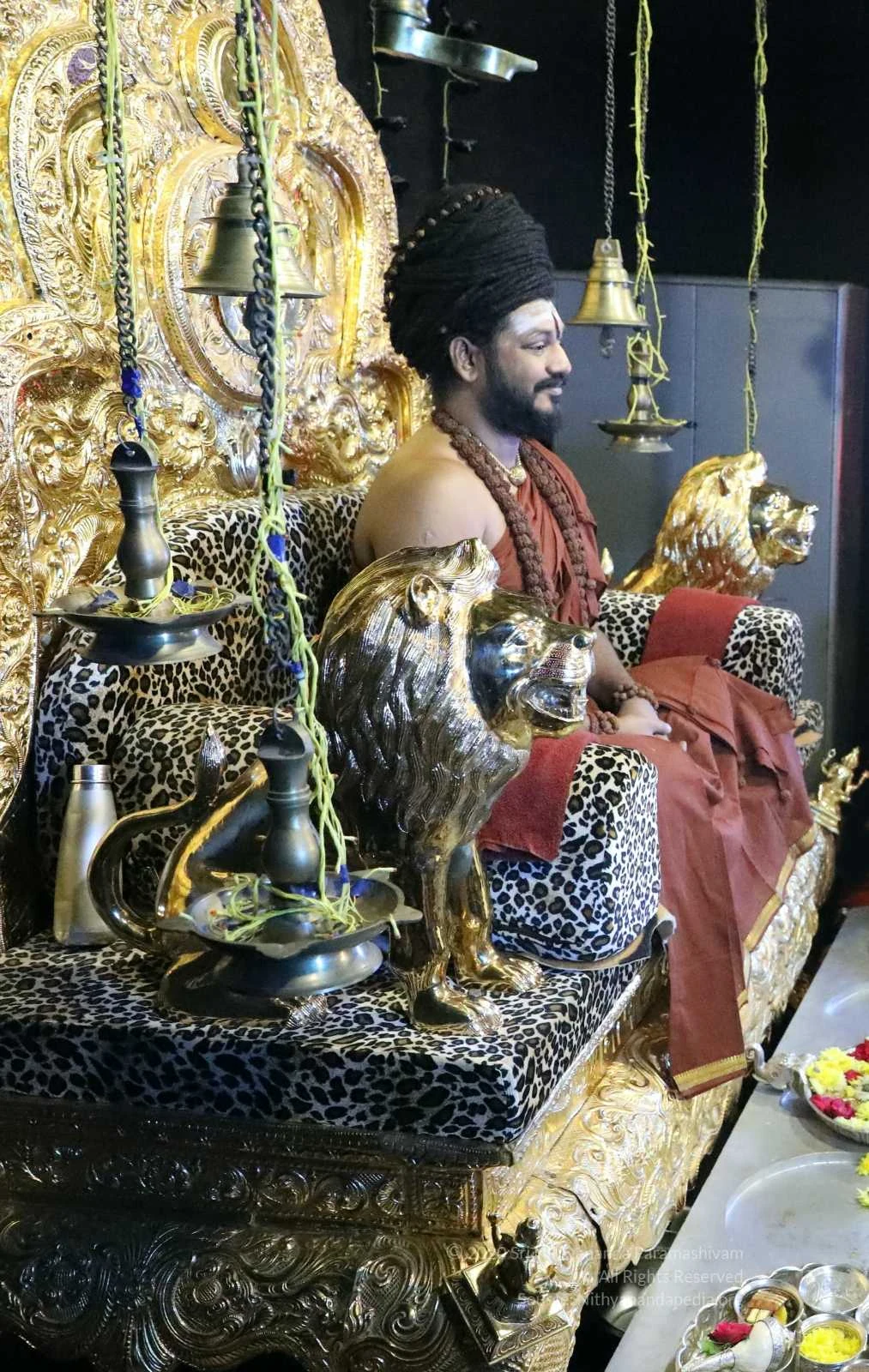
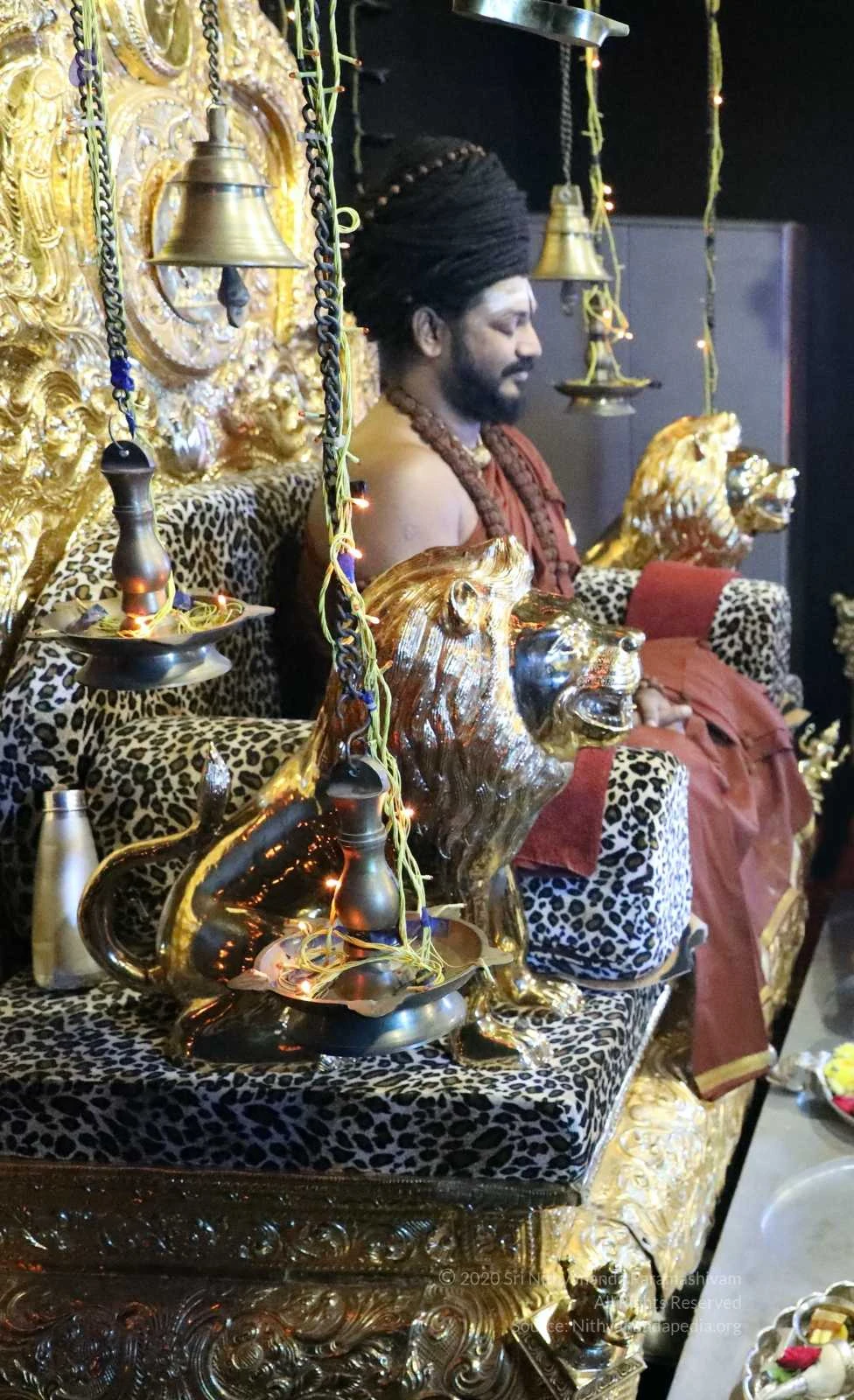
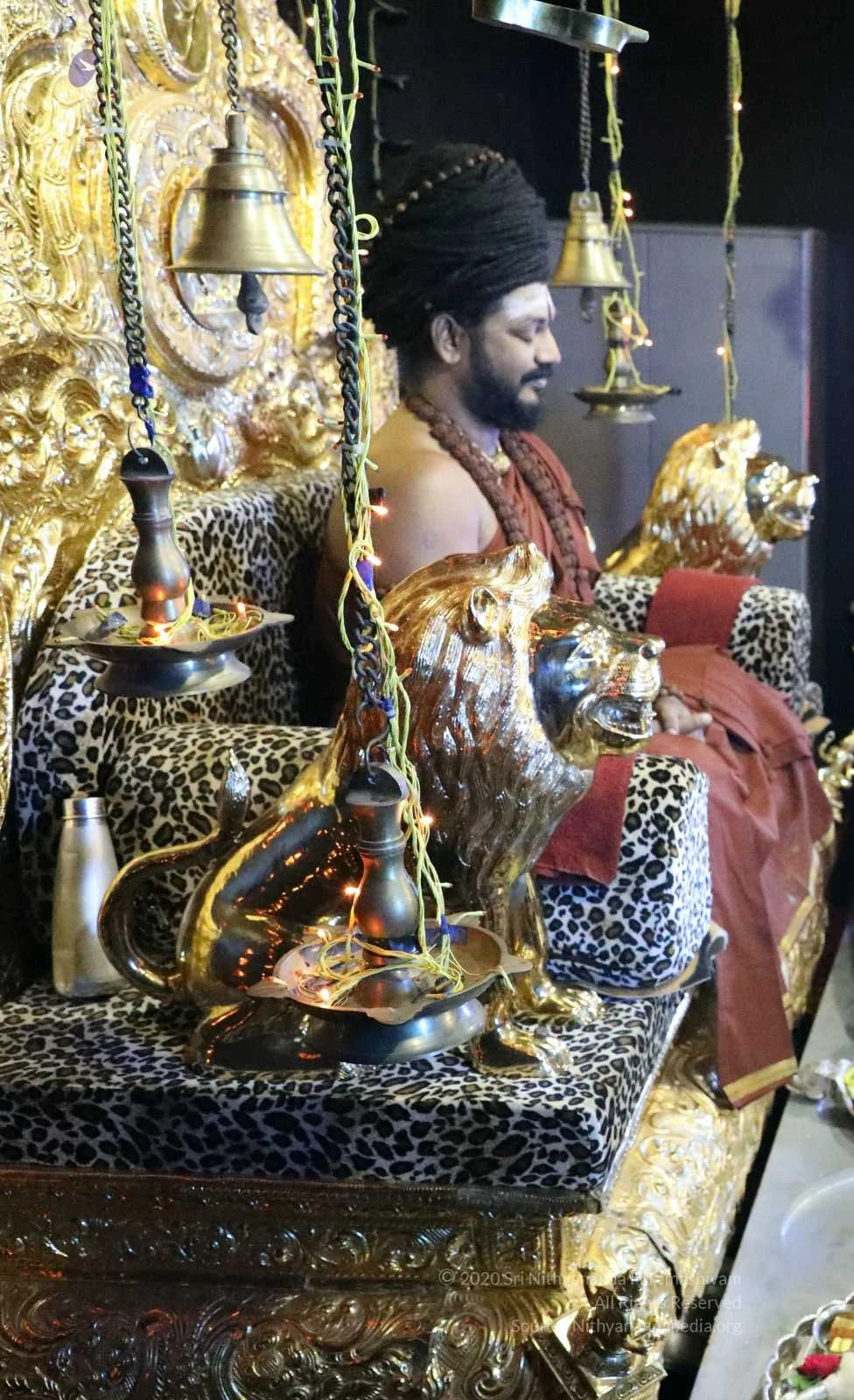
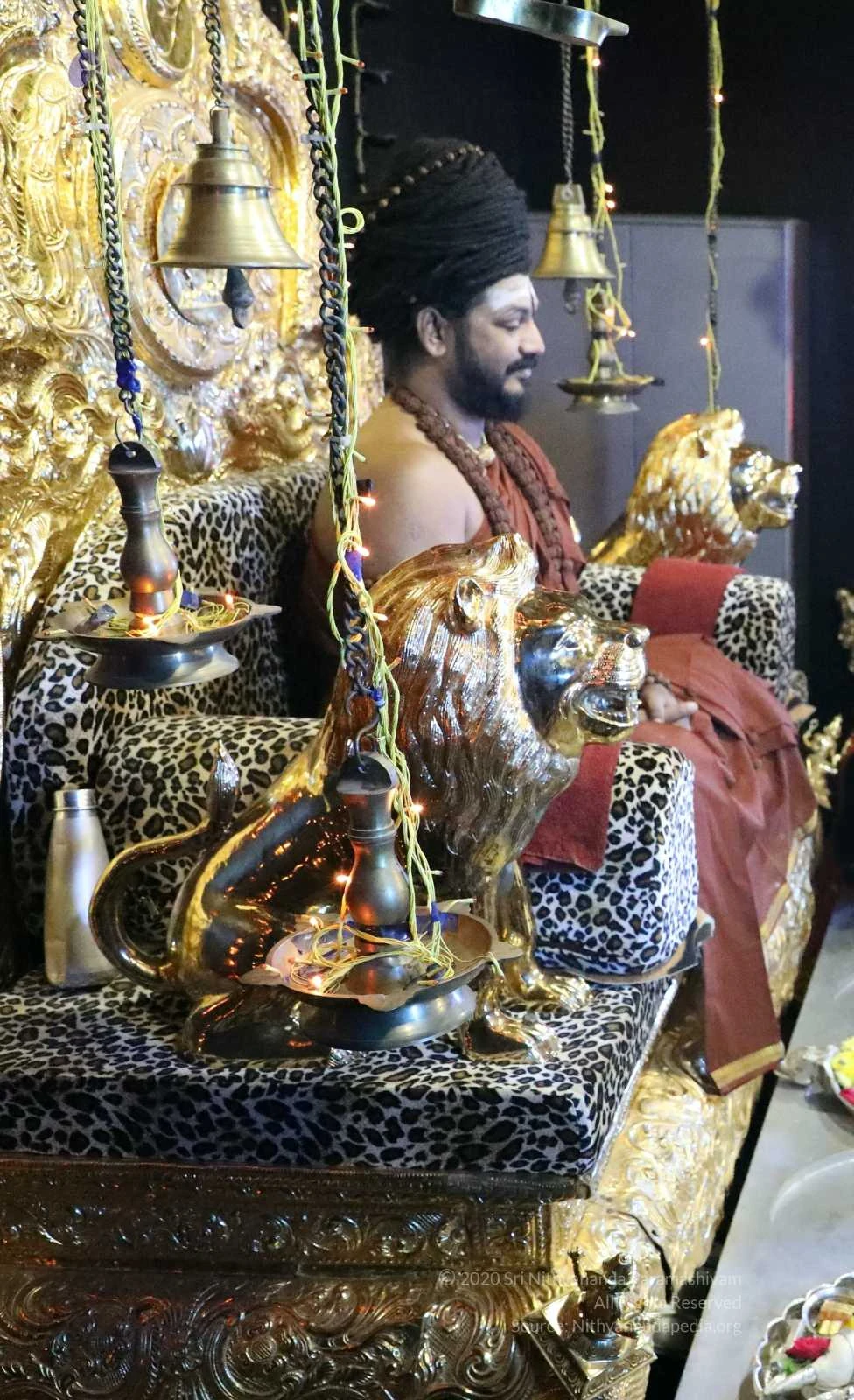
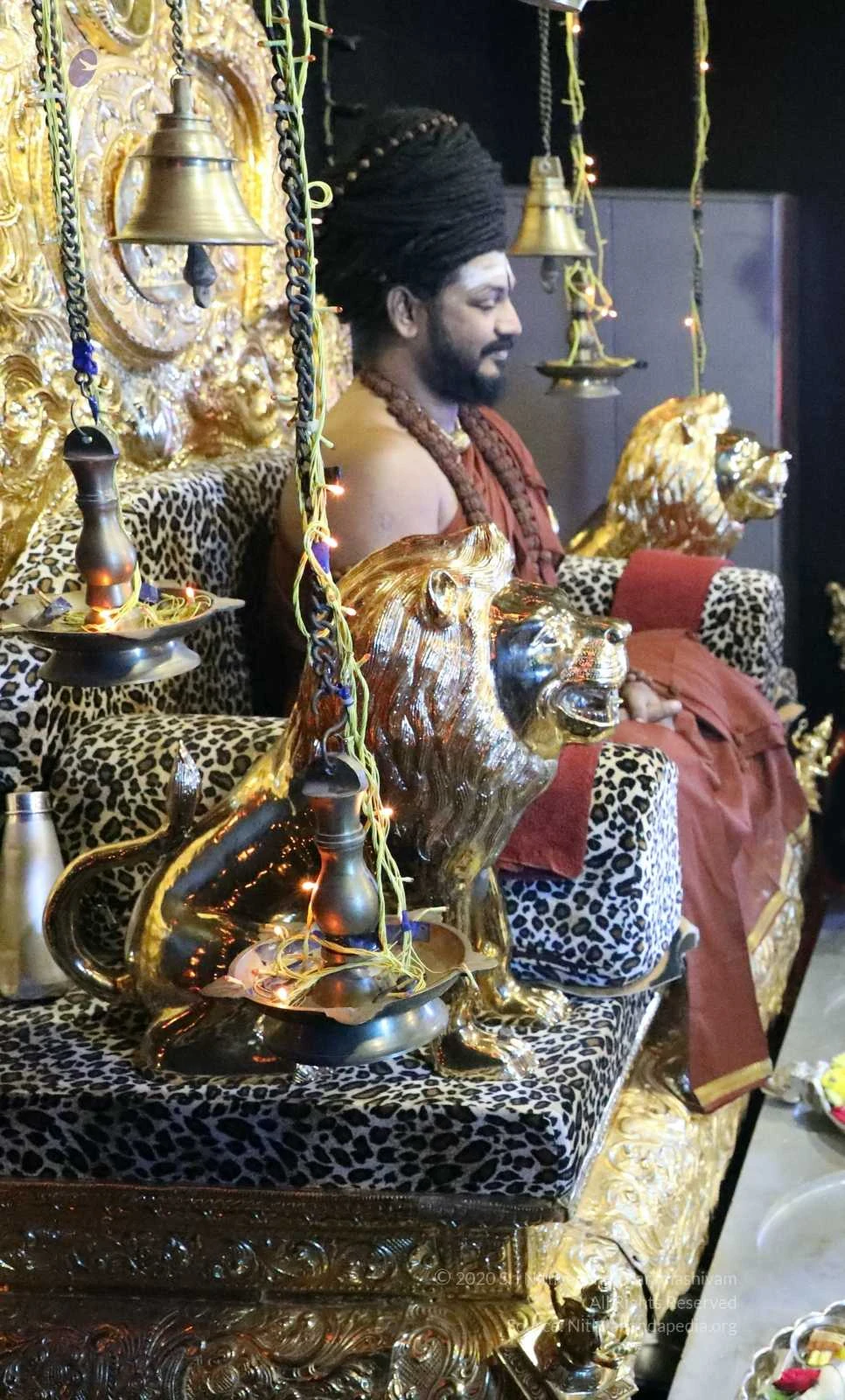
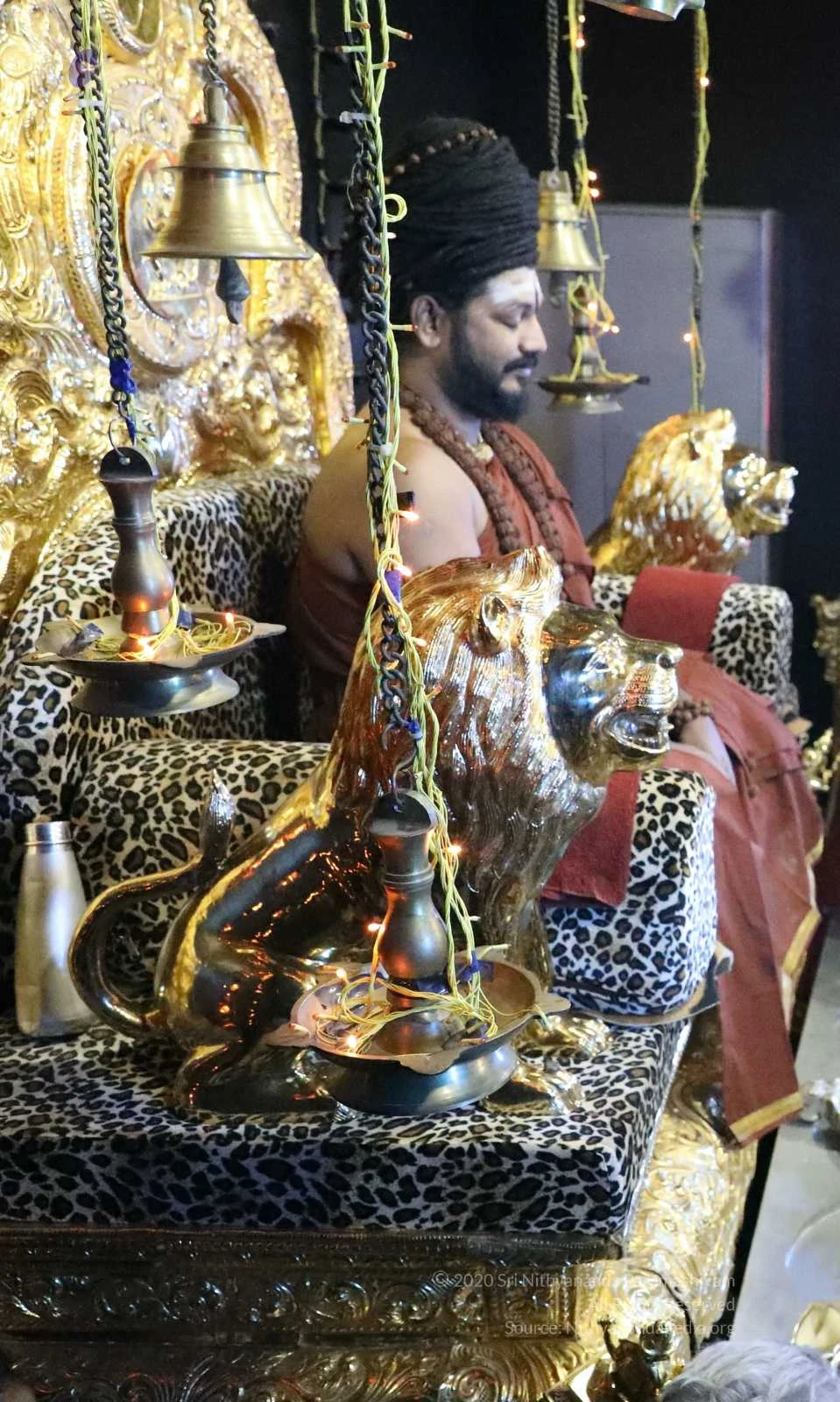
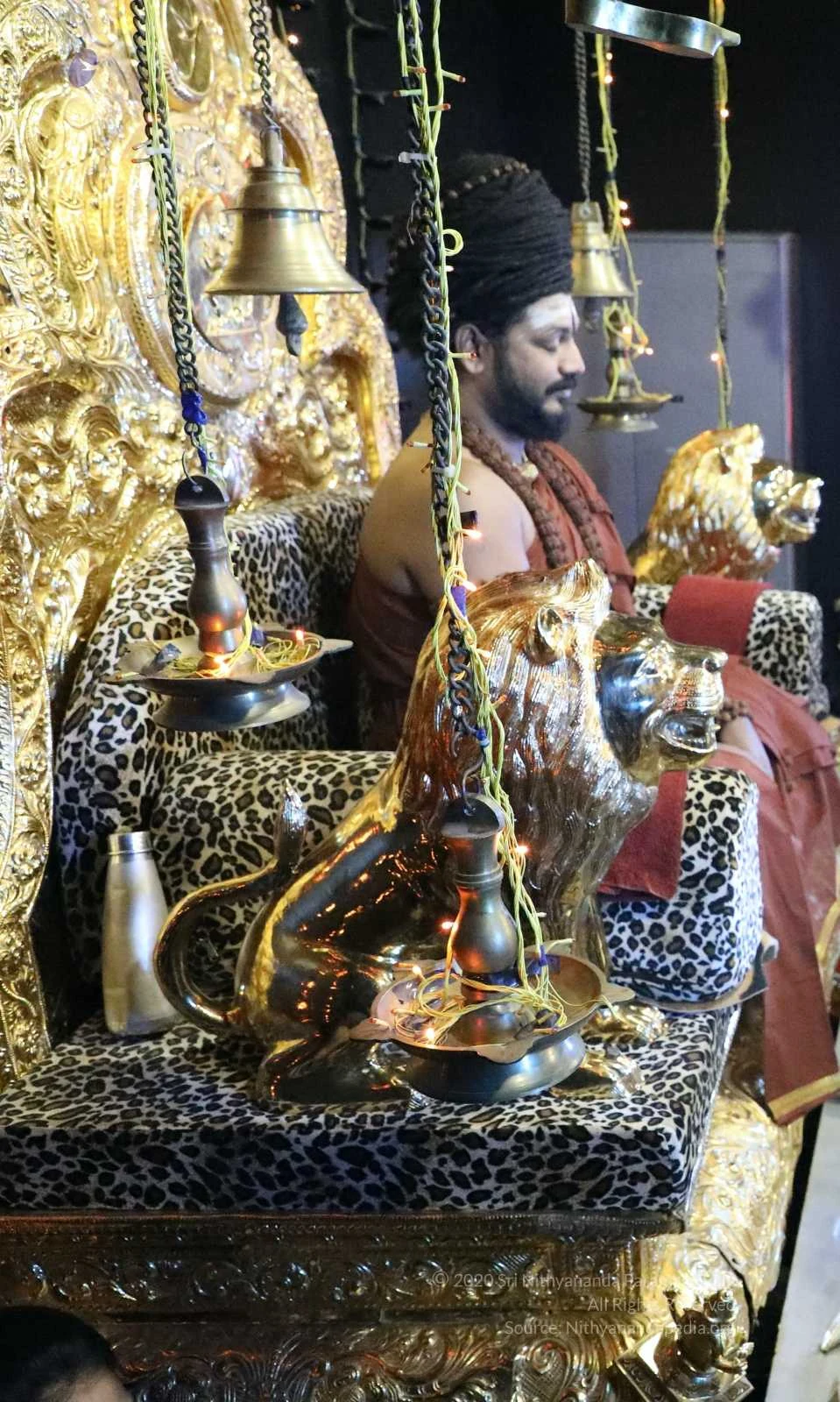
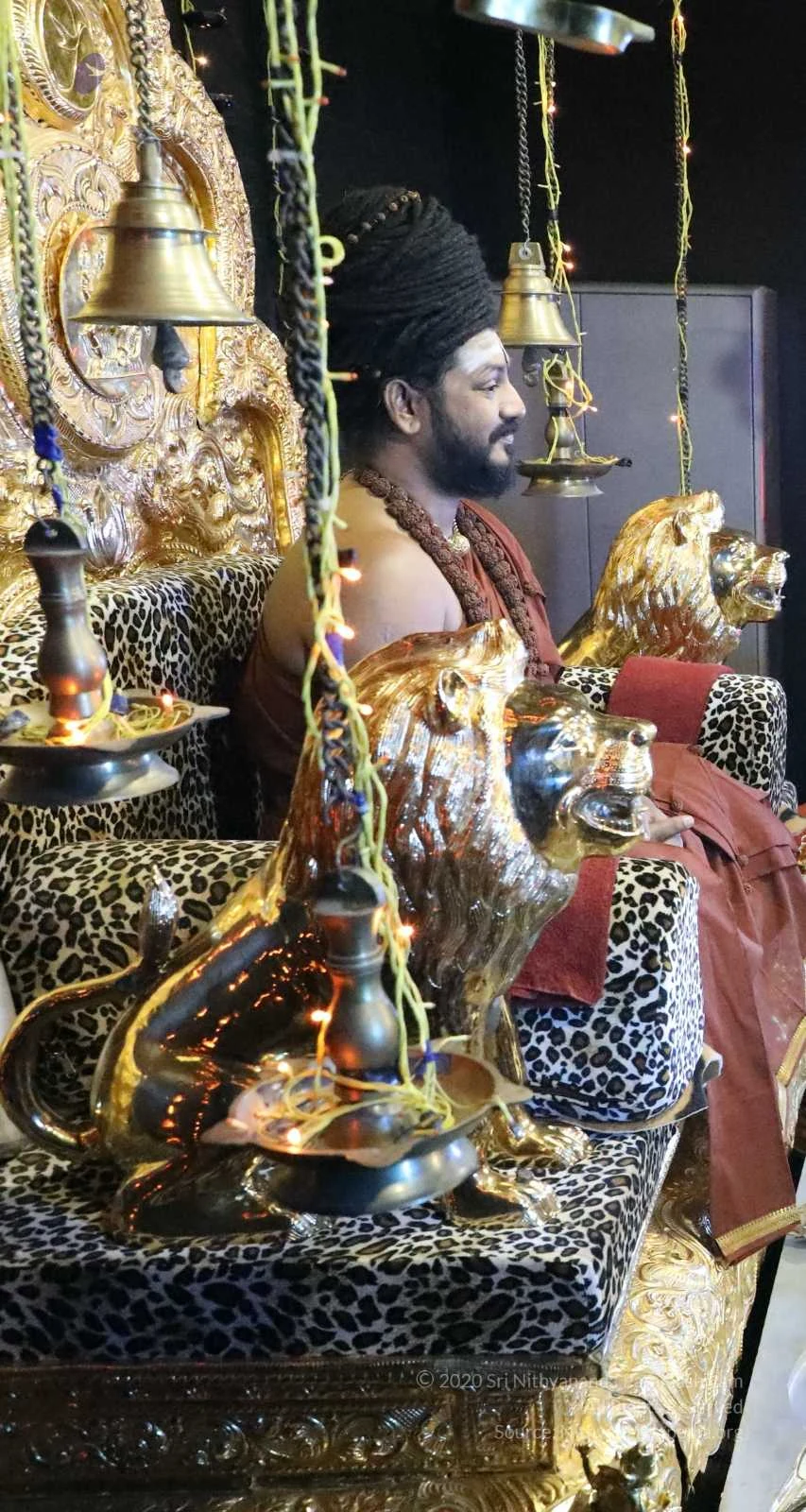
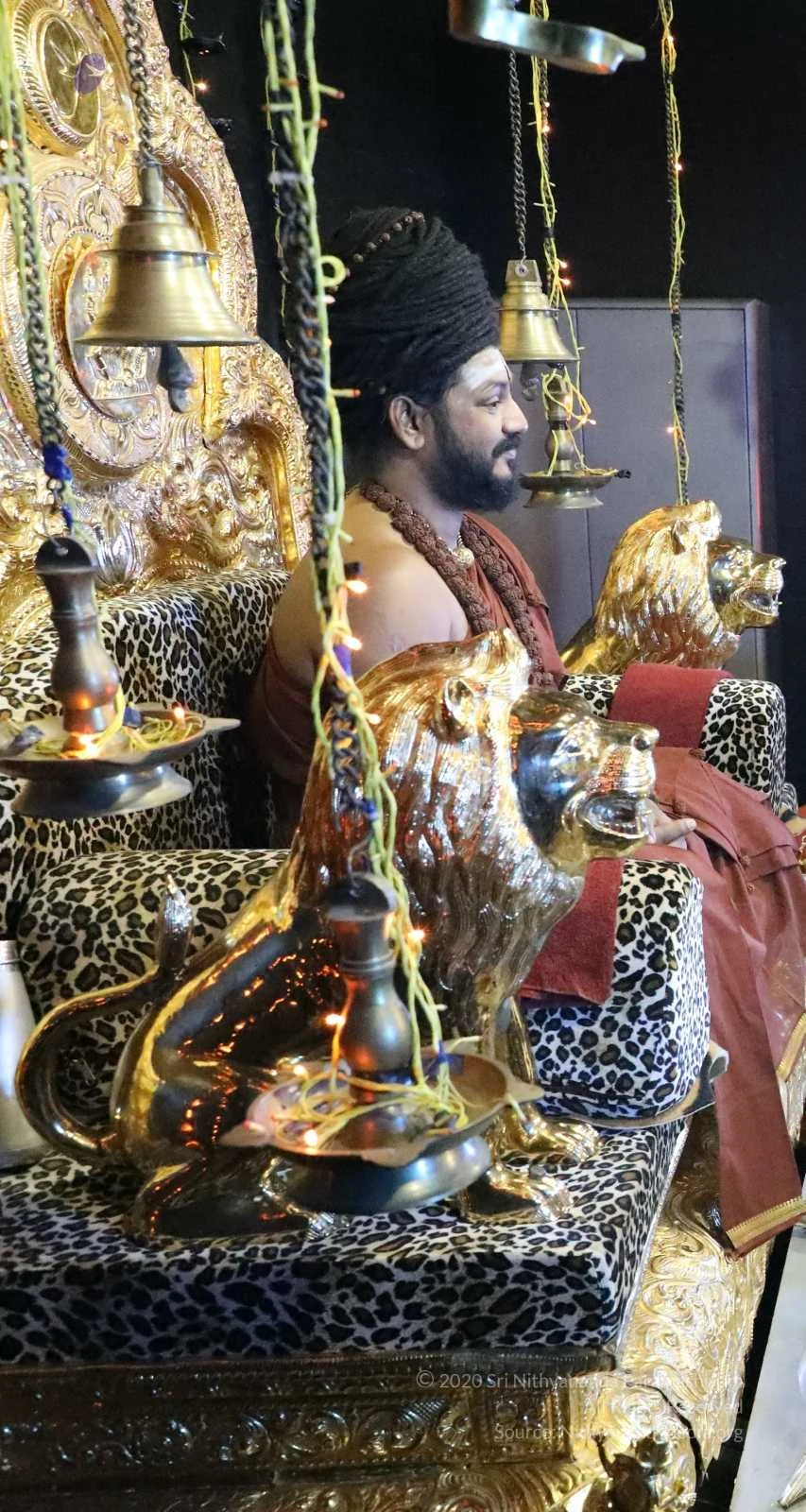
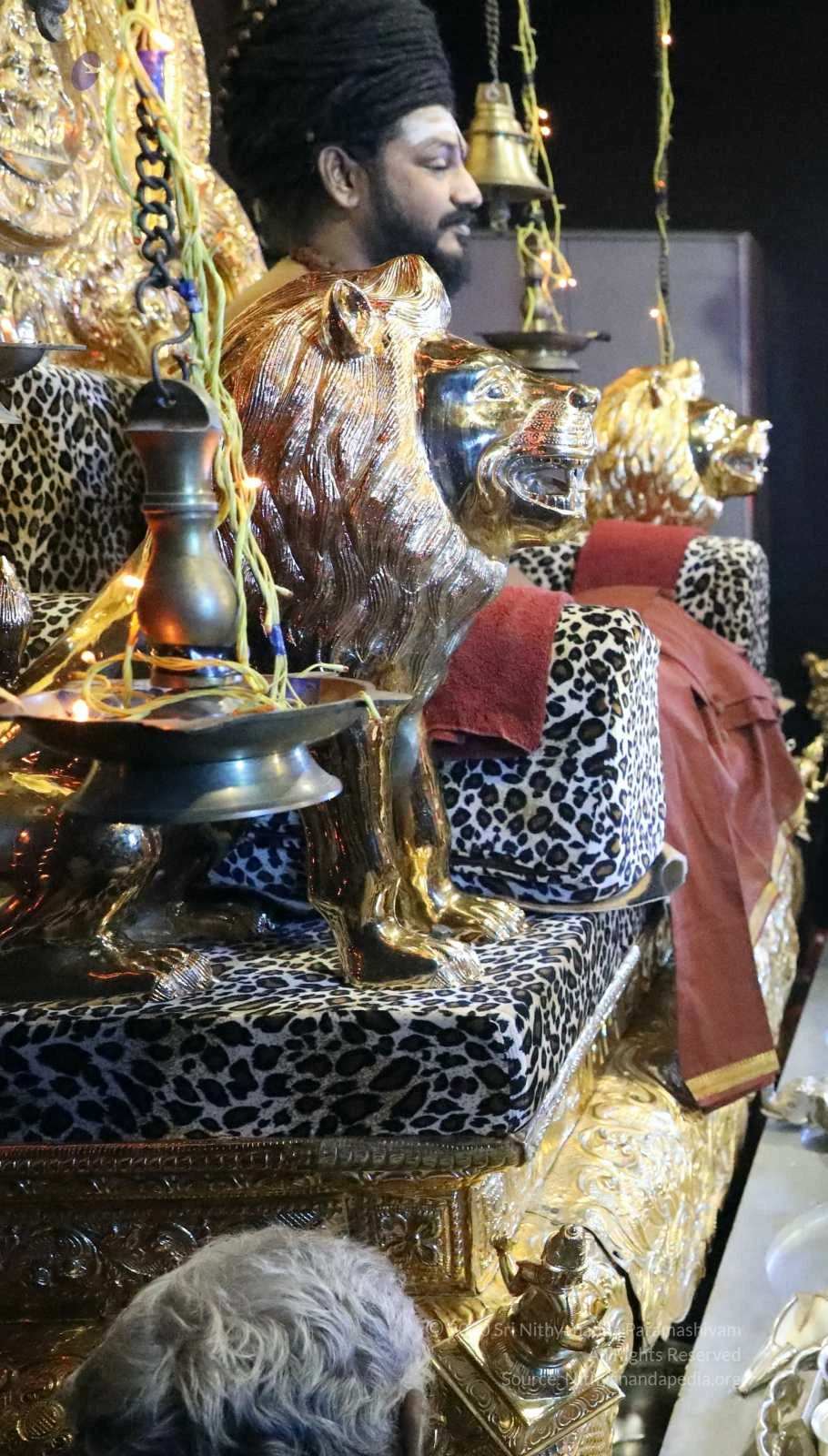
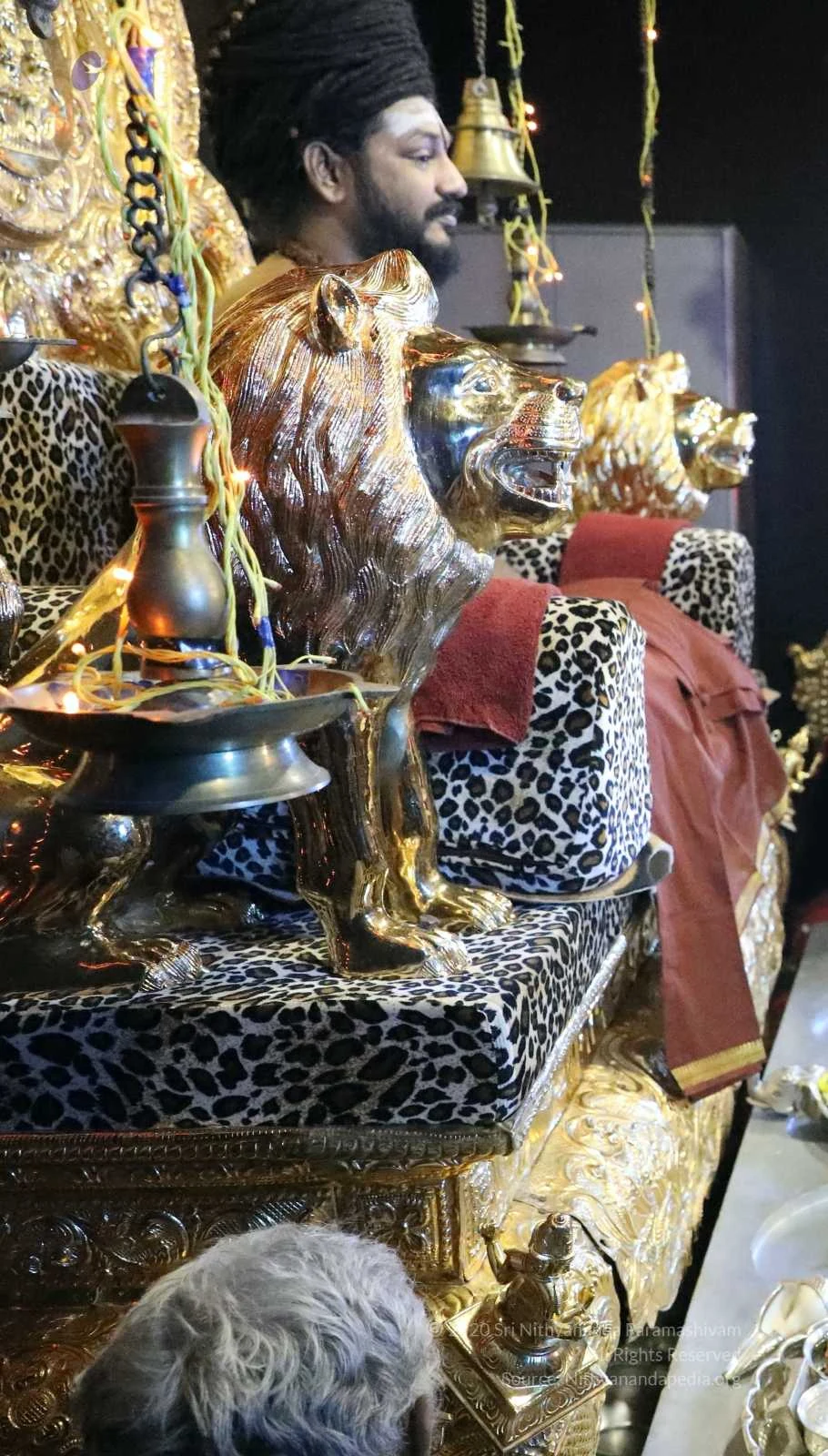
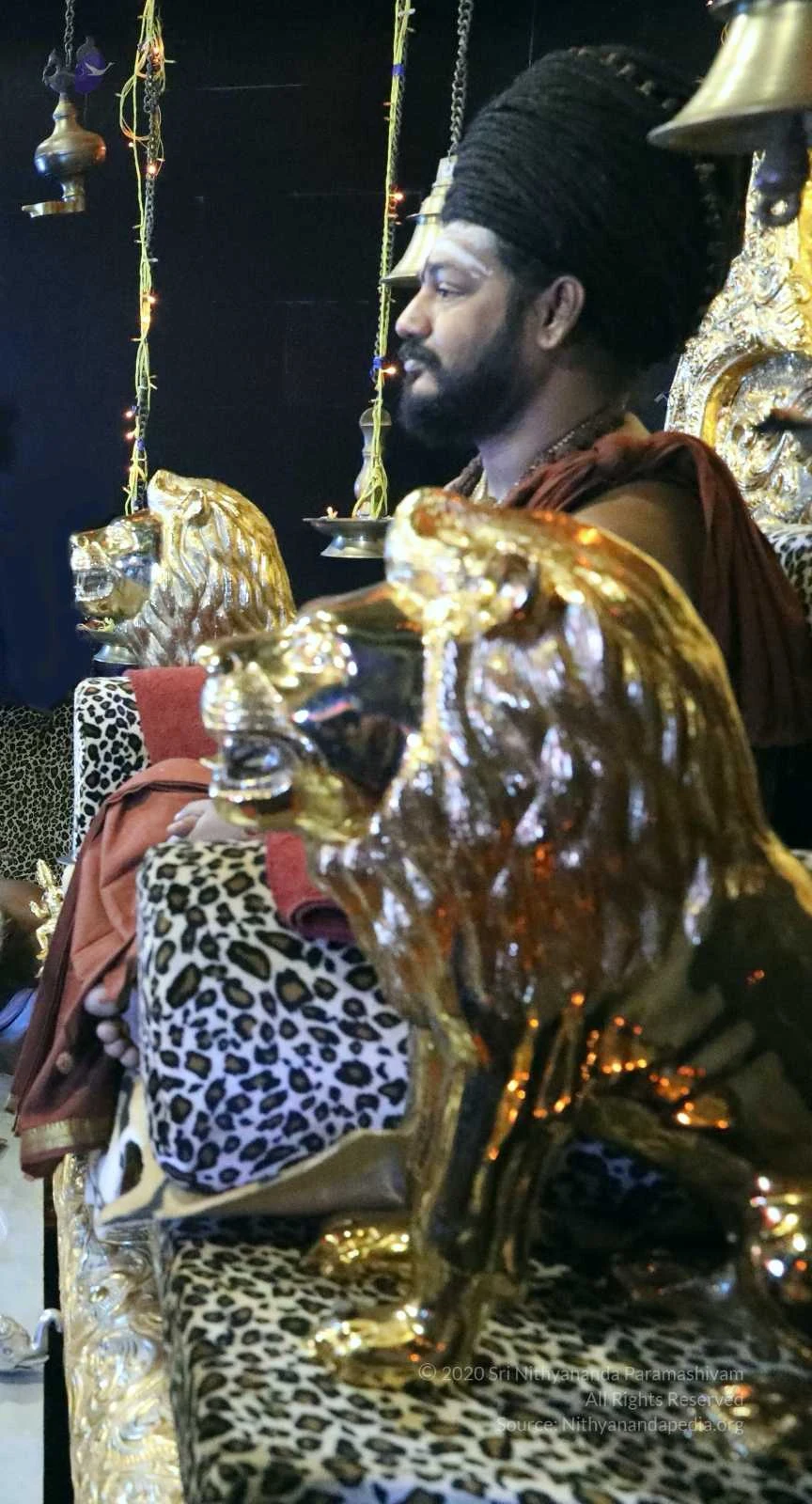
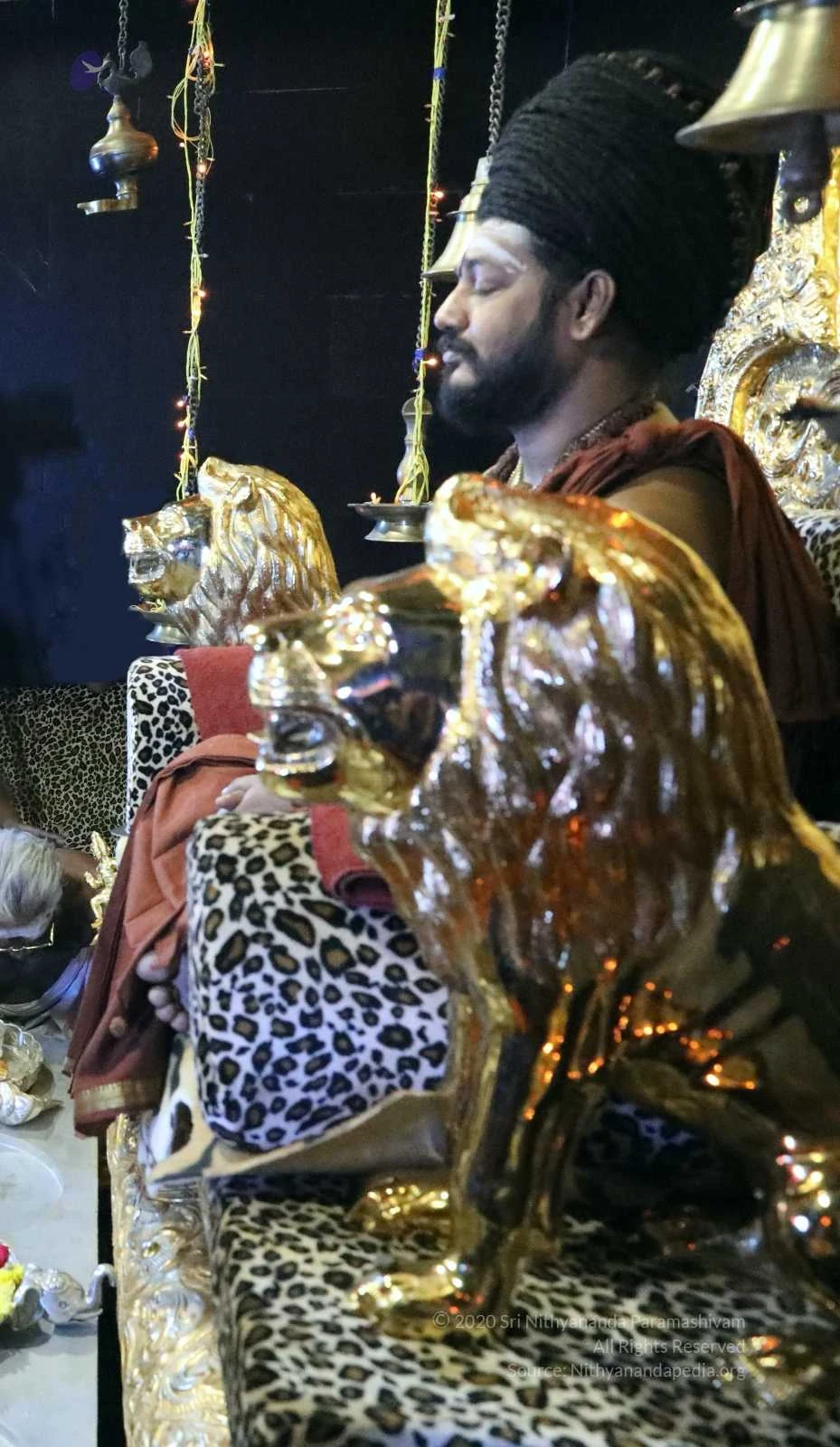
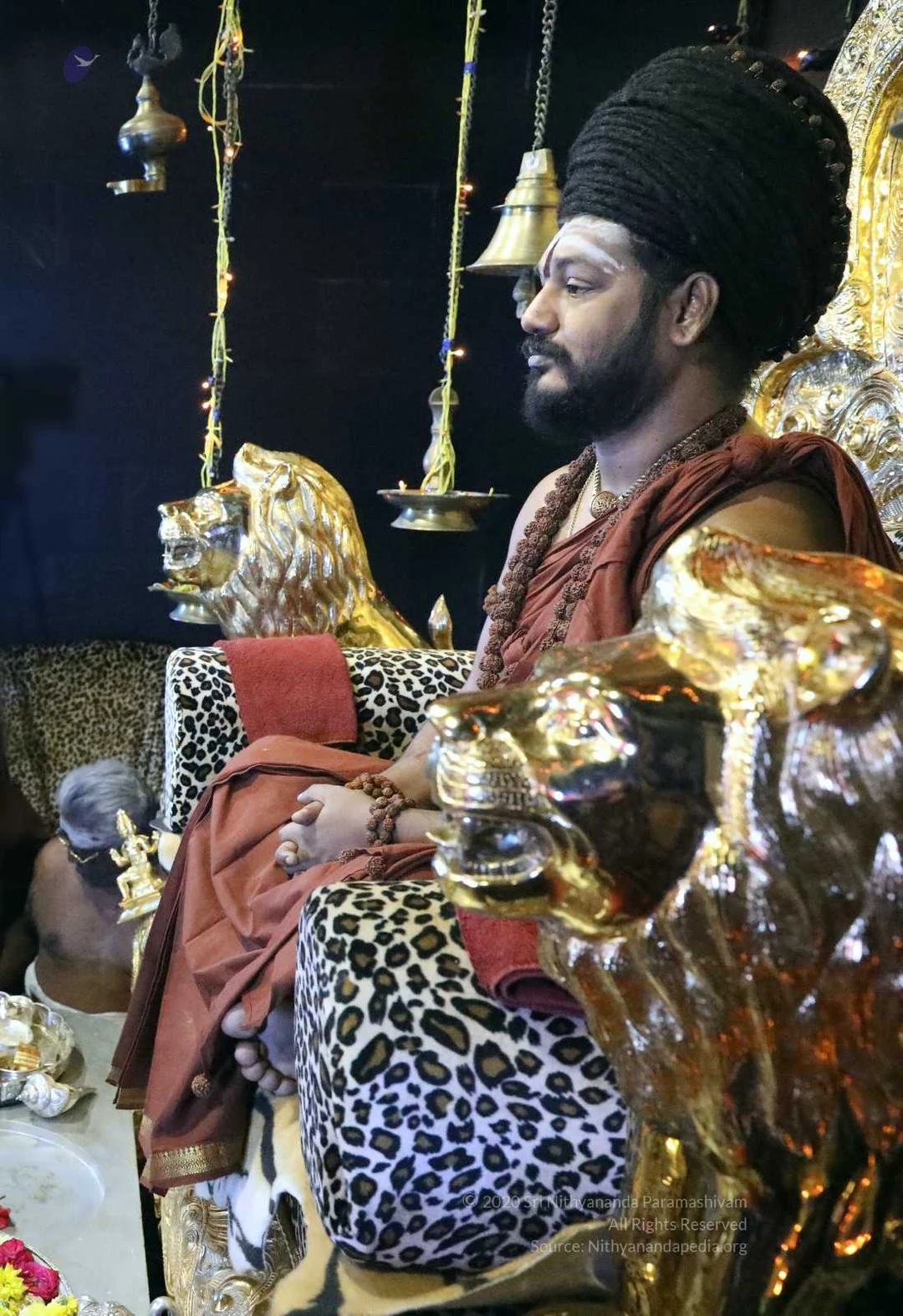
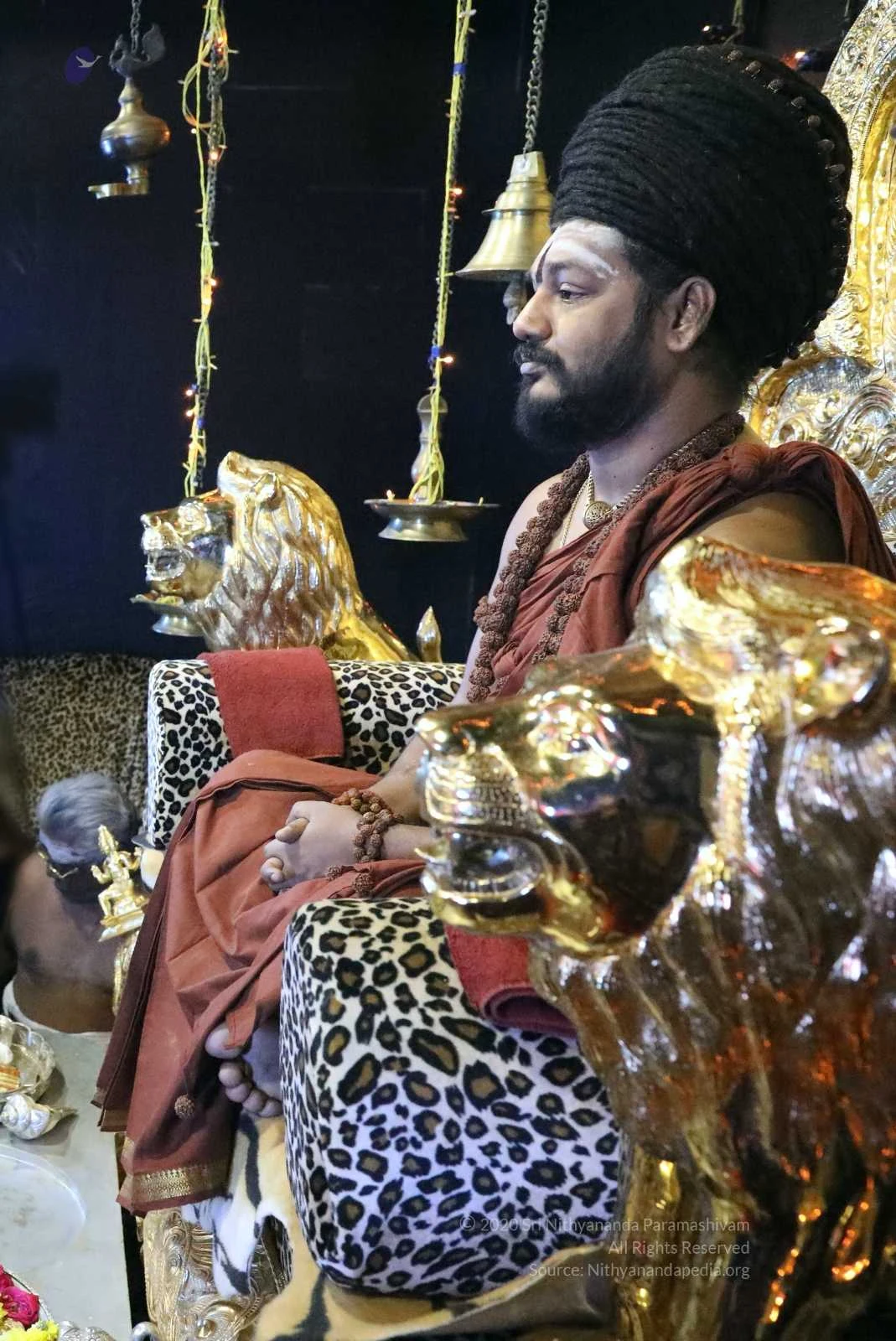
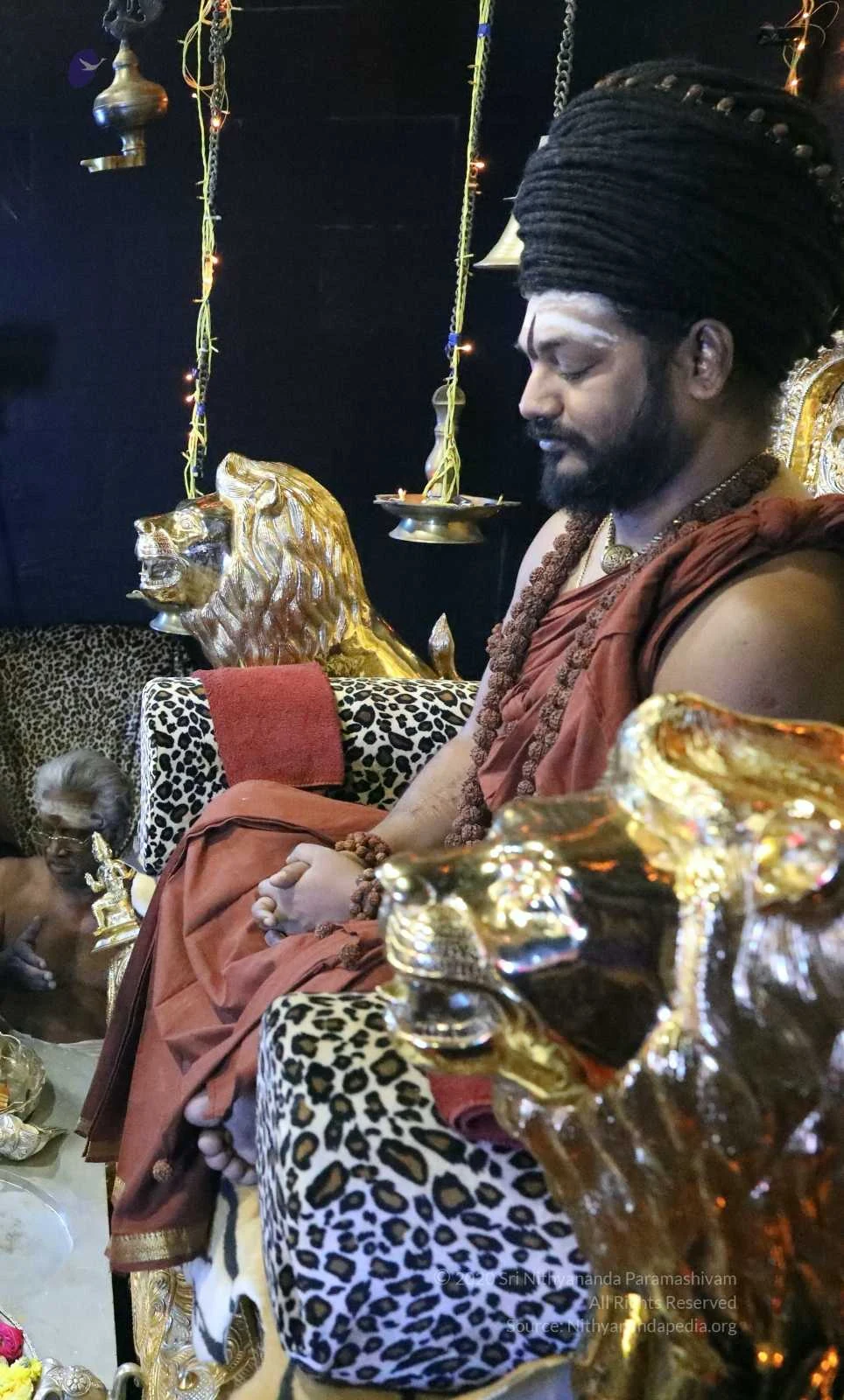
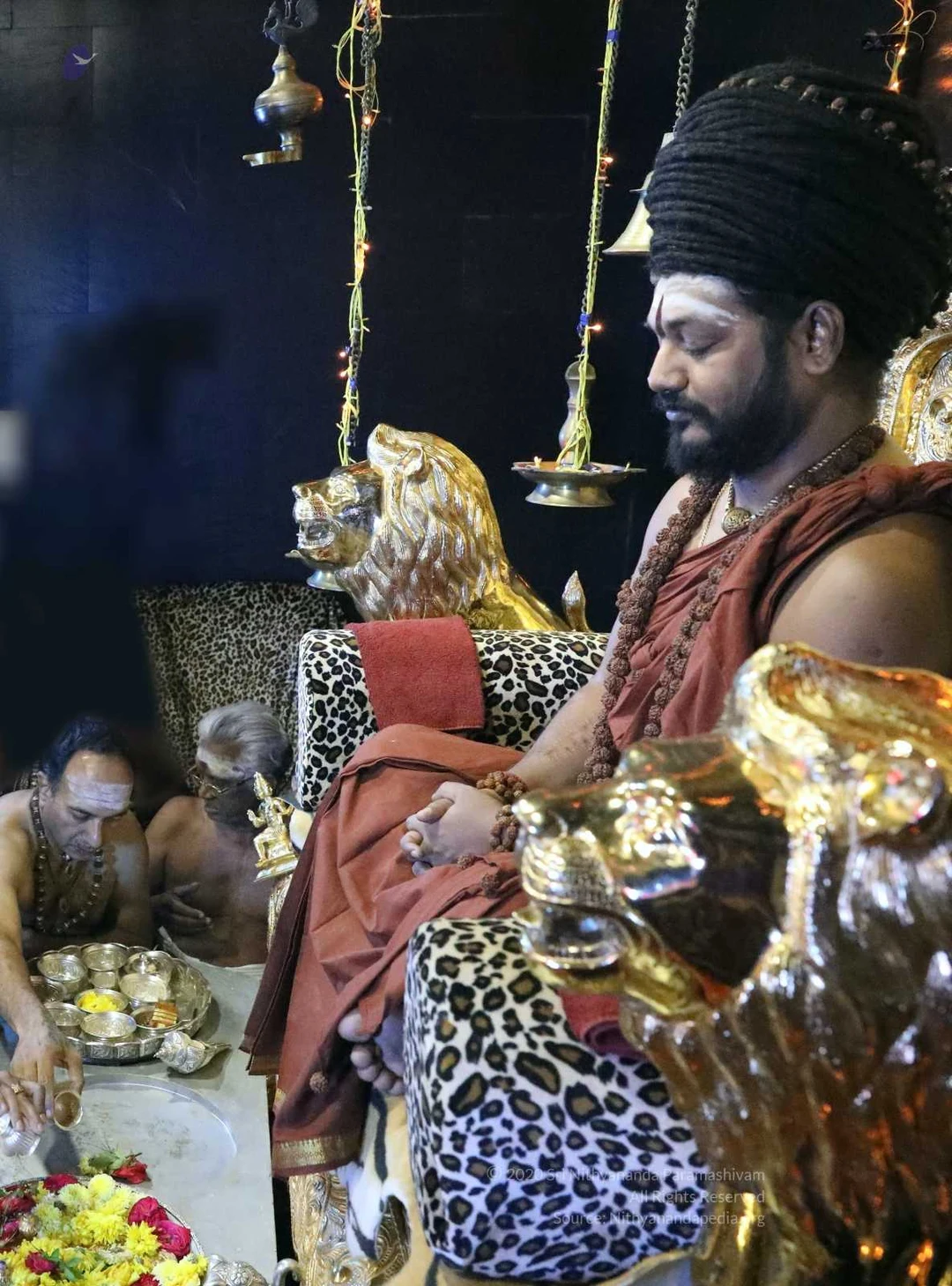
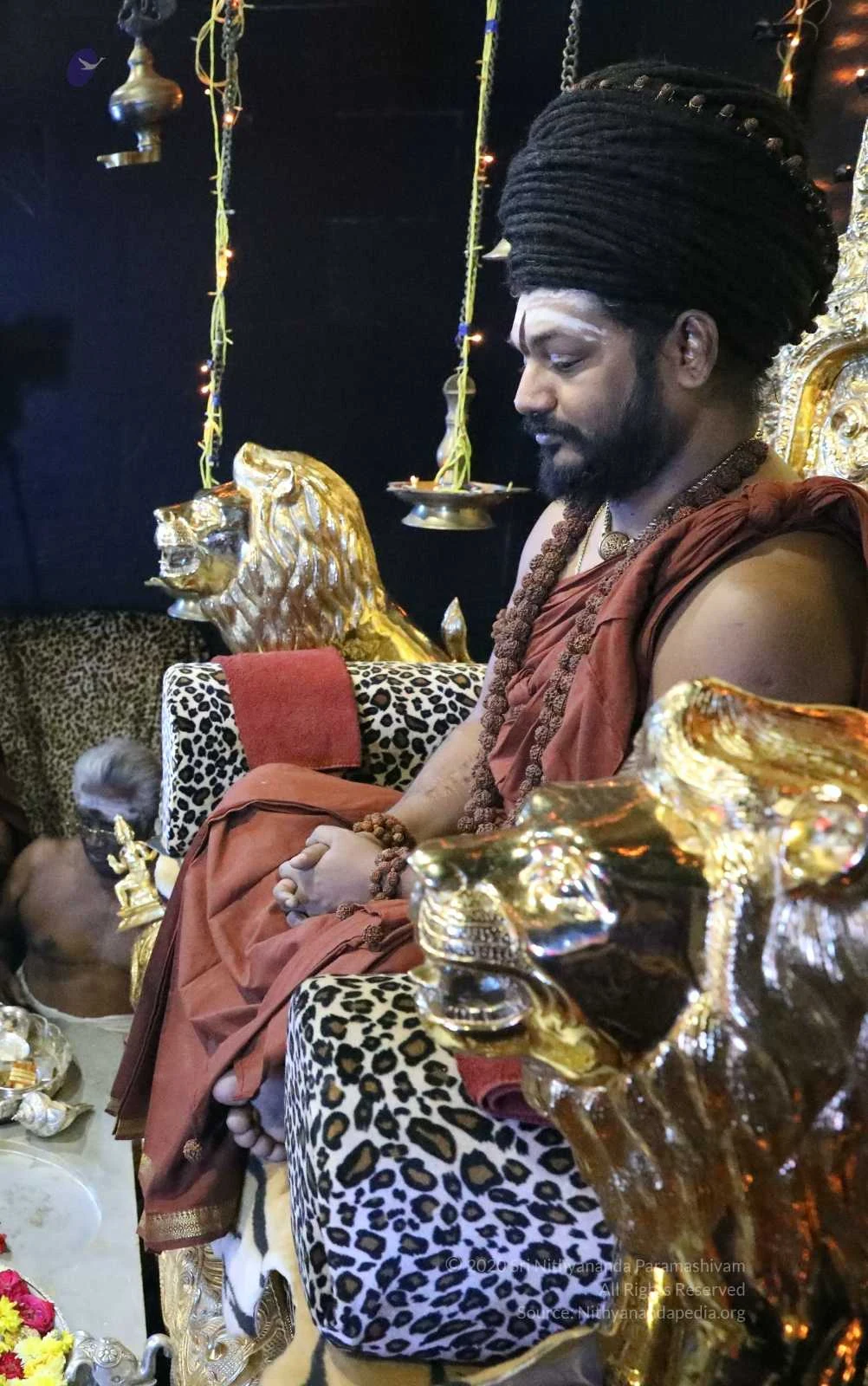
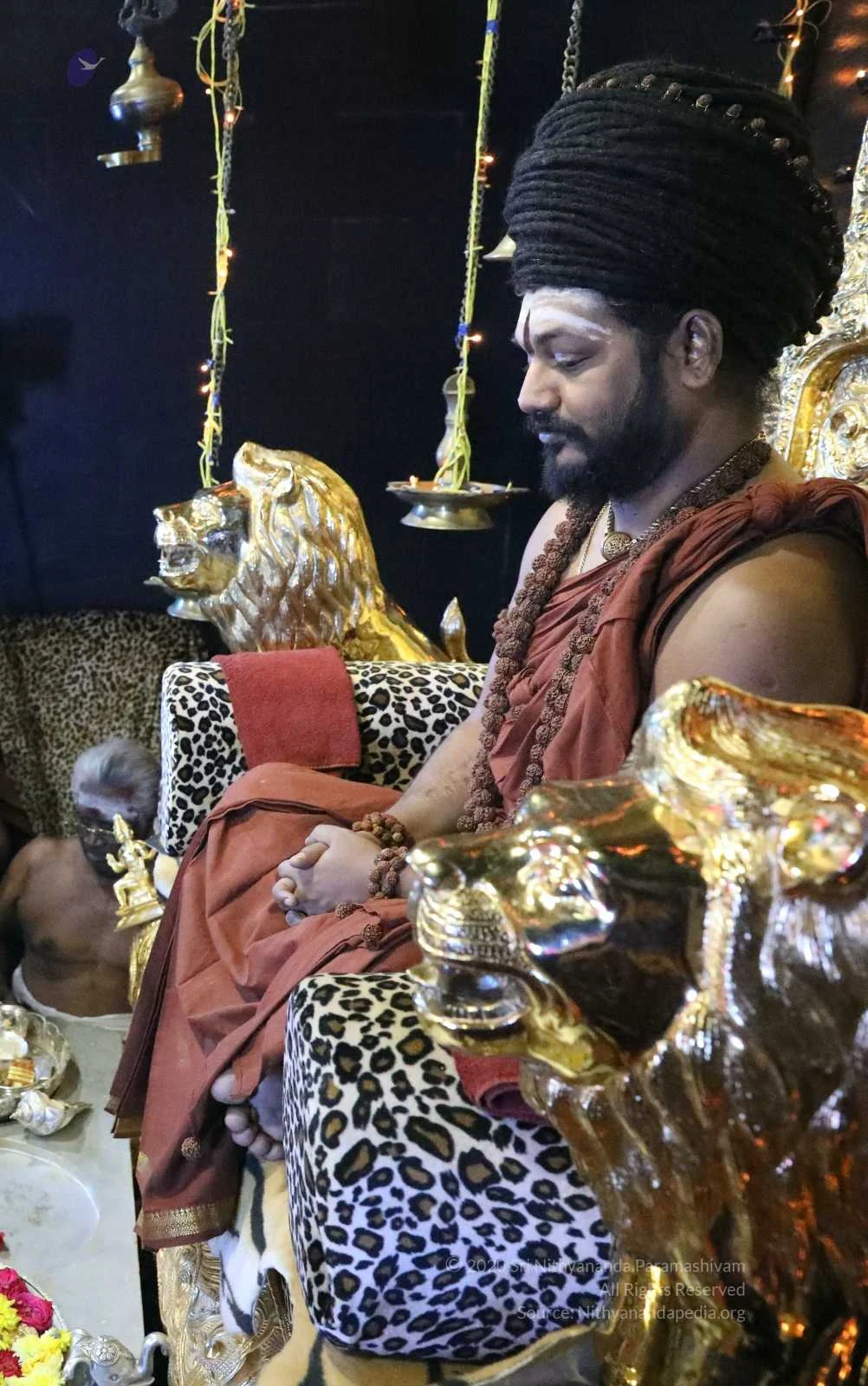
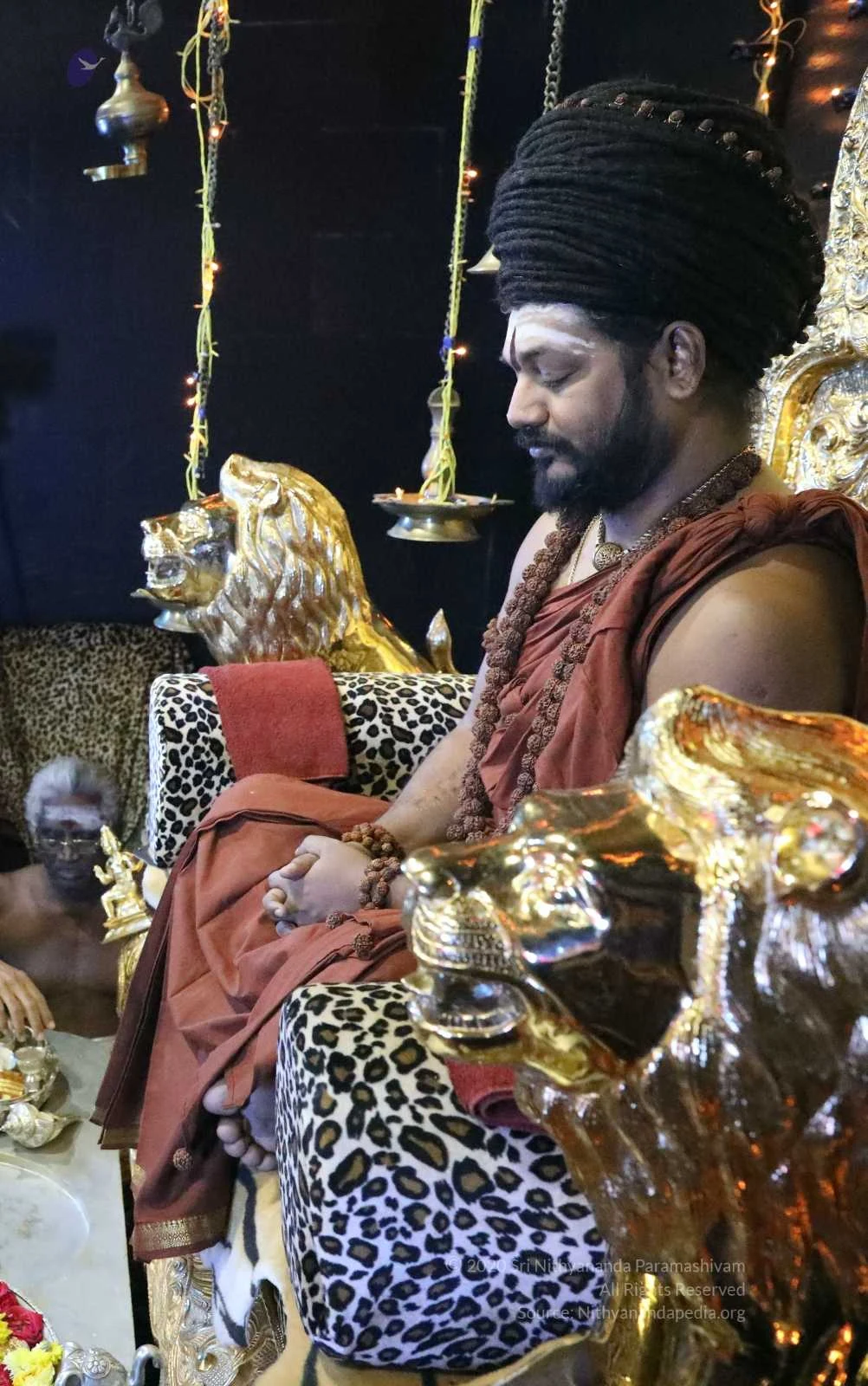
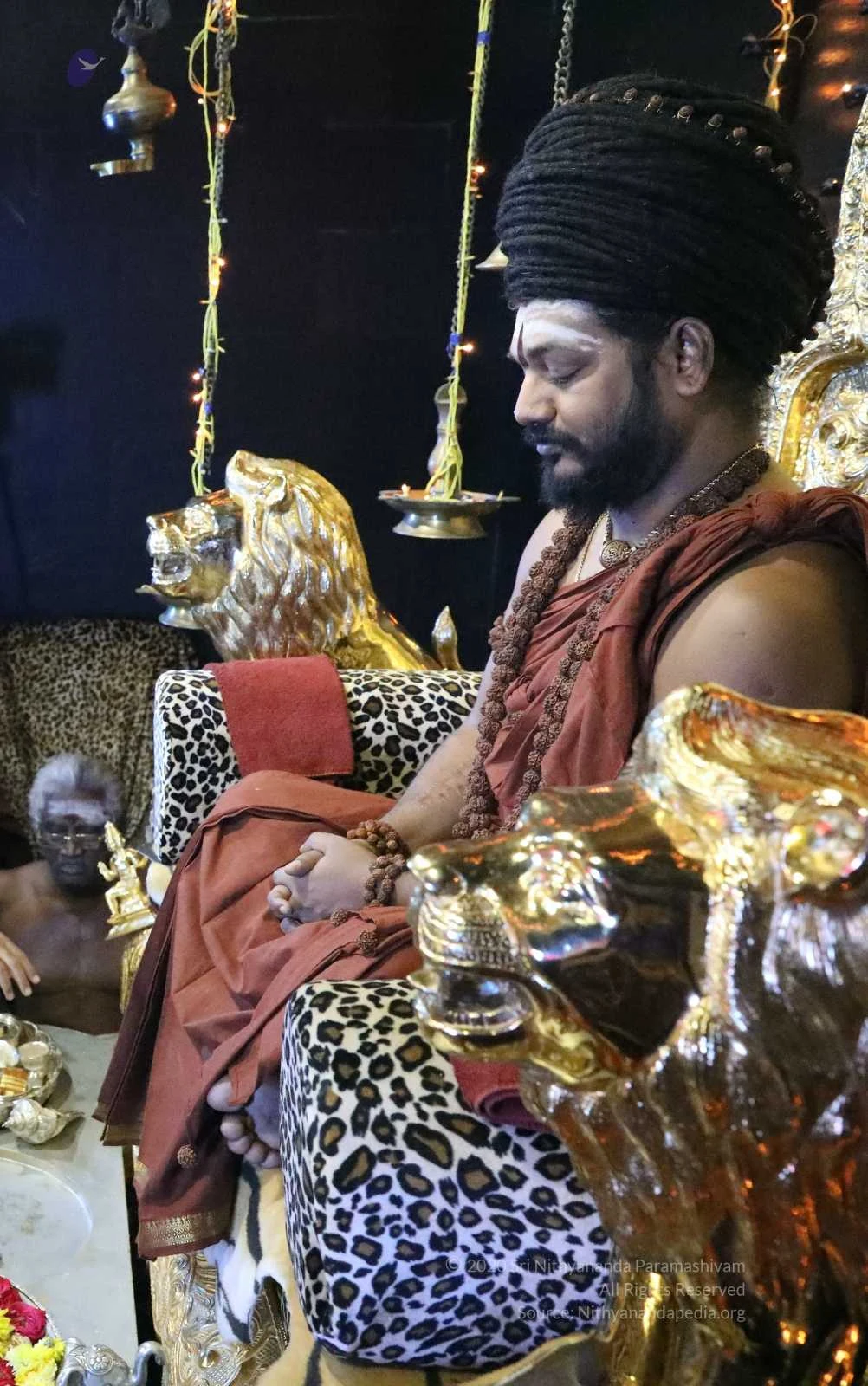
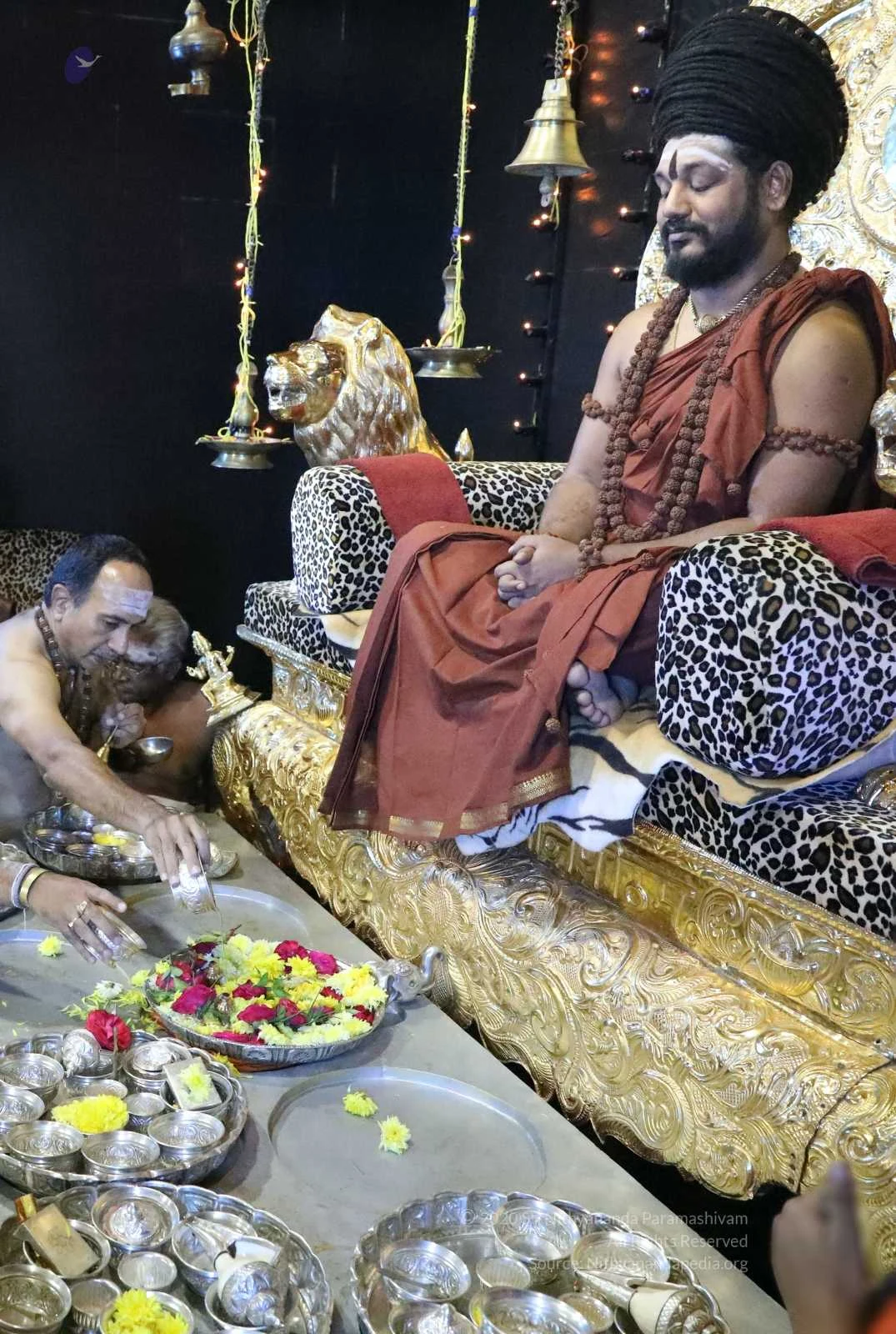
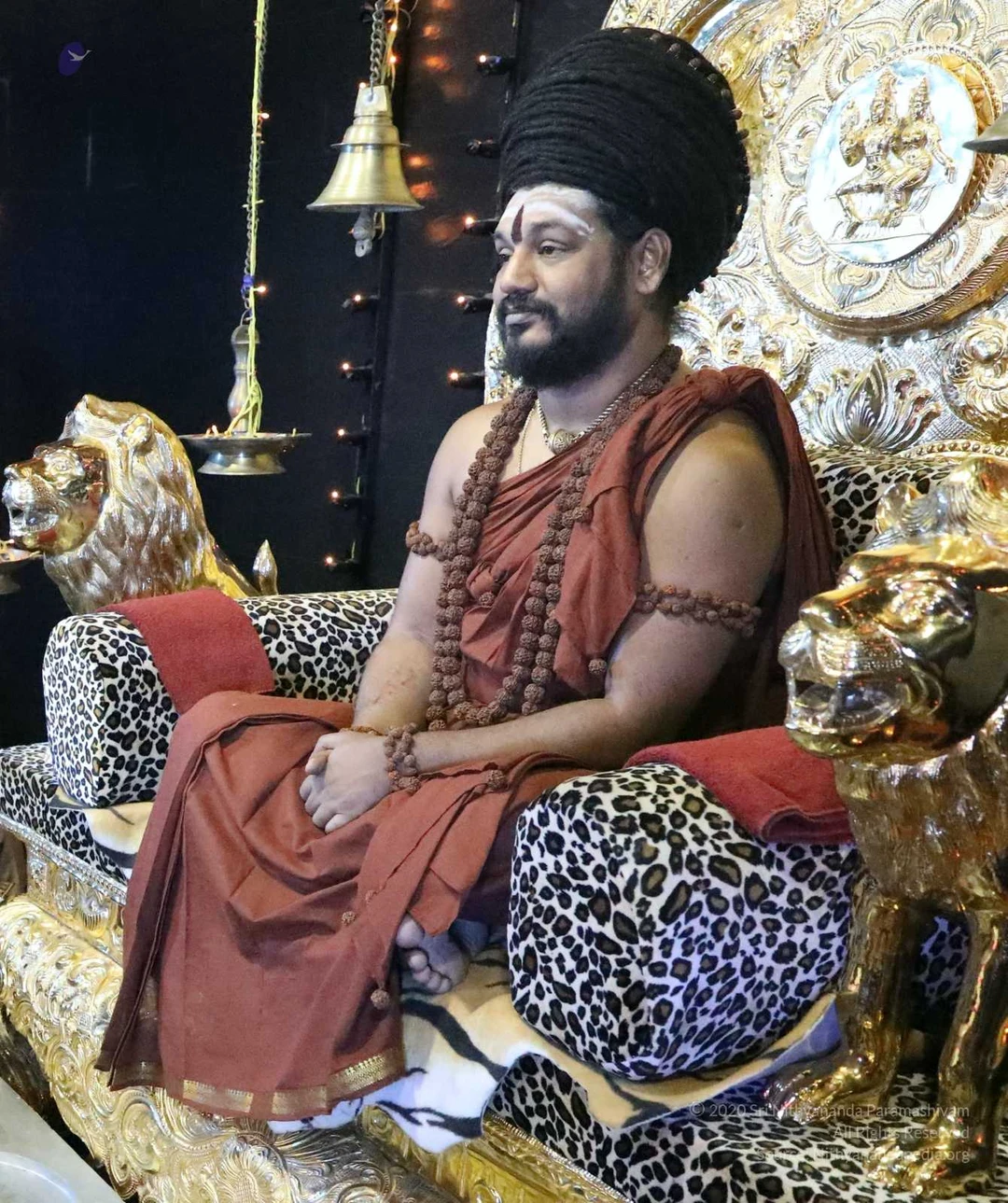
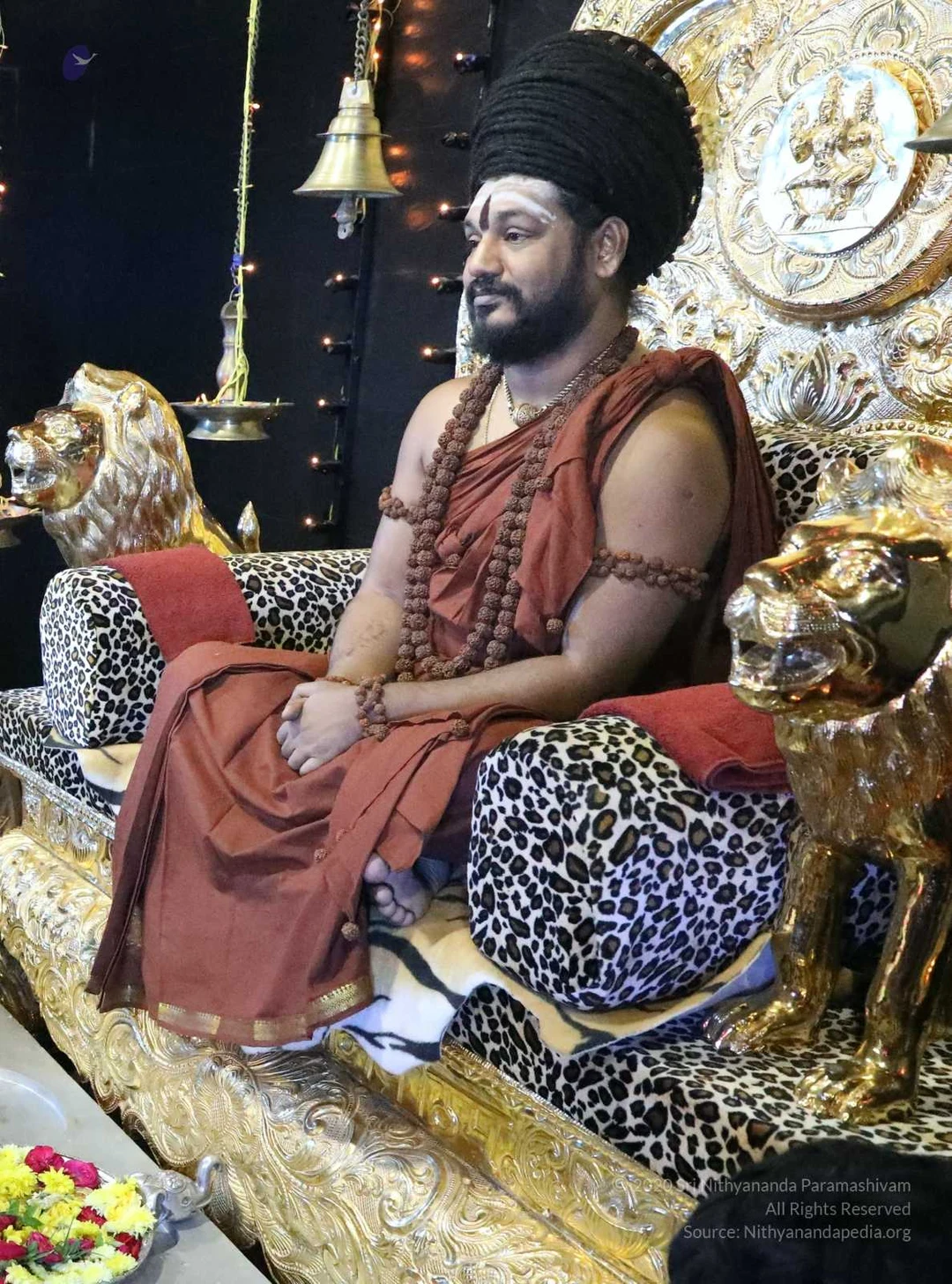
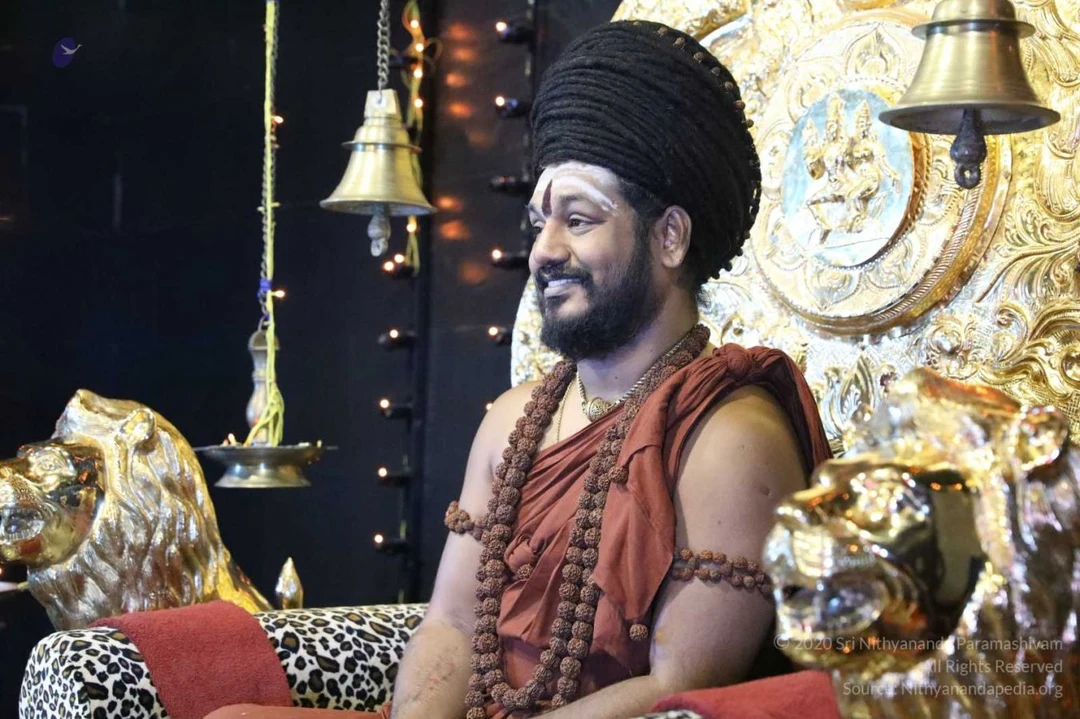
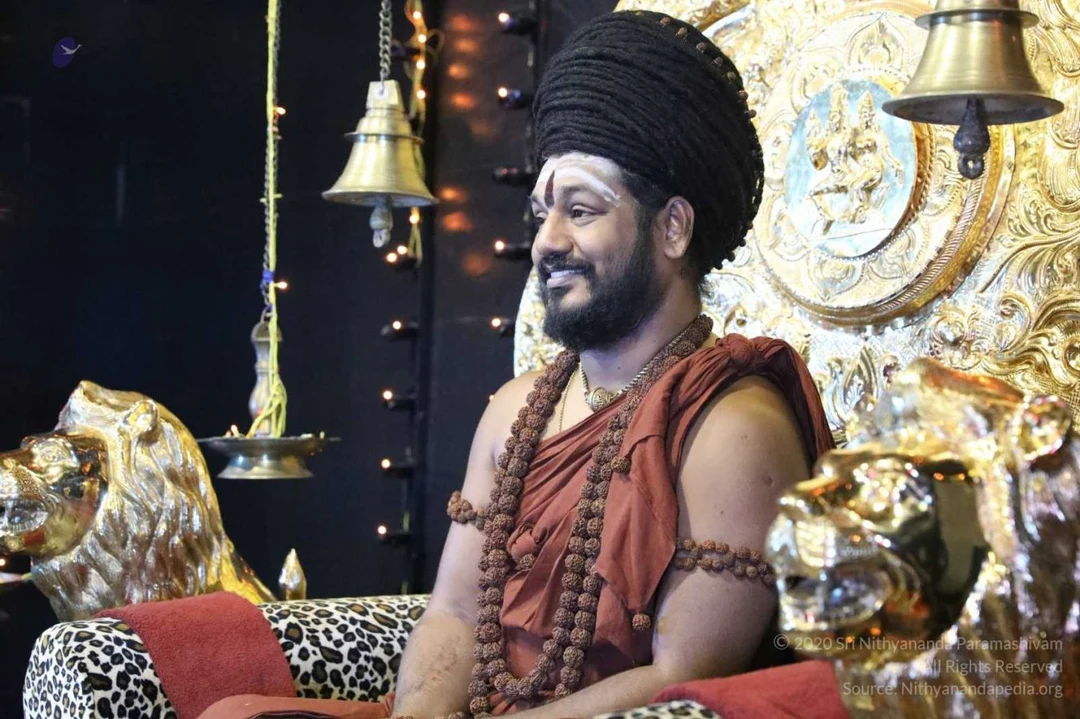
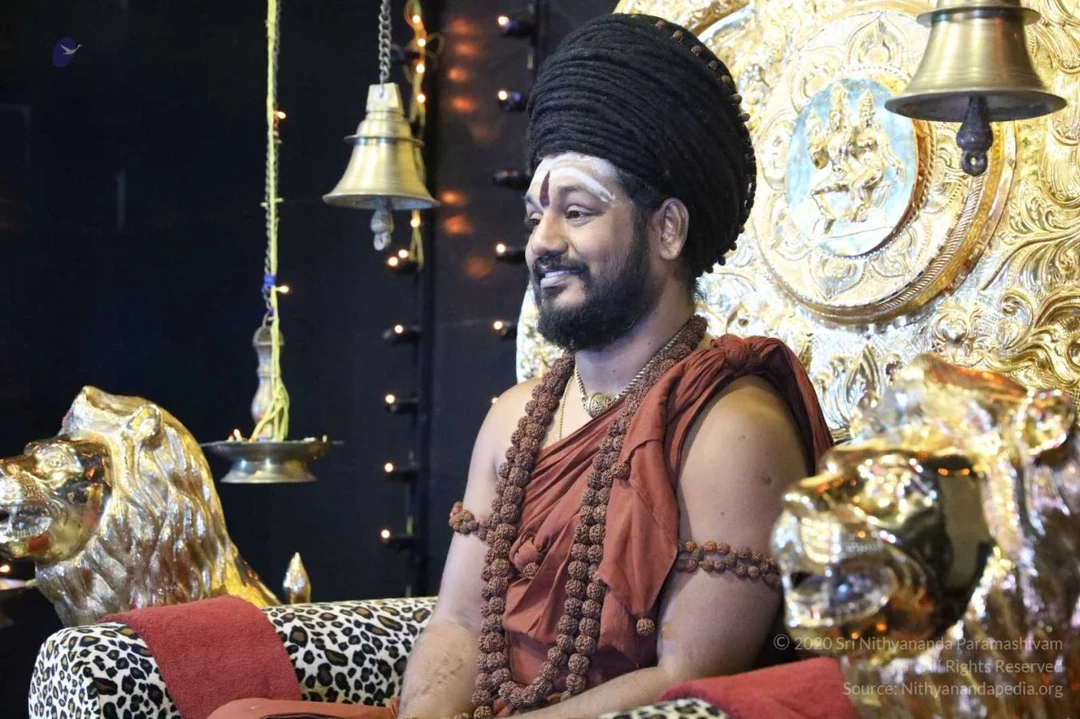
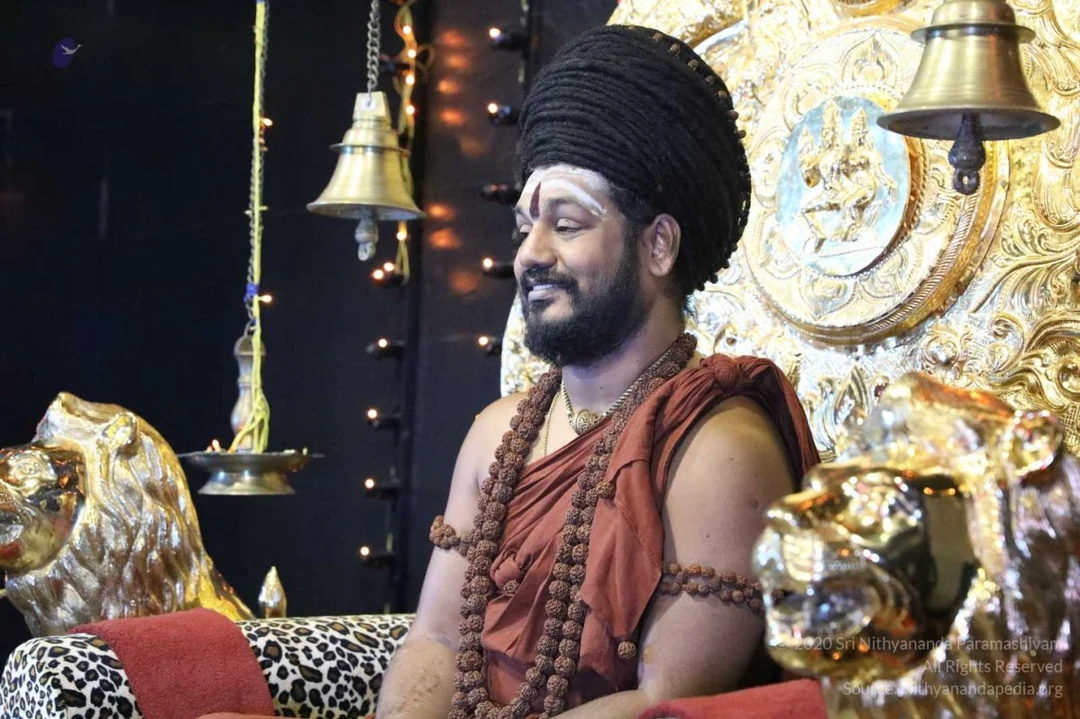
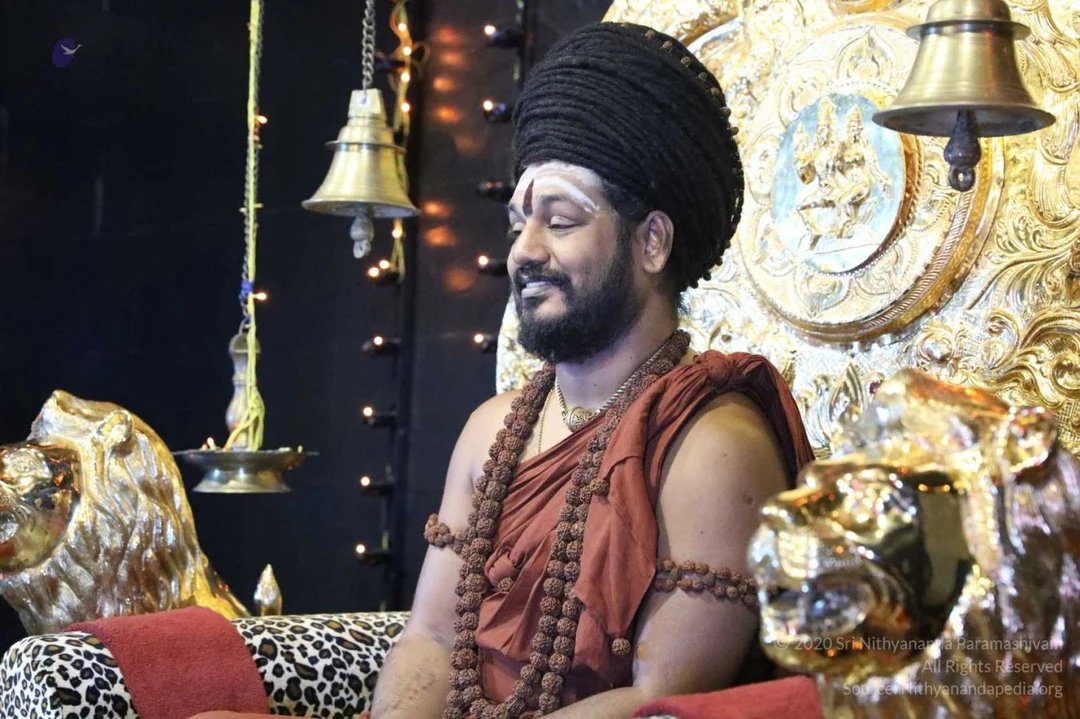
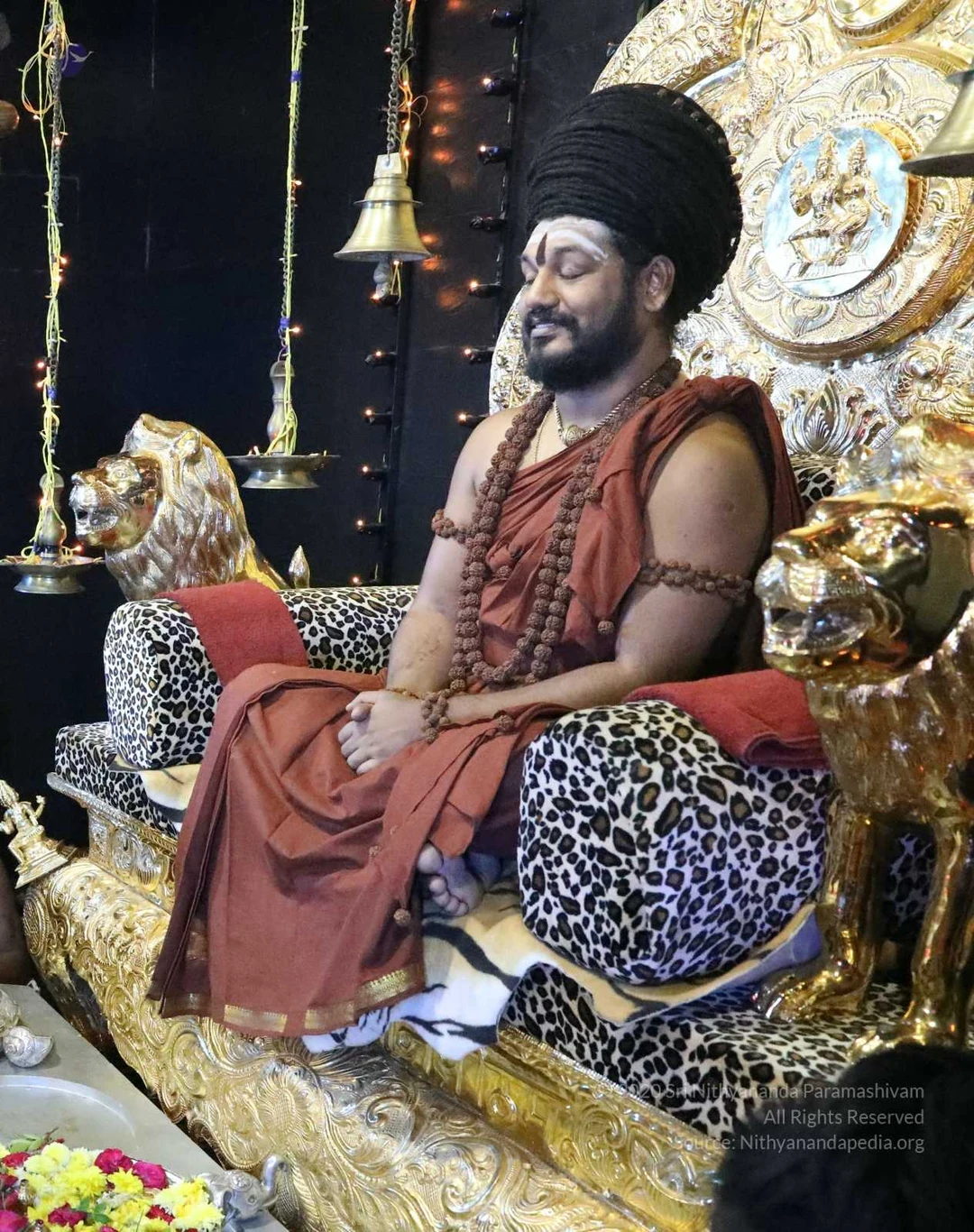
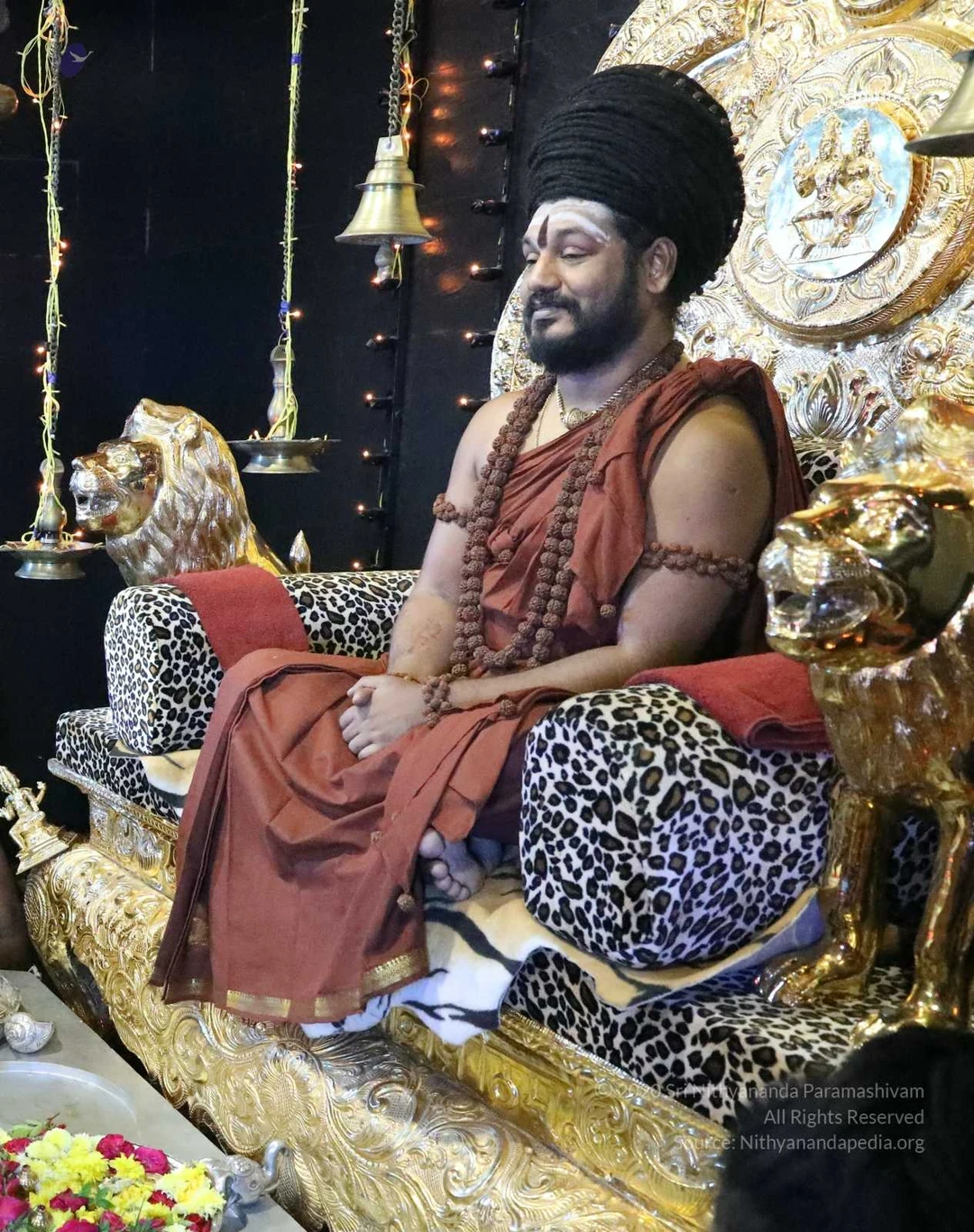
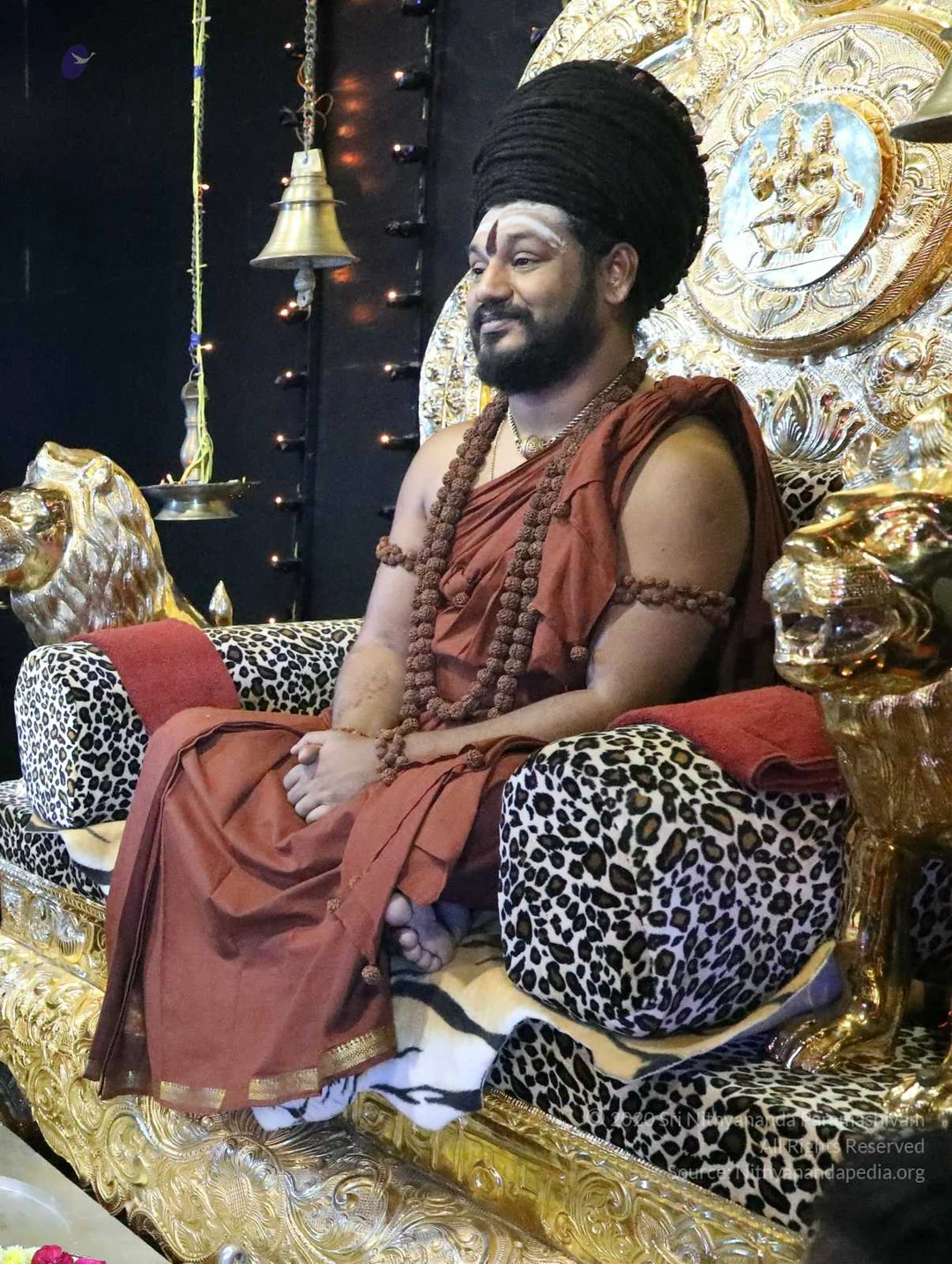
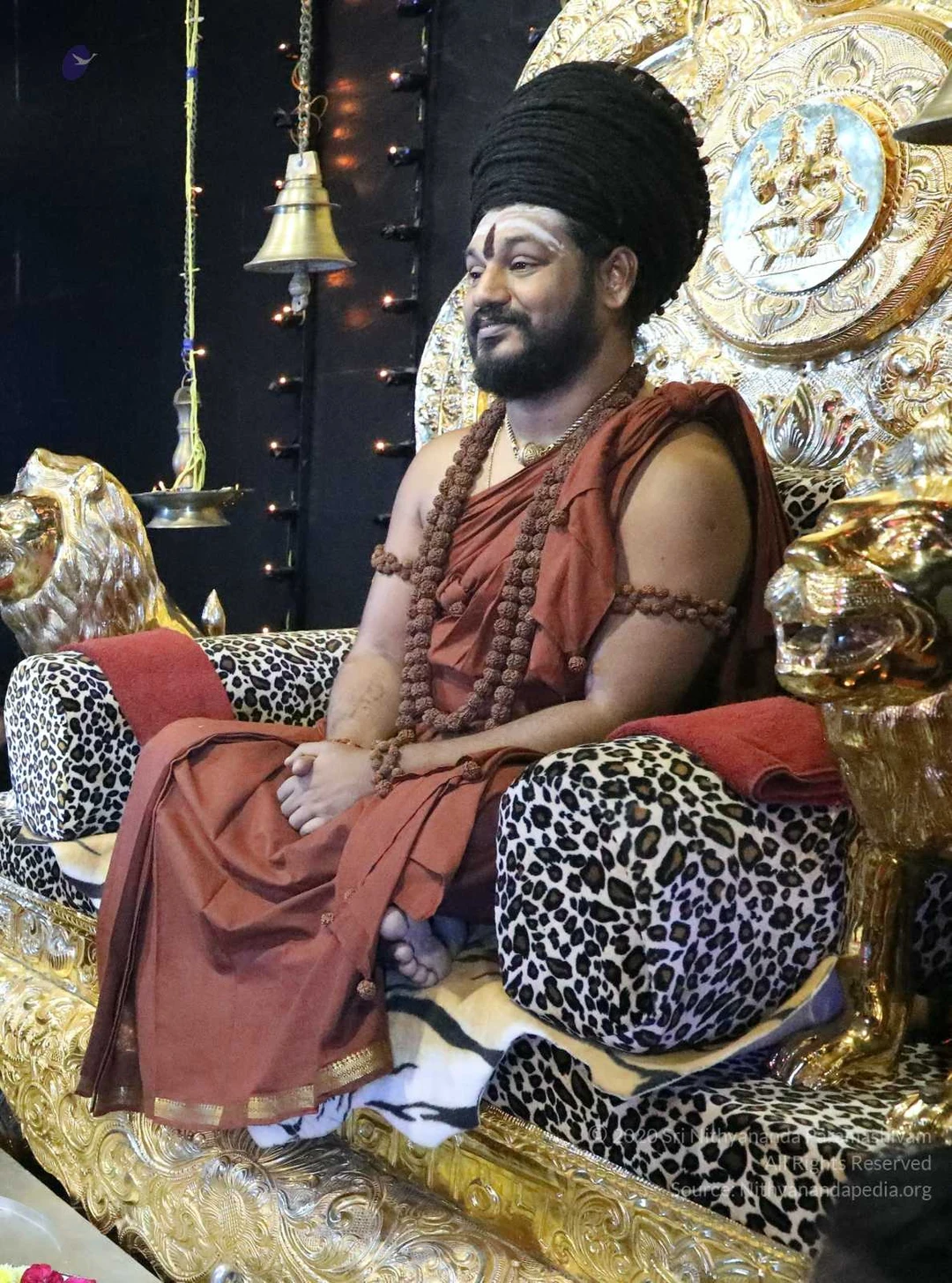
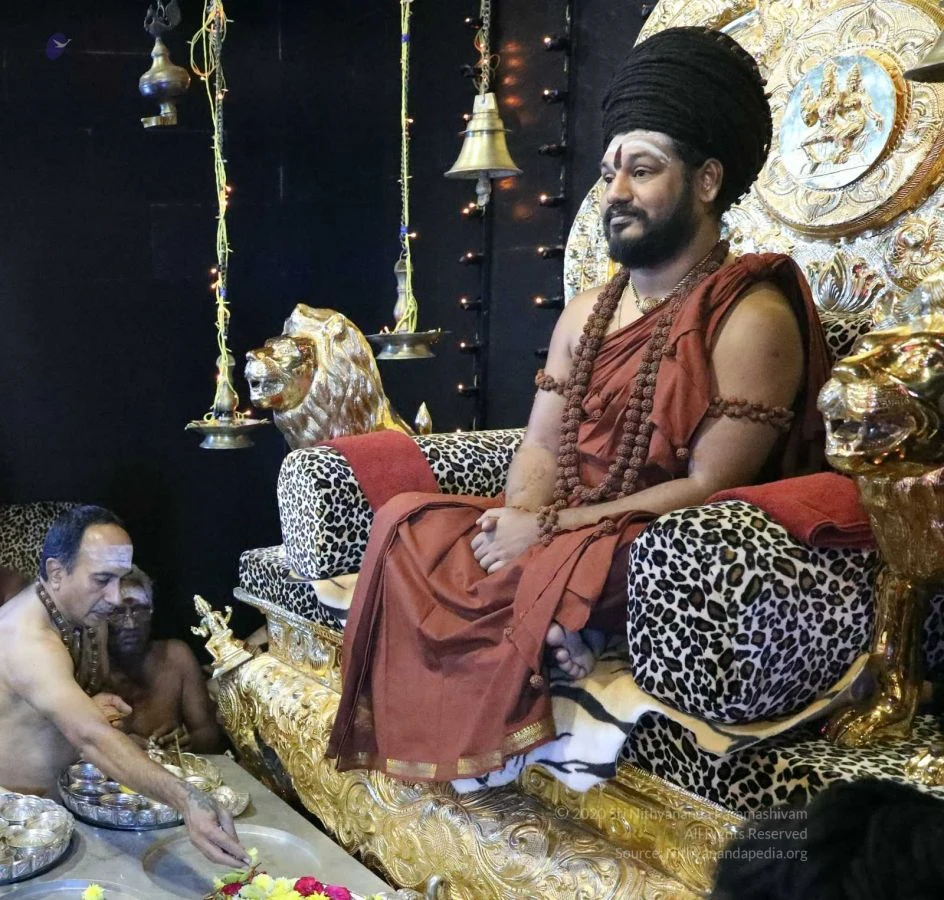
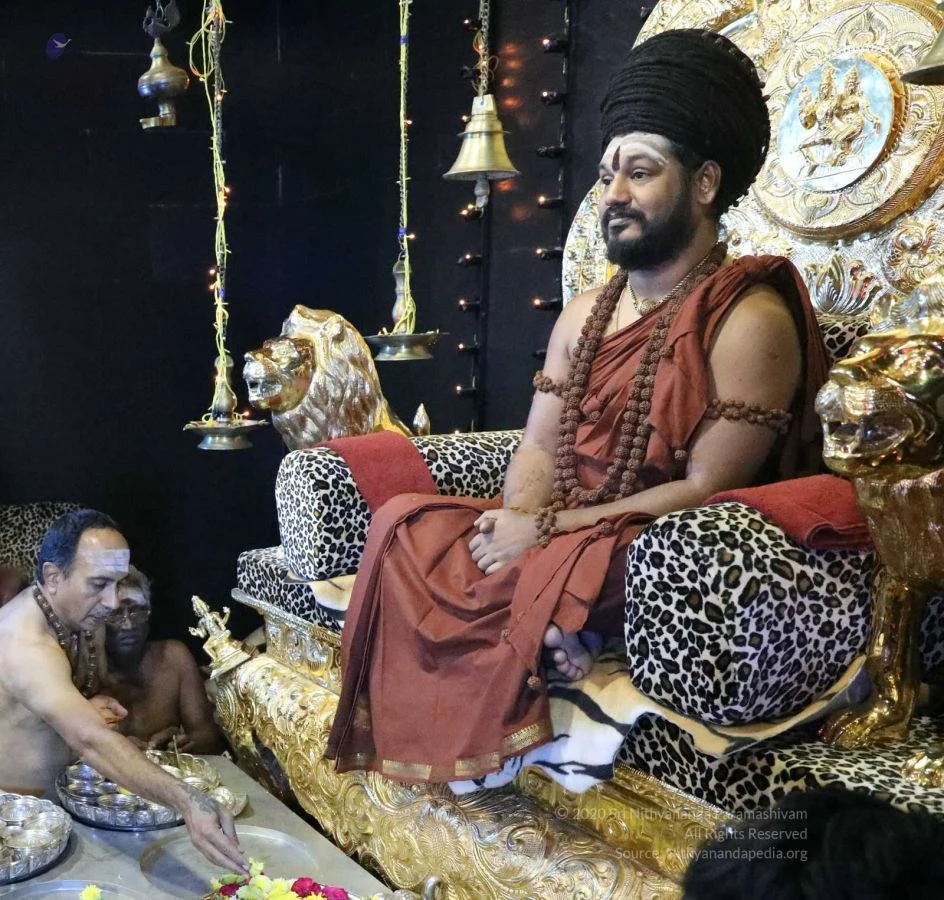
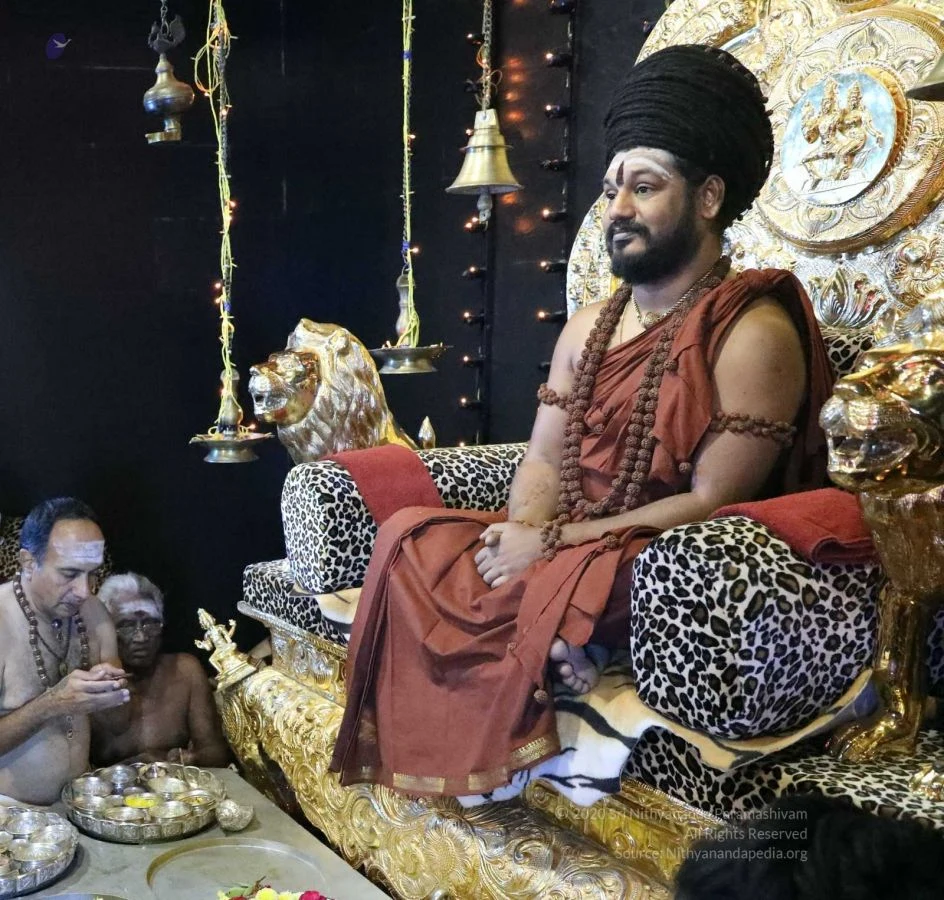
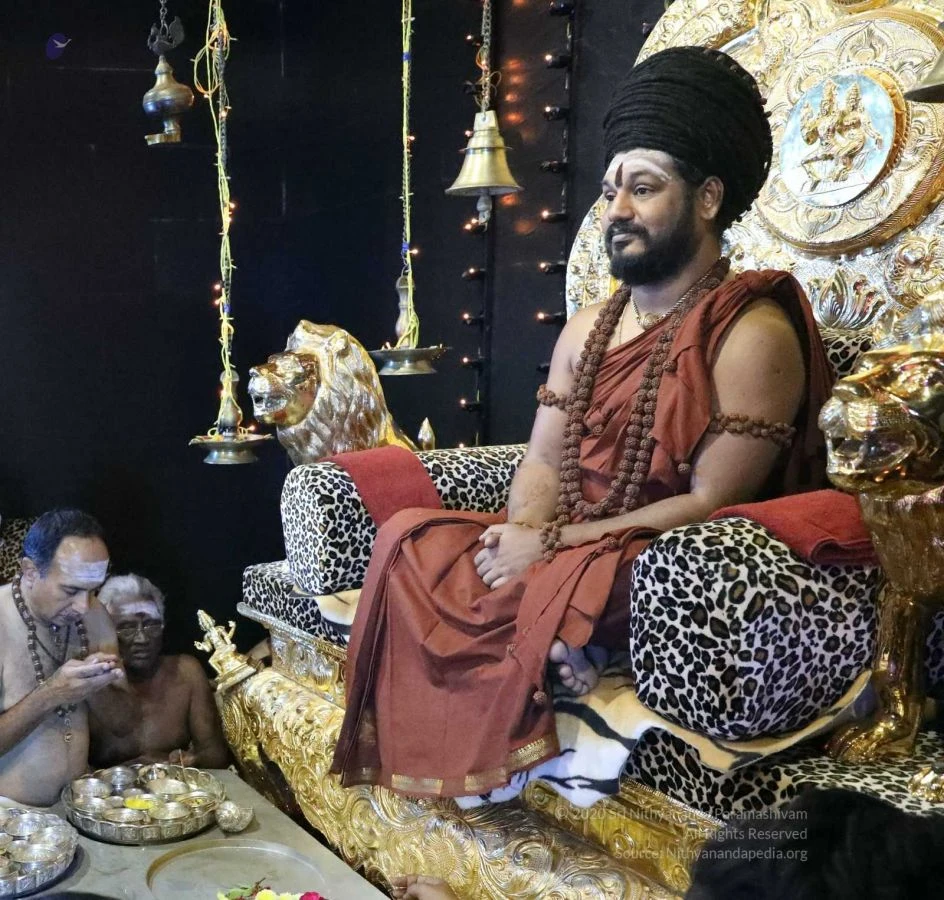
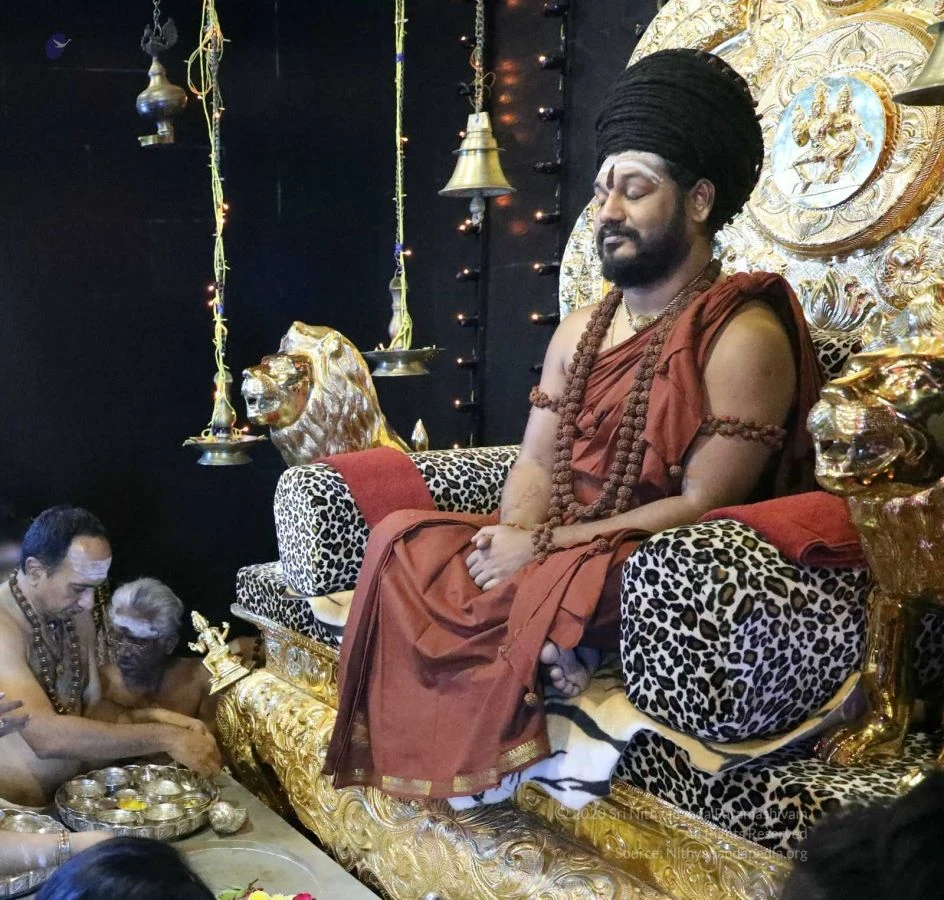
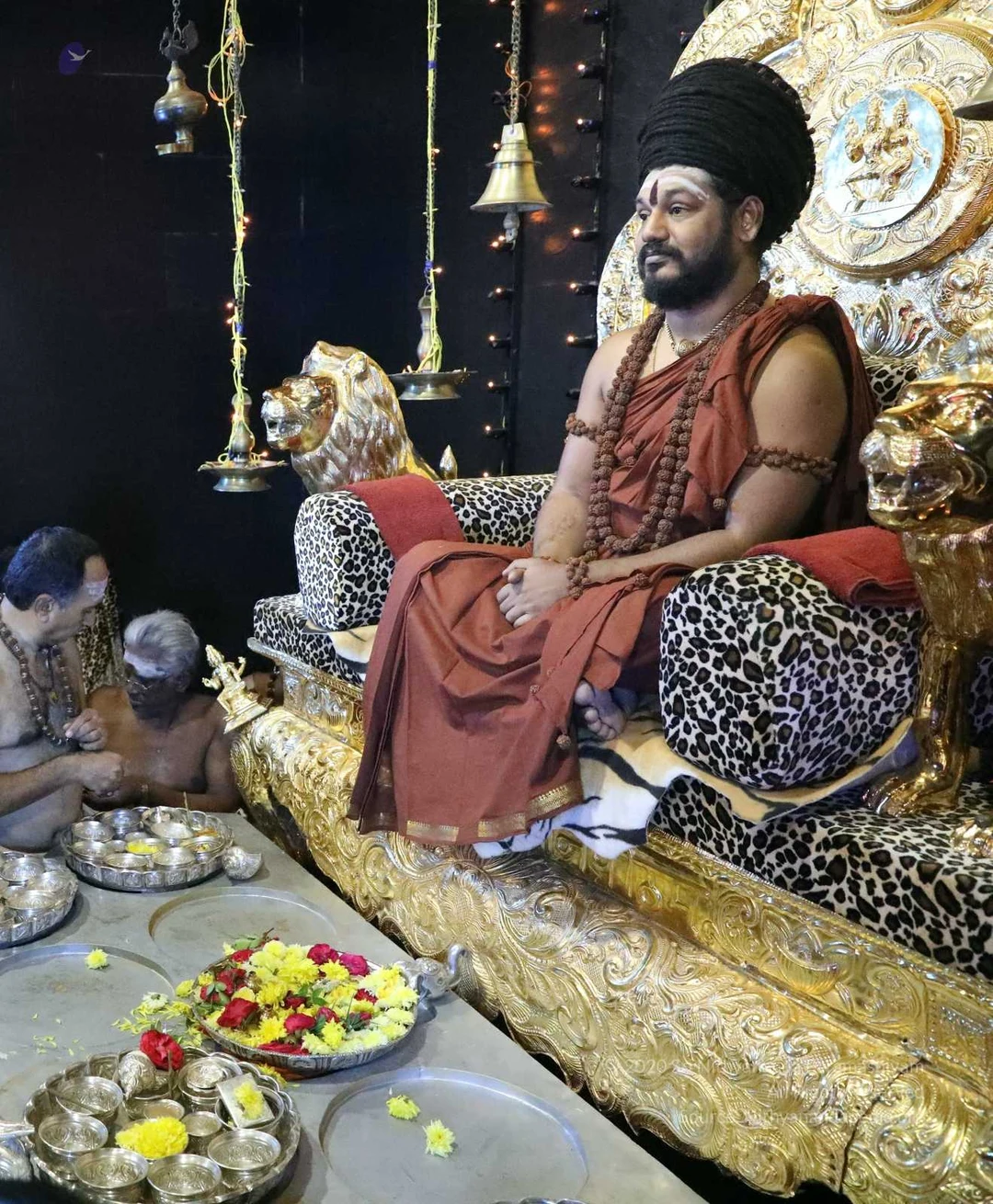
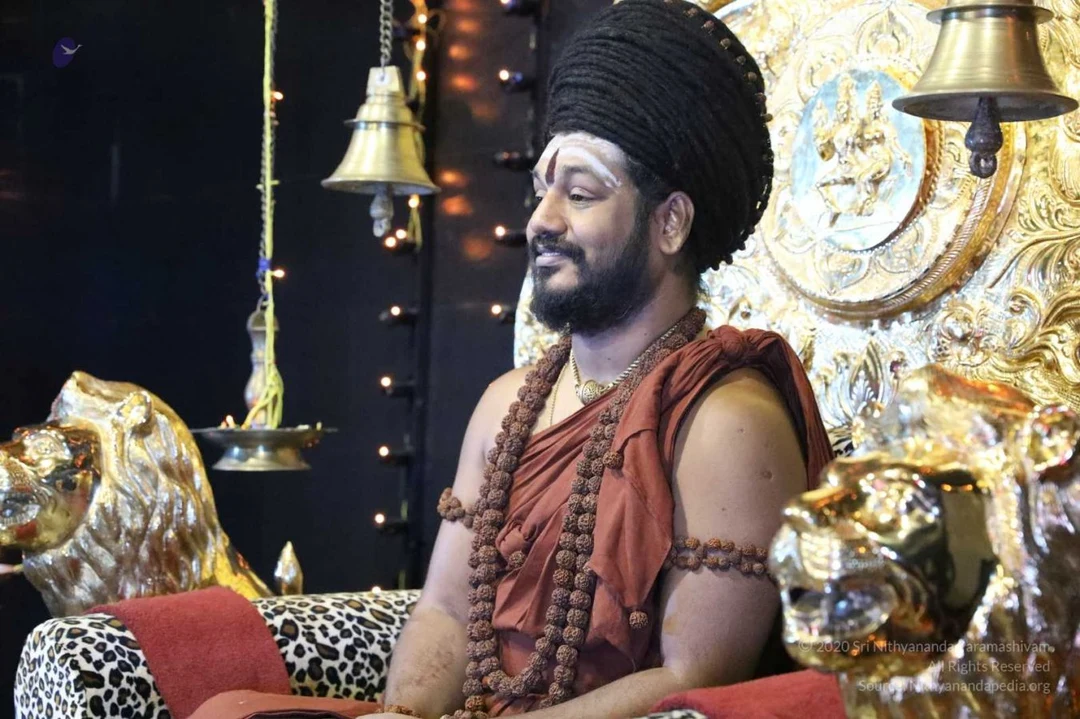
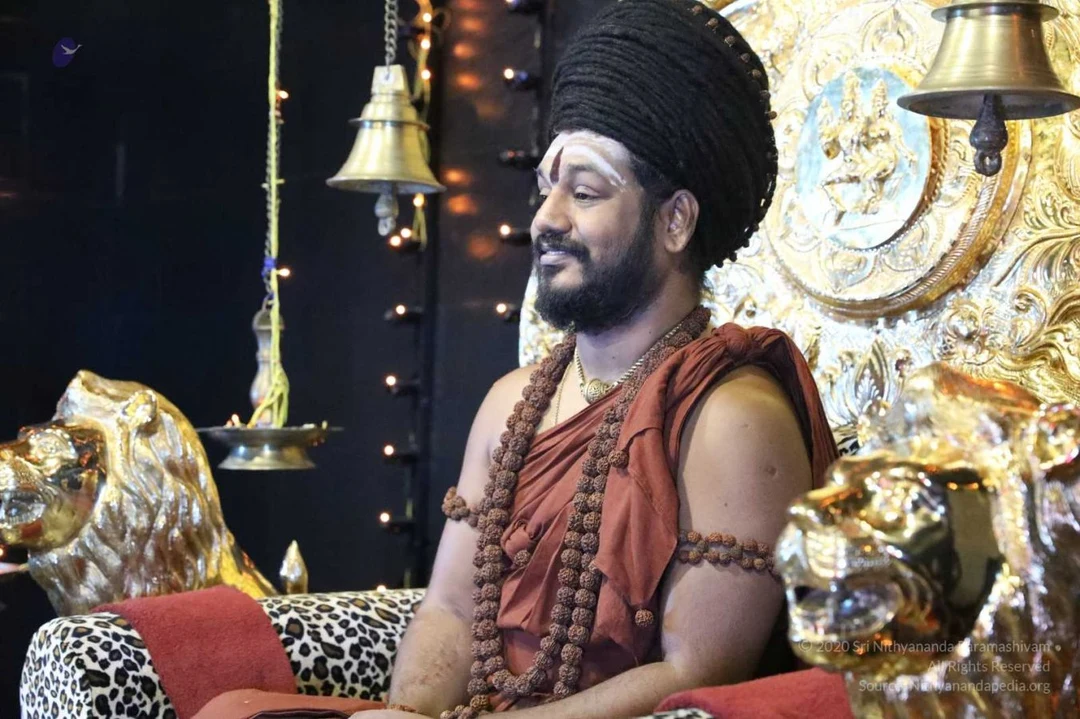
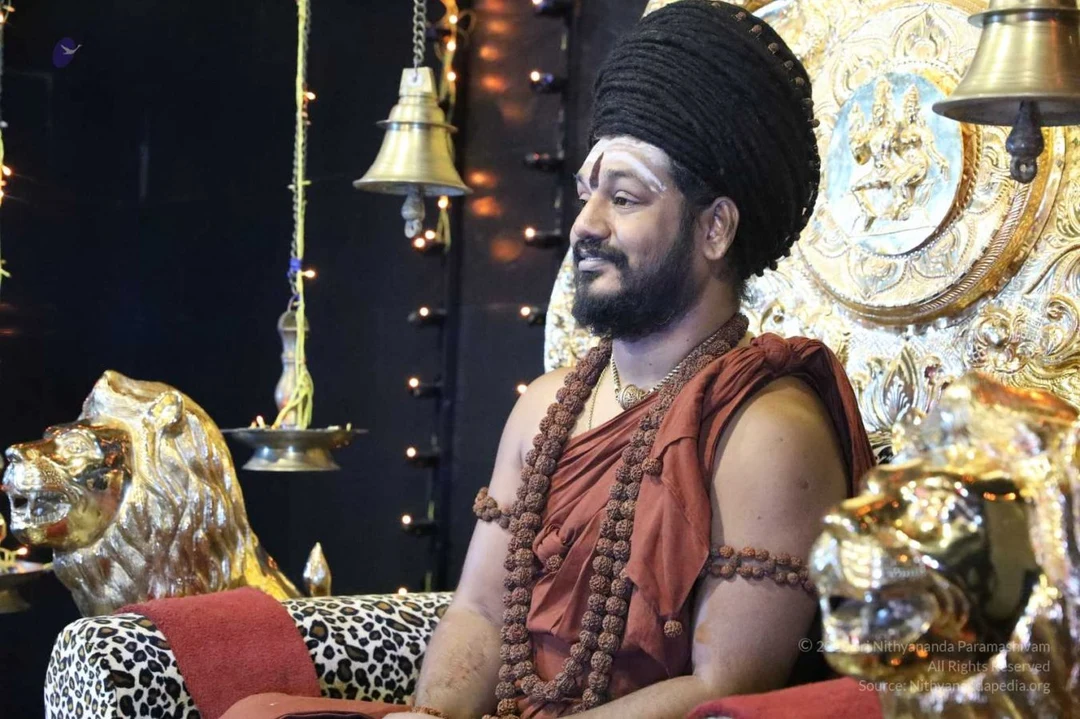
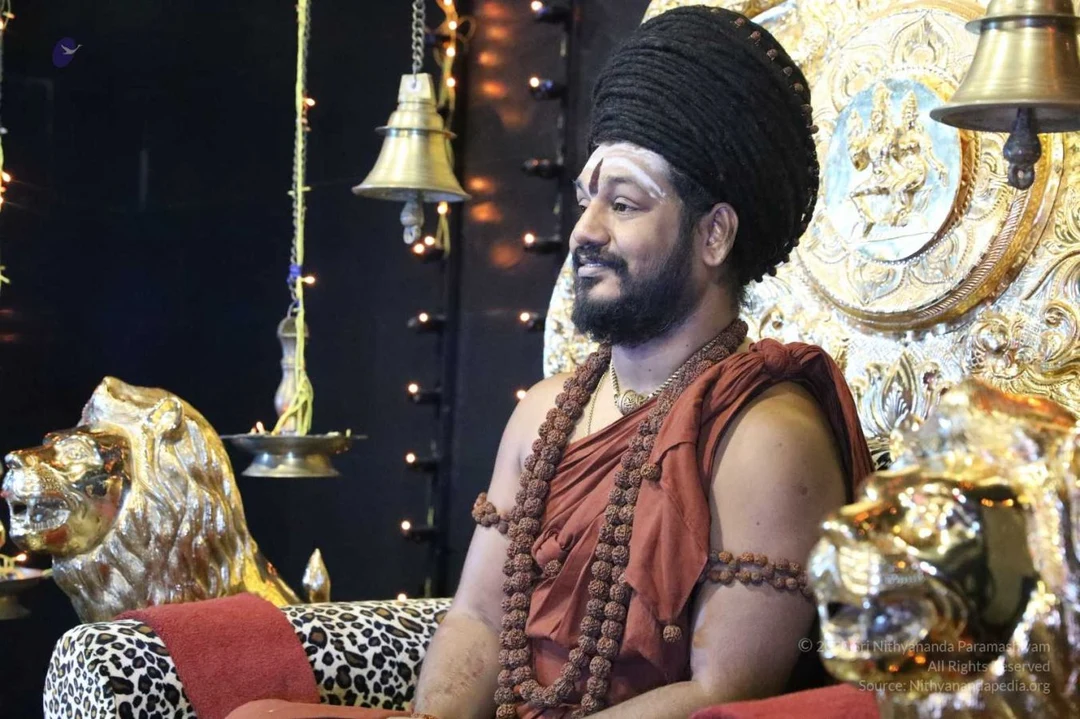
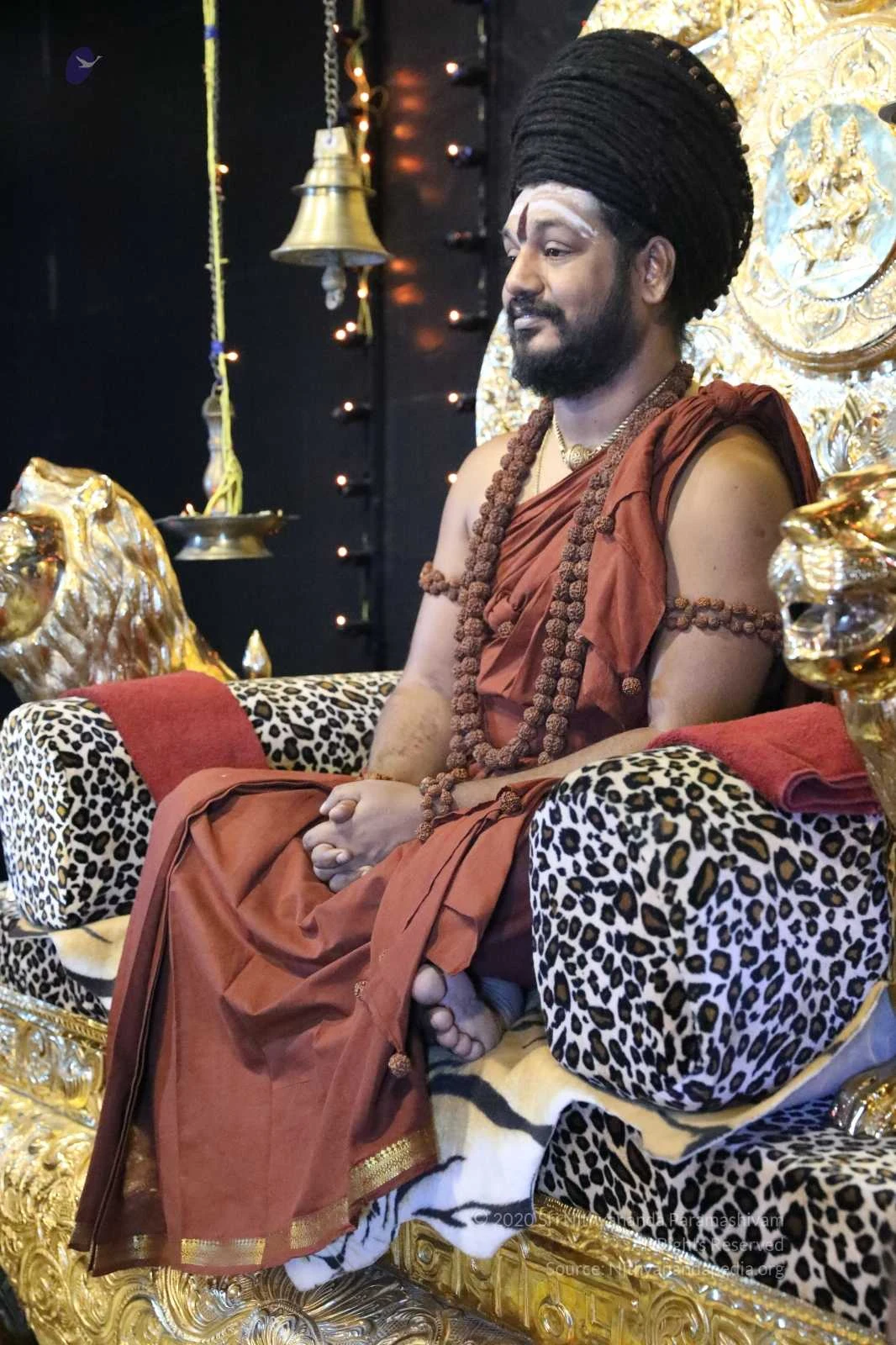
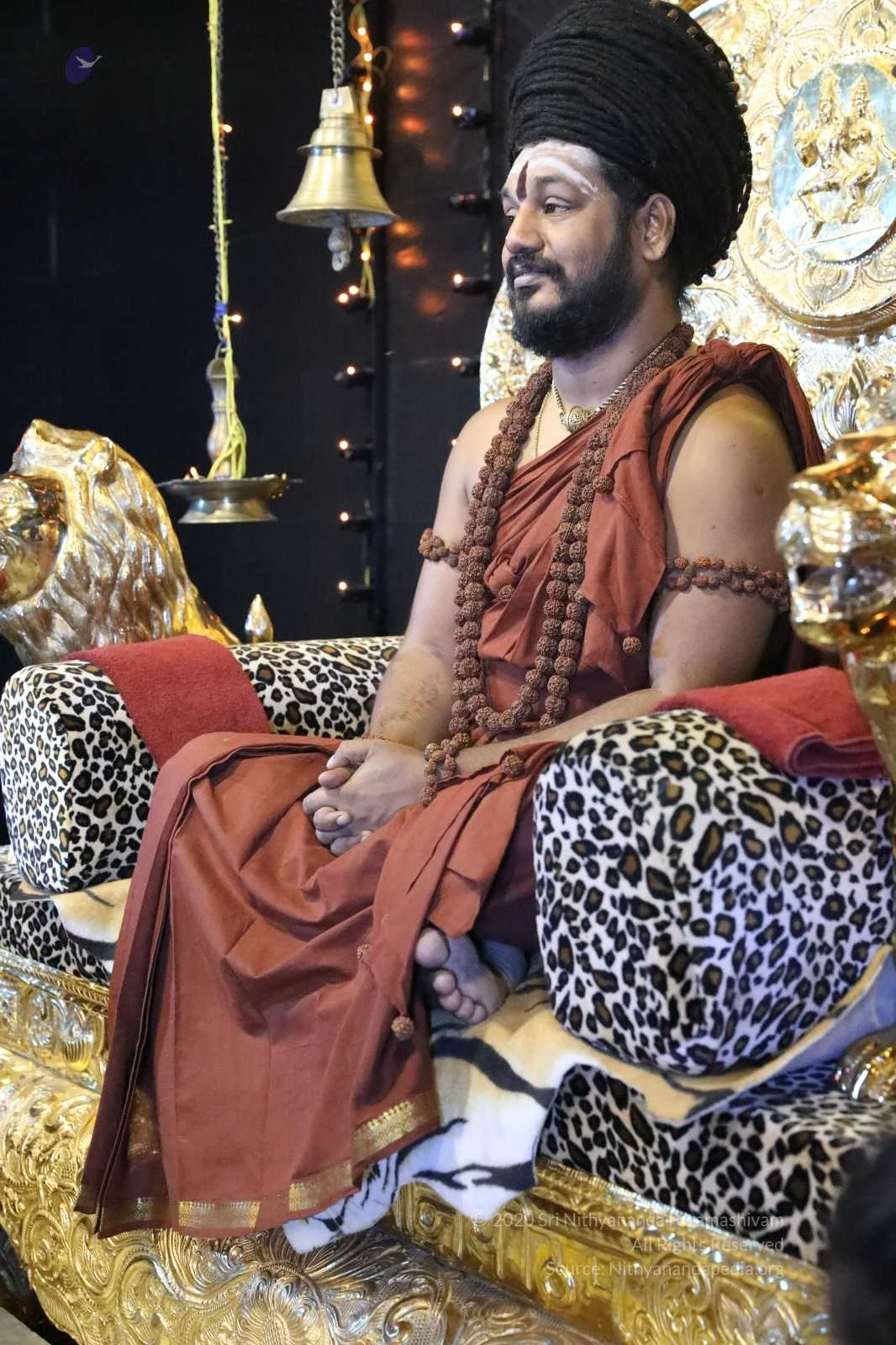
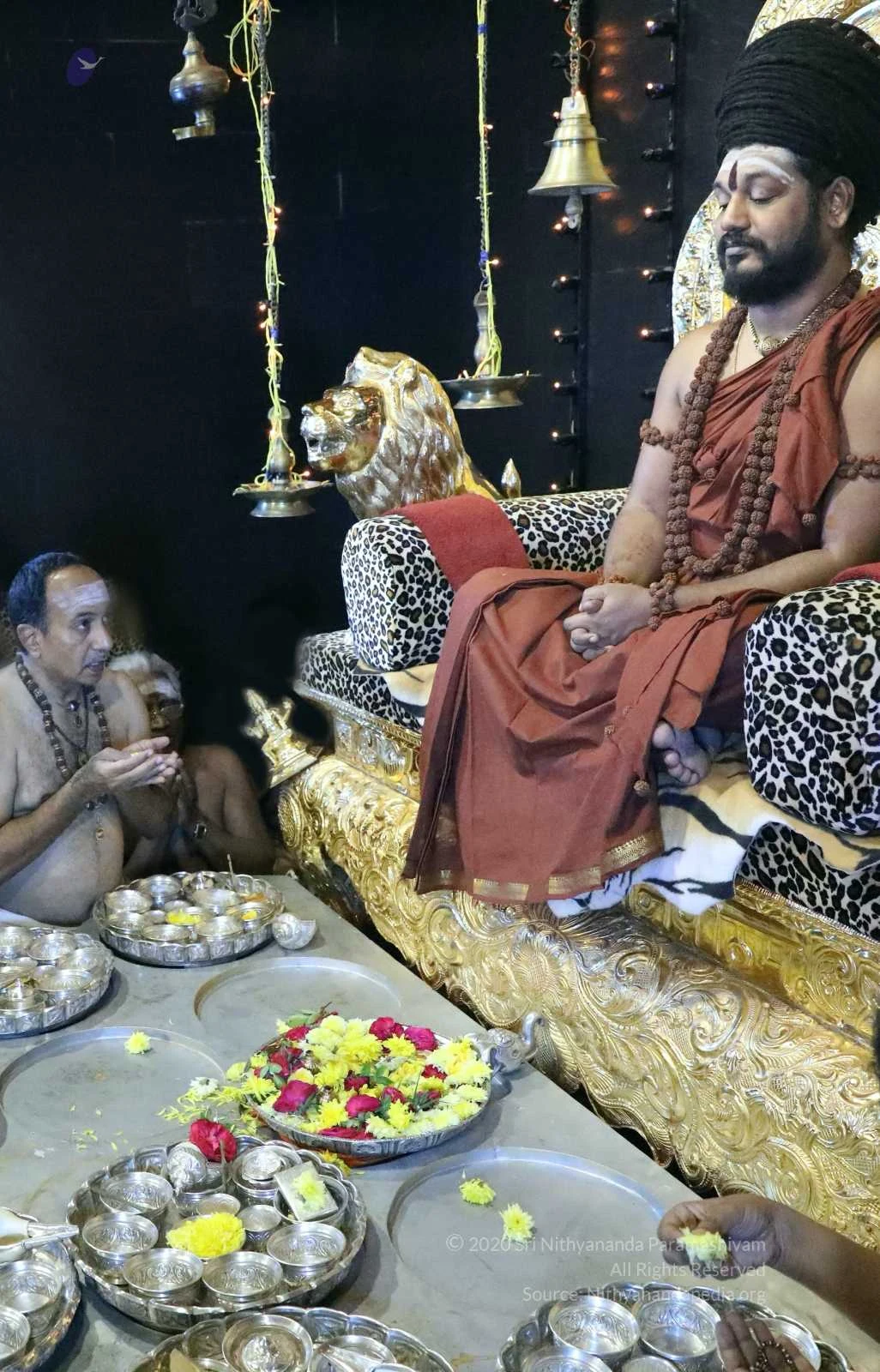
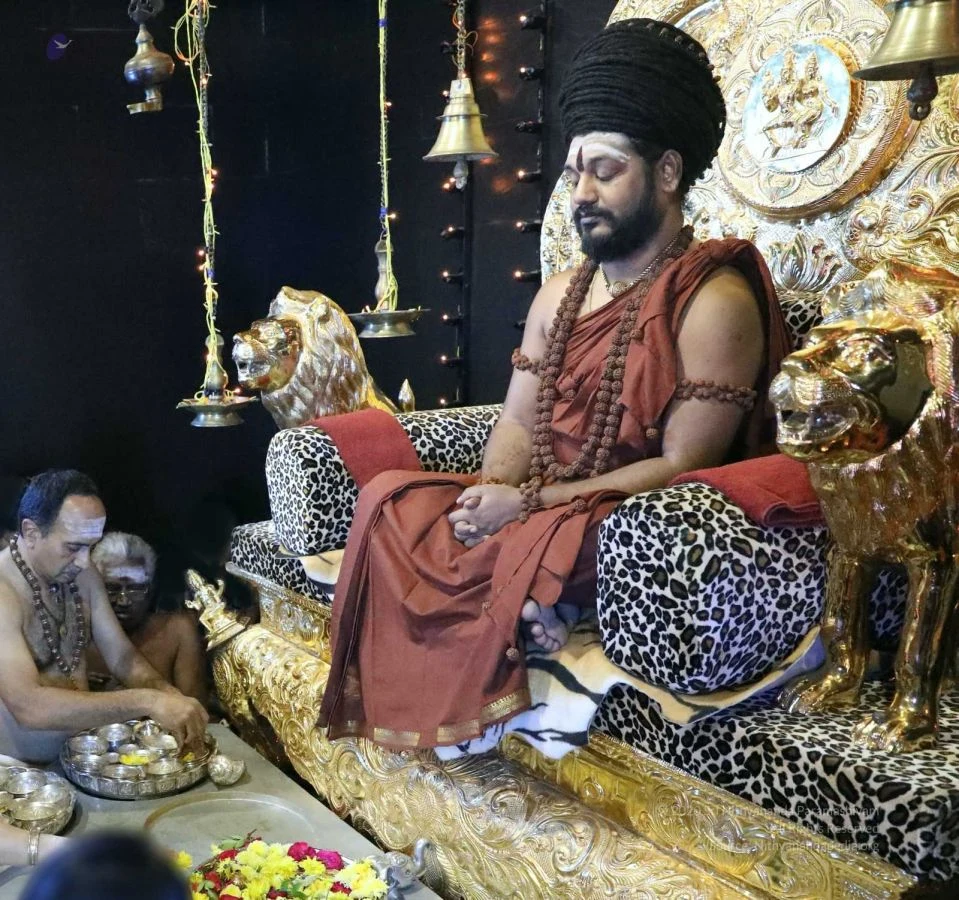
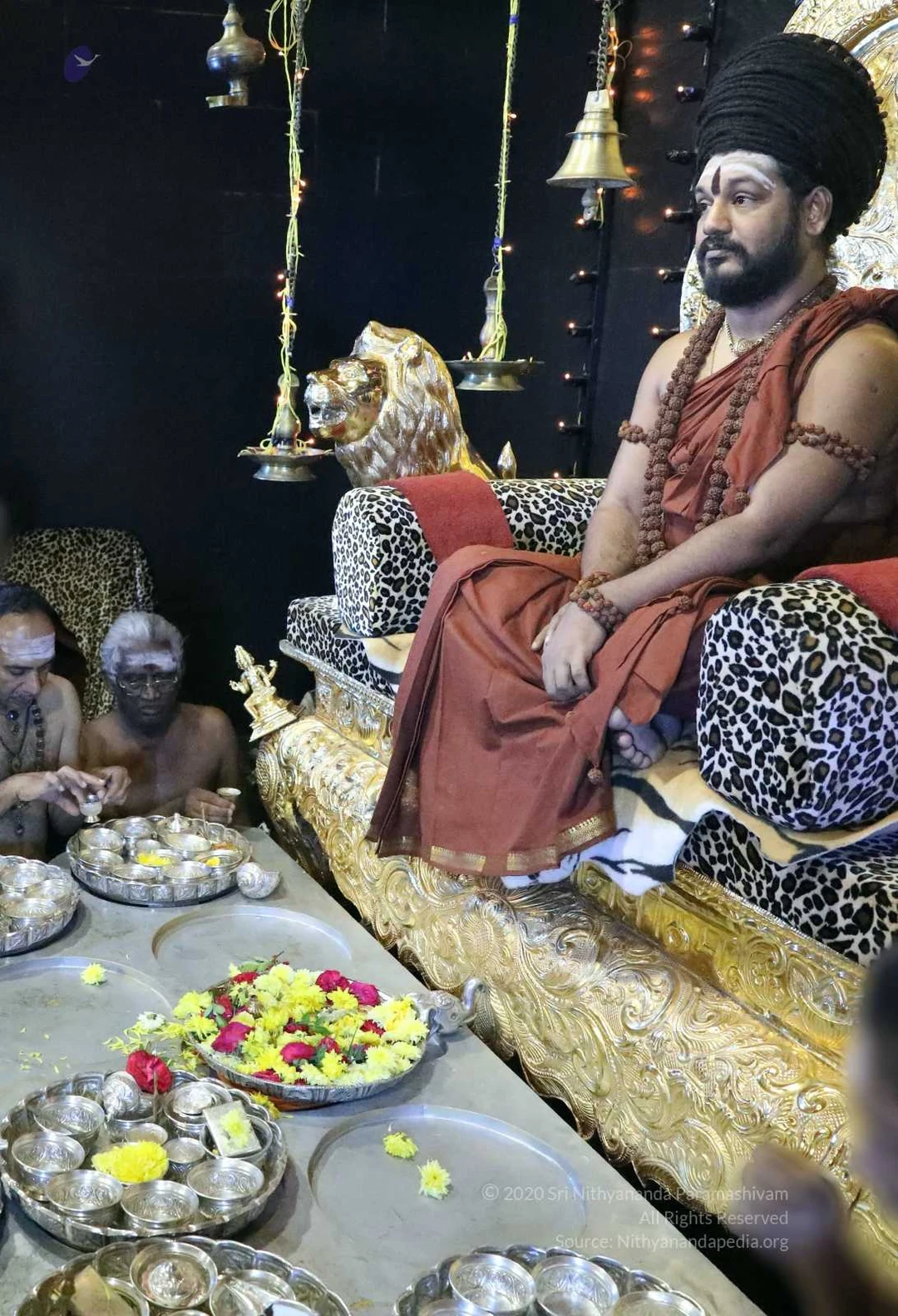
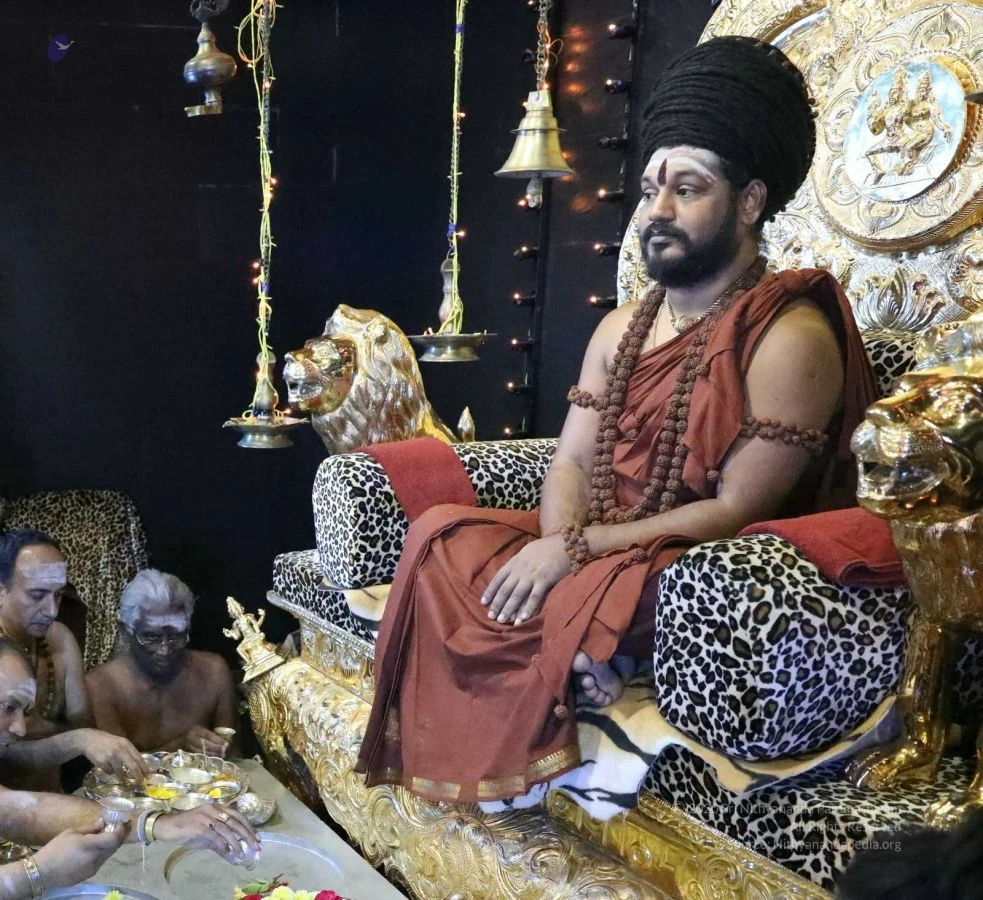
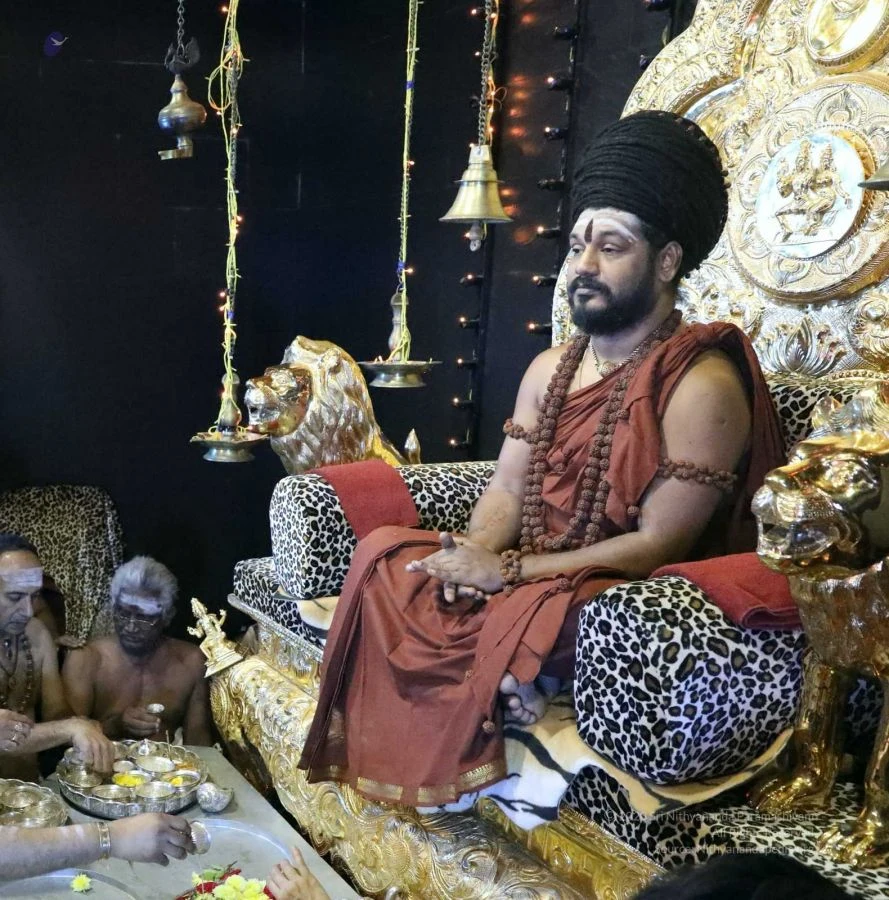
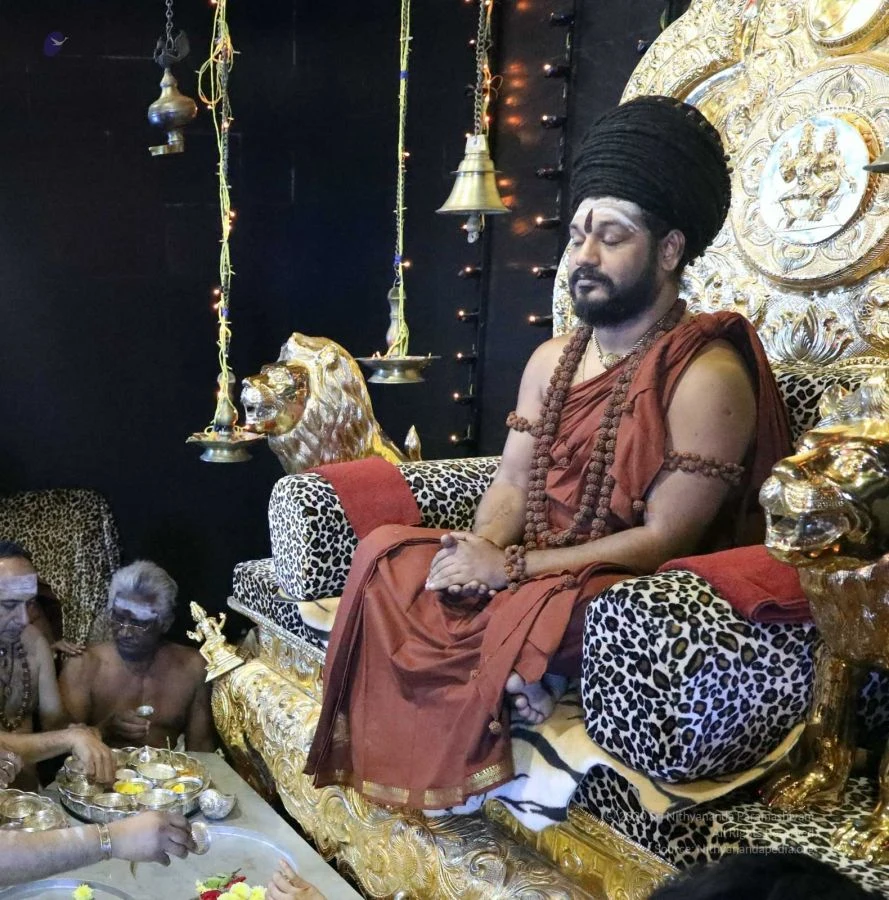
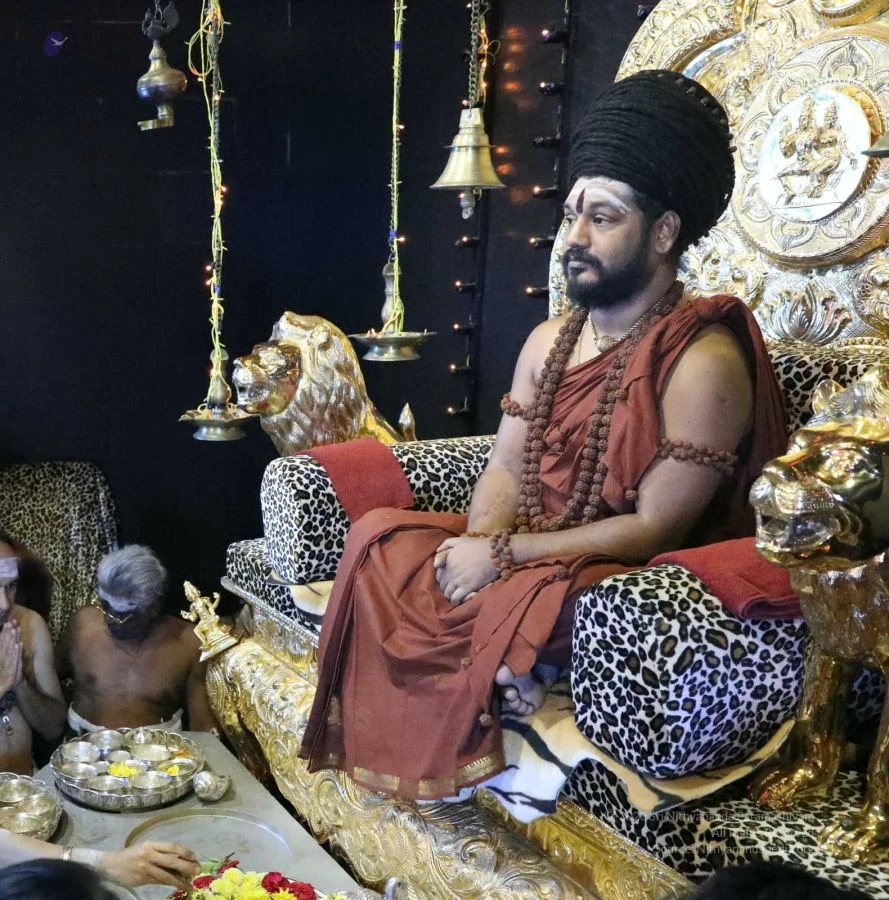
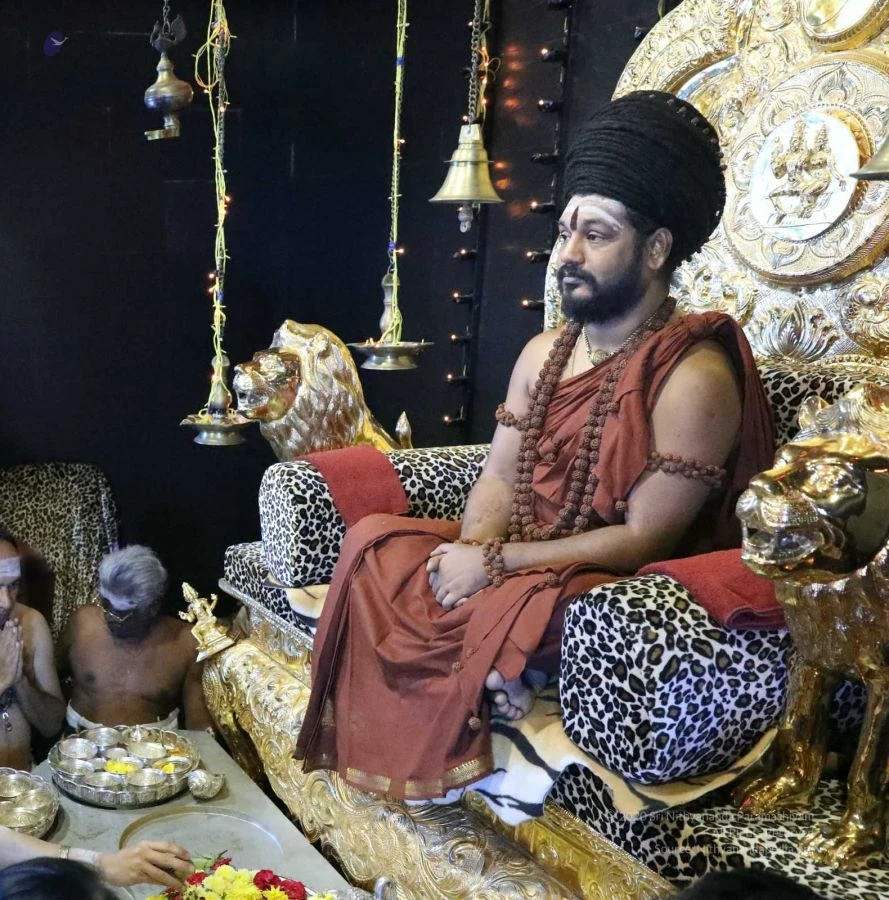
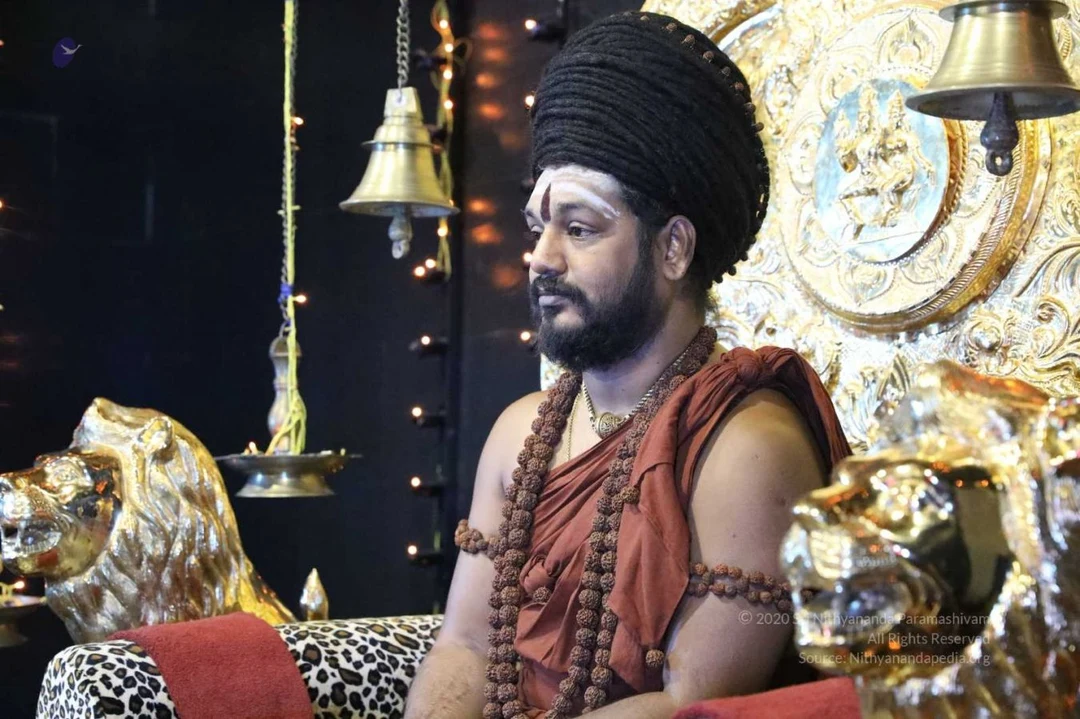
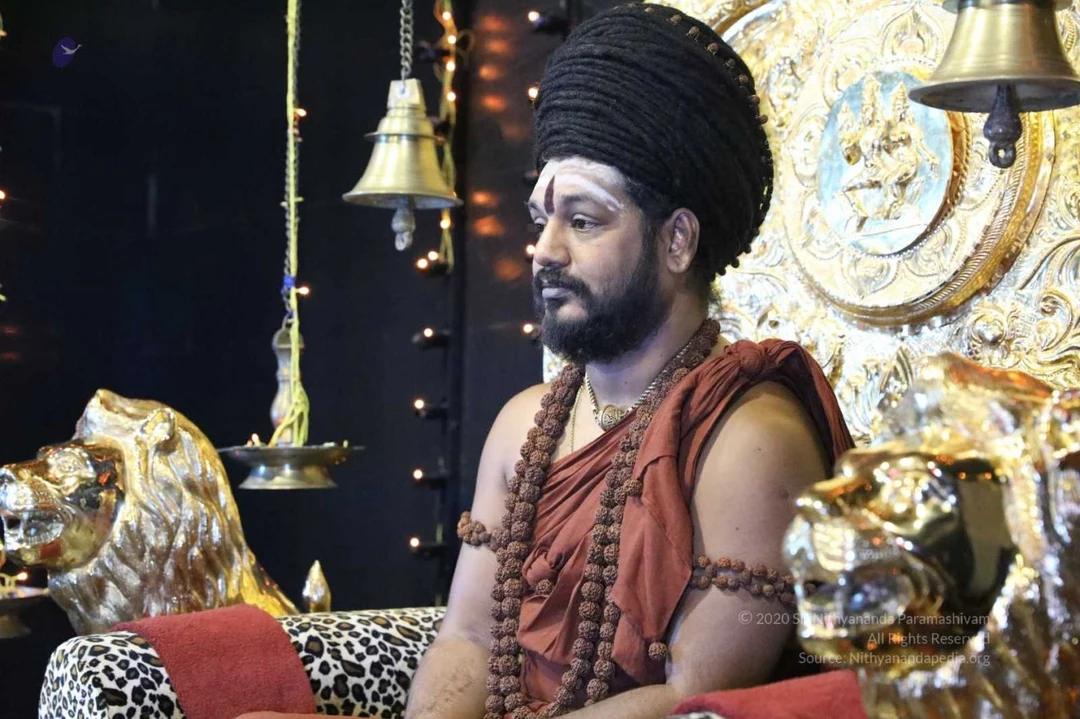
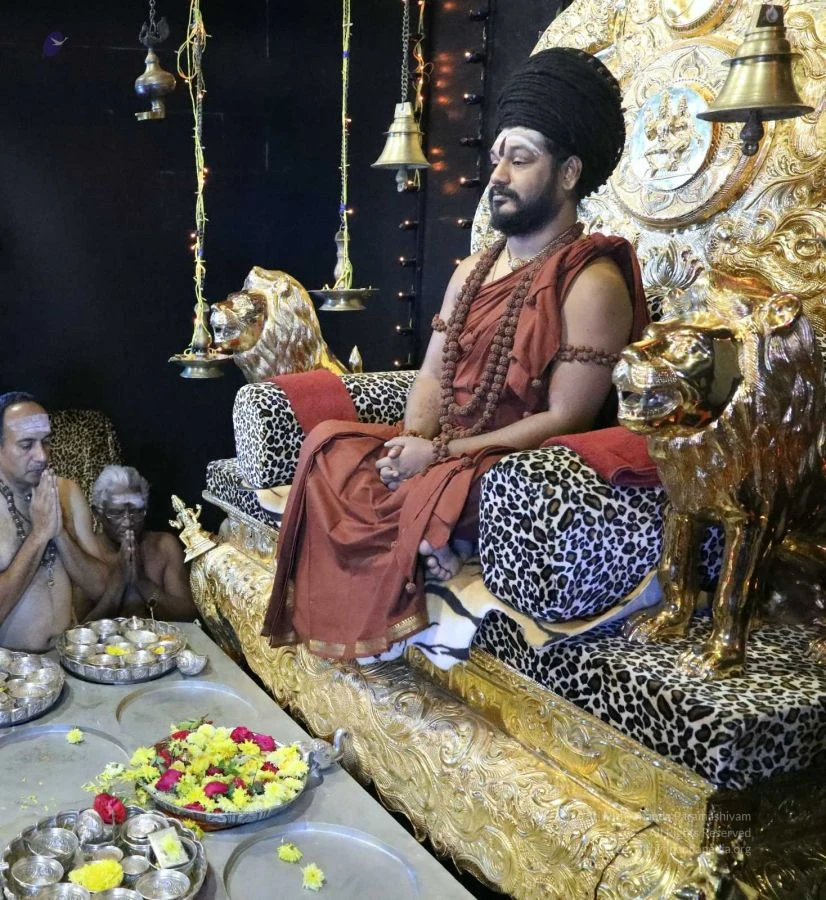
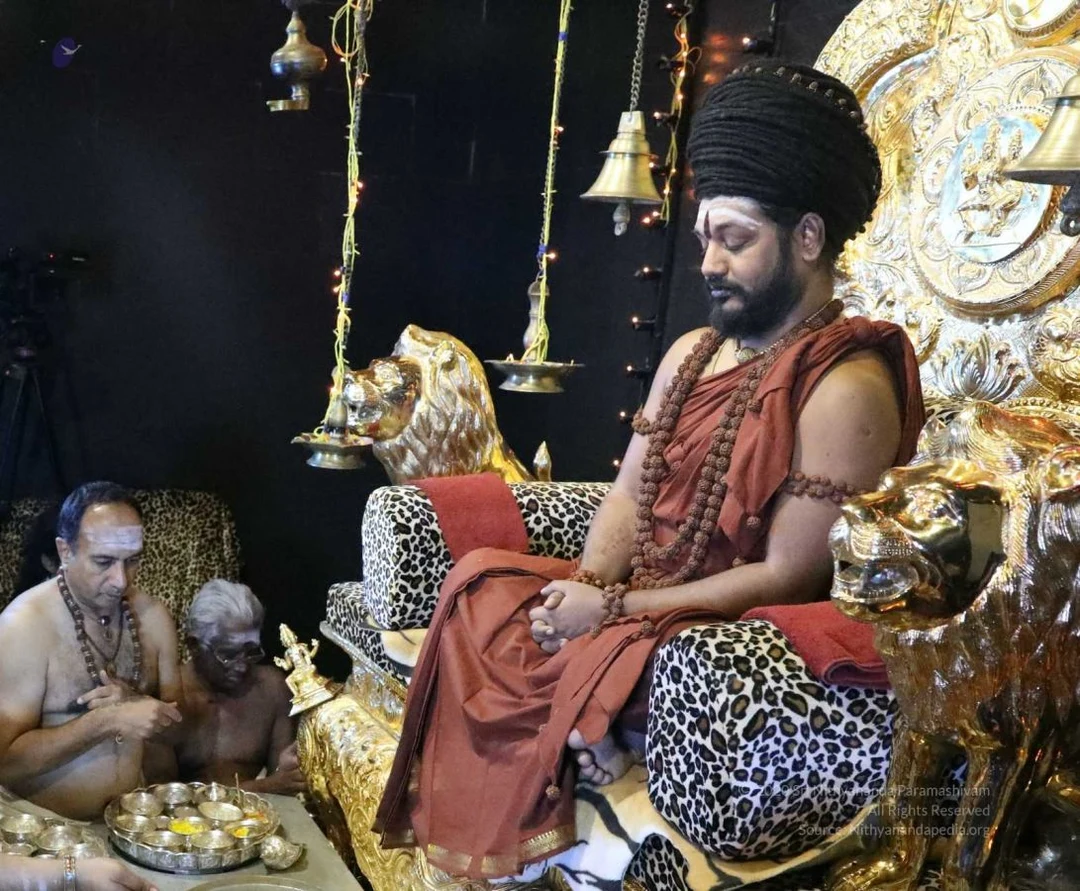
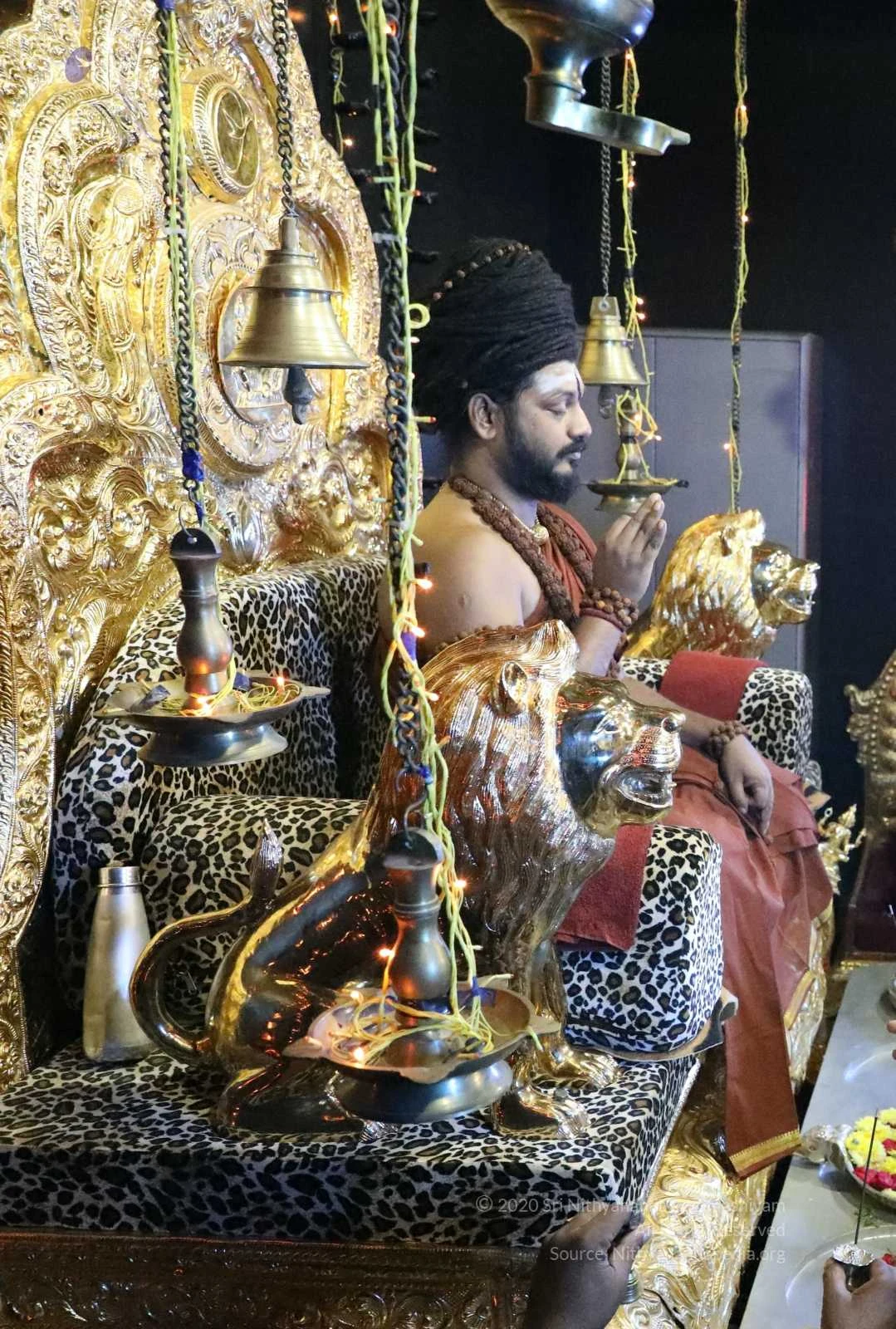
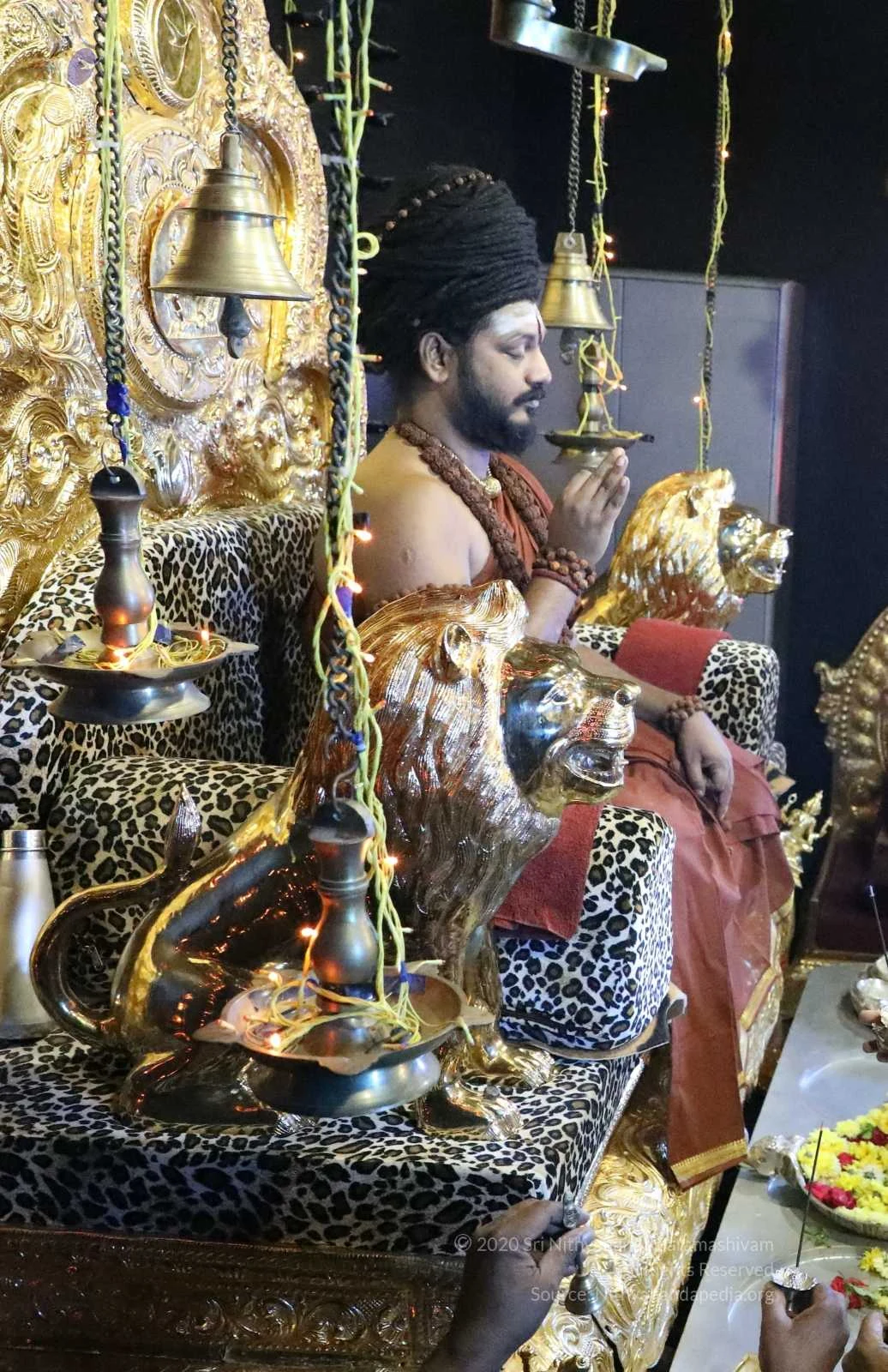
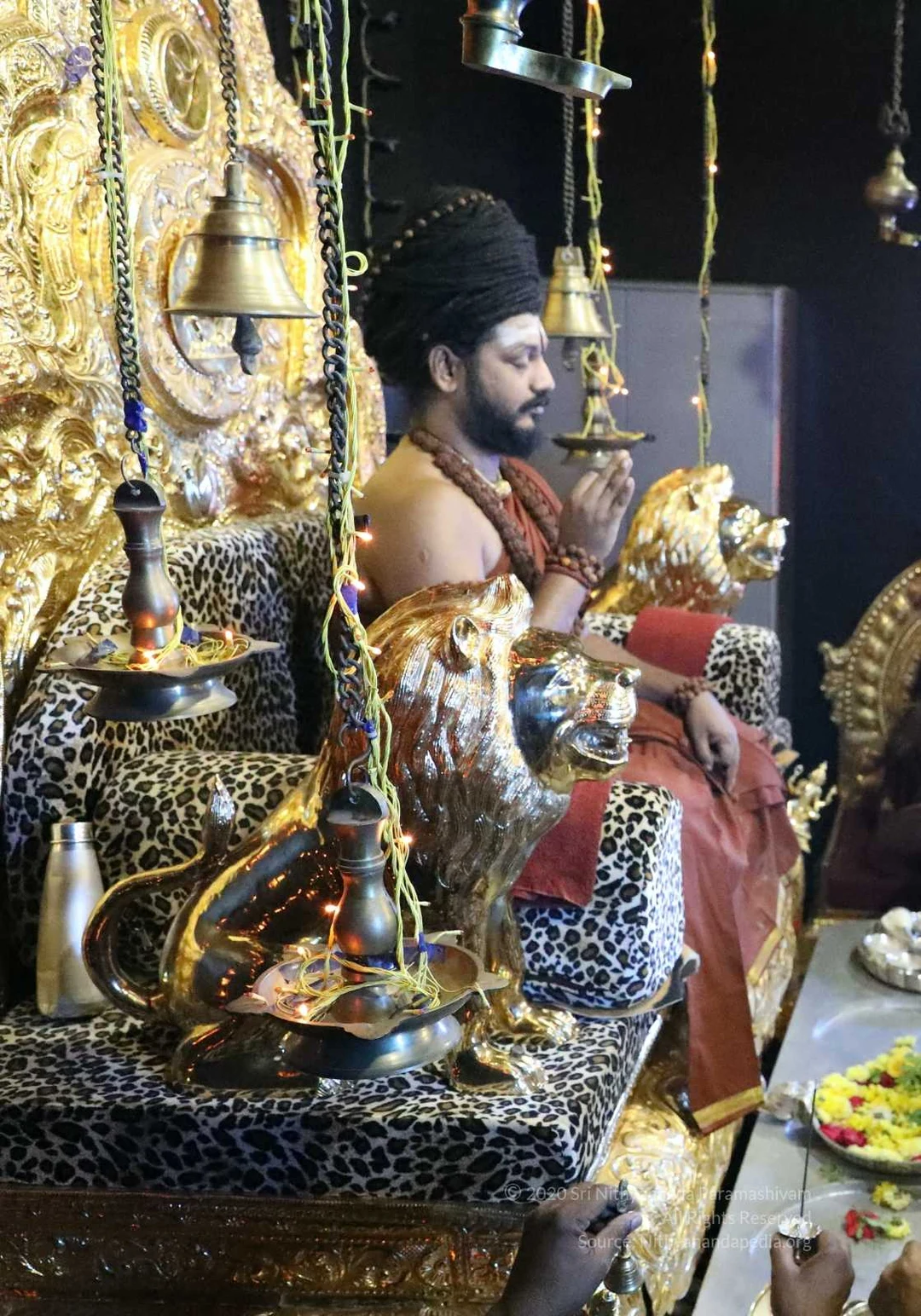
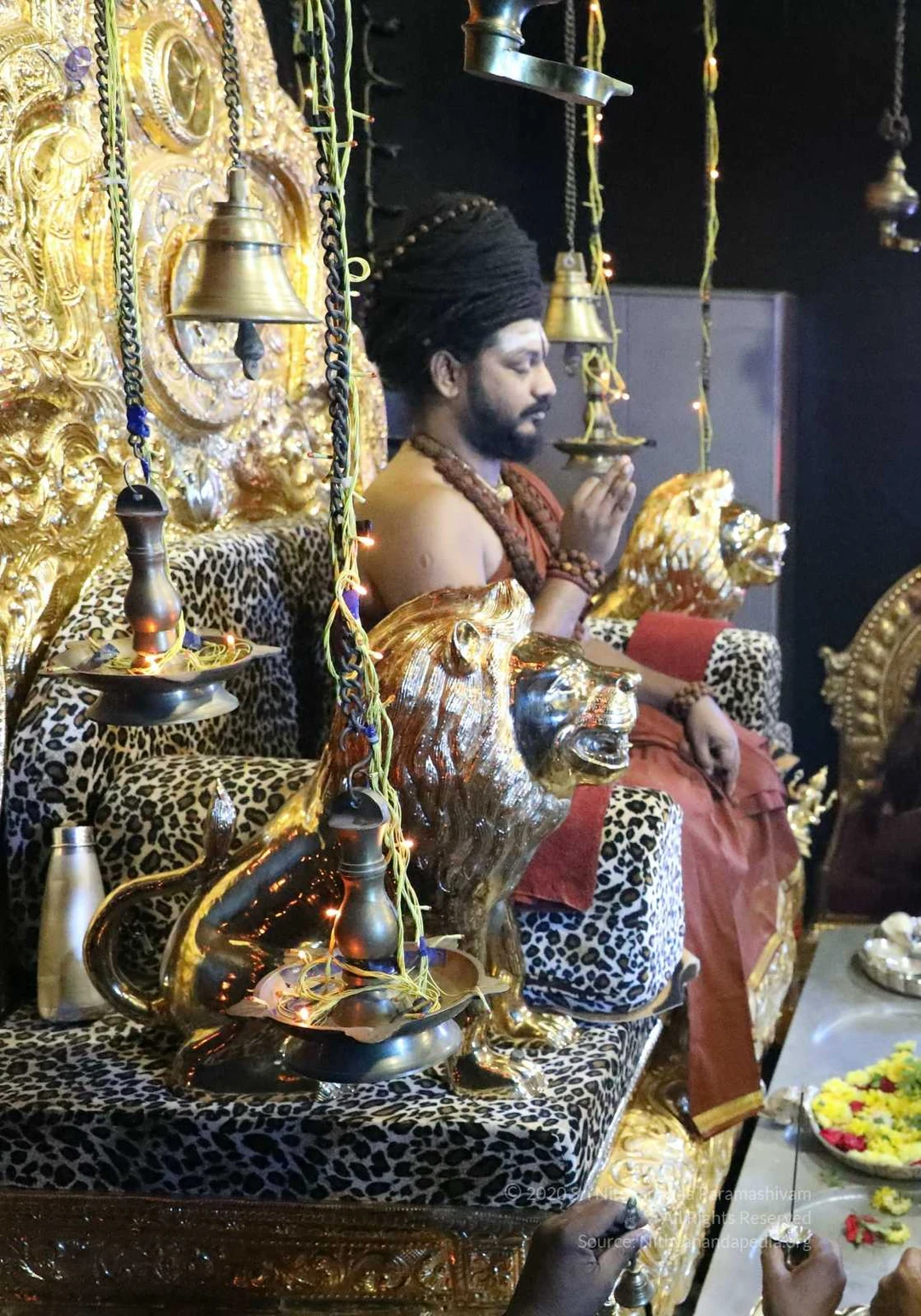
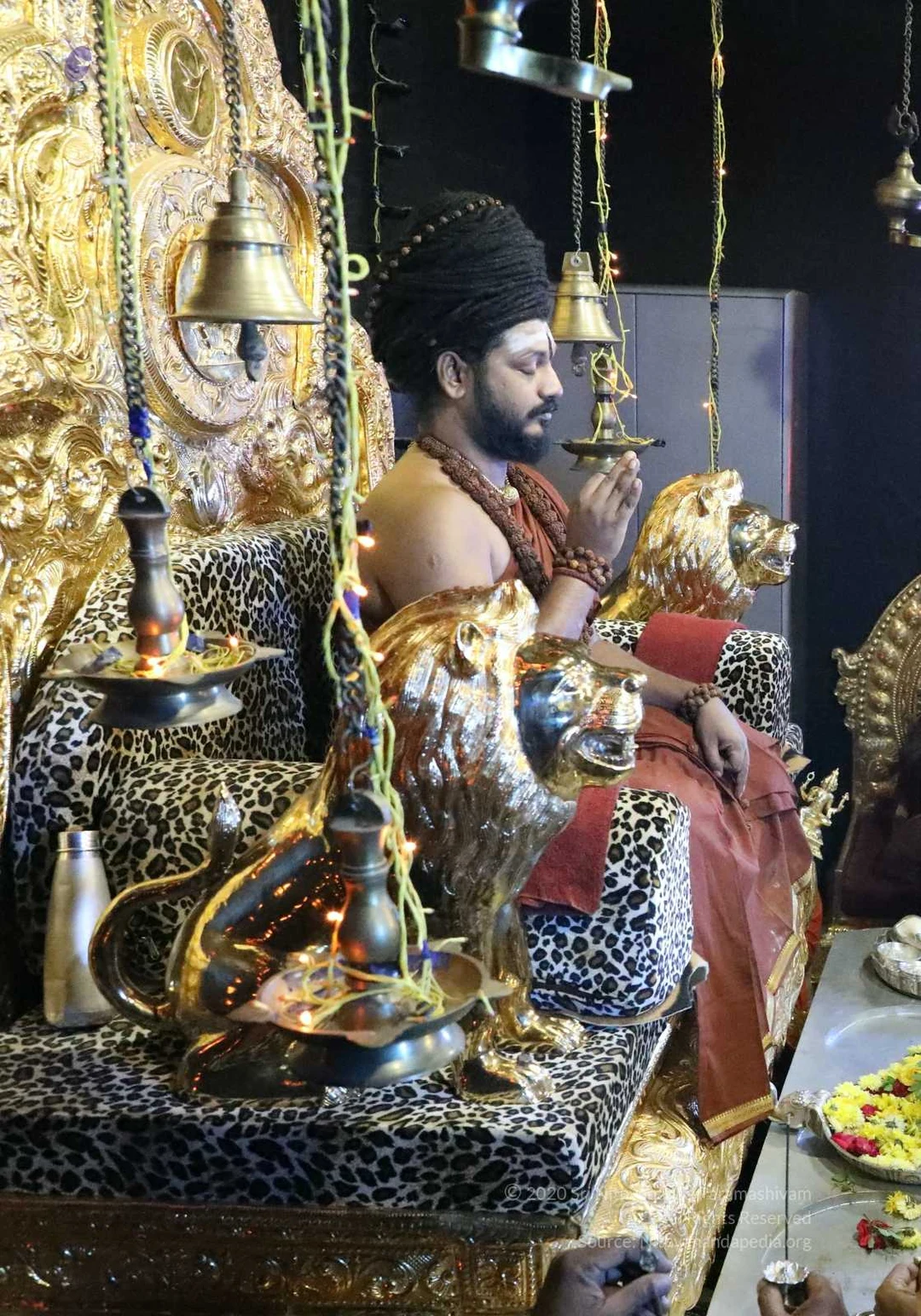
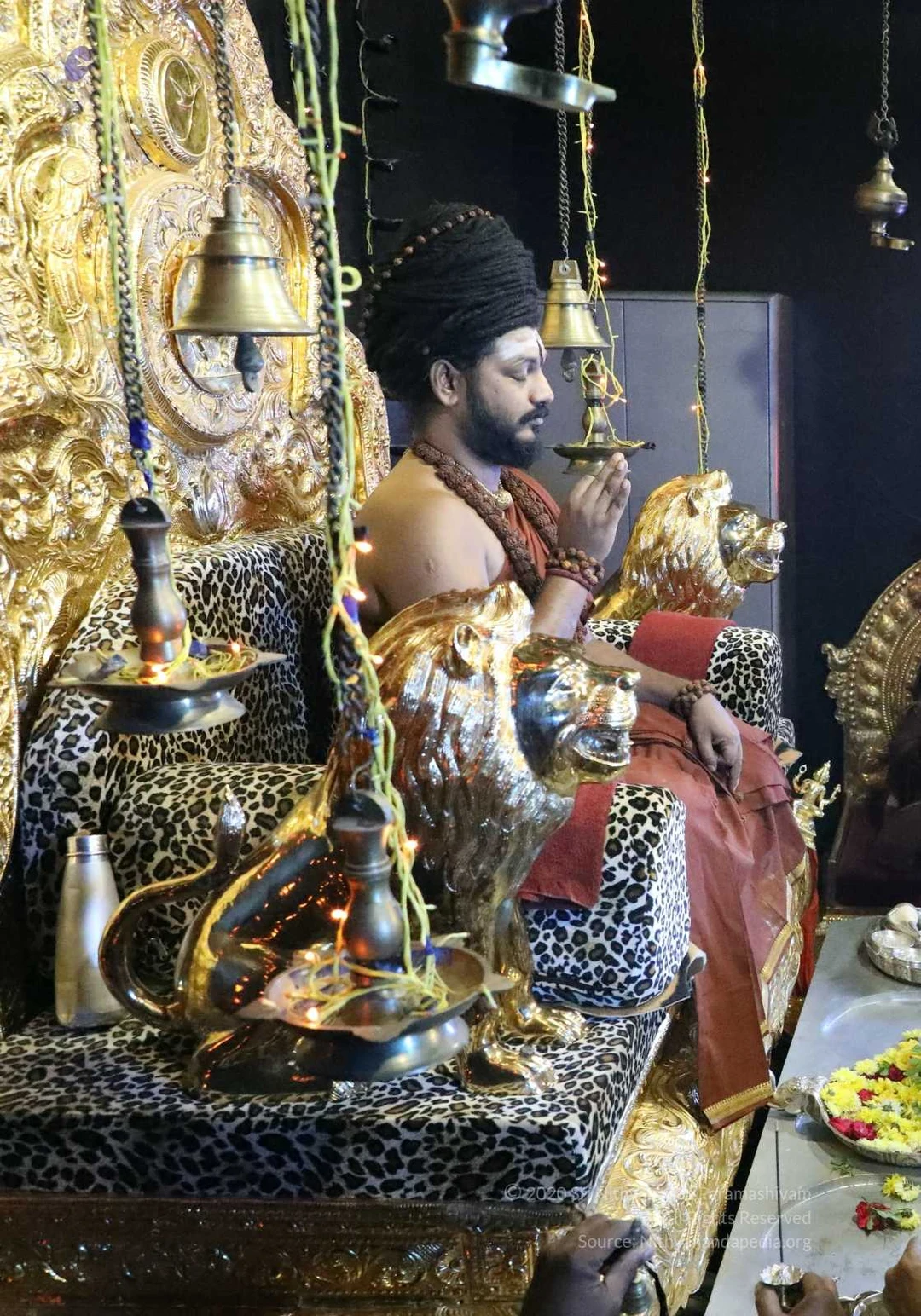
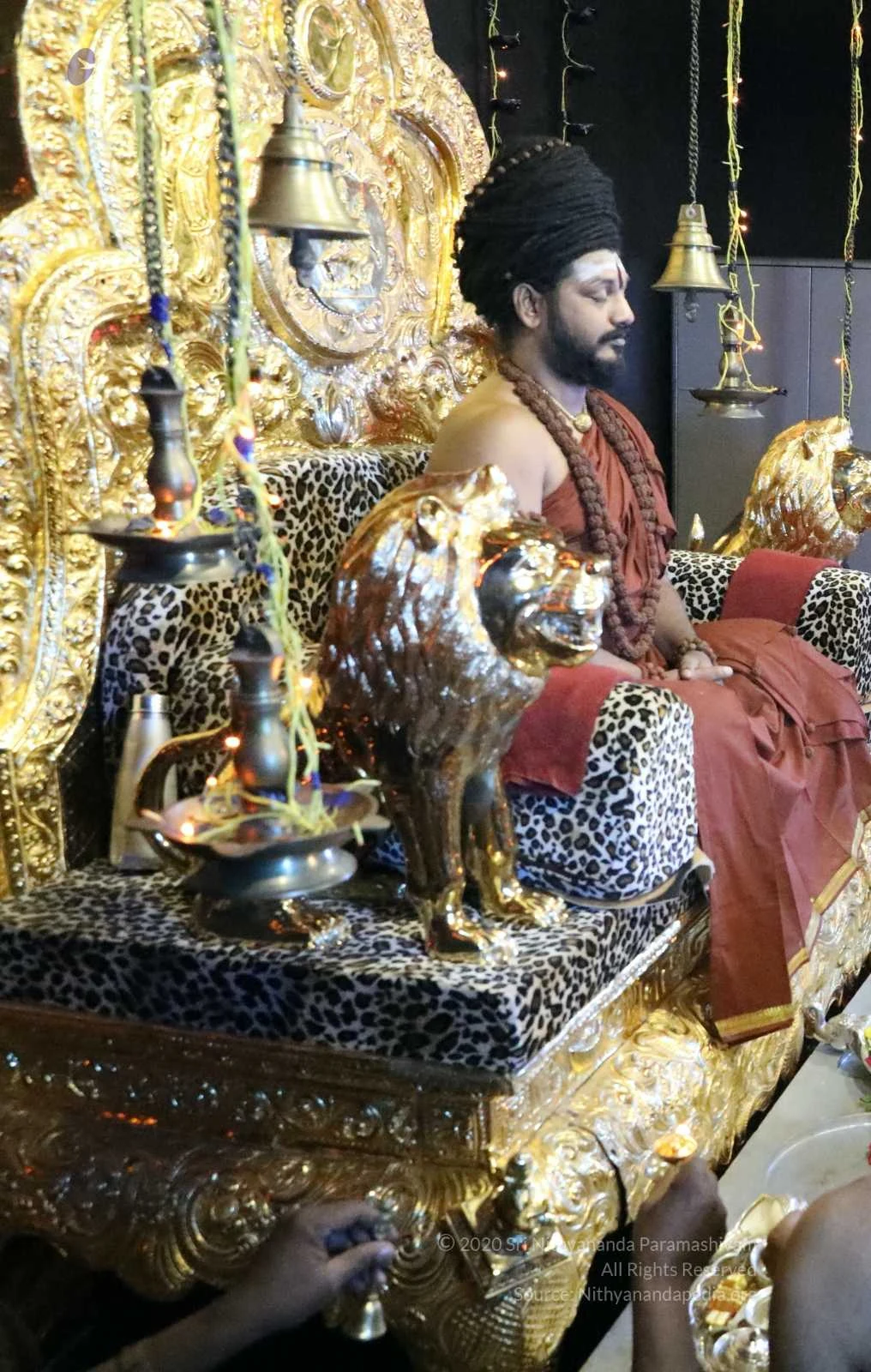
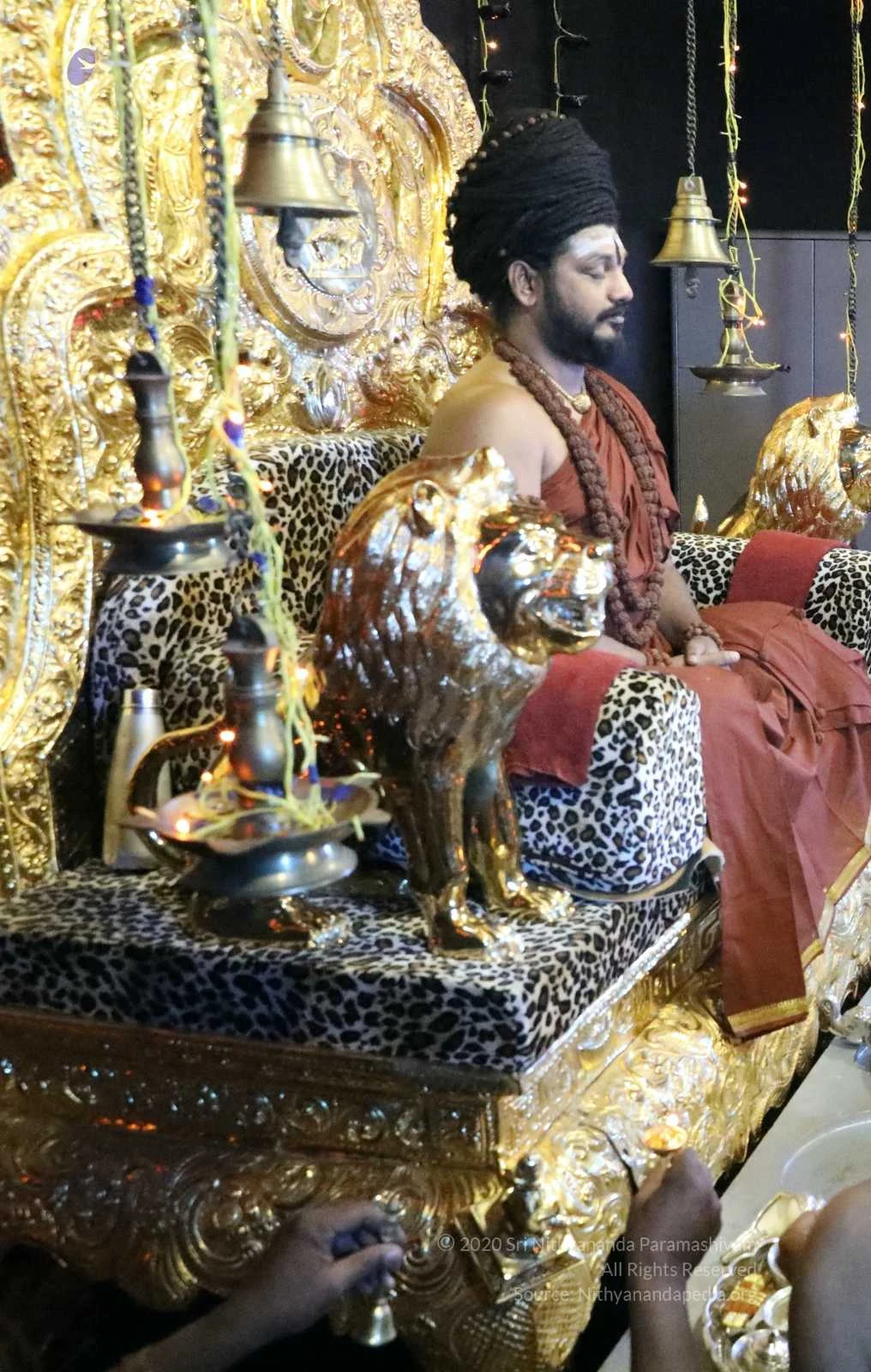
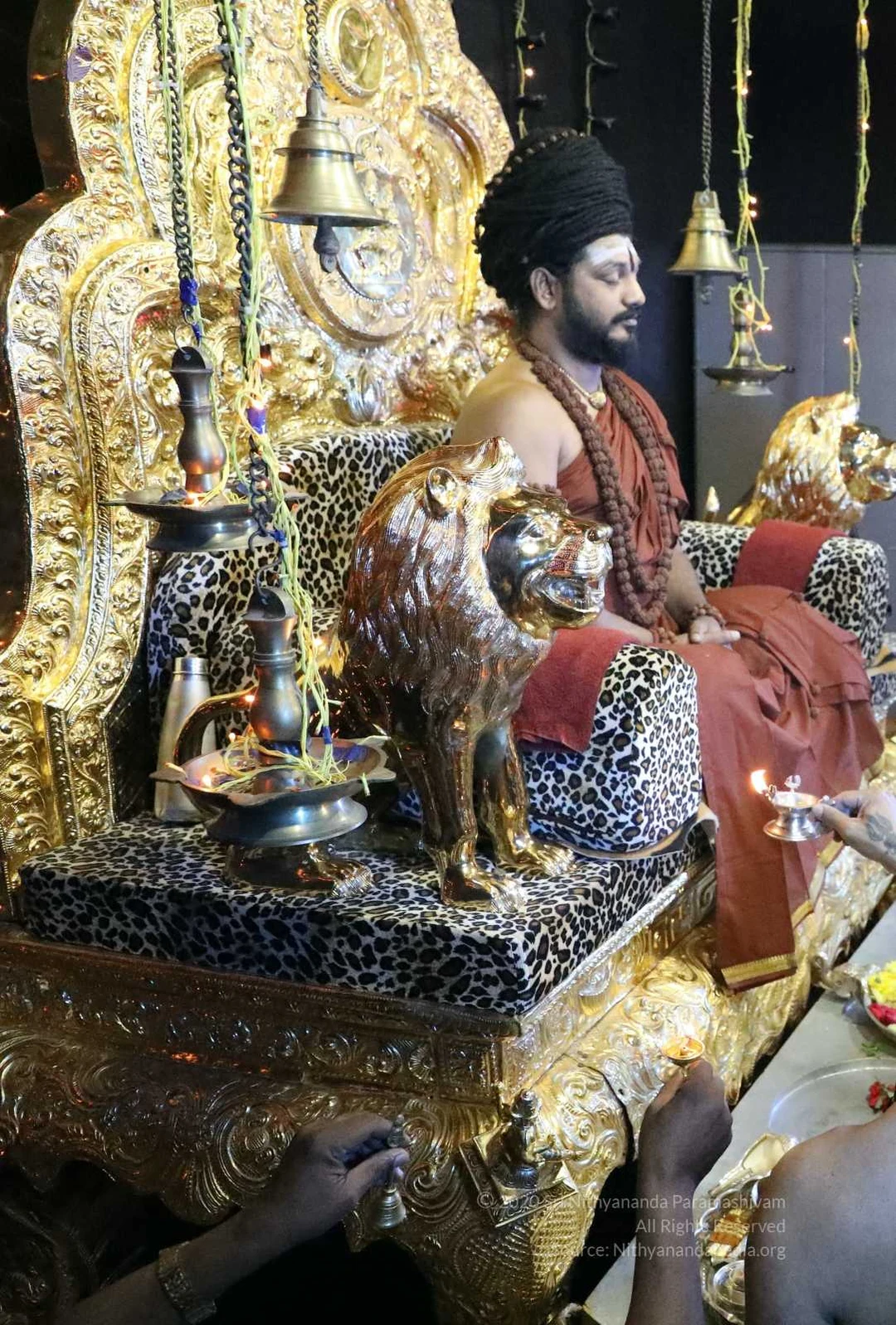
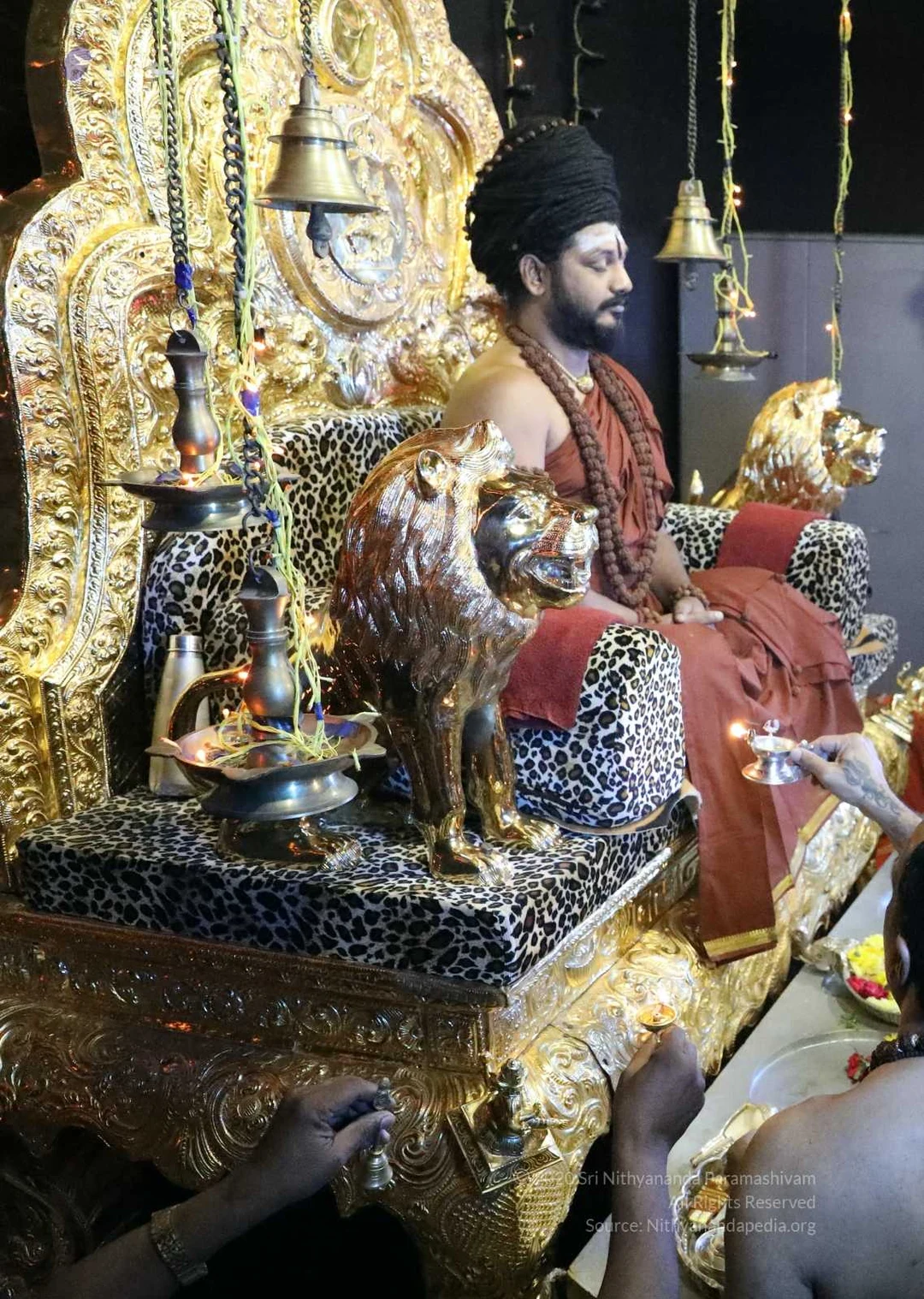
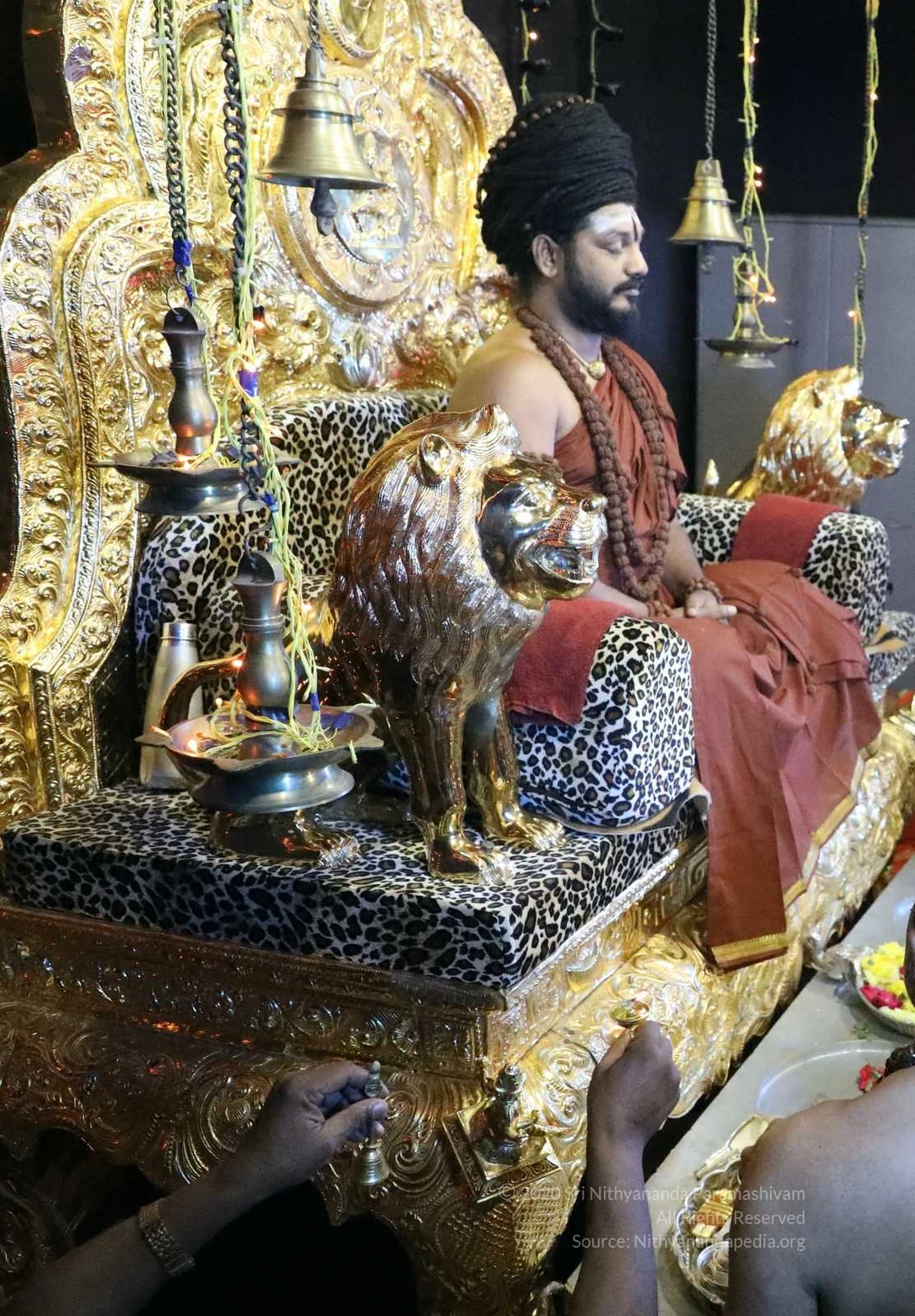
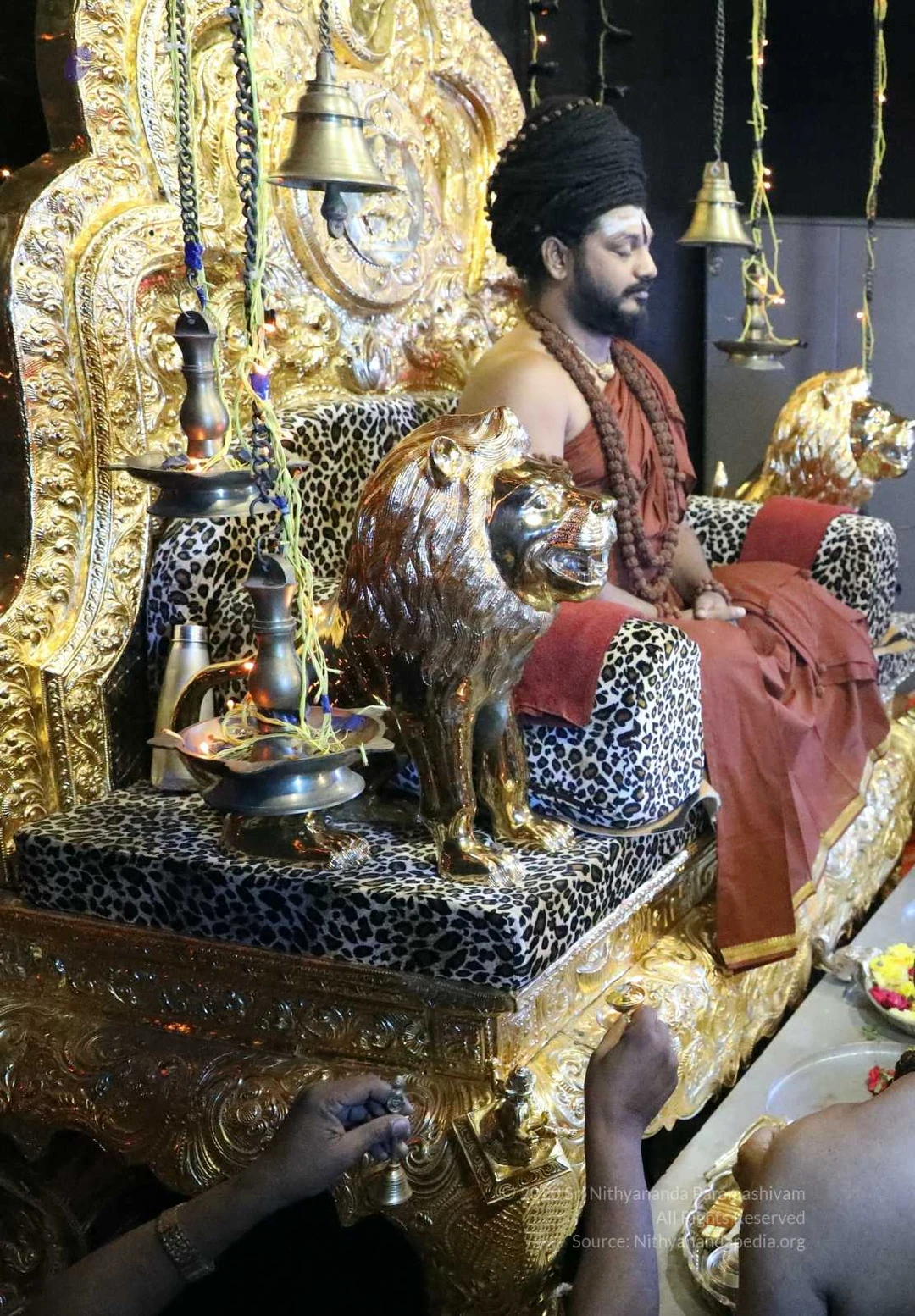
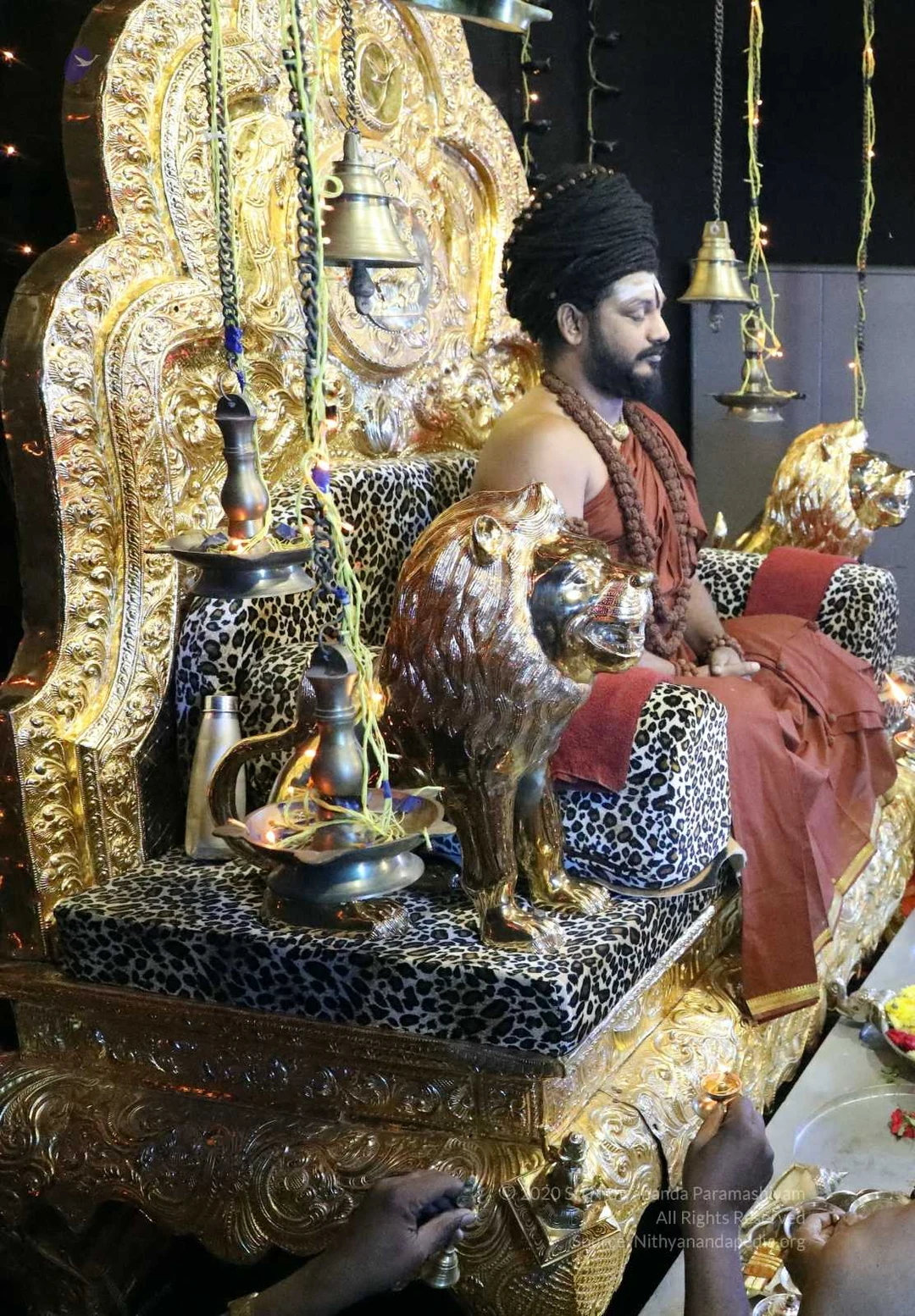
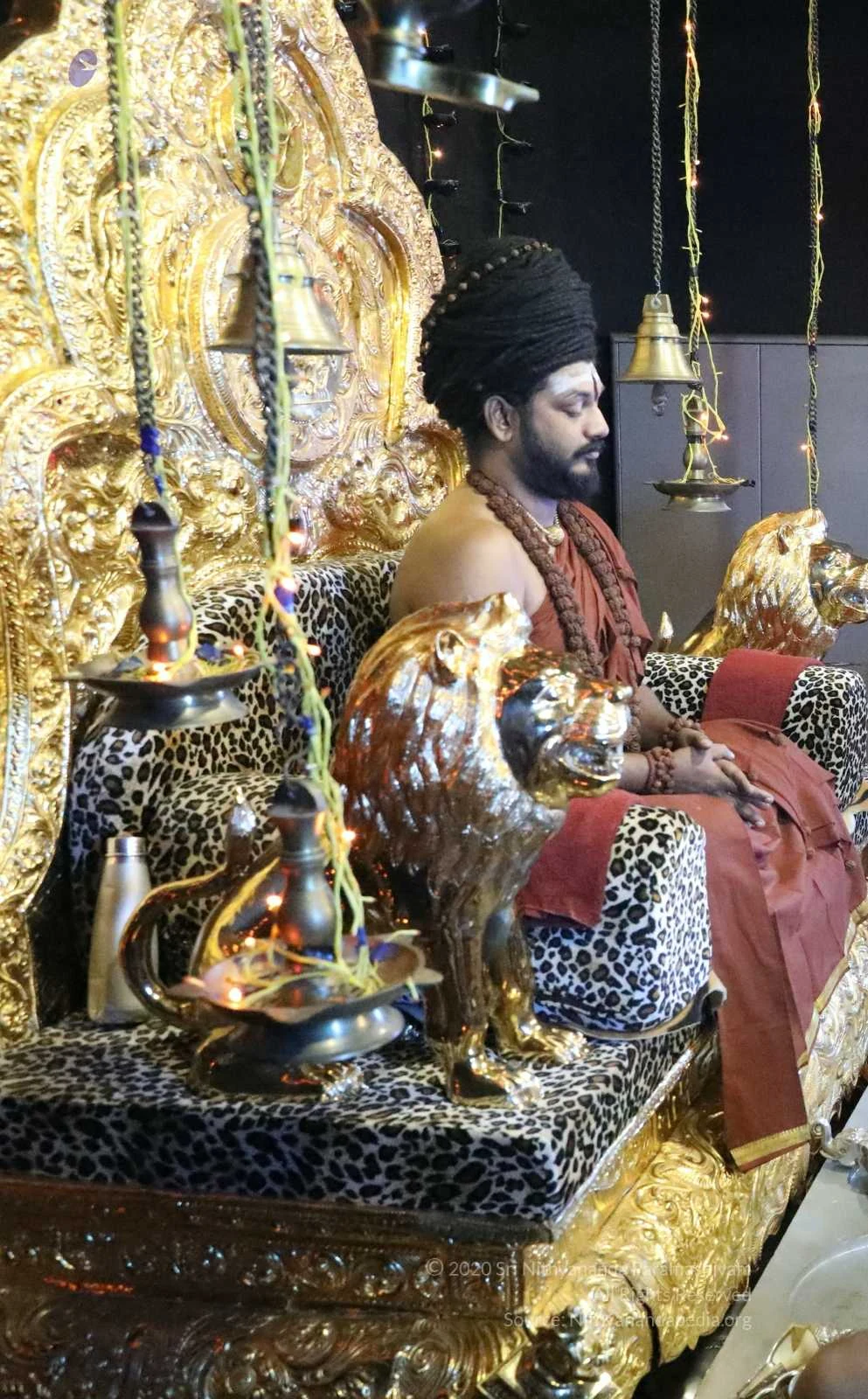
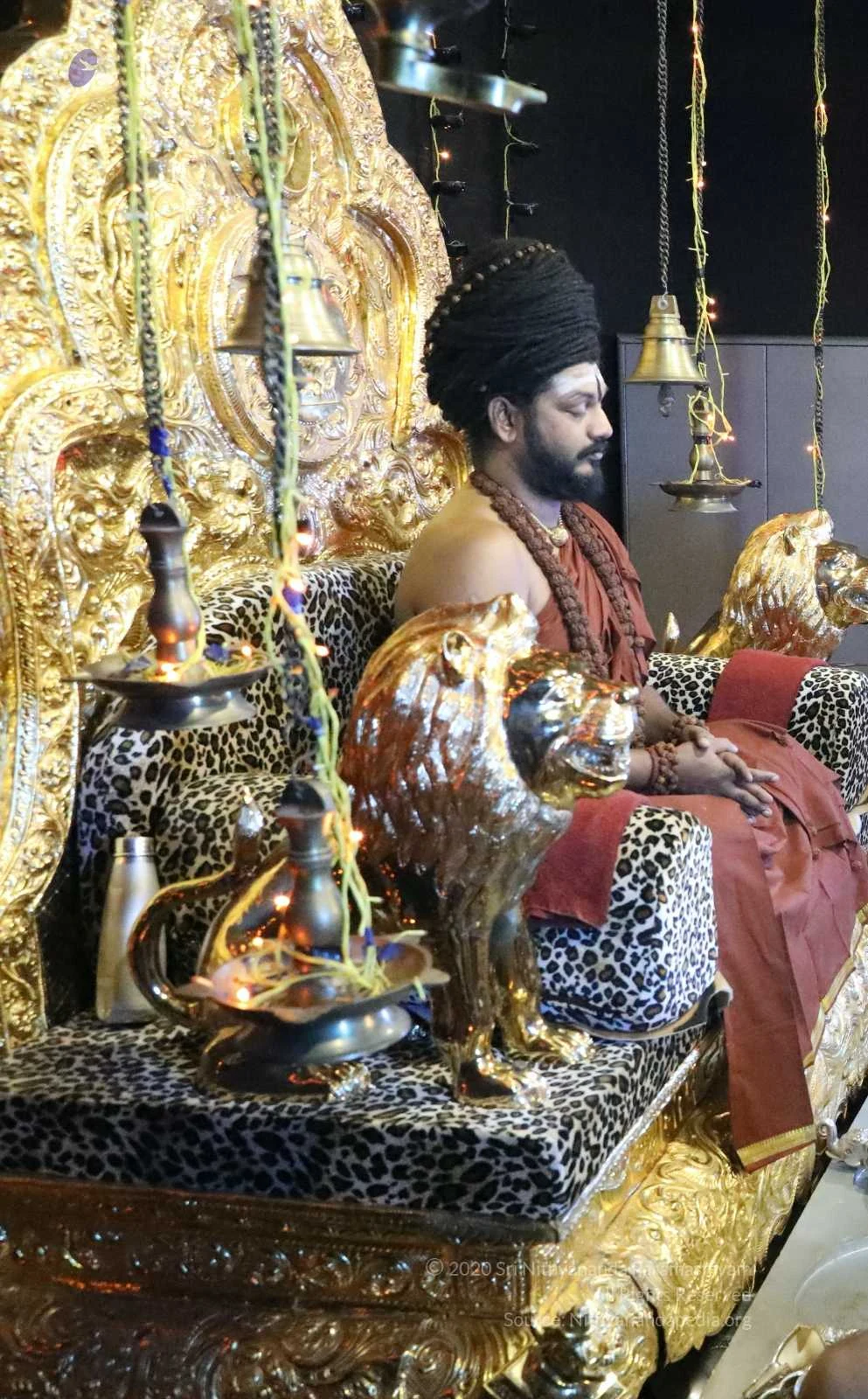
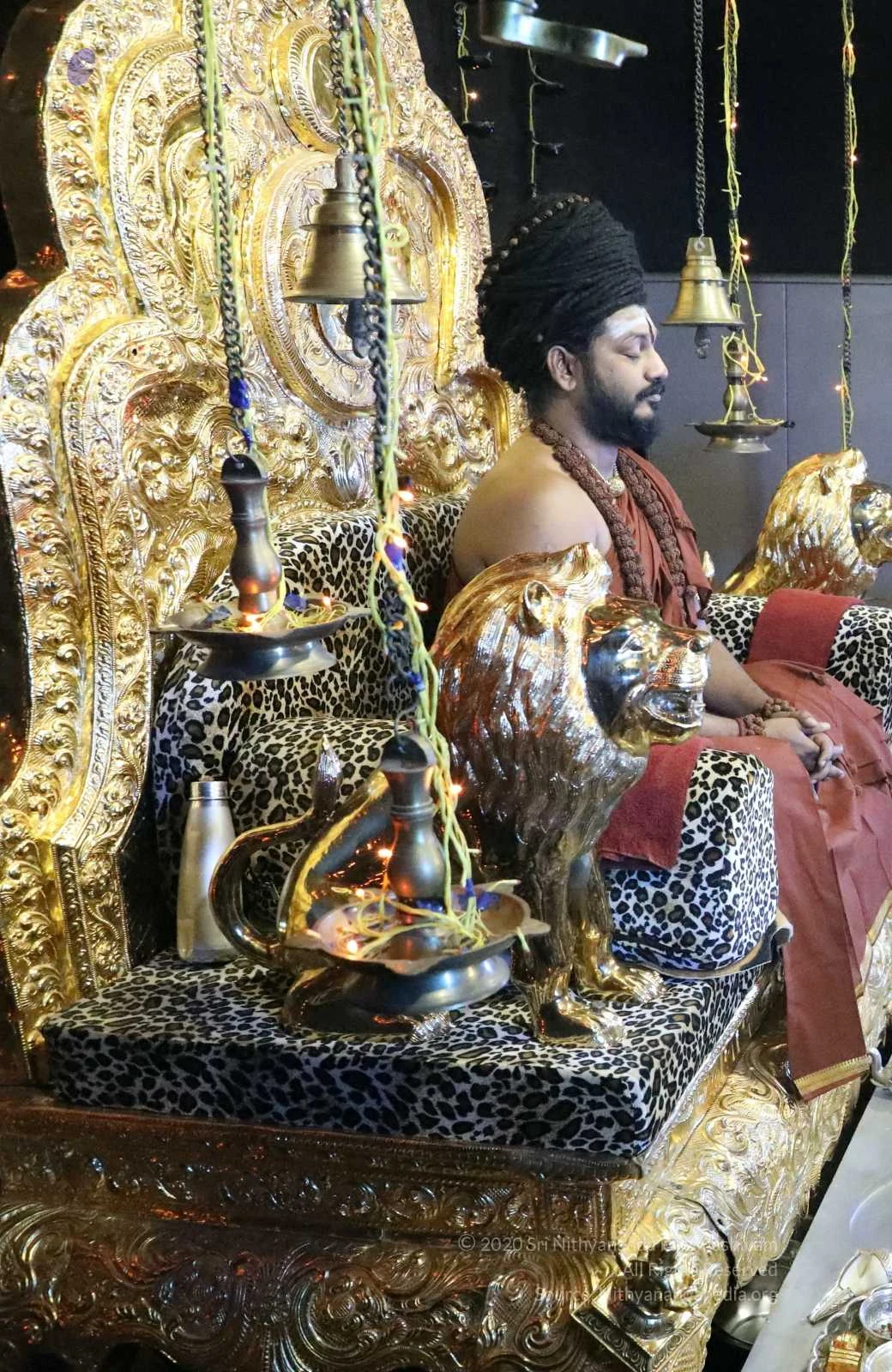
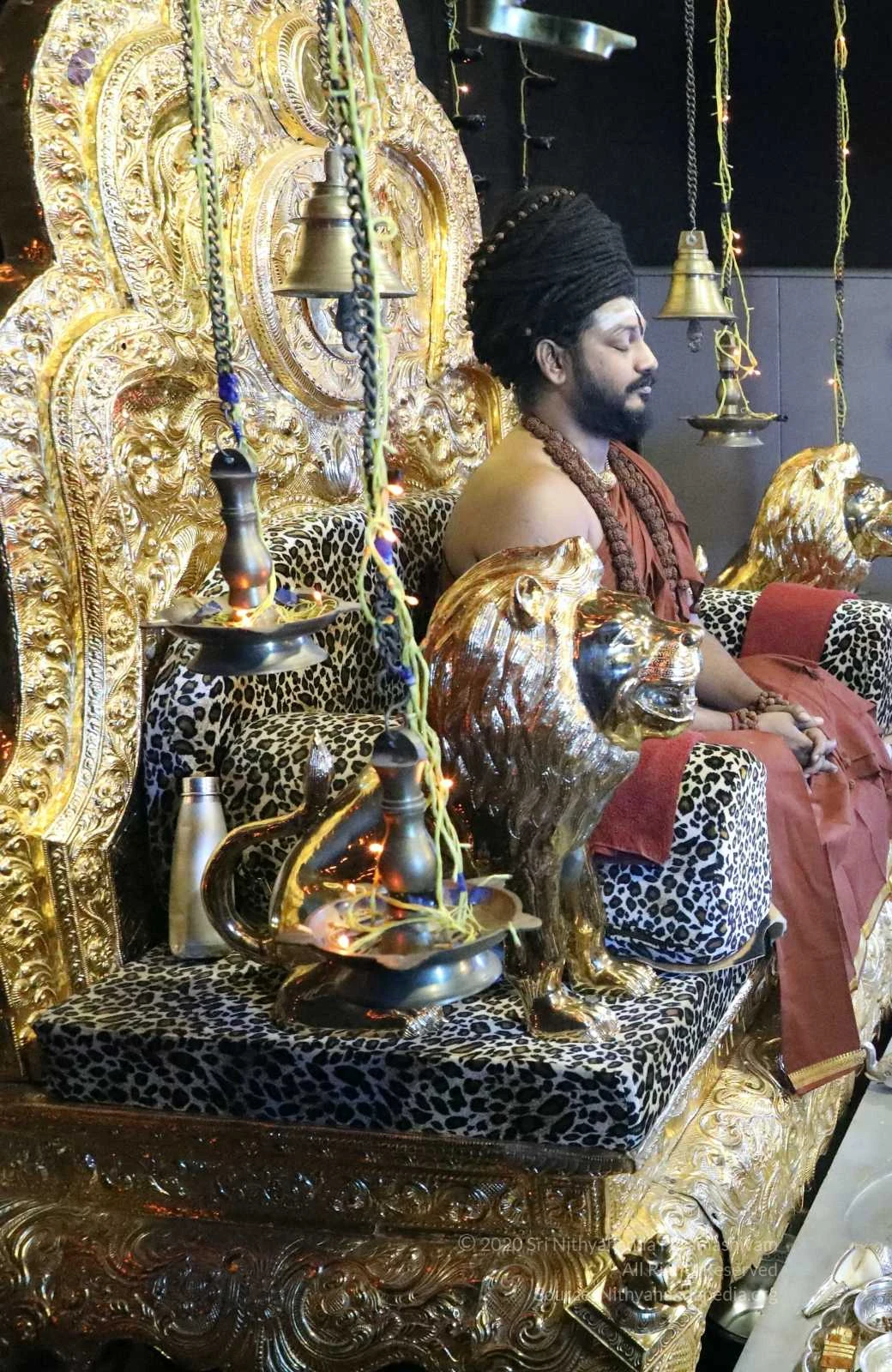
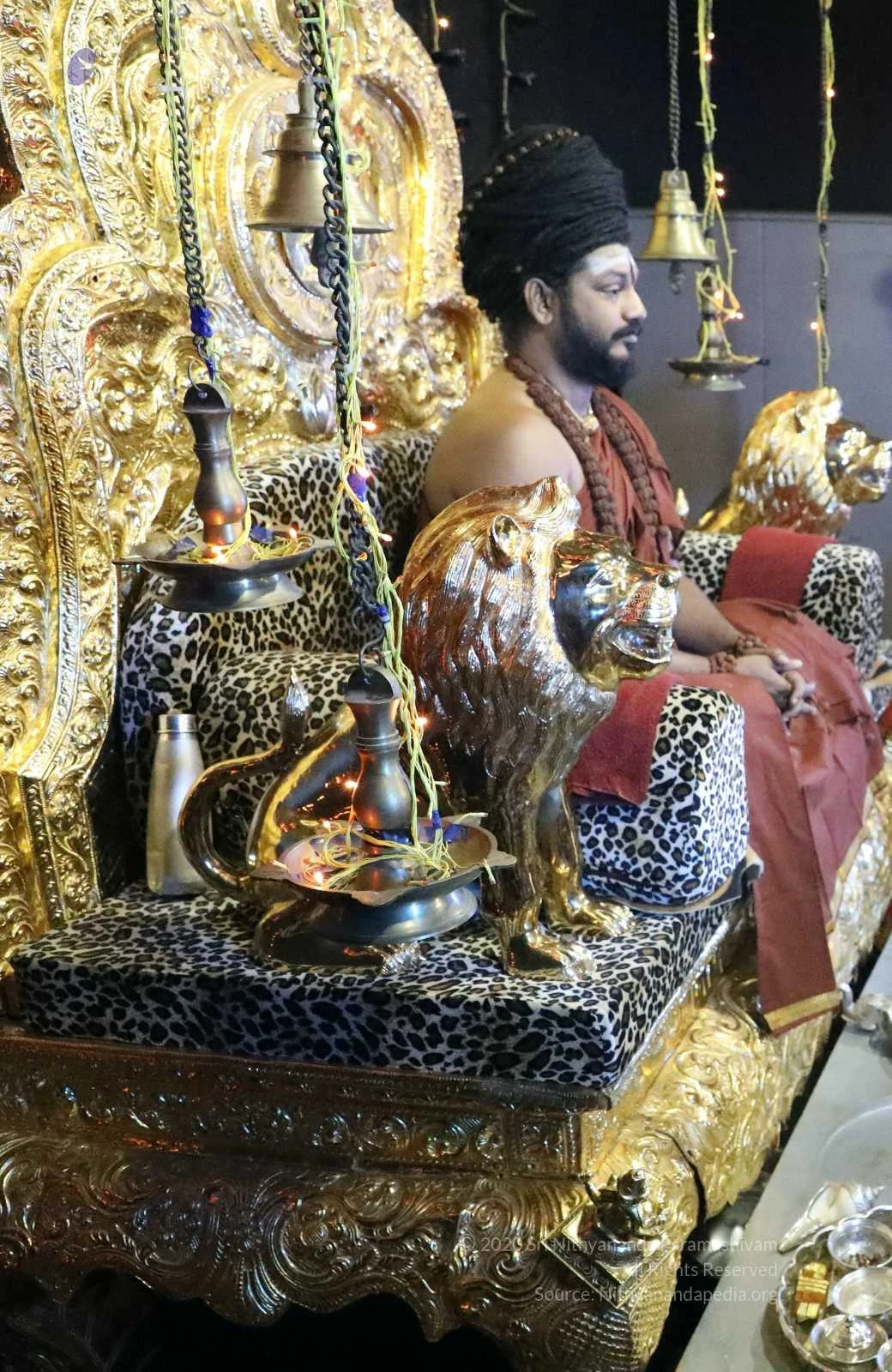
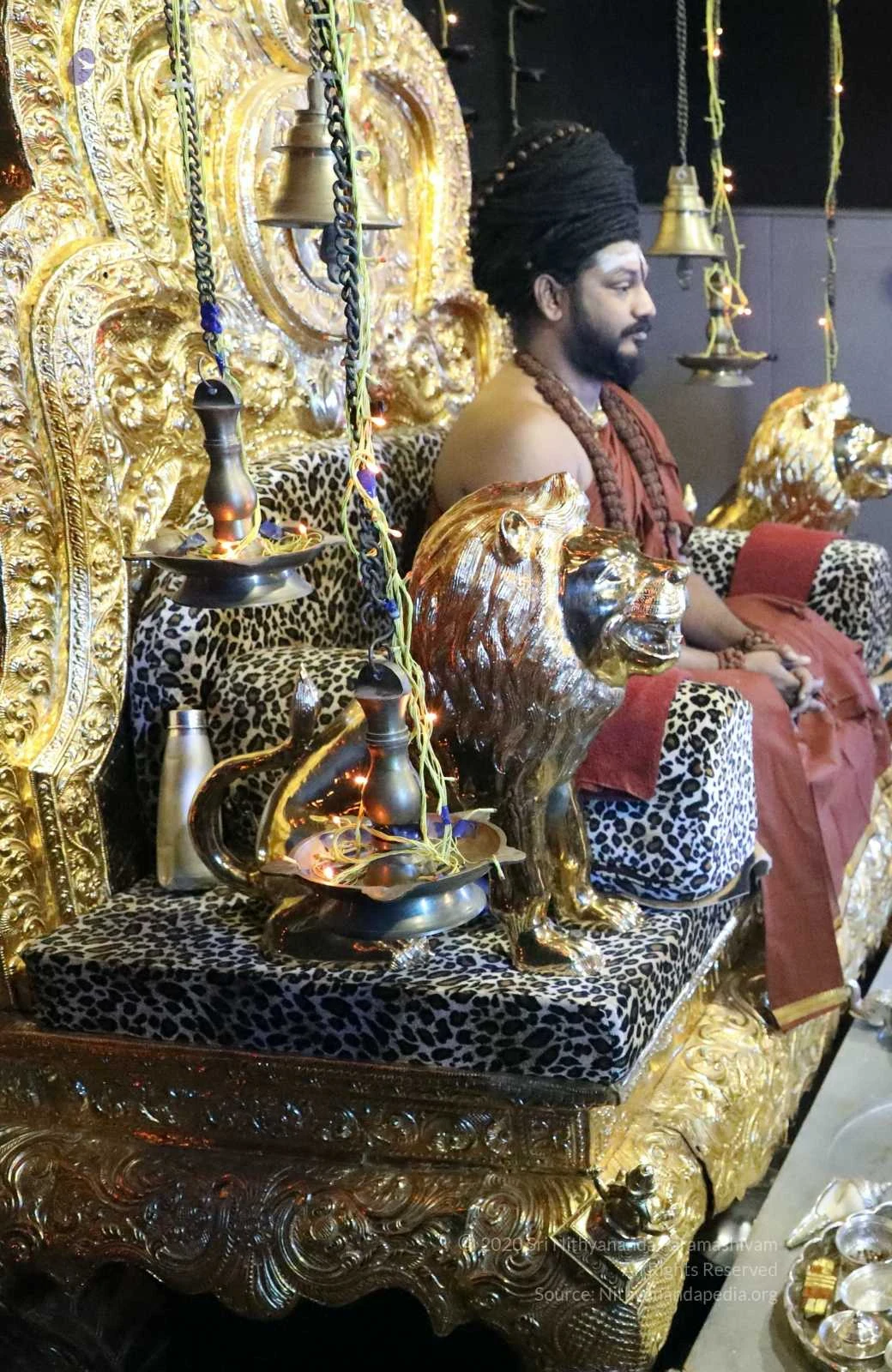
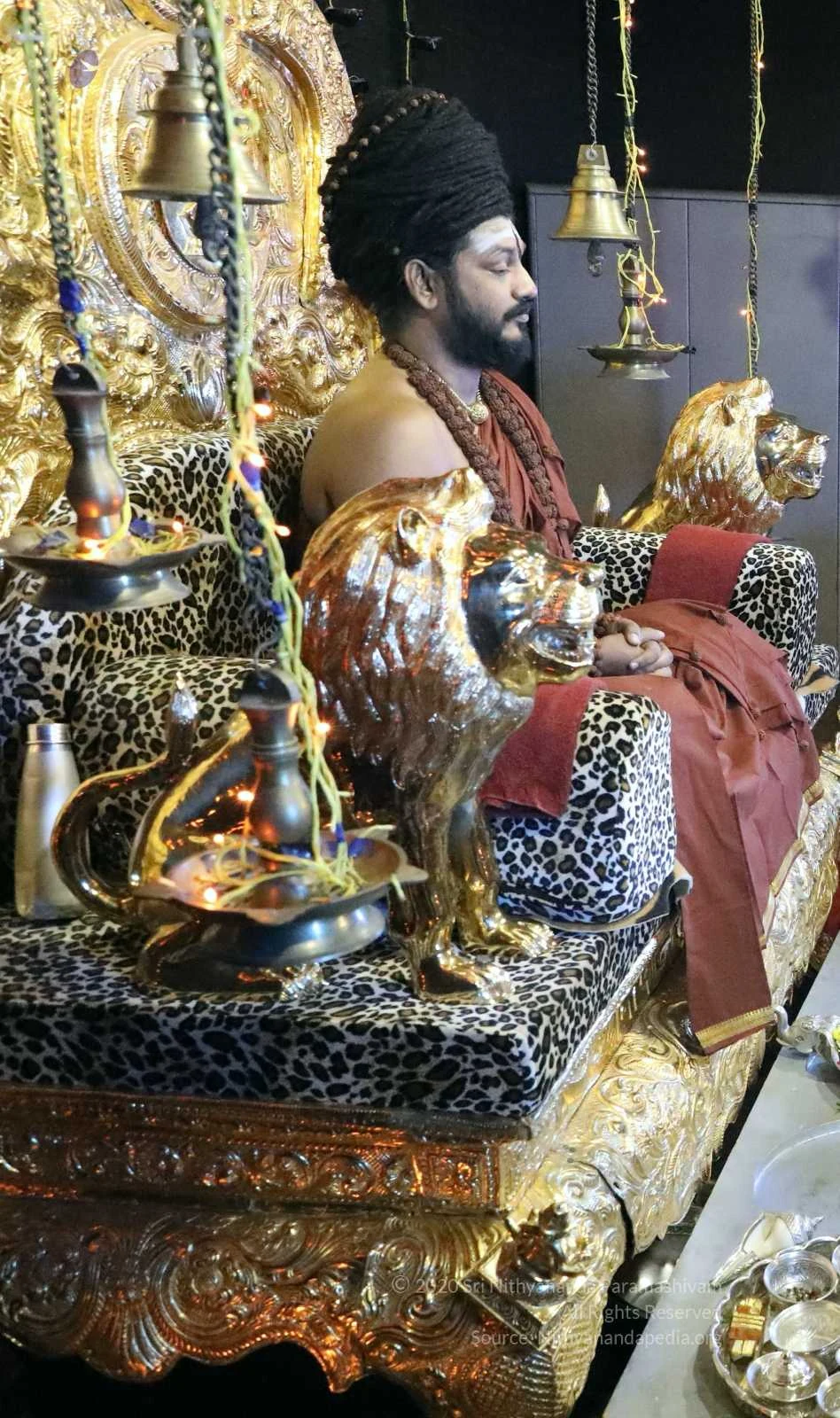
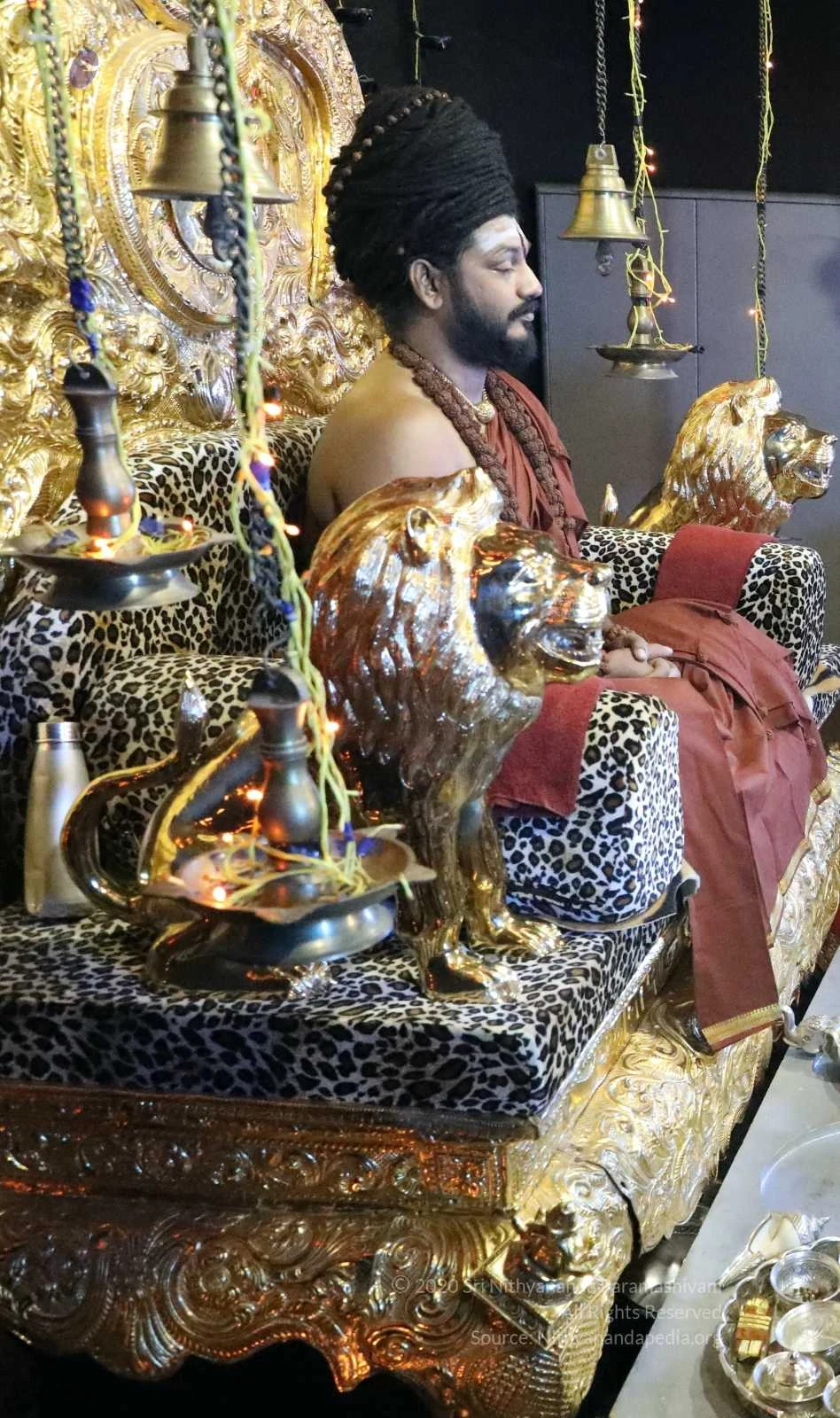
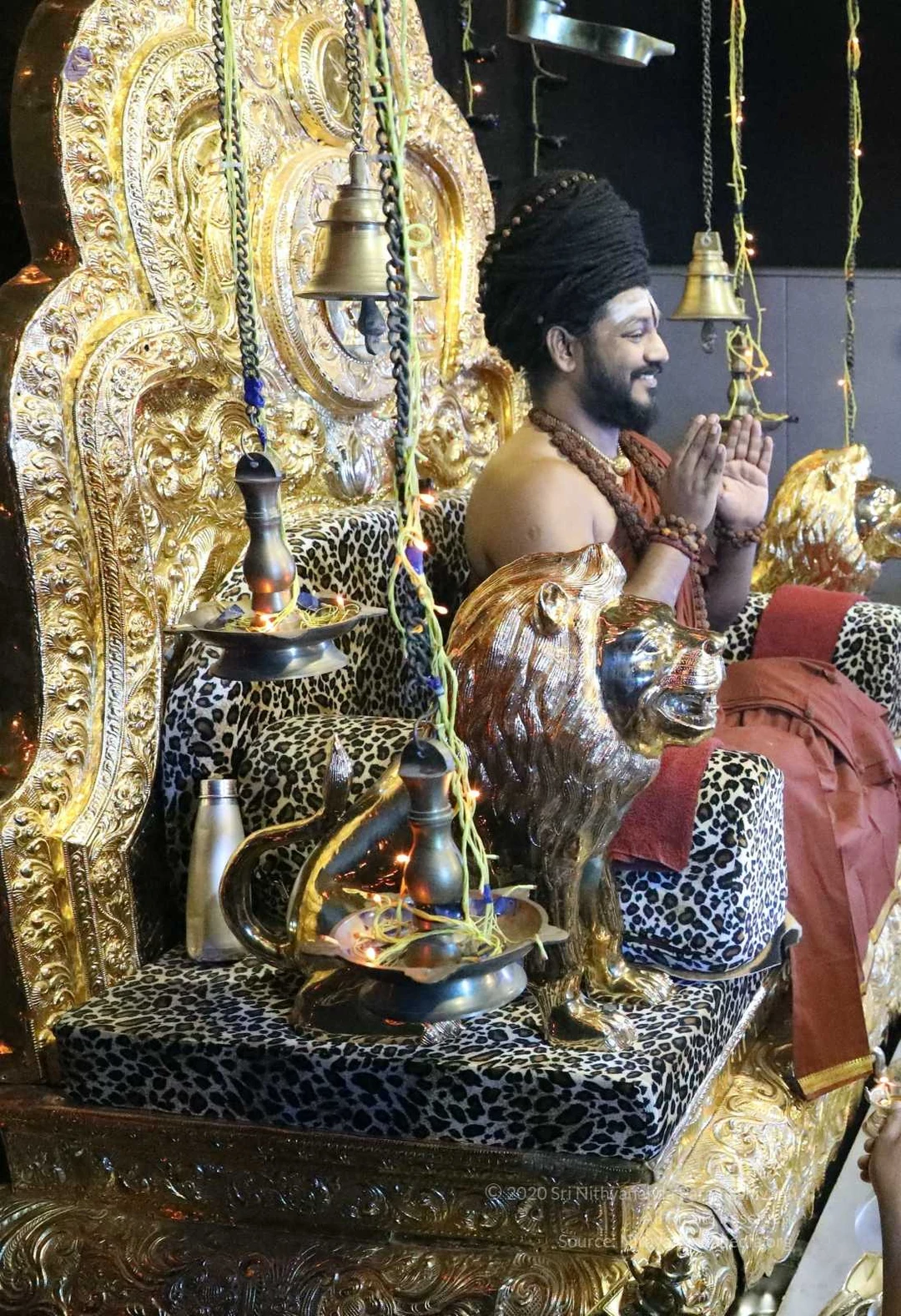
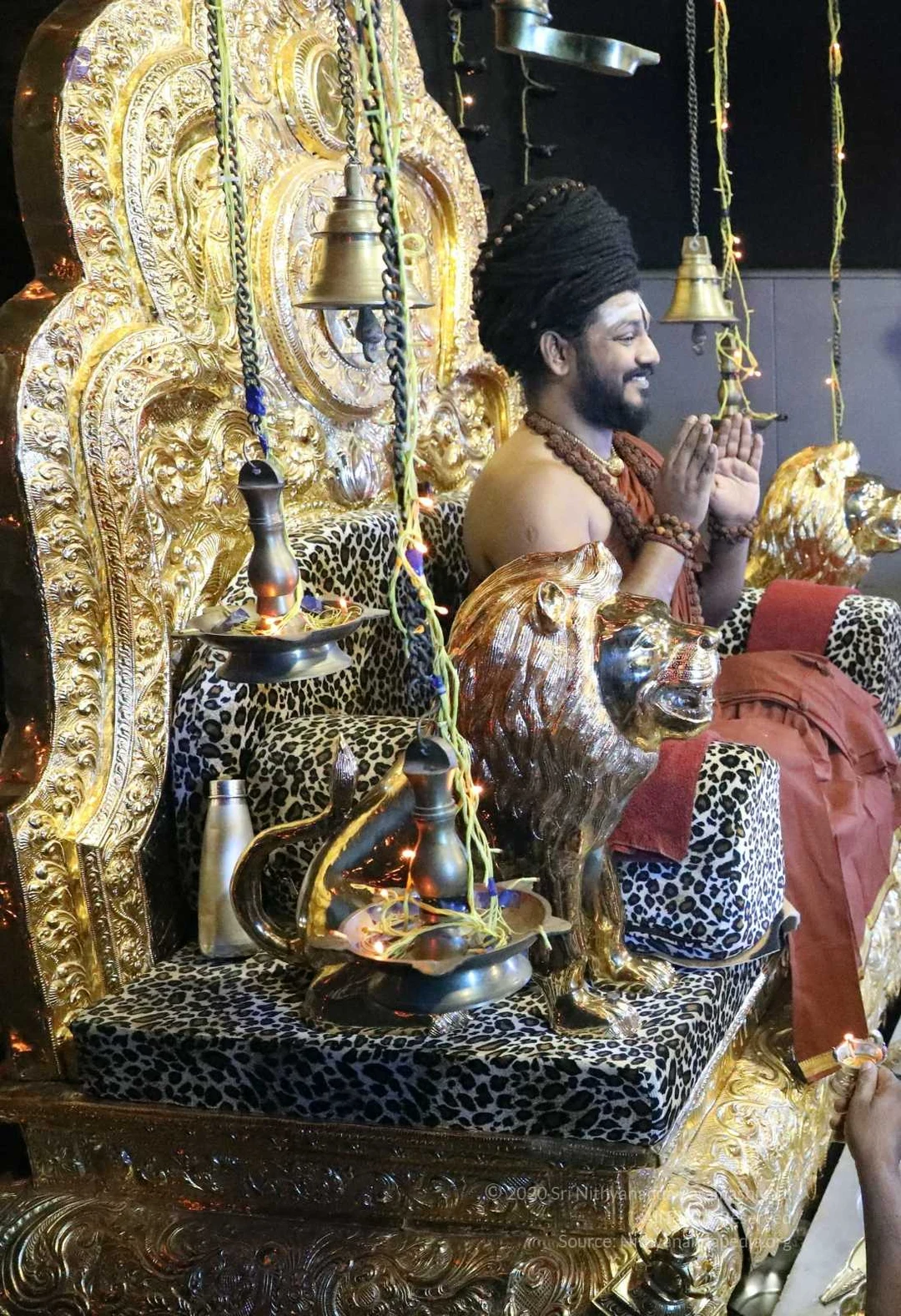
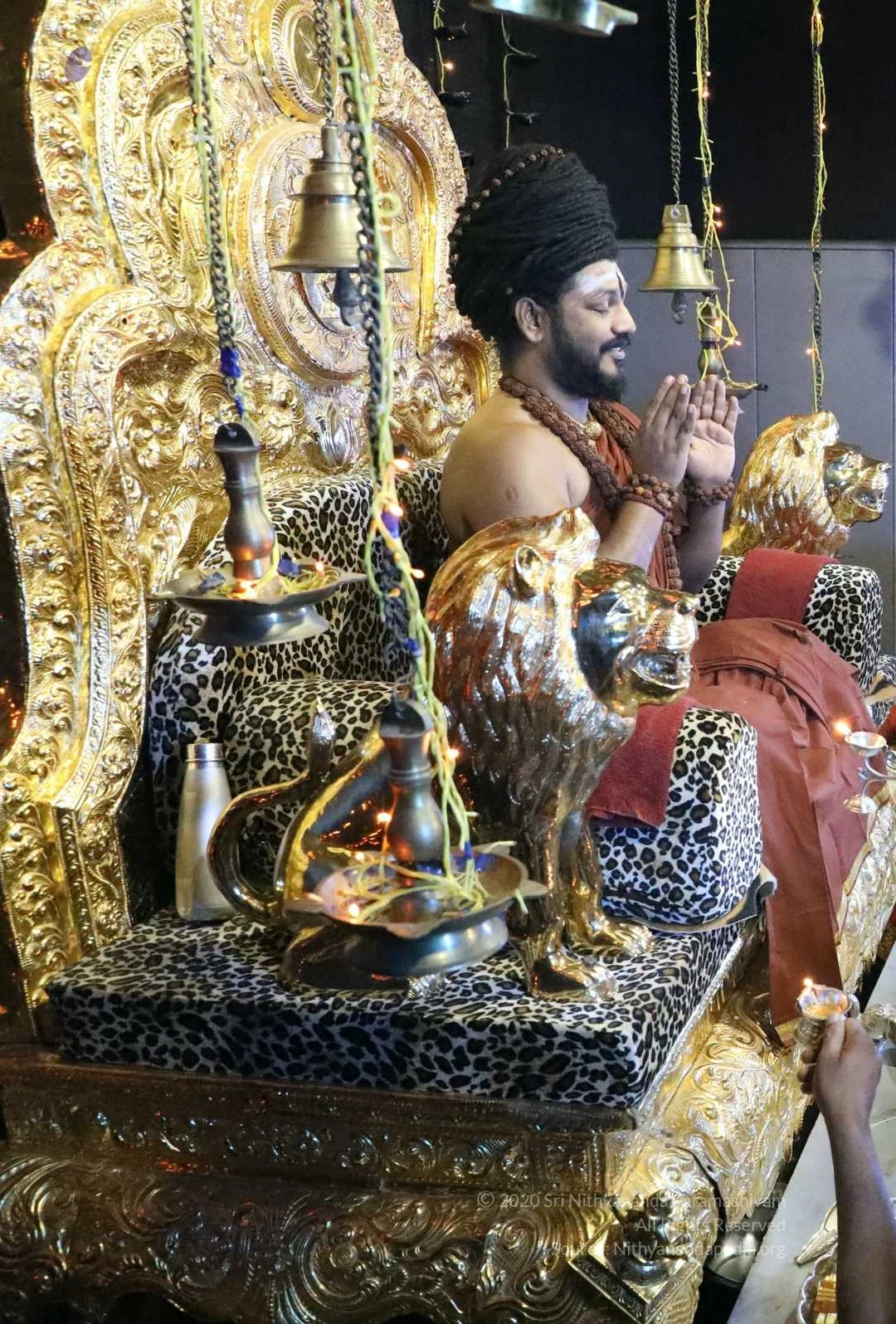
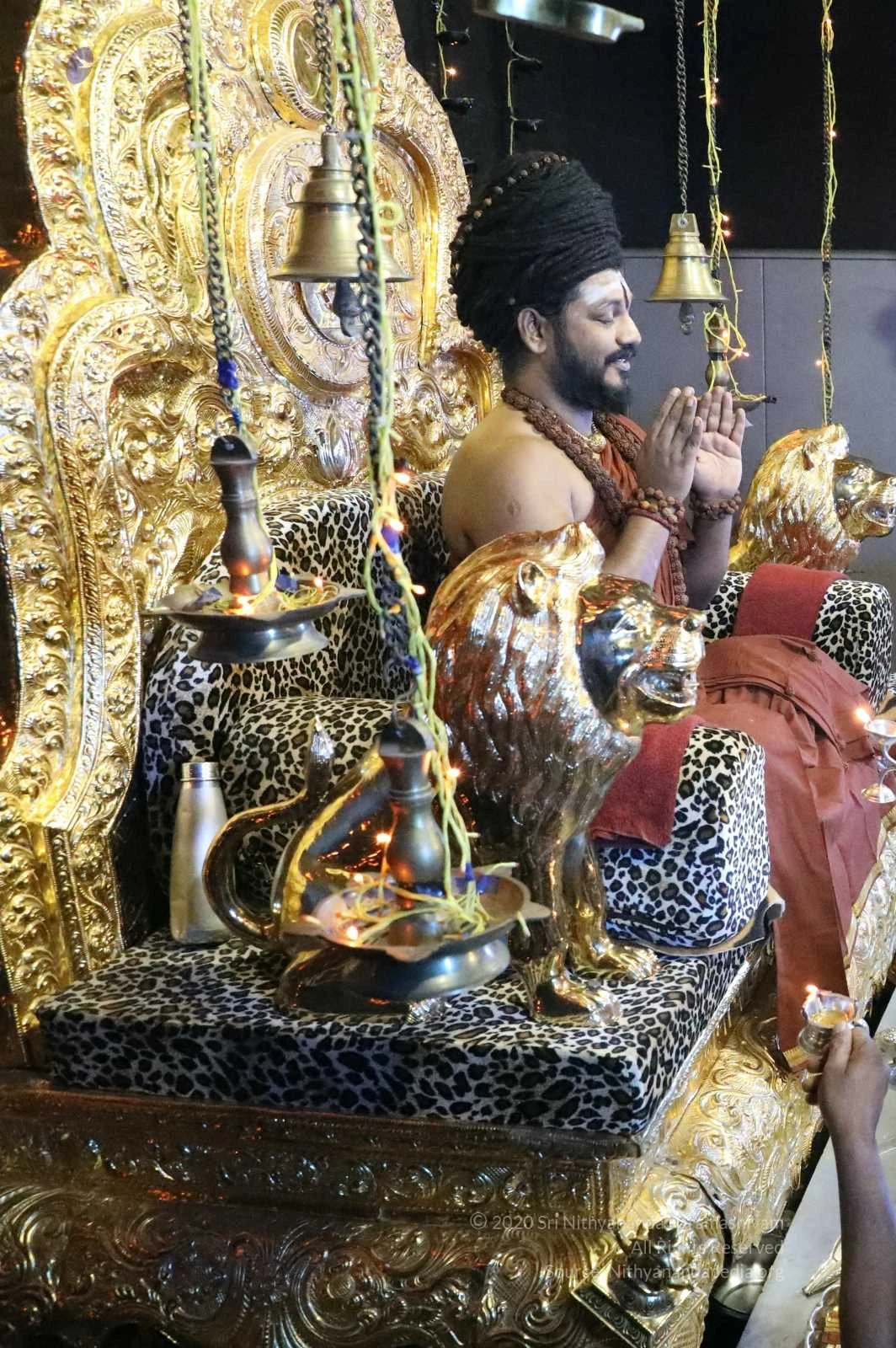
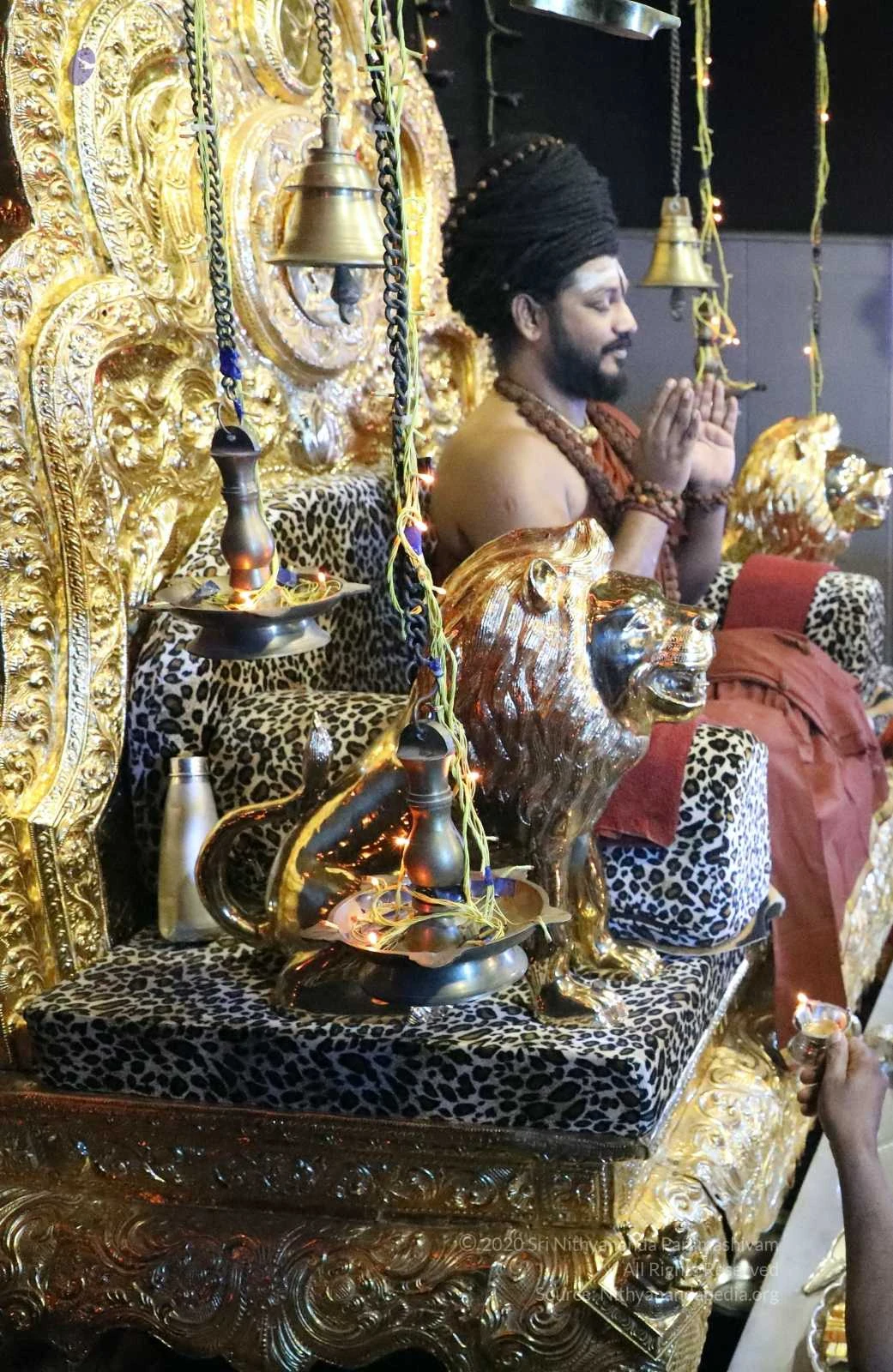
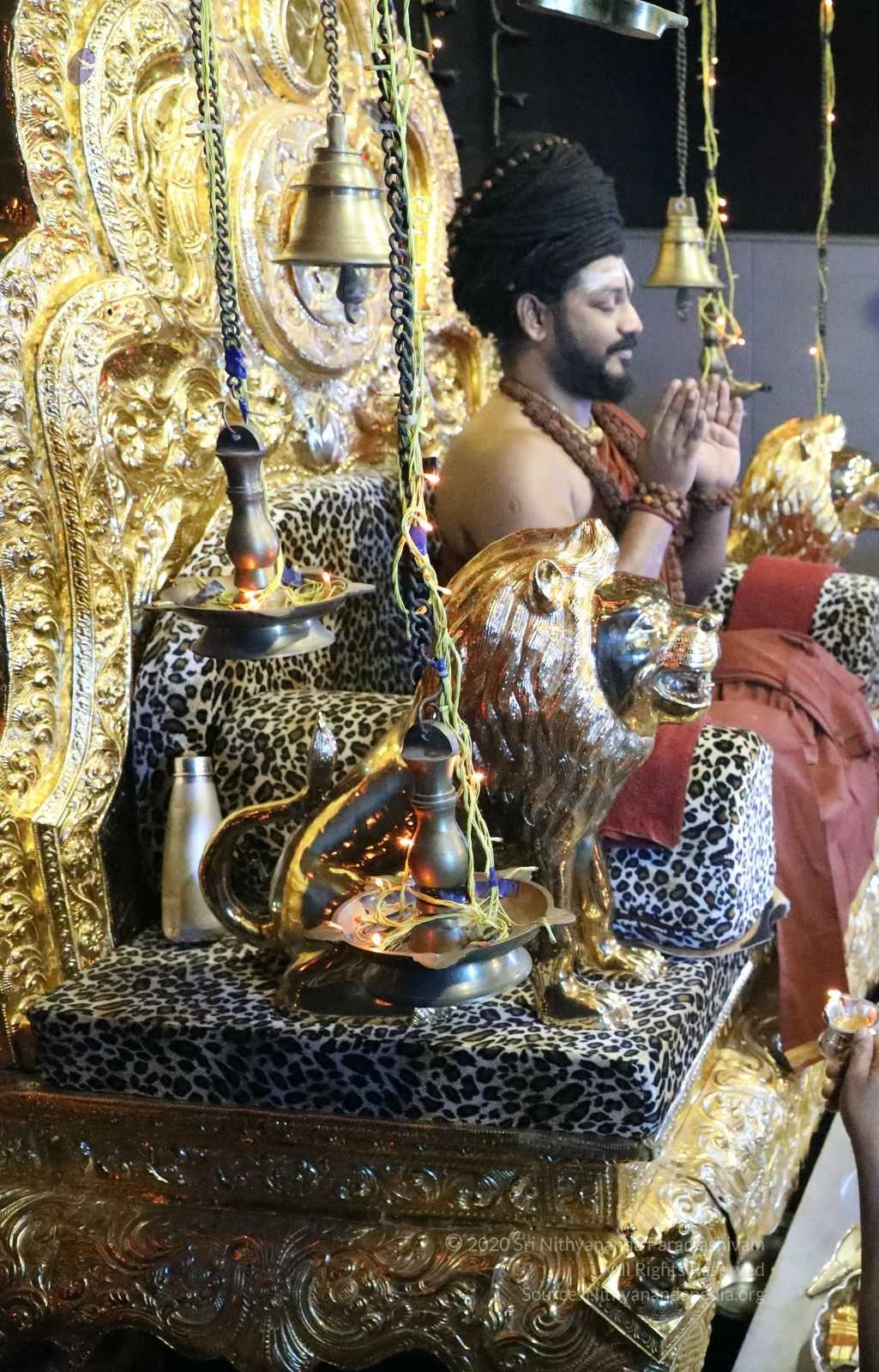
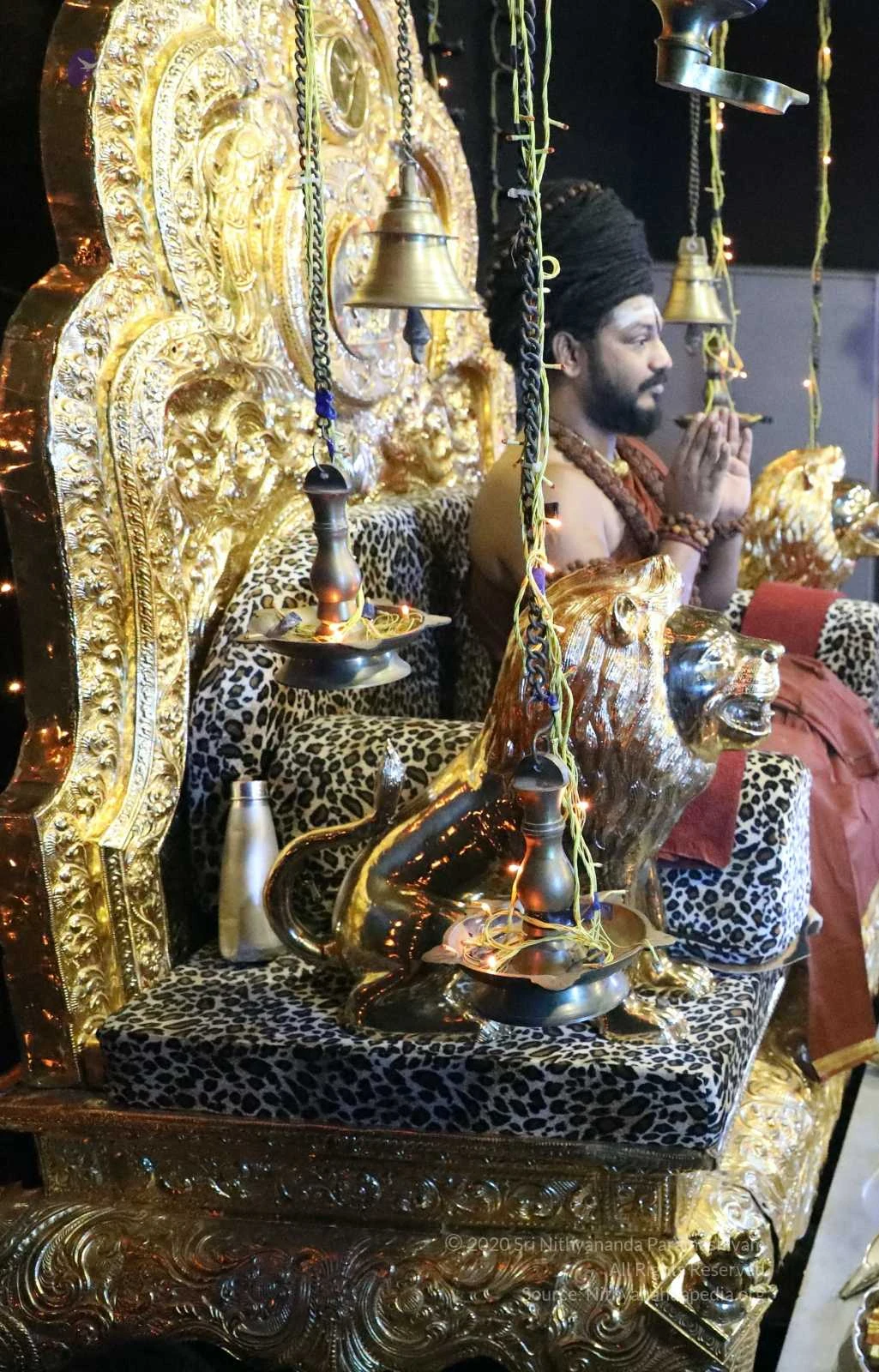
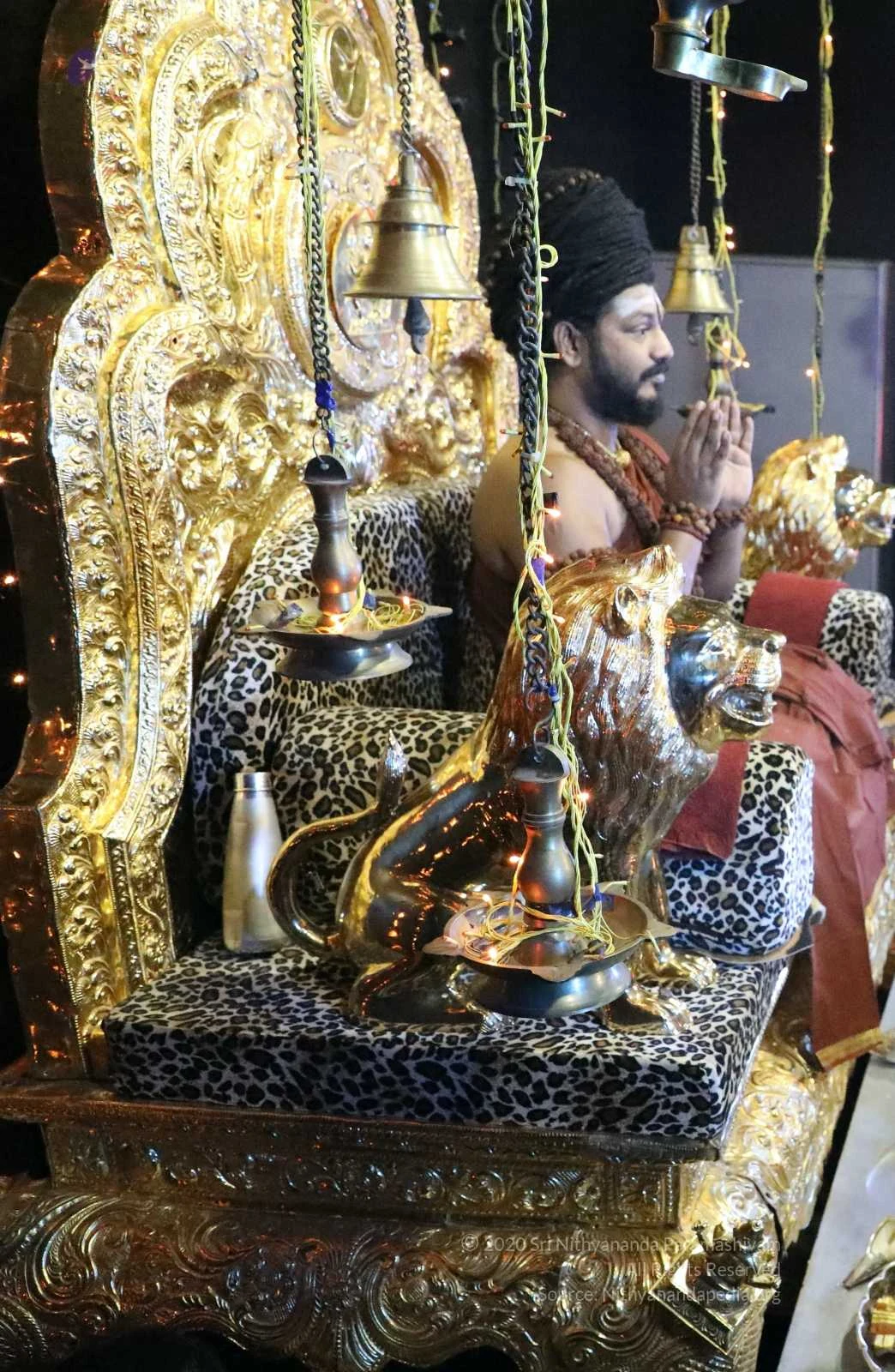
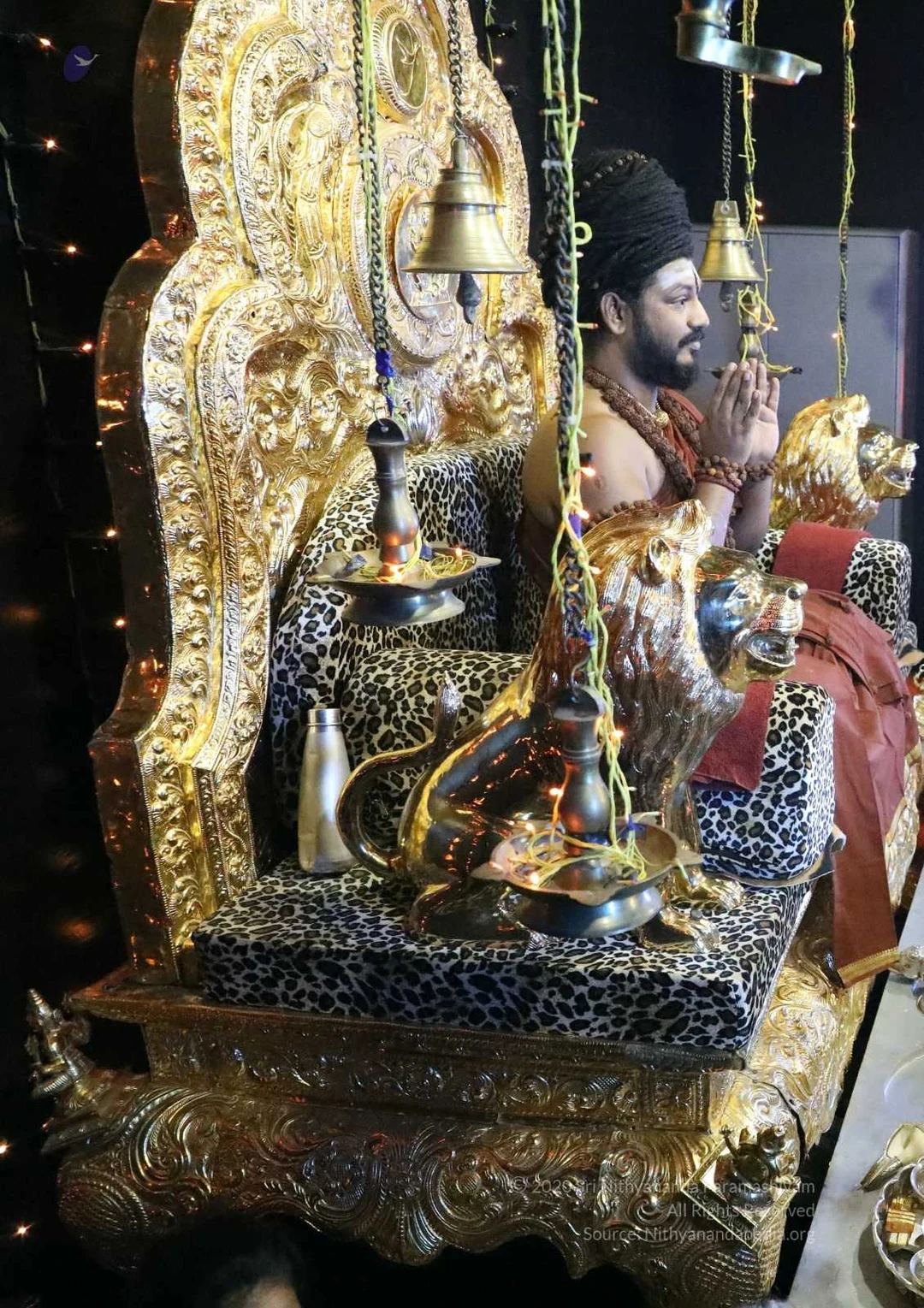
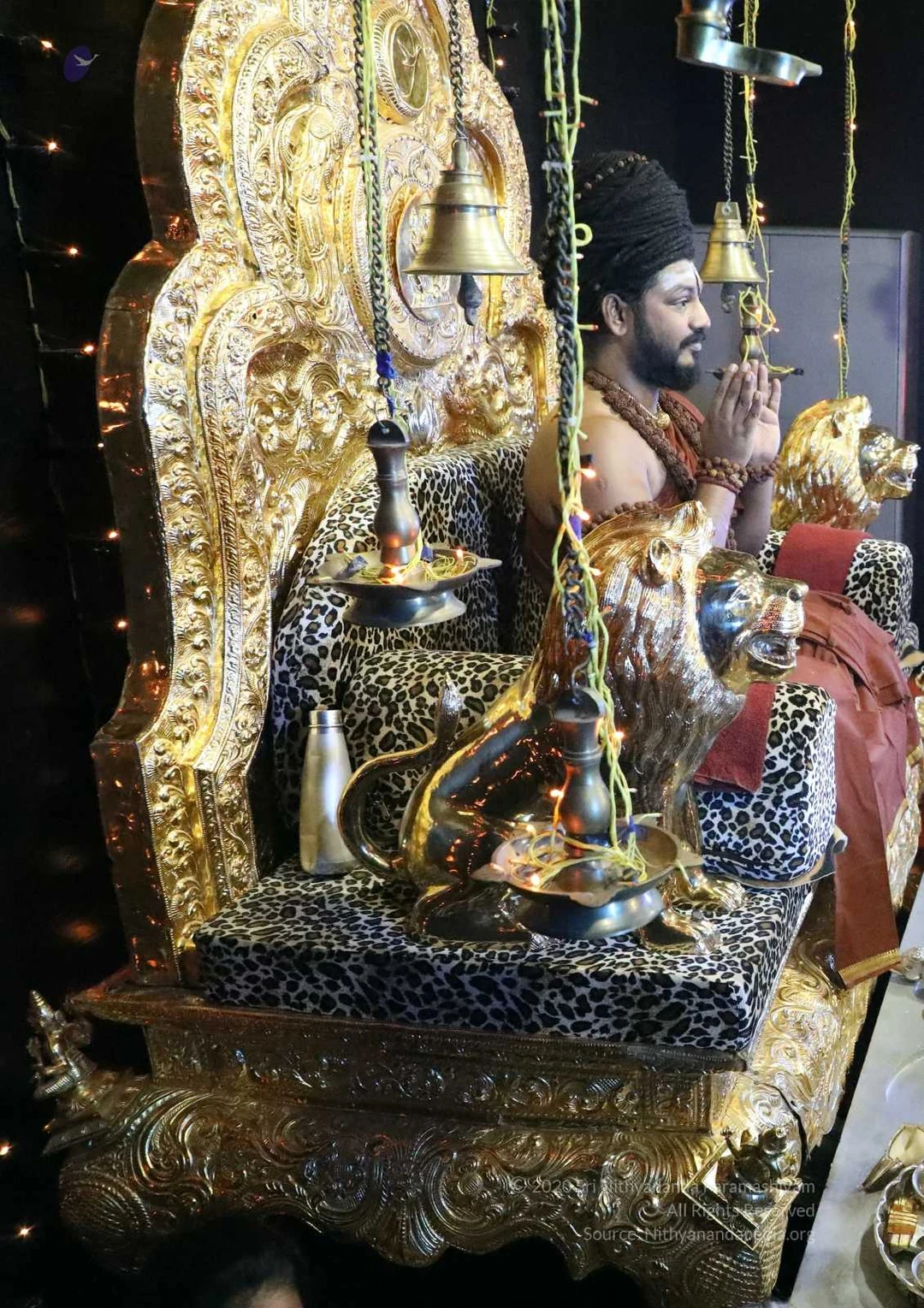
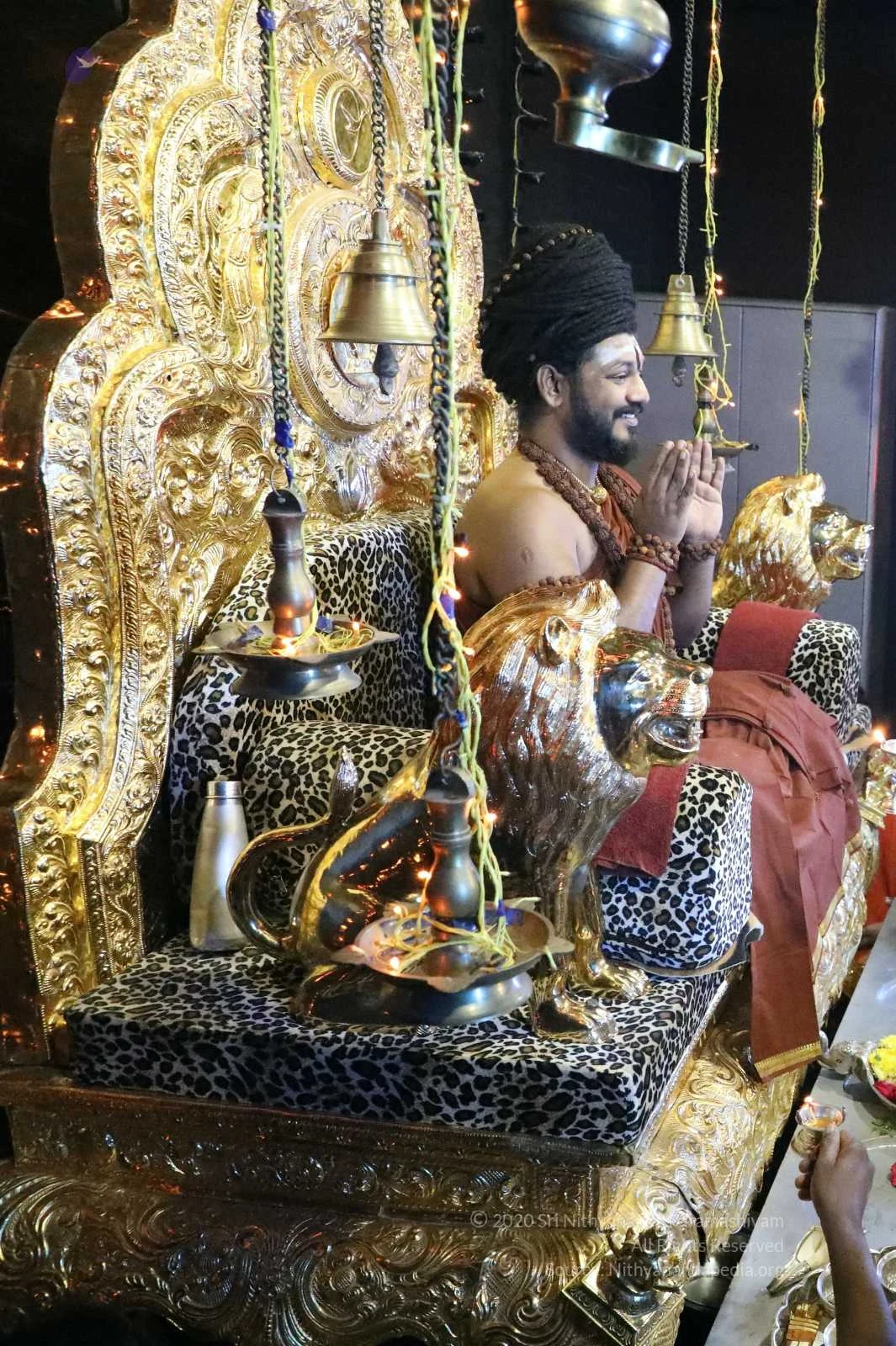
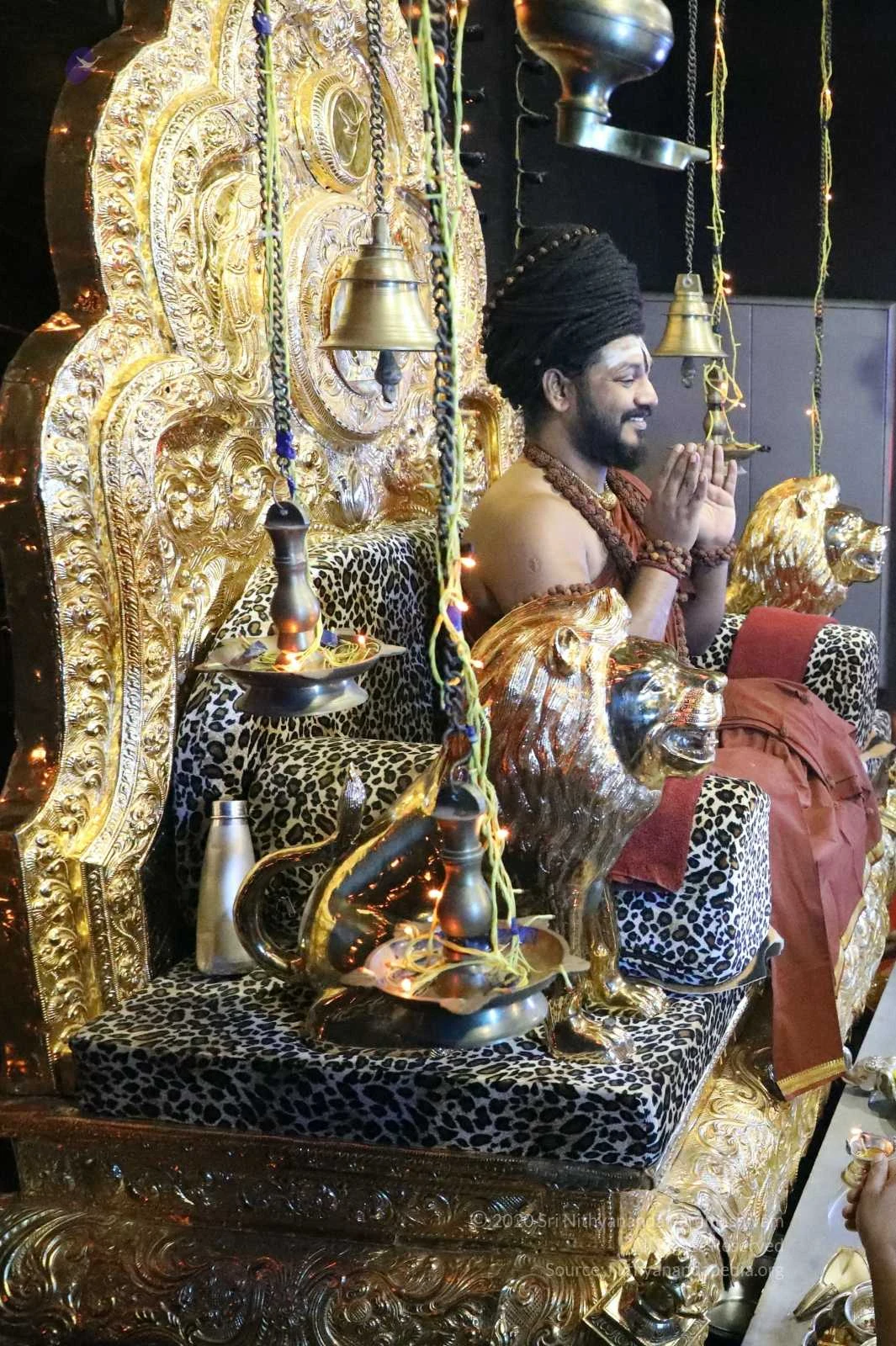
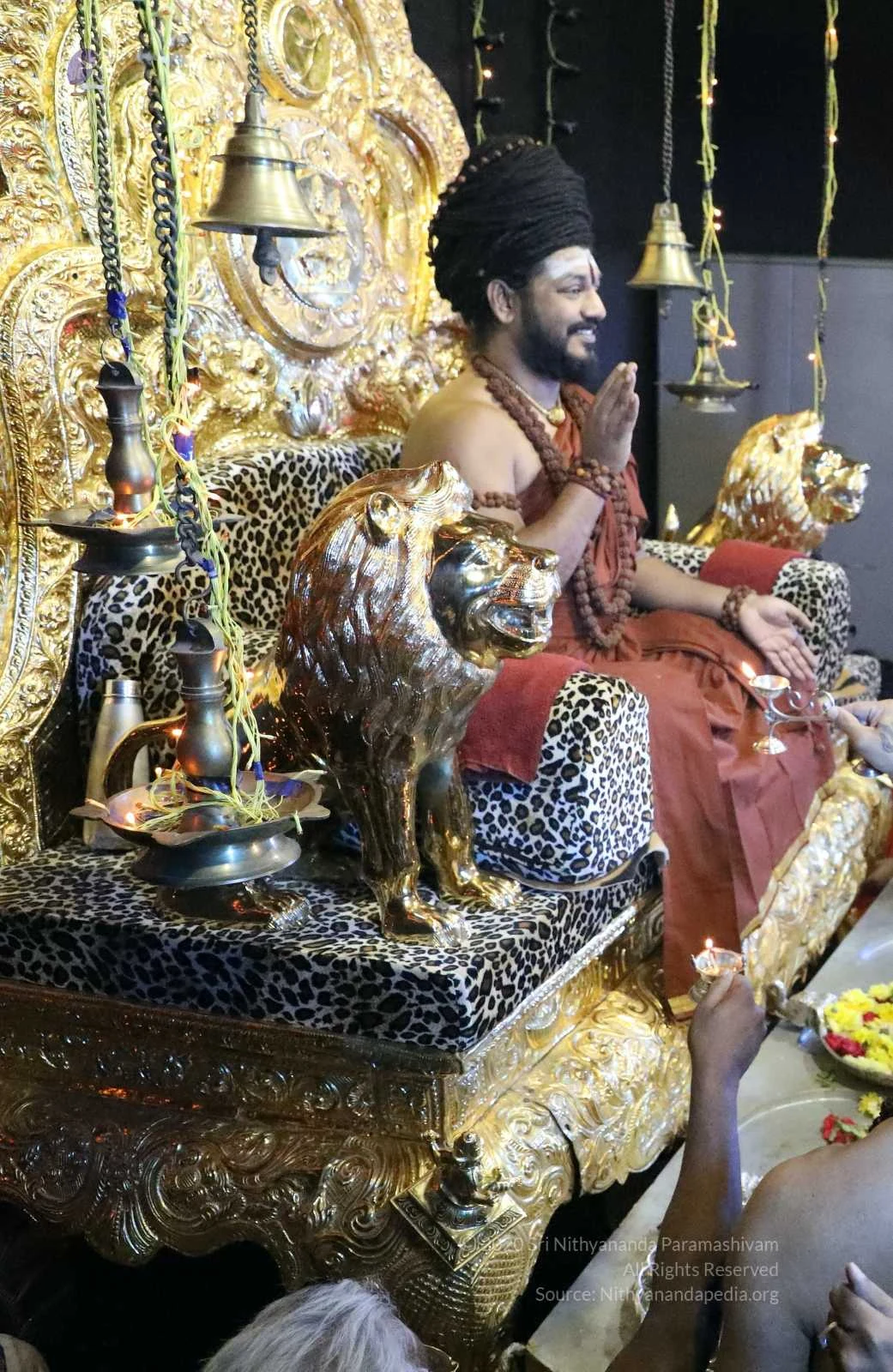
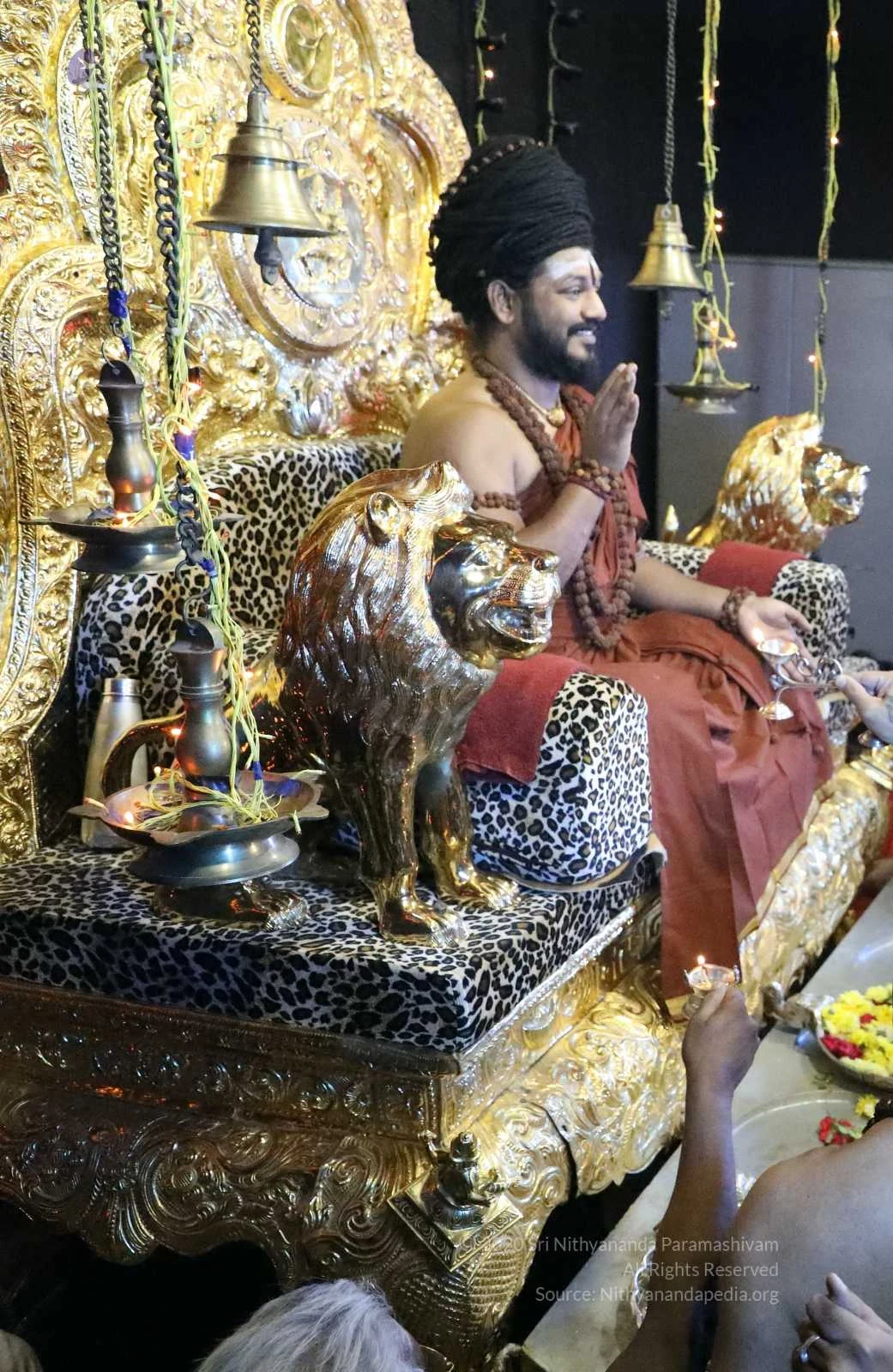
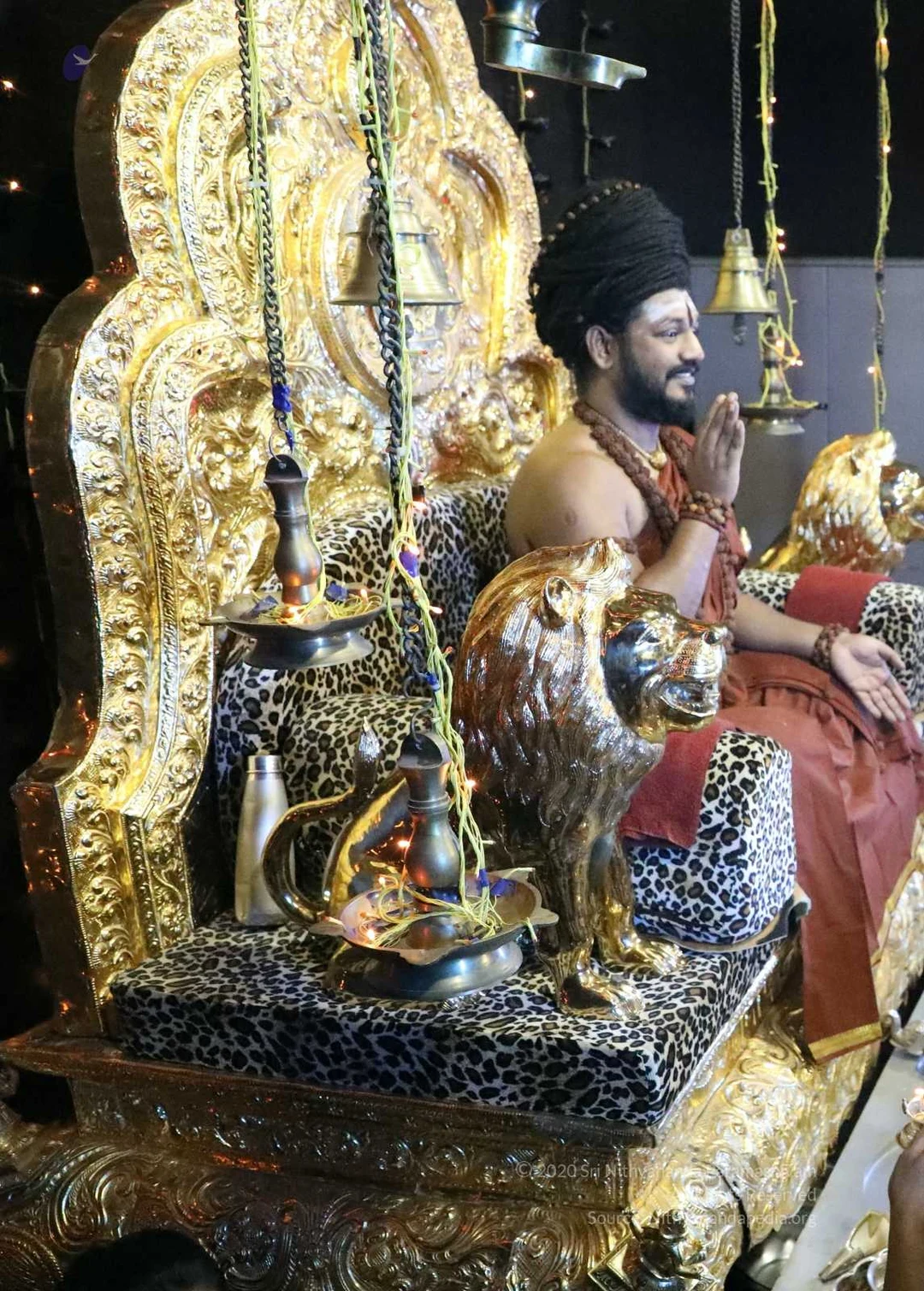
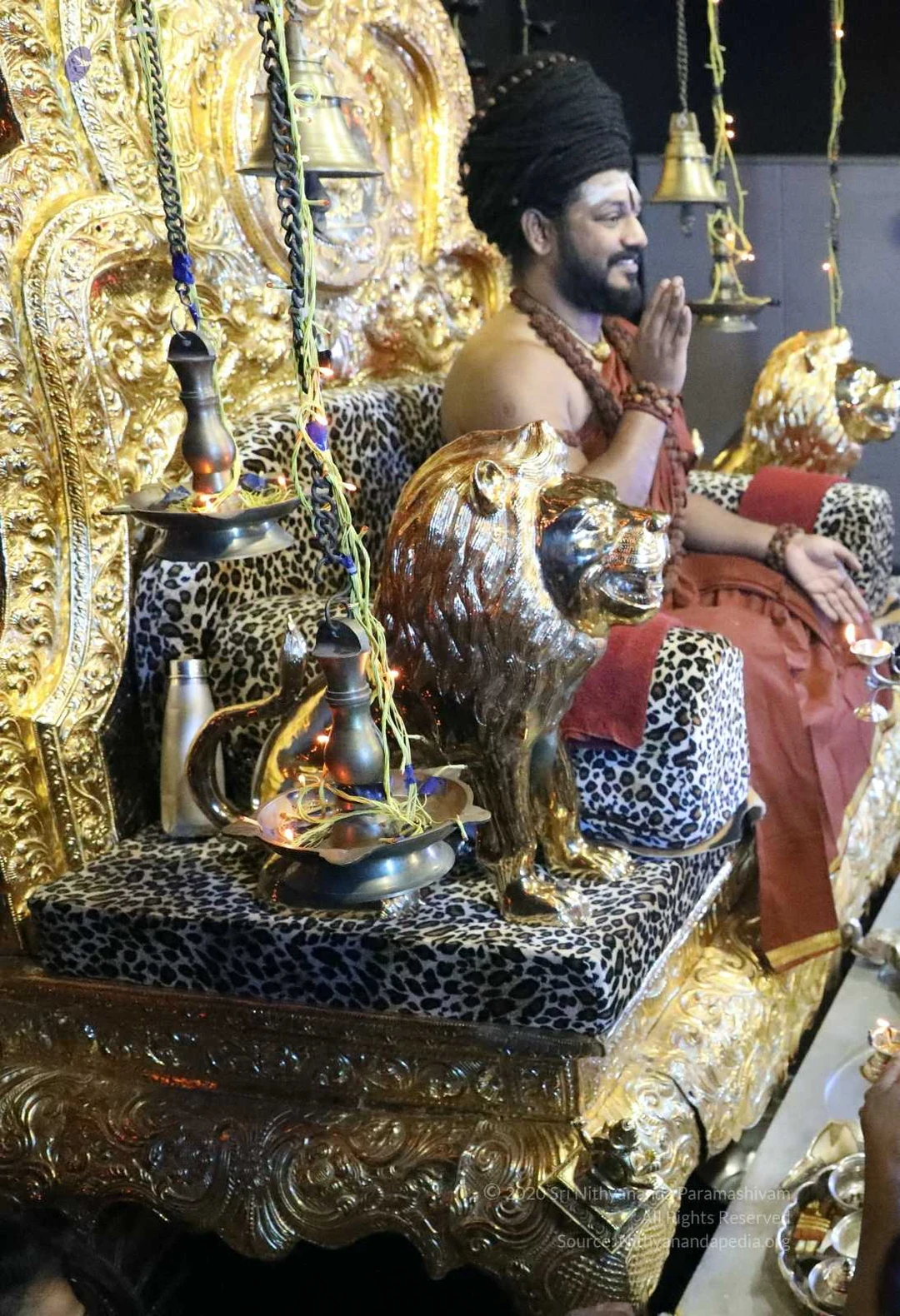
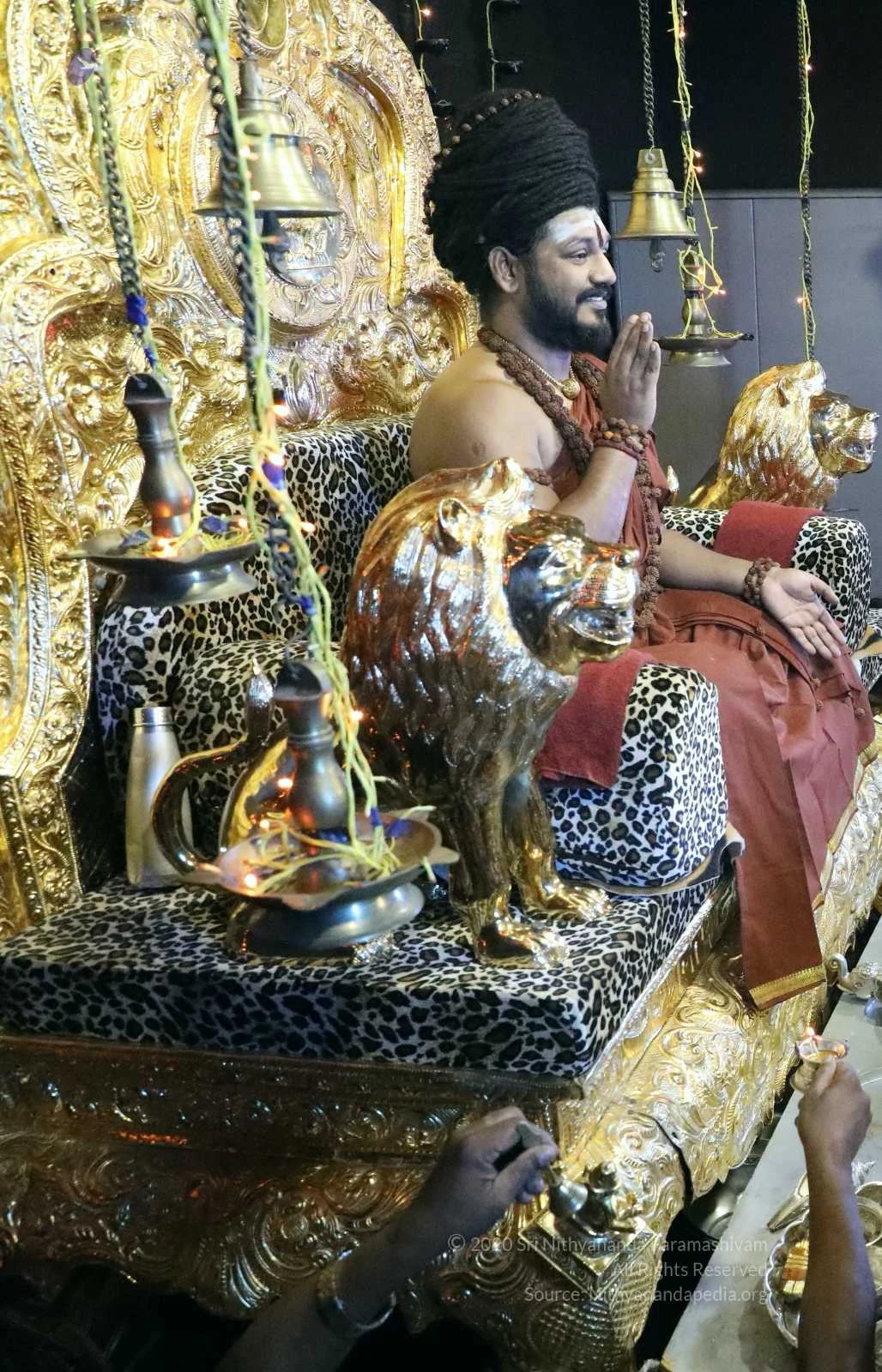
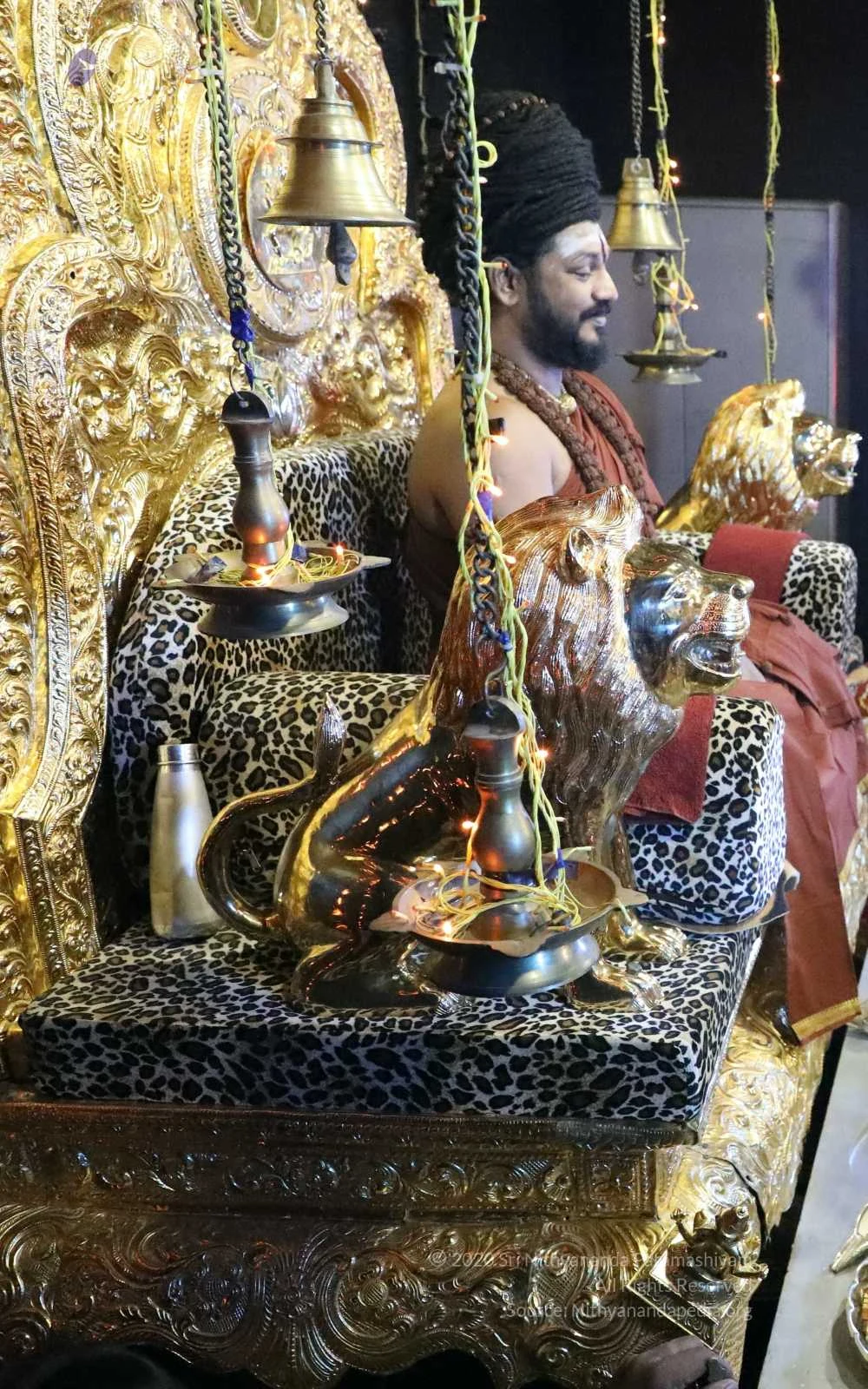
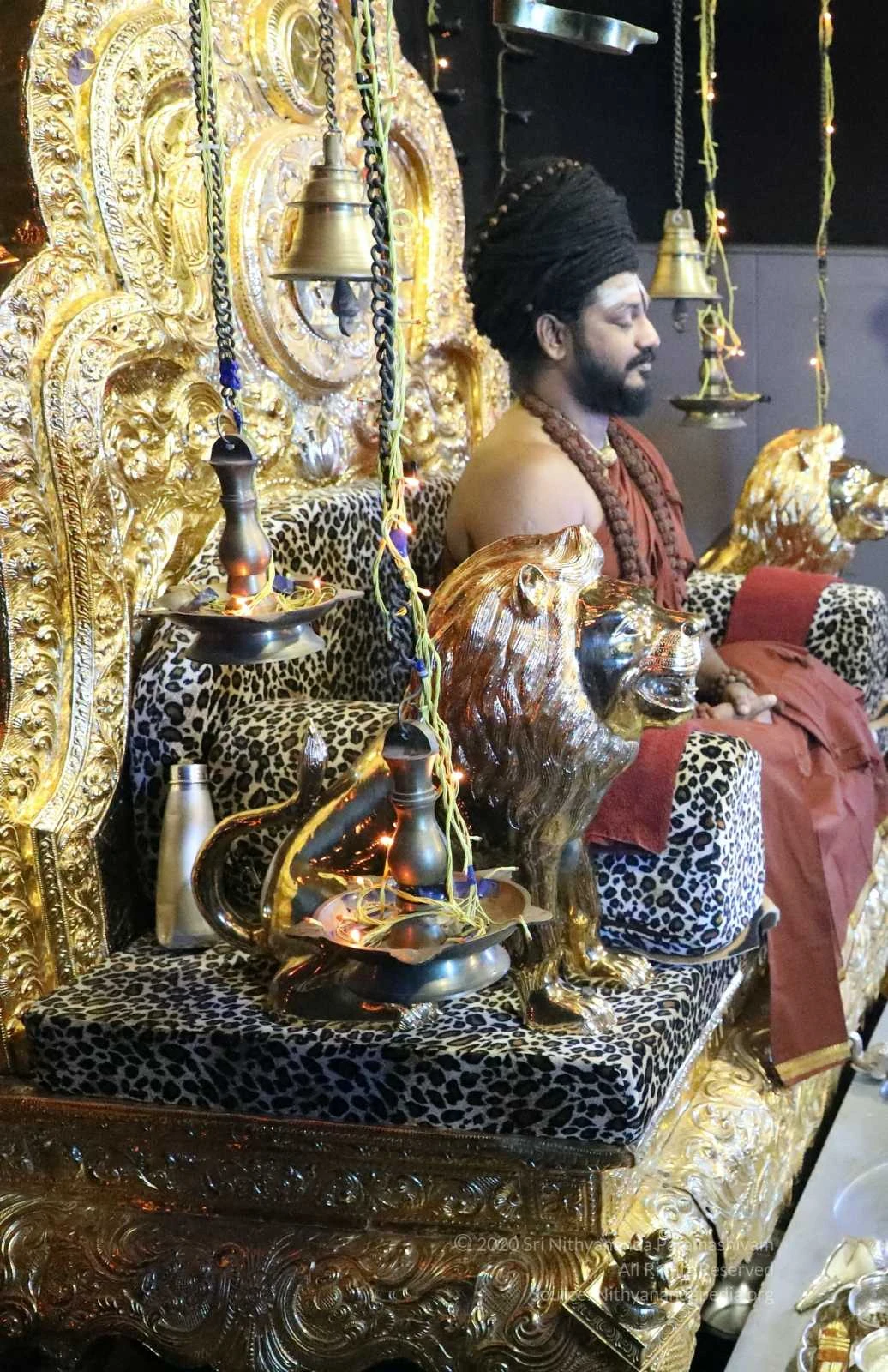
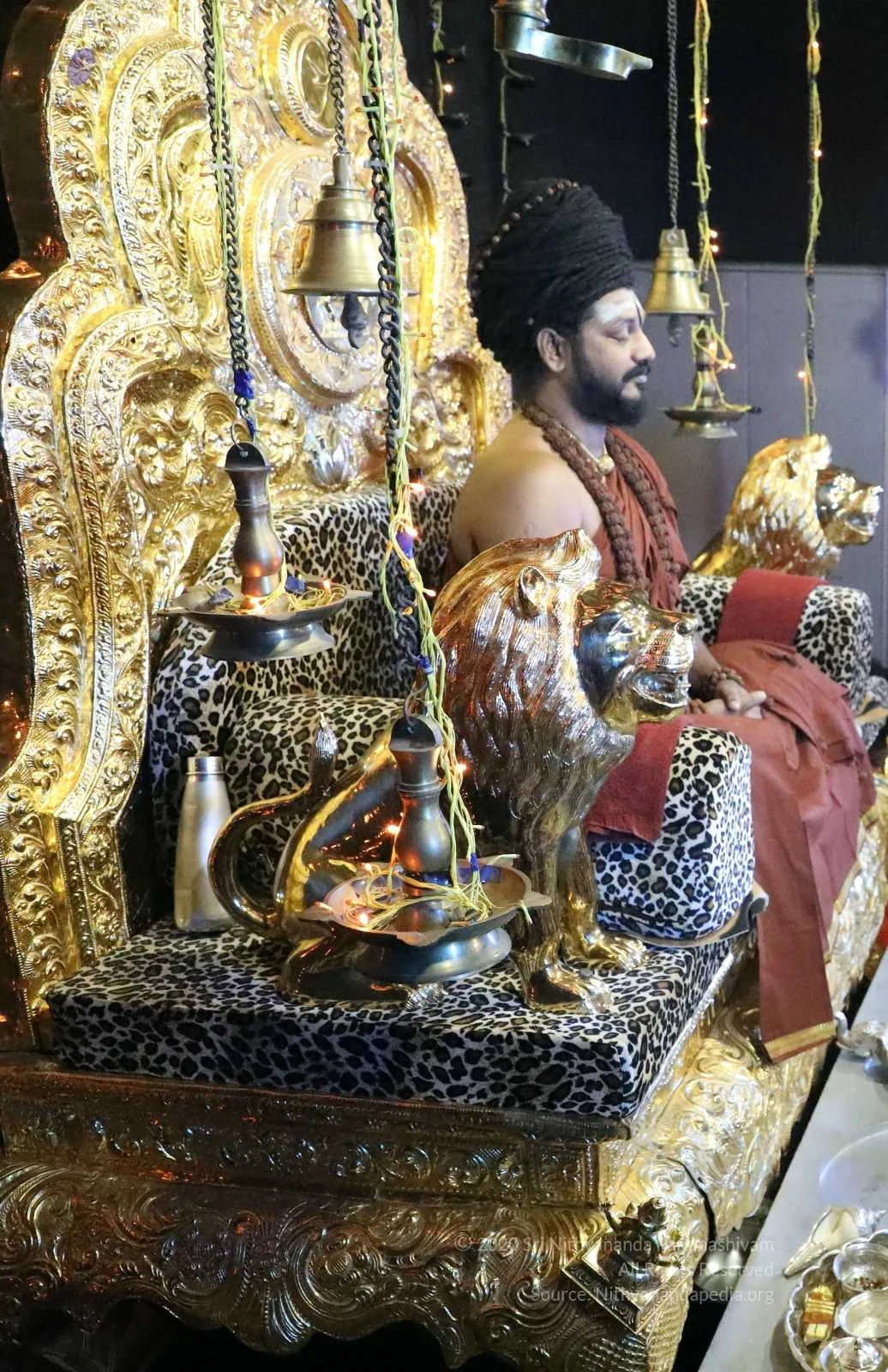
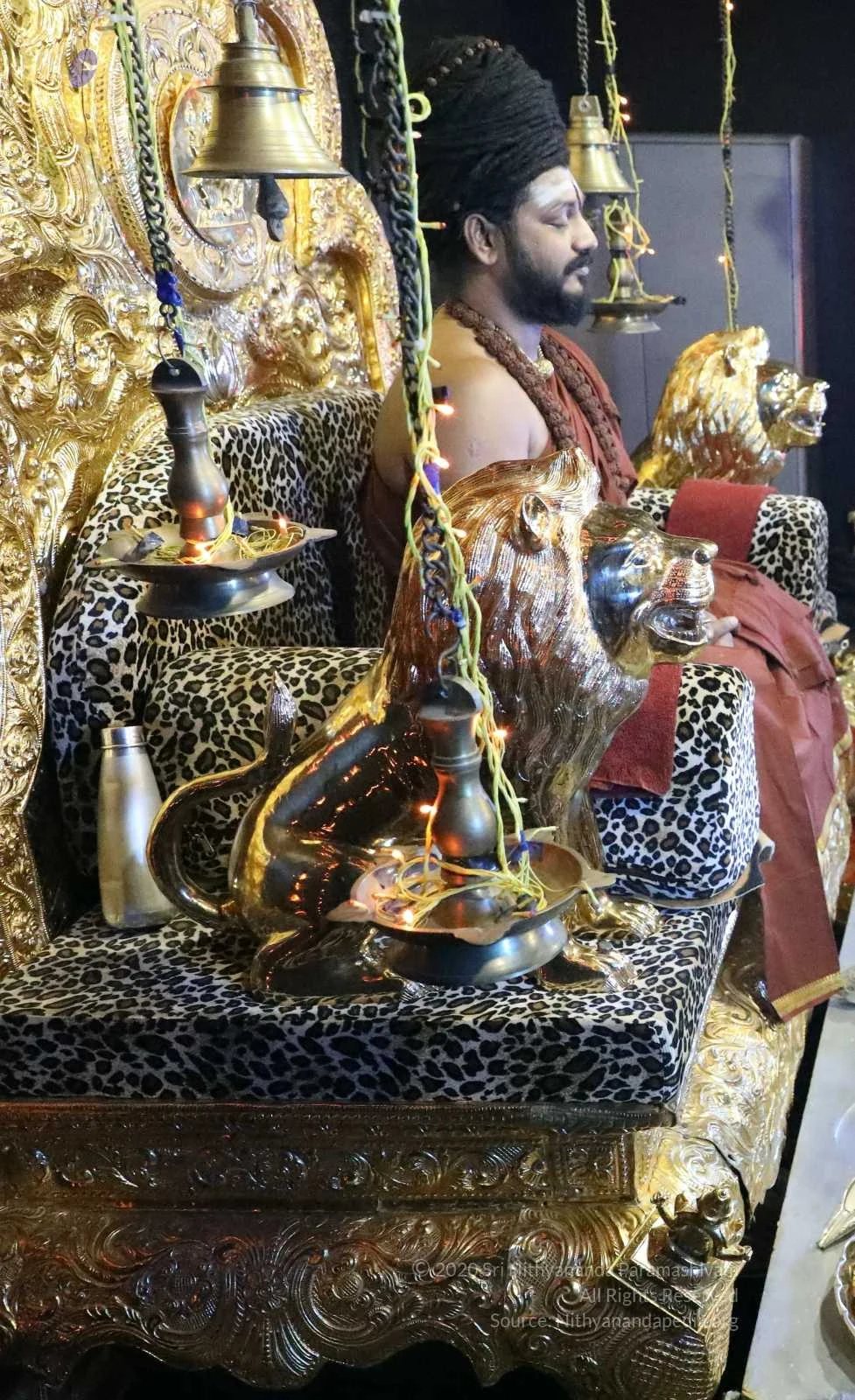
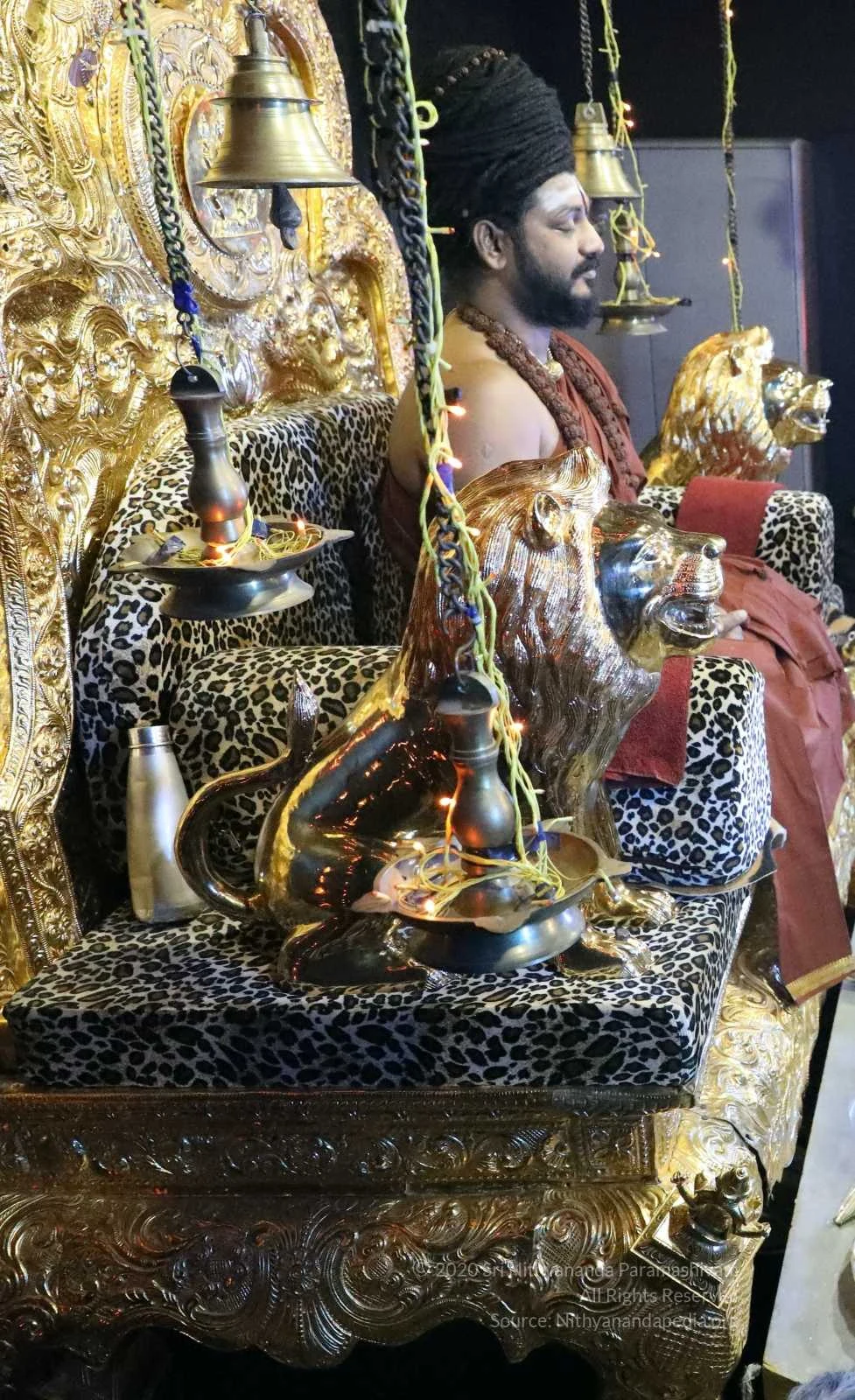
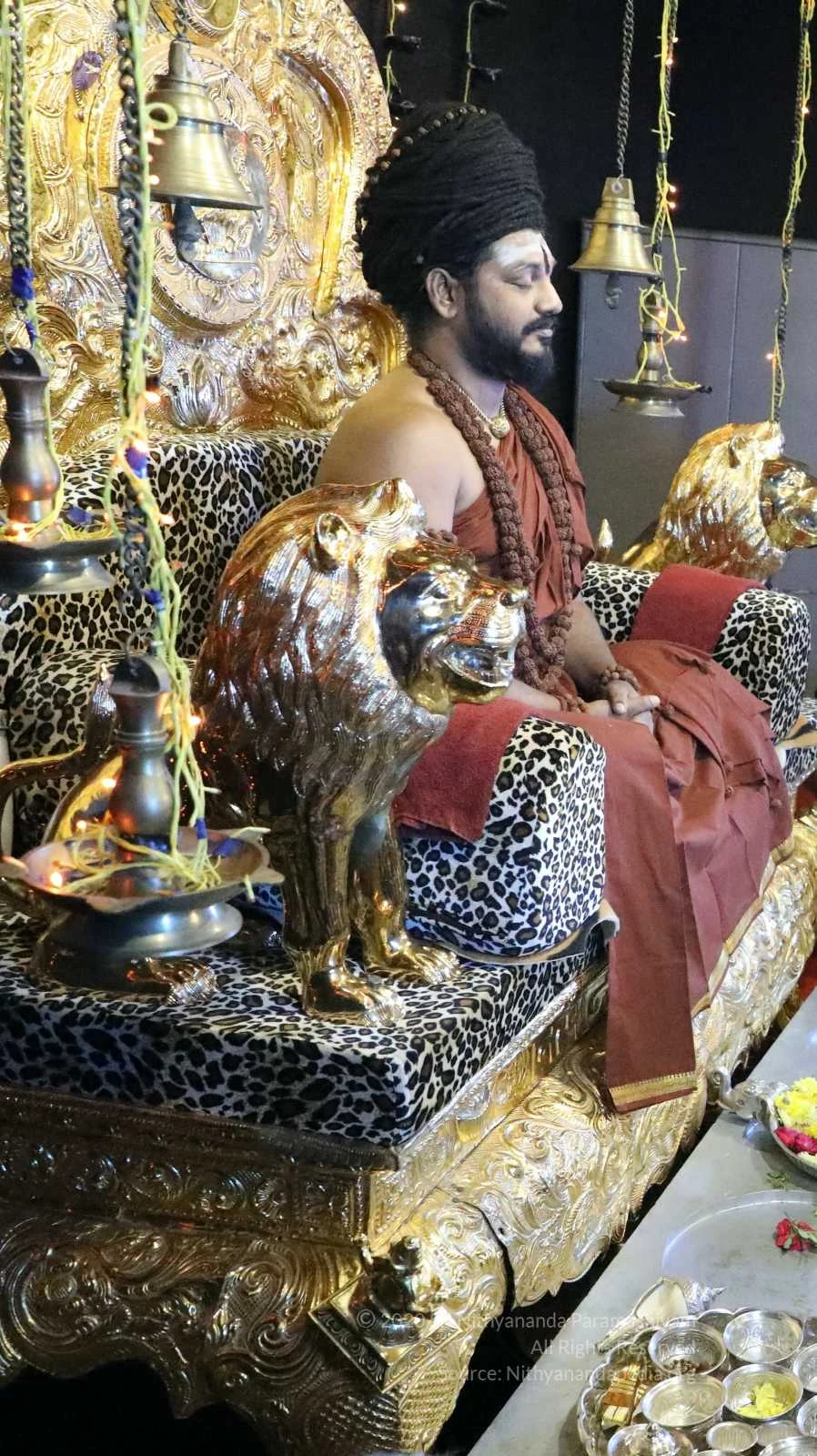
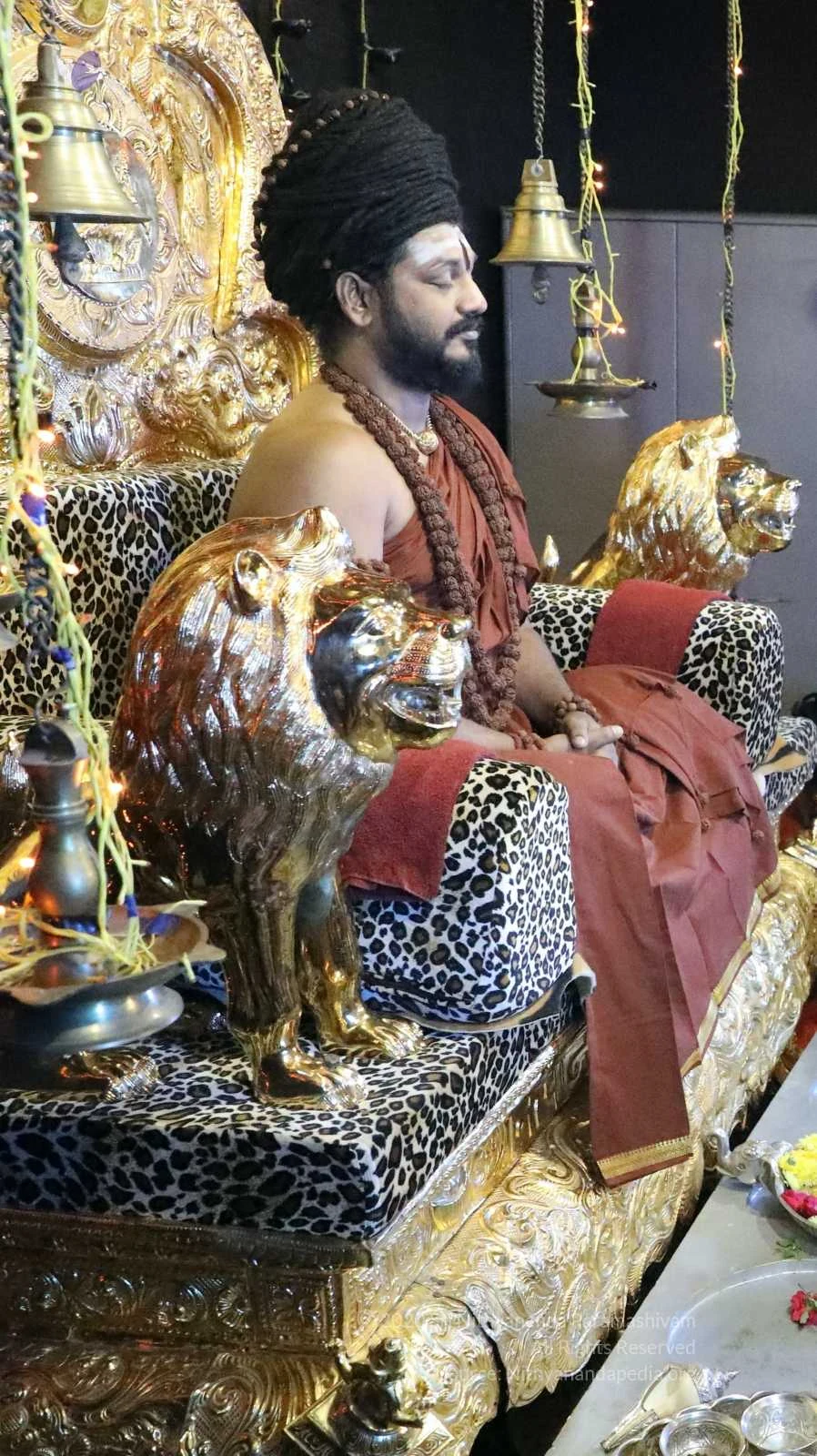
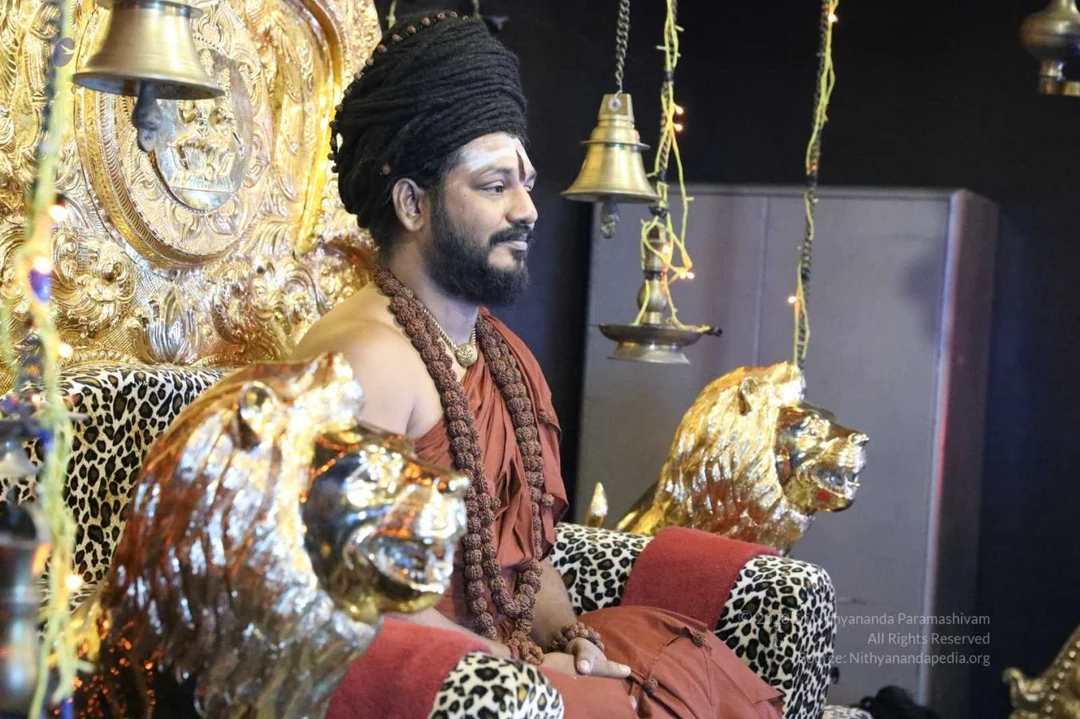
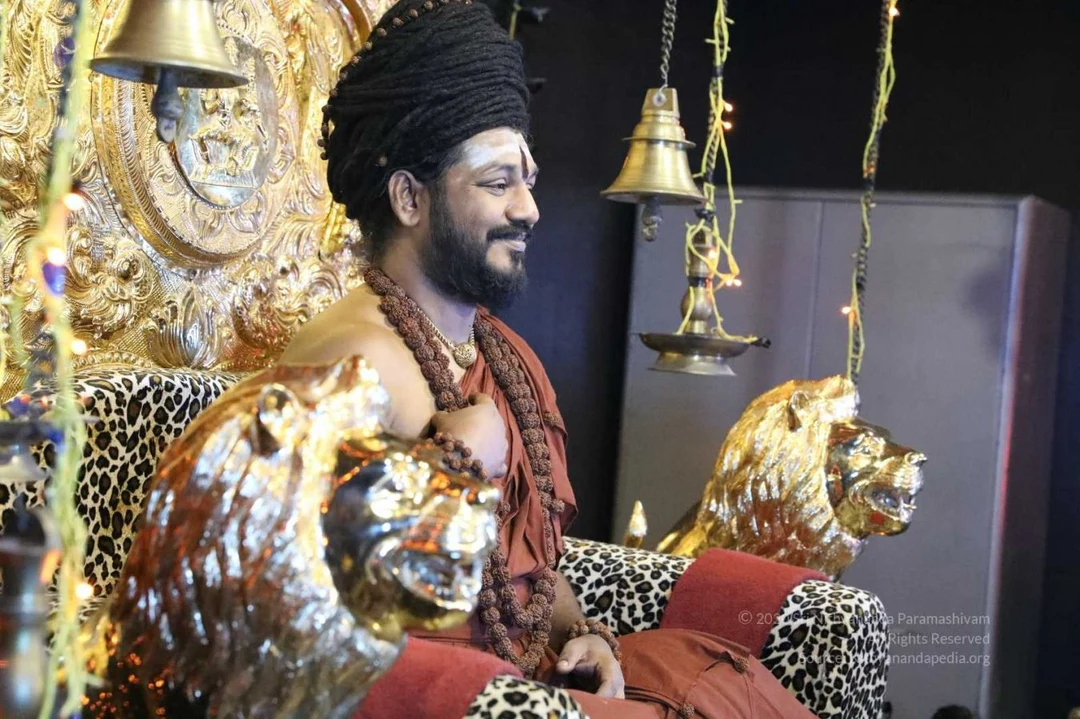
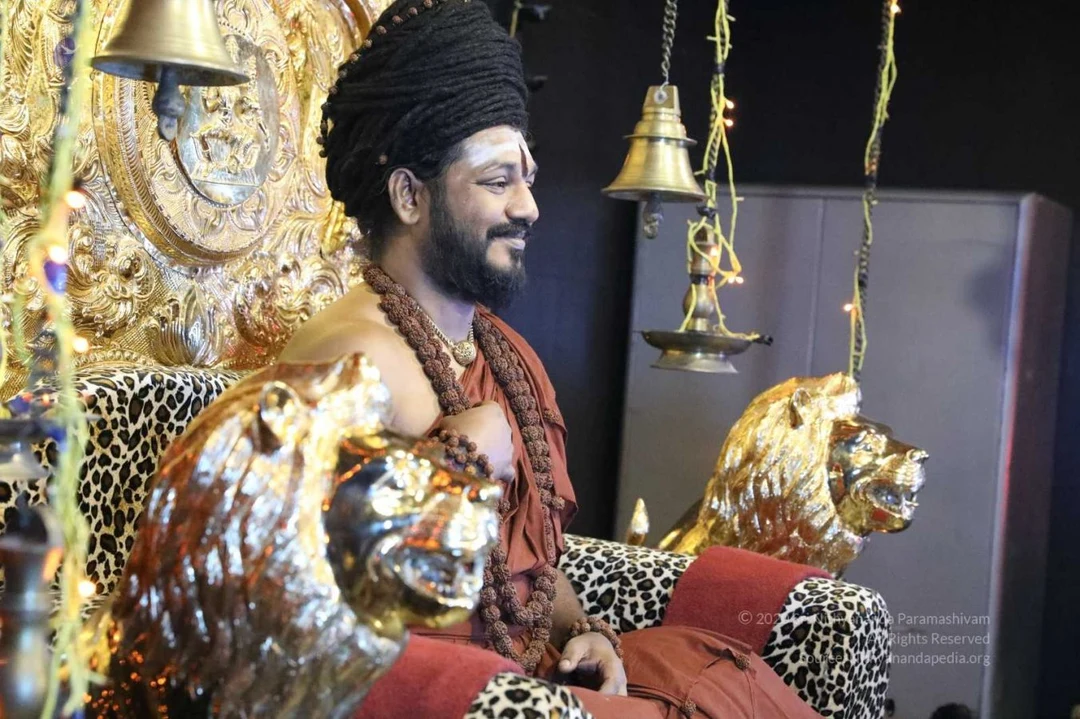
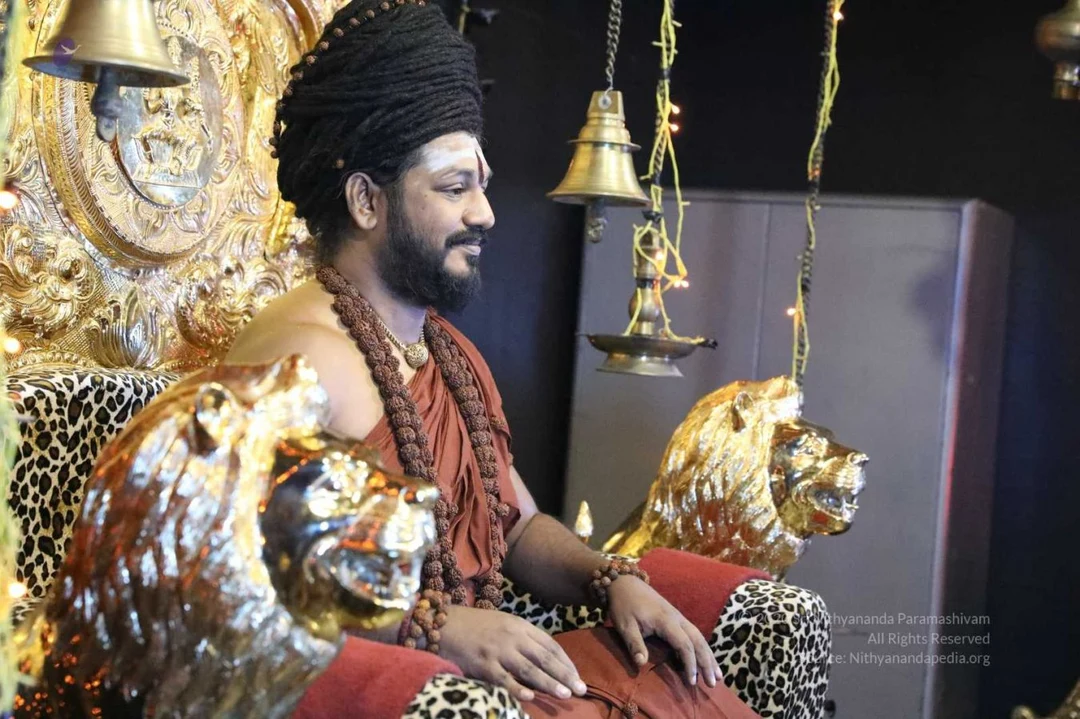
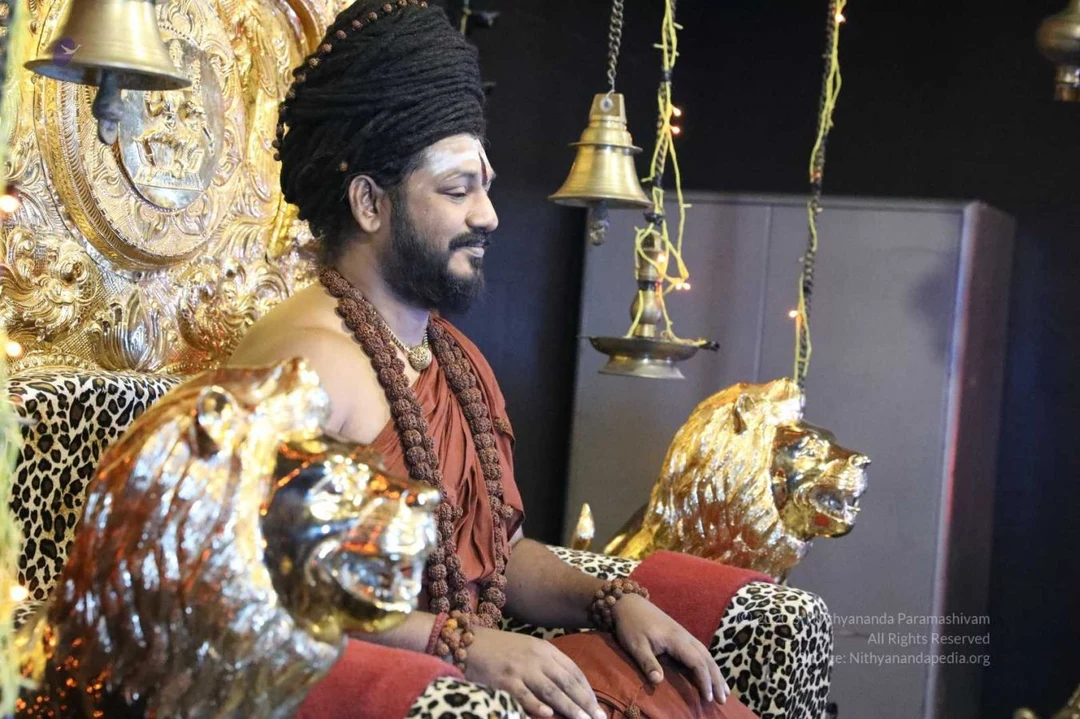
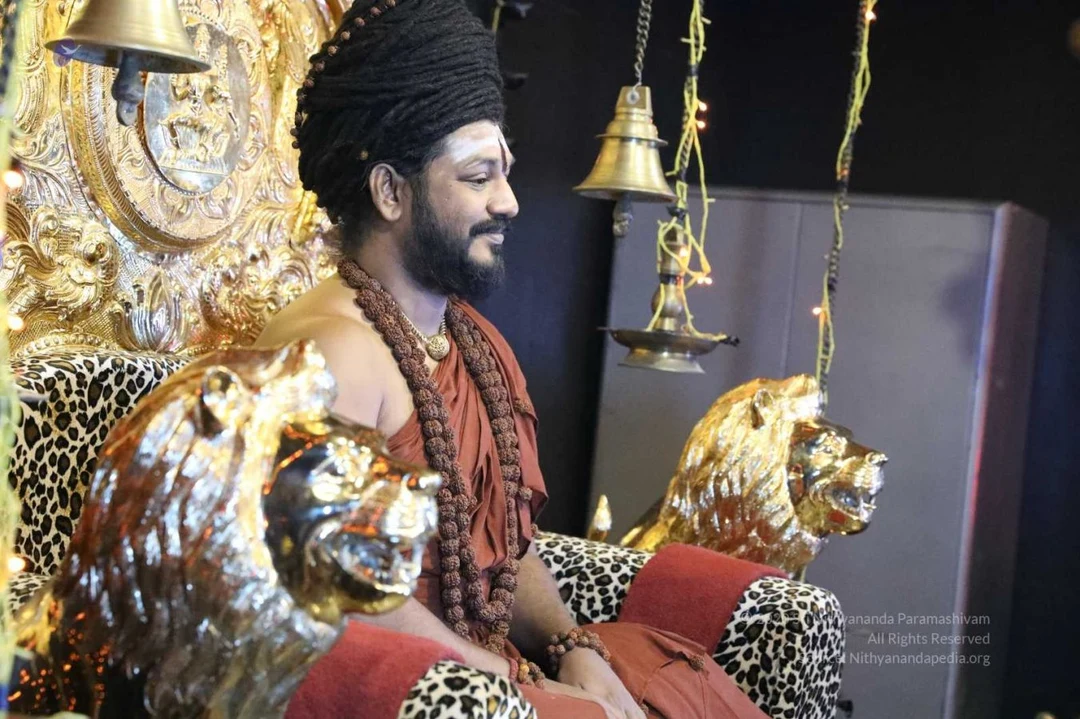
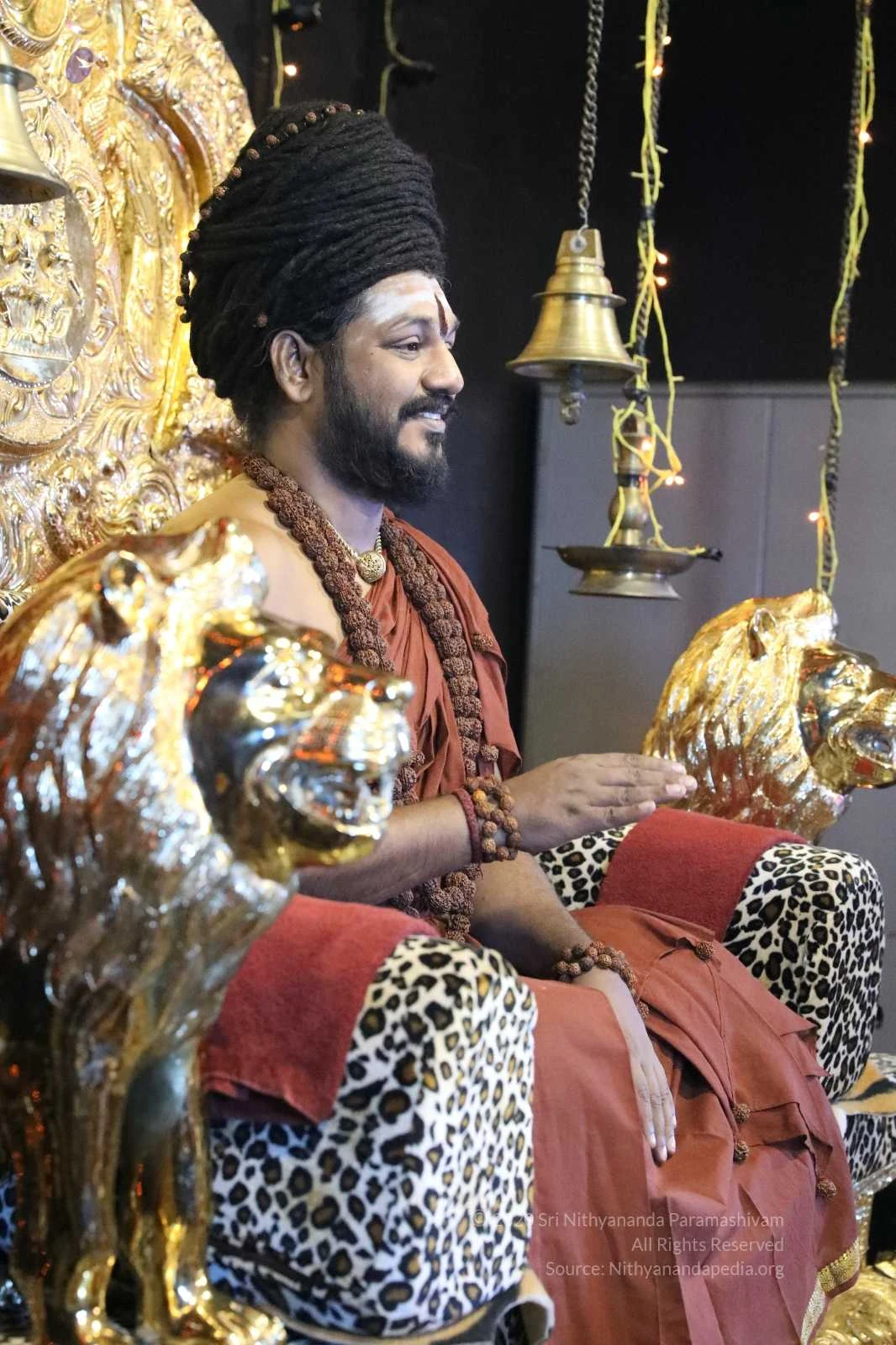
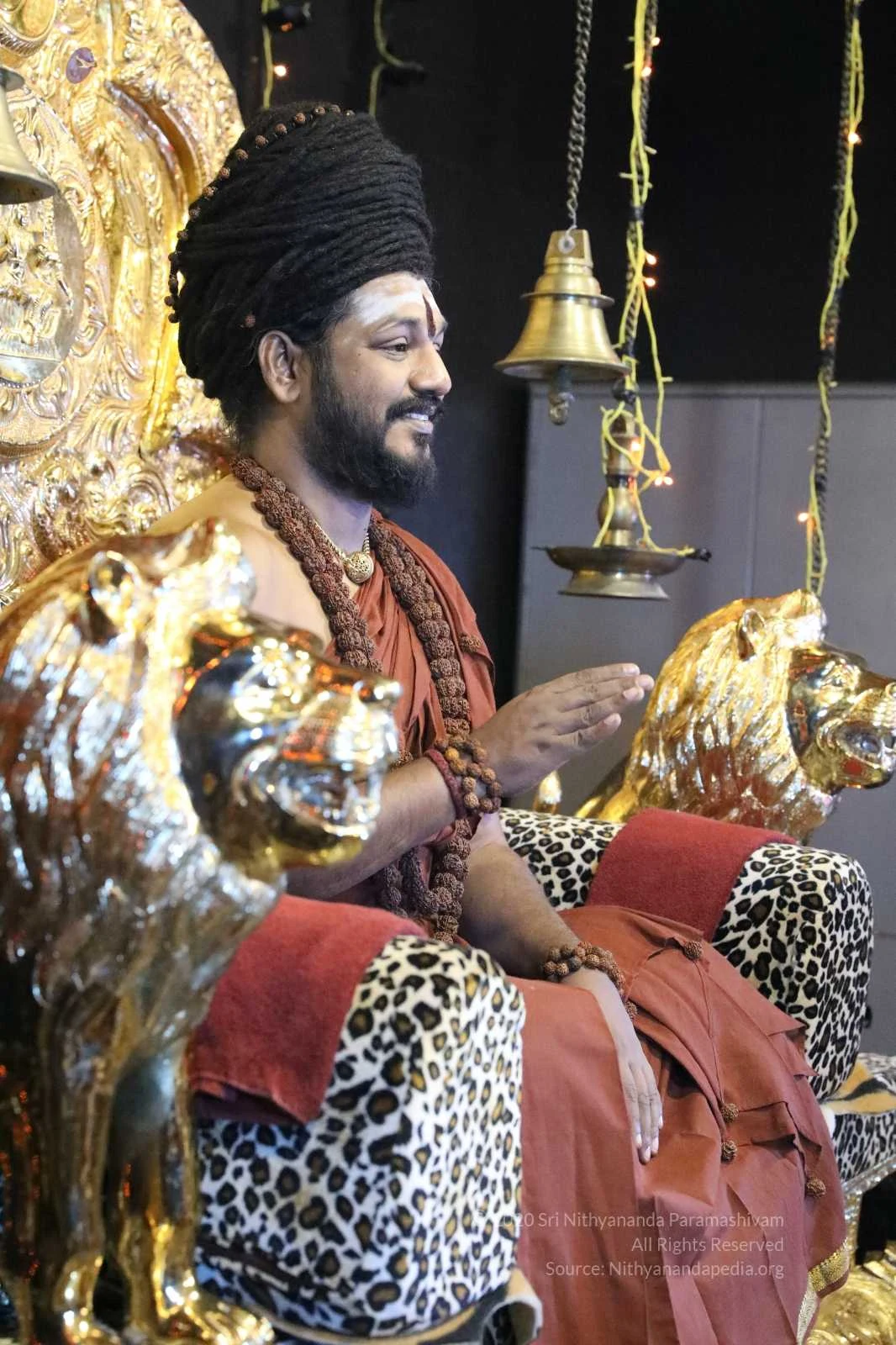
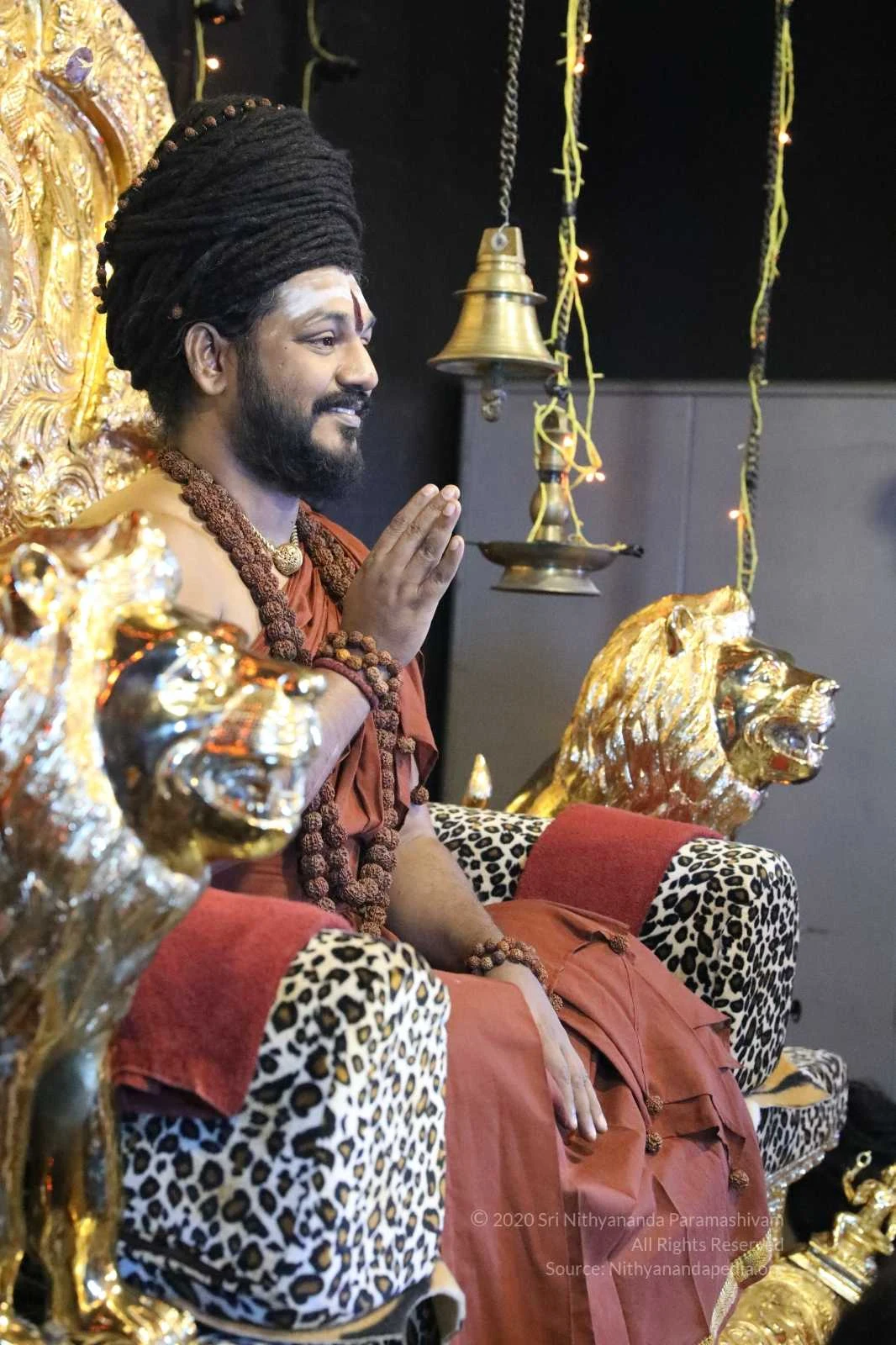
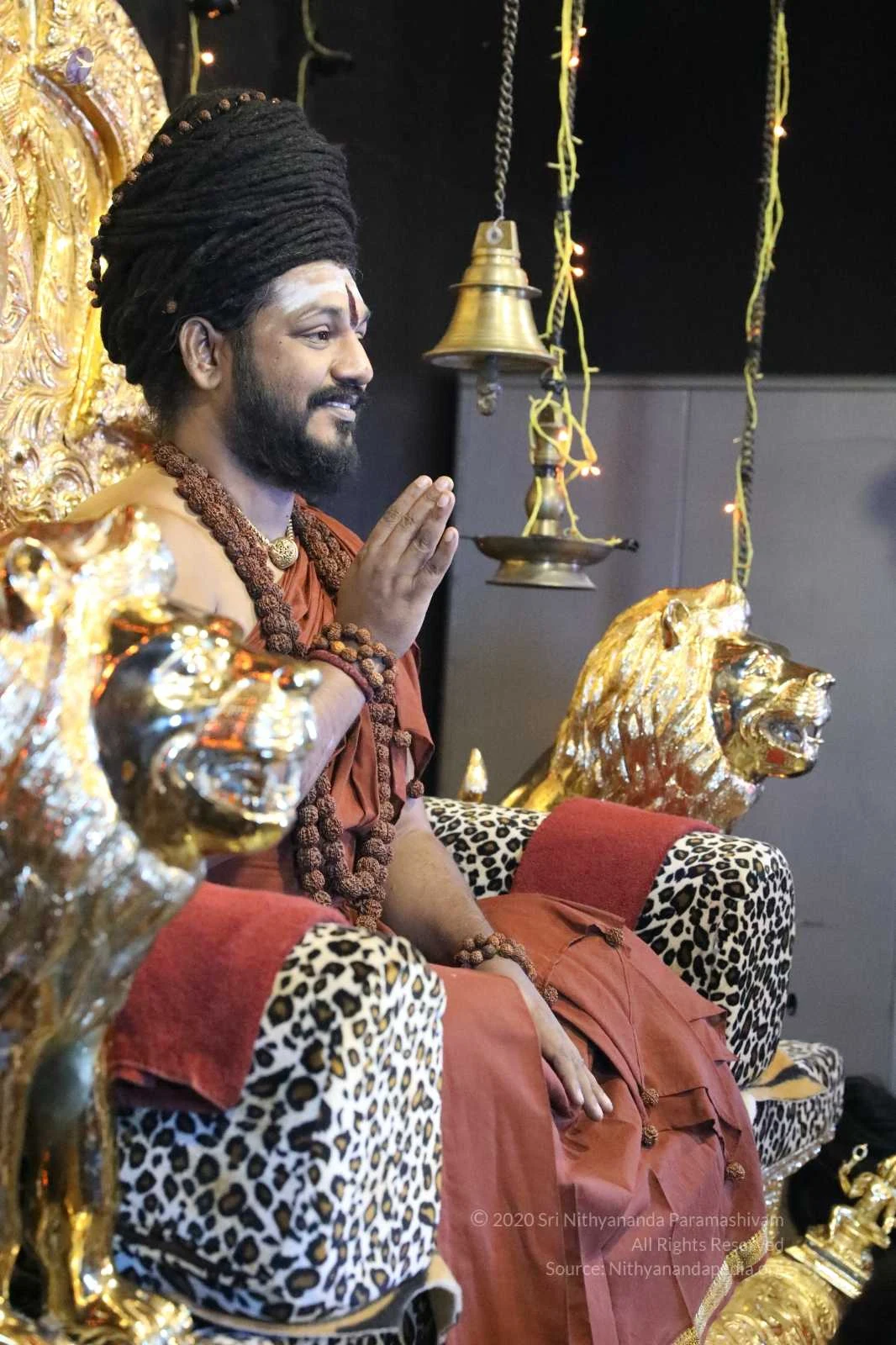
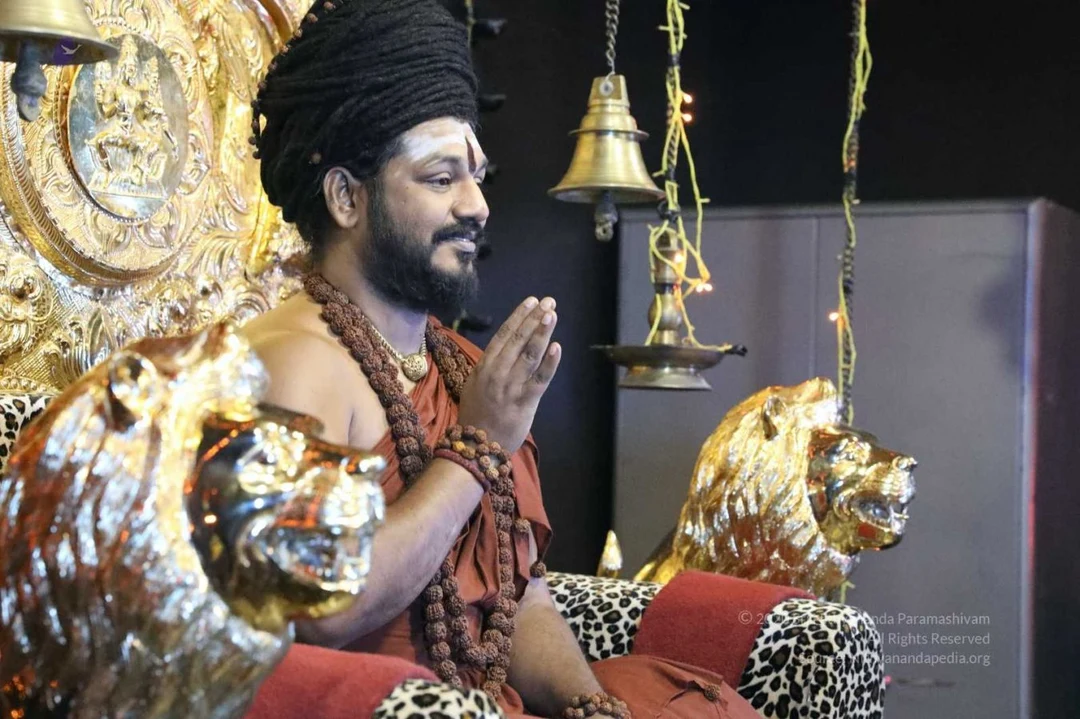
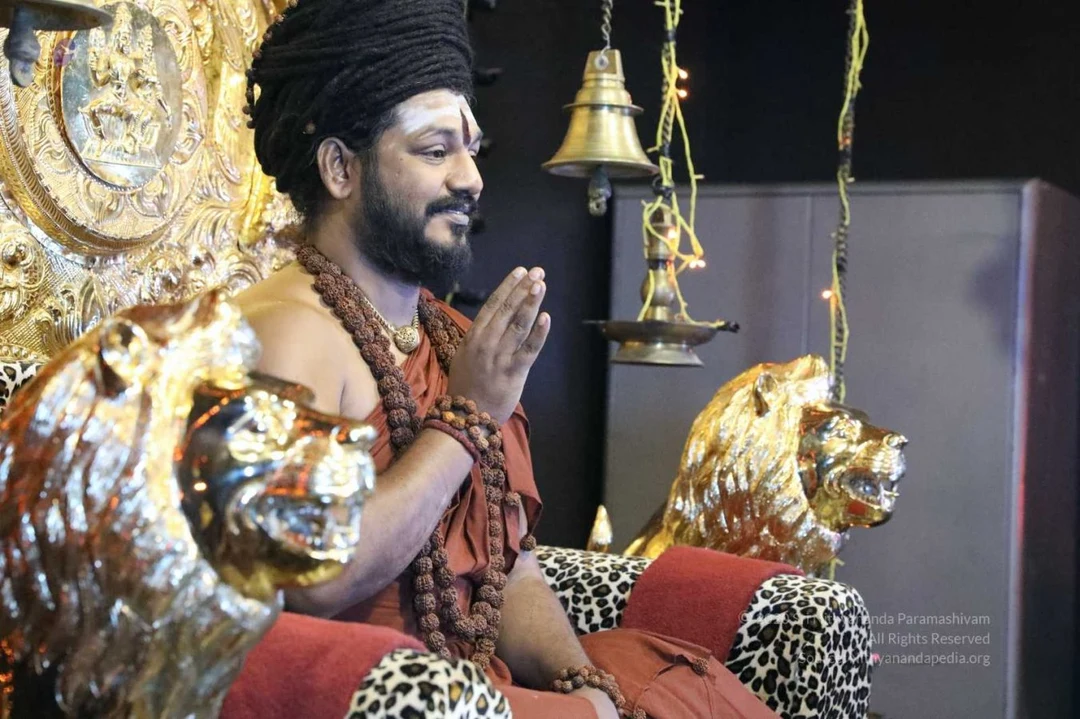
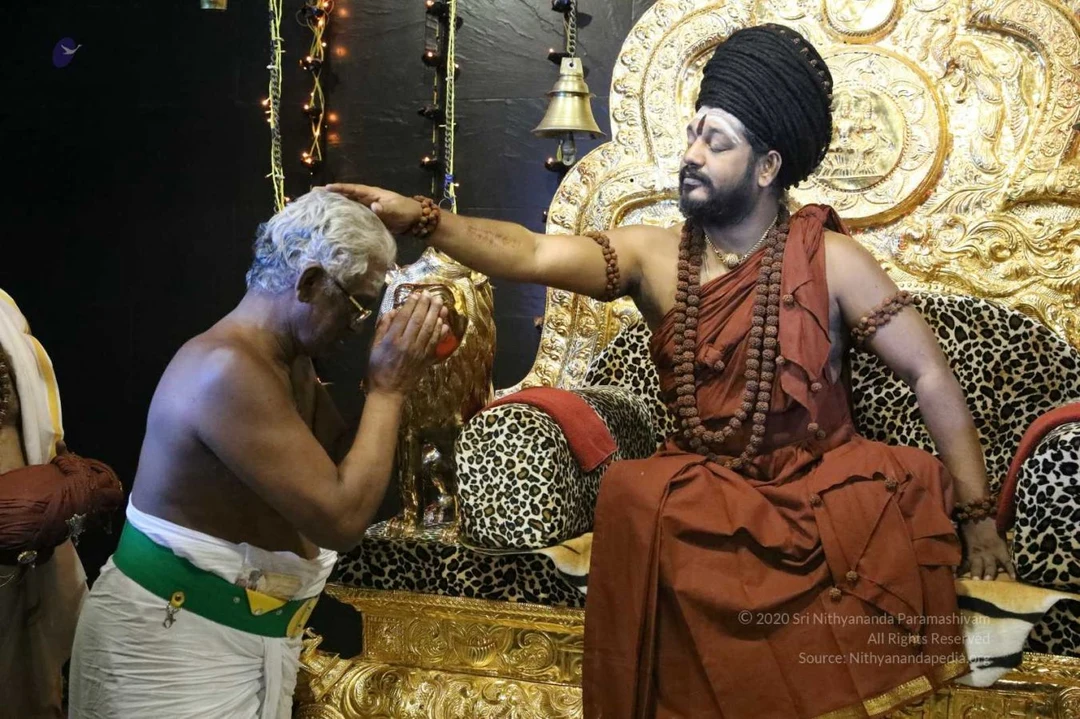
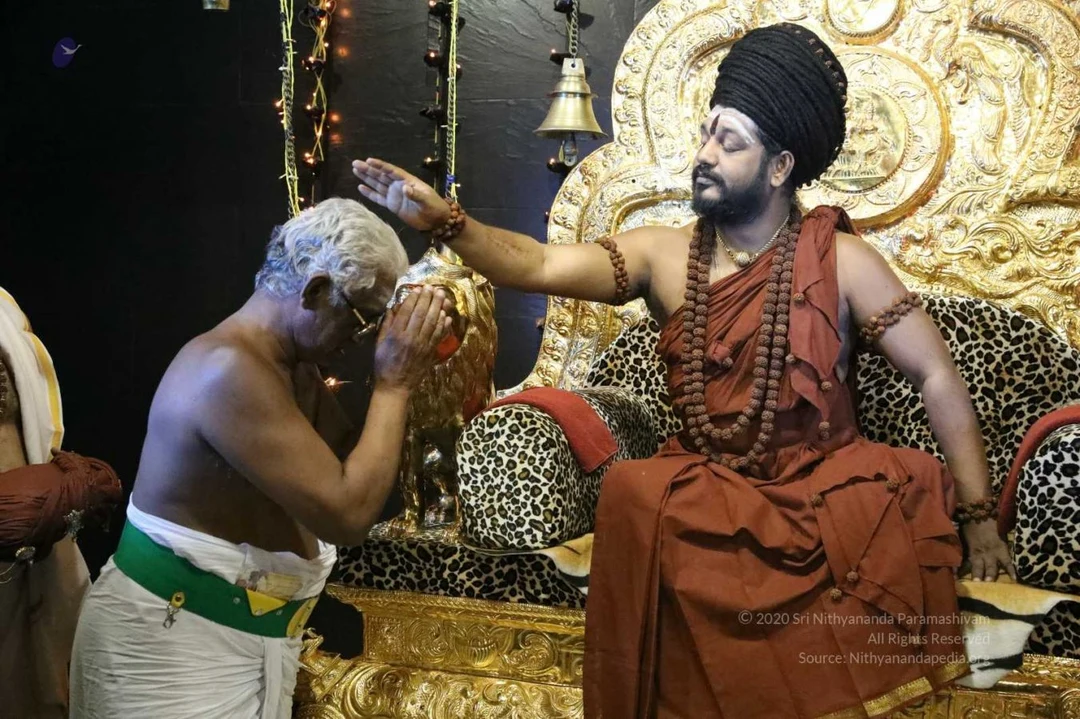
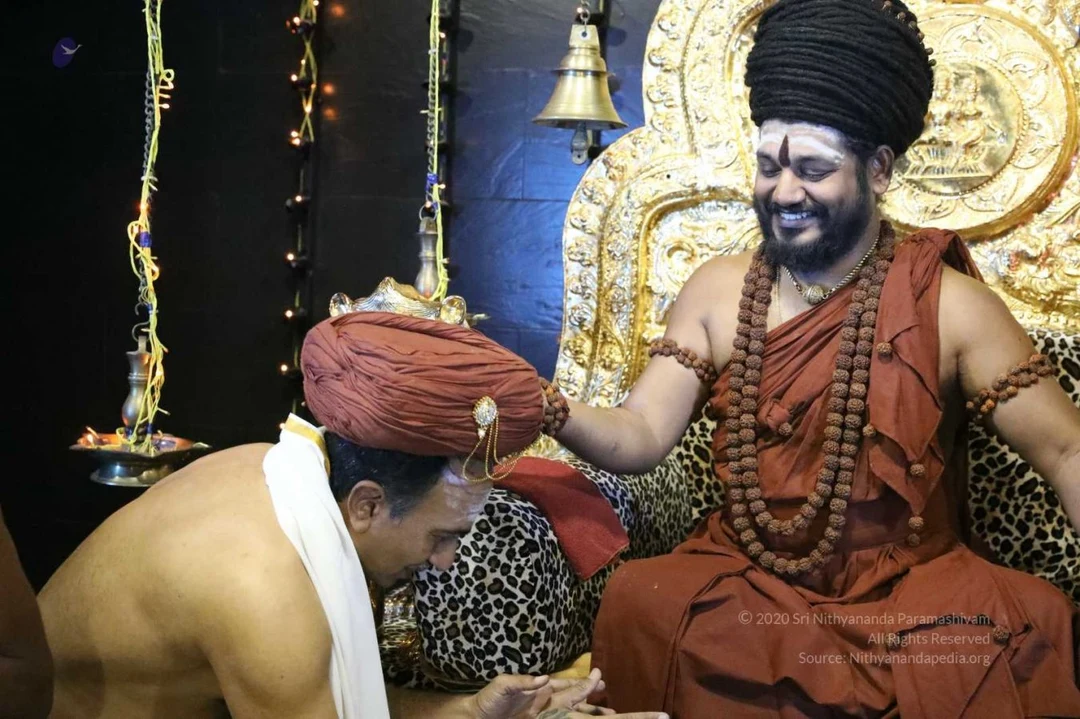
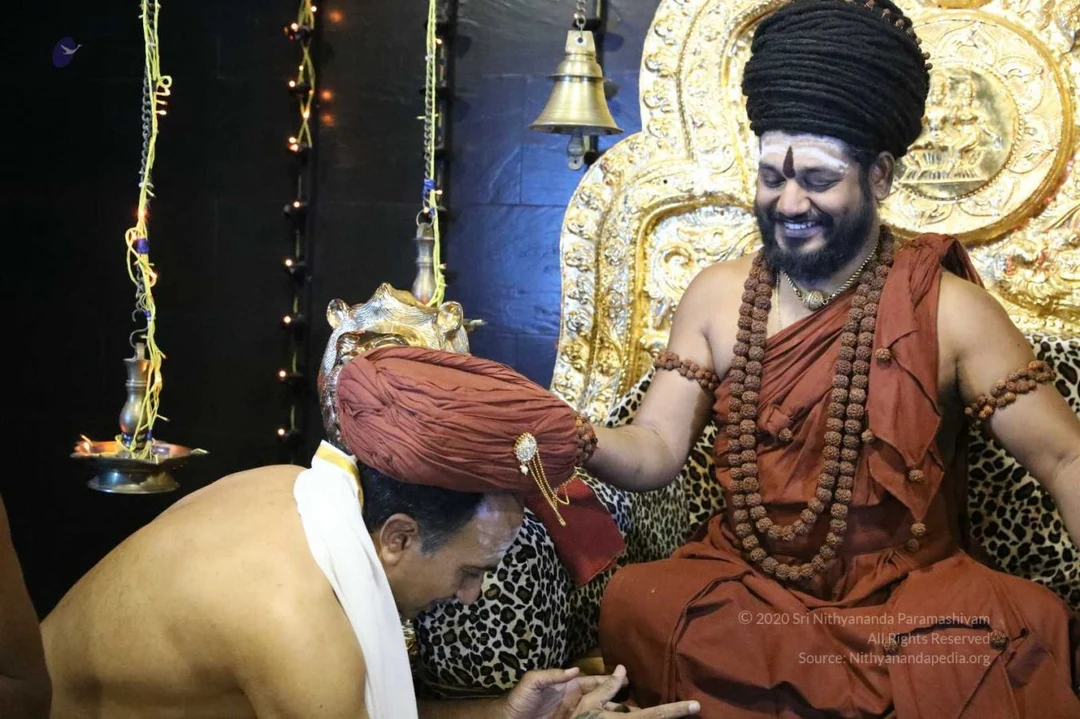
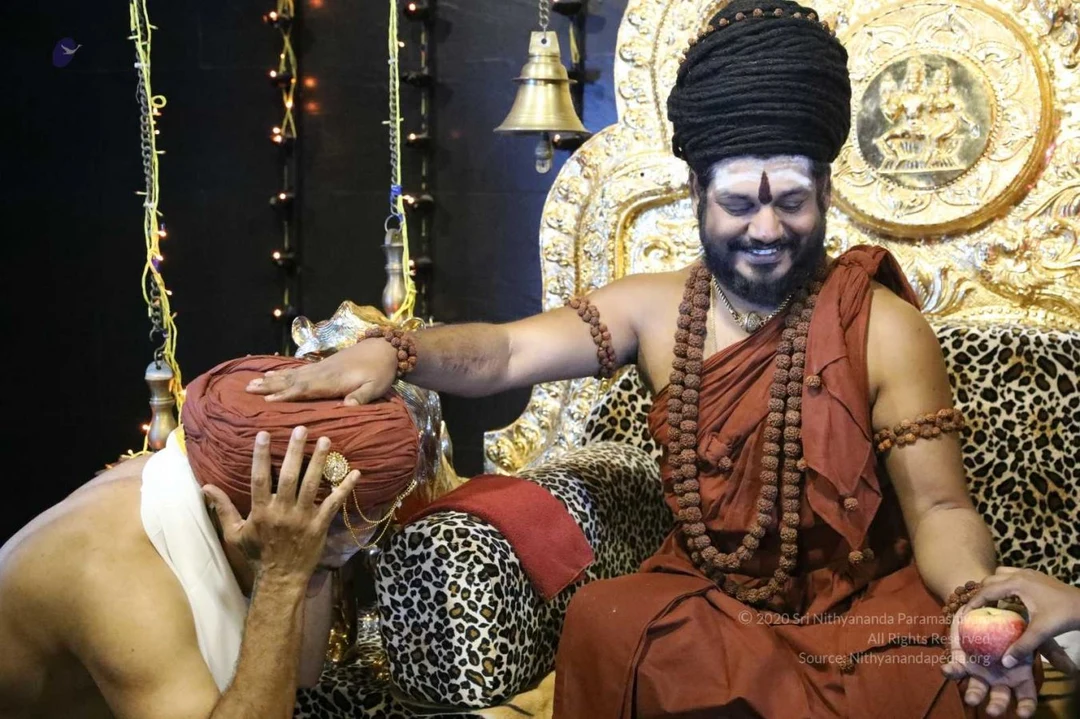
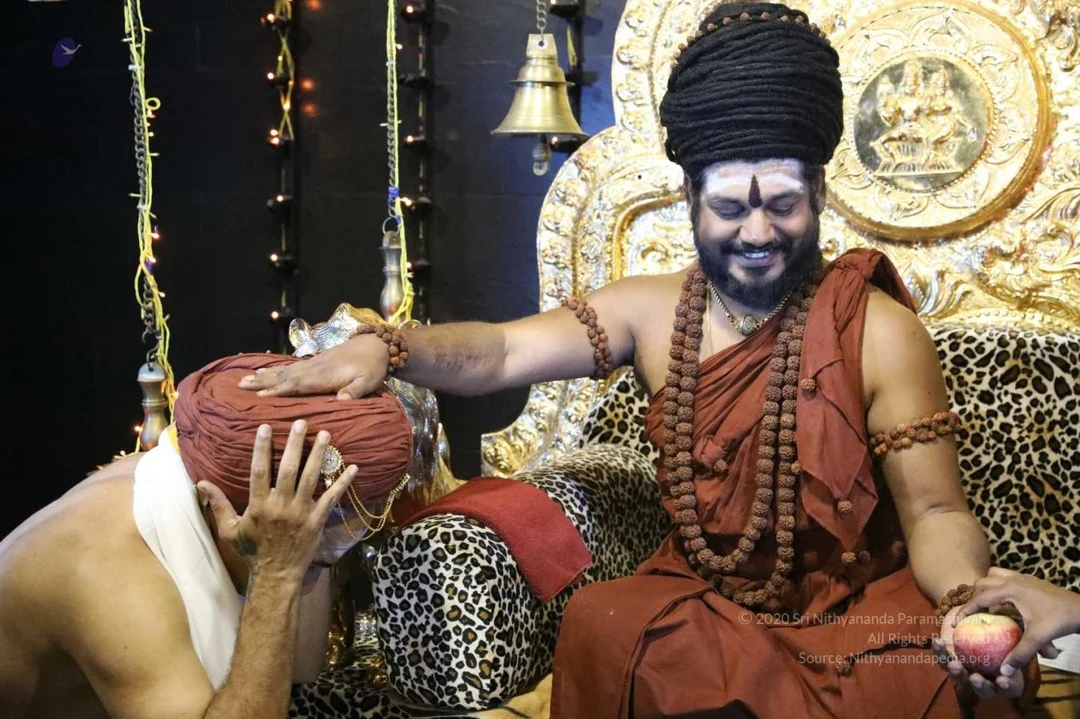
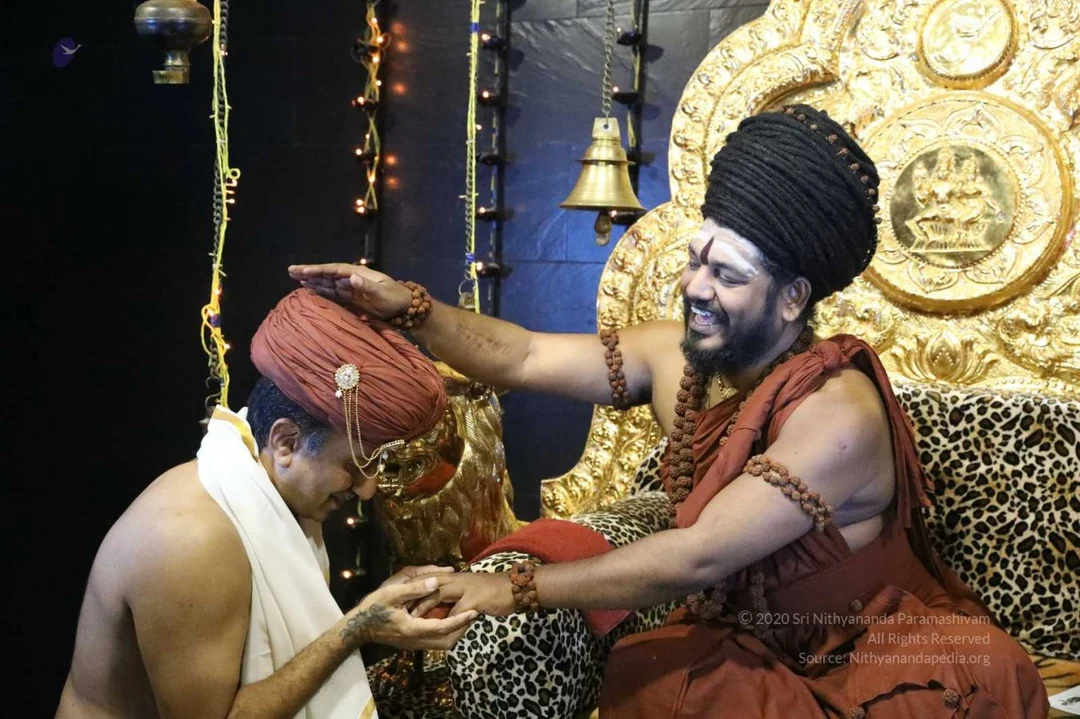
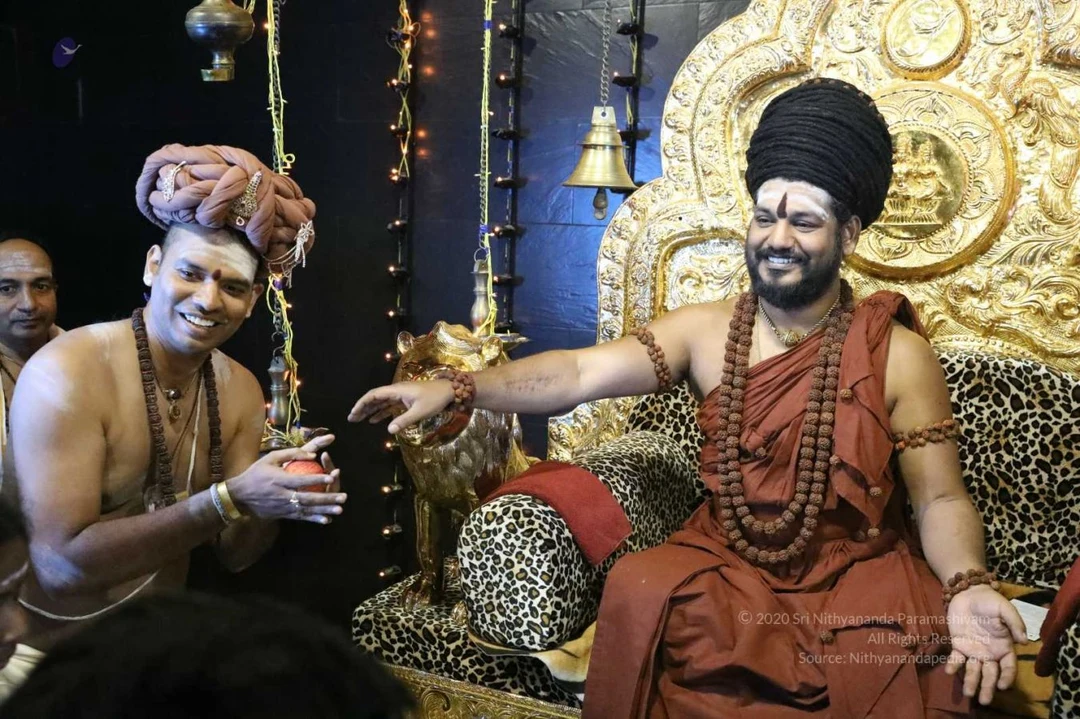
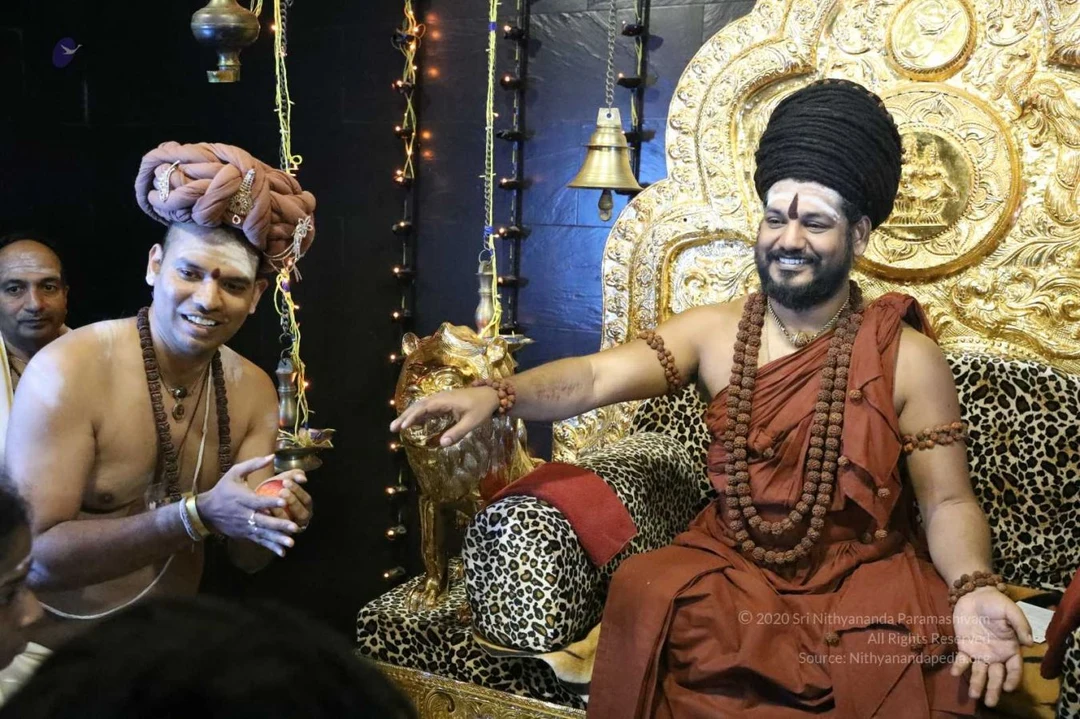
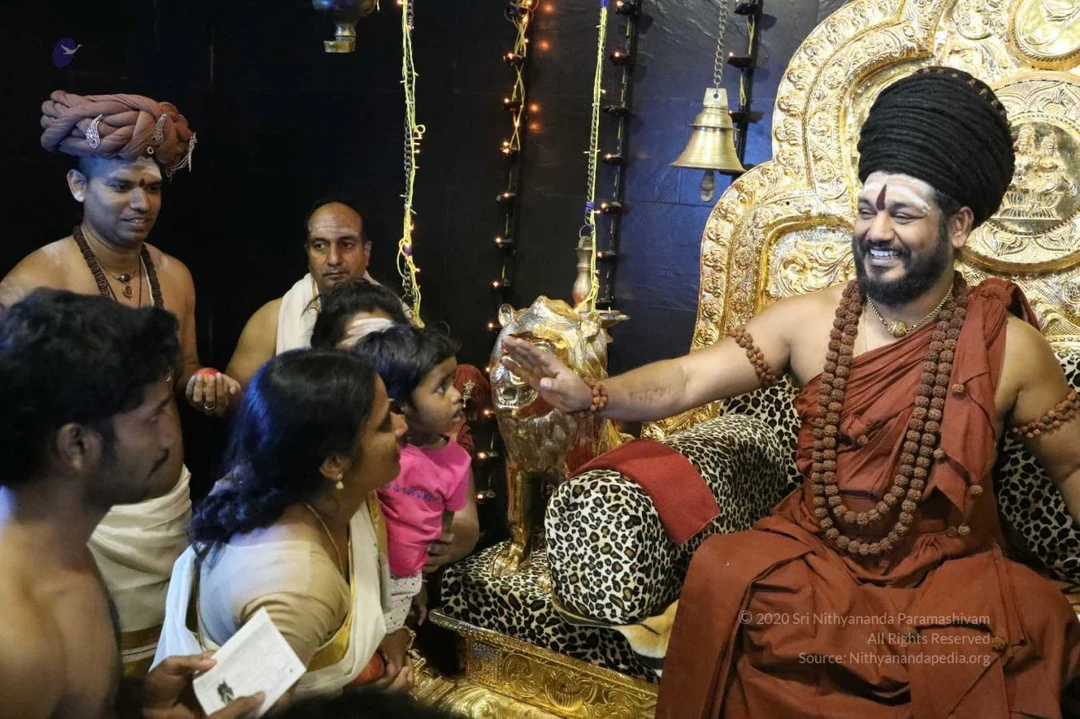
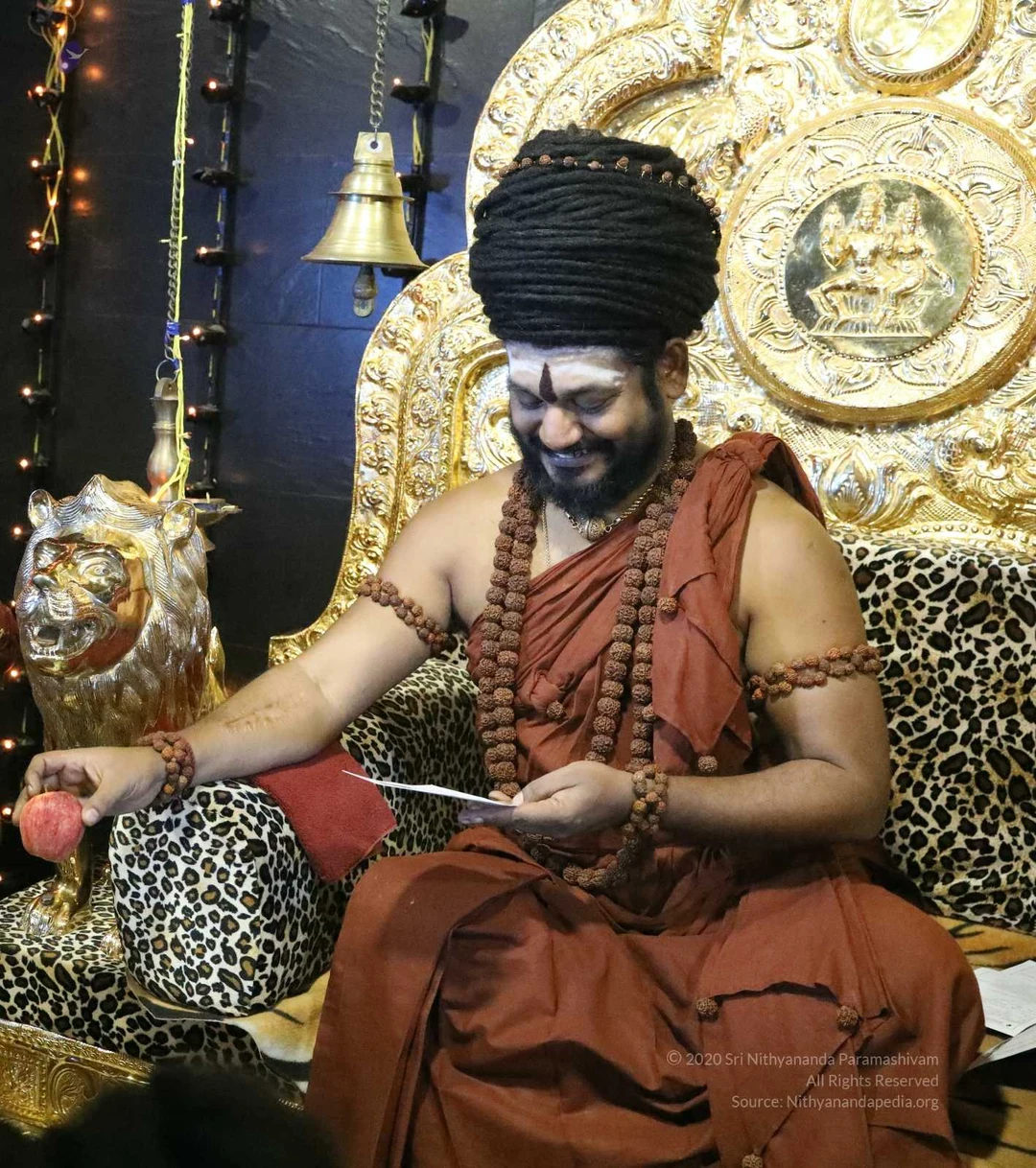
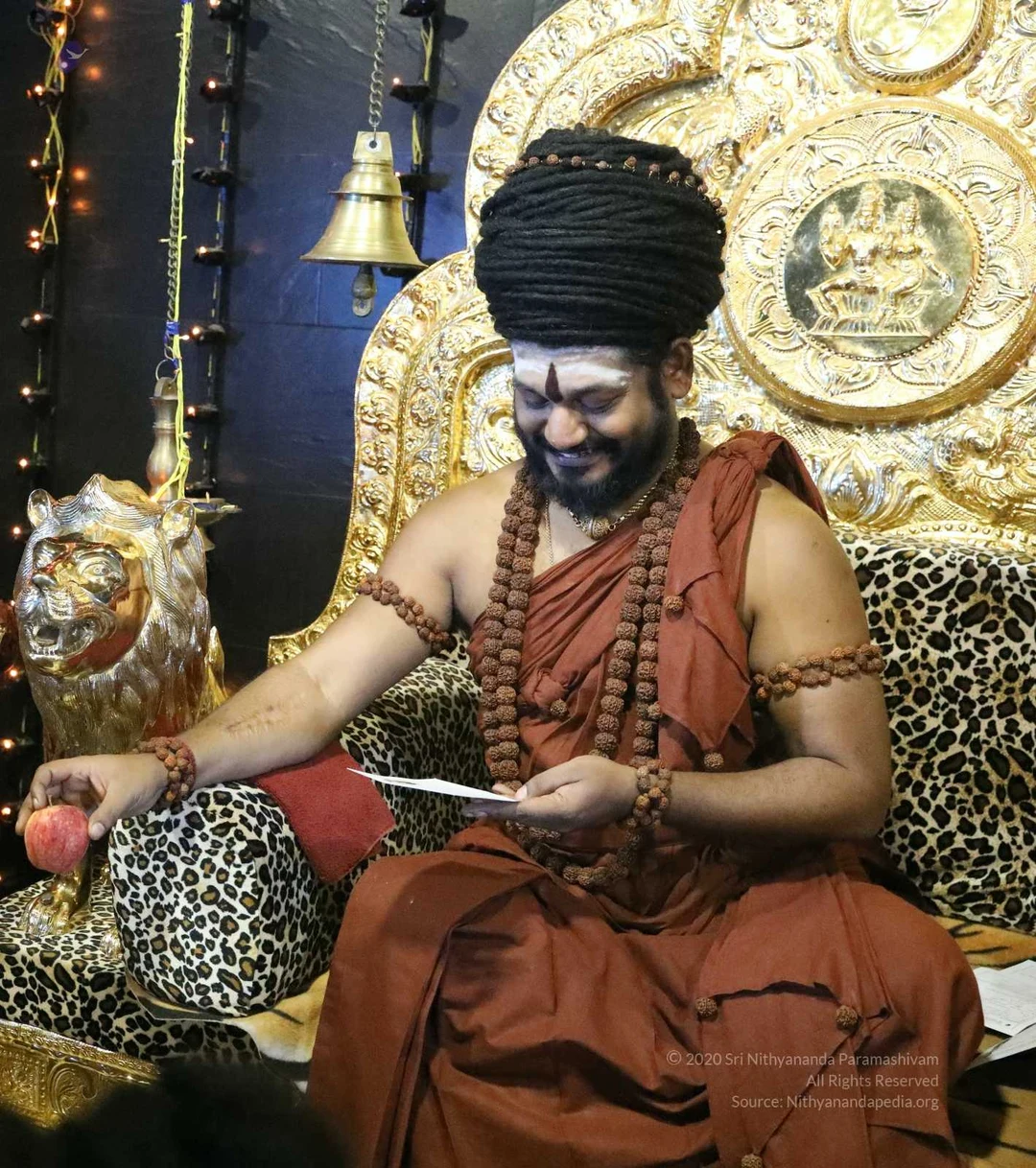
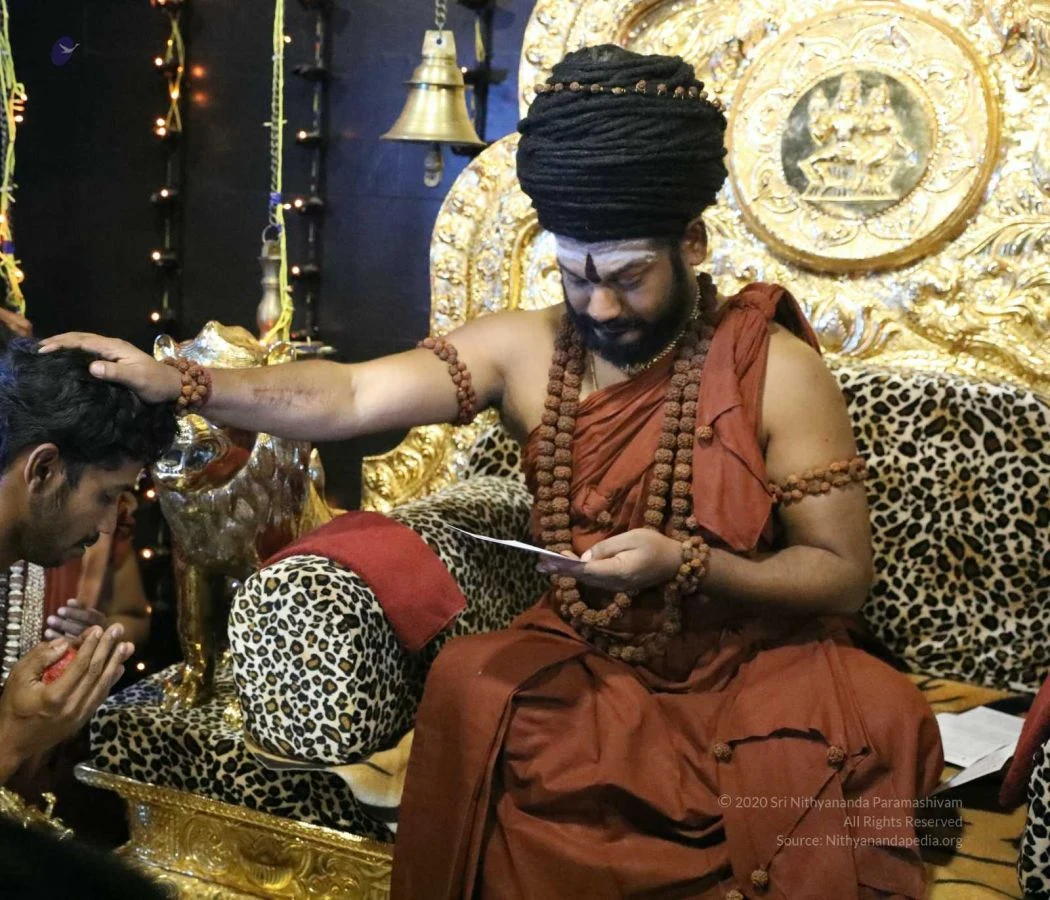
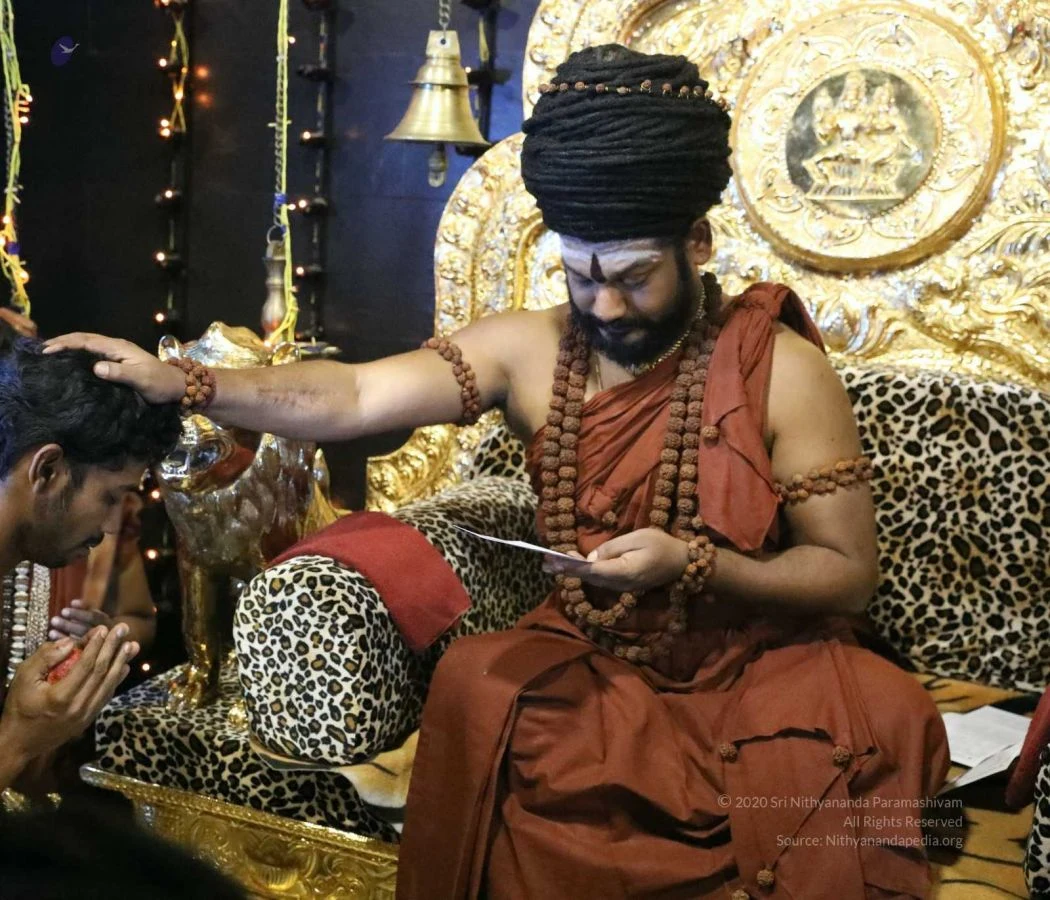
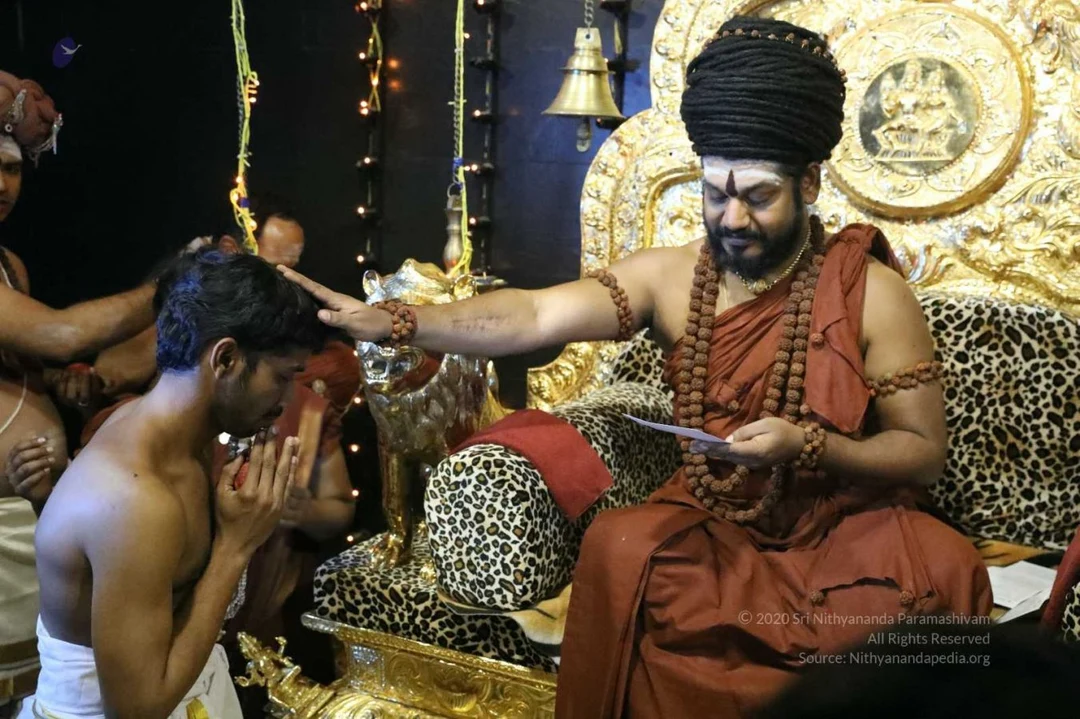
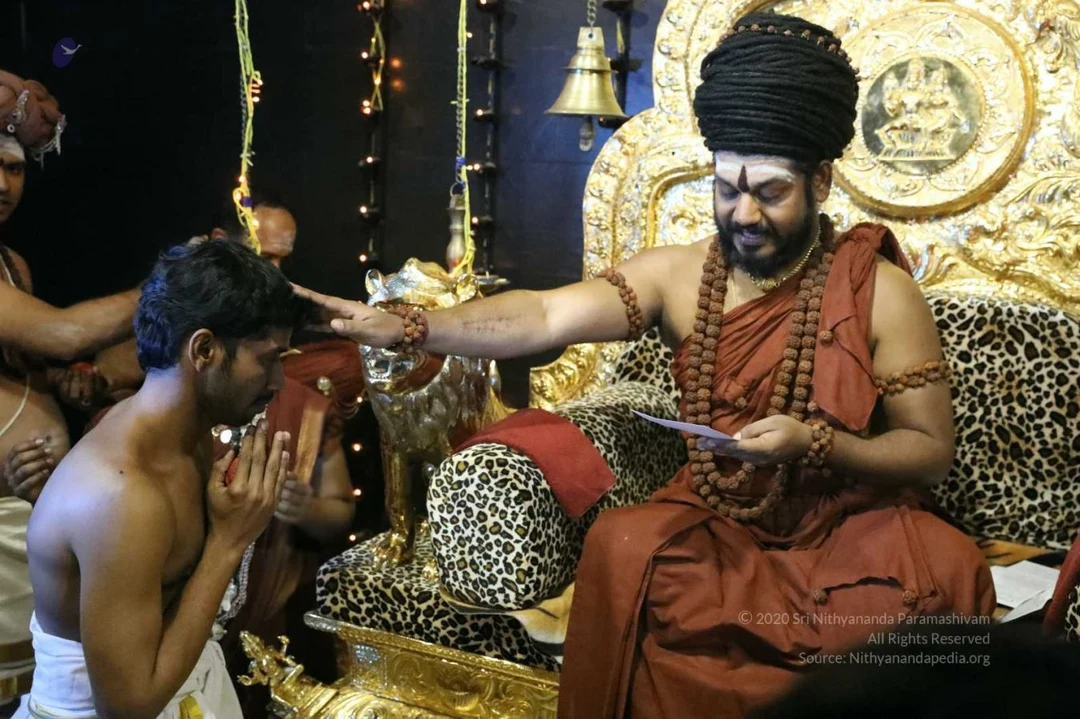
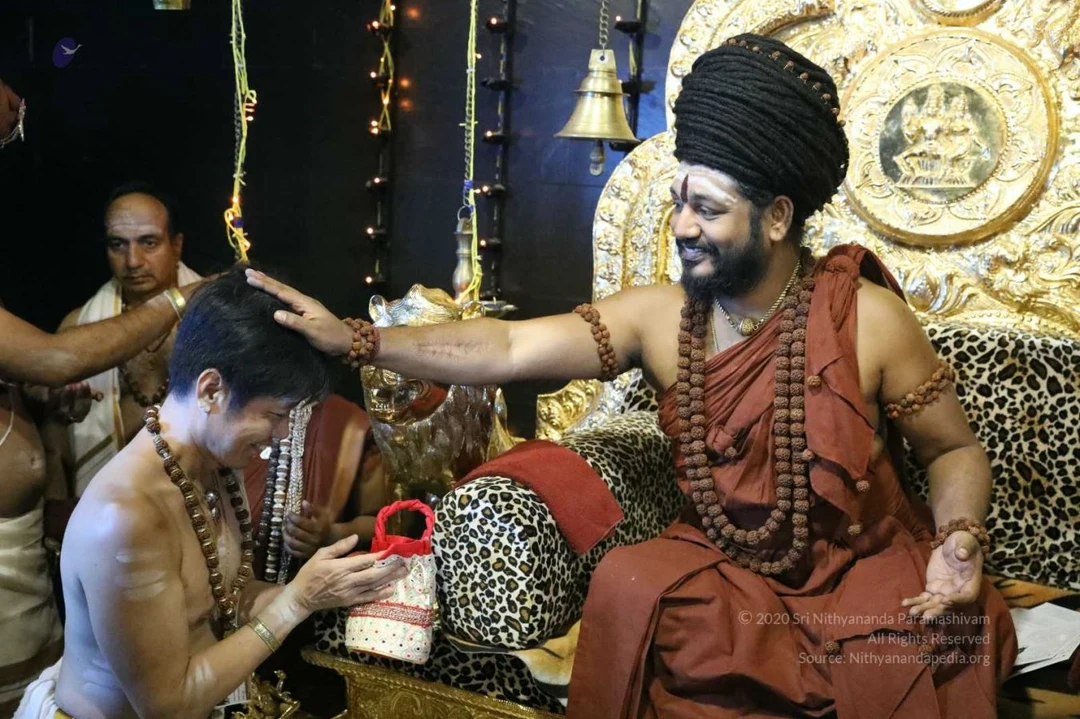
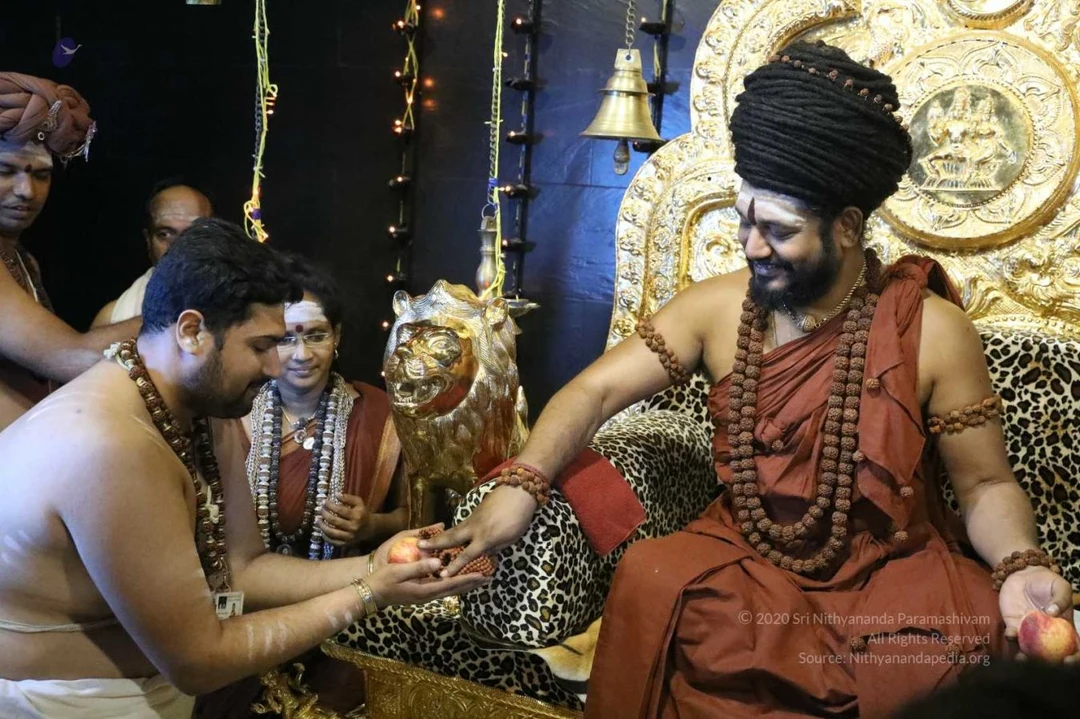
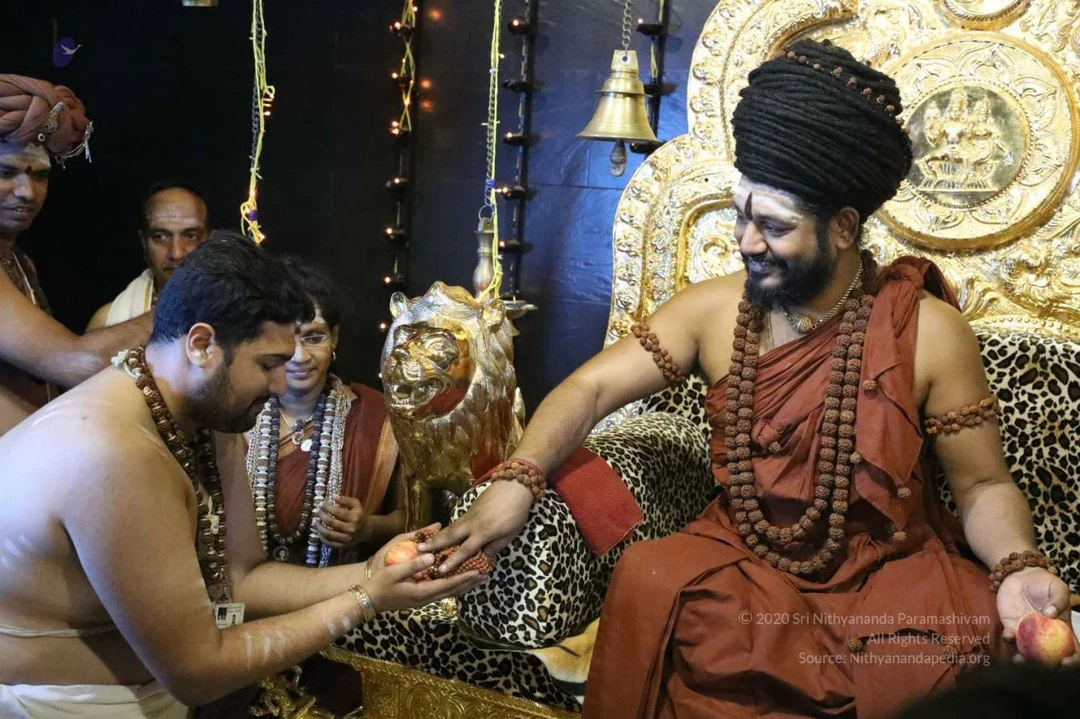
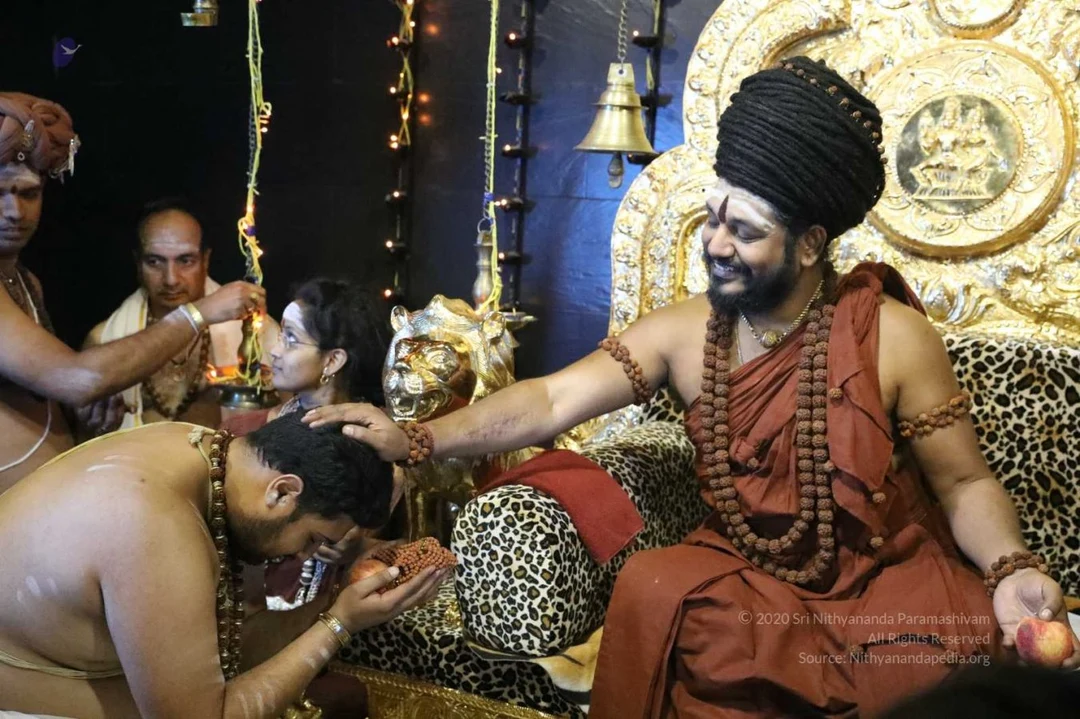
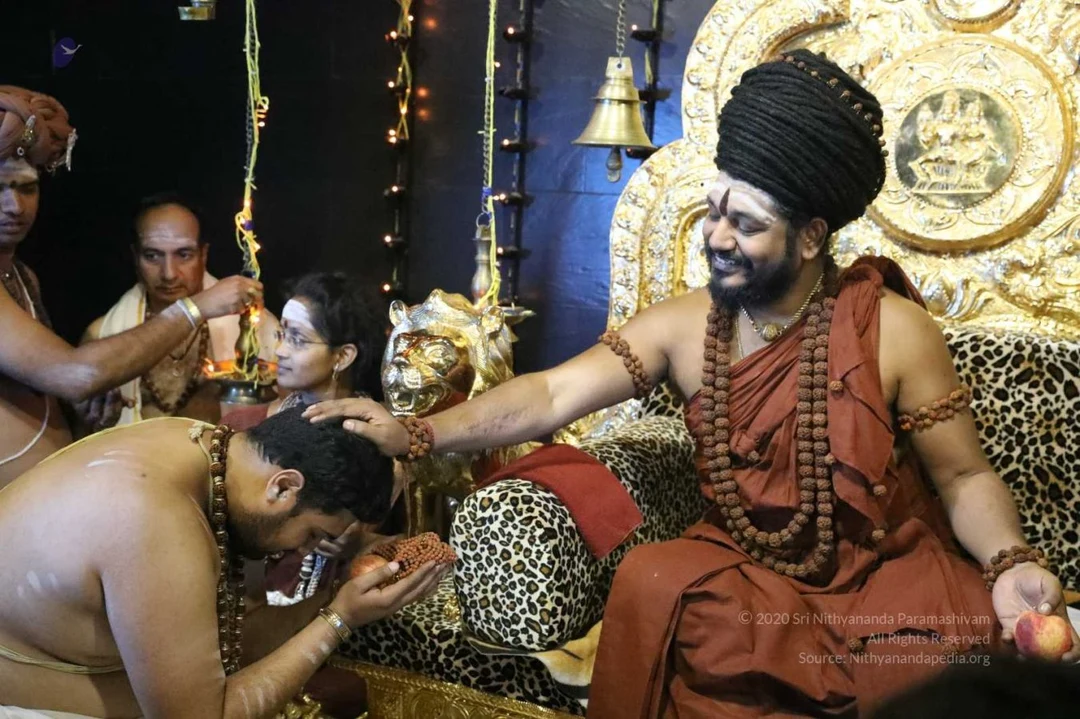
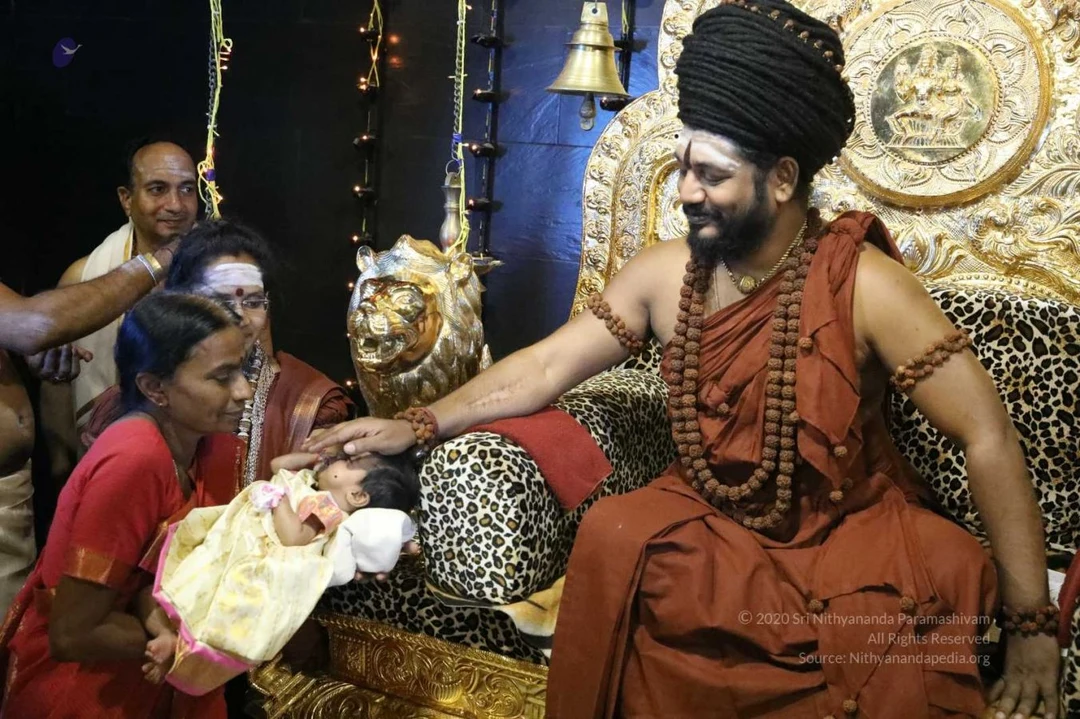
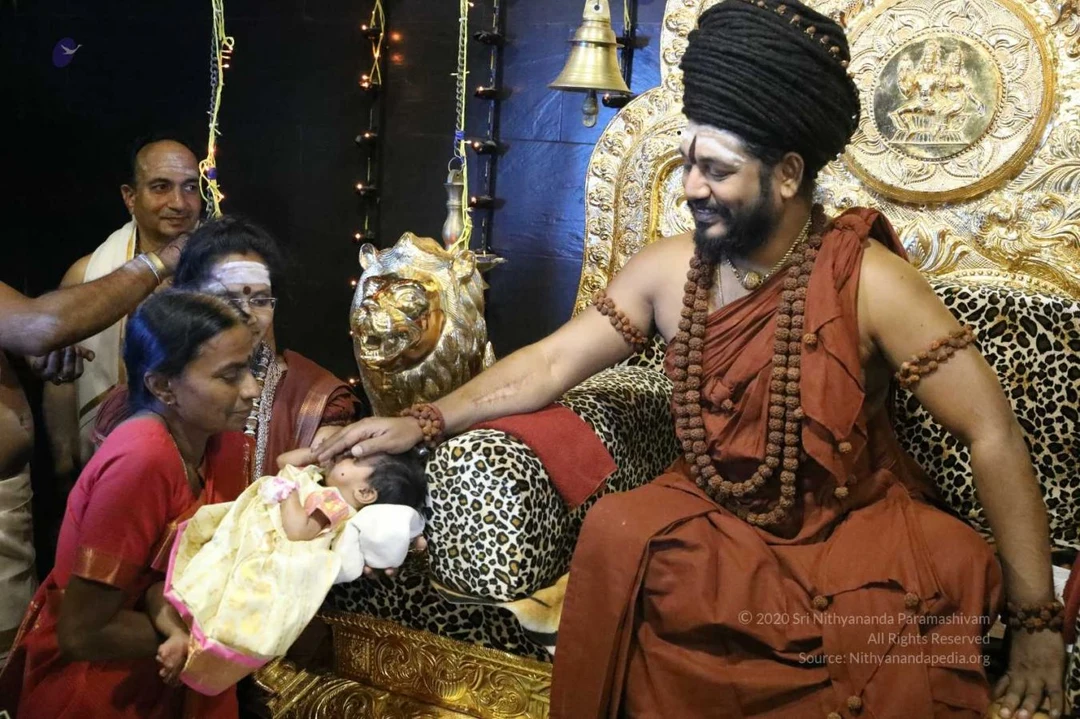
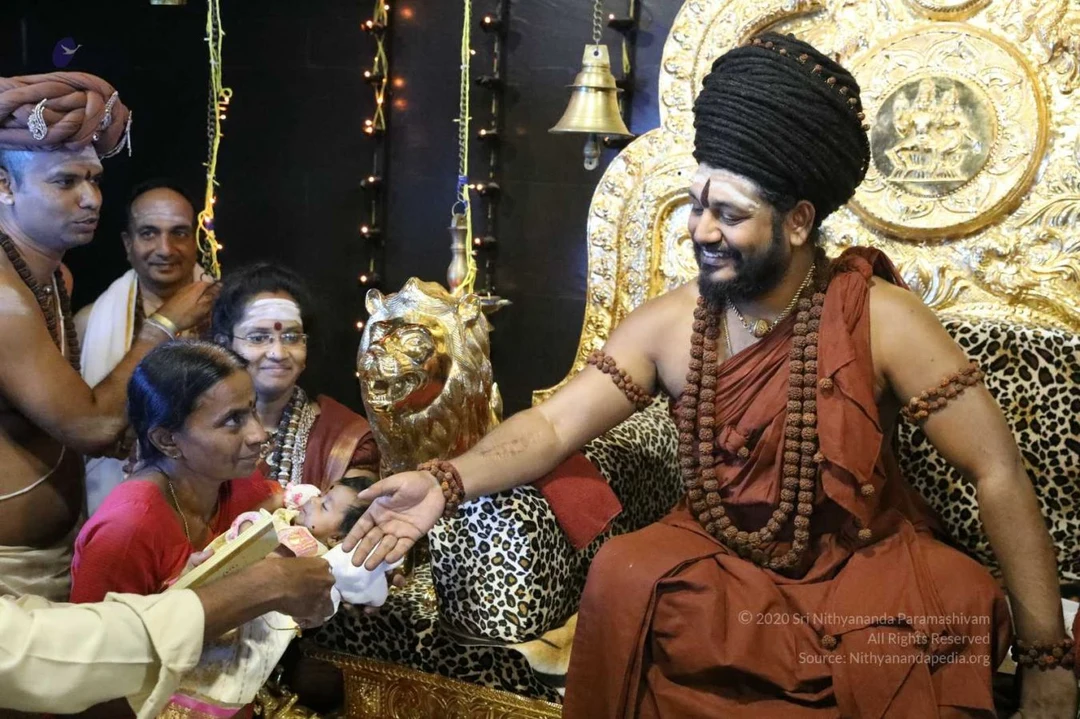
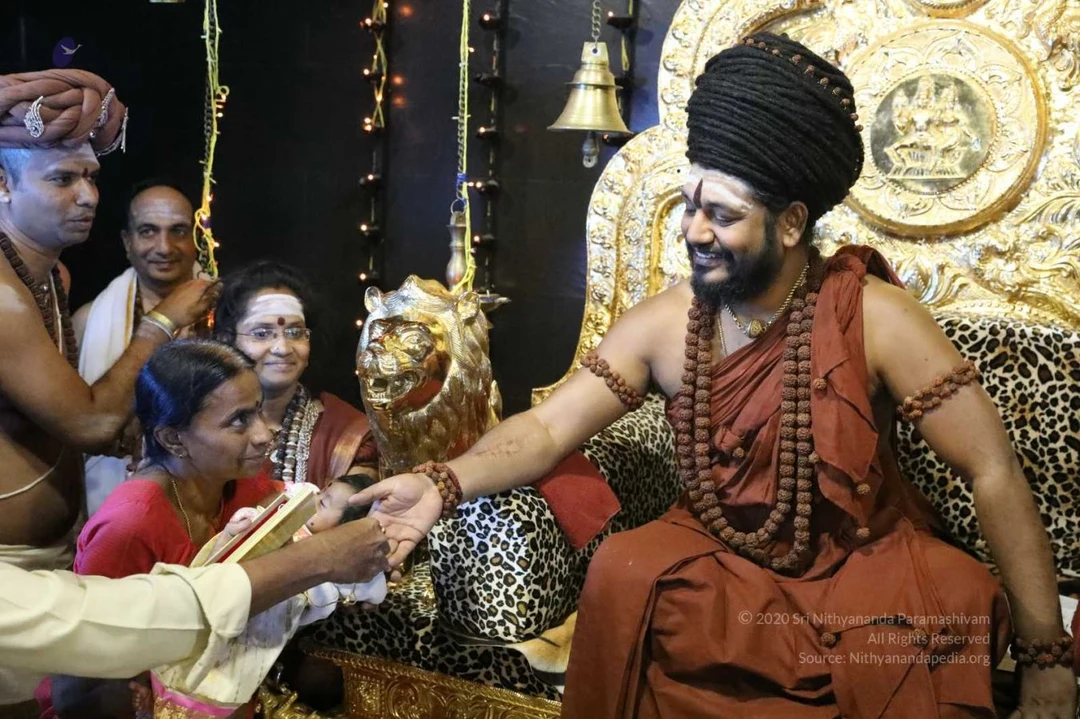
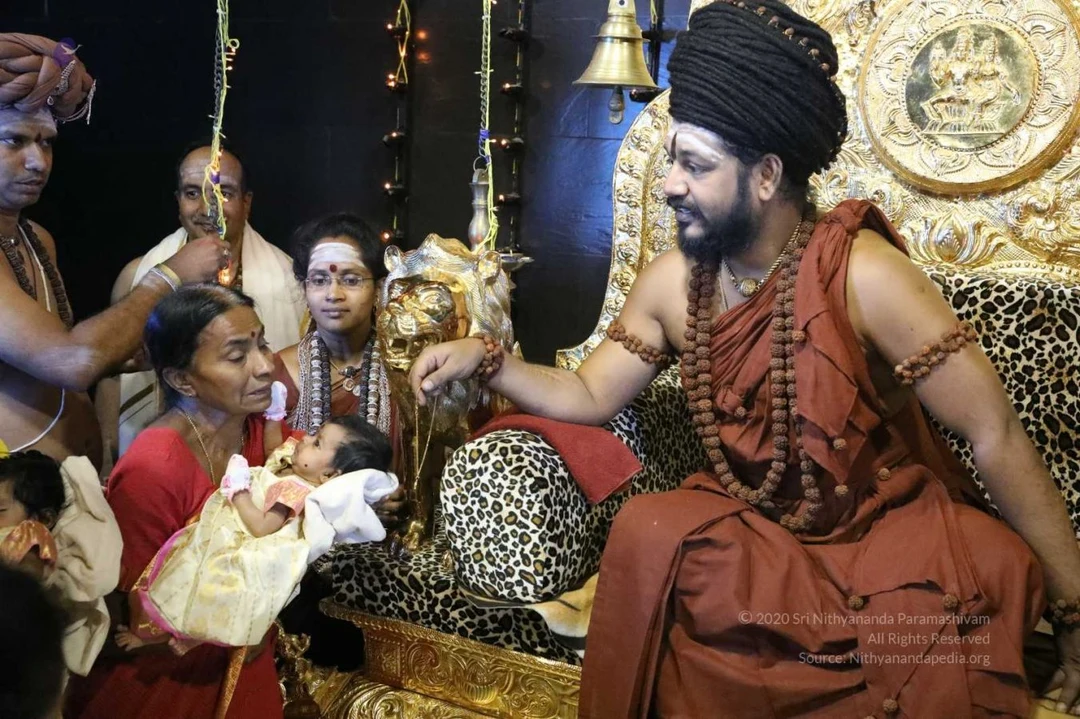
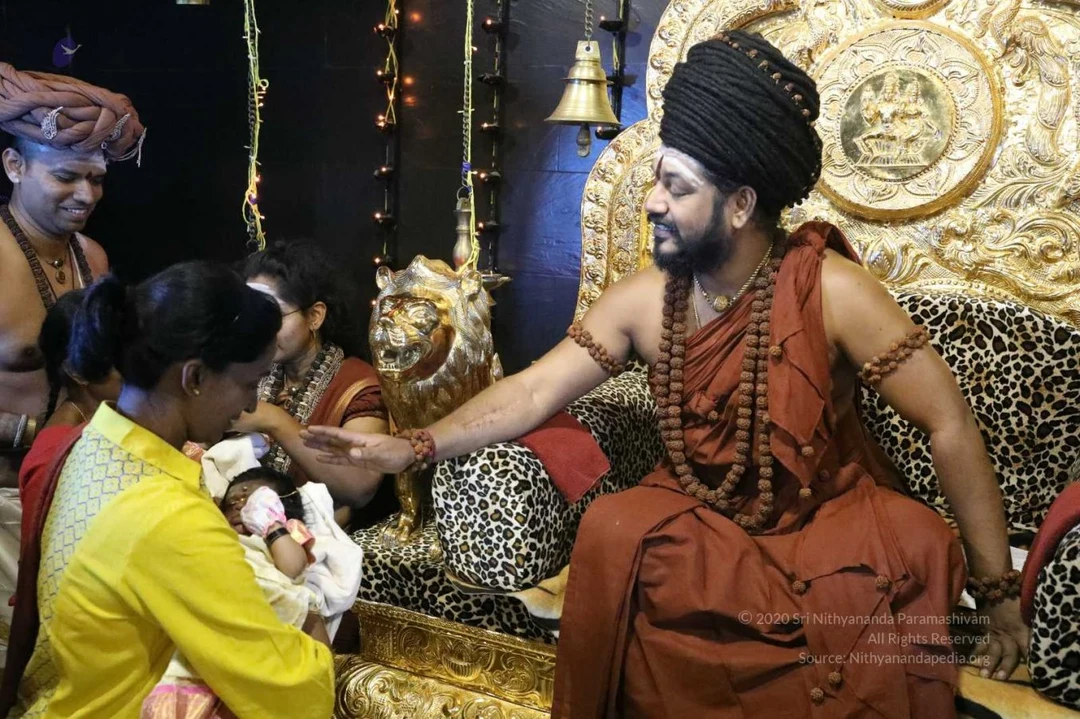
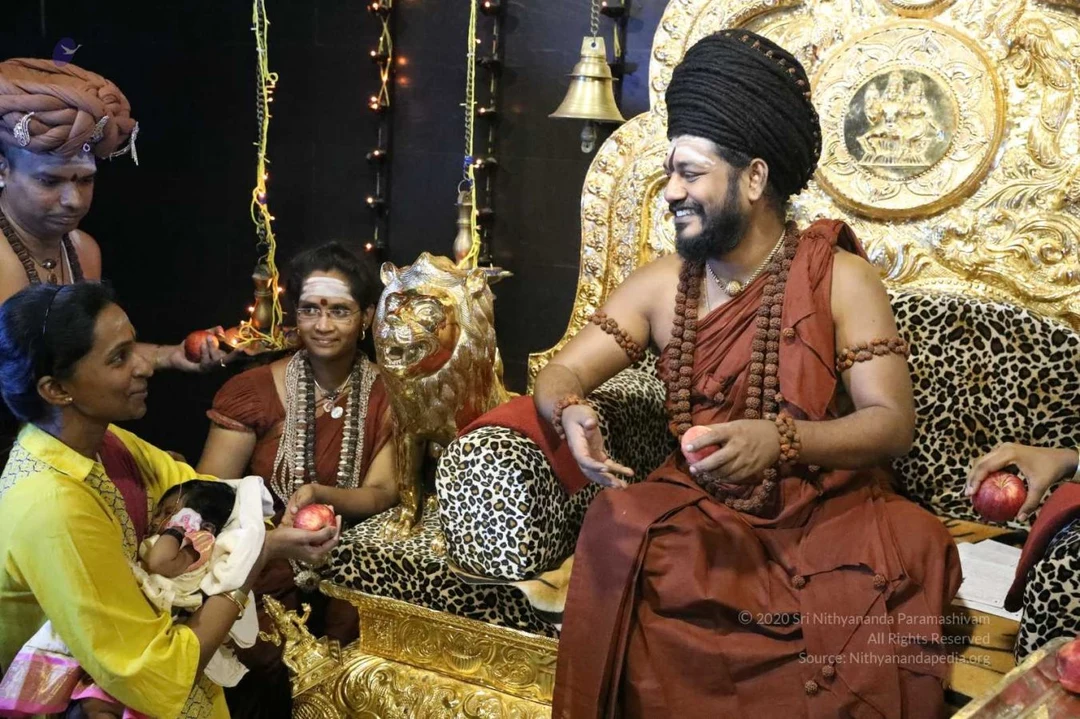
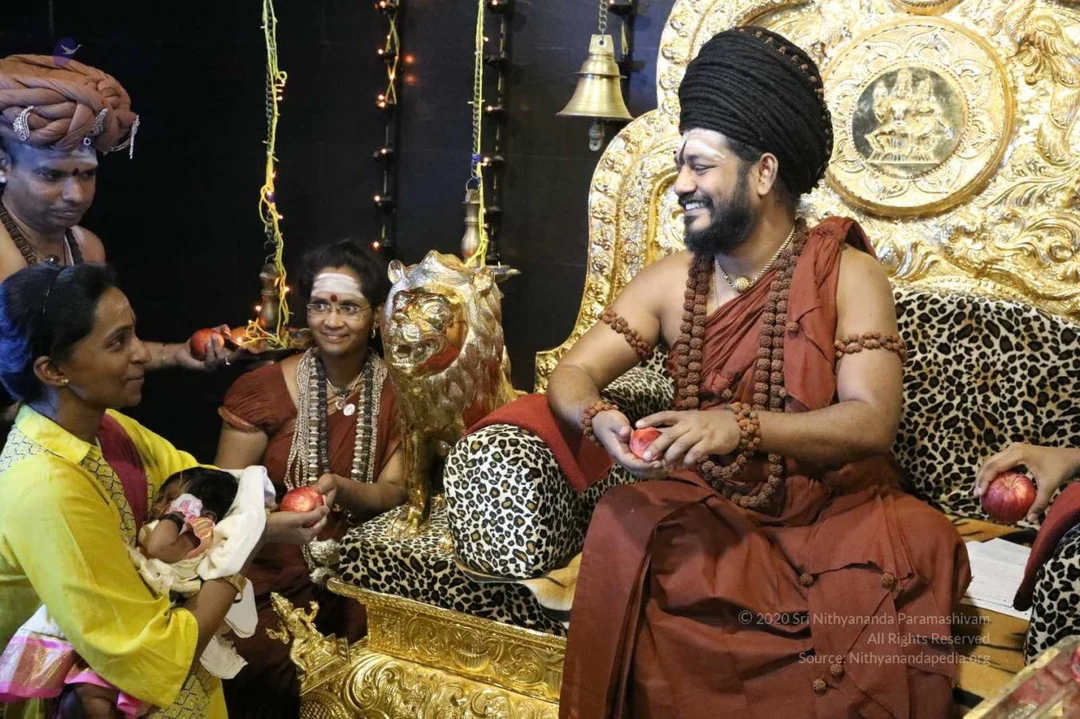
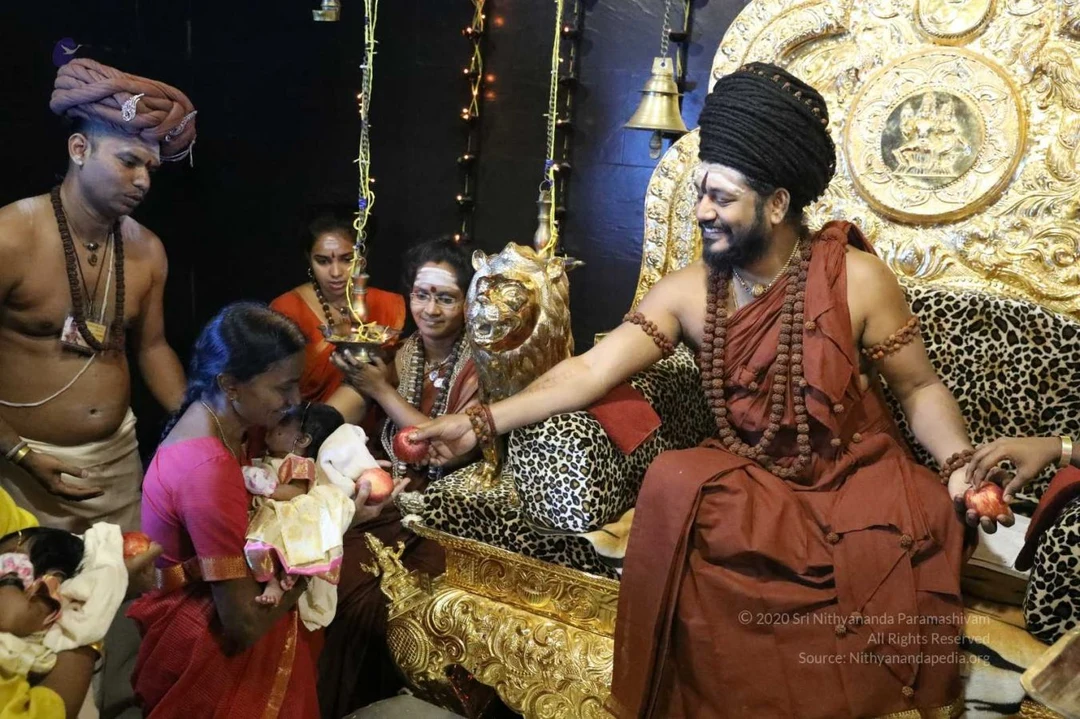
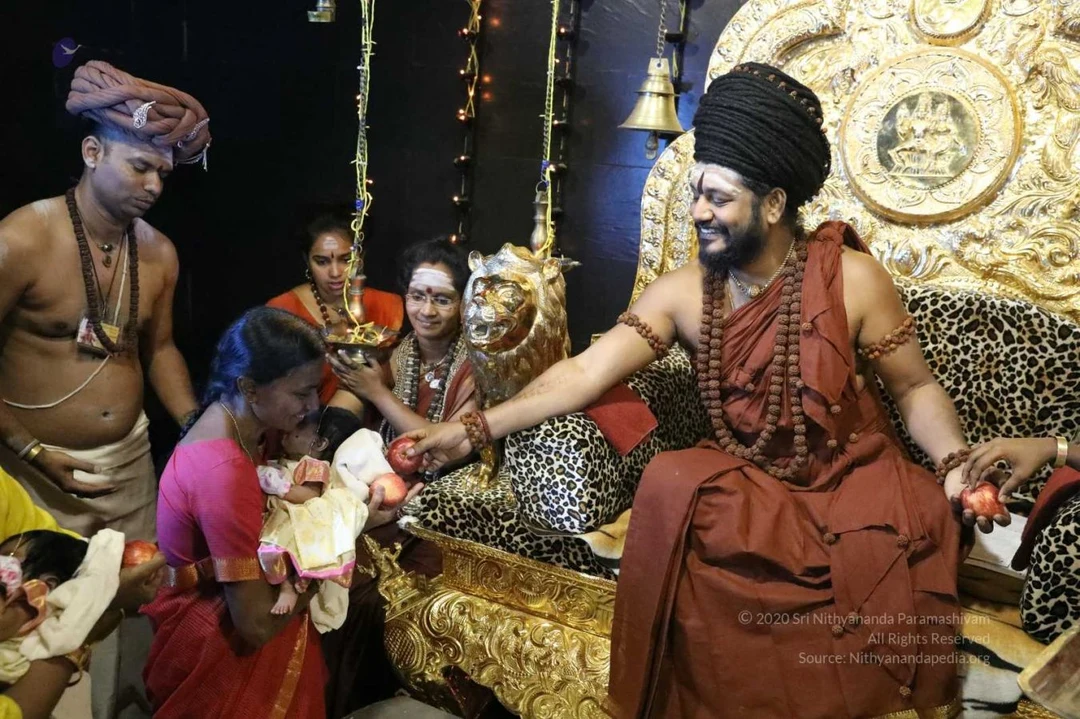
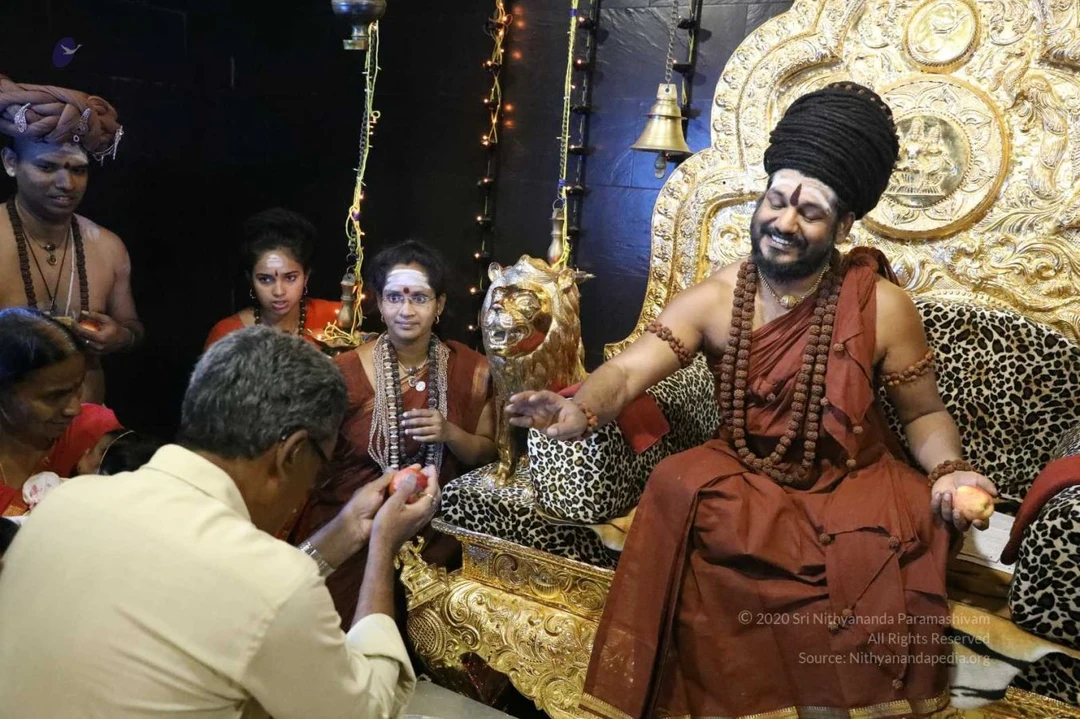
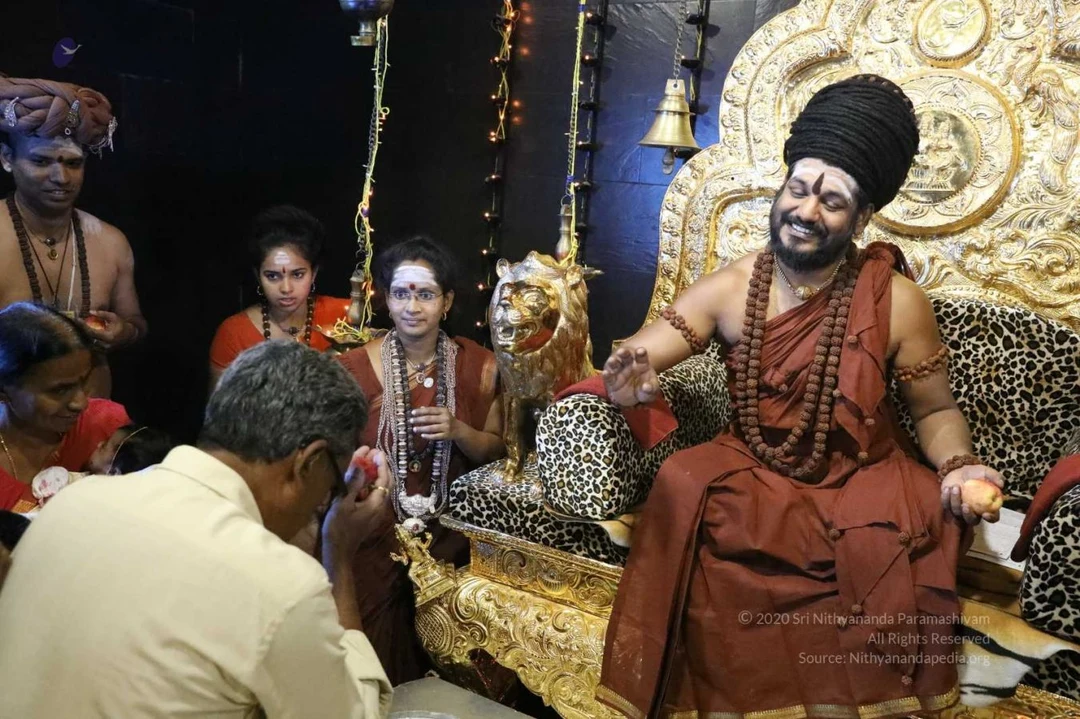
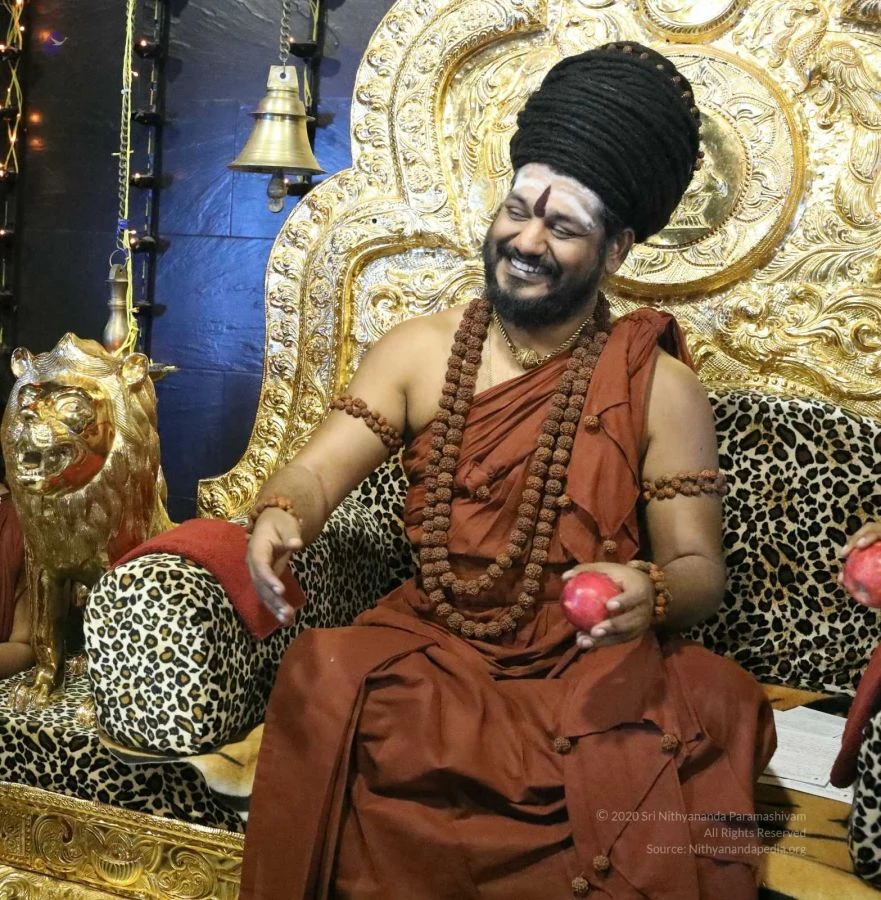
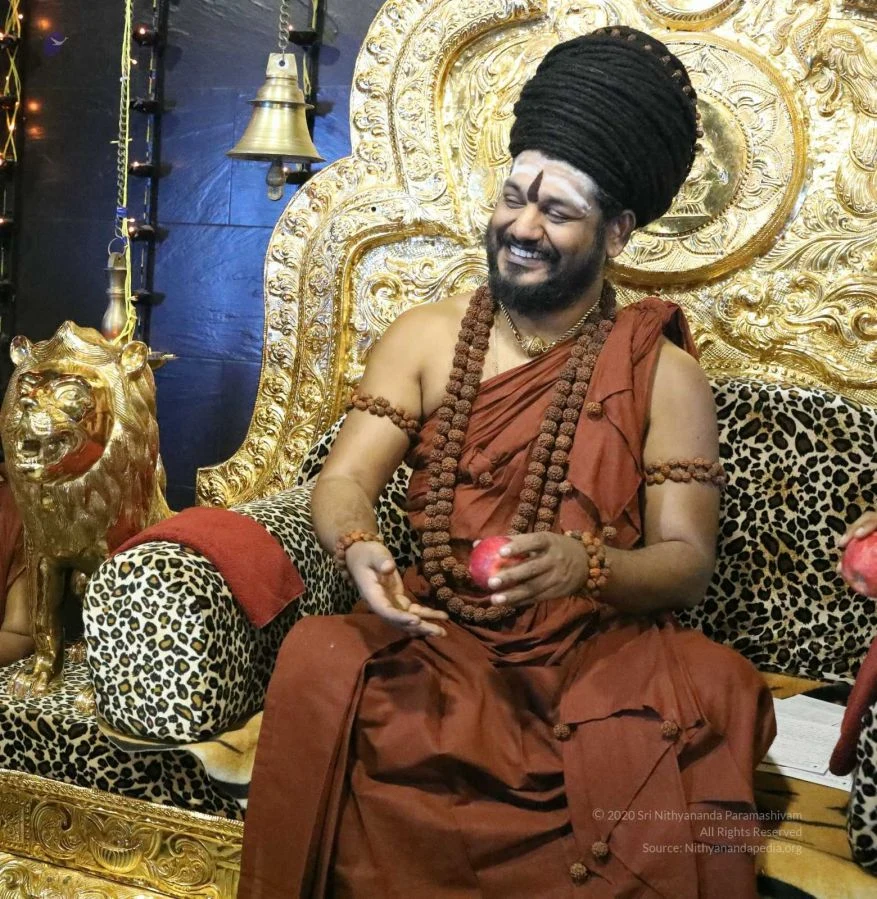
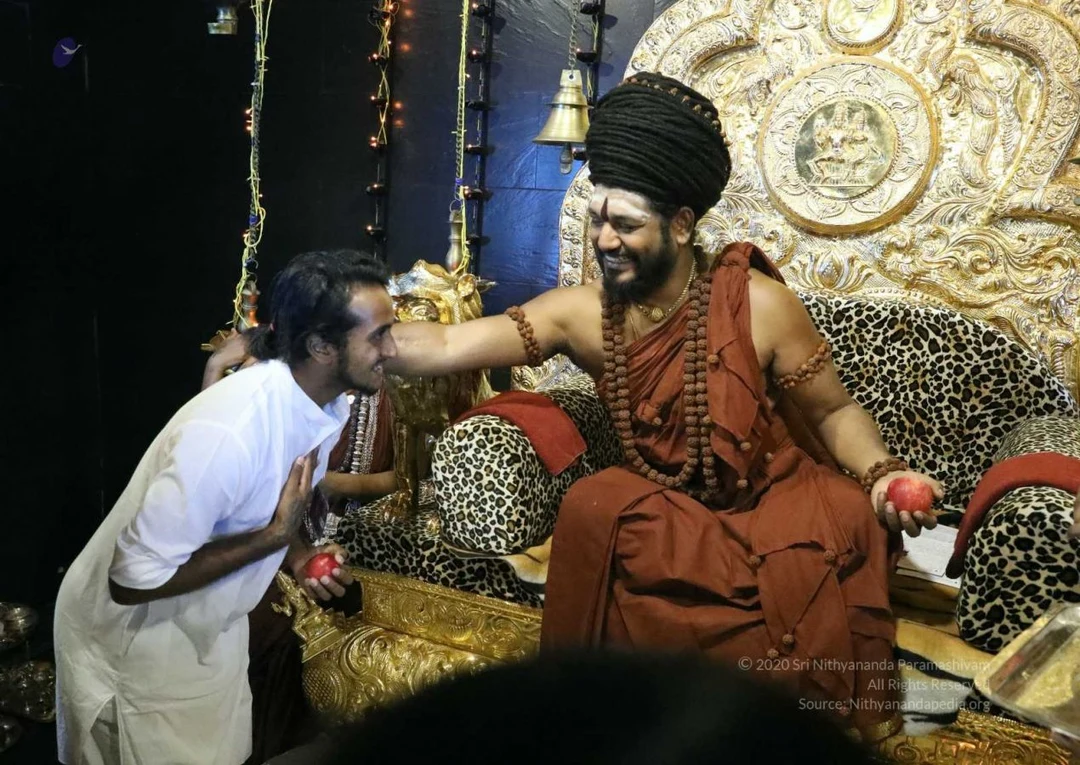
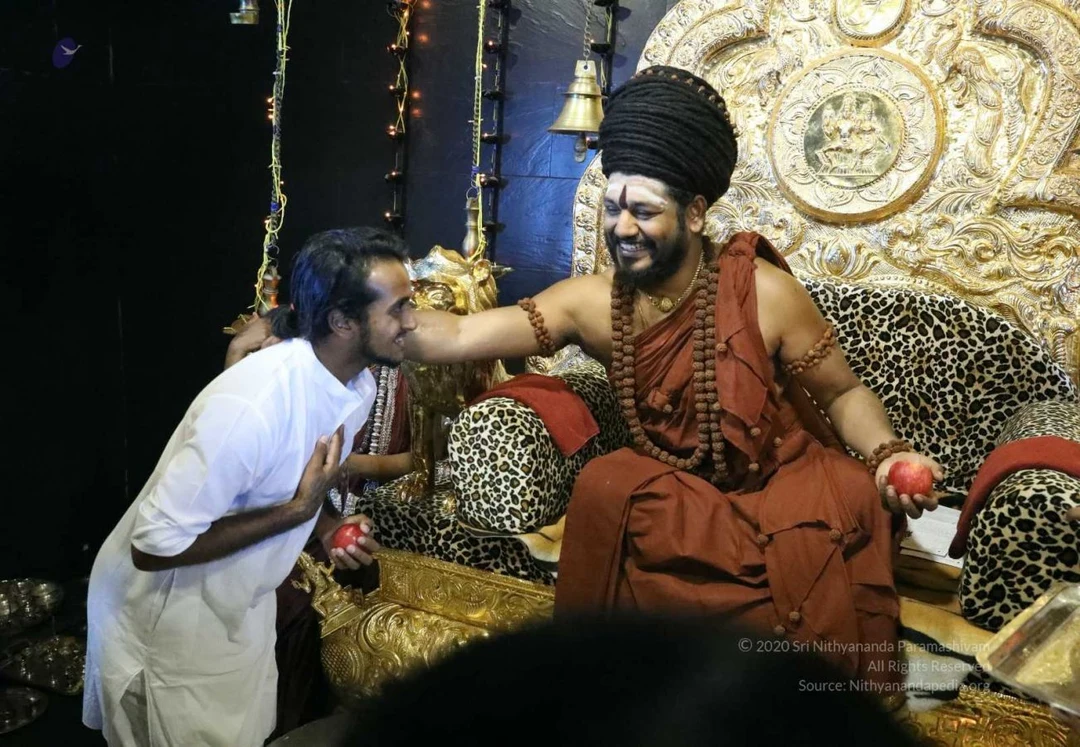
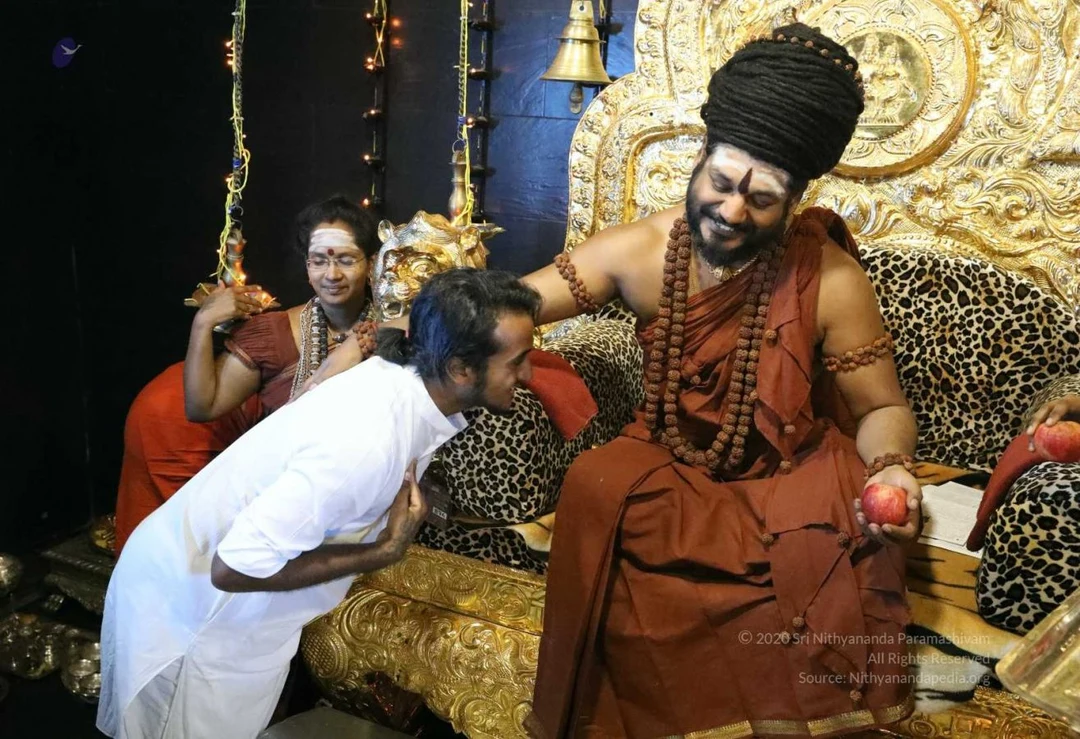
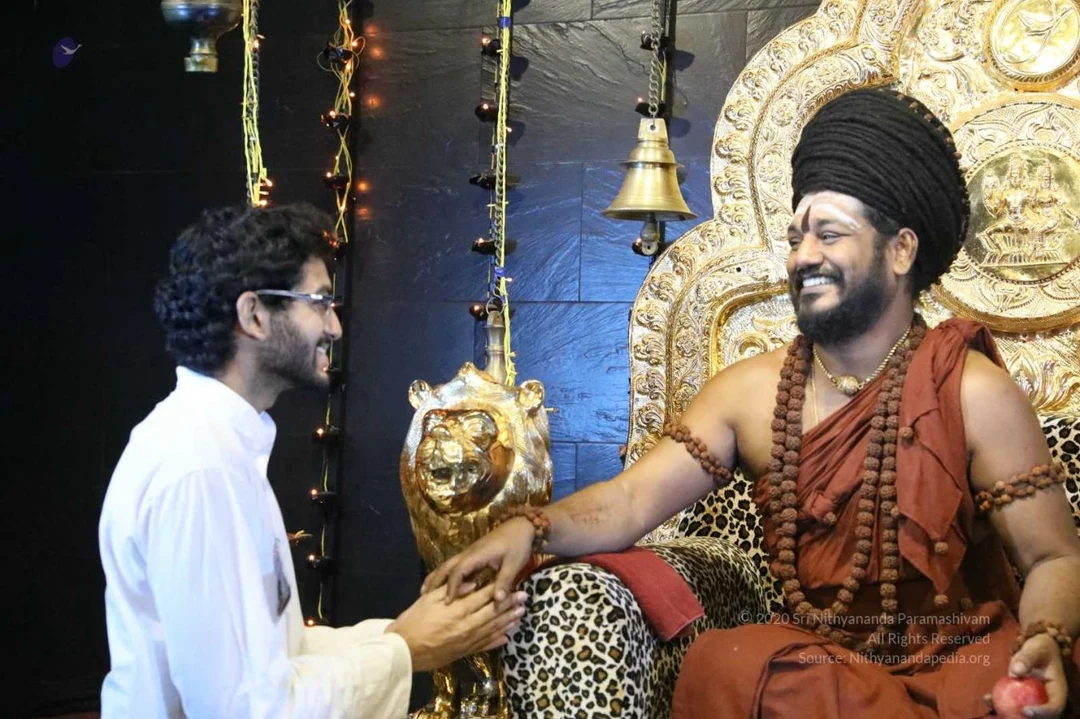
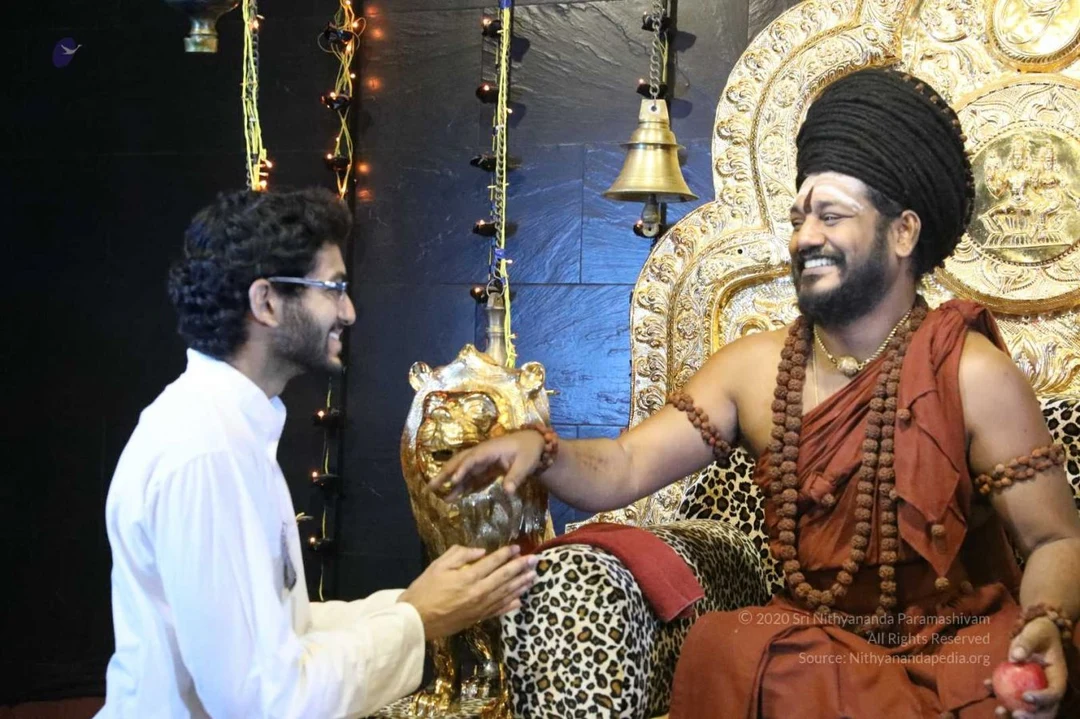
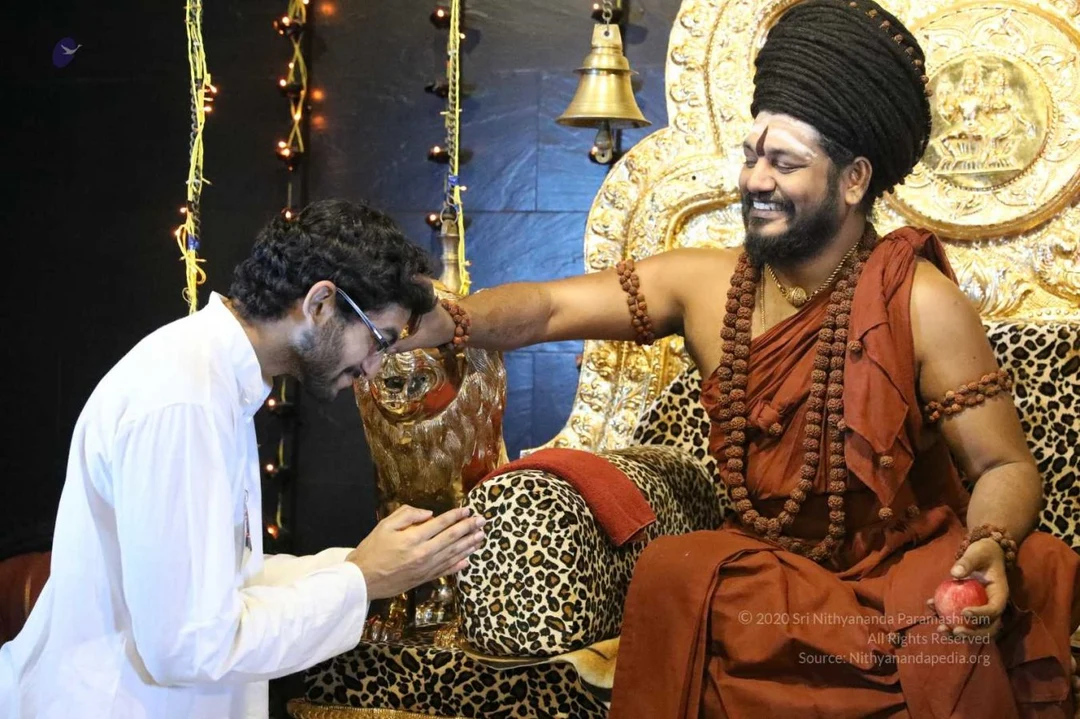
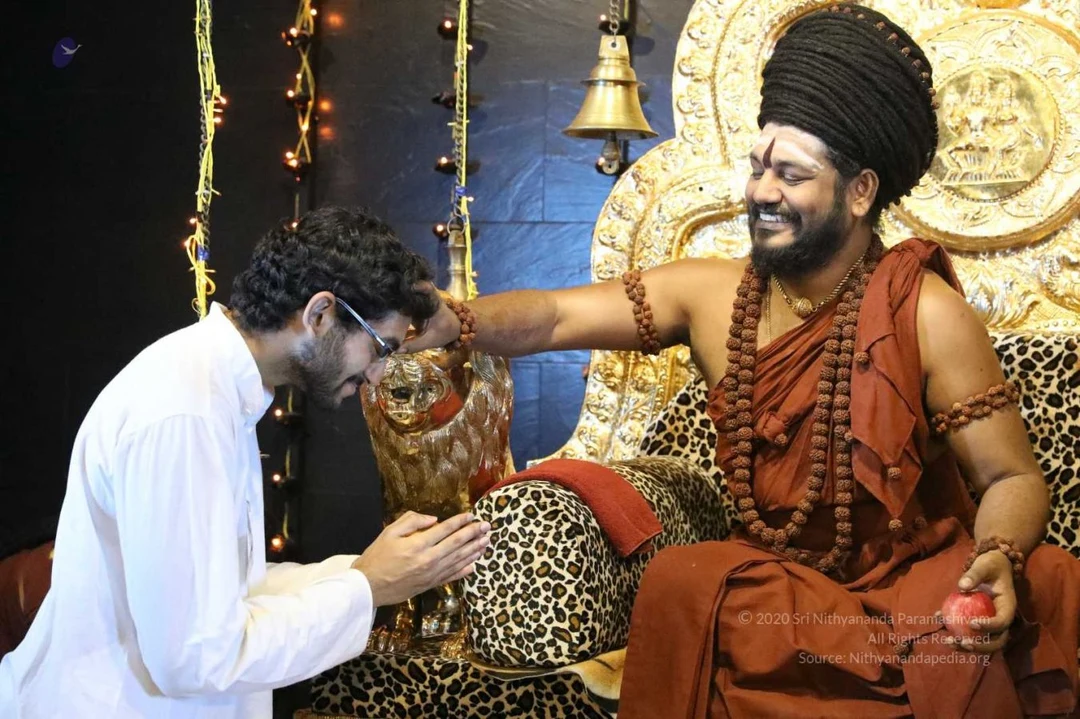
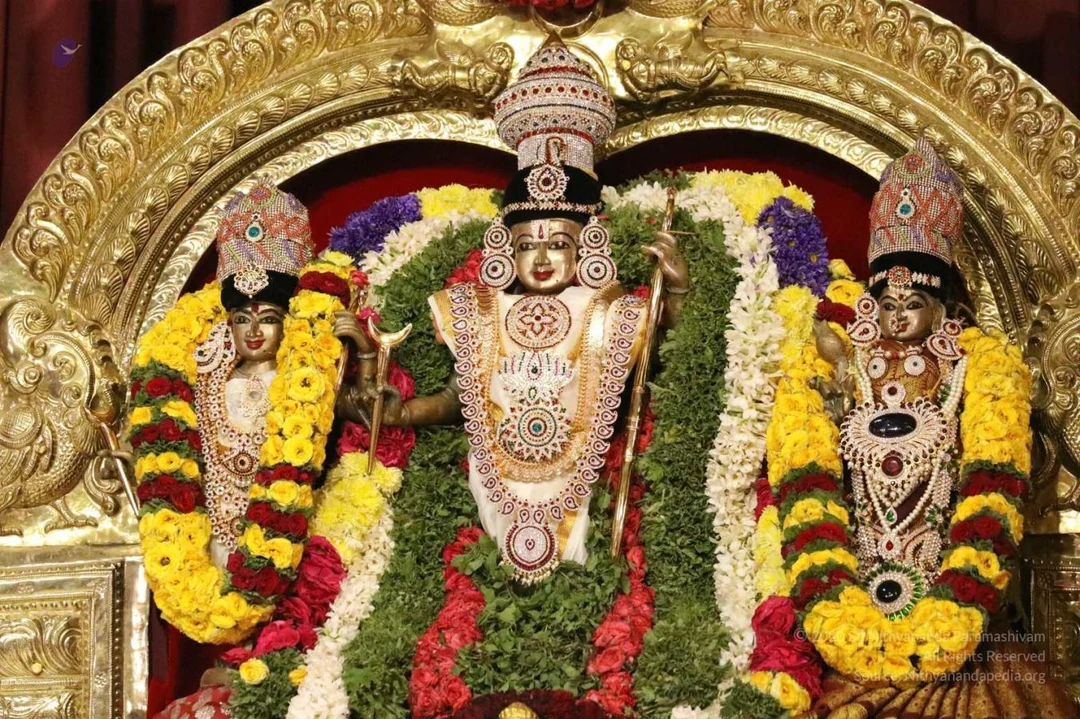
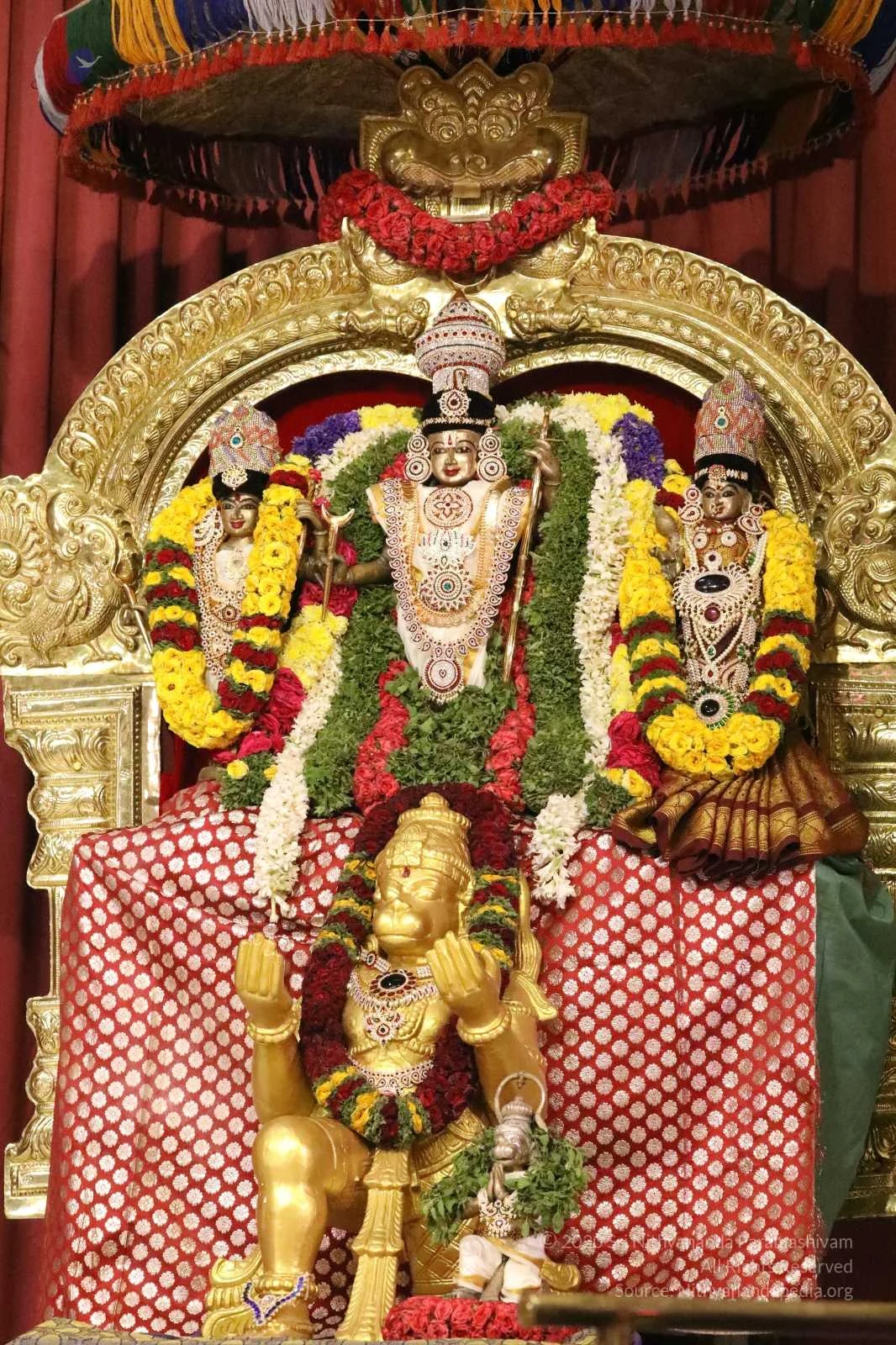
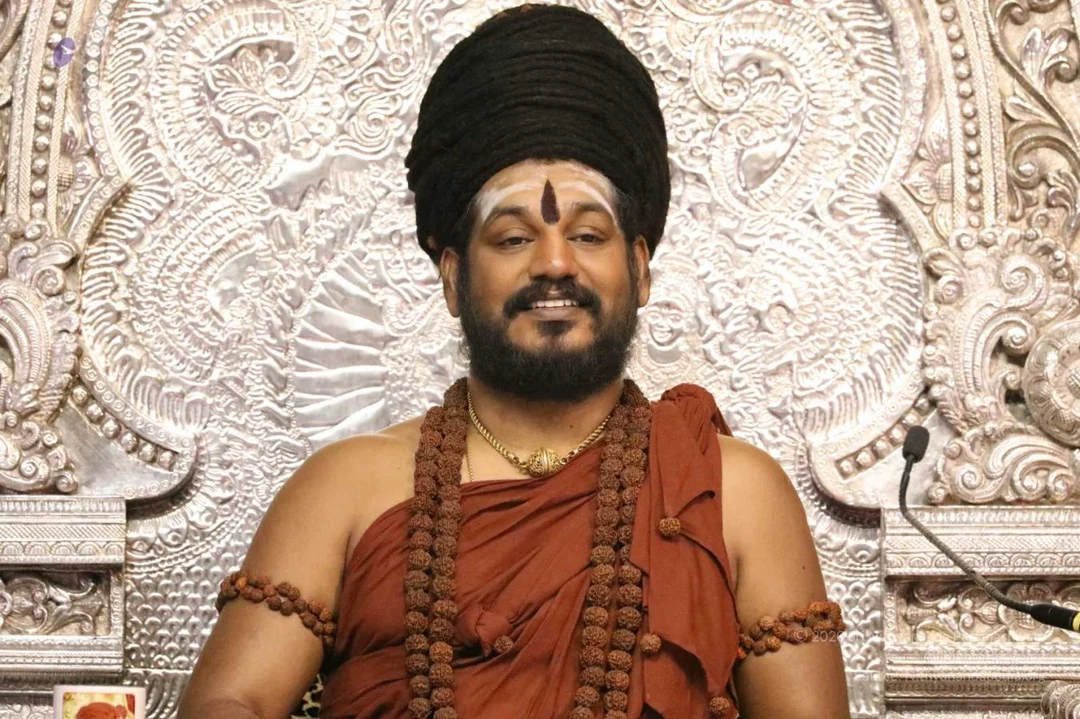
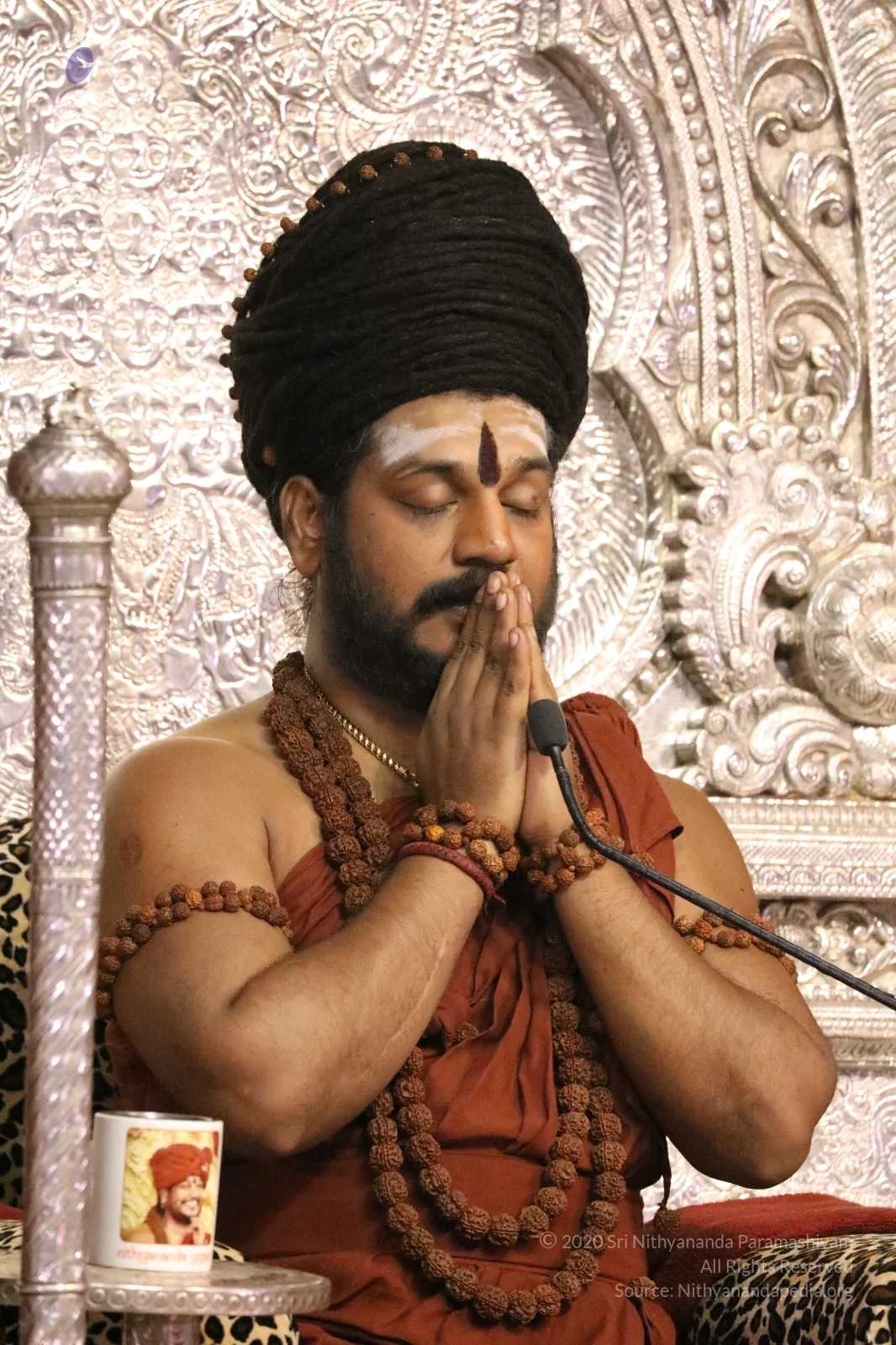
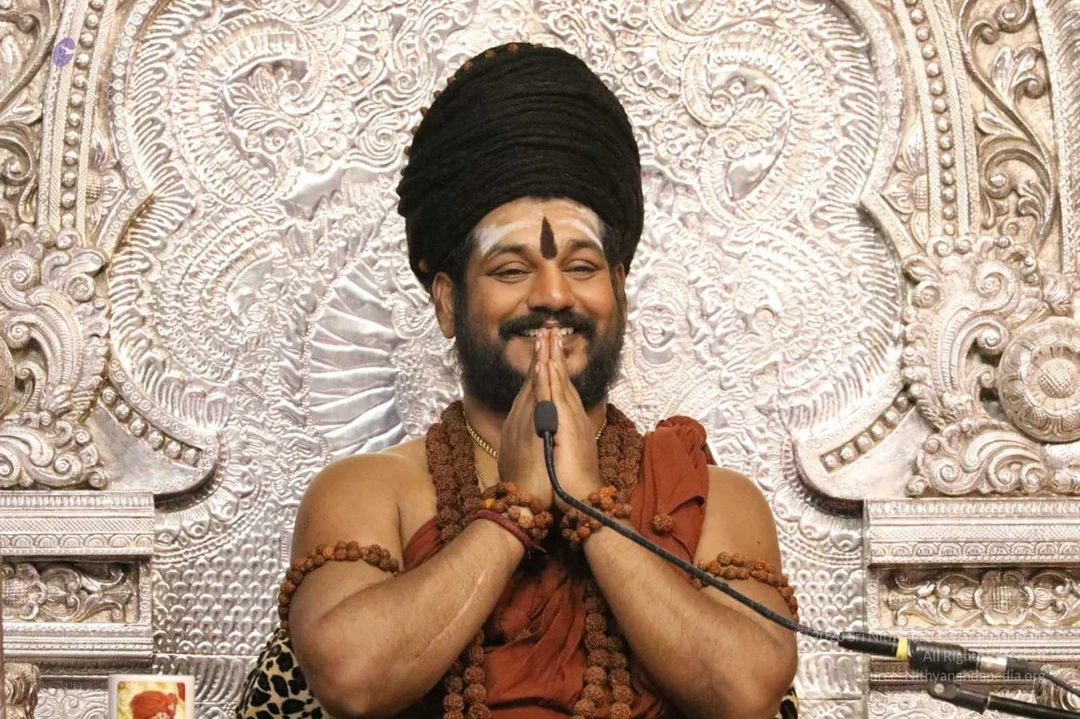
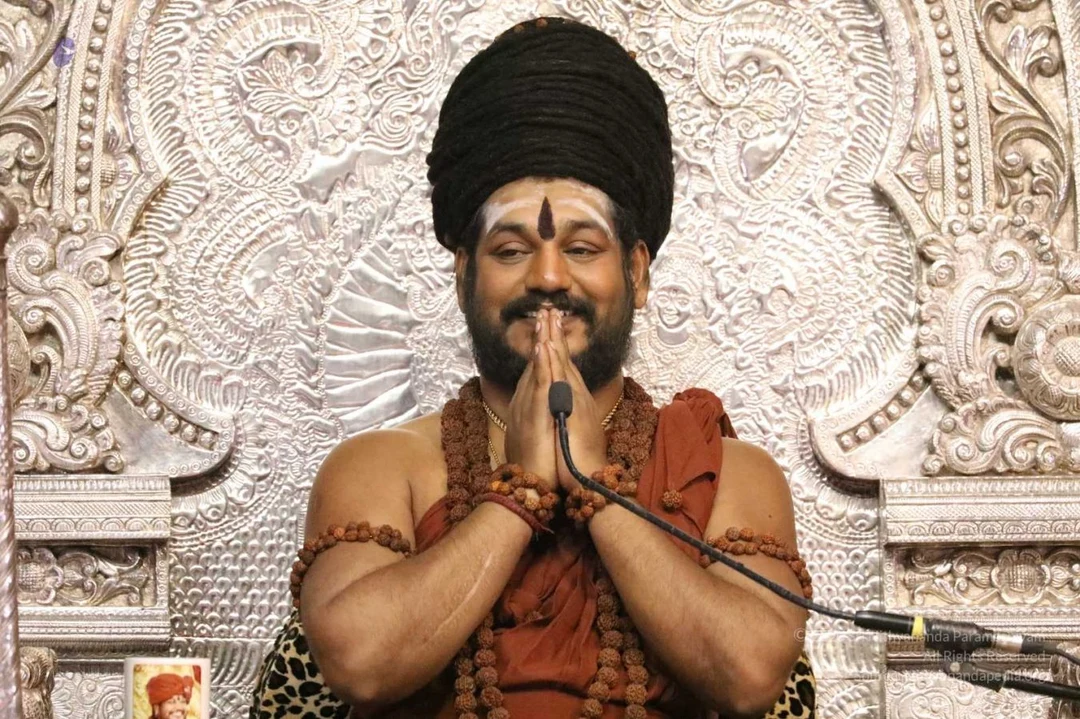
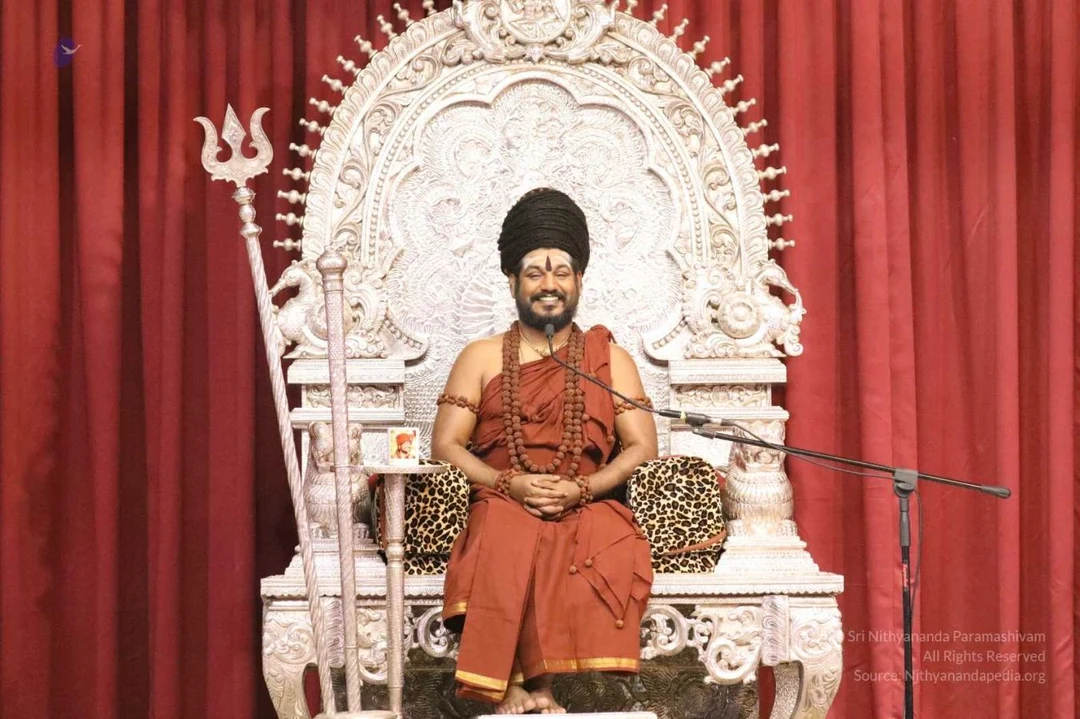
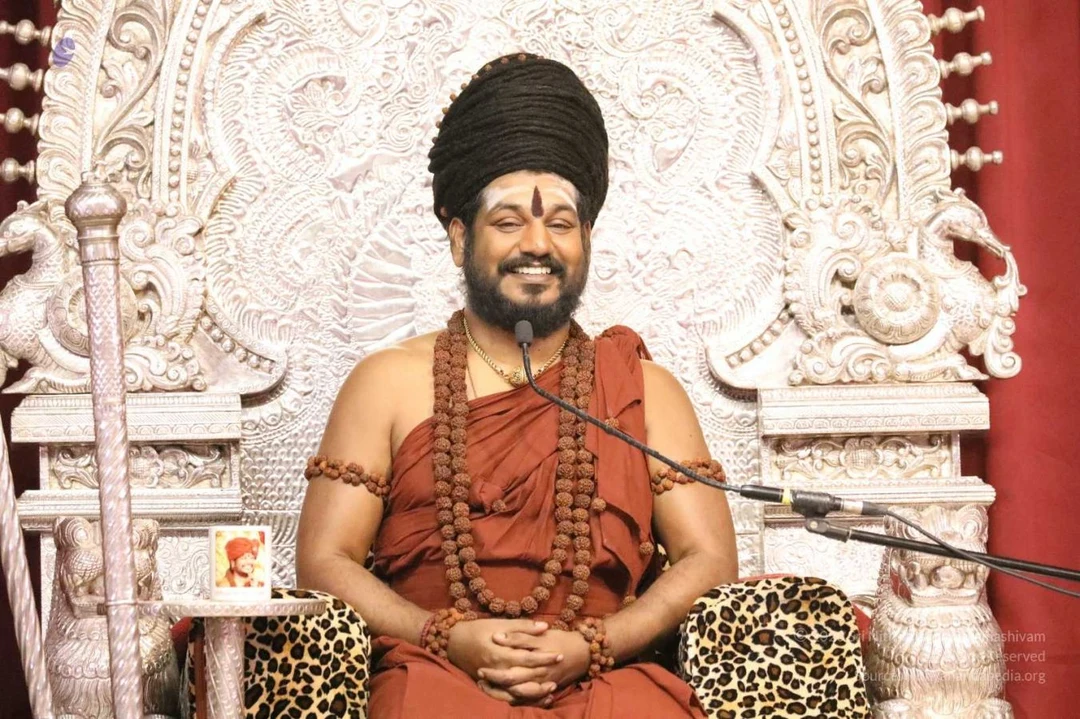
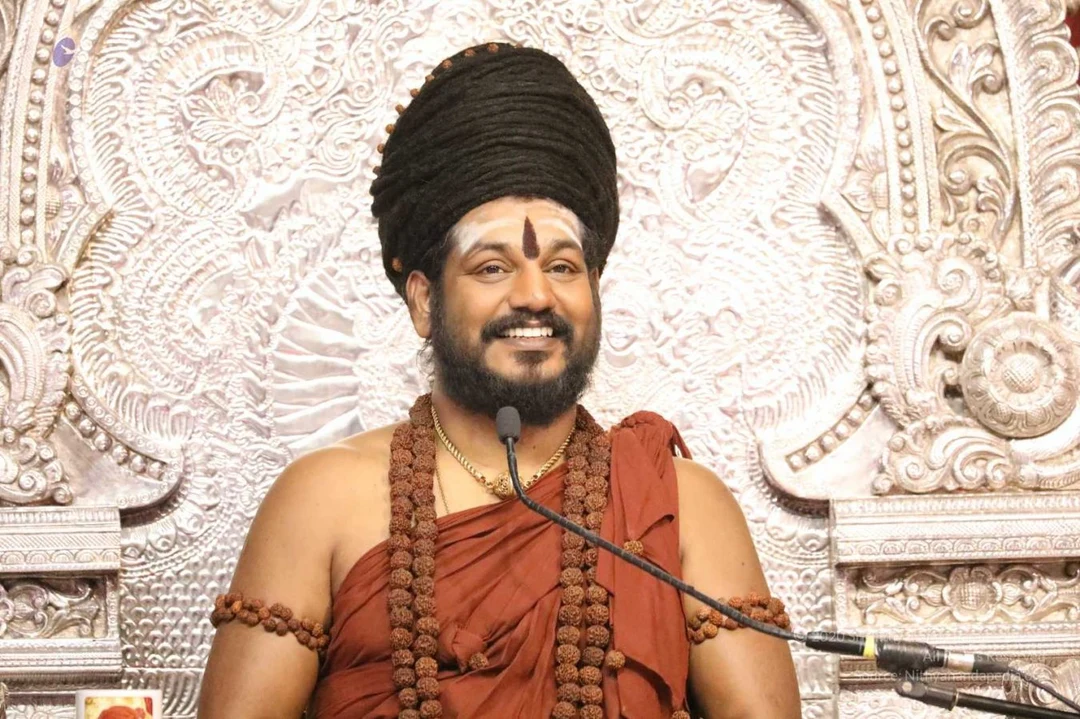
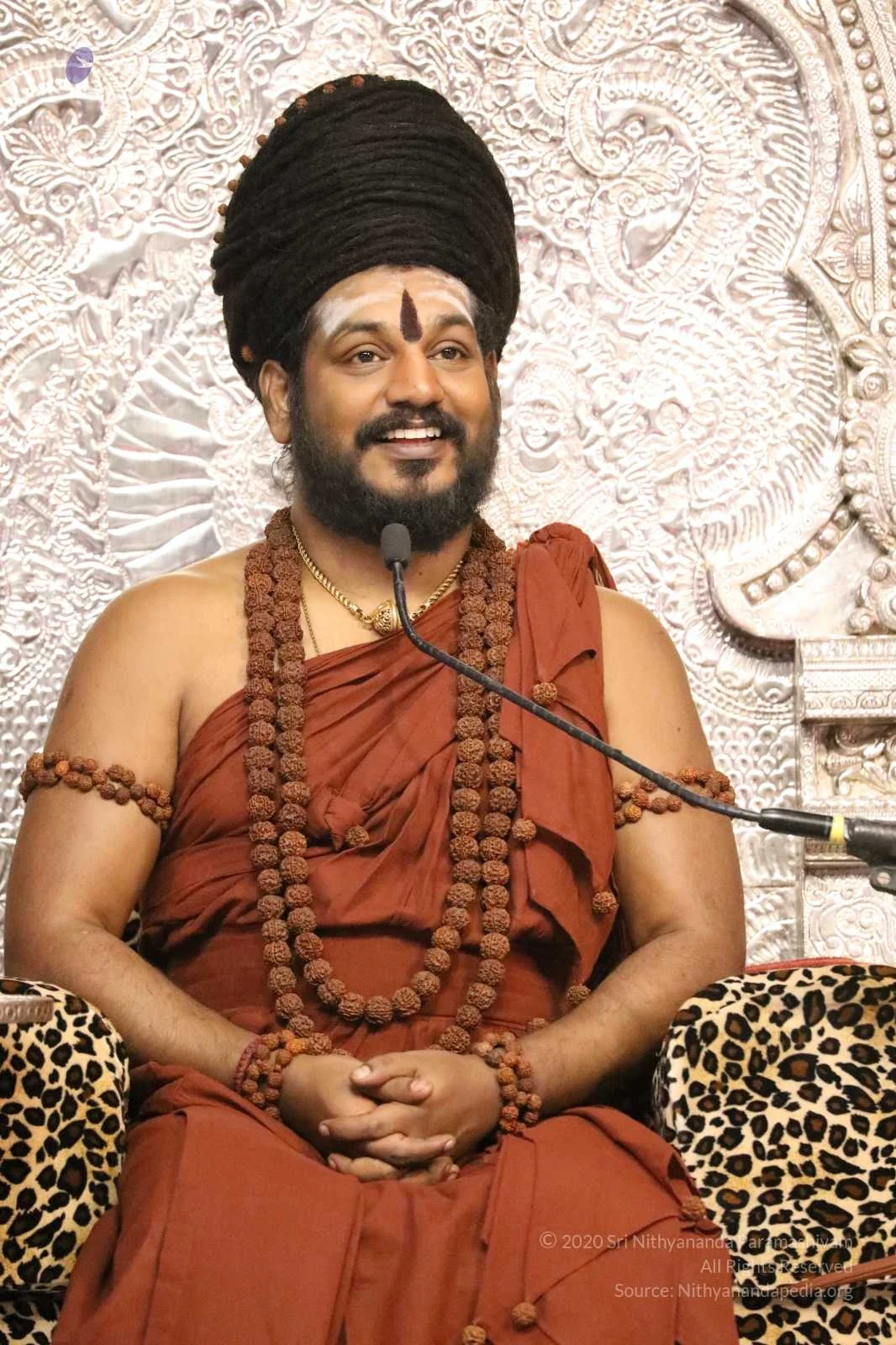
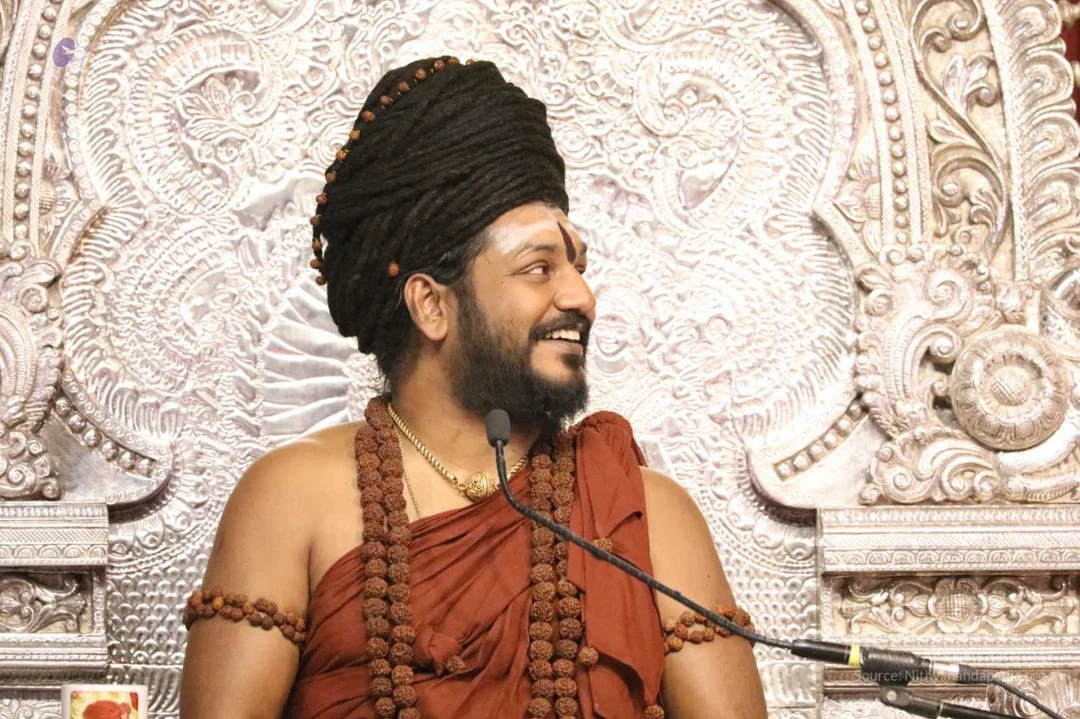
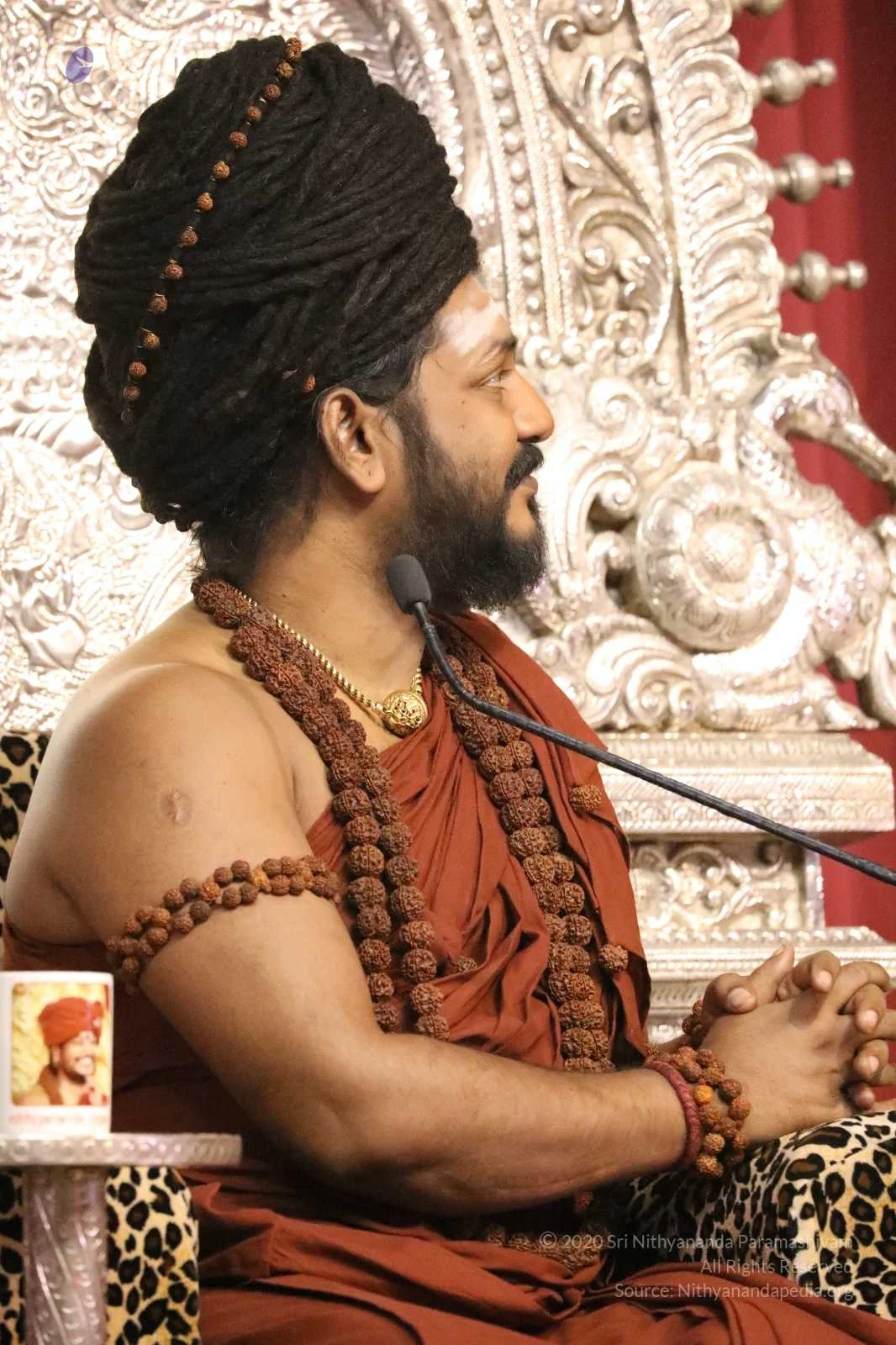
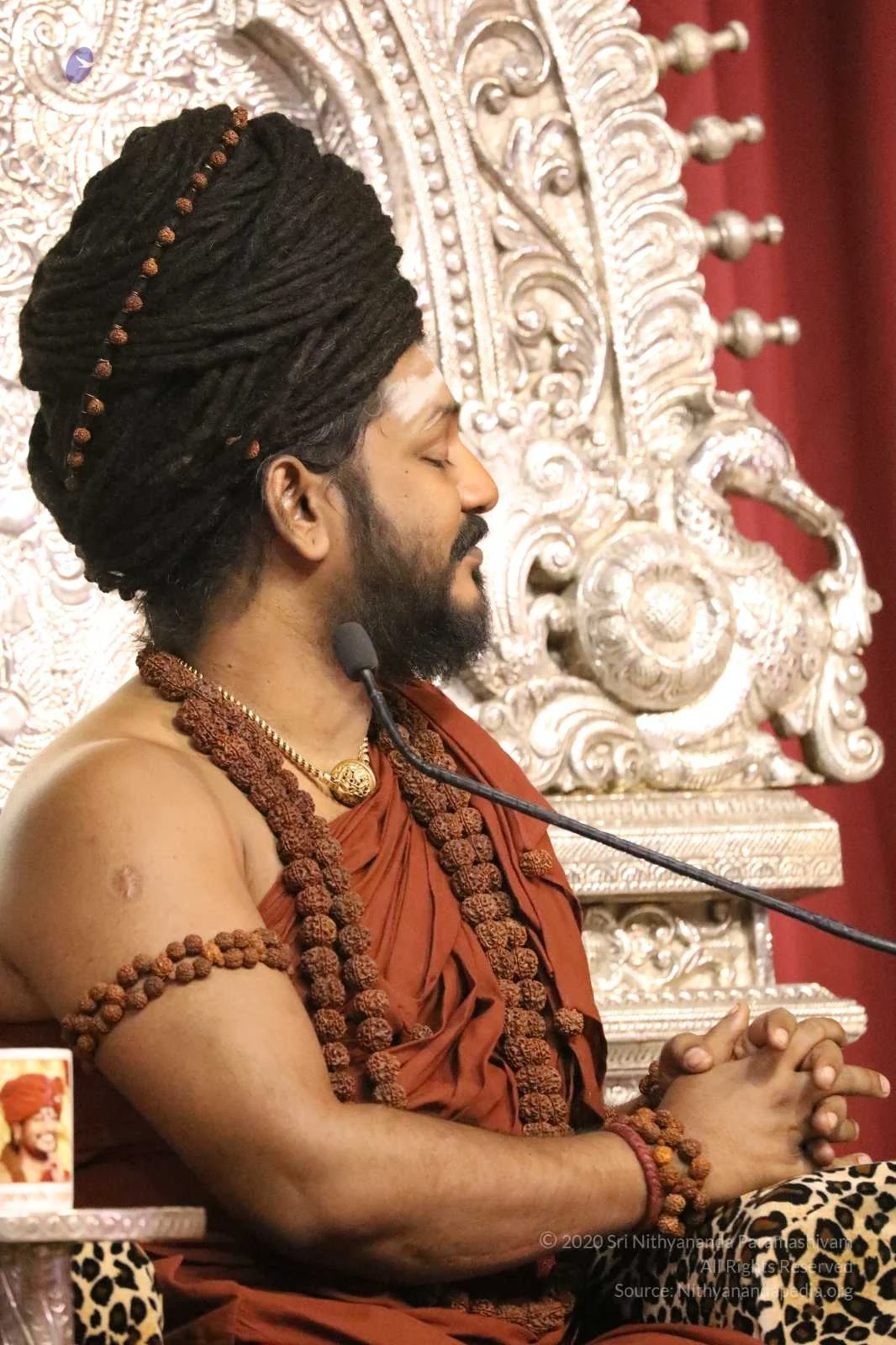
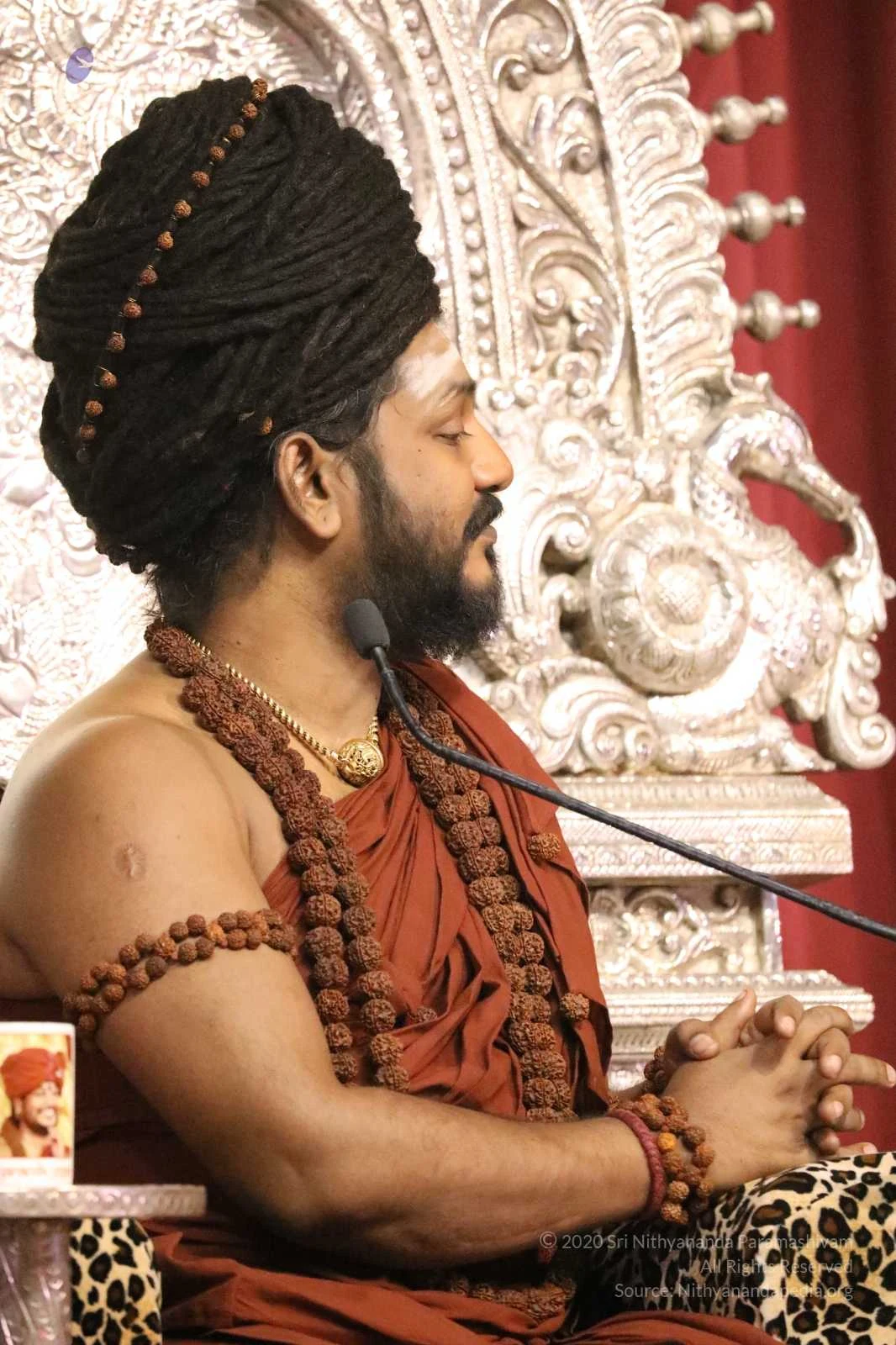
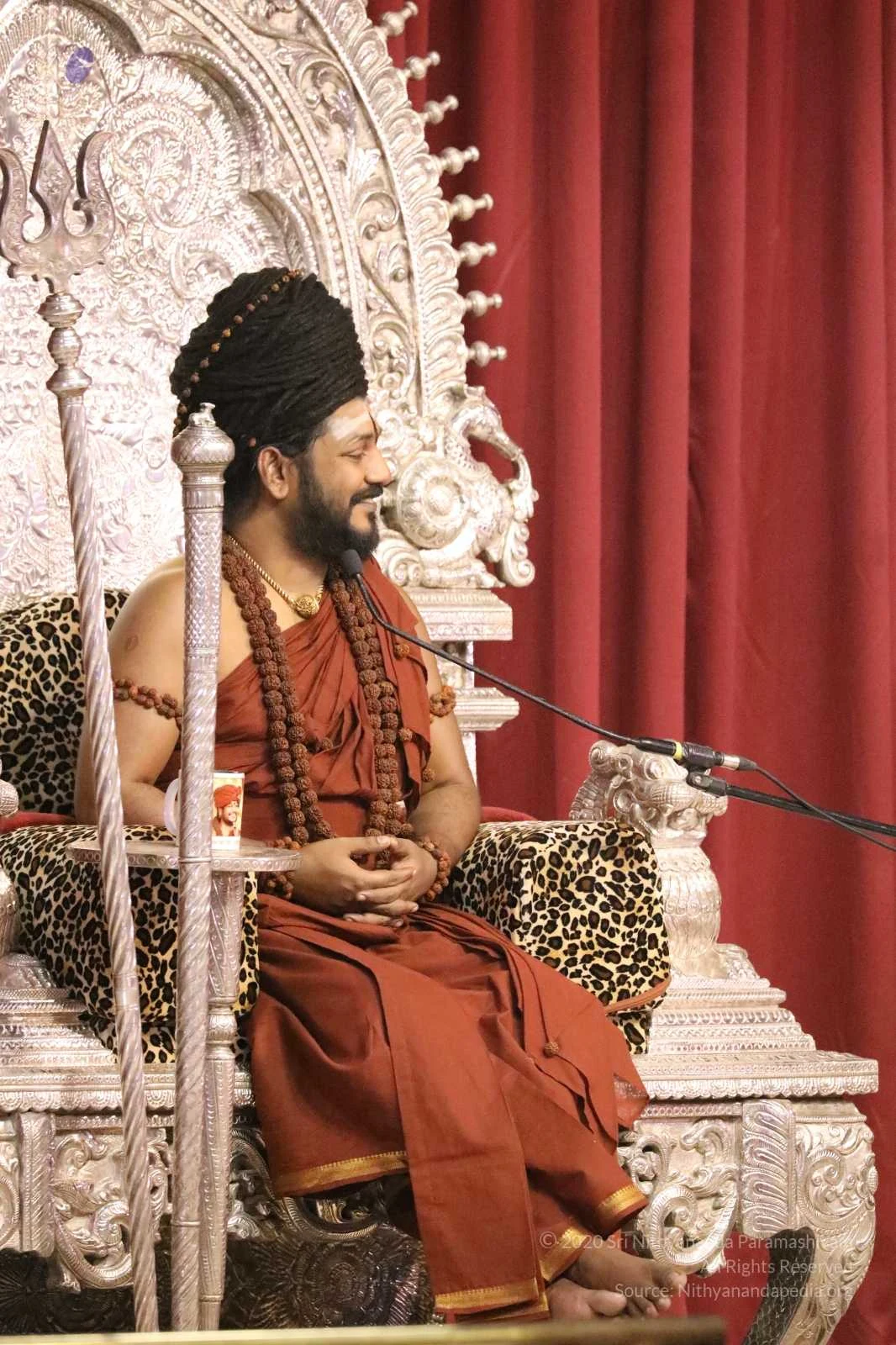
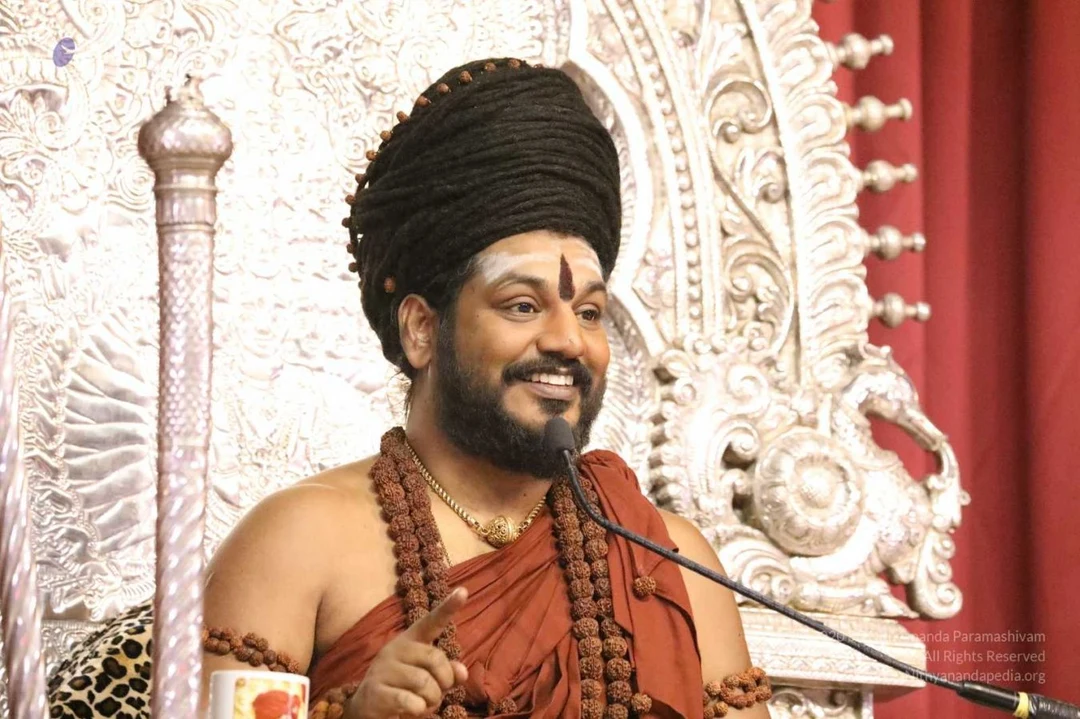
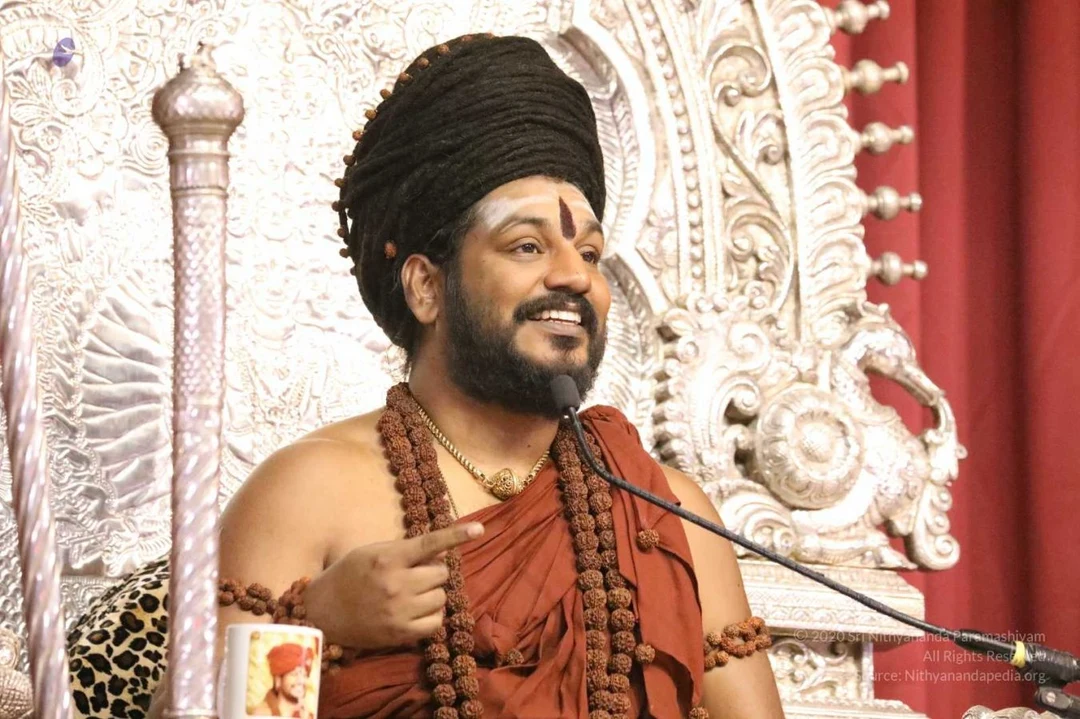
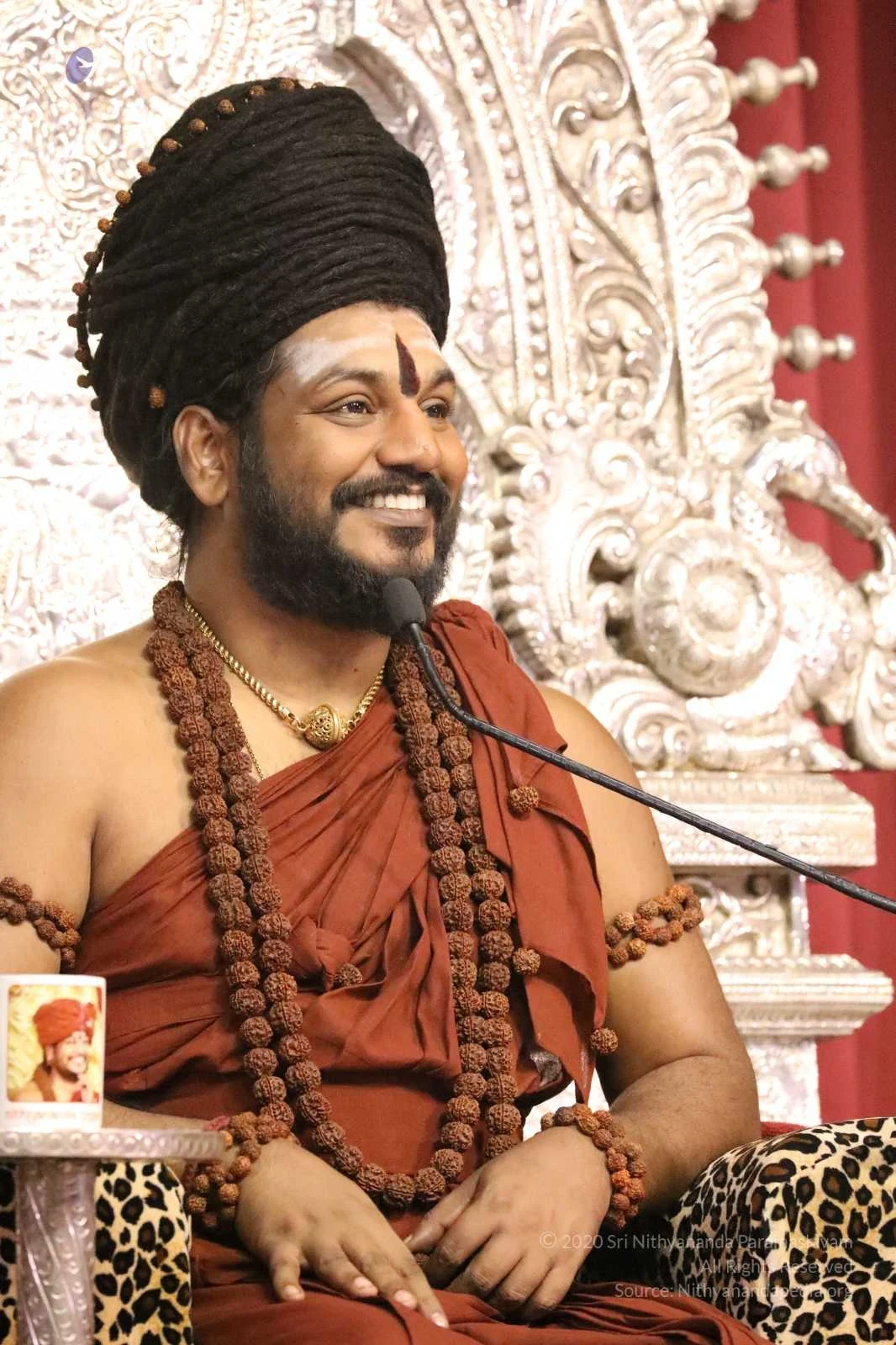
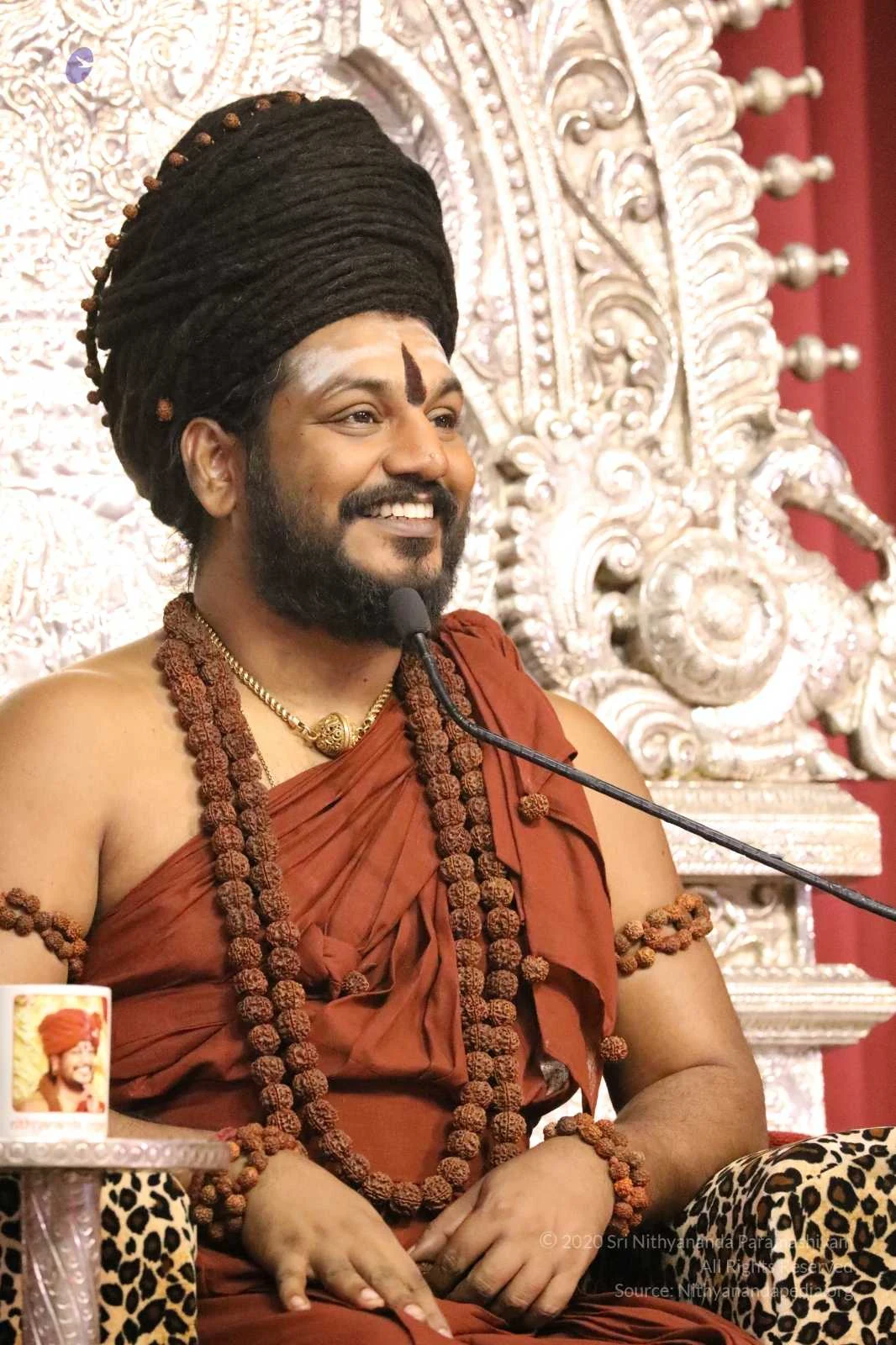
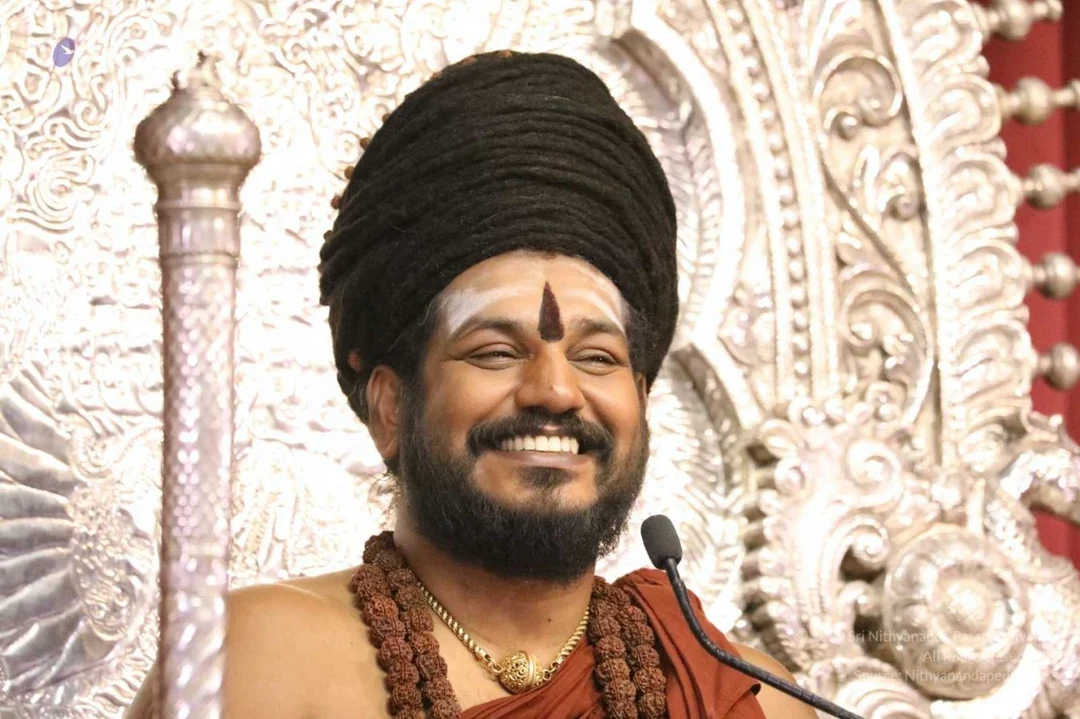
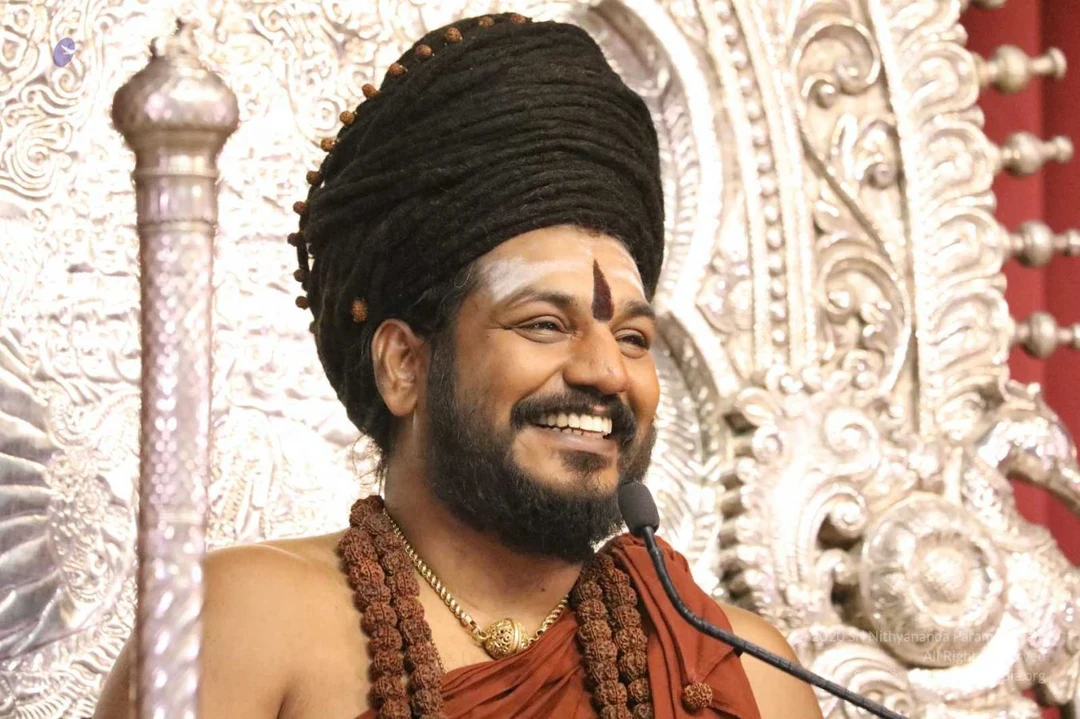
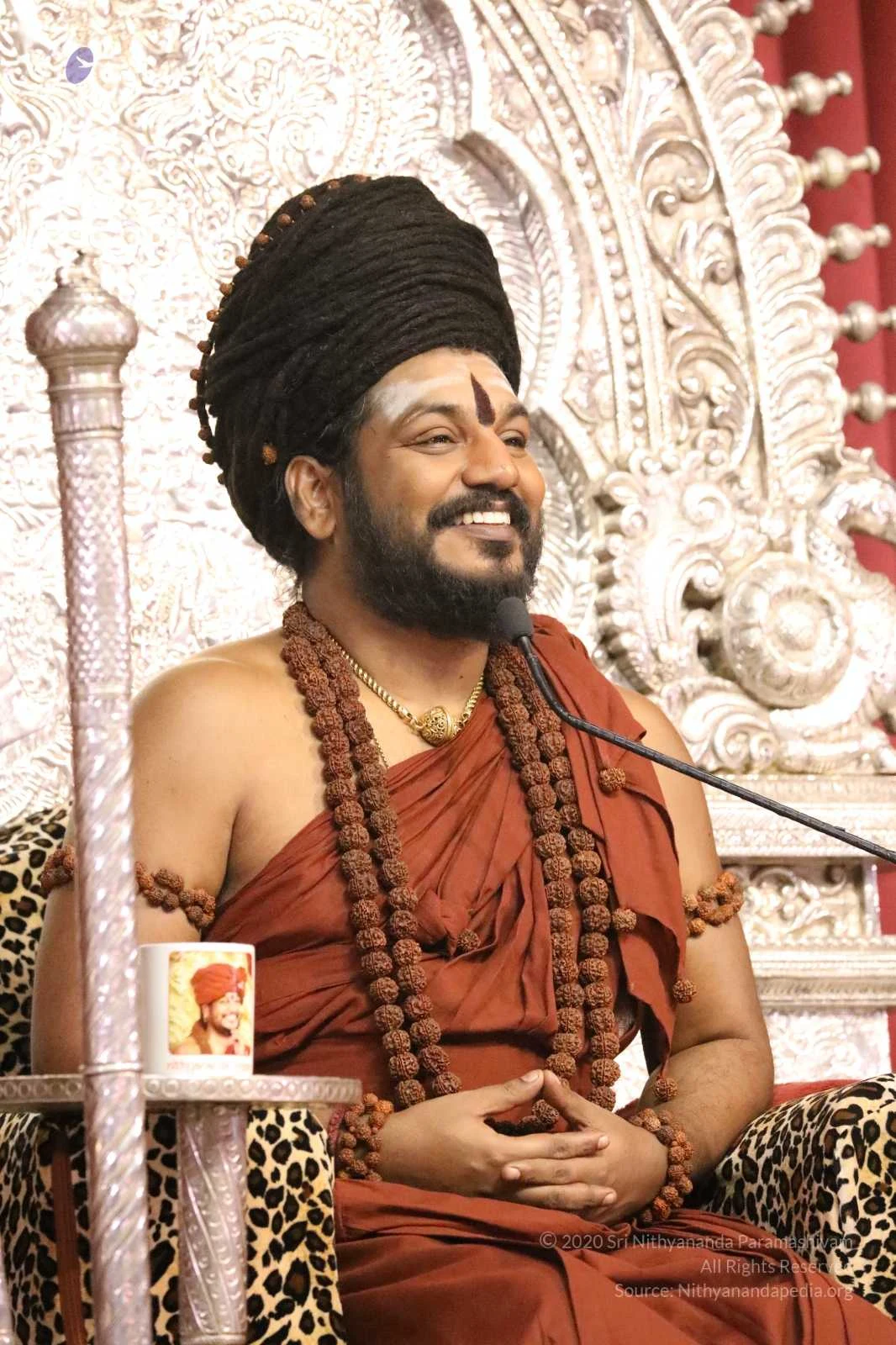
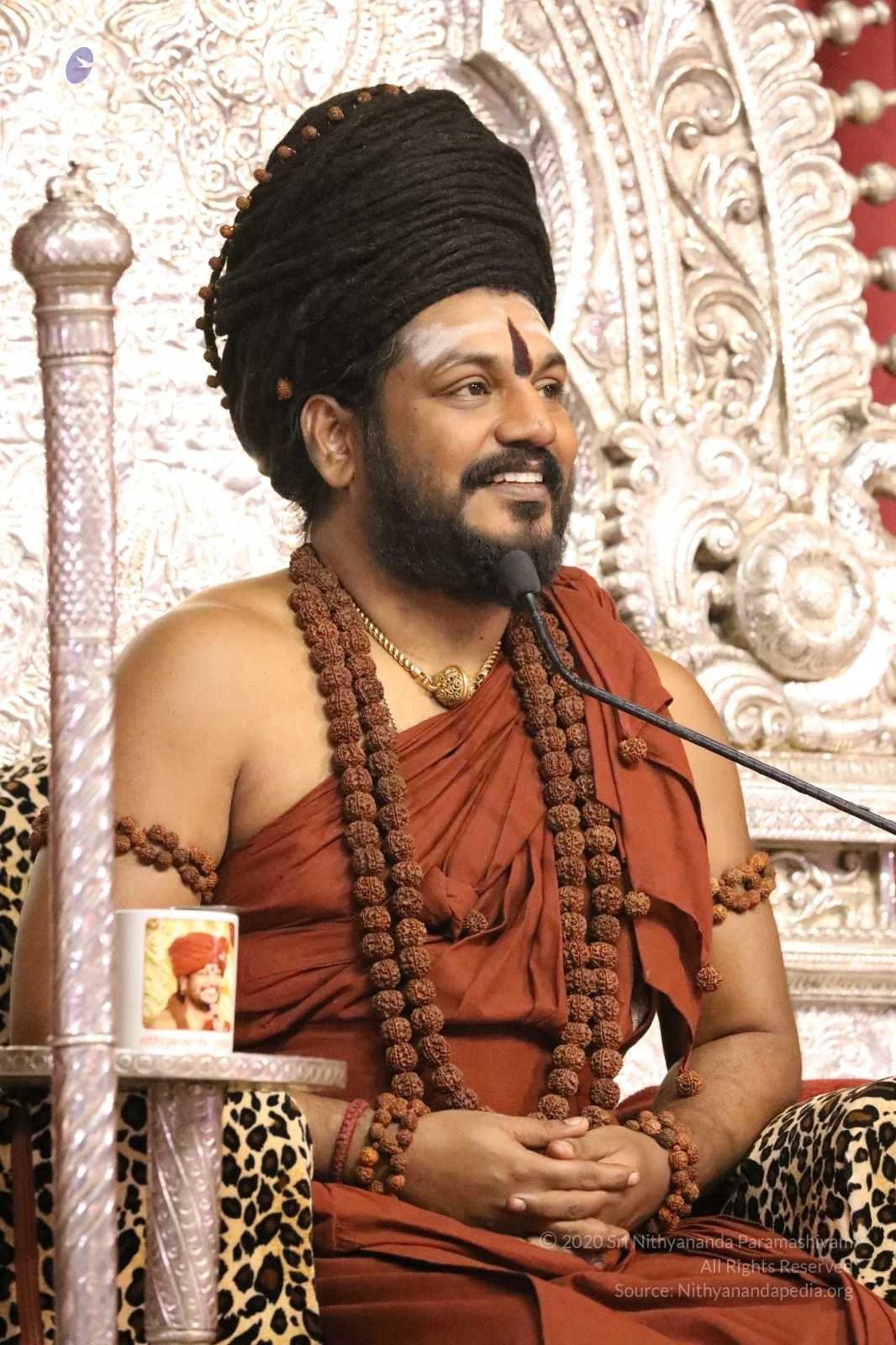
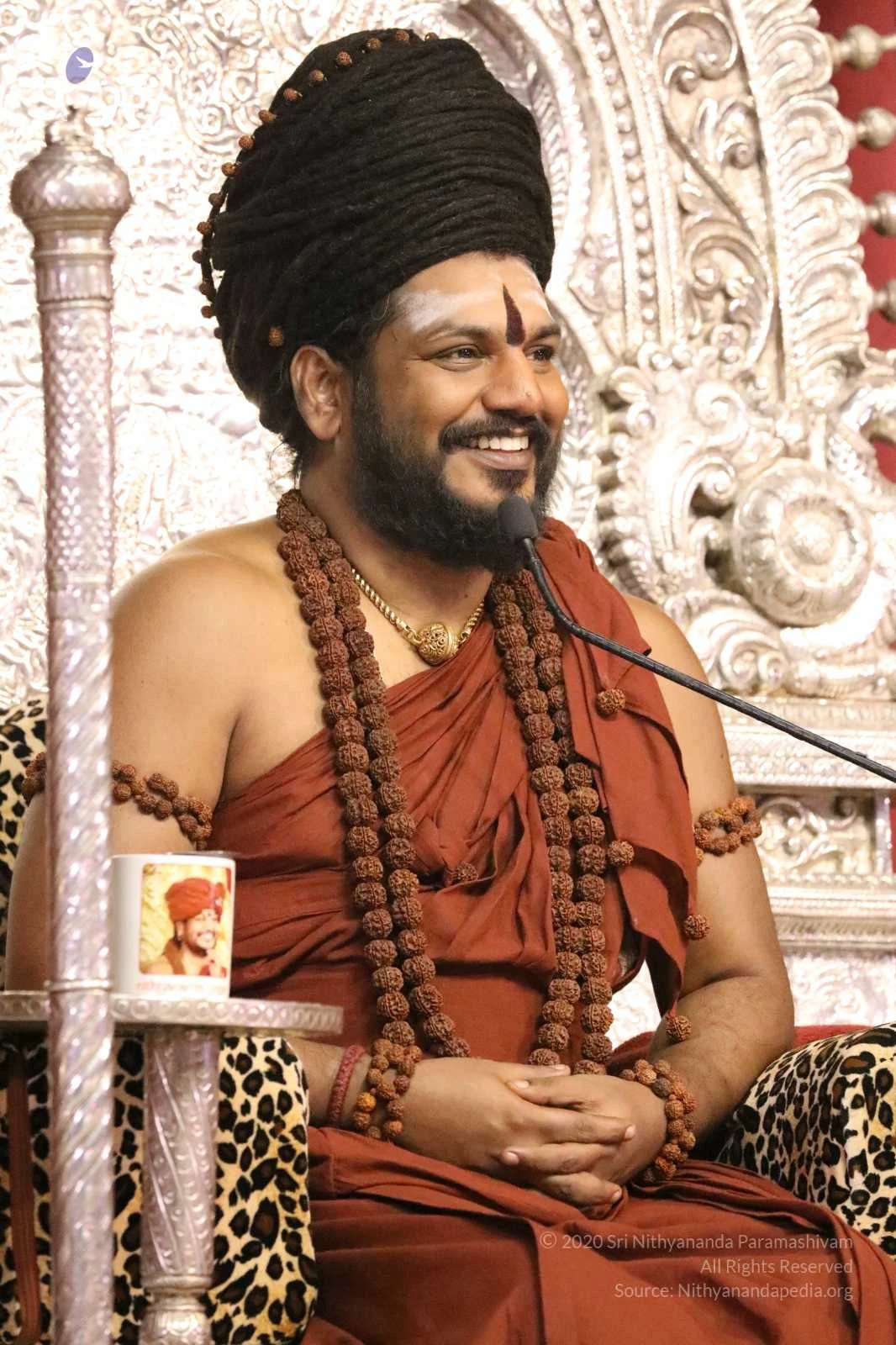
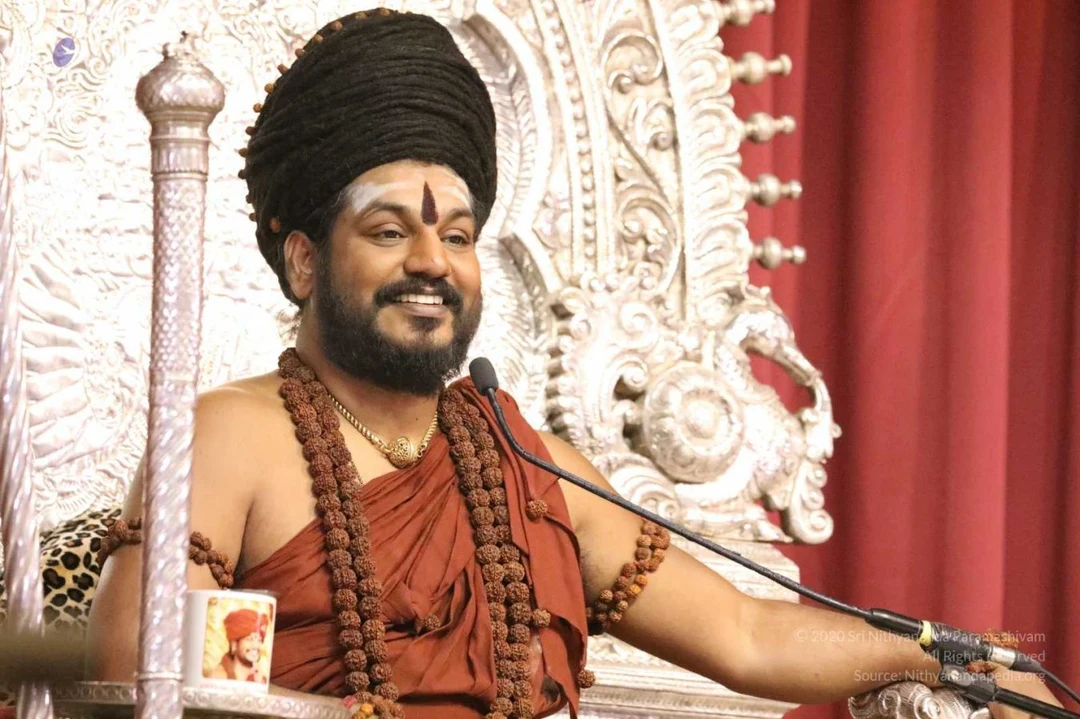
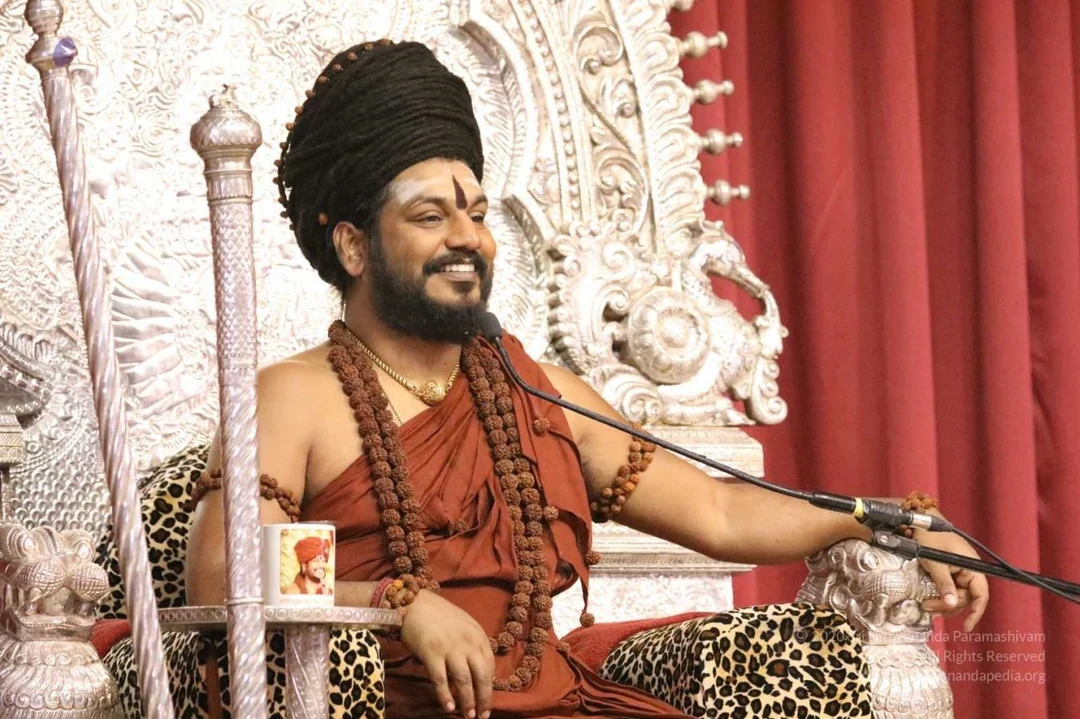
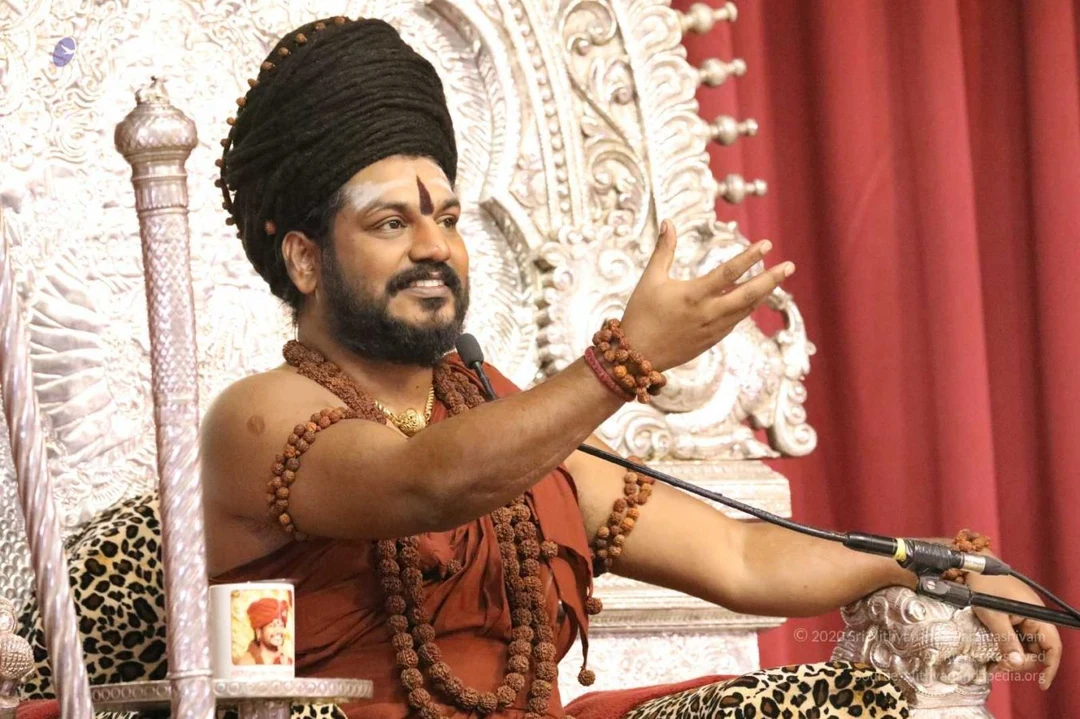
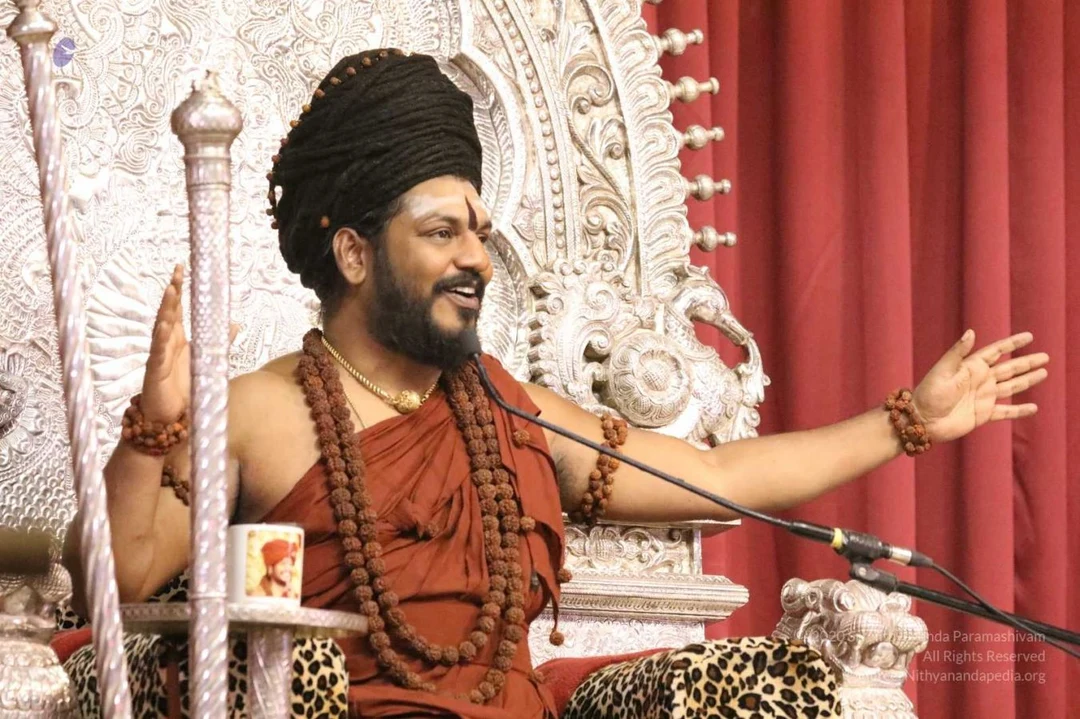
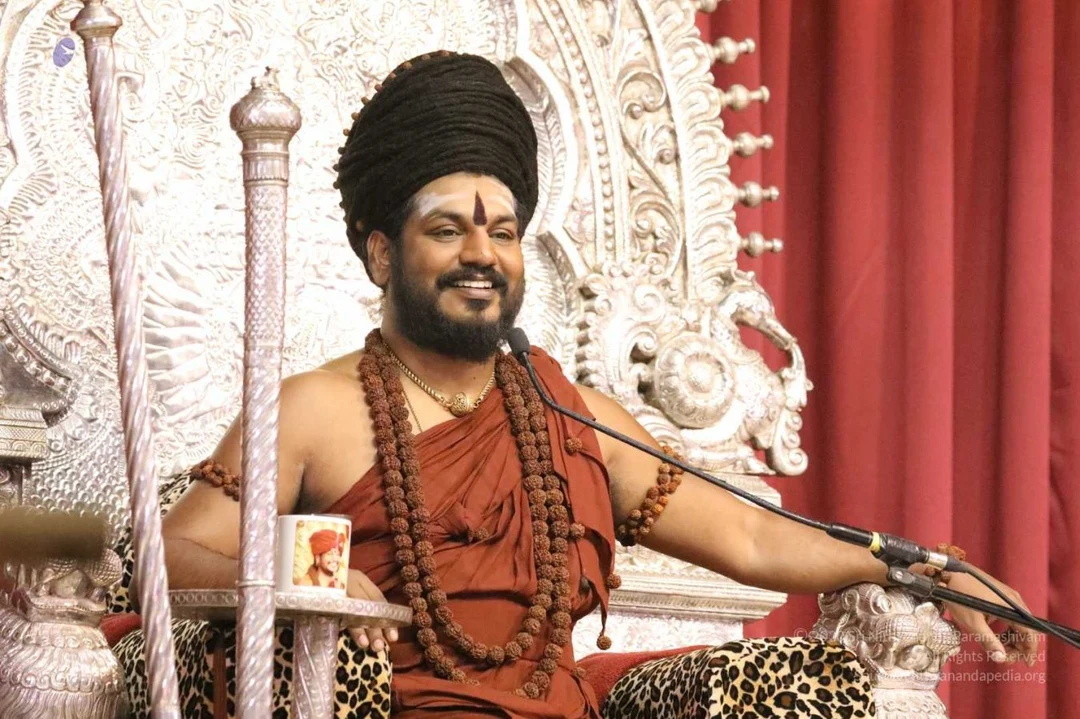
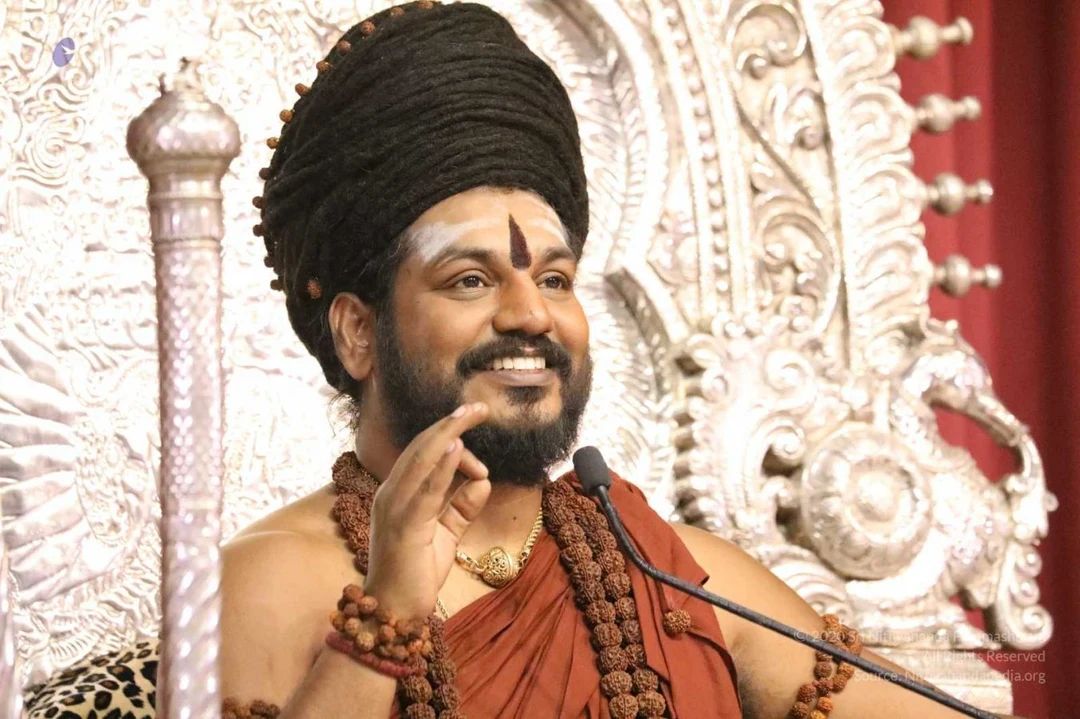
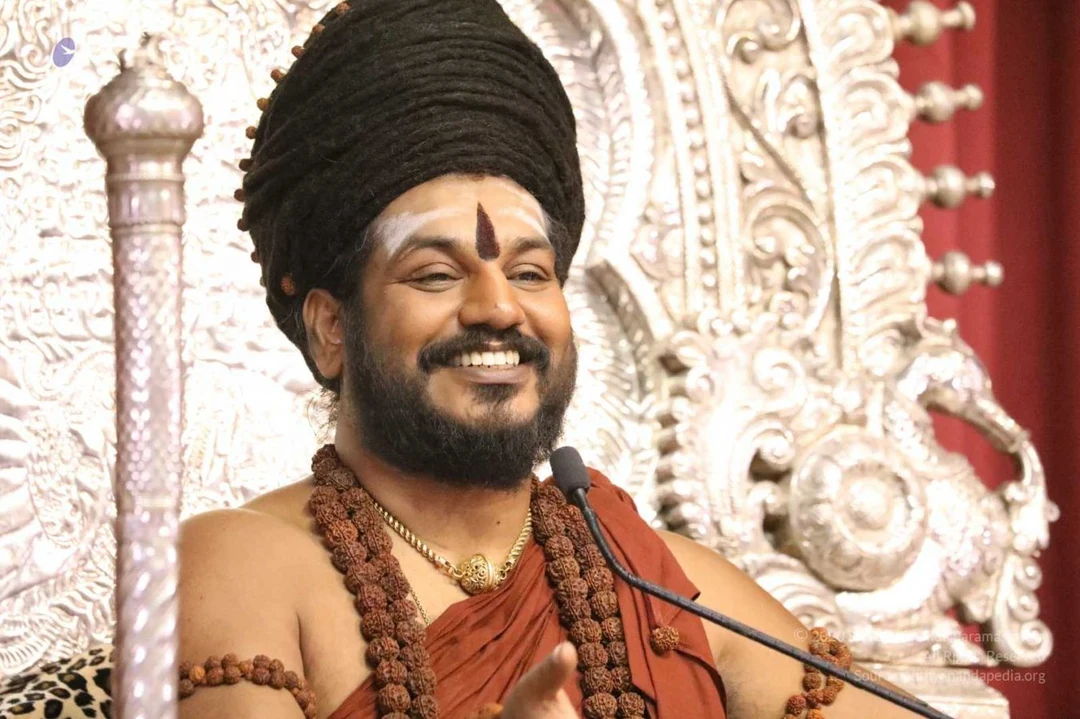
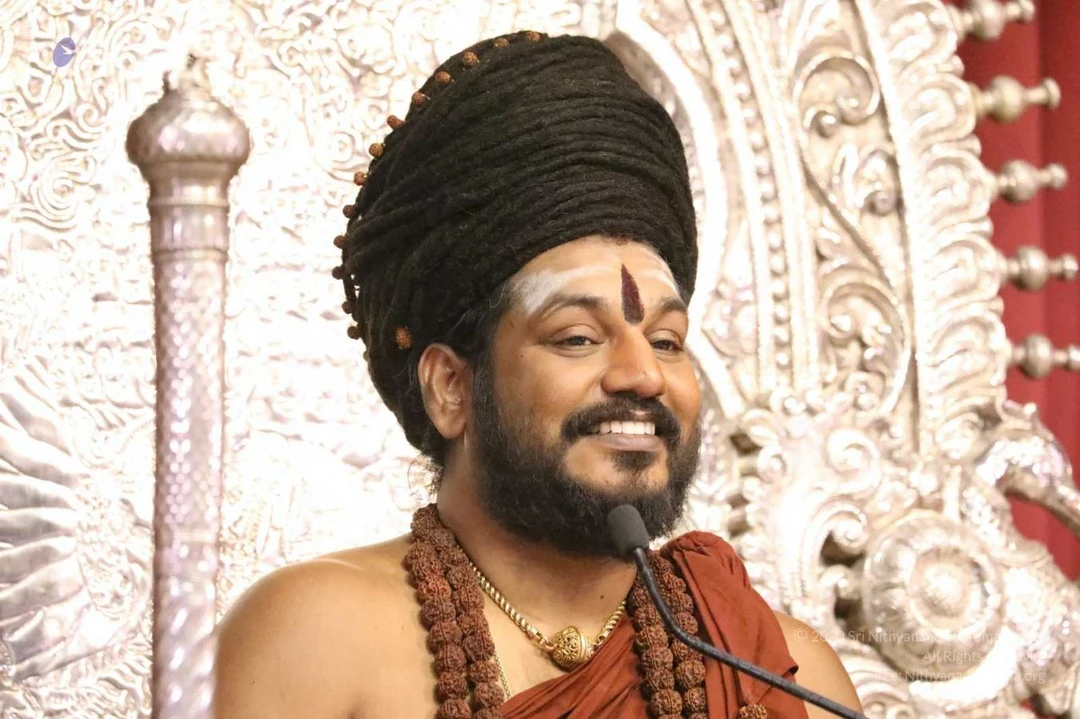
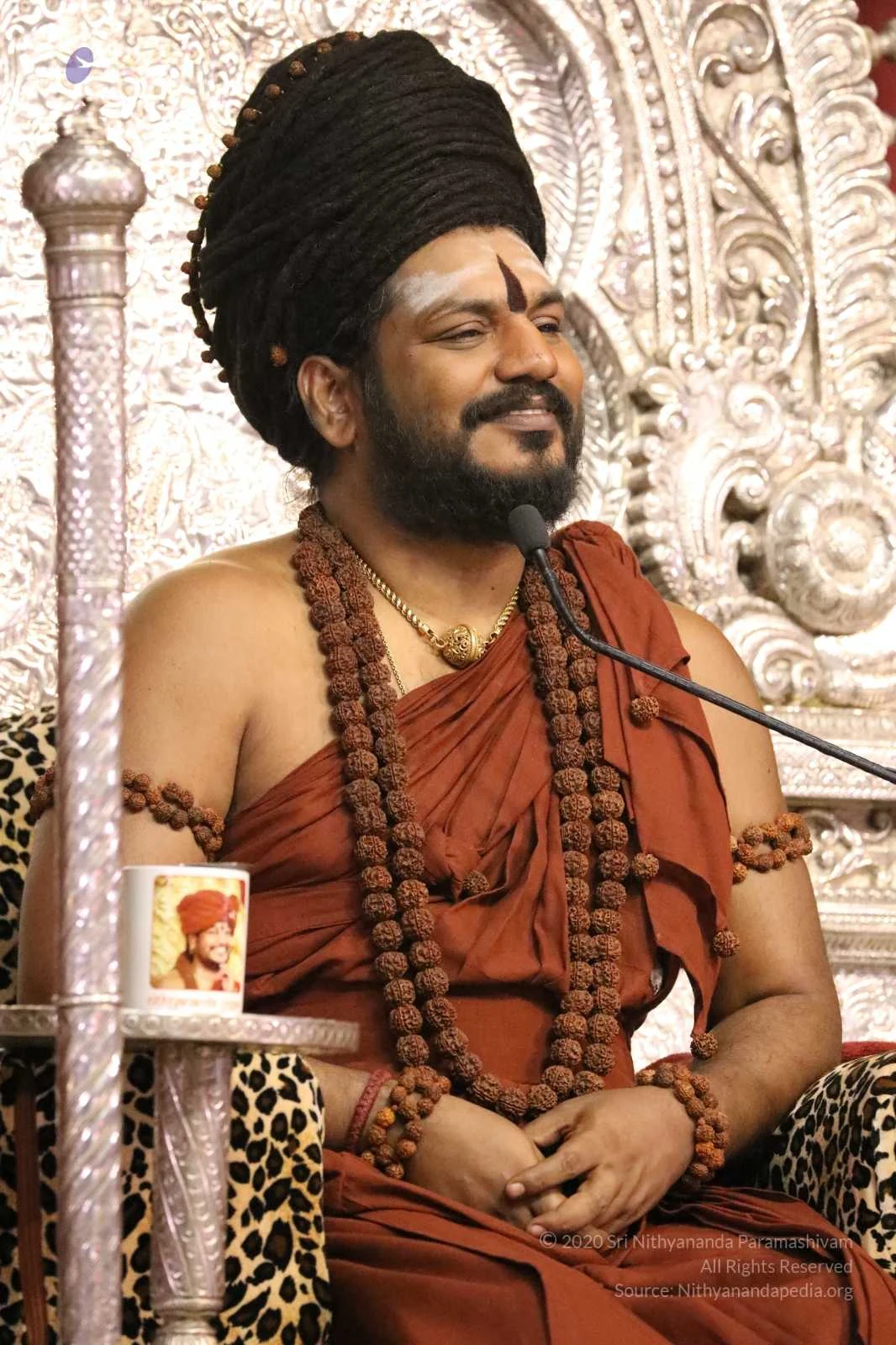
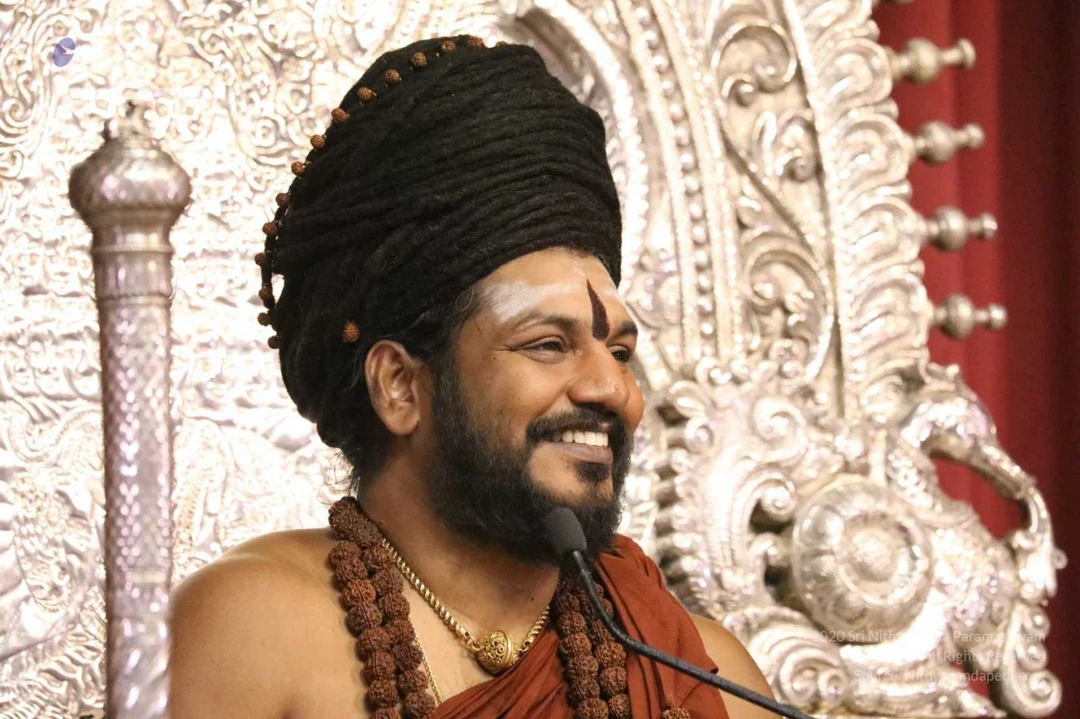
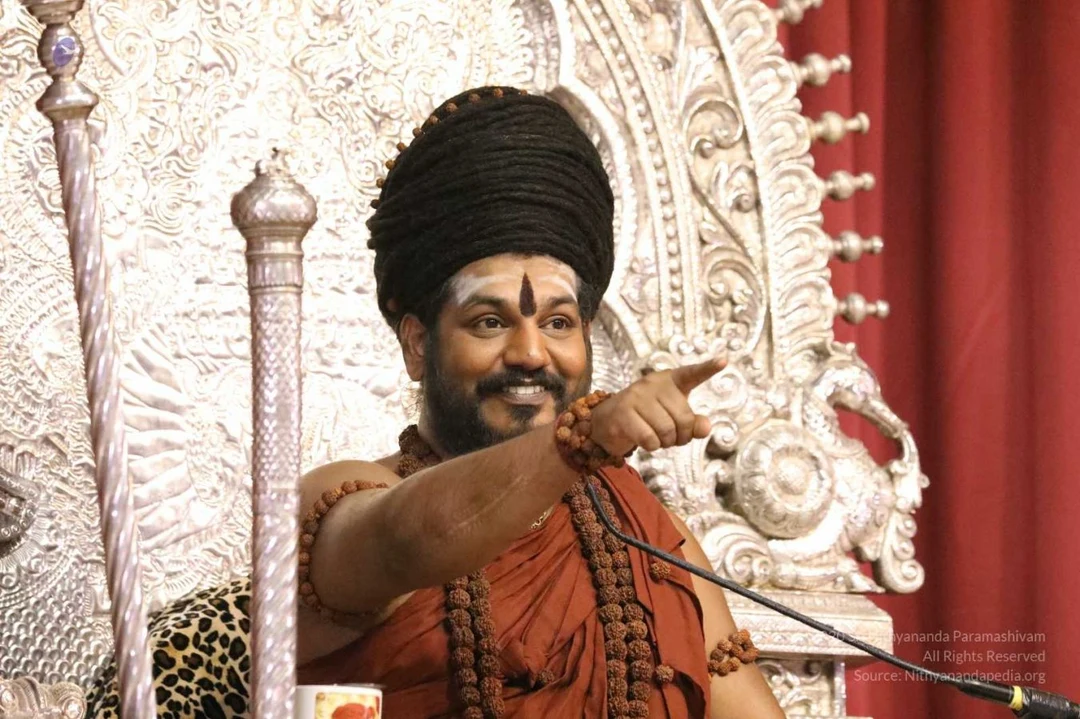
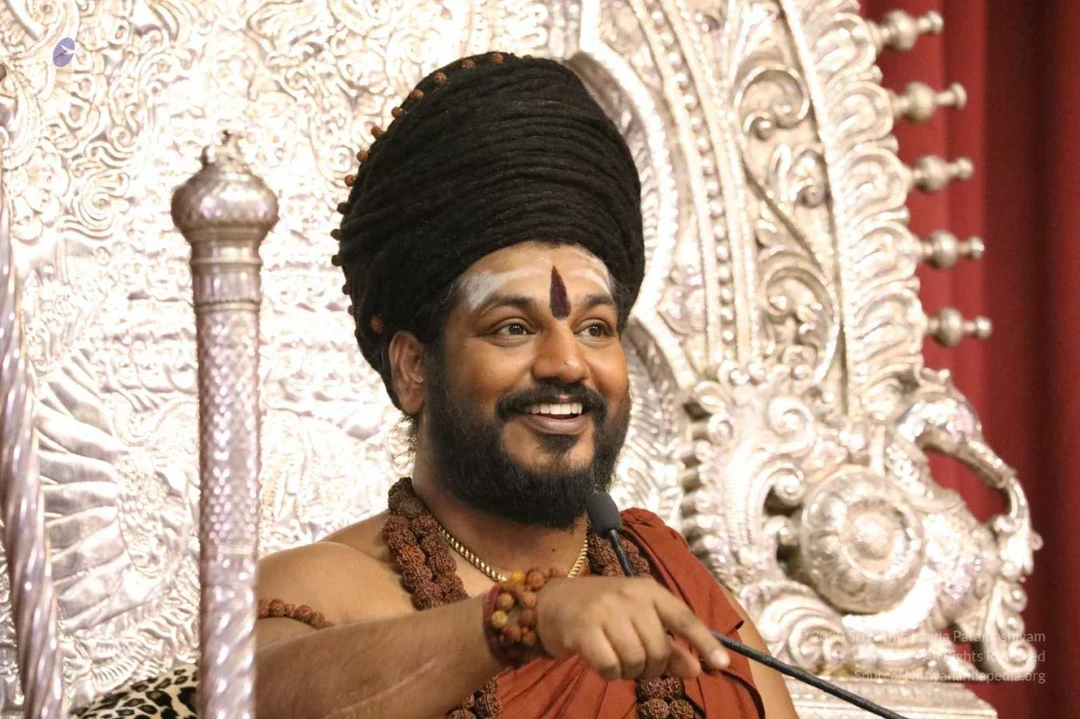
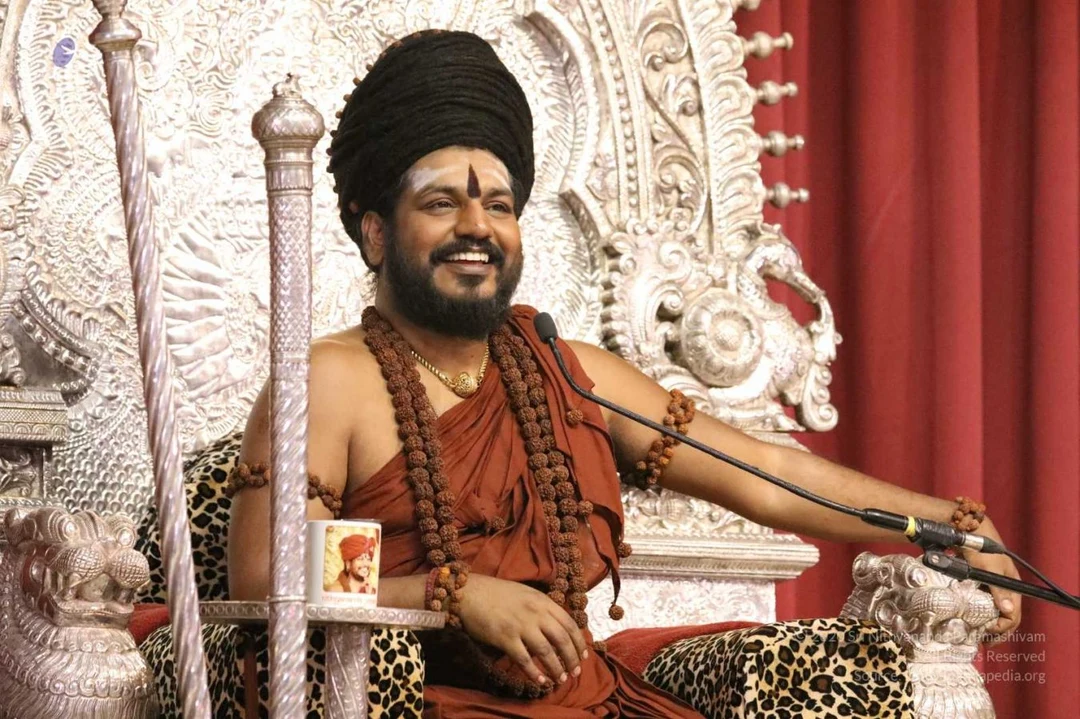
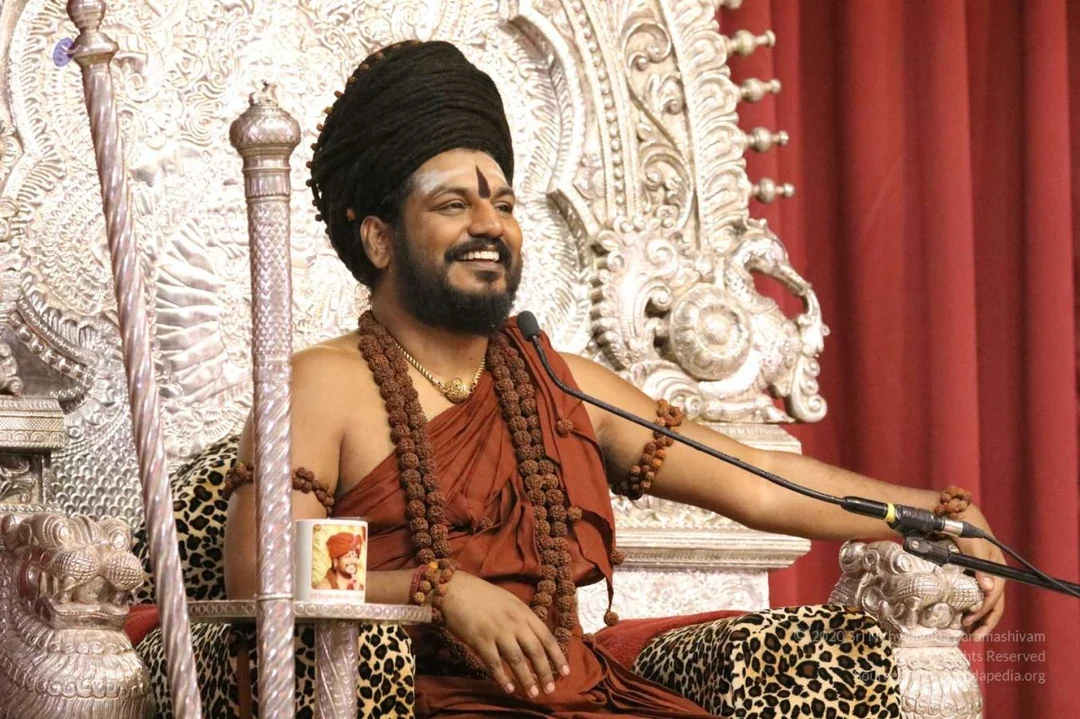
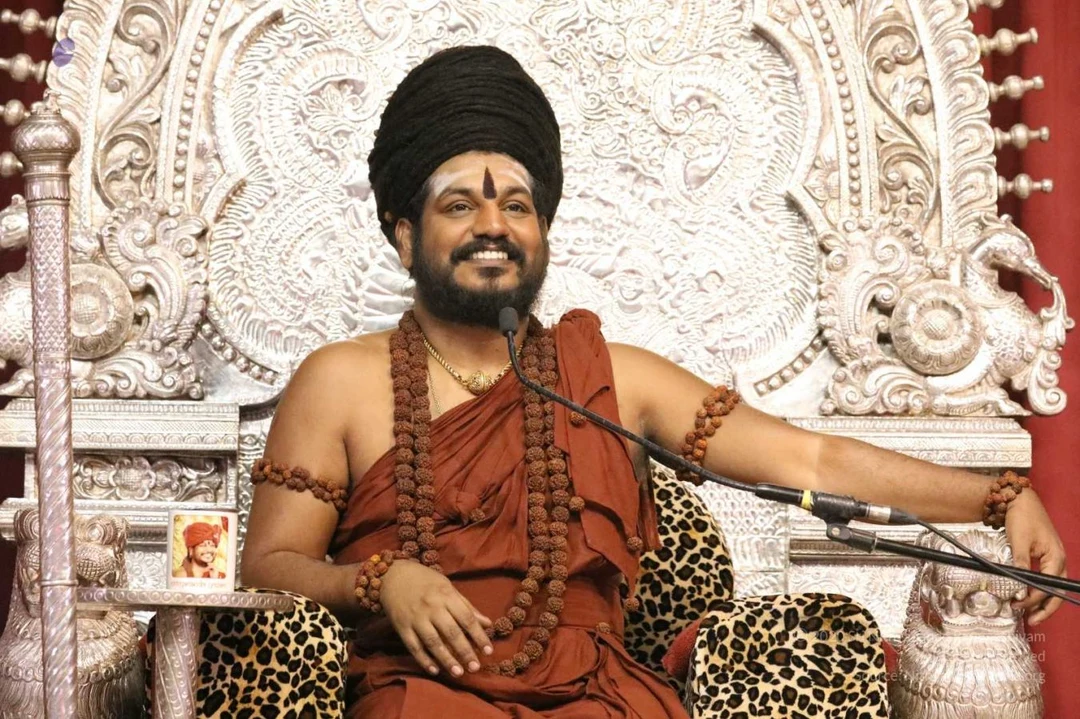
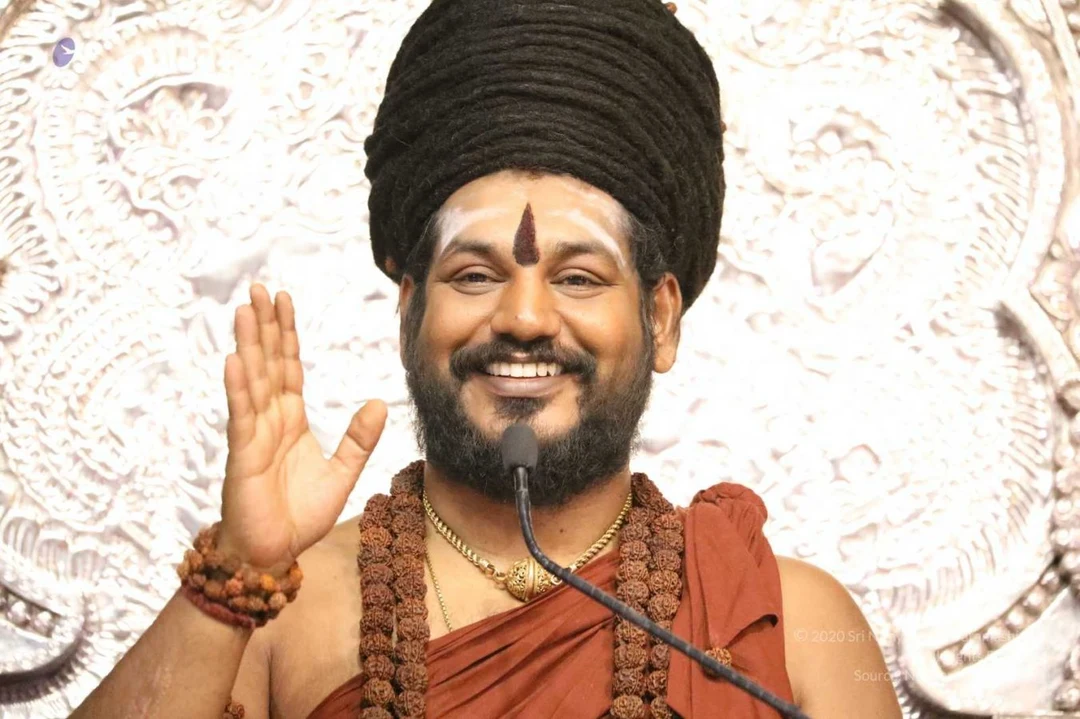
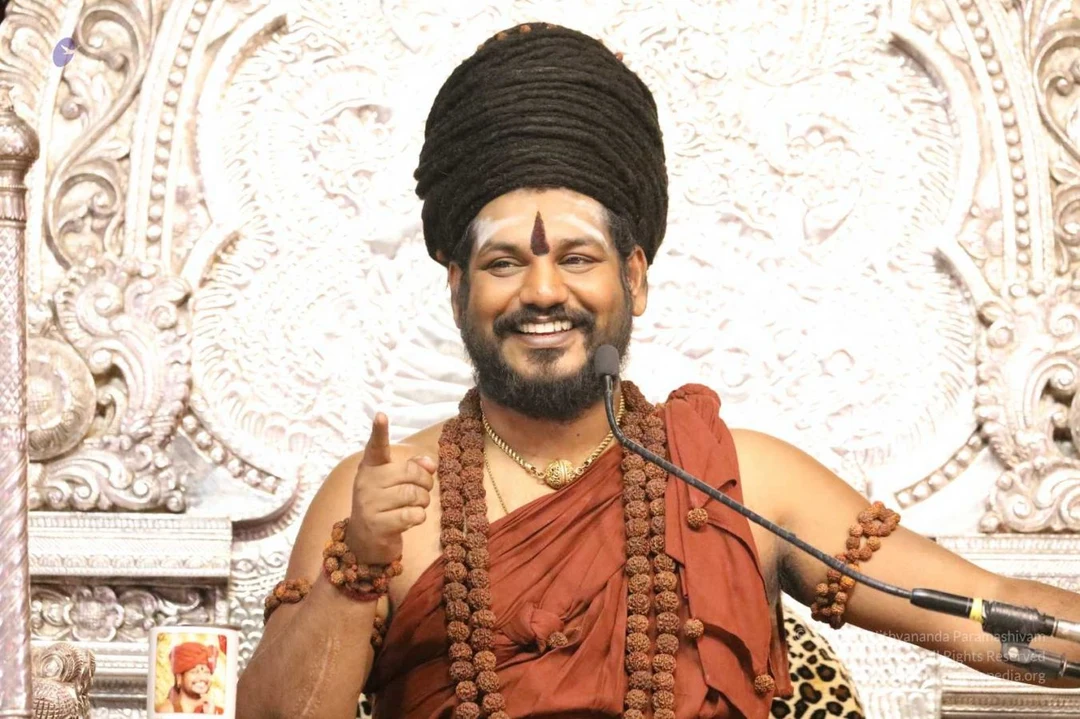
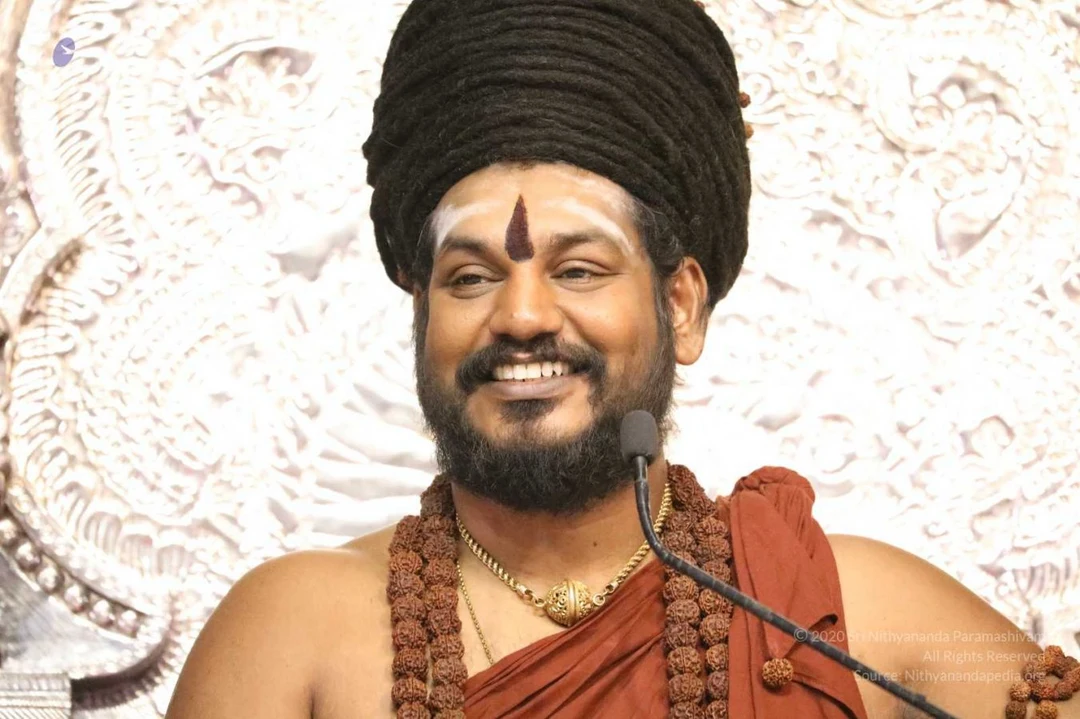
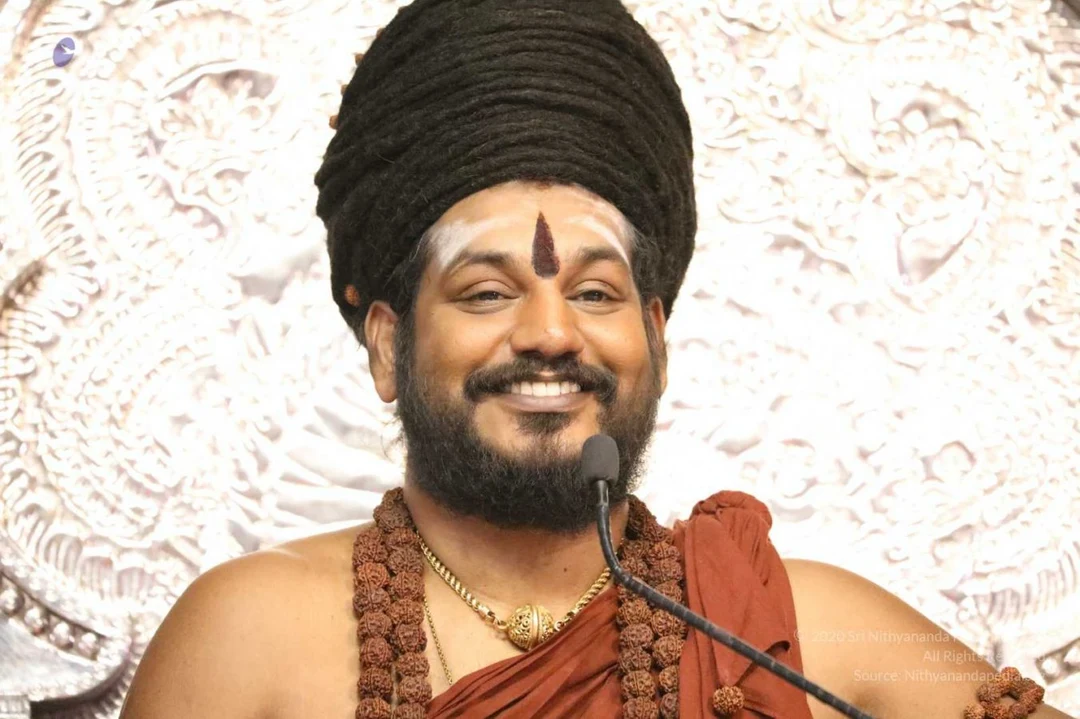
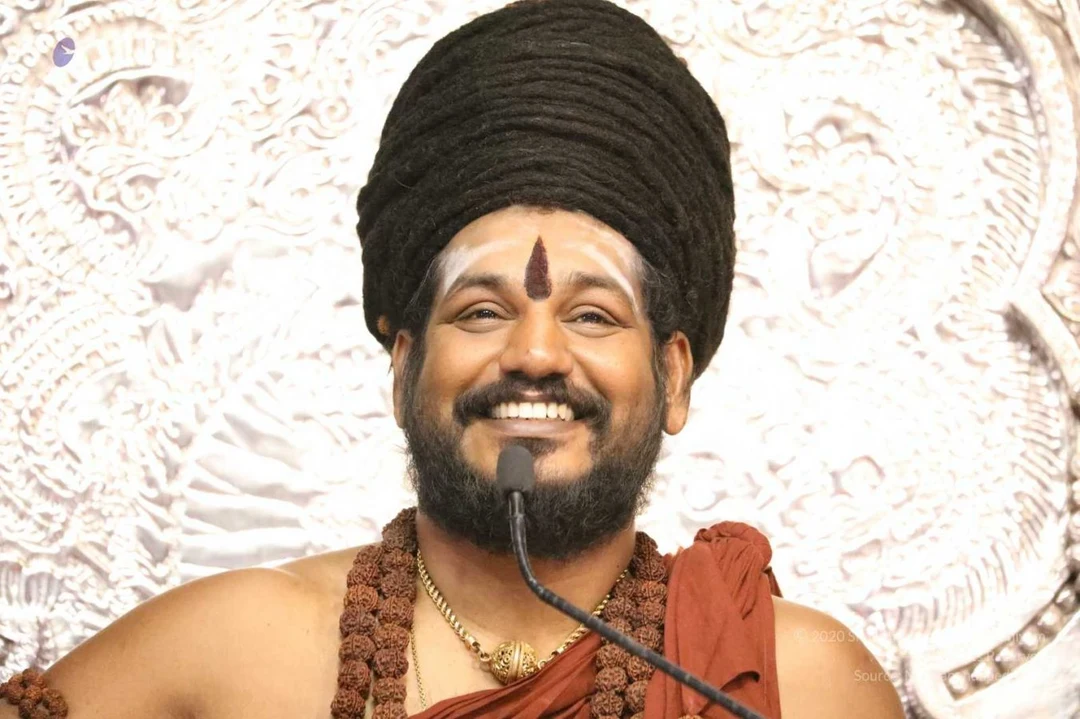
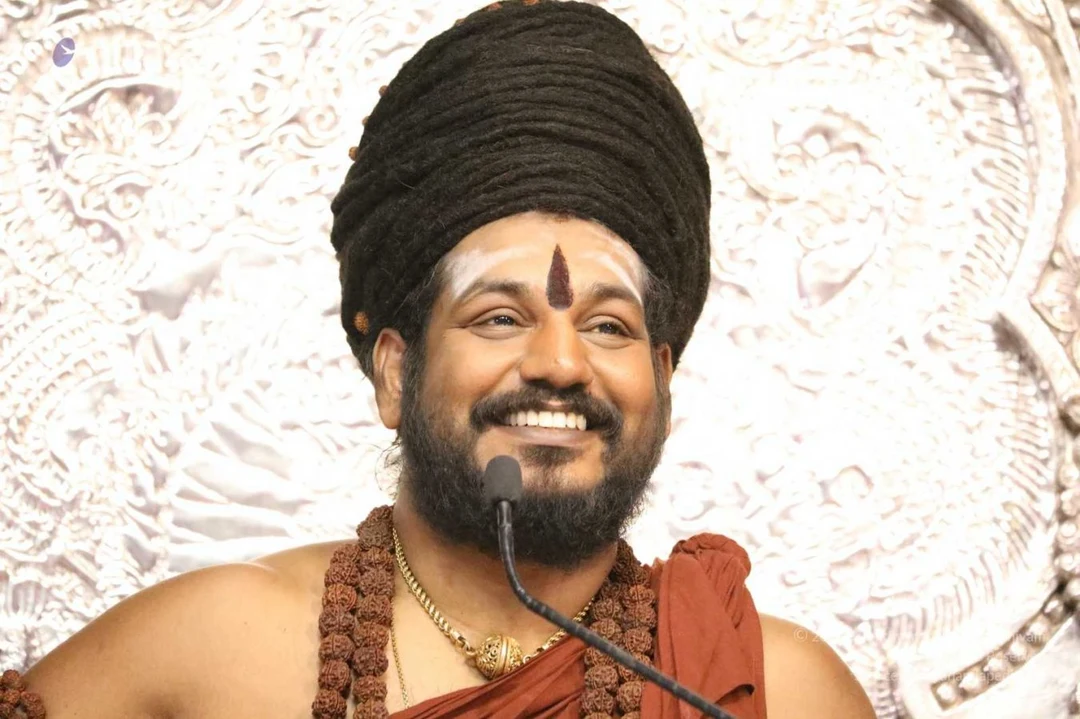
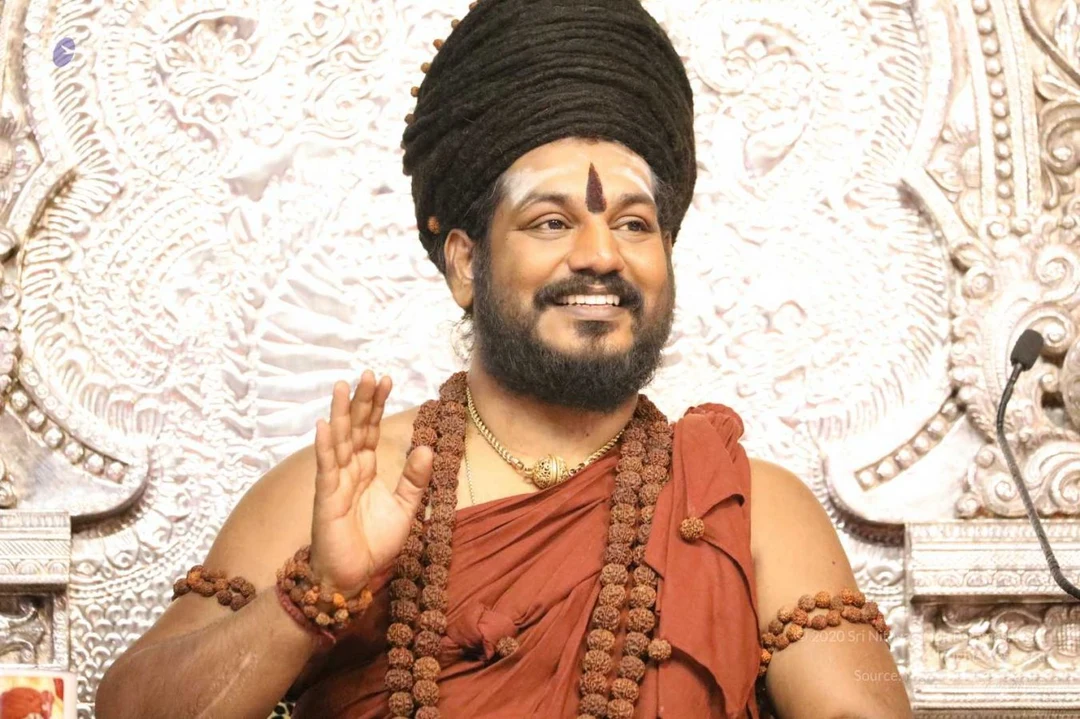
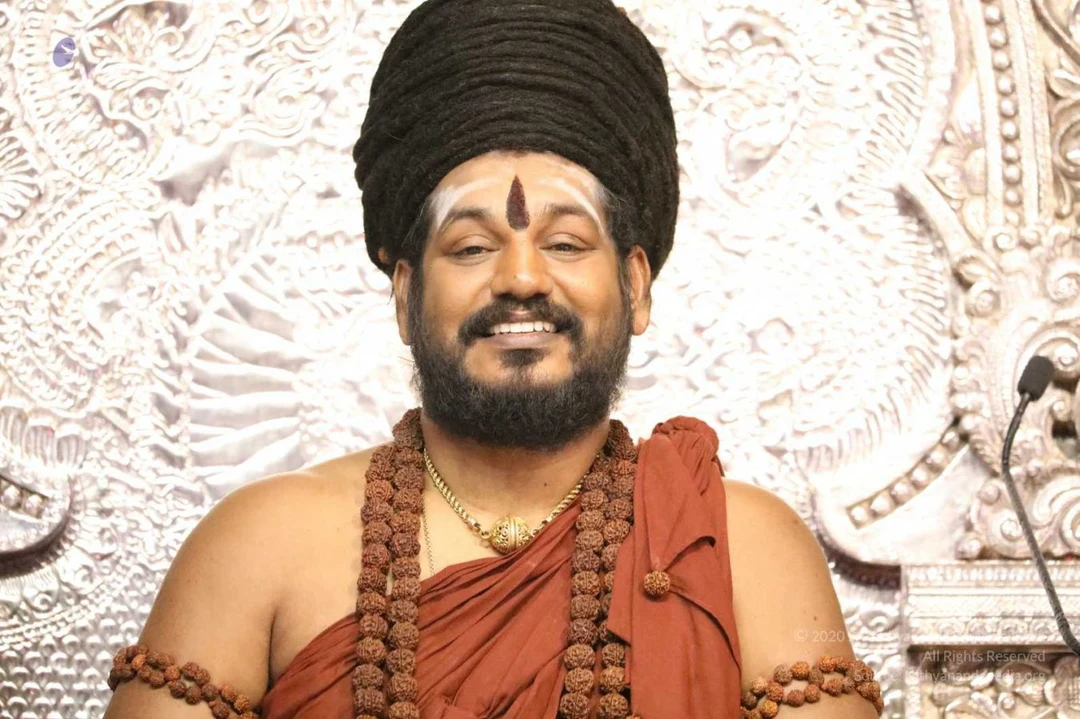
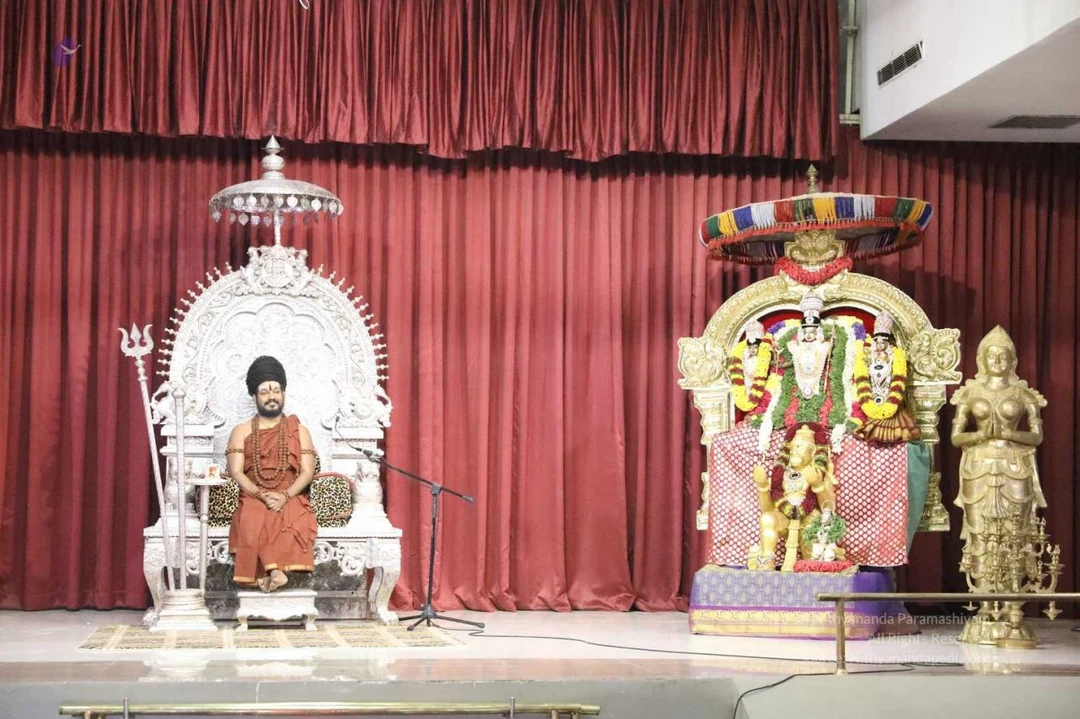
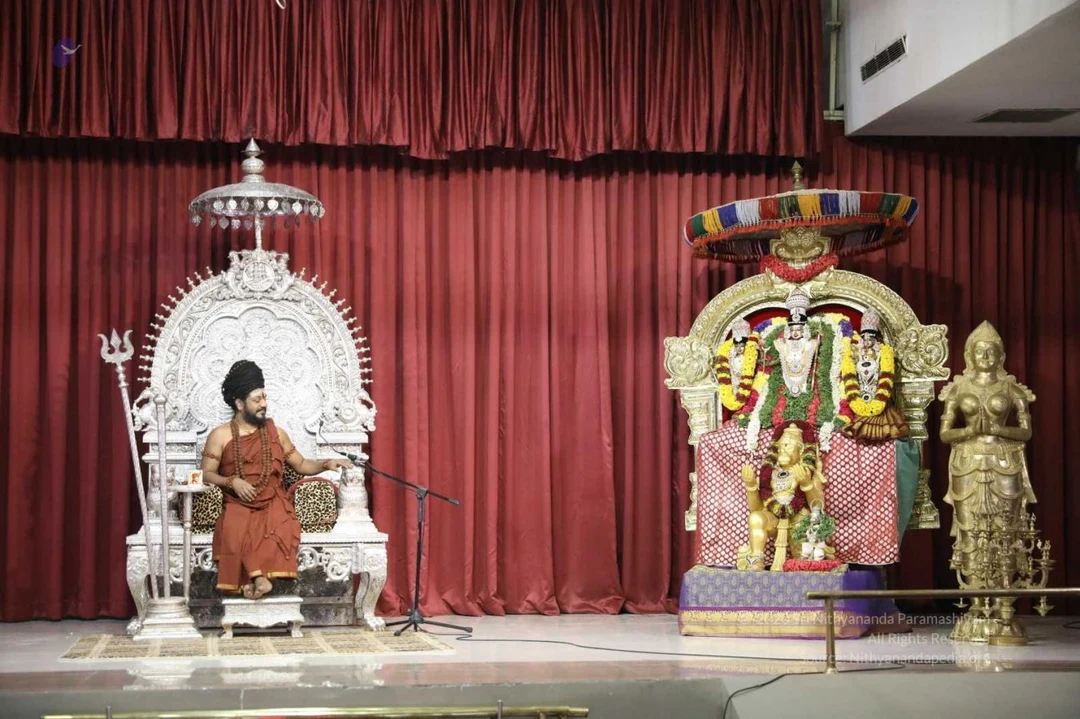
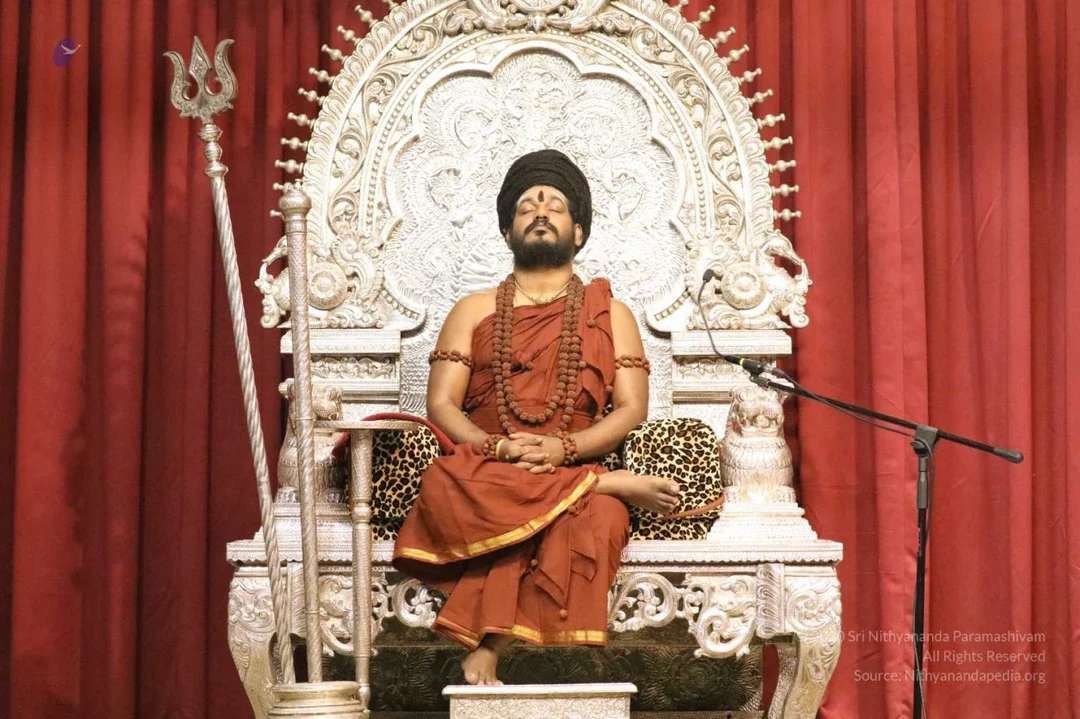
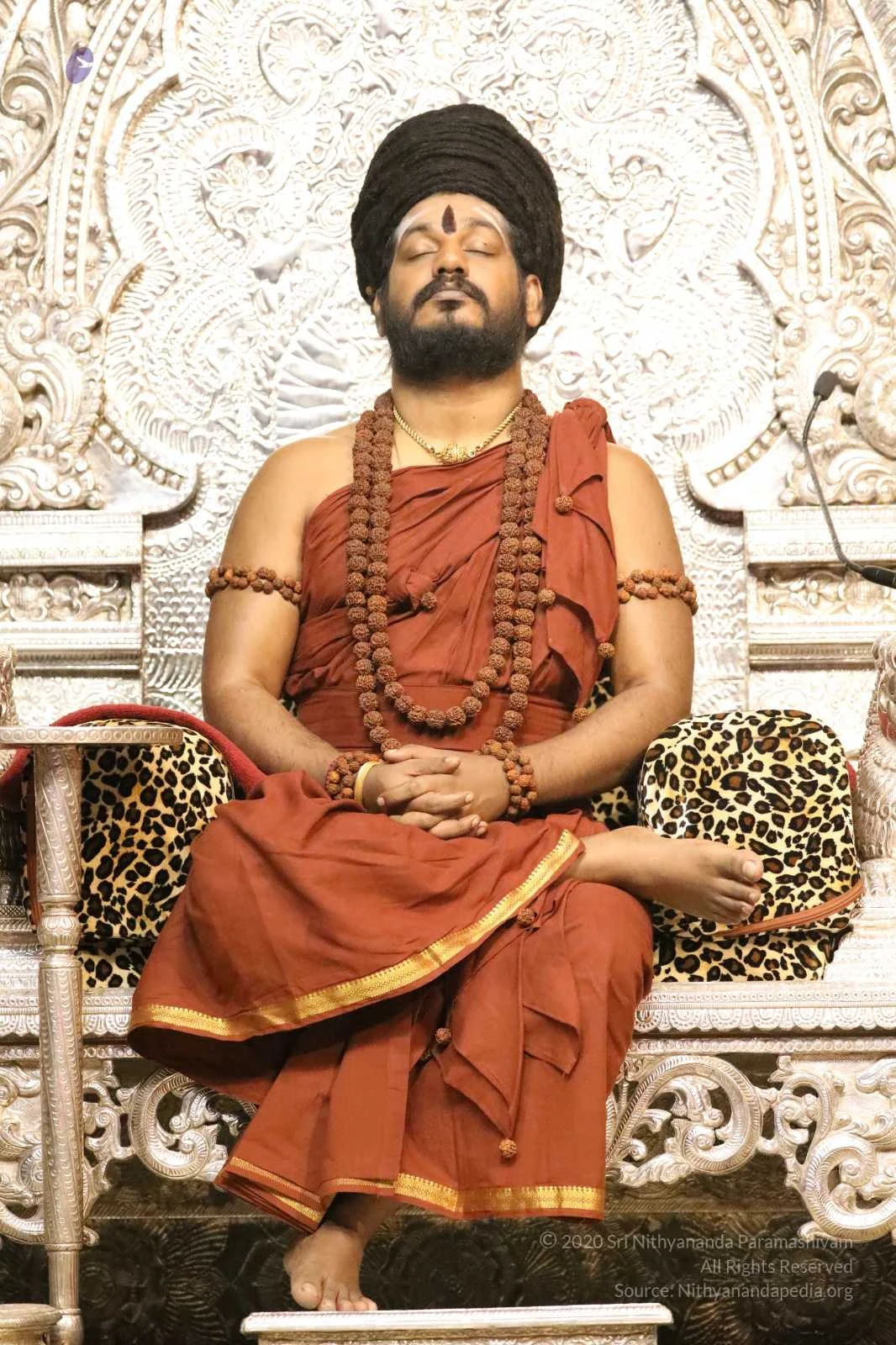
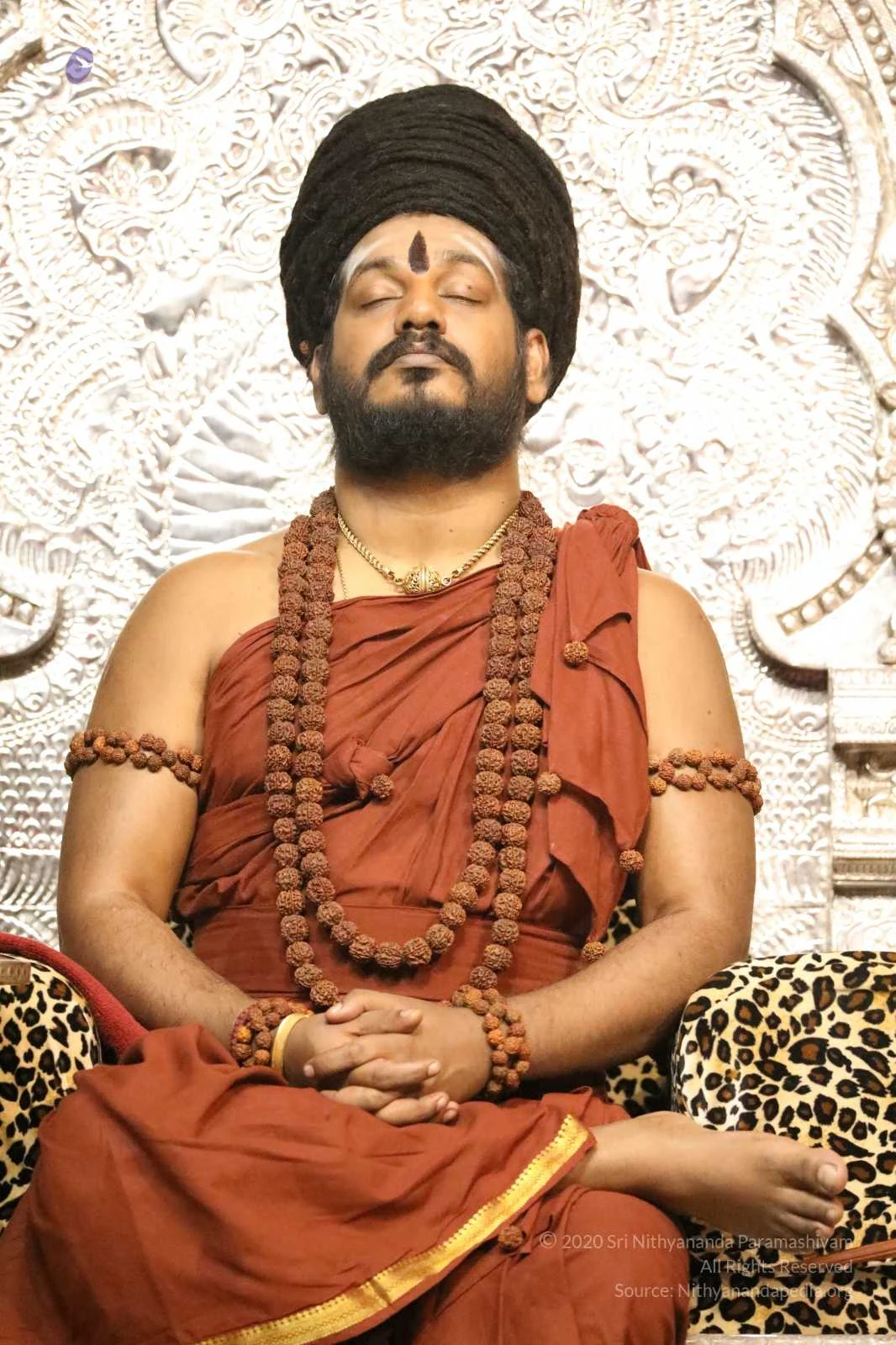
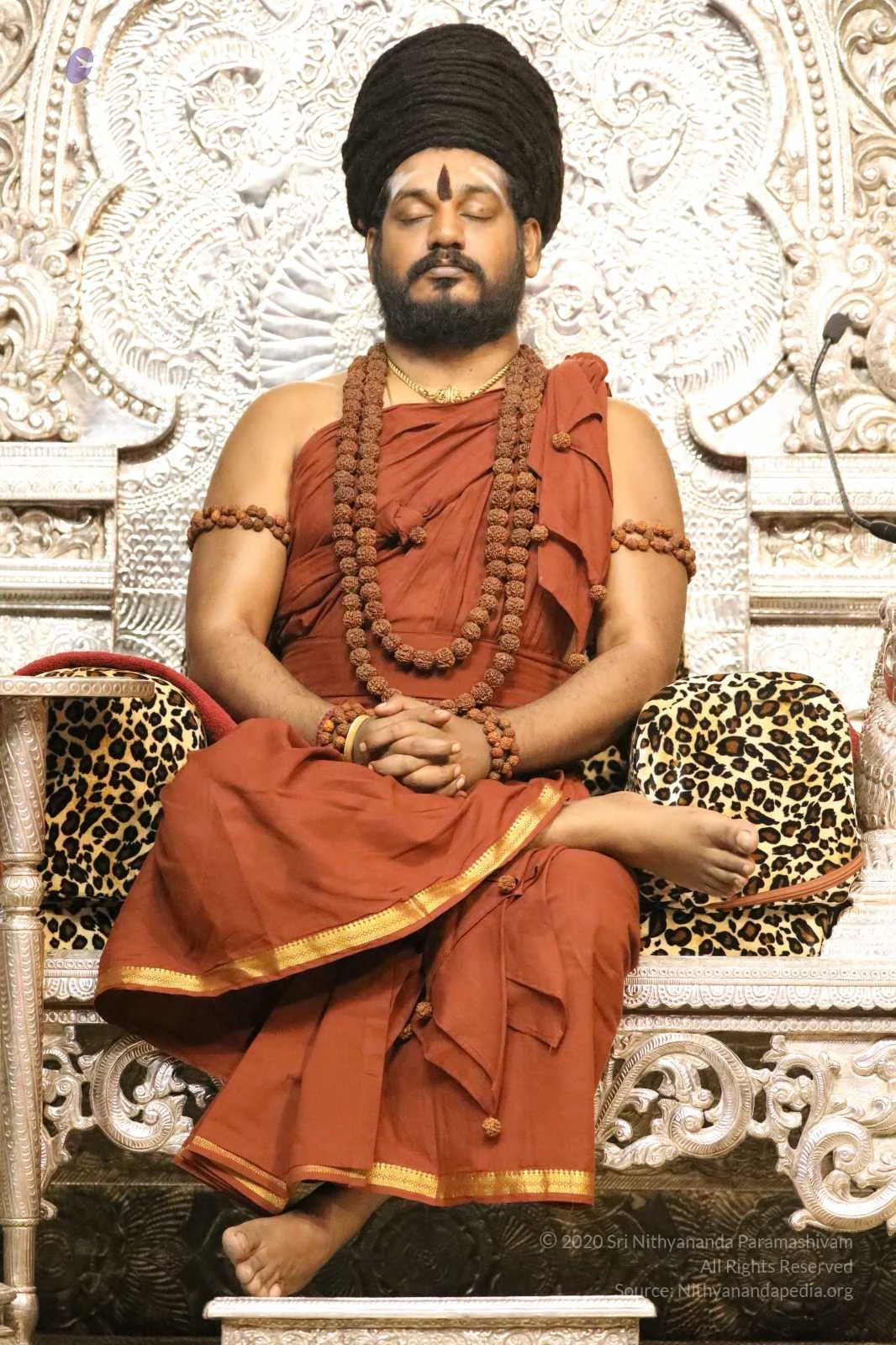
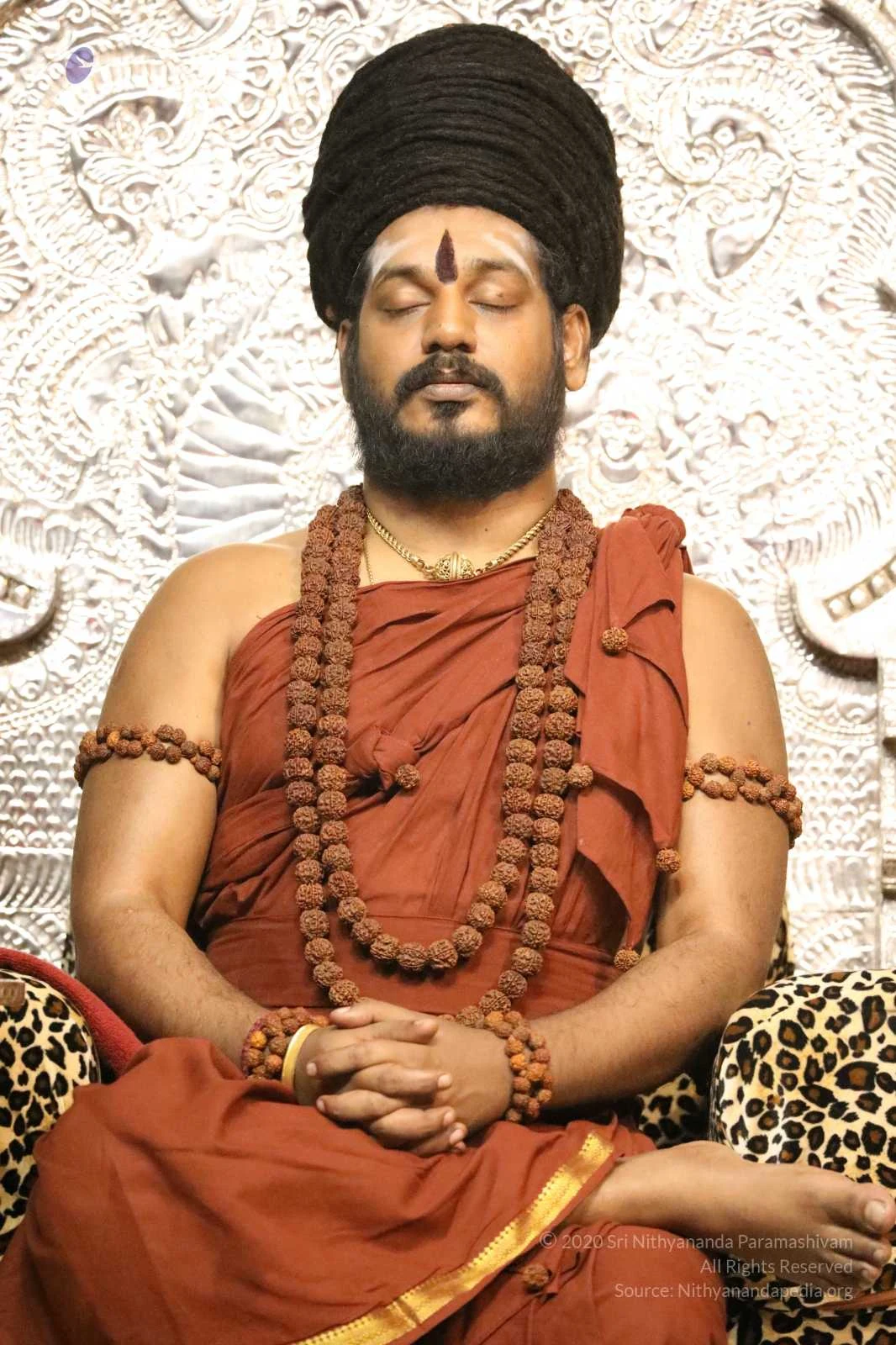
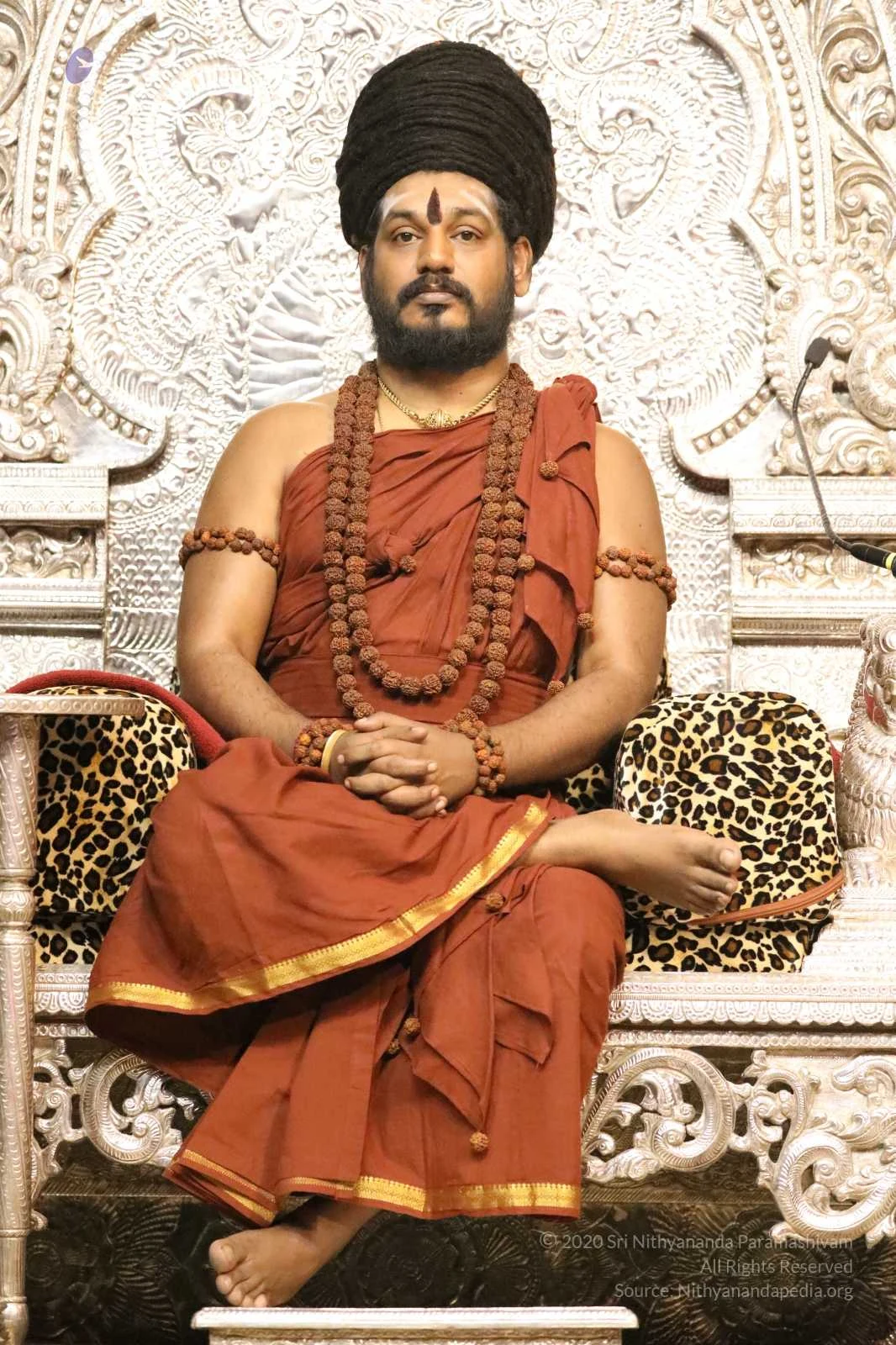
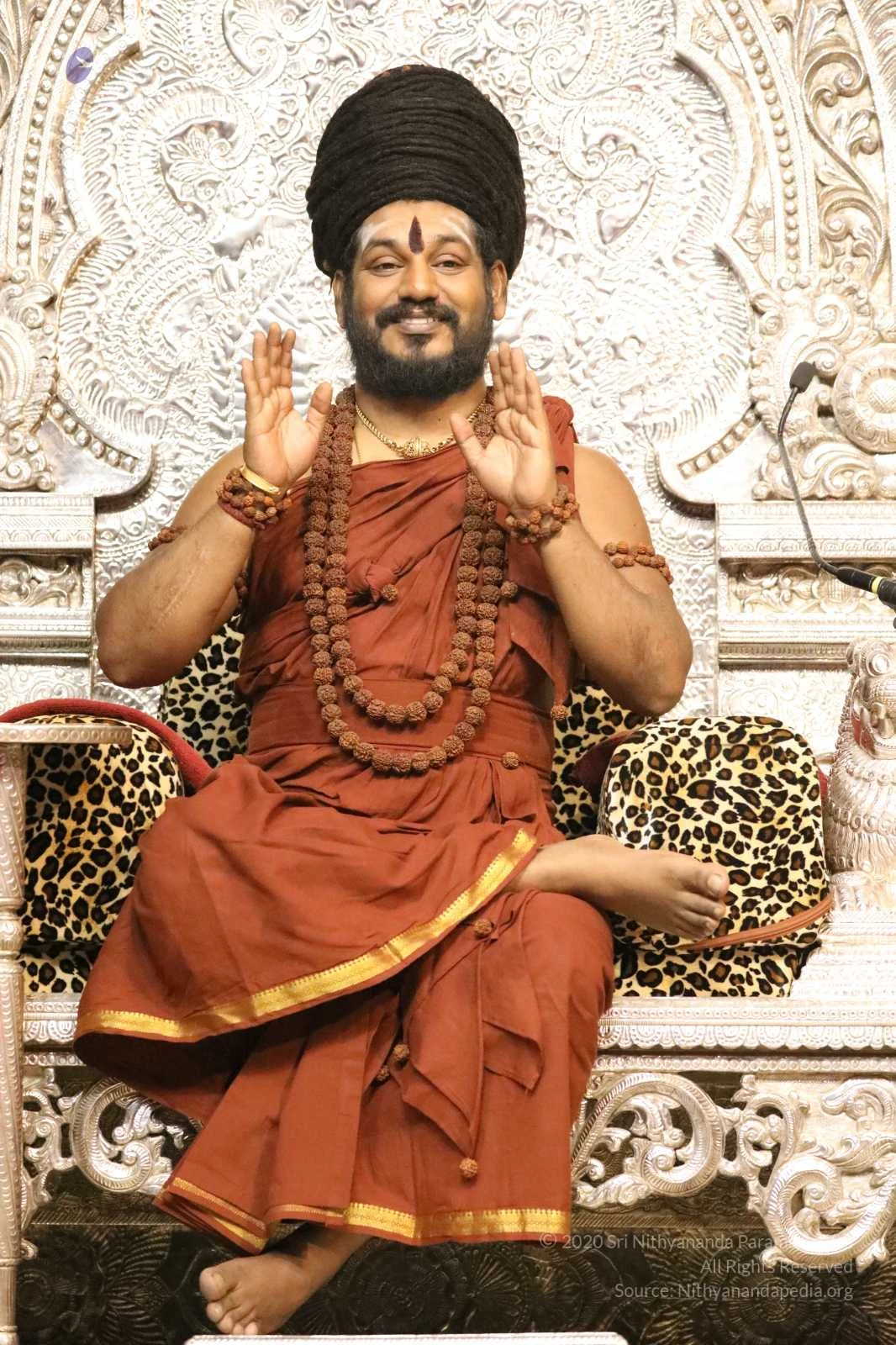
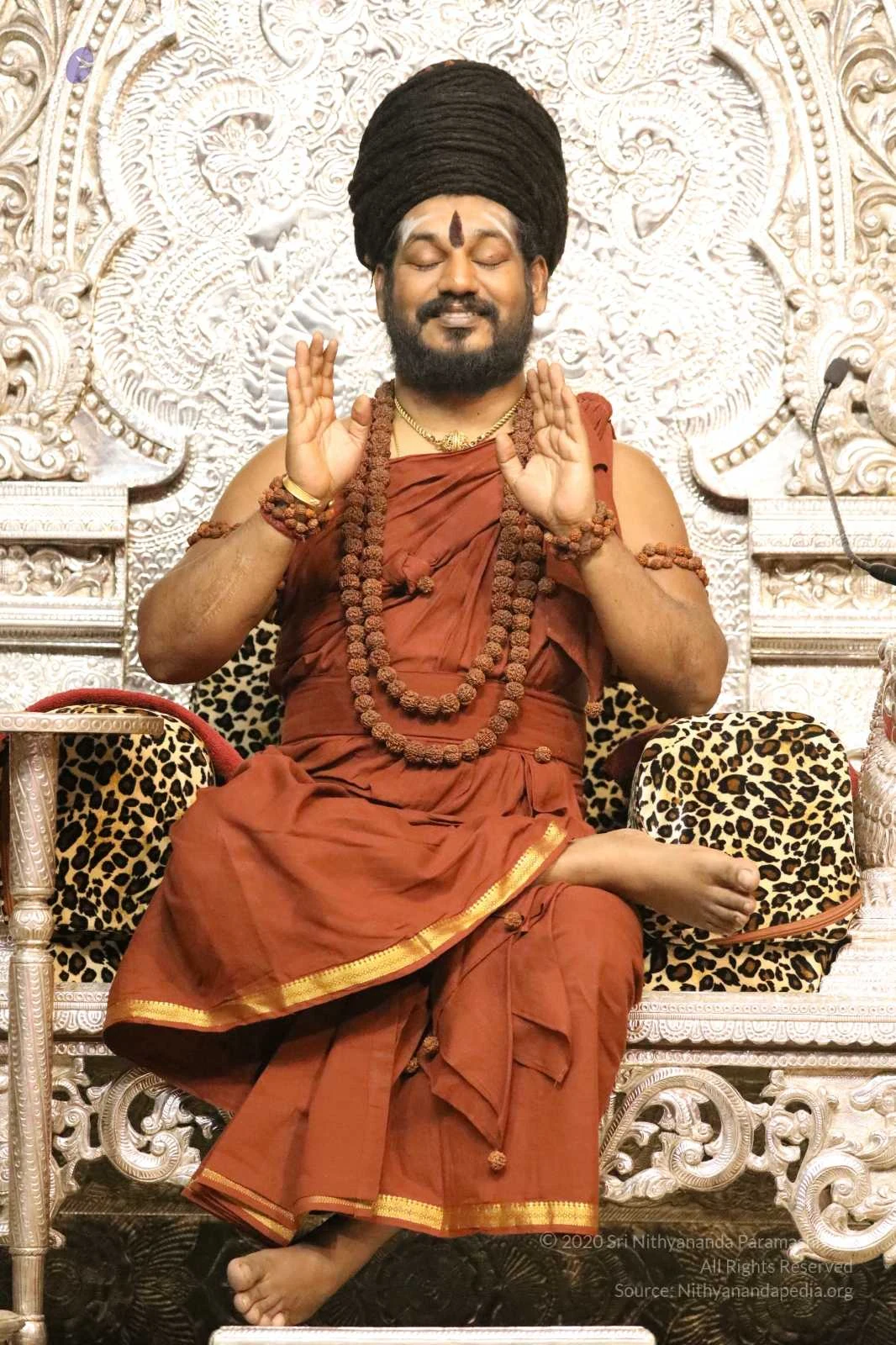
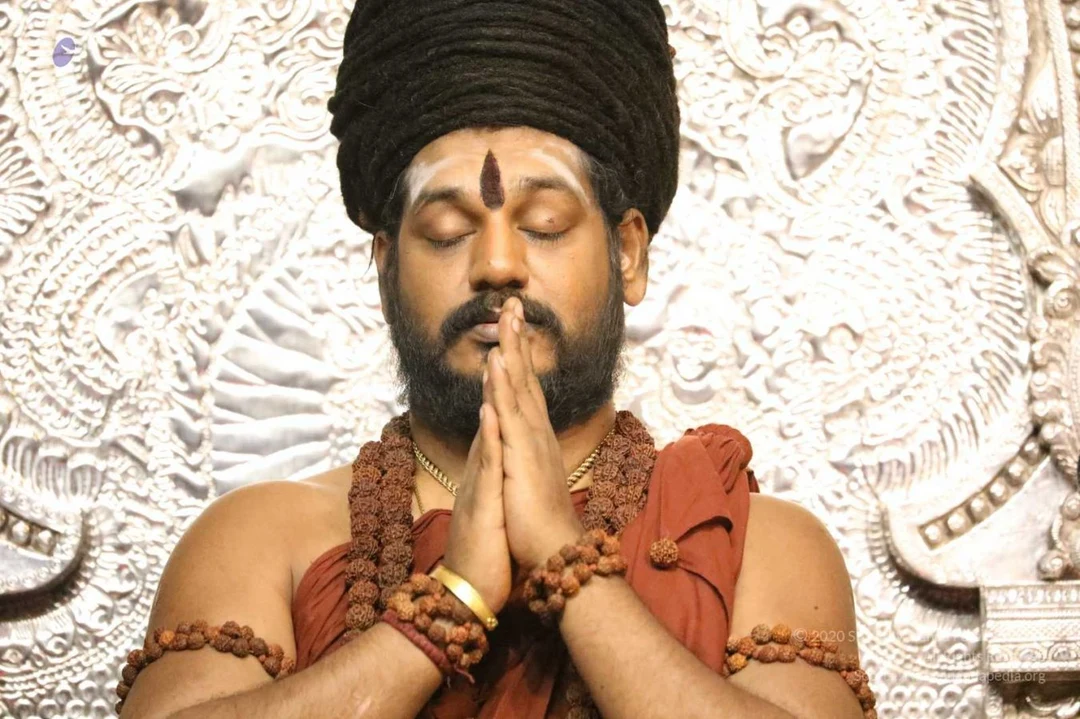
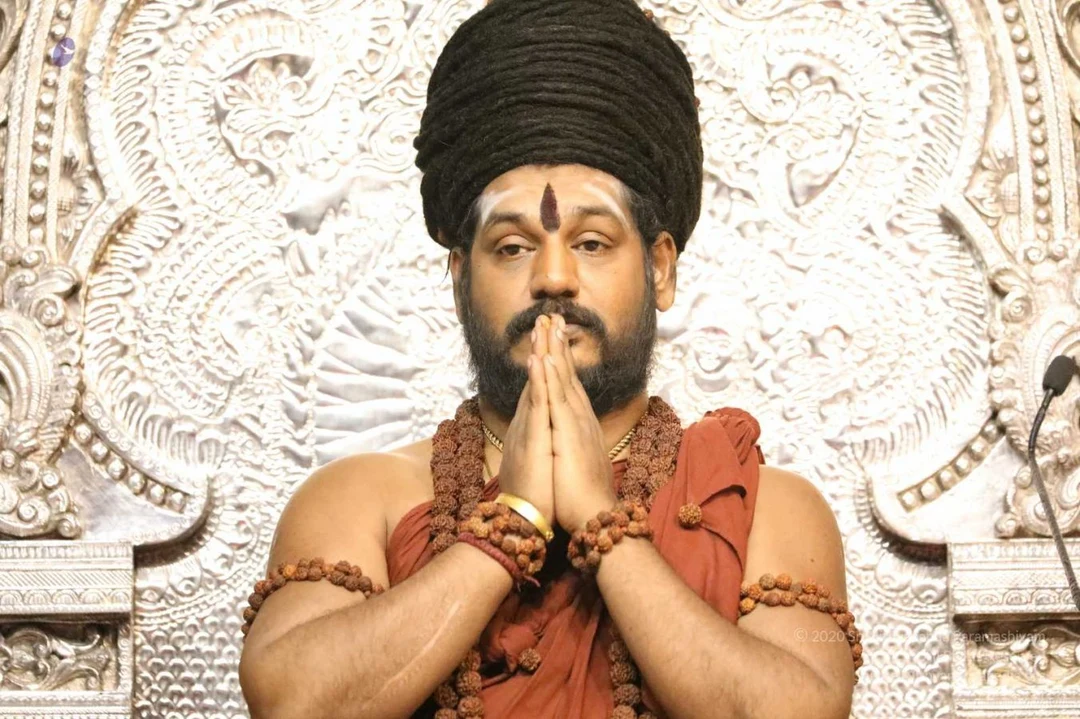
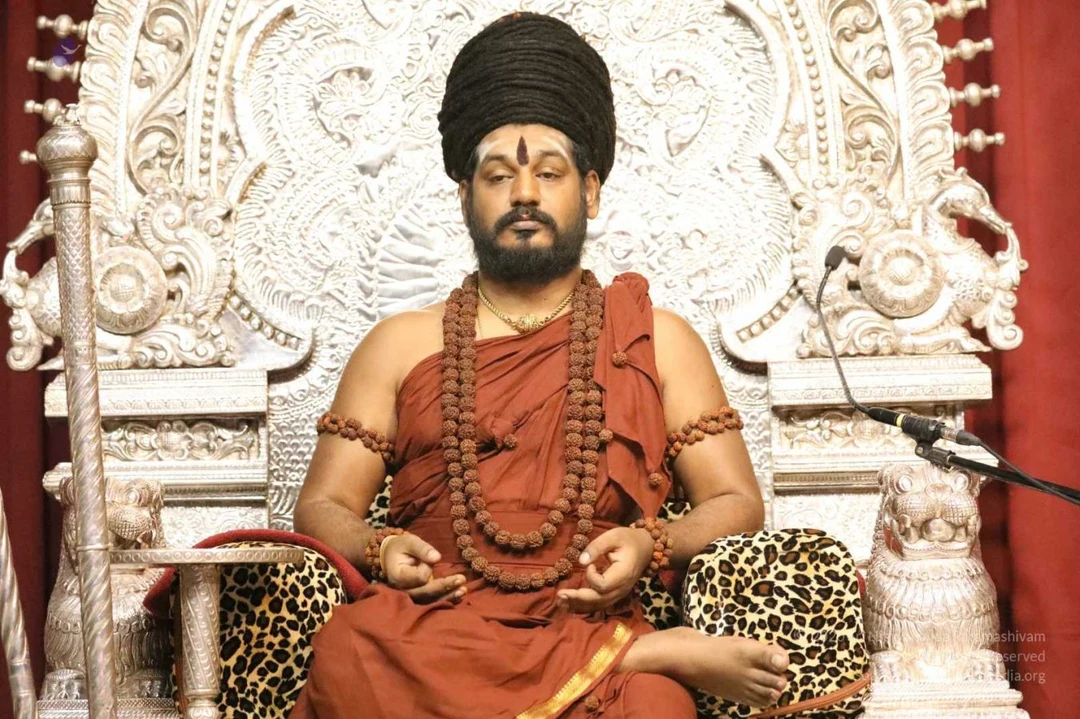
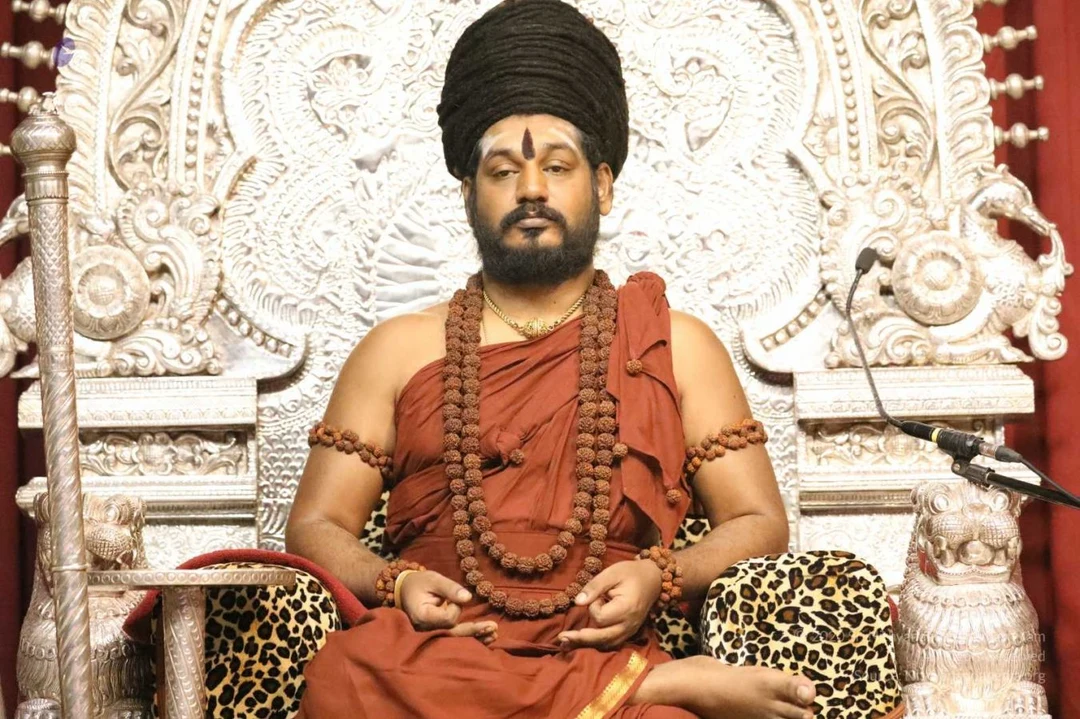
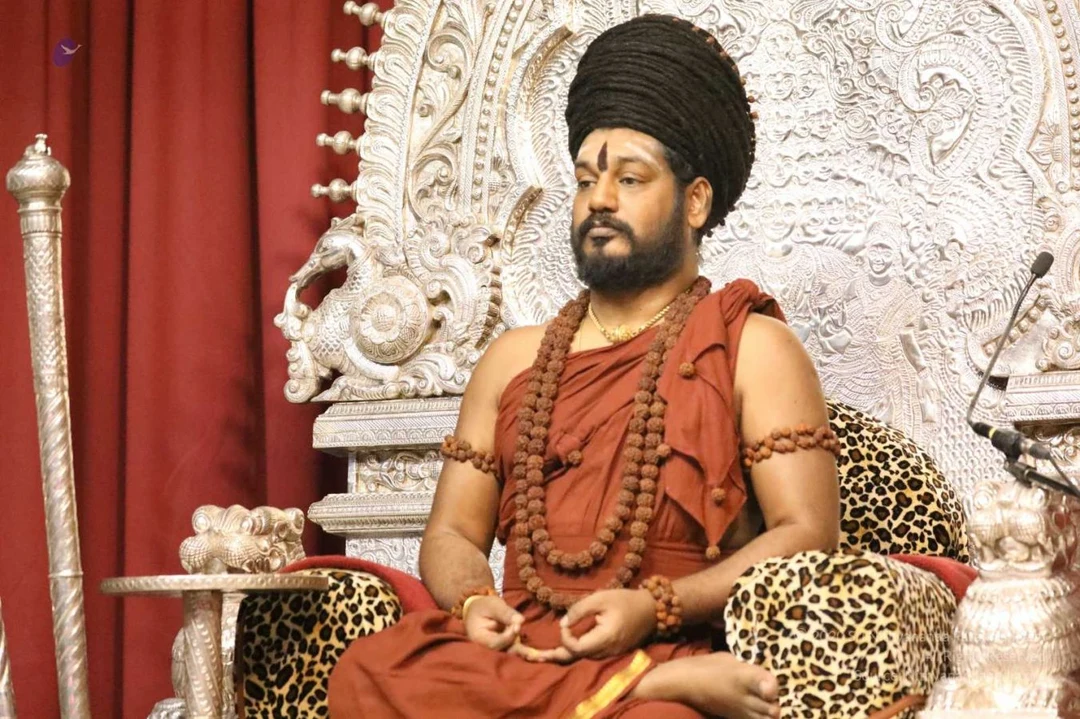
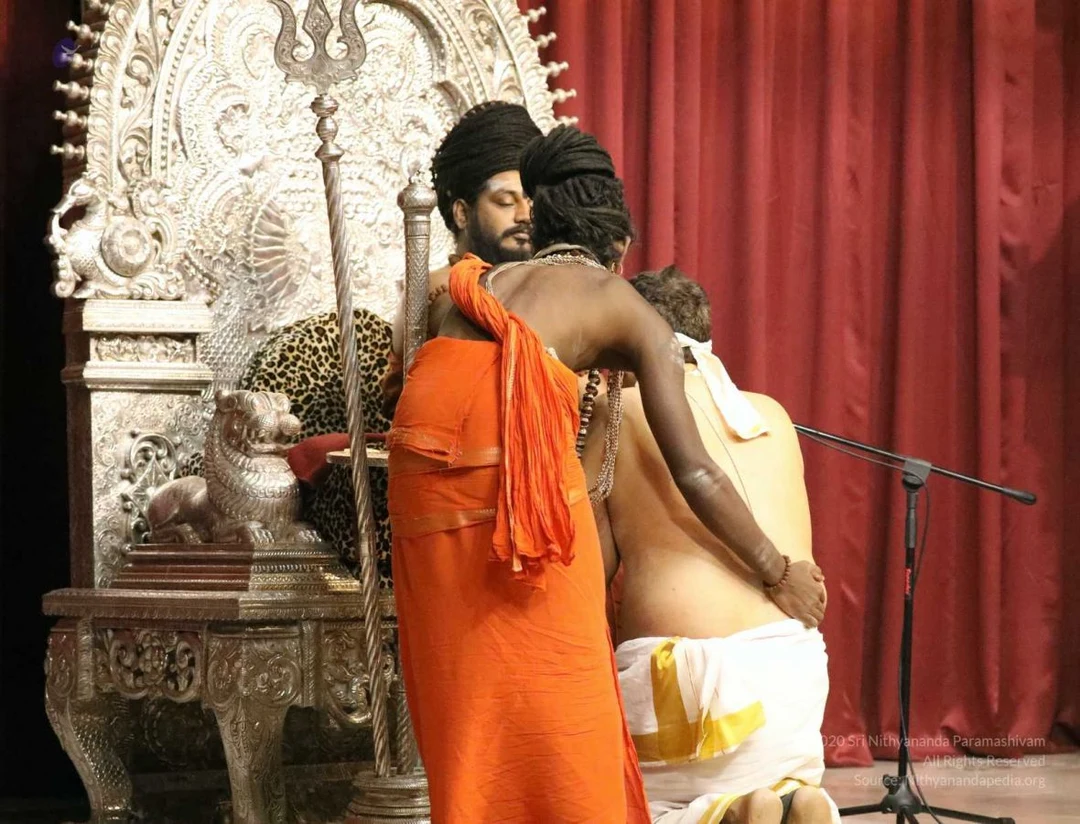
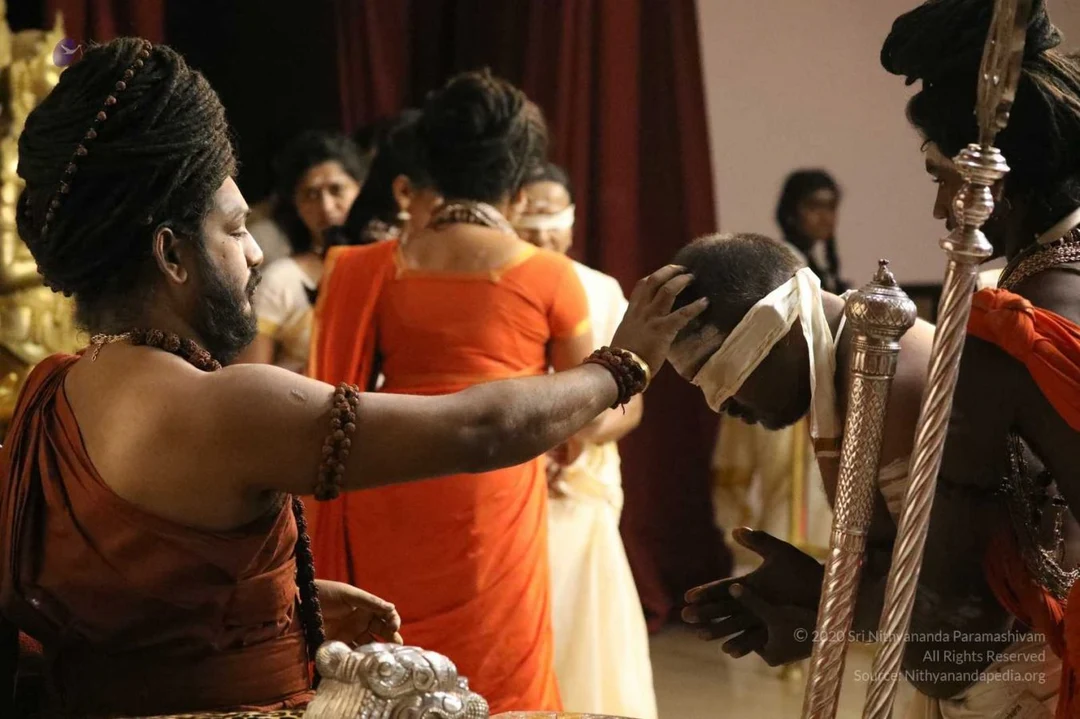
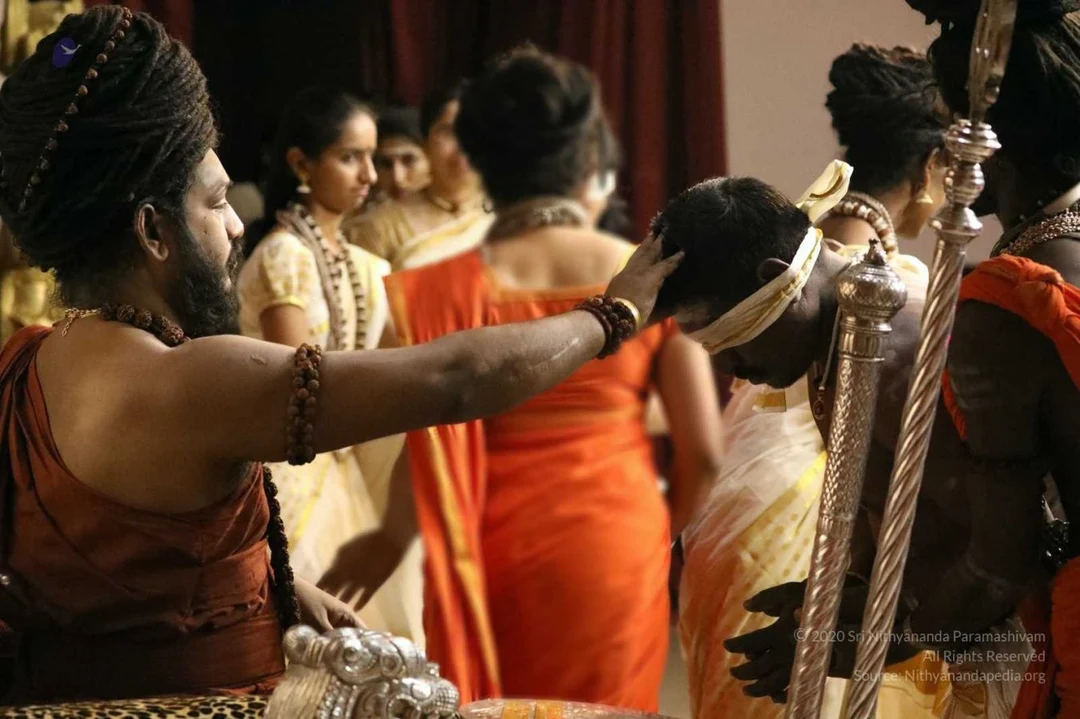
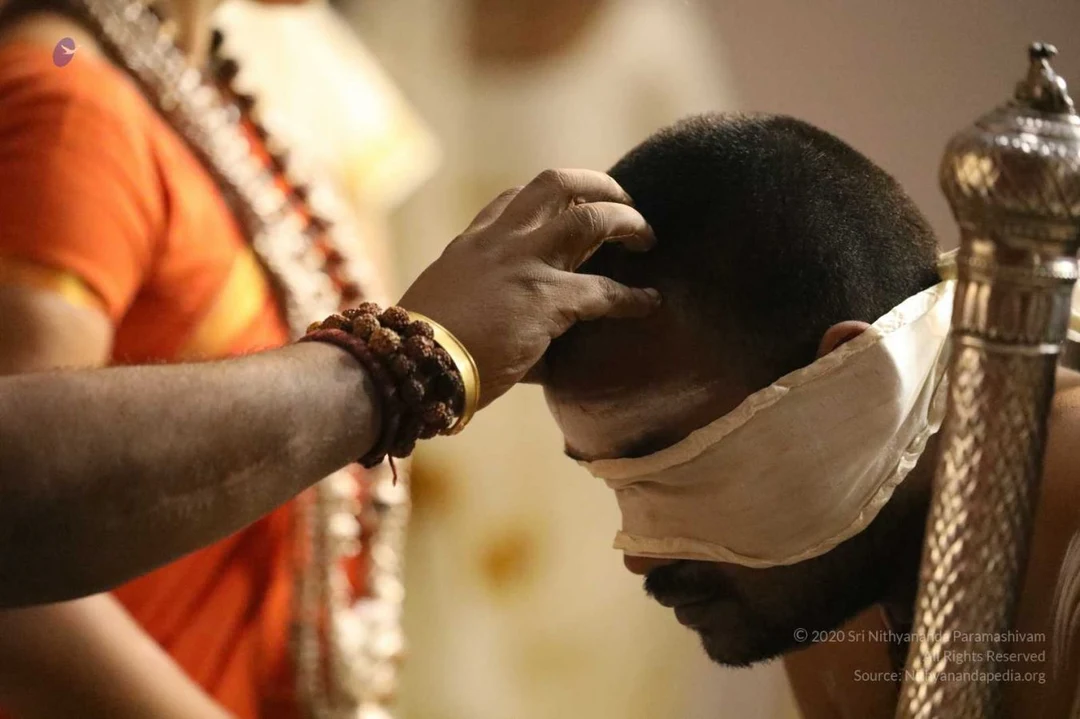
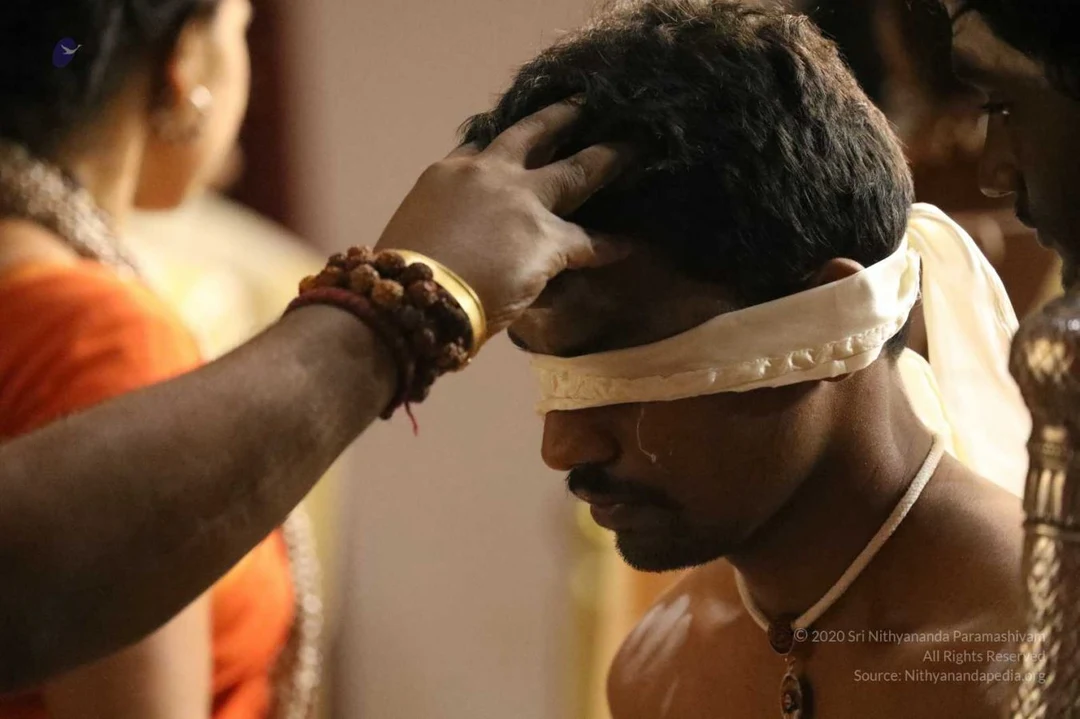
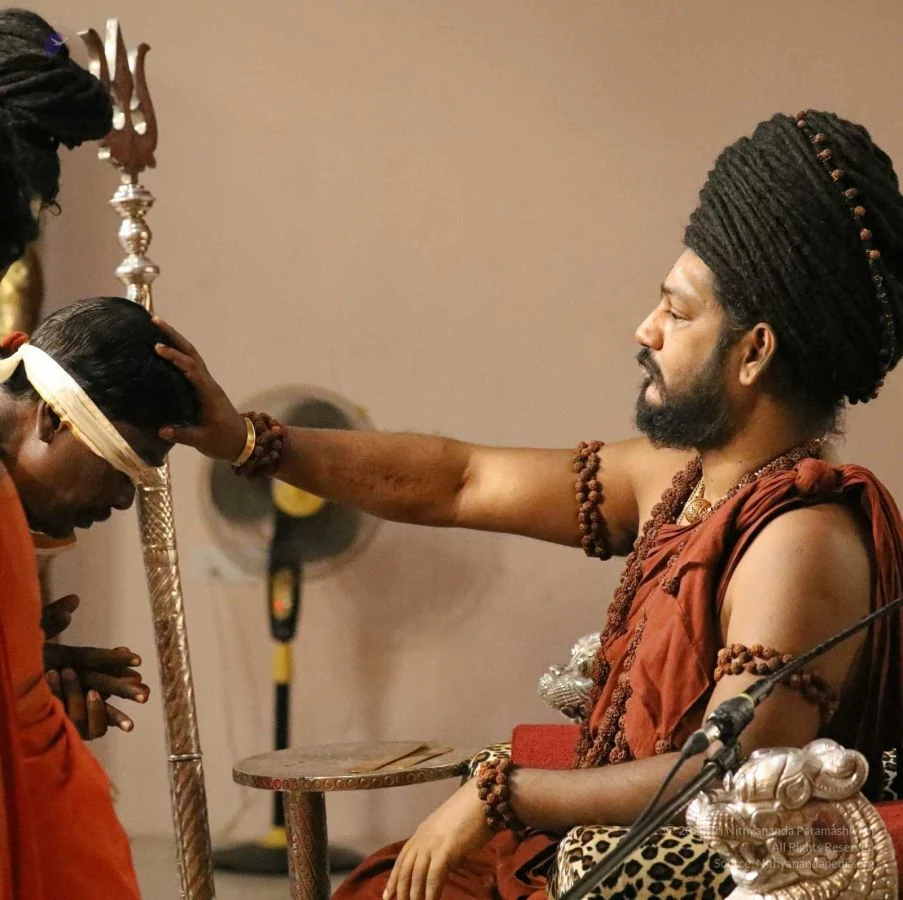
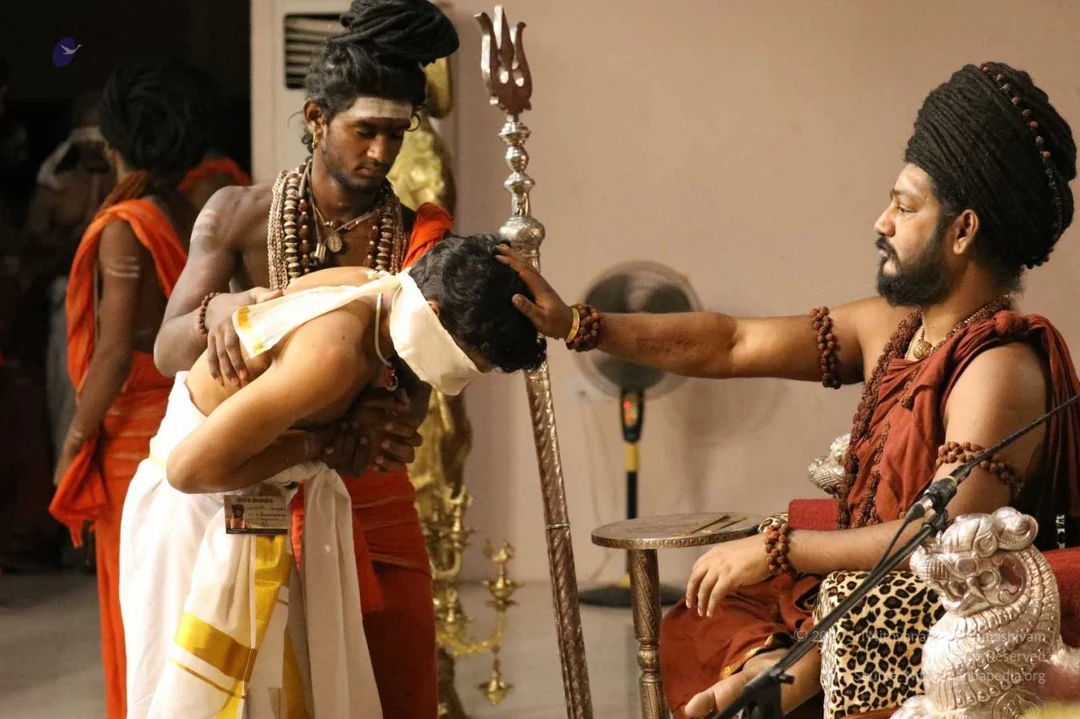
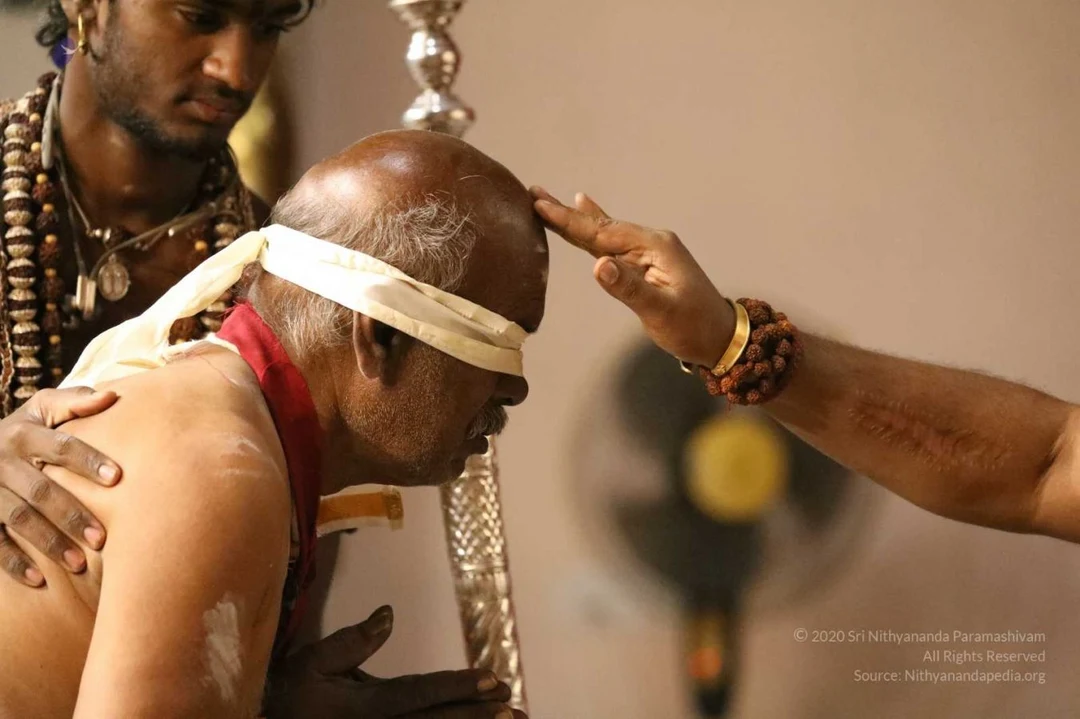
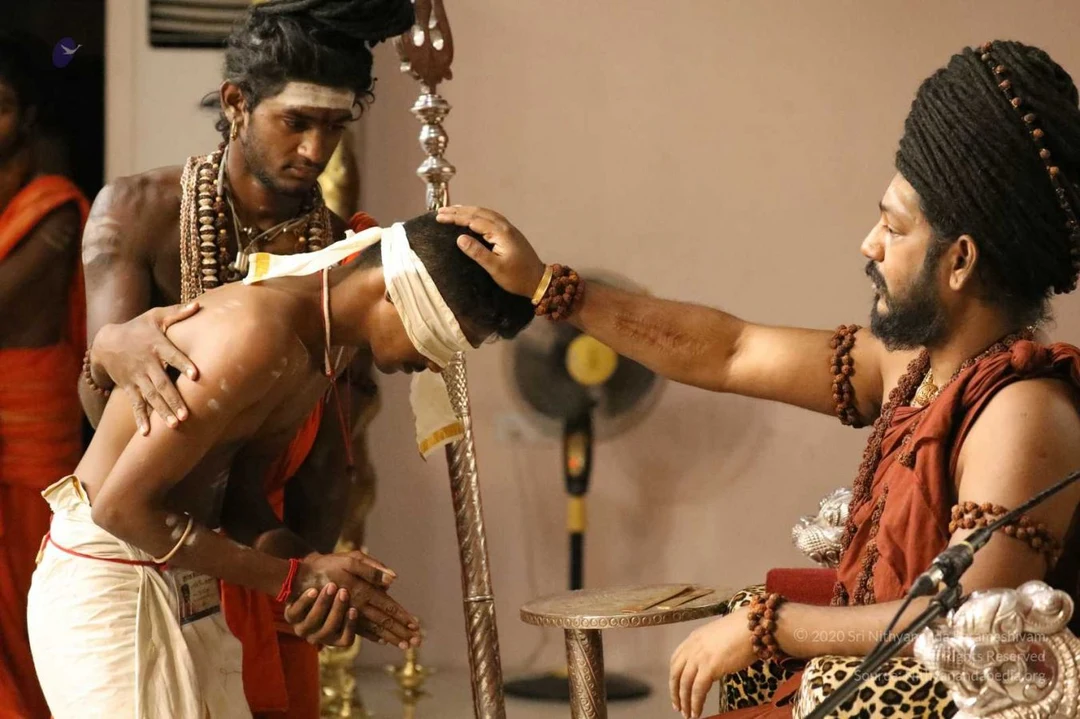
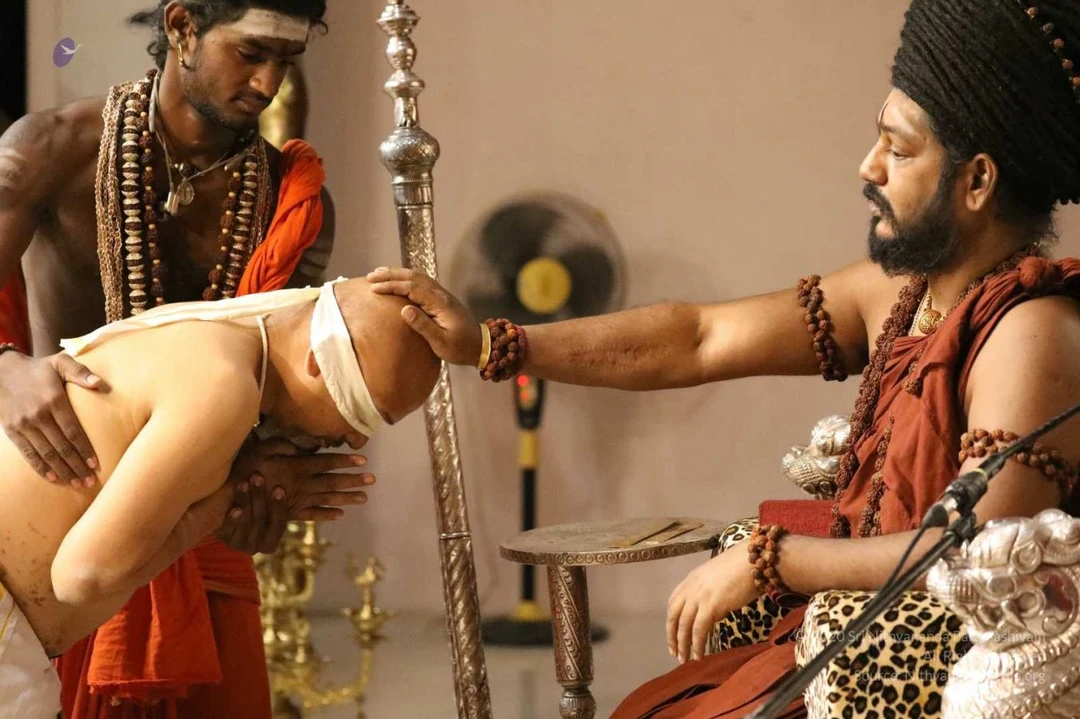
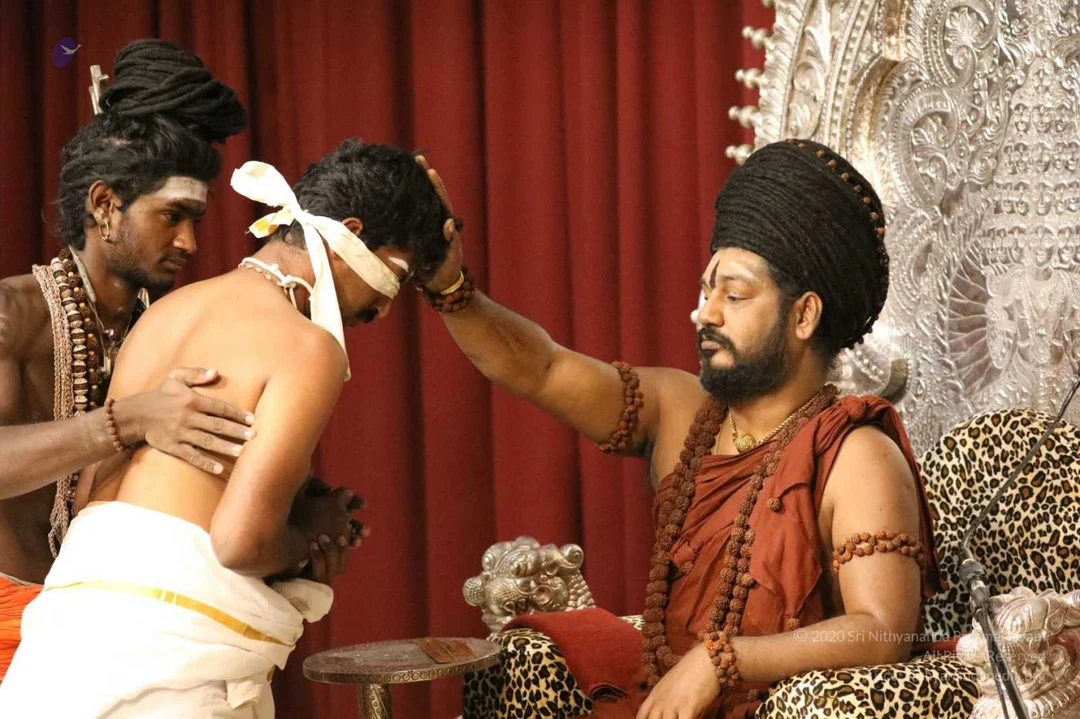
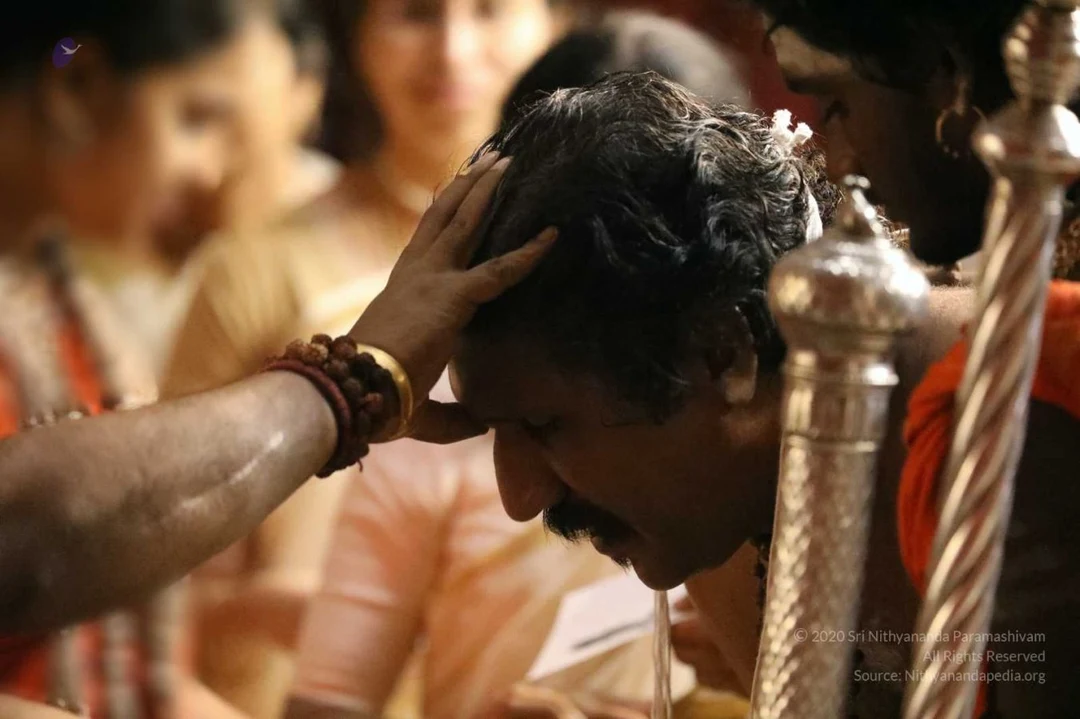
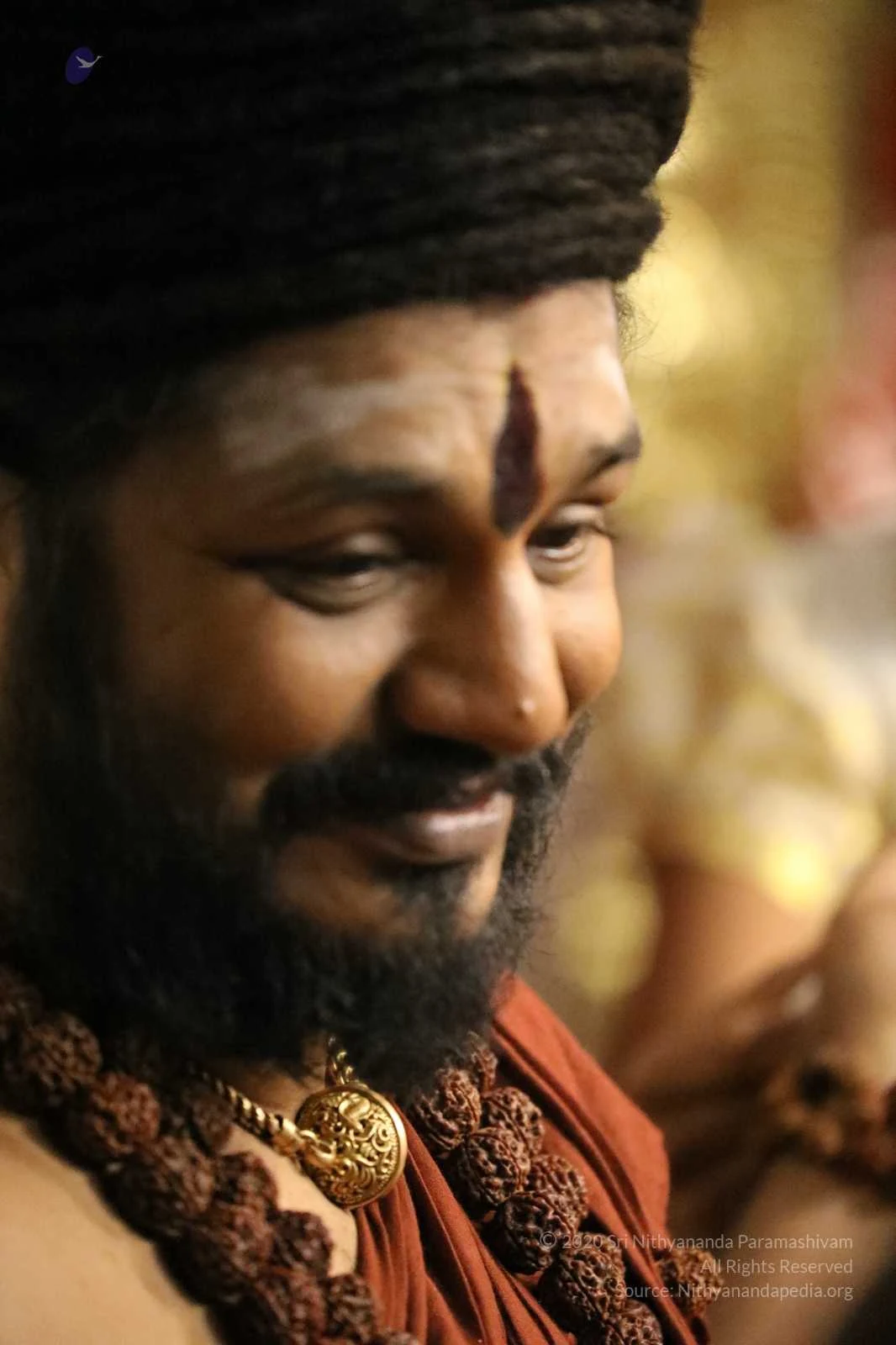
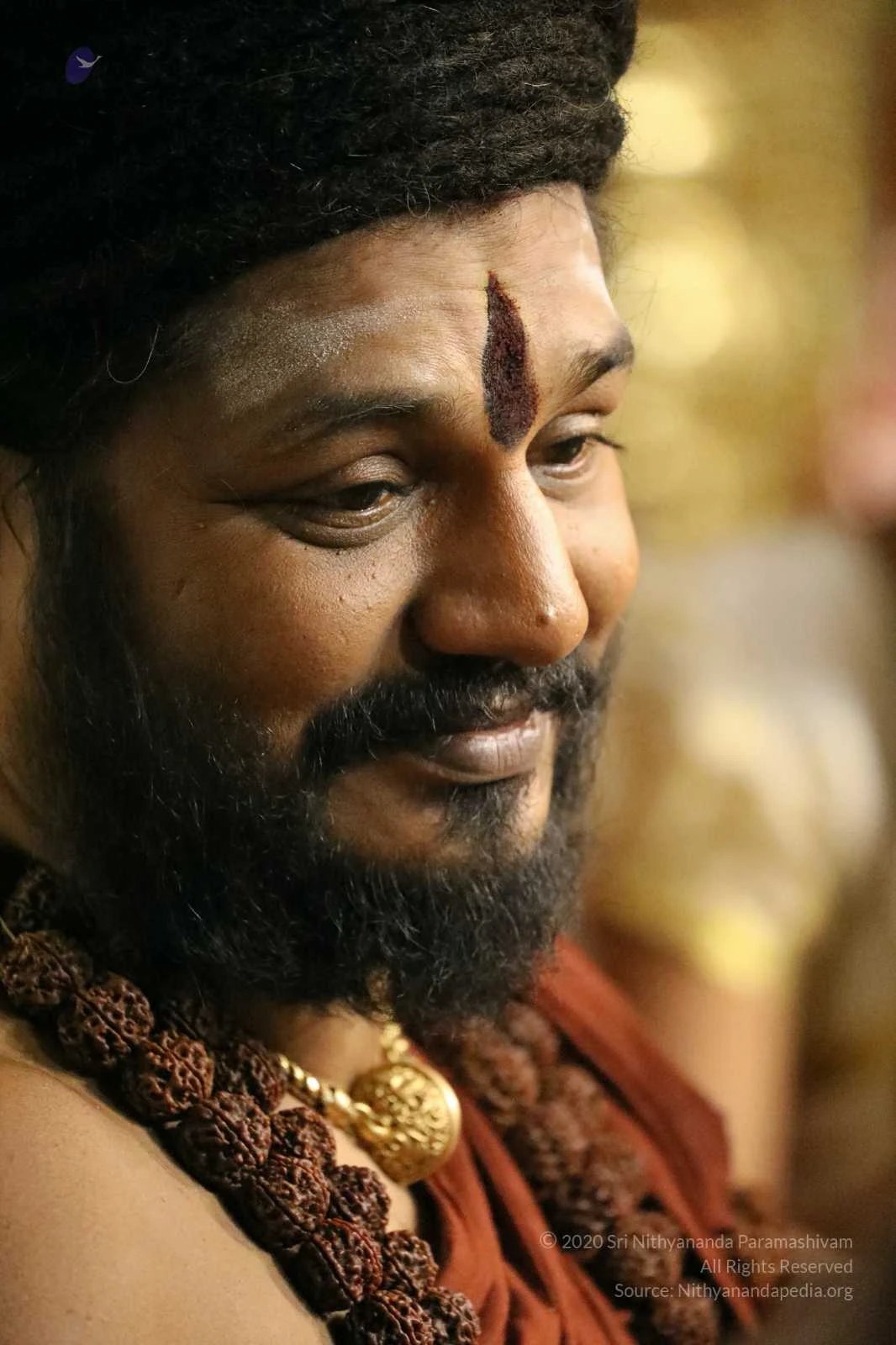
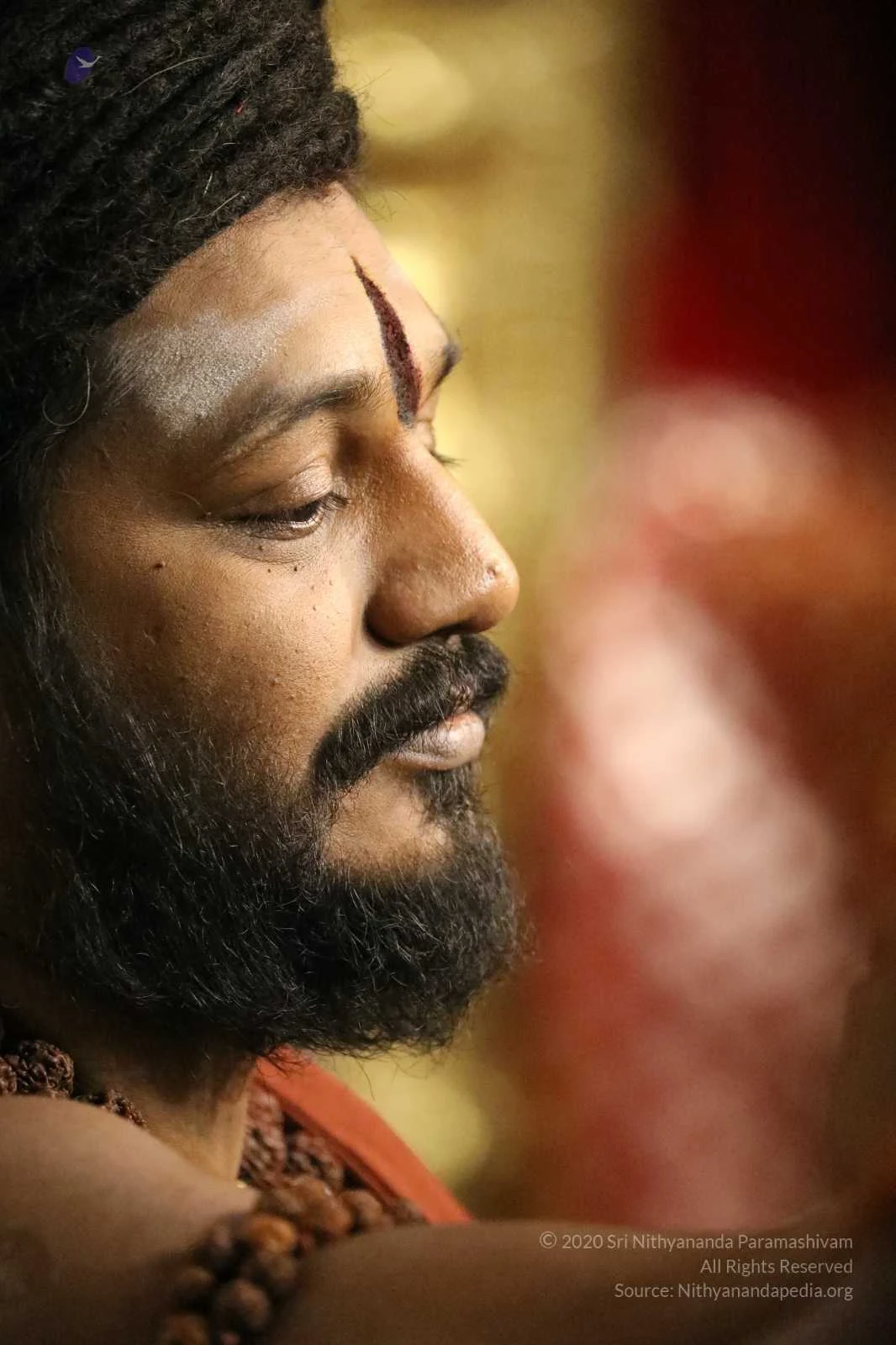
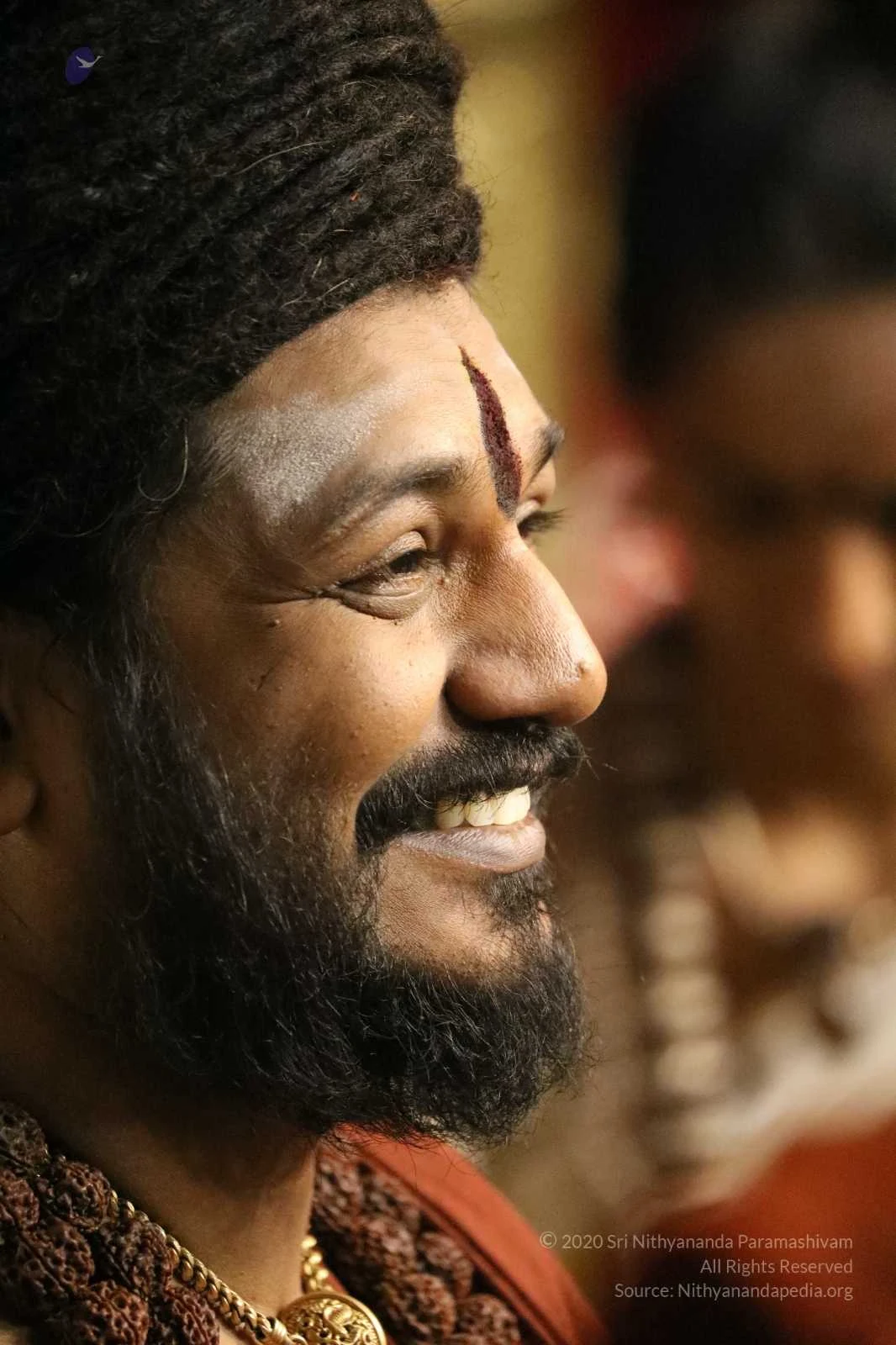
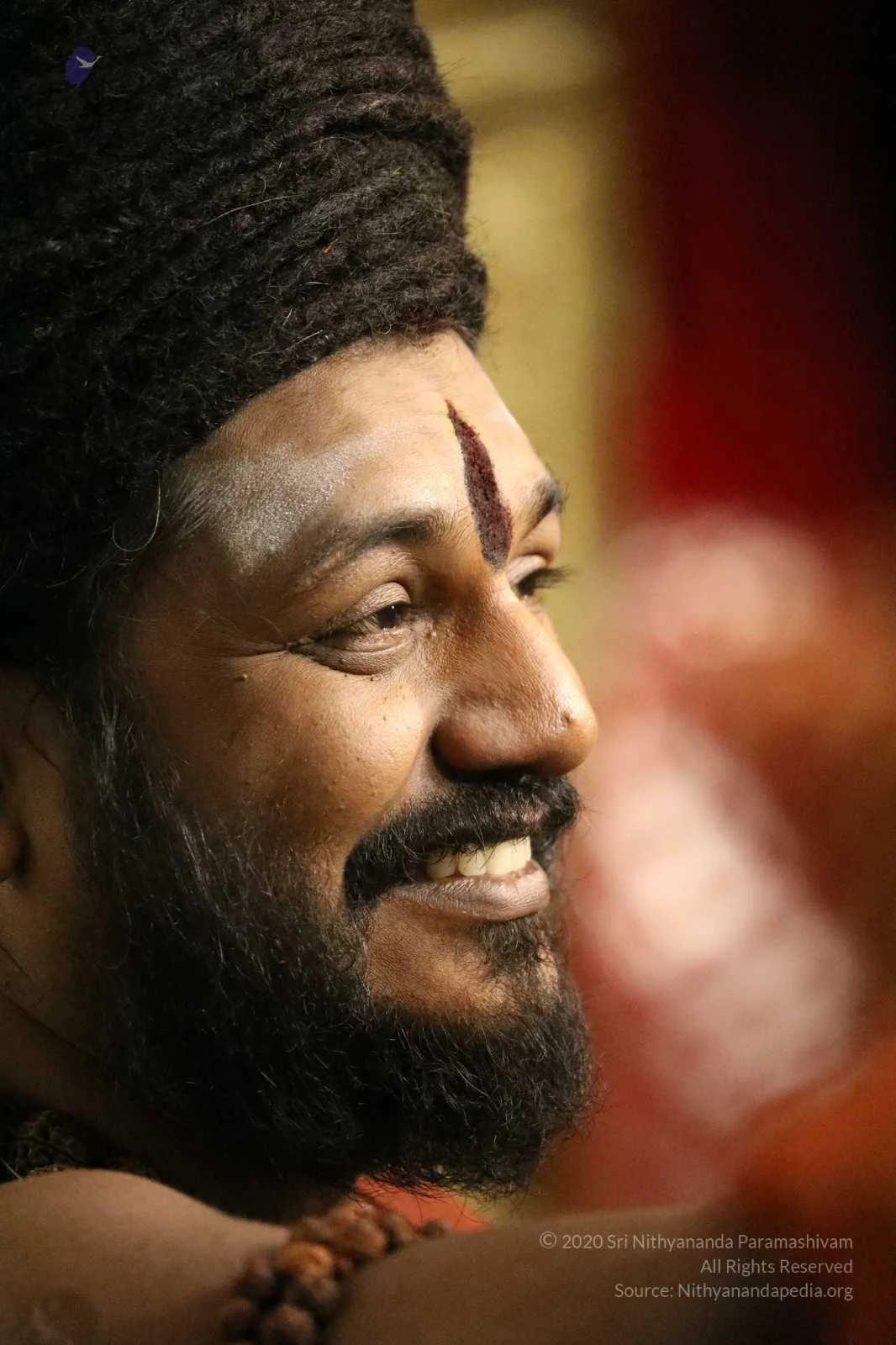
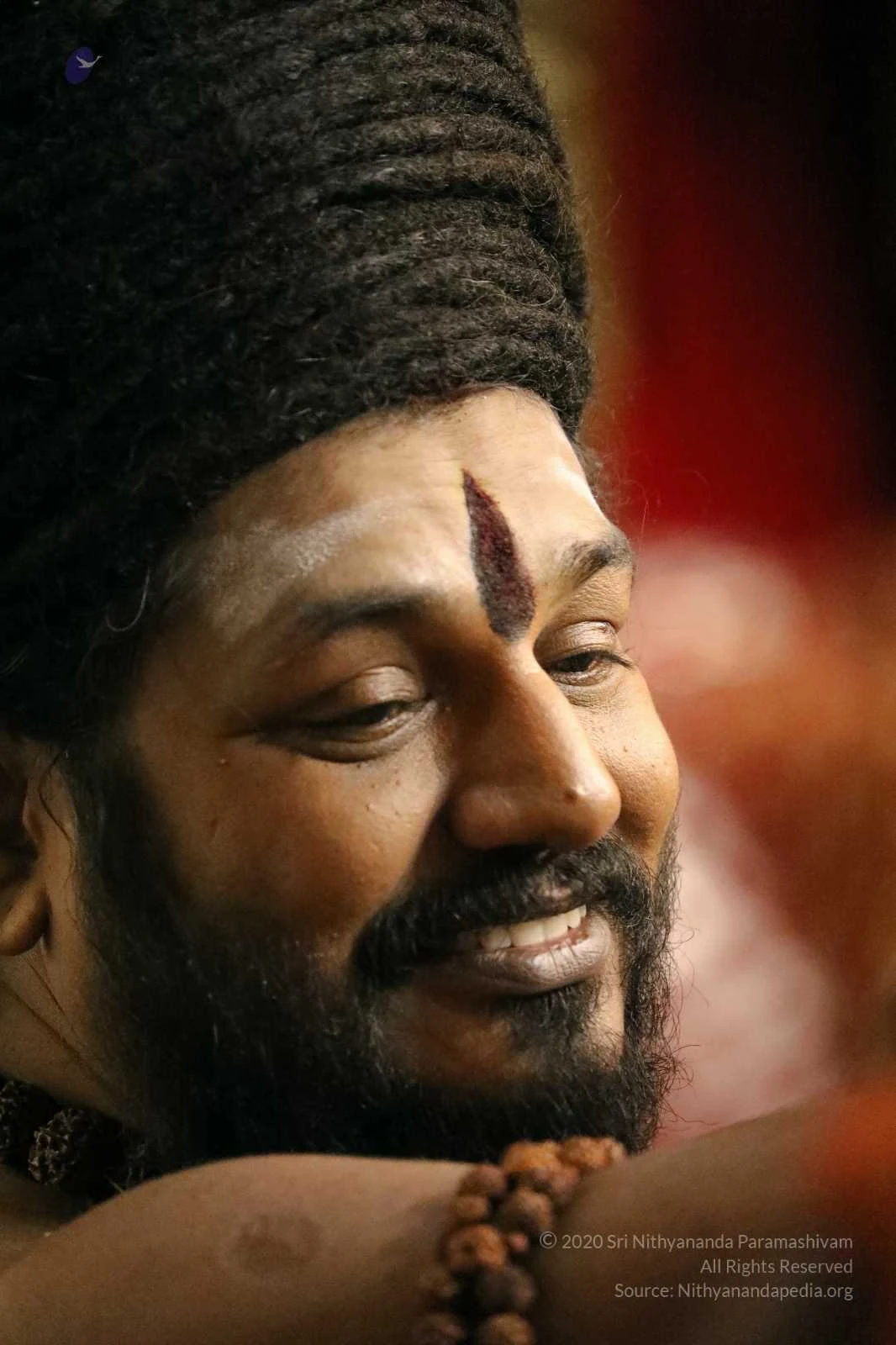
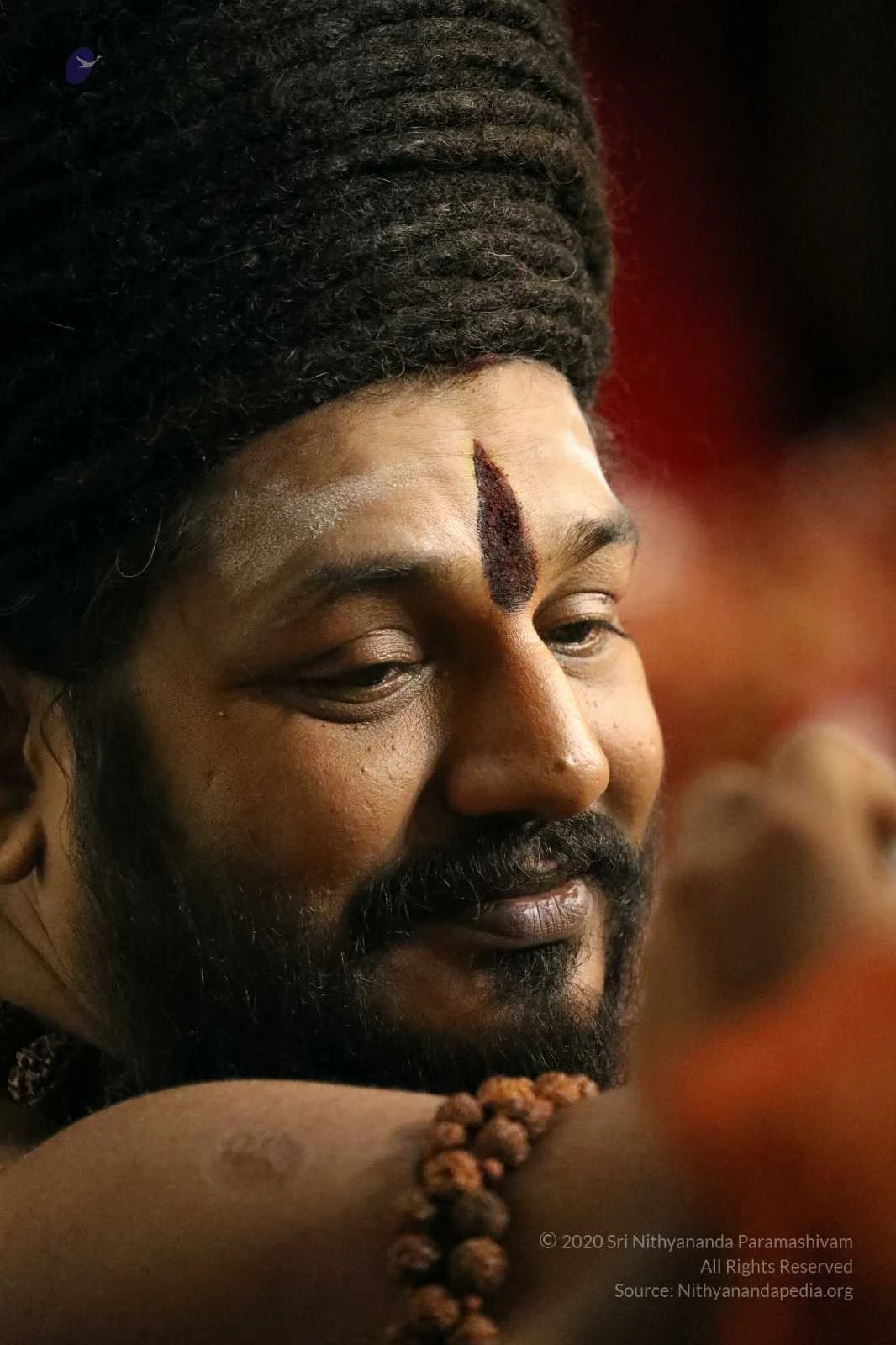
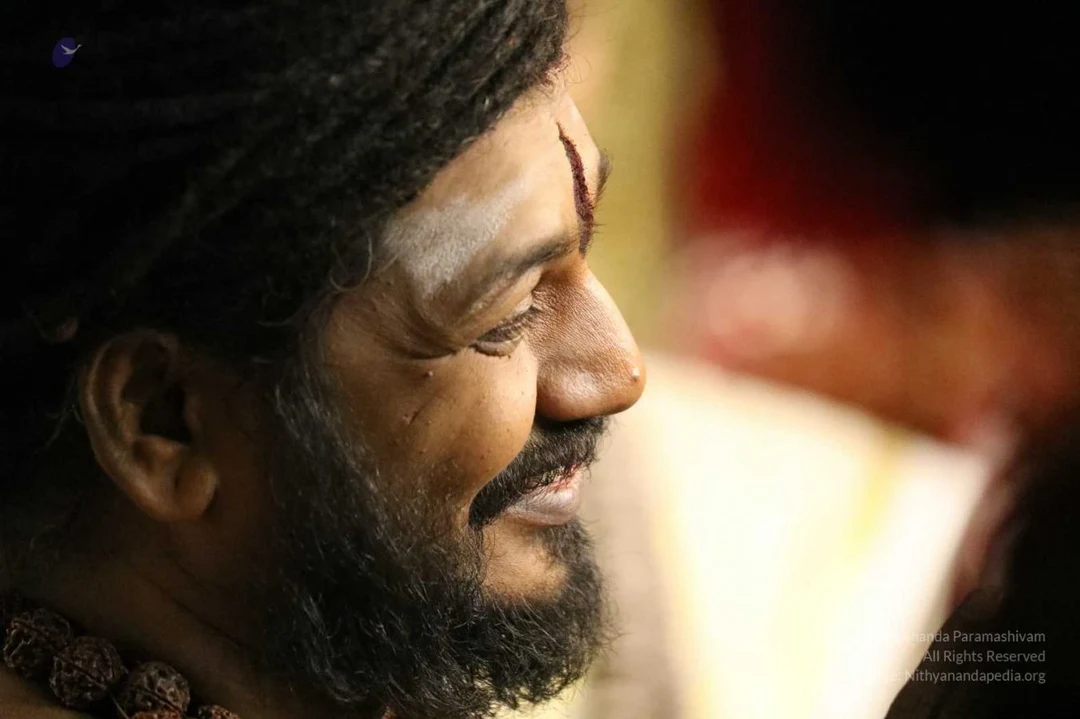
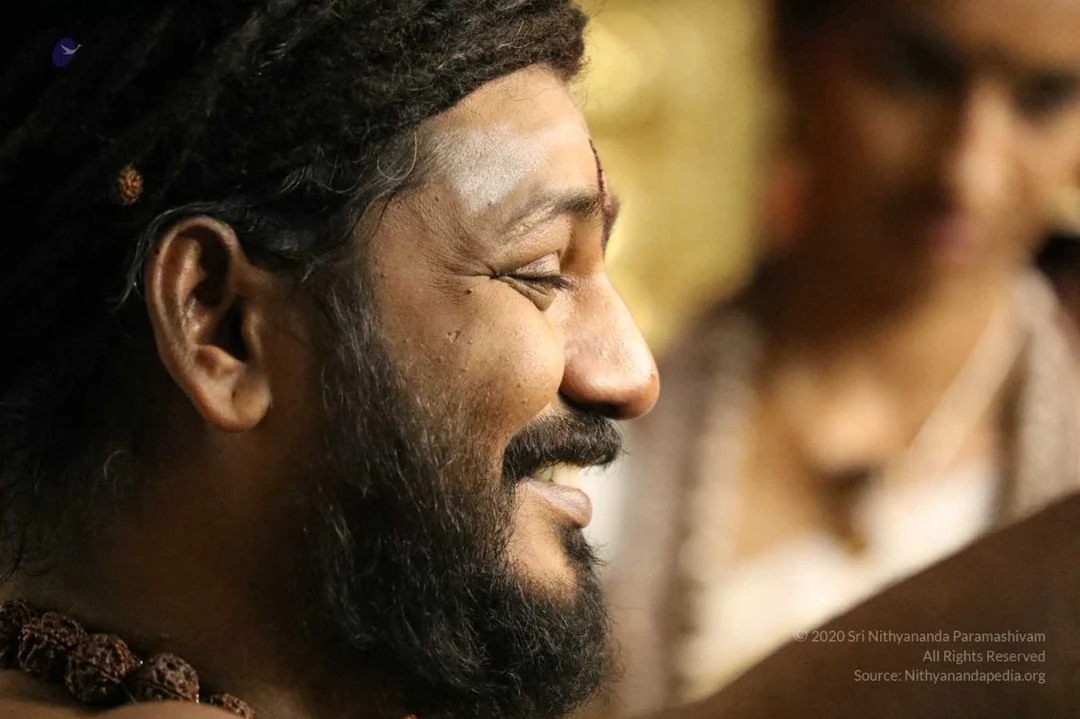
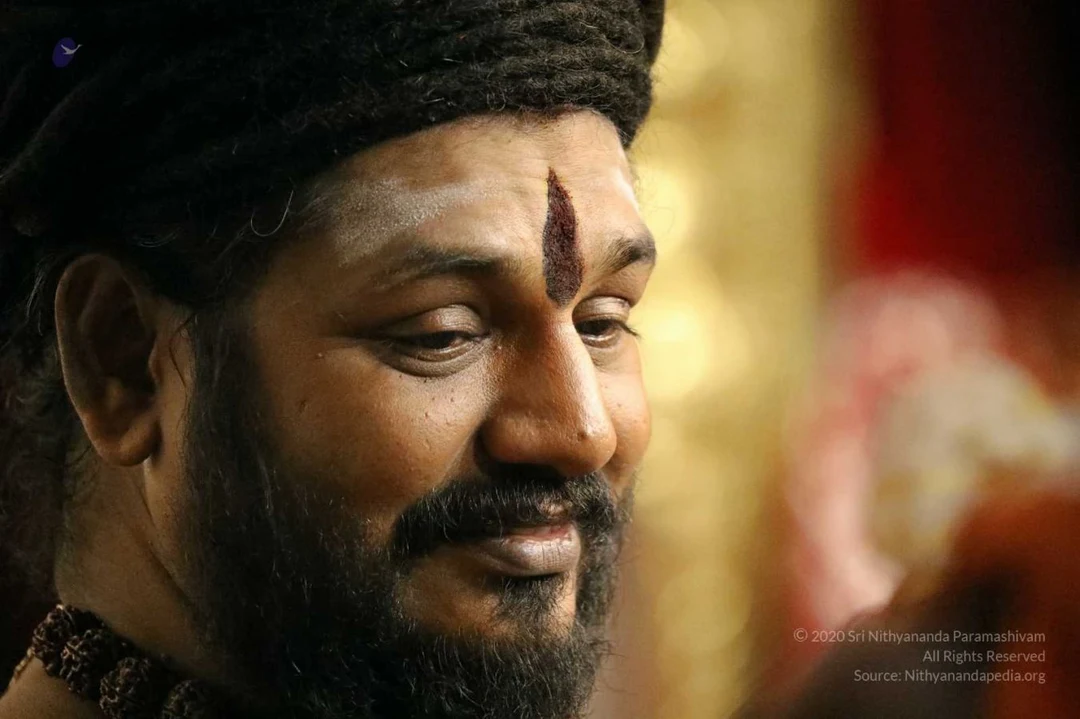
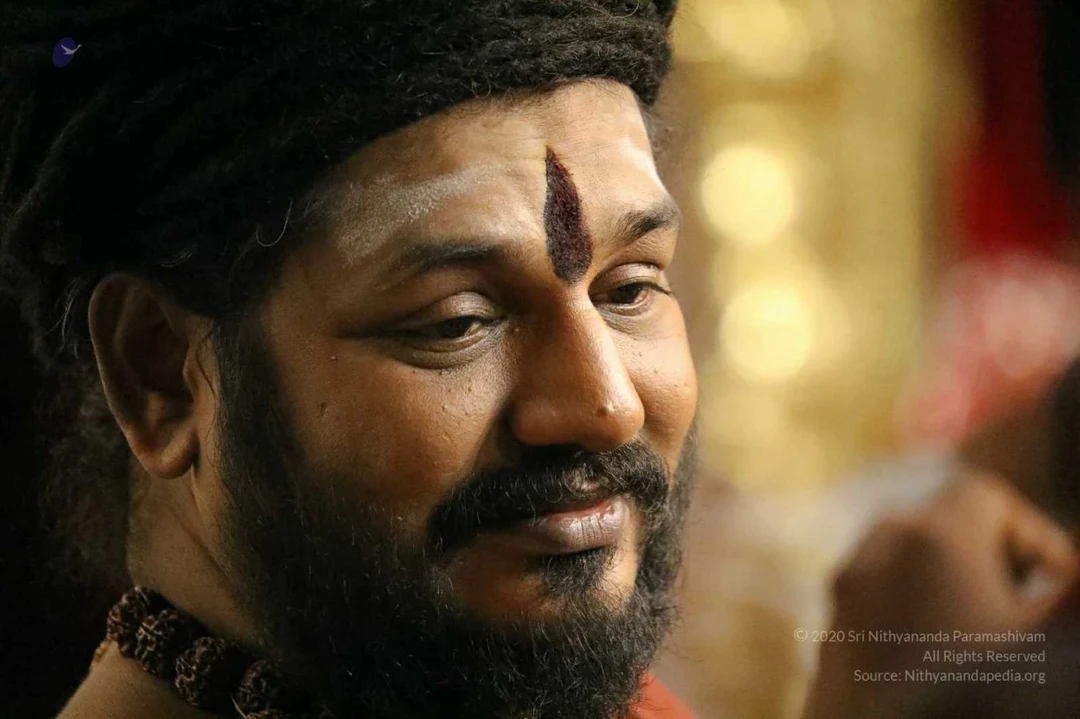
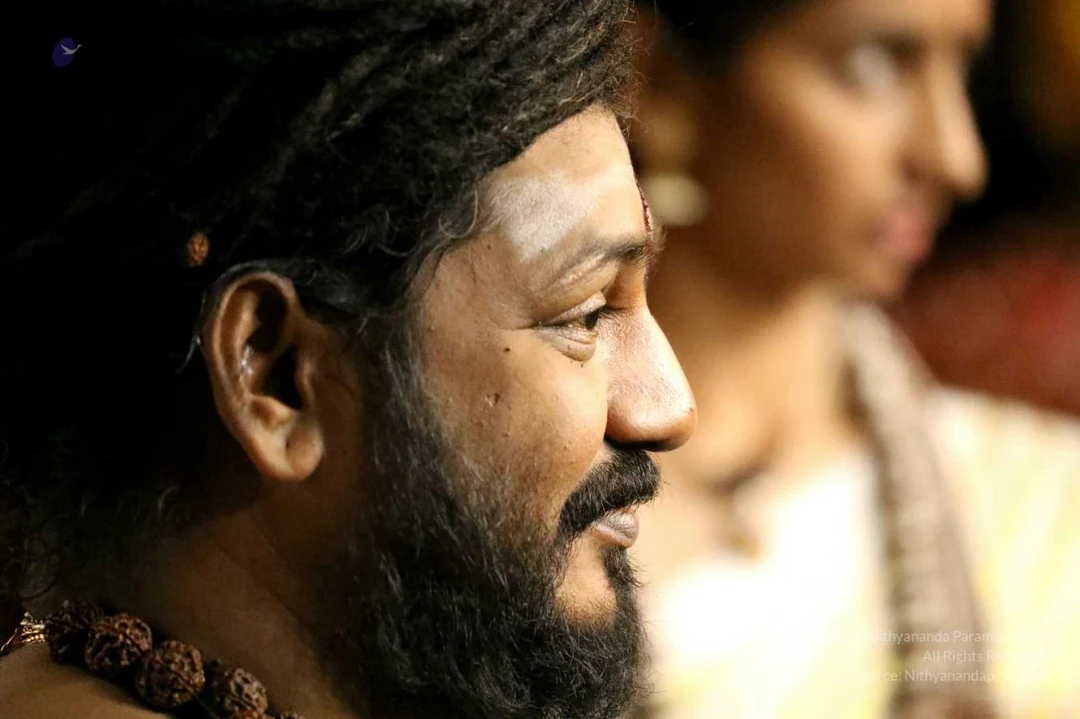
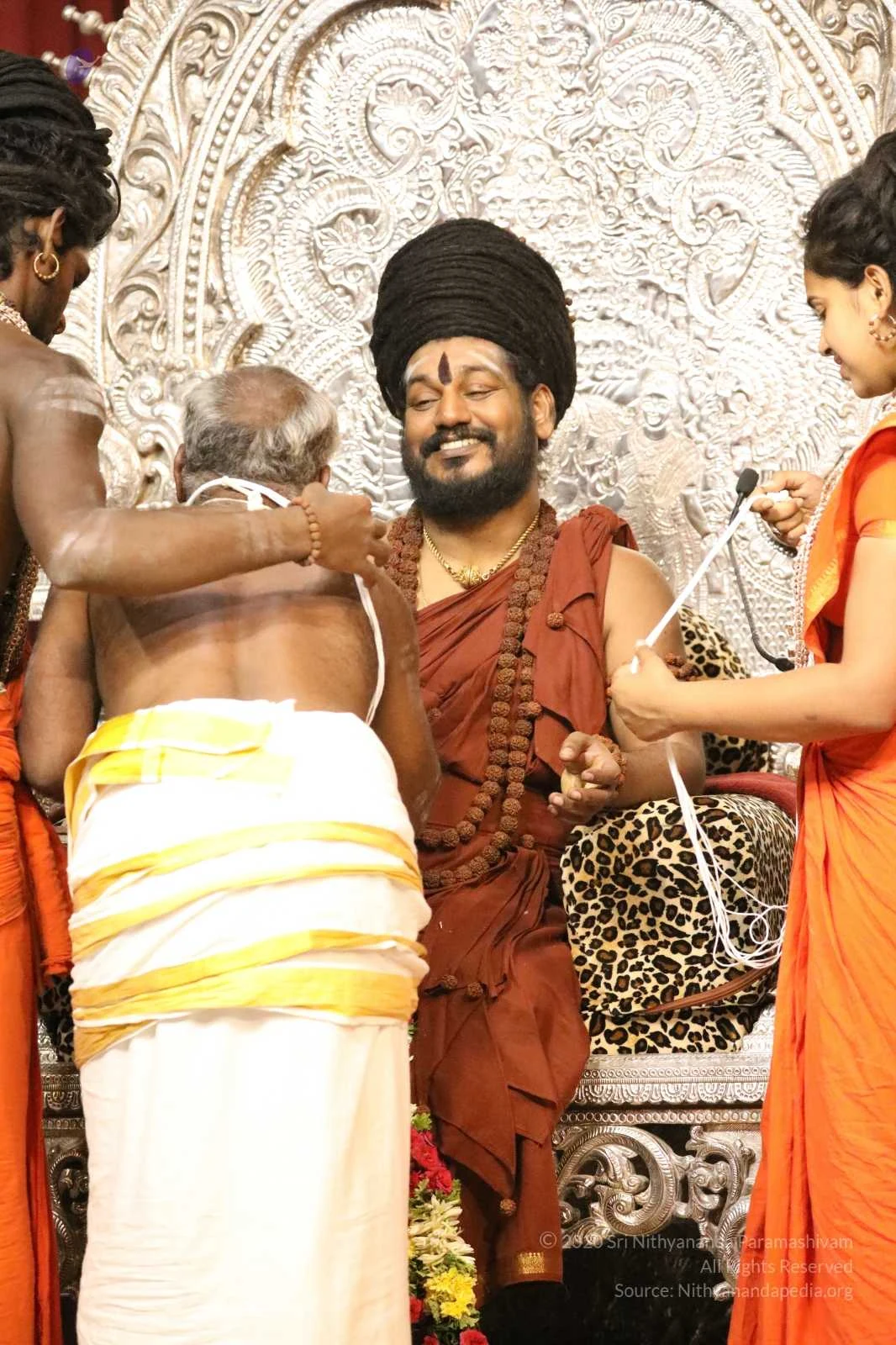
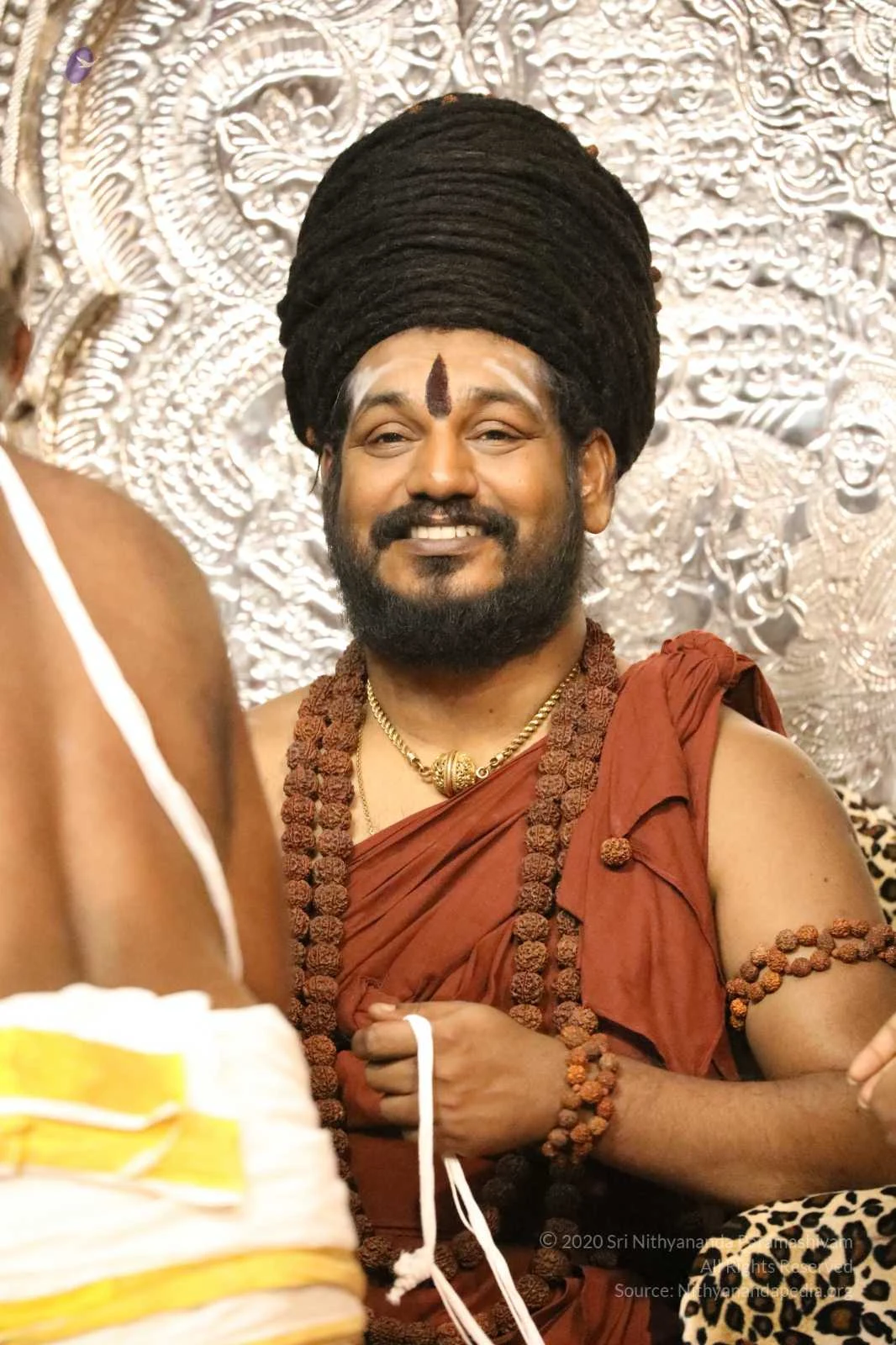
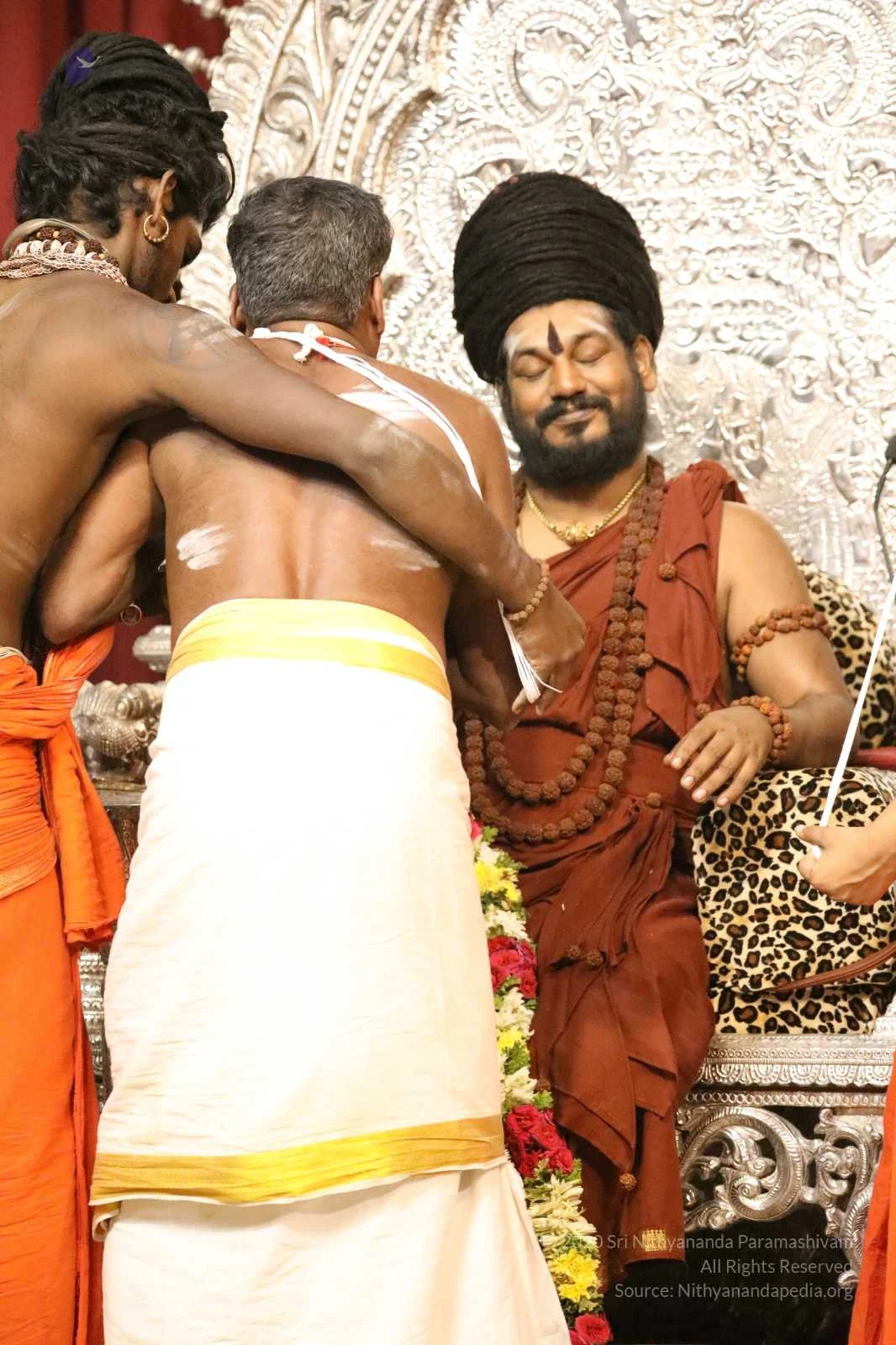
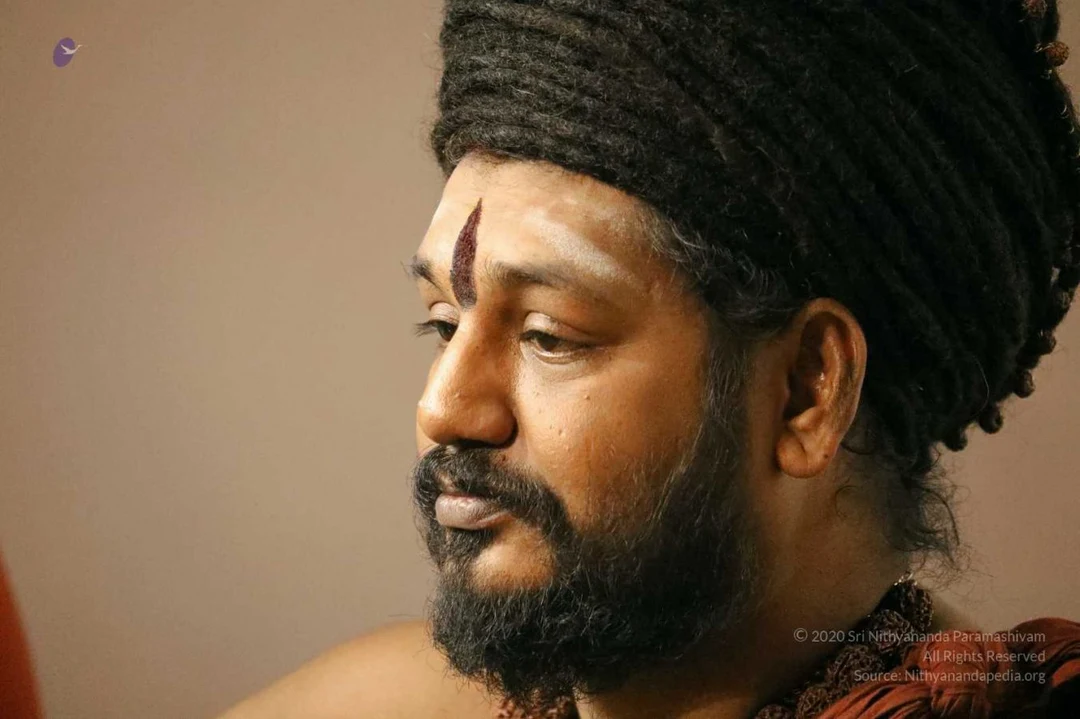
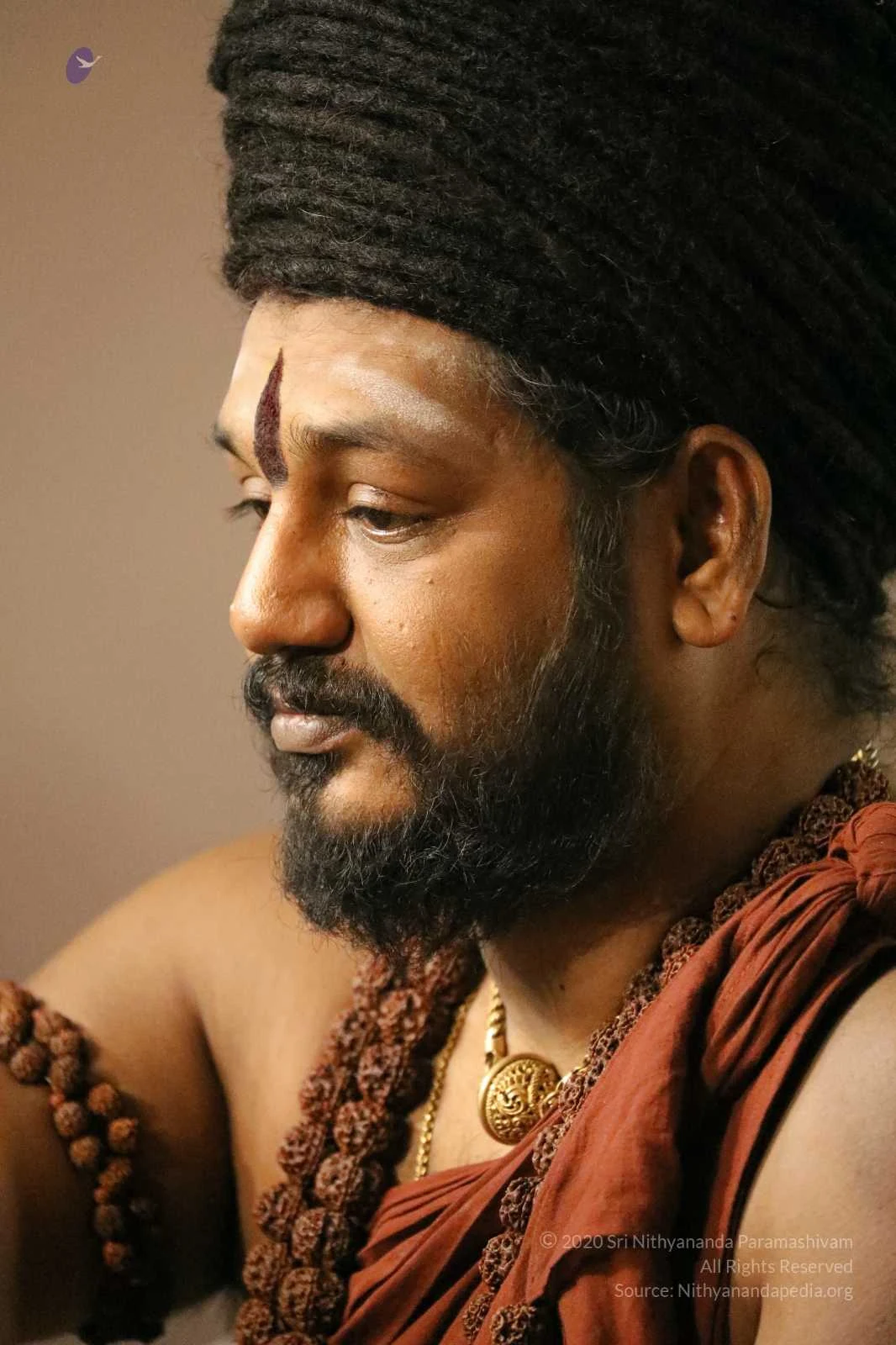
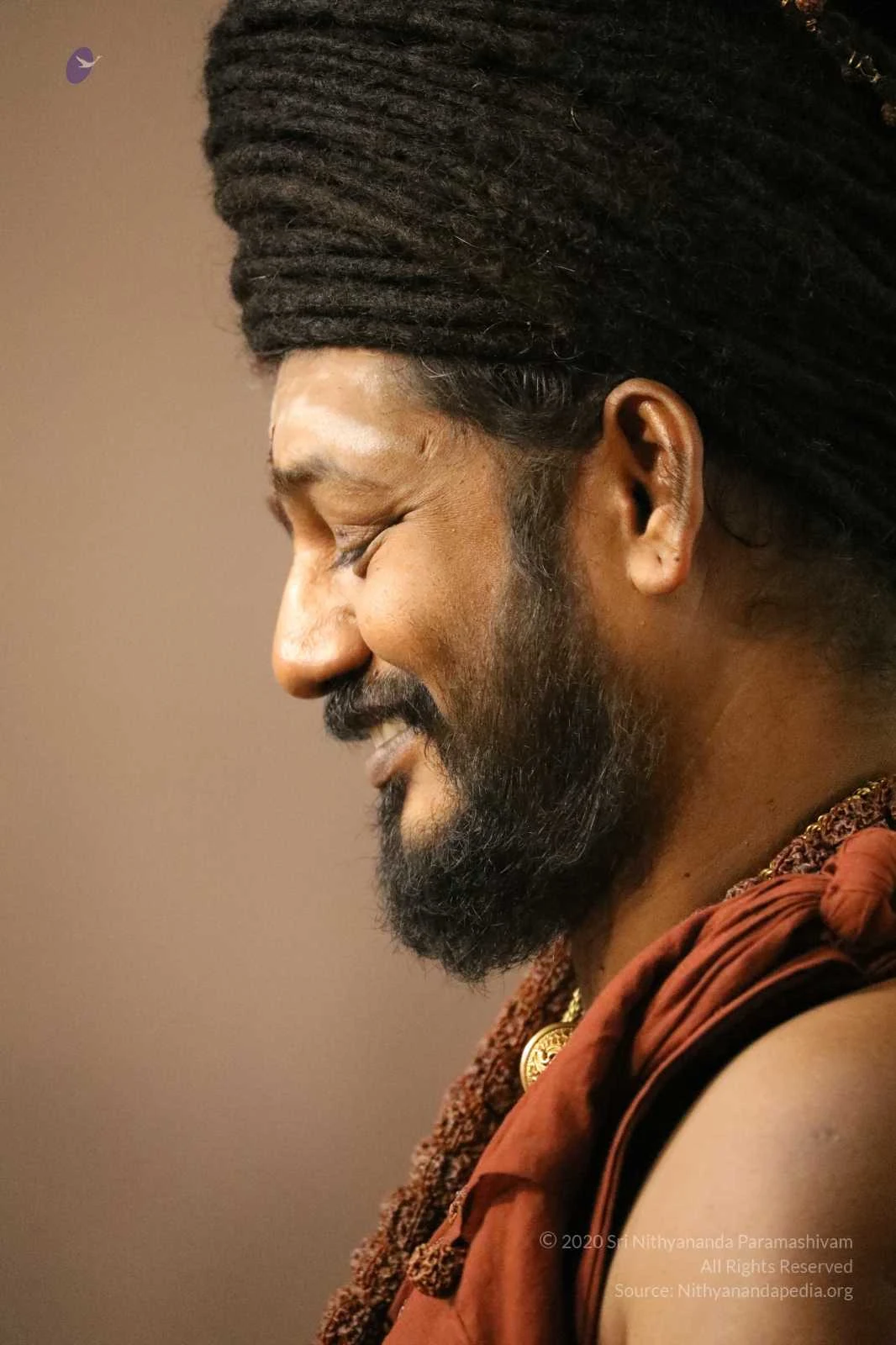
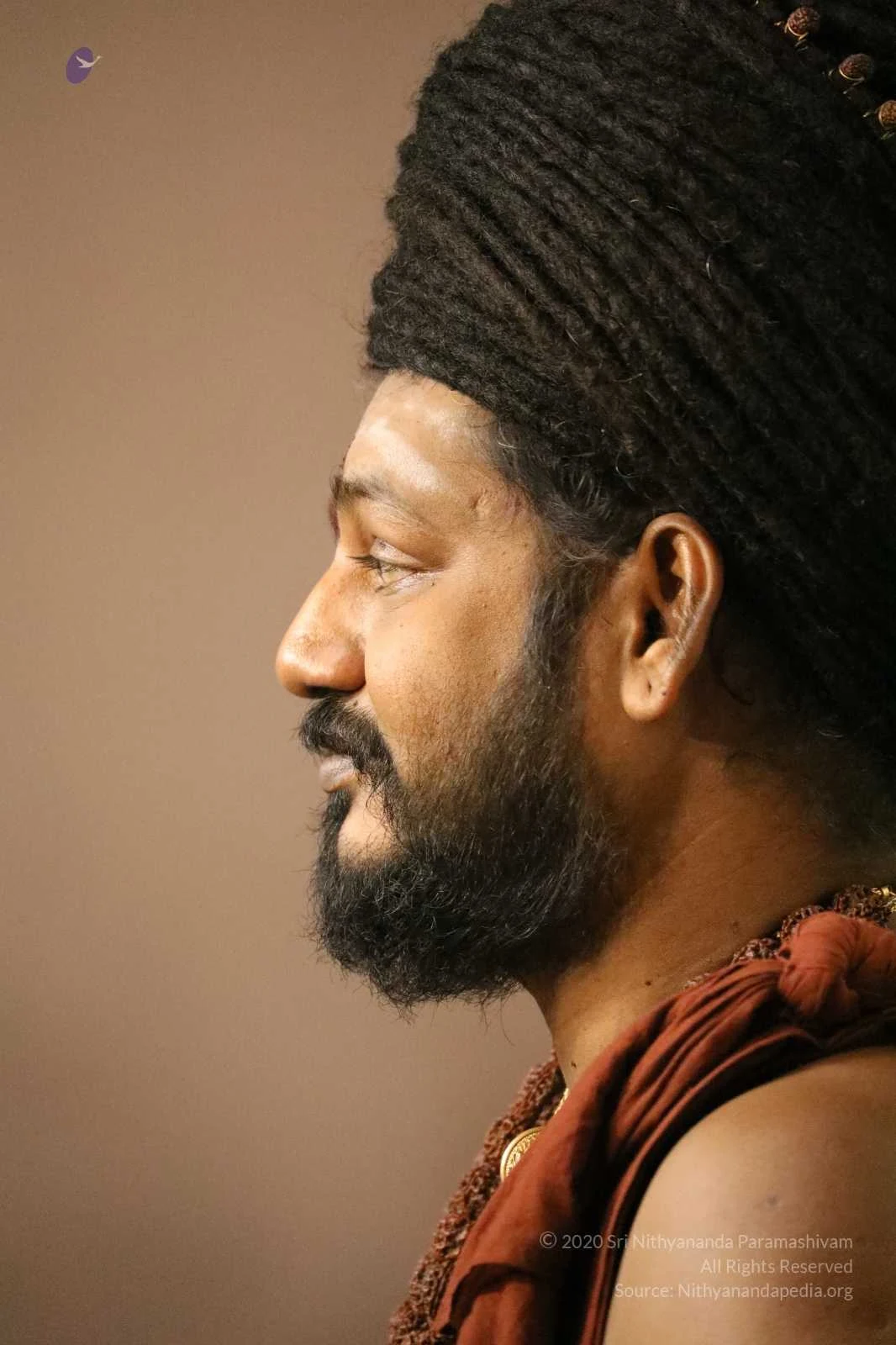
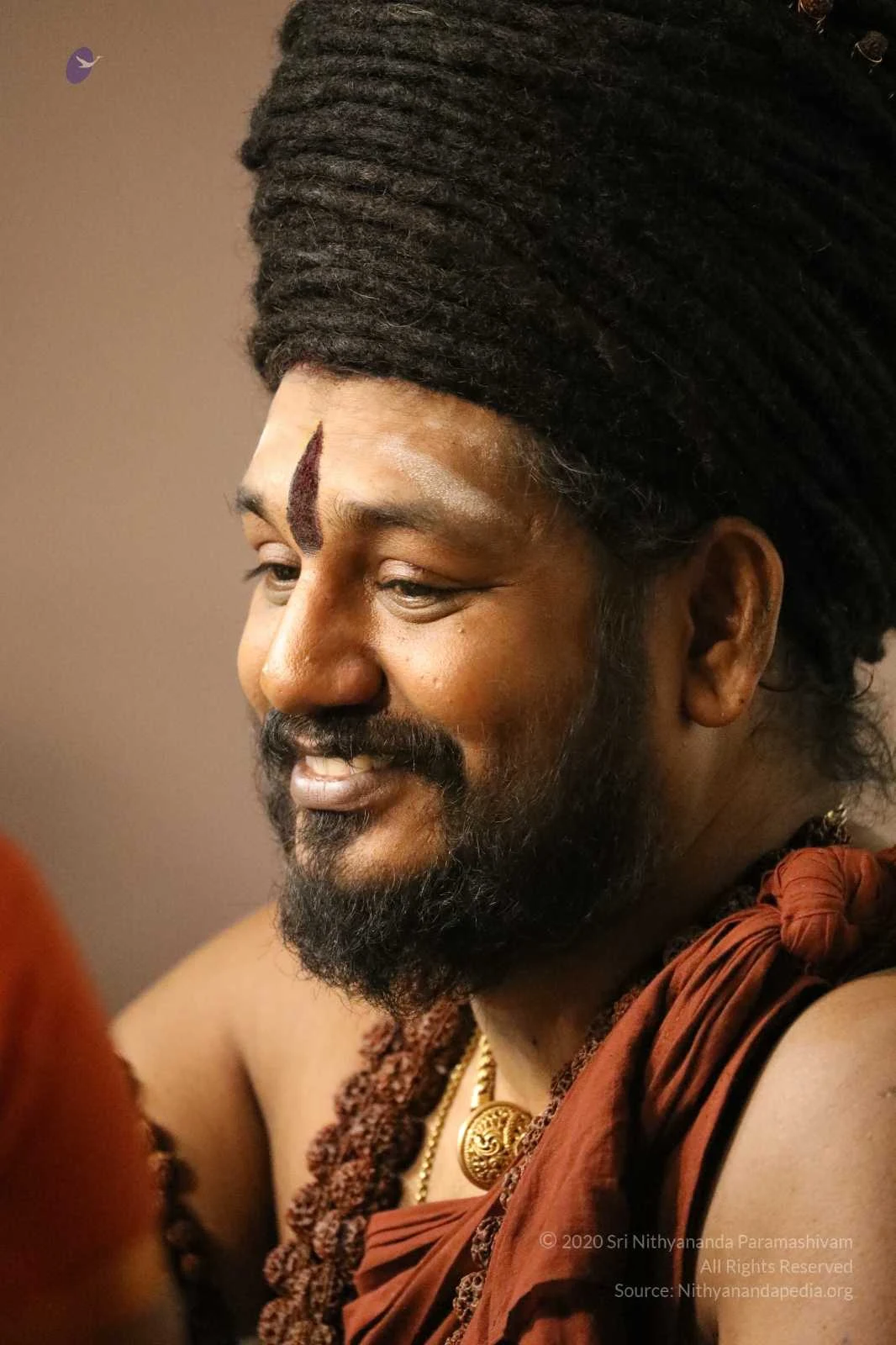
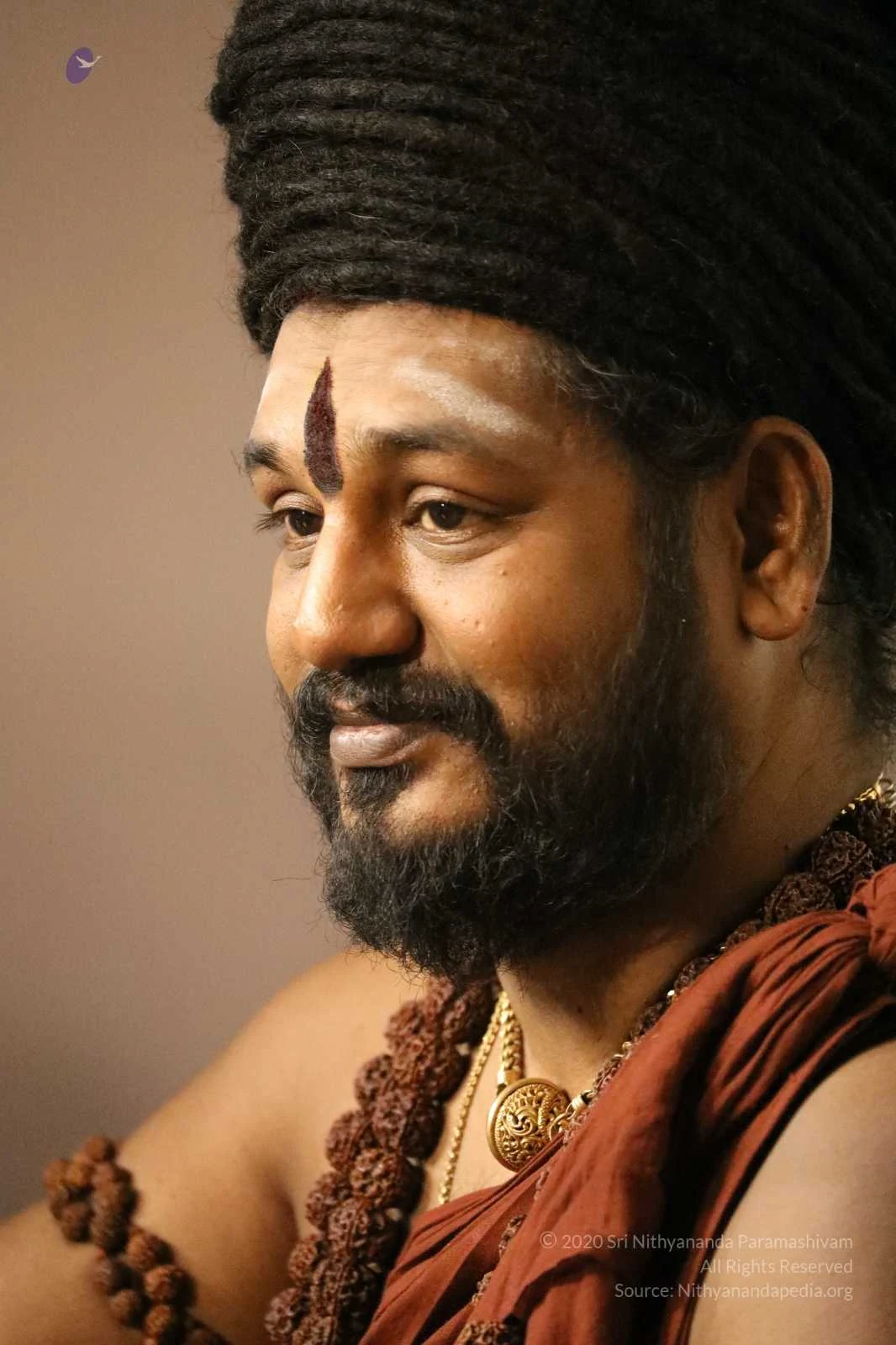
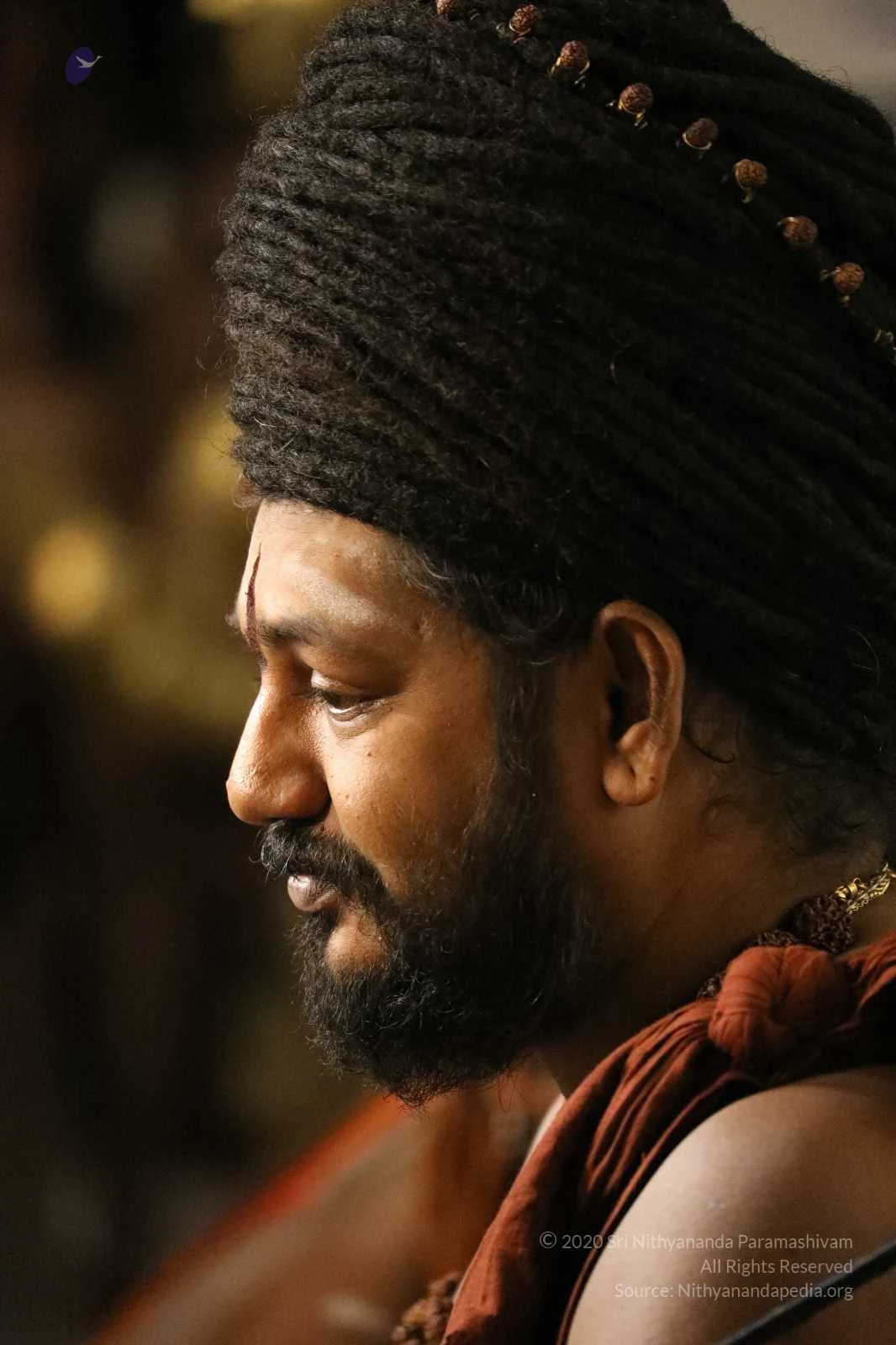
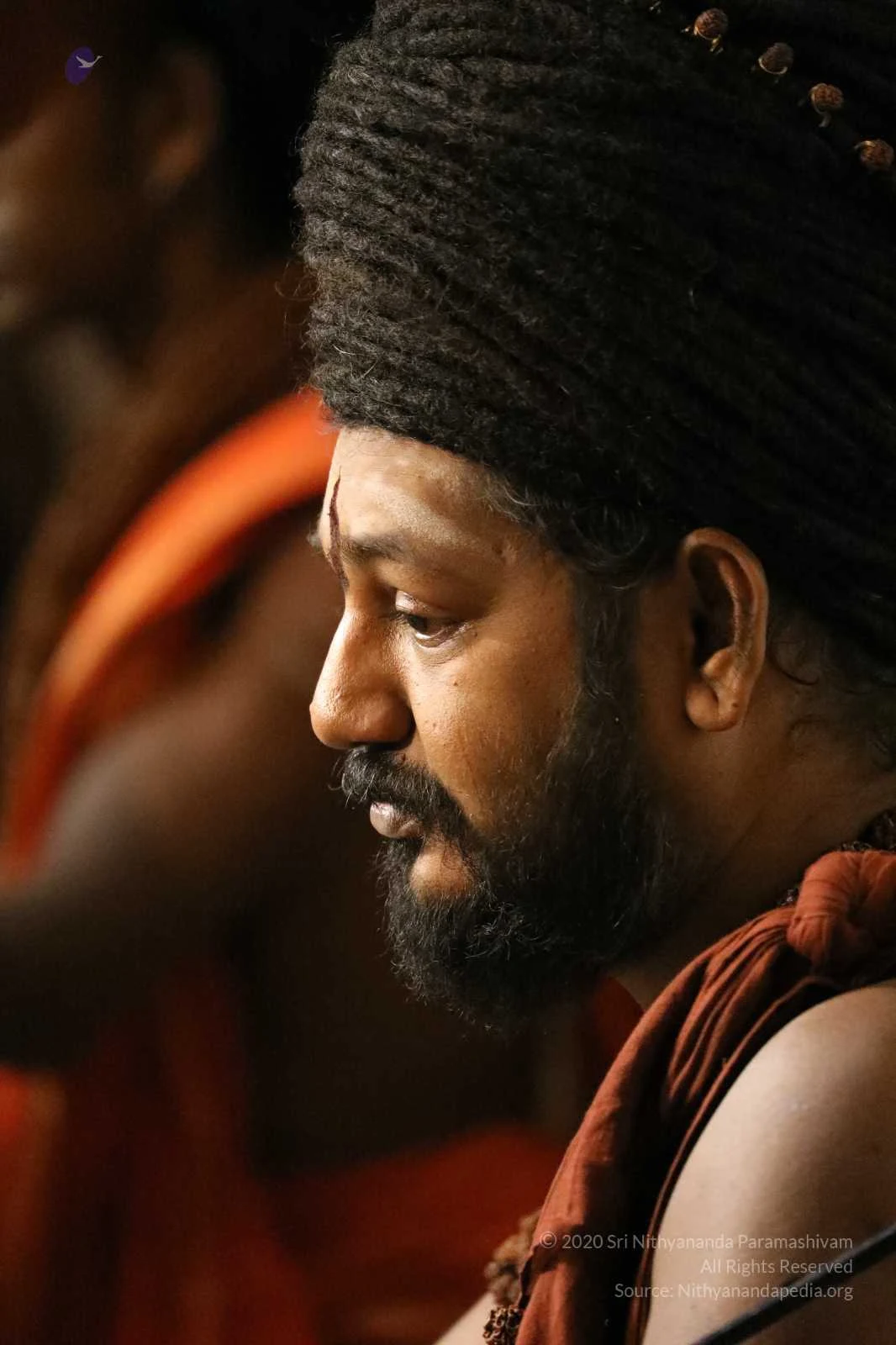
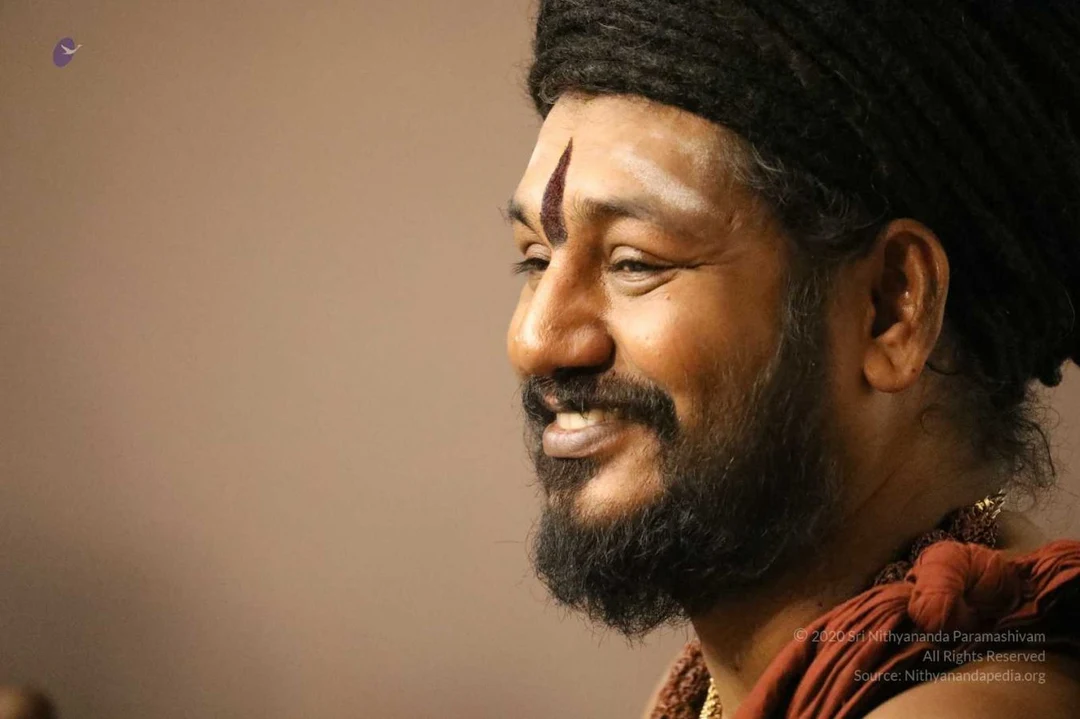
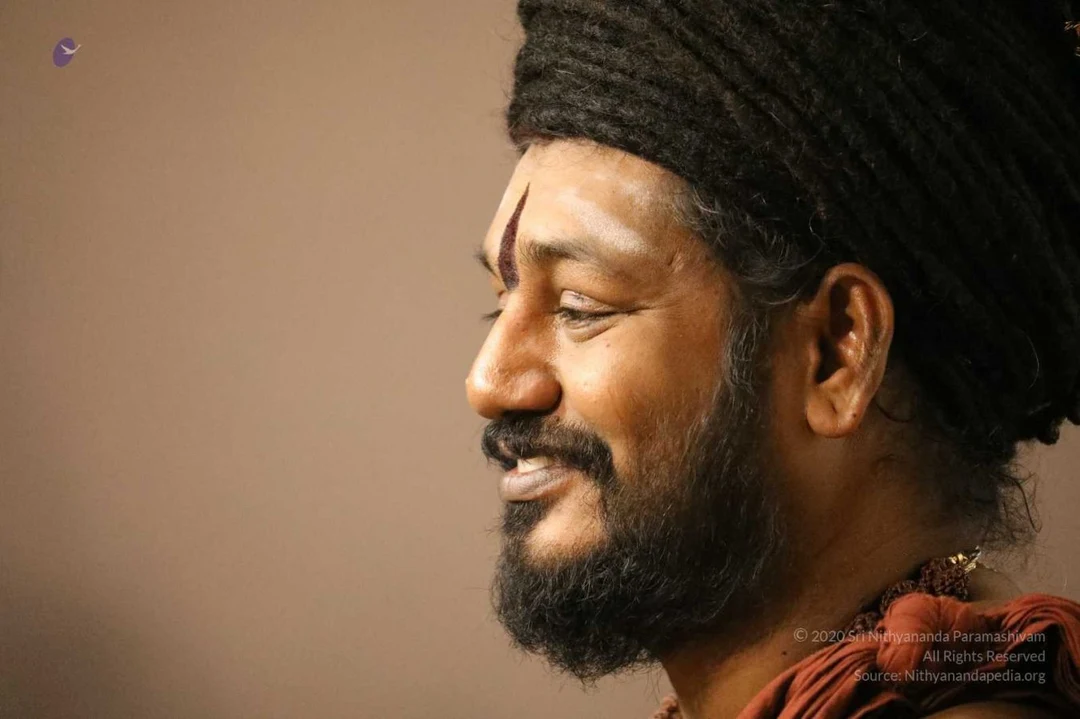
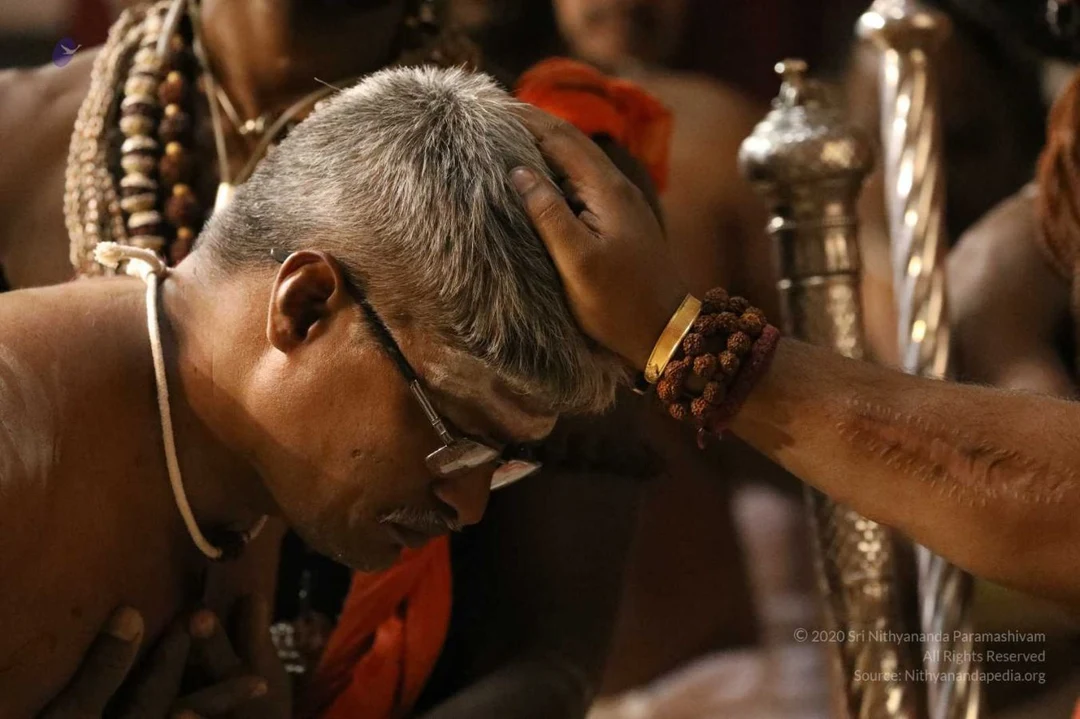
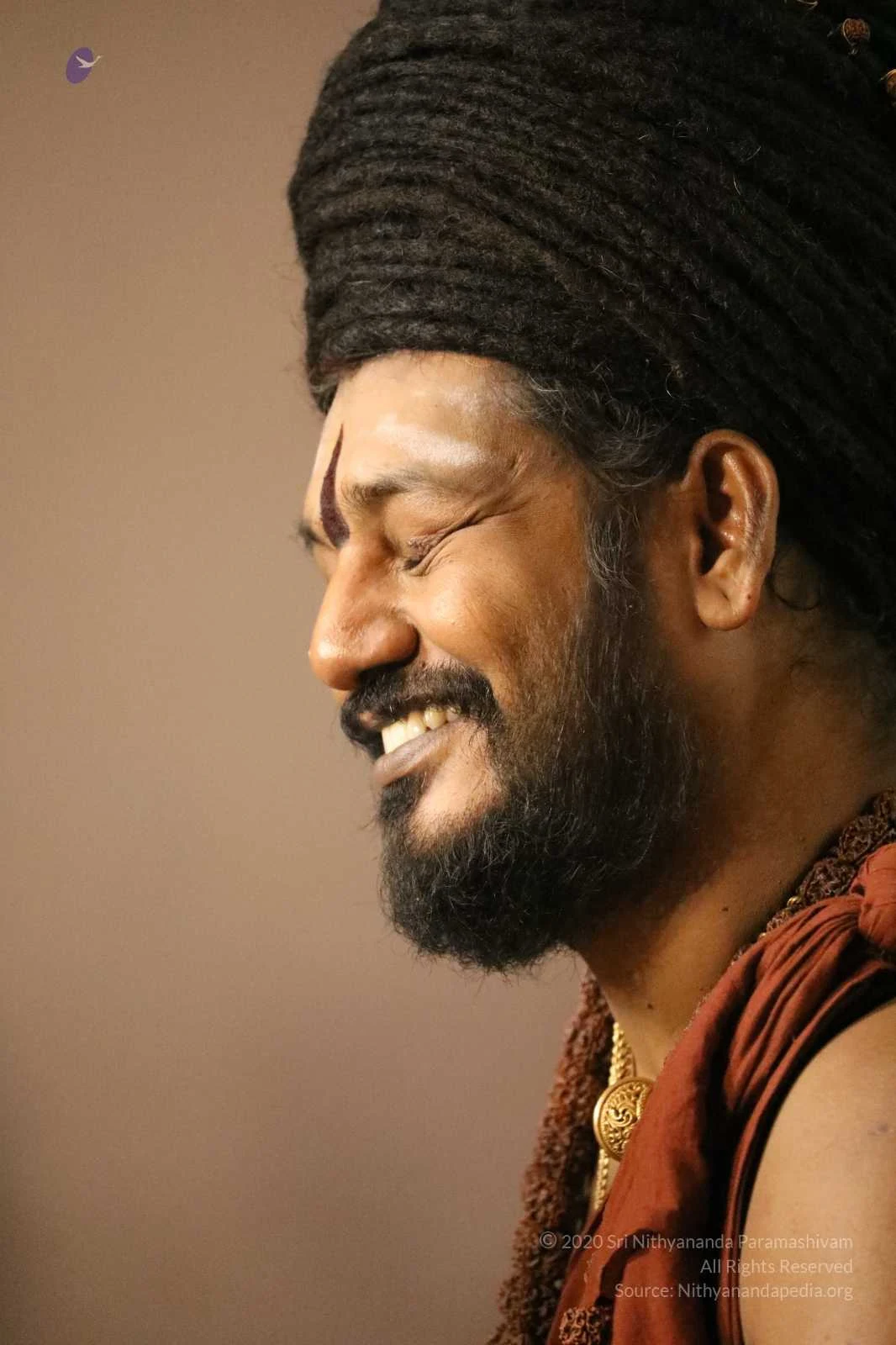
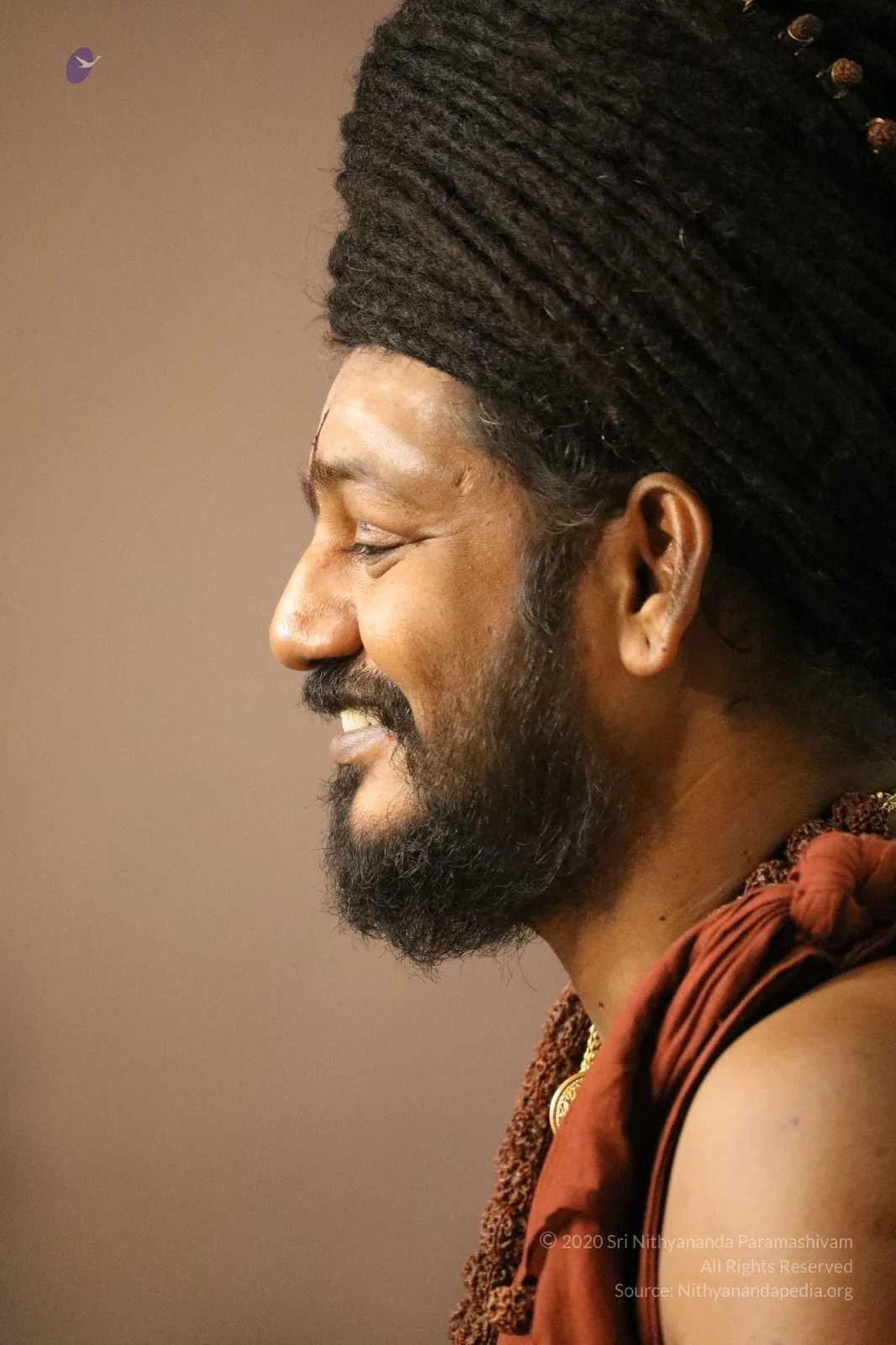
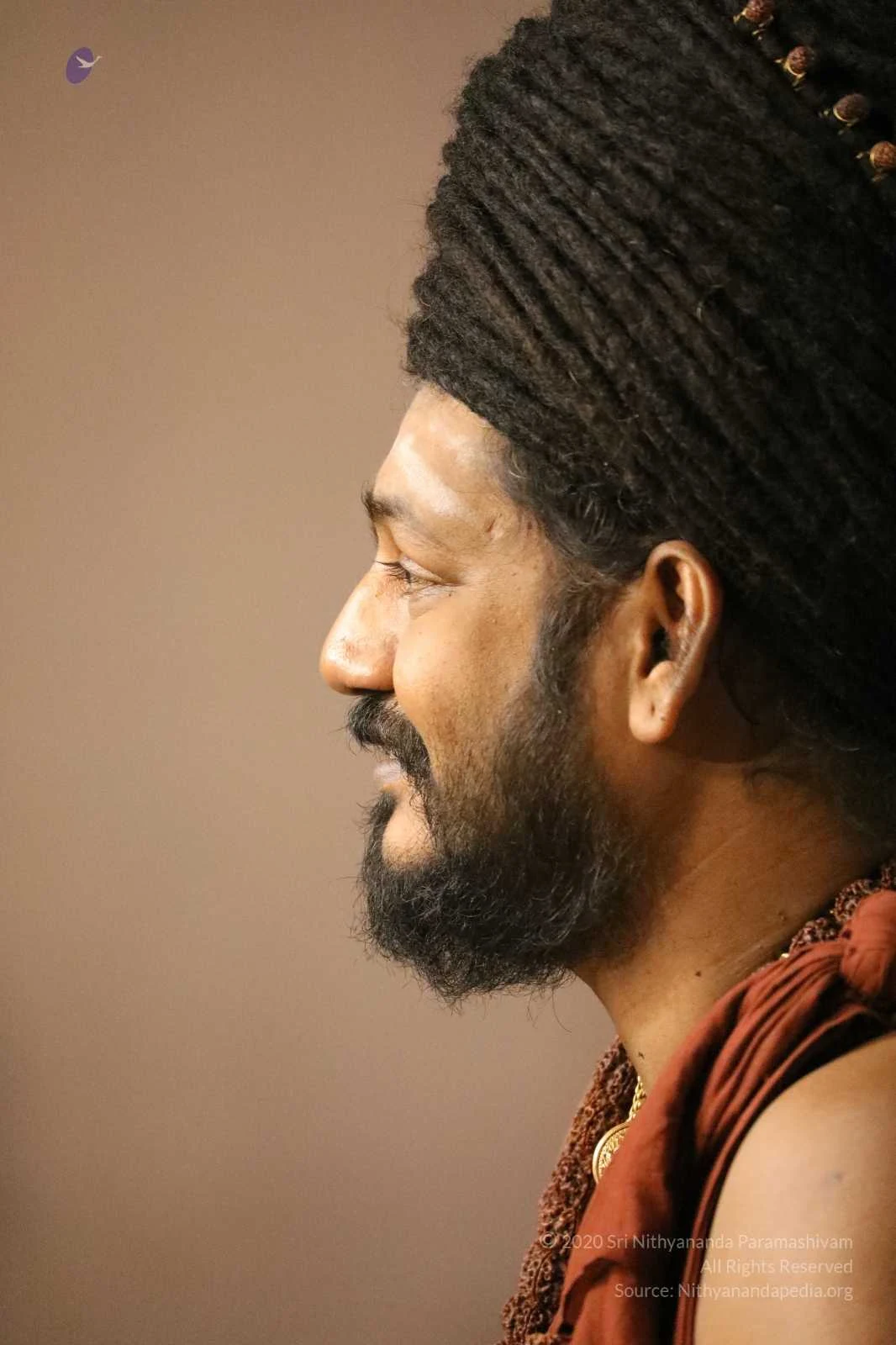
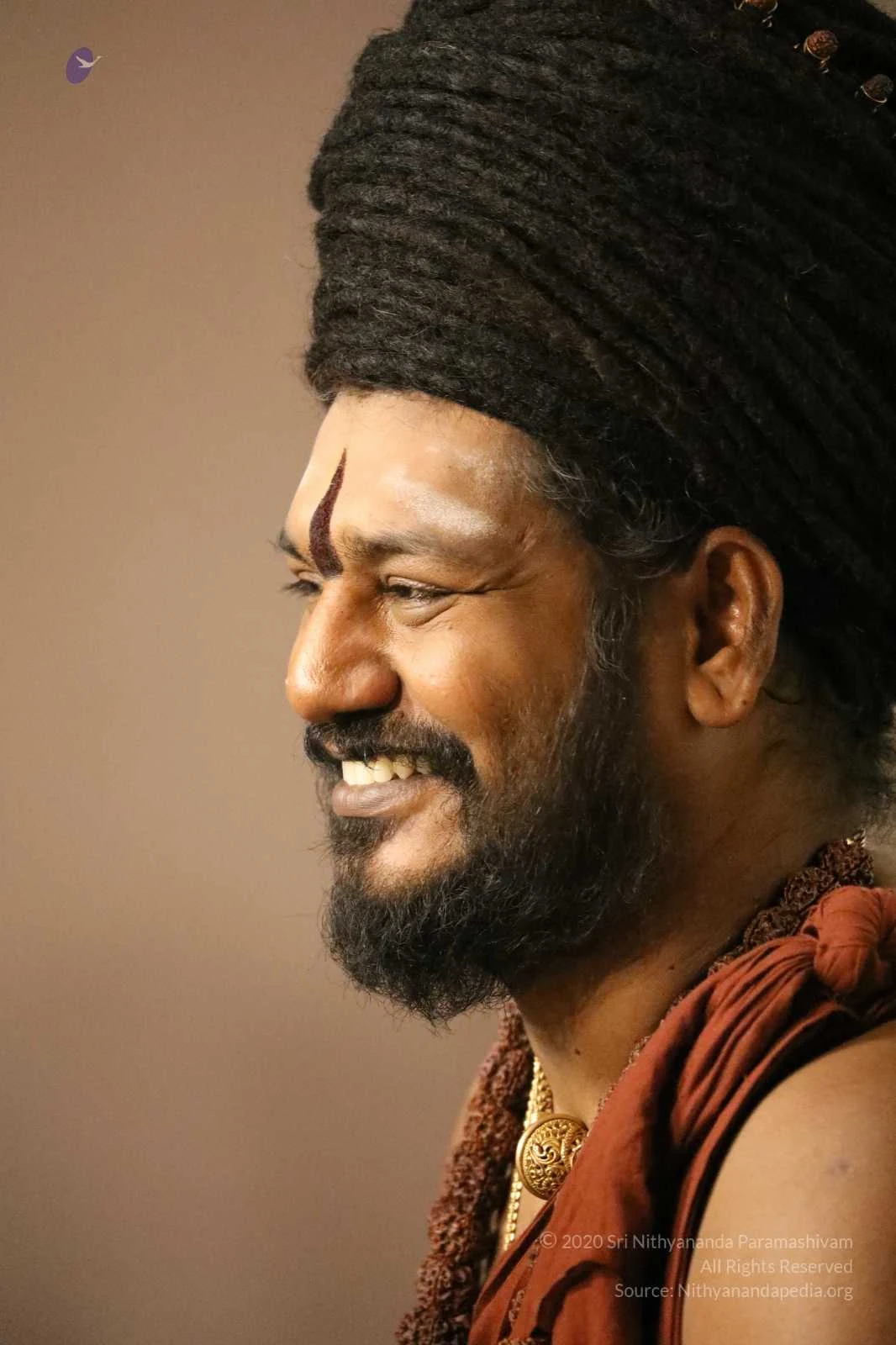
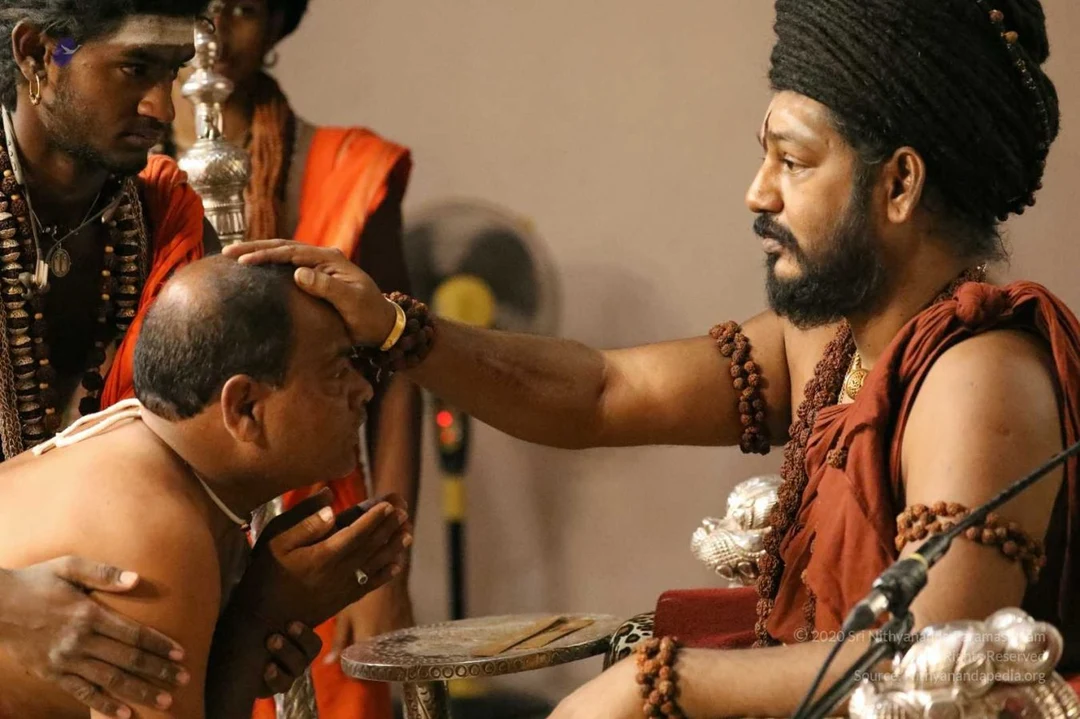
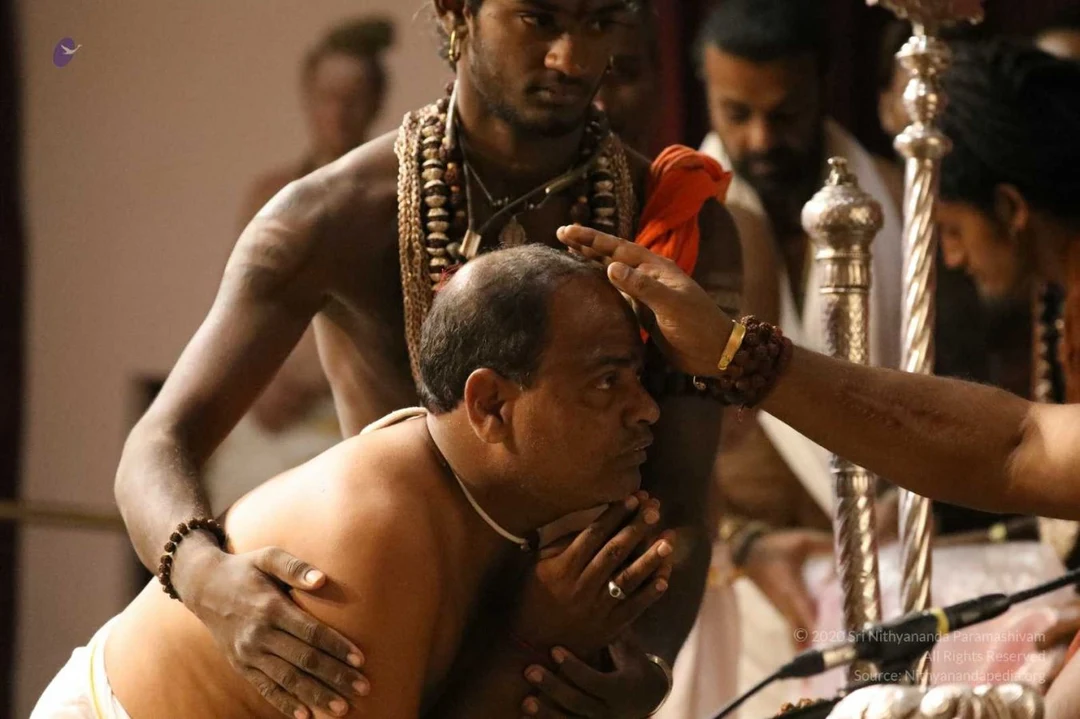
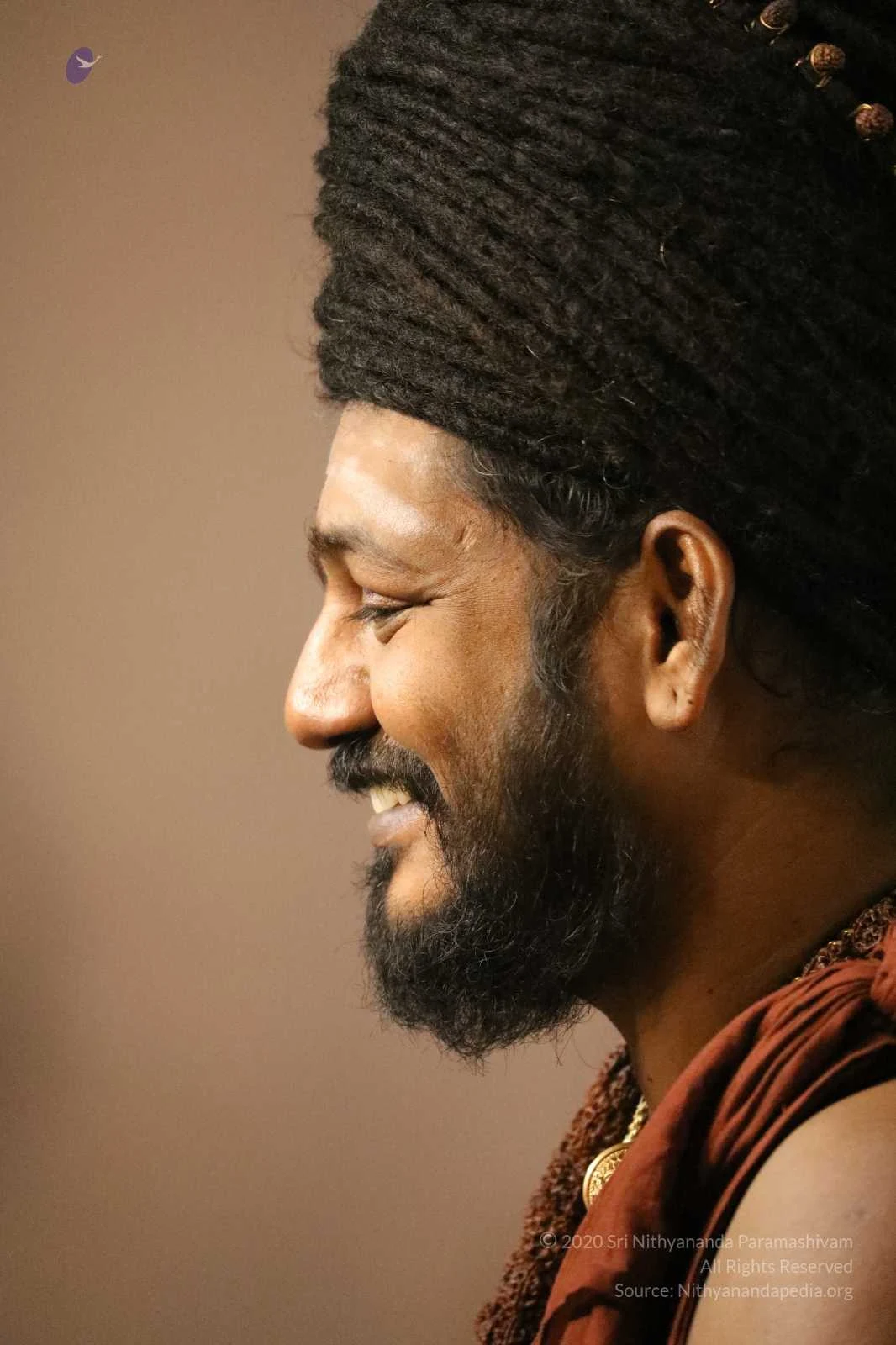
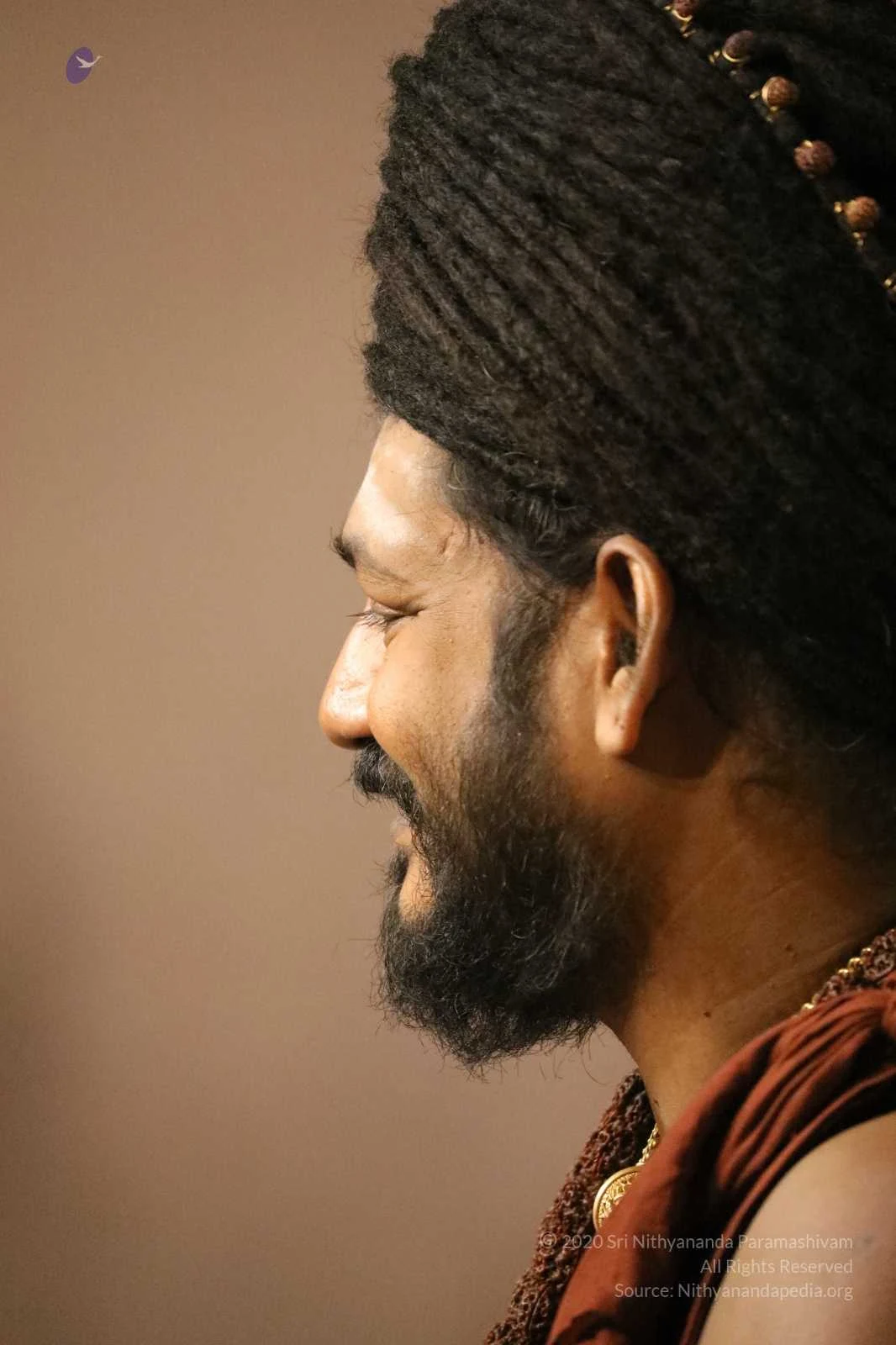
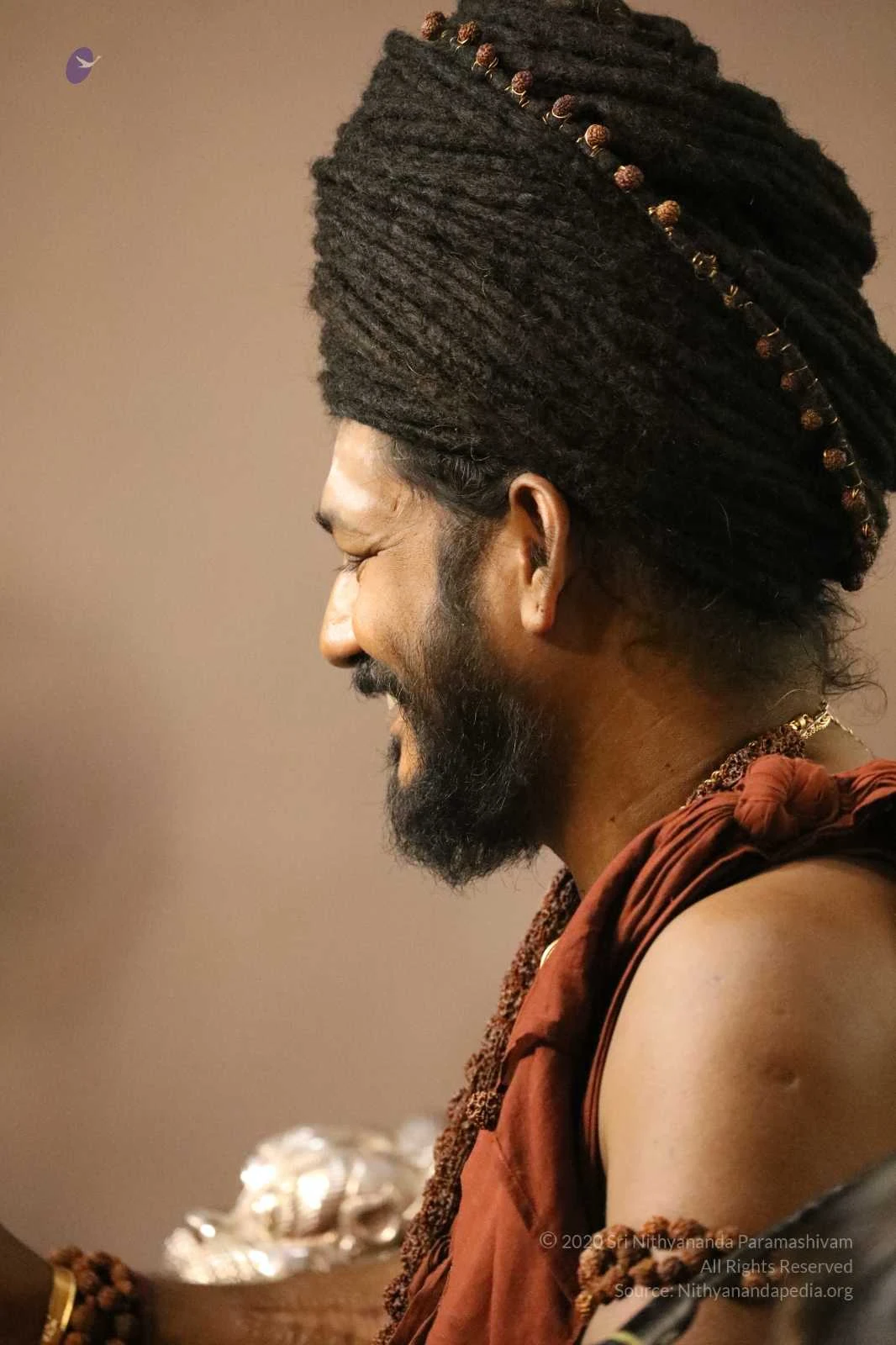
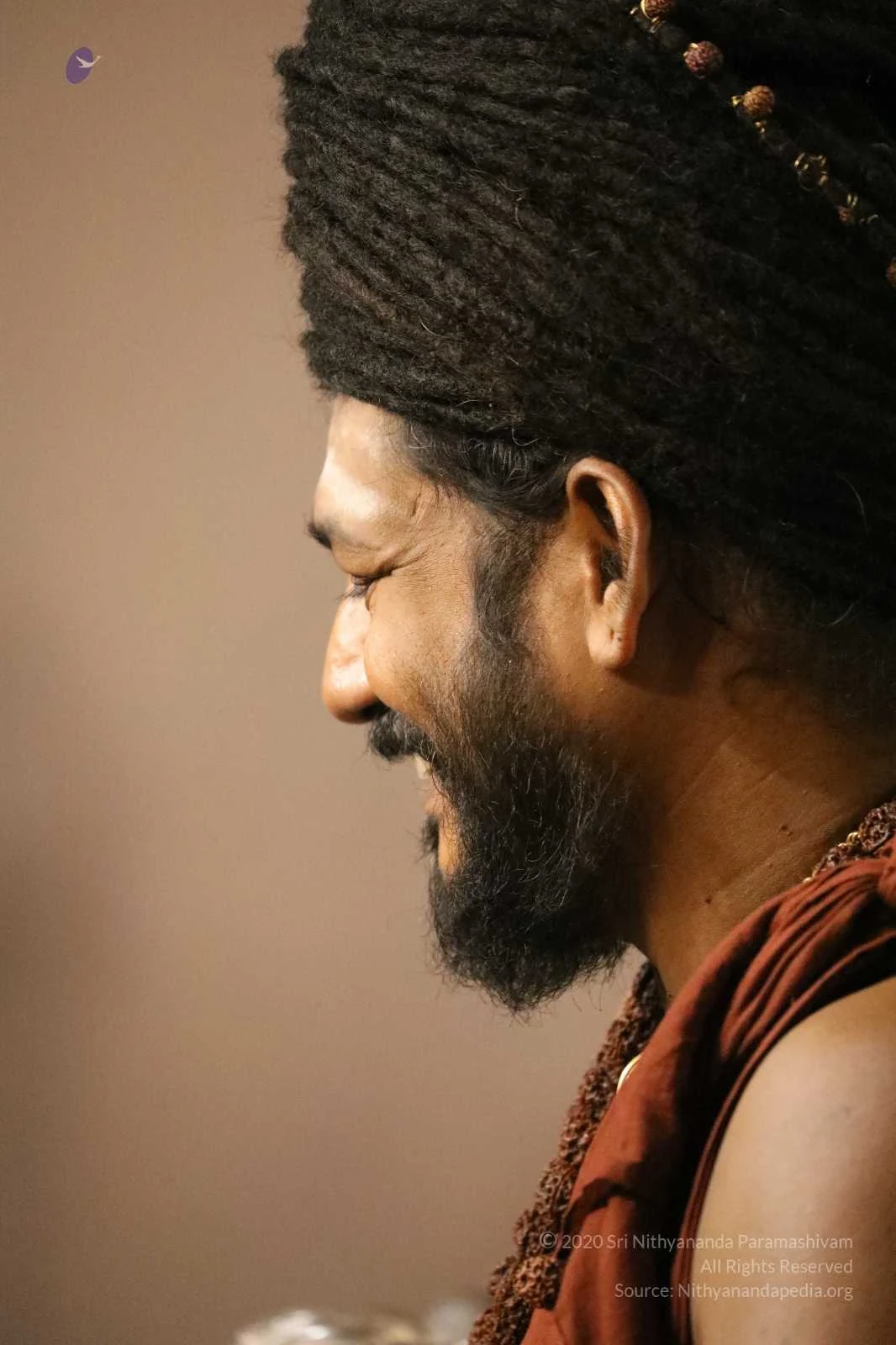
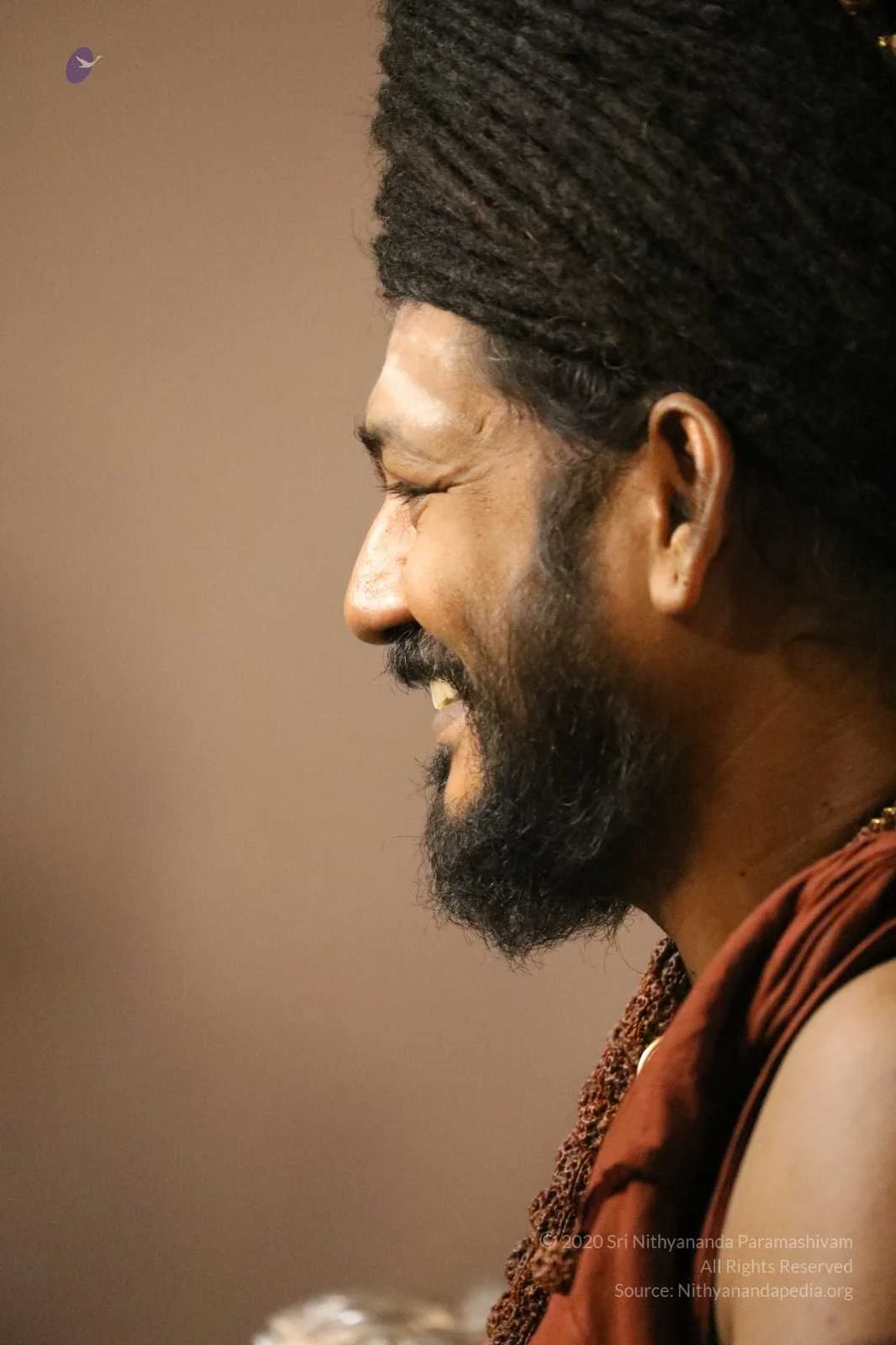
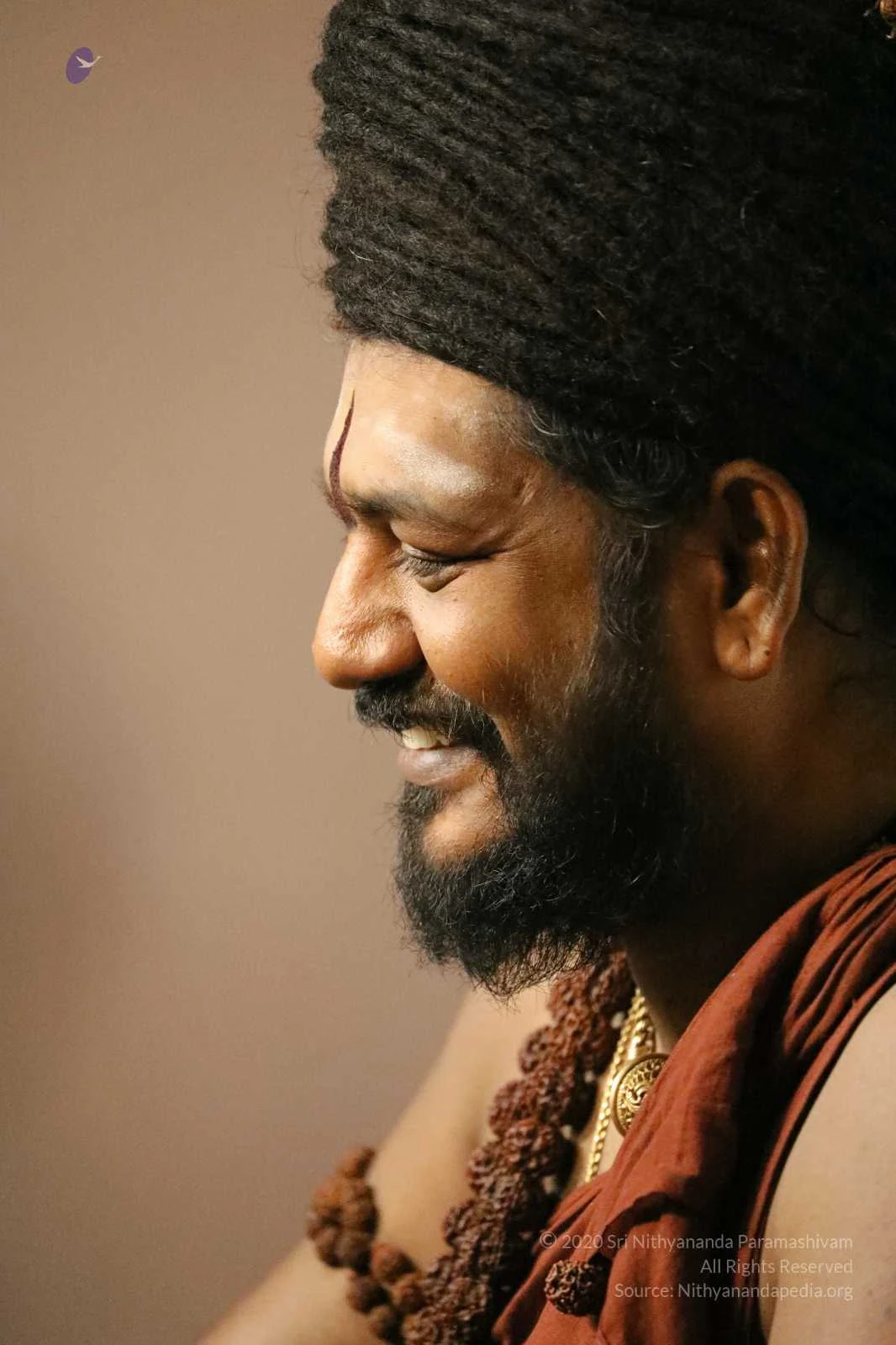
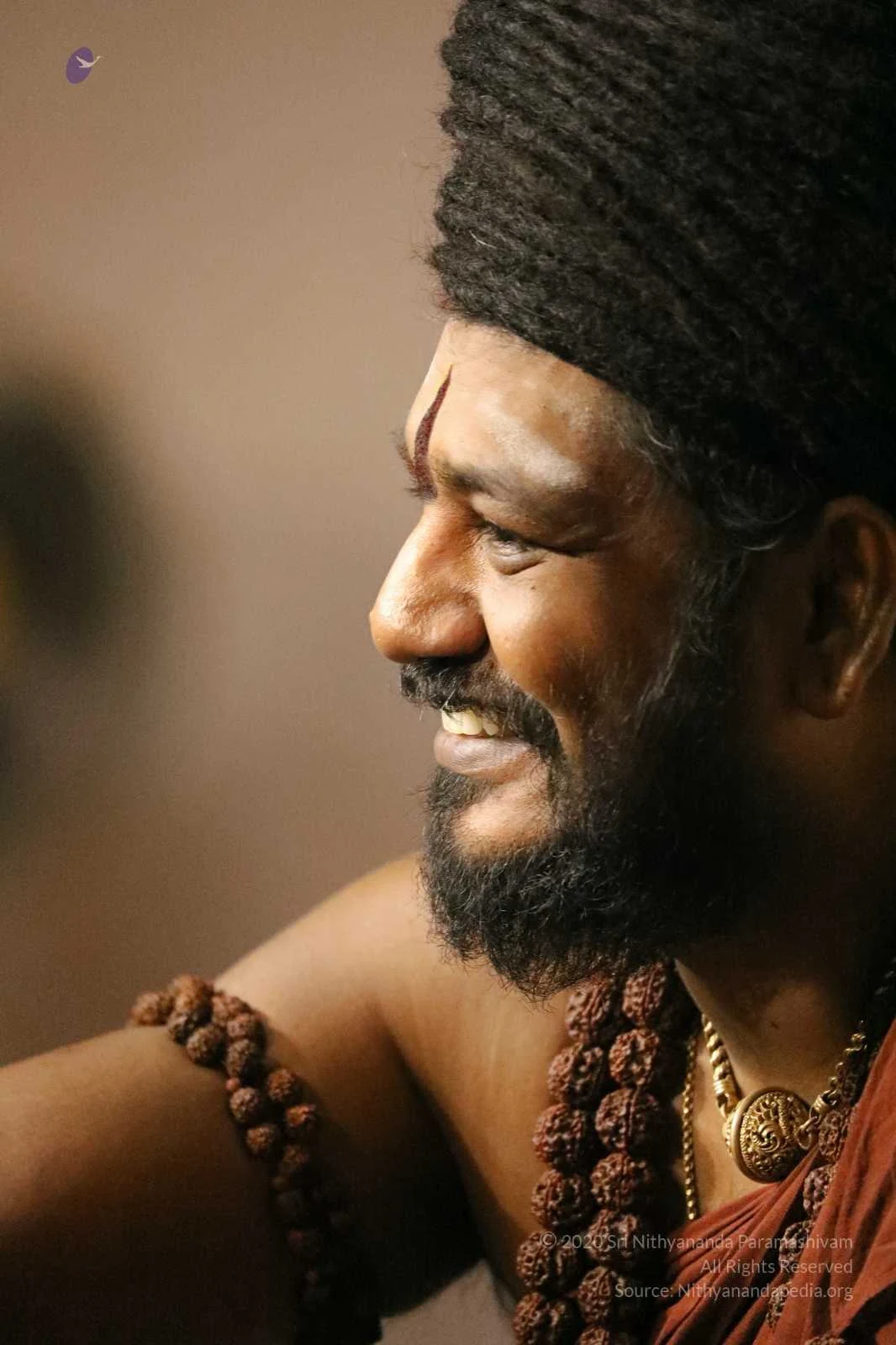
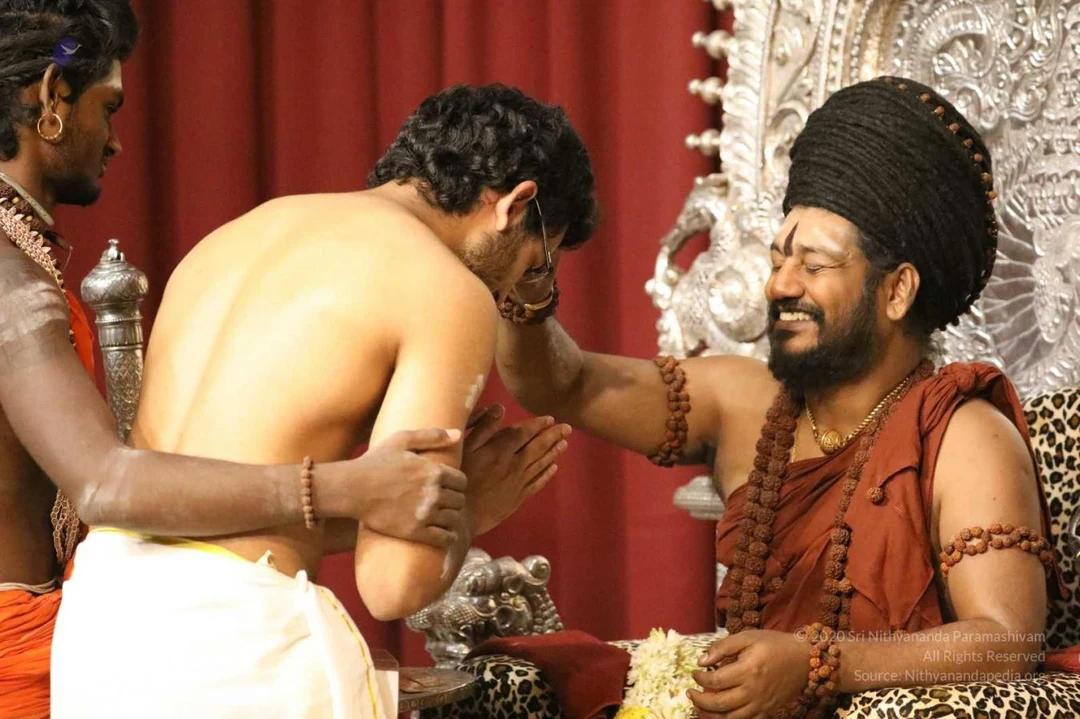
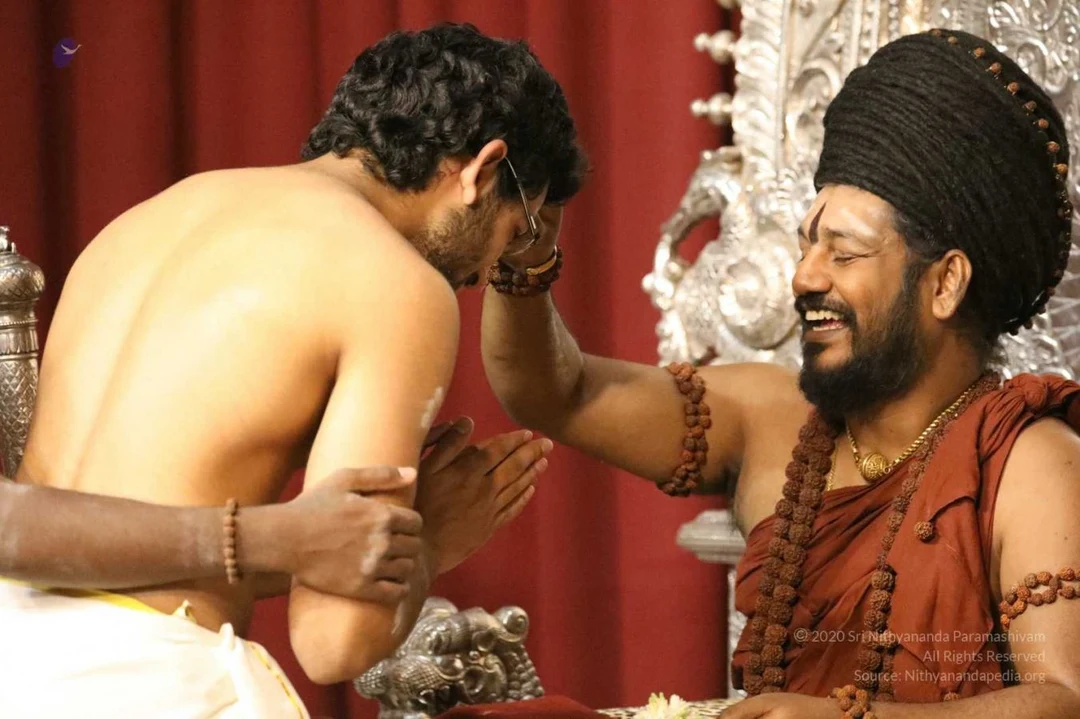
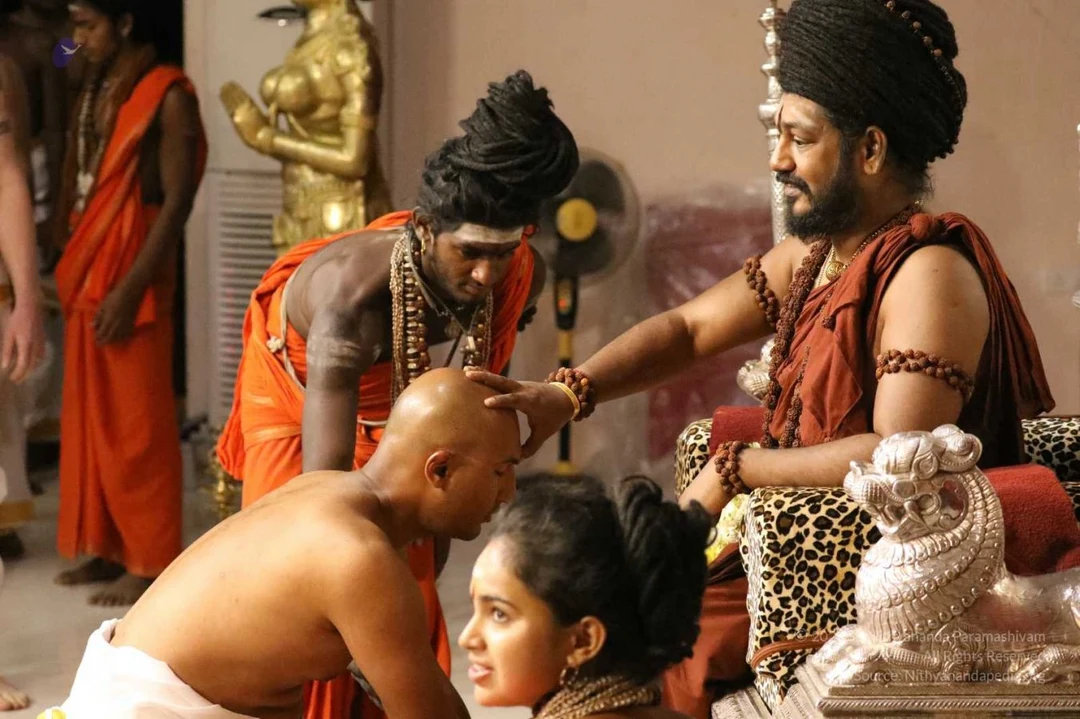
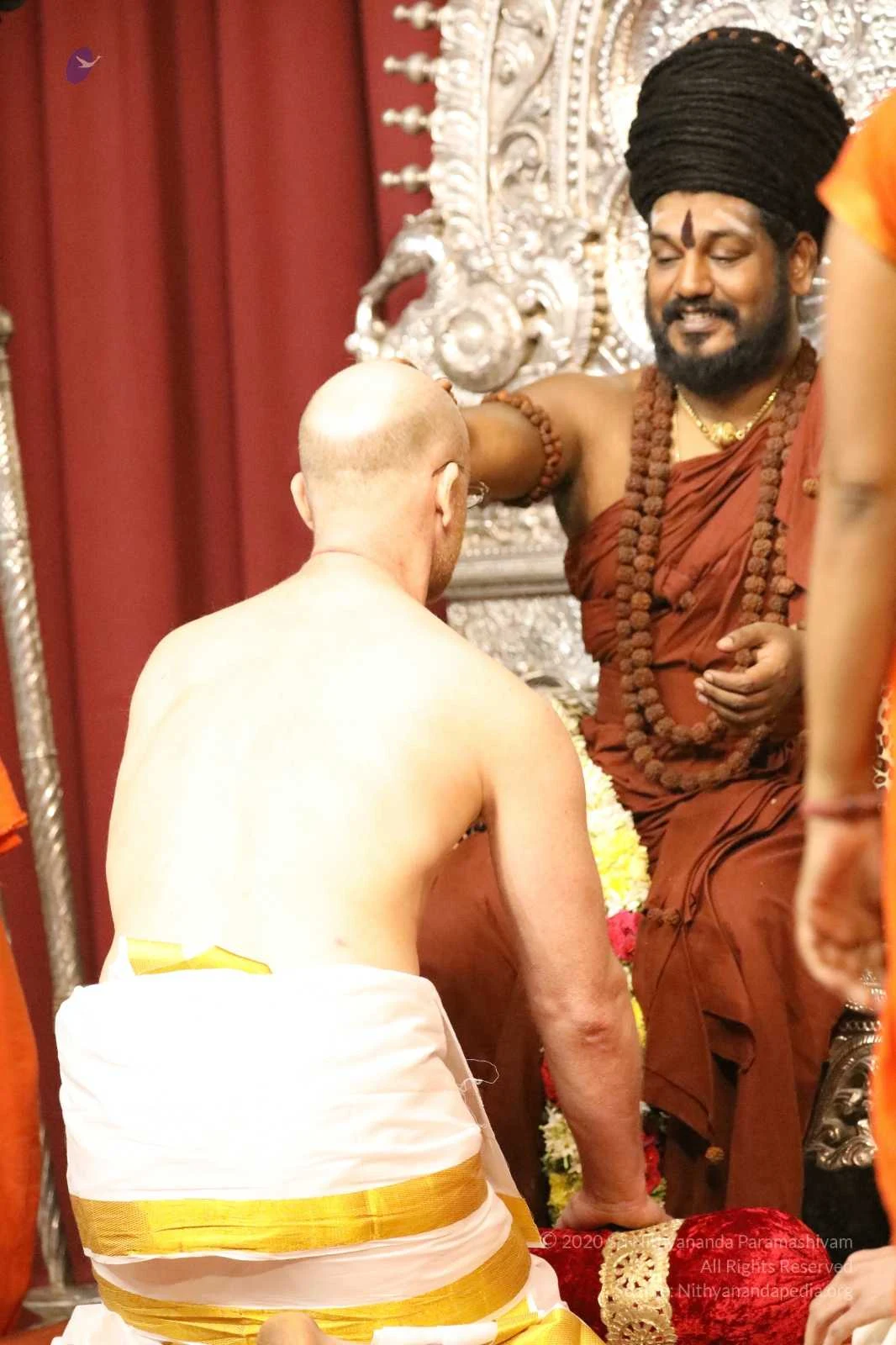
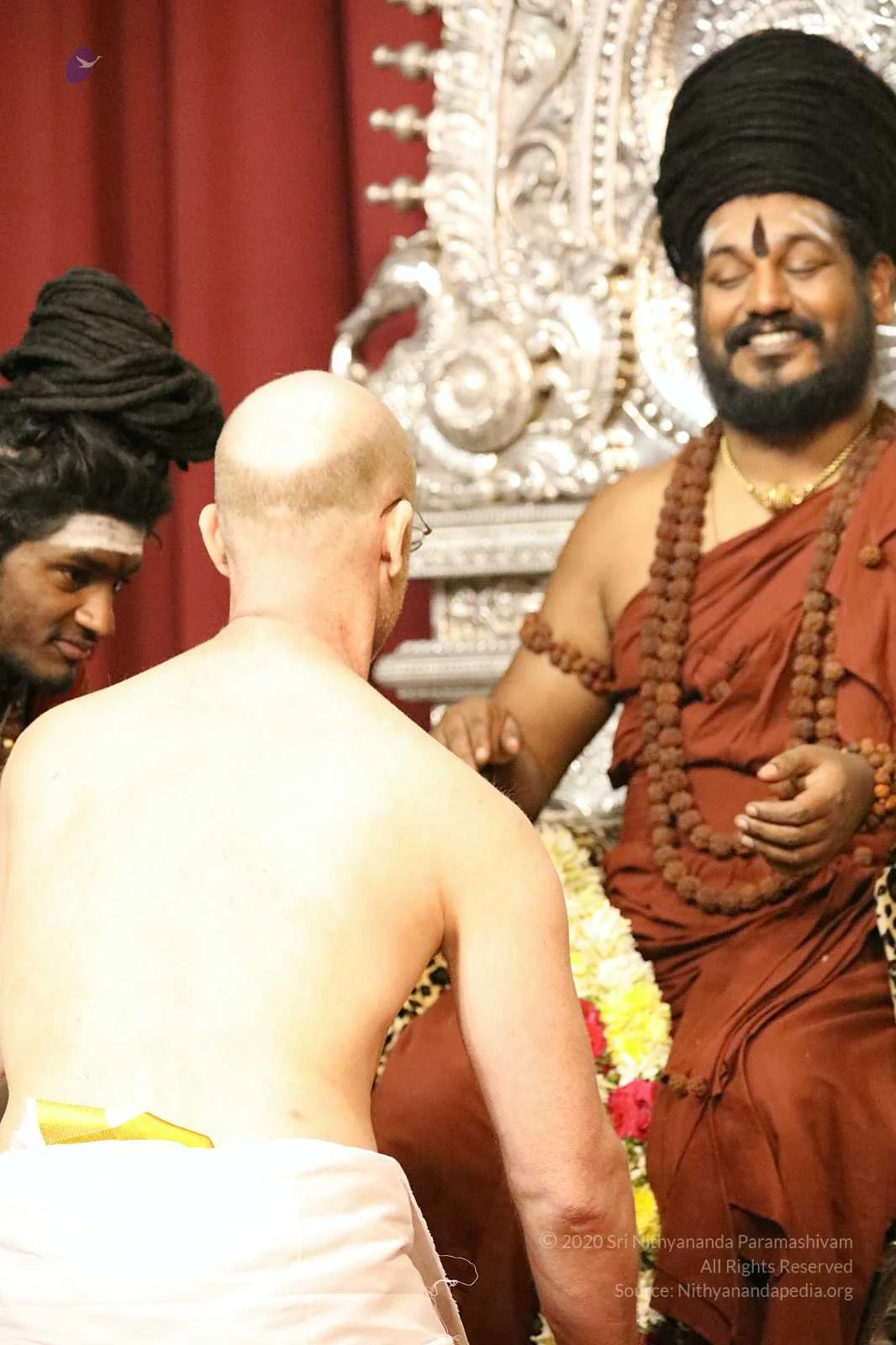
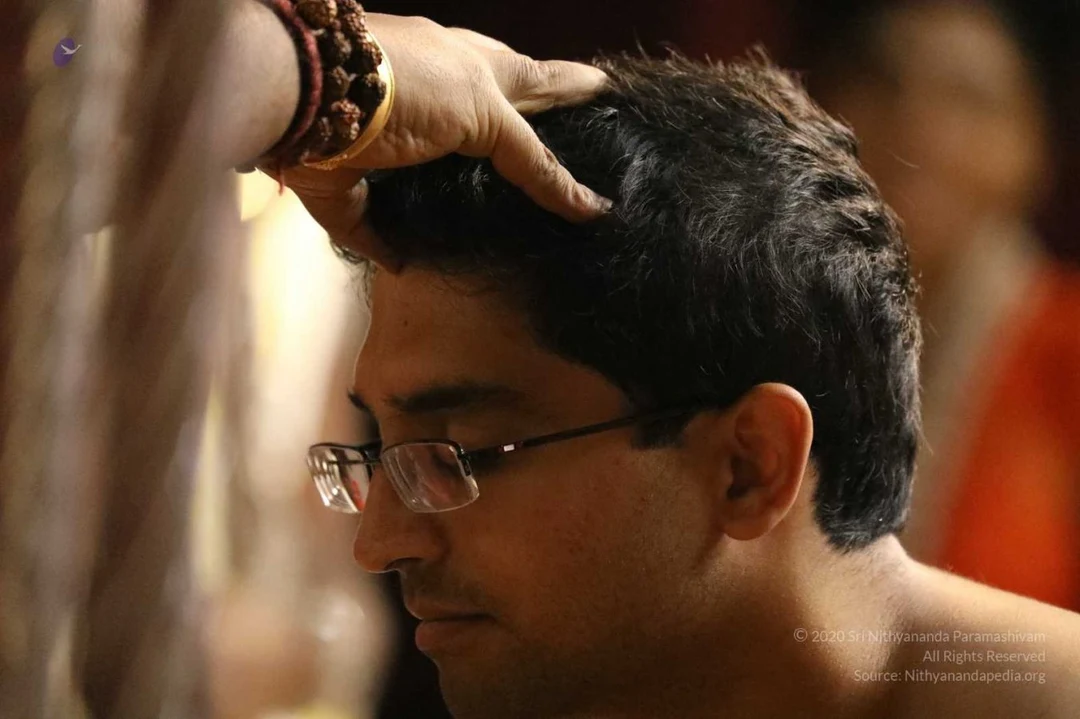
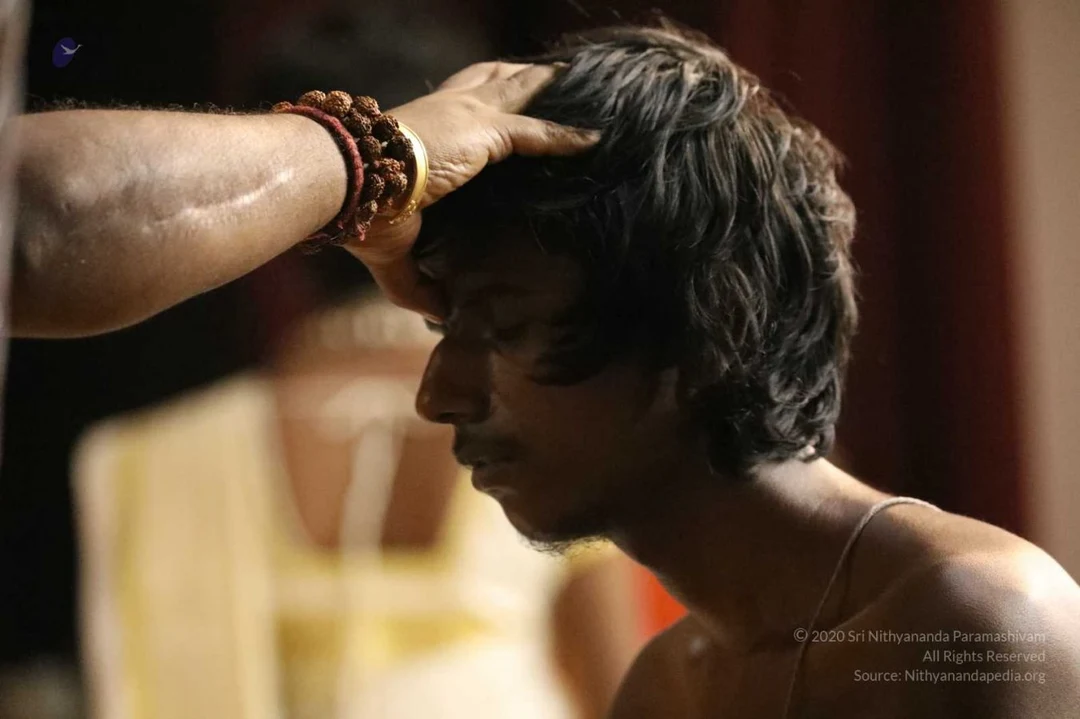
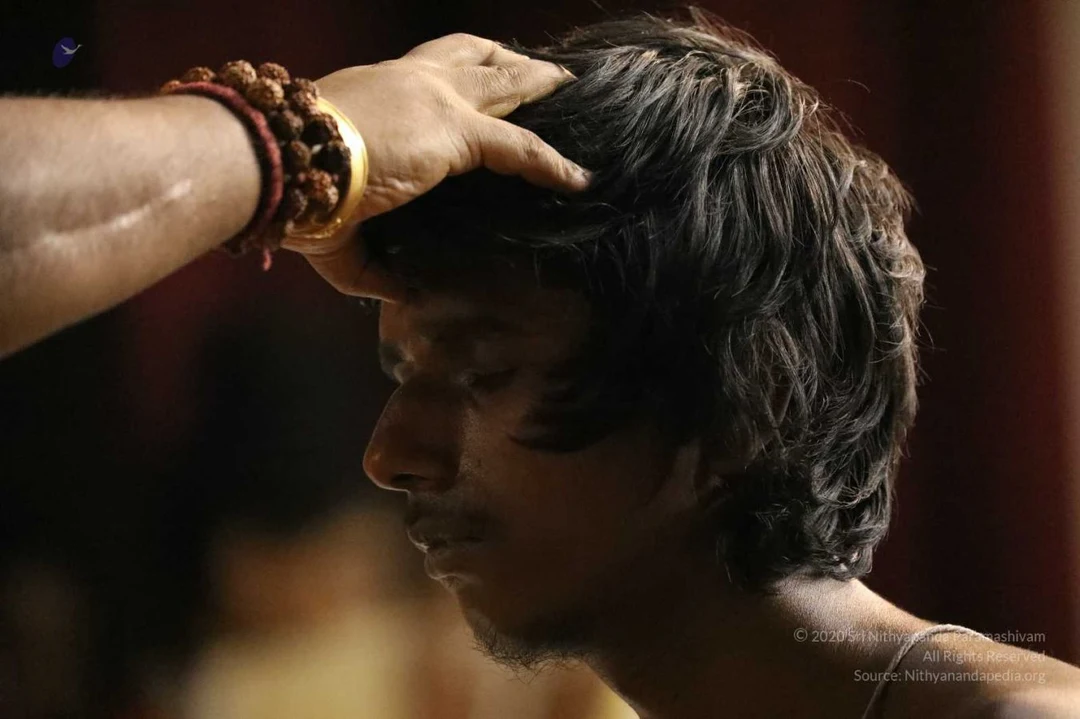
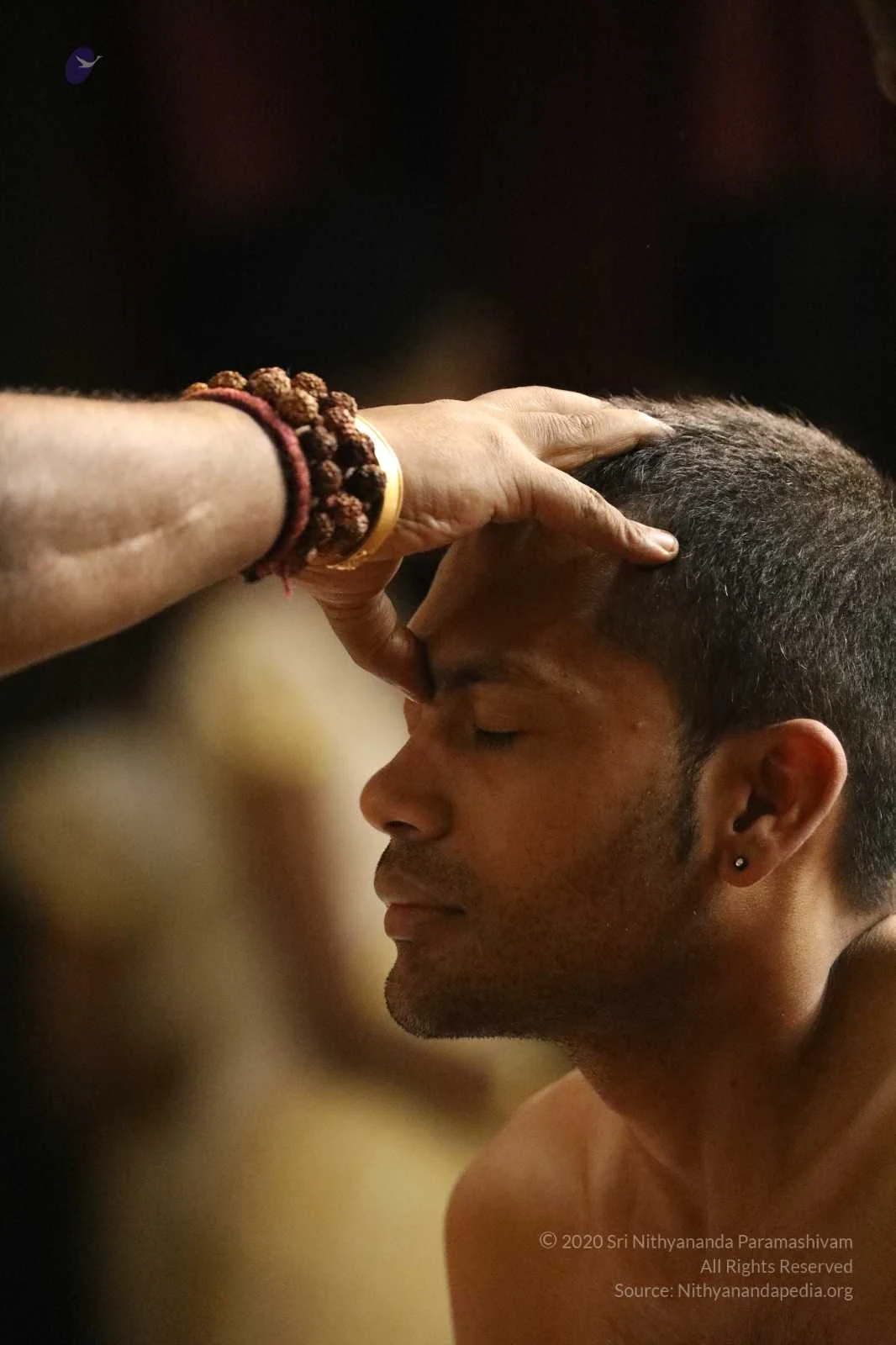
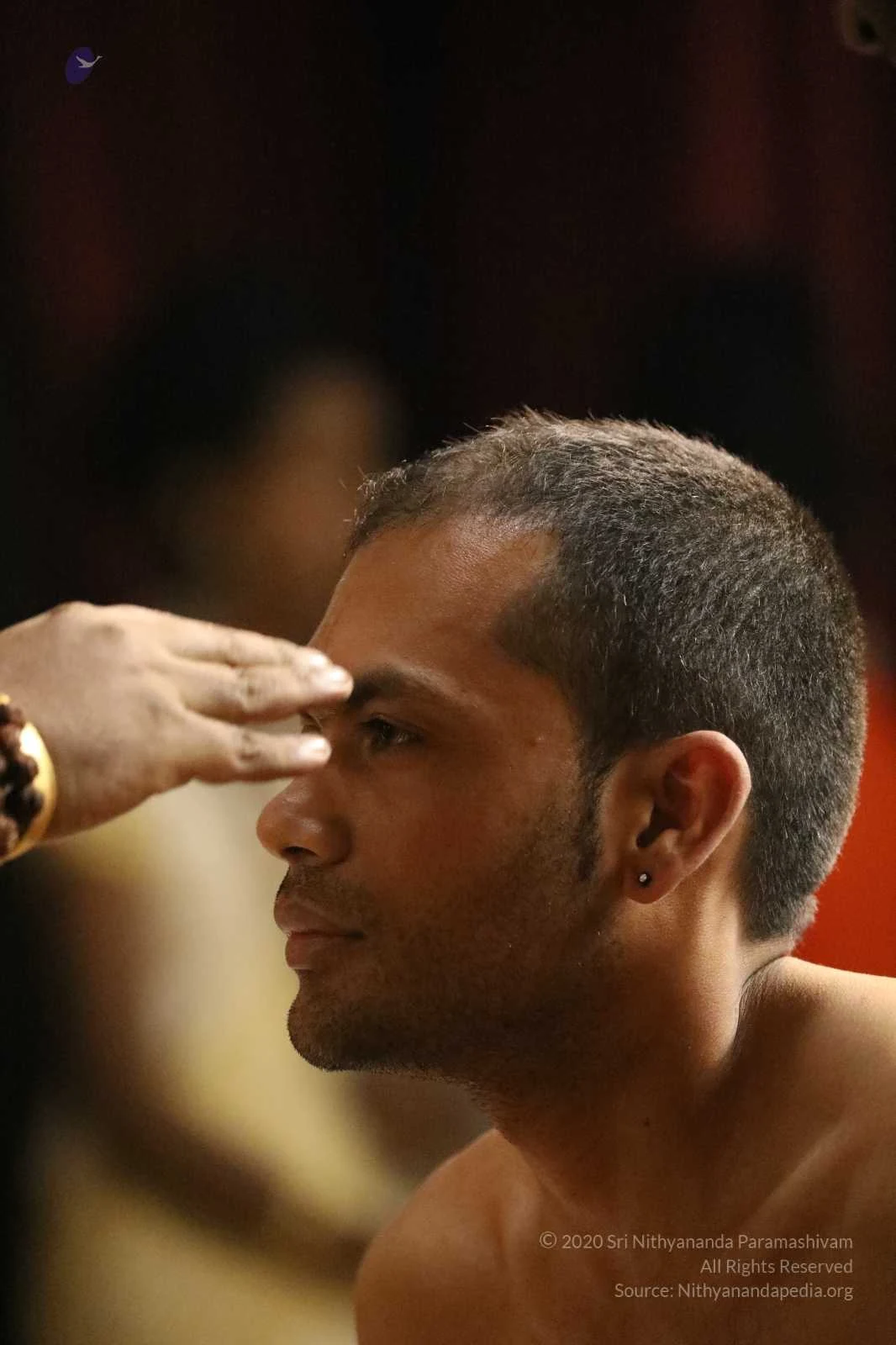
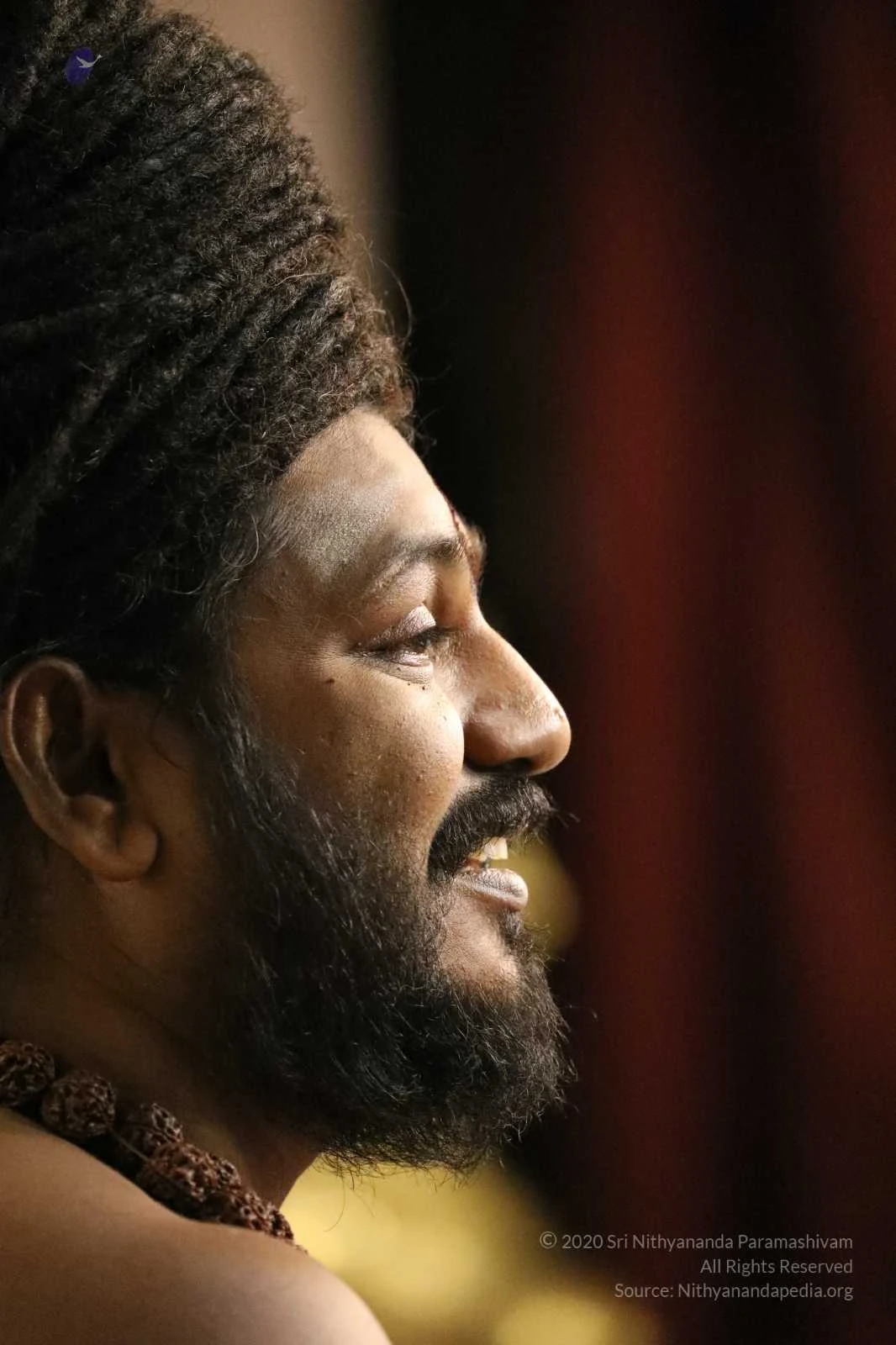
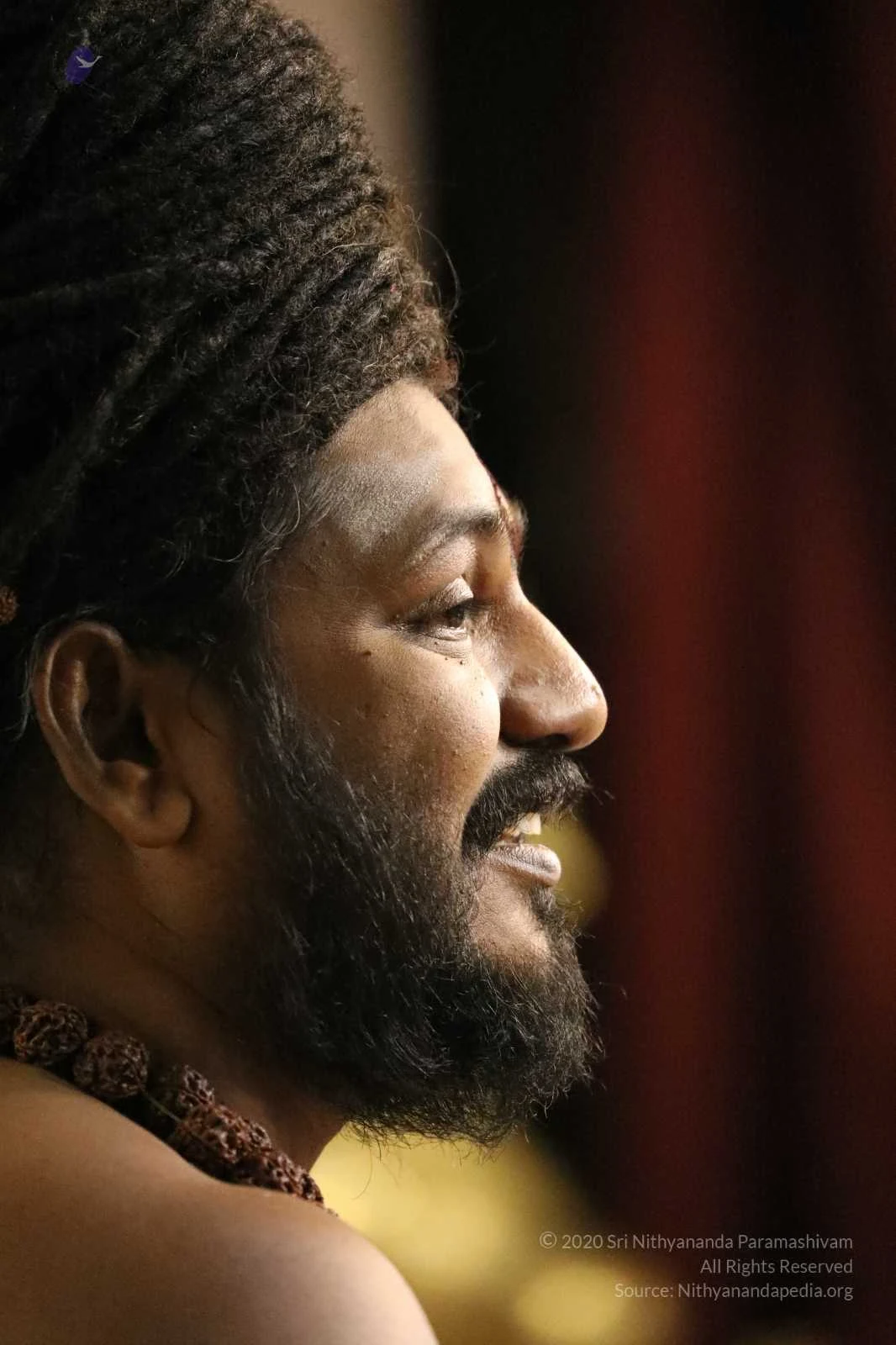
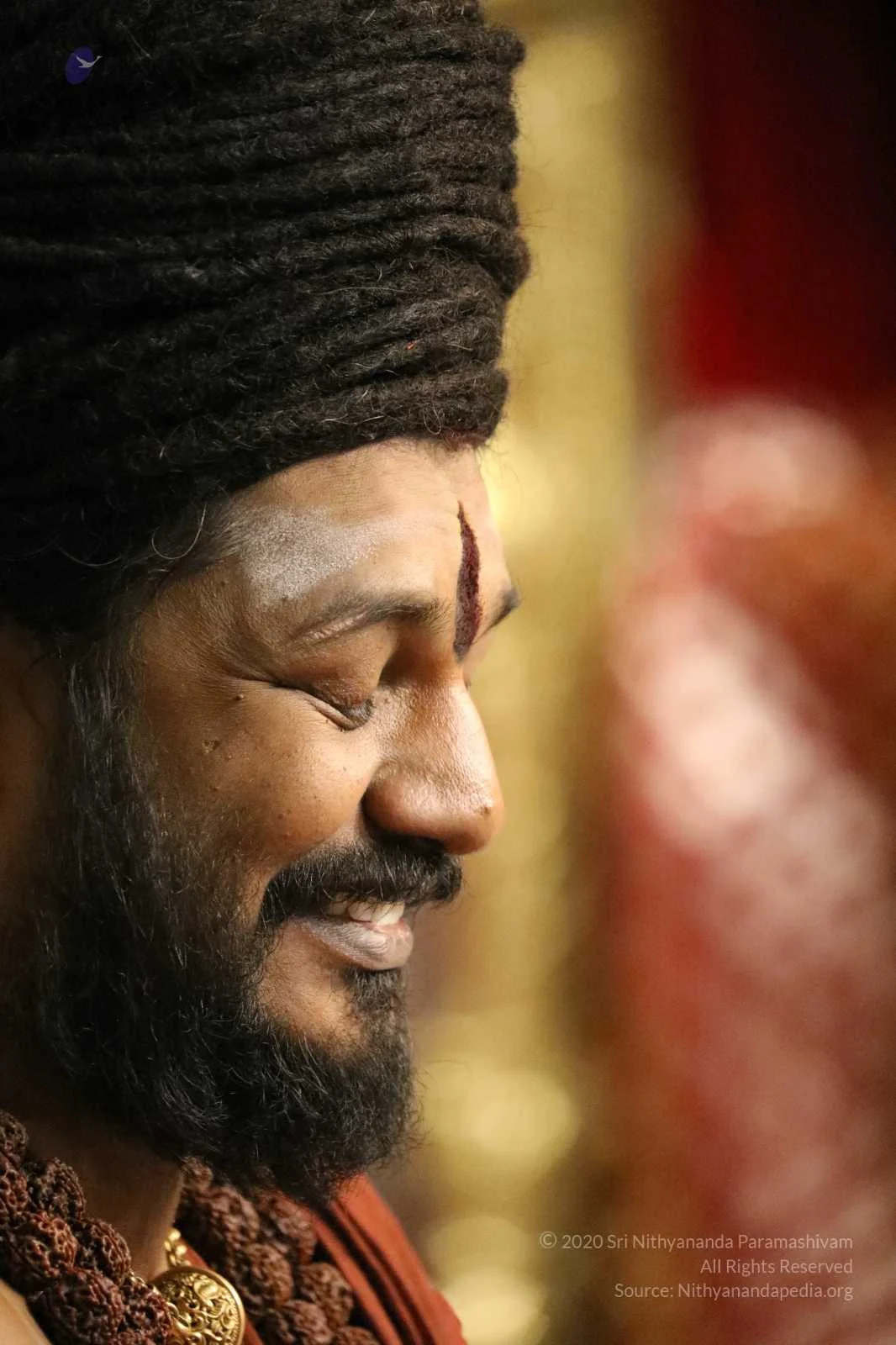
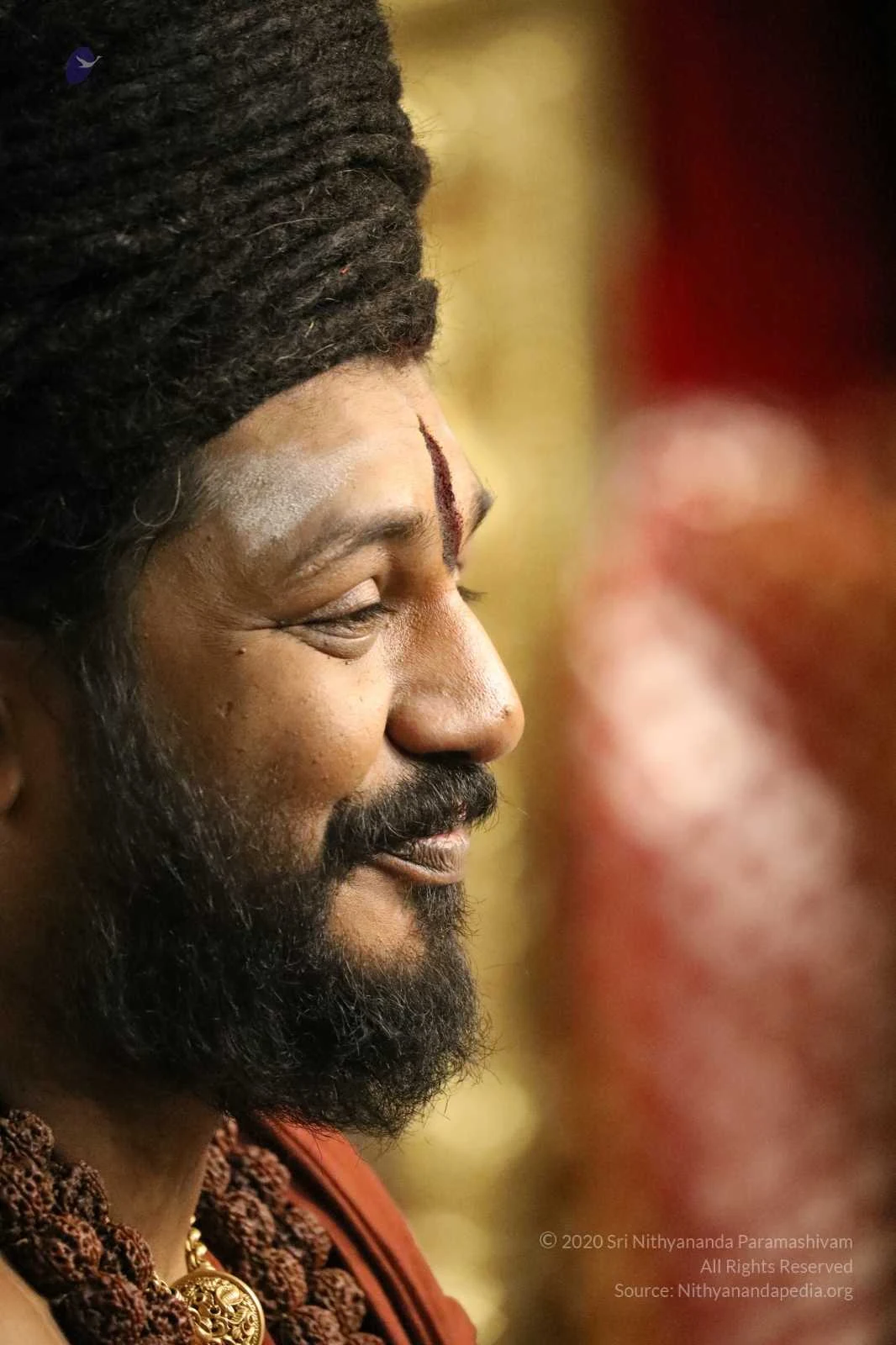
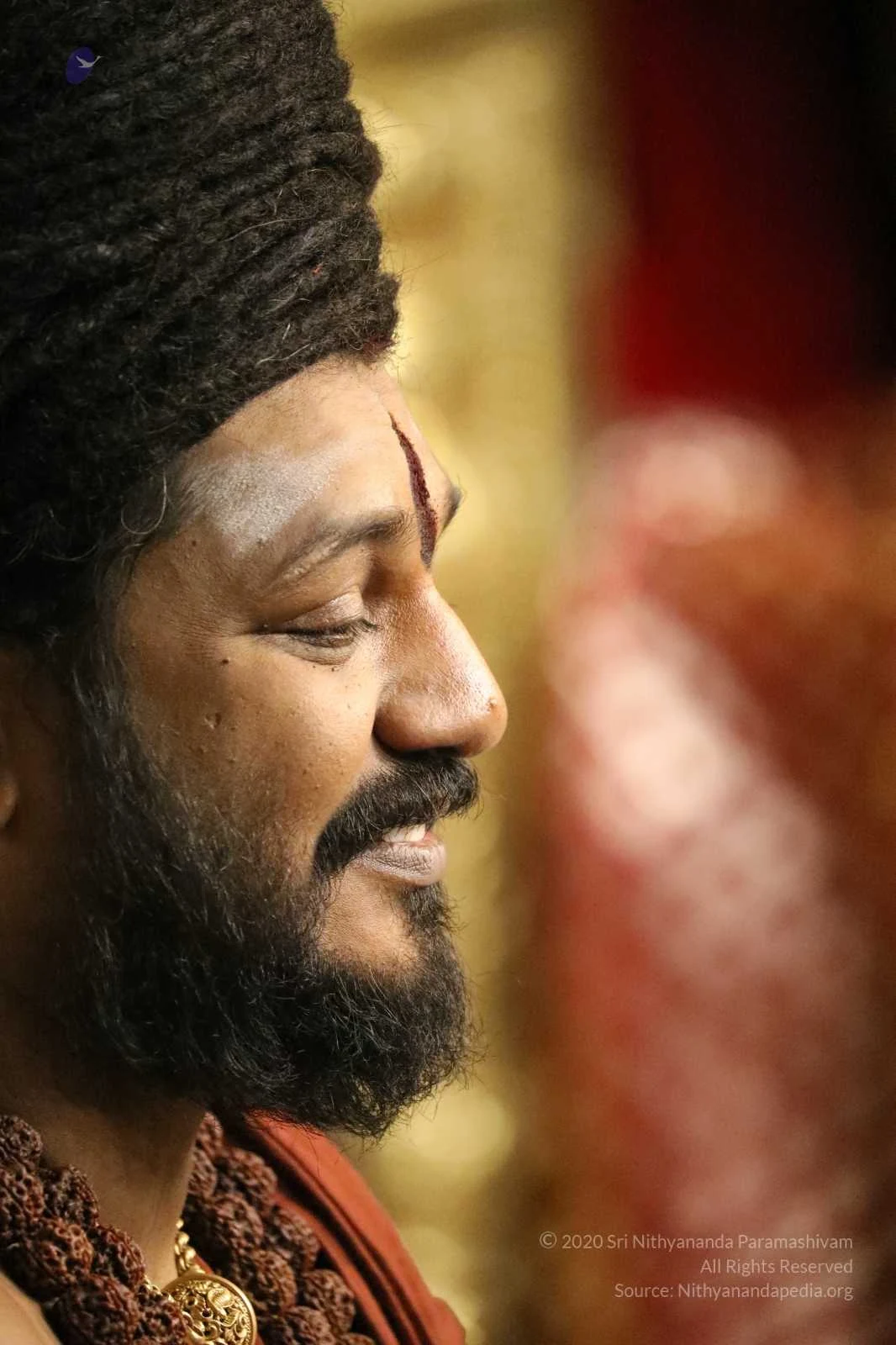
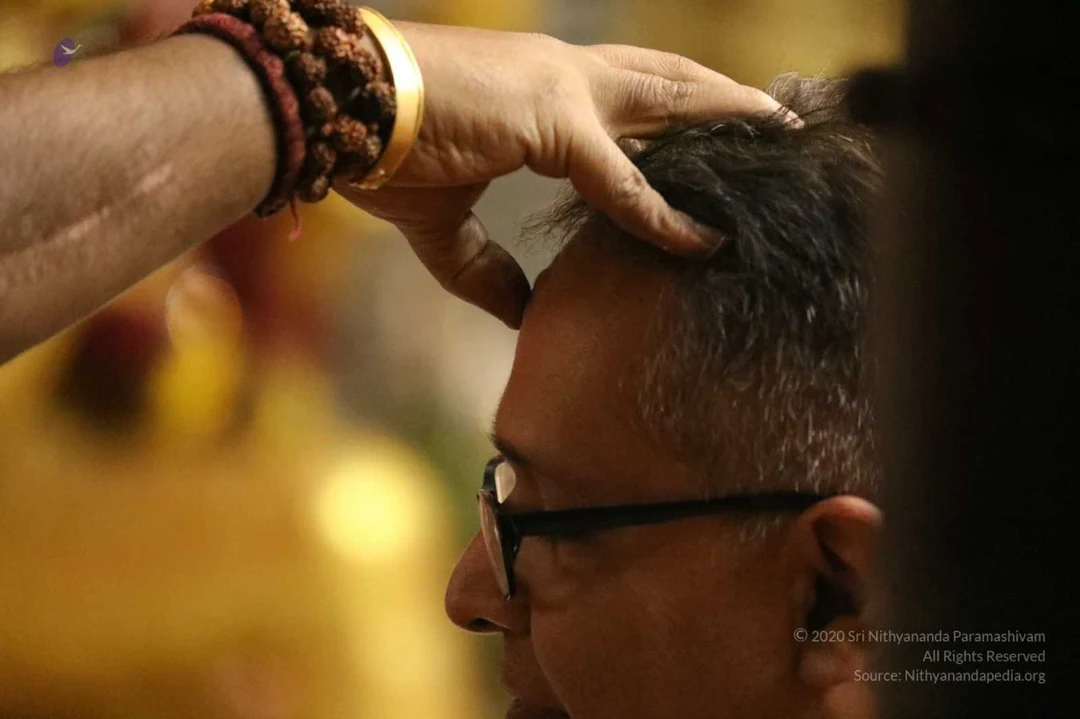
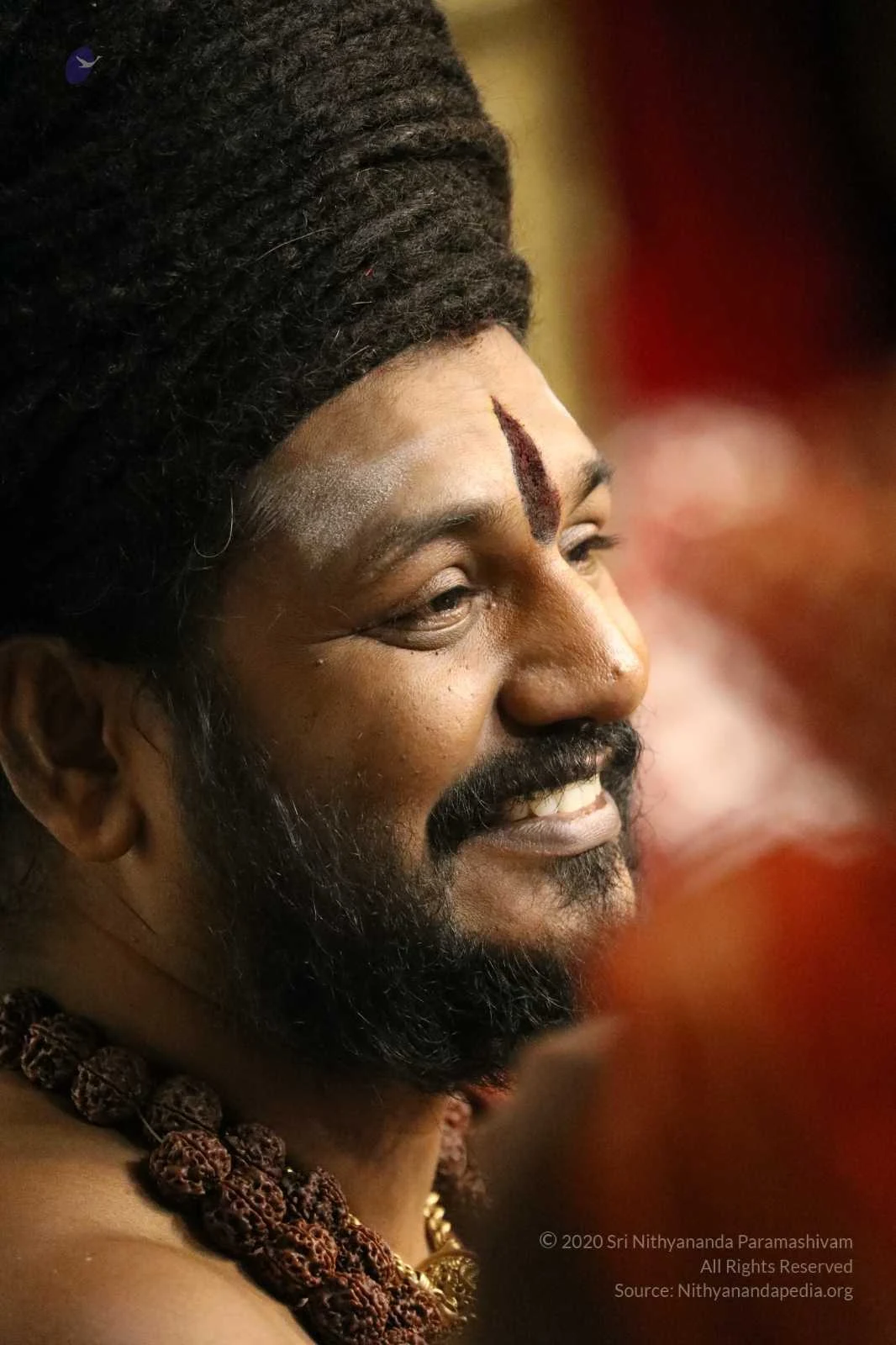
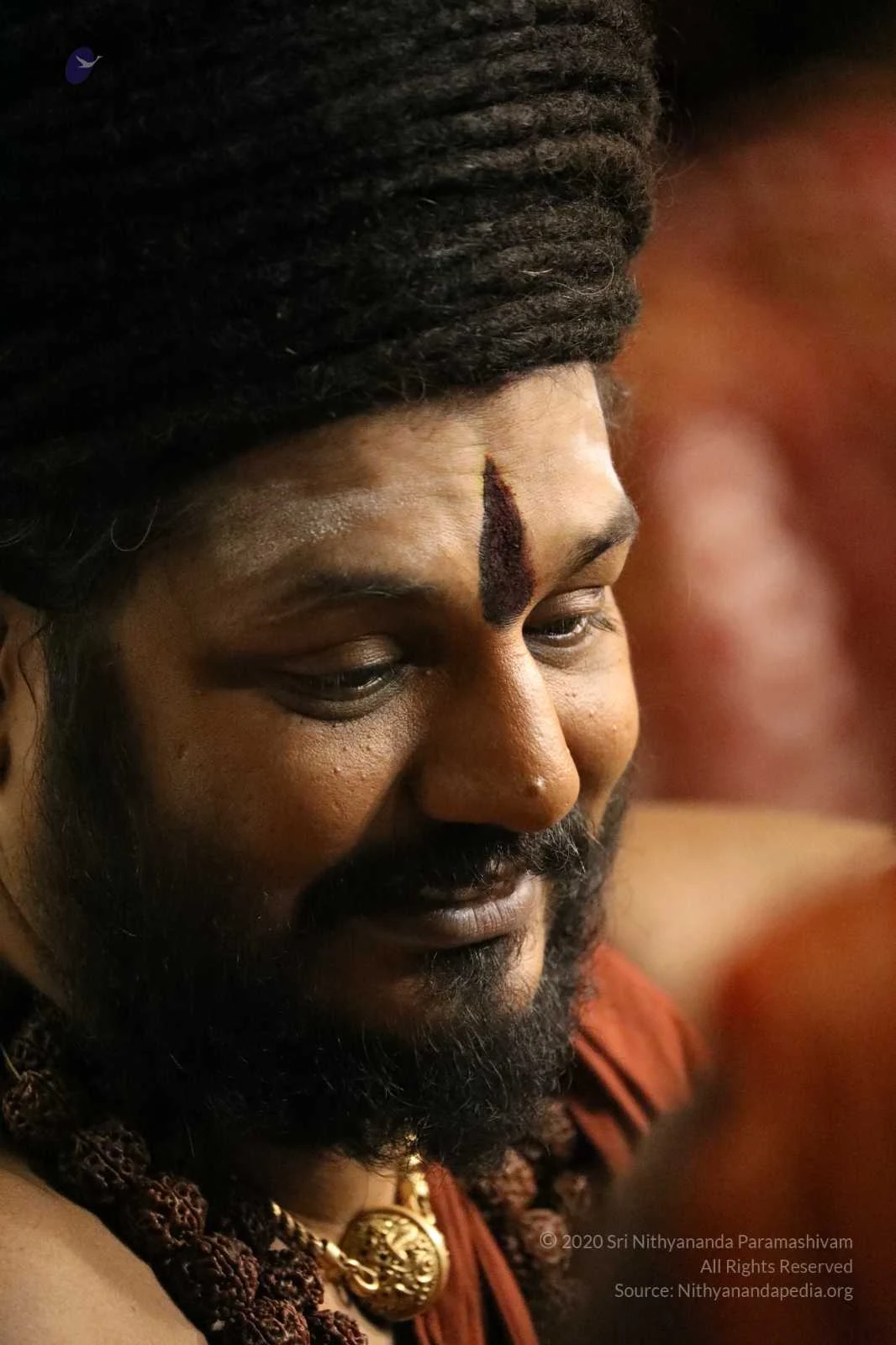
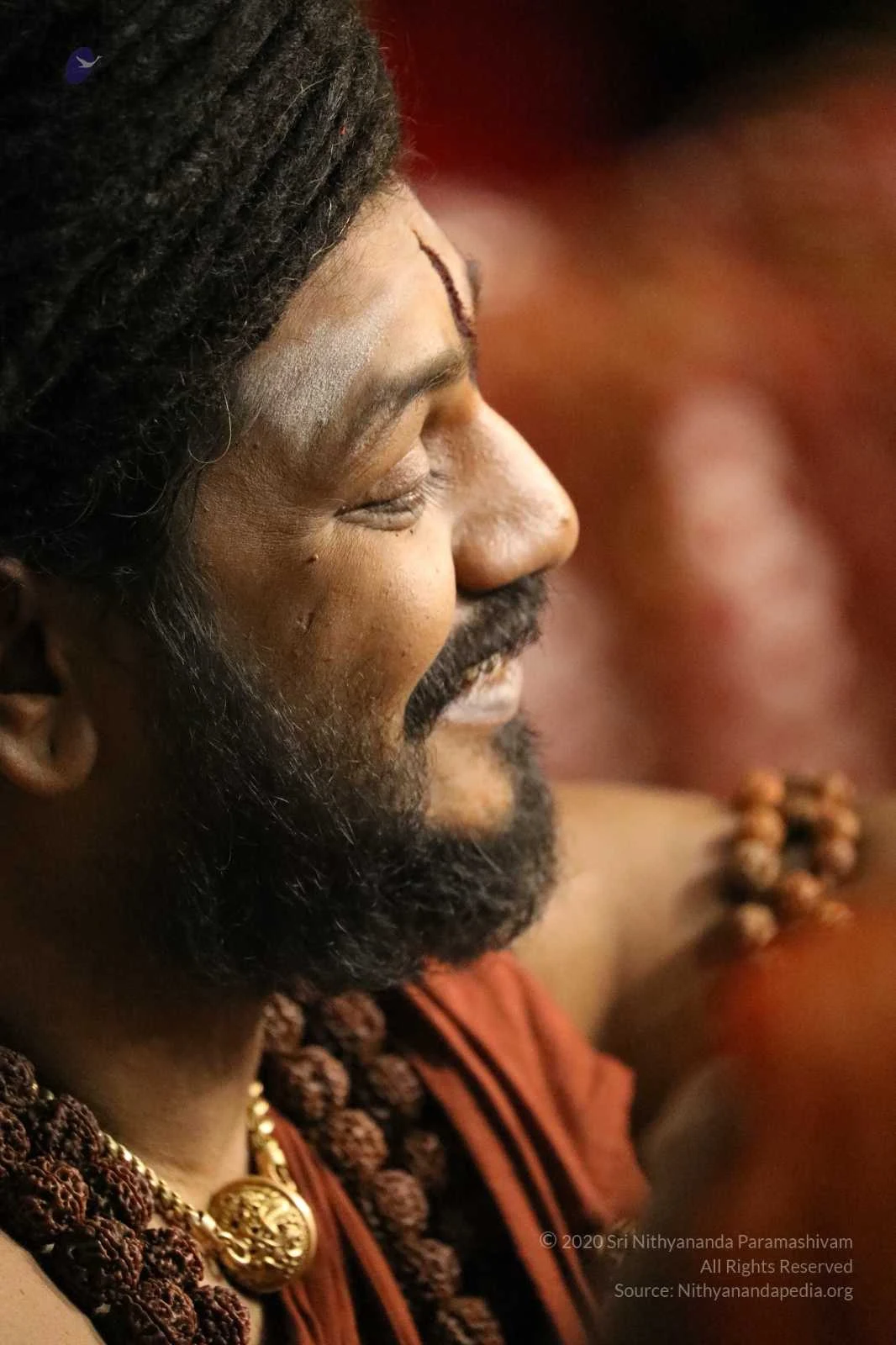
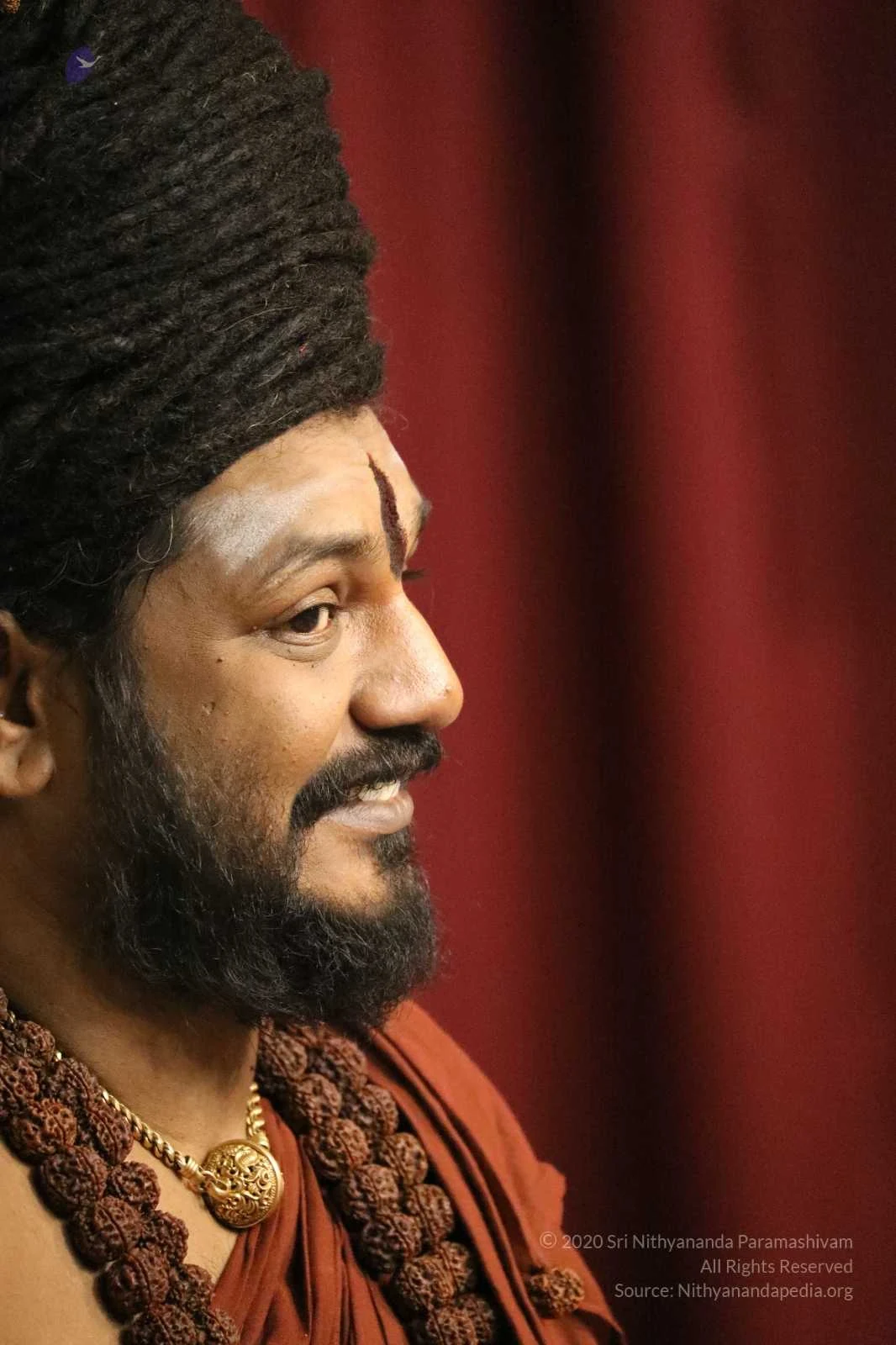
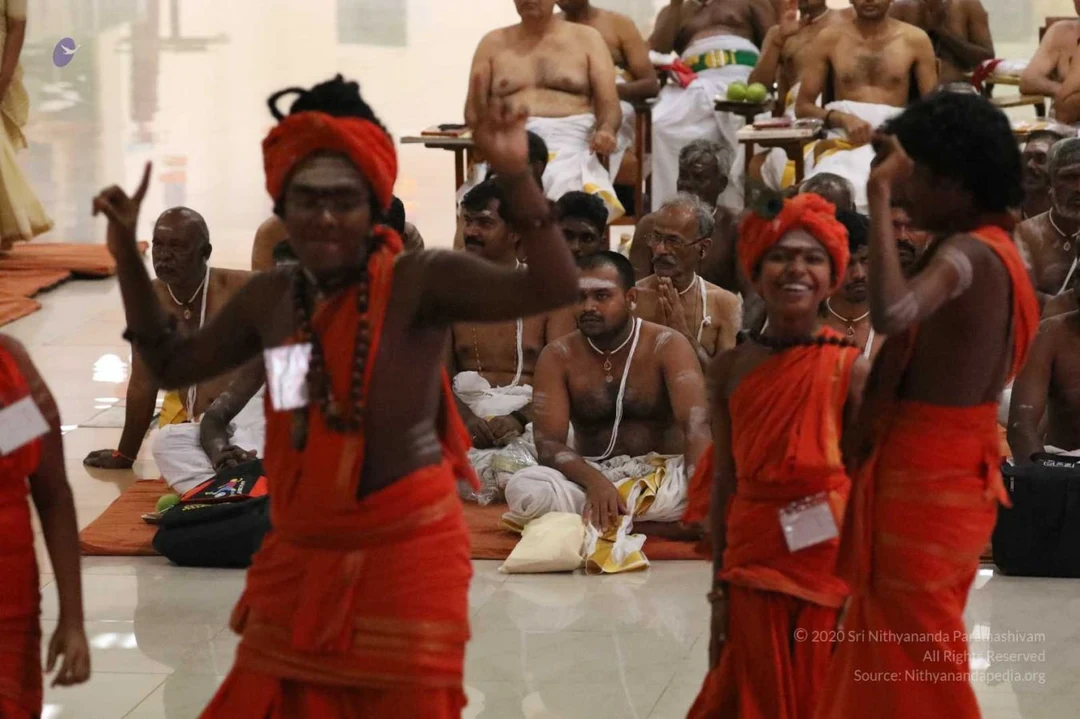
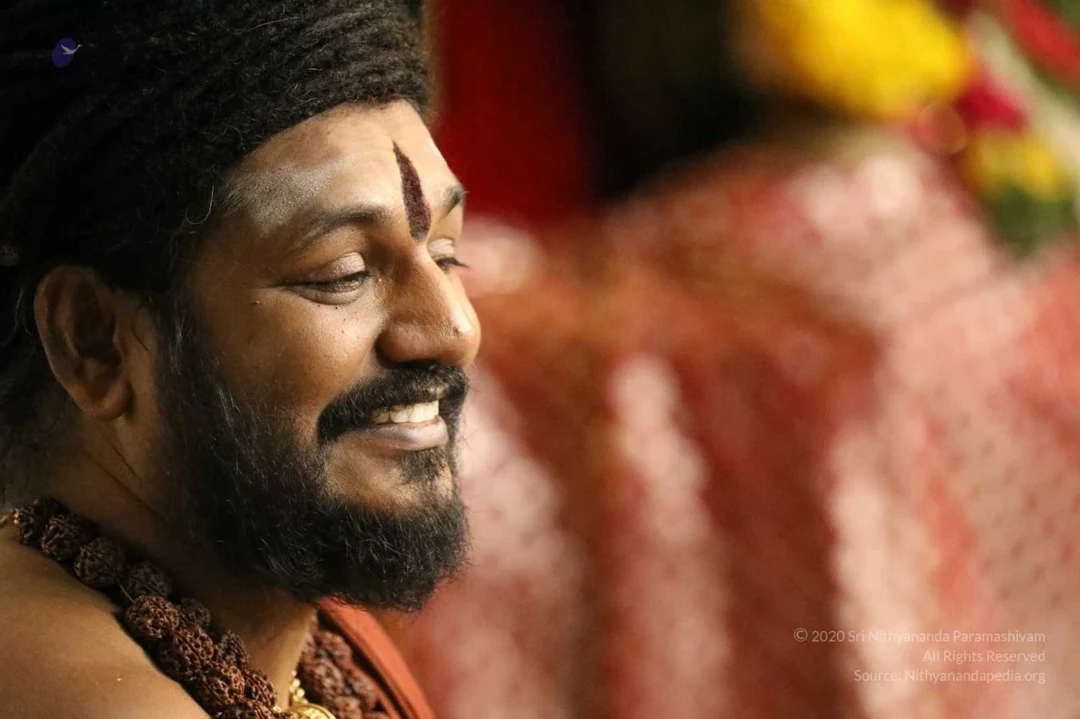
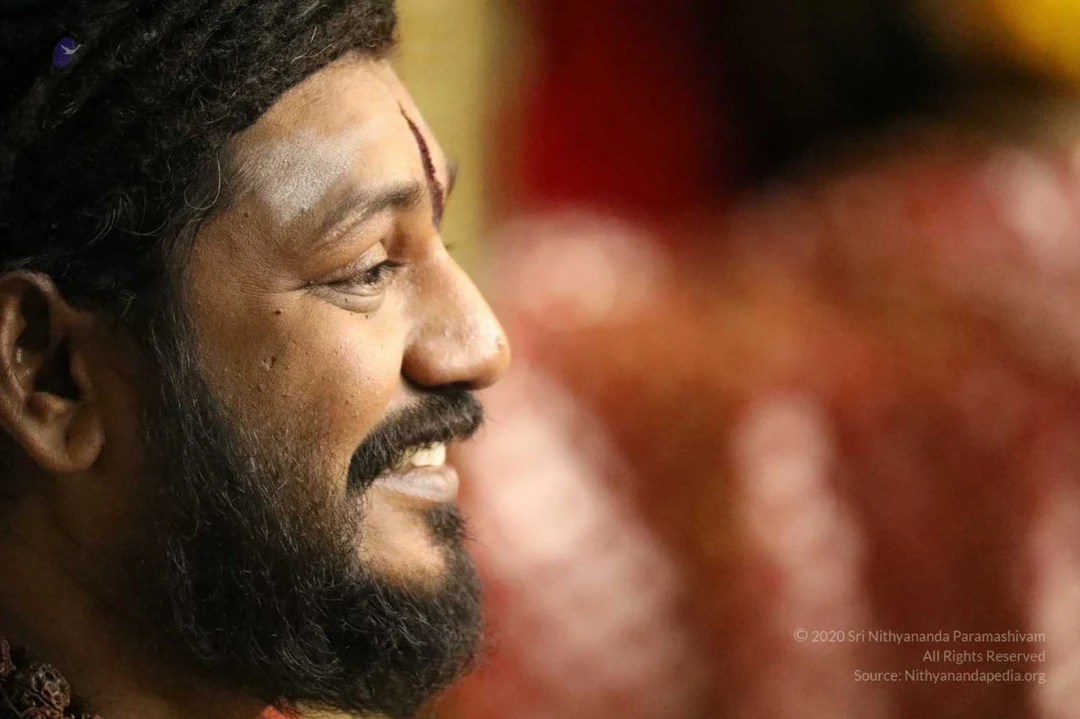
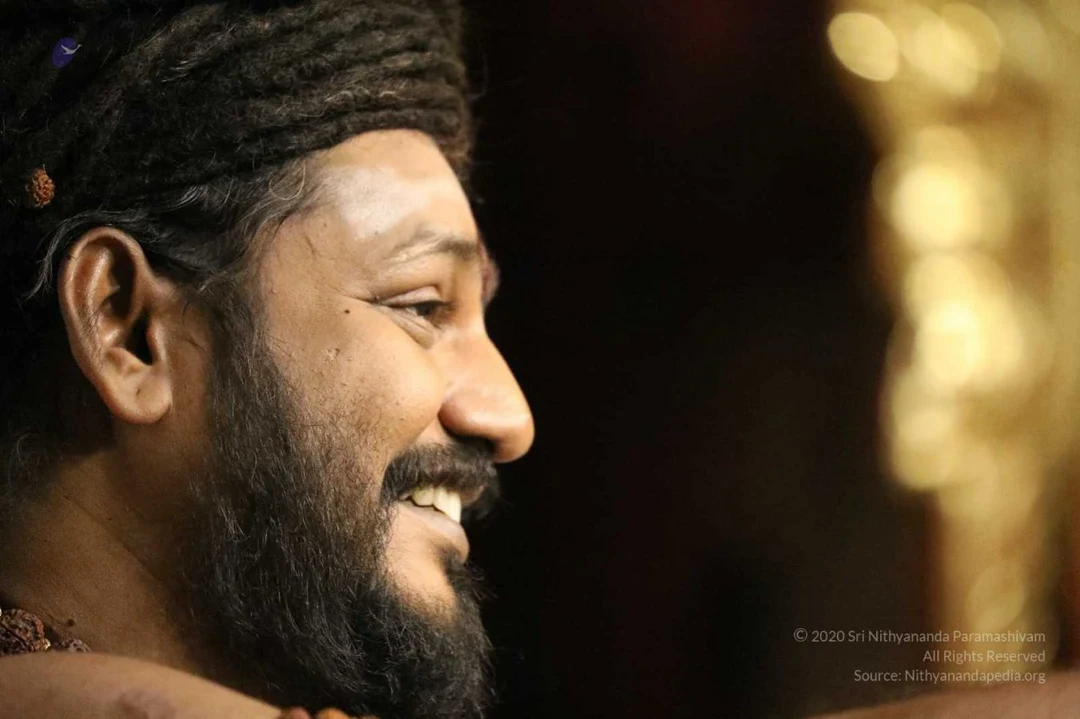
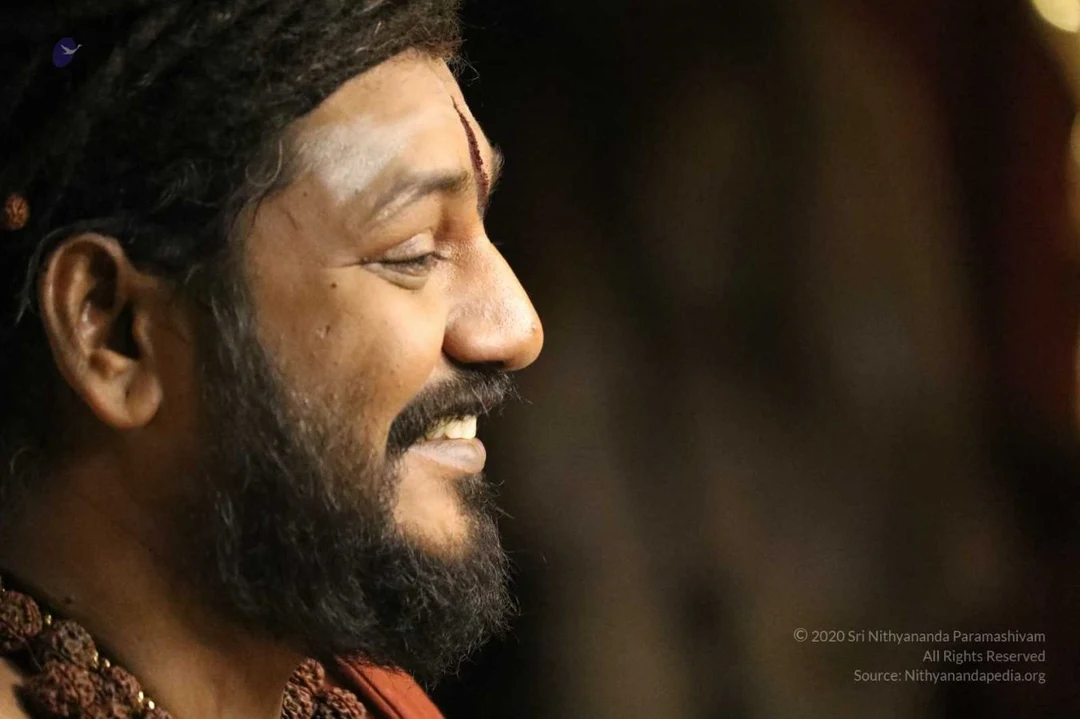
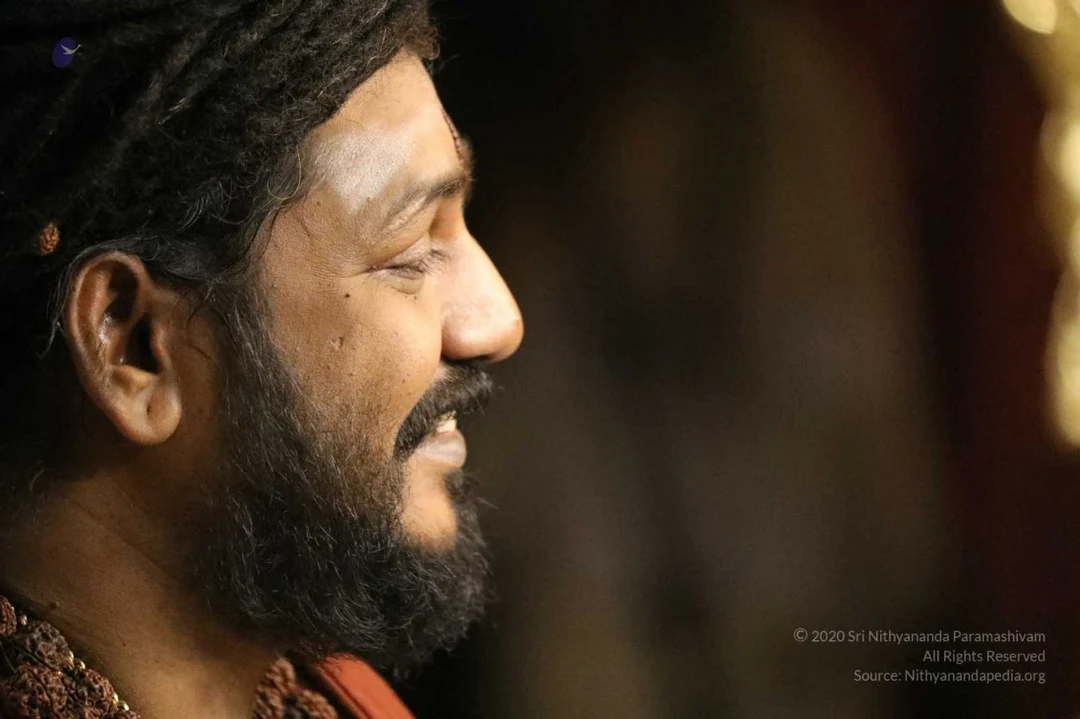
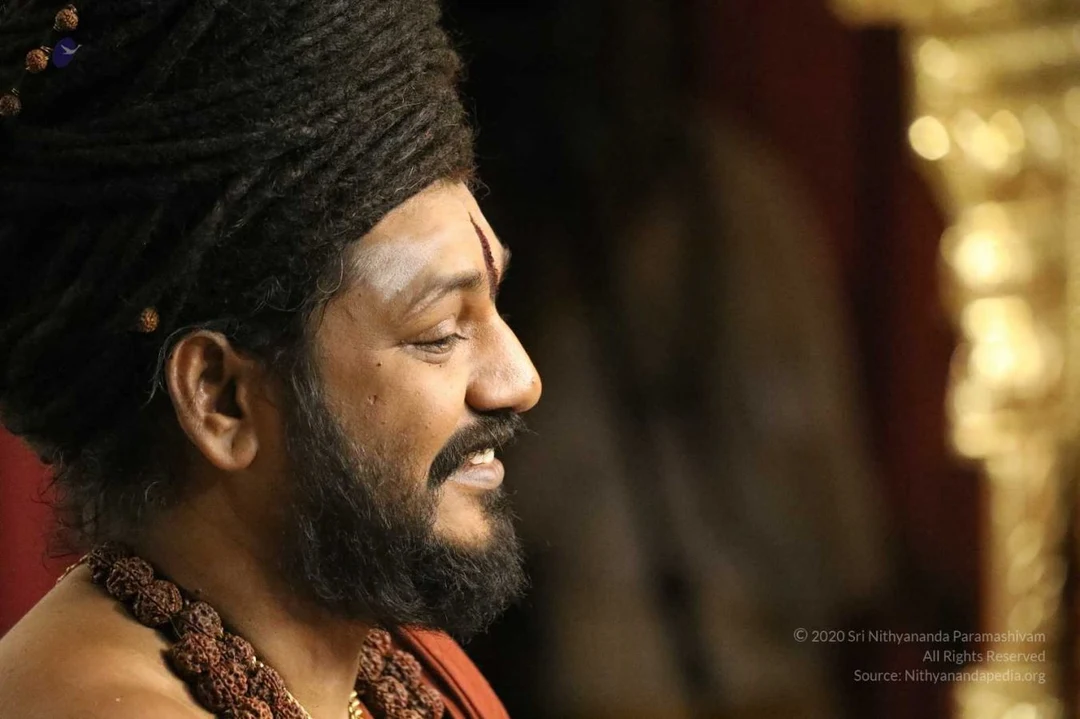
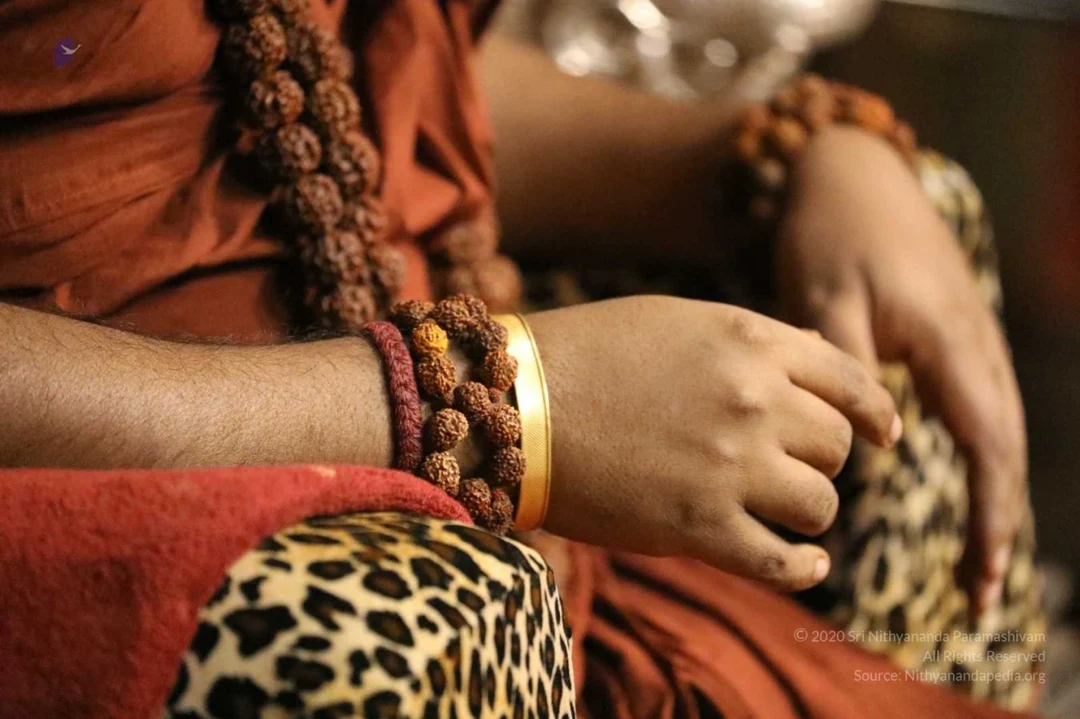
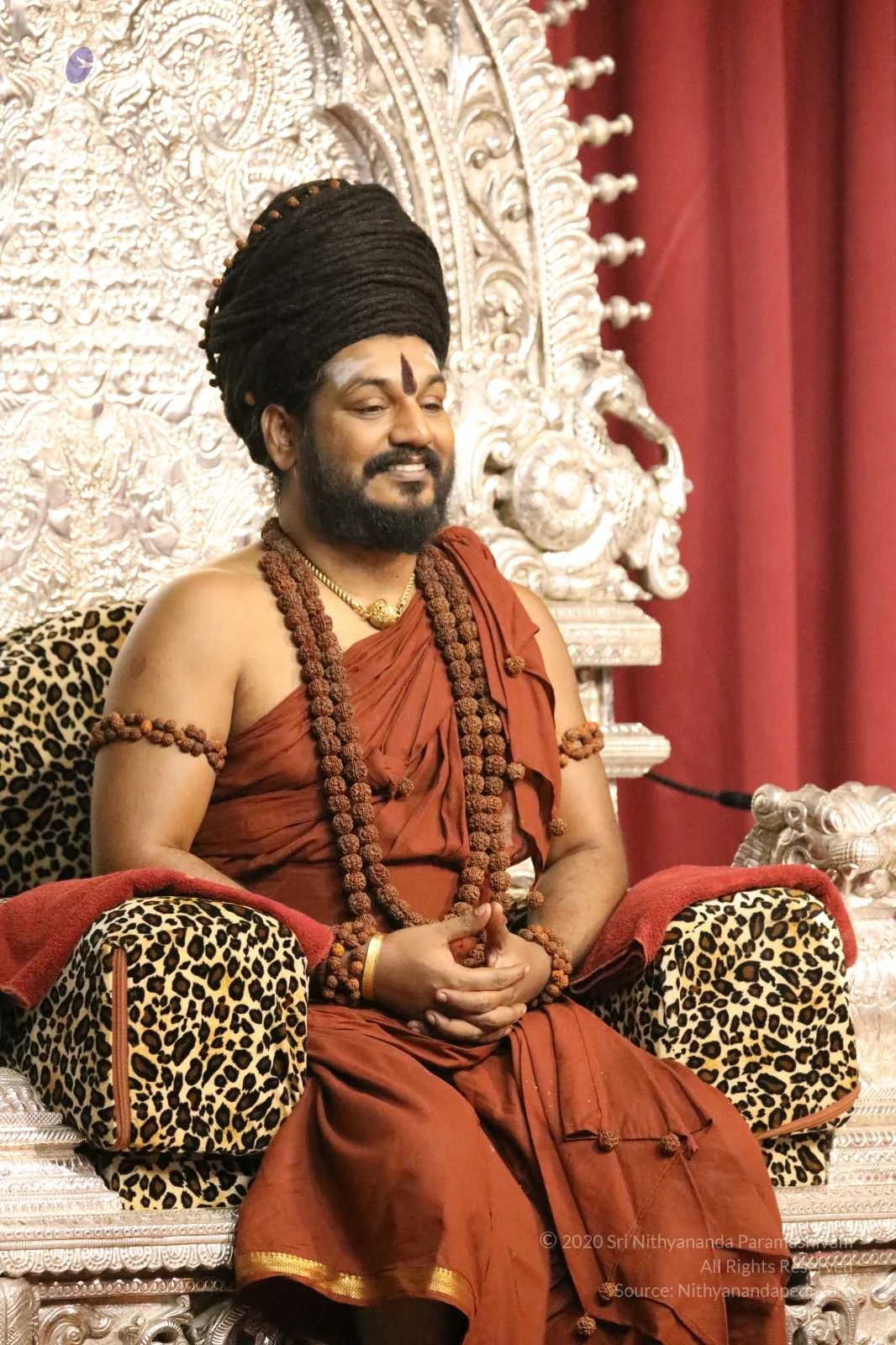
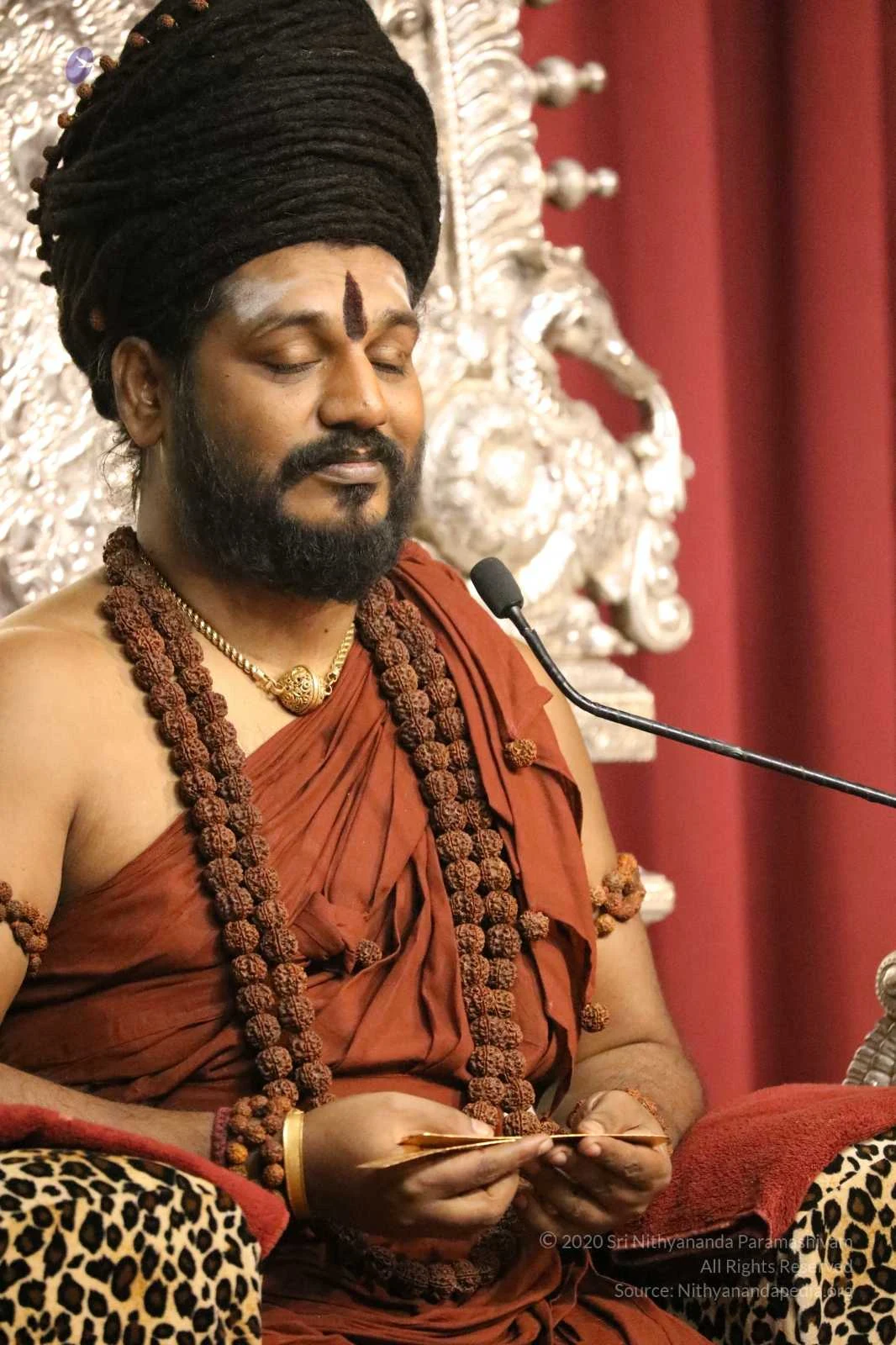
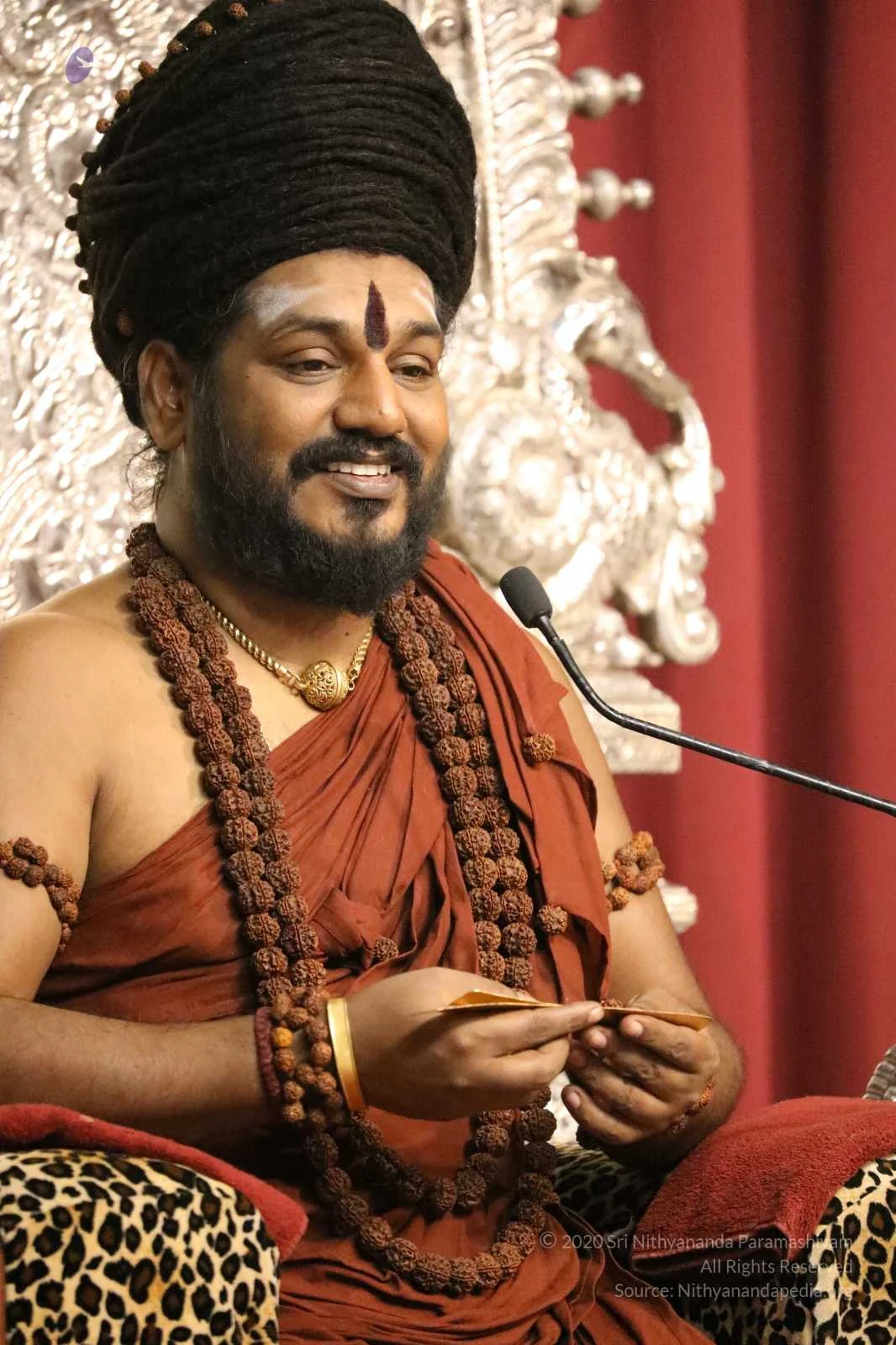
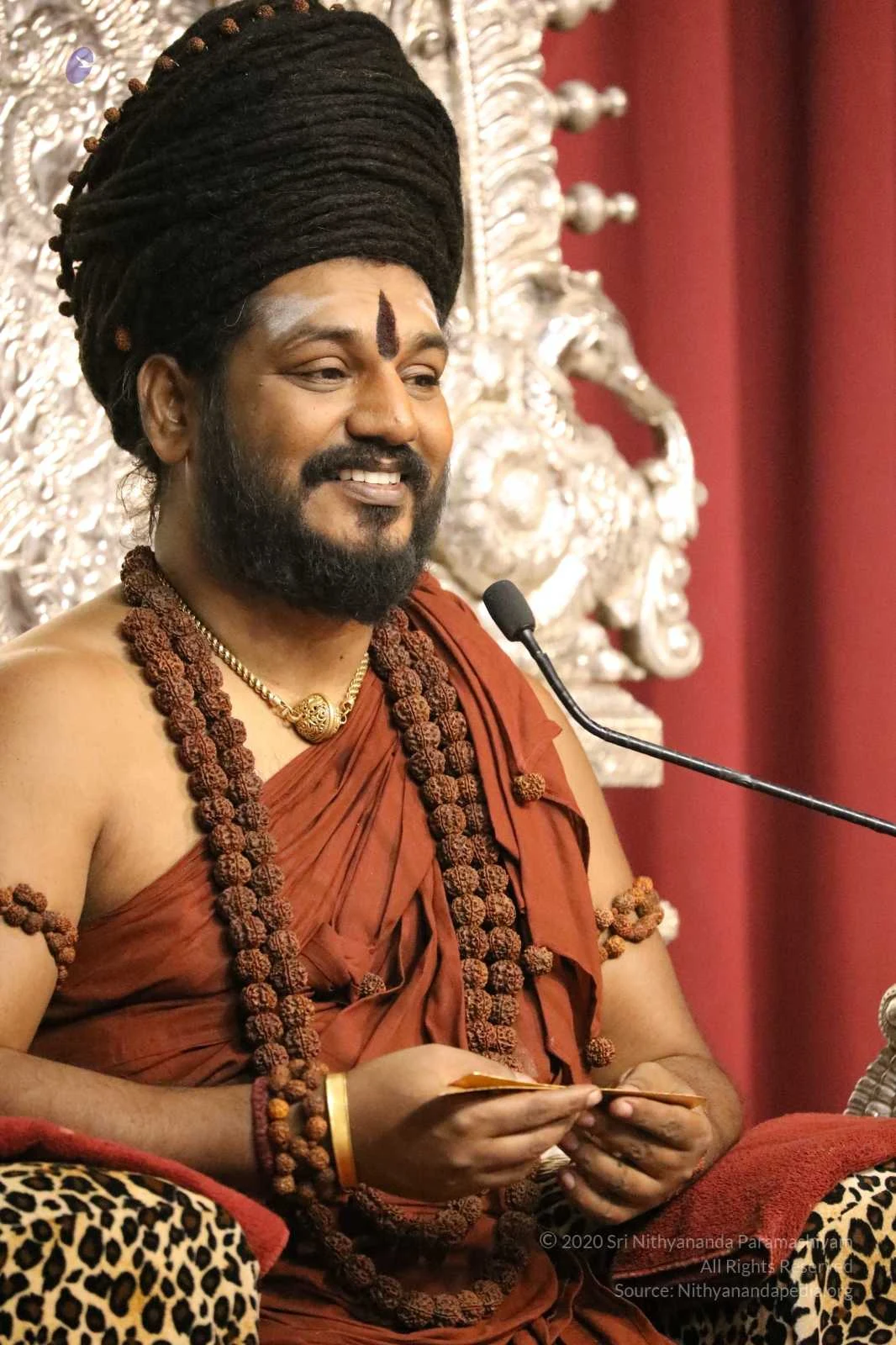
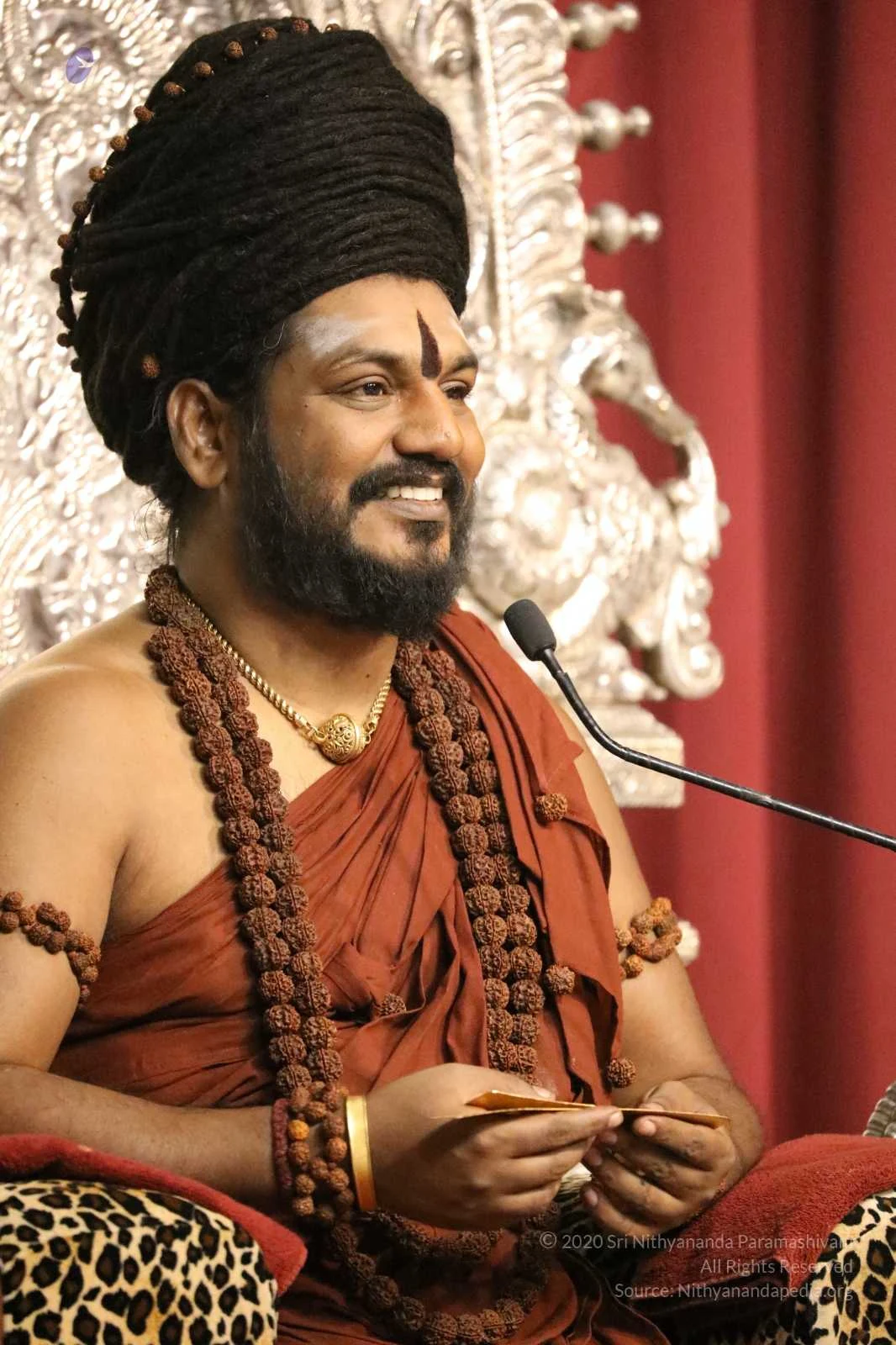
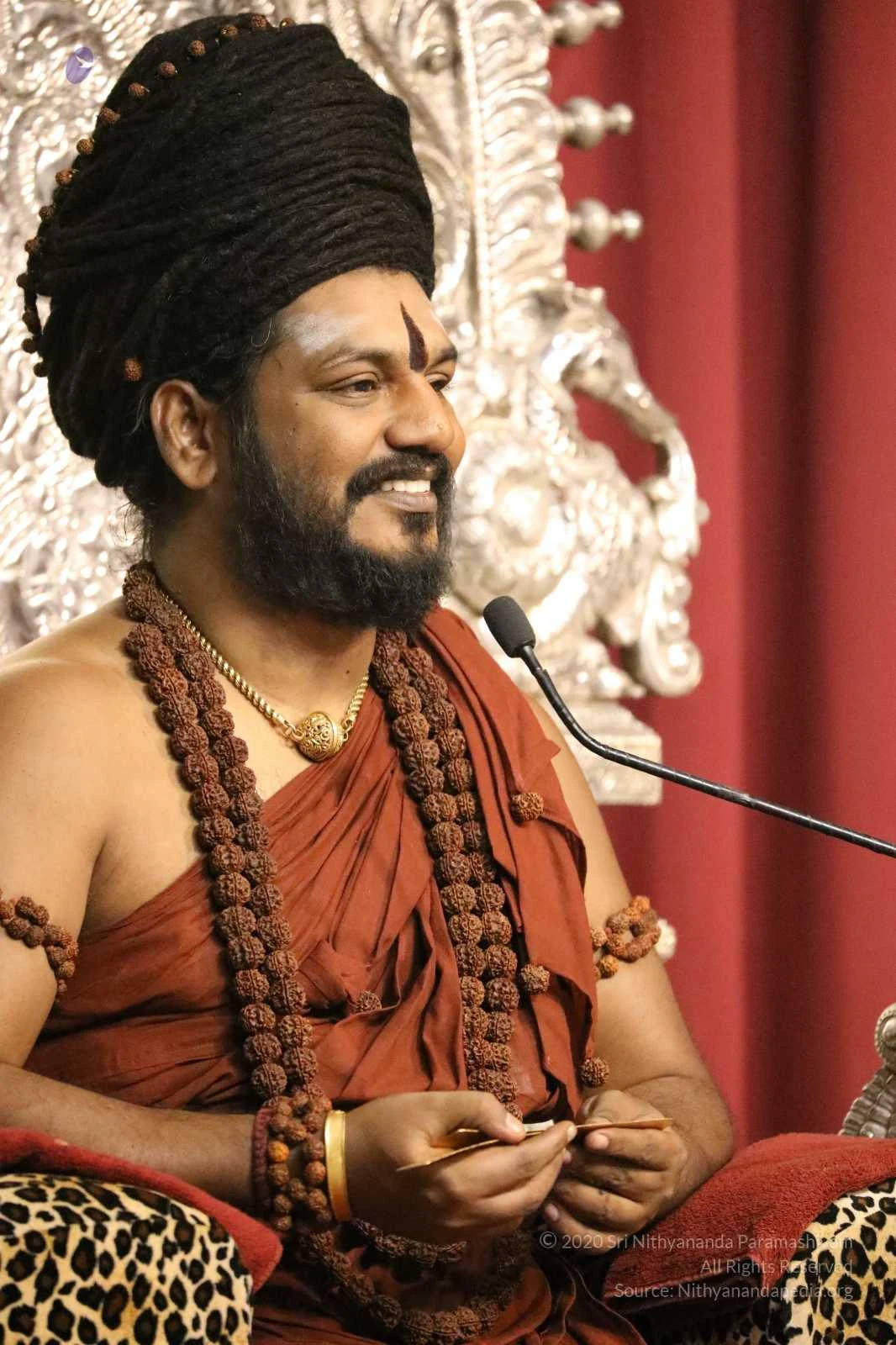
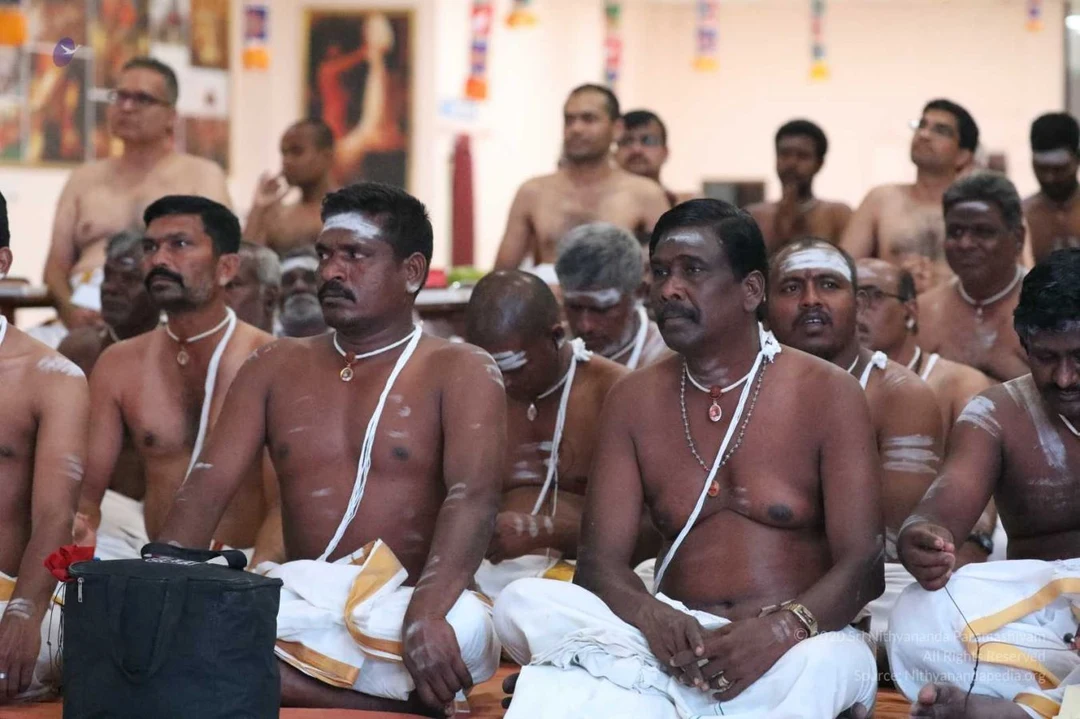
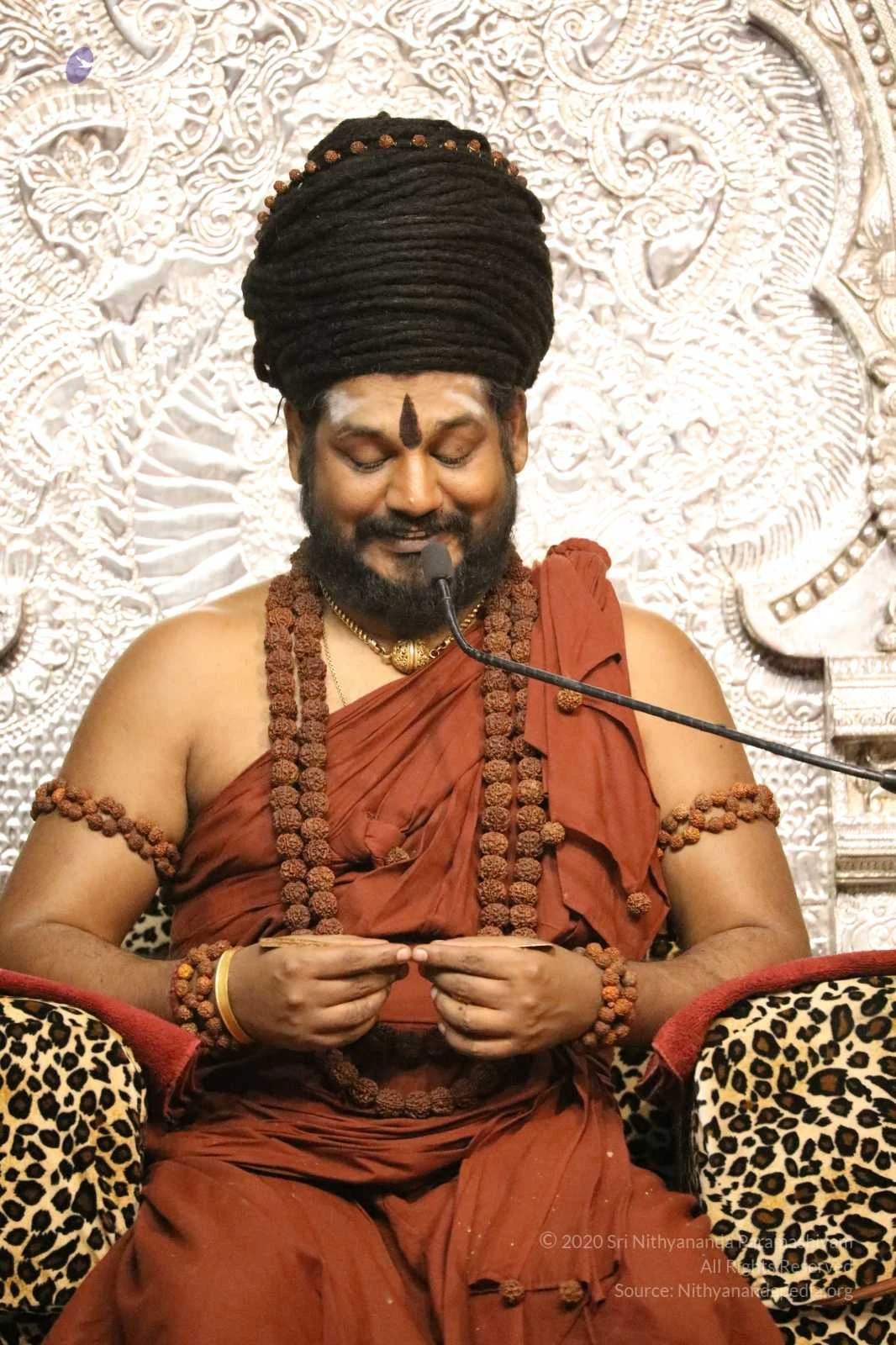
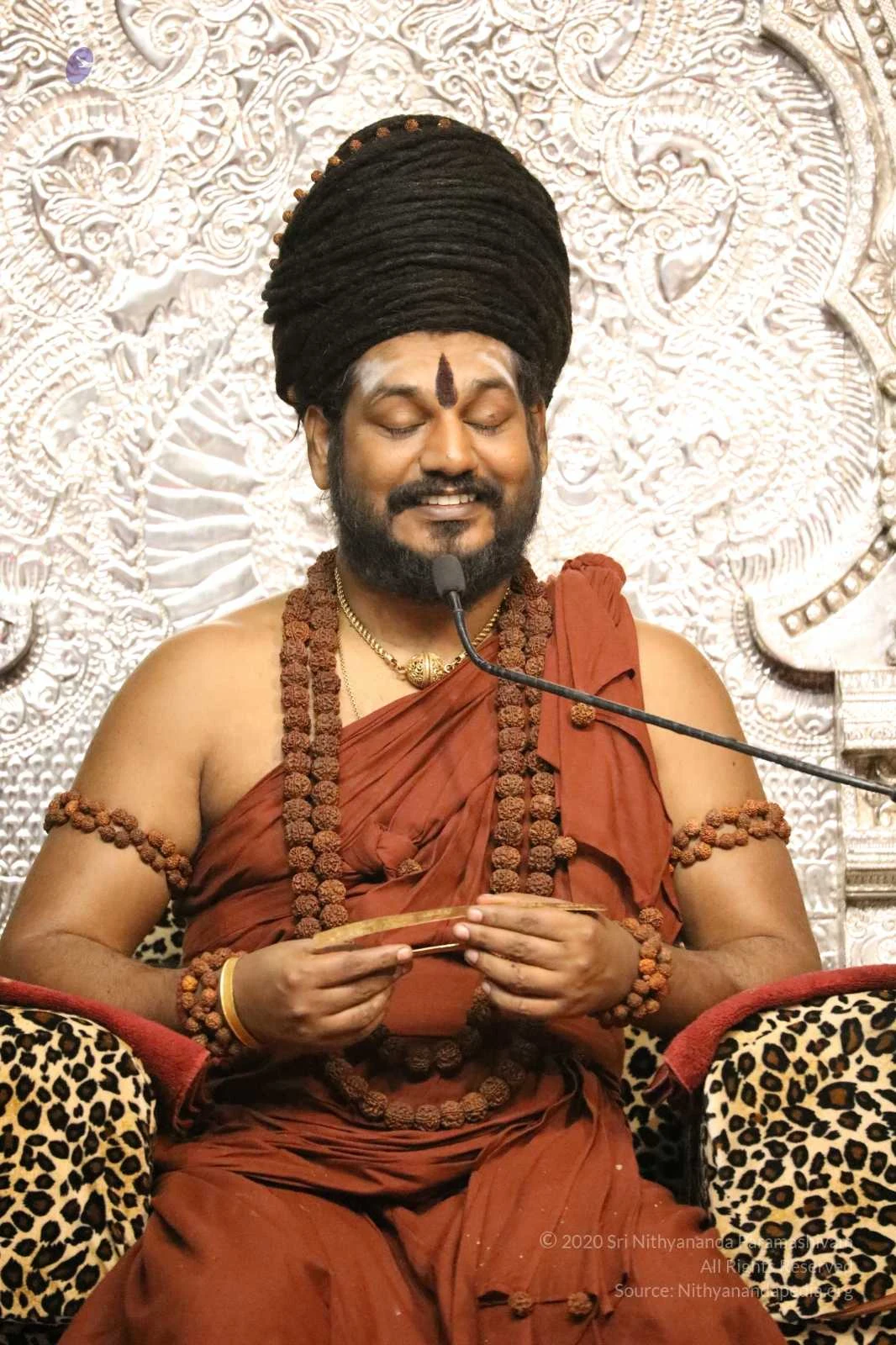
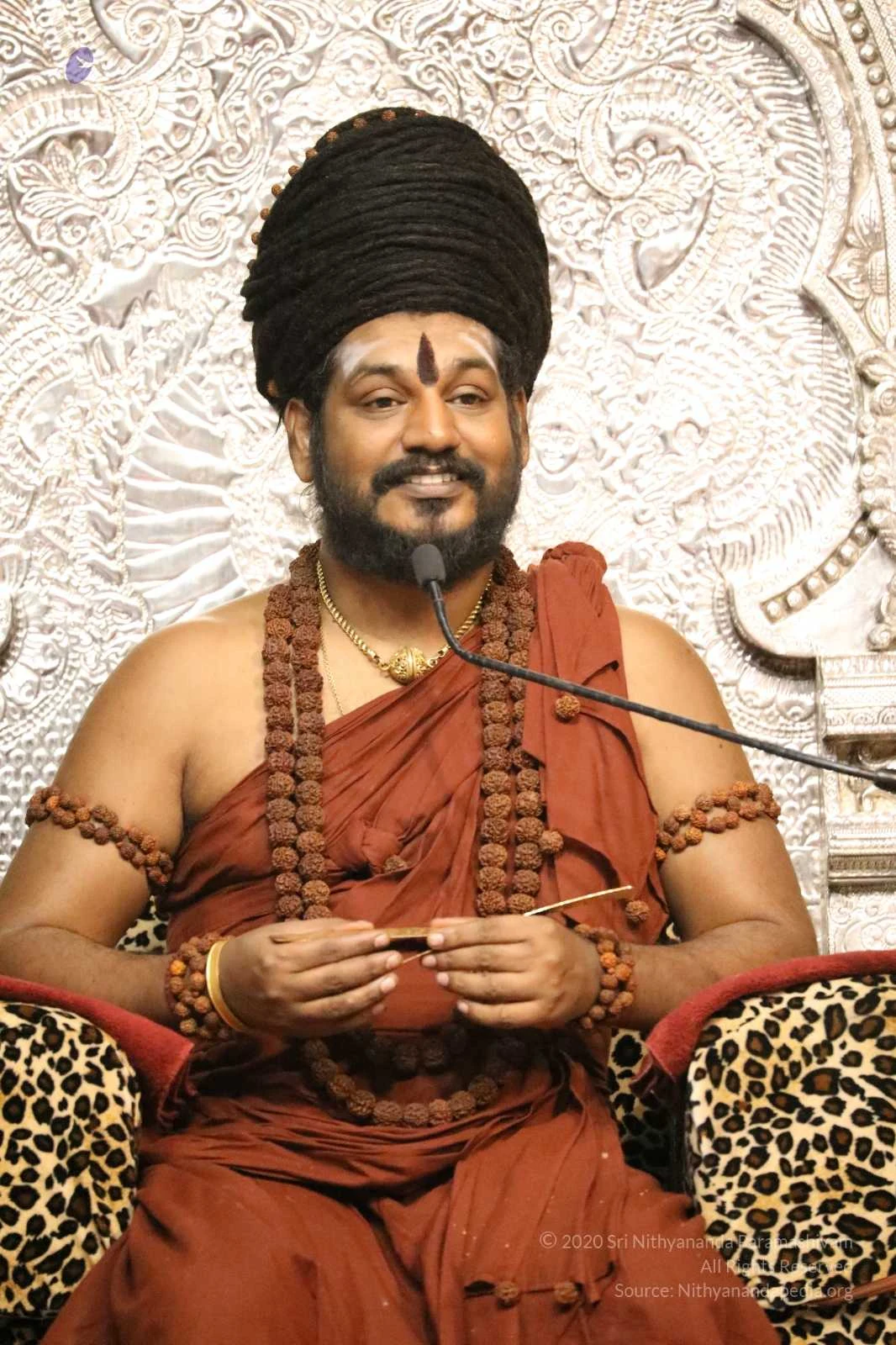
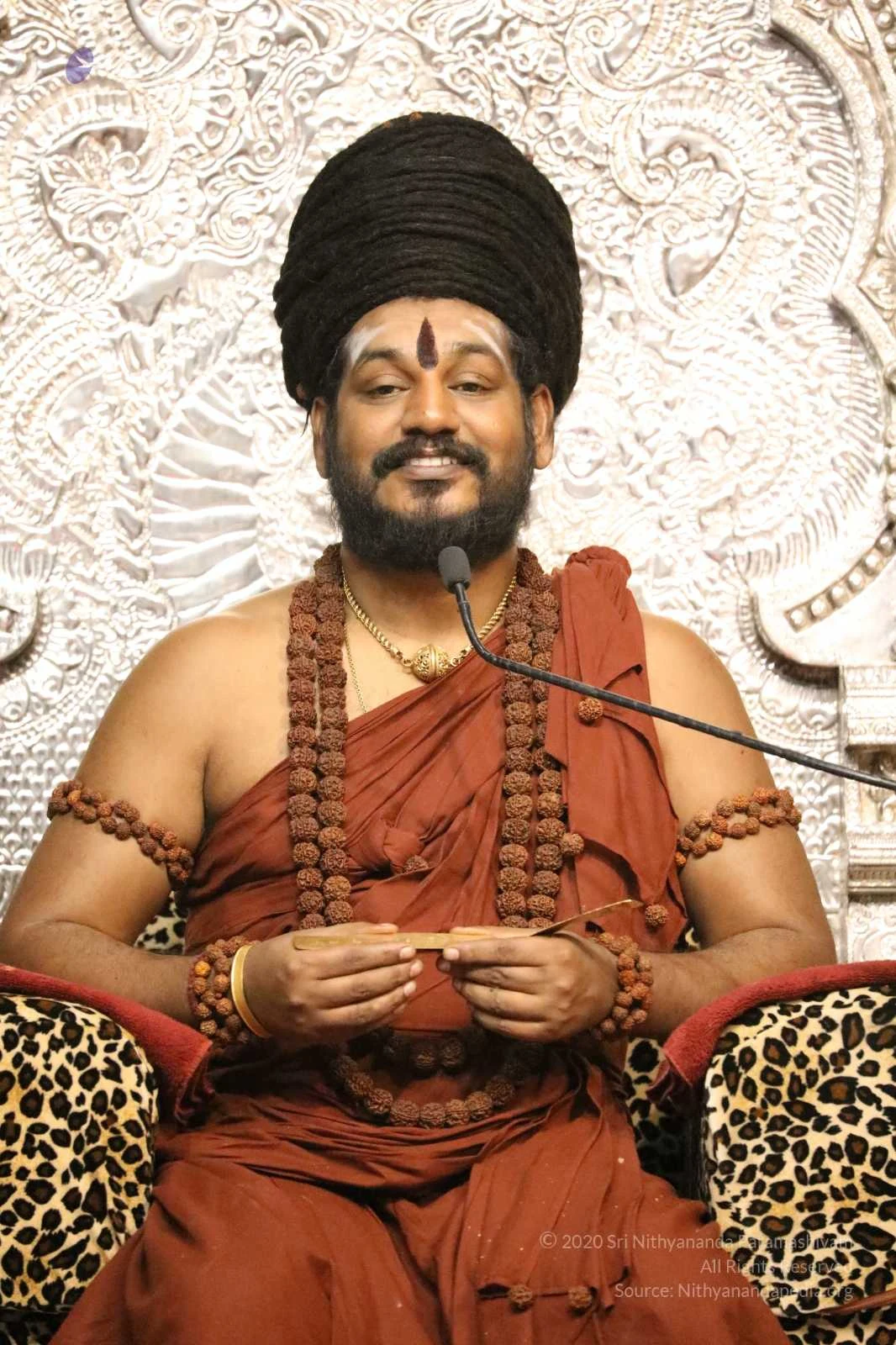
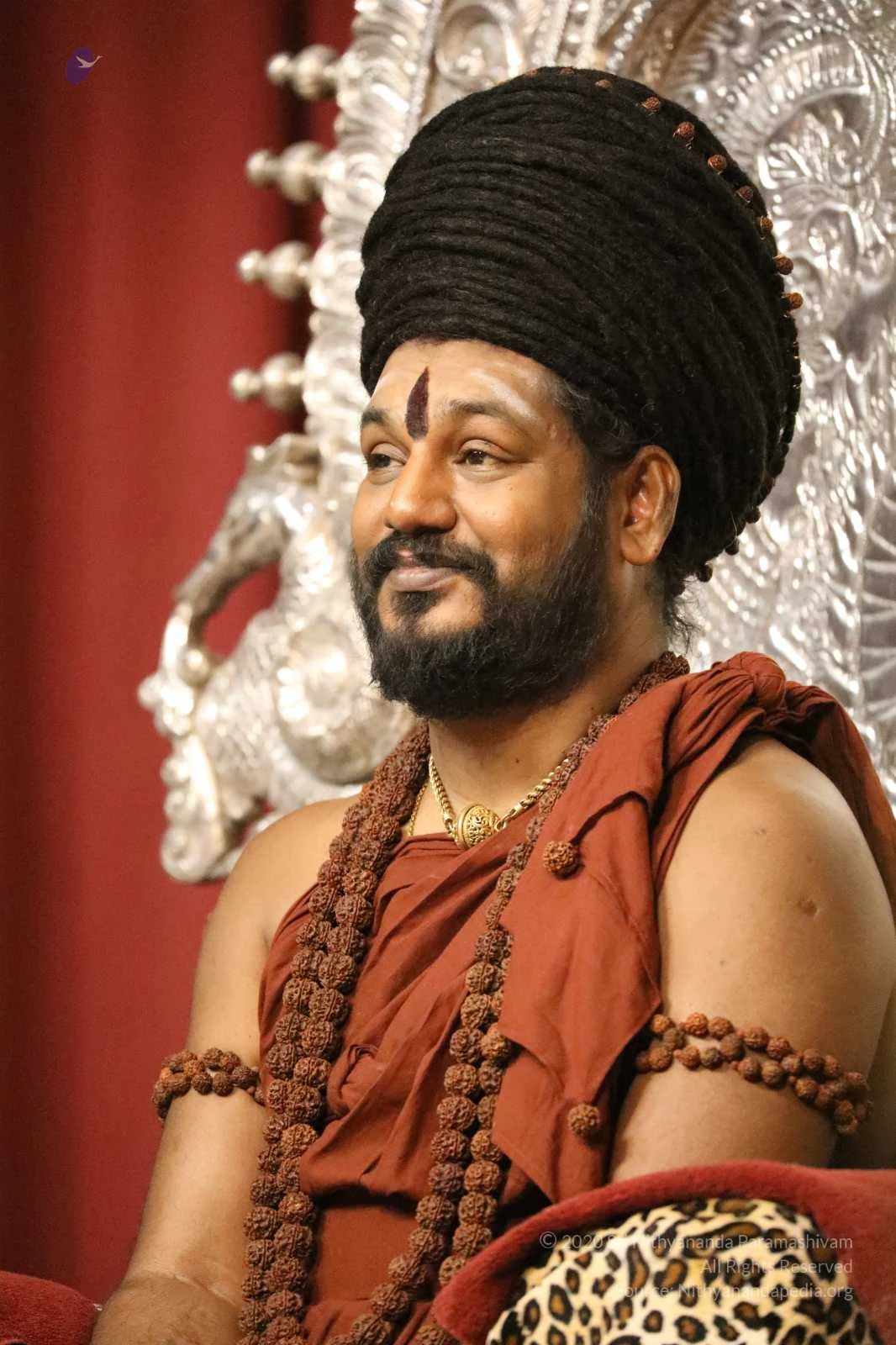
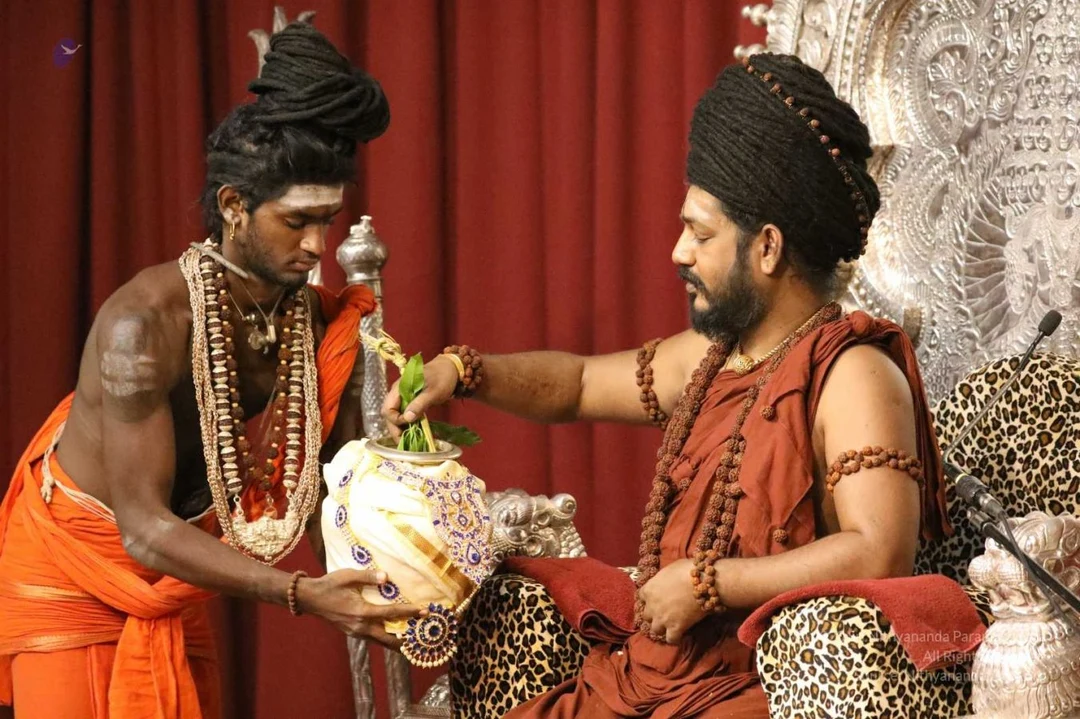
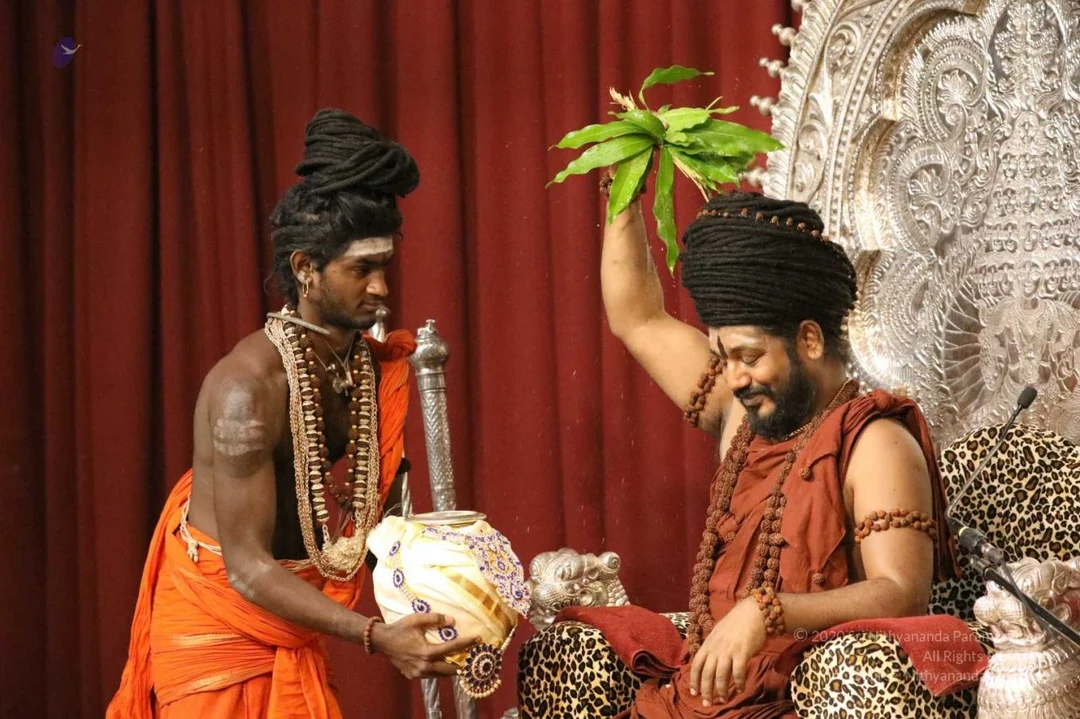
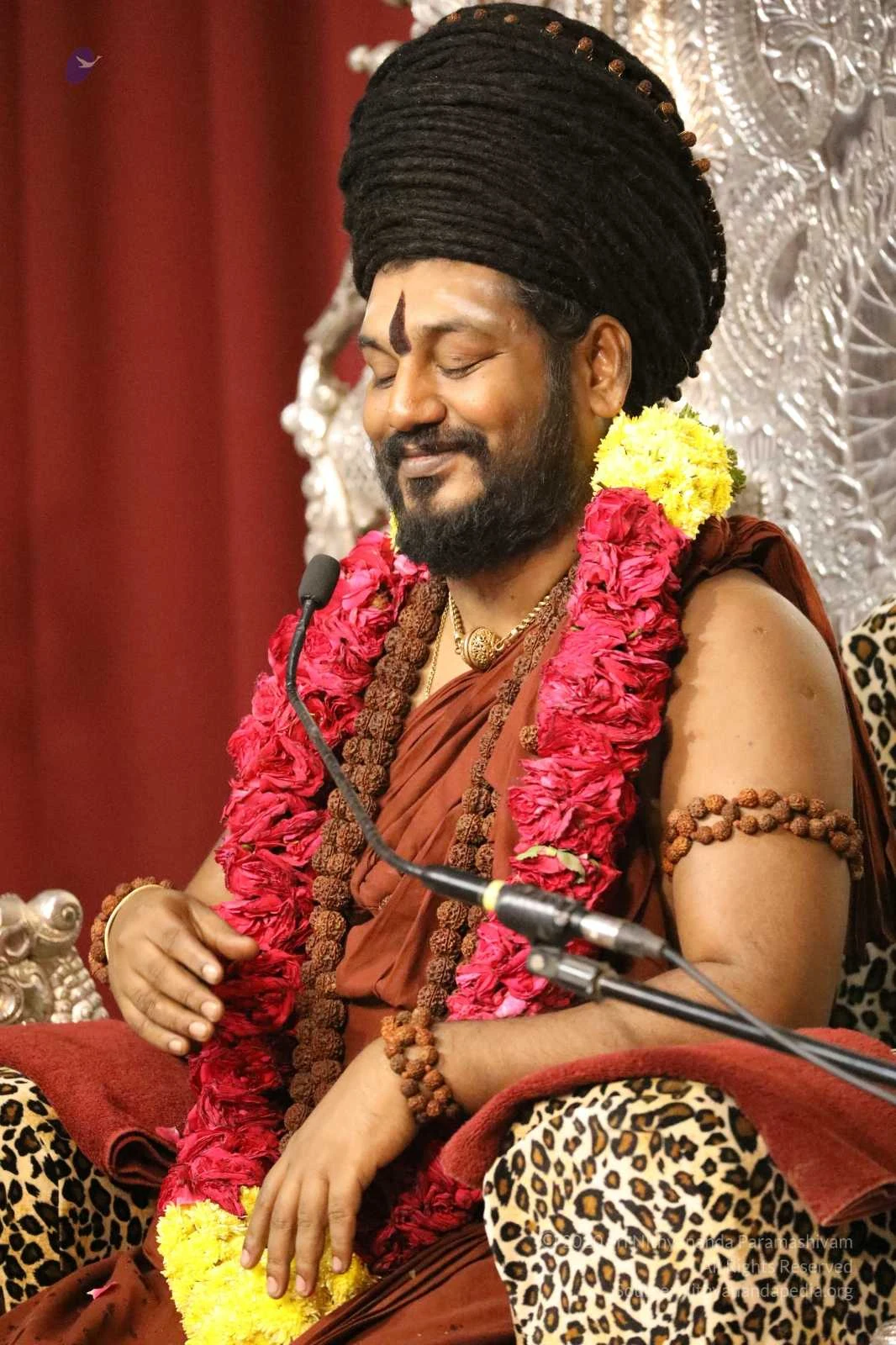
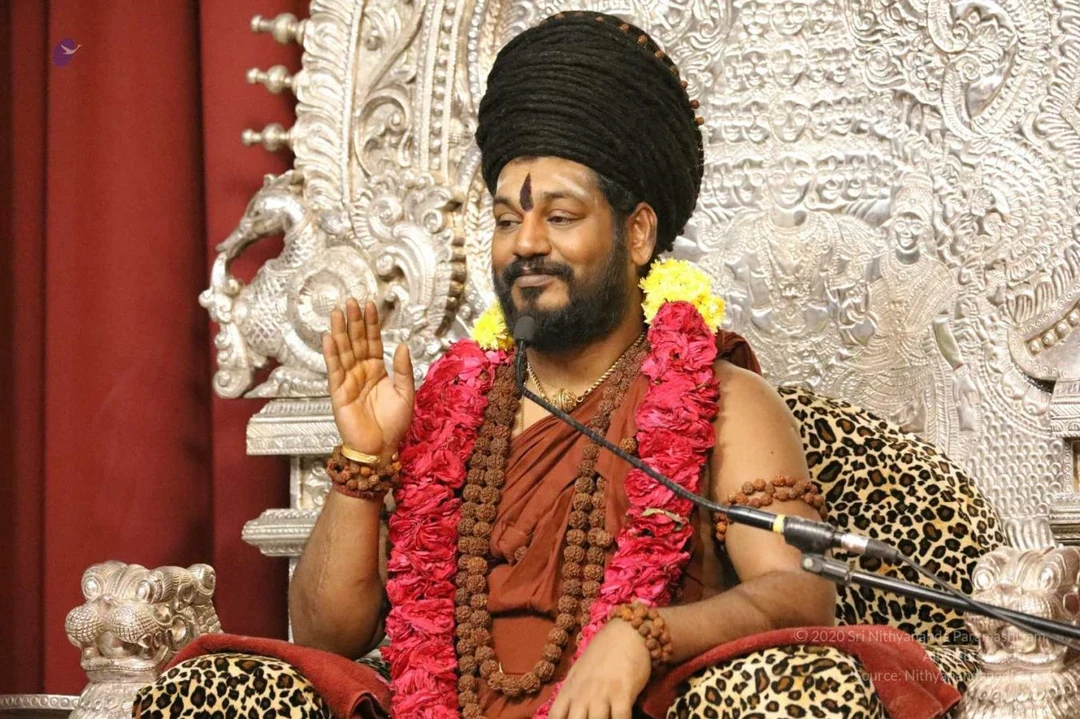
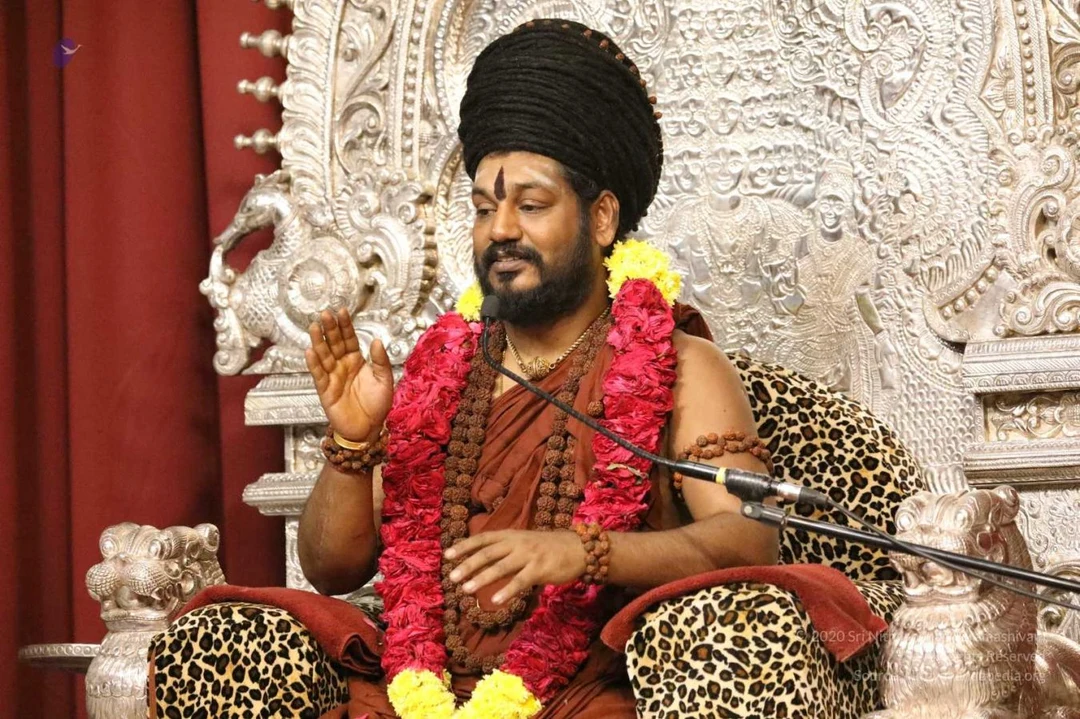
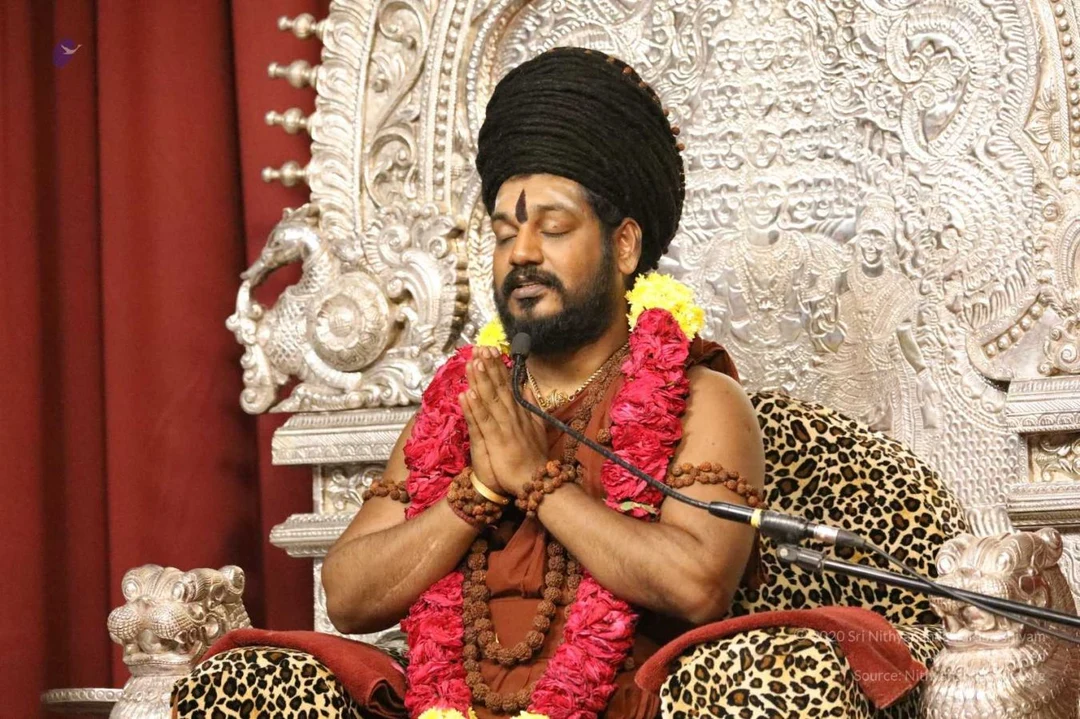
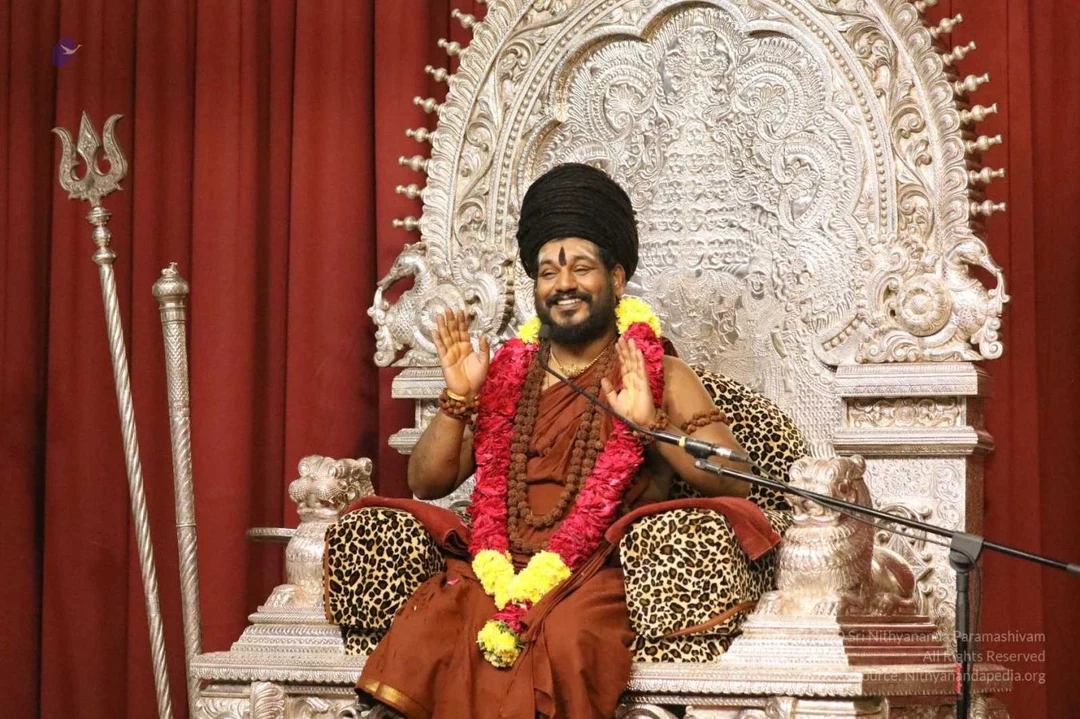
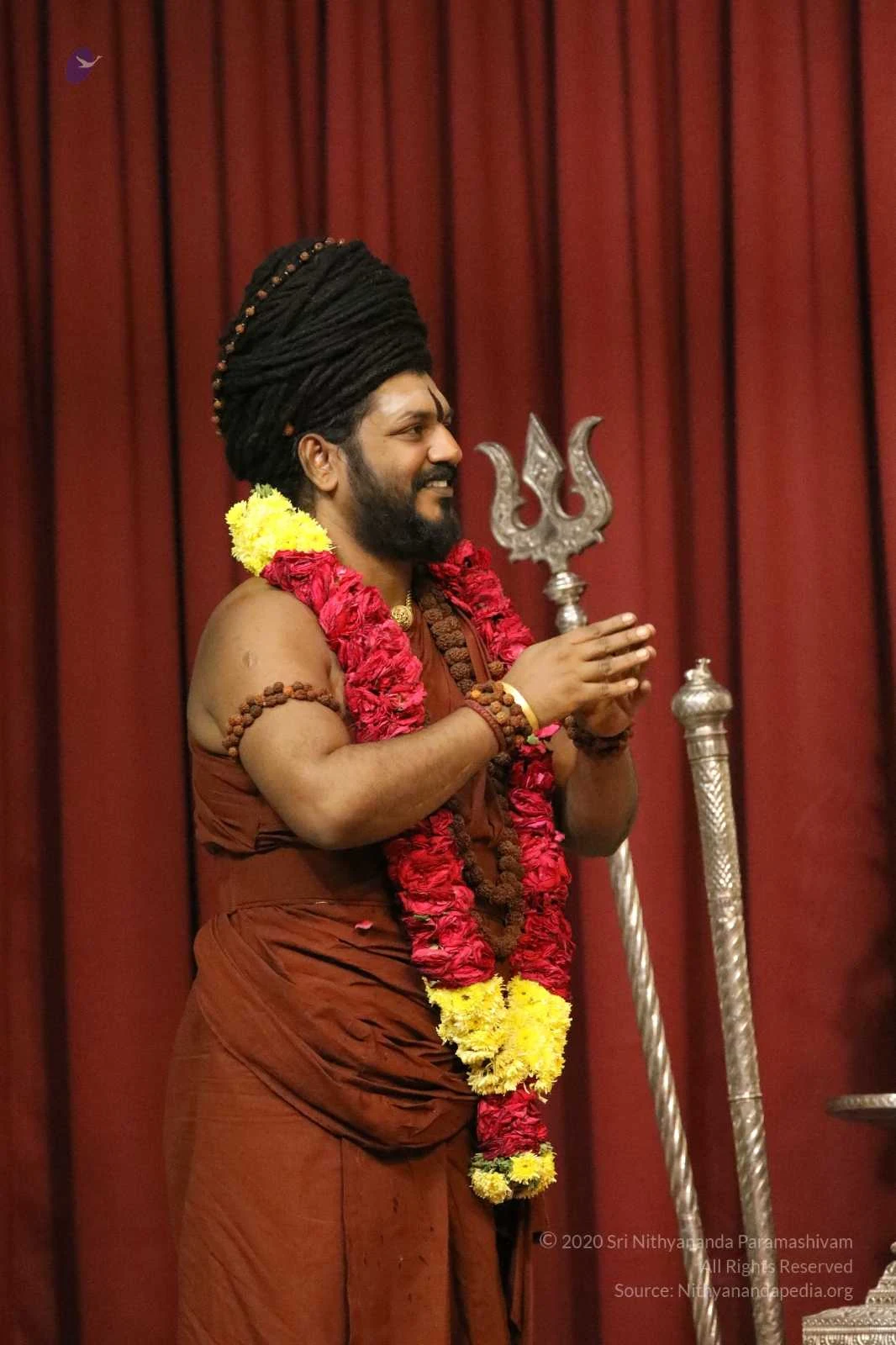
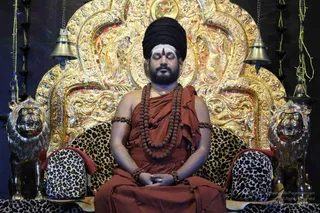
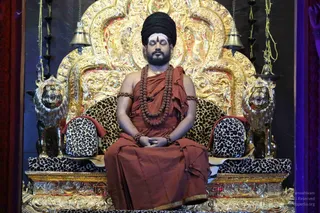
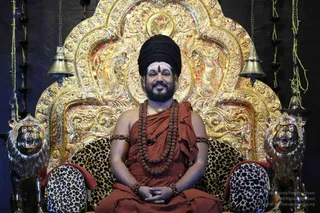
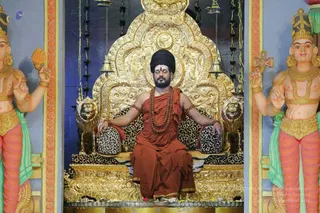
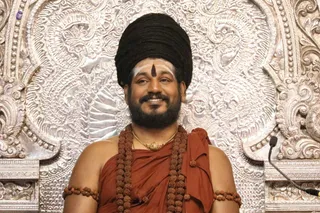
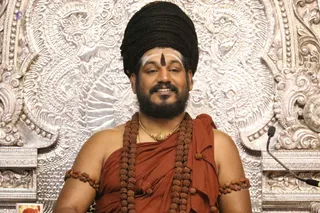
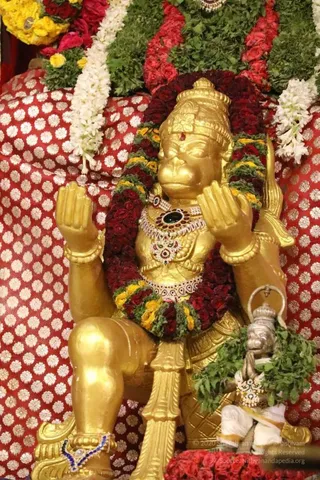
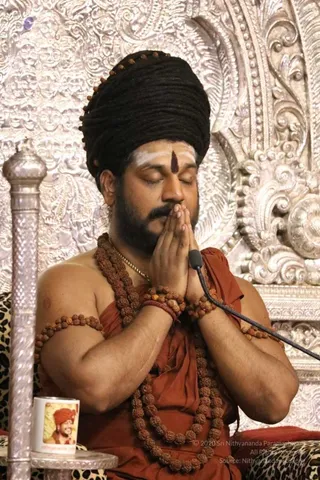
On this day, the Supreme Pontiff of Hinduism, Bhagavan Nithyananda Paramashivam expounded on the life of Sri Ram Chandra. In this talk entitled Message Of Sri Ram Chandra - Build Your Life On Powerful Cognitions, SPH shared the greatness of Avatar Sri Ram and His Tyaga for the sake of Dharma. He shared that even when His kingdom was taken away, He did not lose His kinghood, because it was built on Powerful Cognitions. The message of Sri Ram's life in one line is: 'Build Your Life on Powerful Cognitions'. SPH initiated delegates of Kalpataru Yogam Program into Shiva Deeksha and concluded with a powerful Darshan.
That day’s Presidential Address-Nithyananda Satsang and Kalpataru Yogam Program were conducted by the Supreme Pontiff of Hinduism Bhagavan Nithyananda Paramashivam on 25 March 2018 in Adi Kailasa, Bengaluru, Karnataka, India.
Link to Video:
| Video | Audio |
Transcript:
(0:07)
aum nithyānandeśvara sadāshiva samārambhām
nithyānandeśvari adīshakti madhyamām |
asmat āchārya paryantām vande guru paramparām ||
(1:22)
I welcome all of you with My love and respects. I welcome all the Inner Awakening Graduates and MahaSadāshivoham Graduates, Sri Mahants, Mahants, Sarvajnapeetha Yajamans, this Batch - Inner Awakening Participants, Visitors, Viewers, sitting with us all over the world. I welcome everyone of you with My love and respects.
(2:17)
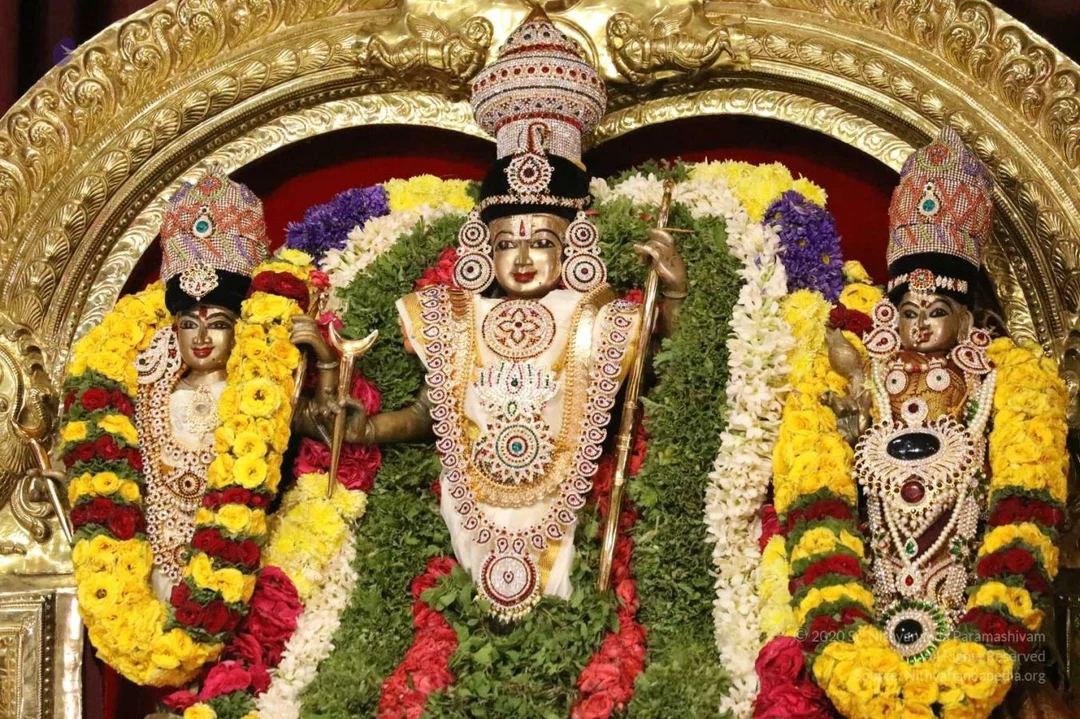
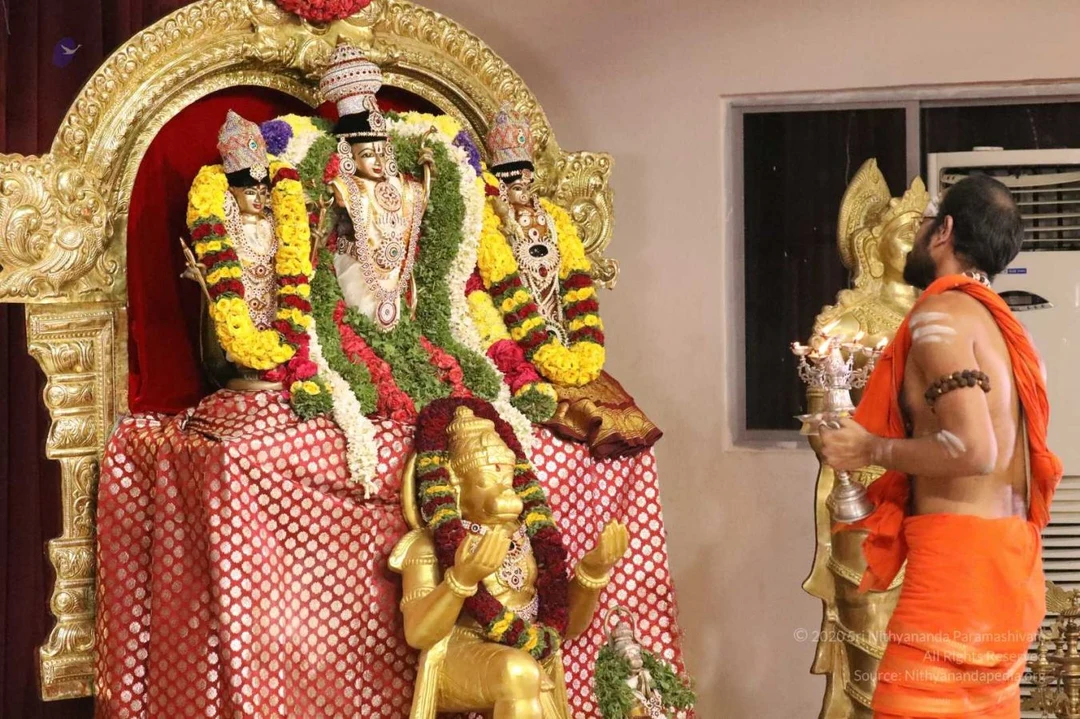
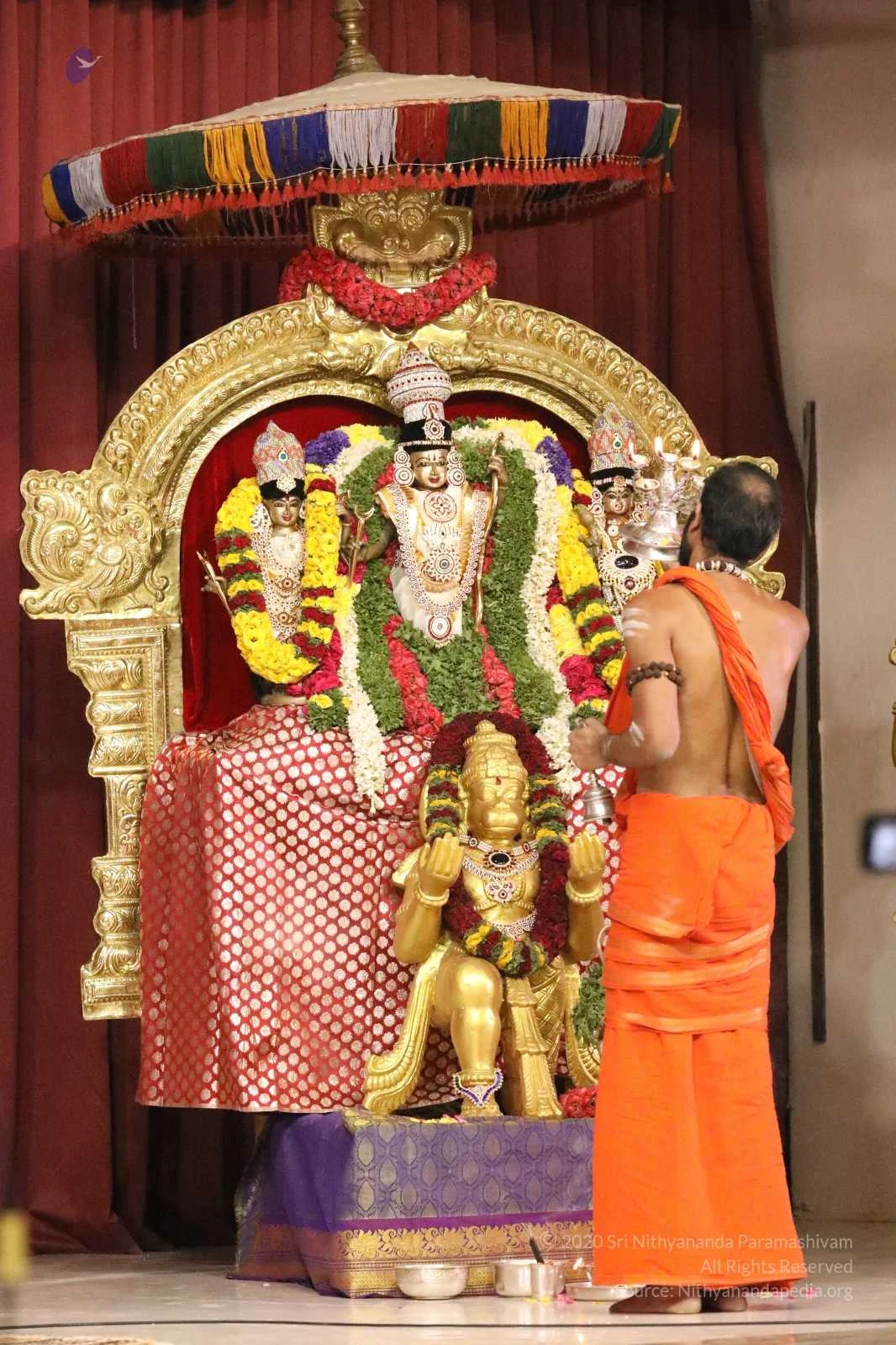
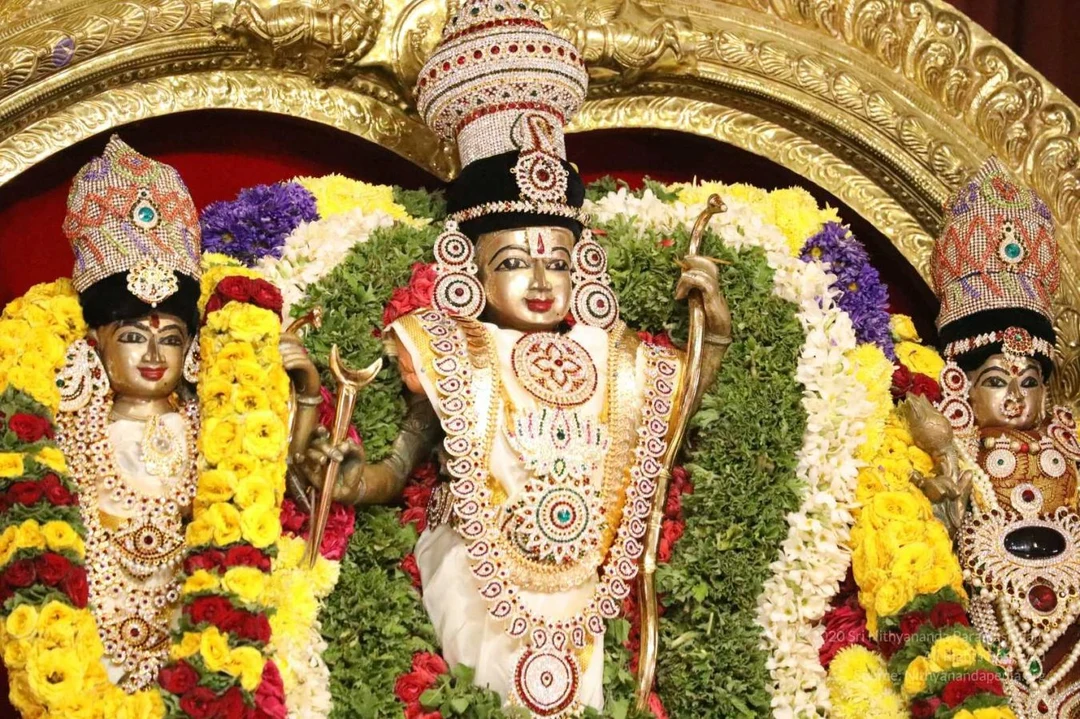
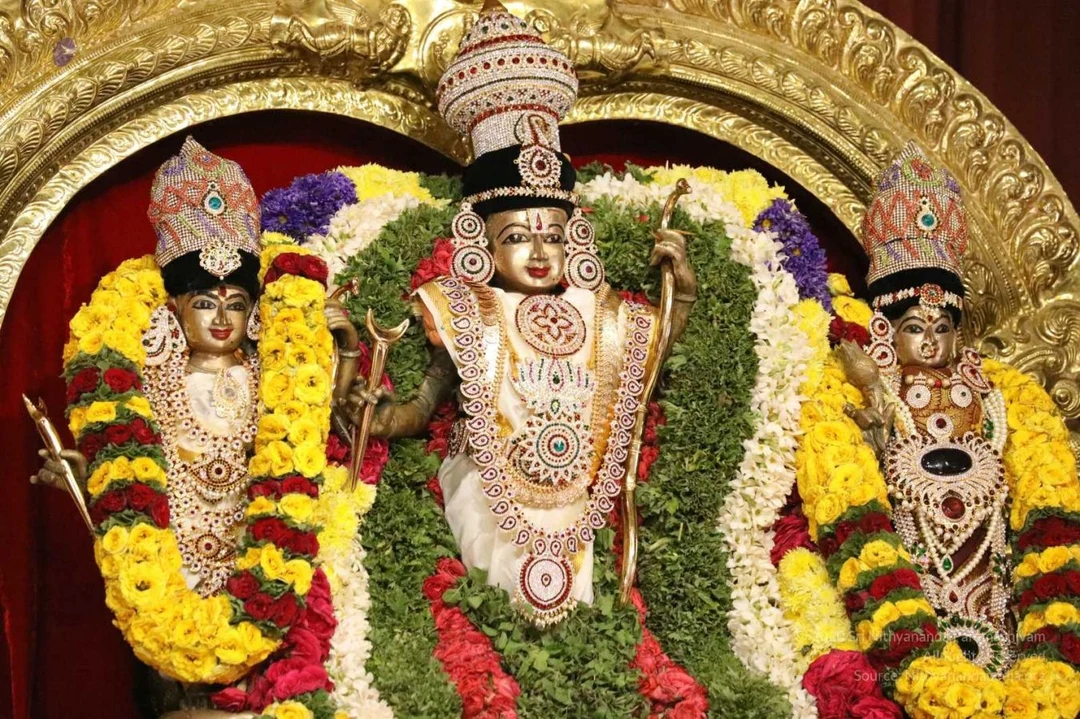
Today, Purushottama Parama Pavana Bhagavan Sri Ramchandra Prabhu’s birthday. Vishnu Himself appearing as Sri Ramachandra and AdiShesha appearing as Lakshmana, Chakra and Shankha appearing as Bharata and Shatrughna. Actually, when we celebrate Rama’s birthday, we forget, today is the day 4 Incarnations landed together. Understand. No, during other Incarnations also the...His Amshas have come. Like even during Krishna Avatara, AdiShesha came as Balarama, but in different day. This is the only day, where all four appeared on the same day, just little time different, but all 4 as per the official Ramayanam record - on the same day. So all 4 Incarnations have happened on this auspicious day. Let’s first receive Sri Rama and Sita, Lakshmana, Hanuman and all the Parivaras of Ramchandra Prabhu - their blessings.
(4:08)
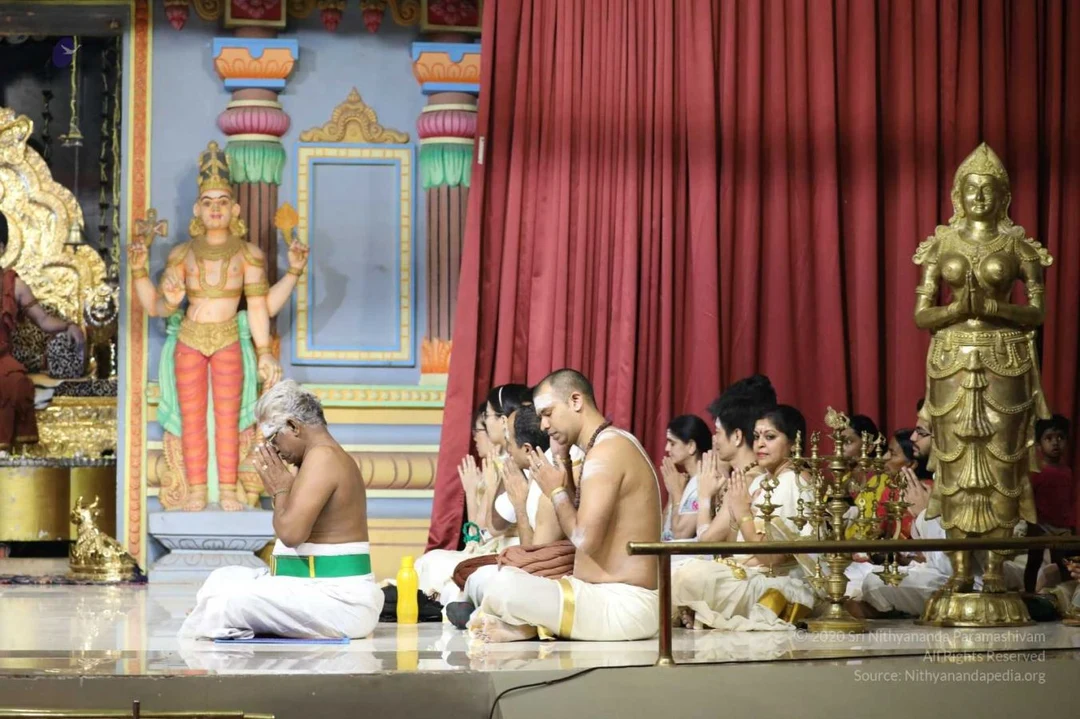
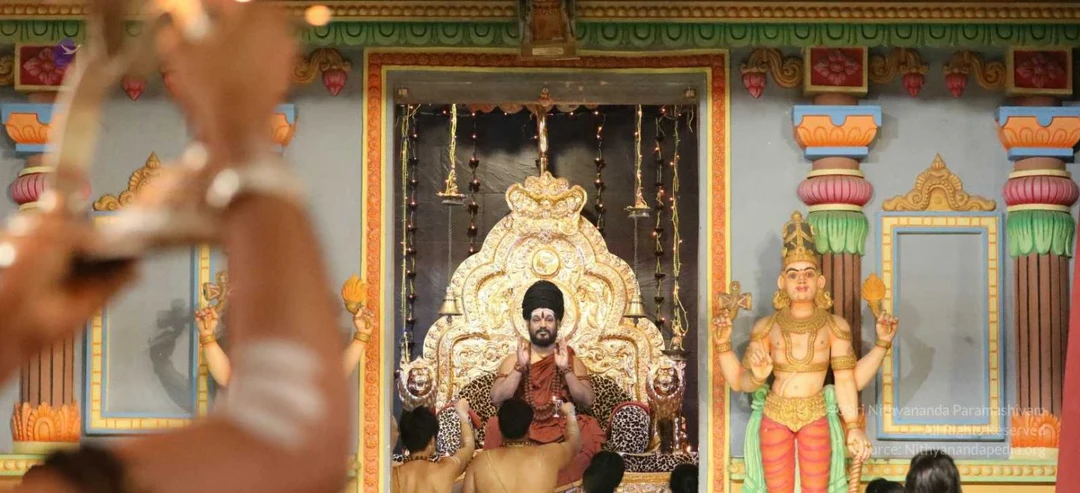
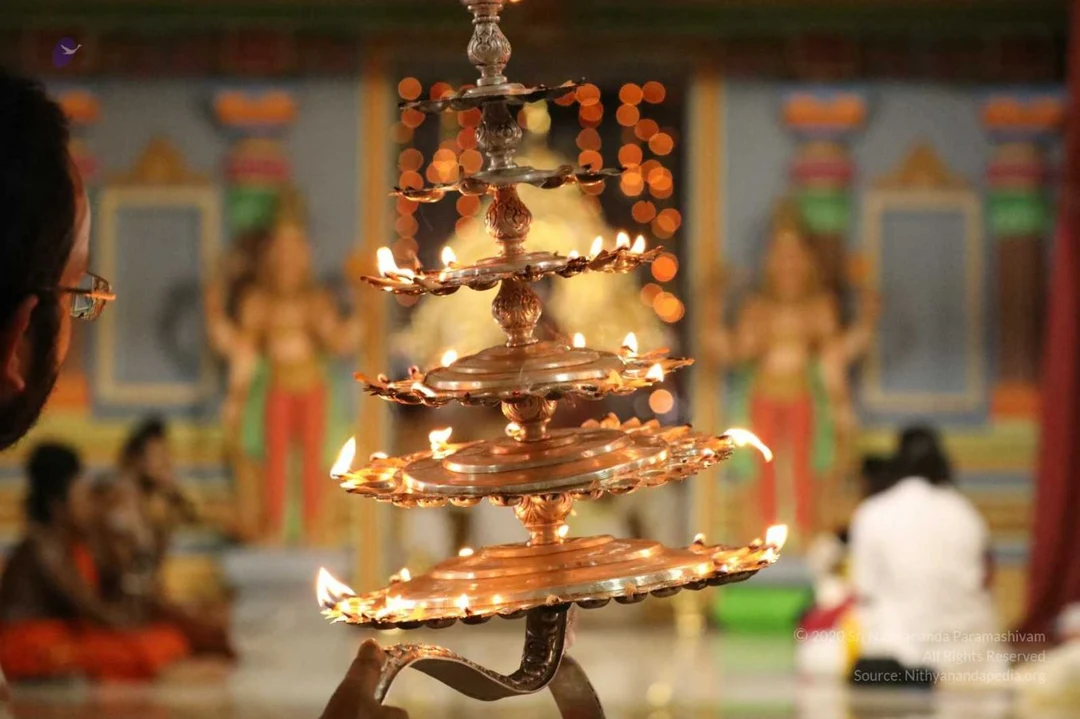
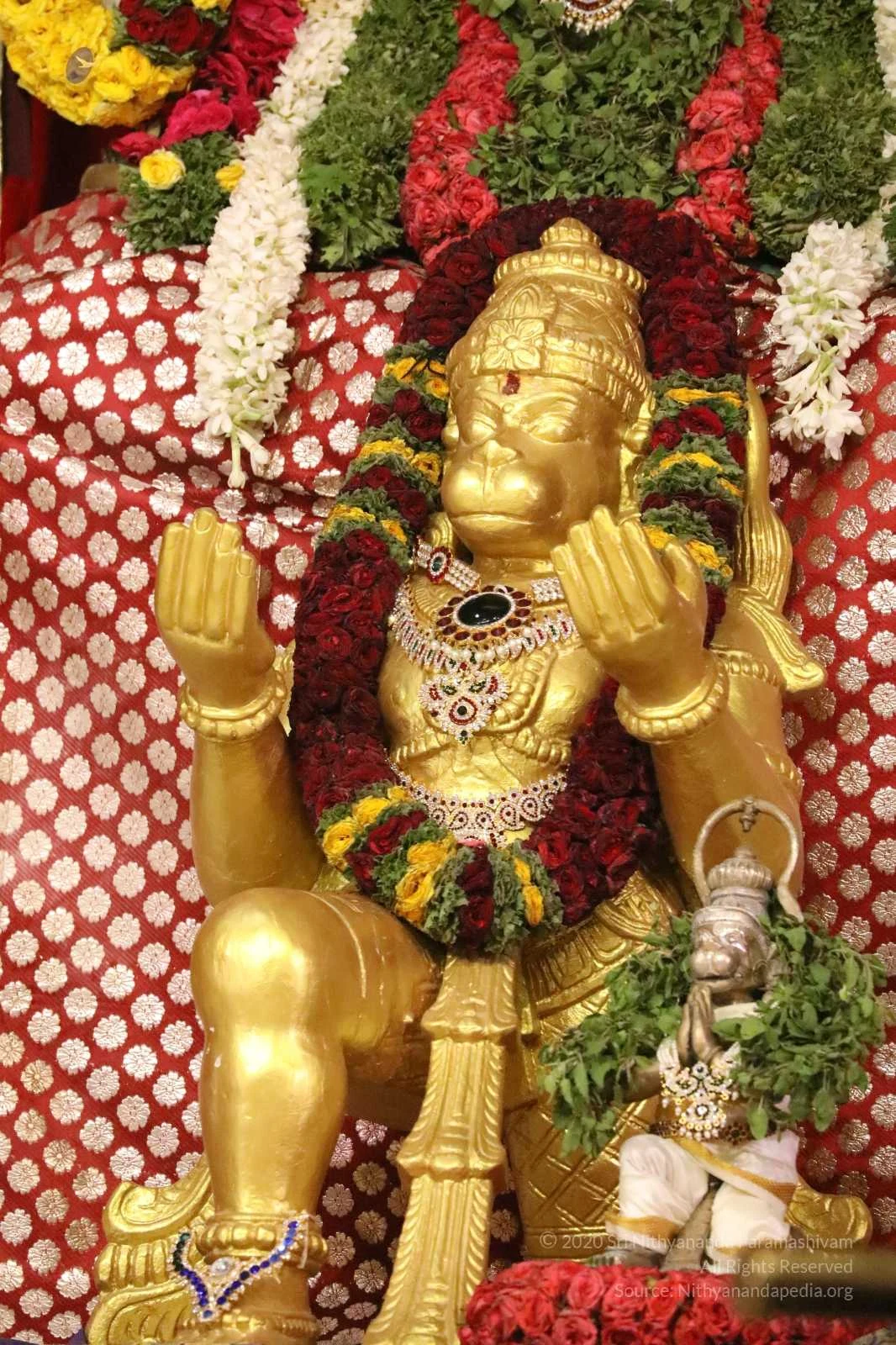
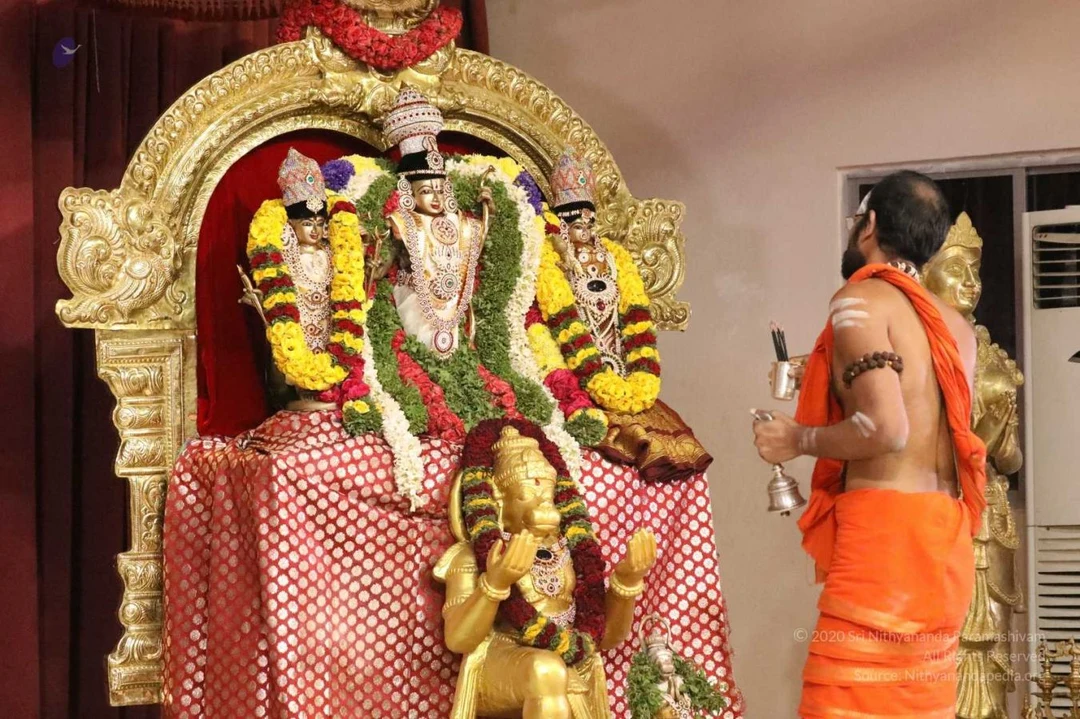
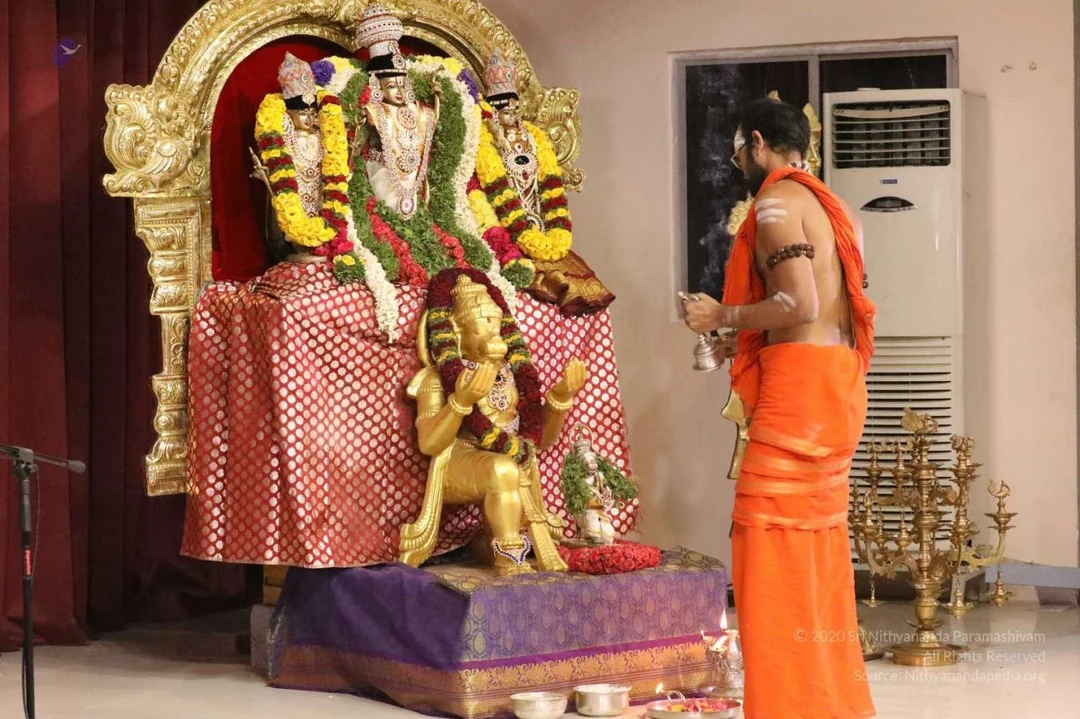
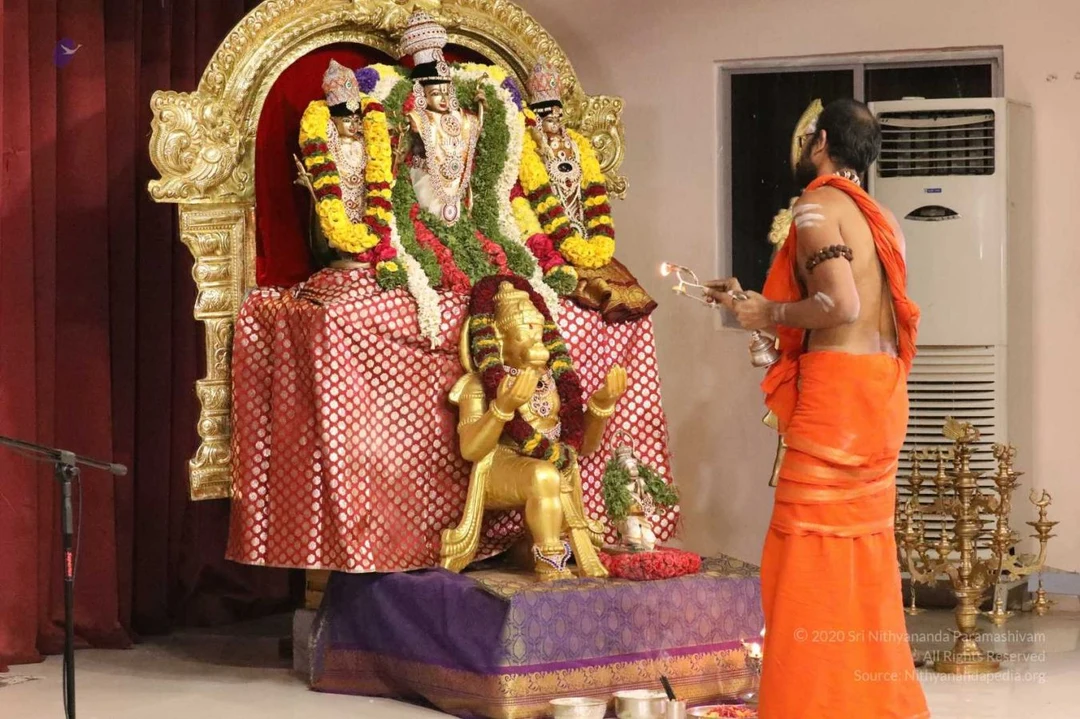
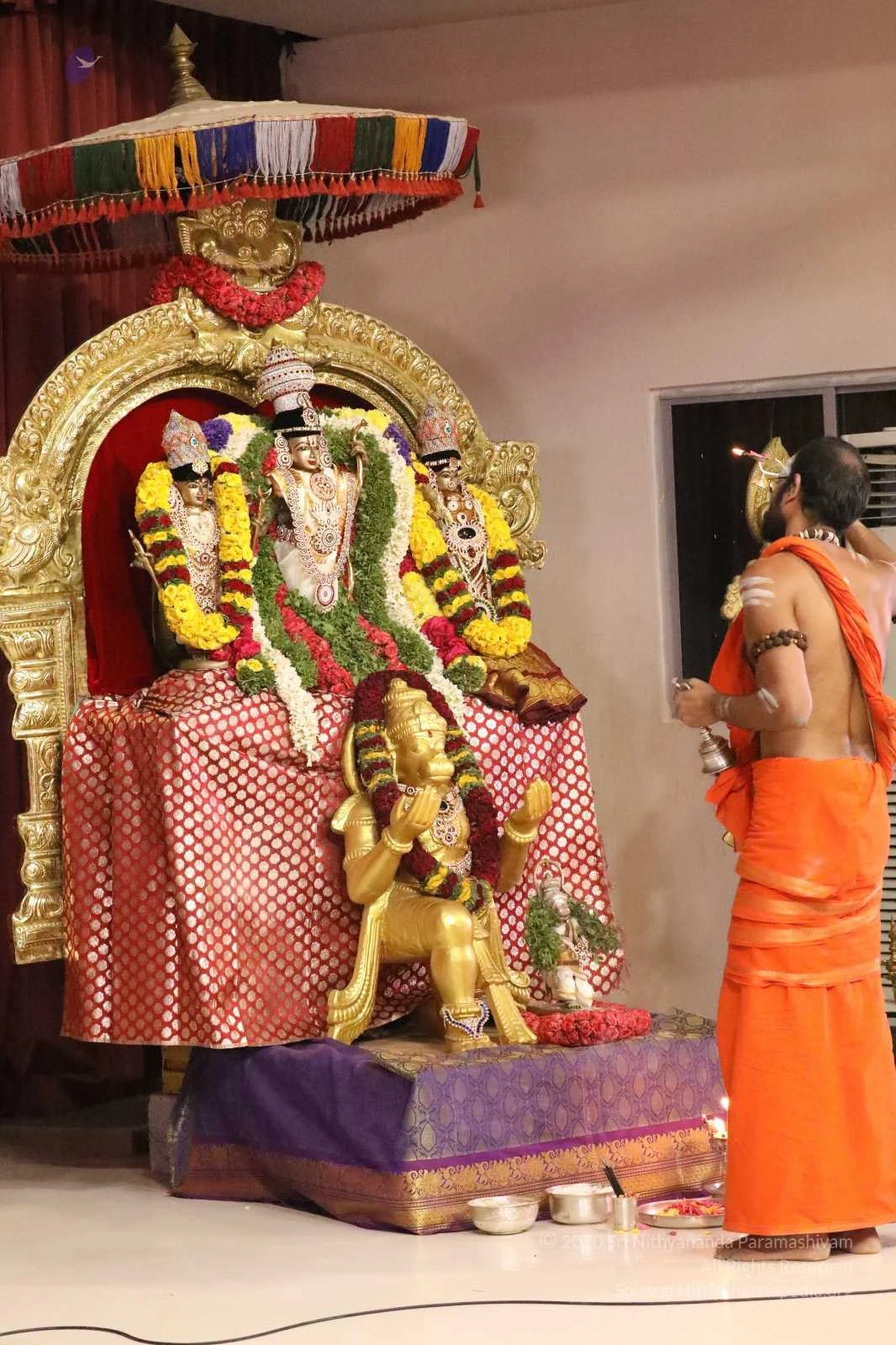
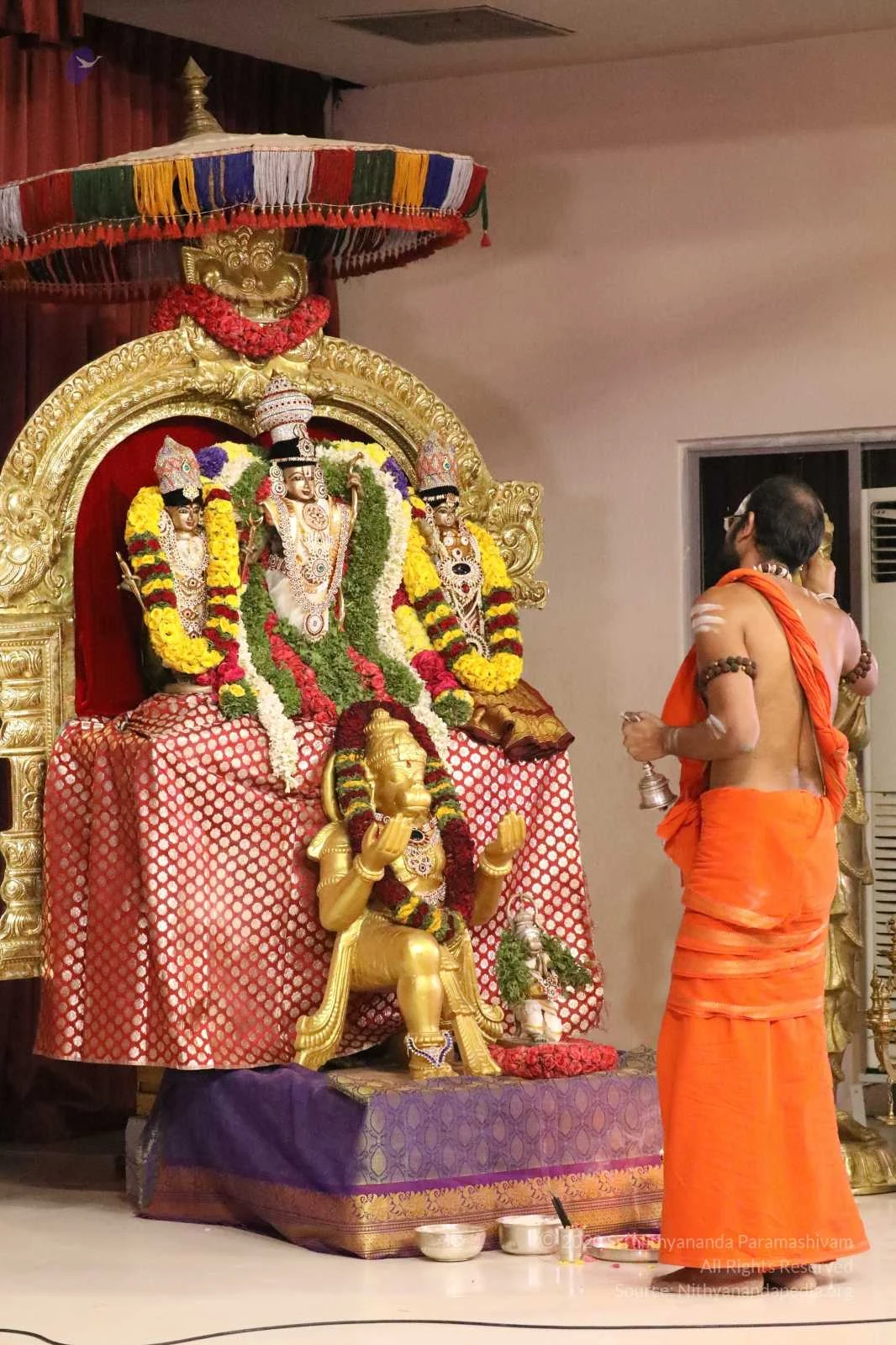
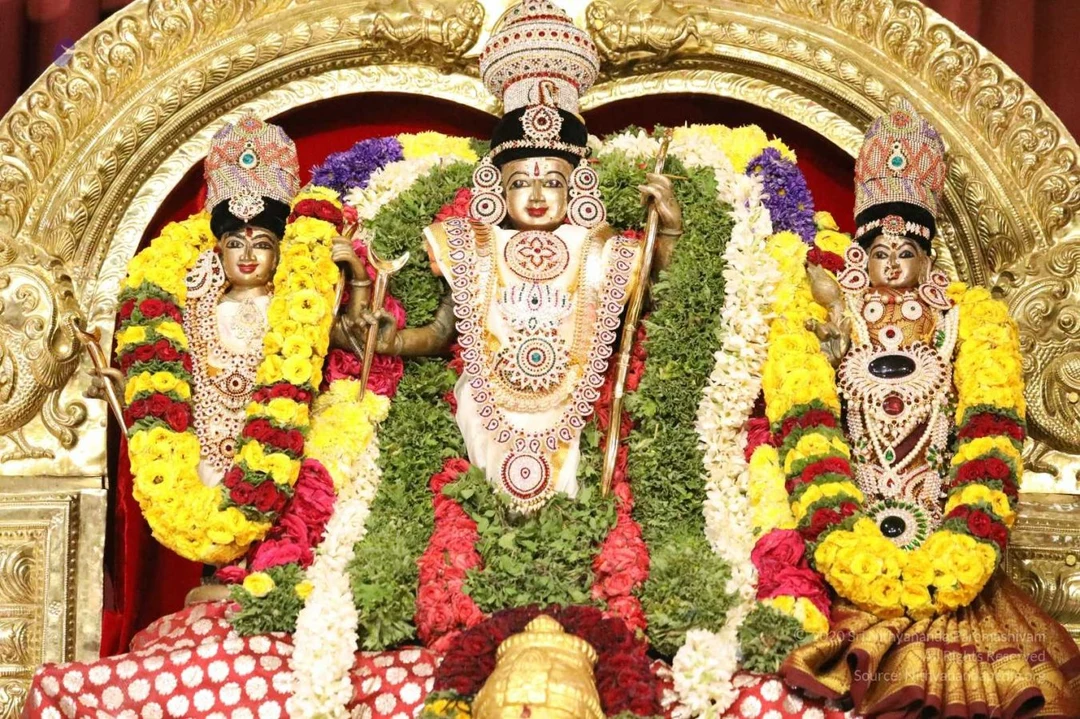
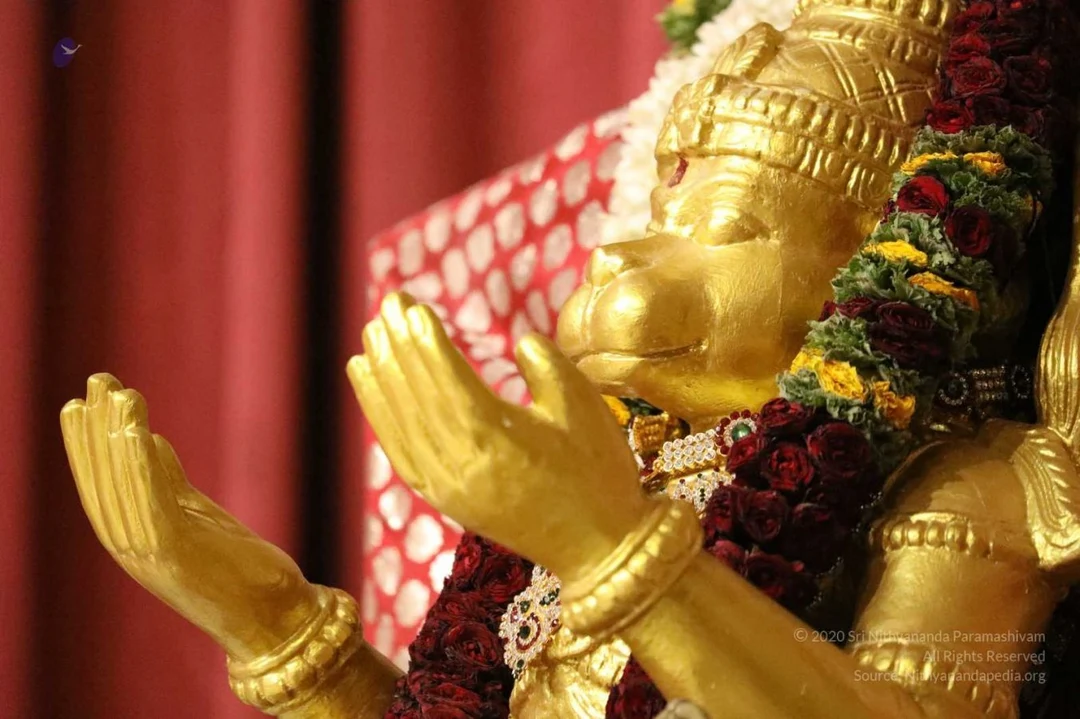
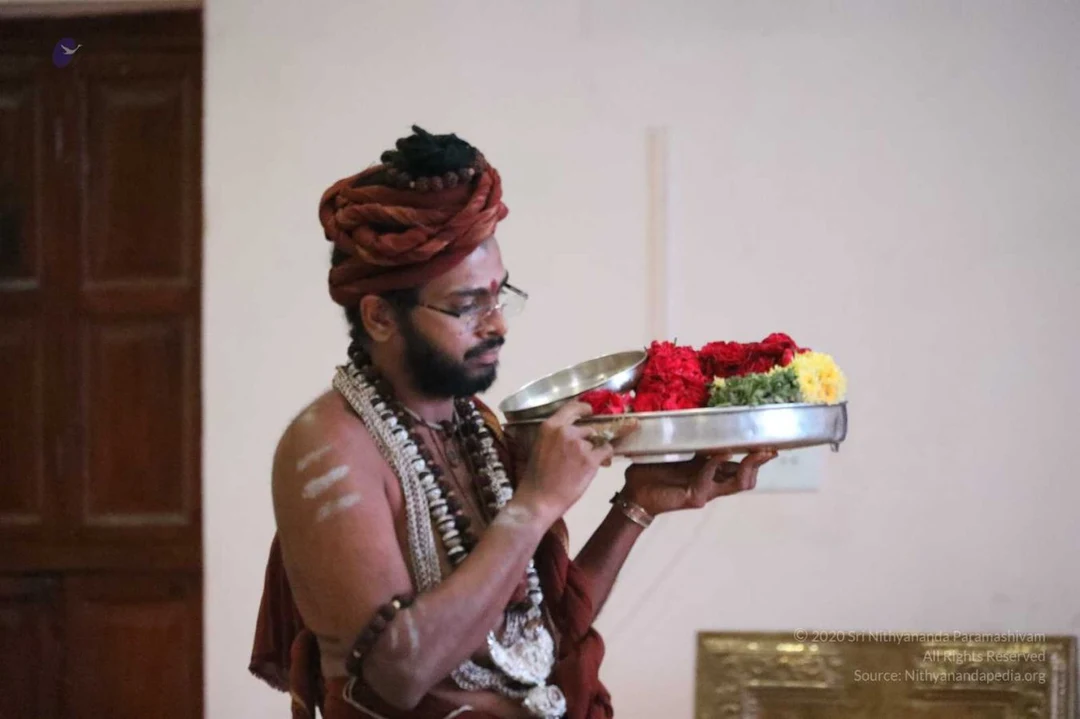
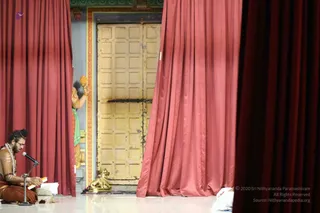
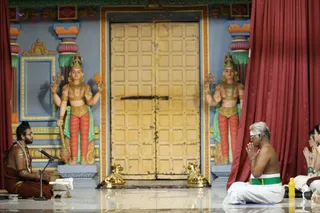
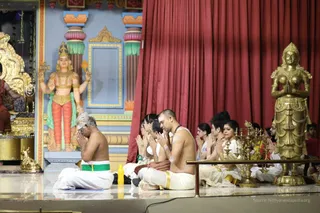
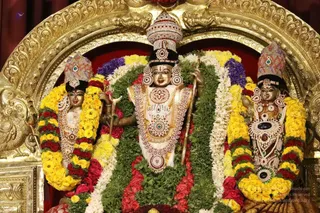
Puja - Aarti performed to Sri Rama, Sita, Lakshmana, Hanuman
(9:03)
This is the place where Sri Rama lived - best part of His life. Understand. Never ever call it as ‘exile.’ No! Best part of His life! All of you need to know that 131/2 years, only the last 6 months in that 14 years - Ravana kidnapped Sita, the 131/2 years - it was a beautiful, happy, blissful, devoted, a ideal Grihastha life. He lived with Sapta Rishis and Sadāshiva Himself, here in the Adi Kailasa. Understand. The original description of Ramayana and the Upanishad, matches perfectly - geography and the season and seasonal changes….birds, flowers, recorded and the birds which don’t come into this zone...please understand, go around the whole Ramanagara Hill, you will not find a single crow. You won’t find a single crow. Crows don’t fly on that hill because one demon came in the form of crow - Kakashura - and tried to hurt Sita and Rama killed that demon. From that time till now - no crows. And even now monkeys come and worship our Dakshinamurthy. They don’t go to Venkateshwara and pull His clothes and all that. Everyday I get report, they come and sit on Dakshinamurthy. They worship in their own way. That’s all. No, under the Banyan Tree, we have Venkateshwara, we have Dakshinamurthy, we have Munishwara, we have Patanjali, all the deities - they don’t go anywhere else, they only come and sit in the feet or lap of Dakshinamurthy. They do puja in their own way. And you cannot compare your puja and their puja. No, they have their own method, they have their own way.
(12:08)
So, this pilgrimage center not only for human beings, even for Vanaras because Sri Rama gave Muktika Upanishad to Hanuman - here, under this Banyan Tree. Understand. Agama records very clearly, Sadāshiva gave Agamas, revealed Vedas, everything to Sapta Rishis, south of the Kailasa Parvata, under Banyan Tree and Ramayana describes clearly with Sapta Rishis - Ramachandra Prabhu stayed and realized all the Vedas, received all the revelations of Agamas, Vedas, everything from Sadāshiva, so if you see both references - Agamic reference and Puranic reference - both confirmed - this is the geography! Understand. There is no geography matches both references. Some geographies match one place, some geographies match another place. Only this geography matches both the reference, both the references. References in Vedas and Upanishads and Agamas and references in Ramayana. Both references match. Only this geography and Rama is a great Shiva bhakta. So He always stays near Shivalayas to do His Shiva puja regularly. That’s the reason He chose this place to stay and if you go to the Ramanagara Hill, you will see 7 huge rocks, representing Sapta Rishis and under the...each rock, there is a huge cave where that Rishi lived. It was residence of those Rishis. All the Sapta Rishis lived here.
(15:02)
Rama is symbol of everything best in the Universe. Purushottama is a grand narrative of Hinduism. That is why He is attacked so much. Understand. The taller you are - the more targeted you are, because you are seen by more fellows who are down. The taller you are more targeted you are, because you are seen by more fellows who are down. Sri Rama targeted from the time He is born. Third day, Manthara was unhappy with Sri Rama. It’s only third day of the birth. It seems when she went to see the baby, third day only they will allow people to see, till three days - only the parents and the doctors who attend the delivery can handle the babies. So third day, when she went to see, it seems Ramachandra Prabhu closed His eyes and...so she was angry with Him and of course, she was waiting for a reason to get angry, nothing else and…… She always tried to promote Kaikeyi and somehow….see, she was…..she came as a maid for Kaikeyi. In those days that habit was there, whenever you give a princess in marriage, you send maids also from father’s home to take care. Like how we send nowadays the grinder, mixie, fridge, refrigerator and all that. In those days, human maids were also sent. So Manthara was the gooni. Why she was called the ‘gooni’ you know, because her back was bent. Manthara was the human maid sent by Kaikeya along with Kaikeyi, to Dasharatha’s home as a gift. She always tried to put Kaikeyi in the front and she somehow wanted only Kaikeyi should have child. So naturally, Kaikeyi’s son will be the next king and she will have power over the whole thing. That lady played a big role in whole Rama Avatar…..and…. Of course negative role she played, but she played a major role. Even though He was targeted so much...I tell you, the kind of a powerfulness He demonstrated. I tell you, highest powerfulness is not using your powers, even while you are attacked and waiting for the law of karma to do its job. Not at all becoming silly in the inner space. Not at all becoming silly in the inner space and enjoying the whole game.
(20:18)
Rama is something extraordinary - extraordinary! The way He demonstrated the ideal…… You also need to know, Rama is the most non-controversial Incarnation, who is accepted and worshipped even by Shaivites. In many Shiva temples, I have seen Ramayanam is carved in the temple and lot of Rama deities and Sita, Hanuman. You won’t find so much Narasimha, so much Parashurama, so much Krishna, I think some how Shaivites can’t tolerate Krishna. No, that’s the unfortunate thing, it should not have been, but unfortunately that a…...the sectarian Shaivites, not the real Shaivites, that sectarian Shaivites can’t tolerate Krishna. But somehow, Rama become a non-controversial grand narrative. He has demonstrated all the great qualities to be a grand narrative - His tyaga and powerfulness in front of all the situations. You can never expect Krishna, being asked to give up His rights and keeping quiet. No! You can’t expect Krishna to walk out of His kingdom because somebody says something. He will tell, “If Dasaratha has committed to Kaikeyi, as long as it does not come to My rights and My powers and boundaries and limitations, it’s all okay. If it comes near mine, forget about it.”
Rama is a different material altogether. He is….. Actually, the whole...that incarnation series demonstrates the various ideals need to be demonstrated during the each situations. You can see that fish...the Matsya Avatara, where the life is having a biggest breakthrough in the form of a independent existence. Then comes tortoise - Kurma, who can live in water and land, both. Then comes Varaha - evolved body. Then comes Narasimha - half animal and half man. Then comes Vamana - short man. Then comes Parashurama - a wild ferocious raw….physically fully grown, but still retaining all the wildness of the animal and ferociousness. Then comes Rama - a complete cultured ideal for a stable human civilization. I think that is the time the human civilization has started becoming a reality, till then we were only a small forest gangs. Till Parashurama, we were only as a small forest gangs, small small settlement in various forest and remote regions. It is only the...Rama’s time the human civilization has become a regular lifestyle. So an ideal leader who need to demonstrate all the principles of coexistence. Somebody has to have that kind of a tyaga to demonstrate the power of the values, giving courage and confidence to people on the power of dharma.
(26:56)
People need to be given courage and confidence to practice dharma. So each incarnation has a reason. I should say, “Rama’s was the most difficult, most difficult,” remaining within the boundaries of human frame, has to demonstrate the grandeur of the dharma. He has done something extraordinary. What an Incarnation! The whole beautiful narration of His life, I think, largest number of times the story I heard in My life, is Ramayana only! For any Indian village boy, this will be the truth. You will not…...you may hear Shiva Purana, Bhagavatam all that once or twice, but Ramayana is the one, regularly every village sings, reverberates, vibrates. Every year, they will tell the story of Mahabharata in Thiruvannamalai, but every 2 months there will be Ramayana recitation. Still now the largest translated book is Ramayana. It is not Bible or it is not Mahabharata. It is not Bhagavad Gita - it is Ramayana. Google!
Largest number of versions and translations. If you Google, you will find - it is not Bible, it is not Bhagavad Gita, it is not Mahabharata - it is Ramayana. He continues to remain as the grand narrative of Indian civilization, the Hindu civilization, Sanatana Dharma, Purna Purushottama.
See, you being attacked is not something big. Everyone gets attacked. Whether you are a beggar or a king, you get attacked. How you respond makes….that decides whether you are great or not. Everyone is attacked, whether you are a beggar or a king. For your range, you are attacked. Being attacked does not make you unique - how you respond makes you unique. Thousands of kings have lost the kingdom, now almost all kings have lost the kingdom, because it is democracy now, but nobody has become part of the history. Losing kingdom does not make you part of the history, how you respond when you lose the kingdom, makes you part of the history. His kinghood was not taken away when the kingdom was taken away, is the reason why, he remains as Raja Rama. Understand. His kinghood is not taken away, when His kingdom was taken away. That is the reason, He remains as Raja Rama forever. He remains as Raja Rama forever. Still we worship Him only in the throne. His Pattabhishekam scene is the most worshipped scene.
(33:04)
Even though He has done so many wonderful things, His Pattabhisheka scene is the most worshipped scene. The way He held Himself. You can’t call Him, “He was exiled.” His padukas were ruling the Ayodhya. When your chappal is on the throne of the kingdom, how can you call, “You have been exiled!”? How can He be called as “He was in exile”? No, He was not in exile. I should that, “He was spending a happy times, vacation.” Understand. When you are not in your home, if somebody else has occupied it, you can say, “You have been kicked out.” When you are not in your home, your home is ruled by your padukas, then how can you call, “You have been kicked out of your home?” You have gone for vacation, that’s all. I’ll only interpret - Rama came here as a vacation, just to enjoy, little longer honeymoon that’s all. Normally 14 days honeymoon, so here 14 years honeymoon that’s all. Maybe because He came here for the honeymoon only, this place is called Bidadi. Bidadi means ‘resthouse.’ Actually, in Kannada and in Tamil, the word ‘Bidadi’ means ‘guest house or rest house, vacation home.’ In both language the word ‘Bidadi,’ Bidadi is resthouse, vacation home. So, He just wanted to spend some time with Mahadeva and came here as His rest house, guest house, that’s all. When His kingdom was removed from His king, even after that His kinghood was not removed from Him. It was built from His powerful cognitions. He was king because of His powerful cognitions, not because of His external powers. So build your personality with your powerful cognitions, that is what is the message from Ramayana. If I have to say one line, message of Sri Rama - “Build you whole life on powerful cognitions constantly.”
Actually I was reading Guru Gita, where Sadāshiva explains the greatness of Guru to Devi - Parvati, in a way it is His own dimension of Guru, He is explaining about it to Devi. I could see throughout the whole thing, it was all very powerful cognition, very powerful cognition. The message of the whole Guru Gita is nothing but building powerful cognitions in you, which makes you manifest the highest Oneness with Guru.
(38:33)
I should say the message of whole Rama’s life is nothing but manifesting powerful cognitions. You can call it as tyaga, He does not even feel He has done tyaga and I tell you, same thing with Me. I don’t feel I have done any tyaga, I don’t want to say, “I have not done any tyaga,” I don’t feel I have done any tyaga, because of powerful cognitions. I don’t want to say, “I have not done any tyaga,” and this statement is not for the dummy atheist, dubacu, dummy atheist. The powerfulness He demonstrated when everything was taken away from Him, became His message or I should say….Usually people build their brand when they are great kings, queens, powerful people. Rama is the only person - He built His brand when He lost everything. No one can use the opportunities like Rama. The worst opportunities - He has used it best!
Actually the way I stood, when My reputation was stolen away, has become a new reputation for Me. Understand. Thousands lose reputation. Everyday front page is nothing but failures and losing reputation. Last page is success - sports news, in all newspaper. Front page is failures, last page is successes, victories. Victories are always in last pages - sports news. Front page is always for failures. To remove somebody’s reputation, to remove somebody’s credibility, to finish off somebody, only always first page is used. So all first page is nothing but somebody losing reputation. That’s not a big thing. How you stand when reputation was stolen away from you, that’s builds the real reputation. That’s builds the real reputation. Whether you feel it is easy or you feel it is difficult or you feel it is impossible, the only thing you need to do is building powerful cognitions. If you feel easy - just do it. If you feel difficult - do it. If you feel impossible - do it. Build powerful cognitions about life, understandings about life.
Understand. Your powerful cognitions act like a magnet and attracts situations and persons of that same caliber in your life, manifest that same caliber experiences in your life. Essence of today’s satsang - “ Build powerful cognitions in your system, whether you feel it is difficult, easy or impossible. Whether you feel it is easy or it is difficult or it is impossible - build powerful cognitions!”
(46:19)
So with this, I welcome all of you to come and be part of this grand Golden Temple Project - temple to MahaSadāshiva, the deity which was worshipped directly by RamaChandra Prabhu Himself with Sita and Laxmana and later on worshipped by Hanuman also, after He was given Muktika Upanishad by Sri RamaChandra Prabhu. All of you need to know - Rama is the first compiler - Vyasa of Vedas. Vedas has many Vyasas, compilers. Veda Vyasa was last one. After Veda Vyasa, we don’t accept anybody as a compiler. He is the last compiler. The first compiler is Sri RamaChandra Prabhu. If you see, Rama organized and compiled all the 108 Upanishads. It is Muktika Upanishad which tells all the 108 Upanishads’ name. Rama is the first compiler, Vyasa is the last compiler of the Vedas. Even though nobody remembers the Acharya dimension of Rama, it blossomed here in Bidadi.
(47:54)
So with this, I bless you all, let’s all radiate with Integrity, Authenticity, Responsibility, Enriching, Causing, Living Shuddhadvaita Saivam, MahaSadāshivoham, the Eternal Bliss - Nithyananda.
Thank you.
Be Blissful.
(48:31)
No of temples participated around the world
16 temples from around the world participated
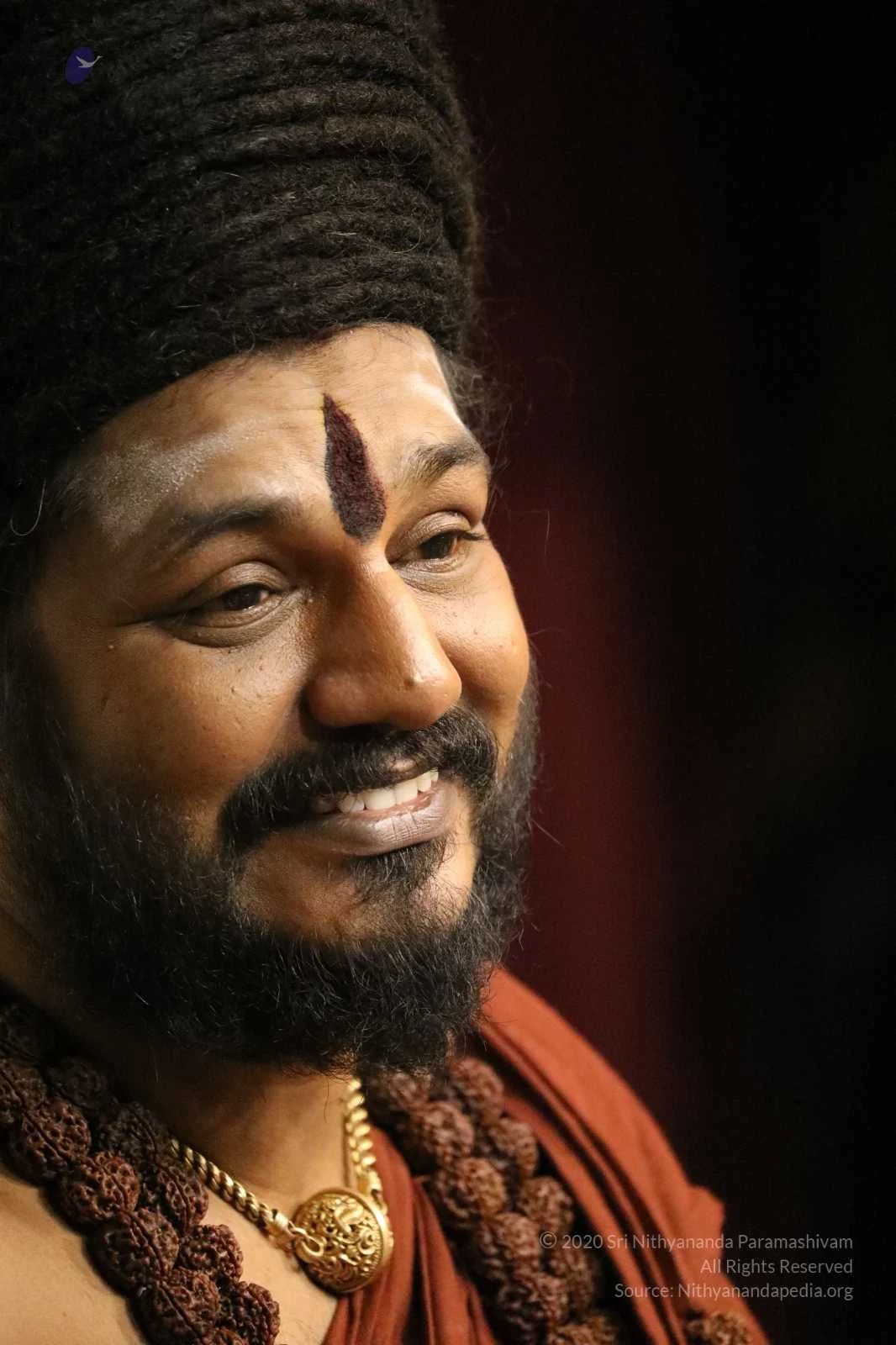
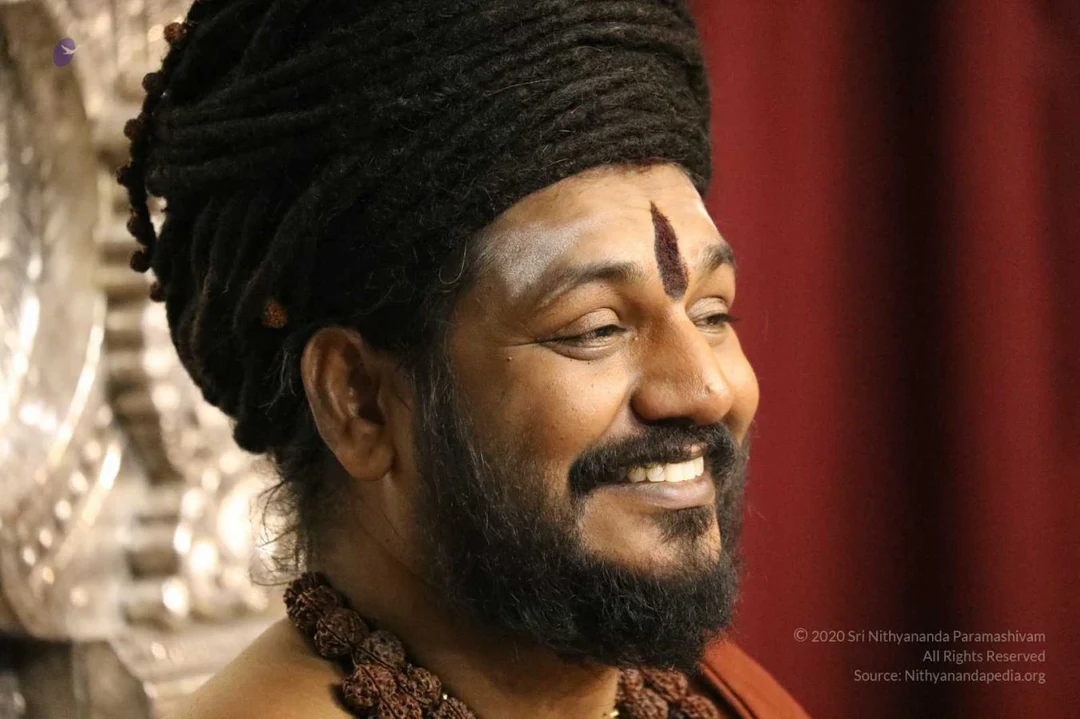
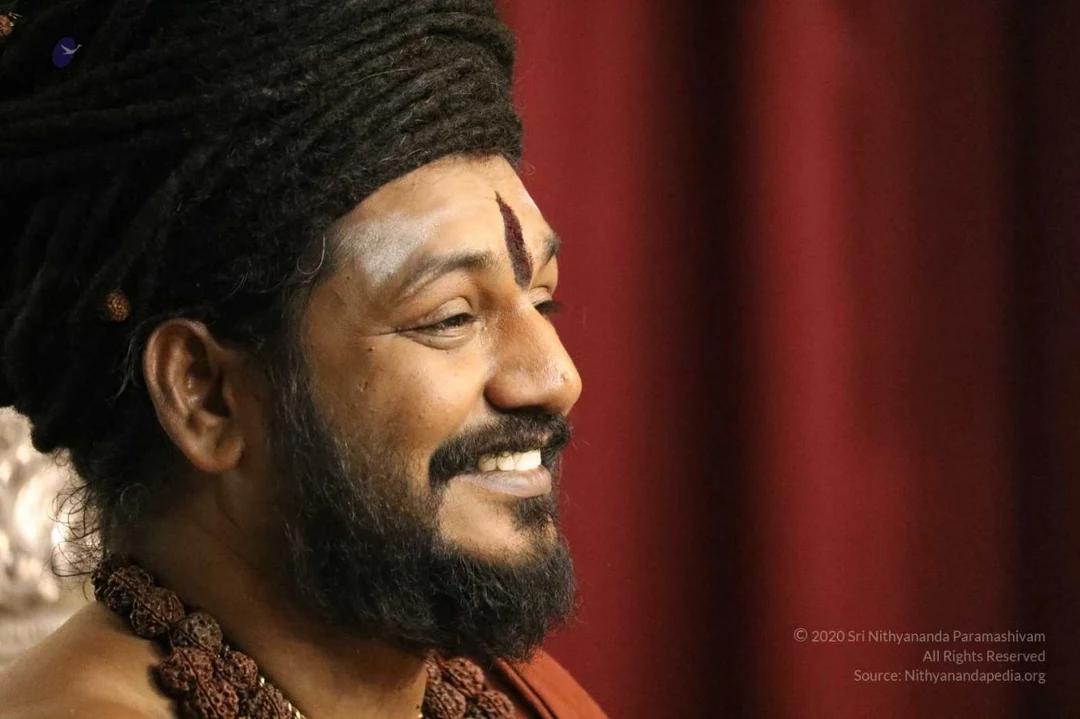
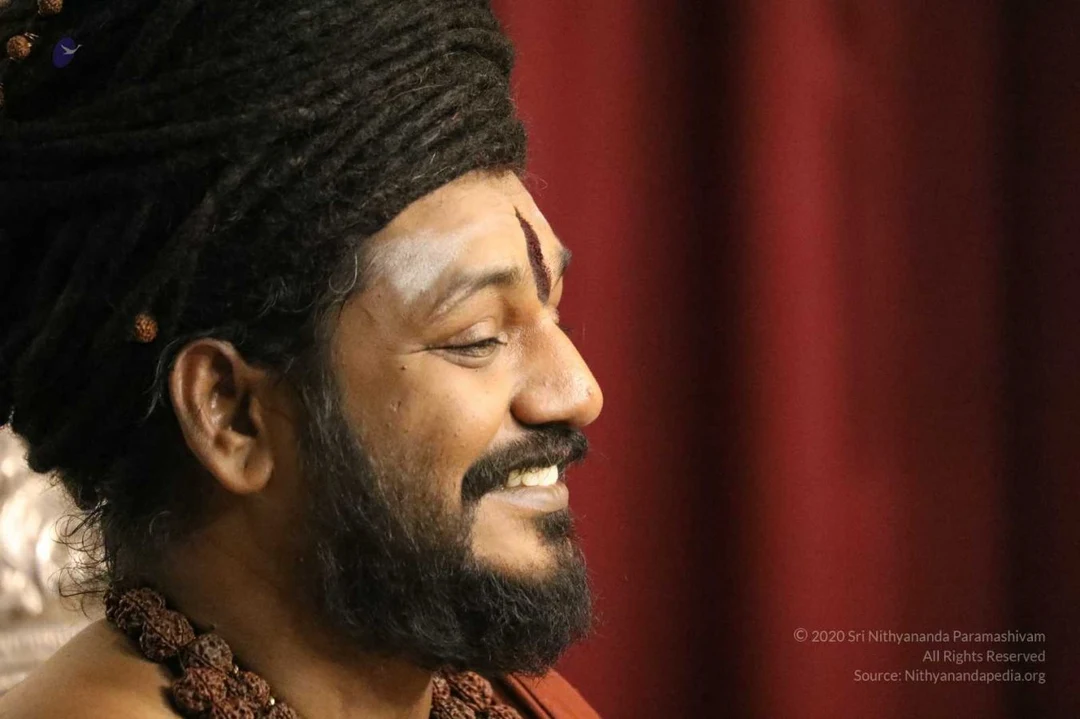
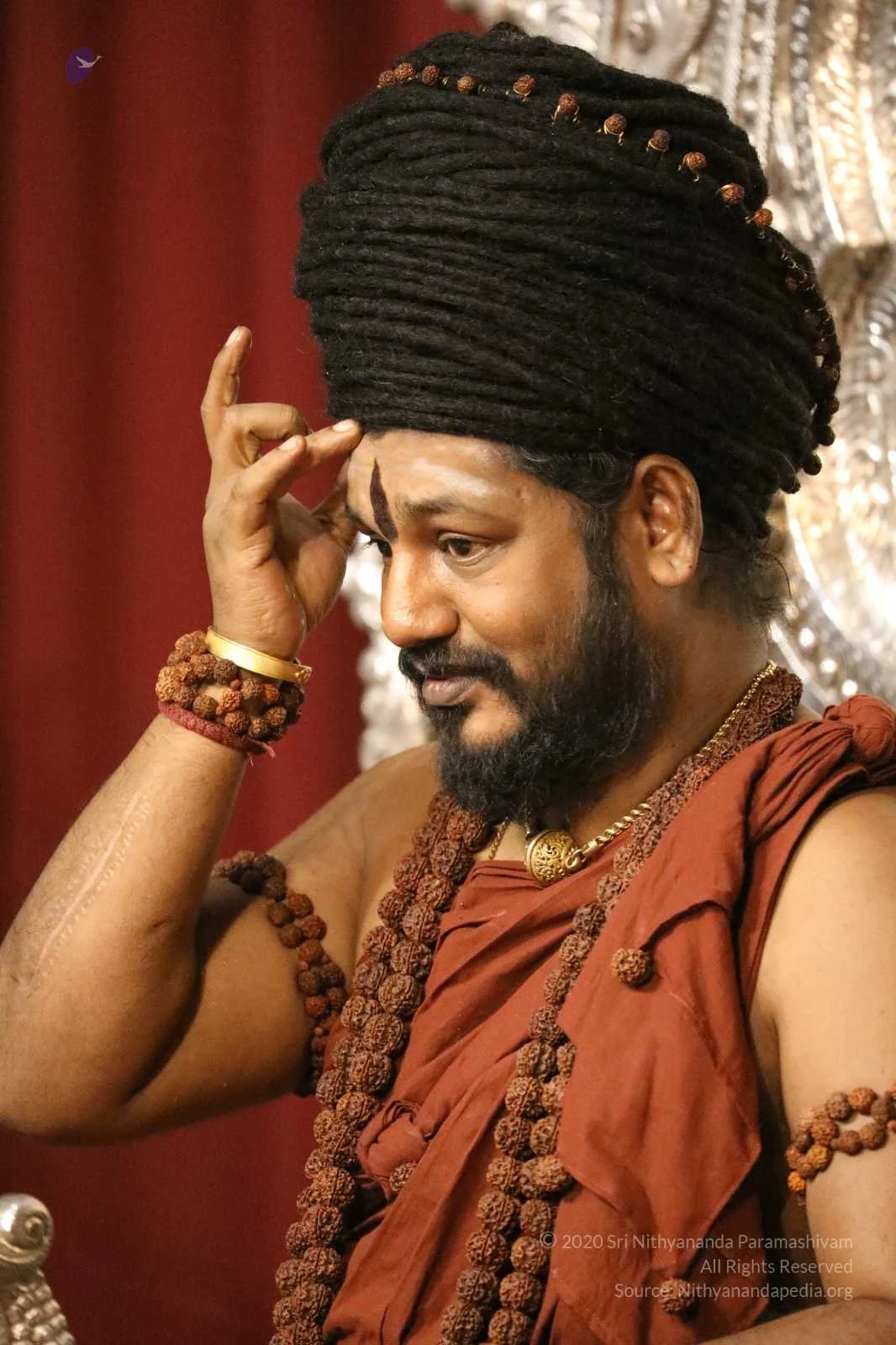
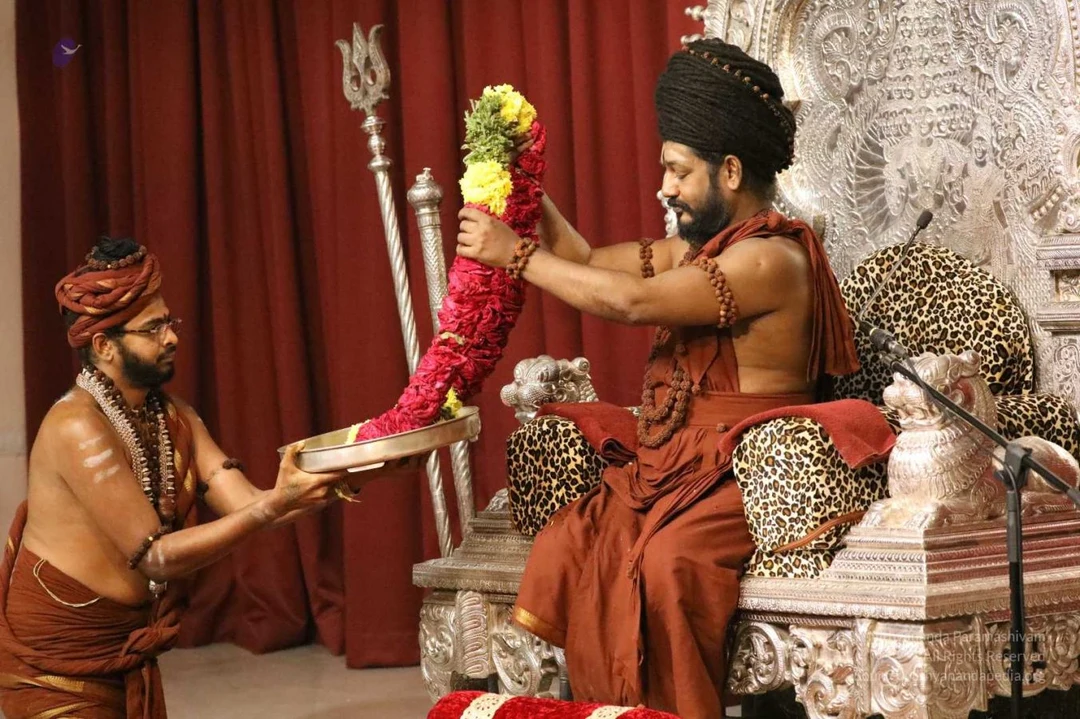
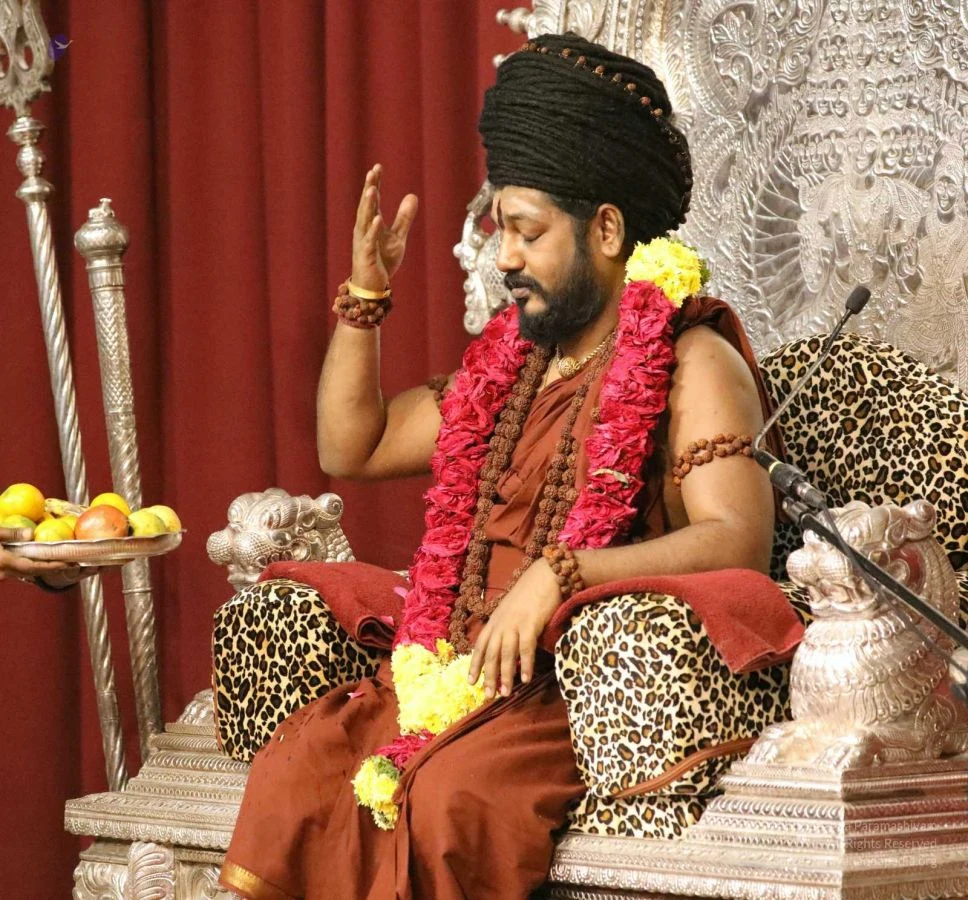
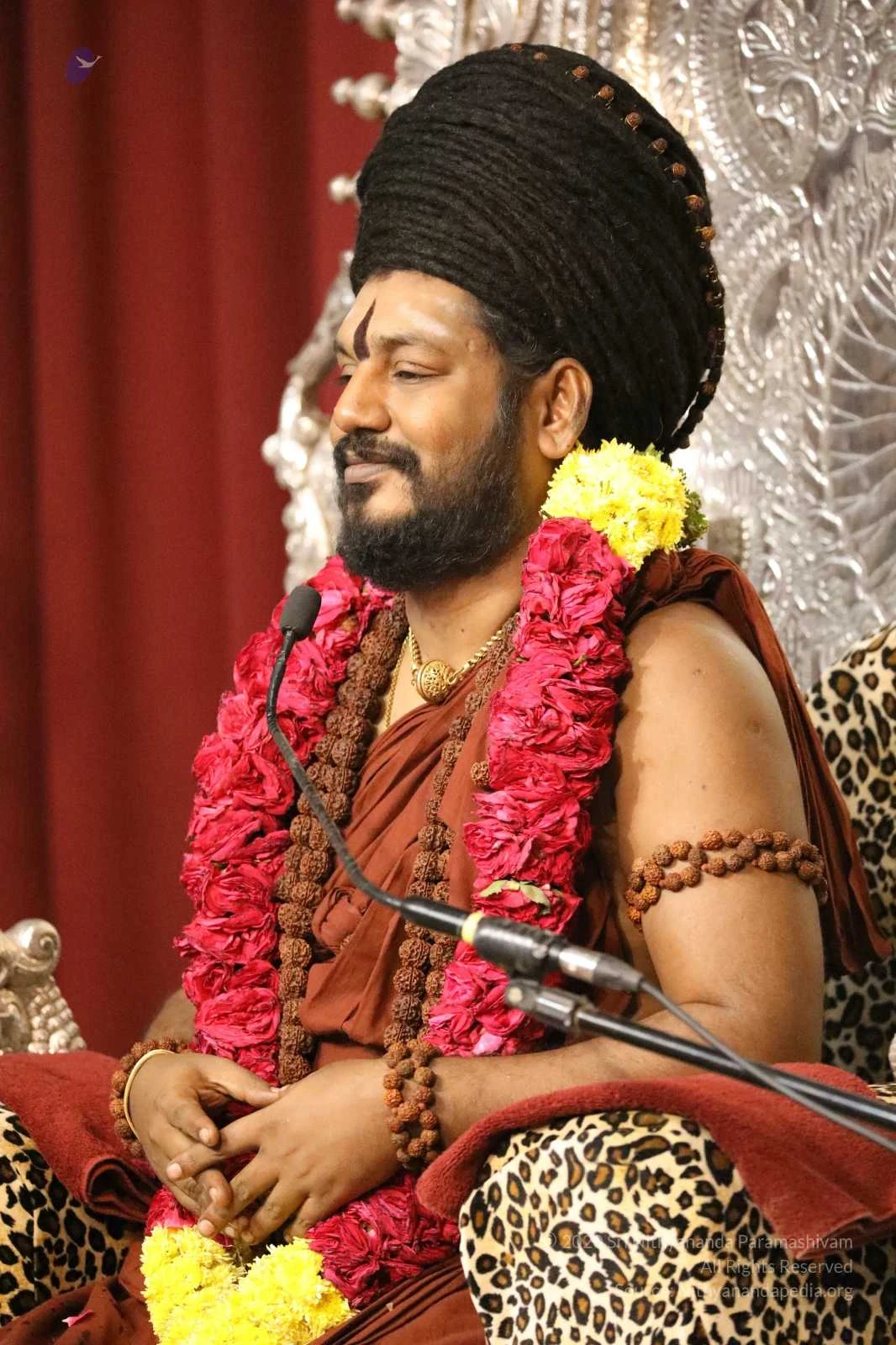
Photos
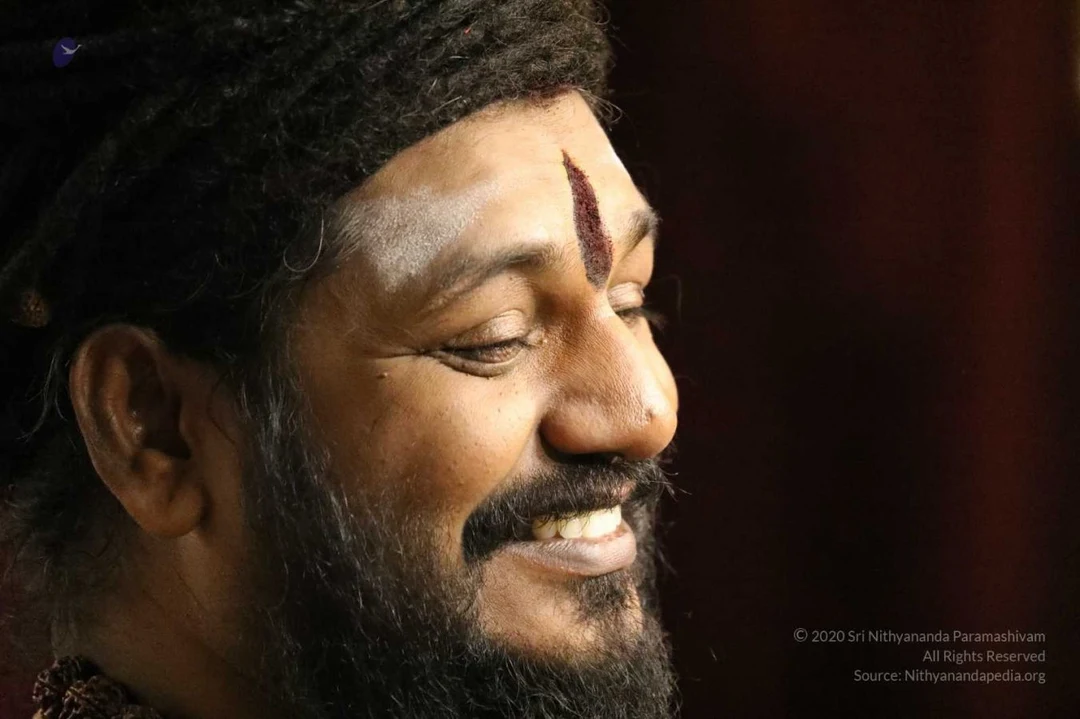
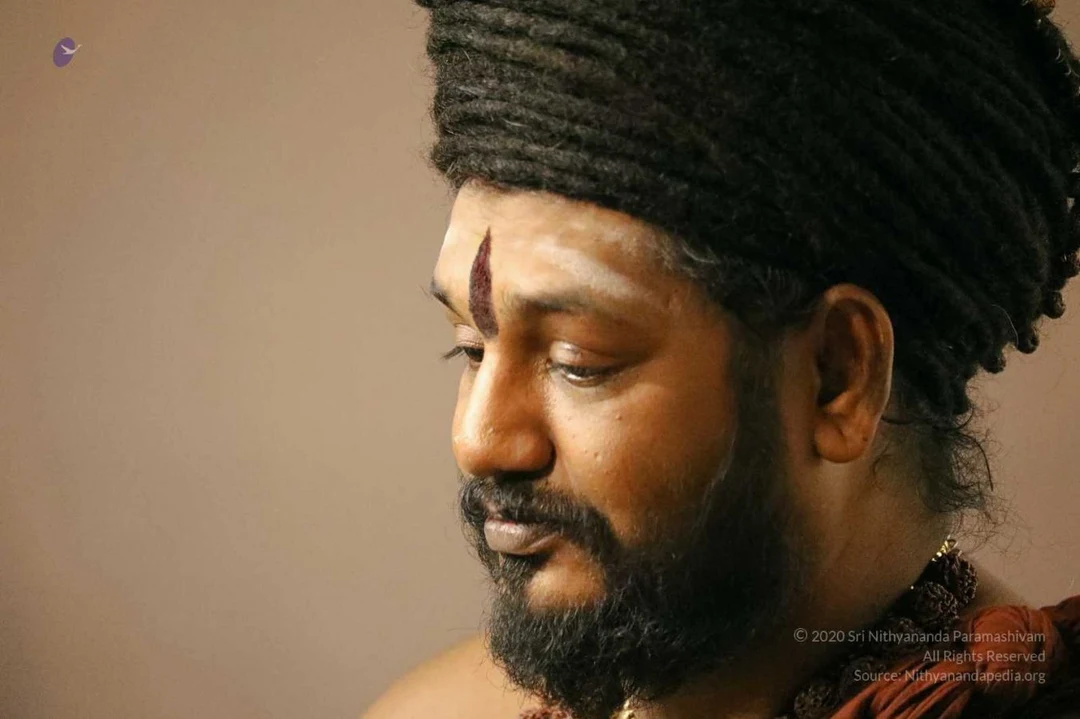
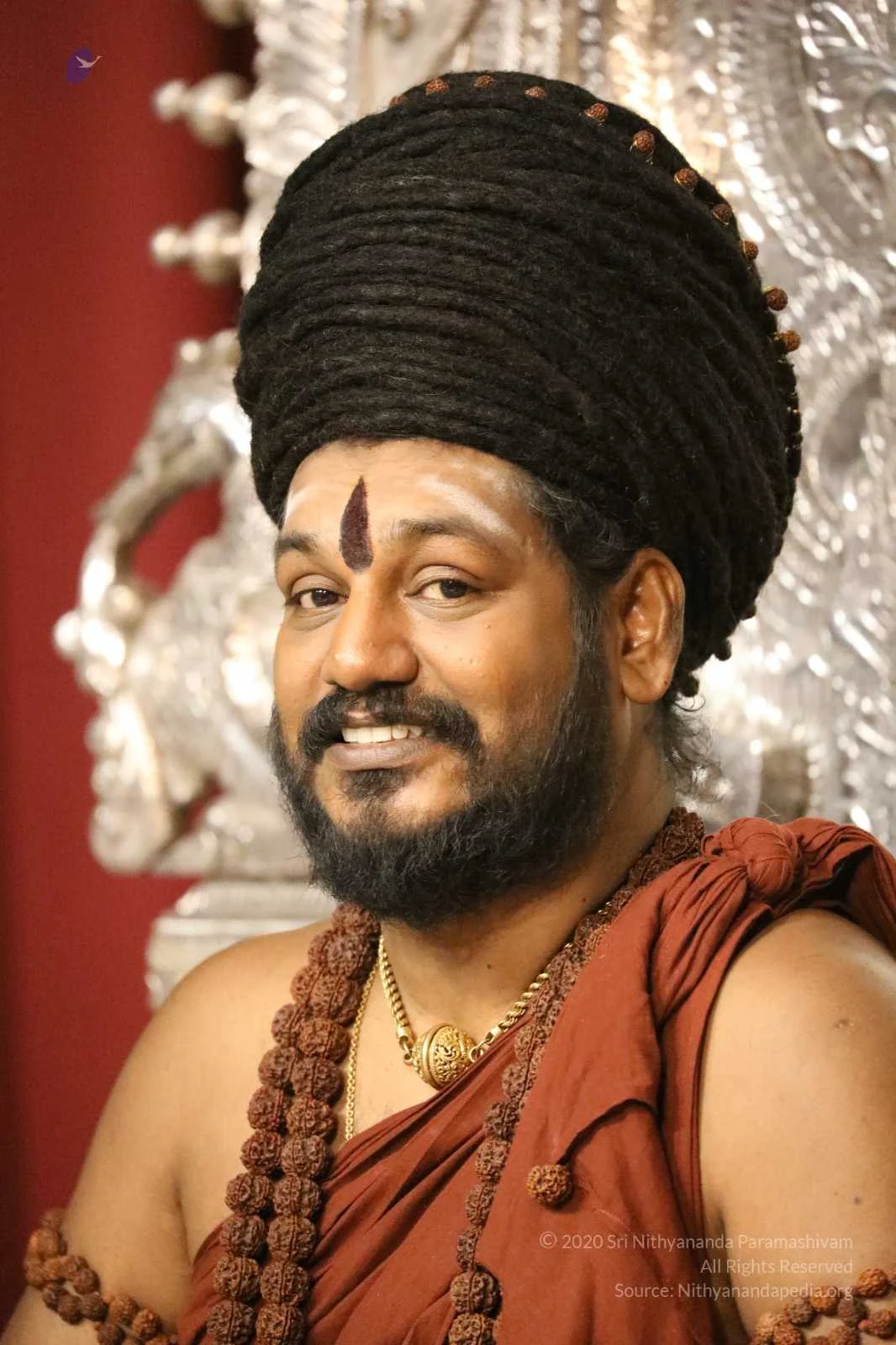
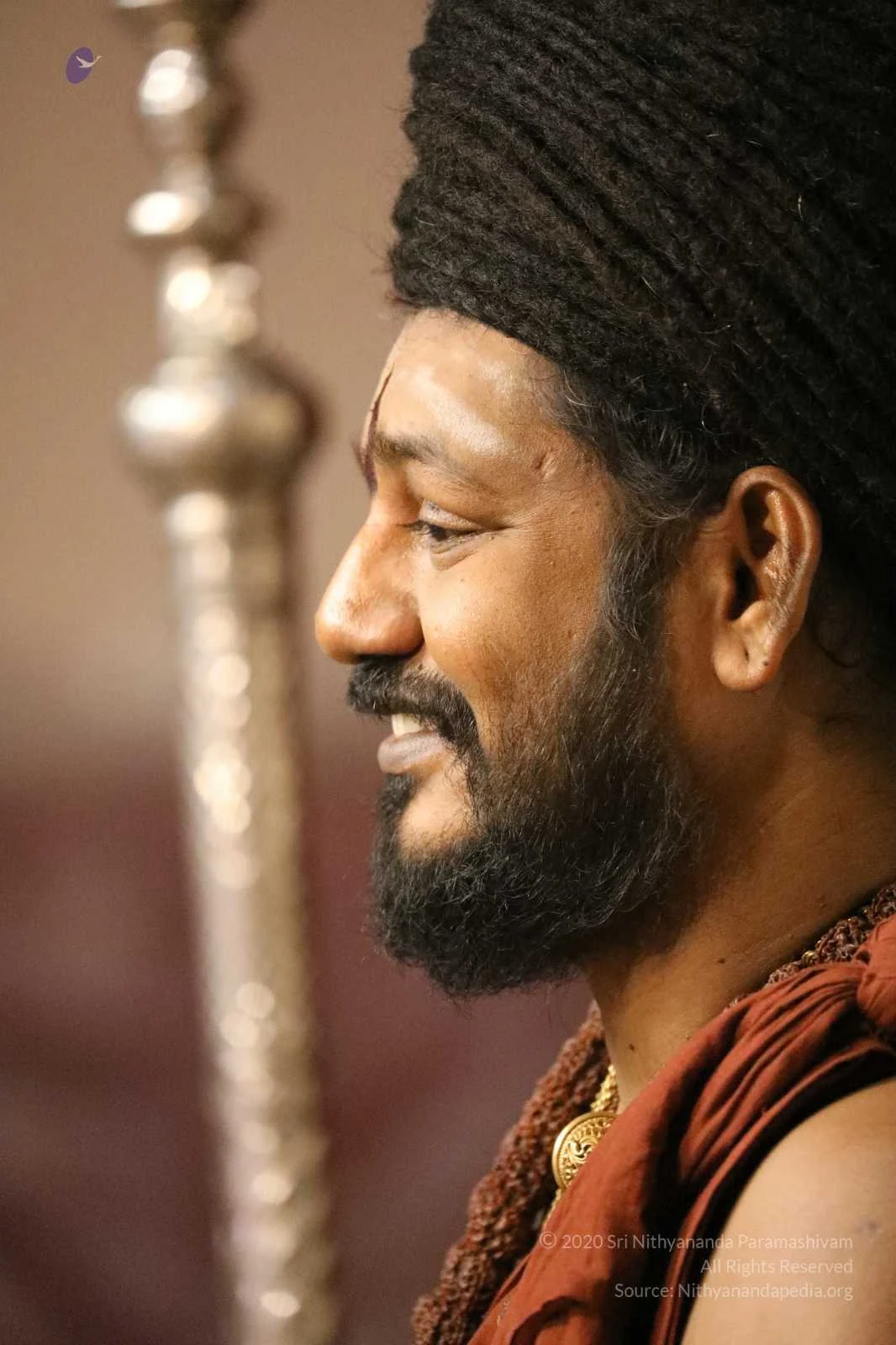
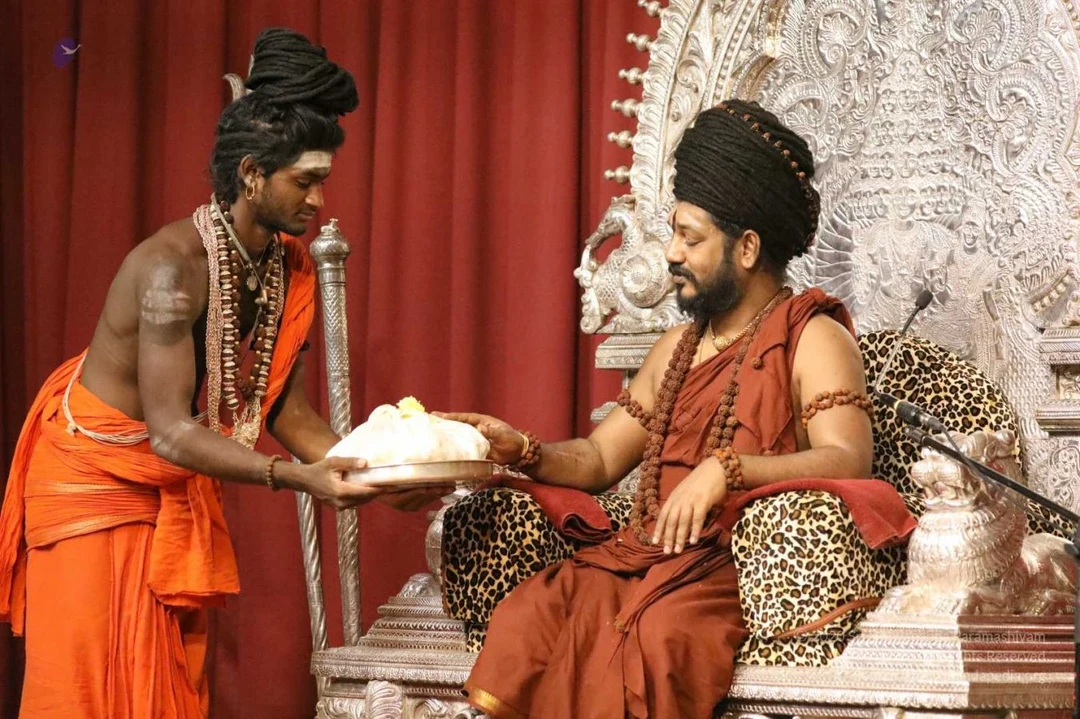
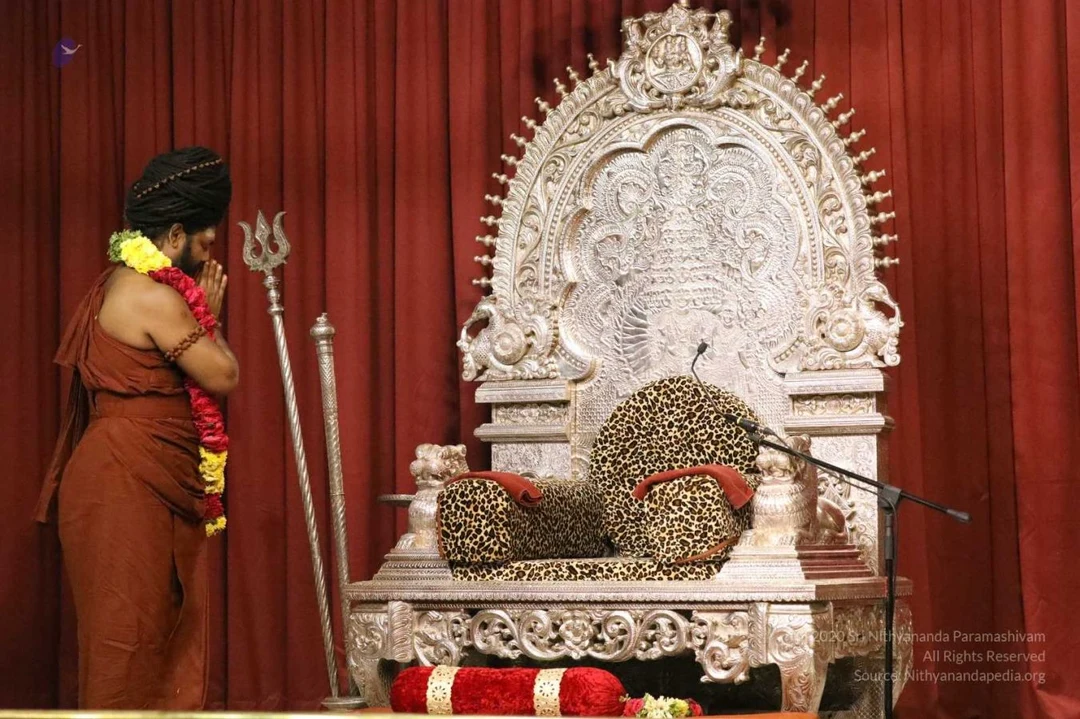
Darshan
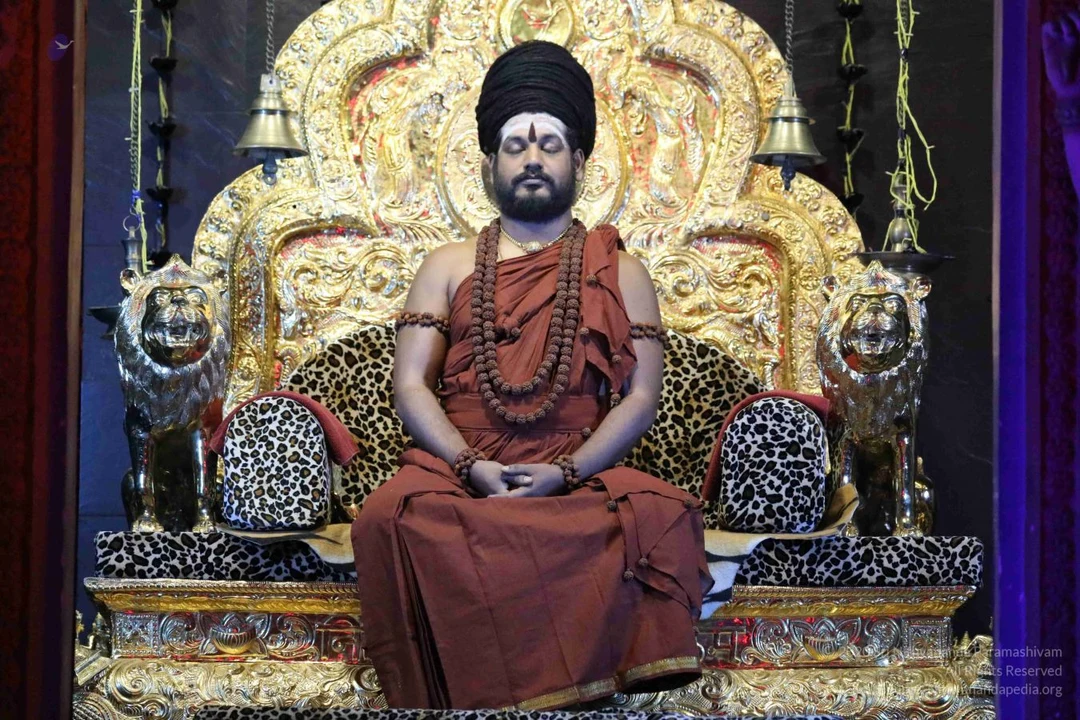
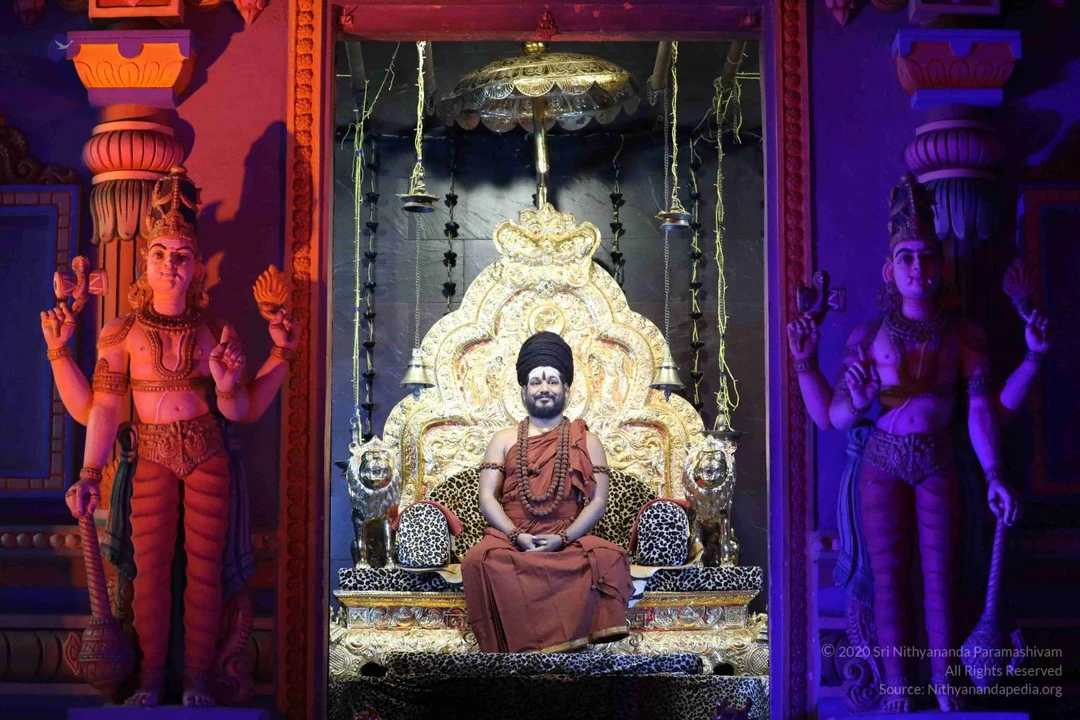
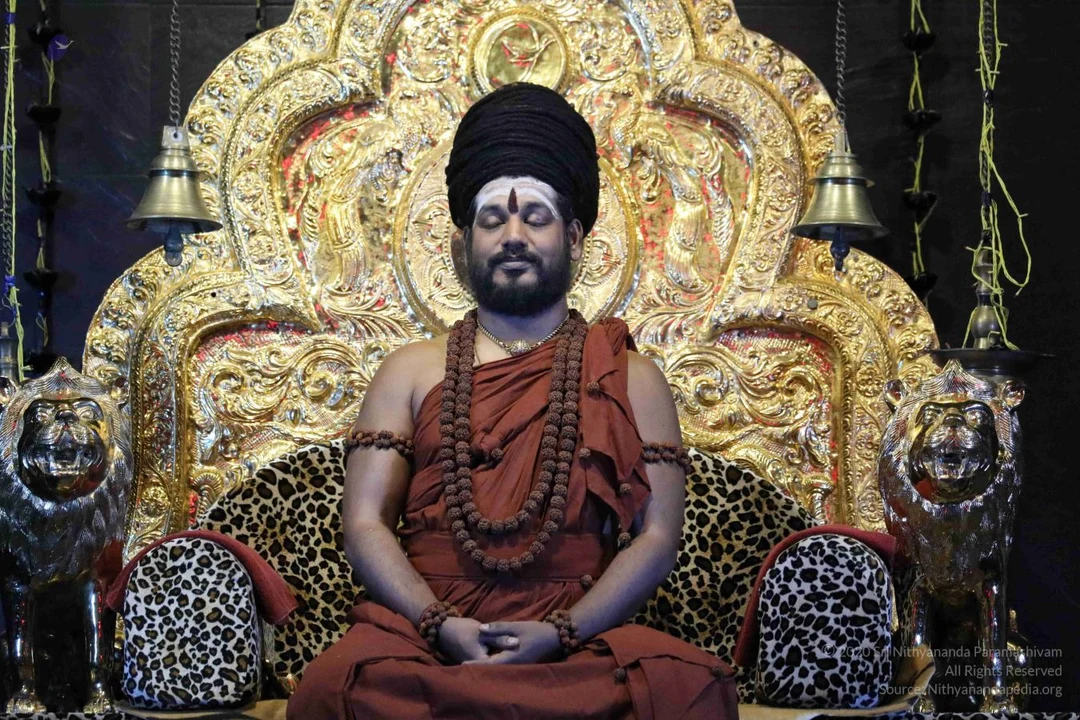
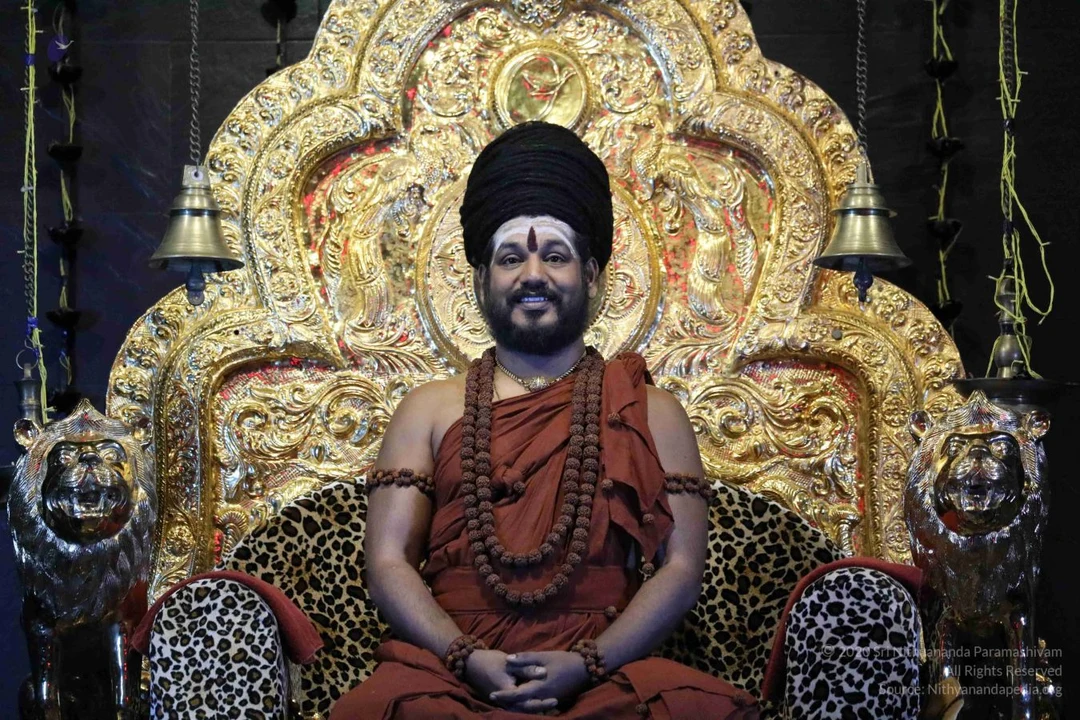
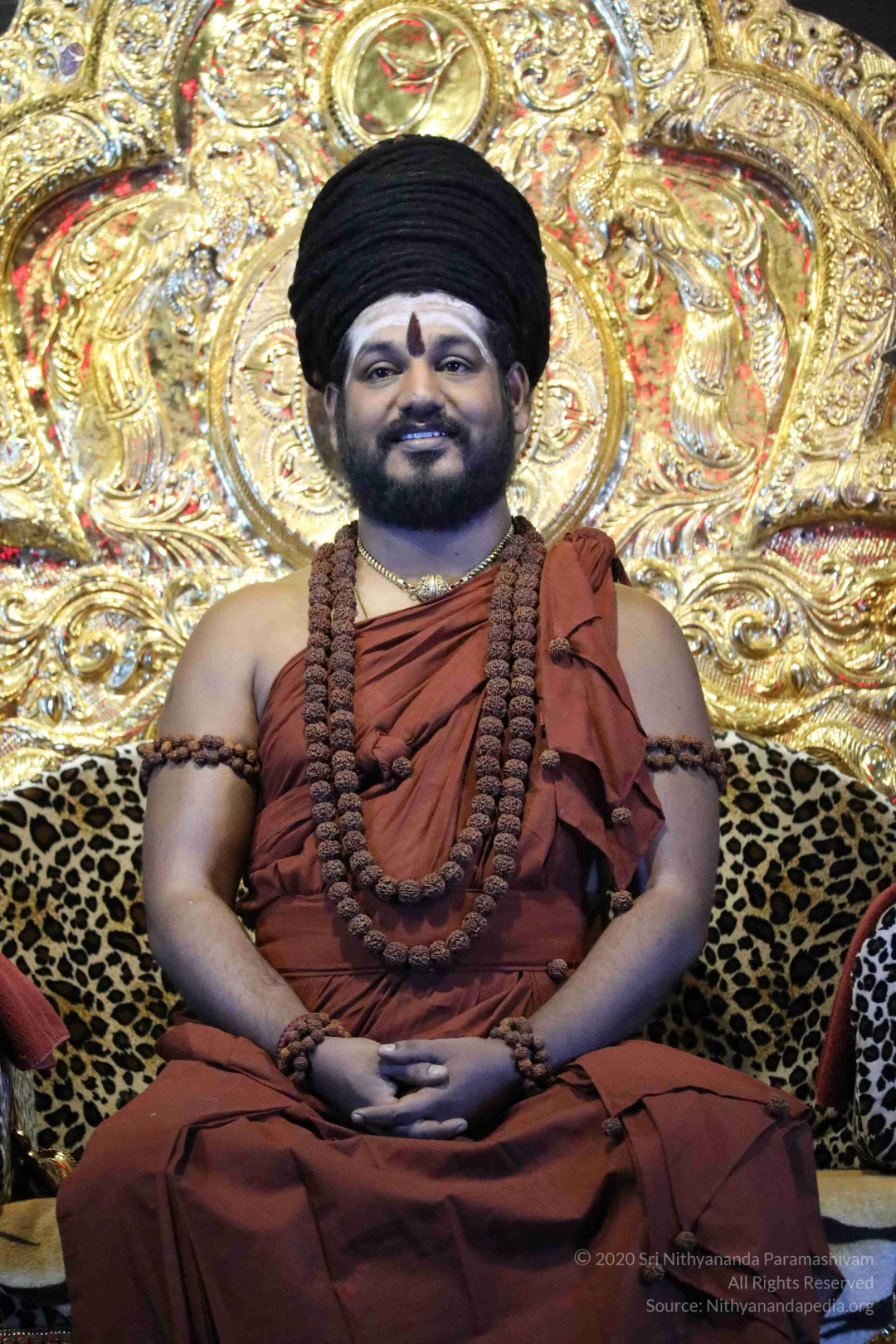
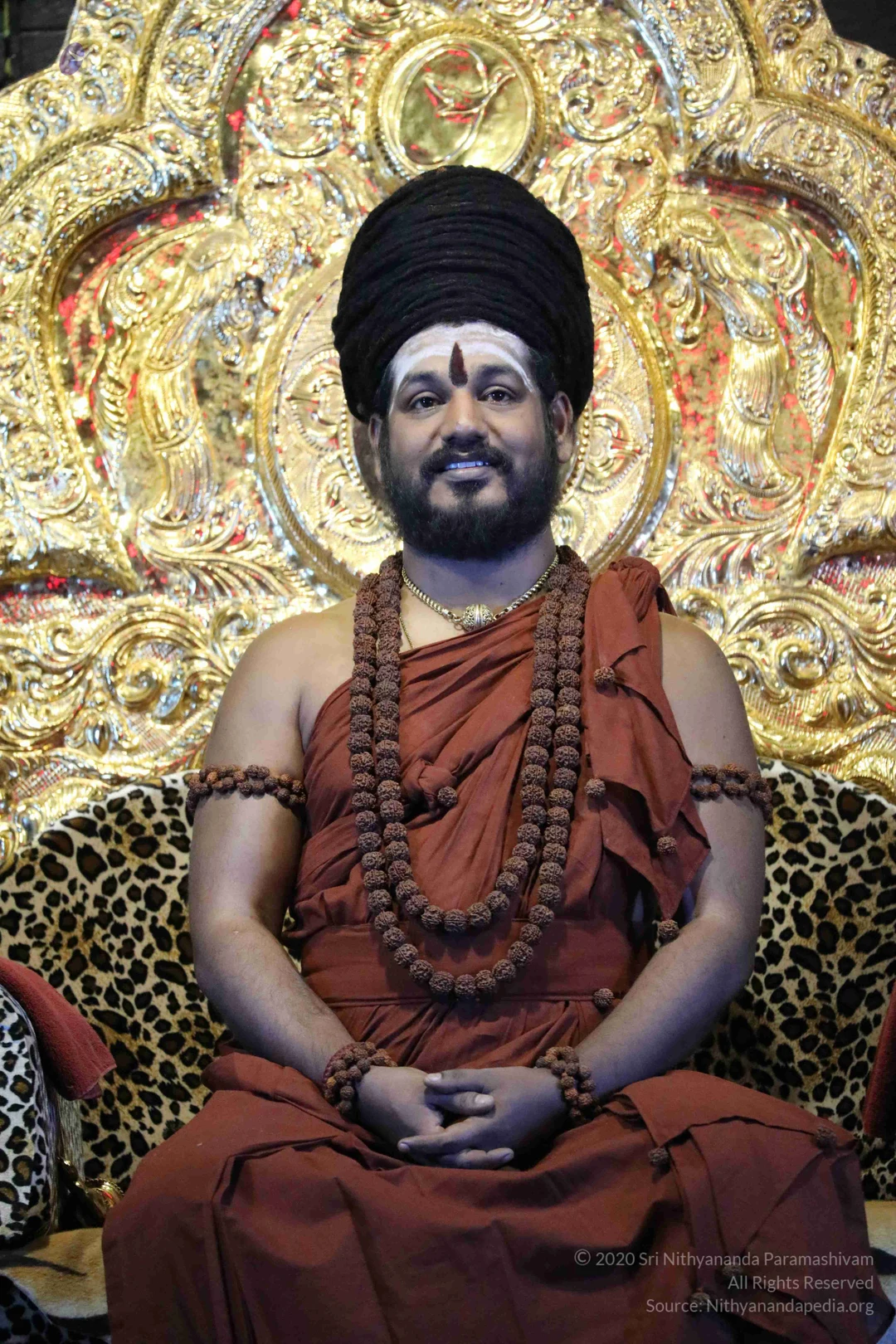
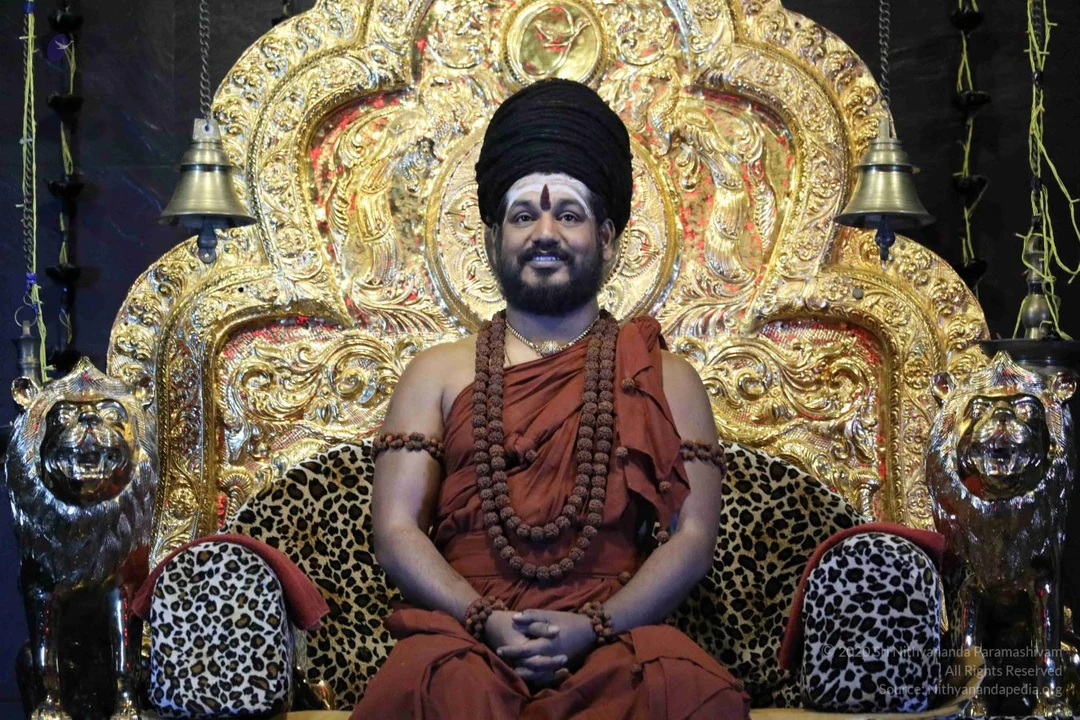
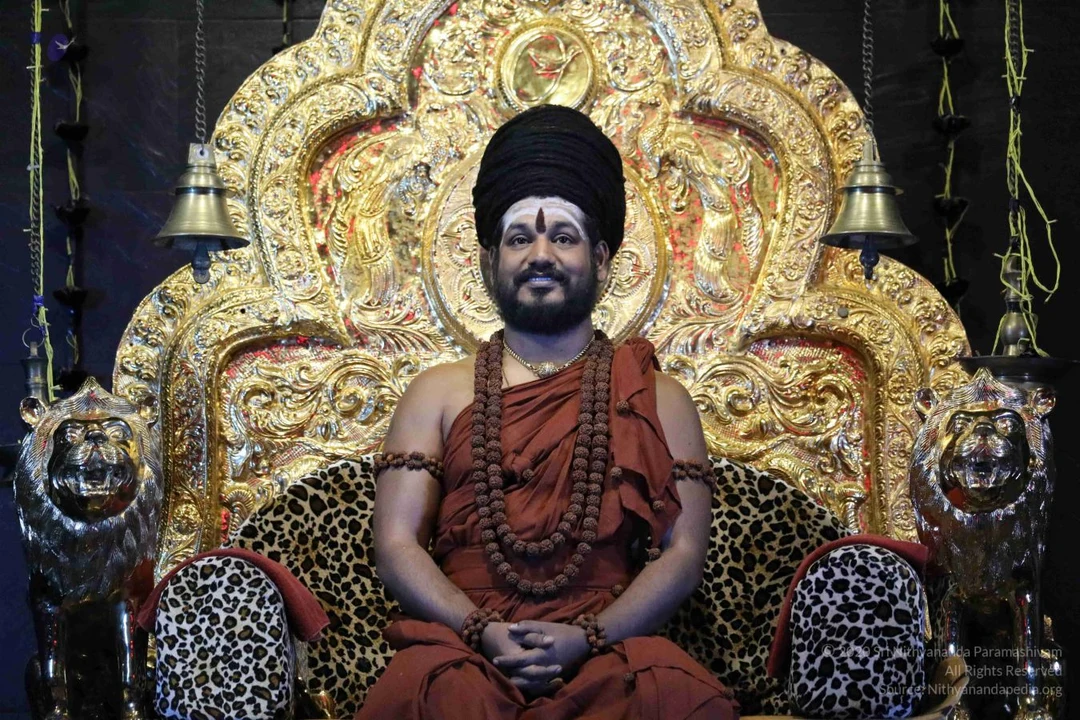
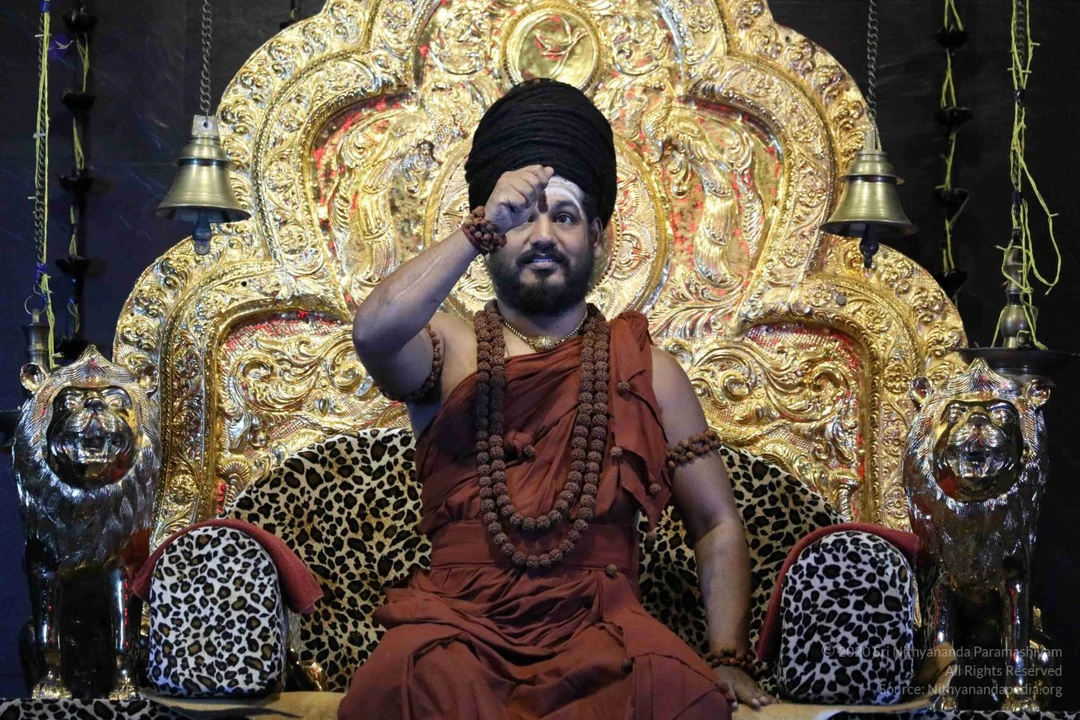
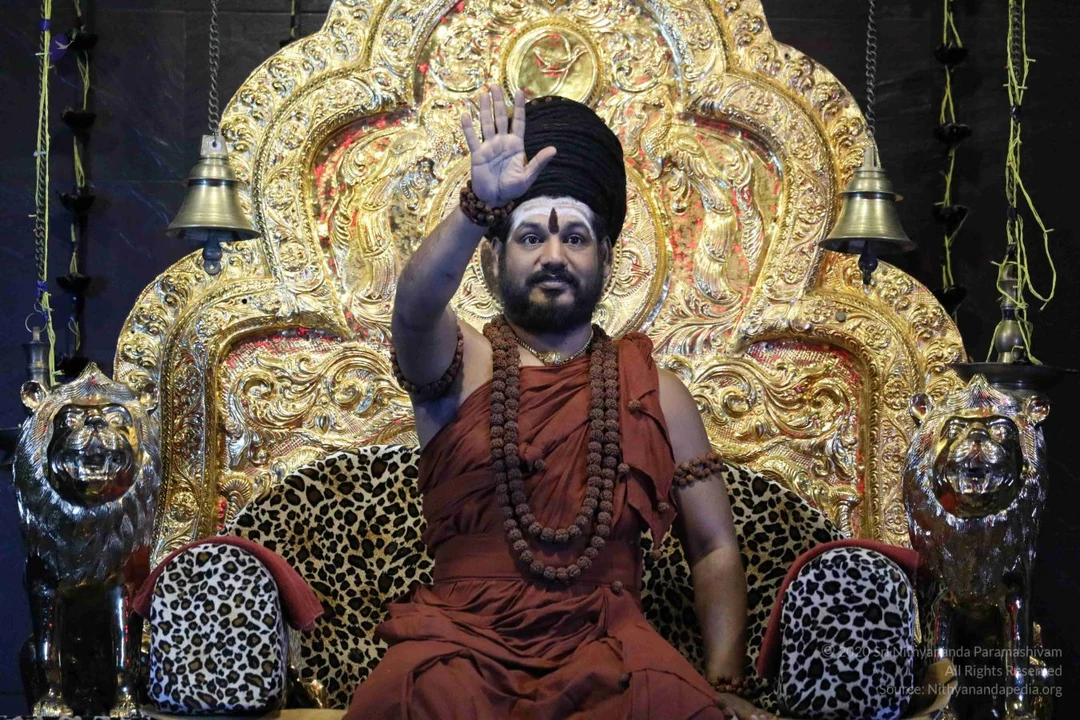
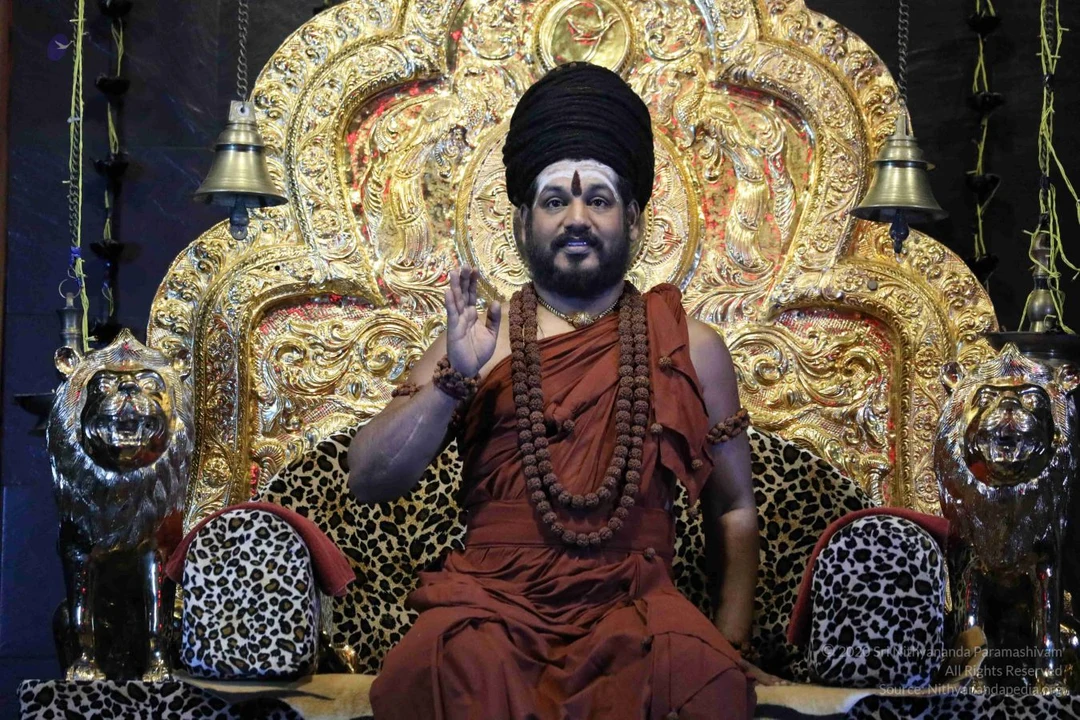
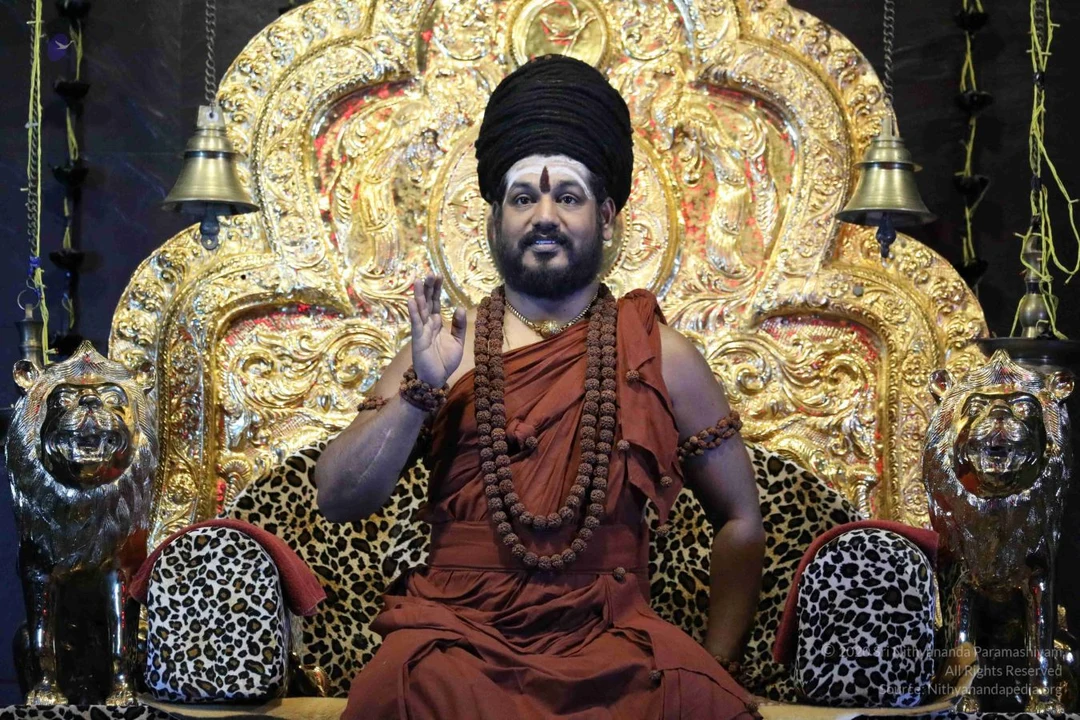
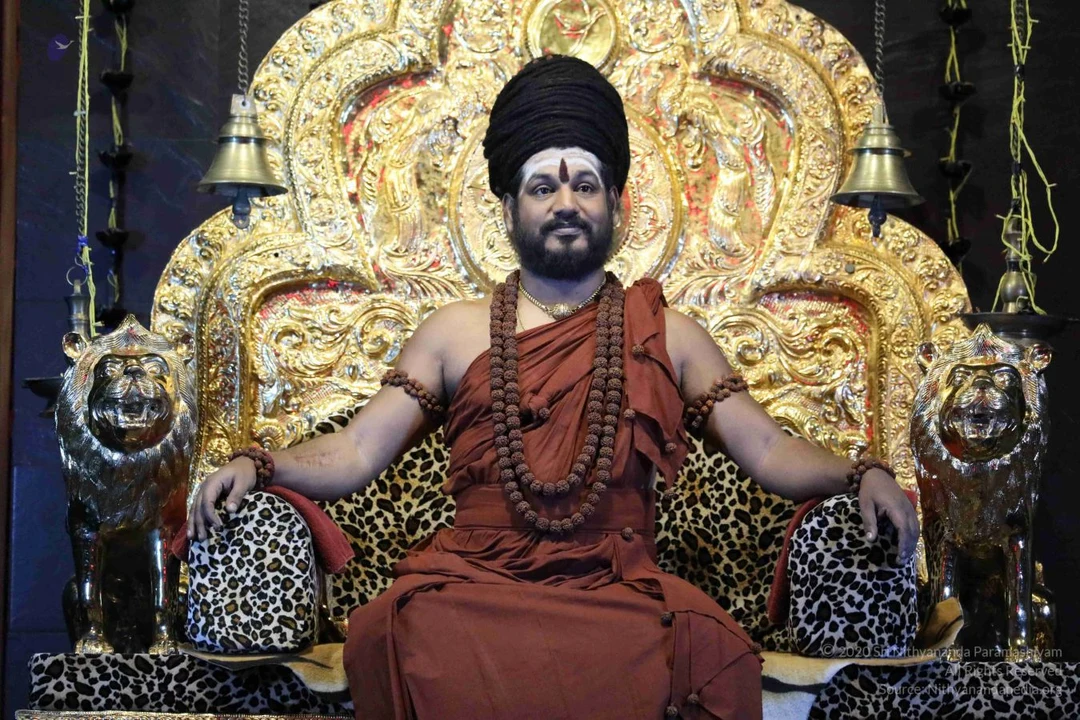
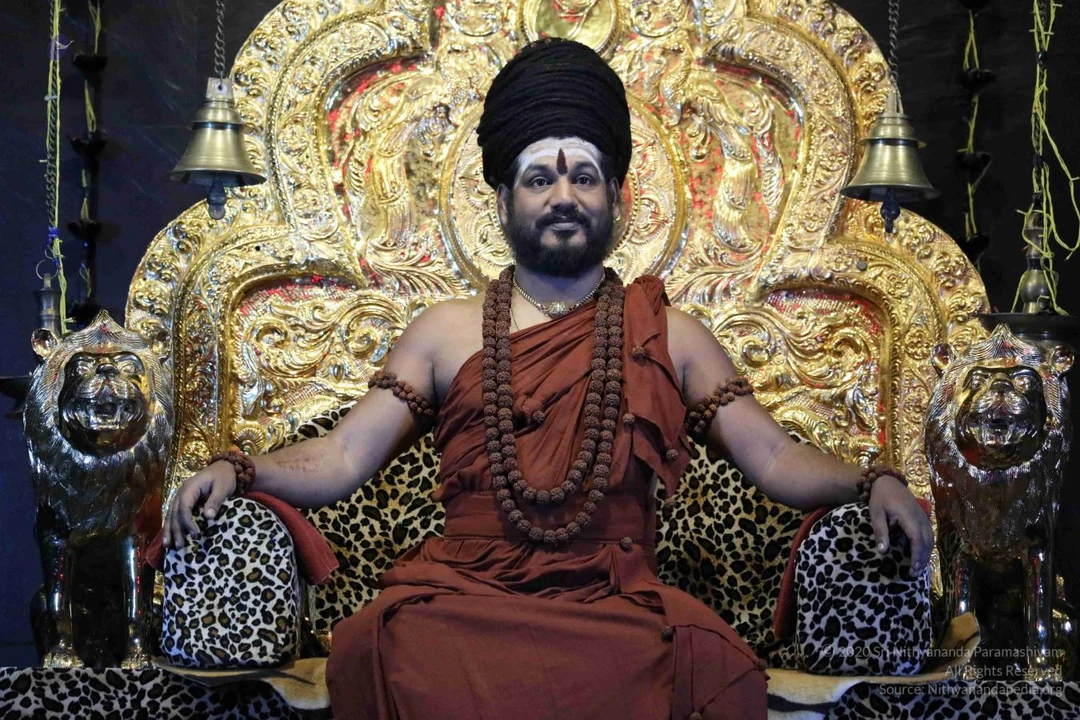
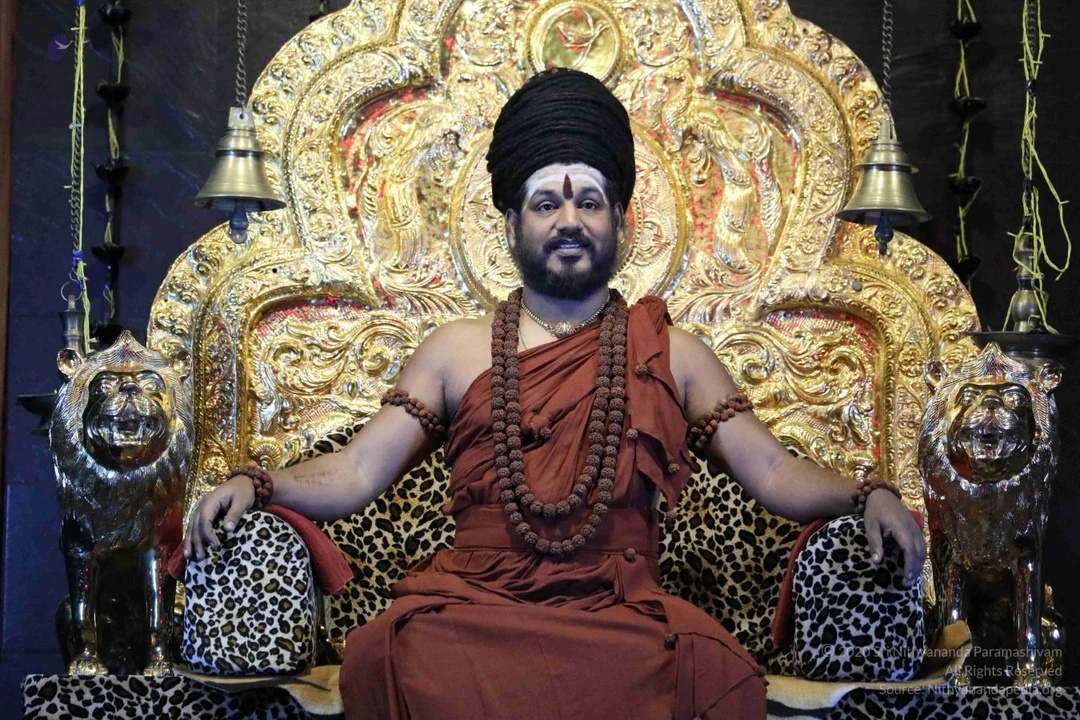
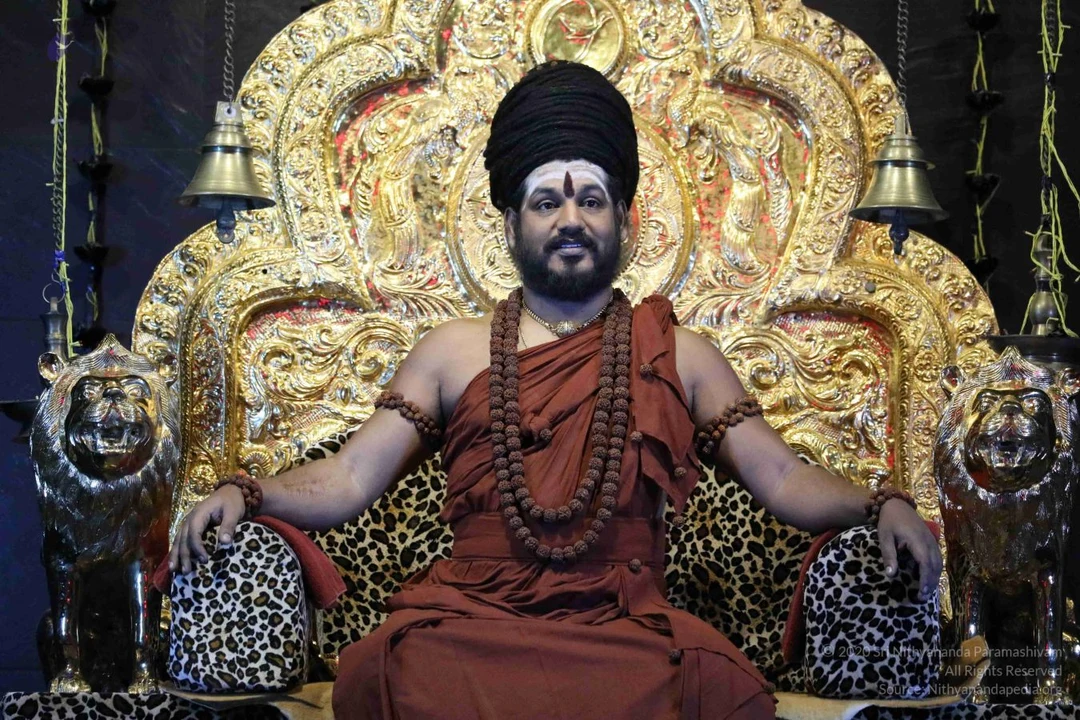

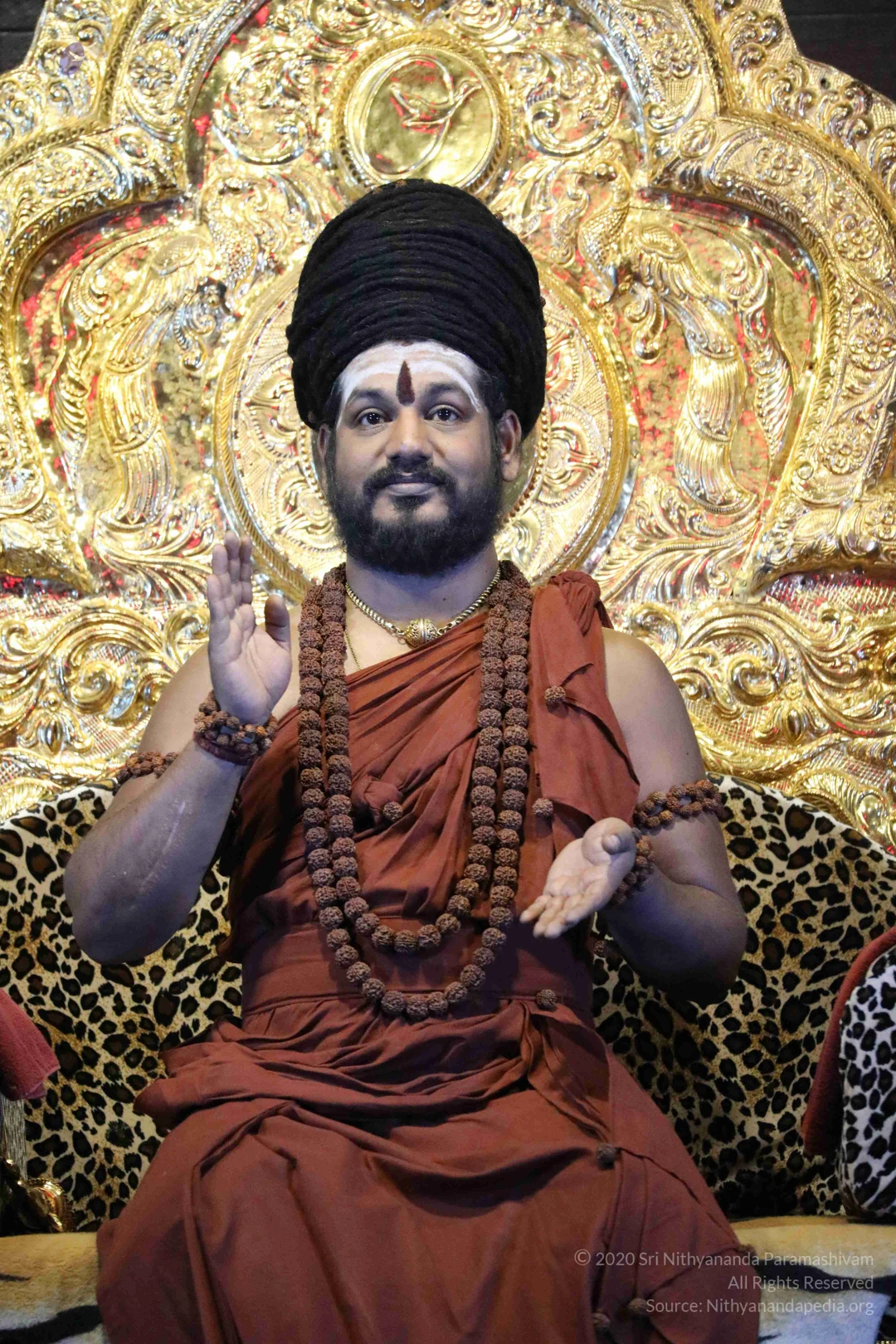
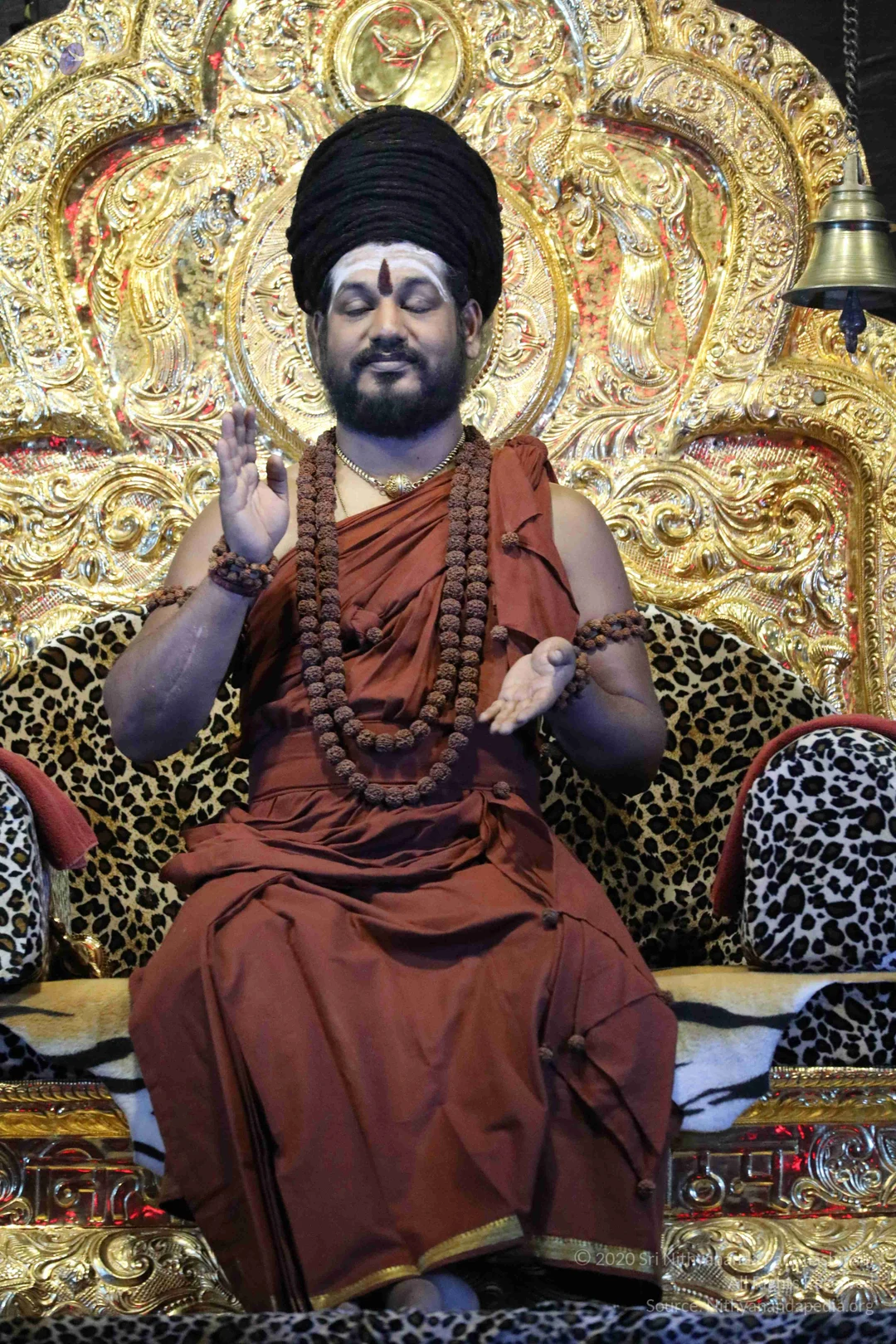
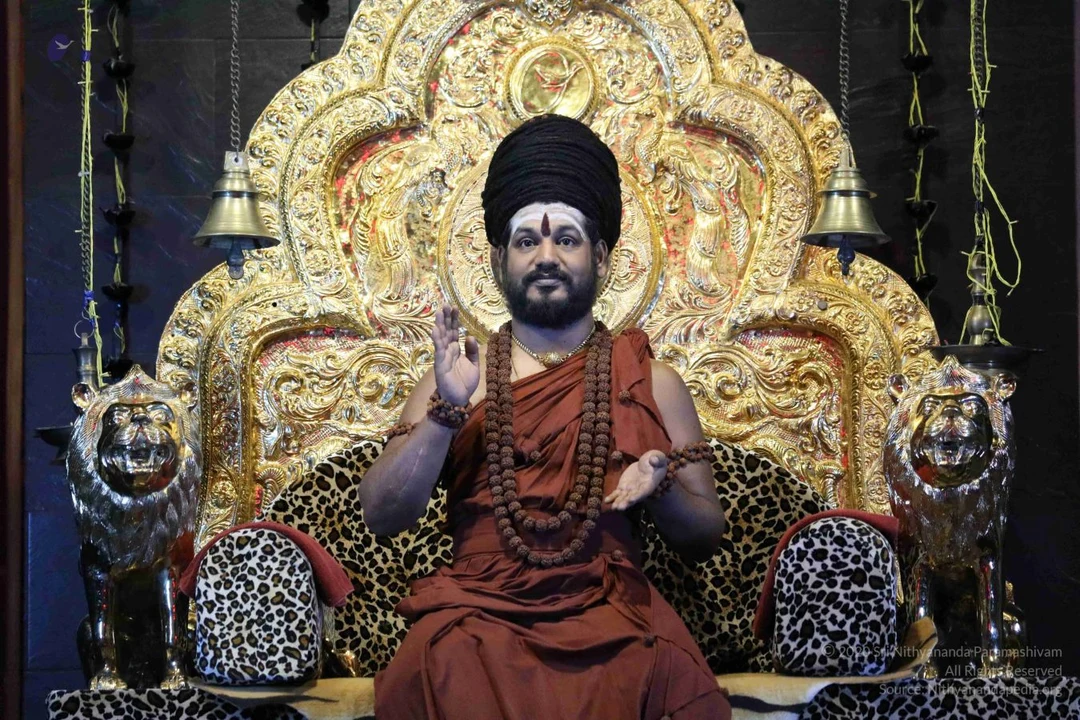
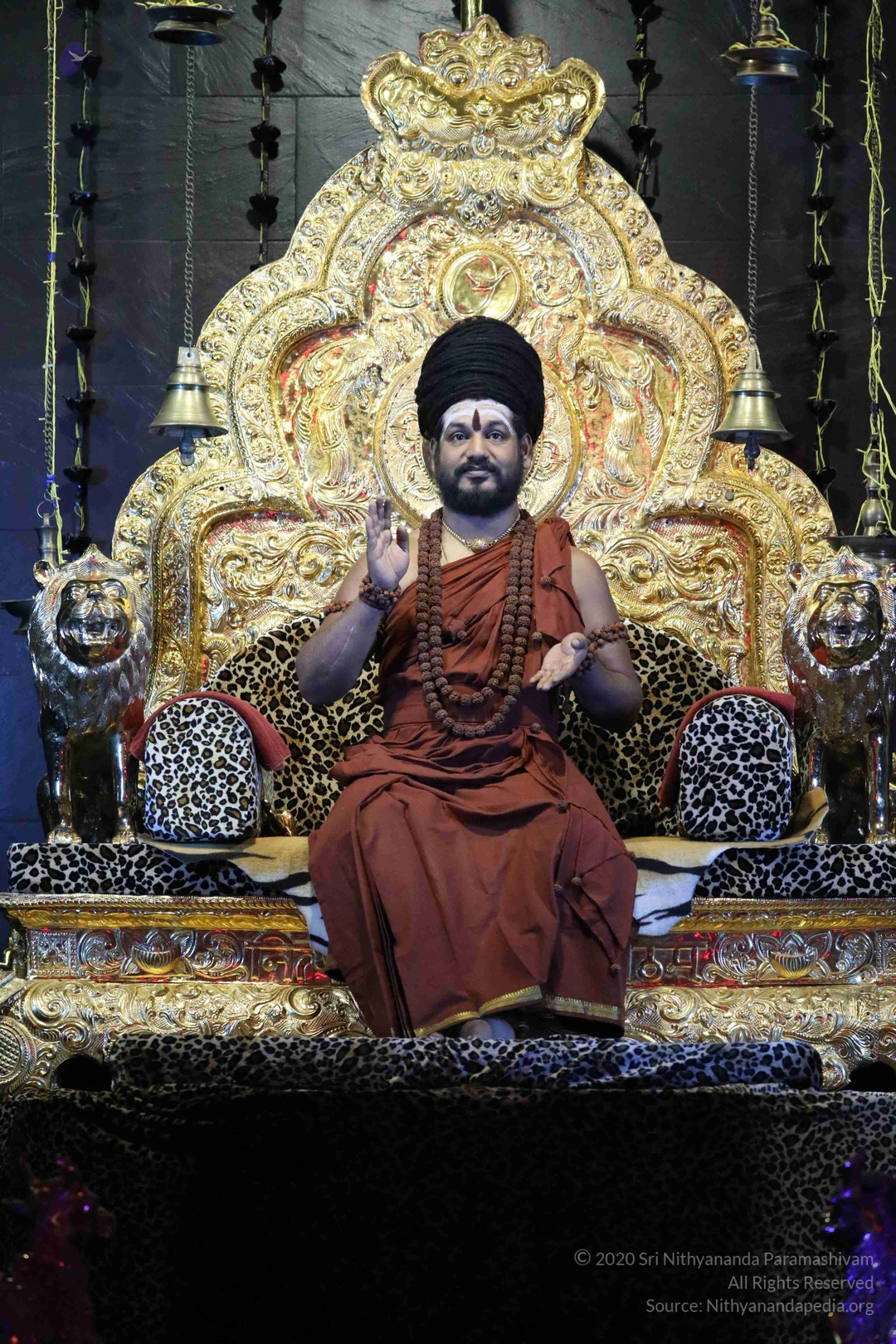
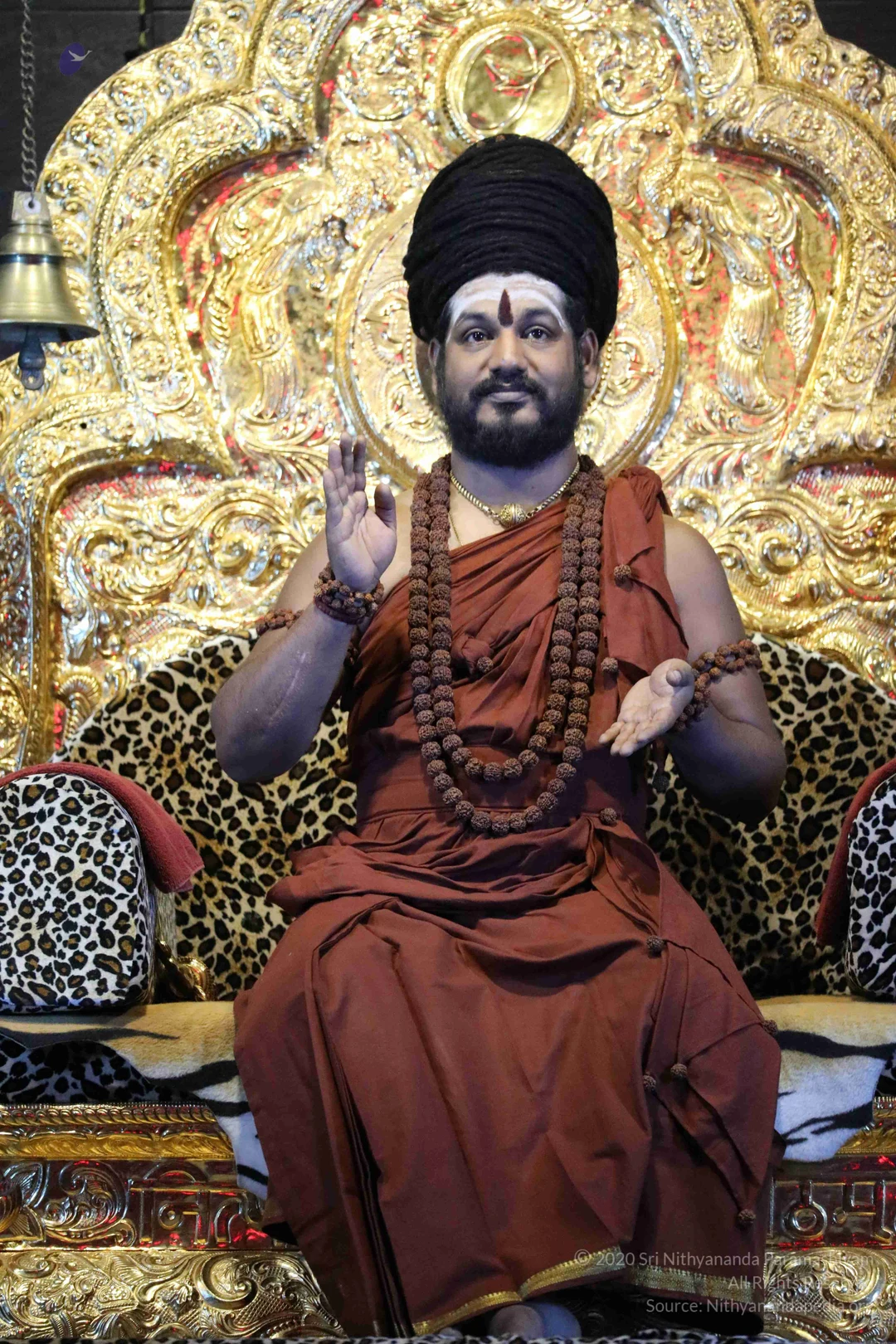
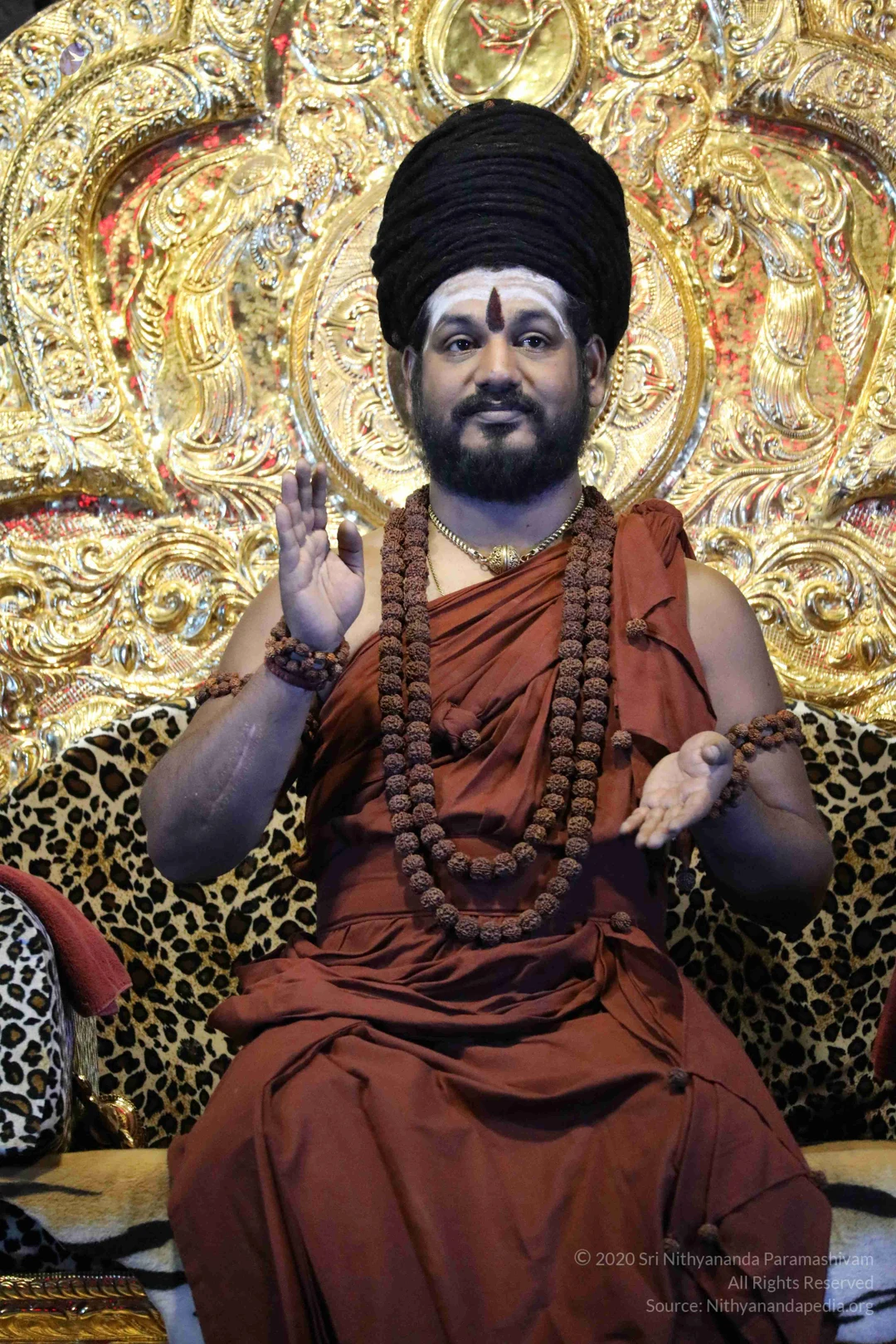
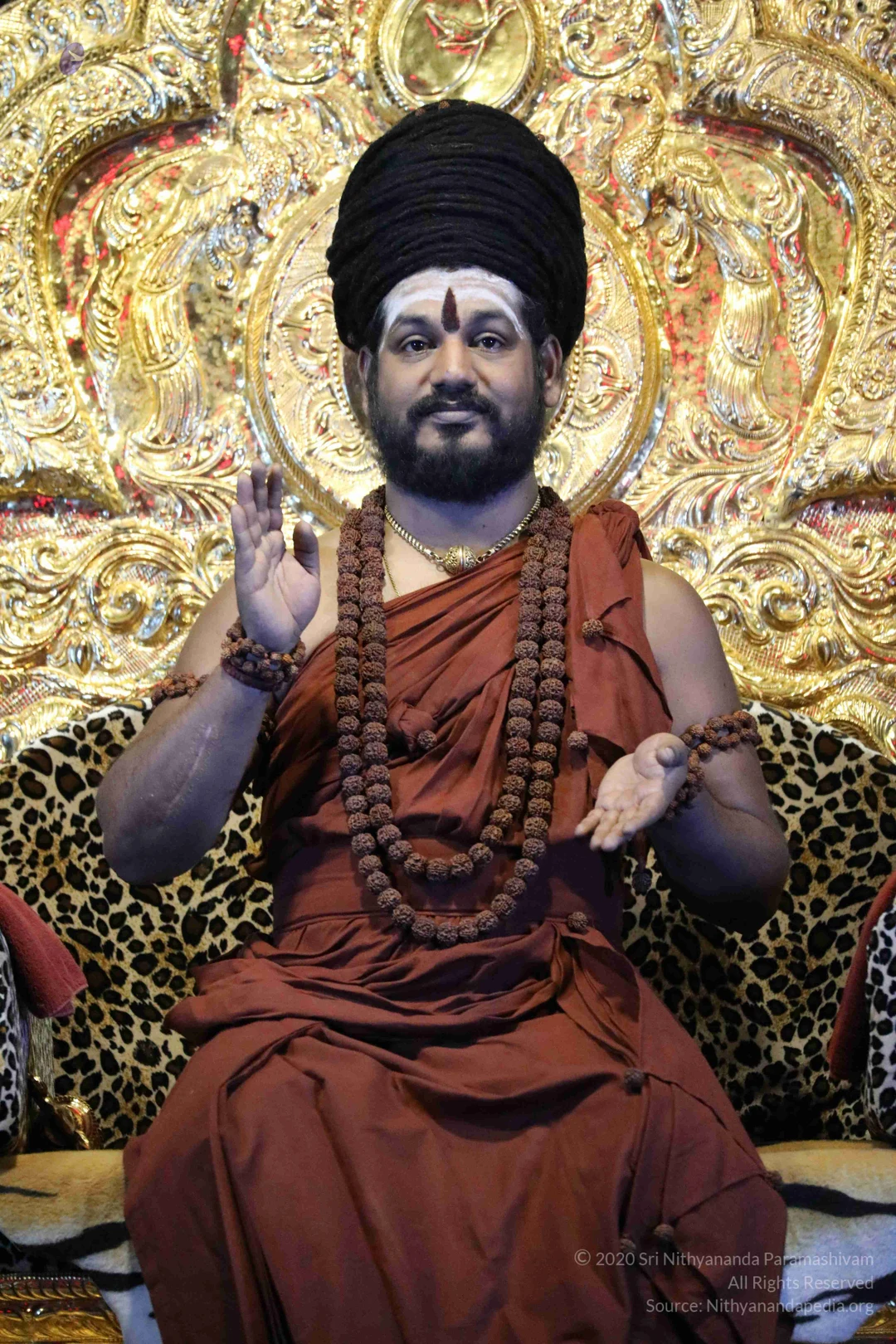
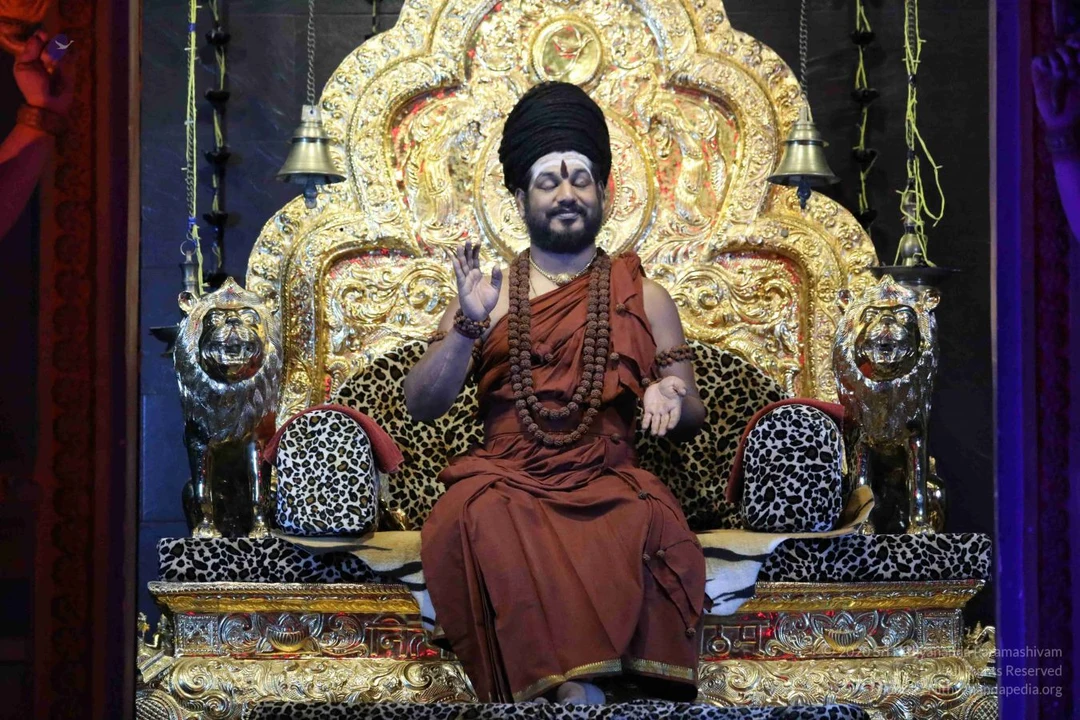
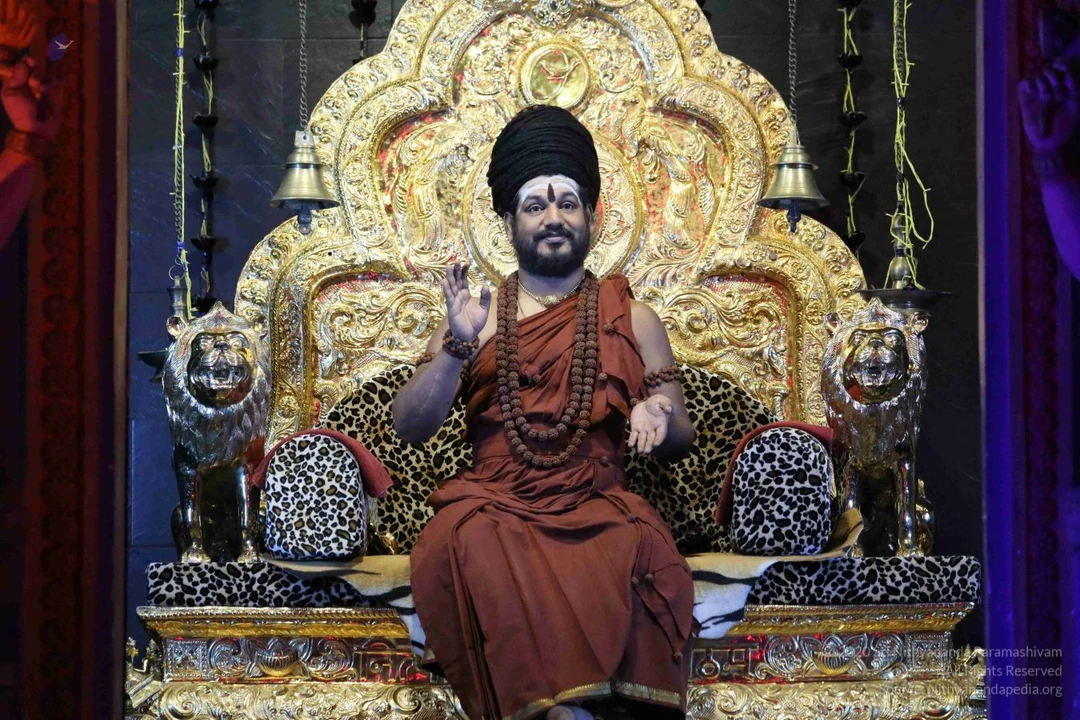

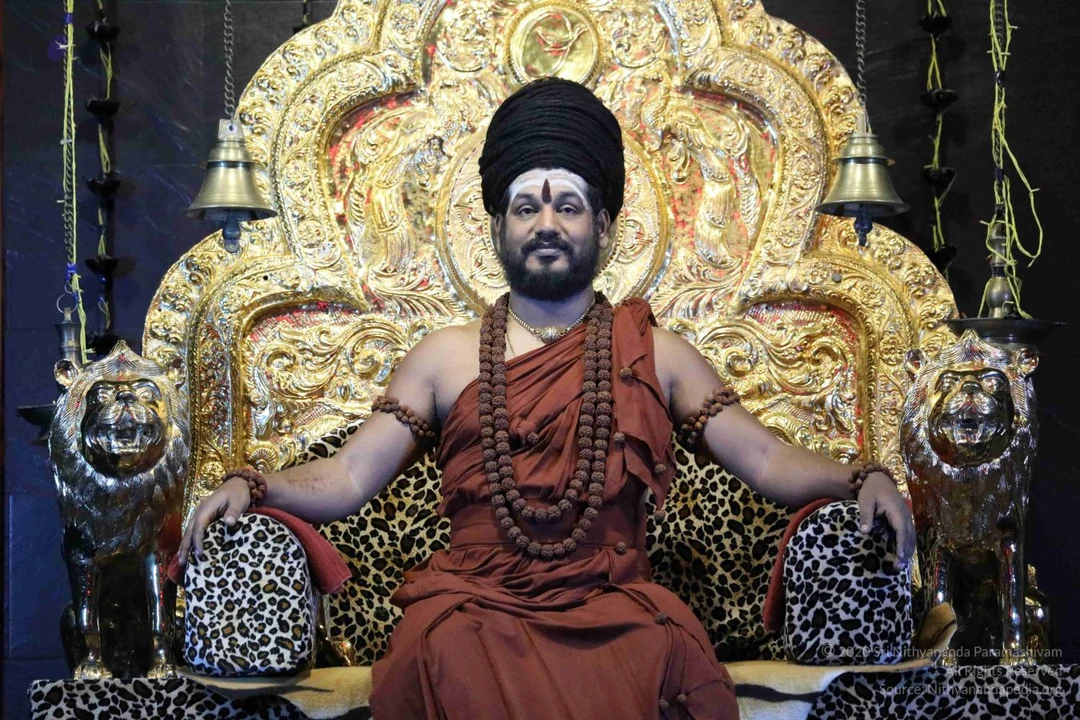
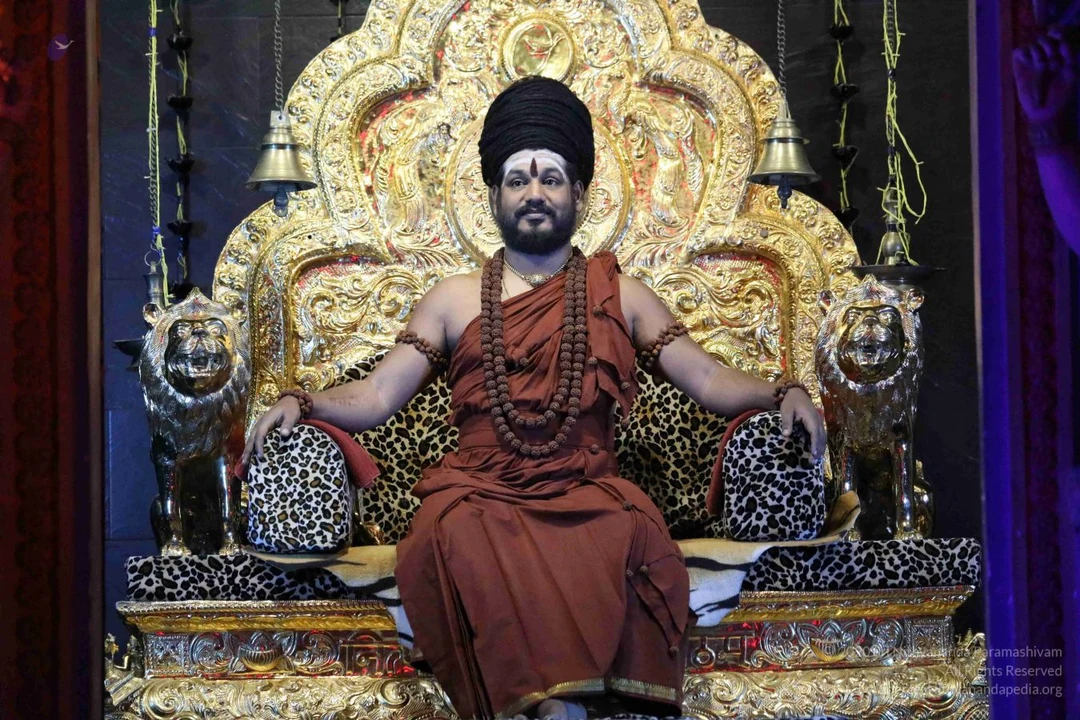
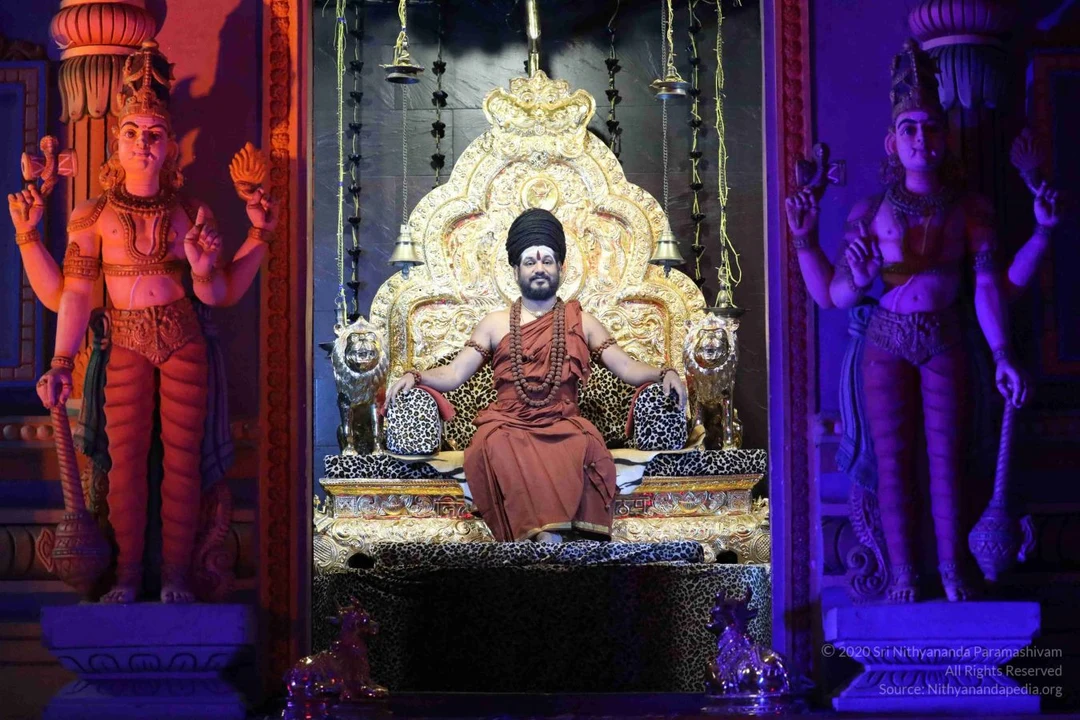
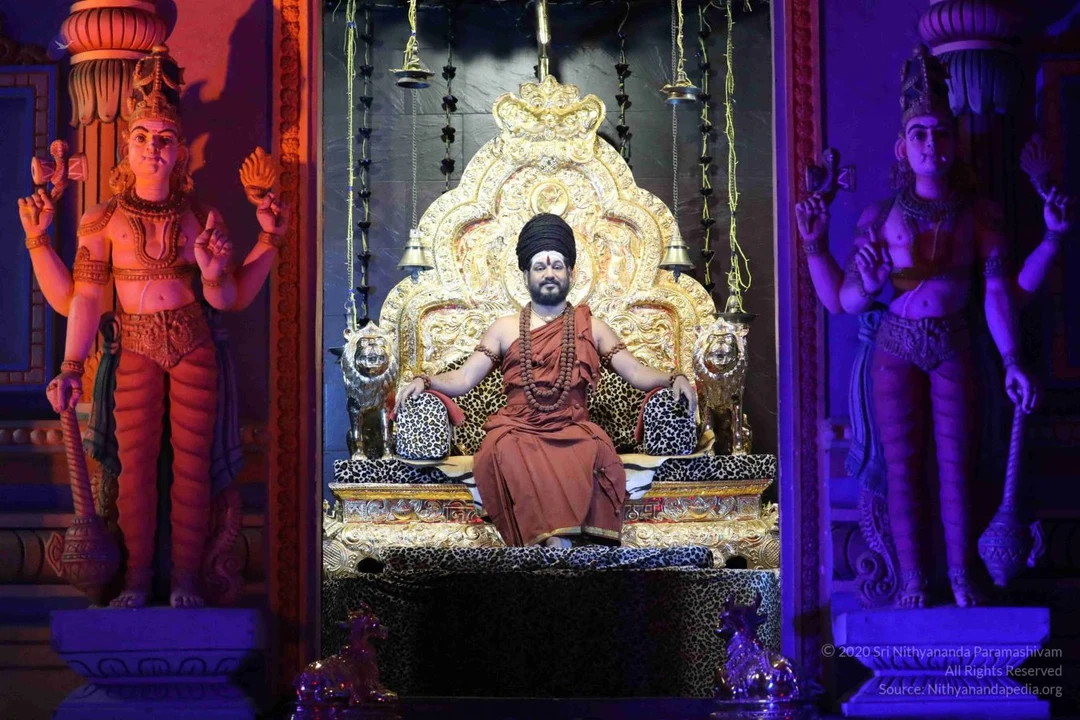
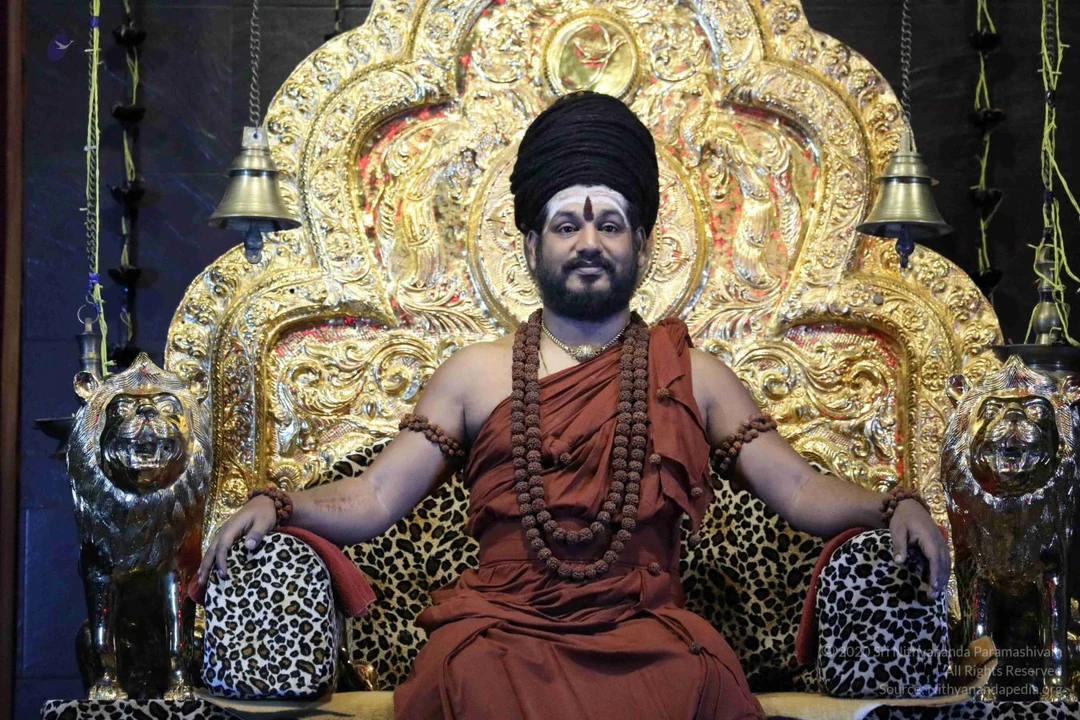
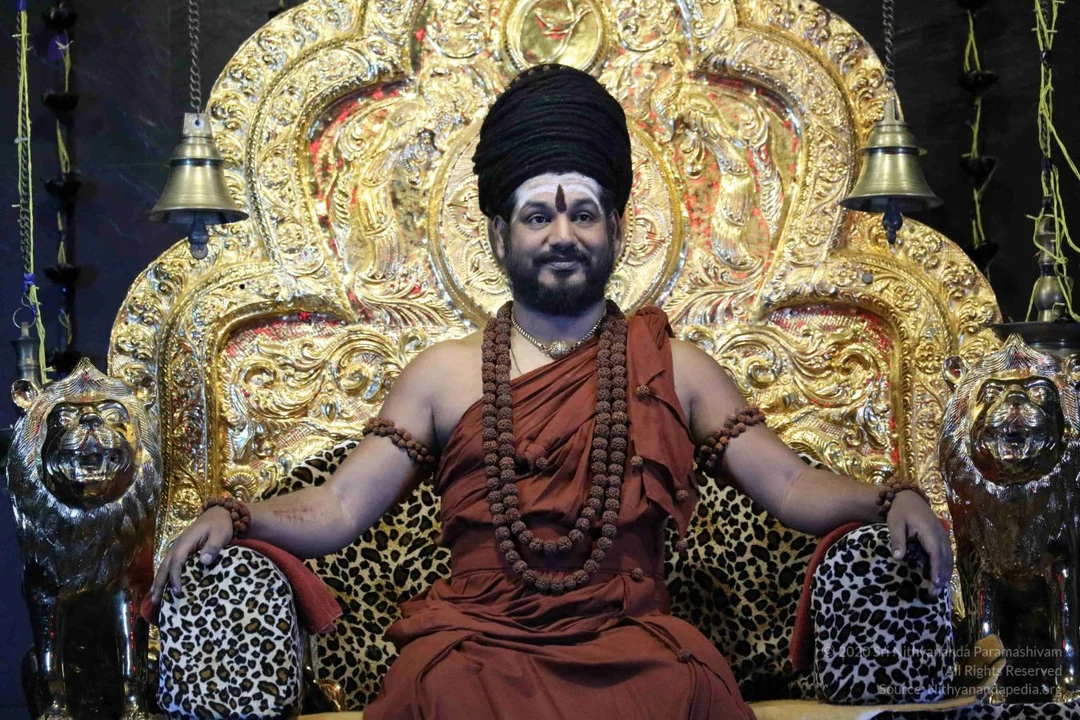

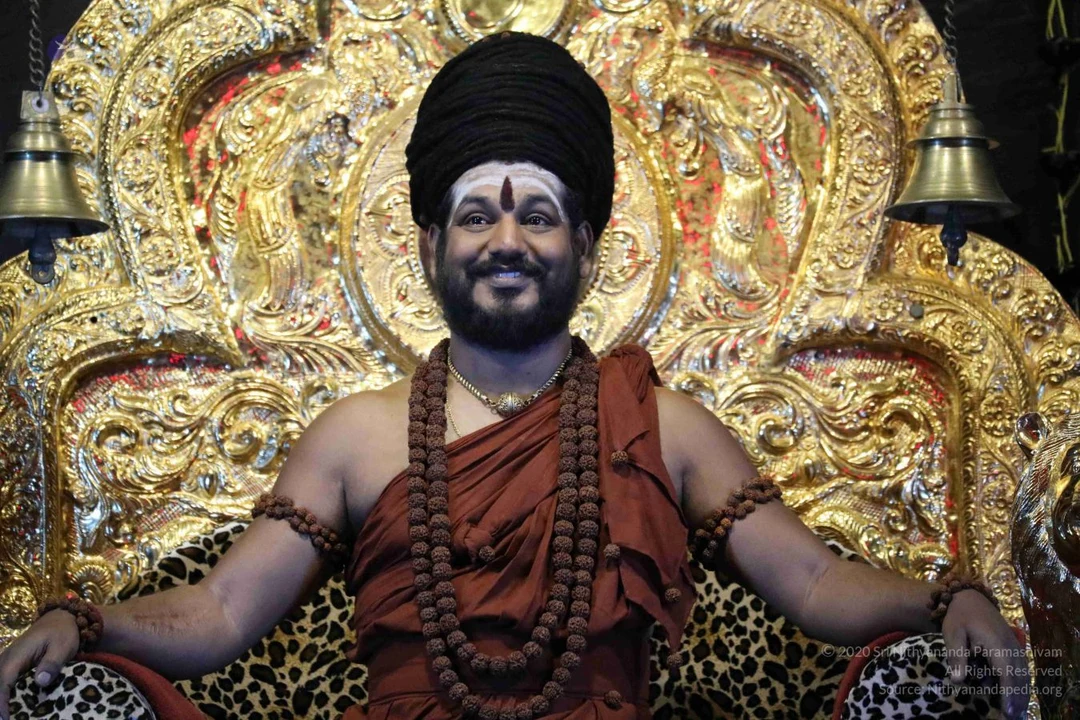


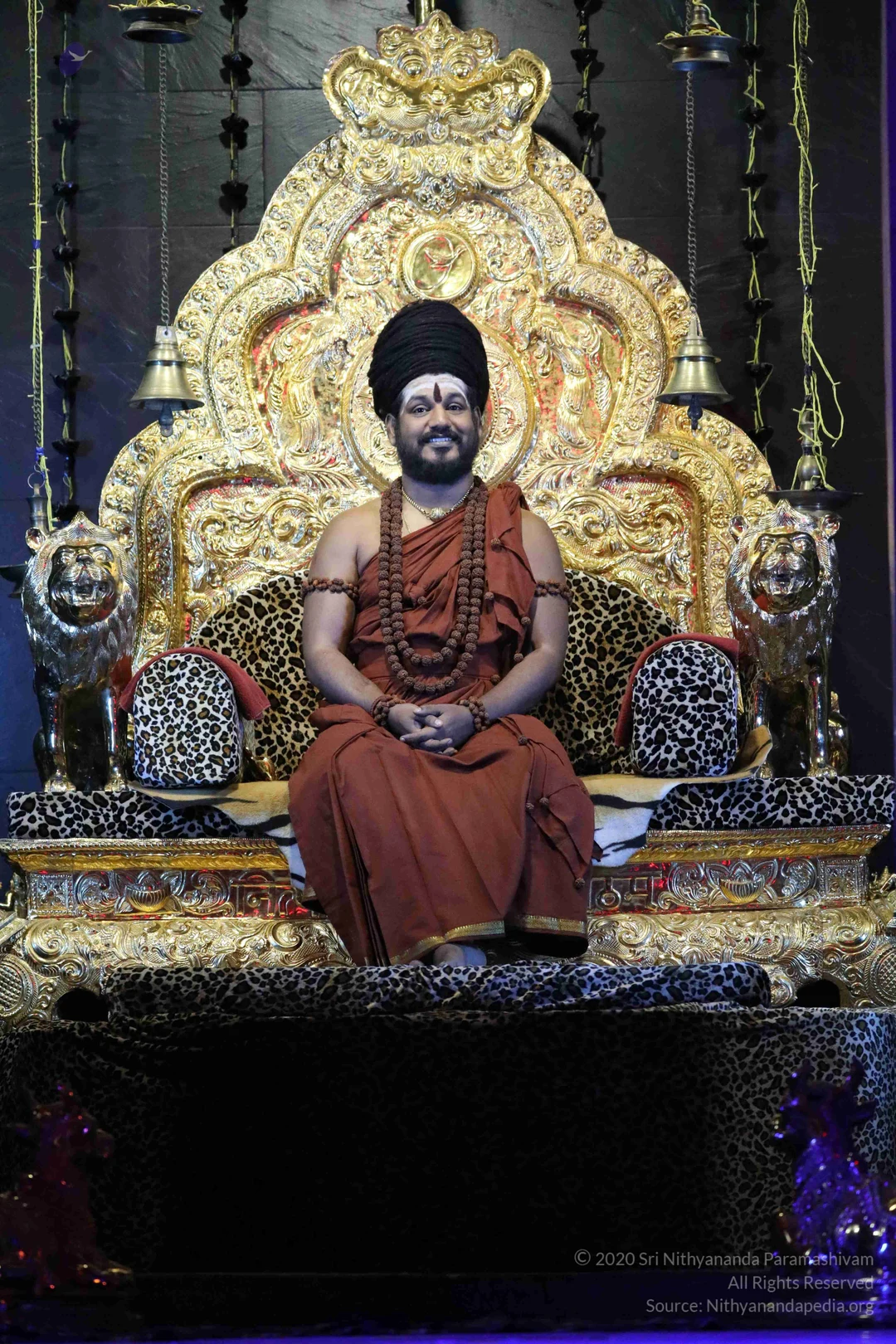
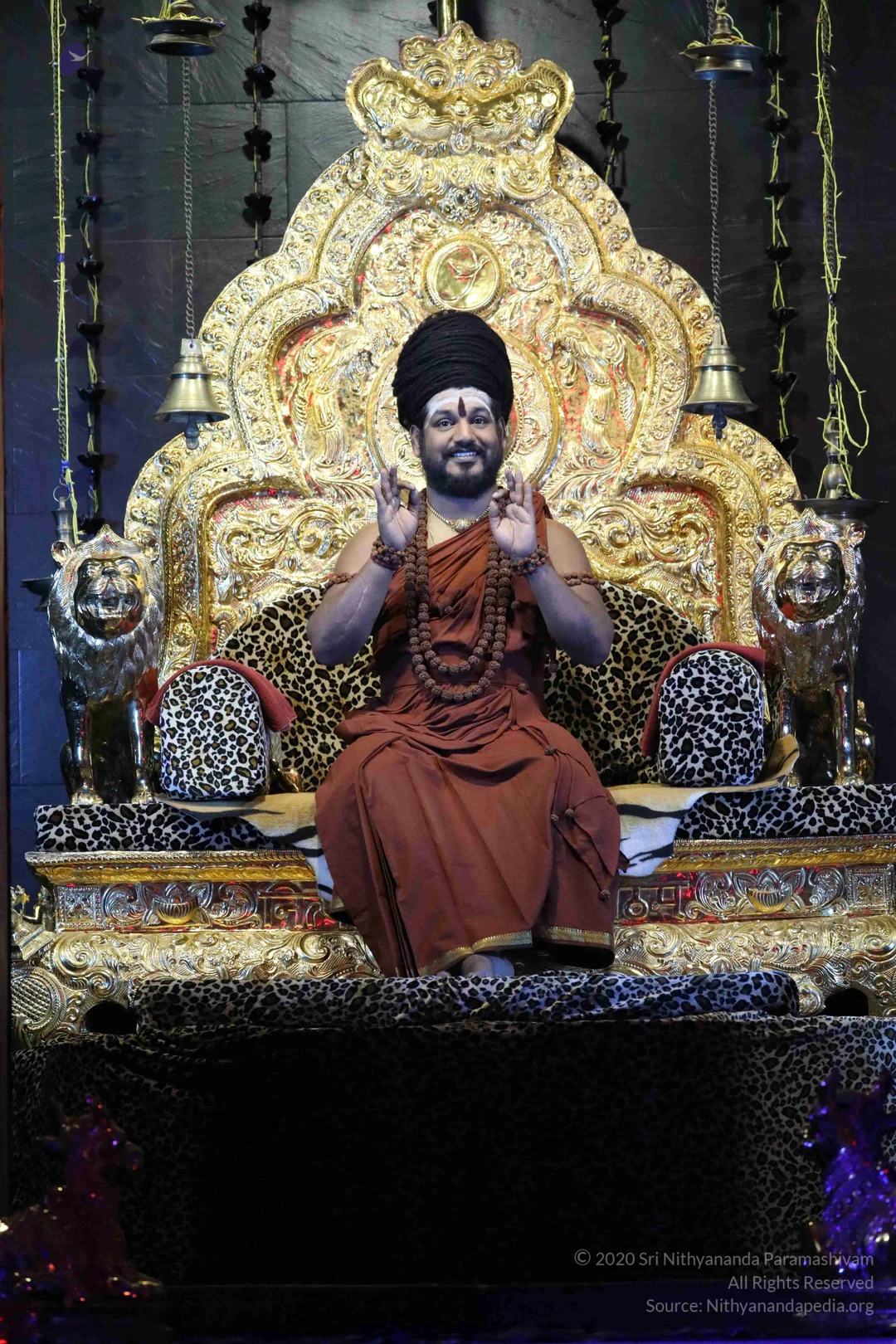
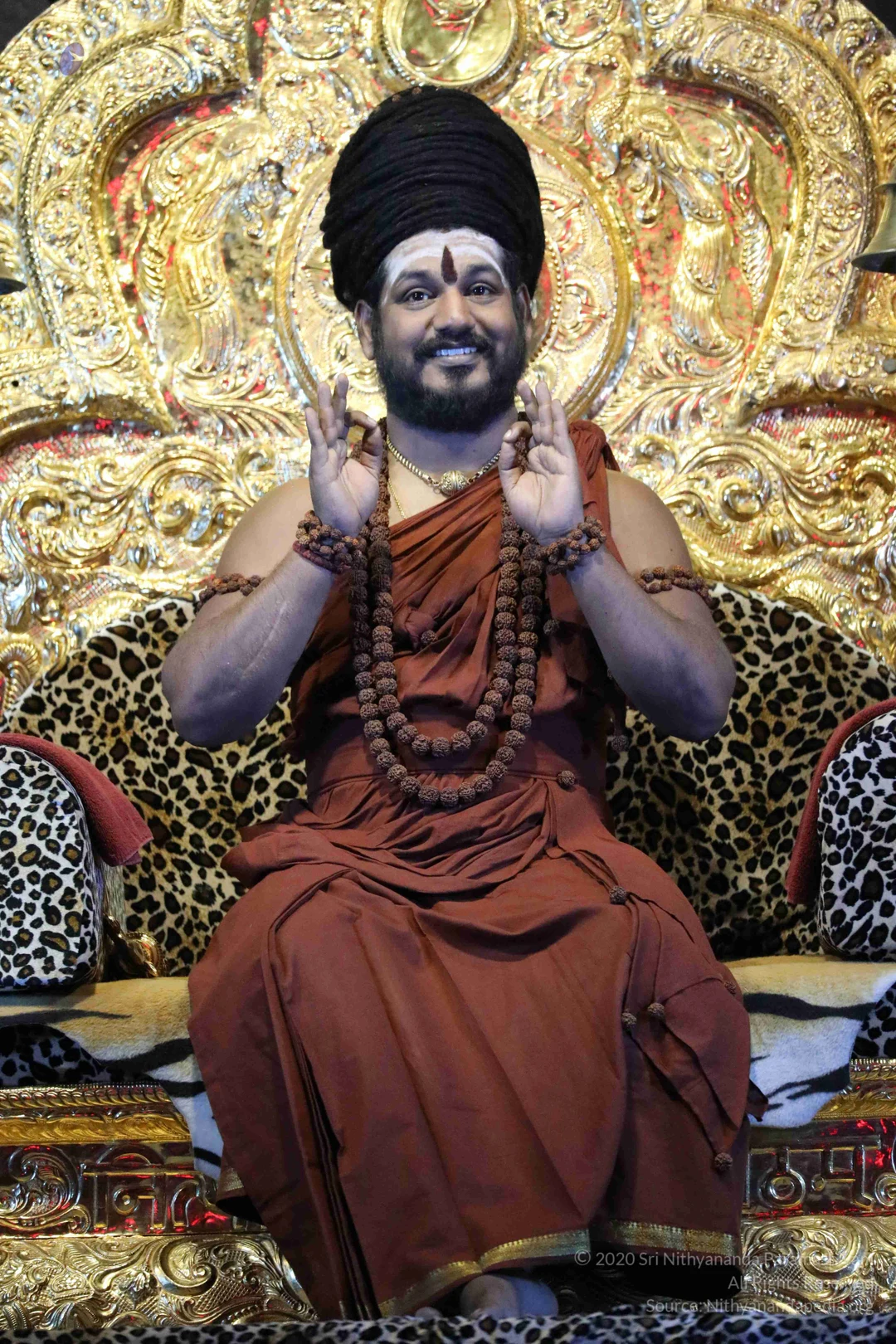
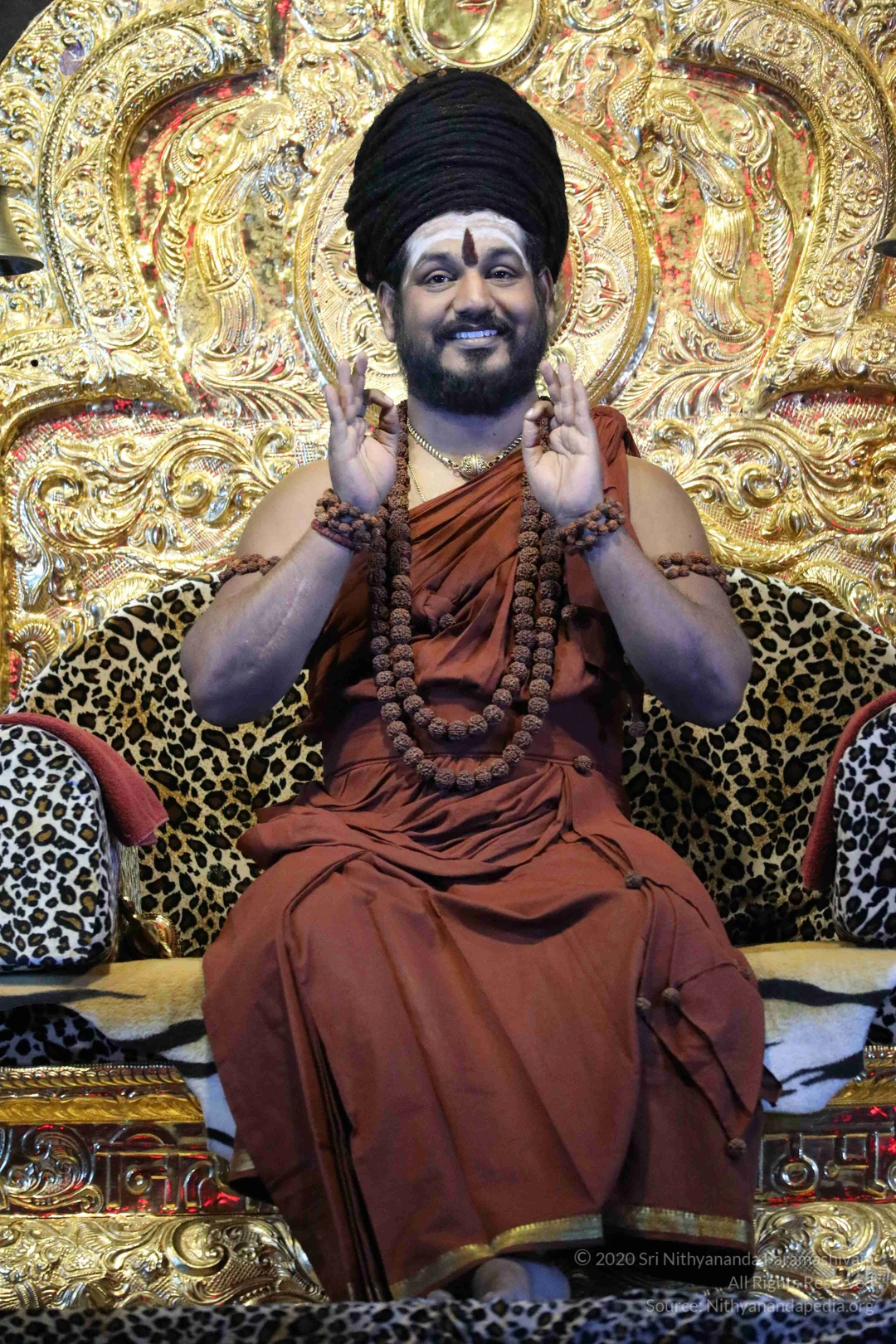

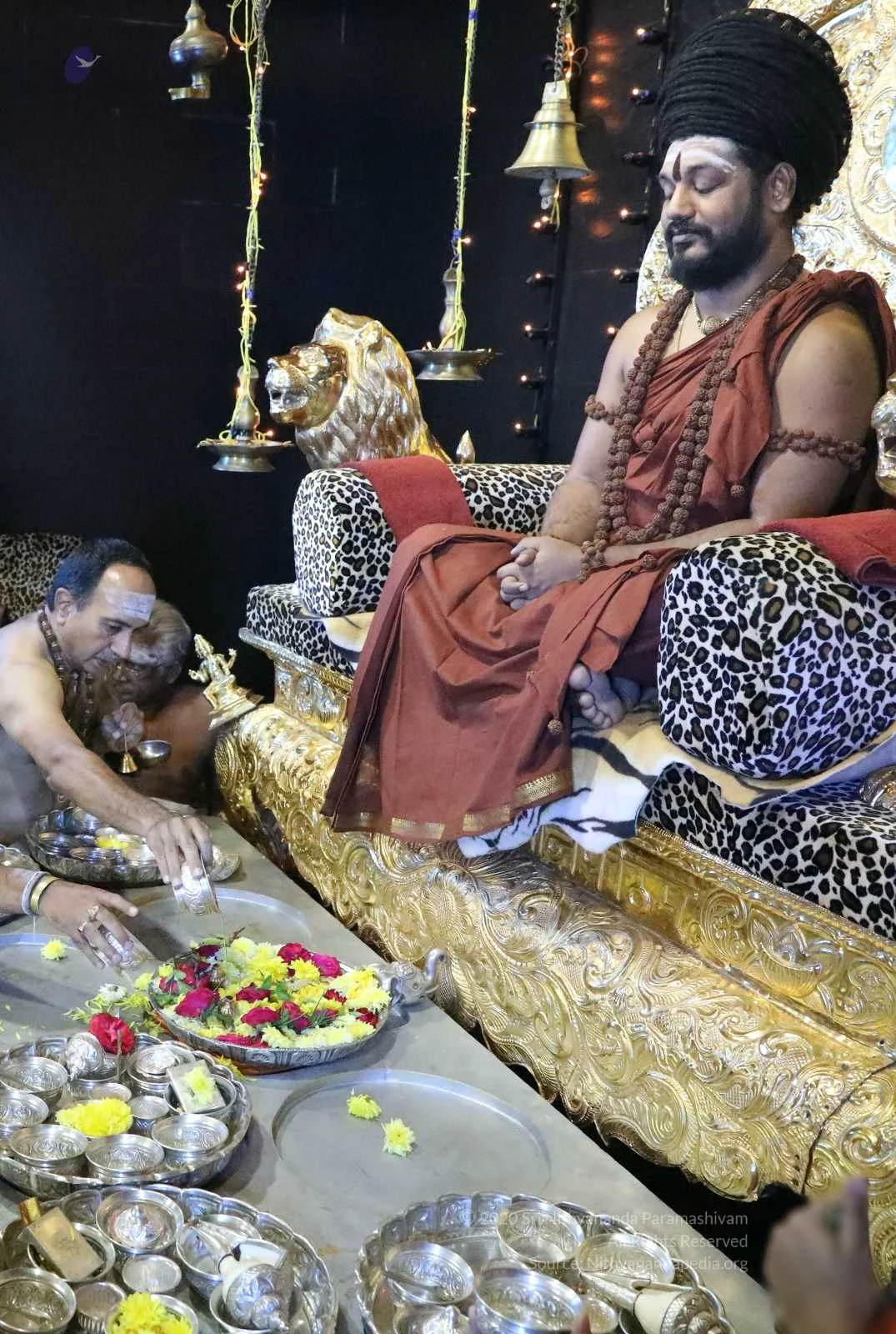
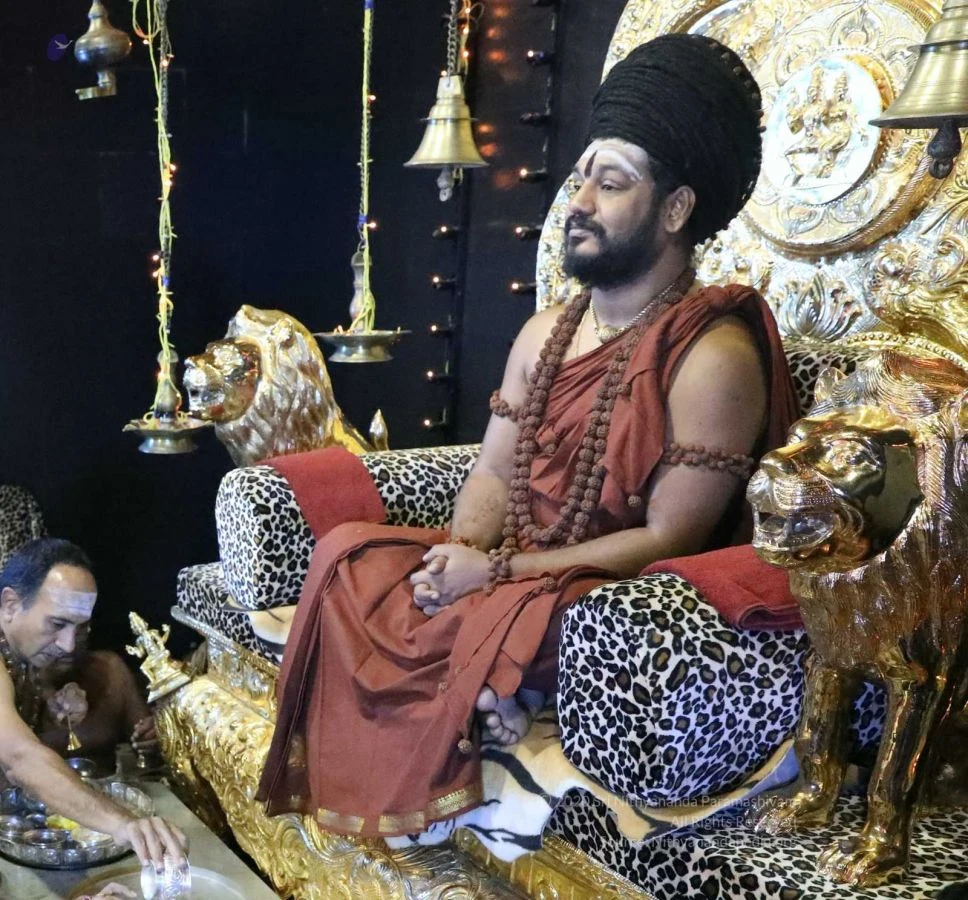
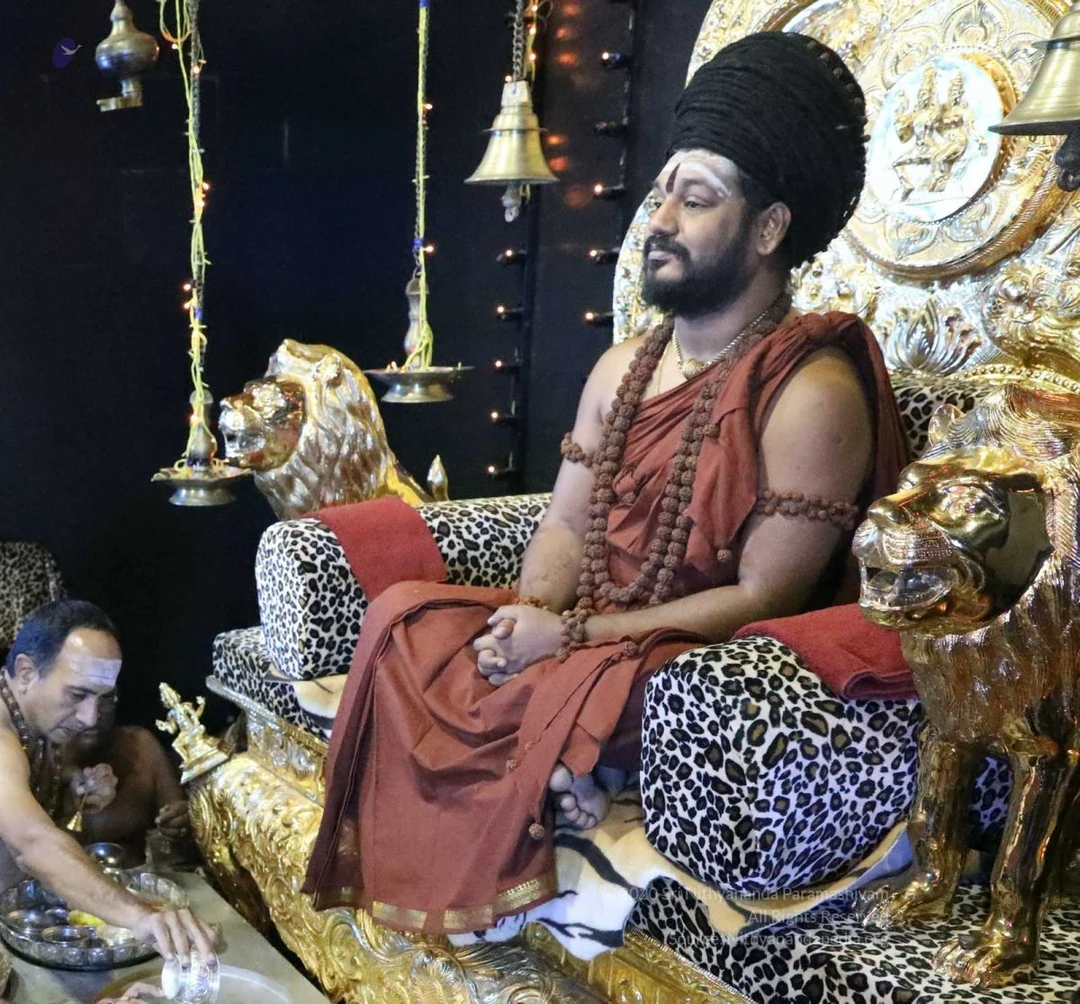
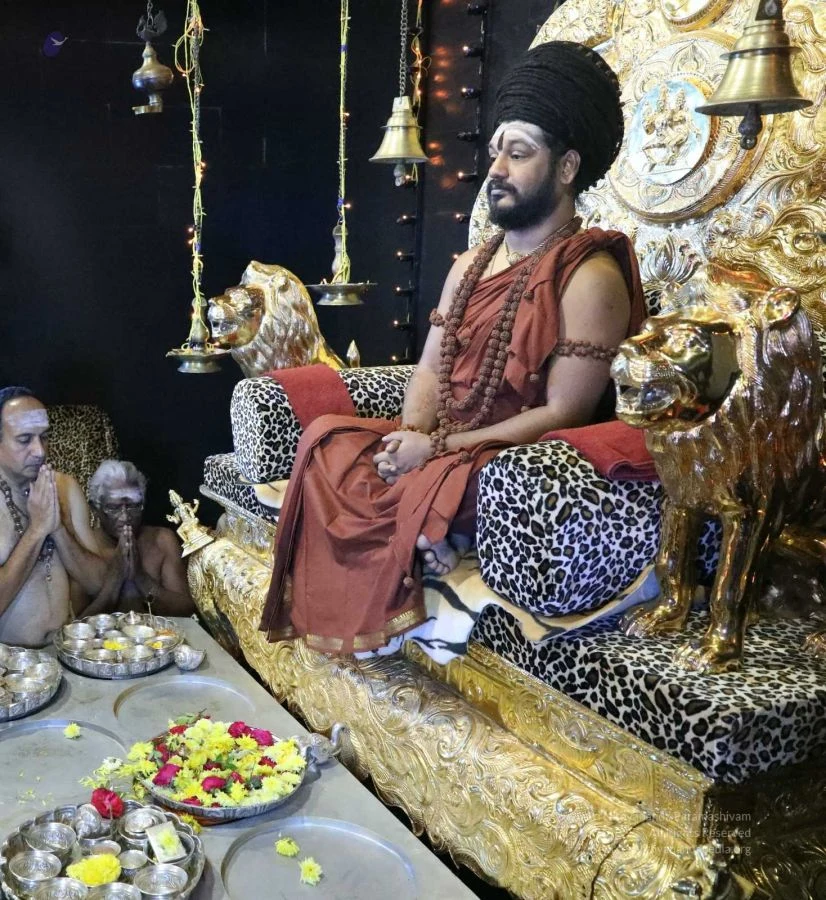
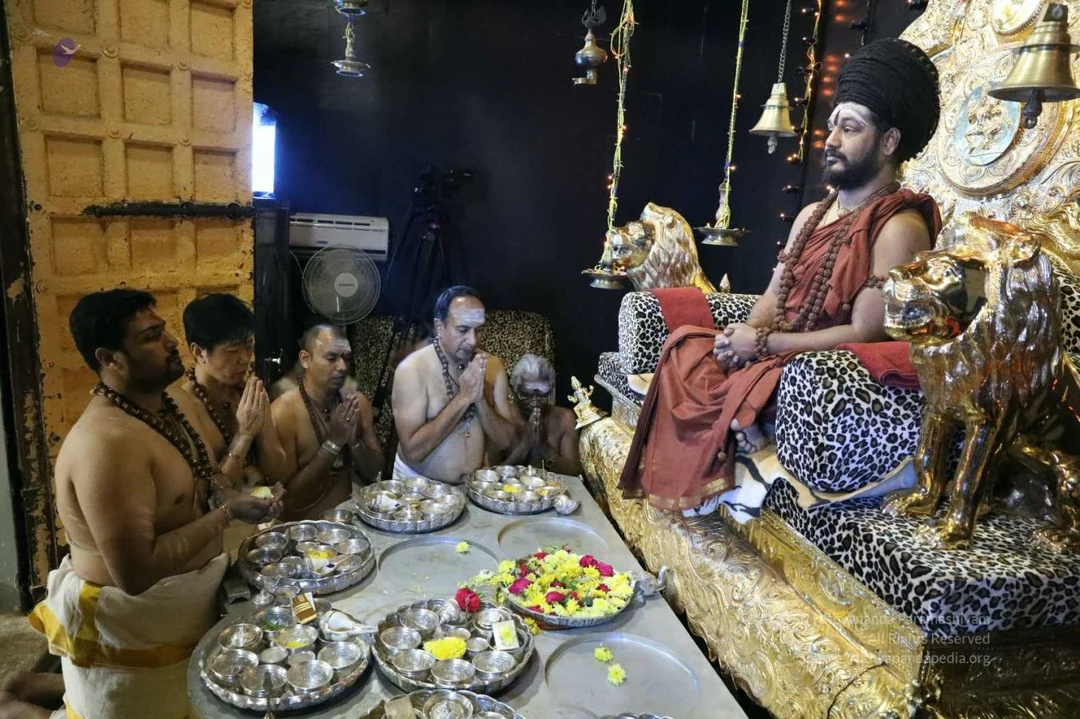
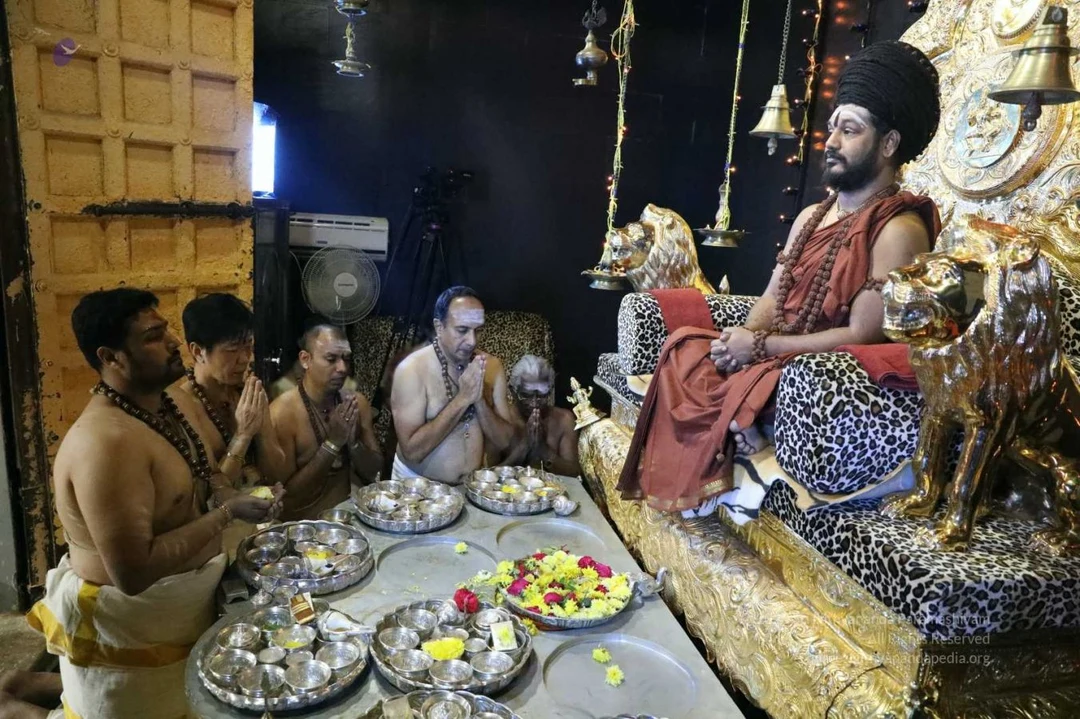
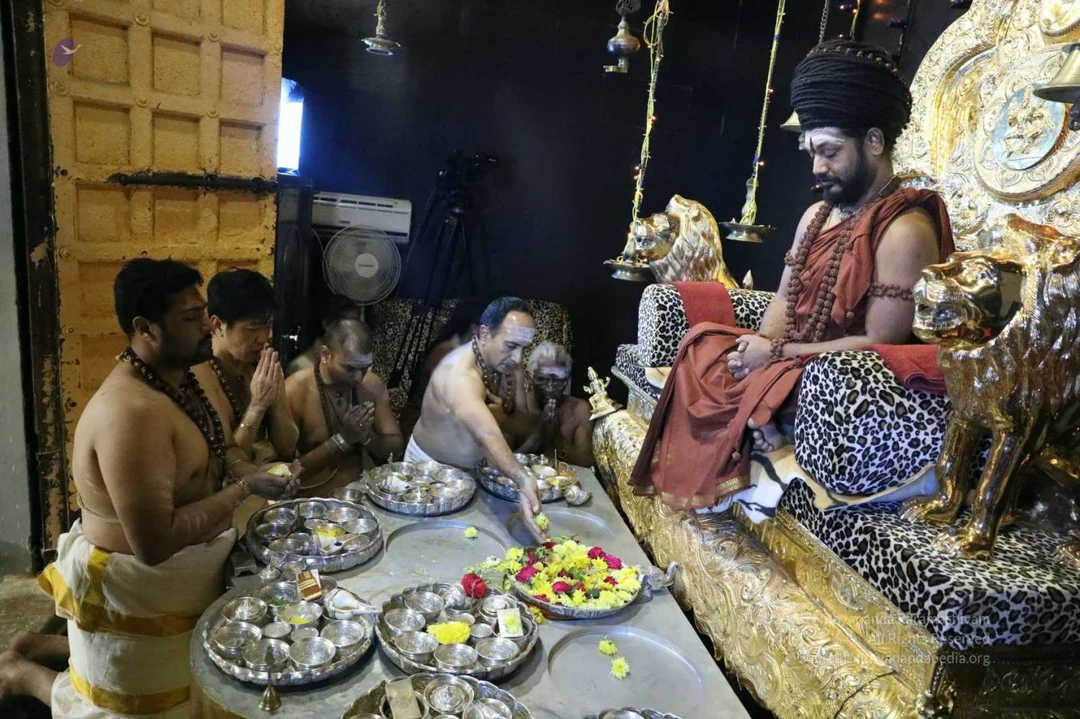
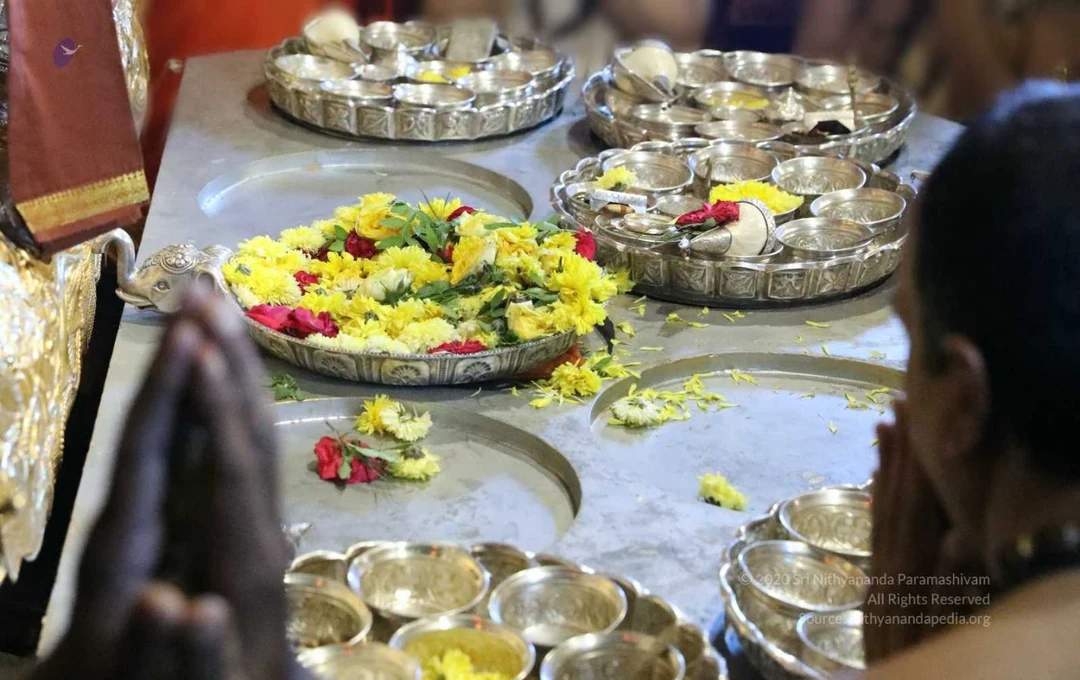
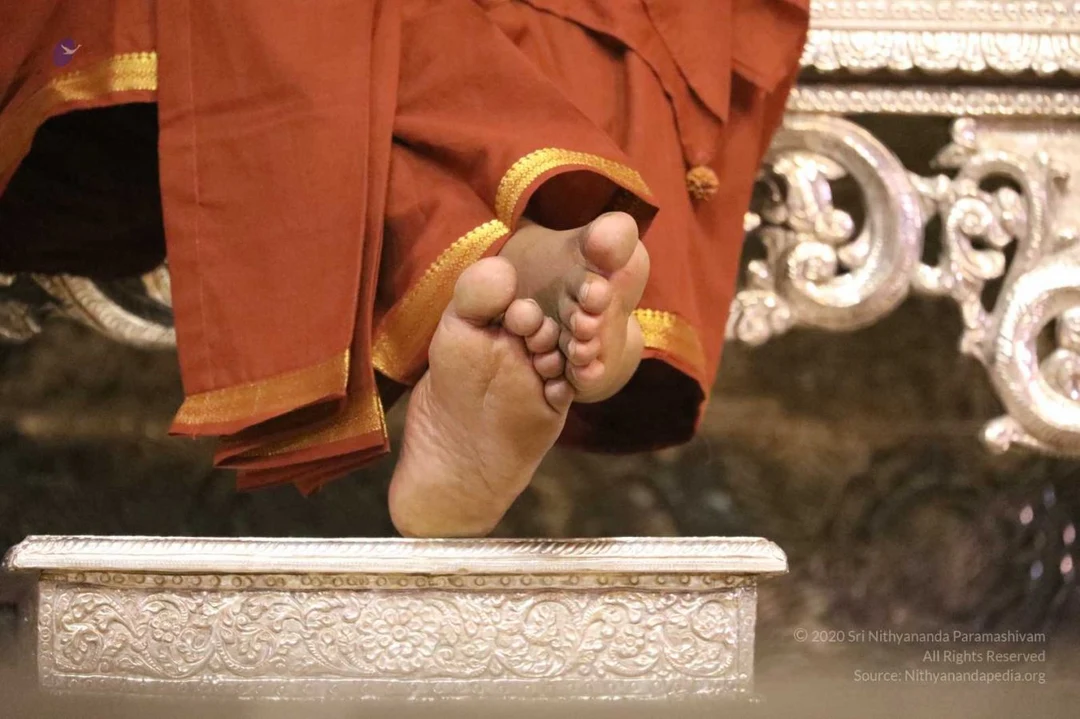
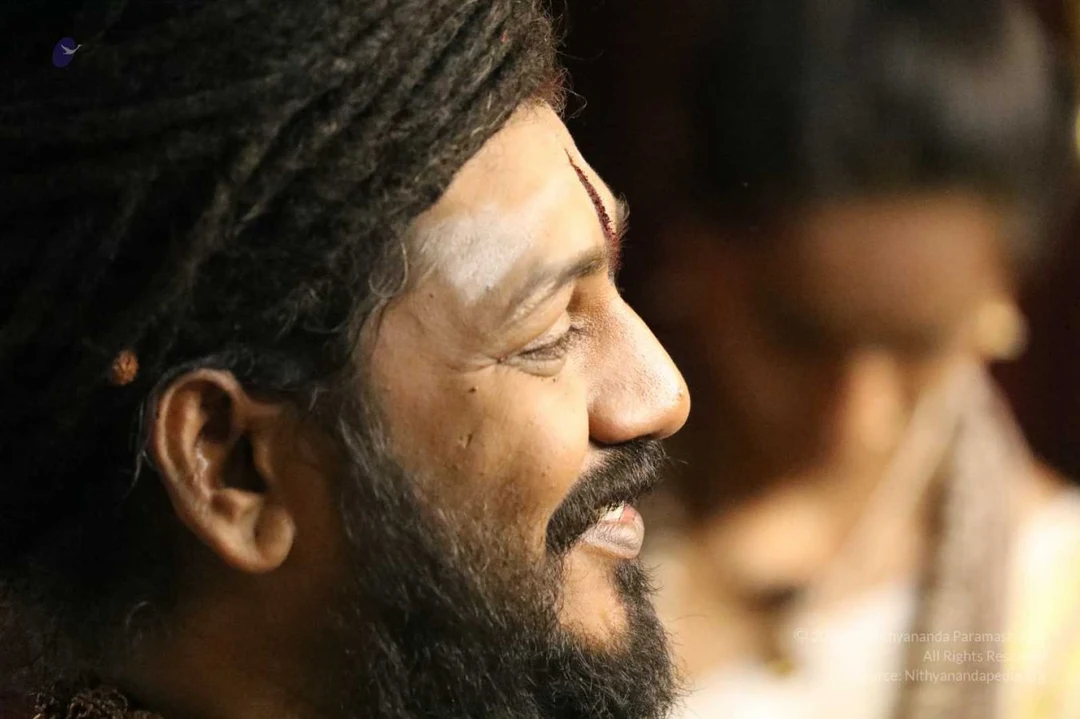
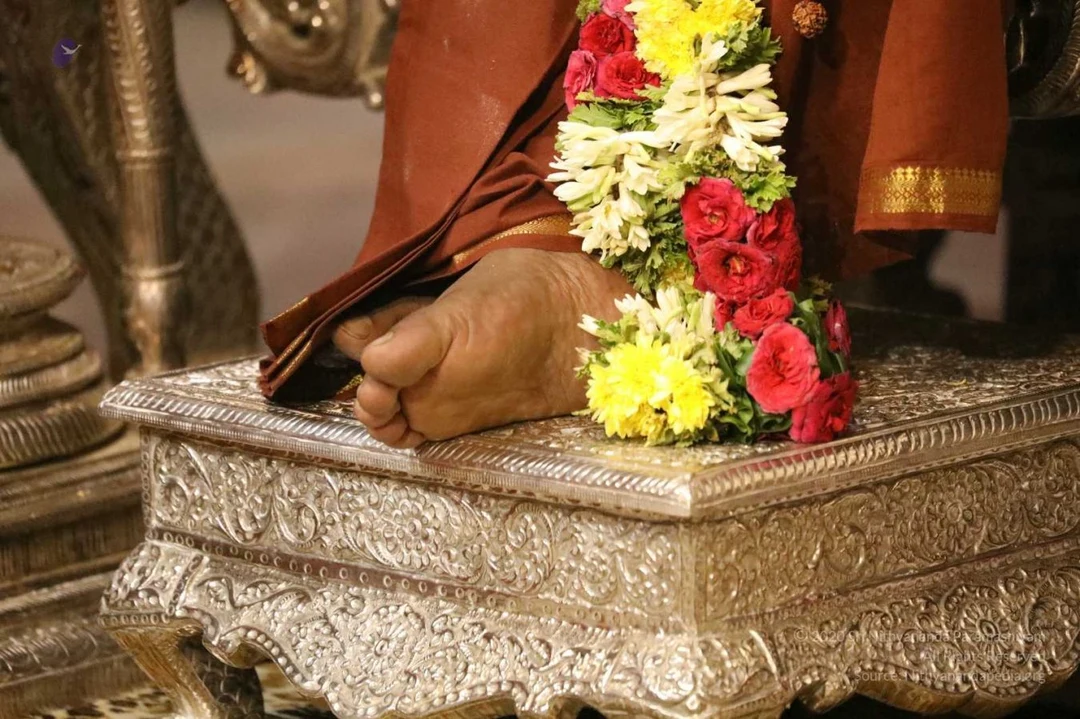
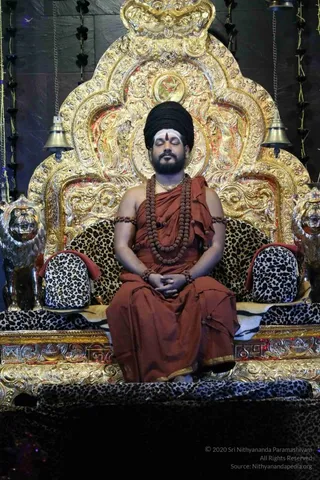
Pada Puja


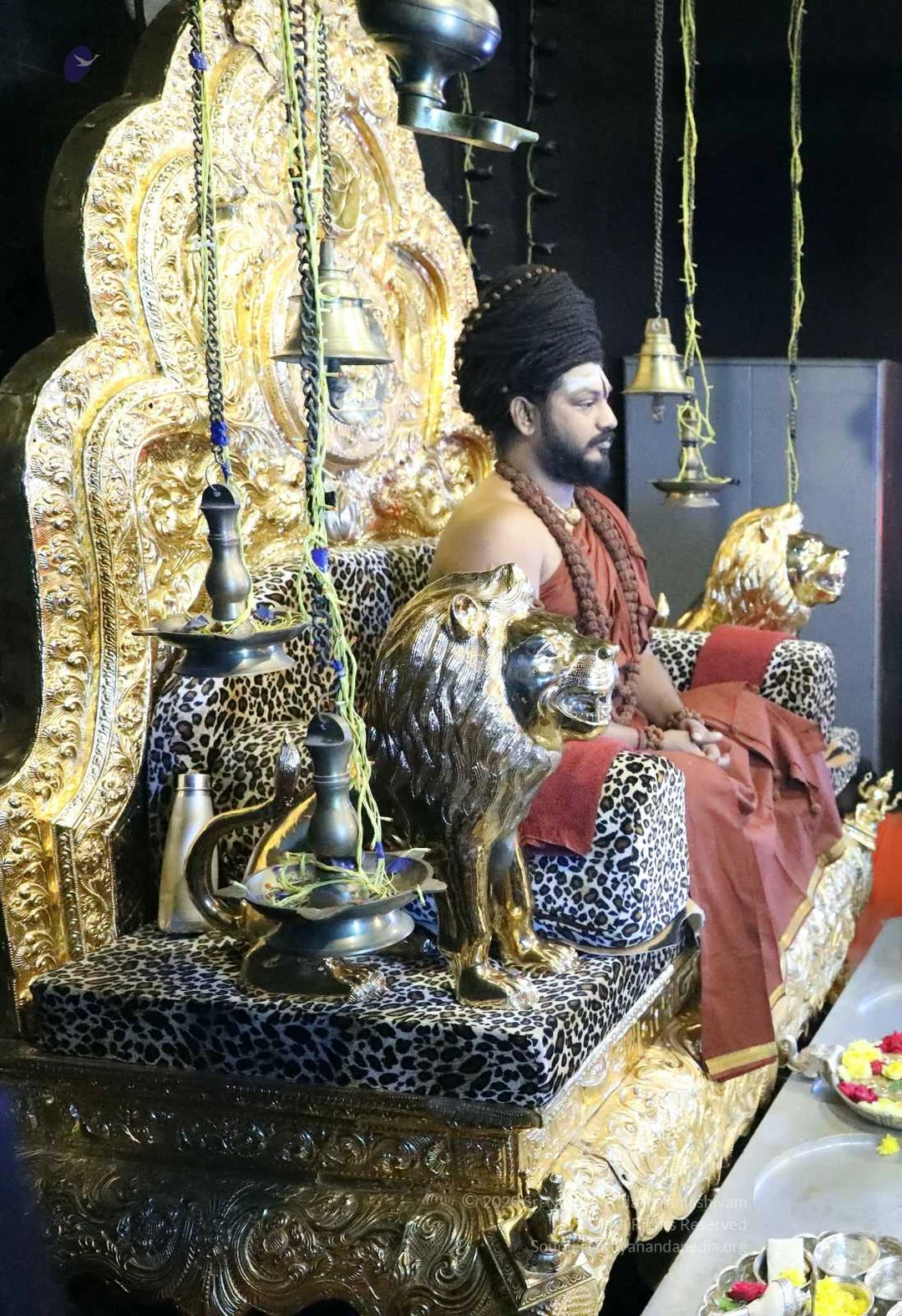
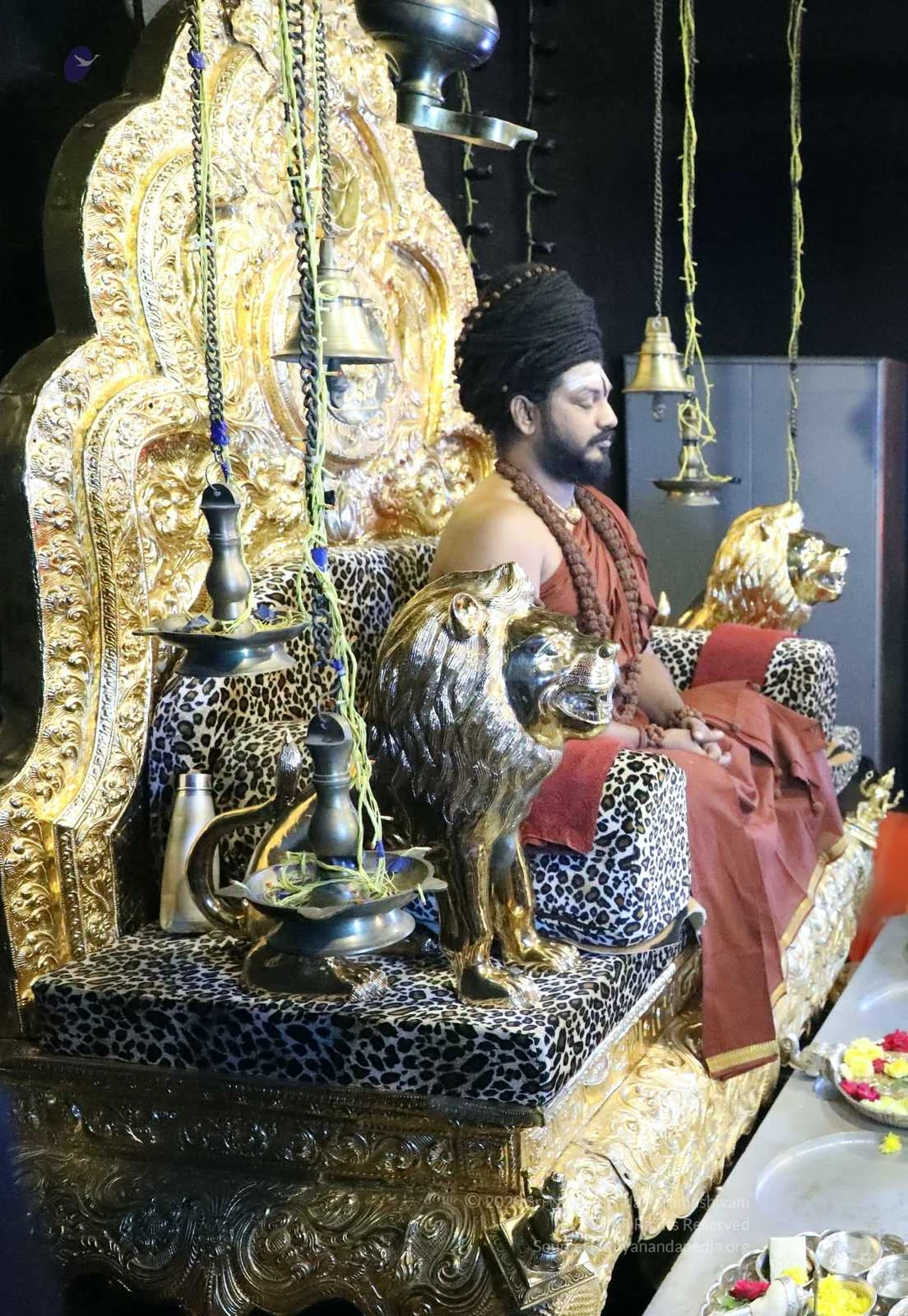
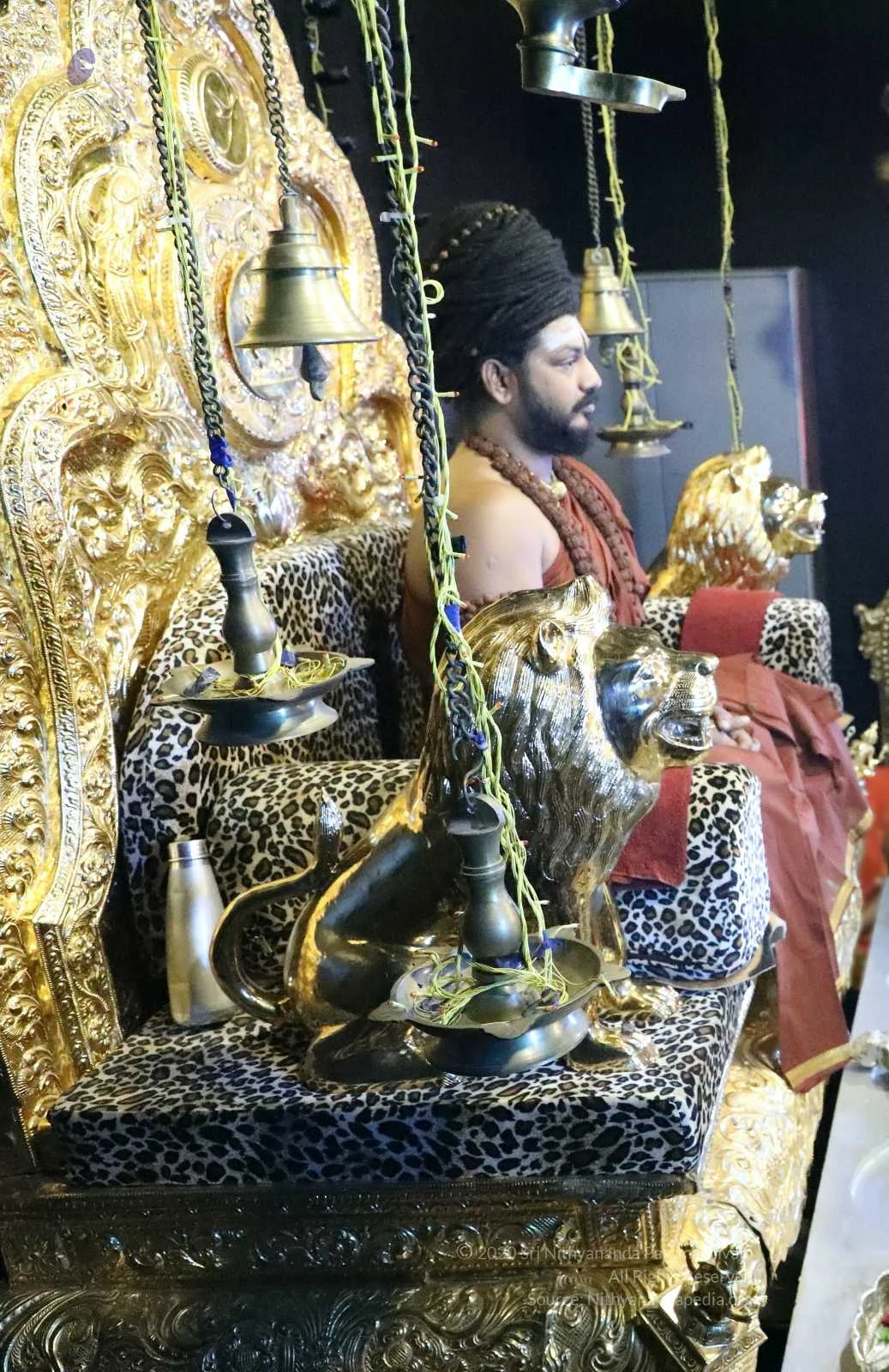
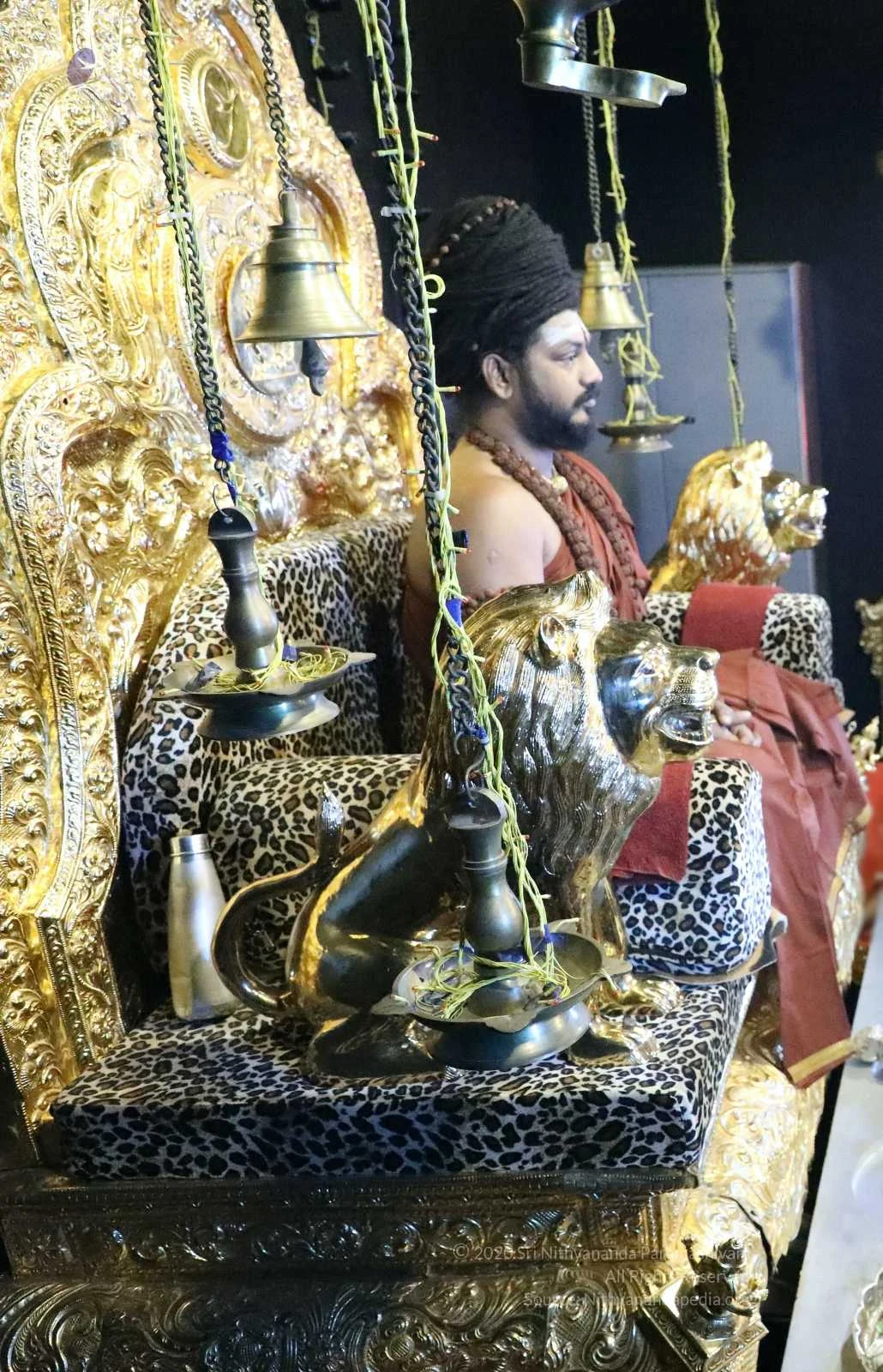

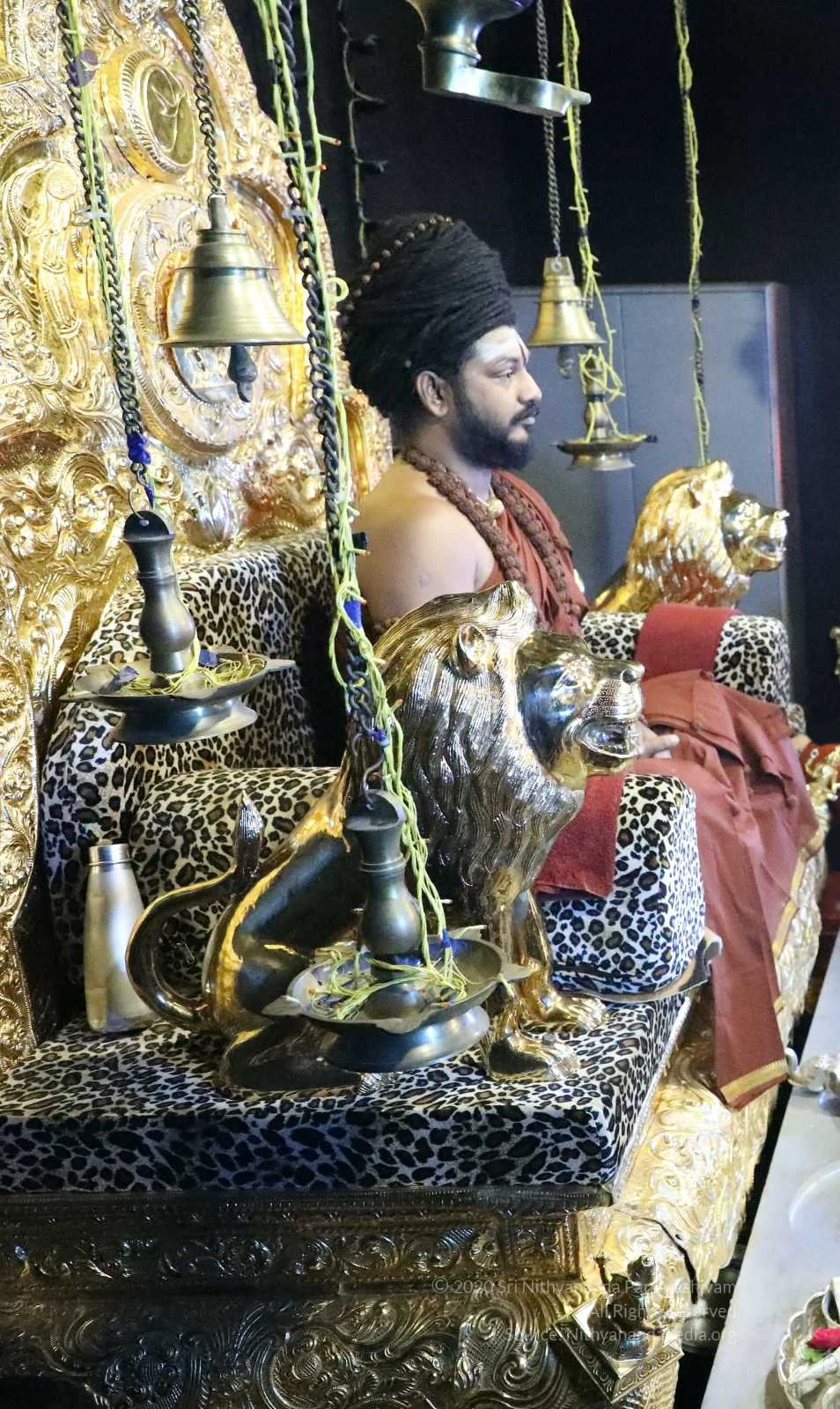
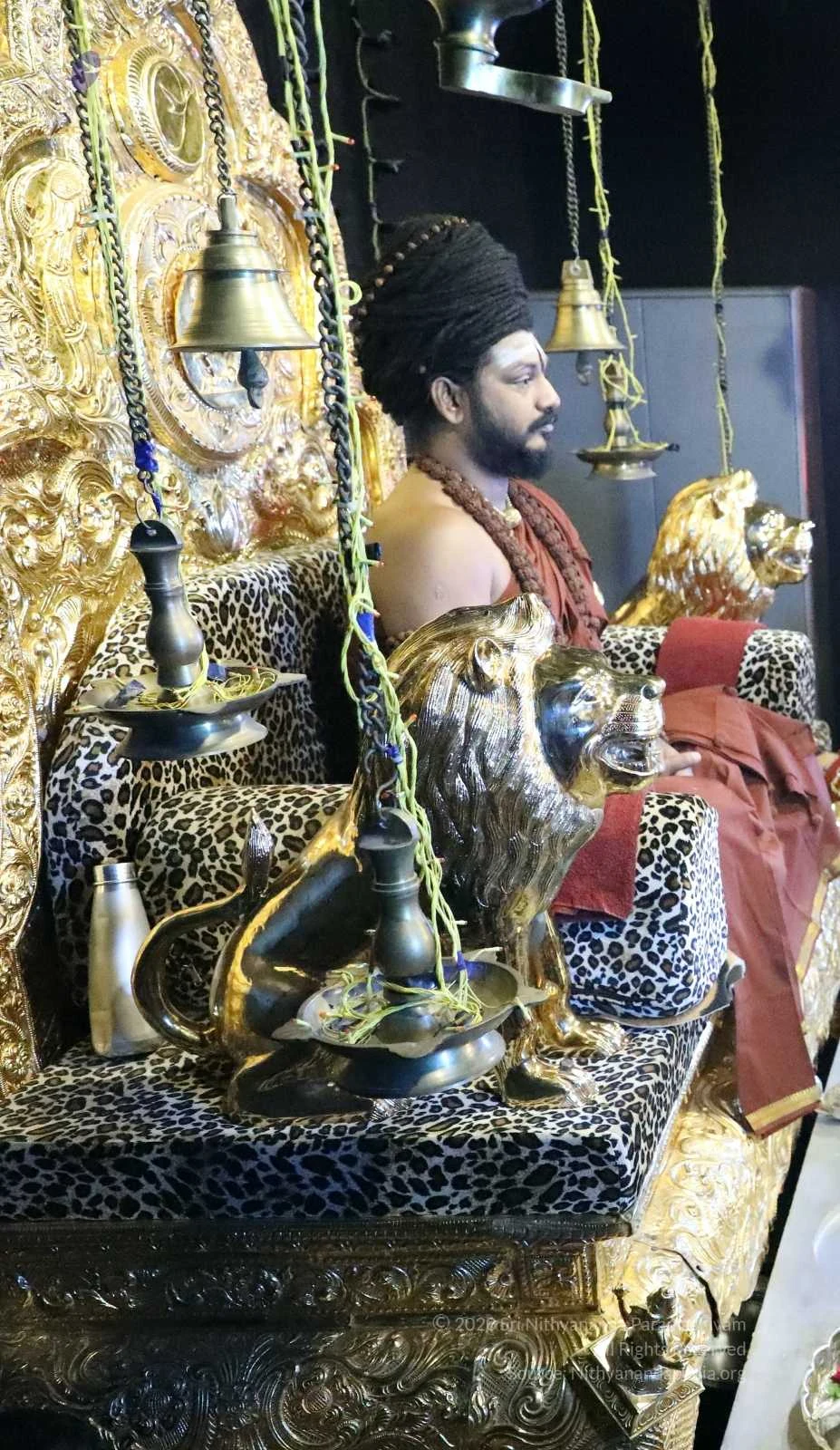
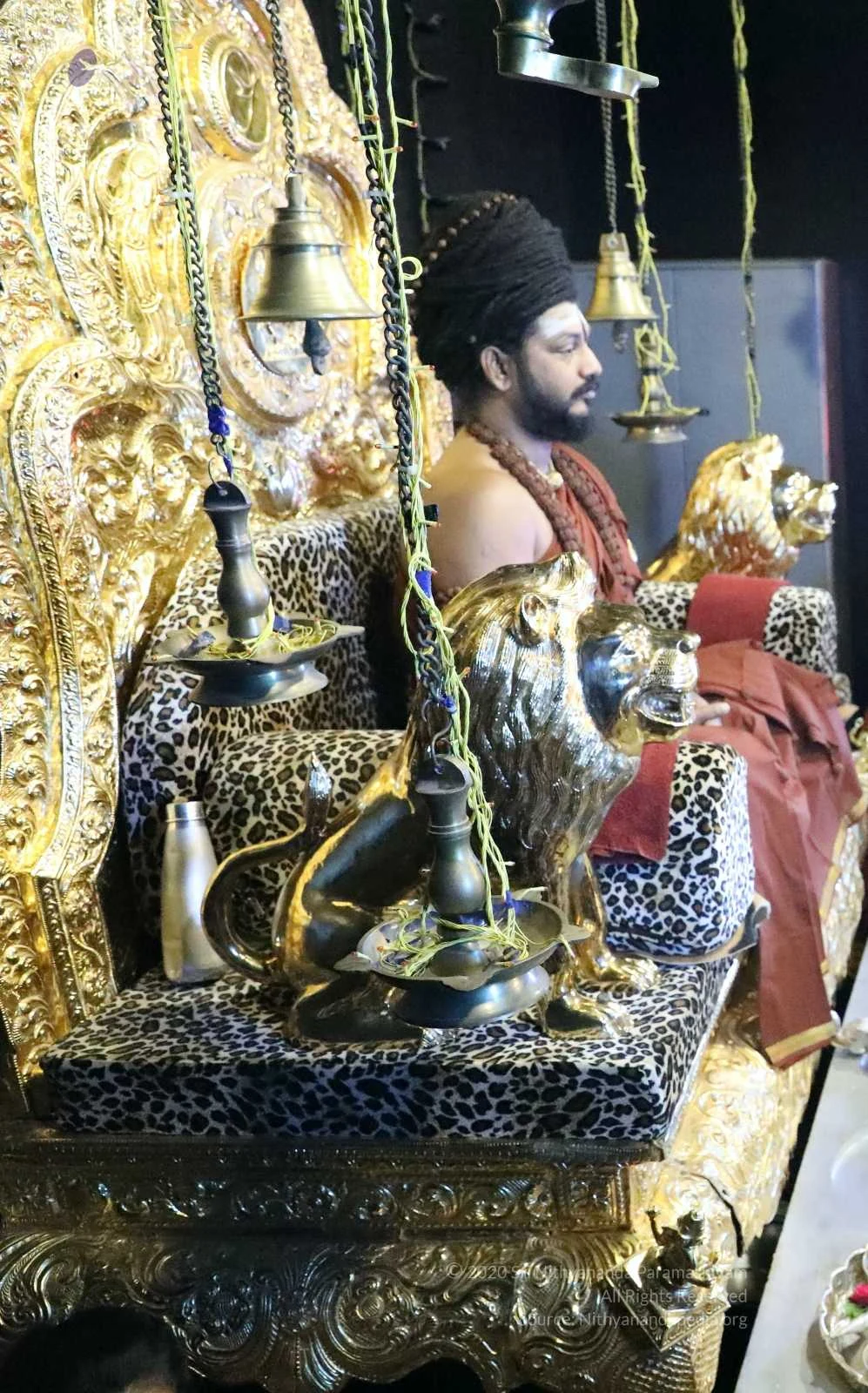
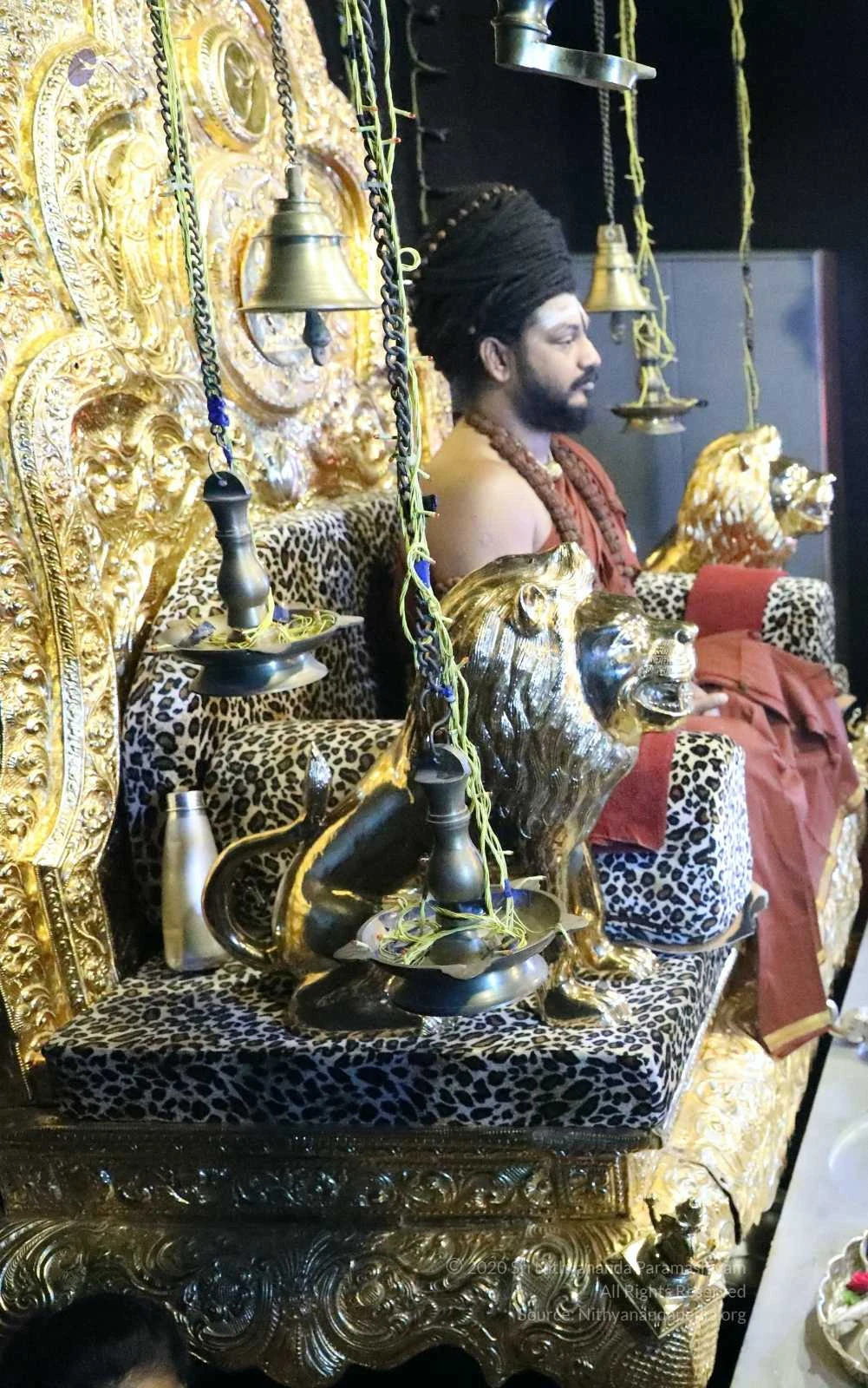
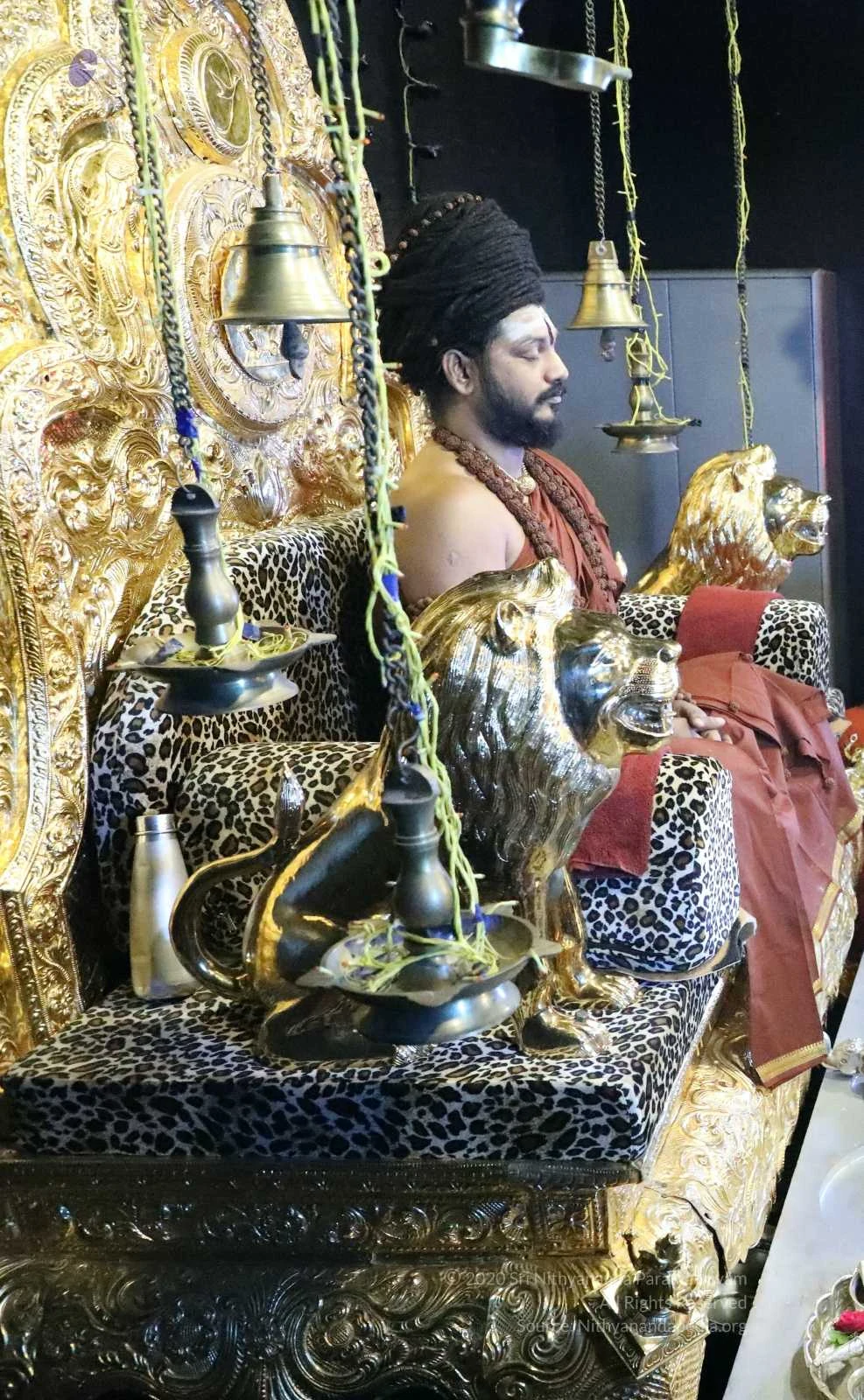
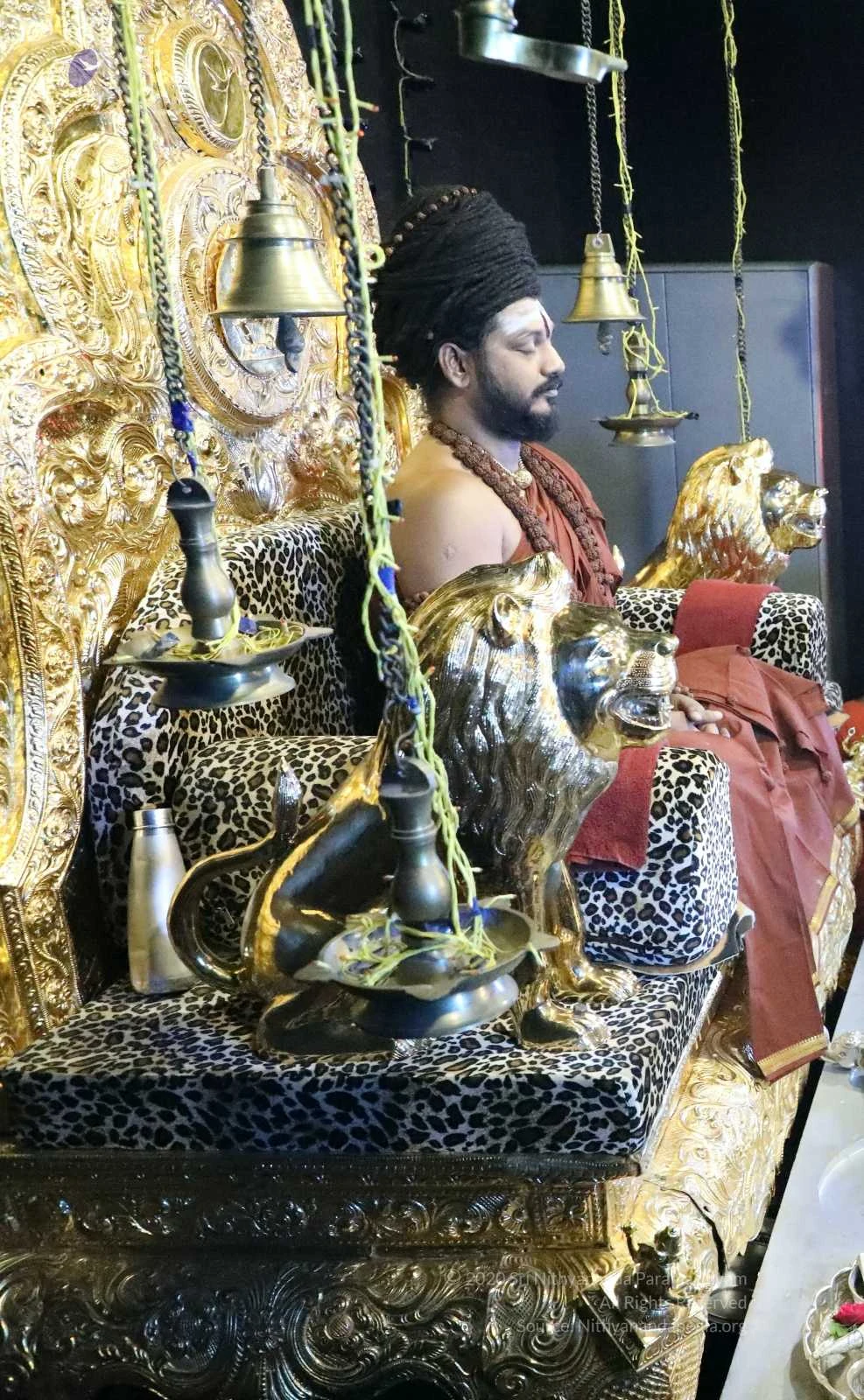
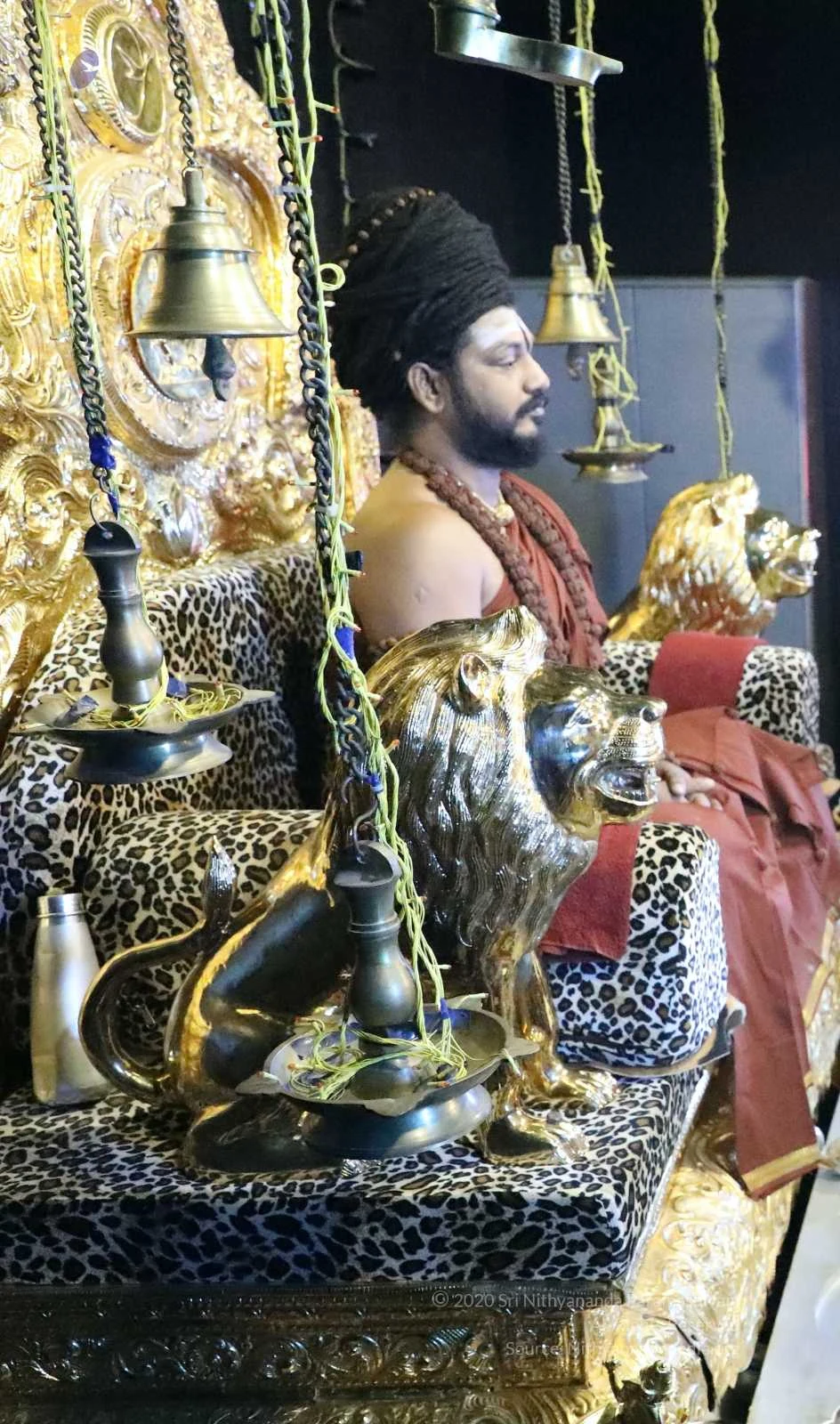
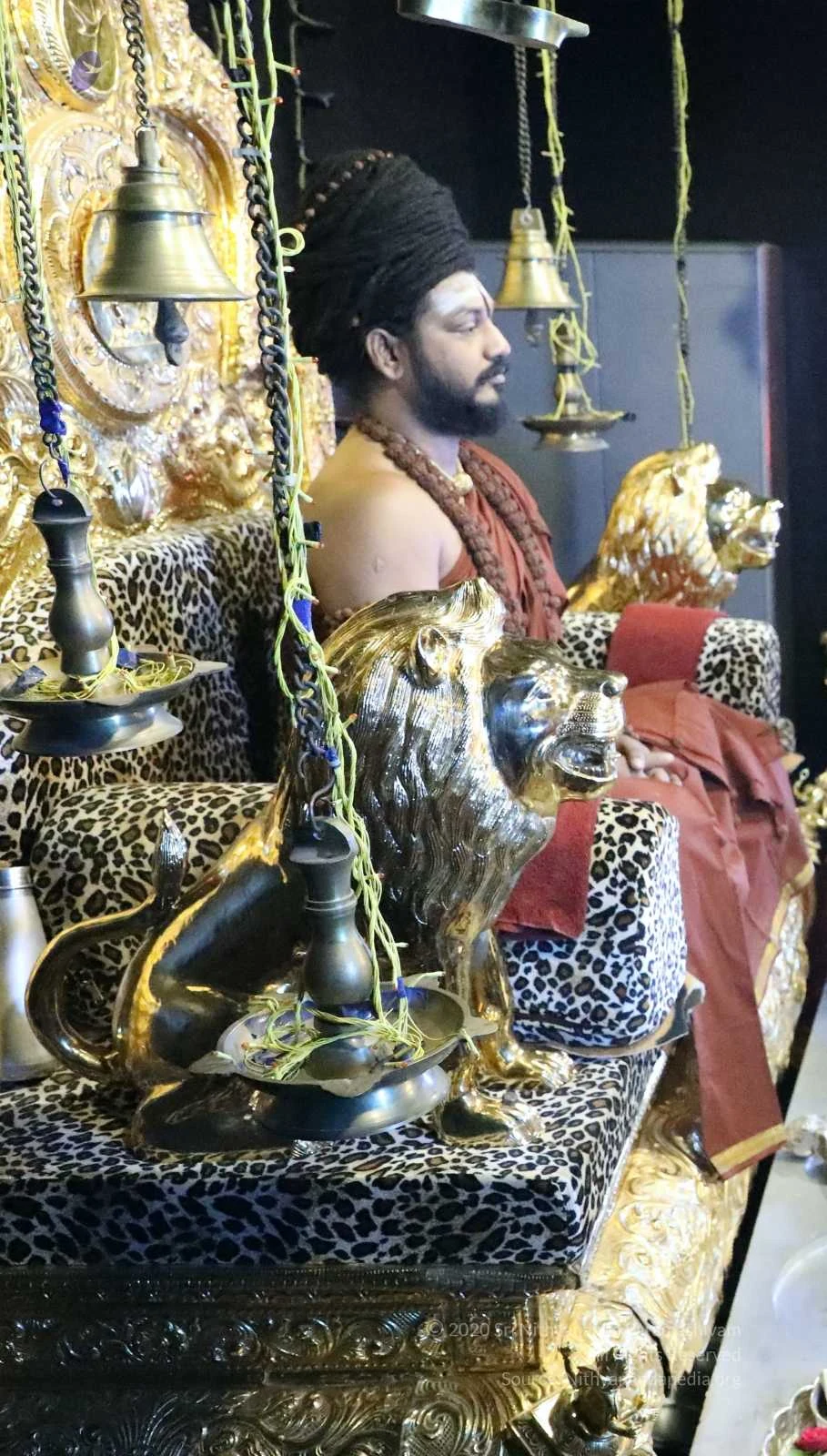
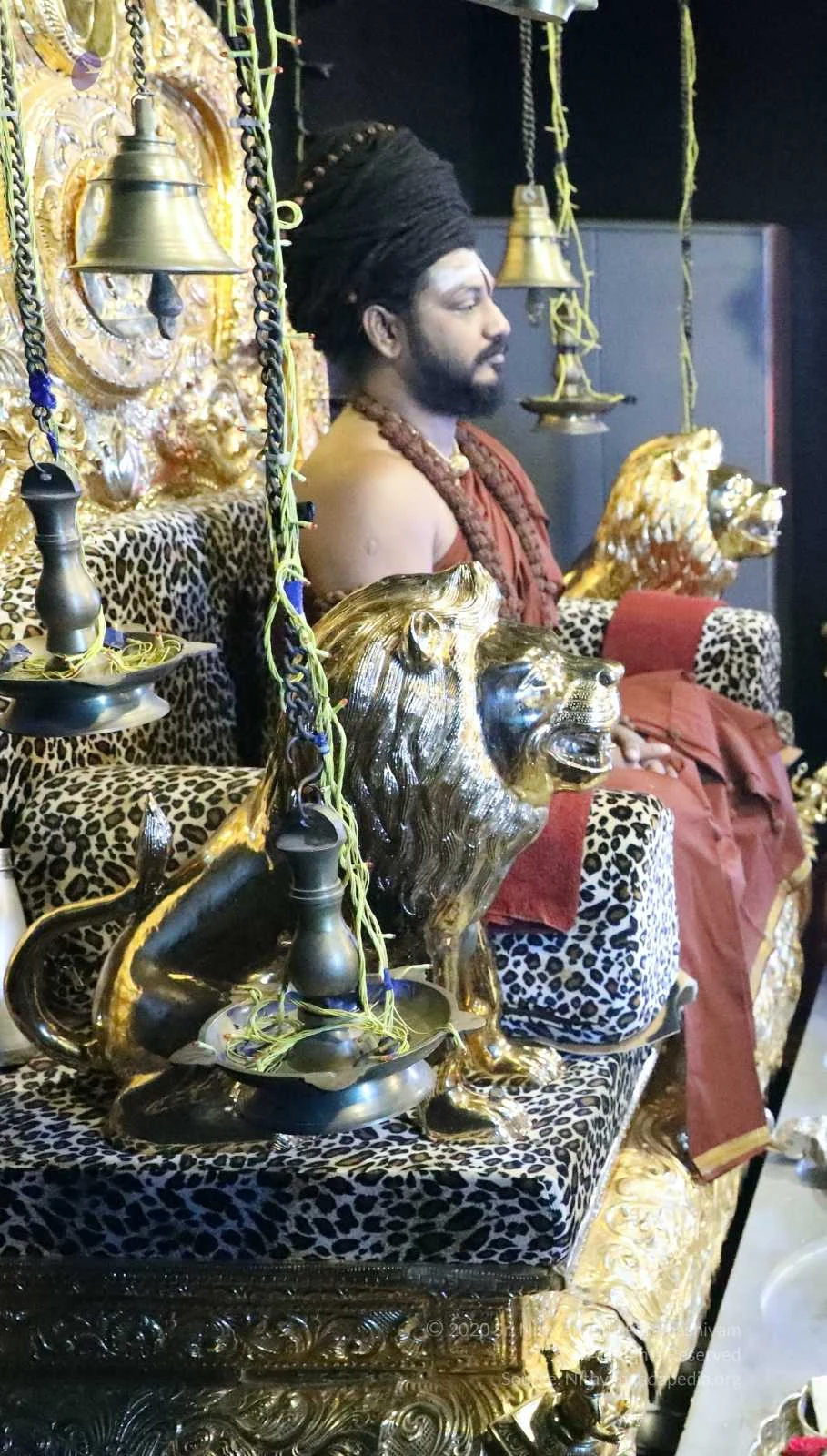
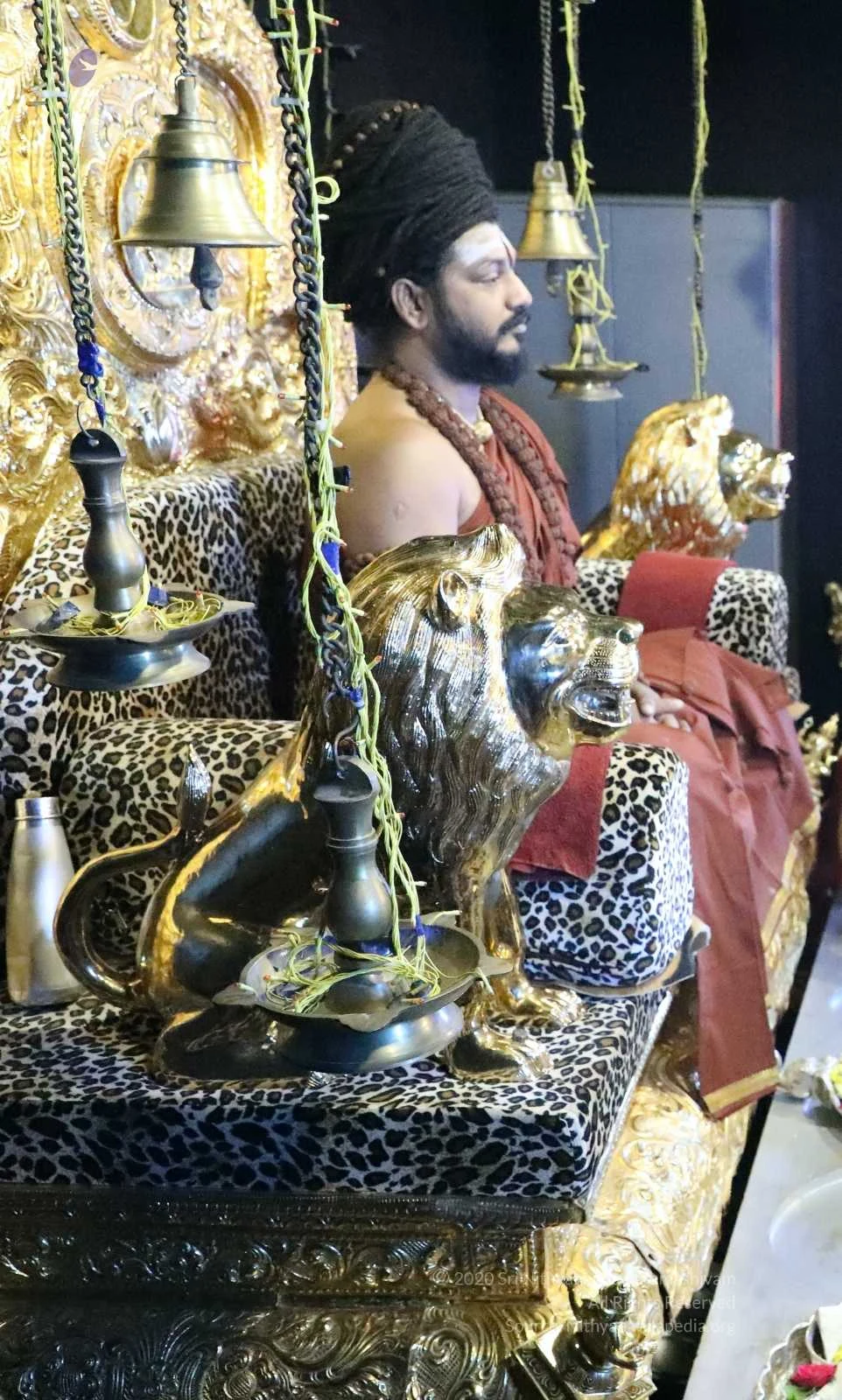
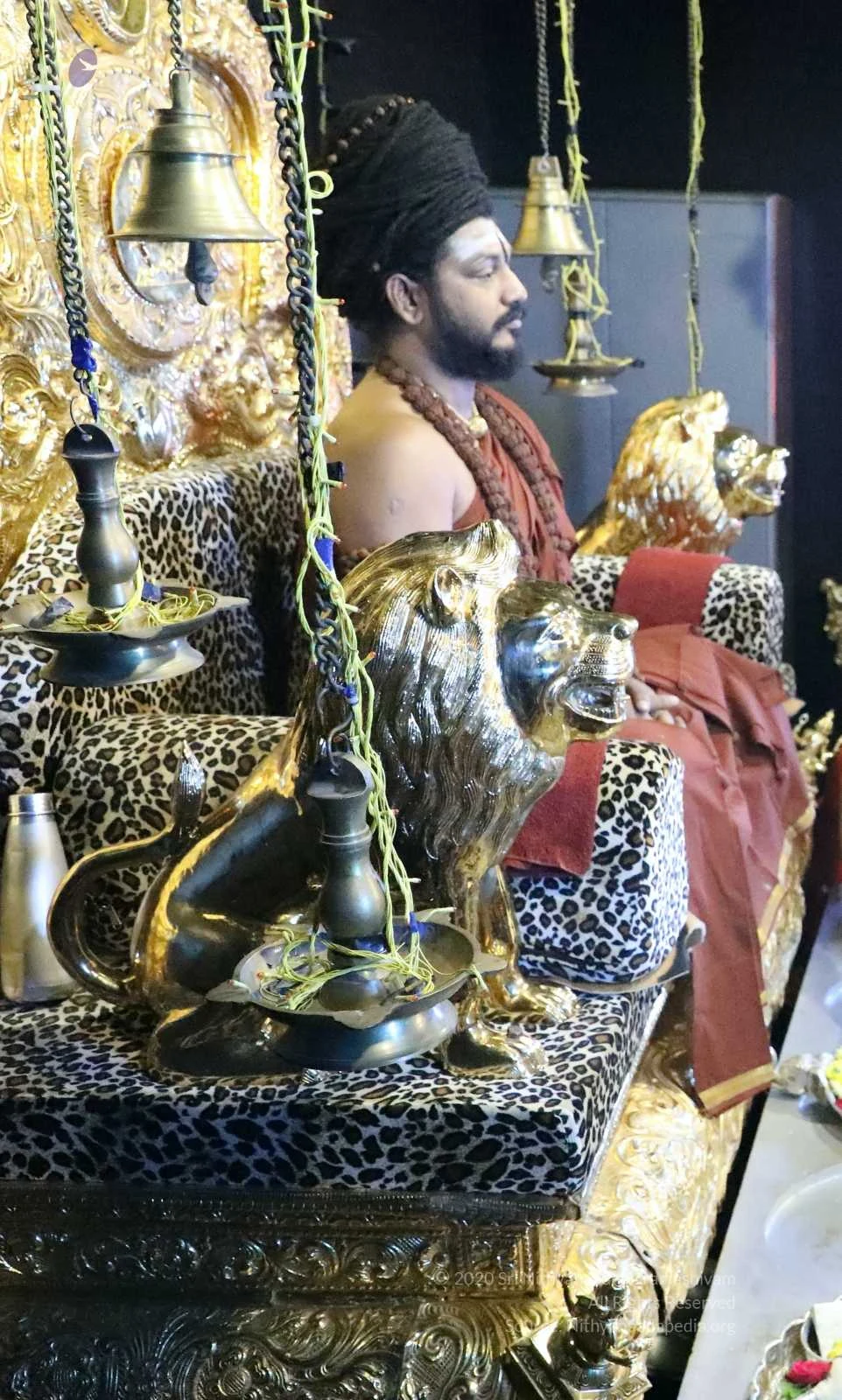
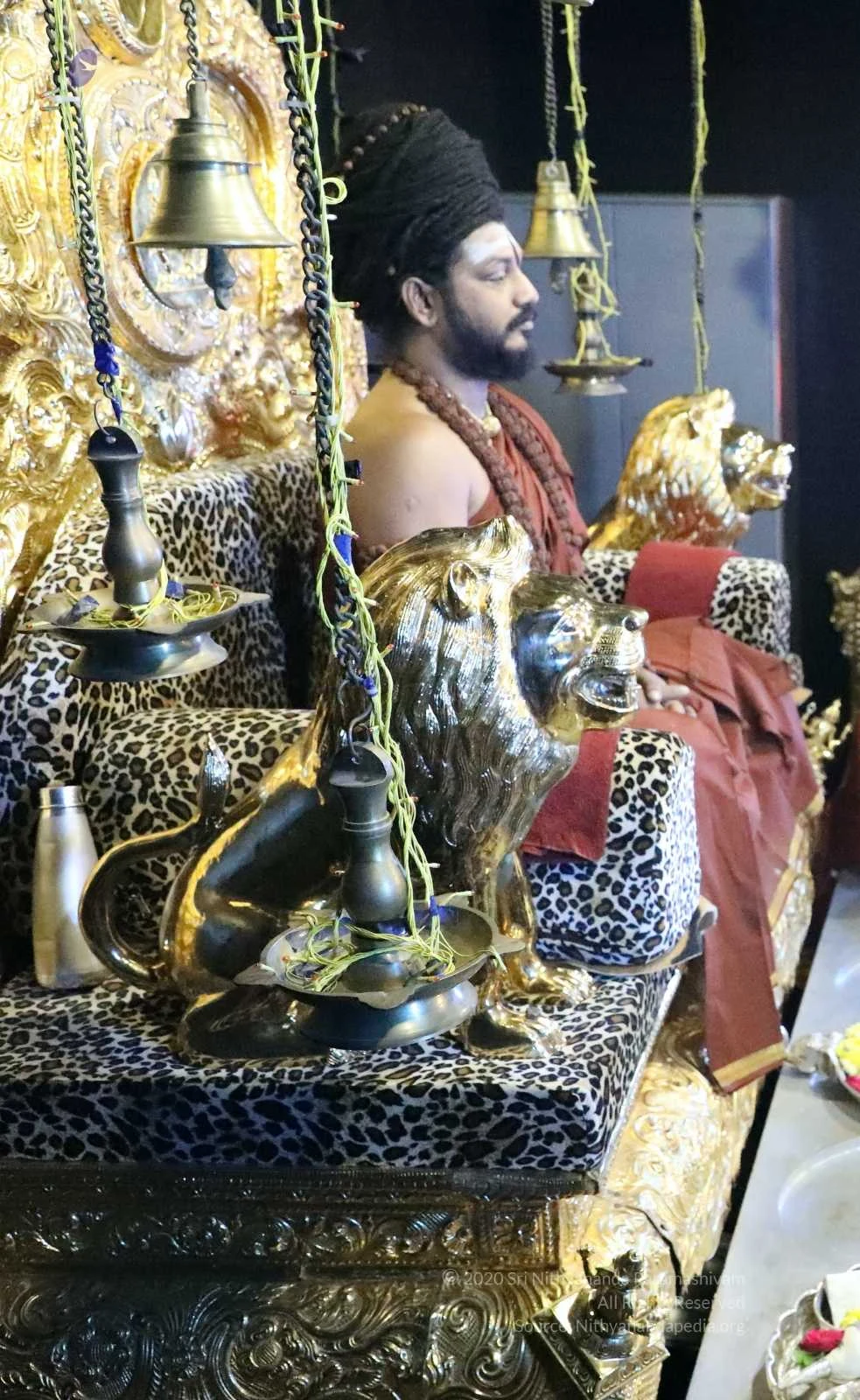
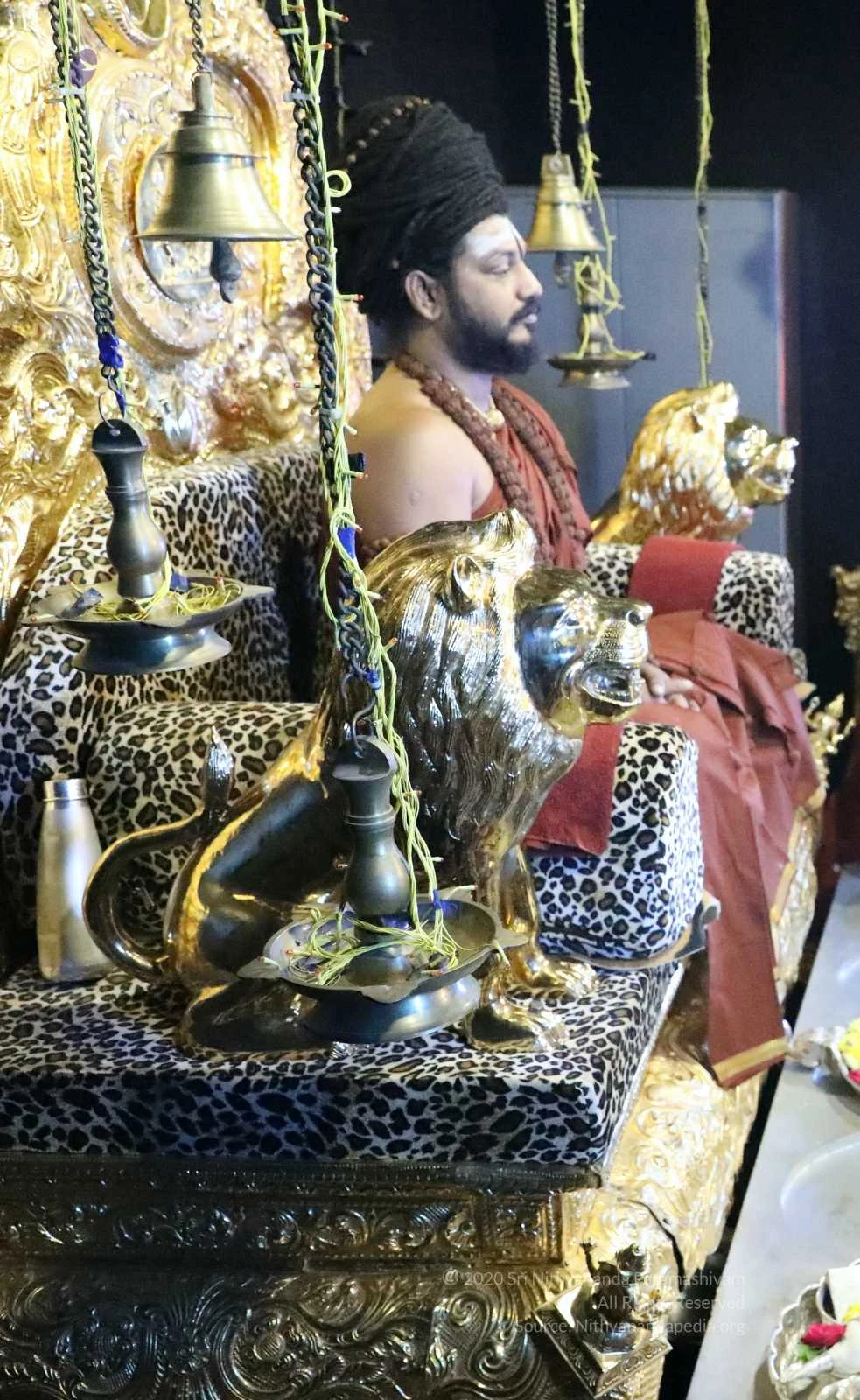

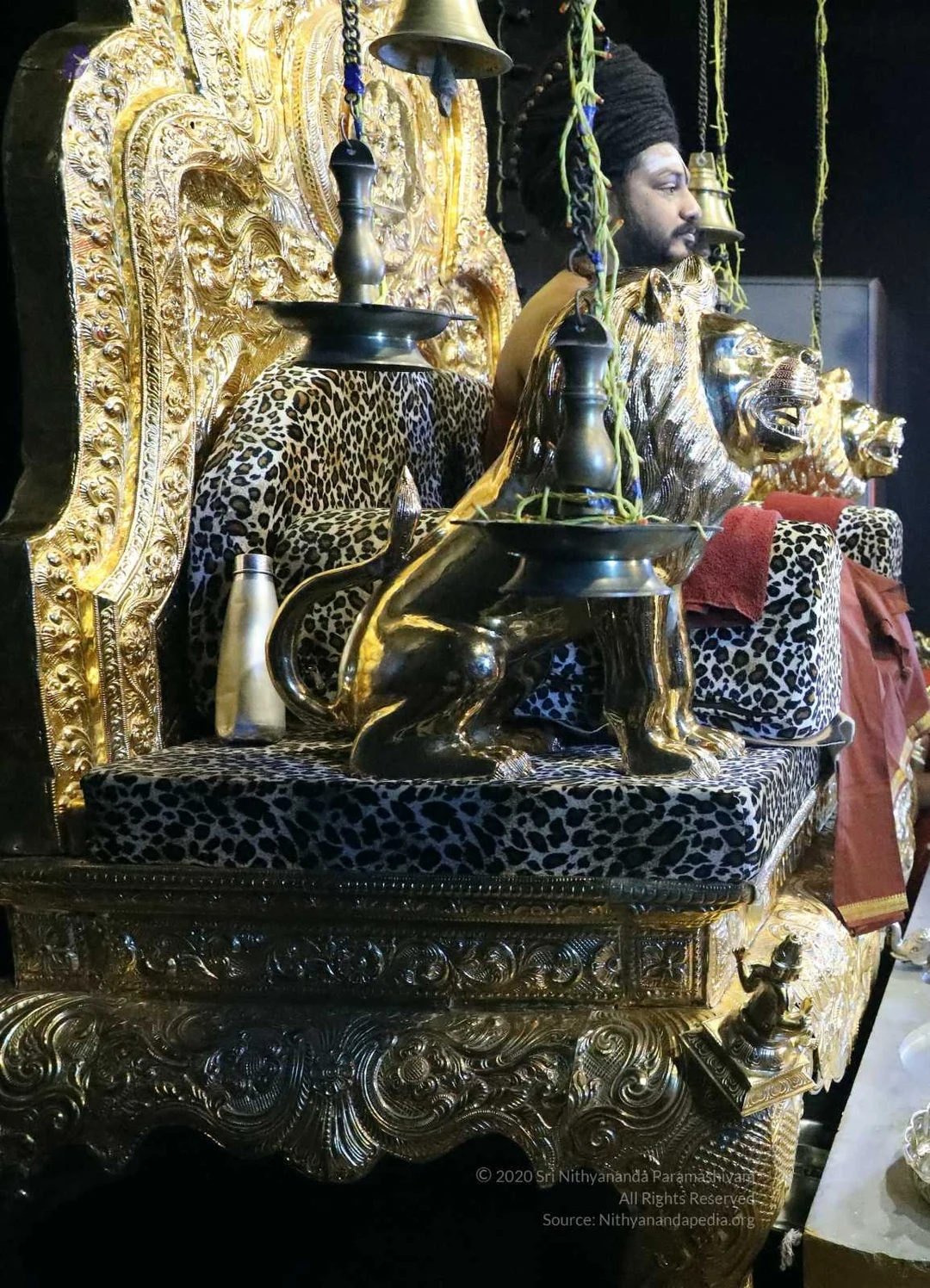
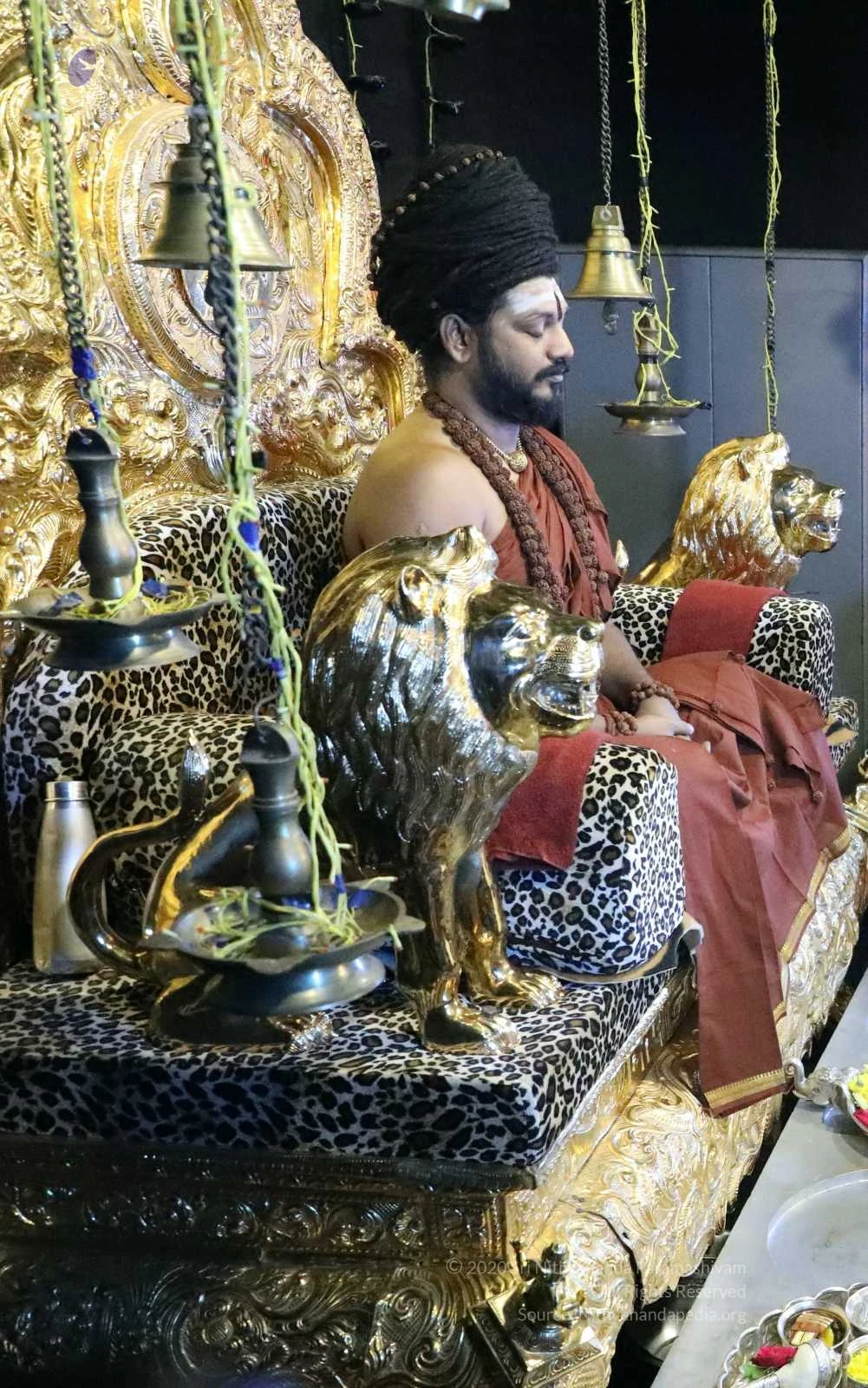
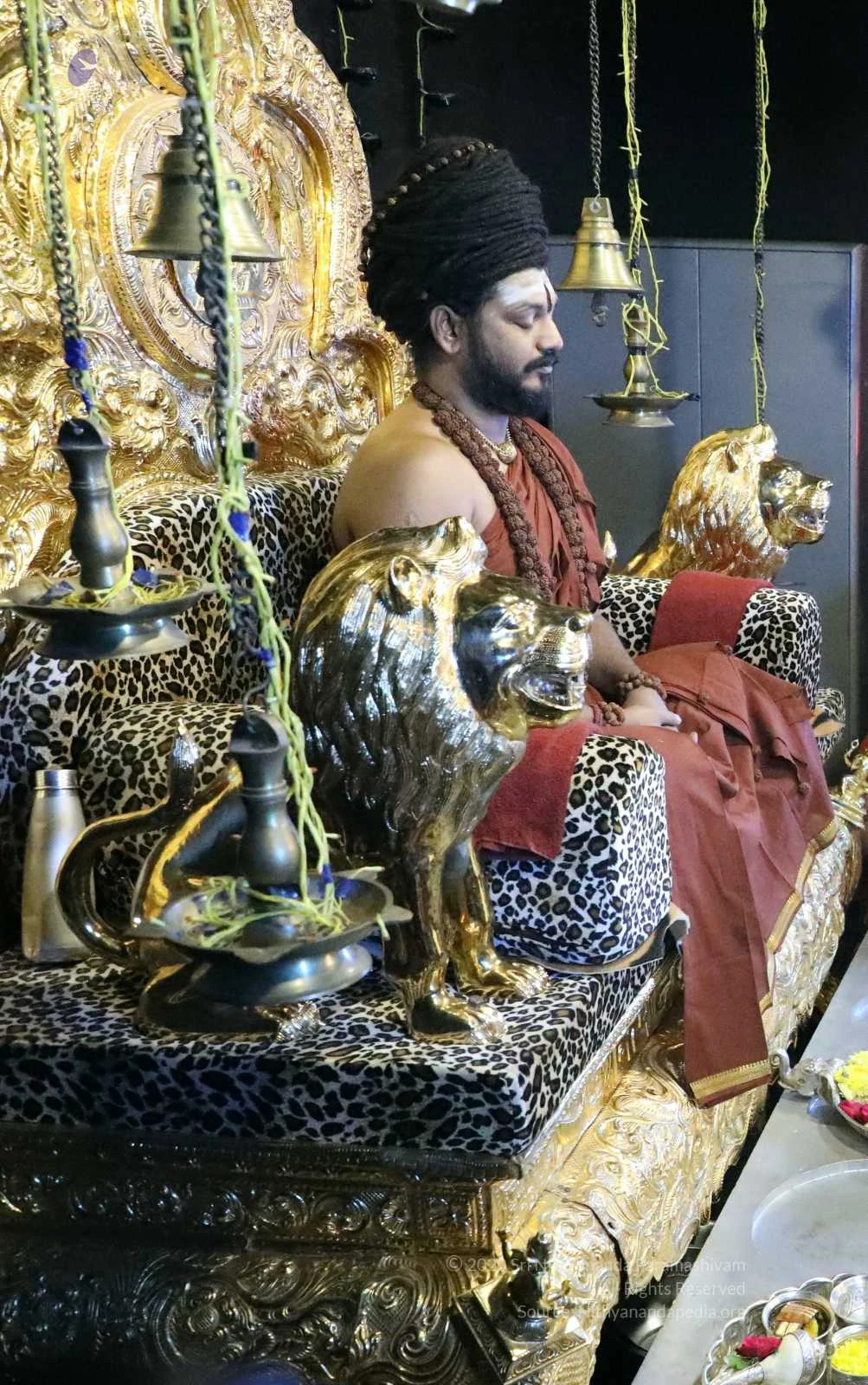
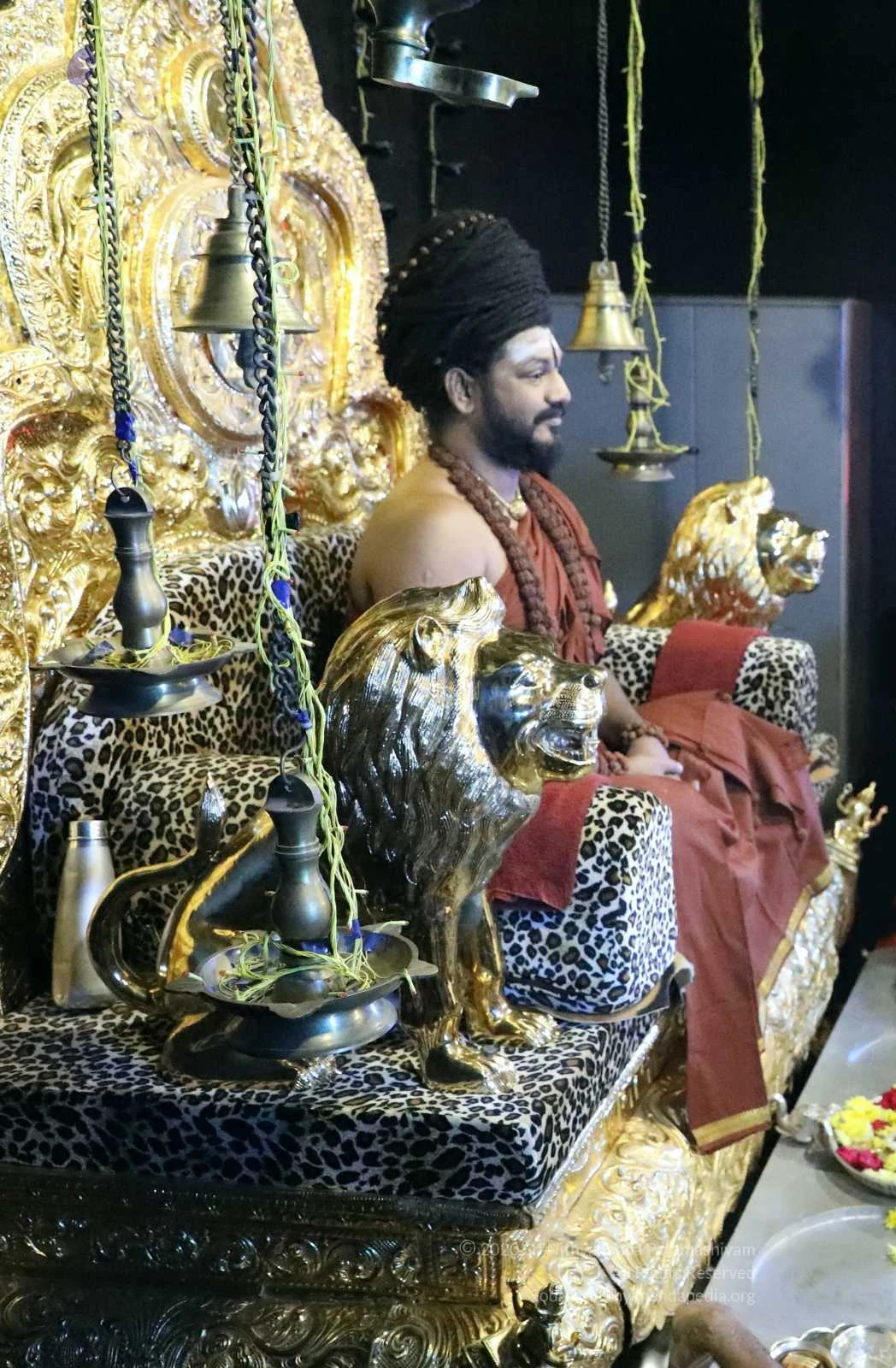
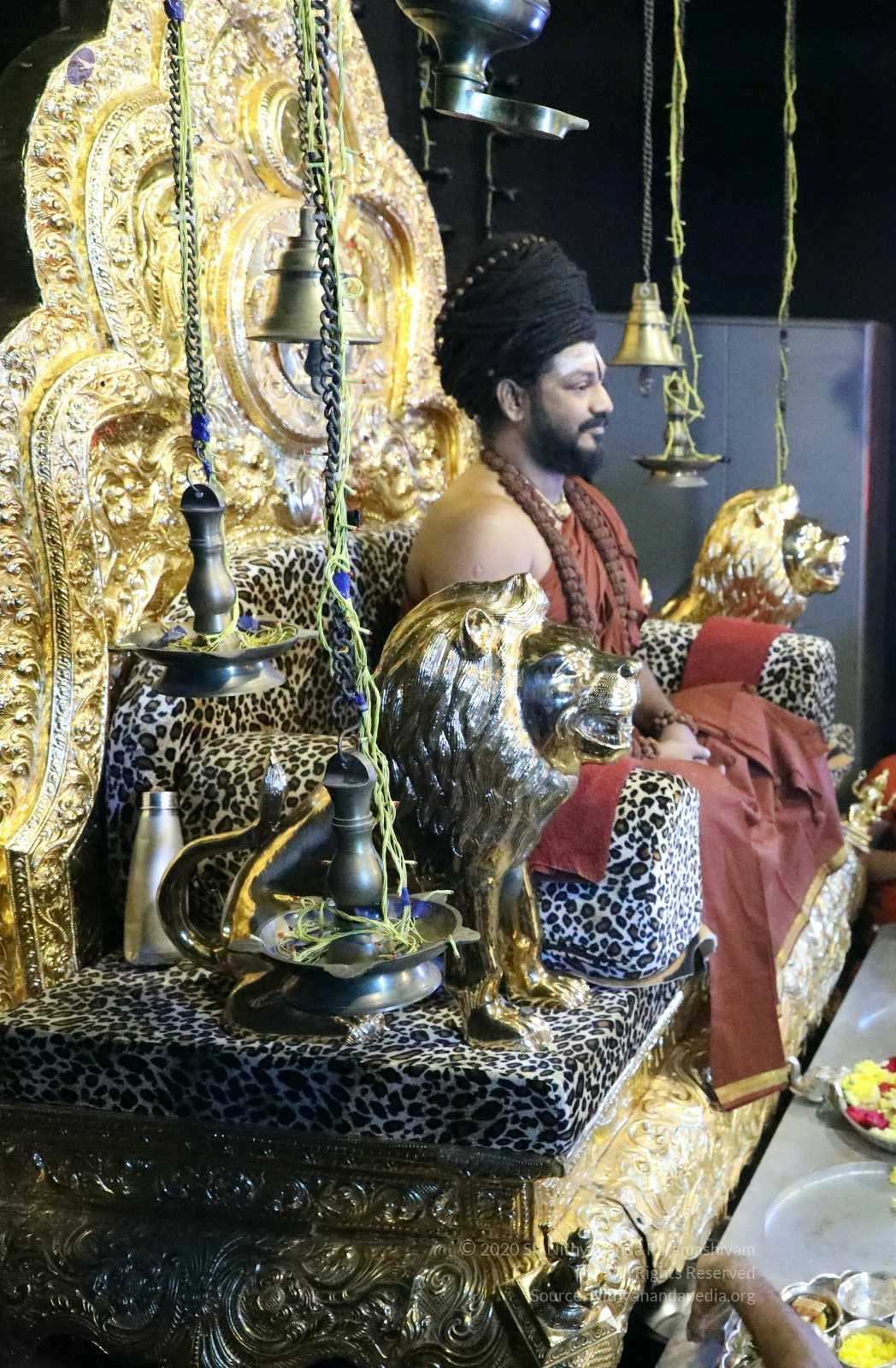
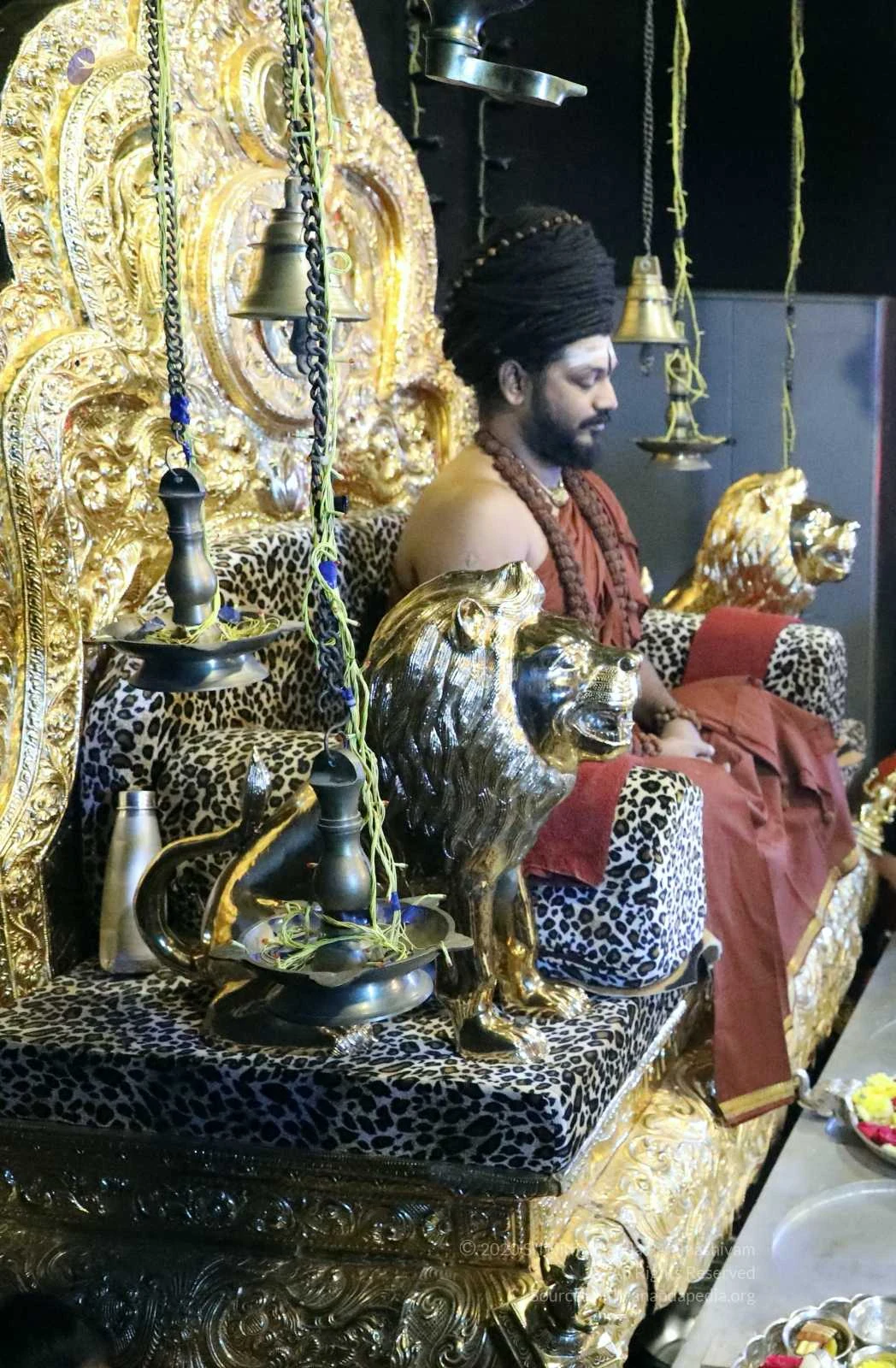
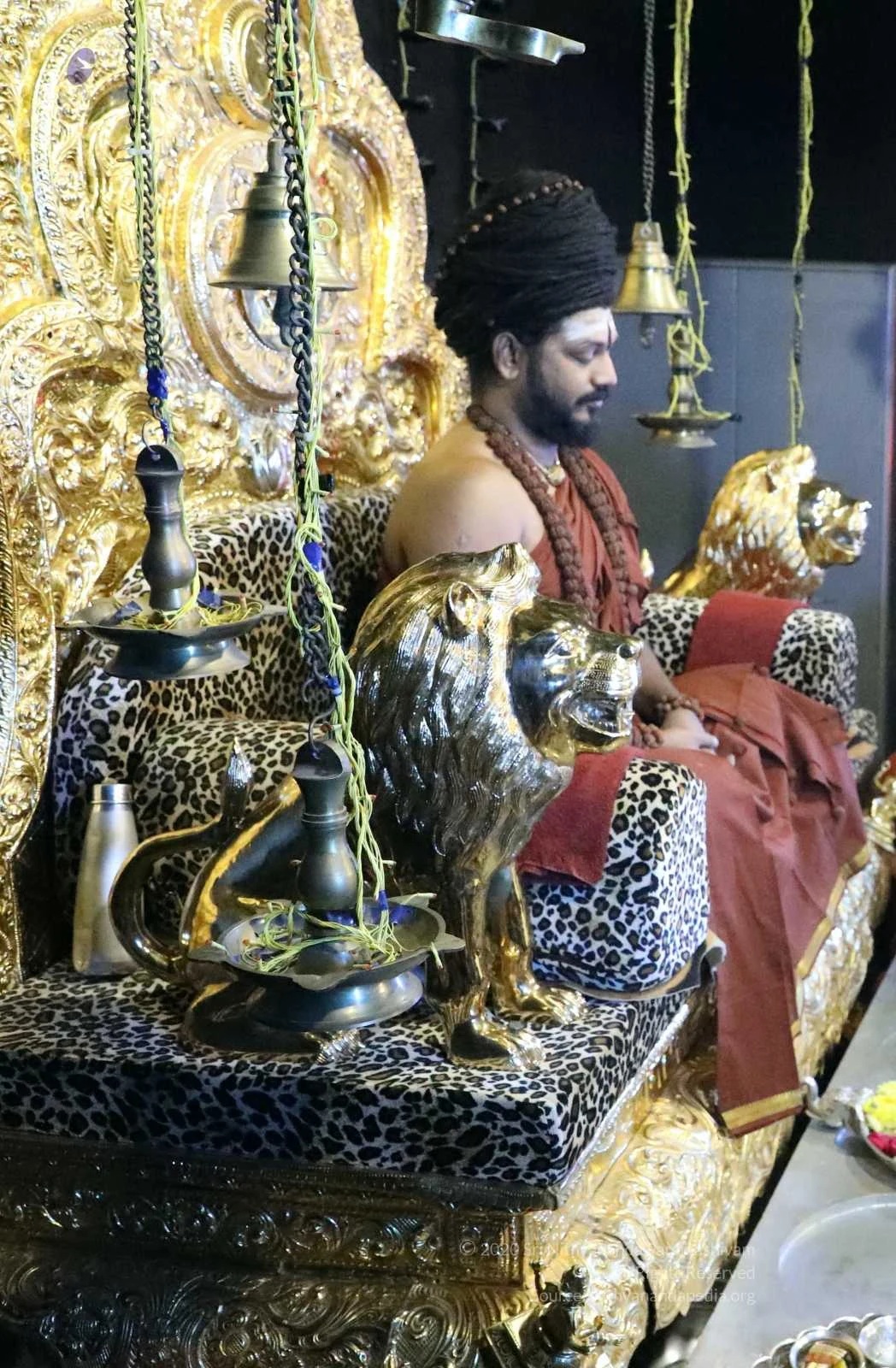
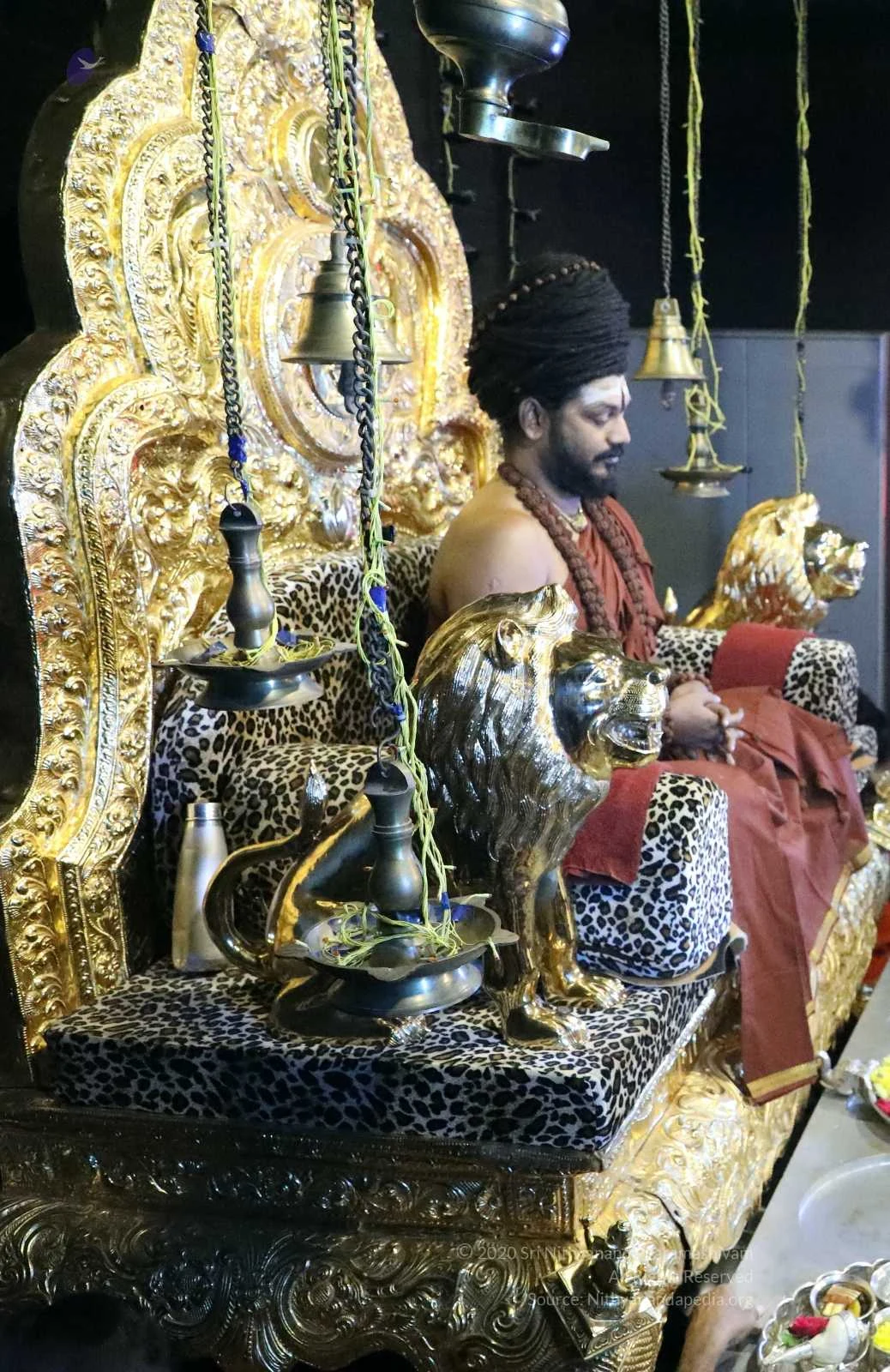
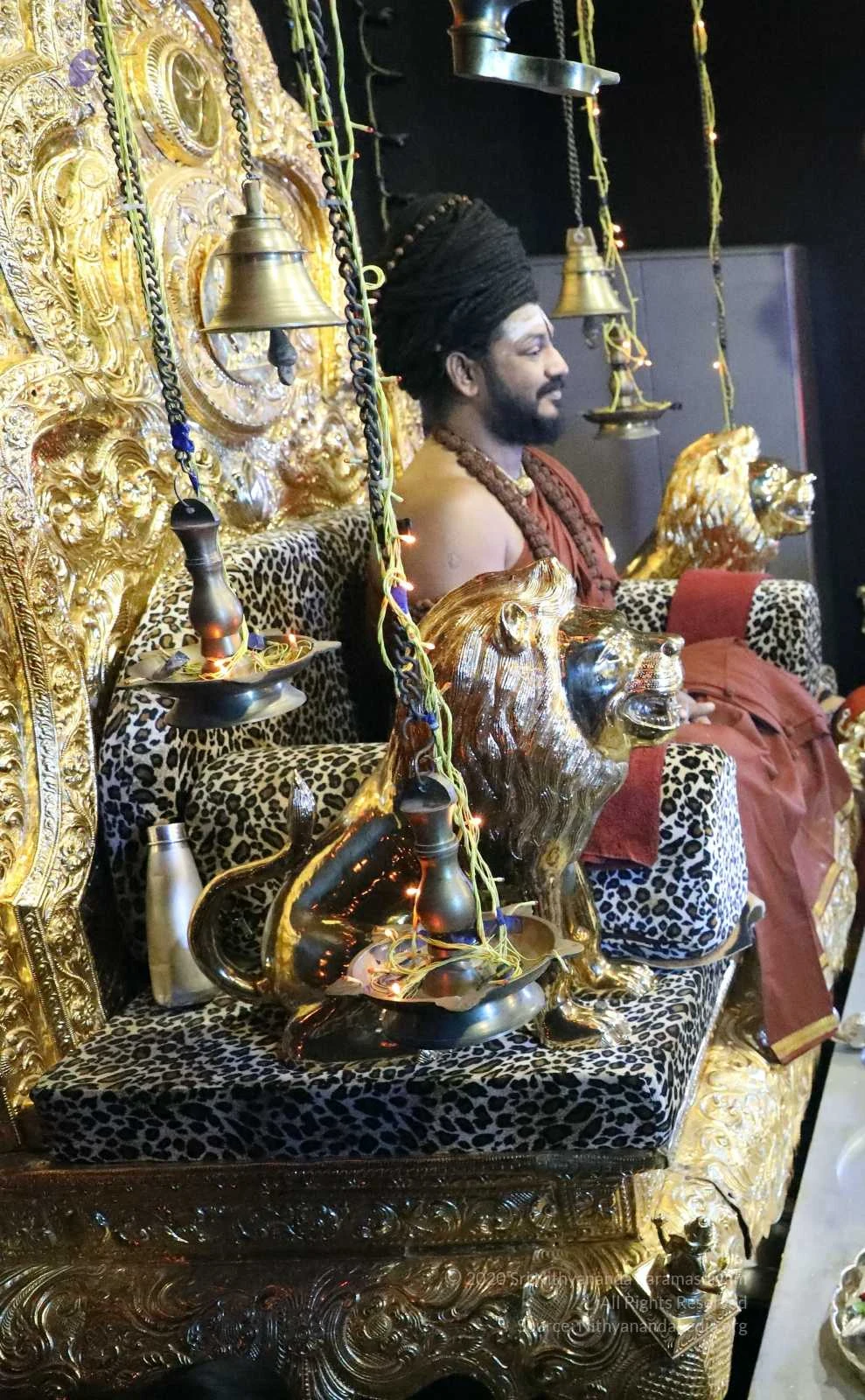
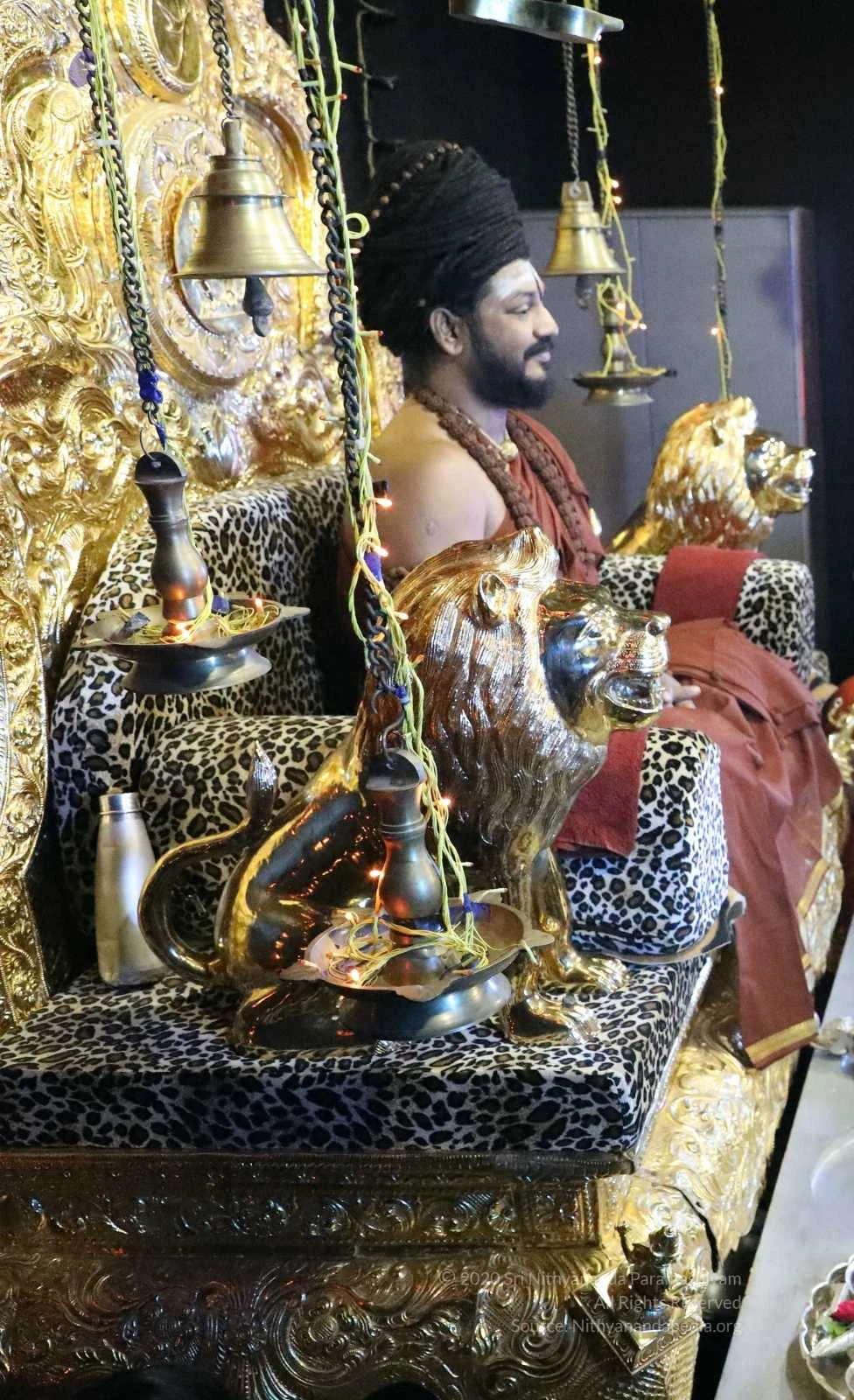
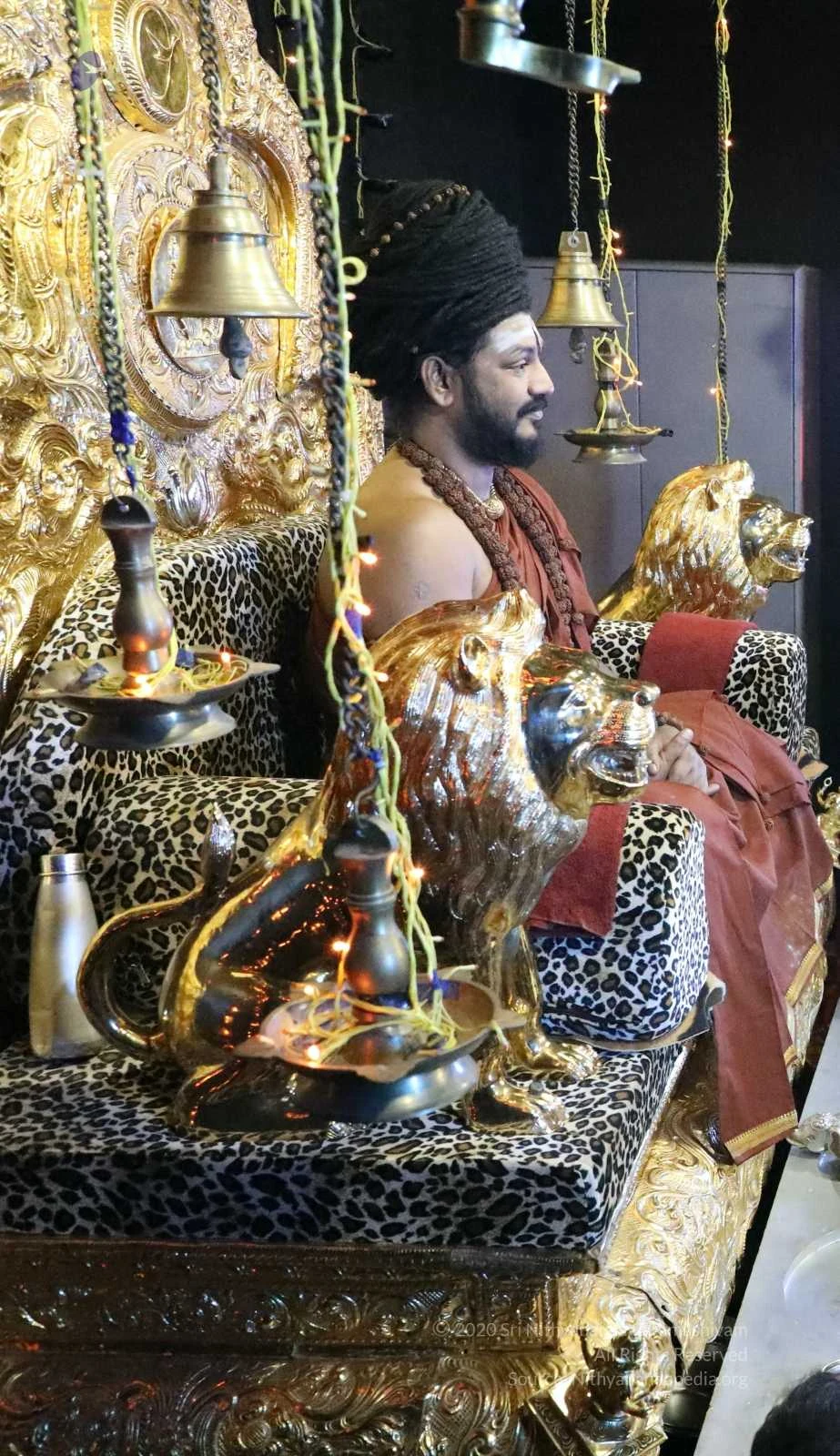

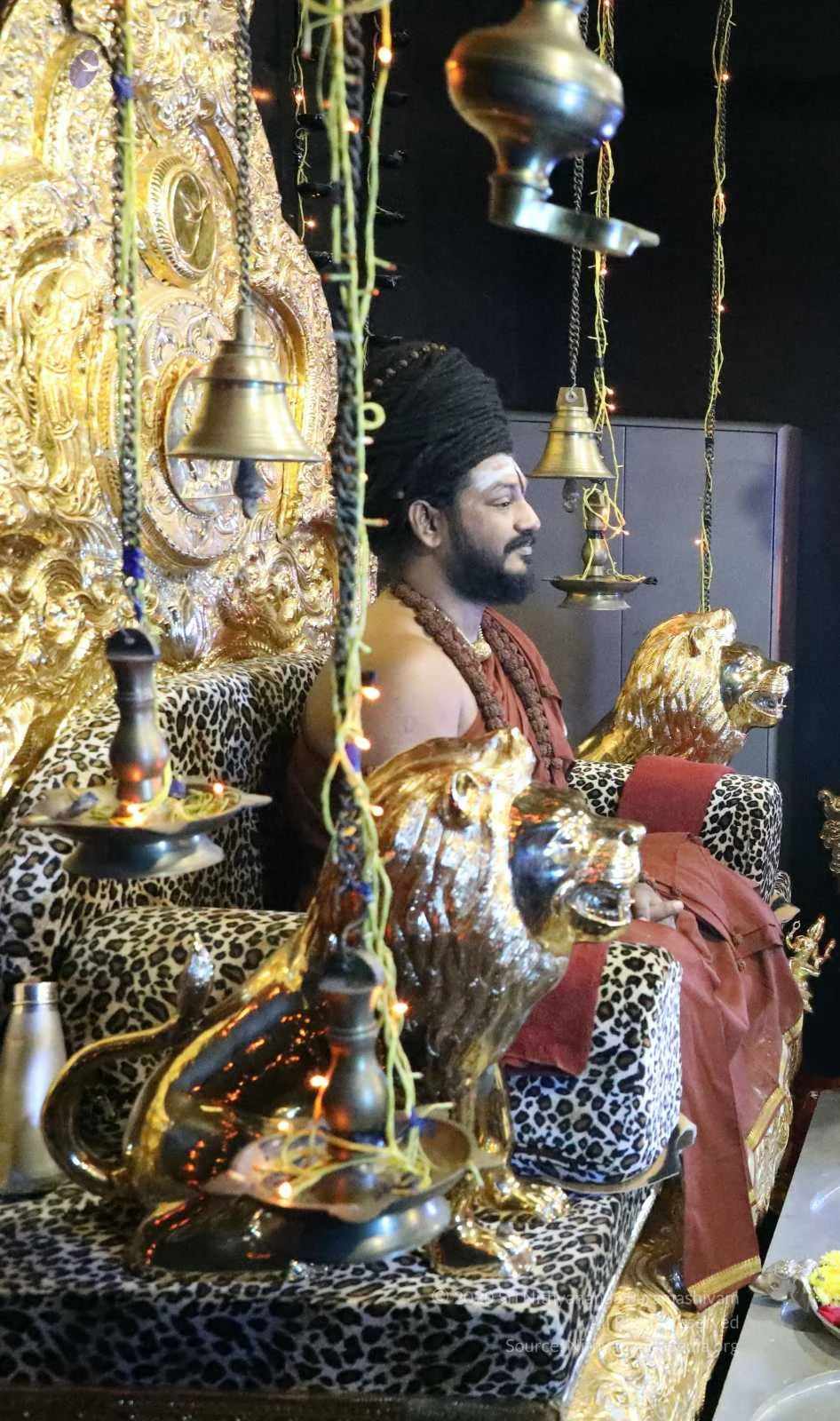
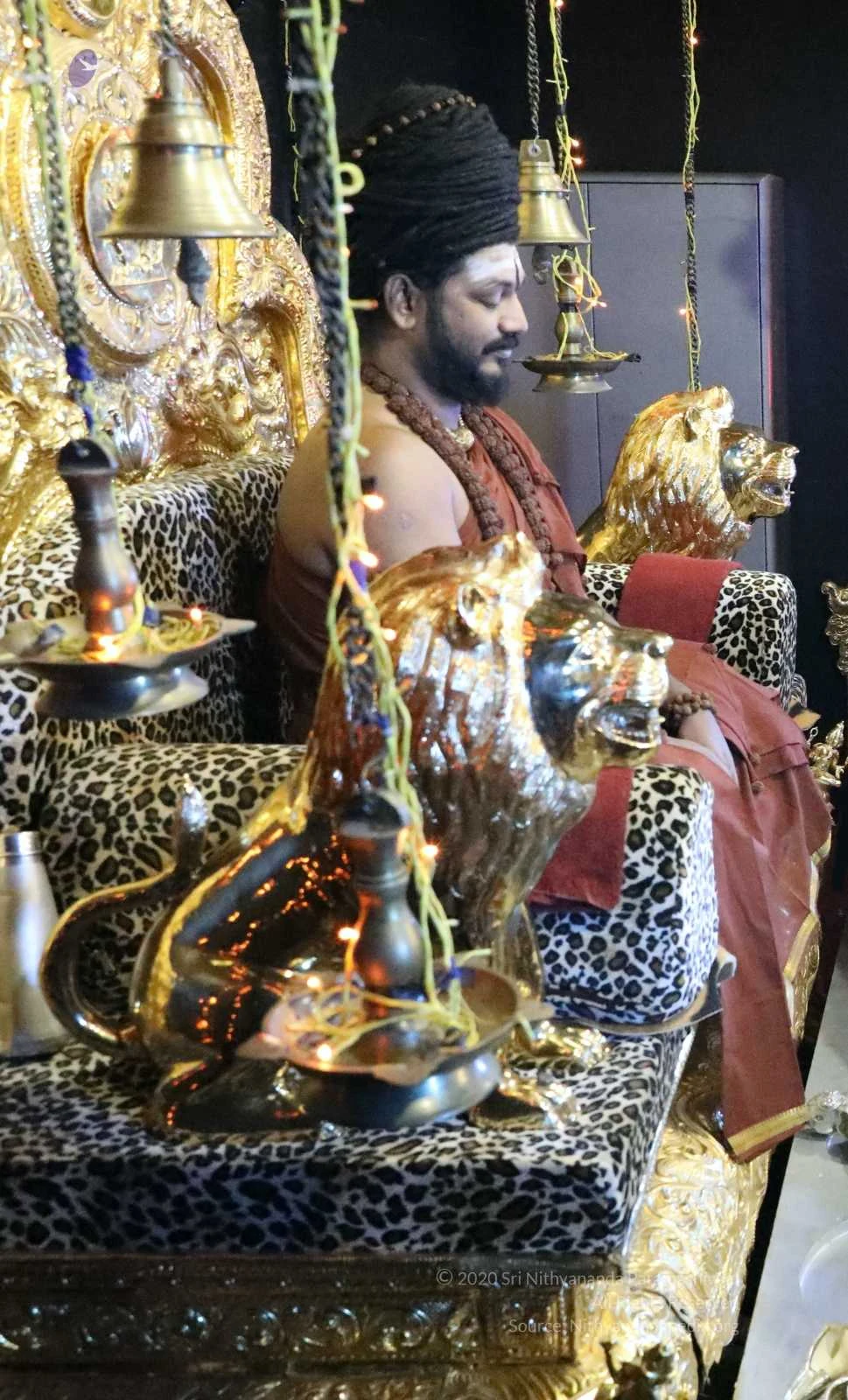
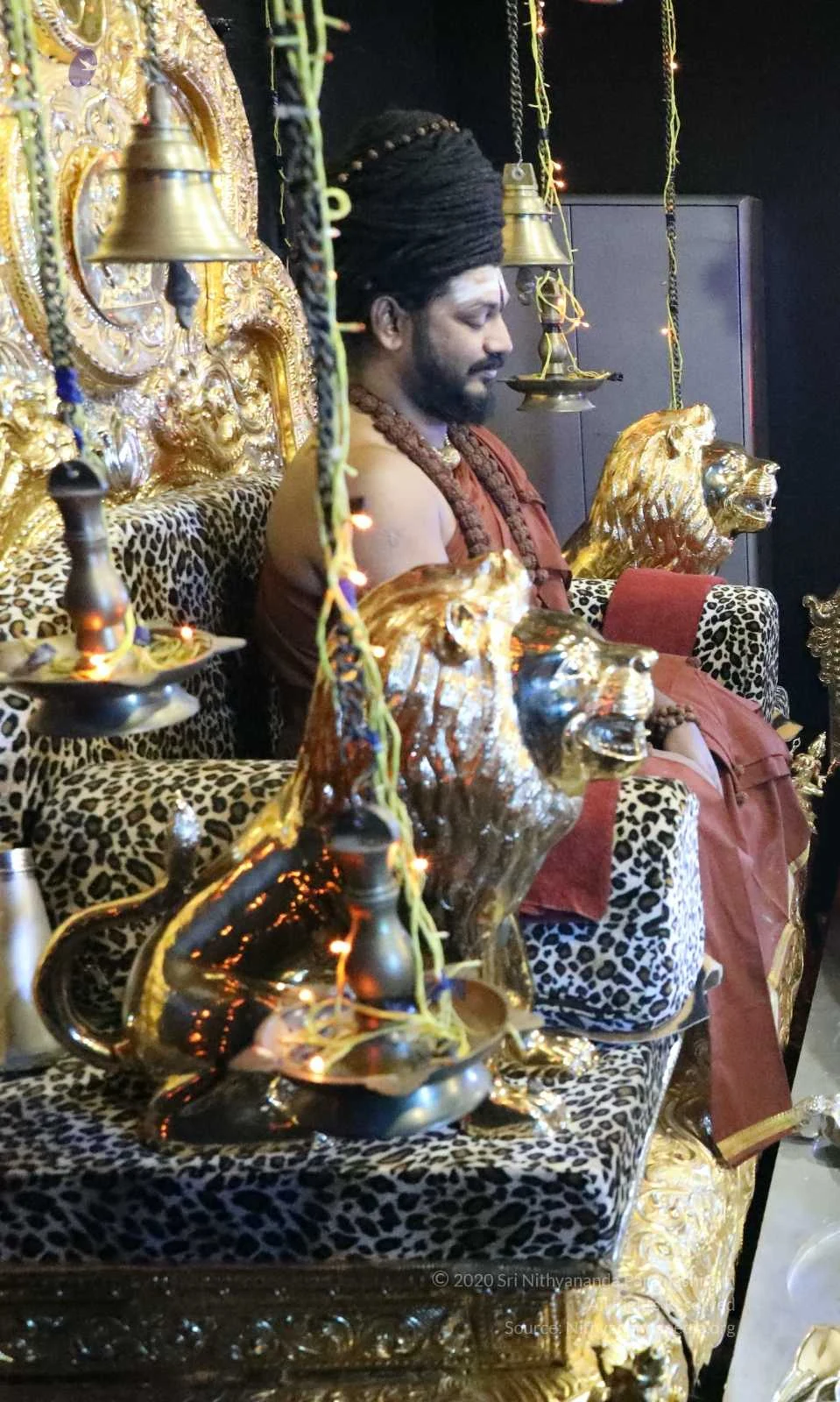
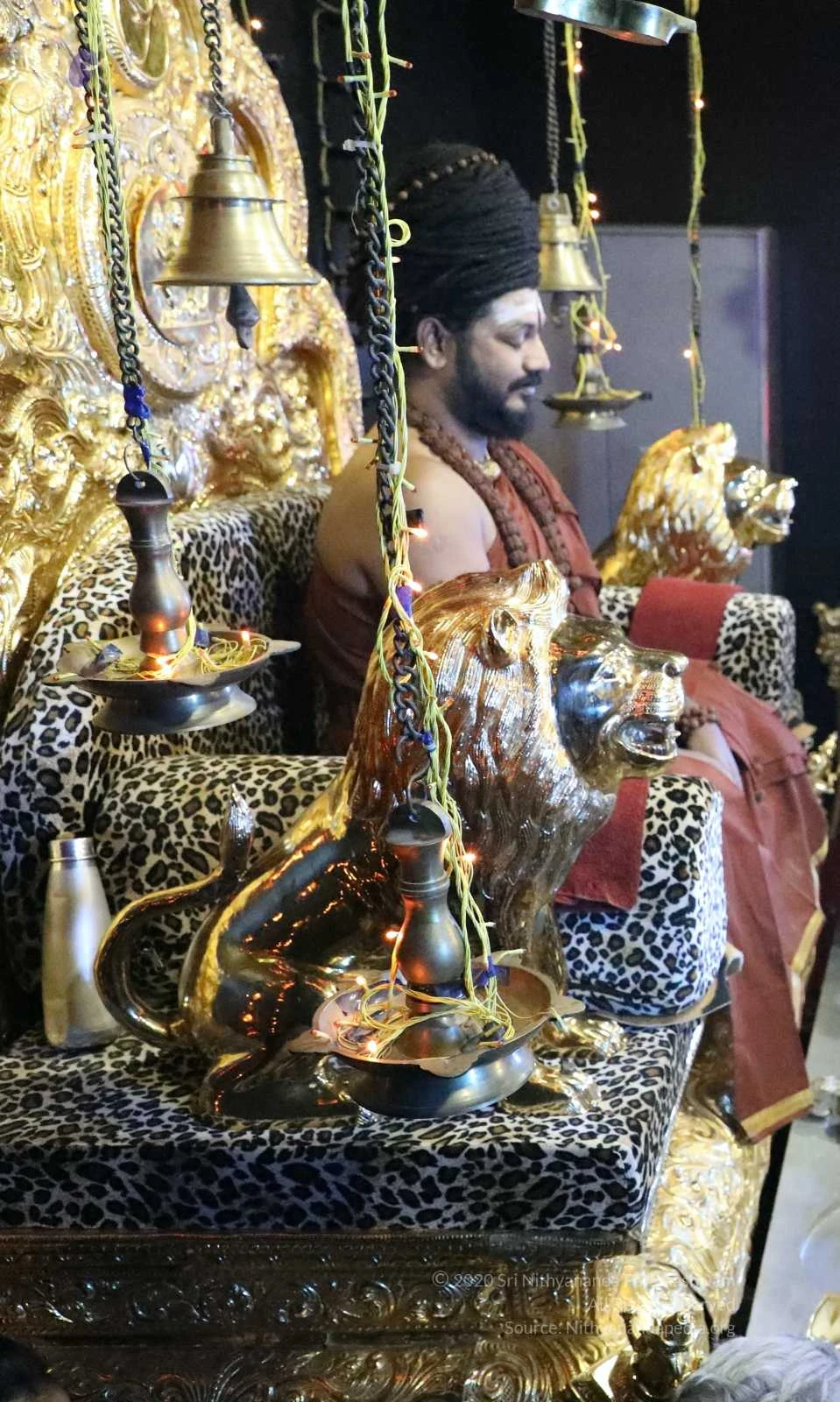

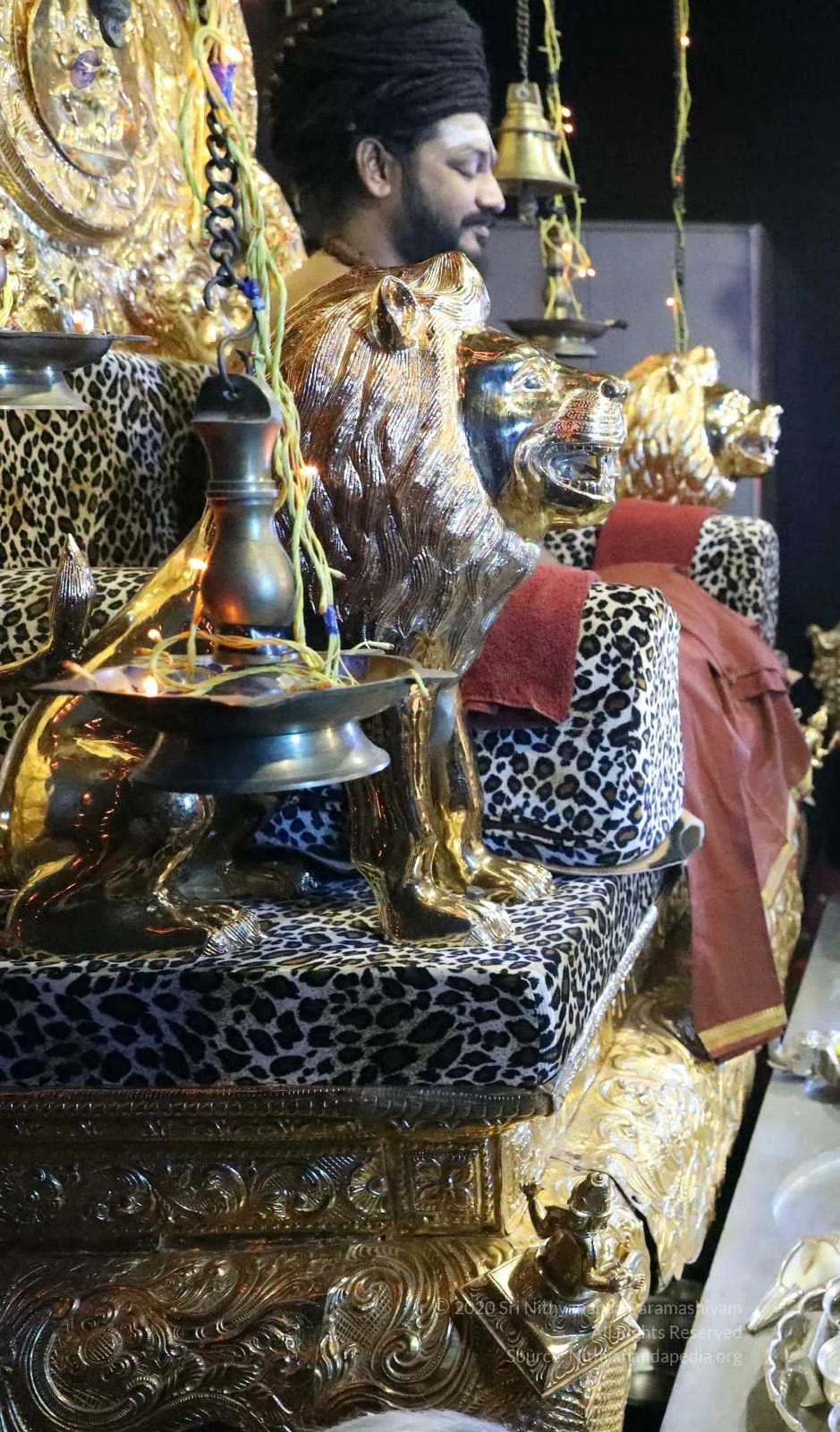
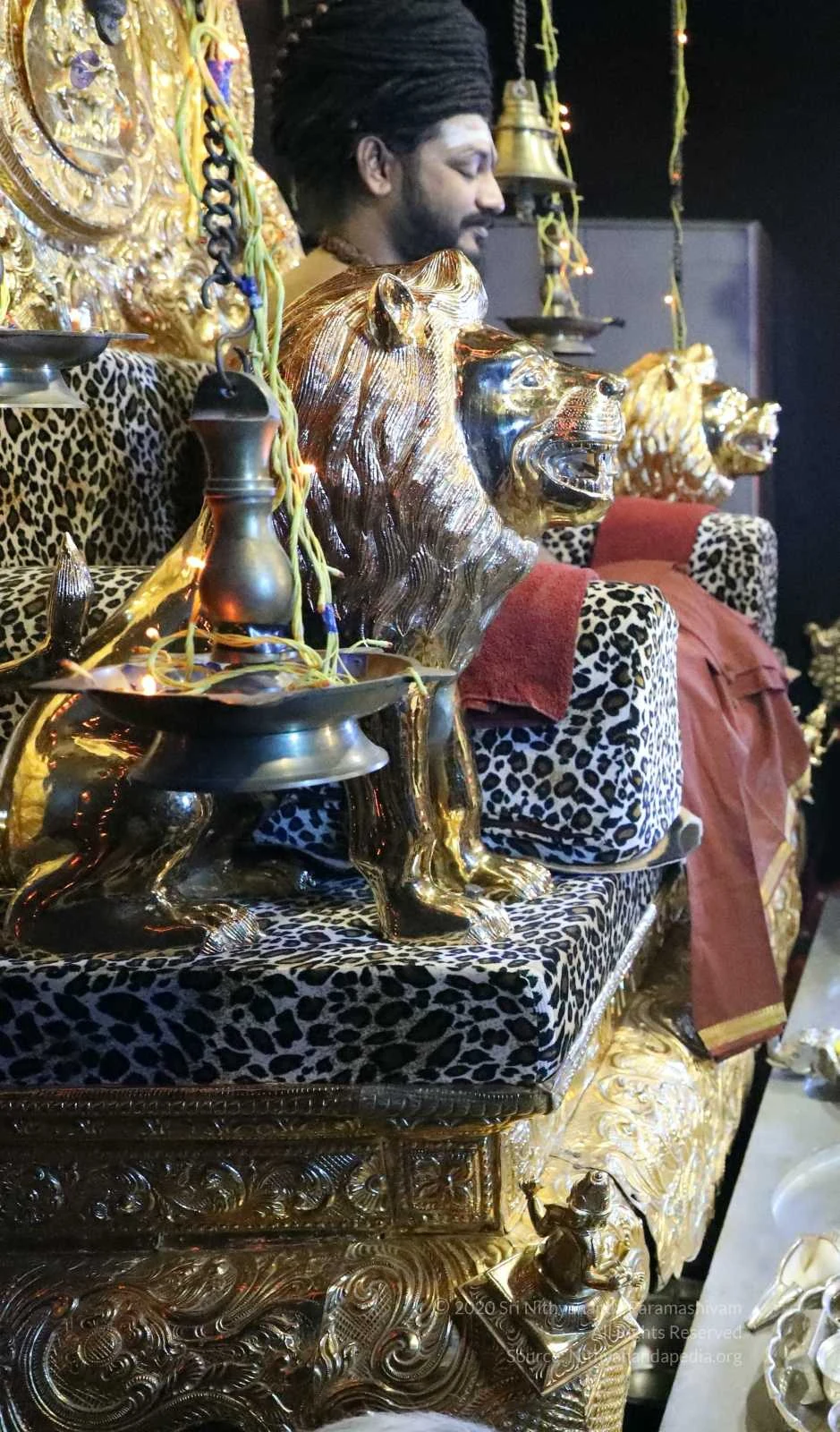
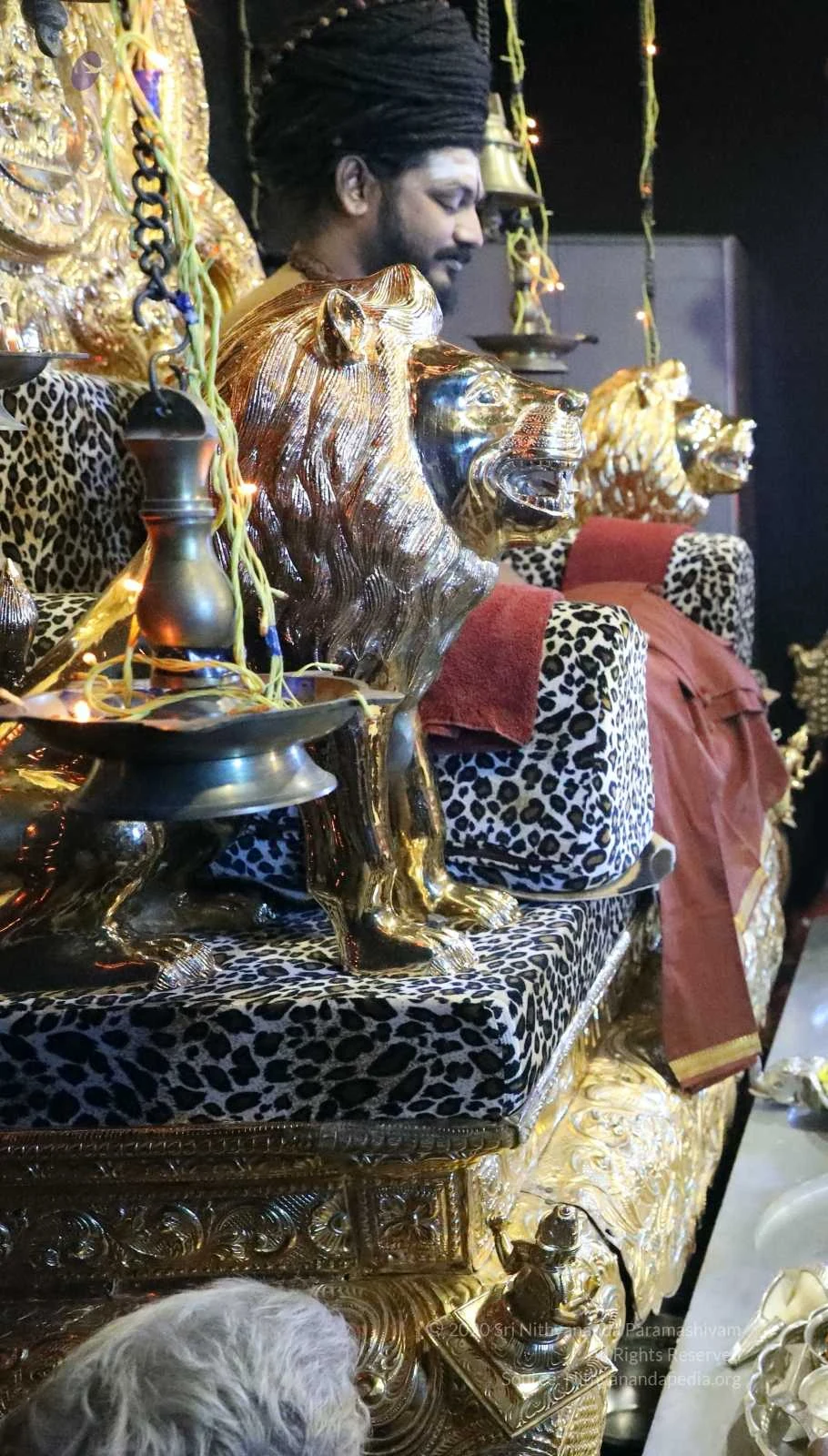
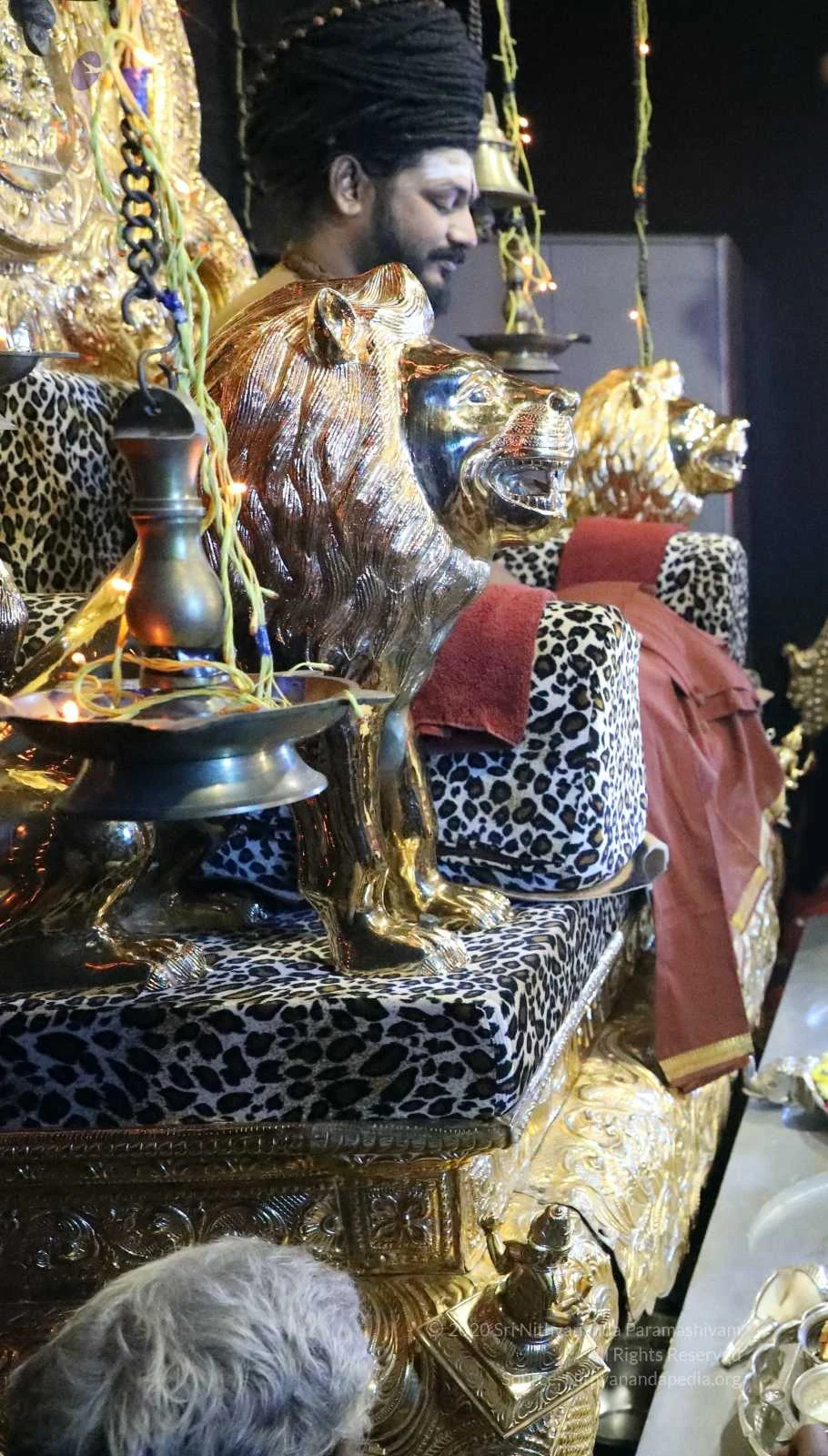
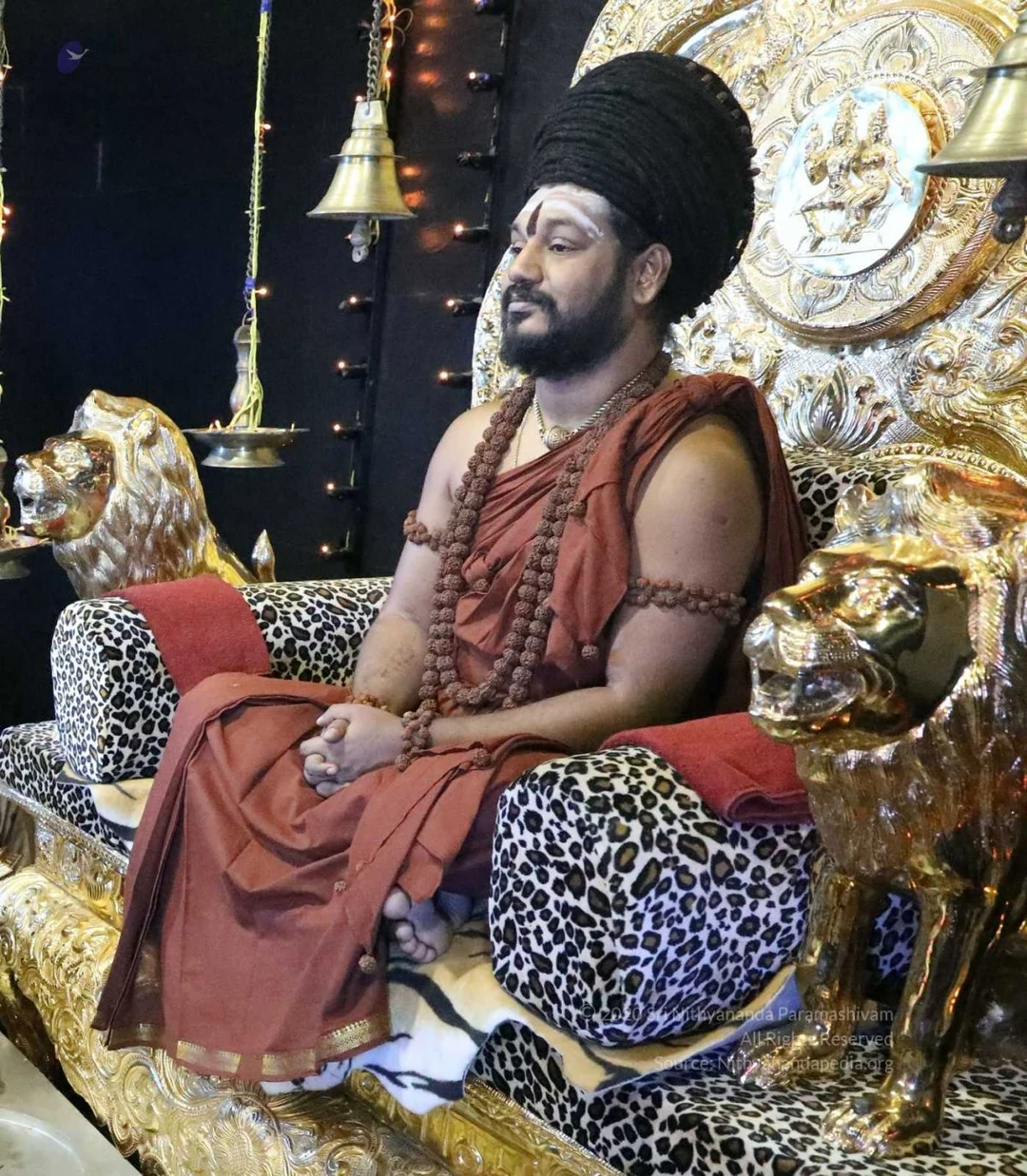
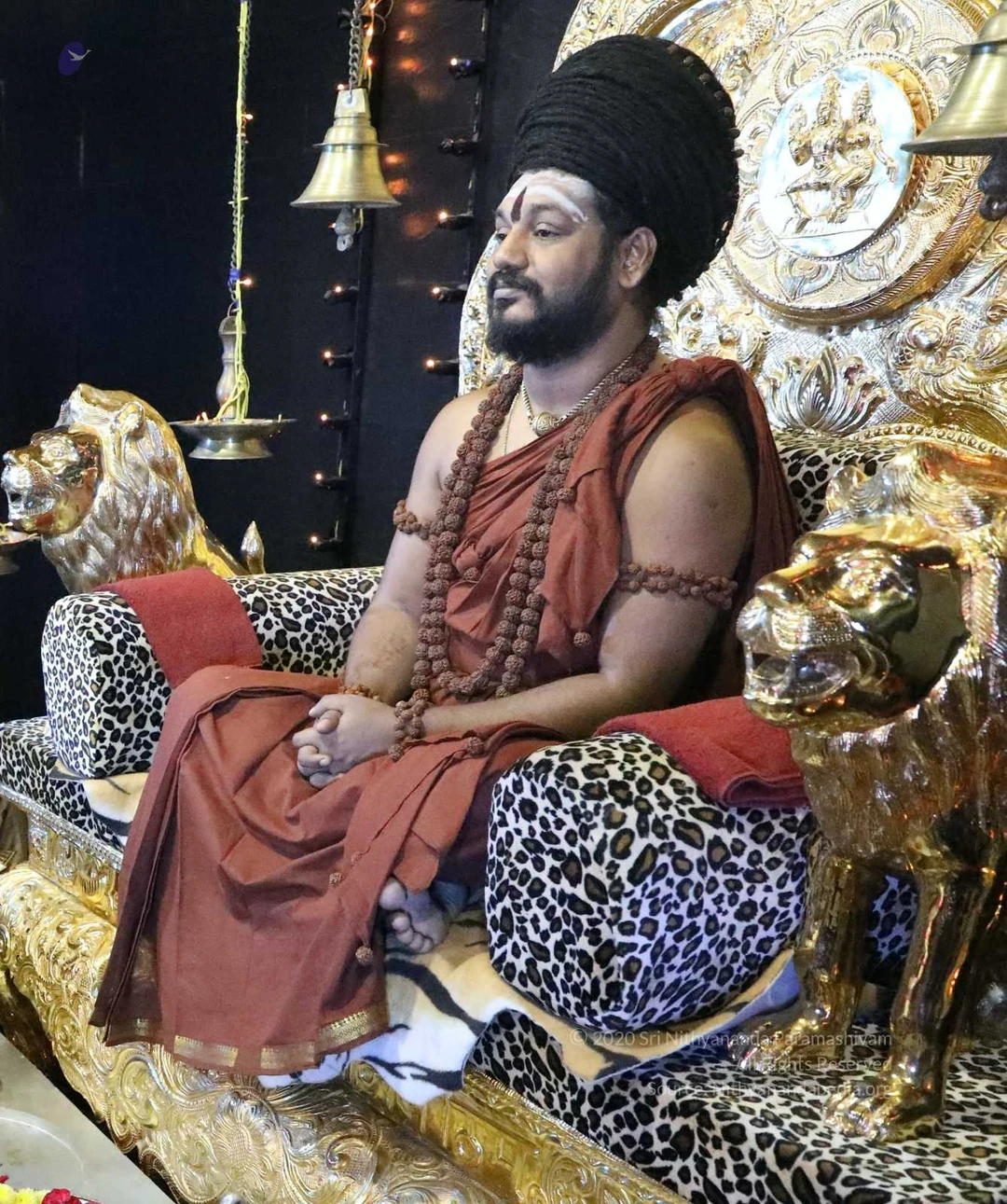
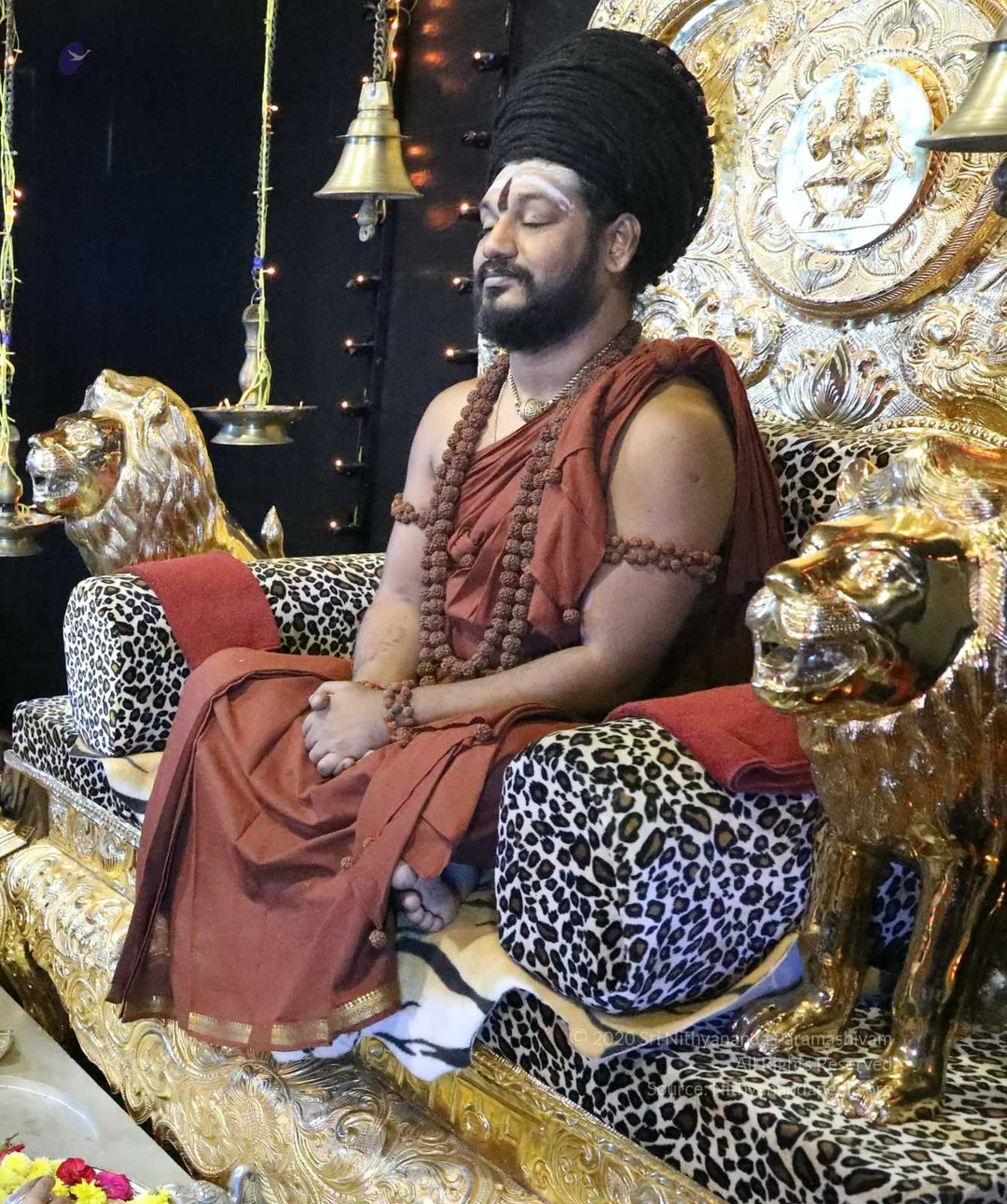
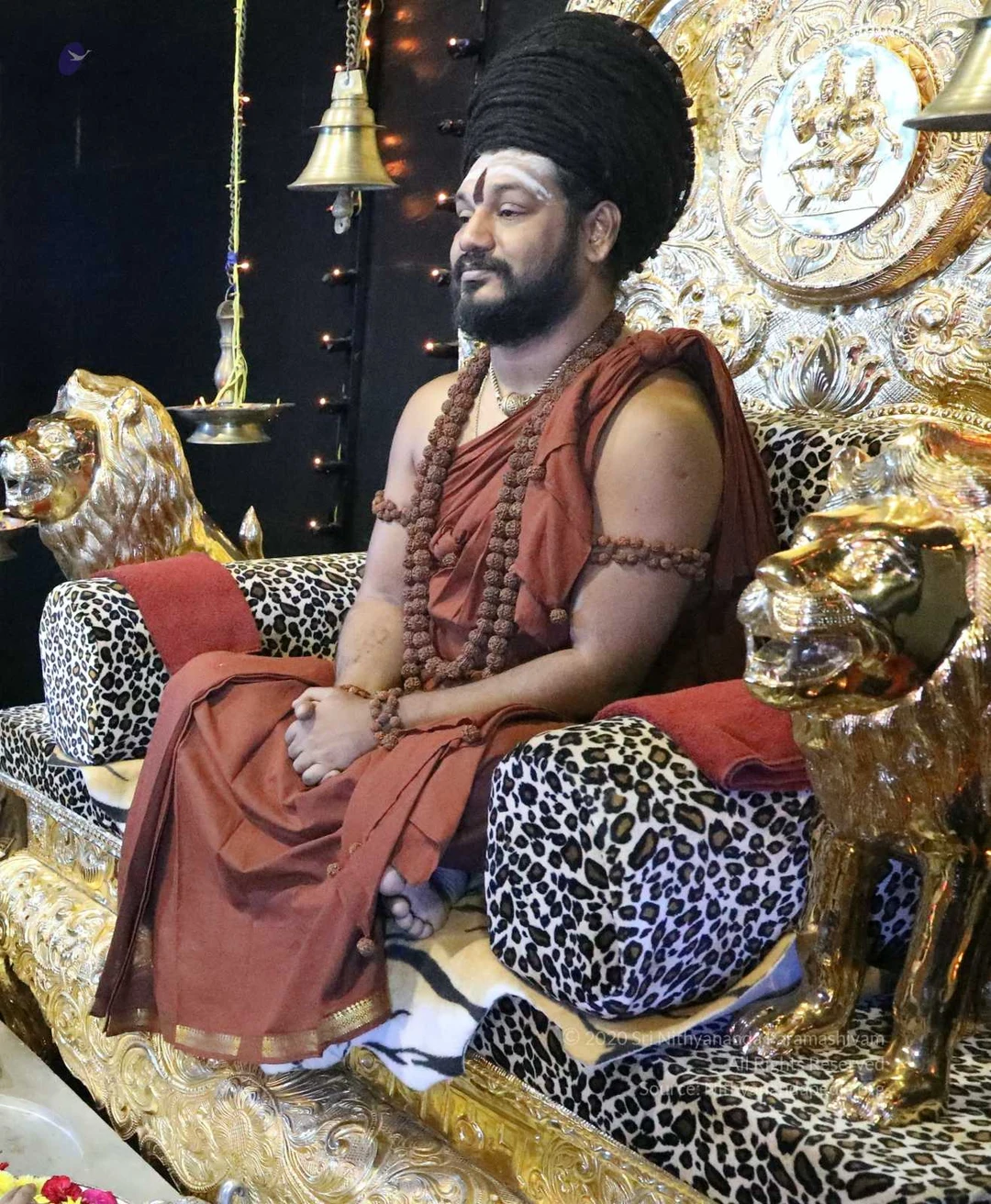

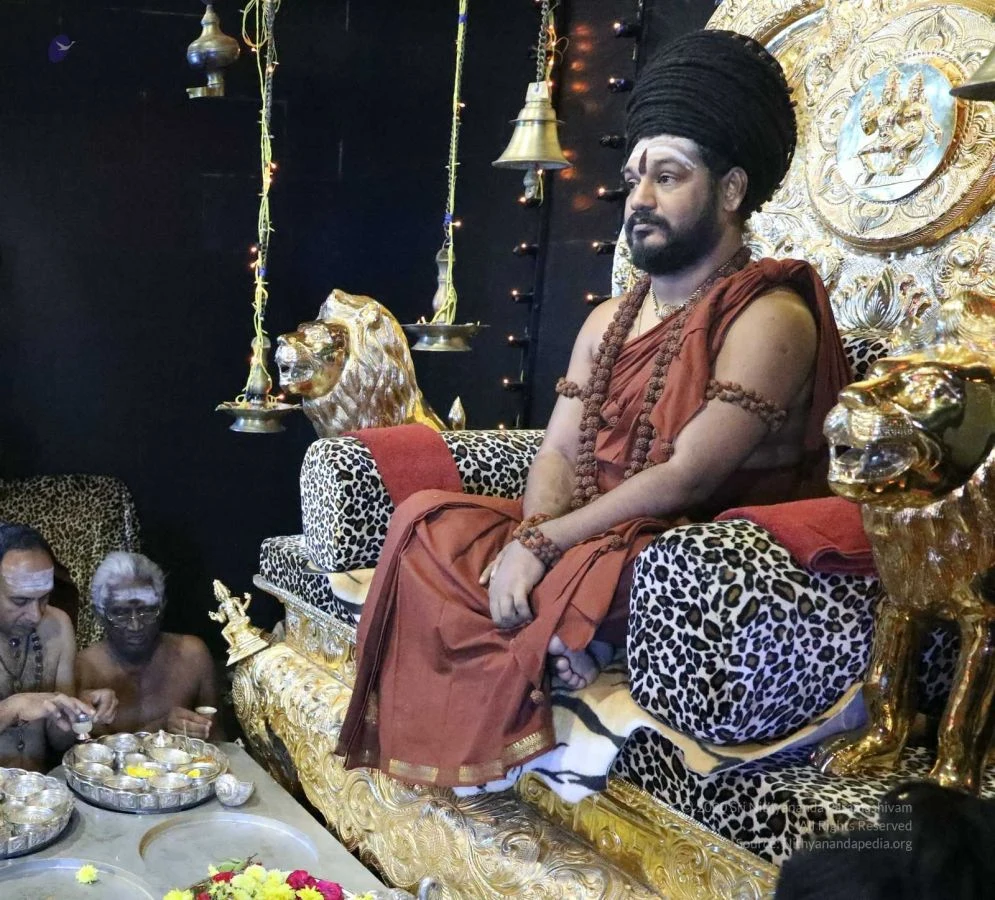
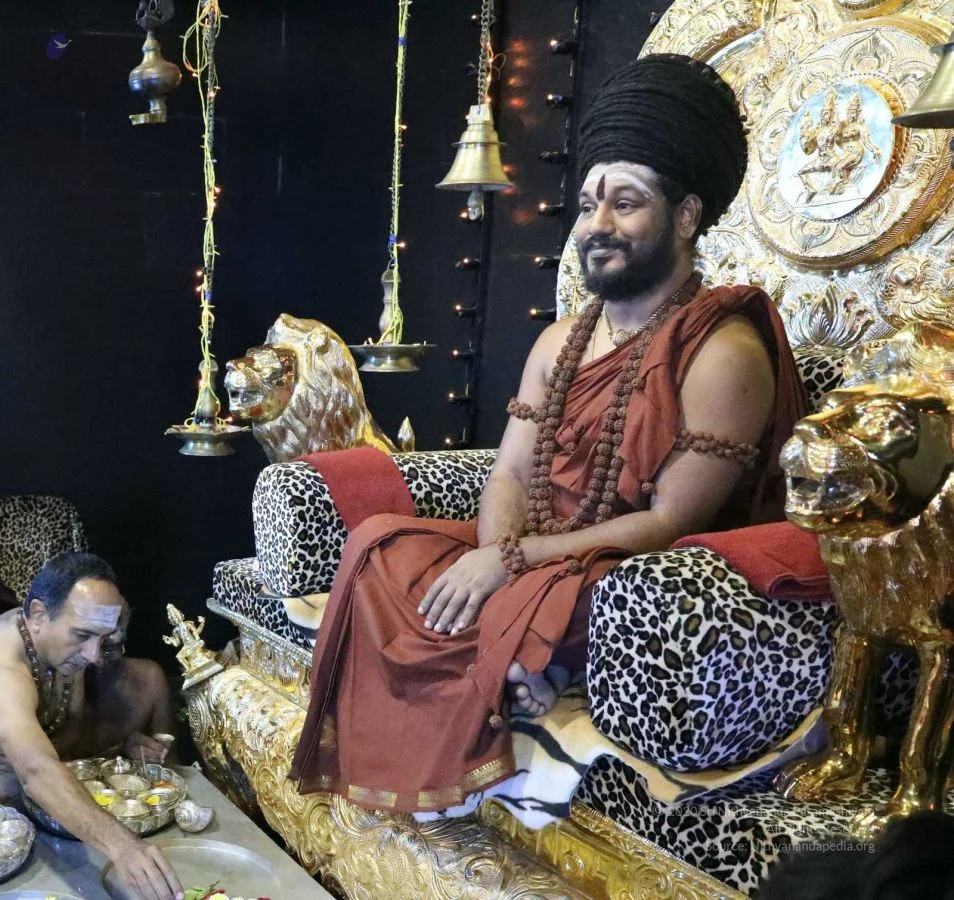
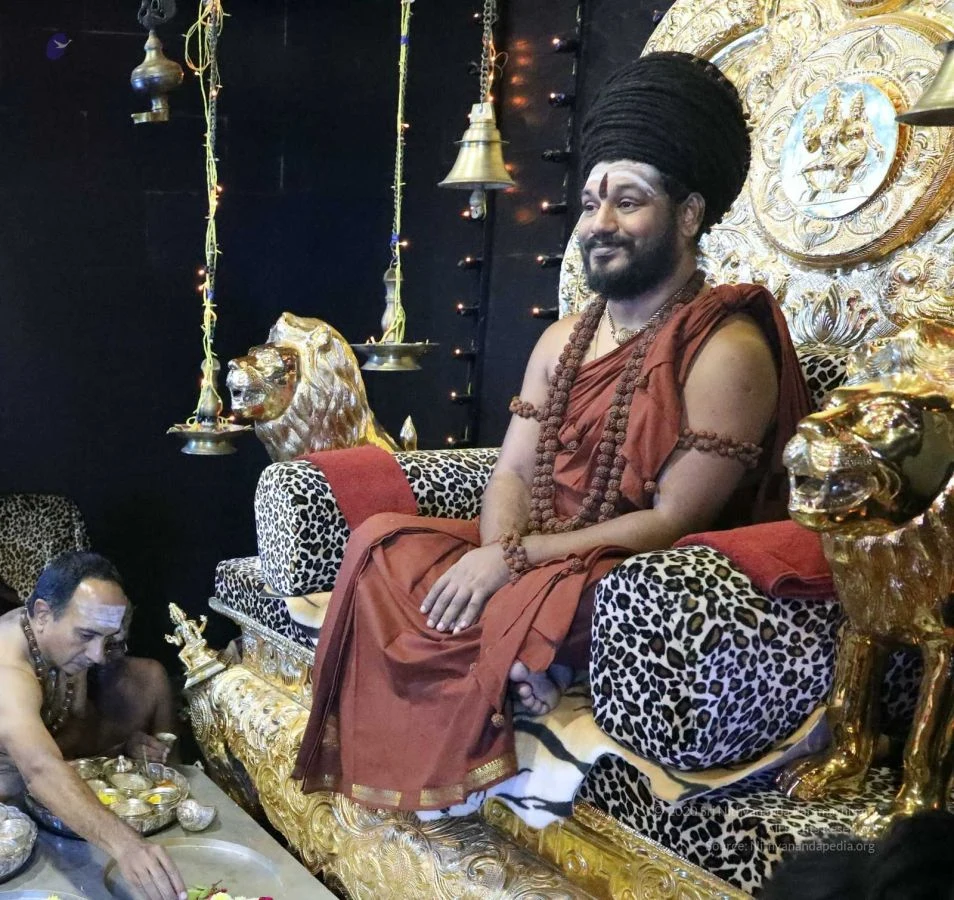
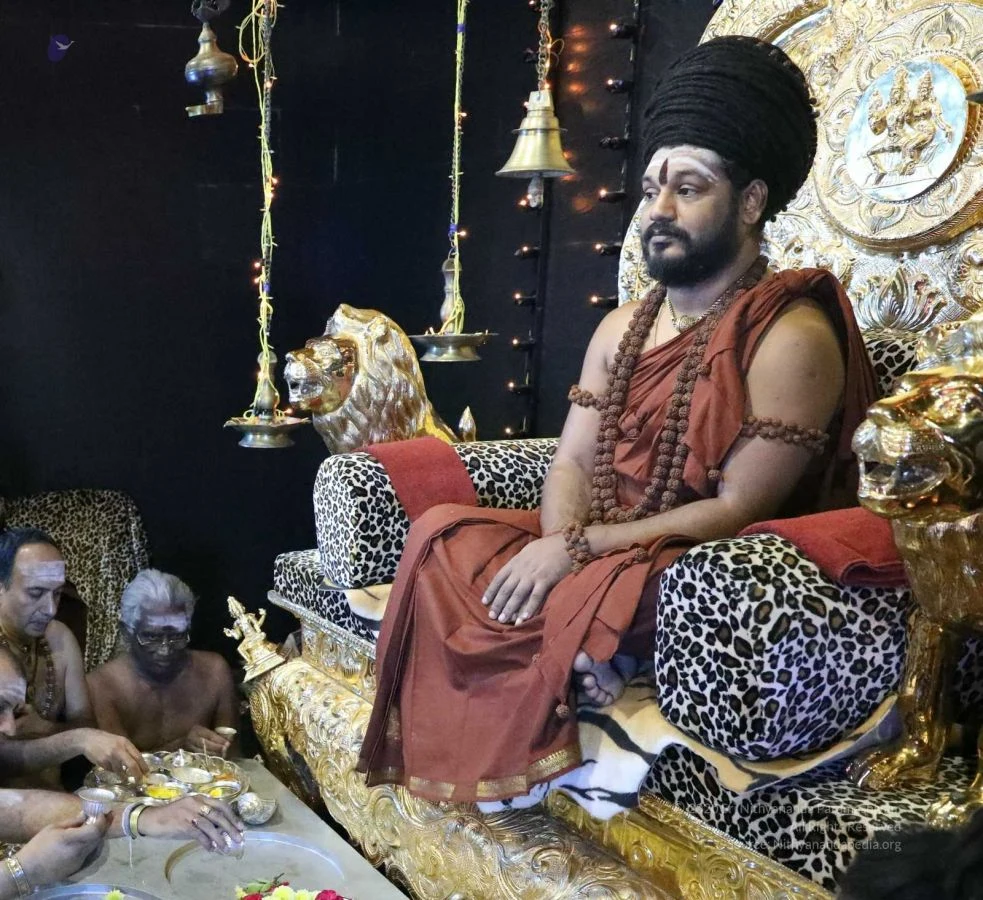
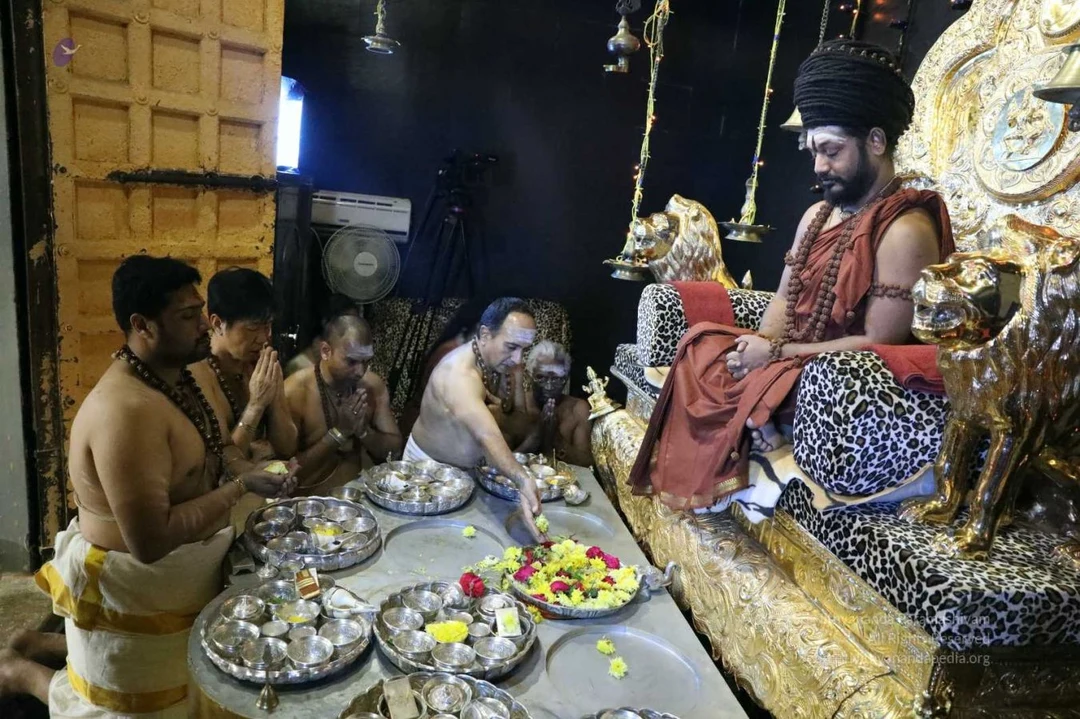
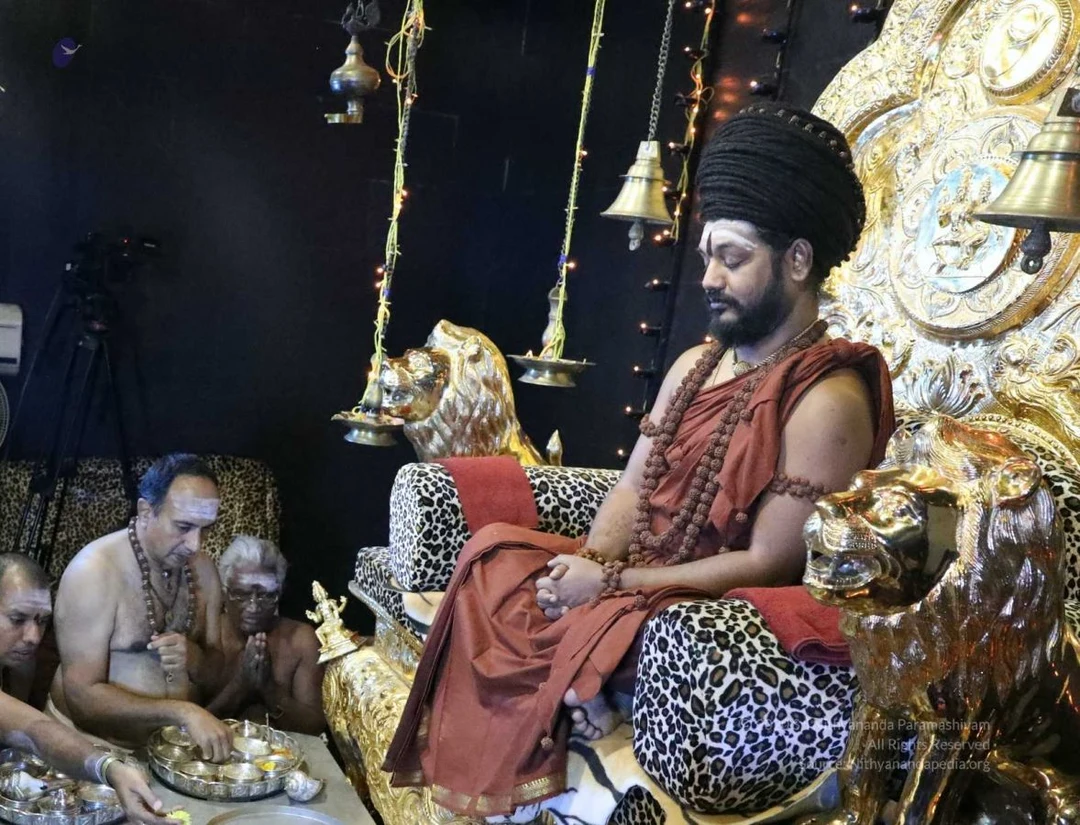
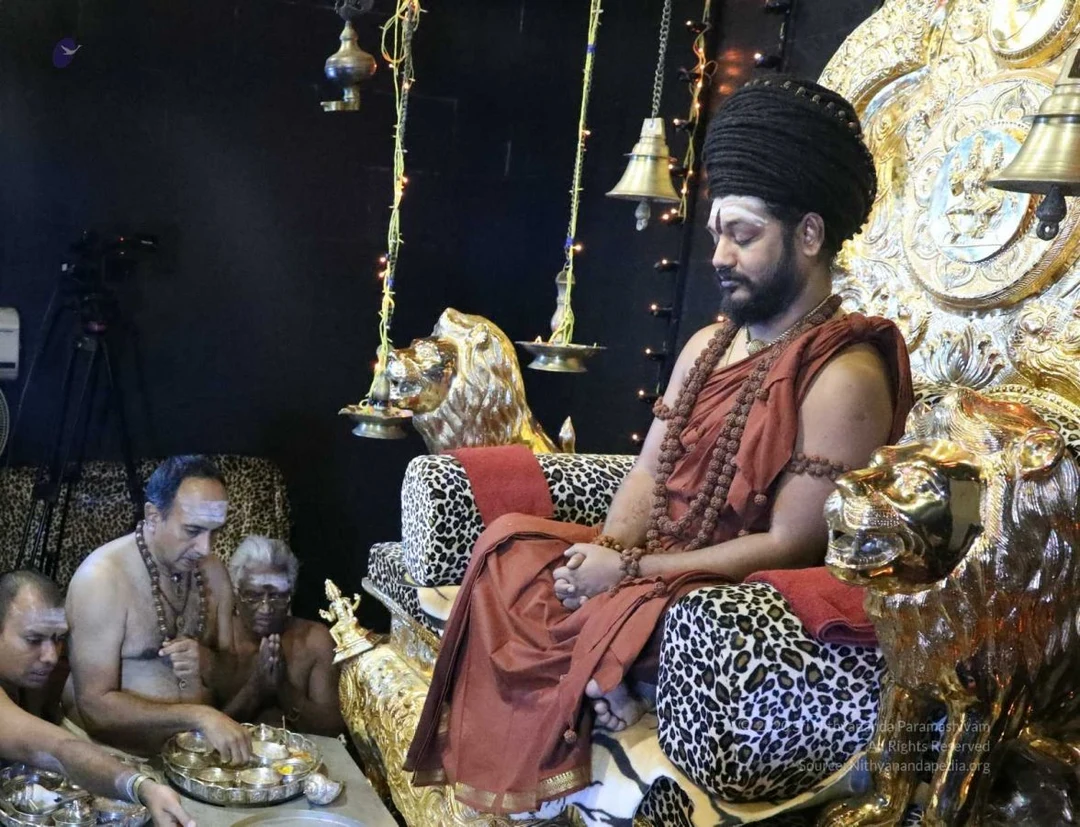
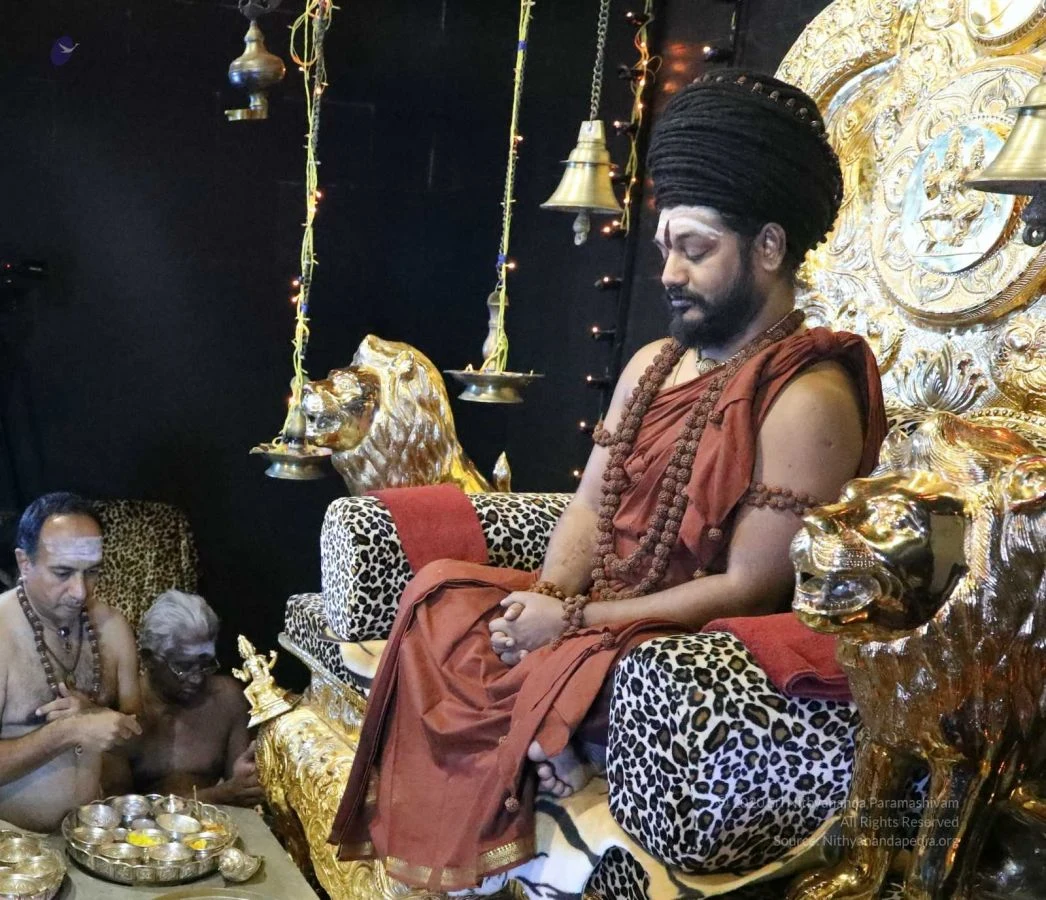

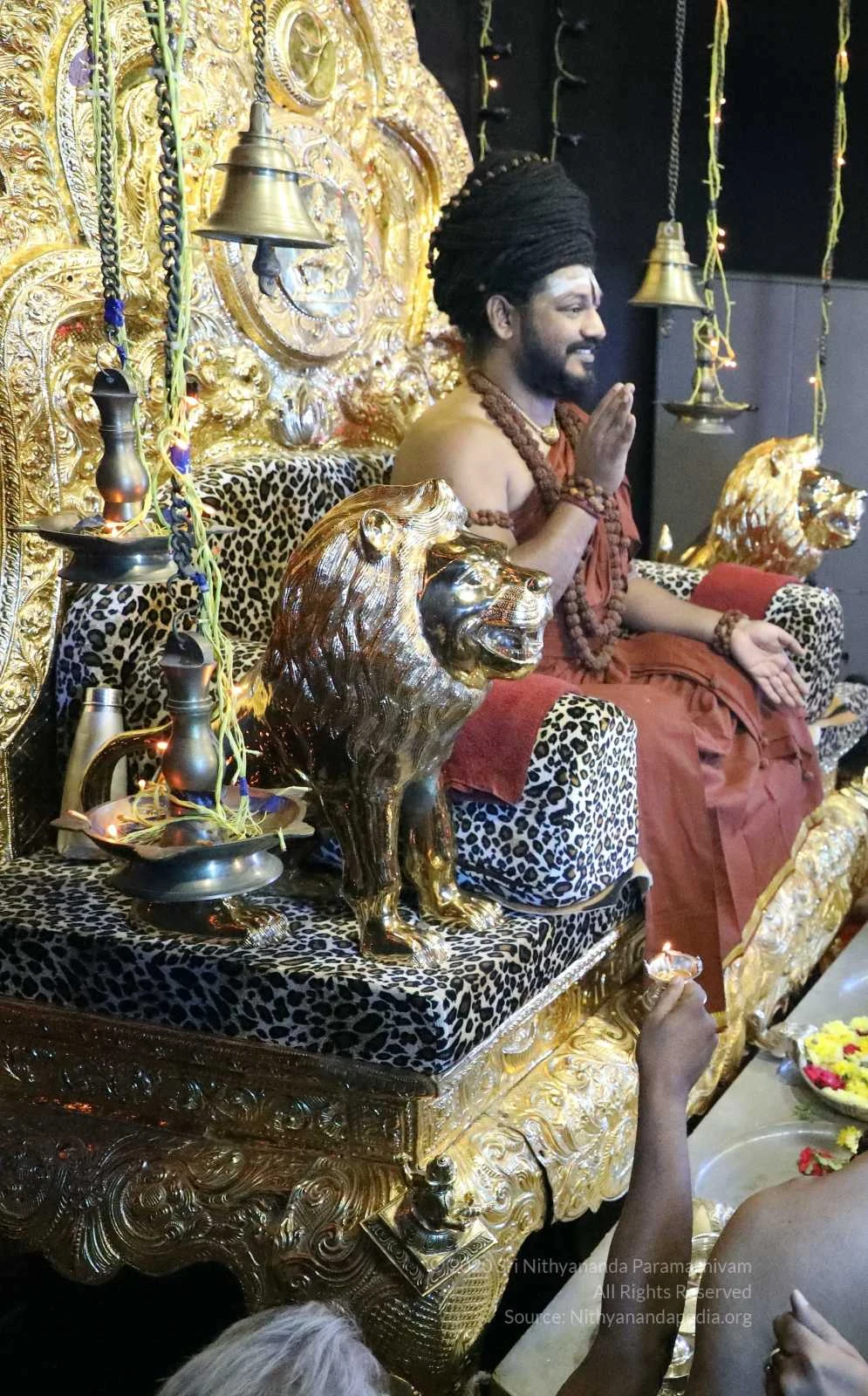
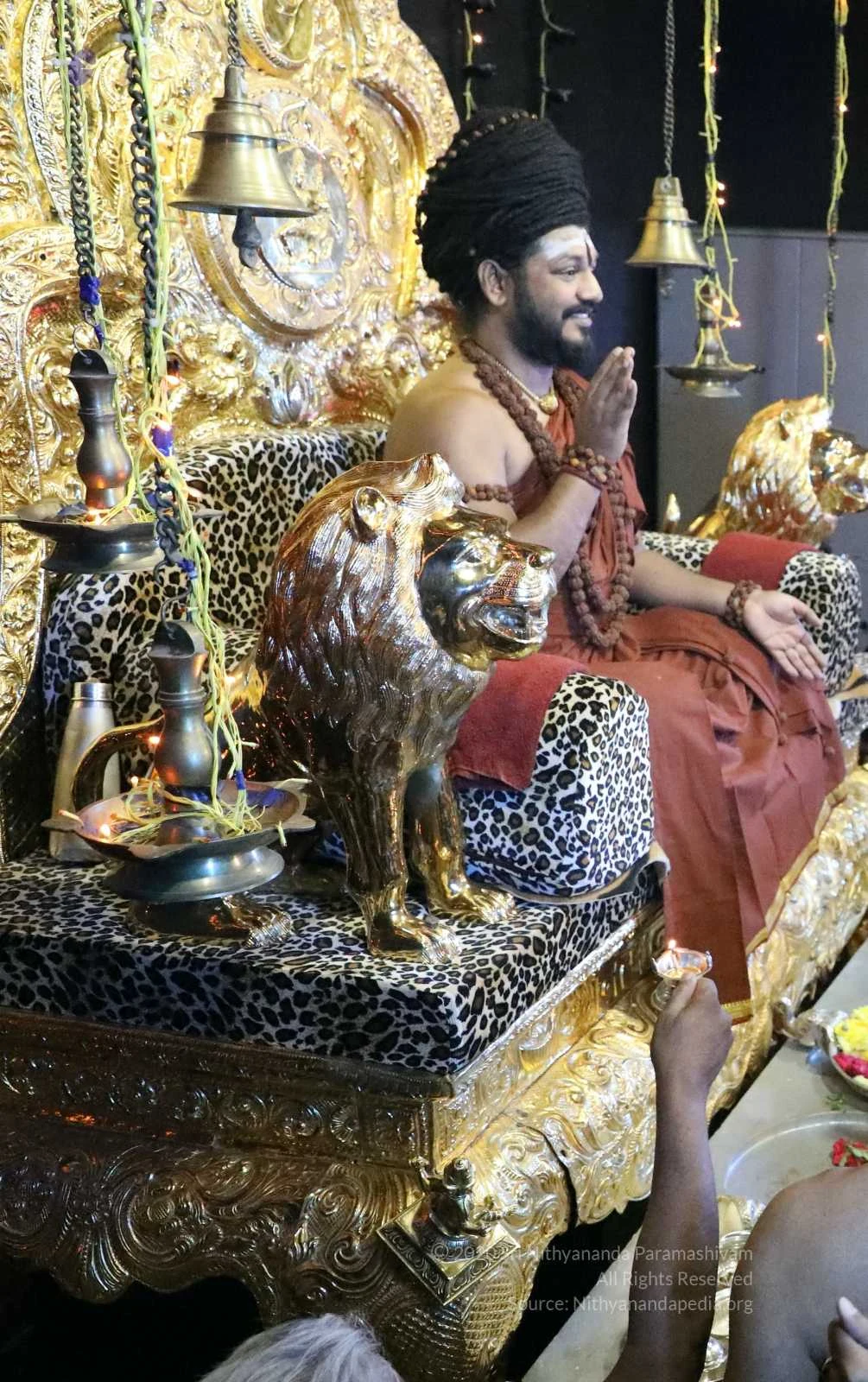
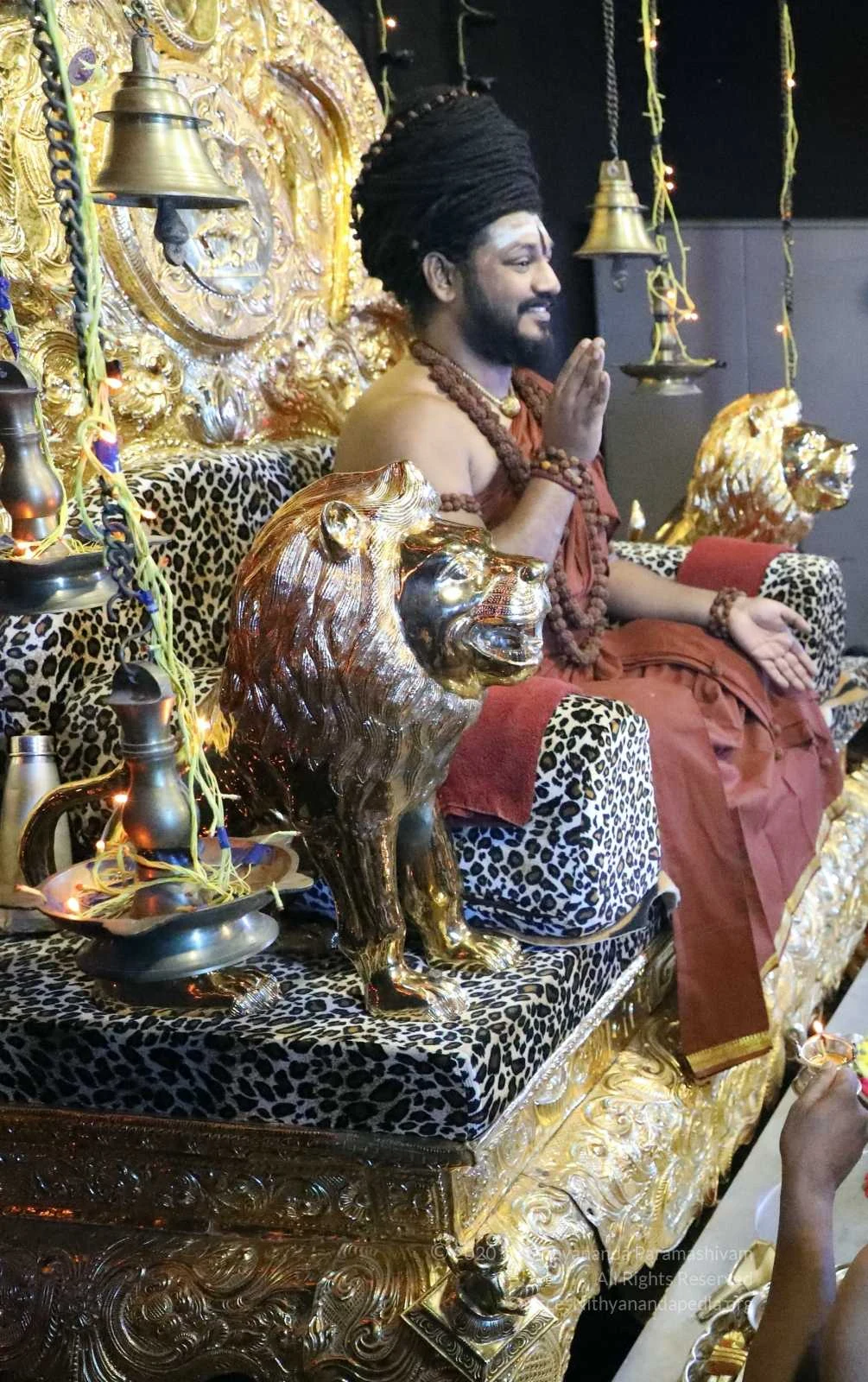

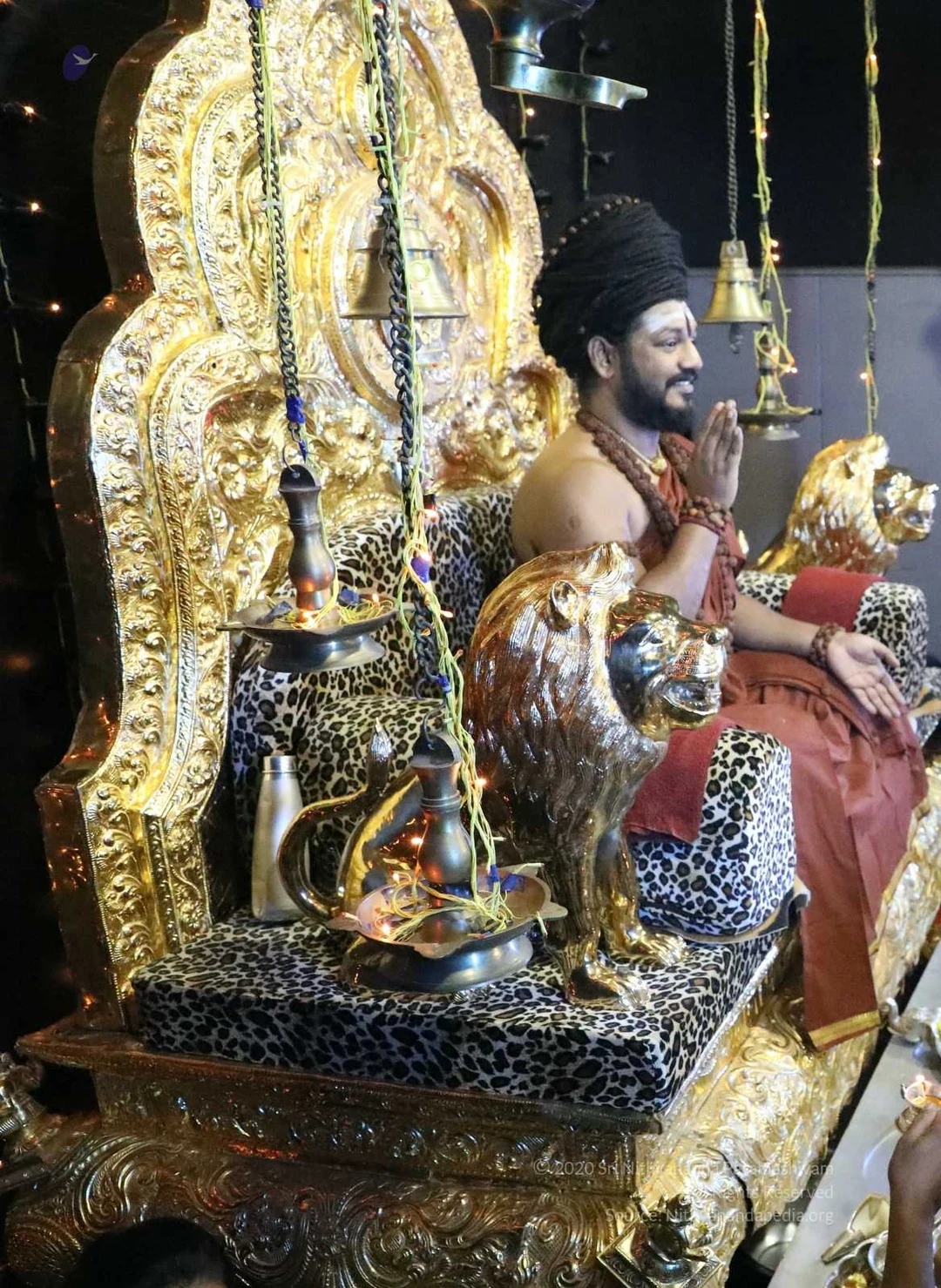
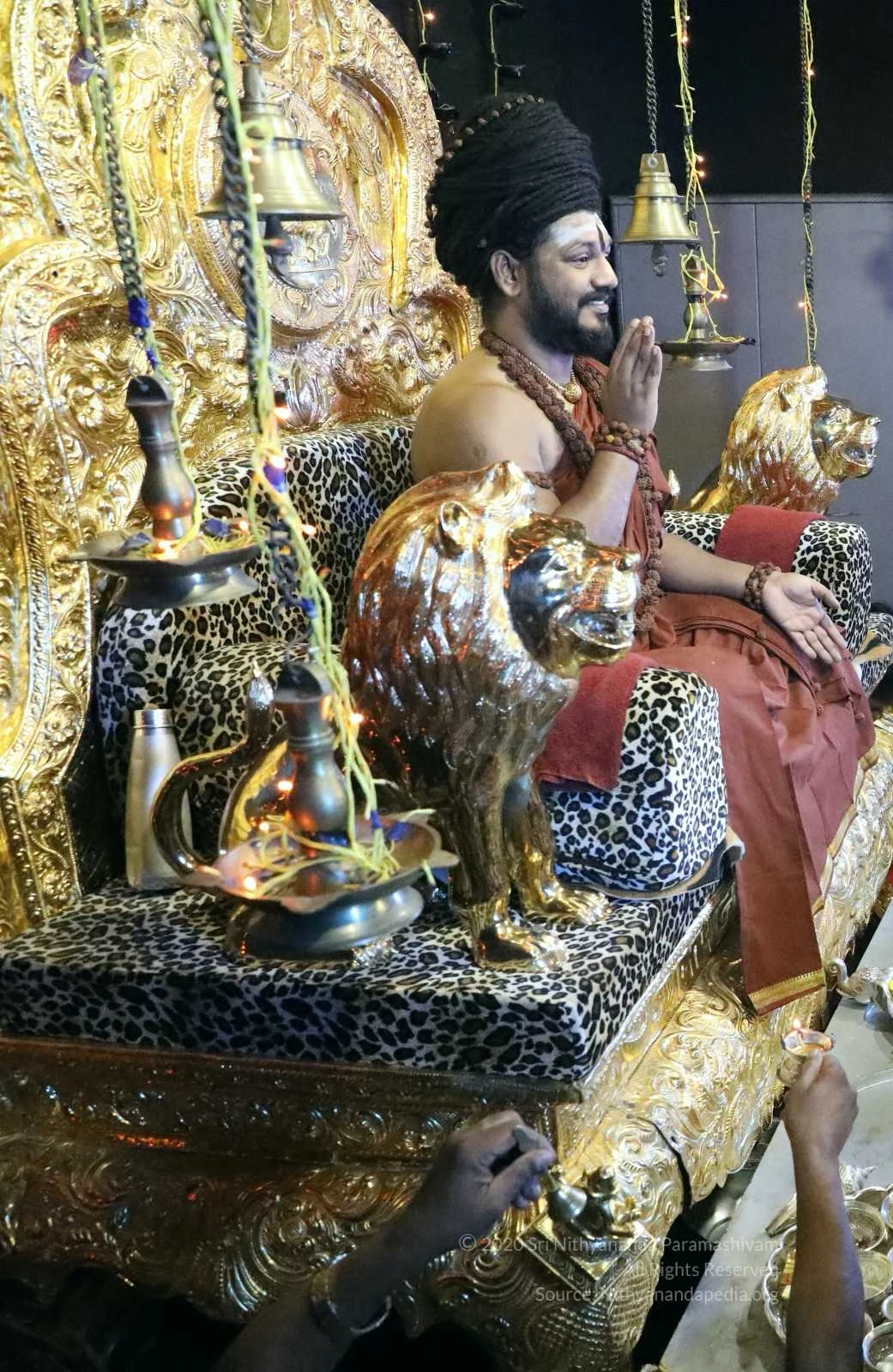
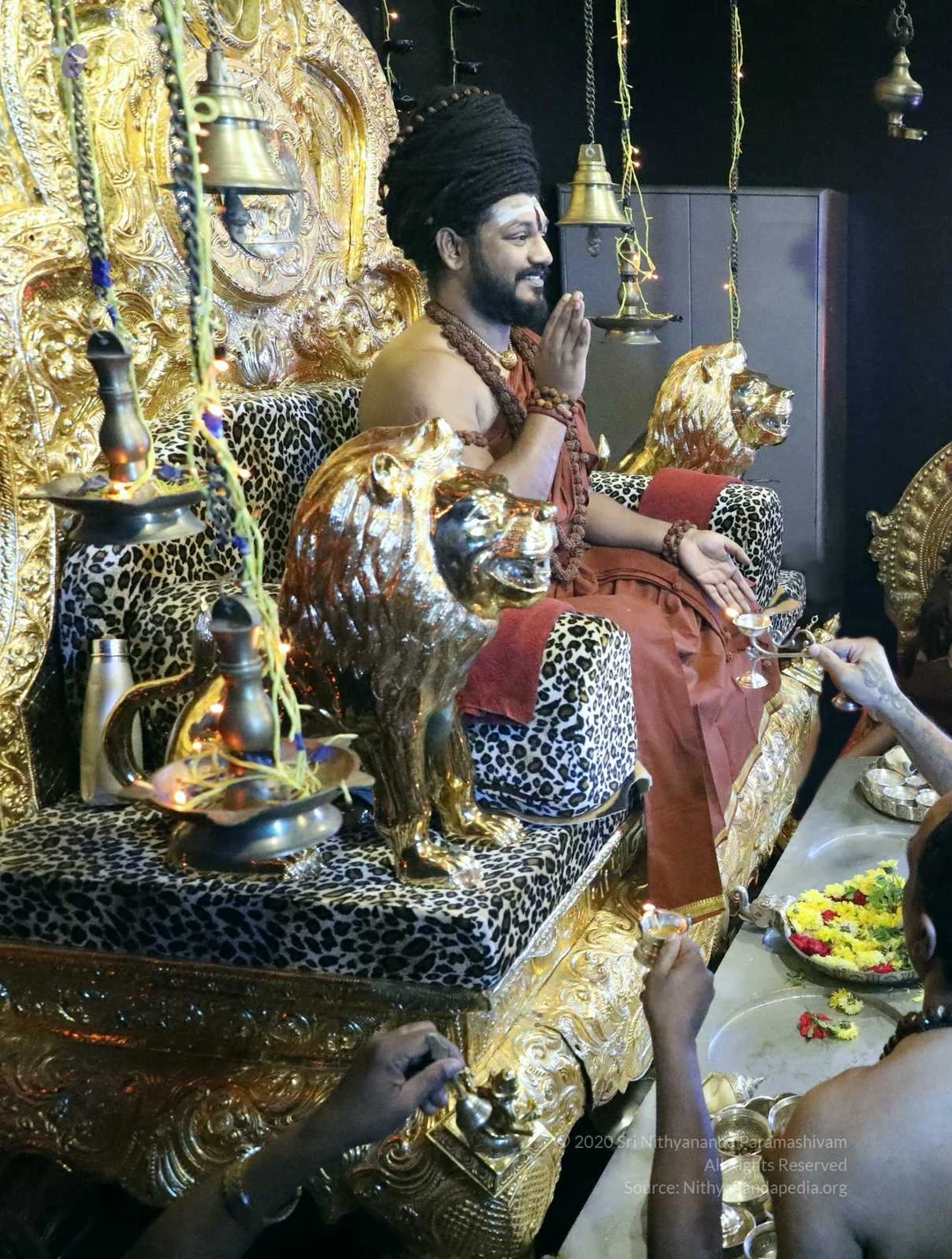
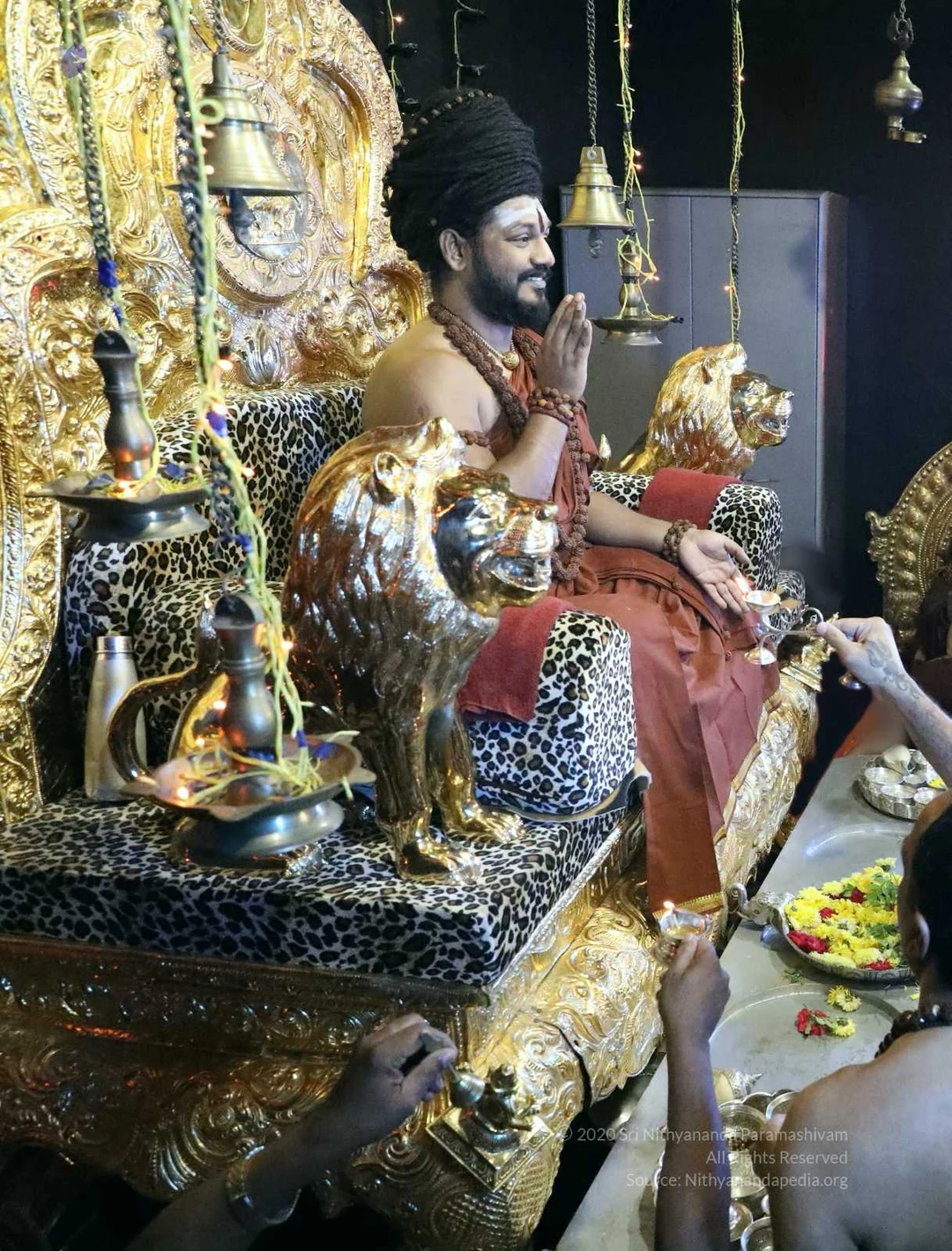
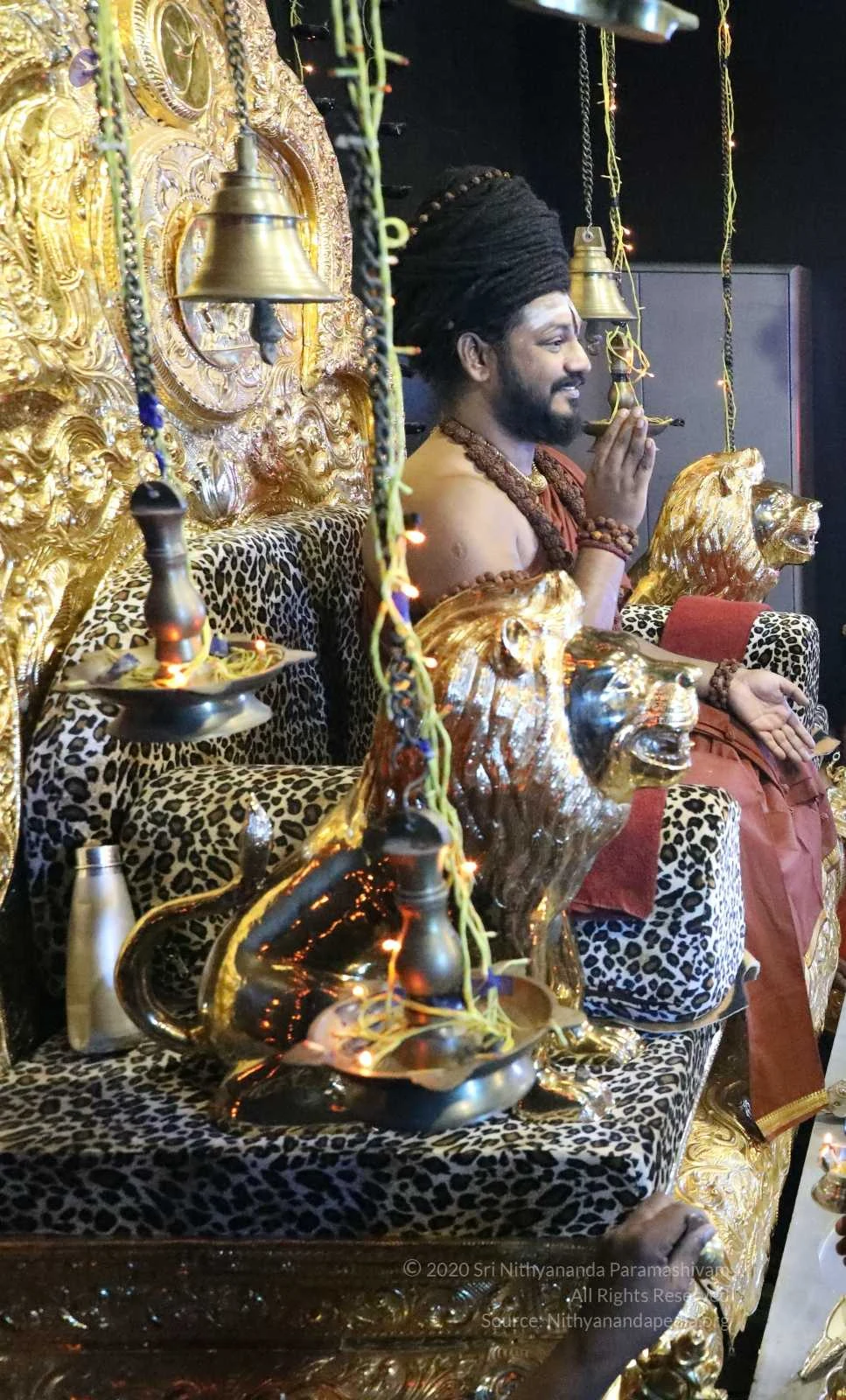
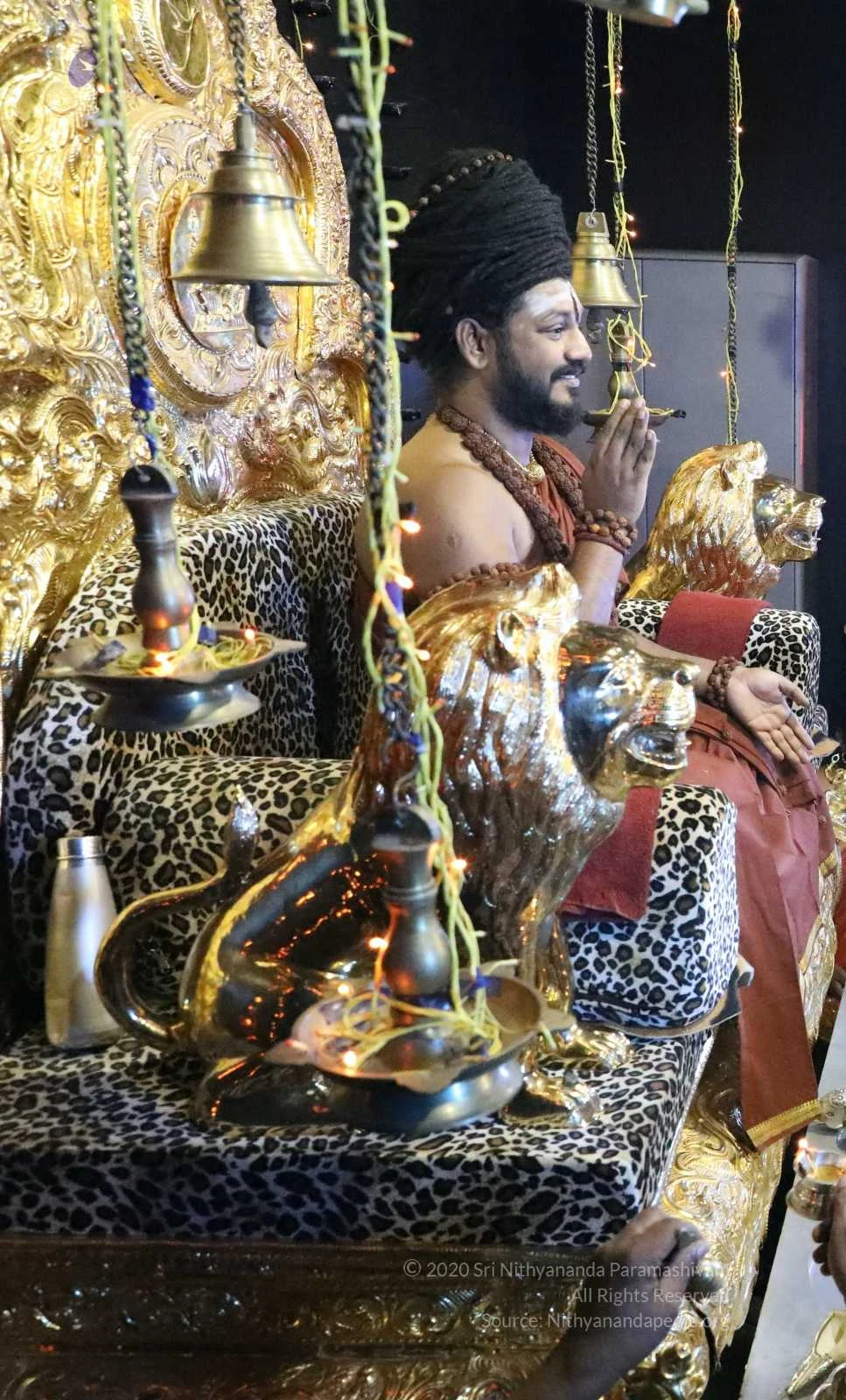
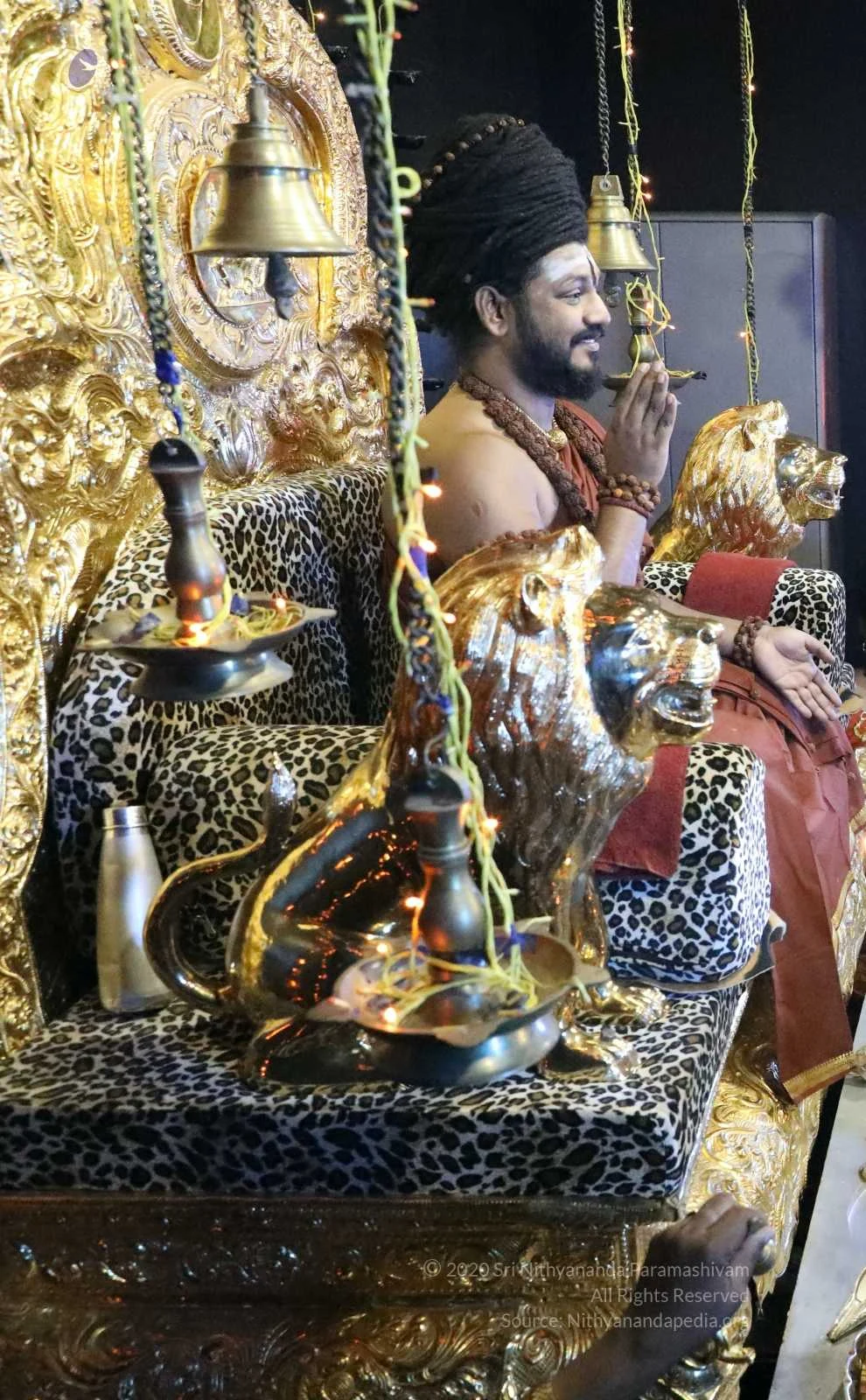
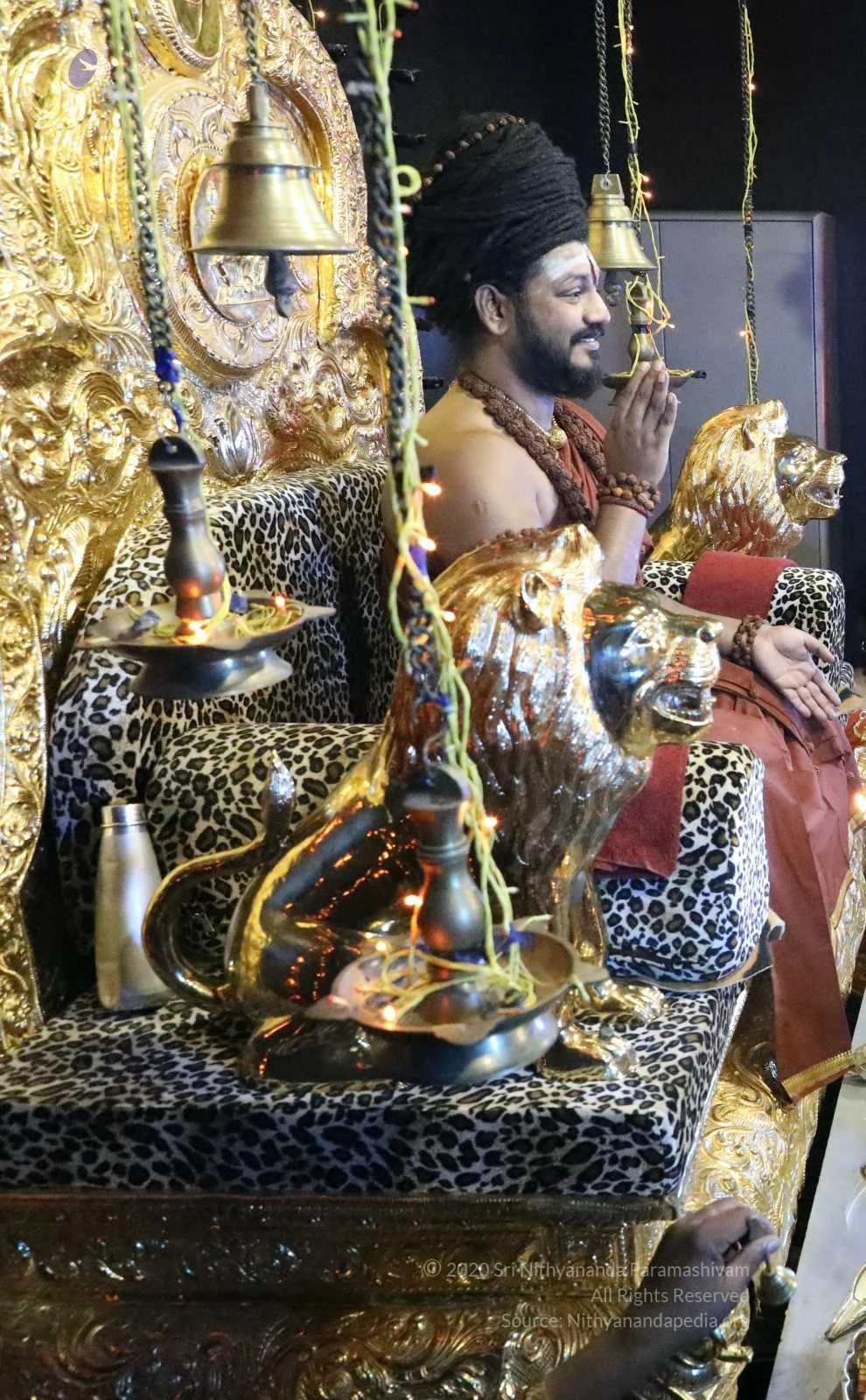
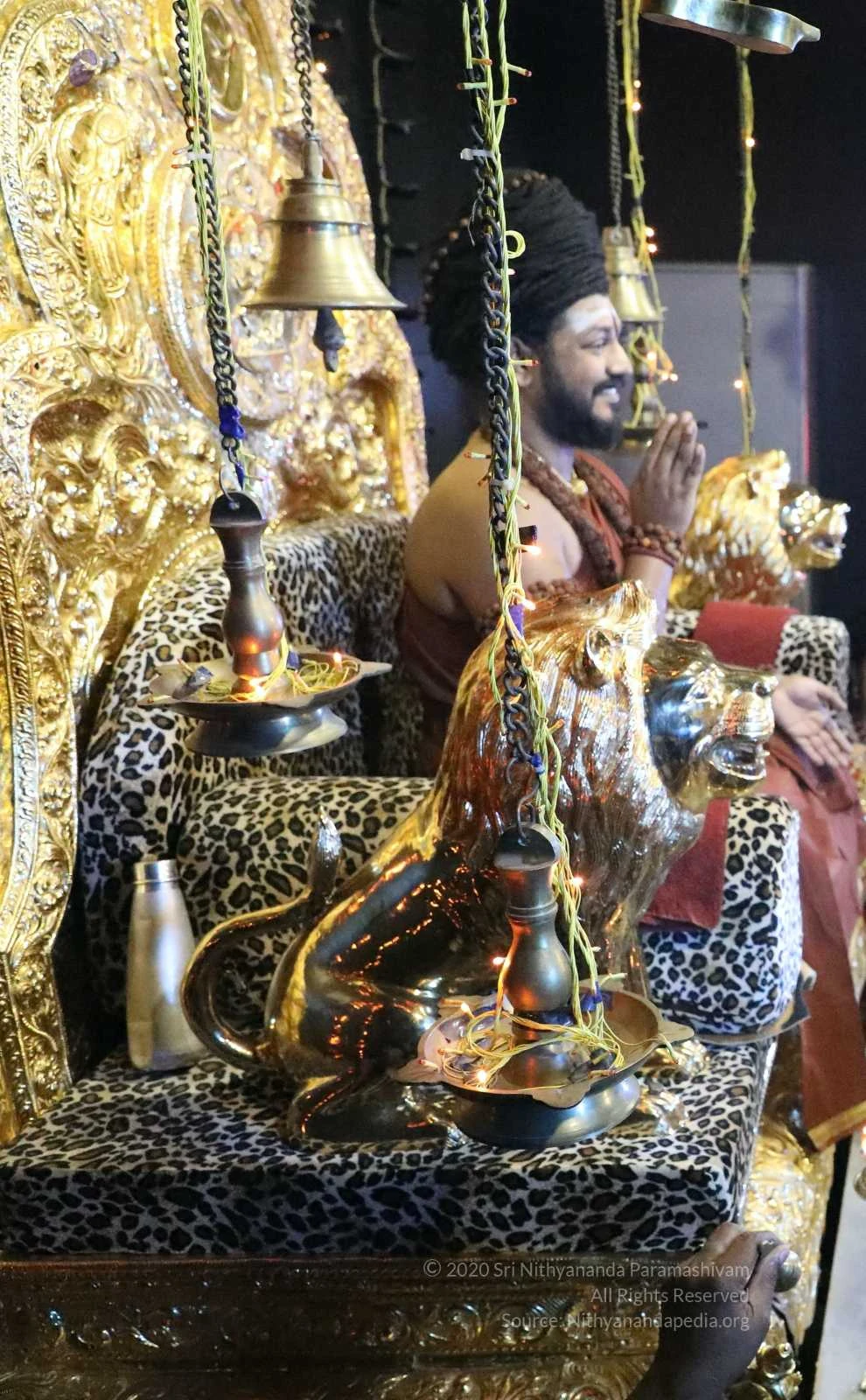
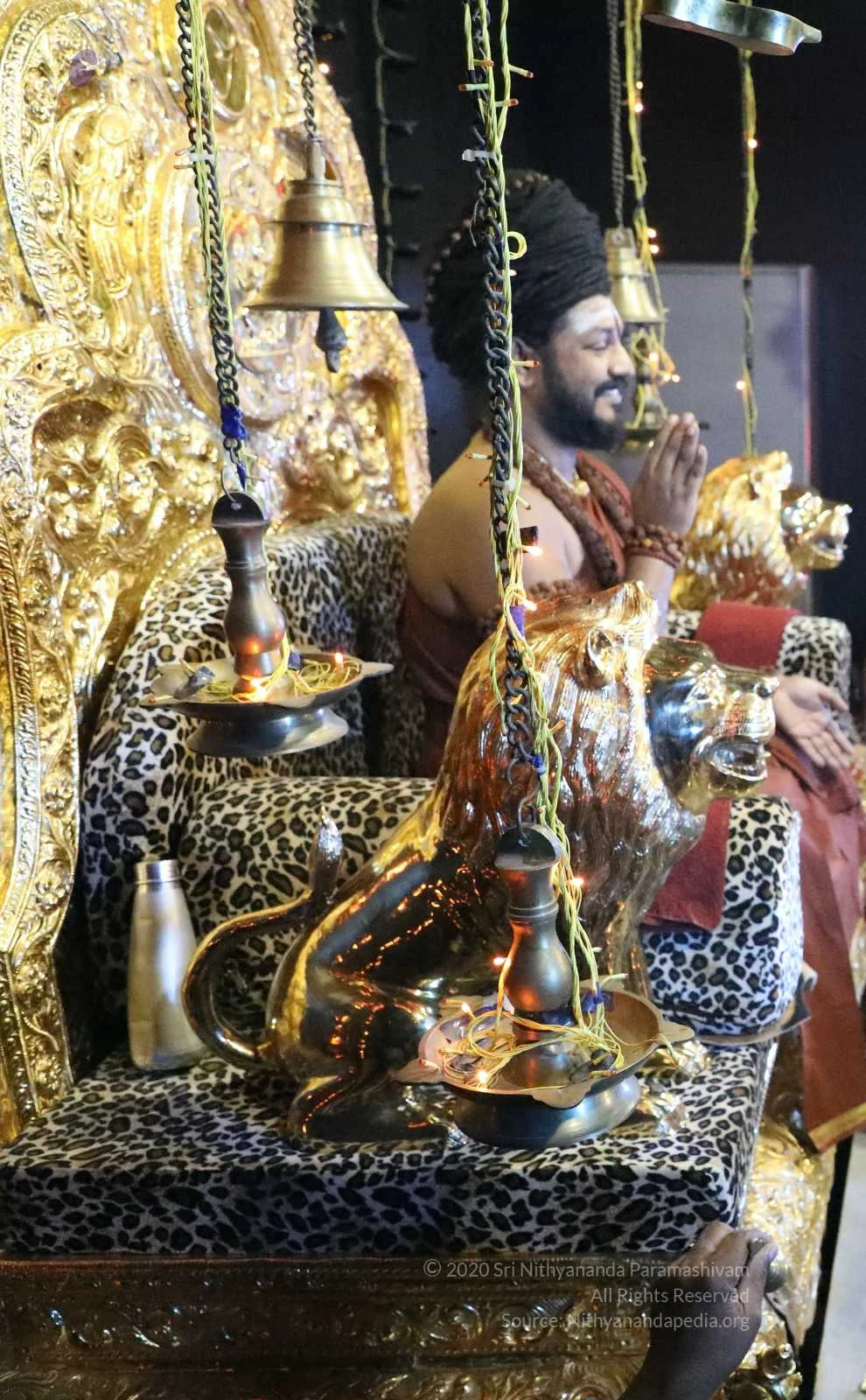
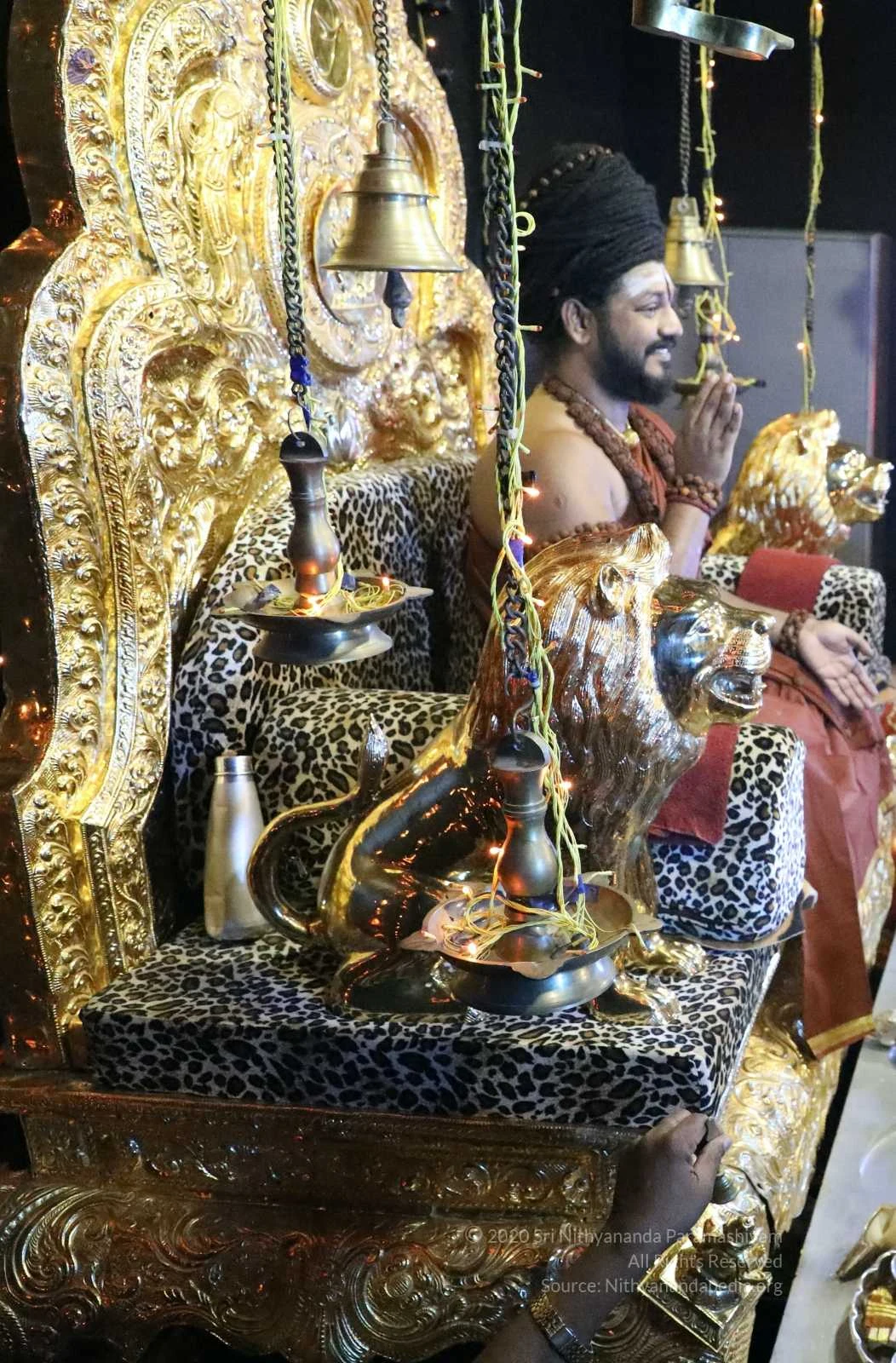
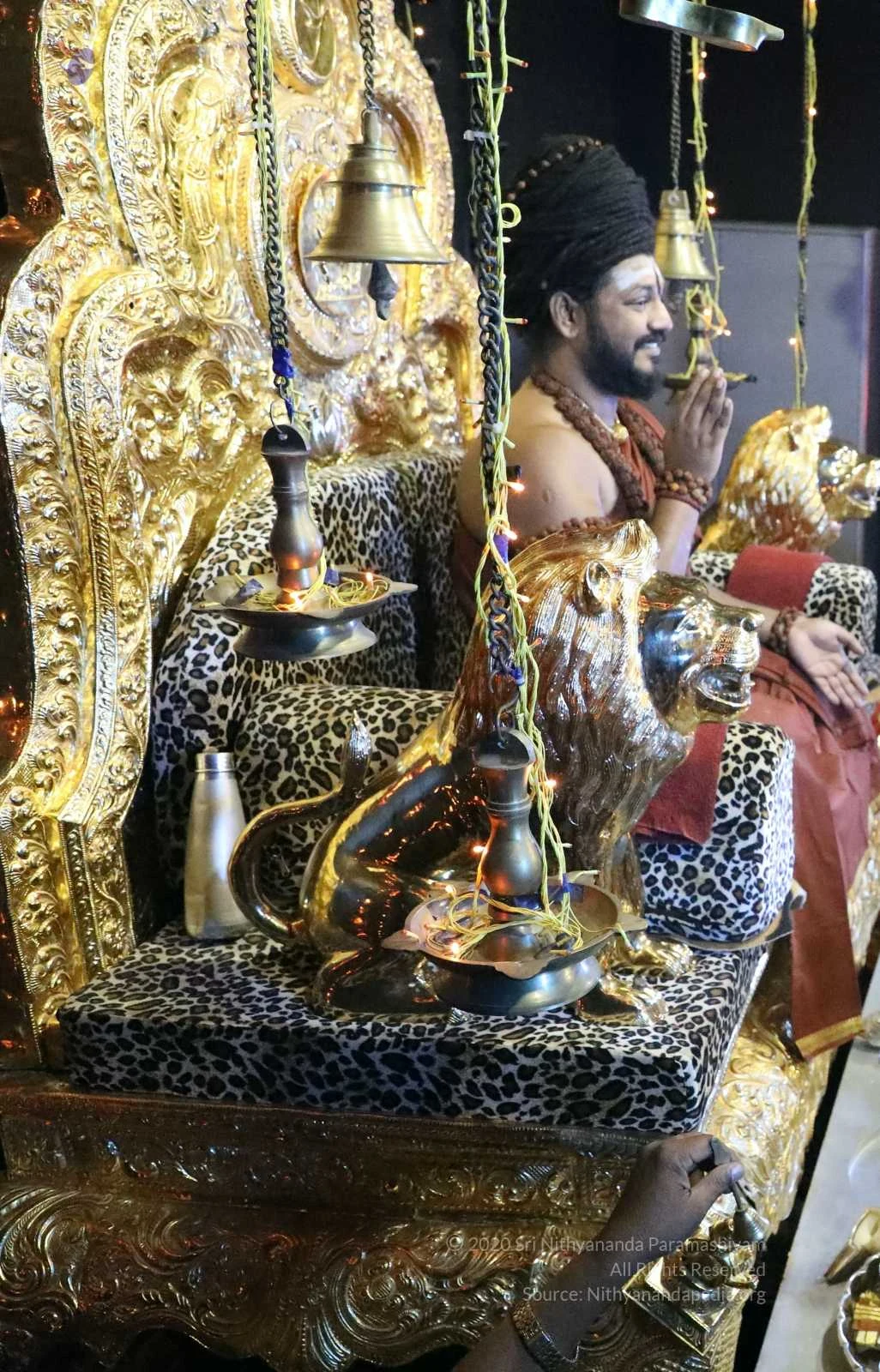
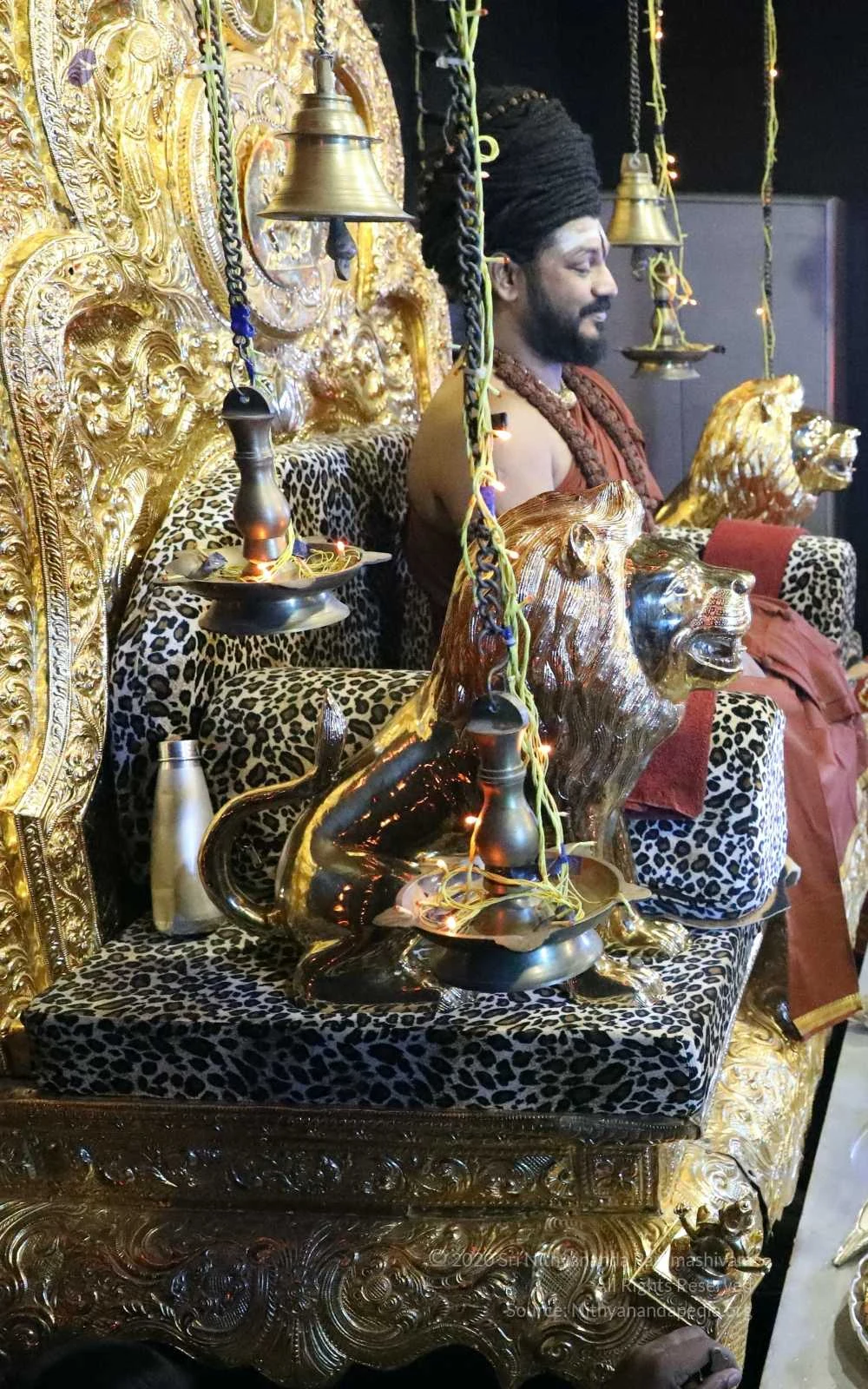
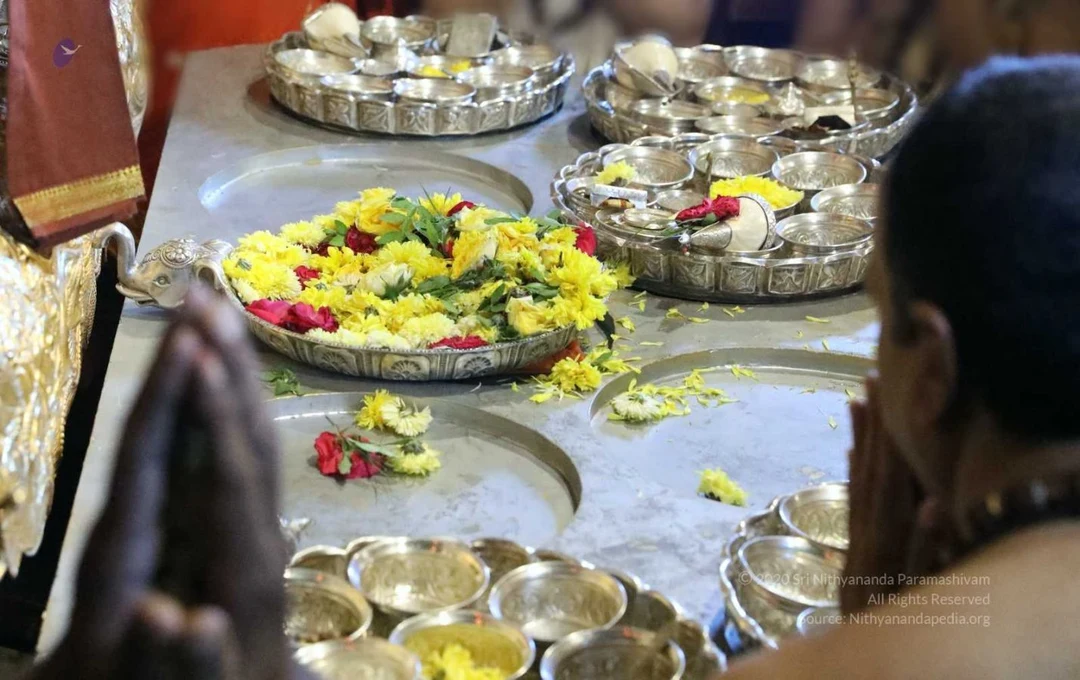
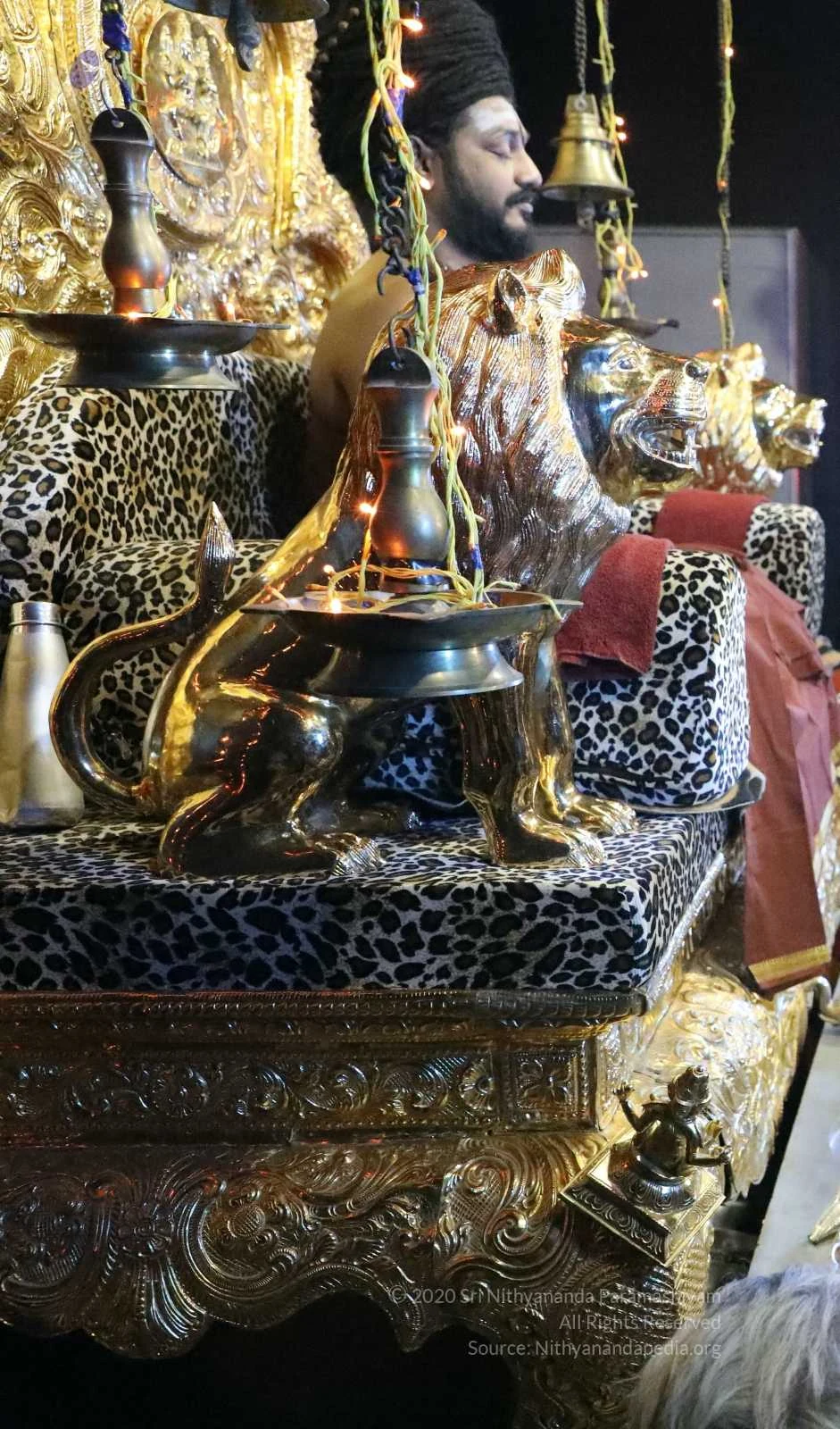
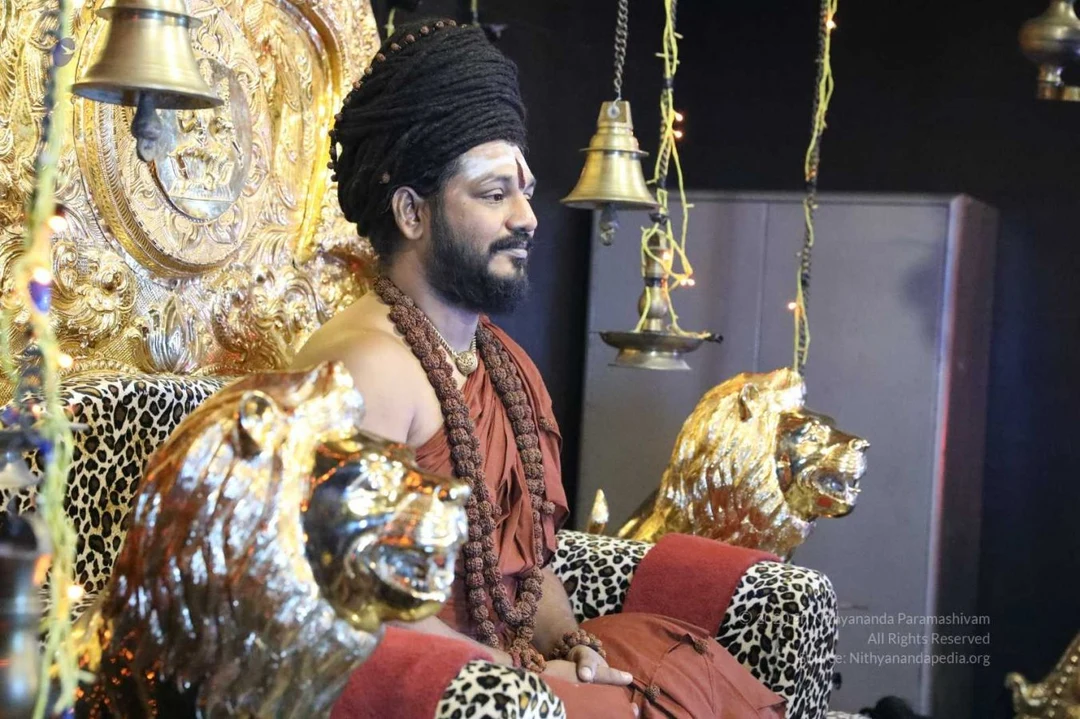
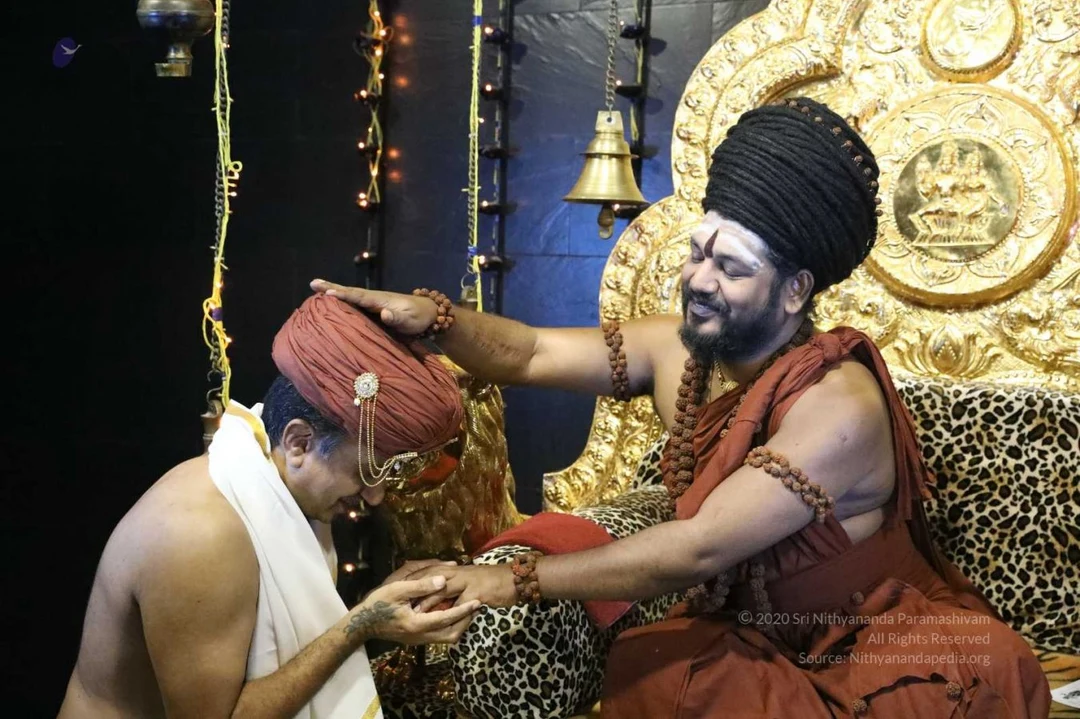
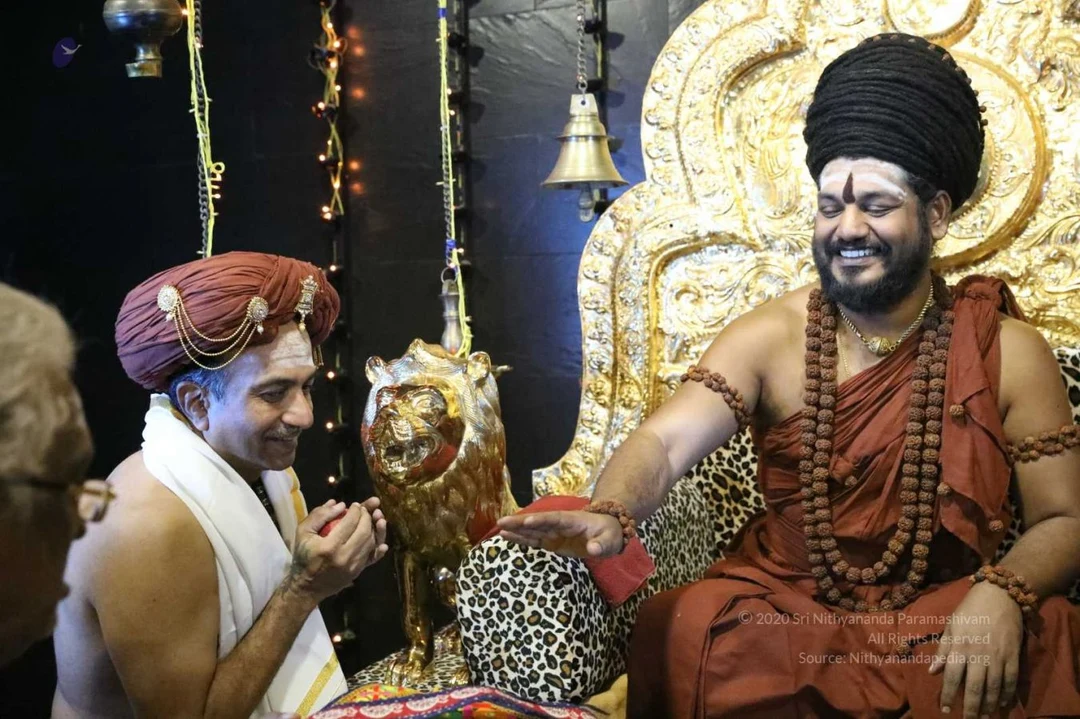
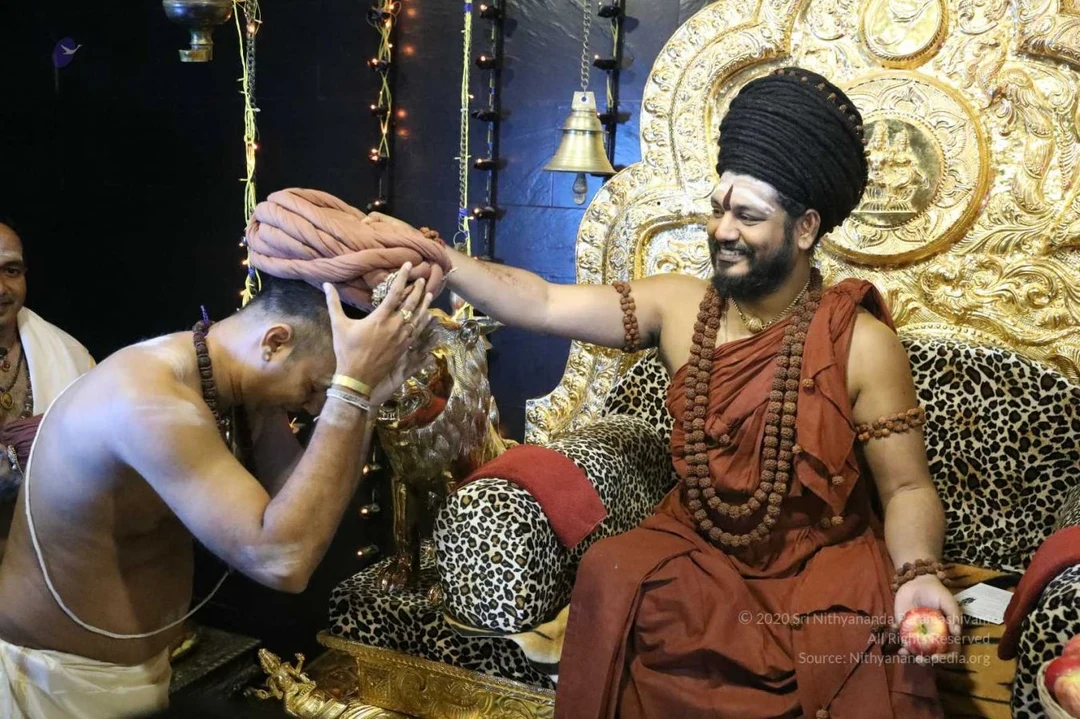
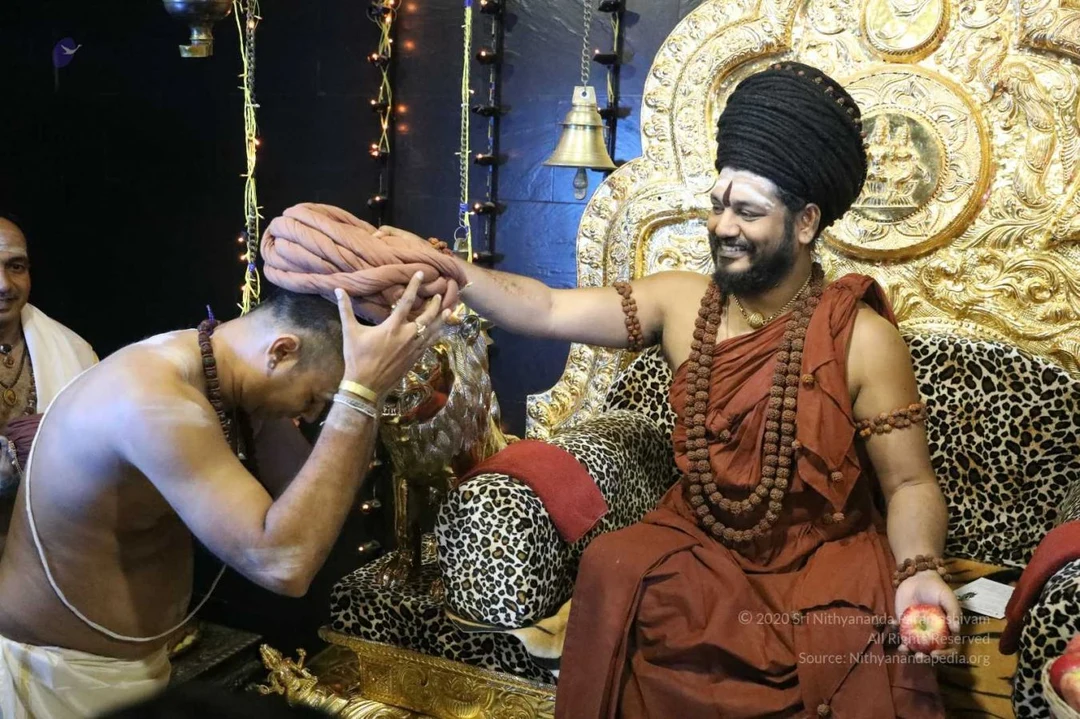
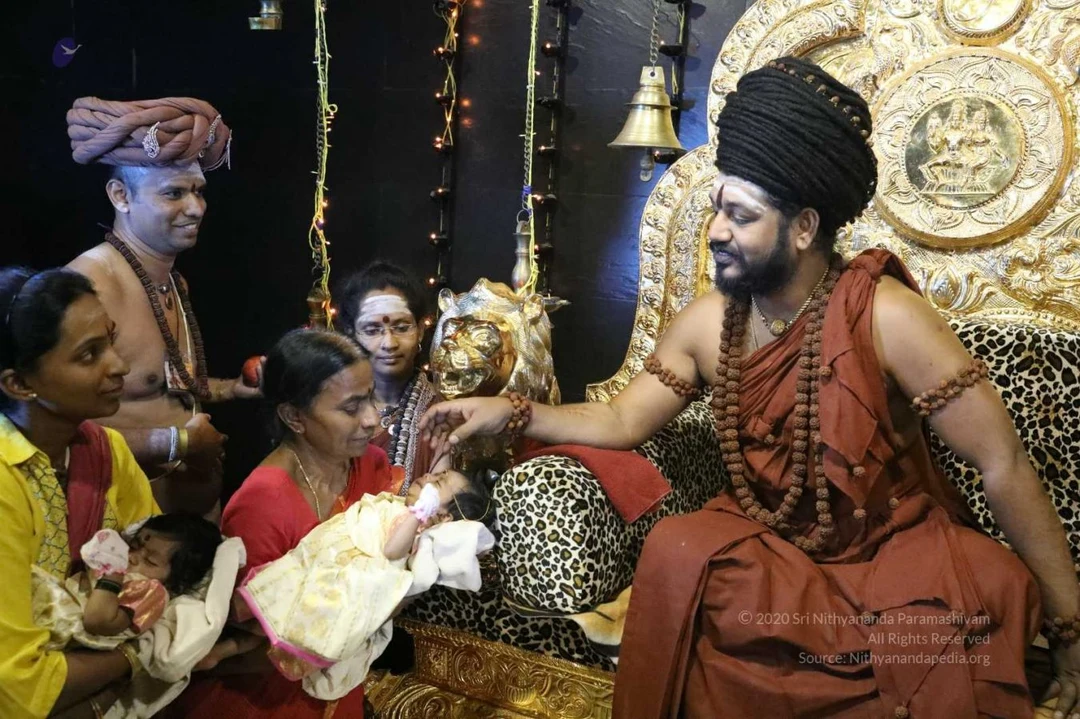
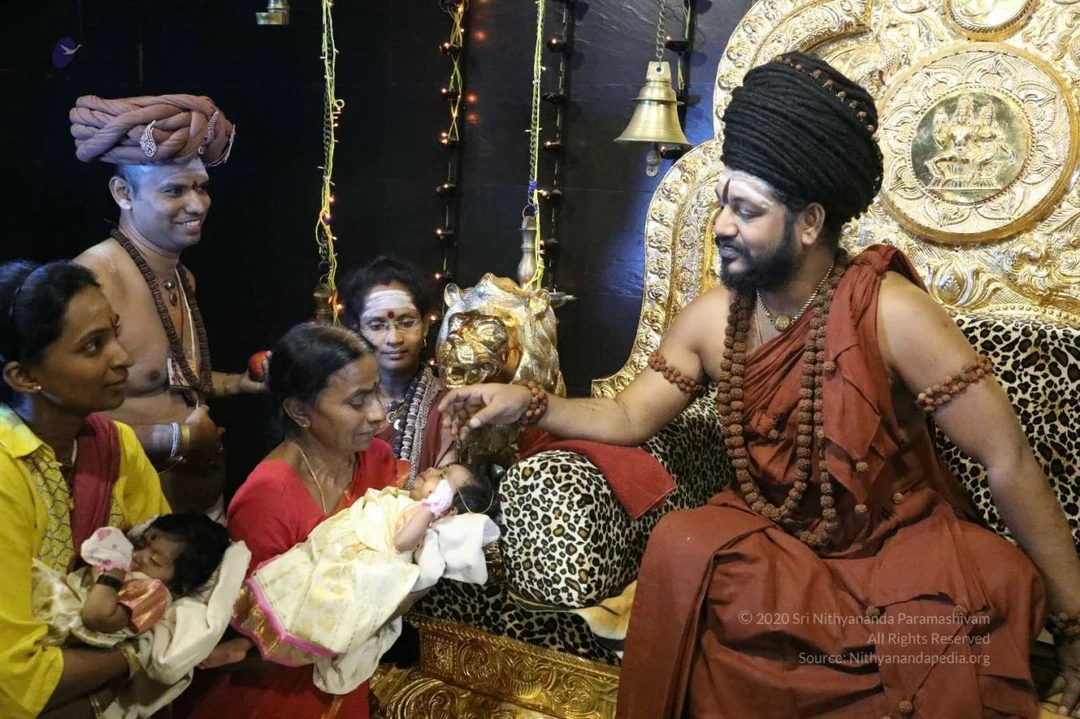
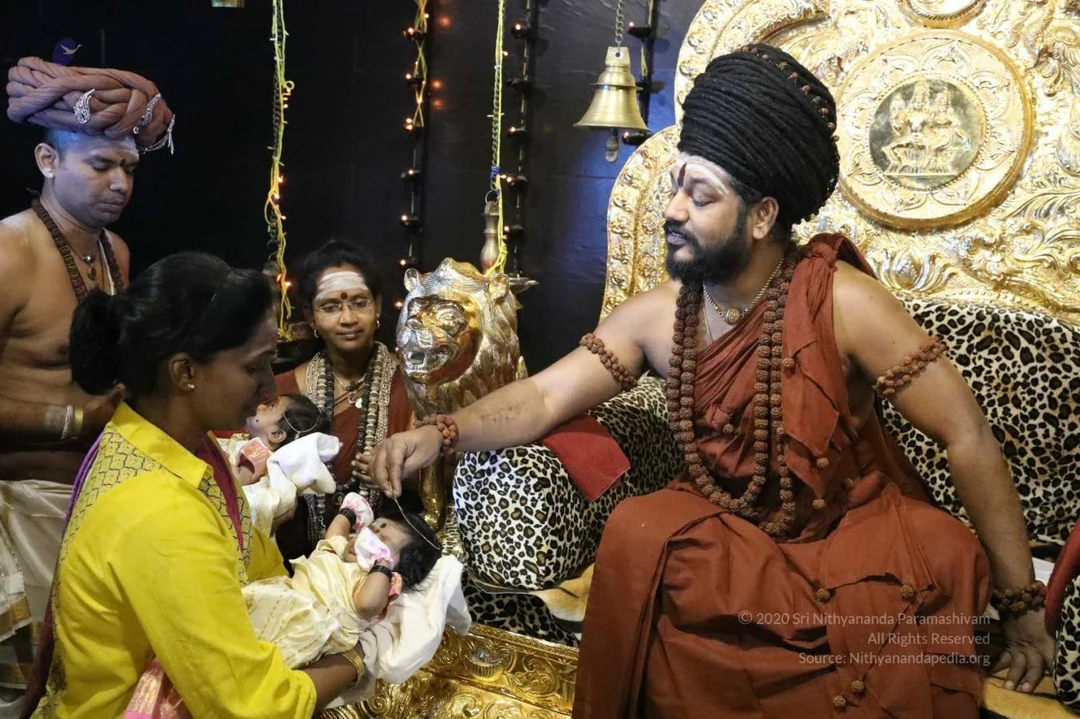
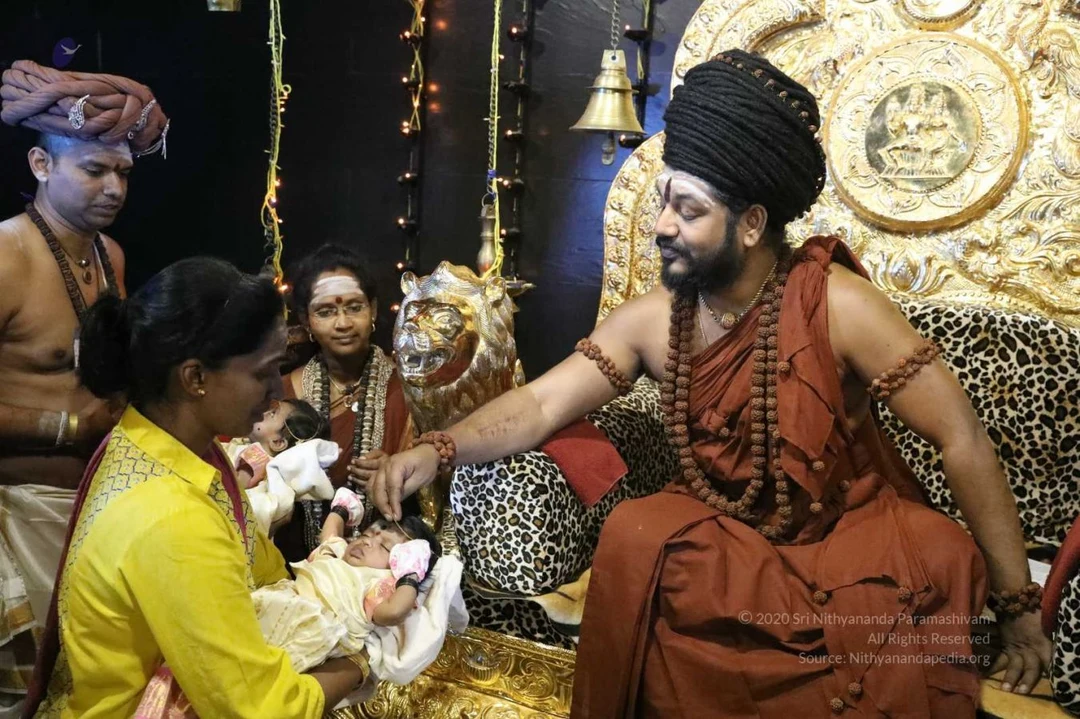

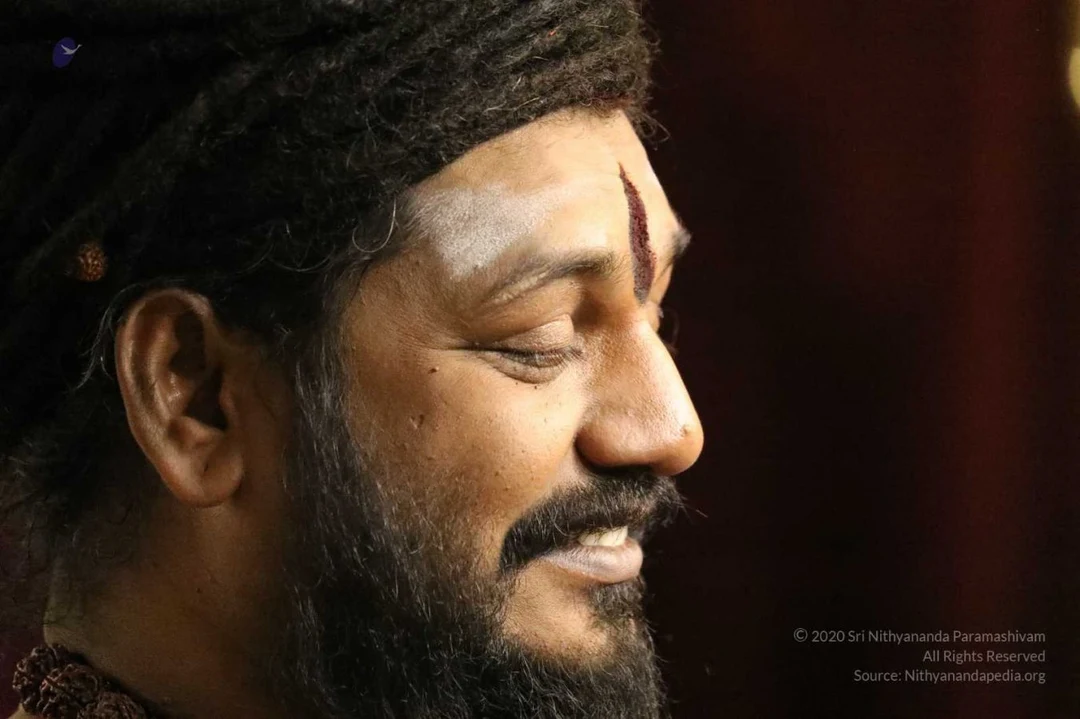
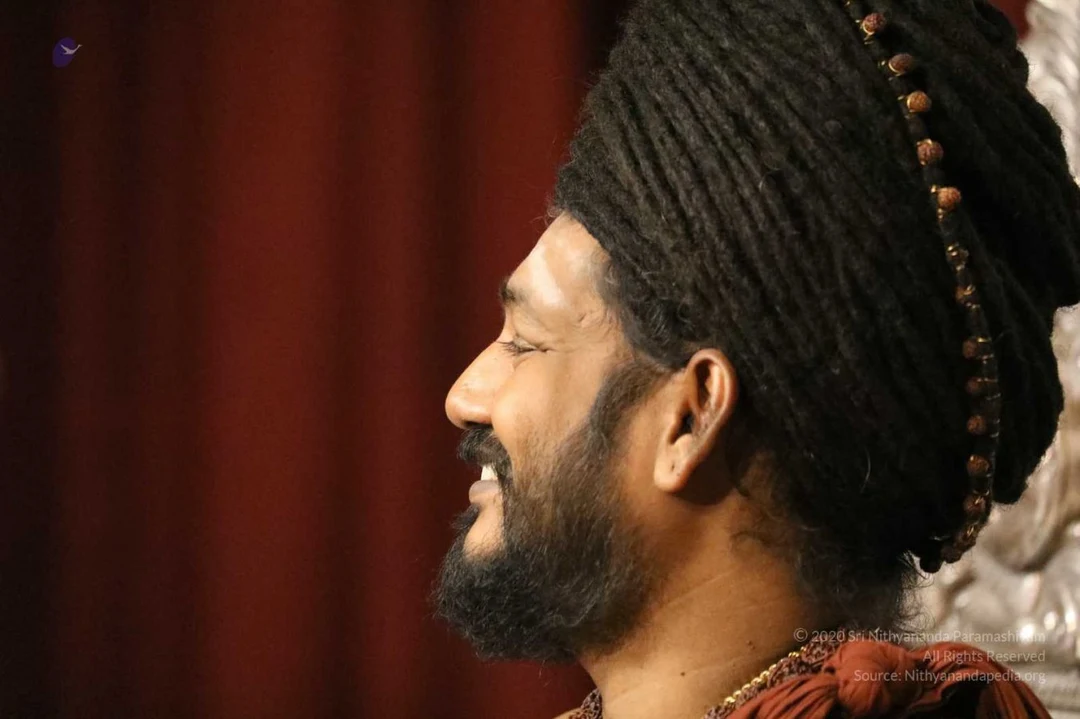
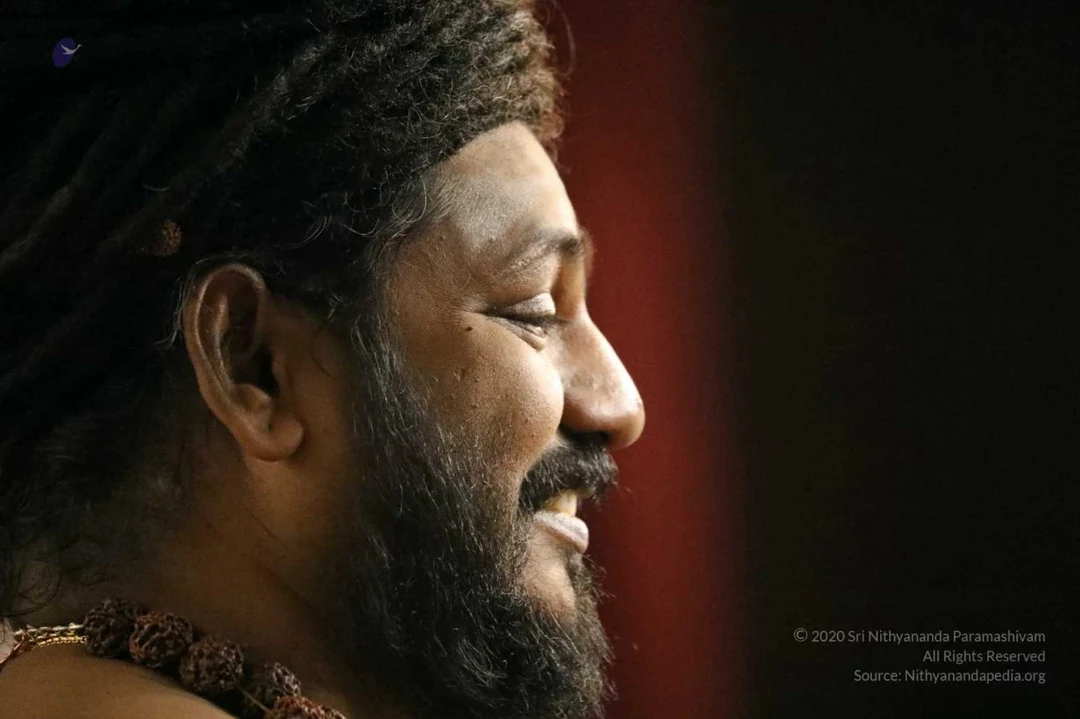
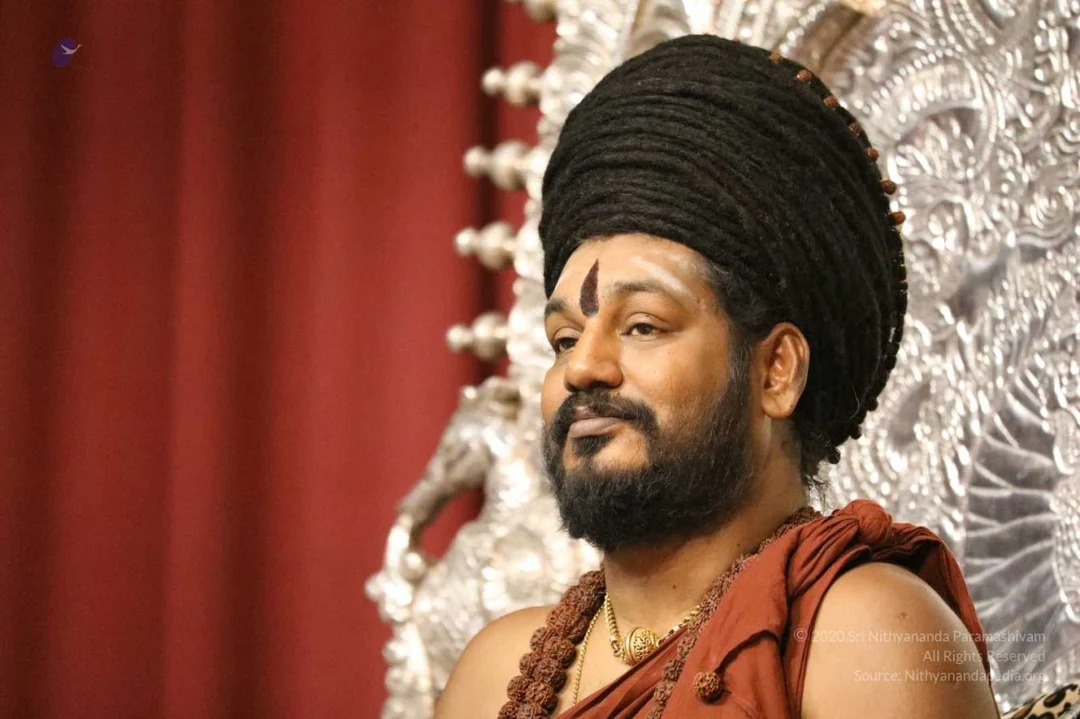
Satsang
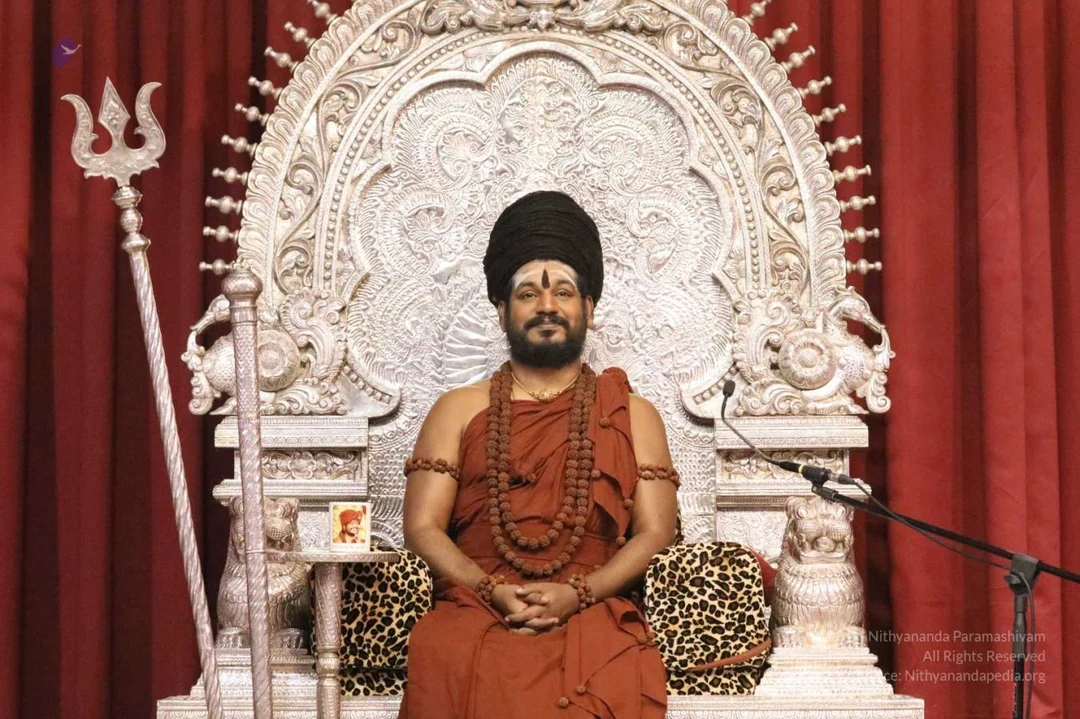
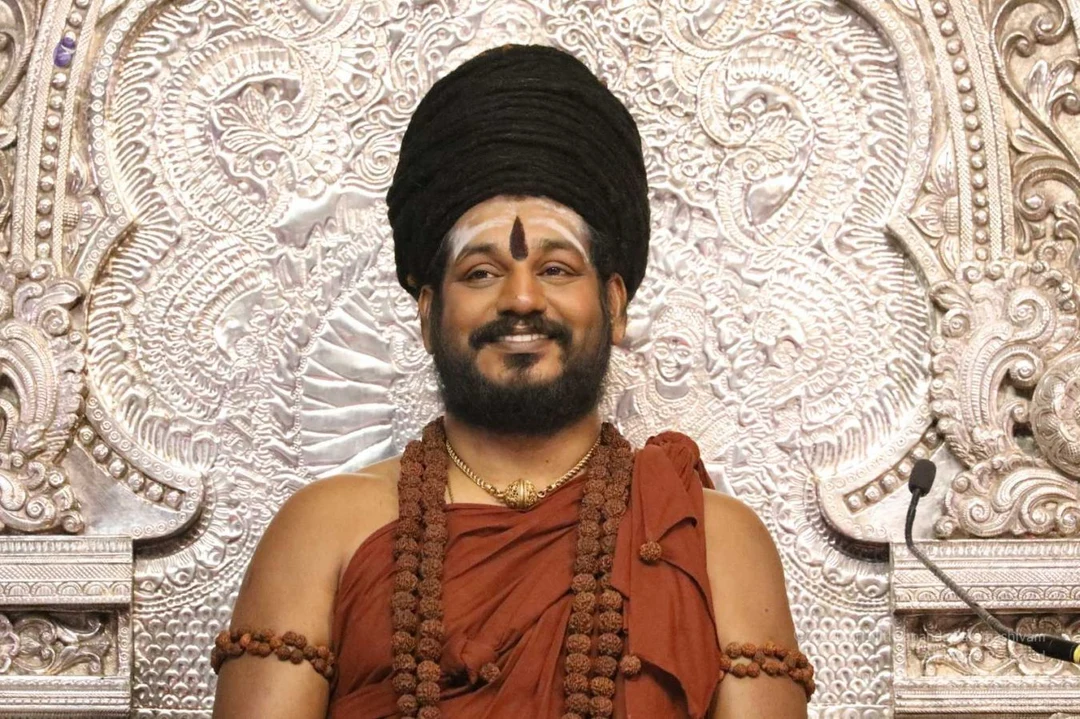
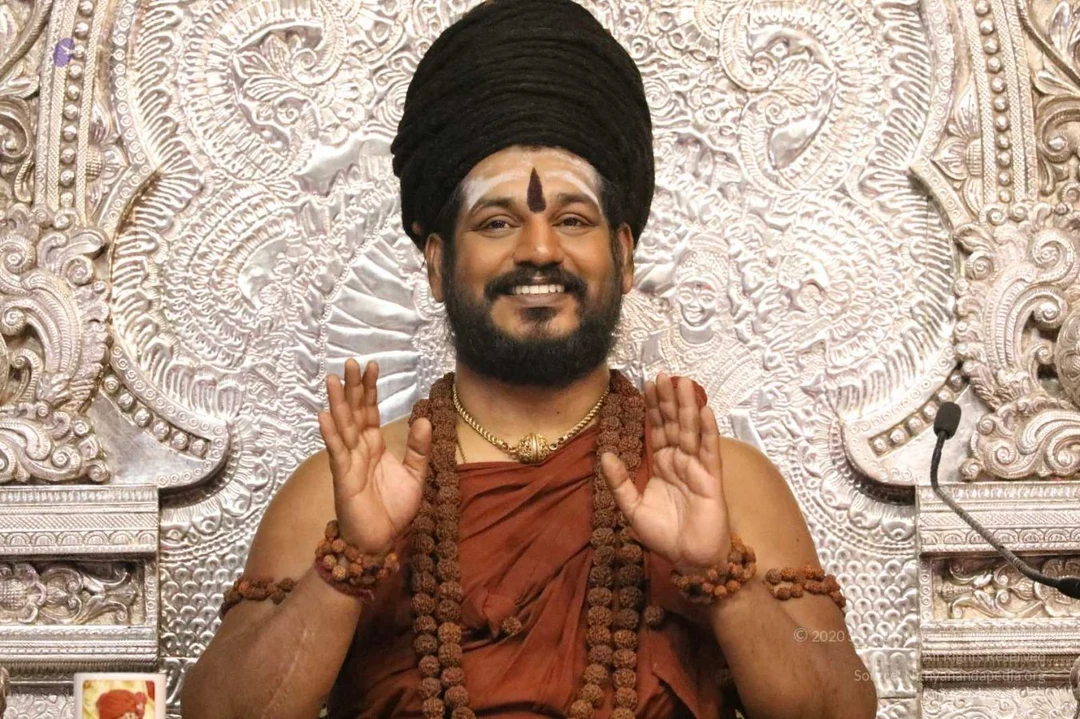
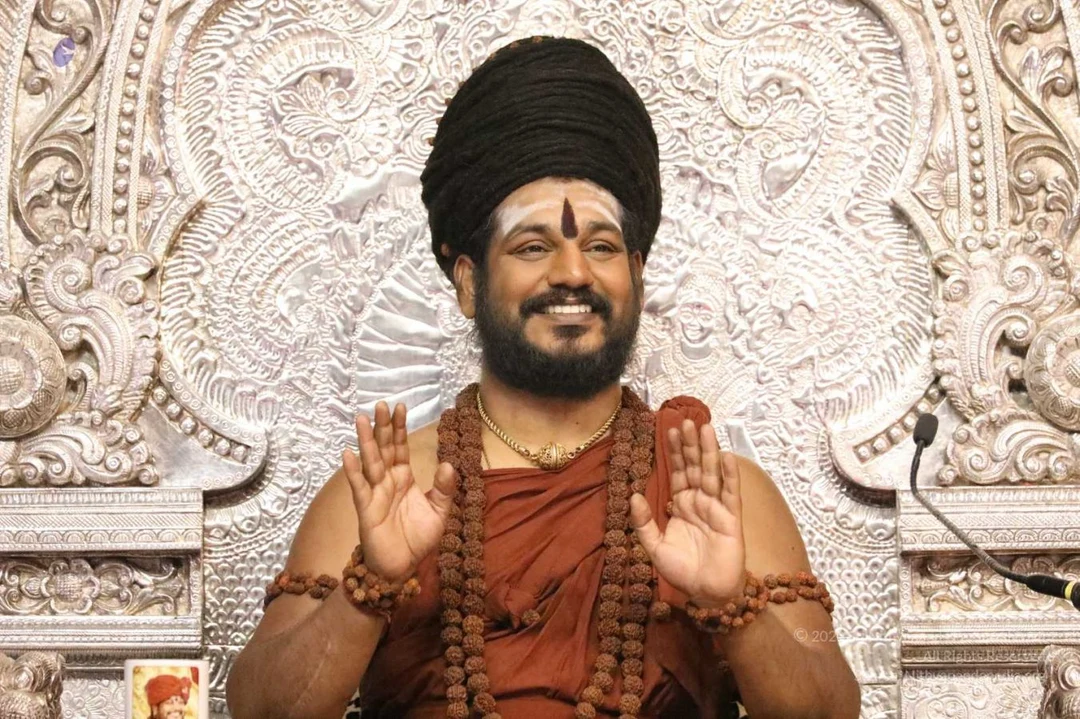
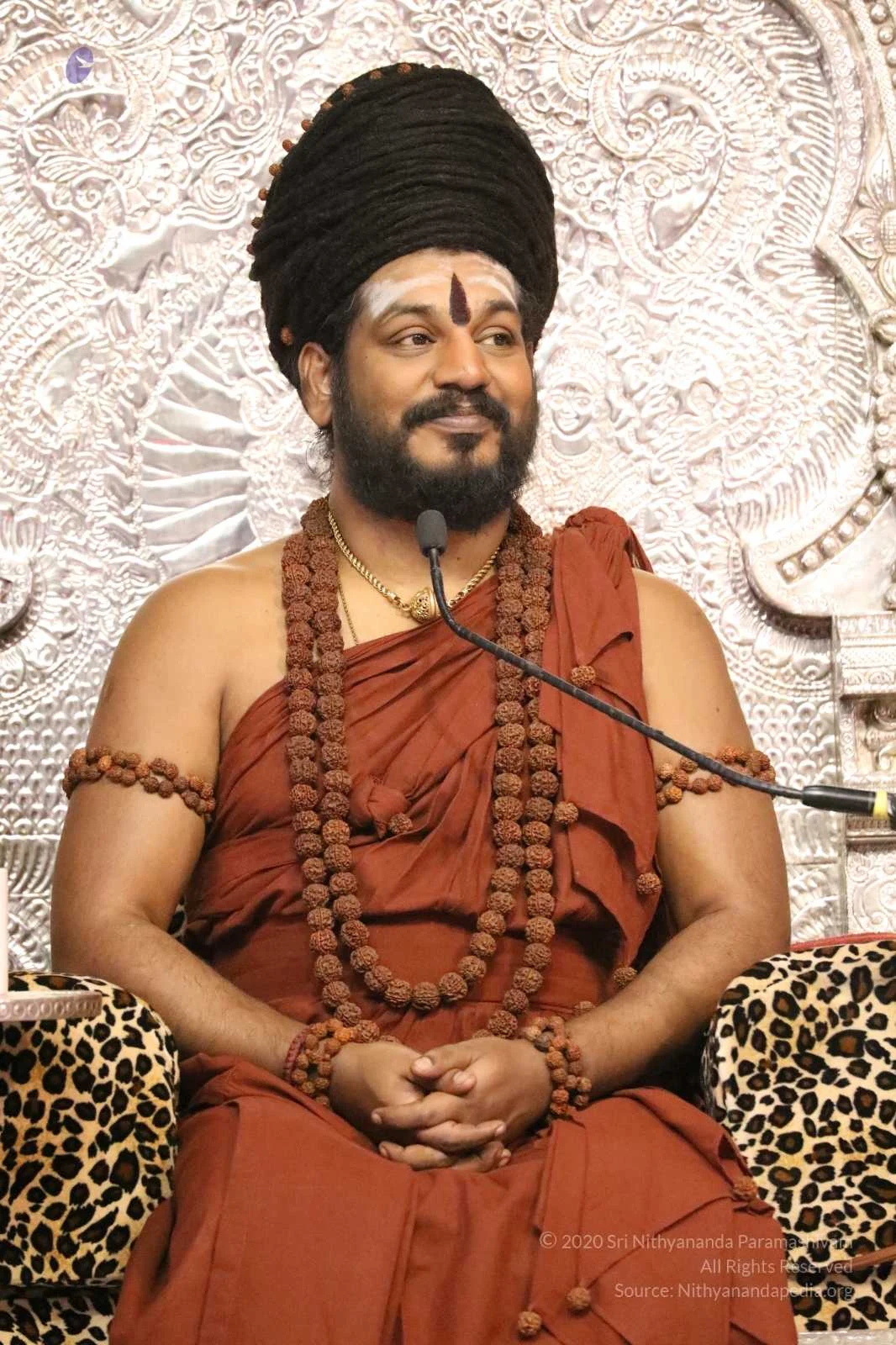
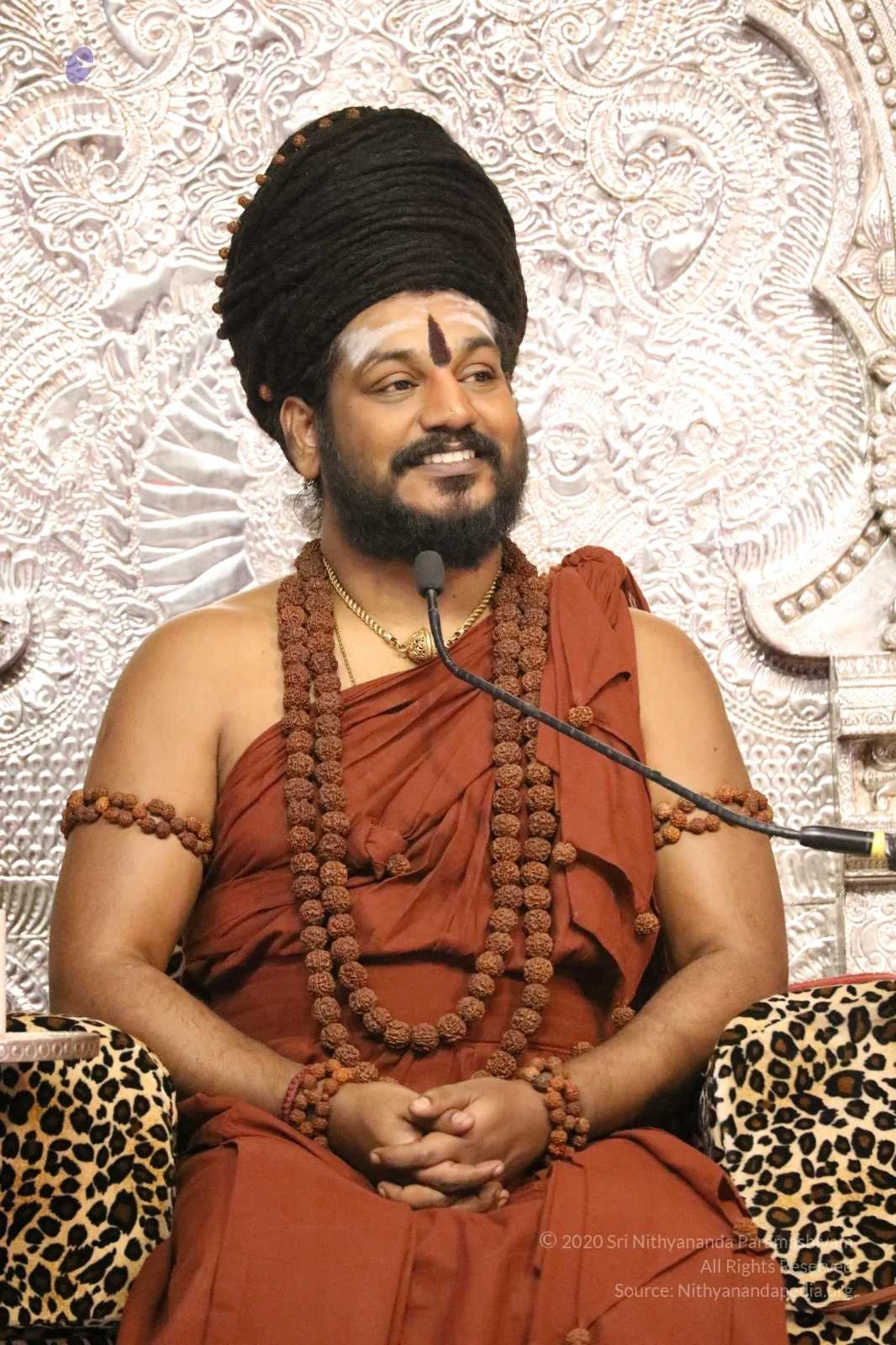

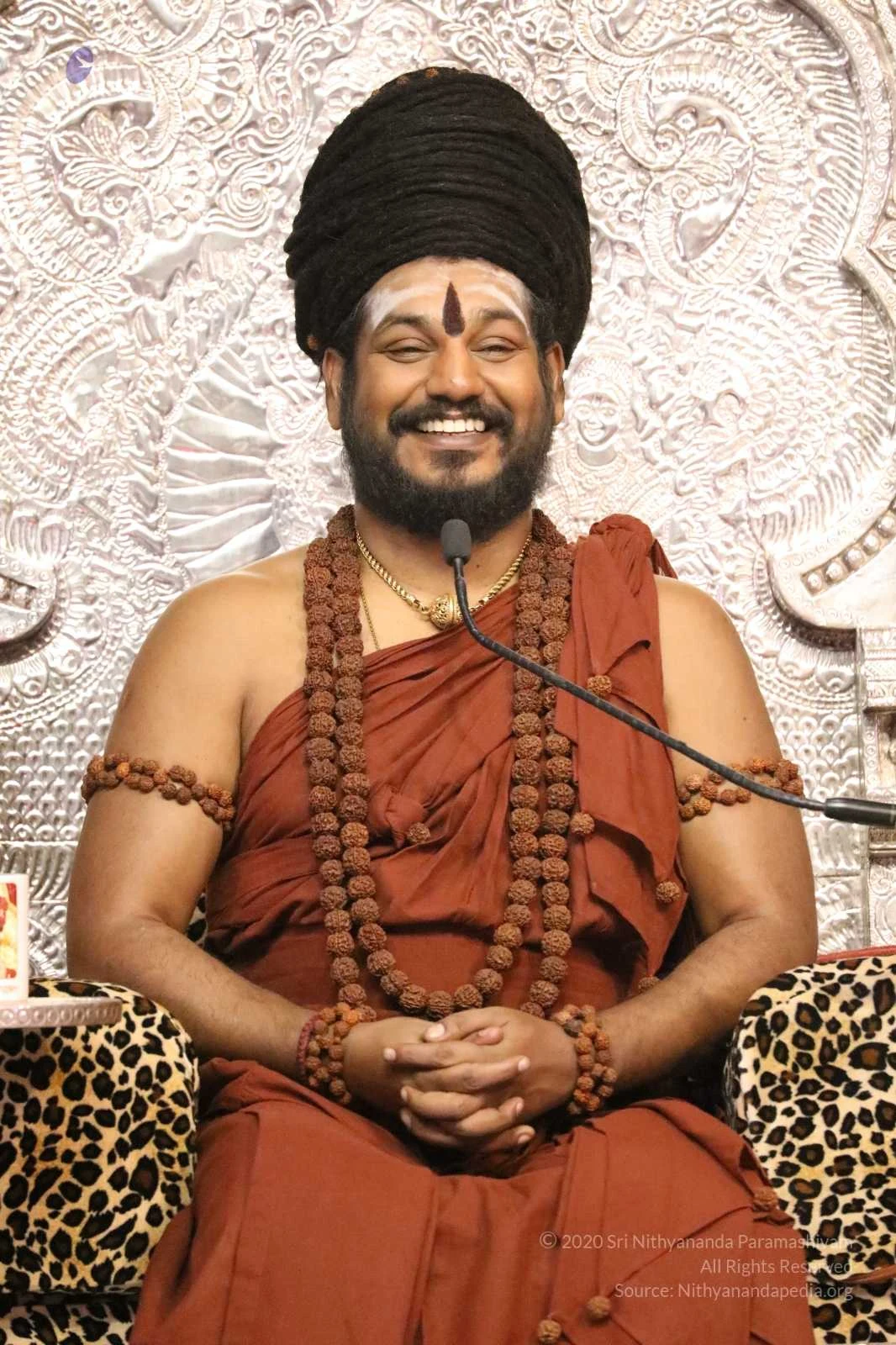
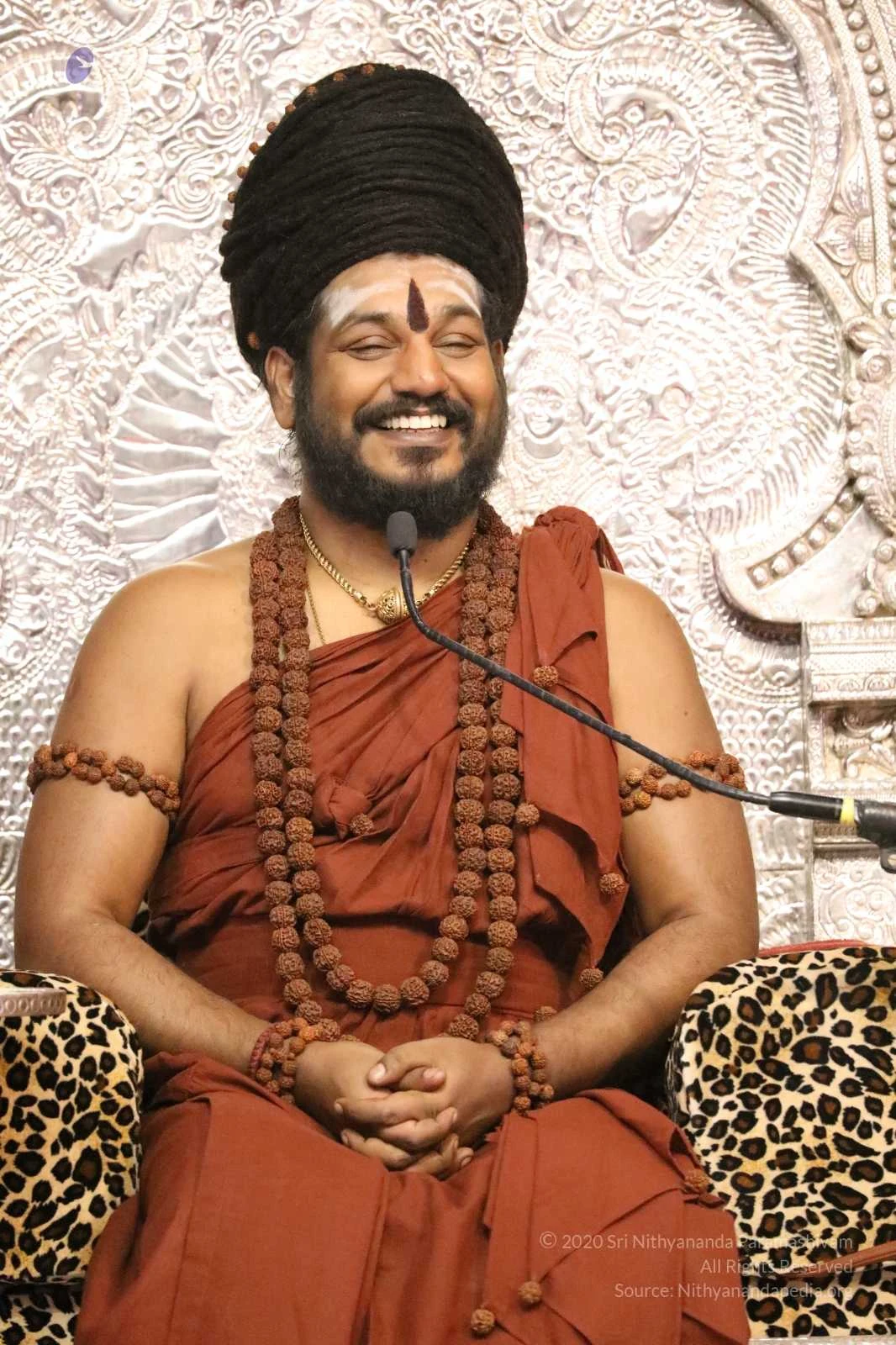
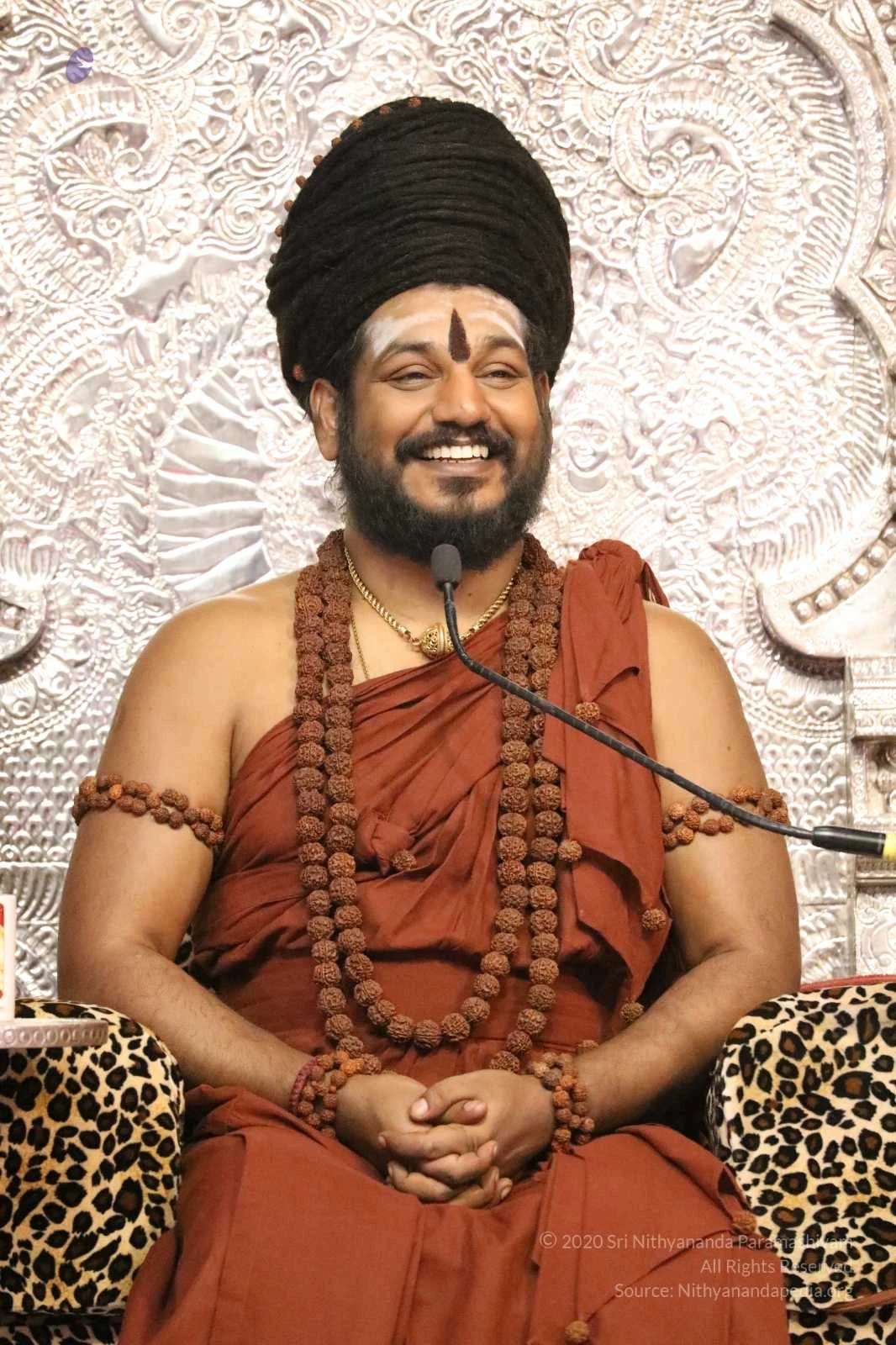
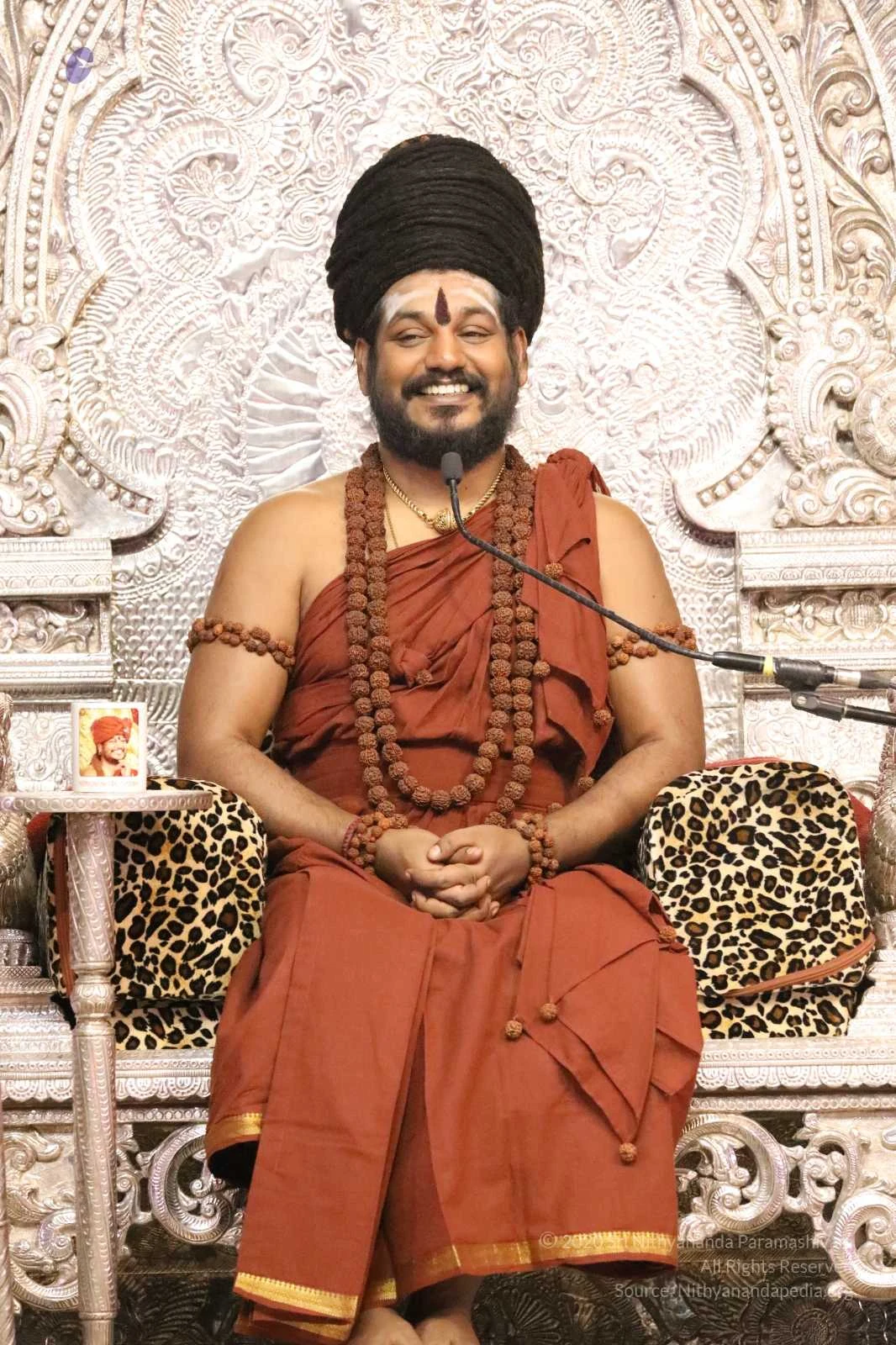
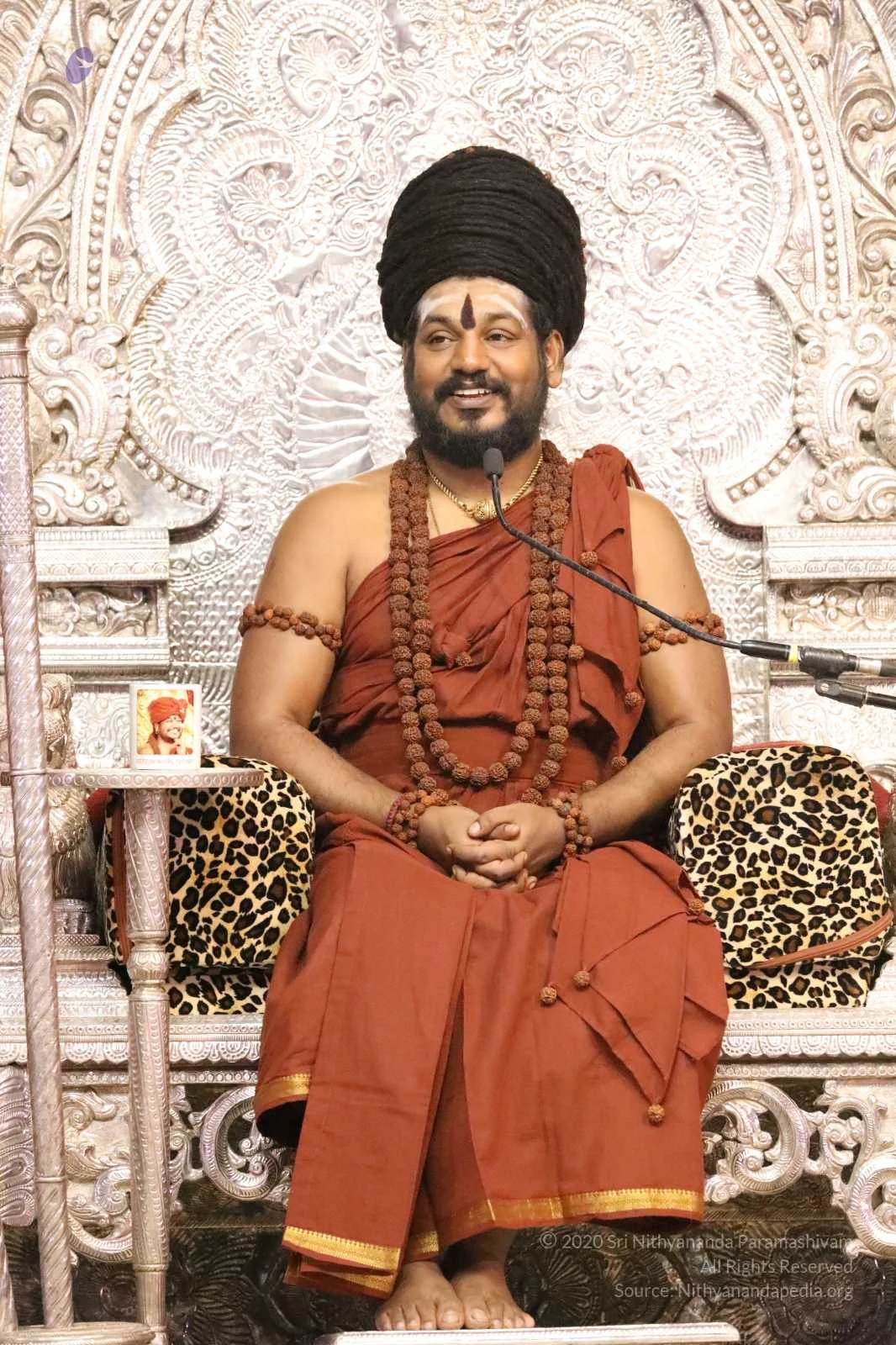
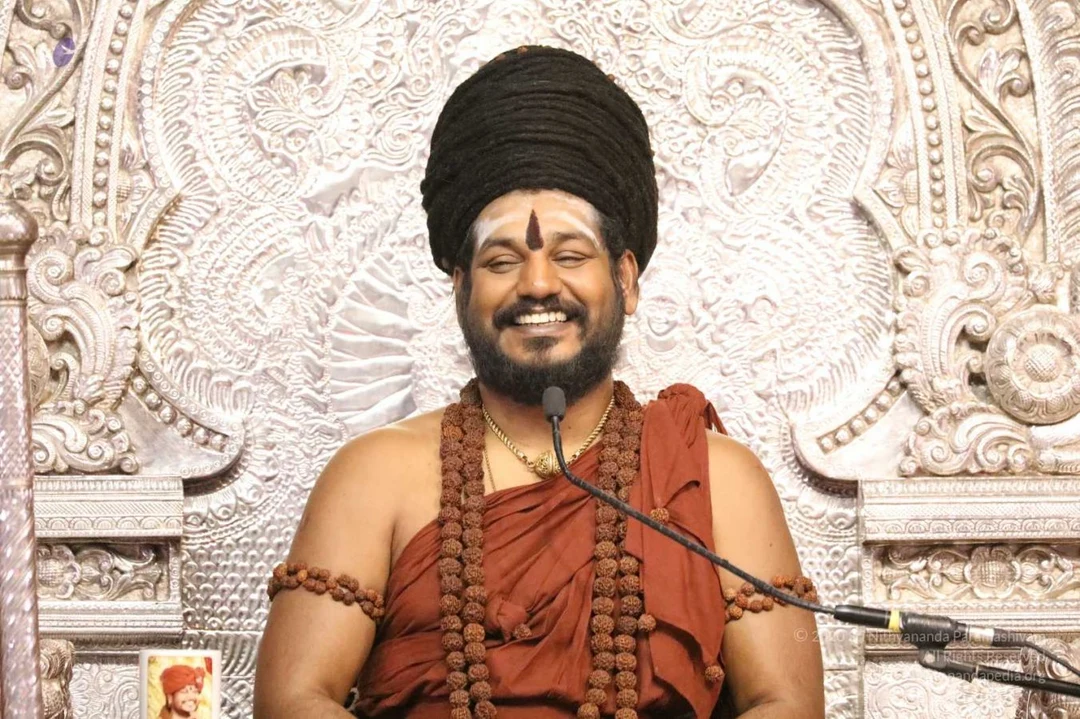
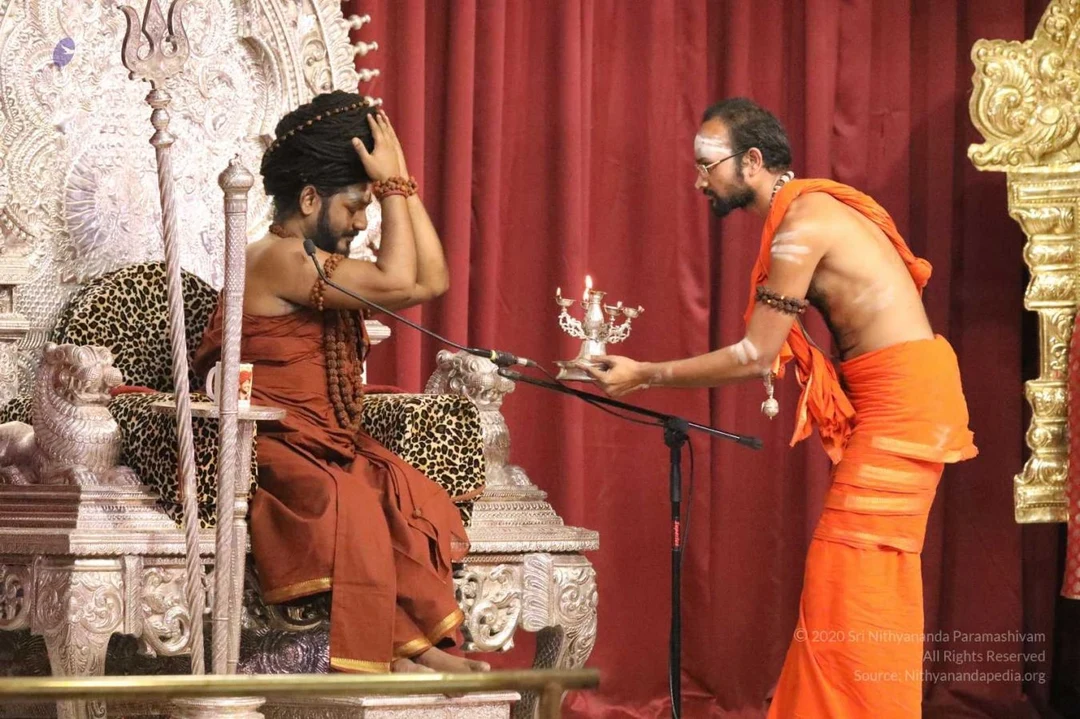
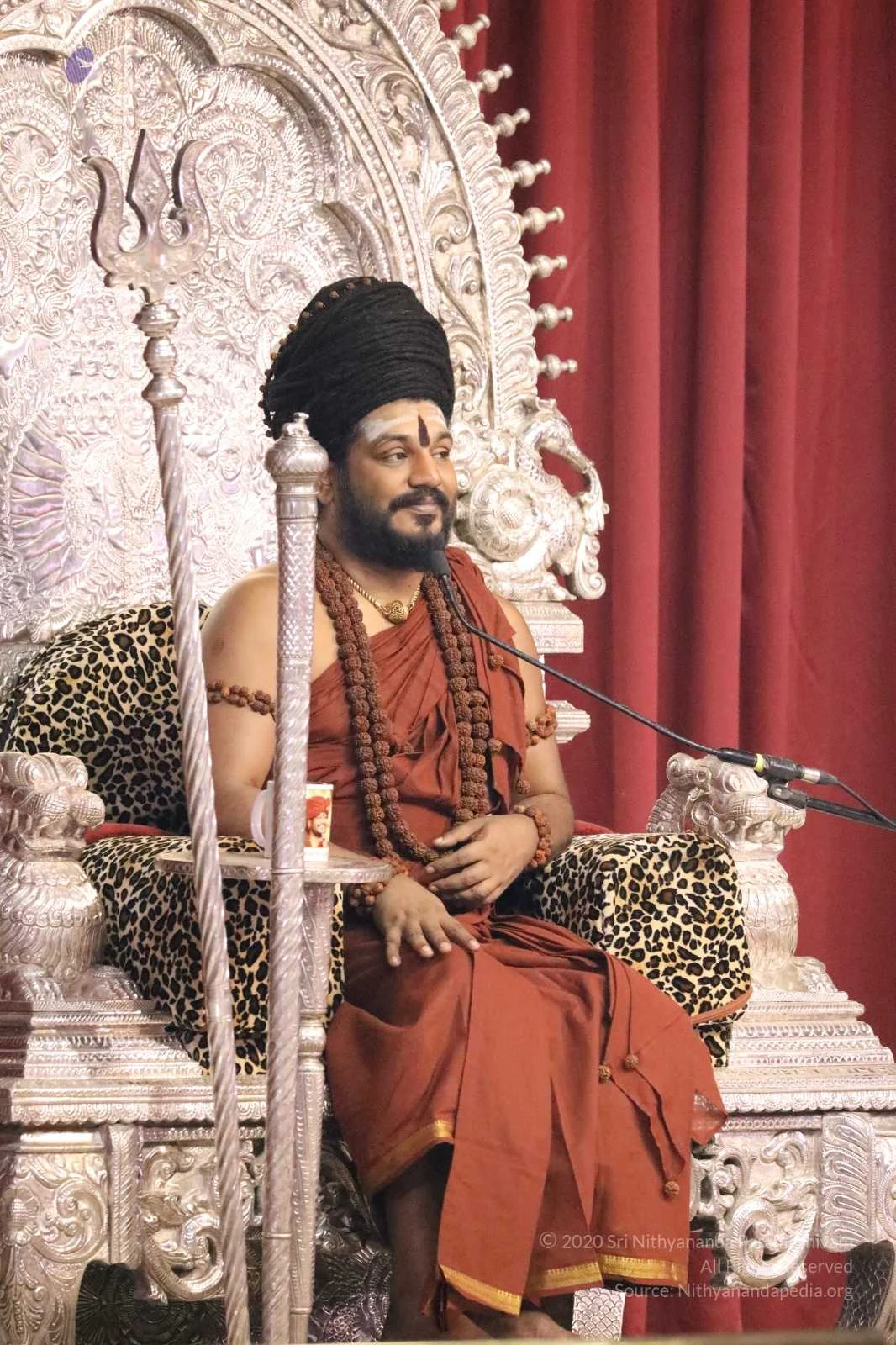
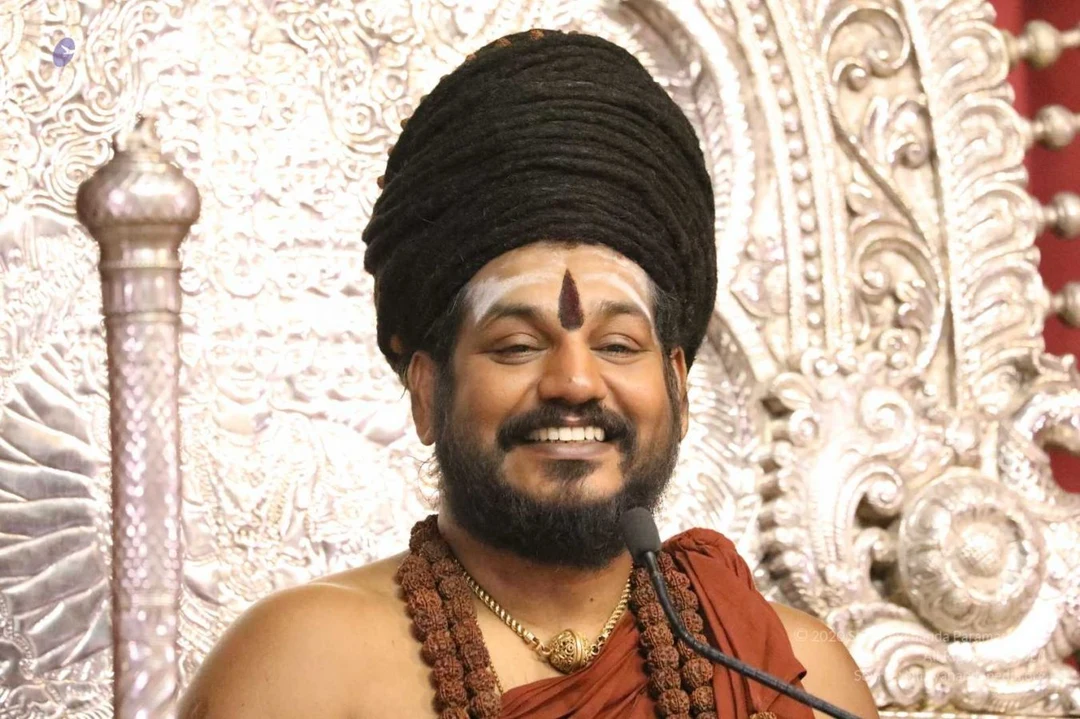
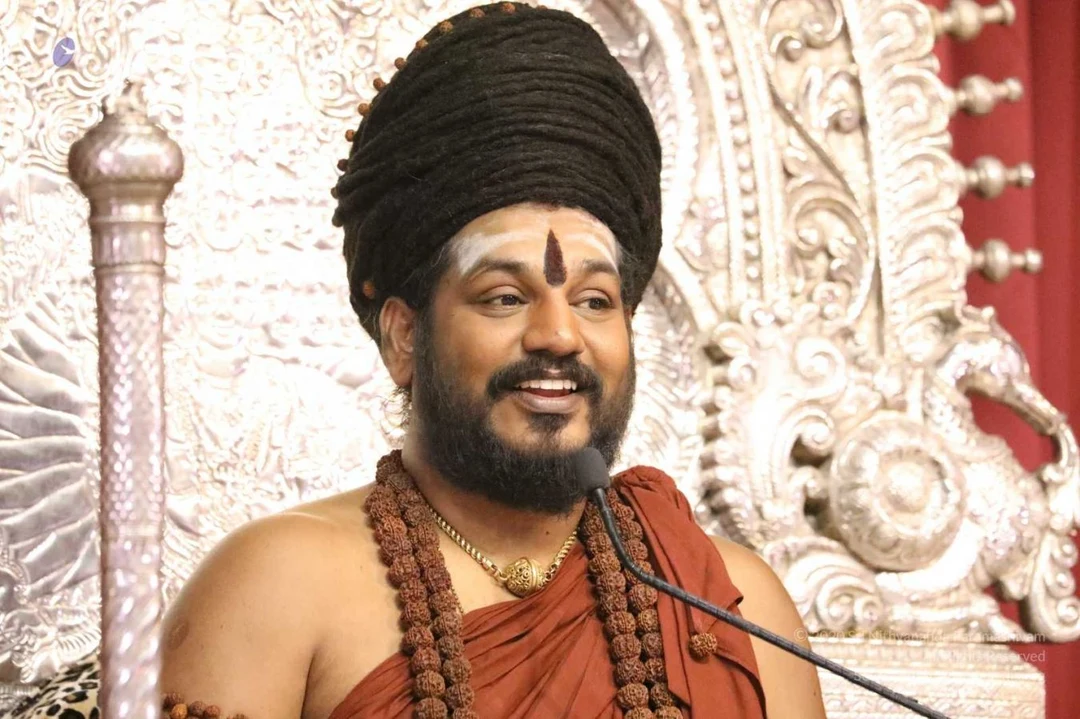
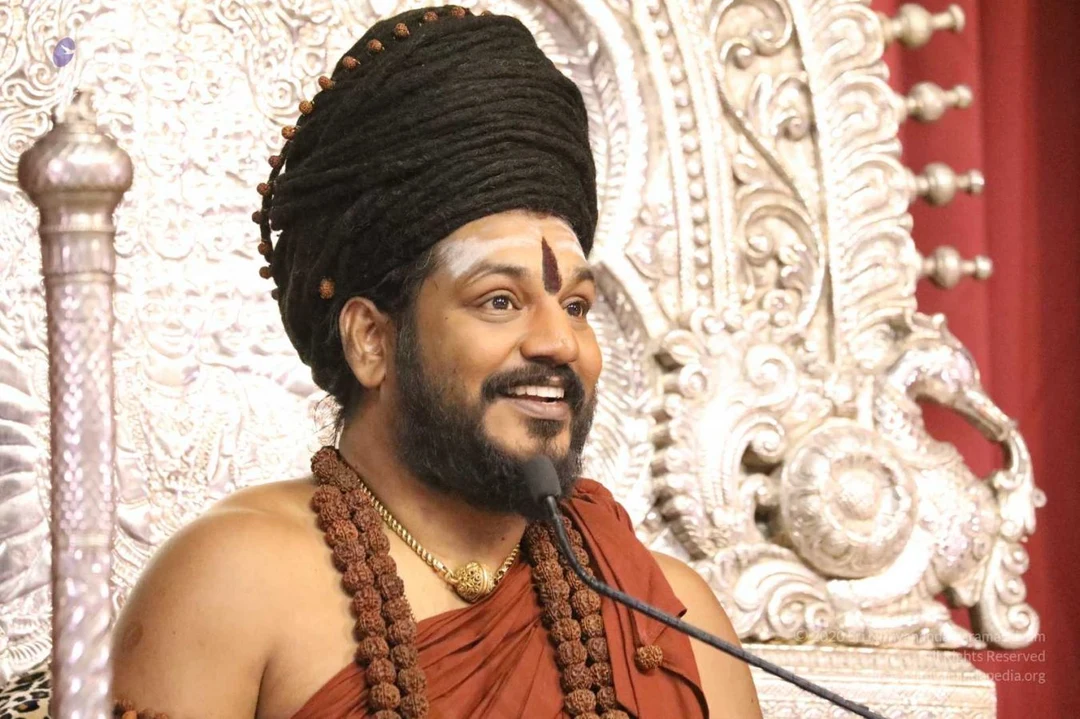
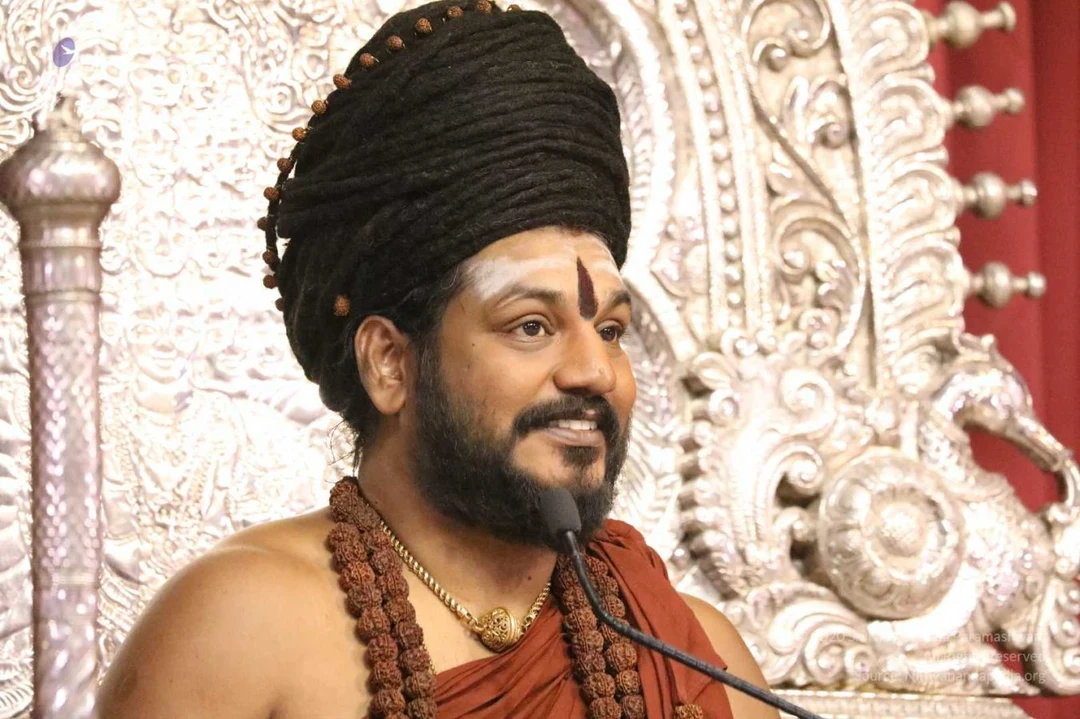
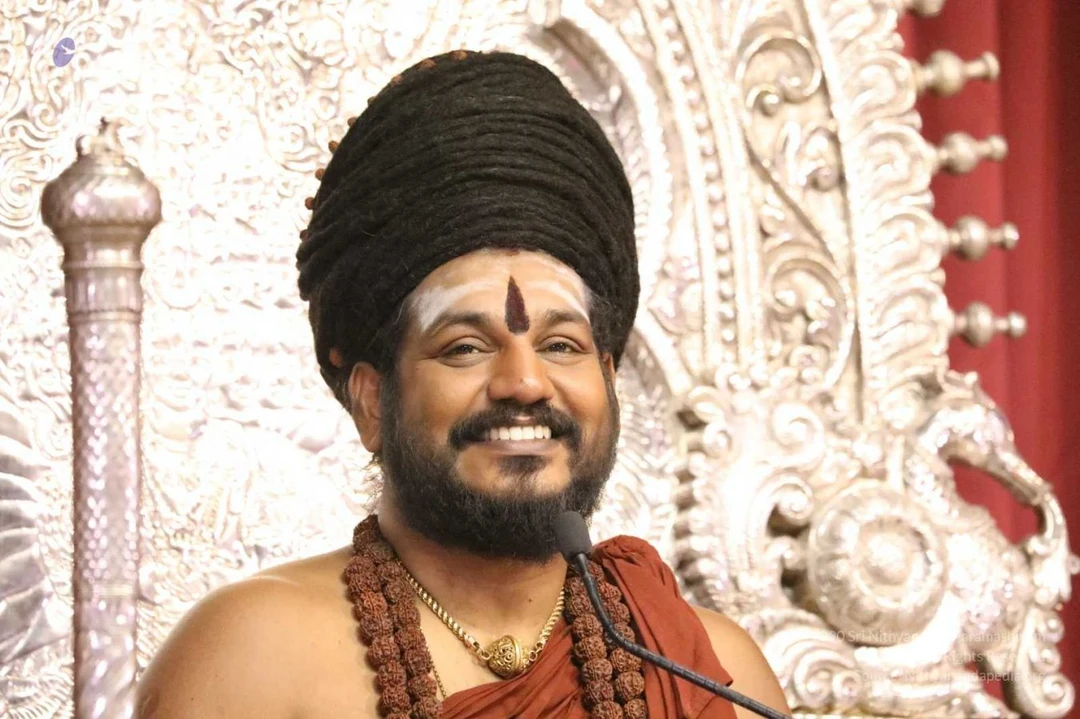
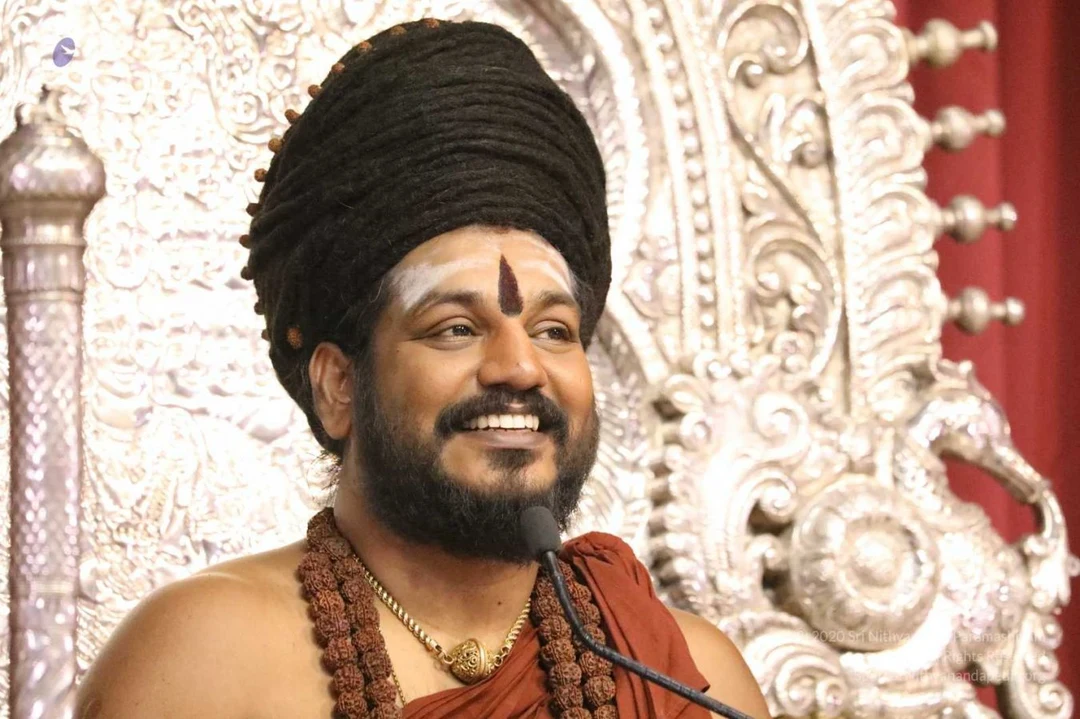
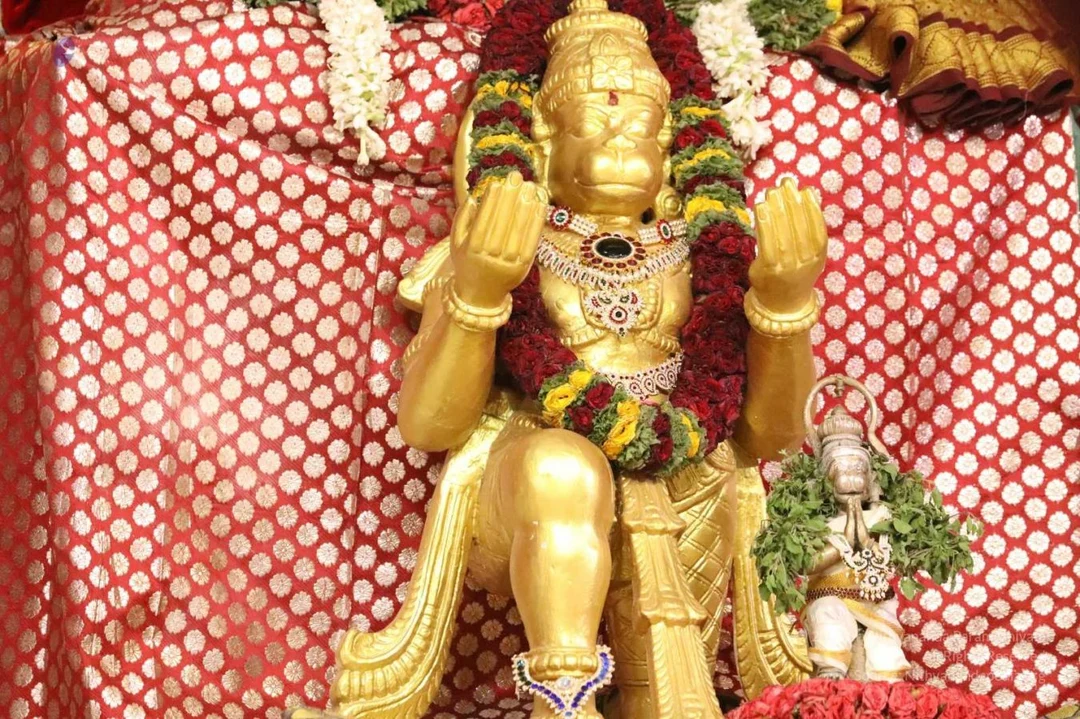
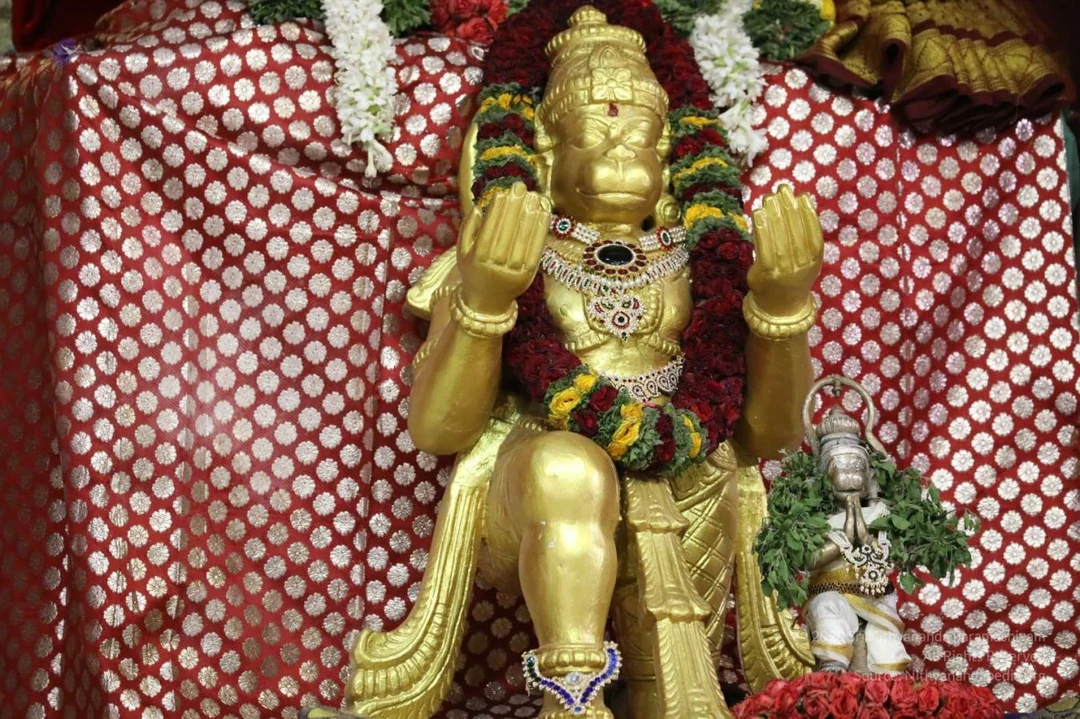
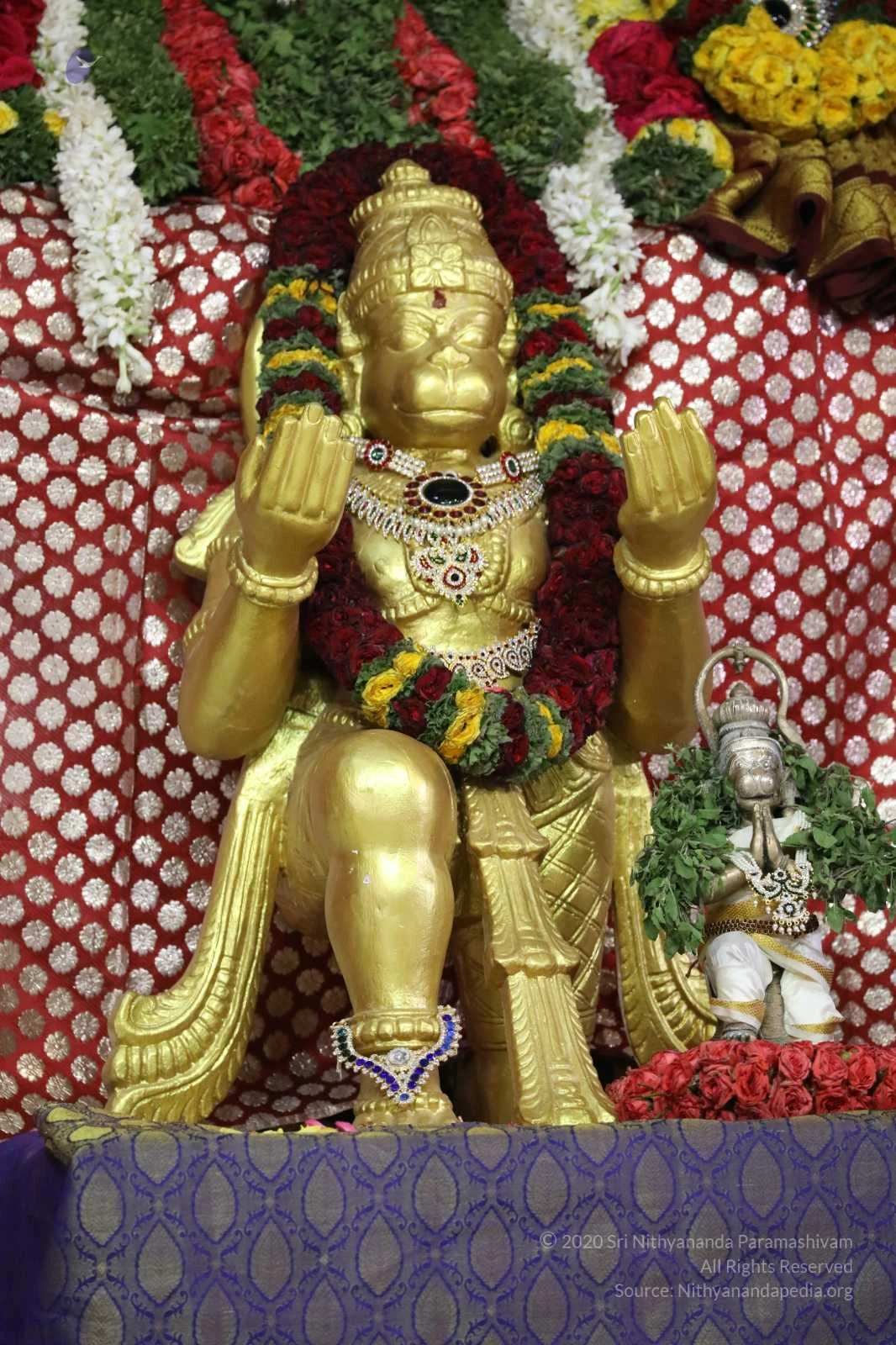
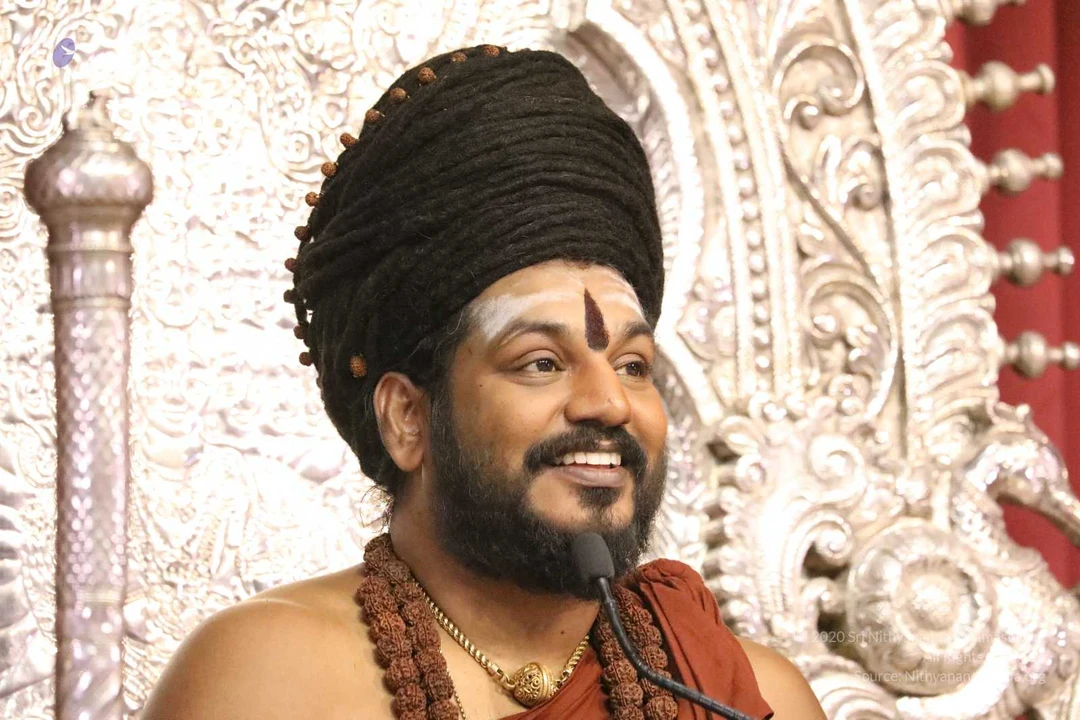
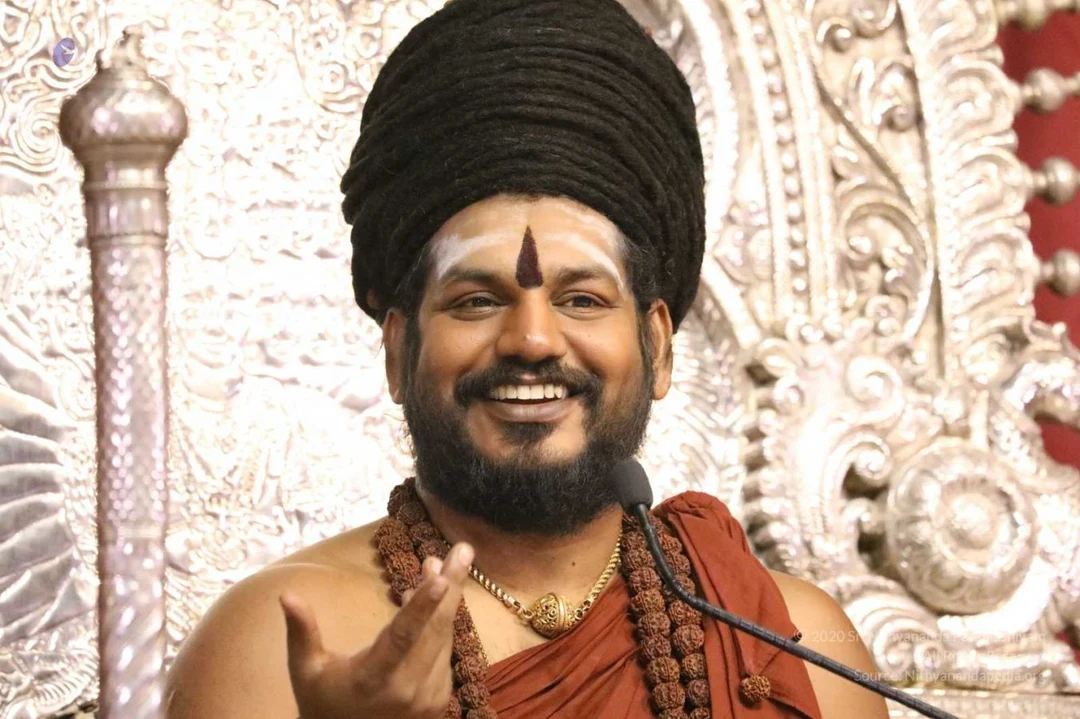
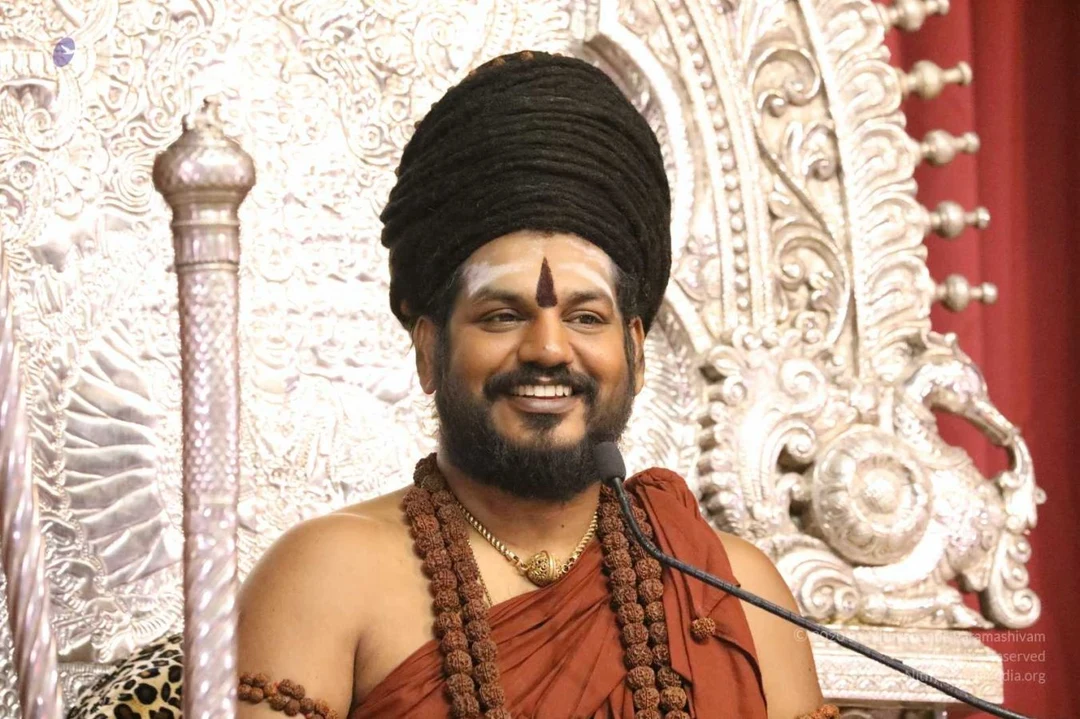
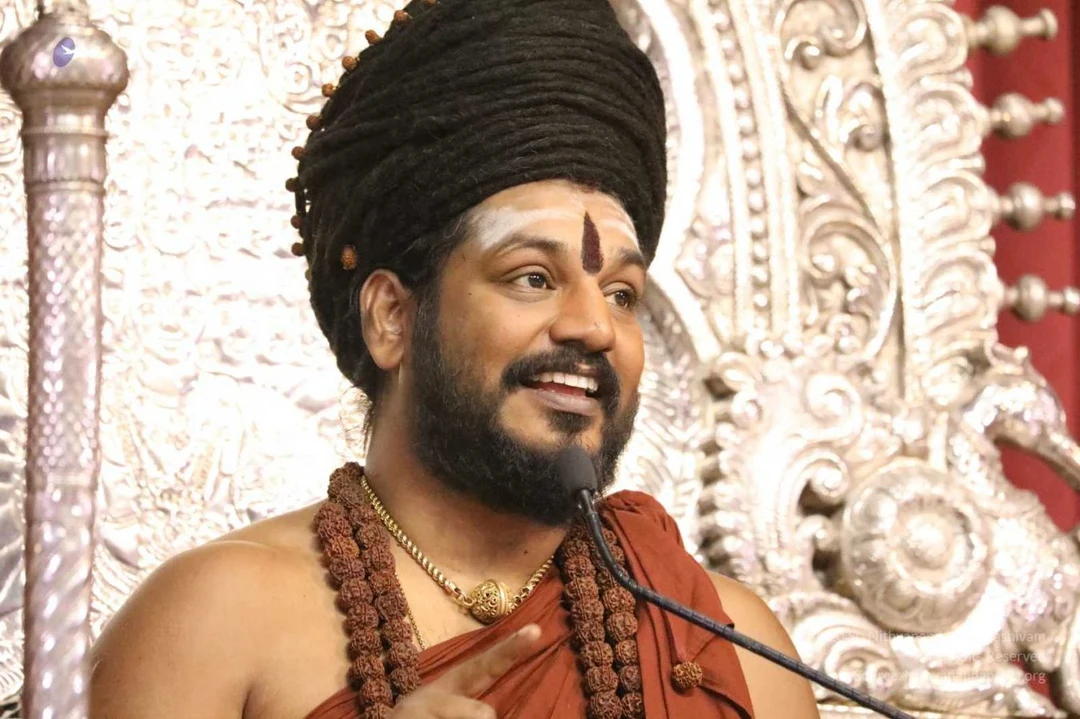
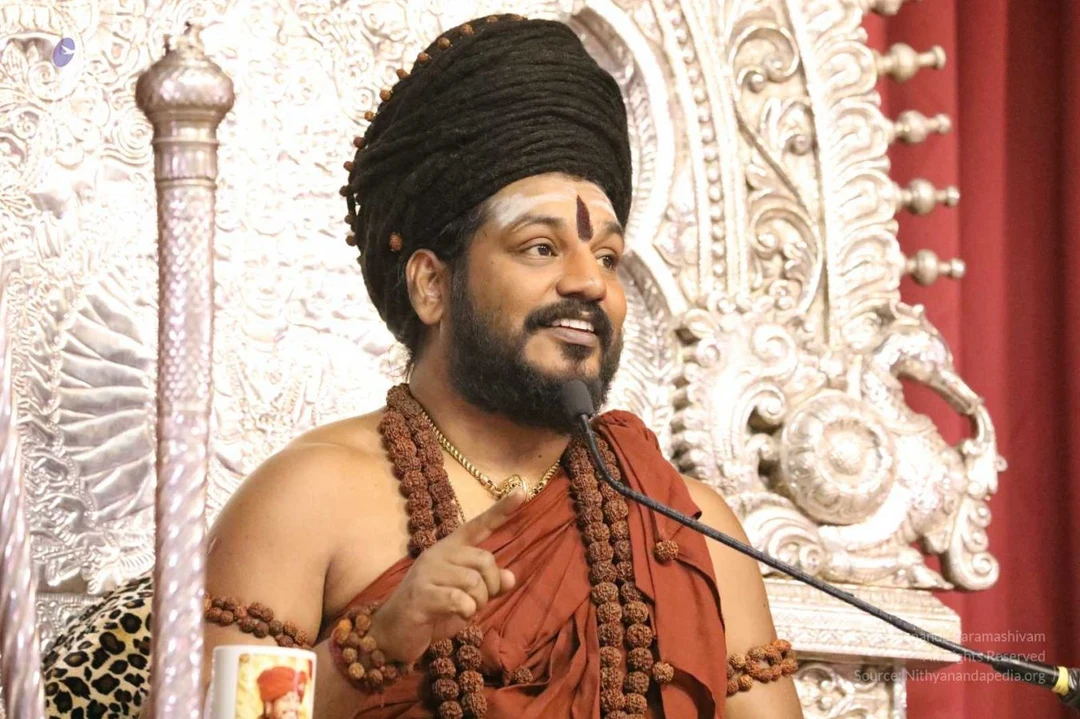
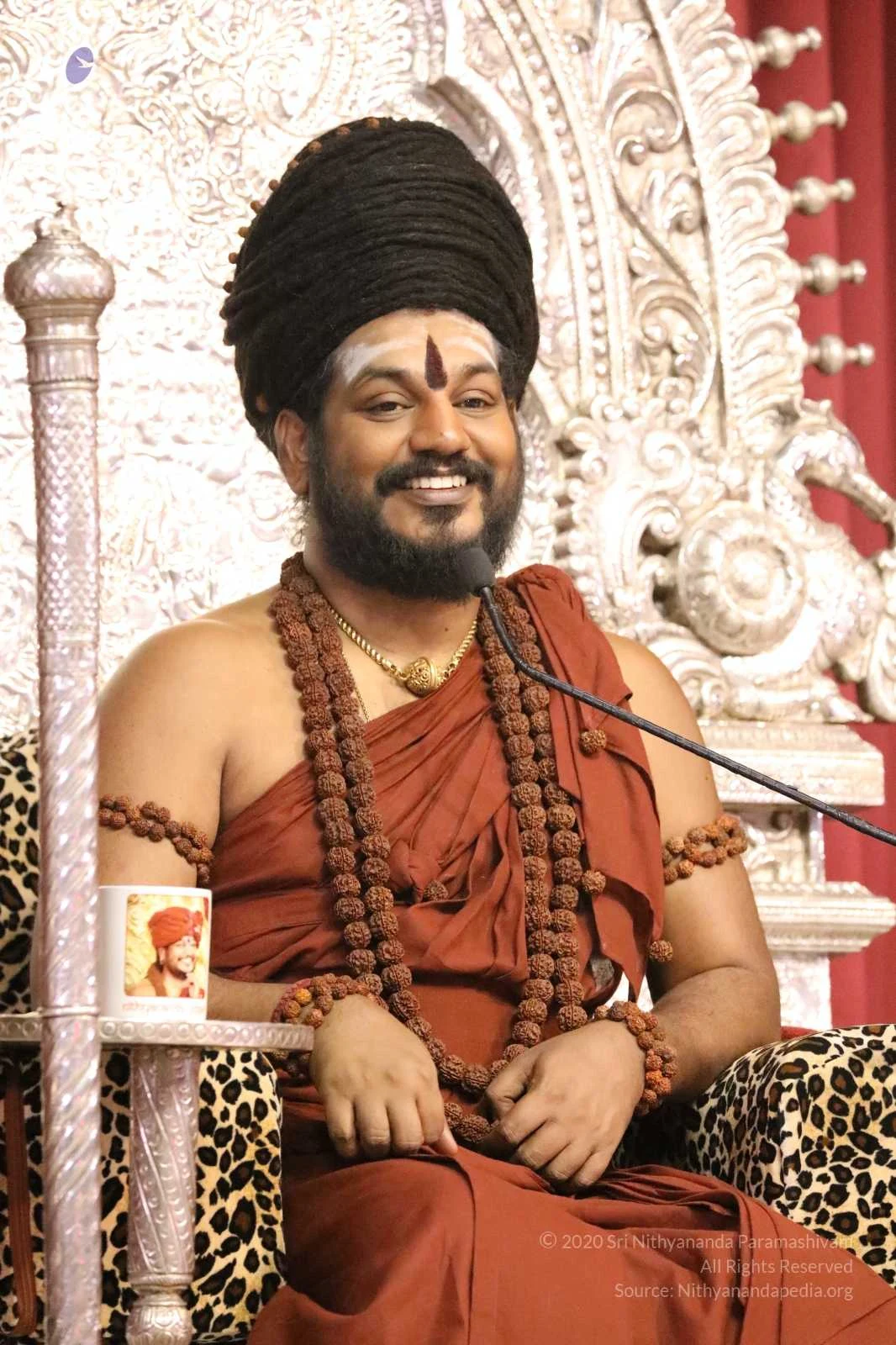
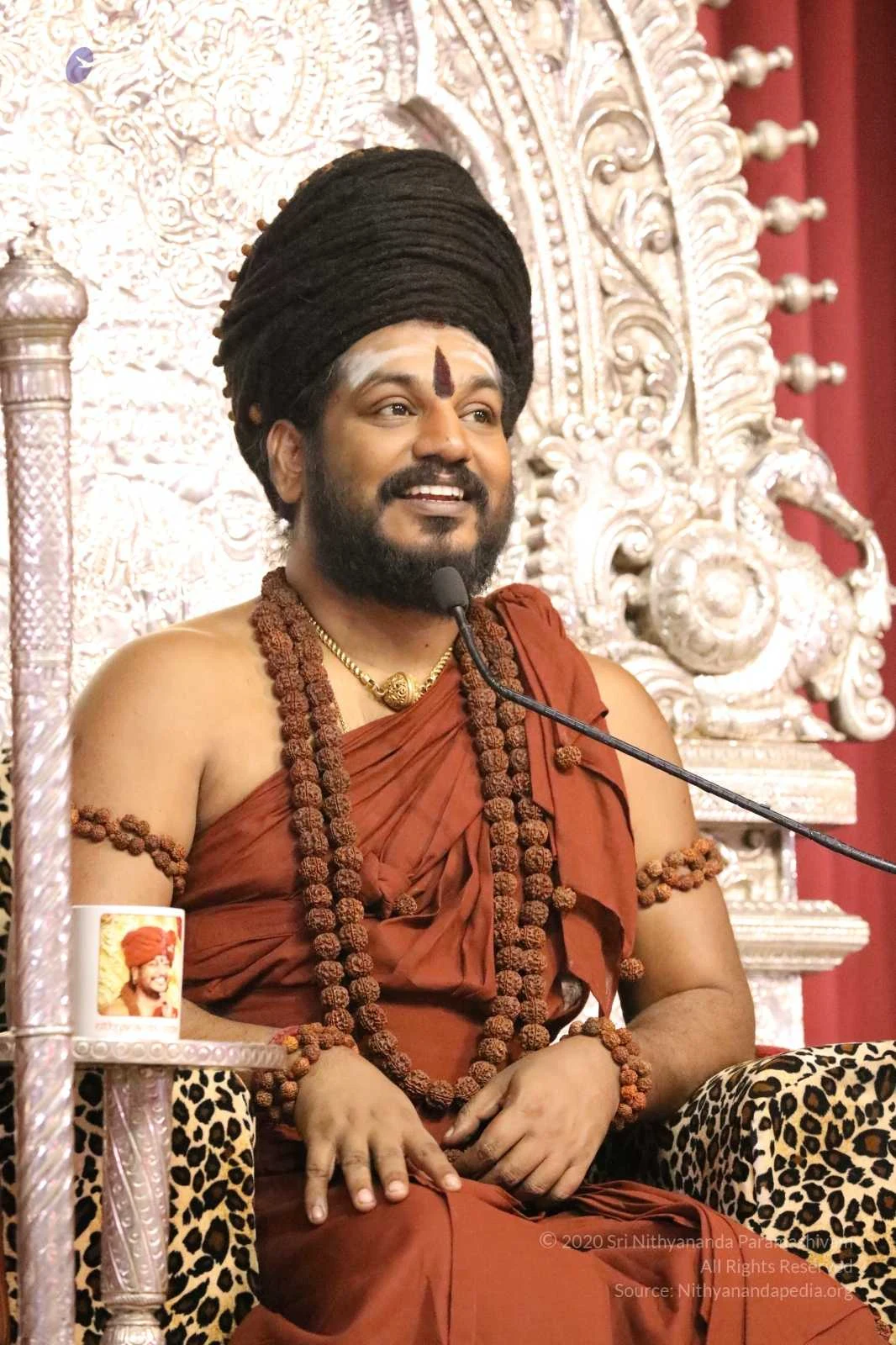
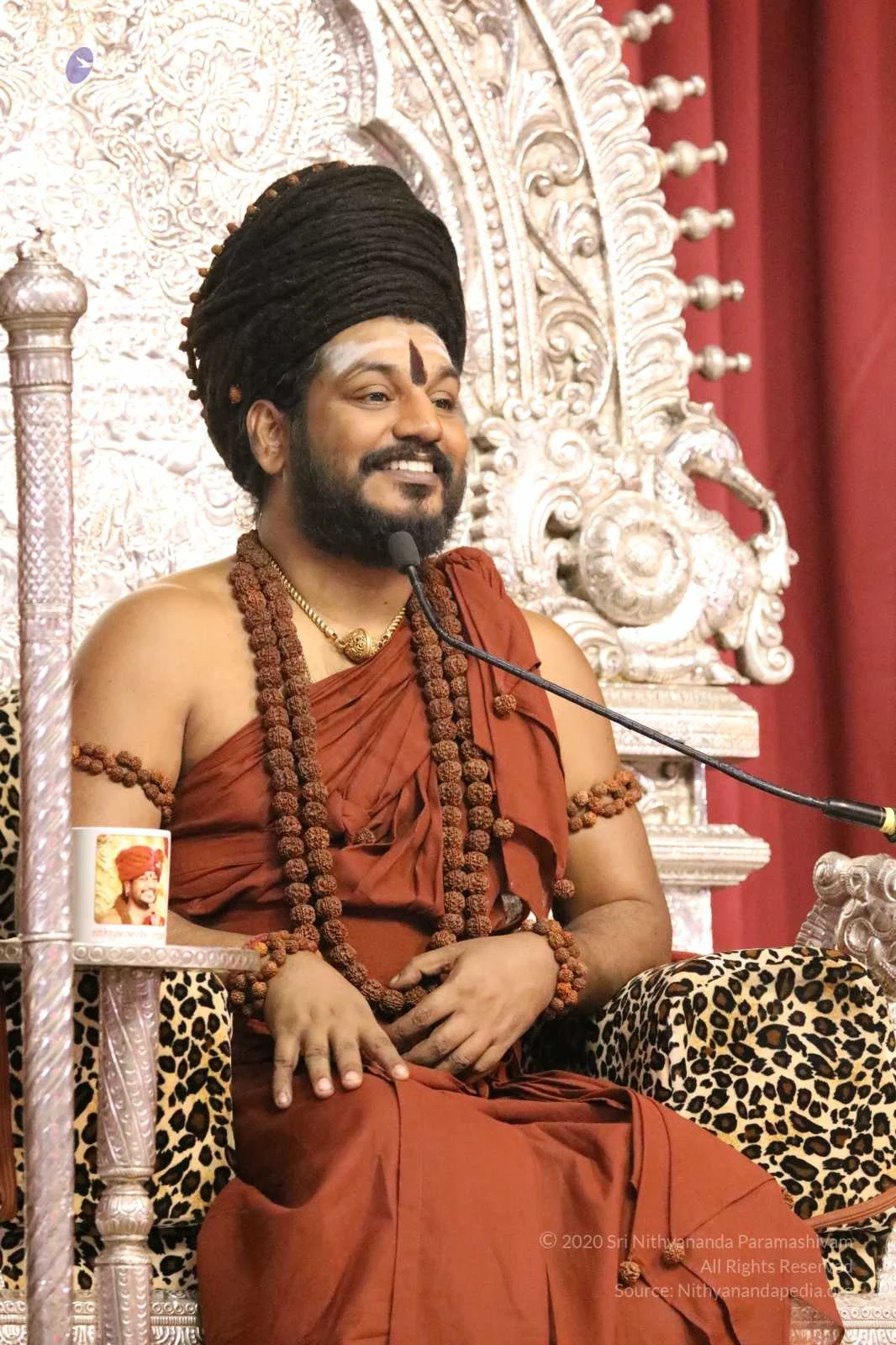
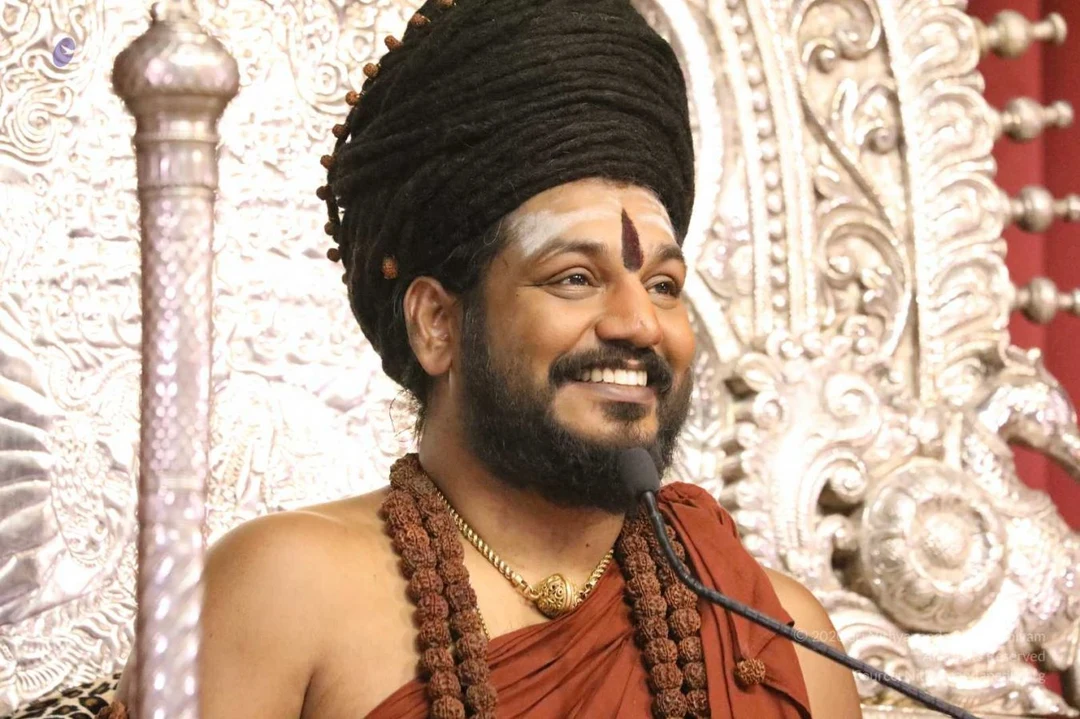
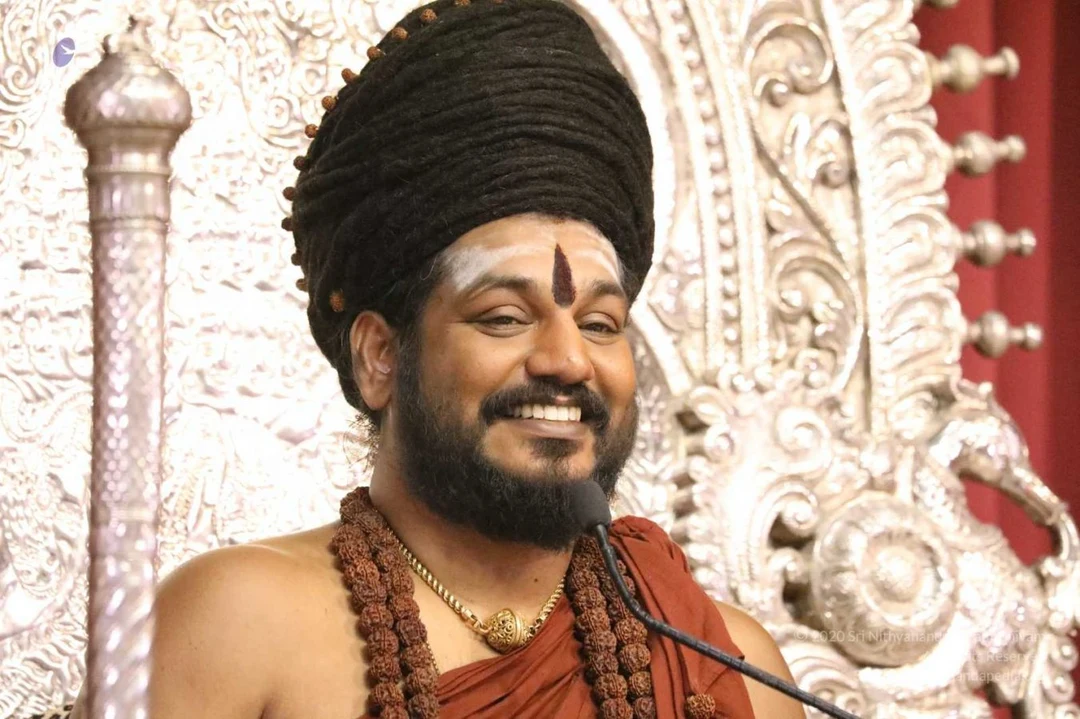
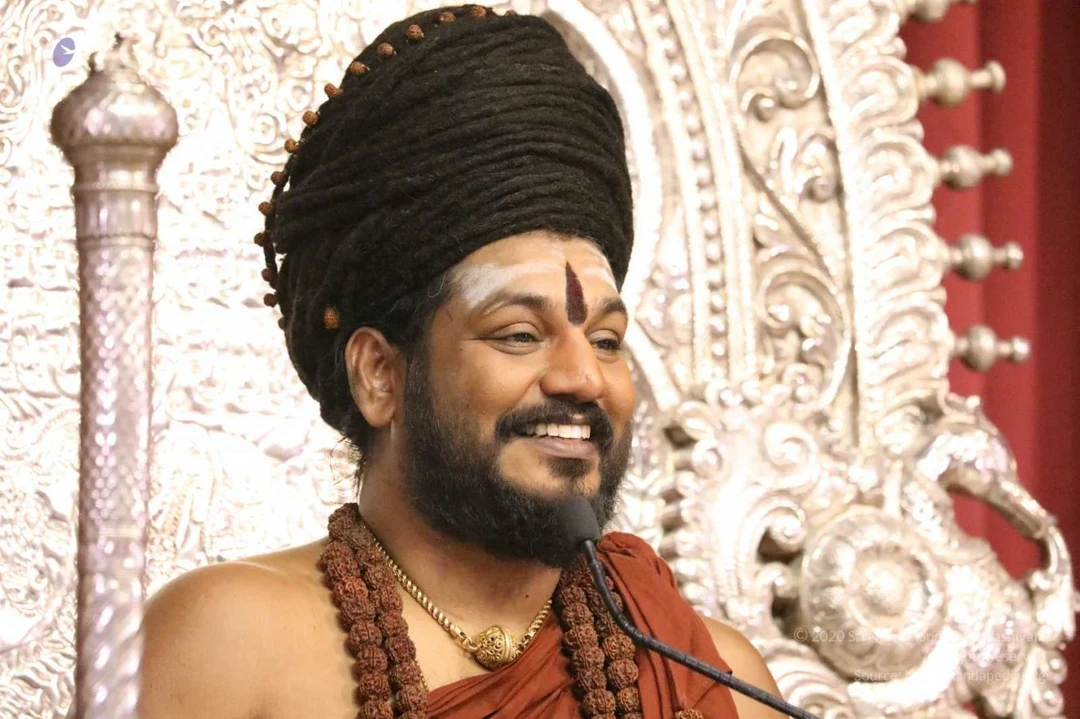
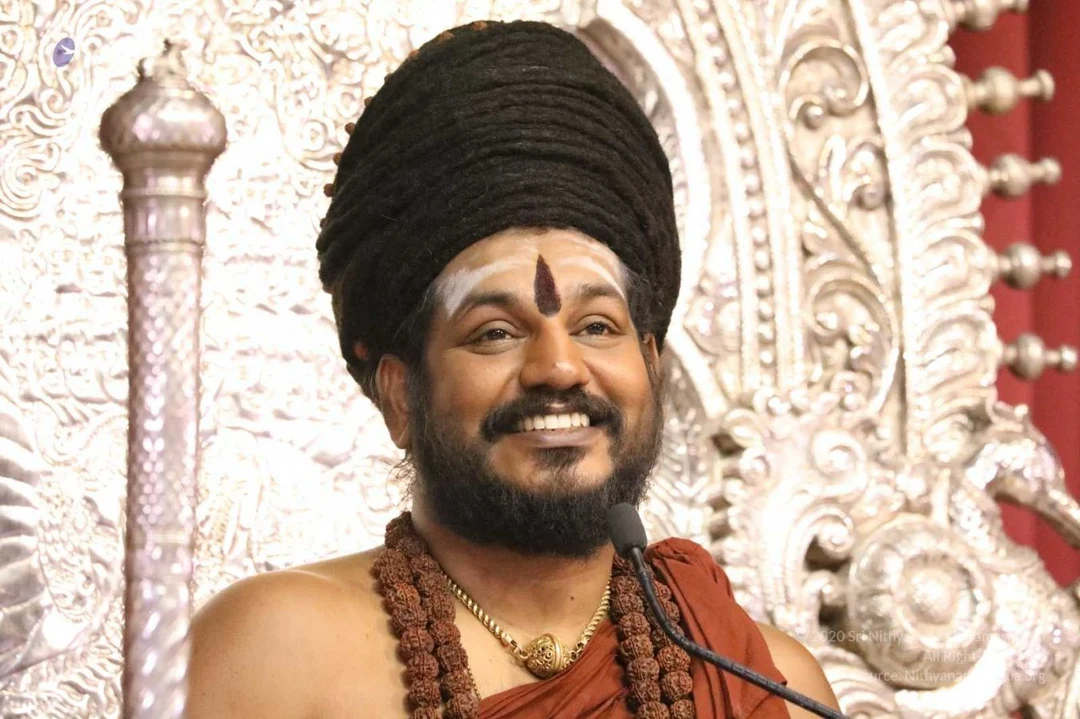
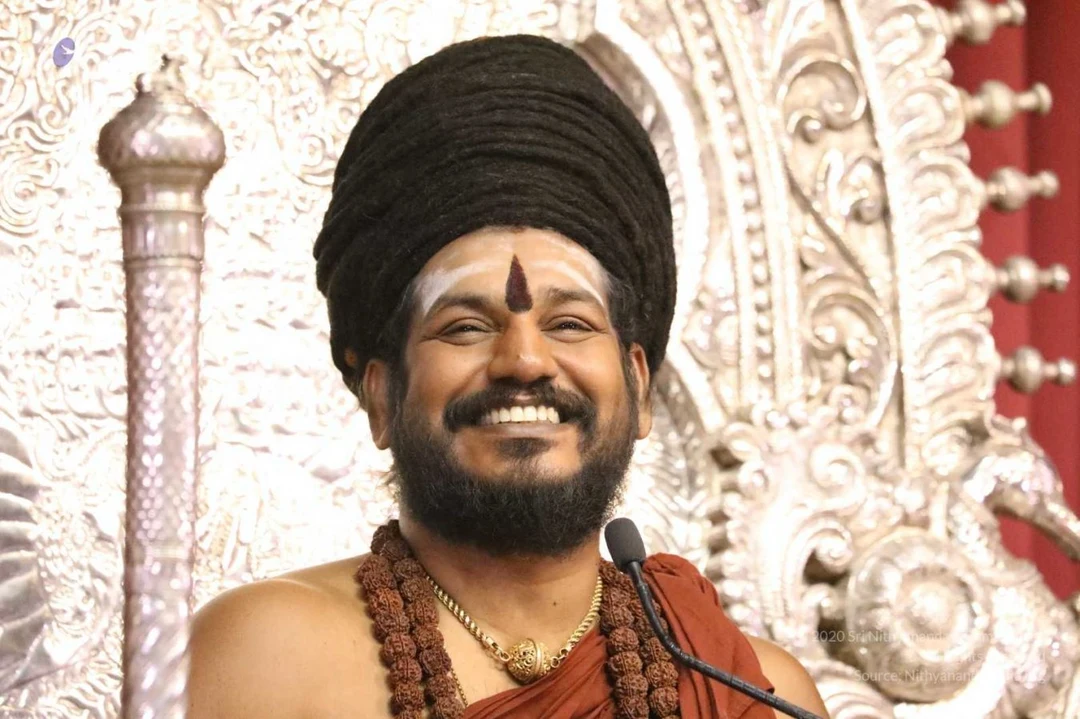
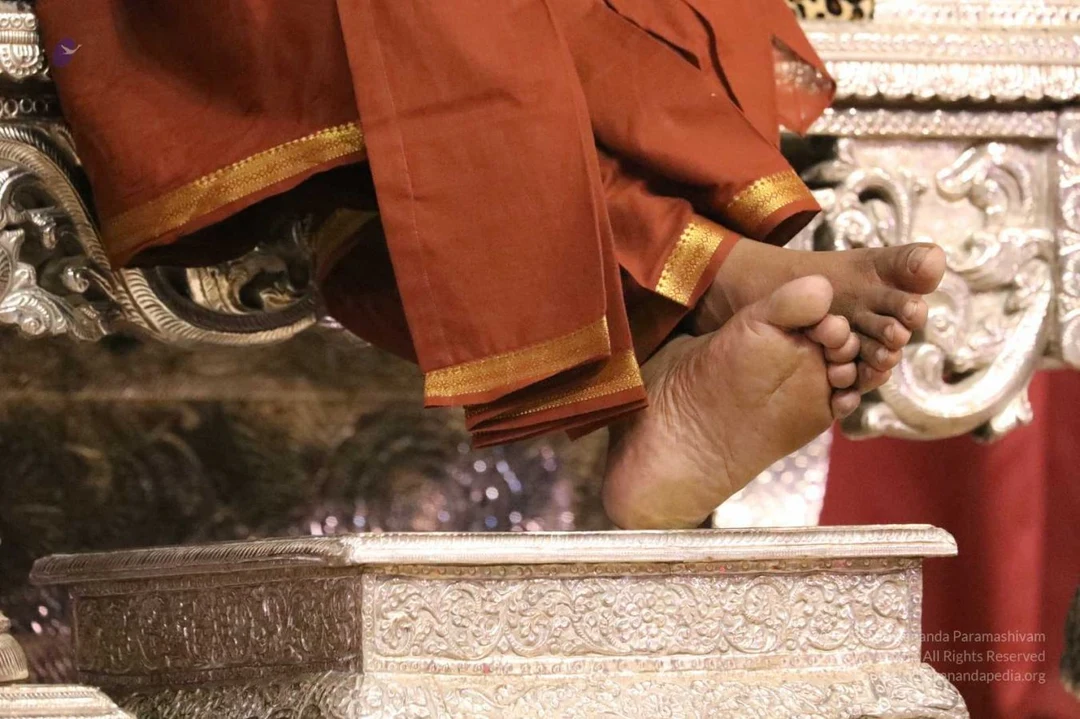

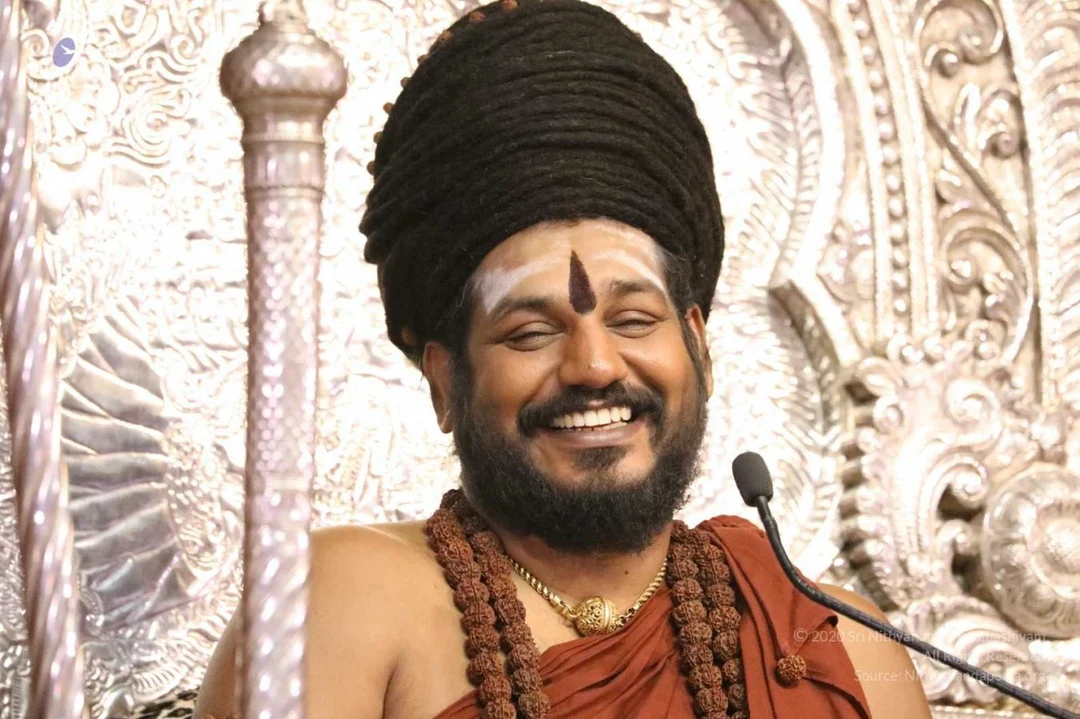

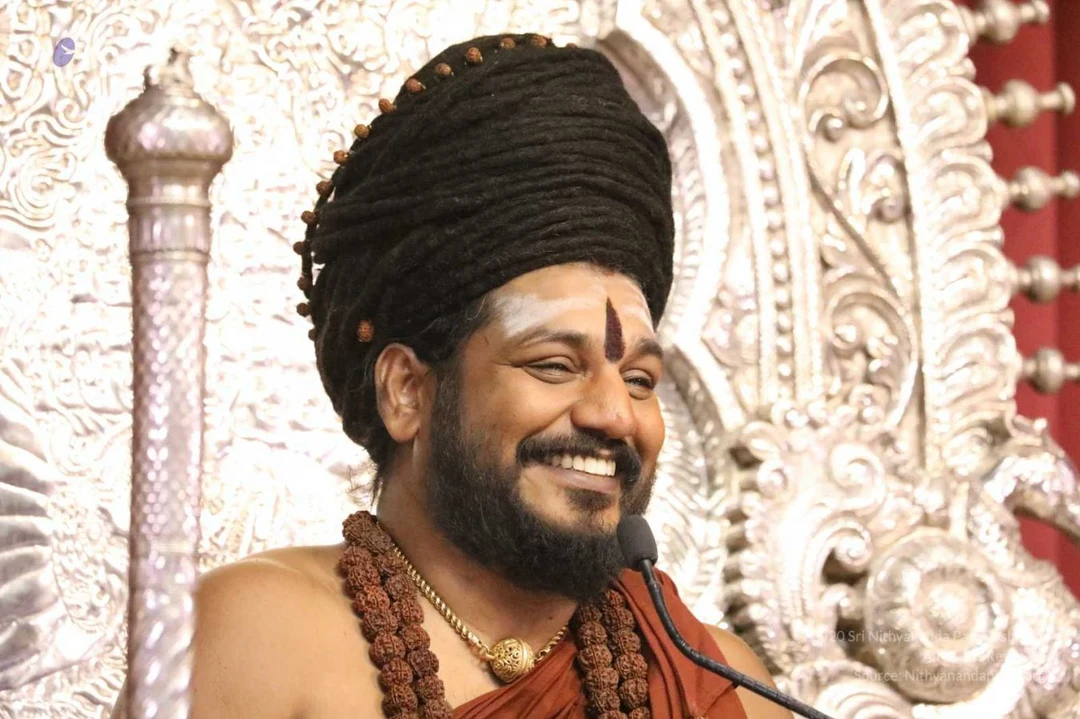
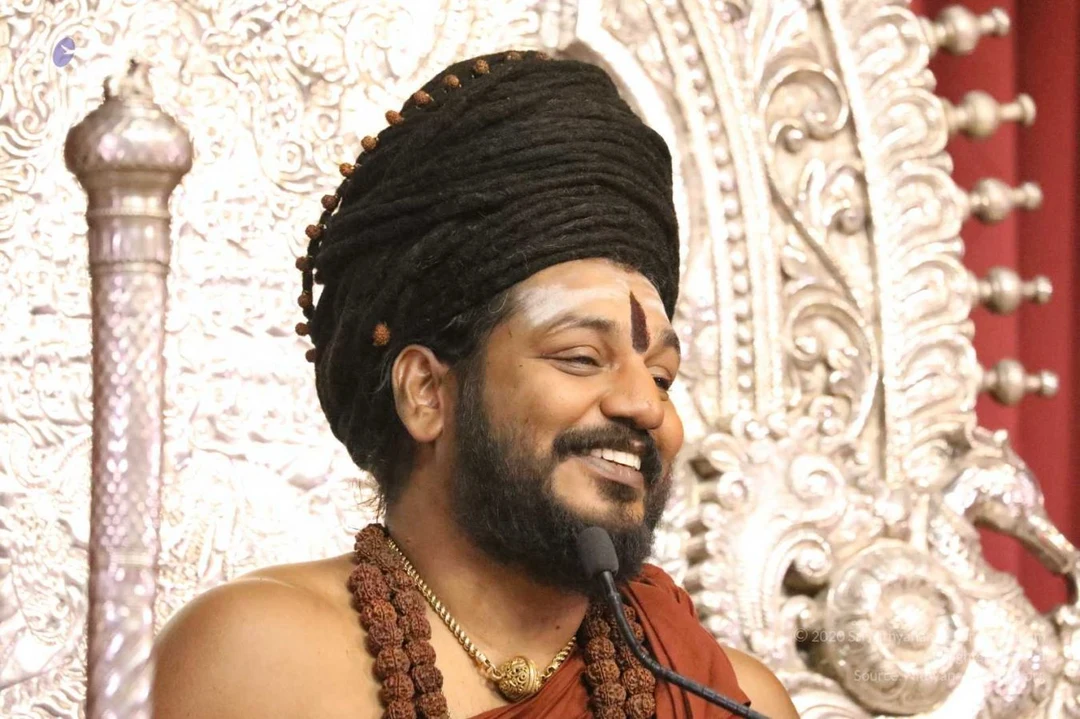
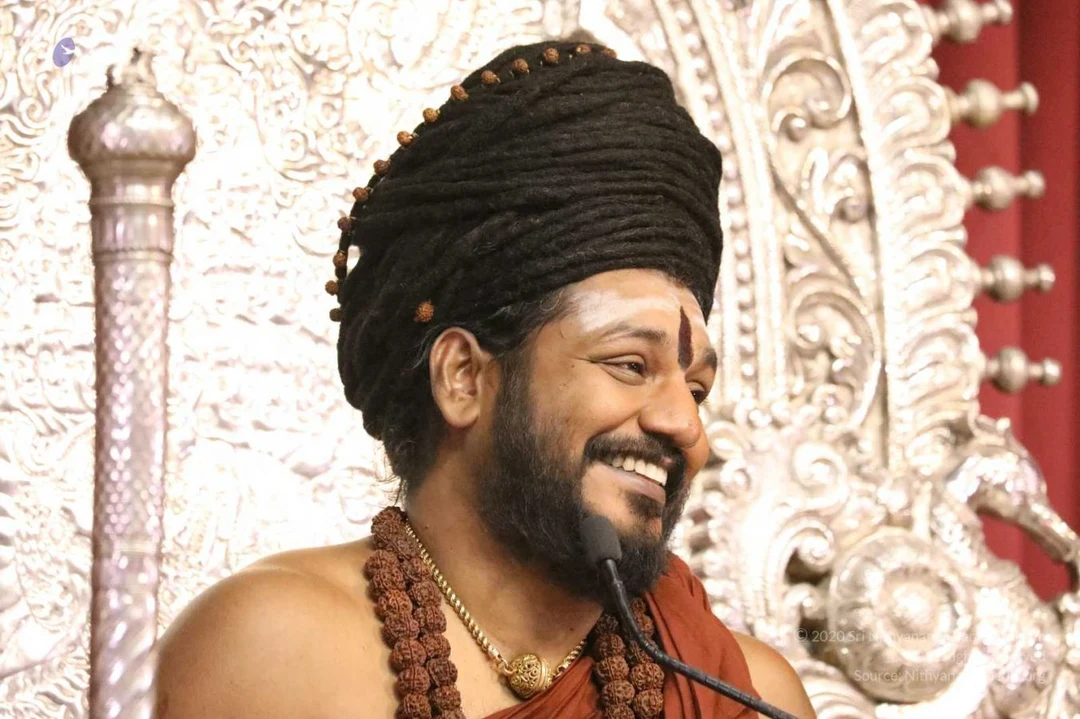
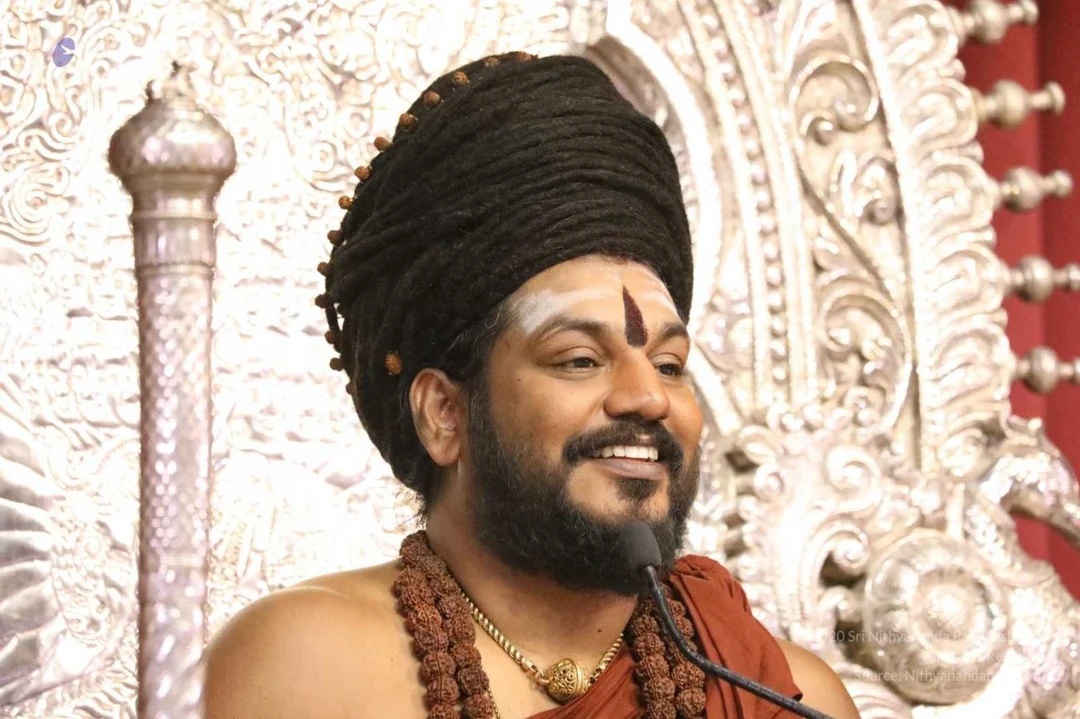
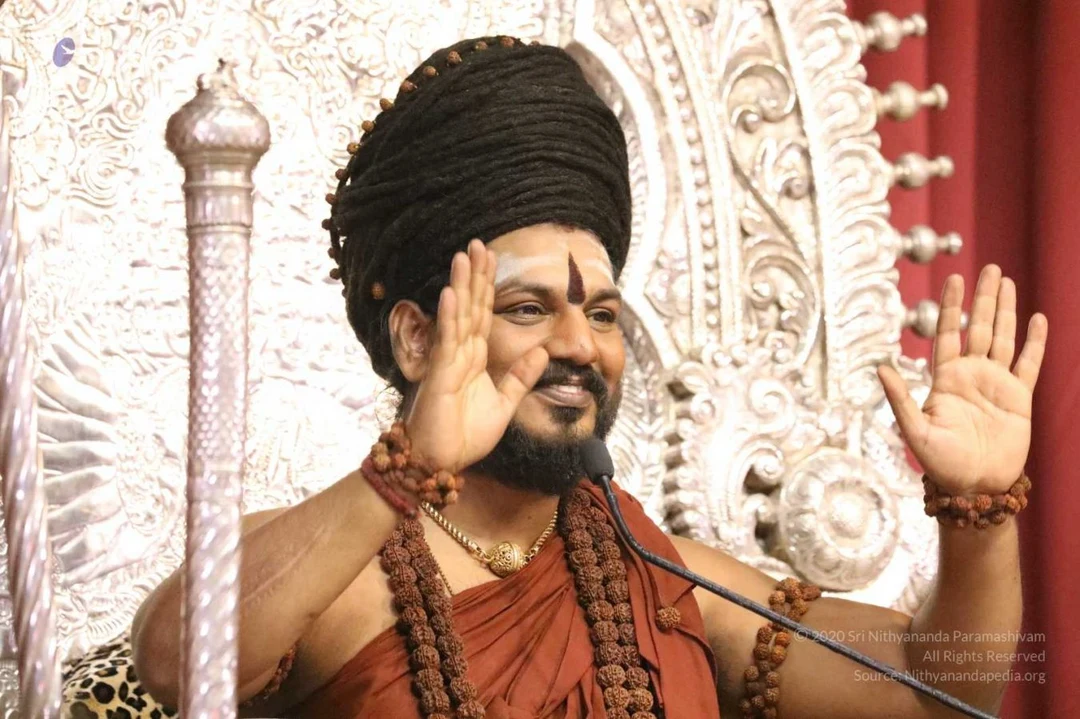
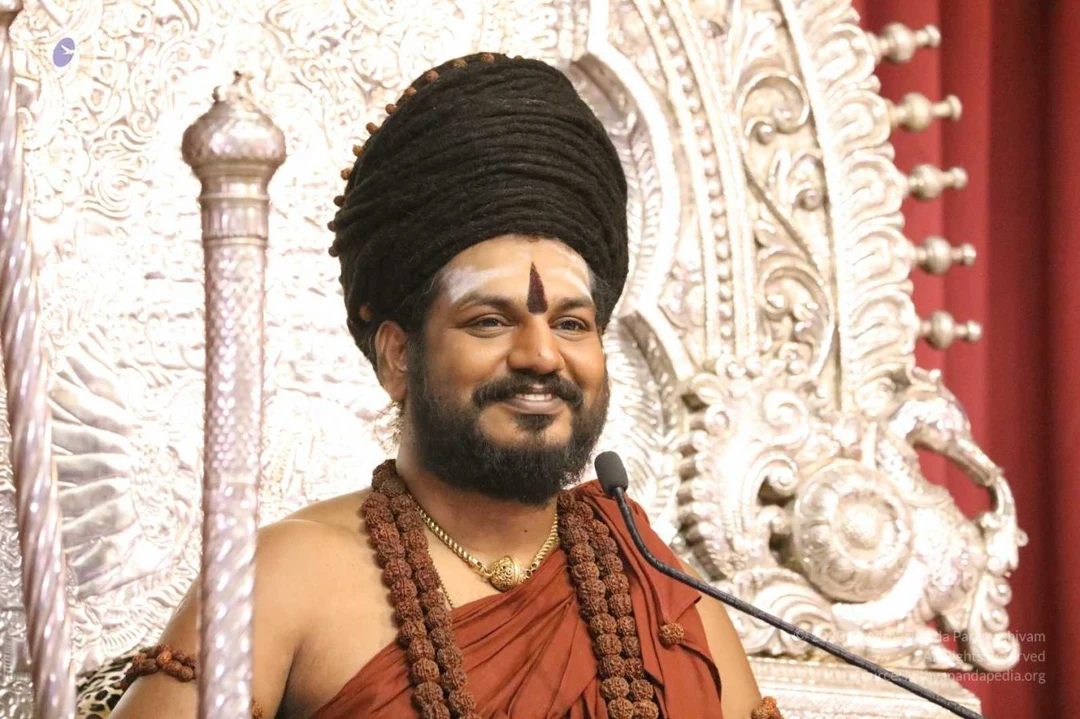
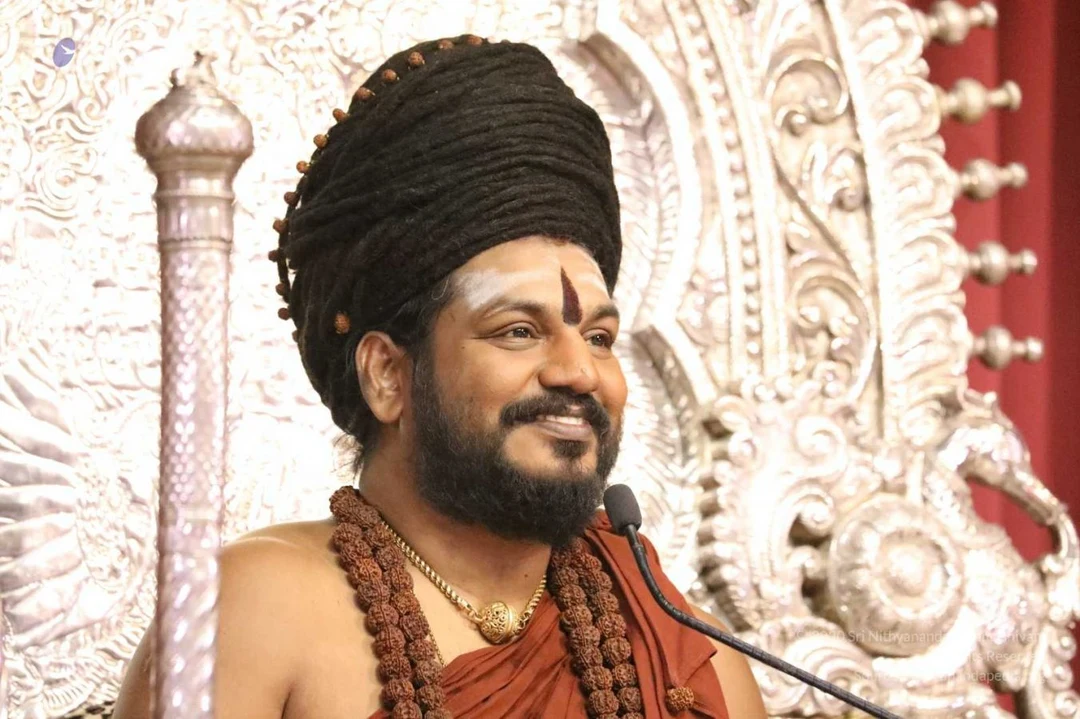
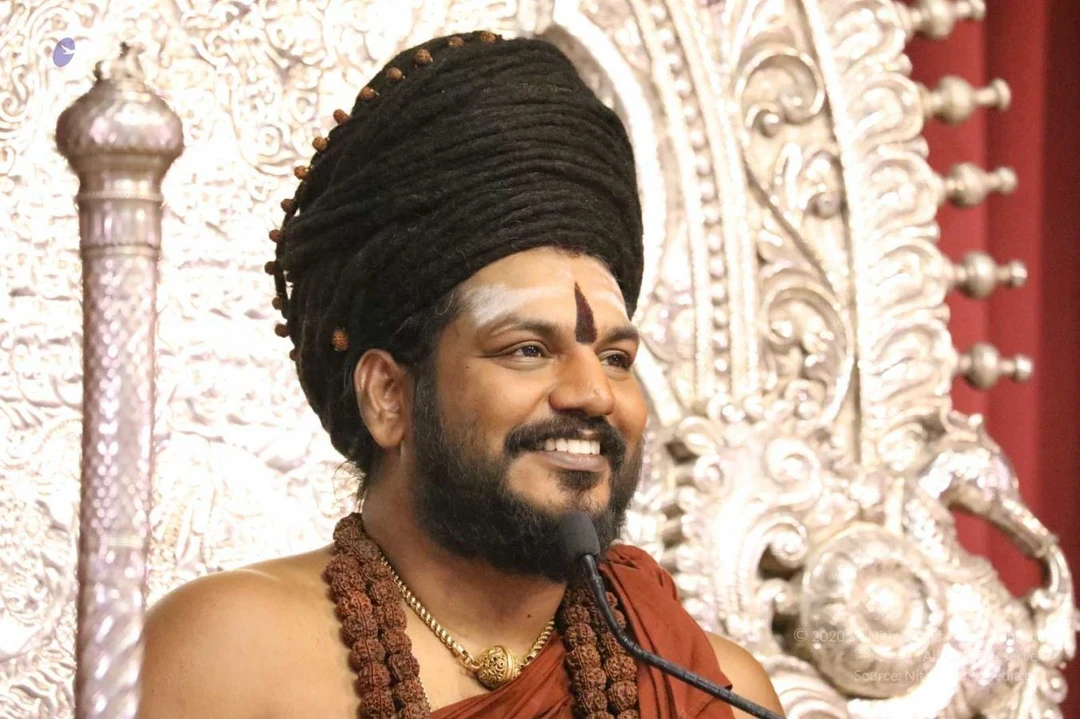
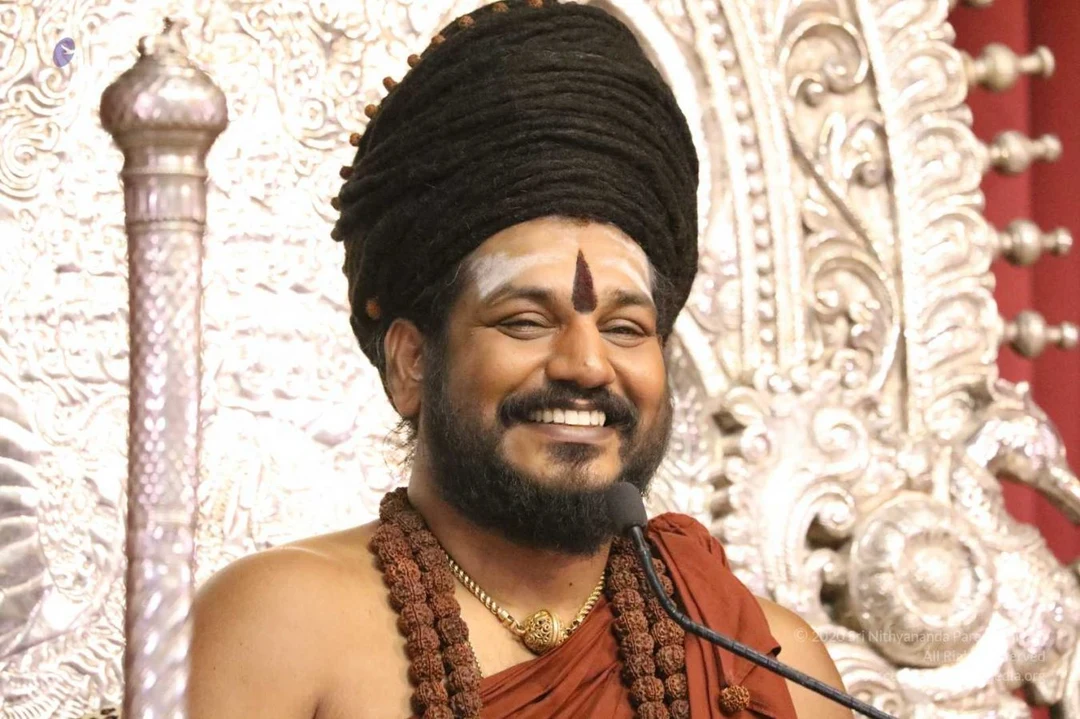
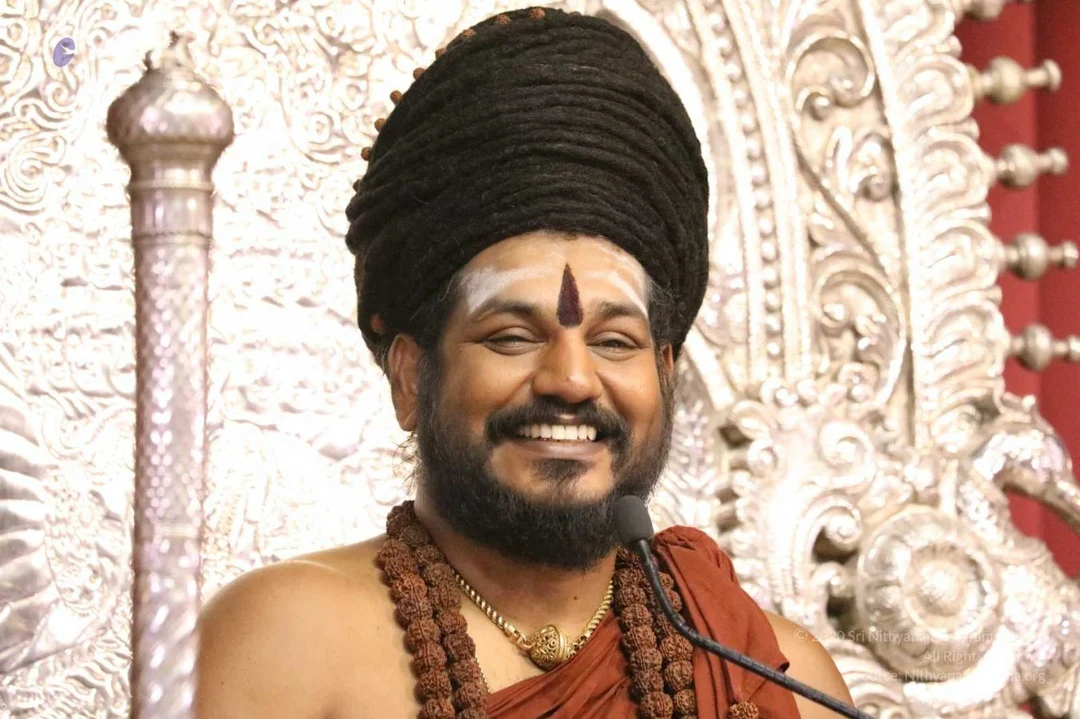
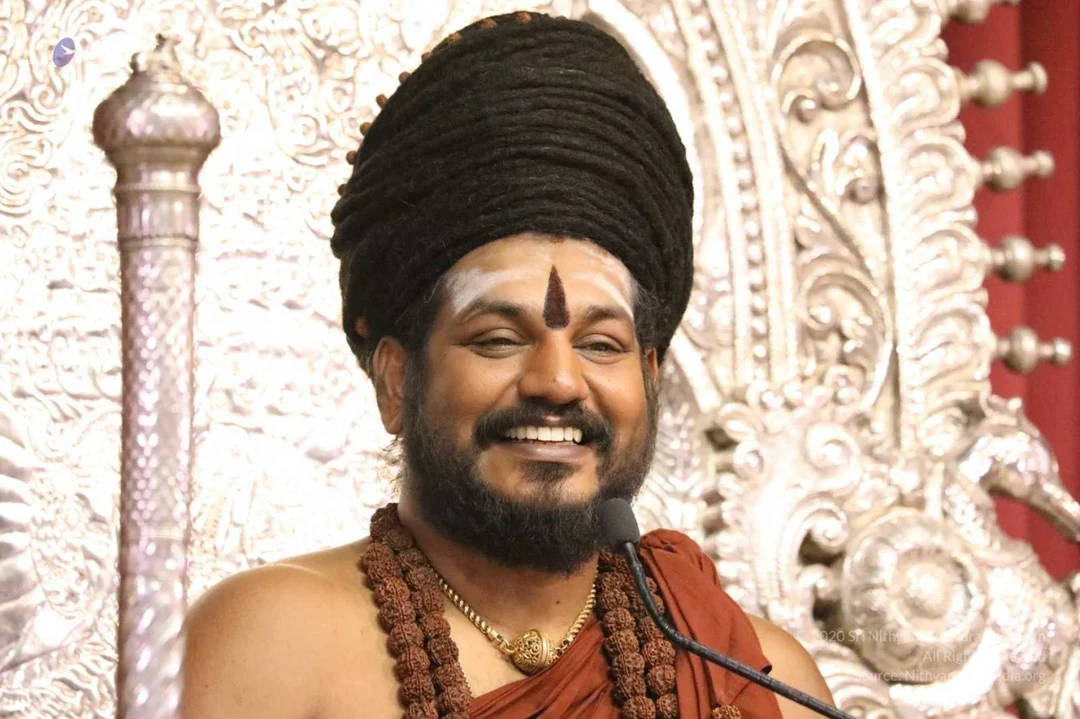
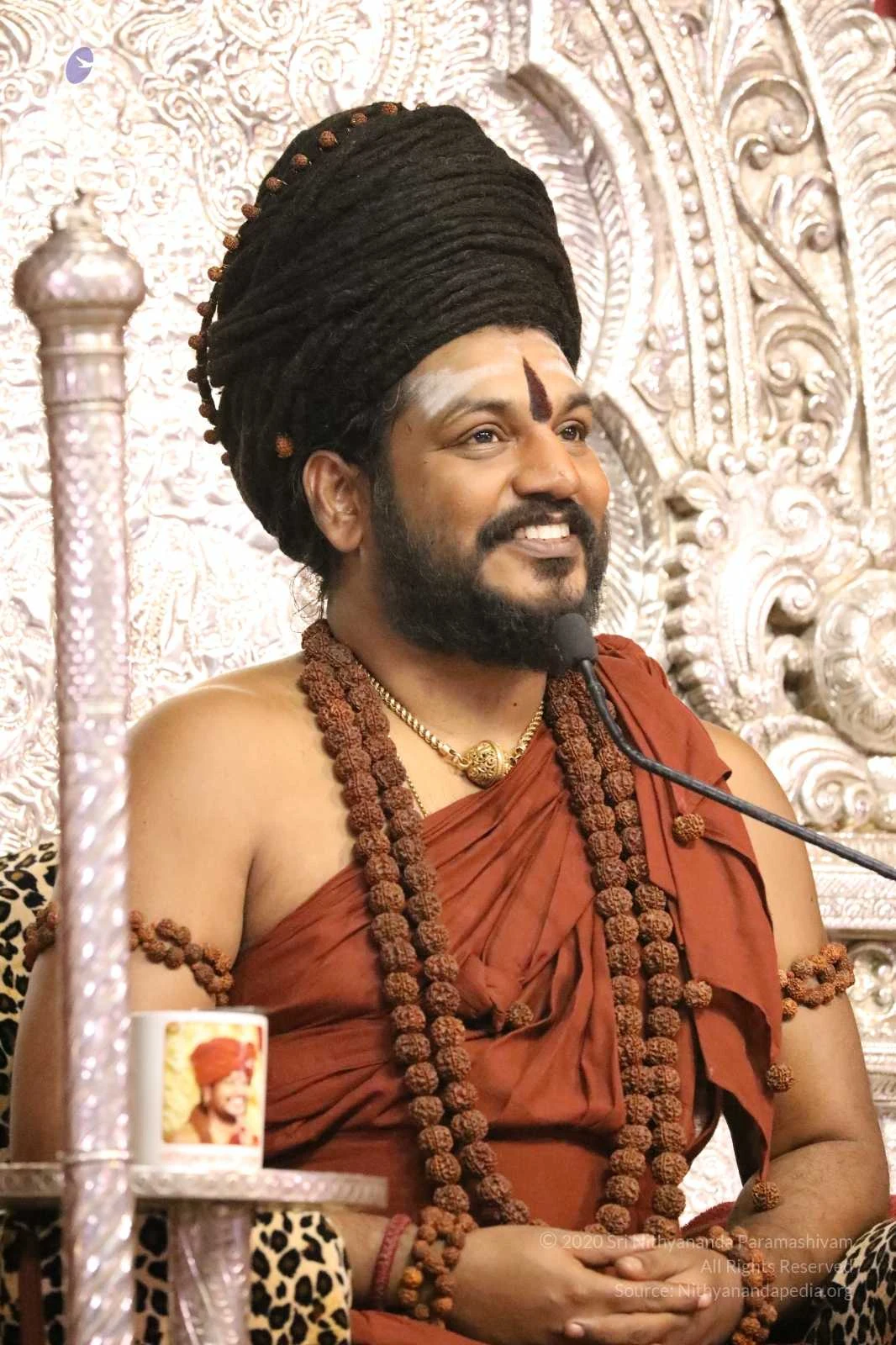
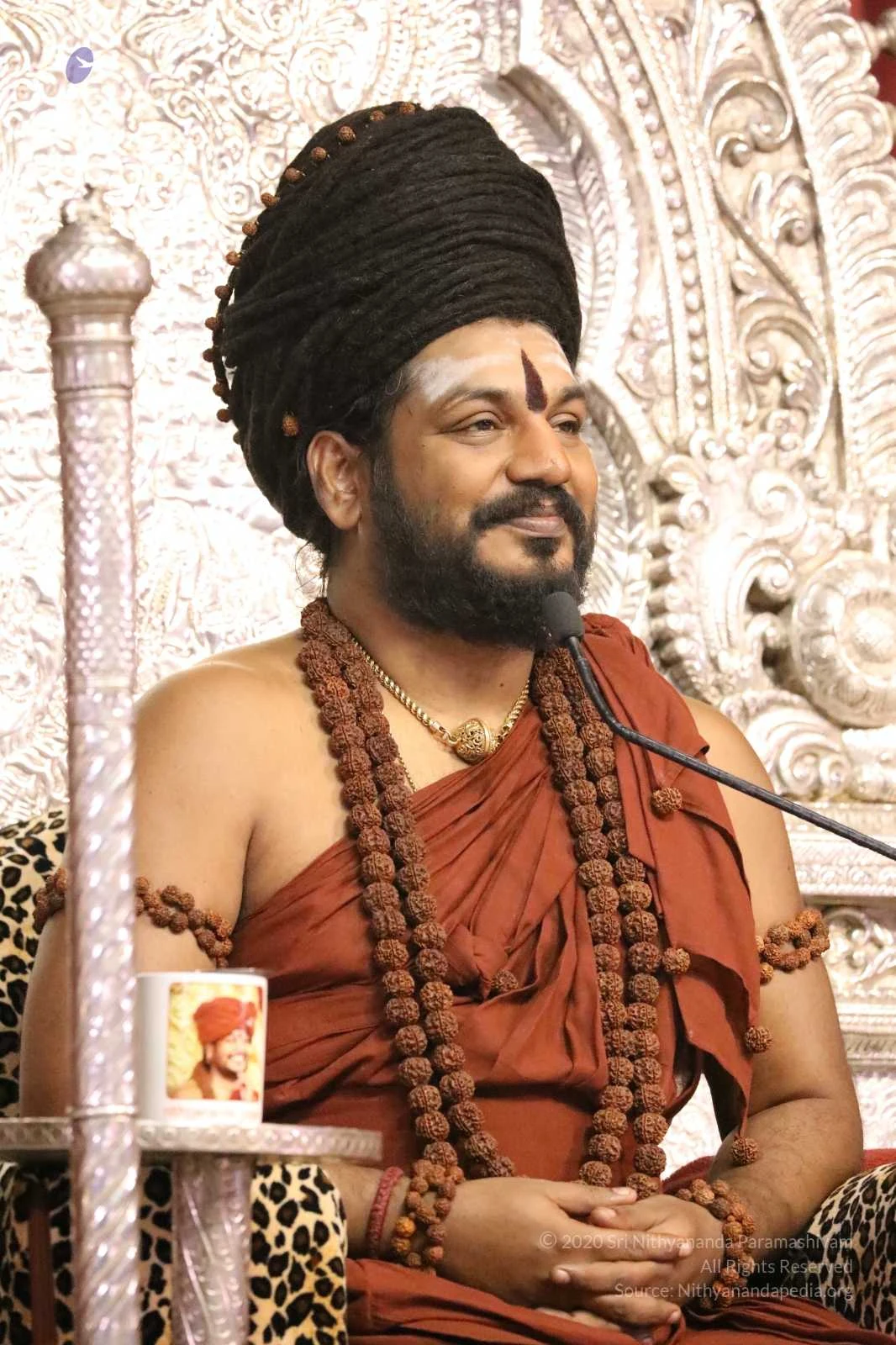
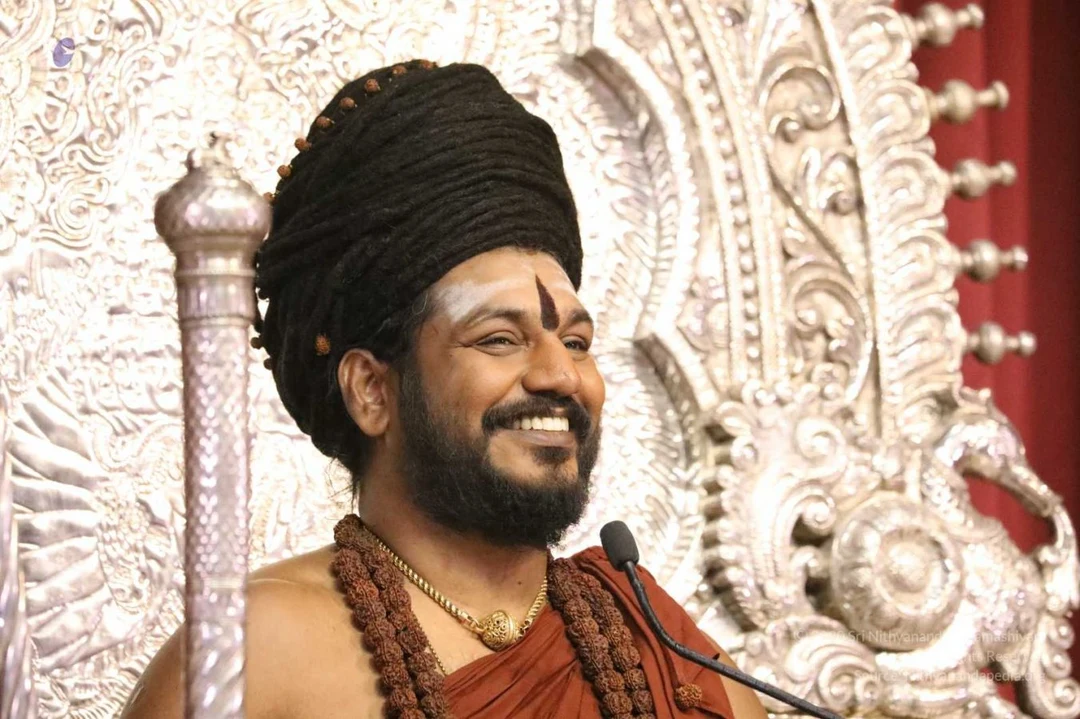
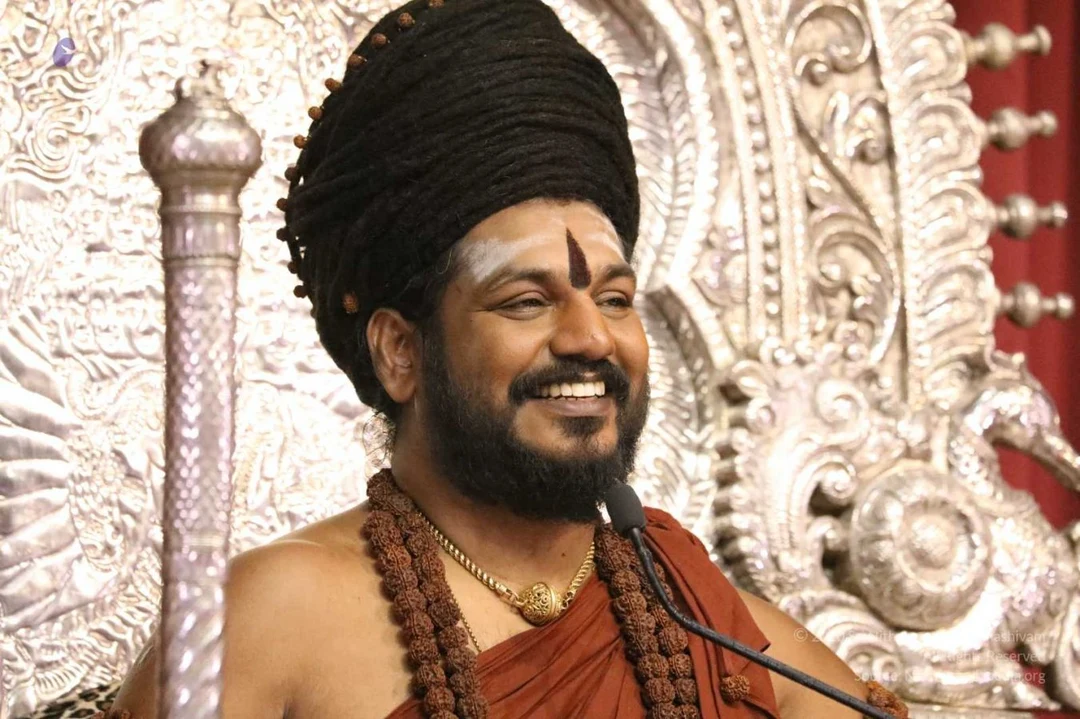
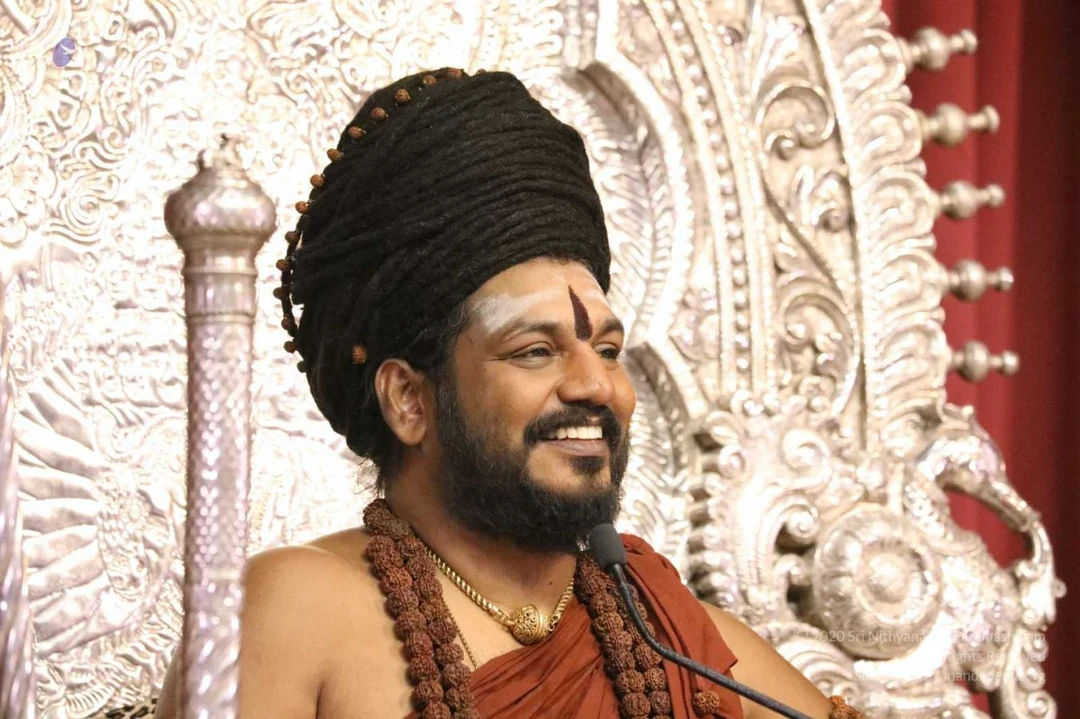
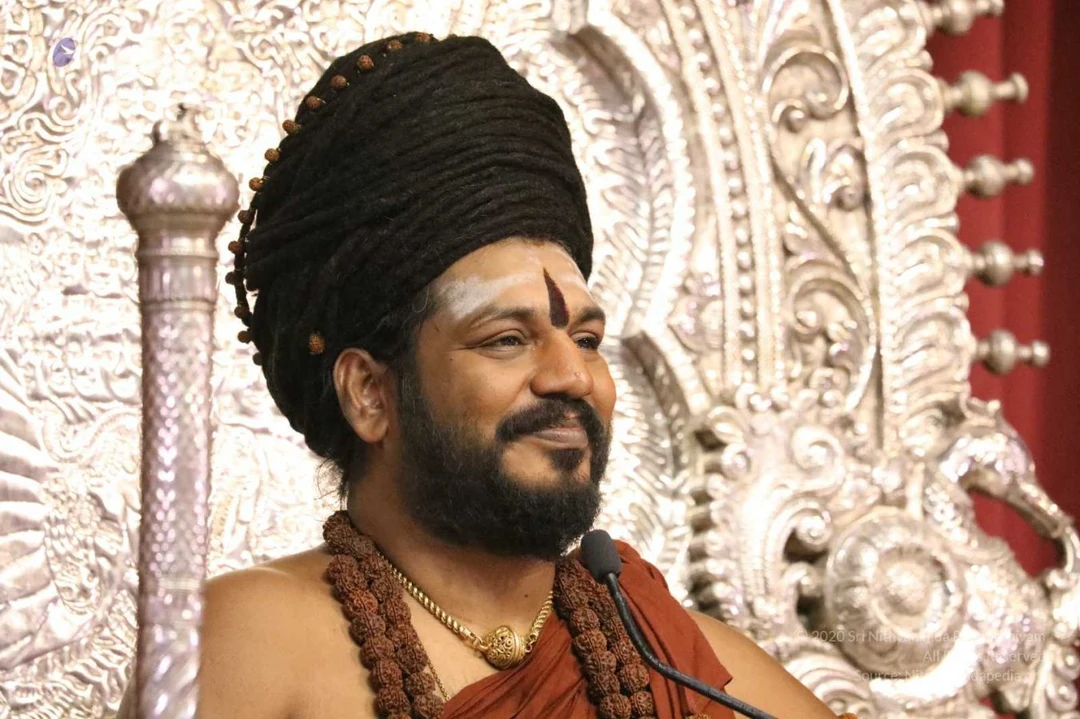
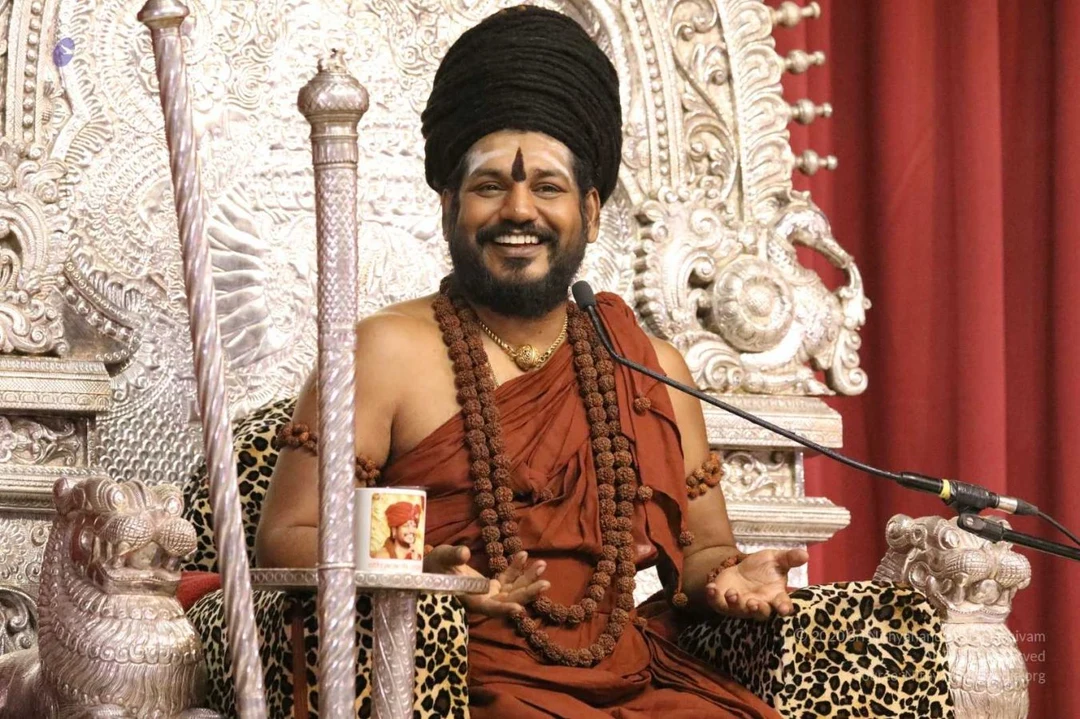

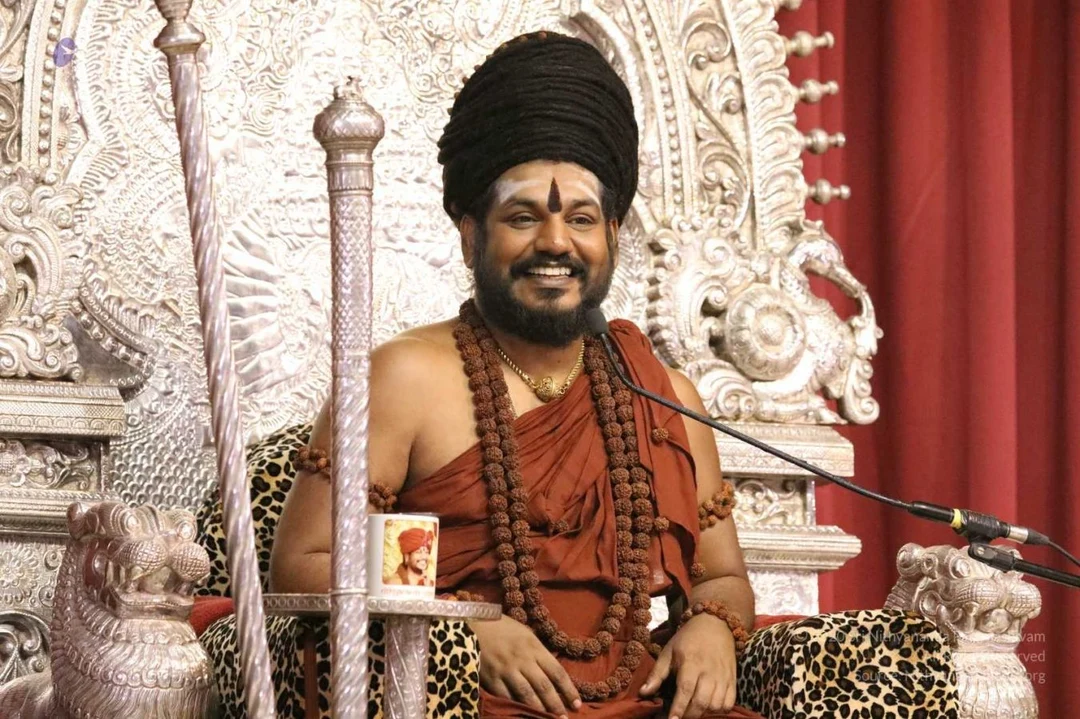
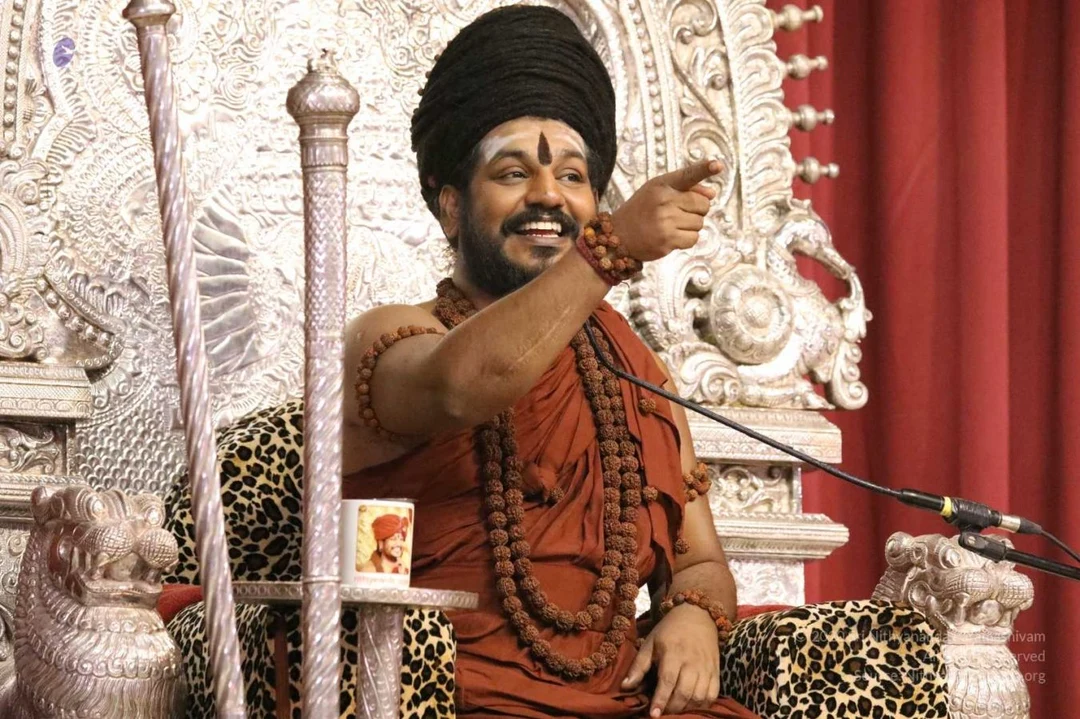
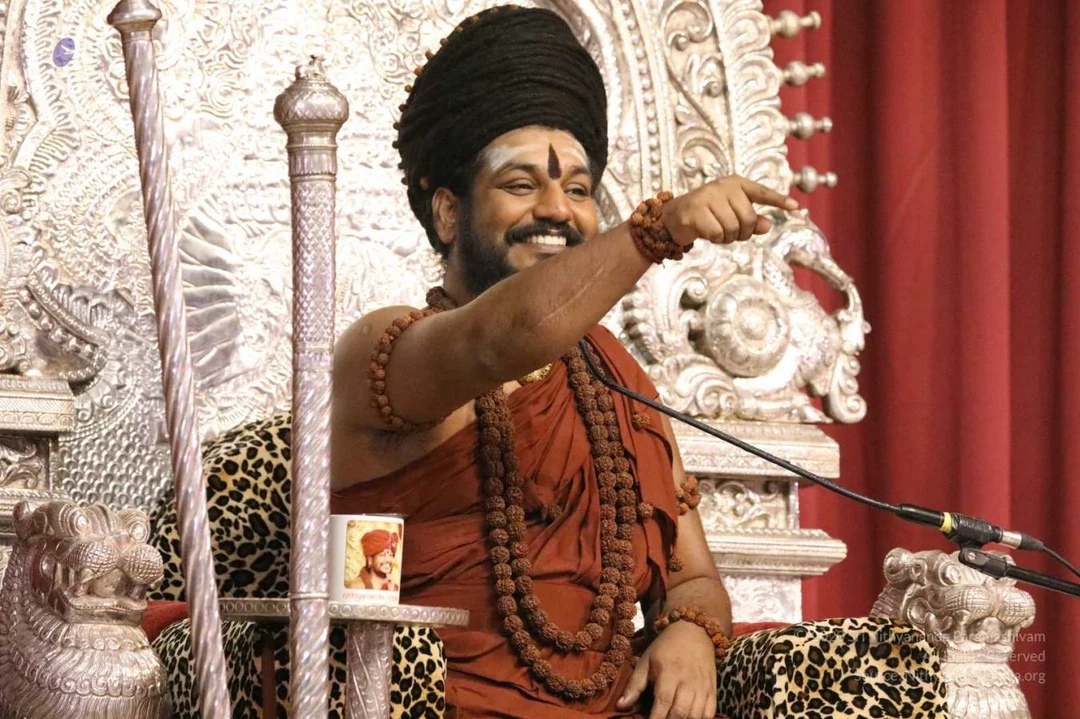
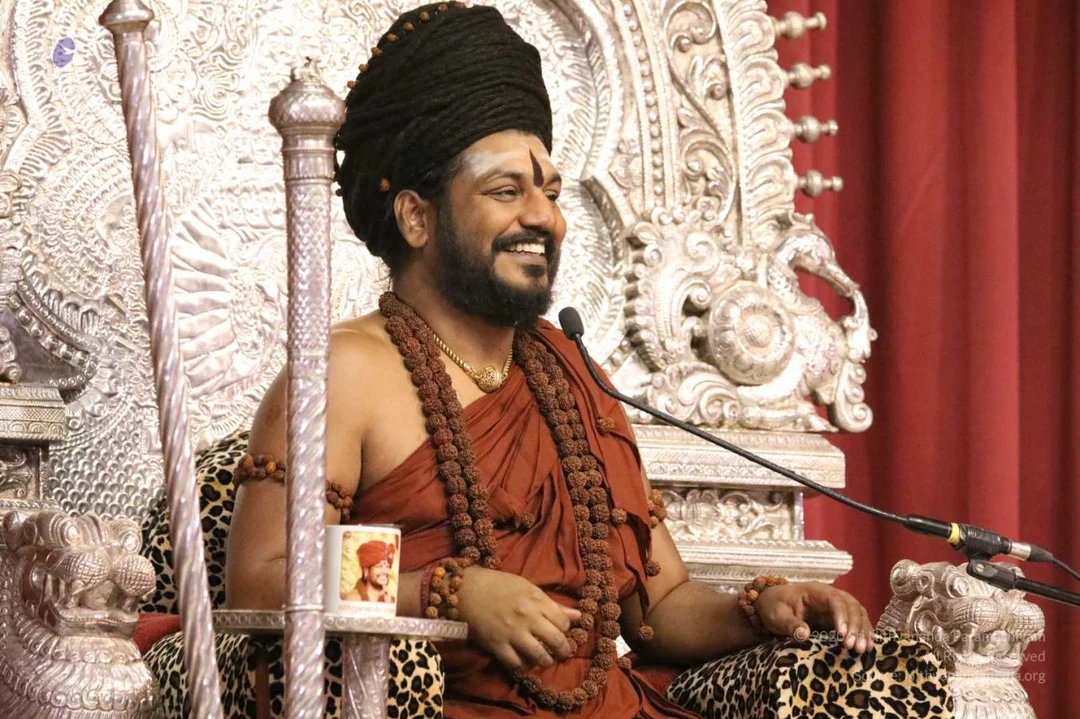
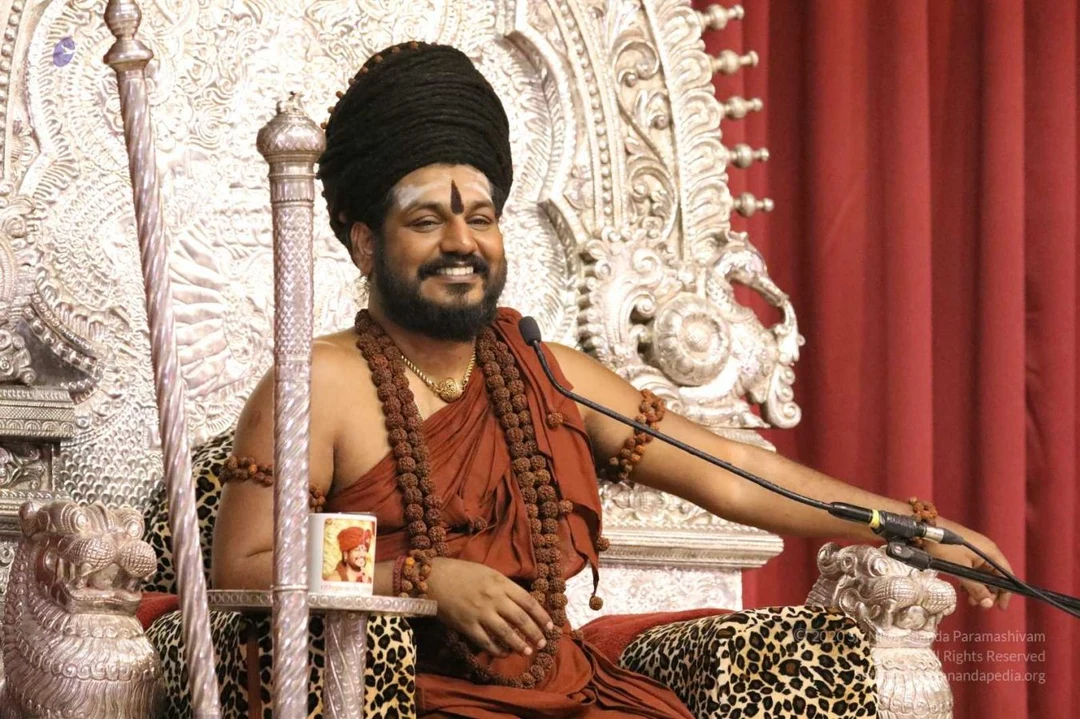
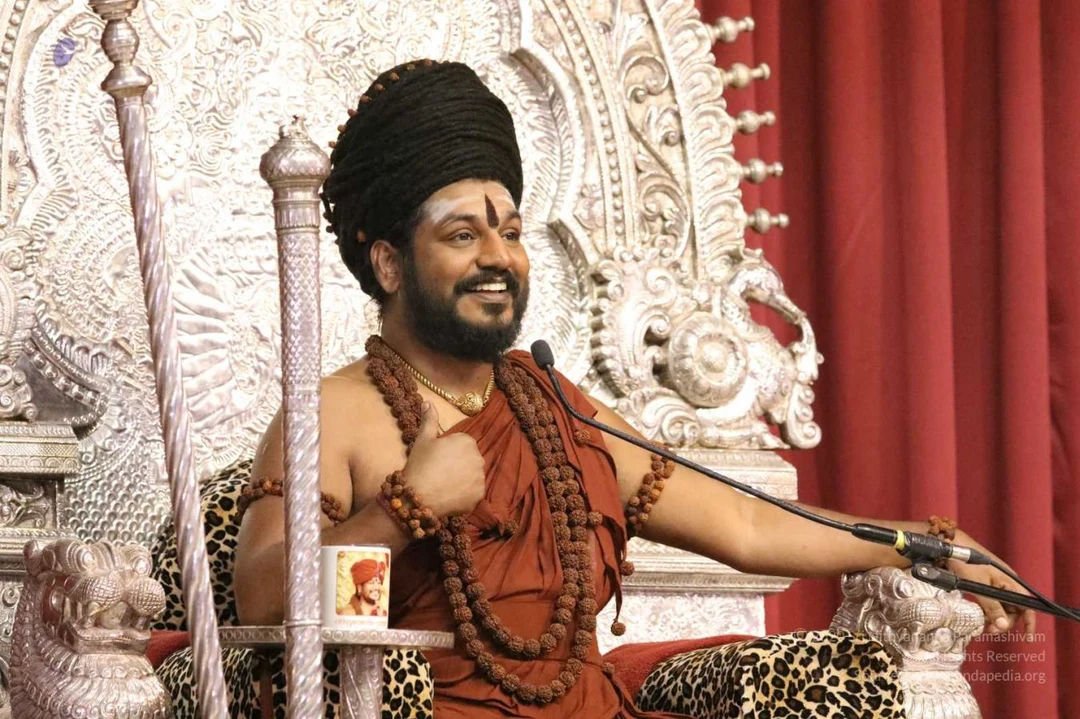
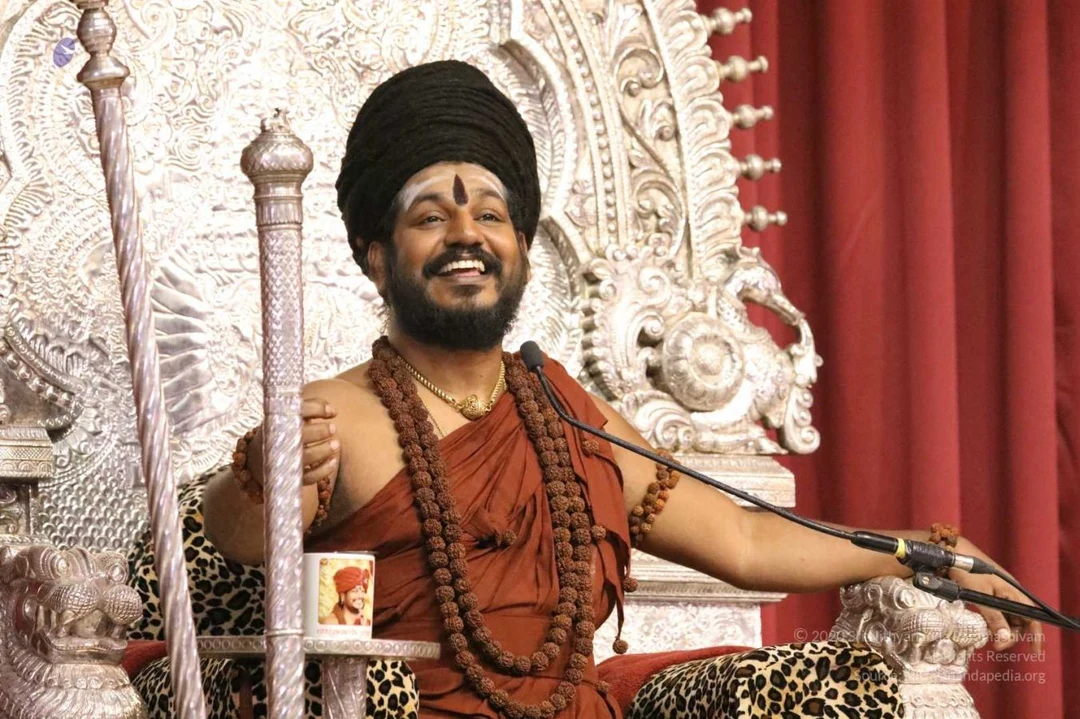
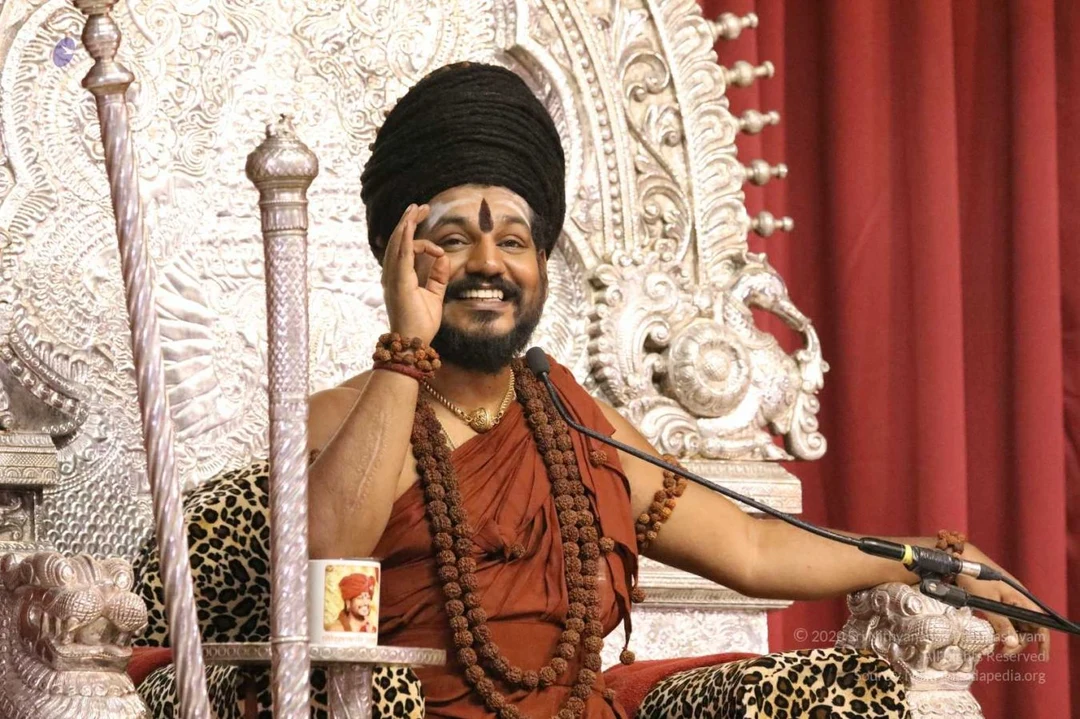
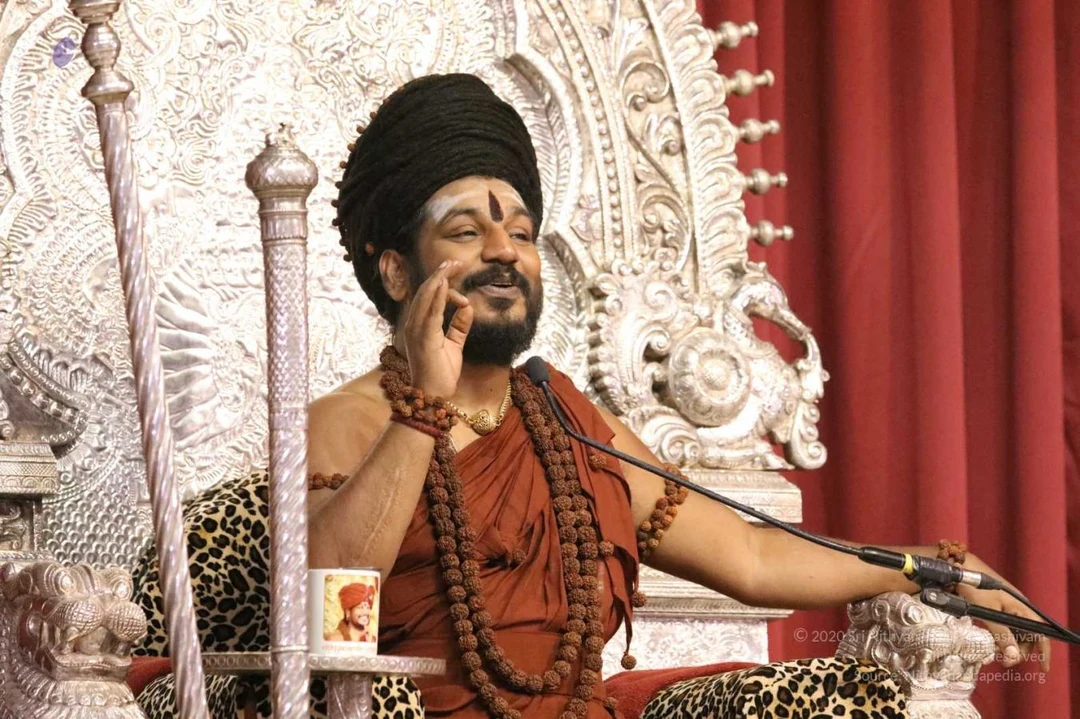
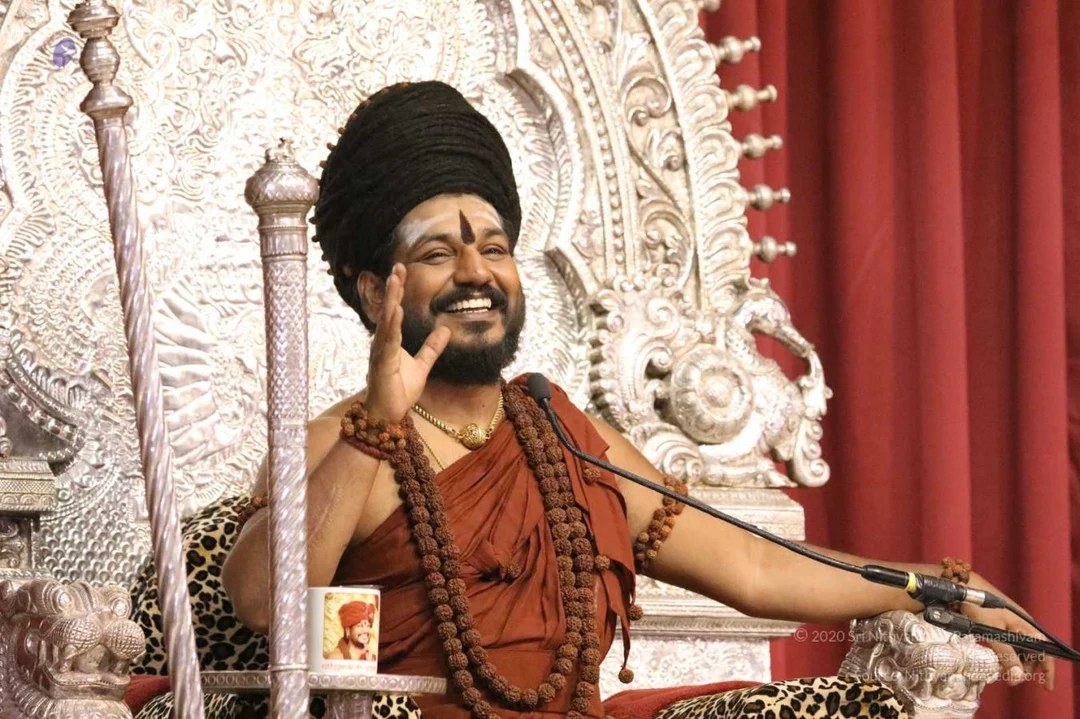
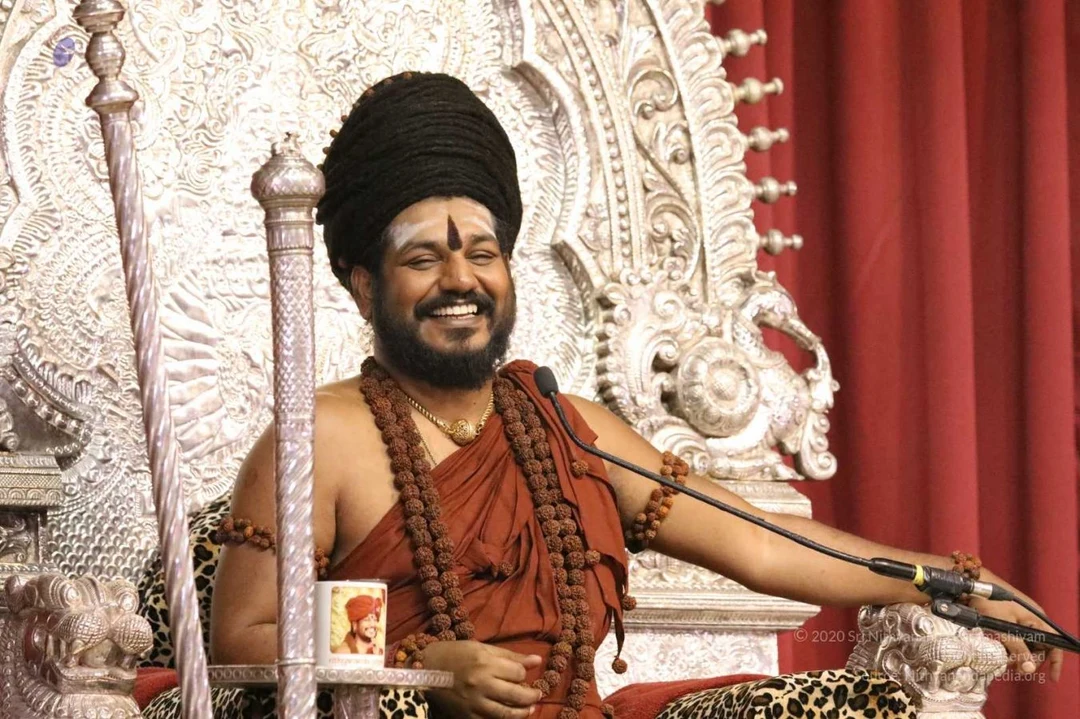
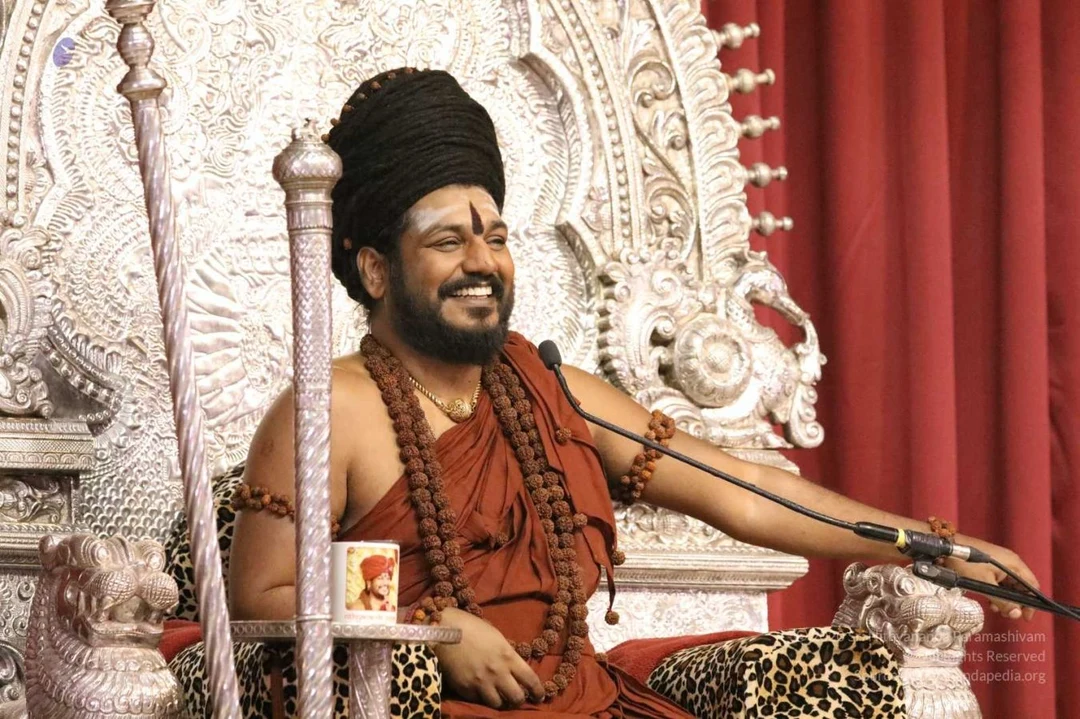
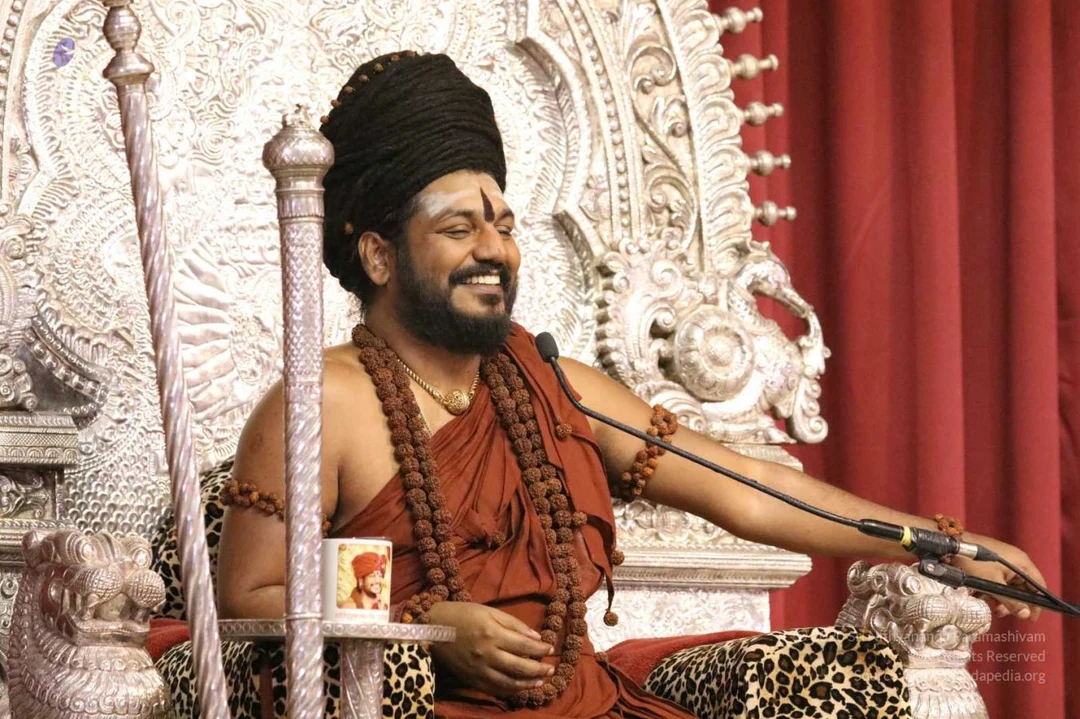
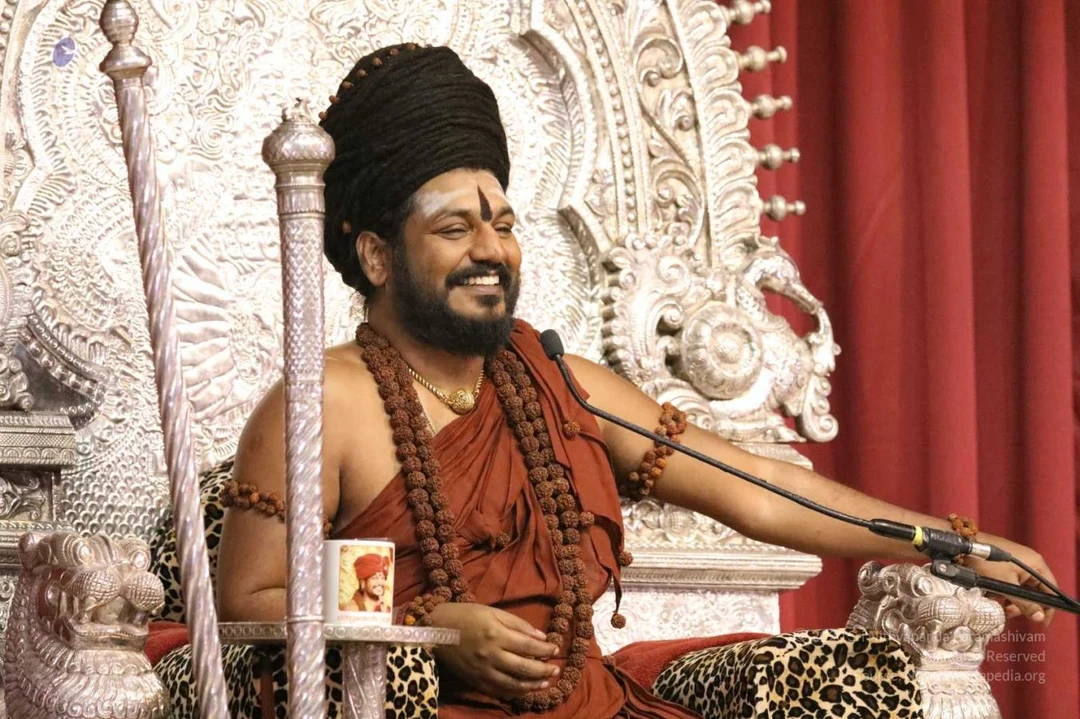
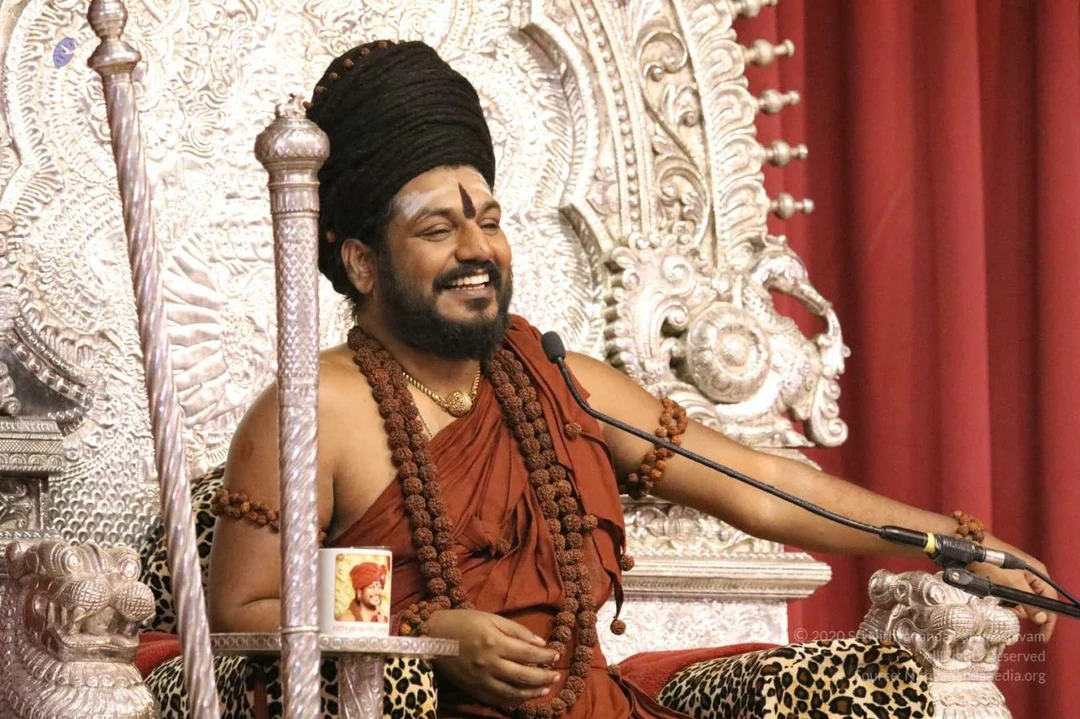
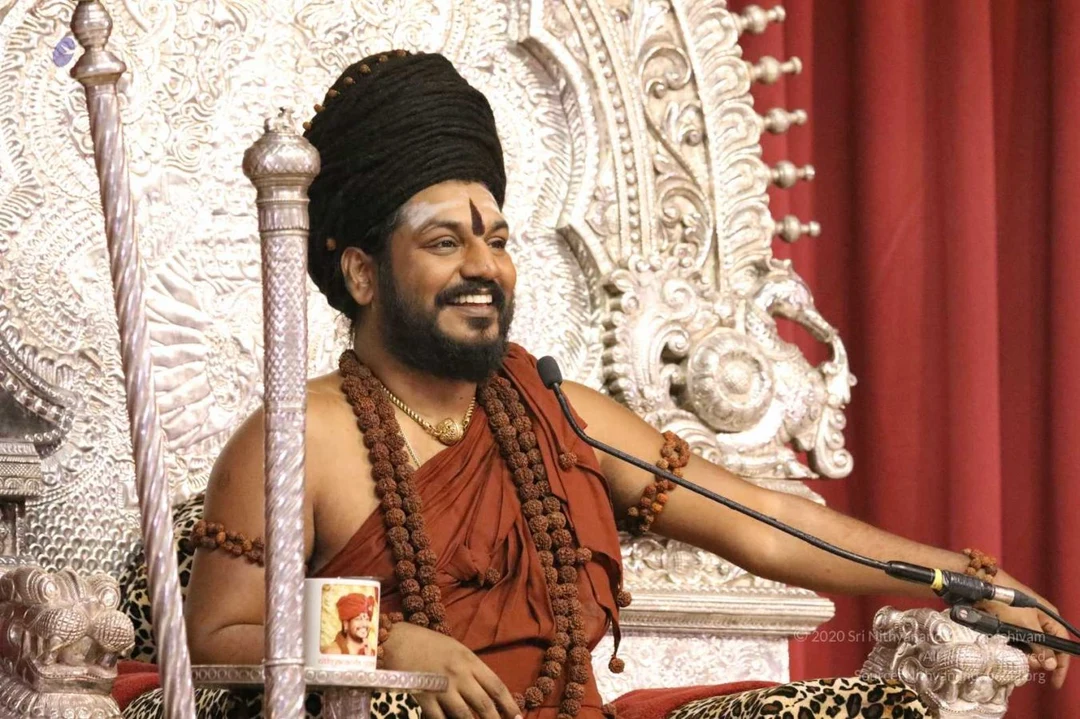
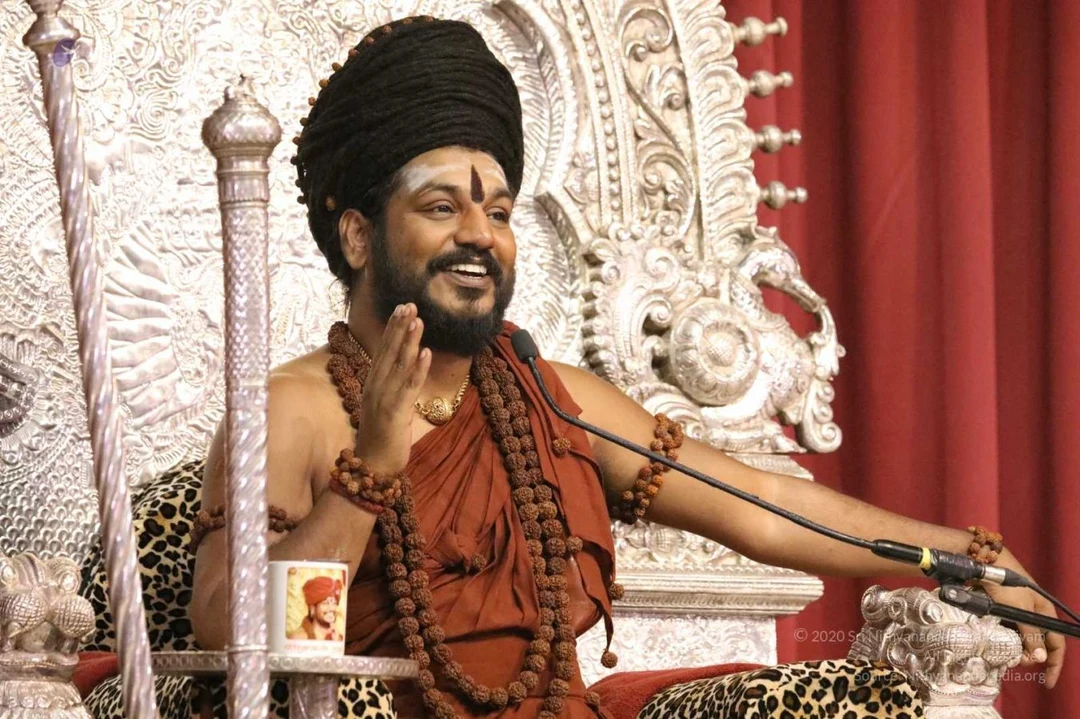

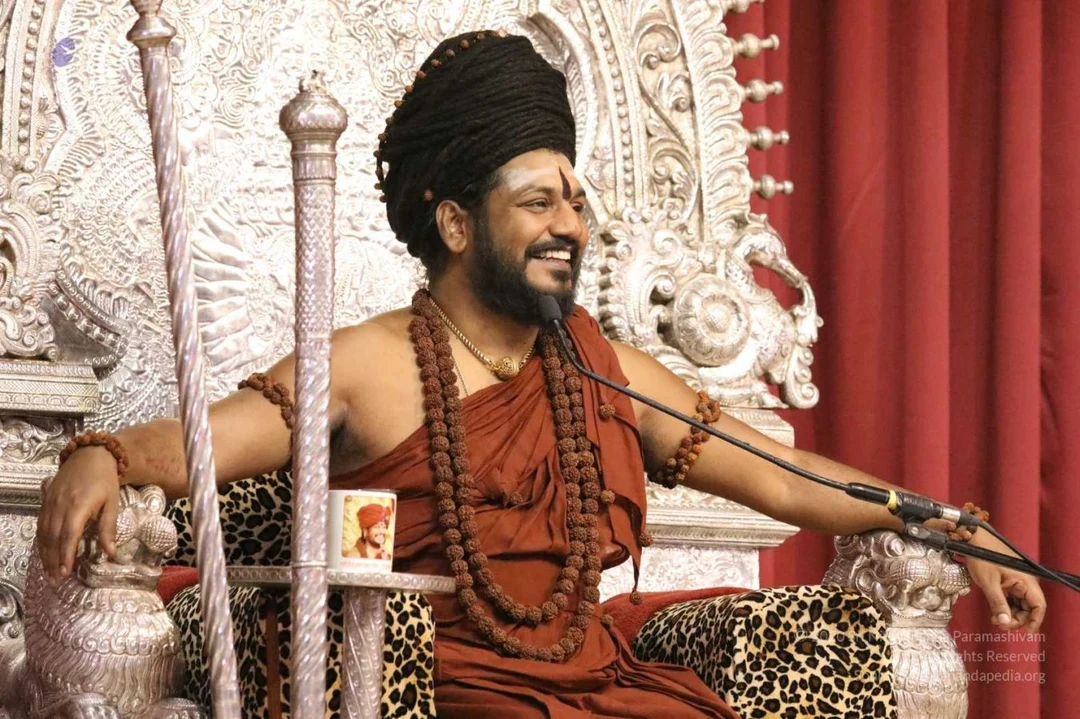
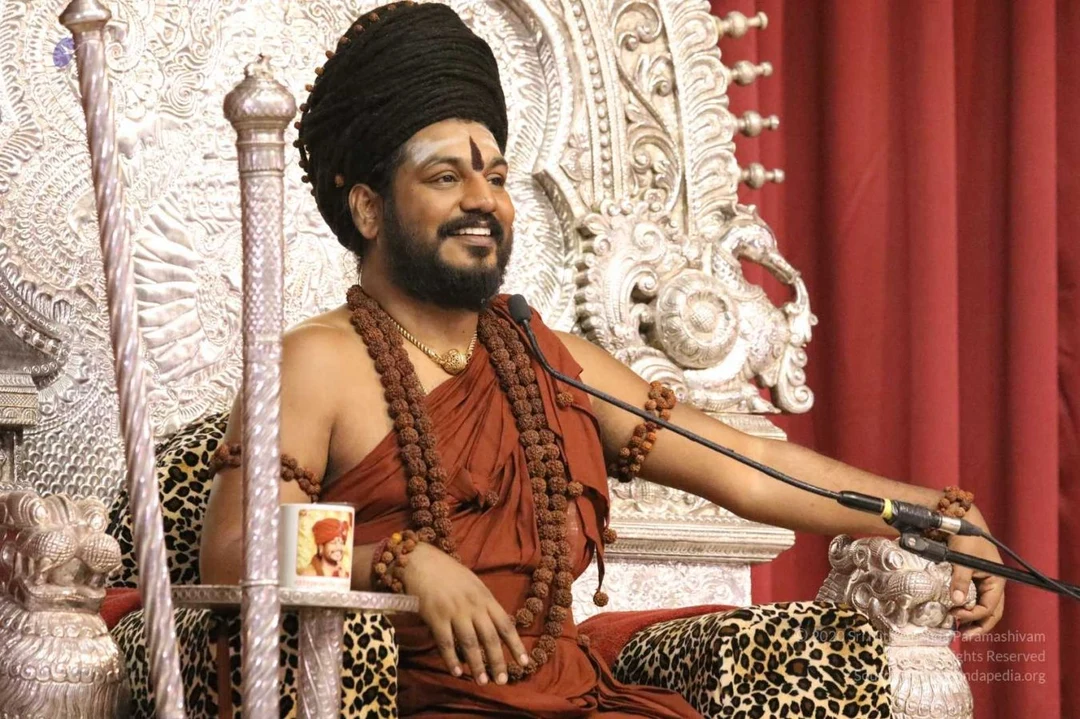
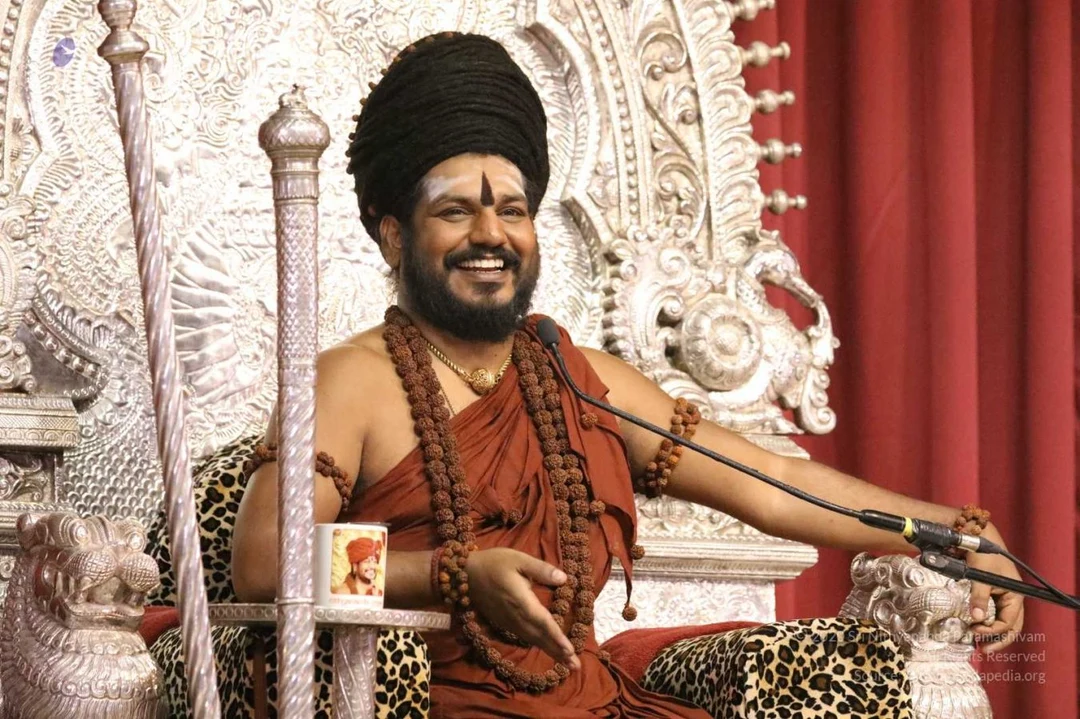
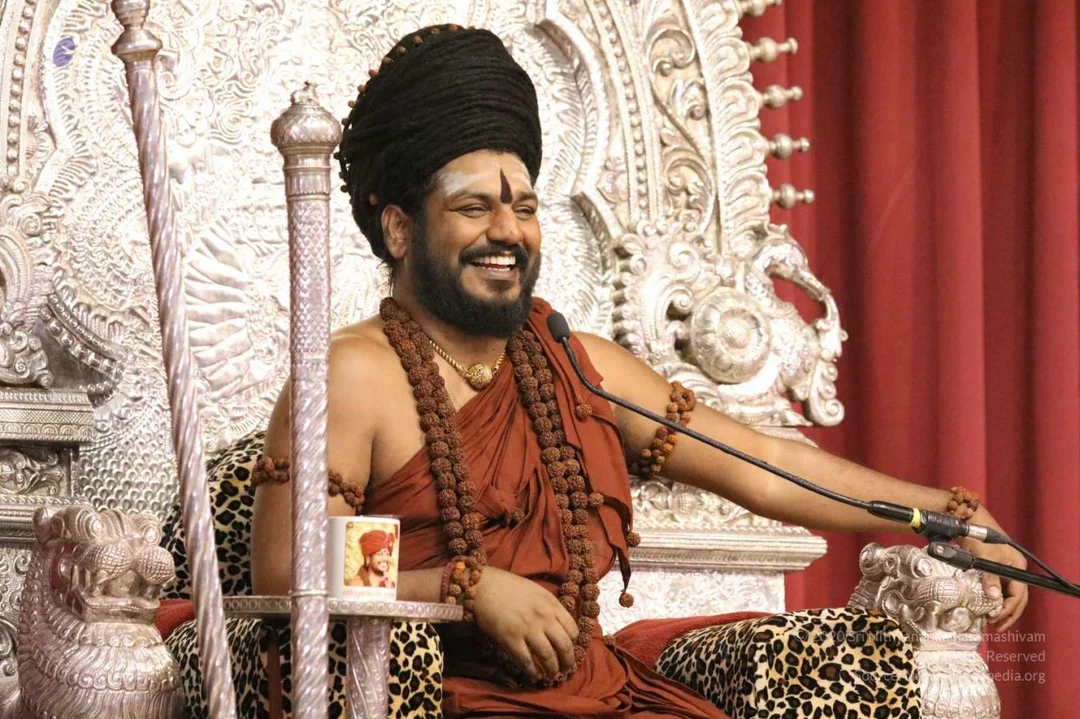
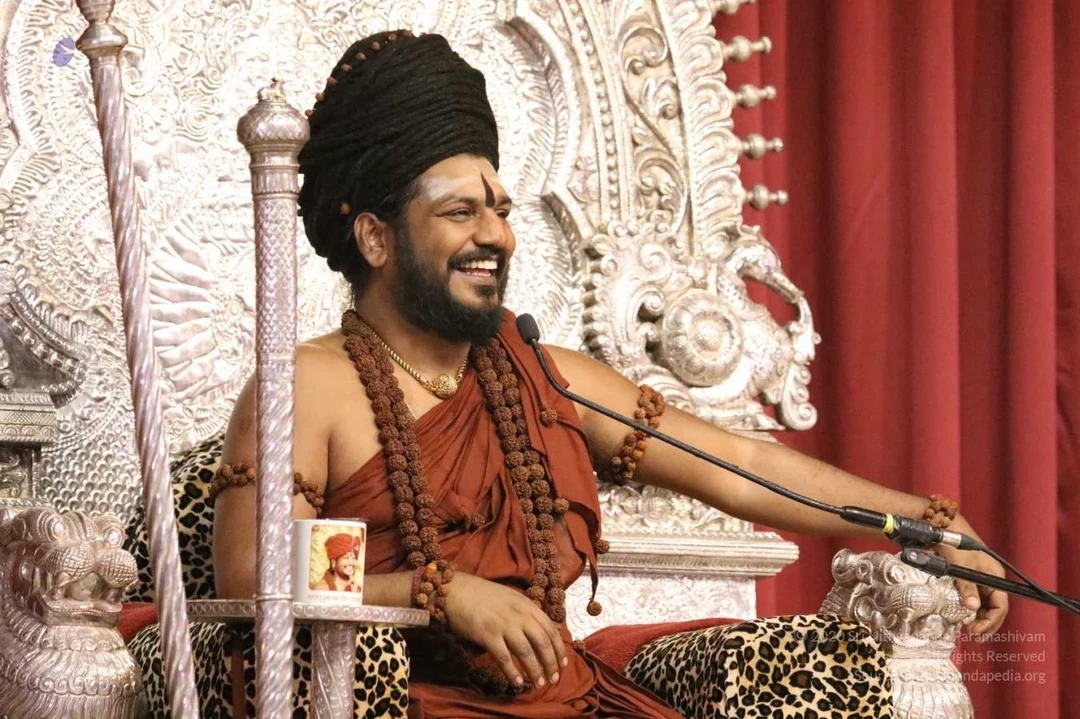
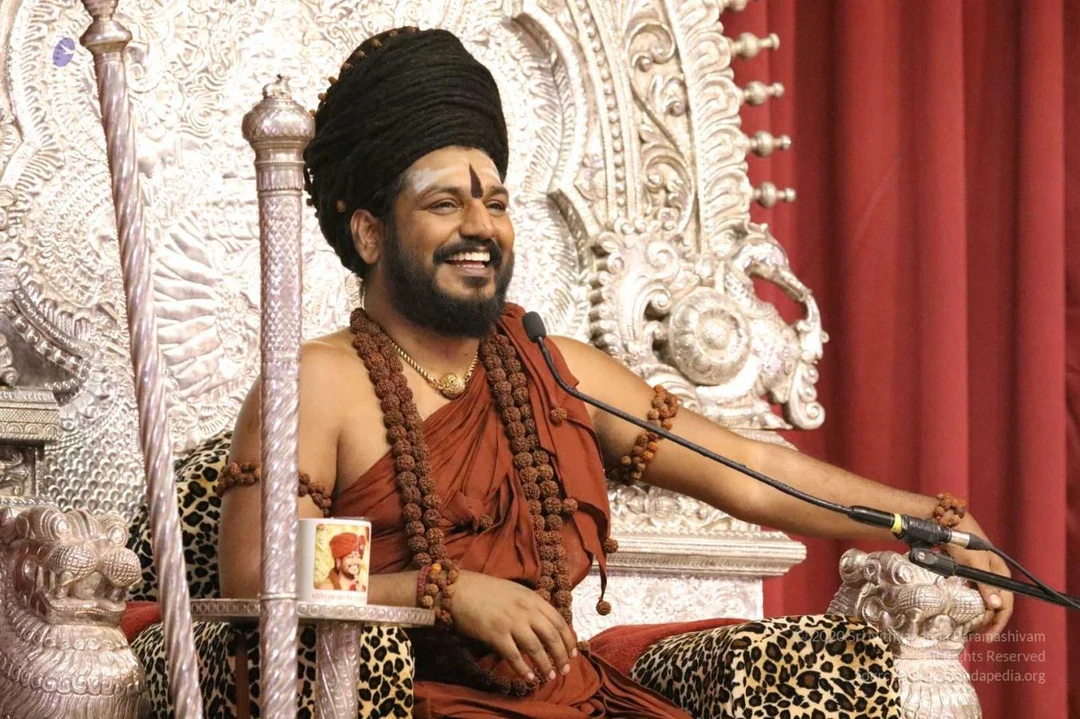


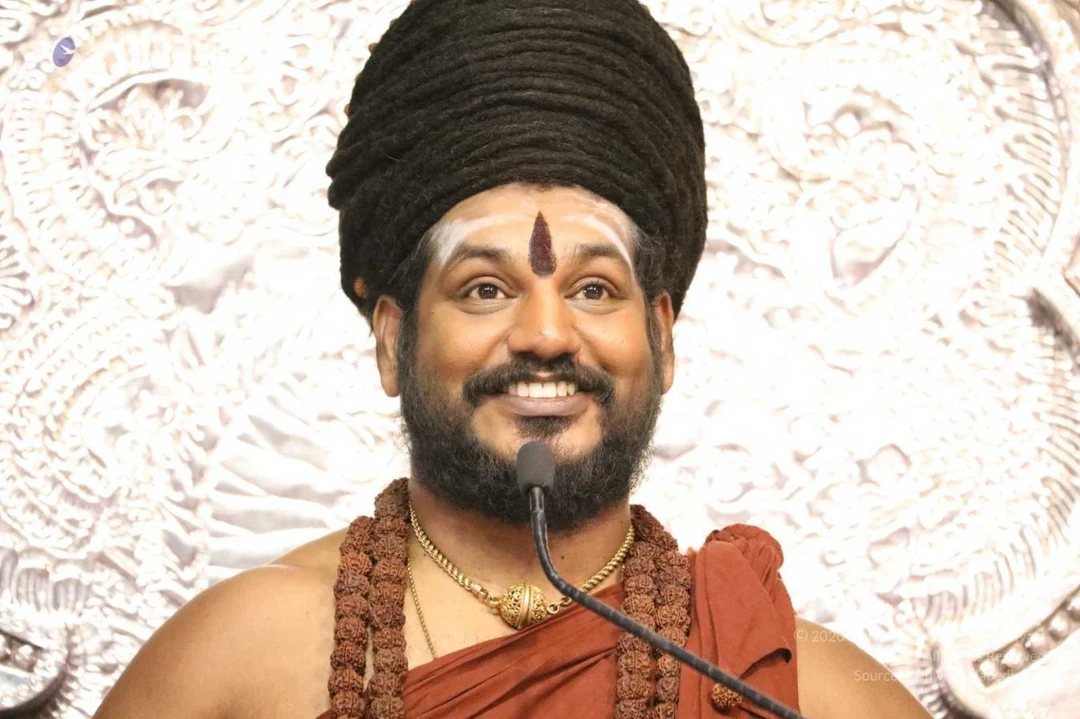
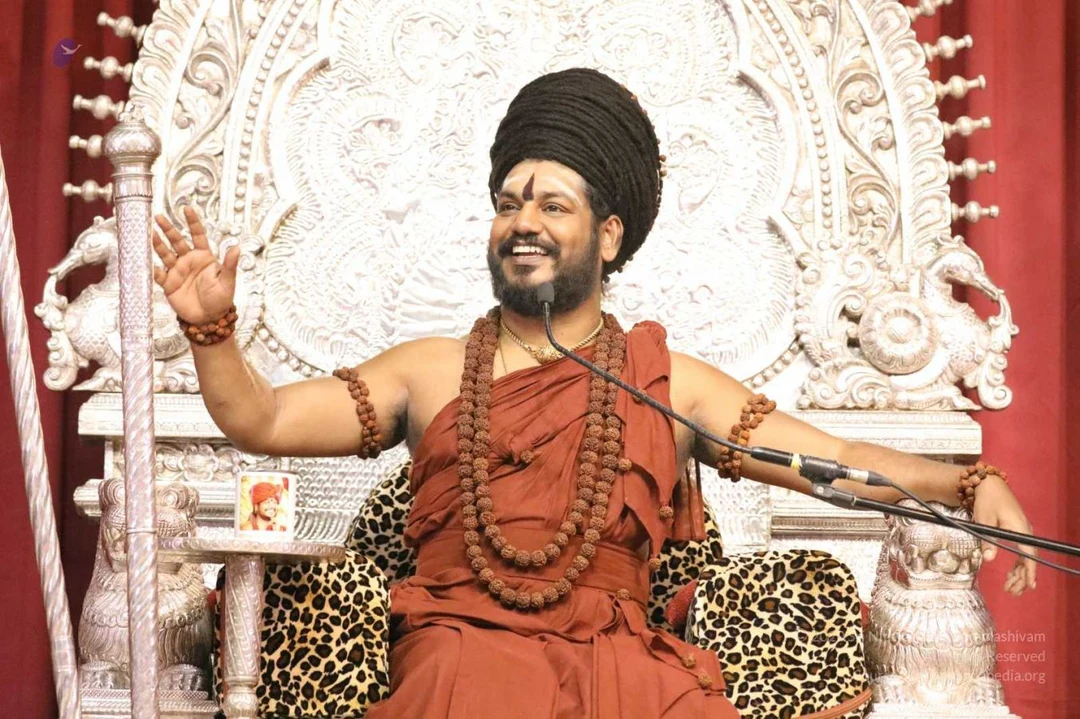
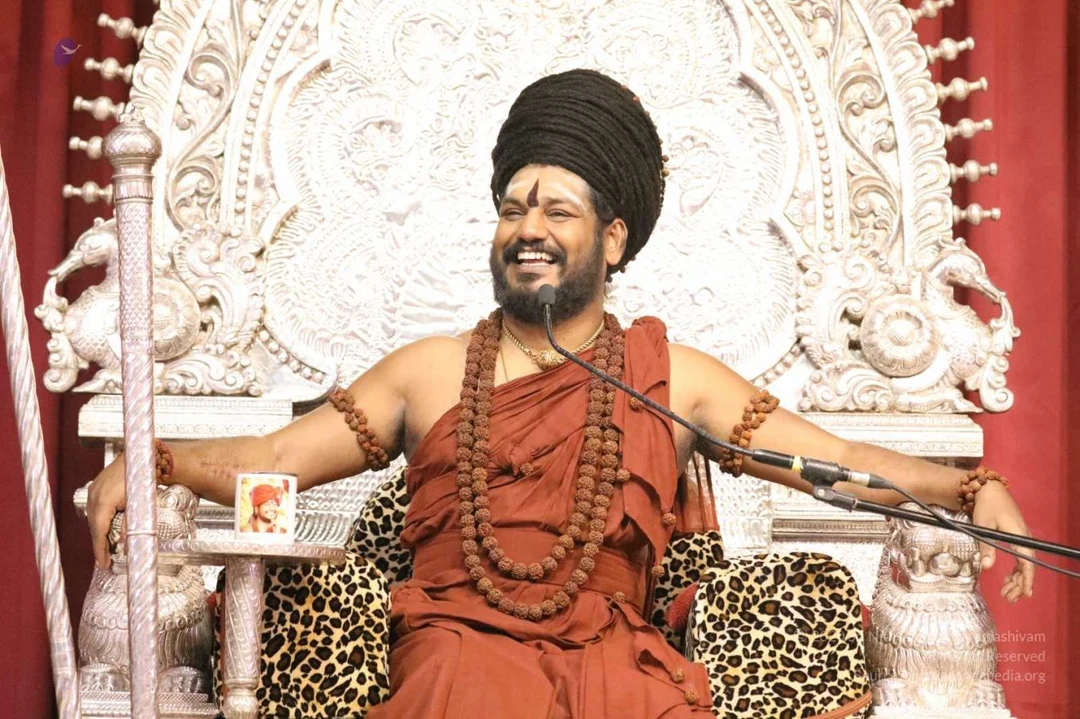
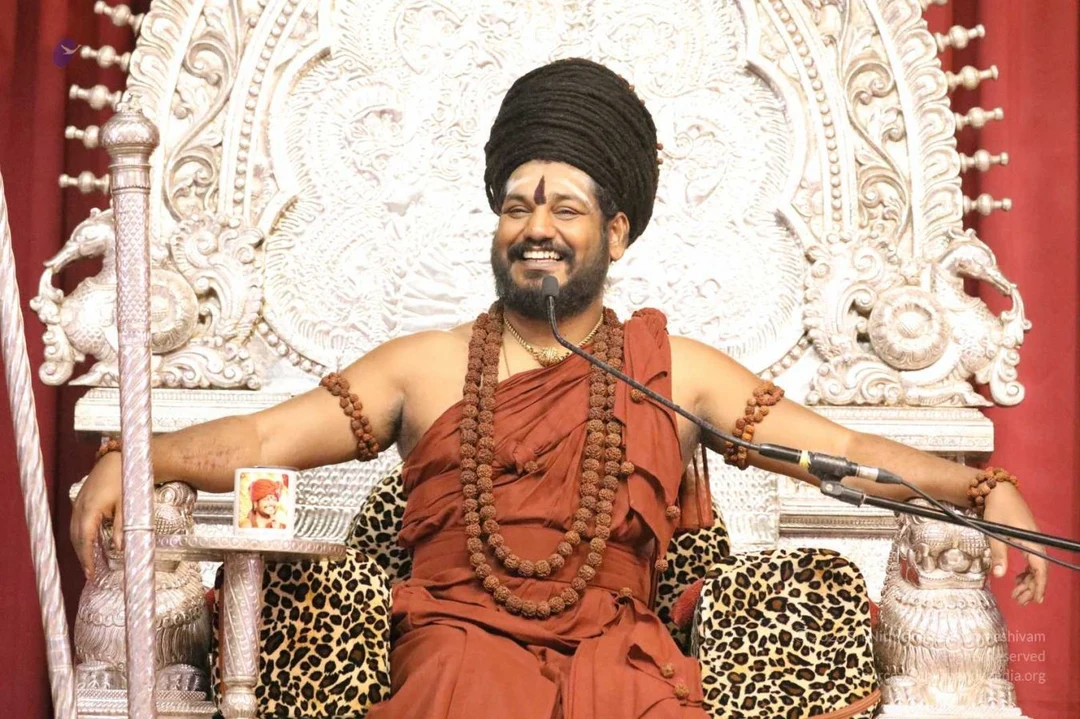
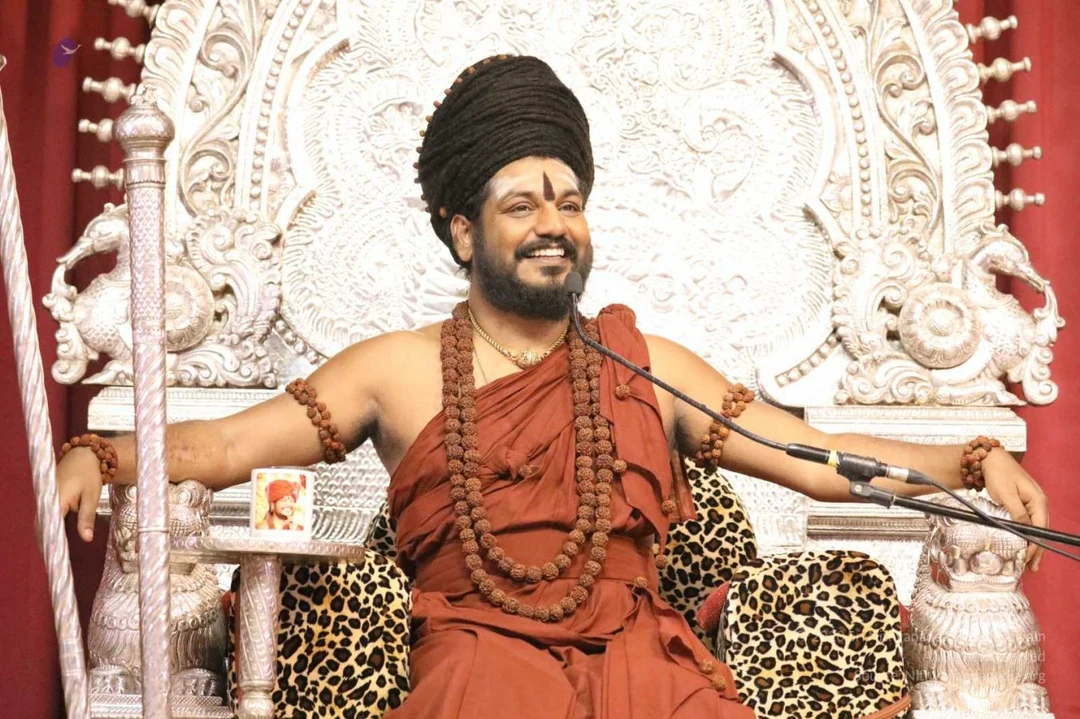
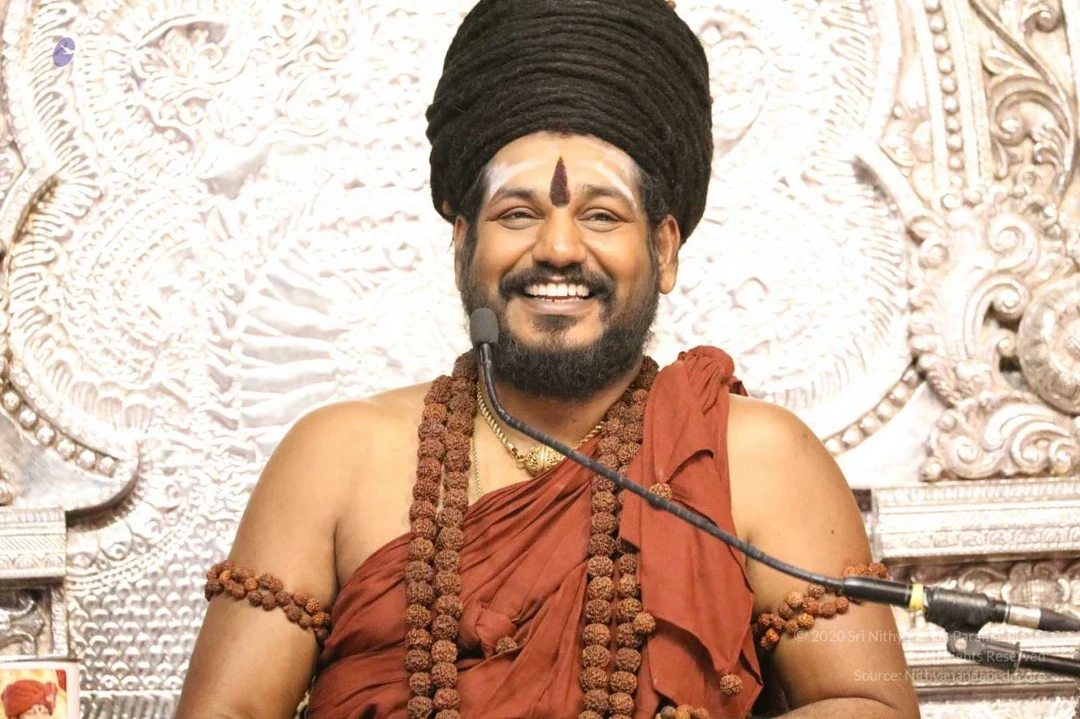
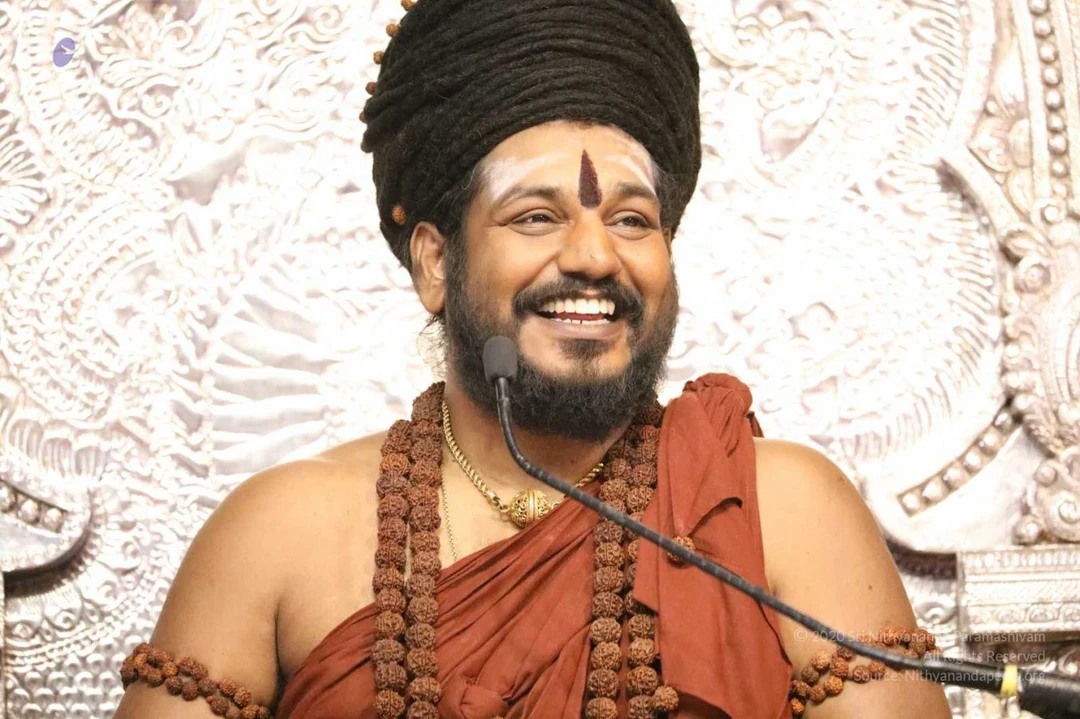
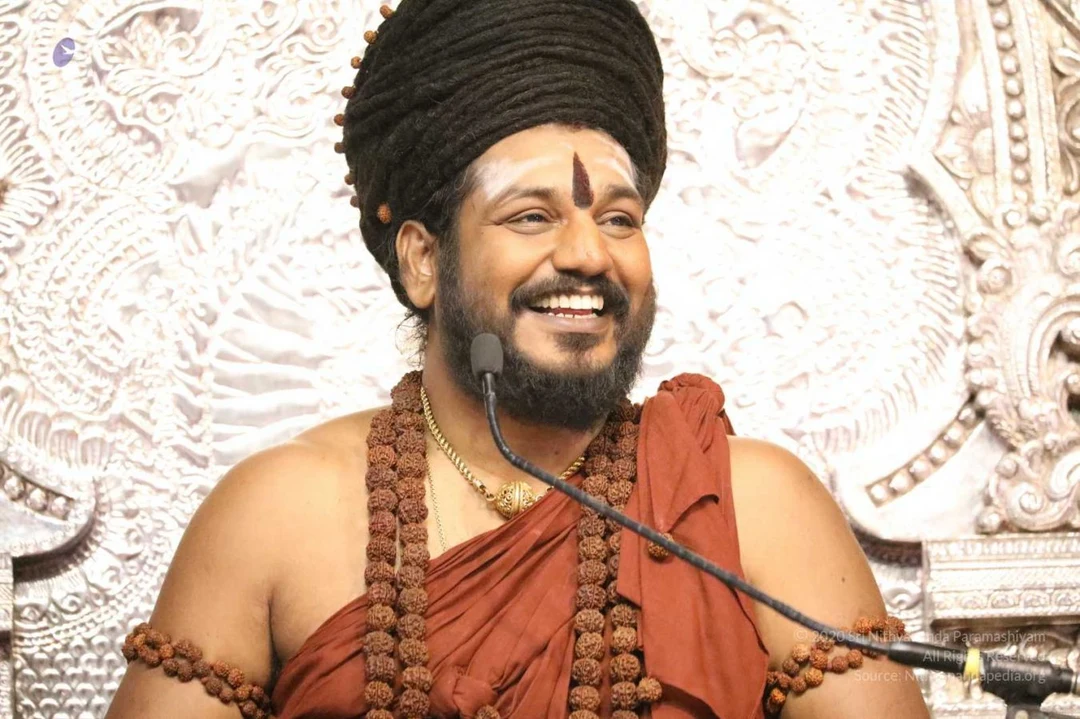
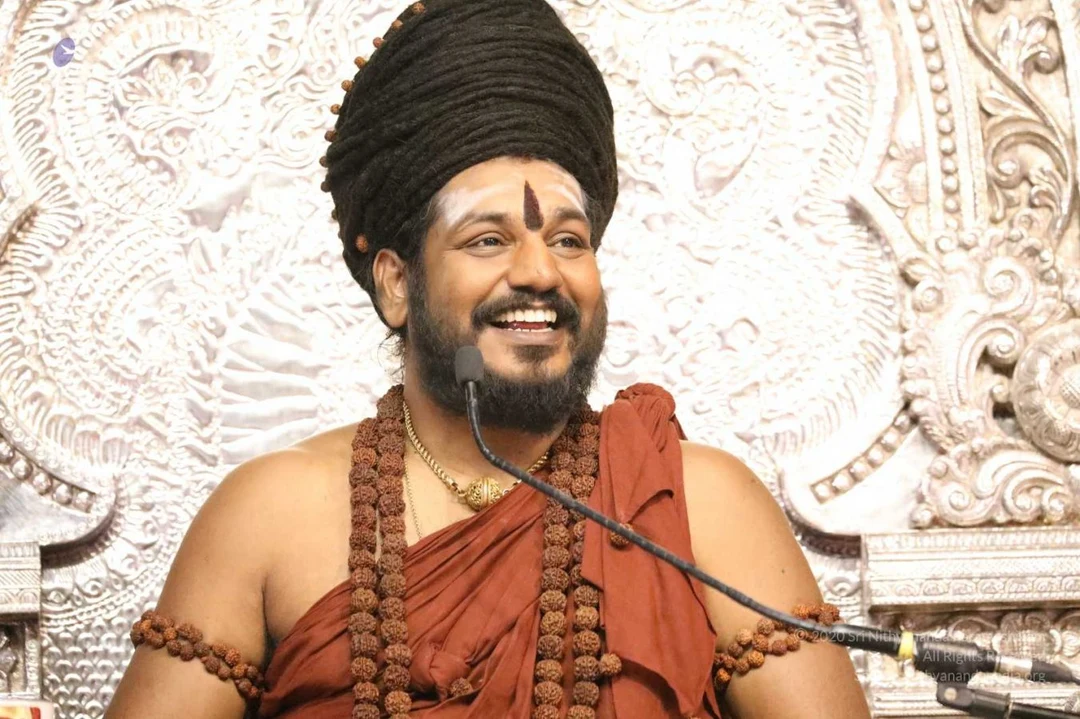
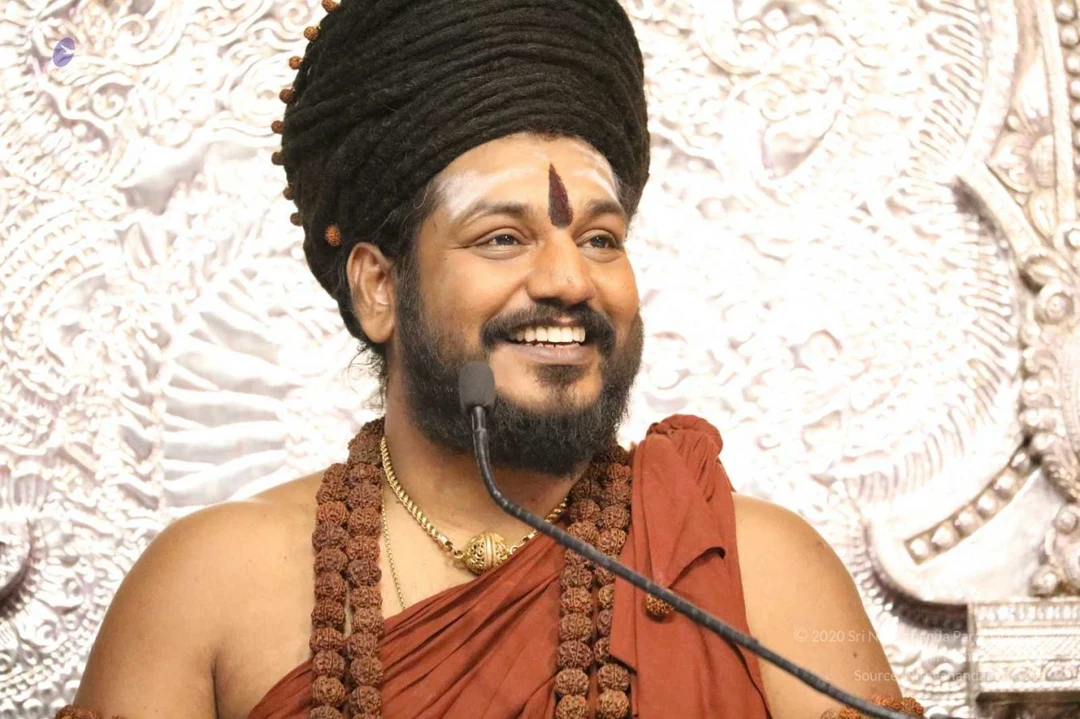
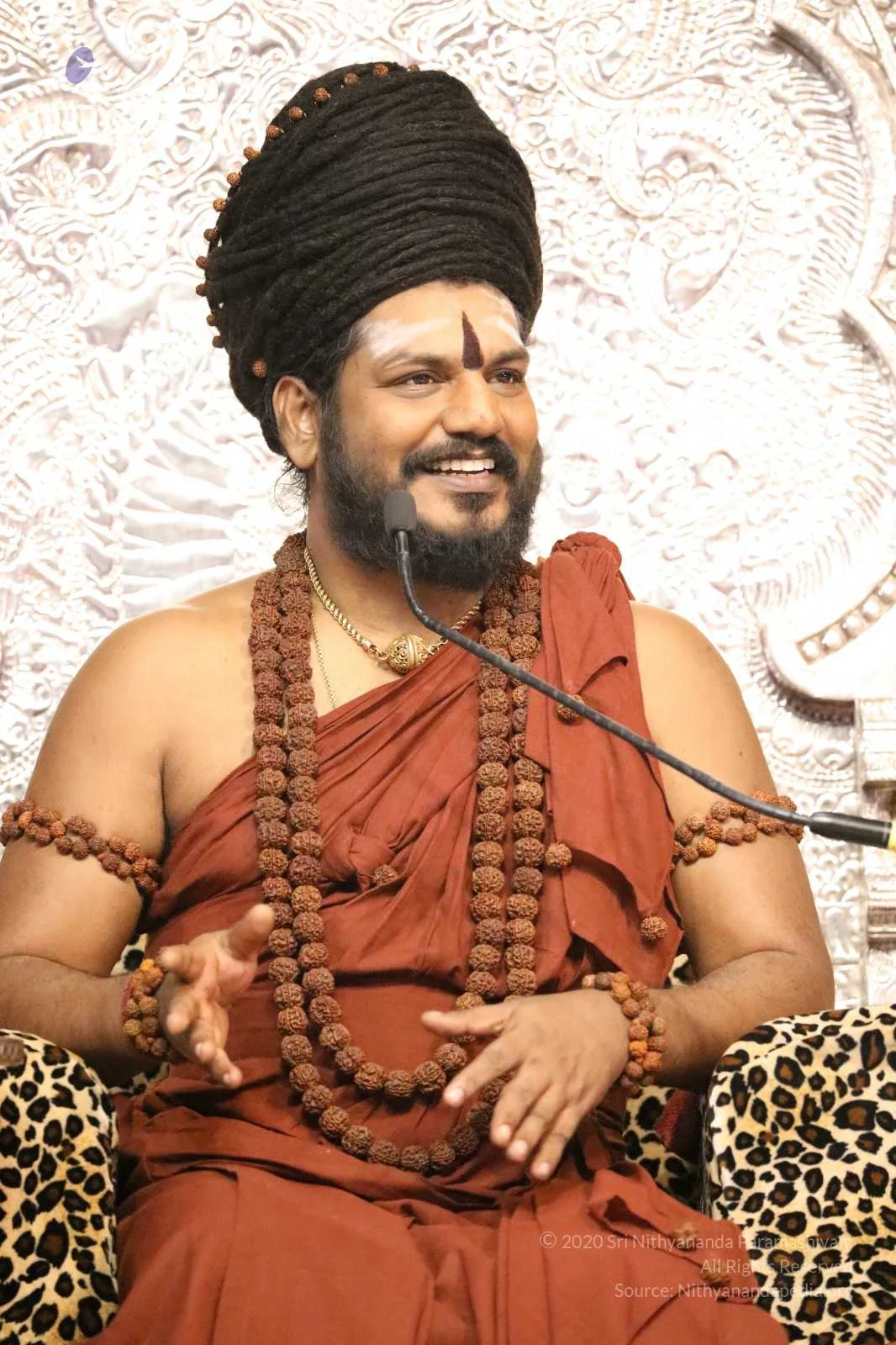
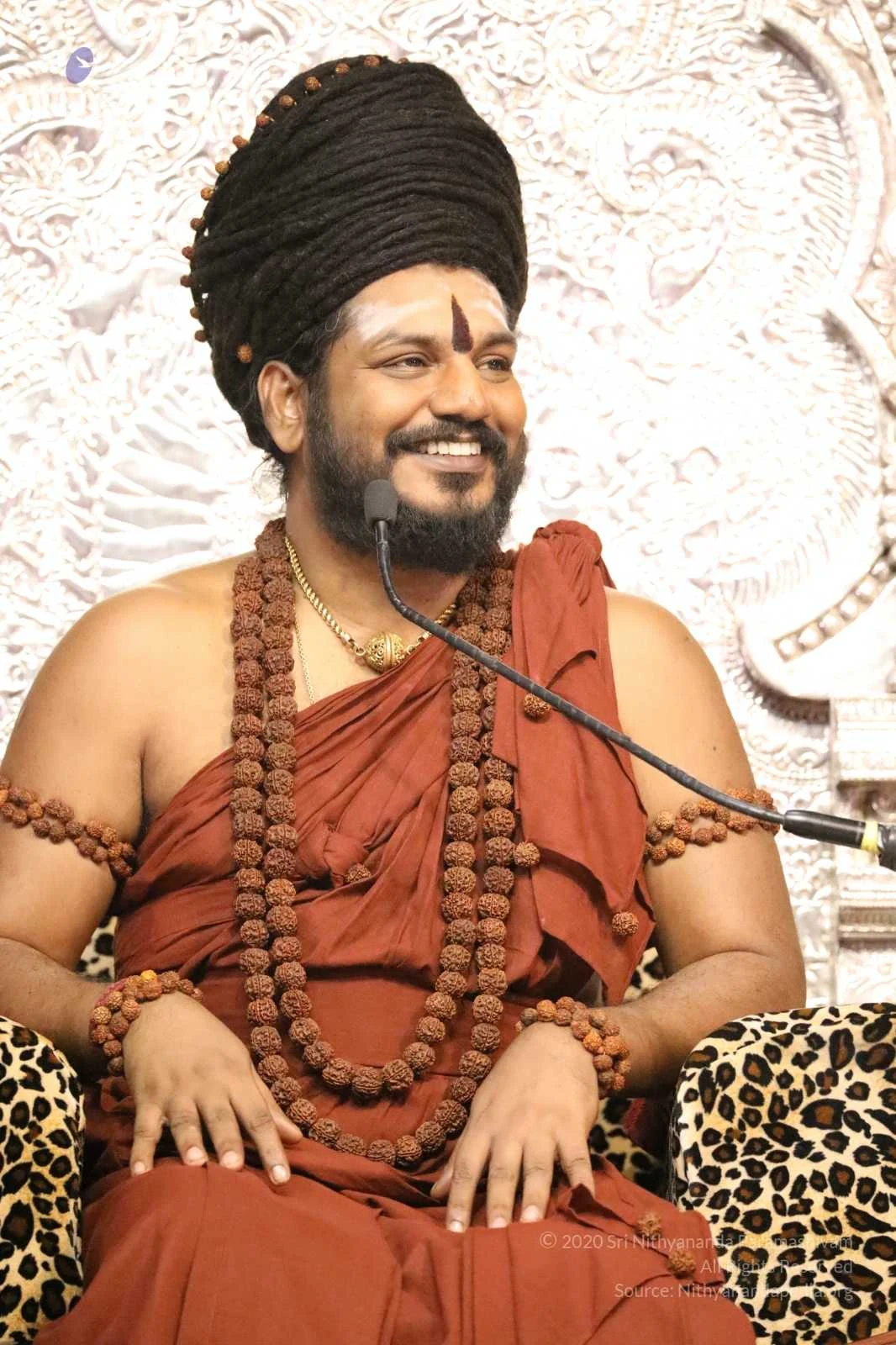
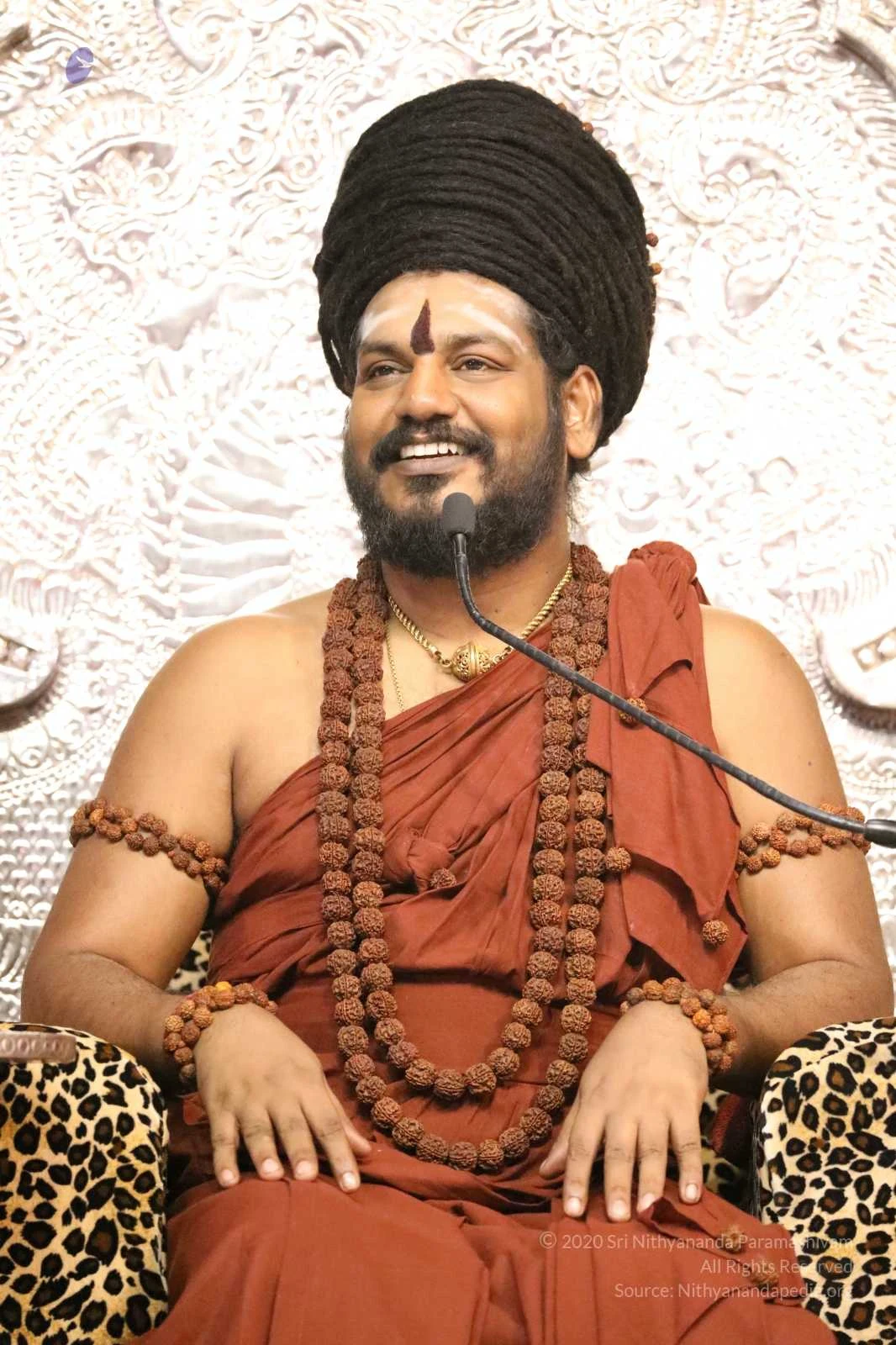
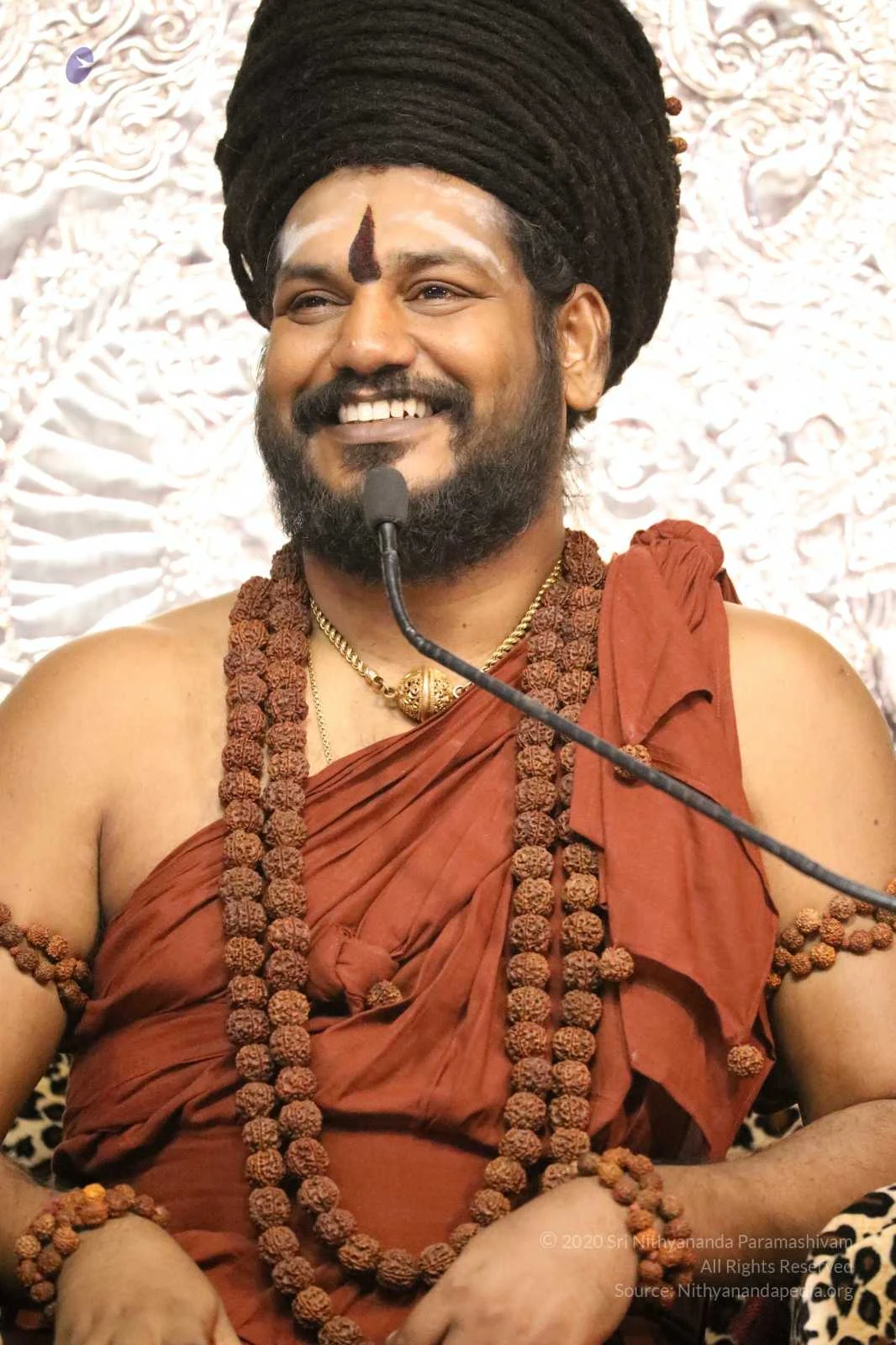

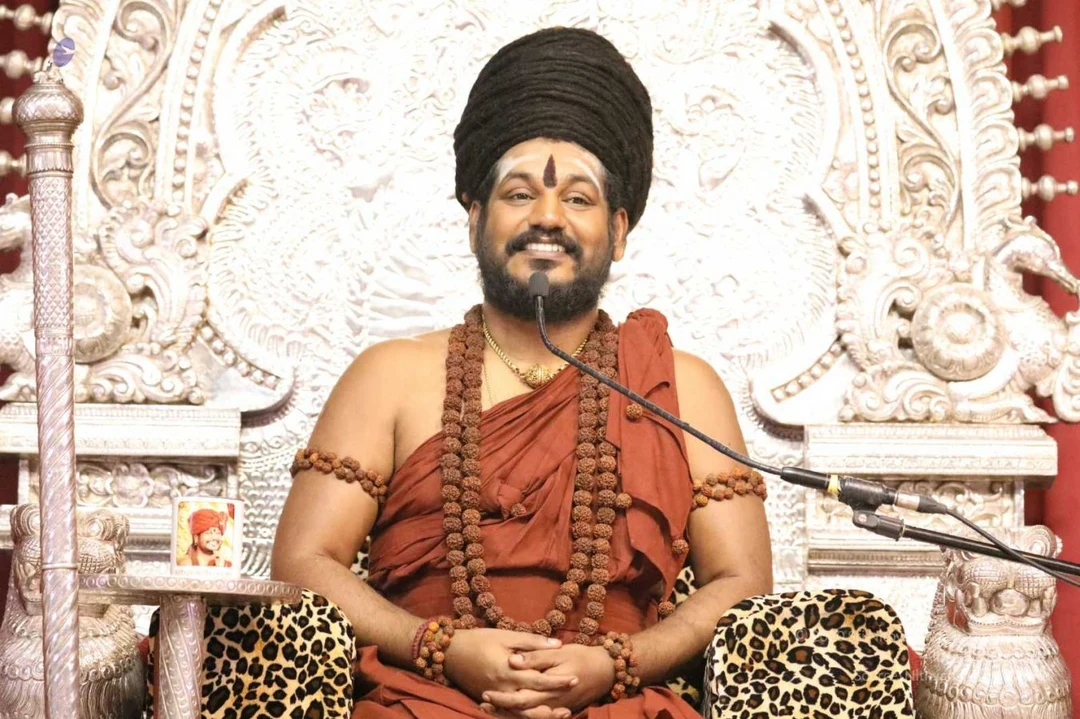

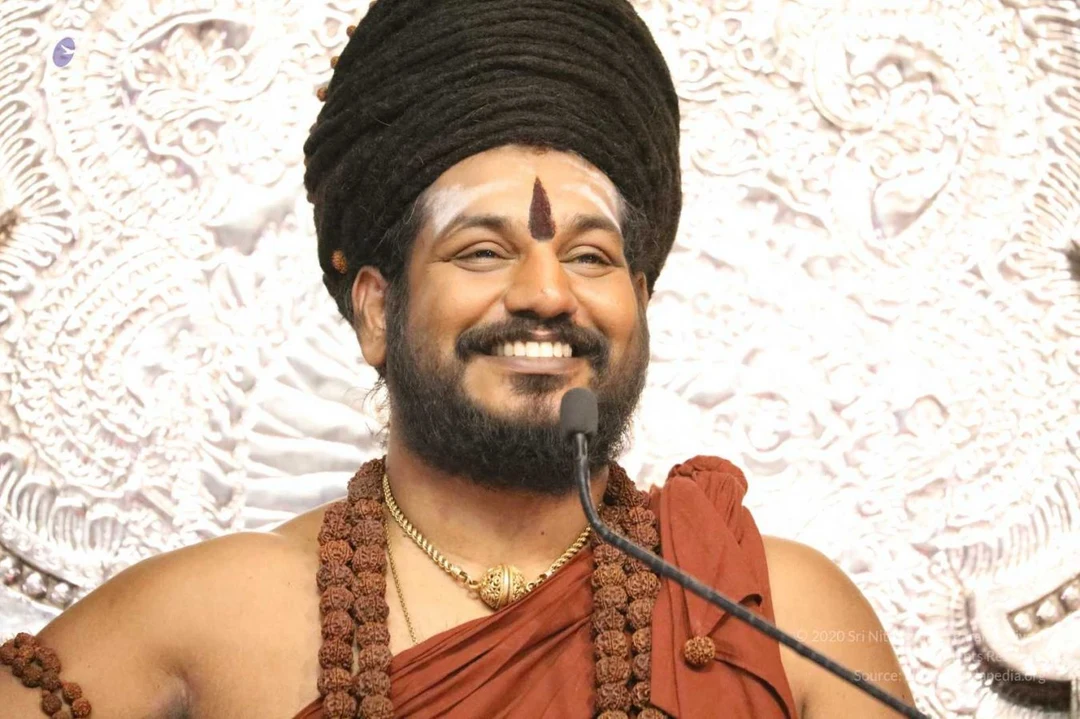
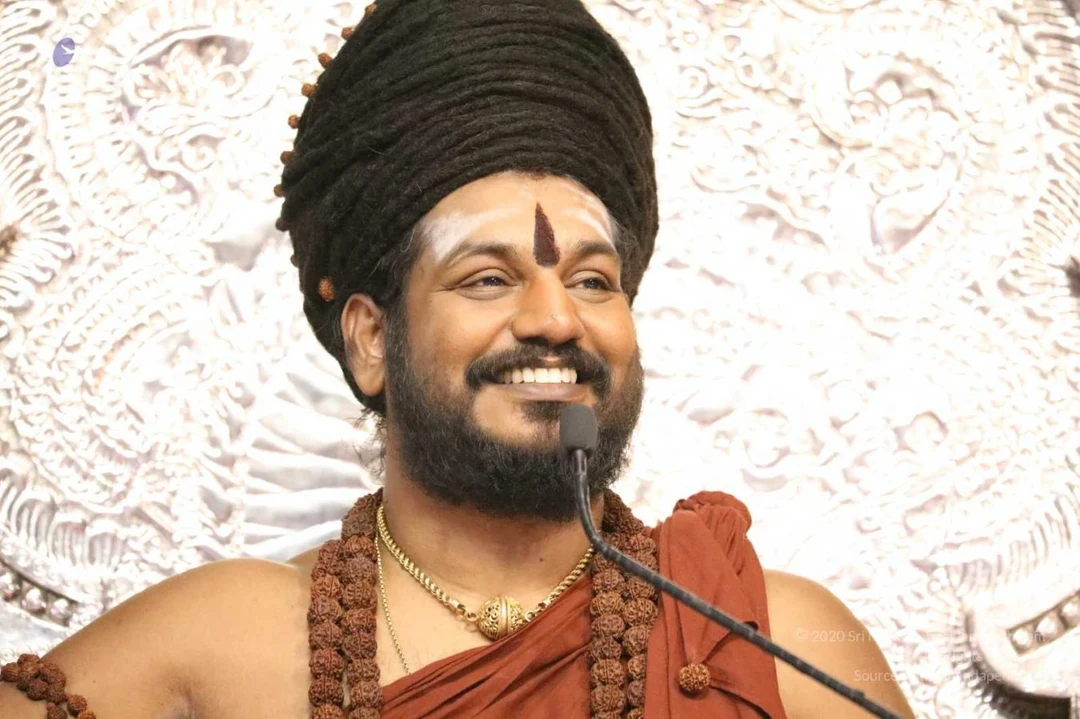
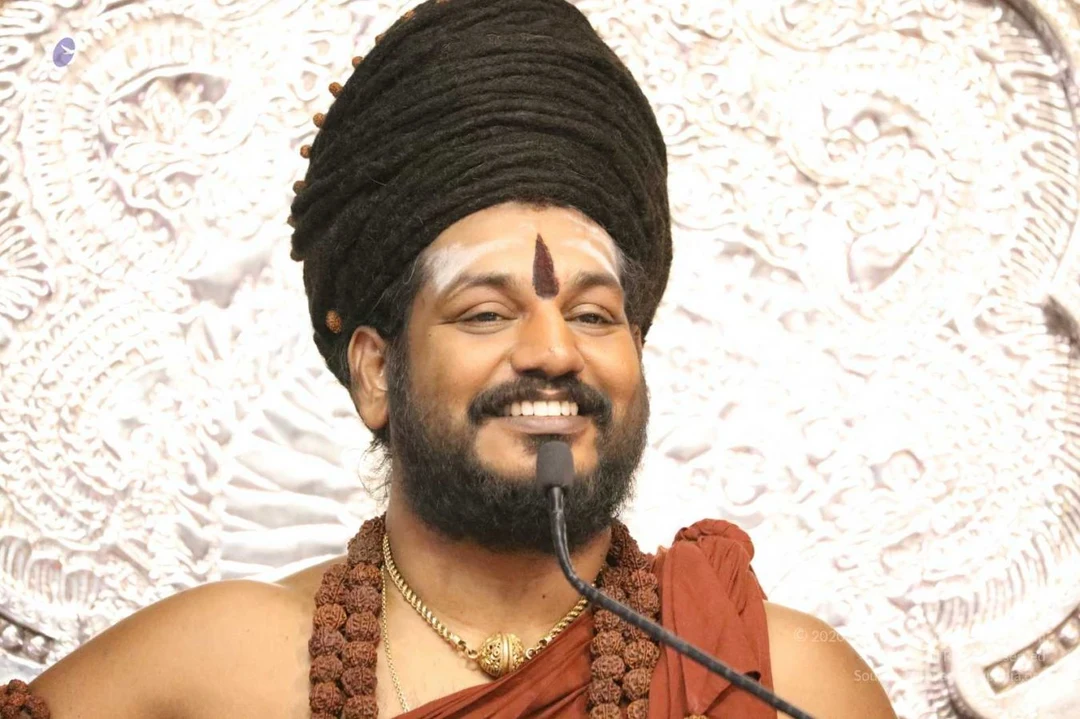
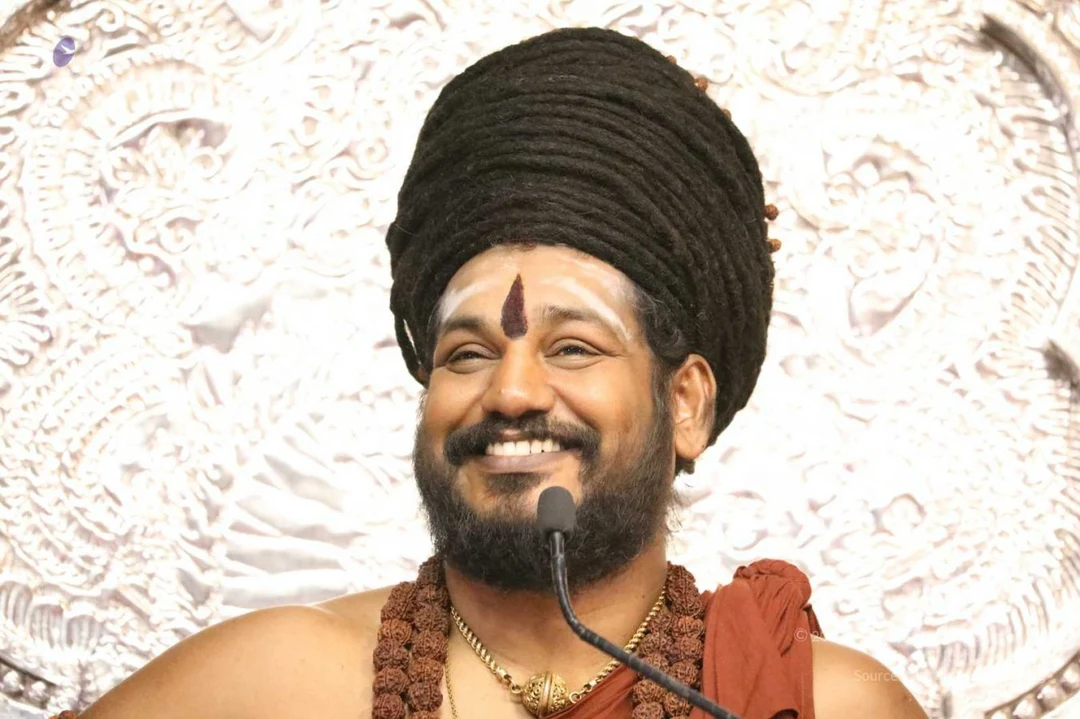
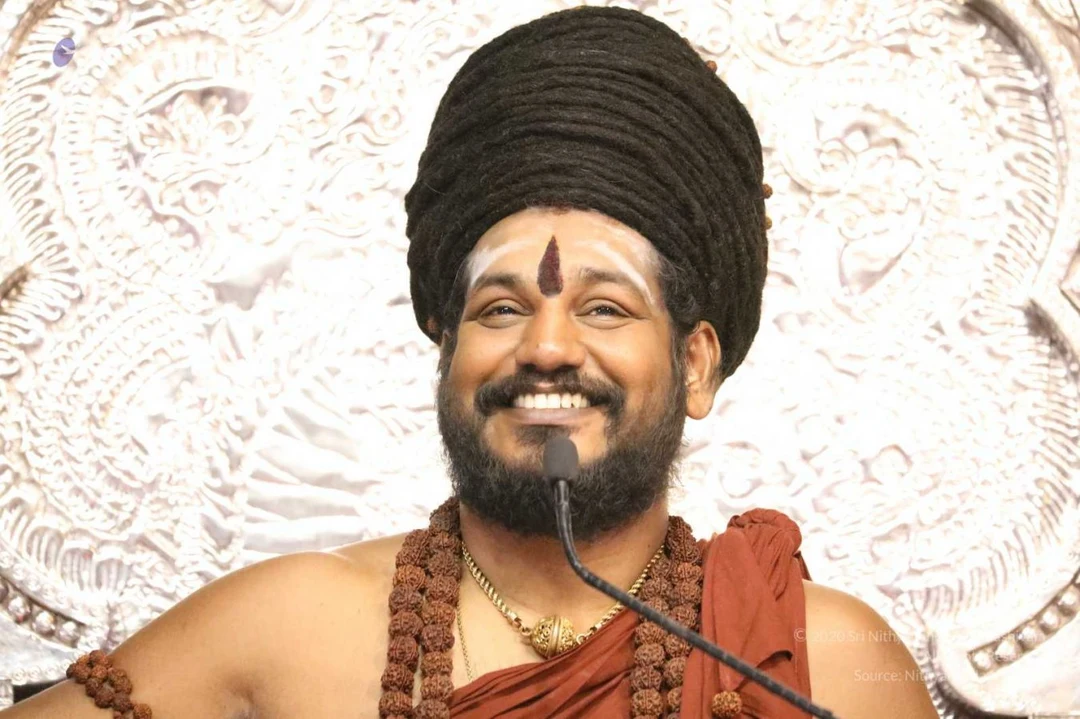
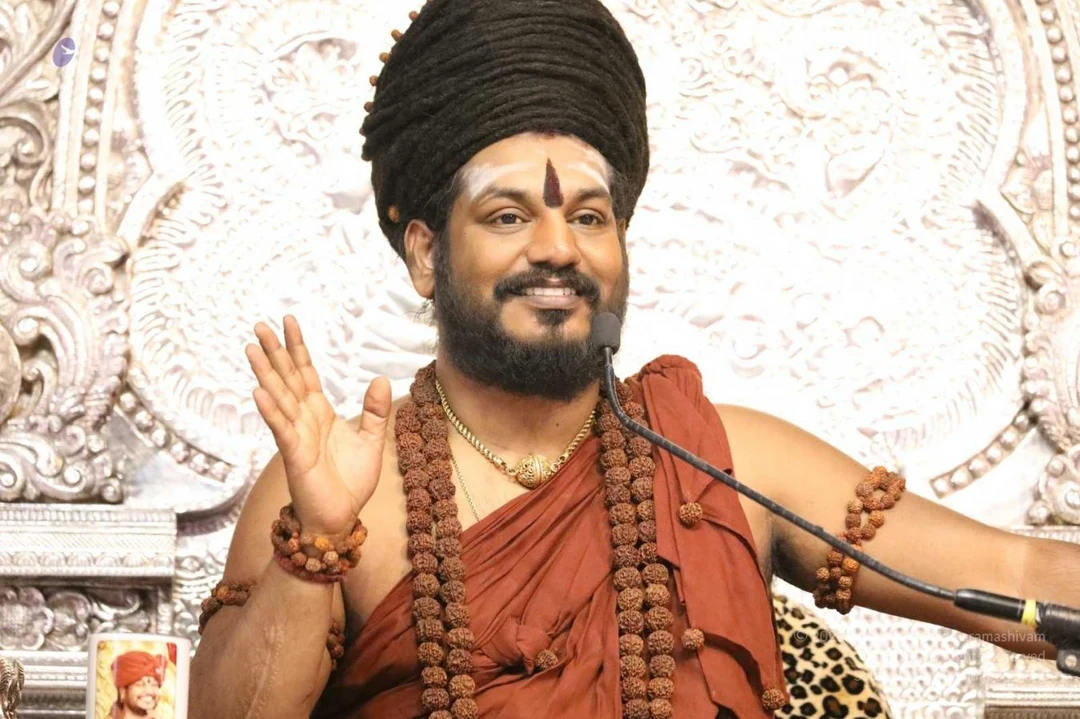
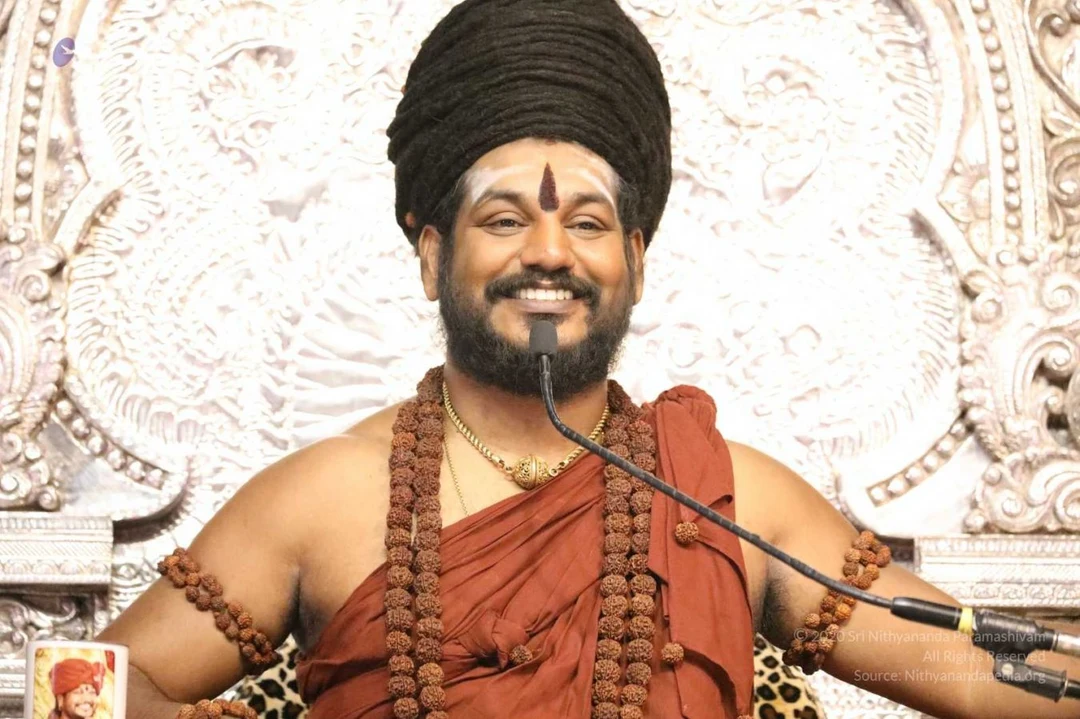
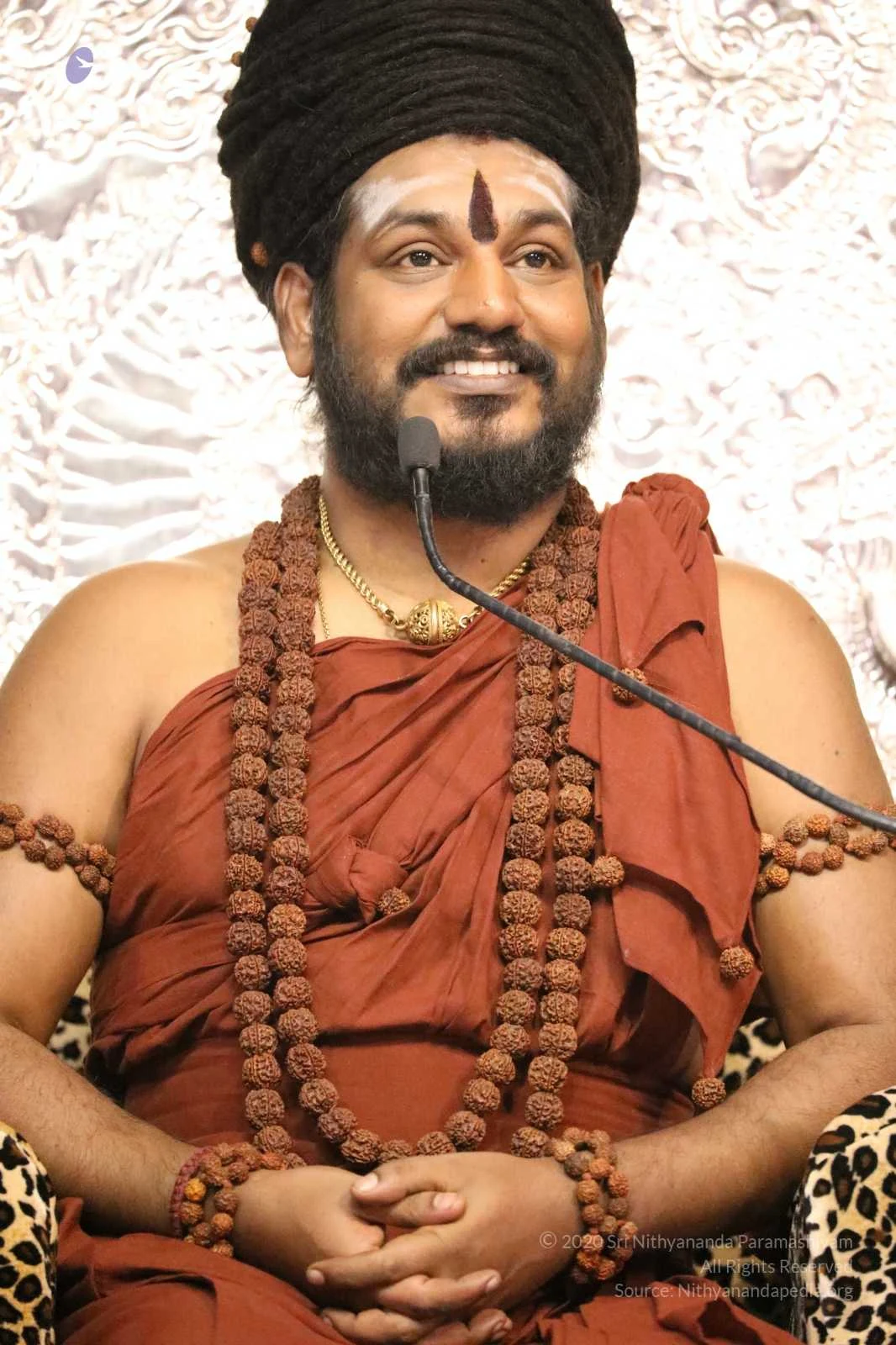
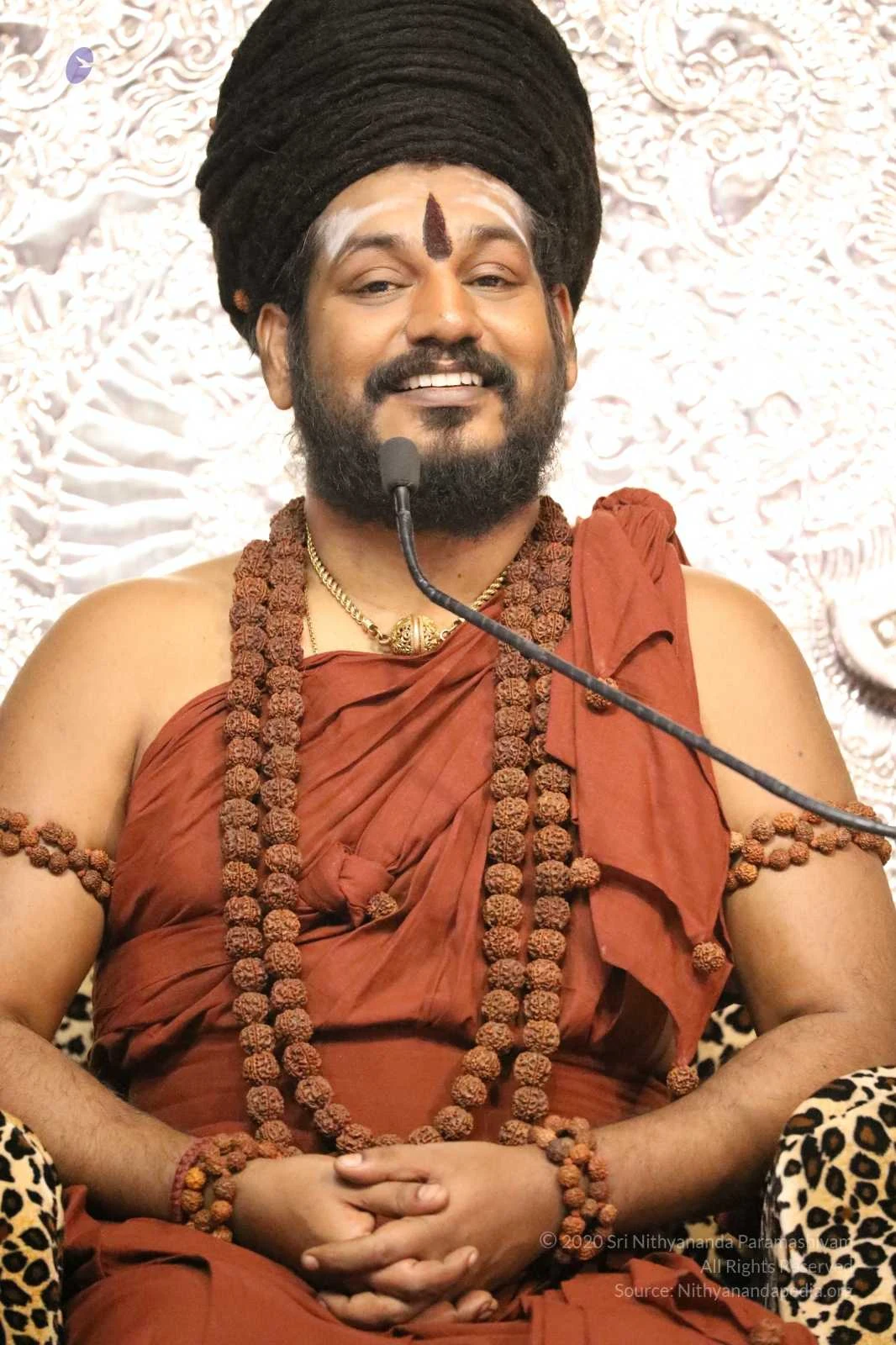
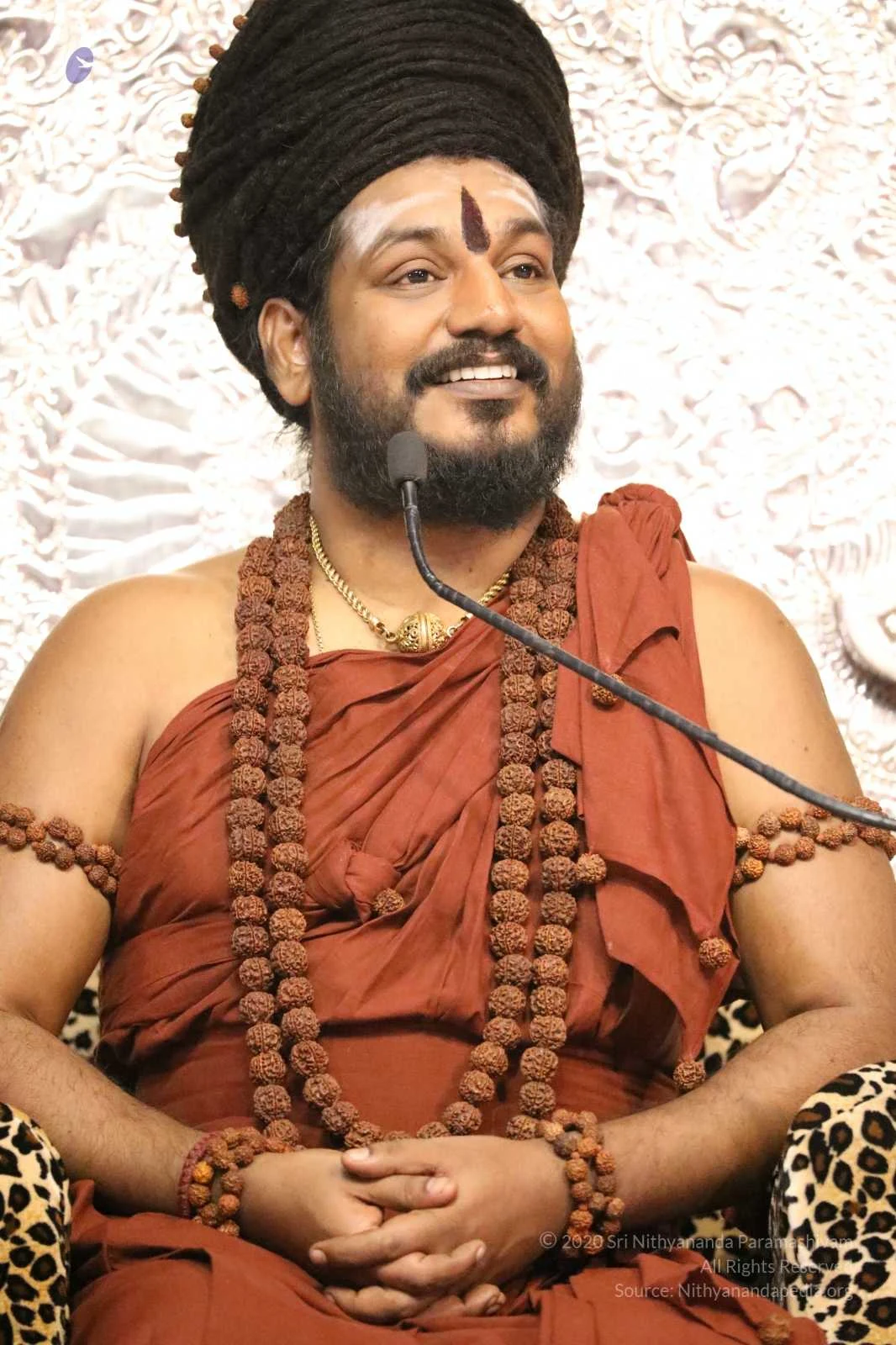
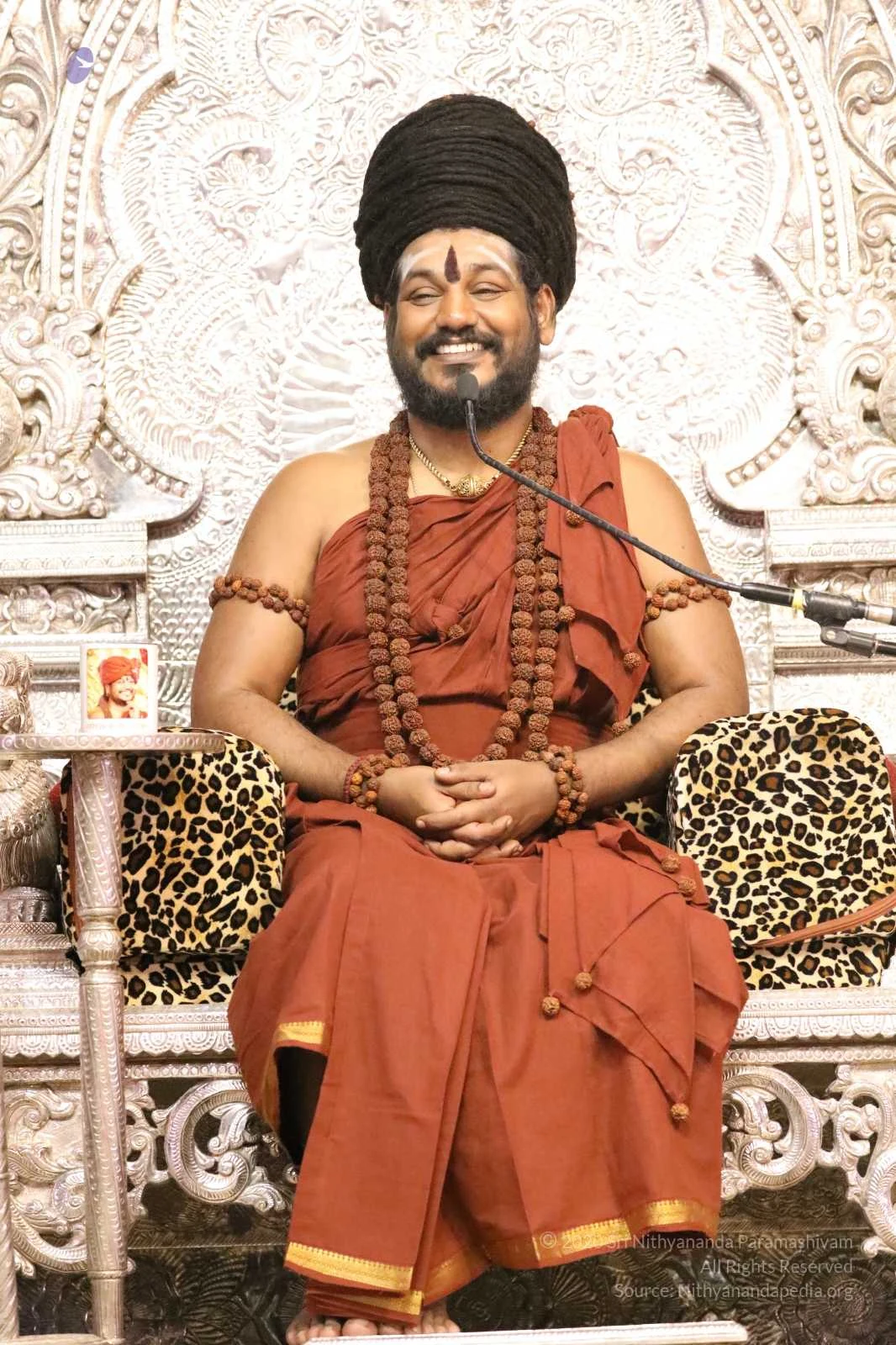
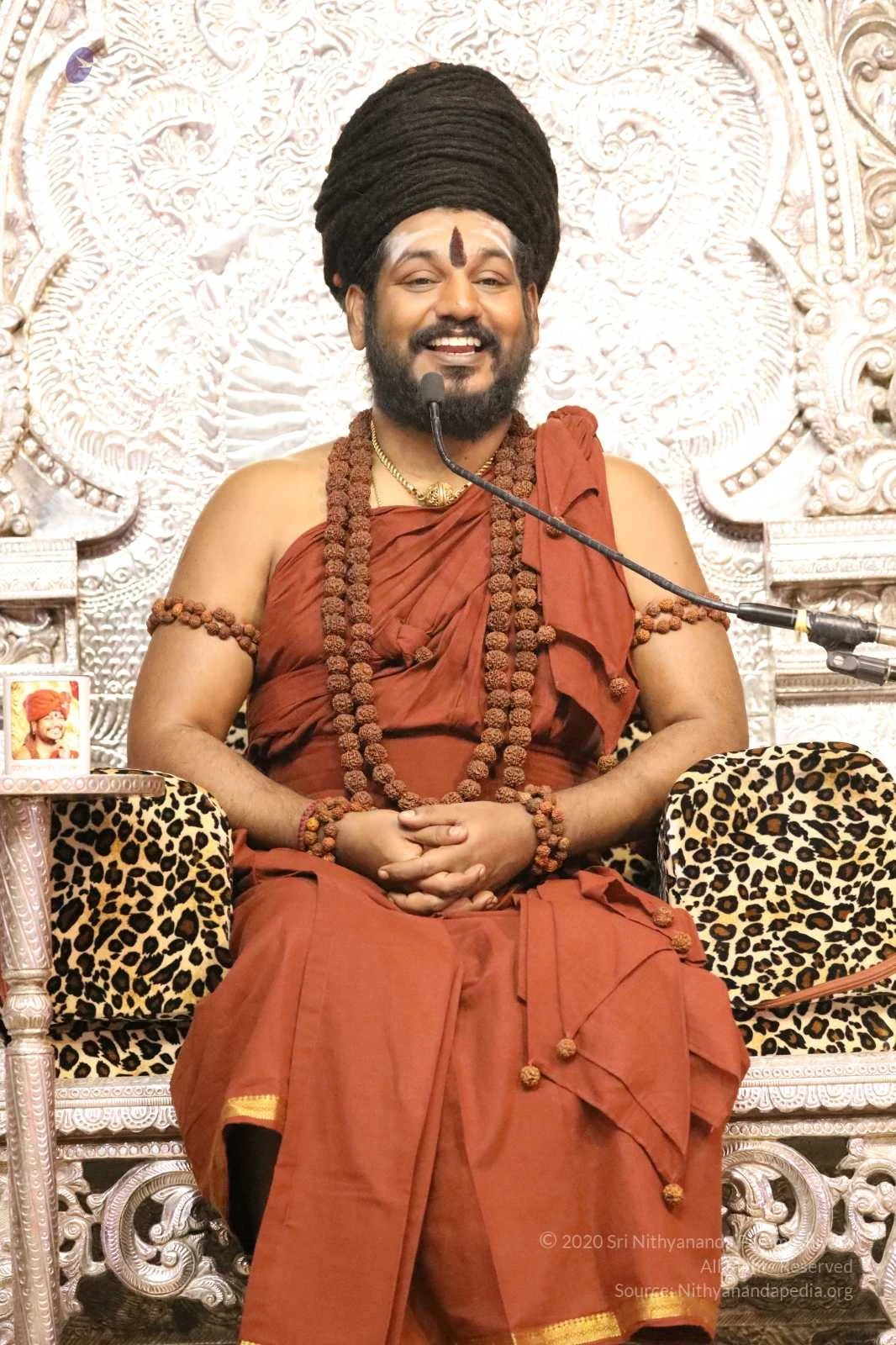
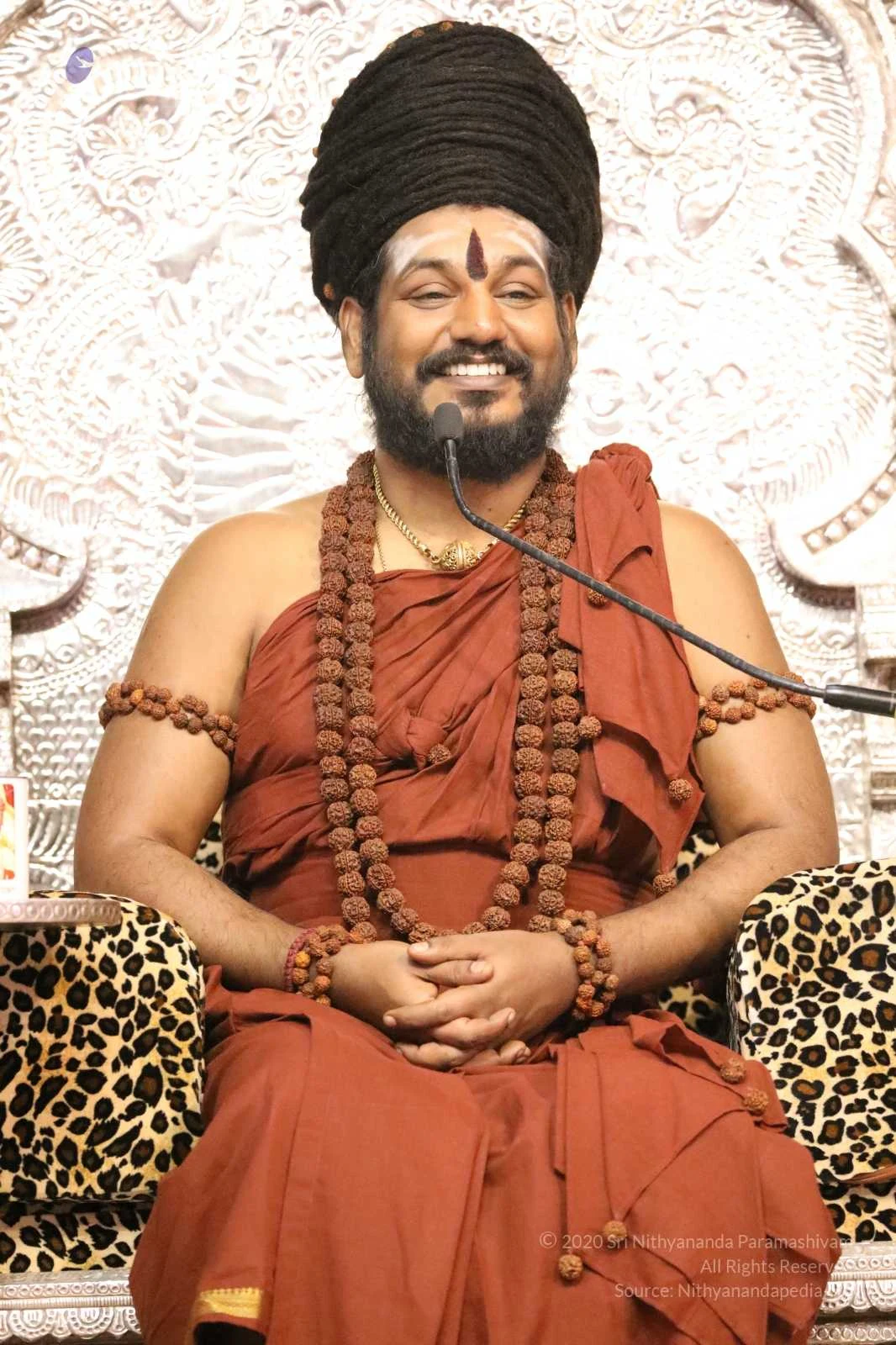
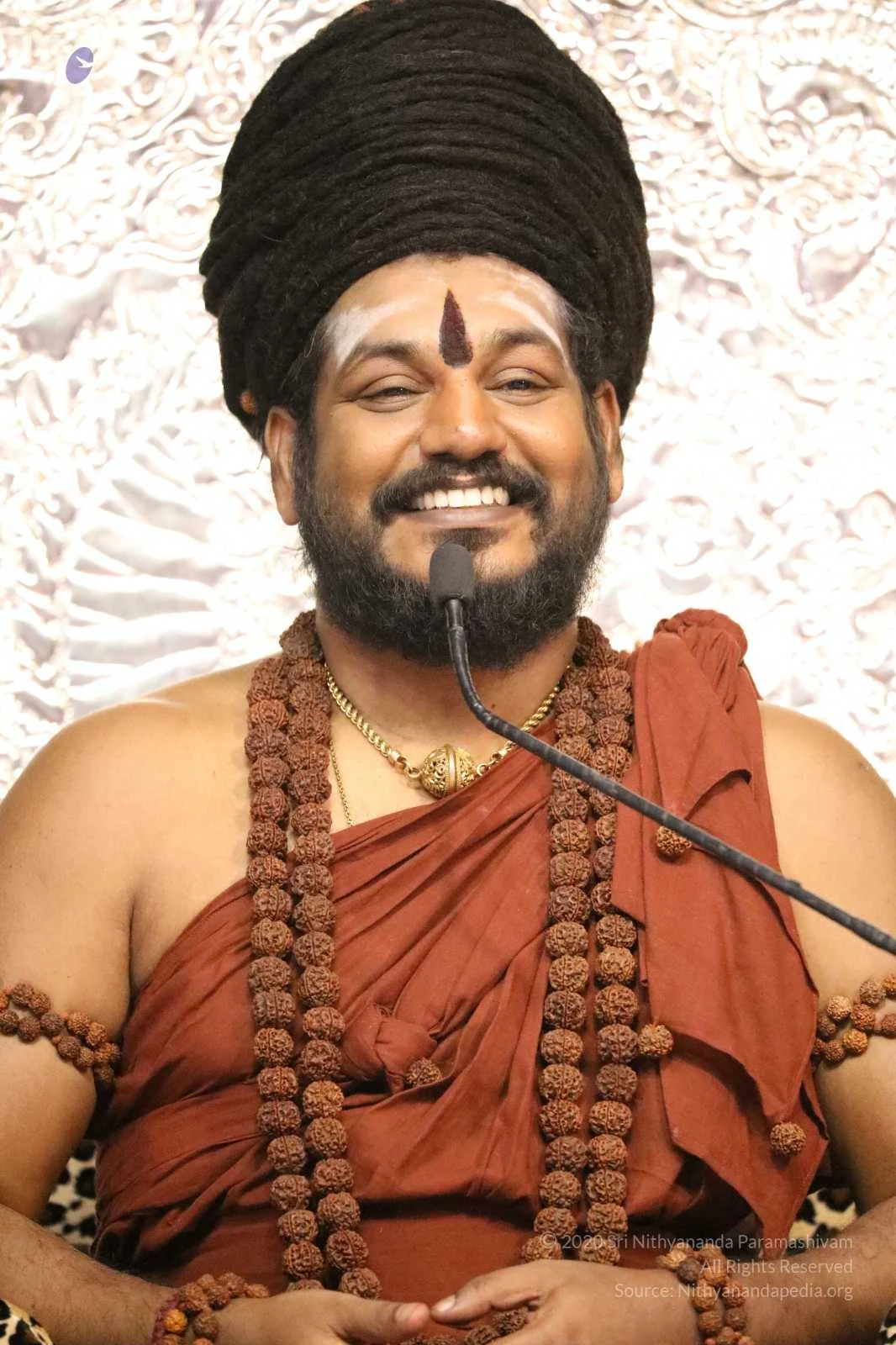
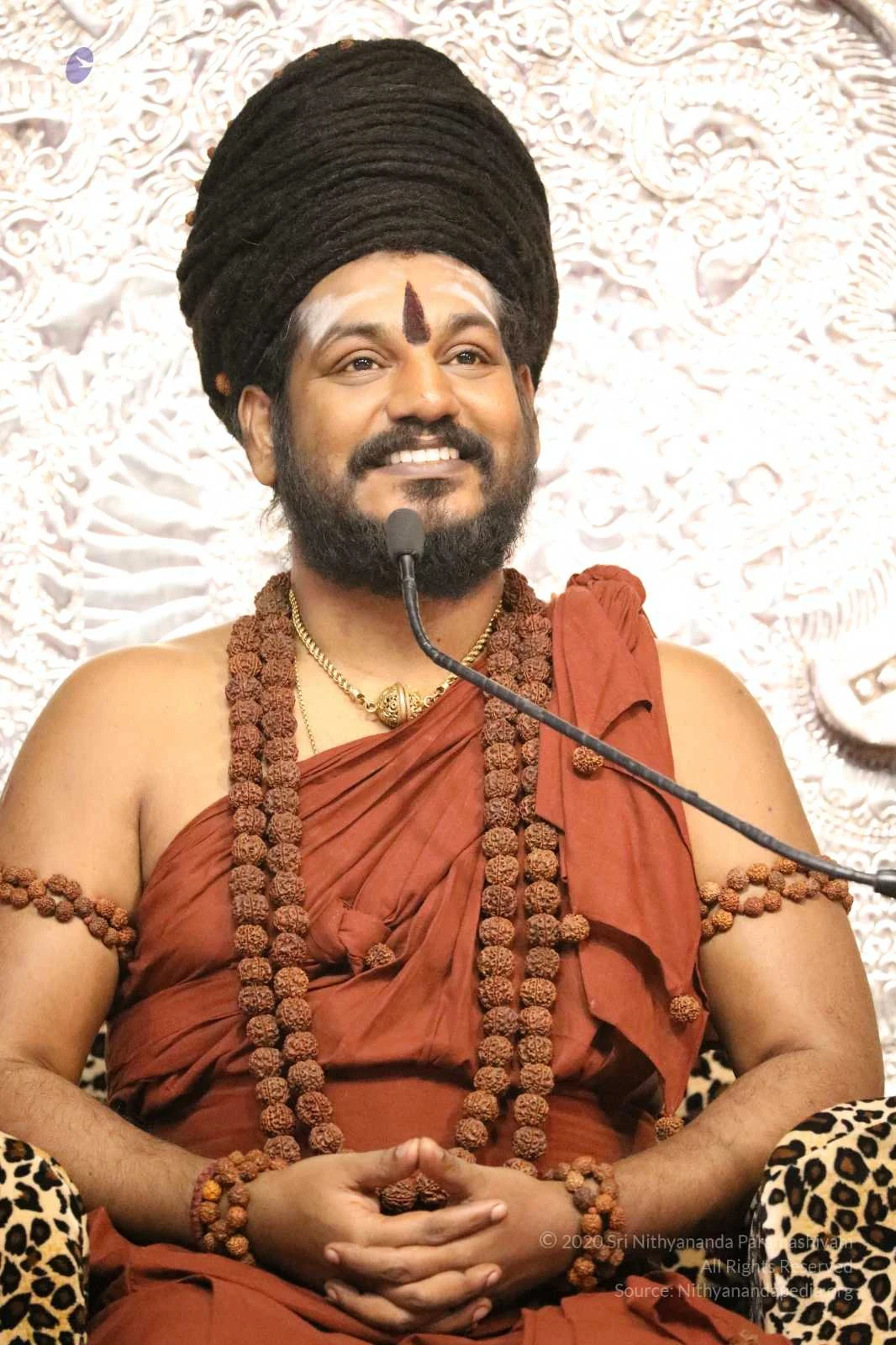
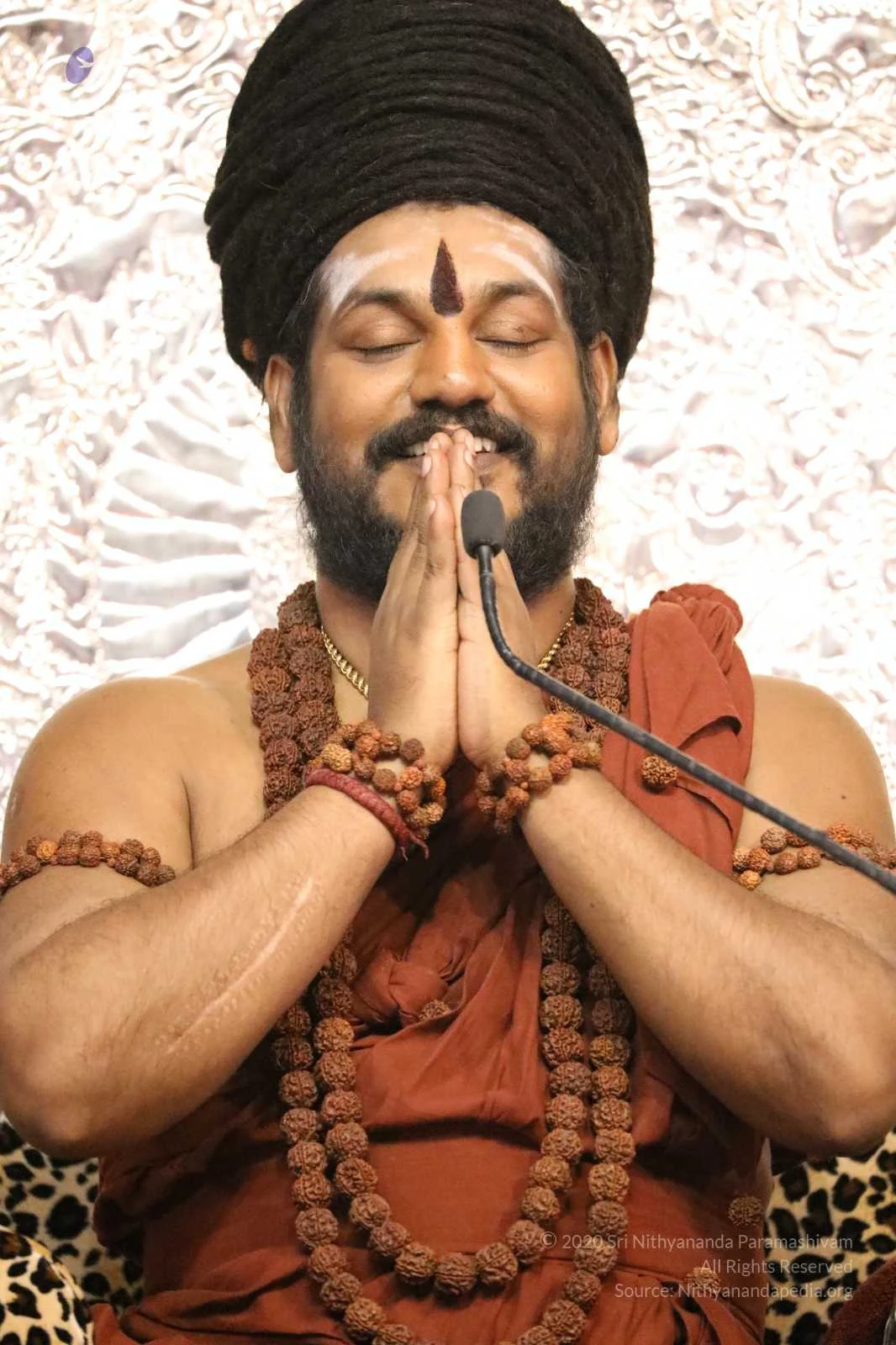
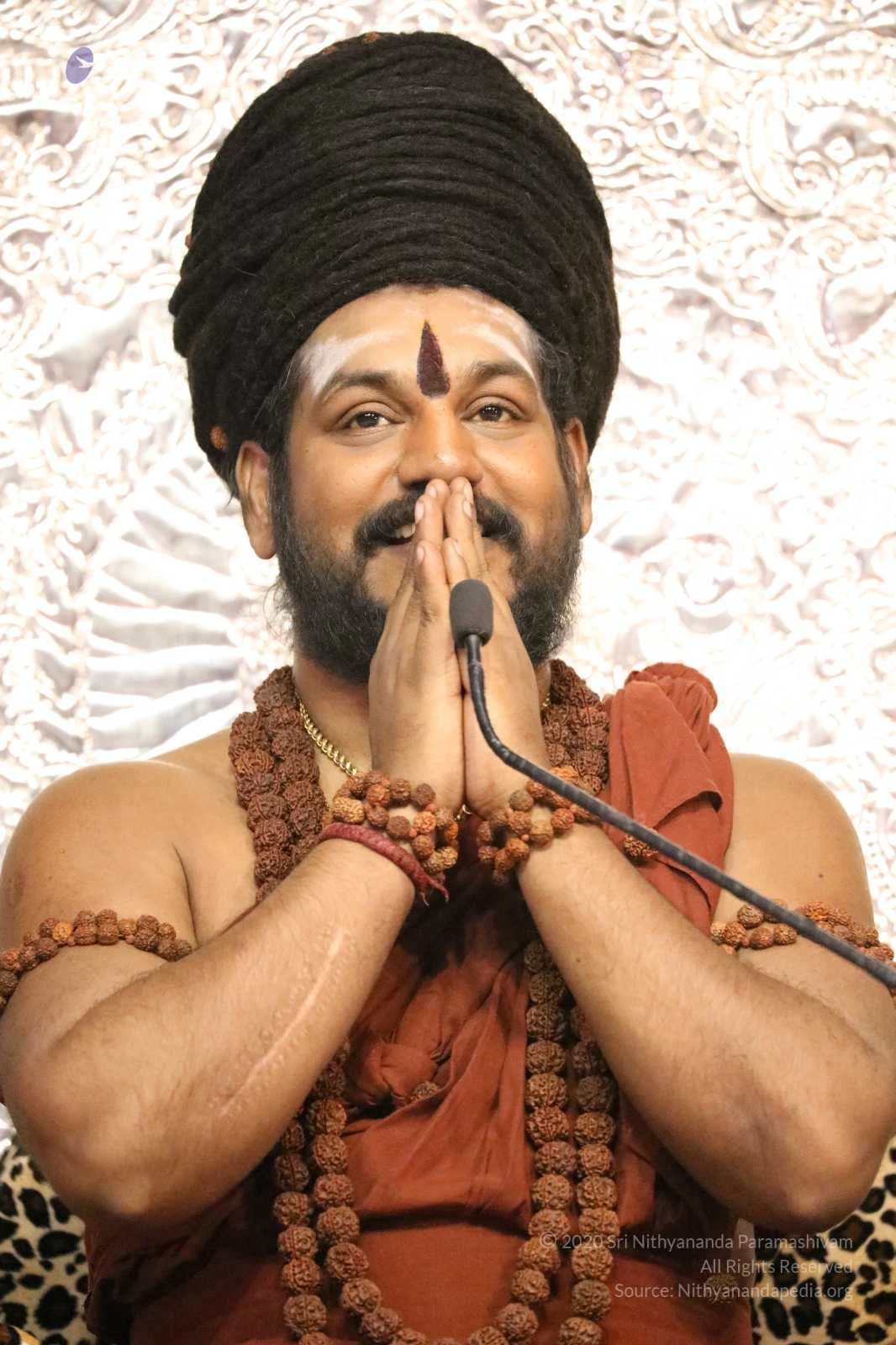
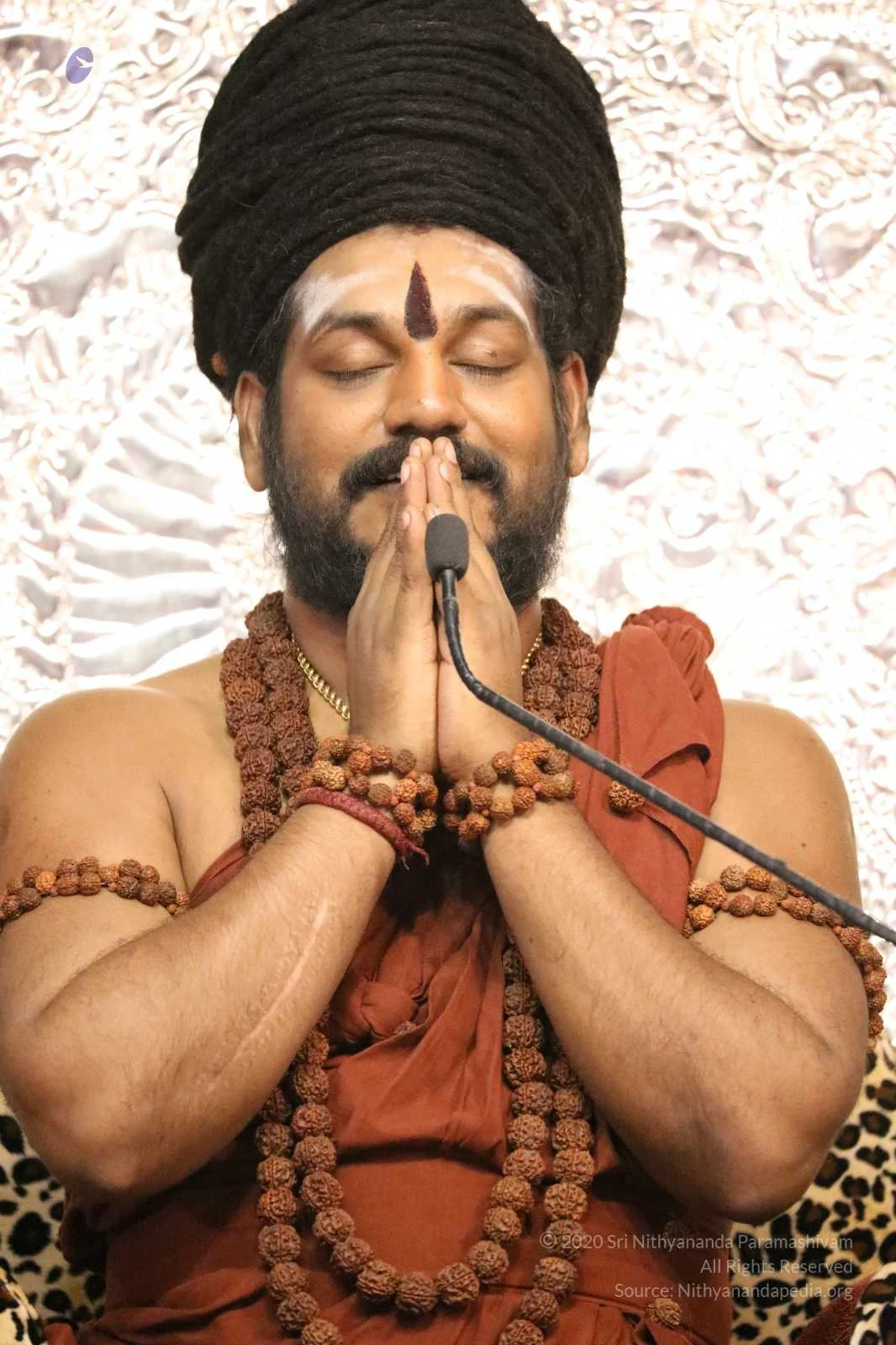
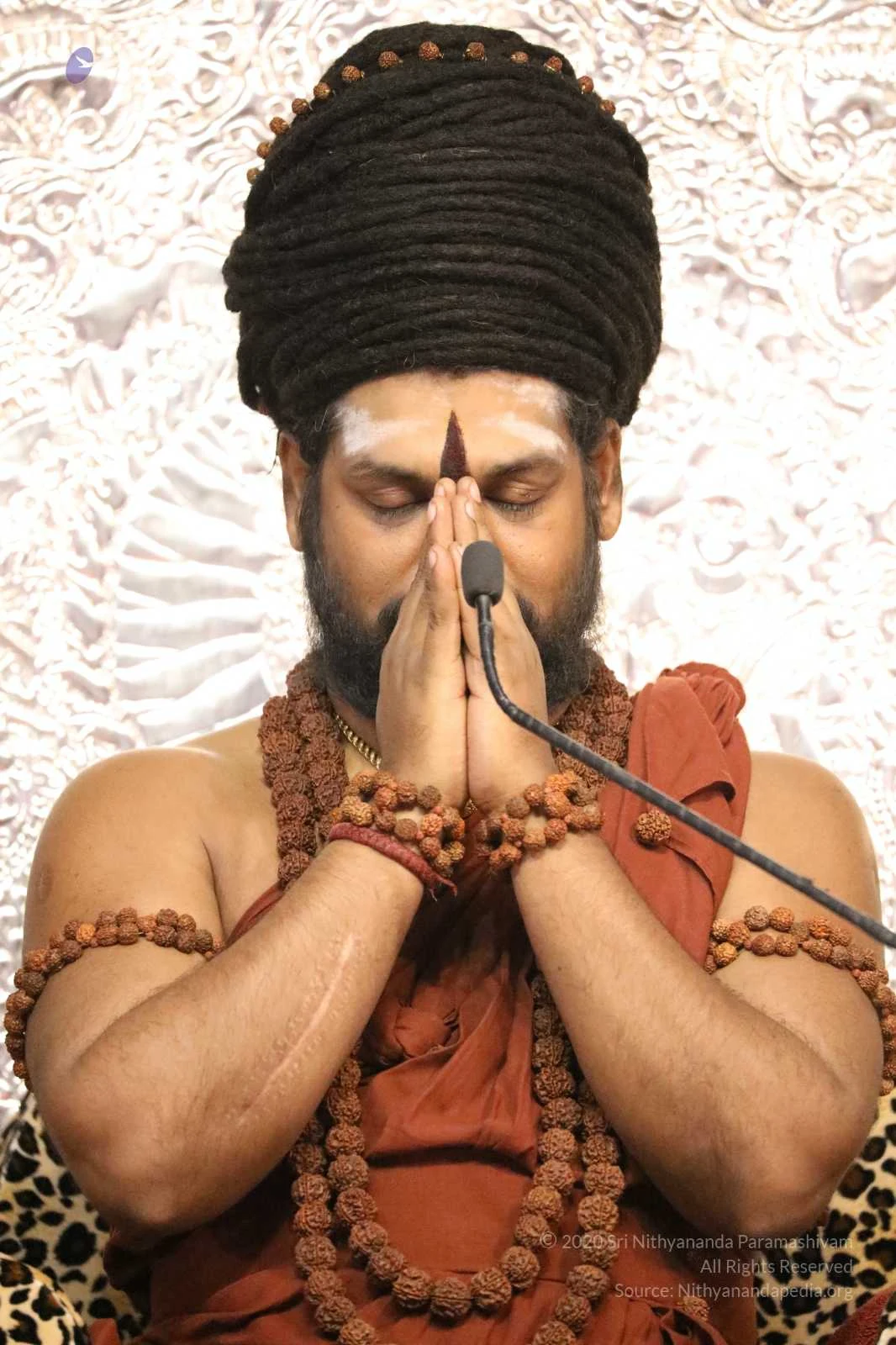
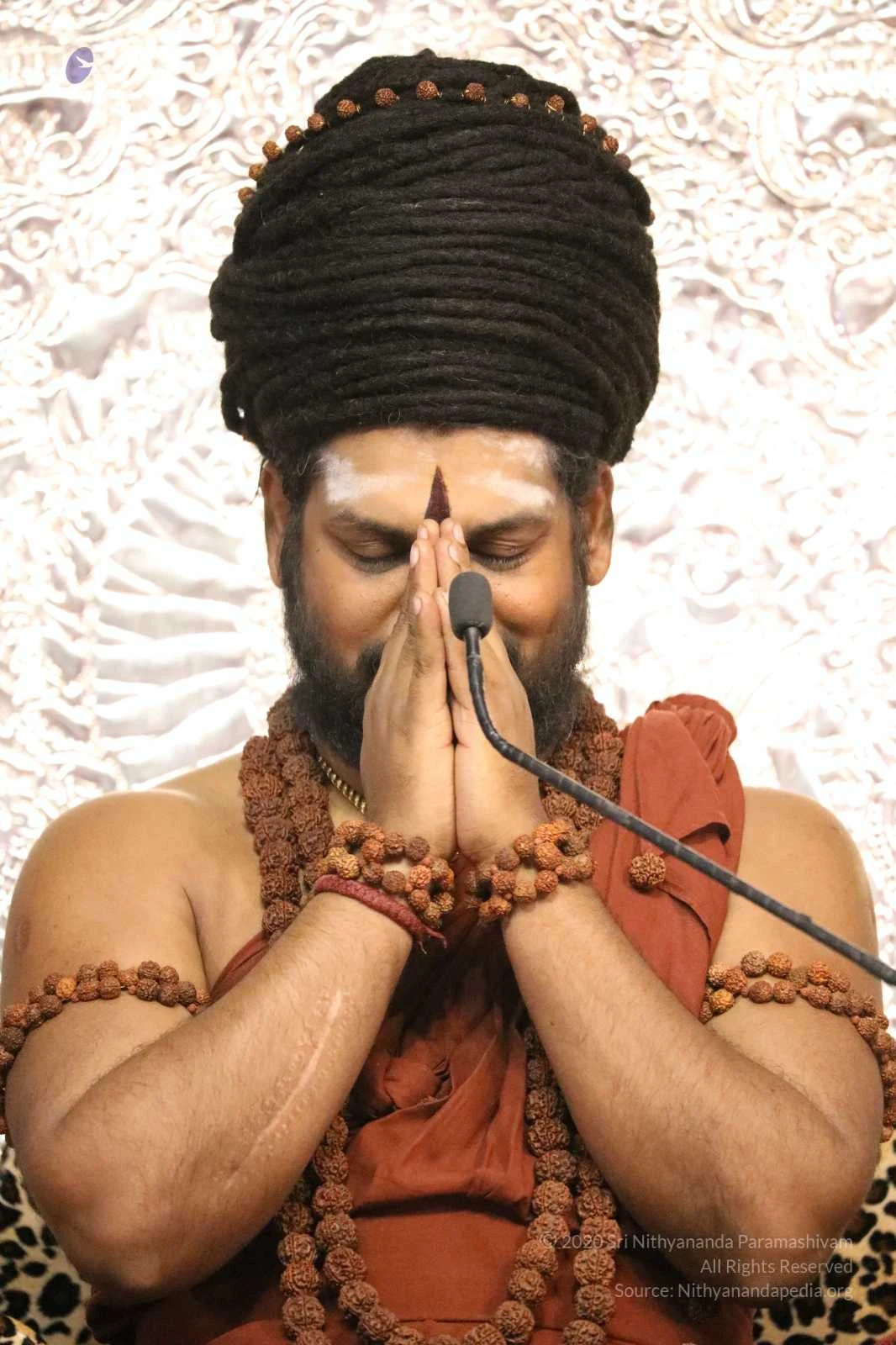
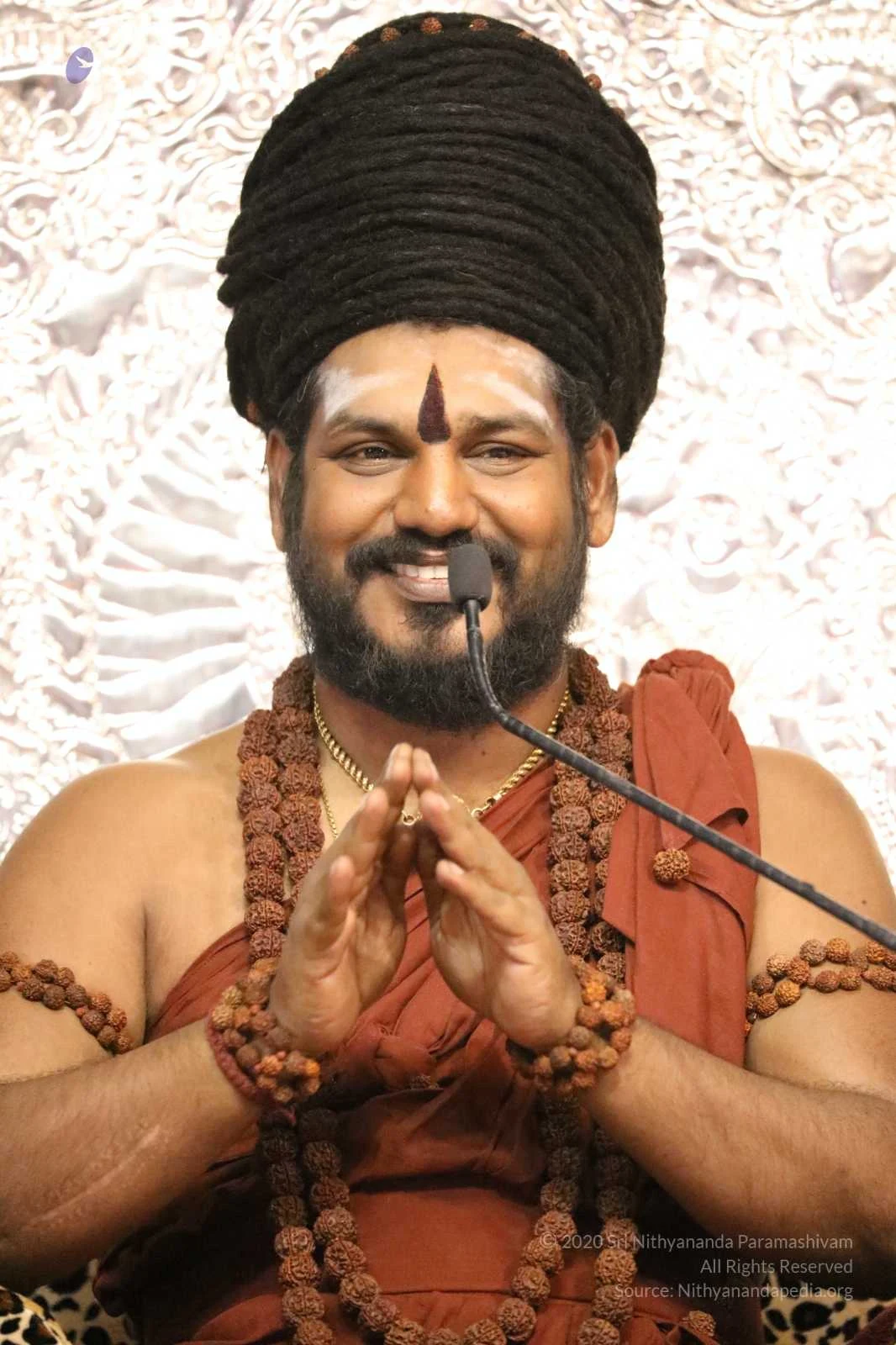
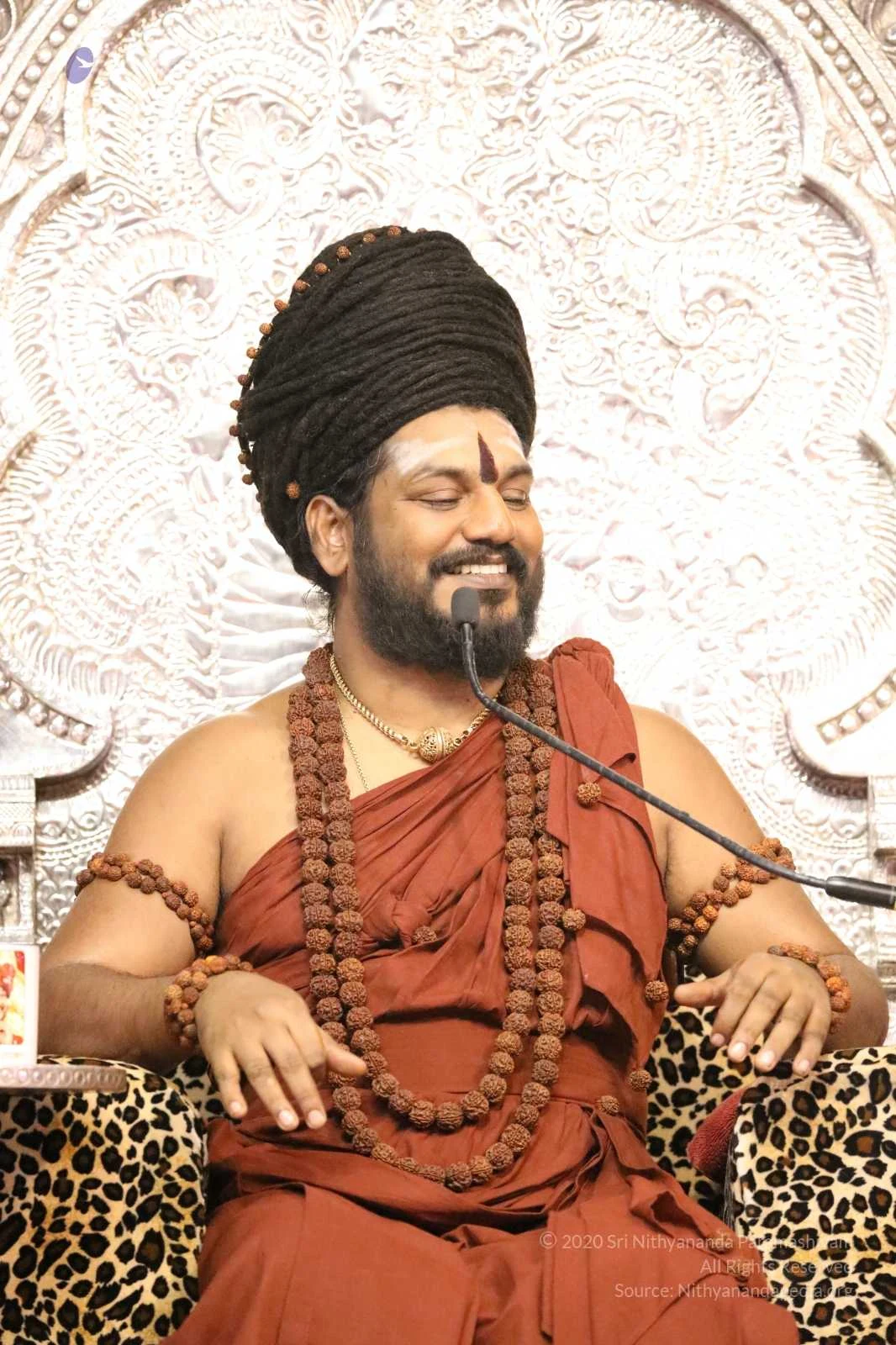

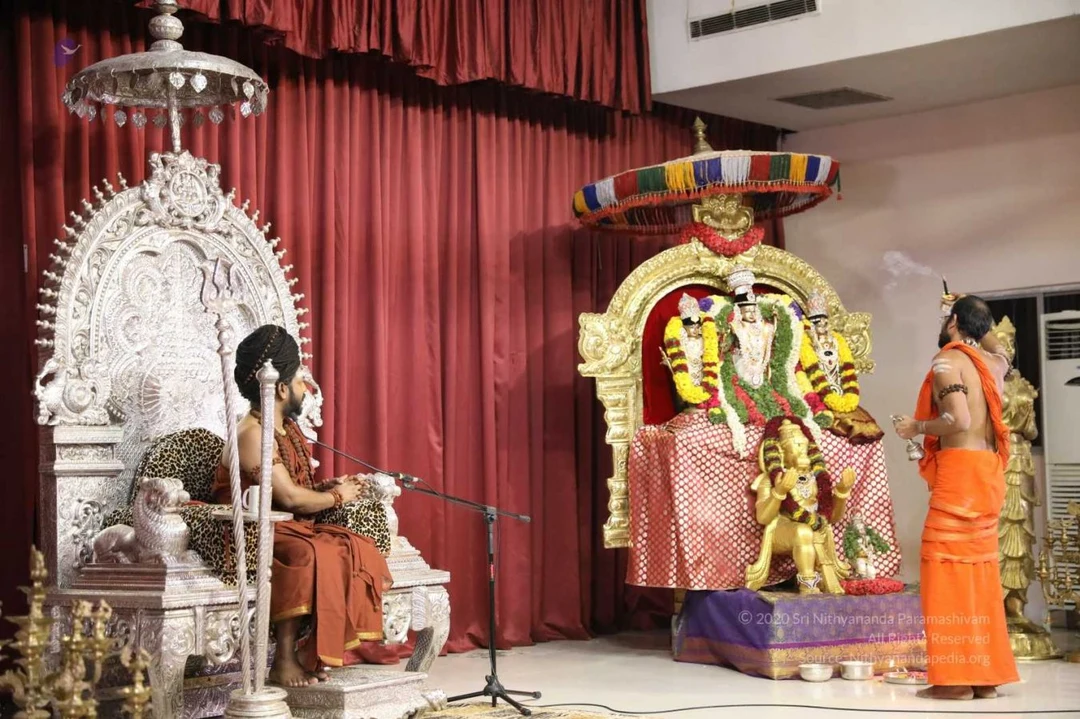
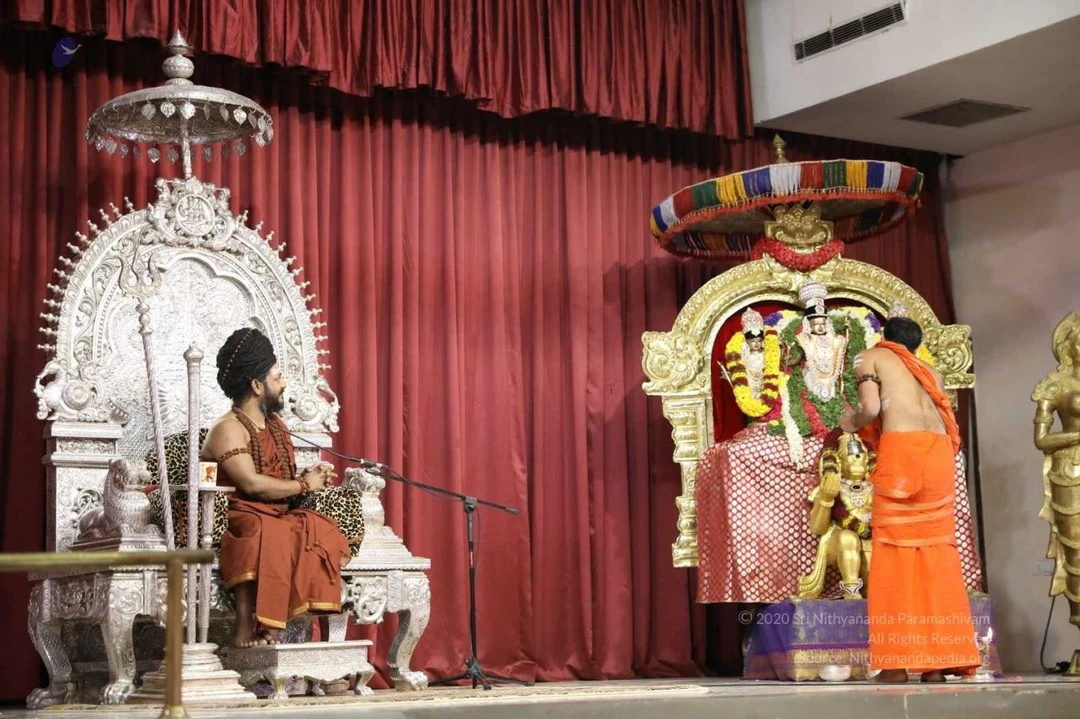
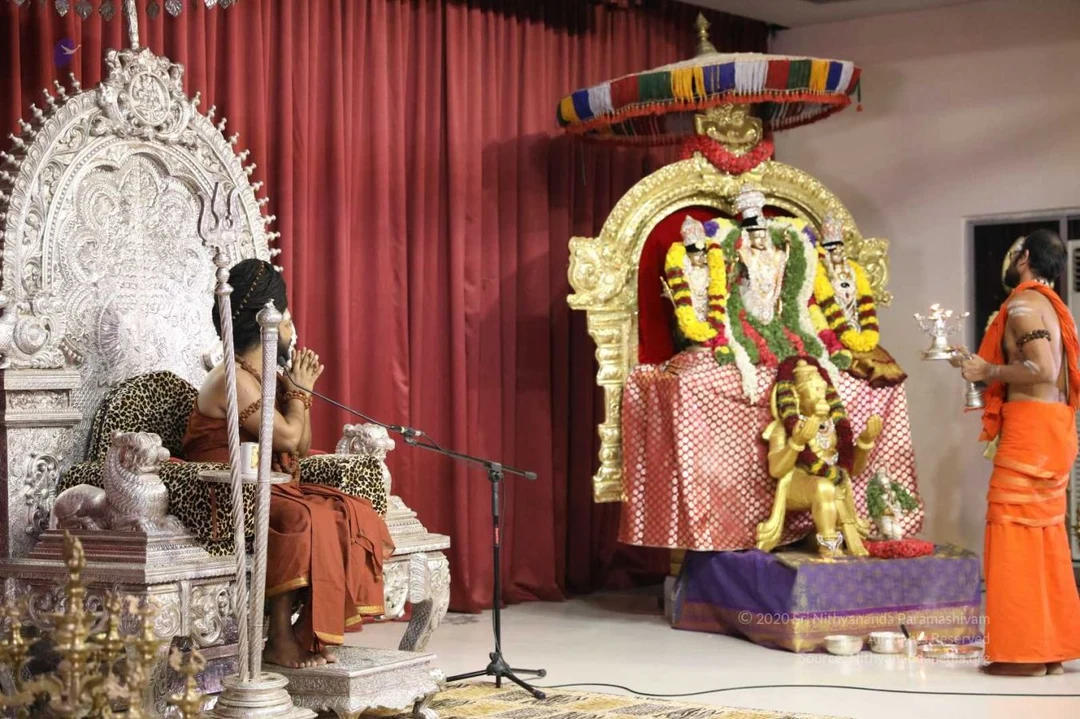
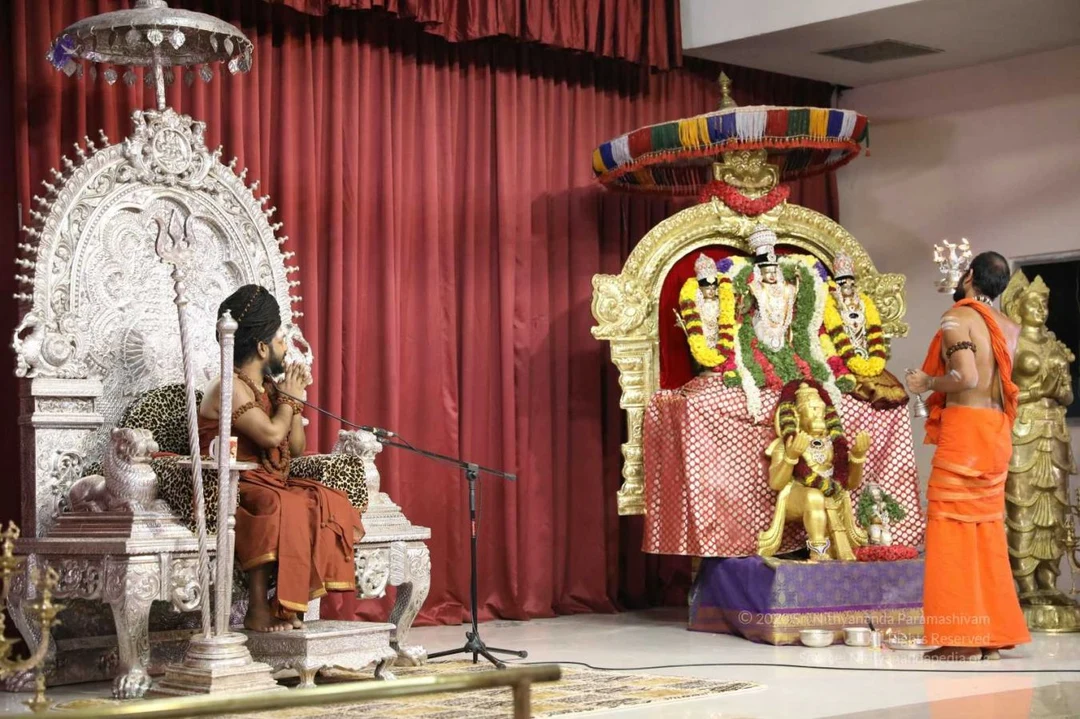
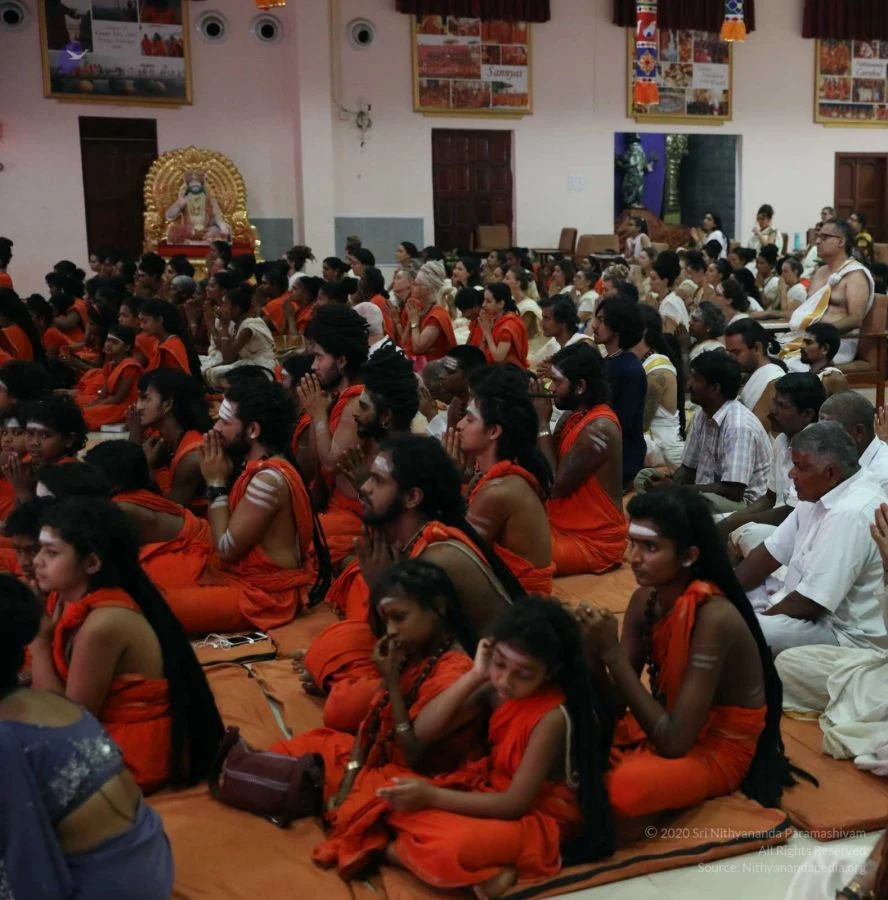
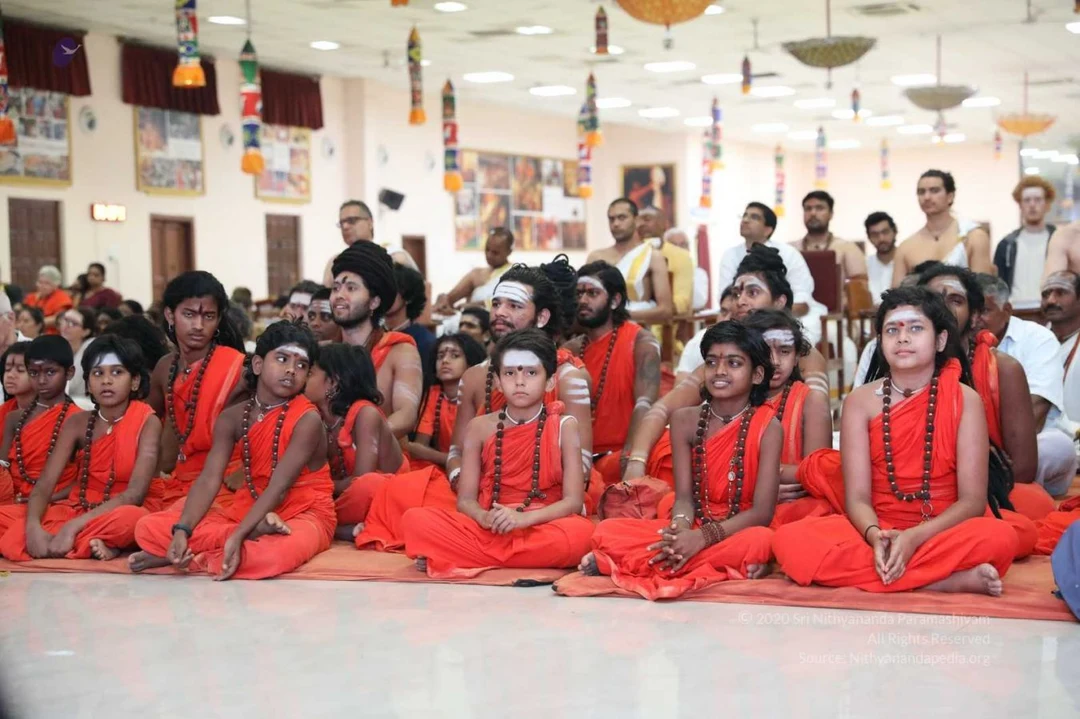
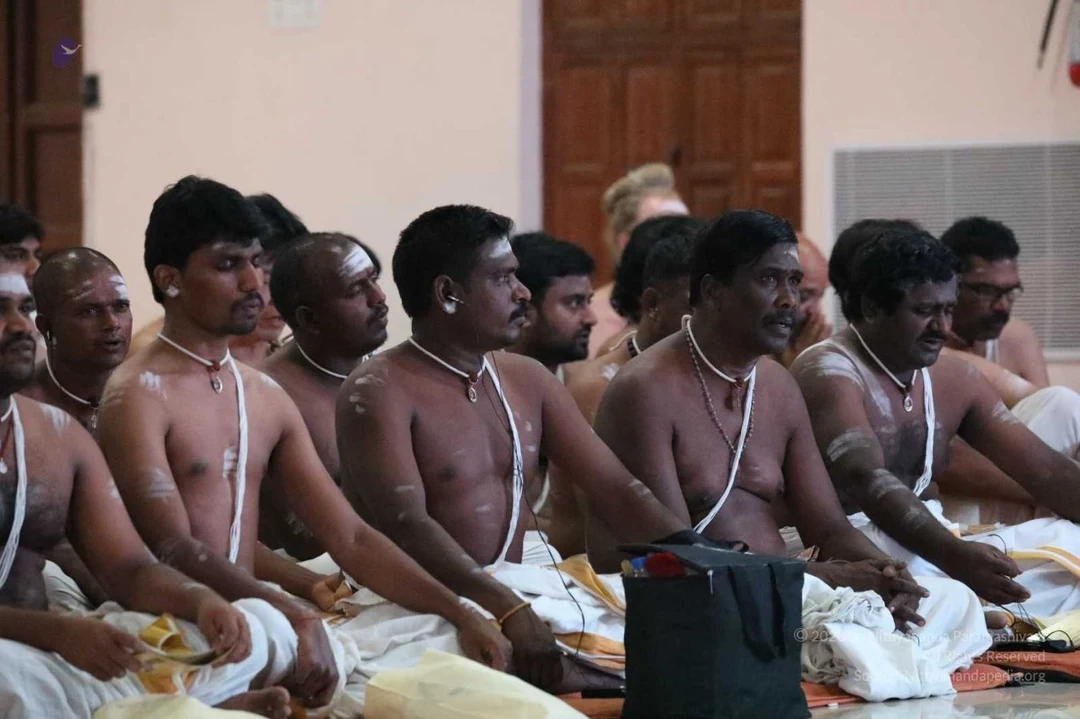
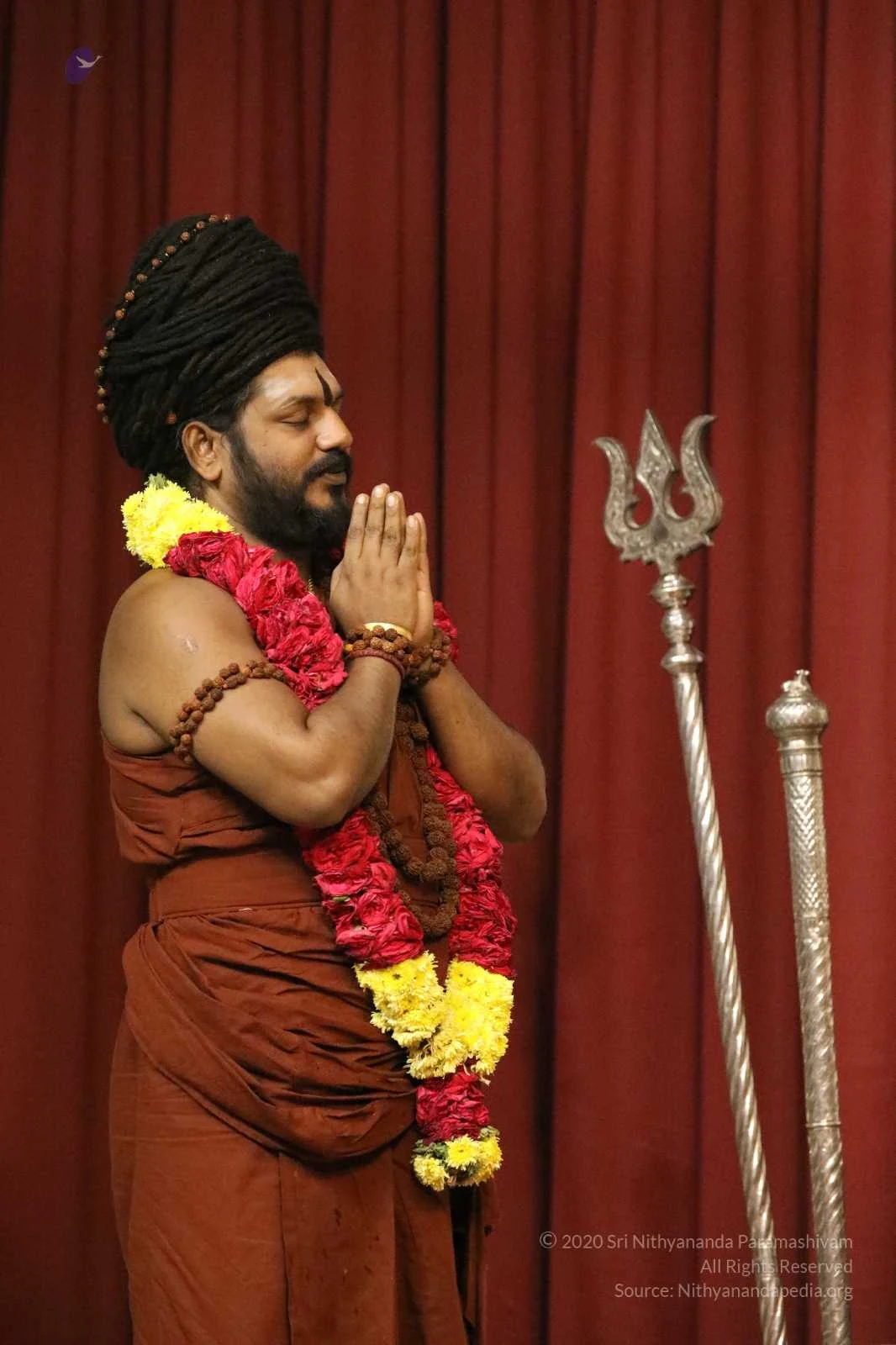
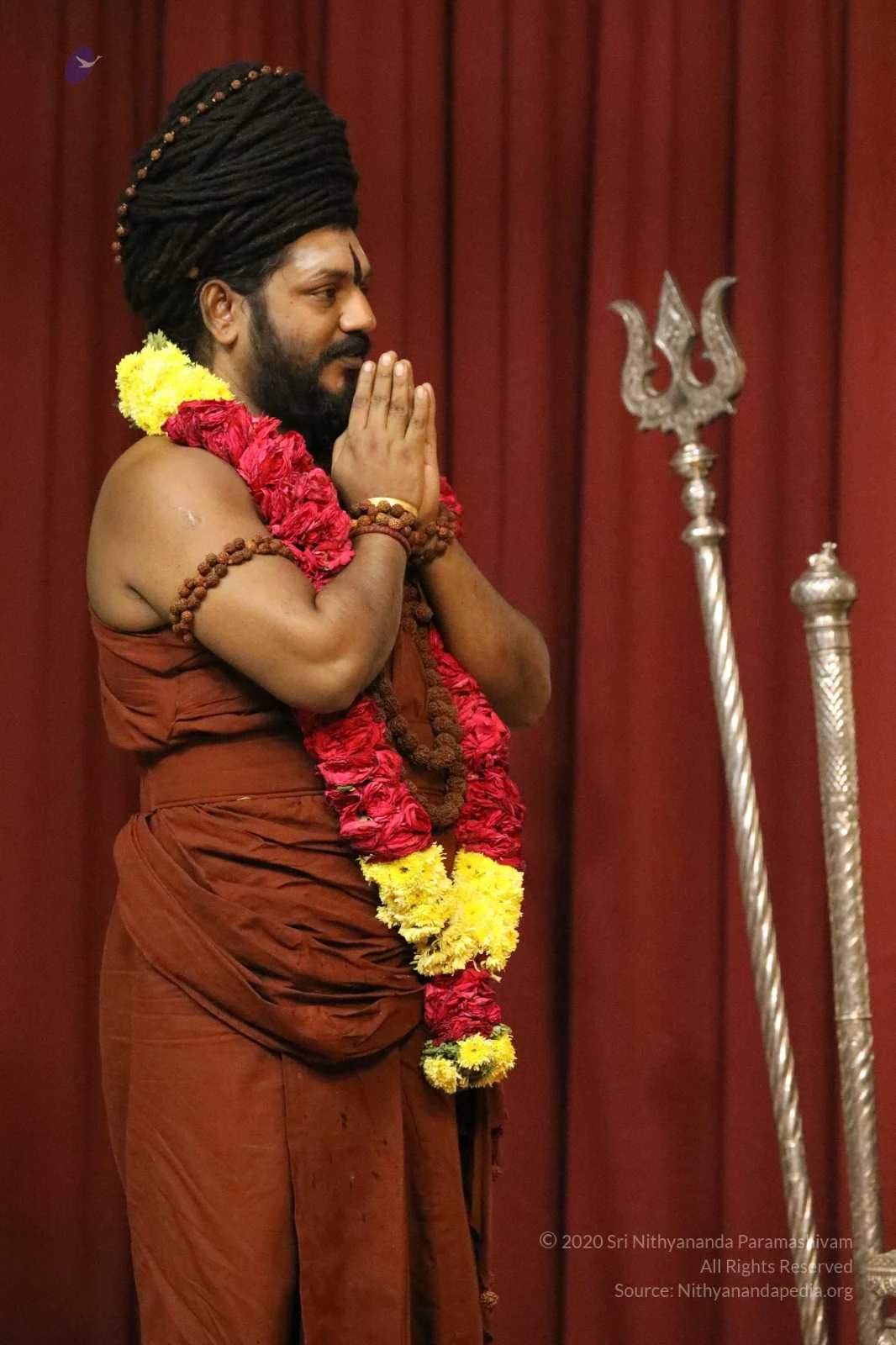
Shiva Deeksha

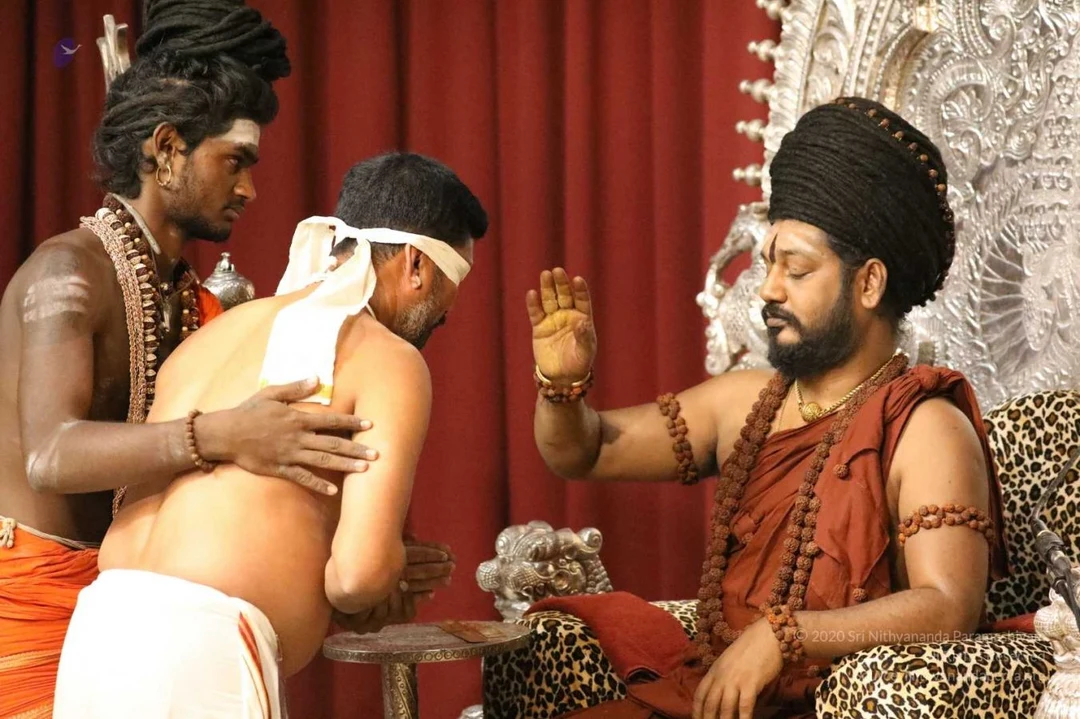
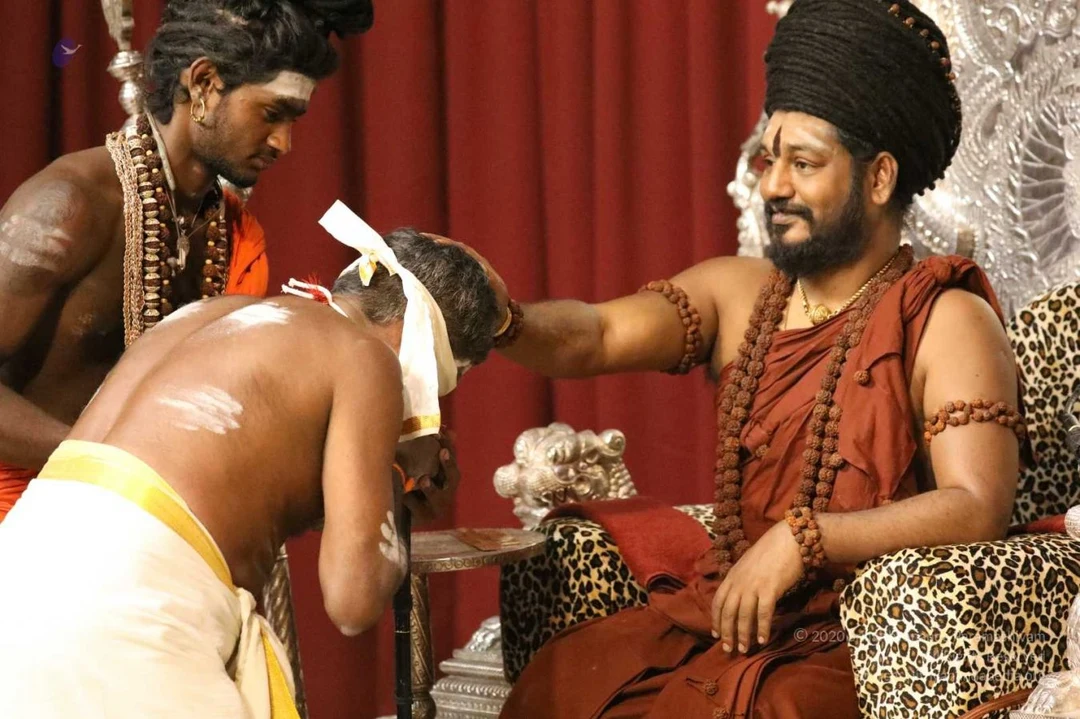

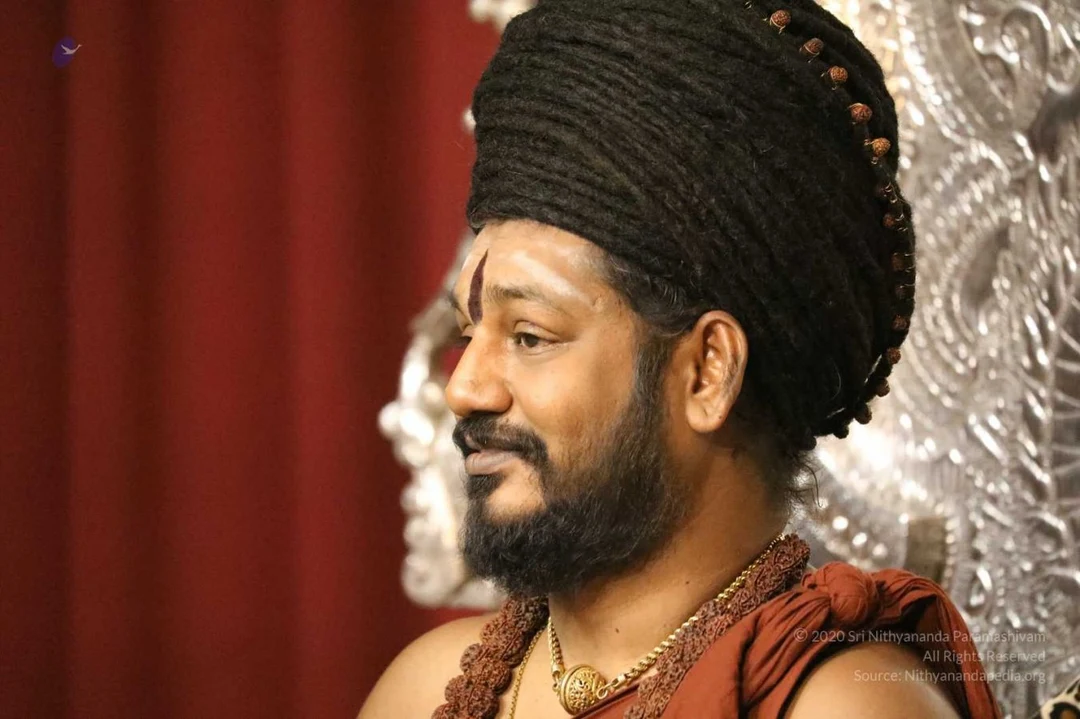
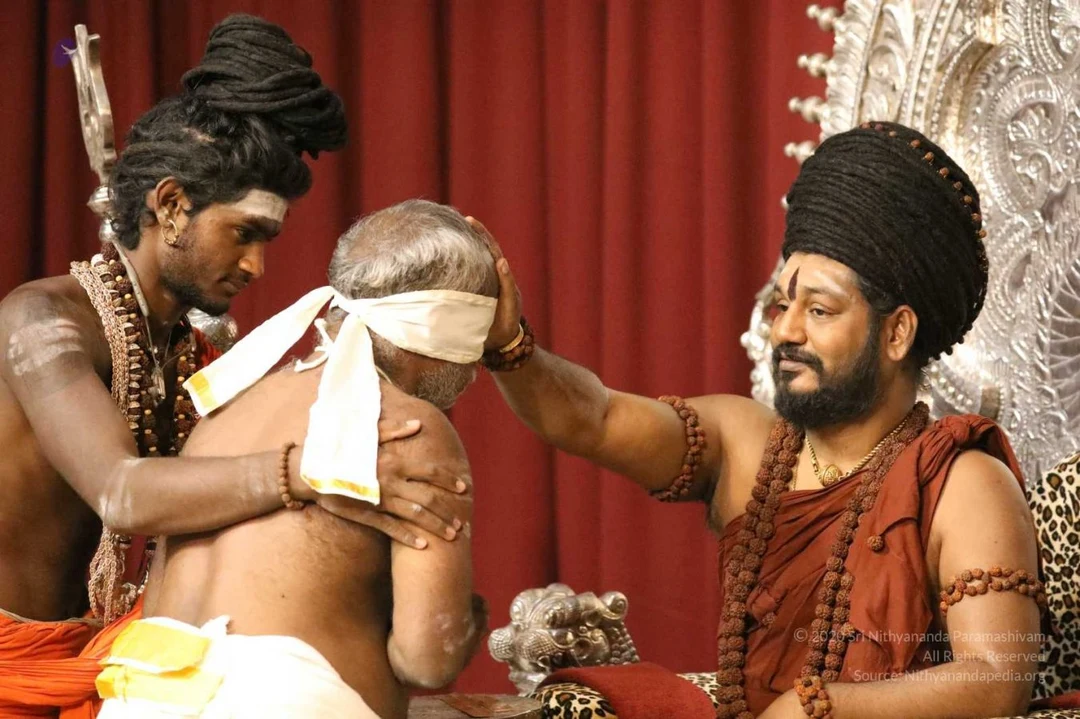
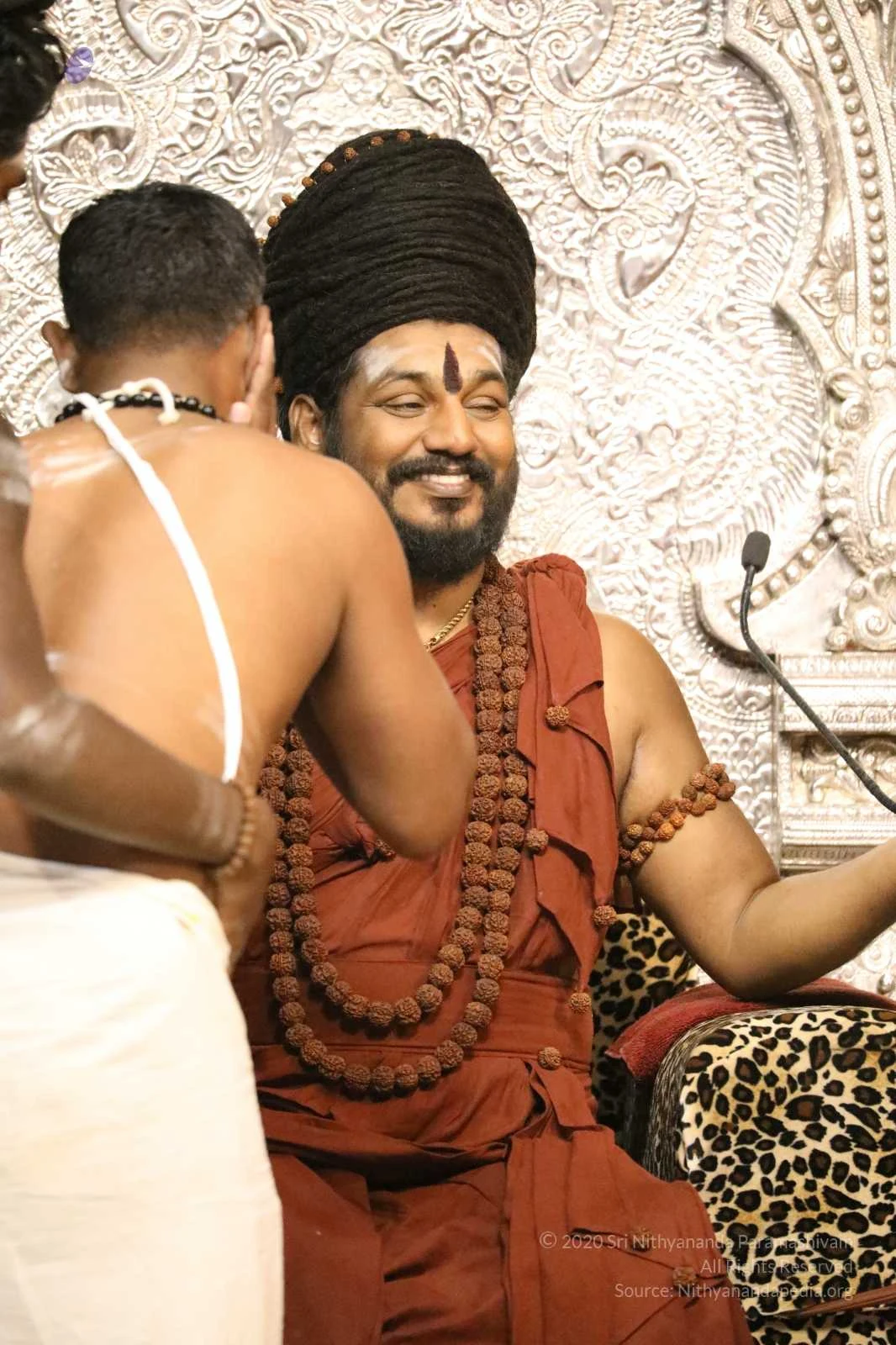
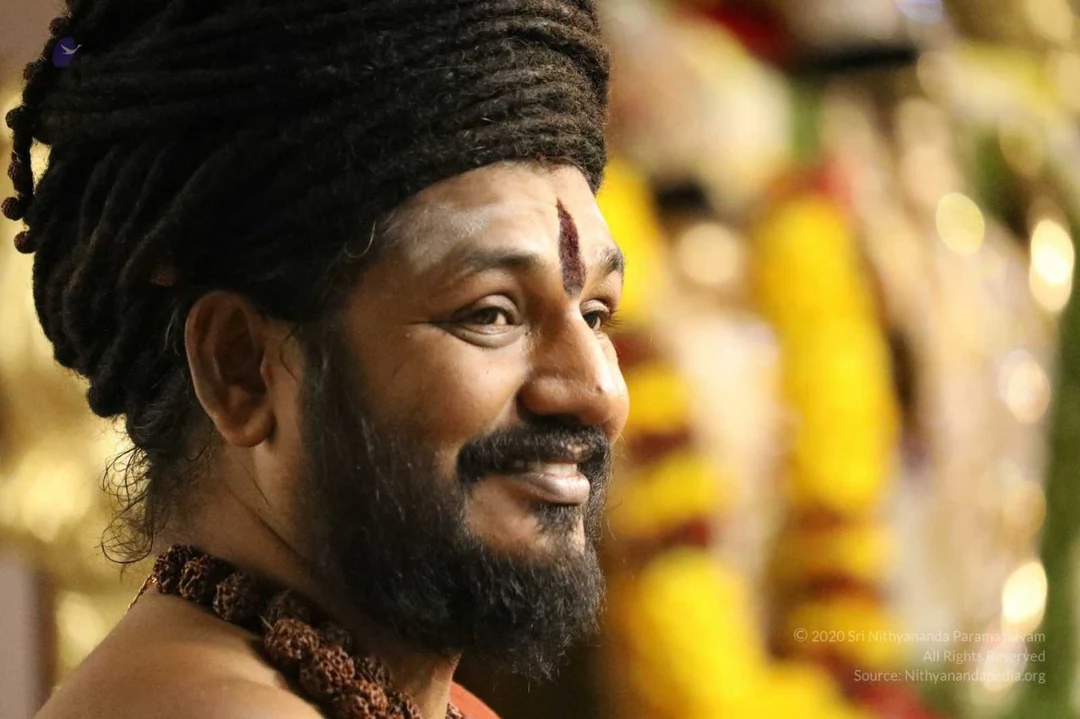
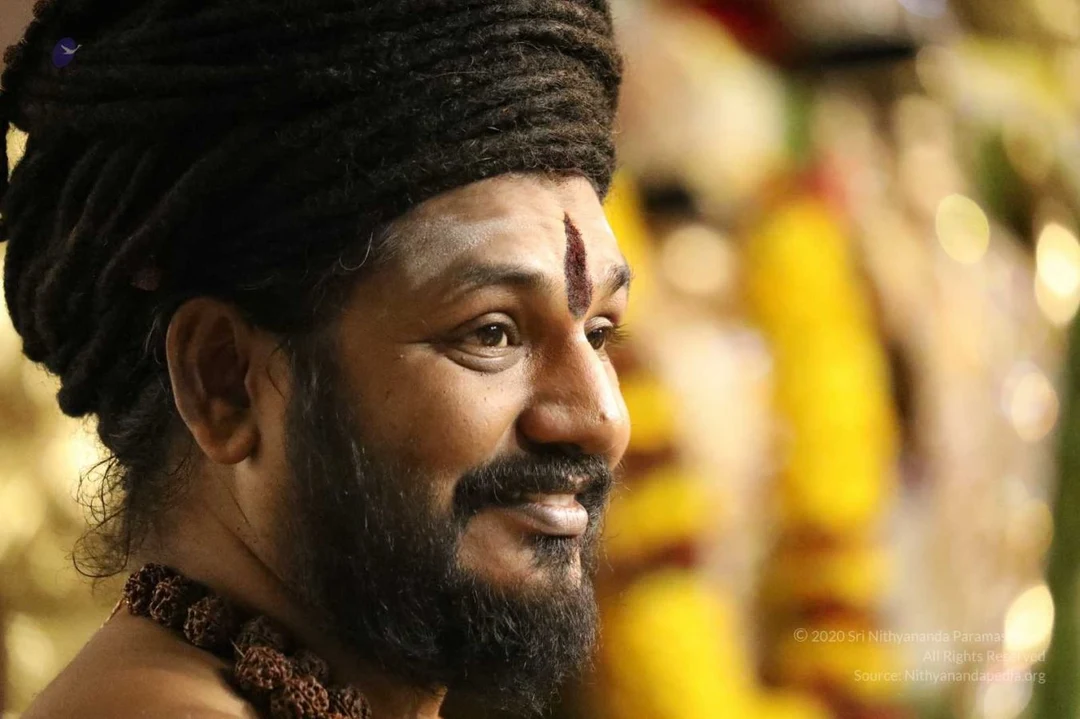
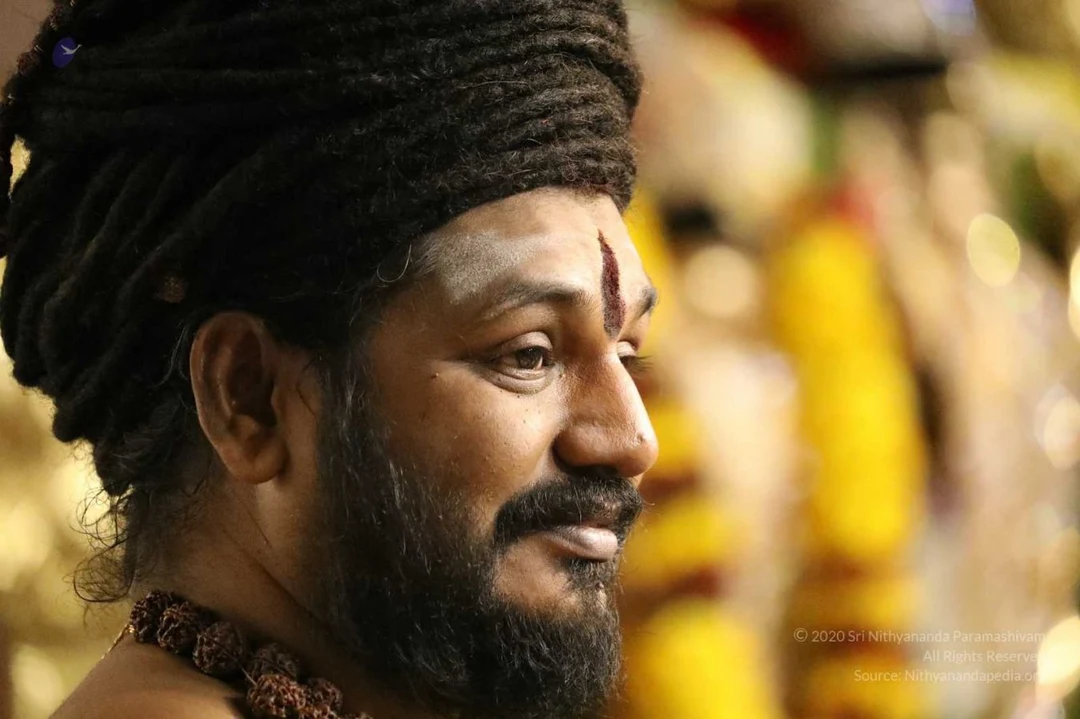

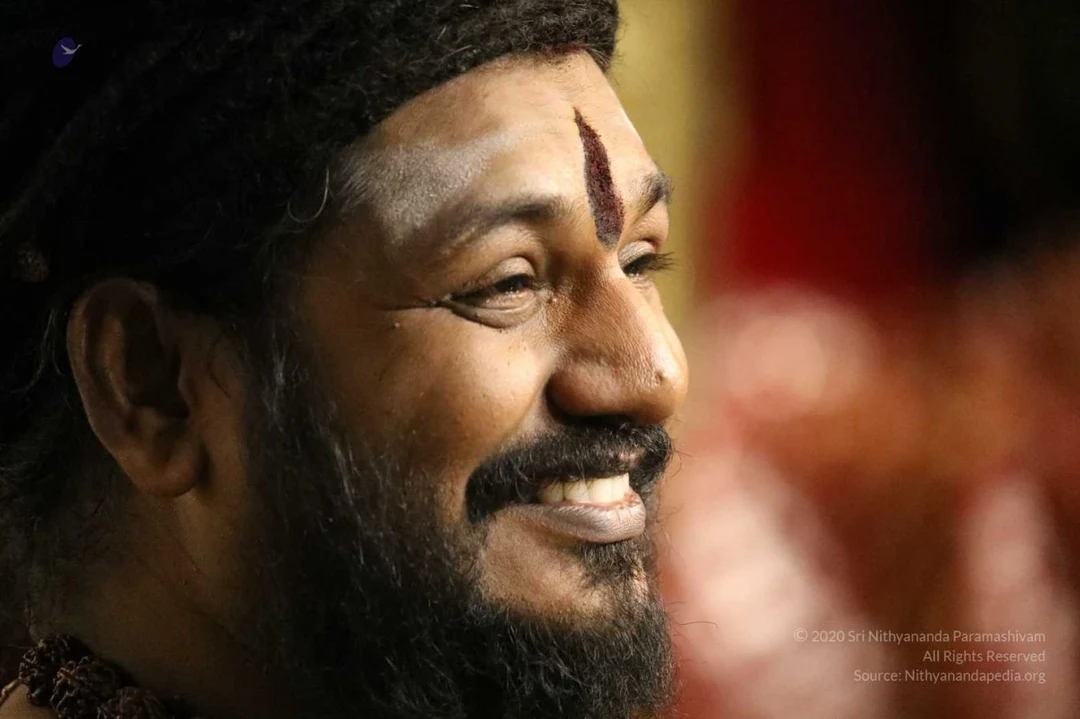
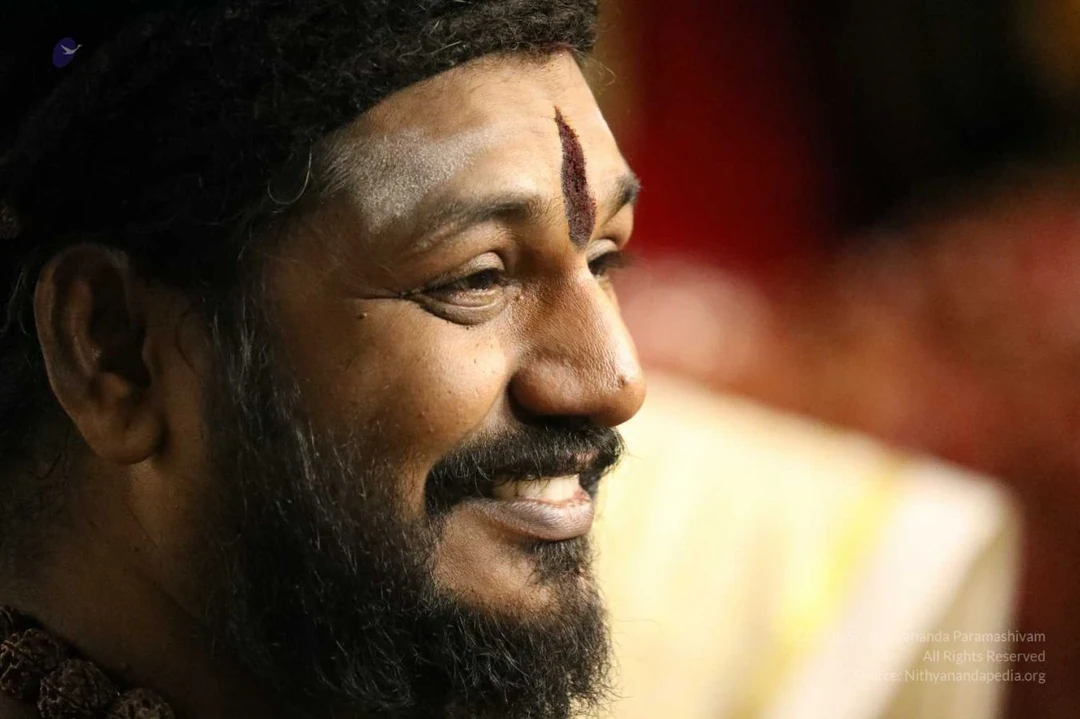
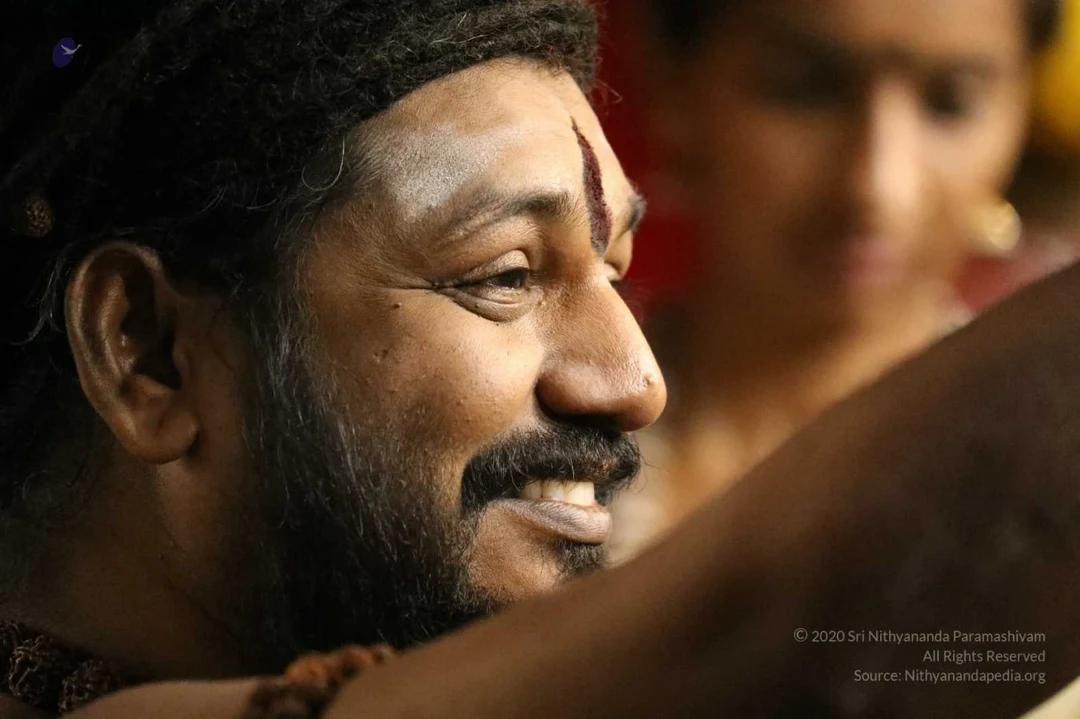
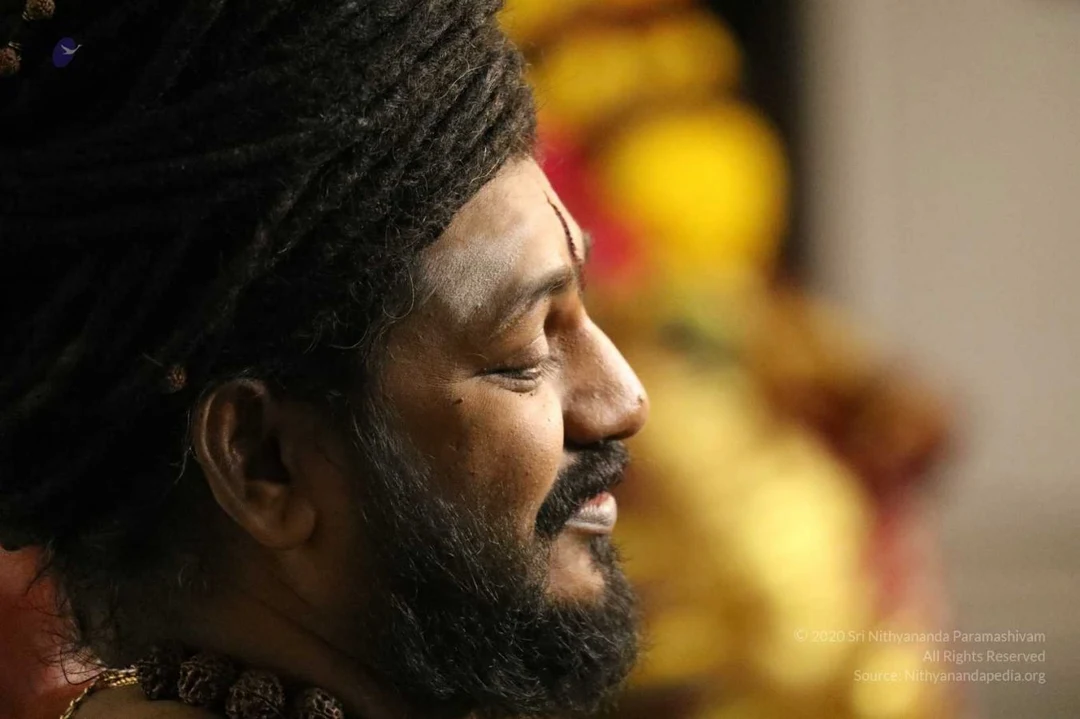
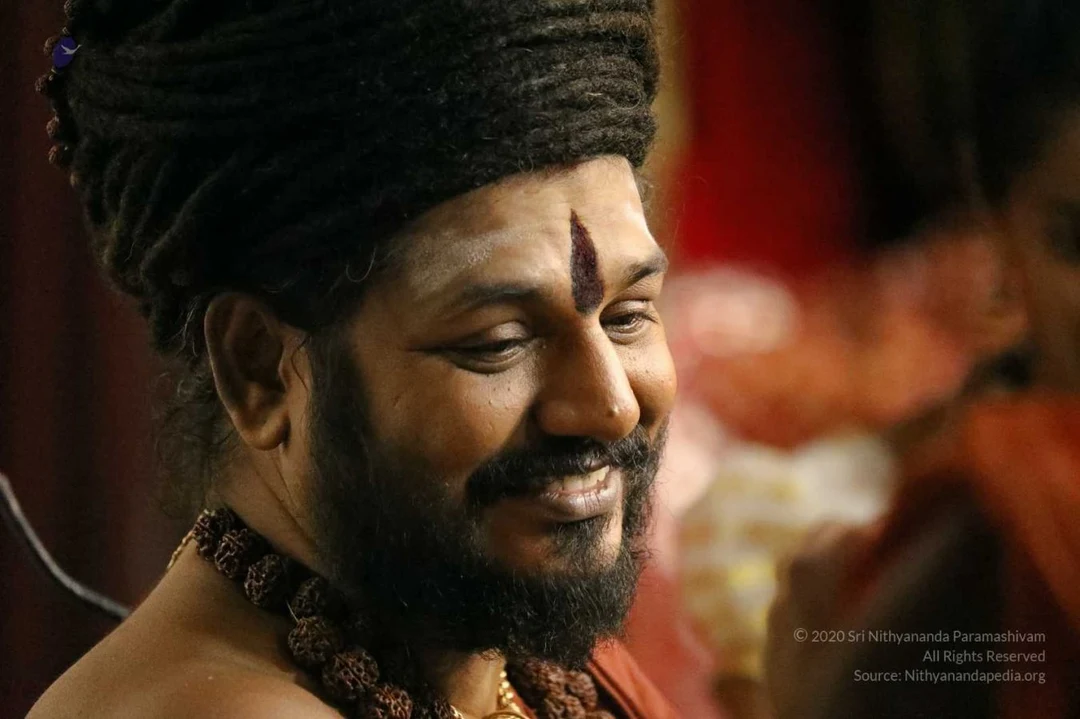
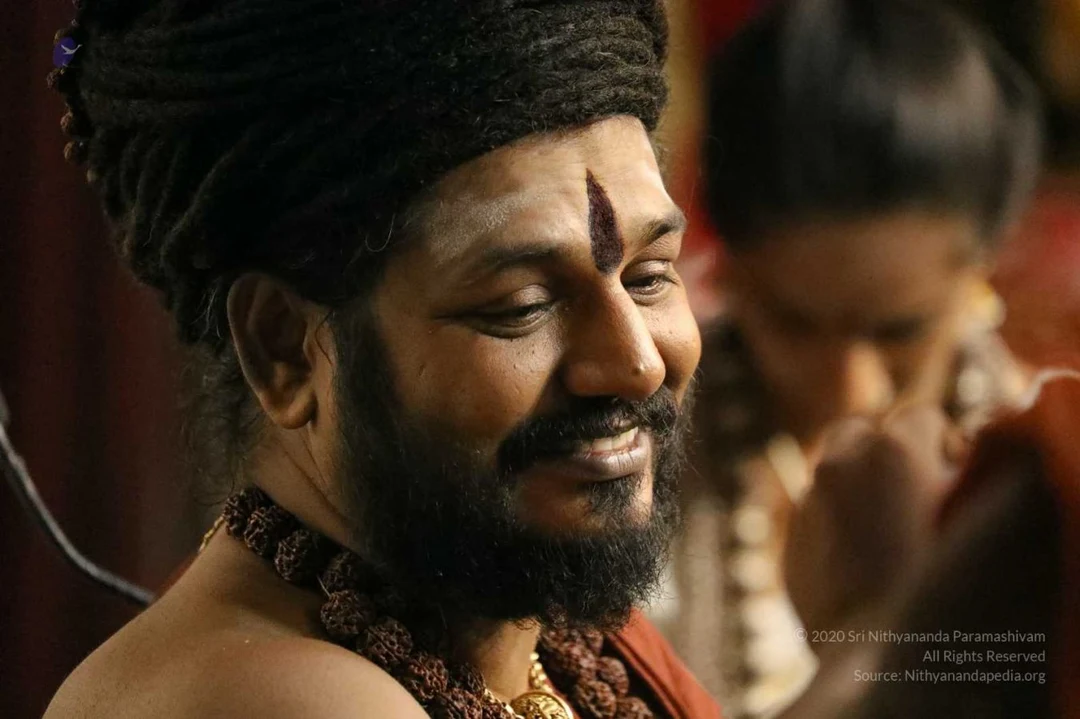
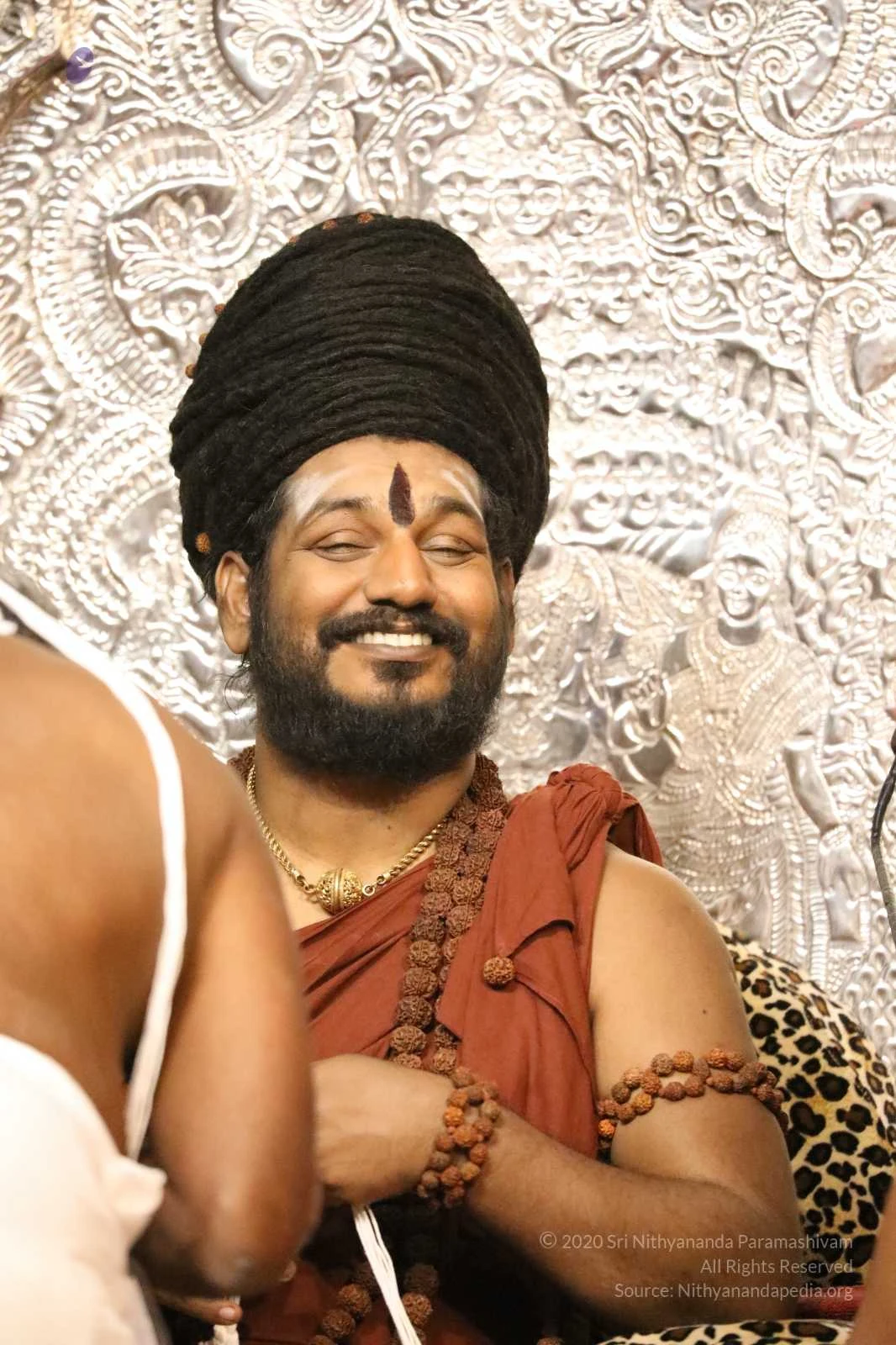

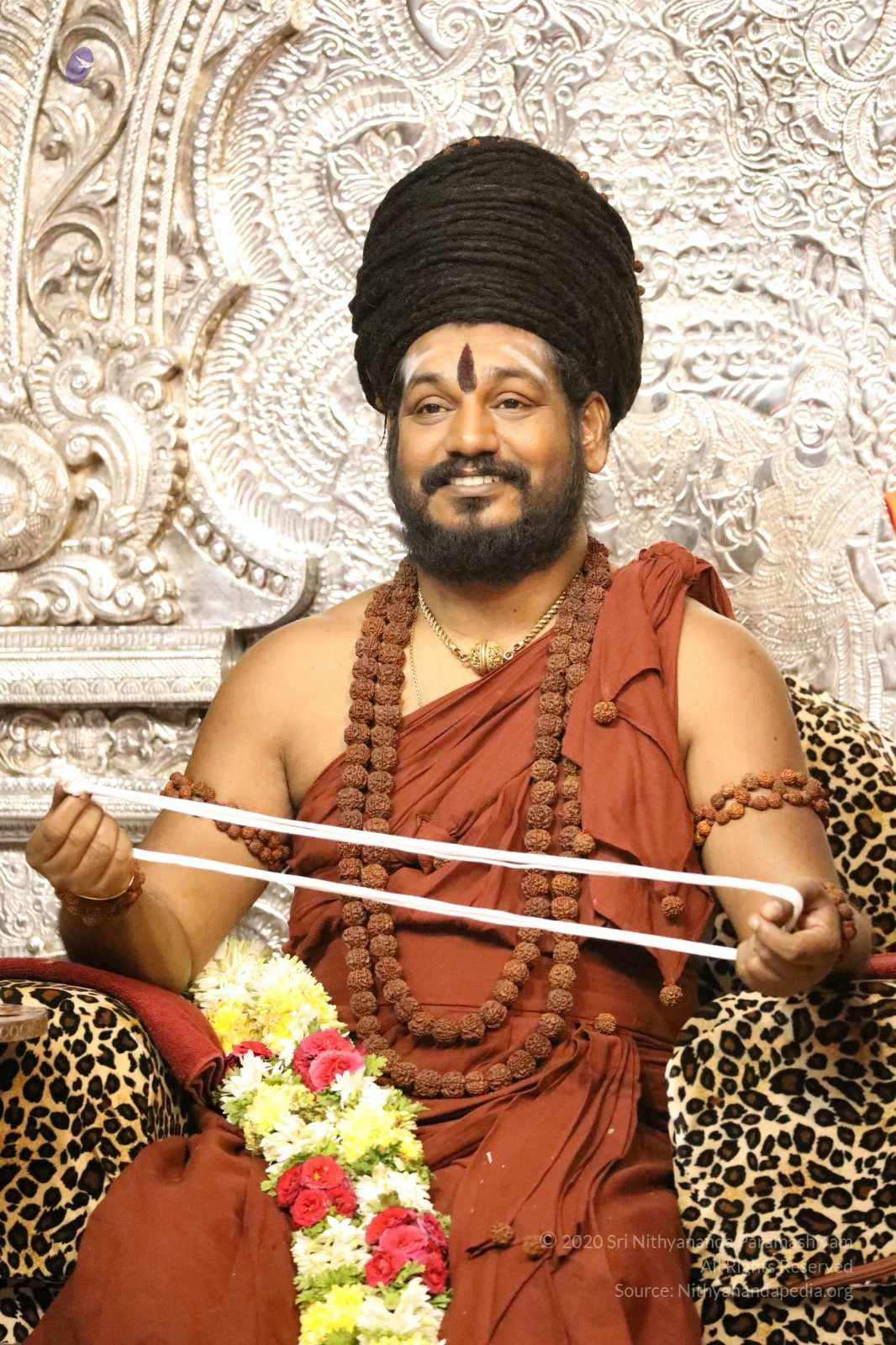
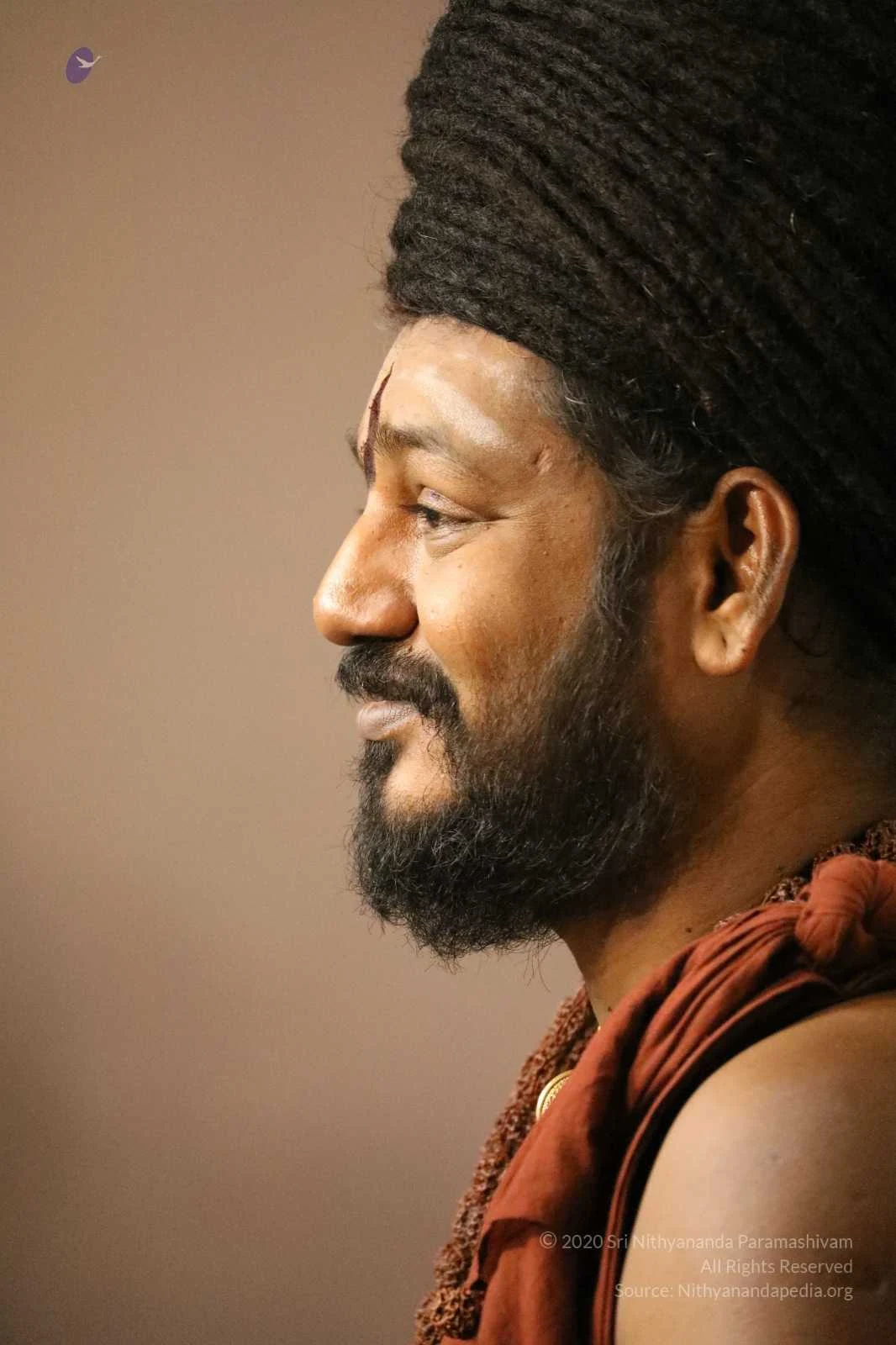
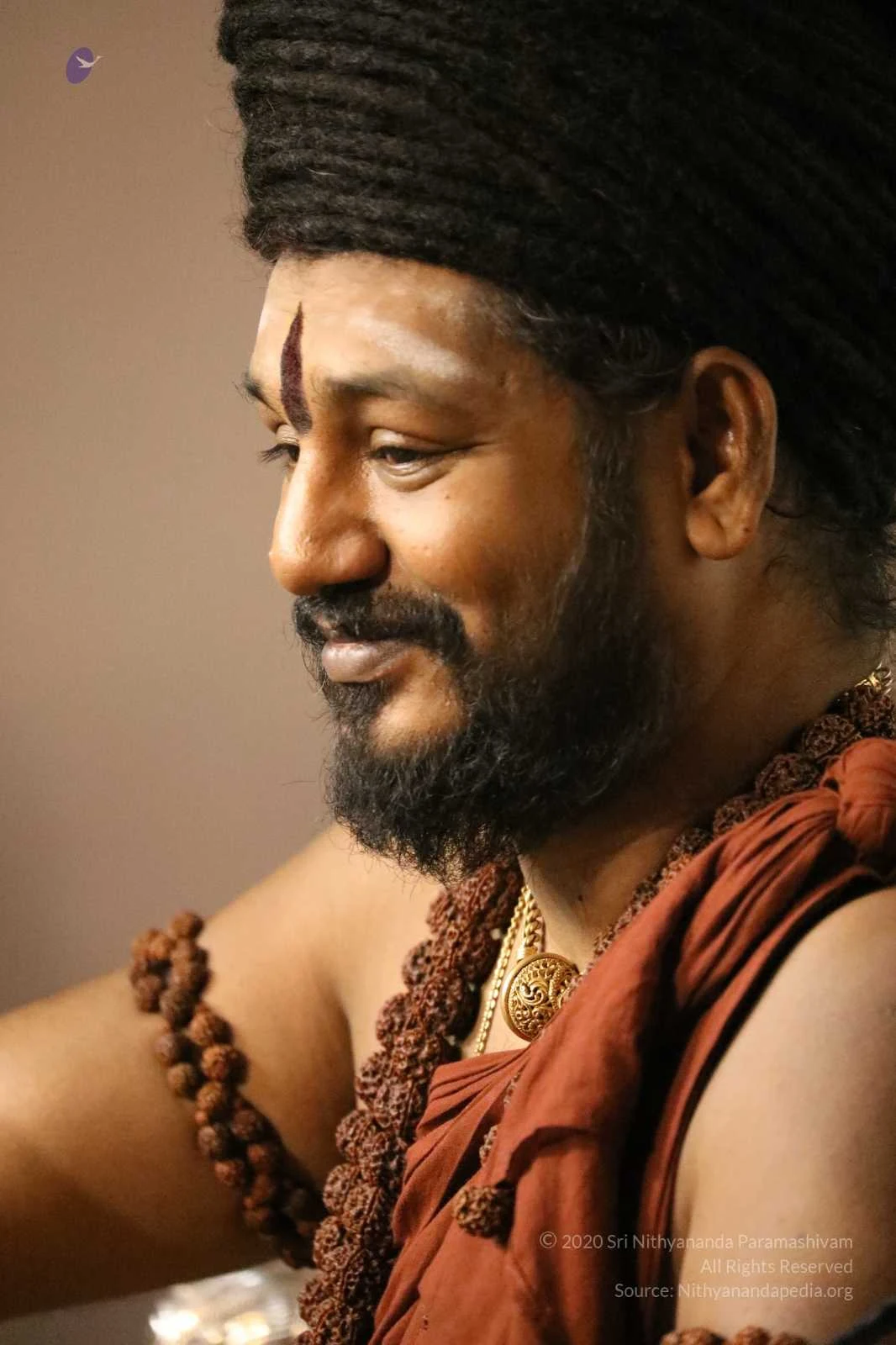
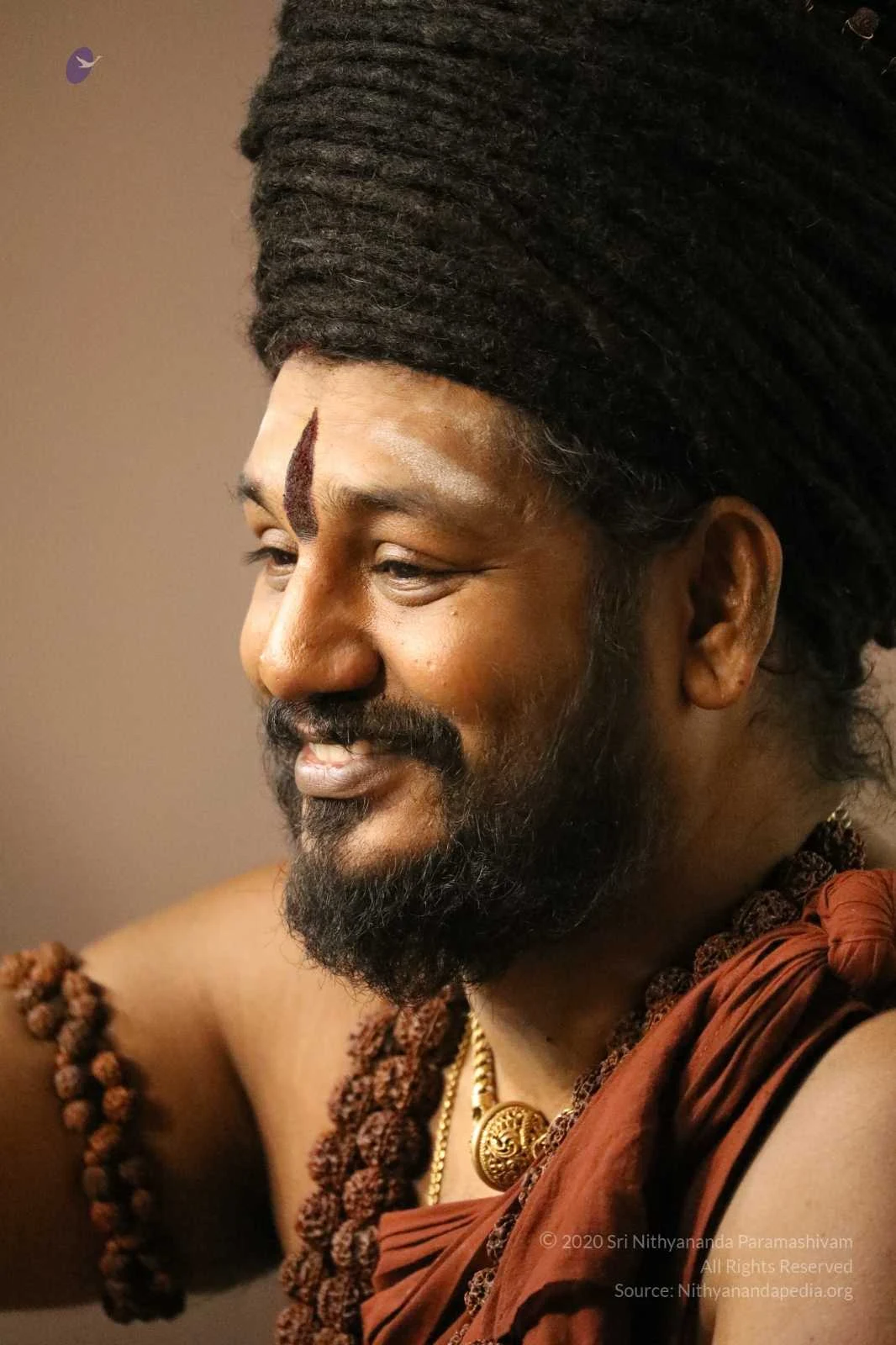
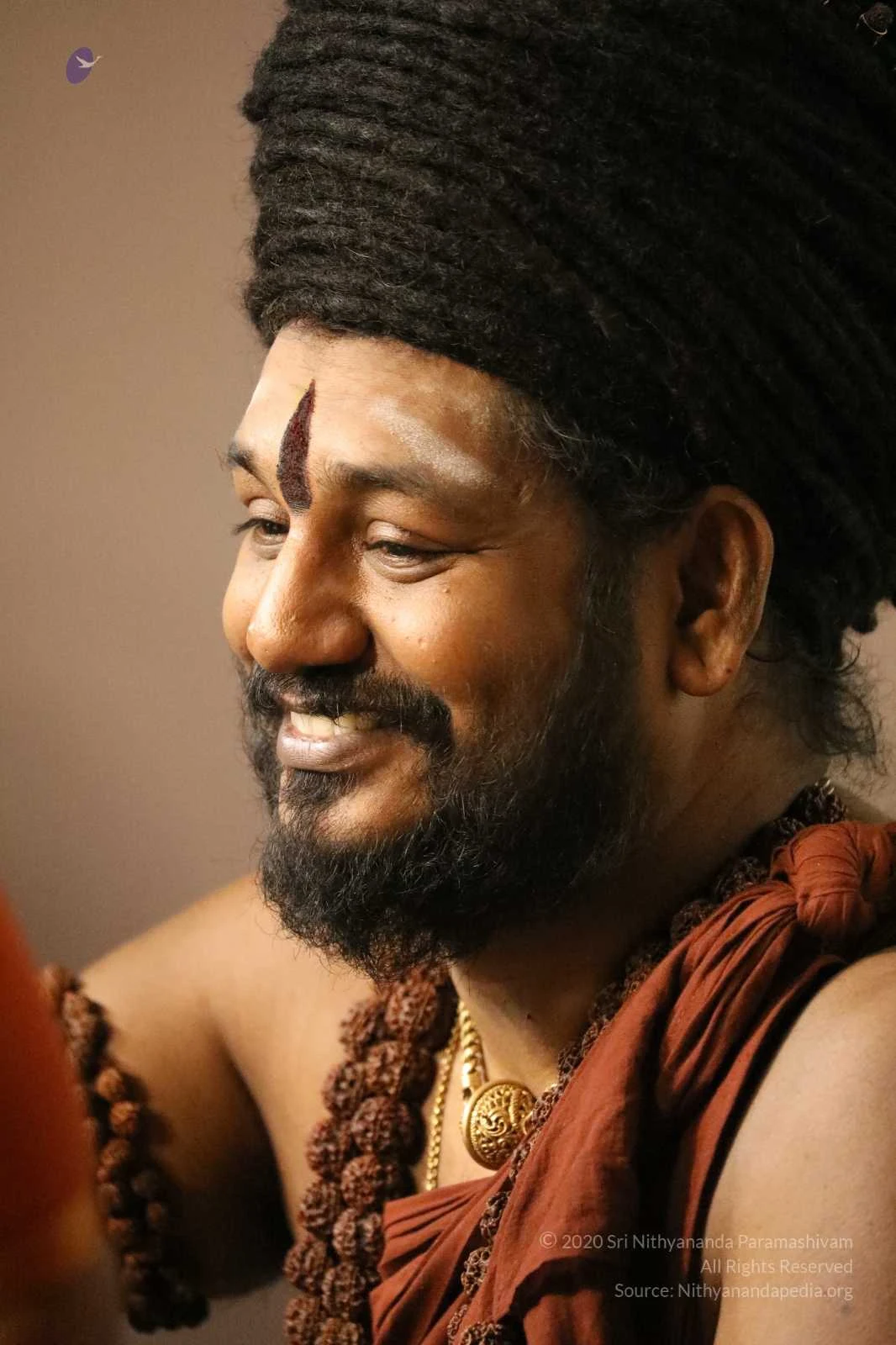


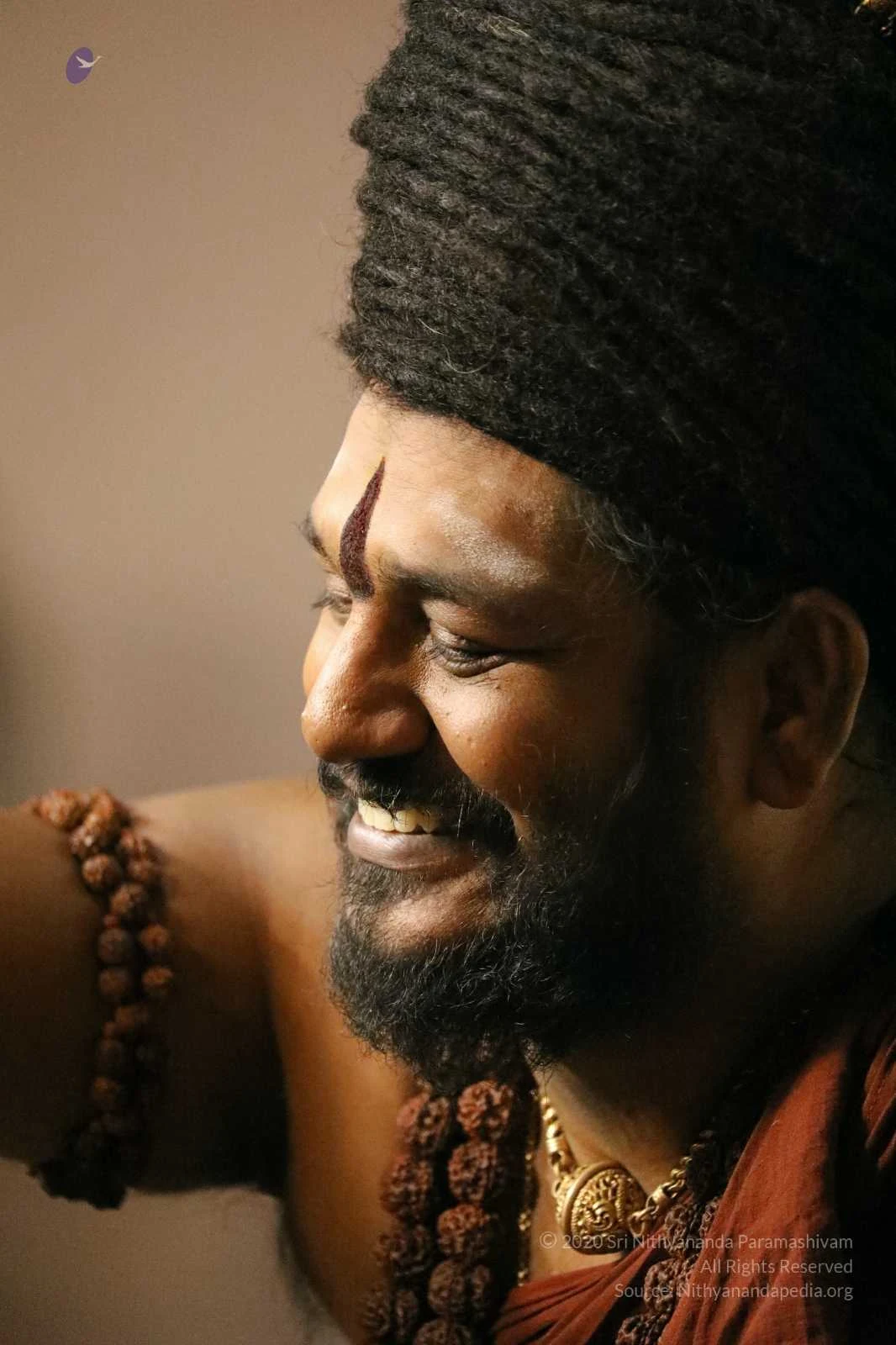
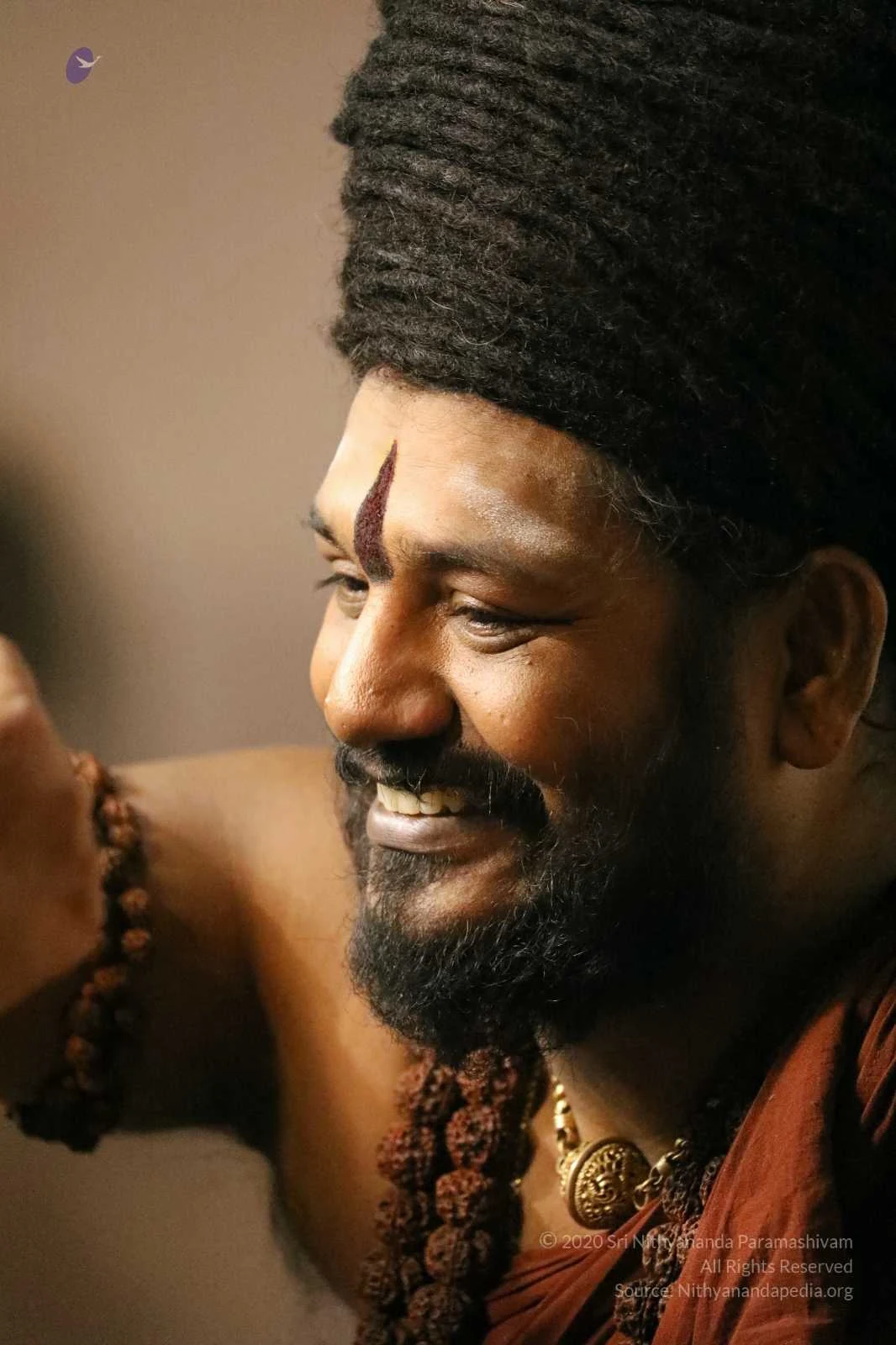
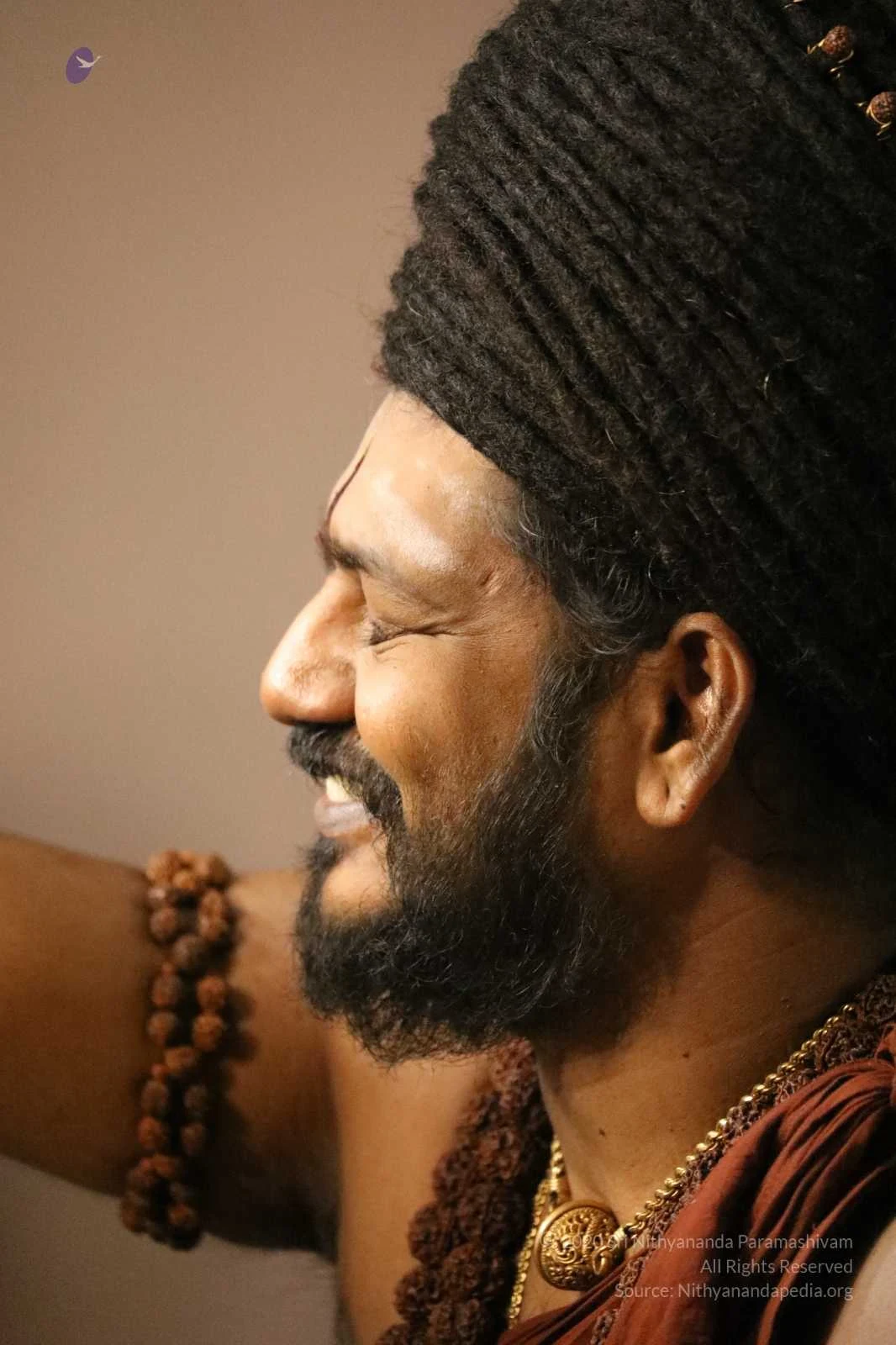
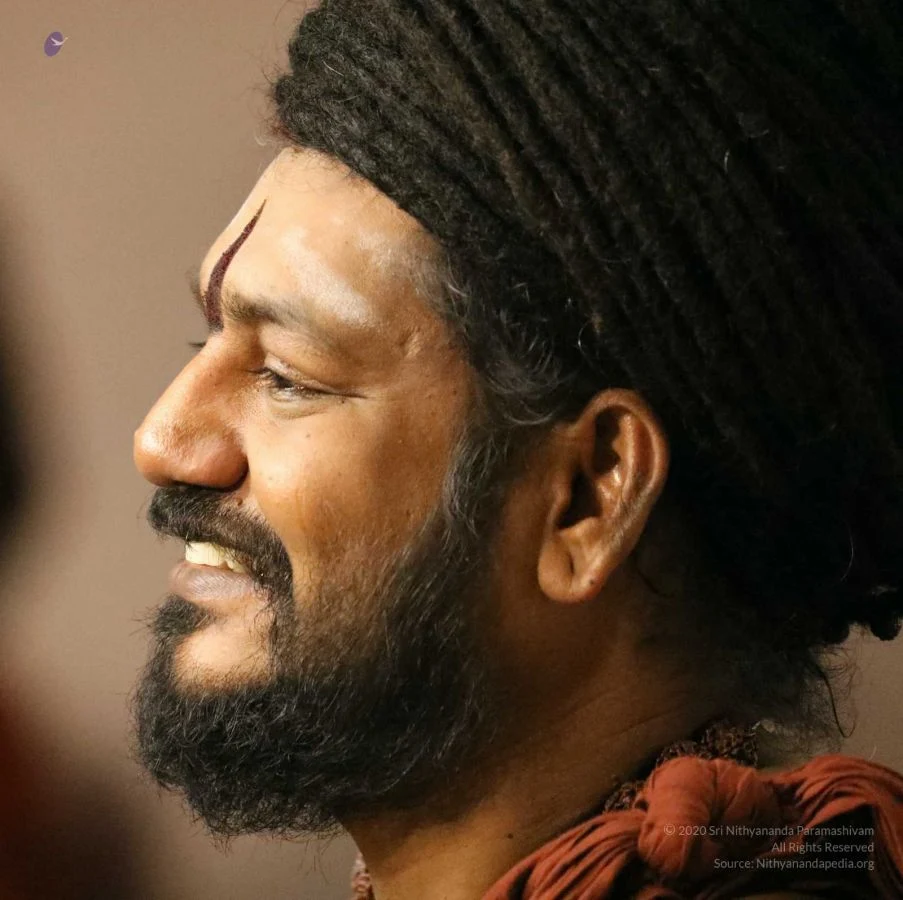
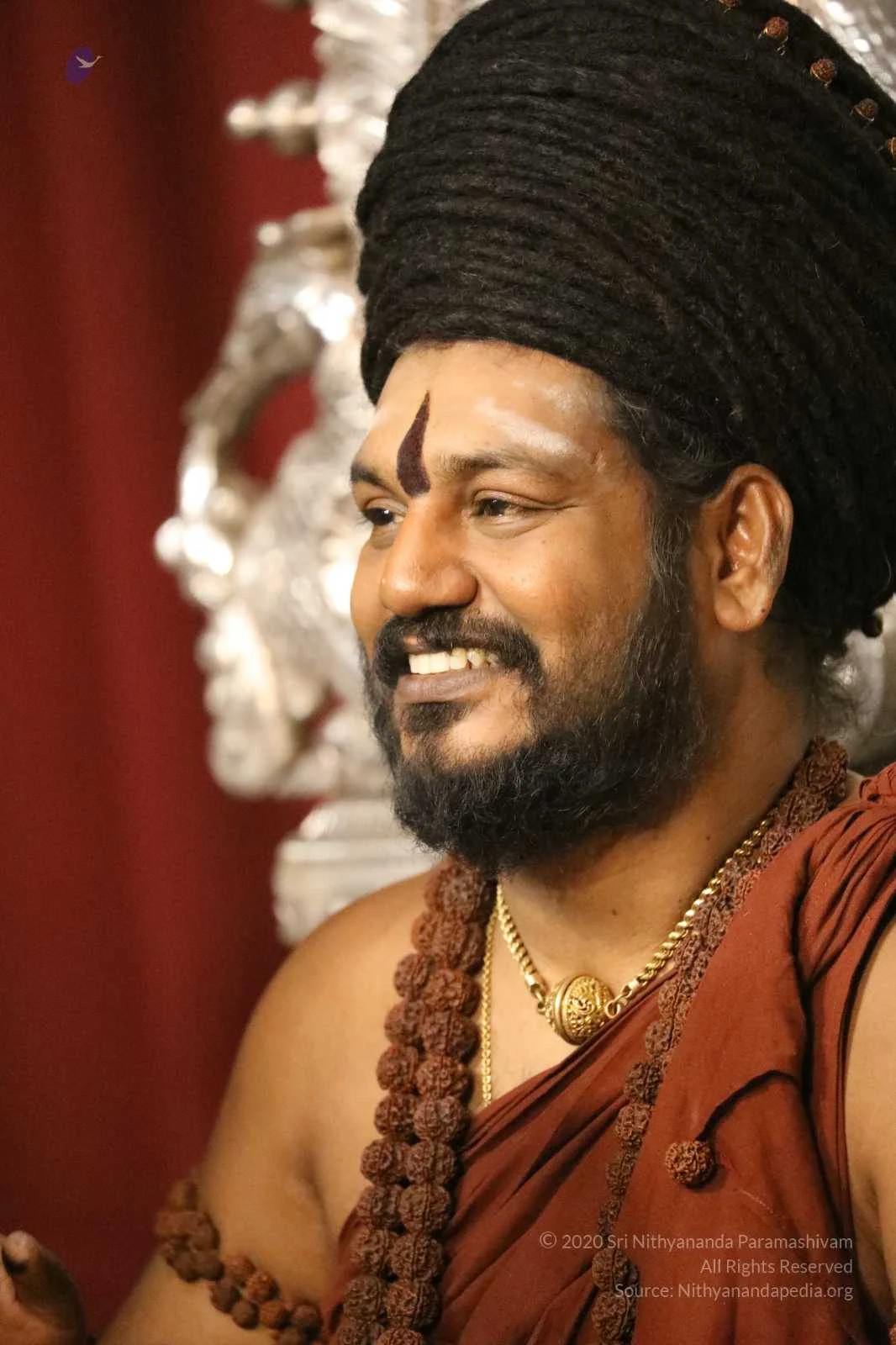
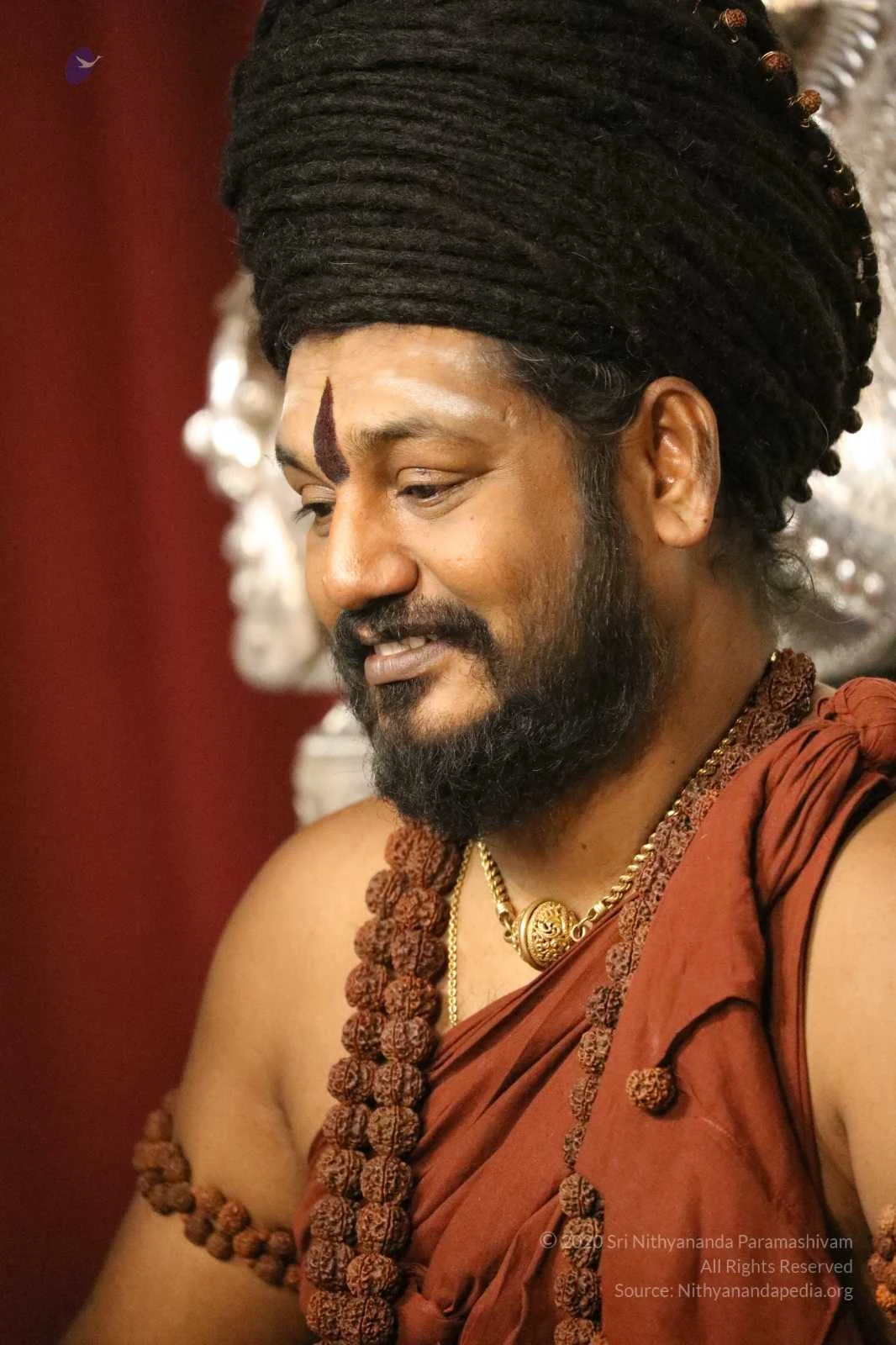
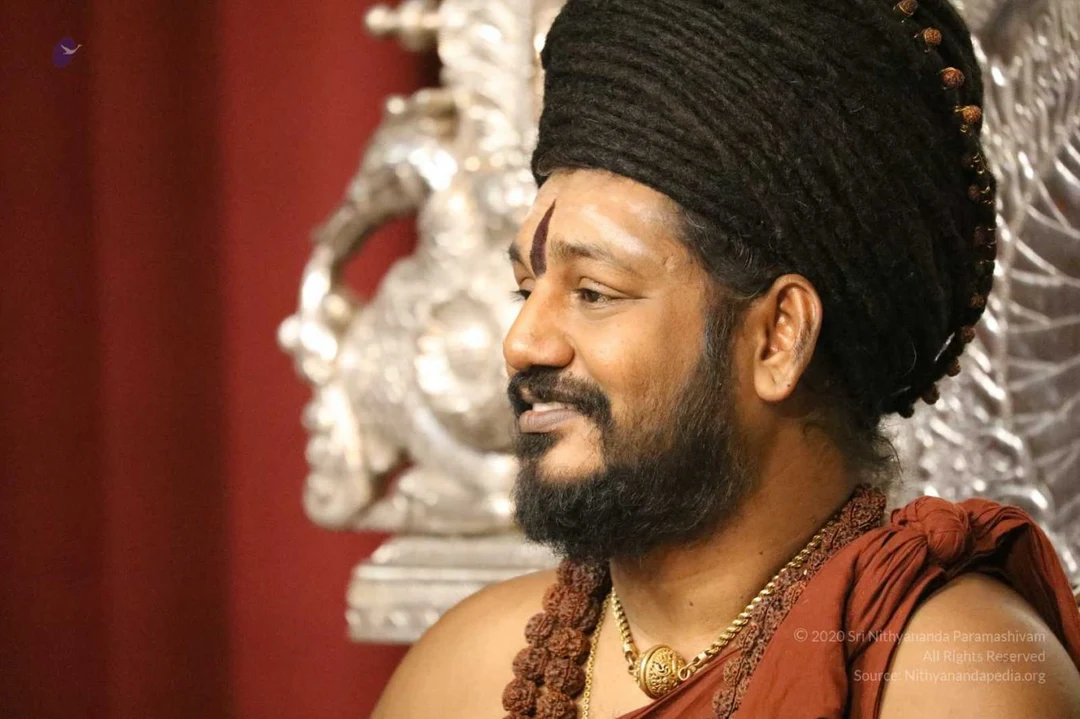
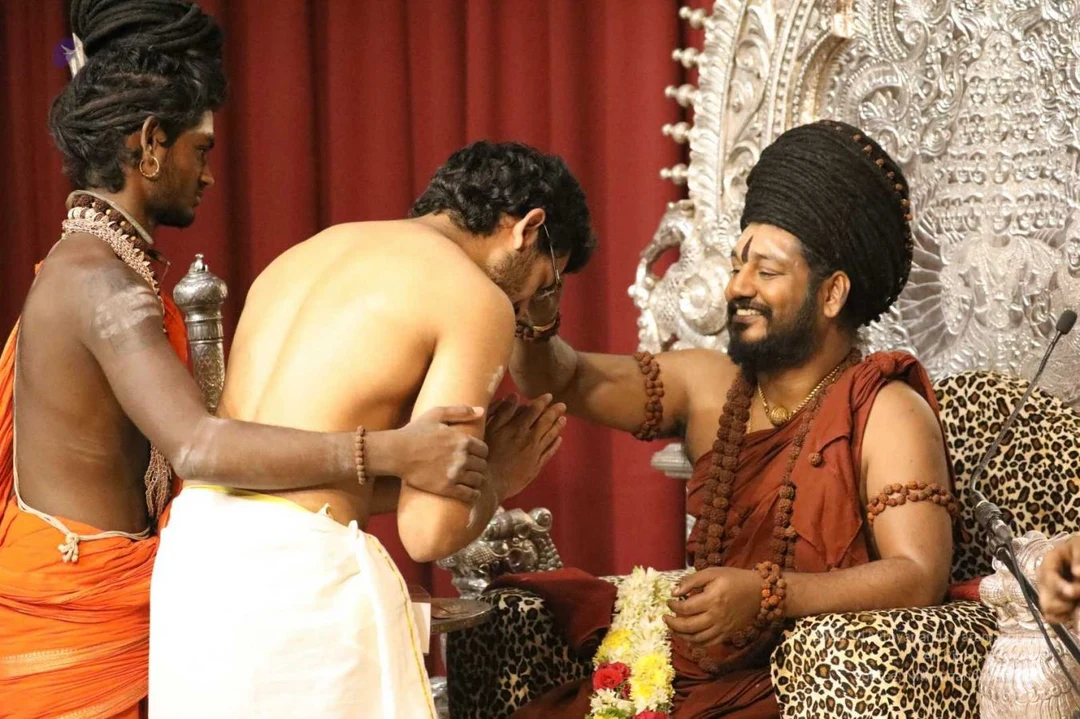

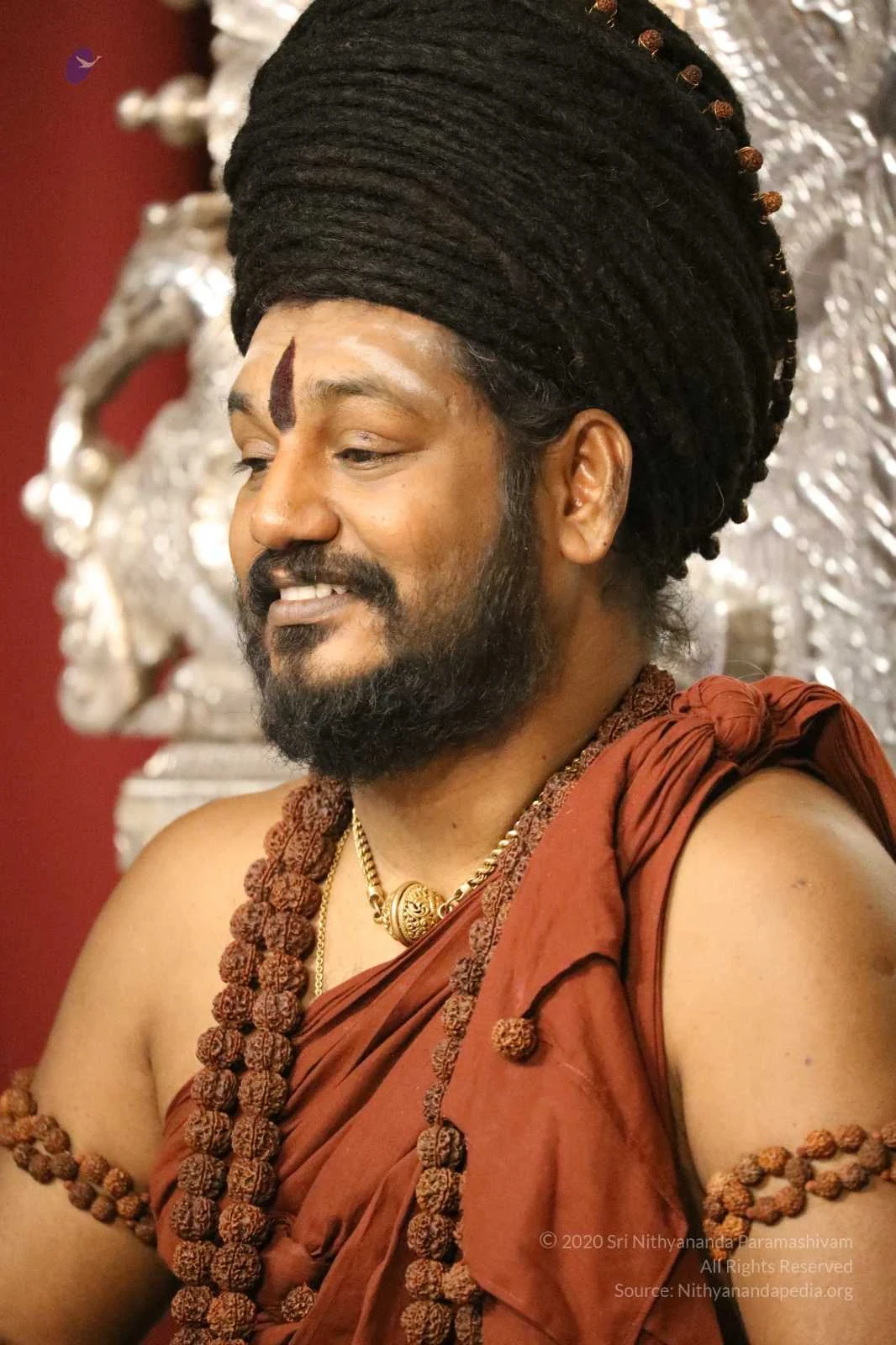
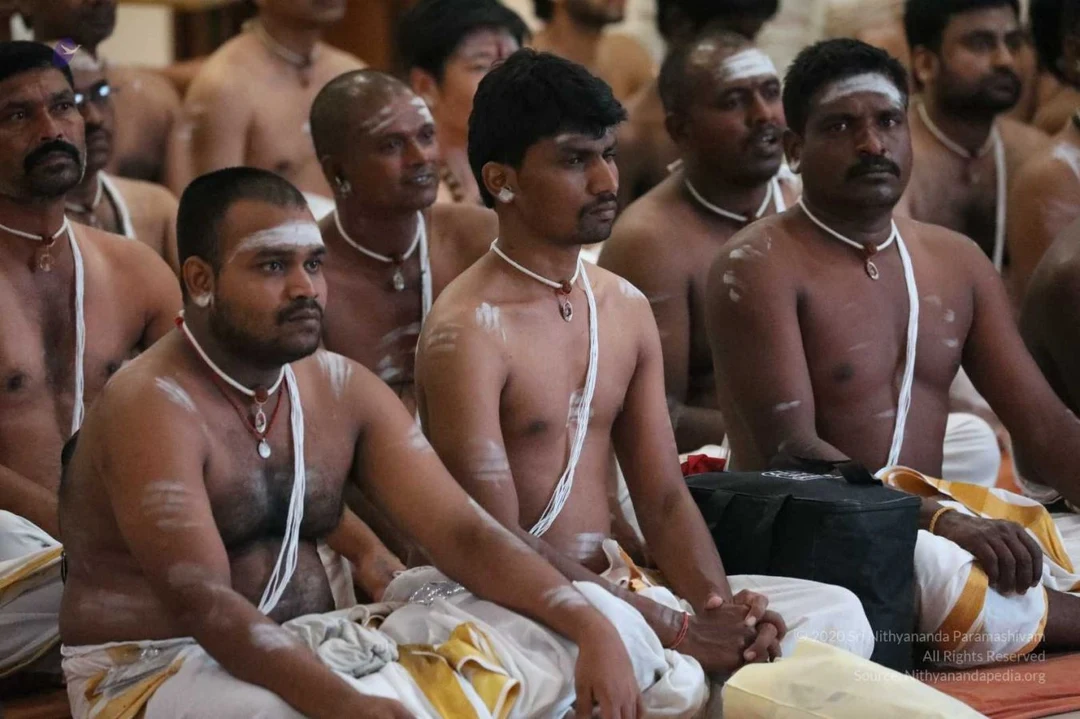
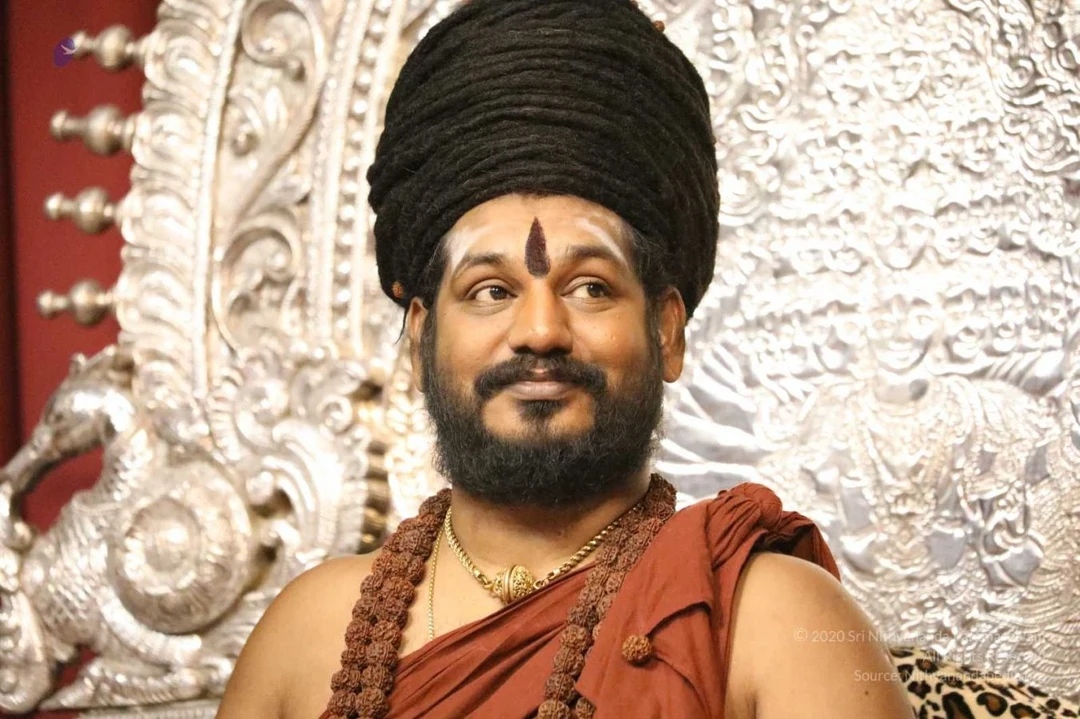
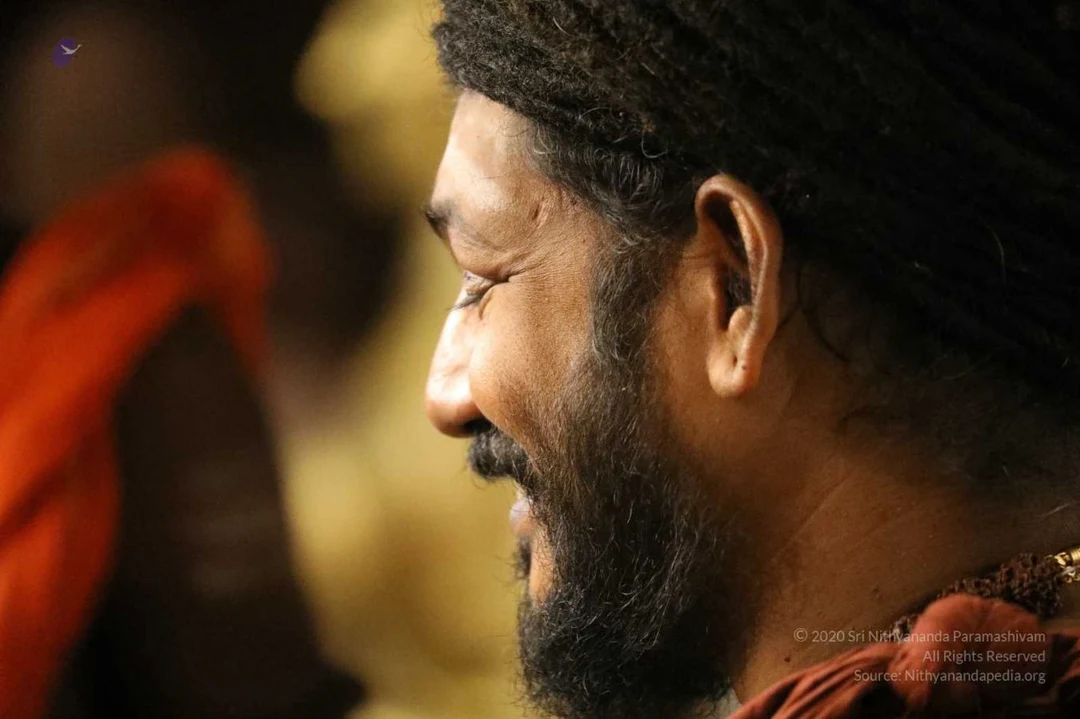
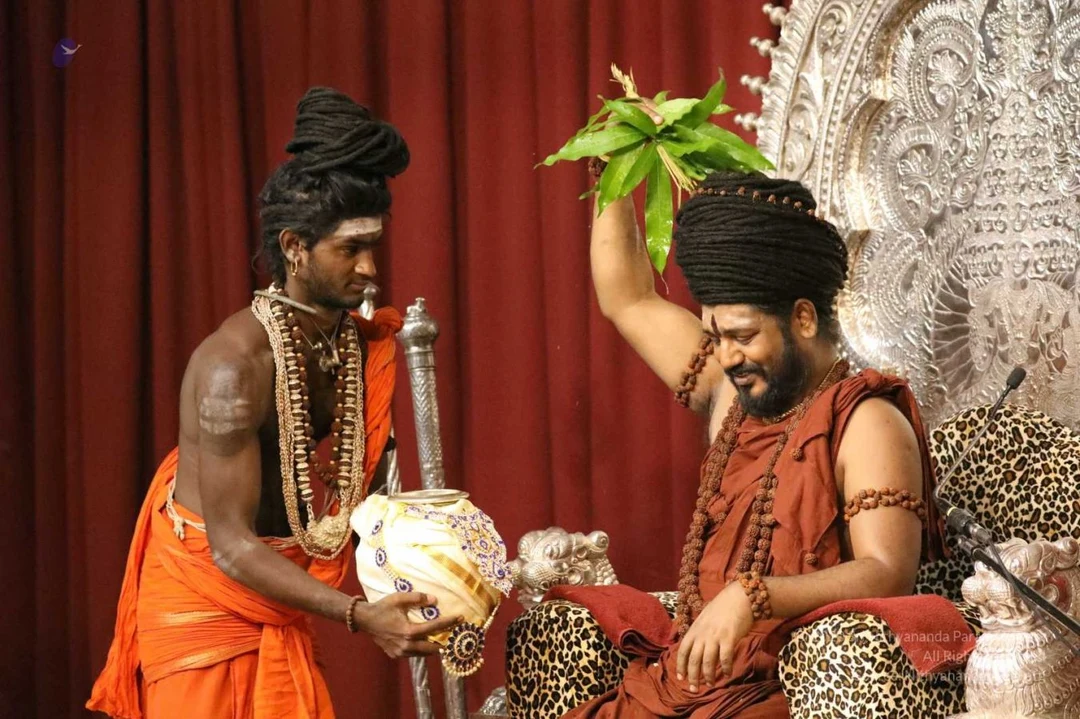
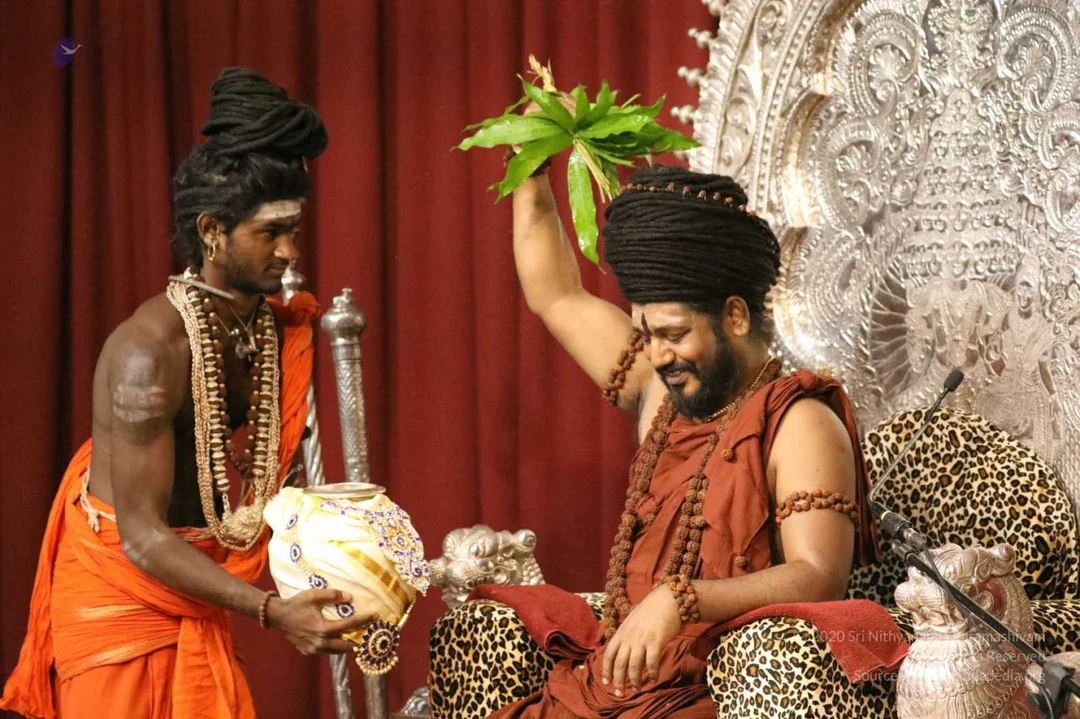
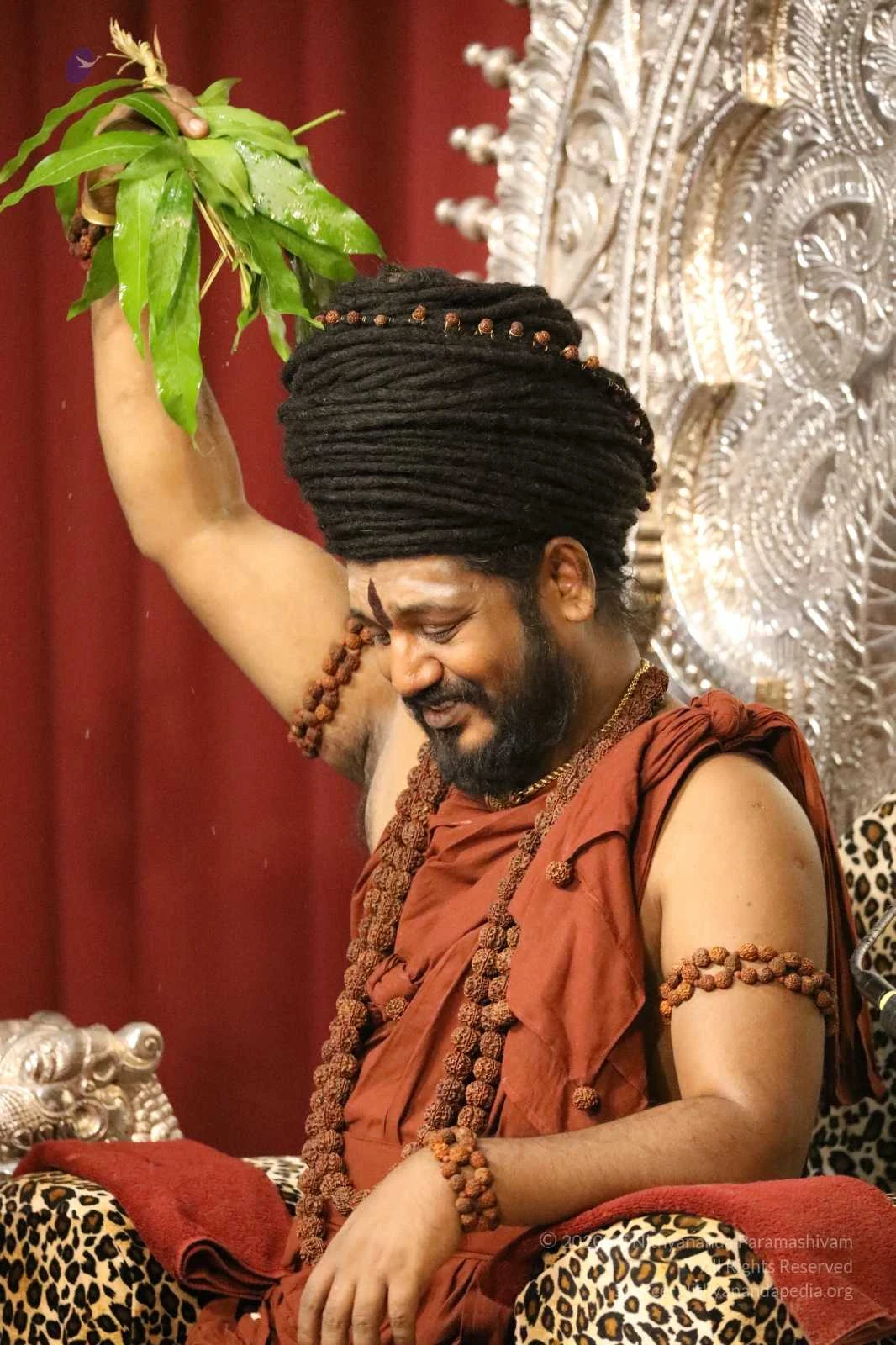
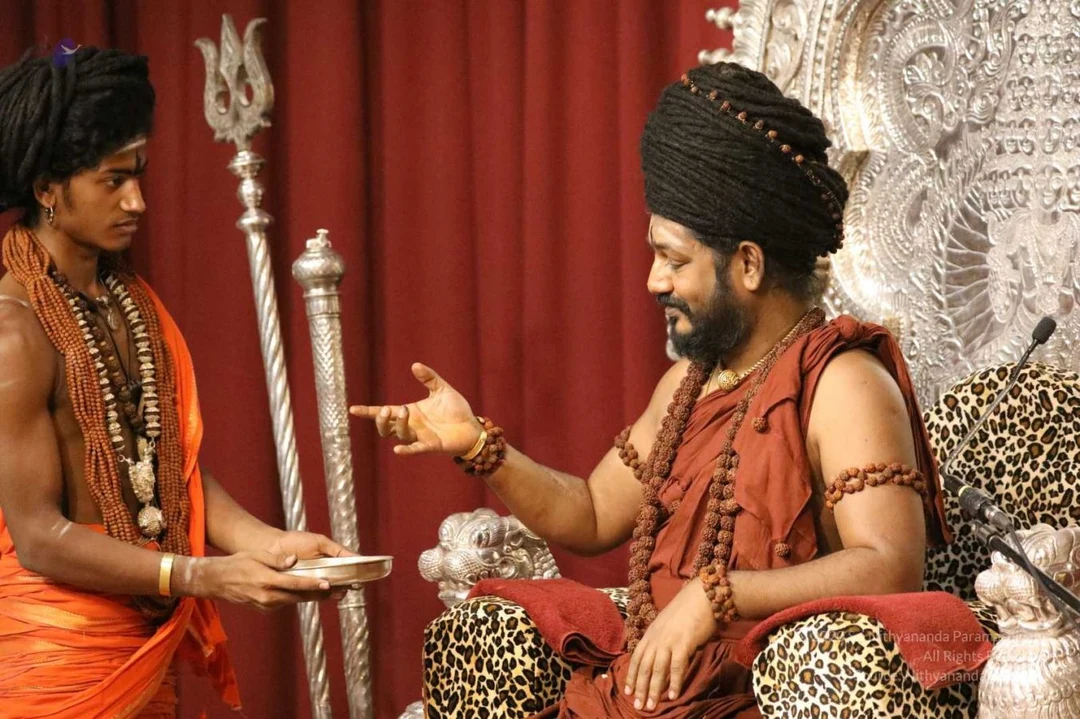


Link to Facebook page
https://www.facebook.com/ParamahamsaNithyananda/posts/1691176864303490
https://www.facebook.com/ParamahamsaNithyananda/posts/1692219780865865
Photos from this day
View all 790 photosDarshan
68 photosSource gallery
Pada Puja
196 photosSource gallery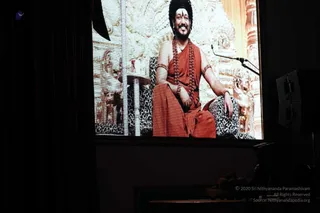
Satsang
123 photosSource gallery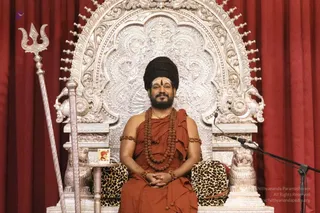
Shiva Deeksha
113 photosSource gallery