Monday
25 March 2013
Genesis of Identity - Initiation into Ananda Gandha , Inner Awakening
- Dated photos
- 211
- Source pages
- 1
- Media
- 6
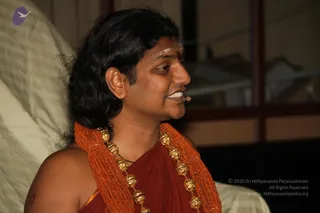
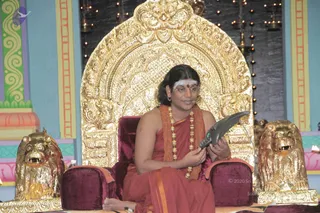
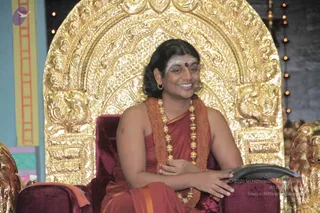
March 25 2013
Original wiki pageTitle
Genesis of Identity - Initiation into Ananda Gandha , Inner Awakening
Narration
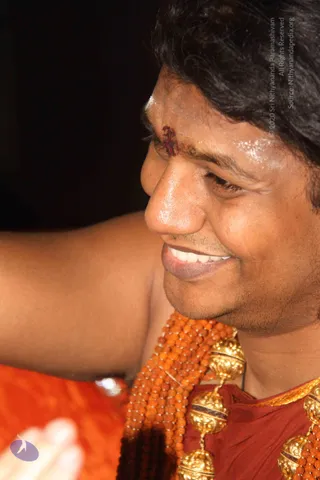
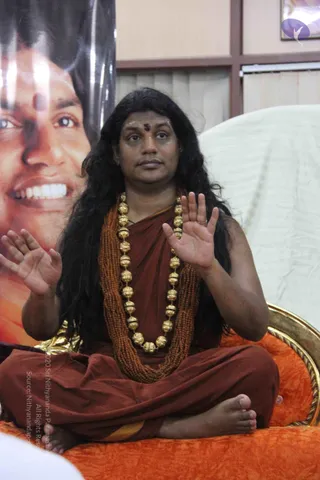
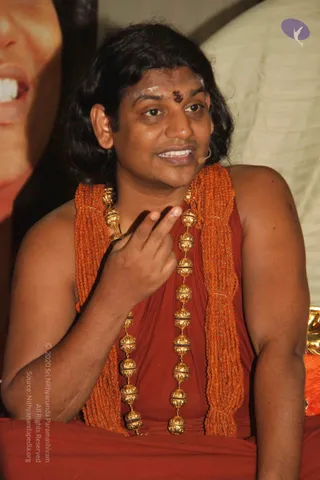
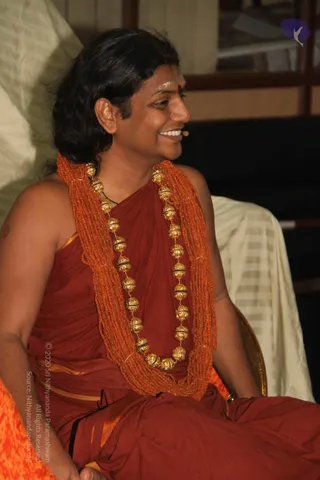
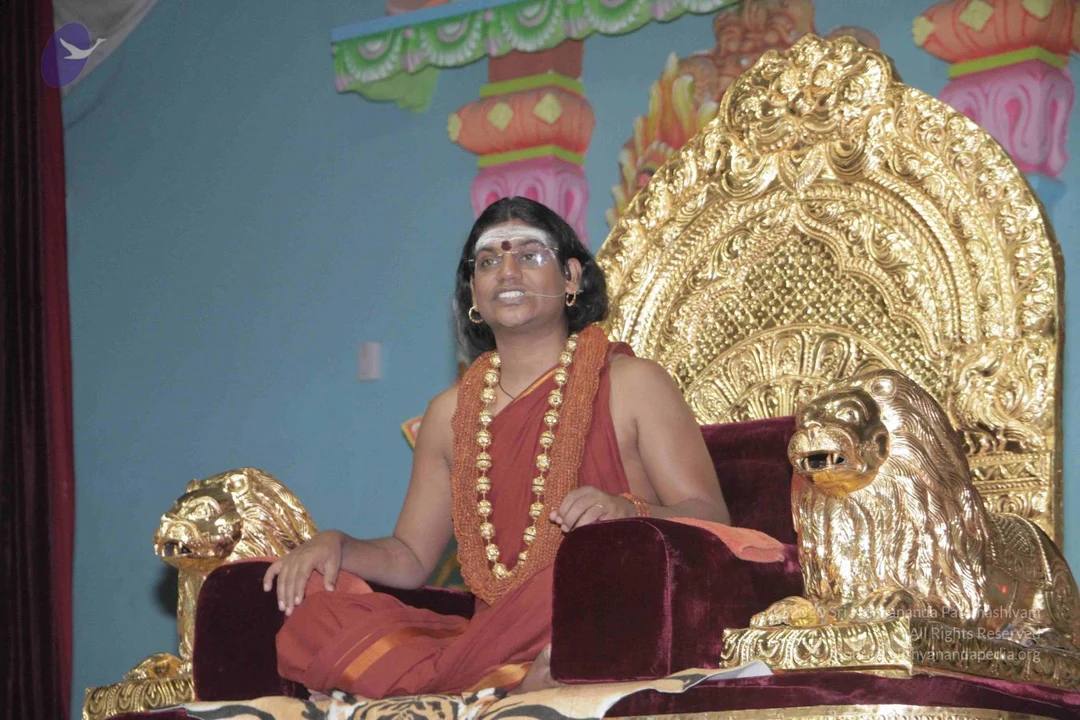
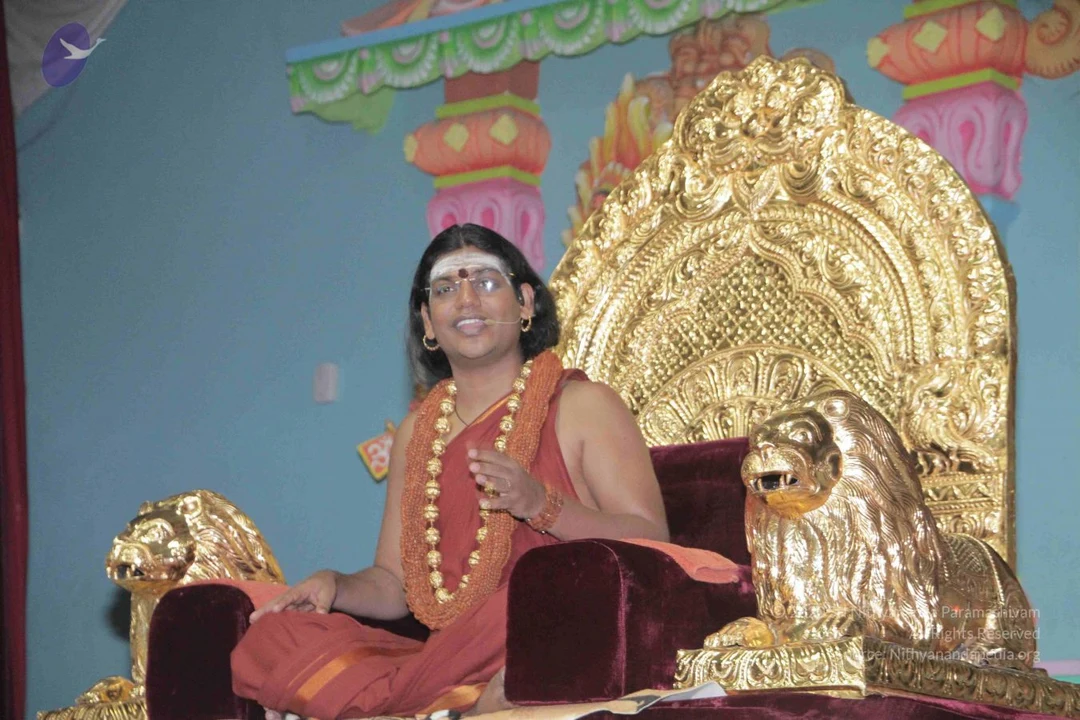
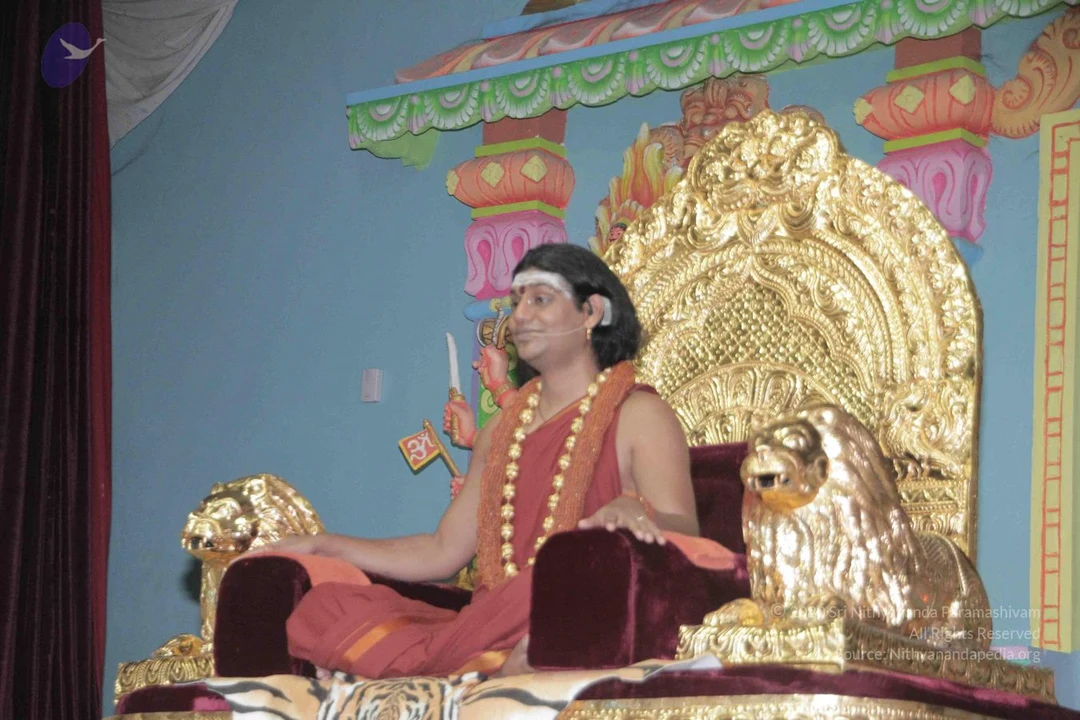
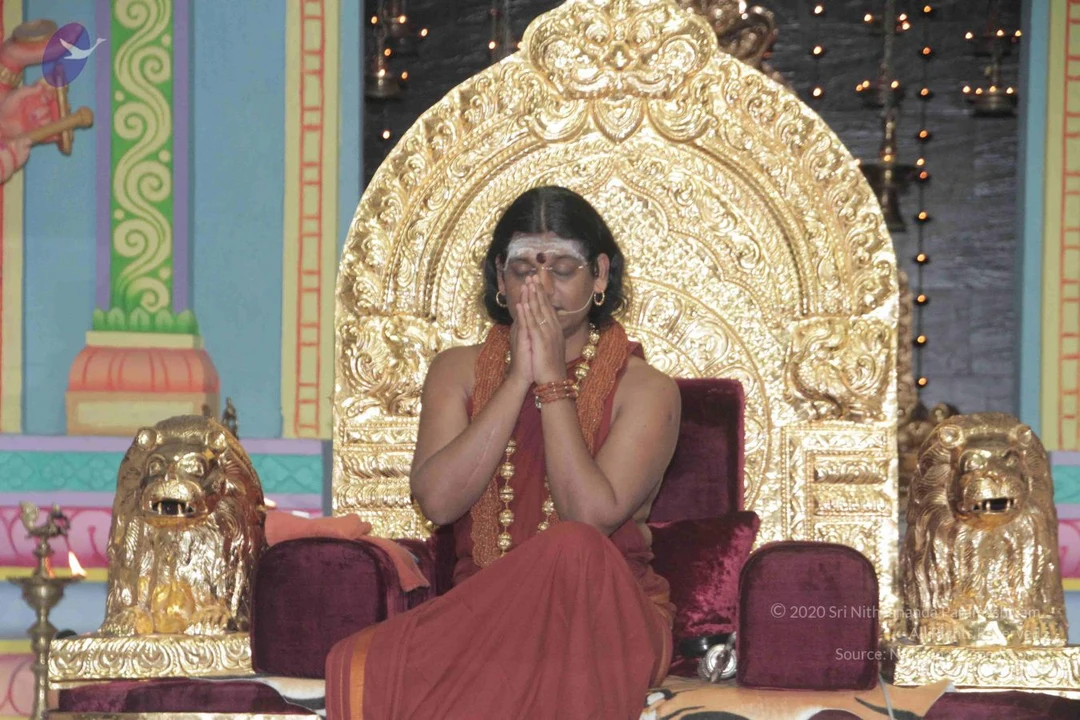
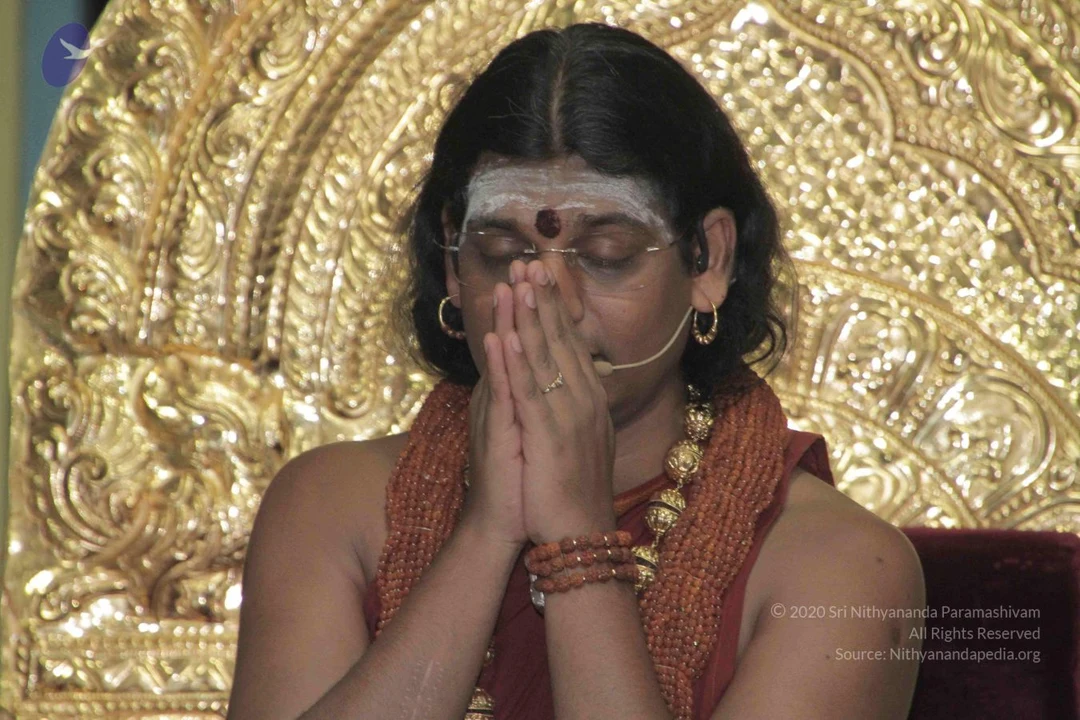
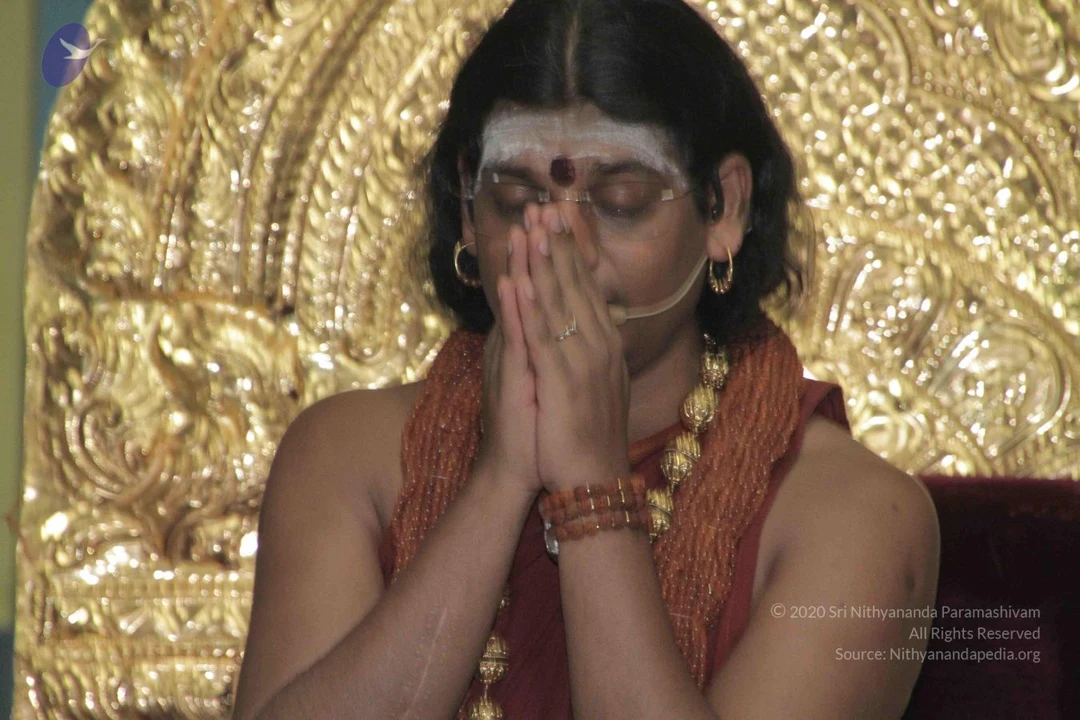
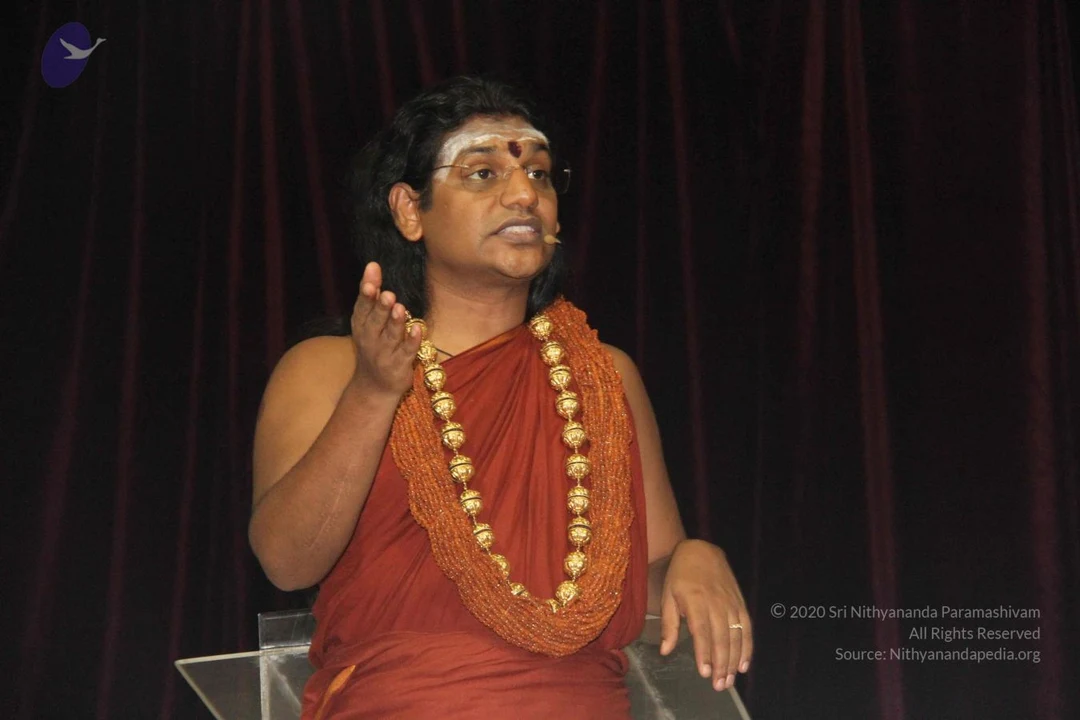
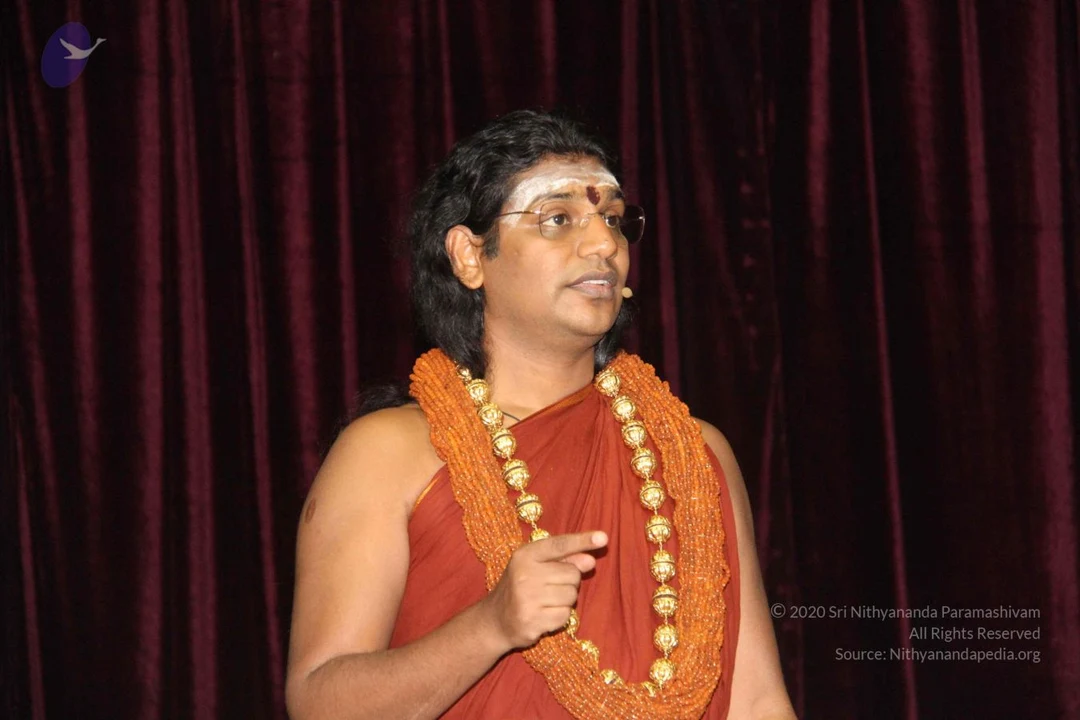
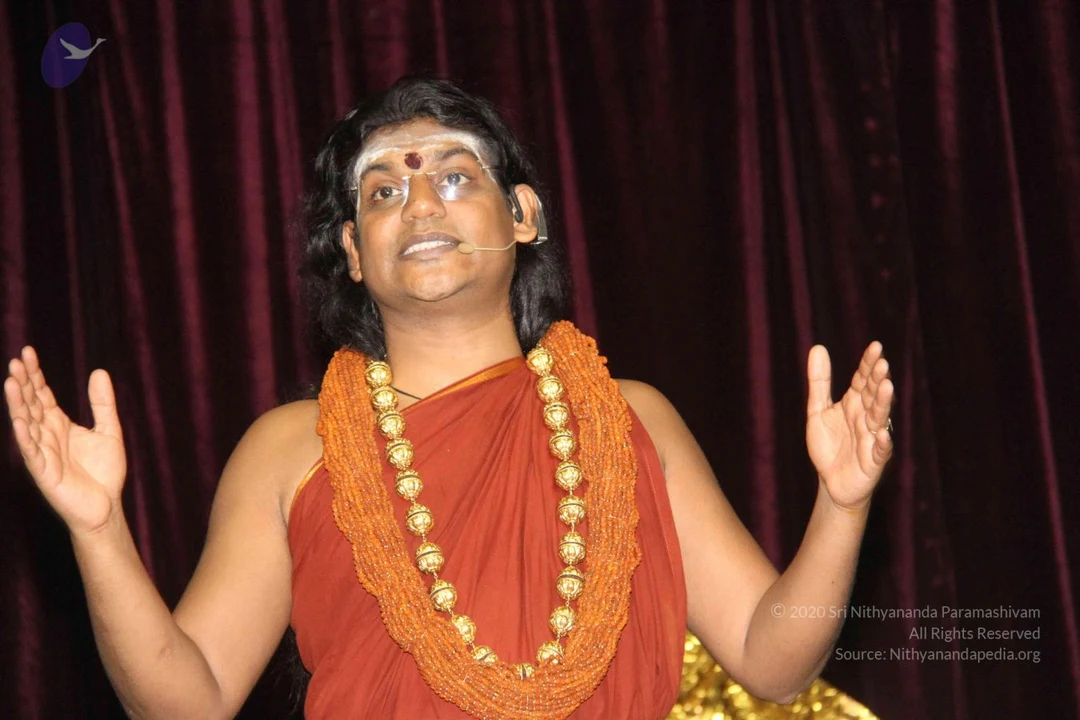
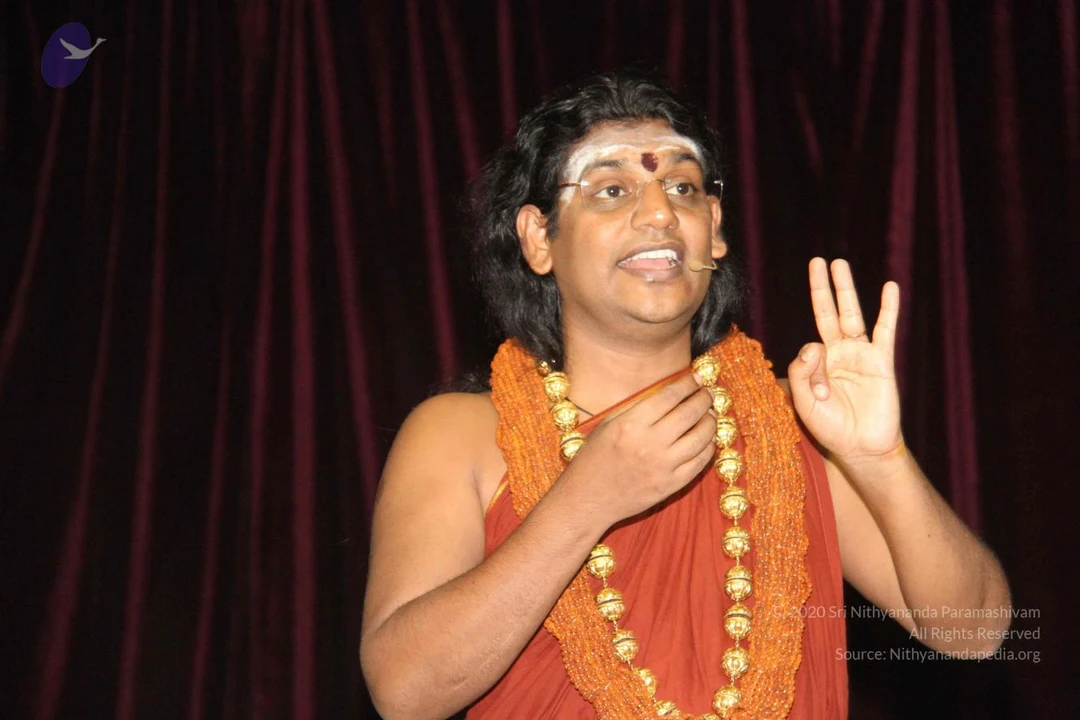
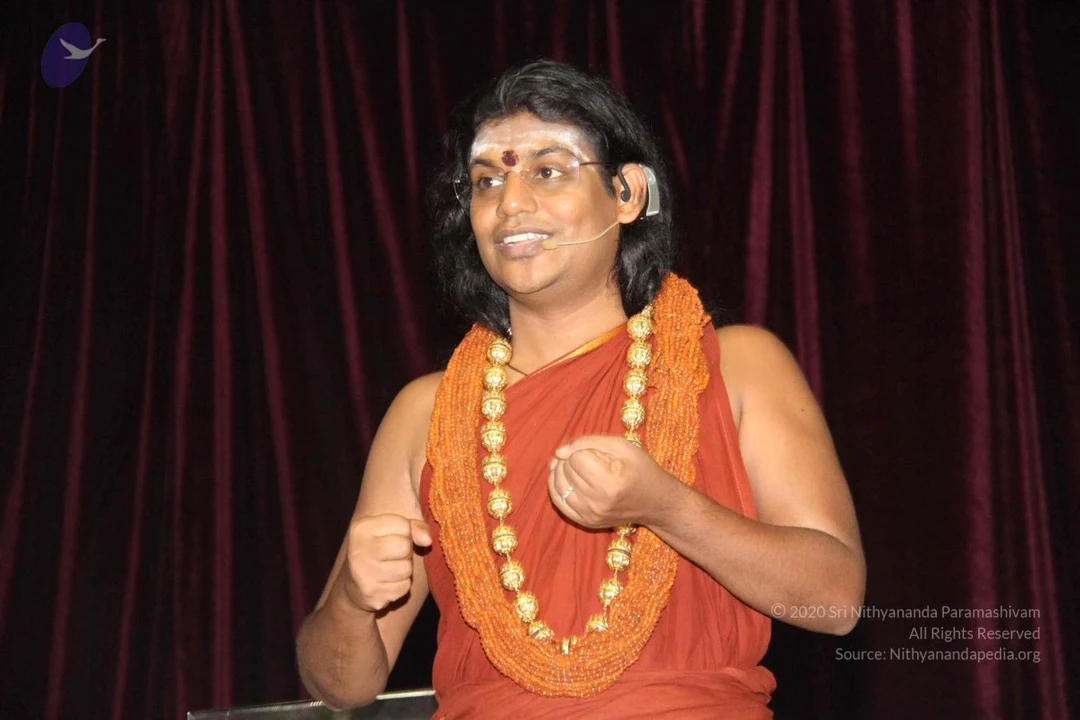
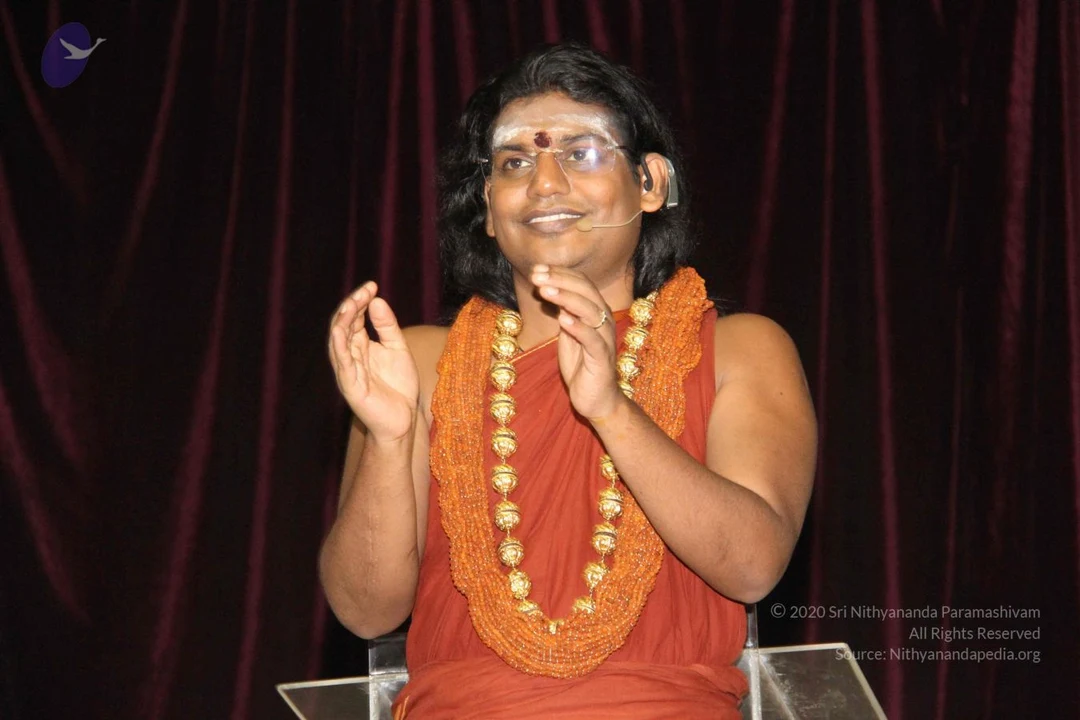
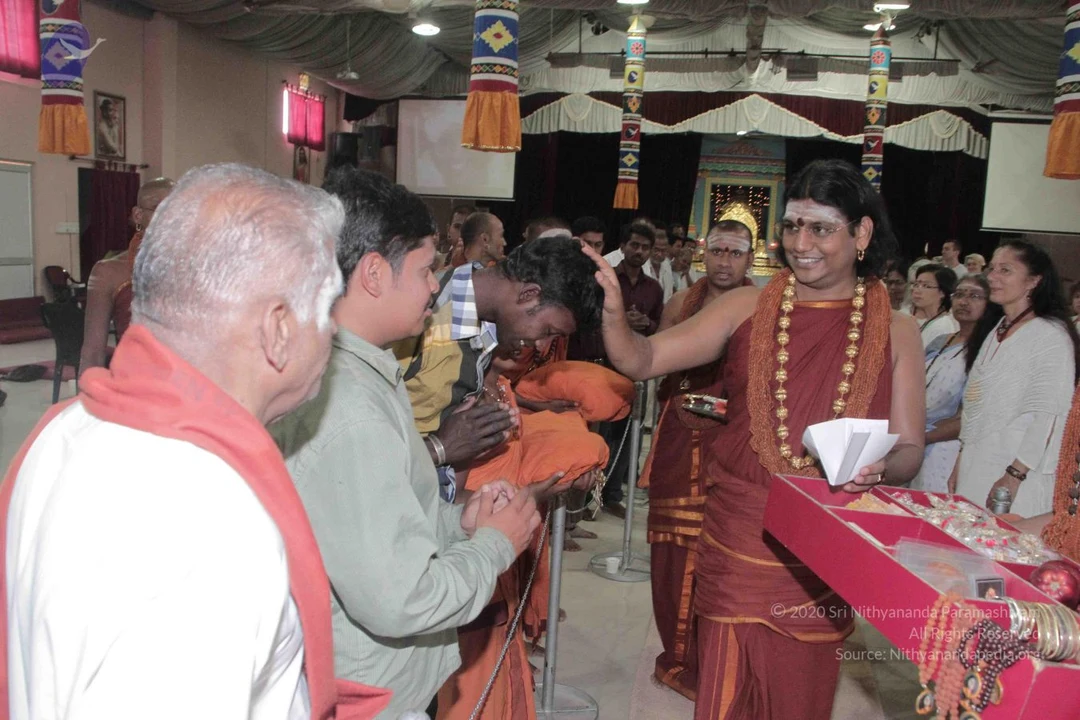
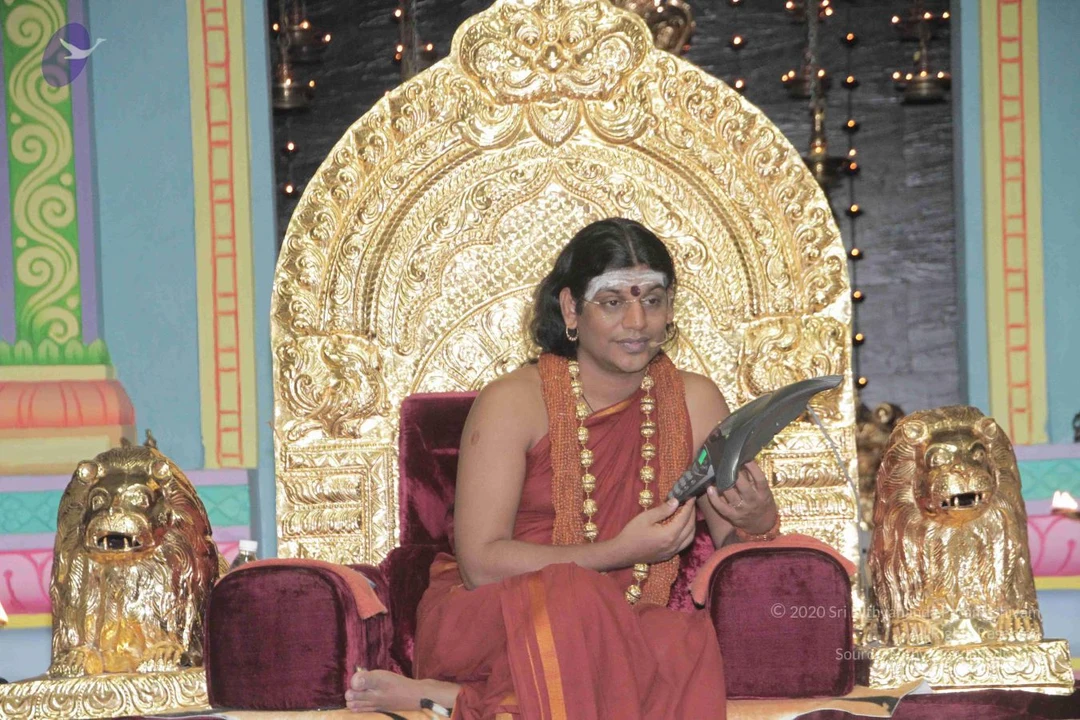
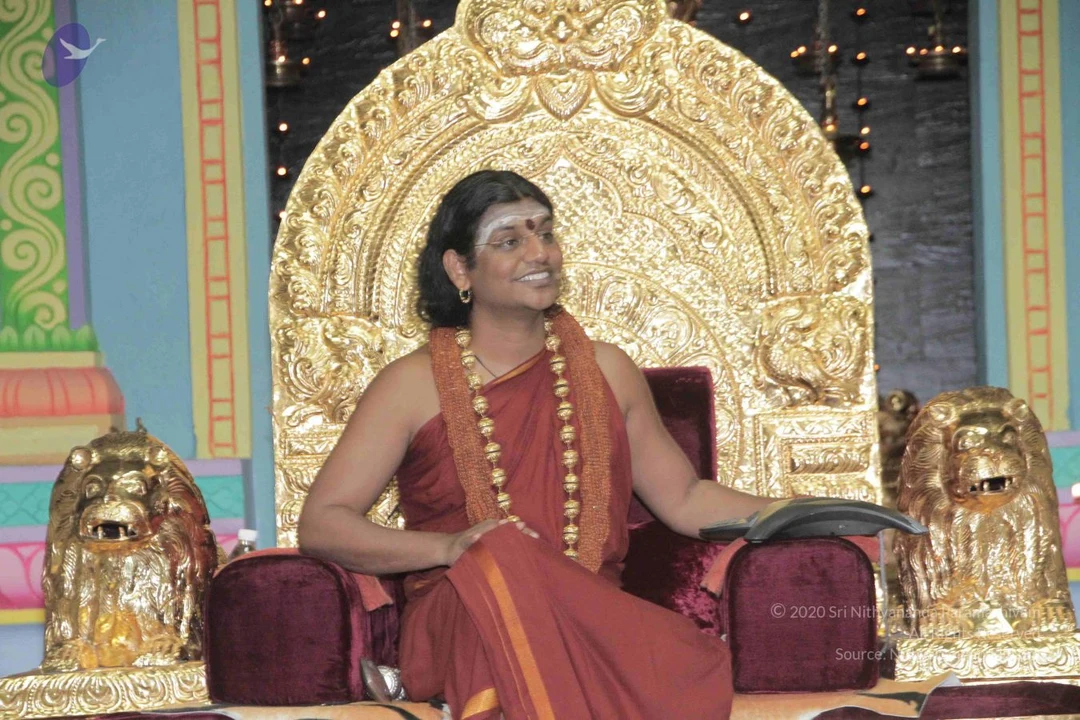
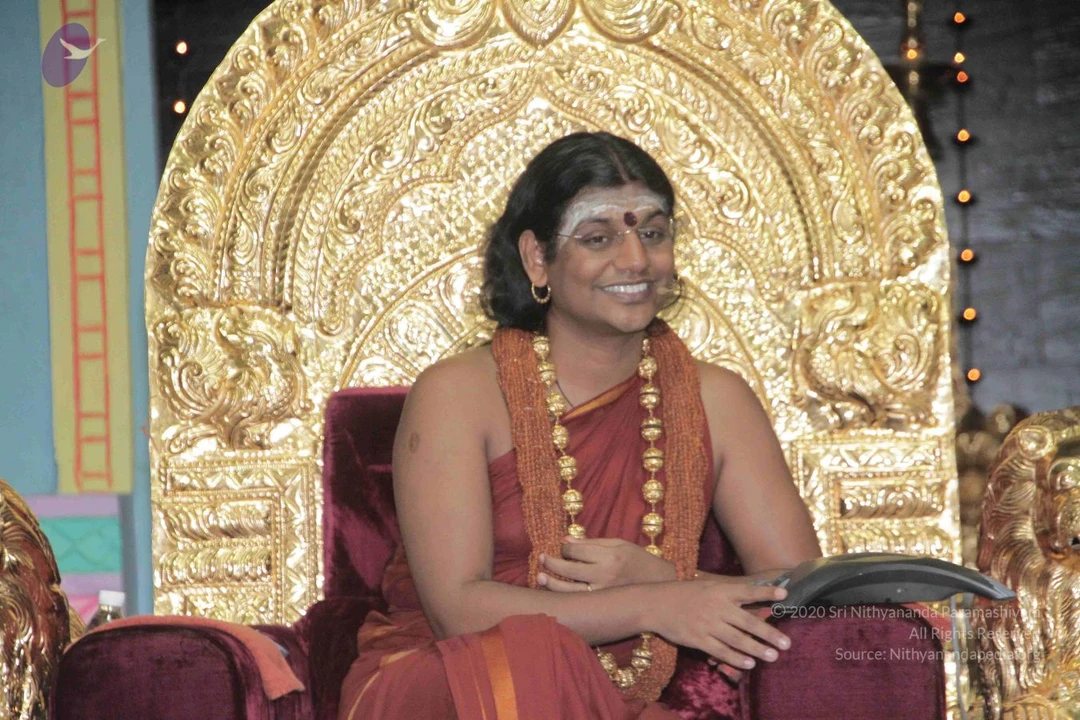
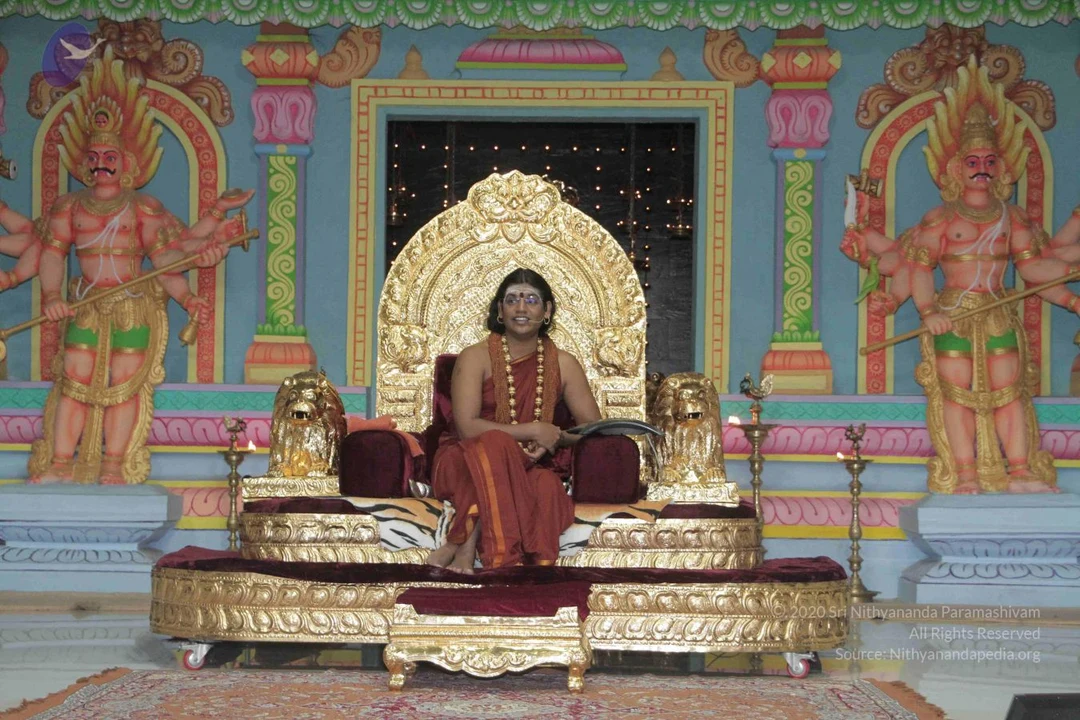
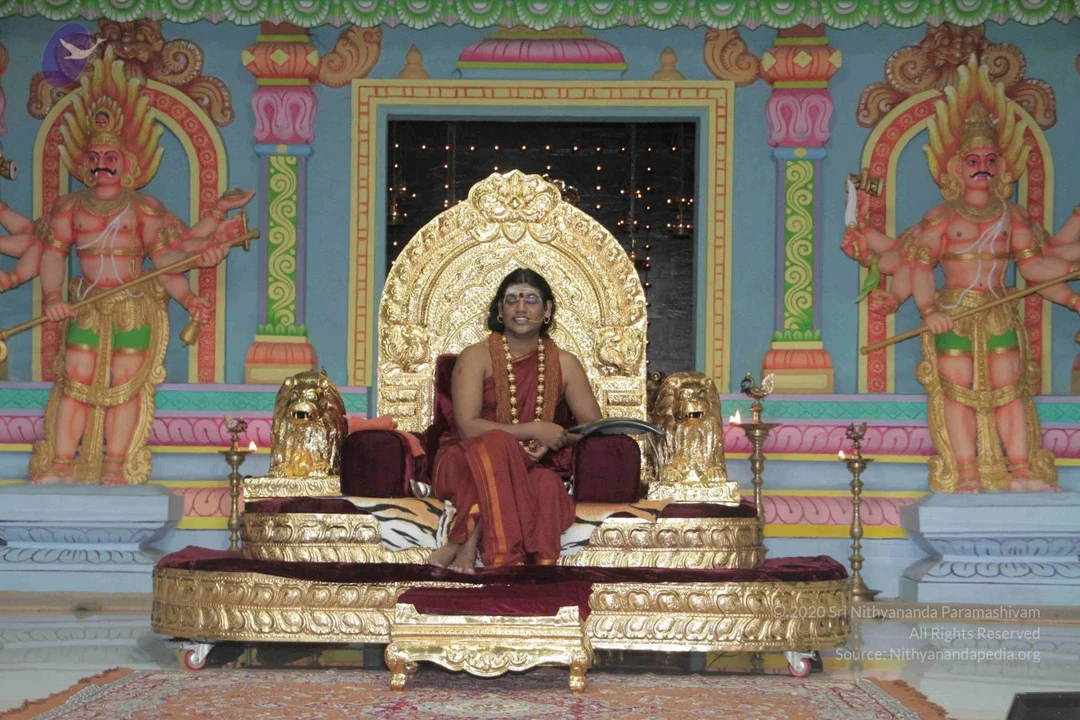
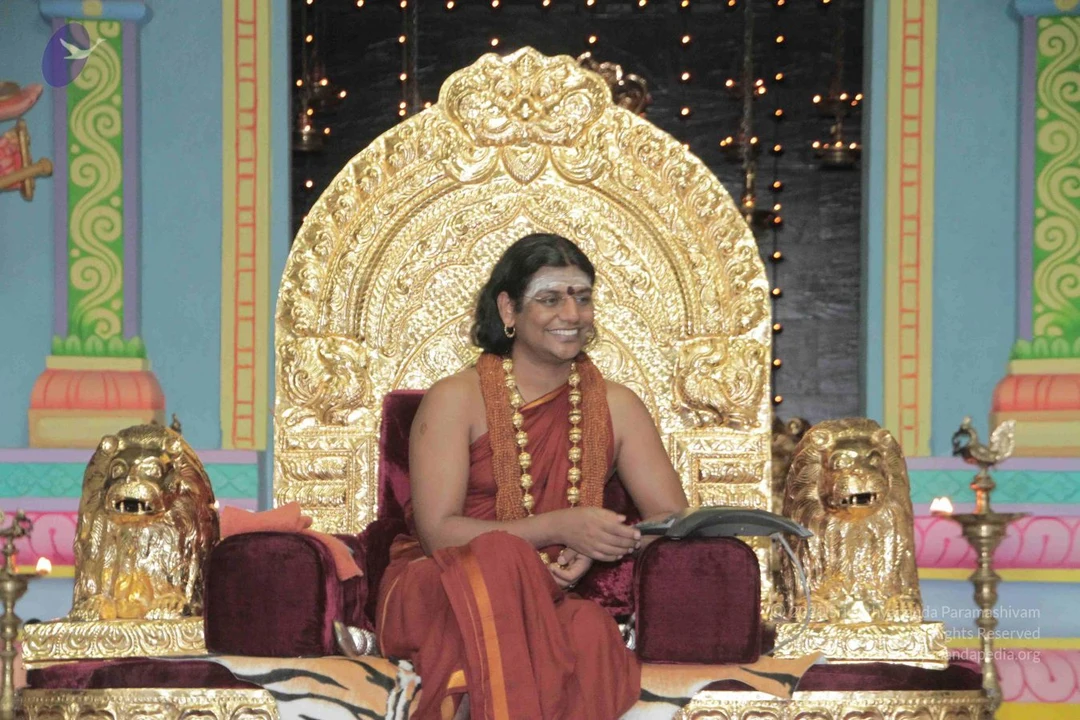
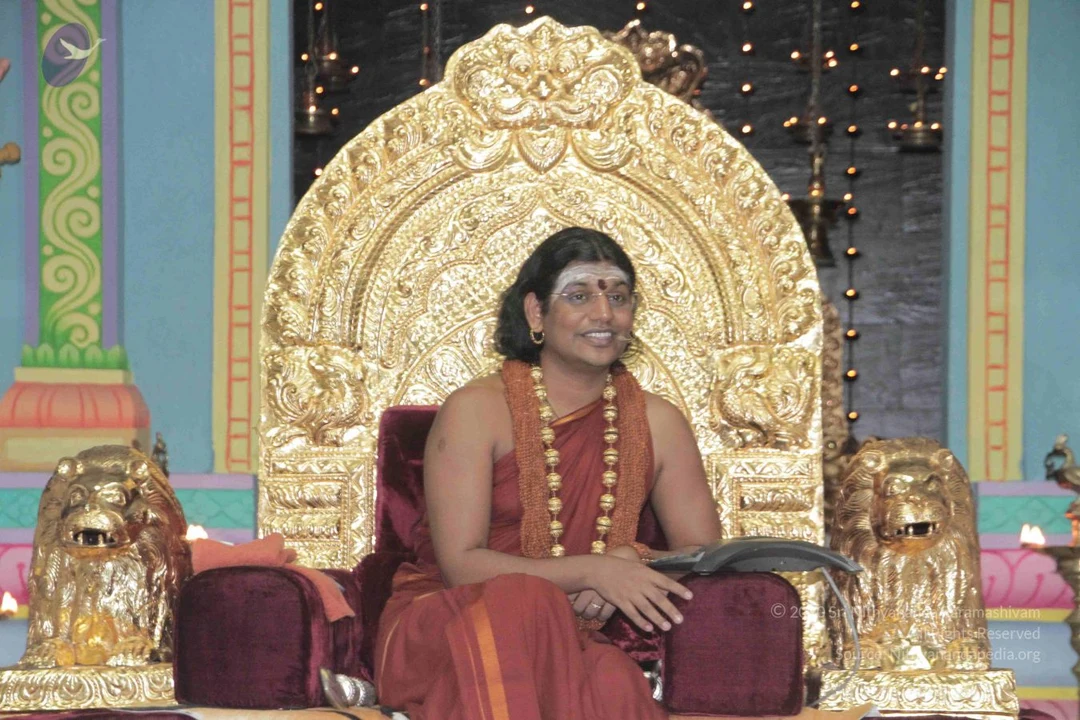
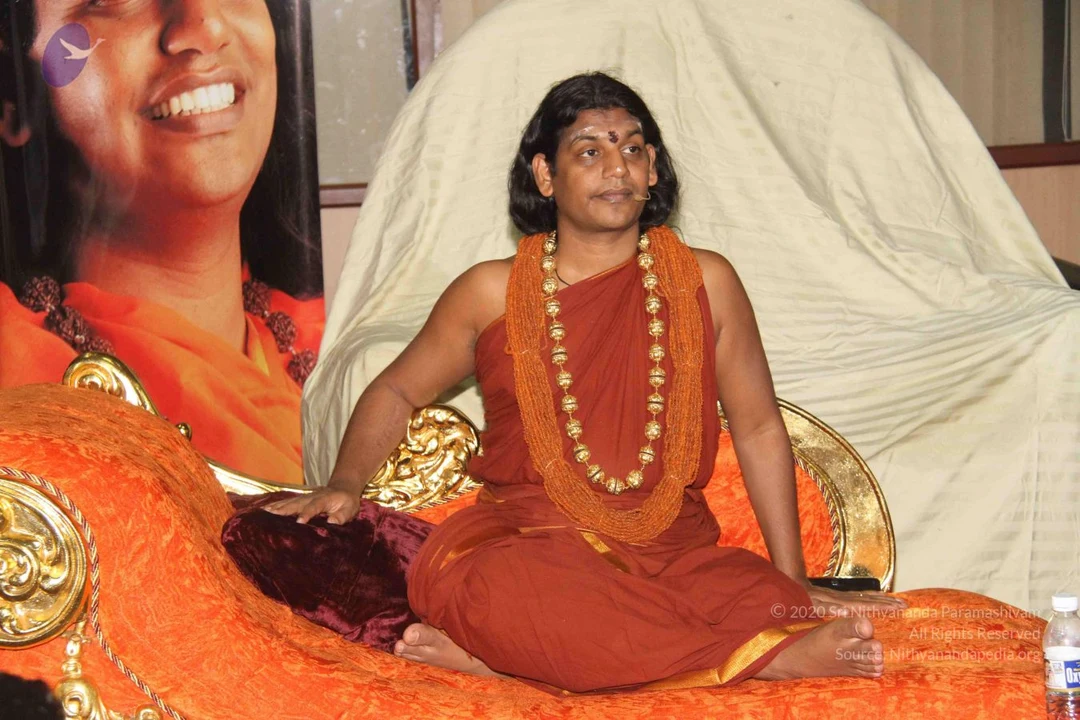
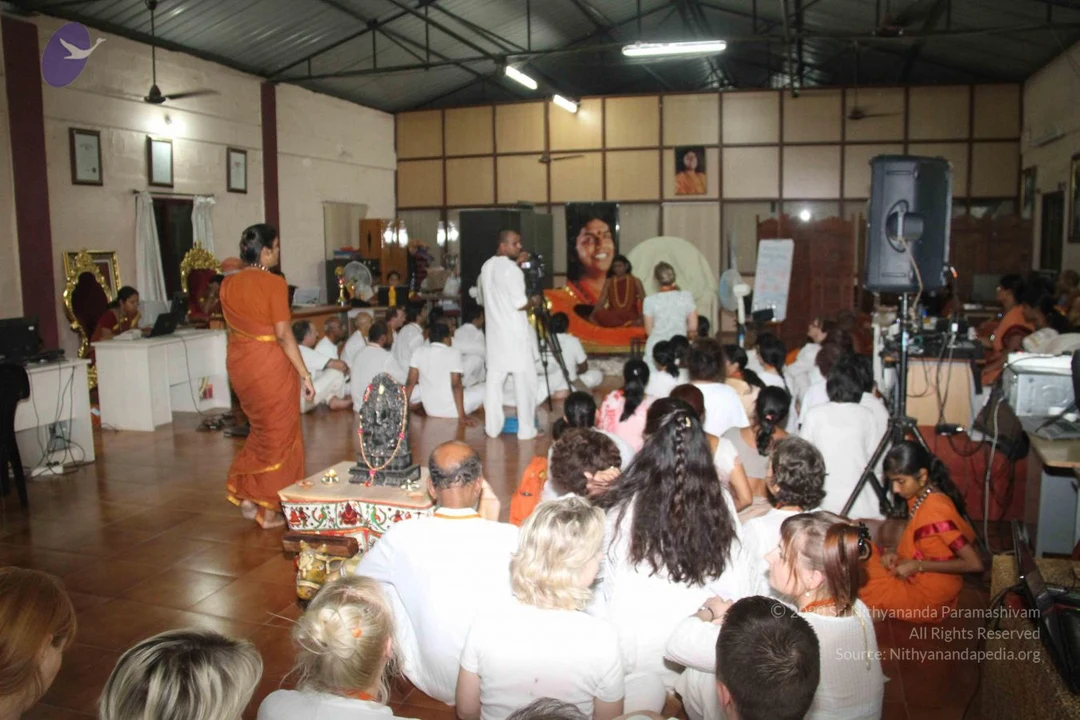
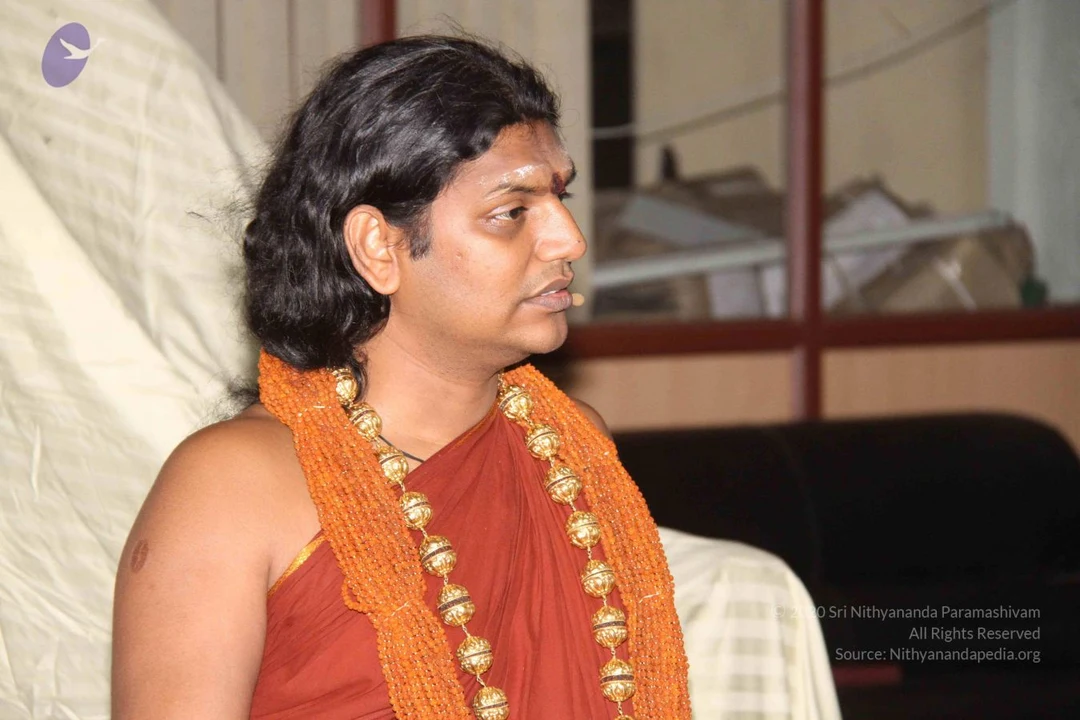
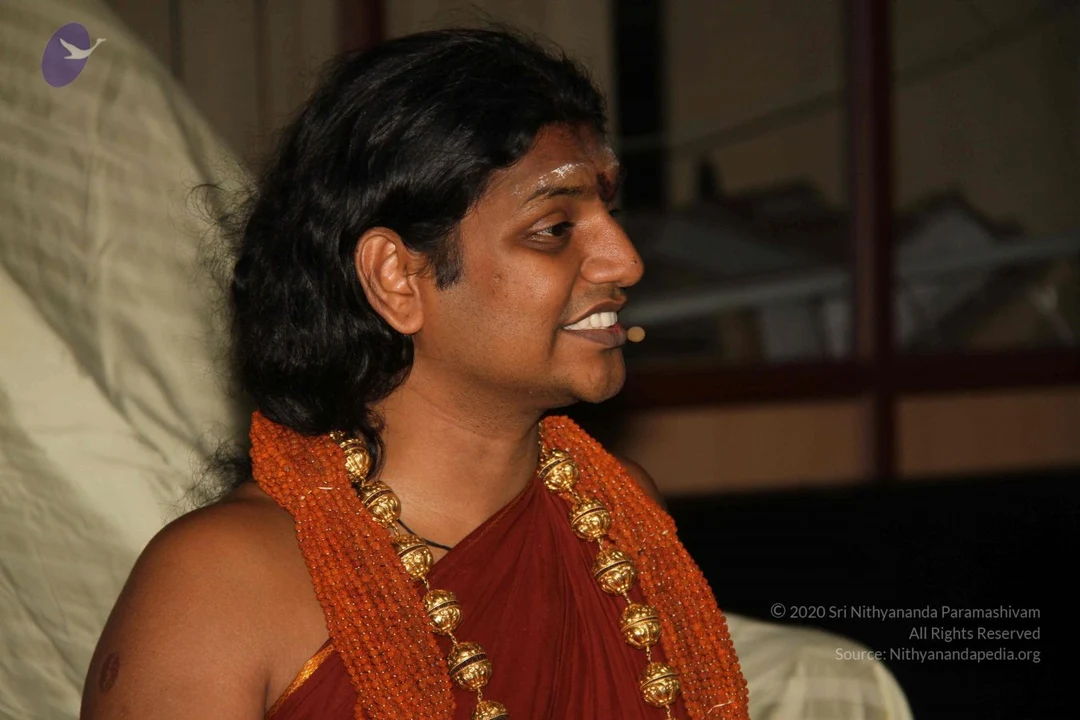
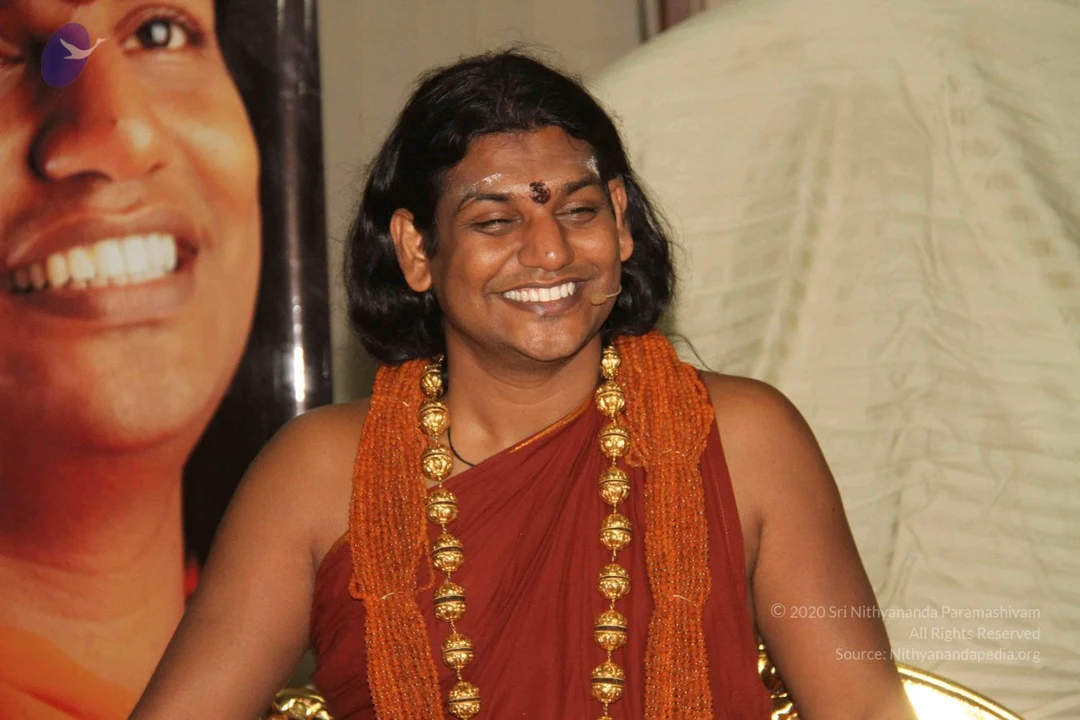
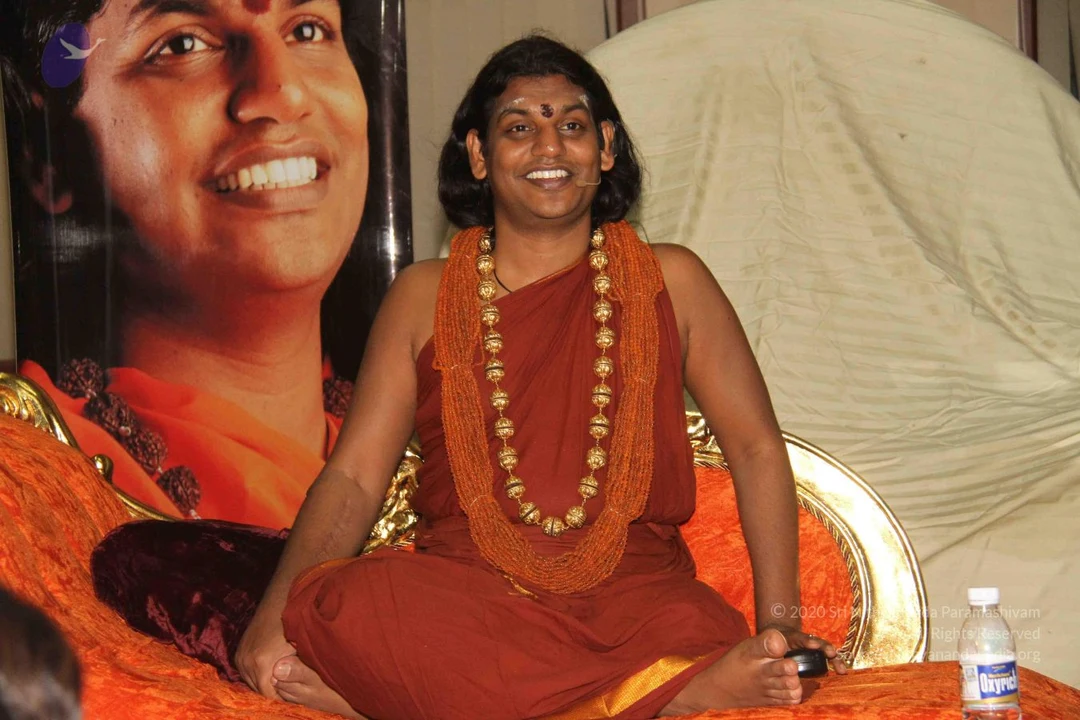
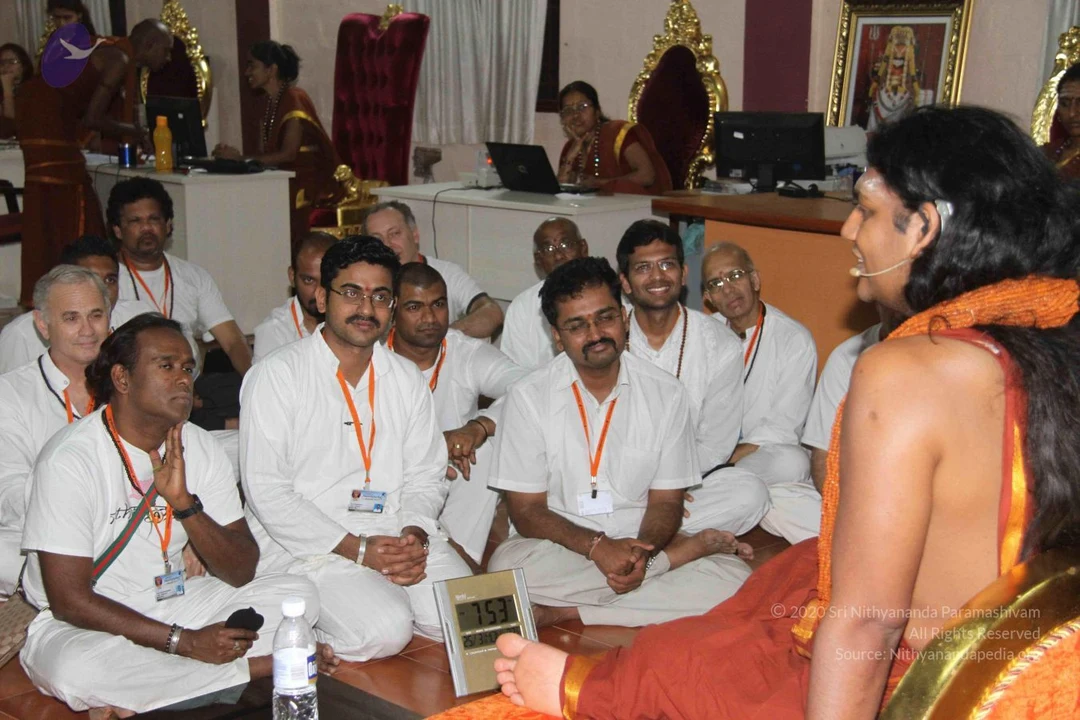
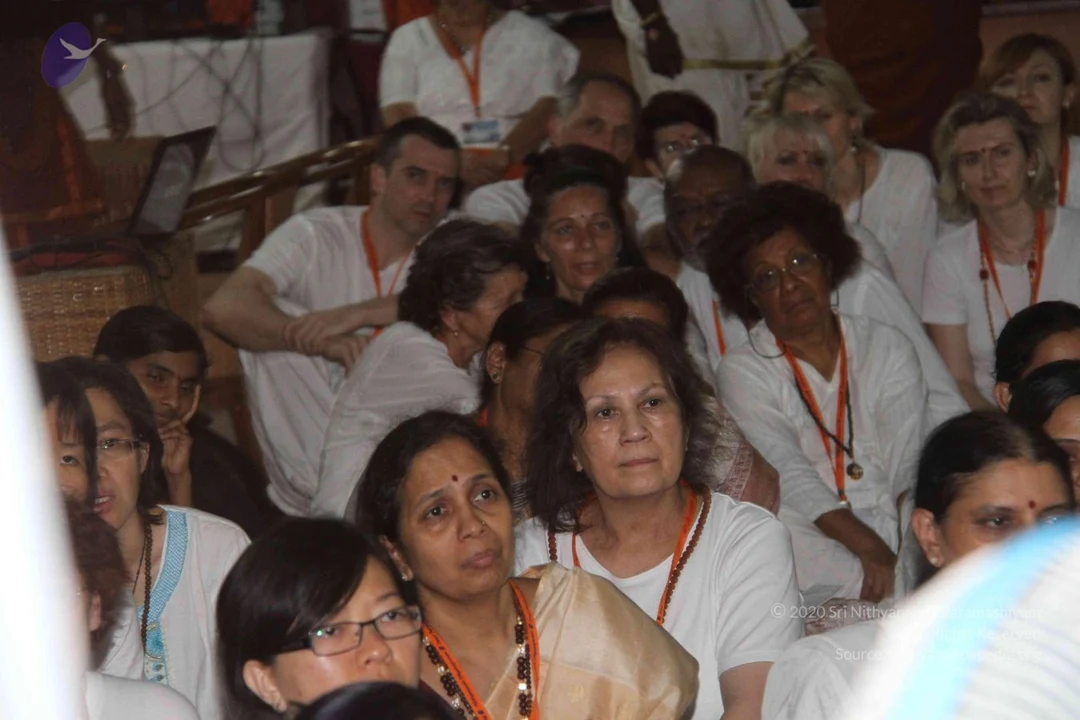
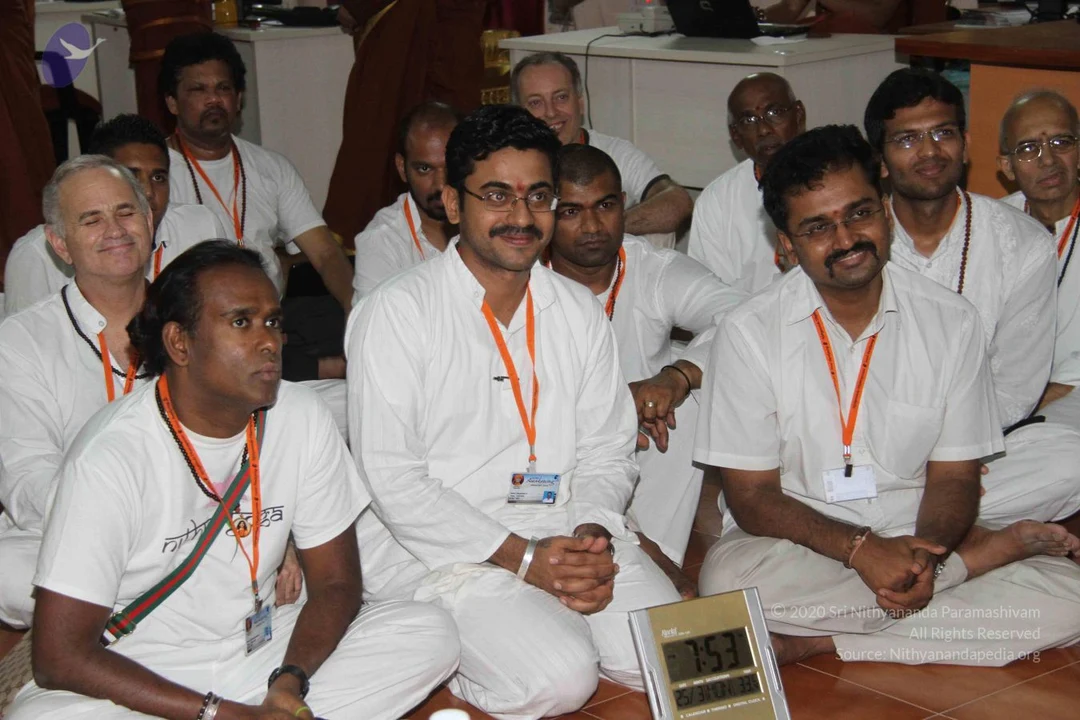
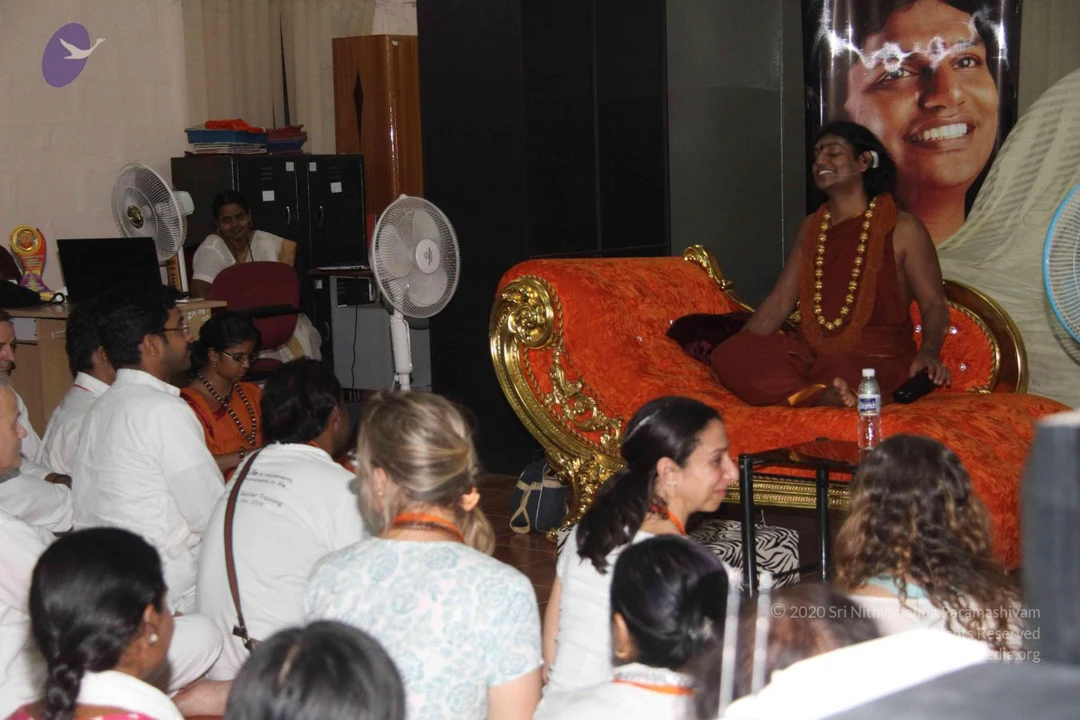
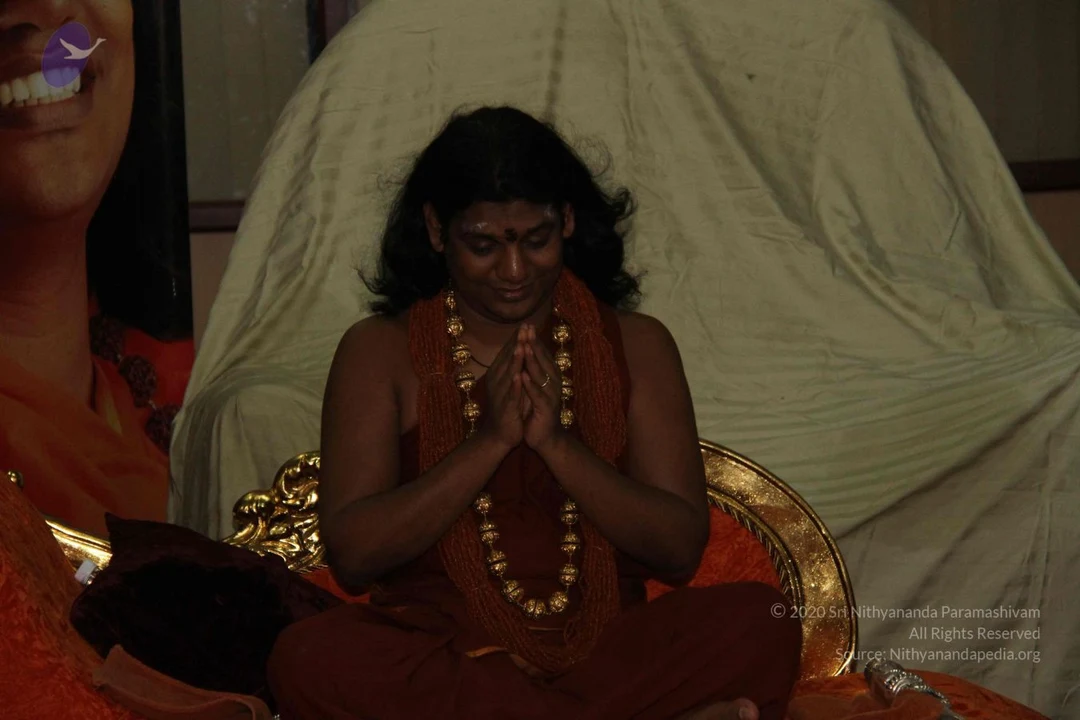
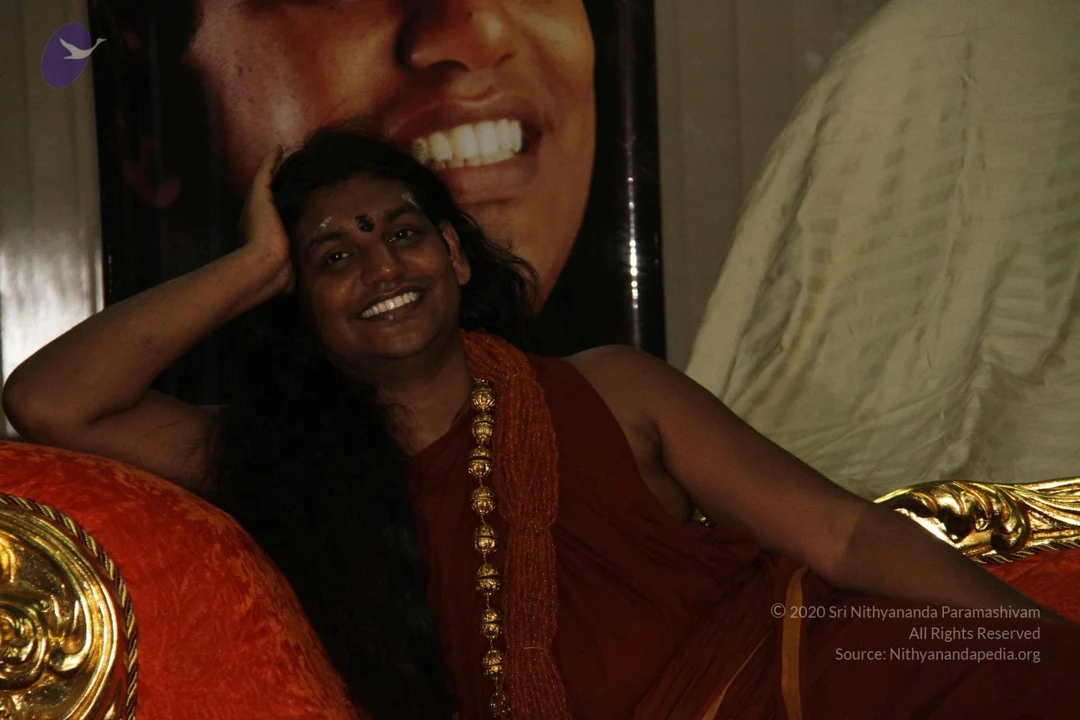
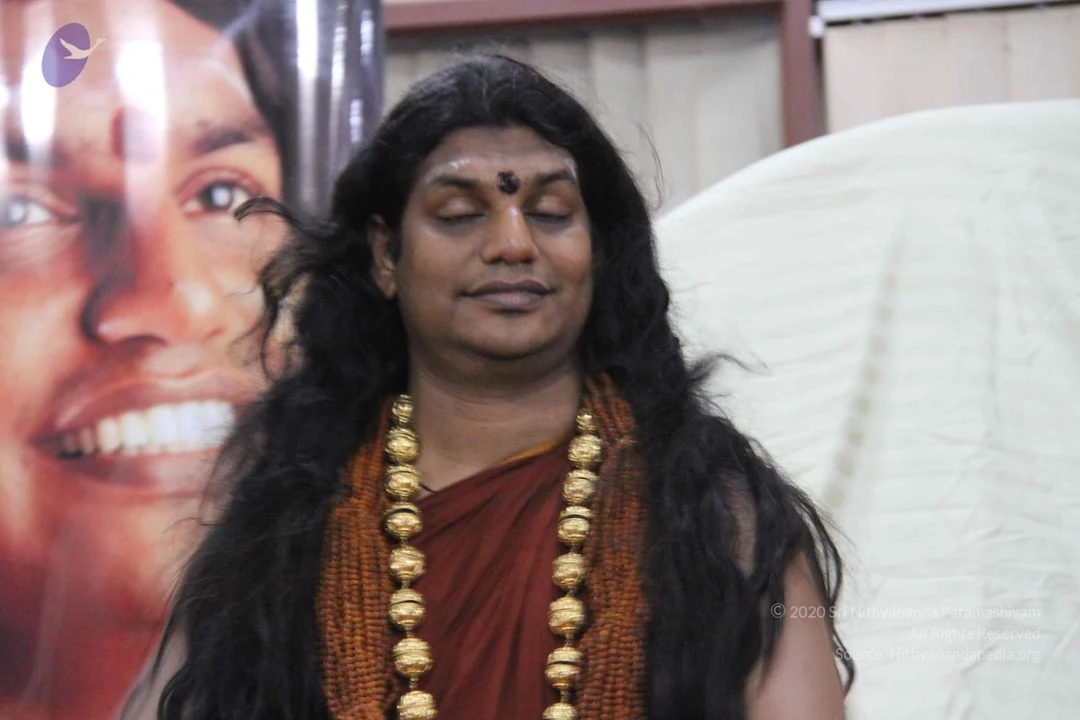
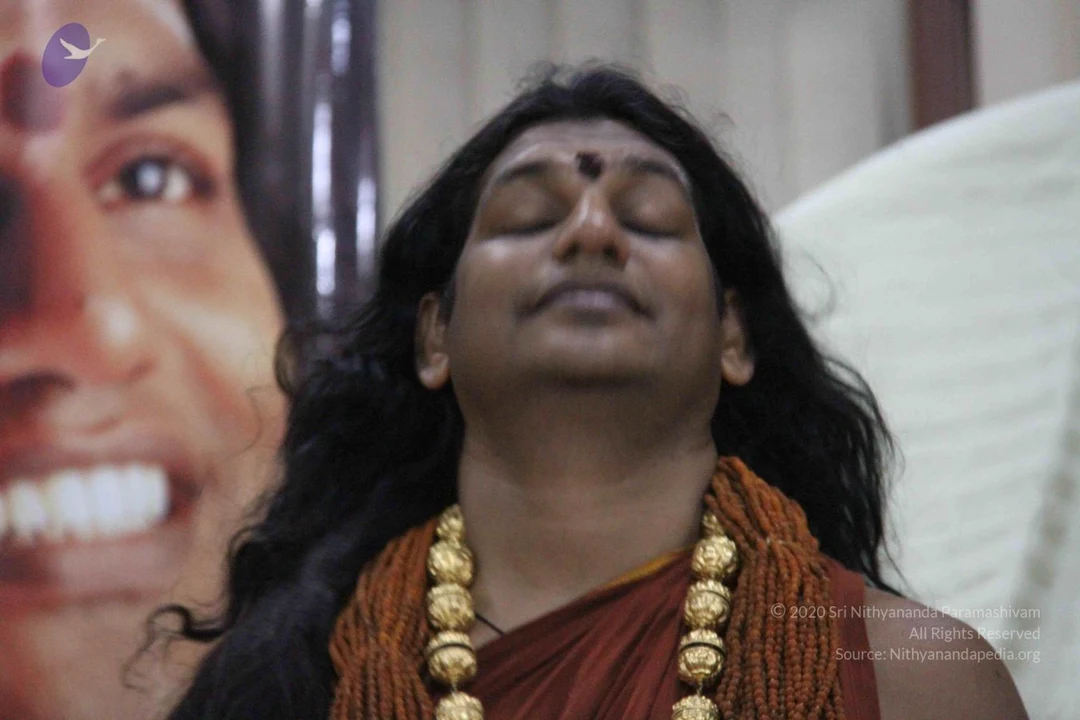
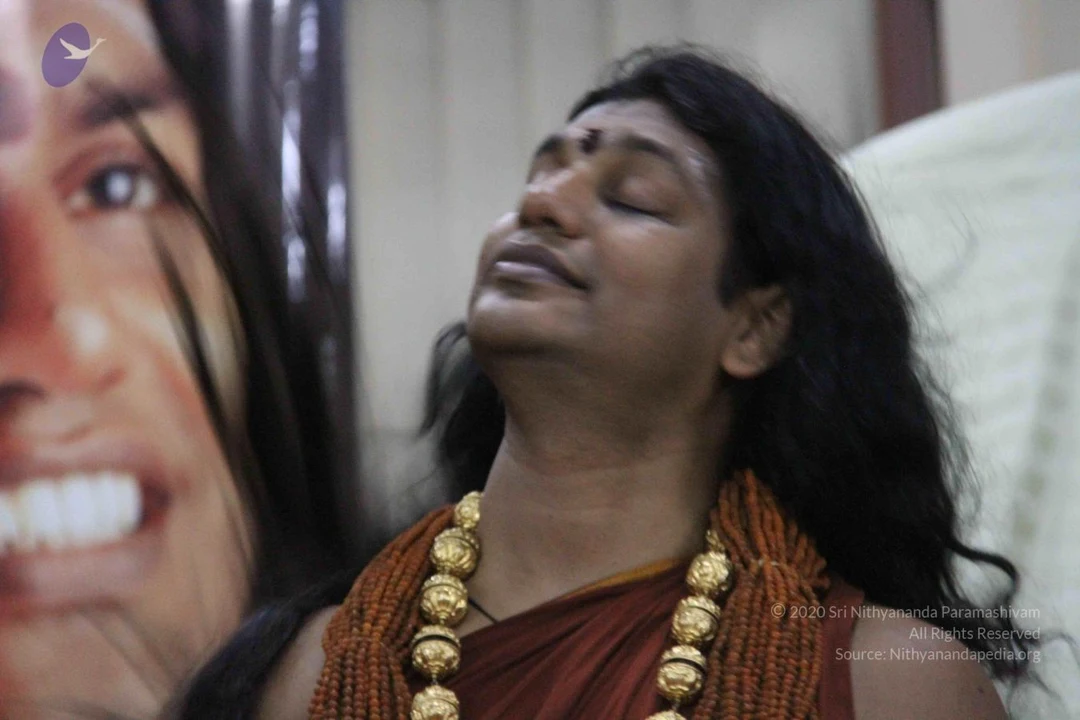
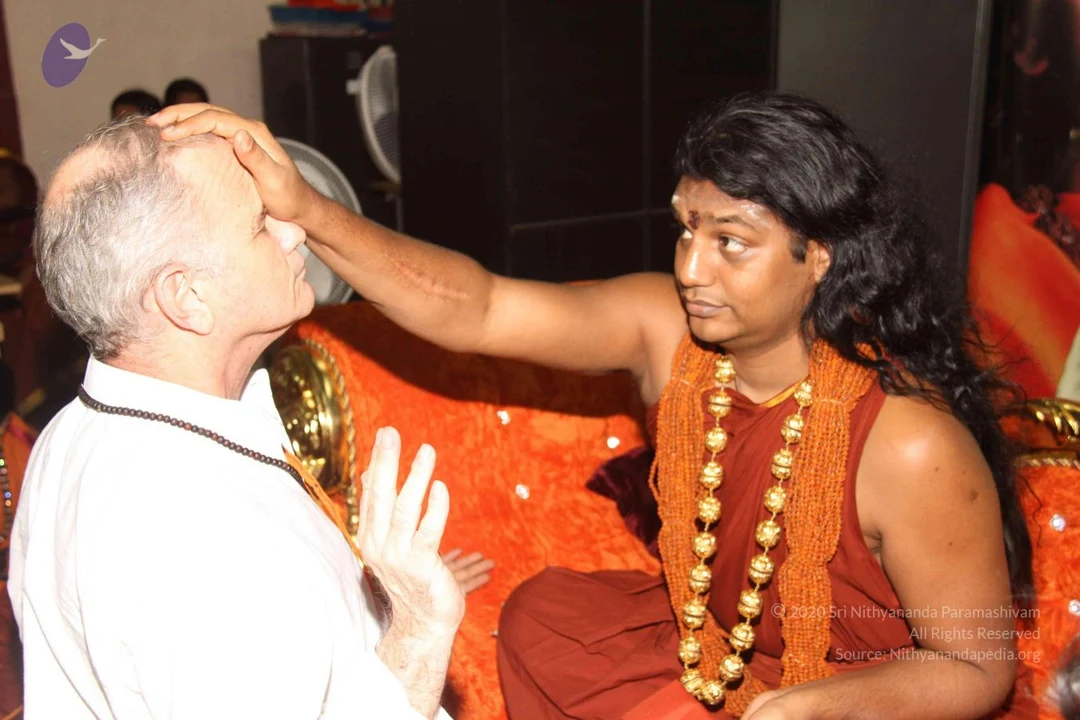
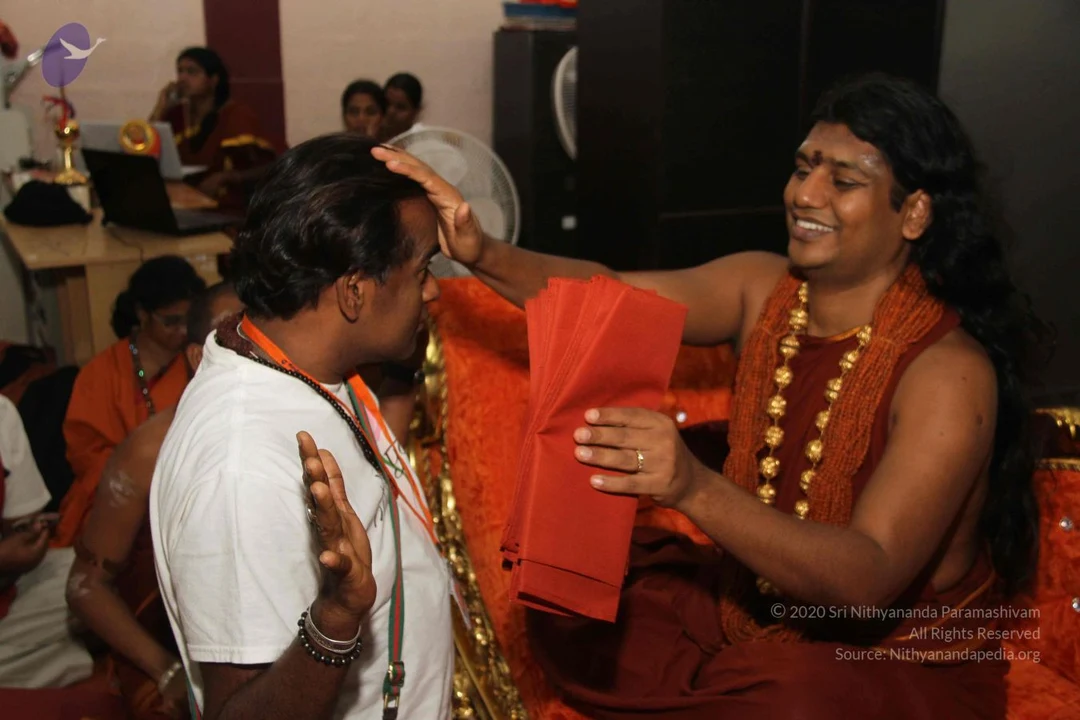
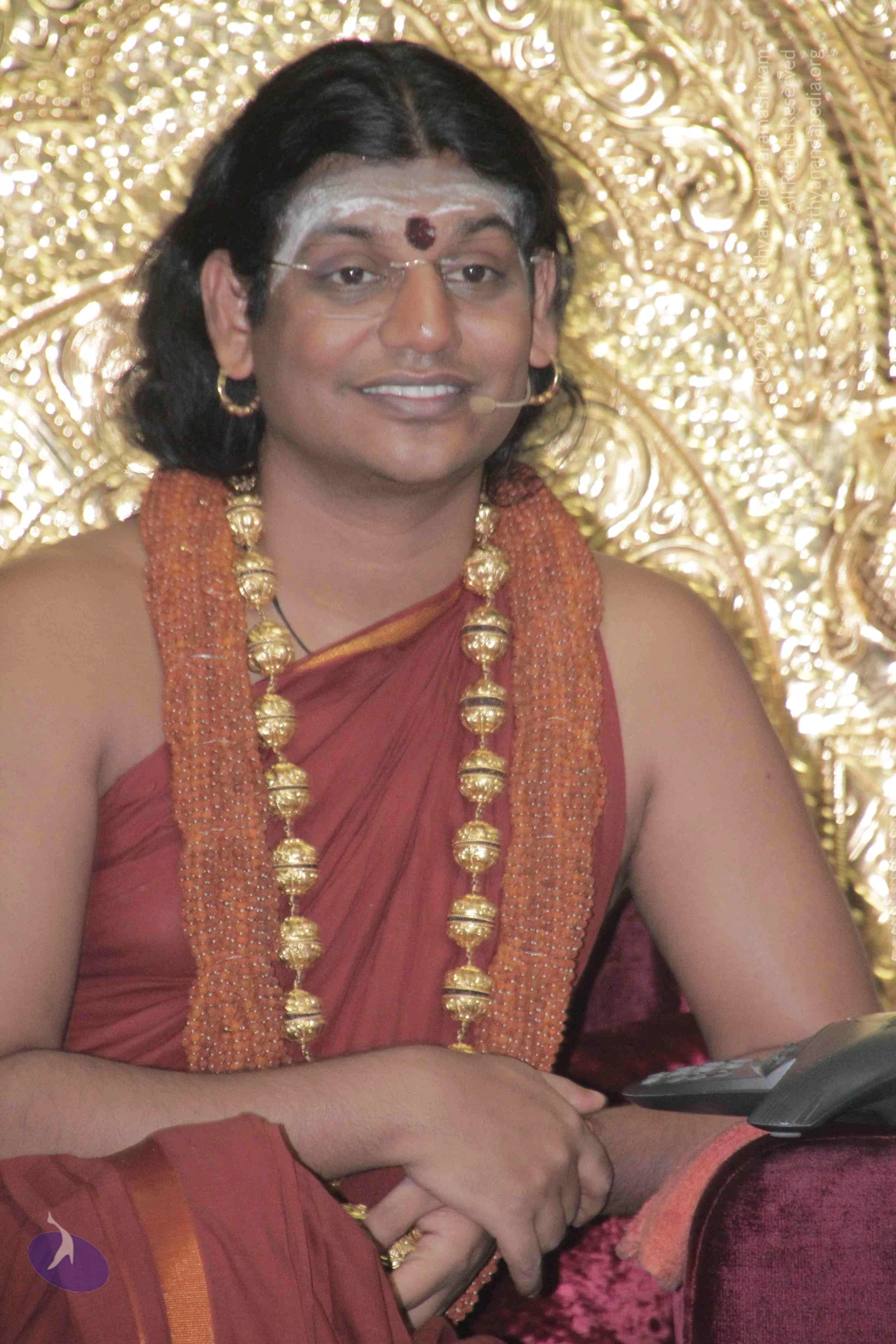
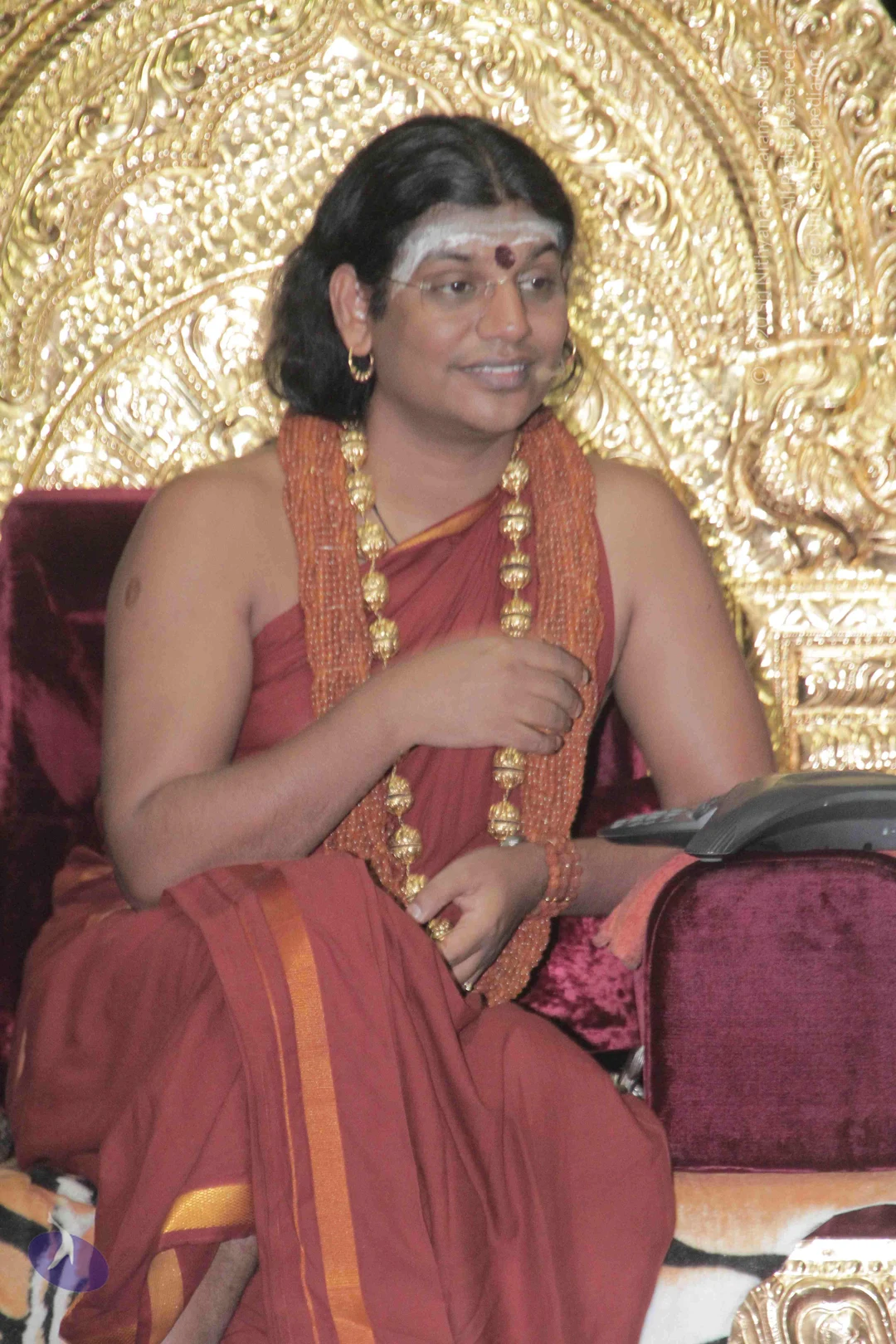
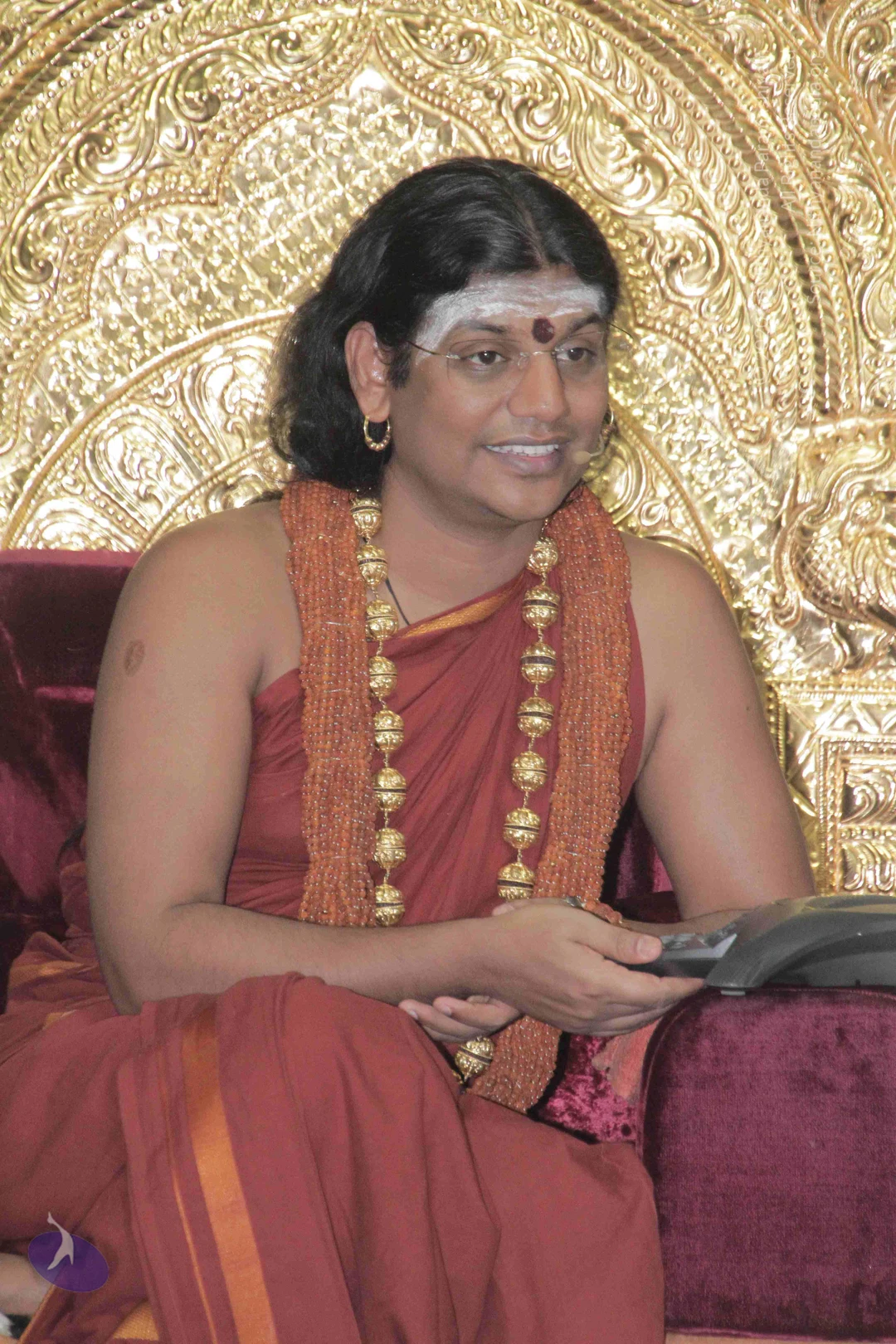
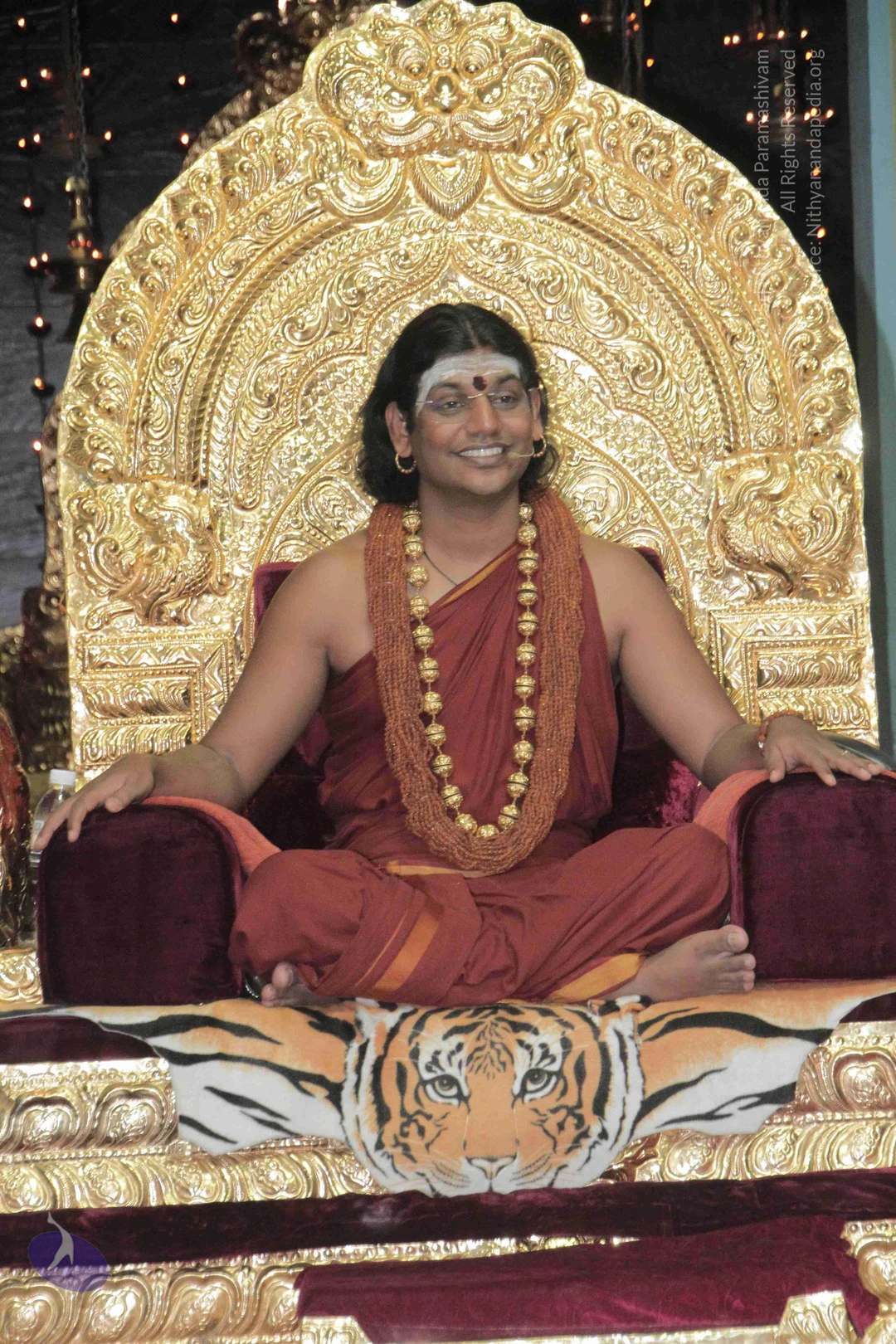
On this day, the Supreme Pontiff of Hinduism (SPH), Bhagavan Nithyananda Paramashivam conducted the Day 13 of the Inner Awakening Convention. On this day SPH expanded on the principle of authenticity and how it creates a space of possibility in every dimension of life. SPH shared that we should all Bring ourselves to the absolute peak of our capacity, our capability, of us, then there will not be no wastage of inner powers. The lower aspects, dimension of us become empowered when we waste the energies of our higher capacities. The biggest danger we have in our life is using the in-authenticities of others to become inauthentic. SPH explained that we should not use the in-authenticities of others to justify our own inauthenticity and that we should not think this makes us right. Whatever we are projecting to others we have to be in the peak possibility of that. All human beings should learn the science of living and practice the science of living in peak possibility. Everything brought inside our mind, in front of our mind should be responded with the idea ‘possible’. Whether it is related to our body, profession or relationships, when we bring ourselves to our peak possibility, relating to body becomes health, relating to profession it becomes wealth, relating to others becomes happy relationships, relating to whole life it becomes enlightenment. SPH reminded everyone that we should Bring ourselves to our peak possibility, continuously. Without allowing tiredness or boredom, again and again. Without bothering about the number of failures and instead looking at the number of successes we had in our life.
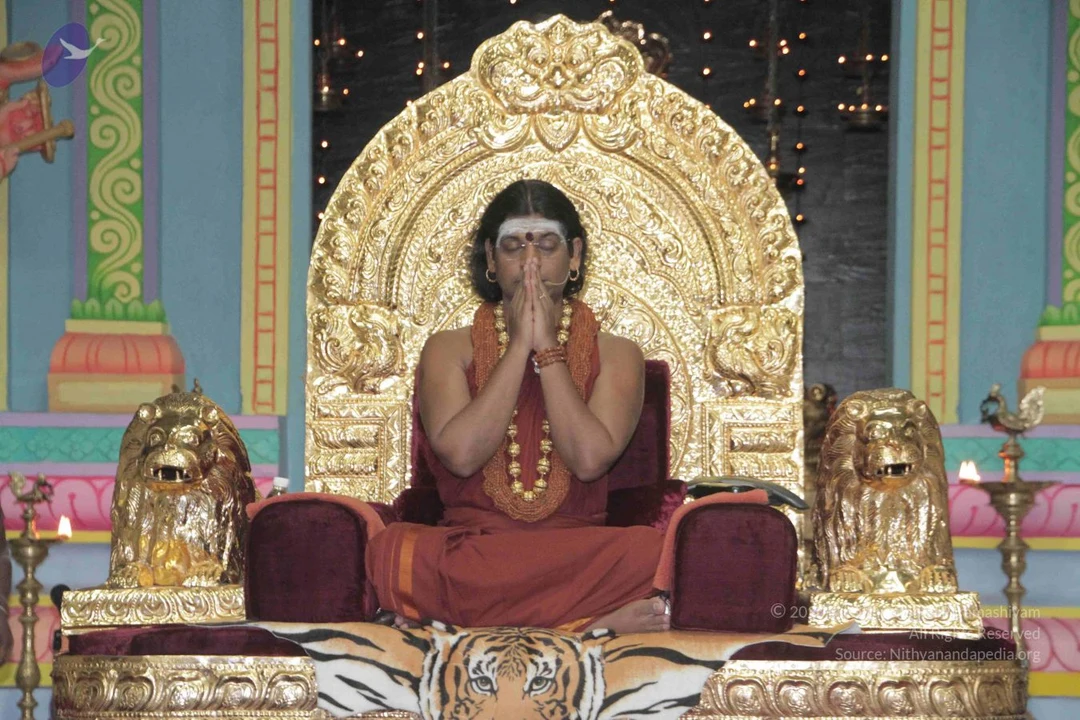
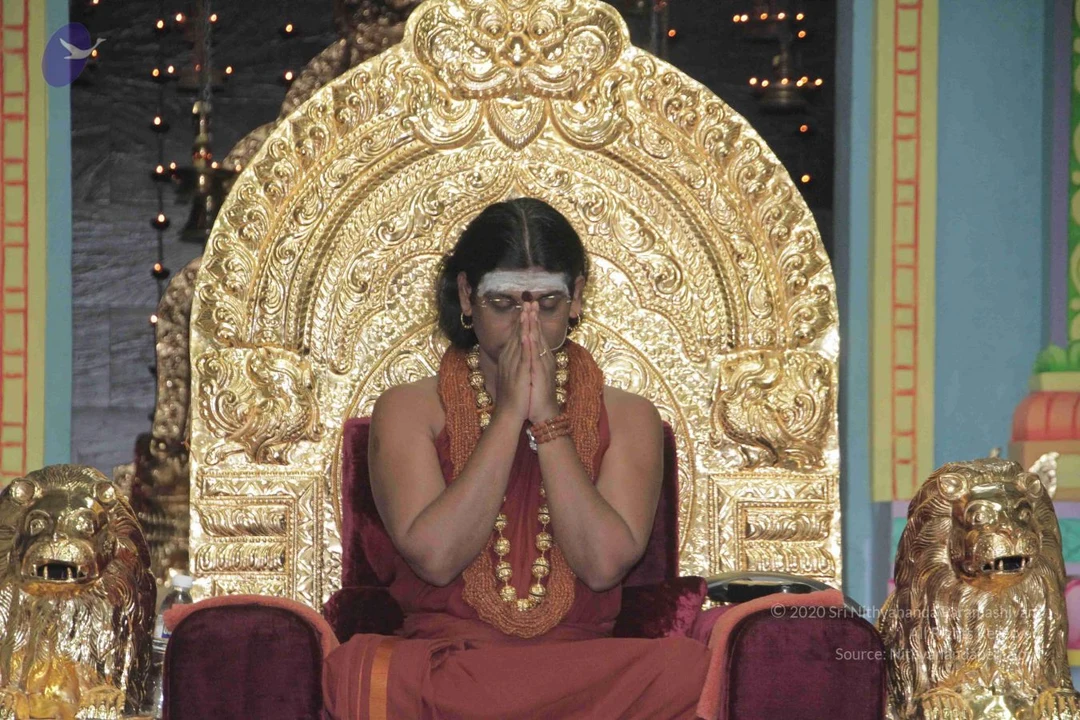
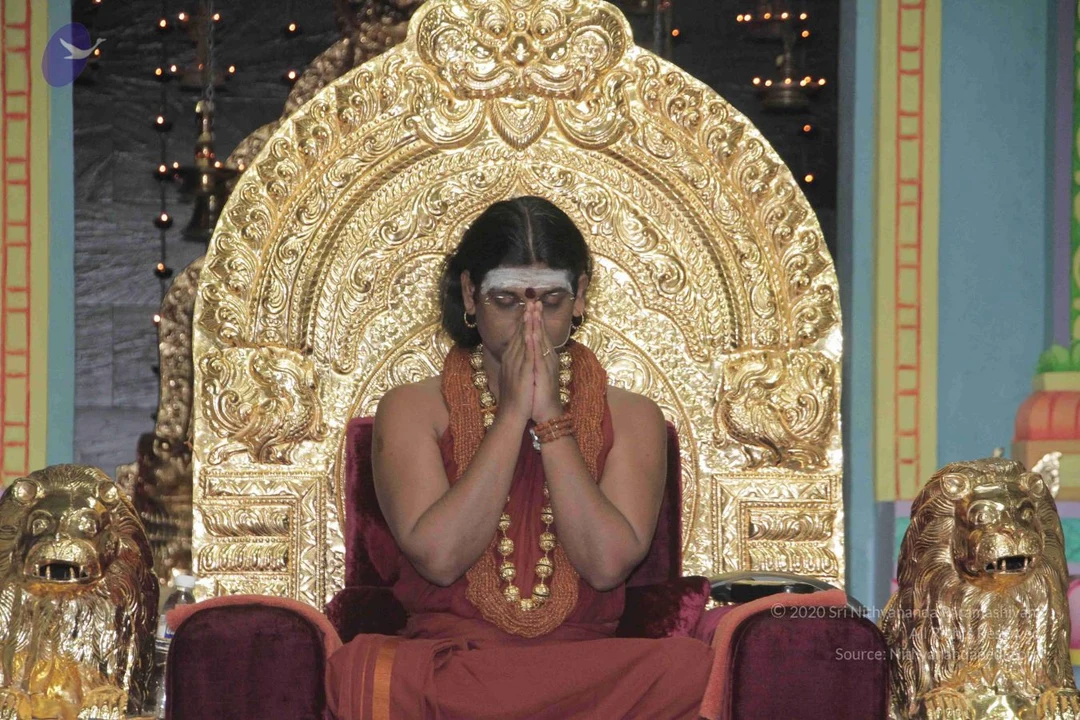
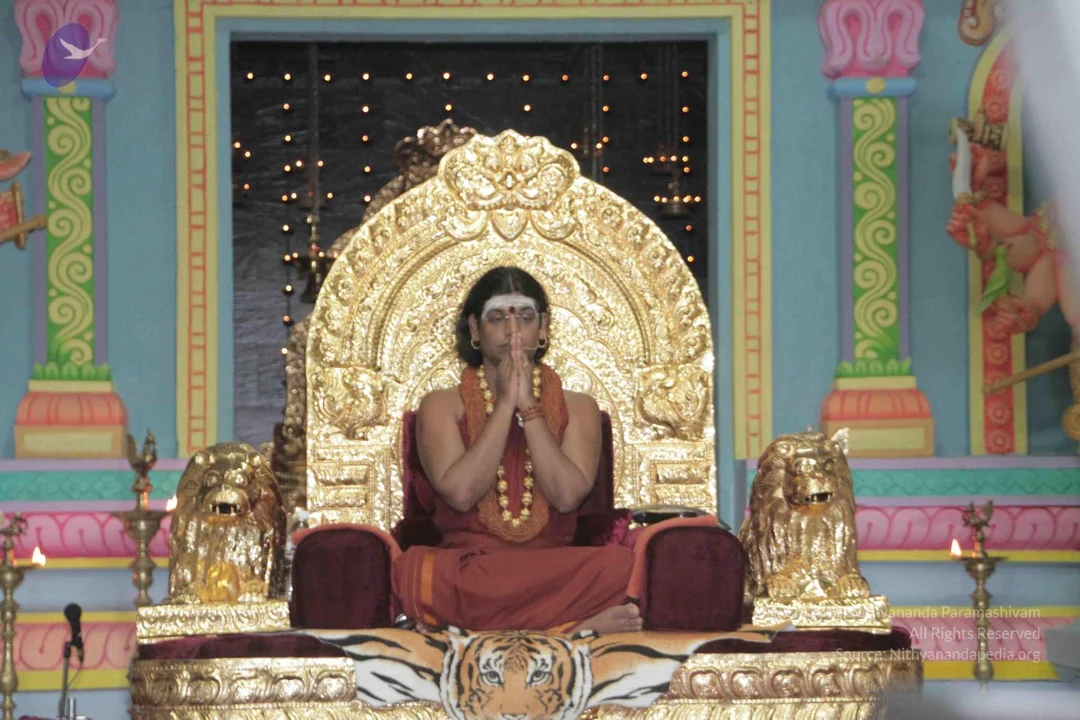
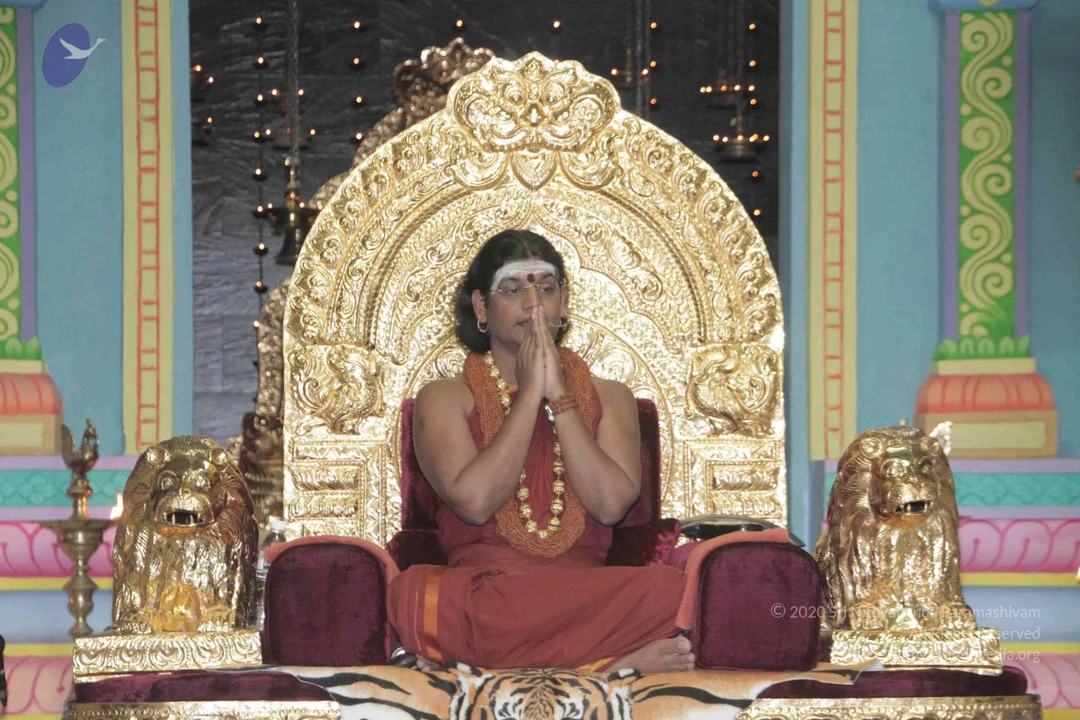
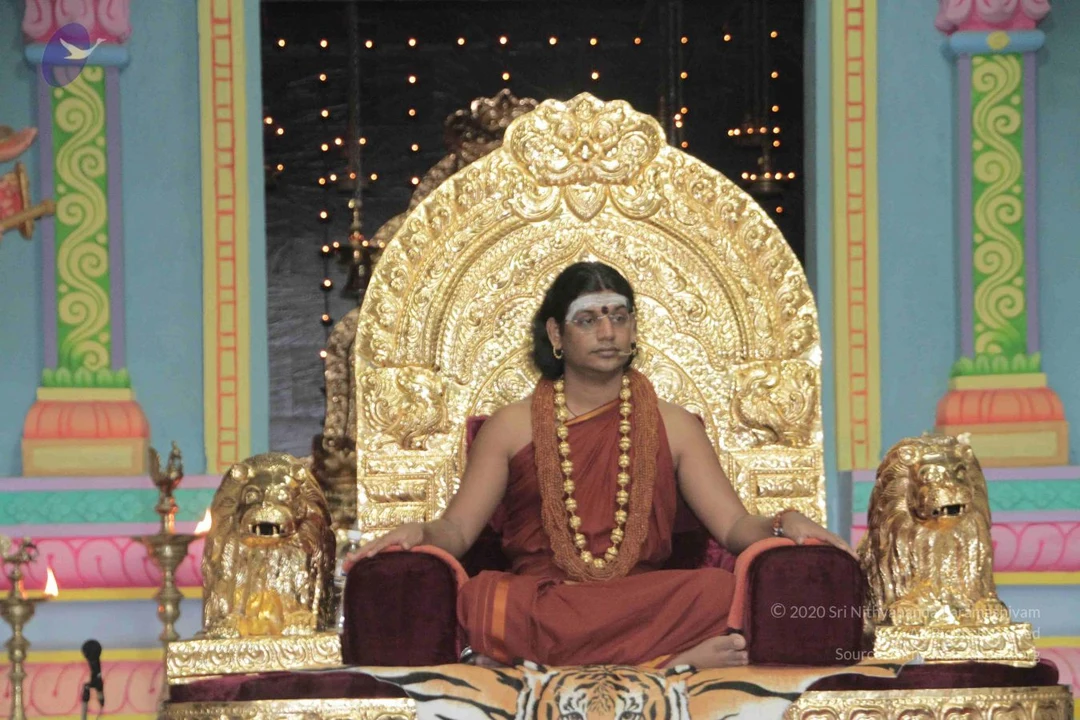
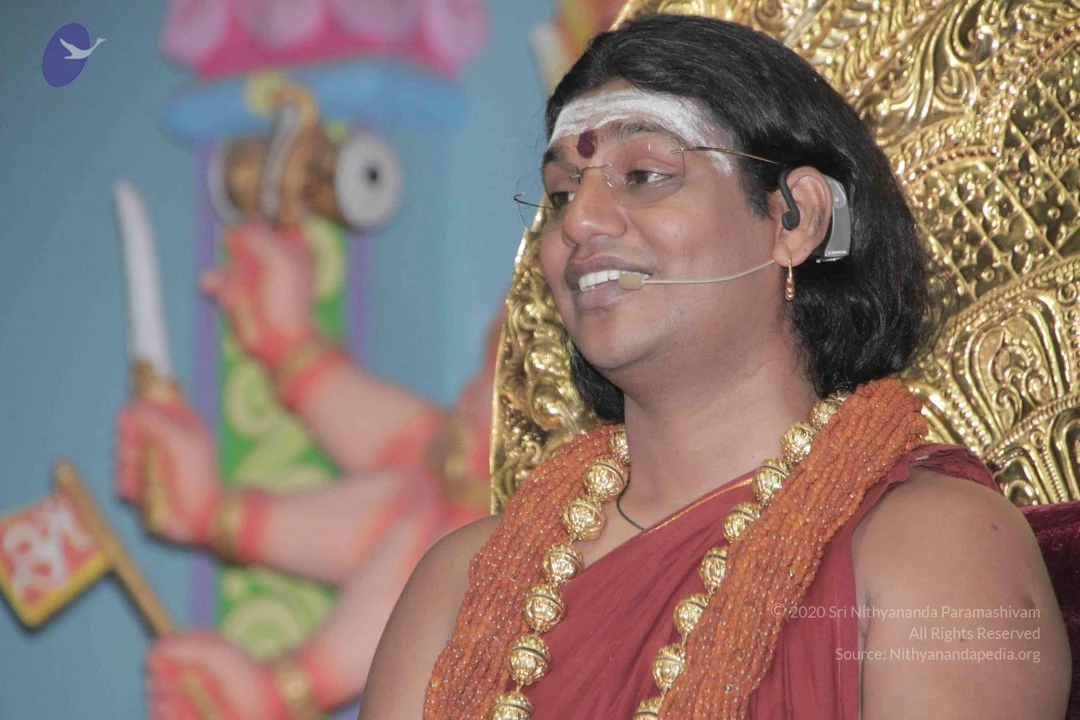
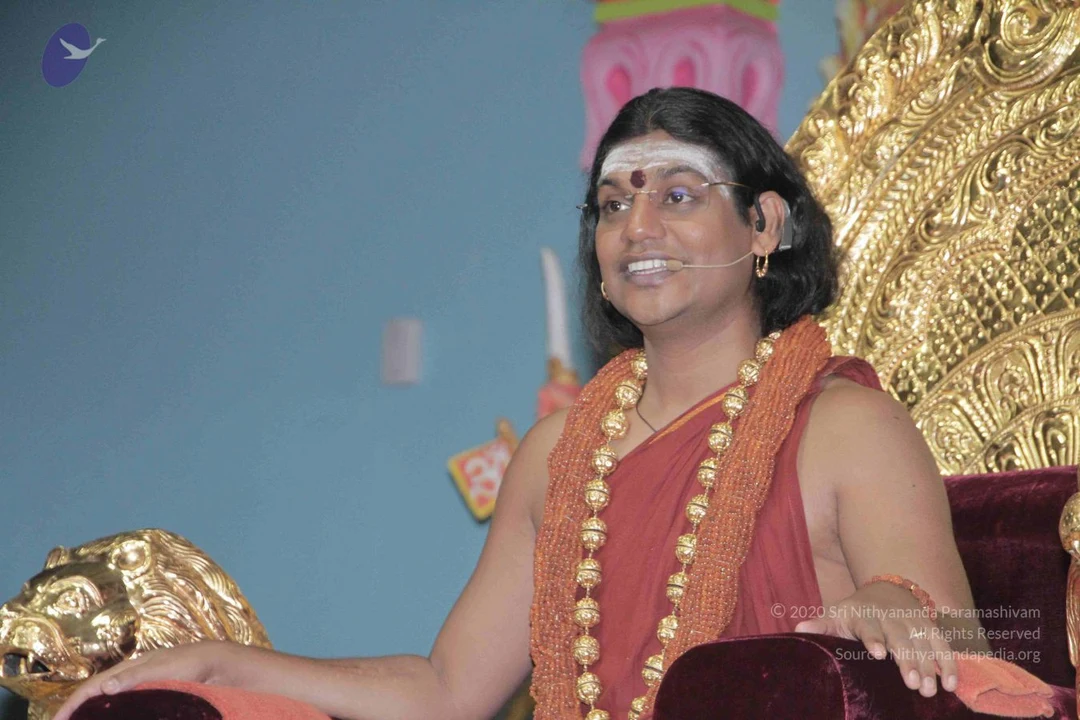
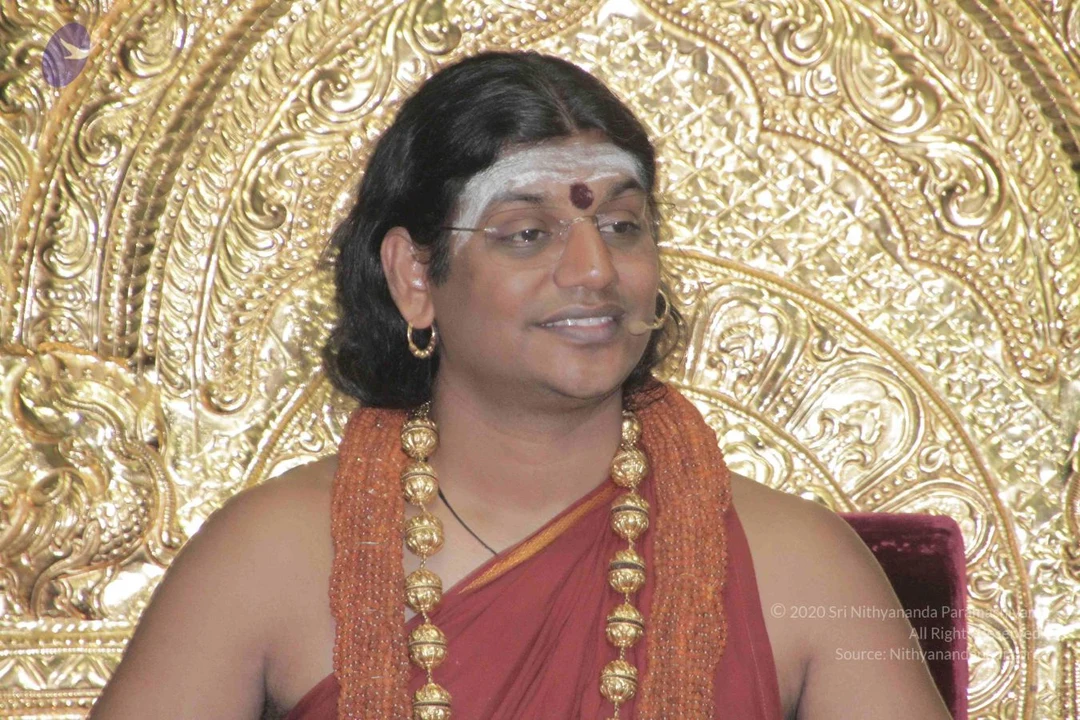
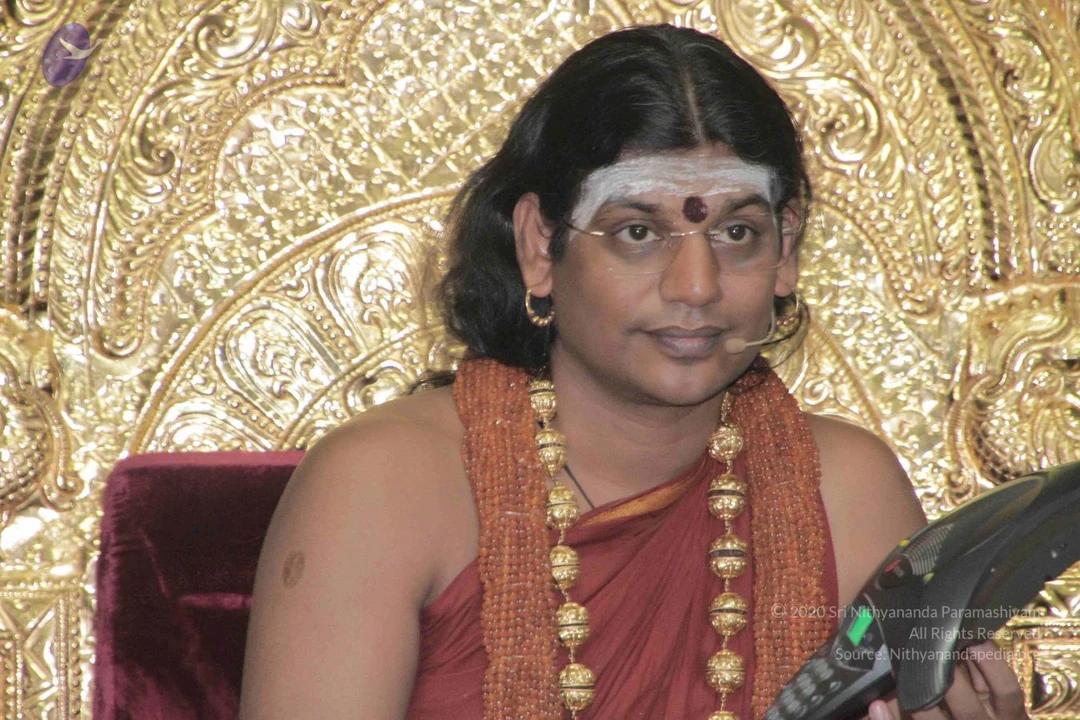
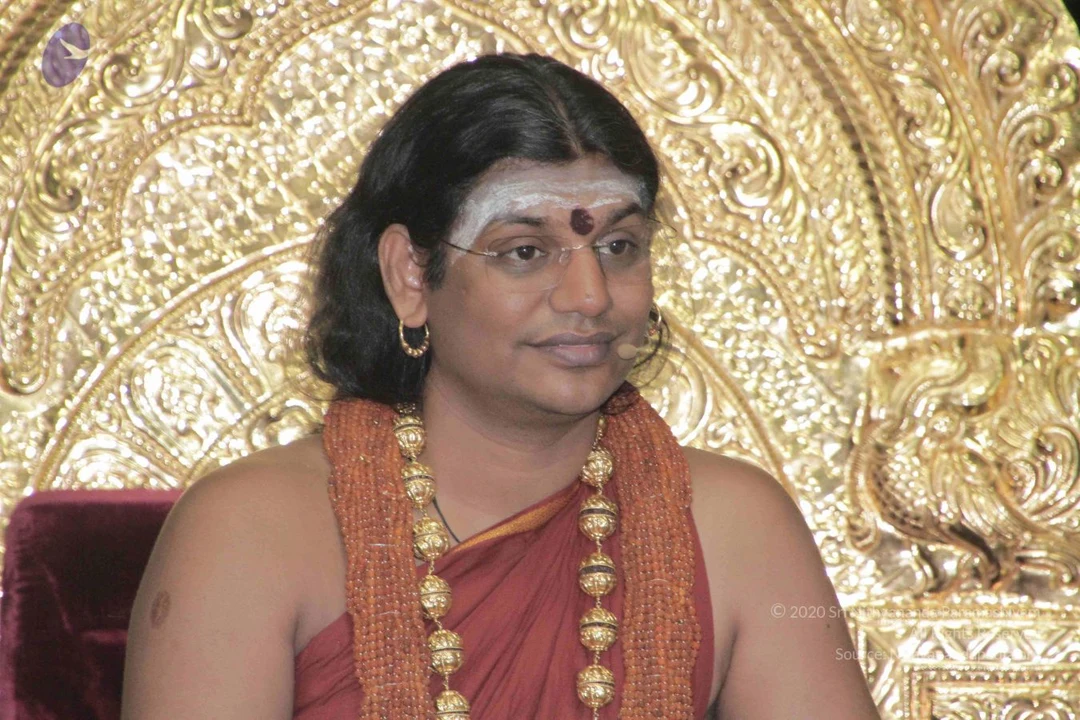
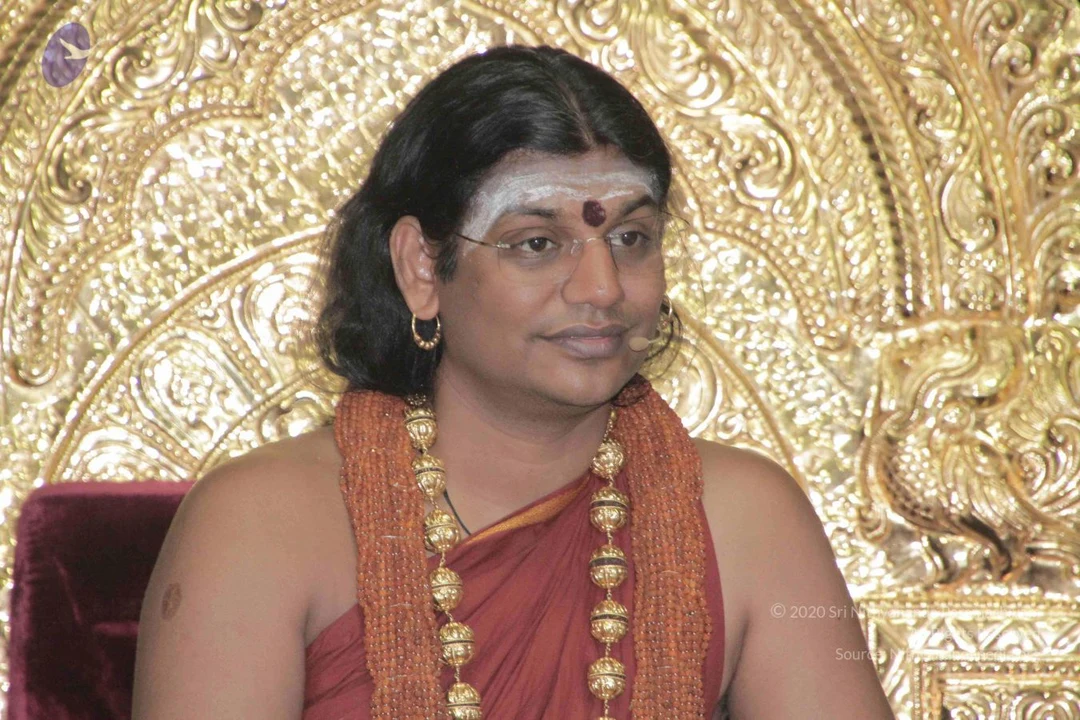
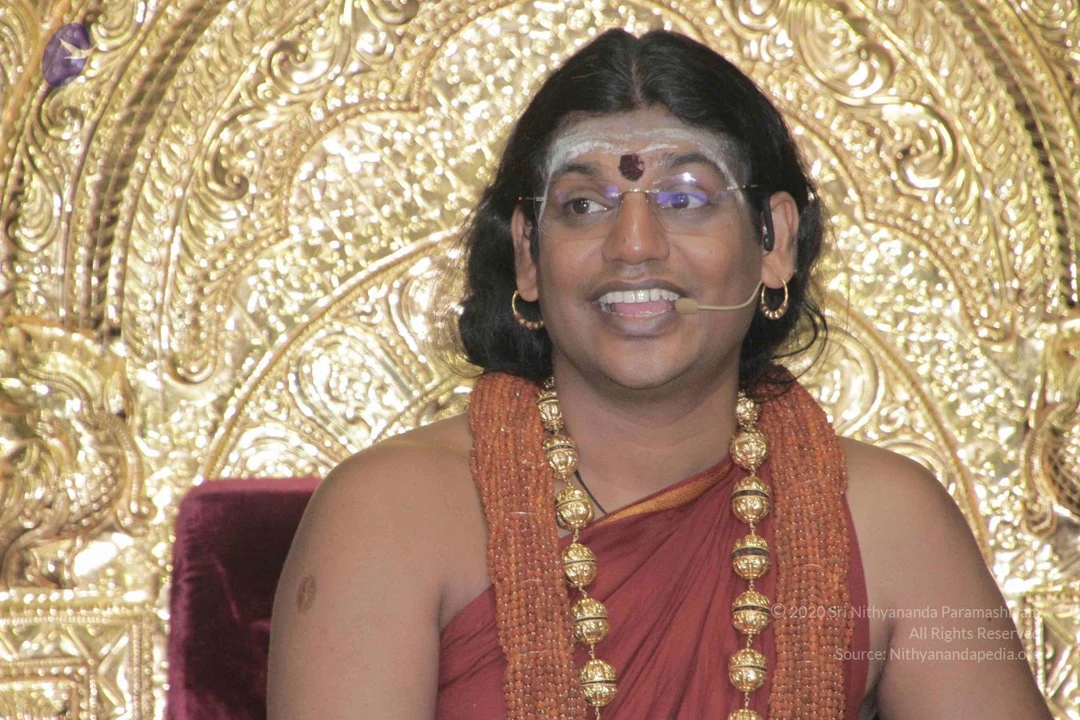
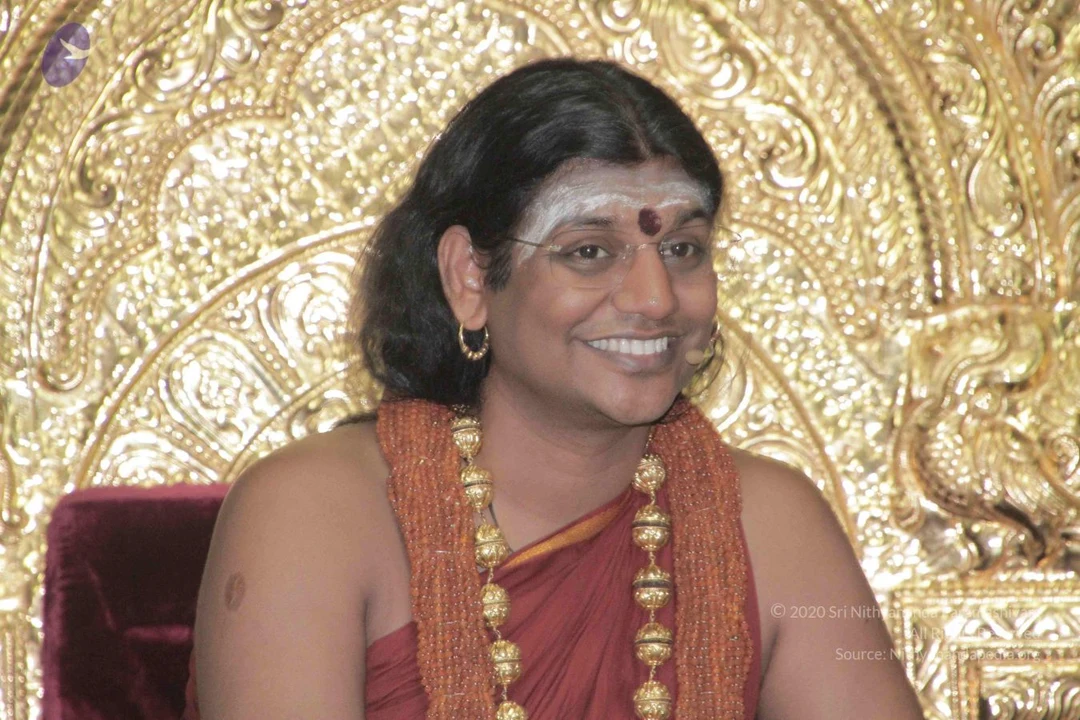
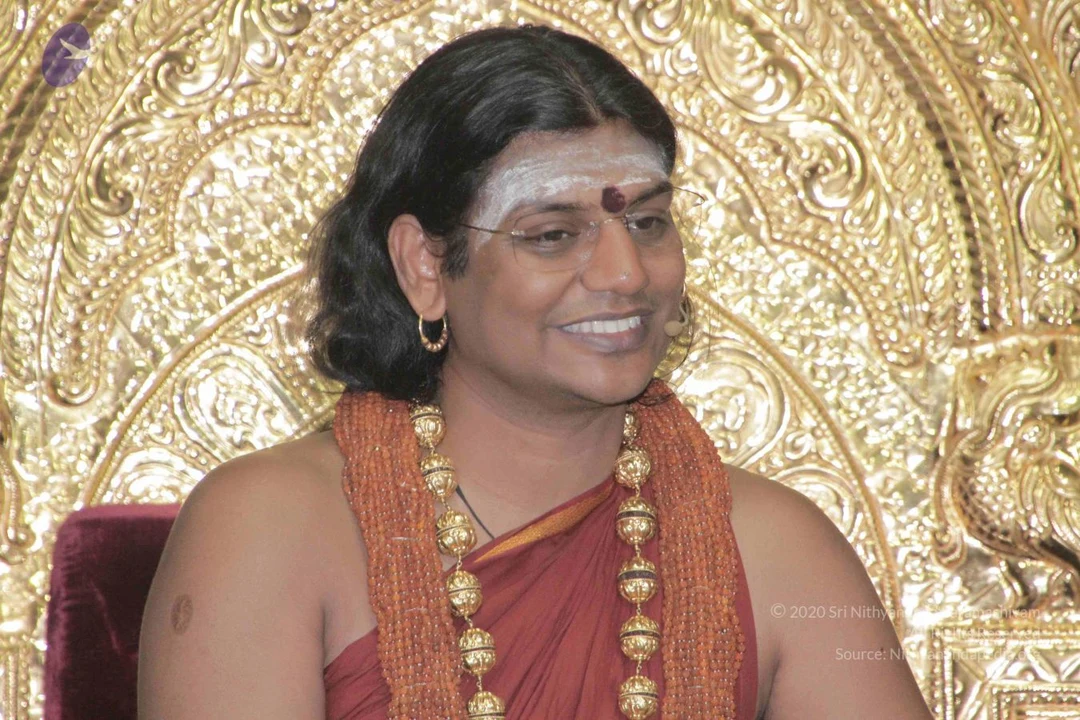
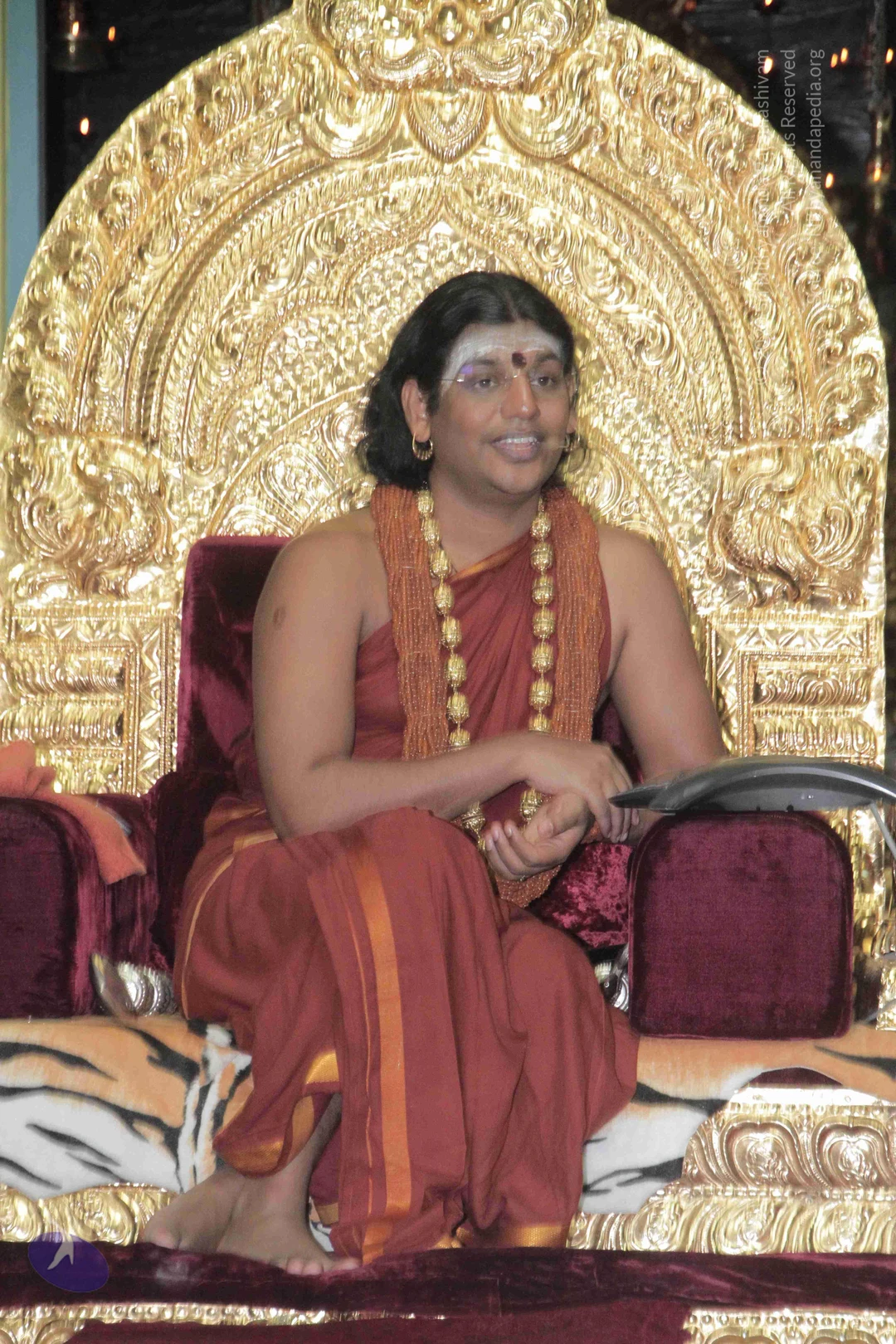
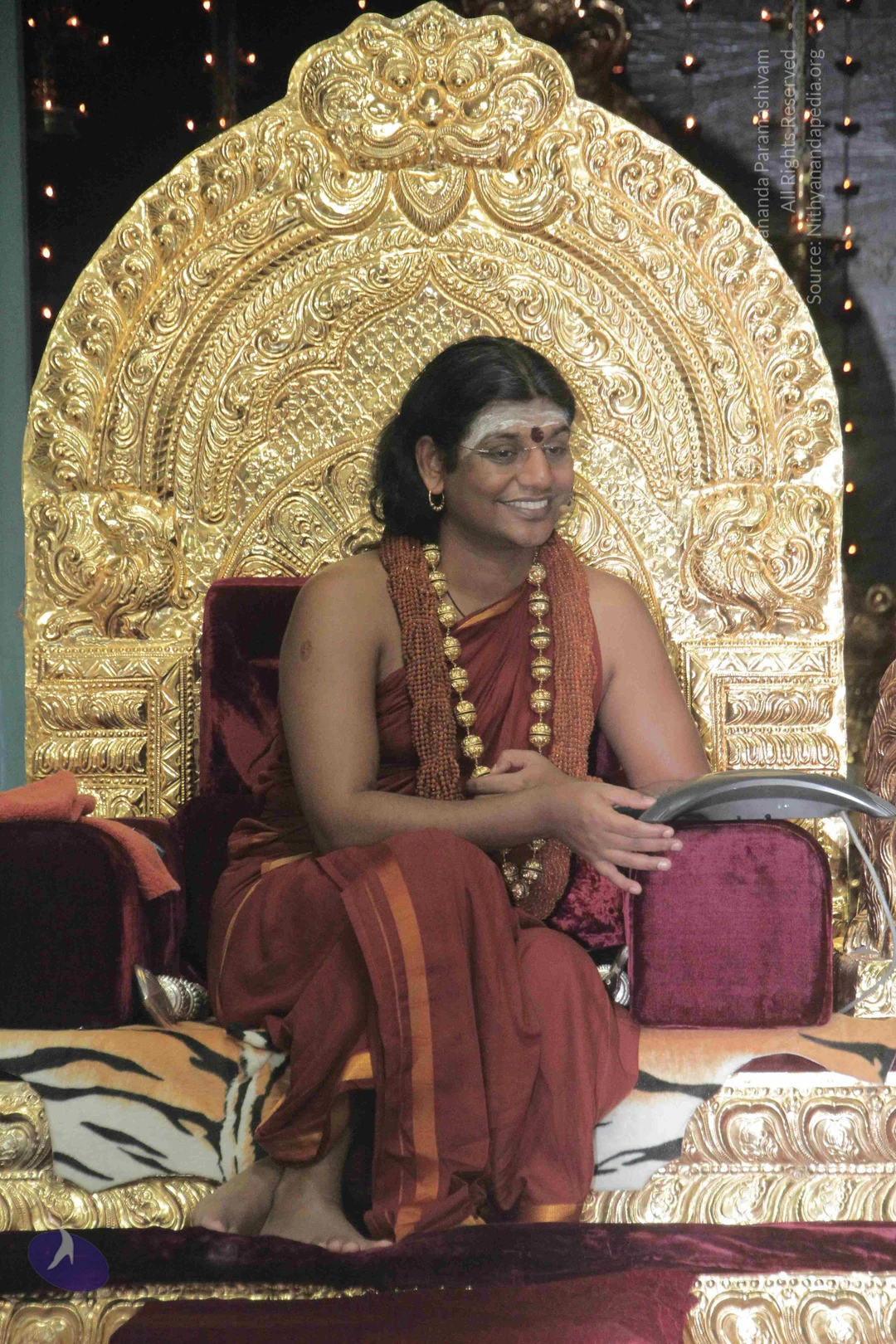
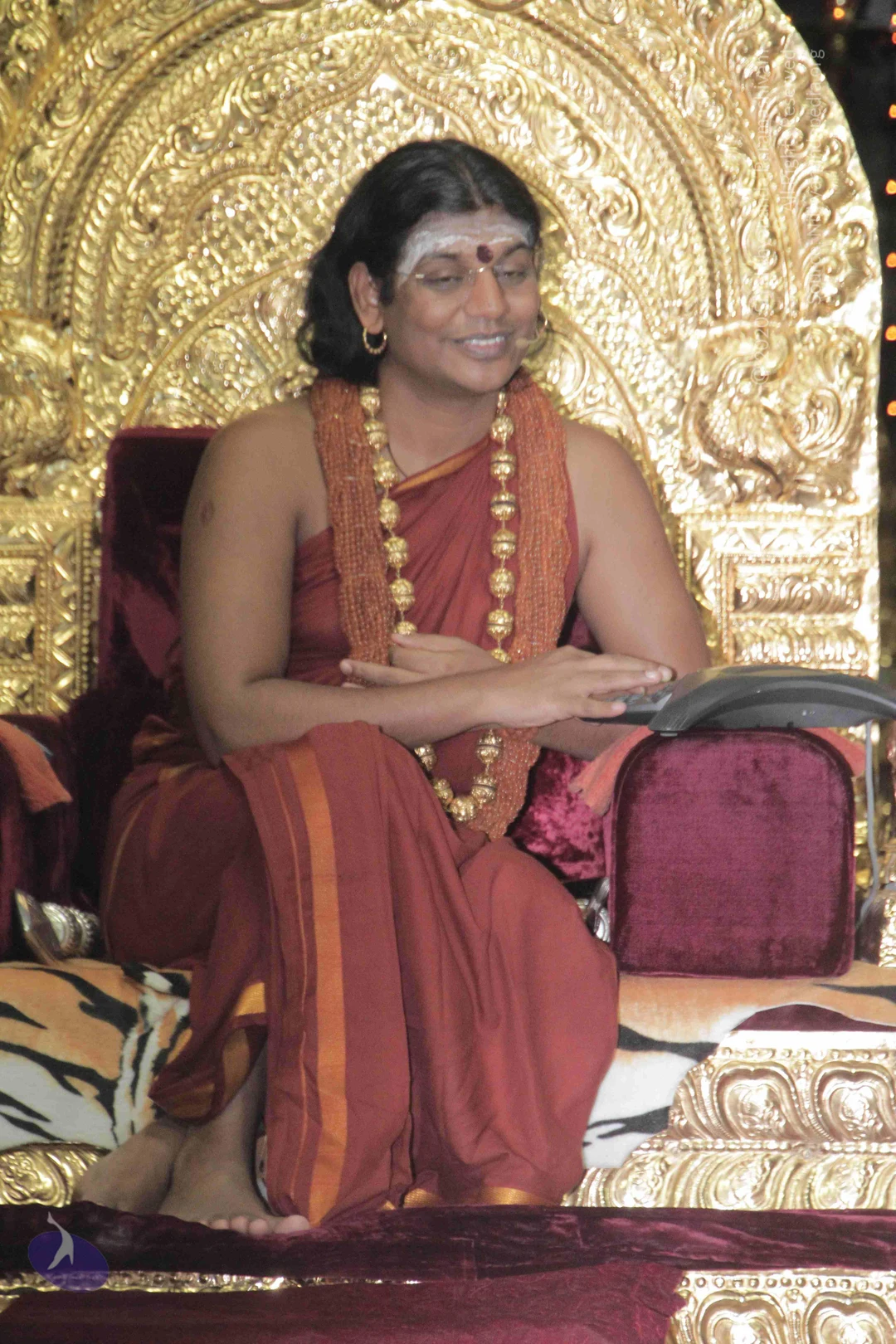
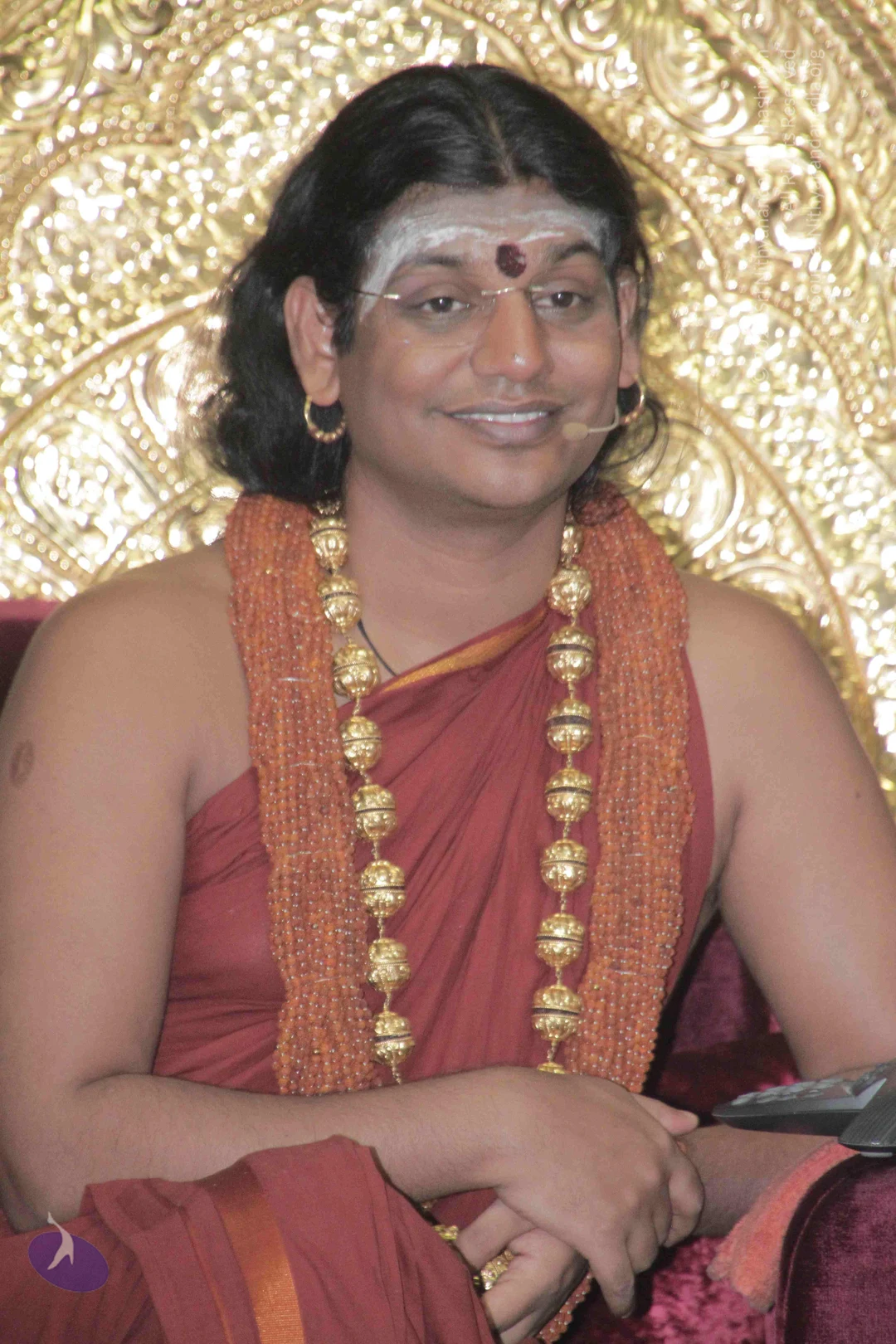
That day’s Presidential Address-Nithyananda Satsang was conducted by the Supreme Pontiff of Hinduism Bhagavan Nithyananda Paramashivam on 25 March 2013 in Adi Kailasa, Bengaluru, Karnataka, India.
Description:
In today's satsang, Paramahamsa Nithyananda (Swamiji) expanded on the principle of authenticity and how it creates a space of possibility in every dimension of life. Bring yourself to the absolute peak of your capacity, your capability, of you, then there's no wastage of inner powers. The lower aspects, dimension of you become empowered when you waste the energies of your higher capacities. The biggest danger you have in your life is using the in-authenticities of others to become inauthentic. Do not use the in-authenticities of others to justify your own inauthenticity; do not think this makes you right. Whatever you are projecting to others you have to be in the peak possibility of that. All human beings should learn the science of living and practice the science of living in peak possibility. Everything brought inside your mind, in front of your mind should be responded with the idea ‘possible’. Whether it is related to your body, profession or relationships, when you bring yourself to your peak possibility, relating to body becomes health, relating to profession it becomes wealth, relating to others becomes happy relationship, relating to whole life it becomes enlightenment. Bring yourself to your peak possibility, continuously. Without allowing tiredness or boredom, again and again. Don’t bother about the number of failures. Look at the number of successes you had in your life.
Link to Video:
| Video | Audio |
Transcript:
(0:11)
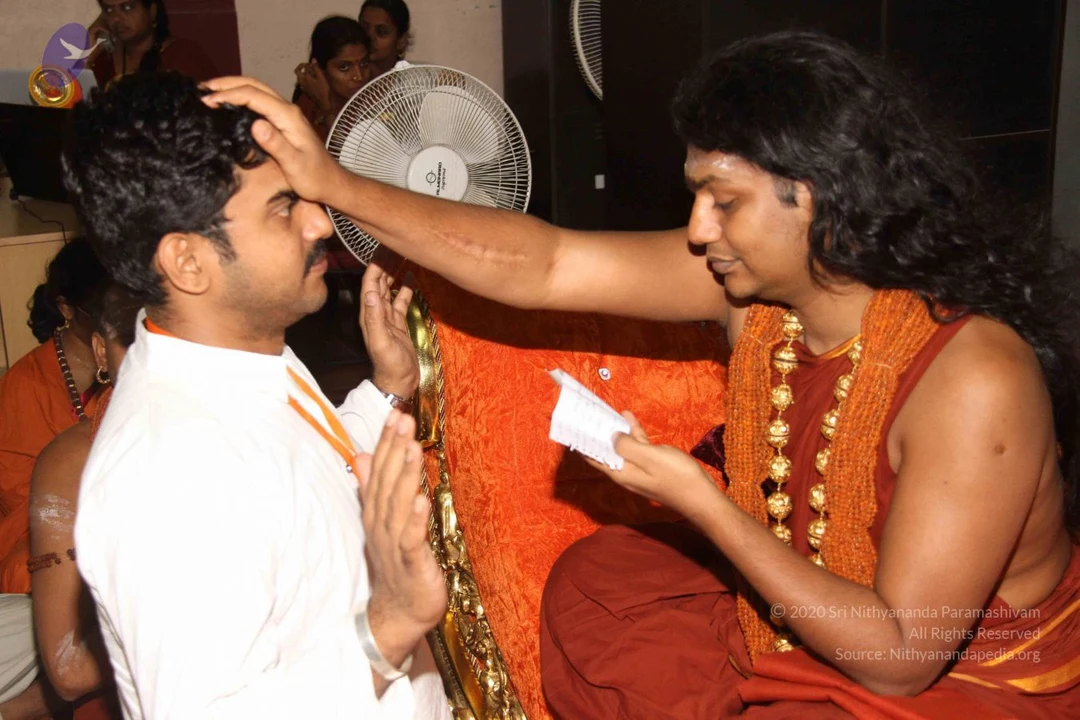
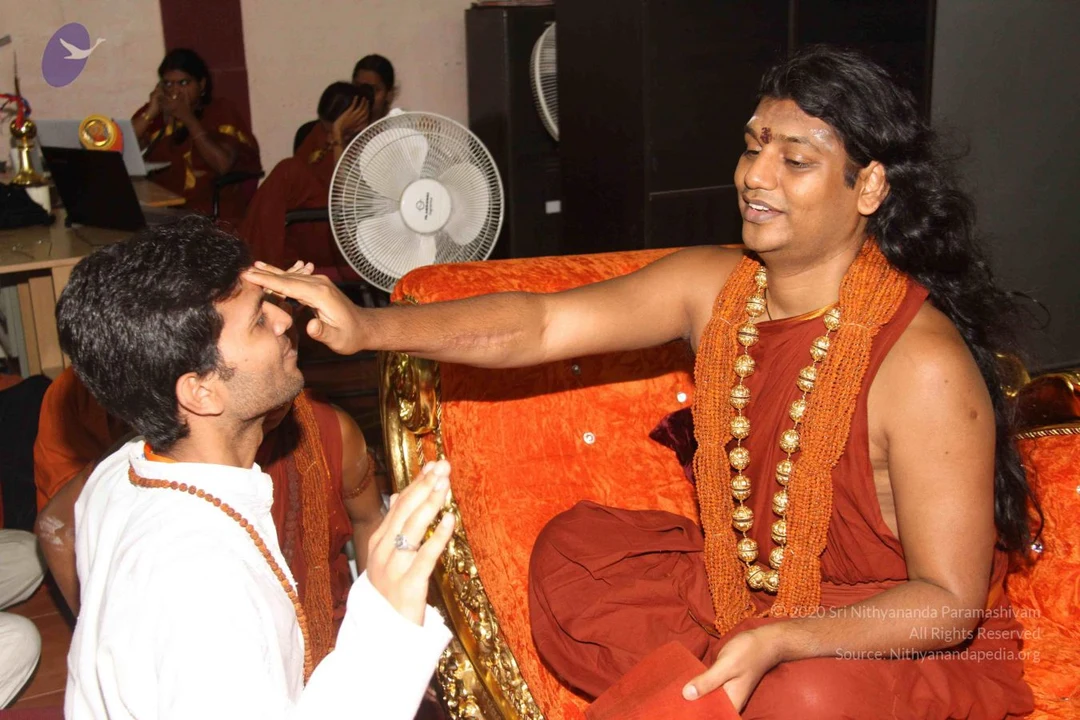
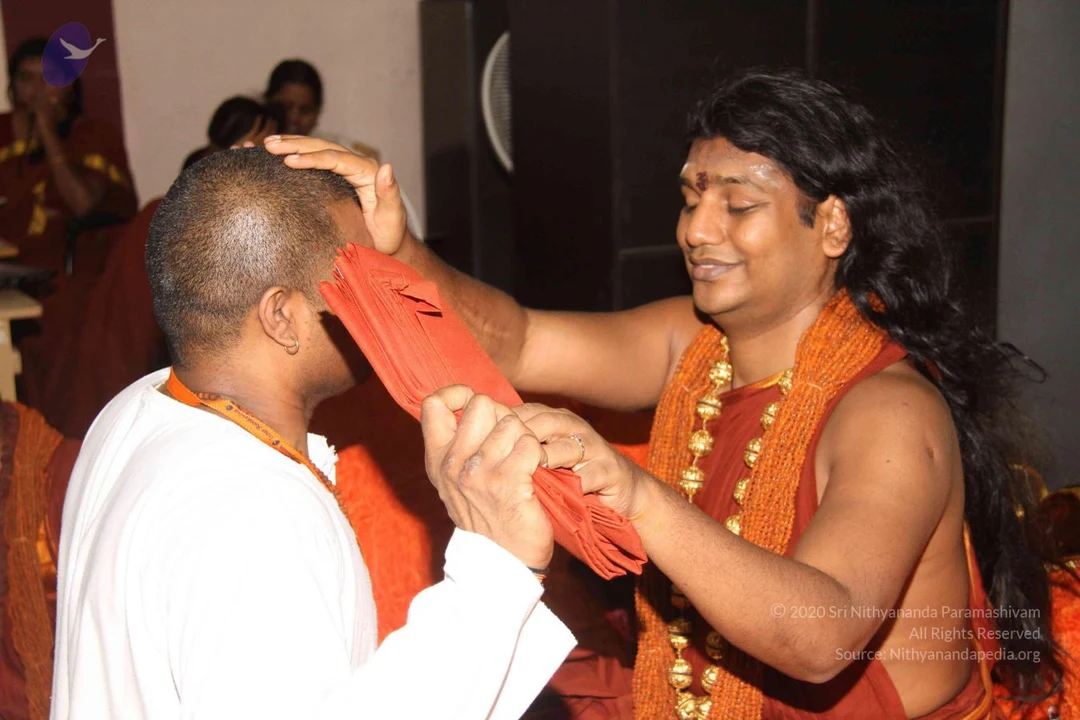
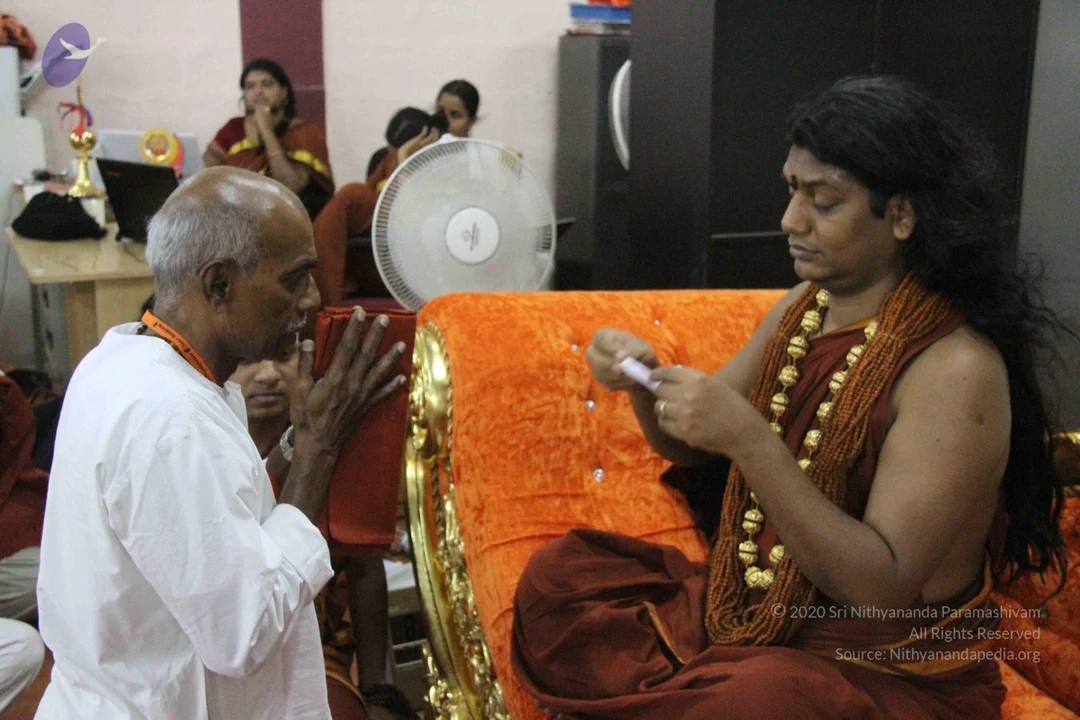
What is Initiation? The space of Positivity is awakened by Integrity. When you practice Authenticity, the space – ‘Everything is possible’, the Possibility is awakened. When you take up Responsibility, the space of Leadership is awakened. When you decide to enrich you and others, the space of Enlightenment is awakened. Now listen, please listen, later on you can write. Drop your paper, pen everything. Listen. In this first three – Integrity, Authenticity, Responsibility, only you can do anything... I have no place in that. I can support you by inspiring you or giving my bio-memory as initiation, transmitting and all that. But in the fourth thing, the space of Enlightenment, I can transmit; because in that space you and Me are not different. The truth itself is enriching yourself and others. So the tattva itself involves both. How many of you are getting it? Tattva itself is involving both. The space is transmittable. Understand only when I give you the glimpse of Enlightenment... as a Guru I am complete. Listen, now... I already started my relationship with you the moment you entered for the Inner Awakening. The moment actually you gave intention for Inner Awakening relationship started. The moment you entered the Inner Awakening we already... the moment I allowed you into the classroom and came here to start “Dear ones” ...done! Now your Completion only can make me complete. Getting it? You have to be complete only then I am a complete Guru. Unless the disciple is complete; see now already one end is me and one end is you. If the other end is not complete I cannot be complete. I can be complete only if I can transmit that space of Enlightenment to you.
(3:16)
One important thing when I transmit the space of Enlightenment to you that starts drilling you to live all the four tattvas. It is like putting the fire in the right place... where everything starts burning; all your old patterns, all your old ideas, all your old things, everything starts burning. Even I feel this little lack of health also, I only feel, body is getting more pure... body is getting into the next level. You see, Enlightenment brings certain... body becomes fragile. But, being just fragile is not going to be completely authentic; that can be only a phase... I have to cross. Enlightenment brings two things: tremendous energy from the Super Consciousness but the physical matter becomes very fragile. How many of you are catching what I am saying. The matter through which it has to express becomes very fragile; but even that is not complete Authenticity. This also I have to be very strong and the flow of the energy also has to be in peak. So when that process is happening only, like this little settling period it takes; that’s all, nothing else. So, even this is nothing but upgrading myself. So, the Initiation initiates you into the process of constant upgrading. Listen, now you are initiated into the process of constant upgrading. How many of you are catching what I am saying? So let me repeat With the practice of Integrity the result is space of Positivity. With the peak practice of Authenticity the result is space of Possibility. You just know anything is possible. How many of you enriched yesterday people for Inner Awakening? Now you know anything is possible; only after breaking... not before that; the space of Possibility.
(6:17)
In earlier Inner Awakenings I used to make people walk on fire. After that...the problem is... no ...legal implications. See lot of people from all over the world come. In India we don’t have a problem. In India if I make somebody walk on fire they can’t file a lawsuit on me. I am a religious leader, it’s a religious practice – walk; no case here, you can’t file a lawsuit on me. But people from some other country, they can’t file law suit here; they can go and file law suit in their country. Sometimes people start harassing those local organisations. So I have to stop. But I tell you, that was such a powerful way of making your bio-memory realise the space of Possibility. That is why later on what I started doing... I end the program... next day it is open for public anybody can do. I will organise this time also. After the 21 day program, 22nd or 23rd day, so it is not part of the program. It is open; we do it India, if you want walk with us. ☺ I tell you, I tell you, you see, naturally before walking you will not have confidence. You will have so many wrong ideas about fire. Actually the space of your body and the fire going to touch is not more than this space. But the moment you get the word ‘fire’ what do you visualise? It is burning here, it is burning here, it is burning here, it is burning here, my hair is on fire, everything is on fire. You understand? But actual touch-contact how much space? Only that feet. First of all many of your illusions will go; the illusory way of thinking. Second I have seen people, you always have a very low idea about your body. When you do something which you always feel you can’t do; I usually make people walk around Arunachala hill. Every Inner Awakening, end of Inner Awakening we send them and we ask them to walk around the hill. That is also another one big problem; people half way they lie down and tell, “Ohhh, I am not going anymore.” ☺ And exactly half way is our ashram. After they come to our ashram they say “No. I am not going anywhere.’ ☺ But somehow, if you even do one or two things which you think you can never do, the pattern of restricting your bio energy is broken. So much the space of Possibility comes to your bio memory.
(9:34)
How many of you are ready to walk this time in fire? Wow! Let’s organise ma. Let’s organise. In US they are doing. Somebody, one guy very popularly he does. What is his name? One guy he does in US. Any of you have done his program? He charges 10000 dollar to walk on, hmm 10000 dollar he charges to make you walk on, any of you have done his course? 10000 dollar just two day program fire walking; that’s all. No, but I tell you it’s worthy. It’s worth because you experience the space of Possibility. Ma add next time in the Inner Awakening 10000 worth program free. See, when you practice Authenticity, the space of Possibility becomes reality... and when you live Responsibility to its peak, the Leadership quality starts expressing through you... Eshwaratva - Leadership. When you live that peak of Enriching, Enlightenment itself starts expressing through you. Again I wanted to remind you in these four; Positivity, Possibility, Leadership and... space of Positivity, space of Possibility, space of Leadership, all these three I can teach you. And after you wanted to learn, you decide to learn, I can transmit bio memory; that’s all. But with this Enlightenment, space of Enlightenment I can transmit Consciousness itself.... without reducing the quality.
(12:00)
For example: If I transmit the bio memory of my space of Positivity, you may catch it 80%... it will not be complete 100%. The space of Possibility when I transmit... again you may catch it 70% ... not 100%... because your bio memory is catching it. Space of Leadership when I transmit through initiation... even if you decide to receive it you may catch it 60% not more than that. But the space of Enlightenment, without even your co-operation I can transmit 100%. That is Initiation. I don’t need your cooperation. I only need your ‘Yes’. ‘Yes I want to be initiated’ that’s all.
Because the space where the transmission happens is not even in your control; you don’t posses that space. See the space where Positivity happens you have control, Possibility happens you have control, Leadership happens you have control; you possess those places...spaces. But space where Enlightenment happens you have no control. It’s in my control. Getting it? That is why I am saying I can transmit 100% the initiation the experience. Of course after that you need to encourage it and mother it... and own it... for it to become your part and your system and radiating it. This transmission is what is Initiation. During the initiation, I only need one thing form you - you try as much as you can... not to connect the thoughts happening in you. With integrity and Authenticity decide to sit unclutched. Beyond you if your mind is lost or forgetting, somewhere it goes away, that and all is okay. Beyond your capacity what happens is ok. Getting it? But with your Integrity and Authenticity you will decide to sit unclutched. I need all of you to sit 21 minutes. But you can’t afford to sleep; that’s the main thing. I just want you to sit with me for 21 minutes in what I am calling unclutched space. But you can’t afford to sleep. Even if you sleep for 1 minute or 2 minute the initiation process will be disturbed. You will not be initiated; of course others will be initiated.
(15:19)
Let me tell you exactly what happens. Have you seen that Matrix movie? How they have tube for every human being; that is putting the human beings in unconsciousness. Here I am putting you into Super Consciousness. Literally like a each one of your ananda gandha...ananda ganadha means below the heart, above the naval – this area. Each one of your that area will be connected with a spiritual umbilical cord from me. It’s almost like a I fix that umbilical cord and it starts drilling you; drilling you, drilling you, drilling you; getting many of your patterns out which comes on the way. Finally it will touch your inner space which is automatically connected with My inner space. Understand ...at one level all of us are same. Making you experience that. How many of you are catching it? So we will do it?
(16:45)
[Participant asks something] You have to sit in the floor with cross legged or you can sit in the chair without supporting your back; because if you support your neck you will fall asleep. That is why. Any asana is okay only thing you should not support the neck. Neck should not be supported. Okay. Sit in cross legged way or you can sit in the chair; but you will not allow the... support the neck or hang the neck... allow the neck to bend. Clear? In this area - below the heart above the naval, in this area... you may feel little heavy or feeling like as if getting drilled. Don’t worry about it. It will be very mild; it won’t be like a pain. It’s like a layer by layer literally you are being drilled. Listen only one instruction - whenever thoughts come don’t connect them and make meaning. Be a witness. Decide not to encourage them, support them. With Integrity and Authenticity sit unclutched. Clear? Please close your eyes tie the ribbon. Authenticity, Responsibility and Enriching... let you all experience the ultimate space of Enlightenment in which I Myself residing. Let the transmission of Enlightenment happen inside your ananda gandha. Let the Consciousness start flourishing inside your ananda gandha. Let your kundalini shakti, kundalini energy be fully alive, awakened inside your ananda gandha, inside your whole body. Namah shivaya, namah shivaya, namah shivaya.
(19:50)
Link to Video:
| Video | Audio |
Transcript:
0:19
Nithyanandeshwara Samaarambham Nithyanandeshwari Madhyamam
Asmadacharya Paryantaam Vande Guru Paramparaam
I welcome you all with my love and respects
iss samay hamaare saath upasith sabhi darshakon aur bhakthon ka main prem evam aashirvaad sahith swagath kartha hoon. aaj ham jeevan ka doosra tattva shraddha kaise aapke dhan evam sampaththi ko vistharith kartha hain iske bare mein baath karenge.
I will expand on the second principle authenticity; how the authenticity expands your wealth and the life - wealth and possibilities. Listen, I will define authenticity. Authenticity is the state where you are established in peak of your possibility, capability and you respond to life from who you perceive yourself to be for yourself, who you project yourself to be for others and what others expect you to be for them. How you perceive you and you project you, bring yourself to the peak of it. If you are projecting yourself as IAS officer to the world or an IPS officer to the world or a head of a state, head of a village, head of a town, head of a country; how you project yourself to the world bring yourself to the peak of it. That is when you become authentic to your possibility, to your capability.
3:22
When you bring yourself to the peak of you, there is no wastage of inner powers. I tell you, when you waste your love it becomes lust, when you waste your responsibility it becomes jealousy. The lower dimensions of you is nothing but rejected part of your higher dimension. When your higher dimension is not materialized, is not realized, your lower dimension is empowered.
Dhyan se suniye, I have seen even in my organization, handling millions of human minds, I am telling you from the experience, whenever somebody is not able to or not interested to express their capabilities and potential possibility, I am afraid of them. Listen, not only they waste their life, they end up in building so much of negativity around themself. They become a big disturbance for the life flow and they become such big negative element in their flow of happening.
5:25
Shraddha ki paribhasha punah suniye. jab aap apni uchchatham kshamatha mein stith hokar apni jeevan ki sabhi pratikriya karthe hain us stithi se jo aap swayam ko swayam ki drishTi mein samajhthe hain, jo aap swayam ko anya logon ke saamne prastuth karthe hain aur jo aapse anya log apeksha rakhthe hain tab aap shraddha mein stith hain.
Bringing yourself to the peak possibility; listen, it happens, it can happen only when you practice every moment this truth - When you feel tired of realizing your possibility, reminding you ‘no, I cannot afford this tiredness in my life, this is inauthentic’ and standing up, every moment, bringing yourself to the highest peak of how you project yourself to the world. If you are showing yourself as a father to your son then you have to be performing in the peak possibility of a father. If you are projecting yourself as a husband or wife to somebody you have to be in the peak possibility of a best husband or best wife. In everything you project to others, listen, everything you project to others is the commitment you give it to others. If I project myself as a Guru I am committing with all my disciples as a Guru. So I become responsible to perform to my peak possibility of Gurudom. I have to perform the peak possibility to my disciples. That is what is authenticity. If you commit yourself as a disciple you perform the peak possibility of a disciple. That is what is authenticity.
8:25
And please understand if you are inauthentic I cannot justify my inauthenticity with it. If I am inauthentic you cannot justify your inauthenticity with it. If you are inauthentic you are inauthentic. I can’t use that as a reason for me to be inauthentic. If I am inauthentic I am inauthentic. You can’t use that as a reason for you to be inauthentic. Every moment, bring yourself to the peak possibility of how you project yourself and to others.
Har kshan kaise aap doosron ke saamne swayam ko prastuth karthe hain usko lagaathaar apni uchchatham kshamatha mein layiye. har kshan kaise aap doosron ke saamne swayam ko prastuth karthe hain usko lagaathaar apni uchchatham kshamatha mein layiye.
aap ka neecha pehloo aapke uchchtham pehloo ka asweekruth bhaag hai.
9:54
Continuously raising yourself to your peak possibility raising yourself to your peak possibility, I tell you, you will create a new body. I am telling you from my own experience. I am applying it for last few days continuously. If I am in peak possibility of me naturally I can’t afford tiredness, I can’t afford even the non mechanical parts of my body getting tired; non mechanical parts of your body getting tired is what is disease. The parts of your body which can’t be controlled by your will is non mechanical parts of your body. Parts of your brain which can’t be controlled by your will is non mechanical parts of the brain. Parts of the body, organs which you can control by your will is mechanical parts; for example hands - by your will you can control them, legs - by your will you can control them. The non mechanical parts of your body like heart, liver, intestine, kidney, with your ordinary will you can’t control them.
11:46
When the non mechanical parts of your body is getting tired and bored that is disease. If you decide with all your will power, with the powers in your hand, you can’t afford tiredness and boredom to be in peak of your possibility, that syncs into your non mechanical parts also. They also get out of their tiredness and boredom. You naturally get out of your disease and lack of life. Listen, I have seen some people highly healthy but life is missing in them. The lack of possibility is missing in them. That is also inauthenticity. Biggest danger you can have in your life is using others inauthenticity to make yourself inauthentic.
Aap anya logon ki ashraddha ko upayog karke swayam ki ashraddha ko sahi naa banaaye.
Do not use others inauthenticity to make your inauthenticity.
Aap anya logon ki ashraddha ko upayog karke swayam ki ashraddha ko sahi naa banaaye.
13:40
Life, life oozes into our system, into our body, into our mind as we respond to it, as we approach it, as we listen to it, as we expect it, as we project it. Bring yourself to your highest possibility just because YOU need to be in highest possibility, not for any other reason. But constantly you ask yourself, ‘Why should I be in highest possibility when others are all not responding to me in that way?’
Listen! Just because others all drink poison regularly, you want to drink it? Just because thousands of human-beings are behaving foolishly, you want to be foolish? Just because millions of human-beings are not using the extraordinary powers made available to them by the divine, are you also not going to use it?
Listen! When you landed on the Planet Earth, so much of energies, powers are deposited in your bank balance, and cheque book is available in your hand. You just need to sign! The signature is Authenticity. And reclaim it!
You say, ‘No, No! Everyone is not taking their money from their accounts. Everyone is not taking it out of their accounts and using their powers. How can I alone use? Why should I alone use?’
16:00
I tell you, because everyone is not using, that should be the reason why you should use it! That should not be the reason why you should not use it. How you perceive you and how you project you, bring you to the peak; that is where you become authentic to your capability.
Aap apneaap ko kaise dekhthe hain aur swayam ko kaise prastuth karthe hain usme swayam ki uchchtham kshamatha thak jaayiye. waha par aap swayam ki uchchtham kshamatha ke sath praamaanik hai. jab aap swayam ko apni uchchtham kshamatha thak nahi laathe hai aap apne aanthareek shakthi ko barbaad karthe hain.
jab lagaathaar jeevan ki pratikriya apni uchchtham kshamatha main rahekar karthe hai thab jeevam aapke deh evam man mein behna lagtha hai.
Aap poochthe hai jab anya log ashraddha mein hai tho mein kyon shraddha mein rahoon? Agar sabhi log vish peeyenge tho kya aap bhi vish peeyenge?
Understand, the whole world drinking poison does not justify you drinking poison.
18:04
Last few days, I am experiencing it in my life. Yesterday the doctors who came to diagnose me – my disciple and almost like regular doctor for me – he was diagnosing me. He was shocked! How with this background, I am still trying to manage at least by my day-to-day activities? I could see, just this Authenticity is healing my body.
Constantly, every moment, I am very clearly telling my body, ‘You have to be peak of what you are projecting to the world. So, naturally, what I am projecting to the world, peak of it is what? God! So, I just have to be like God!’ I said, ‘the body we are carrying can’t afford anything else.’ So, I could see so much of energy happening inside, the body altering itself, repairing itself, rebuilding itself, rejuvenating itself.
aapke aas paas sabhi log agar vish peethe hain uska arth yah nahi hain ki aap bhi vish peeyenge.
Just because the world drinks poison, you don’t need to drink poison! That’s exactly what I told my body. Just because world responds; normally, when a body sees tiredness or boredom or idea of disease, it responds to it like sickness, lying down, rest, non-performance of the activity. I said, ‘No! I can’t afford to!’ I am jumping out of the bed every moment possible to come out and sit in the class or at least come out and walk so that I am ready to take the class. Today morning, my body was very clear it will not be able to come for the satsang. I said, ‘No! You have to be in the peak of what you project yourself to the world! That is Authenticity!’
21:07
I tell you all, if you are projecting as a Teacher, you have to be peak possibility of a Teacher. If you are projecting yourself as an entertainer, you have to be the peak of your profession. If you are, whatever you are projecting yourself to others, you have to be in the peak possibility of that. I said, ‘You can’t afford to be inauthentic!’ And I could see immediately my body jumped out of the bed, took bath, did its puja, performed everything, and back here for the satsang. I could see the non-mechanical parts of the body also listening and healing itself, recovering itself with this one truth of Authenticity.
I tell you, your health, your wealth, your relationships, your success, your excellence, everything is built on this one truth – Authenticity. Build Authenticity as the pattern in your inner space; I tell you everything is possible for your life; you will experience the space of Possibility. One of the biggest gift I am giving it to my Gurukul kids is living in the space of Possibility. I want all my Gurukul kids to understand, whether you have taken Krama Brahmacharya or not, you are my child. If your parents are also my child, you are given Krama Brahmacharya; if not you study in Gurukul; but you are my child. Don’t have the feeling disturbed.
23:33
Har kshetra mein aap apni uchchtham kshamatha mein rahiye. agar aap apneaap ko ek adhyaapak ke roop mein anya logon ko prastuth karthe hain tab aapko lagaathaar us roop ki uchchtham kshamatha mein hi rehenaa hoga.
Listen! Dhyaan se suniye, kshamatha mein hi rehenaa hoga.
All human-beings should learn the science of living and practice the science of living in peak possibility. Everything brought inside your mind, in front of your mind, should be responded with the idea POSSIBLE! POSSIBLE! POSSIBLE! That should be the word ringing in your heart, space in your heart! POSSIBLE! POSSIBLE! POSSIBLE!
25:08
I told myself, ‘Health is simply possible!’ Whatever may be the reason, when you bring yourself to your peak possibility, even telling yourself, health becomes possible! Only when you start telling yourself, you realize you have some vested interest even in your sickness. You have some corner of you enjoying it. Bring yourself to the highest Authenticity.
Har maanav ko uchchtham kshamatha mein rehene ki shaastra ko seekhnaa chahiye. main aapse kehatha hoon aapka swasthya sampaththi evam aapka shareer sab kuch sirf ek tattva satya par aadhaarith hai SHRADDHA SHRADDHA SHRADDHA yeh sambhavanaon ki aantarik avastha hai.
Bring yourself to the peak of your performance in every action.
What is Wealth? Wealth is nothing but your peak, realizing yourself in your peak, in the actions and activities you took up for generating wealth. You might be taking some job, some business, some profession for generating wealth for your life. Sometime even playing brings wealth to your life. For some people, talking brings wealth to their life. For some people, laughing brings wealth to their life. For some people, dancing brings wealth to their life. For some people, painting brings wealth to their life. For some people, talking takes away wealth from their life. For some people, jumping takes away wealth from their life. For some people, jumping brings wealth to their life, talking brings wealth to their life. So, whatever you have taken up in your life to acquire wealth, perform that in its peak.
28:14
dhan kaa arth kya hai? jab aap apni har kaarya apni uchchtham kshamatha mein stith hokar karthe hain tab aap dhanwaan hai.
Whatever actions you have taken up in your life to bring wealth in your life, sit and think through. Is it business? Is it job? Is it your profession? What are the actions you have taken up to bring wealth to your life? Perform peak of those actions. Perform peak in those actions of your life. You will see, you will see wealth happens in your life. Simply wealth happens in your life!
Authenticity has to be practiced in every dimension of your life, every level of your thinking, every level of your cognizance. I could see, after I drilled myself with Authenticity, my body is not even cognizing its tiredness and boredom and disease. It is just throwing it away before even cognizing. That is why I am sitting in front of you guys now. I am pushing my body to the extreme performance. Earlier, around 18 hours my working hours, now I am pushing it to 20-21 hours. First few days only it was struggling little bit to settle down into the next level. Understand, struggle is not wrong; End of the struggle where you are going to be, based on that only whether the struggle is right or wrong is decided. End of the struggle if you are going to be in higher space than what you were, then struggle is right. End of the struggle if you are going to be in the lower space than what you were, it is wrong.
31:08
One disciple asked me, ‘If I can’t even argue with you, why should I be your disciple?’
I said, ‘Arguing with me is not wrong, end of the argument are you going to accept my answers? Then argument with you is worthy of my time, you can be disciple. If anyway you are not going to accept the answers I give end of the argument, then me arguing with you is waste of time, and you being my disciple is useless!’
When I decided my body is going to be in its peak, when I decided I am going to be keeping in my peak possibility, simply I could see my body is now stopped even cognizing the old way of signals from it! What is the old signals of the body? Disease, tiredness, ‘let’s lie down’, ‘let’s rest’, ‘let’s postpone’; these are all the old signals. My body has stopped cognizing it!
So, I tell you, bring yourself to the peak, whether it is related to your body, profession, relationships. When you bring yourself to your peak possibility –
• relating to body, it becomes health;
• relating to your profession, it becomes success;
• relating to others, it becomes happy relationships;
• relating to your whole life, it becomes enlightenment!
So, it is time I give you the essence of today’s satsang. Essence of today’s satsang is - bring yourself to your peak possibility continuously without allowing tiredness or boredom, again and again. Don’t bother about the number of failures. Look to the number of successes you had in your life.
33:54
aaj ki satsang kaa saaransh hai apne har kaarya ko lagaathar apne uchchtham kshamatha mein stith hoke keejiye. tabhi aapki dhan evam sampaththi visthaarith hoga. kal ke satsang mein ham jeevan ka teesre tattva uttardaayithva ya zimmedaari uThane se kaise dhan evam sampaththi ko paa sakthe hai iske baare mein baath karenge.
Title
Power of Initiation || Inner Awakening
Description
Title: Power of Initiation
Name Program: Inner Awakening
Session on: Power of Initiation and what it does to the disciple.Initiation is the means of enabling continuous updates about higher knowledge into the disciple.
Date: 25 March 2013
Venue: Adikailaasa, Bengaluru, India
This video is an excerpt from the Inner Awakening program conducted on 25 March 2013 in Adikailaasa, Bengaluru, India. In this video Supreme Pontiff of Hinduism HDH #Nithyananda Paramashivam talks about Power of Initiation and what it does to the disciple. He also talks about four Tattvas - Integrity , Authenticity, Responsibility and Enriching. Integrity brings positivity, Authenticity brings possibility, Responsibility brings leadership and enriching lives brings enlightenment. #Initiation is the means of enabling continuous updates about higher knowledge into the disciple.
Link to Video
| Video | Audio |
Transcript:
[00:00:15]
What is Initiation? The space of positivity is awakened by Integrity. When you practise Authenticity, the space, everything is possible, the possibility is awakened. When you take up Responsibility, the space of leadership is awakened. When you decide to enrich you and others, the space of Enlightenment is awakened.
[00:00:52]
Now, listen, please listen, later on you can write. Drop your paper, pen, everything. Listen. In this first three, Integrity, Authenticity, Responsibility, only you can do anything. I have no place in that. I can support you by inspiring you or giving My bio memory as initiation, transmitting and all that. But in the fourth thing, the space of Enlightenment, I can transmit. Because in that space, you and Me are not two different.
[00:01:37]
The truth itself is Enriching, yourself and others, so the Tattva itself involves both. How many of you are getting it? Tattva itself is involving in both, the space is transmittable. Understand? Only, when I give you the glimpse of Enlightenment, as a Guru I am complete.
[00:02:12]
Listen. Now, I already started My relationship with you the moment you entered for the Inner Awakening. The moment actually you gave intention for Inner Awakening, relationship started. The moment you entered the Inner Awakening we already, the moment I allowed you into the classroom and came here to start, ‘dear ones’, done. Now, your completion only can make Me complete. Getting it? You have to be complete, only then I am a complete Guru. Unless the disciple is complete, the one… you see, now already one end is Me and one end is you. If the other end is not complete, I cannot be complete. I can be complete only if I can transmit that space of Enlightenment to you.
[00:03:16]
One important thing, when I transmit the space of Enlightenment to you, that starts drilling you to live all the four Tattvas. It is like a putting the fire in the right place, where everything starts burning. All your old patterns, all your old ideas, all your old things, everything starts burning. Even I feel, this little lack of health also, I only feel body is getting more pure. Body is getting into the next level. See, Enlightenment brings certain, body makes ah, bodies, body becomes fragile. But, being just fragile is not going to be completely authentic. That can be only a phase, I have to cross.
[00:04:23]
Enlightenment brings two things: tremendous energy from the Super consciousness, but the physical matter becomes very fragile. How many of you are catching what I am saying? The matter through which it has to express becomes very fragile. But, even that is not complete Authenticity. This also I have to be very strong, and the flow of the energy also has to be in peak. So when that process is happening only, like this little settling period it takes, that's all, nothing else. So, even this is nothing but upgrading myself. So, the initiation, initiates in to… in you, initiates you into the process of constant upgrading.
[00:05:20]
Listen. Now, you are initiated into the process of constant upgrading. How many of you are catching what I am saying? So, let Me repeat, with the practice of Integrity, the result is space of positivity. With the peak practice of Authenticity, the result is space of possibility. You just know anything is possible.
[00:05:57]
How many of you enriched yesterday people for Inner Awakening. Now you know anything is possible; only after breaking, not before that. The space of positivity, sorry possibility. In earlier Inner Awakenings I used to make people walk on fire, I'll organise this time also. After the 21 day program, 22nd or 23rd day, so it's not part of the program. I tell you, when, you see, naturally before walking, you will not have confidence. You will have so many wrong ideas about fire. Actually, the space of your body and the fire going to touch is, not more than this space. But the moment you get the word “fire”, what do you visualize? It is burning here, it is burning here, it is burning here, it is burning here, my hair is on fire. Everything is on fire. You understand? But actual touch contact, how much space? Only that feet.
[00:07:16]
First of all, many of your illusions will go; the illusory way of thinking. Second, I have seen people, you always have a very low idea about your body. When you do something which you always feel you can't do… I usually make people walk around Arunachala Hill. Every Inner Awakening, end of Inner Awakening we send them, and we ask them to walk around the hill. Somehow, if you even do one or two things, which you think you can never do, the pattern of restricting your bio energy is broken. So much, the space of possibility comes to your bio memory.
[00:08:12]
See, when you practice Authenticity, the space of positive possibility becomes reality. And when you live Responsibility to its peak, the leadership quality starts expressing through you, Ishwarattva, leadership. When you live that peak of Enriching, Enlightenment itself starts expressing through you. Again I wanted to remind you, in this four, positivity, possibility, leadership and… Space of positivity, space of possibility, space of leadership - all these three I can teach you and after you wanted to learn, you decide to learn, I can transmit bio memory. That's all.
[00:09:32]
But with this Enlightenment, space of Enlightenment, I can transmit Consciousness itself, without reducing the quality. For example, if I transmit the bio memory of My space of positivity, you may catch it 80 %, it will not be complete 100 %. The space of possibility, when I transmit, again you may catch it 70 %, not 100 %. Because your bio memory is catching it. The space of leadership when I transmit through initiation, even if you decide to receive it, you may catch it 60%, not more than that. But the space of Enlightenment, without even your co-operation, I can transmit hundred percent. That is initiation. I don't need your cooperation, I only need your “yes", “Yes, I want to be initiated." That's all. I don't need… because, the space where the transmission happens, is not even in your control. You don't possess that space. See, the space where positivity happens - you have control, possibility happens - you have control, leadership happens - you have control, you possess those places, spaces. But space where Enlightenment happens you have no control. It's in My control. Getting it?
[00:11:10]
That is why I'm saying, I can transmit 100 %, the initiation, the experience. Of course, after that you need to encourage it and mother it and own it, for it to become your part in your system and radiating it. This transmission is what is initiation. During the initiation, I only need one thing from you. You try as much as you can, not to connect the thoughts happening in you. With Integrity and Authenticity decide to sit unclutched. Beyond you, if your mind is lost, or forgetting, somewhere it goes away, that and all is okay. Beyond your capacity what happens is okay. Getting it? But with your Integrity and Authenticity, you will decide to sit unclutched.
[00:12:26]
I need all of you to sit 21 minutes, but you can't afford to sleep. That's the main thing. I just want you to sit with Me for 21 minutes, what I am calling unclutched space. But you can't afford to sleep, even if you sleep for one minute or two minute, the initiation process will be disturbed. I’ll, you will not be initiated. Of course, others will be initiated.
[00:13:02]
Let Me tell you exactly what happens. Have you seen that Matrix movie? How they have tube for every human being? That is putting the human beings in Unconsciousness. Here I am putting you into Superconsciousness. Literally like a, each one of your Ananda Gandha. Ananda Gandha means, below the heart, above the navel, this area; each one of your, that area, will be connected with the spiritual umbilical cord from Me. It's almost like a, I fixed that umbilical cord and it starts drilling you, drilling you, drilling you, drilling you, getting many of your patterns out which comes on the way. Finally, it will touch your inner space, which is automatically connected with My inner space. Understand, at one level all of us are same. Making you experience that.
[00:14:07]
Sit in cross legged way or you can sit in the chair, but you will not allow the, support the neck or hang the neck, allow the neck to bend, clear? In this area, below the heart, above the navel, in this area, you may feel little heavy, or feeling like as if getting drilled. Don't worry about it. Very, it will be very mild; it won’t be like a pain, it’s like a layer by layer, literally you are being drilled.
[00:14:57]
Listen, only one instruction. Whenever a thoughts come, don't connect them and make meaning. Be a witness, decide not to encourage them, support them. With Integrity and Authenticity sit unclutched. Clear? Please close your eyes, tie the ribbon. In Authenticity, Responsibility and Enriching, let you all experience the ultimate space of Enlightenment, in which I Myself residing. Let the transmission of Enlightenment happen inside your Ananda Gandha. Let the Consciousness start flourishing inside your Ananda Ghanda. Let your Kundalini Shakti, Kundalini Energy be fully alive, awakened, inside your Ananda Ghanda, inside your whole body.
[00:16:09]
Nama Shivaya, Namah Shivaya, Namah Shivaya.
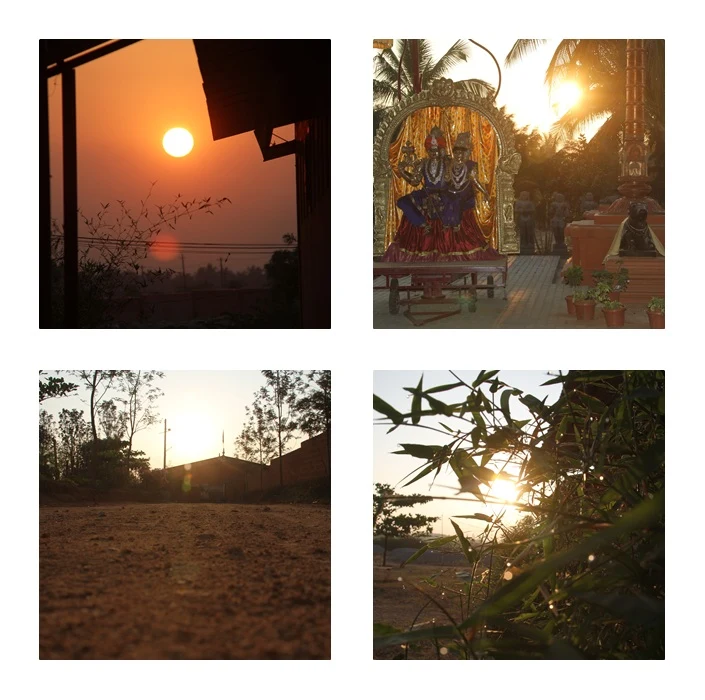
Photos From The Day:
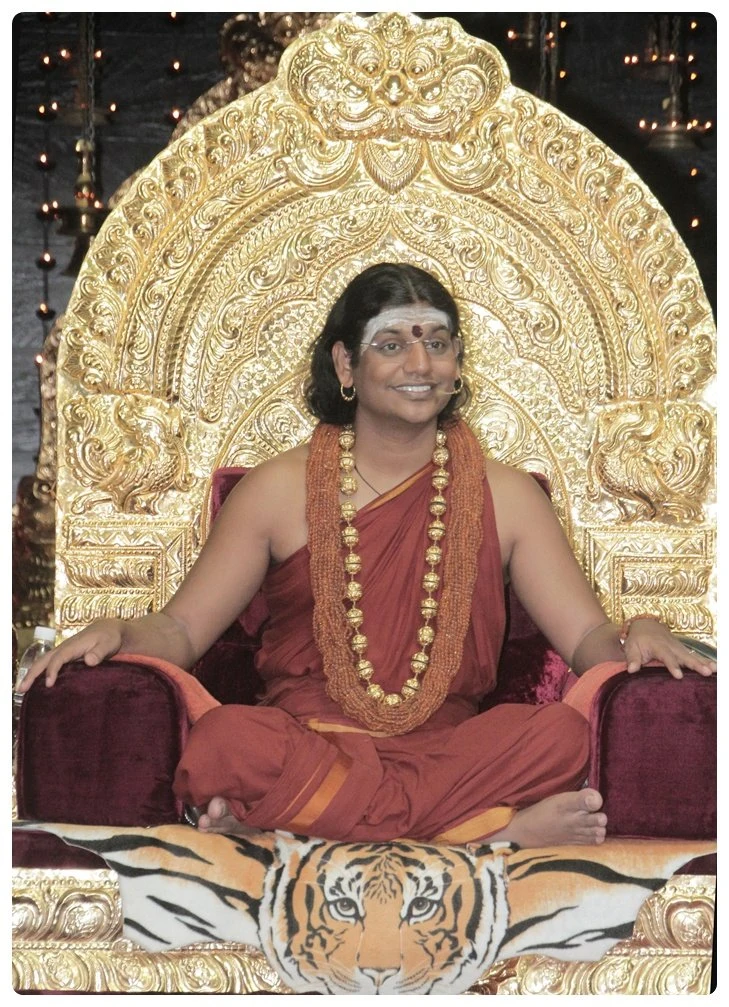
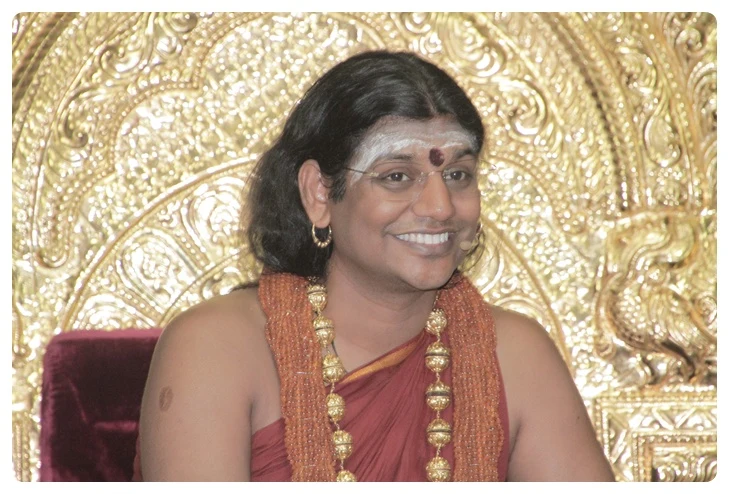
Tags:
Paramahamsa Nithyananda, authenticity, wealth, health, relationship, possibility, capacity, peak, success, failure, inner powers.
Photos Of The Day:
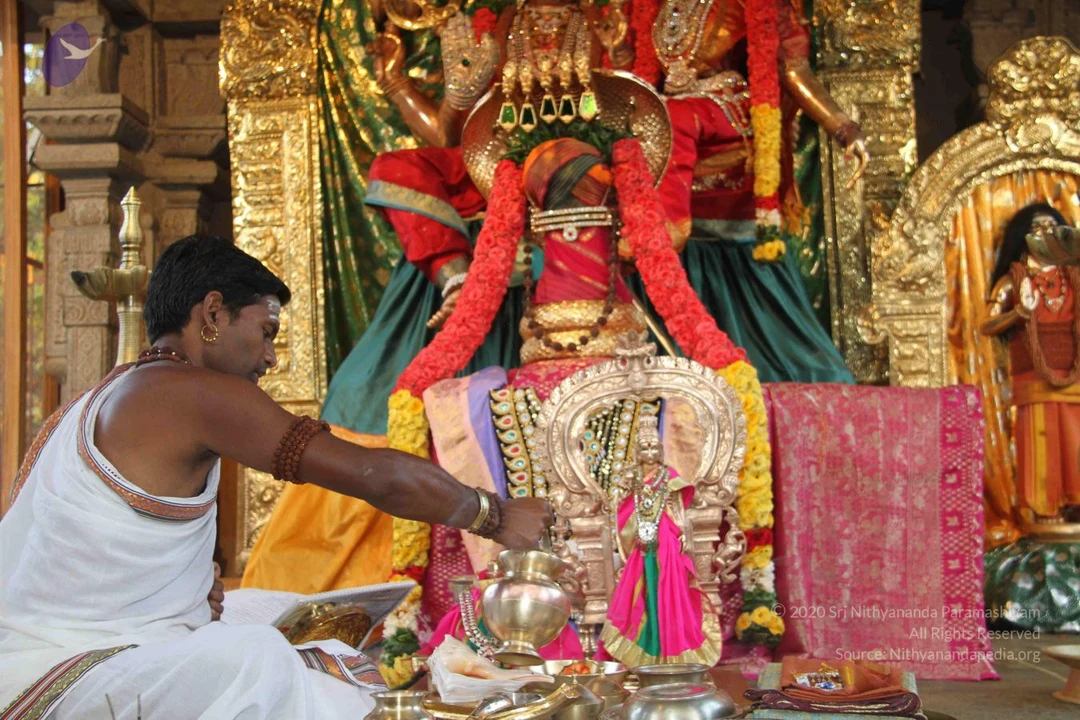
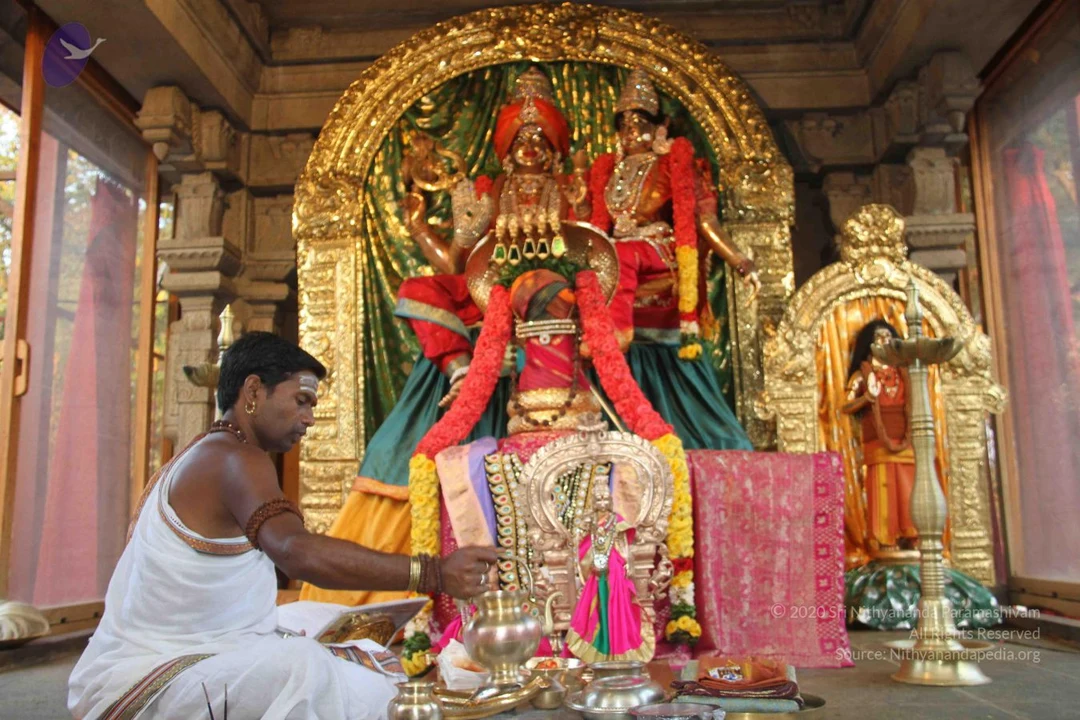
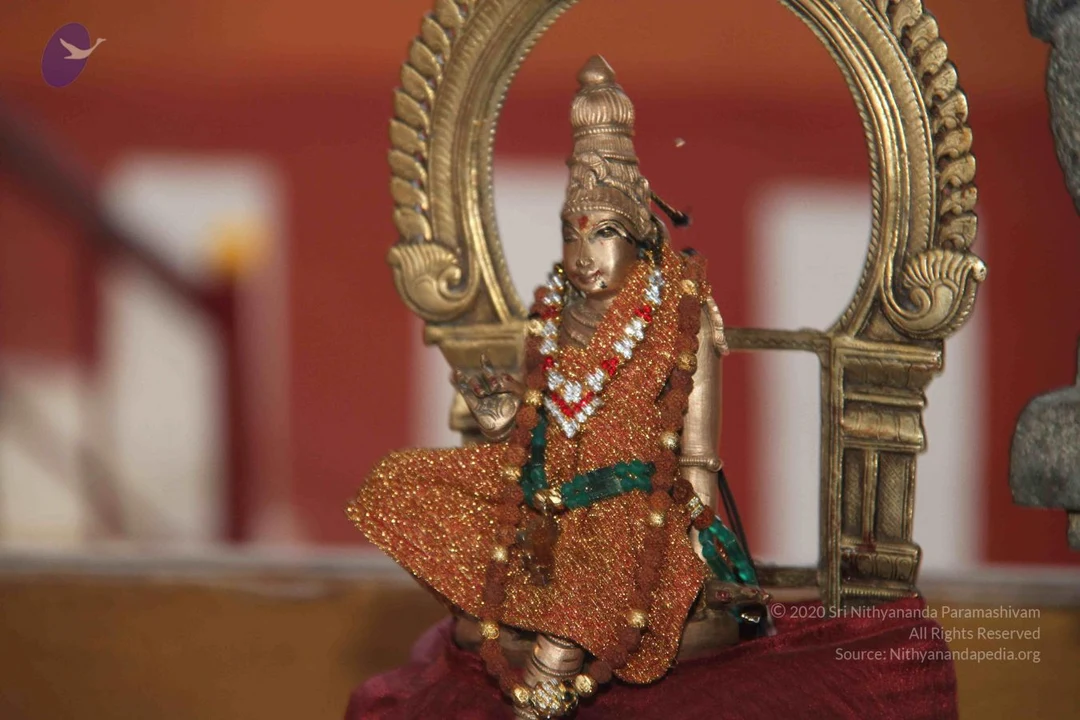
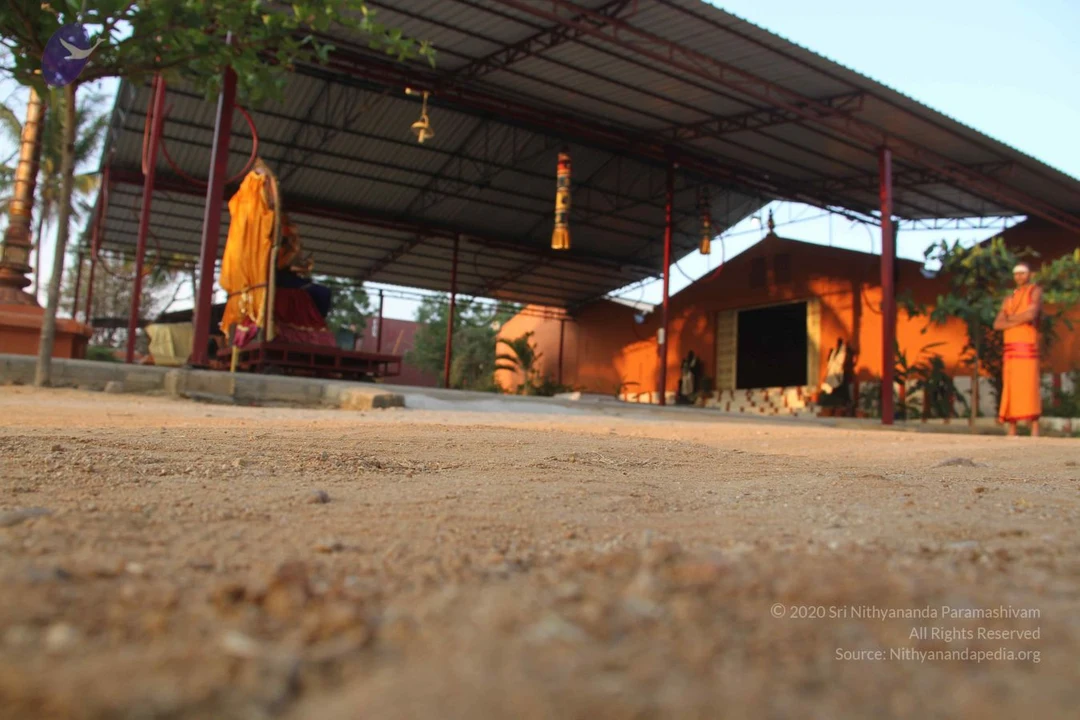
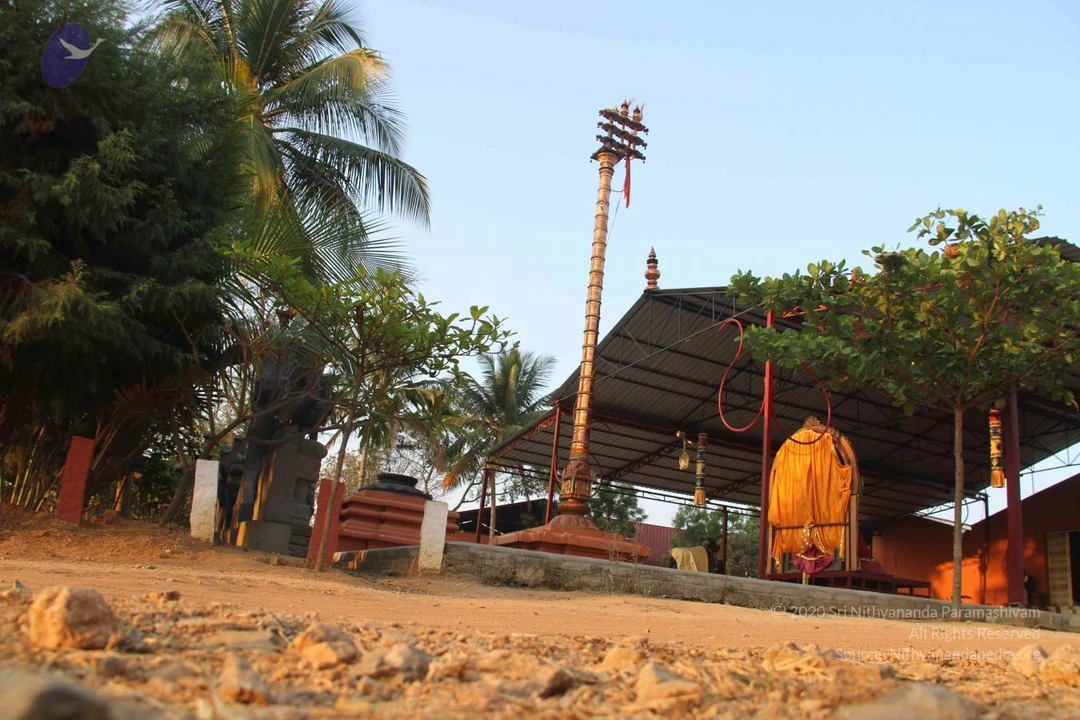
TEMPLE


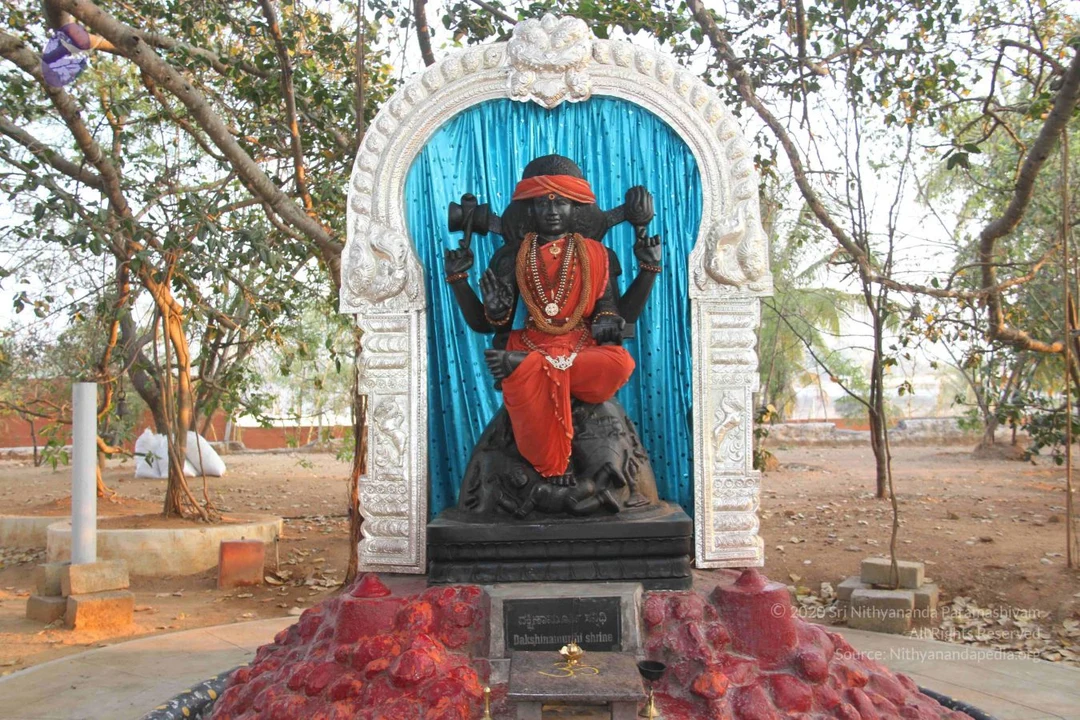
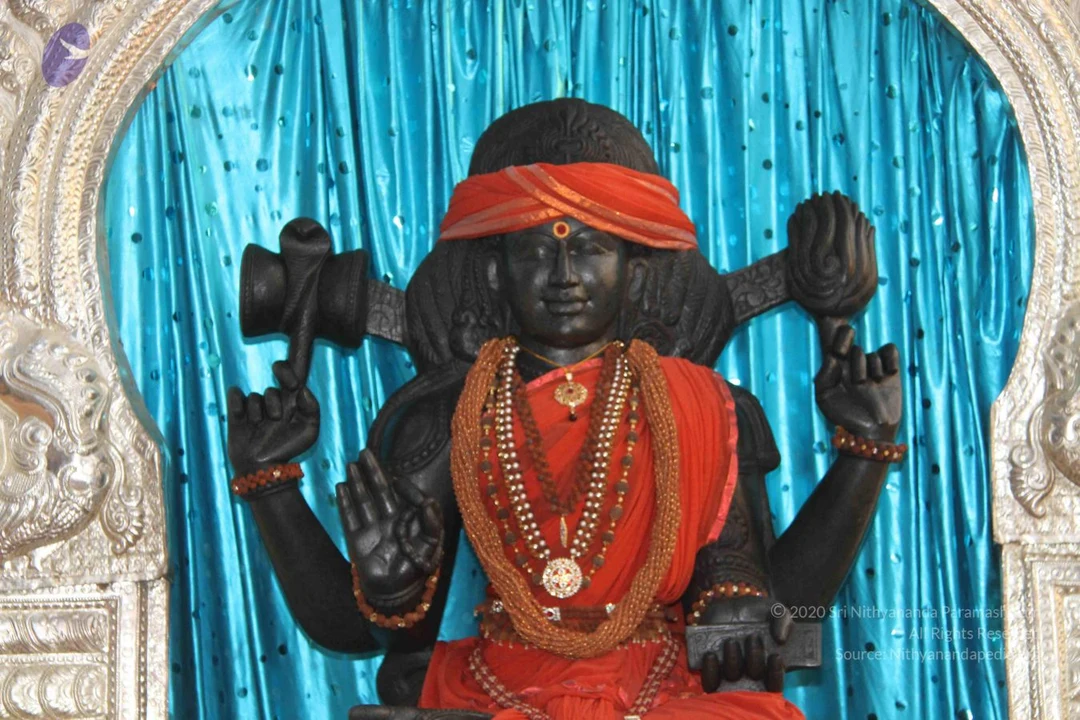

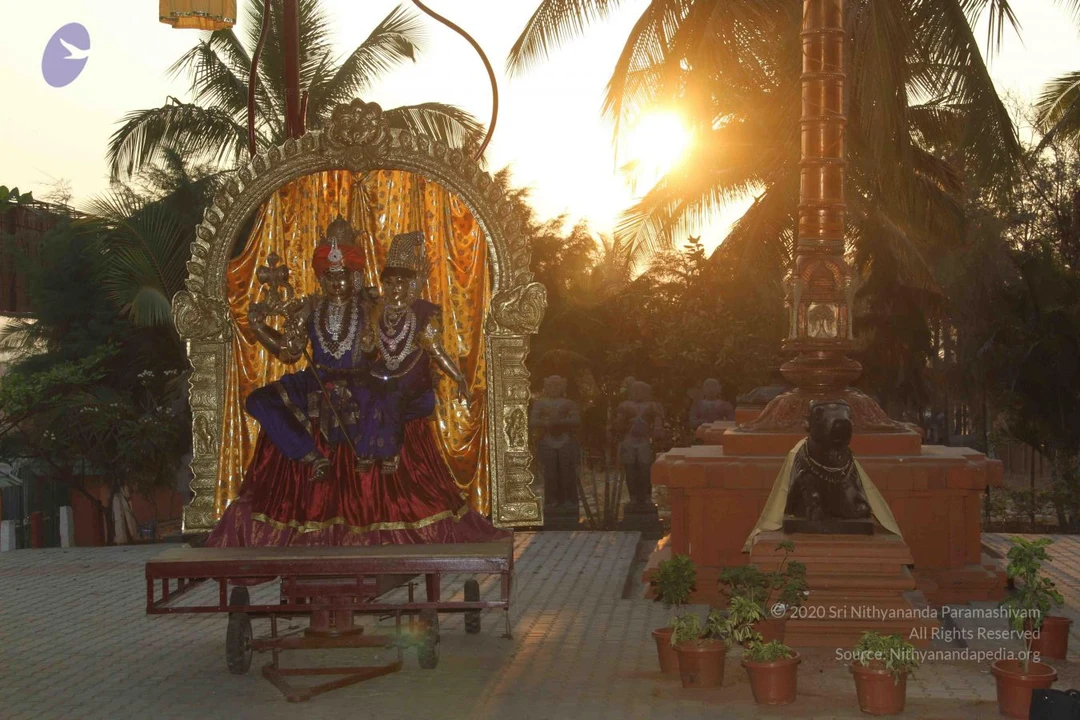

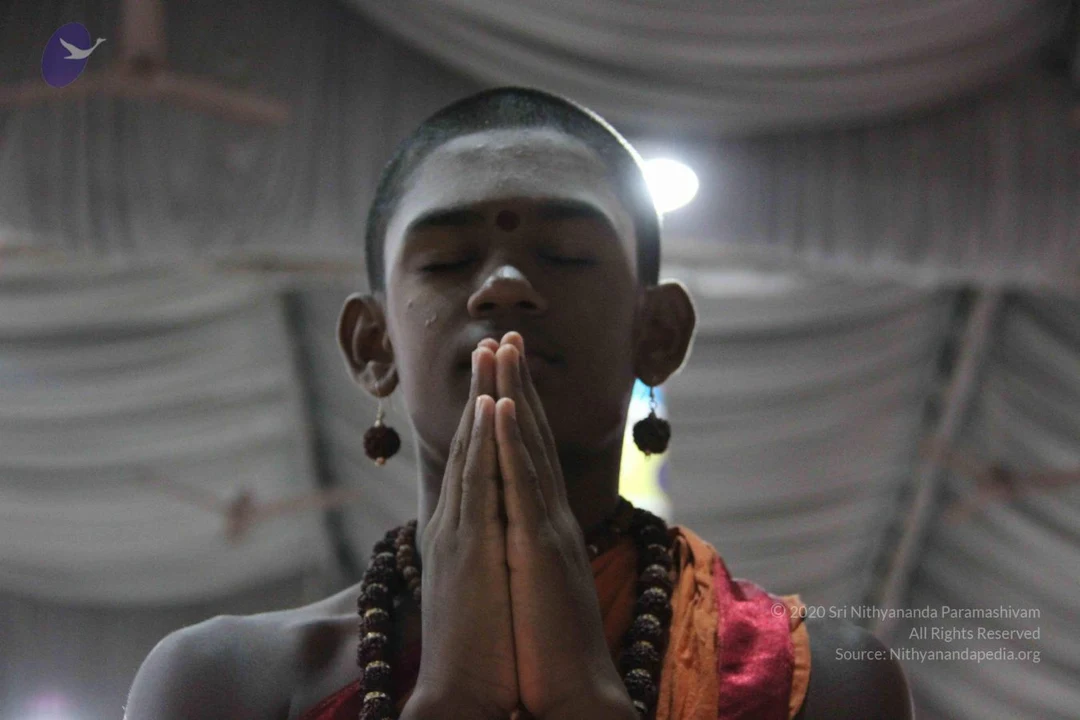
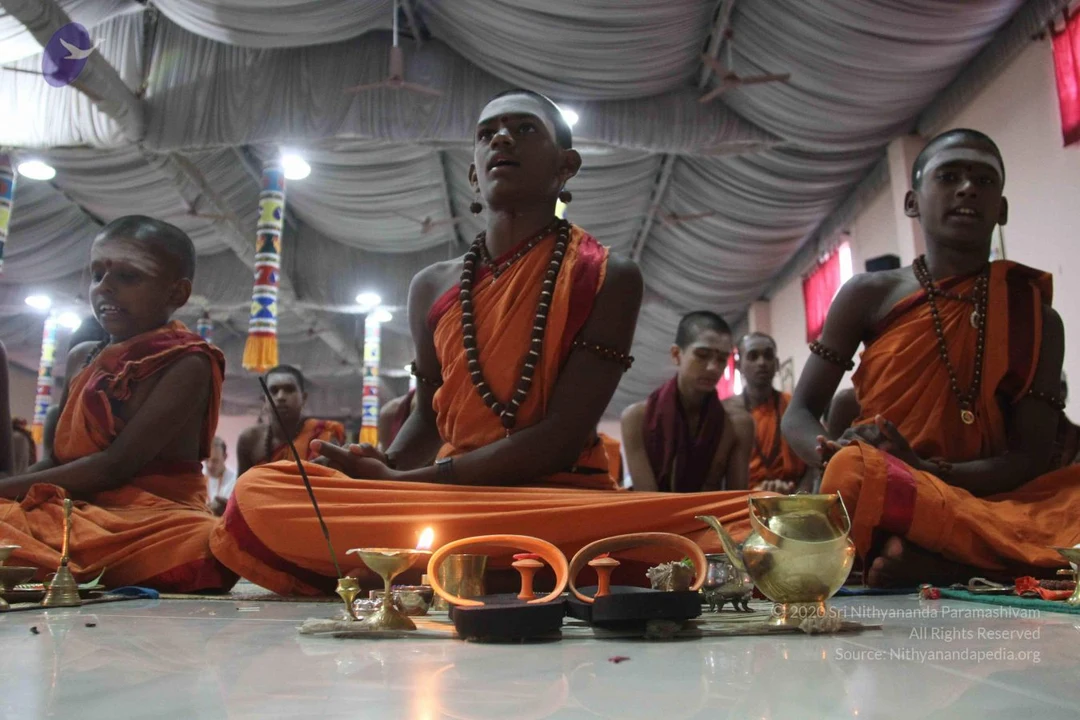
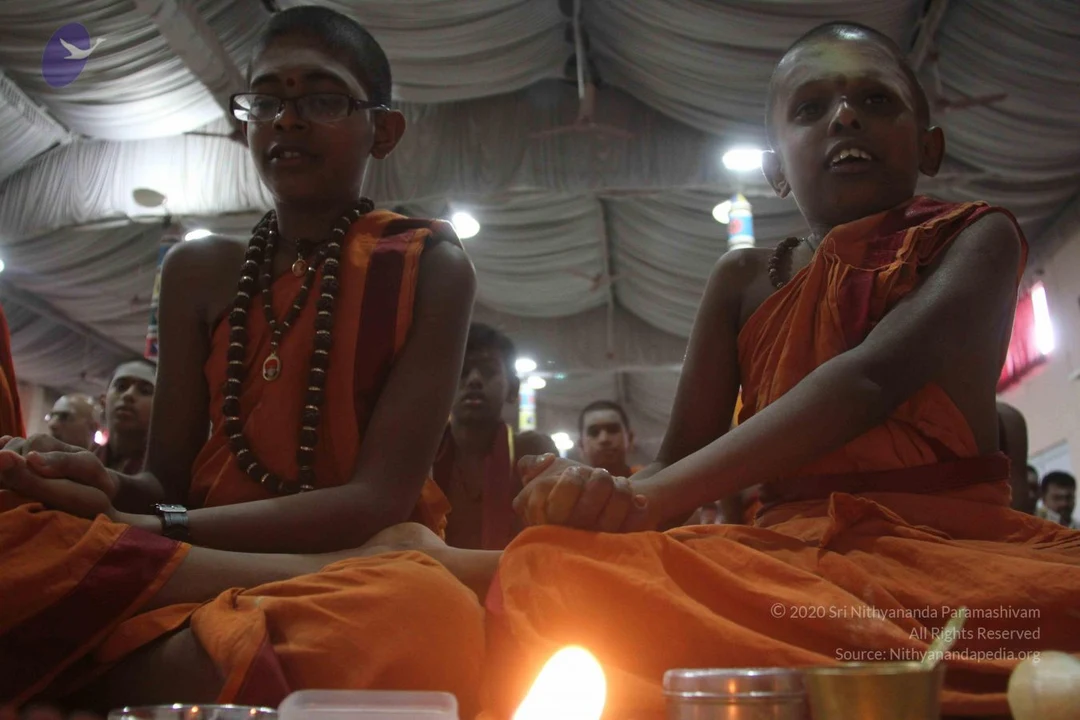
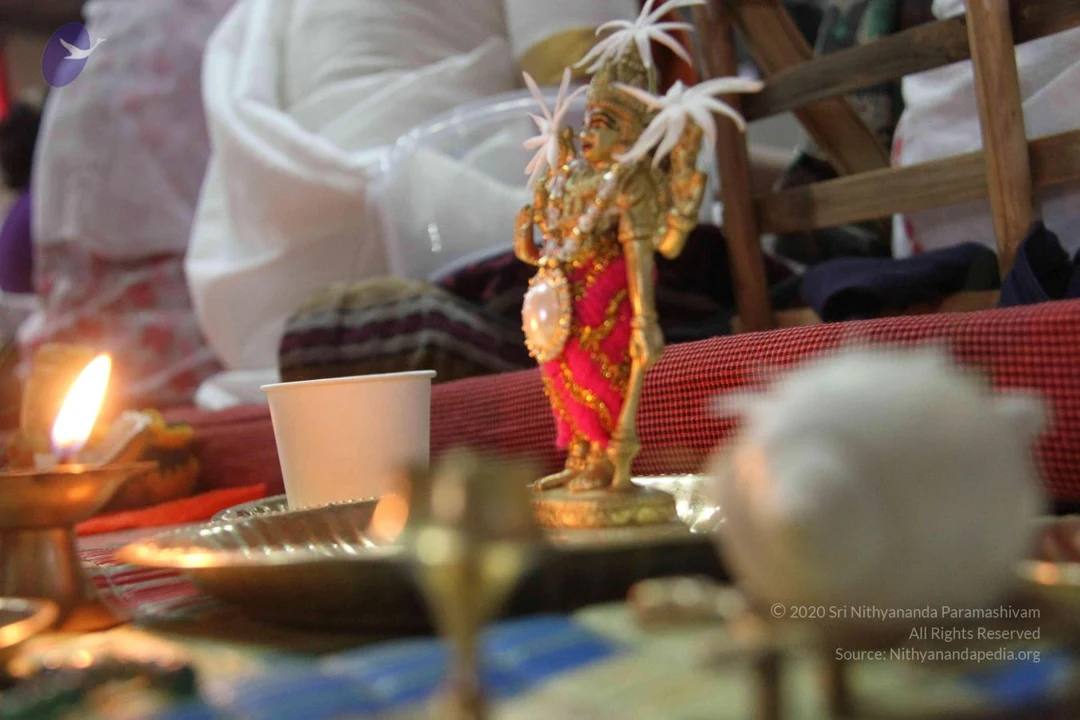
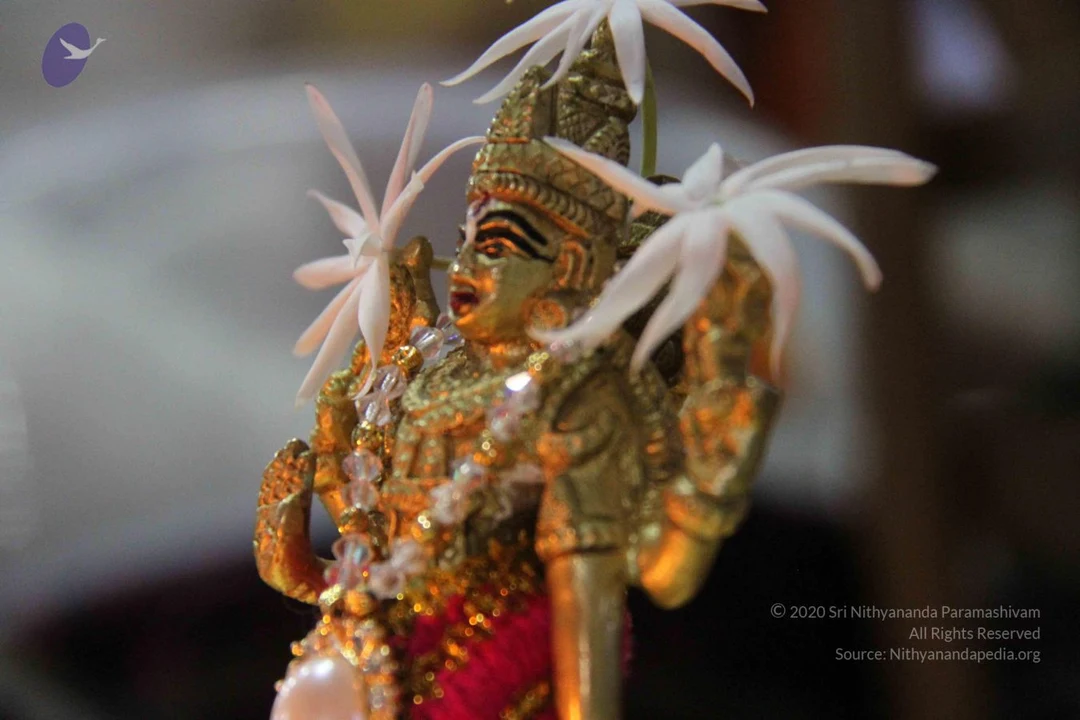
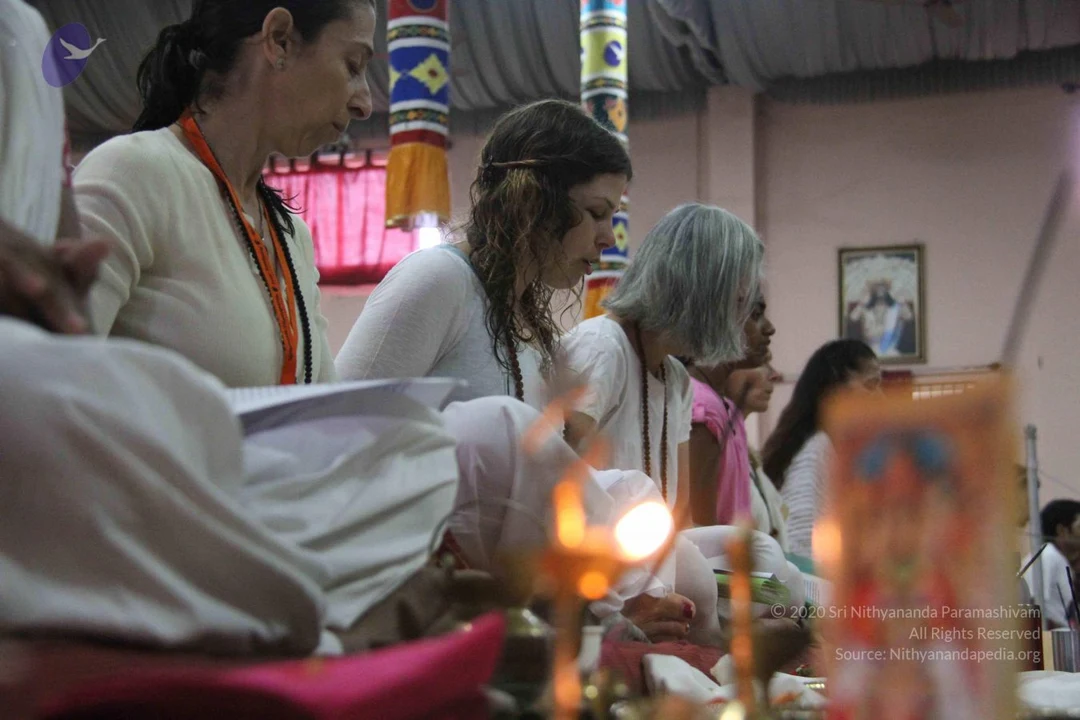
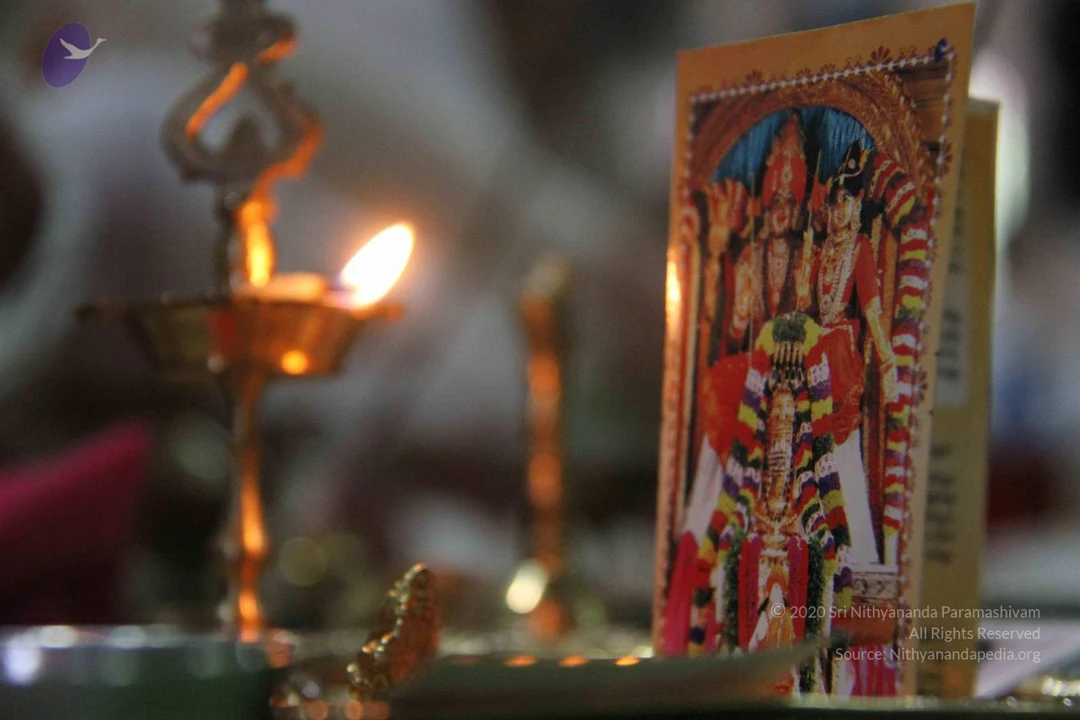
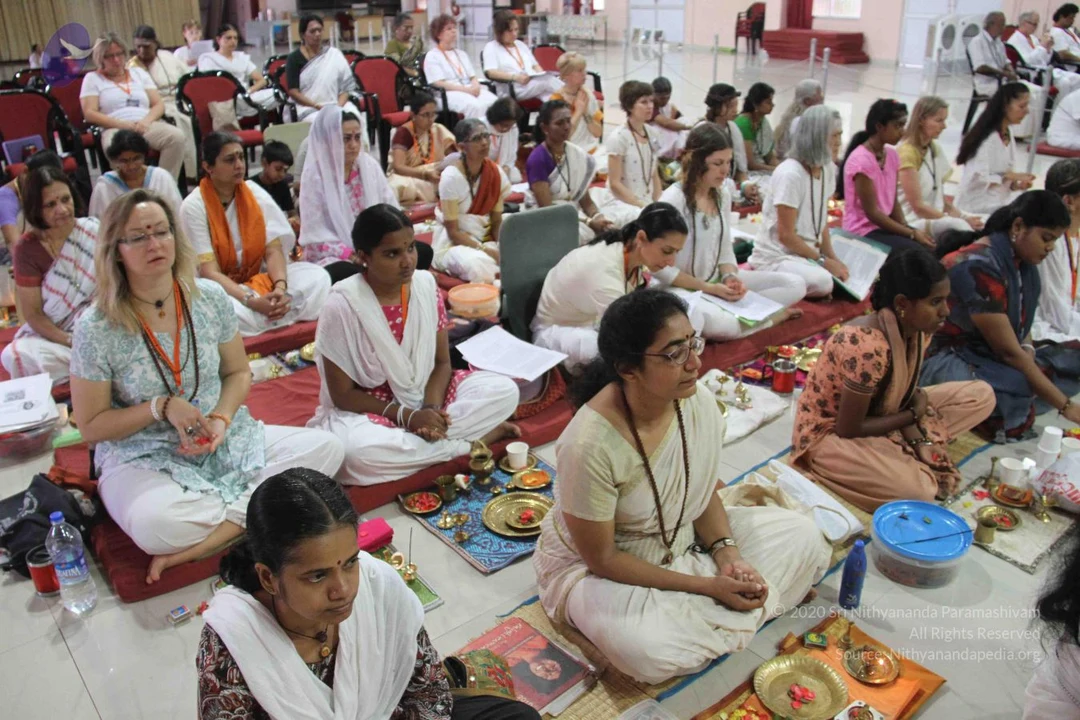
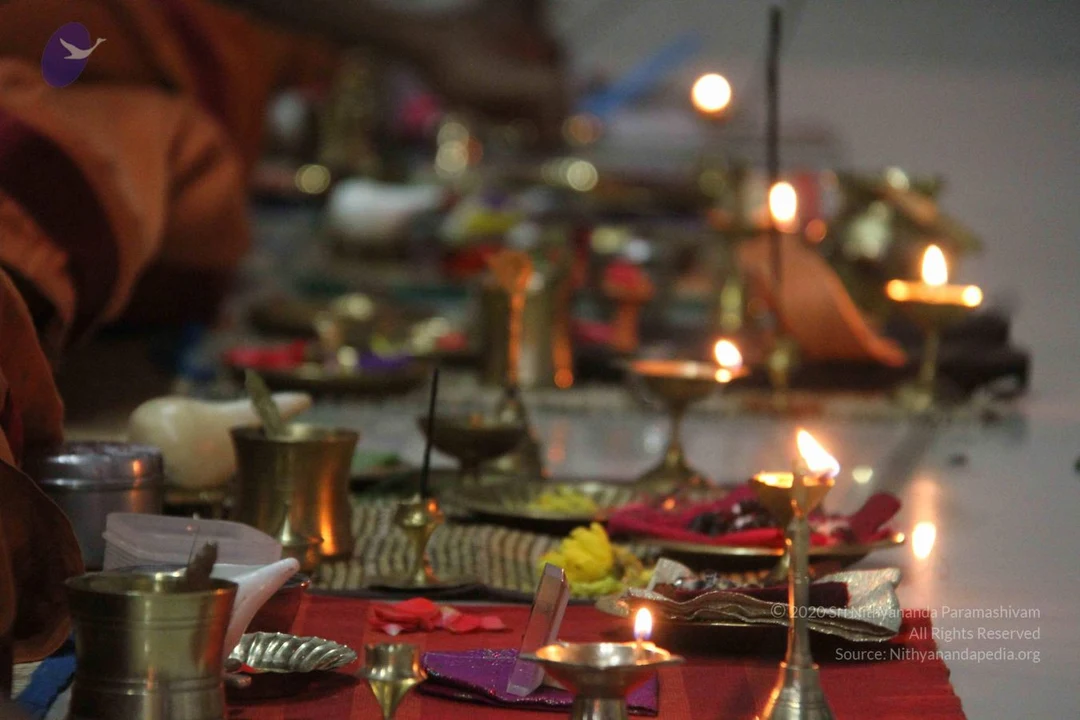
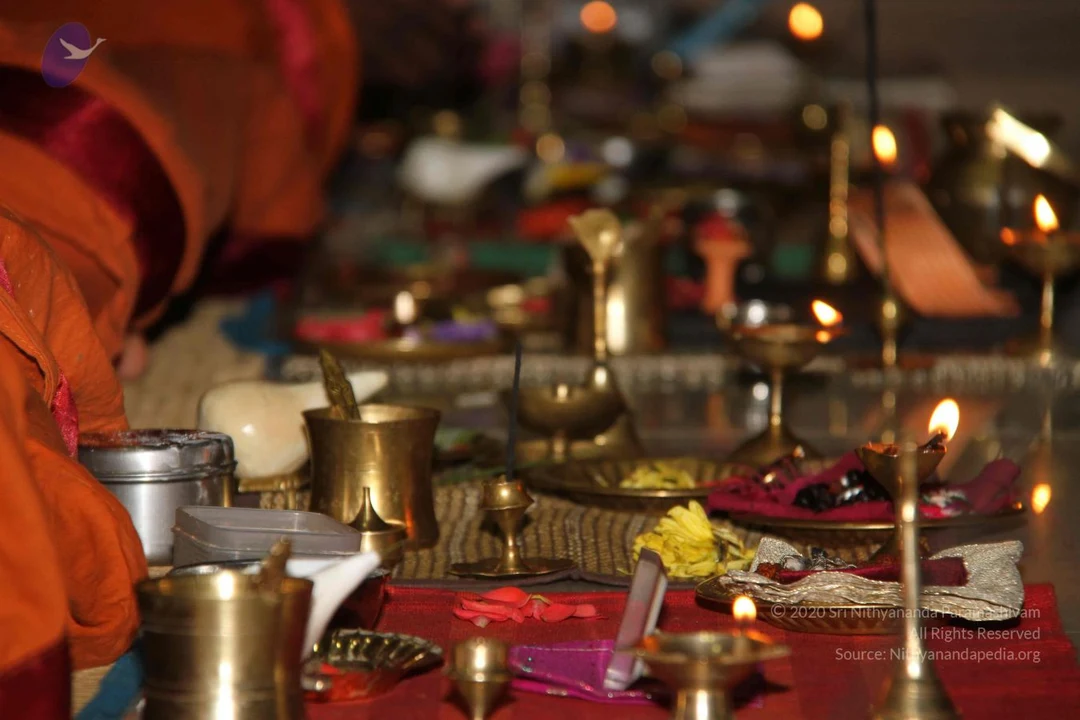
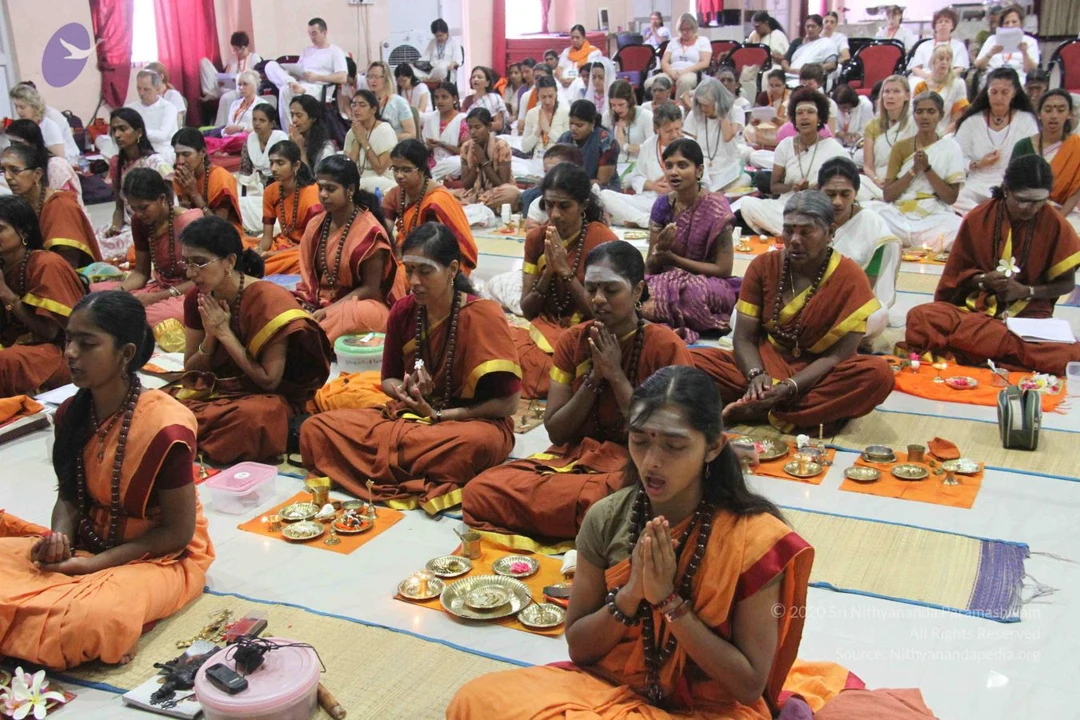
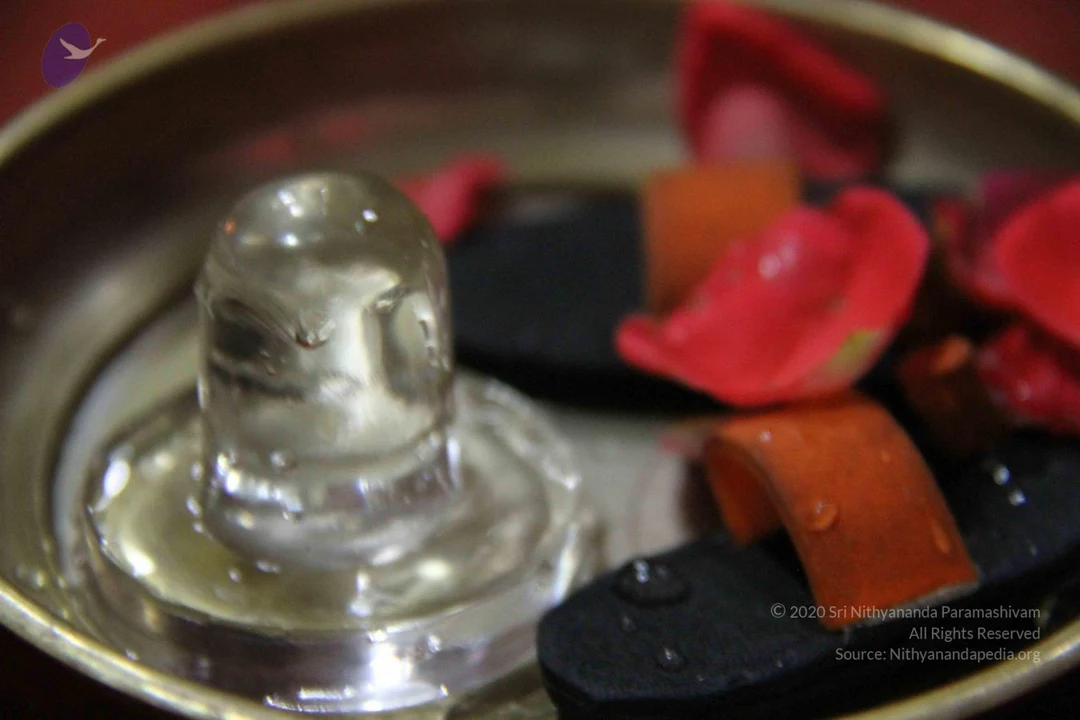
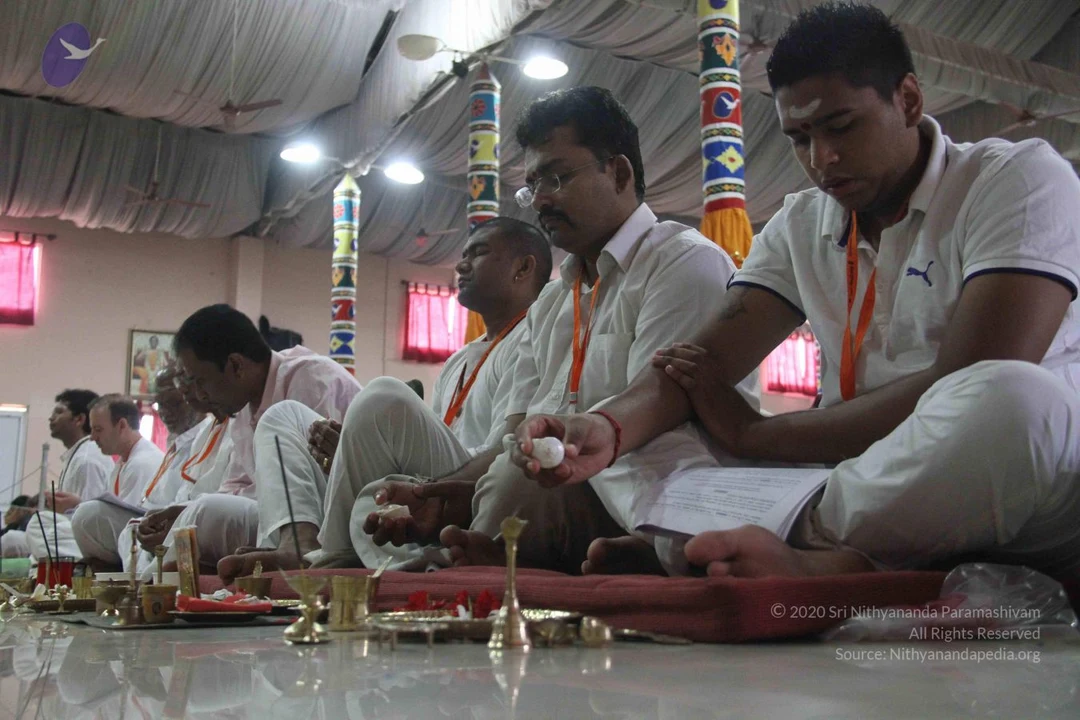
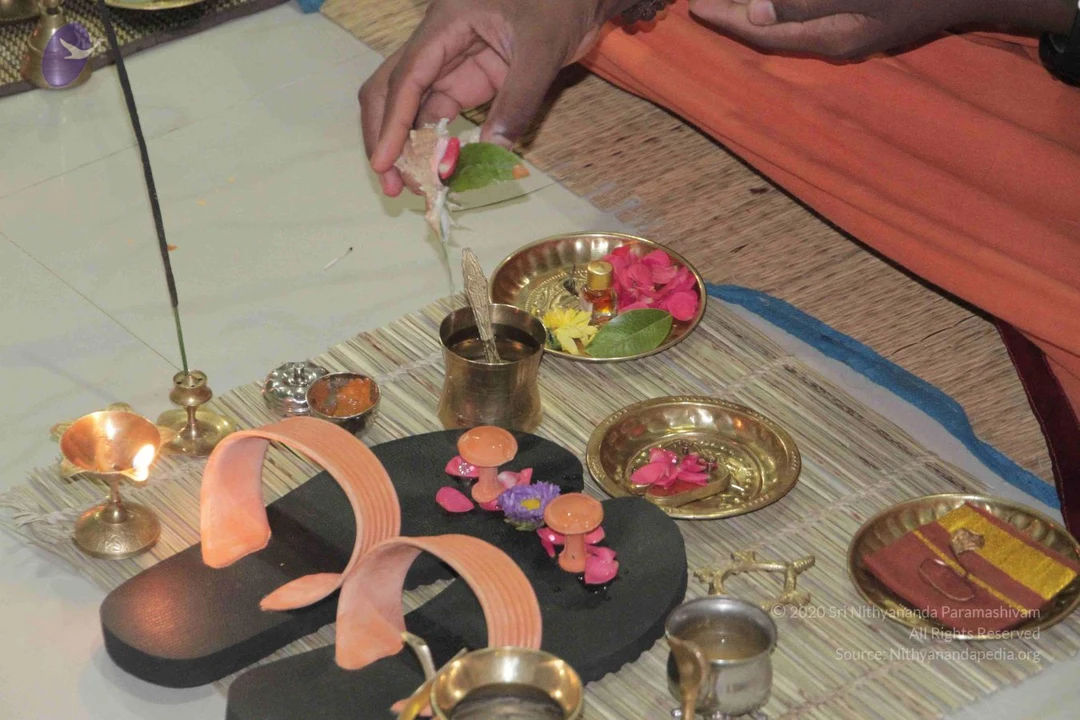
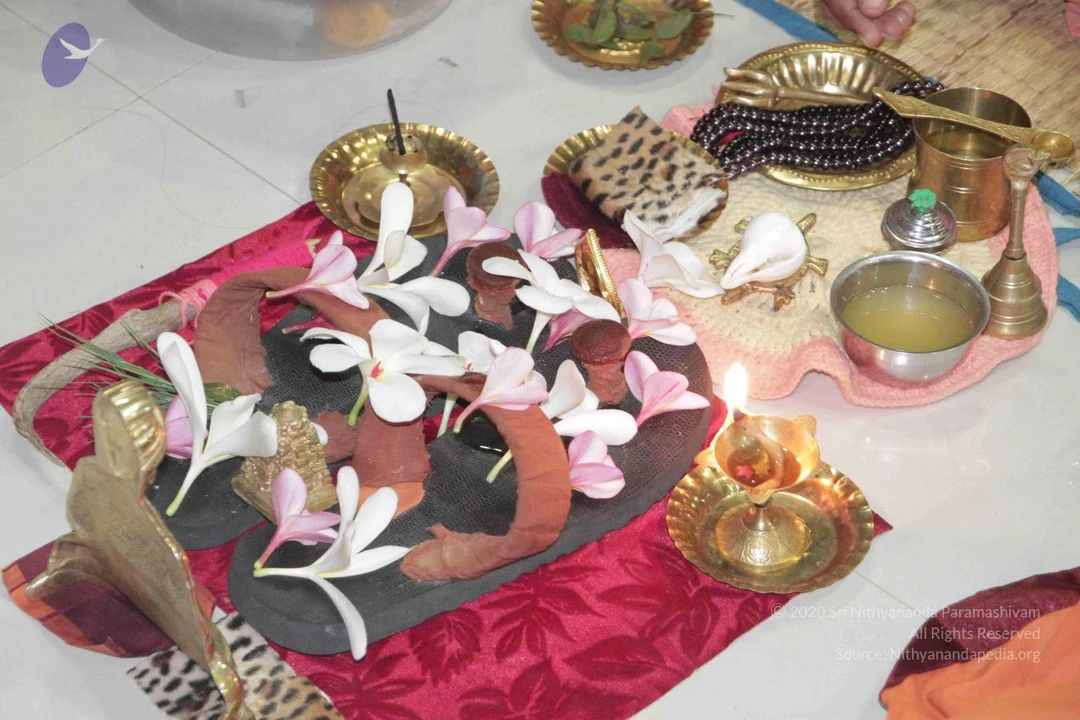
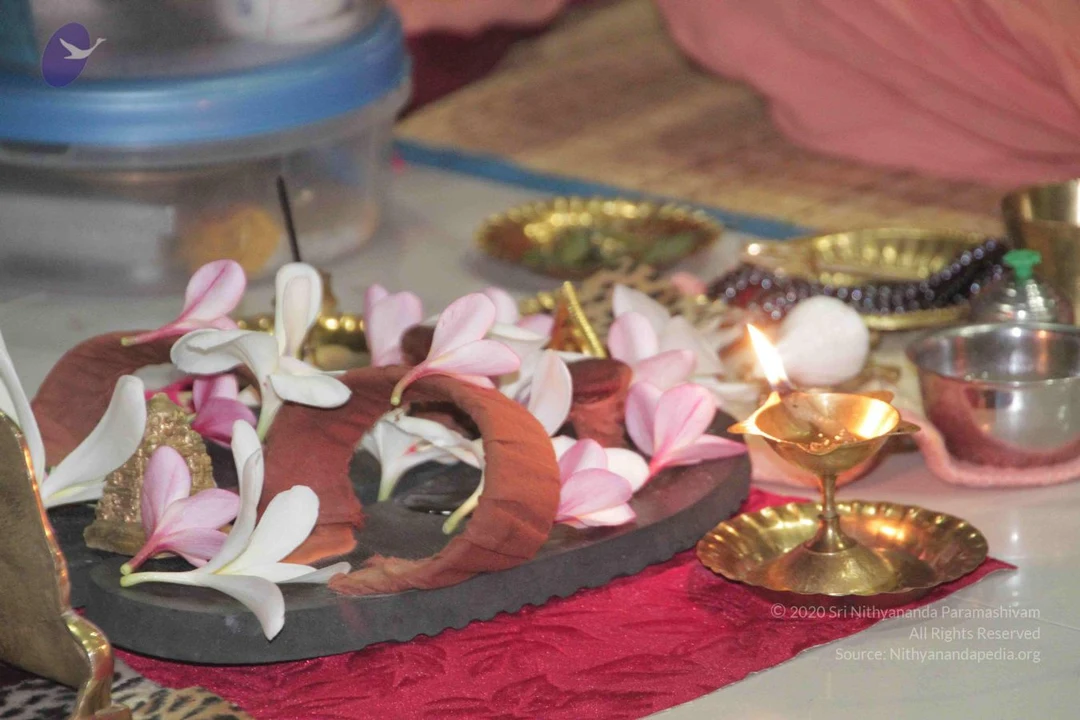
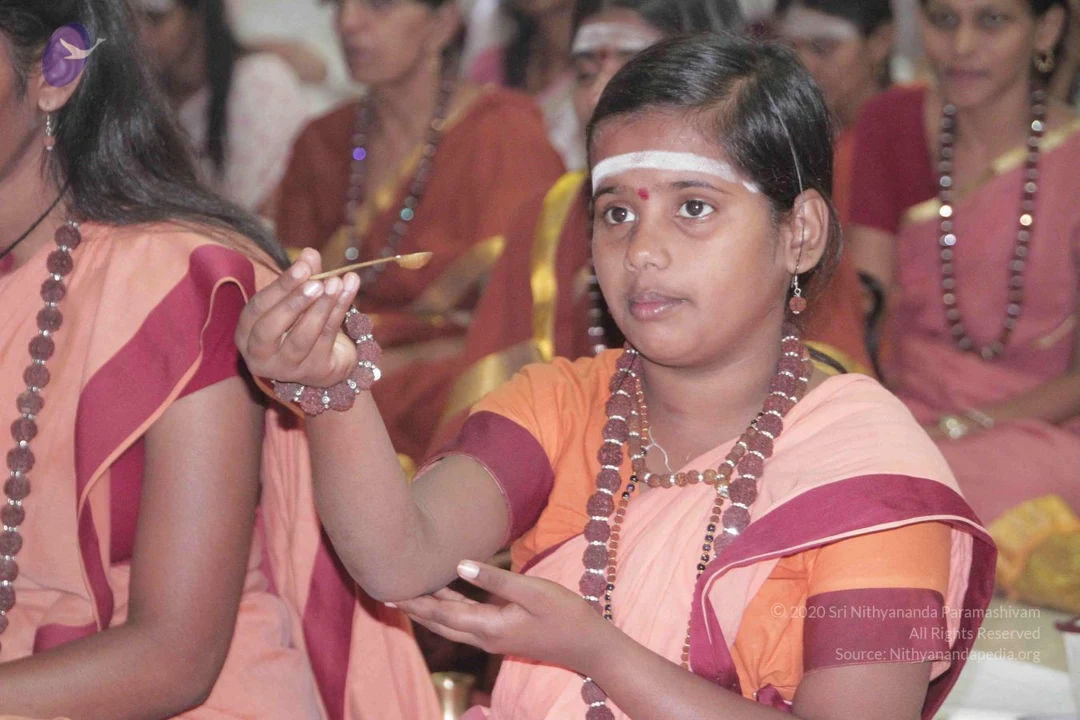
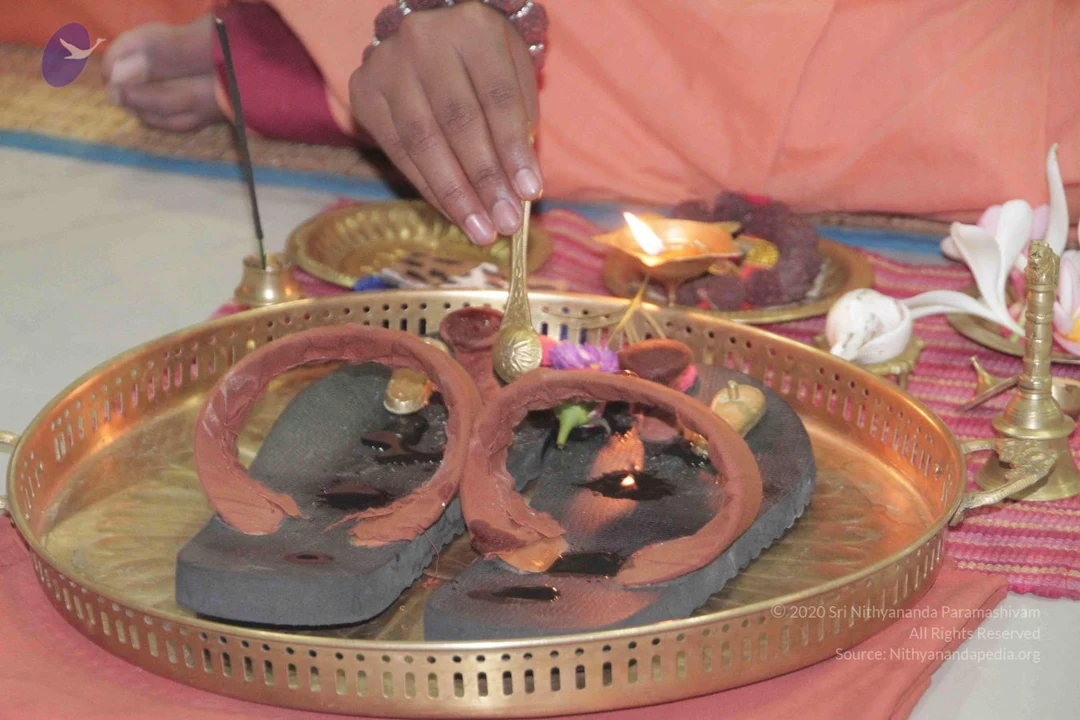
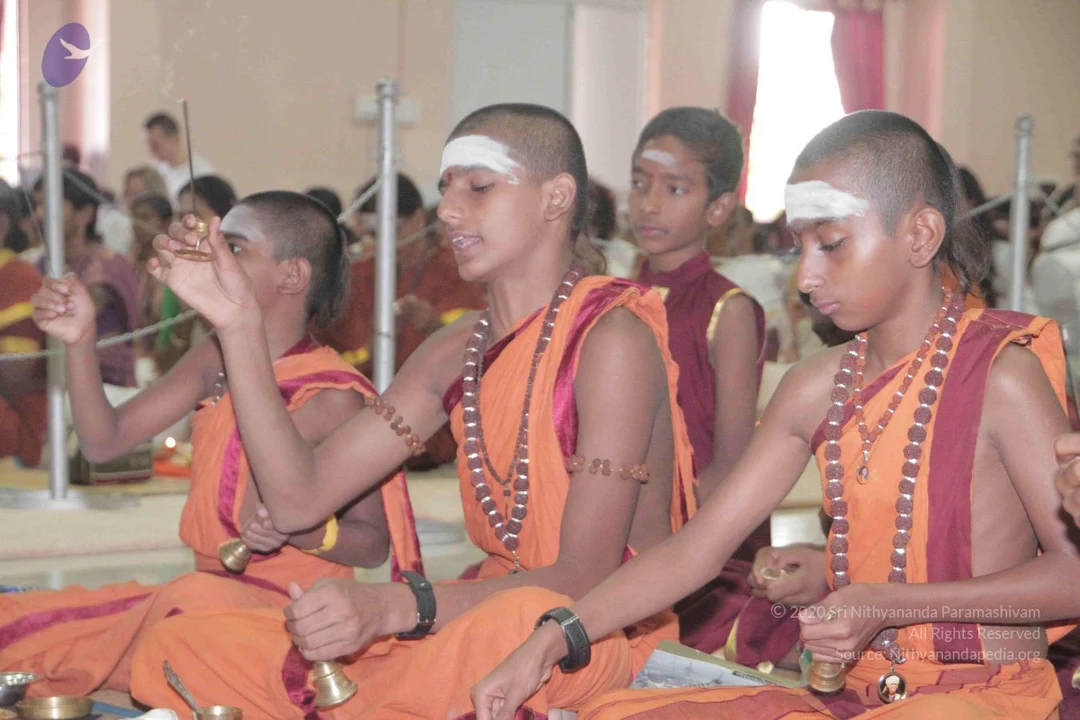
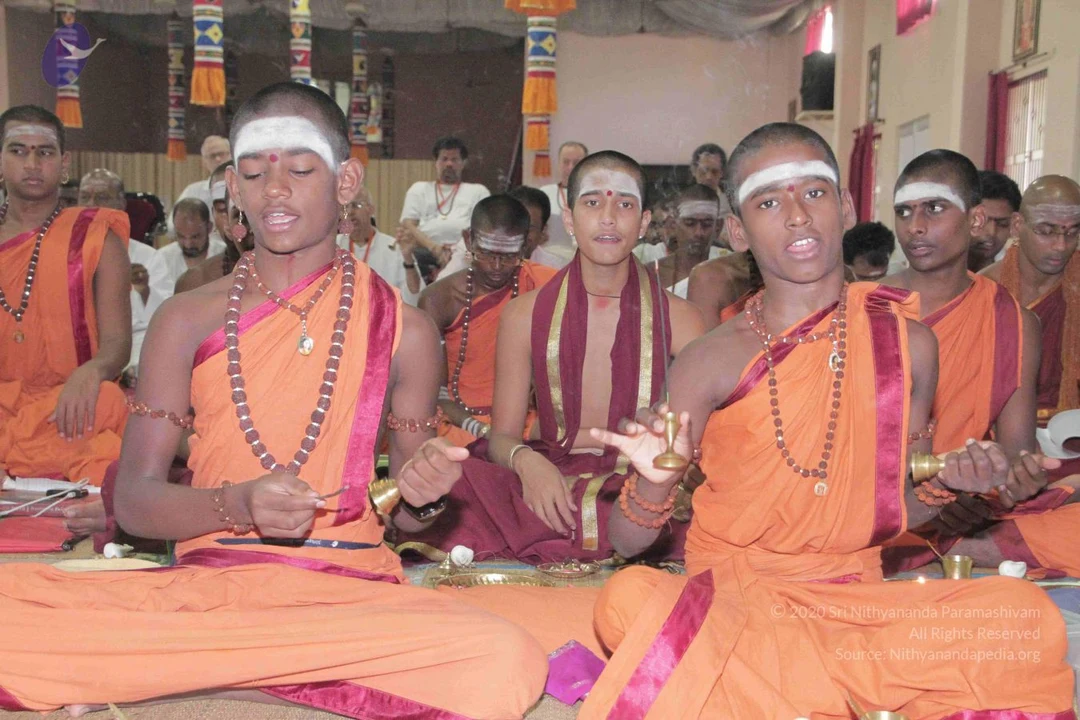
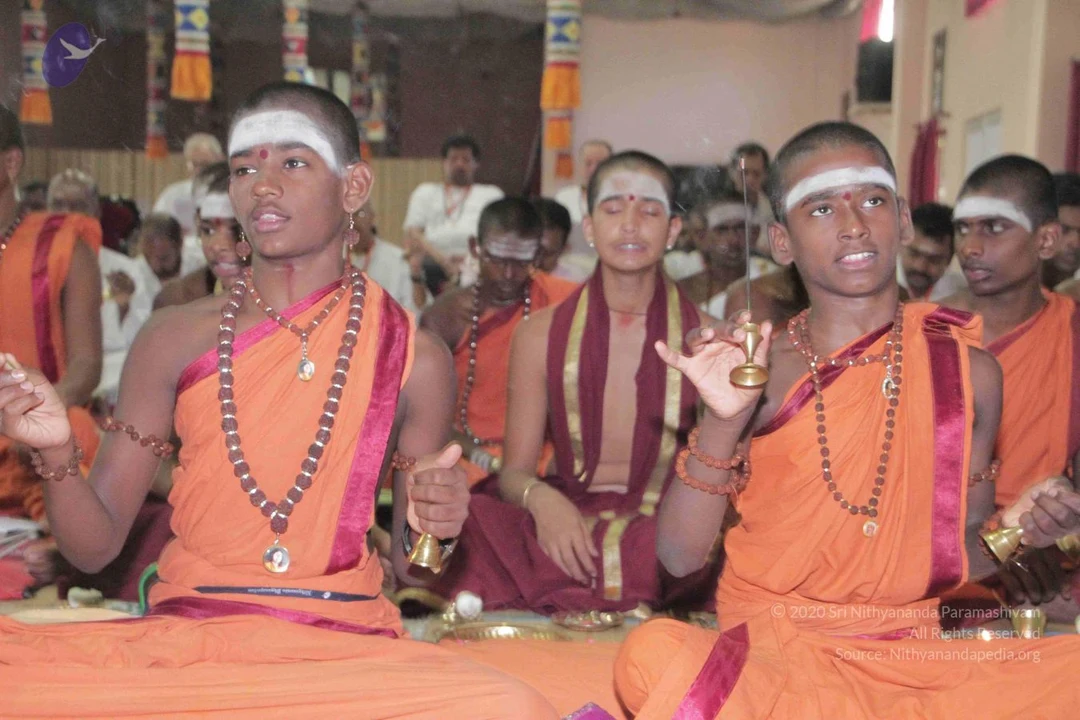
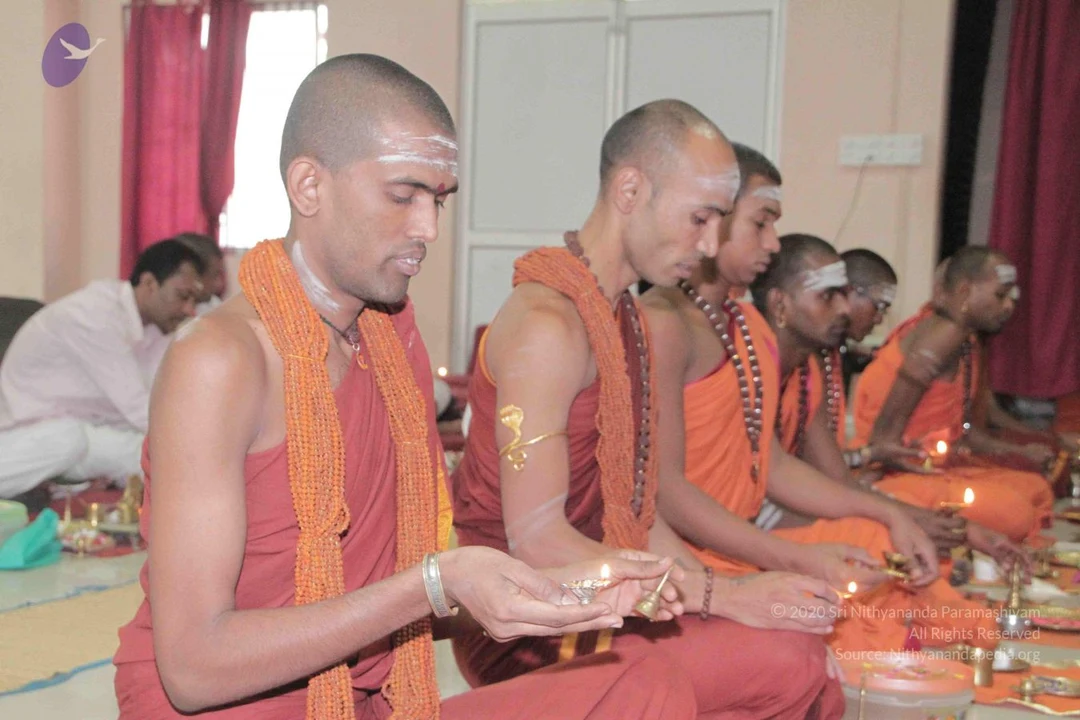
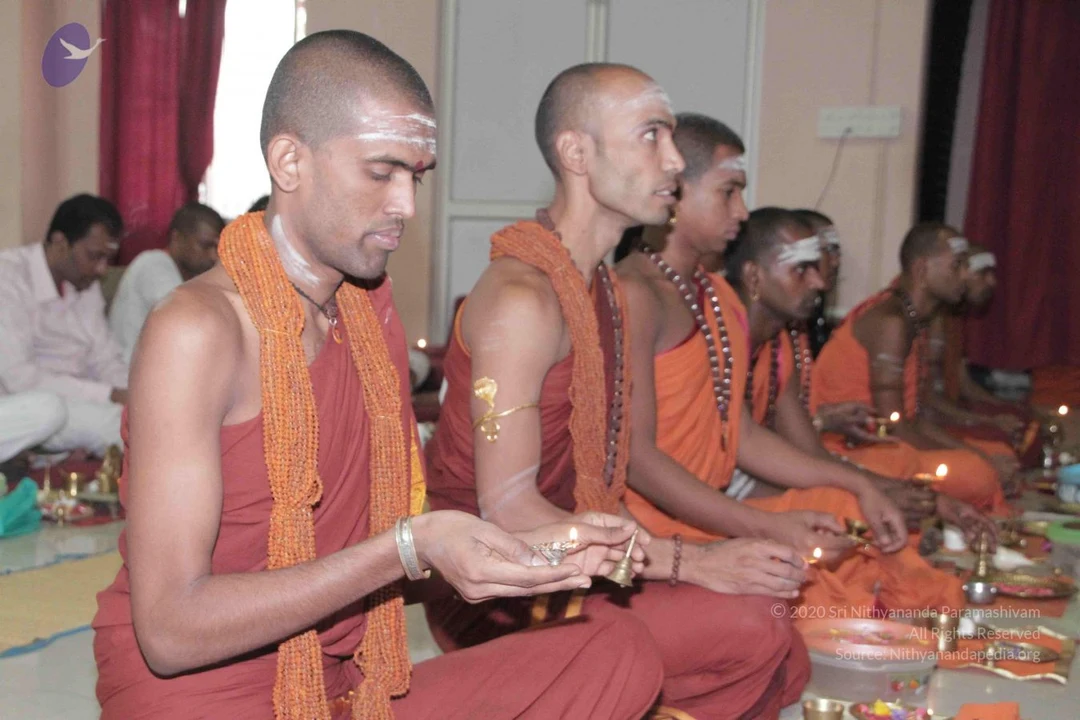
PADUKA-POOJA
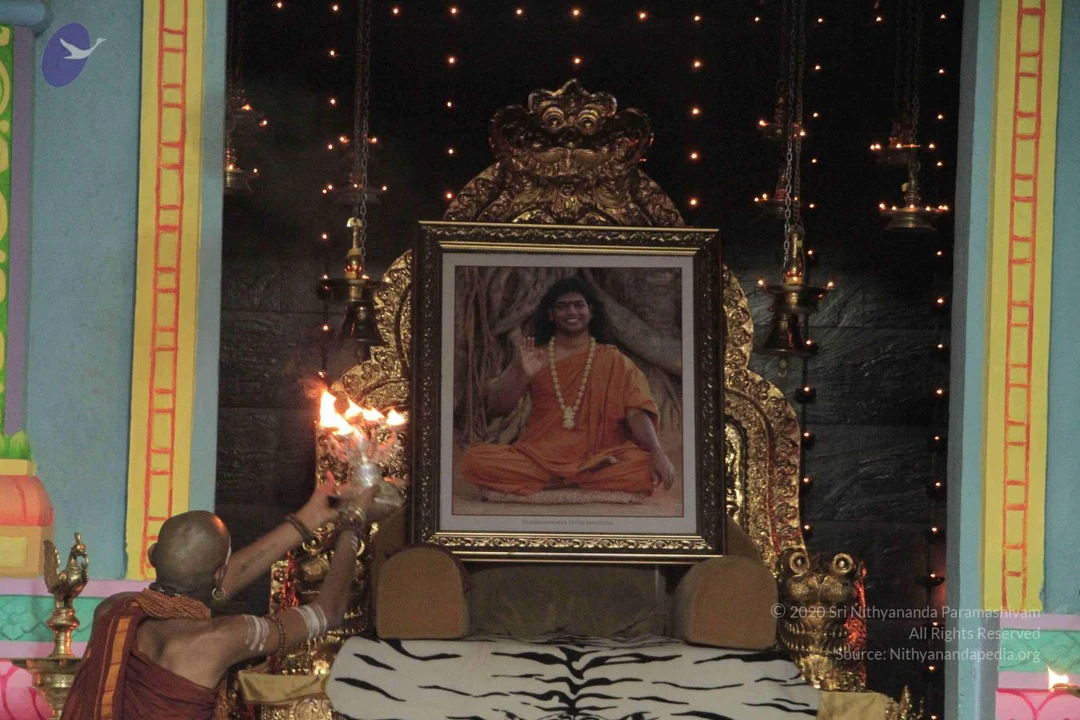
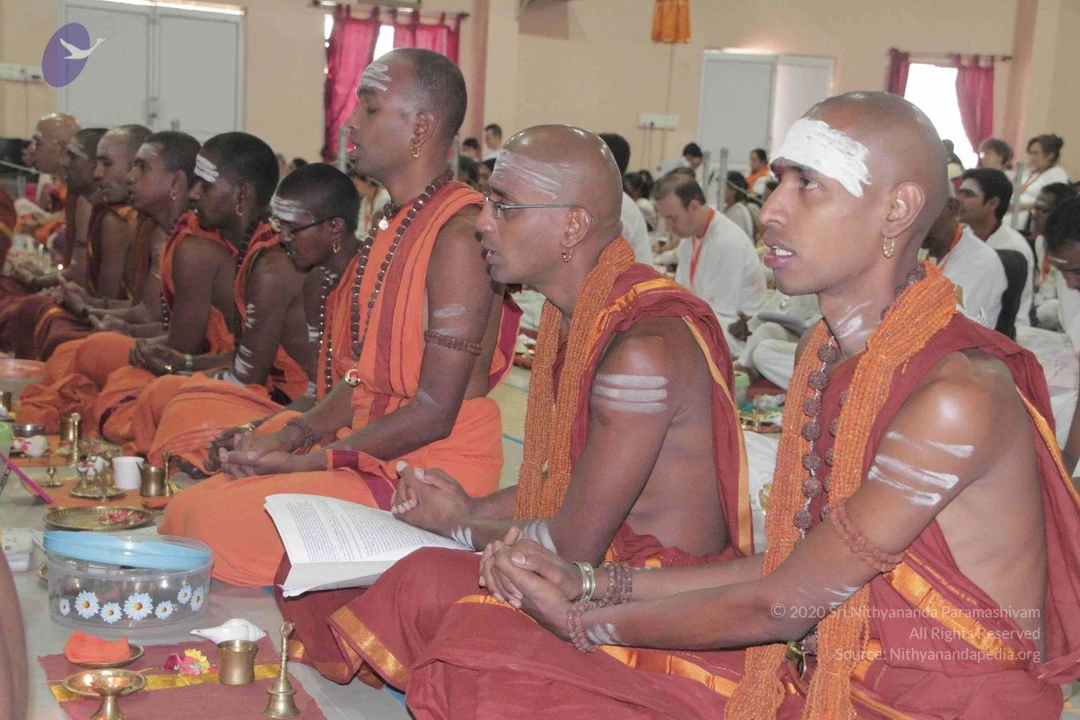
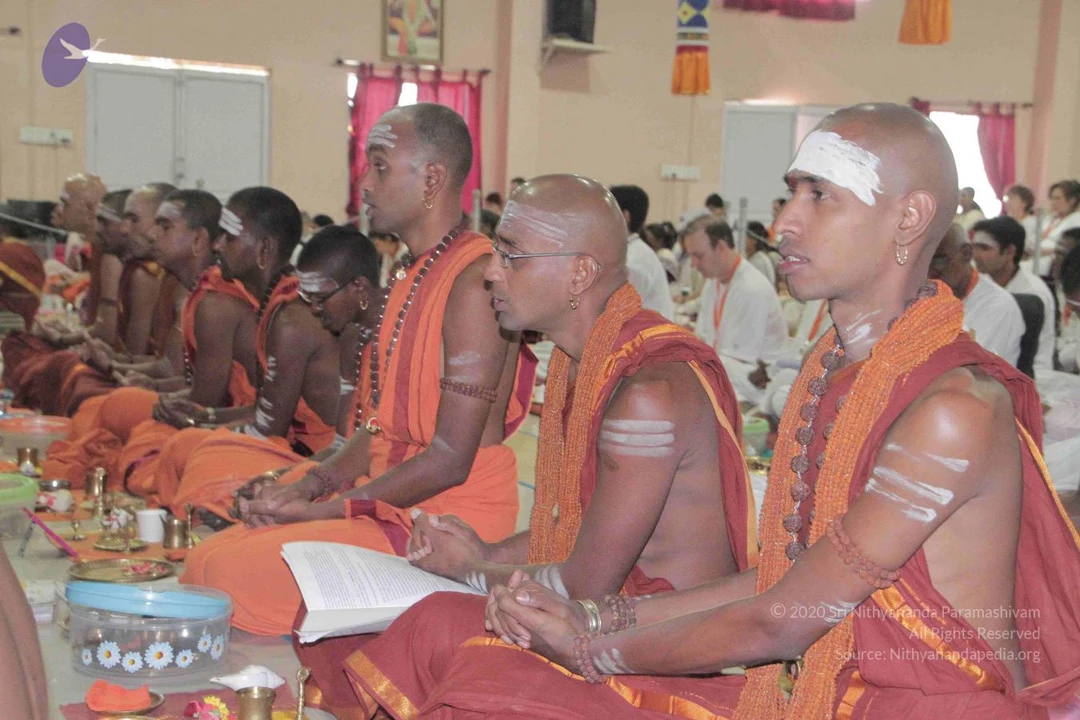
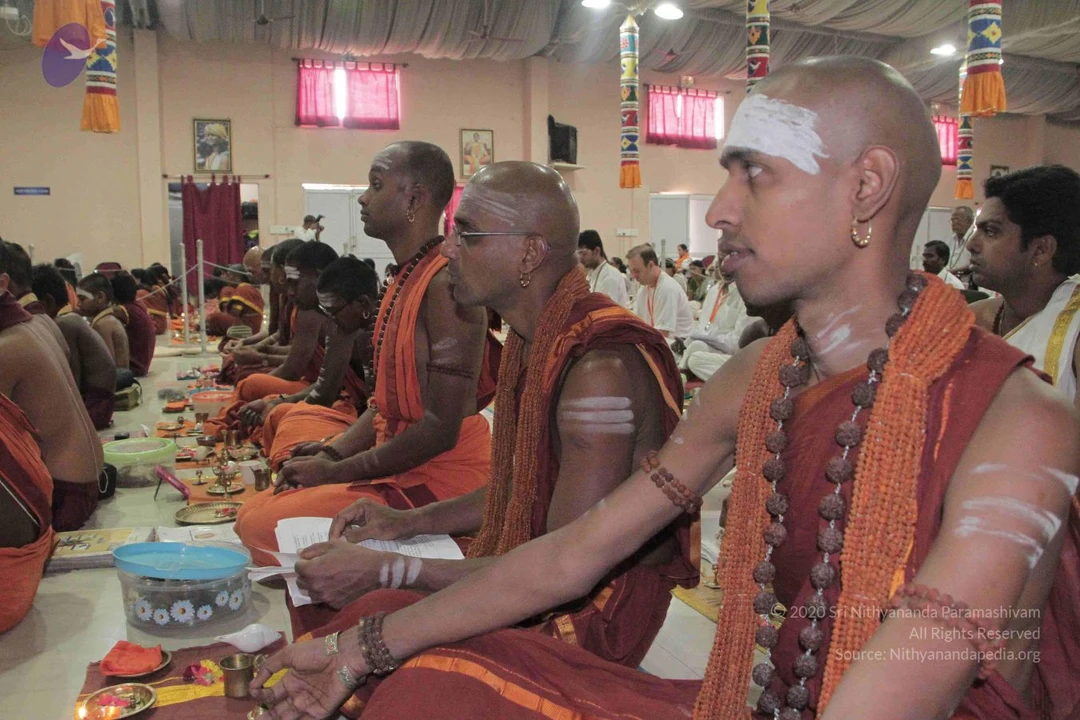
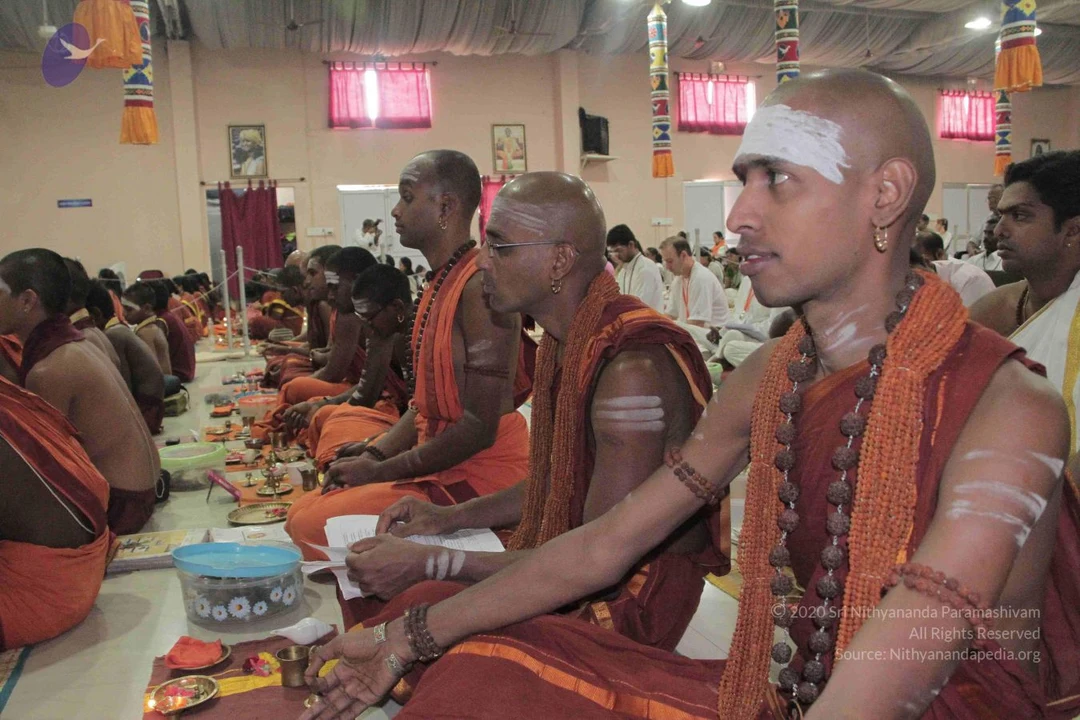
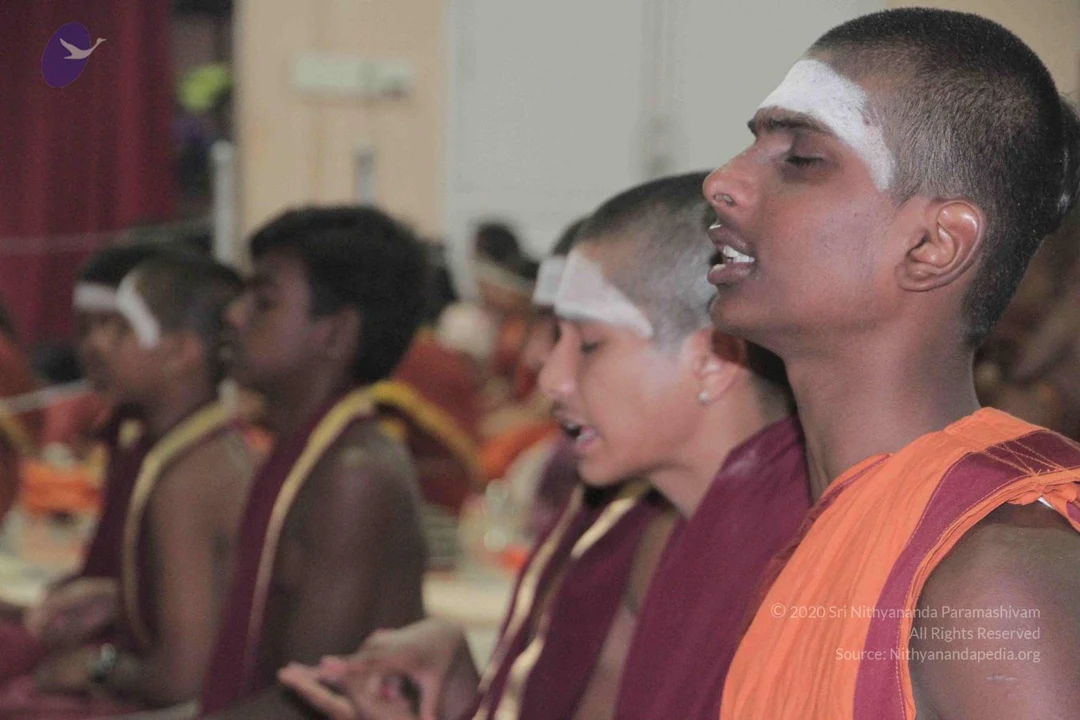
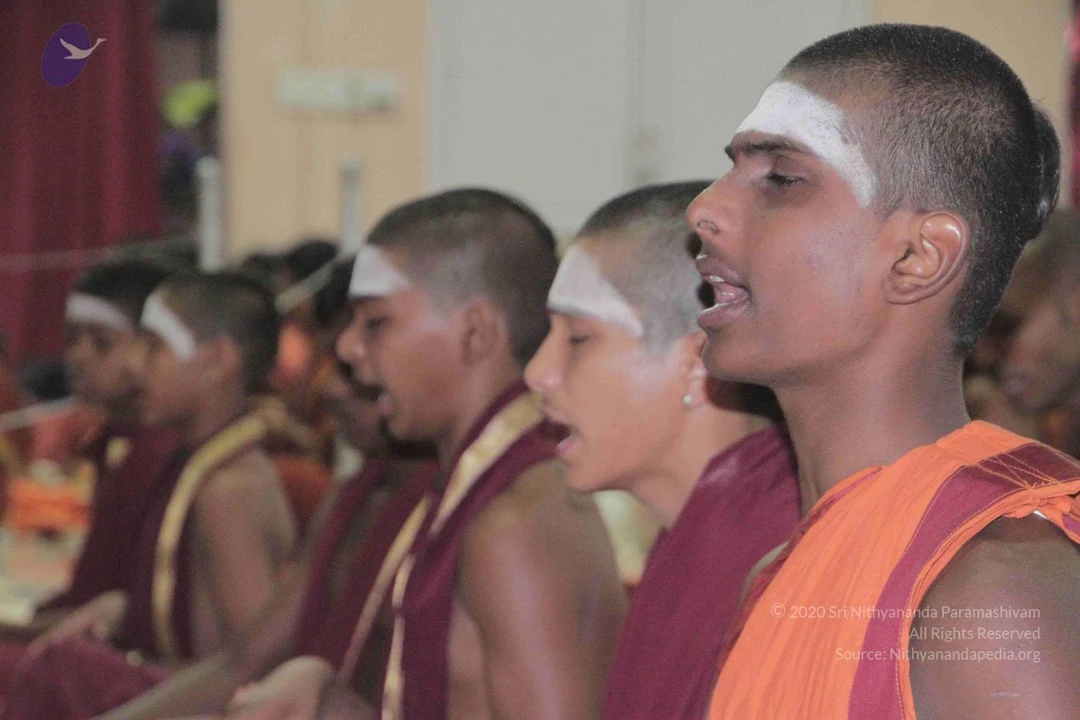
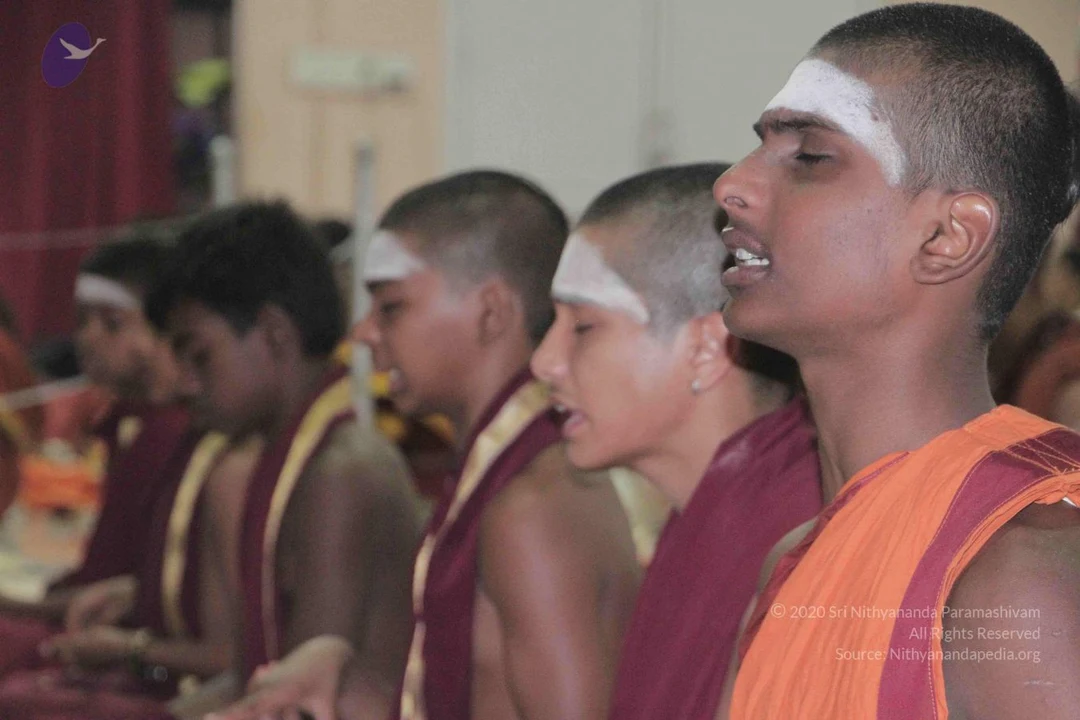
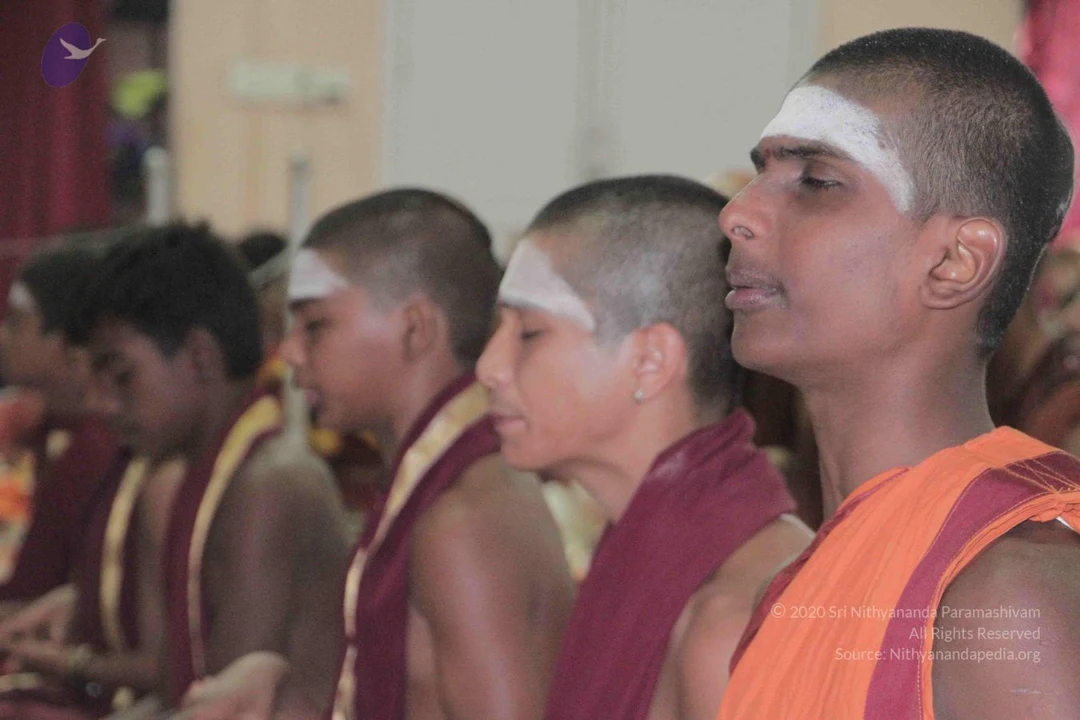
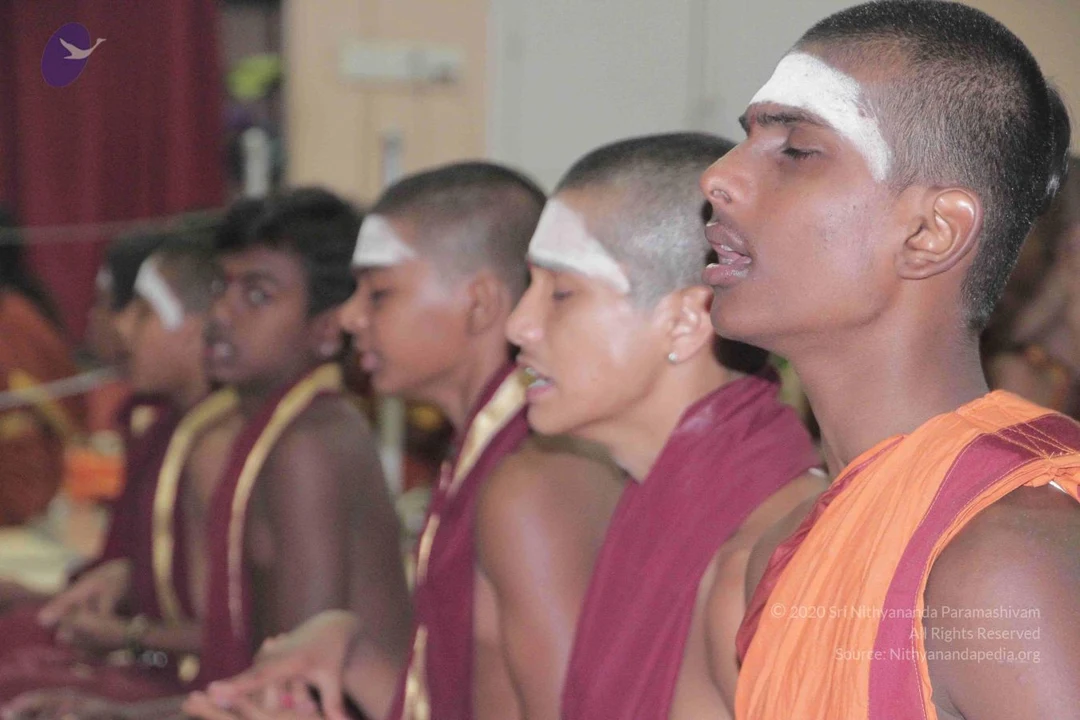
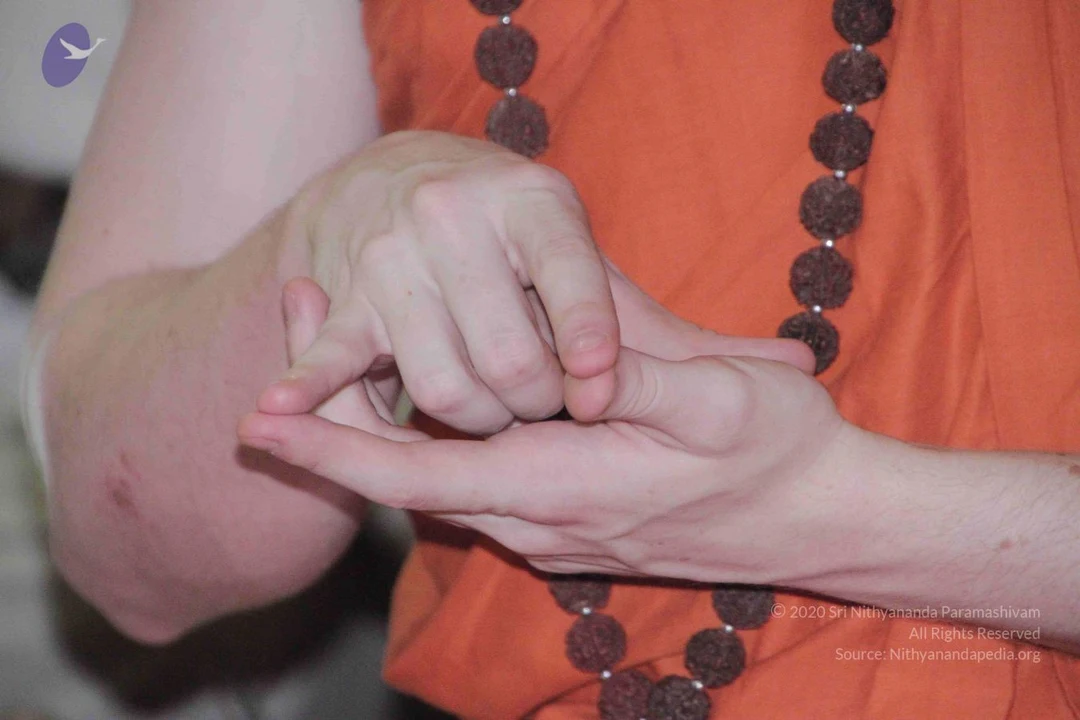
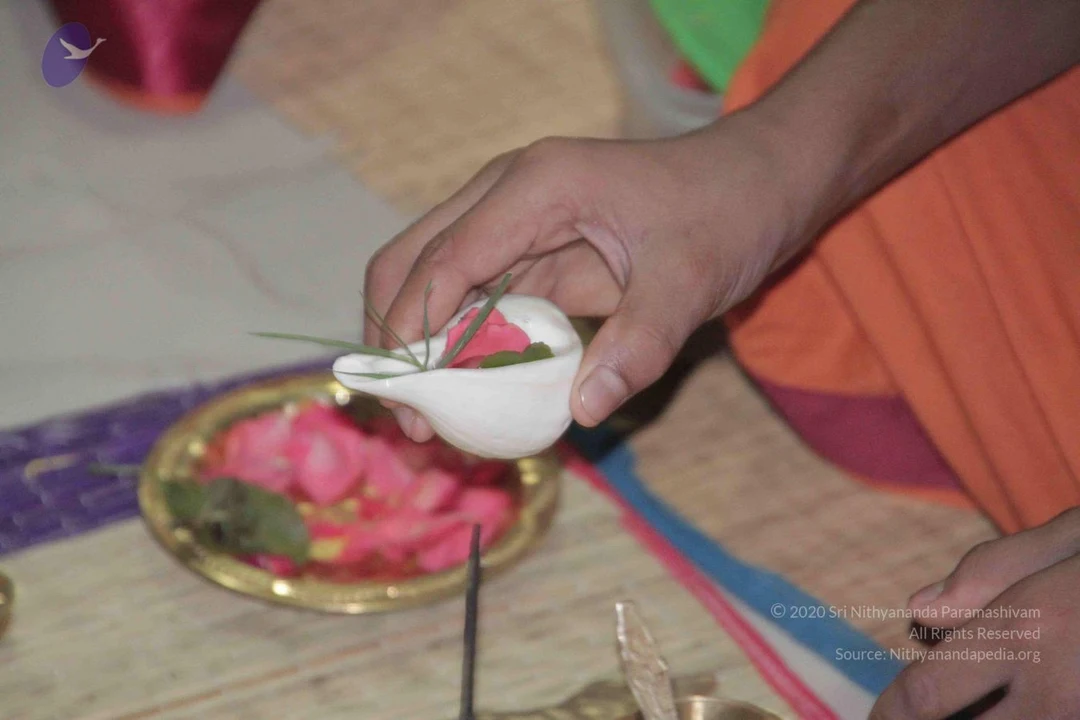
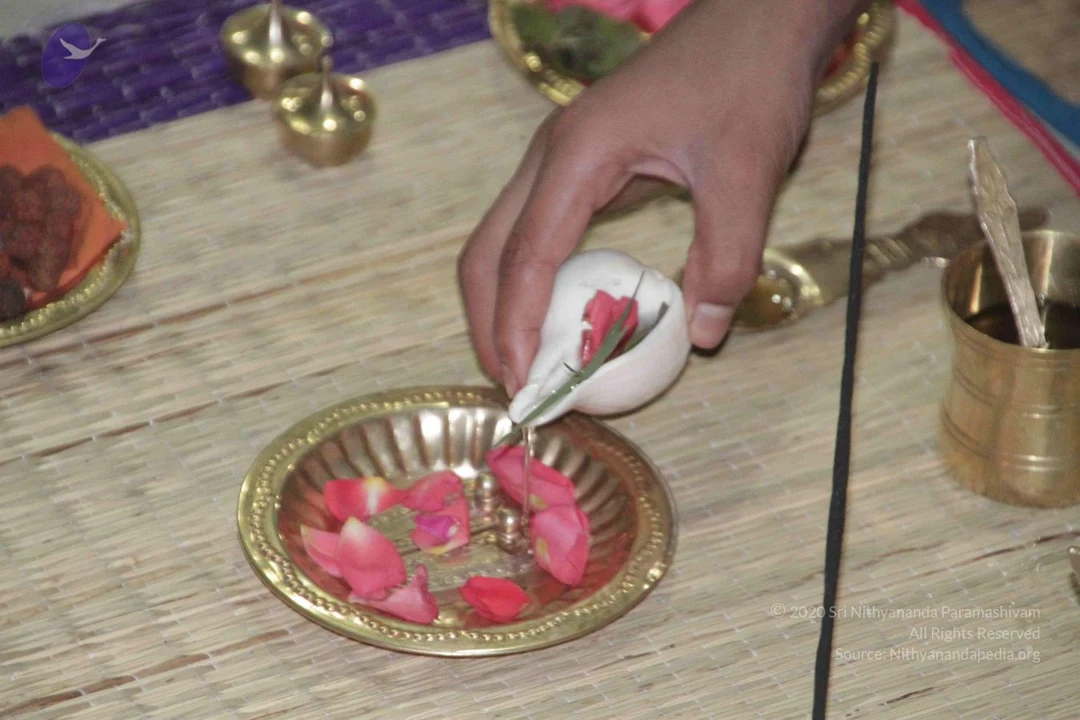
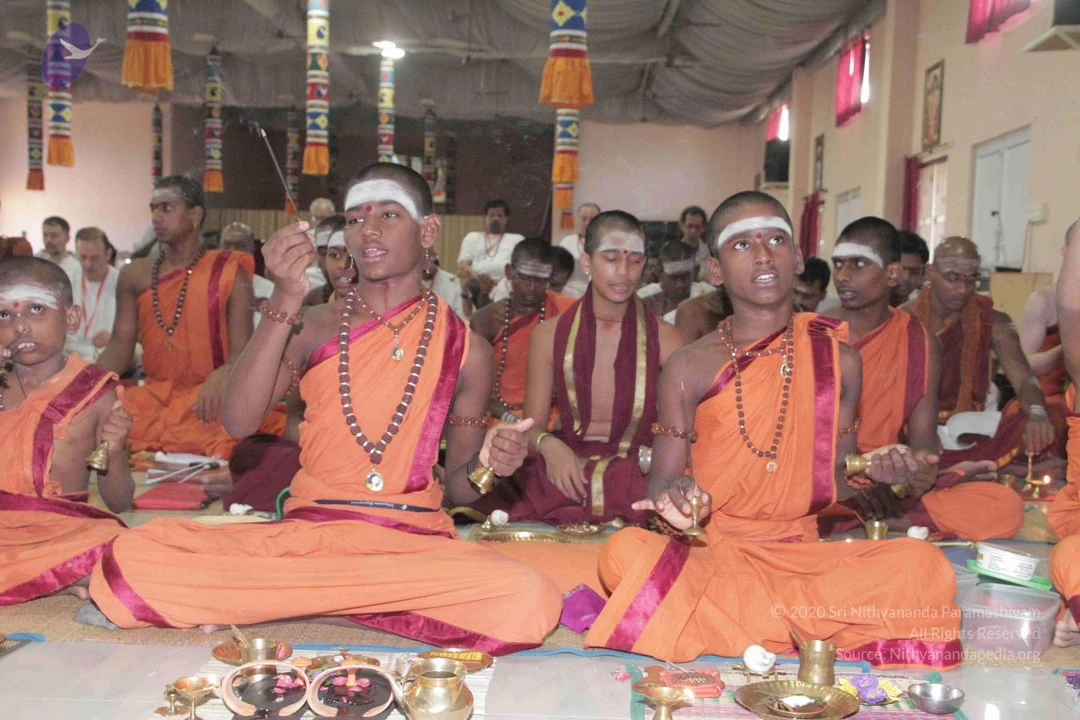
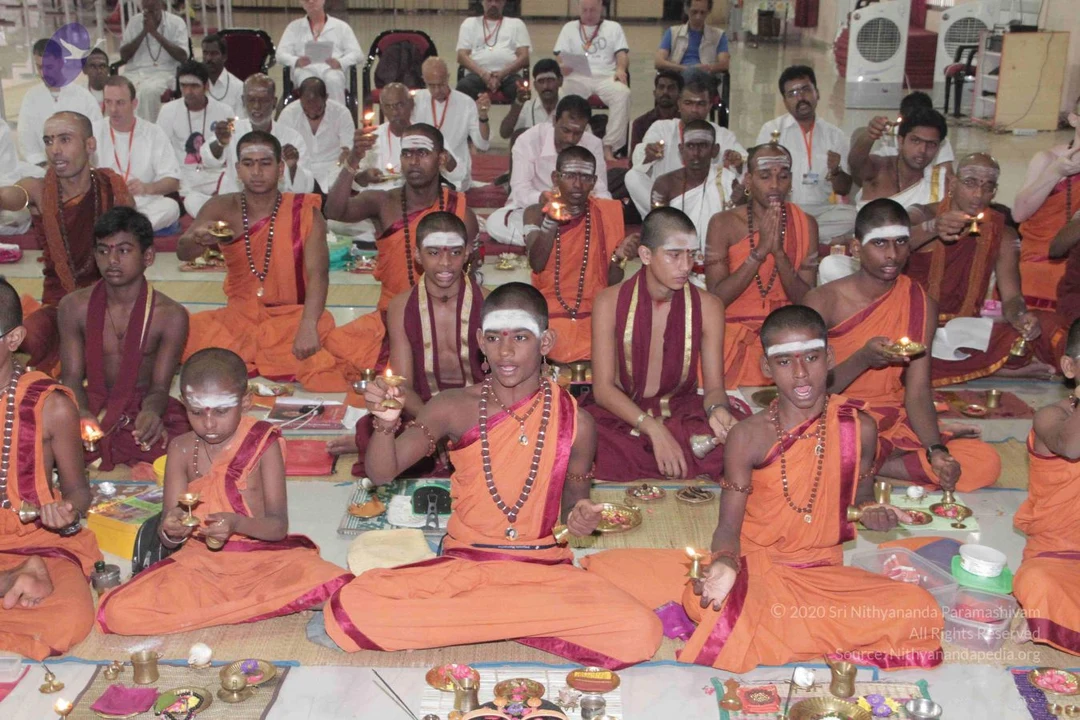
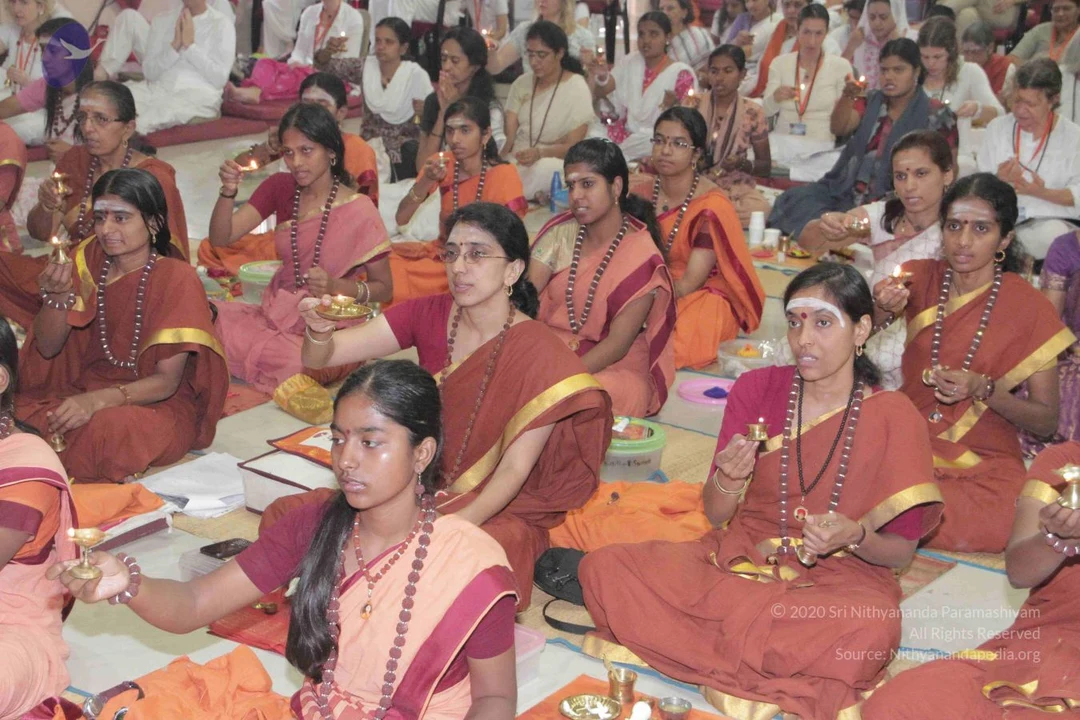
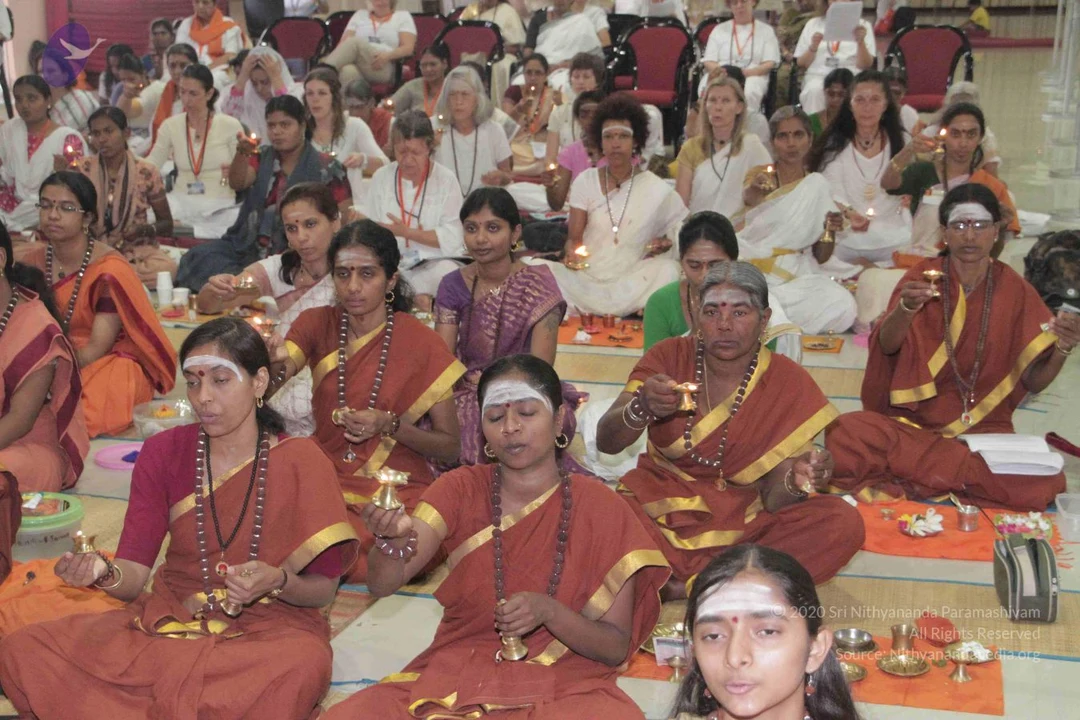
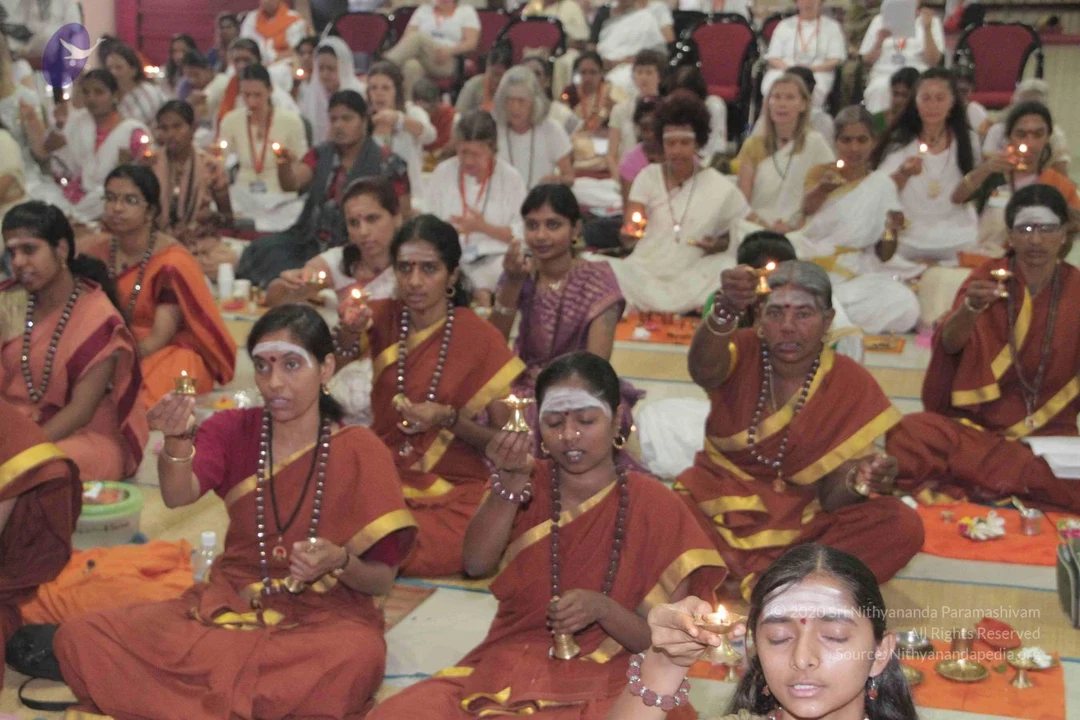
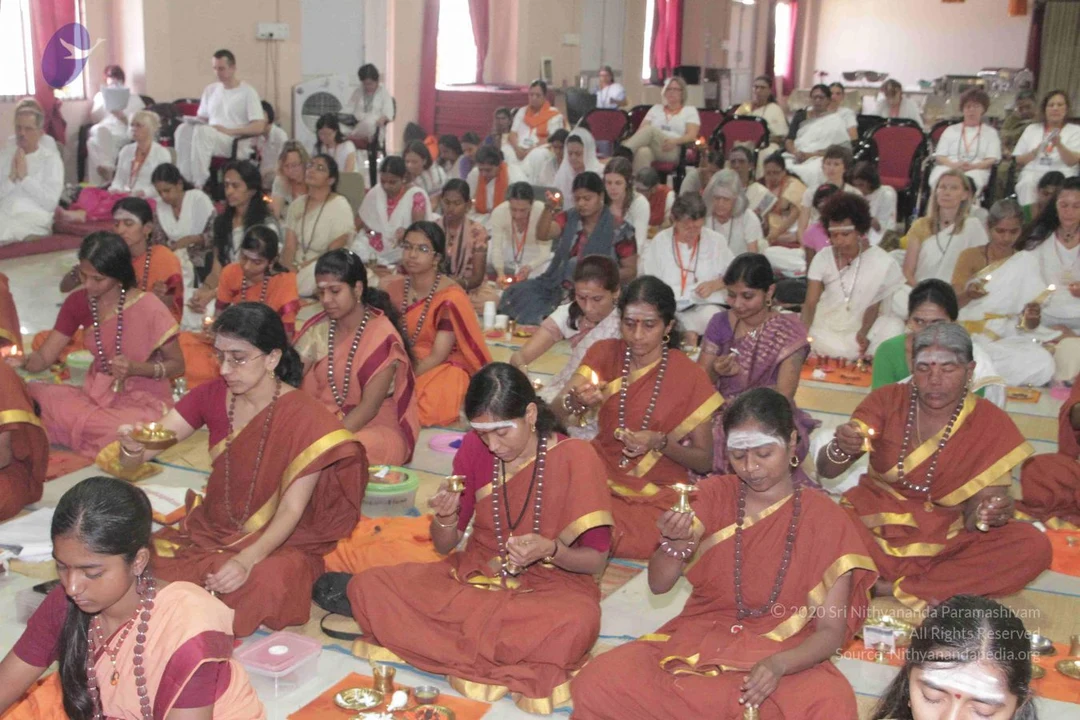
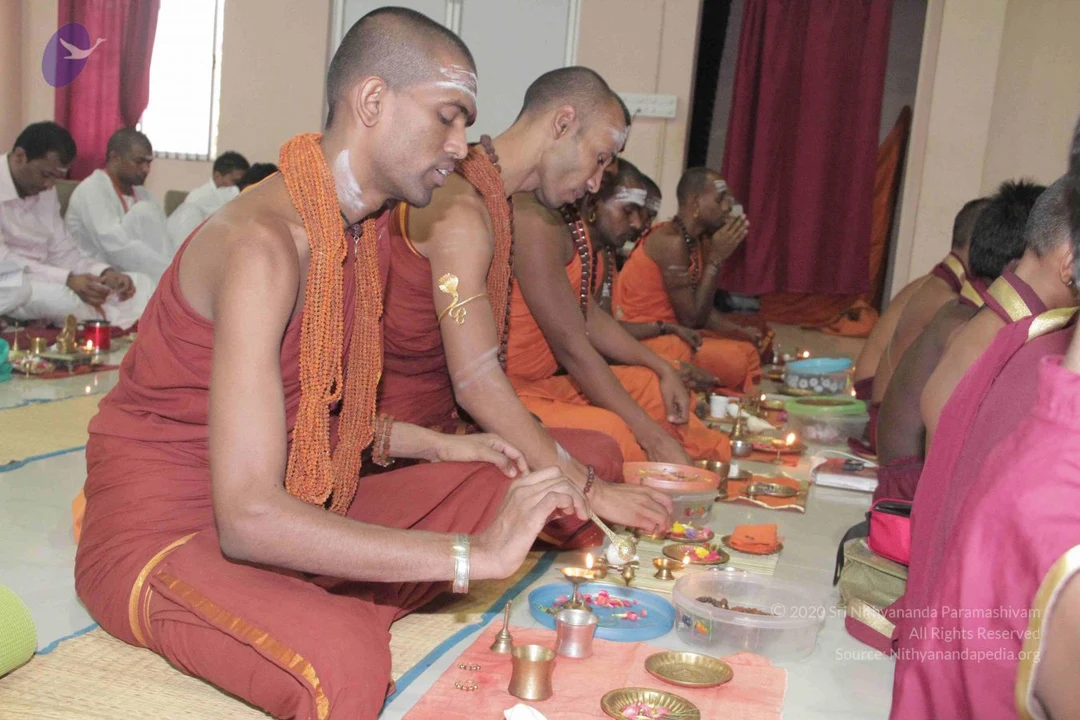
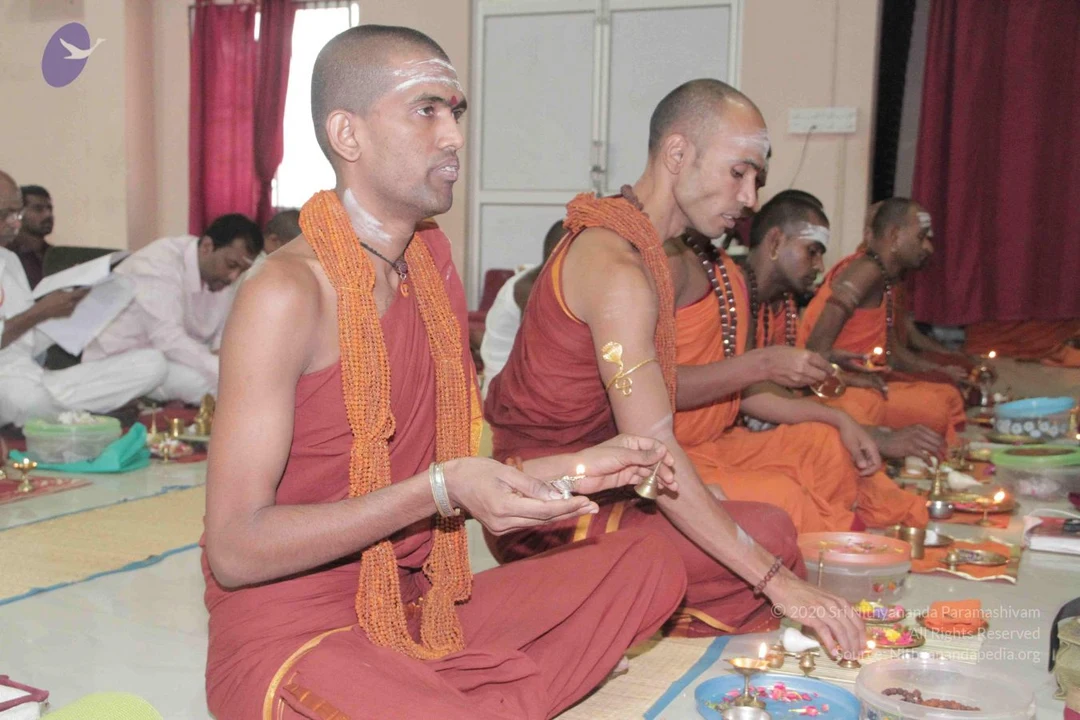
NITHYA-SATSANG



SARVA-DARSHAN
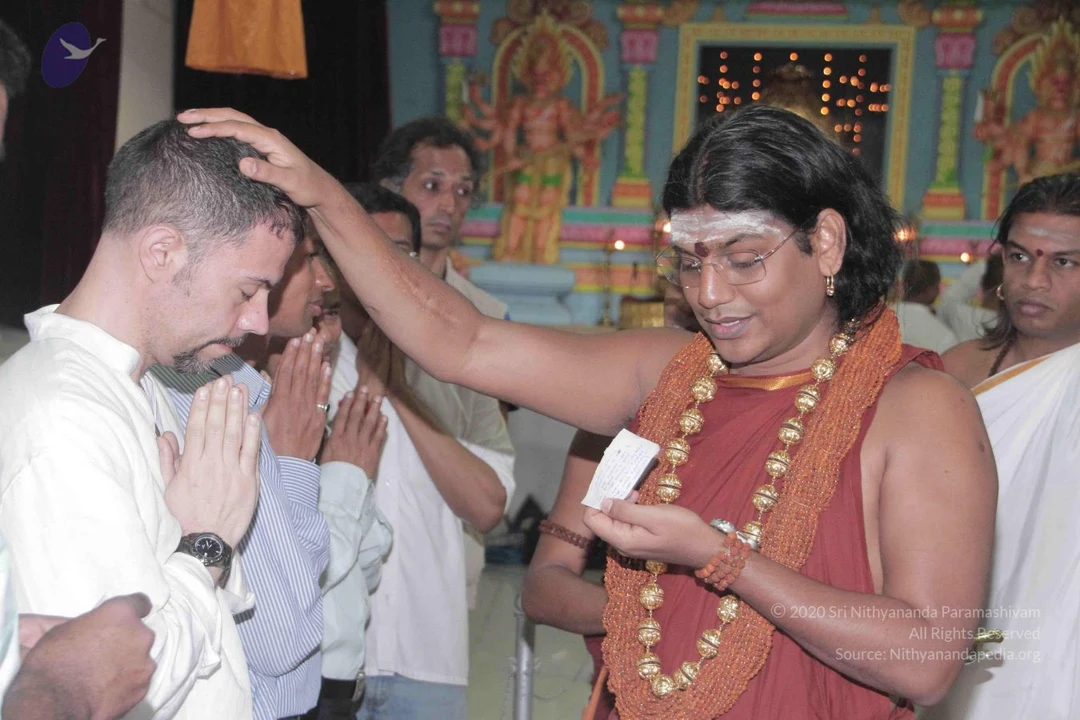
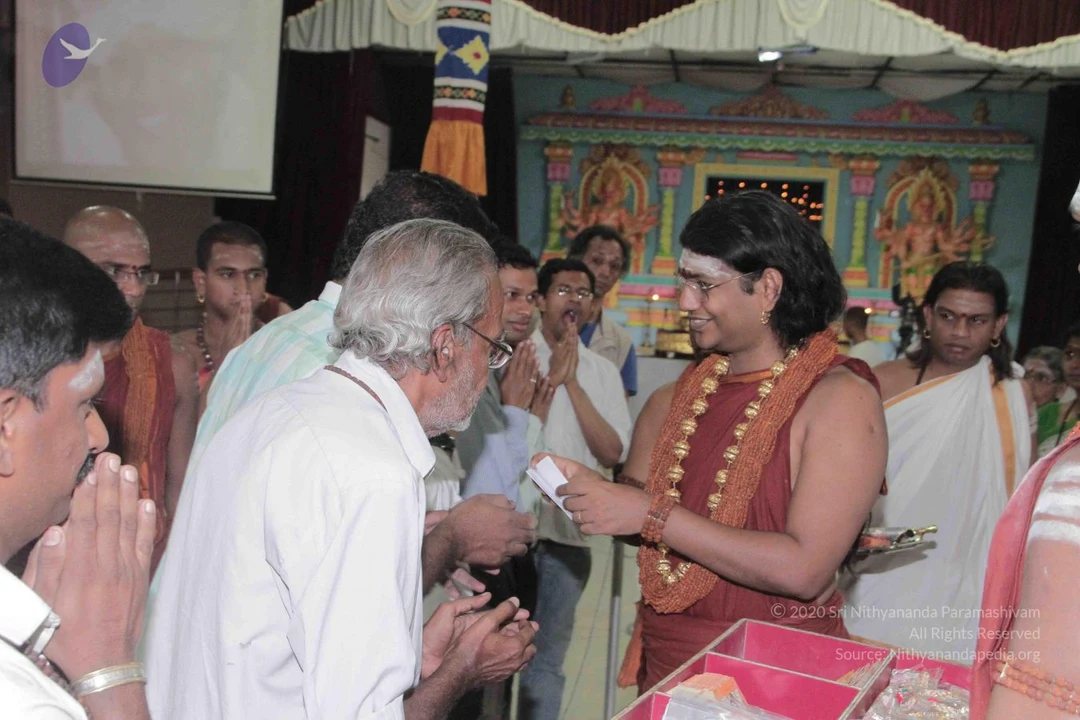
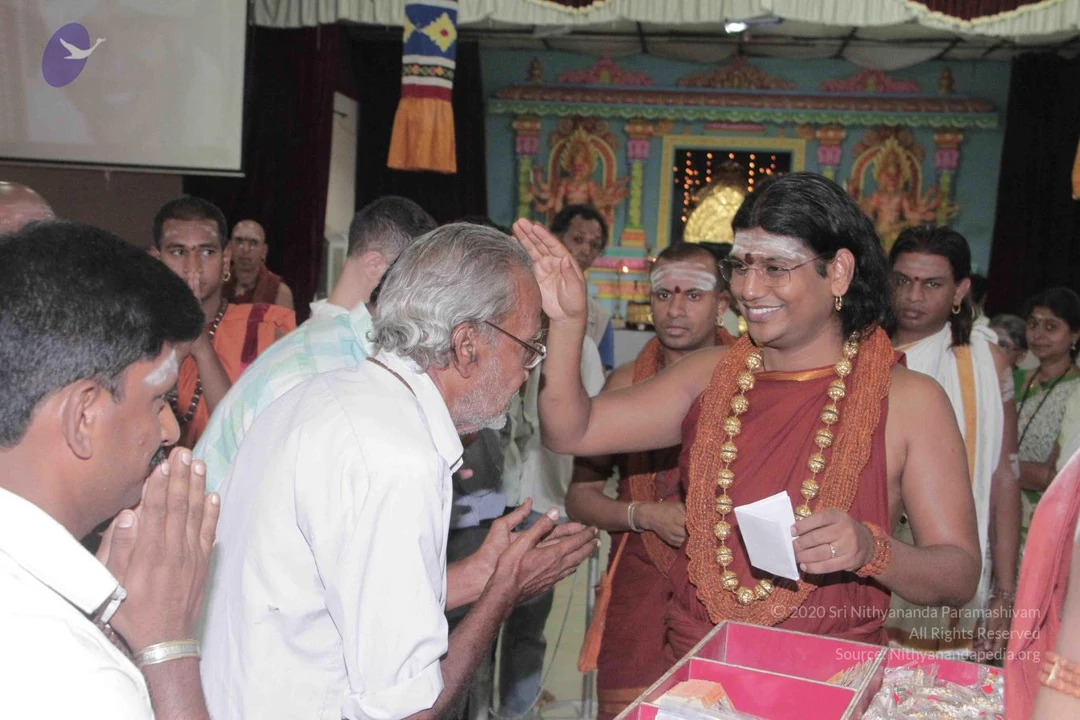
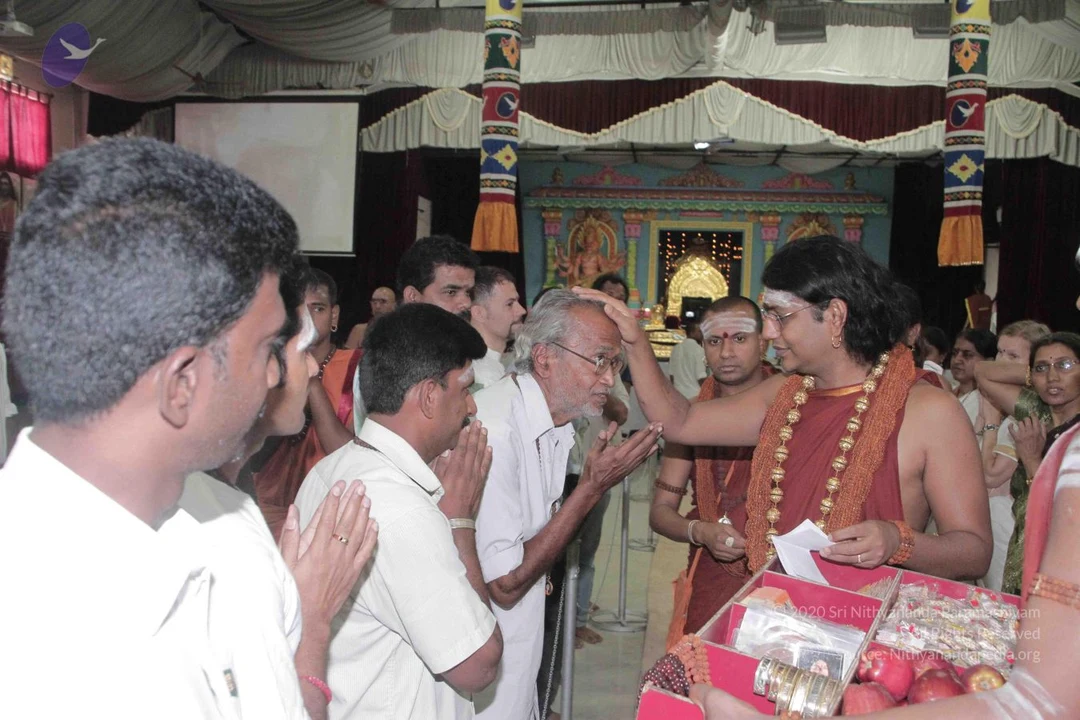
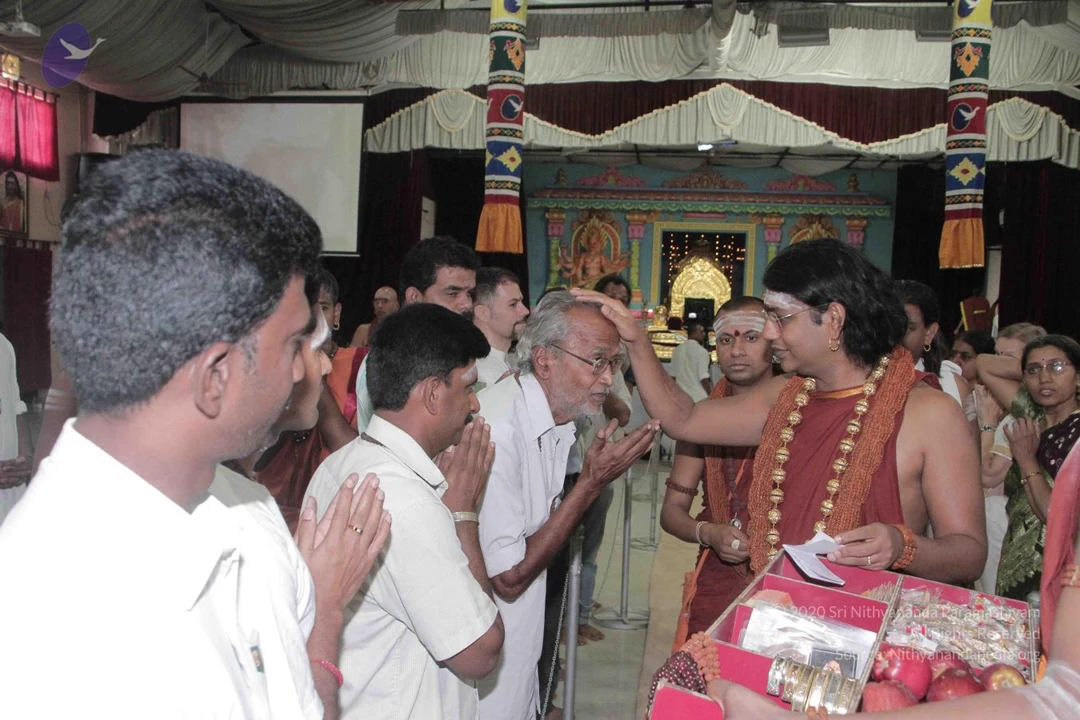
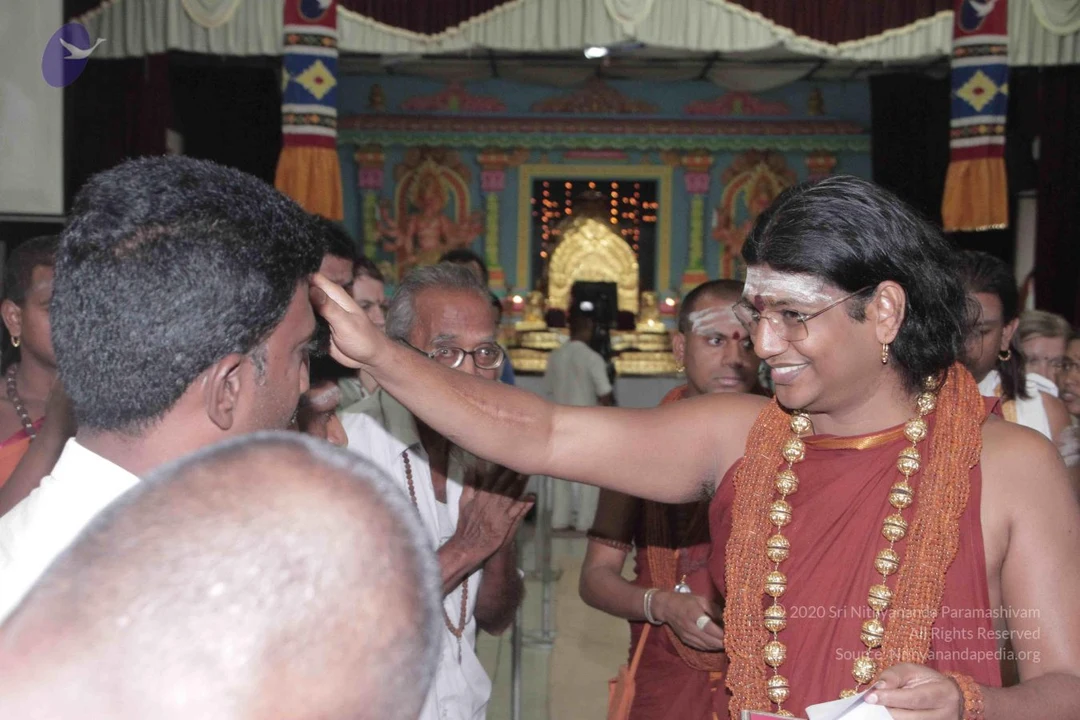
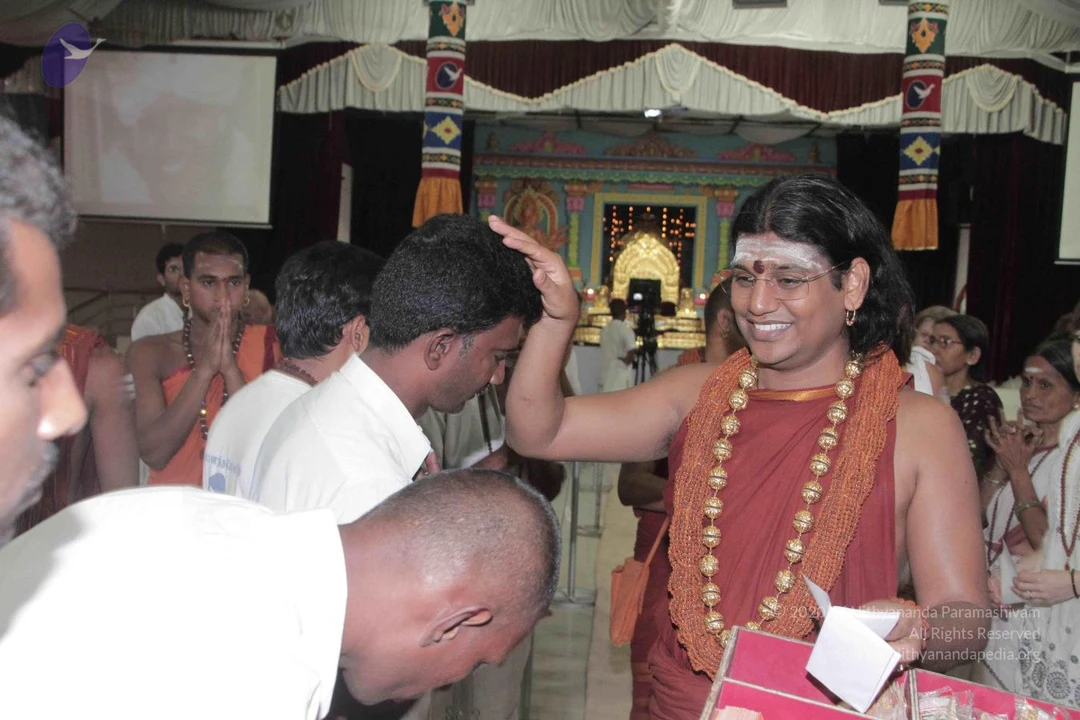
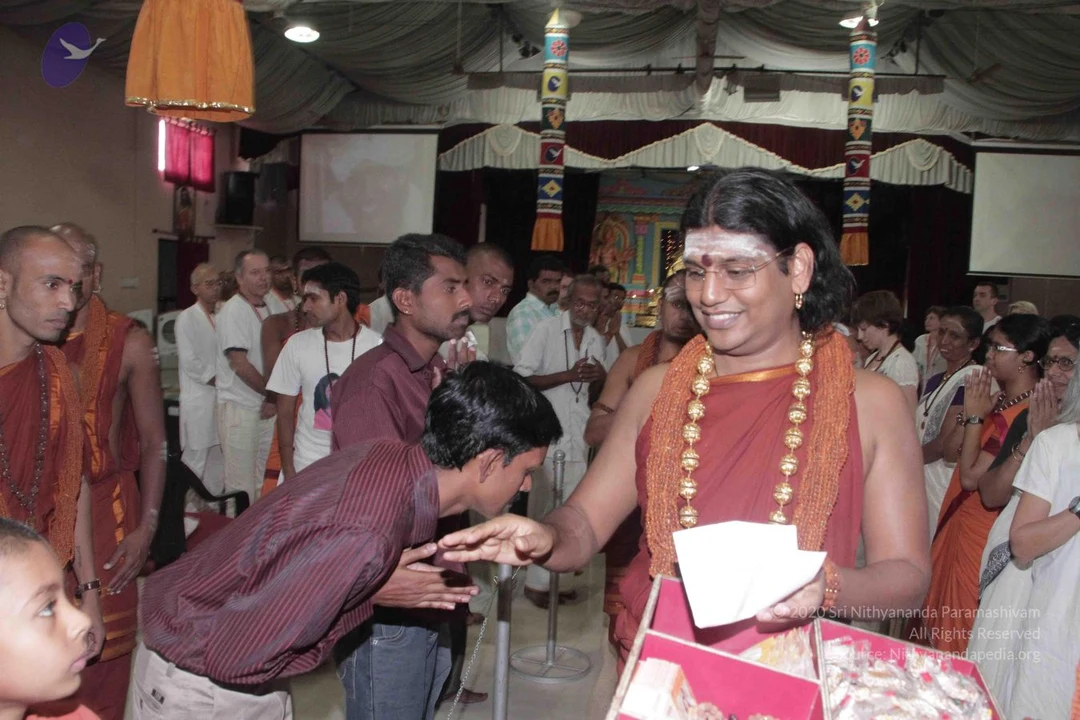

DIAL-THE-AVATAR
BREAKFAST
IA-SESSION

IA-DARSHAN
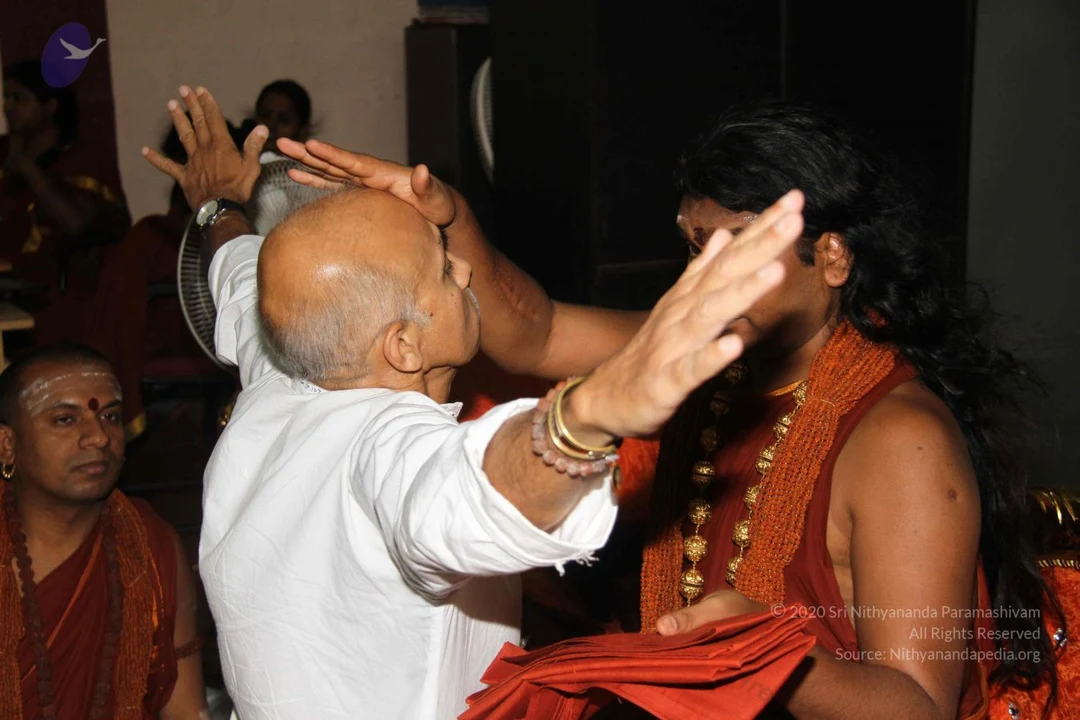
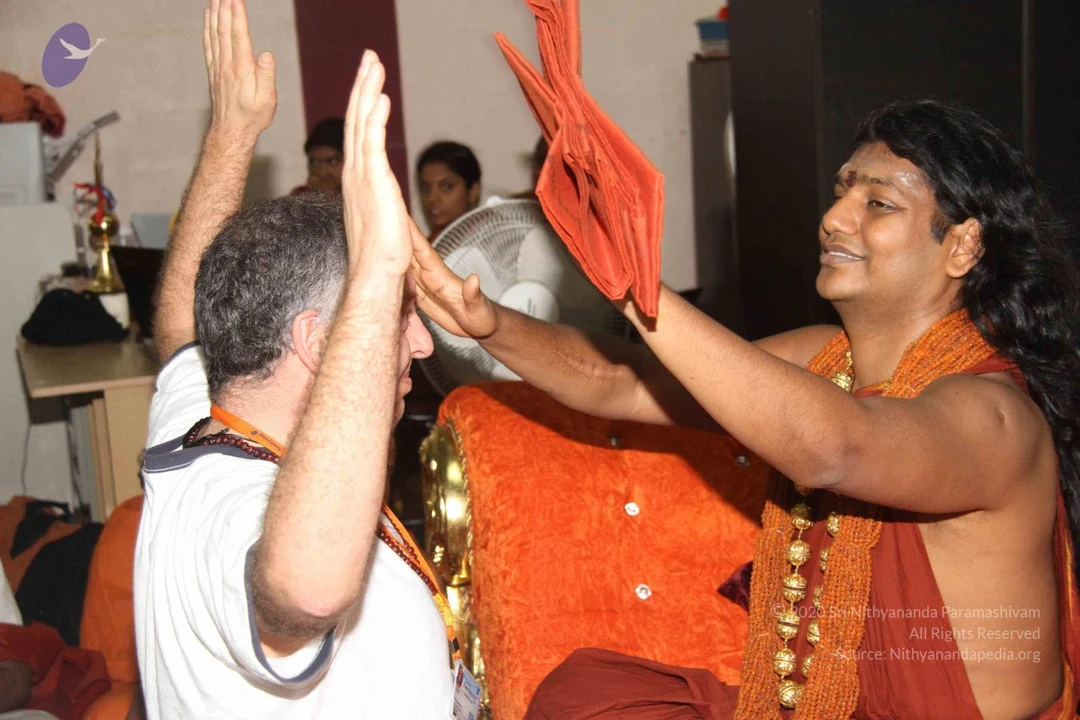
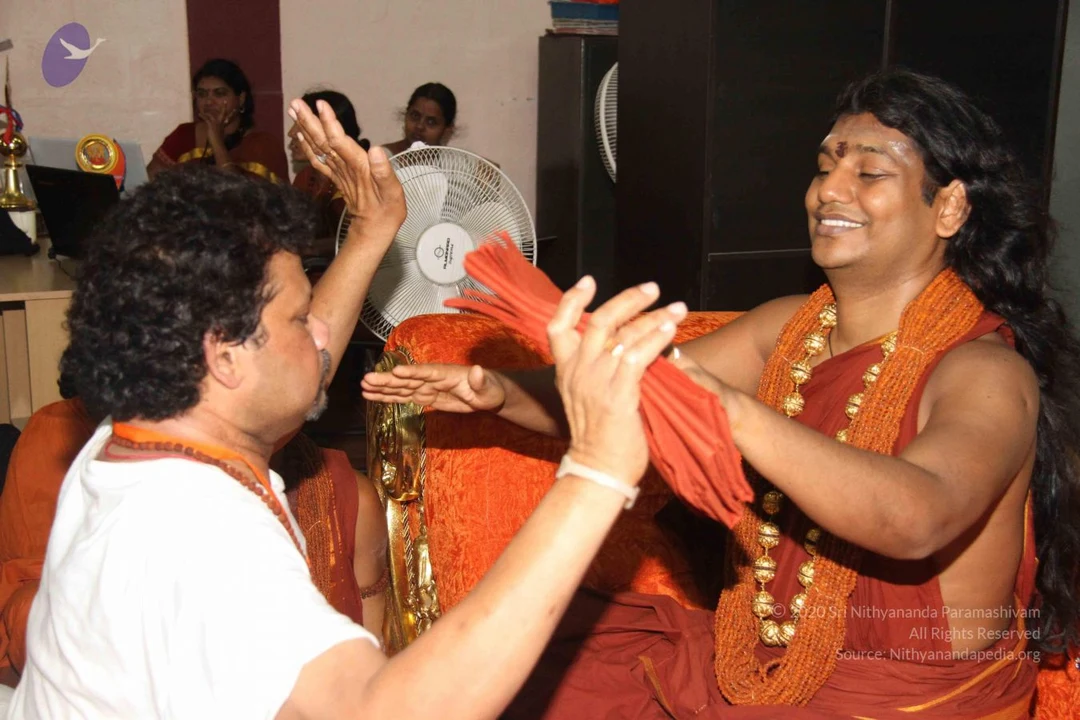
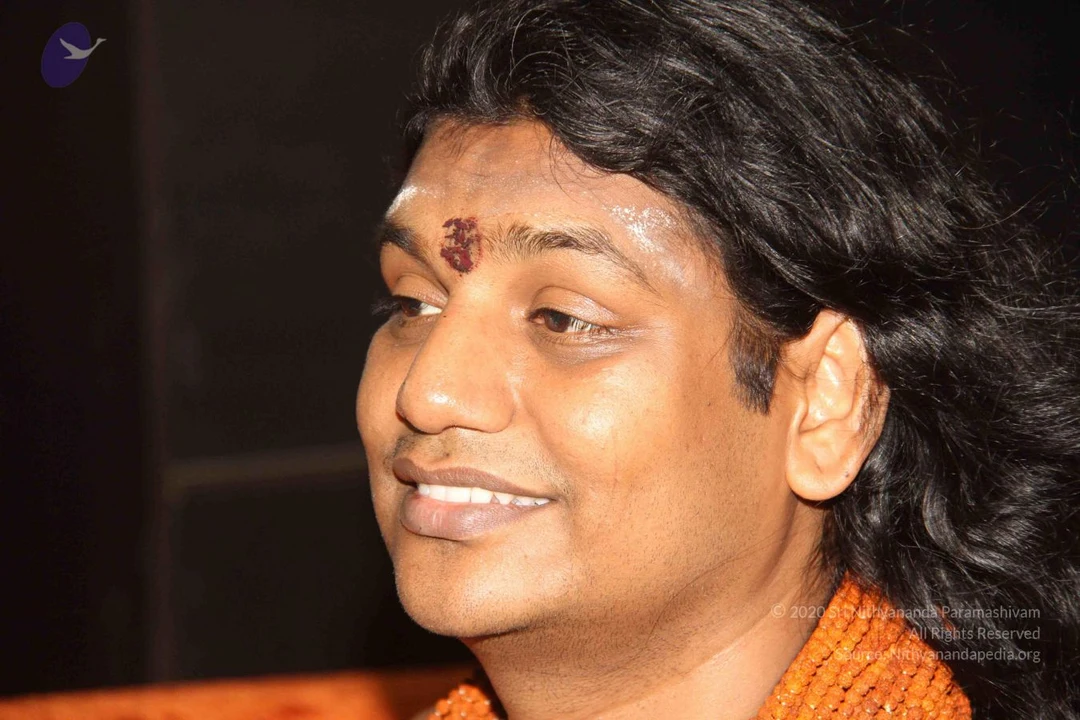
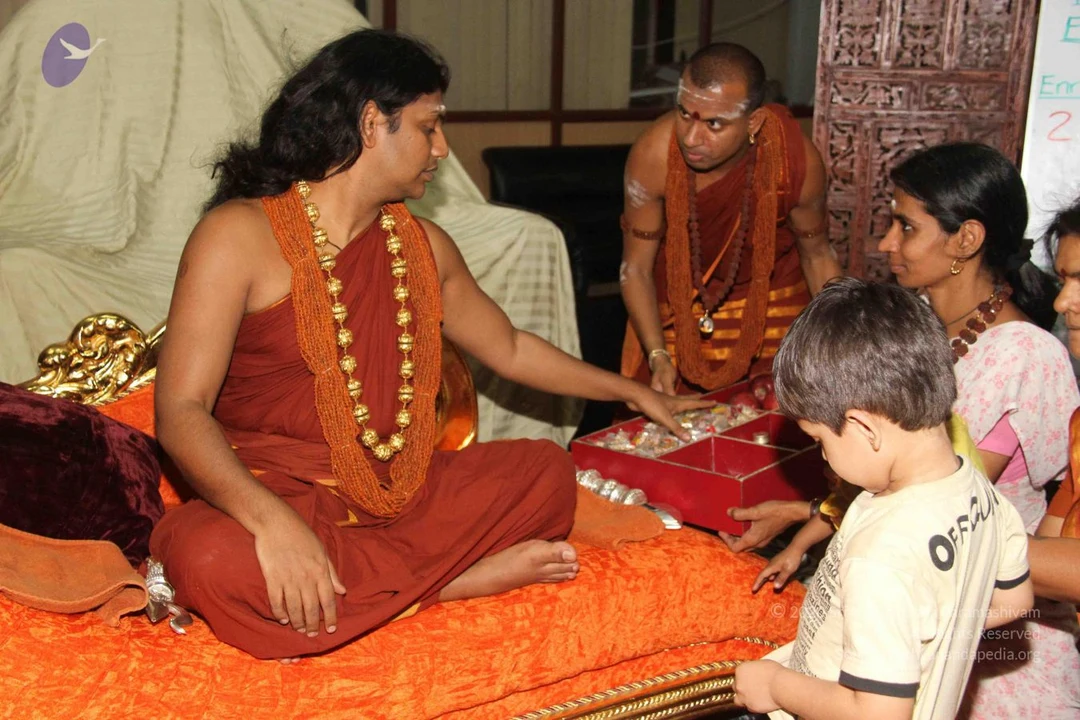

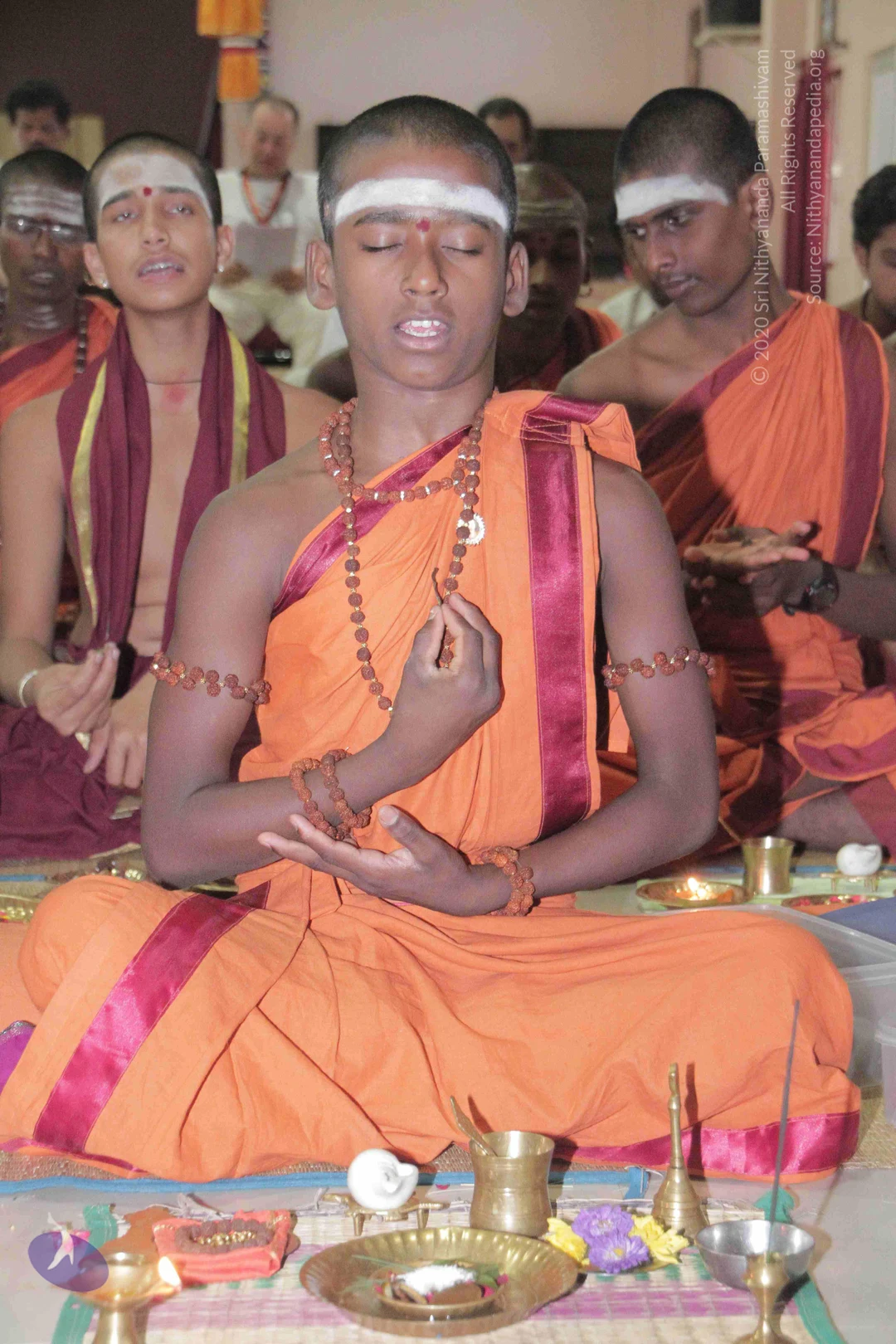
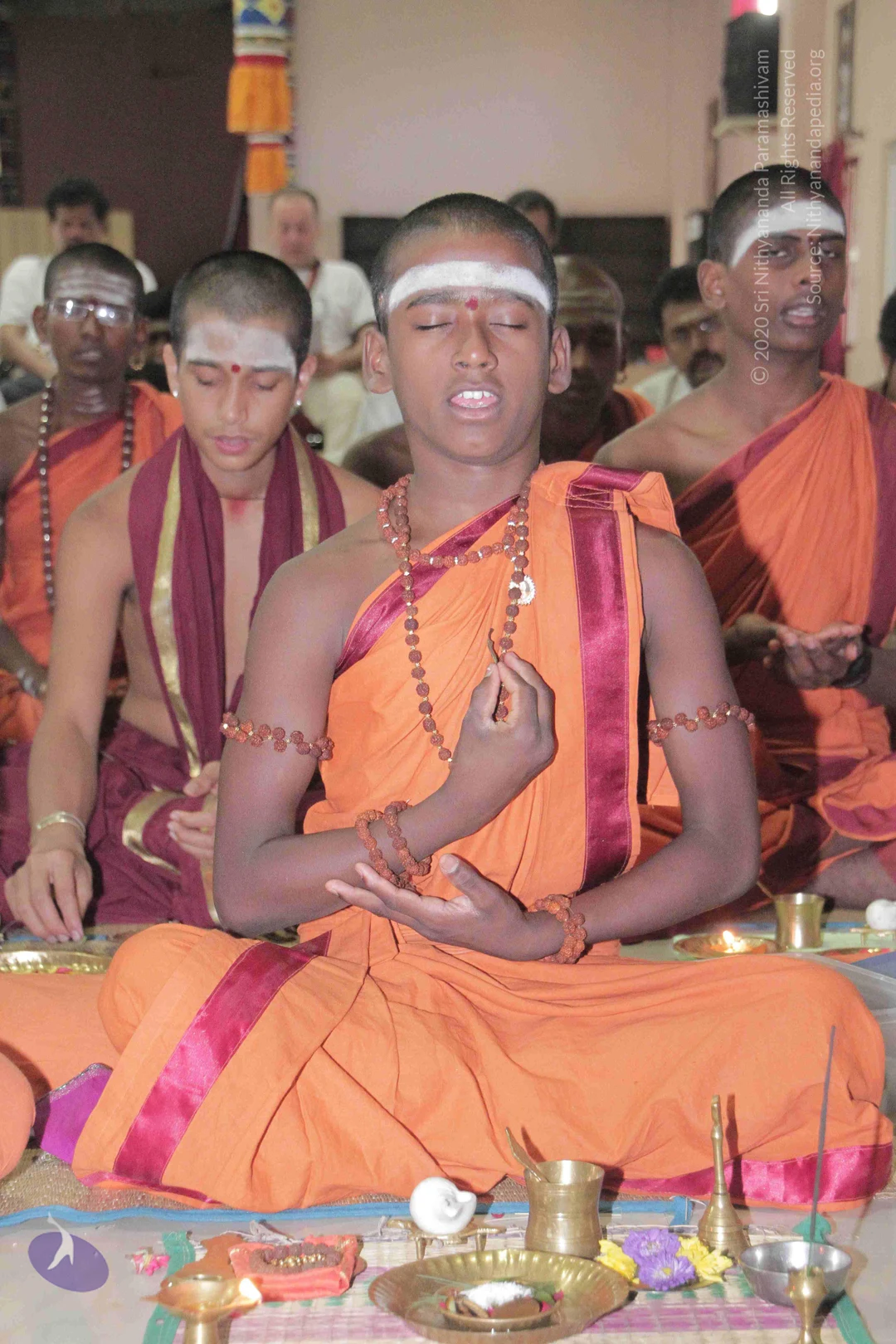
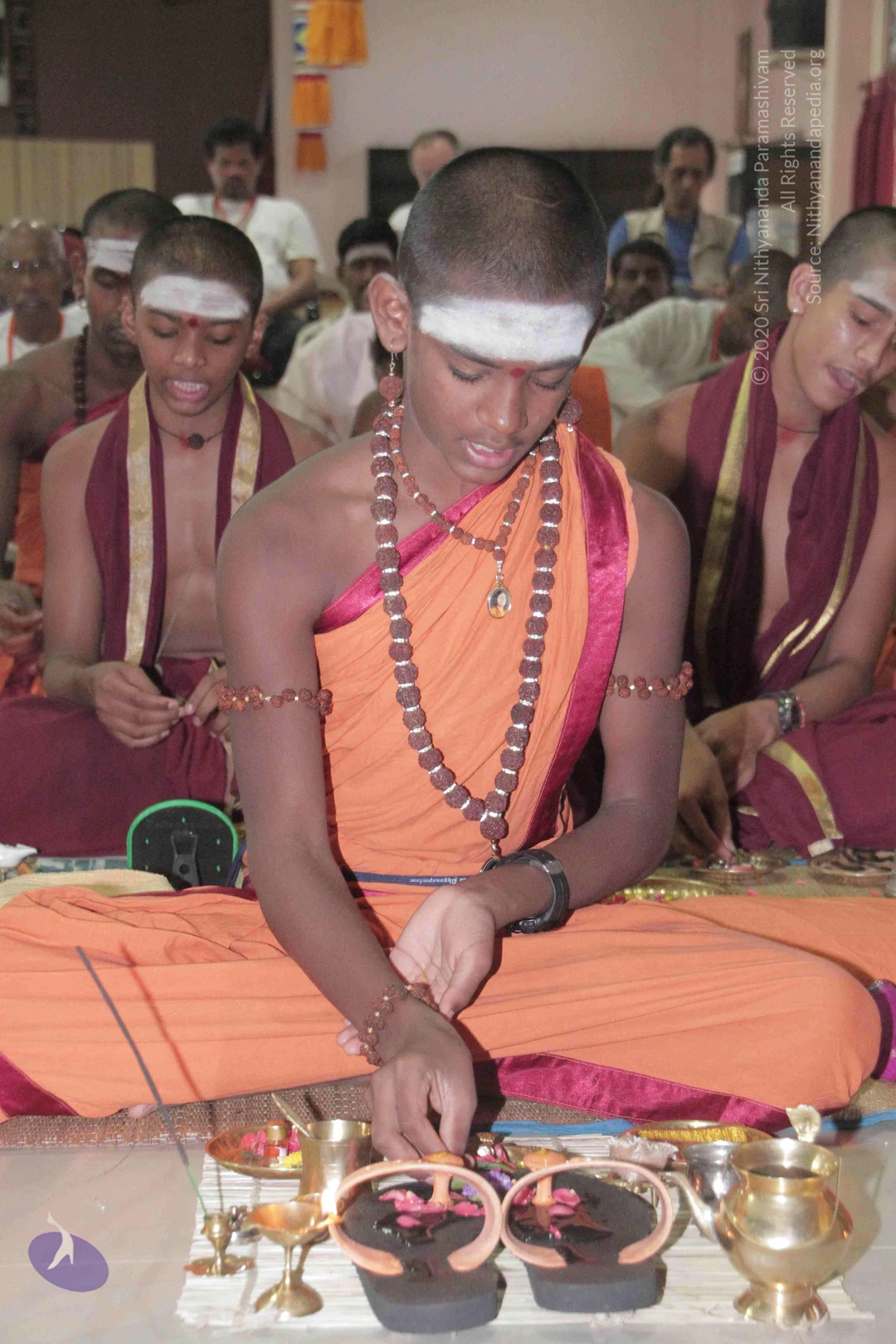
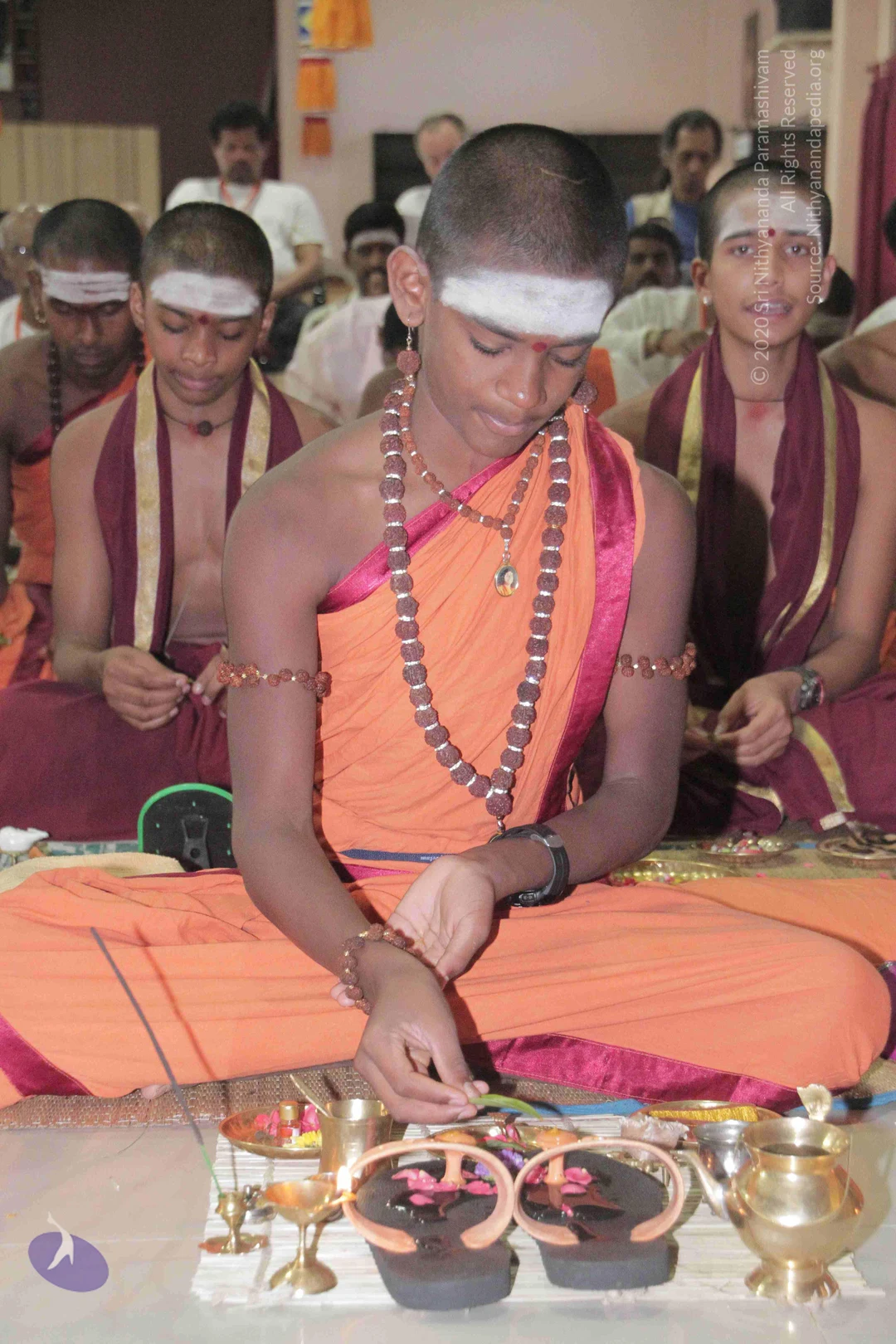
2-Paduka-Puja
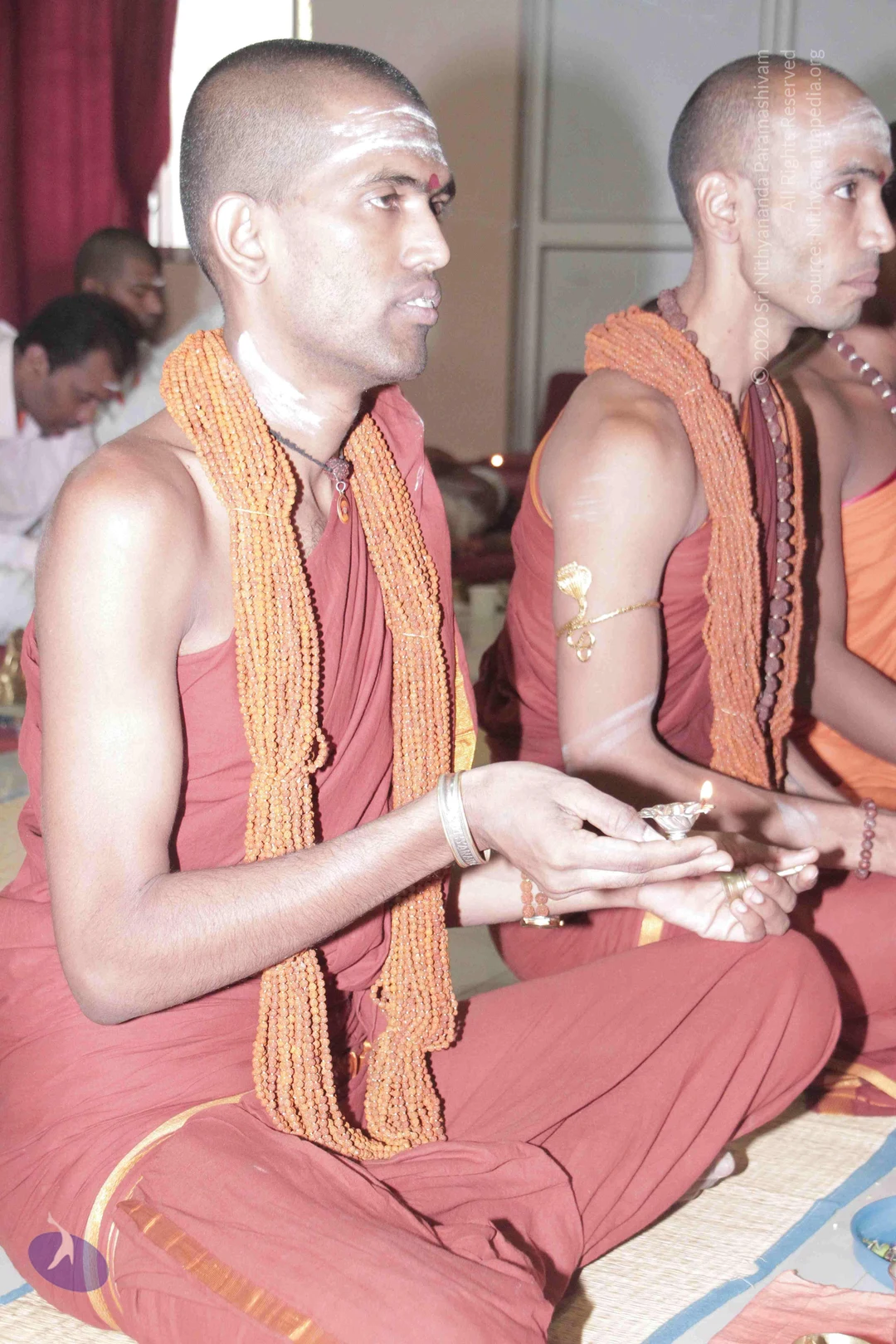
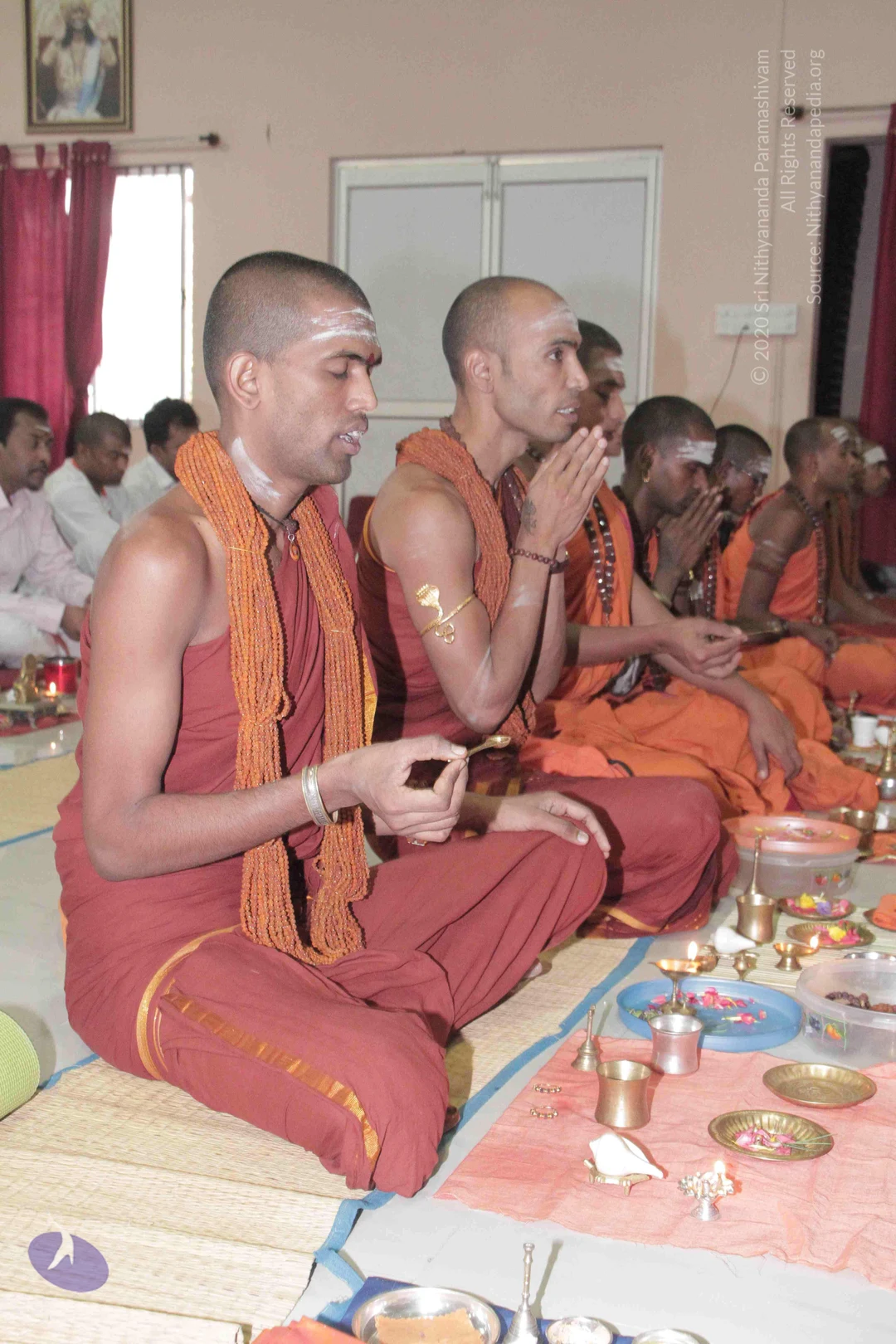
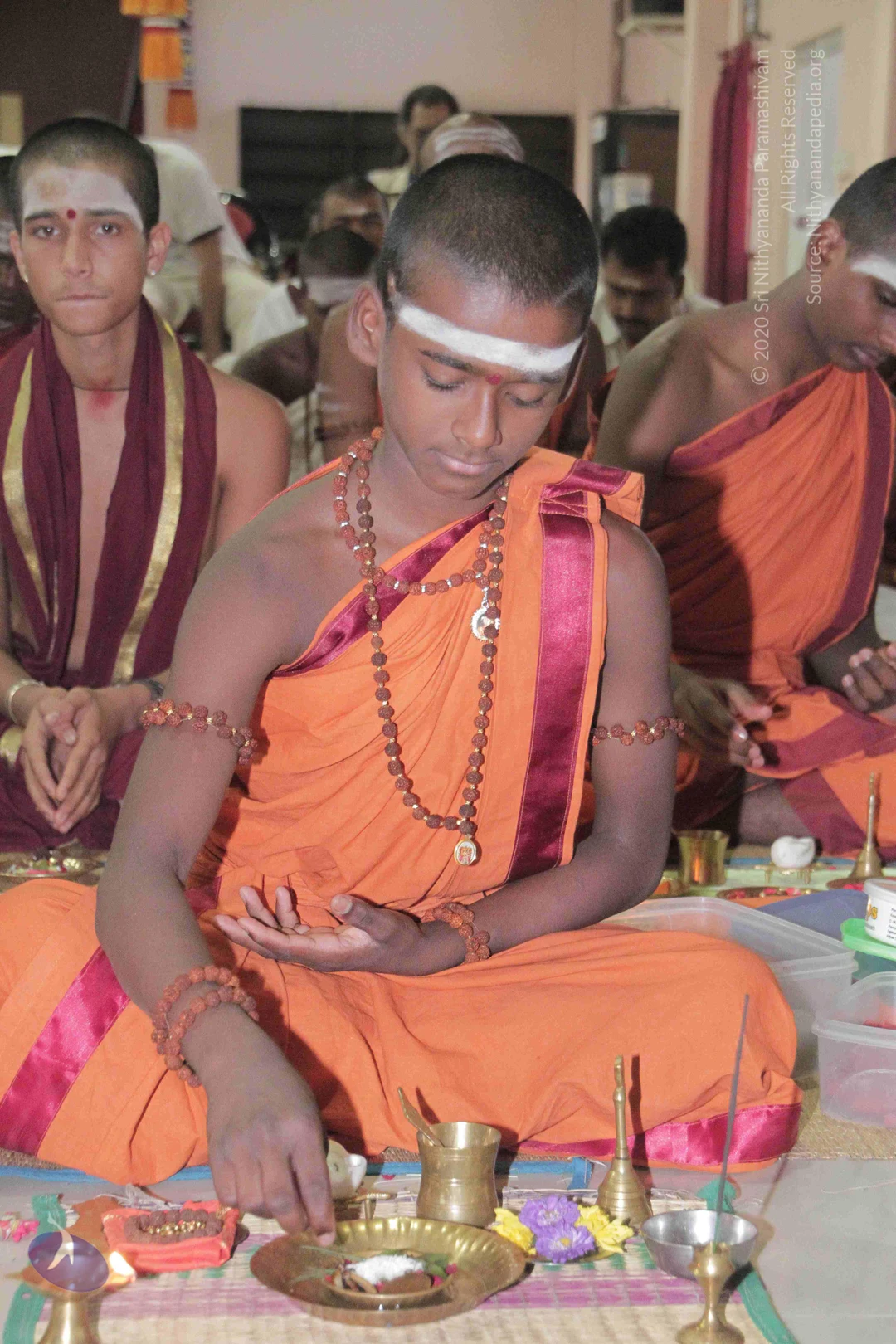
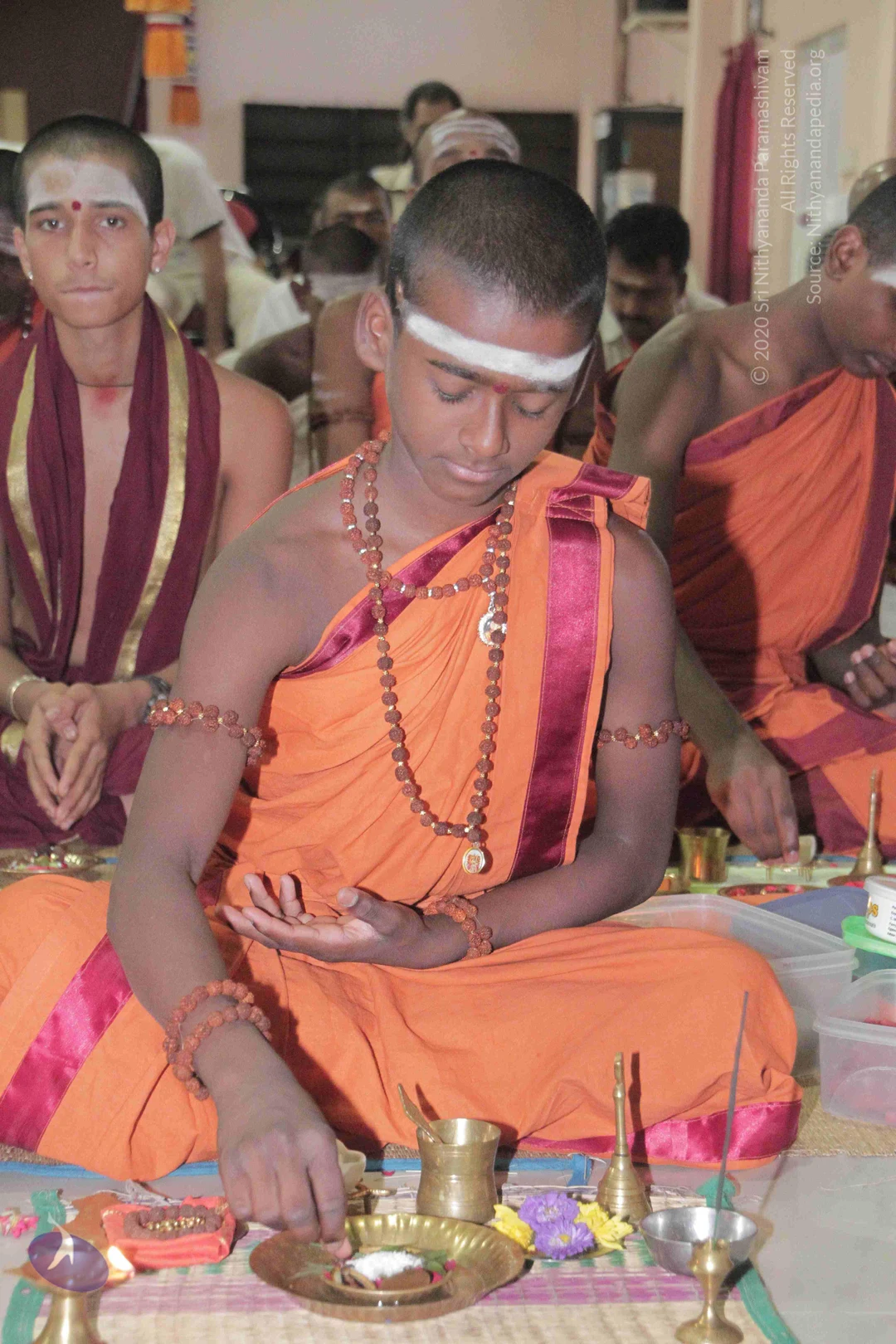
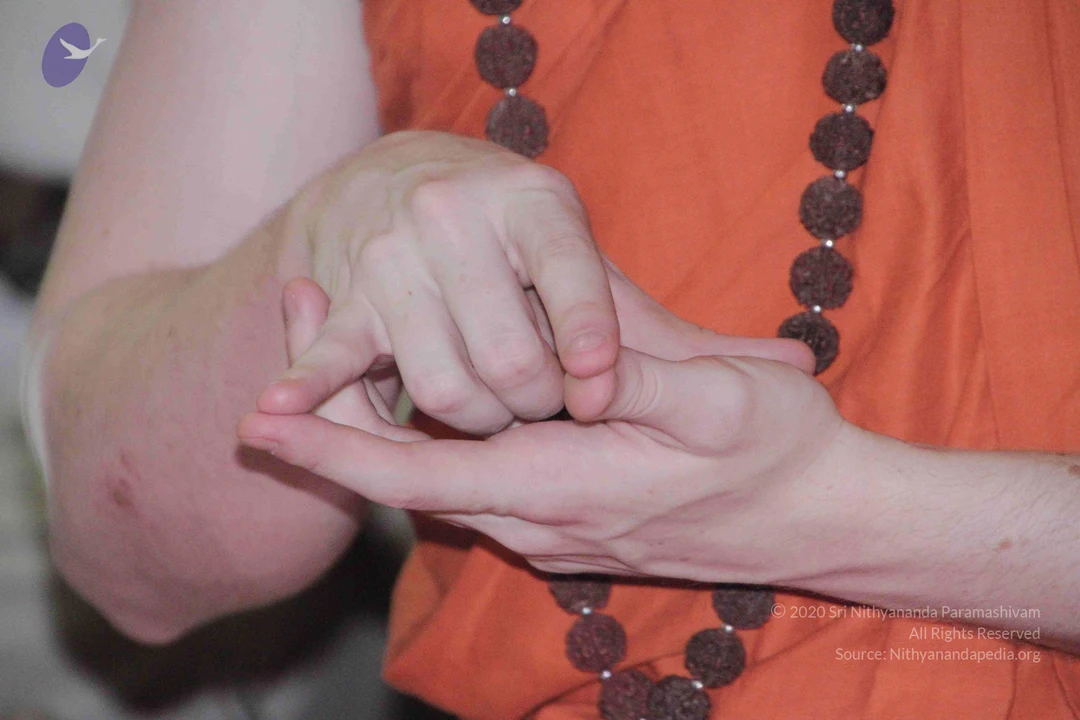
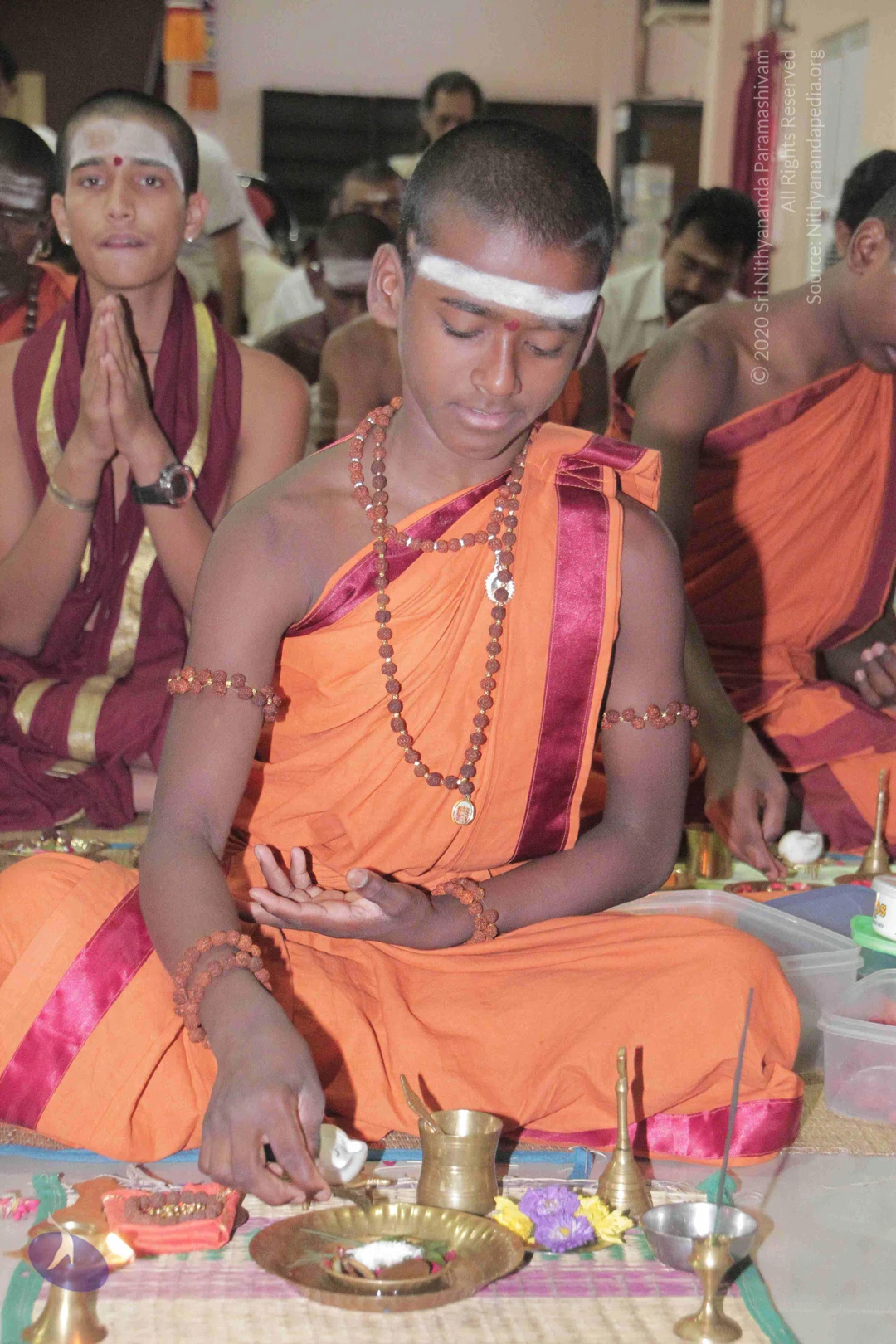
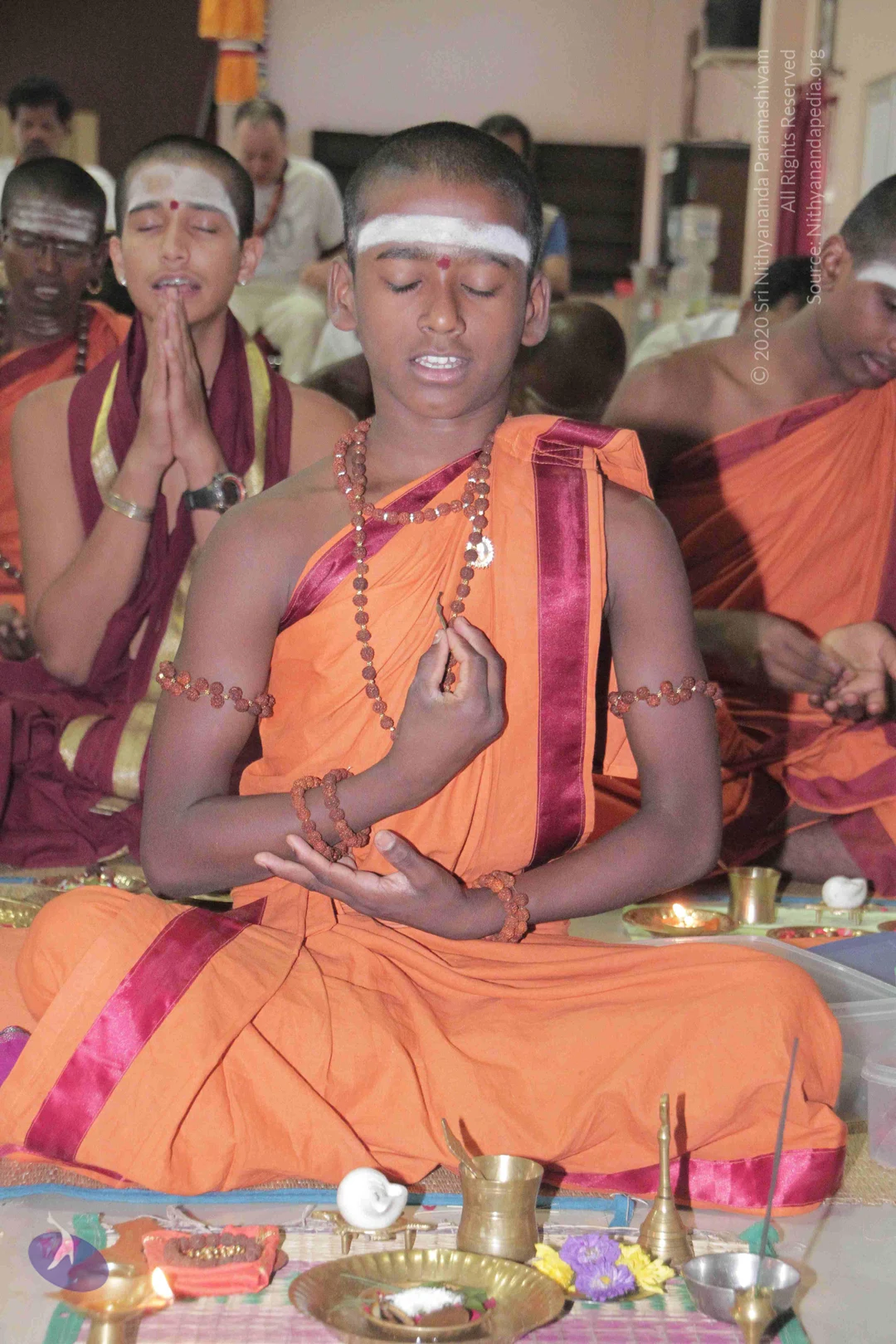
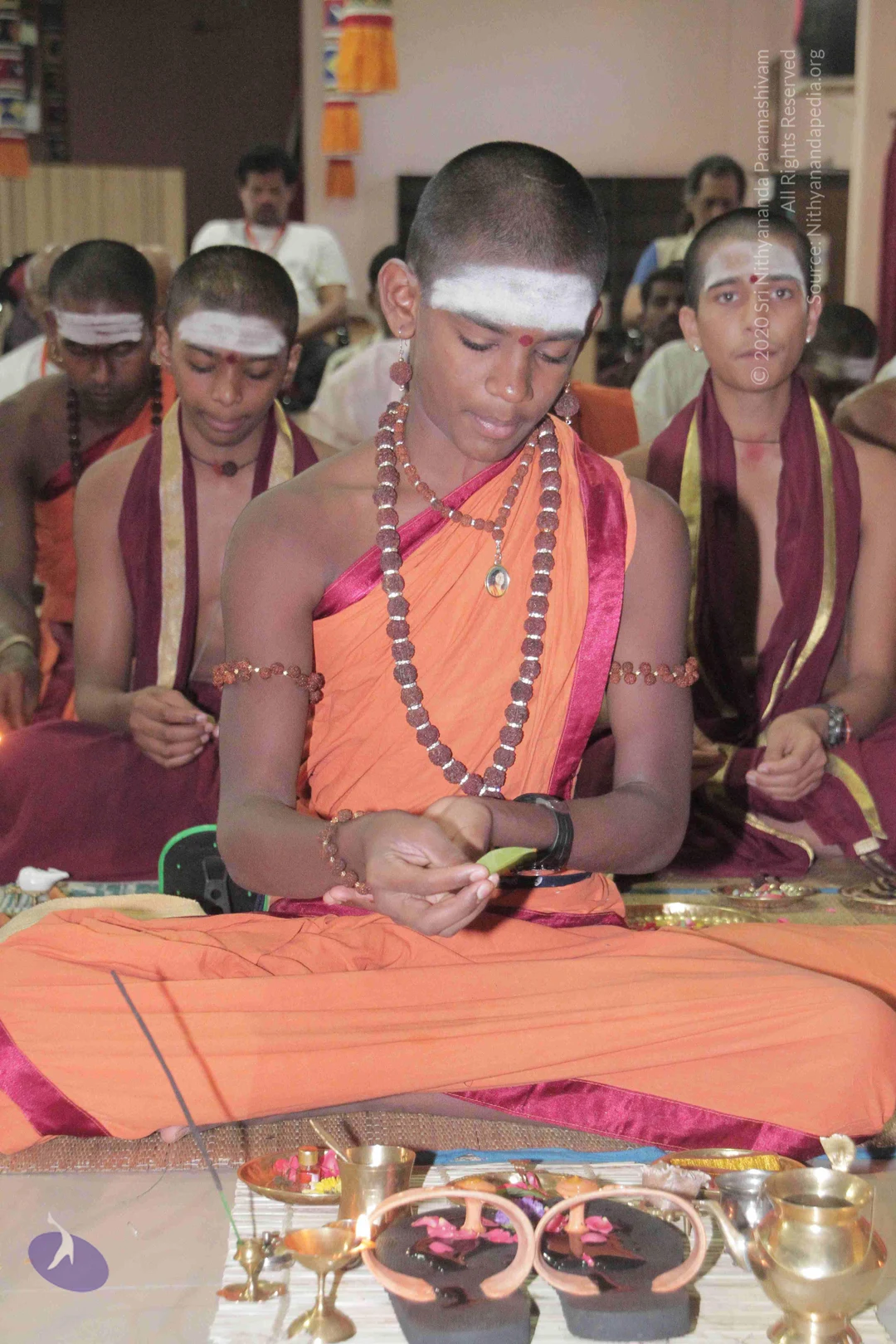
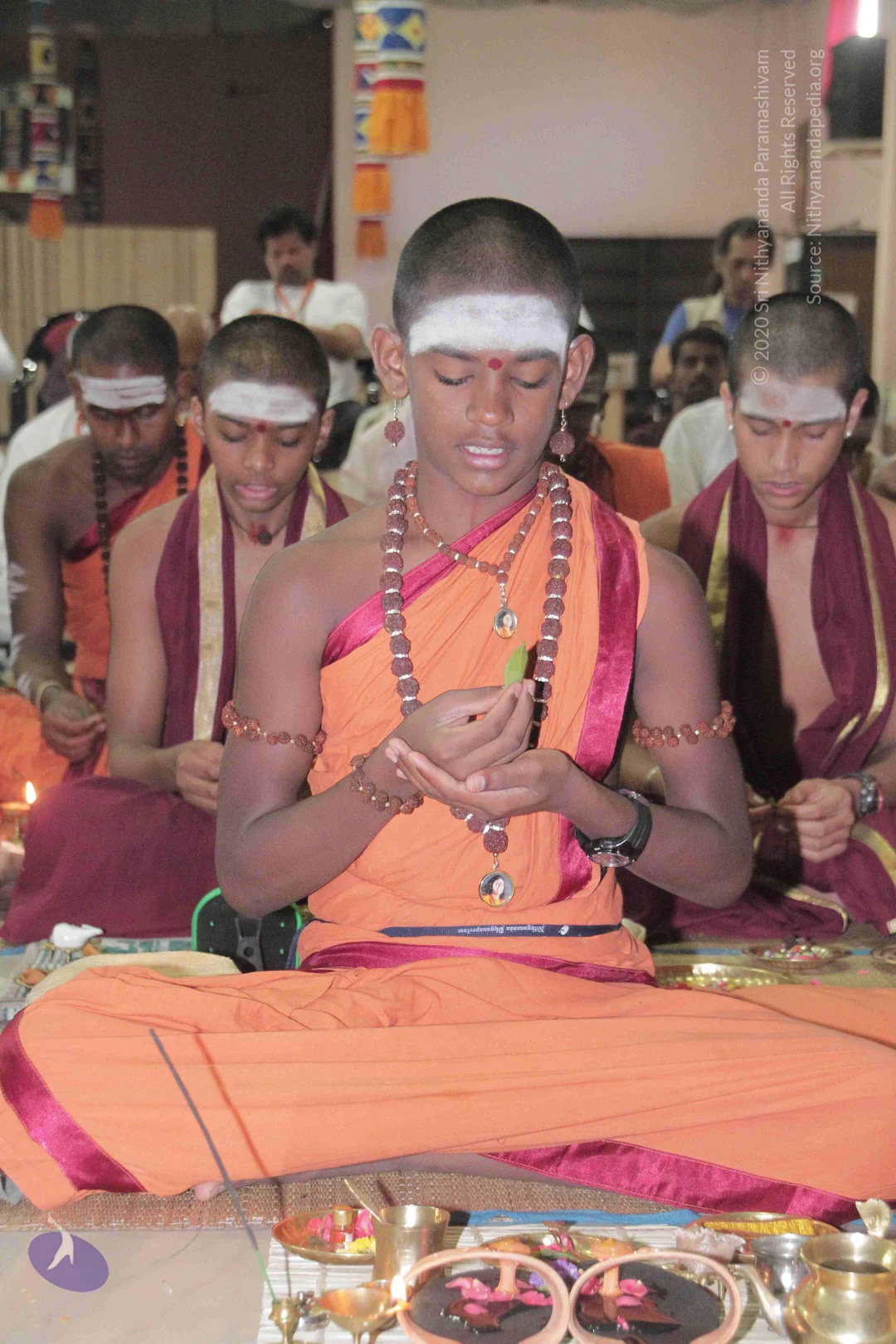
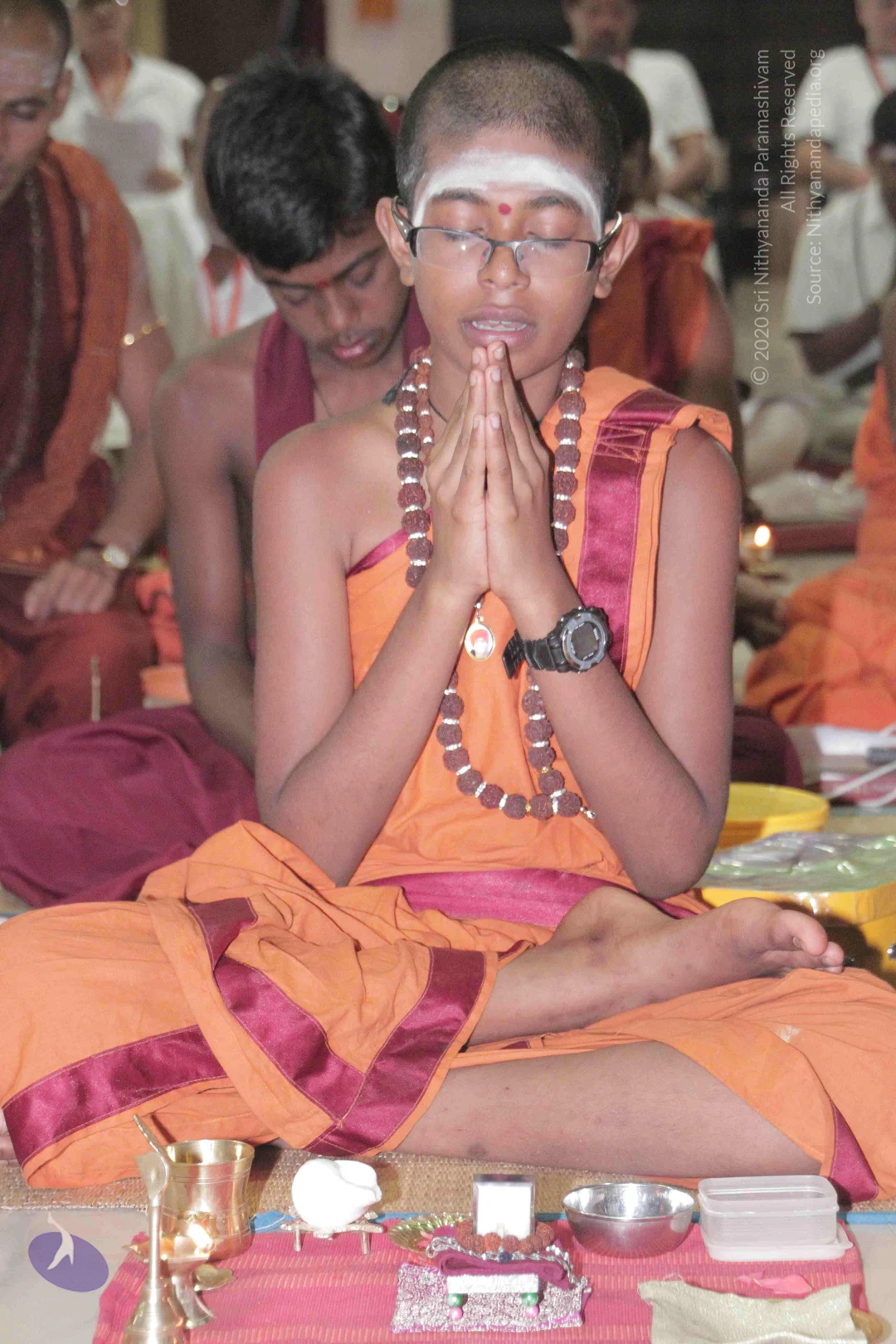
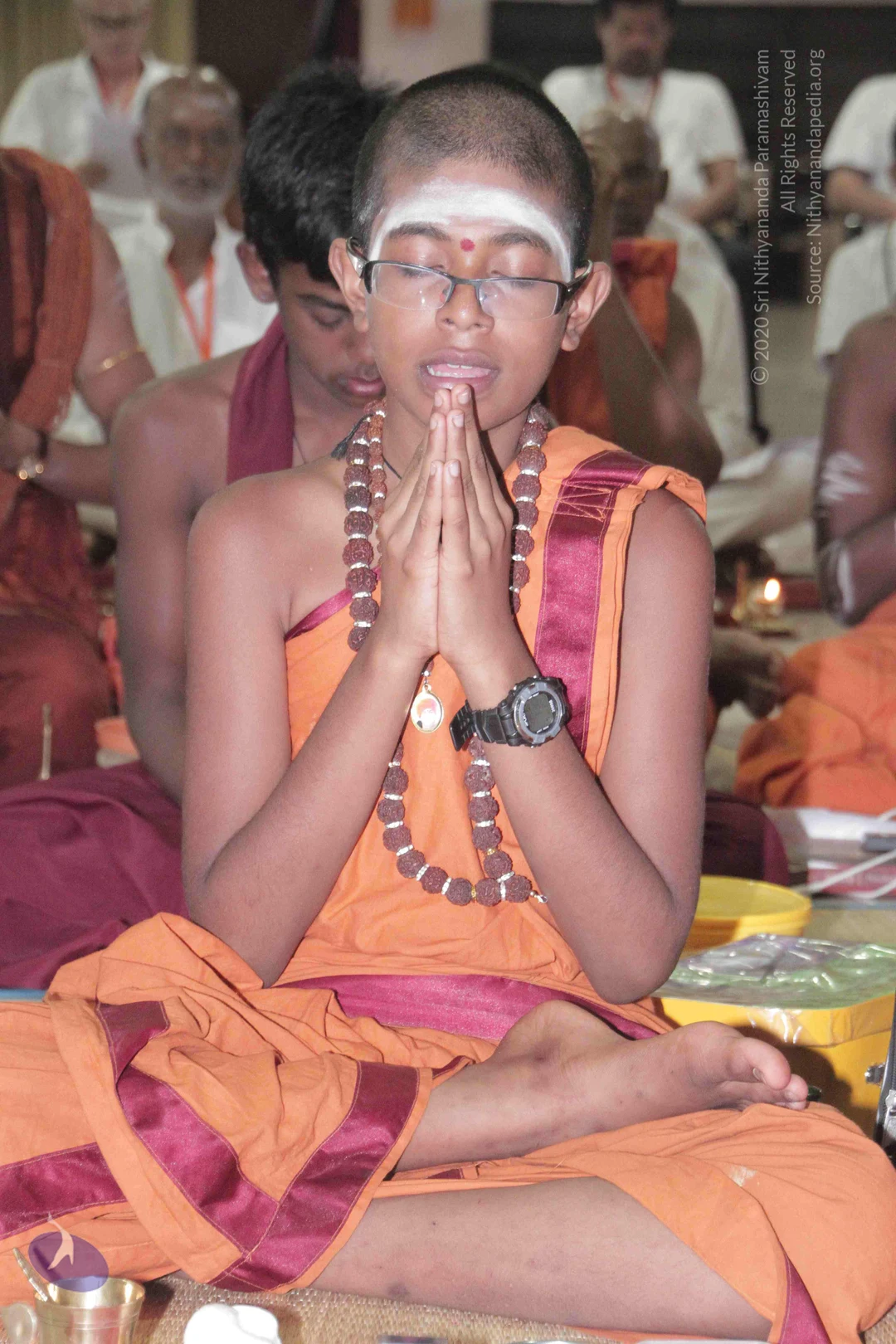
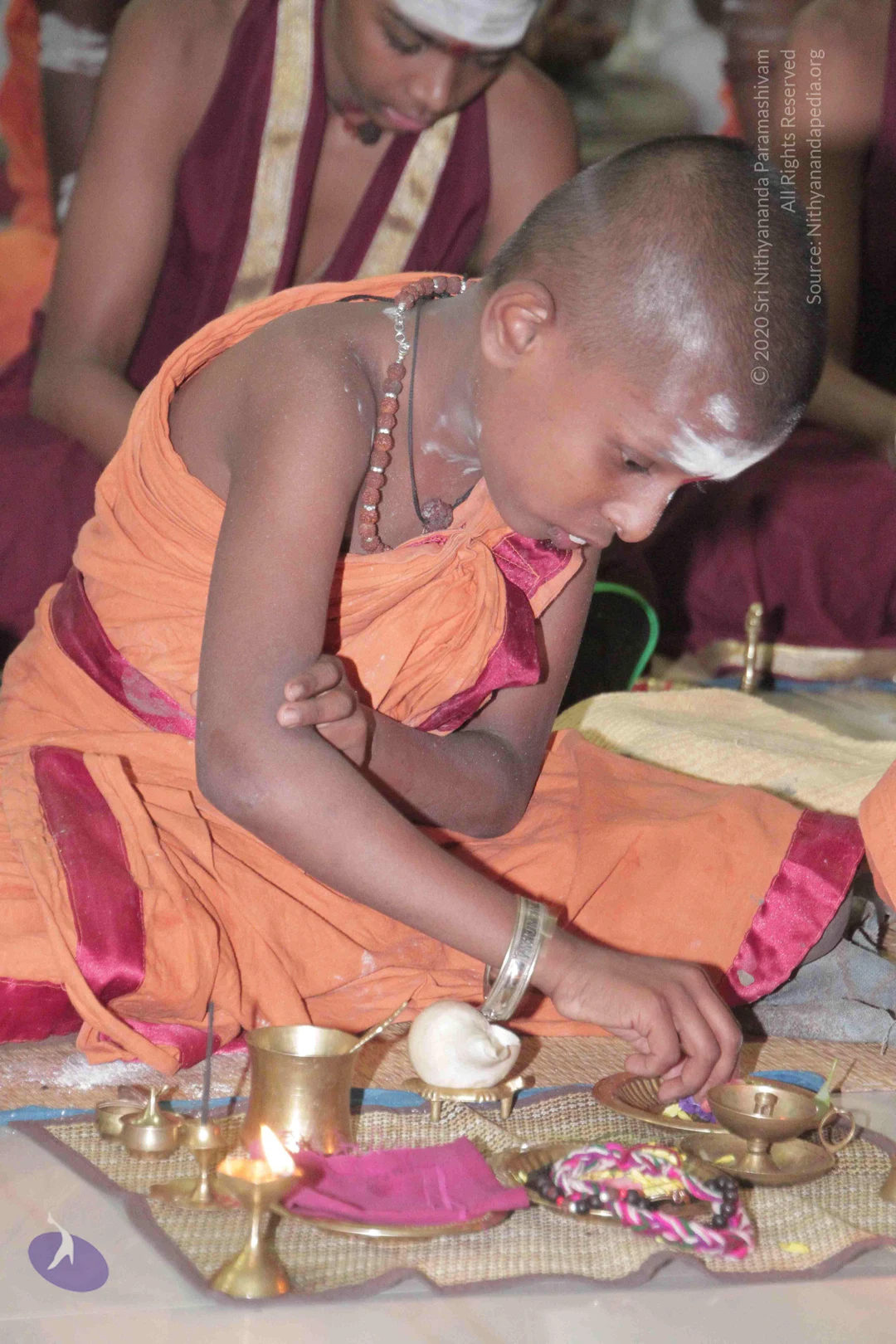
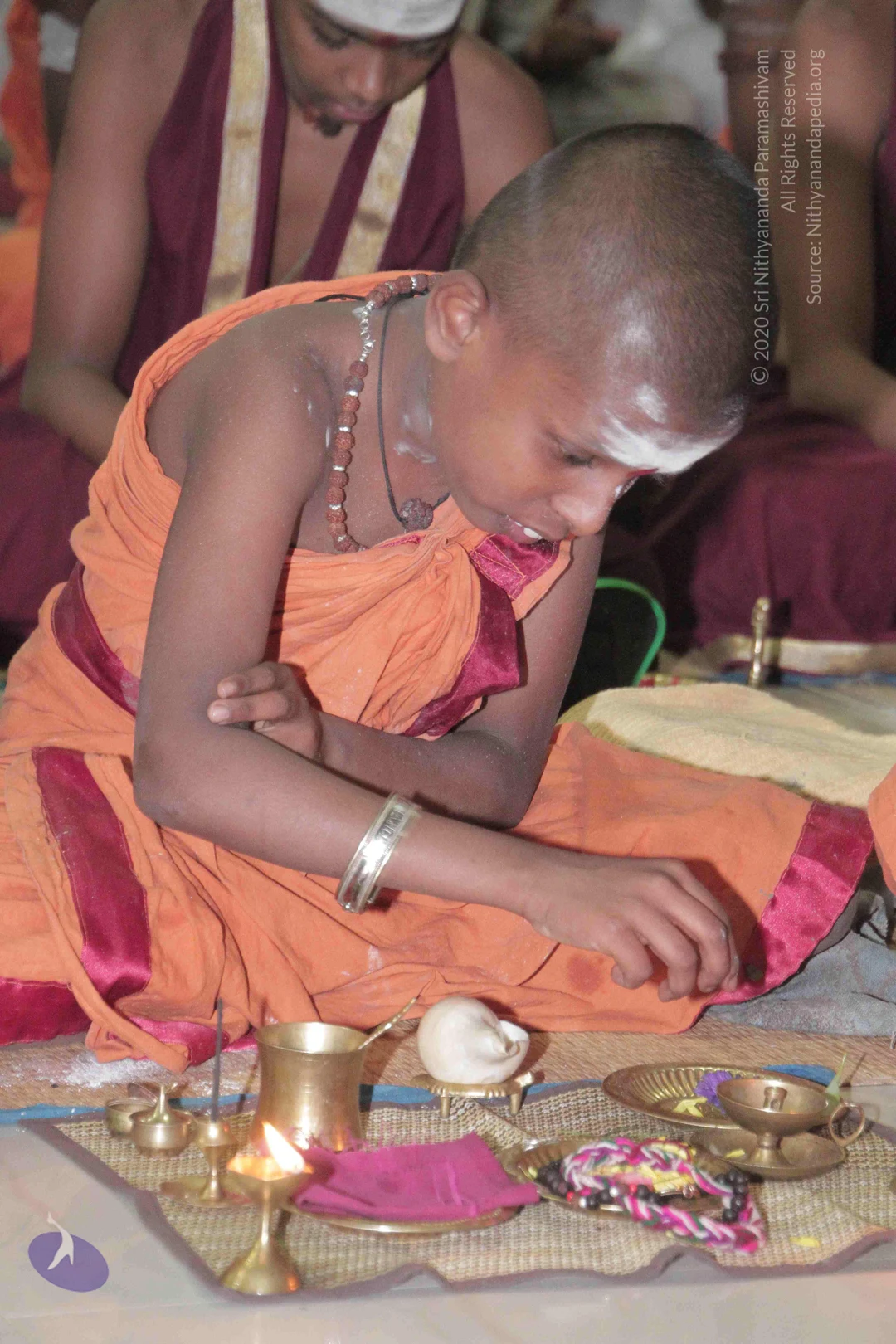
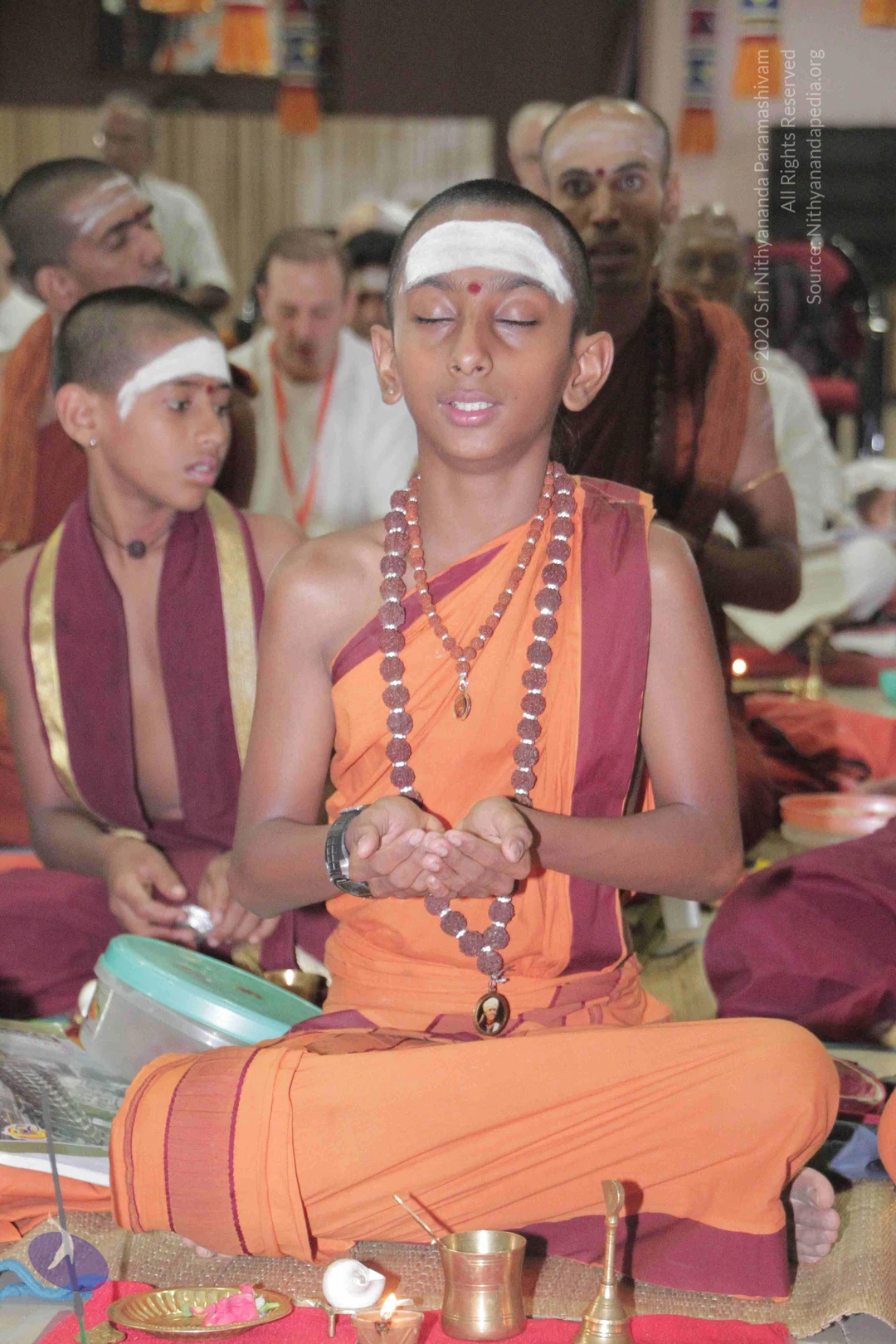
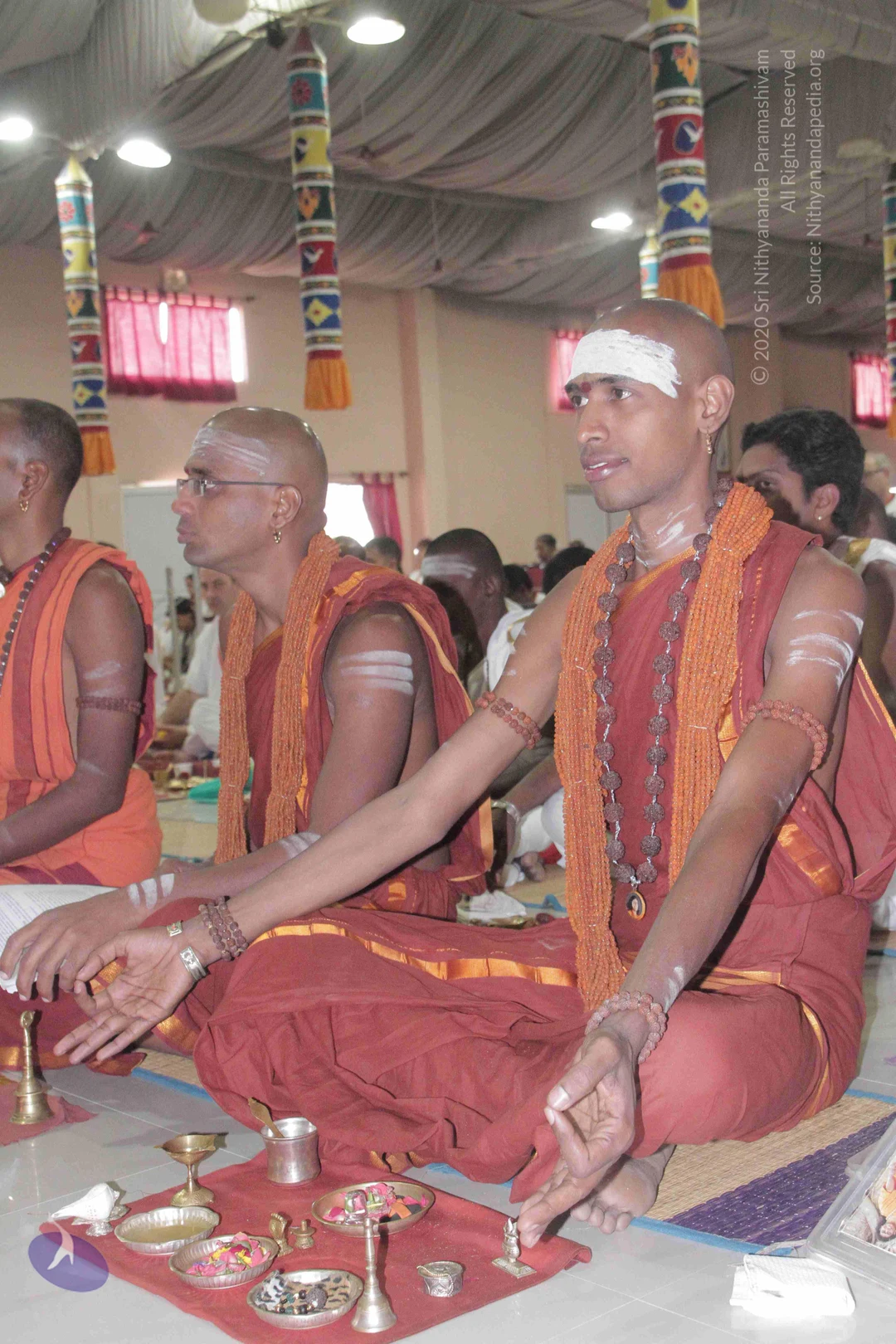
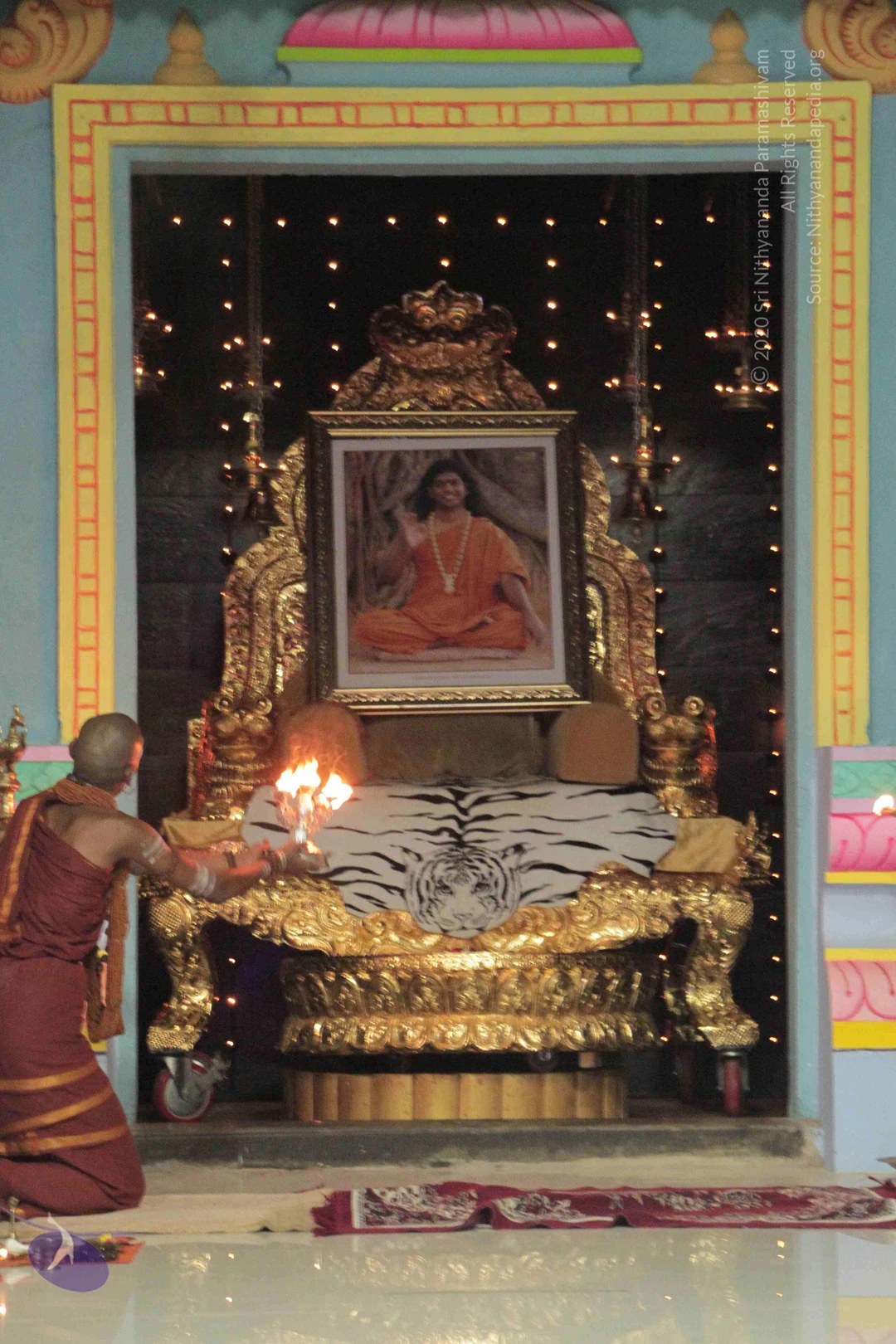
3-Nithya-Satsang
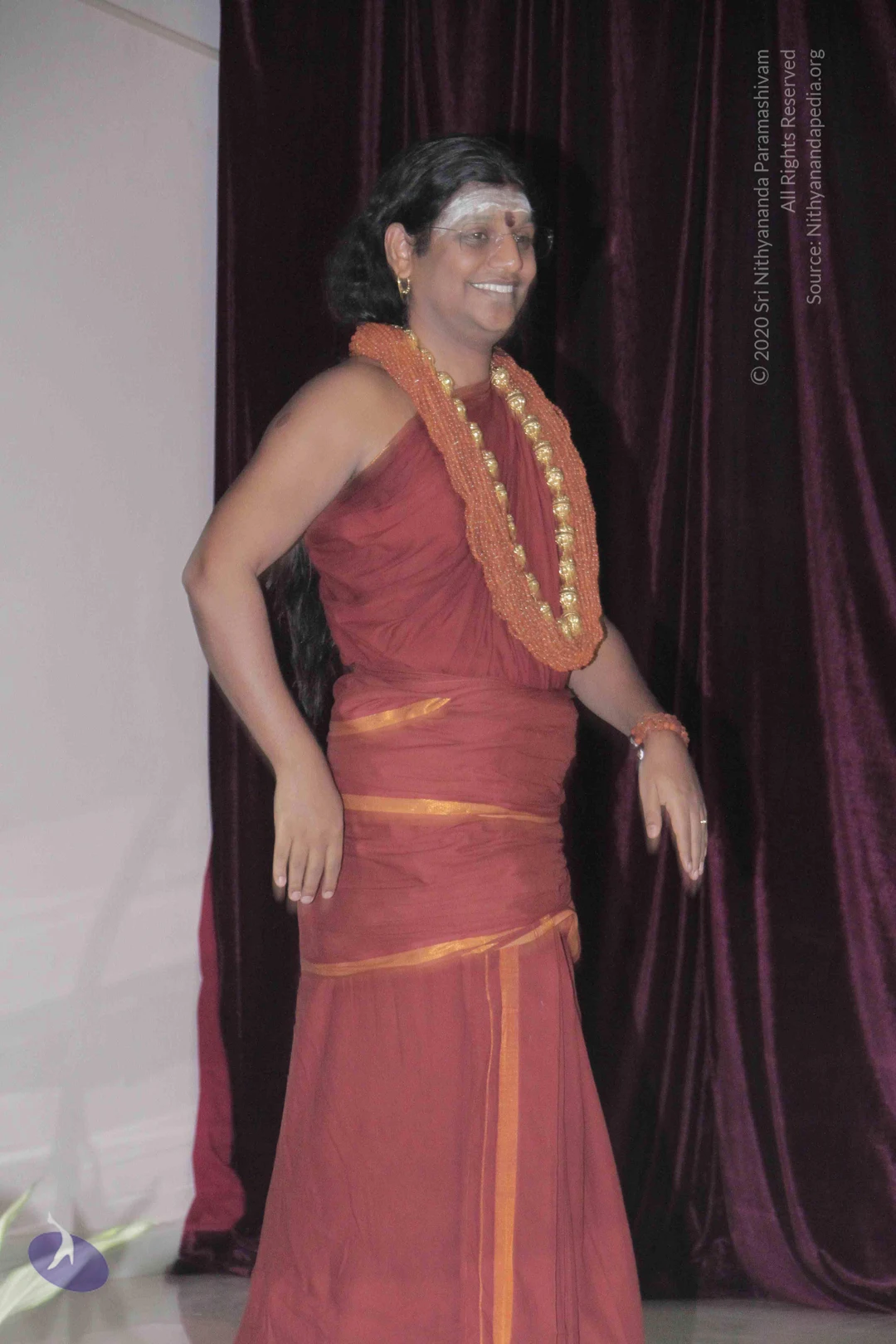
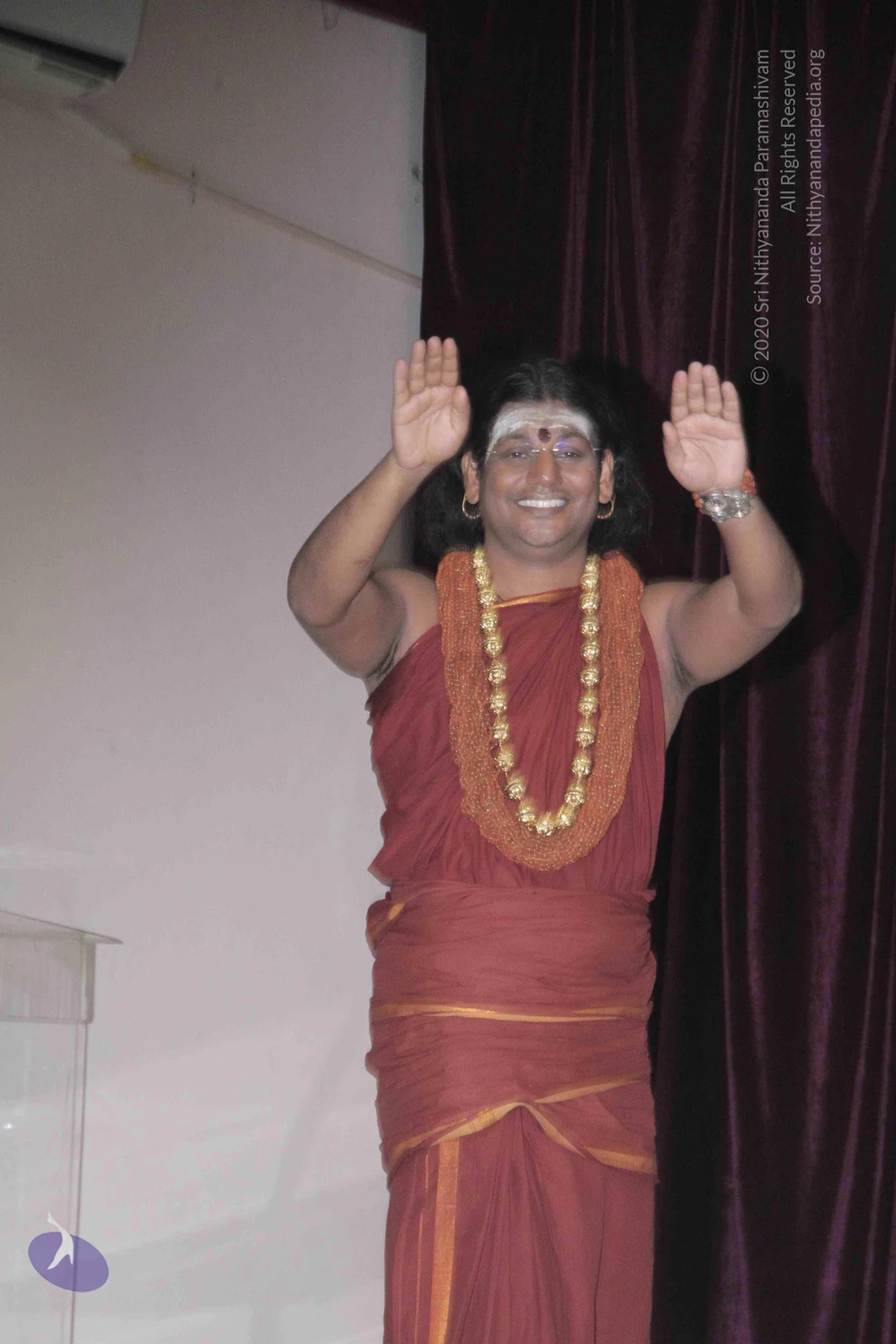
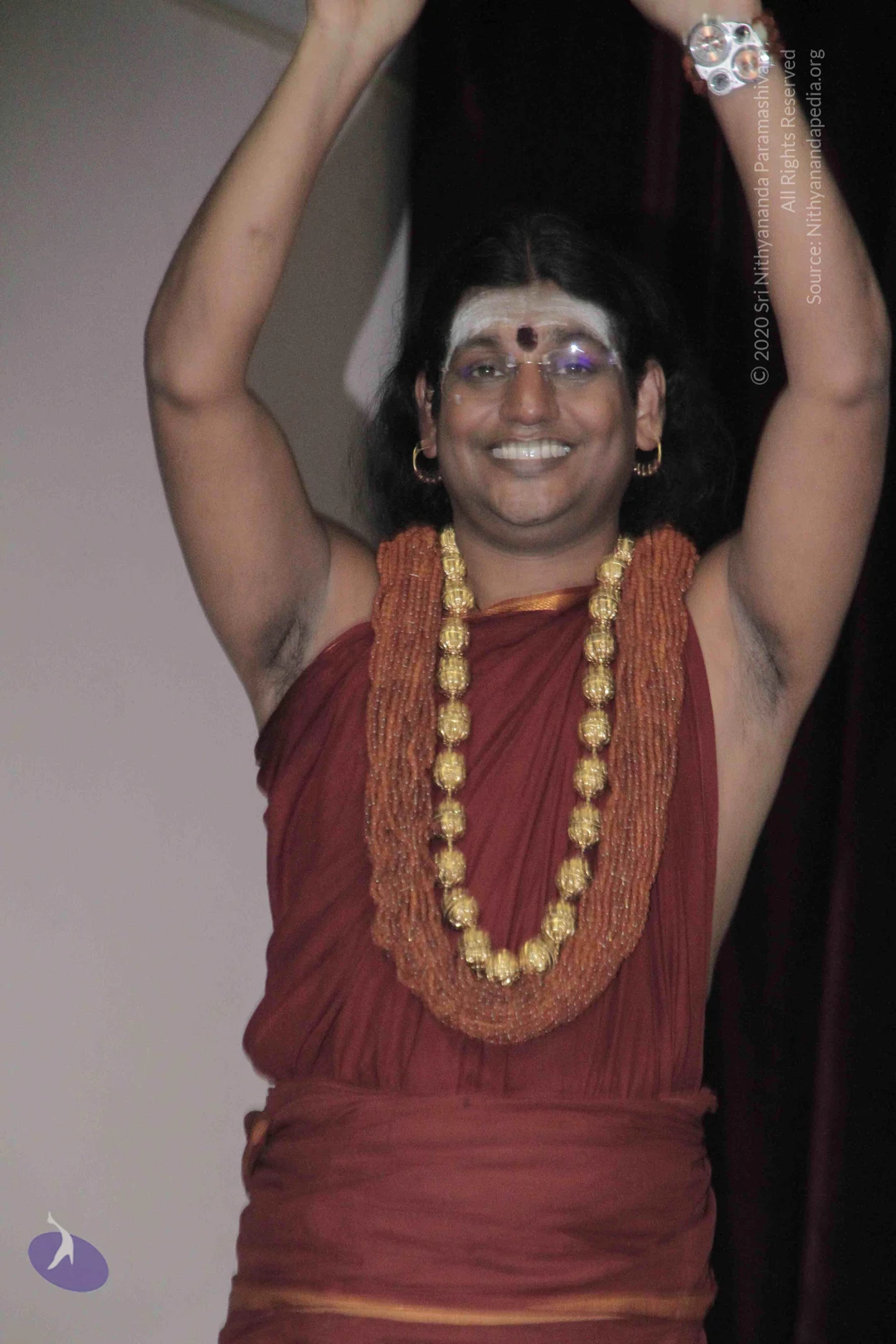
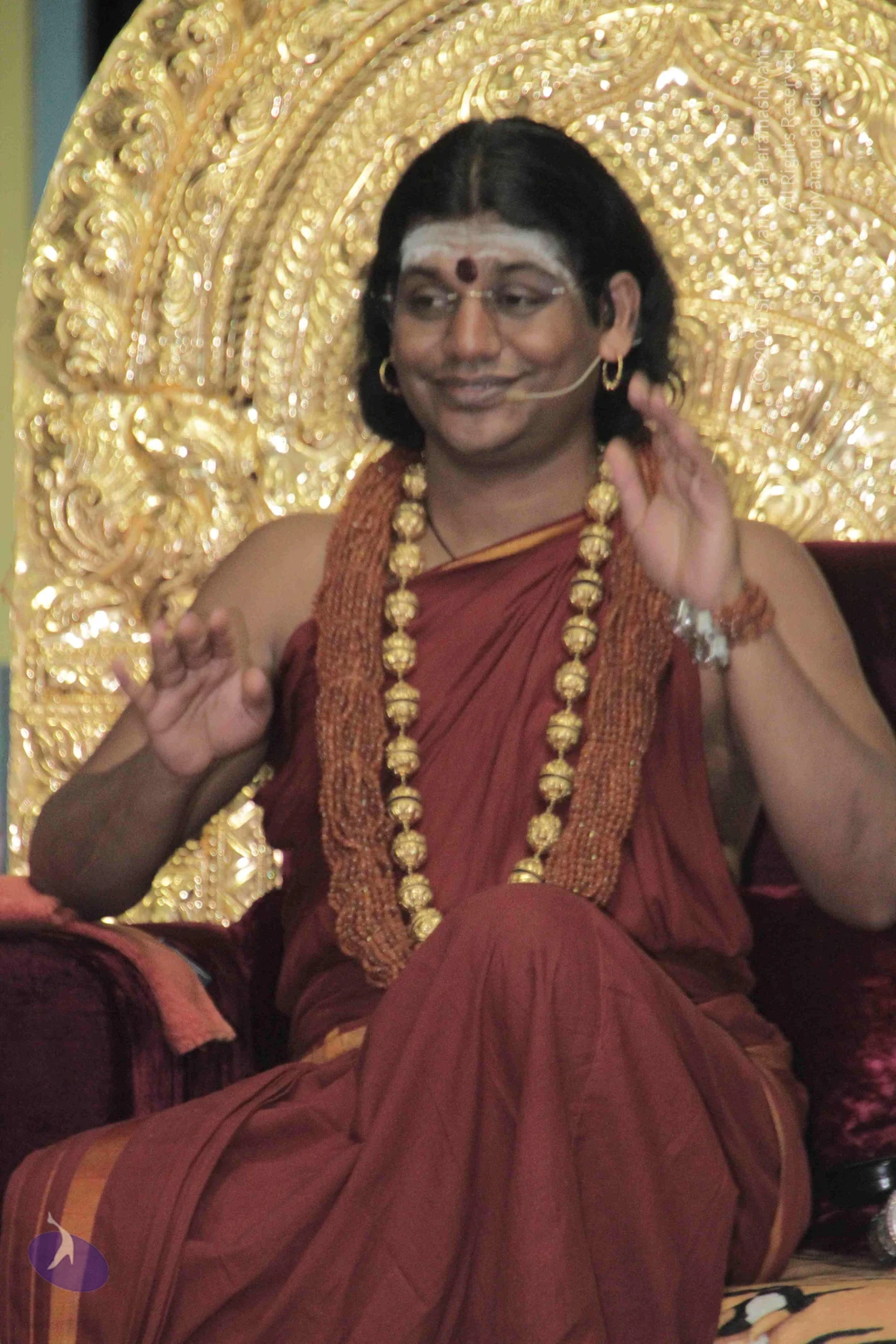
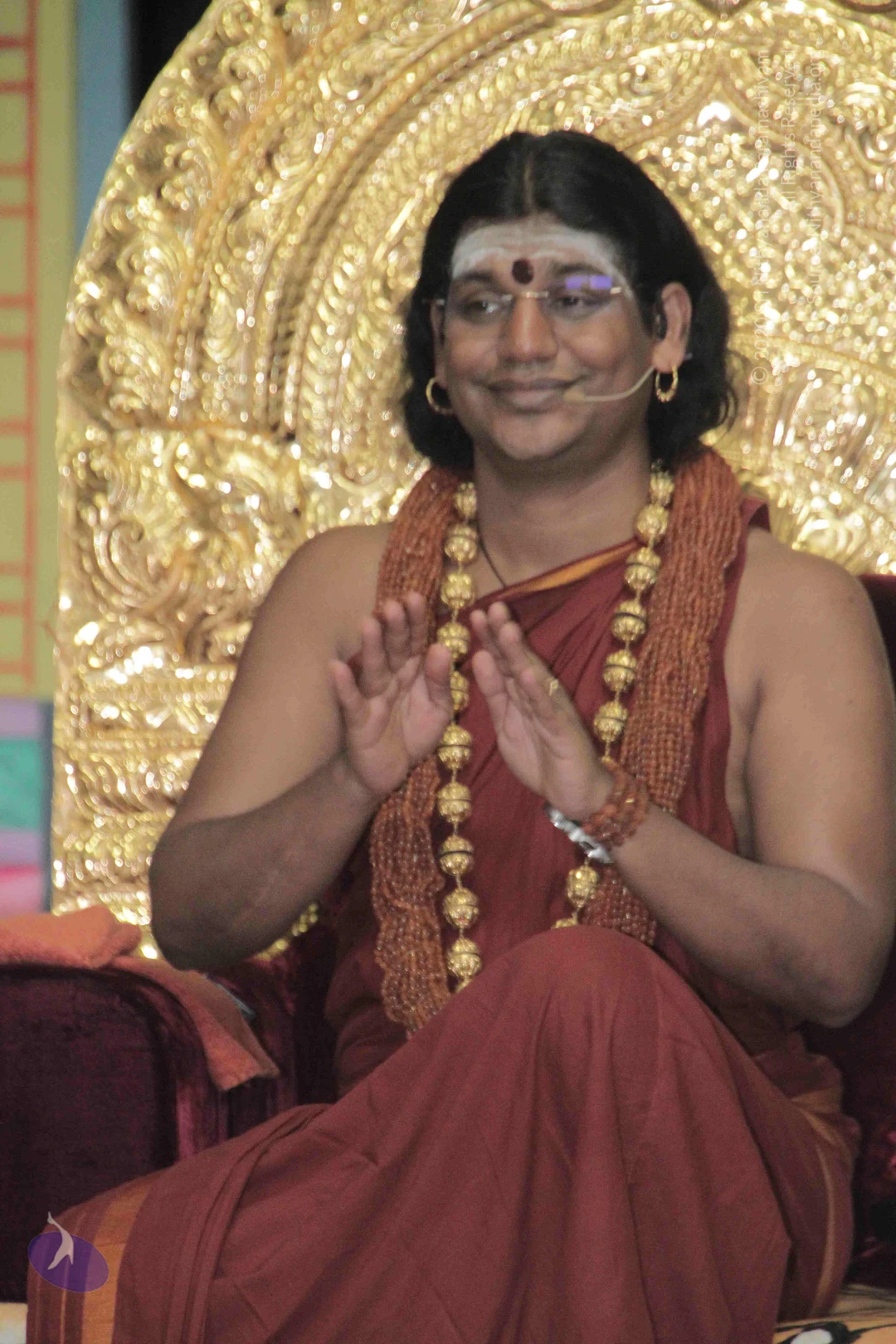
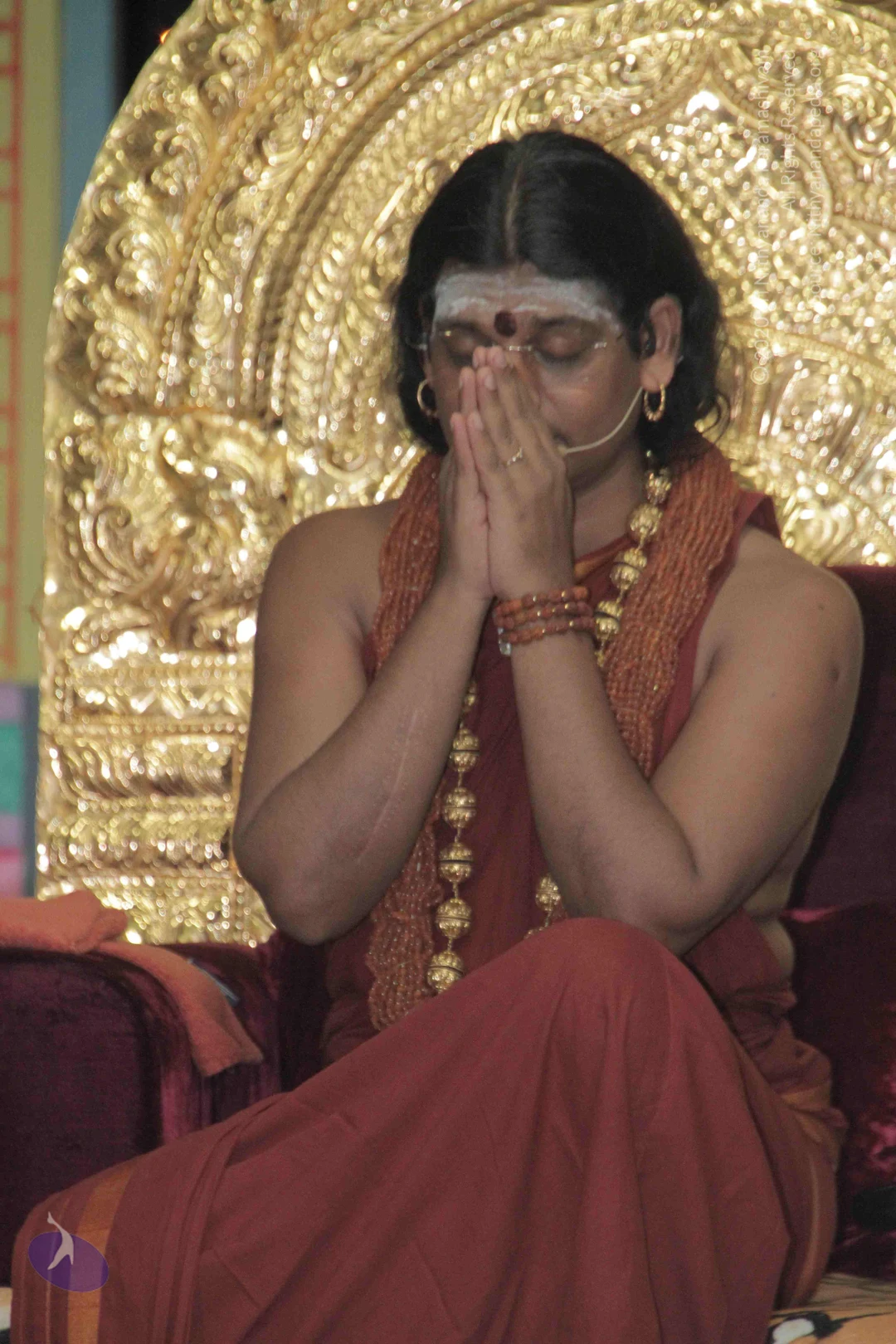
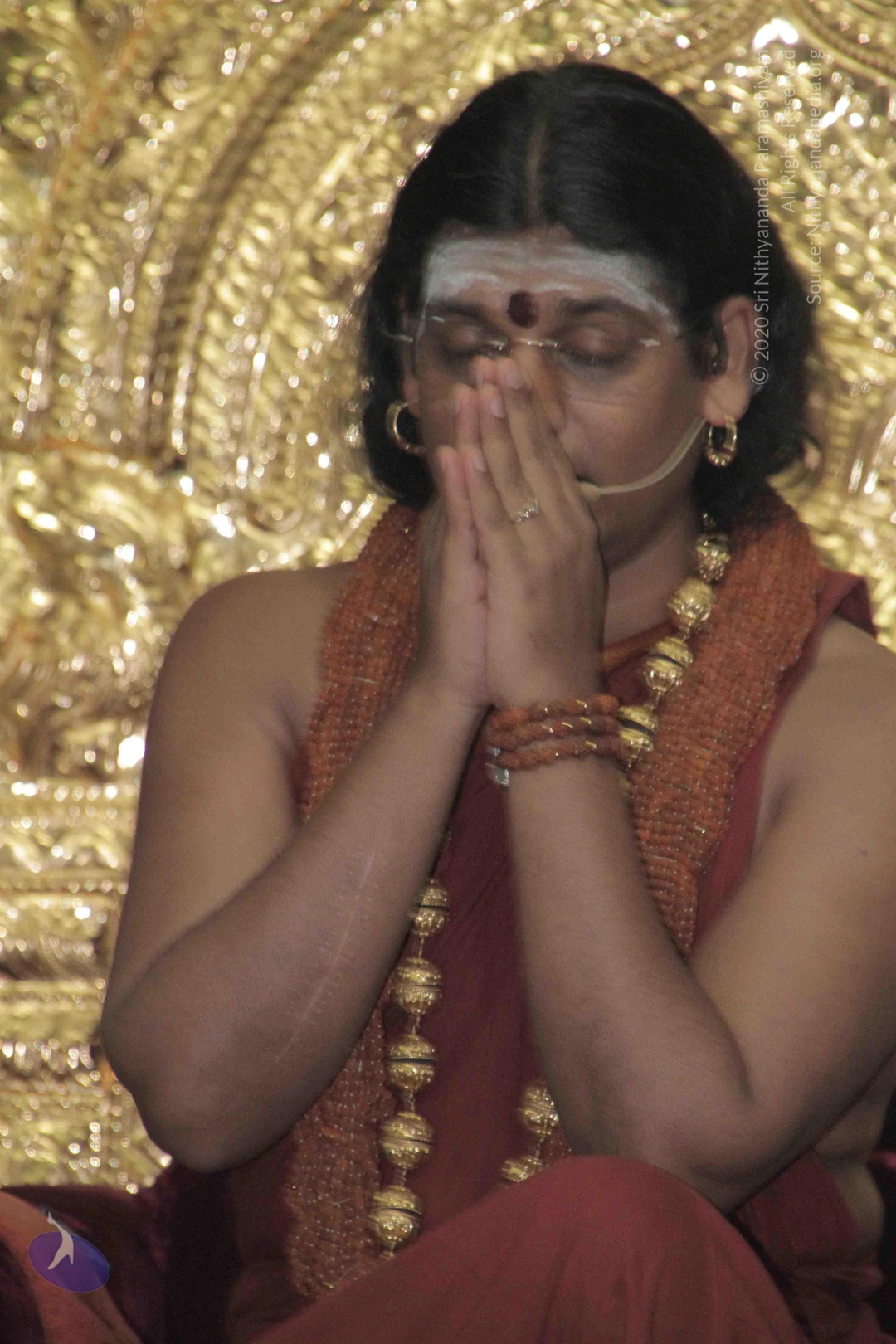
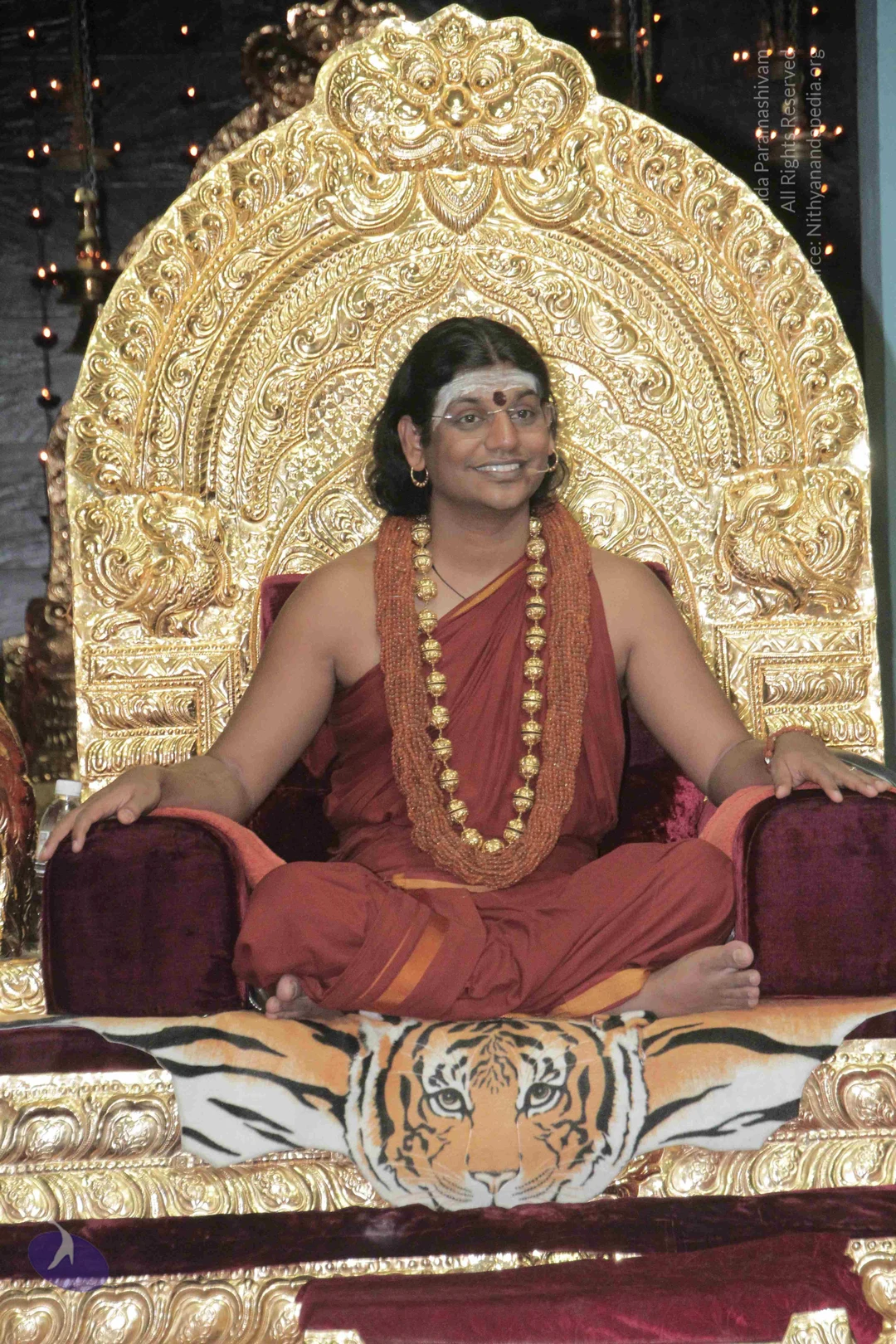
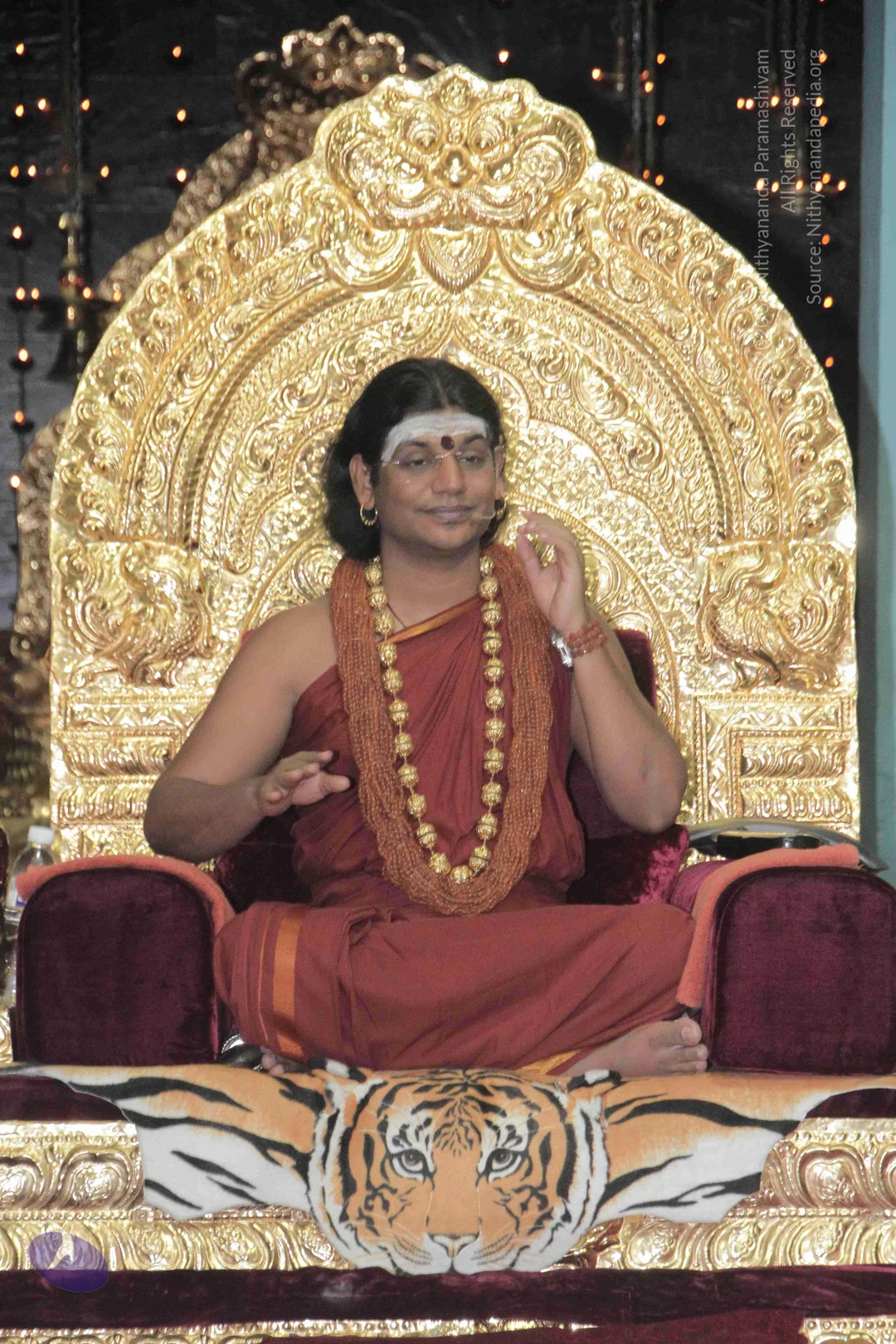
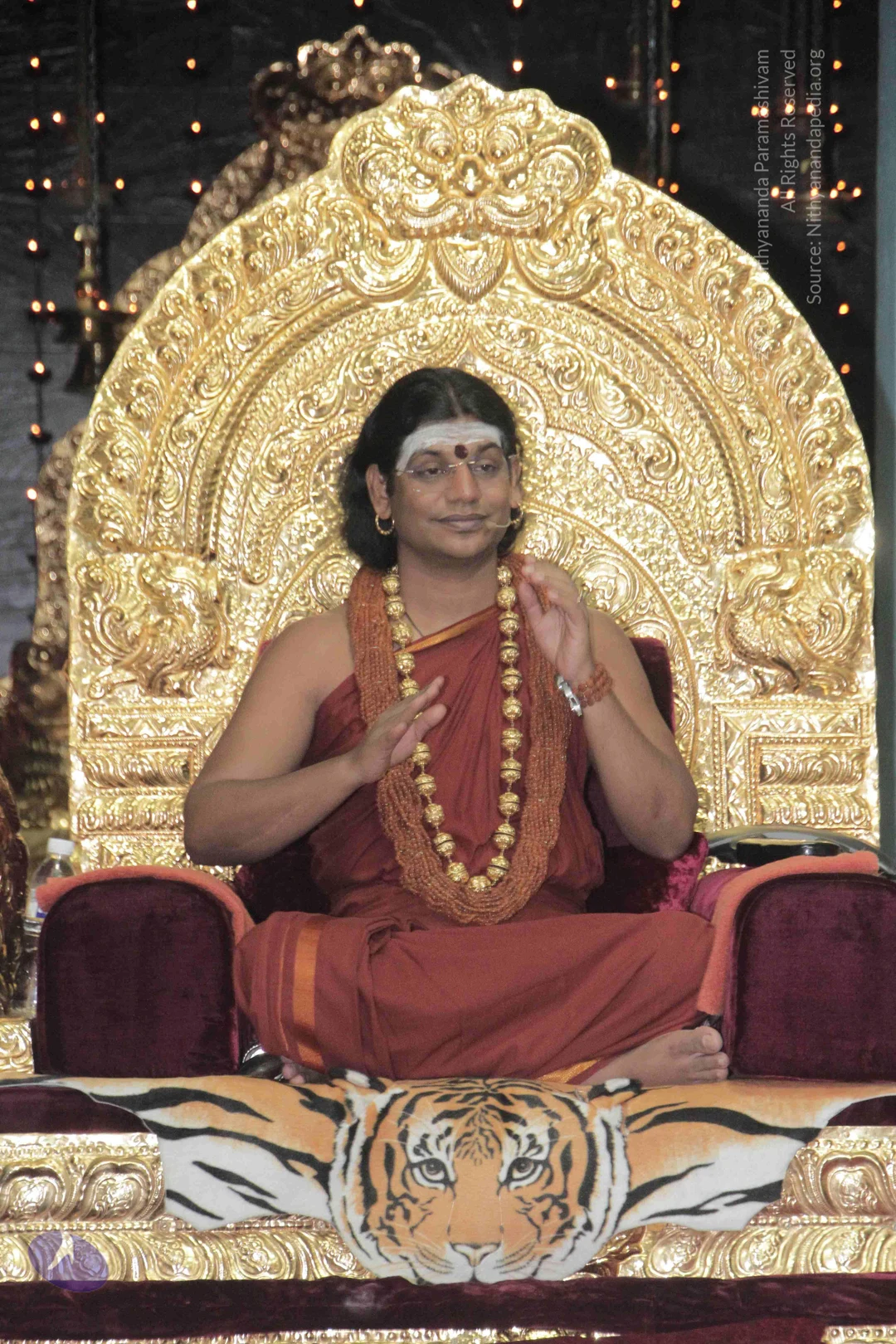
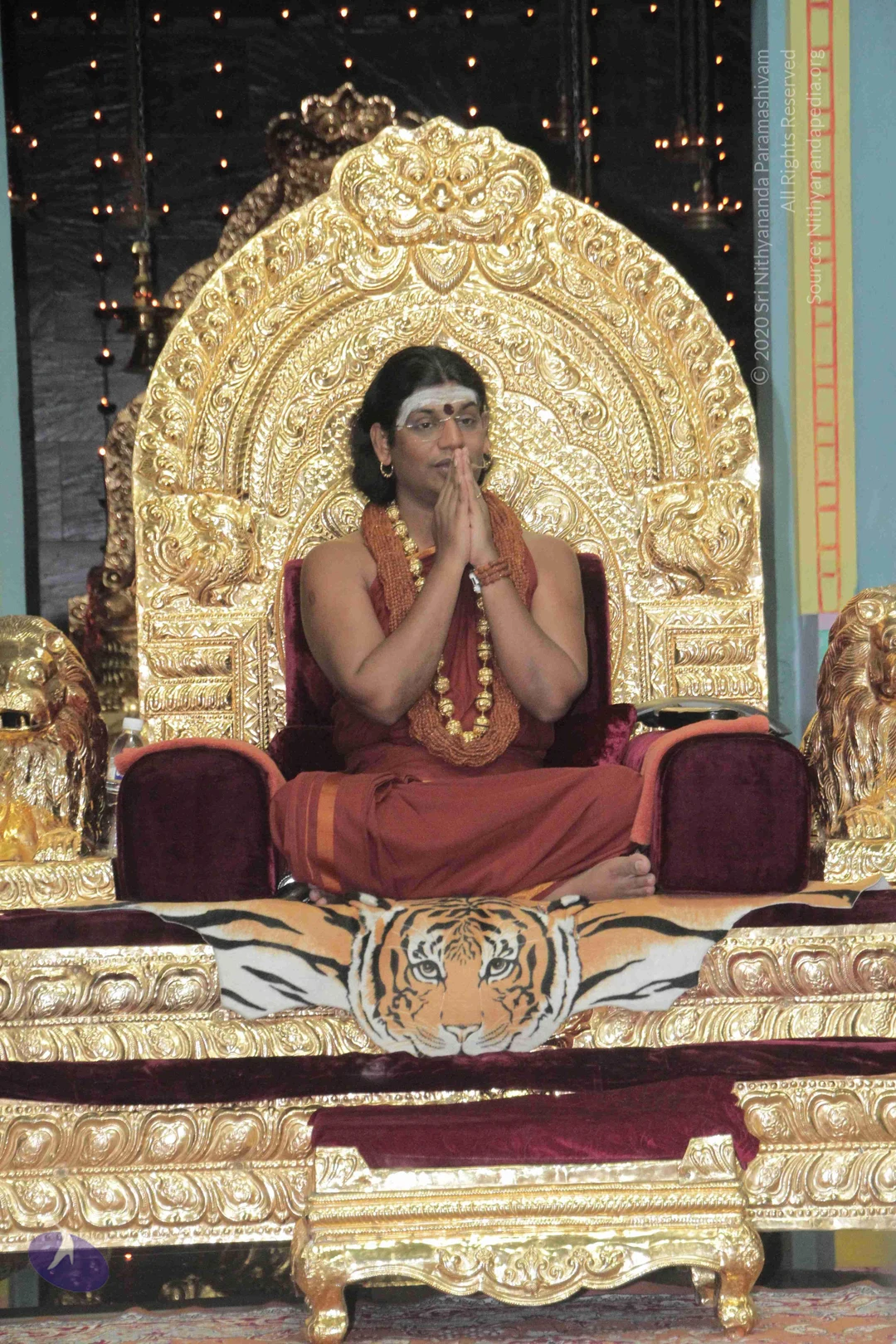
8-IA-Darshan
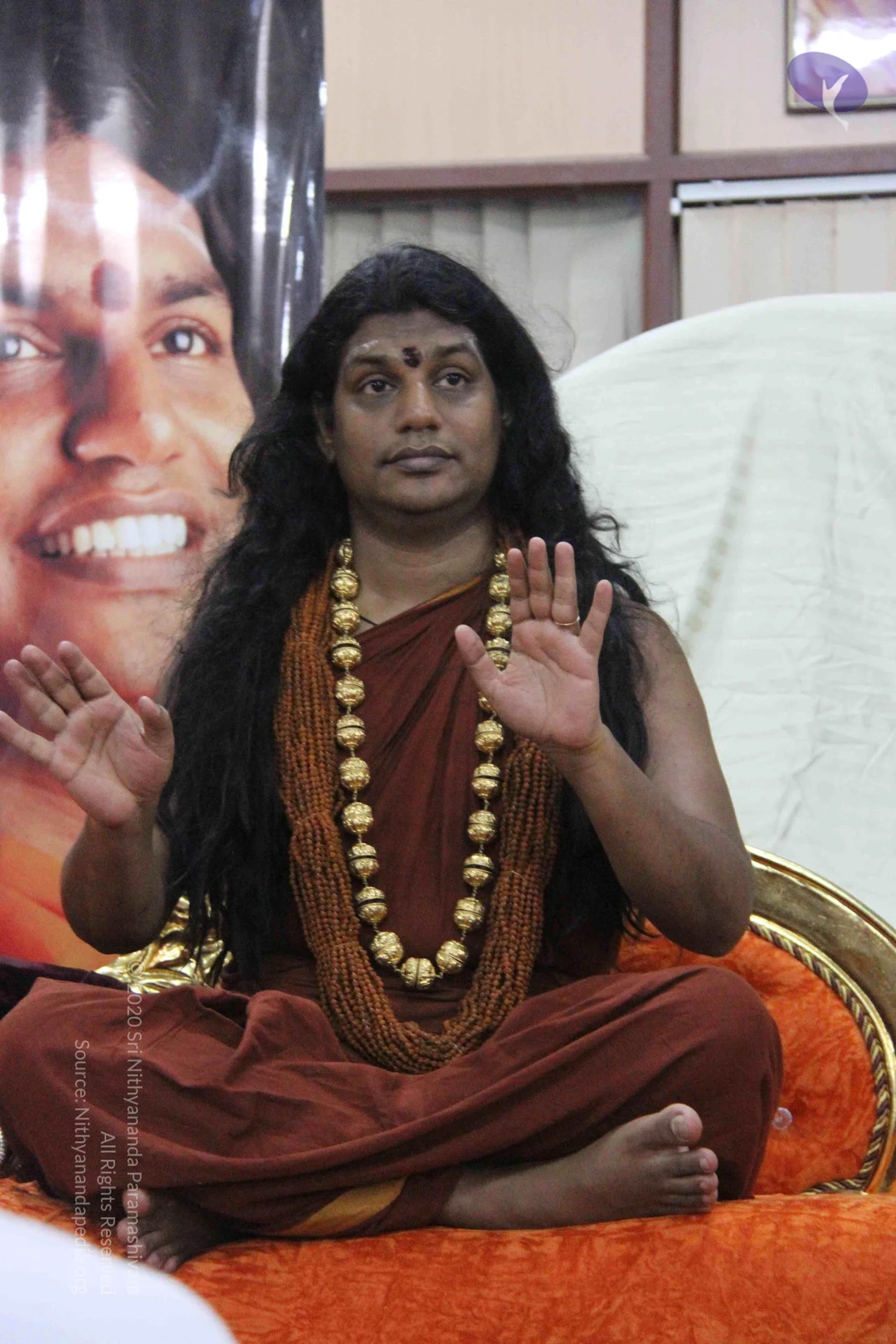
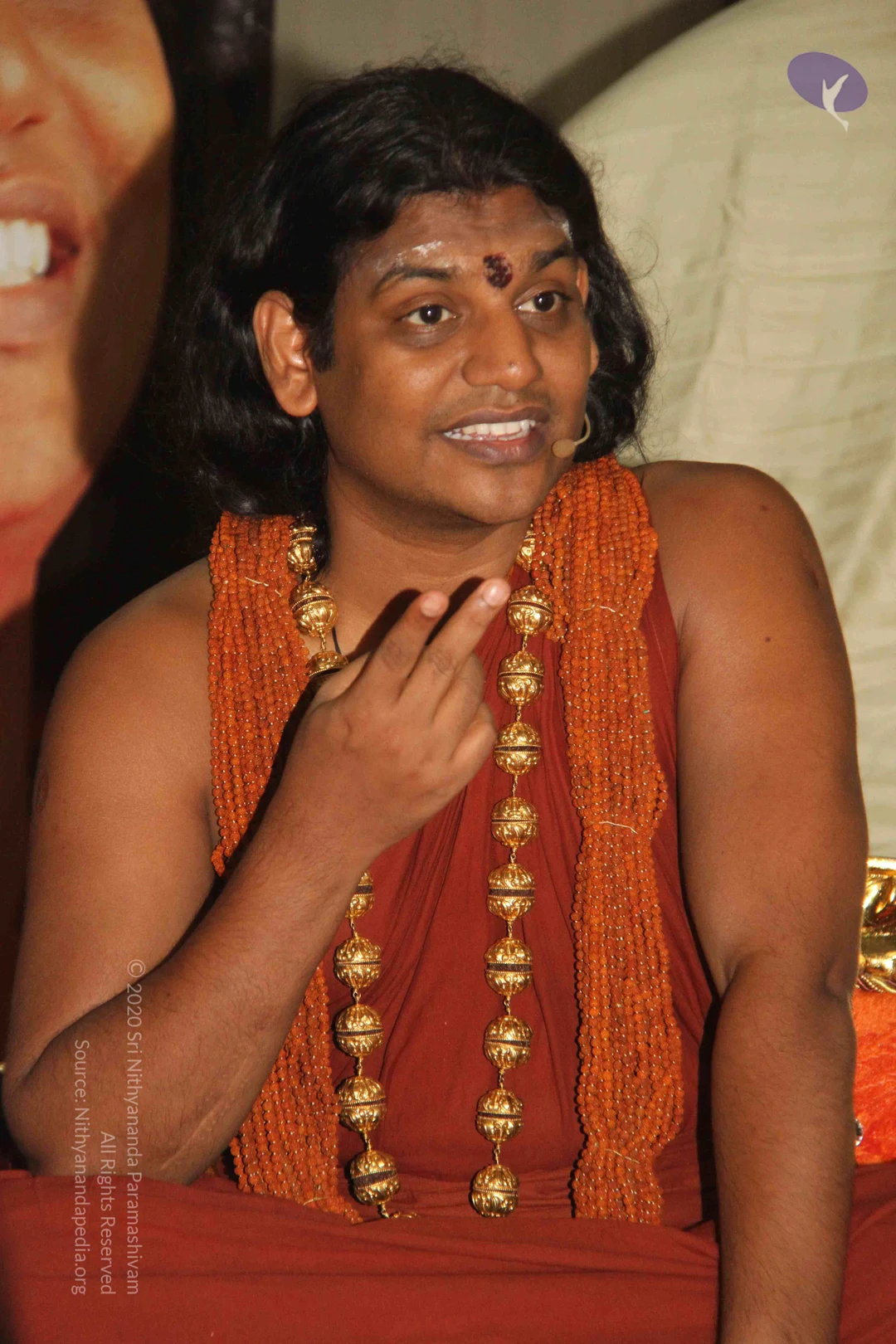
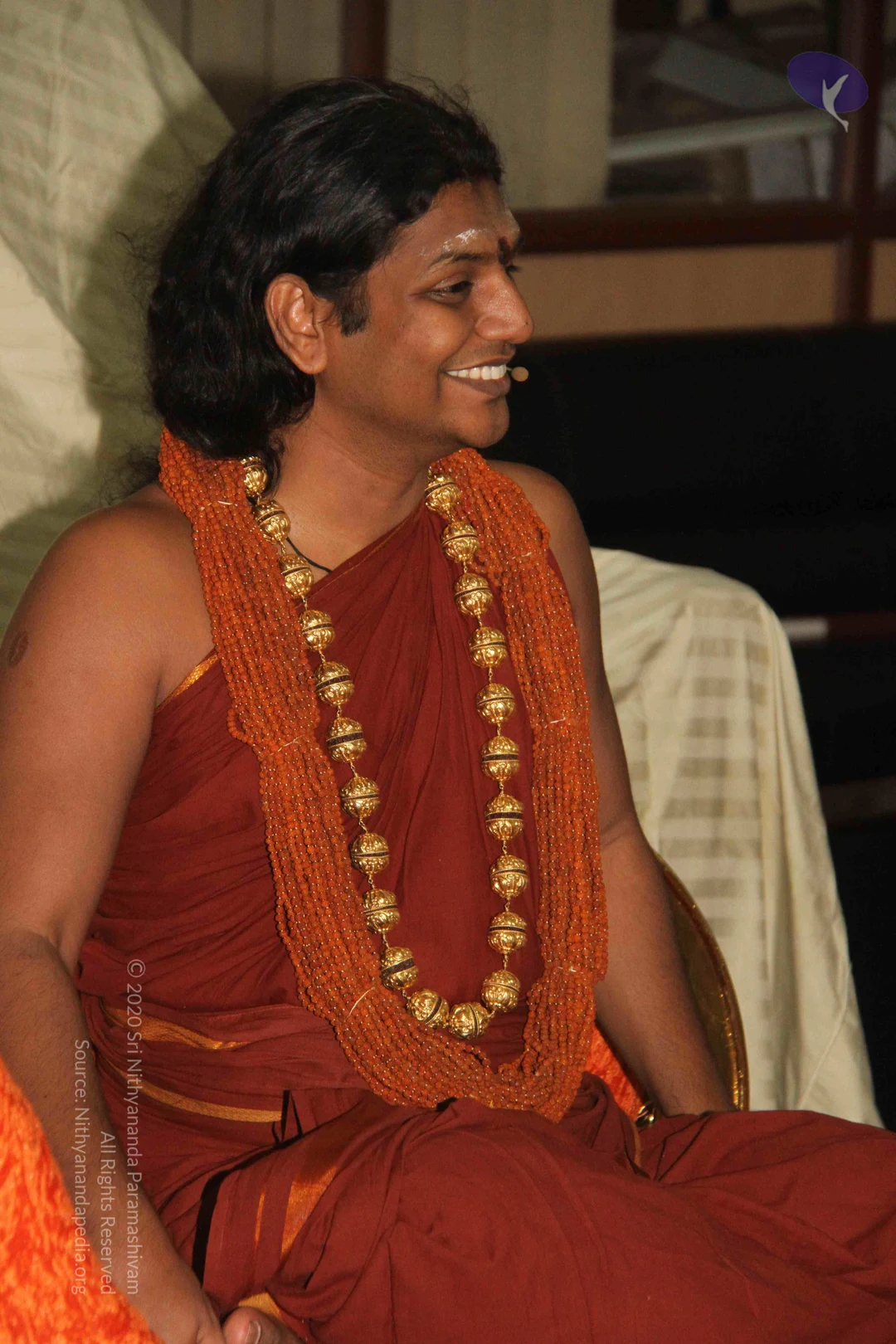
Photos from this day
View all 211 photosPhotos From The Day:
11 photosSource gallery
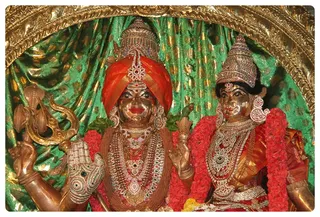
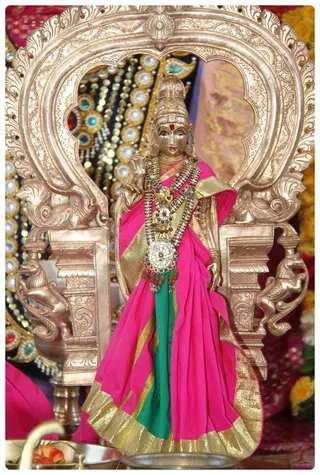
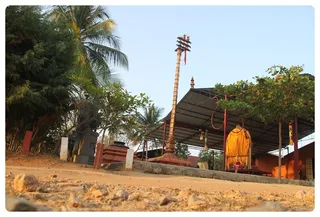
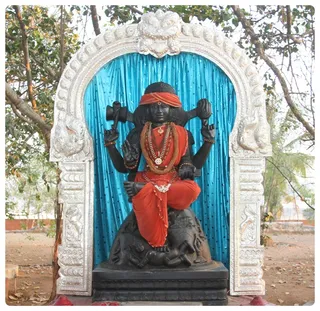
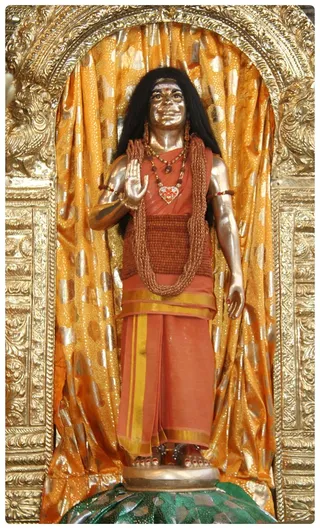
TEMPLE
40 photosSource gallery


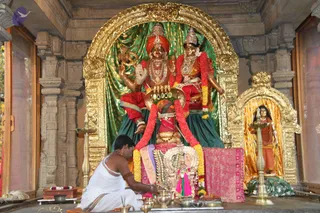
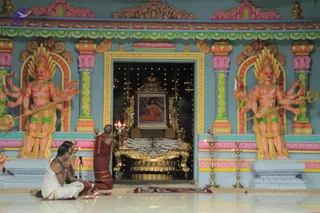
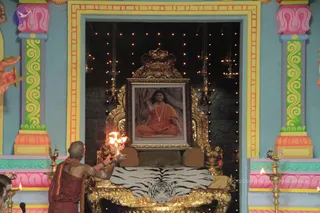
PADUKA-POOJA
35 photosSource gallery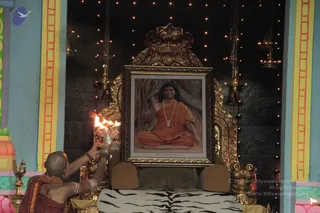

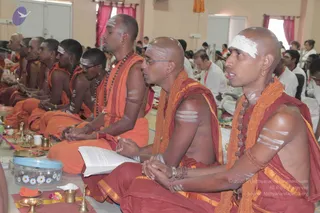
NITHYA-SATSANG
26 photosSource gallery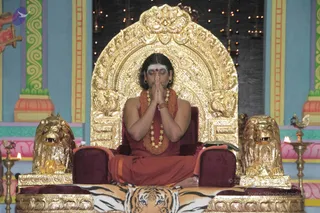
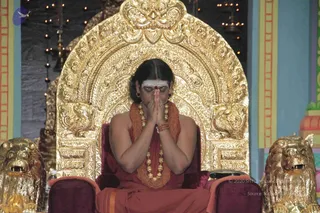
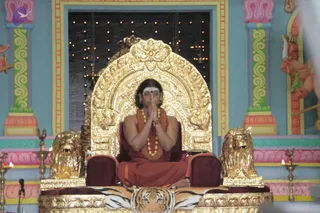
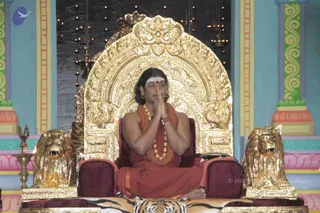
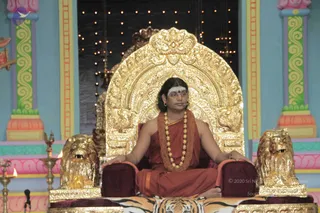
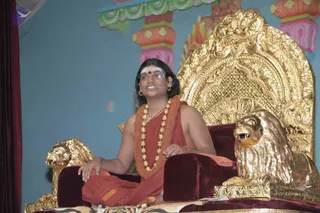
SARVA-DARSHAN
12 photosSource gallery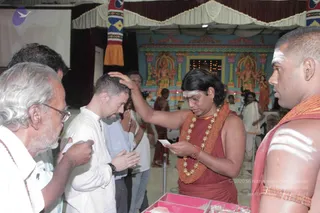
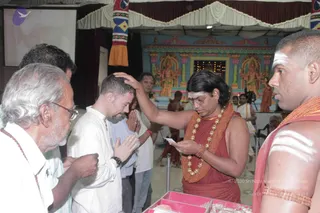
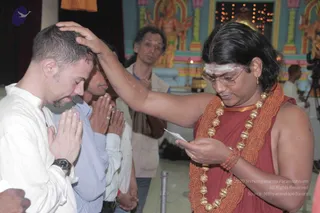
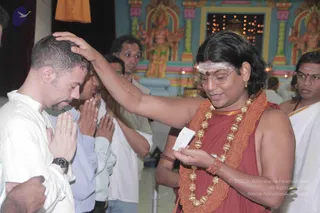
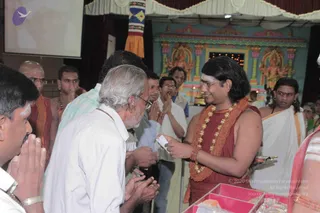
DIAL-THE-AVATAR
8 photosSource gallery
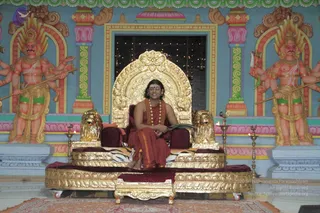
BREAKFAST
5 photosSource gallery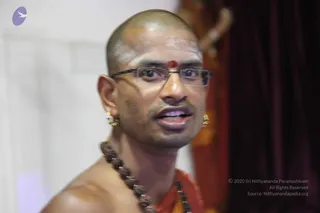
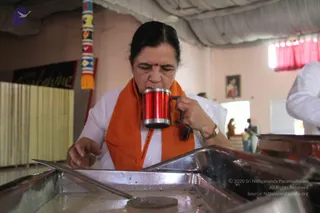


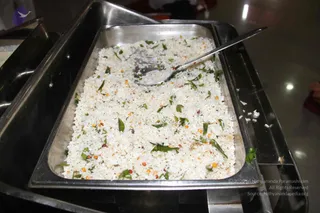
IA-SESSION
12 photosSource gallery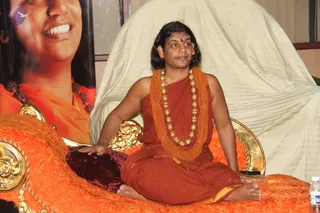
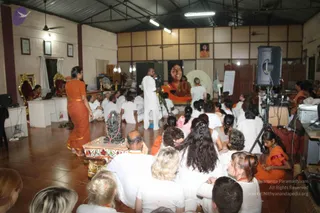
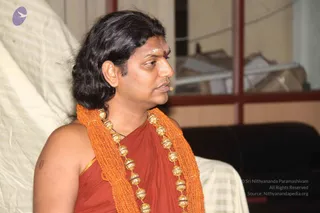
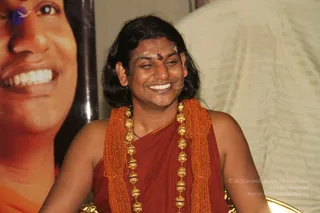
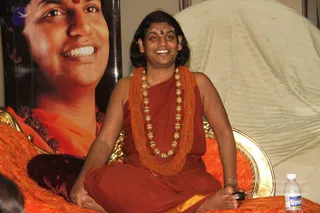
IA-DARSHAN
18 photosSource gallery
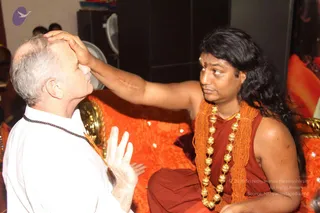
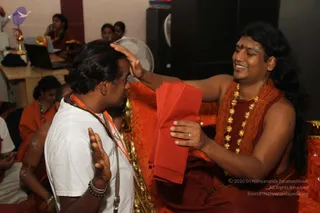
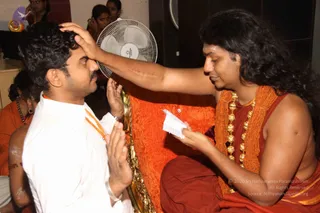
2-Paduka-Puja
19 photosSource gallery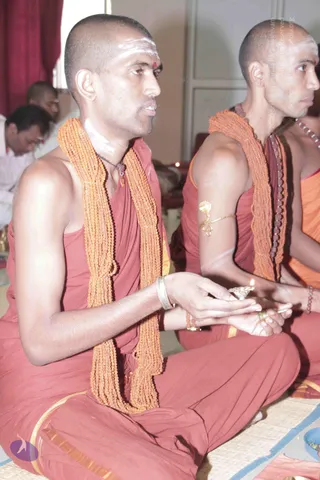
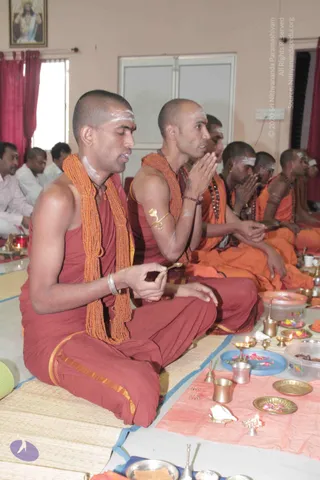
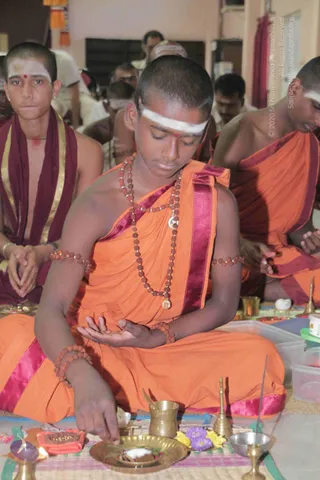
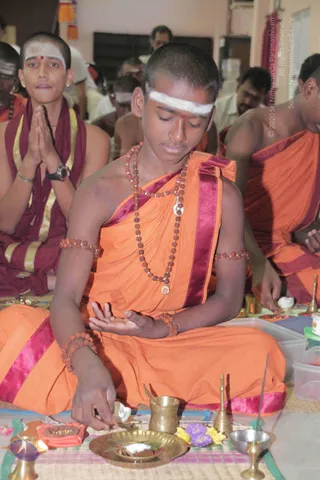
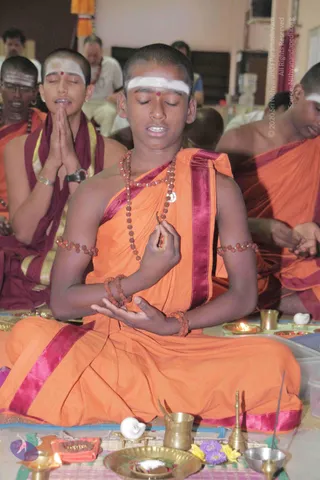
3-Nithya-Satsang
21 photosSource gallery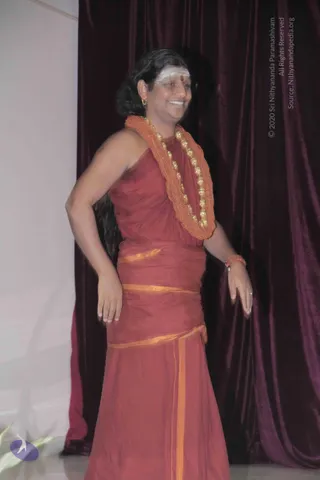
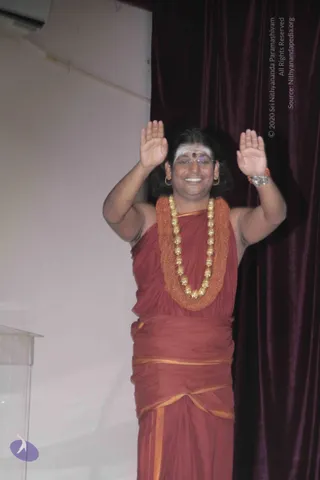
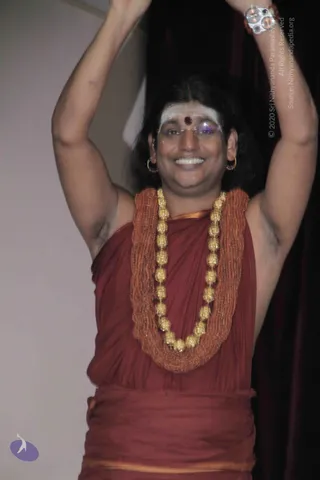
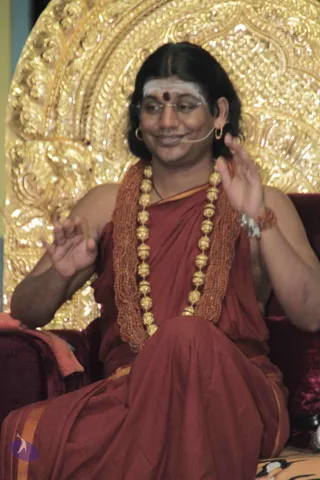
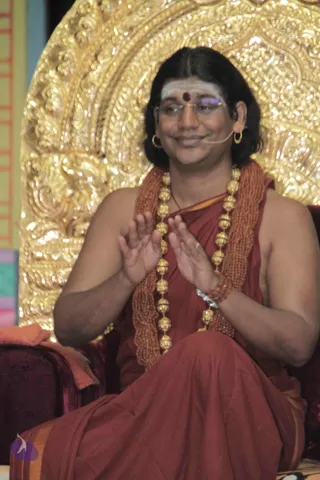
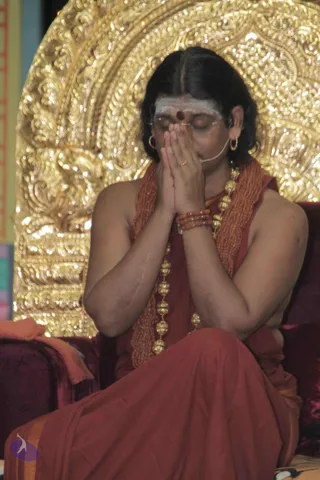
8-IA-Darshan
4 photosSource gallery