
Wednesday
18 October 2017
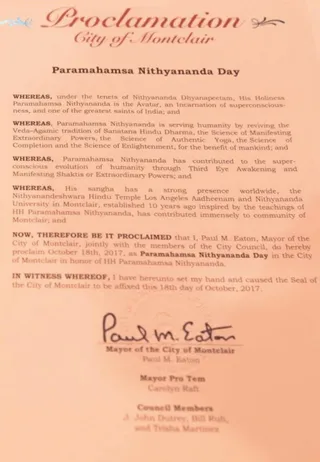
Celebrating 10th Anniversary of Los Angeles Temple
- Dated photos
- 791
- Source pages
- 1
- Media
- 5
October 18 2017
Original wiki pageTitle
Celebrating 10th Anniversary of Los Angeles Temple
Link to Video:
| Video | Audio |
Transcript:
(0:06)
(Ma Nithya Swarupapriyananda)
nityānandaṃ paramsukhadaṃ kevalaṃ jñāna mūrtiṃ
dvandvātītaṃ gagana sadrśaṃ tattvamasyādi lakṣyam |
ekaṃ nityaṃ vimalaṃ acalaṃ sarvadhī sākṣi bhūtaṃ
bhāvātītaṃ triguṇa rahitaṃ sadguruṃ taṃ namāmi ||
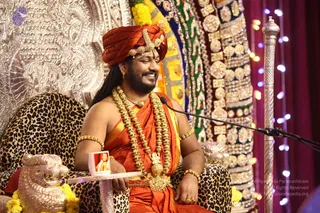
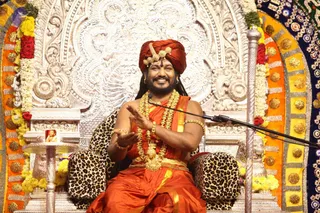
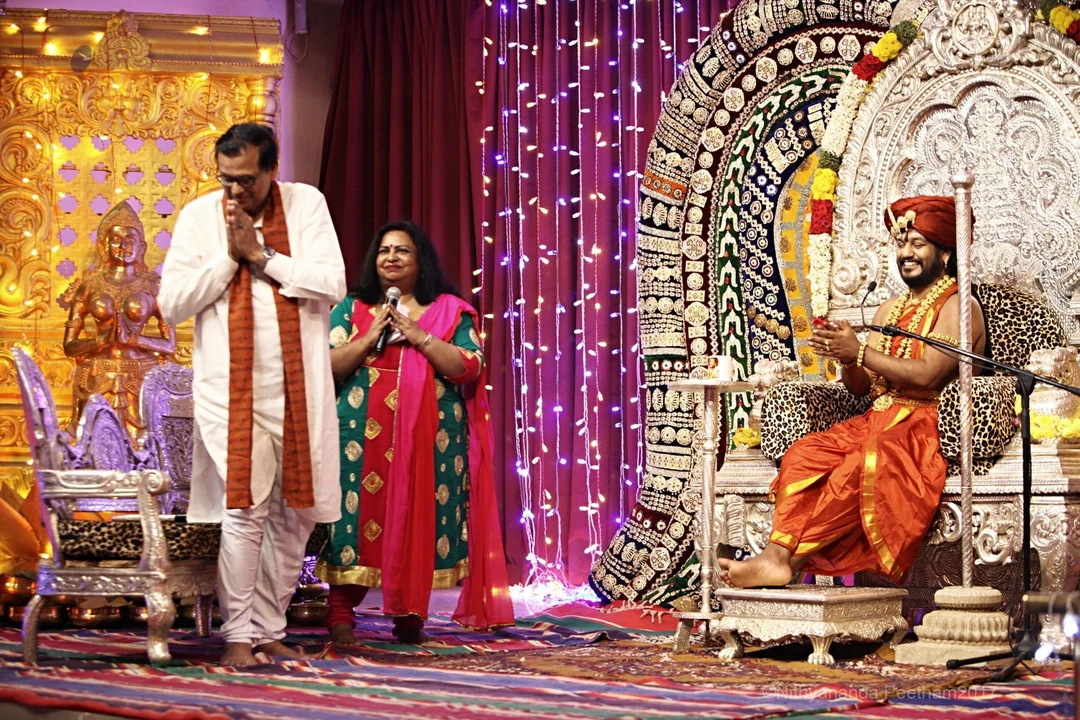
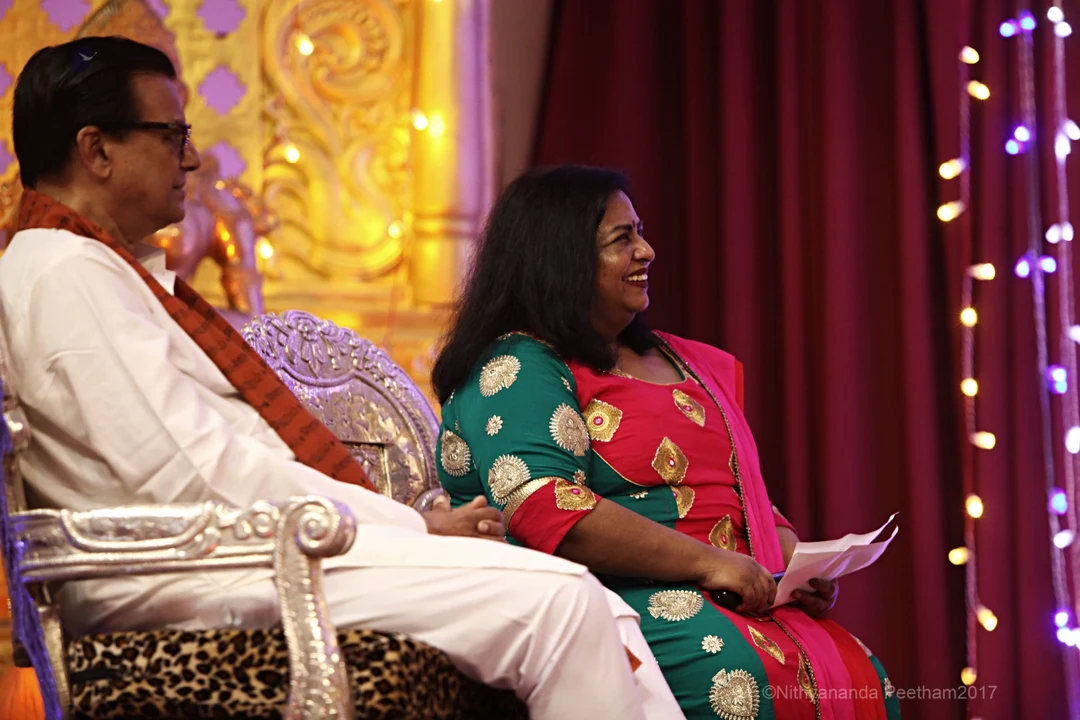
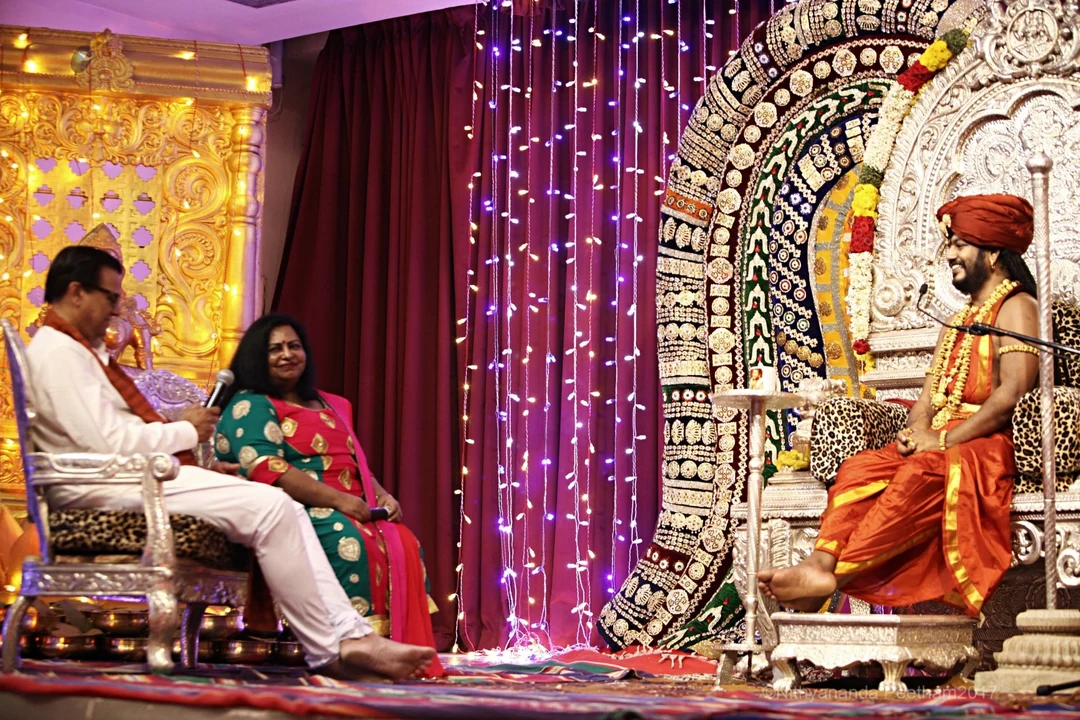
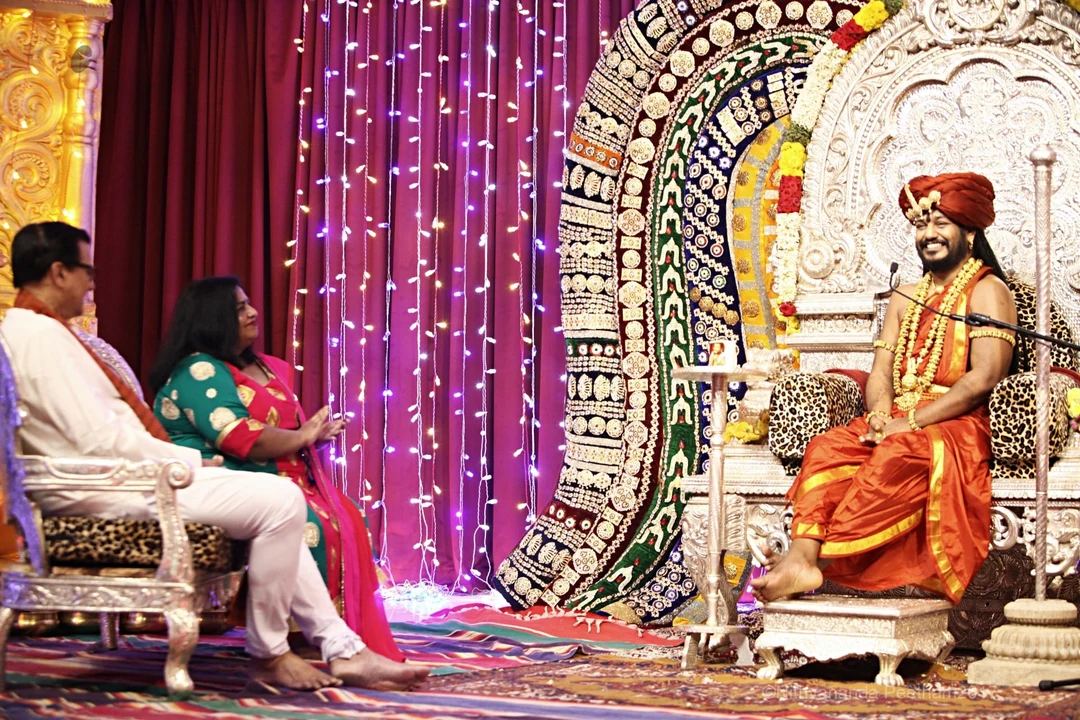
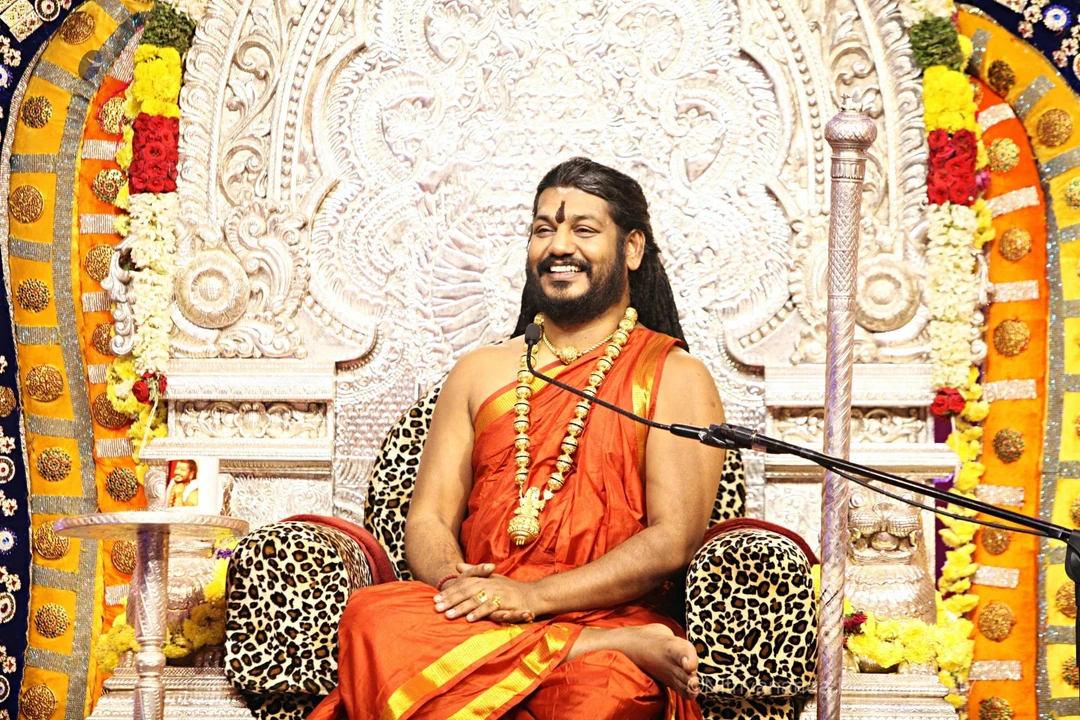
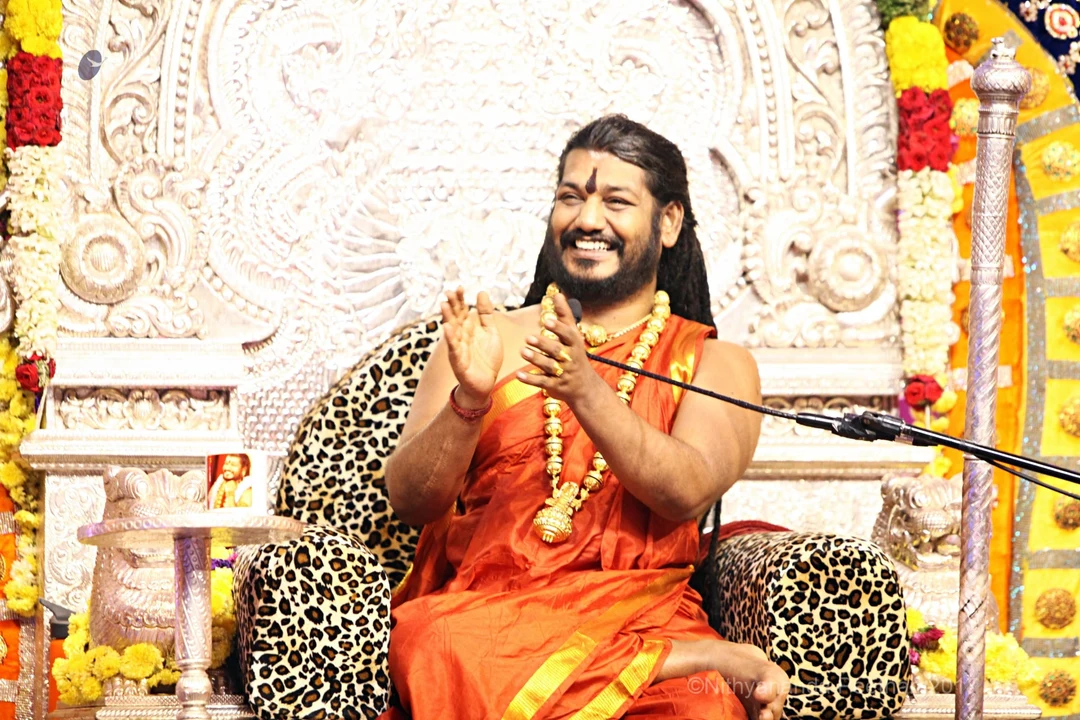
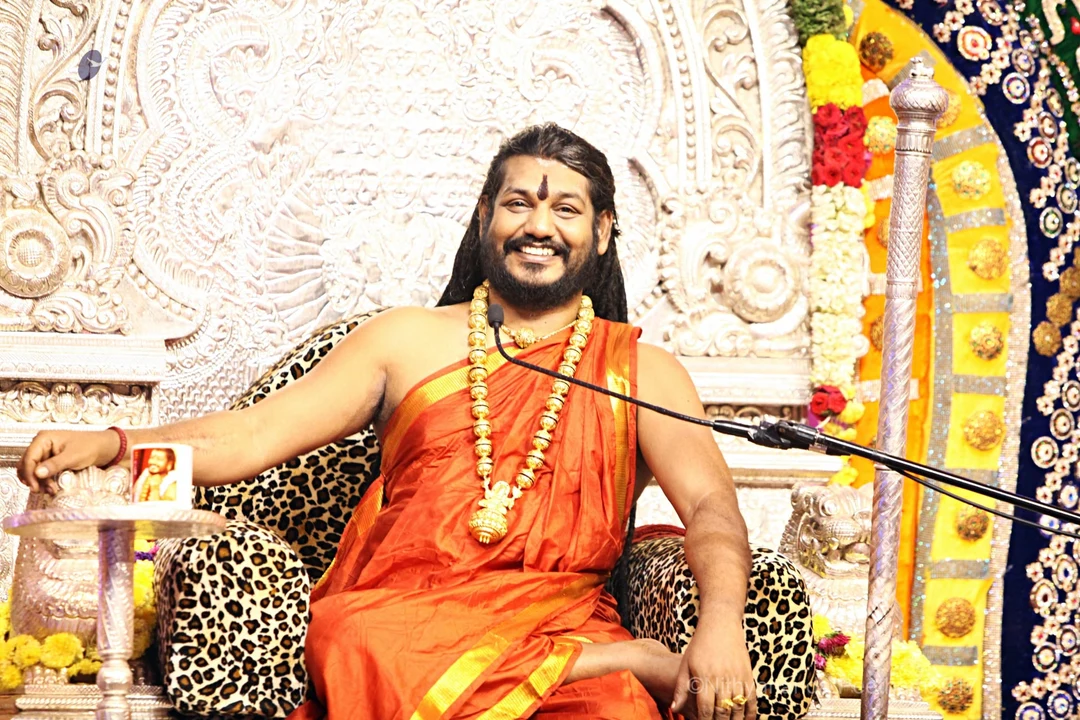
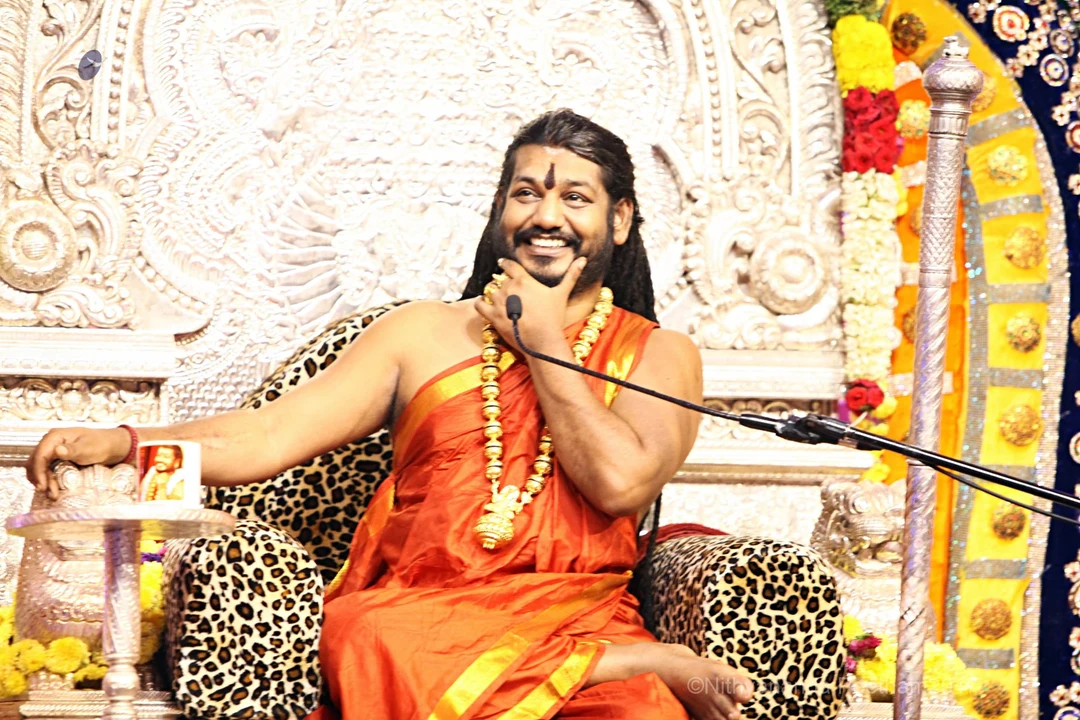
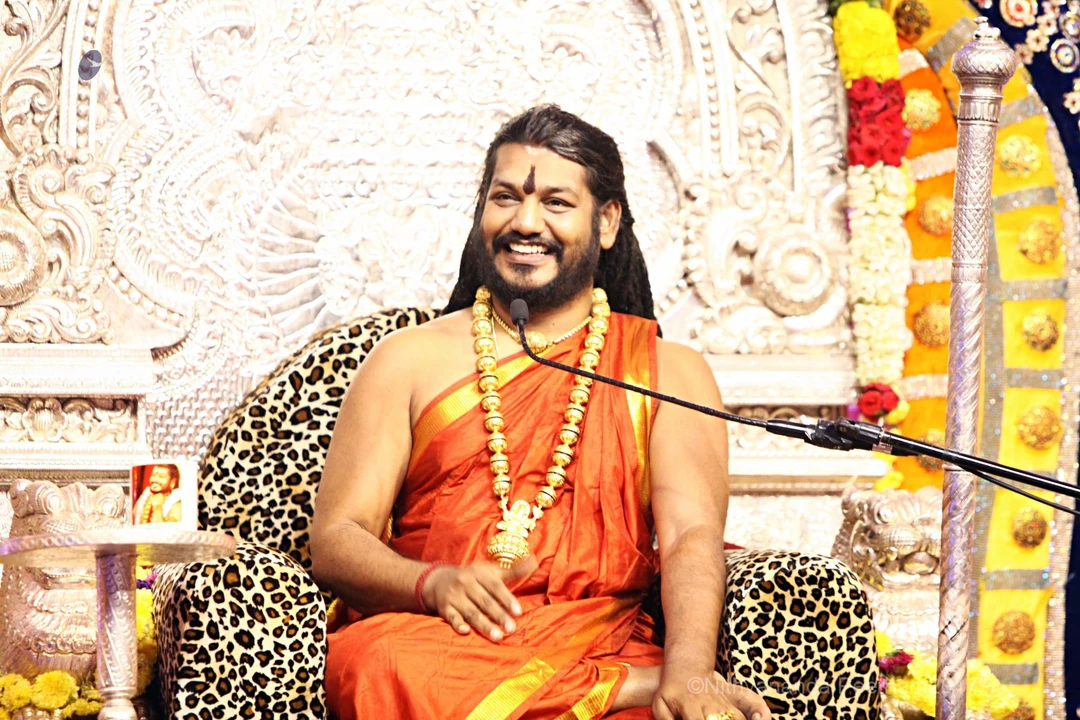
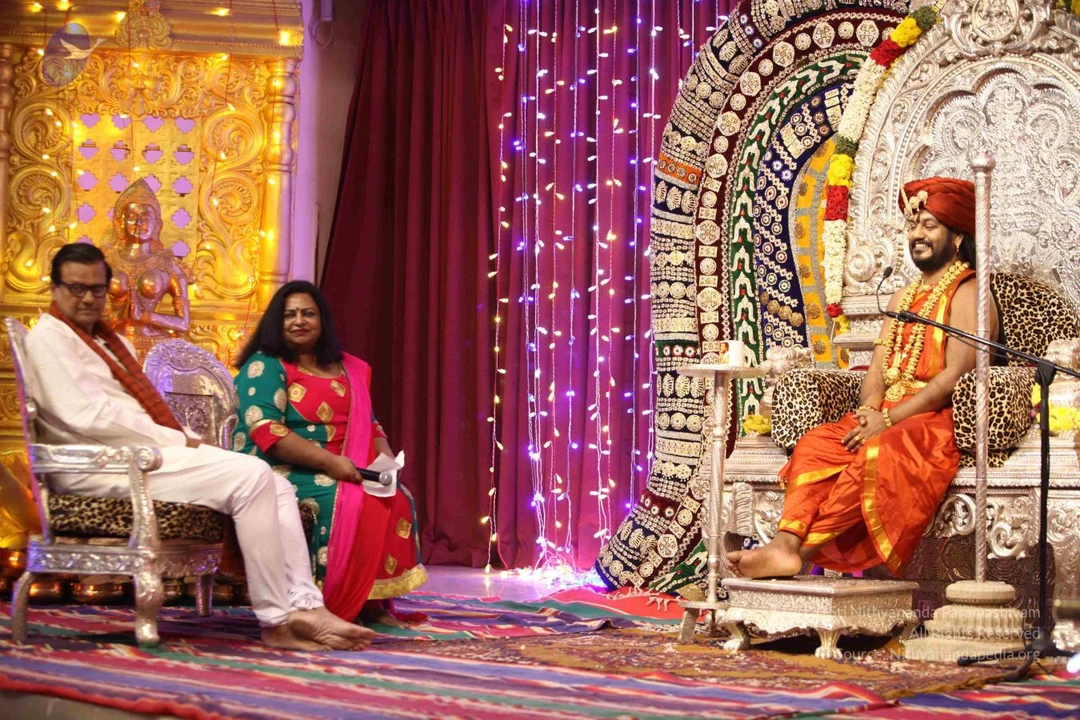
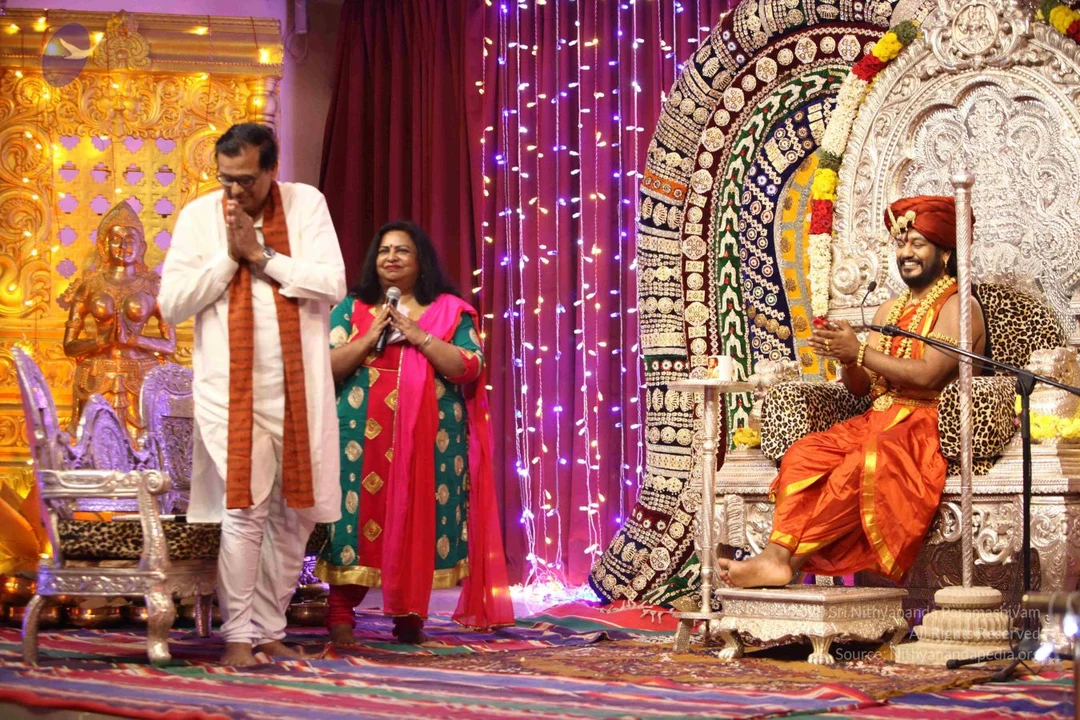
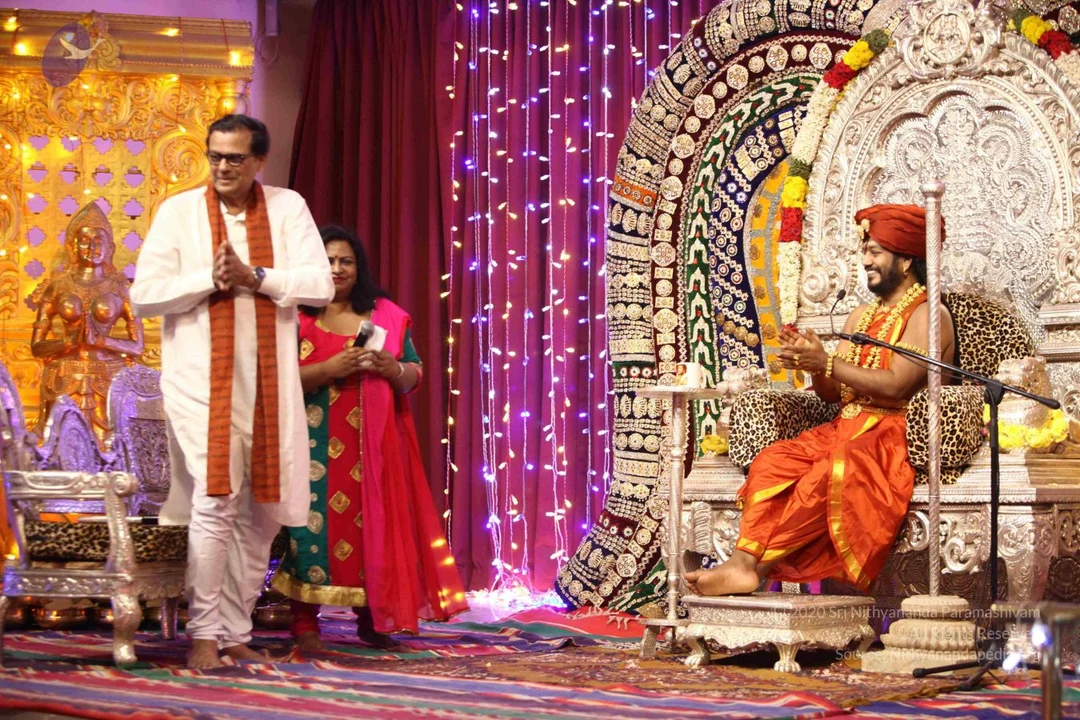
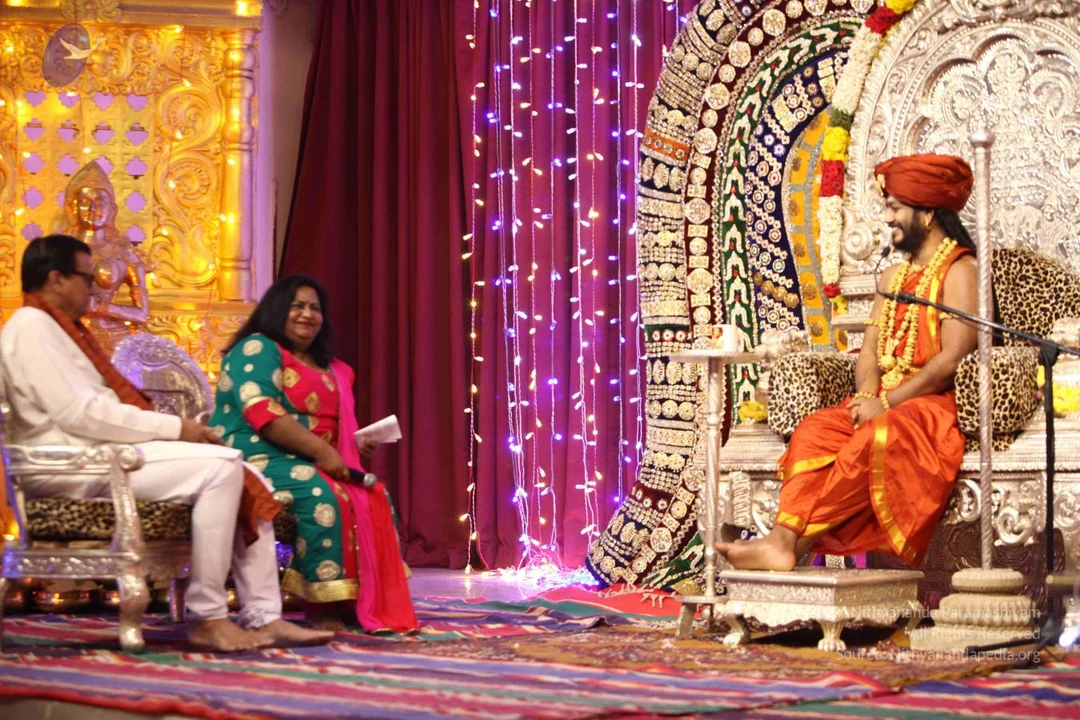
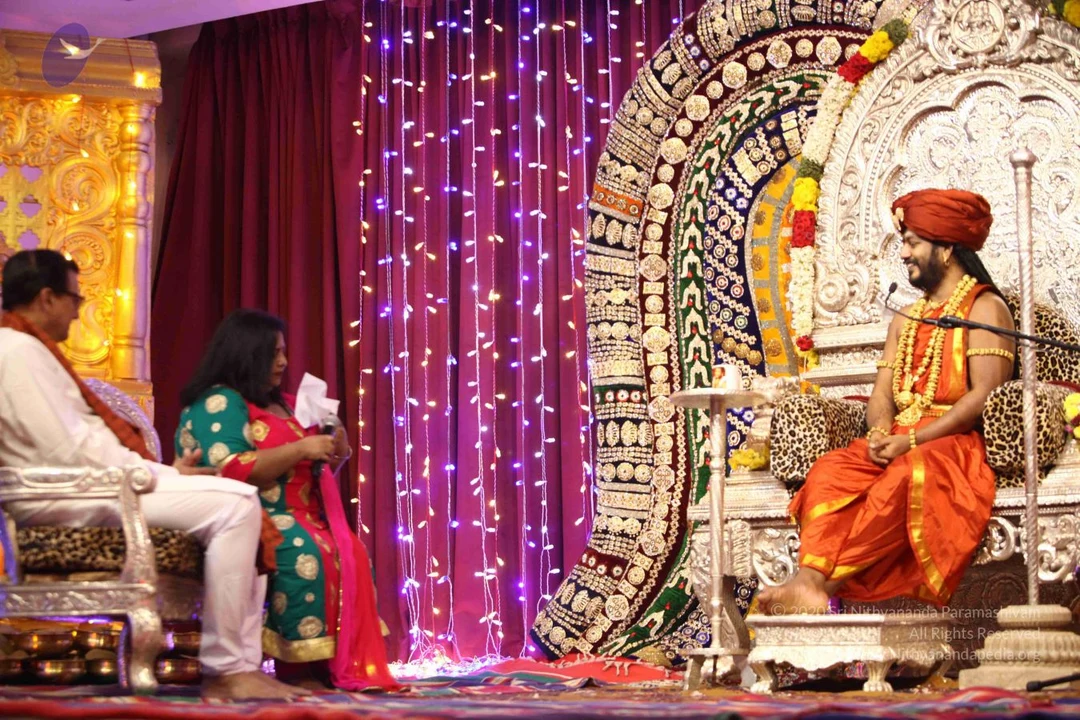
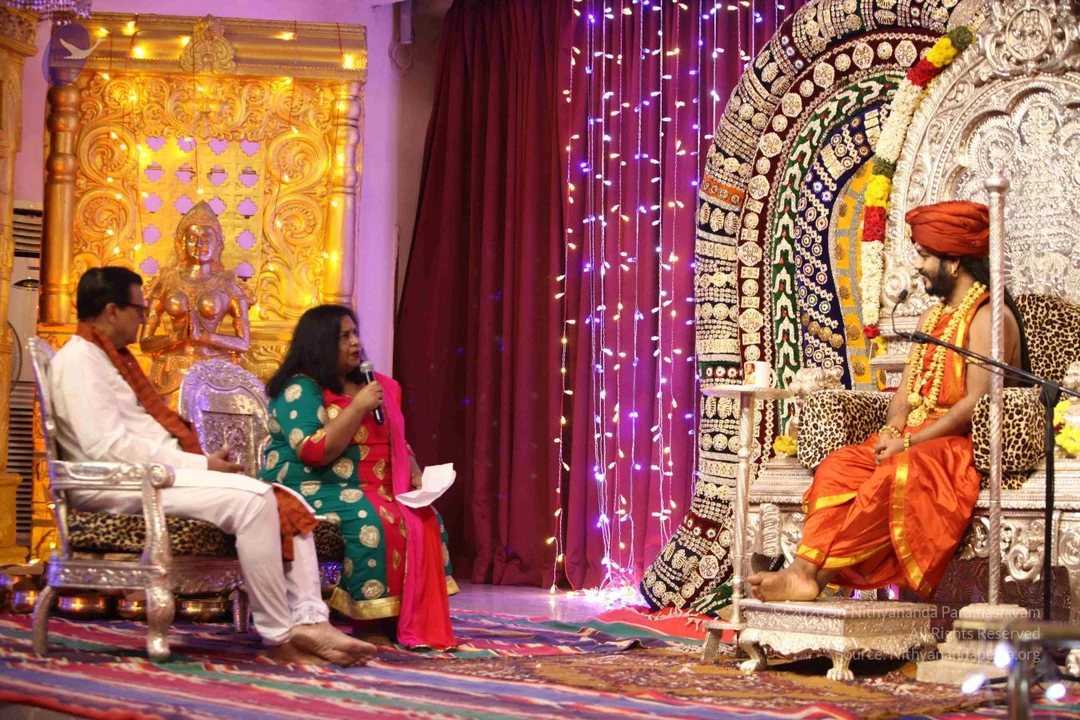
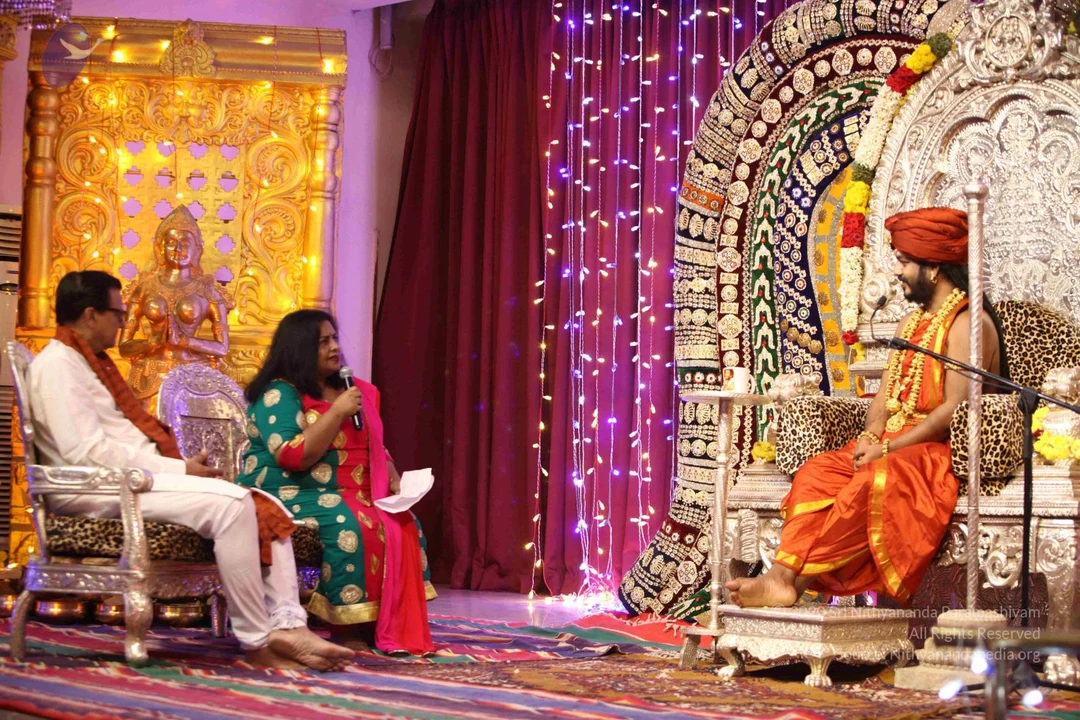
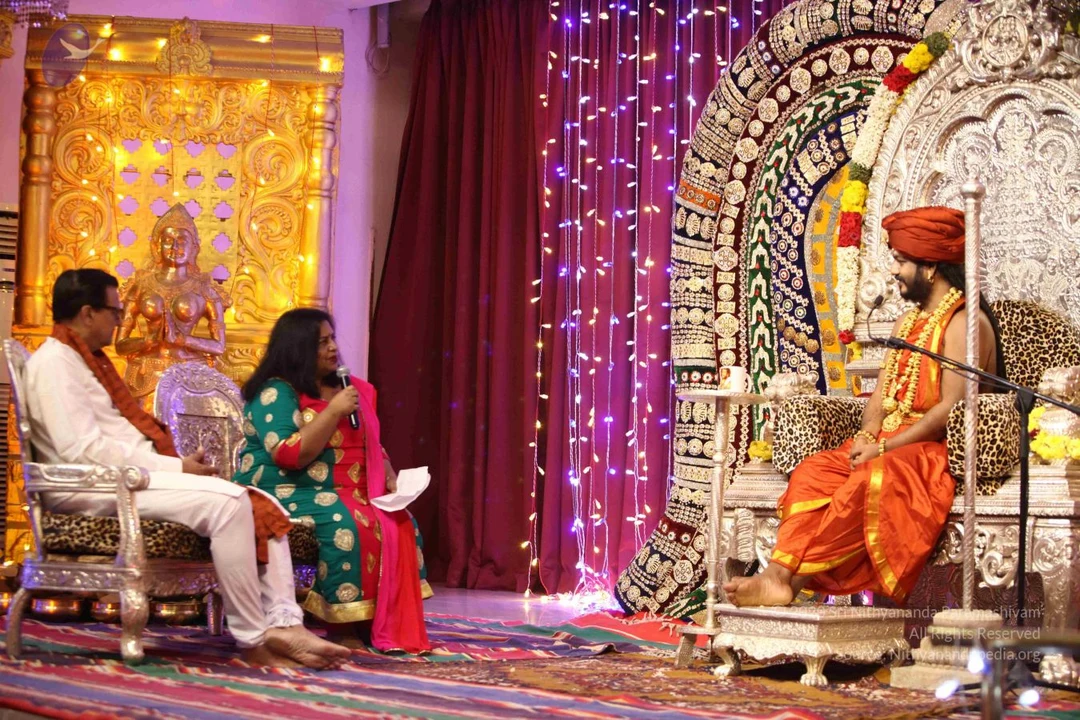
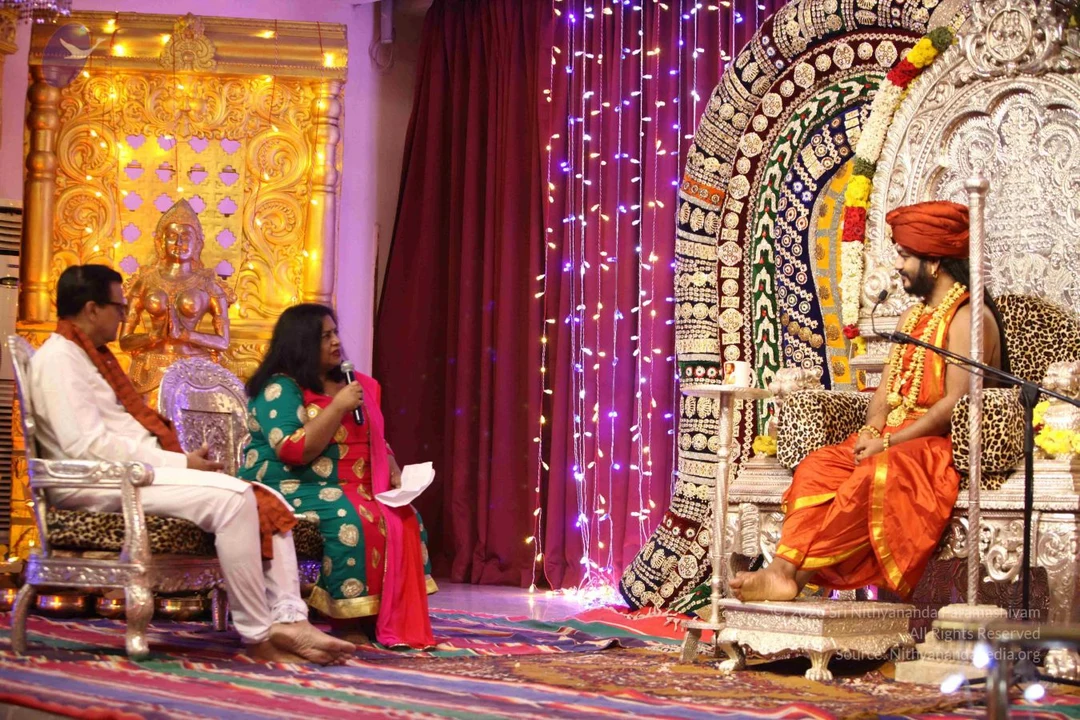
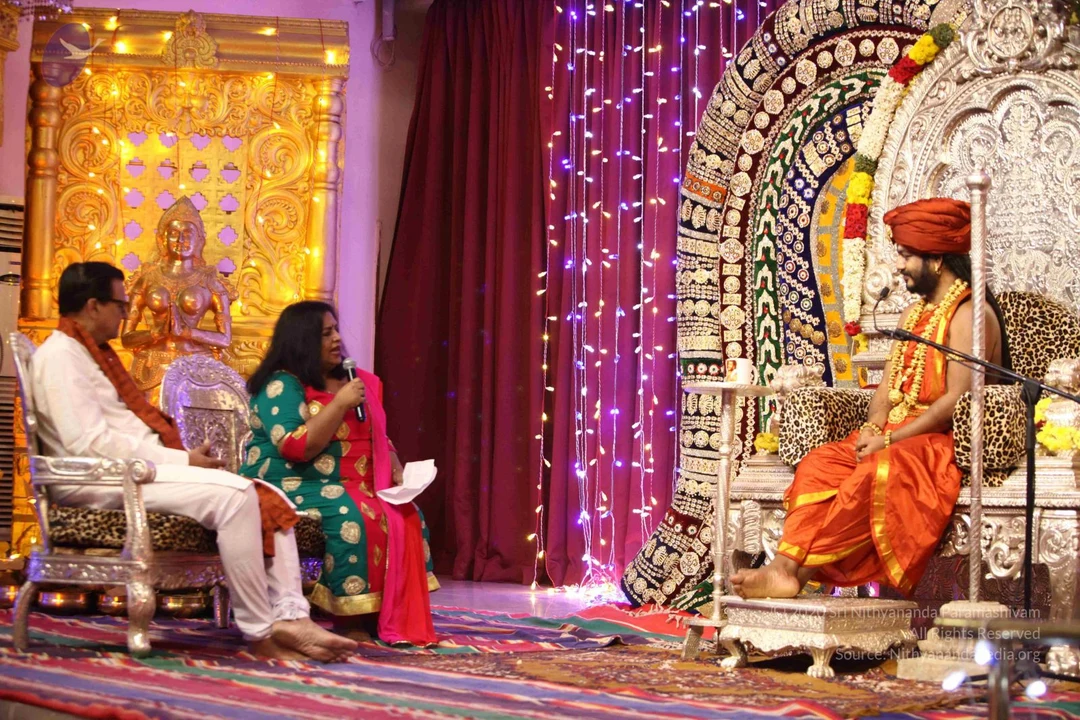
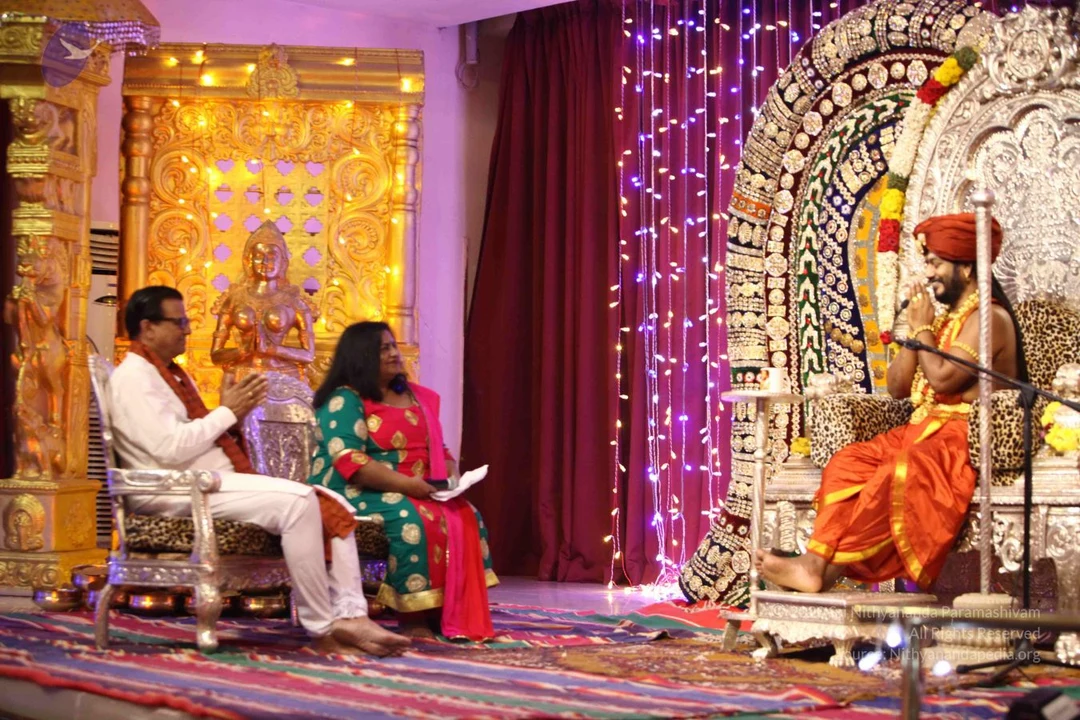
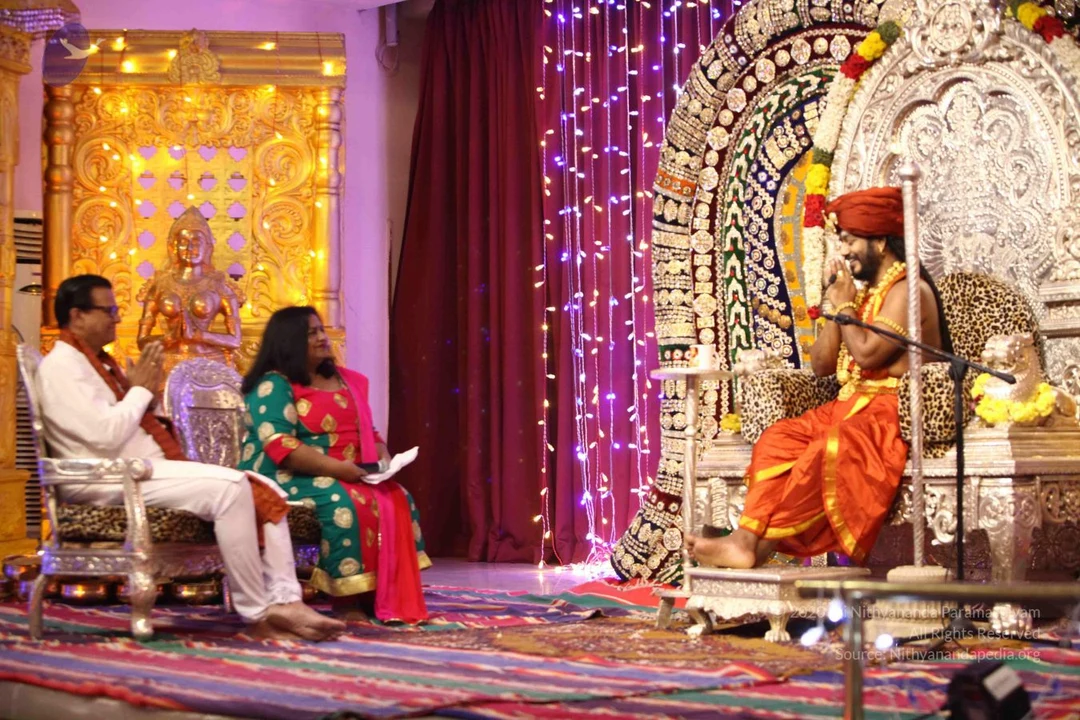
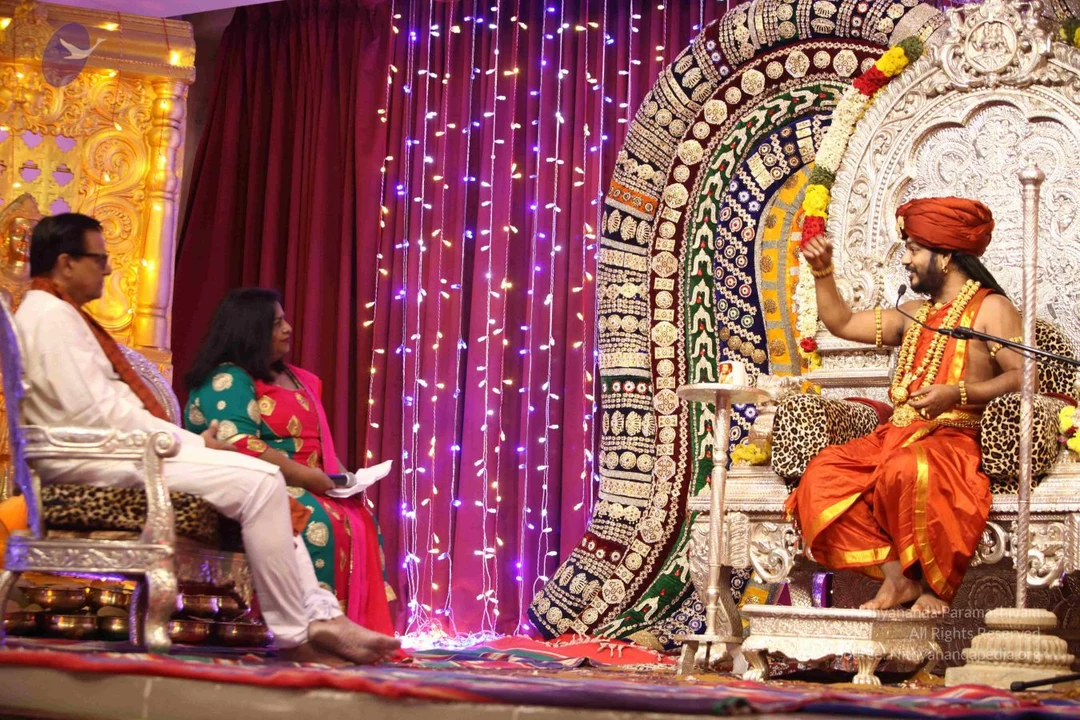
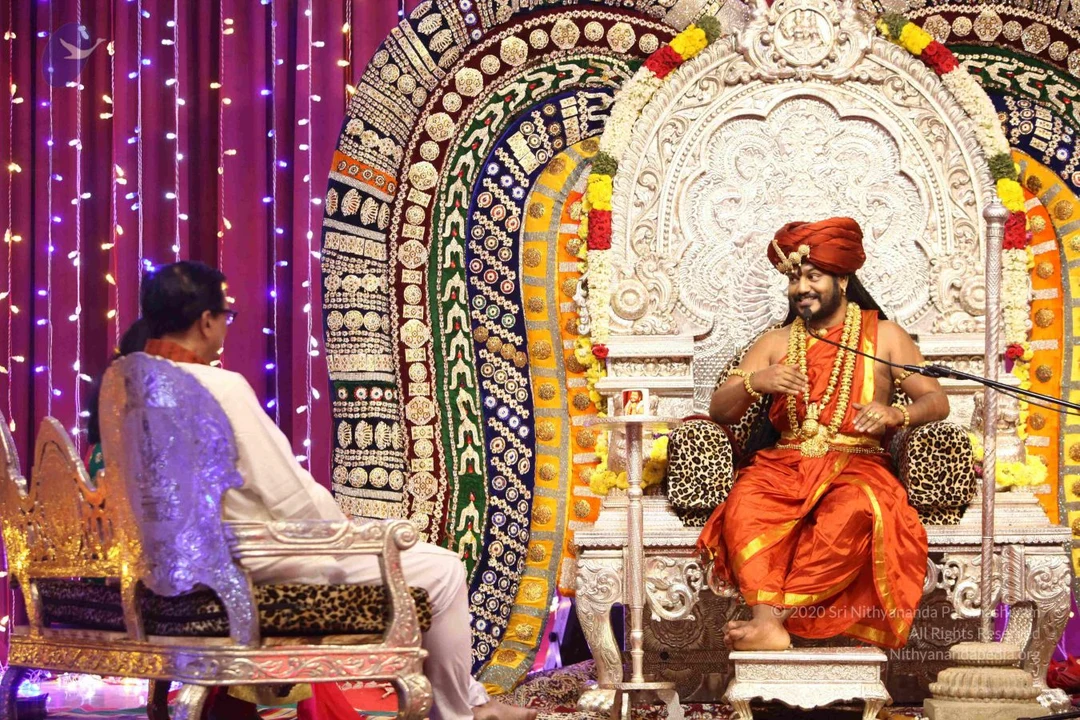
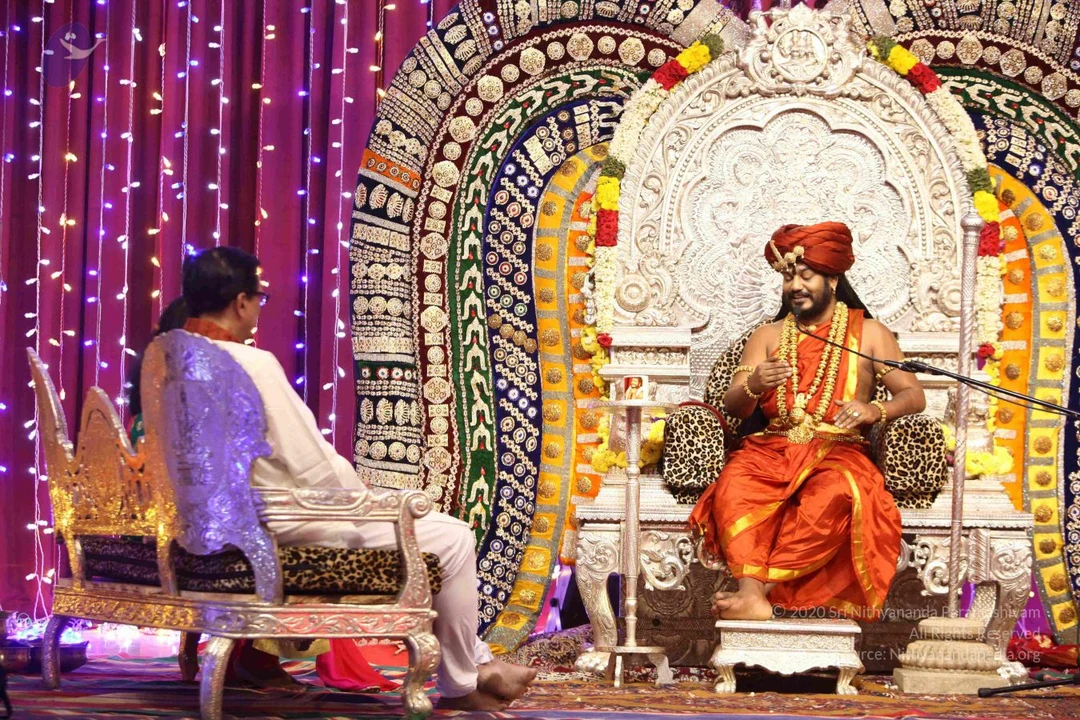
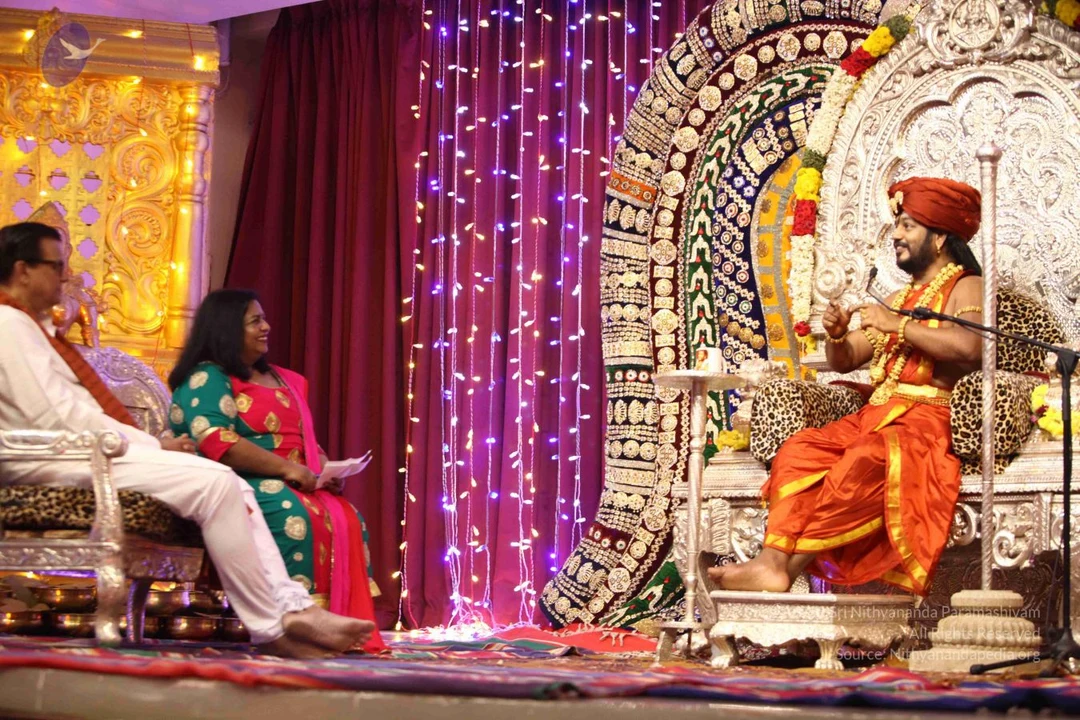
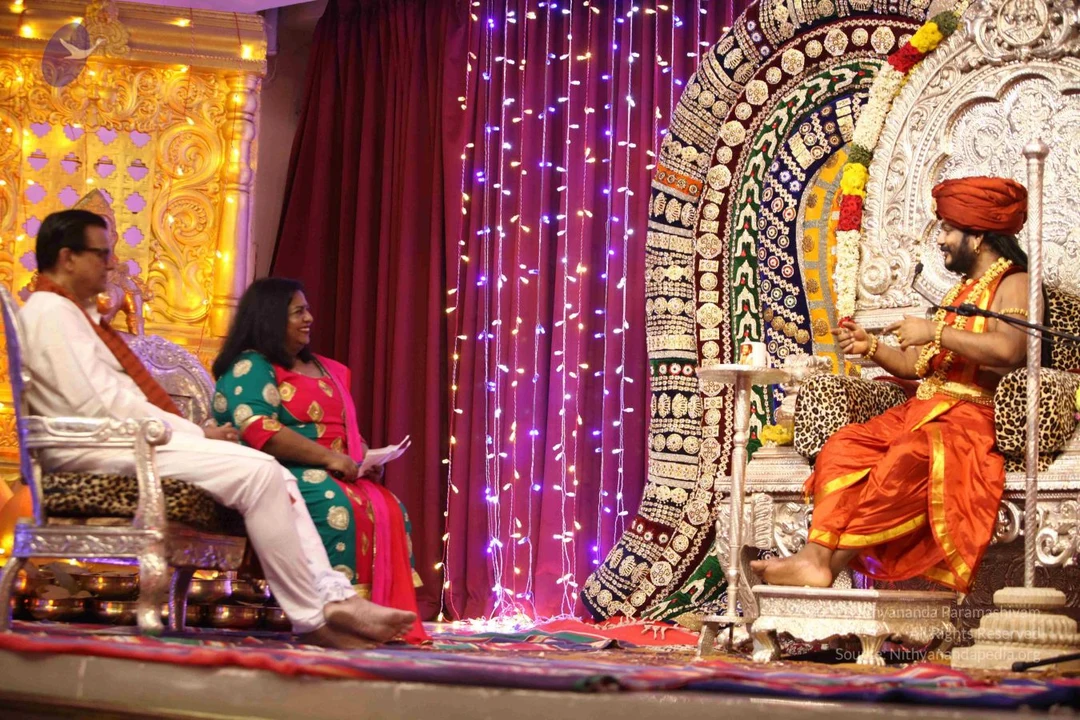
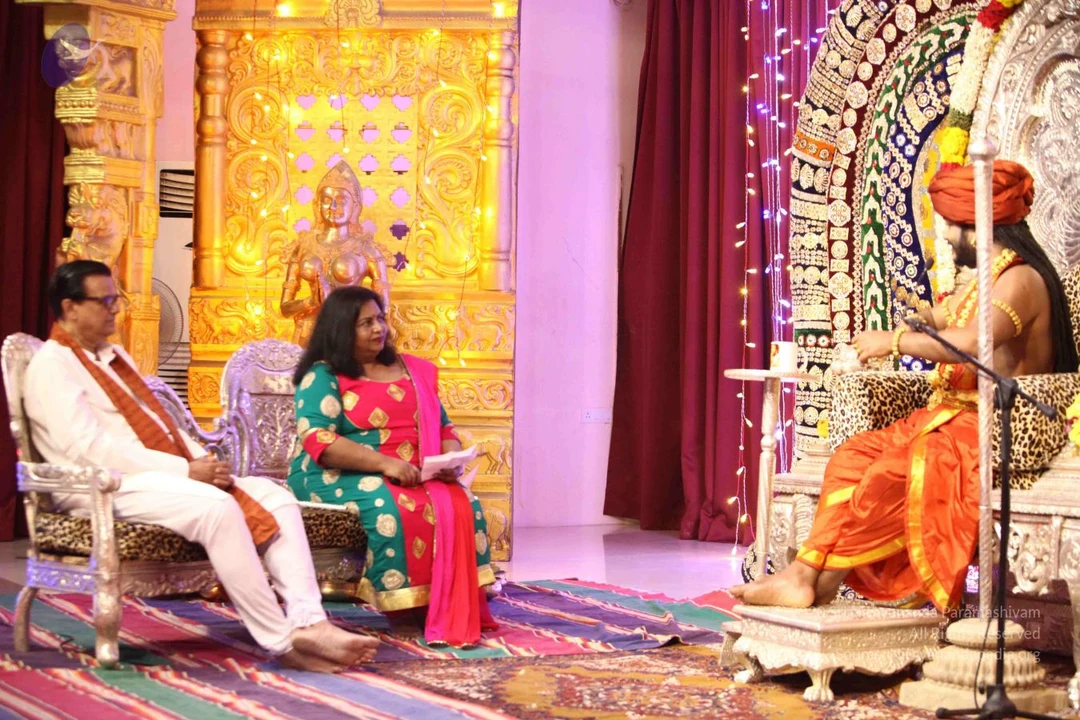
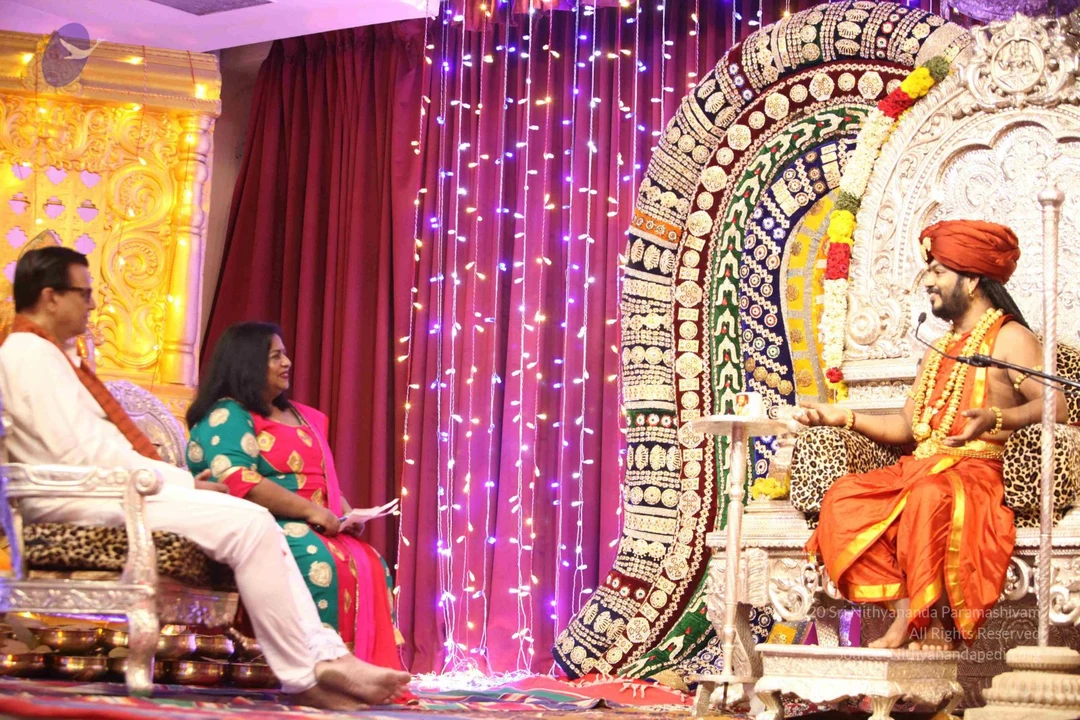
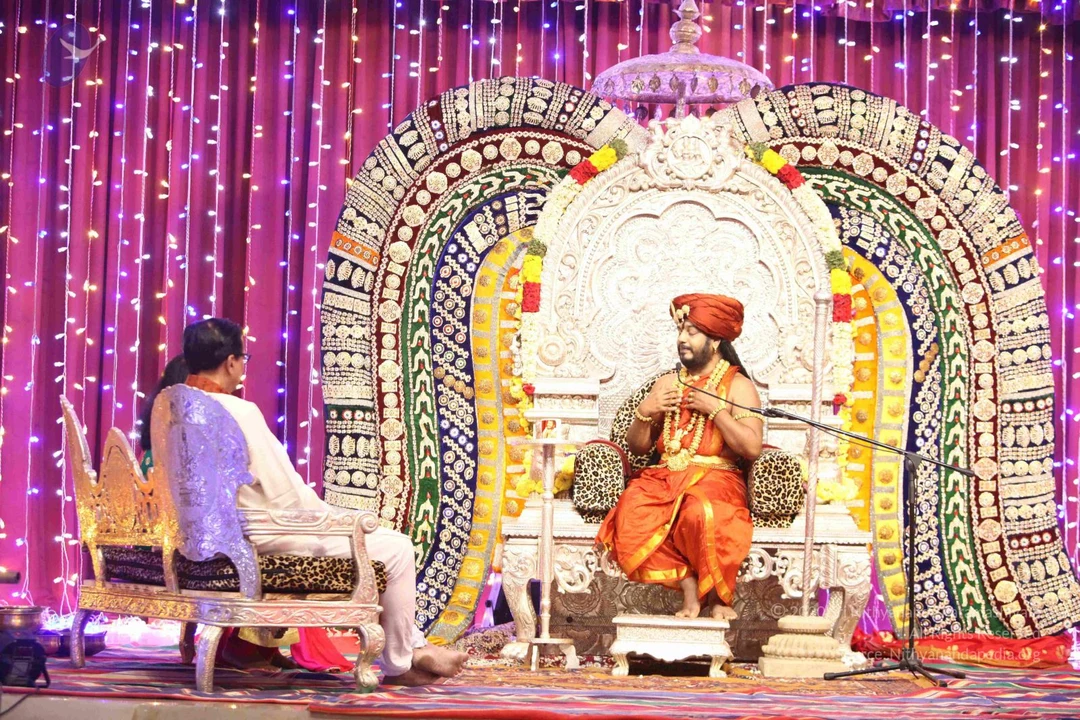
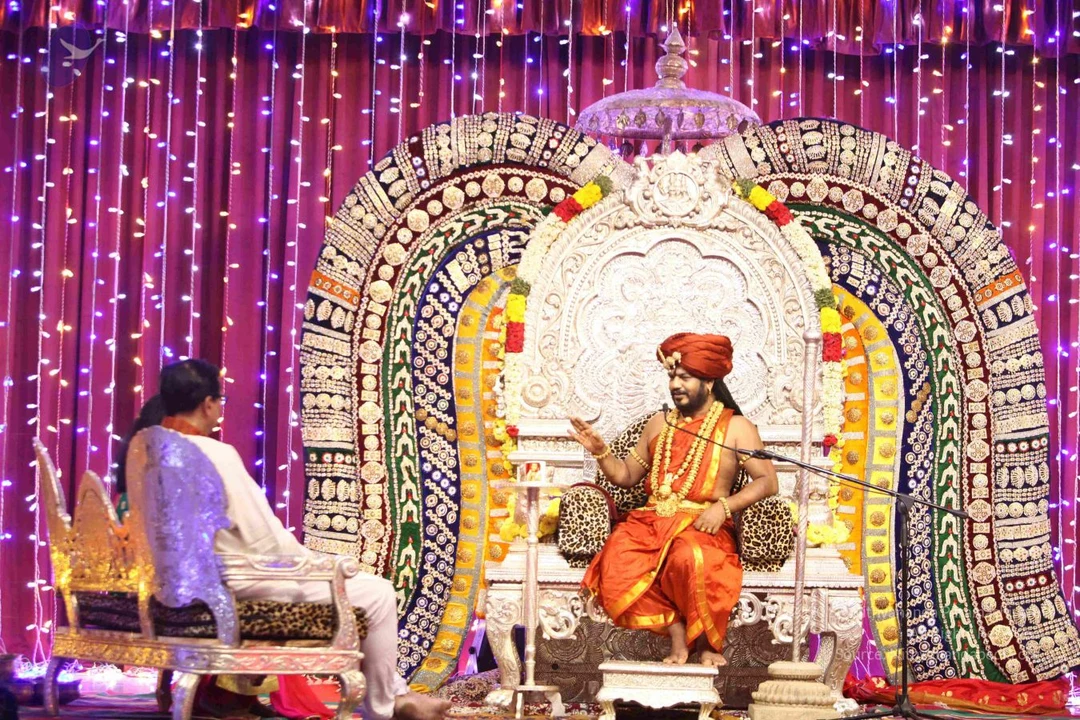
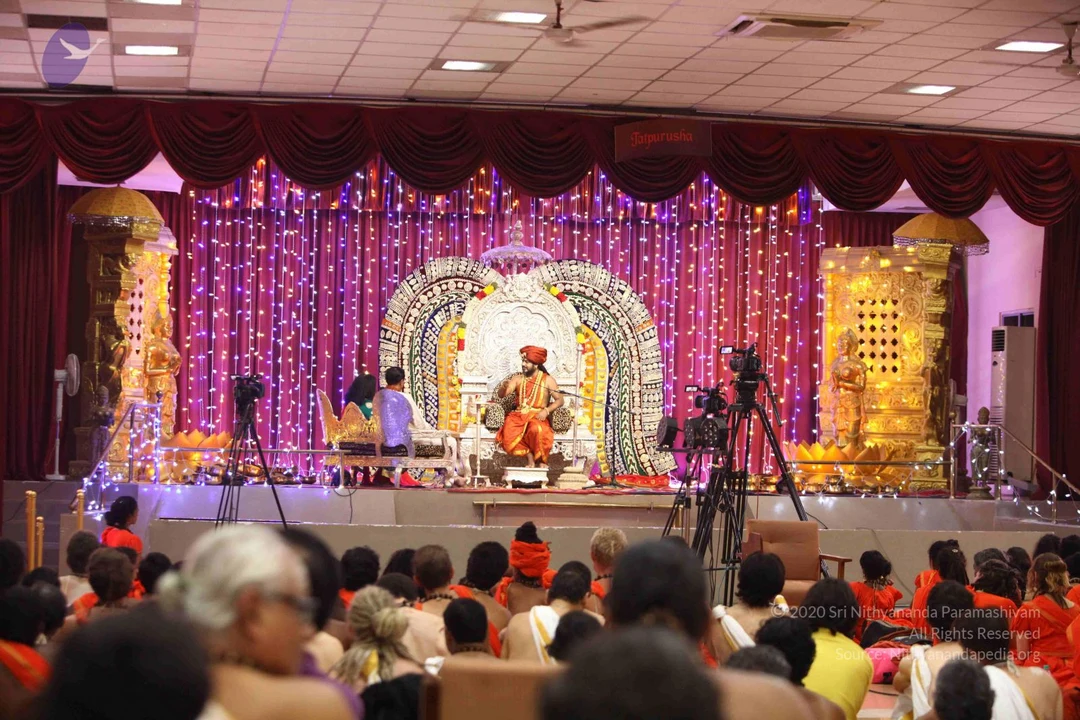
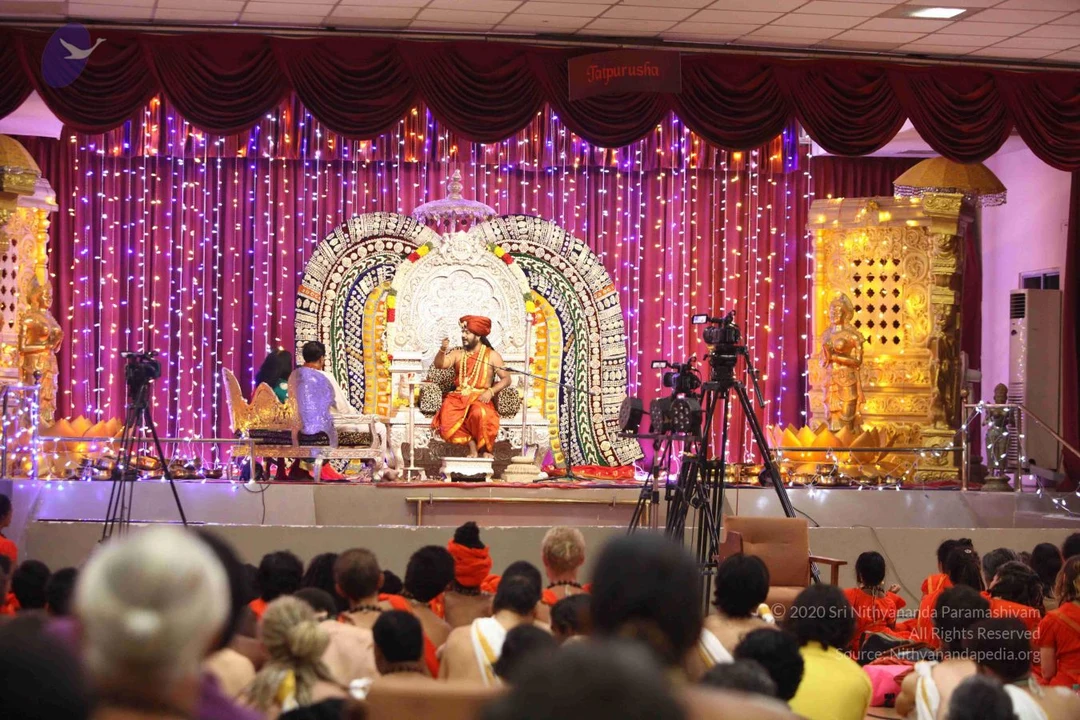
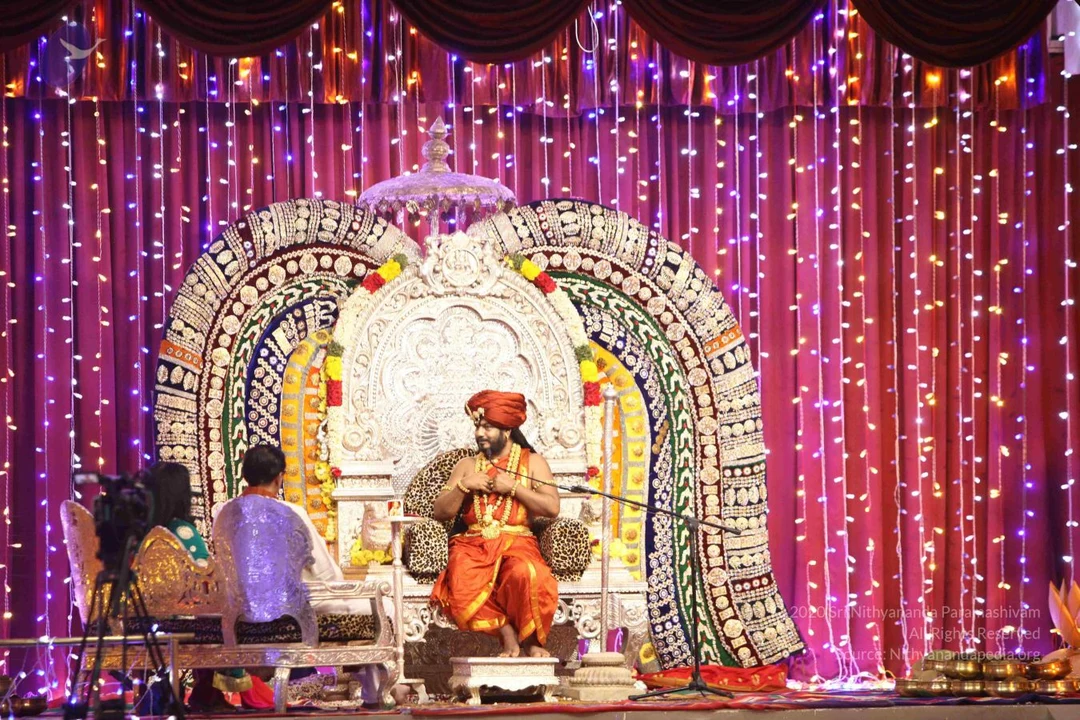
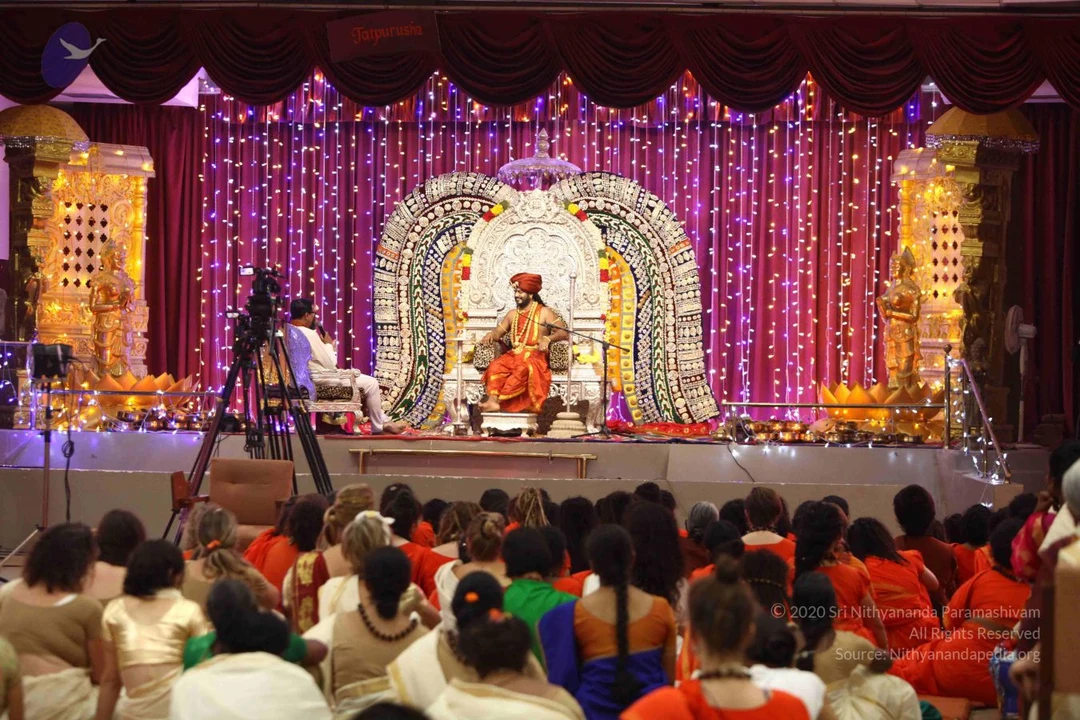
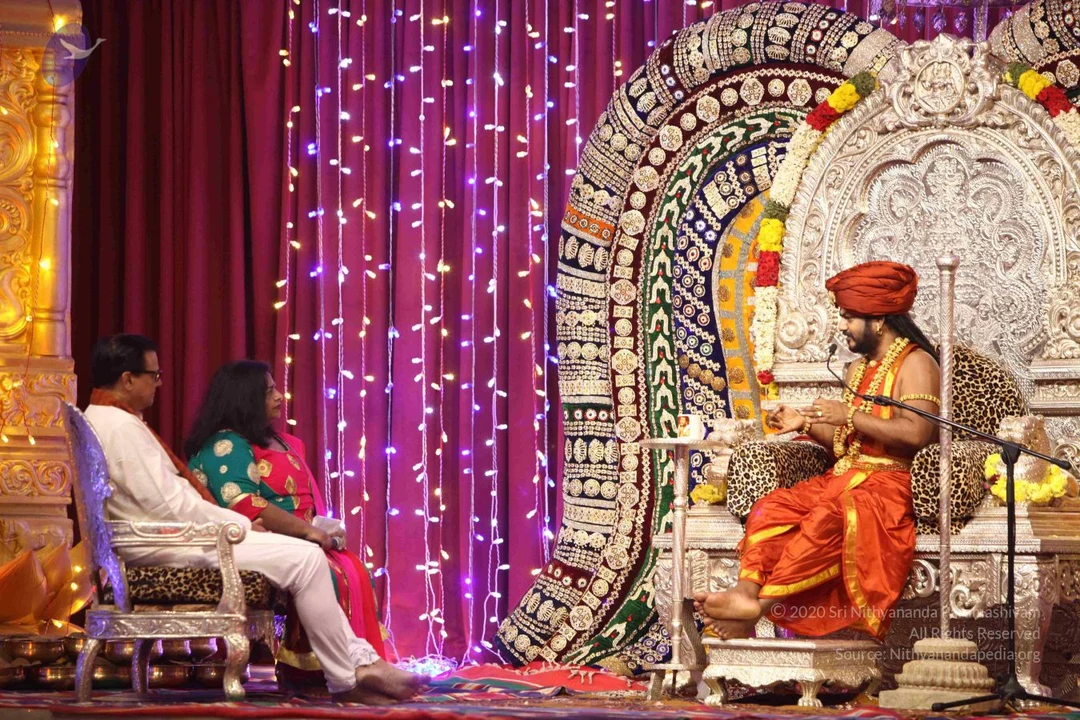
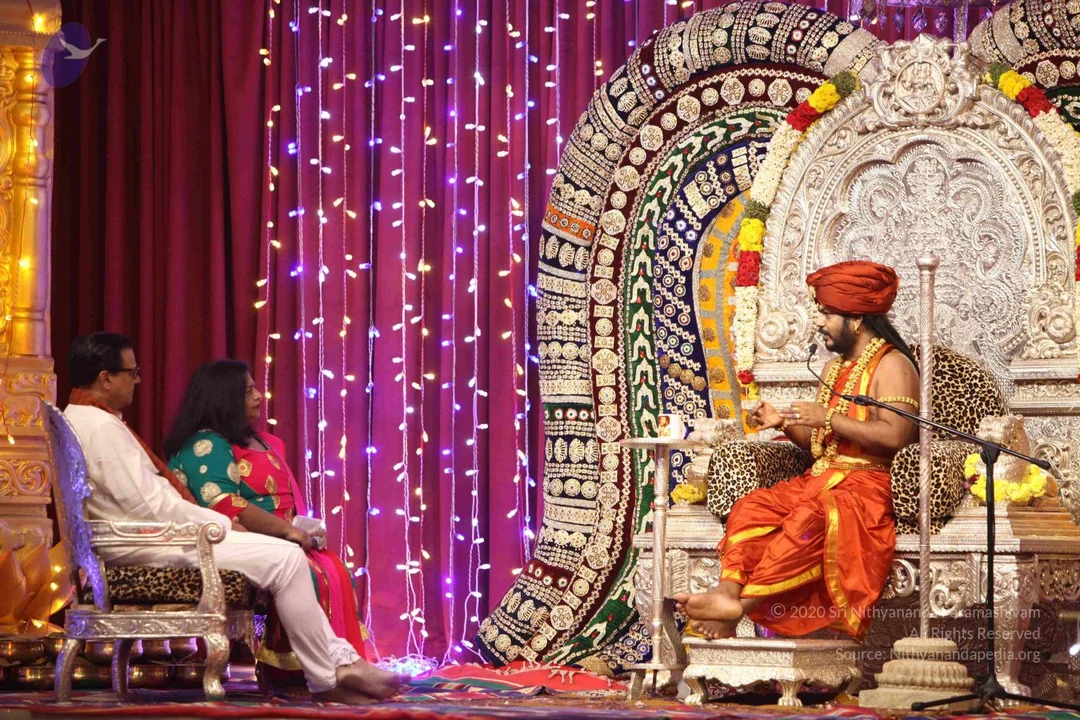
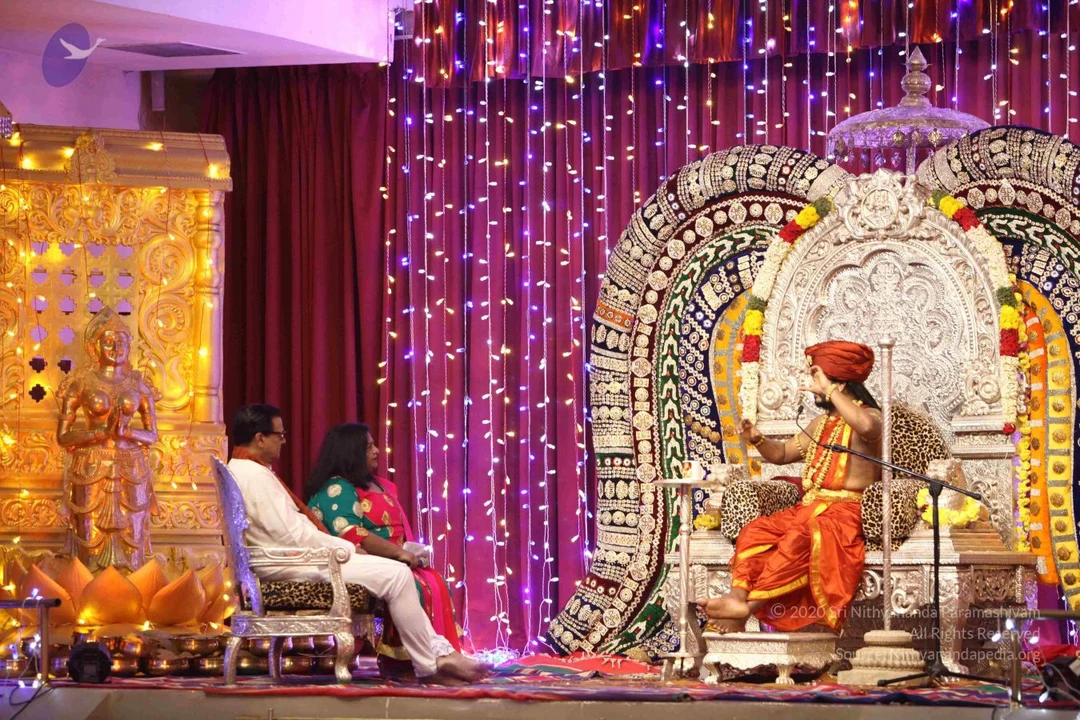
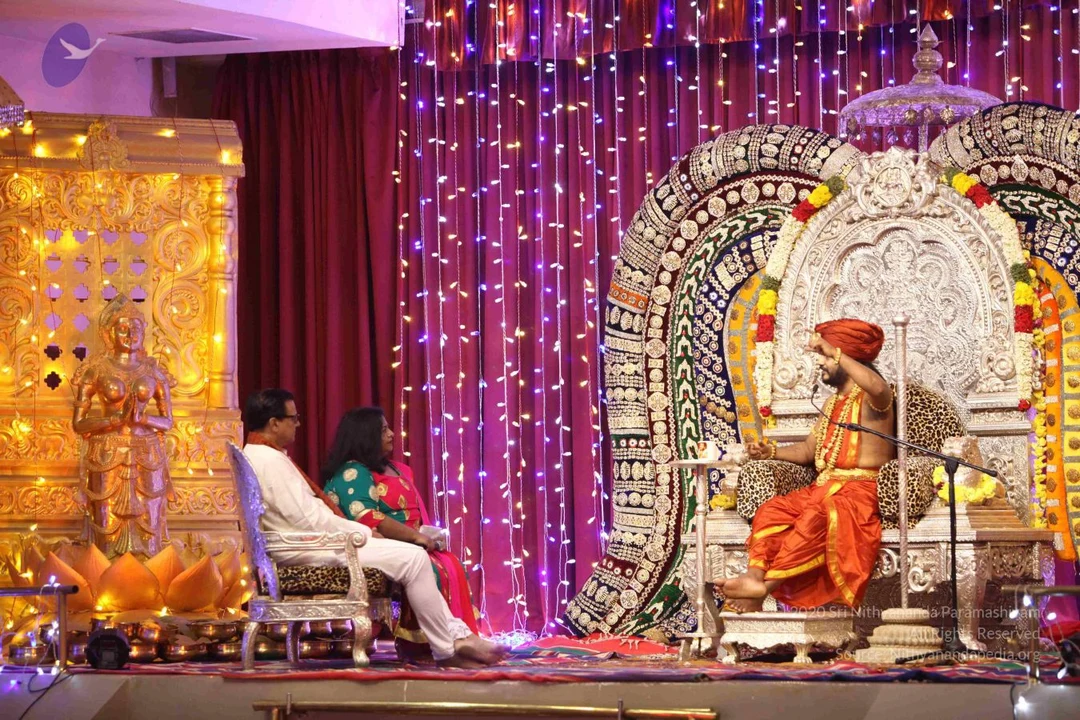
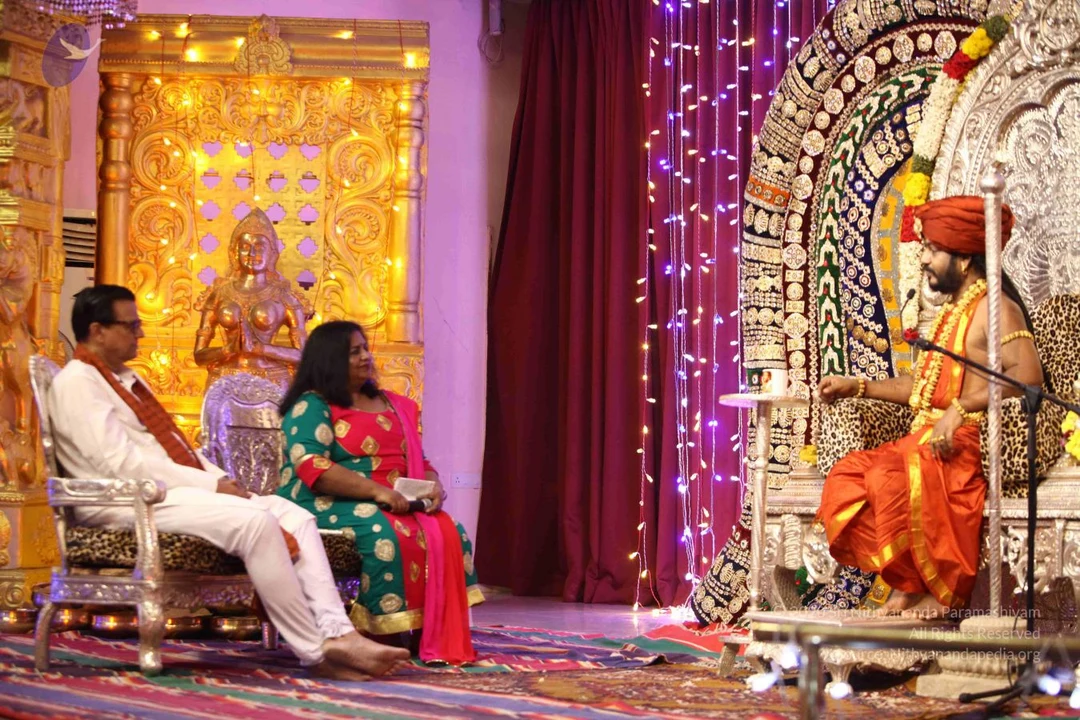
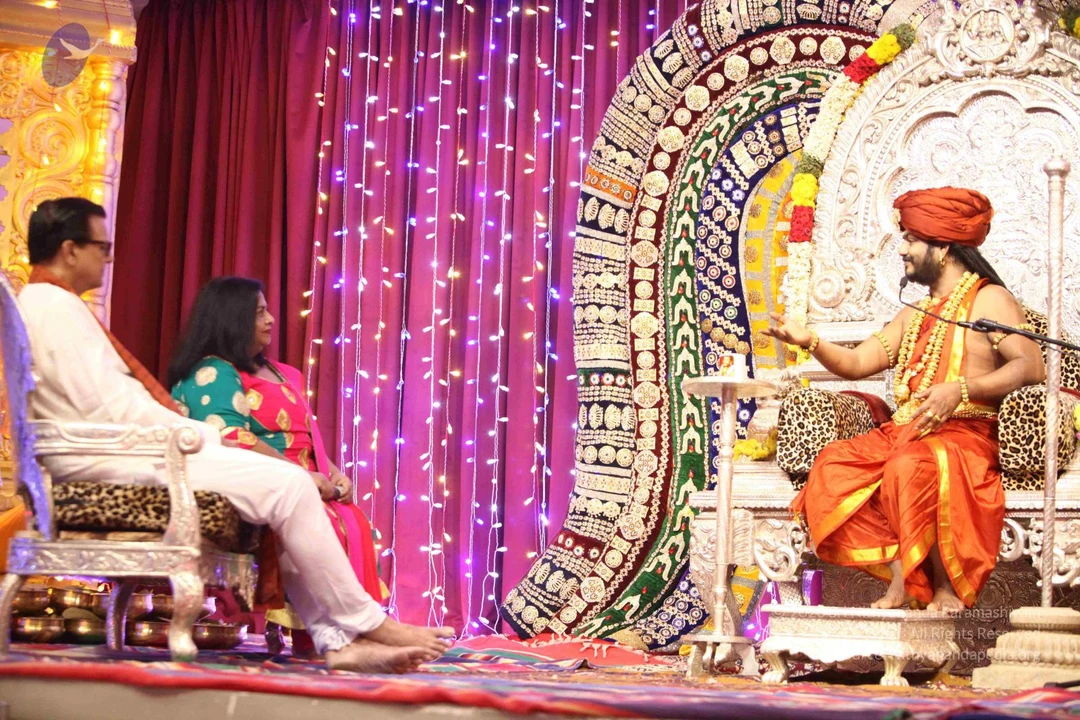
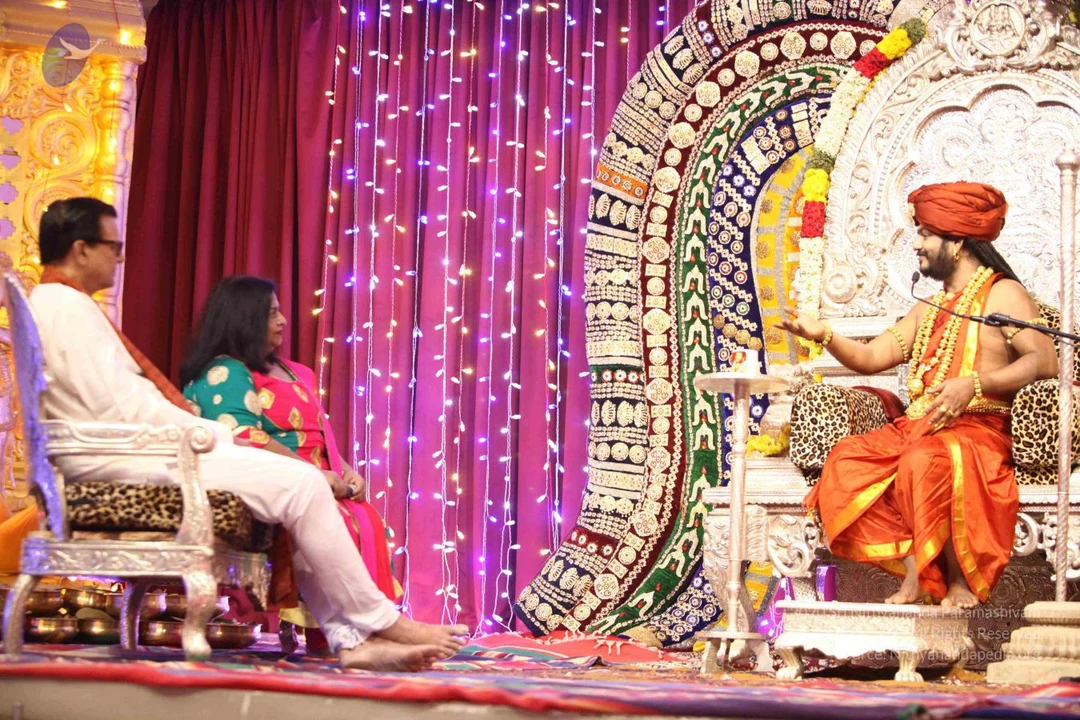
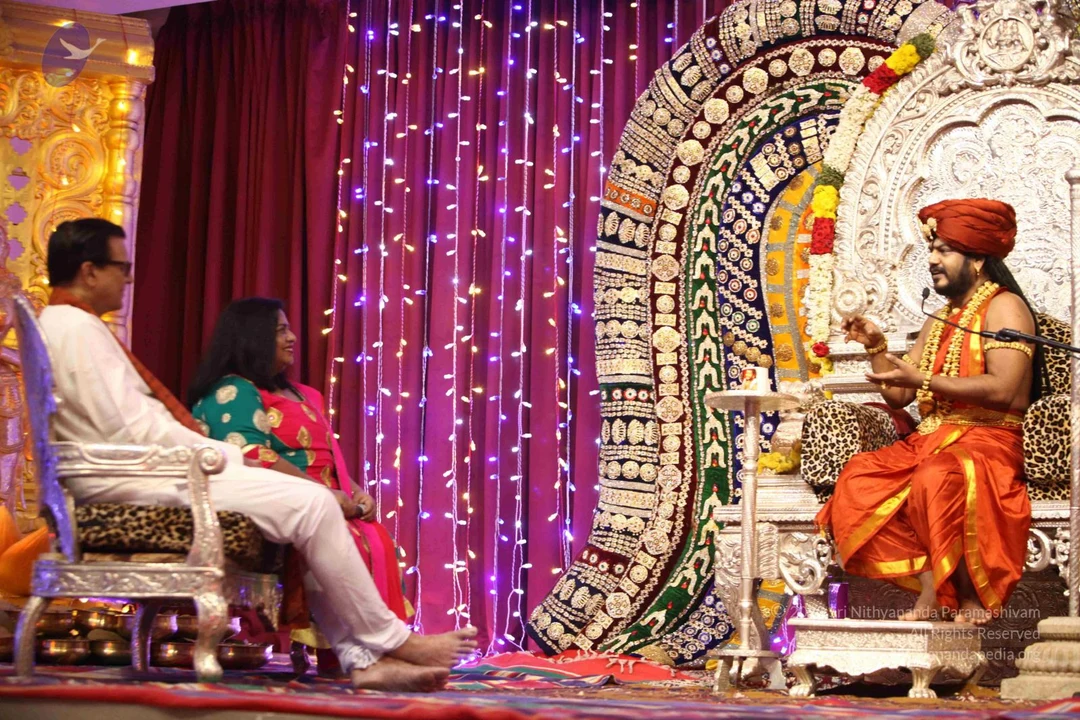
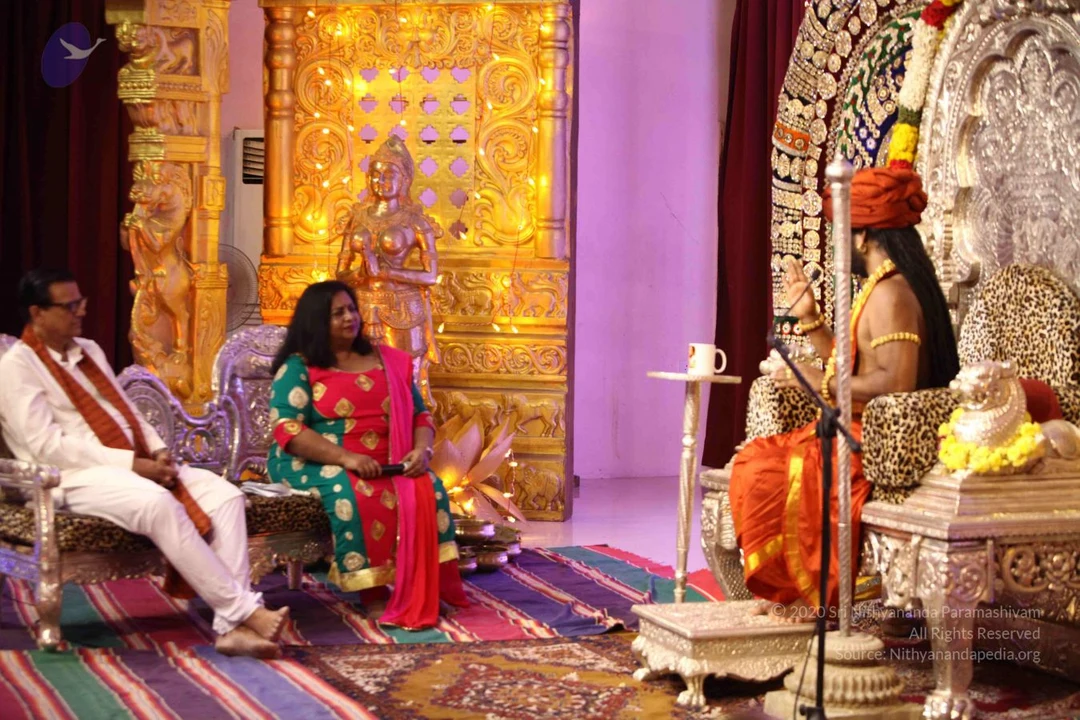
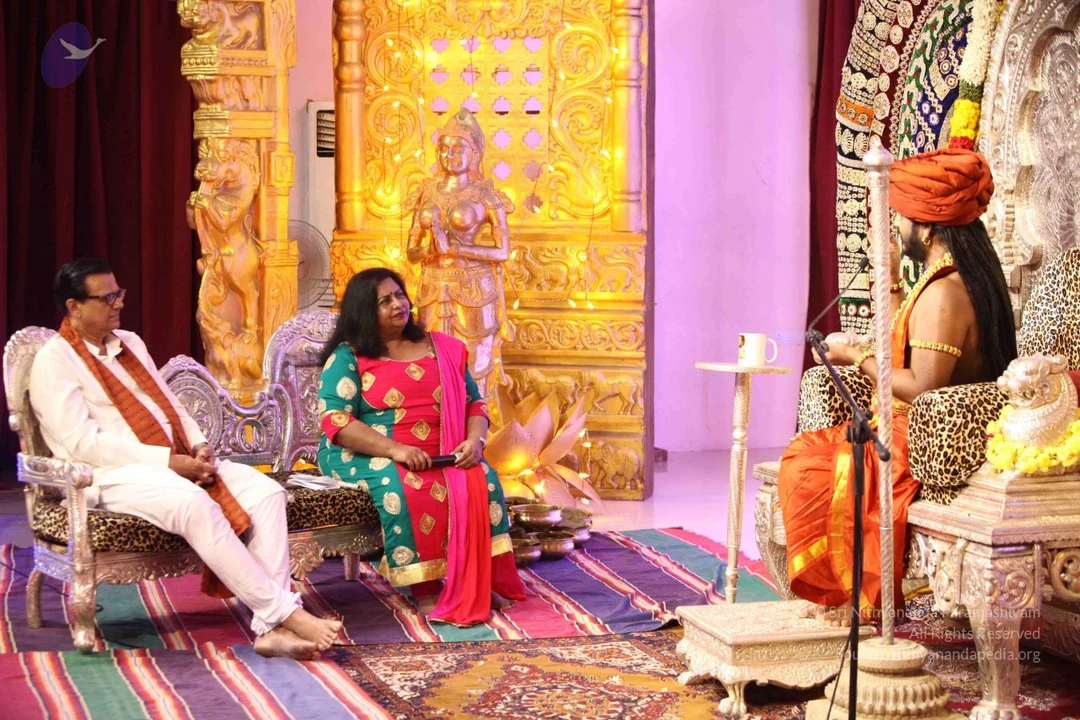
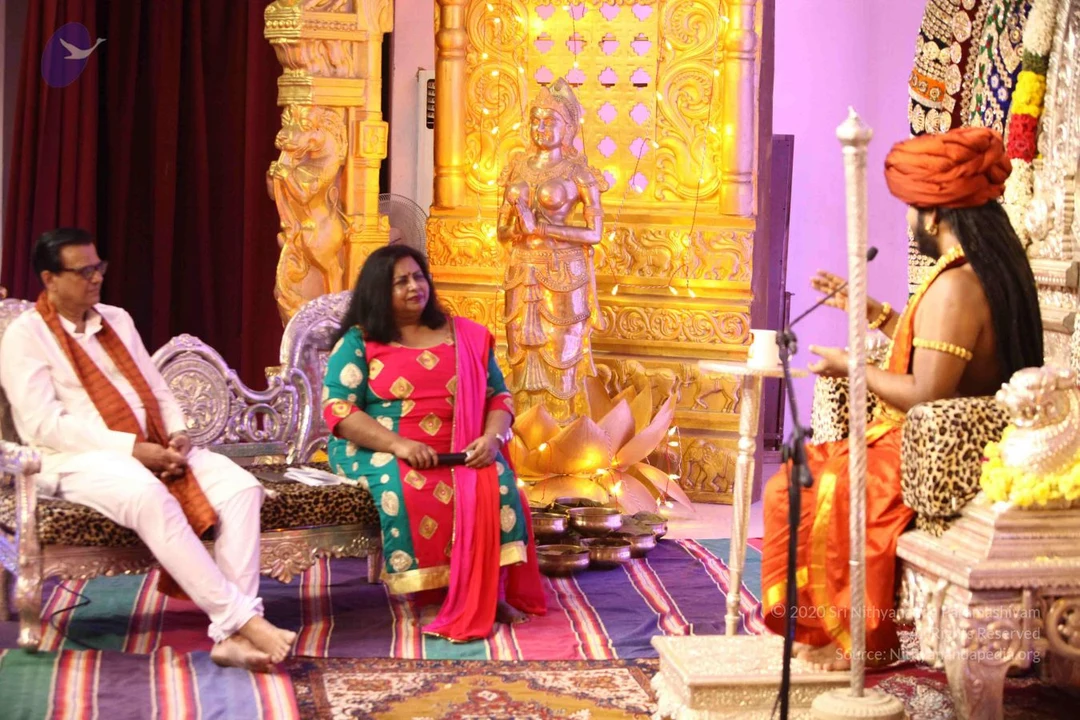
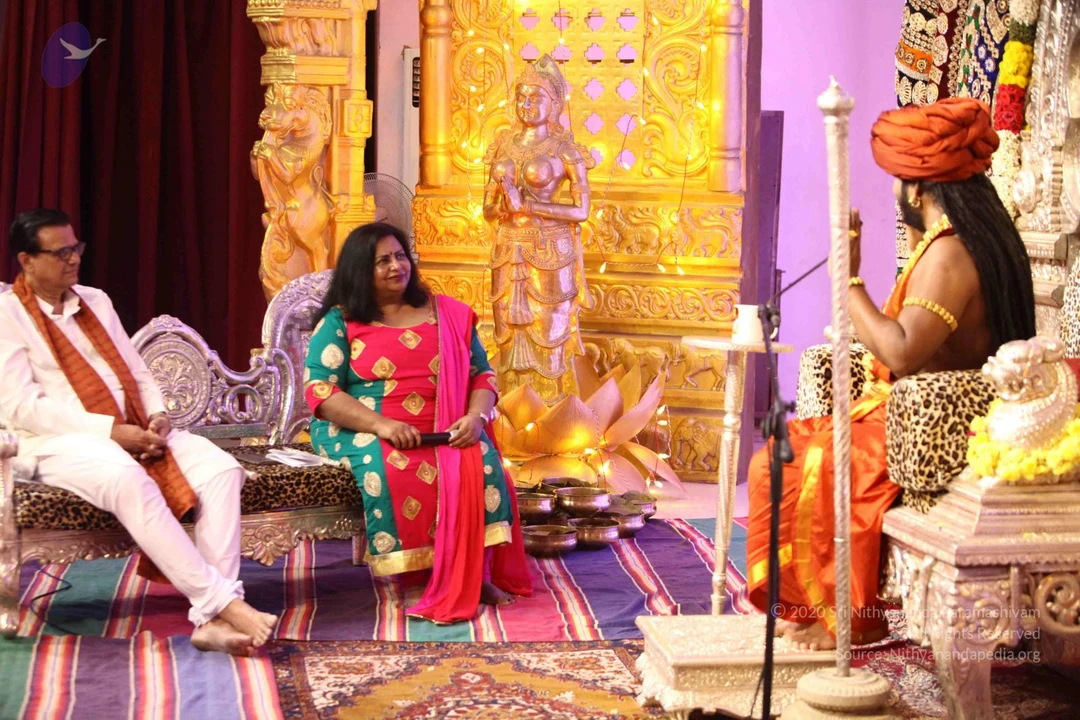
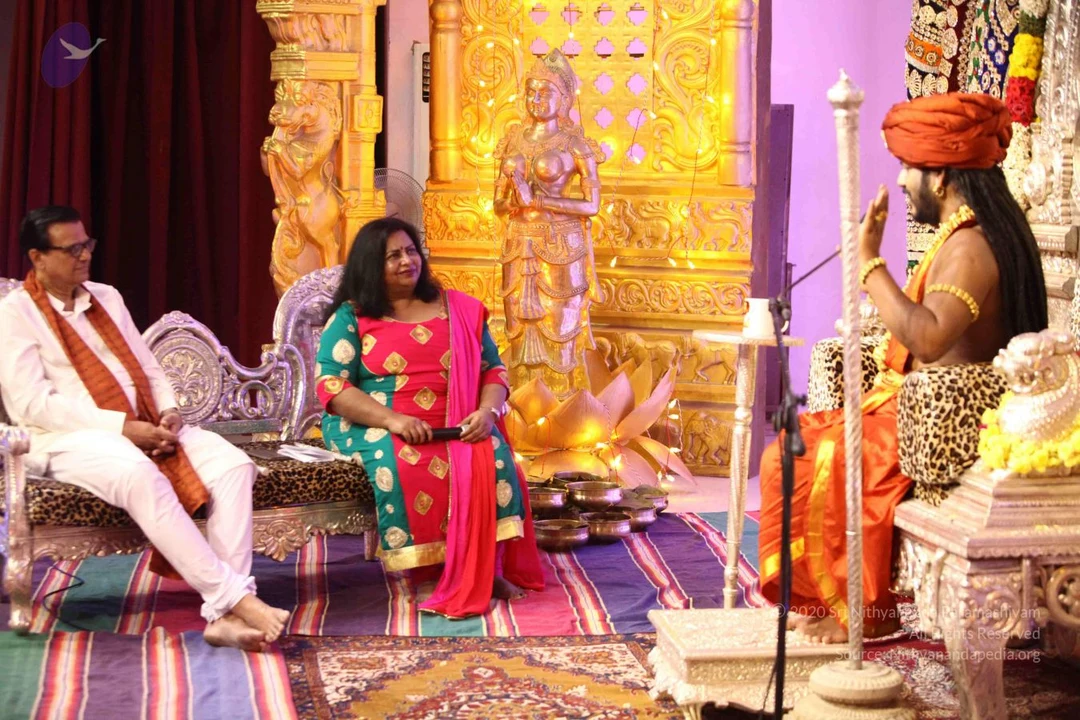
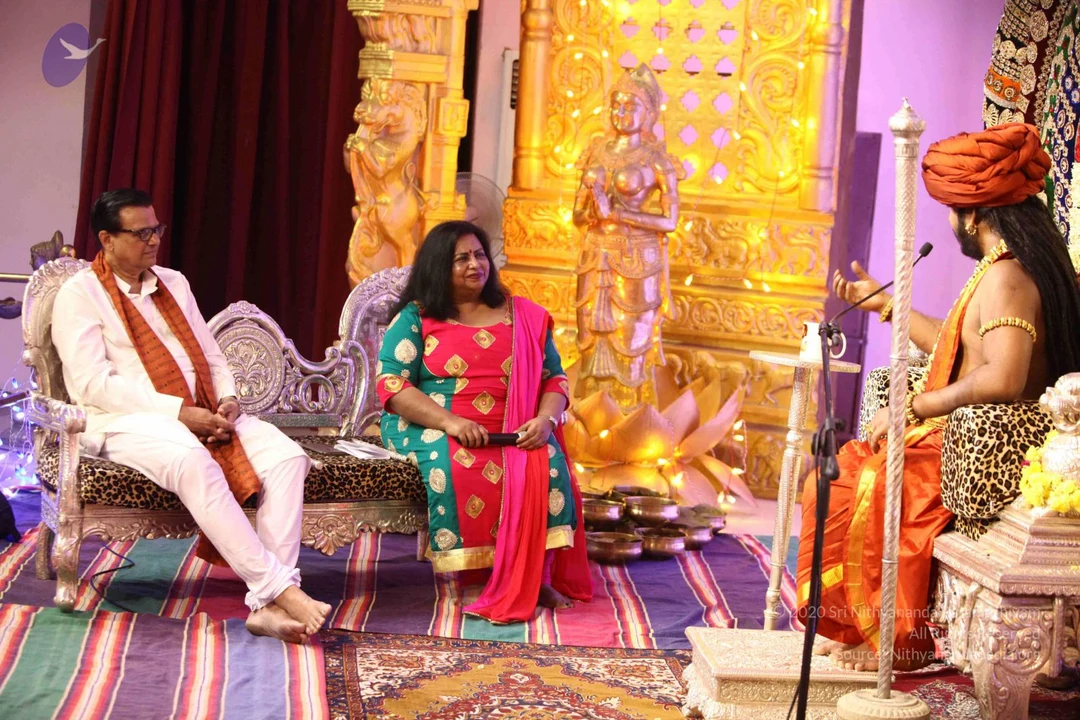
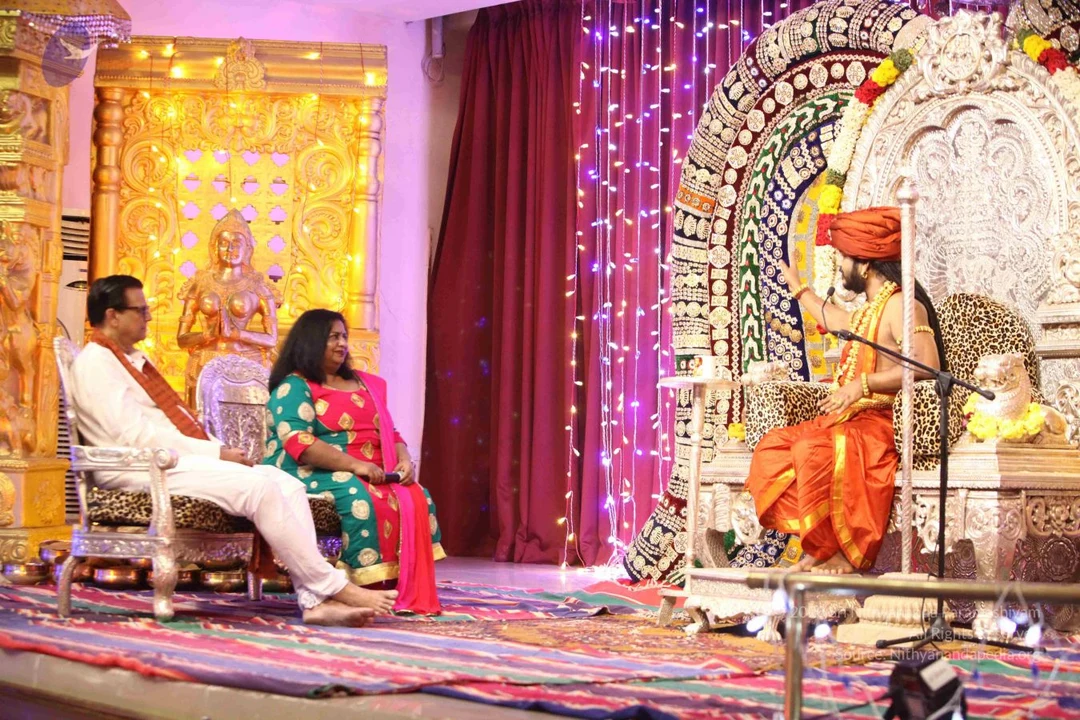
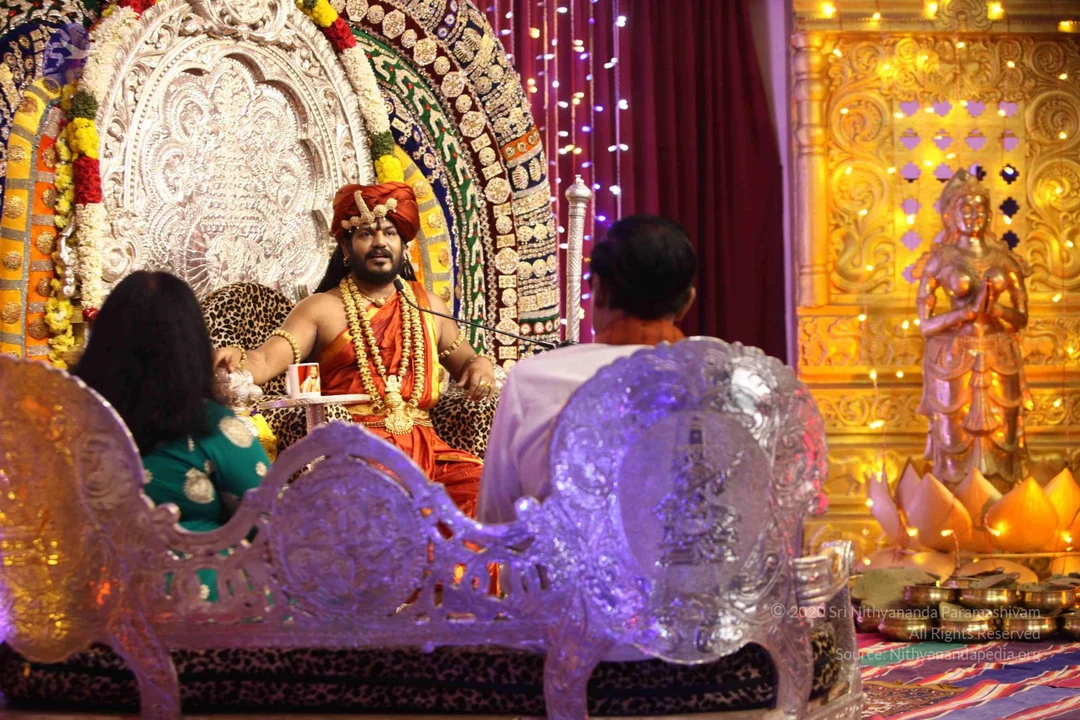
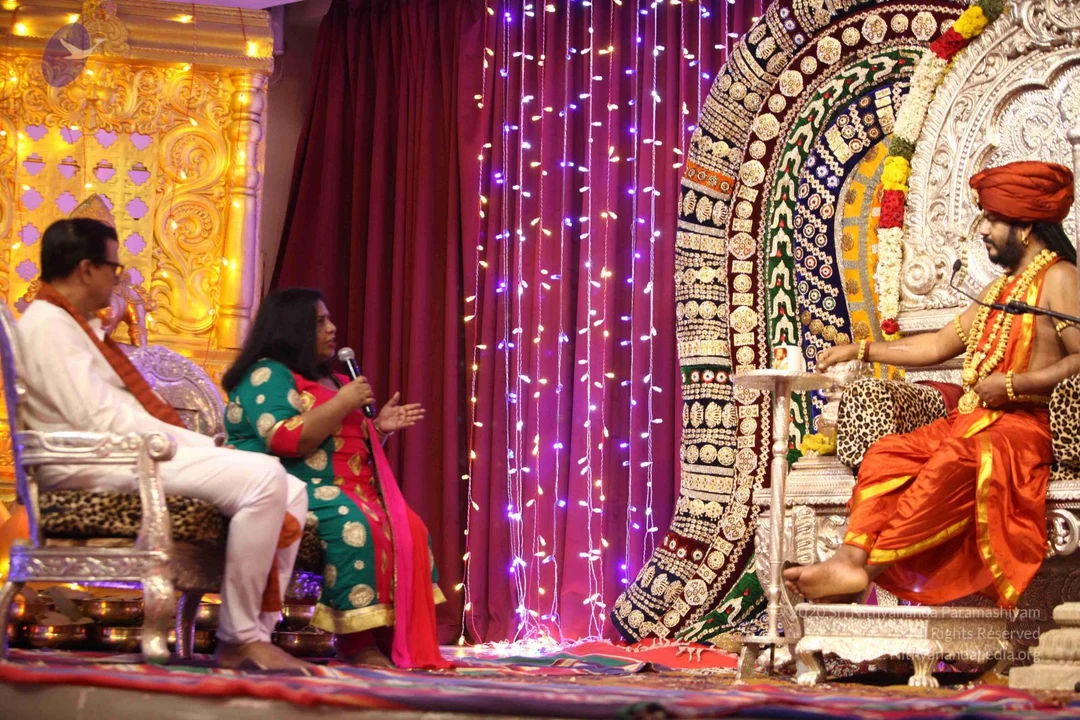
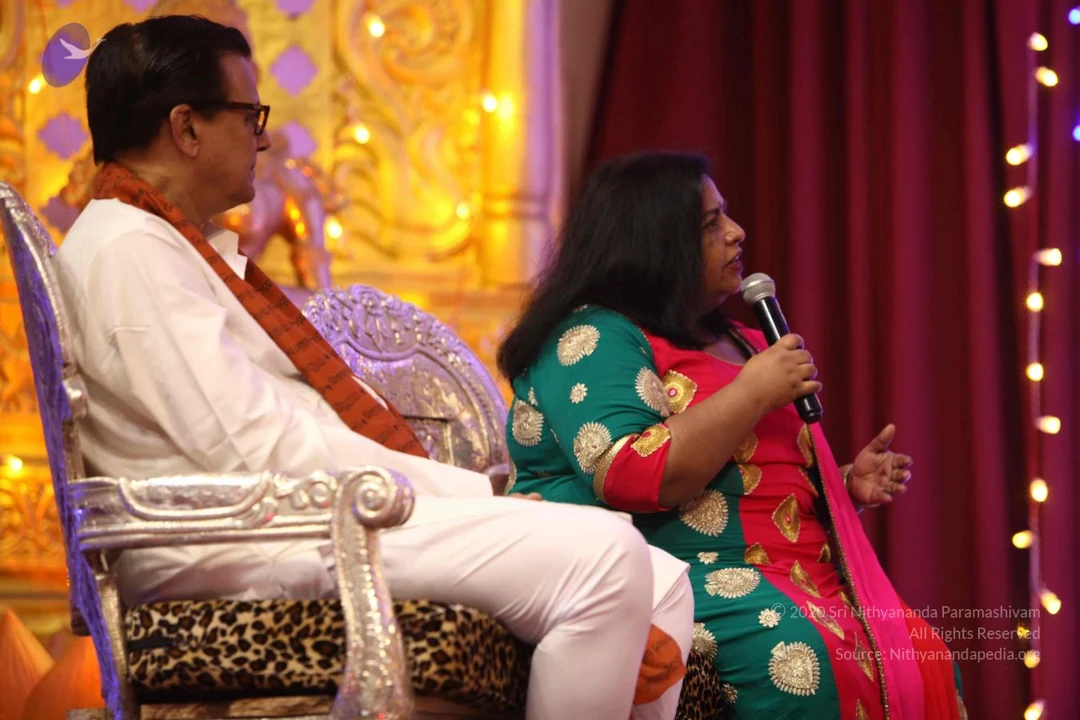
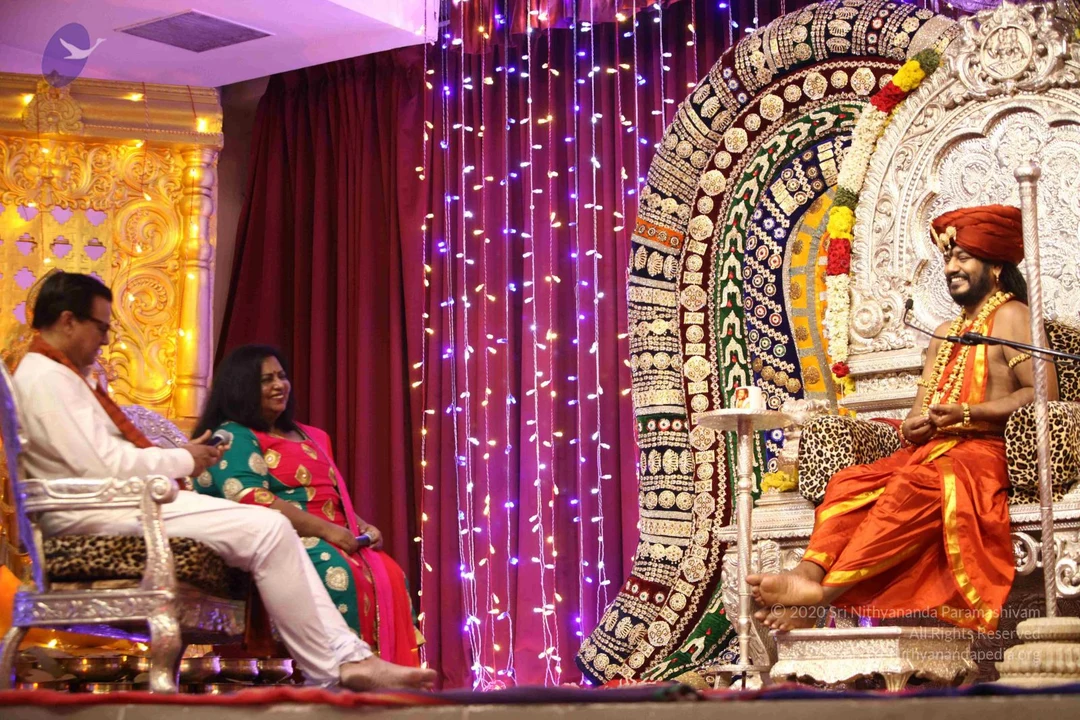
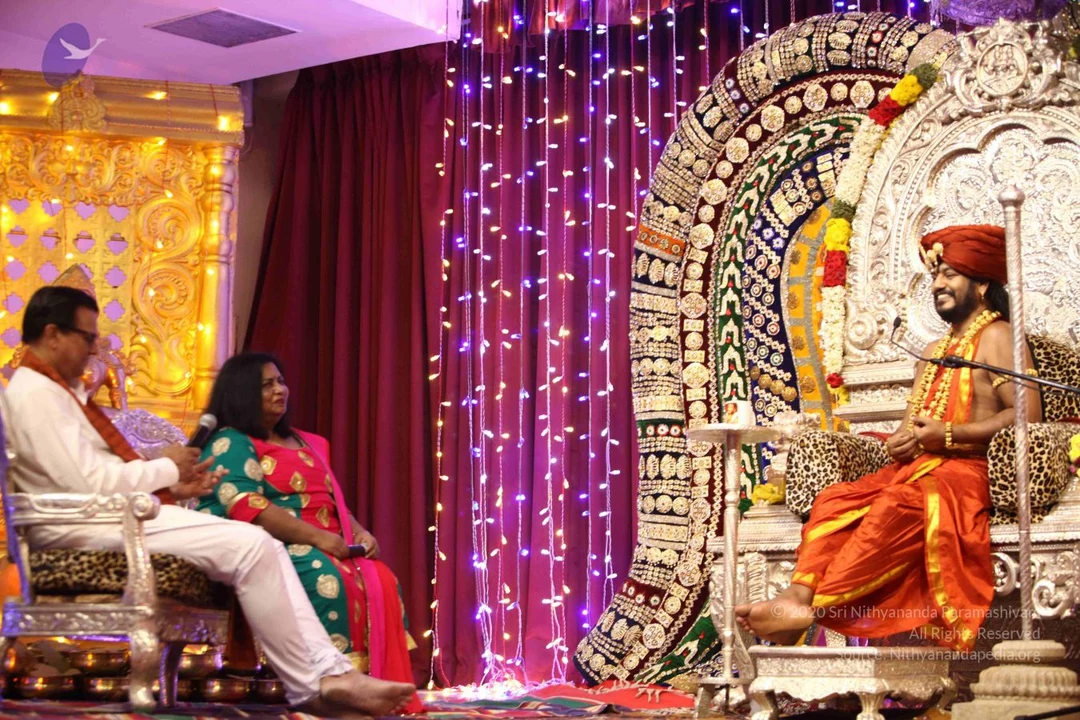
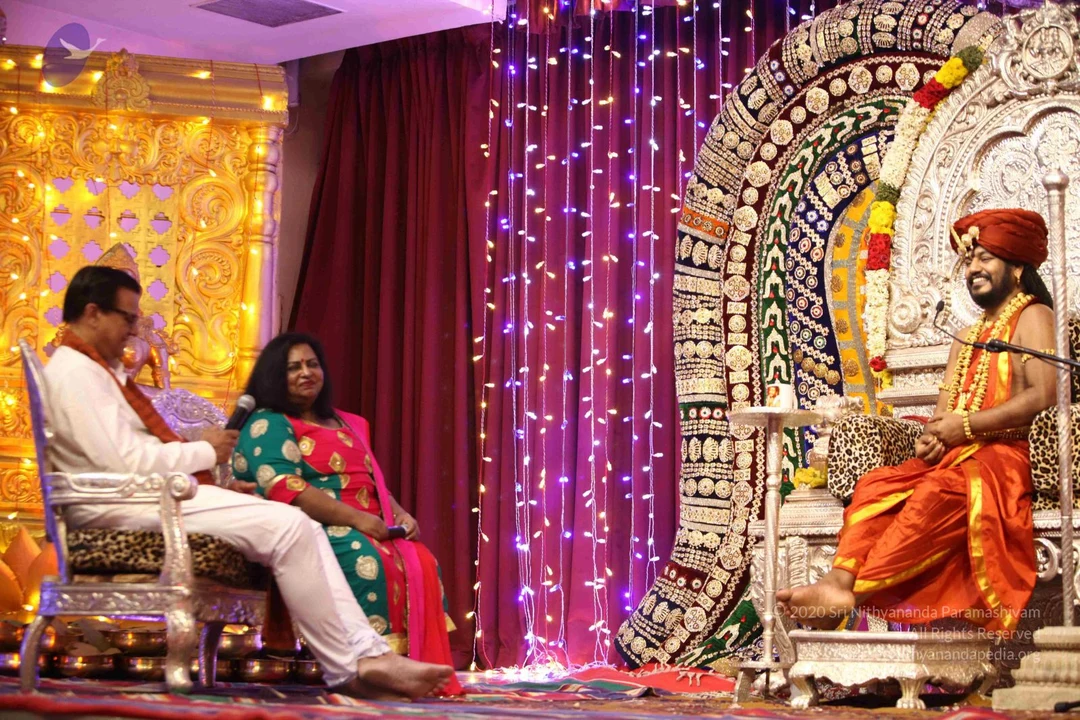
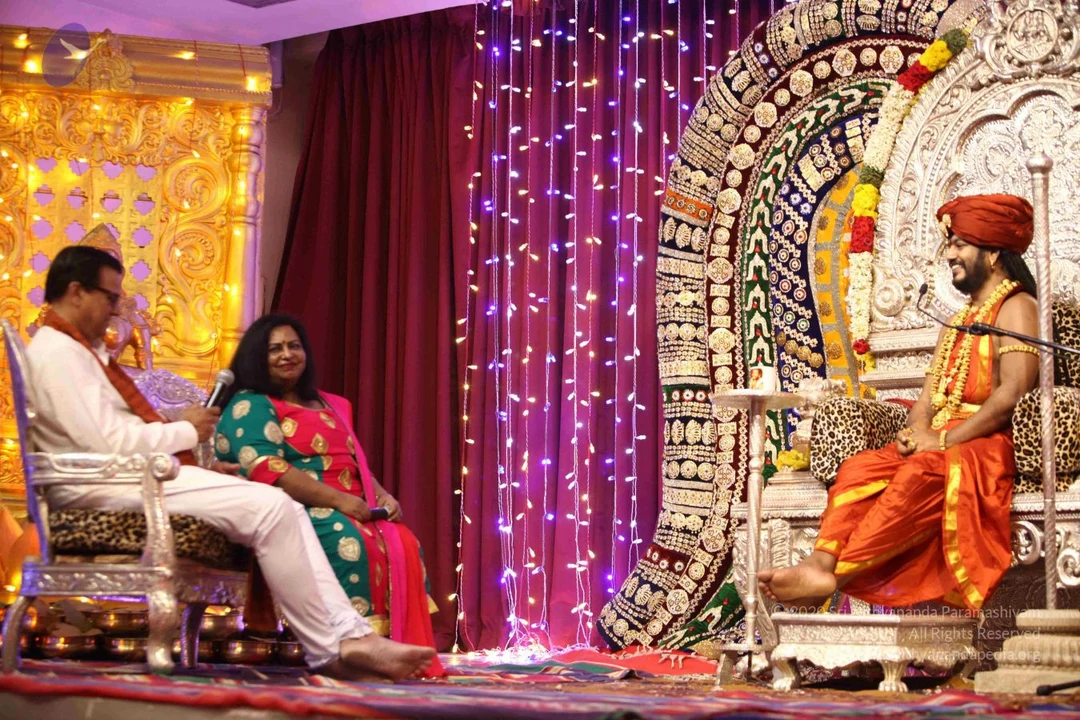
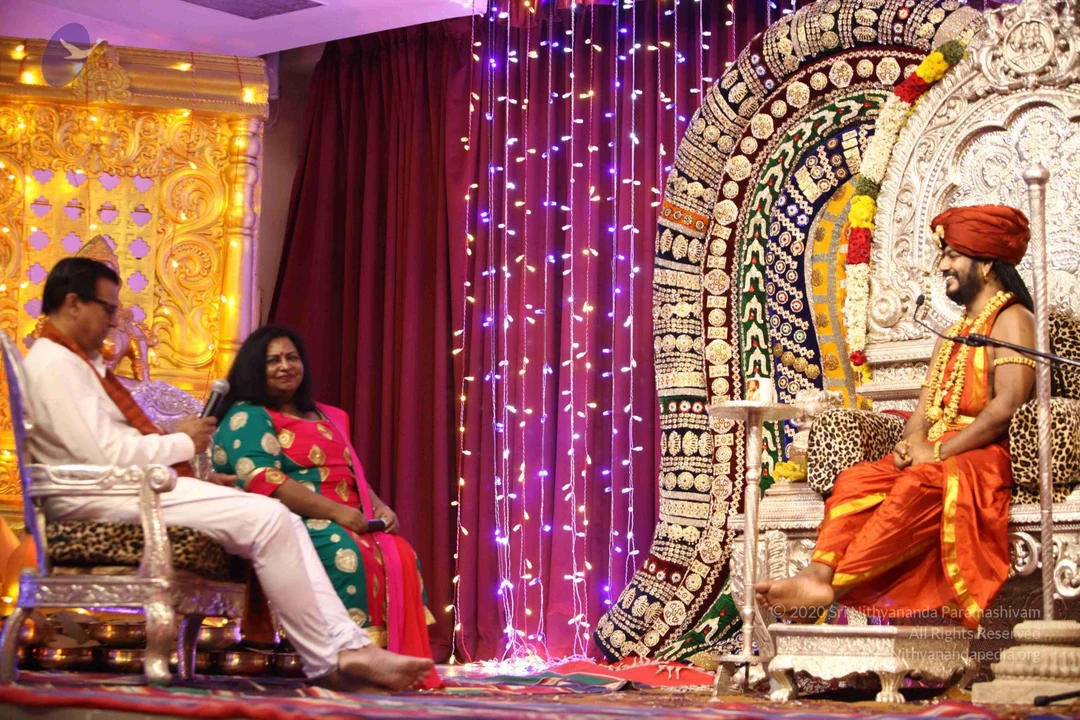
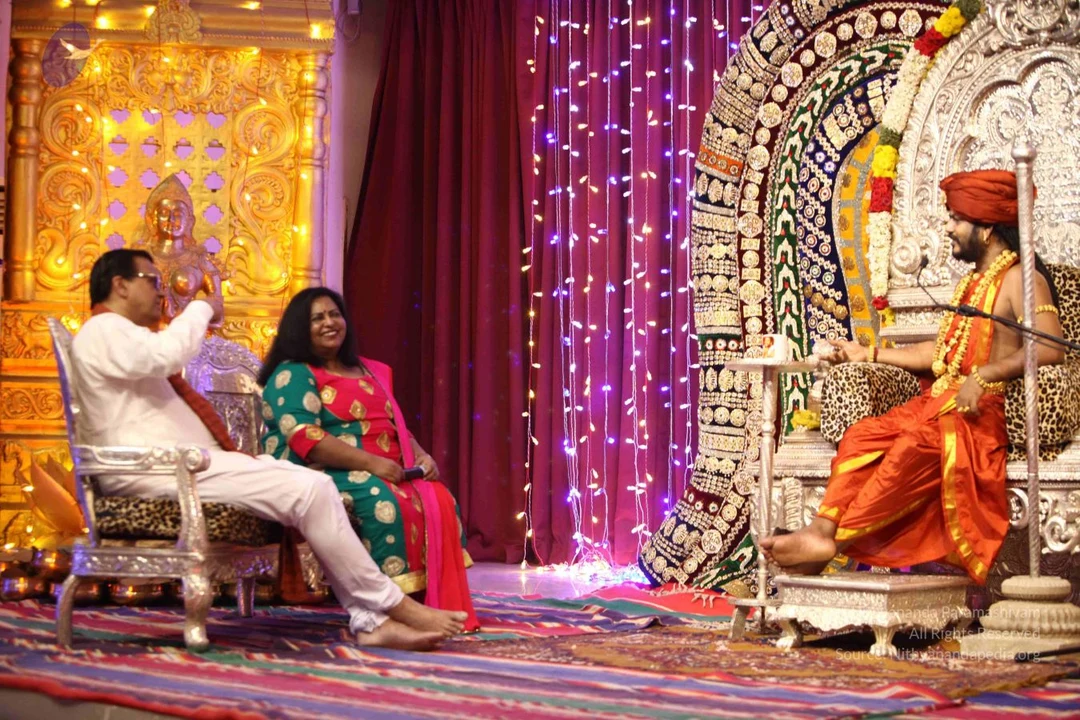
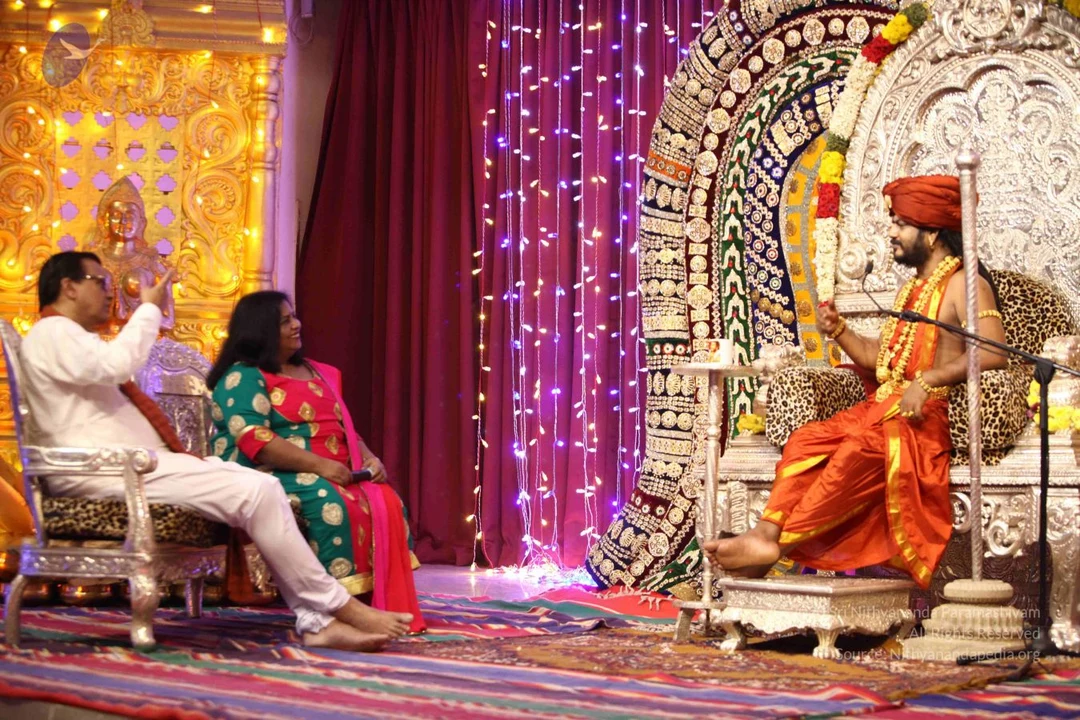
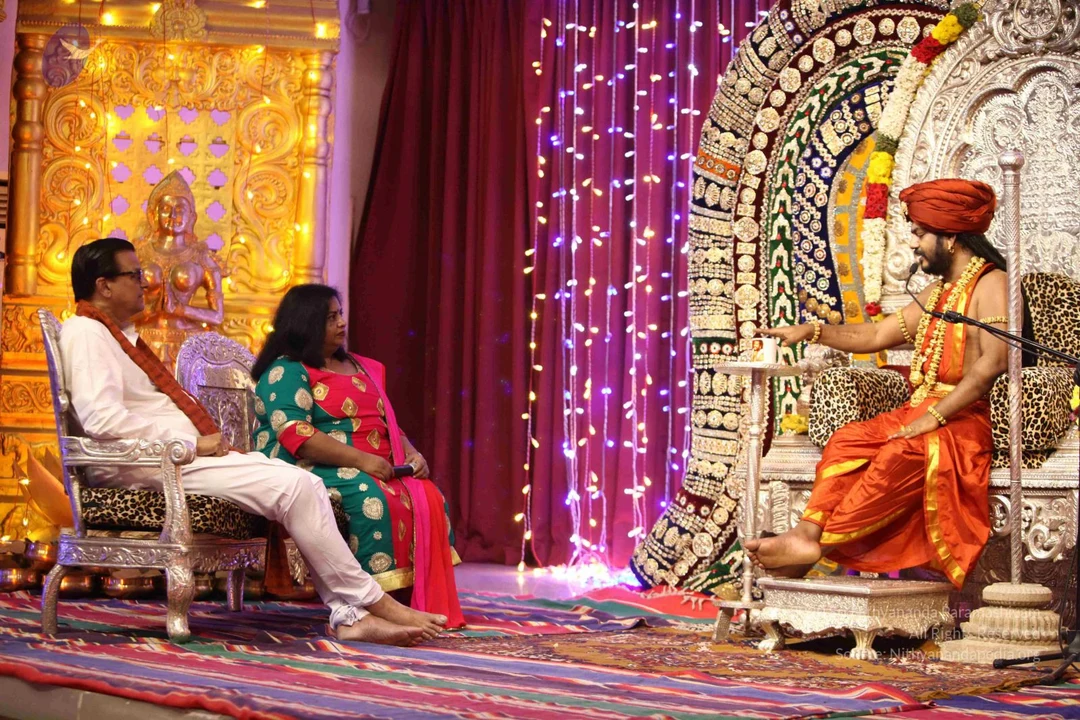
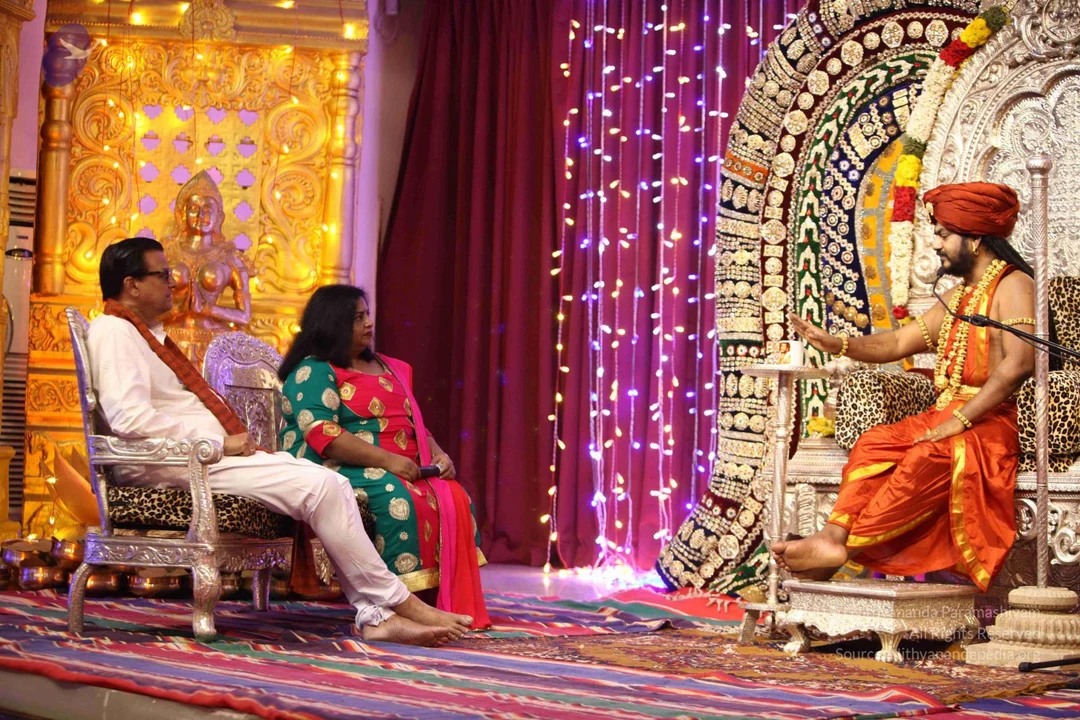
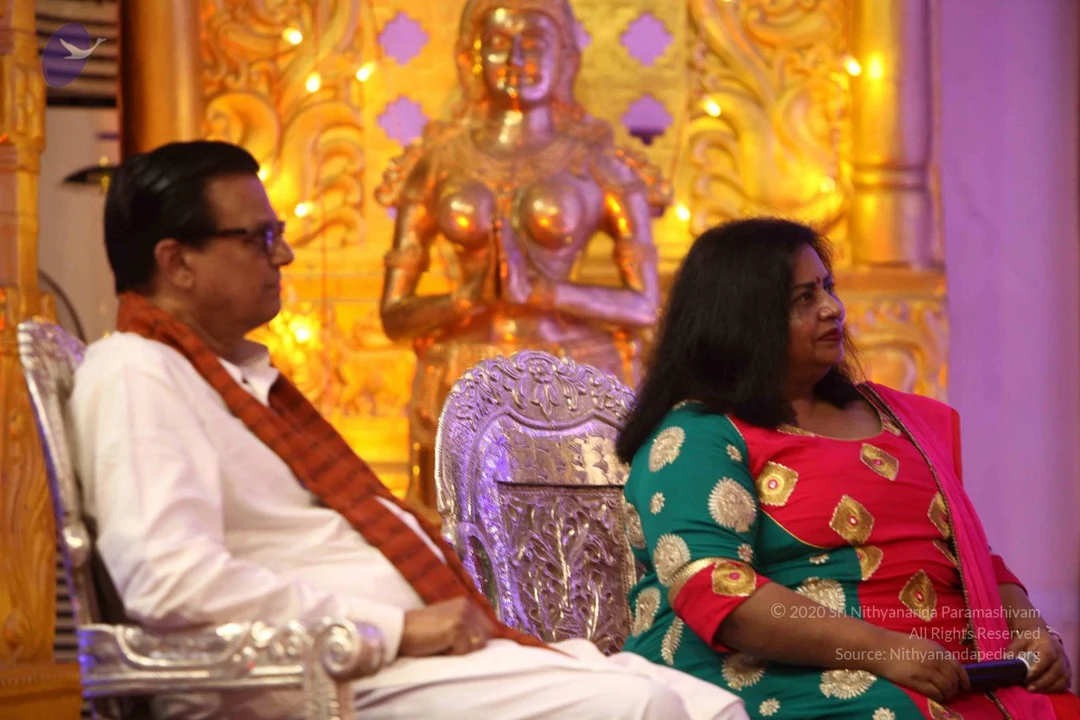
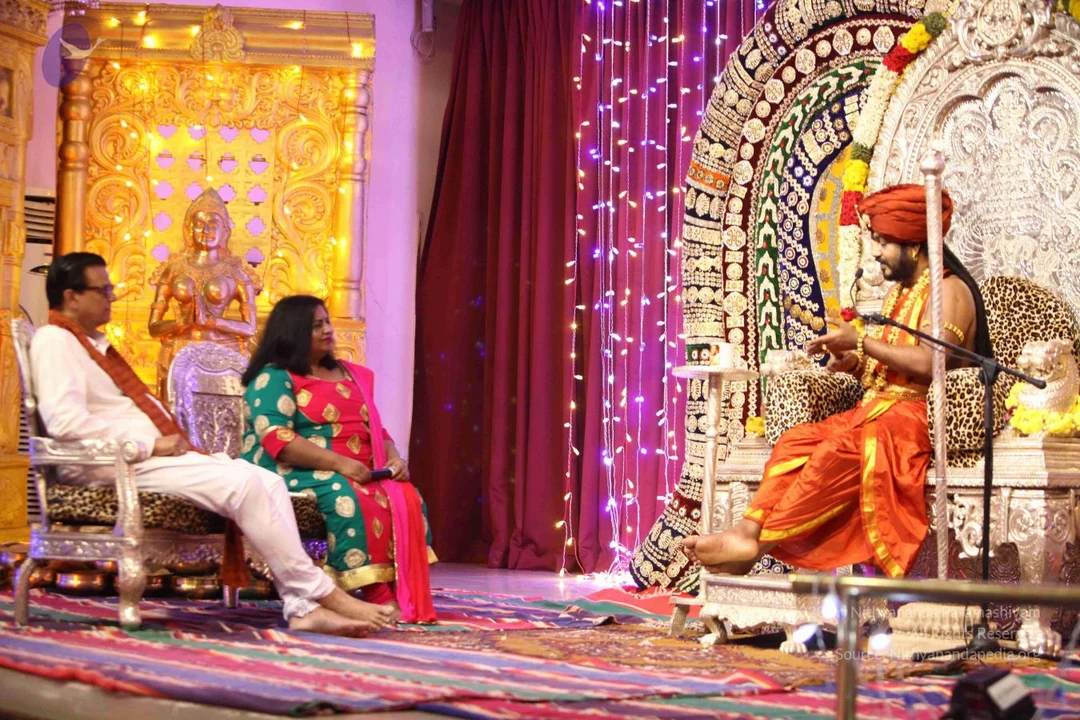
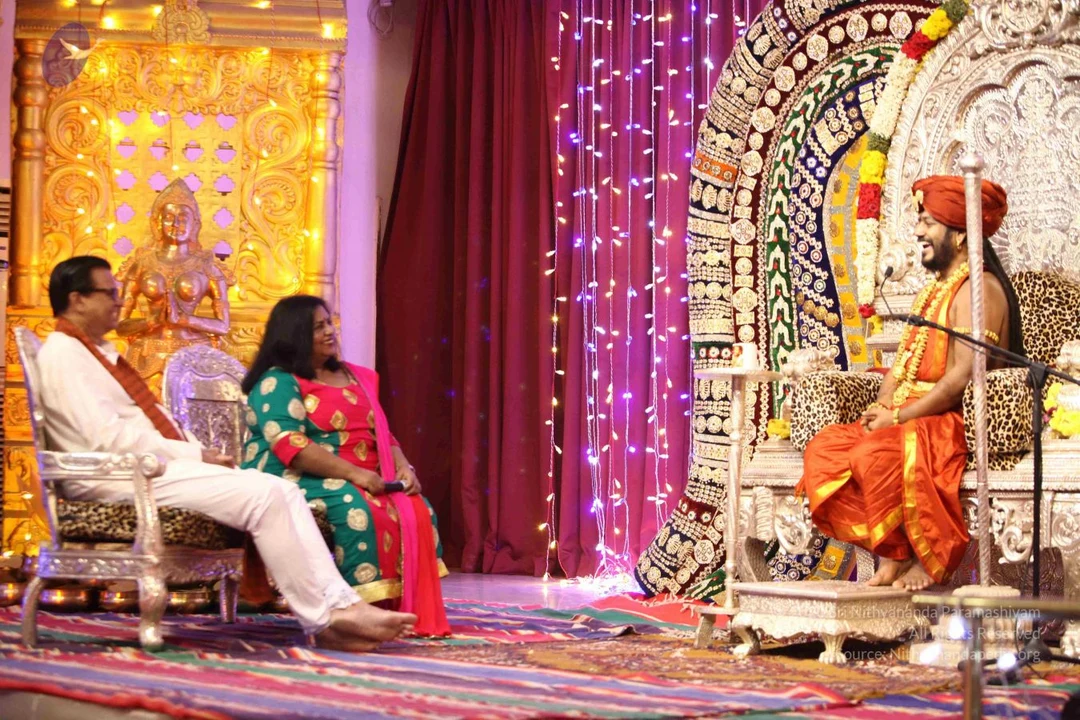
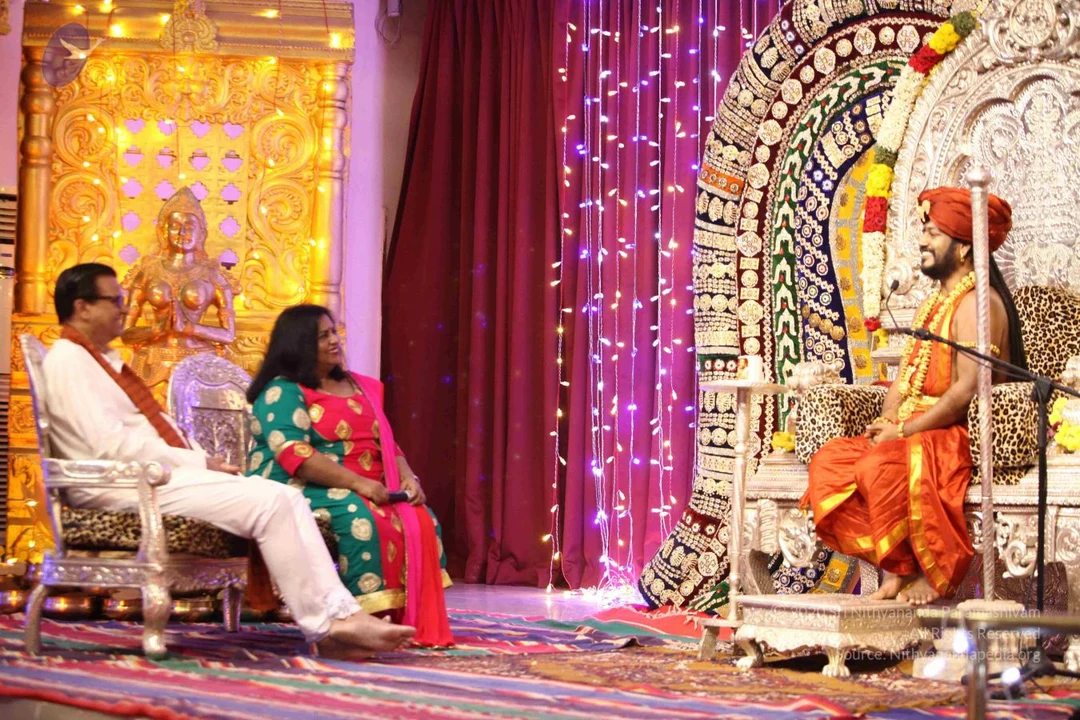
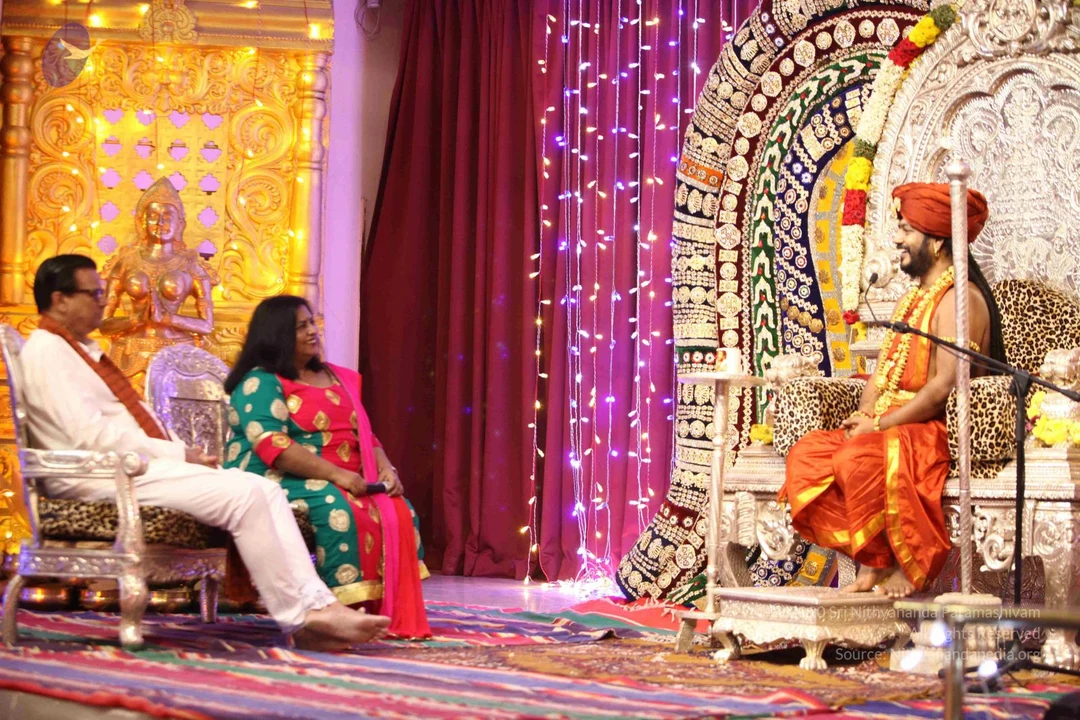
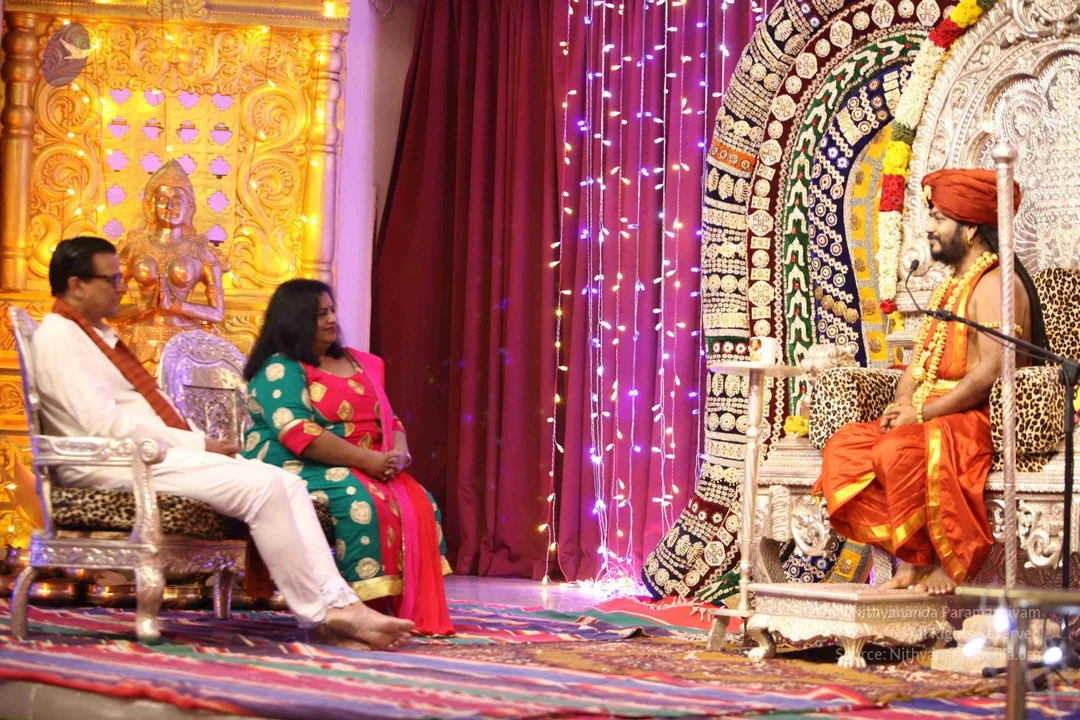
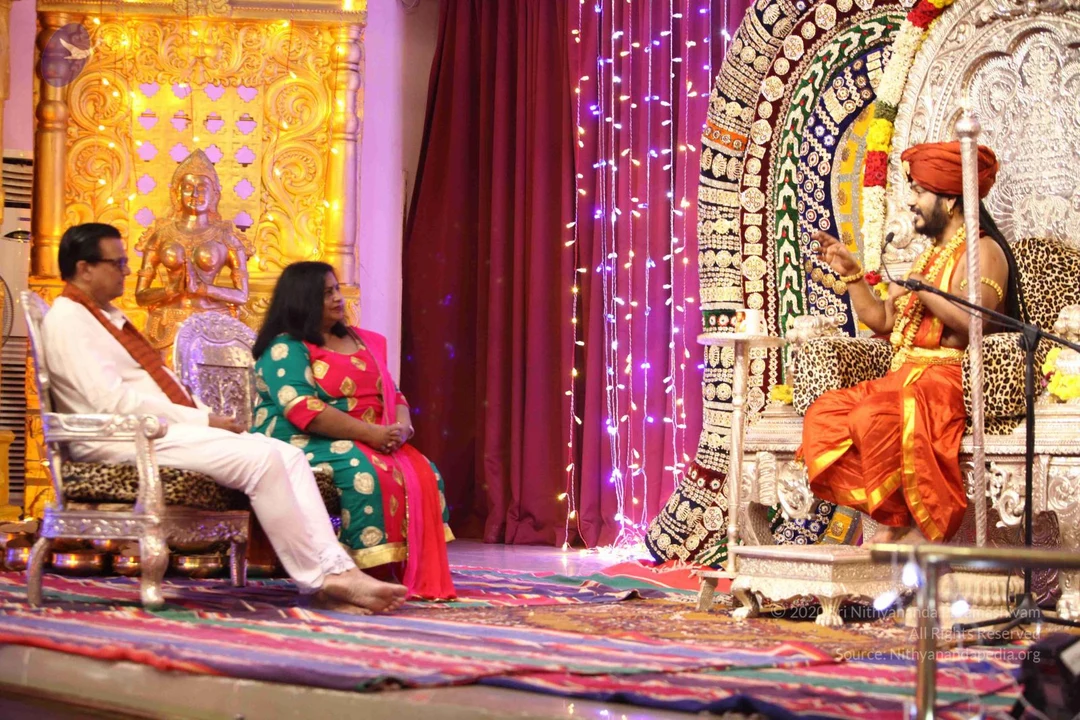
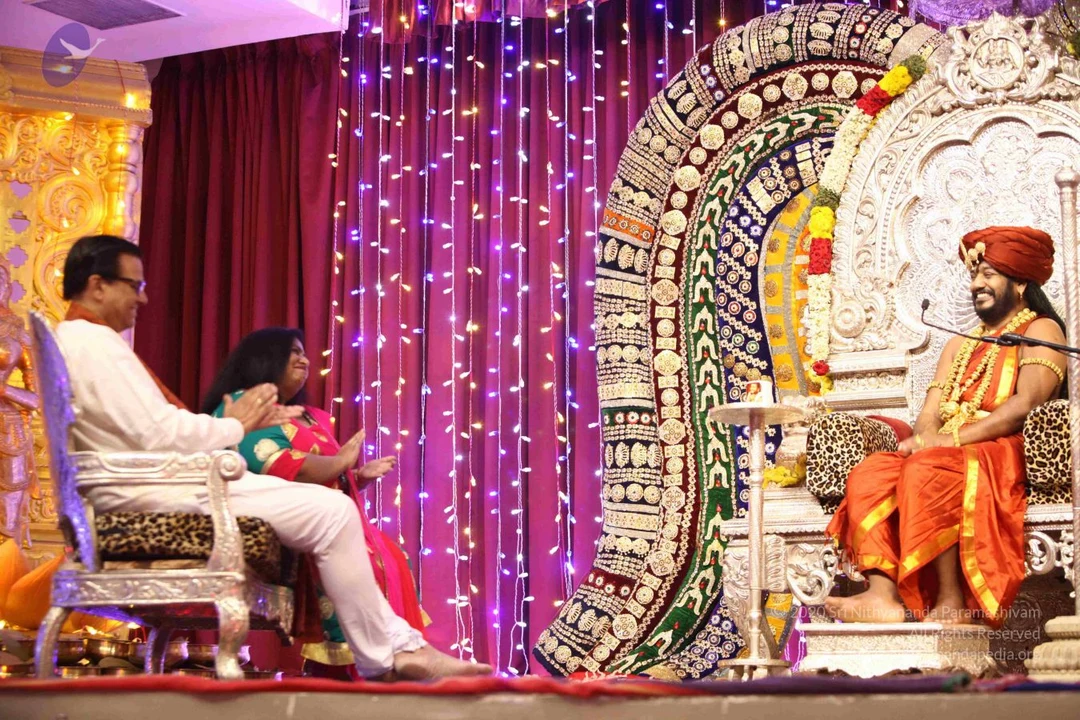
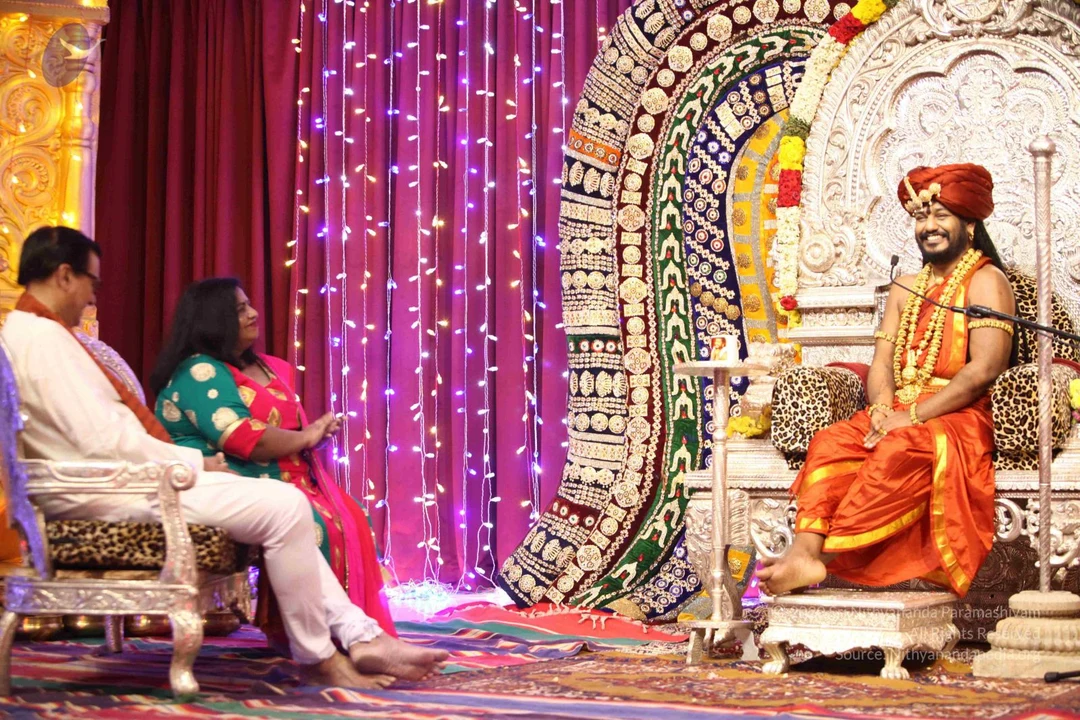
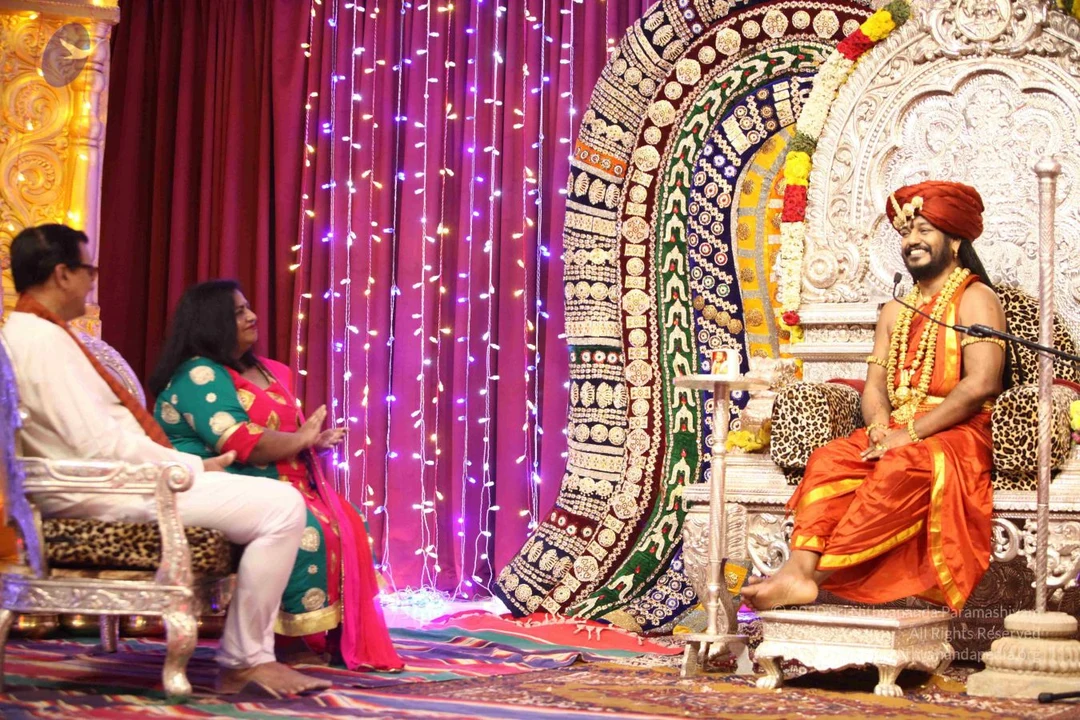
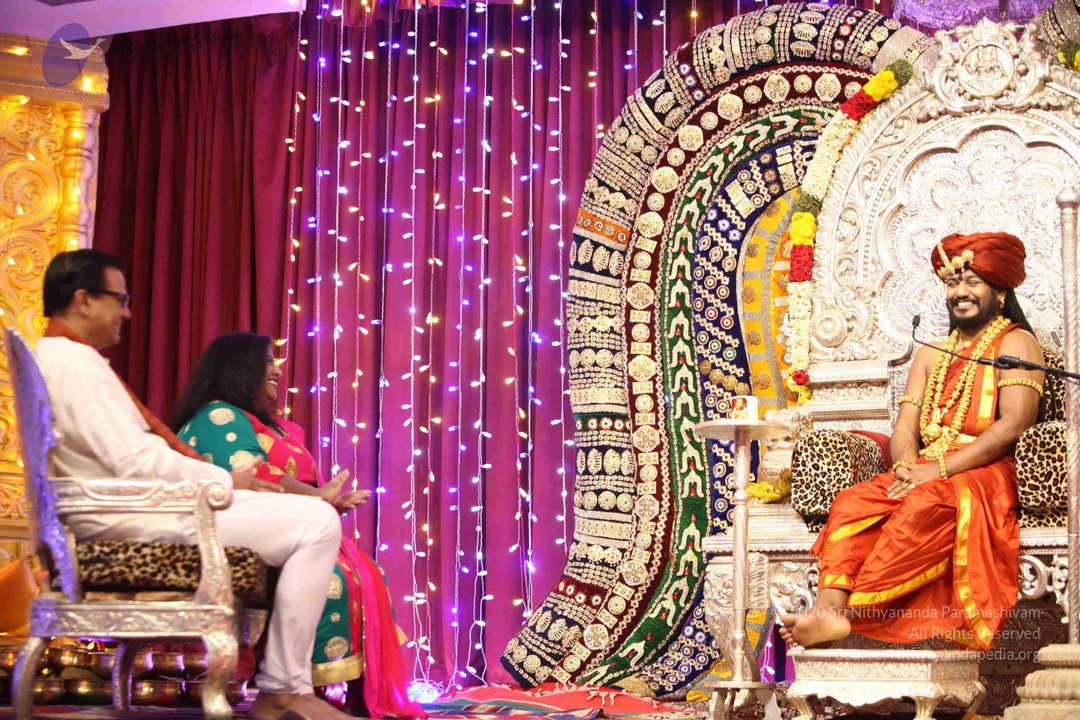
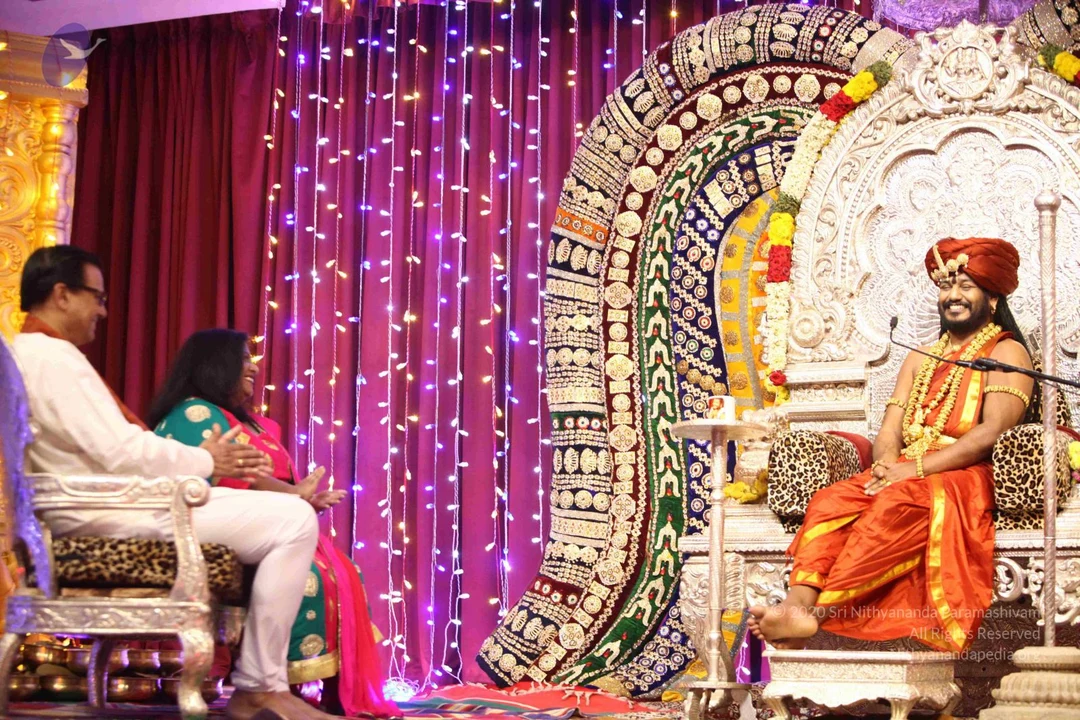
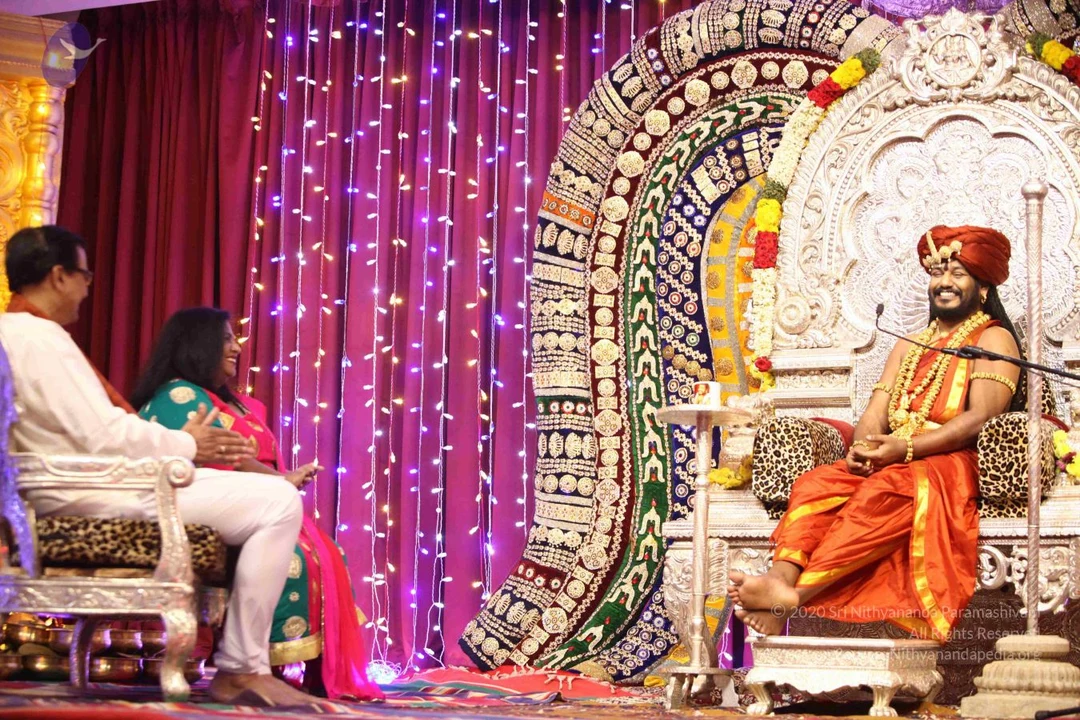
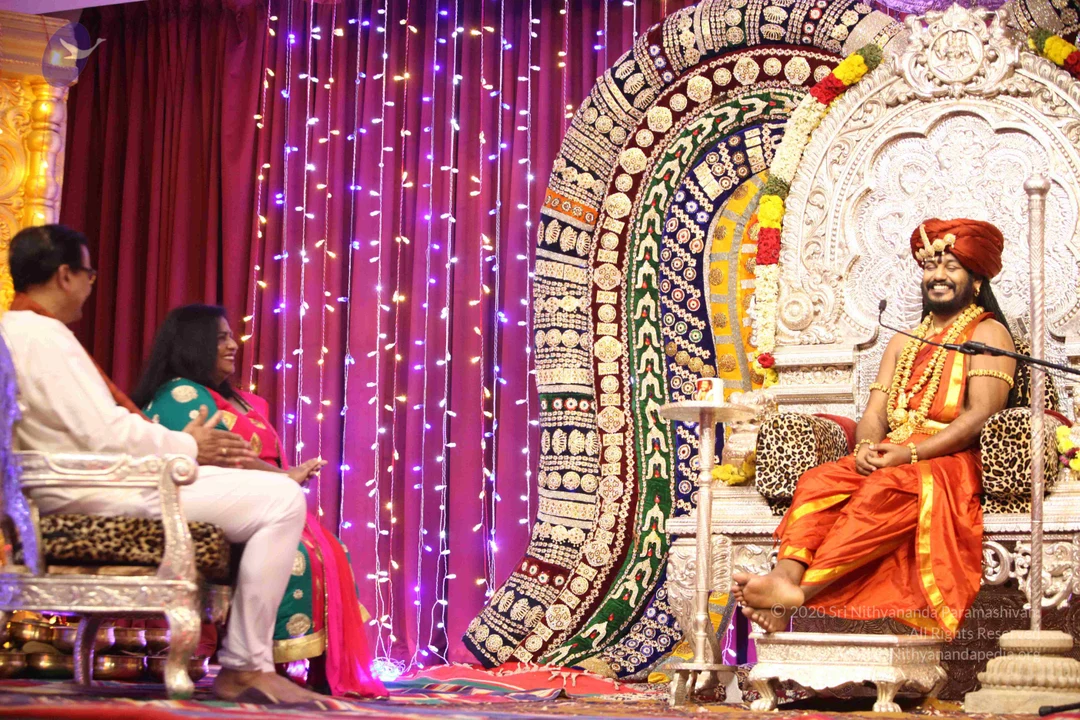
Nithyanandam and a very happy Diwali. Tonite we are going to enjoy one more exciting episode of ‘Ask The Avatar,’ as our Nithyananda Satsang. Without taking any time to delay, I am we all too excited to hear Swamiji’s beautiful revelations in the form of answers. I am excited to invite our very renowned guest for this evening - Meena Das Narayanji and K. Narayan Nedji. Meena Das Narayanji is a renown journalist and the editor of Gulf Connoisseur, one of the Gulf’s leading luxury and lifestyle magazine. She is also a movie maker, whose critically acclaimed documentary entitled ‘Making of a Maestro’ won her many awards and recognition including Kerala State Award for ‘Best Documentary’. Her passion for the Arts, extends from the modernity of the Silver Screen to historic charm of the stage, where she has directed 2 classical operas - “Chilappatikaram and Karna The Invincible”, in her mission to revive sanskrit and the Indian epics. I bless to attend the opening night of ‘Karna The Invincible’ and found myself on the edge of my seat throughout the entire captivating performance. Afterwards I thanked Meenaji for inviting me along with a group from the Aadheenam and for giving us a few minutes on stage to share both the mission and vision of our beloved Guru, His Holiness Paramahamsa Sri Nithyananda Swamiji. She immediately replied by saying,” Anything for Swamiji.” Her multi disciplinary talent is unmeasurable, as Meenaji is also a visual artist, who has held several exhibitions of her work in India and abroad. Besides all this, she is an activist for Sanatana Hindu Dharma, passionately inspiring her 1000s of followers on social media, to understand this sacred tradition, from the right context and enriching all with beautiful and powerful articles outlining her experiences, with our beloved Swamiji.
K. Narayan Nedji, is an Engineer from the National Institute of Technology Calicut, with a background in Management. He has immense experience in electronics and electrical industries in India and the middle east. For the past decade and a half, he has been a managing director for Gulf Connoisseur Magazine. As a motoring journalist, he has attended international launches for the world’s top luxury cars including Rolls Royce, Bentley, Ferrari, BMW, Mercedes and Aston Martin. Very widely travelled, he has gone the whole world over covering luxury events and interviewing top CEOs. His spiritual seeking has taken him beyond the pages of luxury magazines and past the driver seat of luxury cars, to the world of astrology and higher consciousness and all the way to Sadāshiva Himself.
(3:48)
Meena Das -
Swamiji, one question I wanted to ask you from a long time, is that the difference between what artists or what very creative people feel from other….others. There always a sort of a distance which sometimes grows very big and it comes to a point where there is isolation and you feel totally alone. Why does that happen?
(4:20)
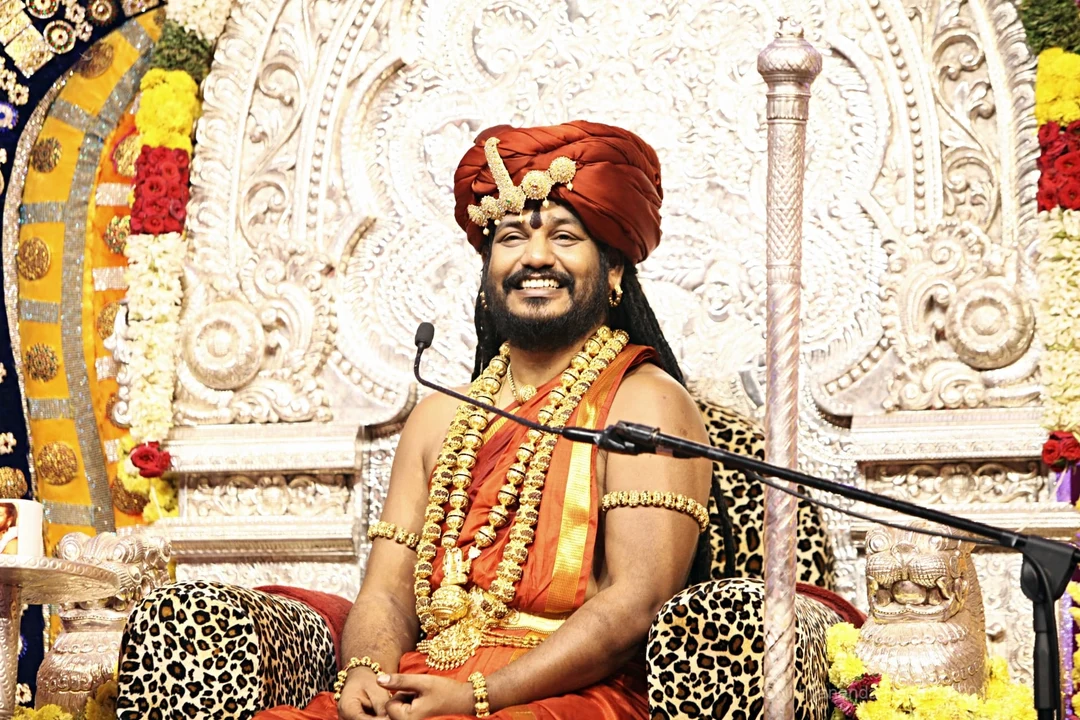
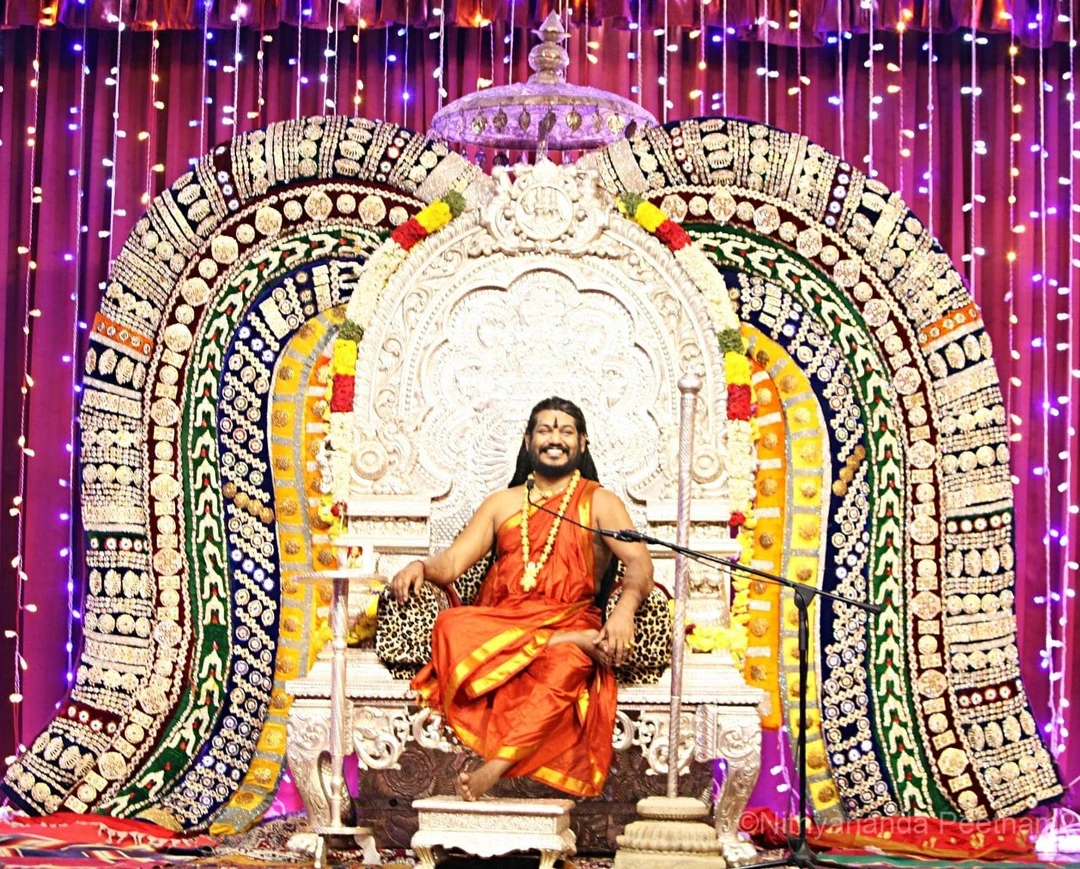
Swamiji –
nithyānandeśvara sadāshiva samārambhām
nithyānandeśvari adīshakti madhyamām |
asmat āchārya paryantām vande guru paramparām ||
I welcome all of you, today’s guests Meena Das Narayan and Sri Ned Narayan.
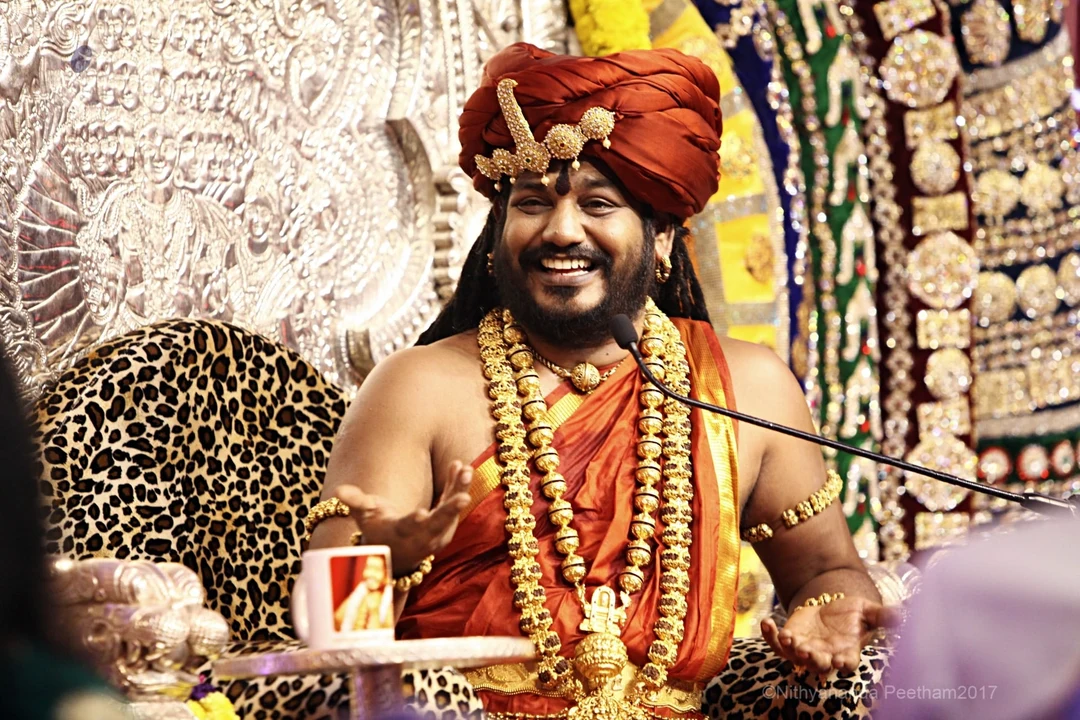
You put a very important thought current - the inner space of the Artist. Why they feel distance, alone. You need to understand the word ‘art’ and the word ‘kala.’‘ Art,’ the way word develops it’s roots and develop, it expands into relating with others –
artificial, artistic, various words developed but the concept of the art, is all about relating with others. In Hindu tradition, concept of ‘kalaa’ is all about giving life to you.
The word ‘kalaa’ precisely is defined in Agama - Nada kalaa, Bindu, Bindu kalaa. In the definition Sadāshiva says - Kalaa means infusing your prana into anything is called Kalaa.
If artists understand this context, “You are giving life to anything.” If you give life to a stone, it is called sculpture. If you give life to a paper, it is called painting. If you give life to your own body movements, it is called dance. If you give life to a cloth, it is embroidery. Anything in which you breathe your prana, if you give life to your verbalization, it is called oration. Anything you infuse prana, that becomes Kalaa.
If our orientation, the fundamental cognition moves from the idea of art to kalaa, we will not feel aloneness, we will not feel the loneliness, we know anything we only give life.
Whenever we give life we are Shiva, whenever we ask for life we are Shava. All the ideas of art from the modern society, is all about award, reward, recognition, respect, reverence, appreciation, criticism. If our being constantly functions with the cognitions of what others are going to feel, we ourselves feel it is too much load, the other’s opinion and other’s ideas are too much load, better let us withdraw. That withdrawal becomes so deep, it becomes loneliness. Fundamental cognition of an artist should be about ‘kalaa.’ I am infusing life to it, whether it’s a script or a thought current or a word or a canvas or a stone, in anything I breathe life, it becomes kalaa. To put it precisely, we need to more centered on the cognition than the appreciation or the results of the product.
You see, I am not trying to tell...in how they interpret the Gita – karmaṇy-evādhikāras te mā phaleṣu kadācana (B.G. 2.47) - like a moral,”Oh do your duty, don’t expect results”. No! Fundamentally, I differ with this Vedantic interpretation of – Do your duty, don’t expect your results.”
When they interpret this Bhagavad Gita….I tell you, one incident happened in My life, then maybe I’ll be able to give precisely what I am feeling, the thought current.
My Guru, at the age of 12, after I became enlightened, in the exact rock on which I became enlightened, nearby, she acquired some land and she built a building and I was only 14, when she completed the building, that was the first ashram built for Me and before she left the body, she wrote a Will that, “I should be her disciple and taking care of whatever she taught Me, teaching it to the world”; and then she wanted to make a legal Will of her house and that ashram, which was actually...both of them were very near, just a few 100 meters and she wanted to make a legal Will of handing over both the properties to Me.
She called Me and said, “I am writing this house and that ashram in your name.”
You’ll be shocked. My first response, “Oh, no, no, no, no, no, I cannot run, electricity bill who will pay?” That you are suppose to pay the...for water in the villages to the cooperation. “Who will pay water bill and who will pay the electricity bill, I cannot maintain.” Can you imagine I told this!! At the age of…. So, she started laughing.
Then she made a statement that, “You will repent for this refusal, you are not listening to me, but I cannot force you.” She said, “You are going to built thousands of ashrams but this will be very important property for history.”
Of course, neither I was ready to understand, what she was trying to tell. I’ll tell you exactly My mental thought current, which I immediately blurted out to her – I said, “Thousand ashram, even this one ashram I think I can’t maintain. To maintain this 1 ashram, 1 month I have to work. Thousand ashram means to build I will have to work at least 200-300 years and only then thousand ashram will happen and to maintain that I would have to work another 200 years, what are you talking? What are you…..”
So, when I started arguing, she started laughing.
Then she made a statement – “Now I am telling you: do not expect the result, do your work.”
Understand. Actually when we expect the result, our goal and reverse calculate the amount of work we need to do for the goal, we become tired of working. We go, “Oh god!” Exactly what I did to My Guru. The wrong argument.
I was trying to convince her, “Oh, thousand ashram means thousands of crore, then 3-400 years I have to work, only then that kind of money will come, only then that kind of a ashrams will come, then thousands of years I…..hundreds of years I have to work, to maintain. How I am going to do?”
See, by grasping the goal and reverse calculating, I made Myself tired and never started working. But, one good quality I had is, “I will obey My Gurus.” Just there is no second thought current, like aghori. Aghoris are the….aghoris have the tradition - “Just do, no question of second thought current.” That is one of the very powerful initiation in Aghori Sampradaya - the Guru-disciple relationship and I had a great commitment to My Guru, when she said, “Drop the expectations and start working,” then I understood. Much much later, when the Sangha started happening, it clicked with Me – “Don’t expect the results, do your duty,” is not told to exploit us or to pacify us, “Just do your work and don’t take the salary or don’t take the money.” No! It was not from that context. If you think of the result and reverse calculate the work you need to do, you will feel you need to do too much and you will be tired and bored and you will never start. Now, what she said - literally is happening!! Literally happening! Surely, we are in….I don’t think we have thousand ashram but surely it is 3 digit. It is not in 2 digit. It is in 3 digit and maybe in next few years only it will be in 4 digit. The way we are growing and the way we are expanding, I don’t think…. I need to see 45, to make it into 4 digit. What she was telling, I don’t even need to get into 45 to make it into 4 digit.
One thing I understood in this whole drama - at that time when she was talking to Me and instructing Me, My idea was, “If I work for one month, this is what I am going to make, whether income or donation or anything, maximum I may make 10,000 Rupee. So if it has to be thousand ashram, what is needed?, and thousand ashram if that much is needed, every month 10,000 Rupee, when is it going to reach?”
So, My very logic was faltu, wrong.
She said, “Drop this, just decide to take the responsibility.” When I decided to take the responsibility, I understood, when the conscious shift happens in us, our earlier calculation of the monthly review, all those logic does not apply.
Many time, our mathematics does not apply is not bad news, it’s a good news. Many times it’s a good news. If we never start, only then it is a bad news. If we never start, only then it is a bad news. So, even now, when I saying – “An artist should not be bother about the reward, award and he should start getting centered more into the cognition”– I am not life denying. Then you may think, “Oh, for an artist, the honor and the praise and the name is... that is the only reason why he will be inspired to work, how can we deny that. No! If we are thinking and planning about that, we will always reverse calculate what we need to do and get tired and bored, we’ll not feel we will be able to do or we can do, it will just….it will be like self-implosion. So if we don’t bother and construct the inside with this cognition - what we really thought cannot be achieved, will become reality. Just when I was arguing with My Guru, I tell you, really I tell you, with all My integrity - If I am telling My Guru, “I cannot do,” that is what was My cognition at that time. That was My cognition. Many time, we are underestimating the power of cognitive shift. Fortunately My Guru pushed Me, I was able to listen to her and dropped the idea of reverse calculation and the cognitive shift of, “Let Me do one at a time.”
Surely now we are in 3 digit and it is not even looking like work now. I just need to come out and sit, outside My room and breathe, that’s all. It is not even like a work now. I need to breathe outside My room, that’s all I need to do and it is happening.
You see, when Bhagavad Gita says,“karmaṇy-evādhikāras te mā phaleṣu kadācana (B.G. 2.47)” or when I am telling – Artist should be more focused on the... his her own understanding of ‘I breathe life into it - nothing else matters.
When I say this, when Bhagavad Gita says this, I am not saying, “withdraw from life.” Bhagavad Gita is not trying to tell, “back out from life,” all I am trying to tell, “Your reverse calculation is about your goal and activities you need to do is not right. With very minimal activity by the shifted cognition, the results will be huge.”
So the number of actions...you see, the number of actions I planned, I am supposed to do and become tired and bored in front of My Guru, in that number of actions, I have not performed even 1/10th, forget about 1/10th, not even 1/100th. If I planned, I am suppose to do this much for thousand ashram, I have not done even 1/100th of it, but that cognitive shift….I allowed that cognitive shift to happen, that responsibility to flower, I can see My whole reverse calculation is child play. It is like child sitting and planning, “Oh, this whole month, I saved in My piggy bank I got 200 paise, 2 rupee…to build this house, I need 2 lakh, so 1 lakh month, I need to have My piggy bank and save,” which is not reality. In existence, it is not reality.
So we need to move from being an artist to kalaakara. Kalaa is you giving life to it. If you give life to sound, you become musician.
If you give life to visualization, you become a director.
If you give life to your body language, you are a dancer.
If you give life to your words you become poet.
If you give life to the canvas, you become painter.
If you give life to a stone, you become sculptor.
You give life!!
That is why, all the 64 arts of Hindu traditions ( 22:00 ???????tamil) , all the 64 arts are dependent on the ability of you able to give prana to it. Nowhere, it can be given by relative reality, but in kalaa it is not. In kalaa, our ability to breathe life to it and I tell you, ultimately never ever great things achieved or great fulfillment experienced in relative existence based actions. This relative existence based actions are draining activities, it drains you, makes you powerless, even when you get praised, name and fame, award, reward, the relative existence is tiring.
More existential reality based person is cheerful, powerful, enjoying, breathing life into anything he touches or does. So I feel, kala is the solution for the problems of the art.
(23:43)
(Meena Das) - Thank you Swamiji.
(23:47)
(Narayan Ned - ) Also Swamiji, this cycle of life and death, a pure source of evolution like plant to animal, animal to human beings, then from human beings ultimately the realization. If one asks, why can’t does God keep quiet and save us from this misery, what should be said?
(24:11)
(Swamiji)
See fundamentally, perceptions of the misery is our individual choice, even the moment you think God exists, if you operate from the thought current ‘God exist,’ you cannot perceive misery.
If you operate from the thought current of perceiving misery, those moments you are very clear ‘God does not exist.’
See, God is the intelligence on which everything is established, if you believe it is an intelligence operation, then where is the place for misery? I am giving you a very simple Nayayika. In Vedic tradition, we have a tradition called Nayayika, just using the logic achieving liberation. I am giving you very simple logic. You presented a thought current, this birth of animal, moving to human, then higher, then ultimately liberation. The moment you utter this thought current itself, don’t you see – it is just intense expansion, that is one.
Second, we are asking, “Why can’t God keep quiet and release us from this misery?” You see, when there is a idea that, “God is responsible for everything,” then we should look at everything with that one thought current that He is responsible. If we think there is a misery, for which He is responsible, then we should know – everything whether good, bad, right, wrong, concepts of right, wrong, concepts of good and bad, for everything He is responsible.
Ultimately, if we say for everything He is responsible, then we should not be worried, because even the suffering is….He is only going through the suffering. I cannot enjoy something for which He is responsible or we should come to this thought current – “Whatever I am going through for that I am responsible not He.” Somewhere, we need to stick to one logic. What we do? We confuse with multiple logic. It’s like a...we try to measure the water by kilogram and weigh the cloth by the kilogram, different….we are changing the units. See, liquid is always measured by litre. Mass is always weighed by kilogram. Distance is always by the kilometer. Different units! We should not mix the units. This question, fundamentally ask - 2 things of faulty generalization and mixing of a different logic and the question is arrived. When we say – animal, human, higher - do you feel we are responsible for this? What do you think? You tell Me.
(28:05)
(Narayan Ned) - No
(28:08)
(Swamiji - )
So somebody, it means God is responsible. When He is responsible, for this big happening, in that happening good, bad, right, wrong, grief, tiredness or boredom or sickness or depression or pain or the grief or any of that – how can we be responsible? If you say, “No, no, no, I am perceiving the pain, then we need to know, then which part is my responsibility.
Somewhere then for everything He is responsible, is not yet become true for me, whether it is true or not, I don’t want to question because many of the Apta Pramana and Shastra Pramana says, “it is true.” I will give benefit of the doubt, but let me find out how much I am responsible in this whole scene. So if we bring - “If I am responsible for perceiving certain grief - pain, suffering, tiredness, ignorance, then that part - I must be the creator.” If I say, “He is the creator,” then He is responsible for everything, I cannot enjoy anything, He is only enjoying. If I am enjoying suffering, if I am perceiving suffering, may be for that zone I am the creator. Even if we come to conclusion – only who creates - enjoys, only if we come to even that simple logic then we know whatever we perceive is our creation, not His creation, whatever He created, He is perceiving, whether it is good or bad, let us ask Him.
Somewhere, we need to be logically handing both. If you think grief, pain, you are perceiving it still,then we created it. We manifested it and if you think, “No, no, no, all this life, everything is only His work, He is only doing,” then for this also He is responsible. It is like a...logic of the ultimate reality and logic of relative existence, our relative existence is logic, does not immediately correlate with the ultimate truths logic, but connecting this logic into that logic and tuning our life is what I call Sadhana. Sadhana is the relative logic with which we function, gets tuned to absolute logic, and from morning to night, you do not have any thought knot, where the thoughts come and you get into a kind of a confusion or misunderstanding or ignorance or a blind spot and you are lost and again after 10 days you find the solution for that problem and you forget, again after a month you find a same problem, this is what I call thought knot. Not having any of the thought knot and our internal logic which perceives the world and existential logic, both being in tune….in tune is what I call Completion, working towards that is Sadhana.
Fundamentally I feel, our ability to trust the higher self is much more than even our ability to trust our self. Actually, at some times when we feel everything is blocked - over, now nothing can be done, as per my logic goes, destruction is only seen in the front, that is inevitable but destruction does not happen. During those moments, we start learning the logic of Cosmos much more than the logic of the individual’s calculation to and fros. If you remember some of those moments…. I have always seen, whenever I remember those moments and I see with that fresh eye, I see the problem in the front is not there. Problem in the front is always the blind spot. One - putting different logics and raising the questions and keeping that as a blind spot without analyzing it. Second - our ability to handle life is much more than we ourself can believe. This 2...this 2, is what I call, can be the ultimate solution for every blind spot we face in our life. We need to know only one thing - Do not lower your speed, do not lower your spirit, do not withdraw because of any of your mental, psychological problems. Dangers are less than 1% and fears are
99.9999%. The percentage of danger, fear proportion is 99.9999 and less than 00001. Fears too much gets consolidated into your thinking system and that itself creates a blind spot between one logic and another logic. If you just sit and write this same question, all these janmas happening, ultimately enlightenment, why not God keep quiet and free us from all this suffering? If you see the first thought current - “when you believe and think through, there is no suffering.” If you see the second thought current - “when there is suffering, there is no God.” when there is a concept of suffering and perceptions of misery, already God has been denied and His role has been denied. His existence has been denied. He is irrelevant and redundant. When you look at the first logic, where He is important and alive, He is kicking around, He is doing things, He is still operating, He is still available, He is still responsible, then there is no suffering. Relative existence logic cannot be applied to the logic of the Cosmos.
(36:08)
Meena Das -
Swamiji….Swamiji, as you are the Avatar and all of us really grateful that you have come into this world, but sometimes I wonder, because you already know what’s going to happen and yet you behave as normal and you all the things that are daily...routine. Many of us always we are confused between - are you the Avatar or are you a human? So I think, many of us, in the audience also we have this…. So how do you sort of convince us….
(37:01)
(Swamiji)
See first thing, let Me open the….as it is. First thing I am going to tell you - I am going to answer with all My integrity. That’s the first.
Second thing, as super consciousness, I will give you one analogy - this whole time is a canvas, 2 kilometer canvas, it is painted, the painting is the Universe, I am walking from the point 0, I walked 600 meters, that 600 meters is My past, where I am standing is My present, this remaining 1400 meter is My future.
Me as a canvas, know the whole 2 kilometer, but as a onlooker does not feel anxious about the future to know the whole 200 kilometer, so waiting and enjoying and having slow walk. Understand. As a canvas it is written on Me, as an onlooker, the person who is relating with you, I am walking and enjoying. When I fall into samadhi, I am a canvas on which all this are painted, when I am in the relative existence and playing the game of this Sangha….the head of this Sangha or any of the roles I am playing - the role of teacher, educating and whatever, whatever, I am doing, I am the person who is walking and seeing the canvas.
Fundamentally, My inner space is so deeply grounded in the belief and cognition - “I am the canvas. I am not feeling anxious to look at the future.”
To look at the future, to be a peeping tom into the future, you need certain anxiety, you need certain insecurity, you need certain ungroundedness. A grounded person knows...you see, because you see, because of that groundedness, anxiety do not have a place. The anxiety is not existing. That is why the need to look at the future. Actually looking at the future or trying to see what is going to happen, happens only if you have certain level of anxiety and one more thing, I have never felt, I need to convince somebody that I am an Incarnation. I always felt, “Let Me do My job. Let Me do what I need to do, if people are benefitted and they try to compare whoever has benefitted them and they try to come up with some title, I’ll say,” Use what titles you want.” See end of the day, Avatar is the existential reality not the relative reality. It’s not relative reality. It’s existential reality. Only one thing I can be sure, this groundedness that, “I am going to do, what I am going to do and I am going to win and I am winning,” this groundedness has removed the anxiety and it is...I am seeing very clearly, very properly the right people are coming, right understandings are flowering and I still remain as a simple village boy, enjoying My Idli and curd rice and doing My puja and living My life. But I always know, when the problems come - solutions come. I am seeing everything just simply, neither with 2 good eyes nor with pessimistic….see neither optimistic nor pessimistic, just simply realistic. When I see the whole thing with this simple reality, I can see...because I am grounded so strongly, “I have come to do a great work and I am going to do...because I have brought everything needed for it.” And all this problems, I know when they come, solutions will come, they will be solved and because of that, the anxiety is not there, need to see the future does not exist and whenever necessary future also gets revealed, if I need to change it, if I need to do something about it. Otherwise I Myself do not purposely focus it...focus on the future or anything. So ultimately, I should call - “groundedness is the quality of an Incarnation, not the ability to see the future or anything.”
(43:15)
Narayan Ned -
Swamiji, to prey and to be preyed, is a natural phenomena, especially in jungles, you’ll see lions preying on deer or bison or anything. So somebody remarked to me that, “see the nature is very cruel,” so what is your opinion on this?
(43:46)
Swamiji -
See, understand. I’ll tell you one thing. Our idea of pain only judges that situation. I am not saying, “A deer does not feel the pain when the lion eats him or her,” but all I am saying is, “It does….it has a pain but not suffering.” It knows that is the way life is. That is the way life moves and even in us I am telling you, only when we have the choice we can escape from something, we add suffering to the pain. When we know there is no other way, we just simply go through. Suffering is possibility of Plan B or choice, not the happening itself. When we are judging from outside, our understanding, perception, all that is different.
When actual happenings are happening, all that is different. I’ll tell you one thing, when you utter this word now, preying and being preyed, means eating something or getting eaten by something….I wanted to say in another way also - somebody praying to you or you praying to God?
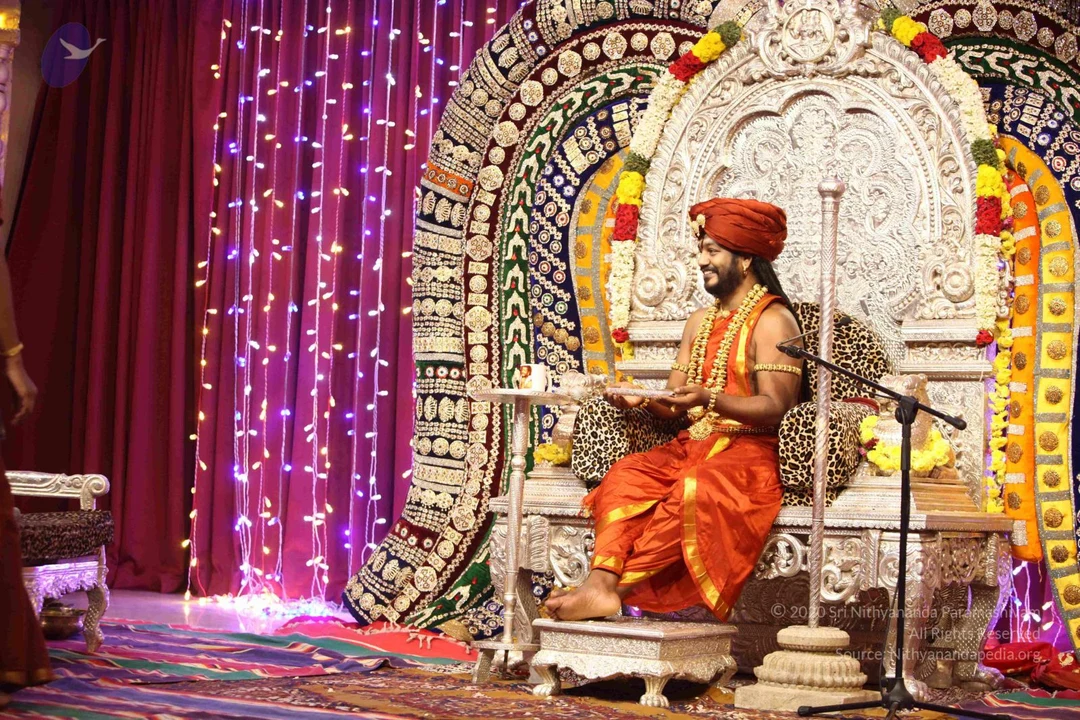
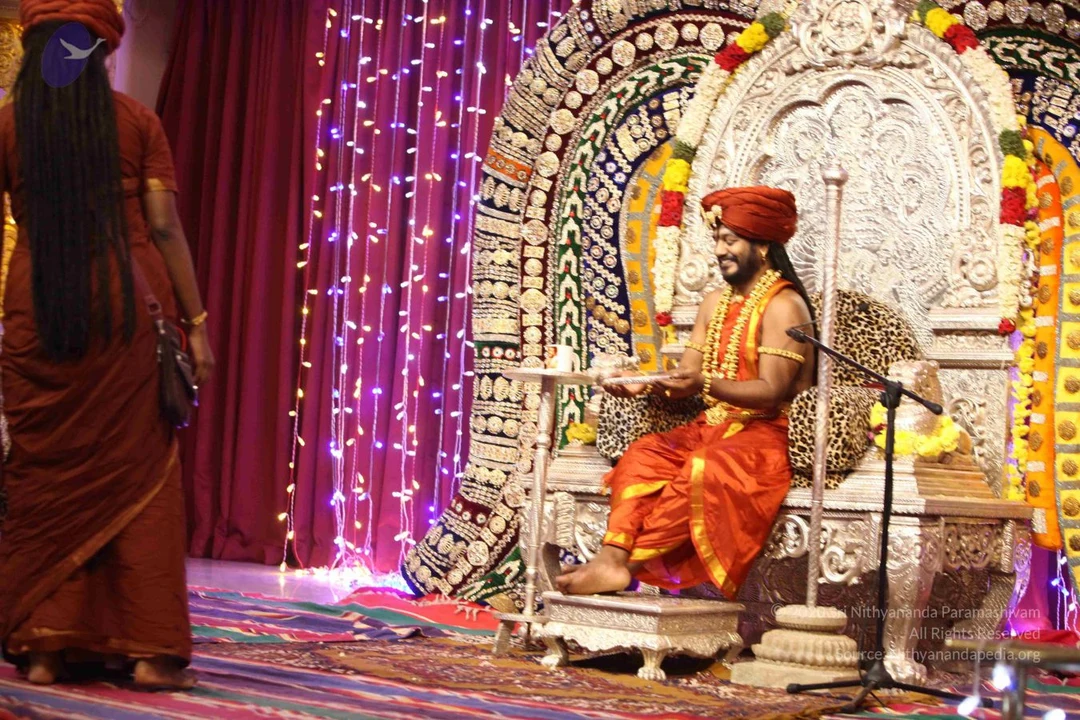
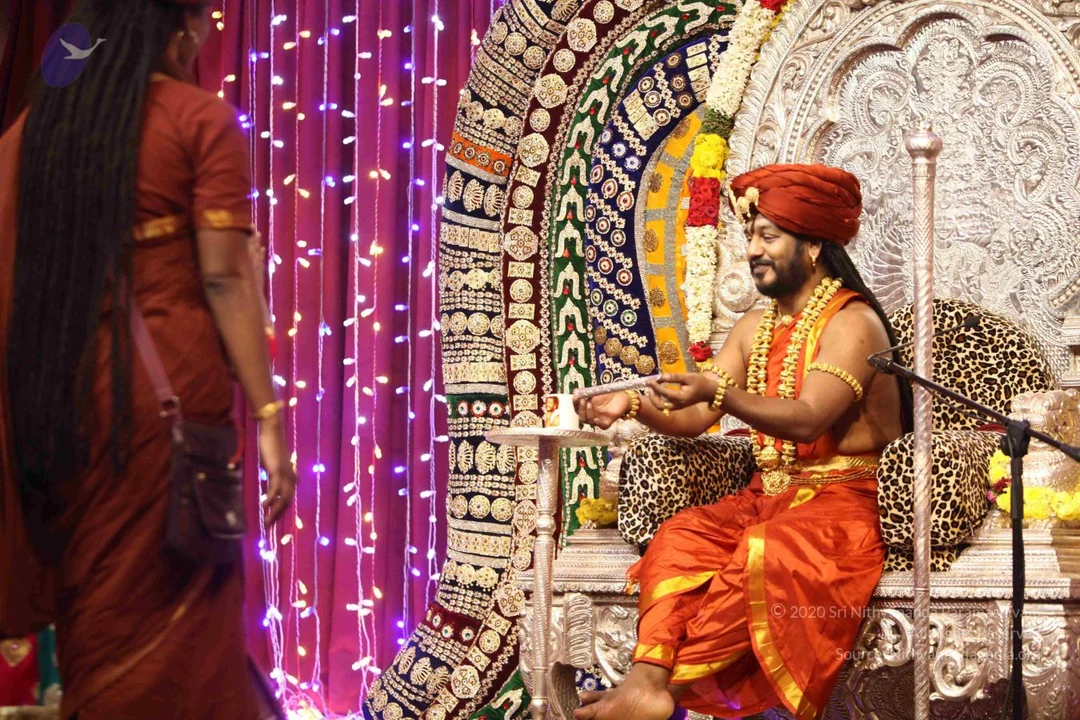
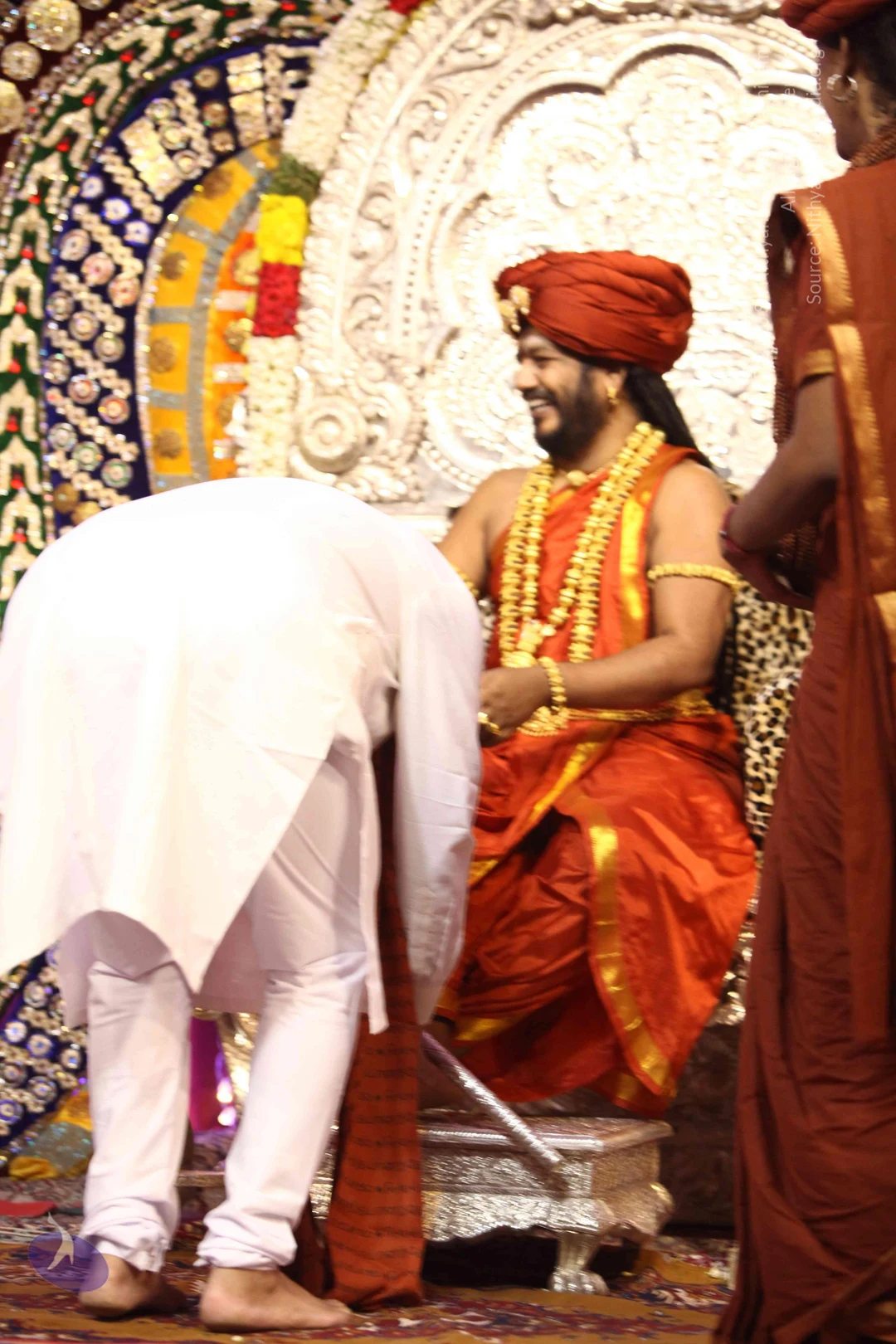
I am putting Me in that position and telling you, just now before coming here, I went and bowed down to Sadāshiva and came back...came here. And after coming here, so many people are doing Pada Puja to Me and bowing down to Me. Understand. From this angle and that angle, both I’ll explain. From this angle...actually if I explain from this angle you will understand the logic of that angle. From this angle, when I go to temple, even when I know we are One, as long as this body is functioning in relative existence, let Me be devoted to you. Here, when devotees ask...when devotees pray to Me, even though this body is functioning in relative existence, it is One with that. So for them, I operate from the space of - even though this body functions like you, it is One with that, so what you ask, will be answered. When I go there, even though this One with you, because it is functioning in relative existence, let it be devoted to you. Being prayed and Me praying – this logic and this logic… we eating something and we being eaten – to be precise, even there the reality is only the Oneness.
It is just bodies being eaten by the different, different levels of bodies and now I need to reveal another one important secret. During the last moment of your life, the muscle memories, bio-memories, scenes, concepts, available around you, you grasp all that and you make decision about your future. If you see based on this logic, it may look little ‘gory’....I have to reveal the reality because I am not here to give consolation. I am here to give you a Cosmic legal opinion. I can say,” Almost 99.999% of the time, if a deer is eaten by lion, at the last moment, it decides next birth to become a lion, because that fear and suffering, pain, being cornered, forced, it decides, “this is the best way to exist, come on, let me take that jump.”
And fortunately, in the existence, your decision is always honored and supported. You just need to take it with Will Persistence. During the death, your whole Will will be integrated. You are not going to be planning about the next day show ticket. You are not going to be planning about the rasgulla tomorrow. You are not going to be planning about the...your boyfriend, your girlfriend, dating or any other pleasure. Your whole Will be integrated, so even the fear, which attacks you, gets so strongly imprinted, you just take that form. I am not encouraging violence in any way.
Please understand. Our Sangha is completely non-violence Sangha, we don’t even use dairy milk in the form dairy milk in US, because the calves are being sold for meat. We only use Goshala milk, where the cows are maintained and protected, taken care, till their natural death. So to that extent we practice non-violence. That is different. But when I am giving you the Cosmic legal opinion, I need to tell as it is. So from My eyes, I do not see cruelty, I do not see violence, I only see natural flow of existence. That life has been given higher a possibility and that body has been taken as food for this being, which showed the higher possibility for that life and next something else comes and eats this and the same thing goes on. I am only seeing, the might is right - is not the right word, right is always might - is the right word. Might is the right, is the way to look at from the powerlessness and victim angle. Right is always might, is the way to look at from the angle of dharma and powerfulness and the angle of life. If we cherish more and more - ‘might is right,’ we will always be feeling victimized. We will again and again recall those memories, those incidents…..you see, whole life is nothing but faulty generalization. Whole life is a faulty generalization.!
Either you become faulty generalization of victimhood and powerlessness or you become the faulty generalization of the powerfulness and the Shakti. One good thing, with faulty generalization of the powerfulness, it leads to the reality more quickly. Might is right - is from the angle of faulty generalization of the victimhood. Right is always might – is the angle of dharma, to look at the life, from the powerfulness. If we start, even faulty generalization of the powerfulness, realization of reality, the logic of the life revealing its secrets to us will be more because we will be in billionaire club. Billionaire club knows more secrets - how humanity functions than the slum beggar’s club. So the victim generalization and the mighty generalization, both may be faulty in relative, but this gives you more liberation, this gives you liberation more quickly.
So for My side, I am very clear - In My heart, I do not cognize or believe, there is cruelty and violence in life. I only feel, we are missing to understand the ‘rightness of the might.’ When we associate ourselves with the might….sorry... with the weak, the victimhood side. If we associate ourselves with the victimhood side, we curse ‘might is right,’ we are not looking at the ‘right of the might.’ See, few days before….few days before, they were saying this whole… “so much of drought Swamiji, please bless, let’s do something Swamiji, for the Homa,” for the rain, for any natural auspicious things.
I said, “Alright, I think it is time, too of drought and too much suffering, and then so we just took the car and drove around, there is a lake outside the ashram, just outside the gate and we have a water body here in ashram and I said, “(54: 12 tamil),” means let the Varuna overflow and come up to our door steps and you know what happened last….this happened may be a month or 2 months before and you know what happened last one full month. Then these guys are coming and telling, “Stop, stop, stop, the rain is too much.” Somewhere we need to have balance. You see one more thing, rain is not cruel, we went and occupied all the place where rain water used to occupy. So even with whole nature, if you have little patience and study the whole thing with openness, it’s not that might is right - right has might!!
(55:11)
(Meena Das) - Swamiji, a question about ‘detachment.’
(55:18)
(Swamiji) - A question about?
(55:19)
(Meena Das) - Detachment. As you move in life, people you love the most, sometimes some things happened and you get detached from them and then you find it’s a safer place, because then your feeling are not exploited as much. As you move, you grow older, it becomes even more, and as the detachment also brings the good points as well as sometimes you feel that what is point of existence, if you are growing further away from everyone who you thought was very close to you?
(55:58)
Swamiji –
Here, 3-4 thought currents you brought.
One - feeling and that feelings have been equated to love, and then moving away because of getting disillusioned. If you see all this, there is lot of societal understandings about the feeling. See ultimately, any relationship is how much we are integrated to what we declared our self to that person, independent of whether that person is integrated to us as he declared or not. As long as it is the feeling, there is huge grey area and unfortunately, this grey area when we don’t have coffee, completely looks dark. When we are dull and depressed, when you have a cup of coffee and full of pep, it looks completely golden.
Living with huge grey area is not freedom, a huge load. See what is grey area you know? Judging our whole life with certain understandings and certain concepts, completely as good or completely as bad, but a person who thinks in integrity, will not have that grey area too much. I lived integrated to this person or this commitment or to this relationship, which become my happiness and satisfaction, which is independent of he or she, their integrity to me or not. When we come to this stand, neither there is powerlessness detachment….you see, detachment is not wrong, but if it brings powerlessness and frustration with it, it is something seriously wrong, because it tells on health, it disturbs the health, it collapses our day to day life. So fundamentally, this whole problem, this whole thought current, ‘feeling’ - I gave I did not receive and because of this, I am deciding to withdraw, so then the detachment is coming, then what is the use of living, if all this is what is going to be the result of life?”
All these thought current, need to be attacked with integrity. Me as a matured person, integrity to what I declare as Me to My surroundings is My brand, that is my decision about life, independent of whether the other person is going to be integrated to what he presented himself to Me, committed himself to Me or not, that is independent.
My integrity is going to be for my ecstasy, my fulfillment, my completion. Actually, when we are integrated in our behavior Ma, the second layer of our brain, which is cunning strategy part, which need to keep lot of informations without revealing but it has to remember. You see, there is one layer of our brain, which needs to remember all the information which is not reveal to others, which only this guy has to remember, without pushing it into his own unconscious. When you don’t use some information, it gets pushed into archives. You can neither push it in archives nor you can express it, but you have to constantly remember. That memory layer is stress layer. That stress layer drastically gets reduced when we decide integrity is our strategy for existence.
If we penetrate all these 4 layers of thought current - Feelings, given but not received, because of that feeling - exploited, then because of that - withdrawing and because of that - continuous withdrawal, feeling frustrated, about the life itself, then the question - why?, what is the life at all? This whole development, fundamentally itself needs to be cut with the Integrity. That is the only solution, even though it looks impractical and difficult in the beginning. See, even if it looks...building a house is very difficult. We have to make brick by cement, but that is what we keep that as a life’s goal. Same way, even if it looks difficult, this is what is our very consciousness as goal. So, in this janma or next janma, I will achieve perfection in the Integrity, when we start with that then we will not...we don’t need to wait till next janma. We can finish it by next year. It is the Will Persistence.
(1:02:24)
(Narayan Ned) - Is there life in other planets Swamiji and are they like human beings or...?
(1:02:33)
Swamiji –
Yes. Yes. I should say, the descriptions in our Puranas are completely real, like hands, human beings with wings, the descriptions or photographic, especially description in the 18 Puranas, are very precise photographic. Just to clear the doubt, that I should not look a fanatic or crazy and all that. Recently, there are multiple declassified documents from NASA and so many other organizations, who are working in the space, are again and again saying, “the Aliens exist, the life outside the Planet exists and all that. “No other civilization has such a regular traffic like us, not just traveling. See travelling means only rich elite goes, like flight. Traffic means even a common man. The going and coming, interactions with other Planets and other territorial beings, was never a travel for us, it was a traffic. Common man had access. That is why so much of reference. So much of reference...see such vast references cannot be fantasy. You understand. And if it is a fantasy, we should be given a credit of the most artistic civilization. Understand. The…
(1:04:29)
(Narayan Ned) - Is it is thought current or a physical trail?
(1:04:32)
Swamiji - I should say, “More physical than this cup of tea and this table, you and Me and our bodies. The physicality of the Gandharva’s body, is more physical than your skin and My skin. The physiology of Gandharvas, Yakshas, Ganas, is much more capable, active, intelligent, bright, than the system we both are carrying and operating. Of course, I cannot just give a theory and propose it and leave it, I know. See, thought current, I’ll give you the difference, thought current, for example - you feel like you go to Kailasa and you are given a cup of tea there, you drink and you wake up with a...when you wake up, if you don’t have the cup in your hand, it is thought current. But if you have the cup in your hand, what about that?
Understand. I know, I am talking something too big, but in the past whenever I spoke about things in the beginning, it was always looking too big. In course of time, I proved that into reality. When I started speaking about this power manifestation in 2006-7 and everyone started laughing and I said, “Your Third Eye will be awakened and you’ll be able to see through the blindfold, all that,” people were laughing. They were saying, “Oh, it was too big claim.” May be it took 5-6 years for that to become reality. So with that credibility or with that contributions or achievement I have done, putting that at stake, with that integrity, I declare,” I will provide a solid proof and introduce some of those beings to themainstream humanity.” I just need to prepare enough and respectfully convince them, that it will do good to world, if this Sanatana Hindu Dharma is revived. I think I will be successful in that. Because if we don’t revive now, there will not be any possibility later. It’s not that Sanatana Hindu Dharma is in danger, the very Planet Earth is in danger. The higher values need to be revived, no other way. Higher values have to be revived, no other way. For that intervention and introduction of some of the so called ‘Aliens’....we never have this concept of aliens, because we never felt anybody is alien.
svadesho bhuvana trayam |
mātā ca pārvati devī pitā devo maheshwaraḥ |
bandhavha shiva bhaktasca svadesho bhuvana trayam ||
All the 3 Universe is our native country. We never...we never used the word - aliens. I am saying, “the other Planets, other space beings, bringing them and introducing them,” I am strongly...I am thoroughly convinced, it will do good to the world, getting them back to Sanatana Hindu Dharma. I am working on convincing them. I will present them to a mainstream humanity soon. It is like a...it’s like a one at time. It’s like a one at a time. Surely, when I spoke about the powers, it was only laughing and joke, but in 3-4 years, it has become reality and now at least few thousands all over the world are practicing and experiencing and sharing and demonstrating it all over the world and showing. With that credibility I am saying, “The extraterritorial beings do exist and the descriptions in Puranas, the 18 Puranas of Vyasa is very very precise and photographic. Soon at least fews beings will be introduced to humanity, for them to interact and experience.
(1:09:44)
Narayan Ned -
What do you see the future for India. We had 800 years of Mughul rule, 200 years of British rule and 70 years of Nehruvian rule, so…….?
(1:09:57)
Swamiji -
Surely, I see India is going to be the Jagatguru. I see, all the highest possibilities and powers are going to be manifested from here to the humanity and the whole humanity is going to come and spend their schooling age here in India. I feel, the country itself is...was developed to be a large university and it is...you see how...each country has their own tourism, like Italy has food tourism and some country has a shopping tourism, some country has that gambling…Las Vegas gambling tourism, like that medical tourism. This country infrastructure is built for education tourism, university tourism, not McCaulay’s, not modern, no! The traditional spiritual possibilities and powers. I am seeing, it is going to be again – the spiritual university tourism center for the Universe, for the world.
With this, thank you Meena Dasji and thank you Ned Narayanji, thank you for being here and we enjoyed.
(1:11:38)
With this, I bless you all, let’s all radiate with Integrity, Authenticity, Responsibility, Enriching, Causing, Living Shuddhadvaita Saivam, Sadashivoham, the Eternal Bliss - Nithyananda.
Thank you.
Be Blissful.
(1:11:54)
Title
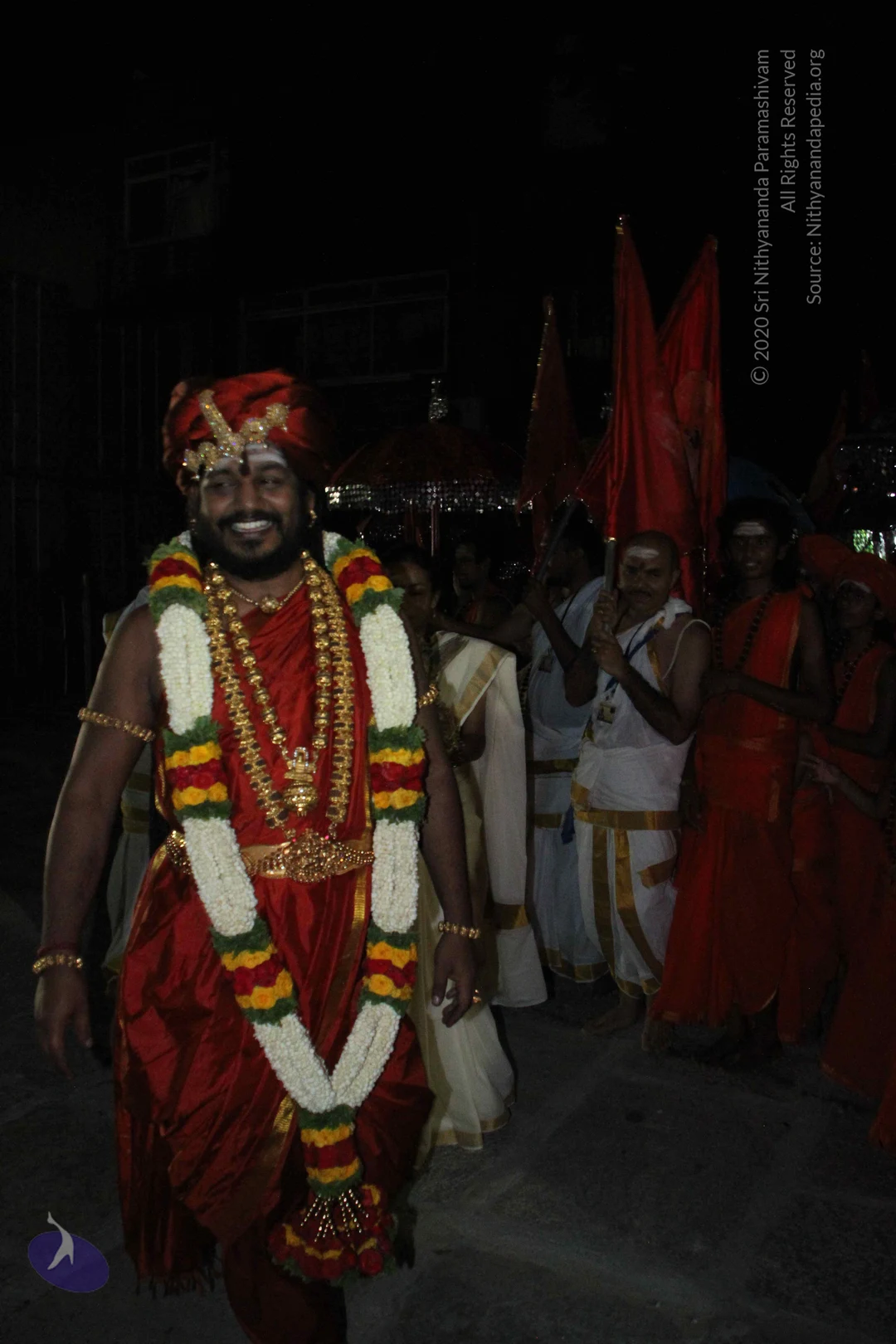
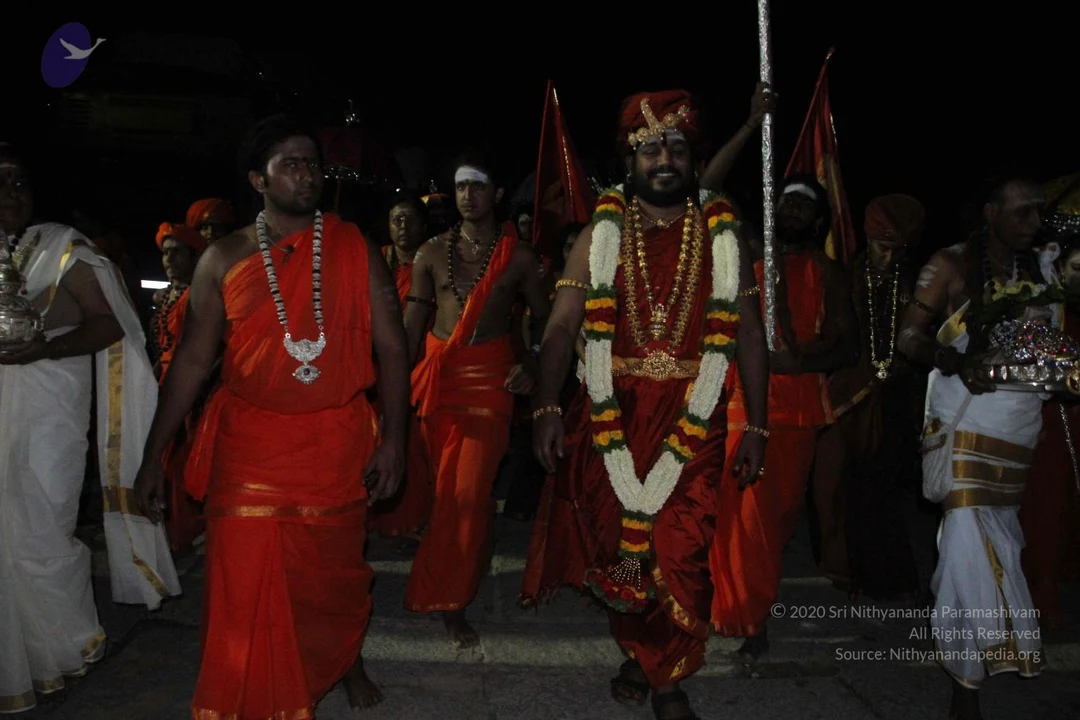
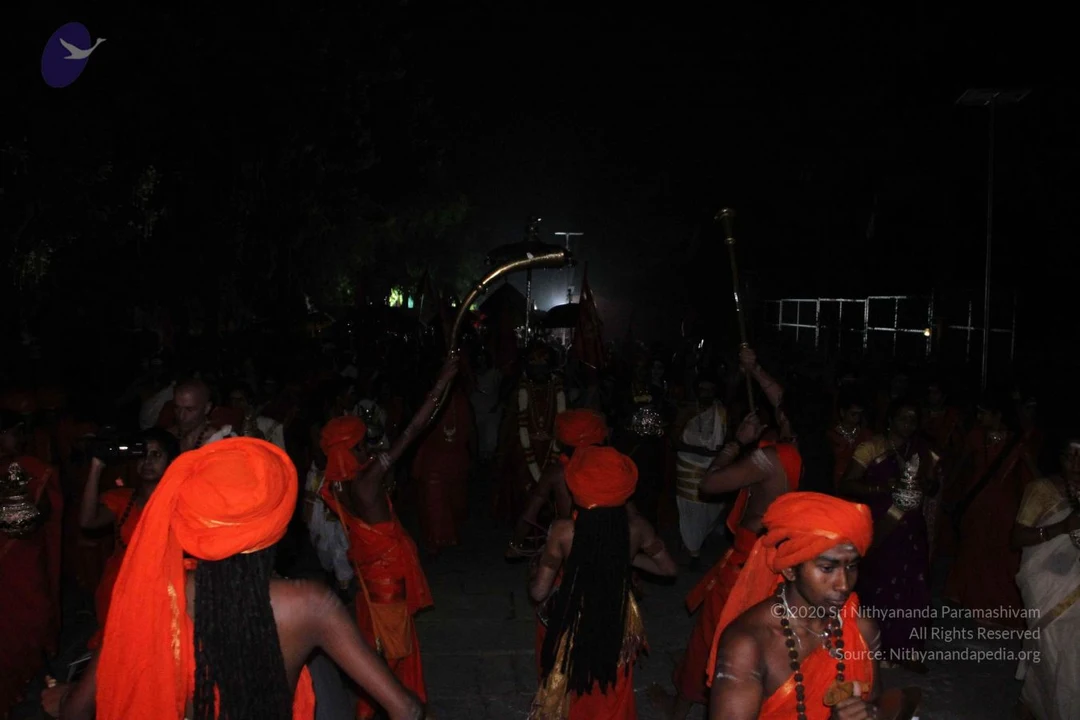
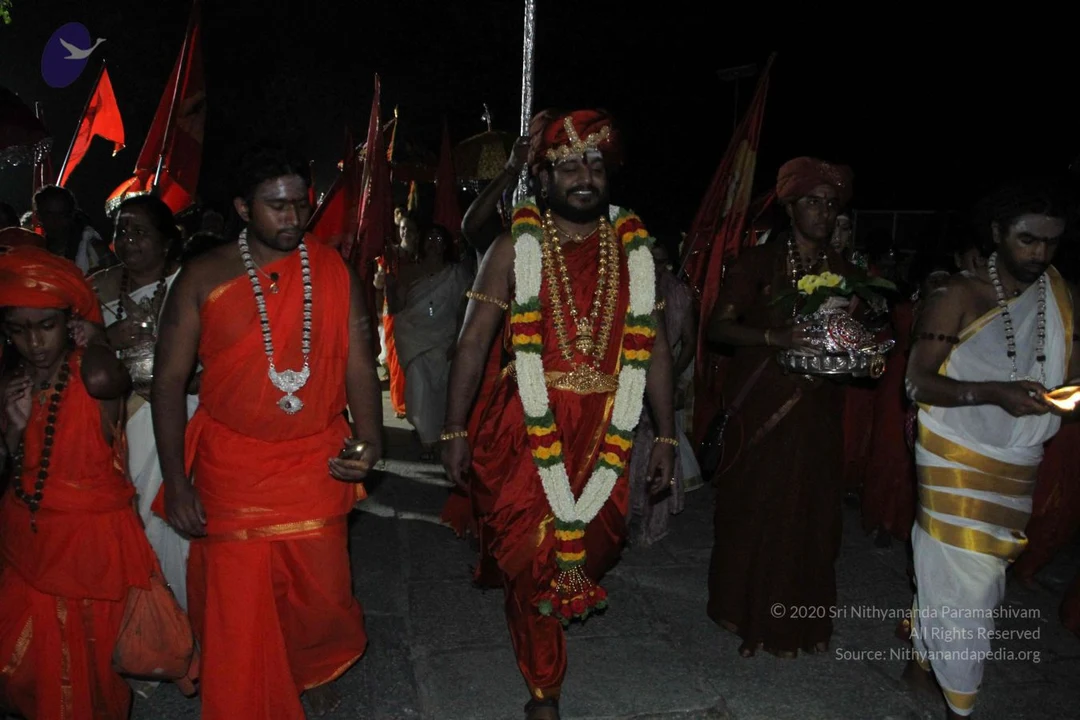
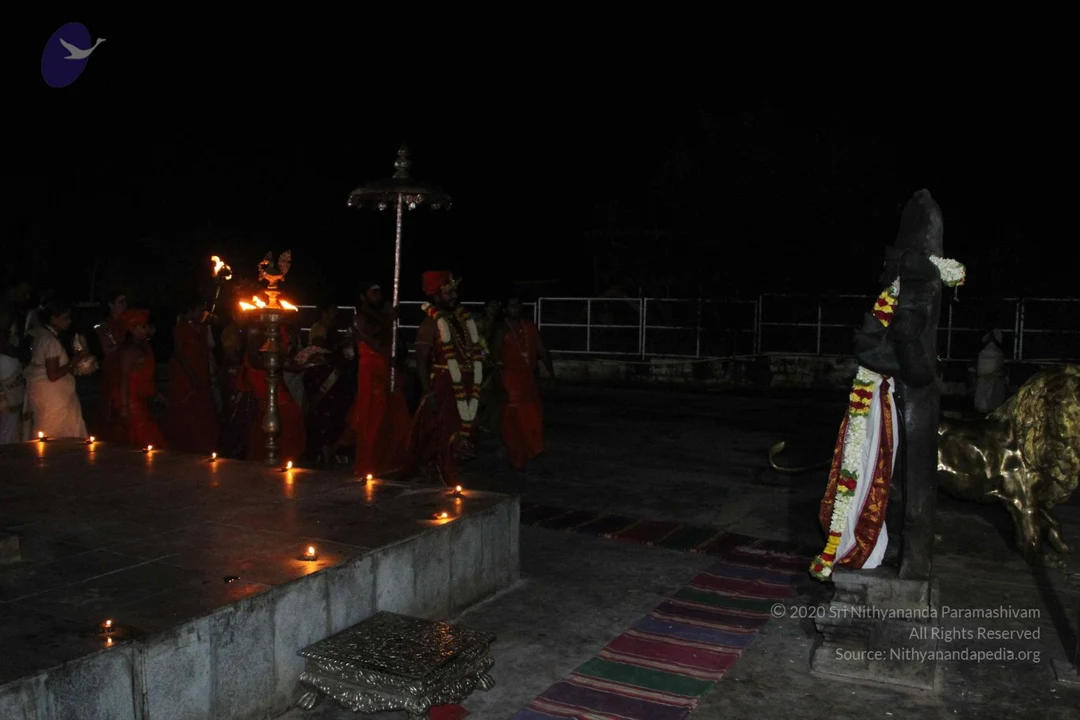
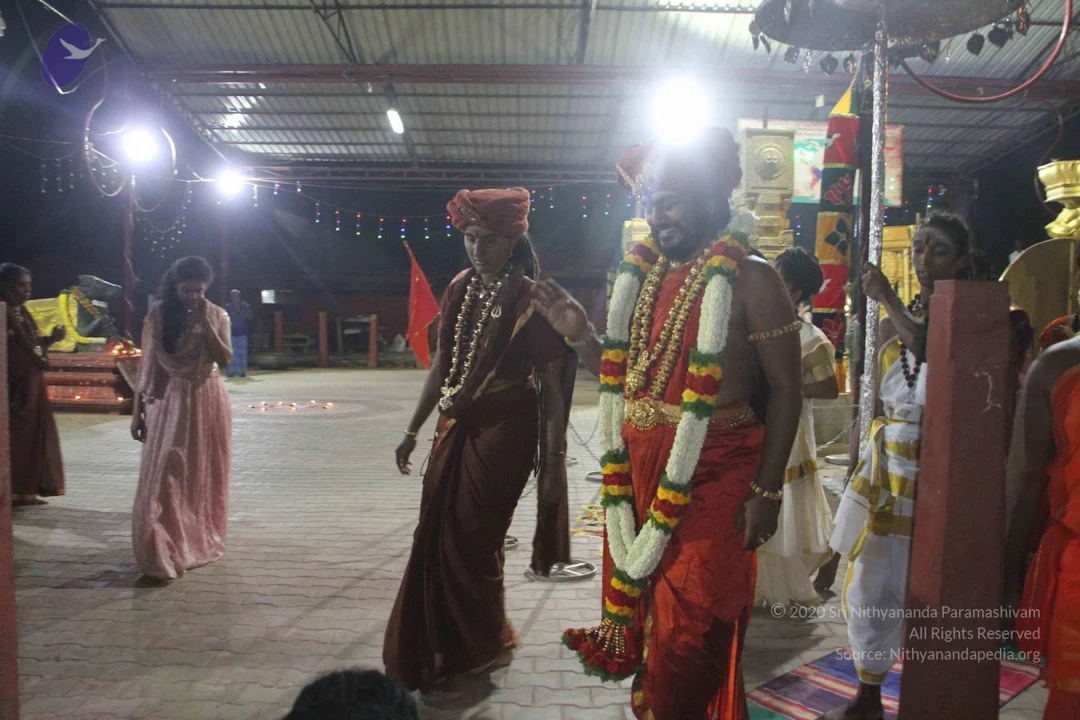
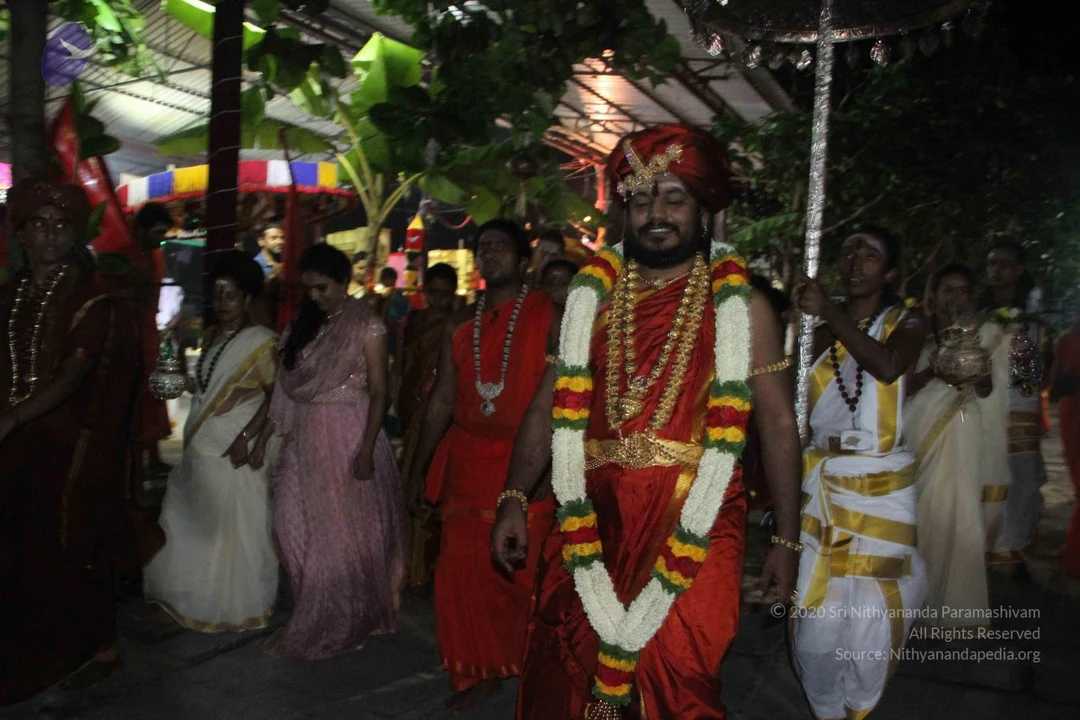
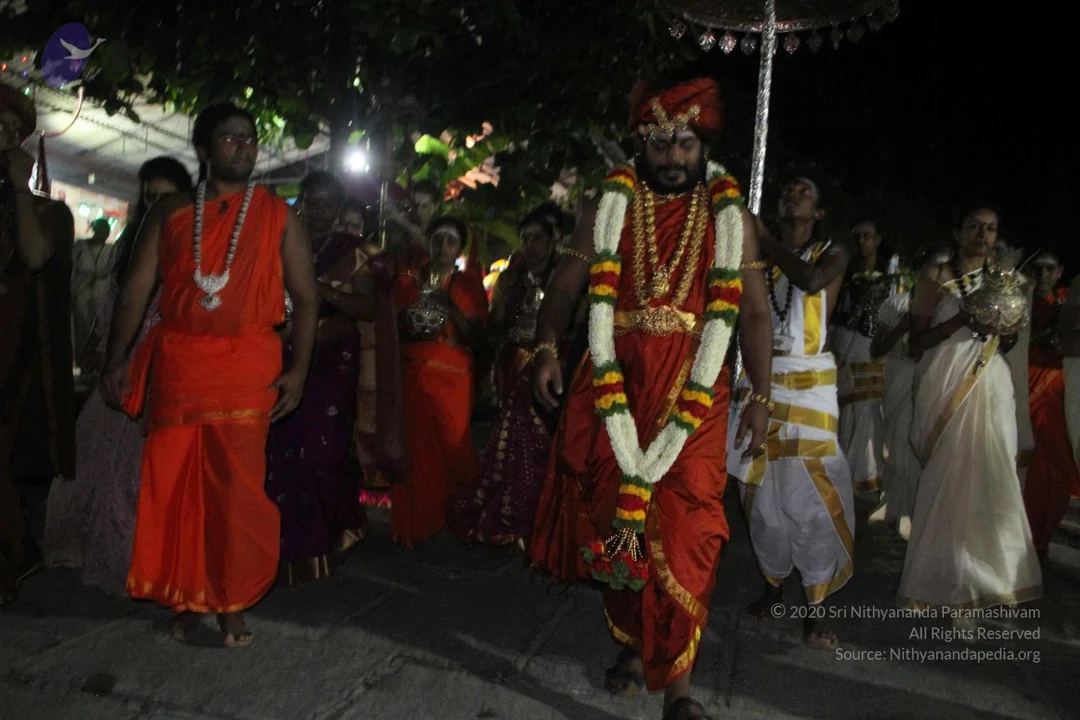
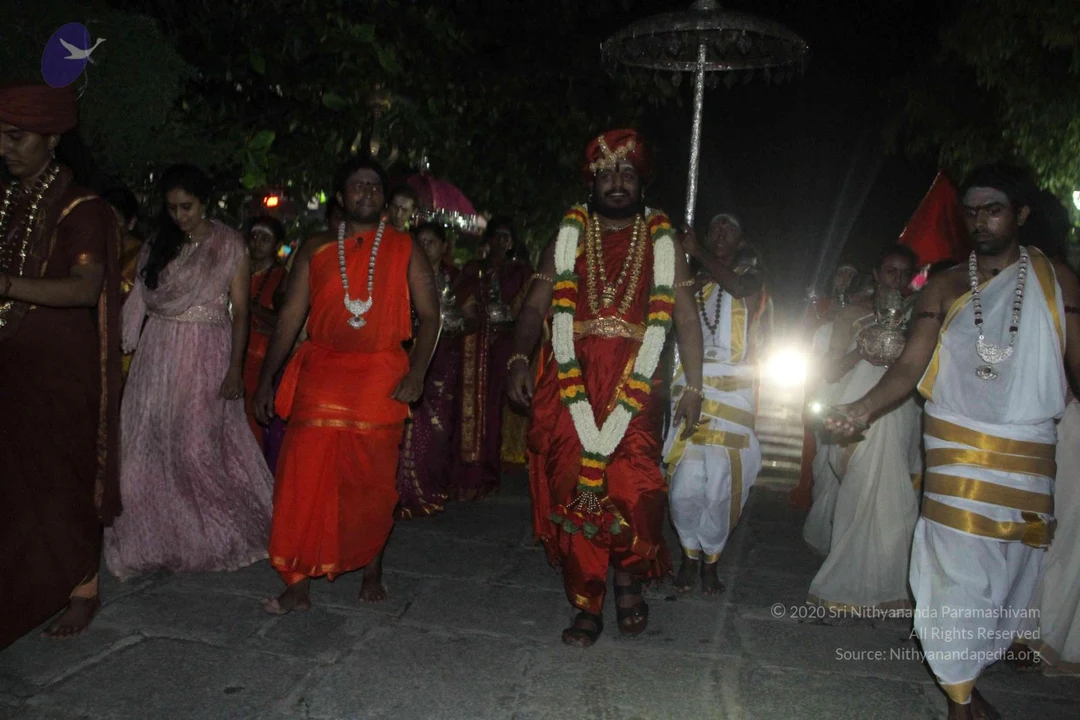
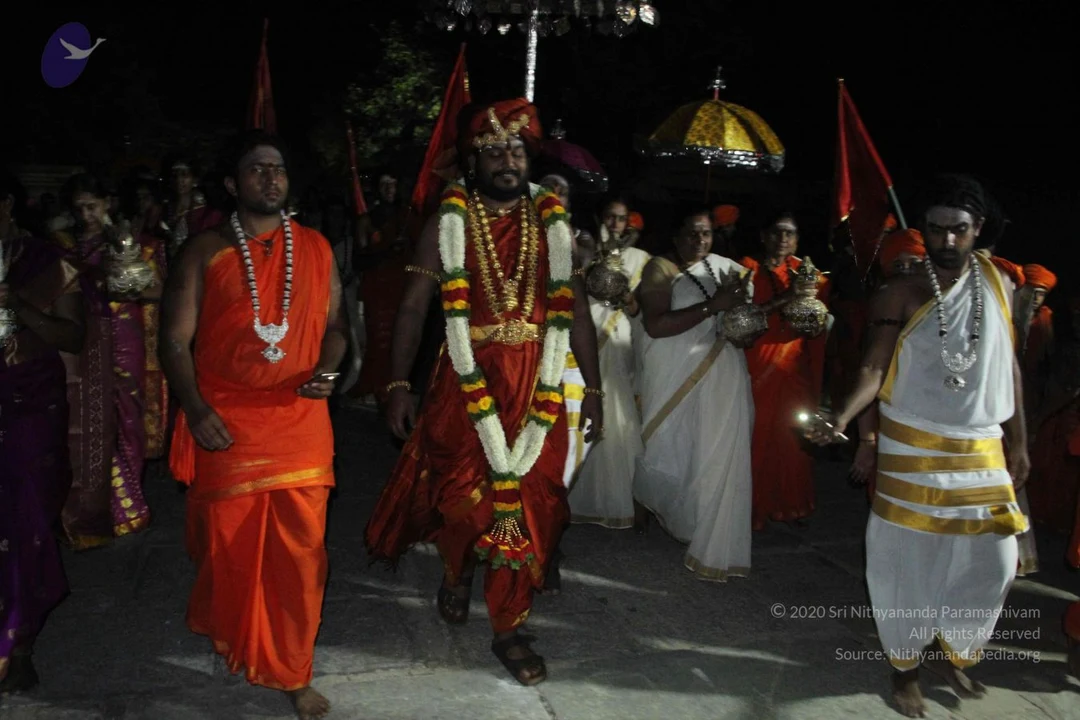
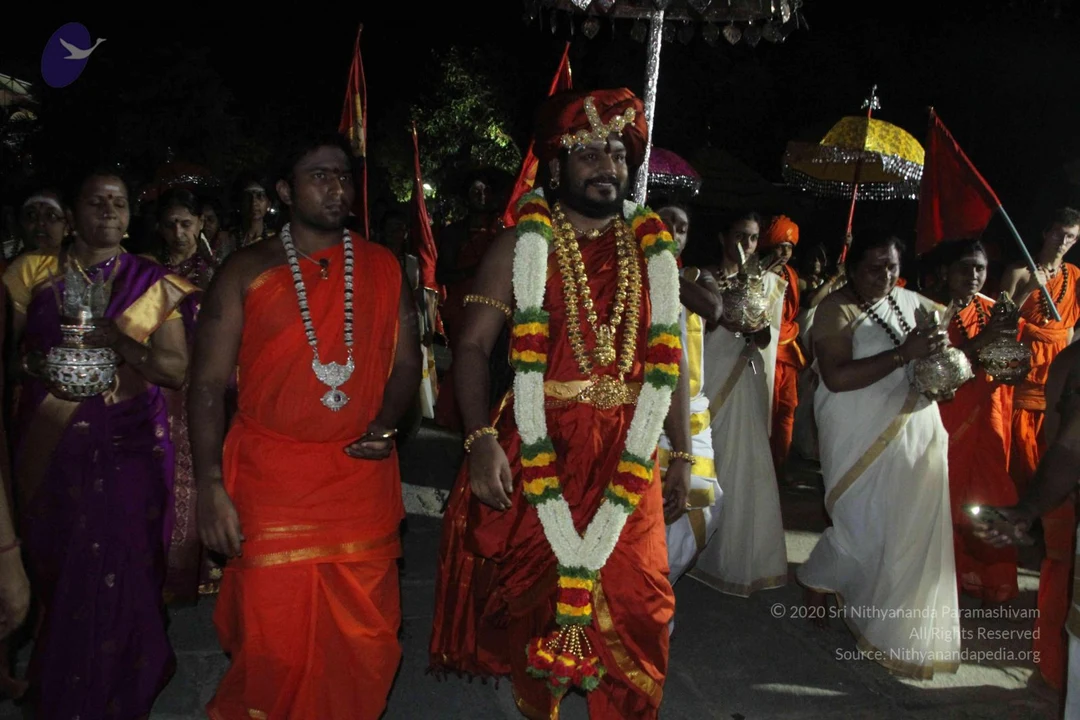
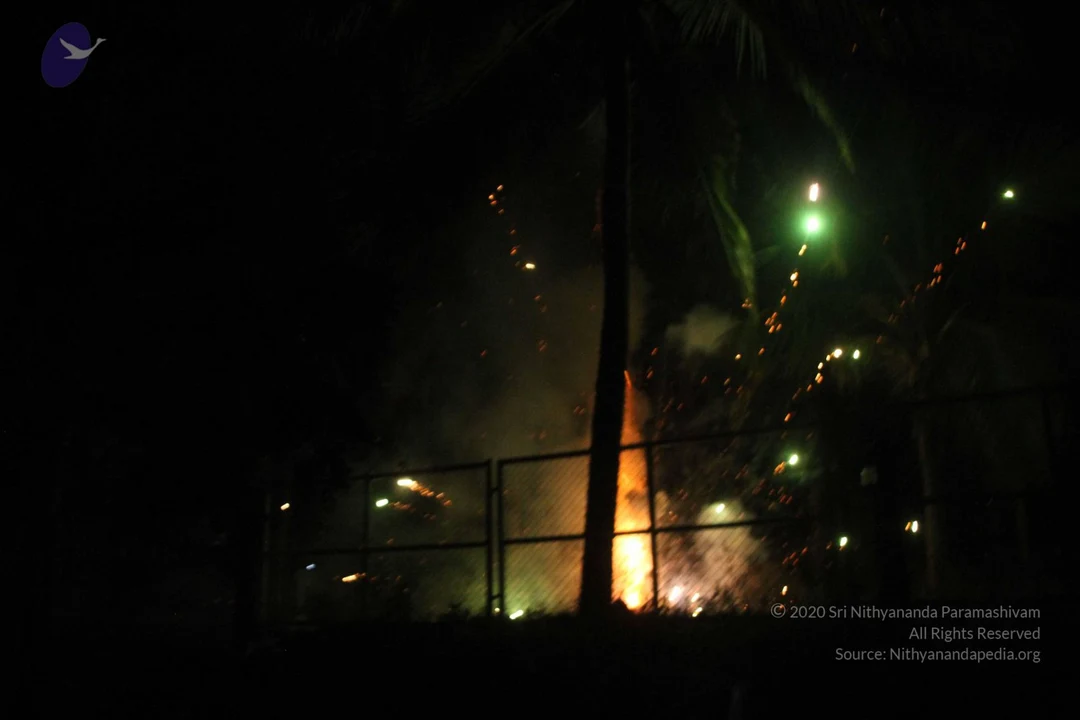
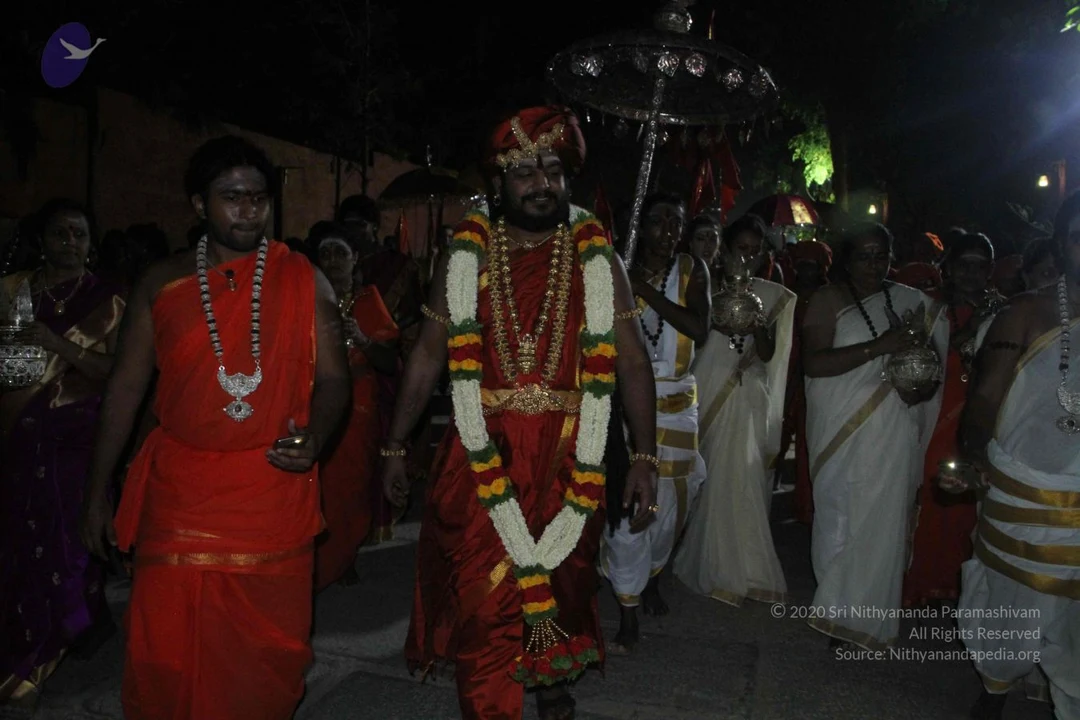
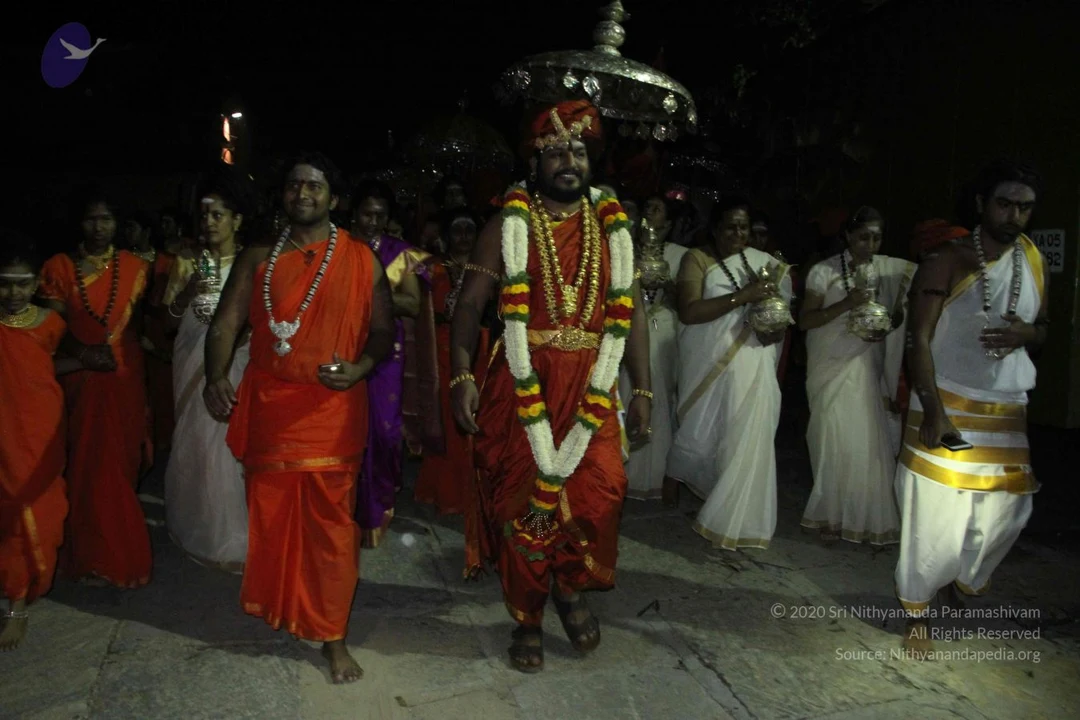
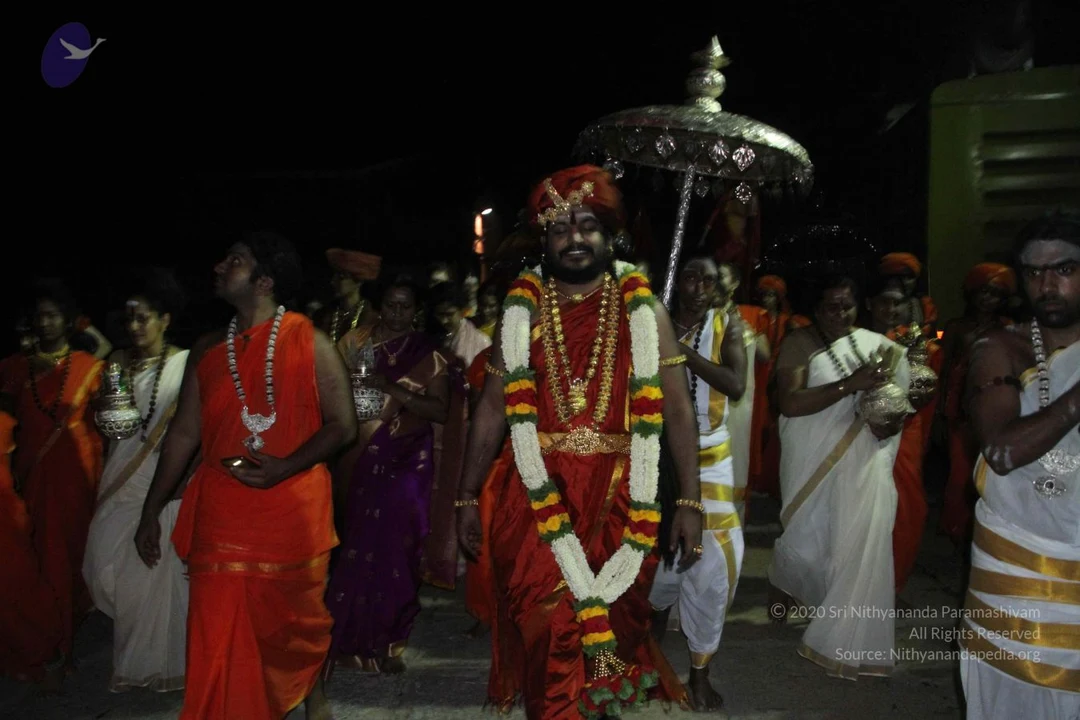
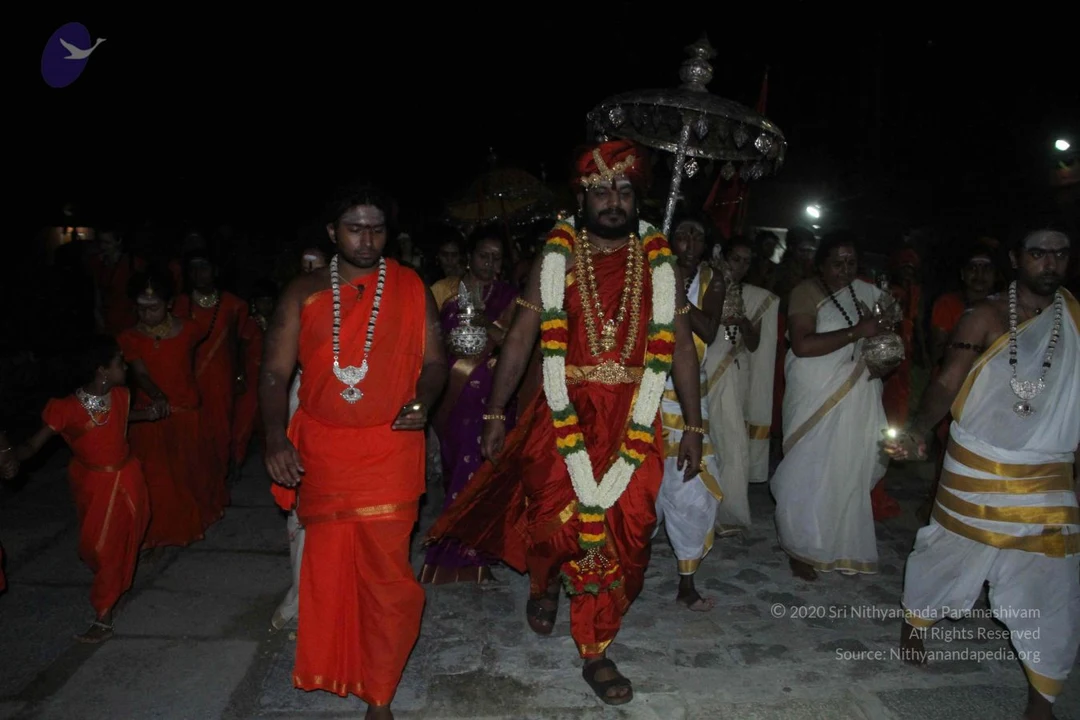
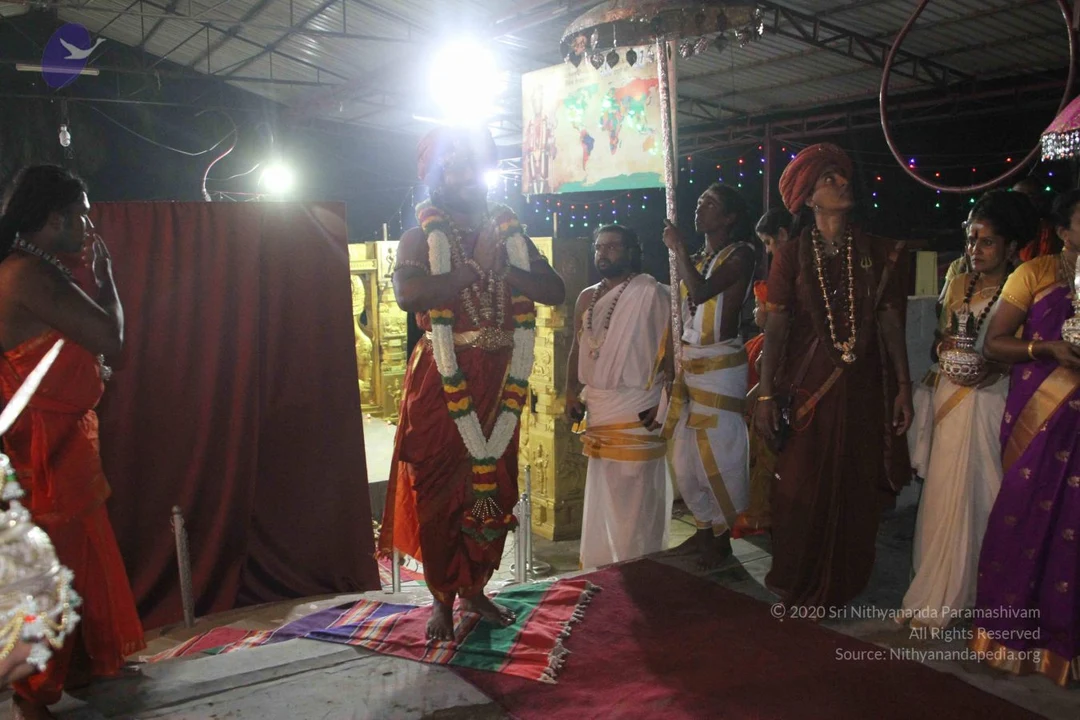
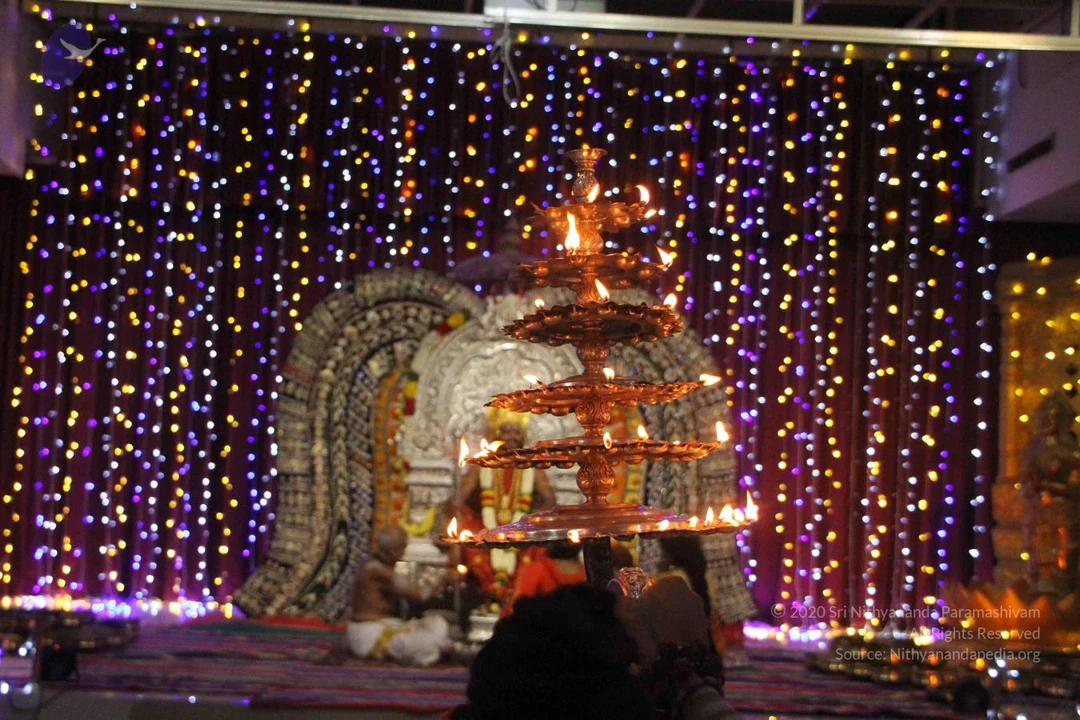
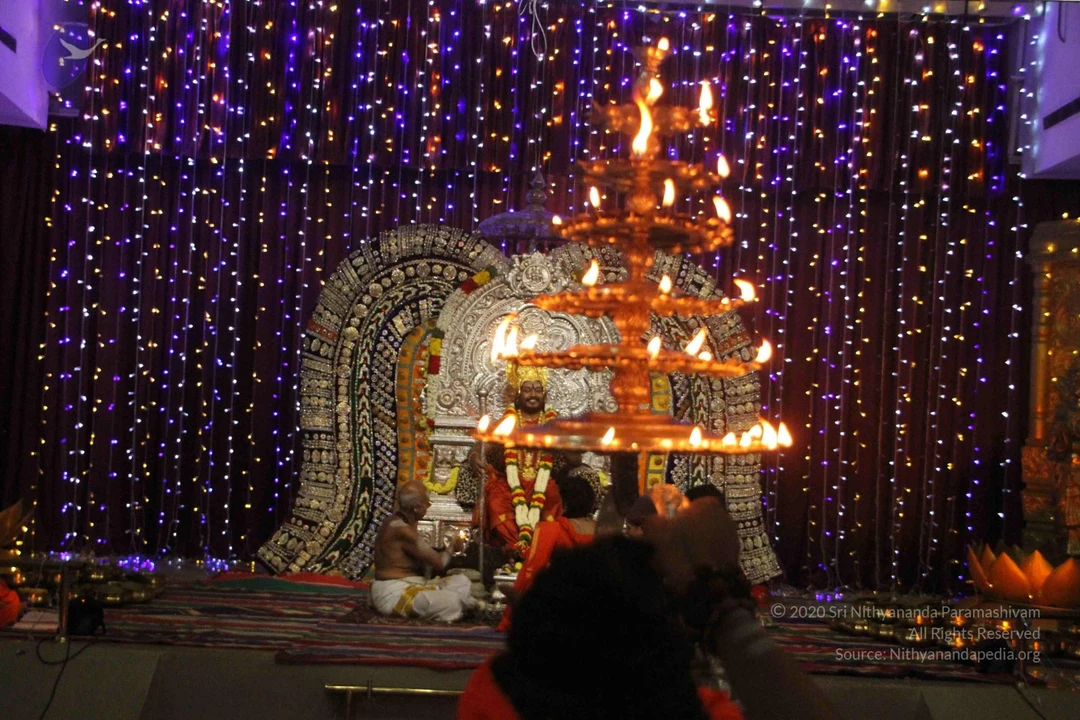
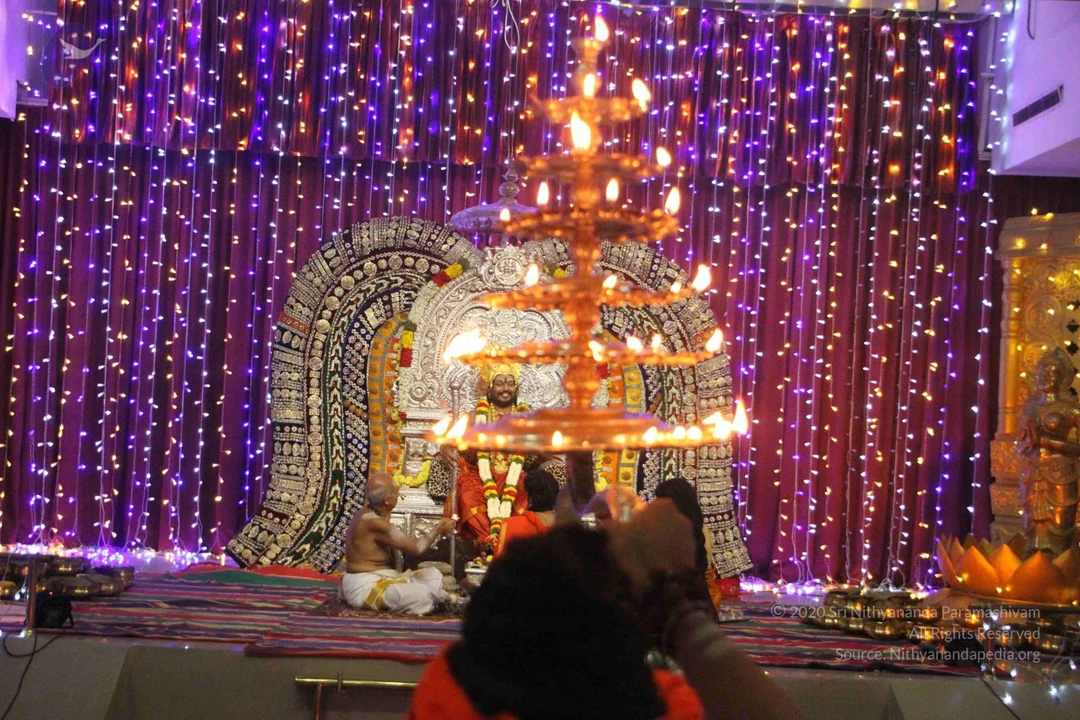
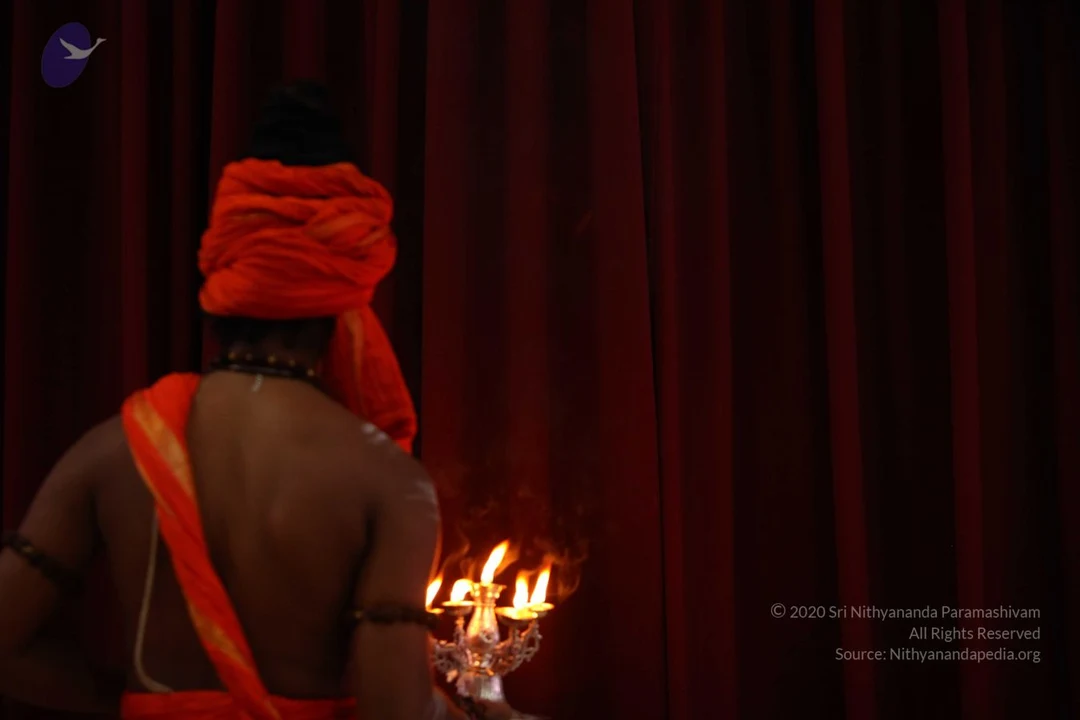
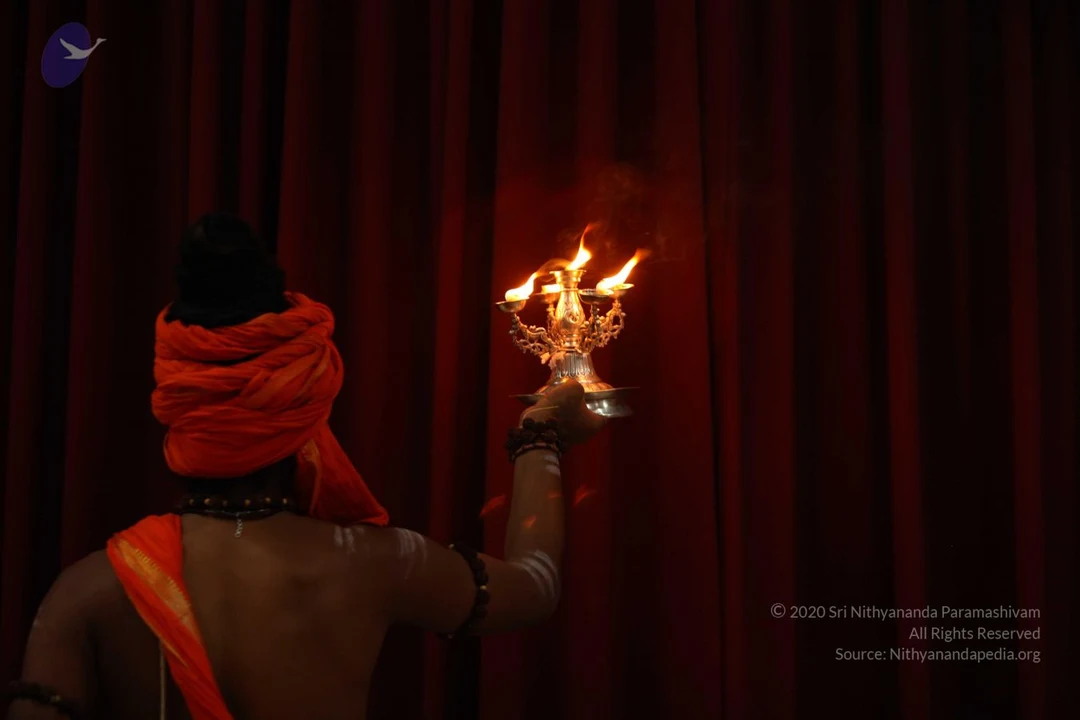
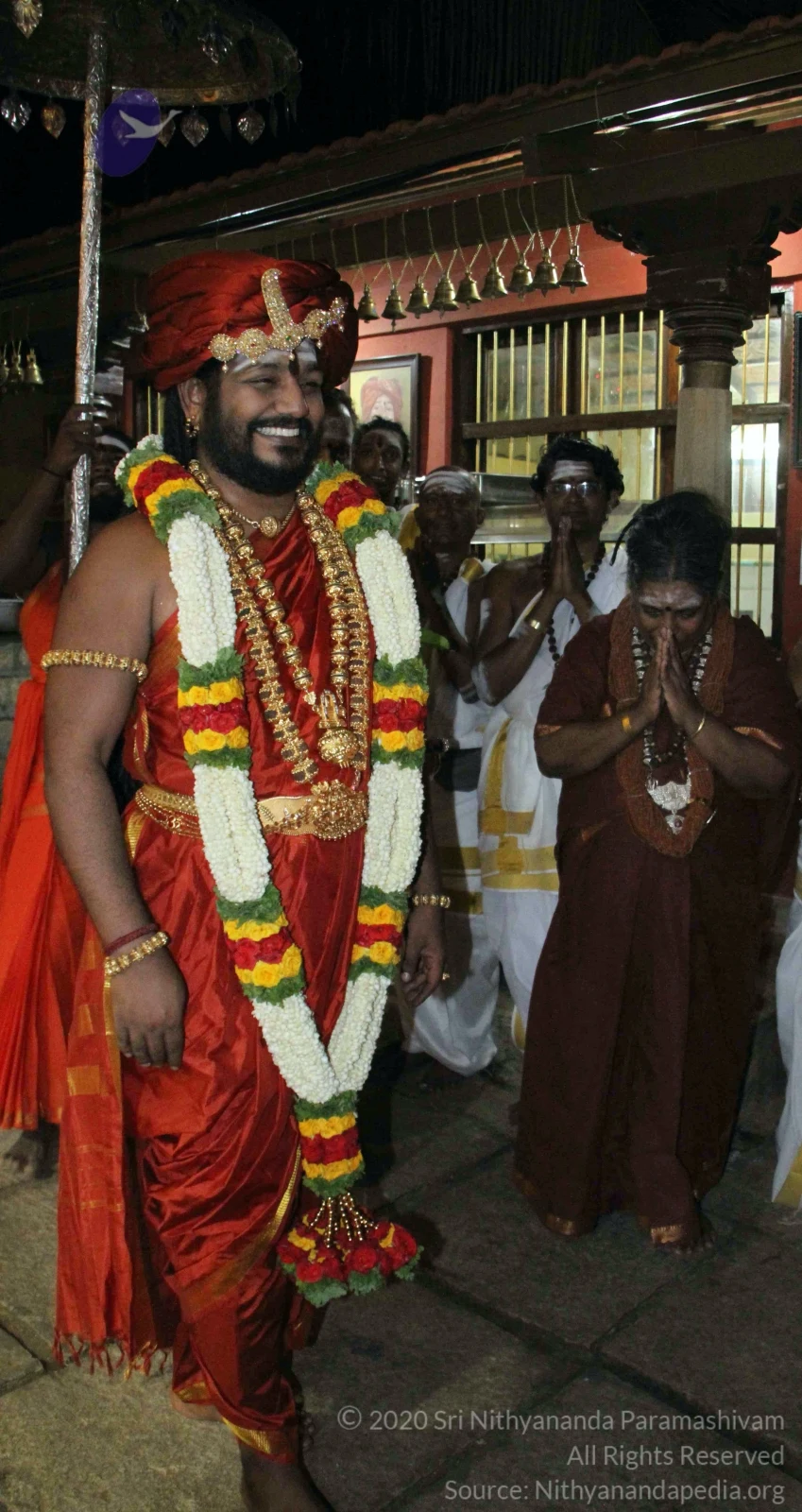
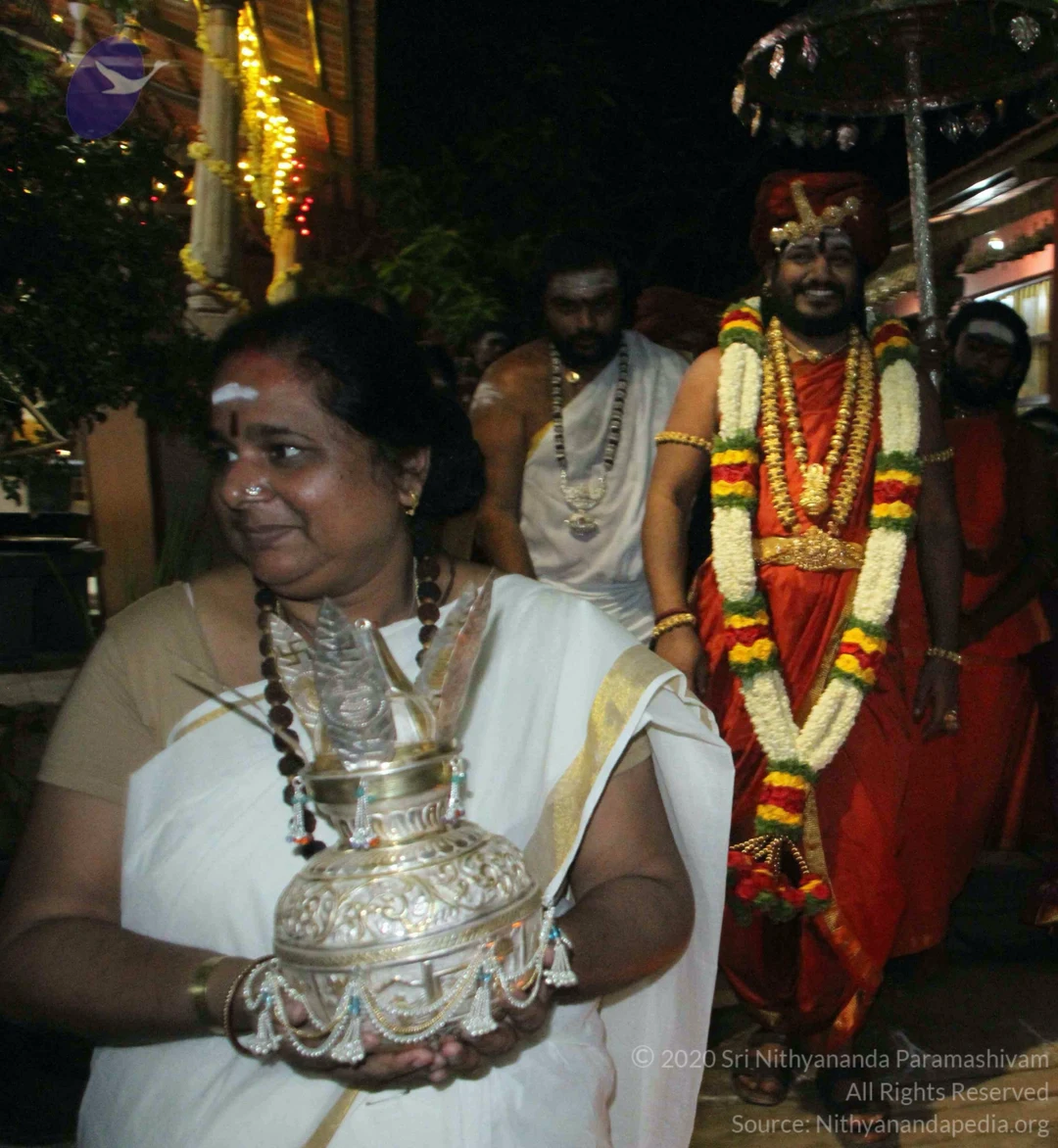
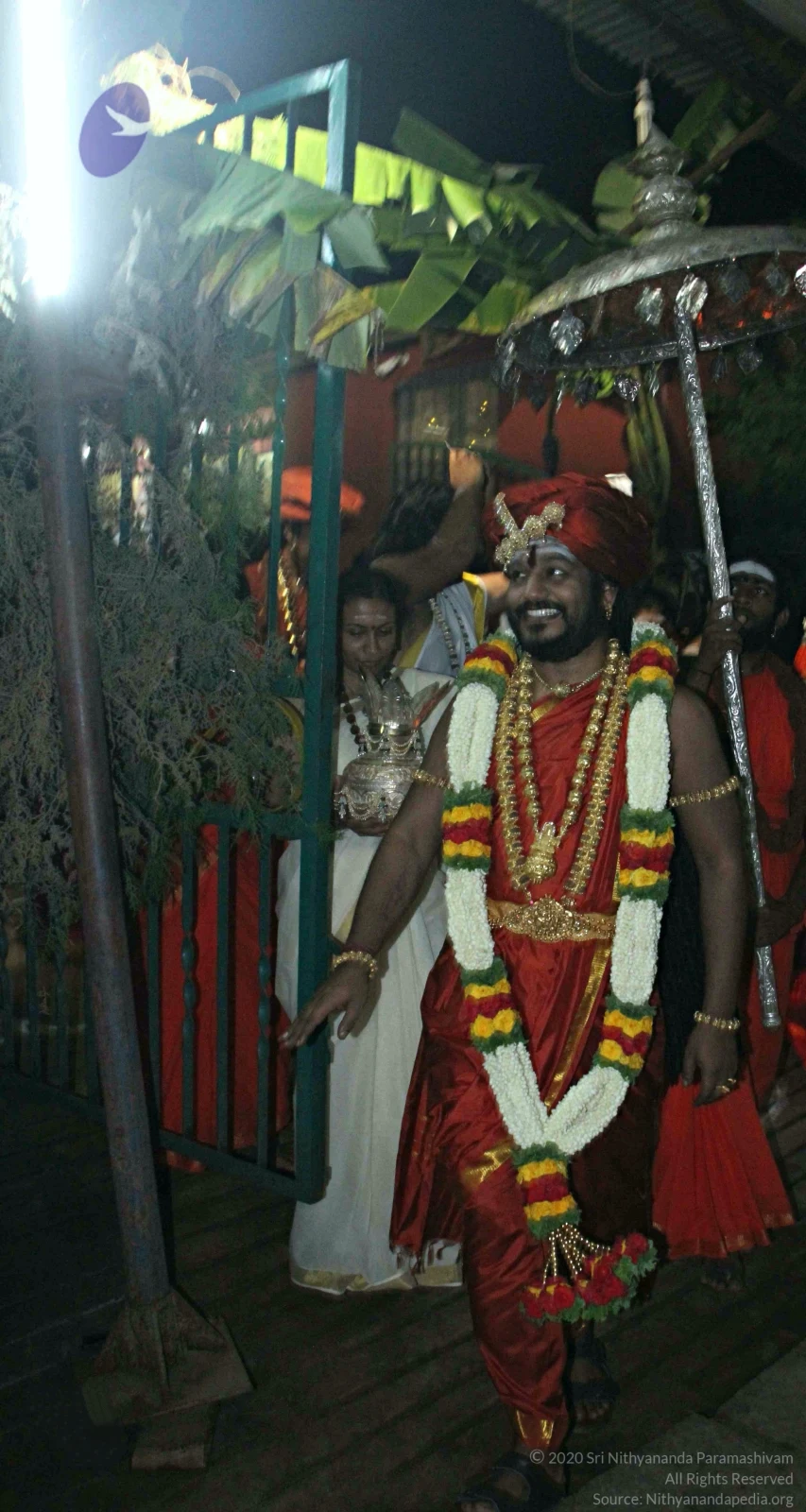
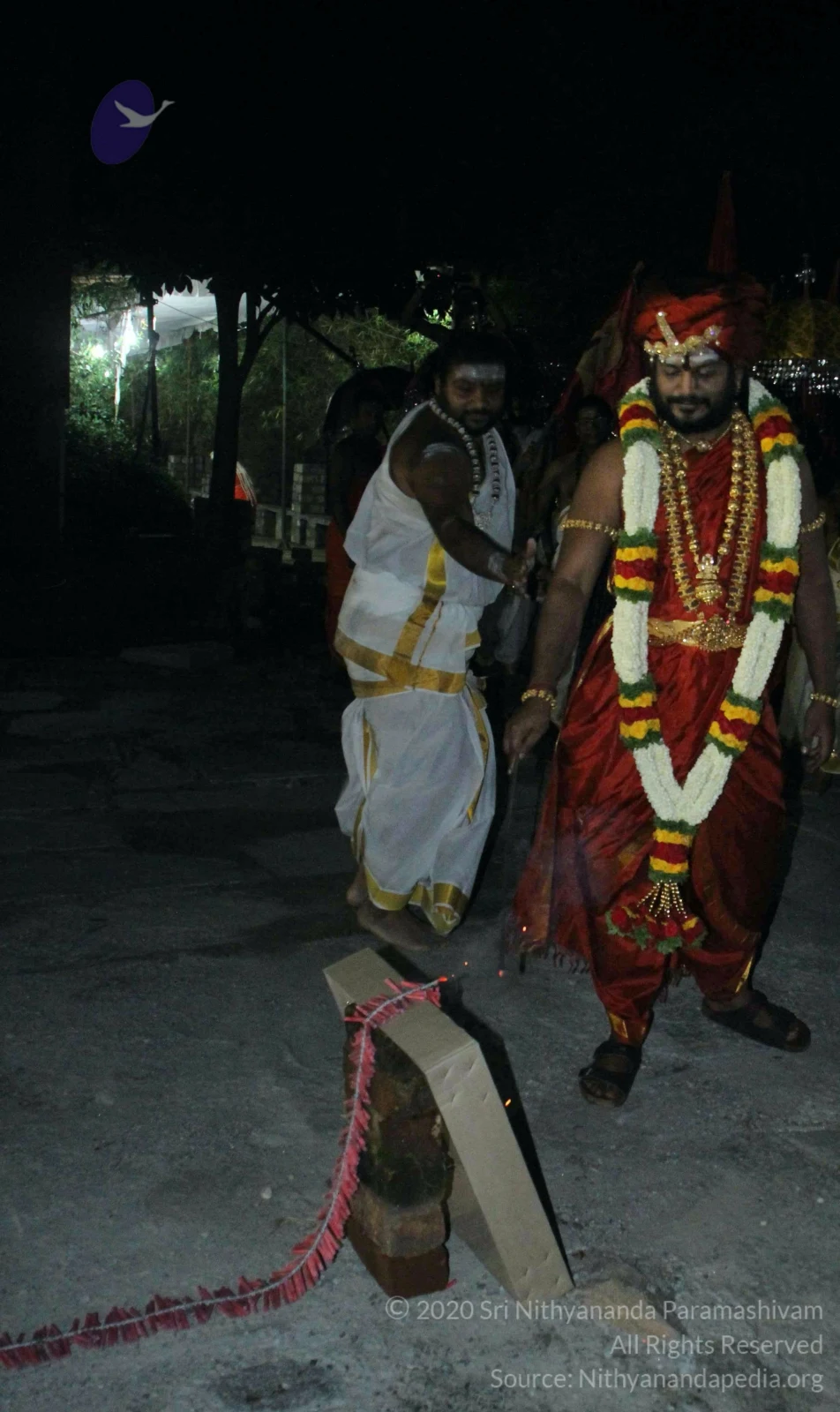
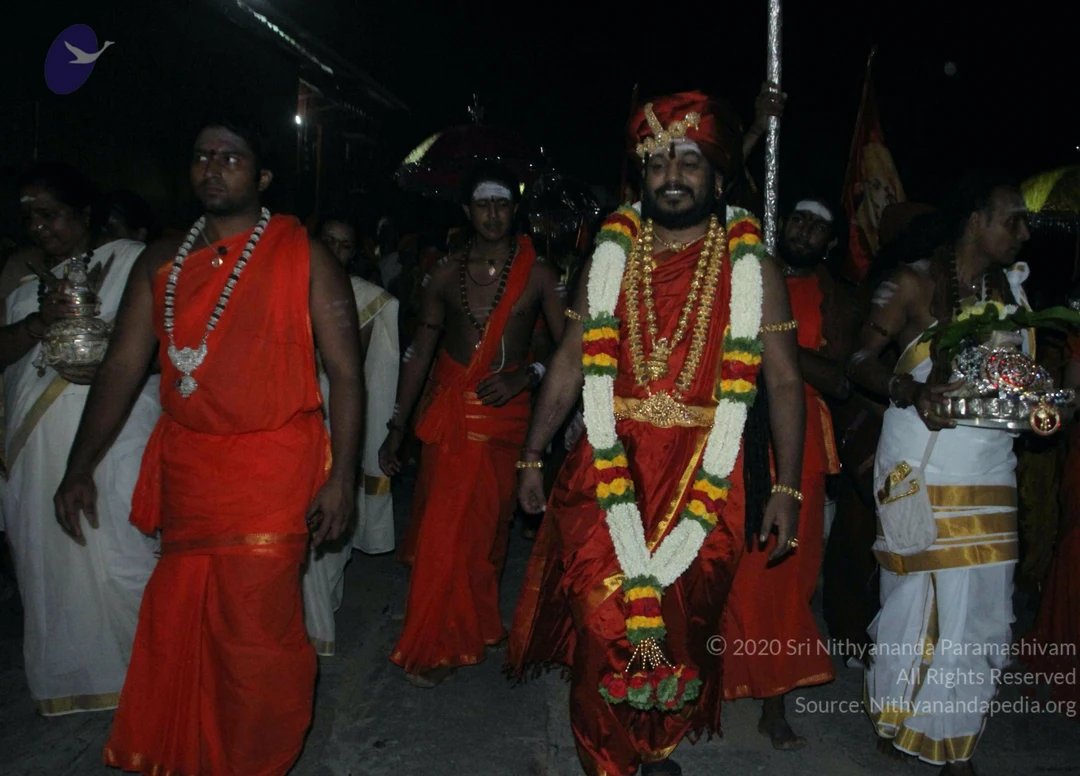
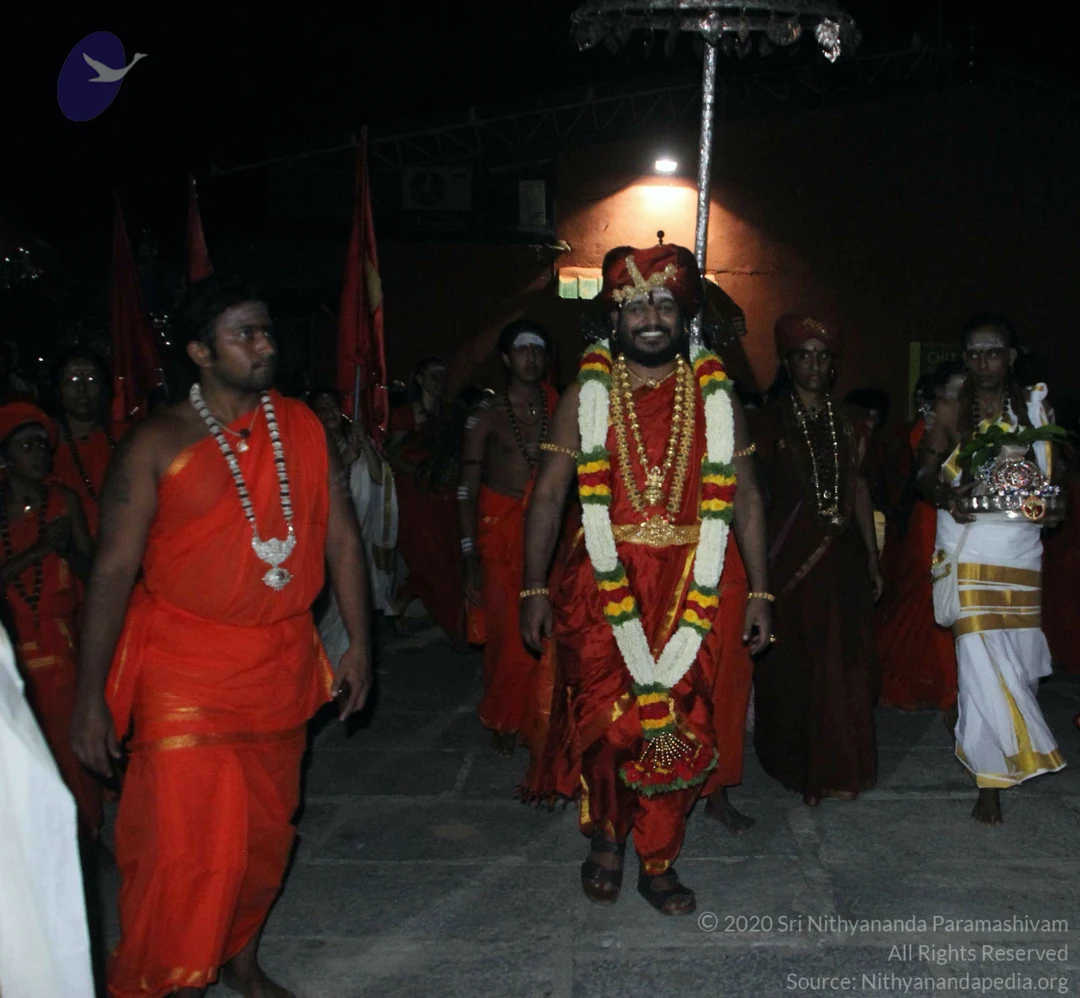
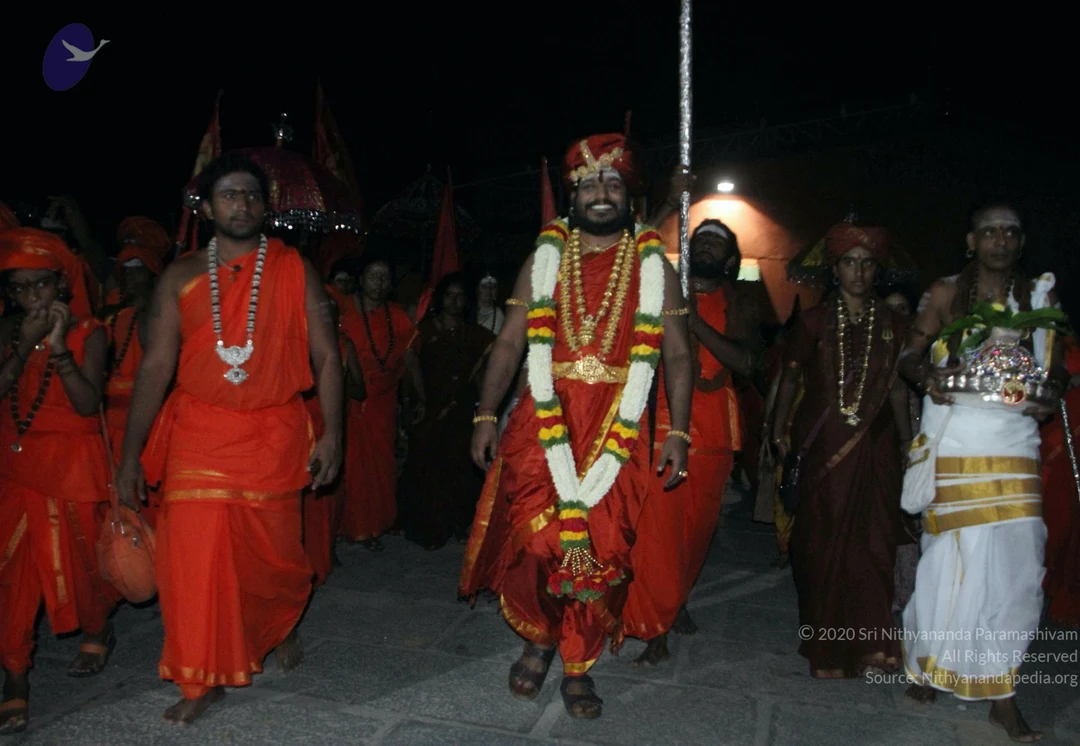
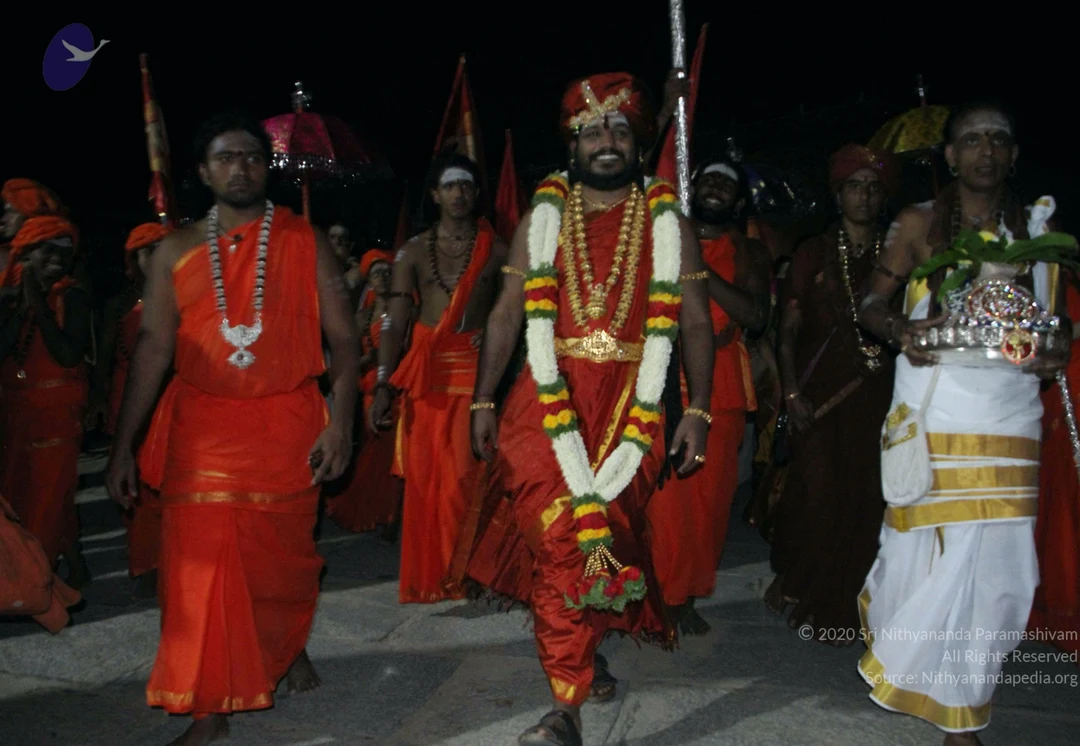
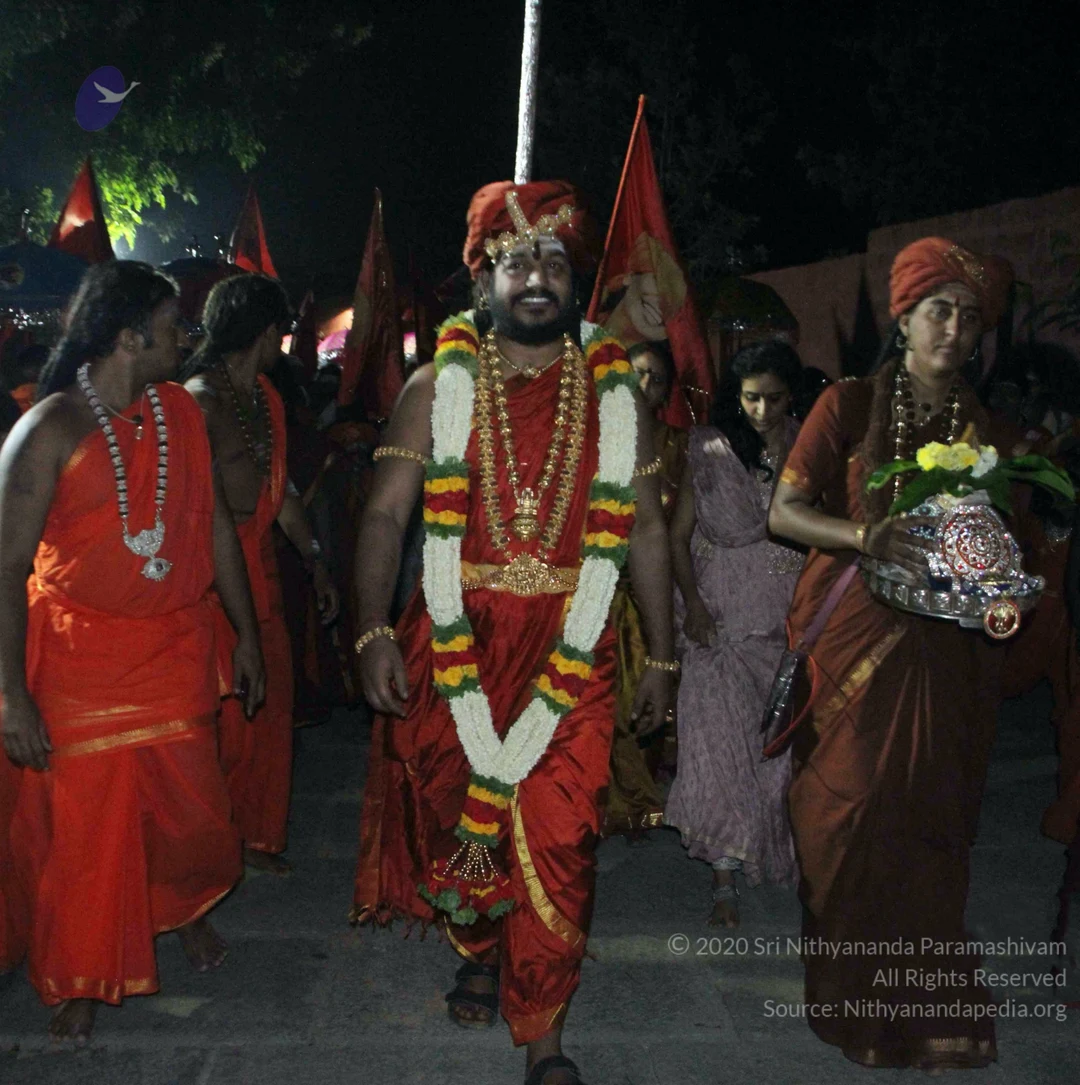
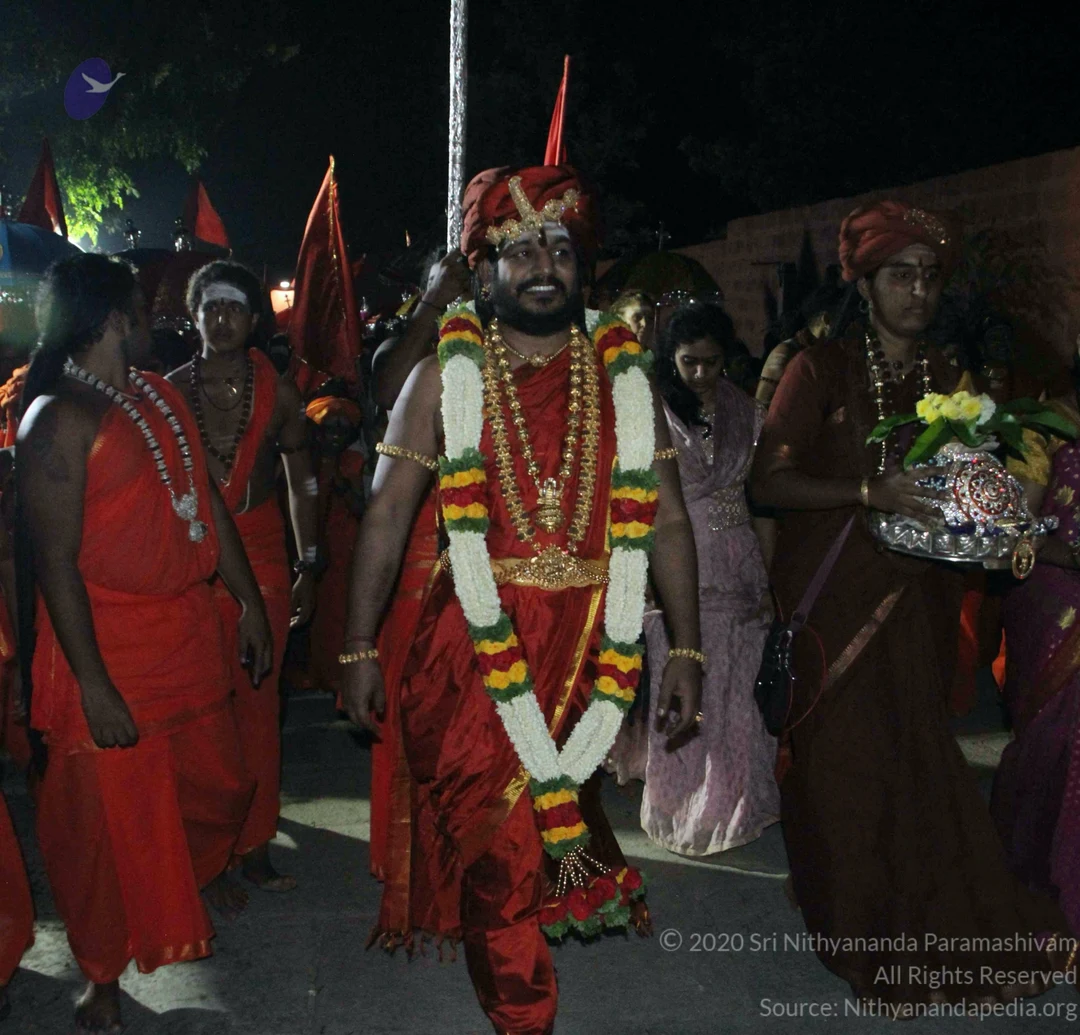
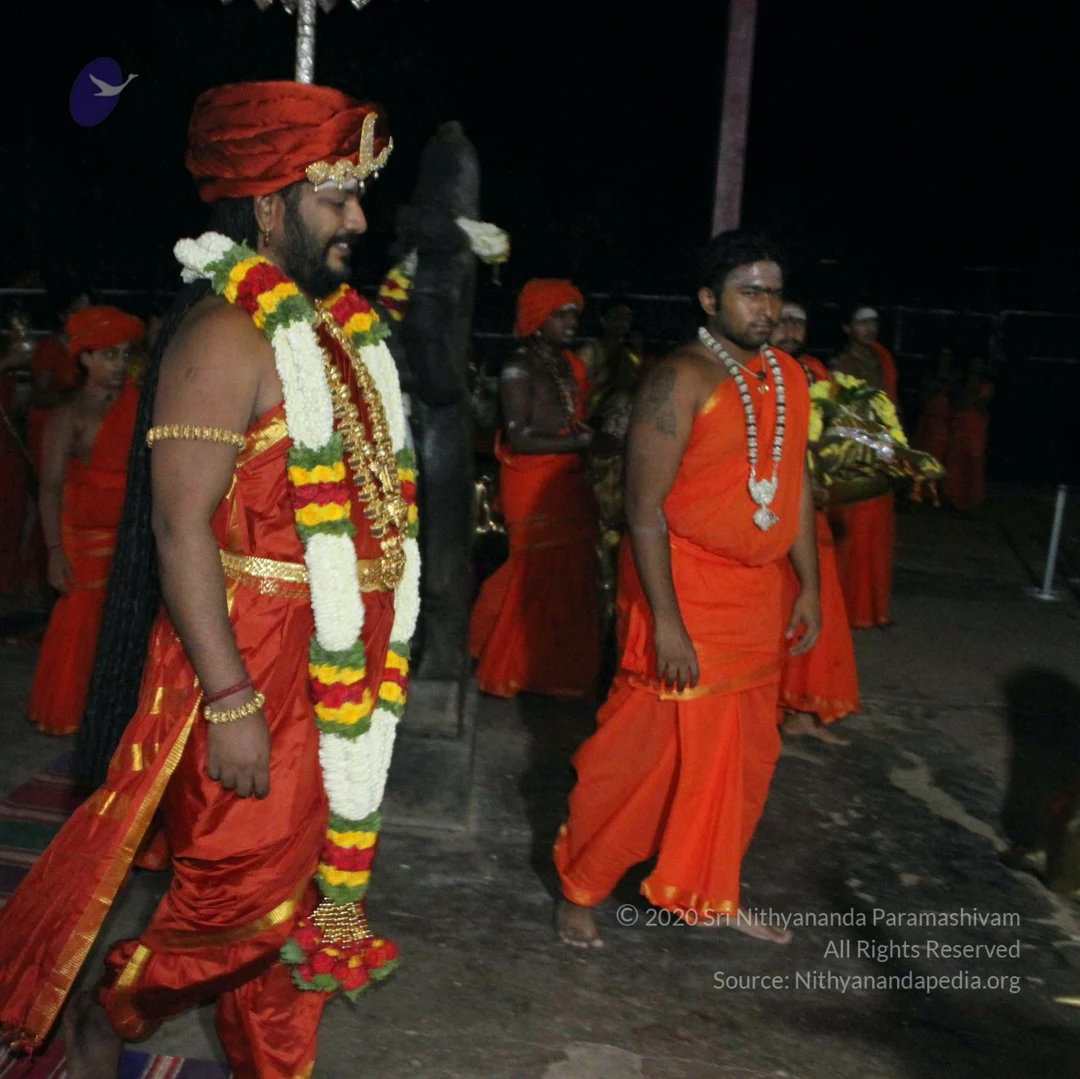
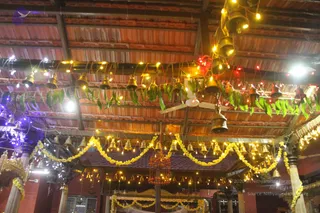
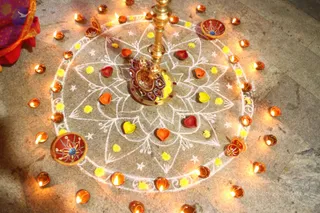
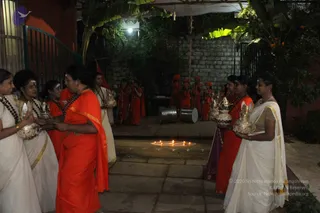
Deepavali Procession with Bhagawan Sri Nithyananda Paramashivam
Description
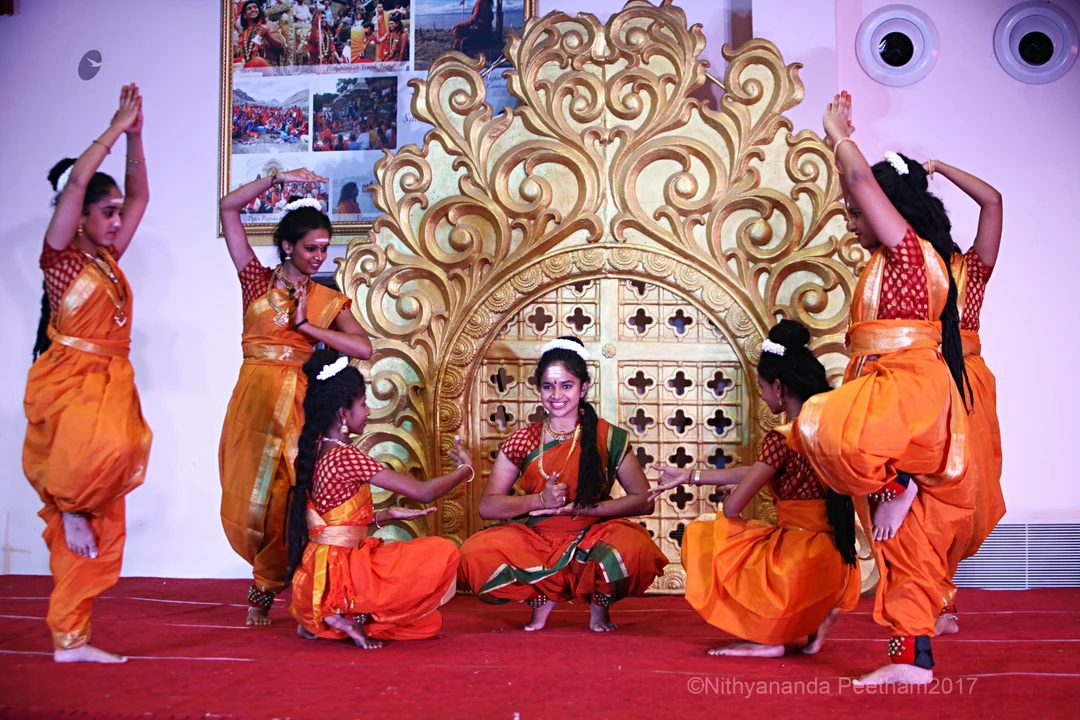
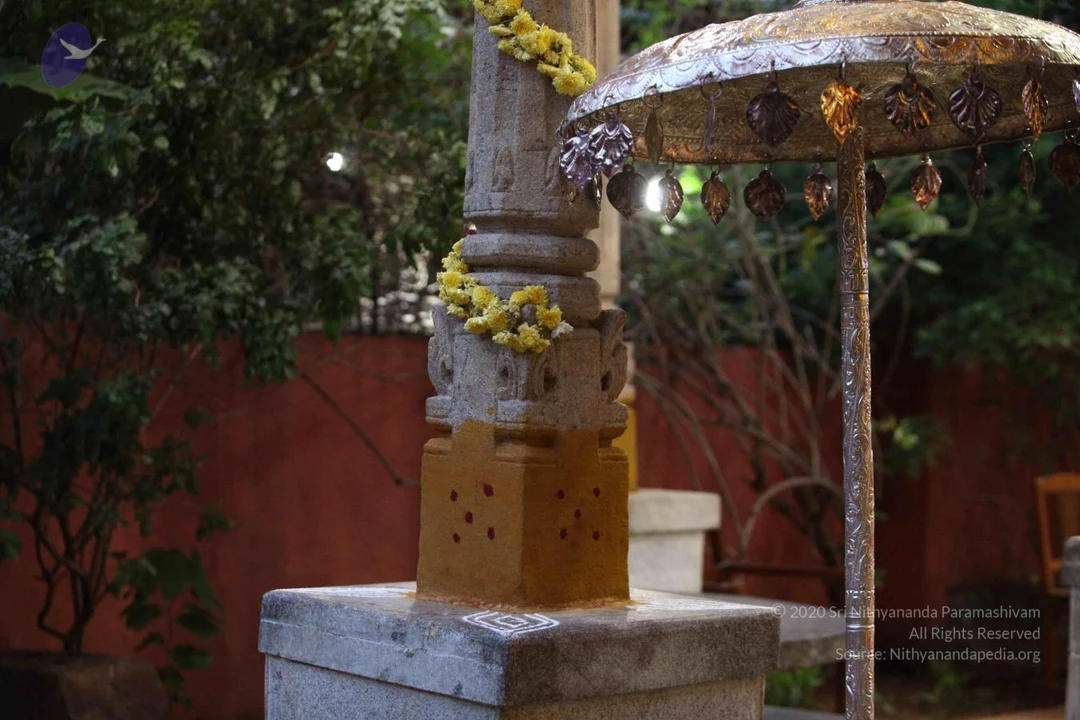
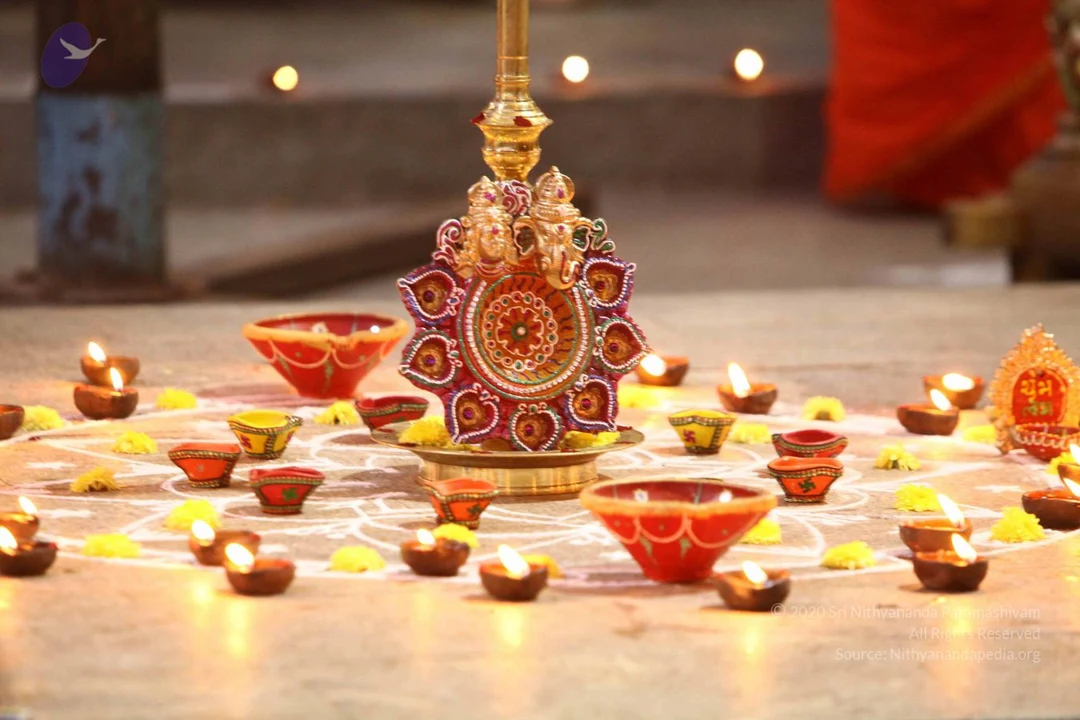
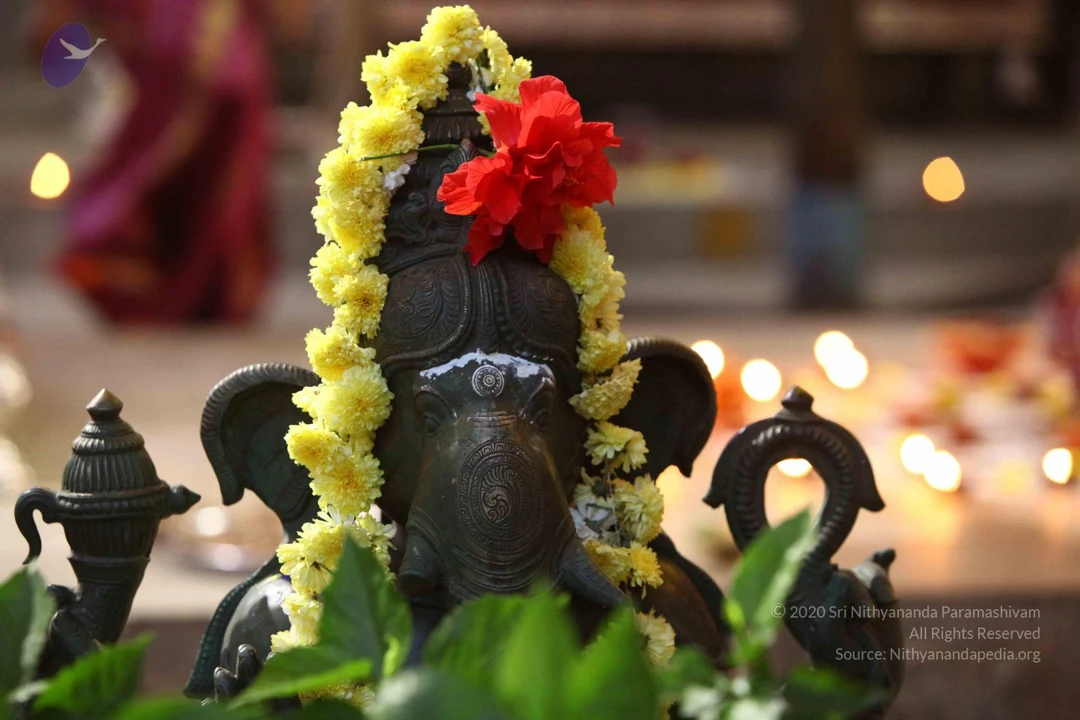
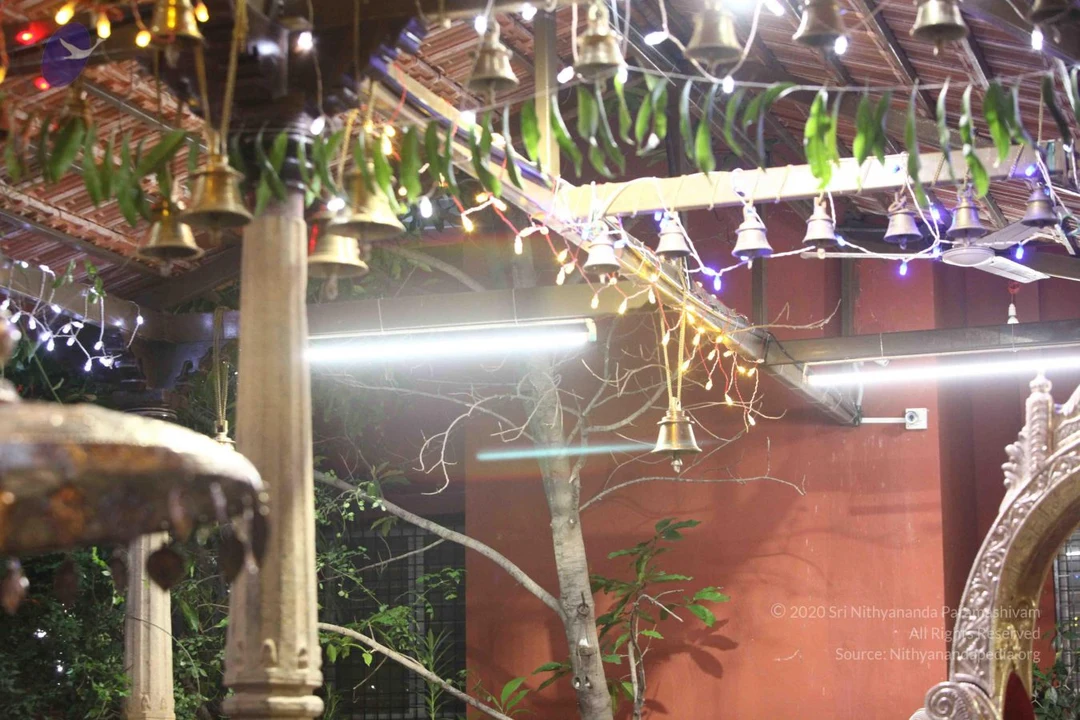
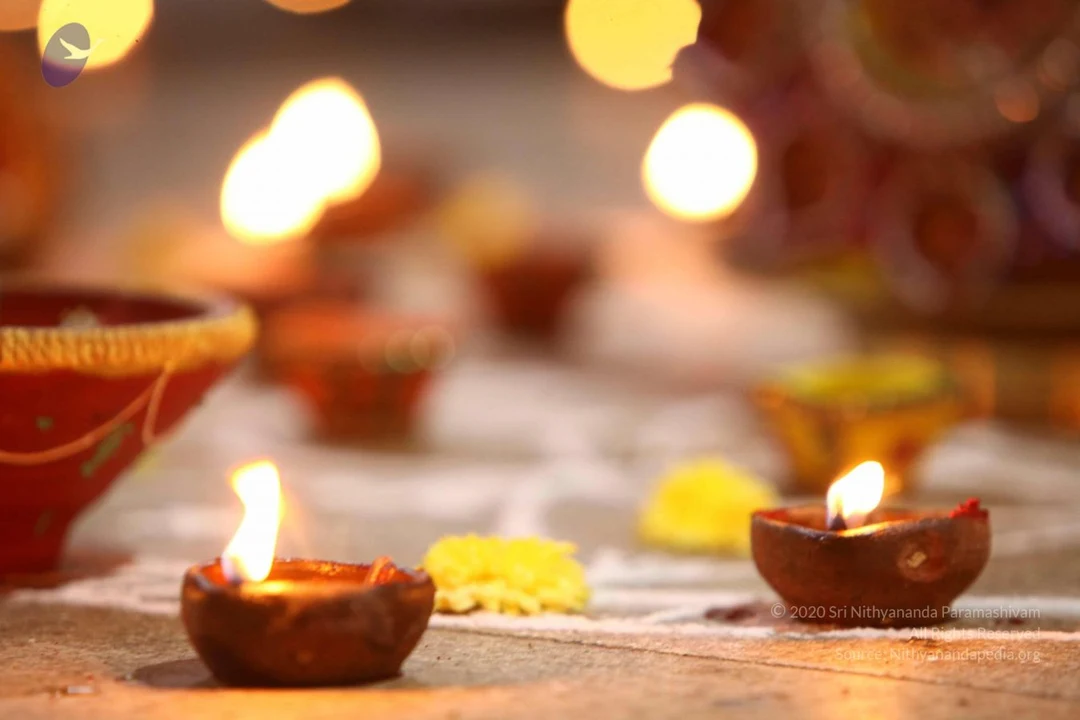
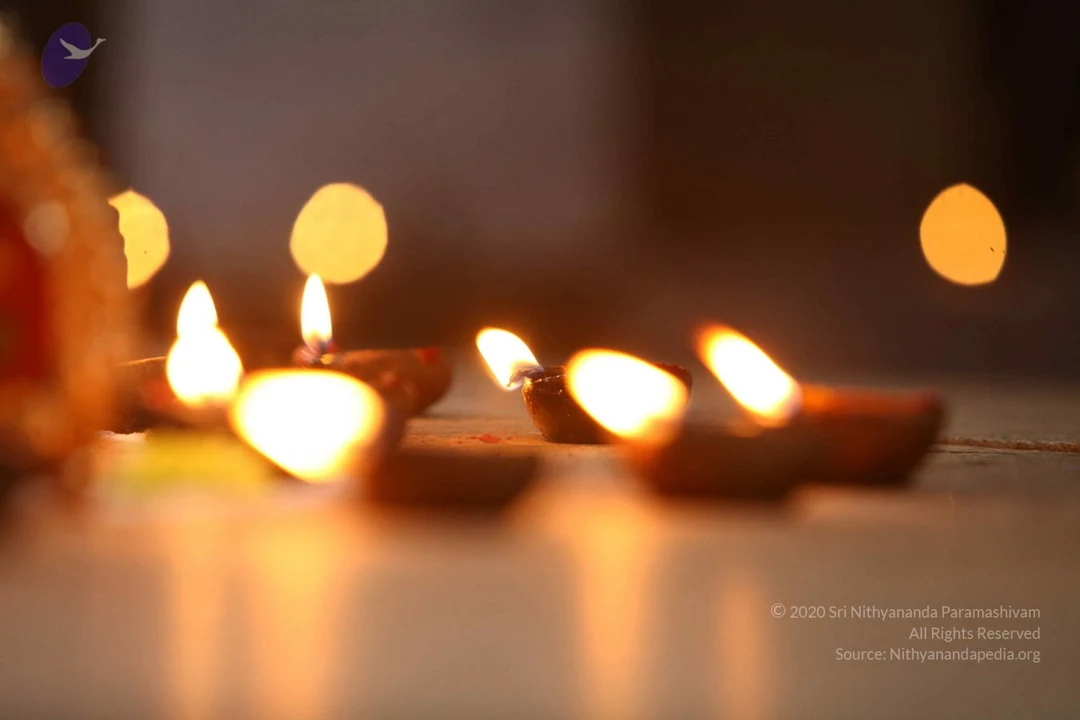
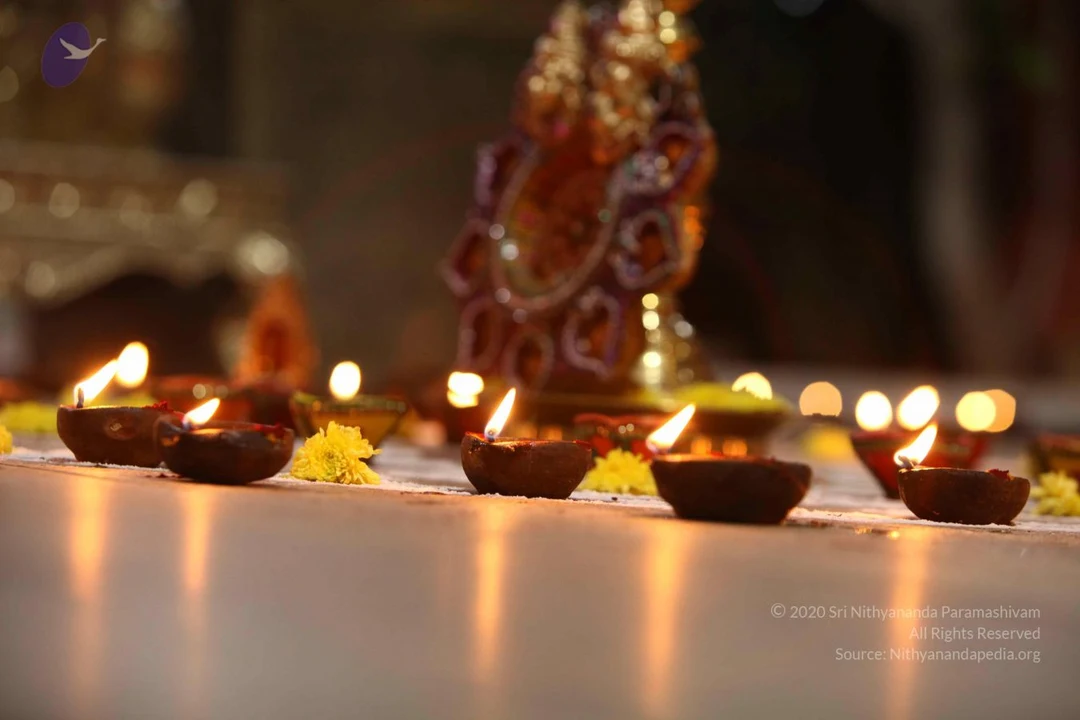
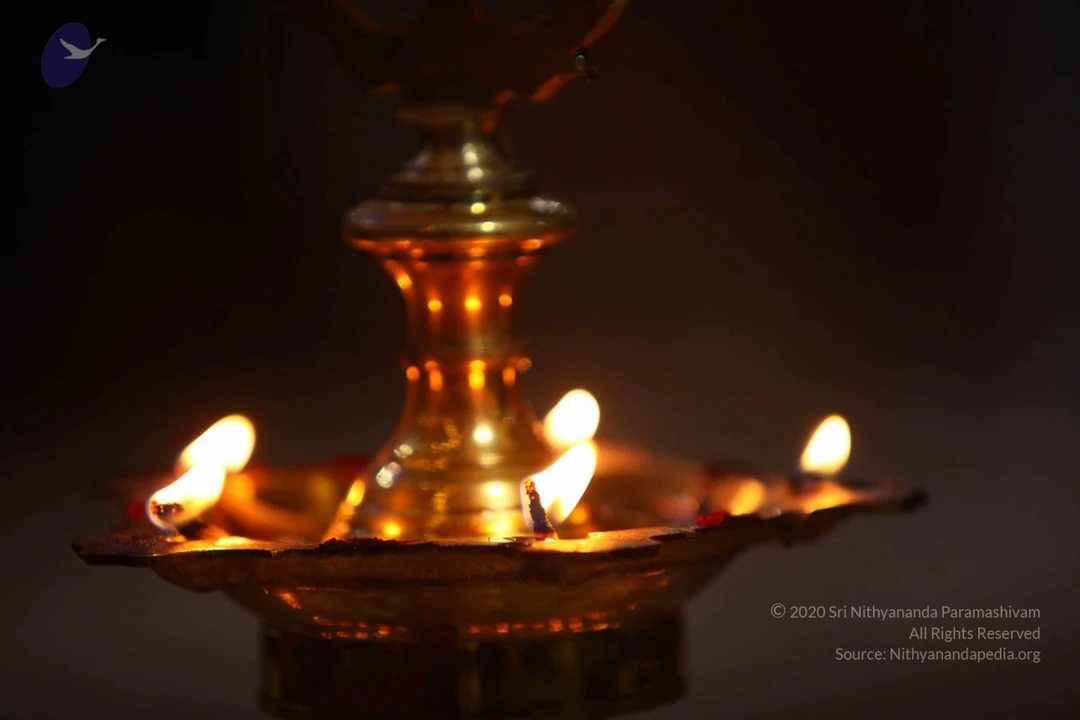
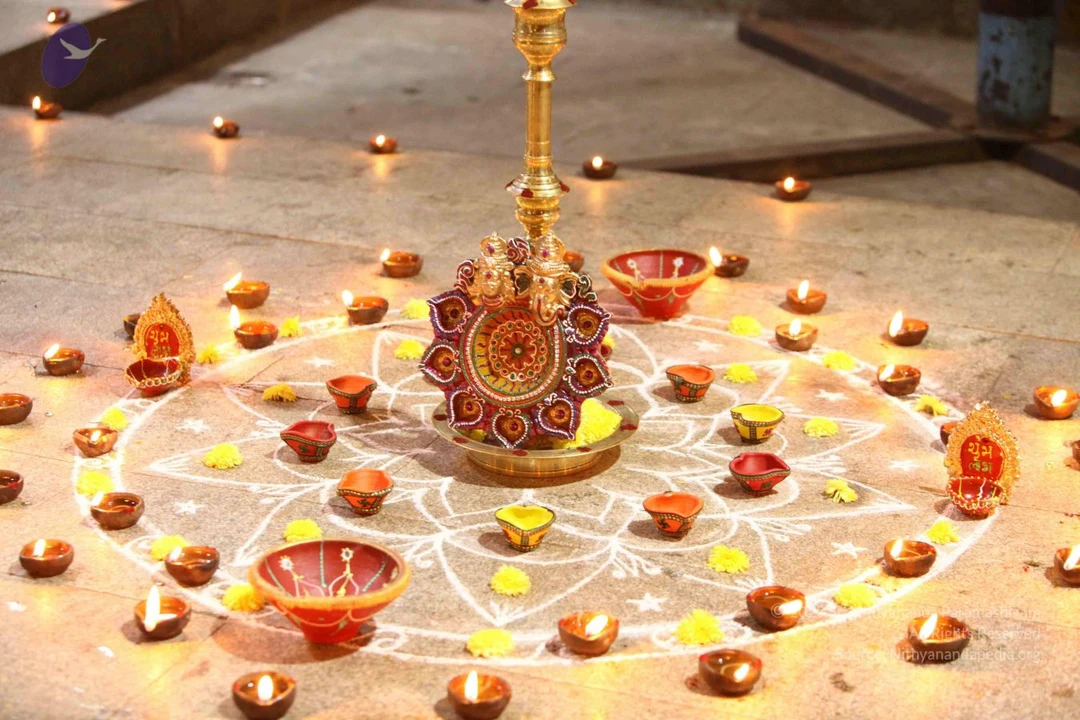
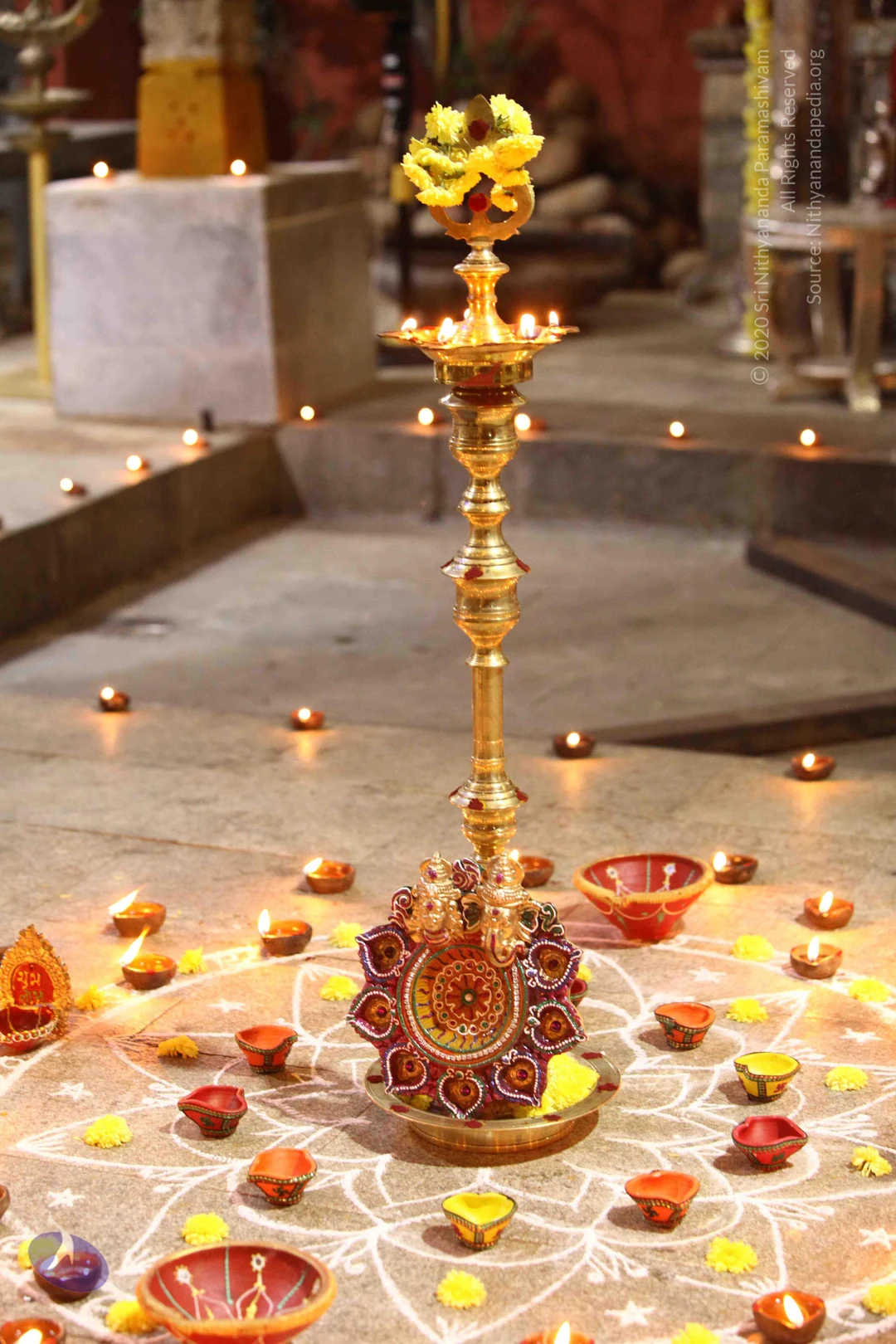
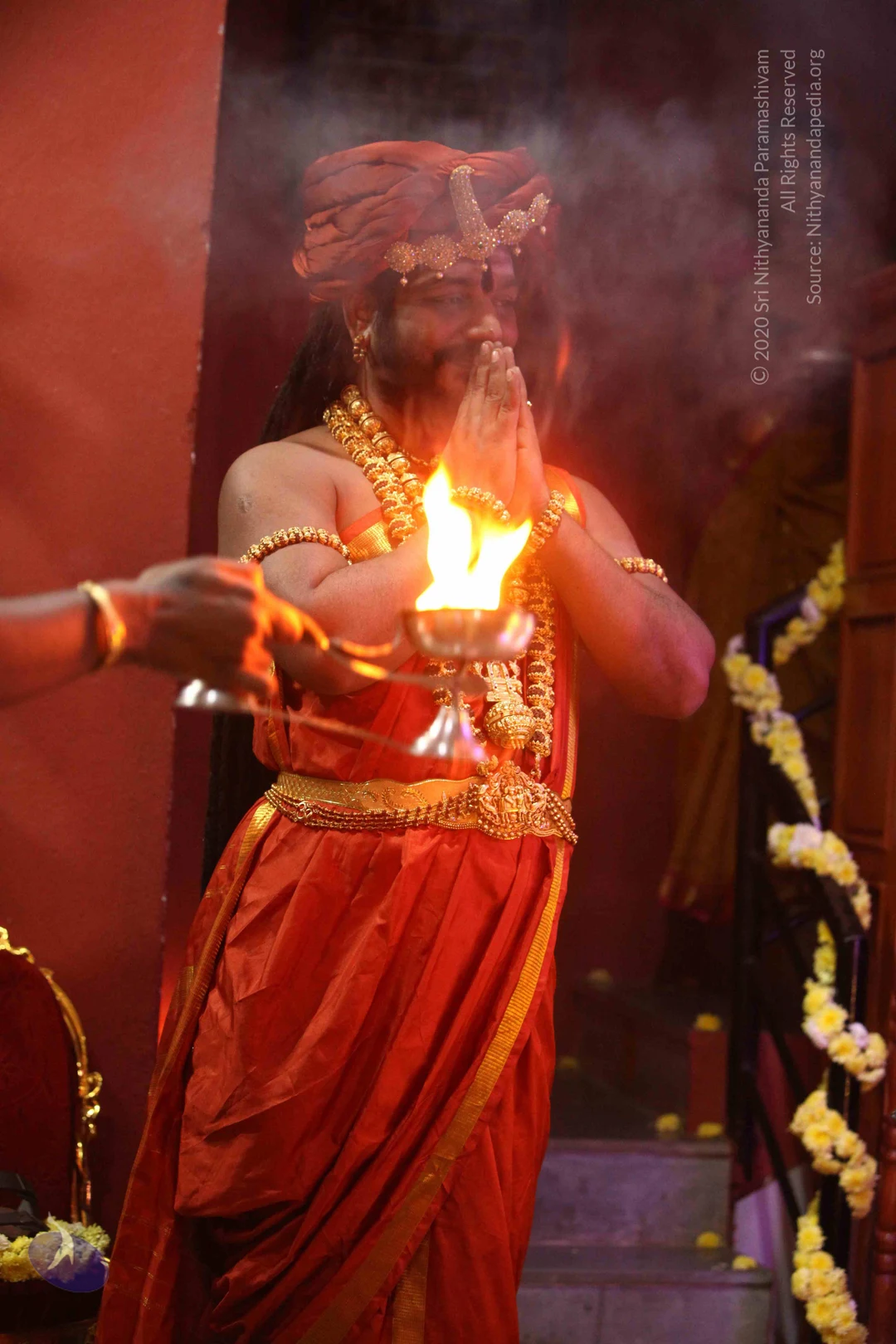
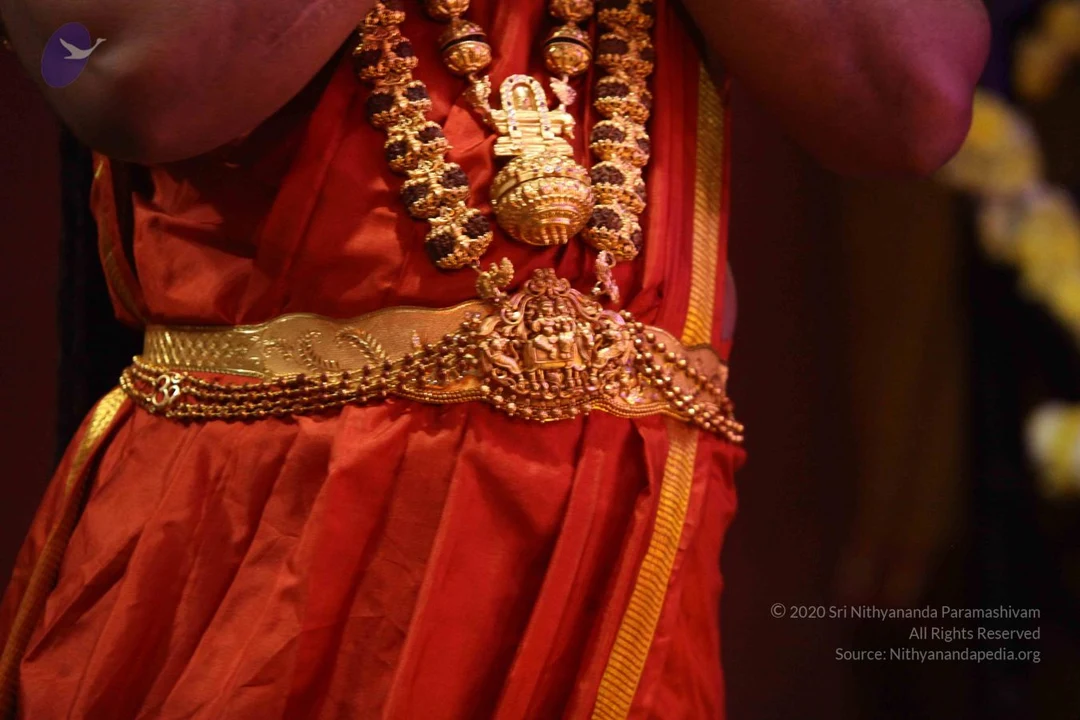
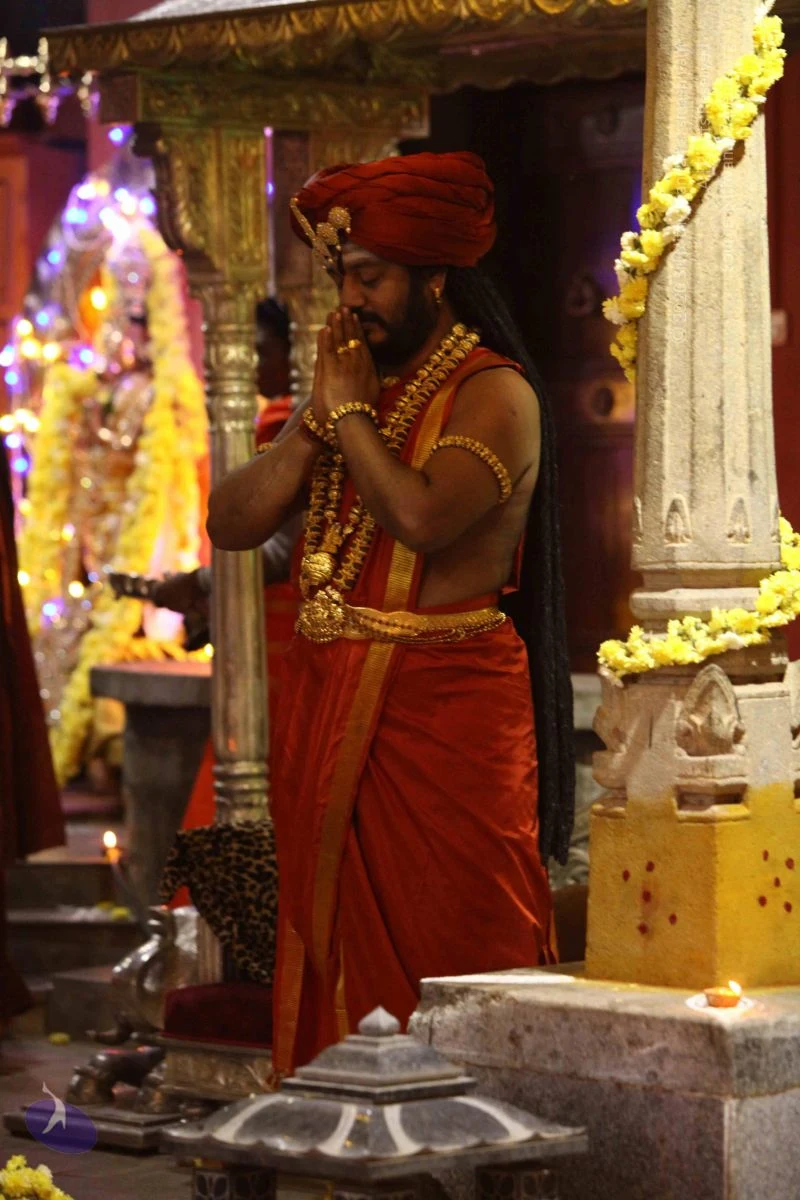
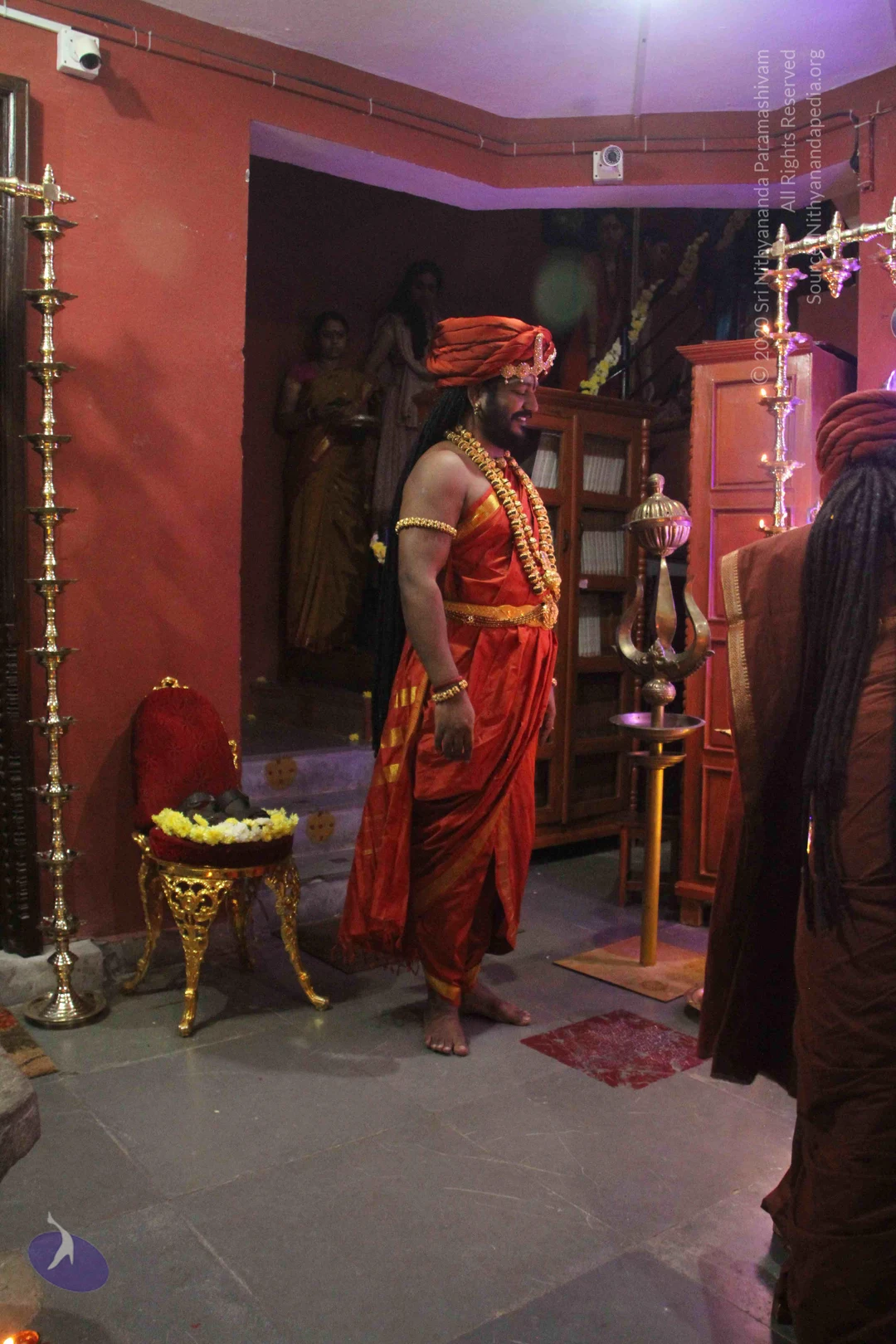
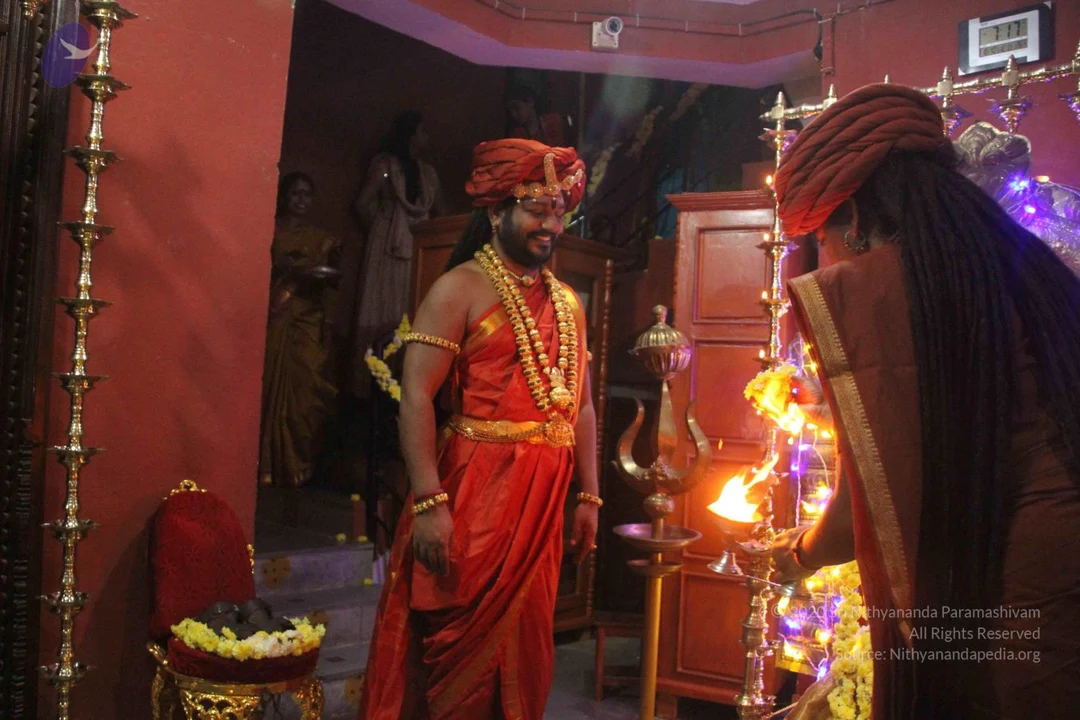
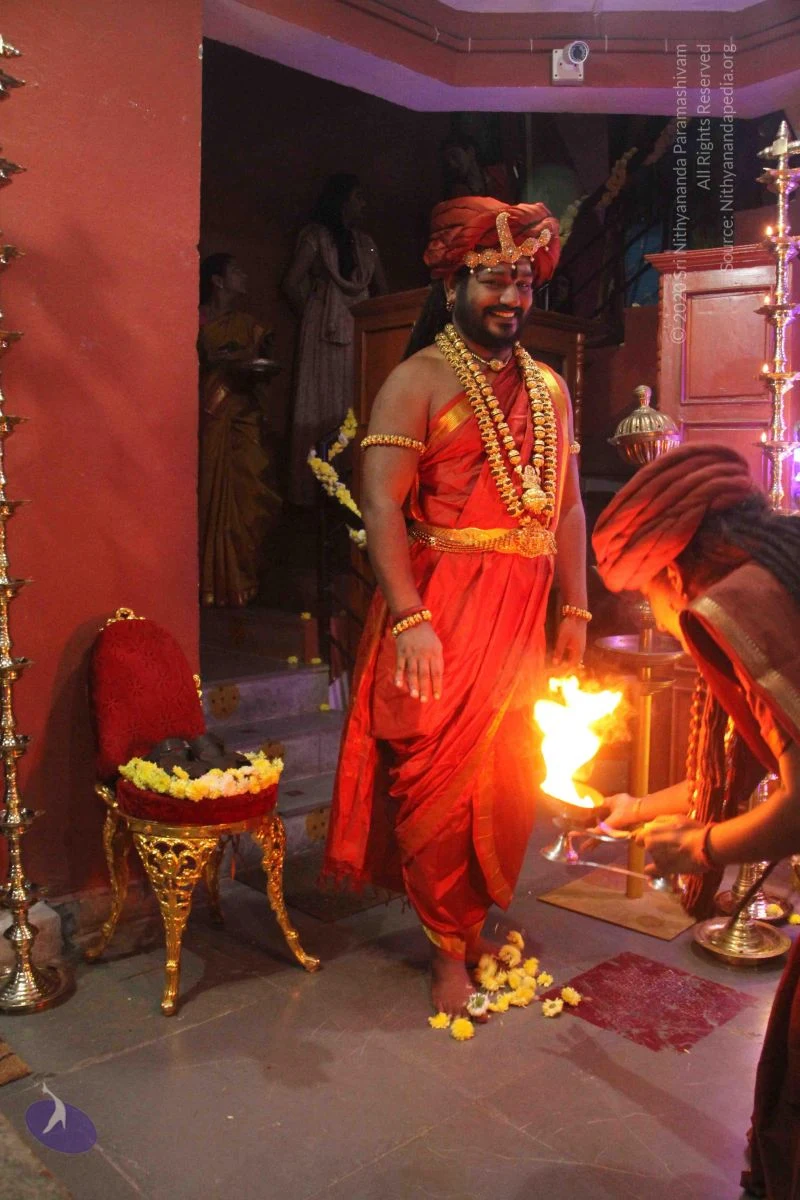
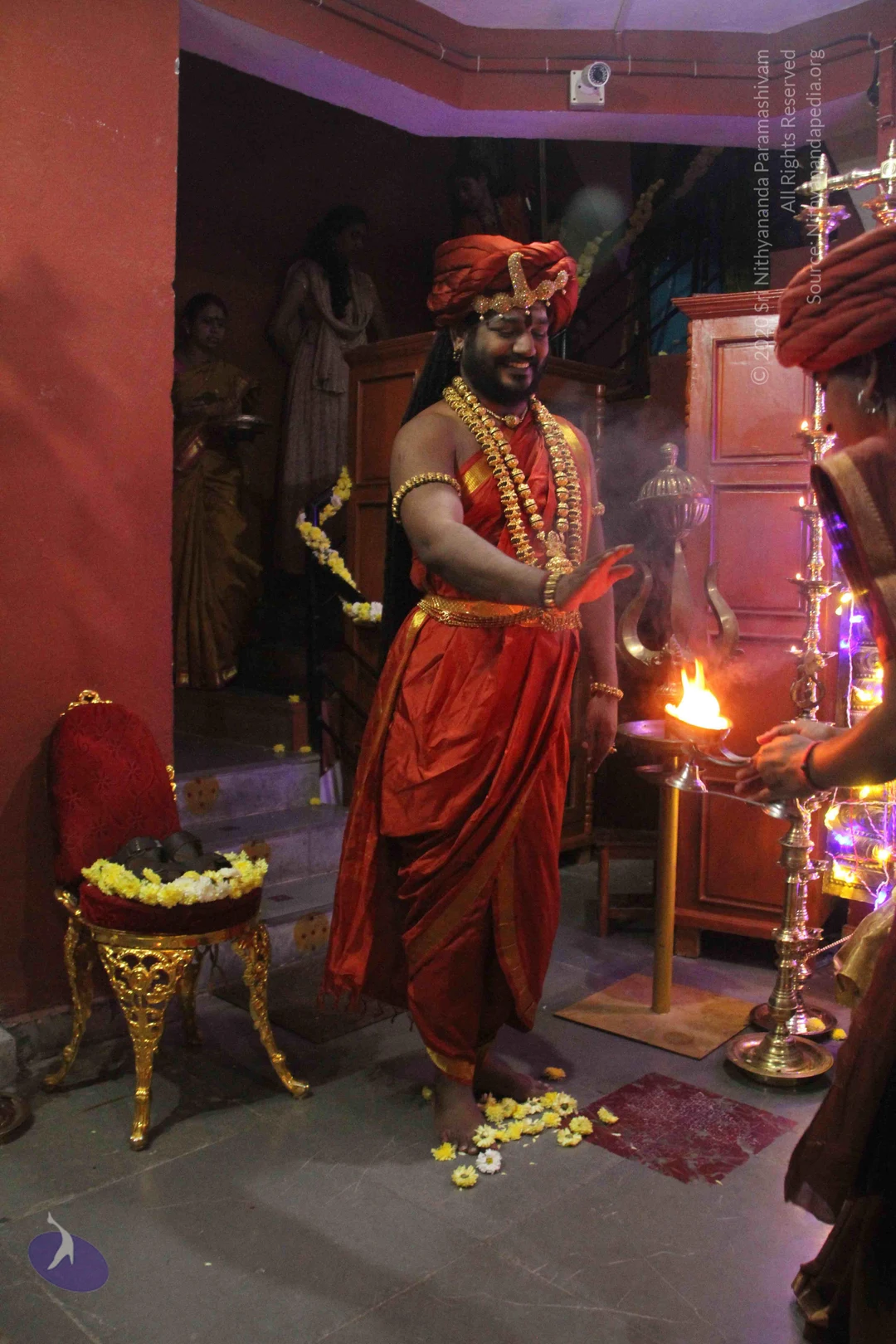
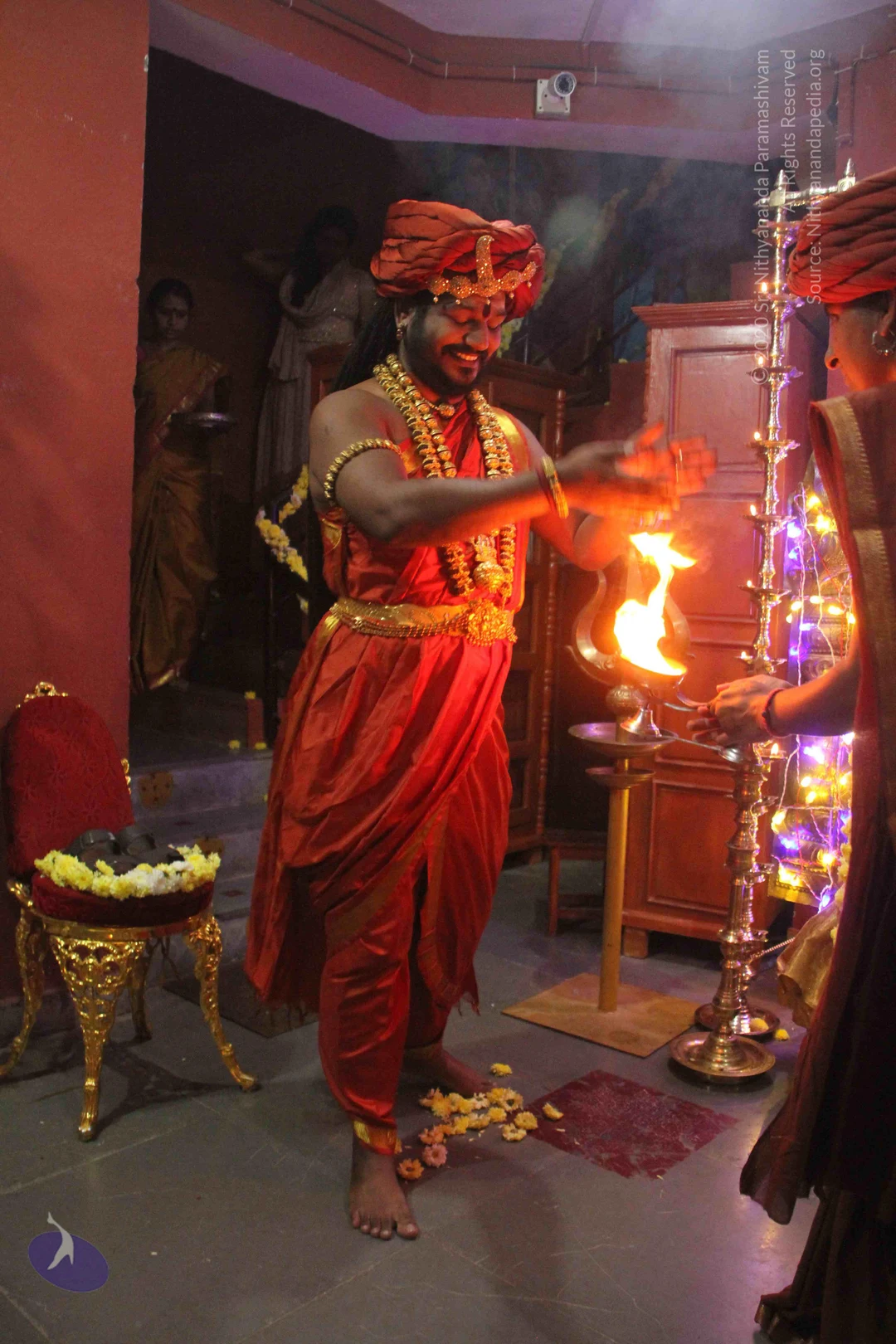
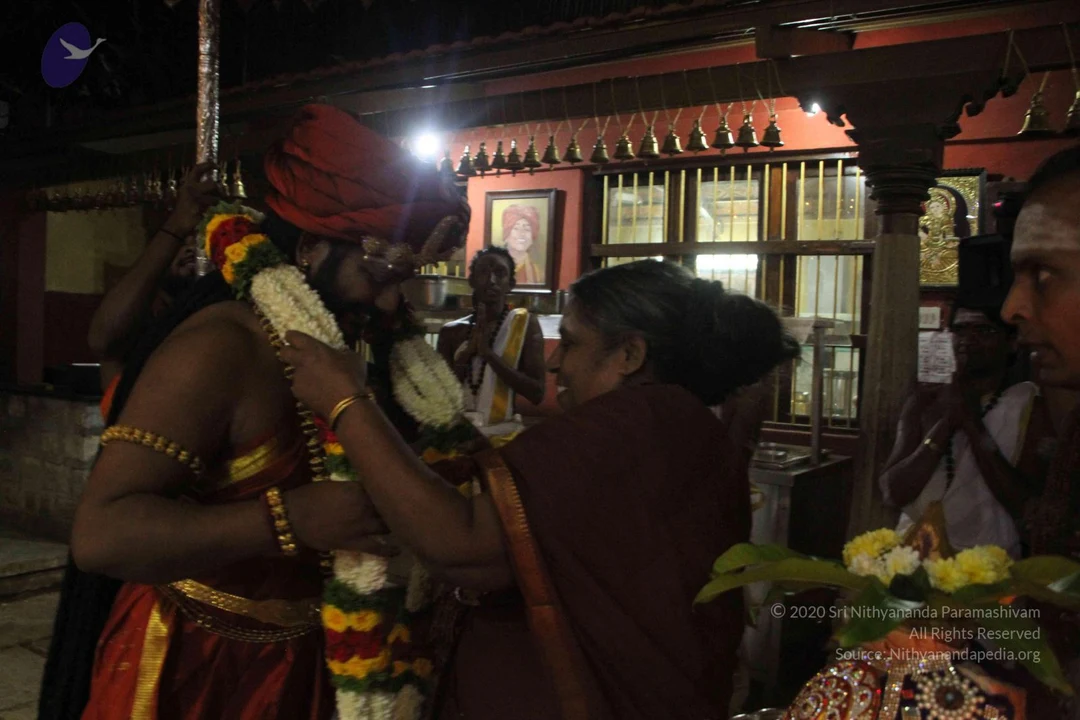
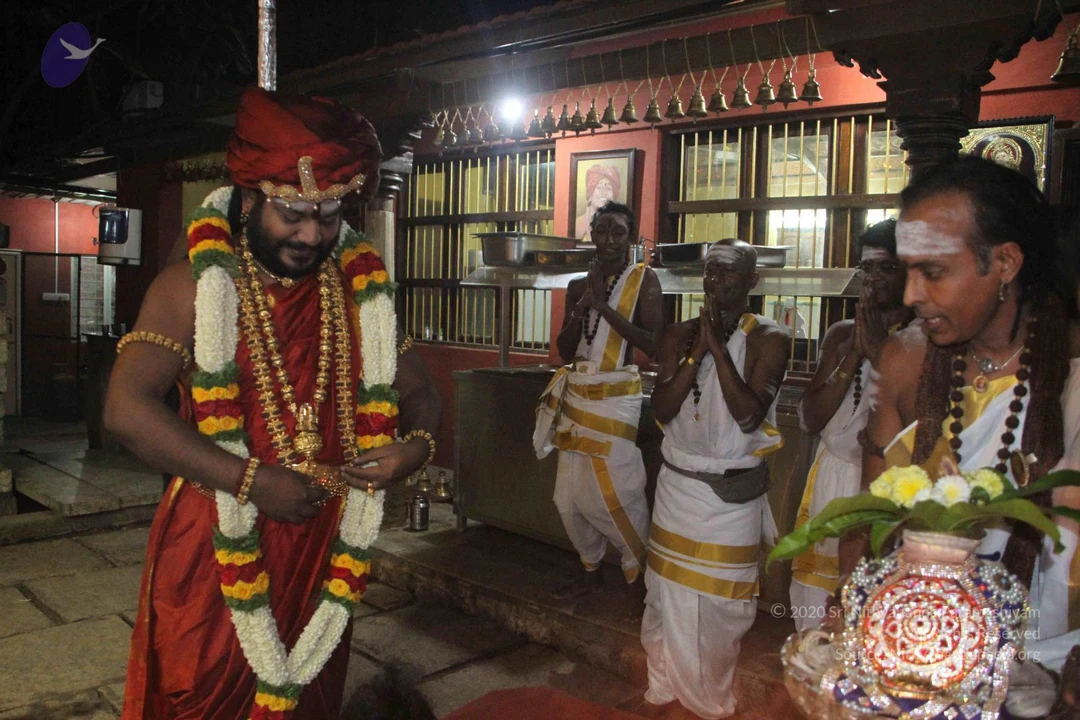
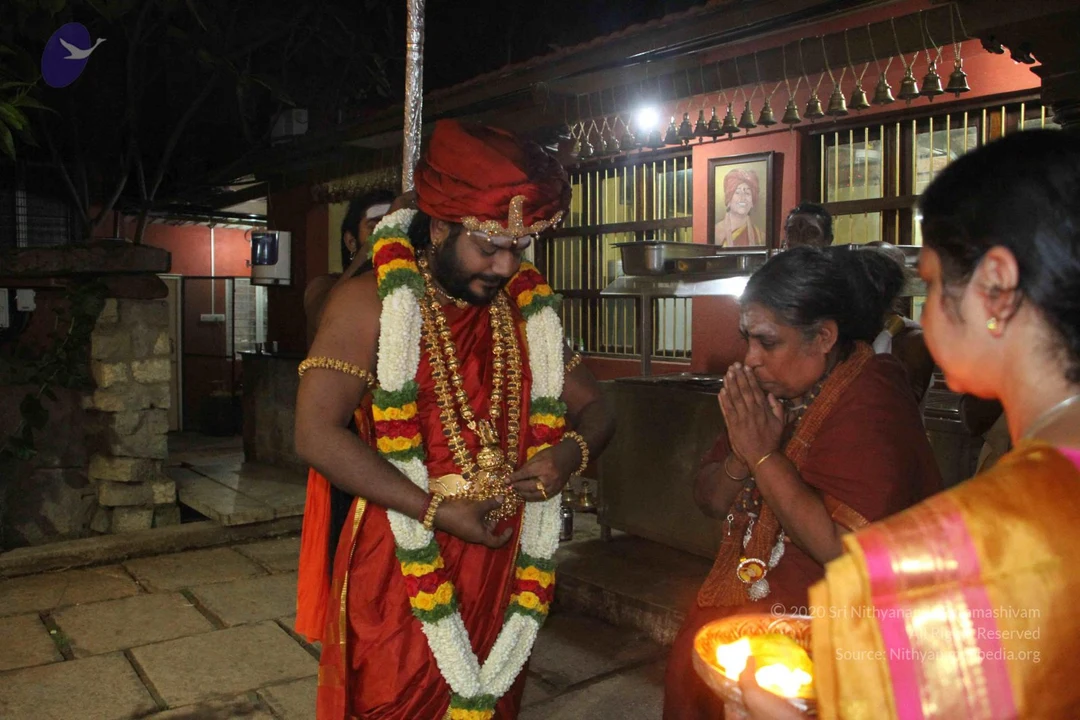
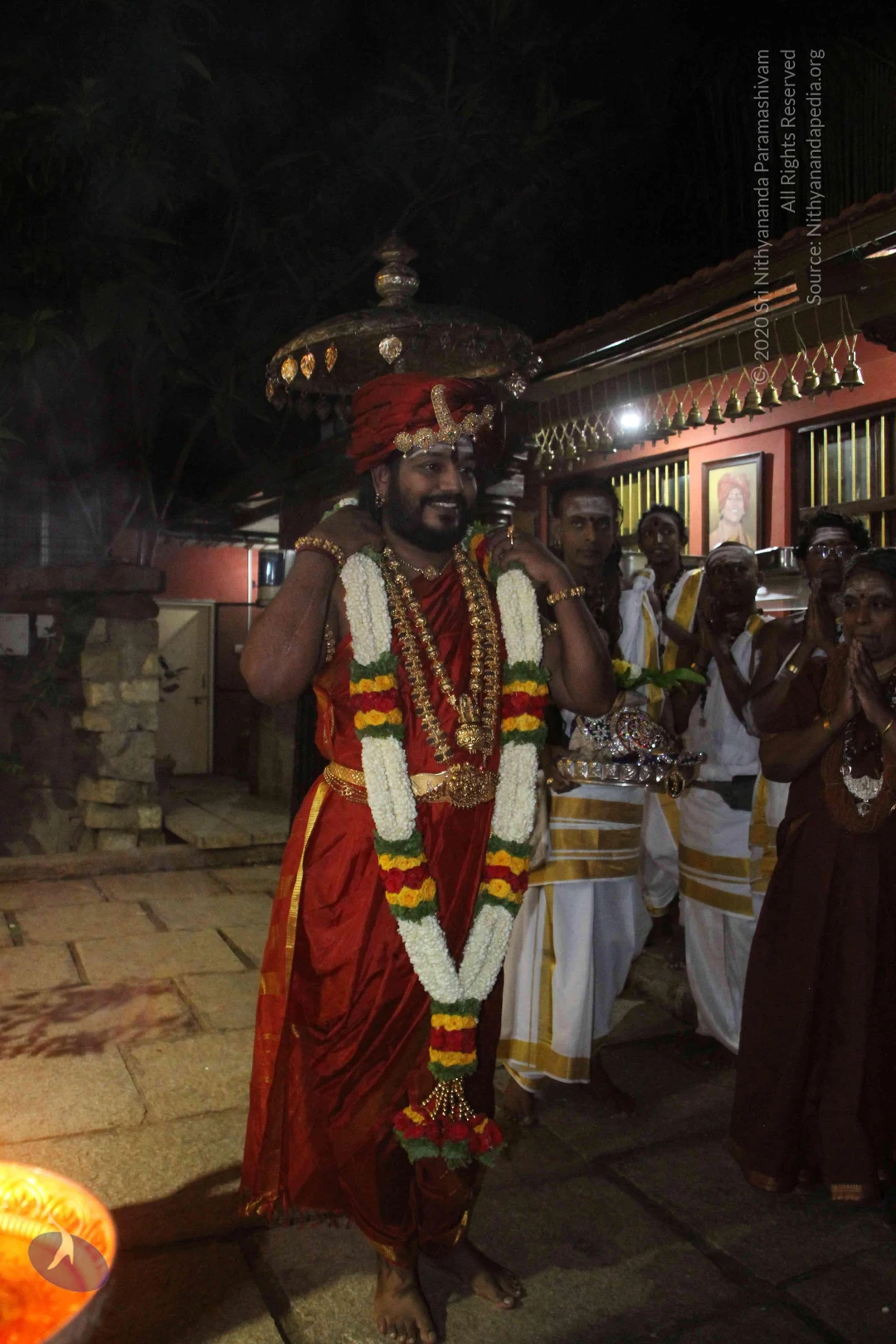
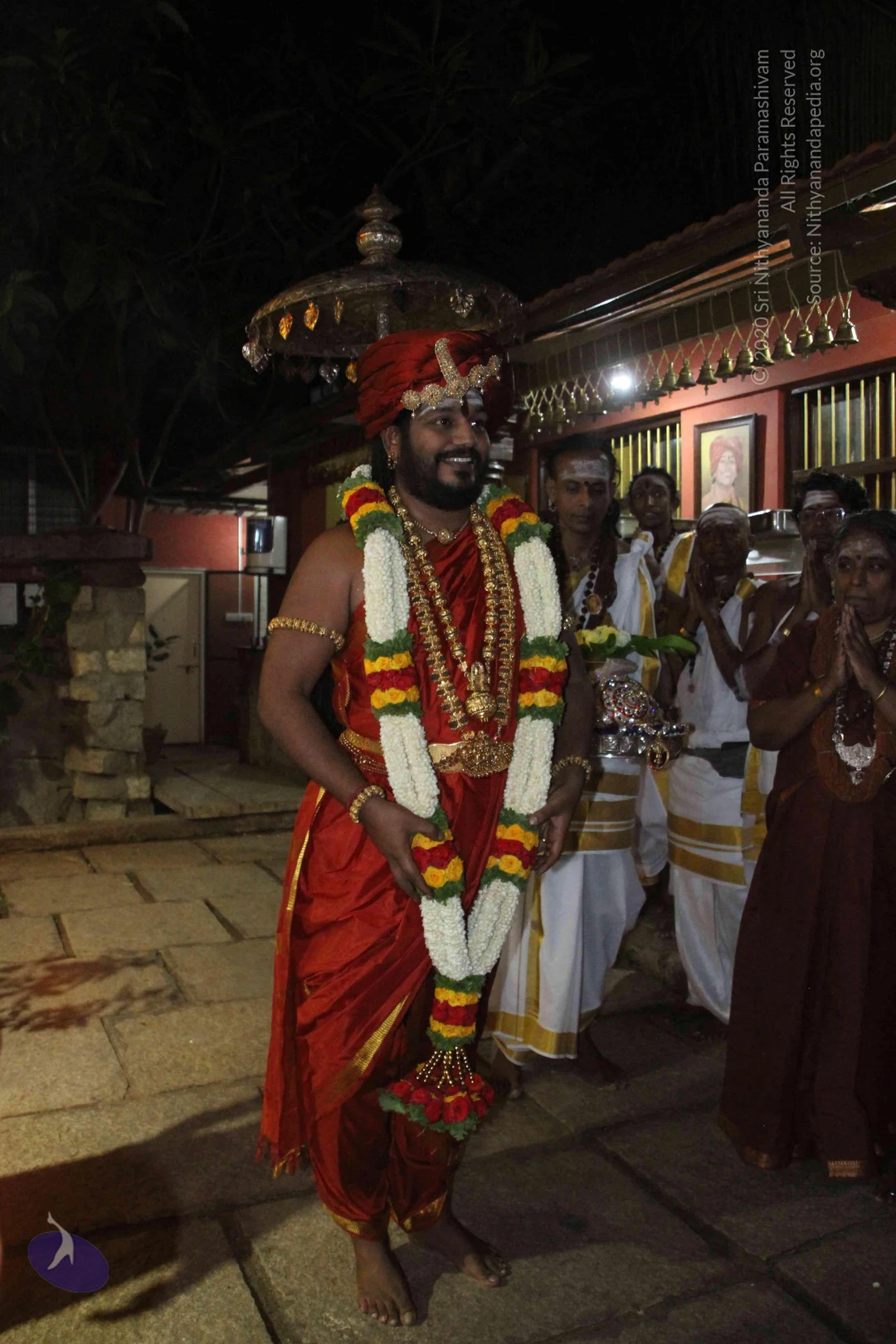
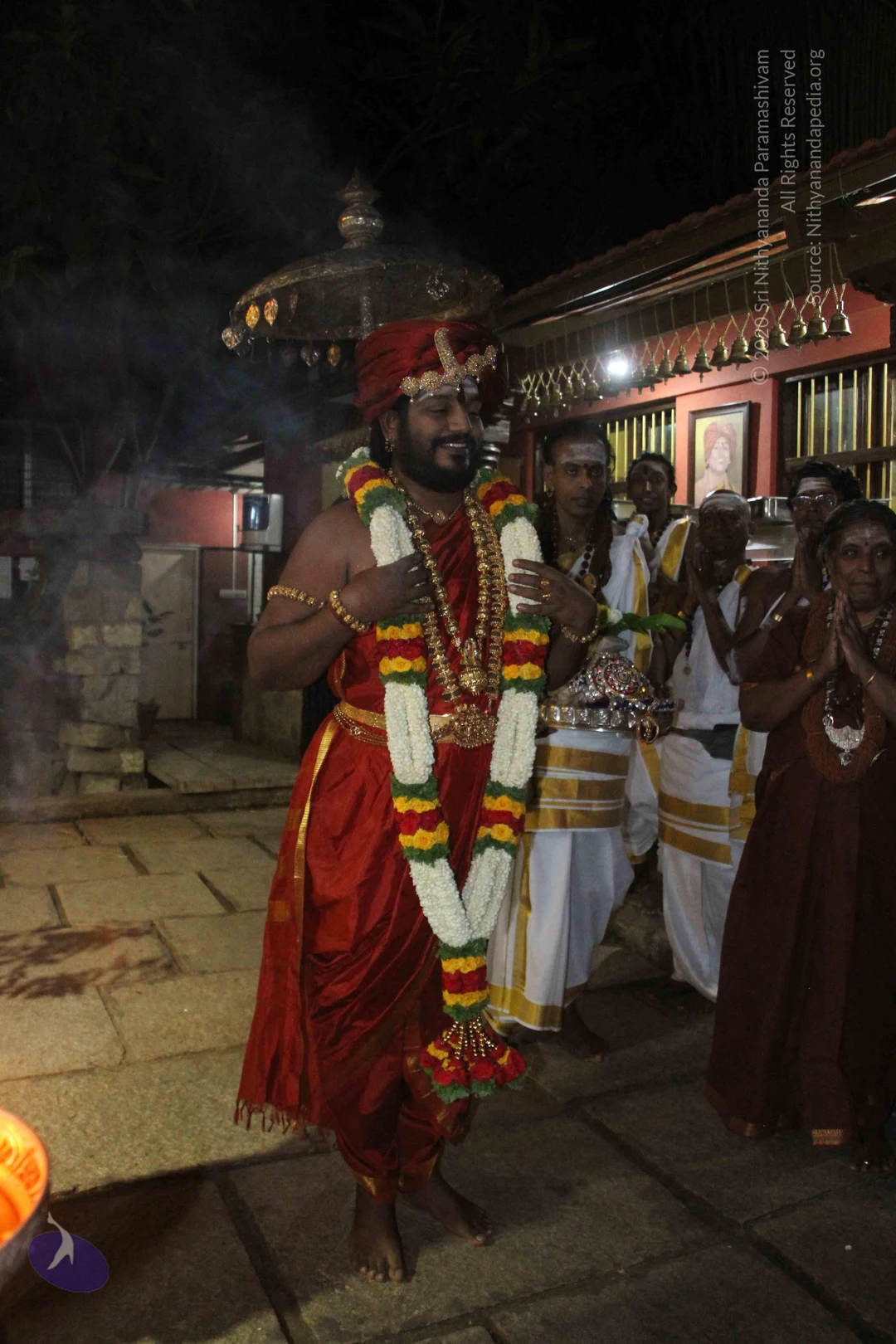
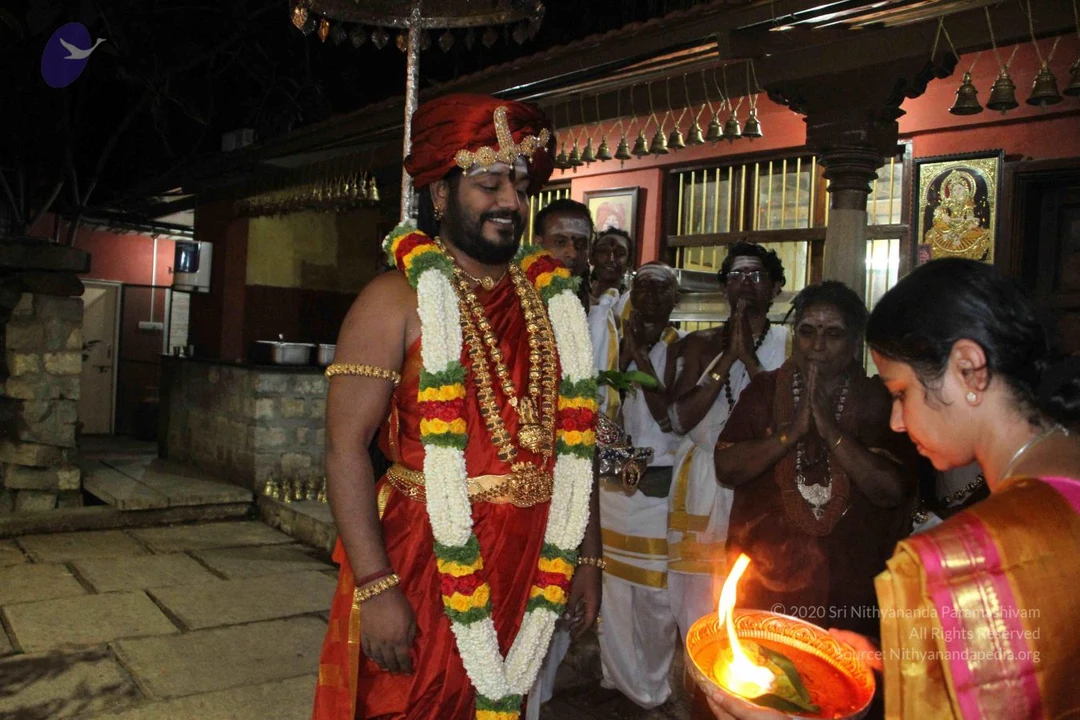
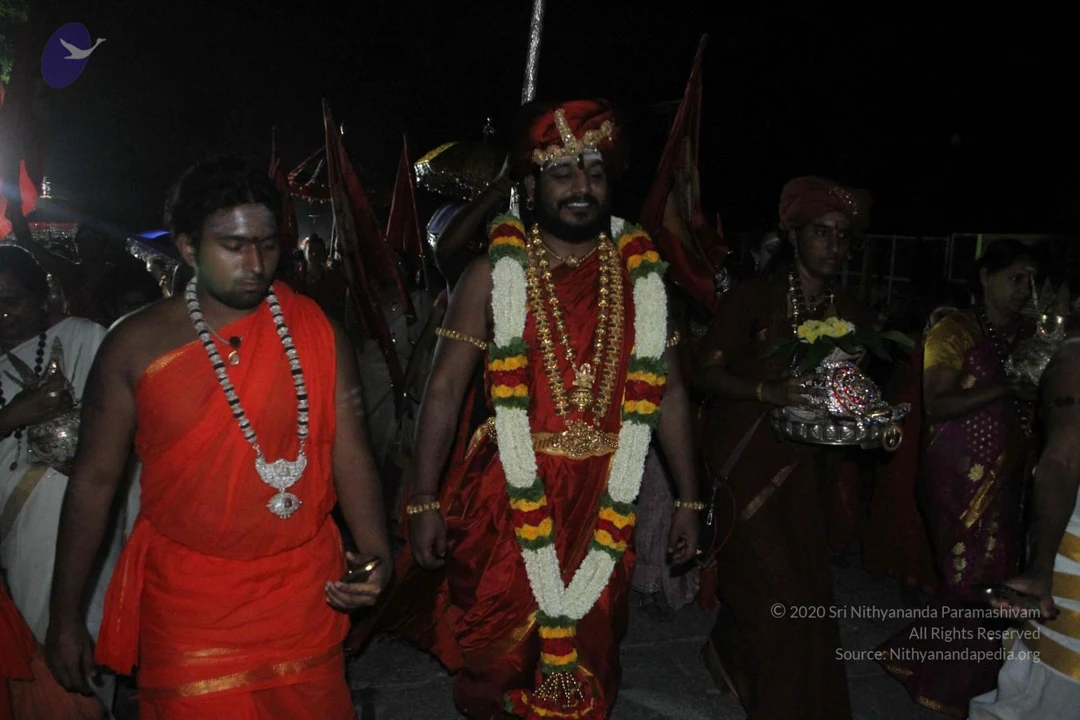
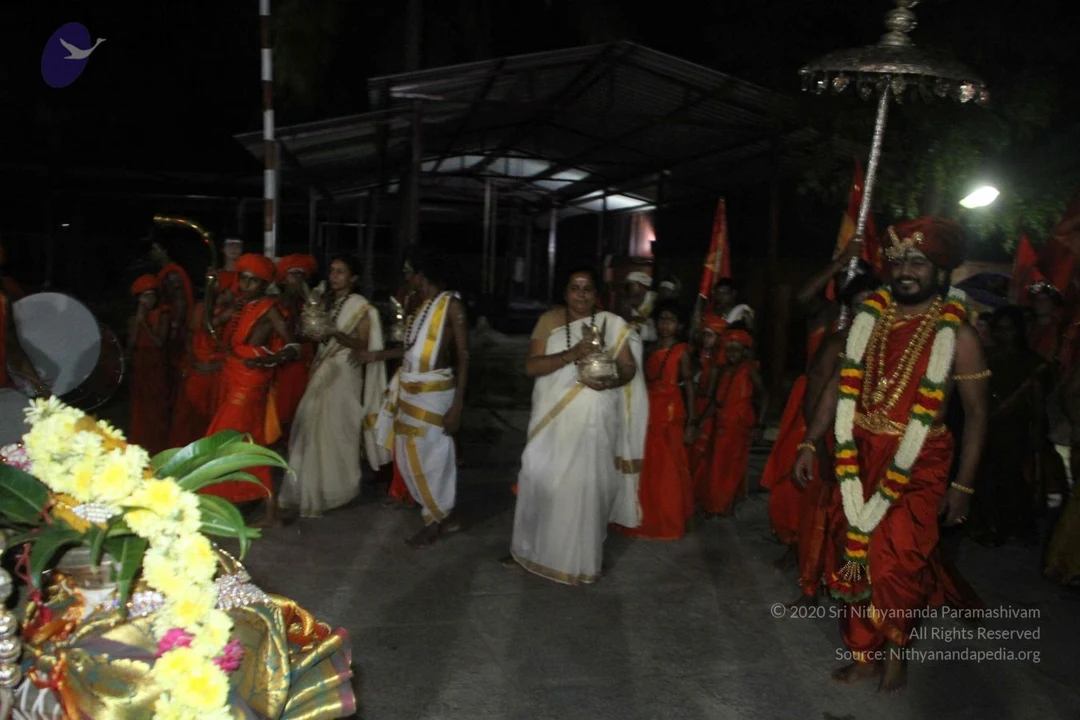
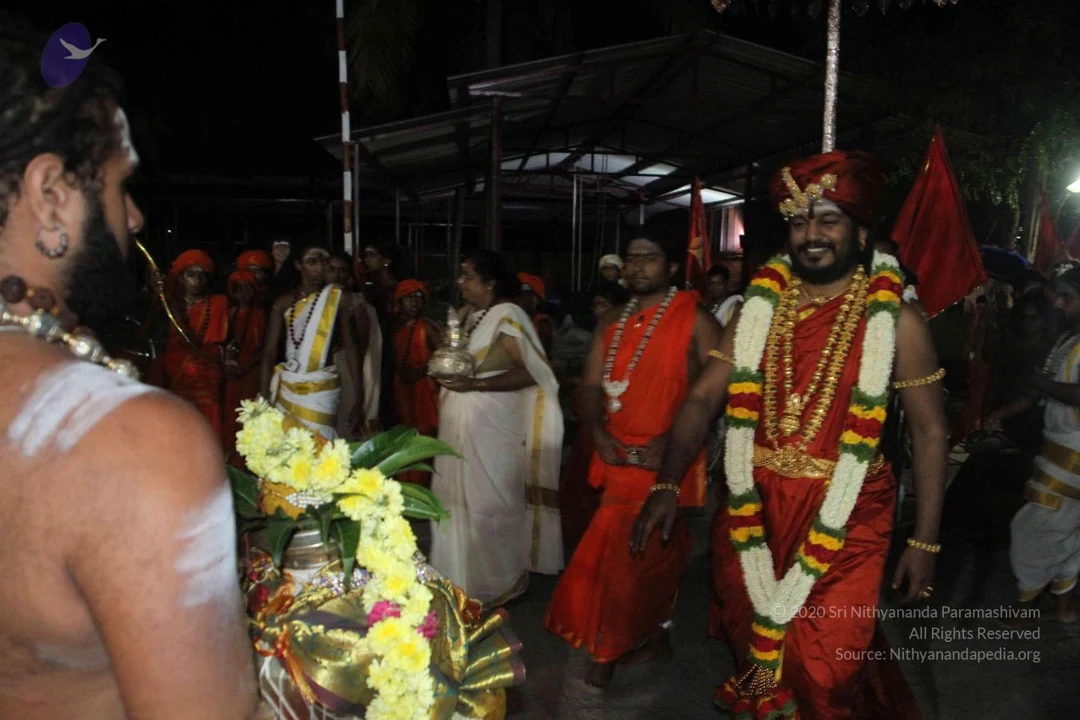
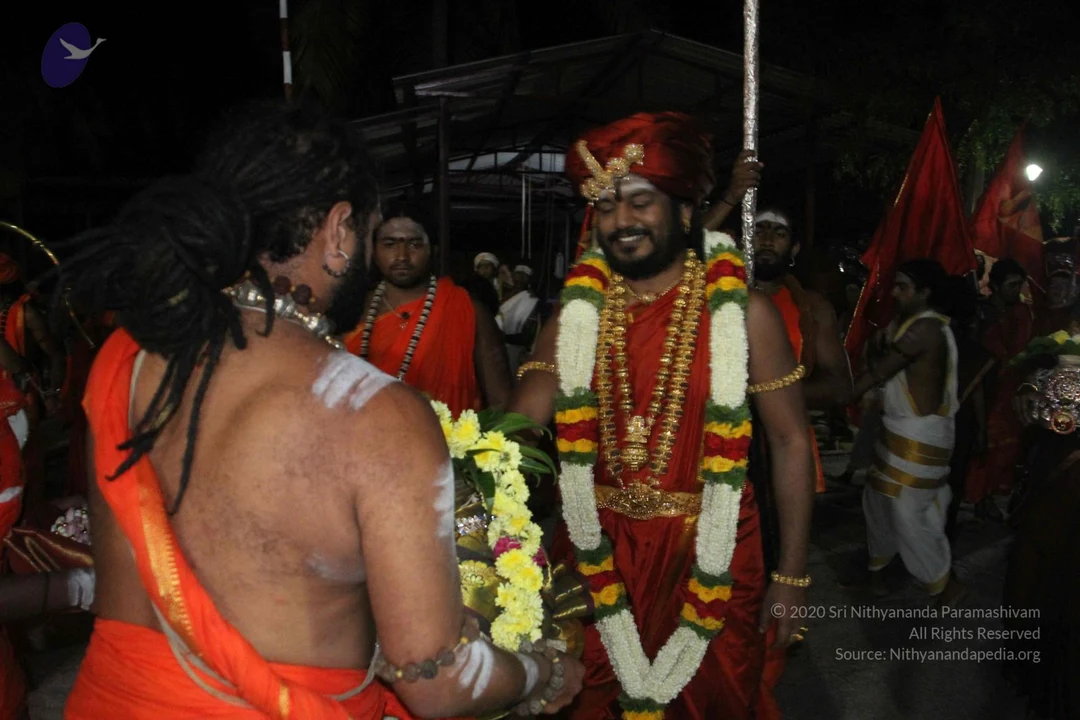
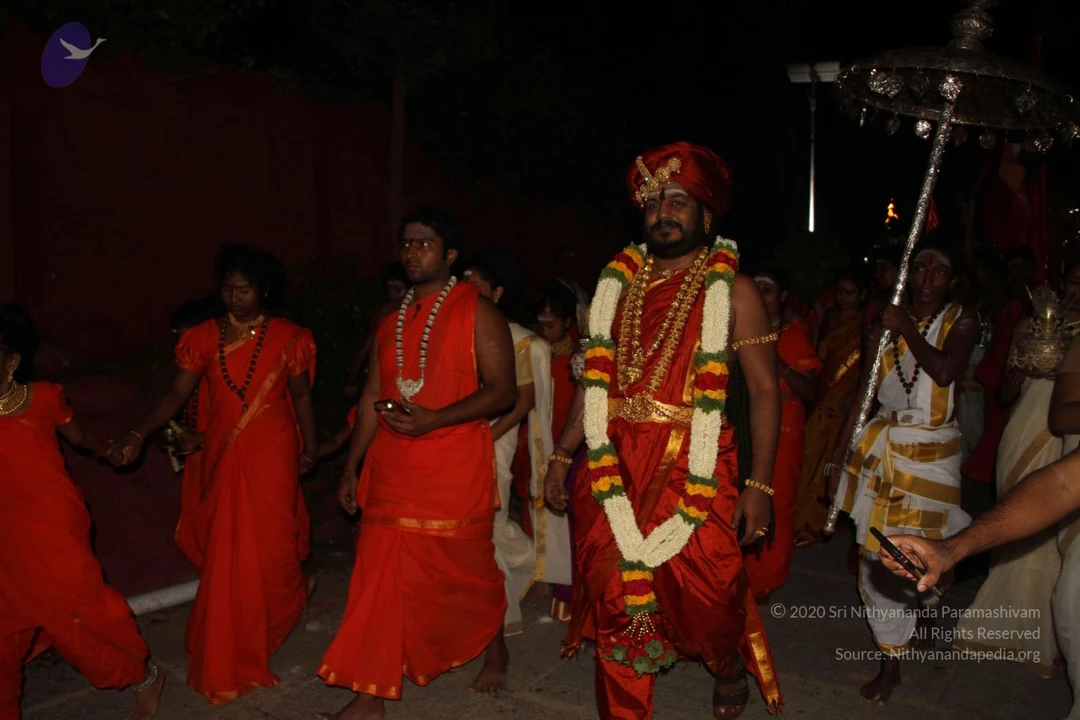
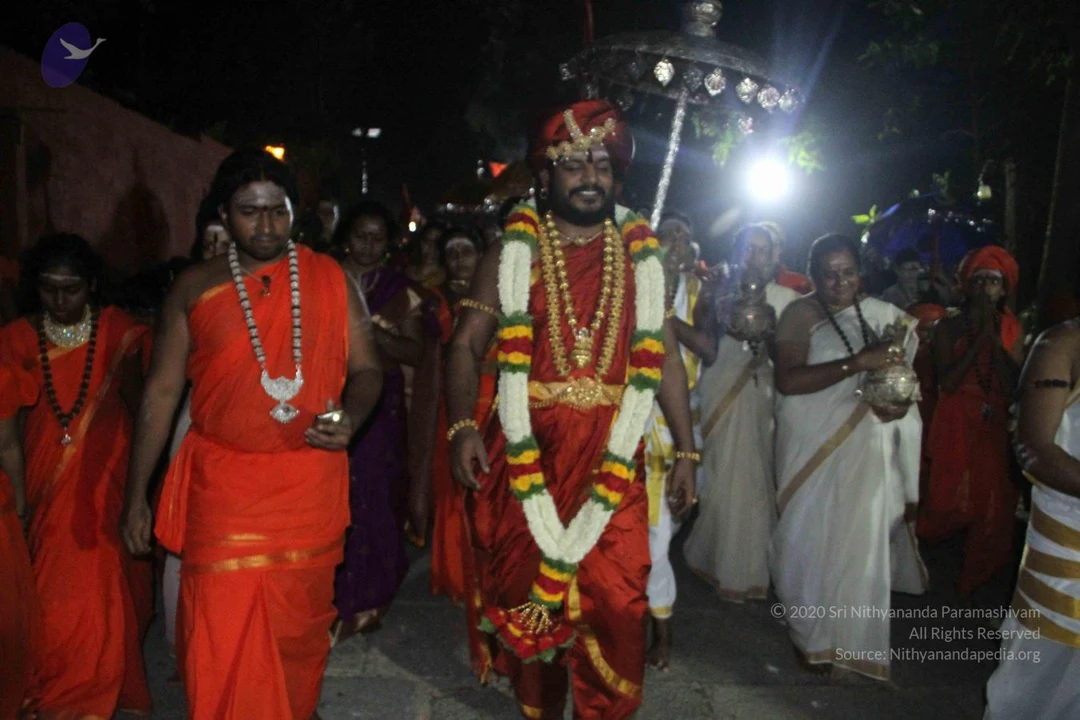
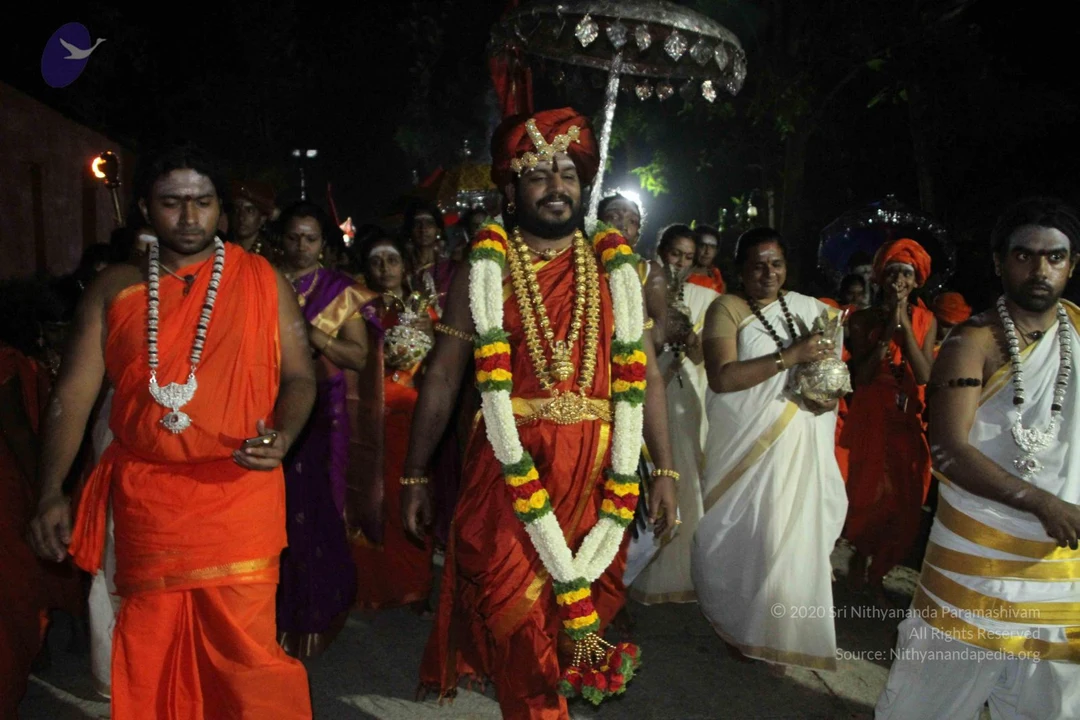
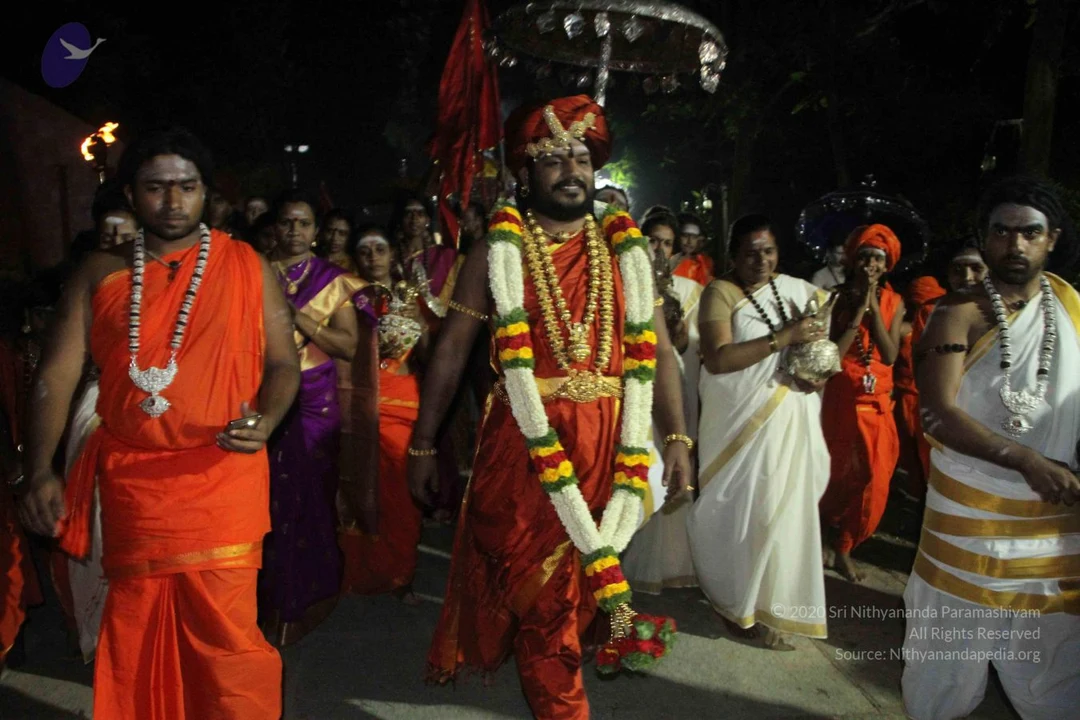
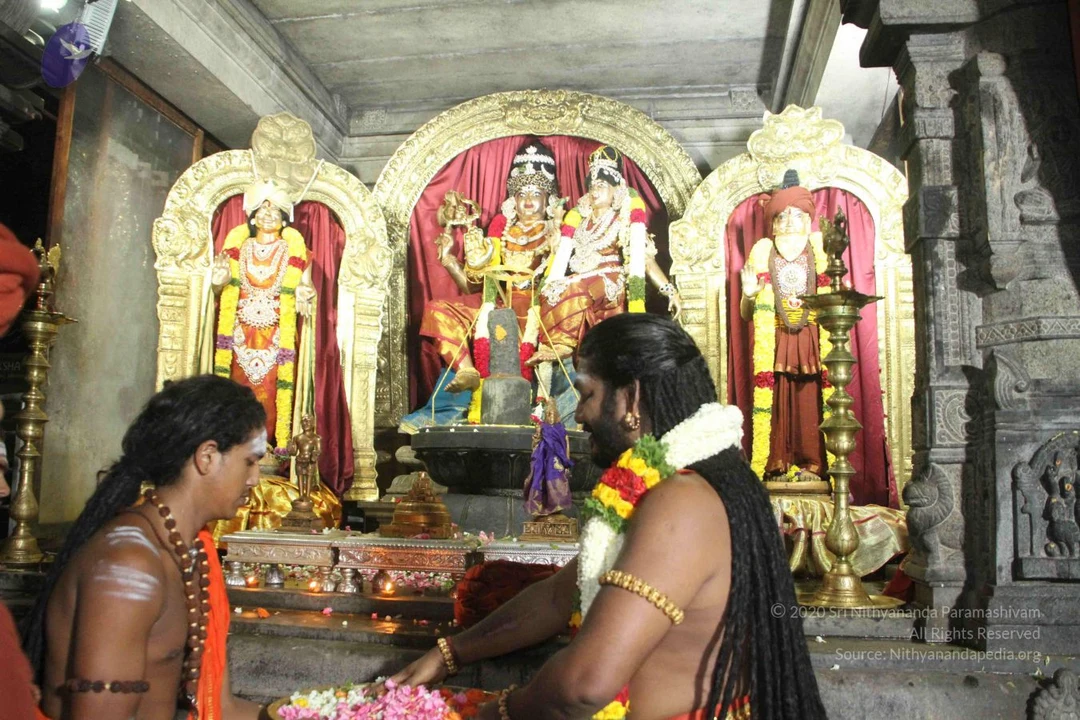
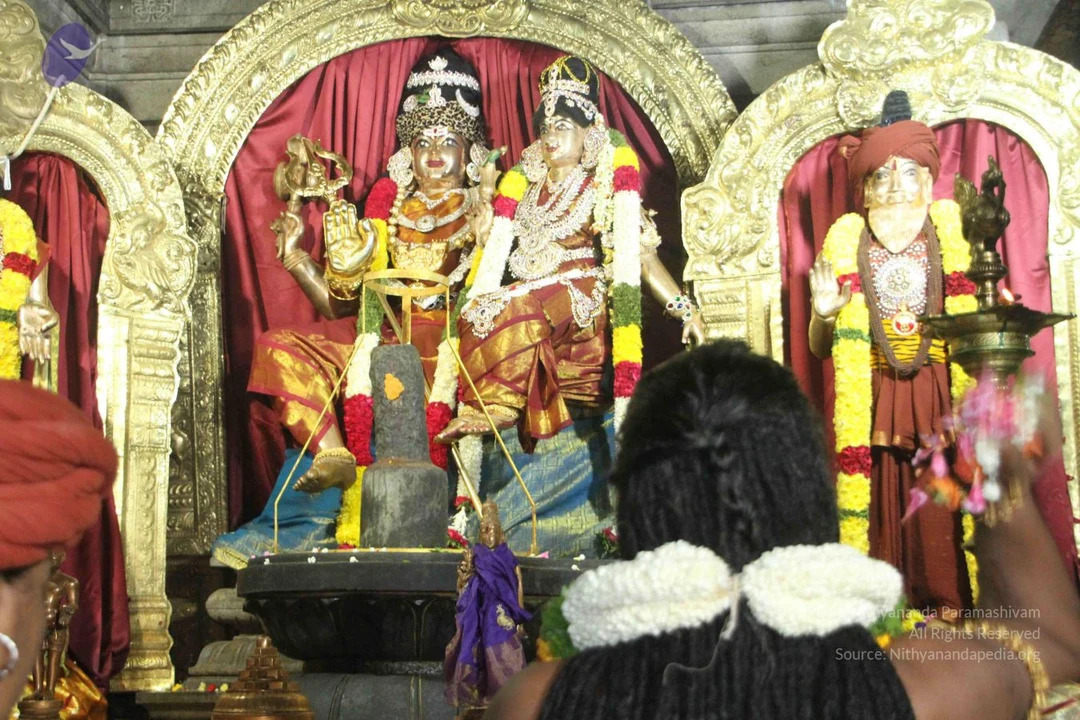
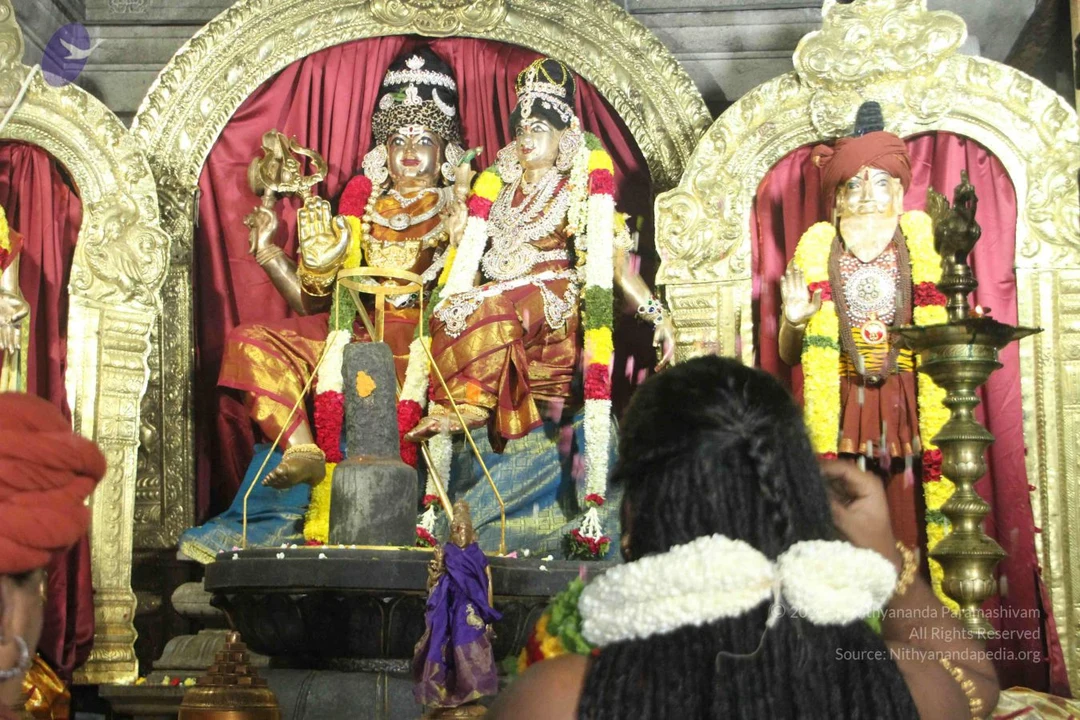
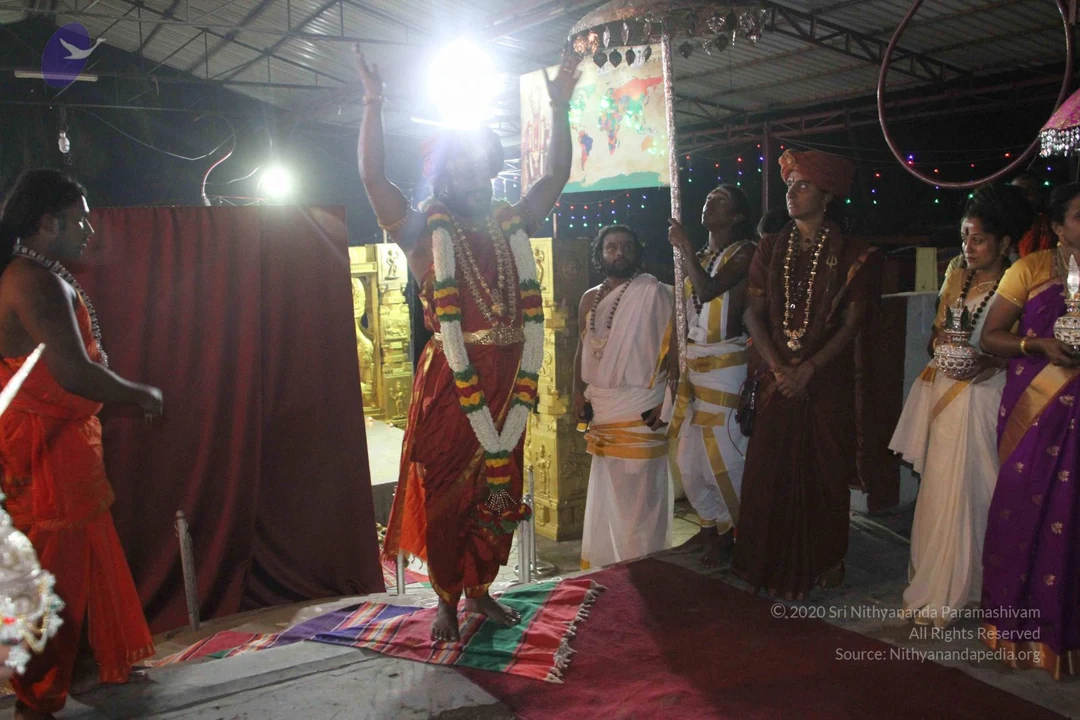
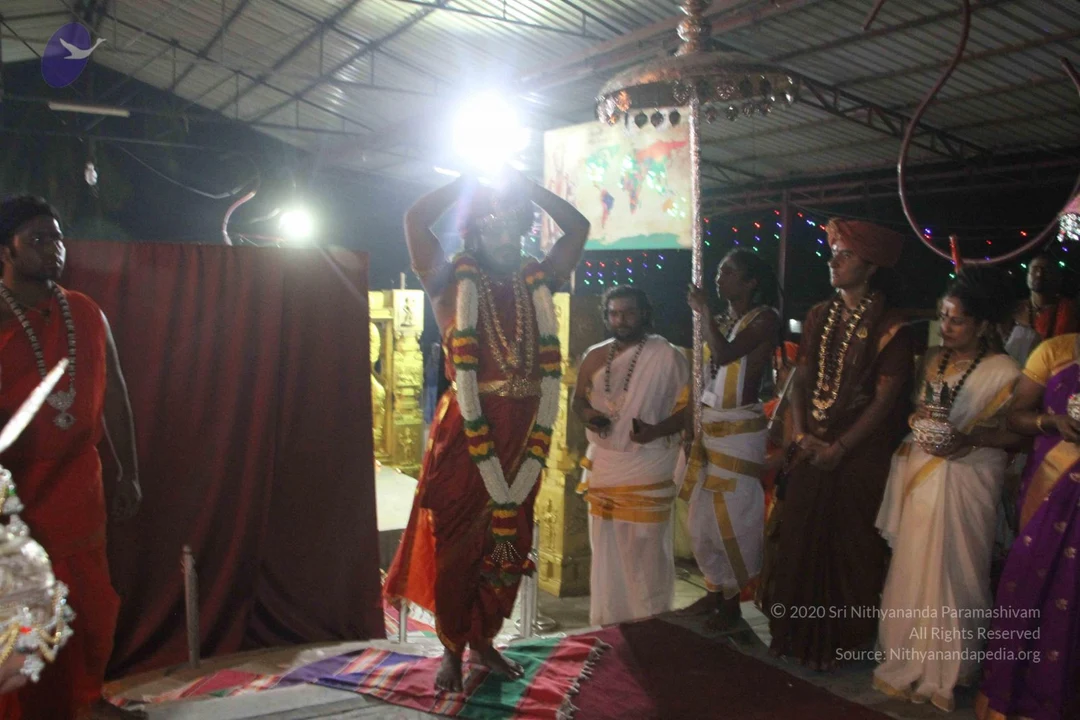
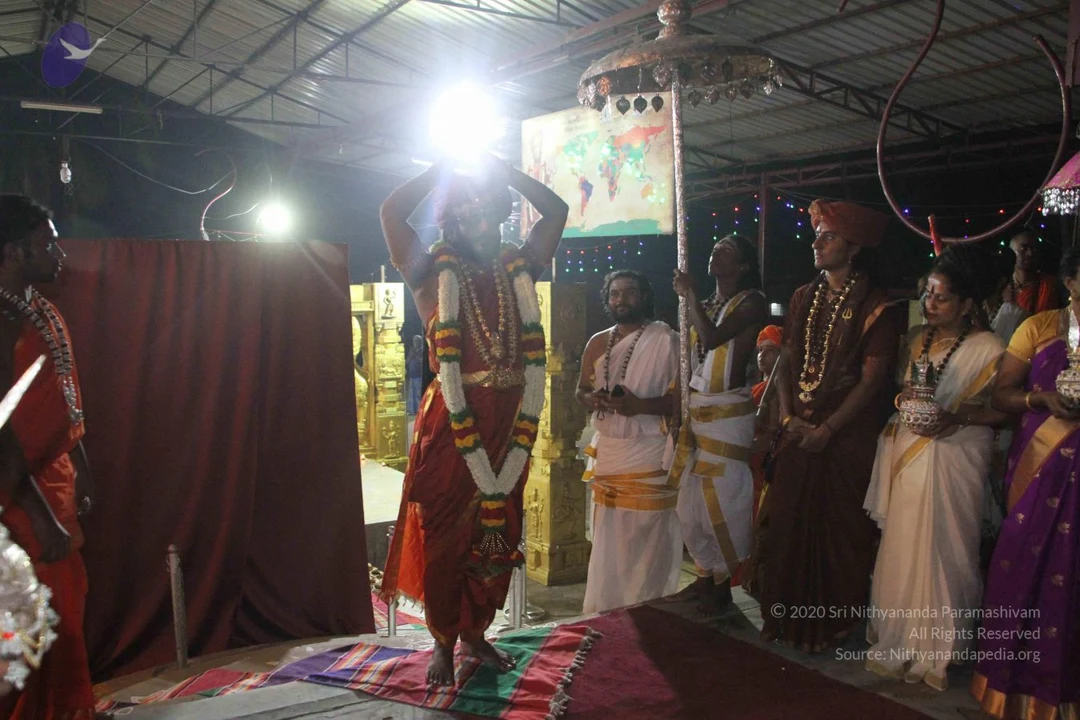
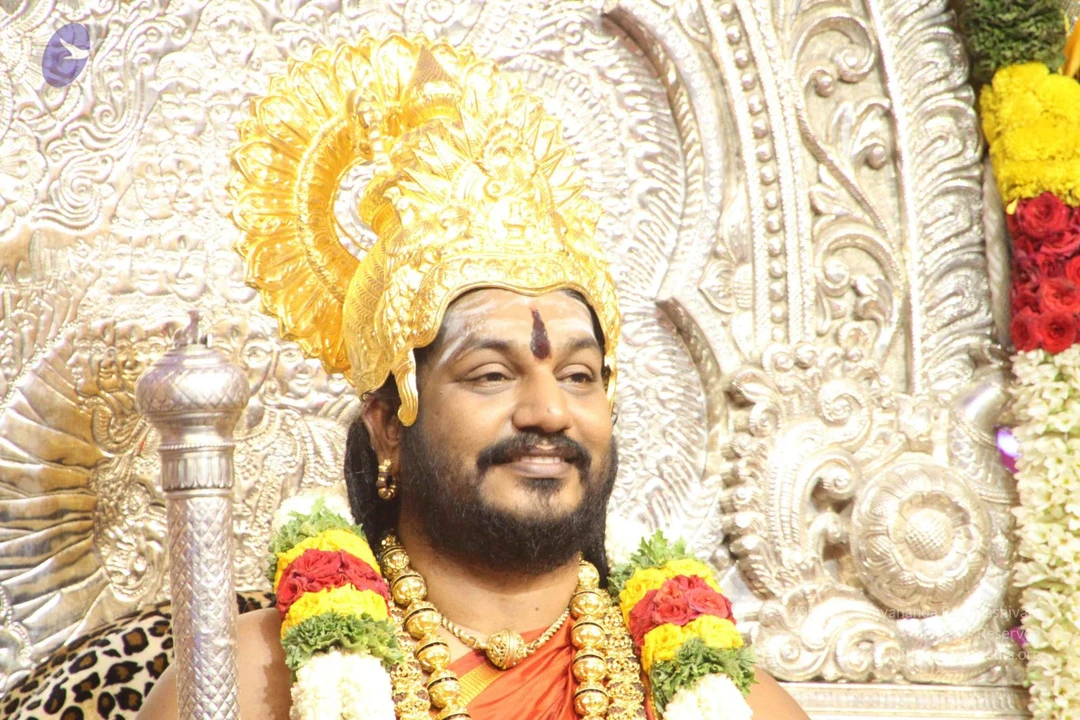
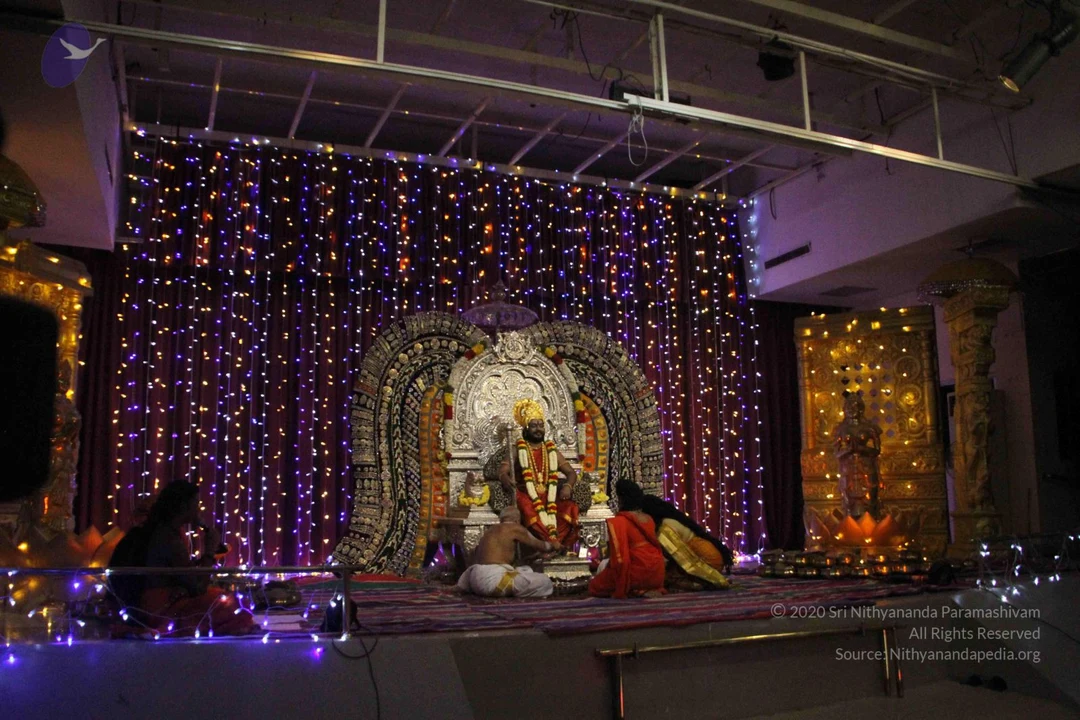
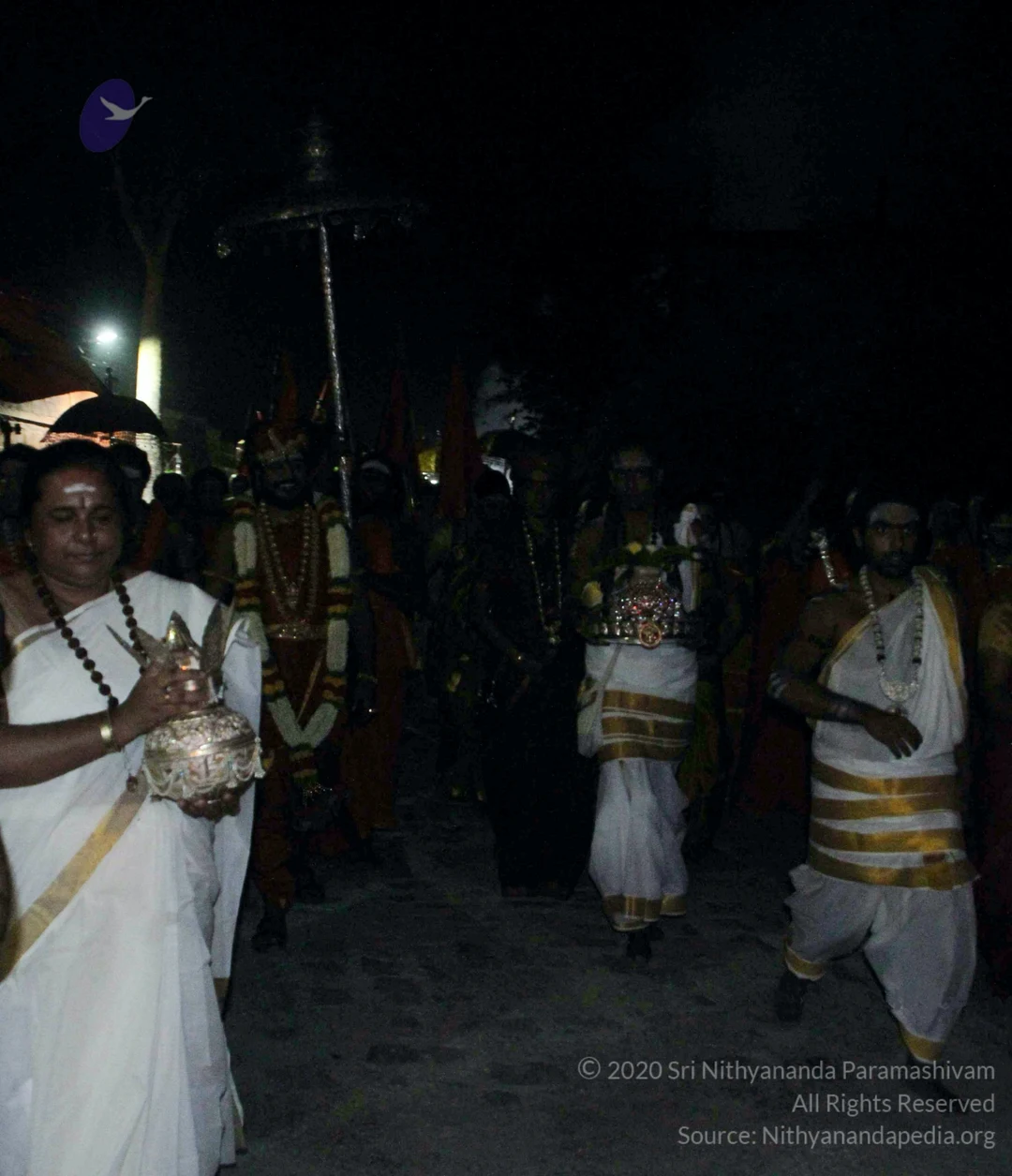
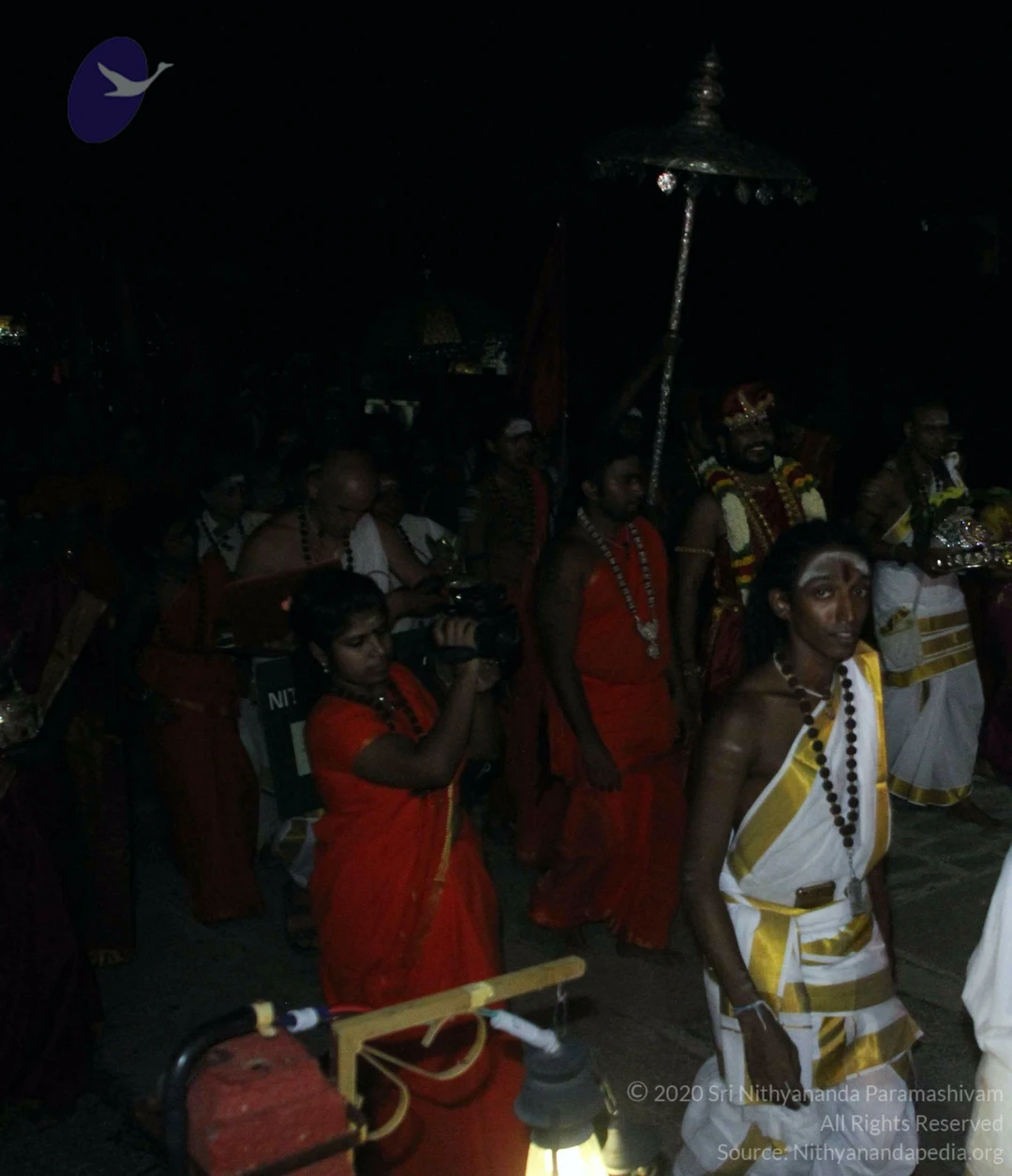
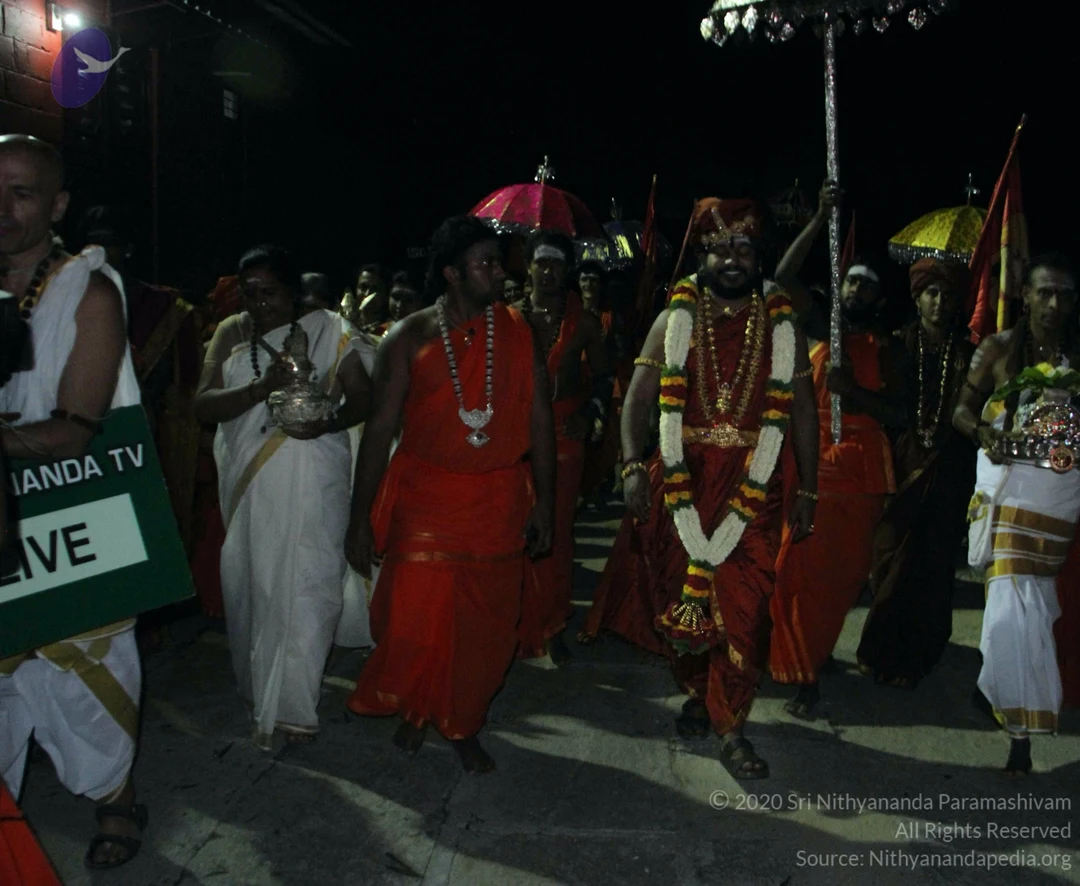
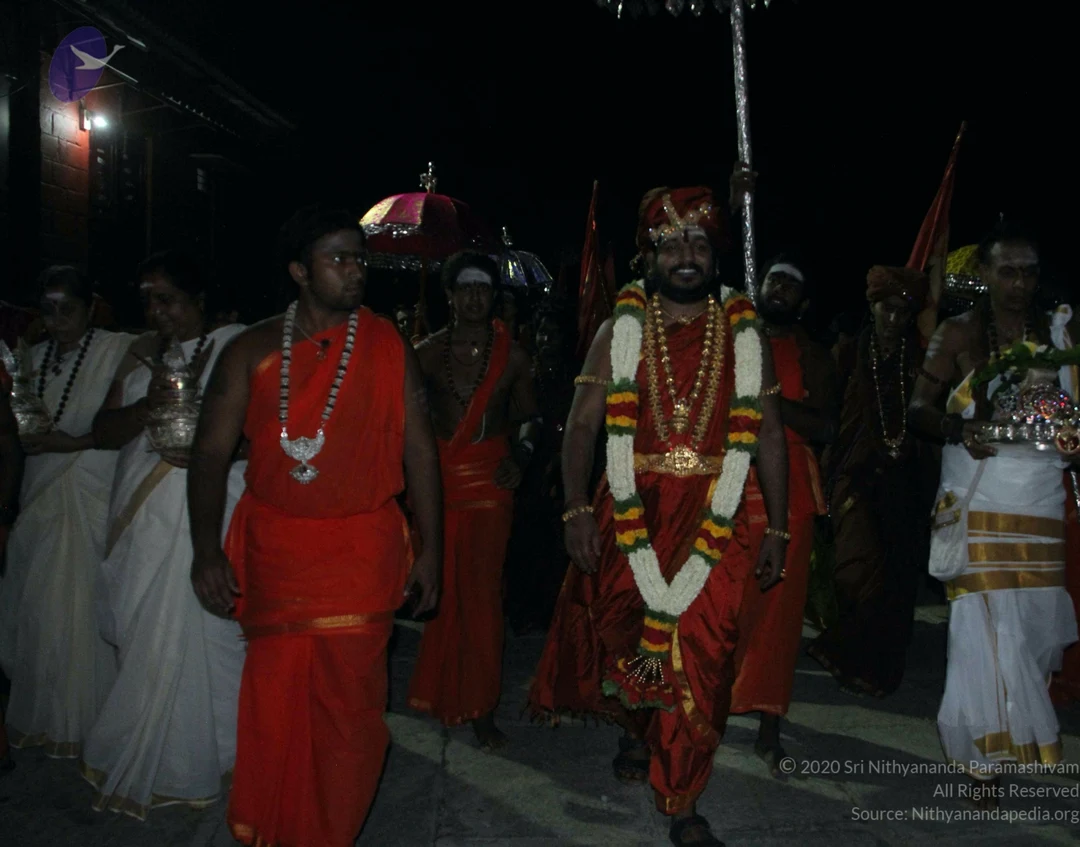
(18 OCT 2017) Jubilant Deepavali Celebrations with Bhagawan Sri Nithyananda Paramashivam. Deepavali is the most celebrated festival of the year. It is in this time and space that supreme auspiciousness in the cosmos manifests and all Hindu Sampradayas celebrate it universally. It is a festival of lights, sweets and wishes, a grand celebration of victory of truth over lie, good over evil, light over darkness. For Shaivites this is the day on which Lord Subraymanya is conceived and is born on the 6th day of Skanda Shasti. Vaishnavites celebrate this day for the victory Bhagavan Sree Krishna over Narakasura, when He liberates the Lokas from the hells that Narakasura had let lose. For Shaktas this day is worshipped as Ma Kali appeared on this day. It is this auspiciousness which is literally the birthday of His Divine Holiness Paramahamsa Nithyananda, the day He realized His Incarnationhood. This is when Swamijis signature blessing "Anandamaga Irungal" (Be Blissful) formed in His being and showered on humanity. It is on this very day, on Amavasya during the sunset and when the moon rises, Paramashiva and Parashakthi started manifesting in Swamiji’s sacred body. On this day, Swamiji transmits this experience to us and blesses us to radiate Paramashiva – His state, His space, His superpowers and His very being.
Deepavali Procession with Bhagawan Sri Nithyananda Paramashivam
Photo
Diwali






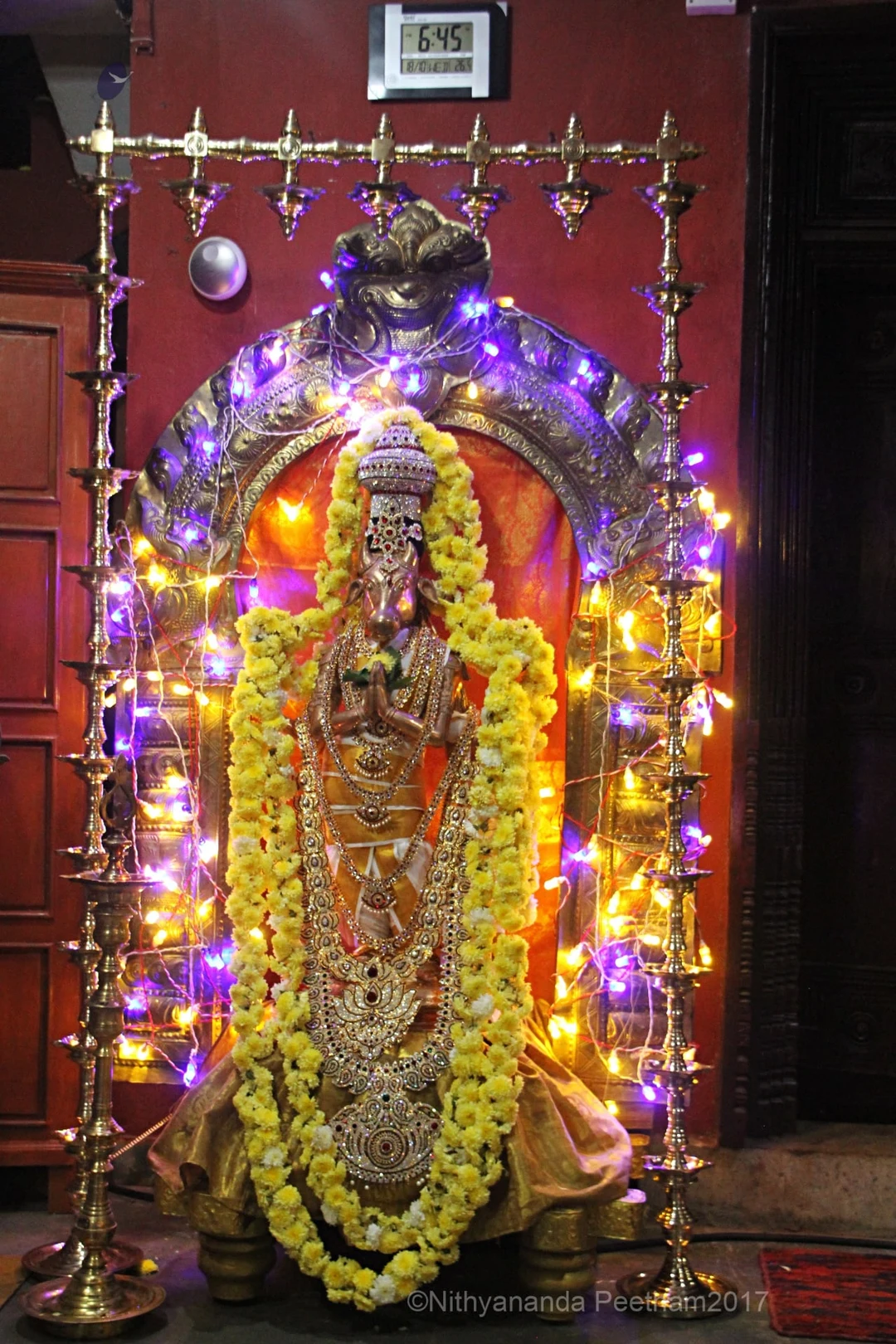


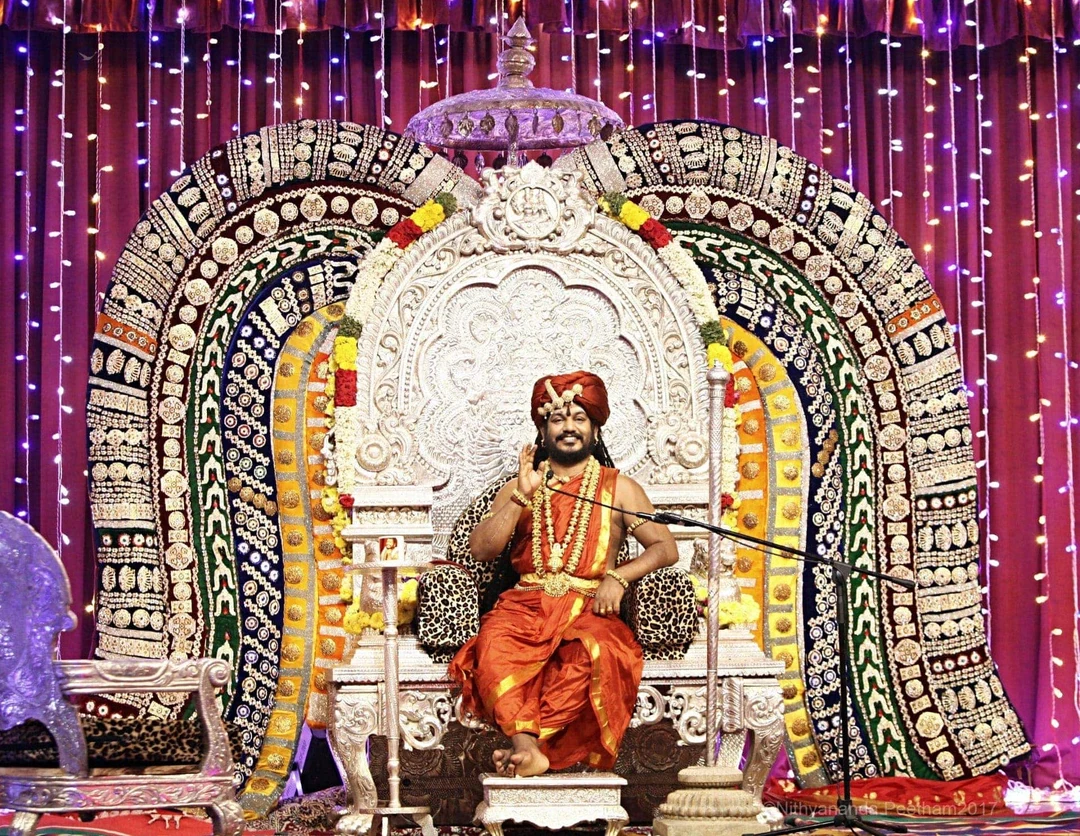
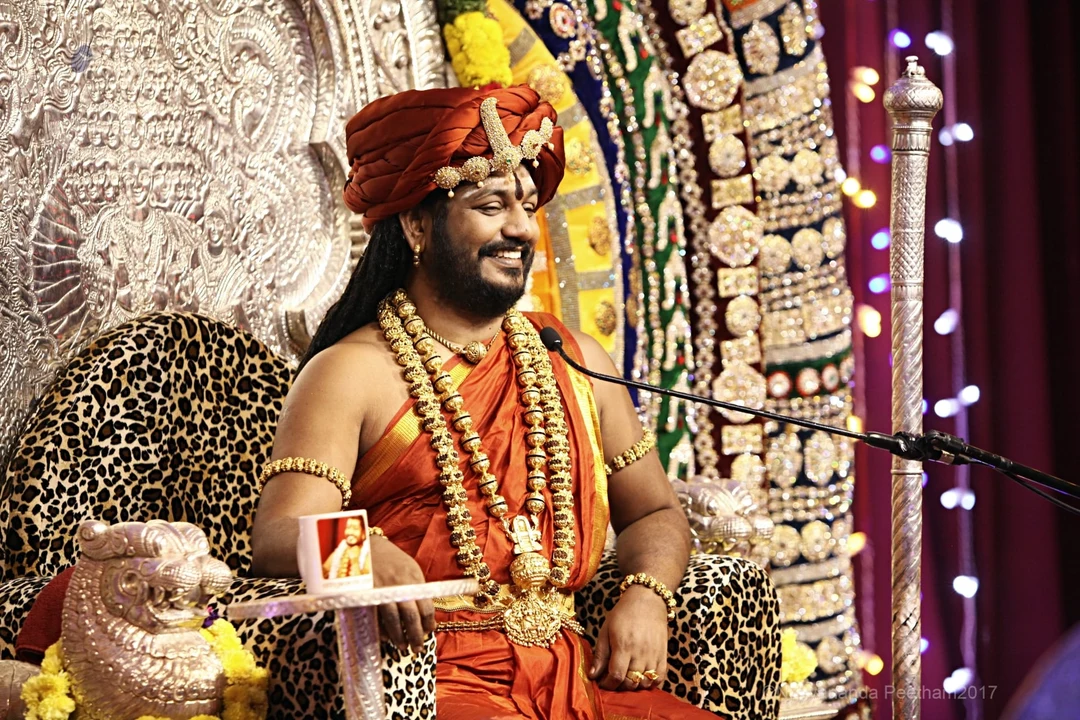
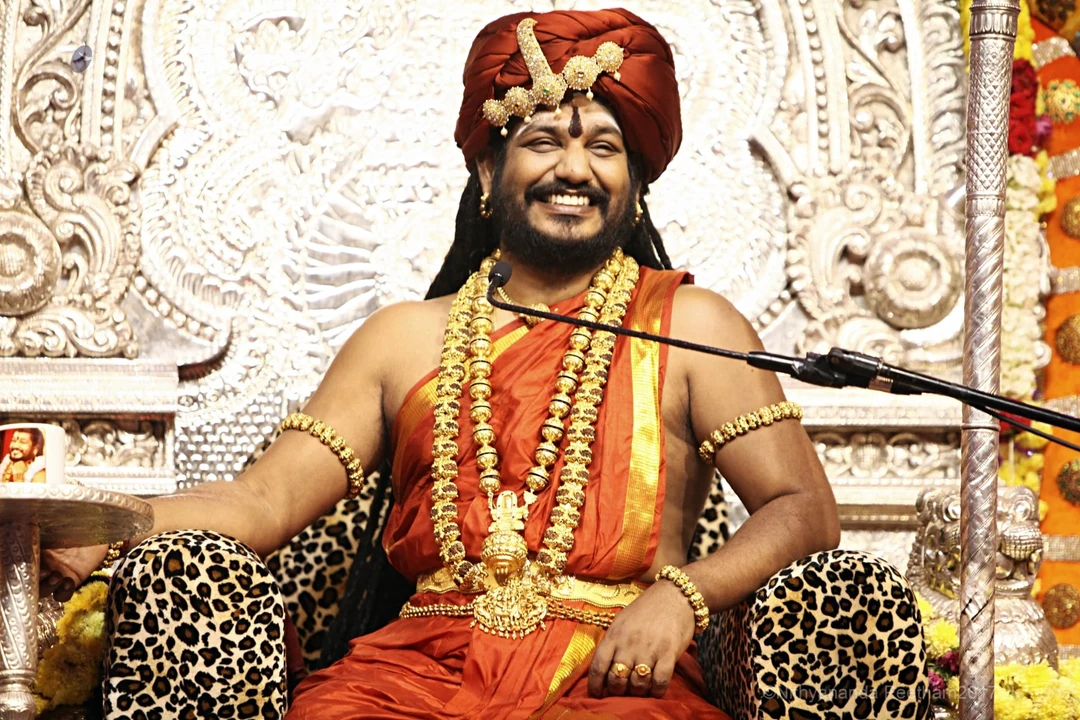
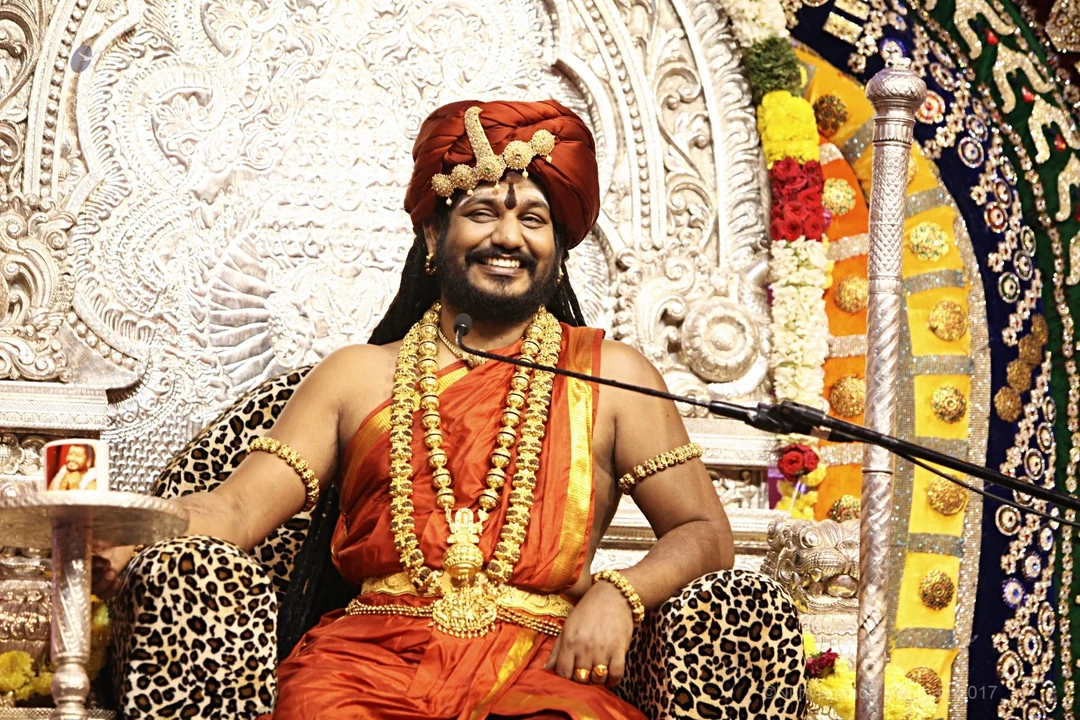
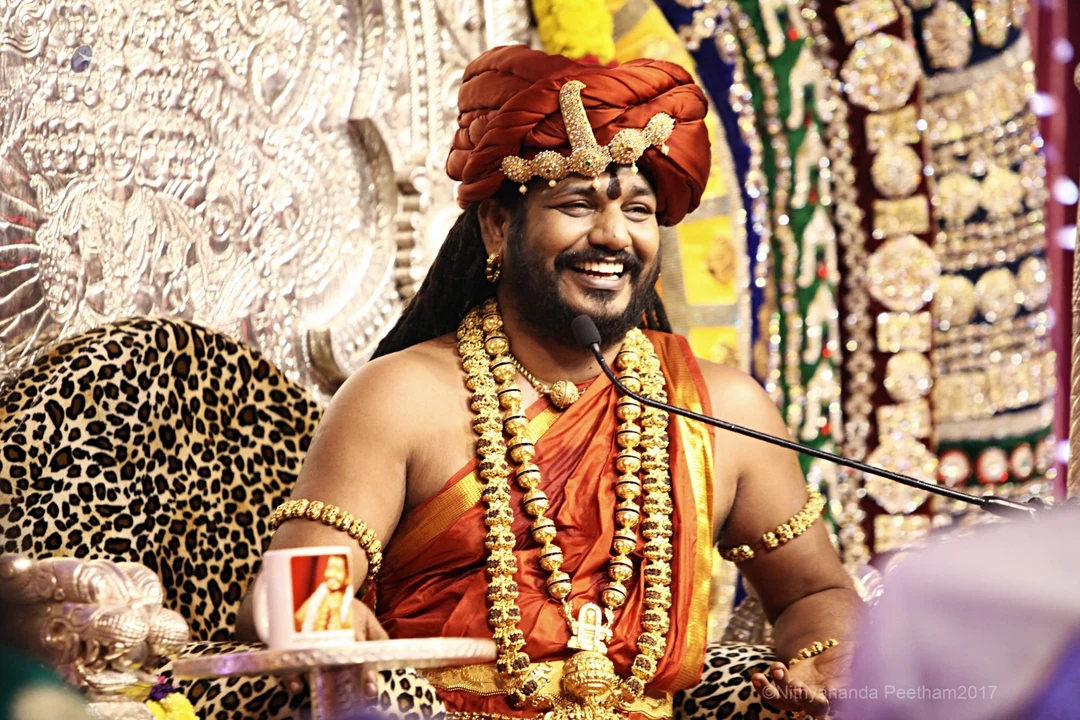
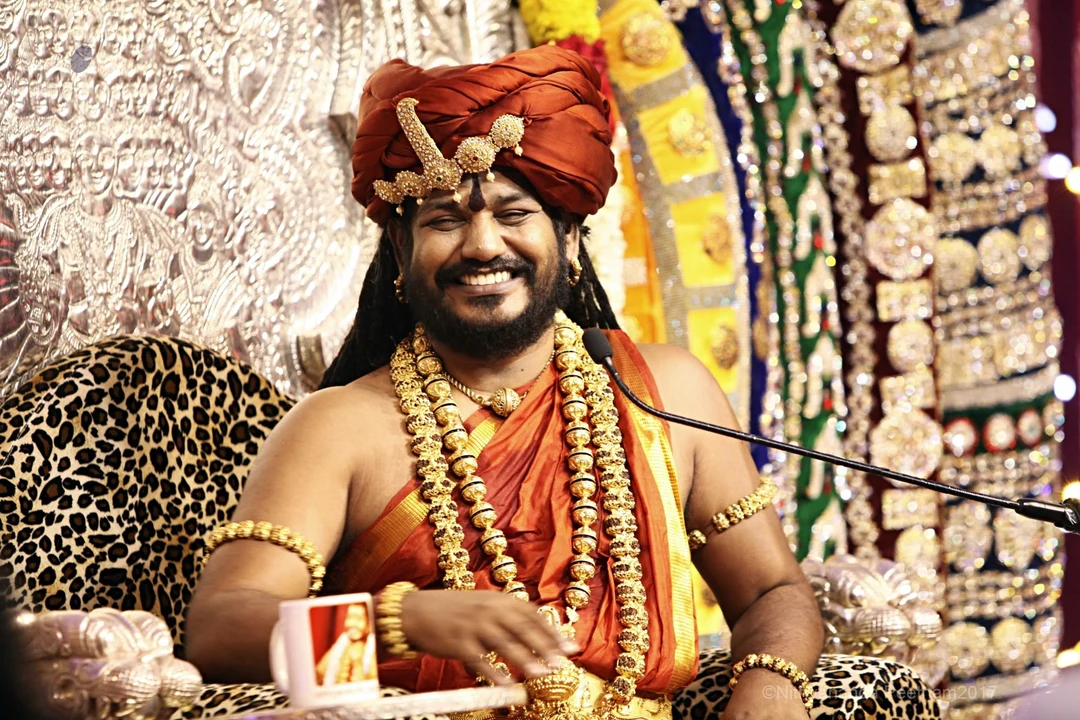
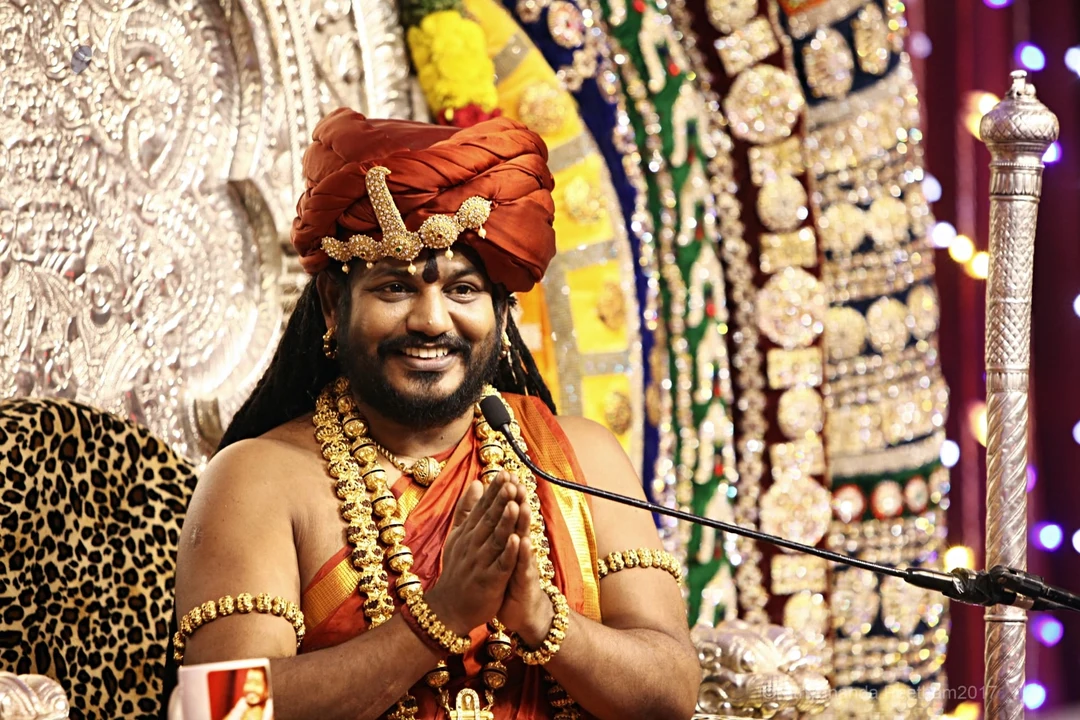
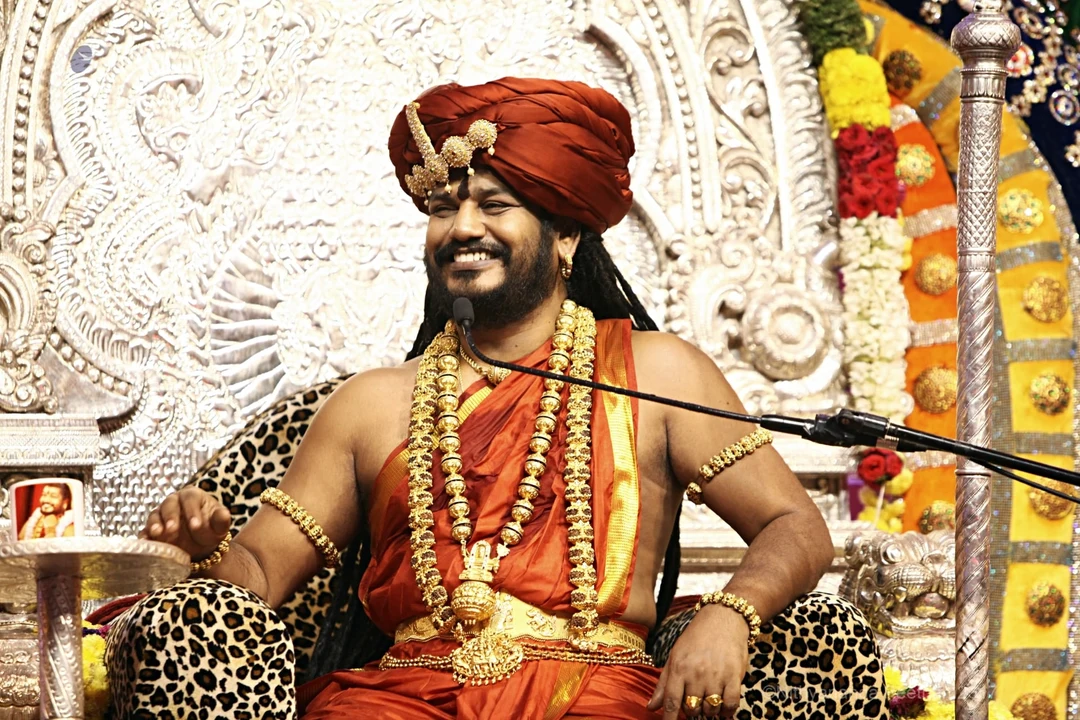
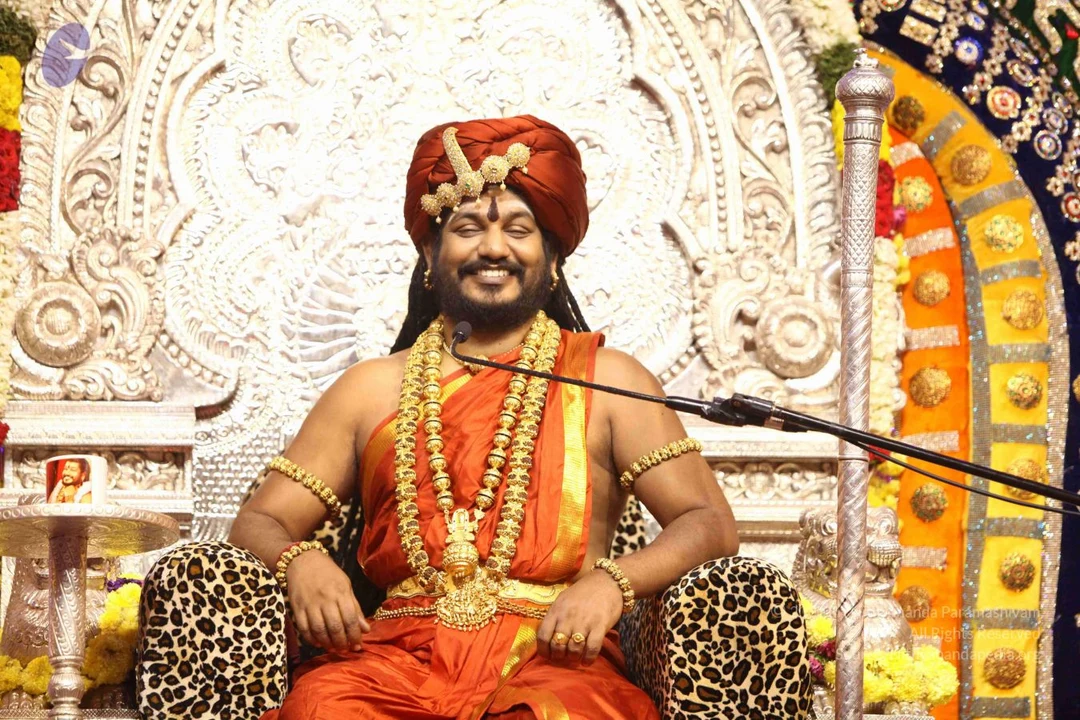
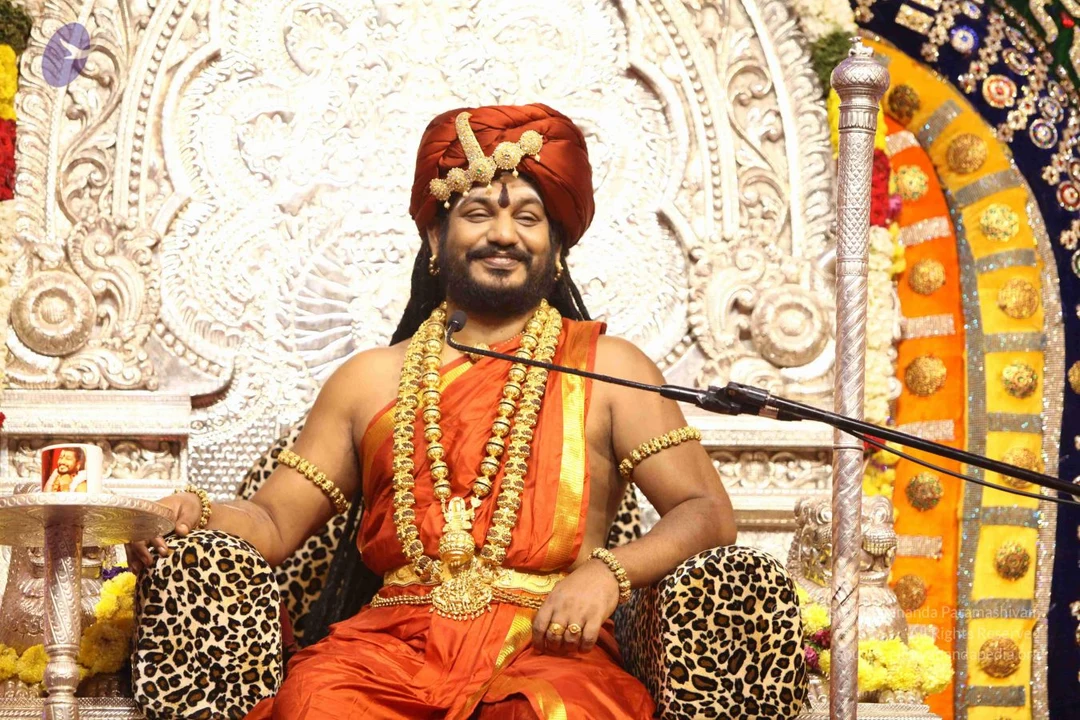
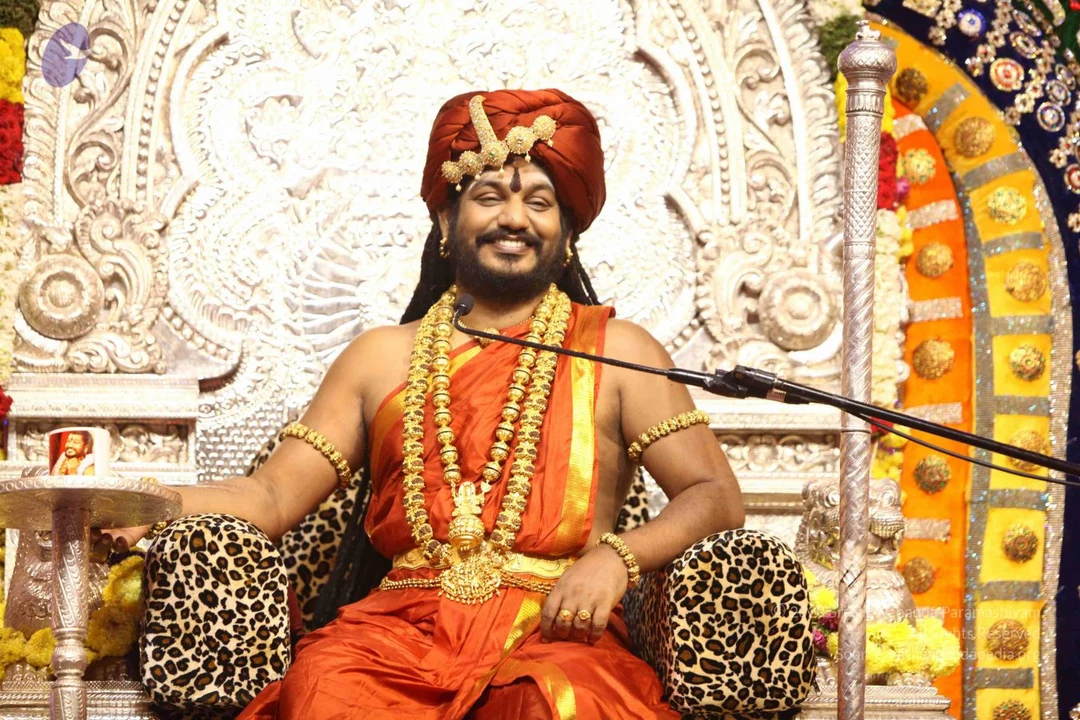
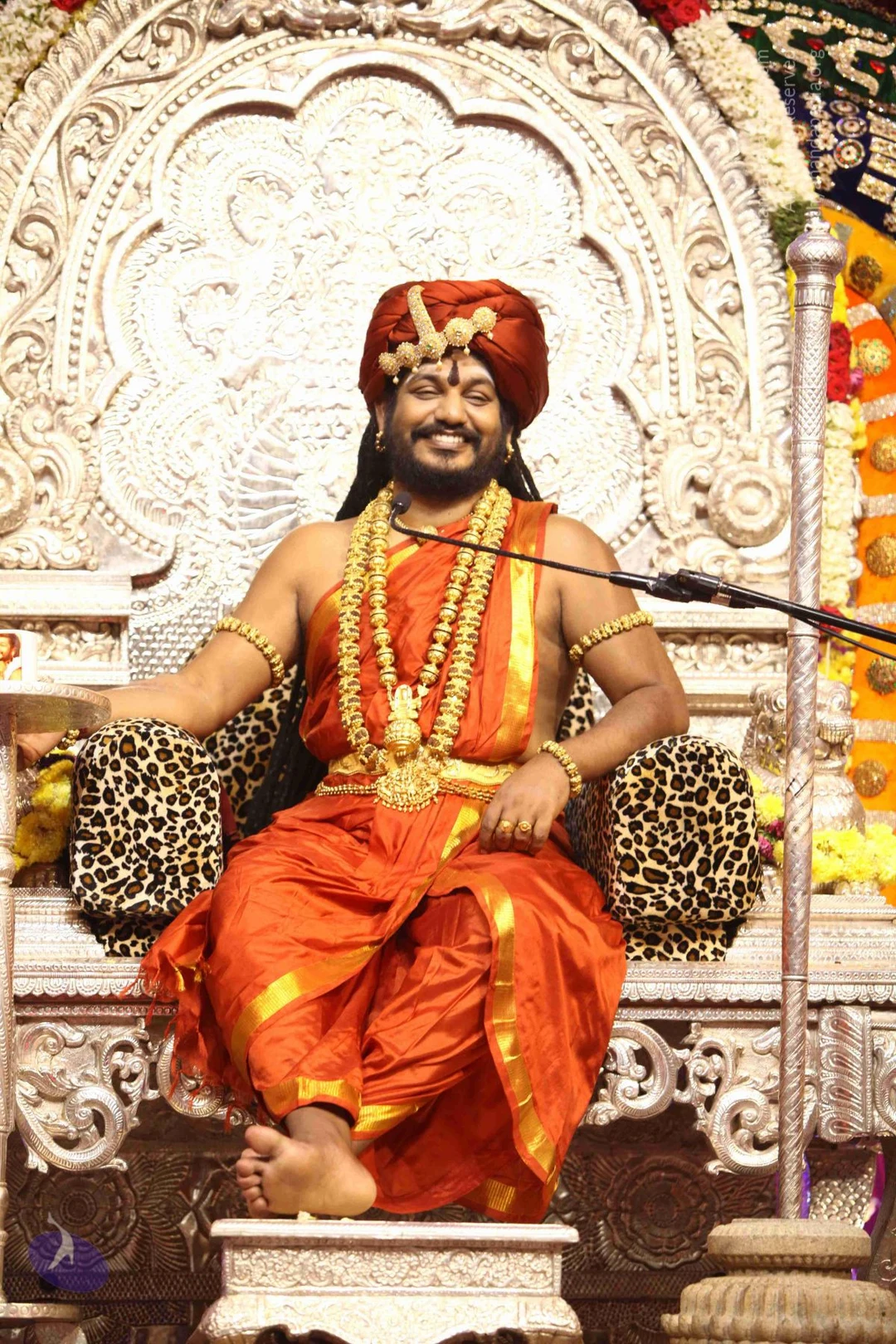
Ask The Avatar
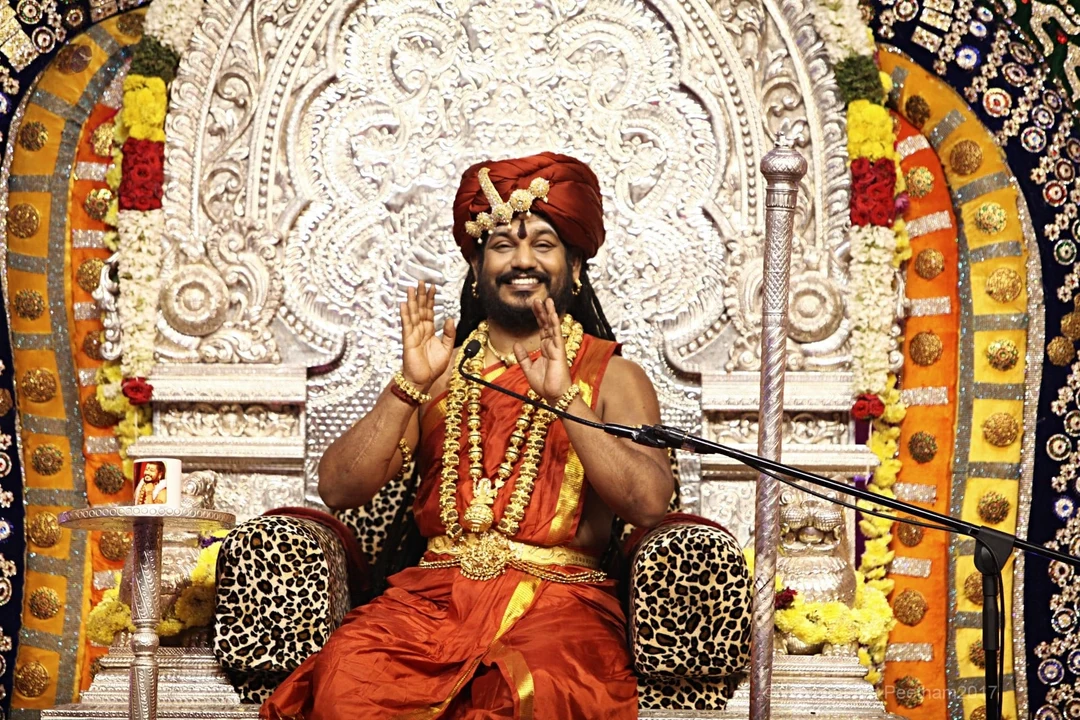
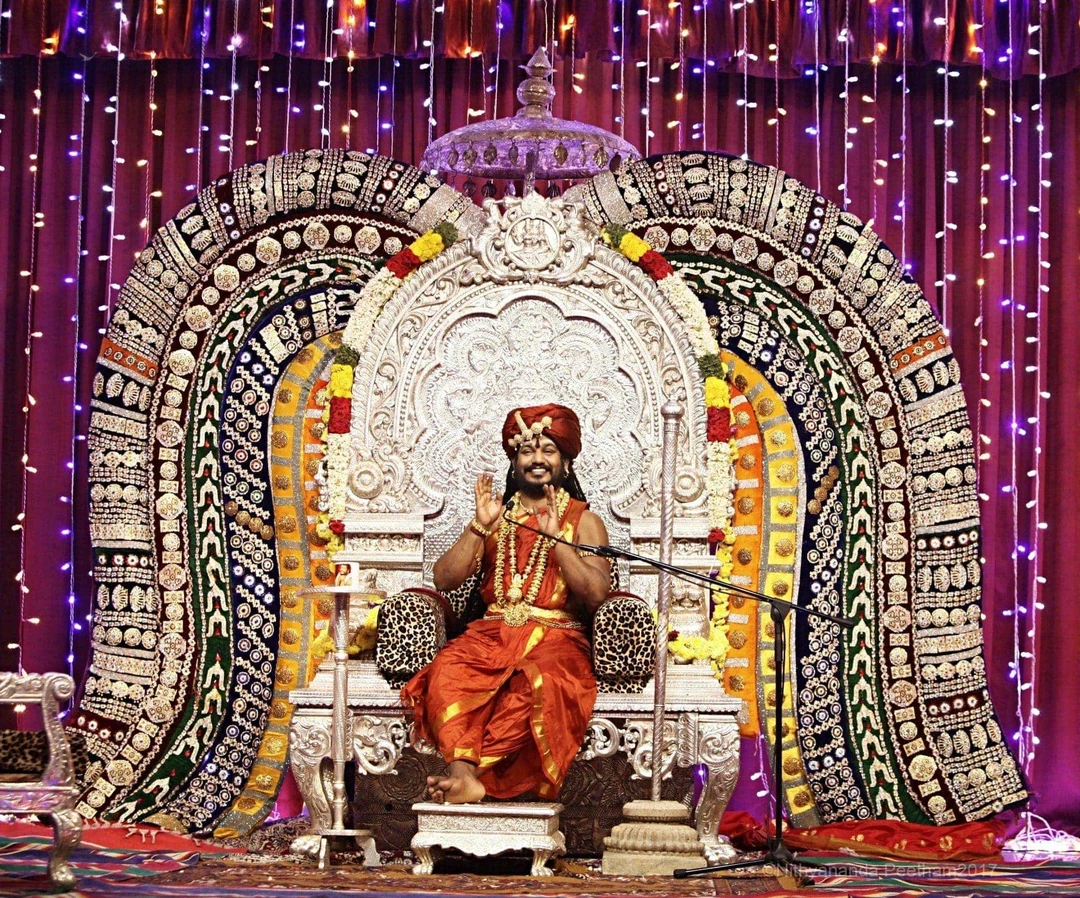
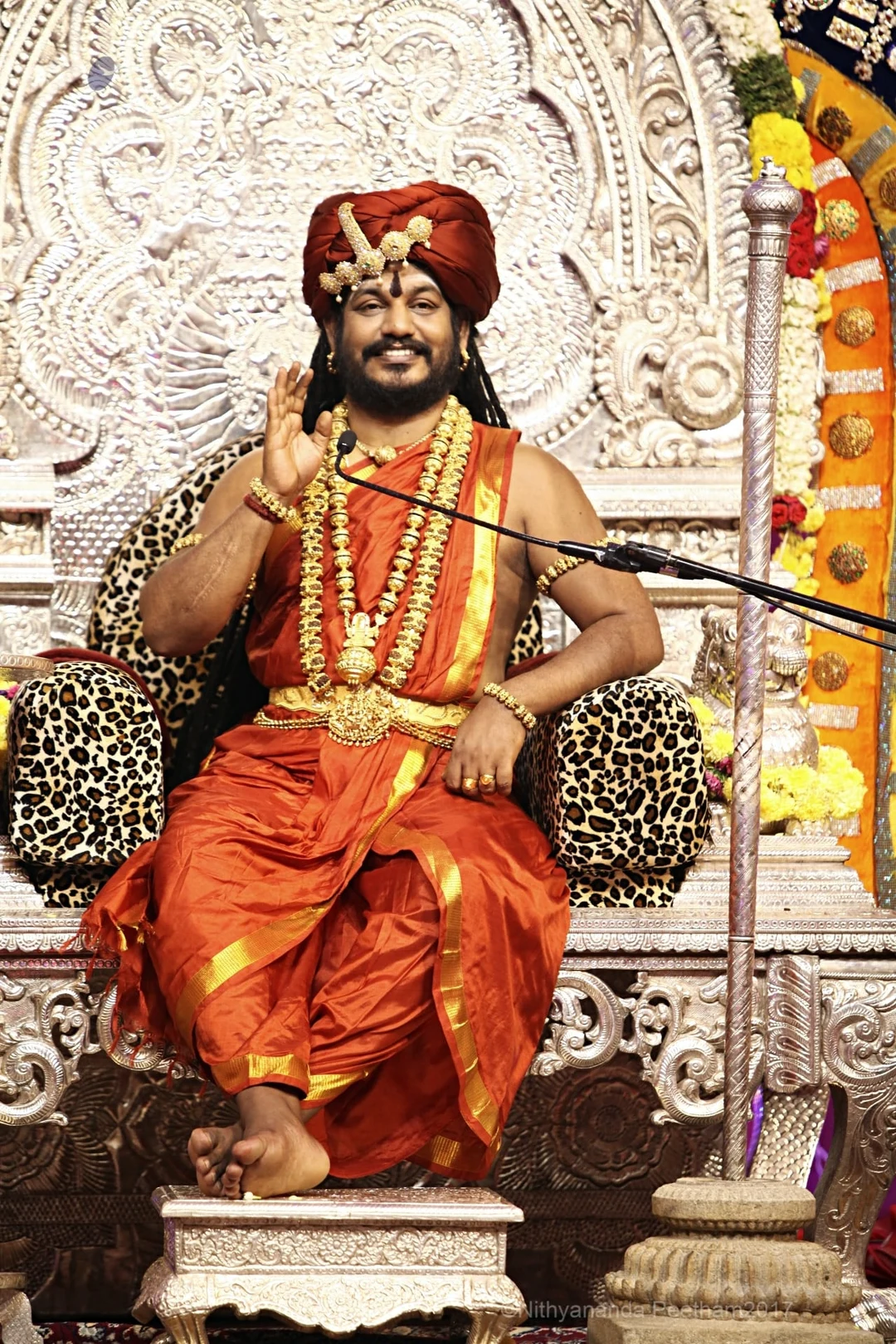




Nithyananda Yoga






Culture


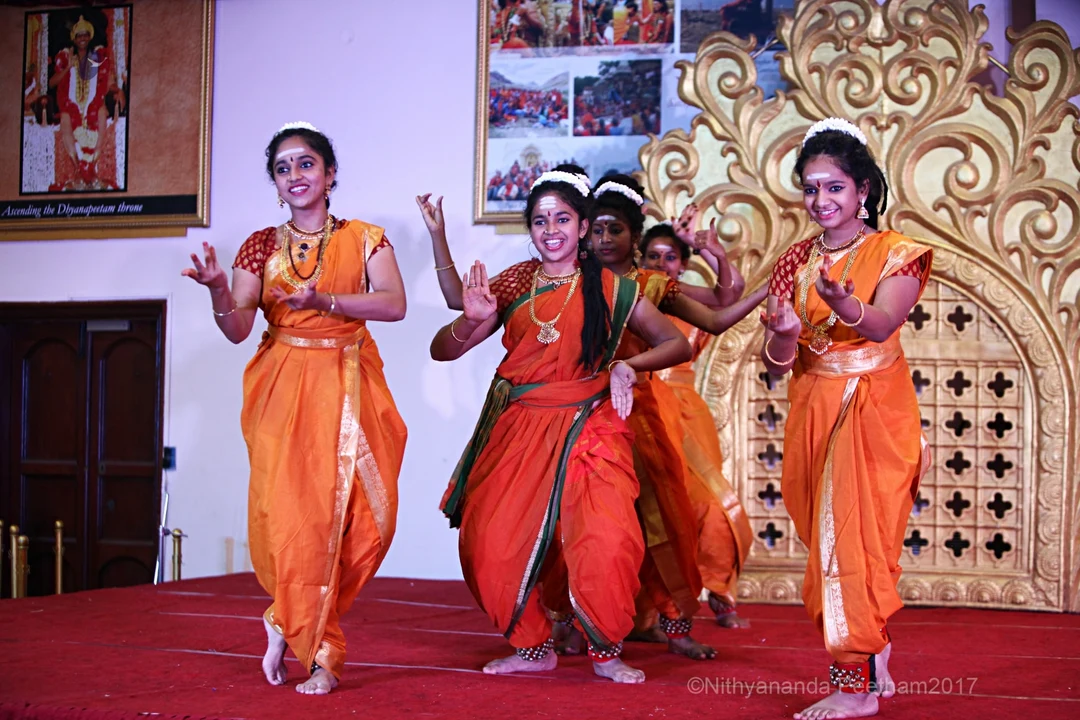
Sakshi Pramana:
Sharing Diwali Wishes
Paramashivoham Oneness Capsule 91 (Deepavali Celebrations Bidadi)
Link to Facebook Page
https://www.facebook.com/ParamahamsaNithyananda/posts/1535323969888781
Photos Of The Day:
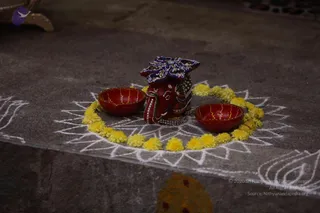
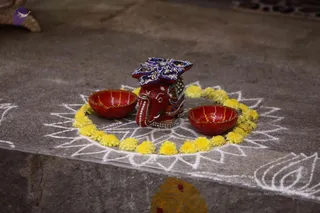
WELCOMING-BHAGAVAN-WITH-POORNA-KUMBHA-ON-THE AUSPICIOUS-DAY-OF-DEEPAWALI
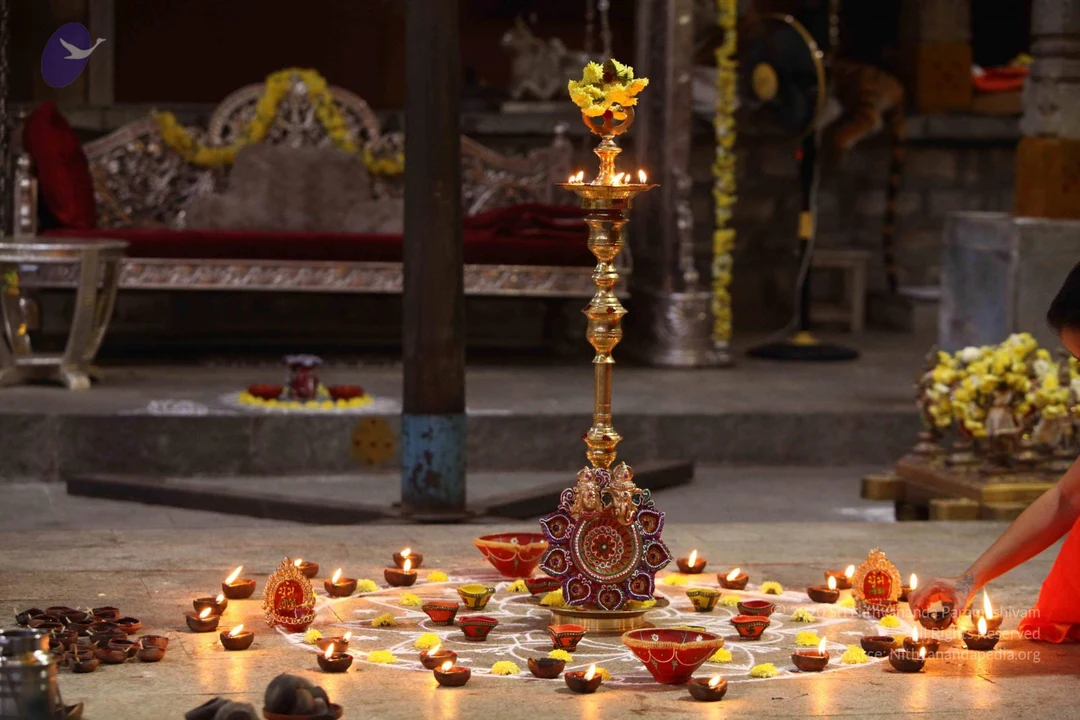
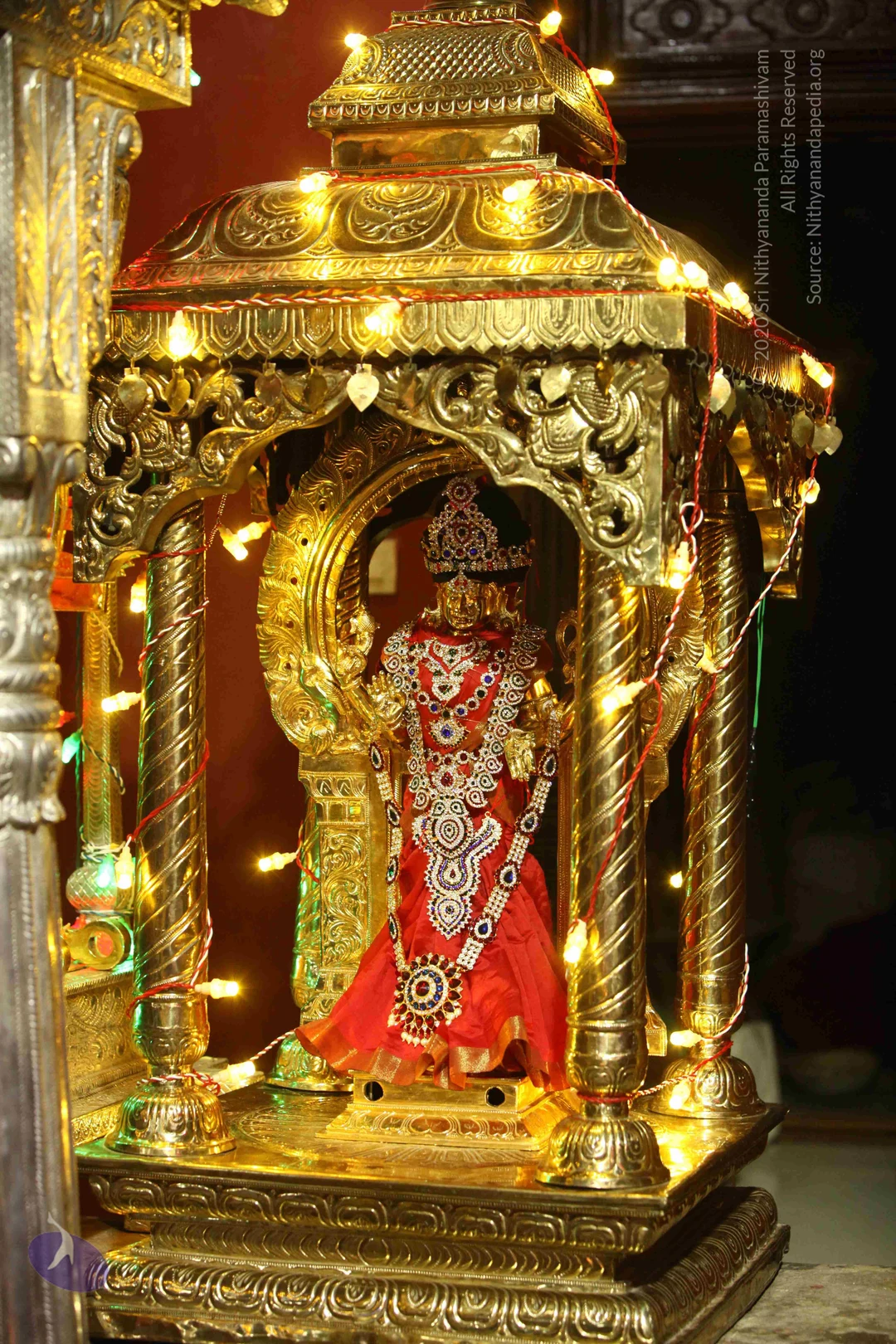
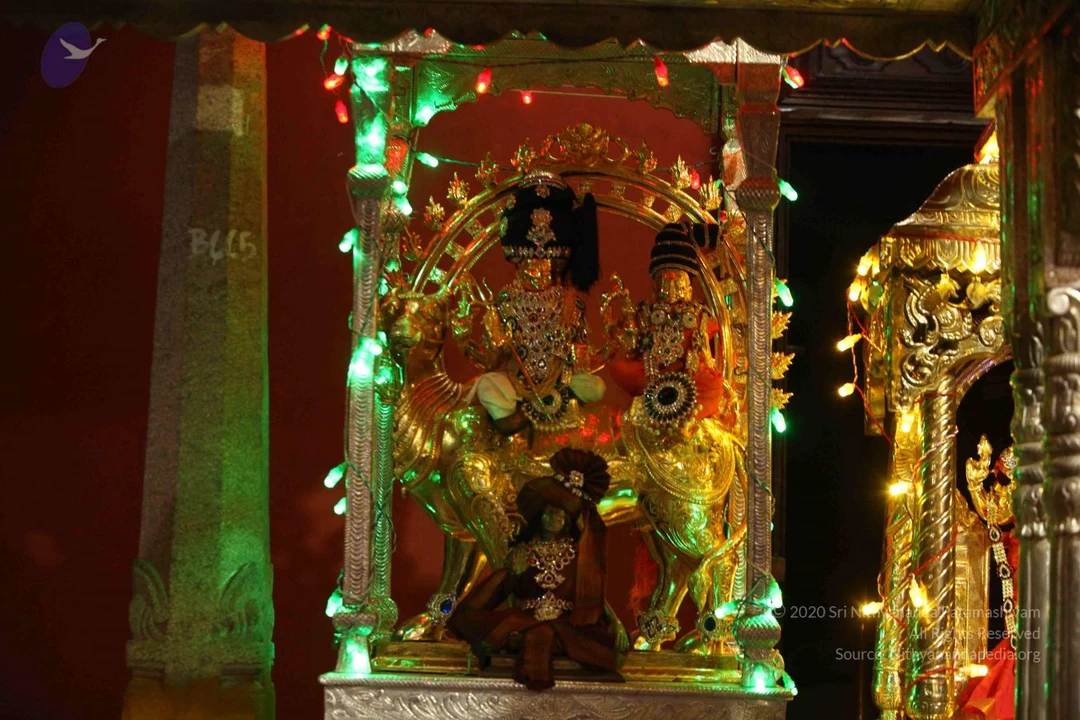
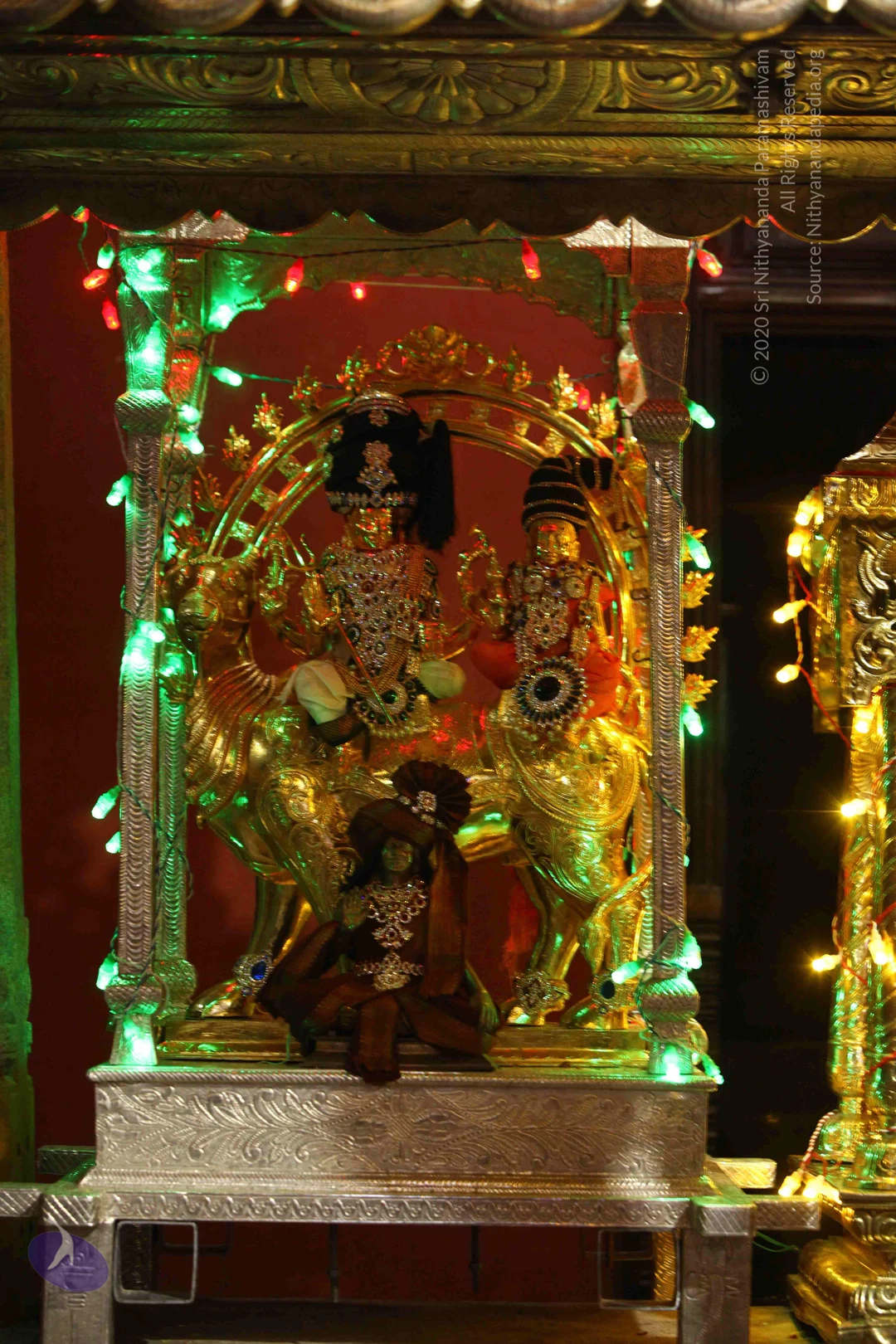
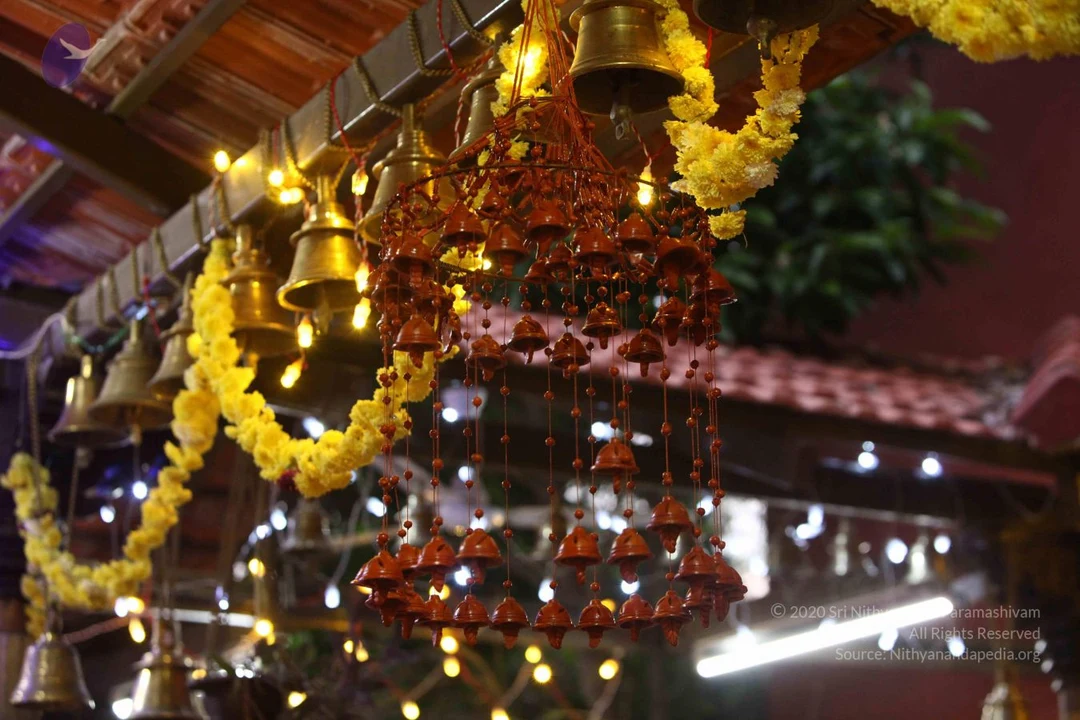

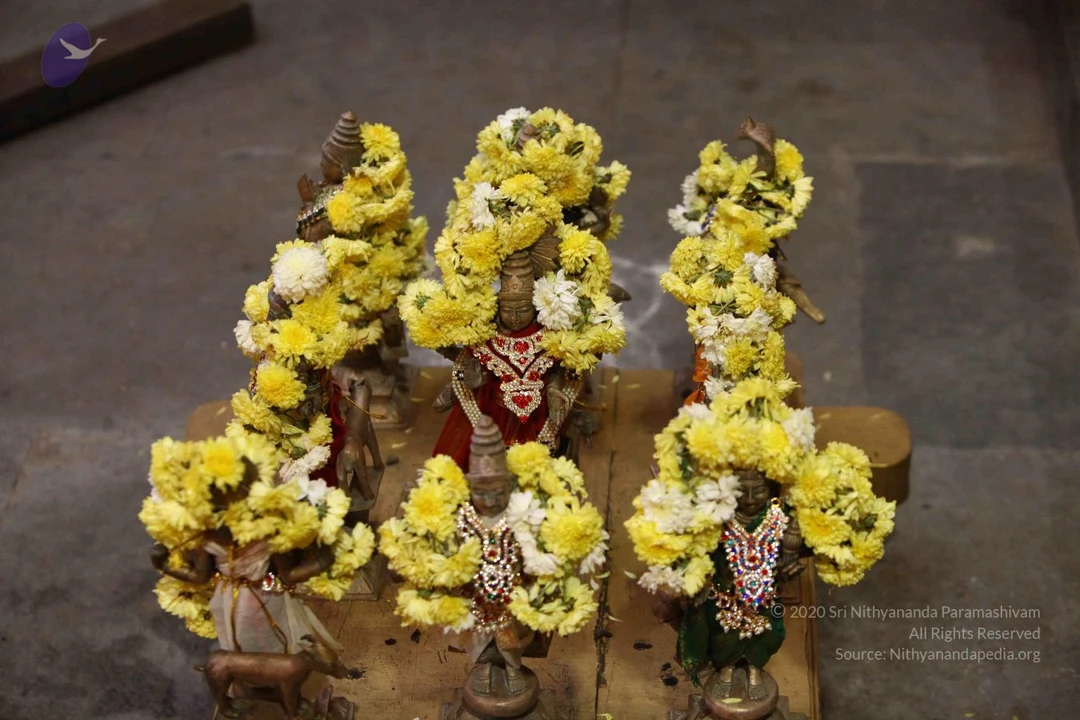
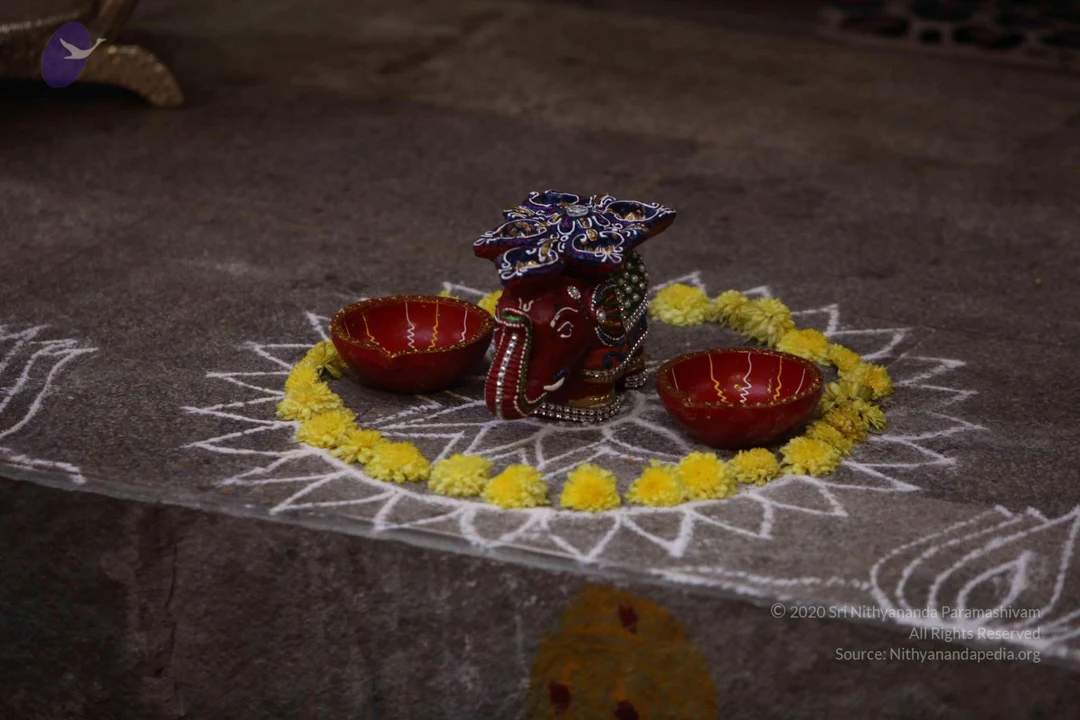
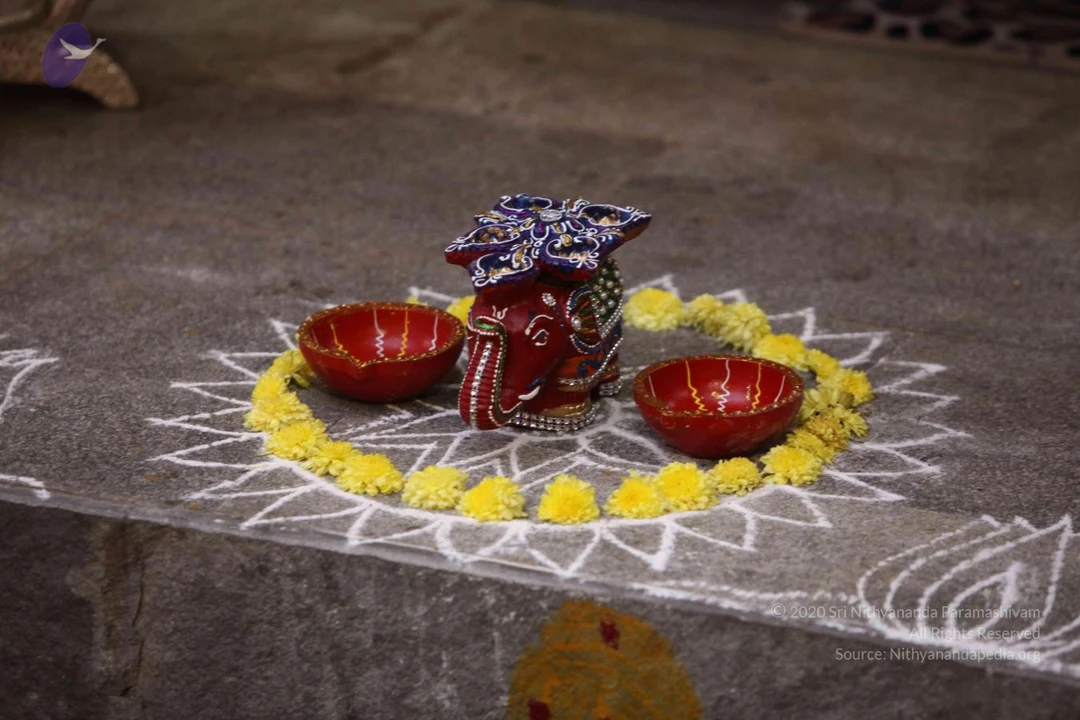
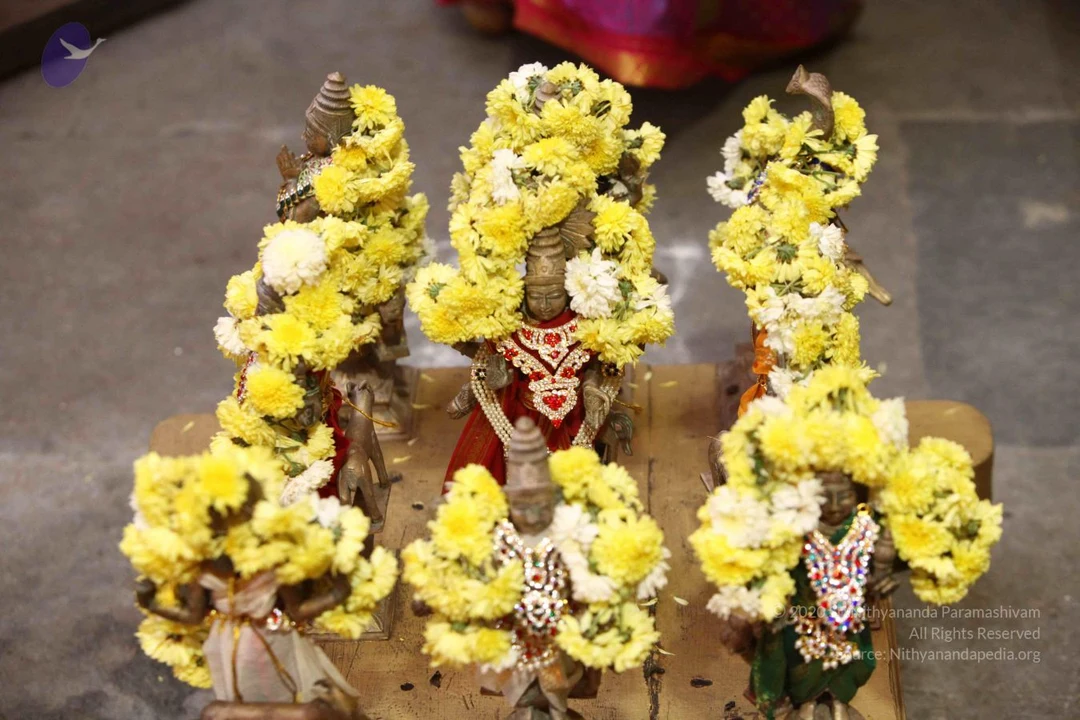
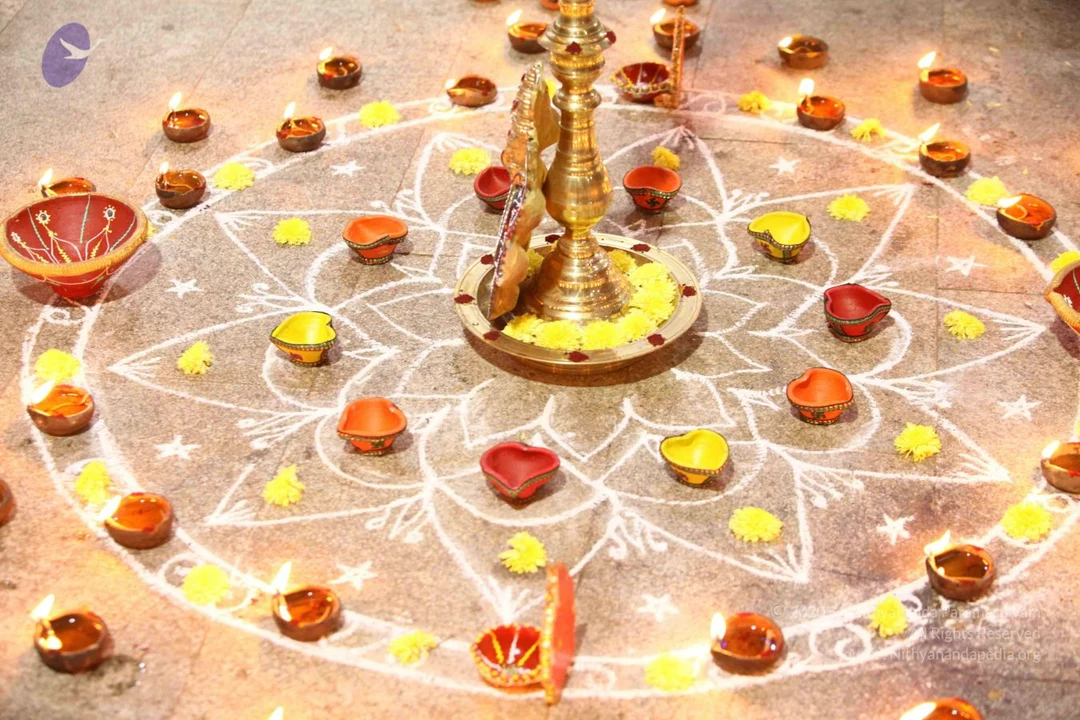
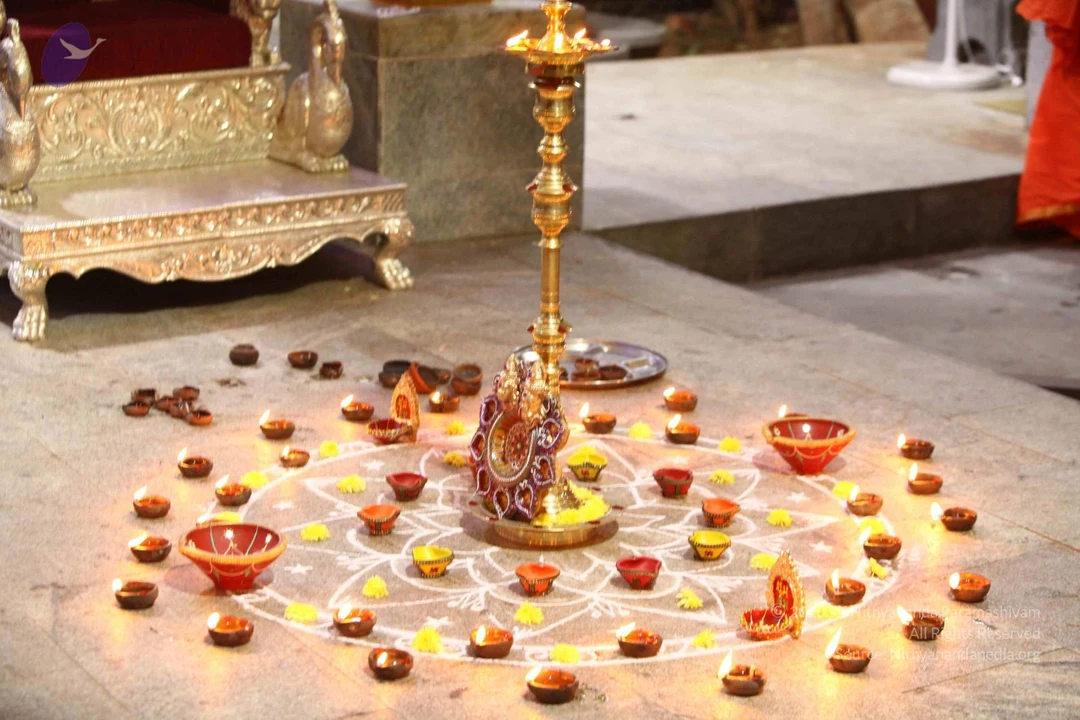
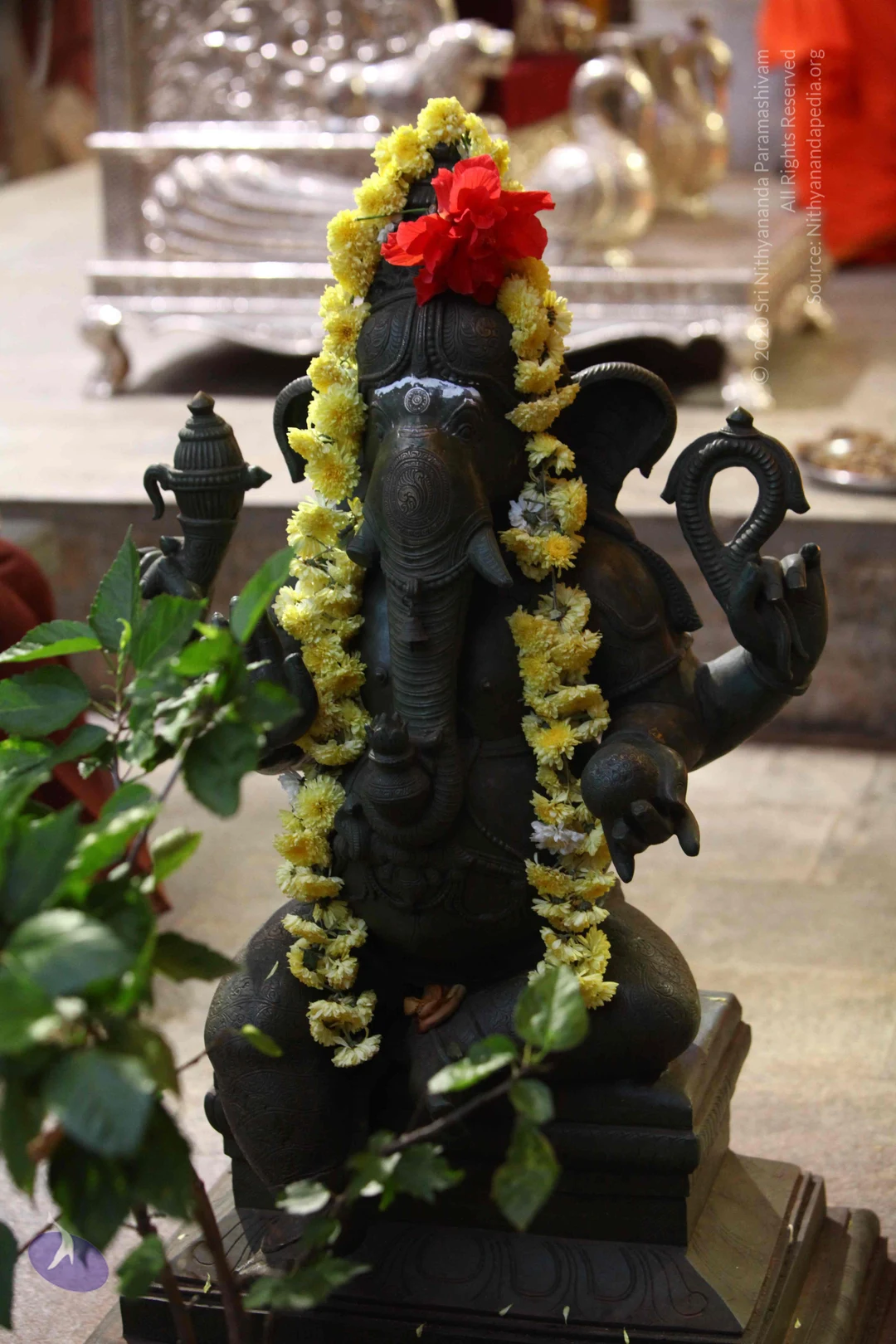
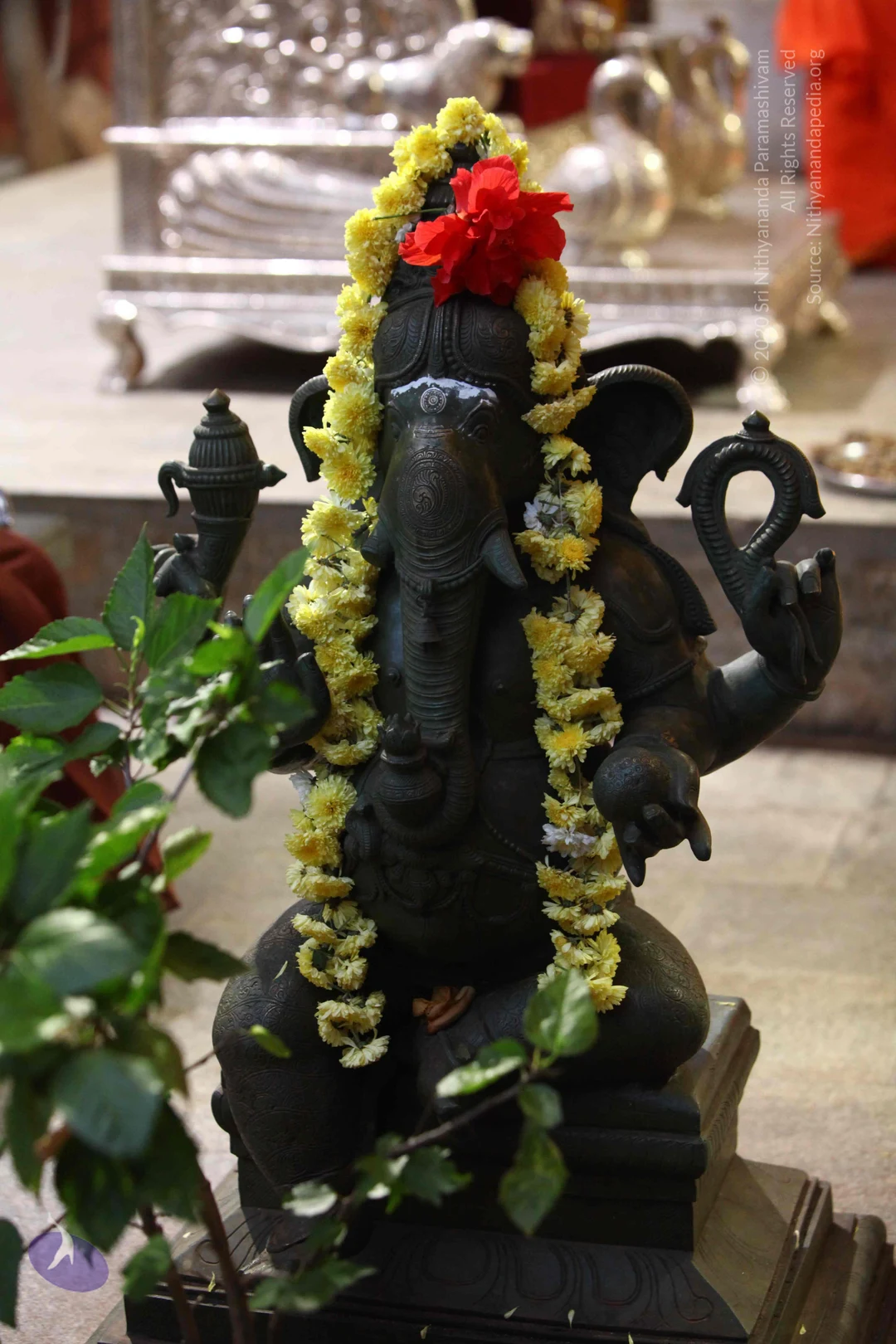
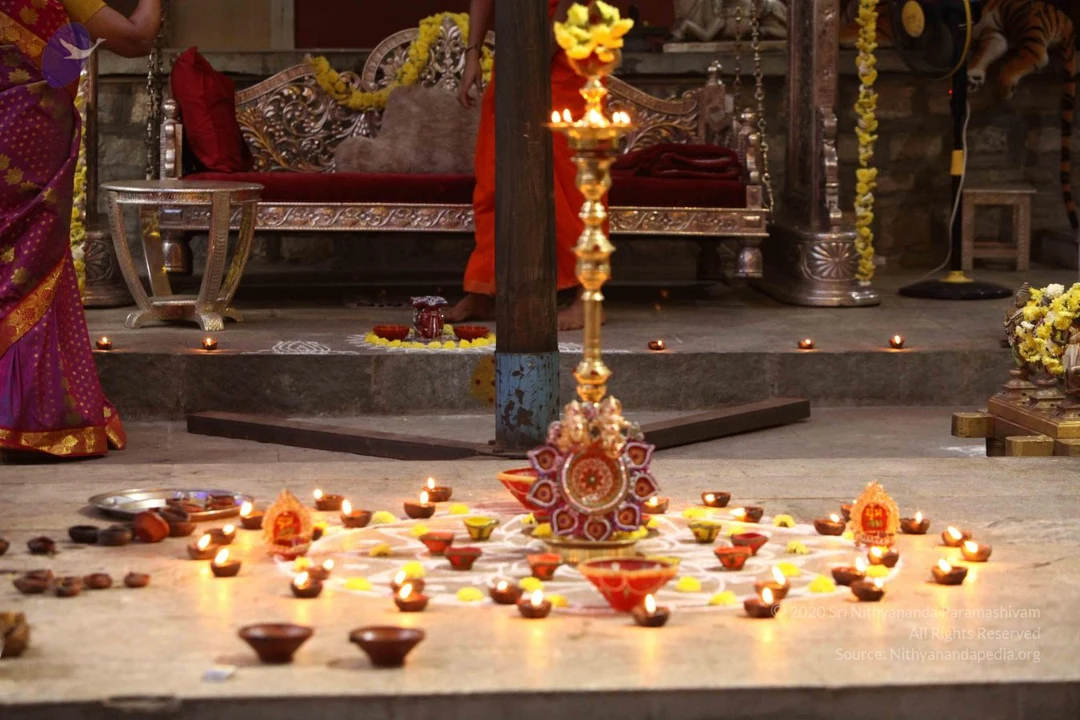
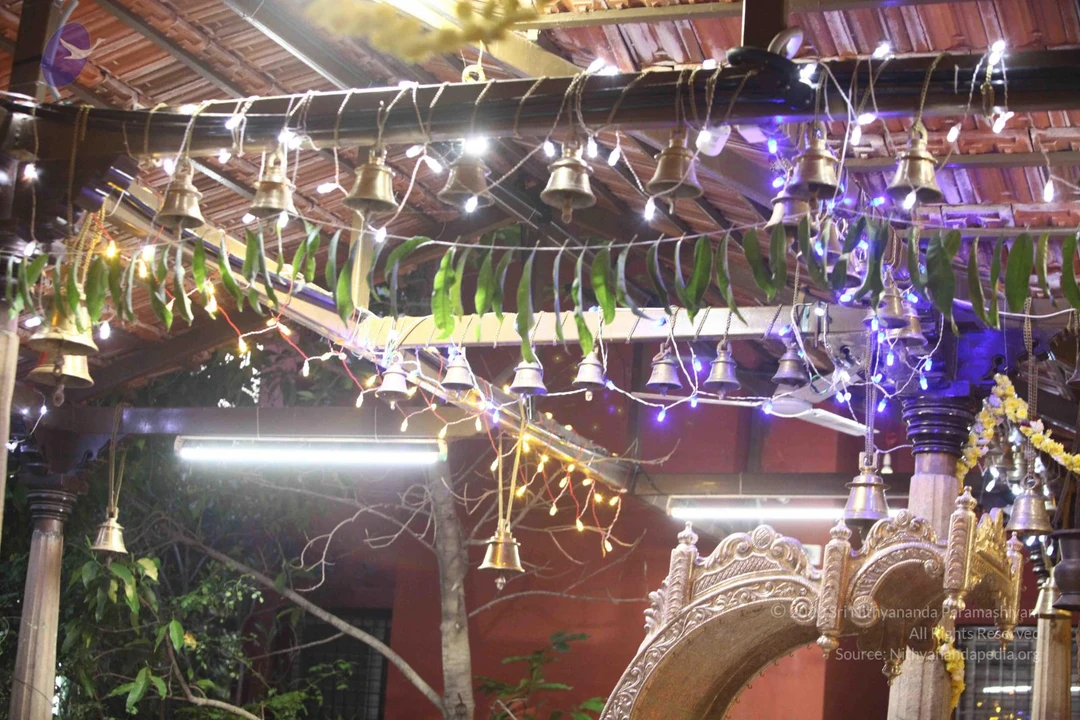

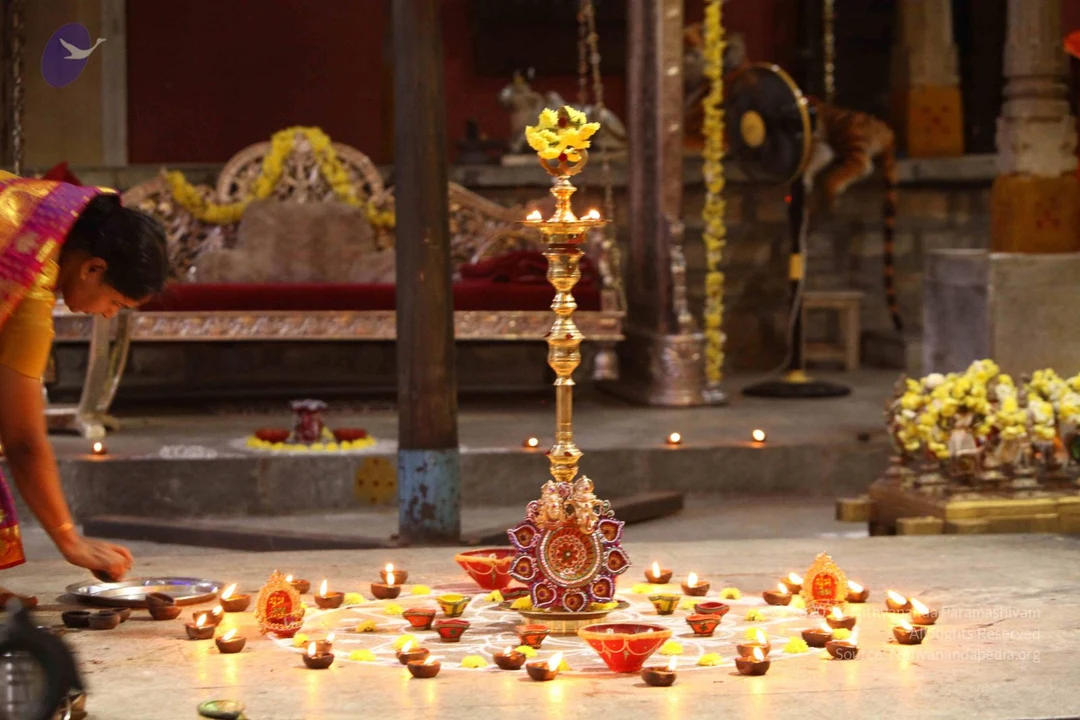
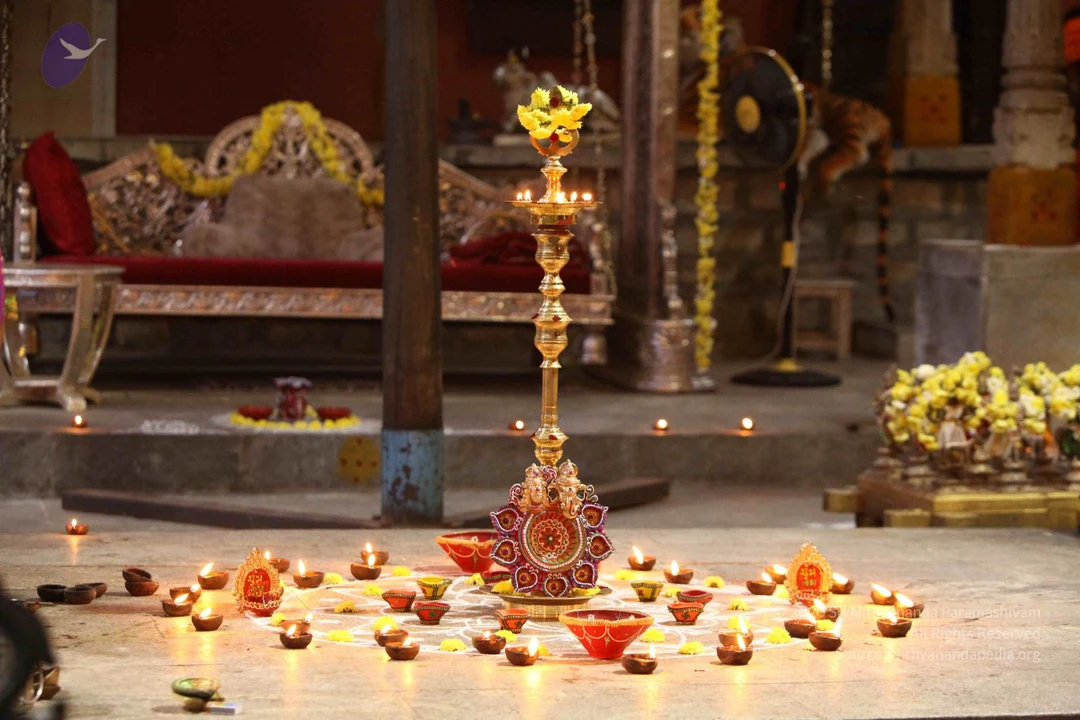
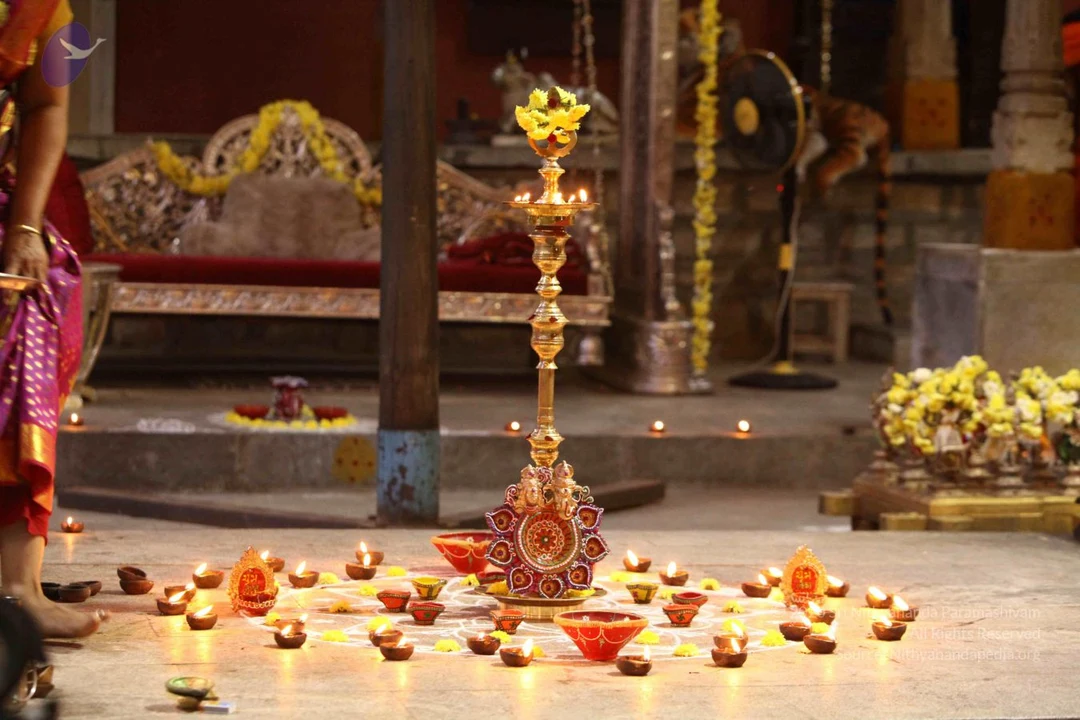
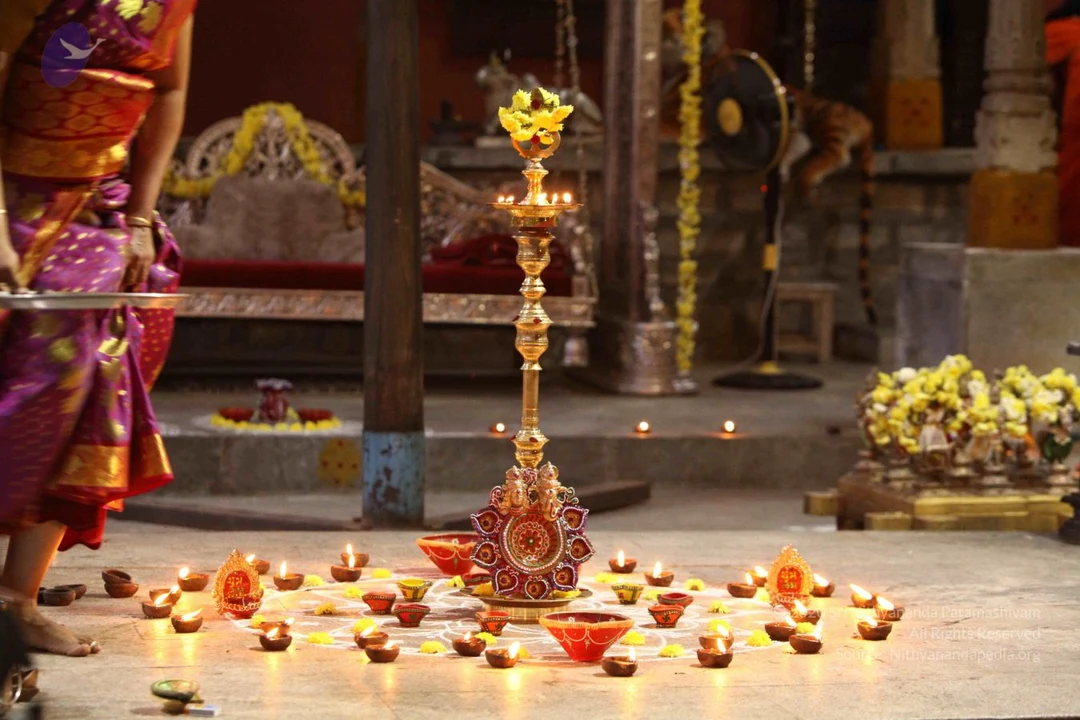

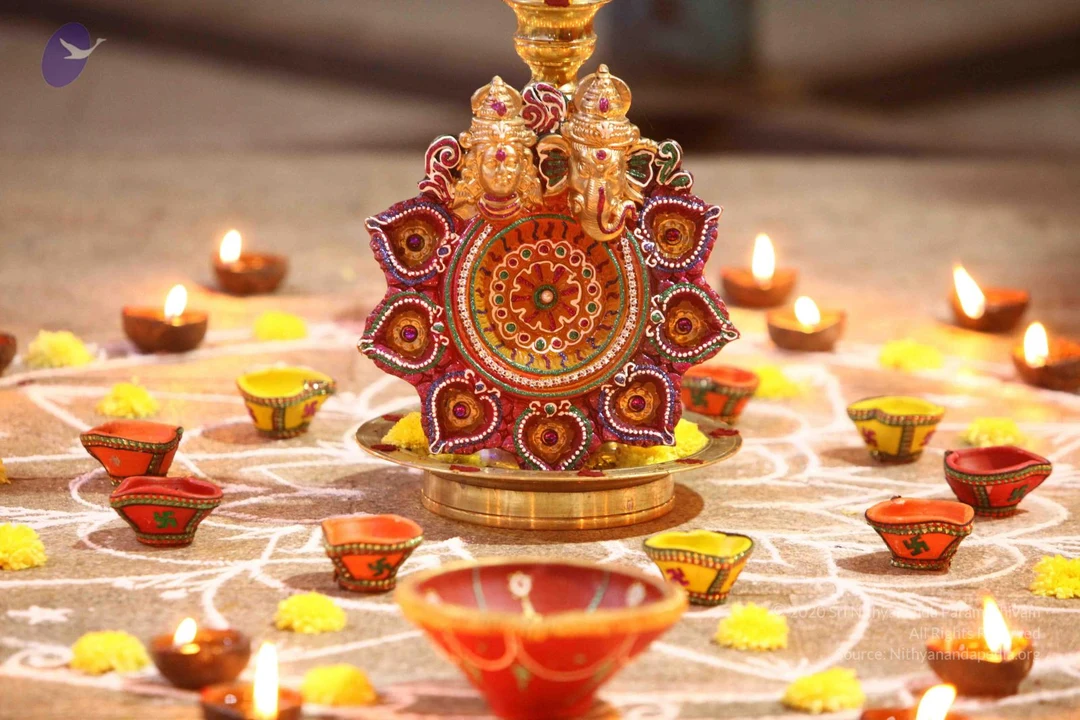
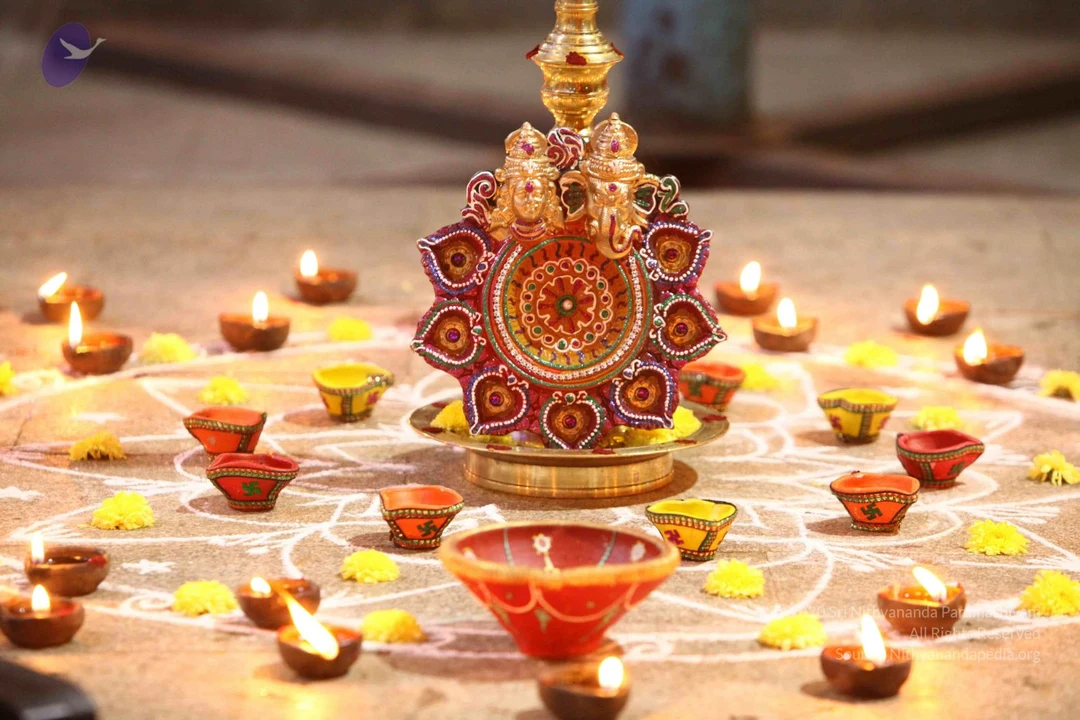
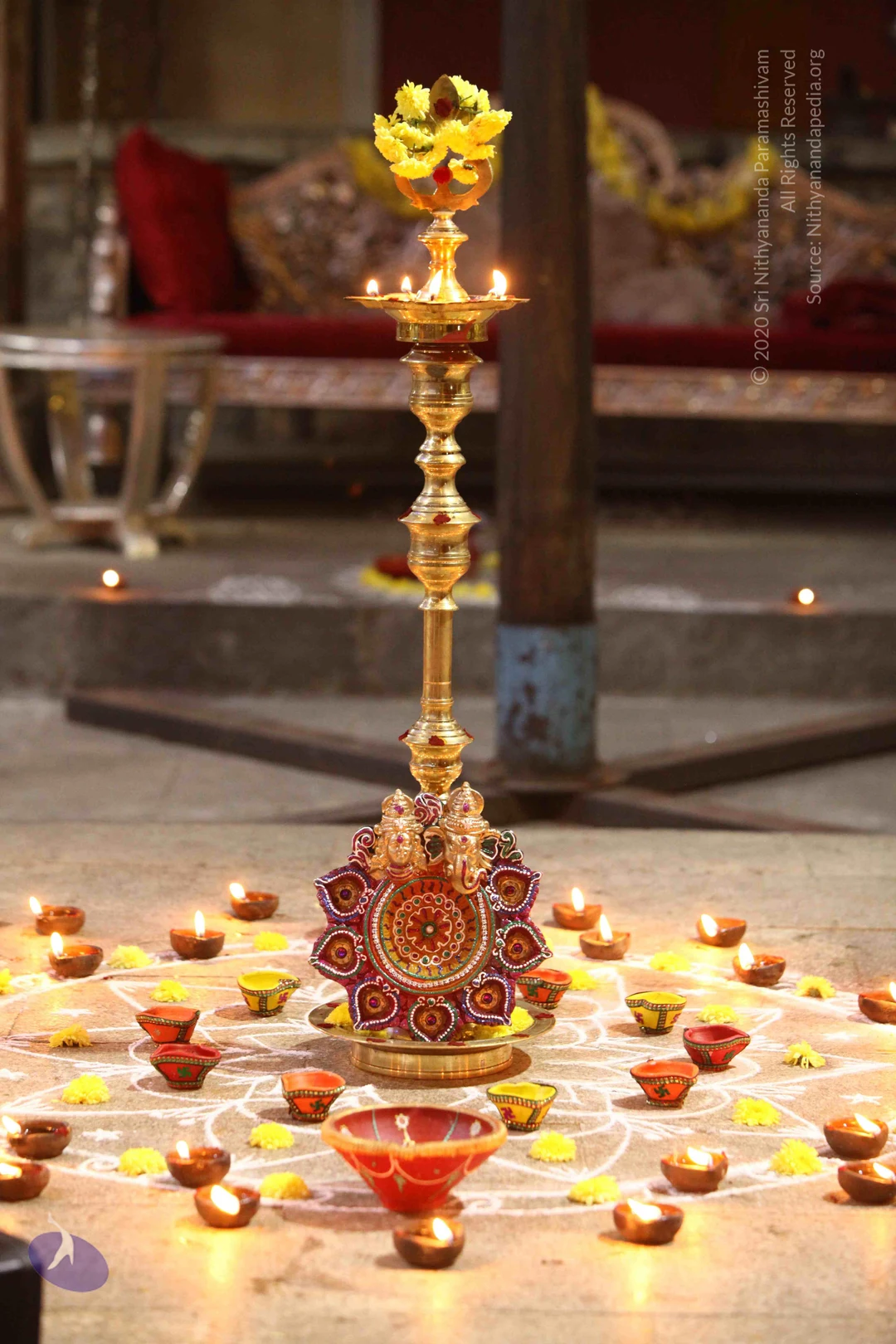

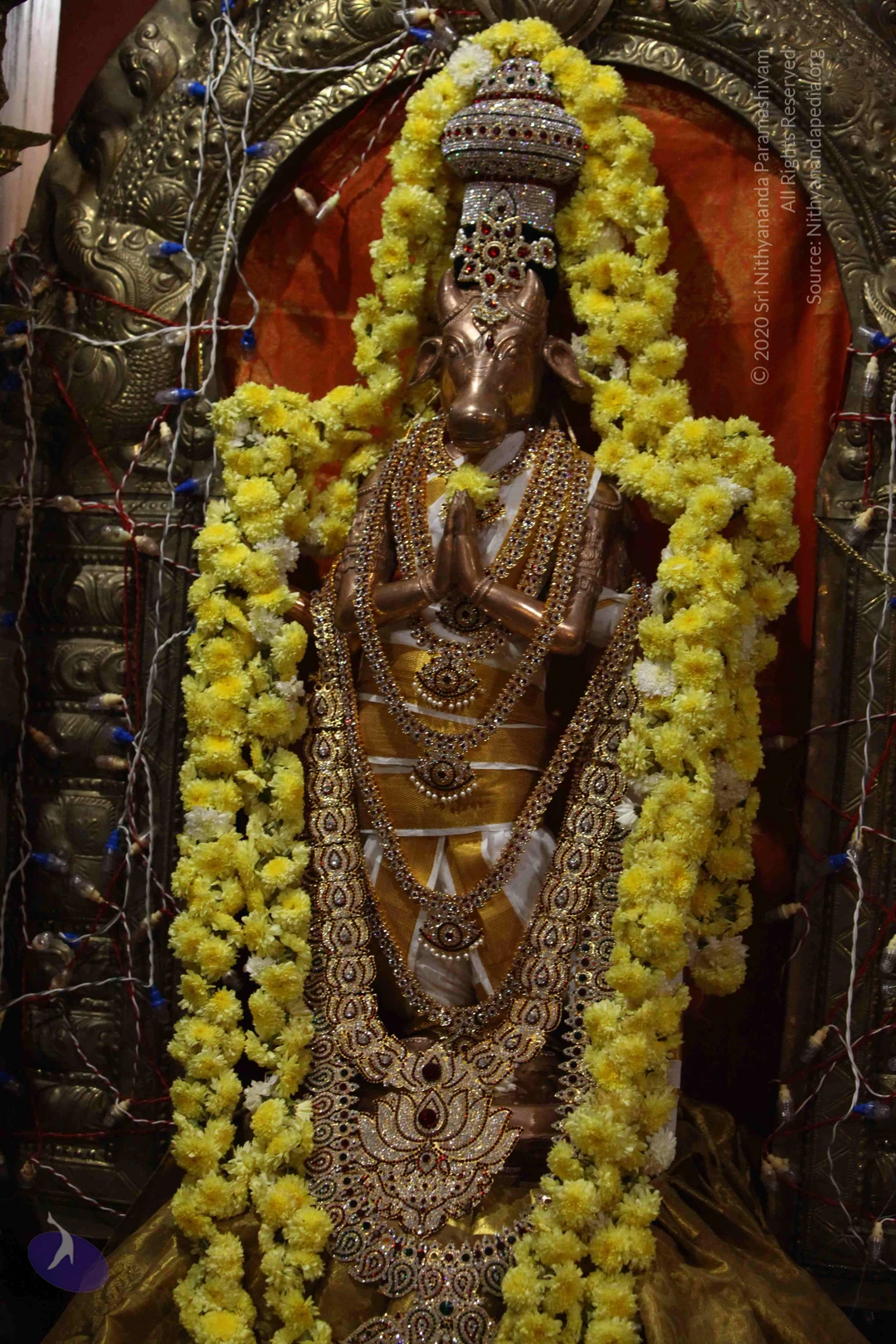

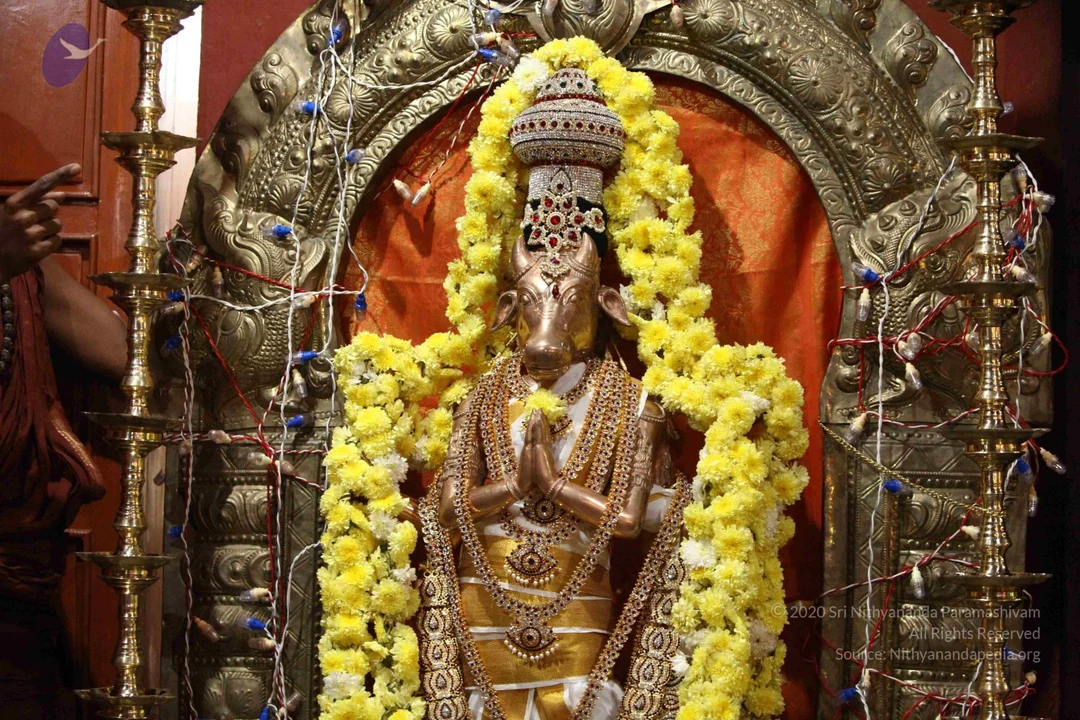
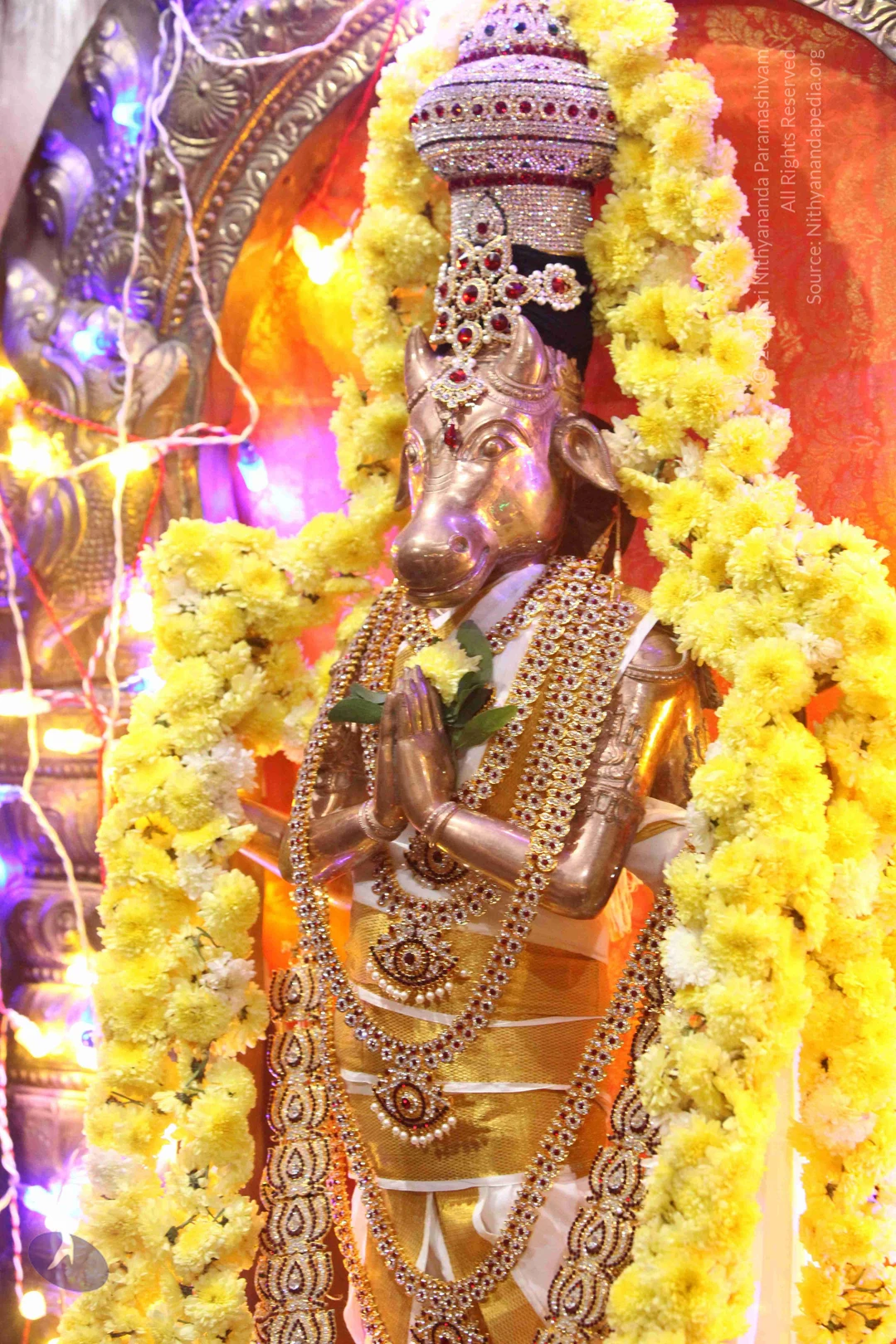
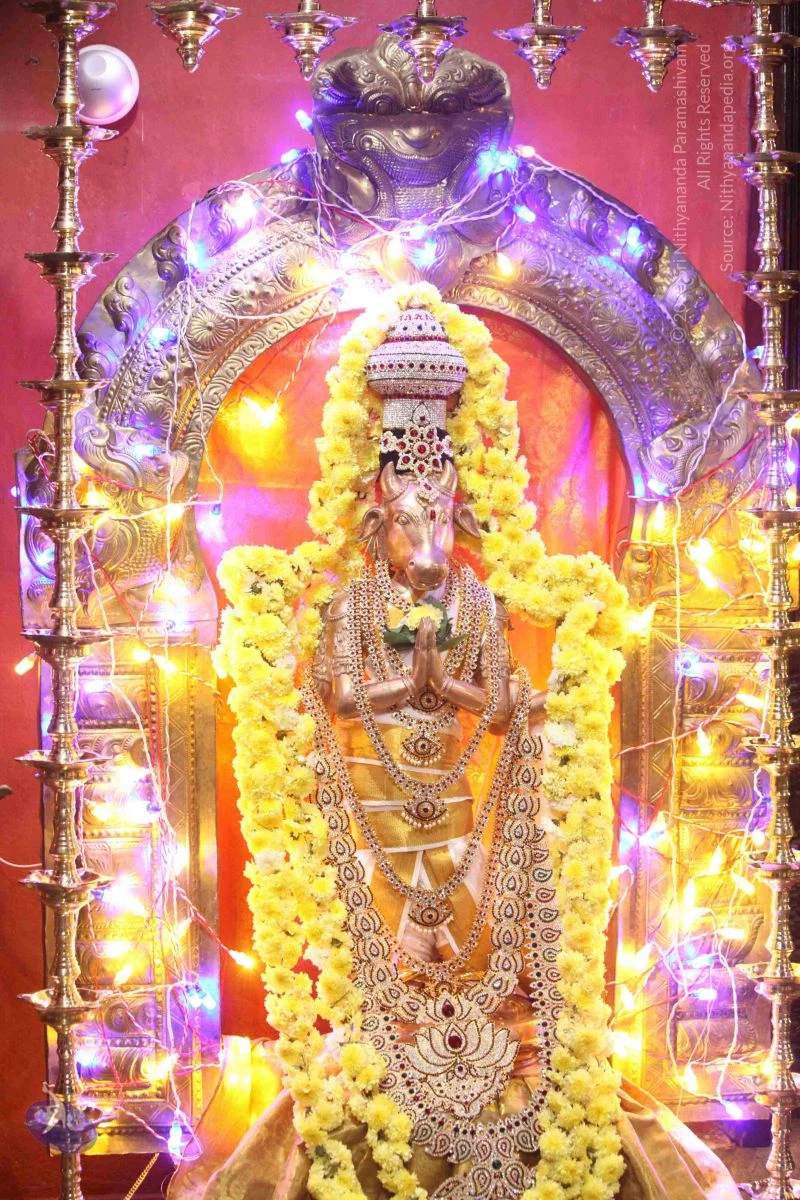
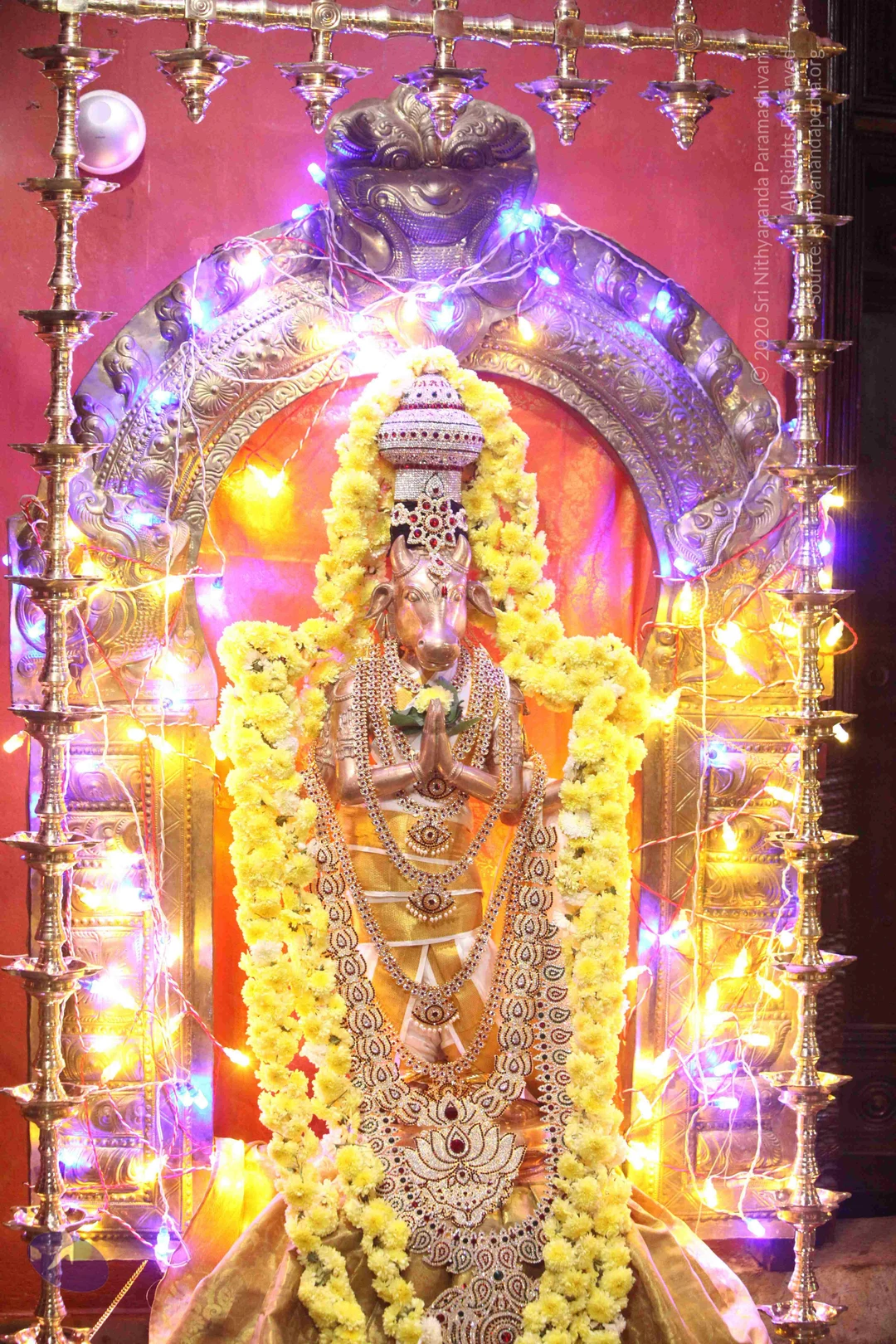
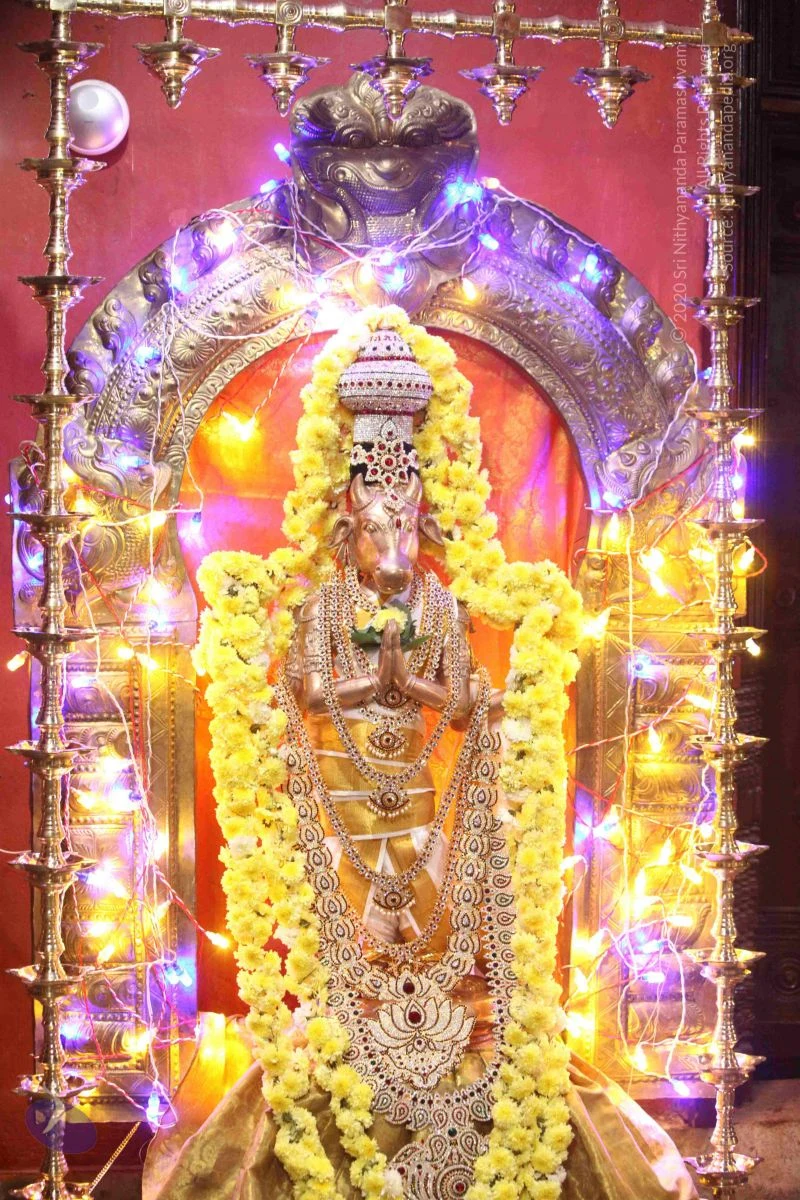
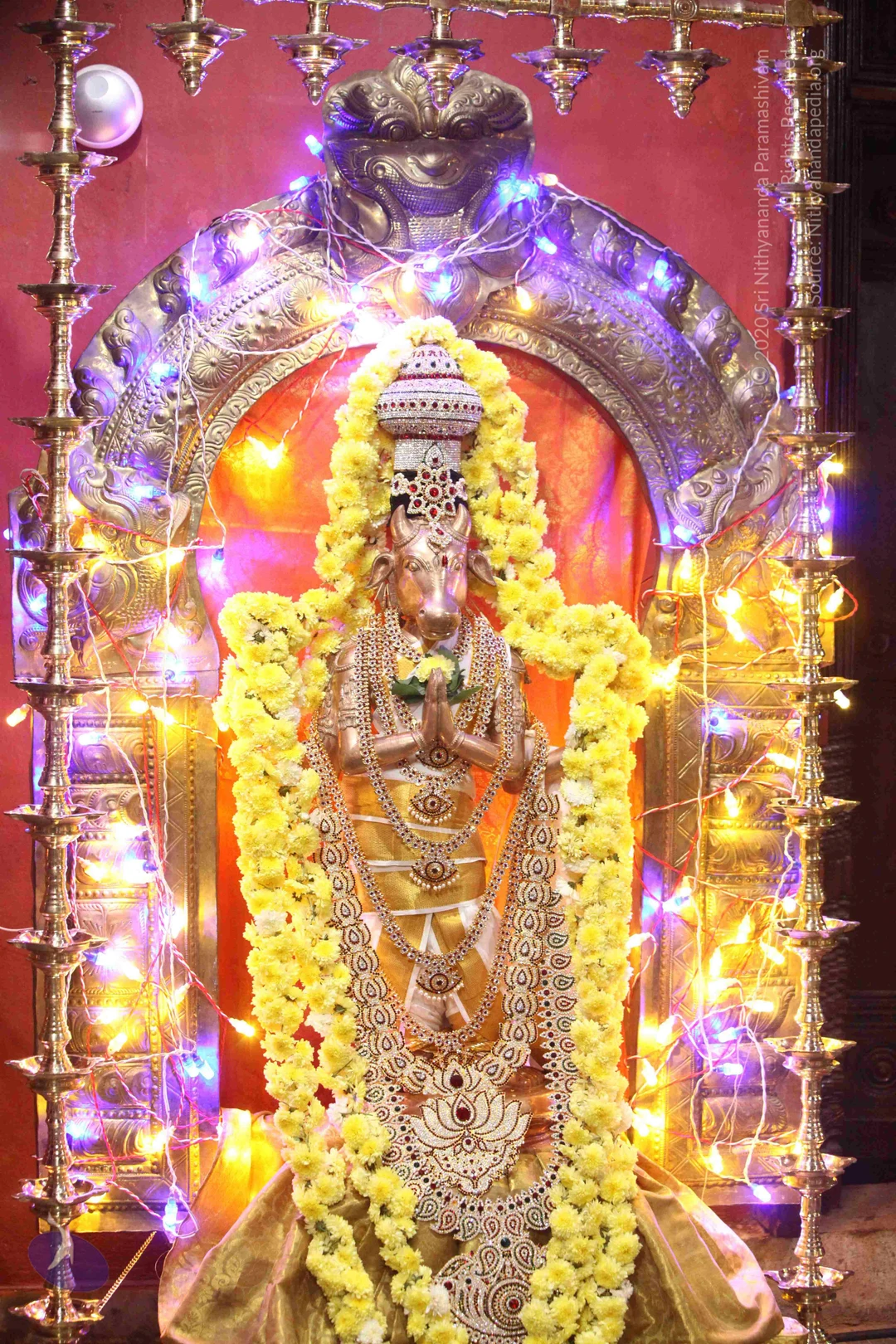
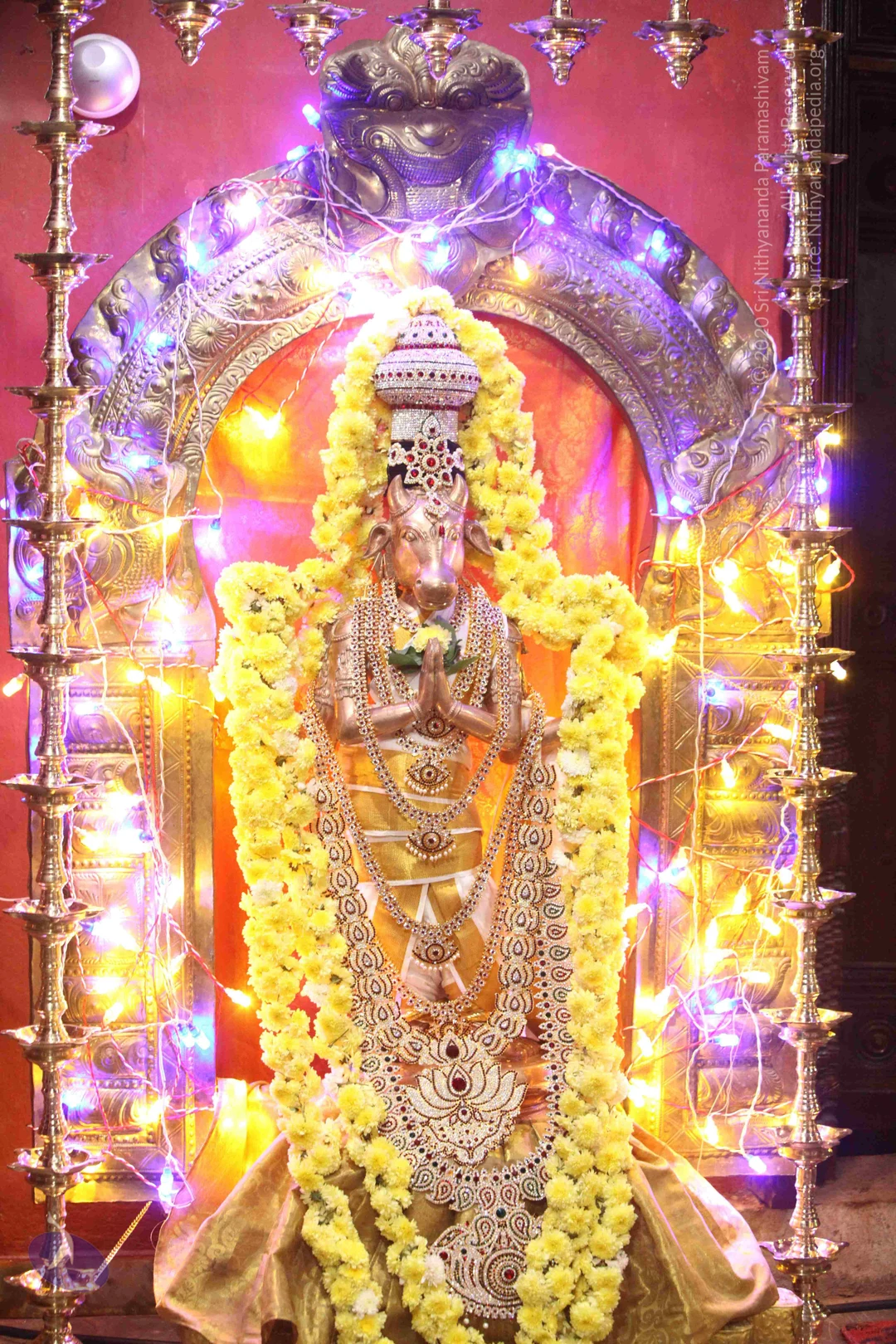
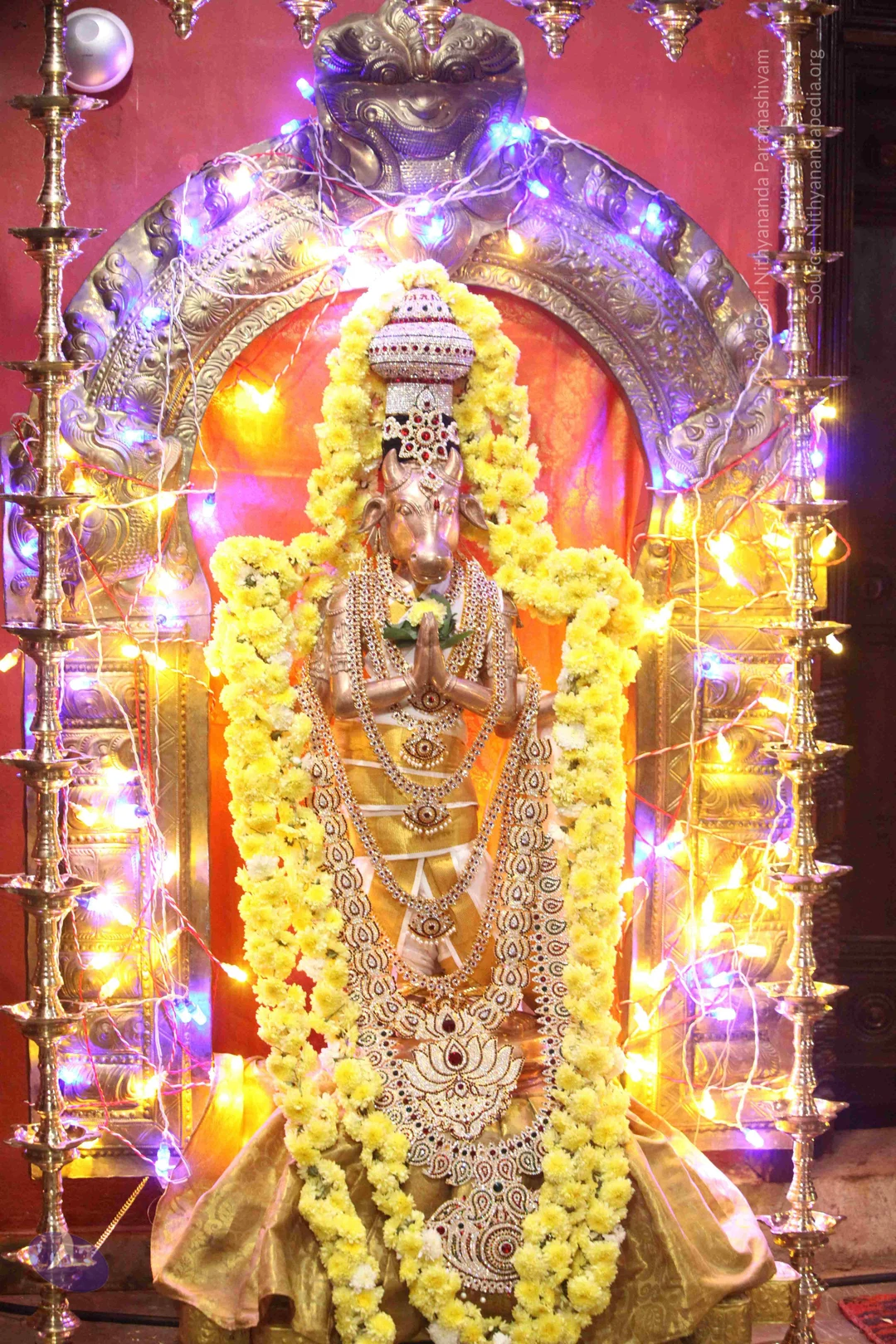
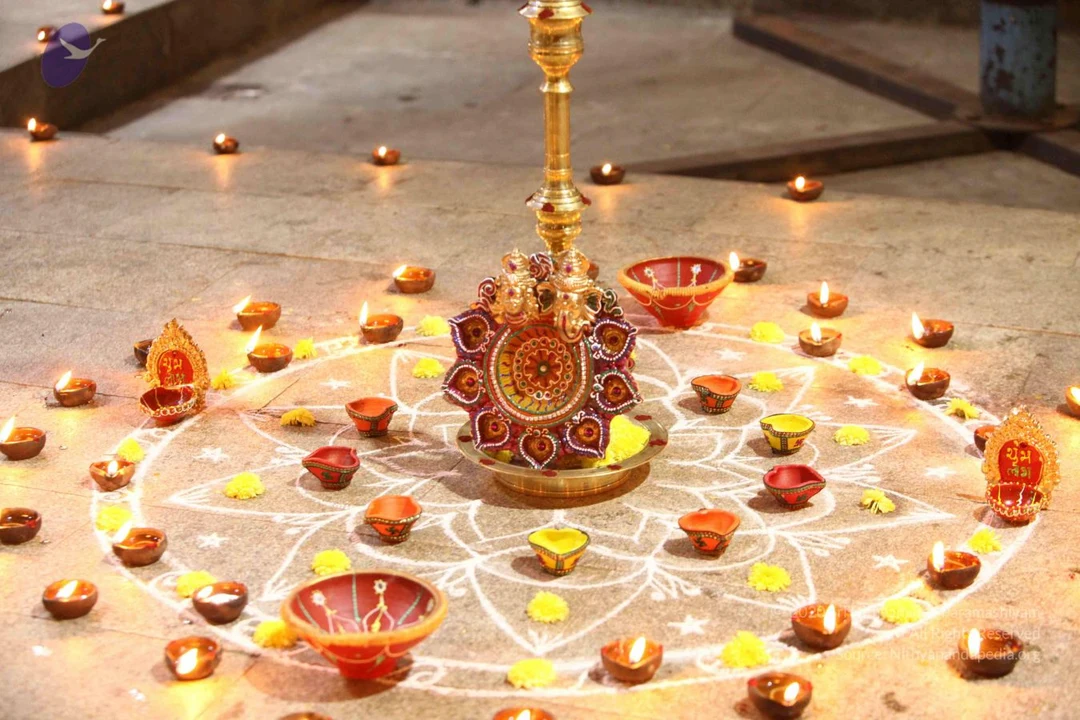
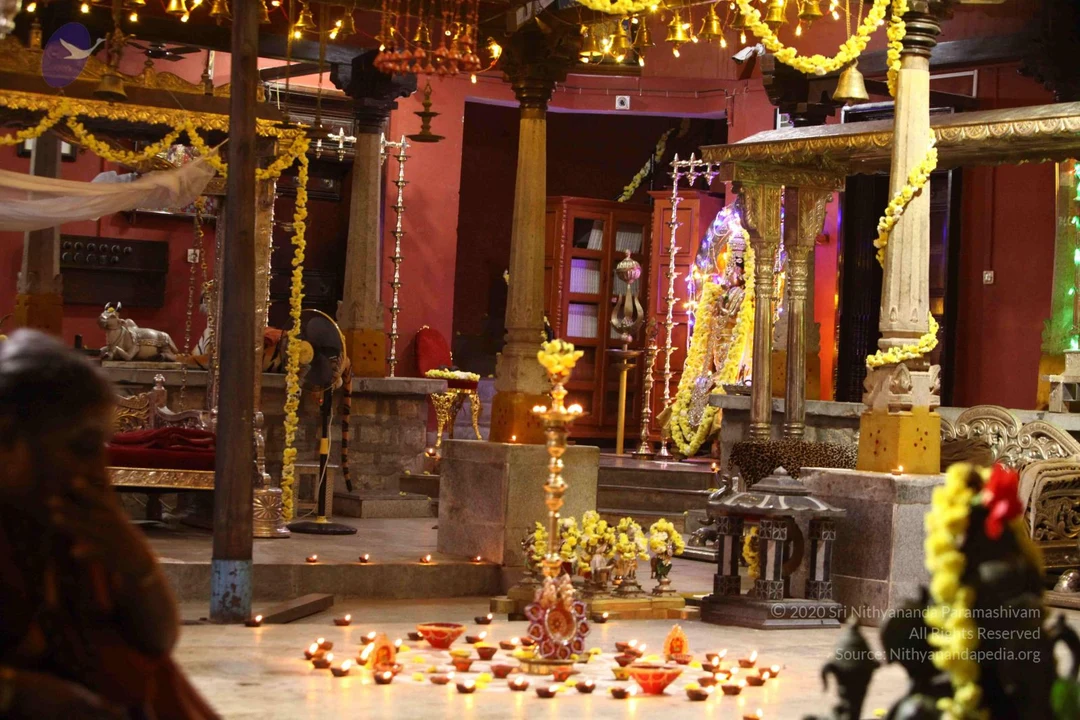
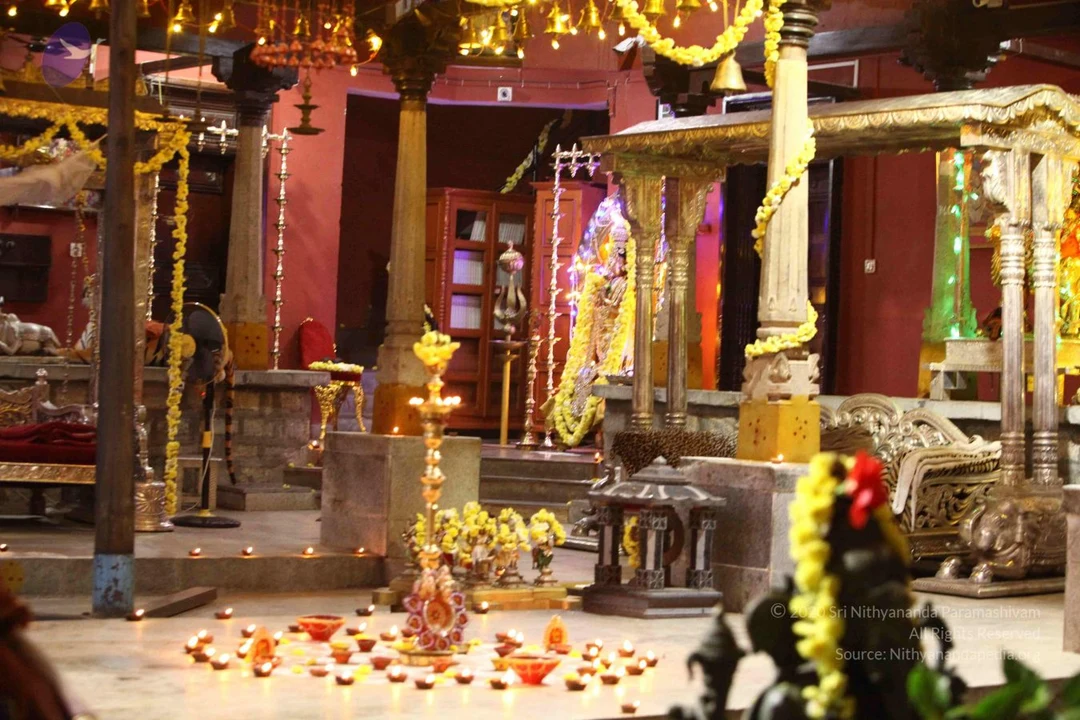
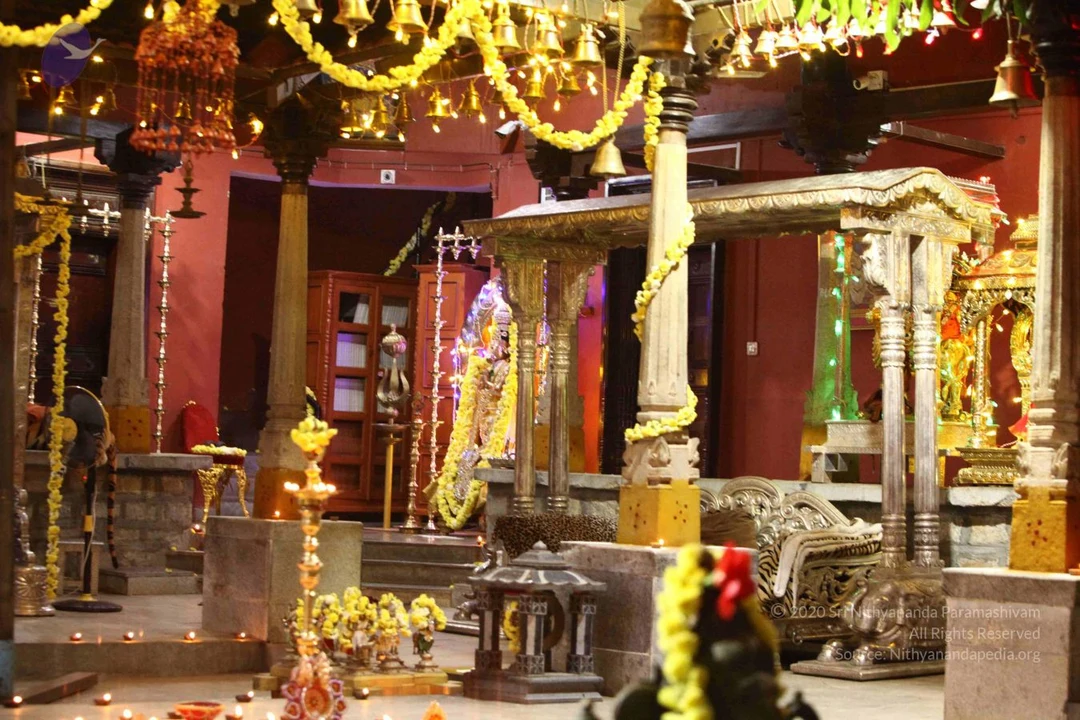
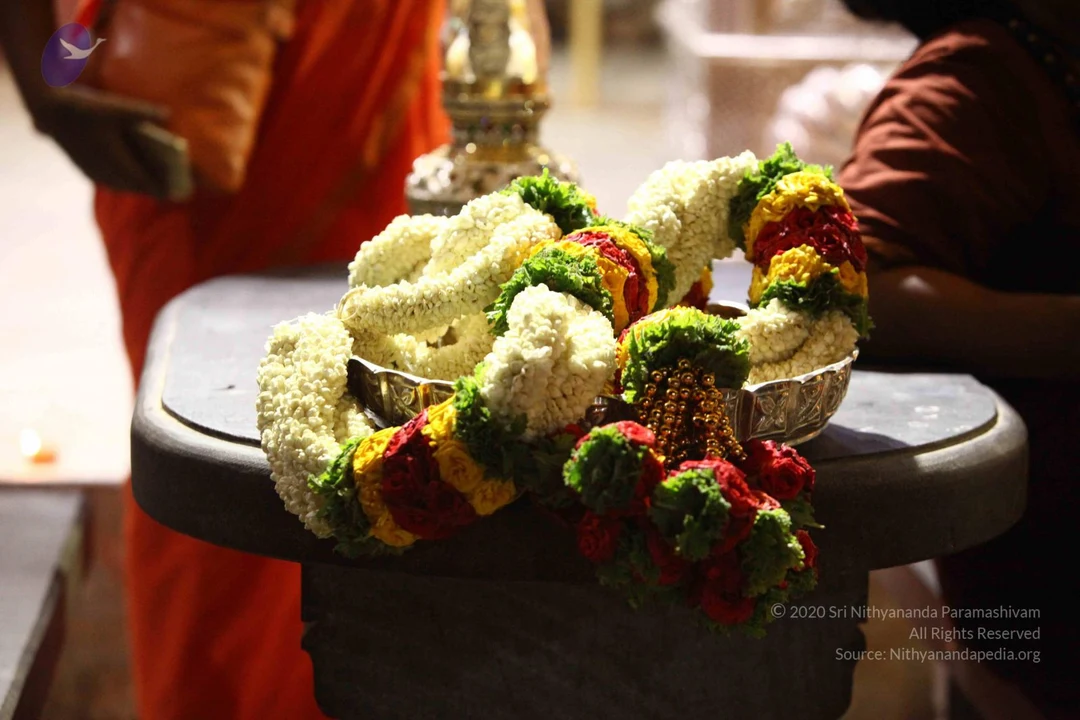
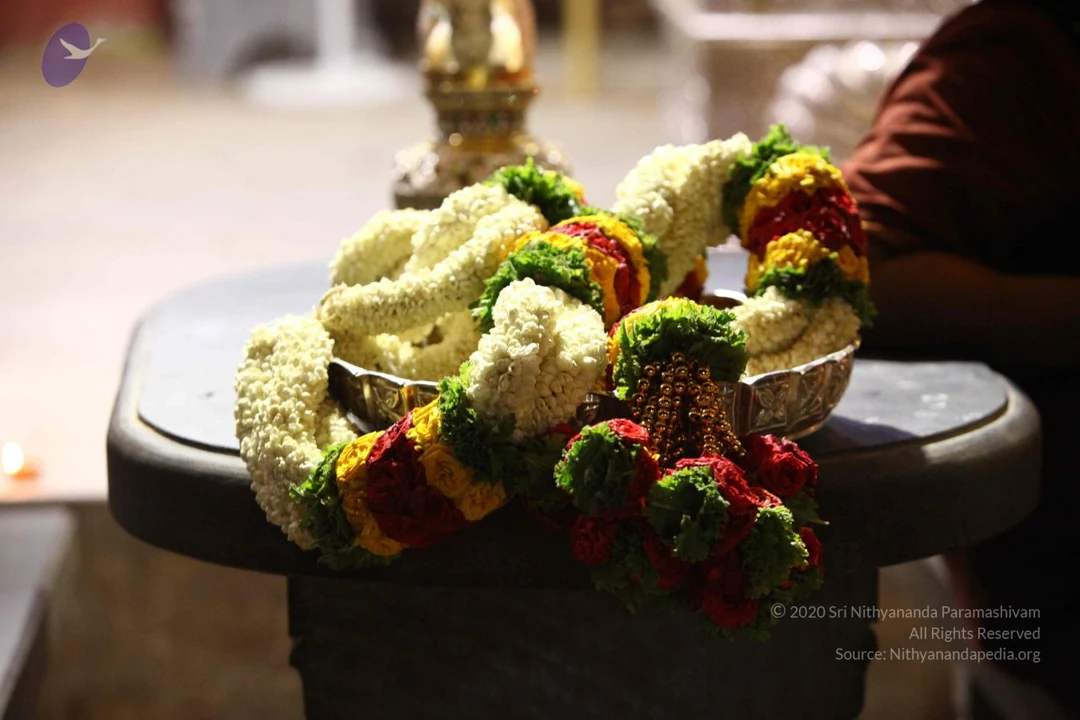
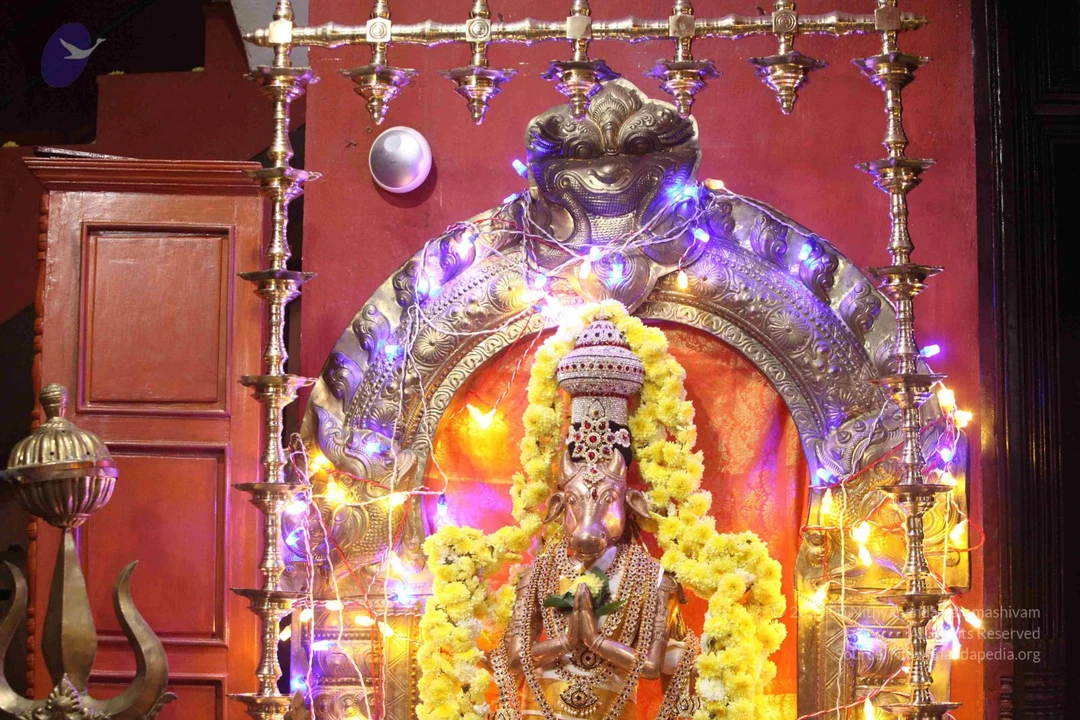
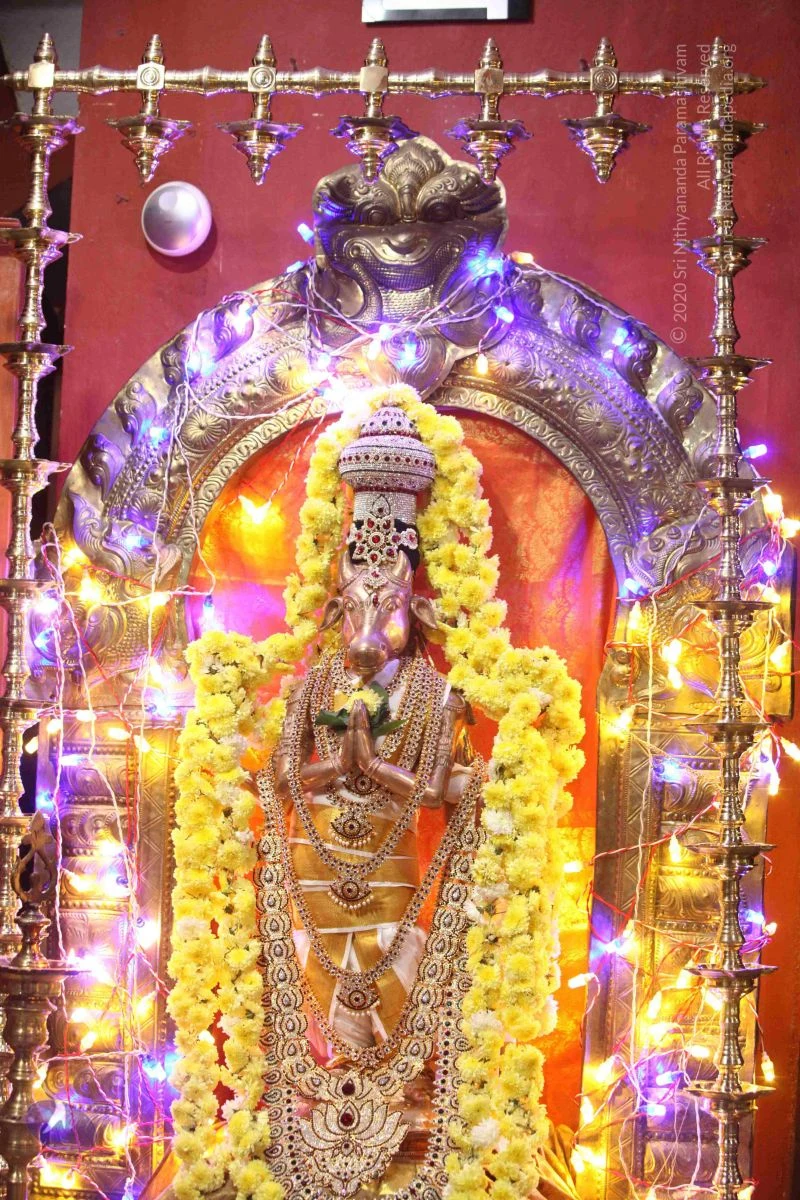
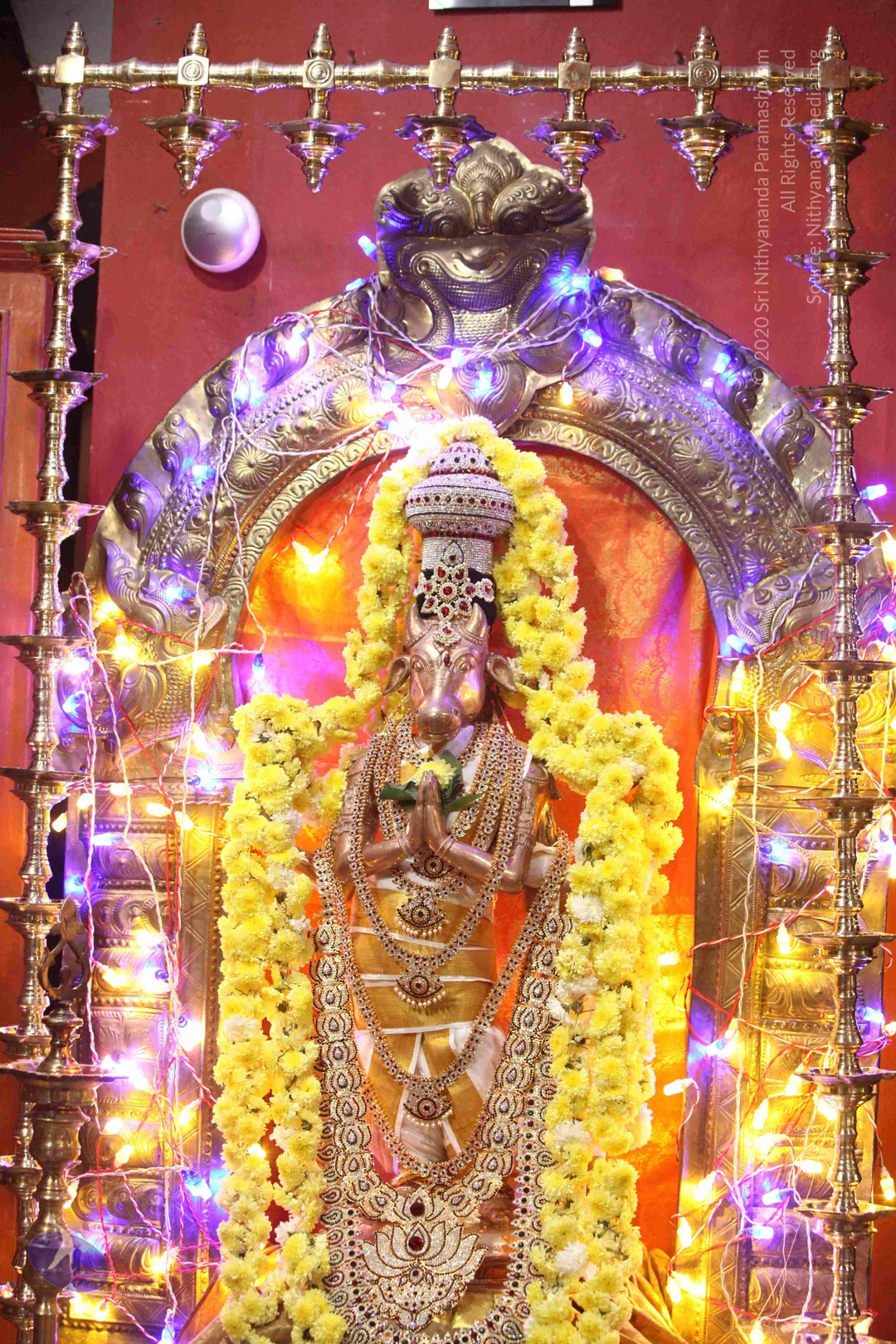
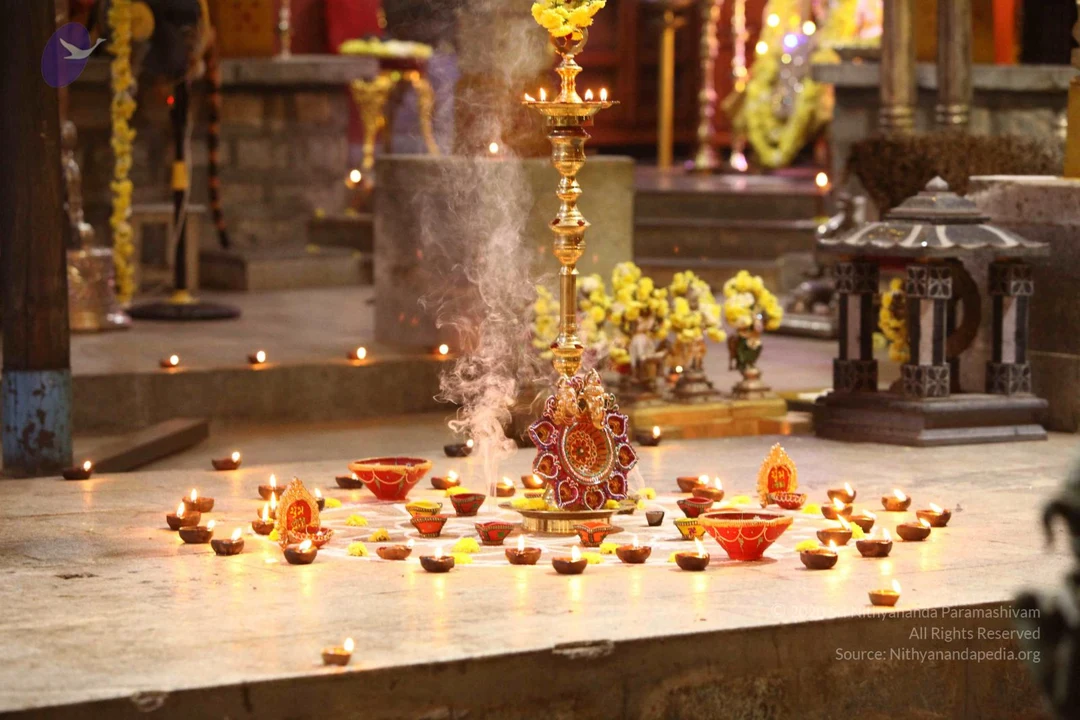
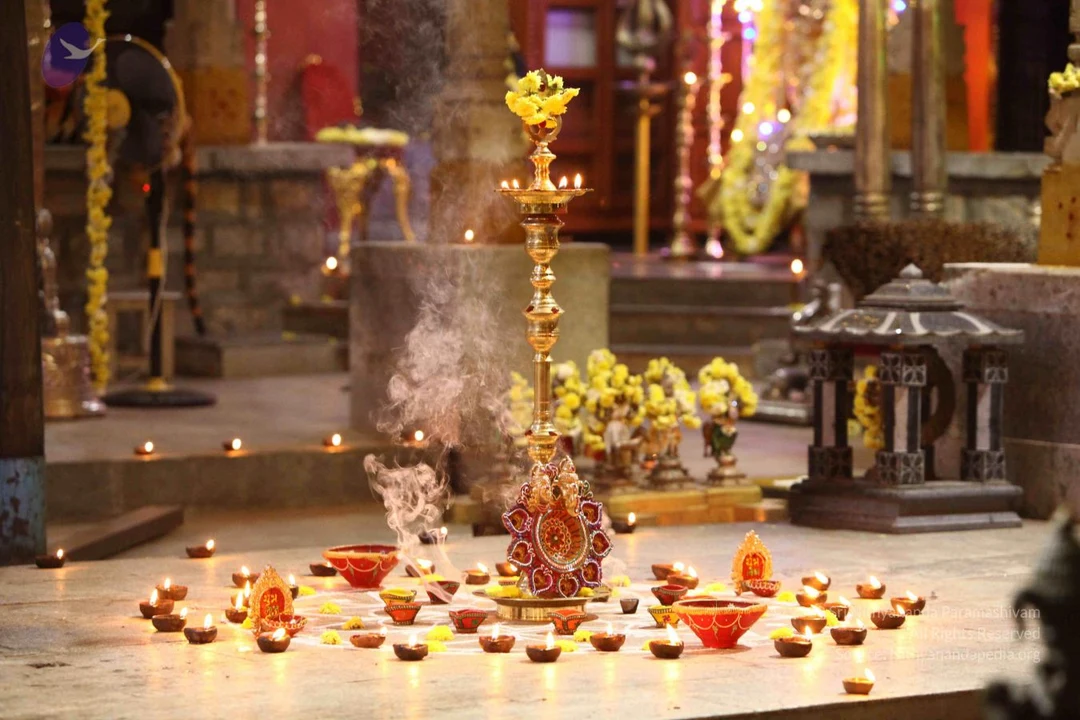
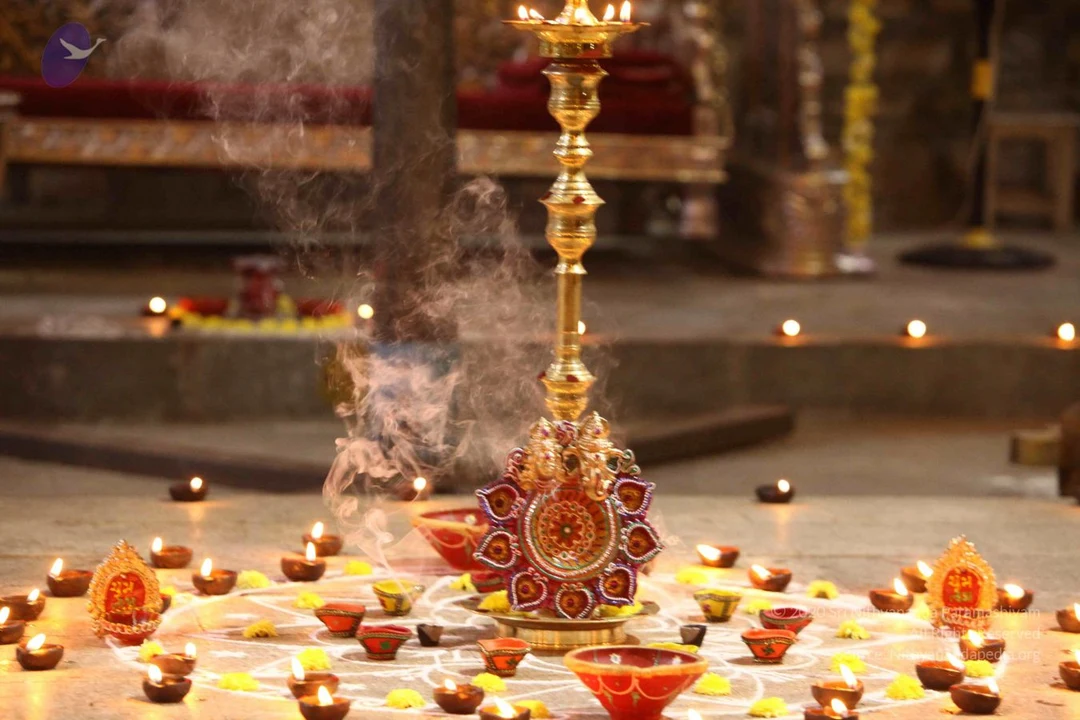
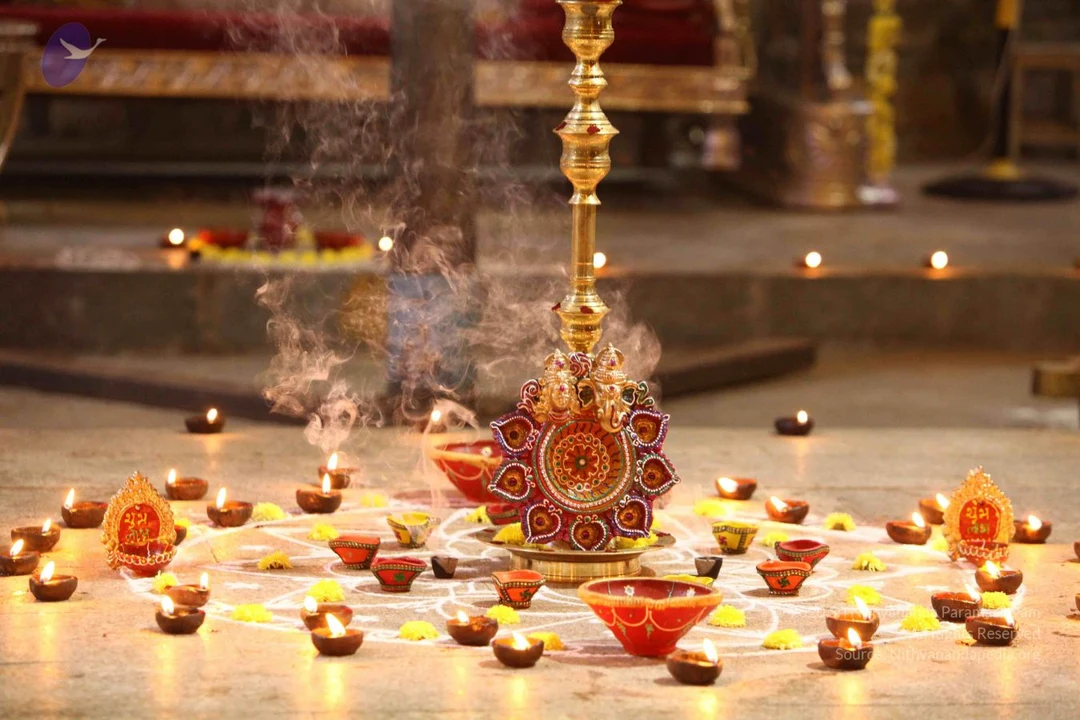
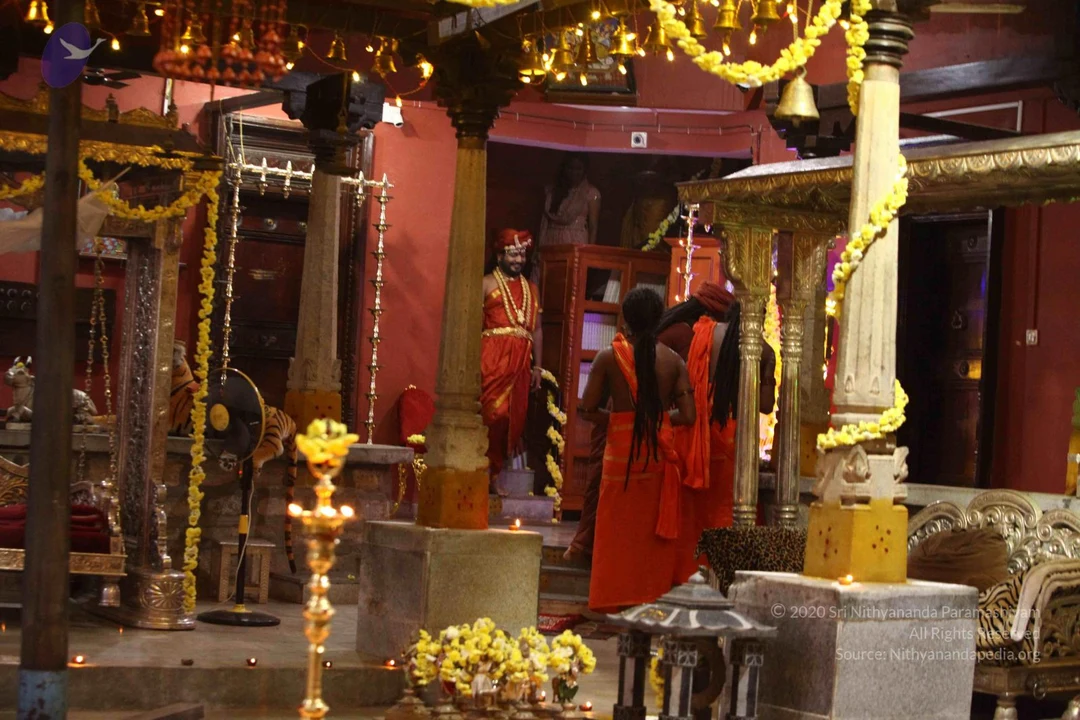
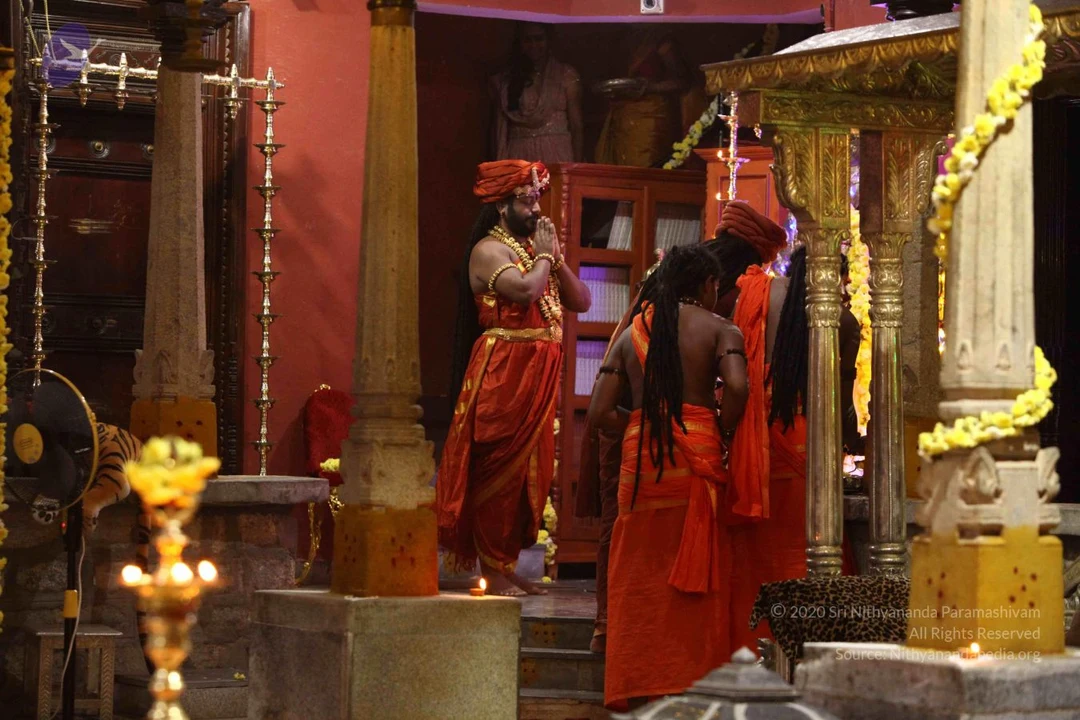
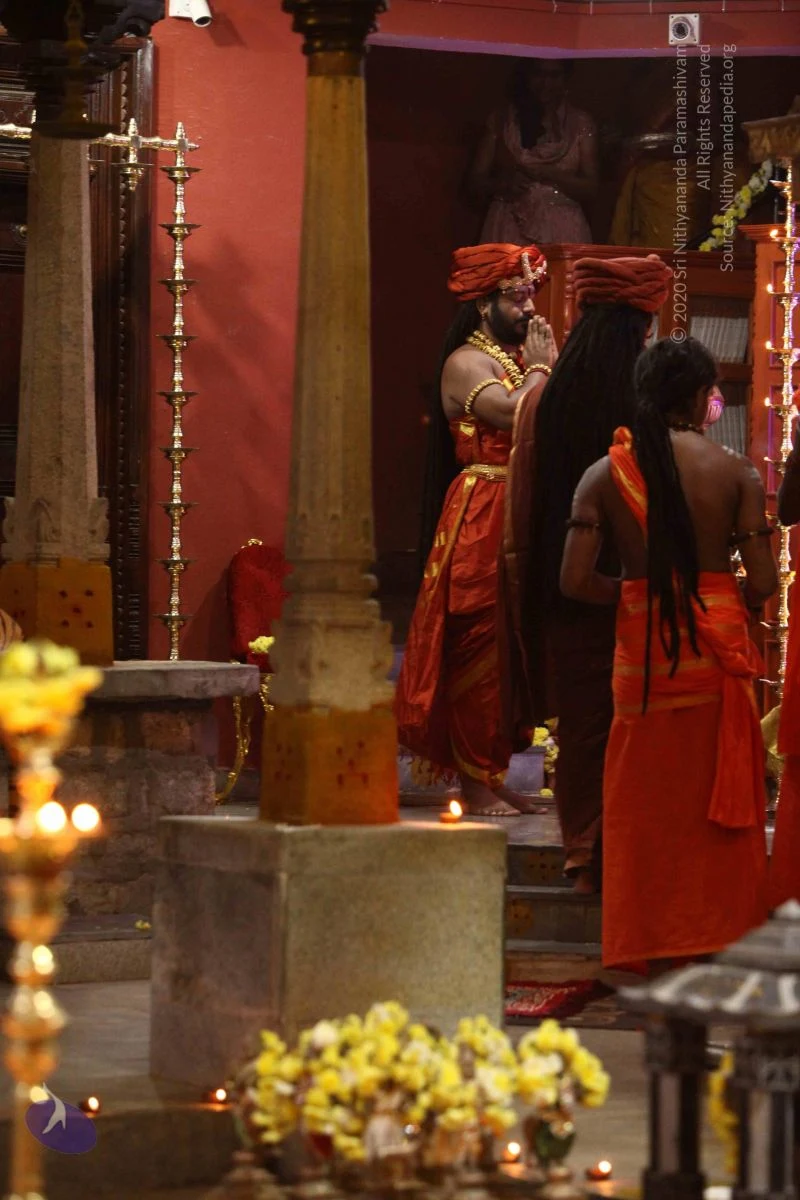
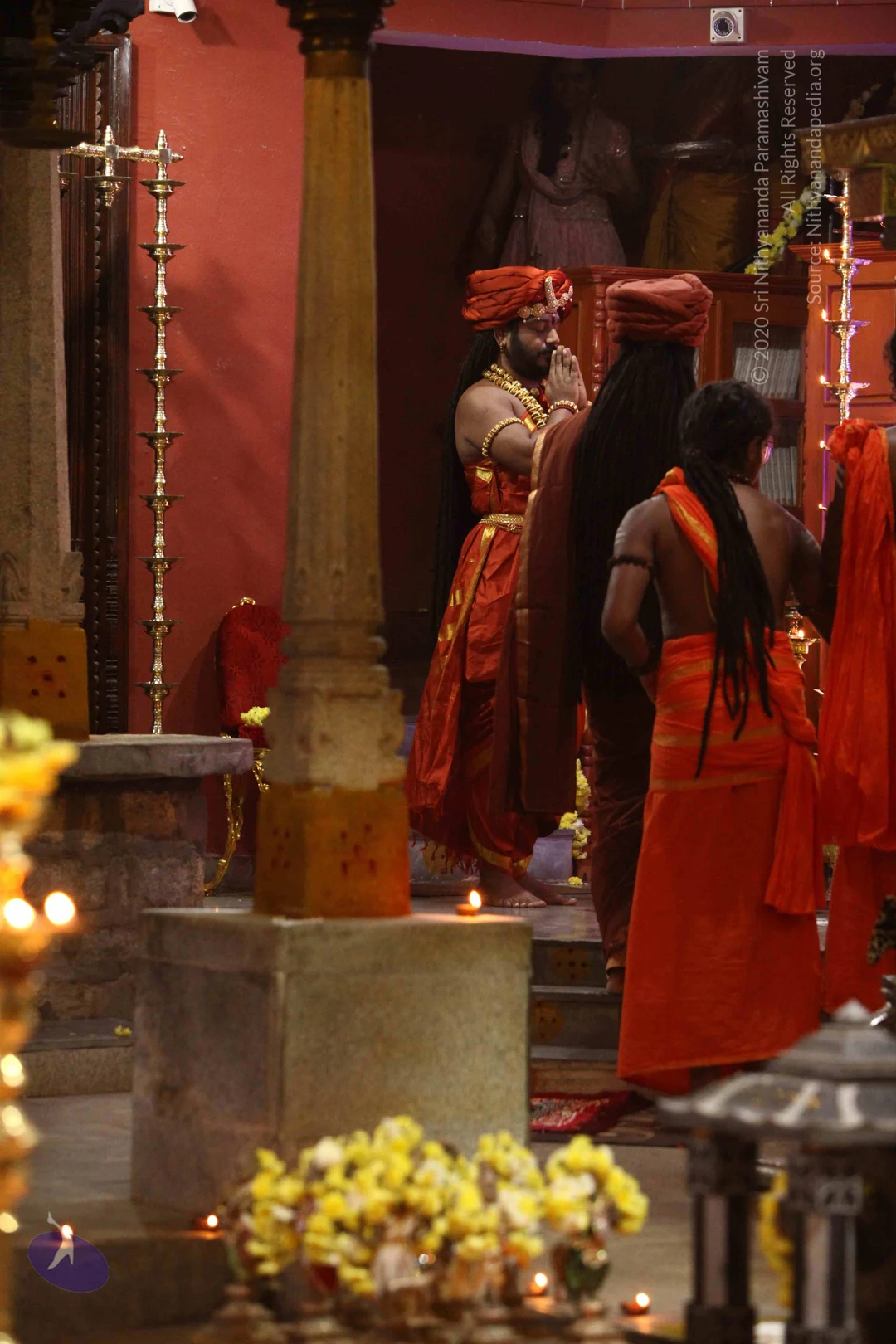
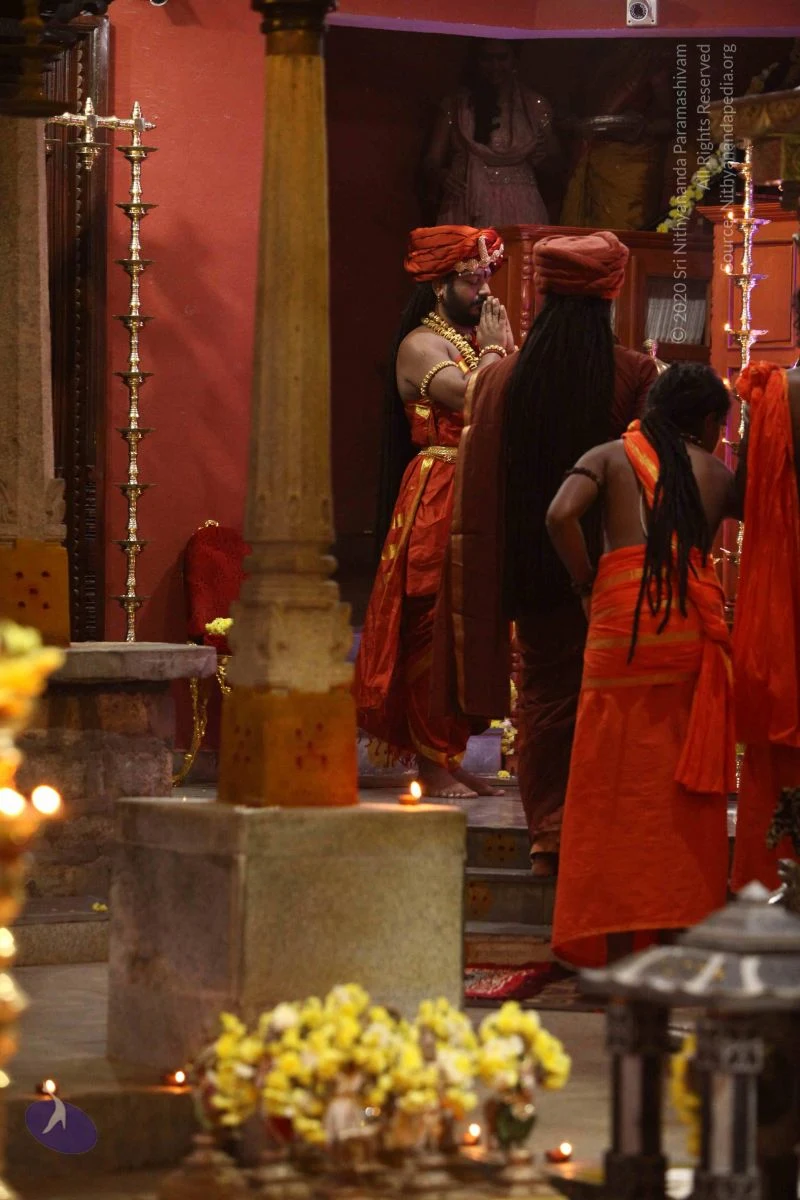
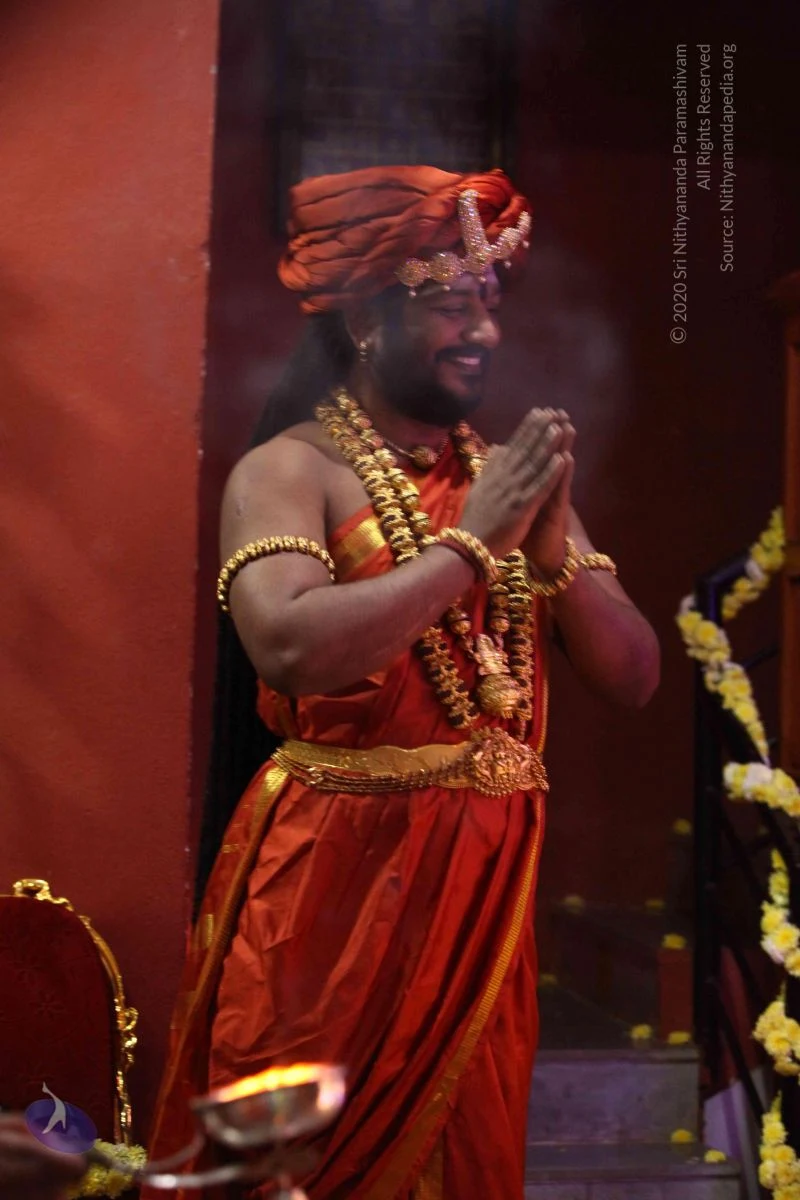
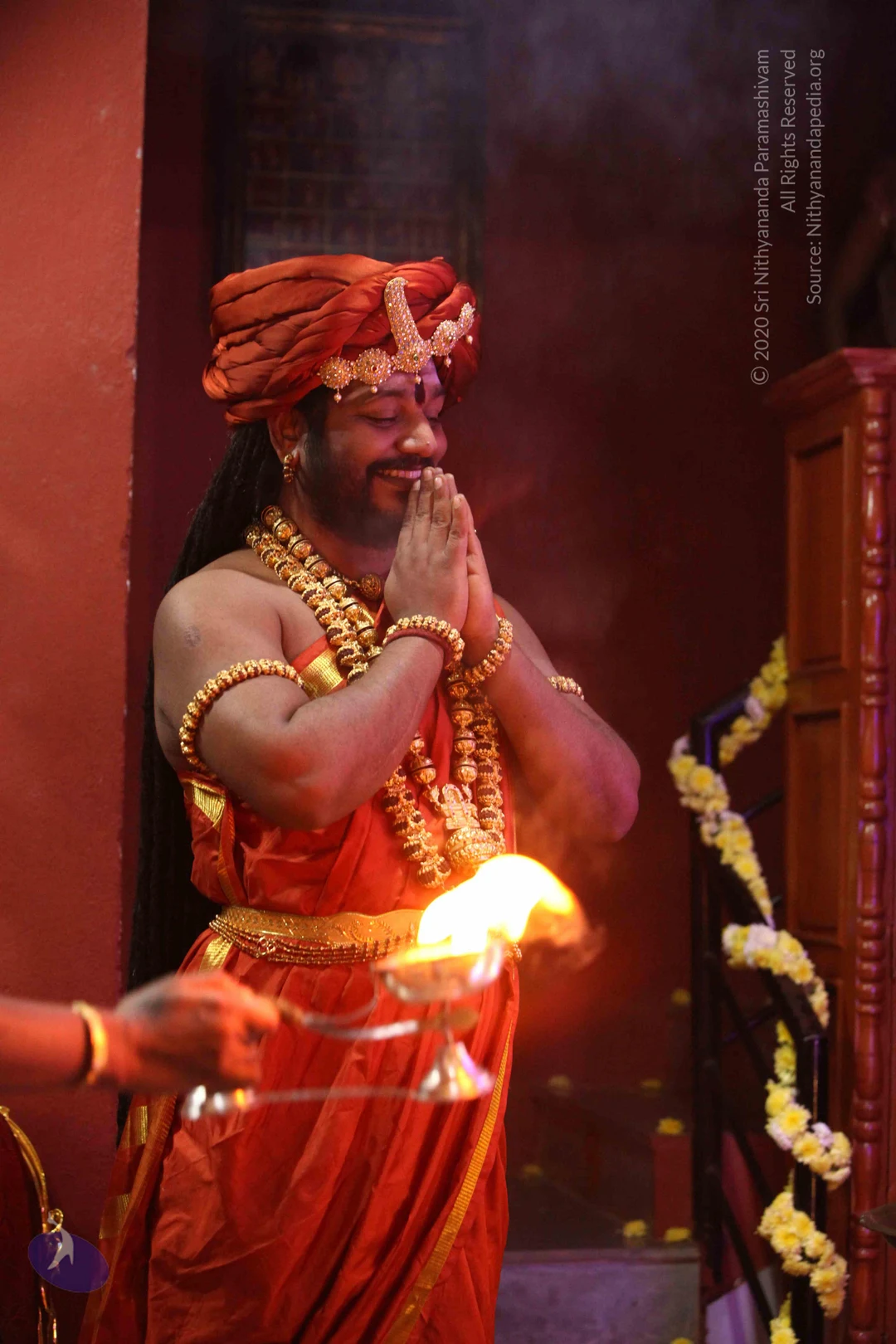
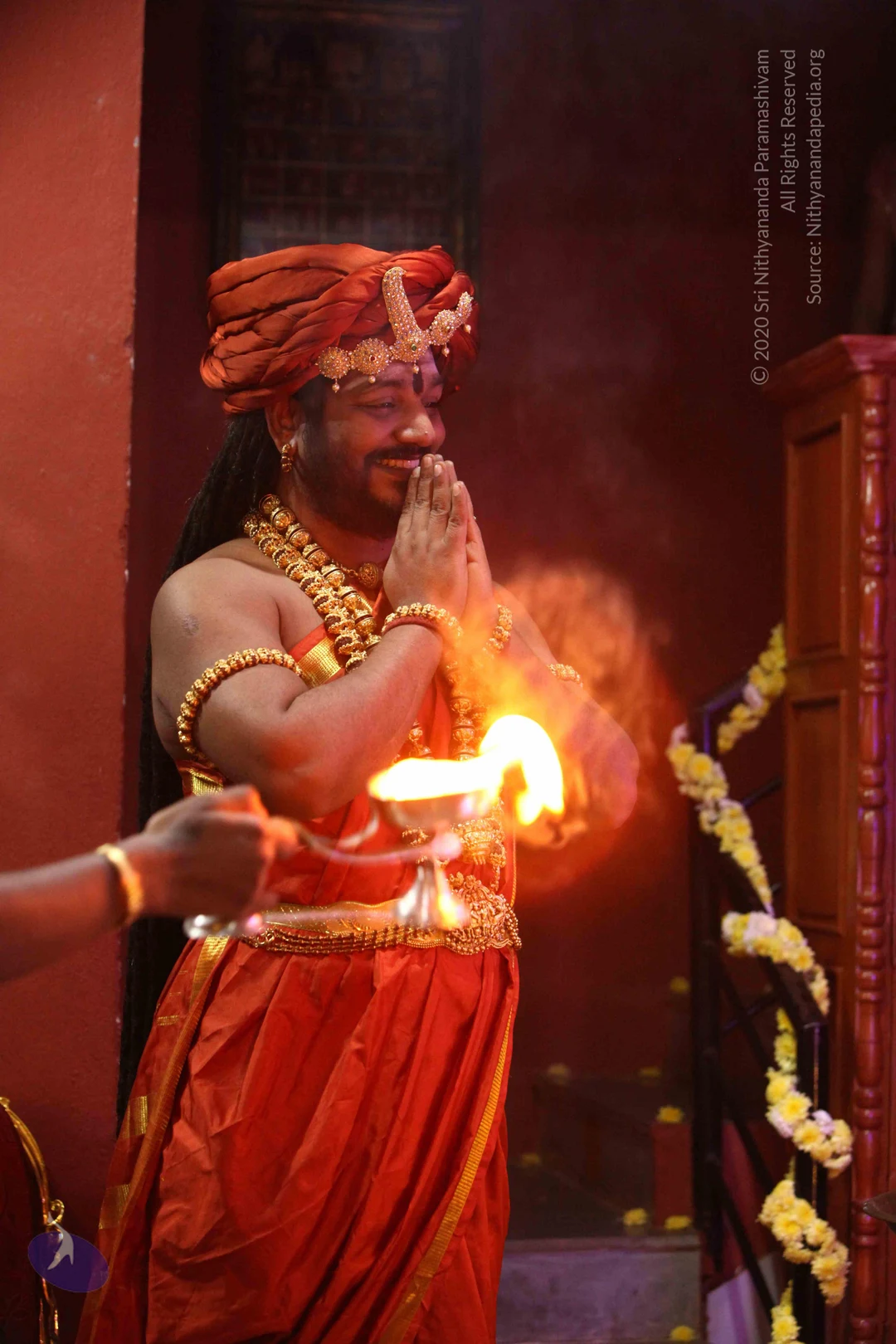
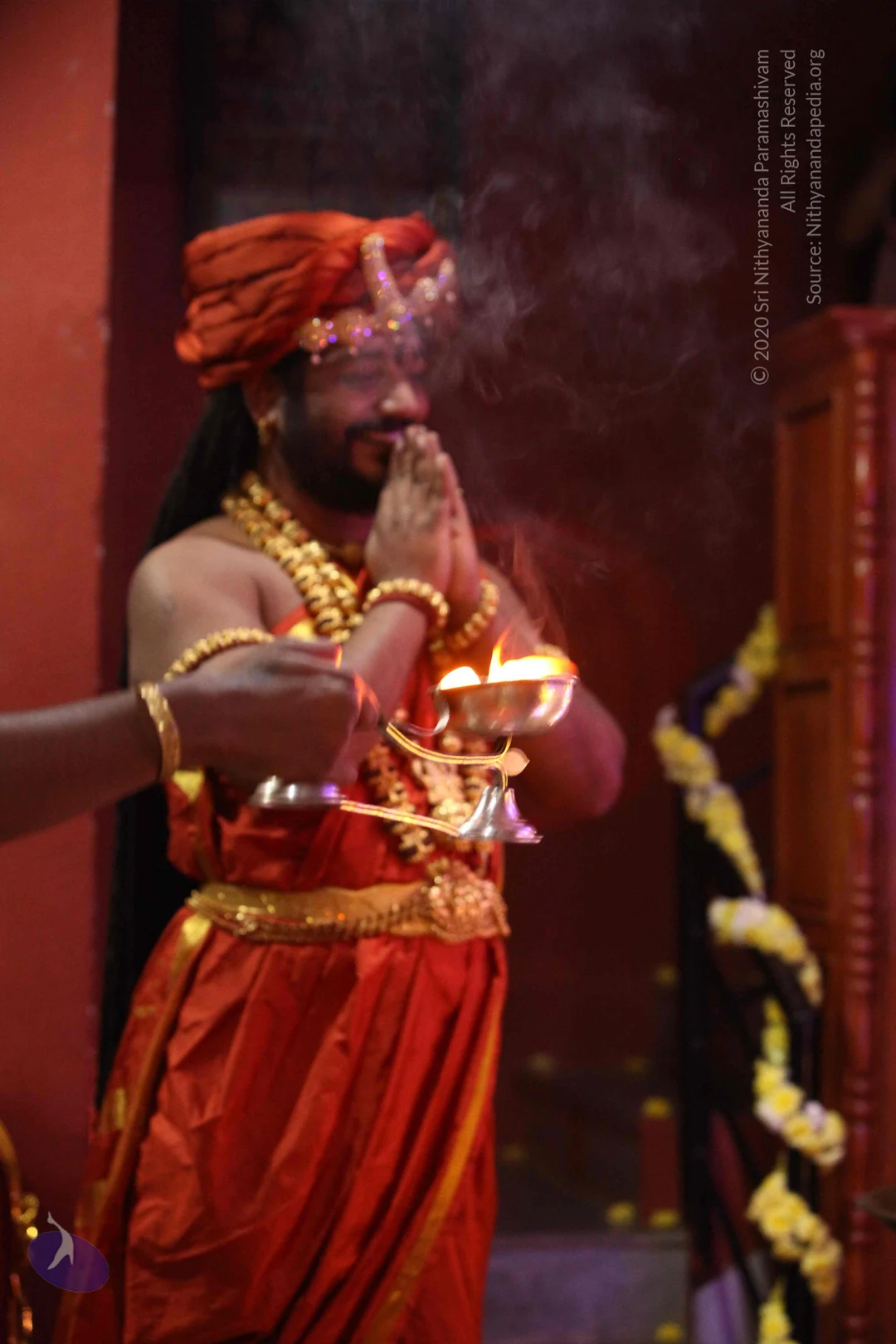
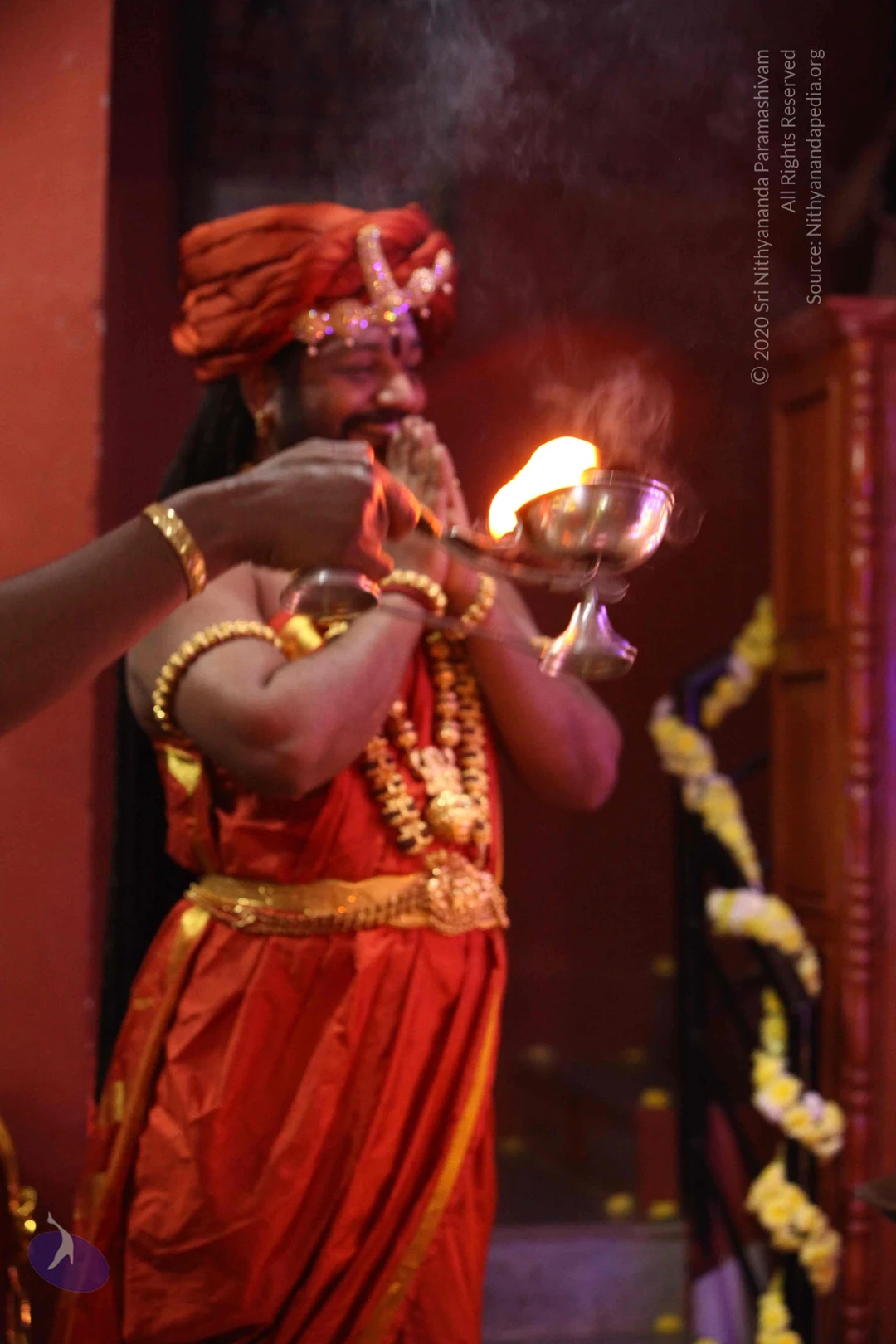
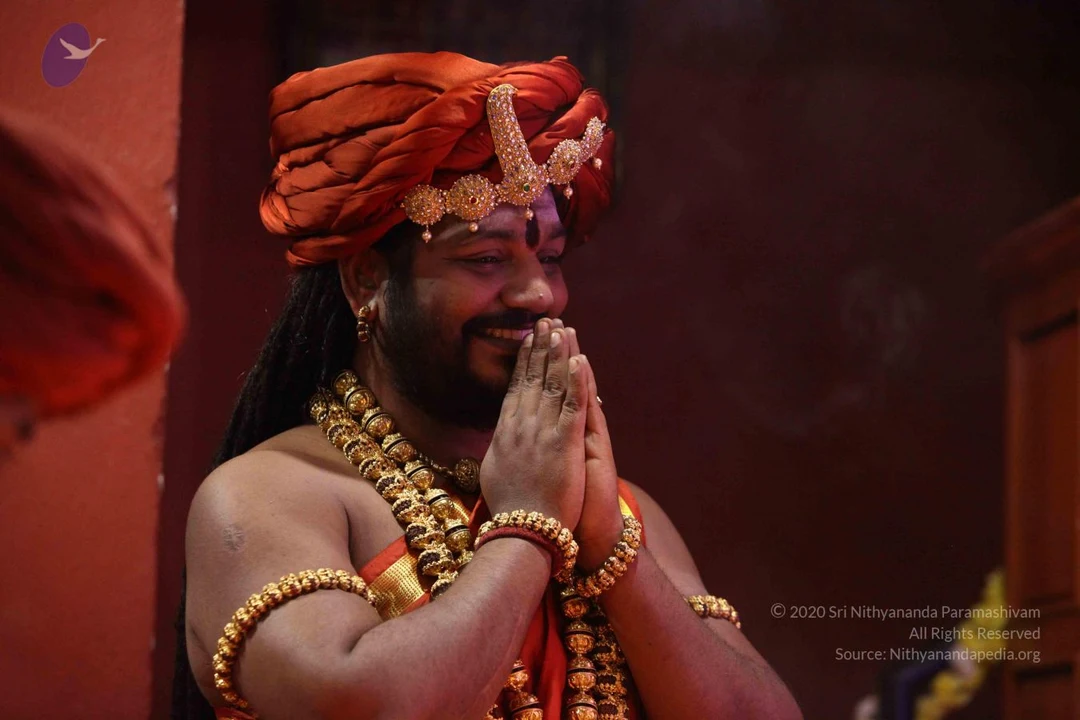
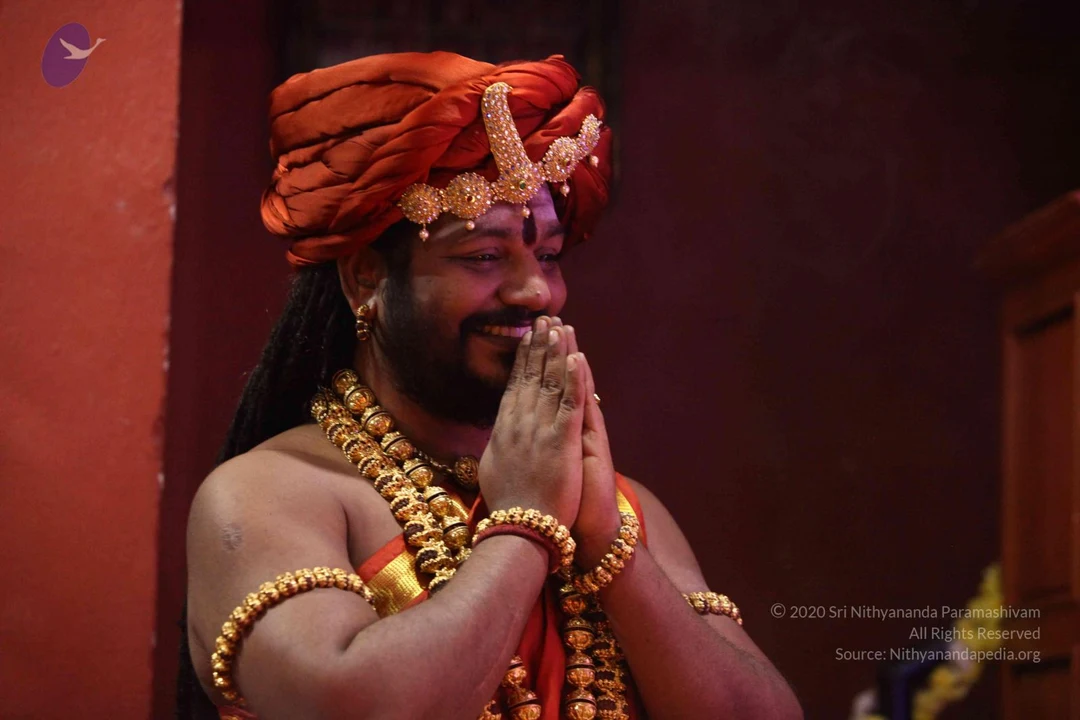
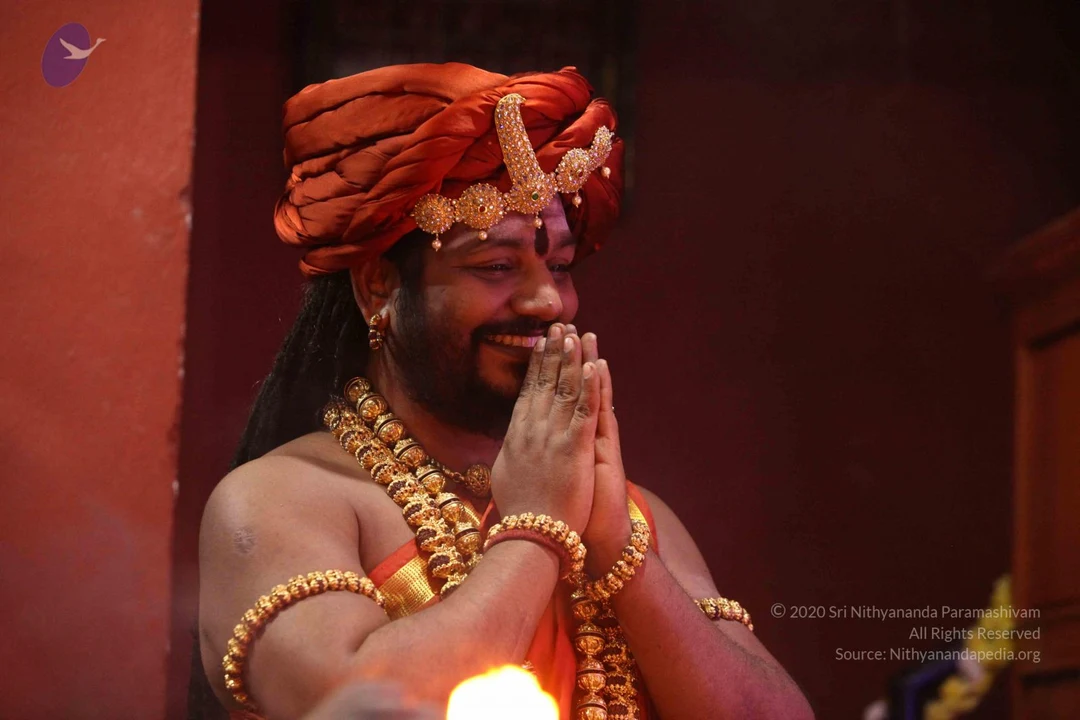
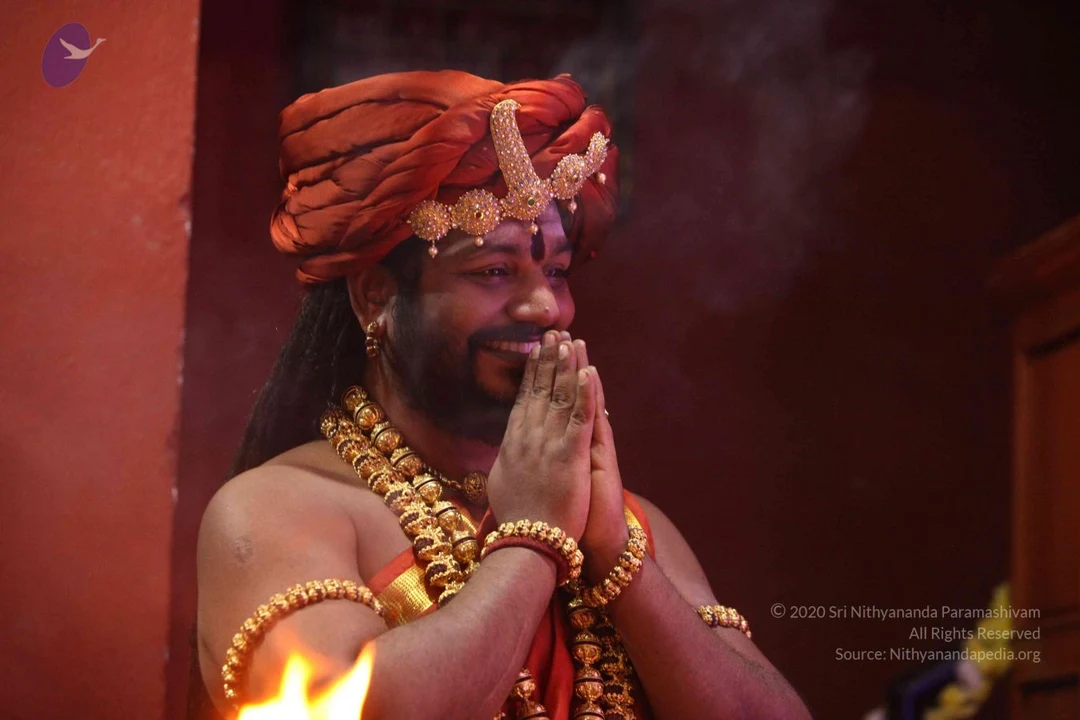
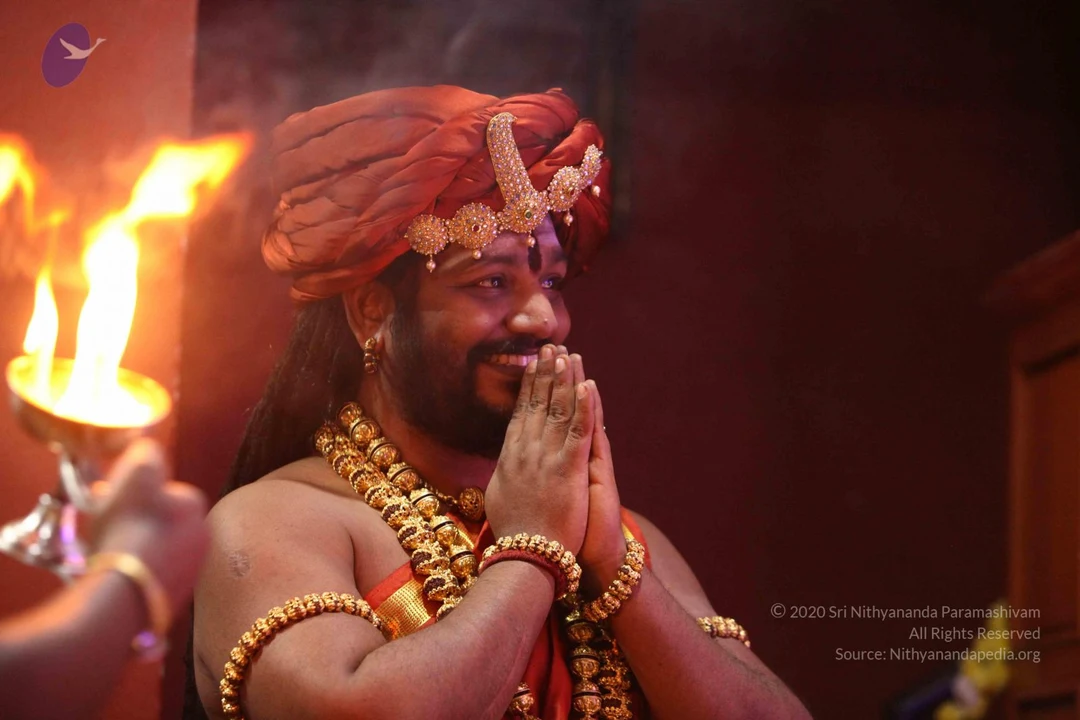
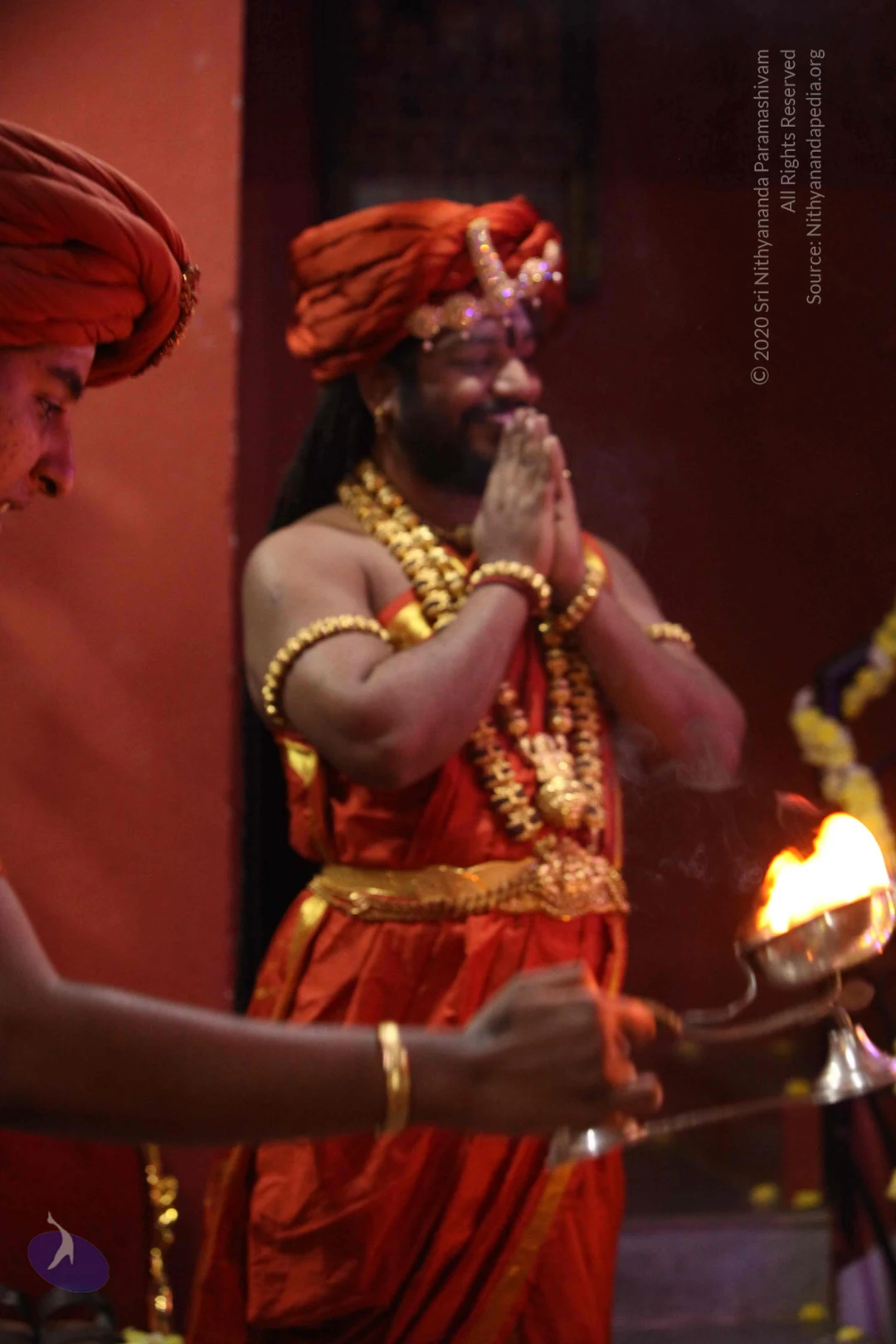
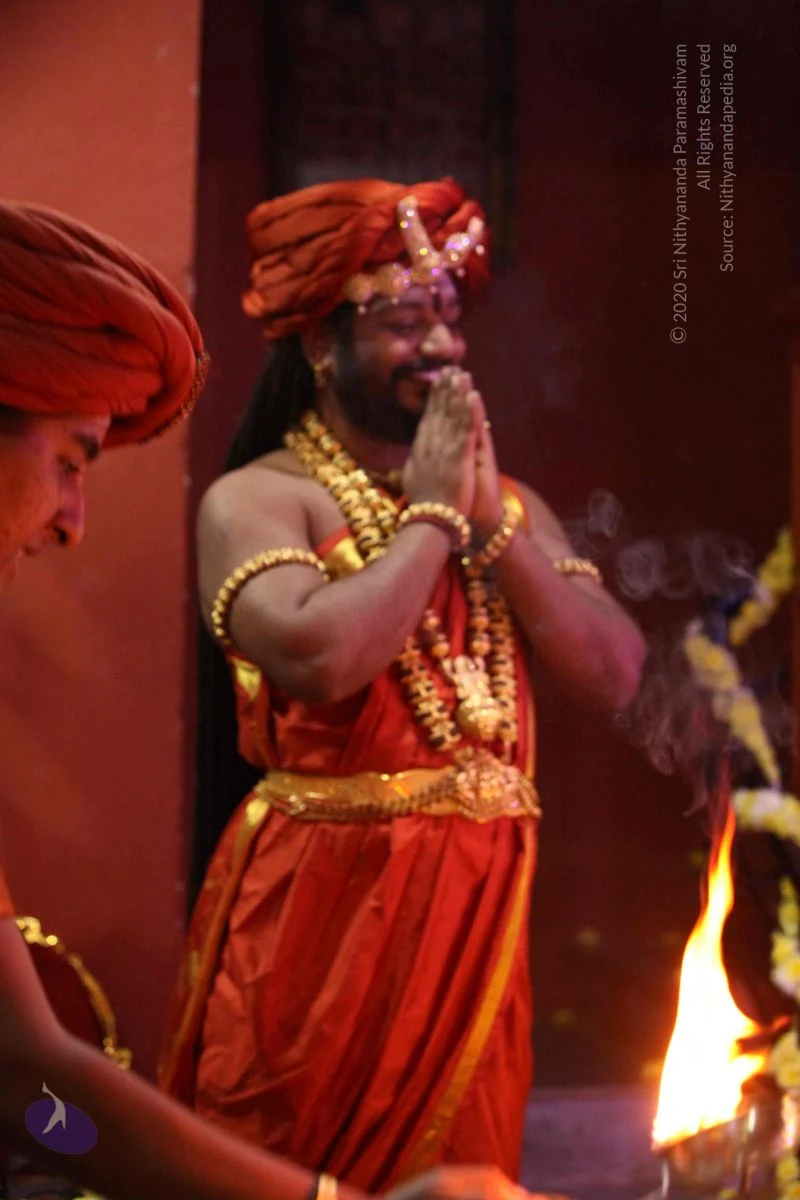
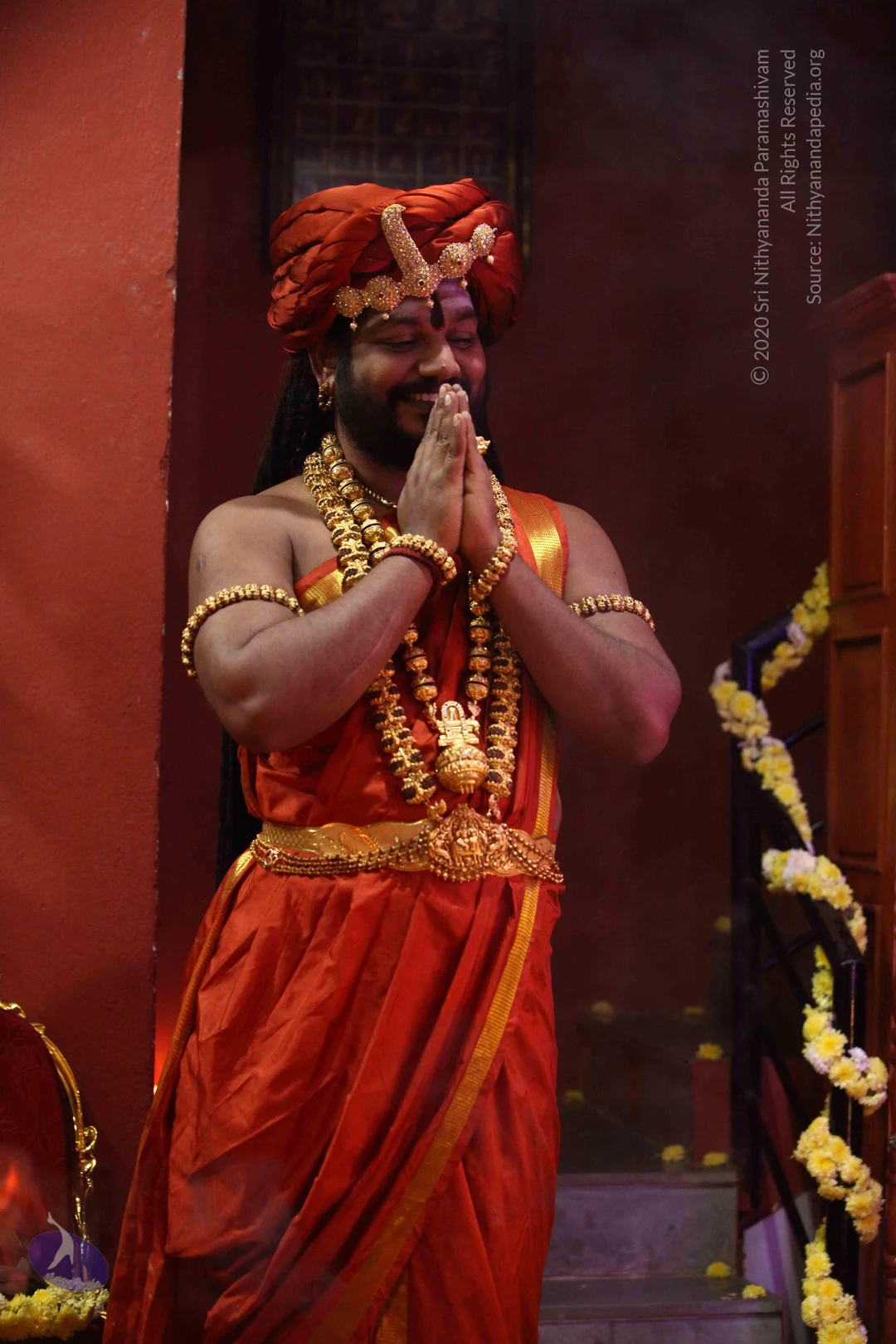
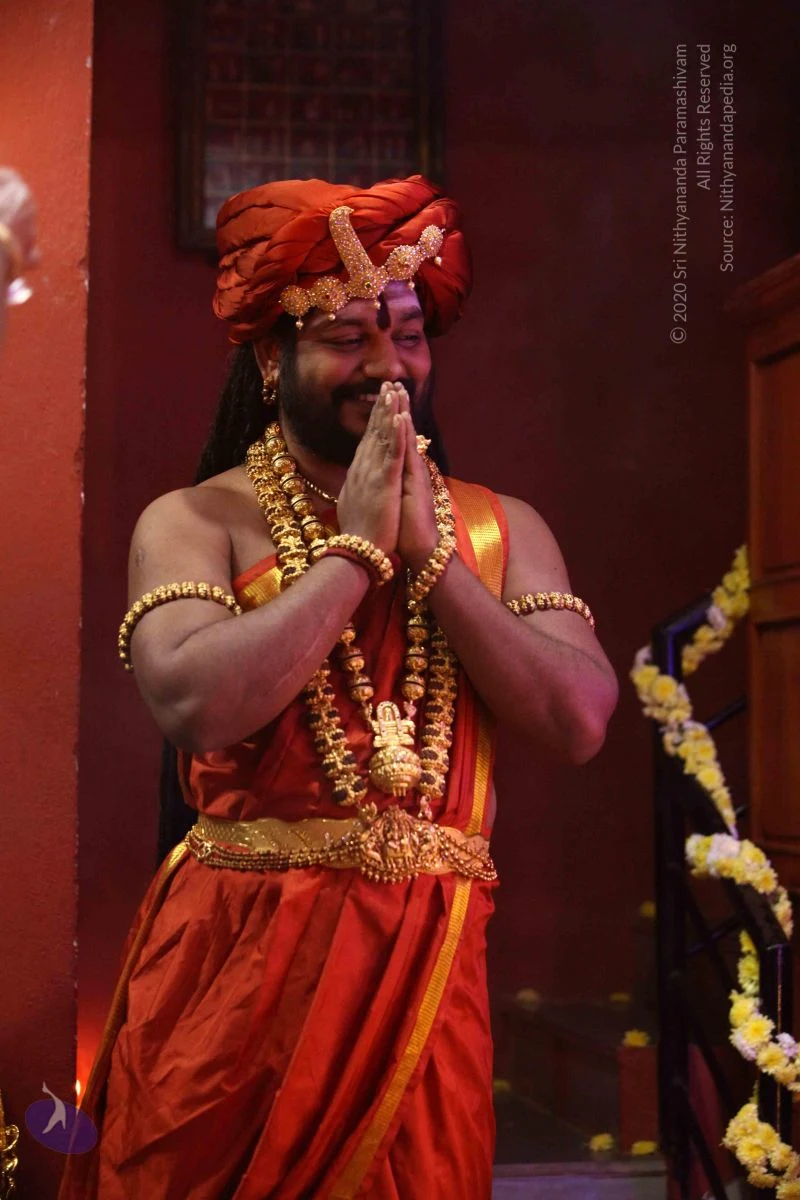
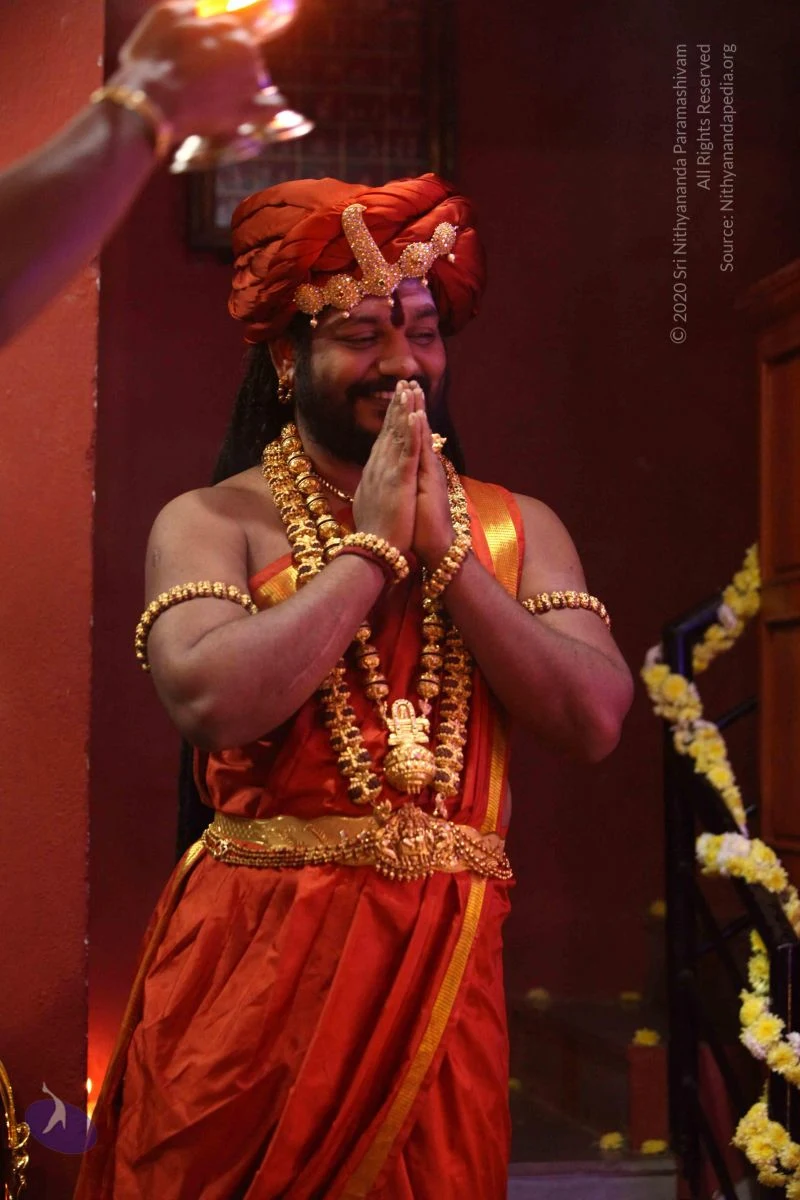
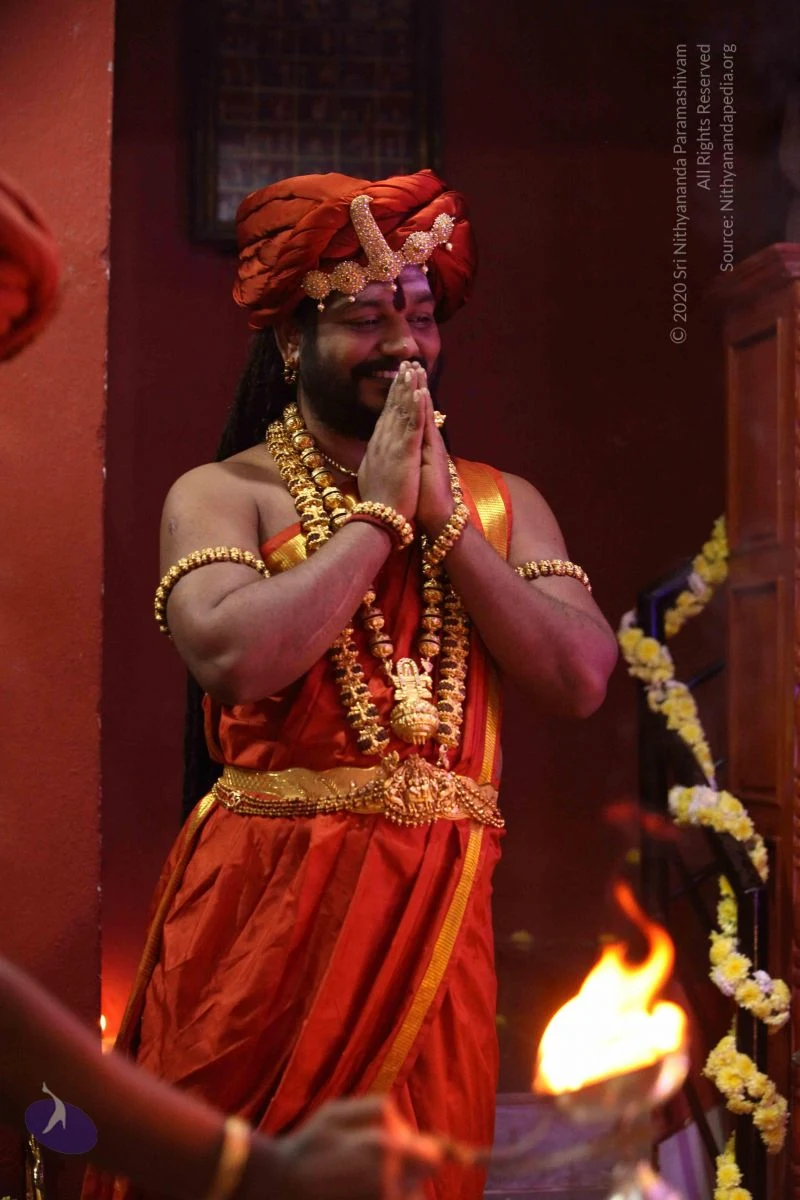
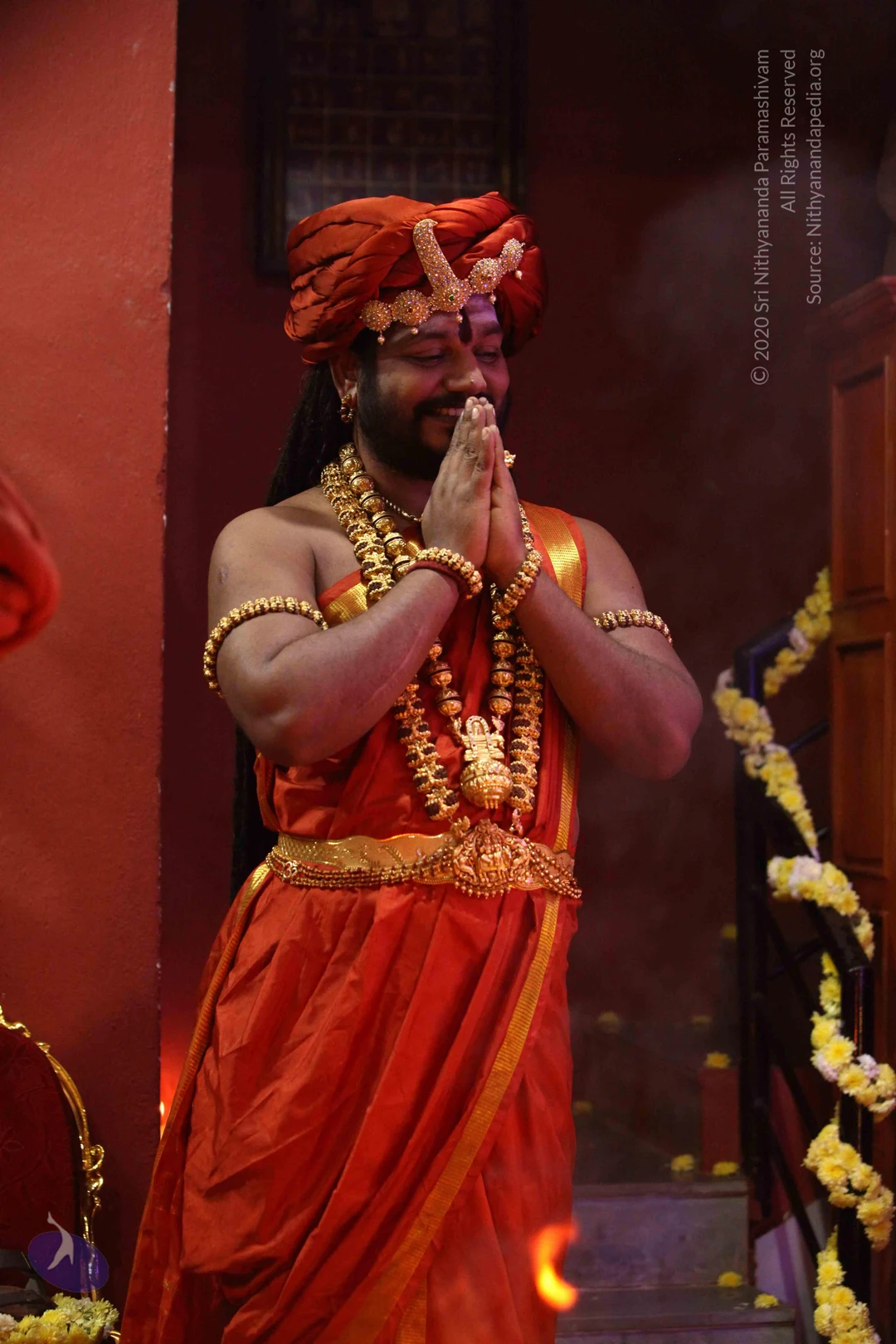
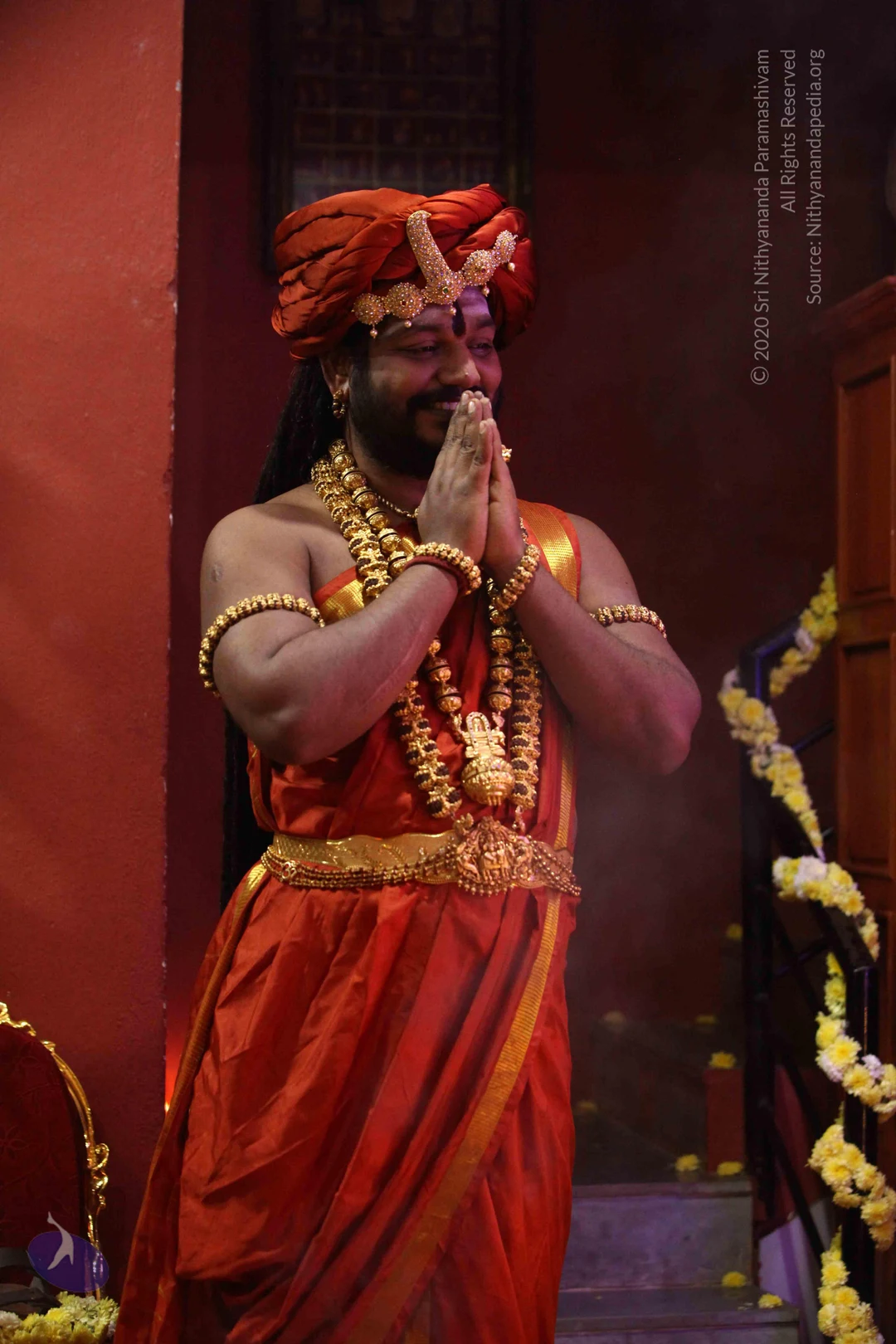
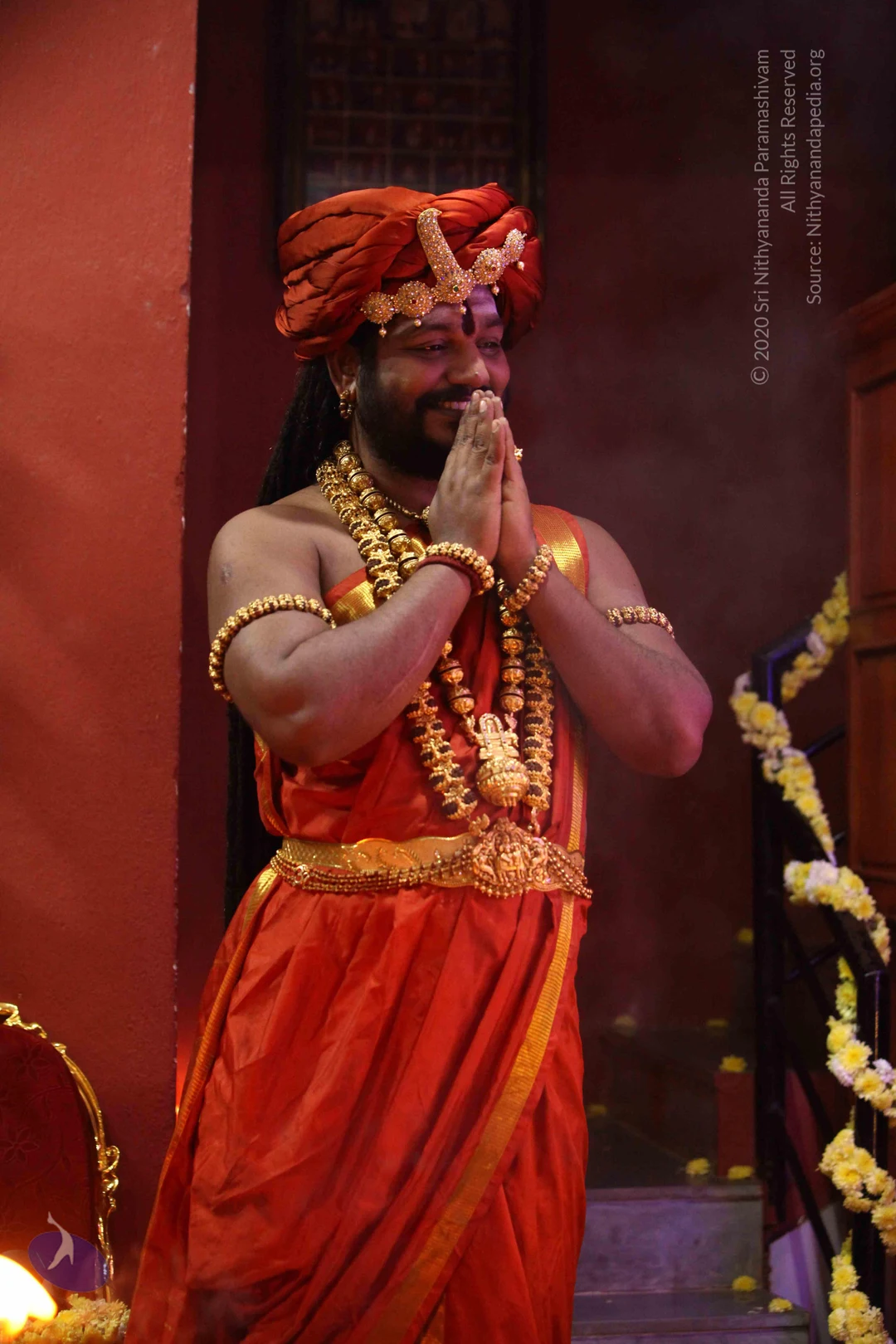
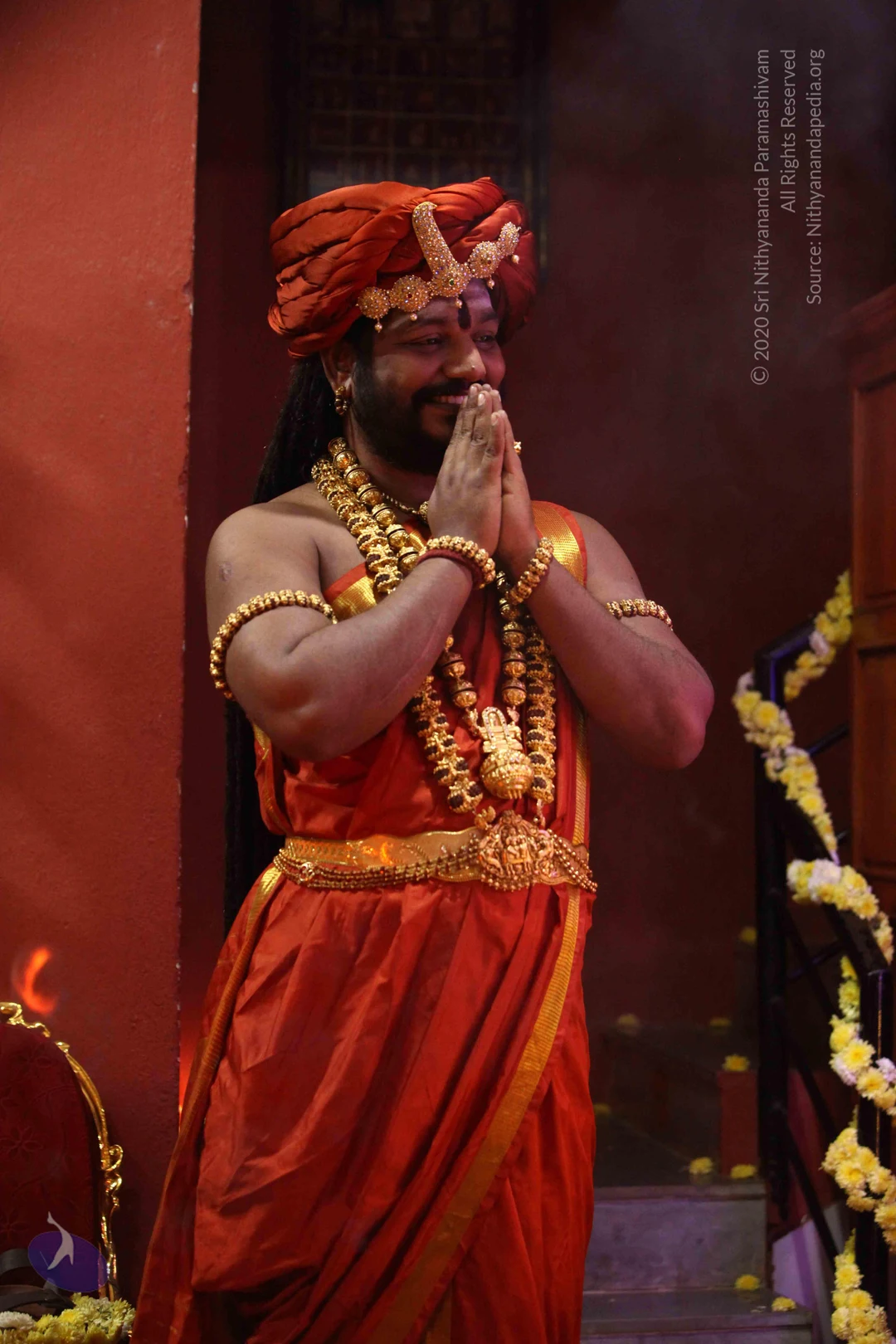
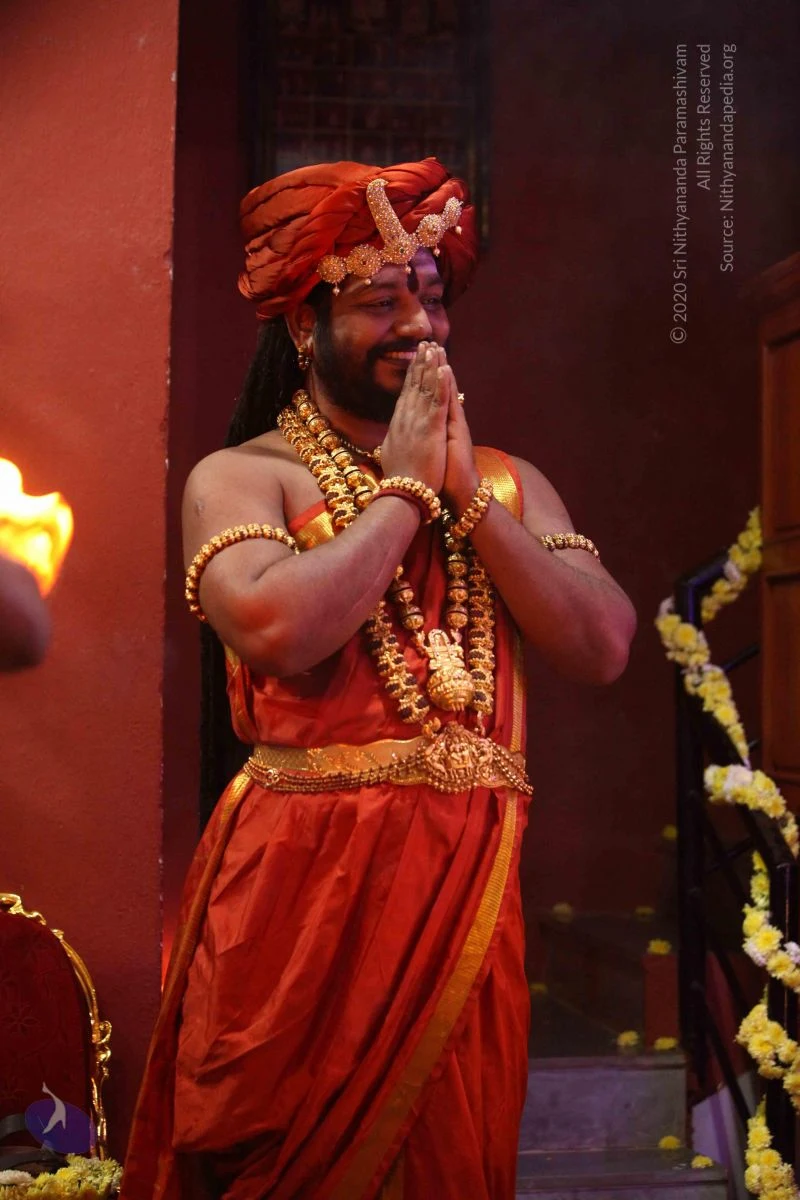
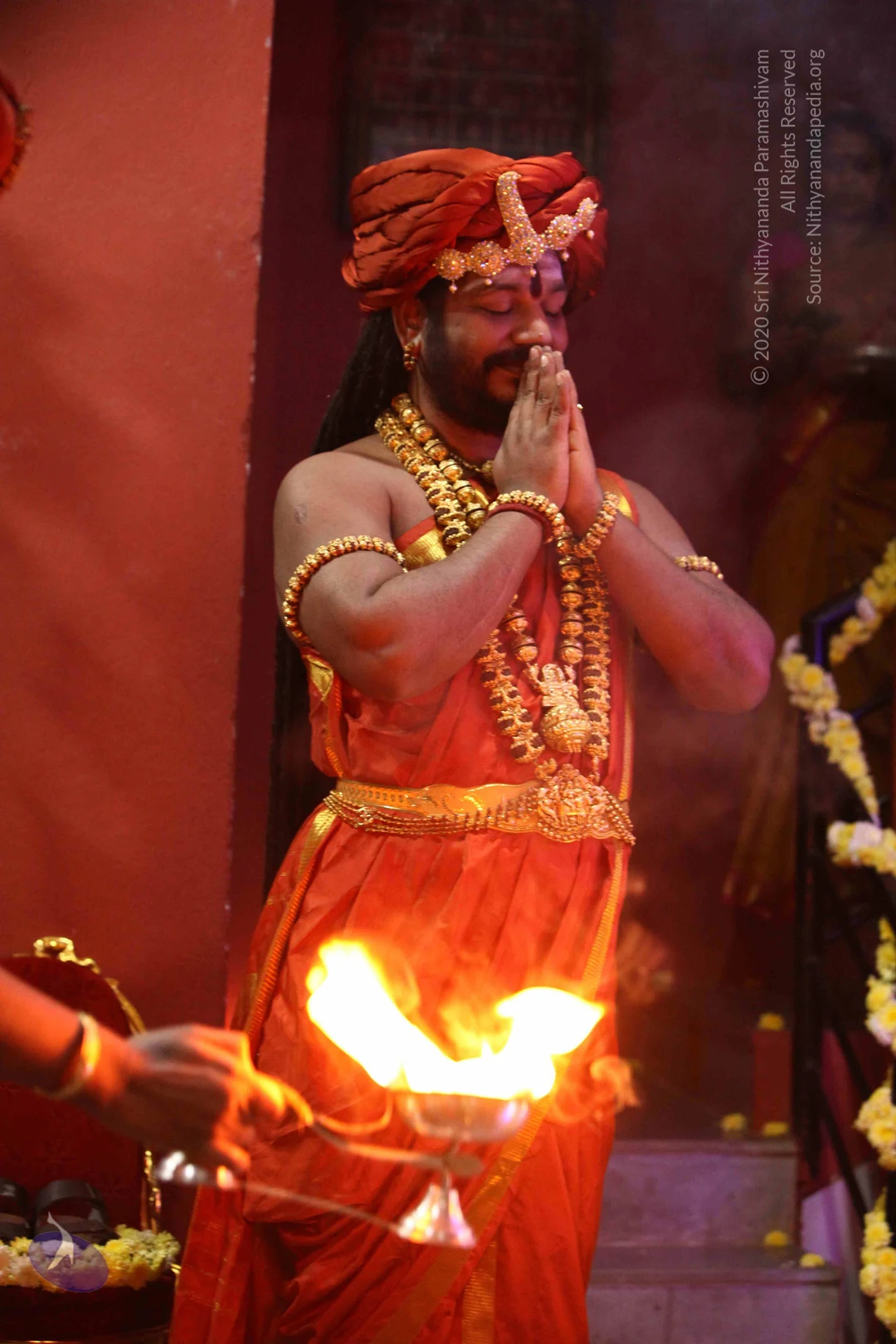
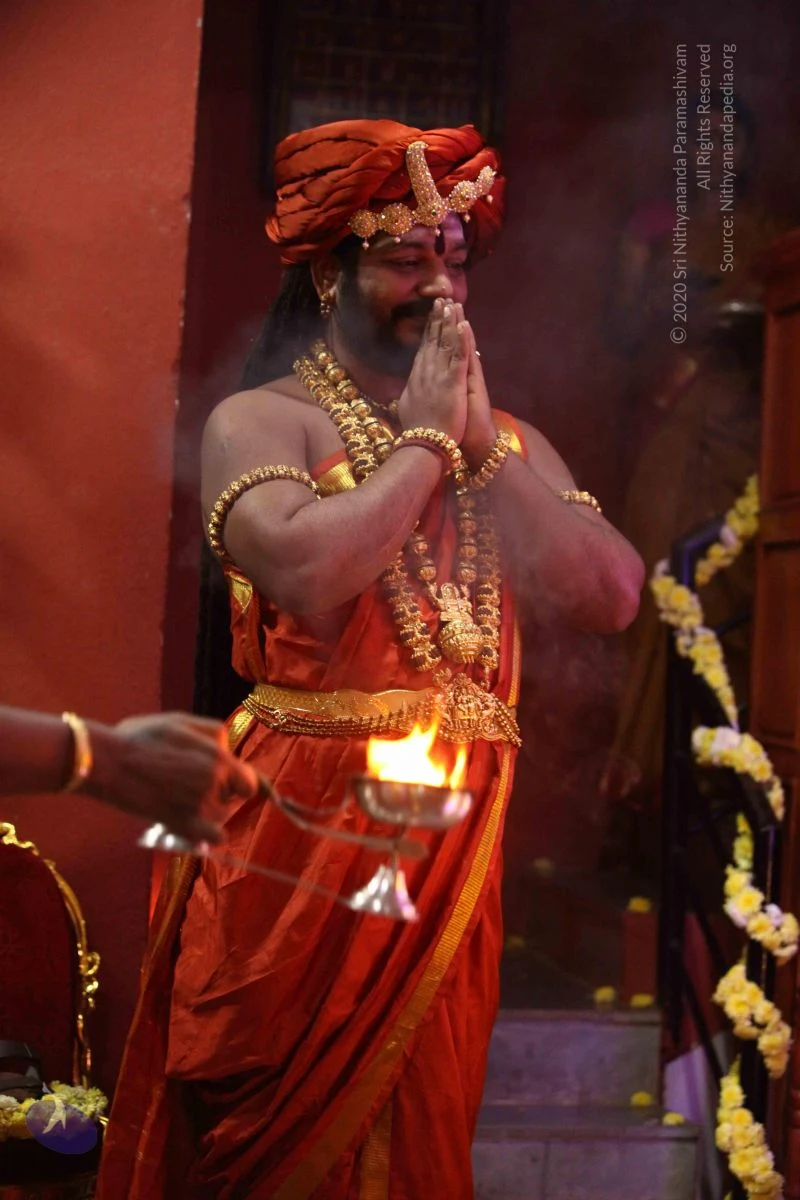

DIWALI-PROCESSION
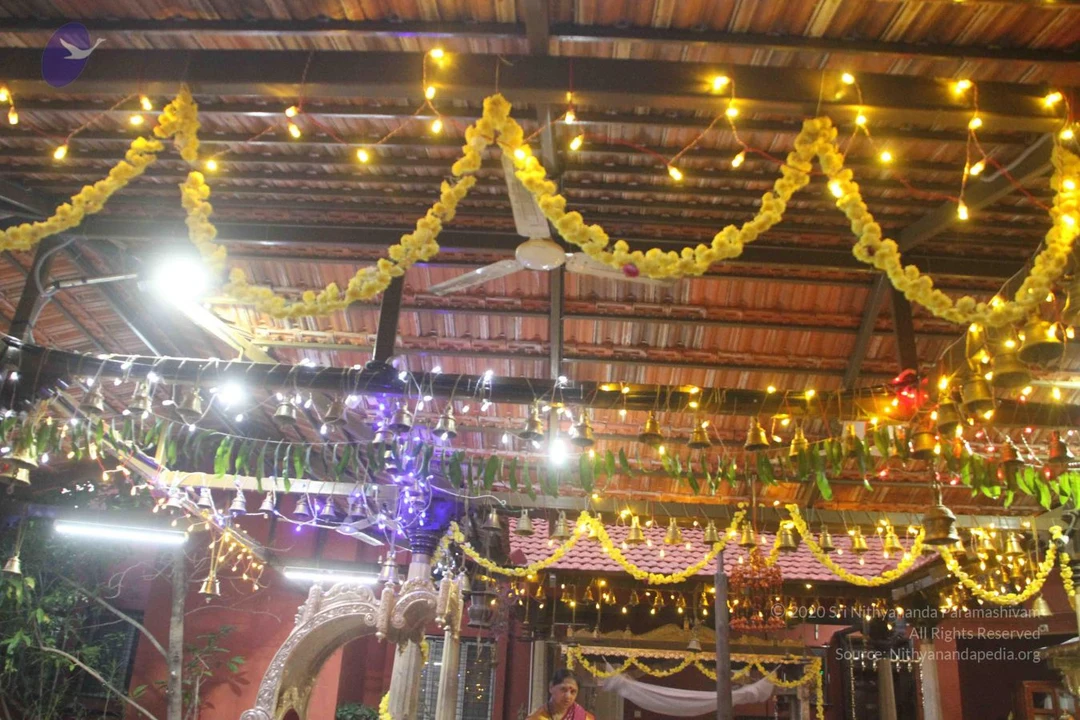
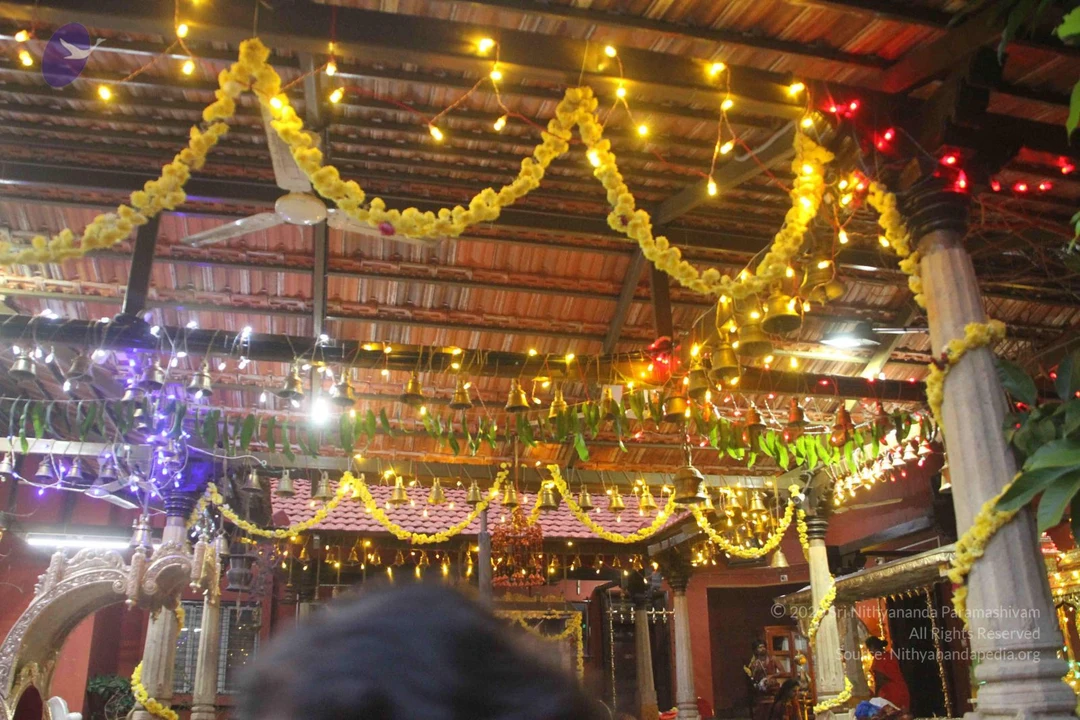
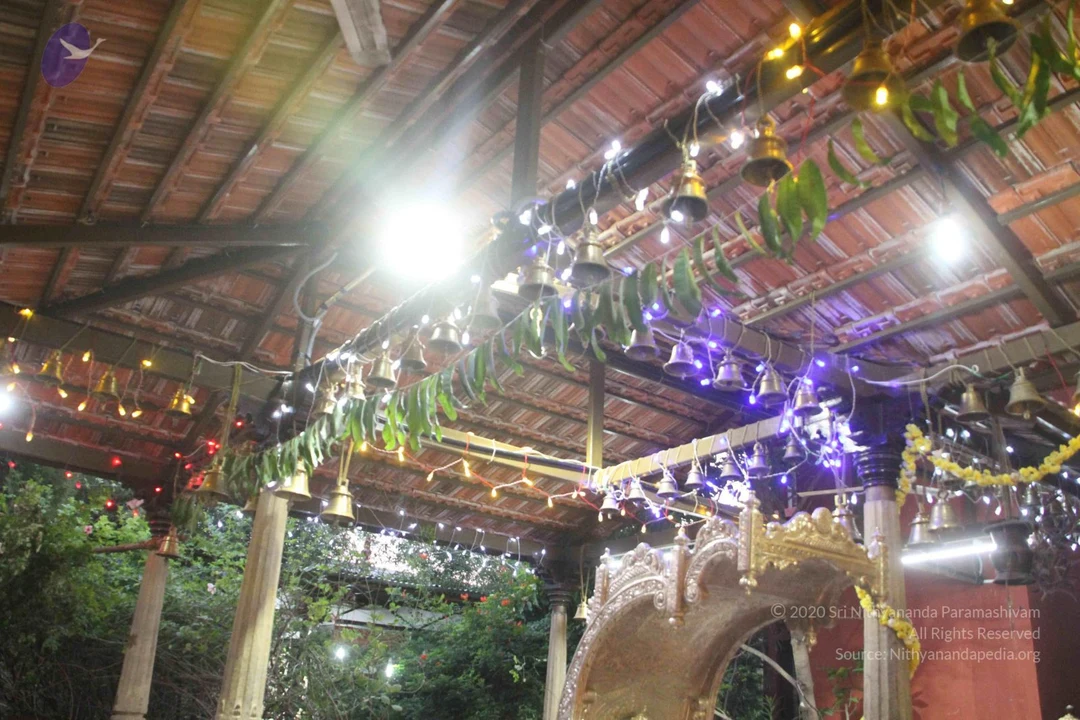
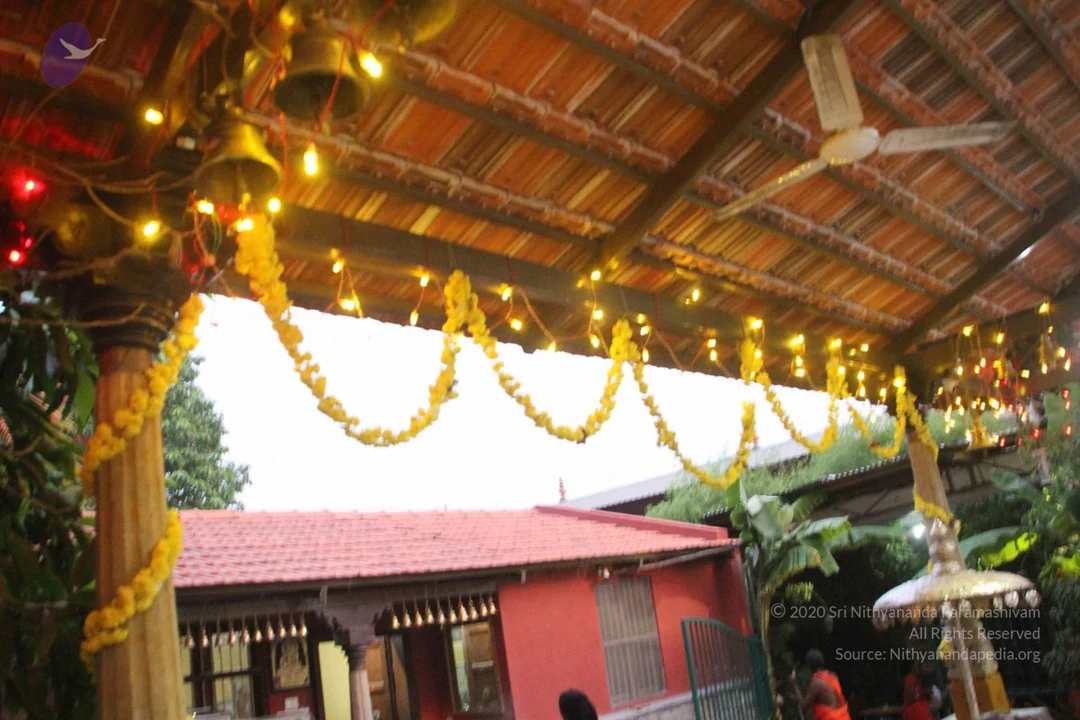
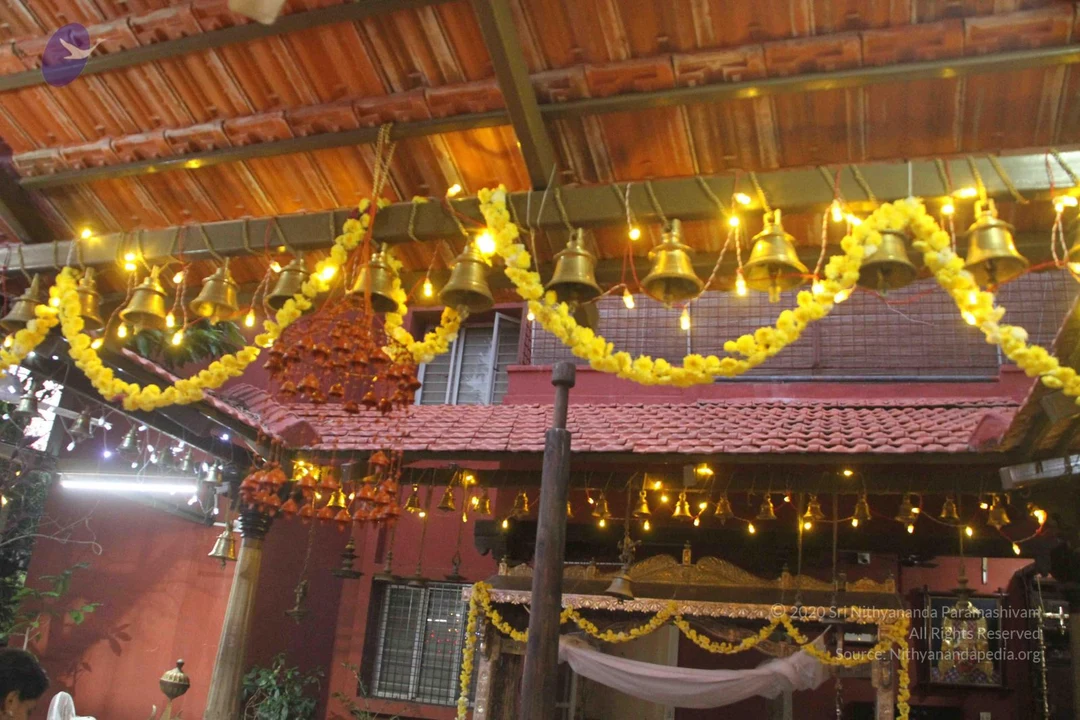
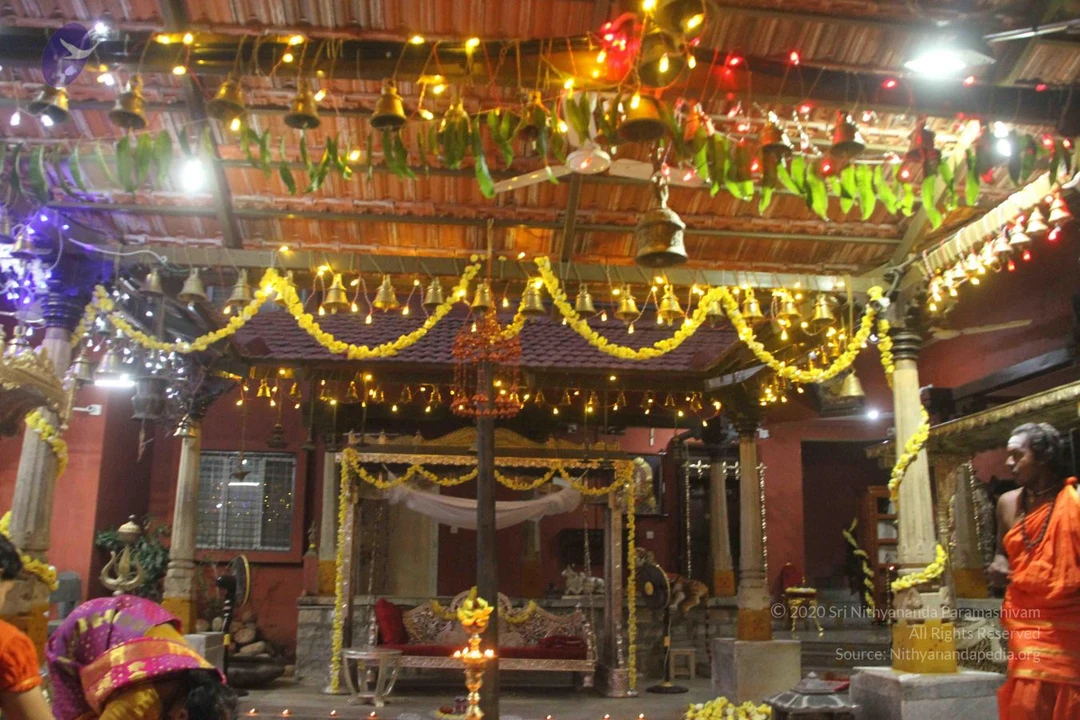
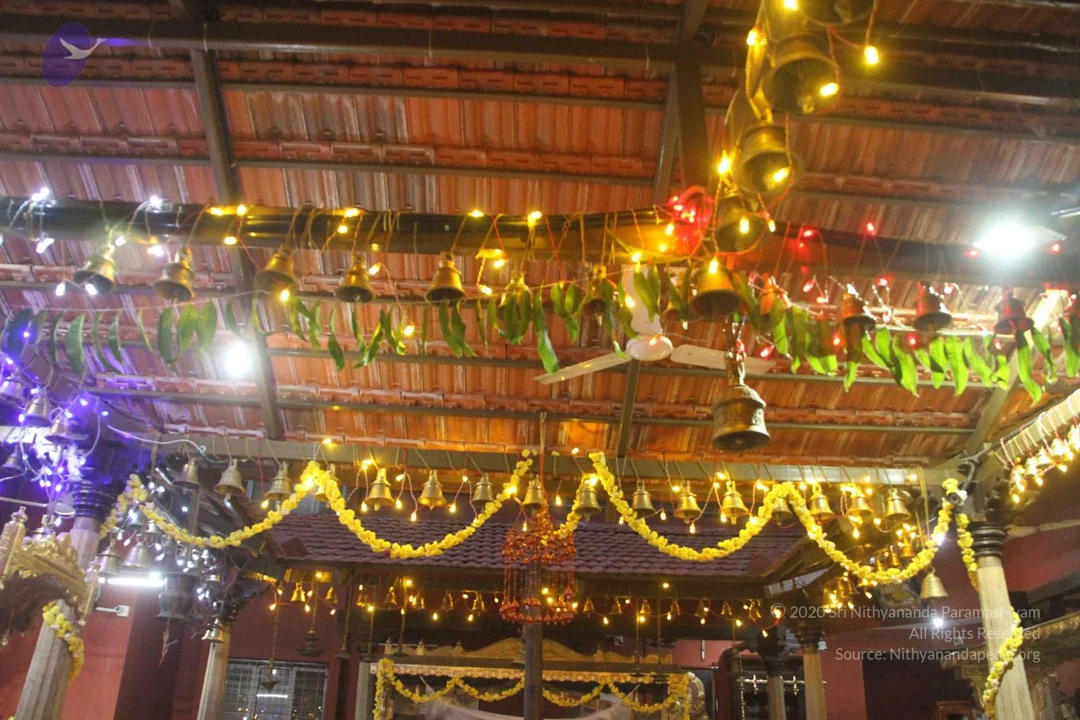
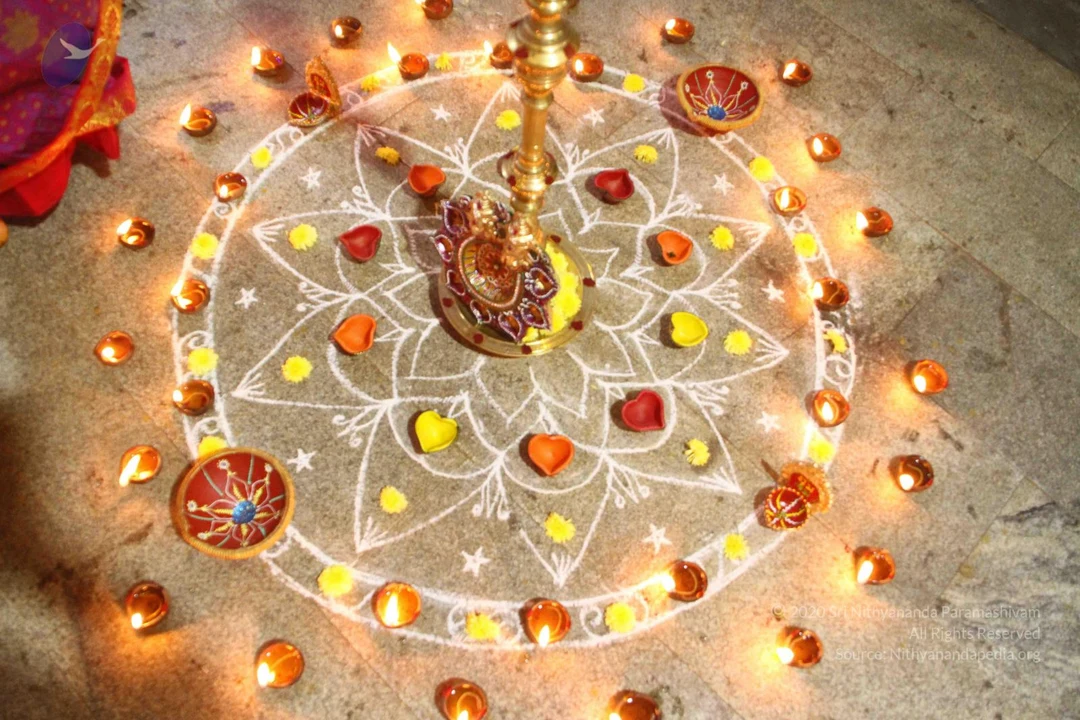
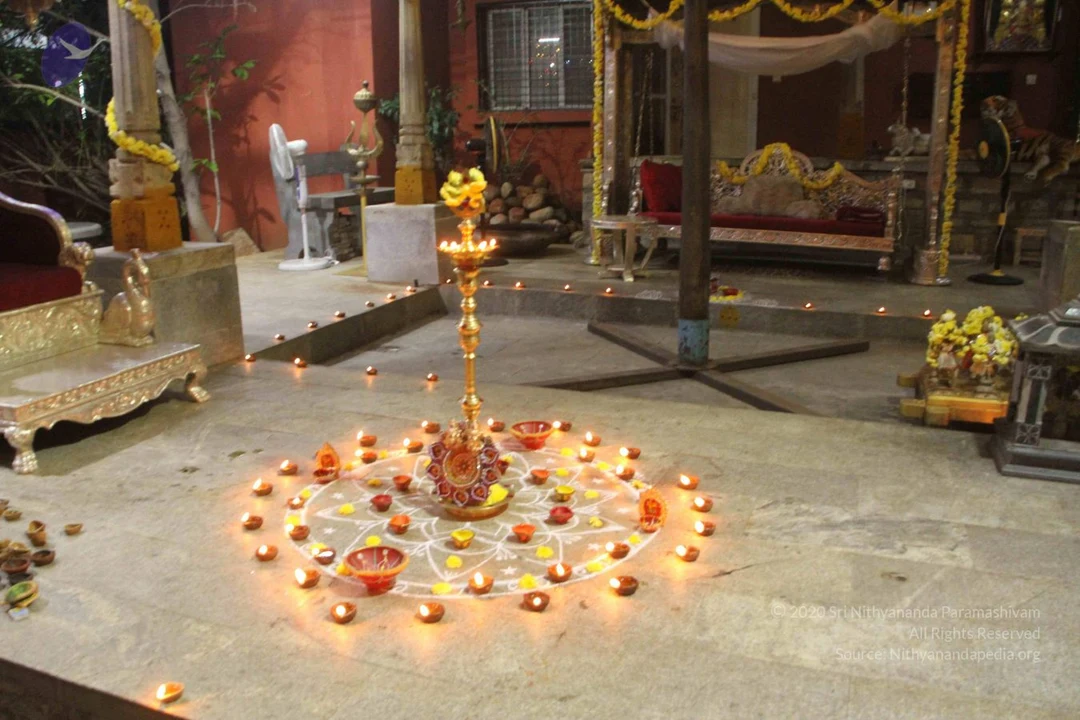
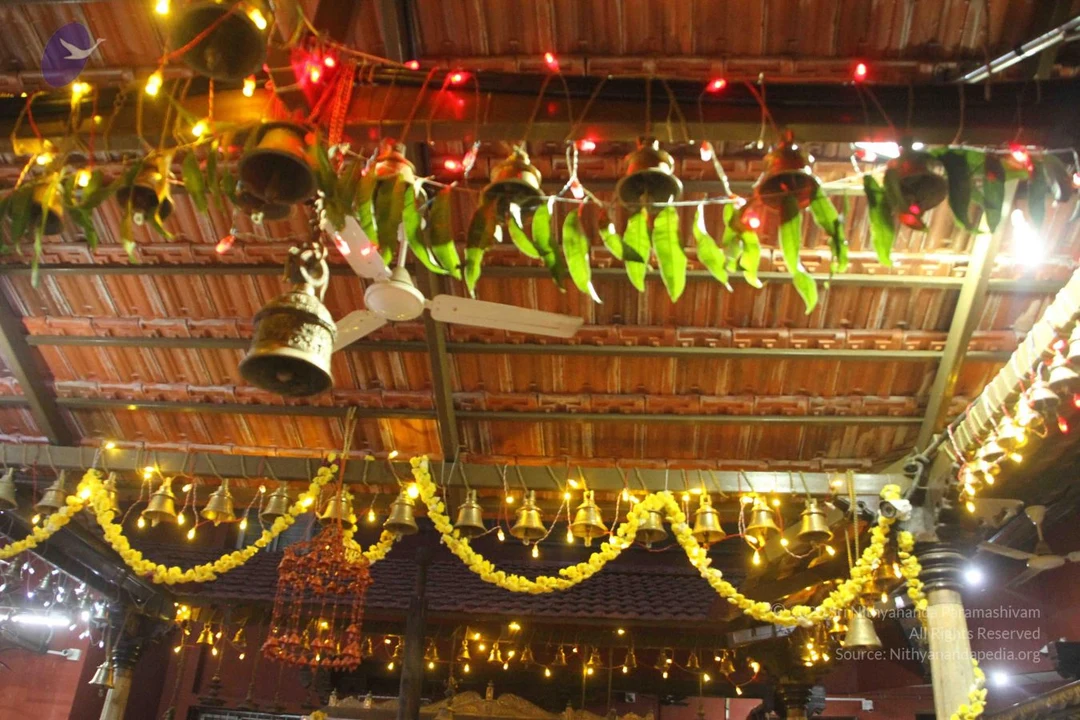

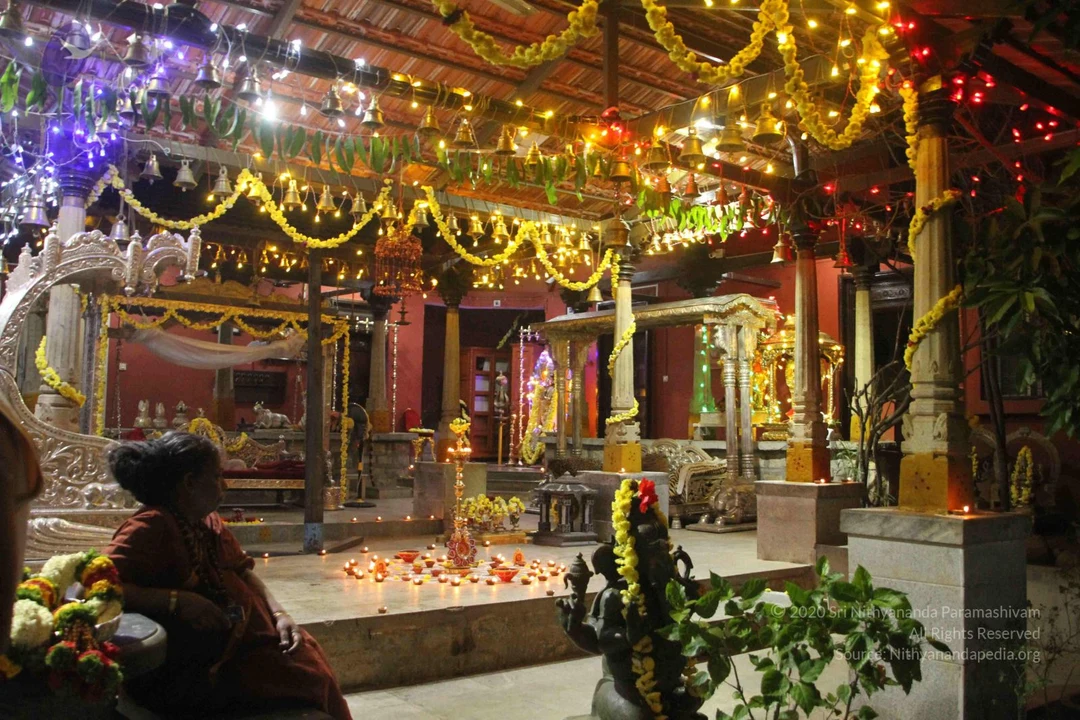

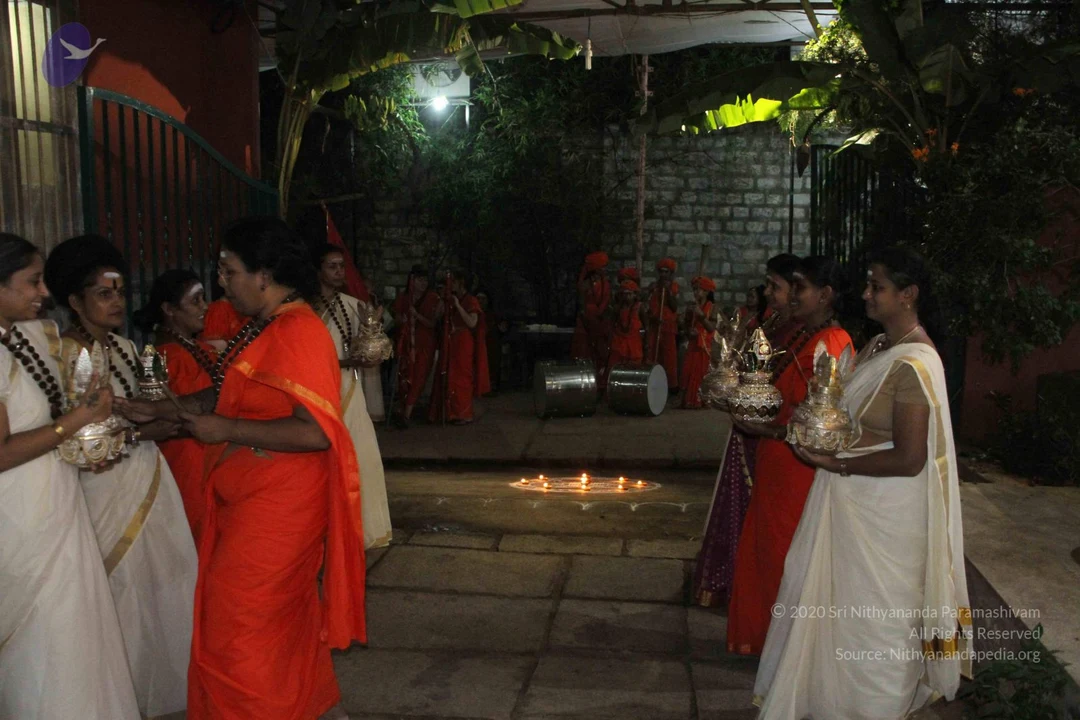
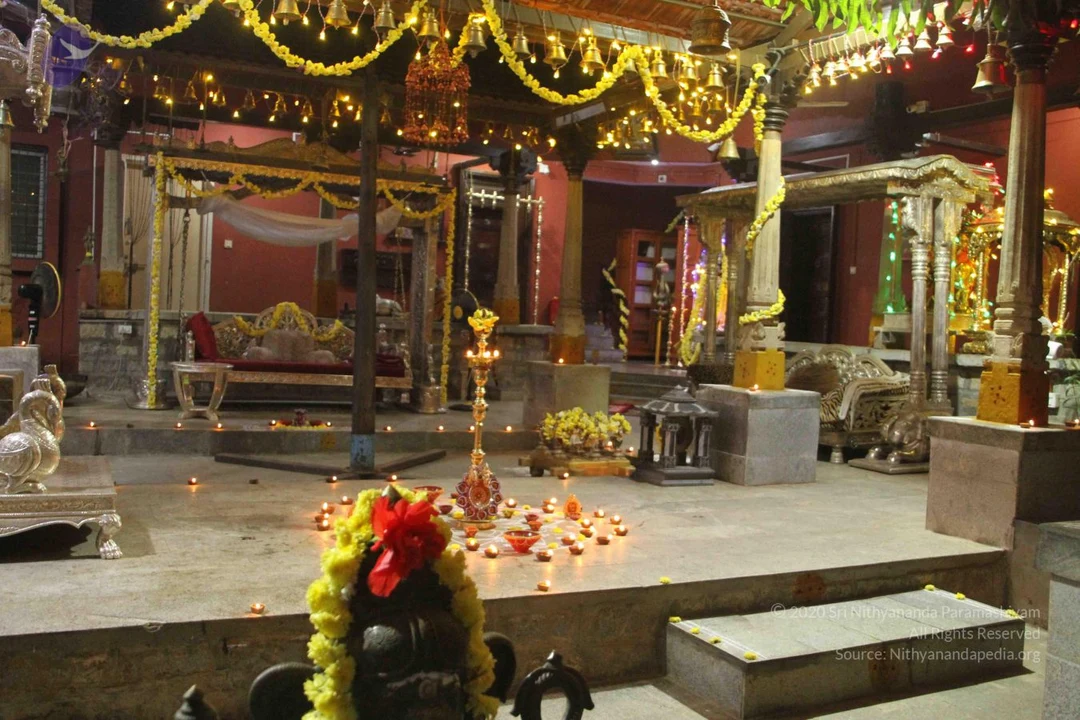
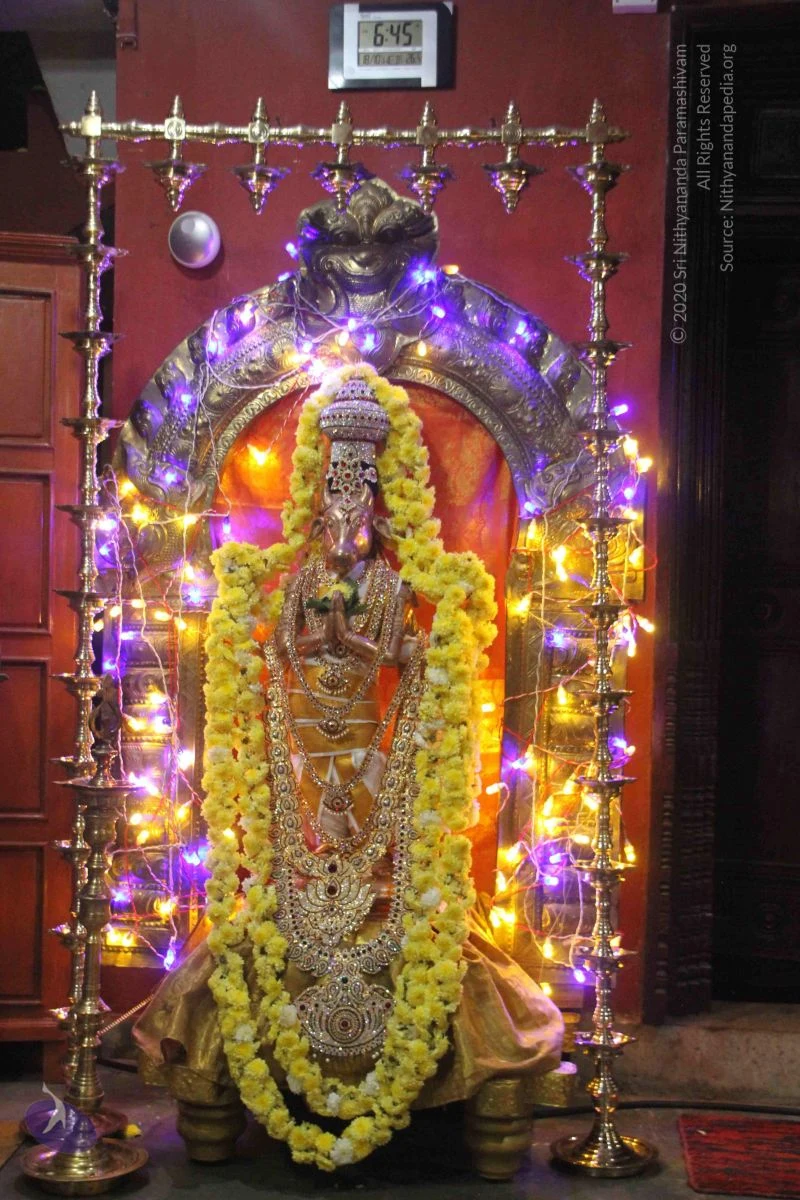
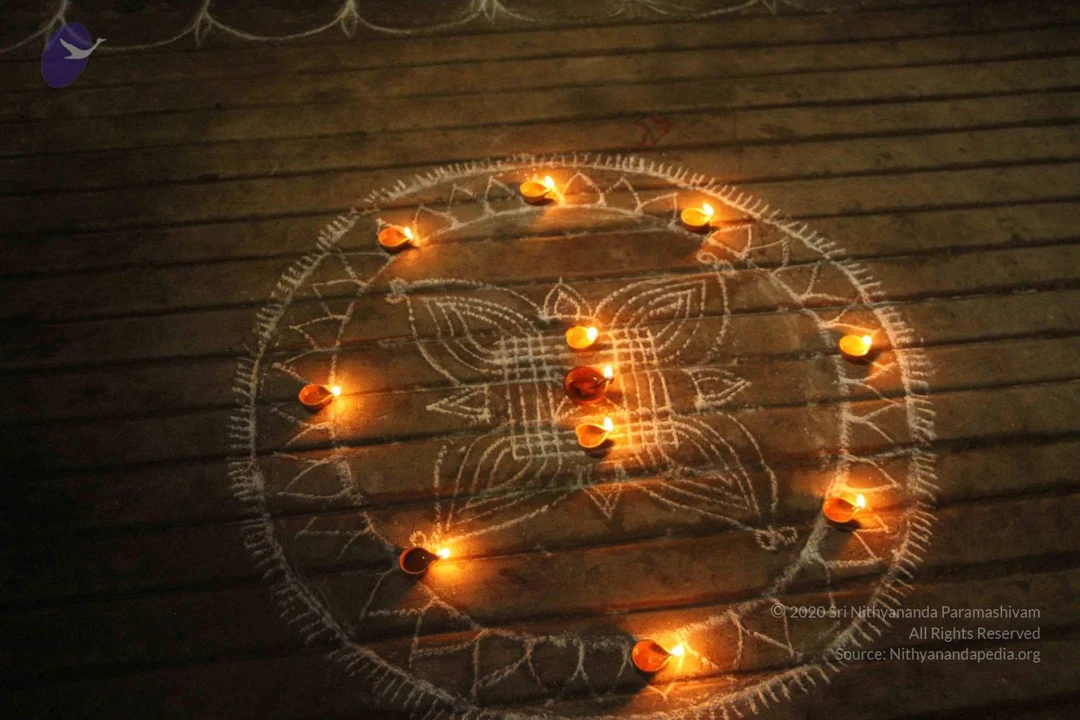
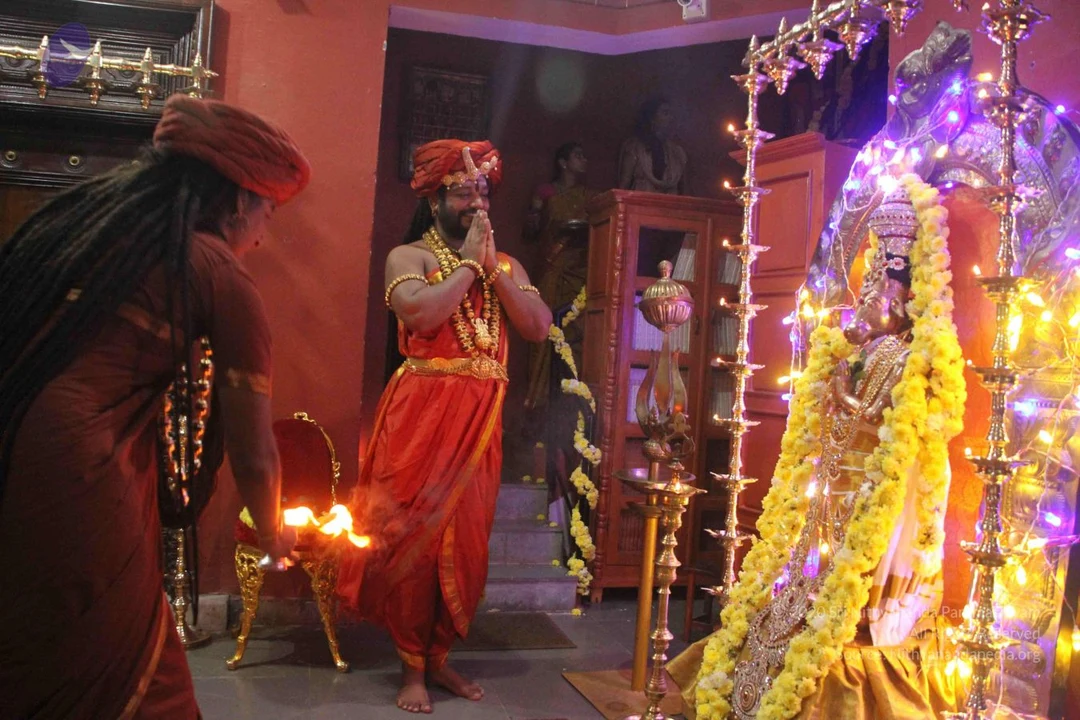
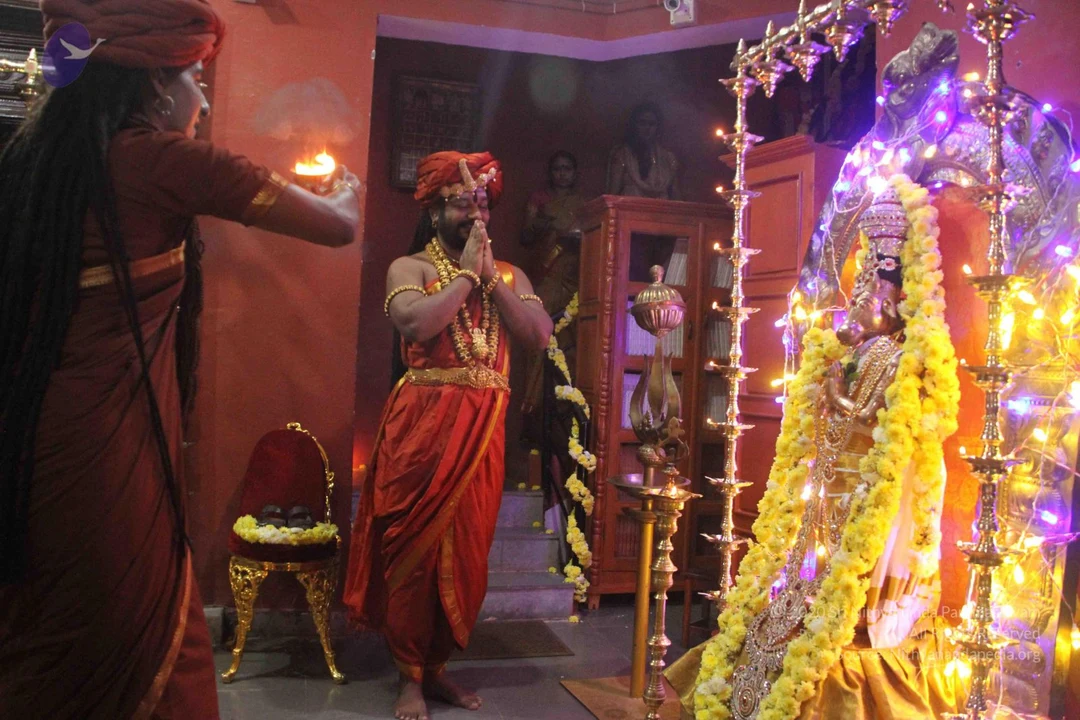
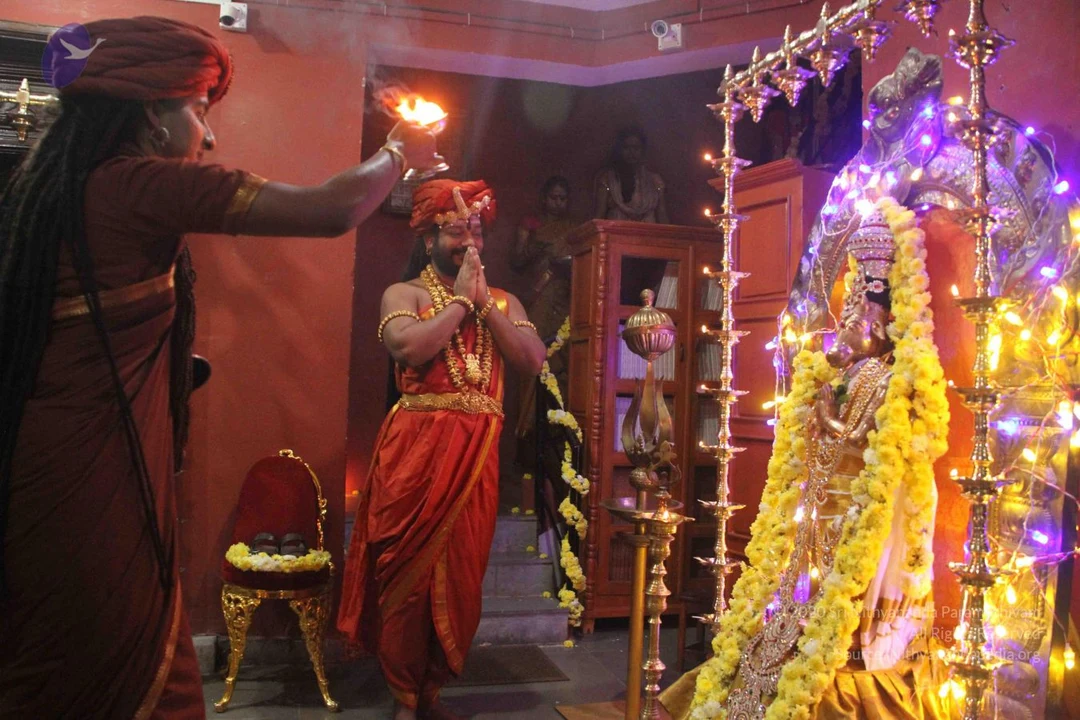
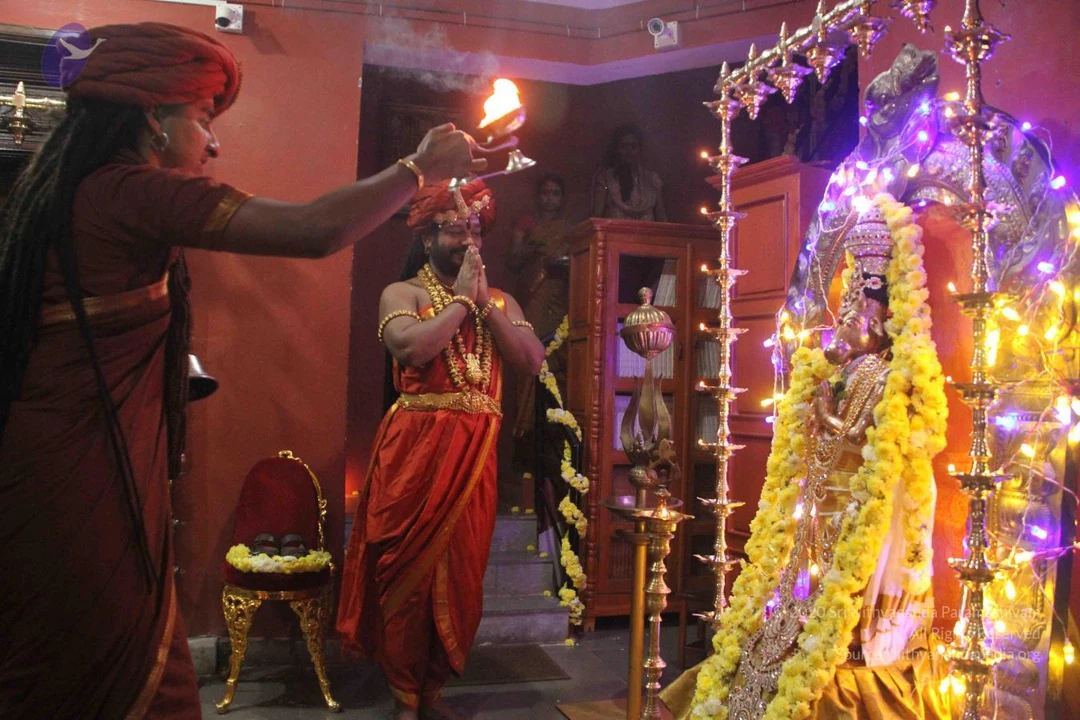
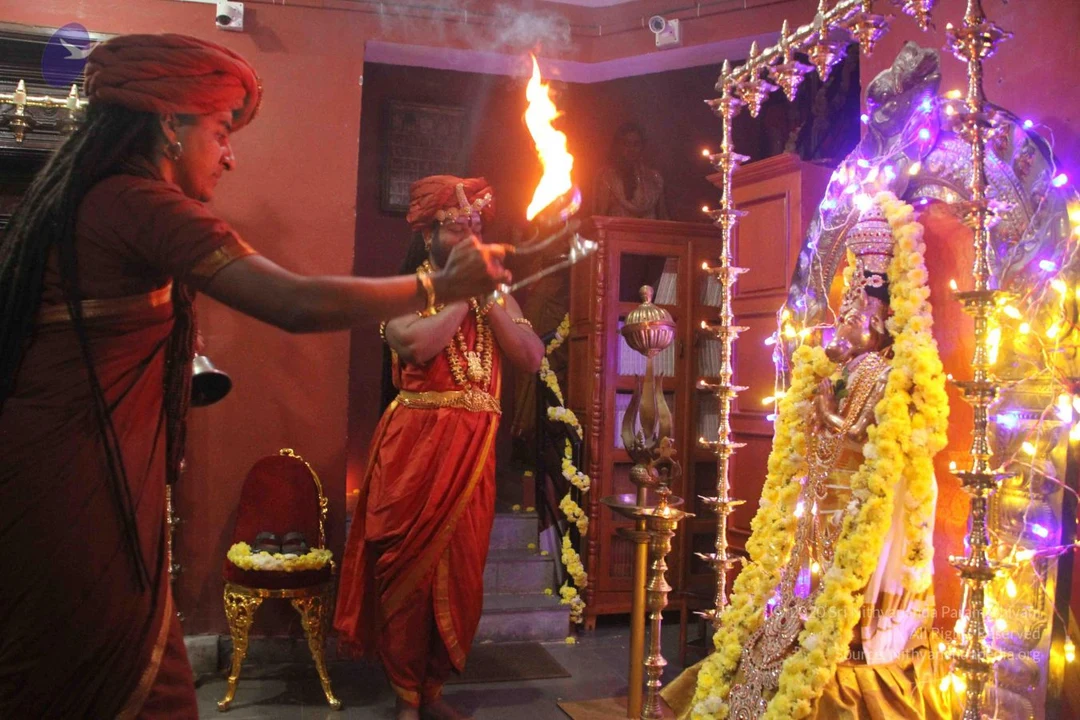
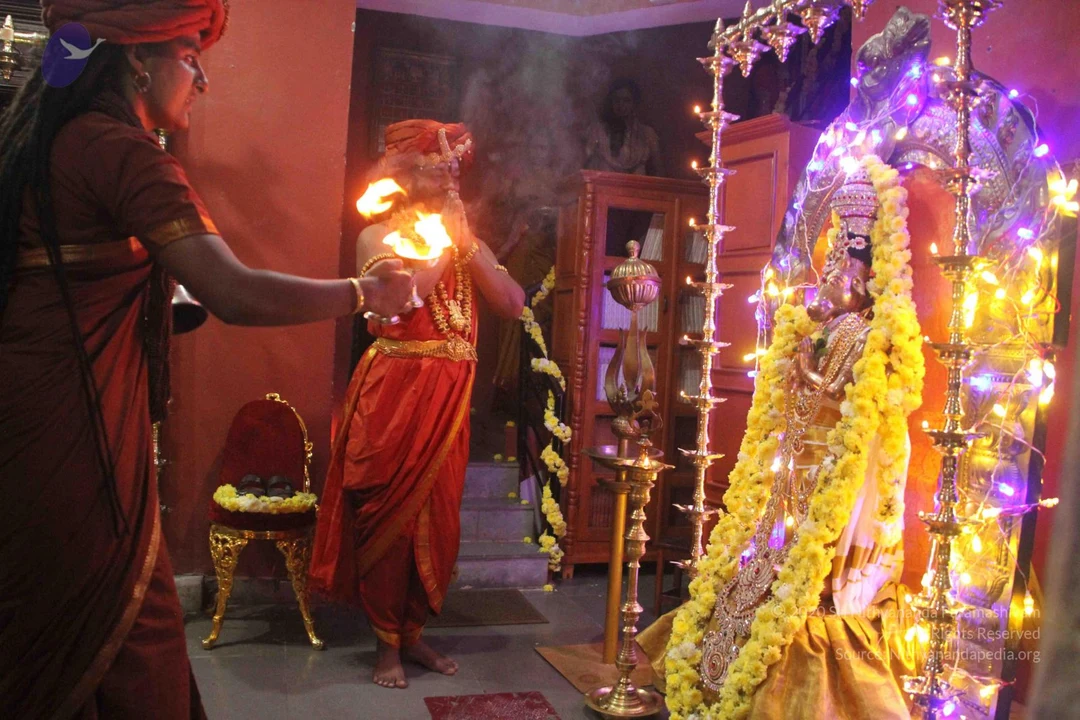

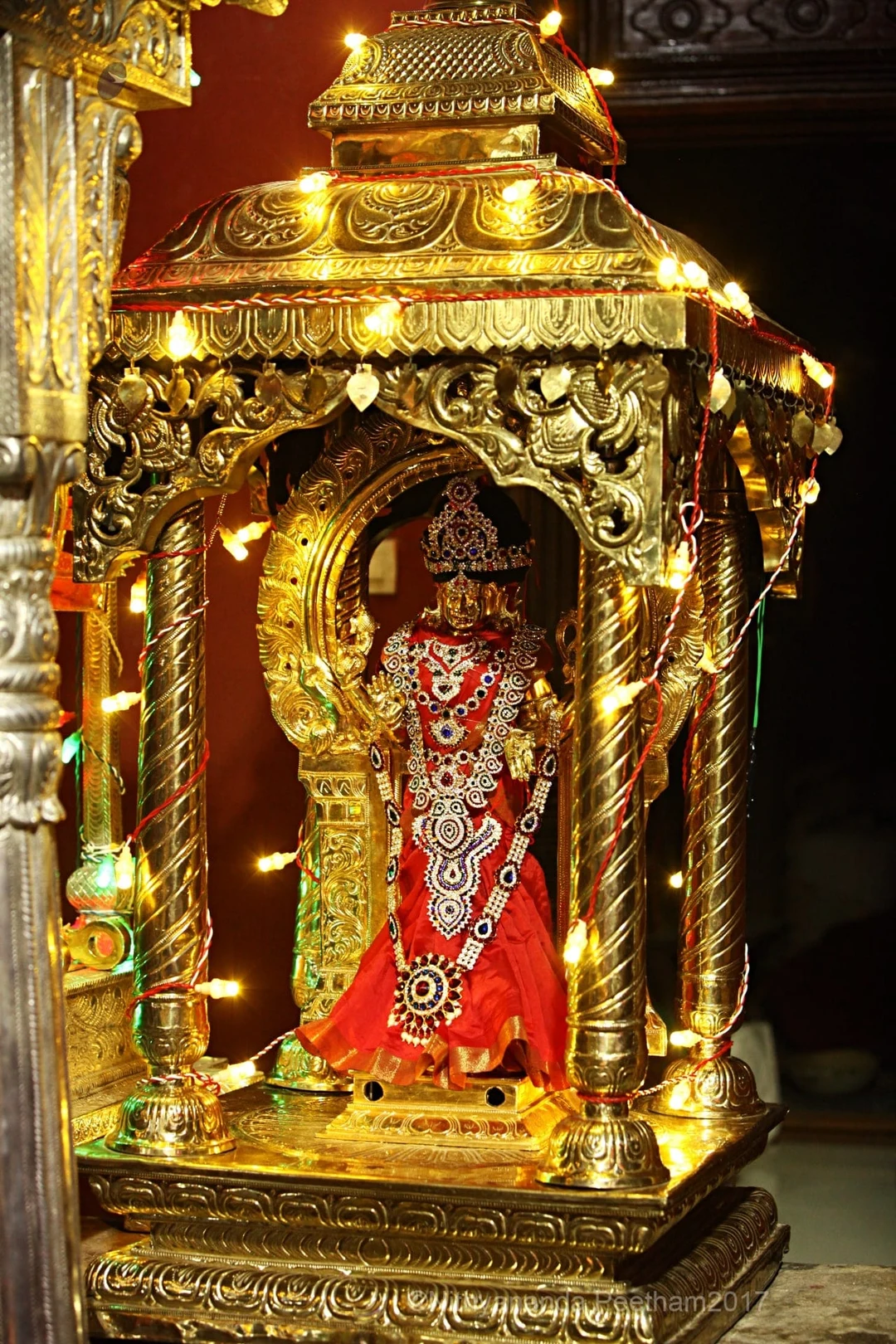
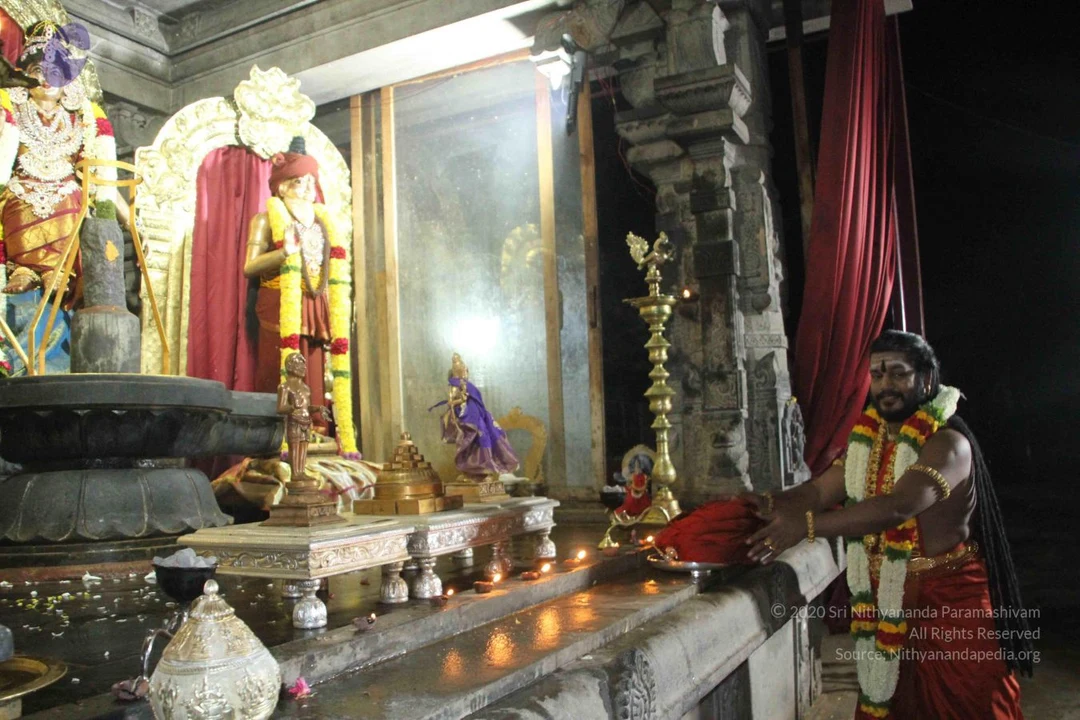
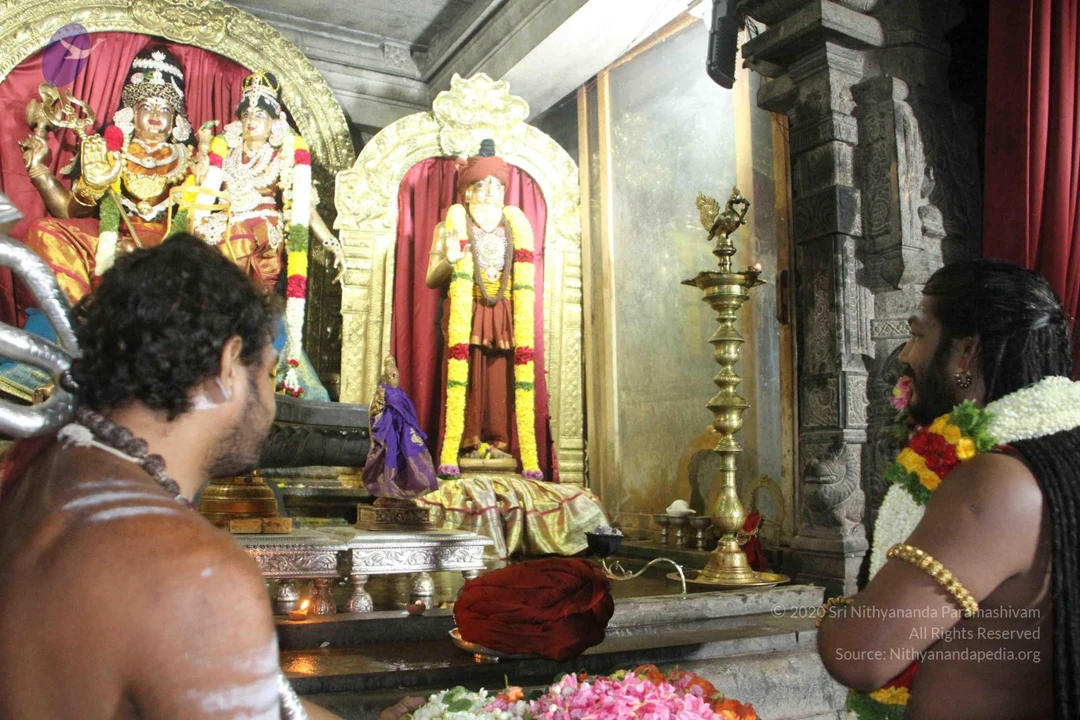
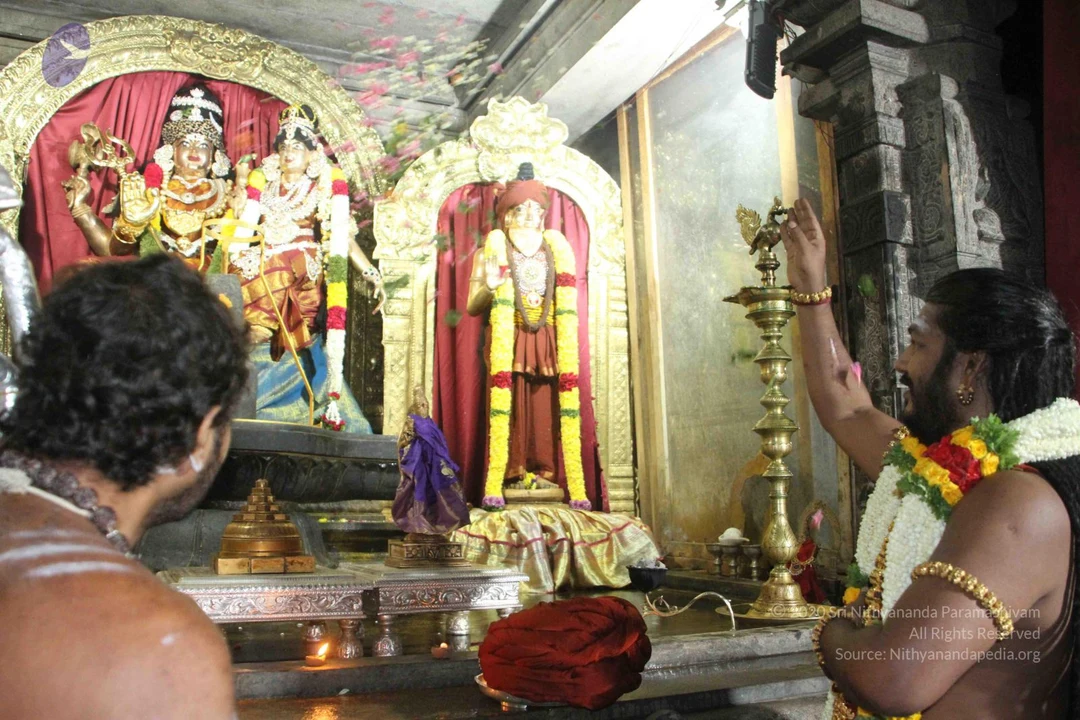
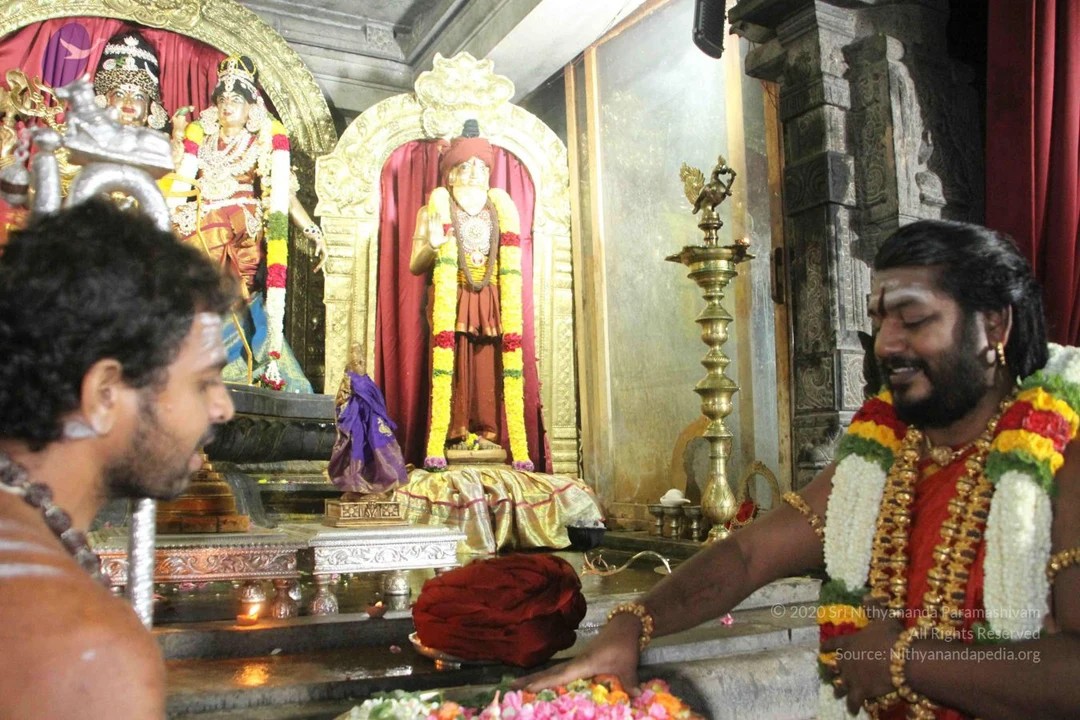
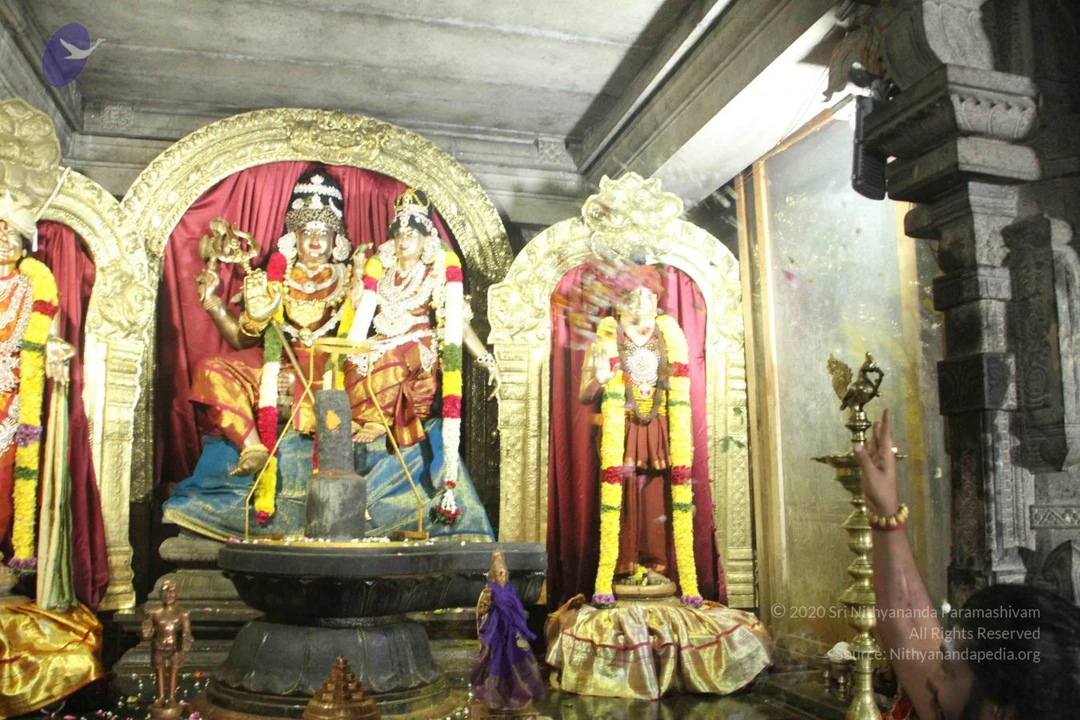
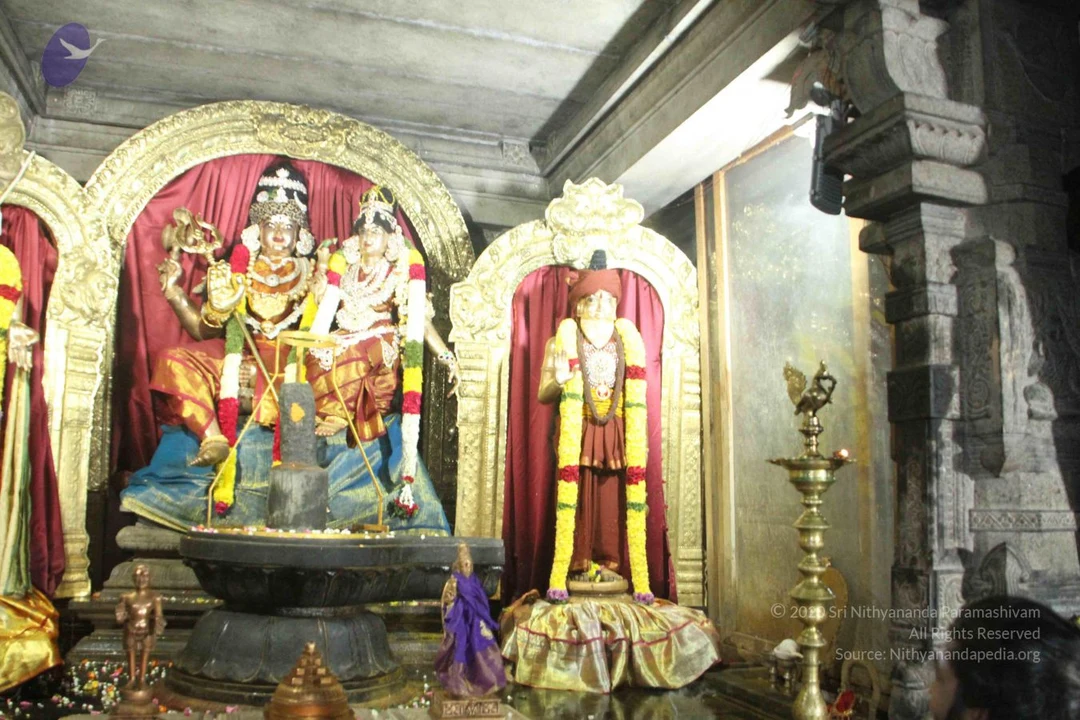
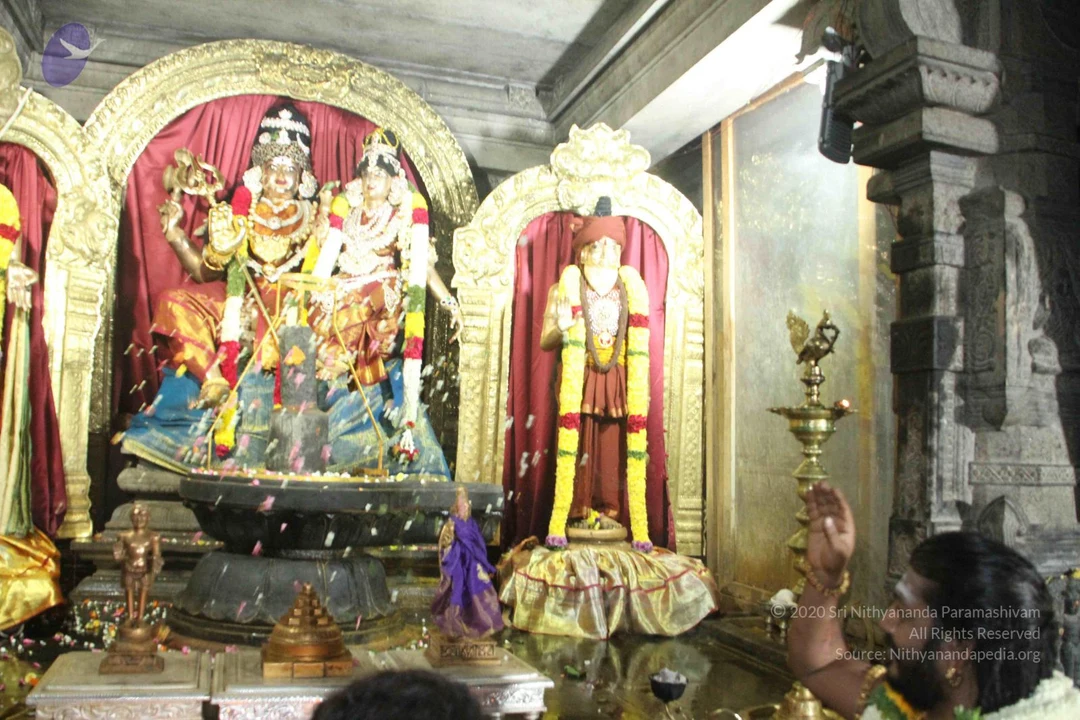
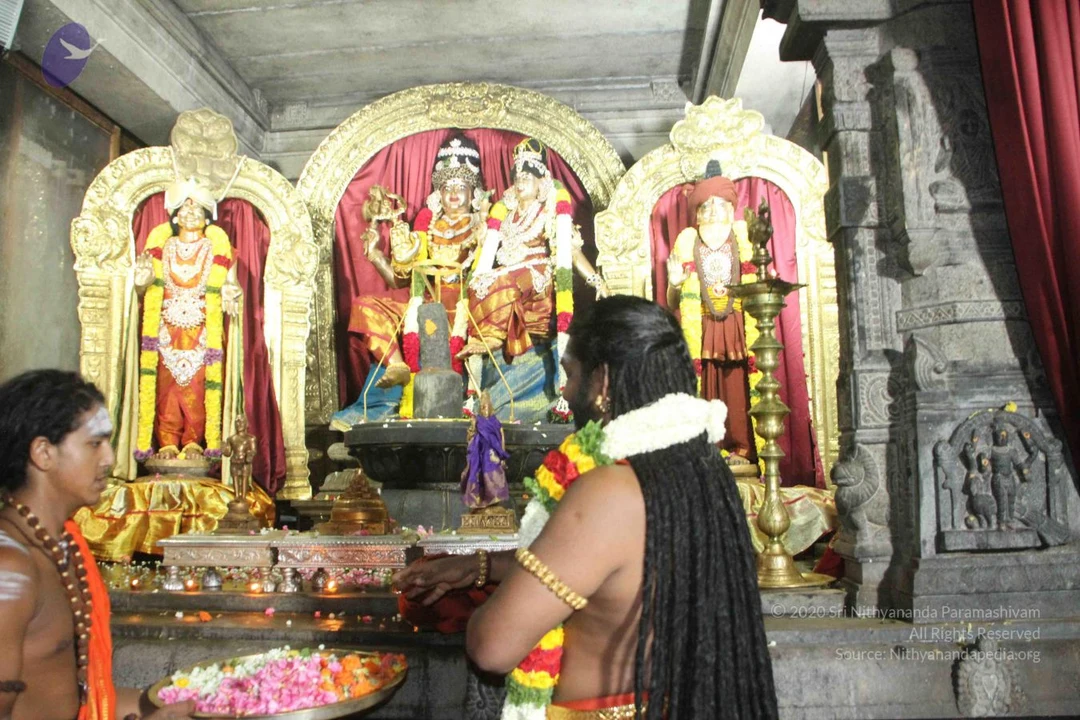
TEMPLE
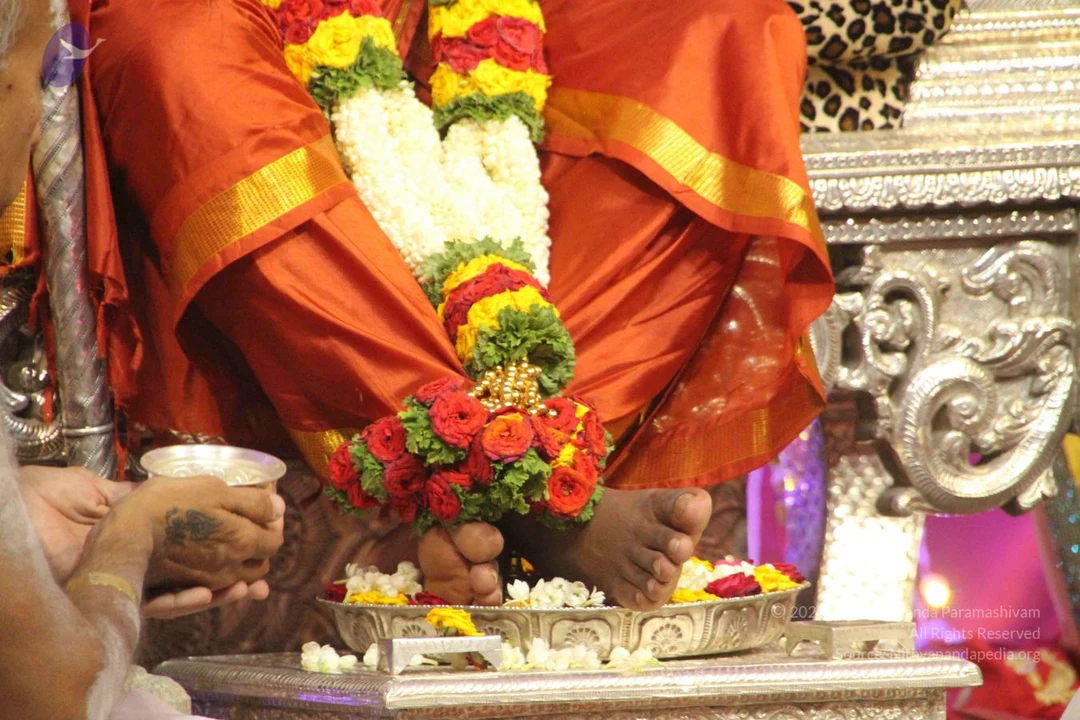
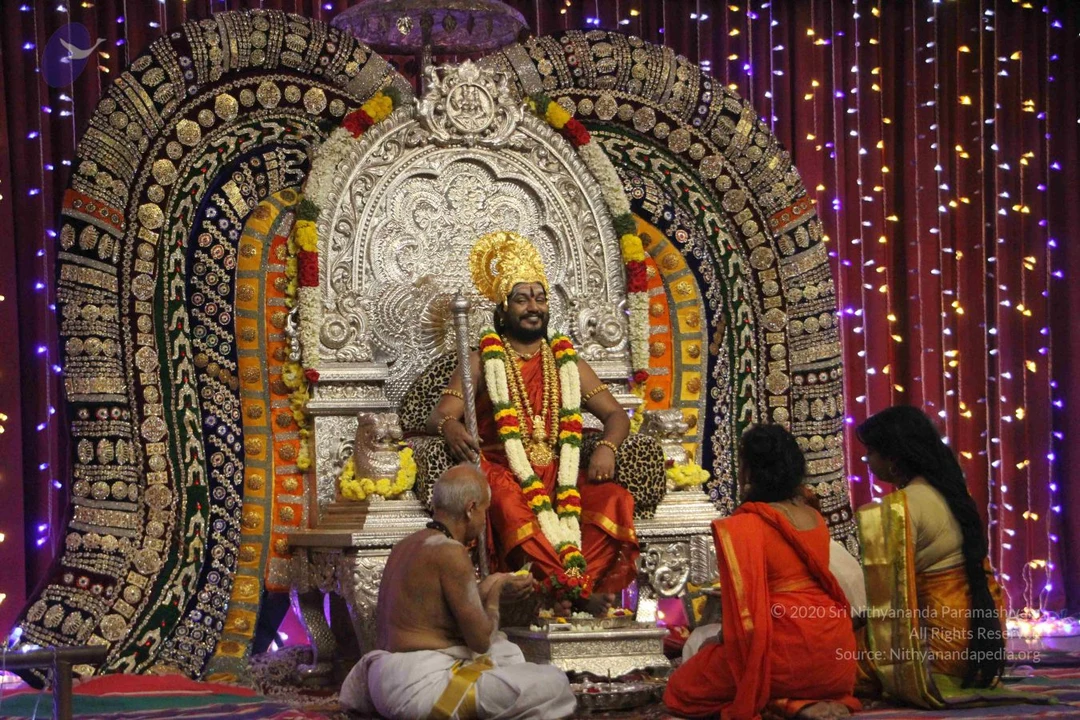
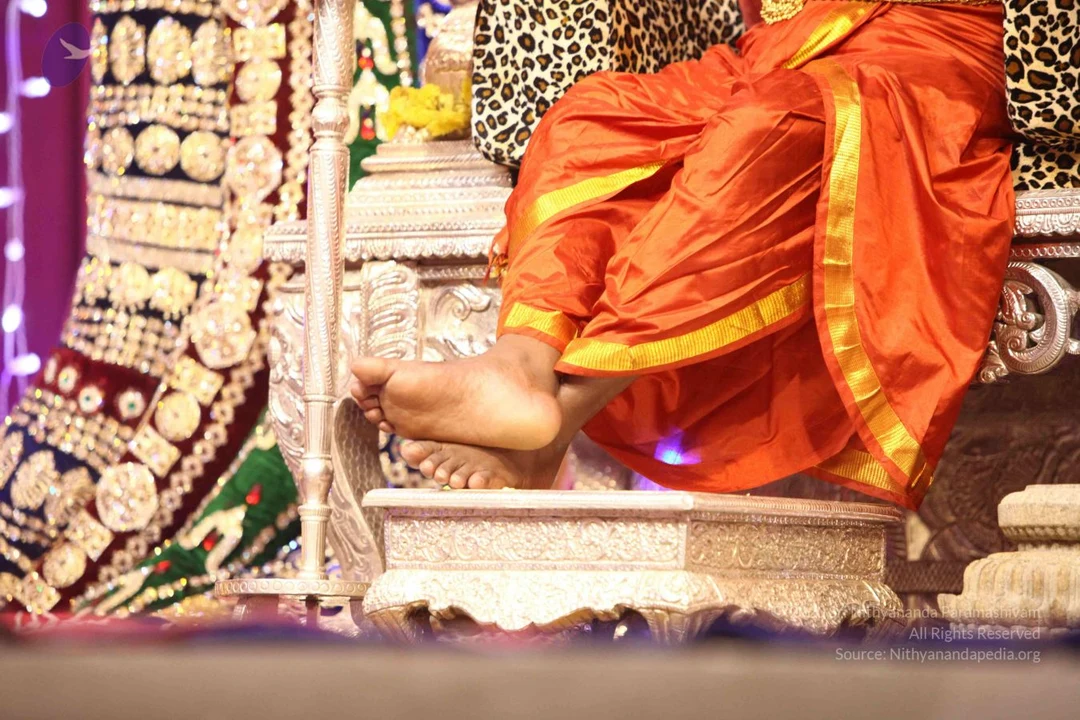
PADA-POOJA

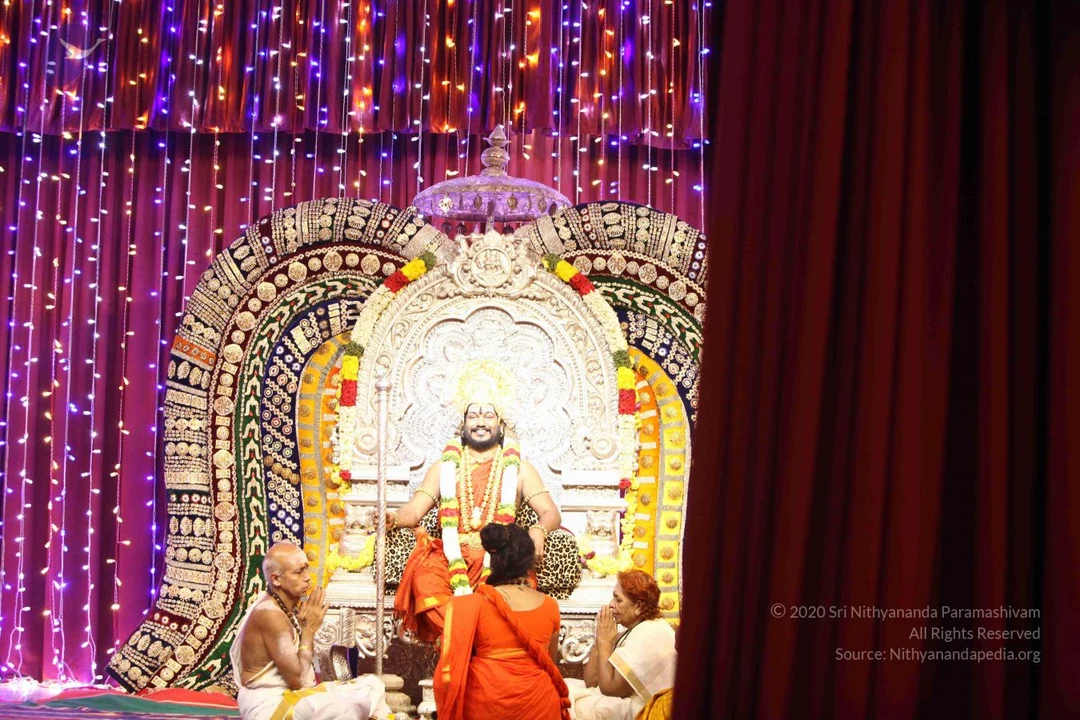
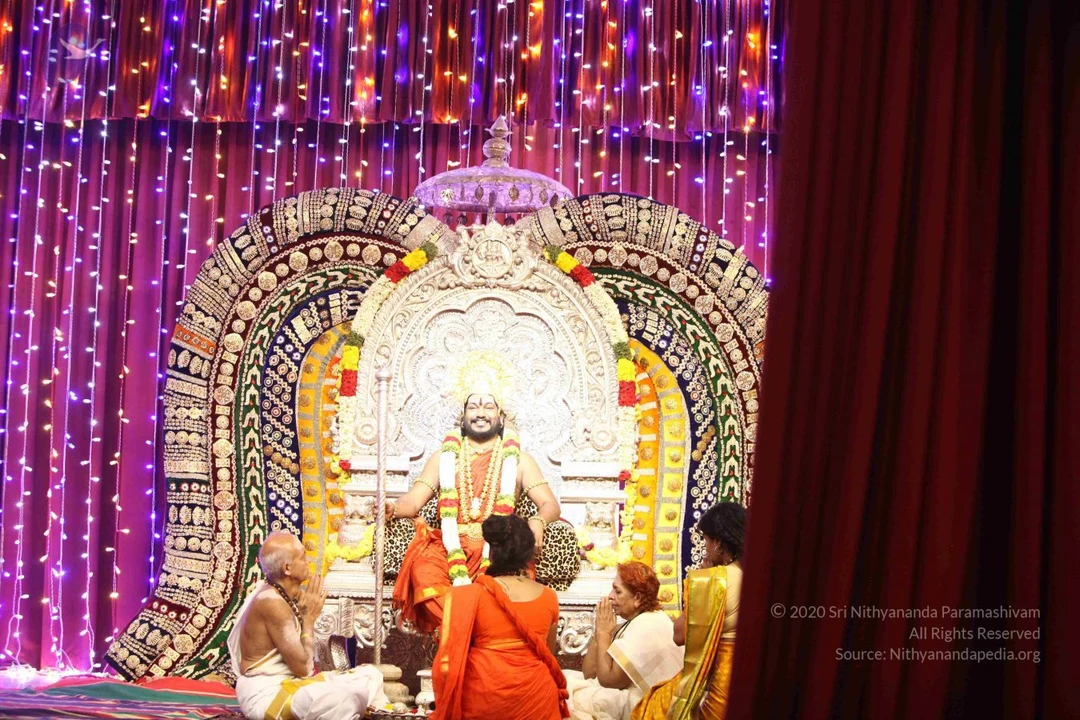
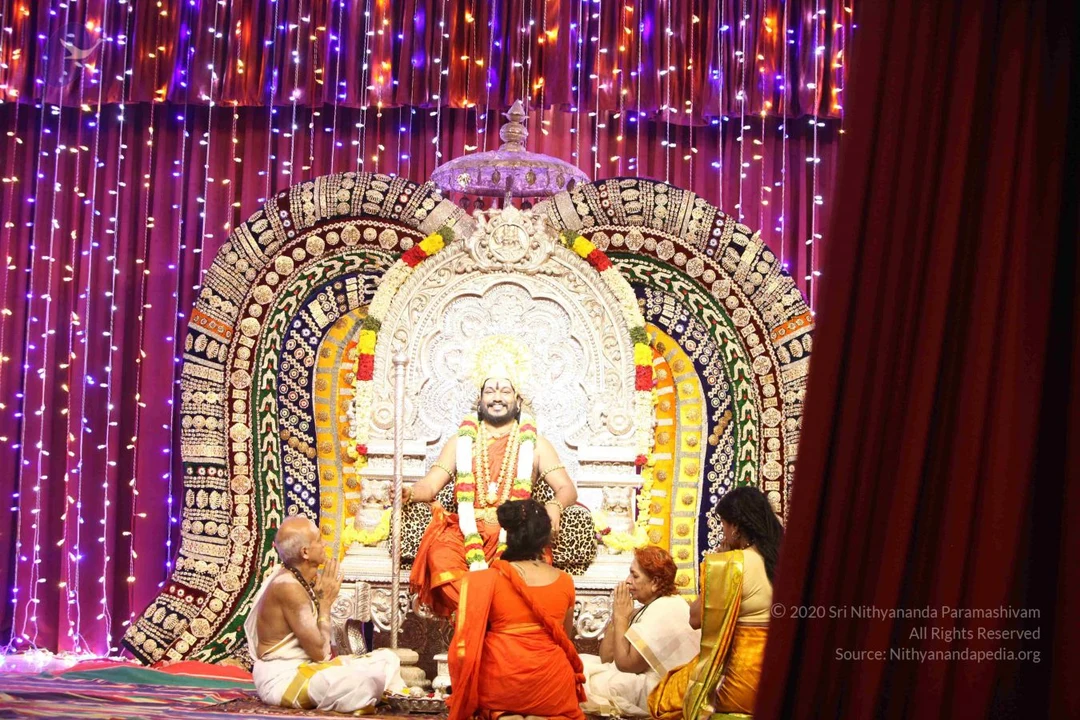
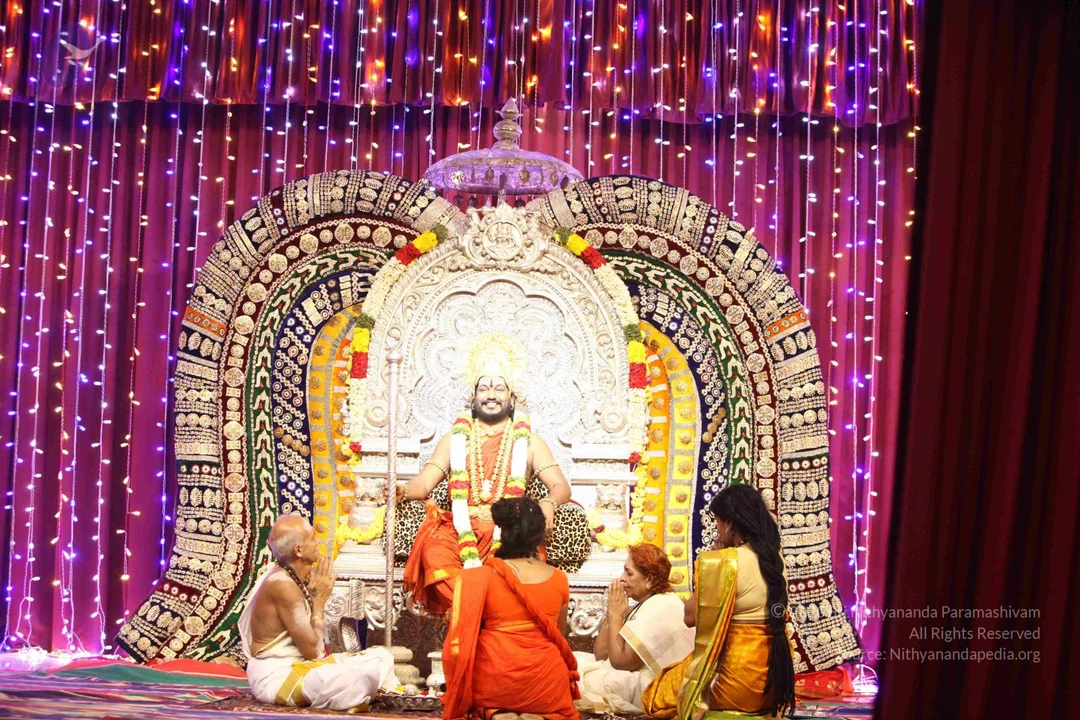
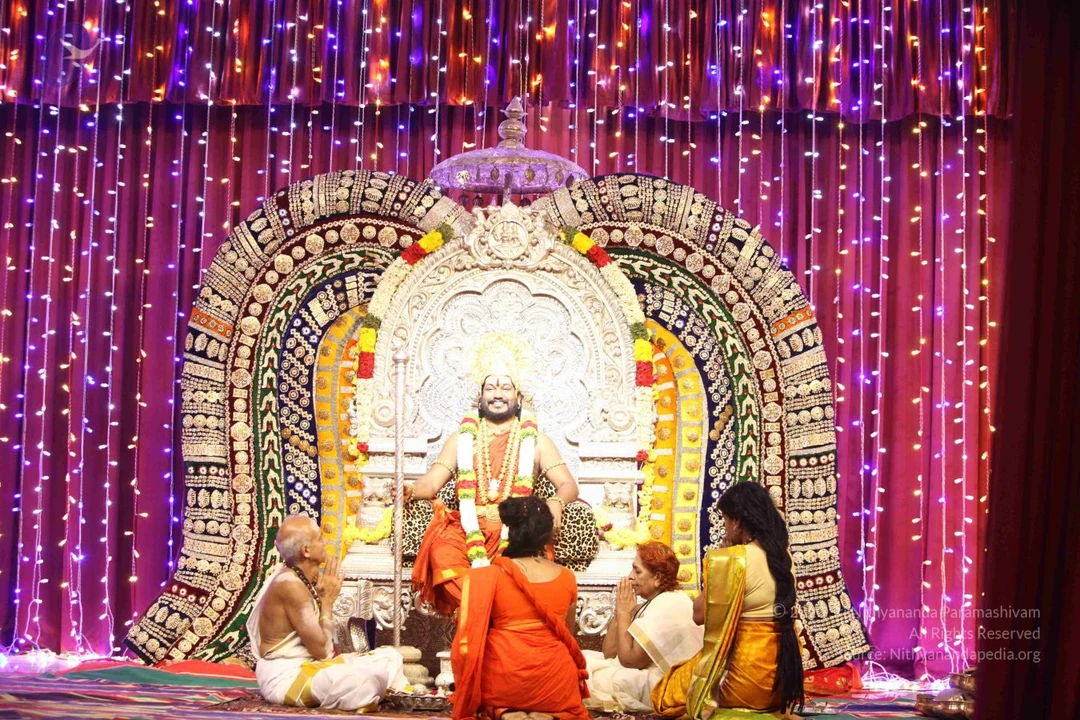
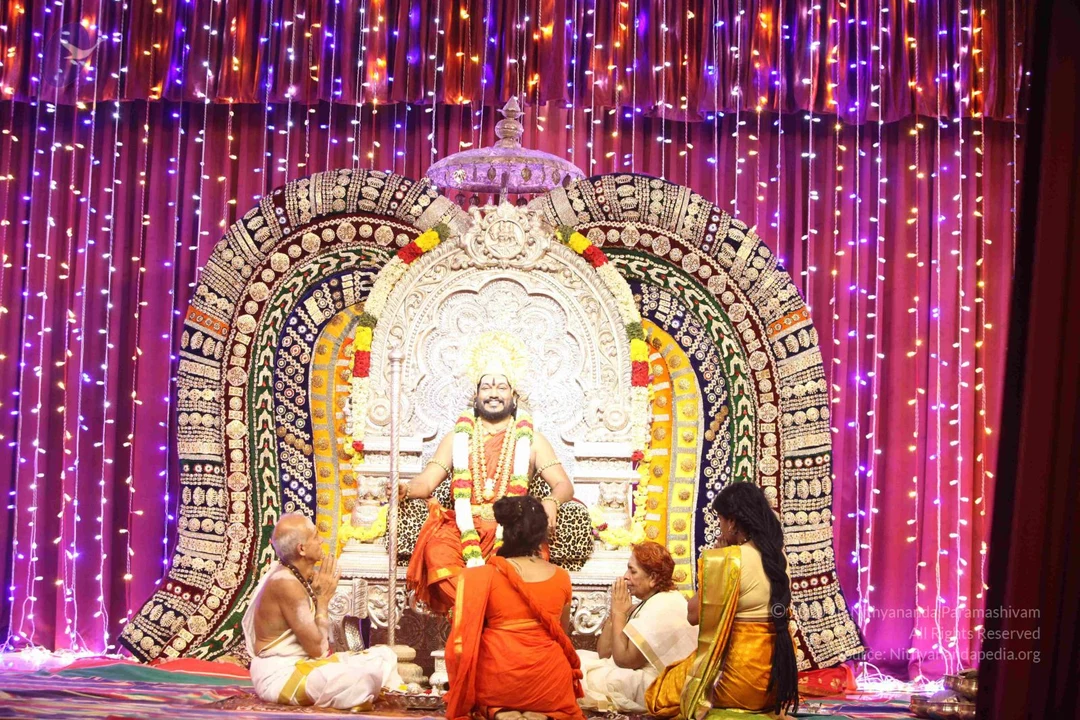
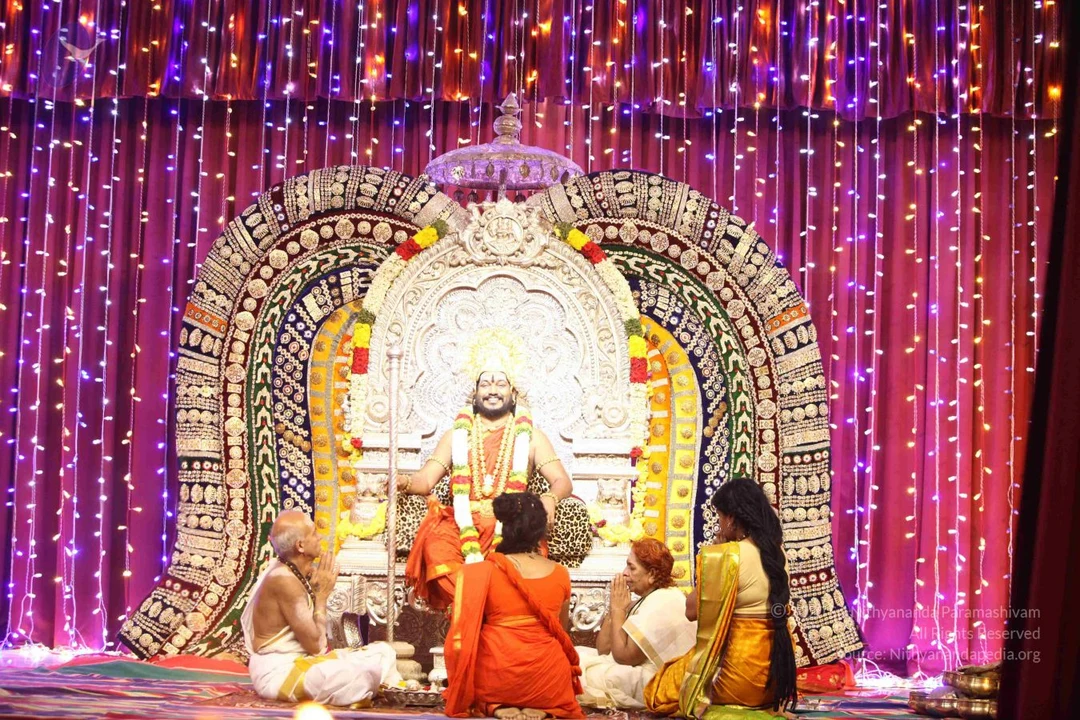
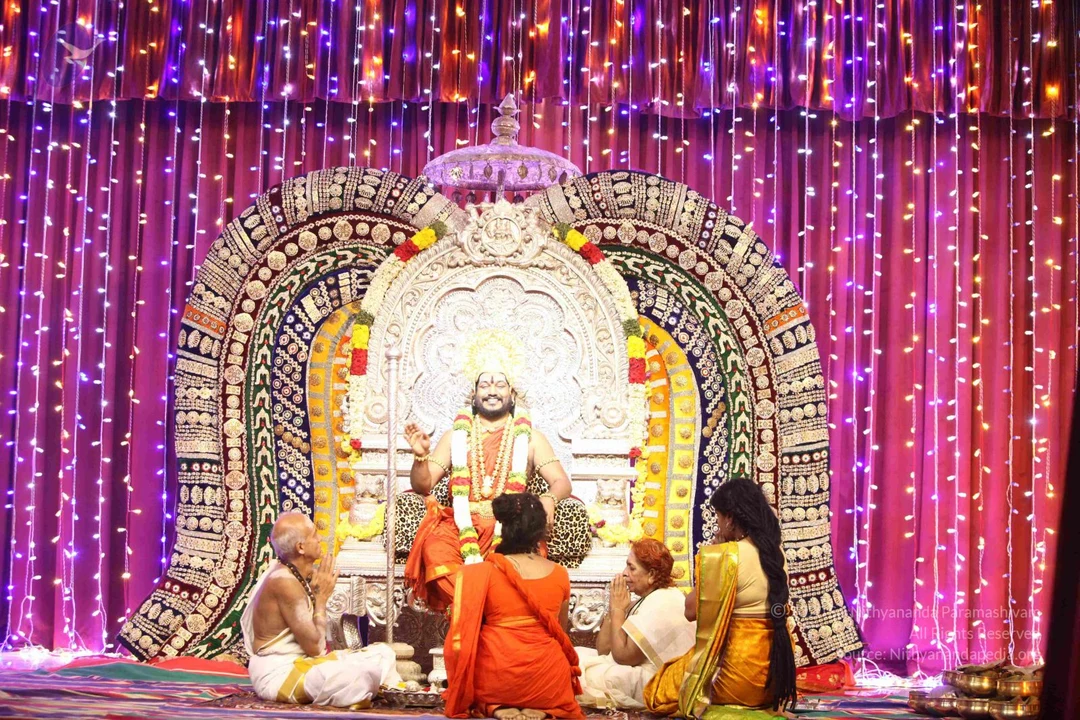
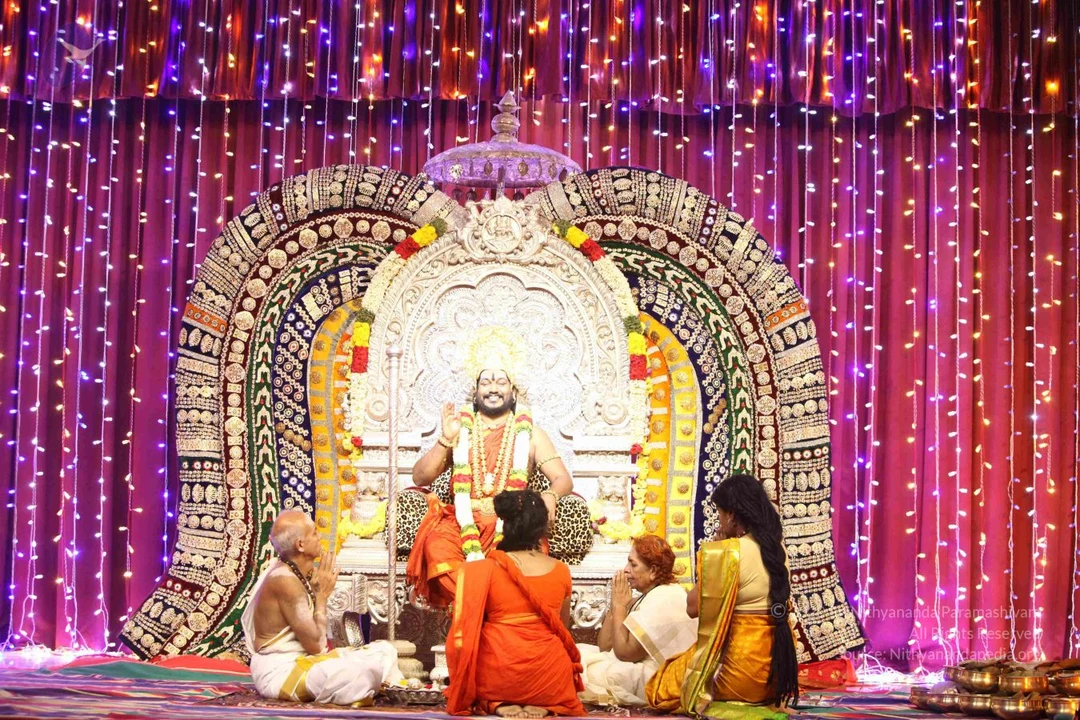

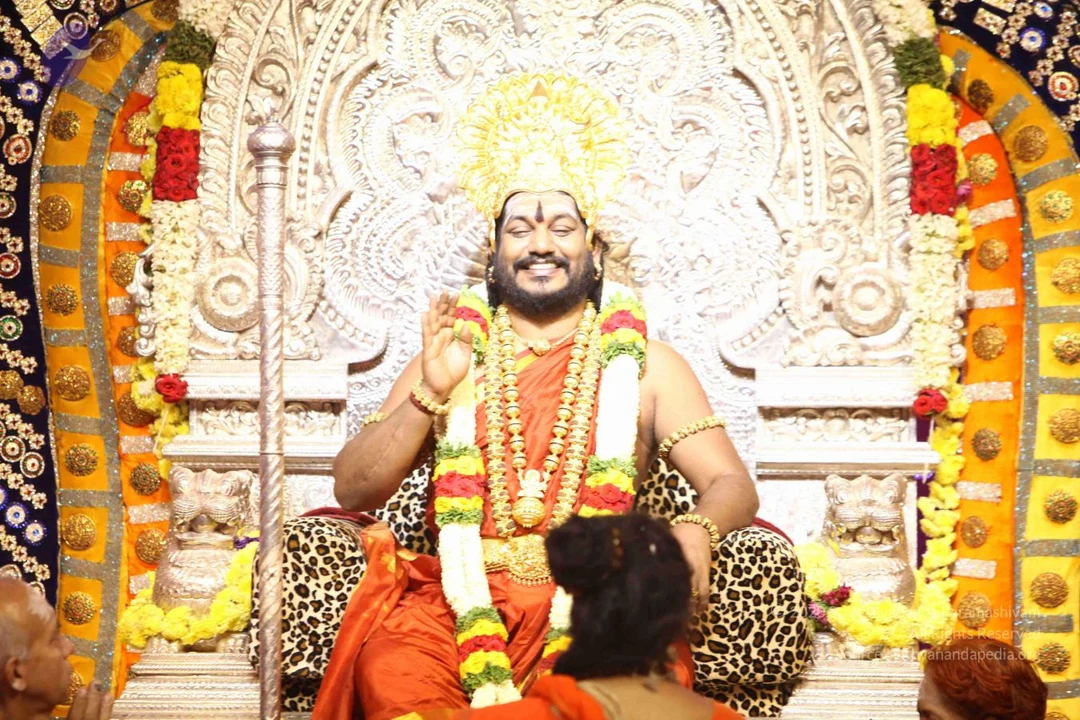
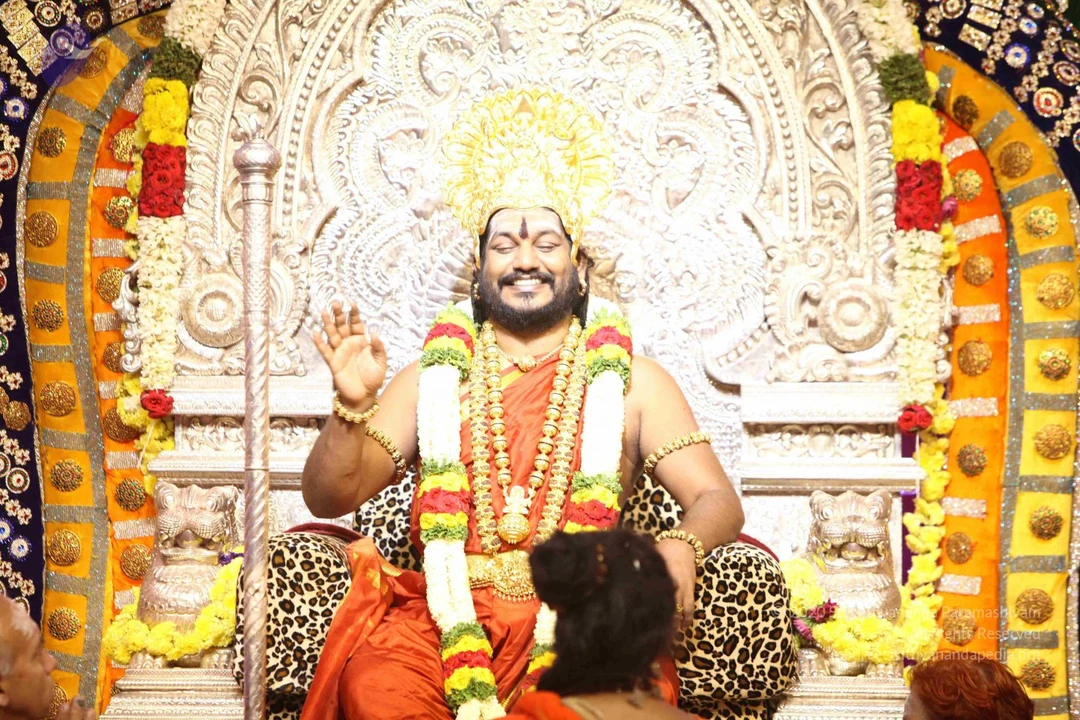
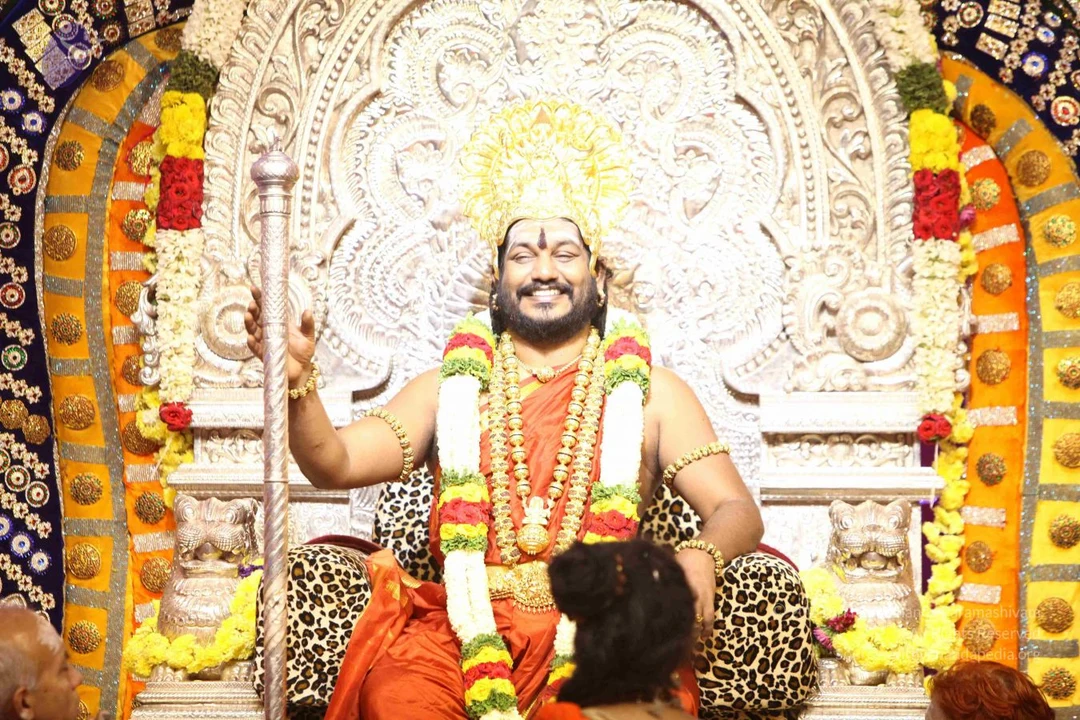
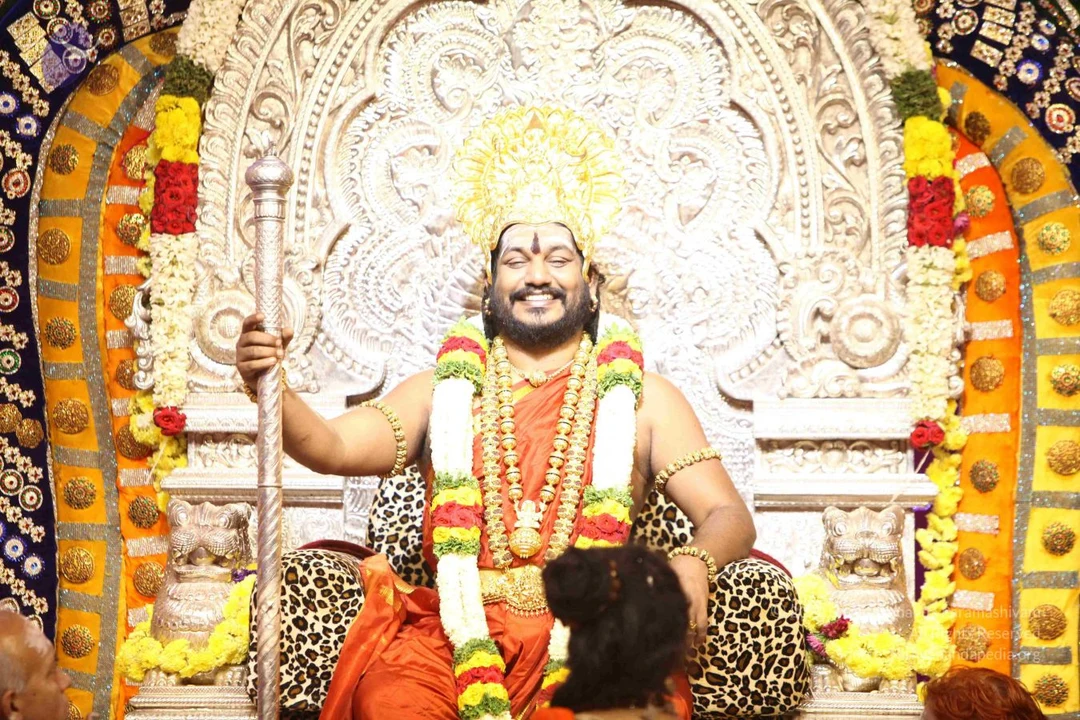
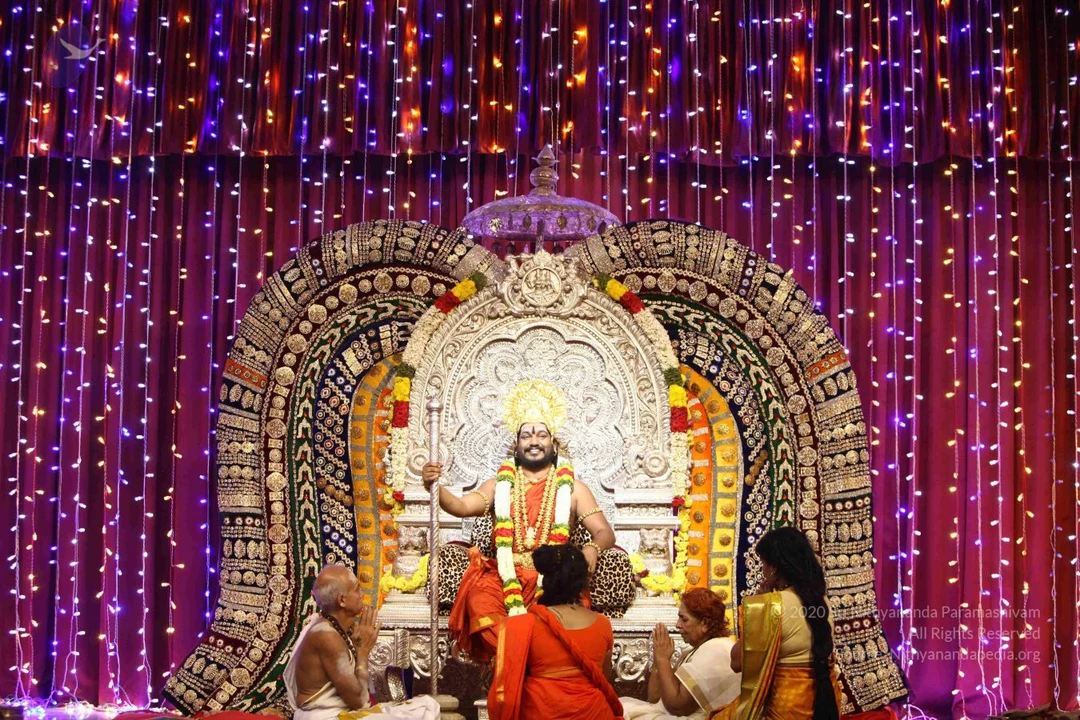
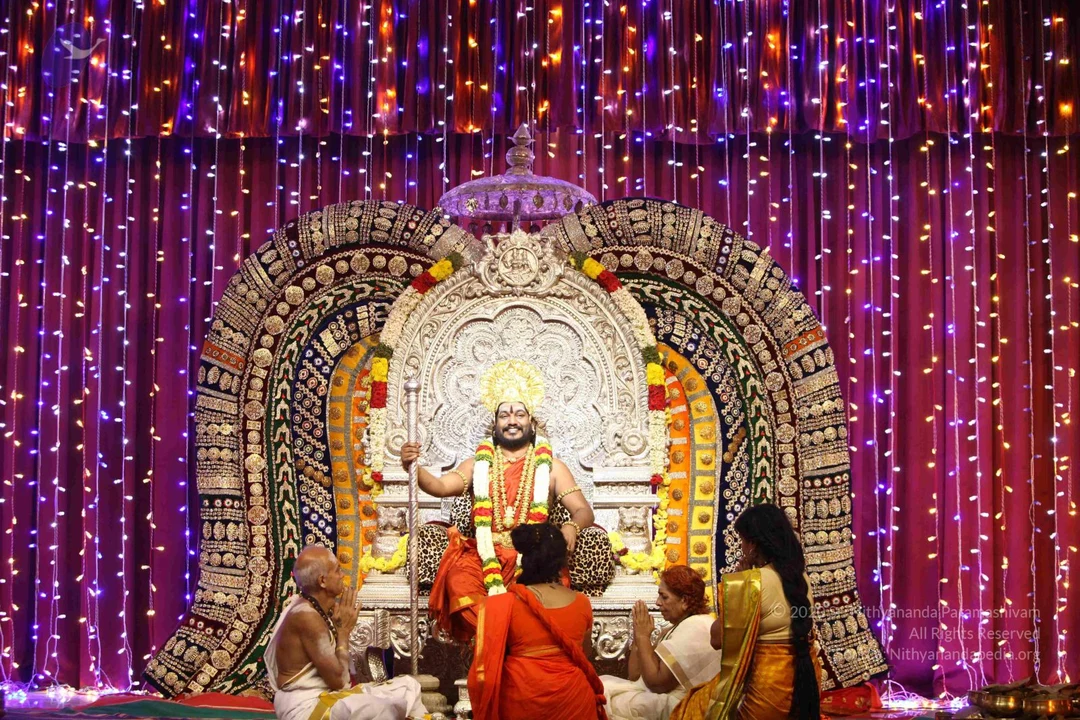
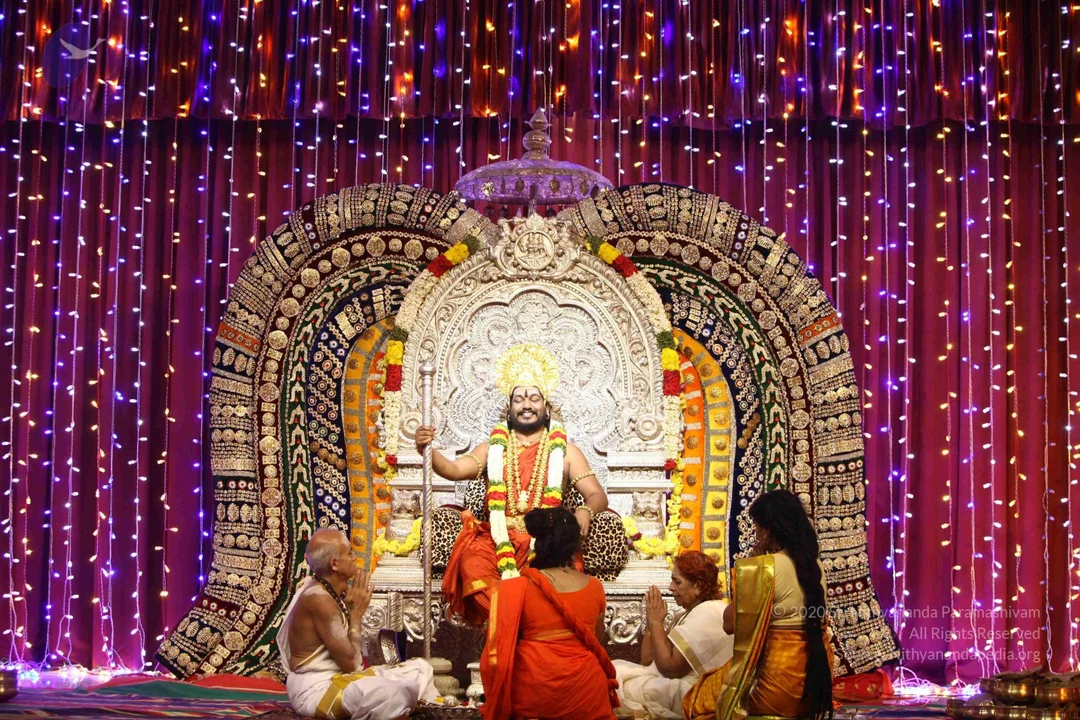
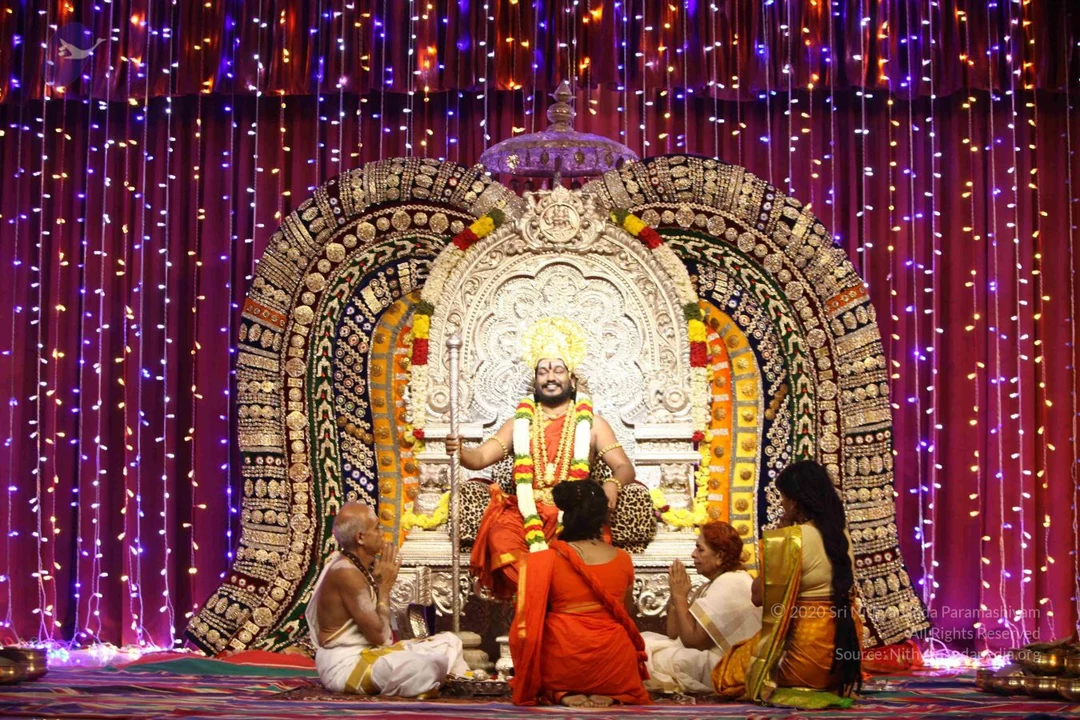
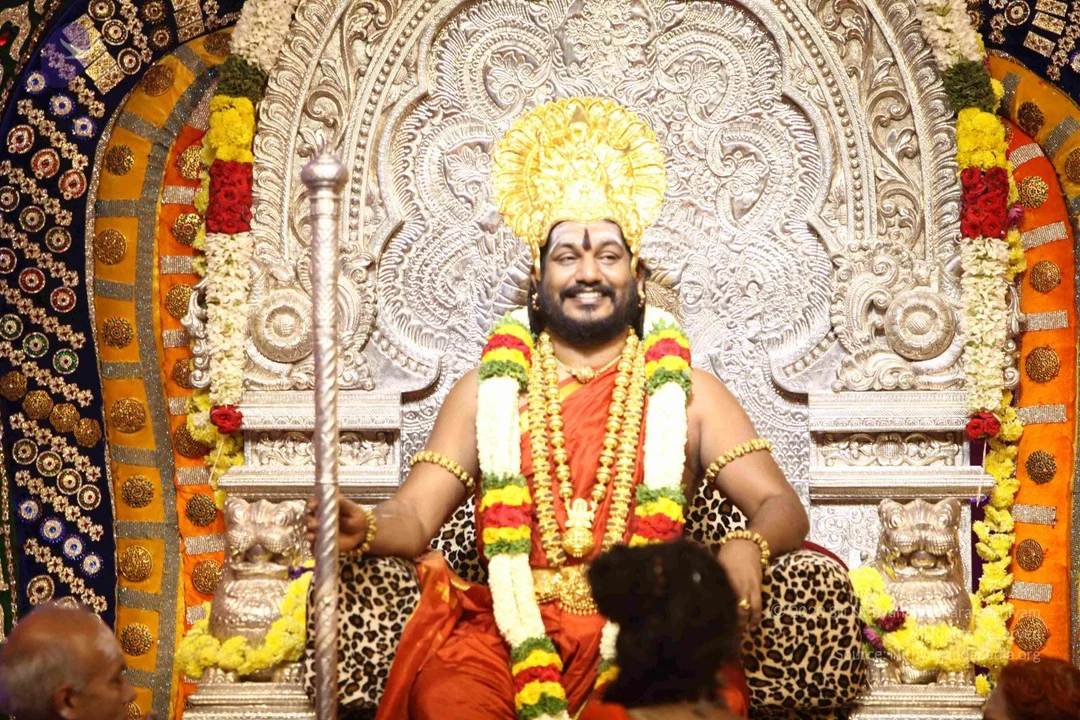
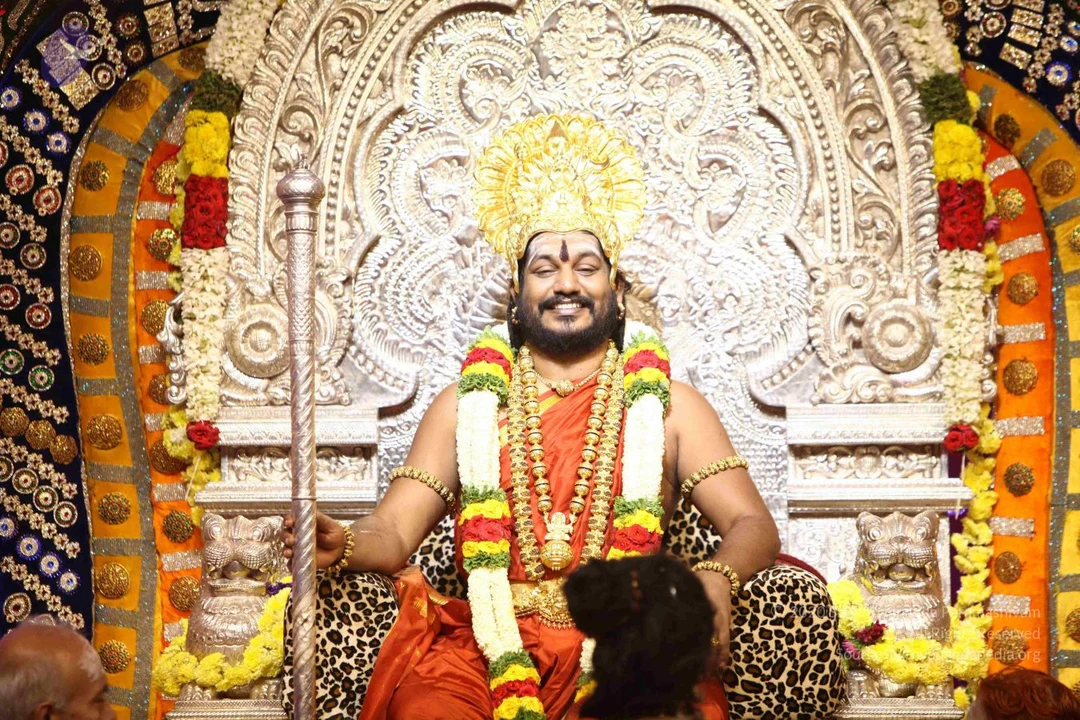
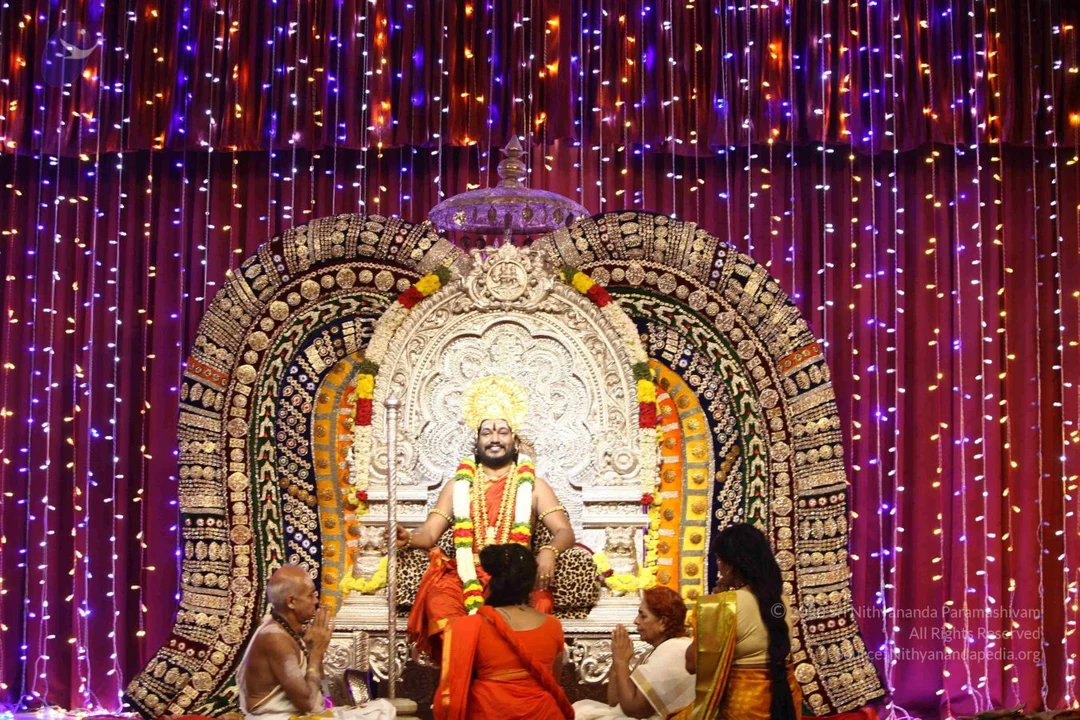
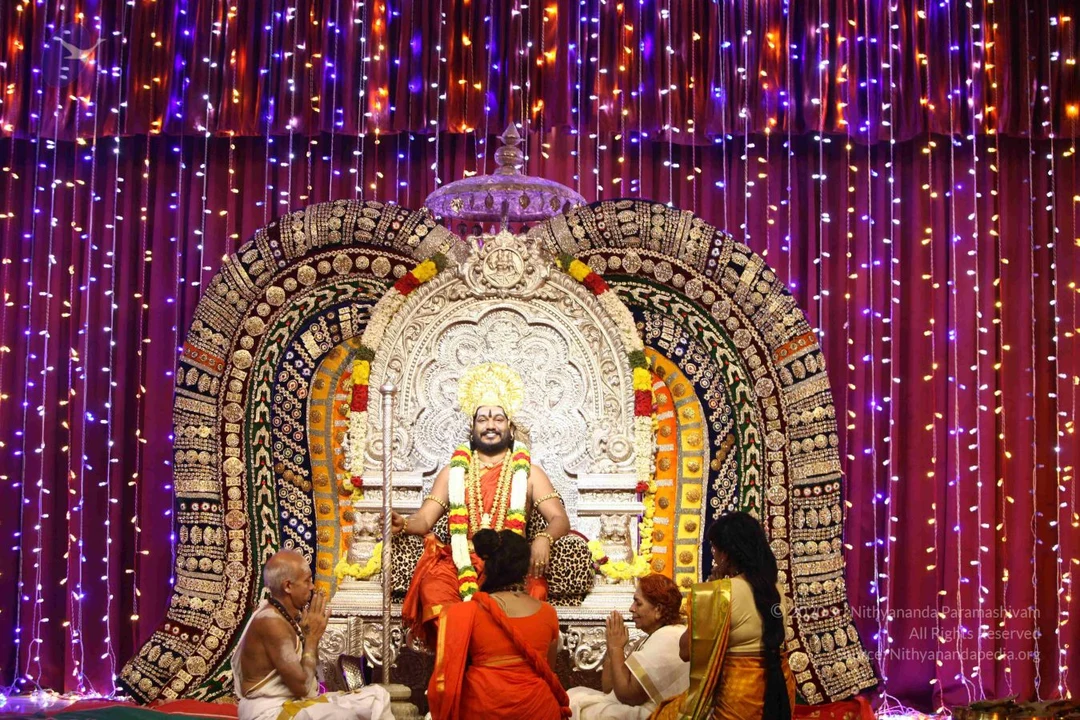
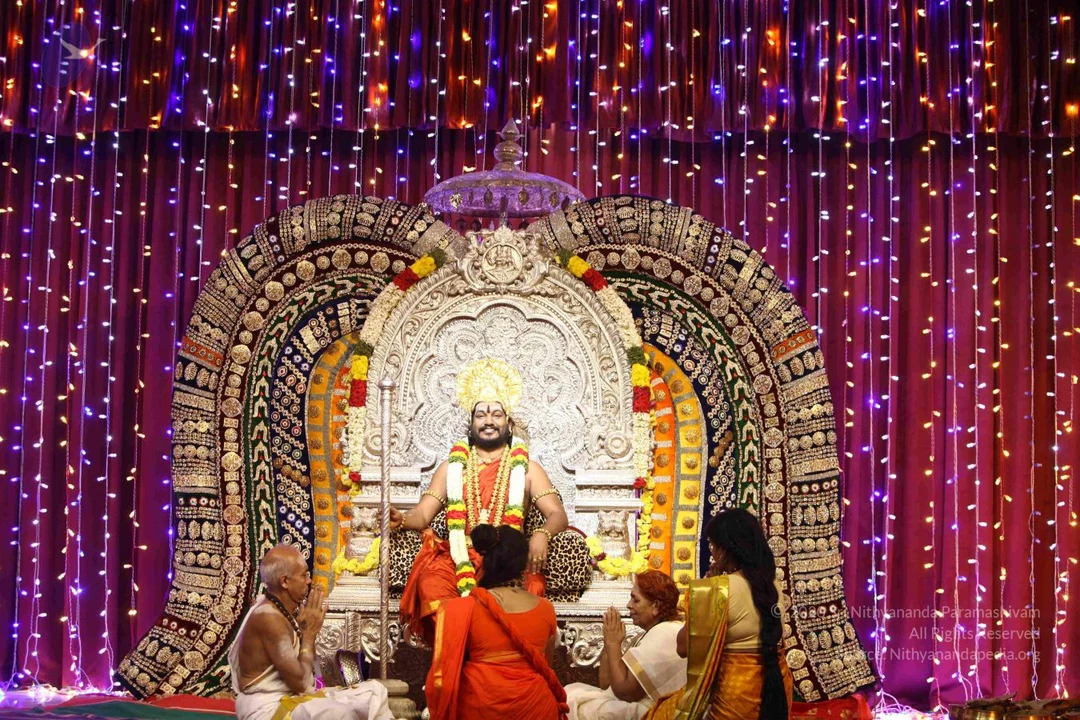
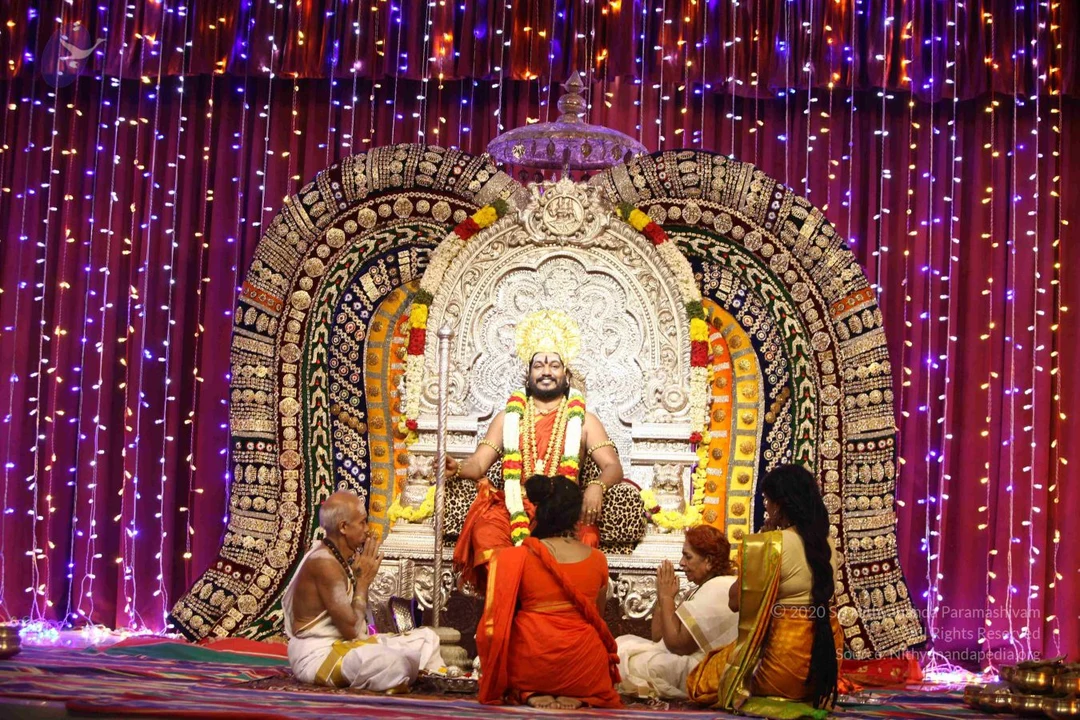
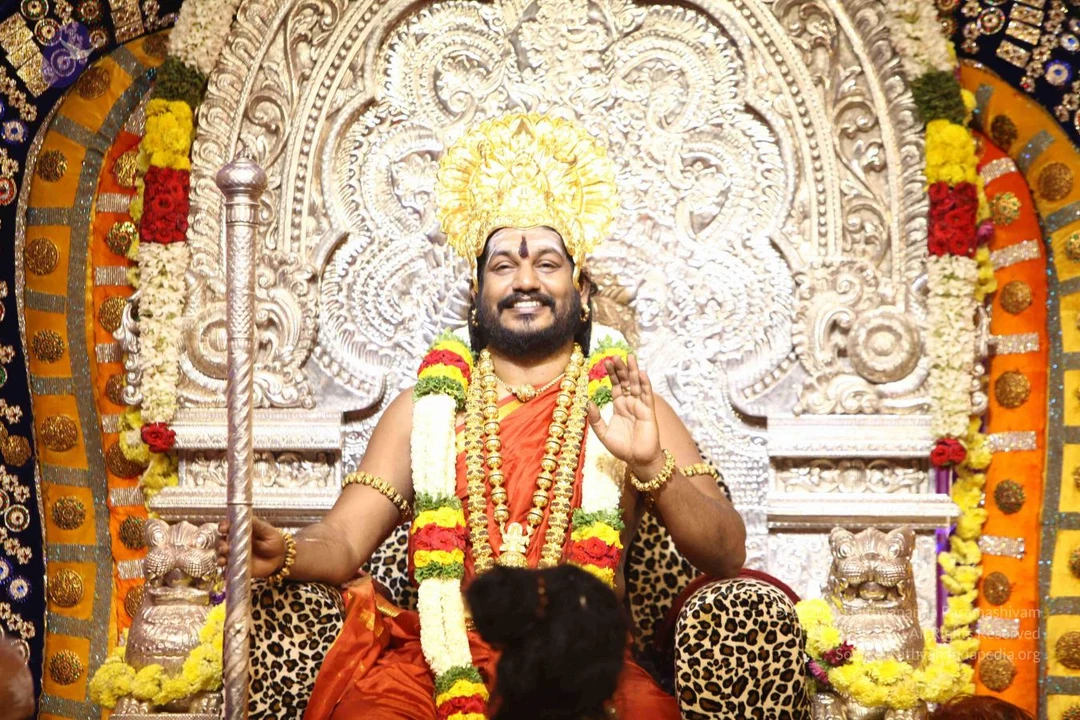
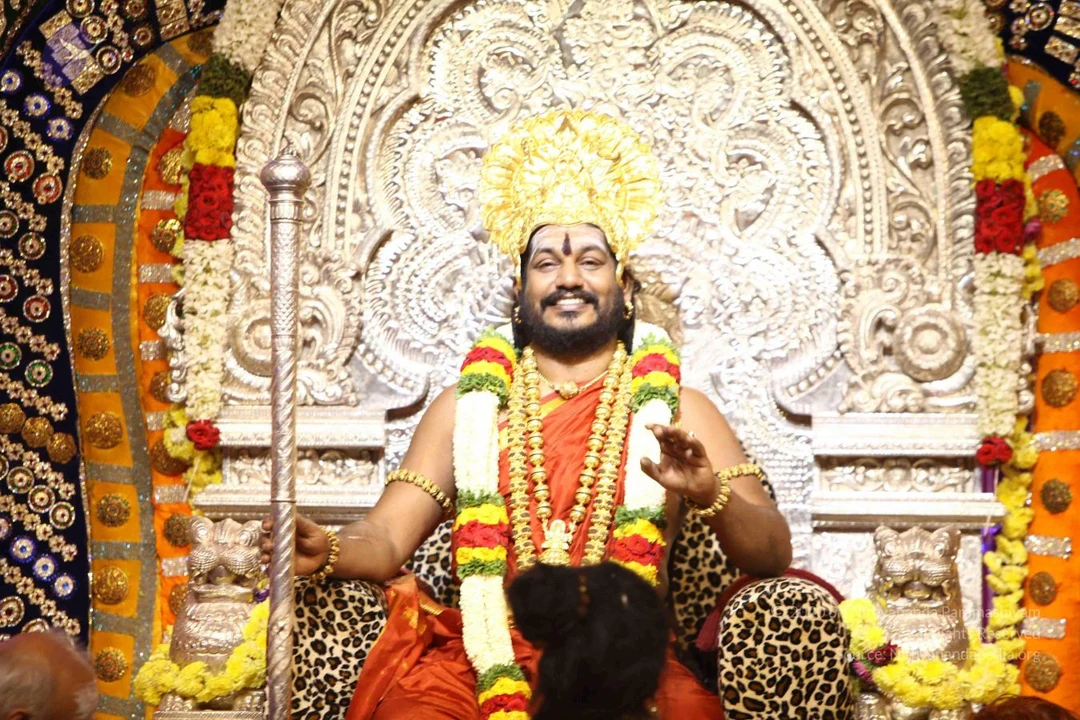
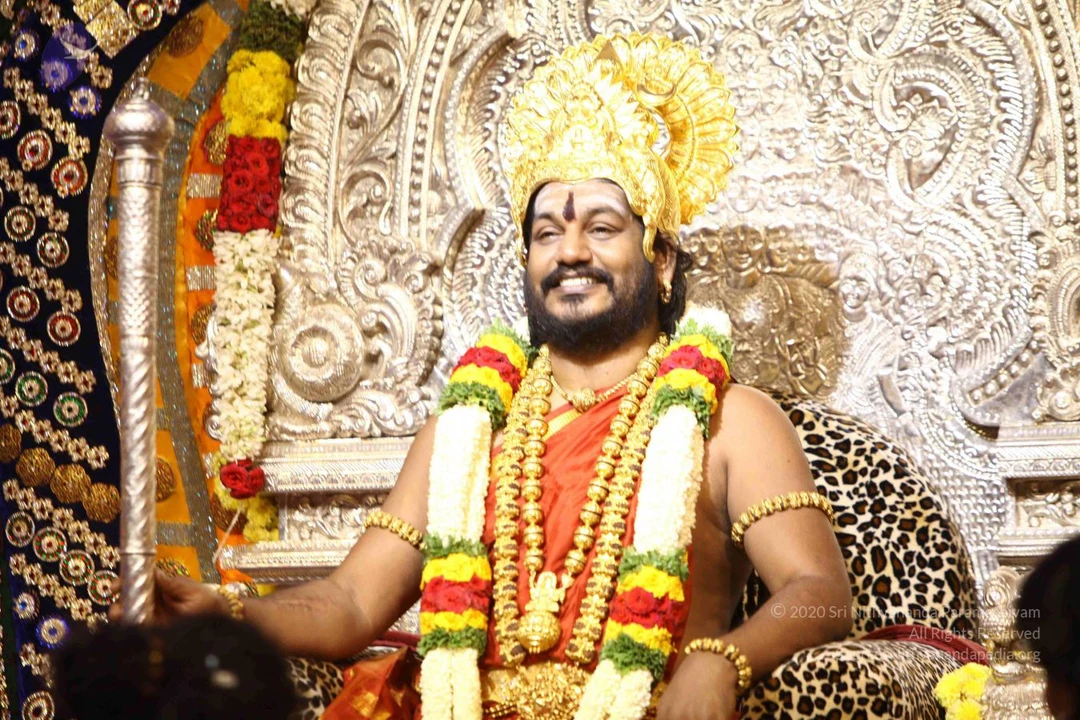
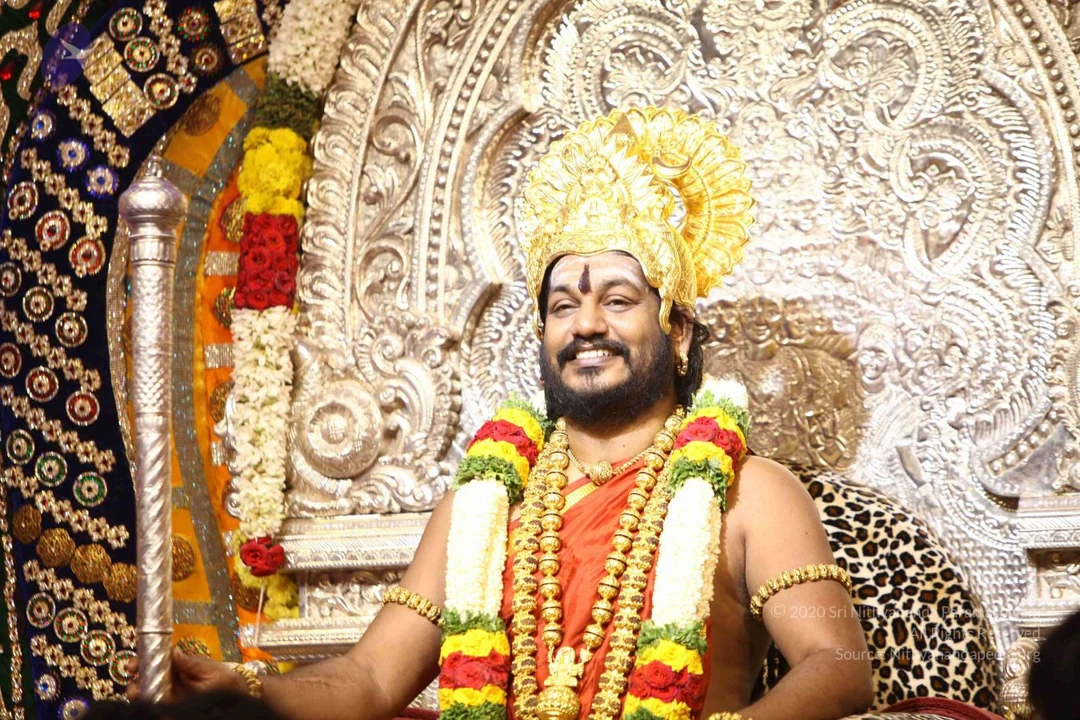
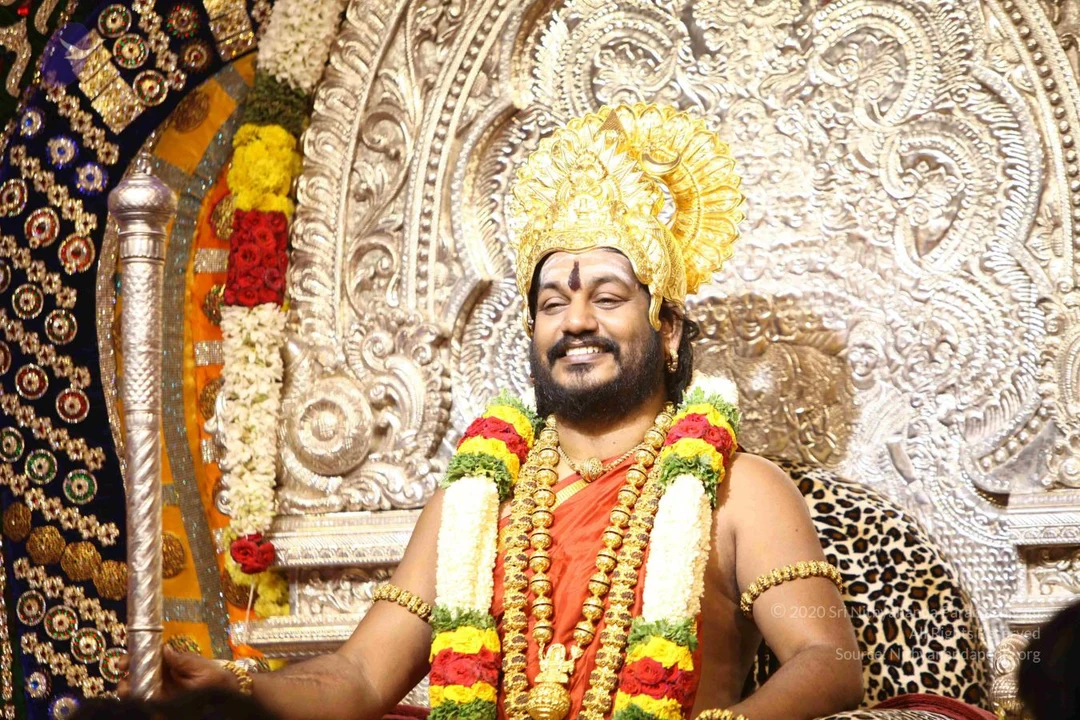
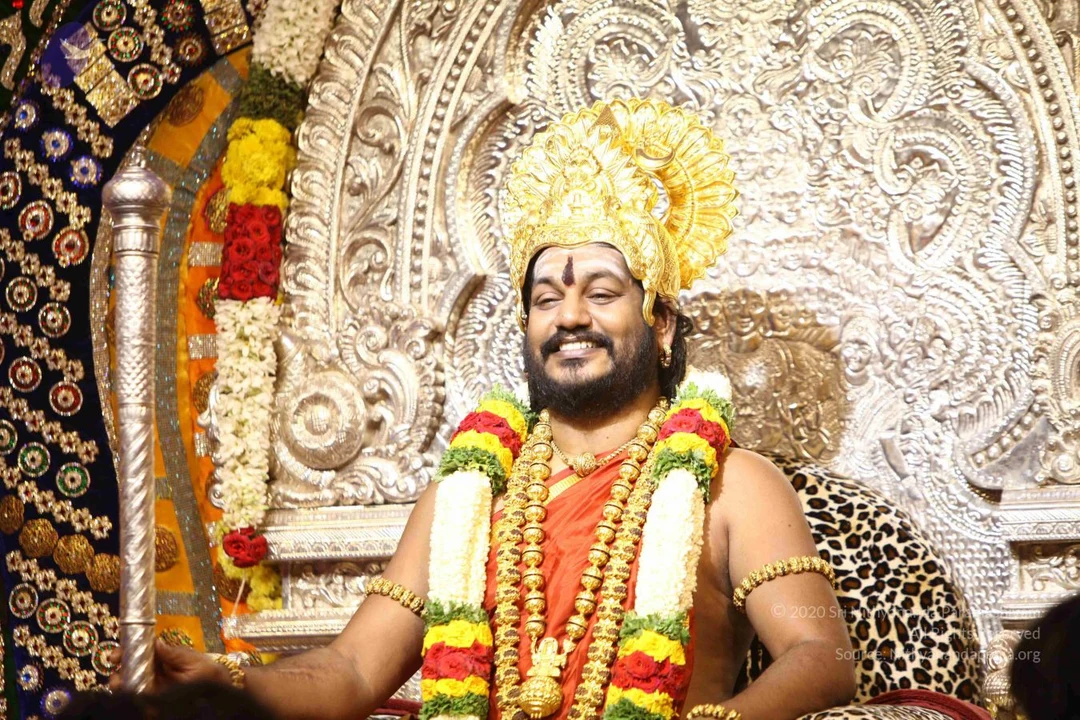
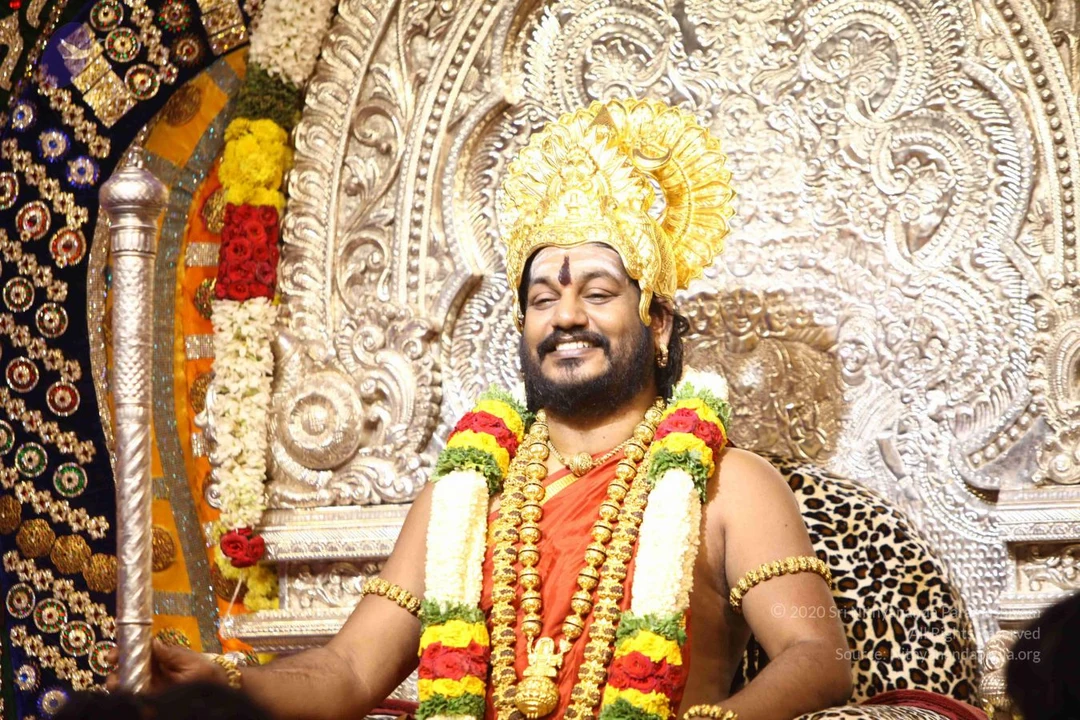
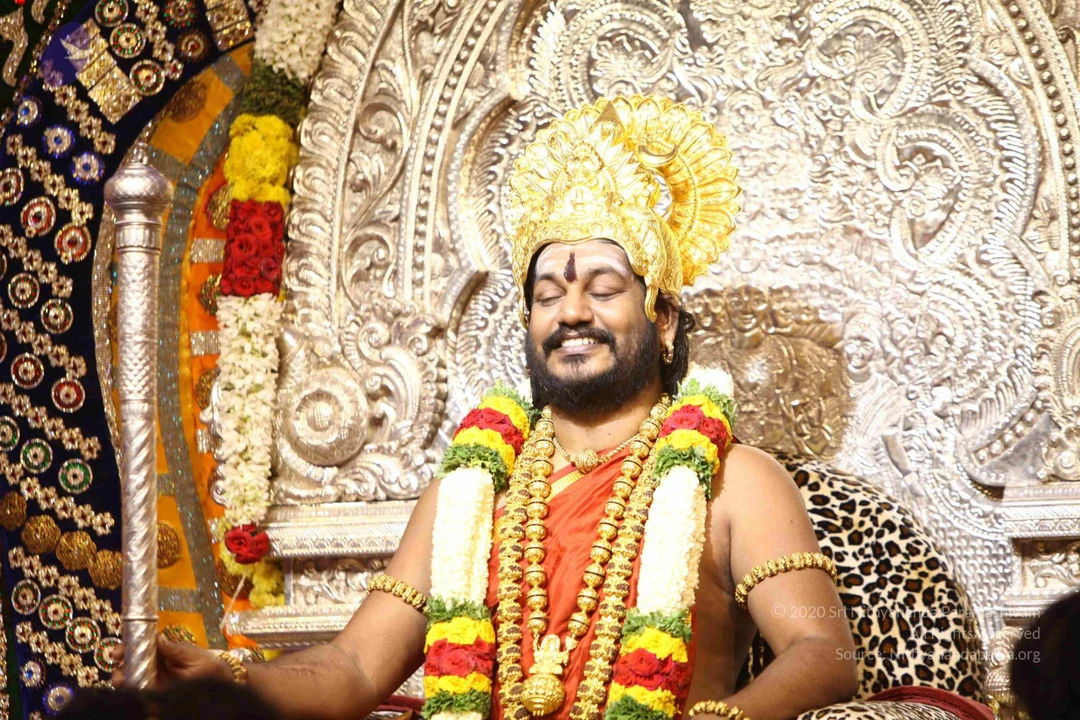
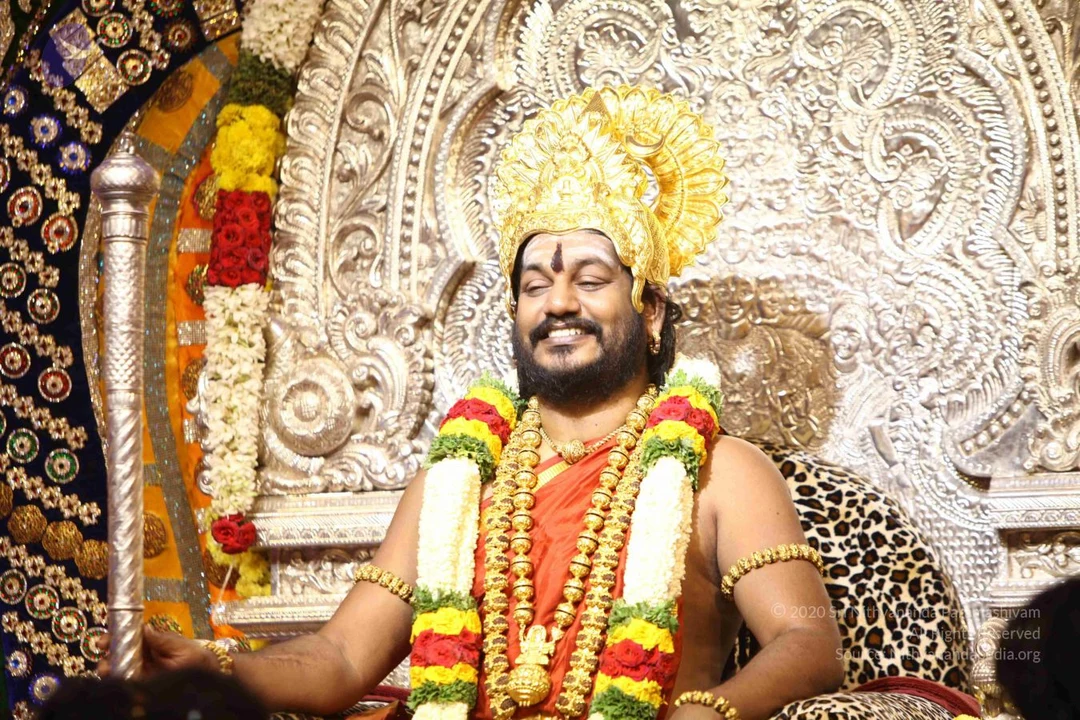
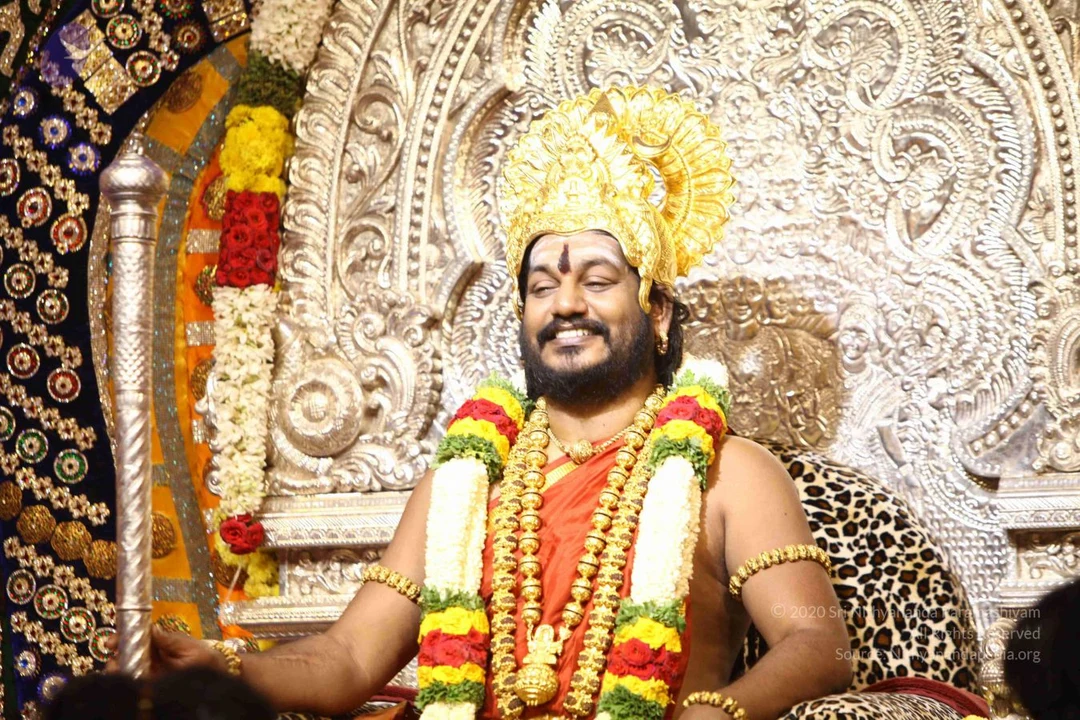
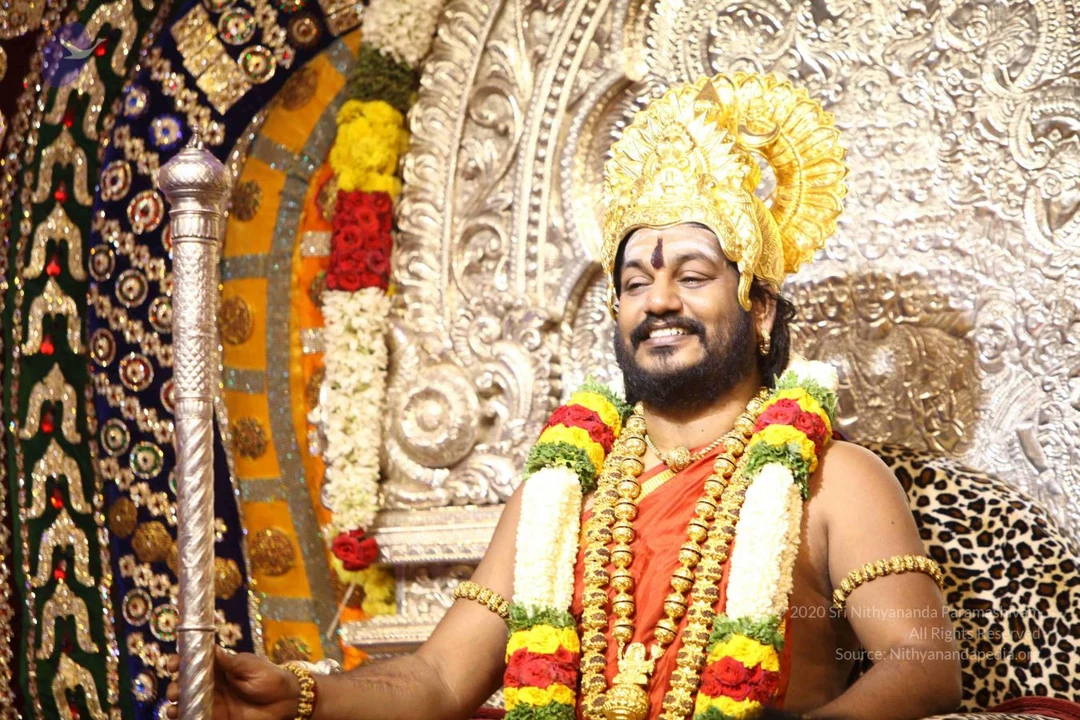
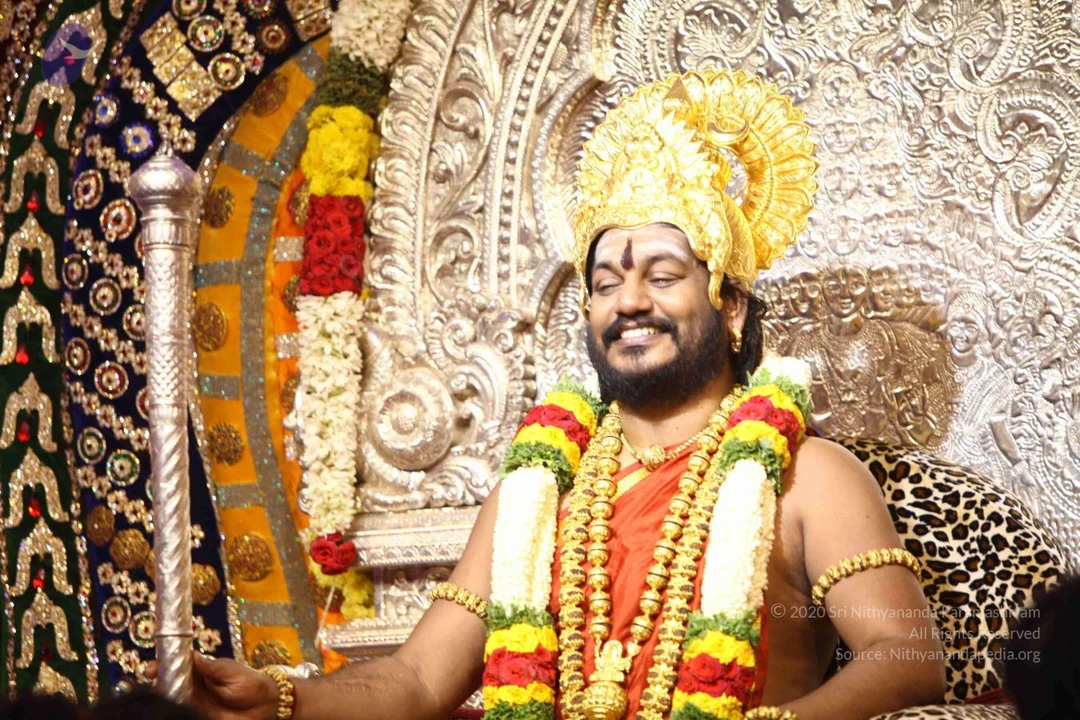
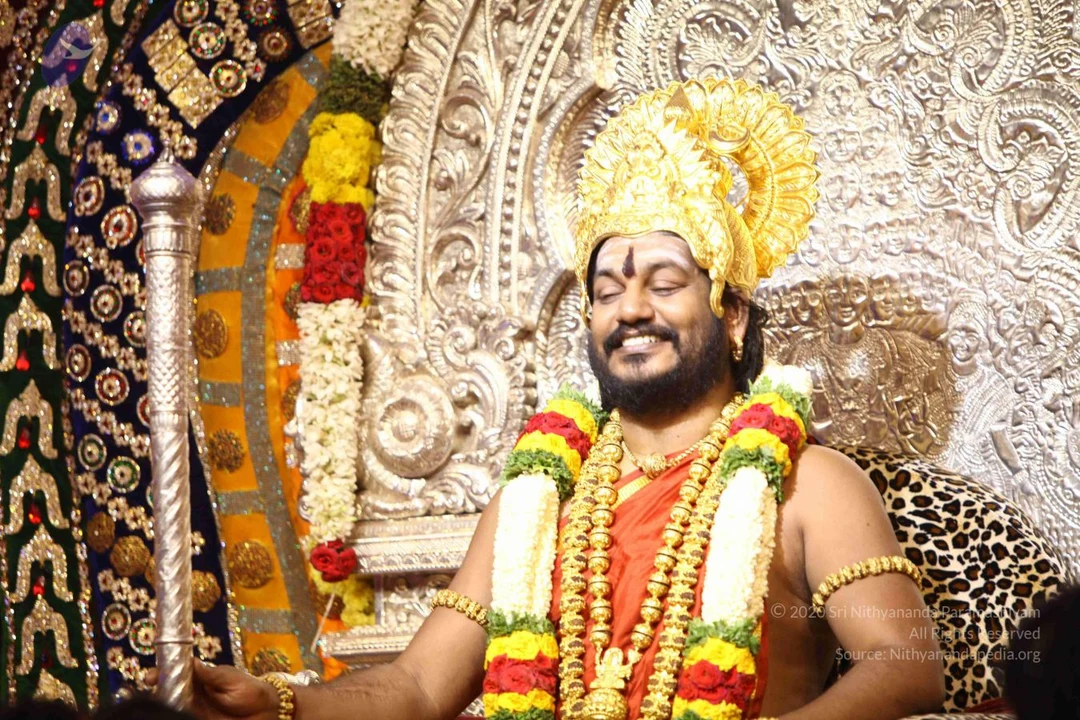
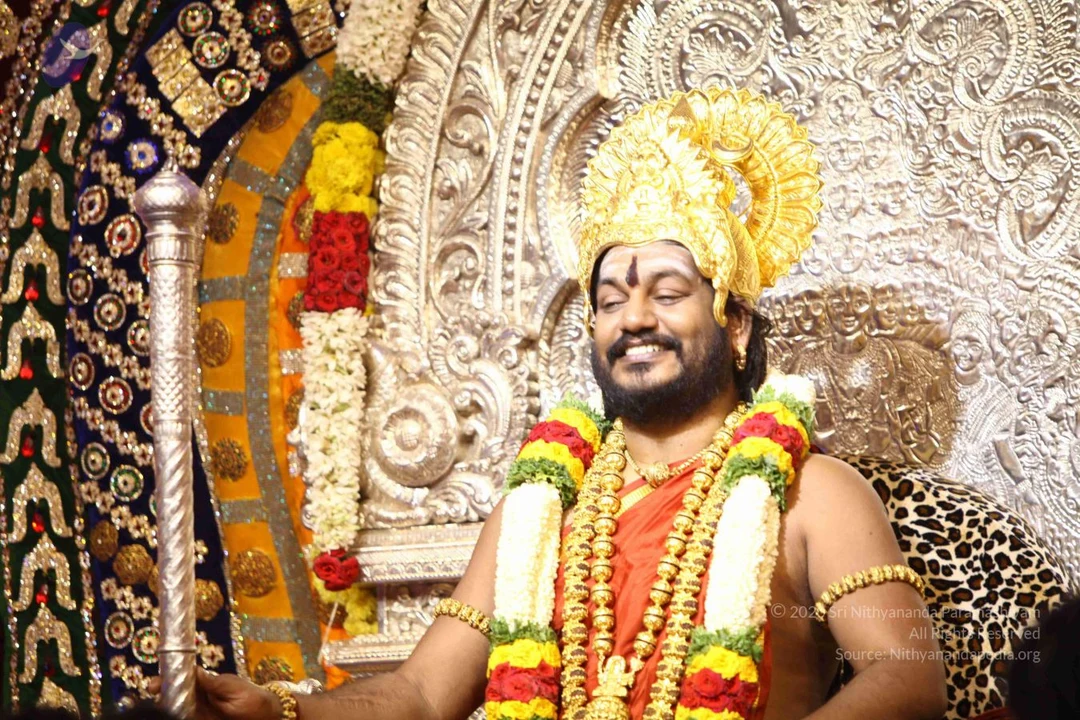
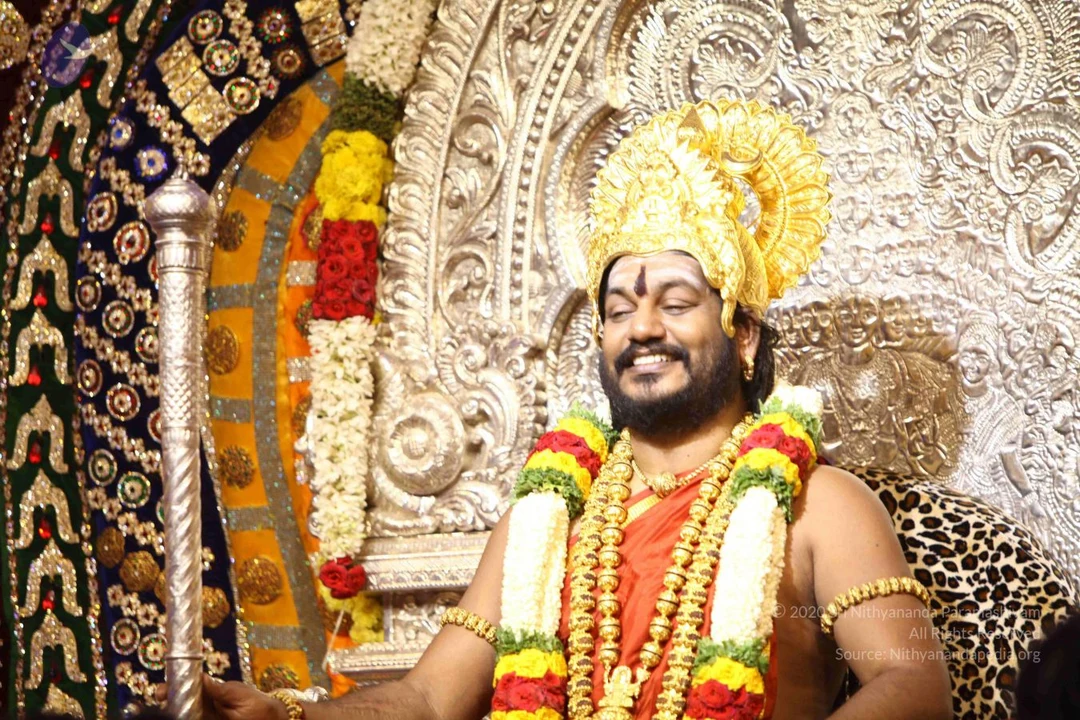
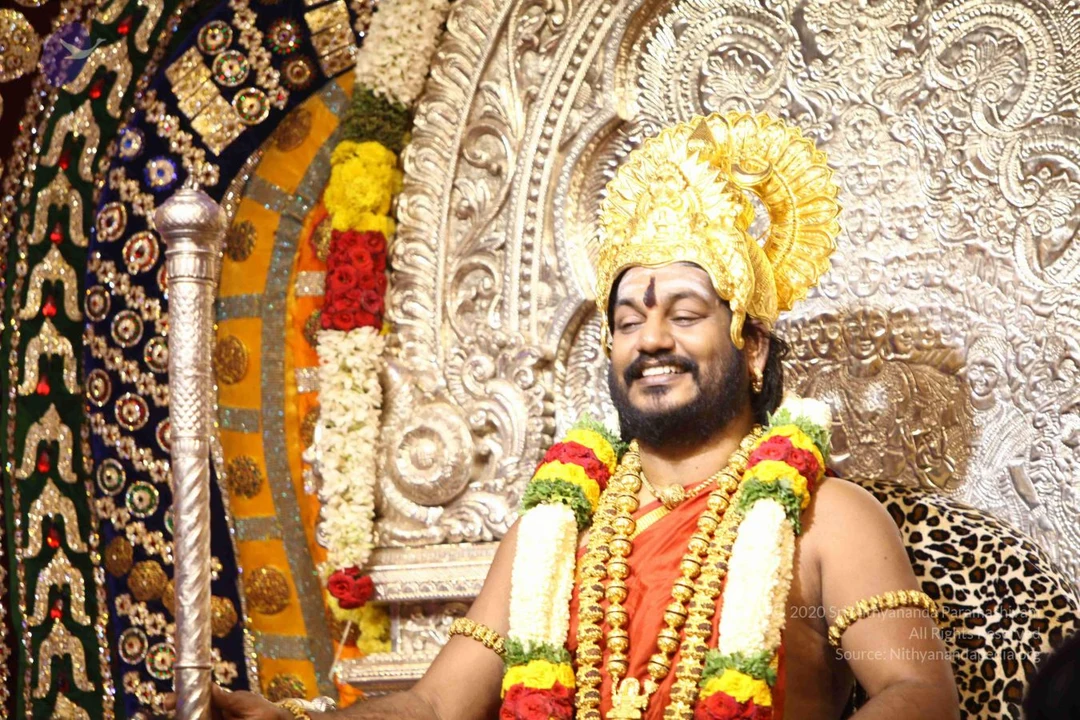
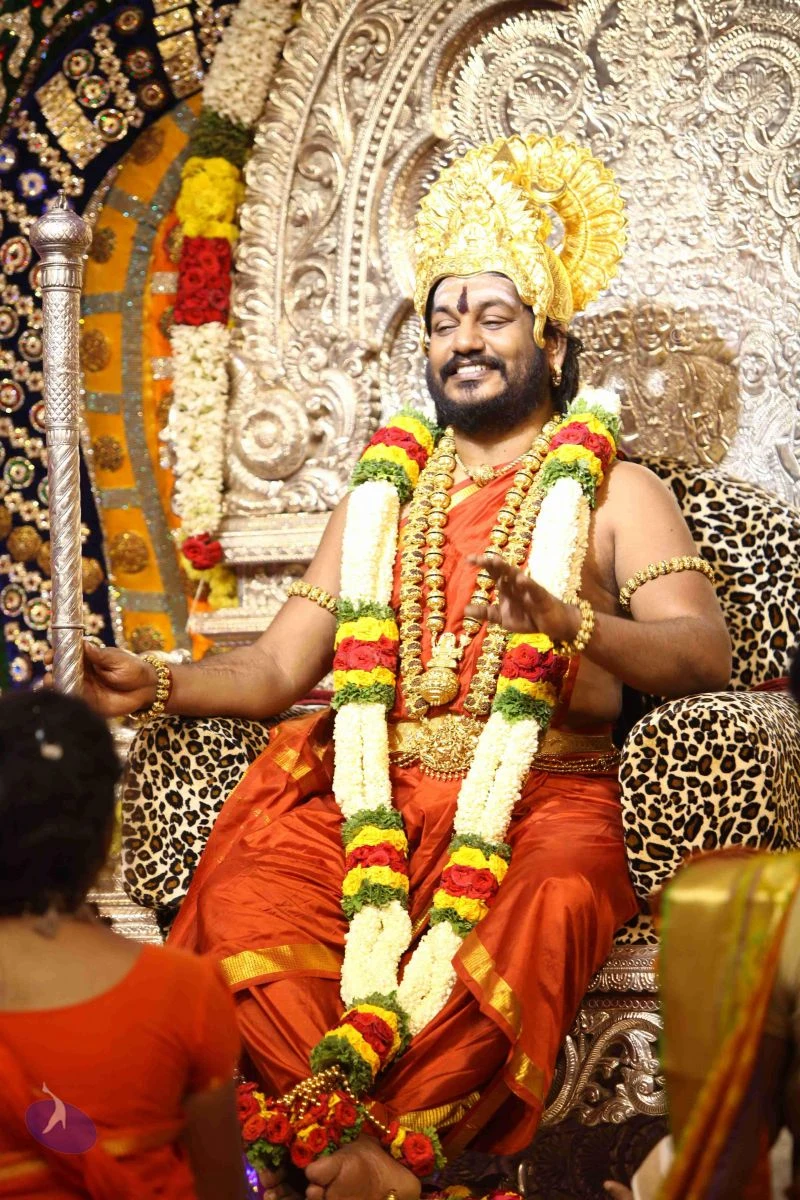
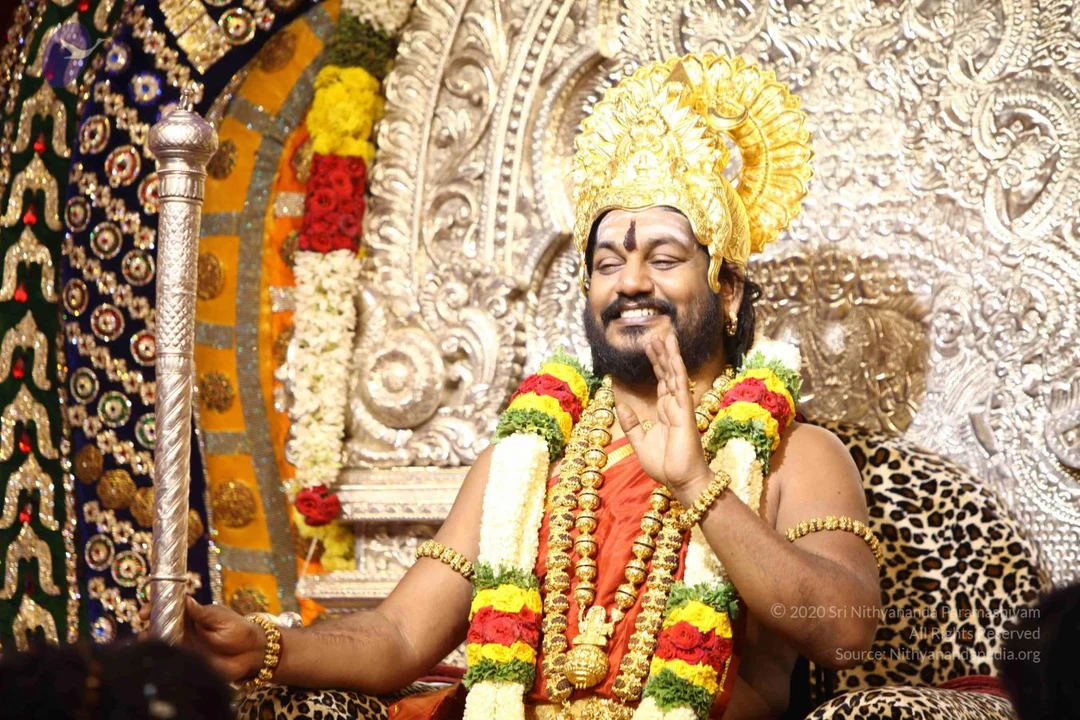
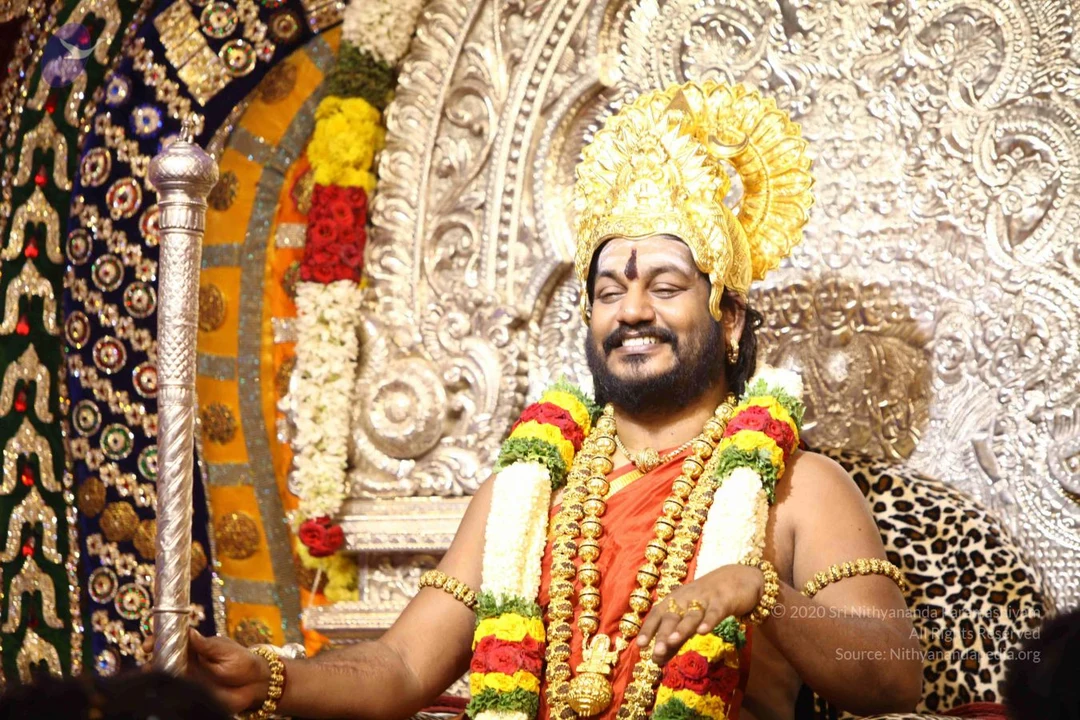
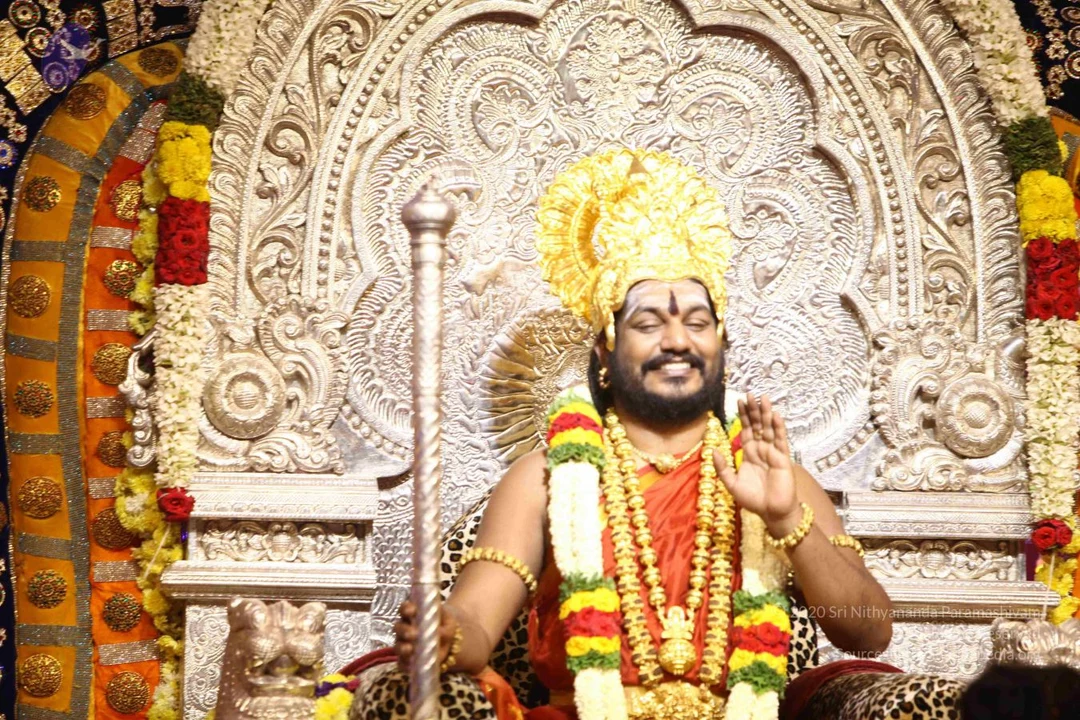
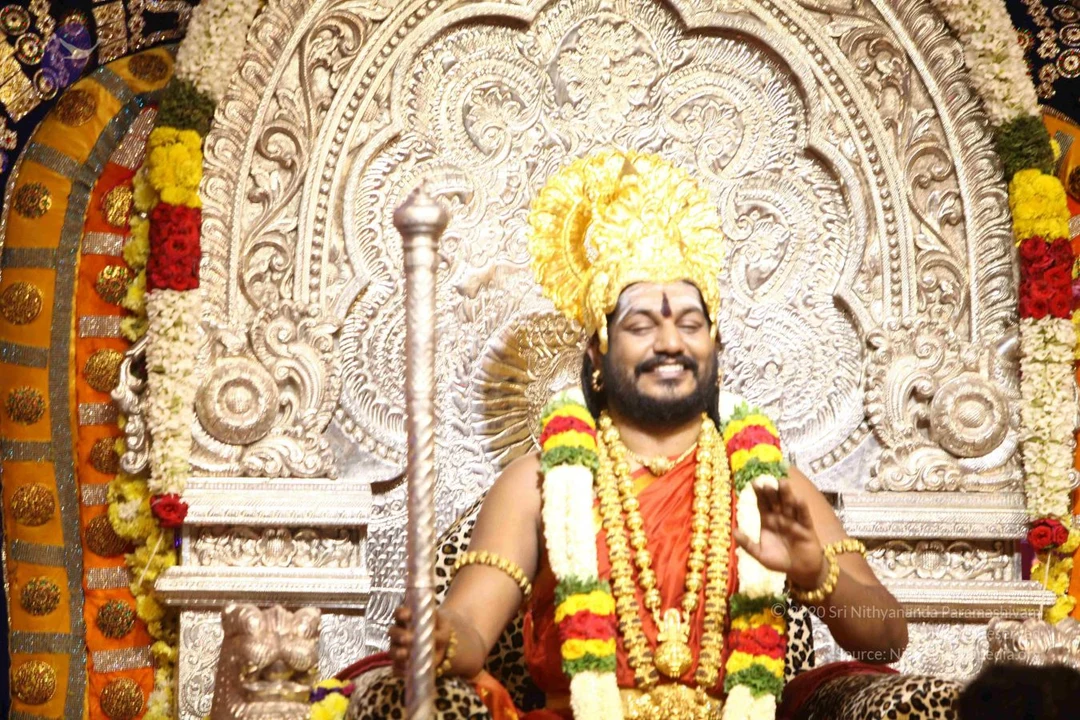

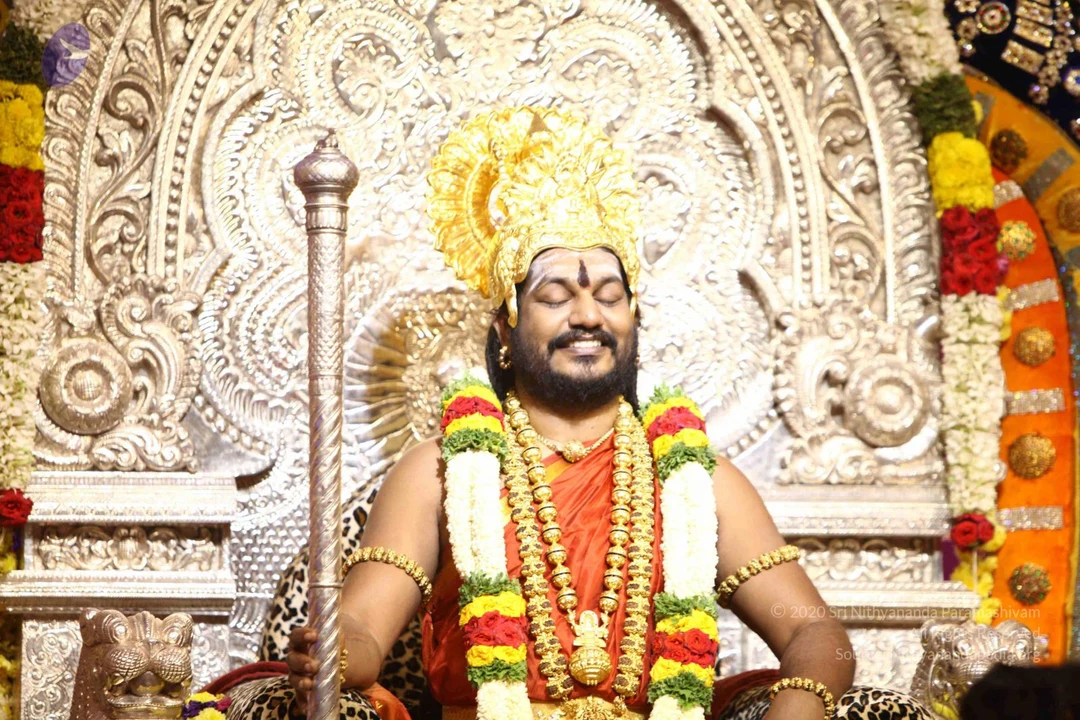
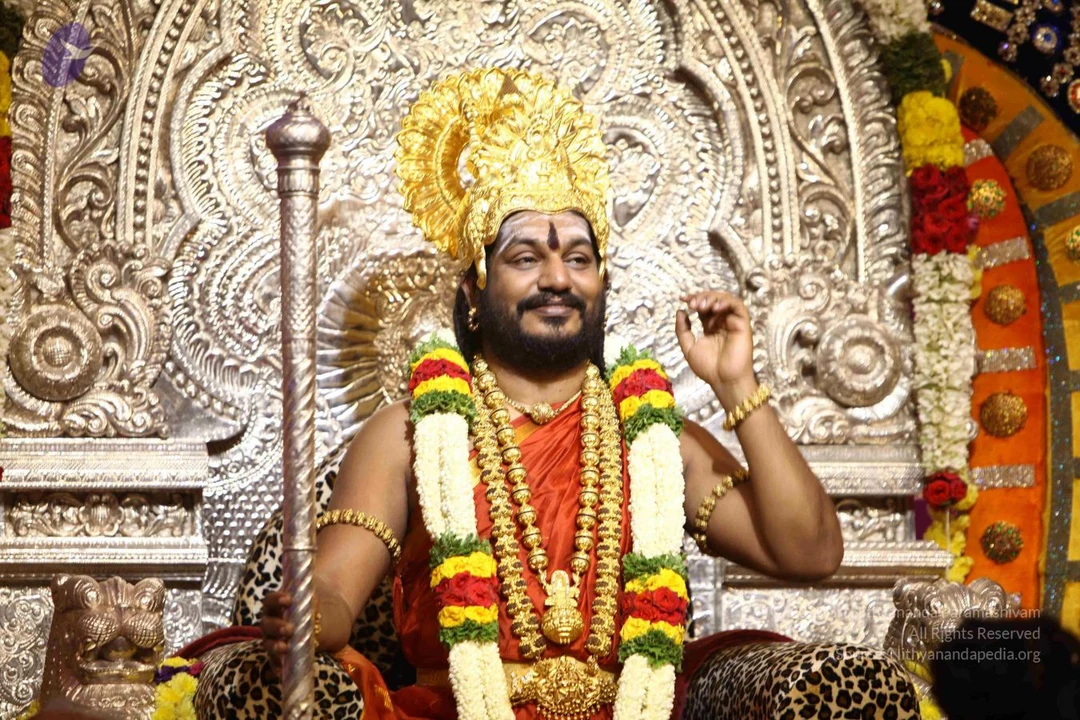
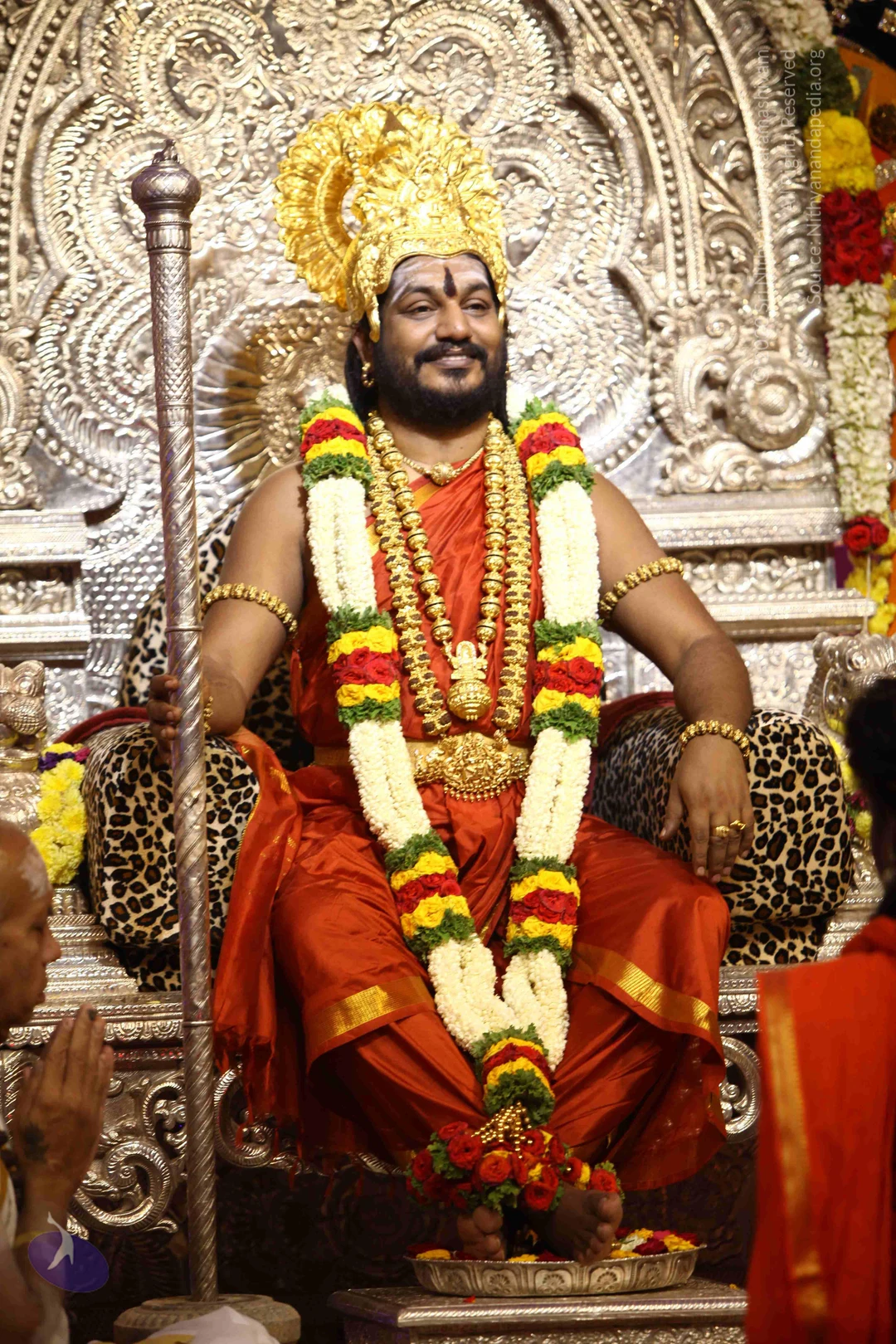

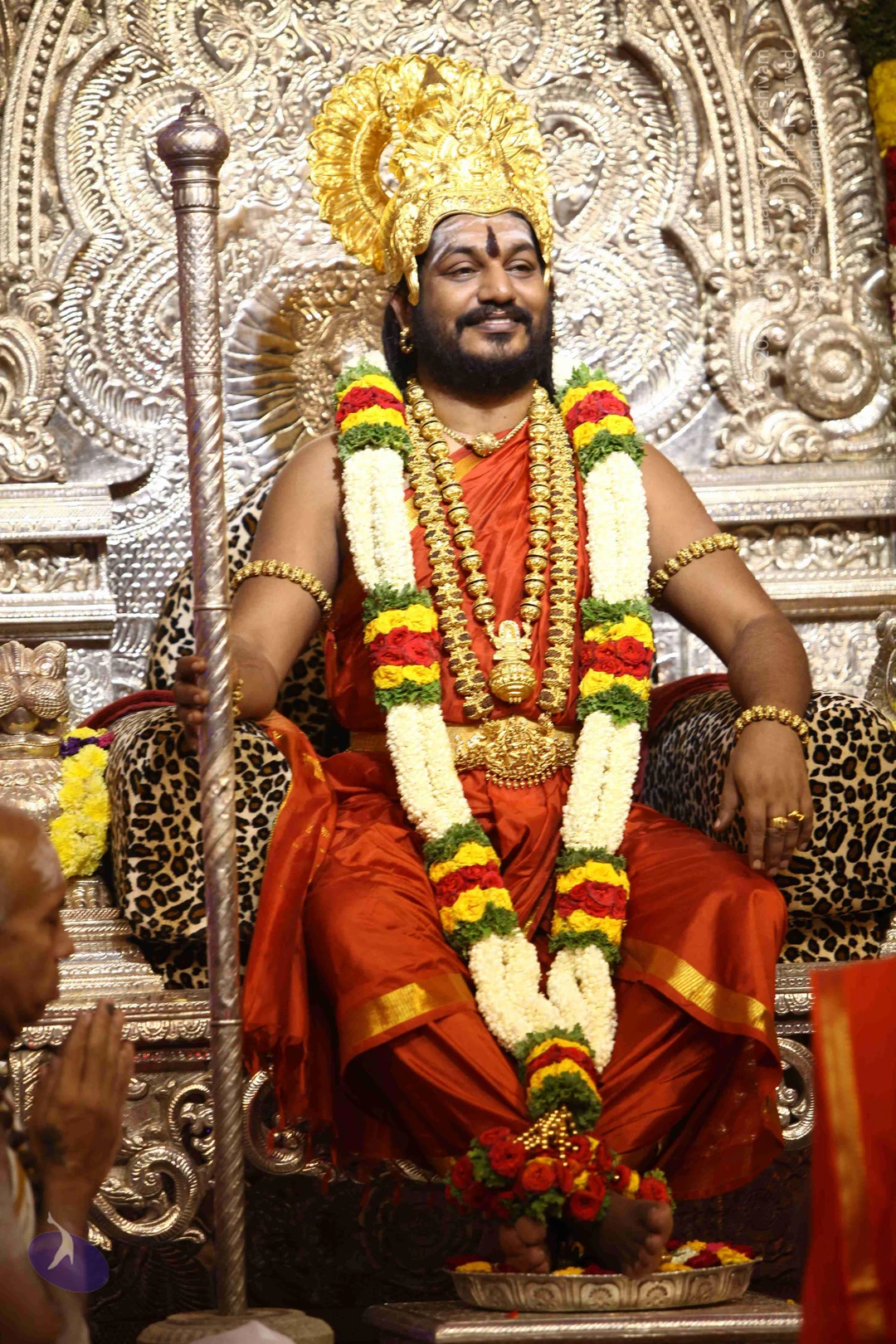
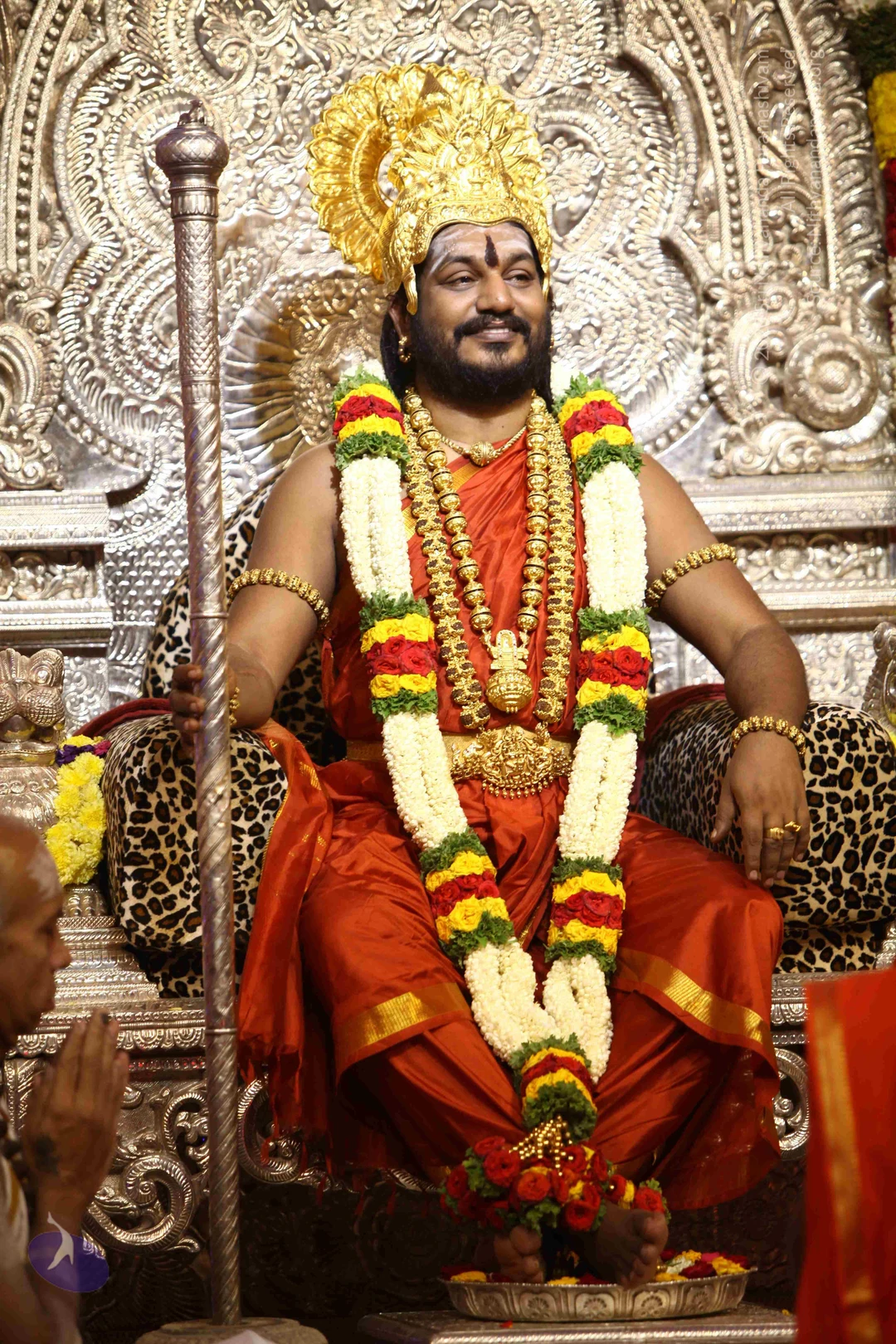
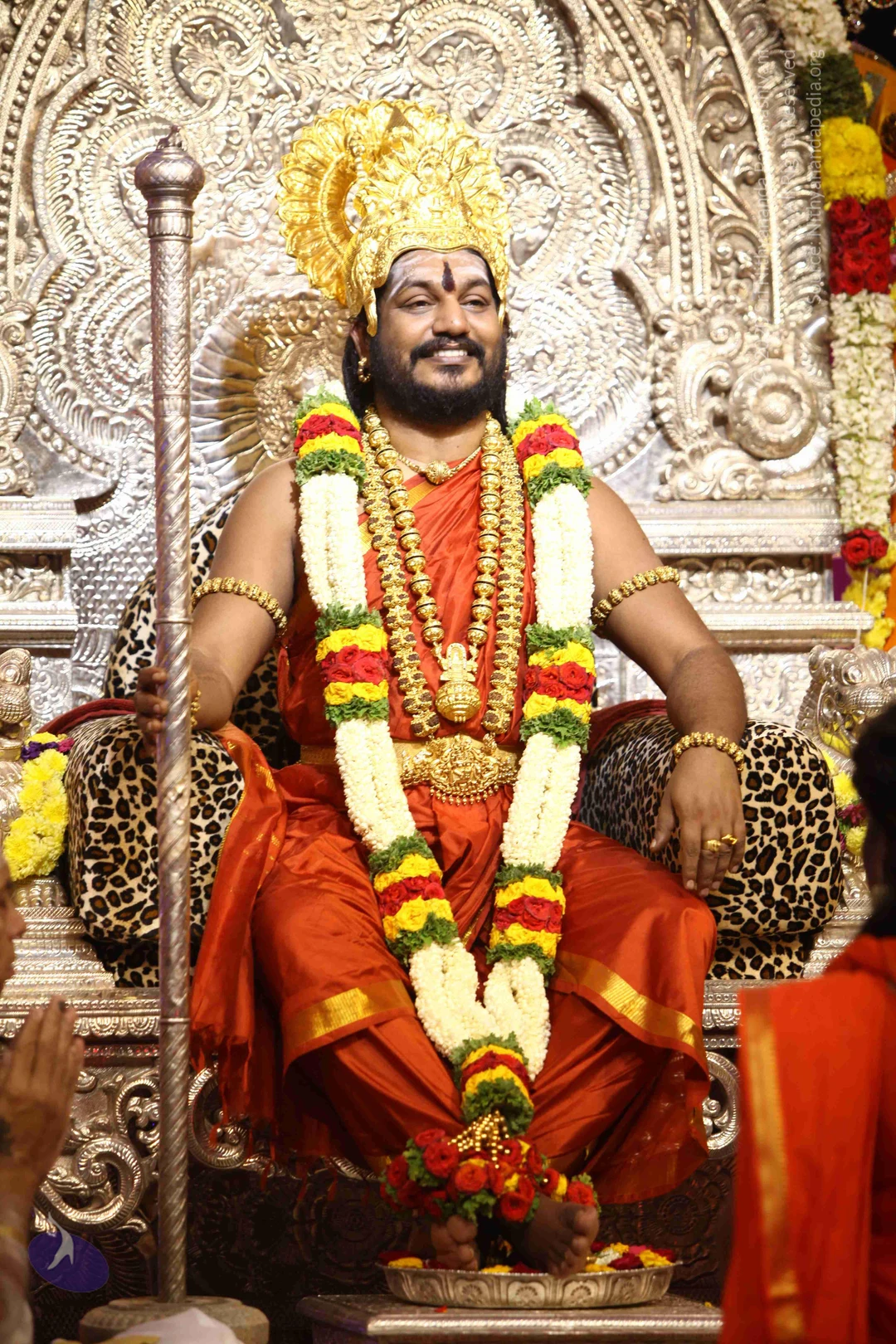
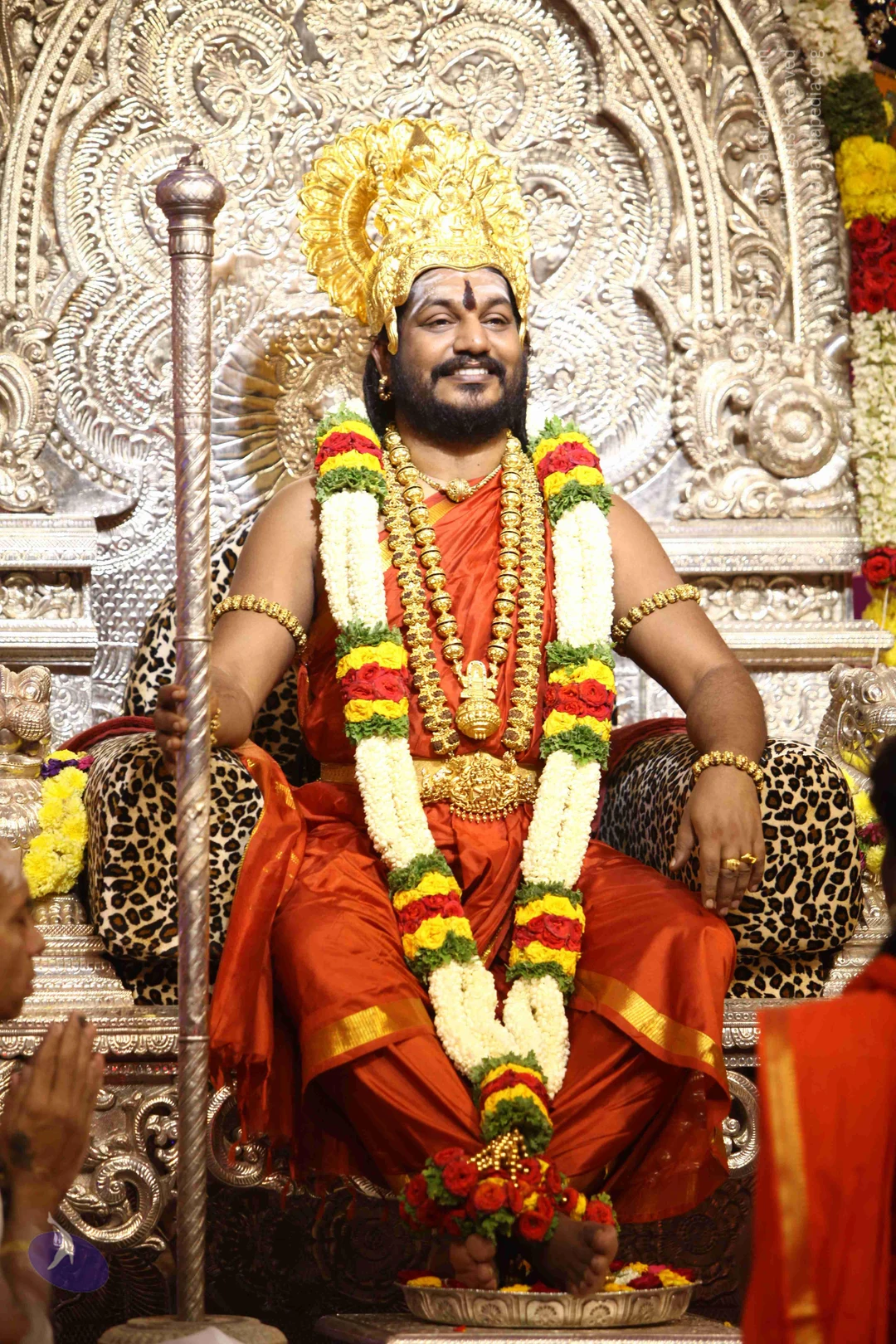
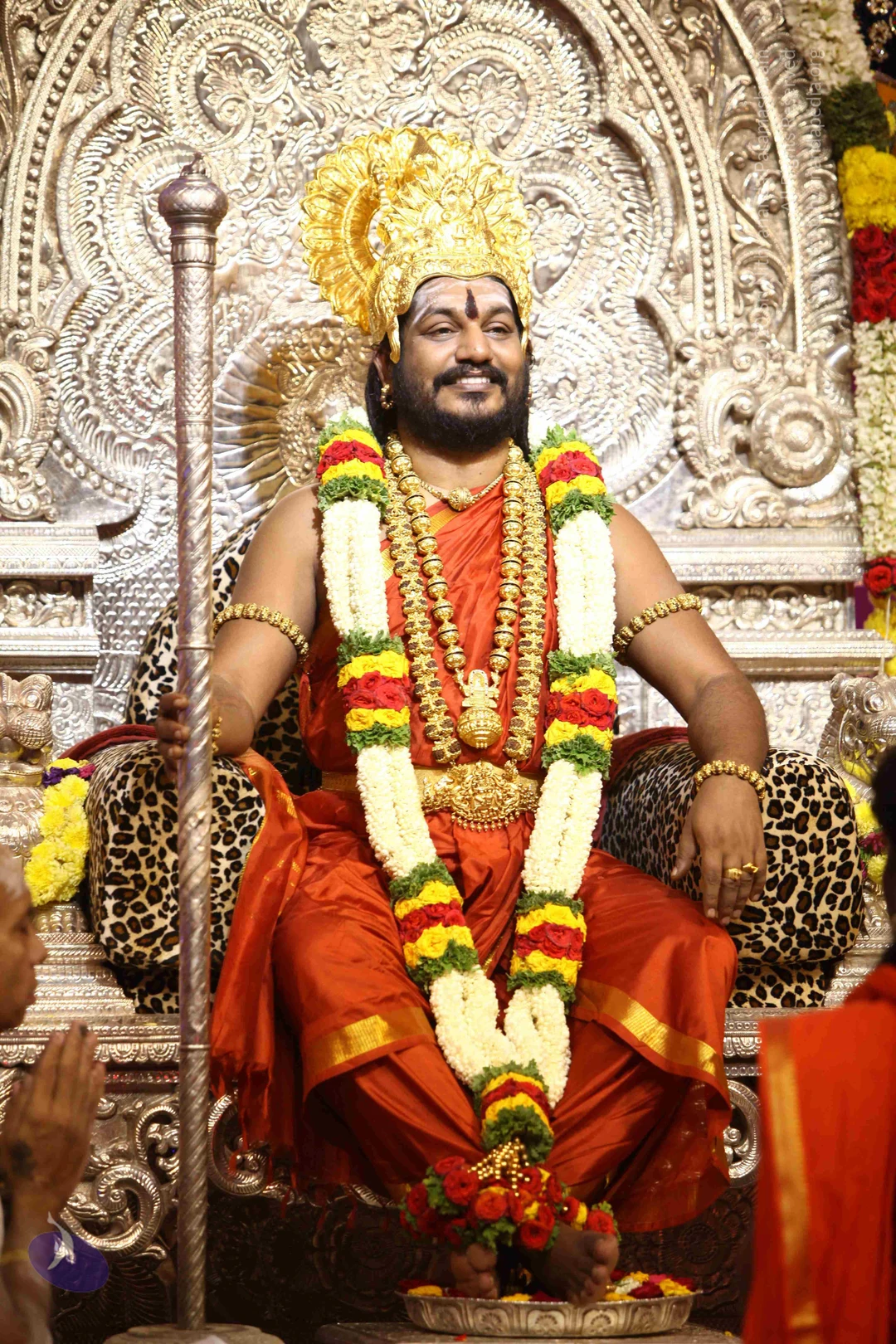
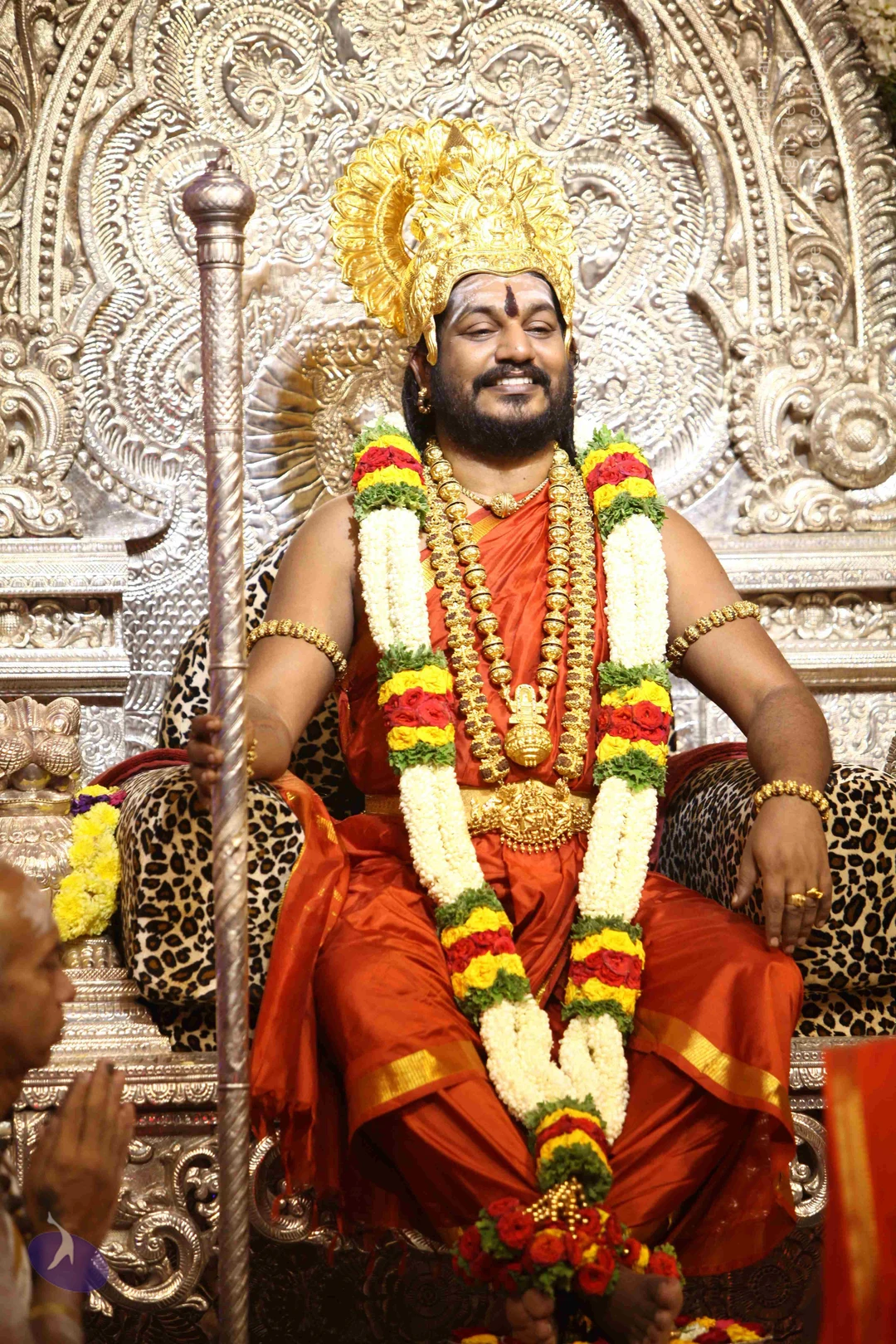
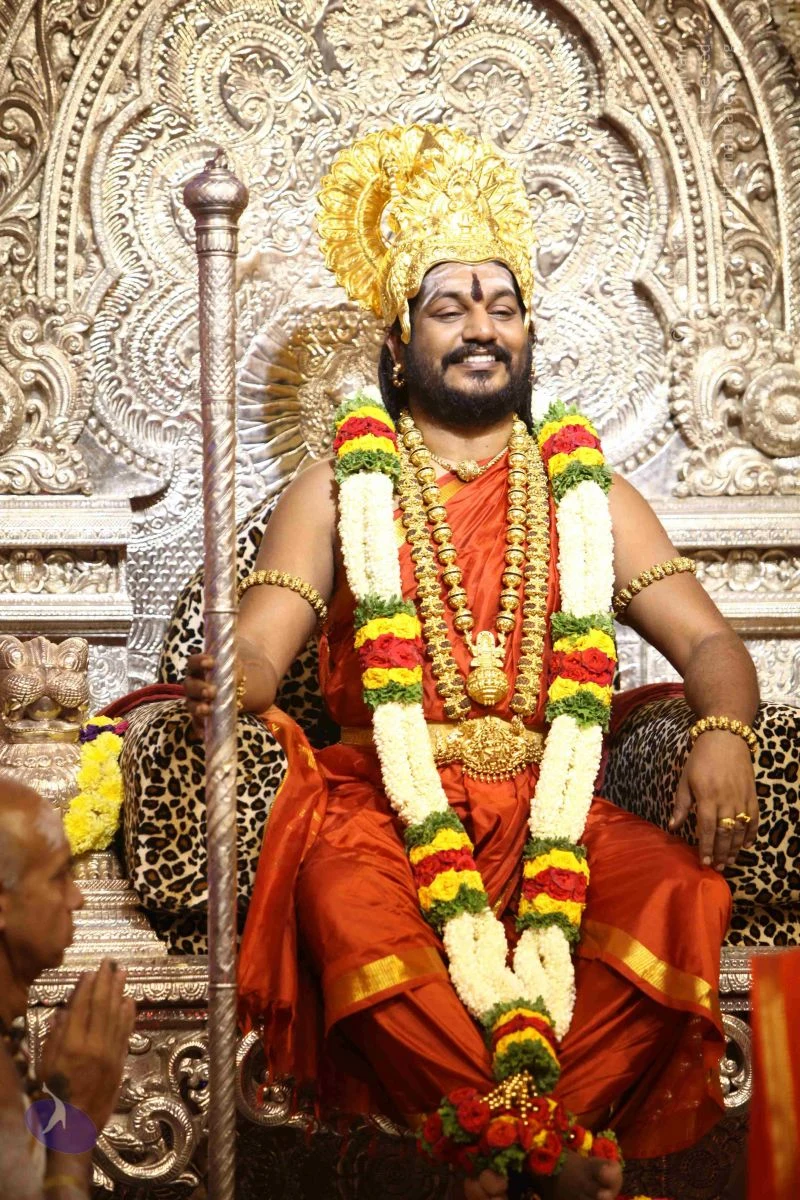
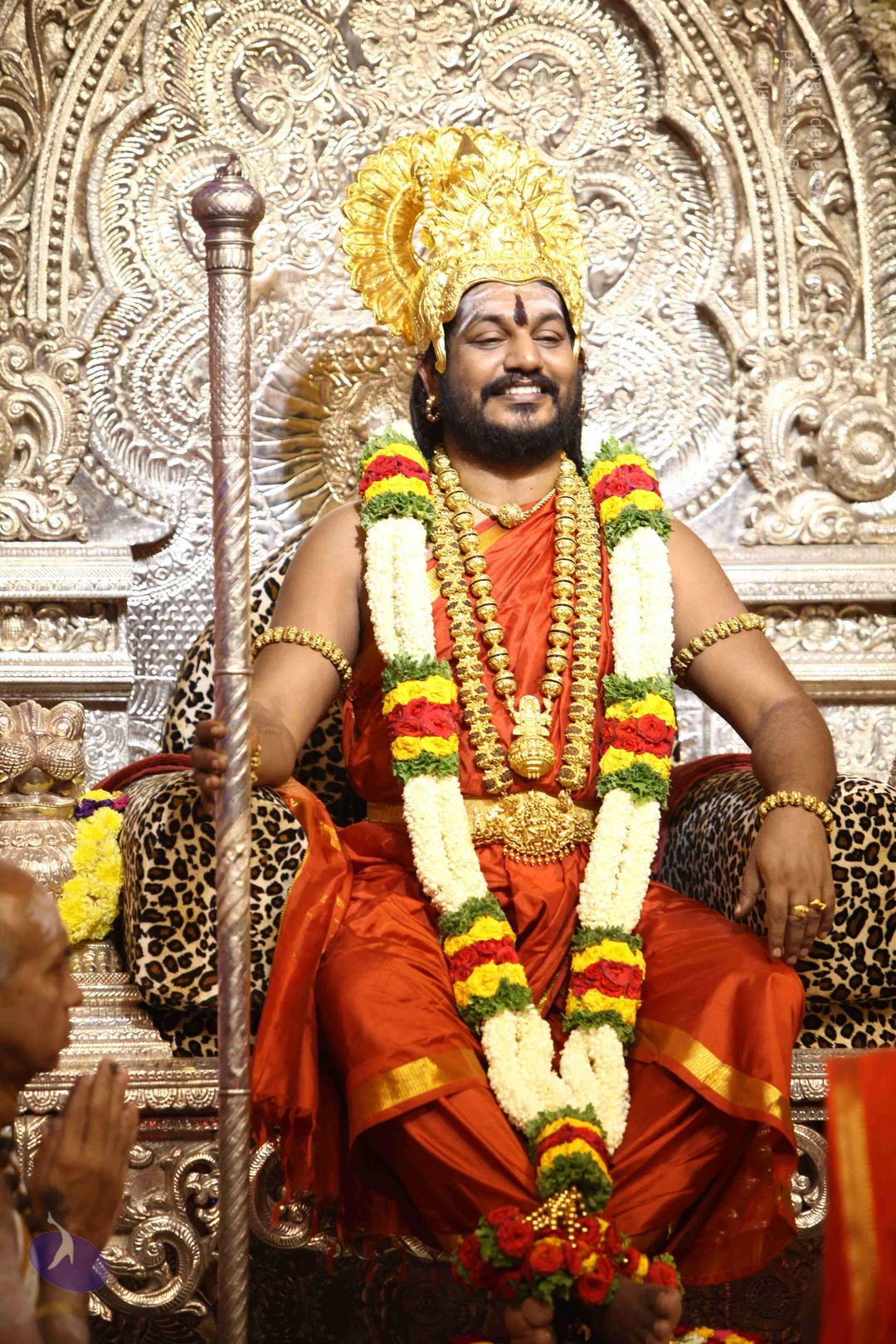
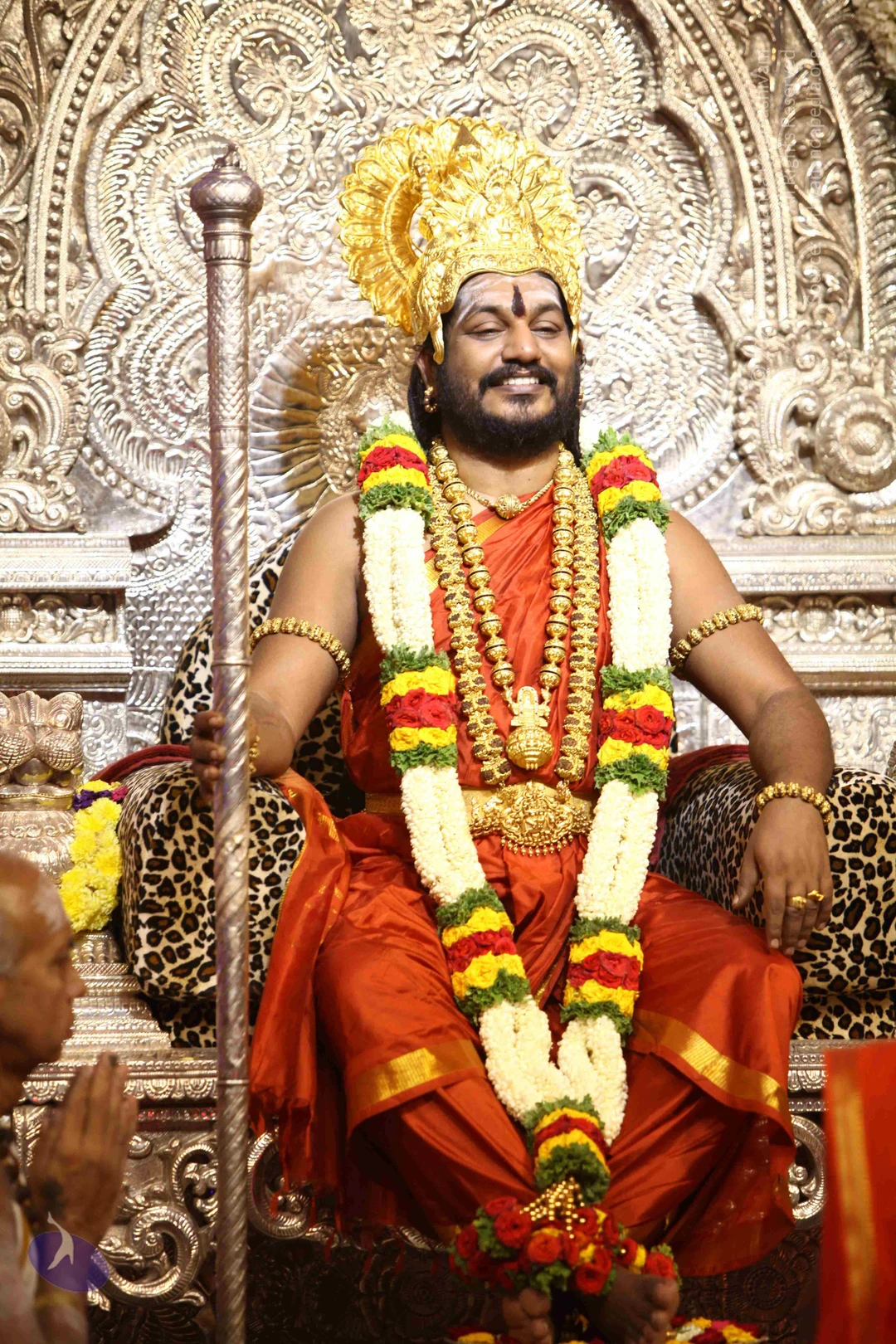
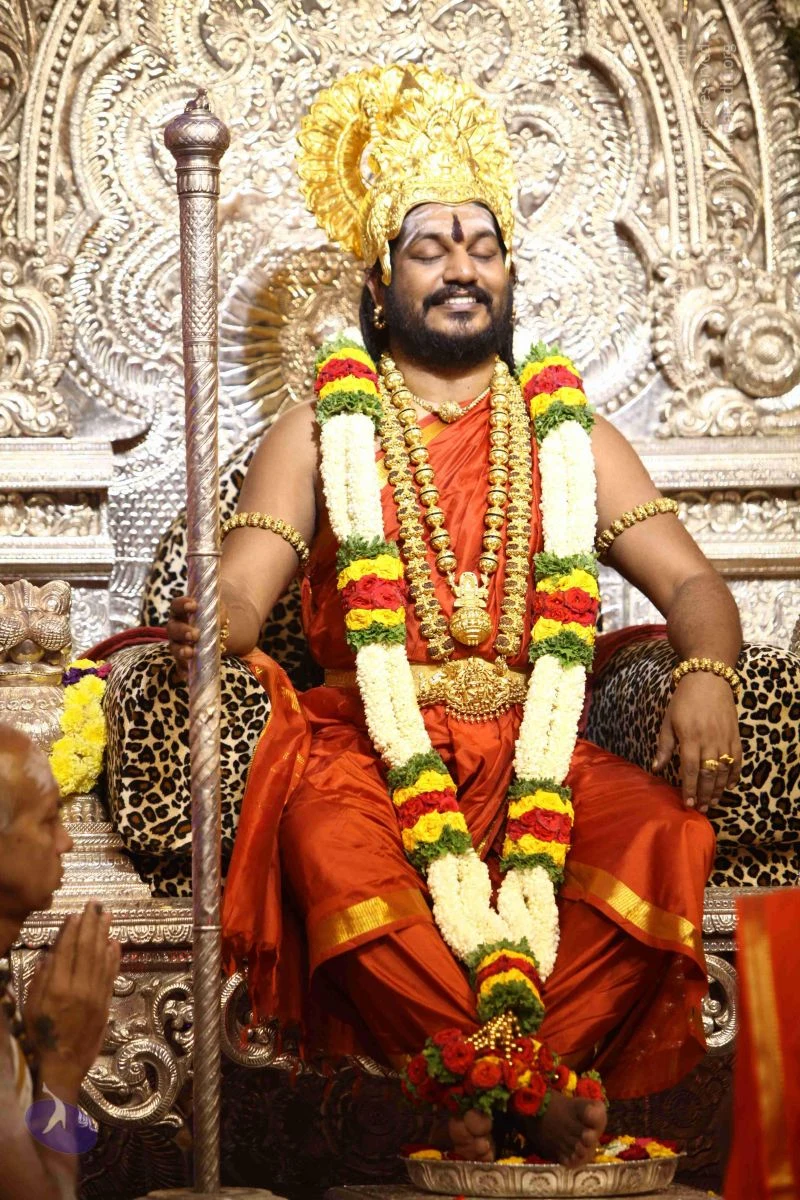
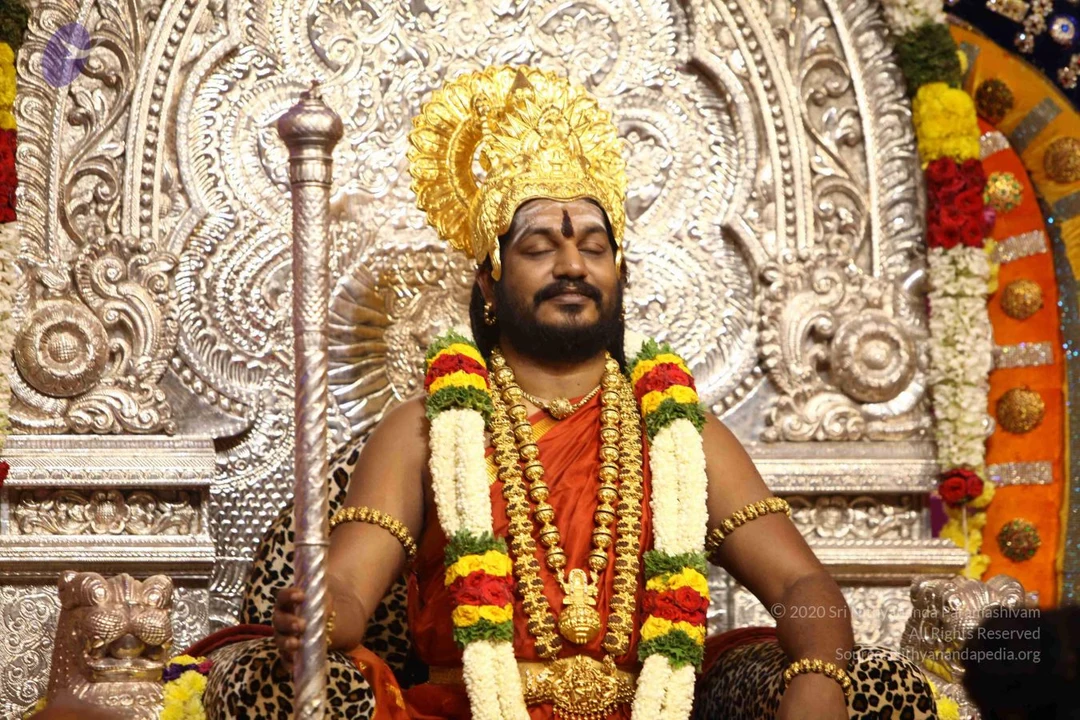
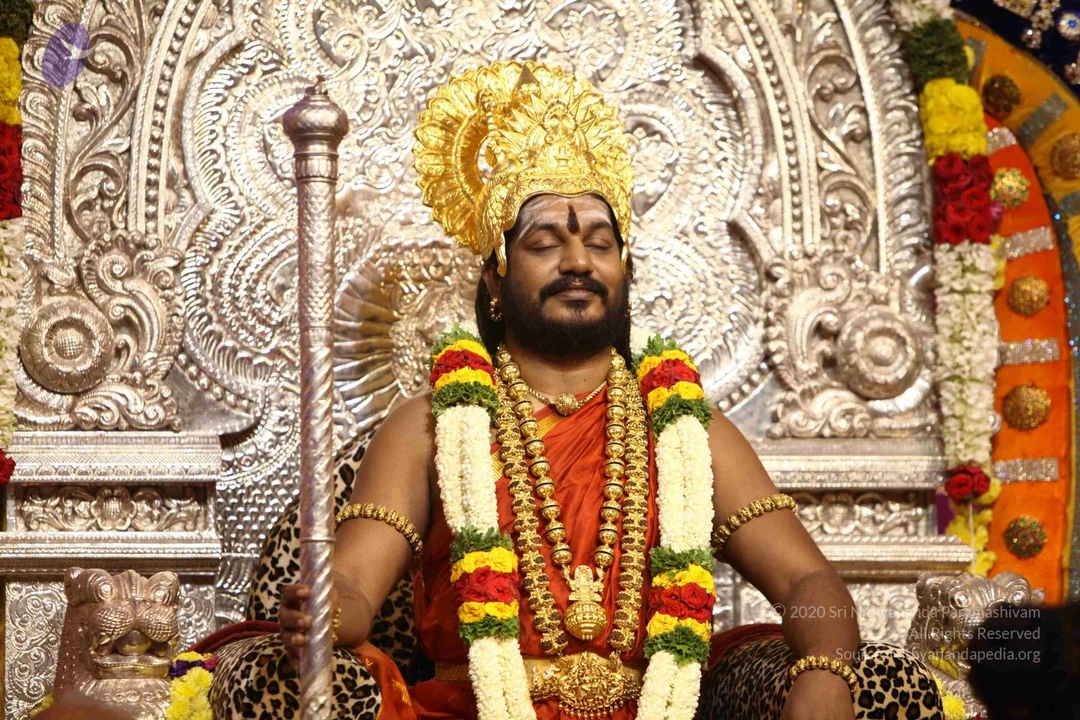
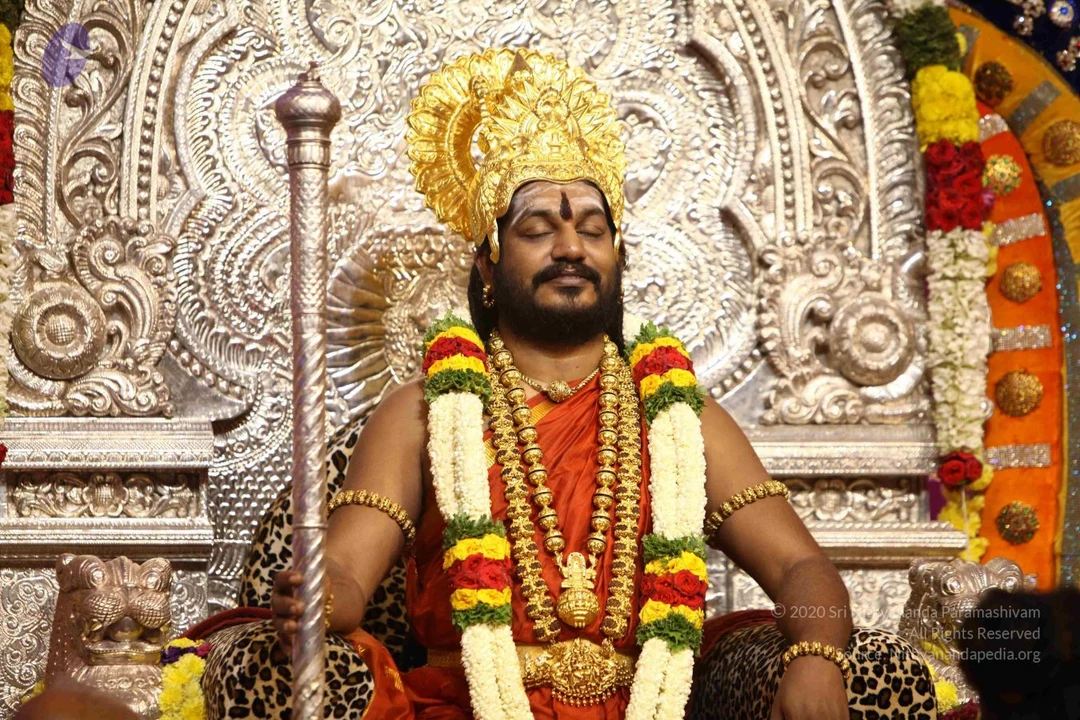
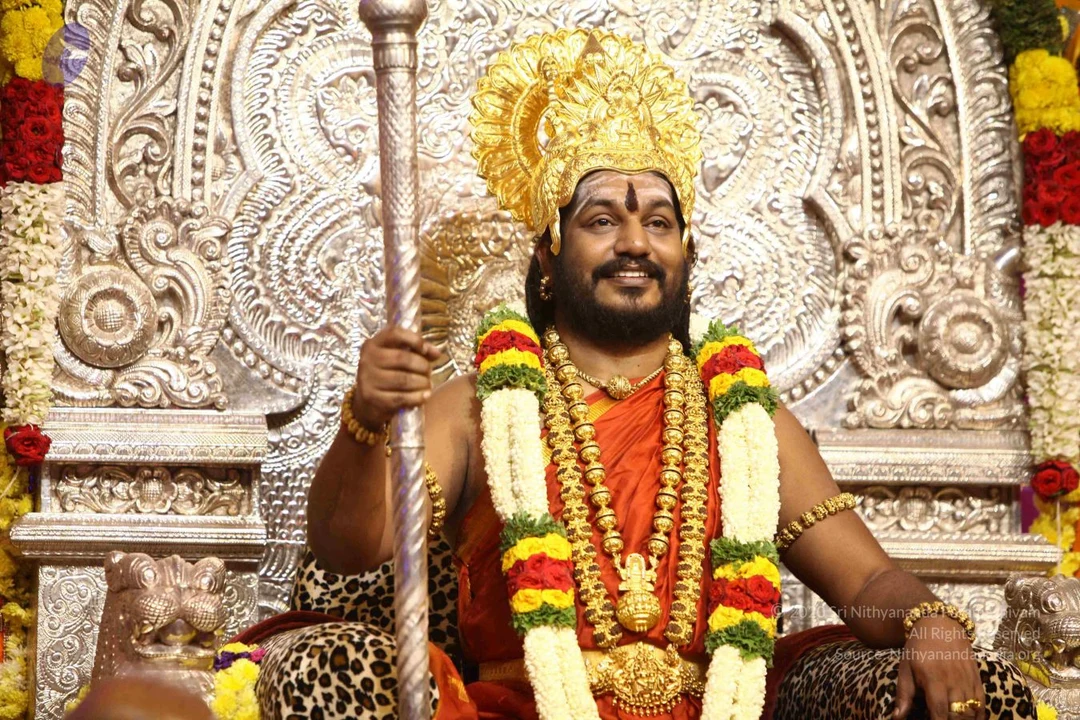
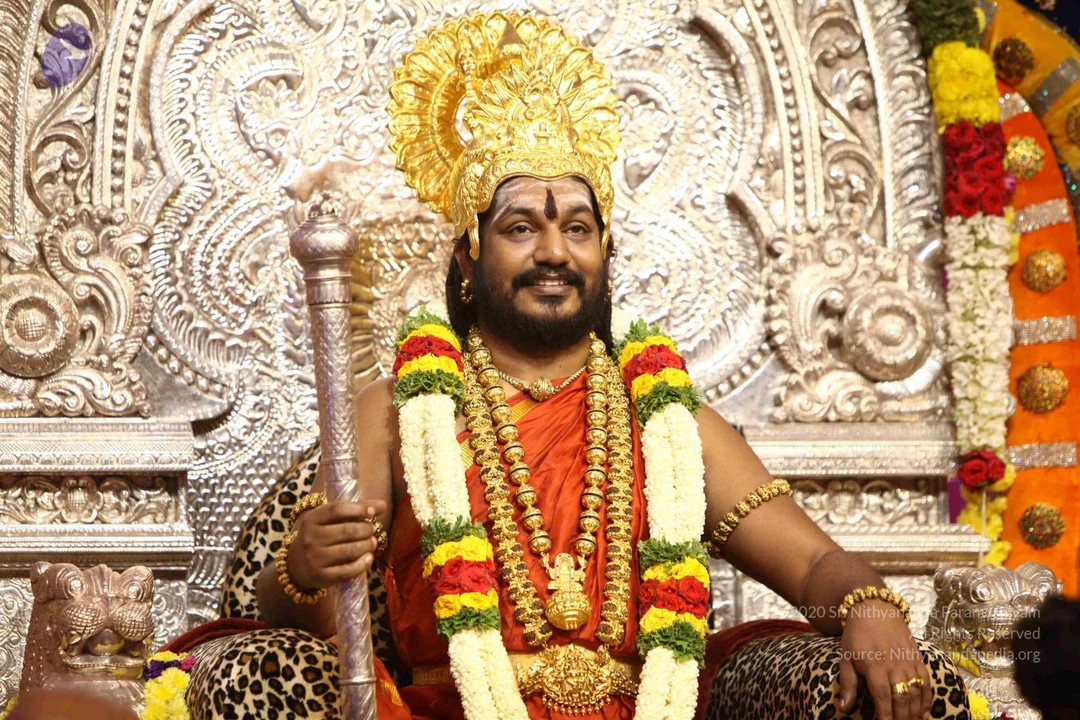
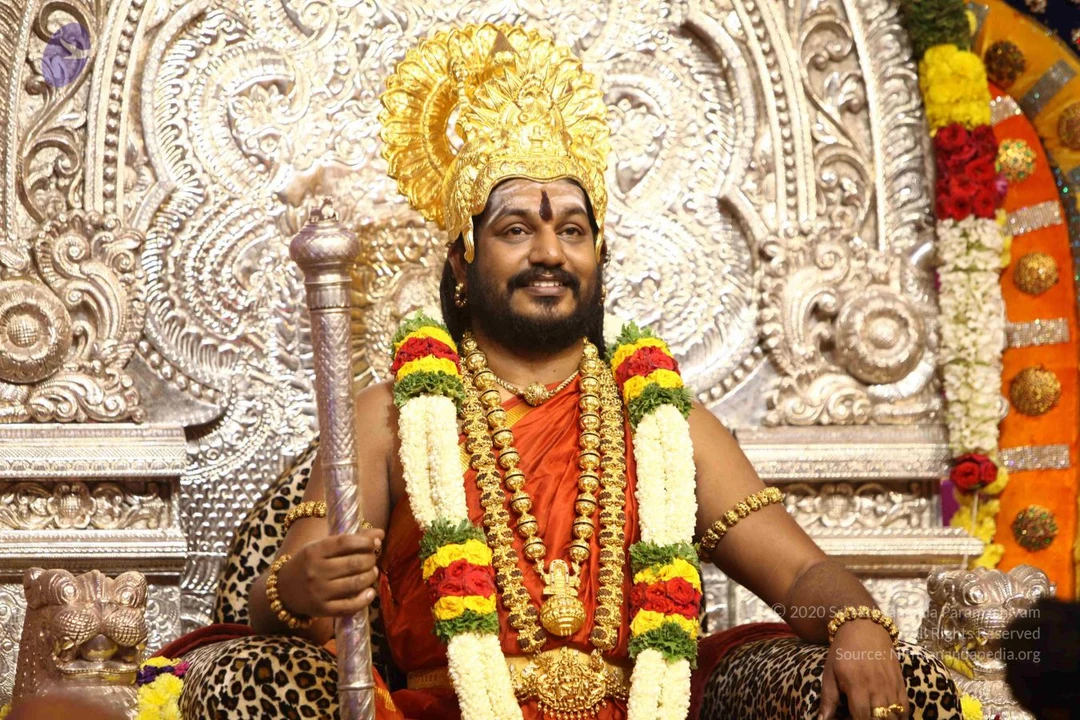
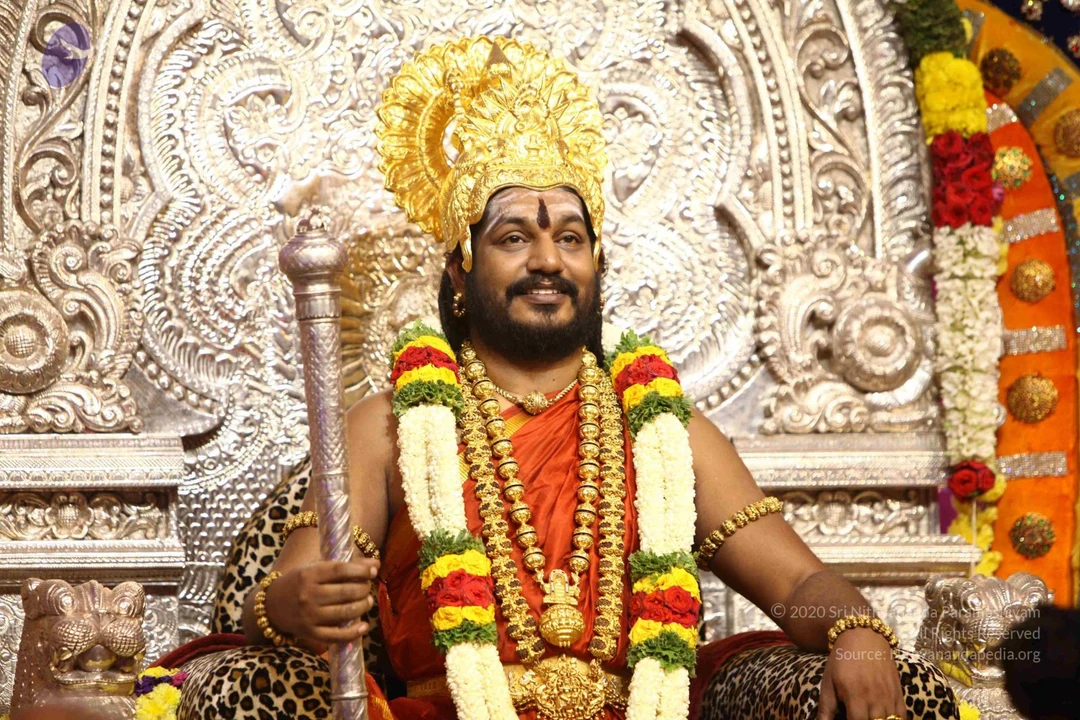
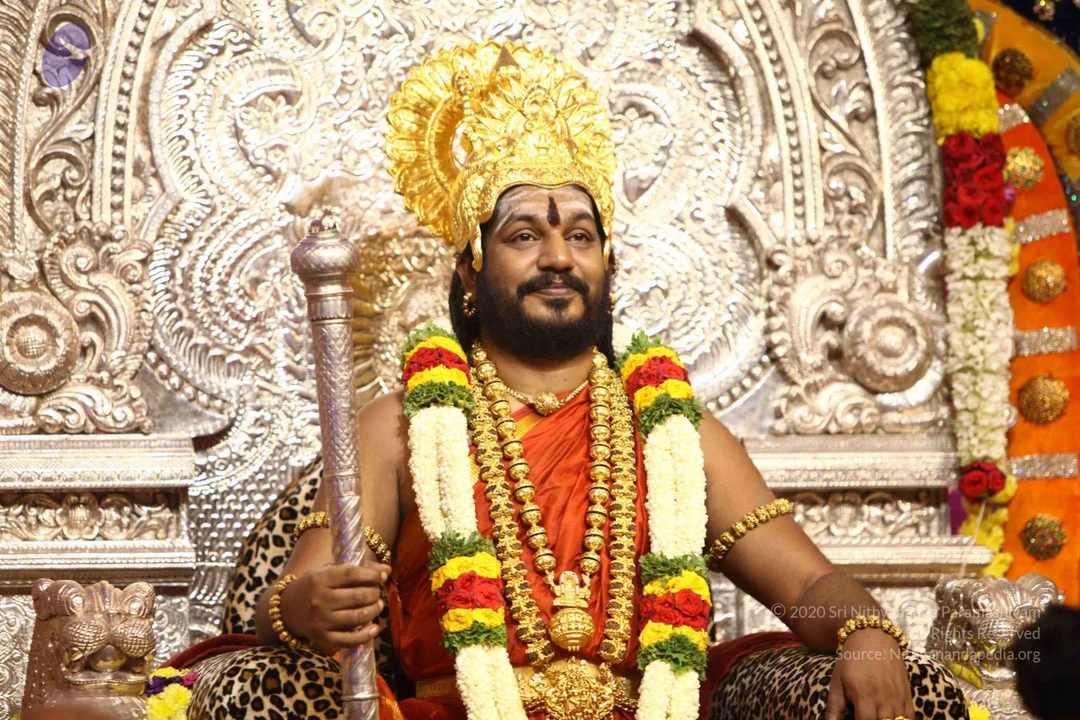
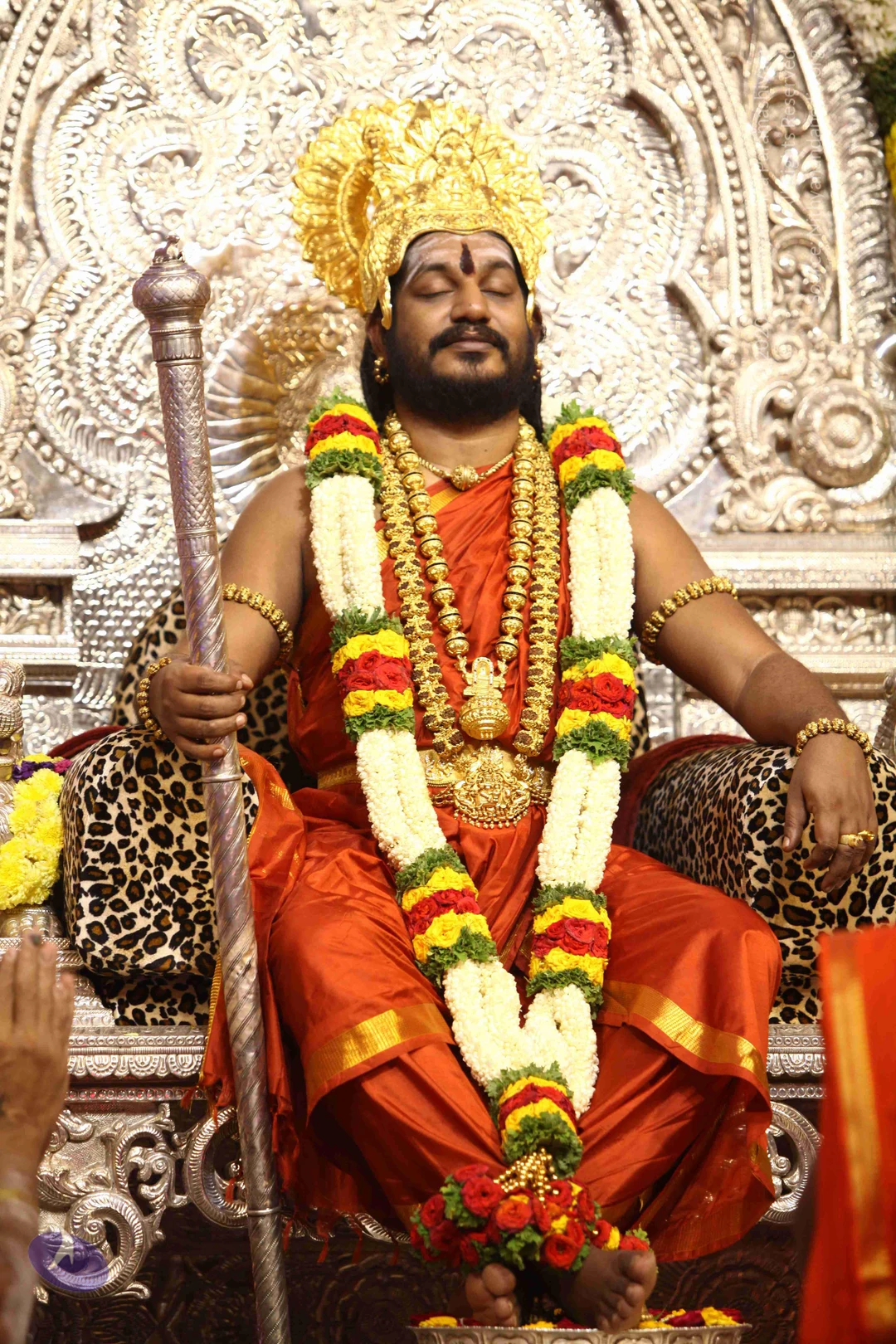
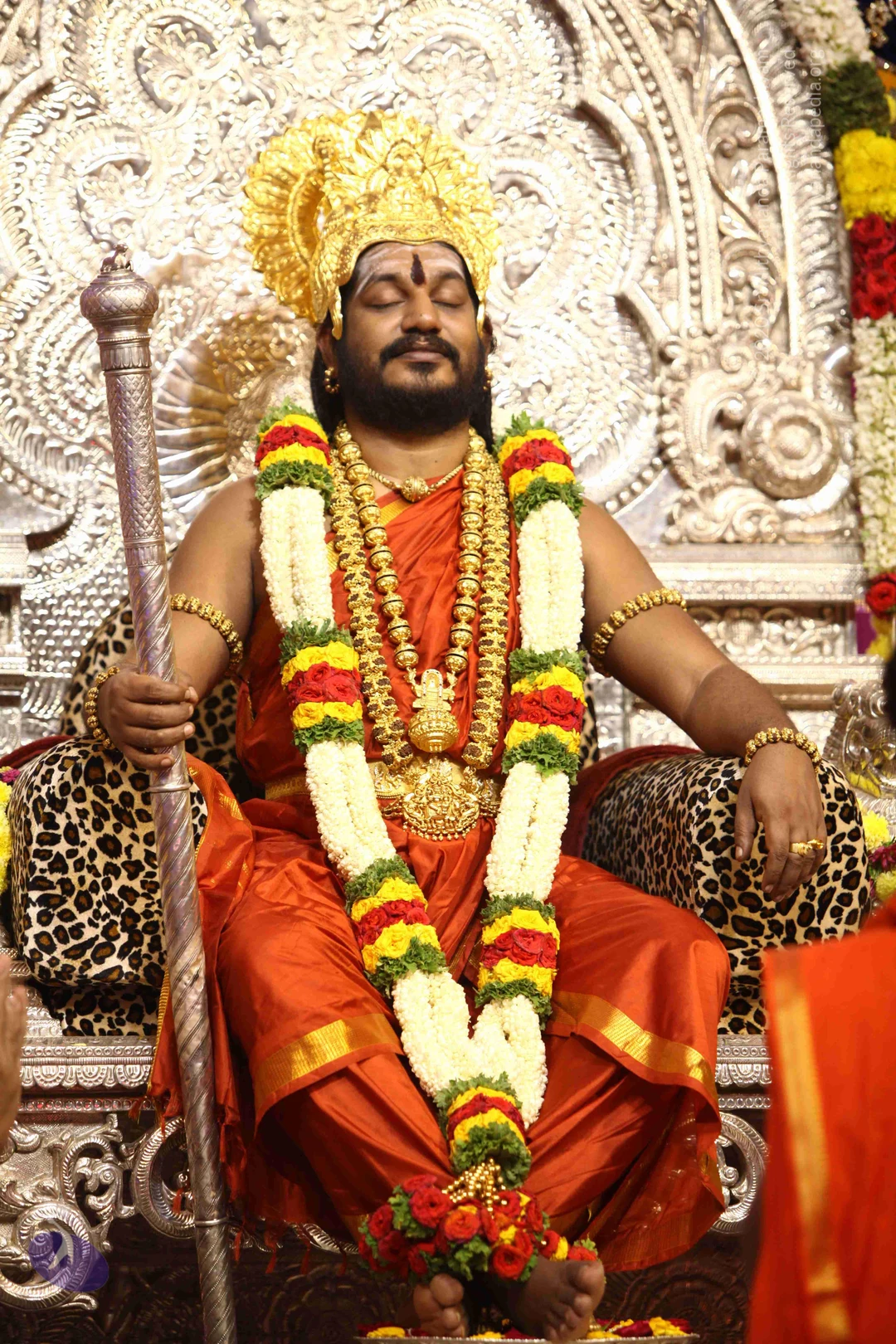
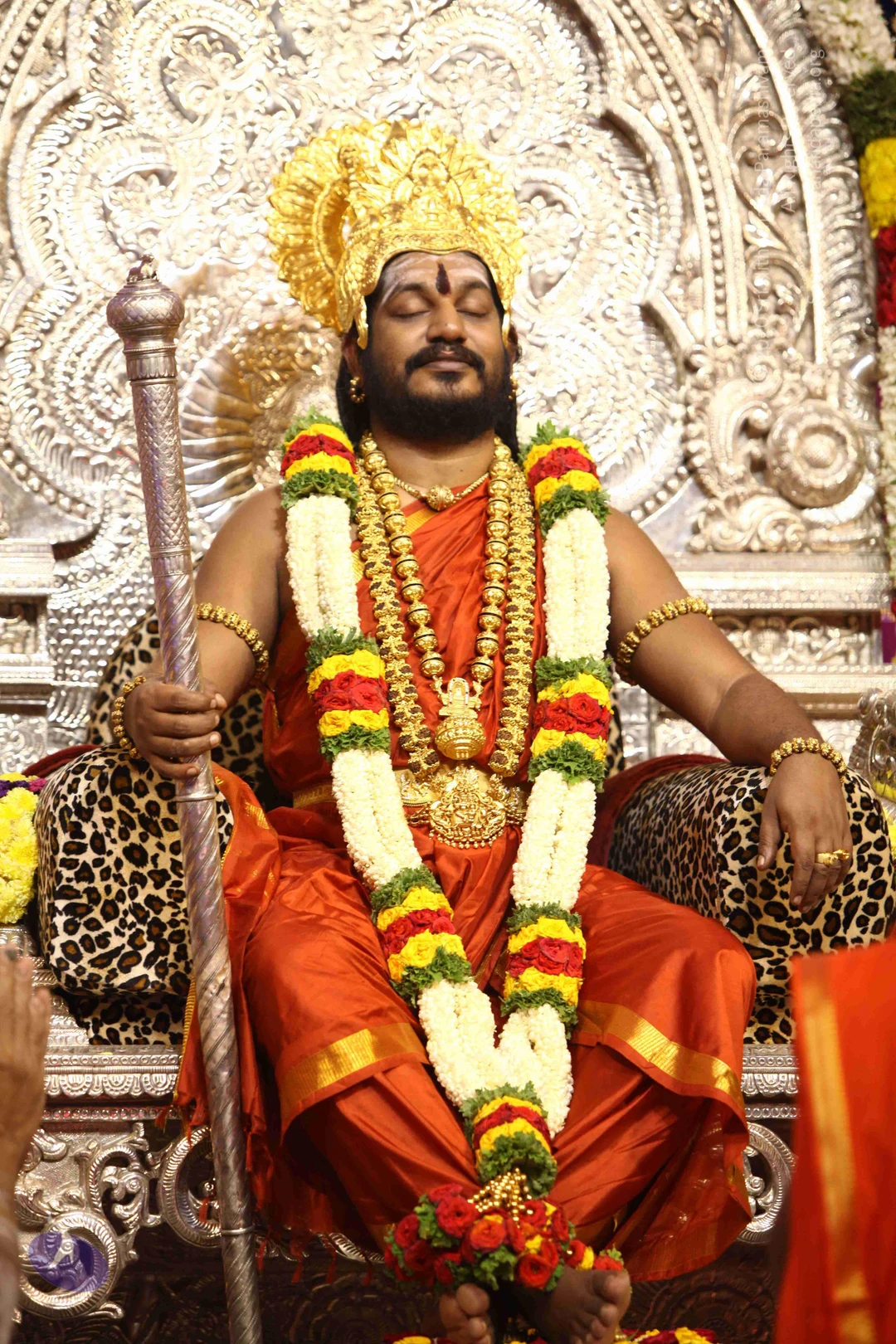
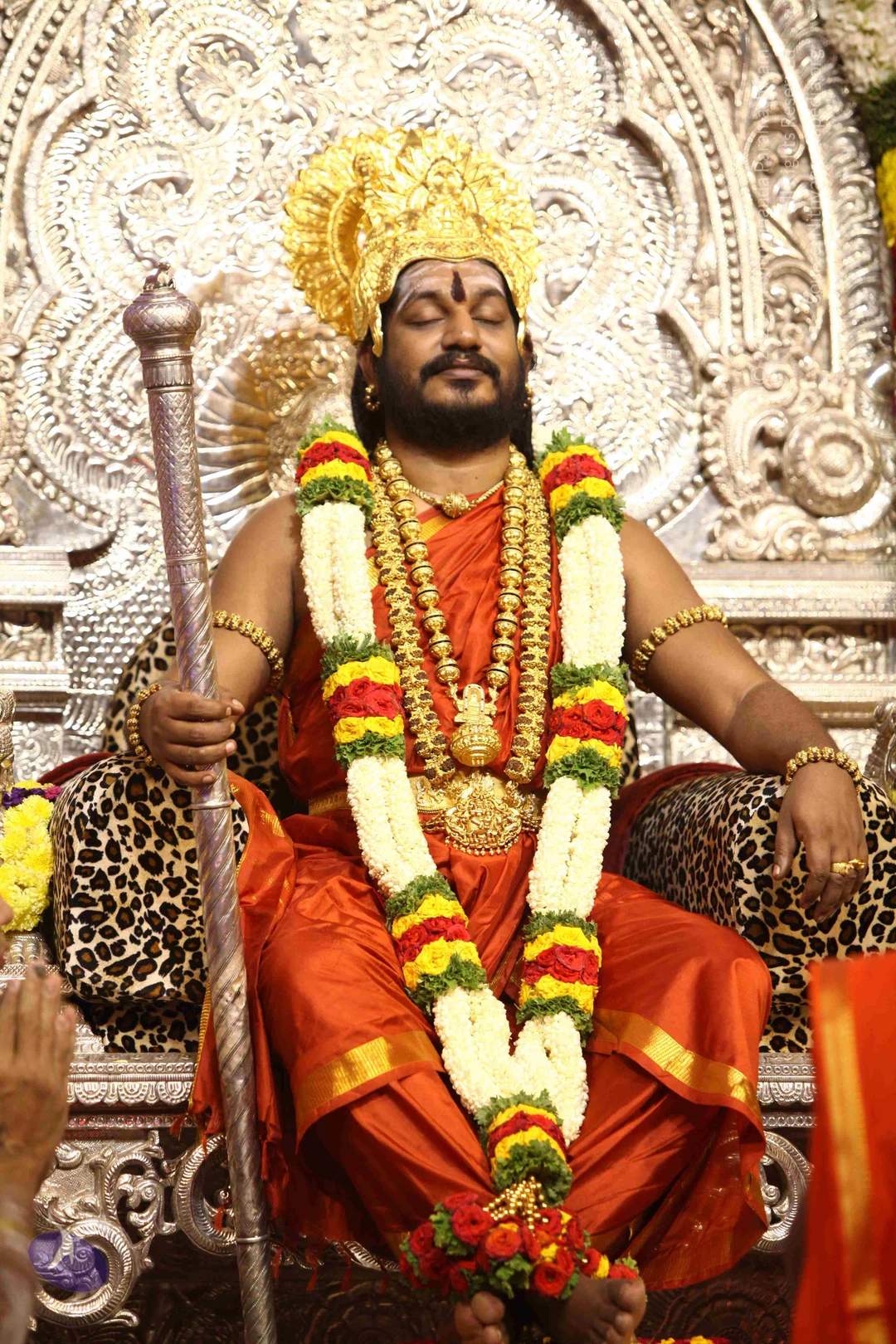
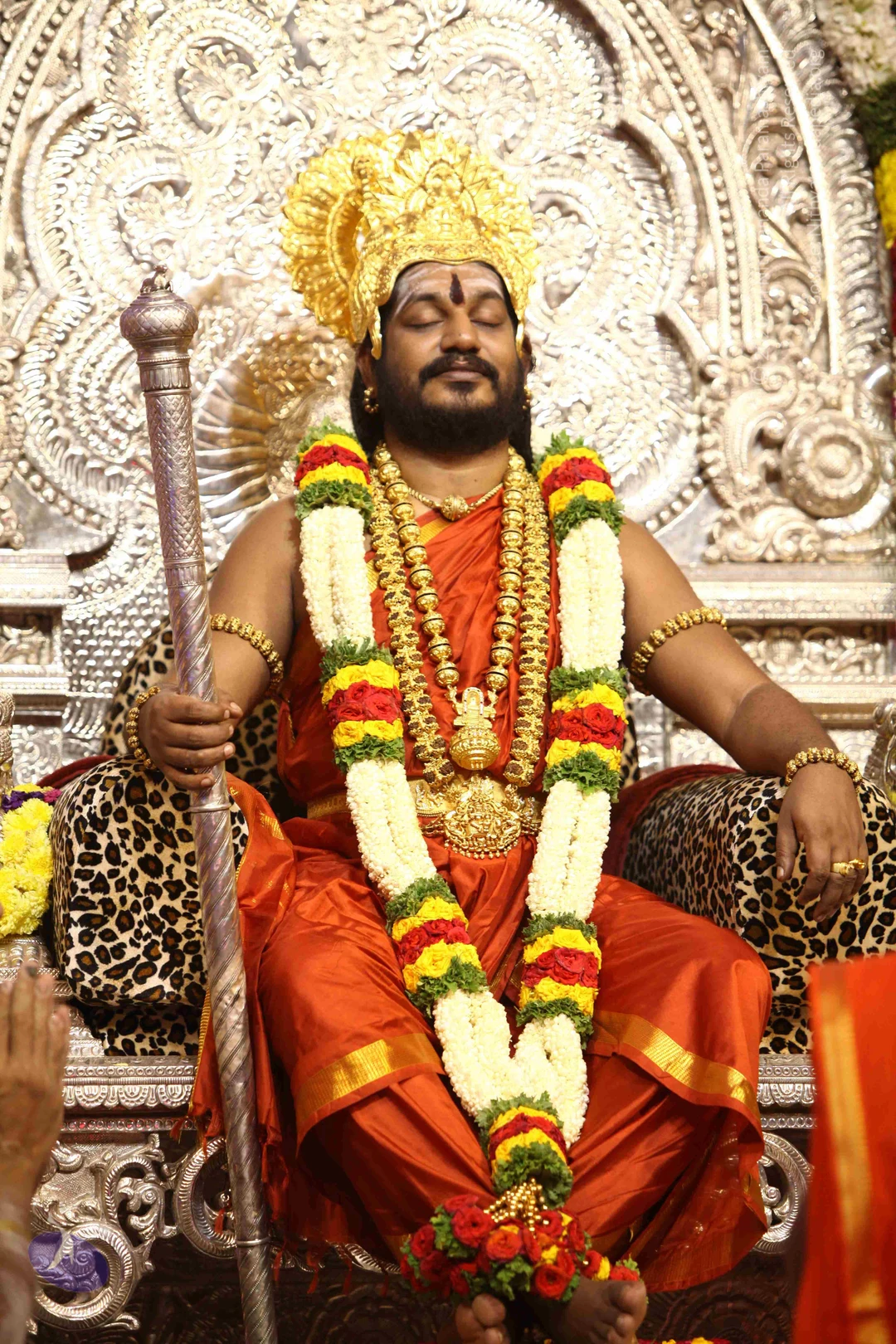
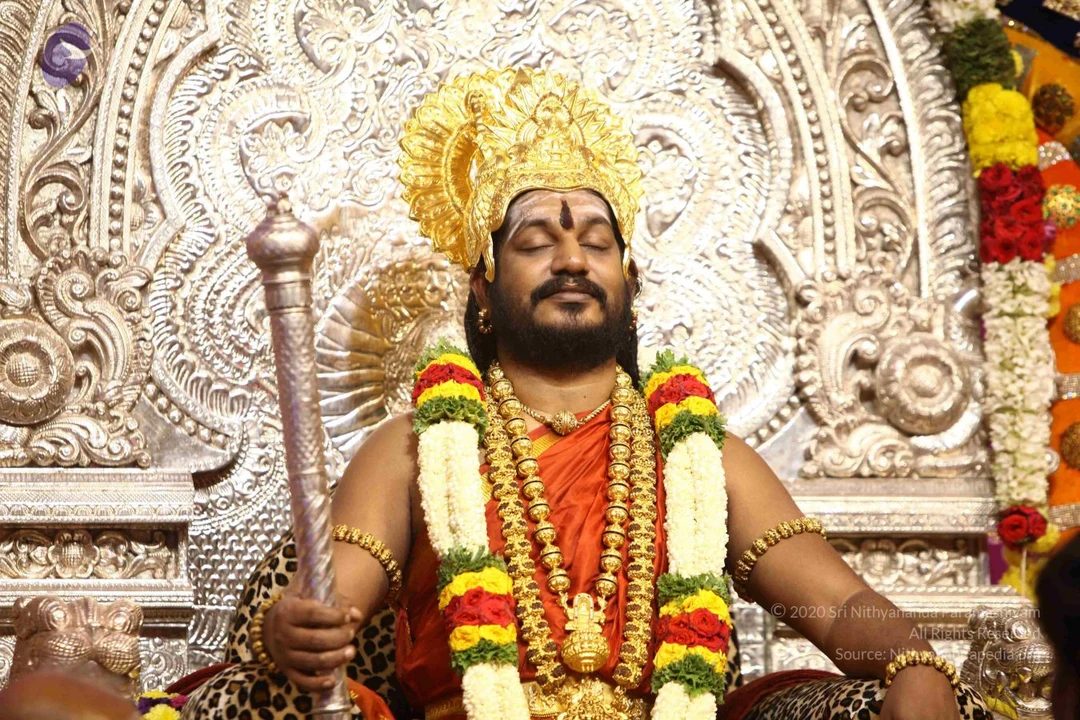
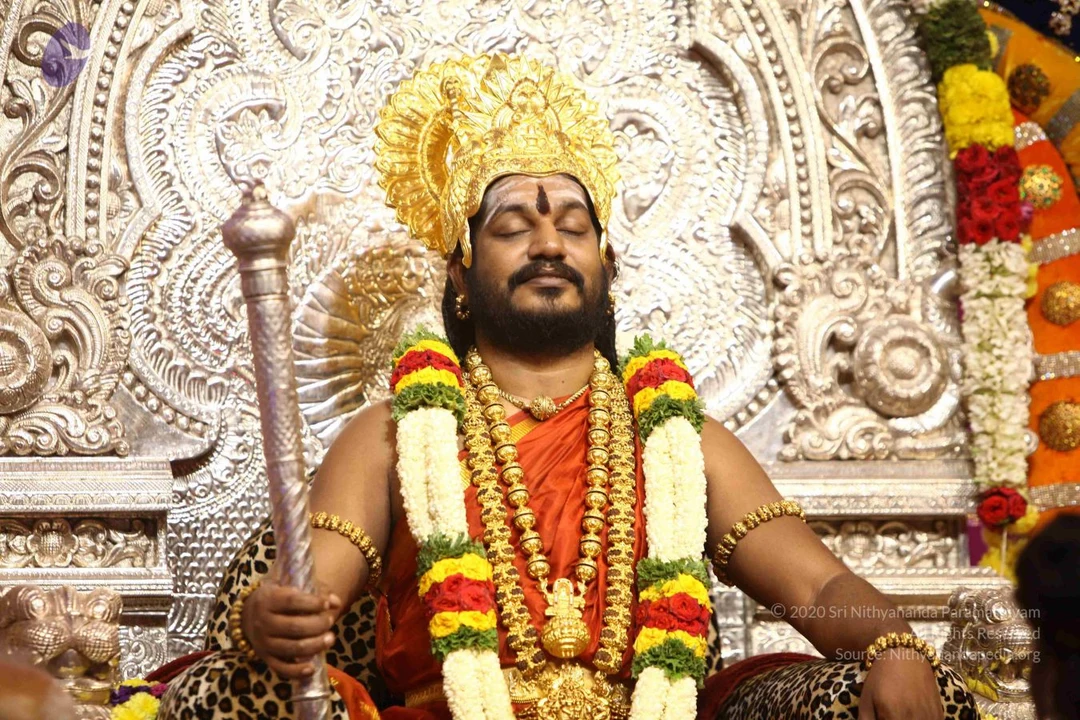
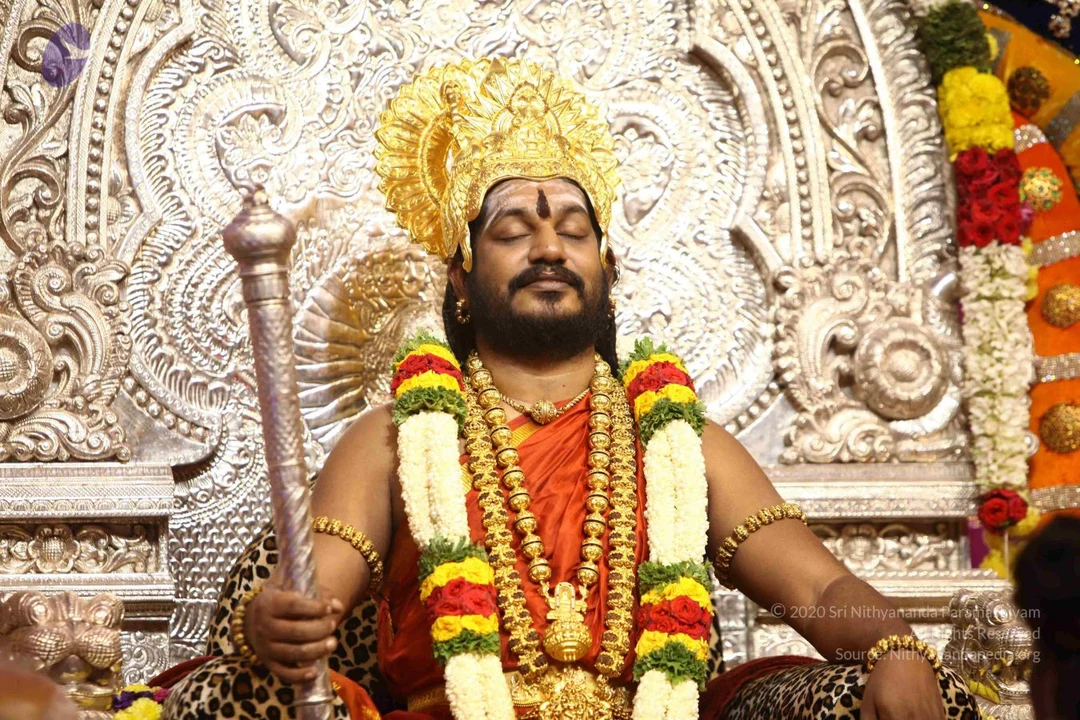
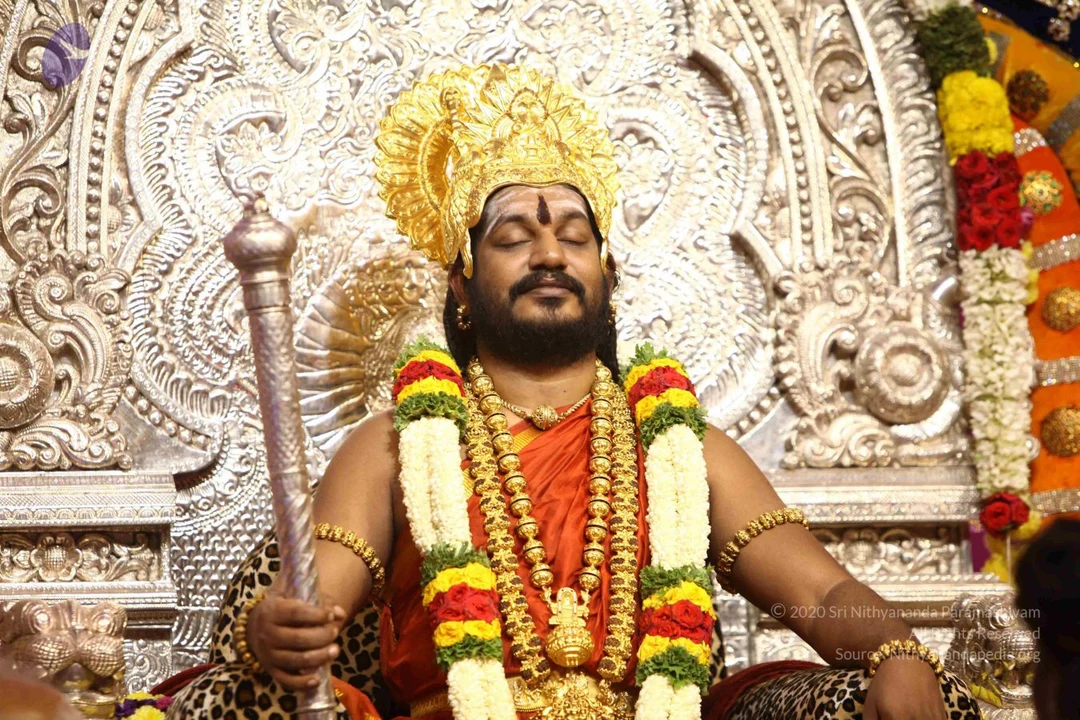
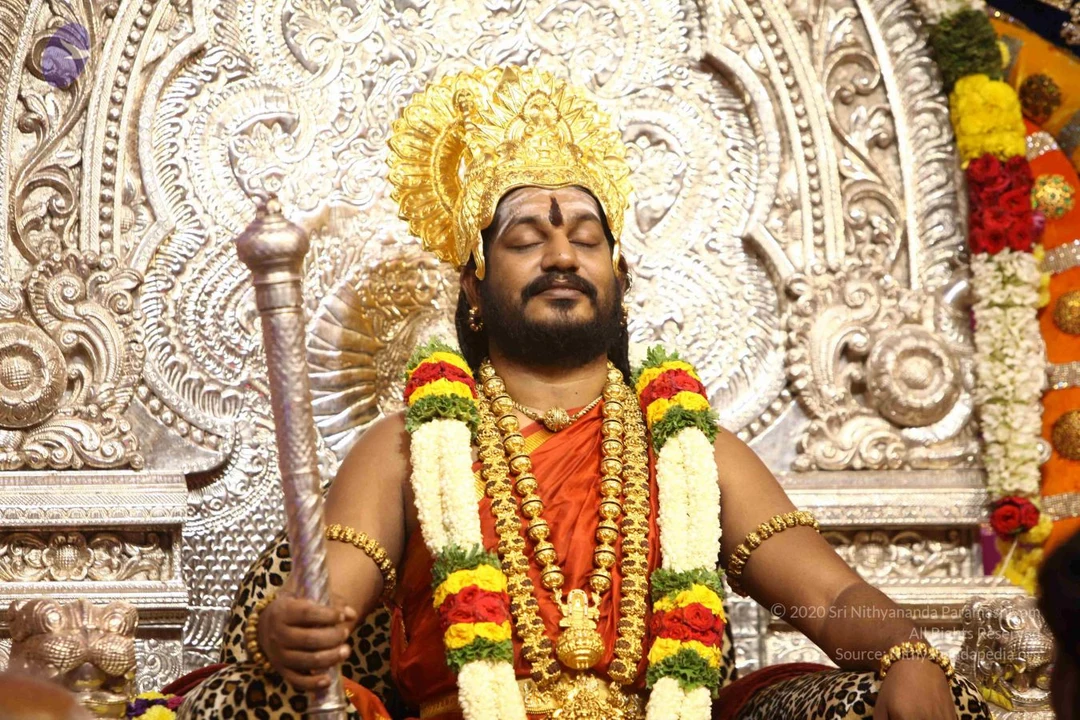
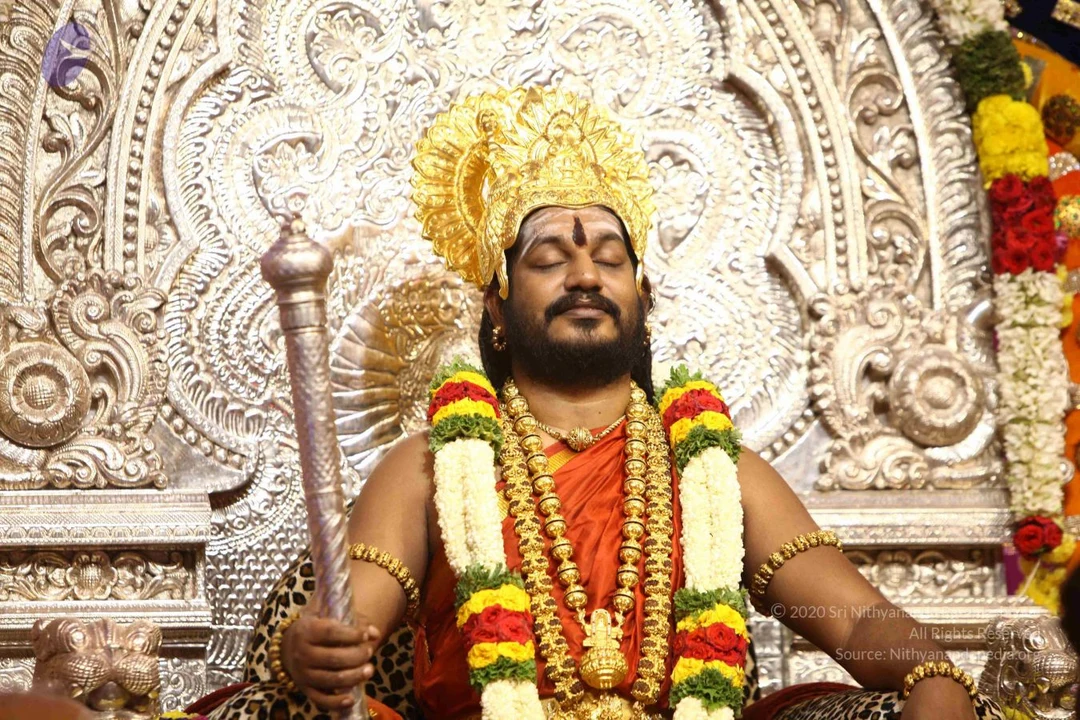
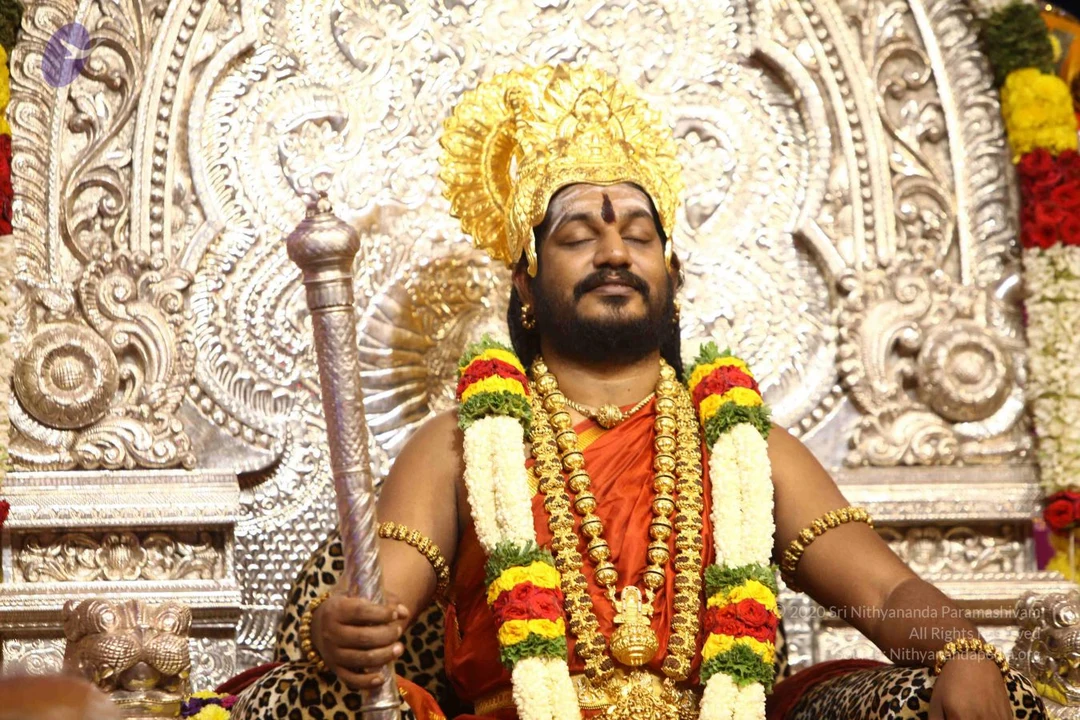
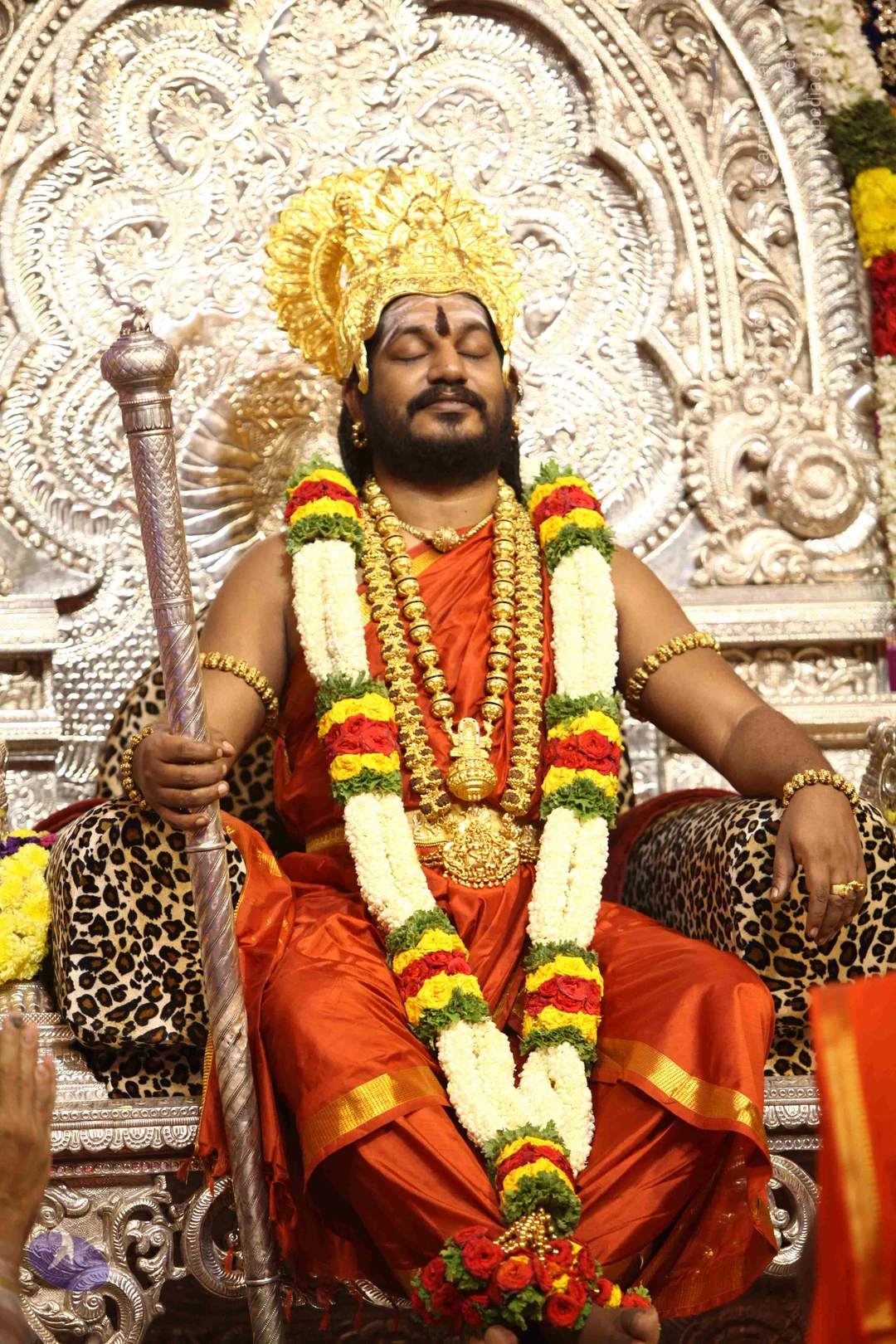
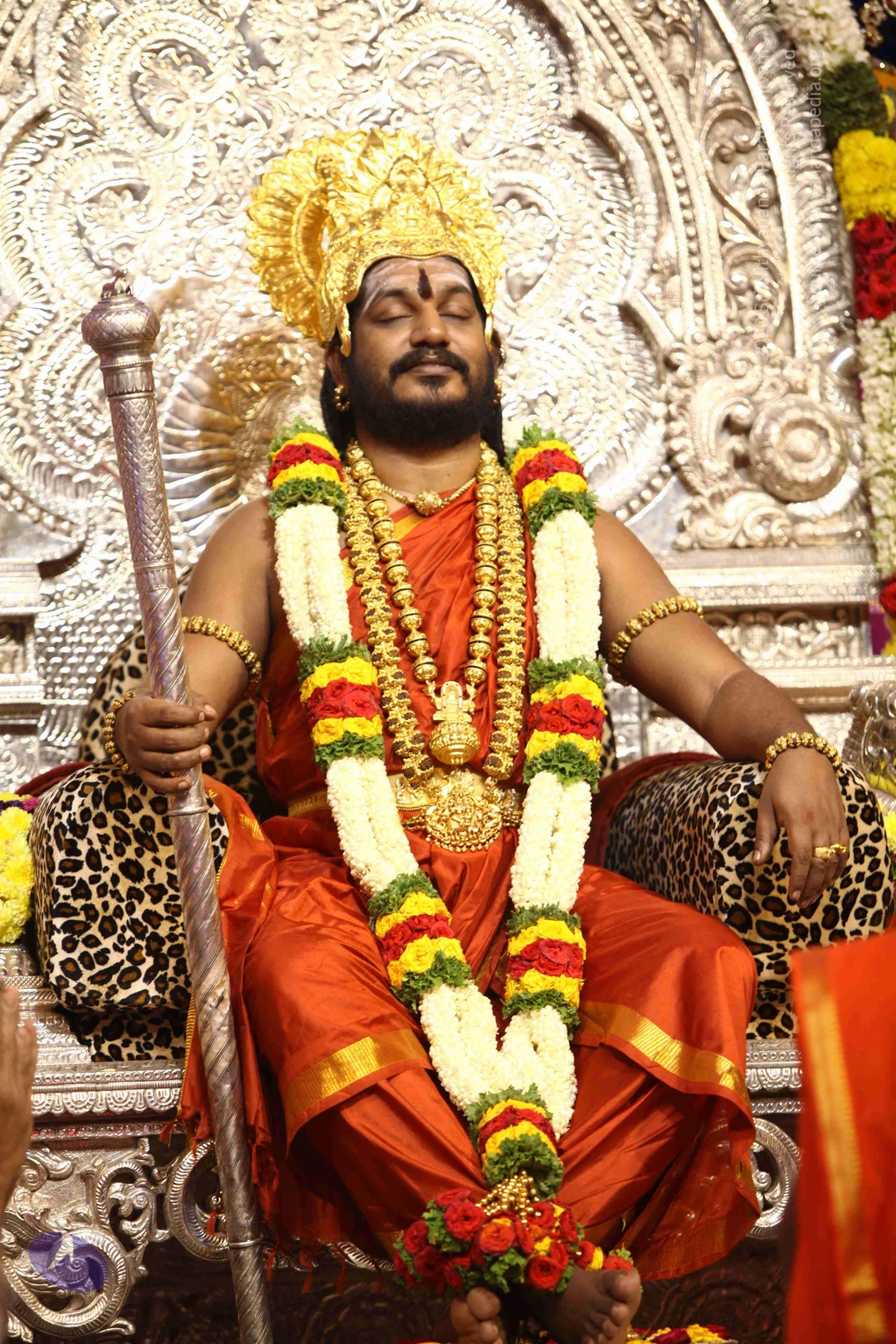
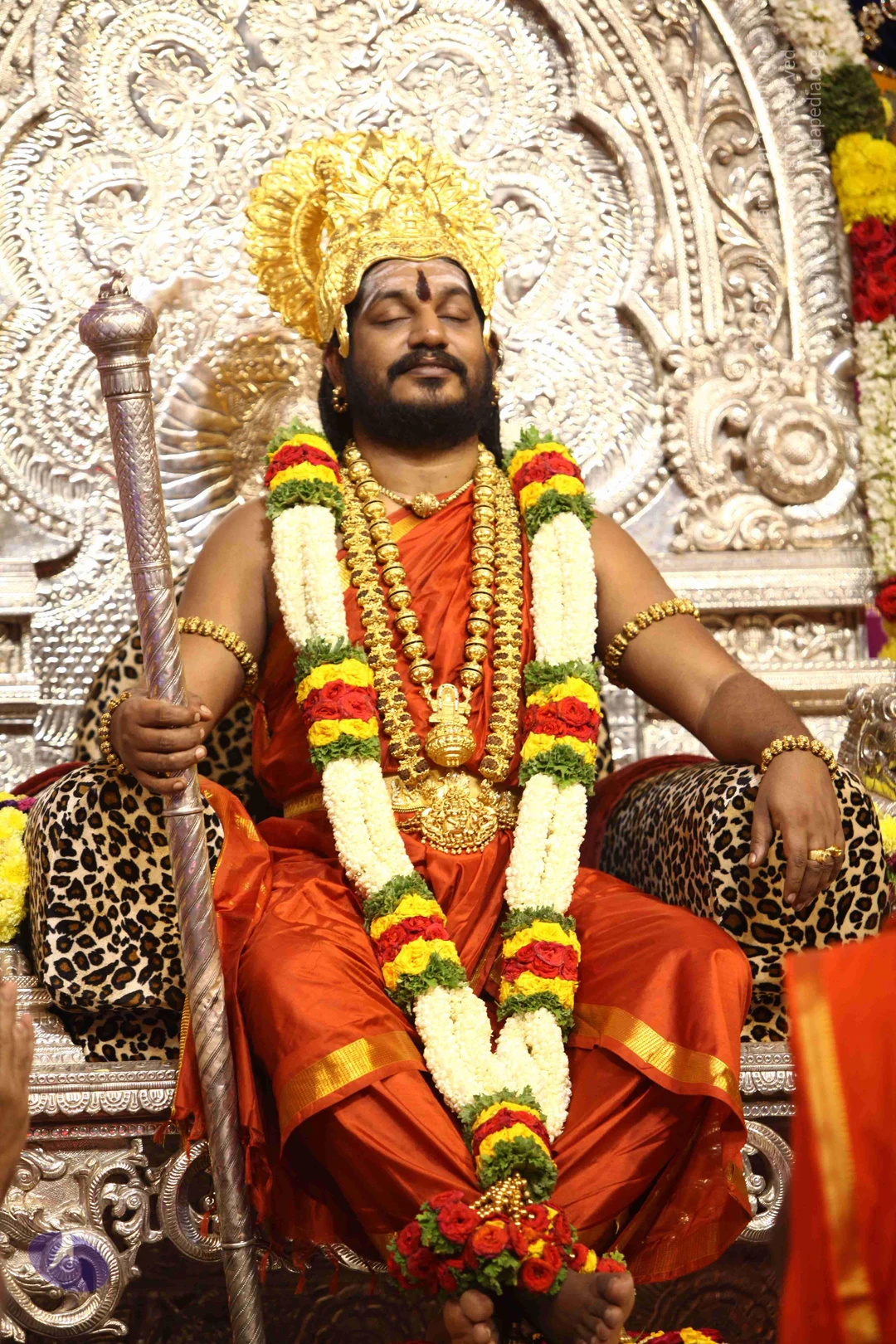
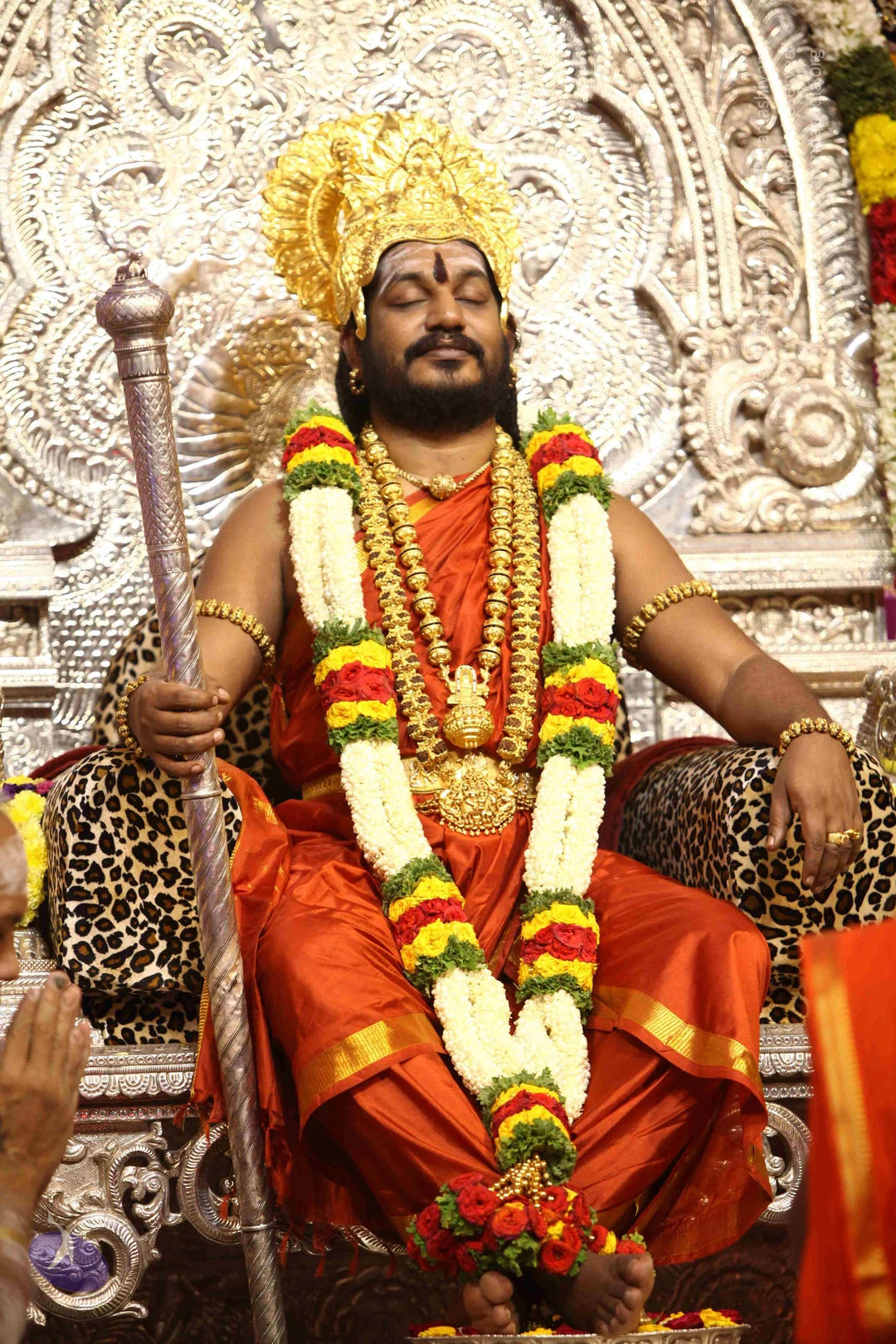
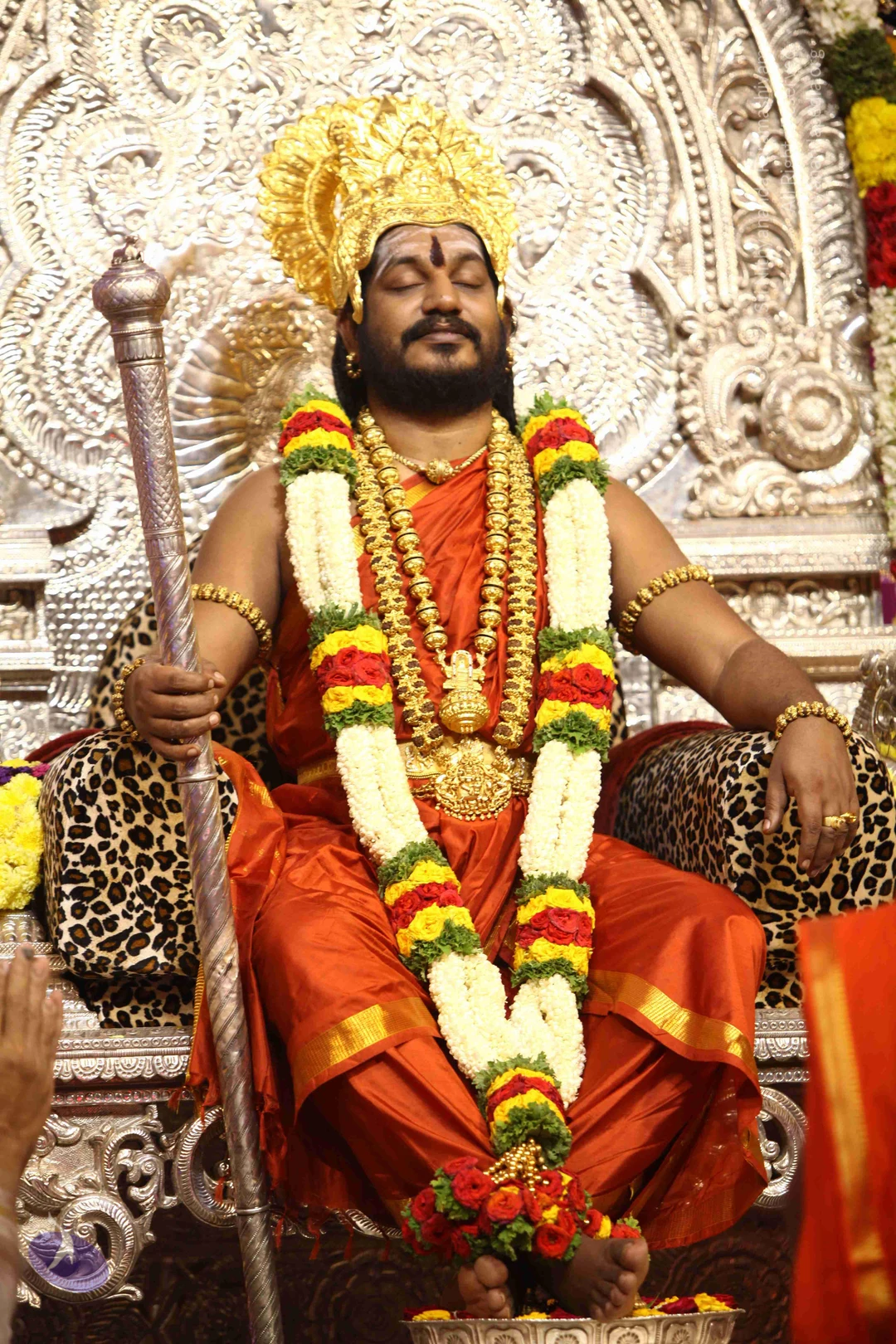
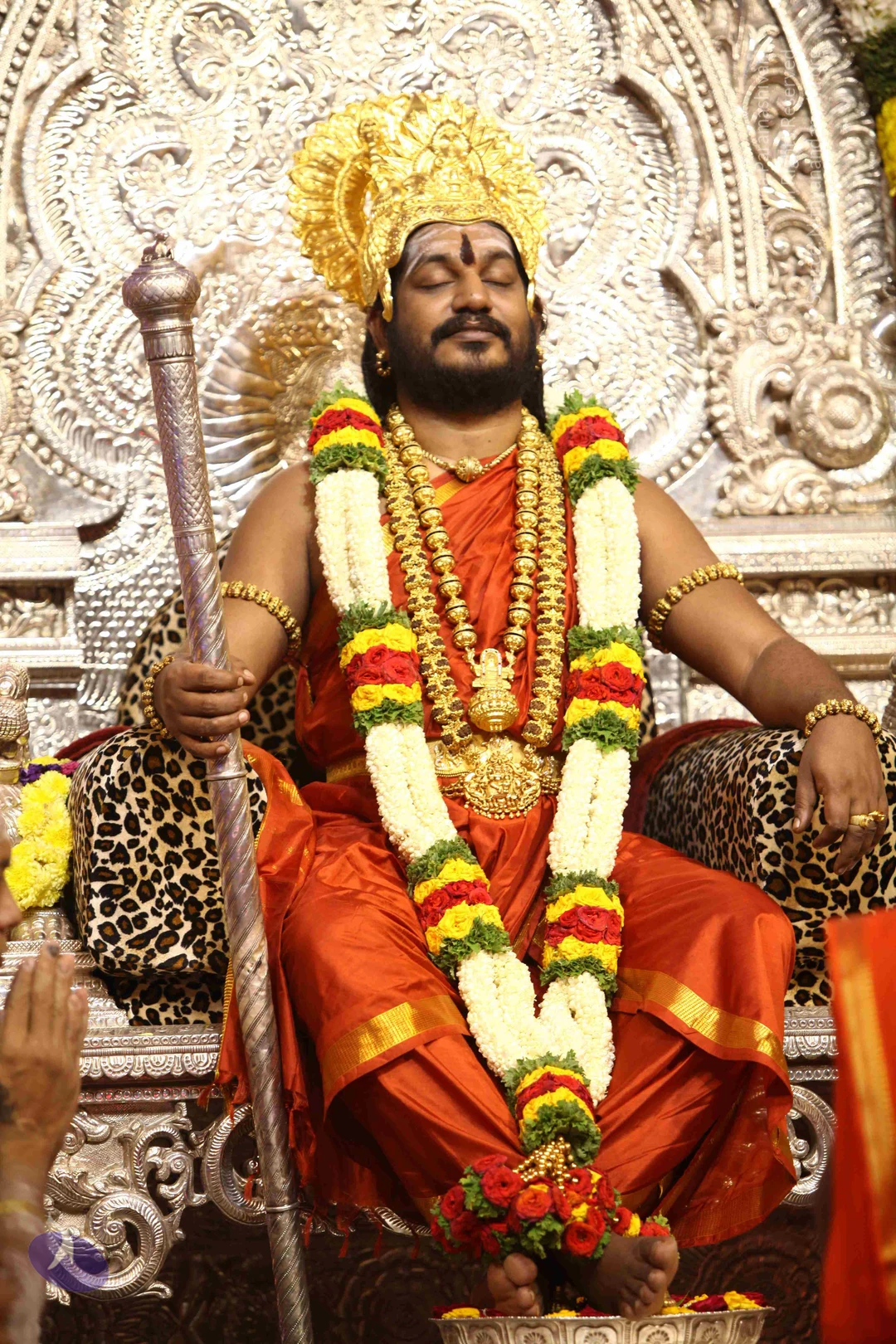
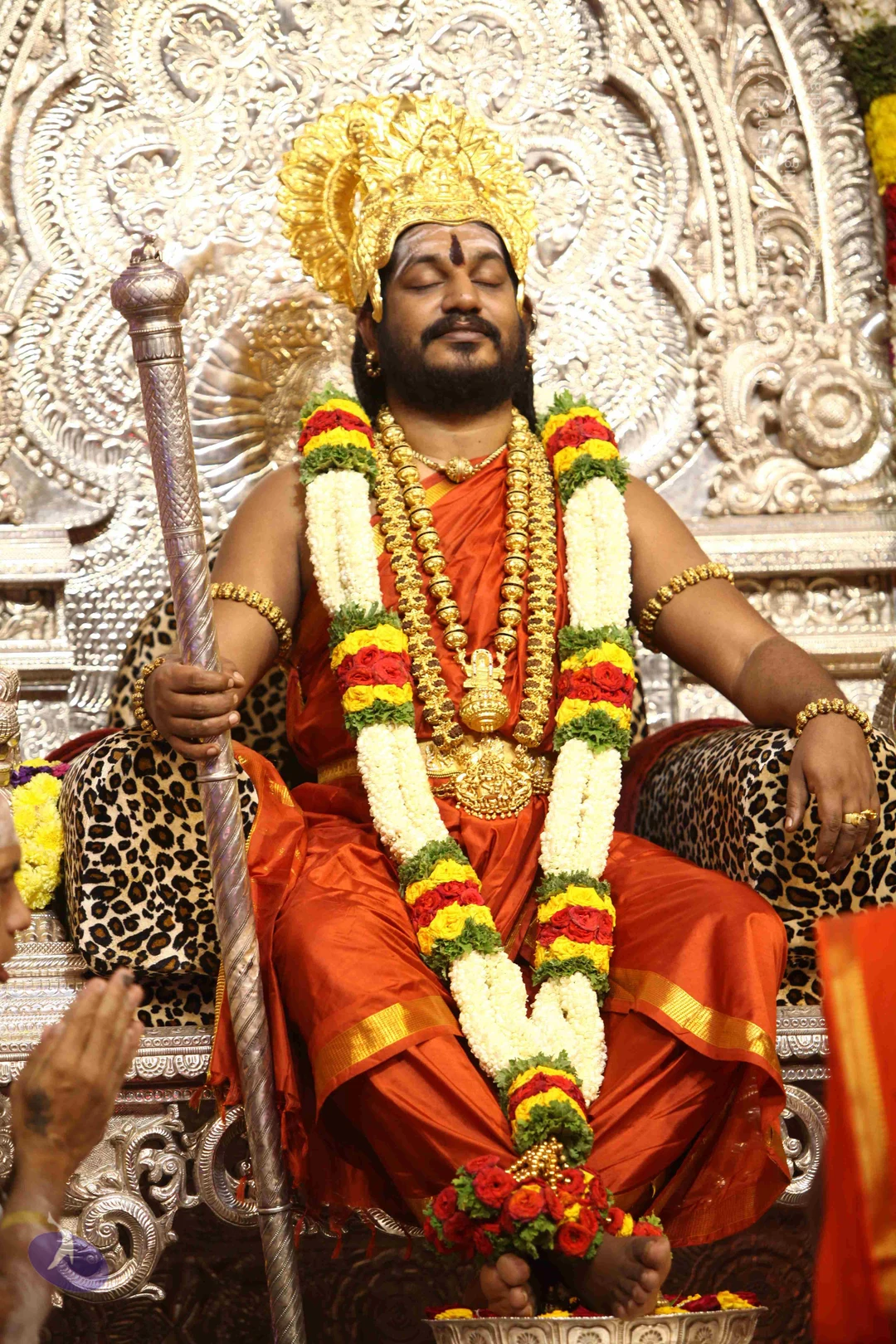
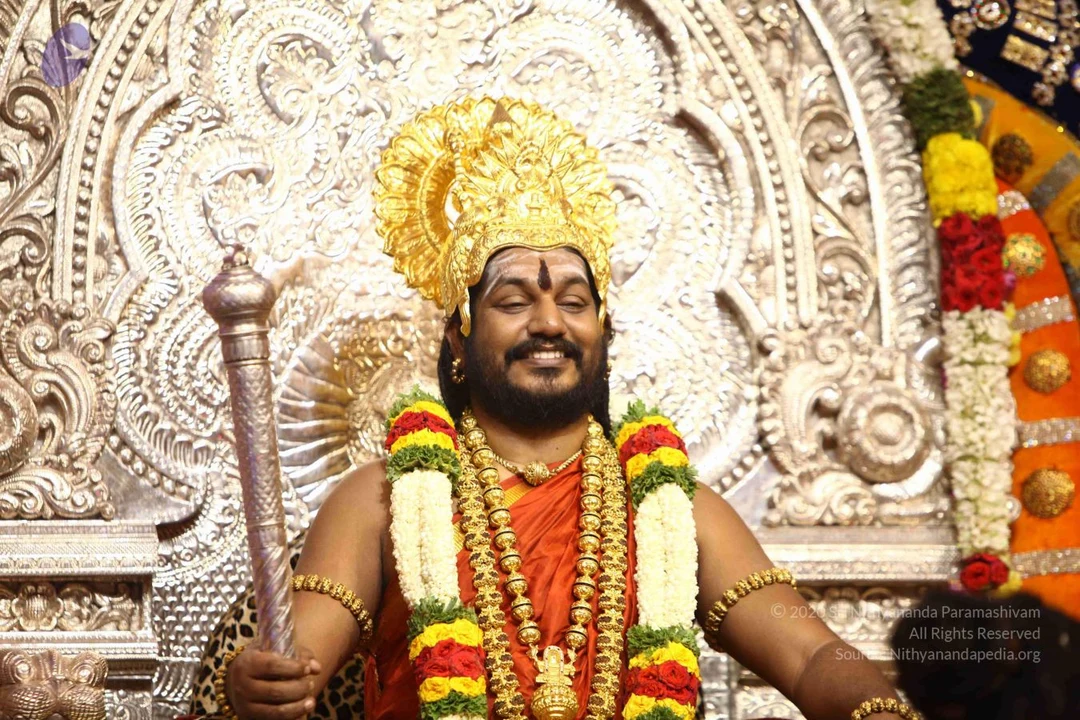
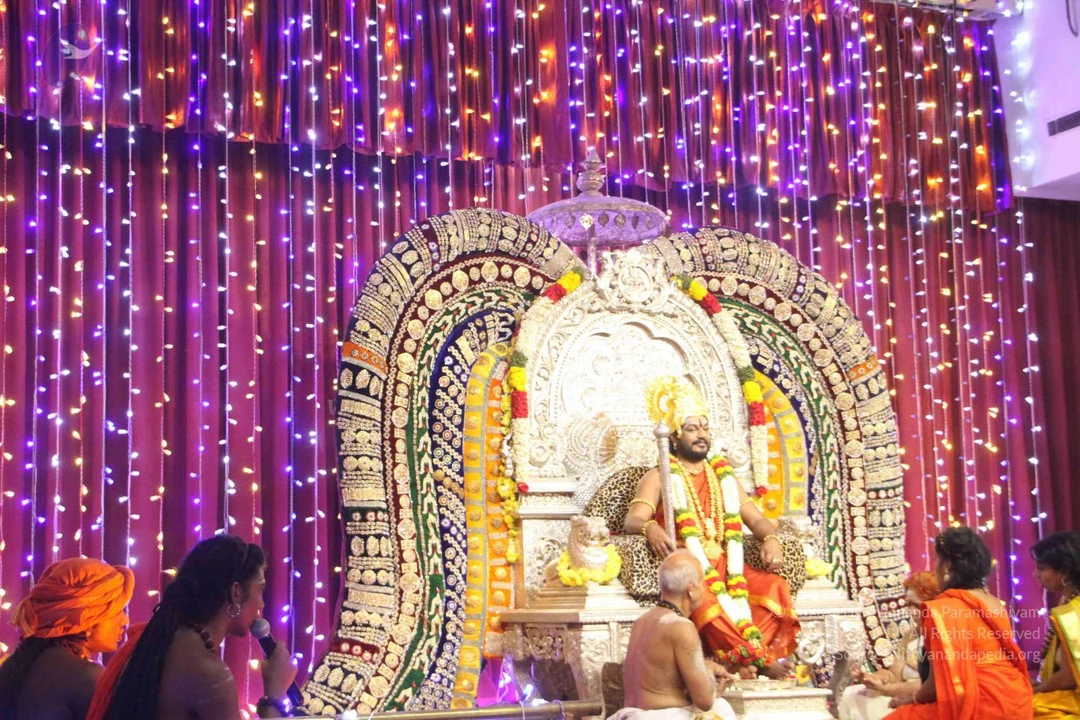
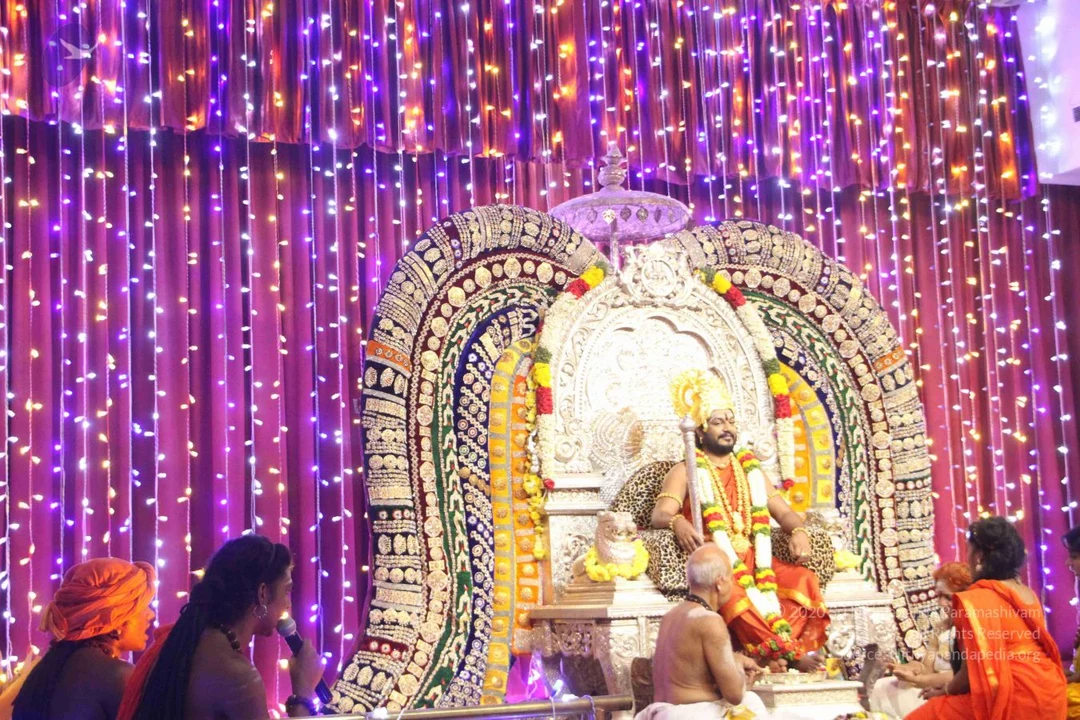
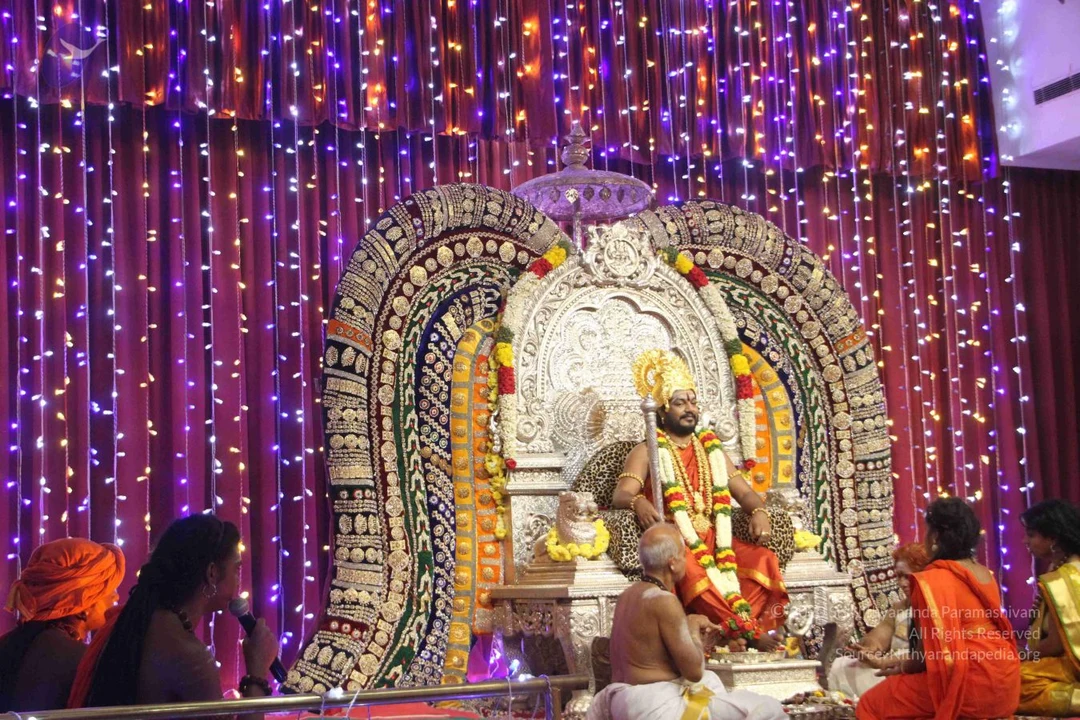
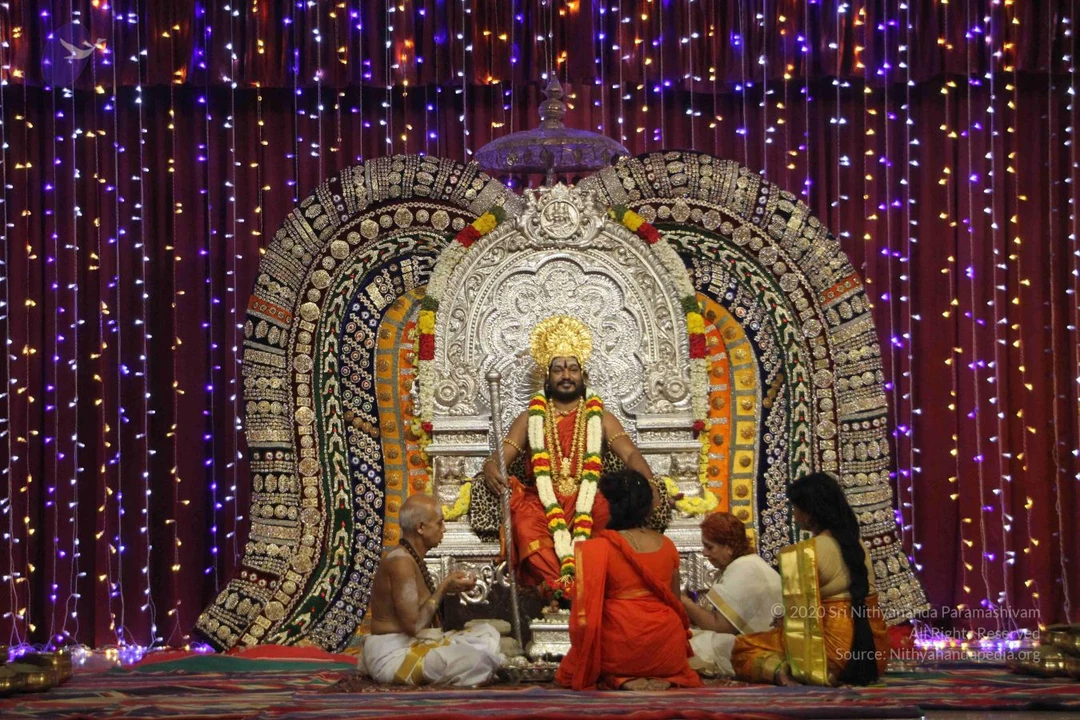
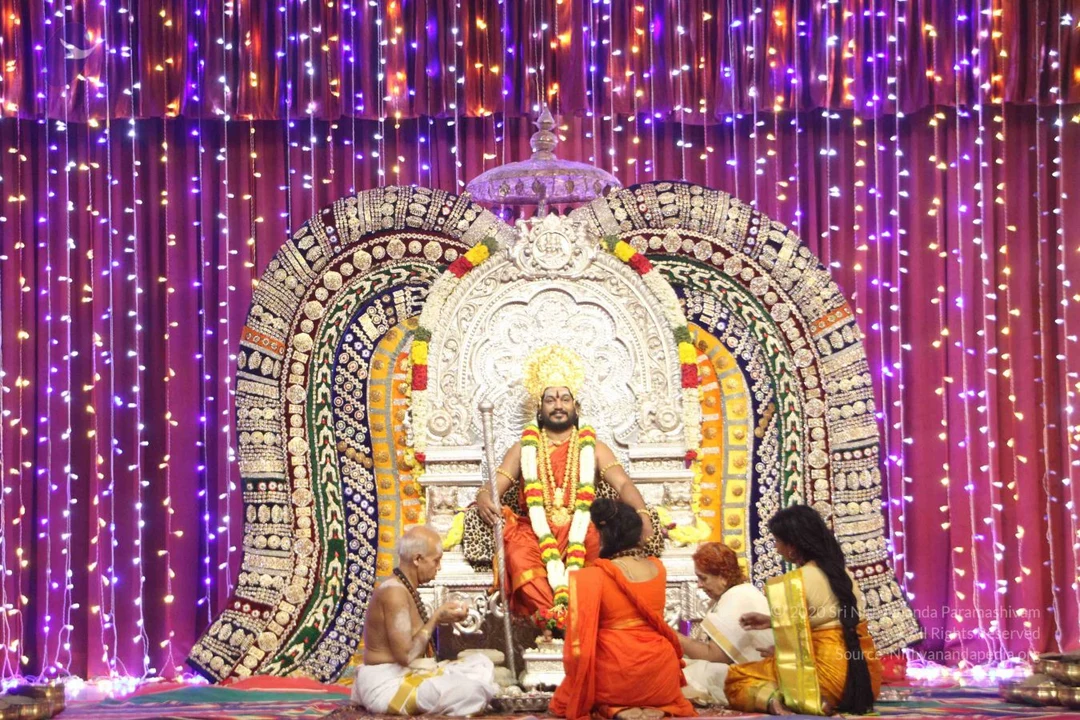

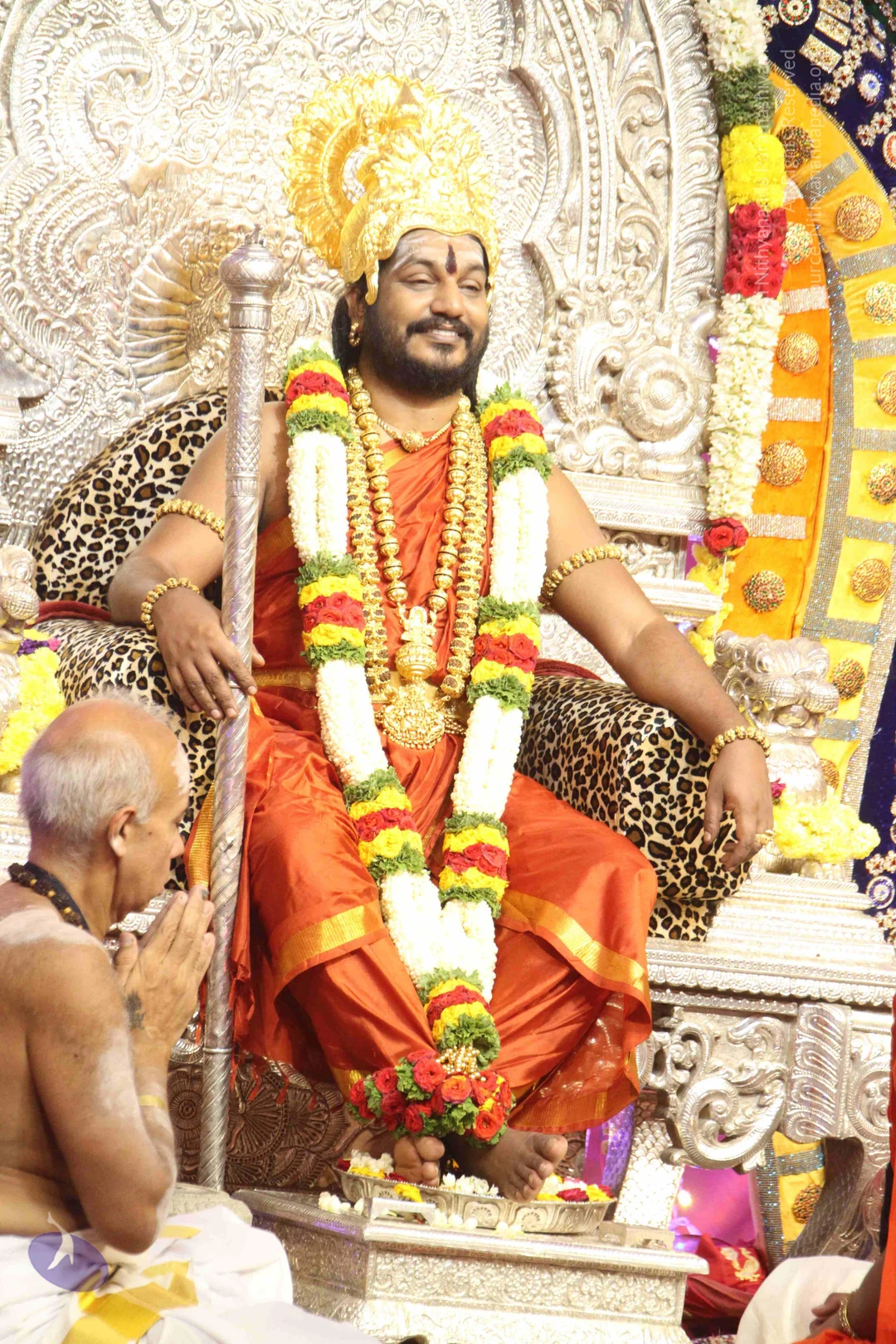
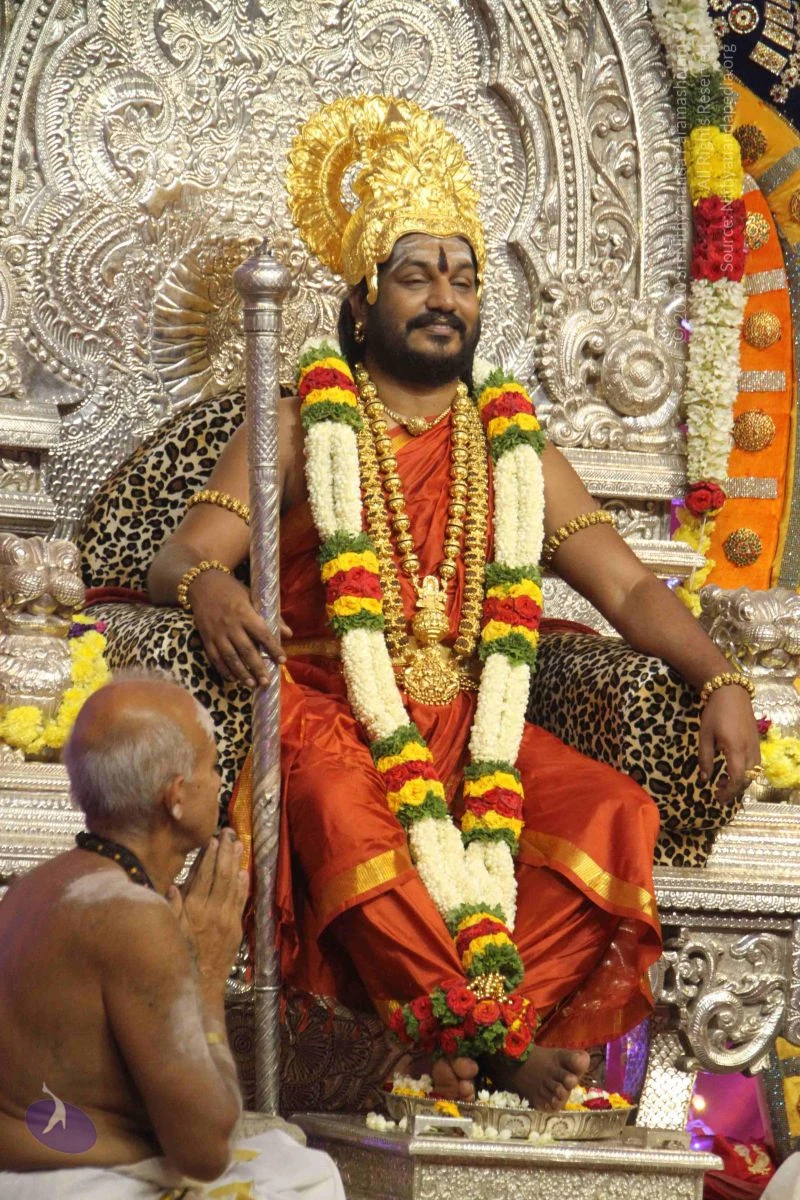
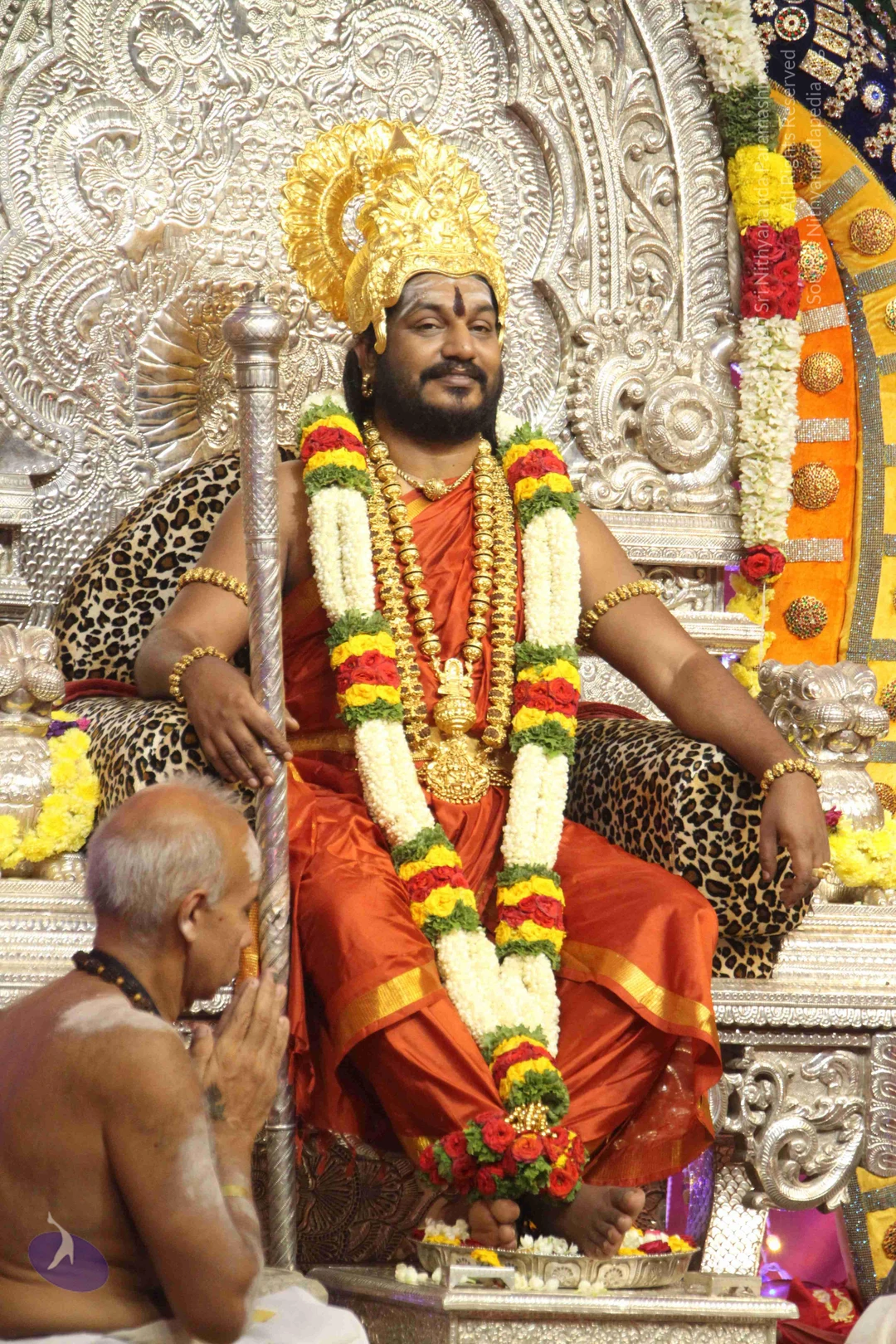
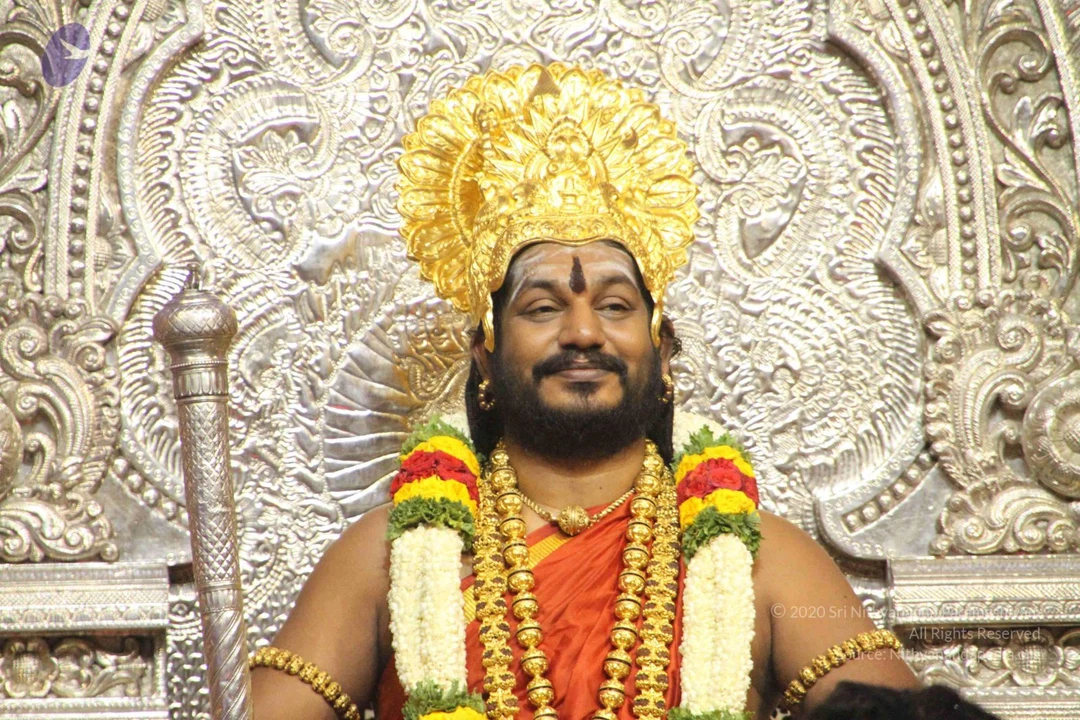

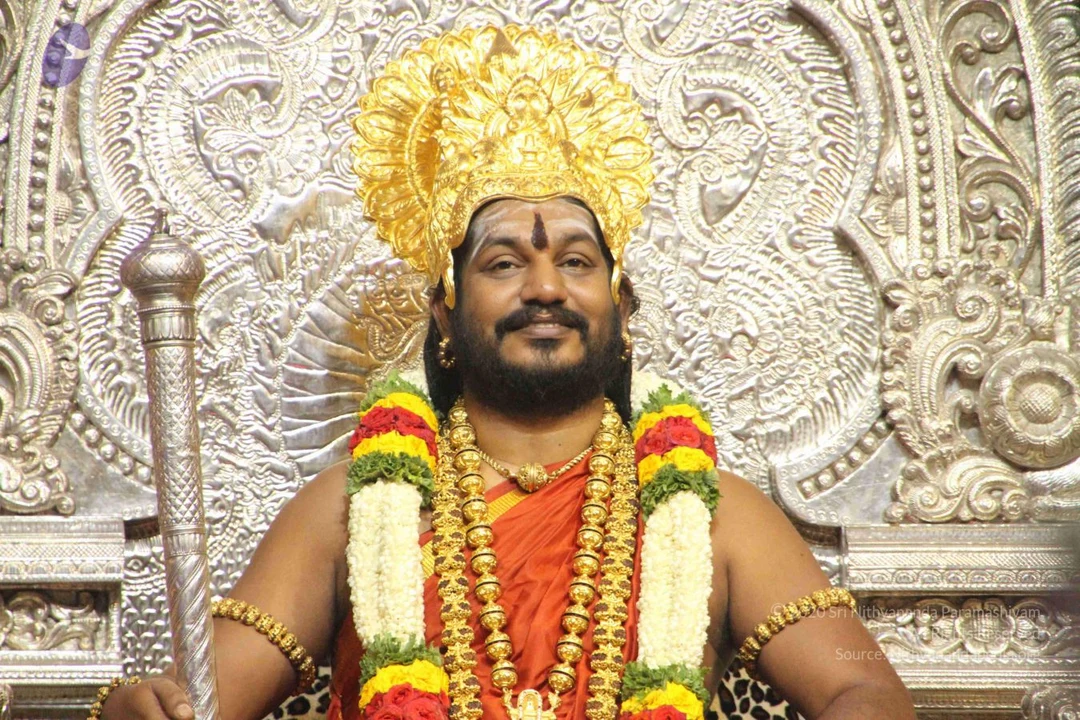

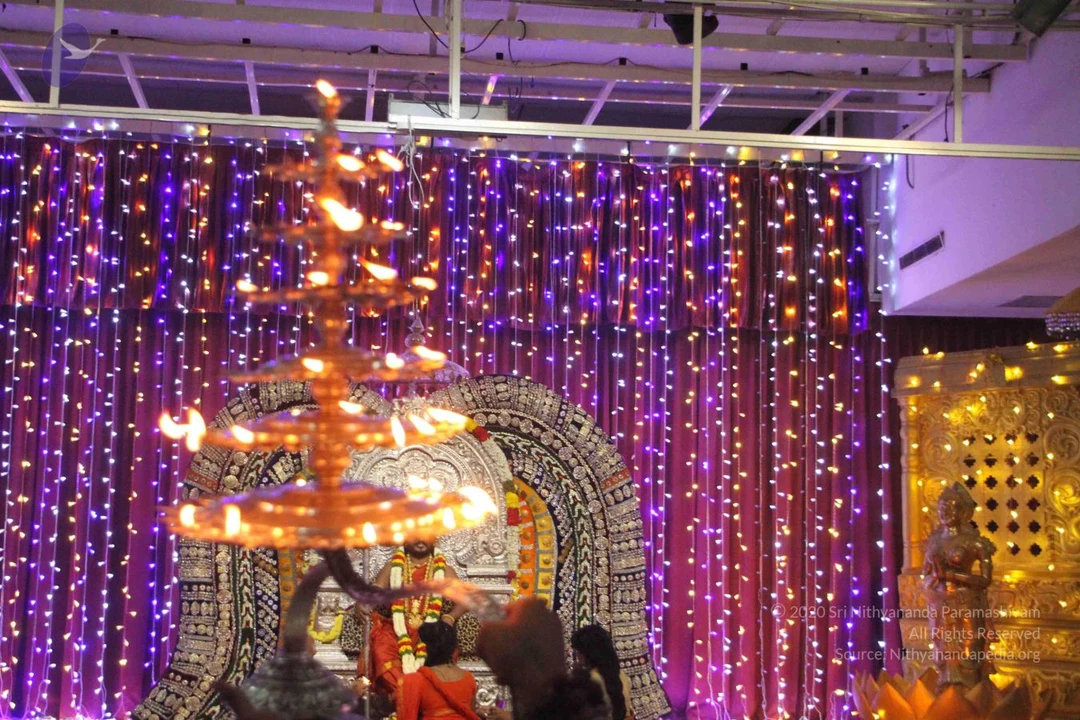
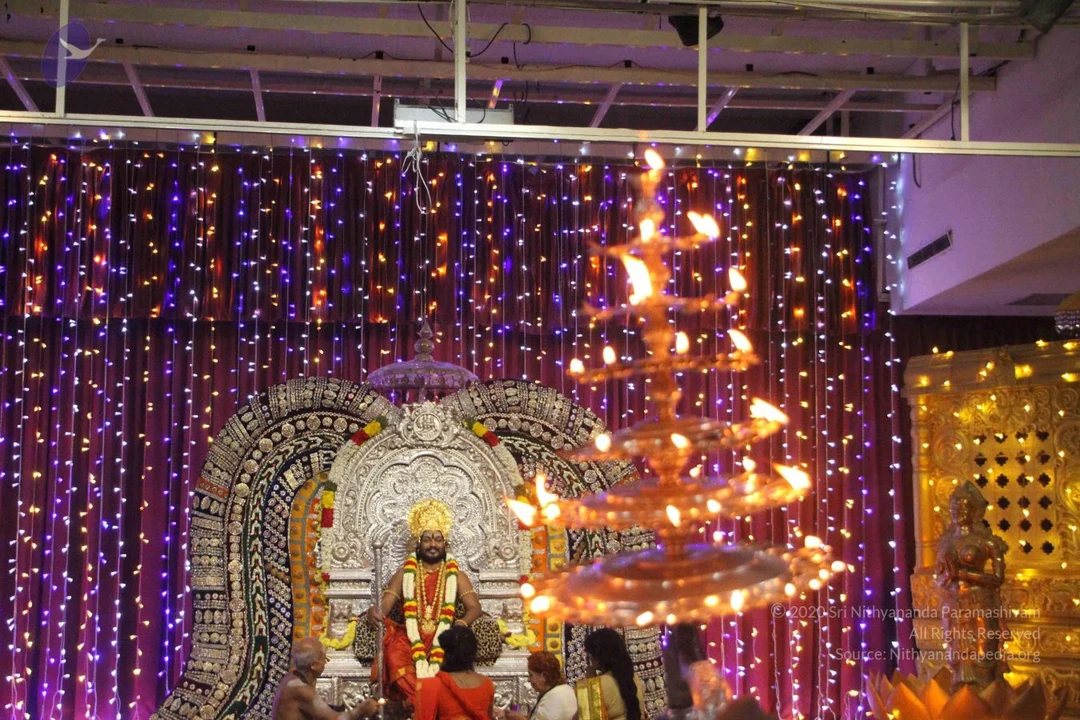

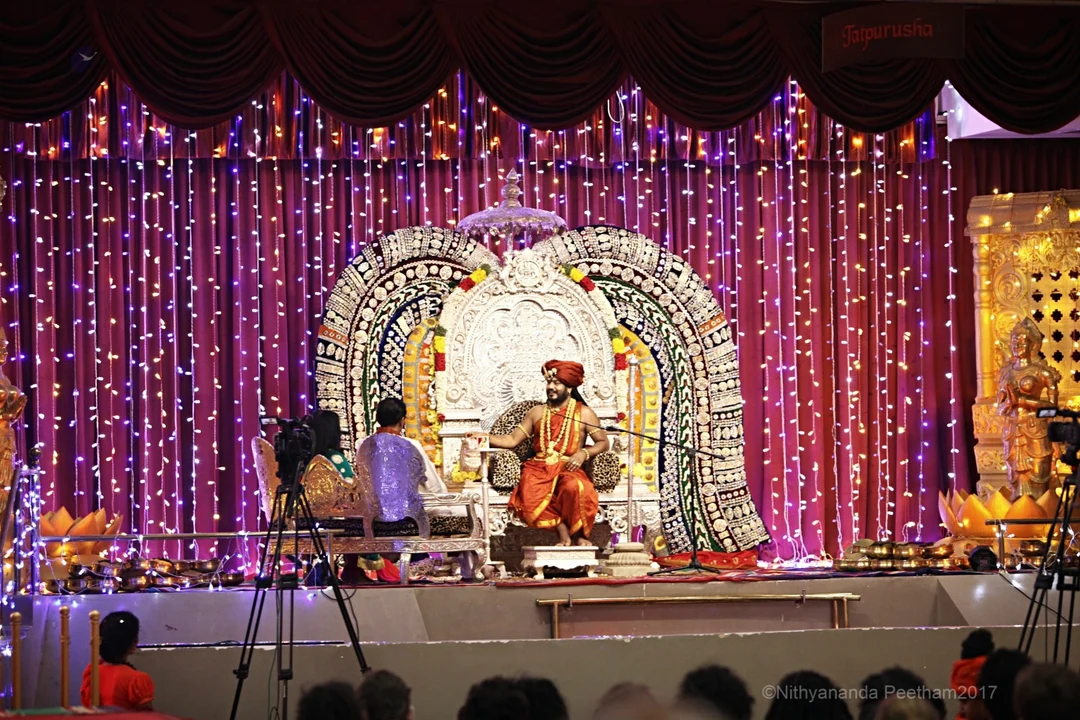
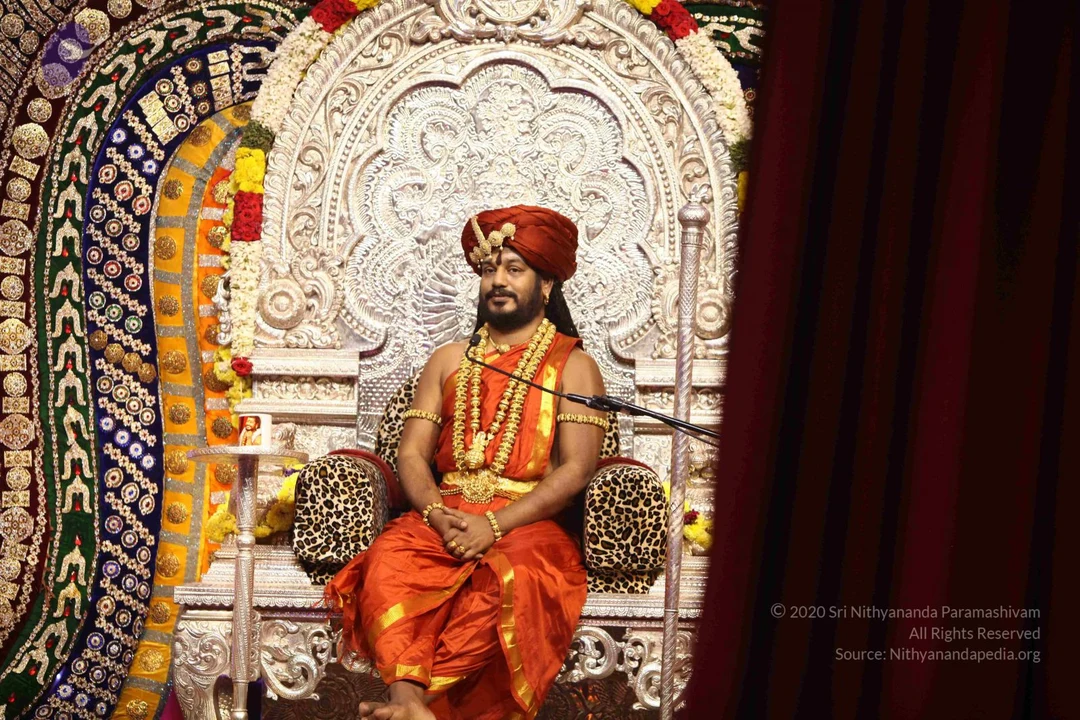
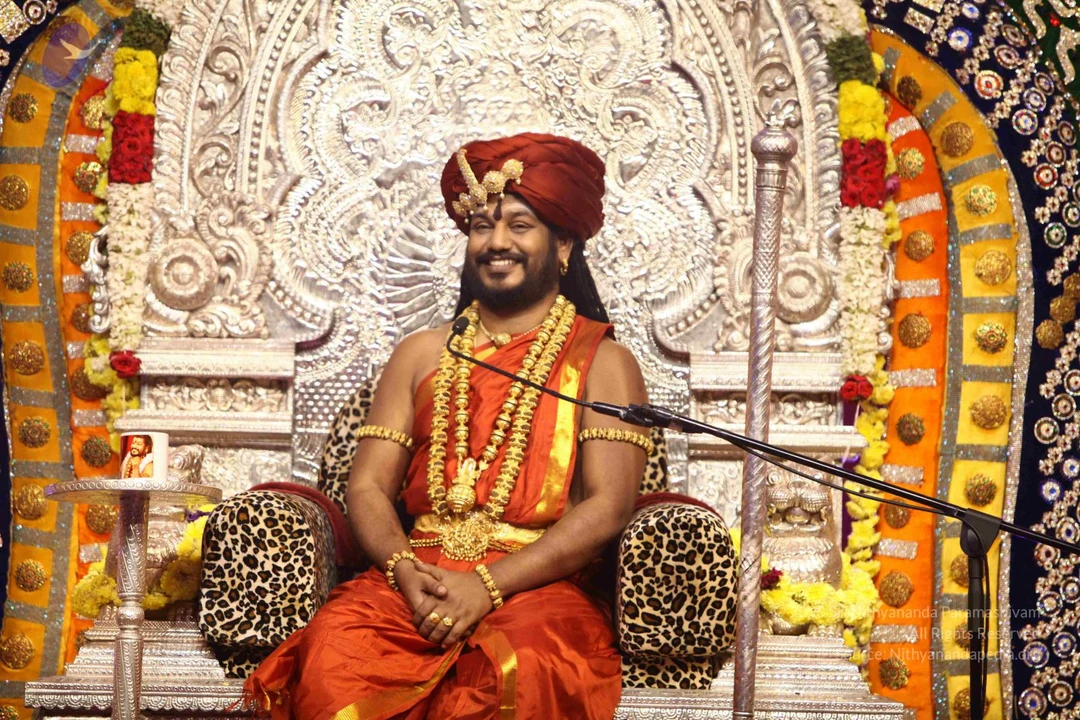
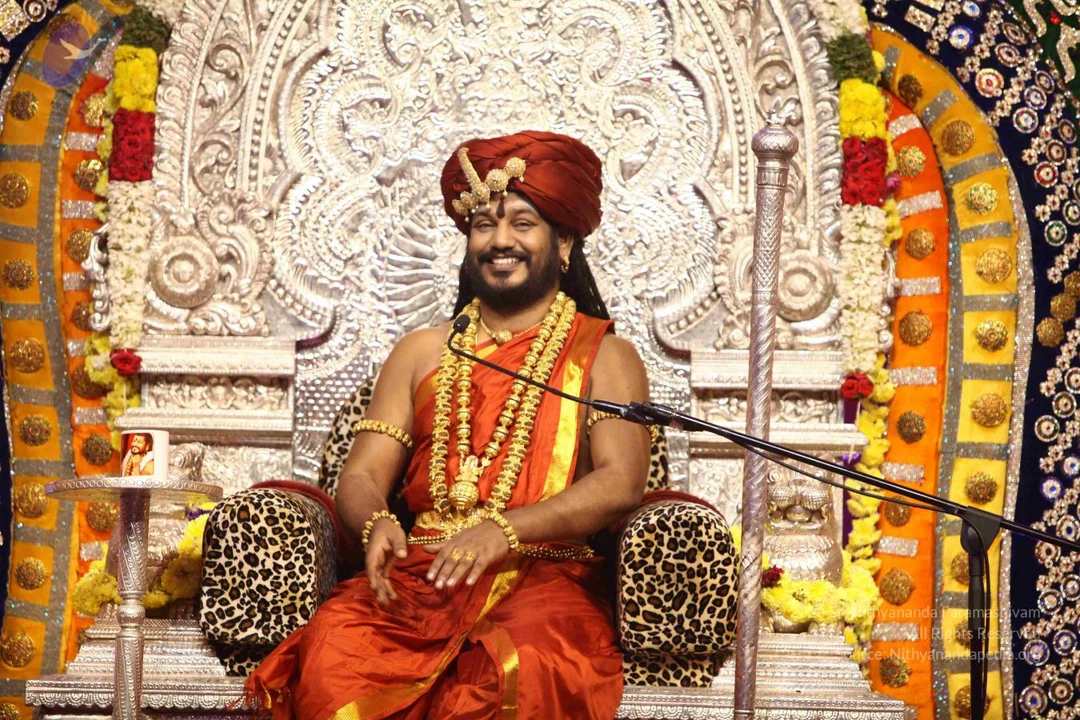
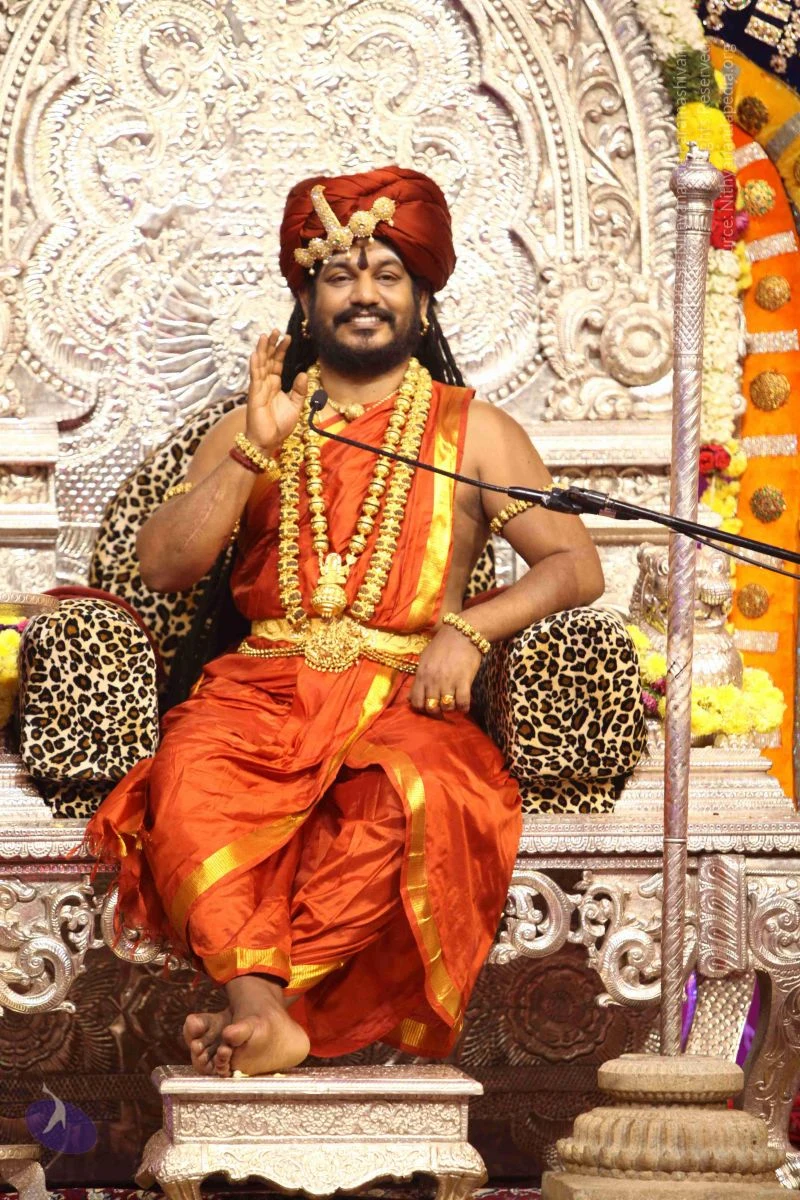
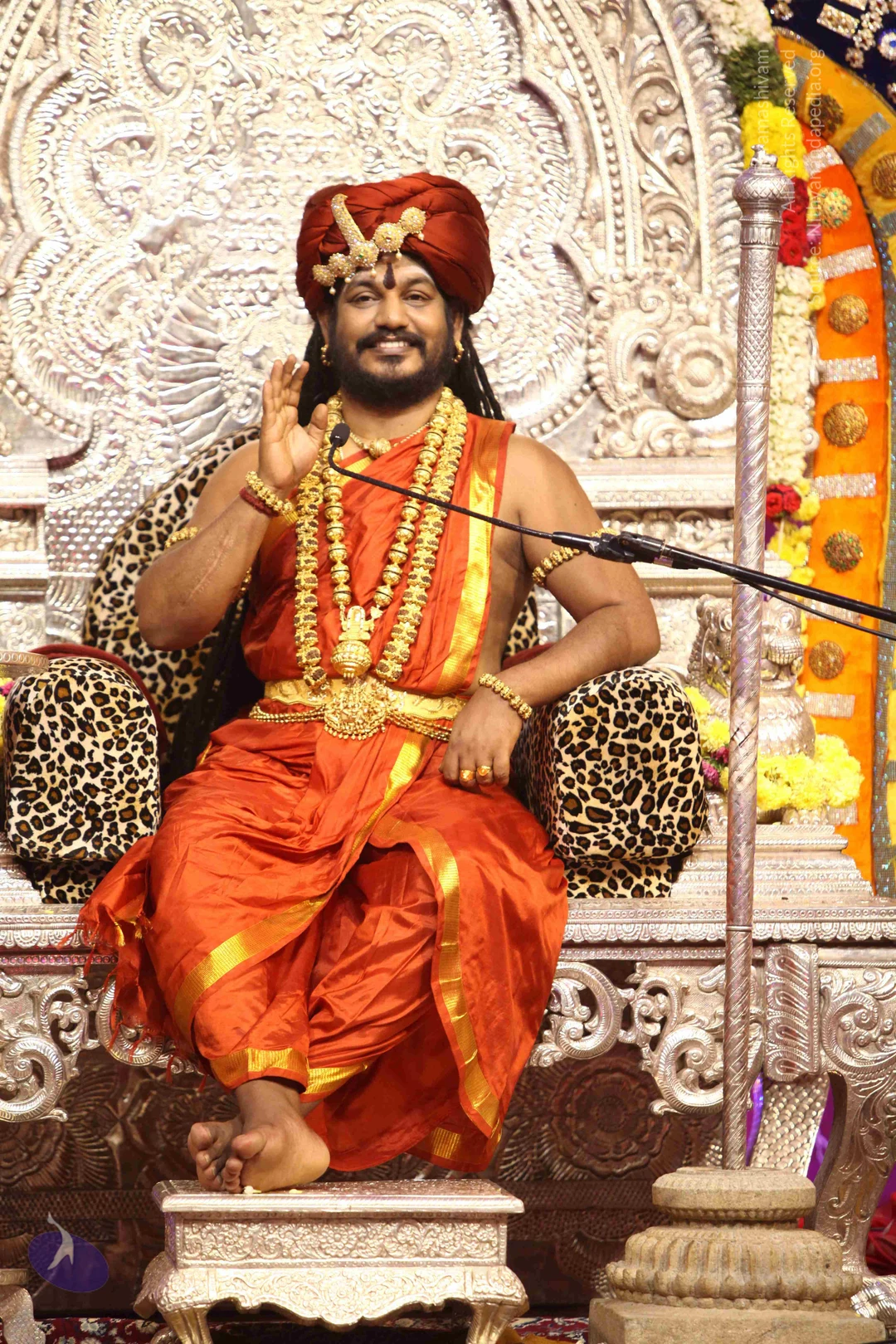
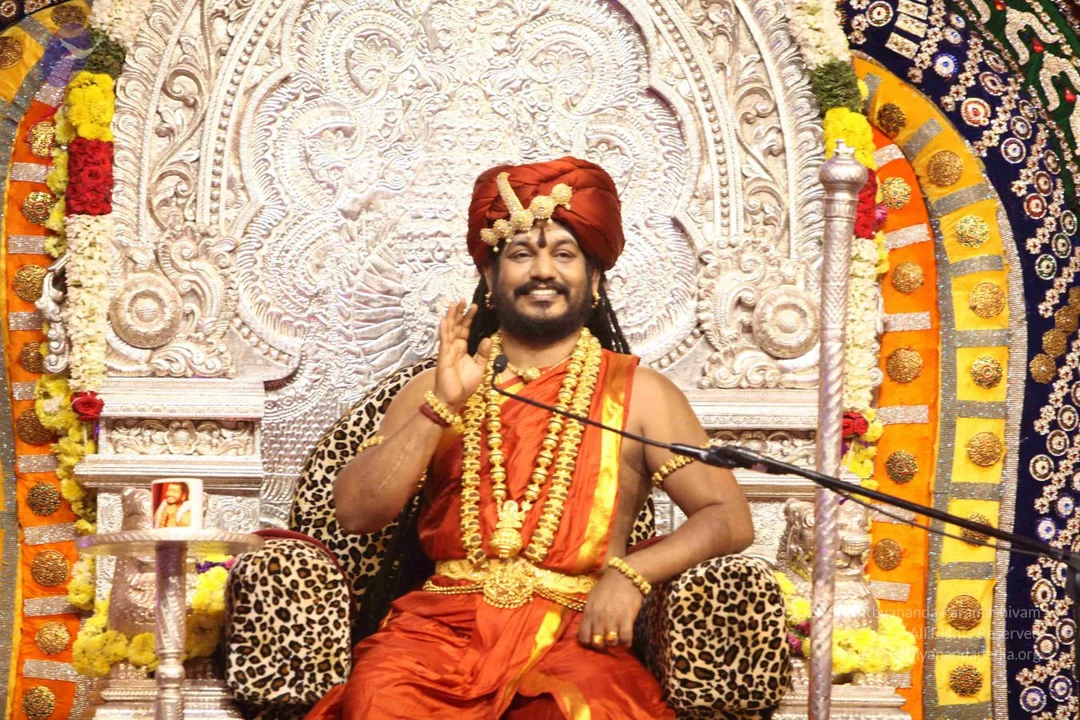
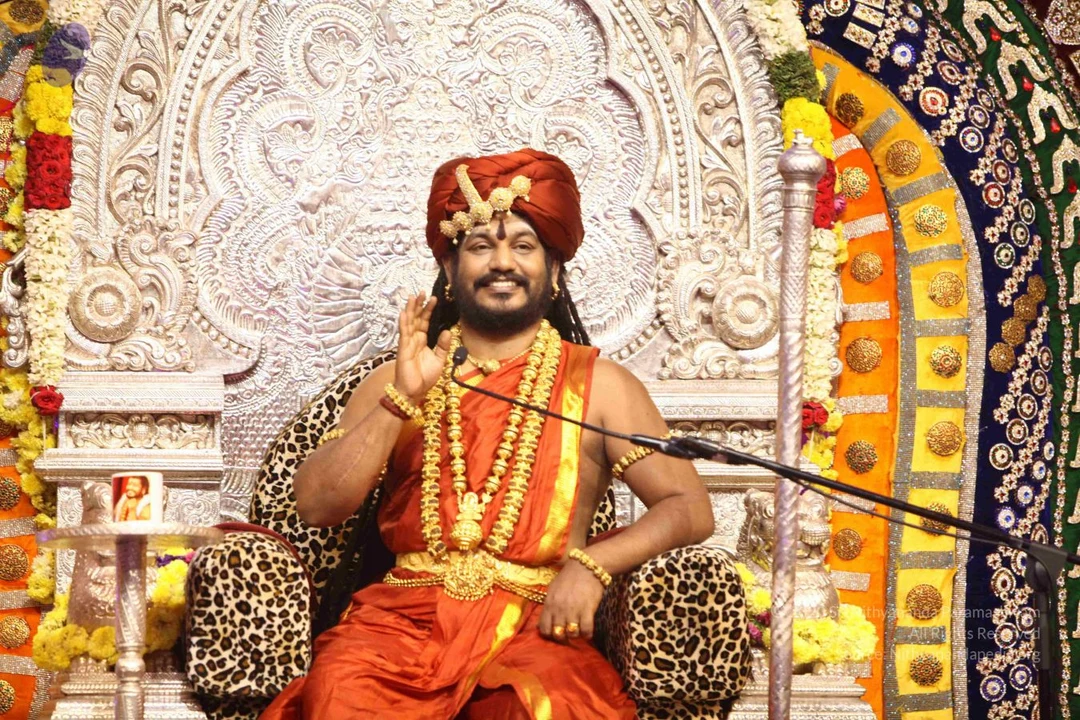
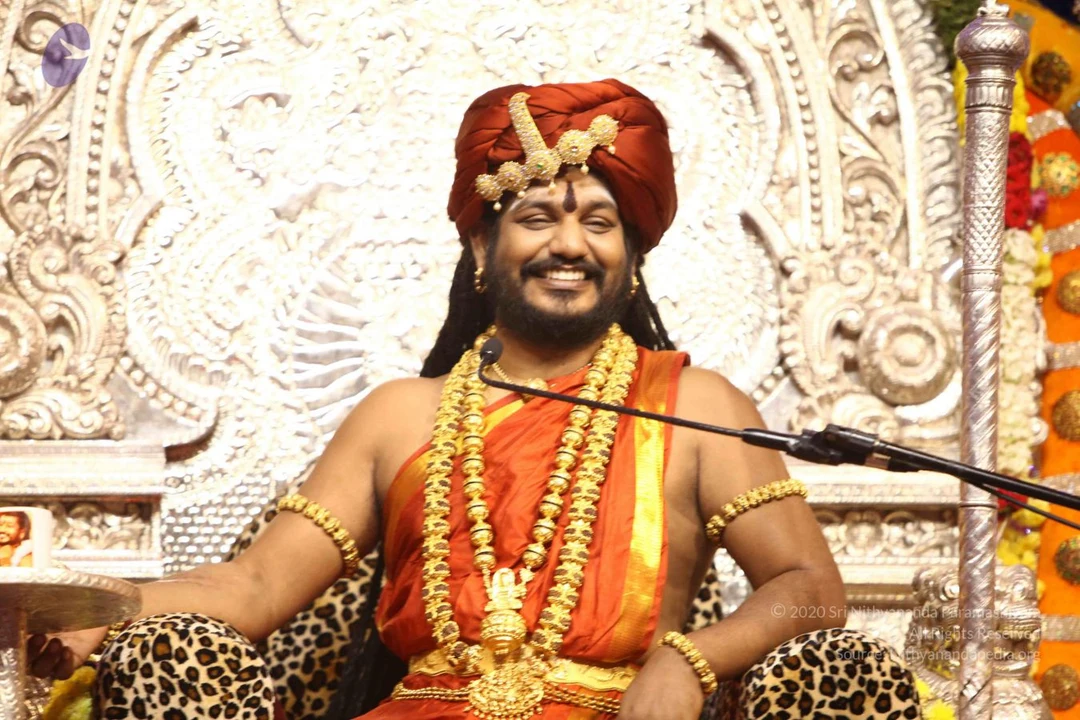
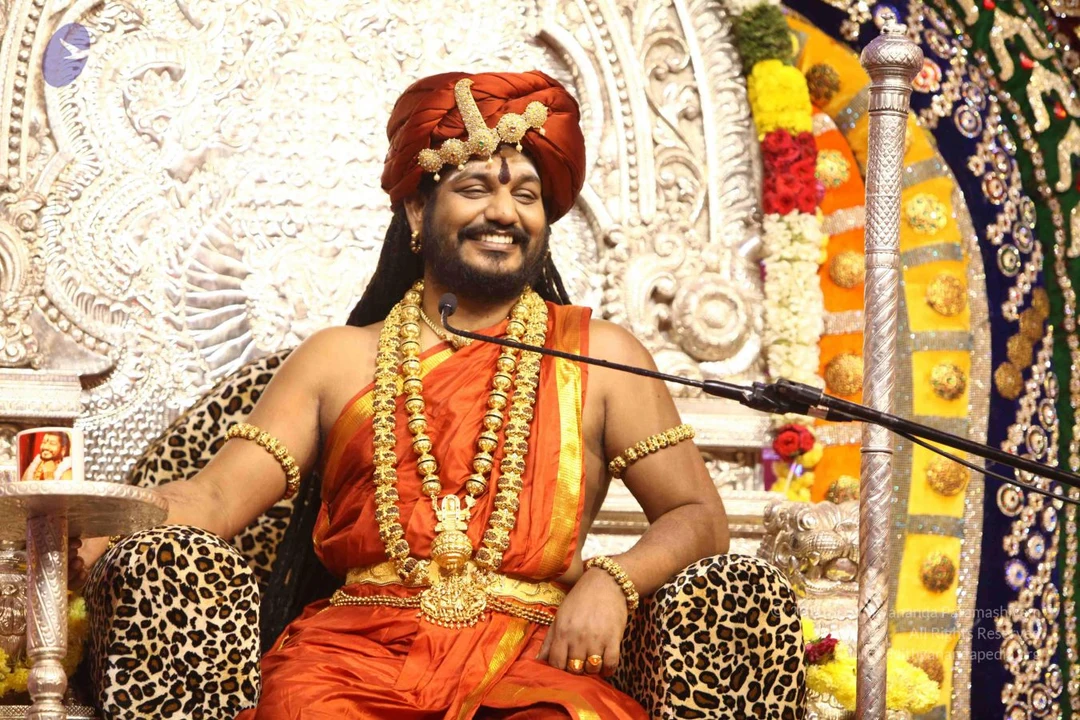
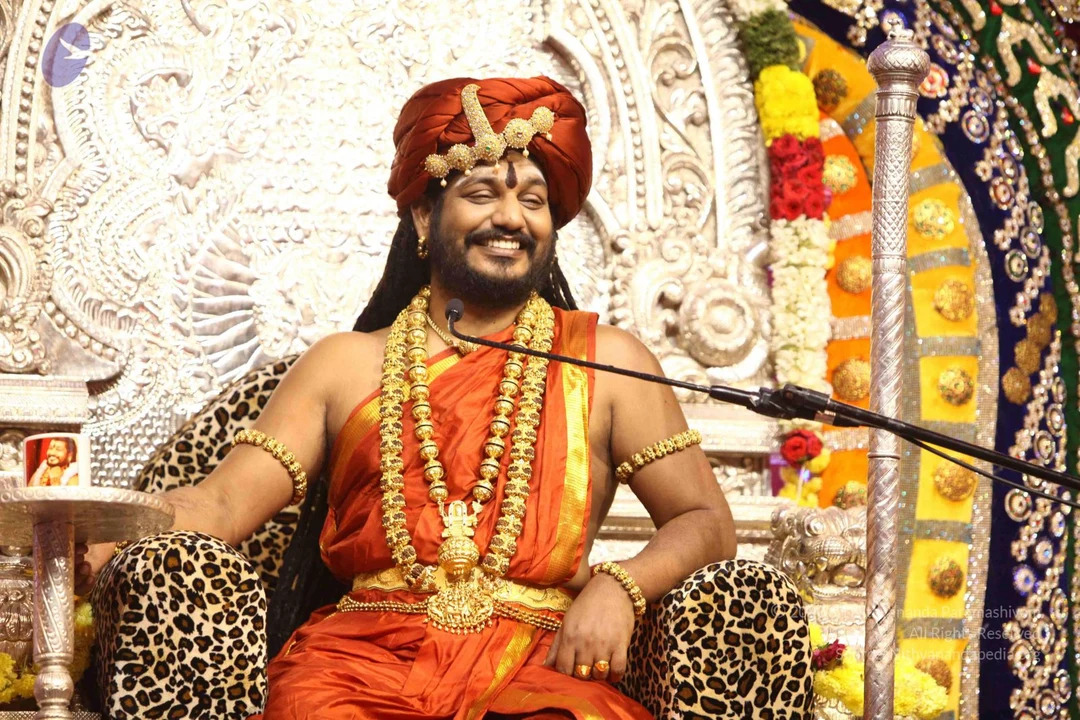
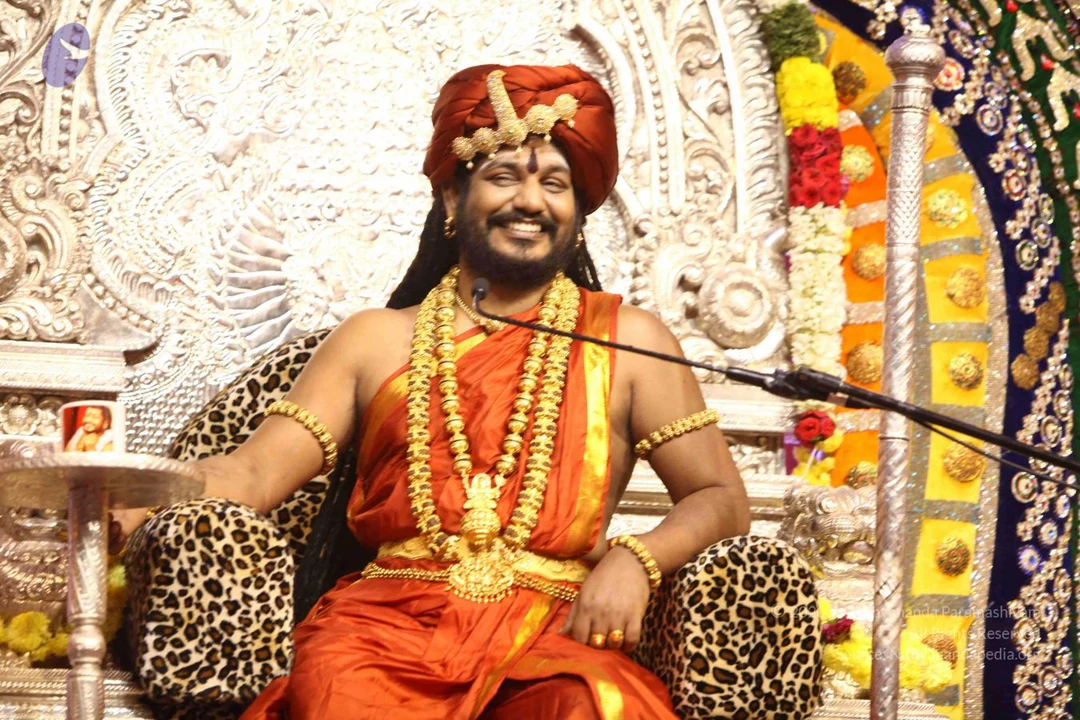
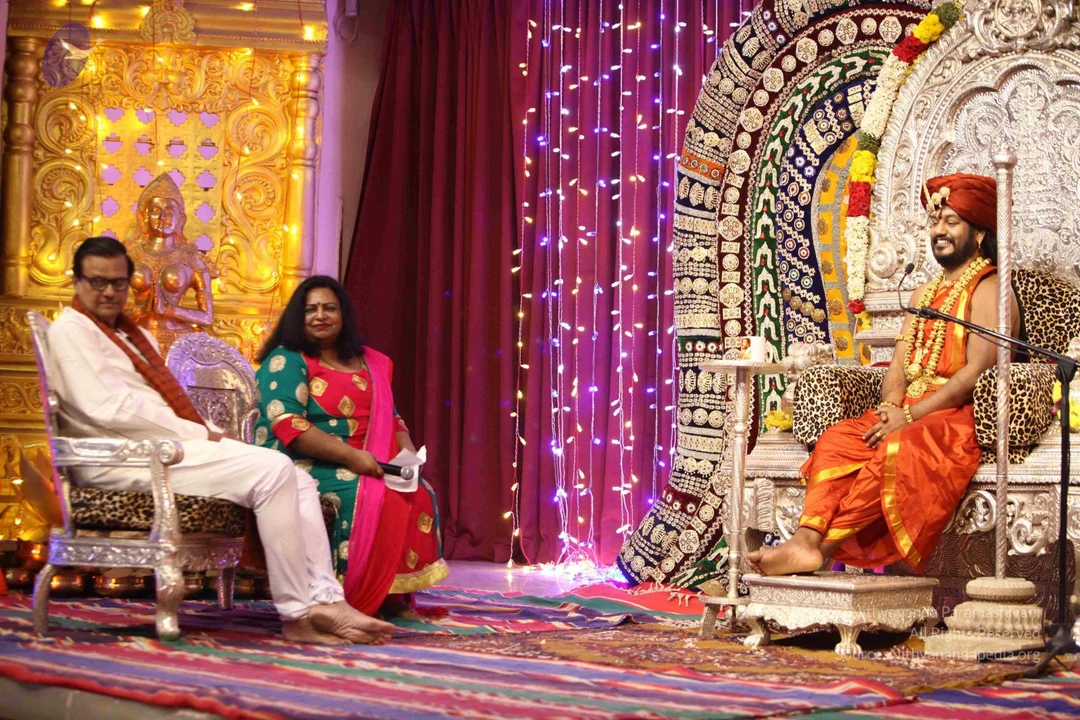
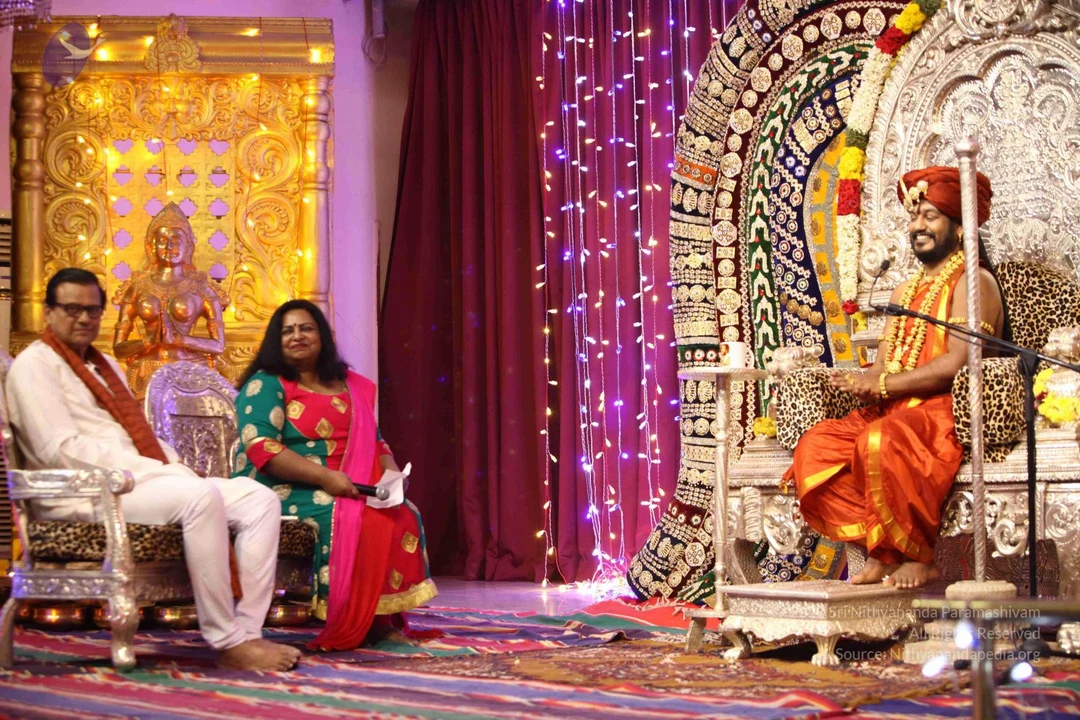
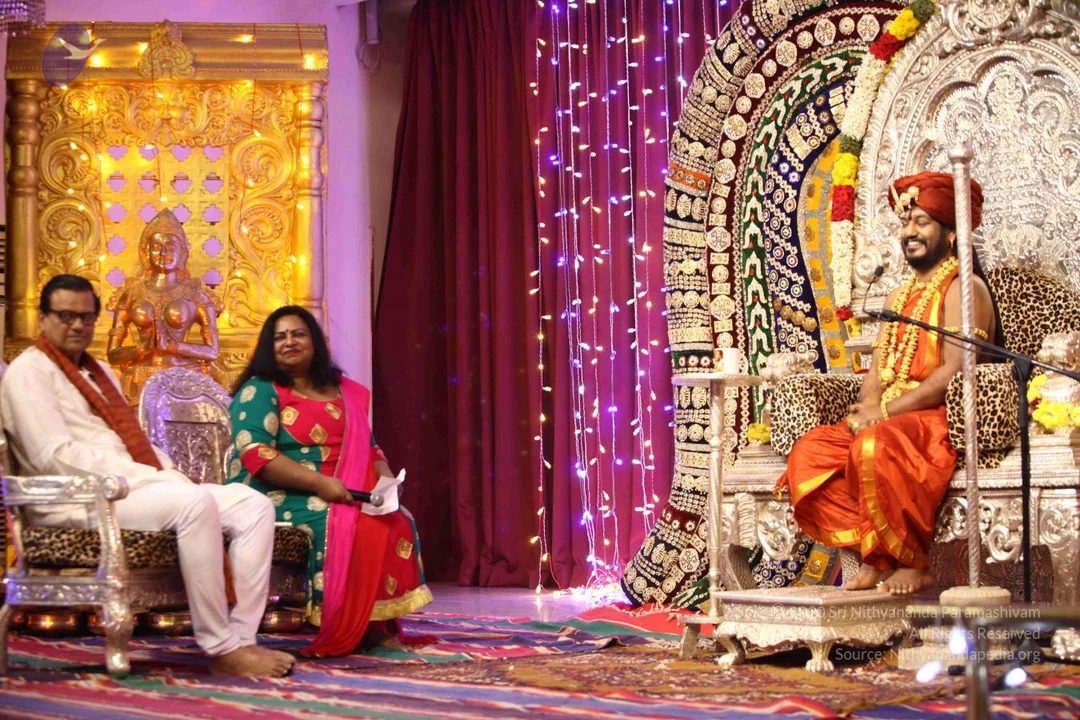
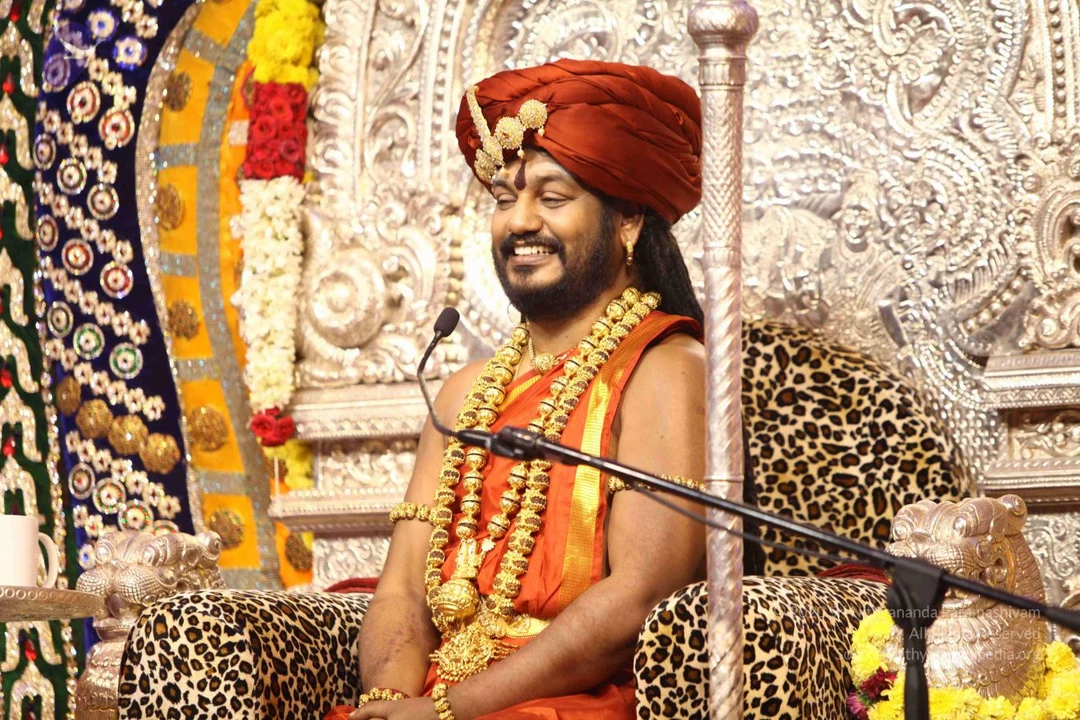
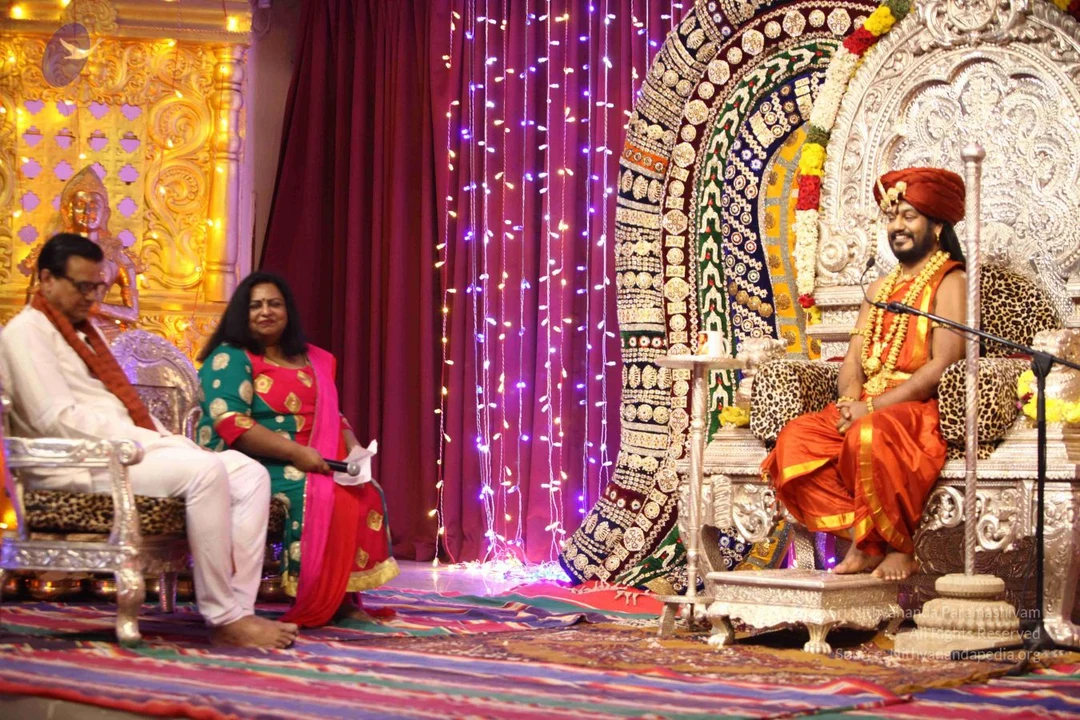
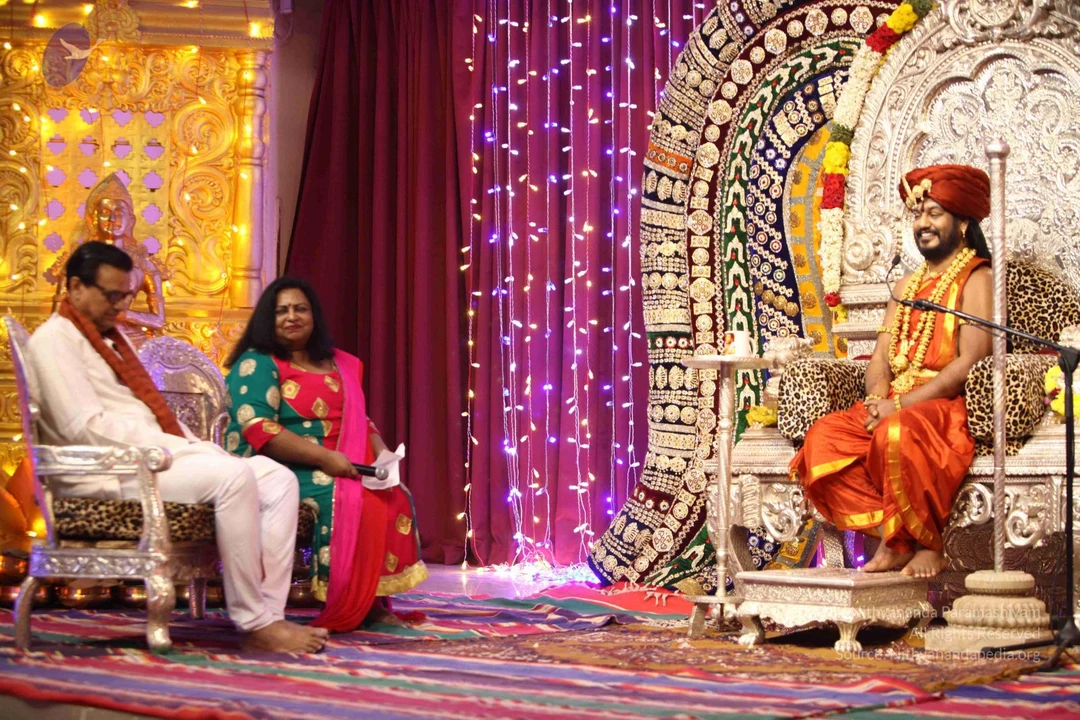
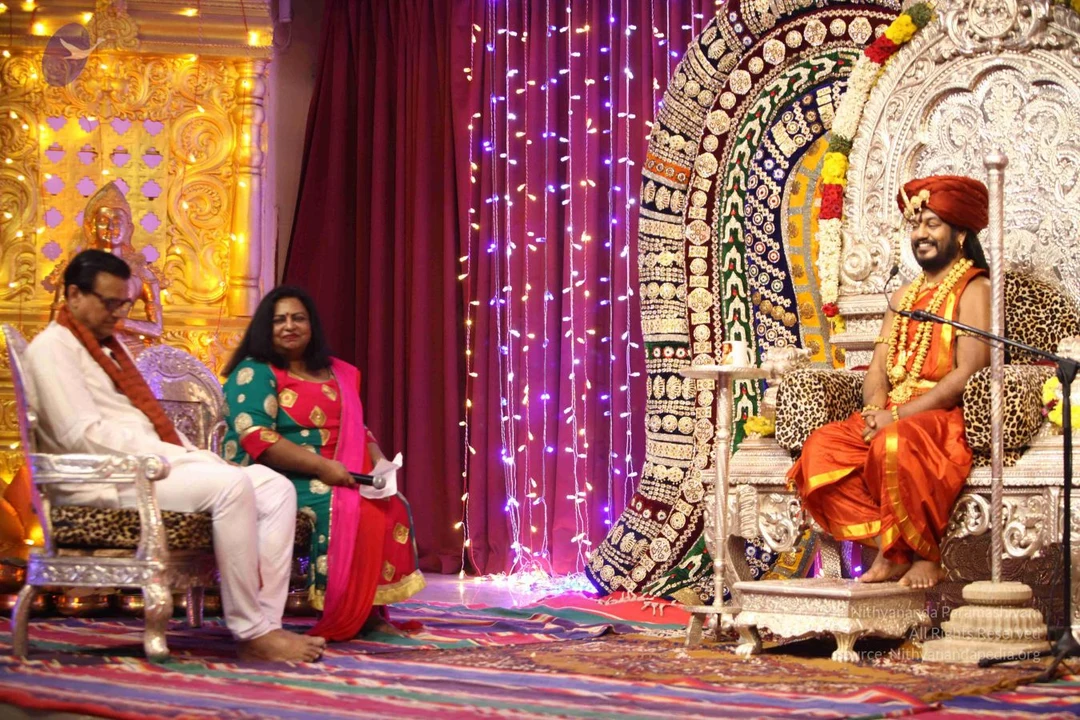
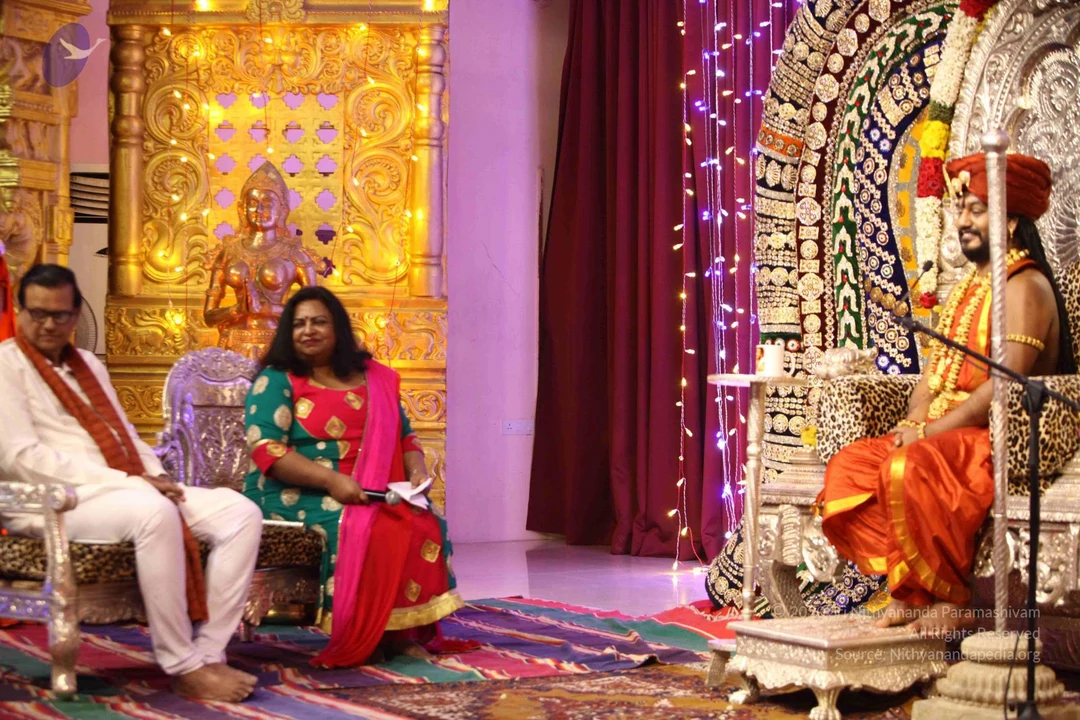
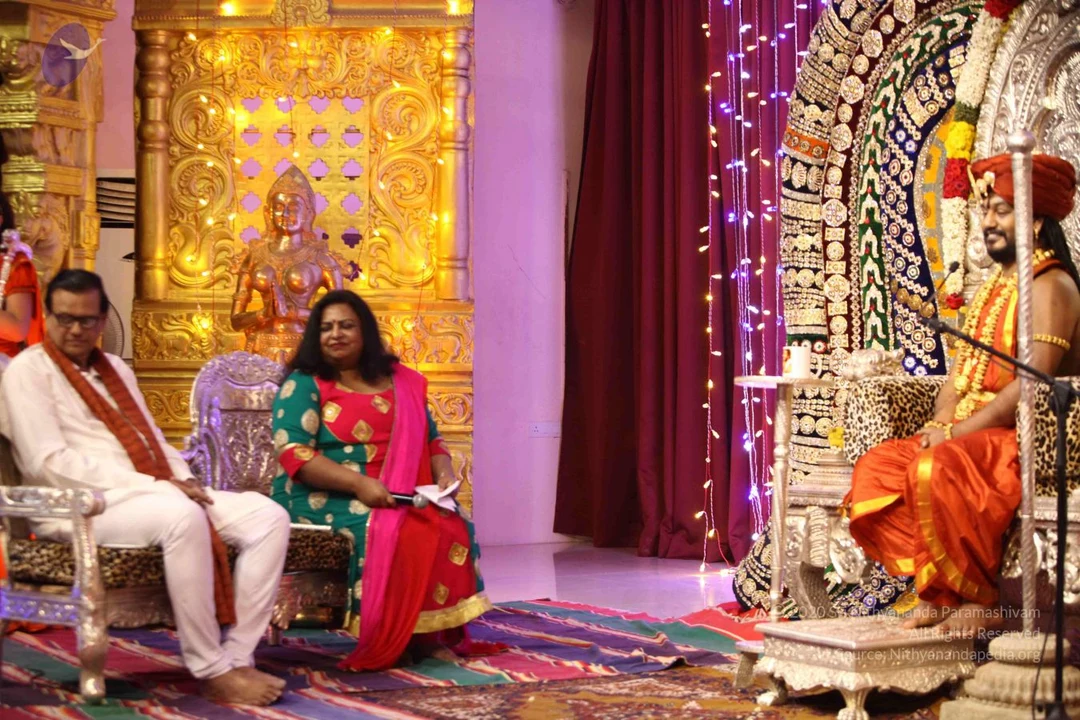
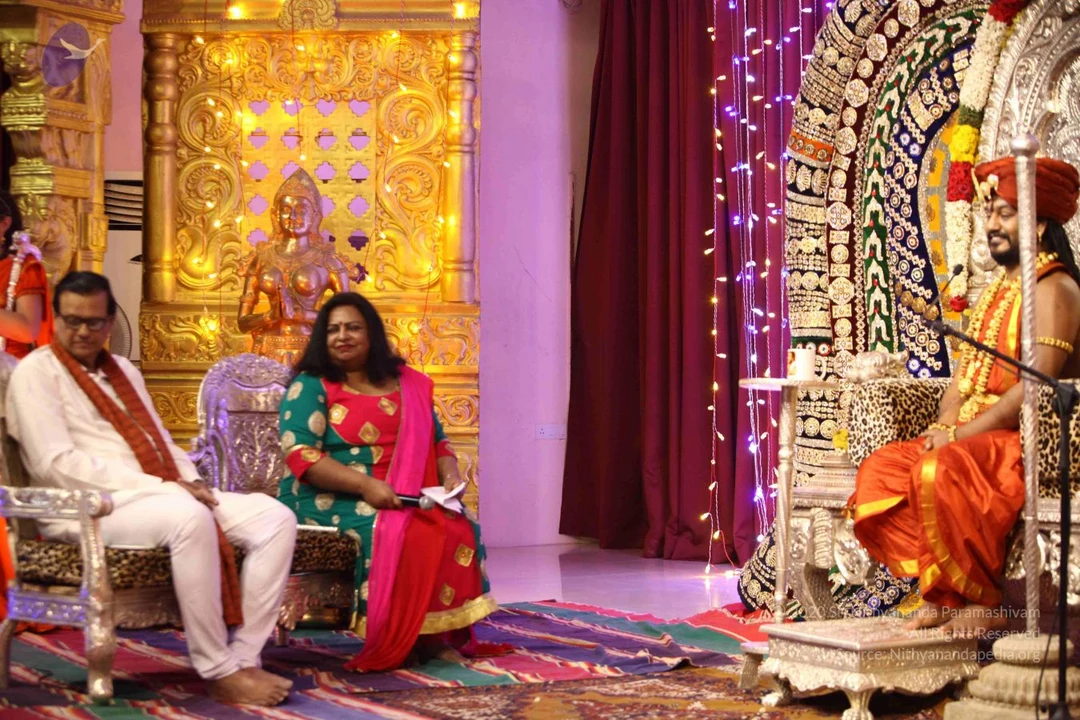
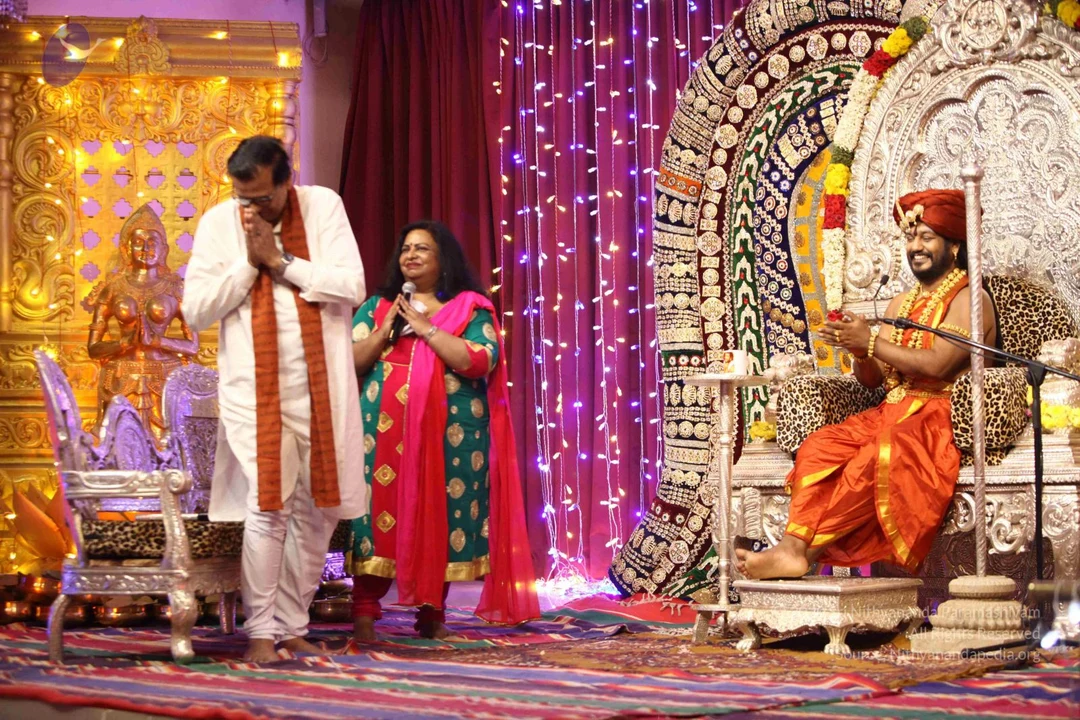
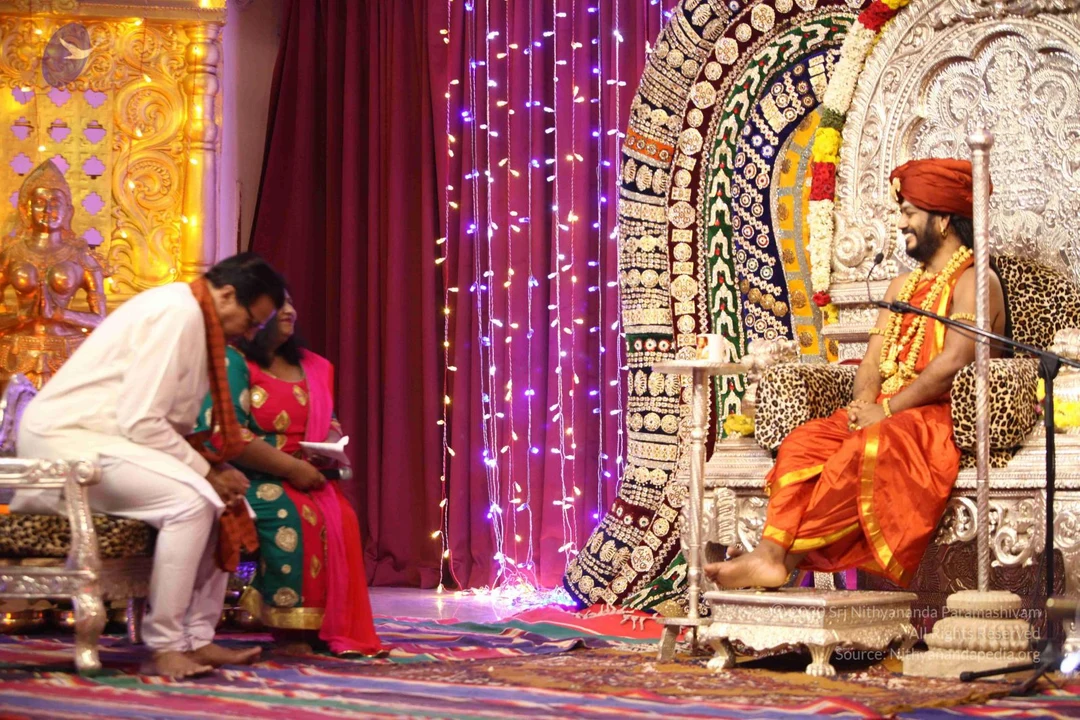
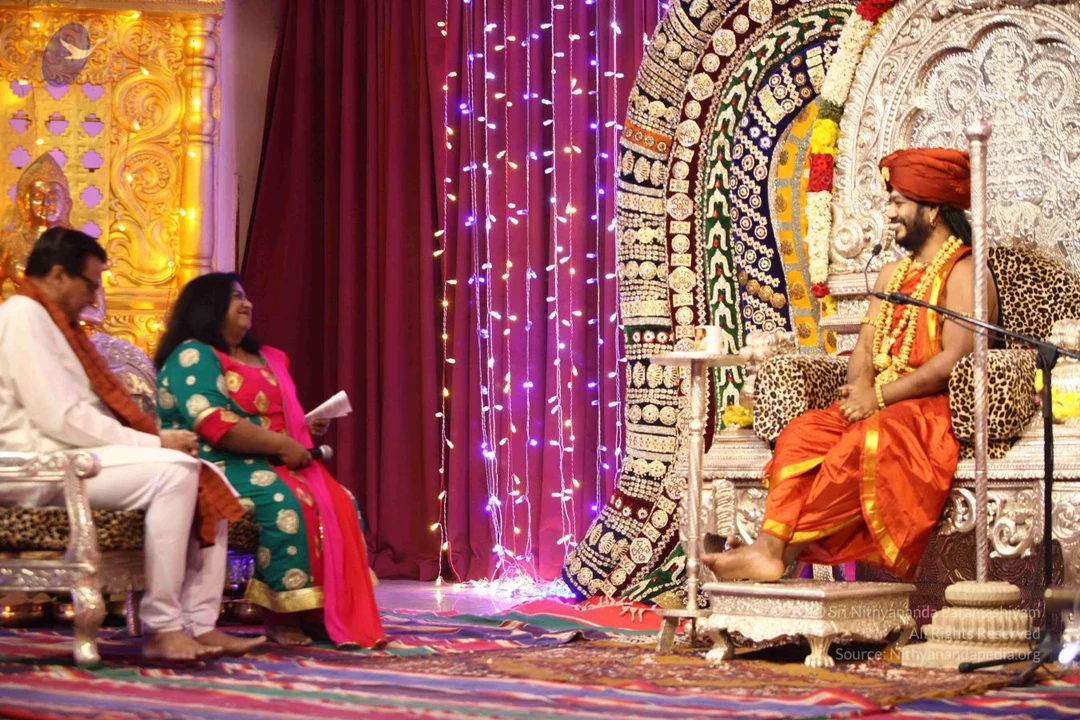
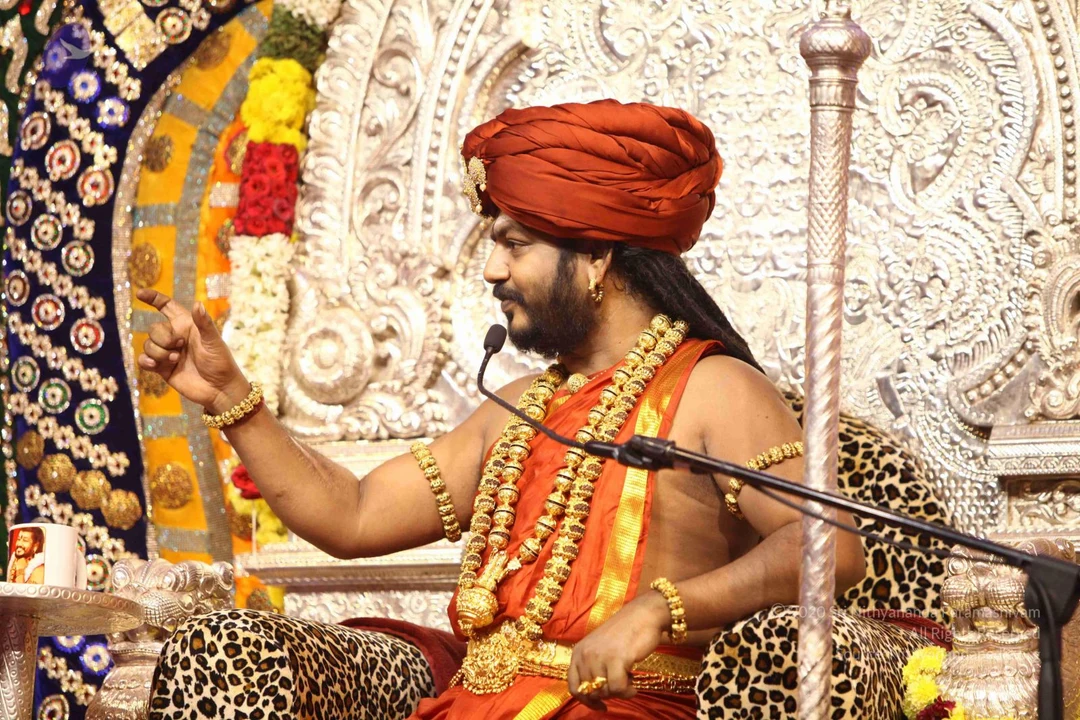
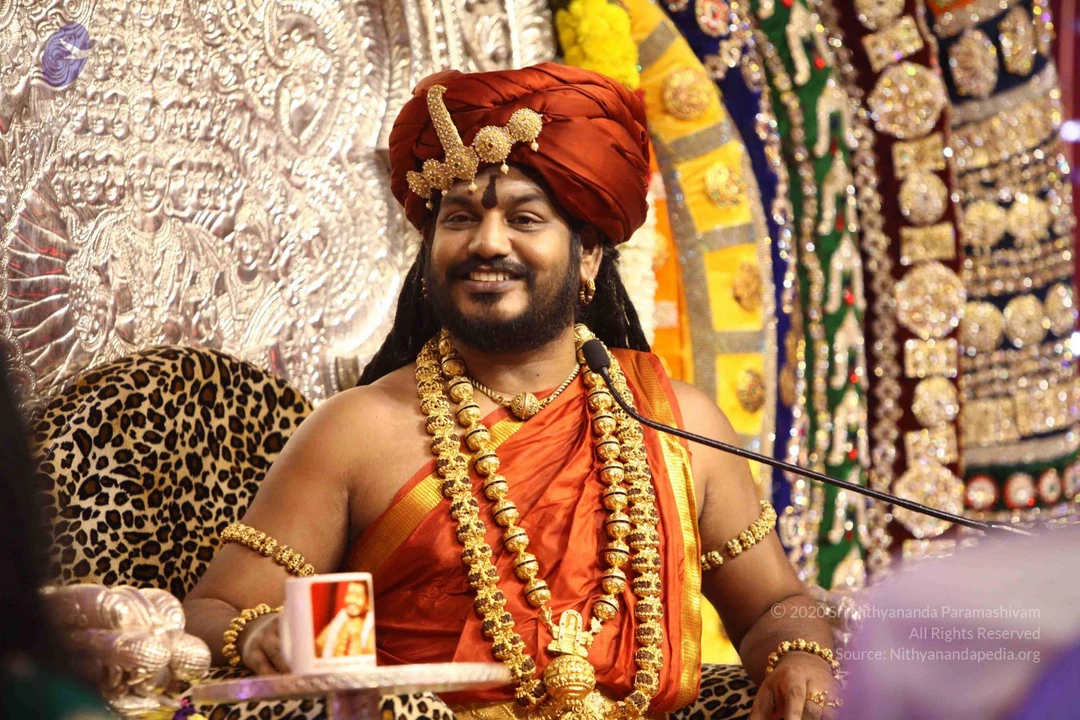
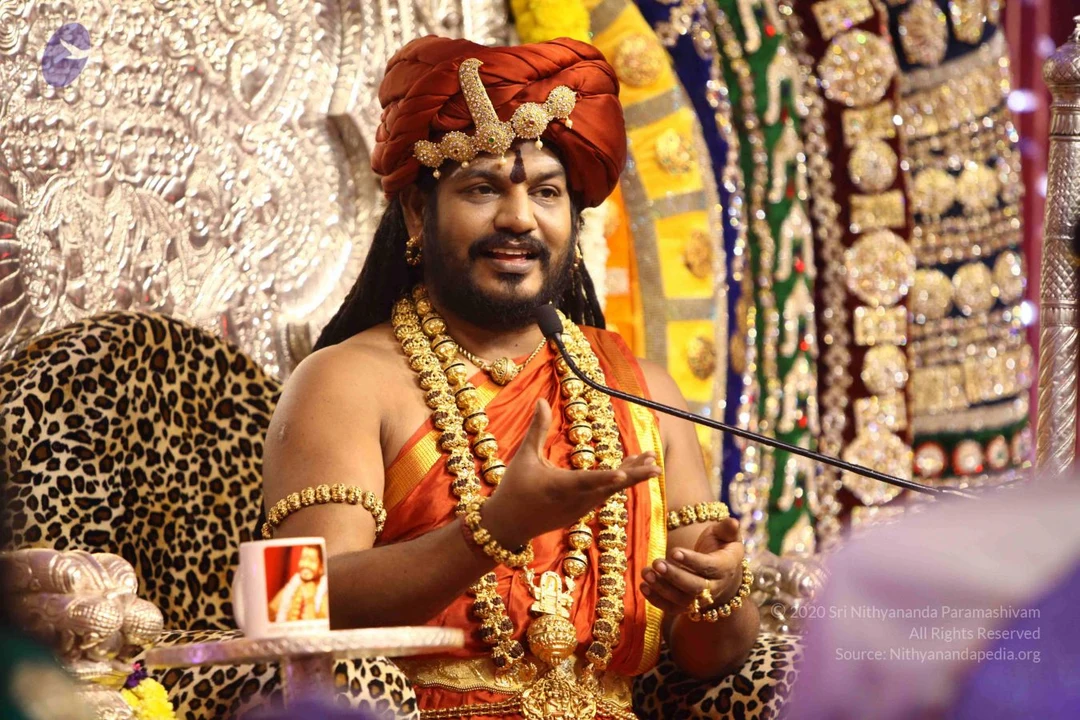
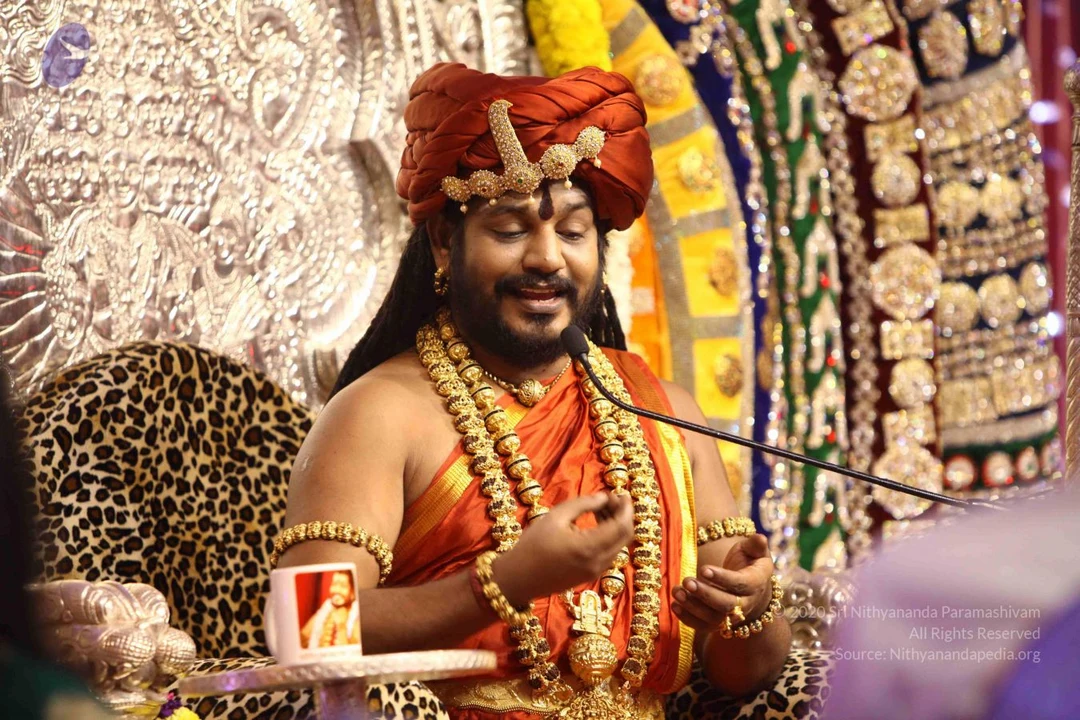
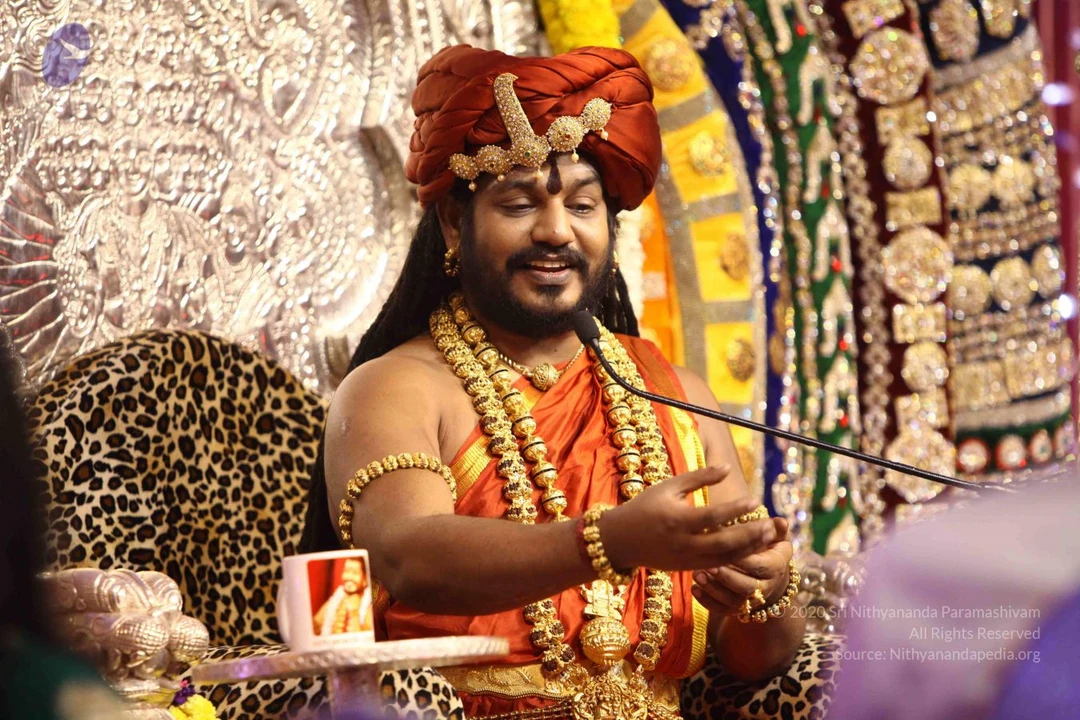
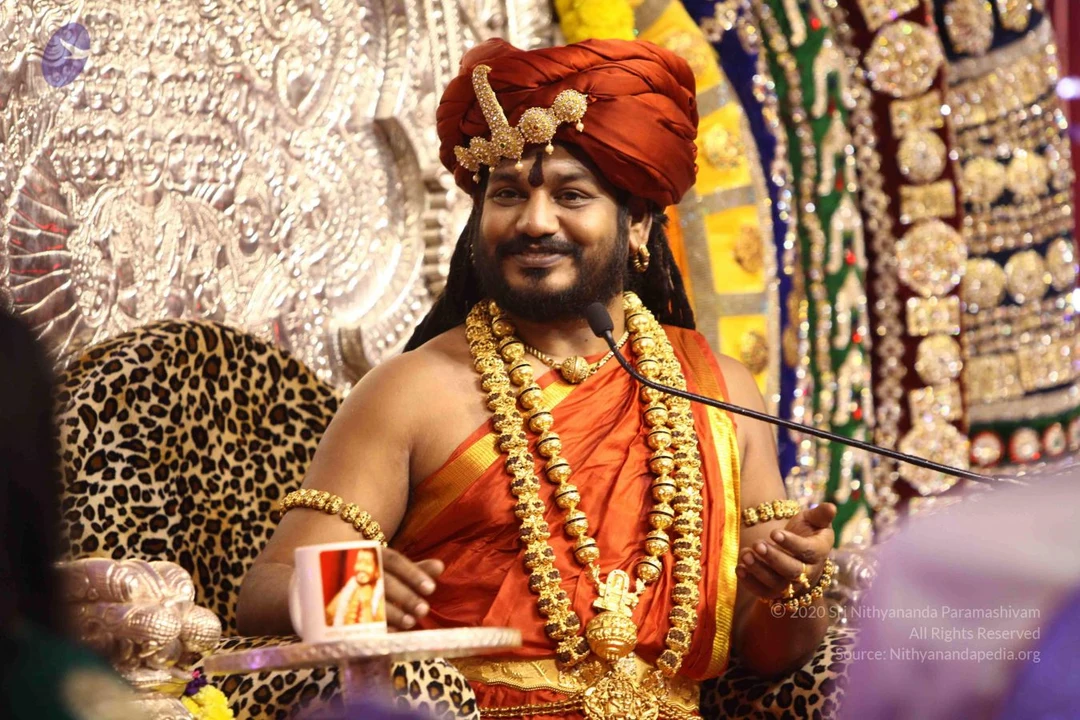
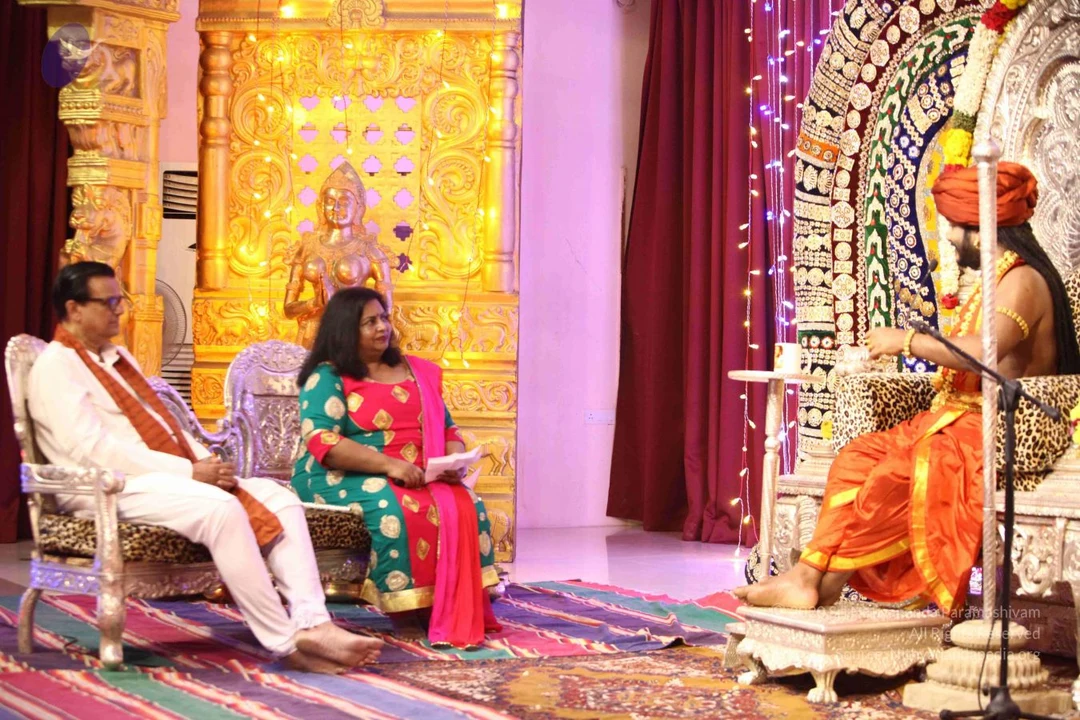
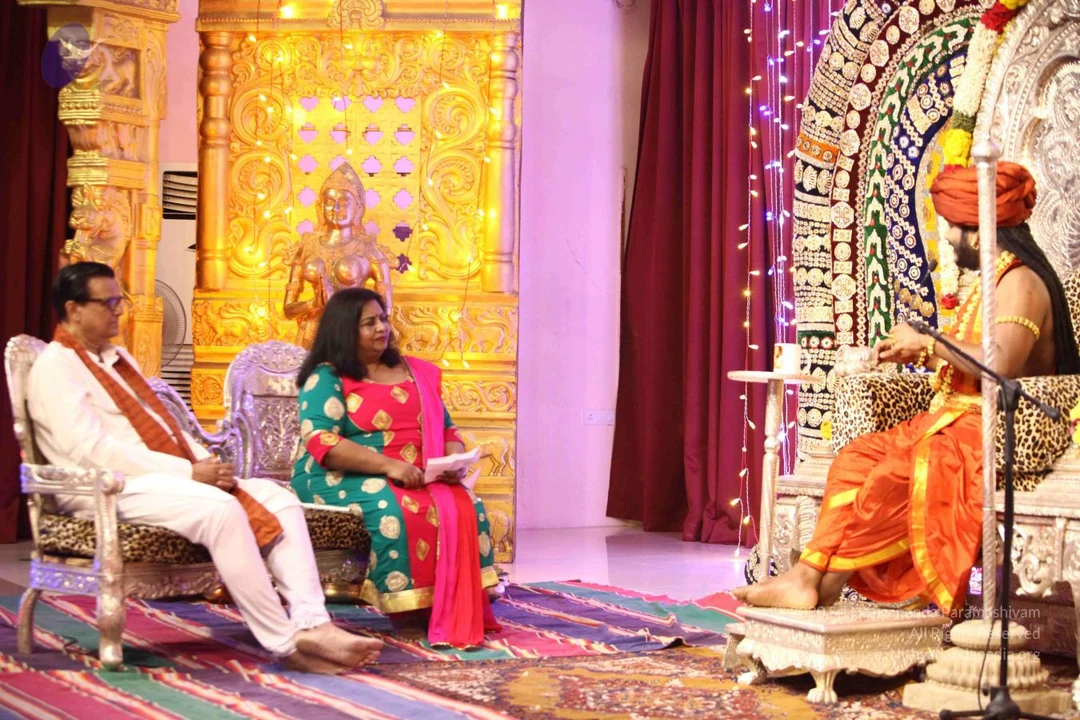
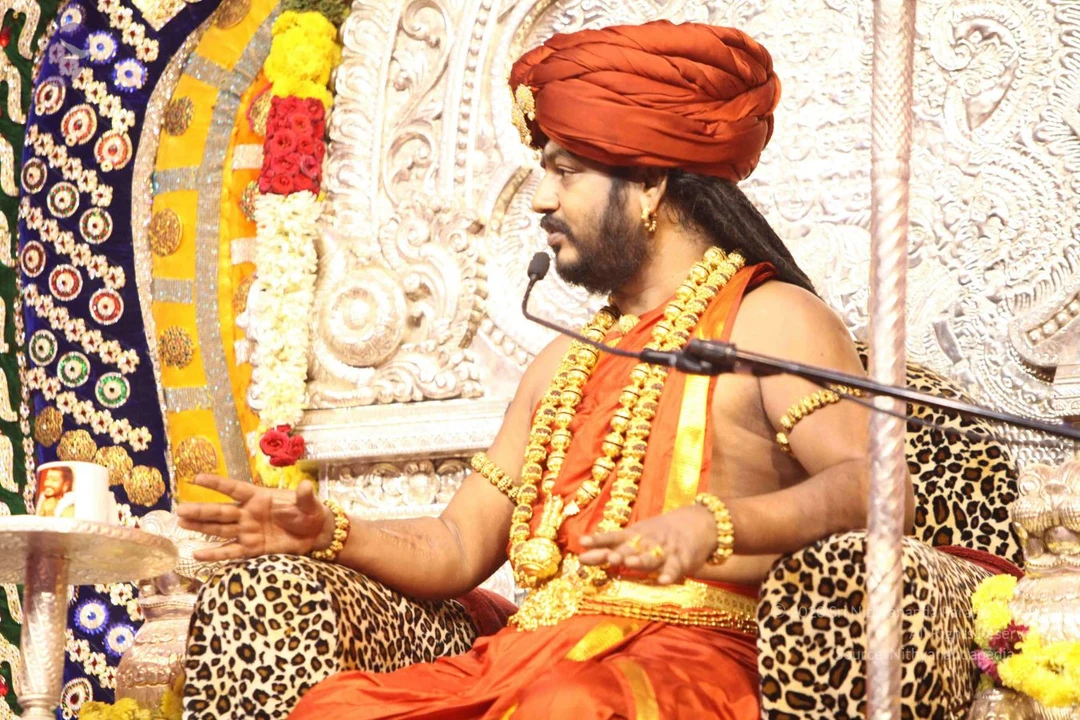
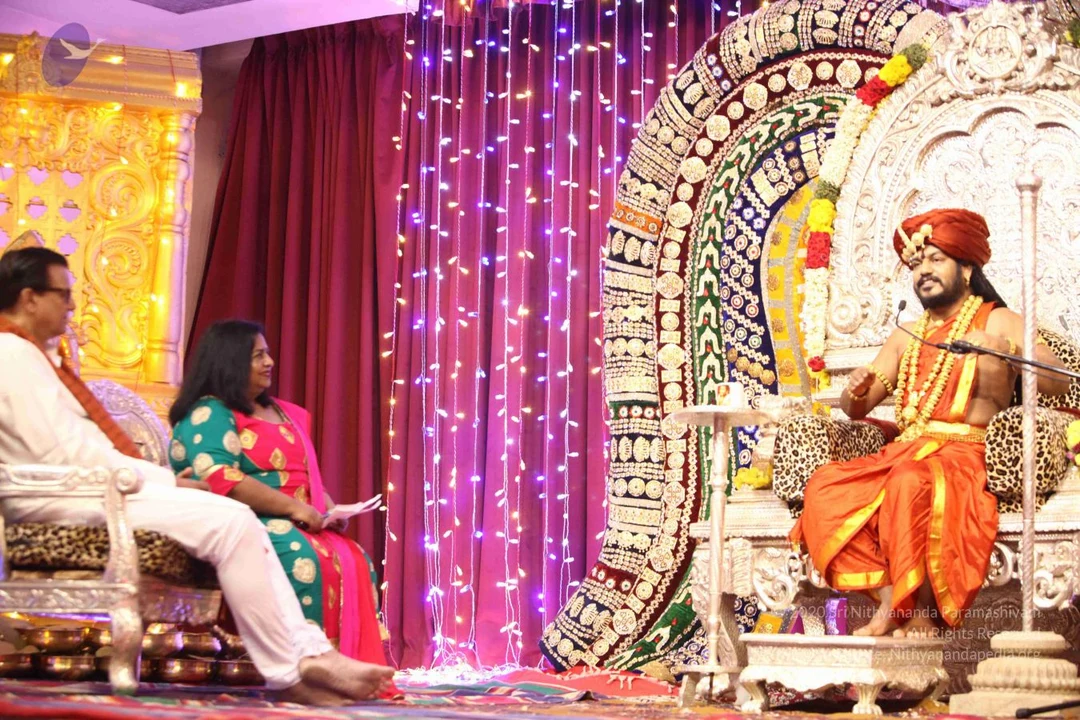
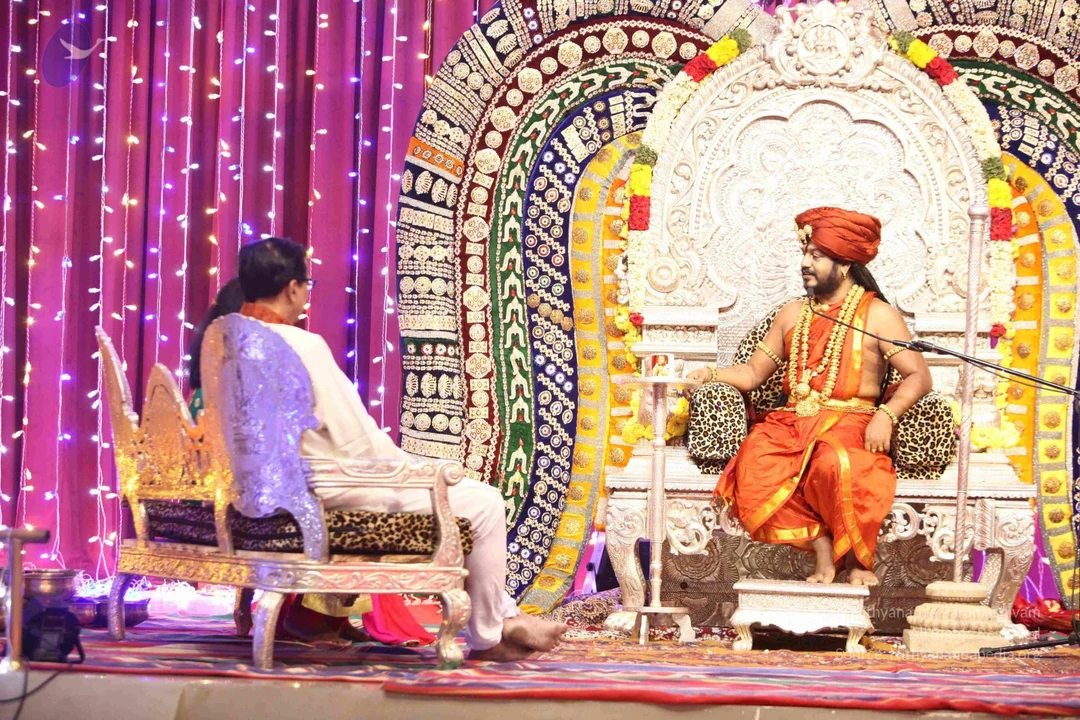
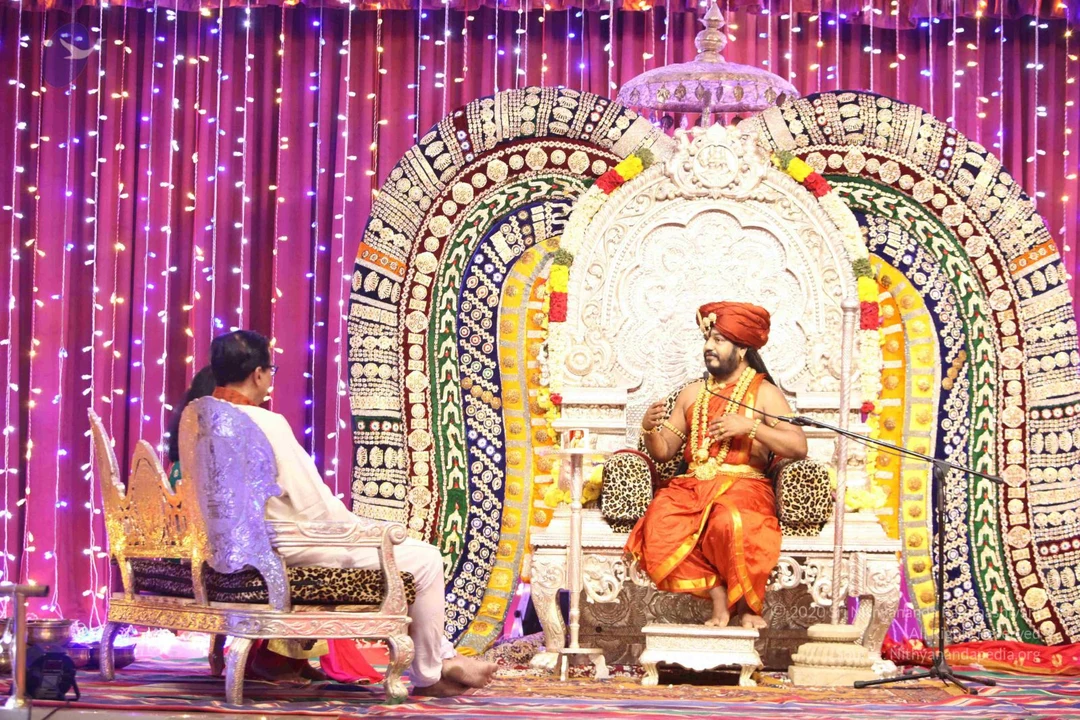
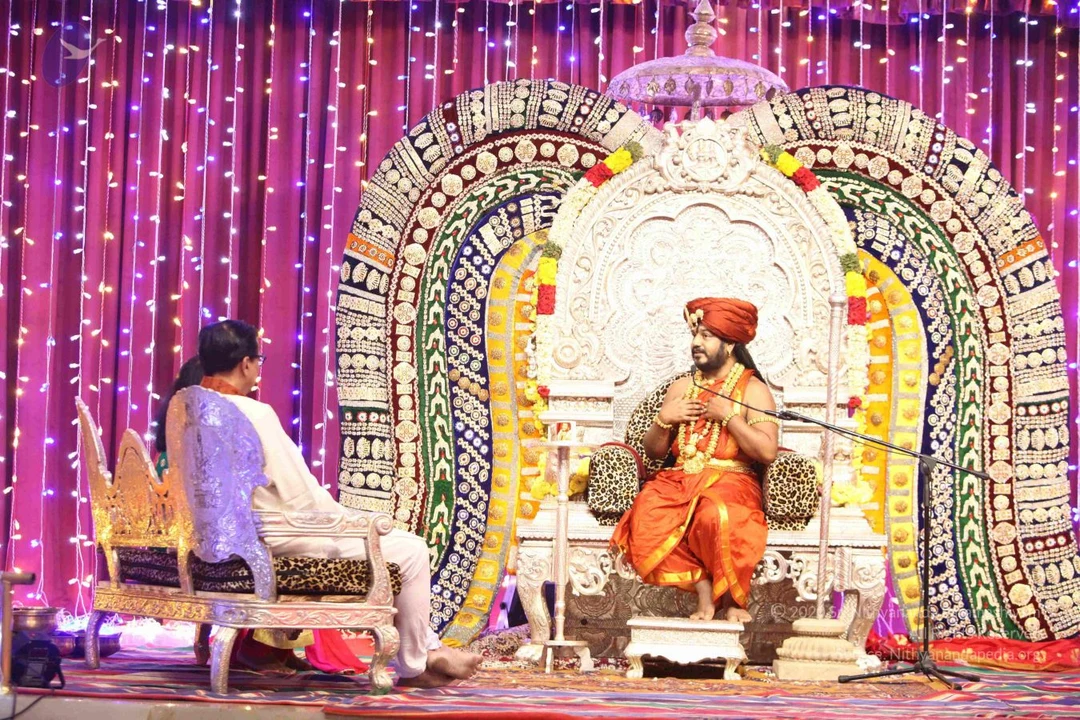
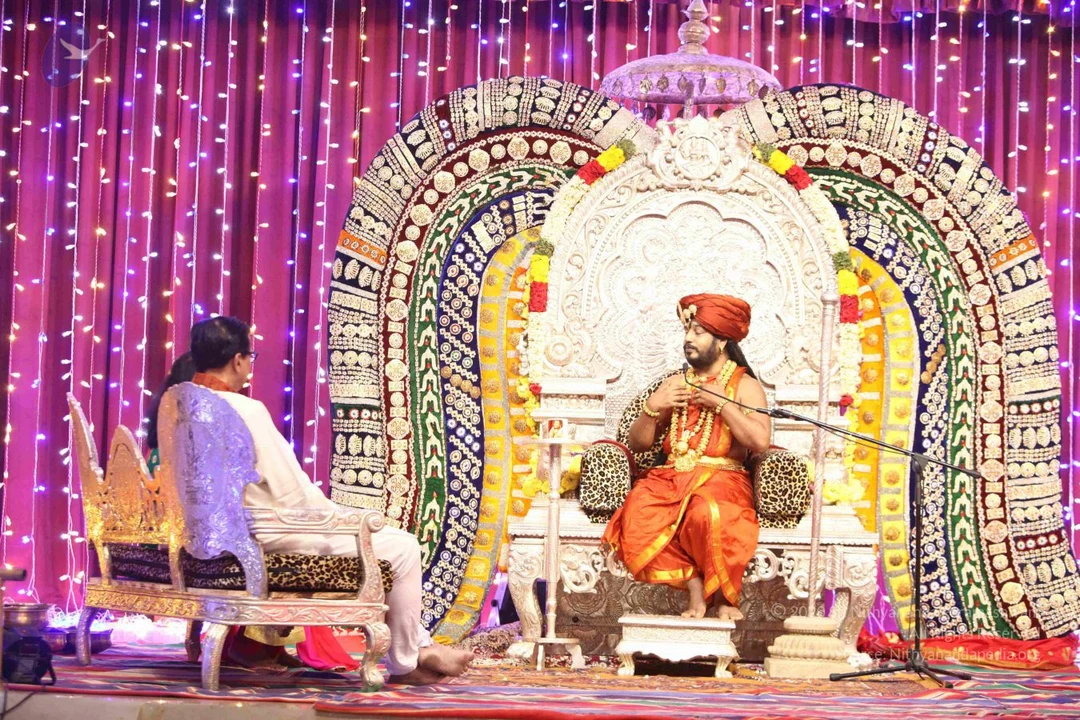
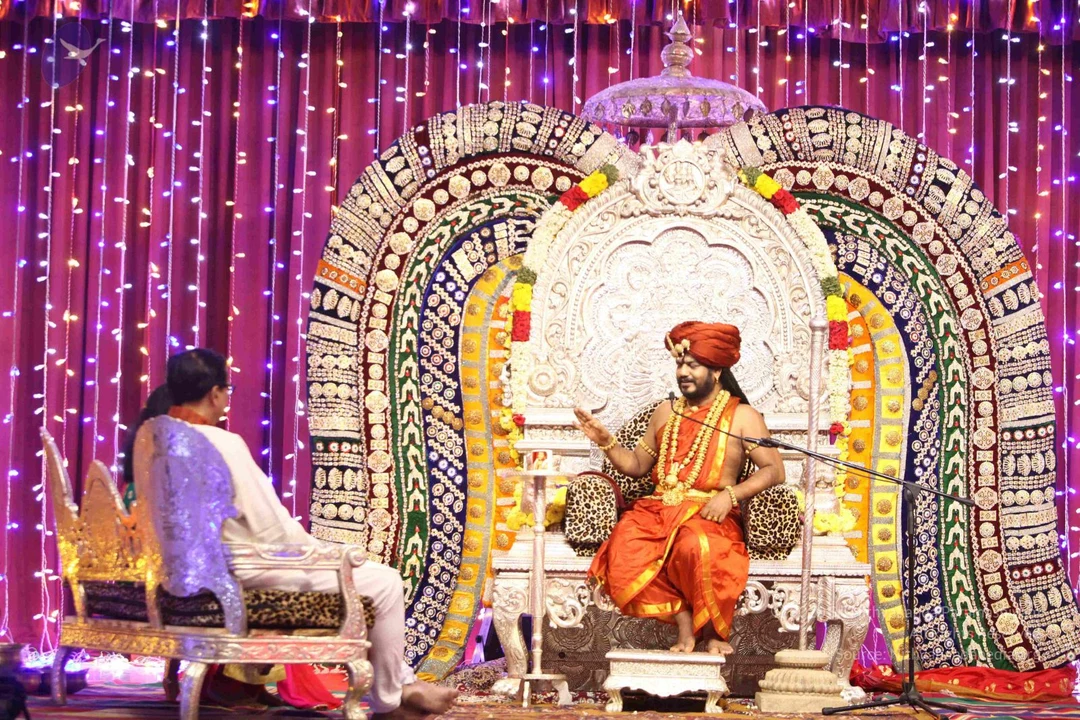
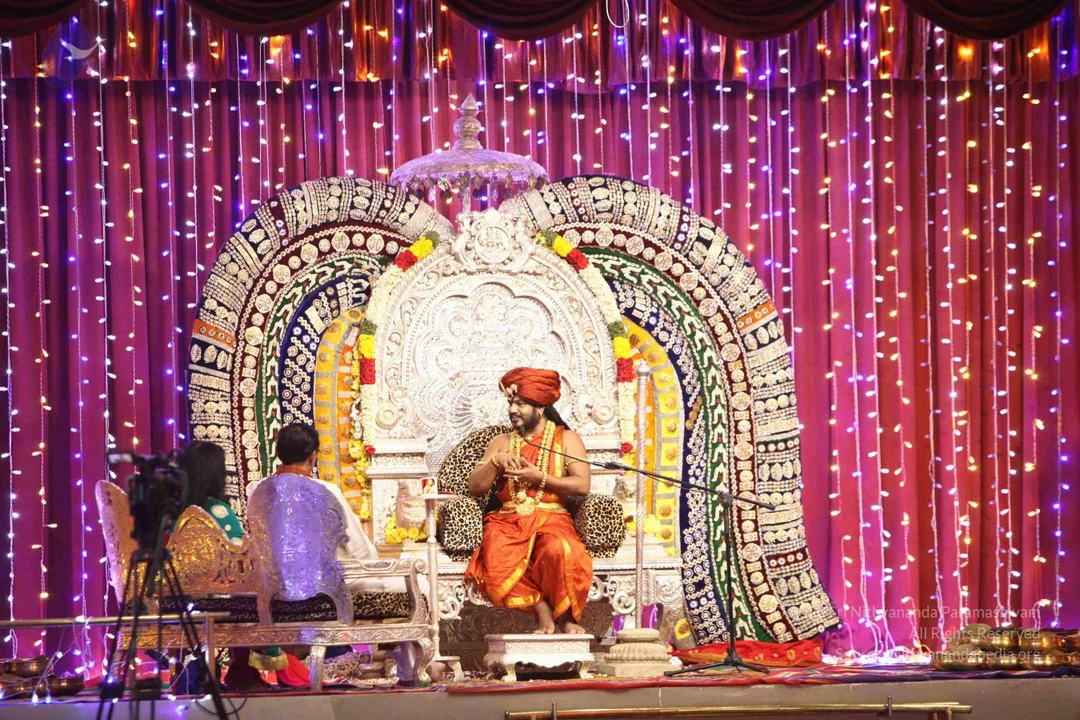
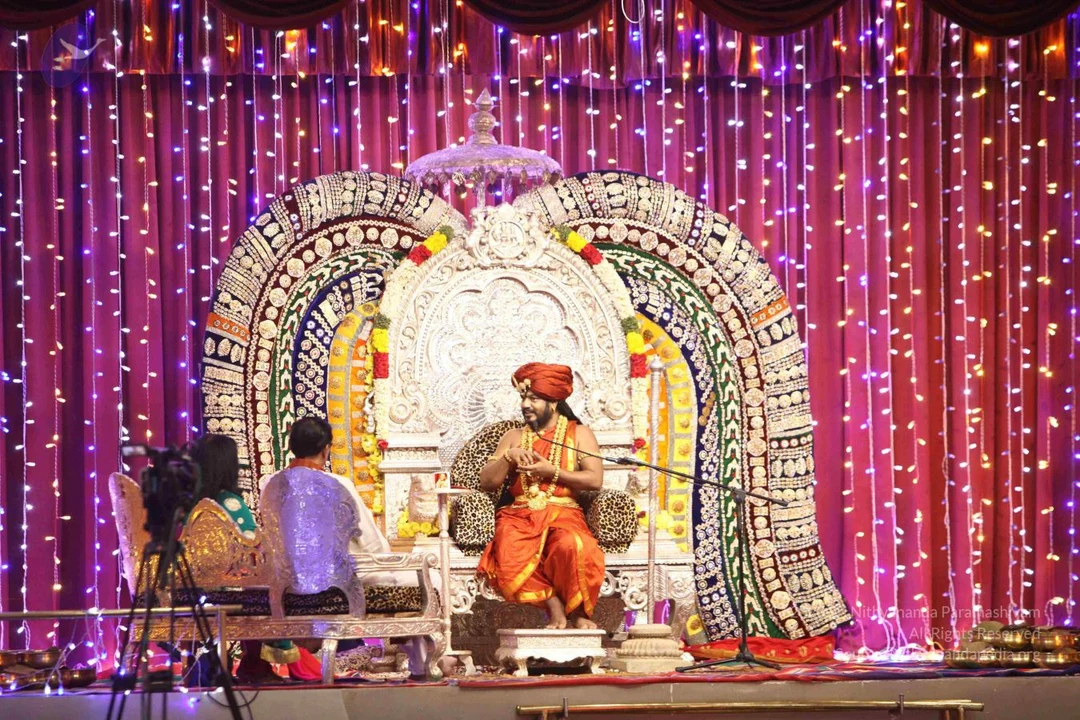
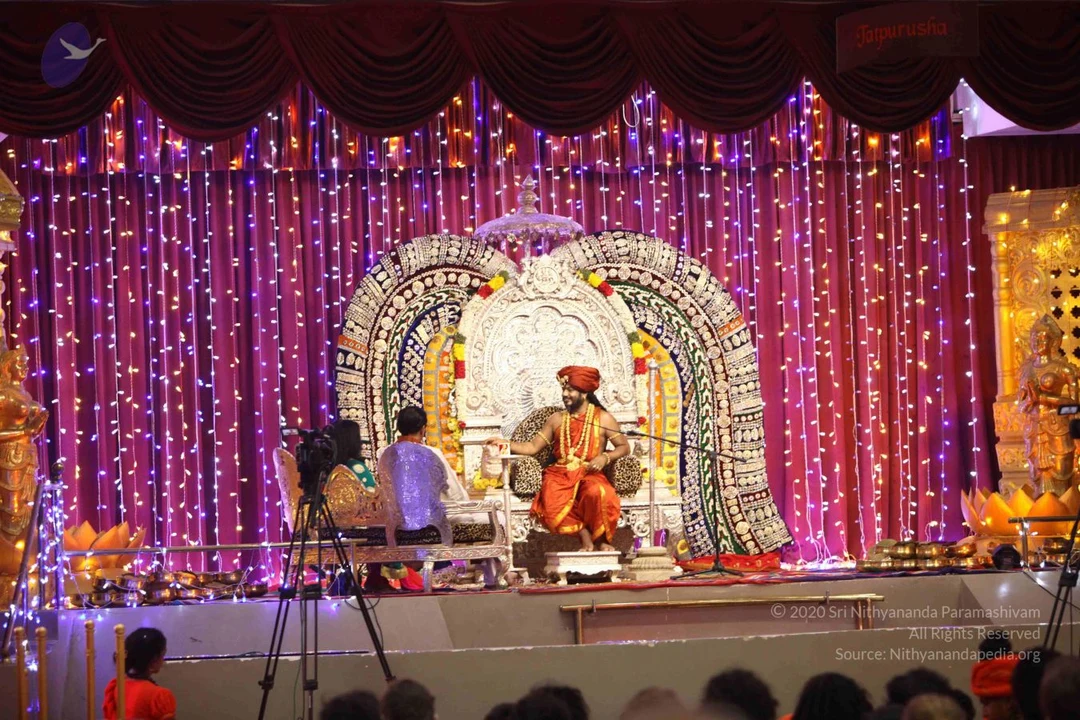
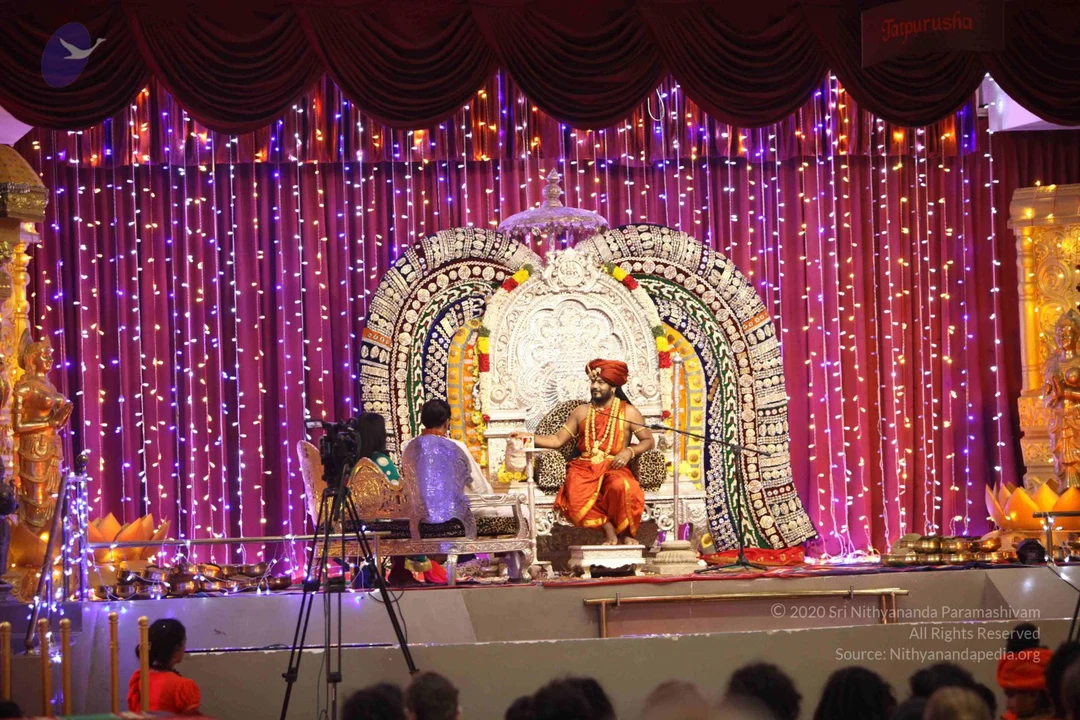
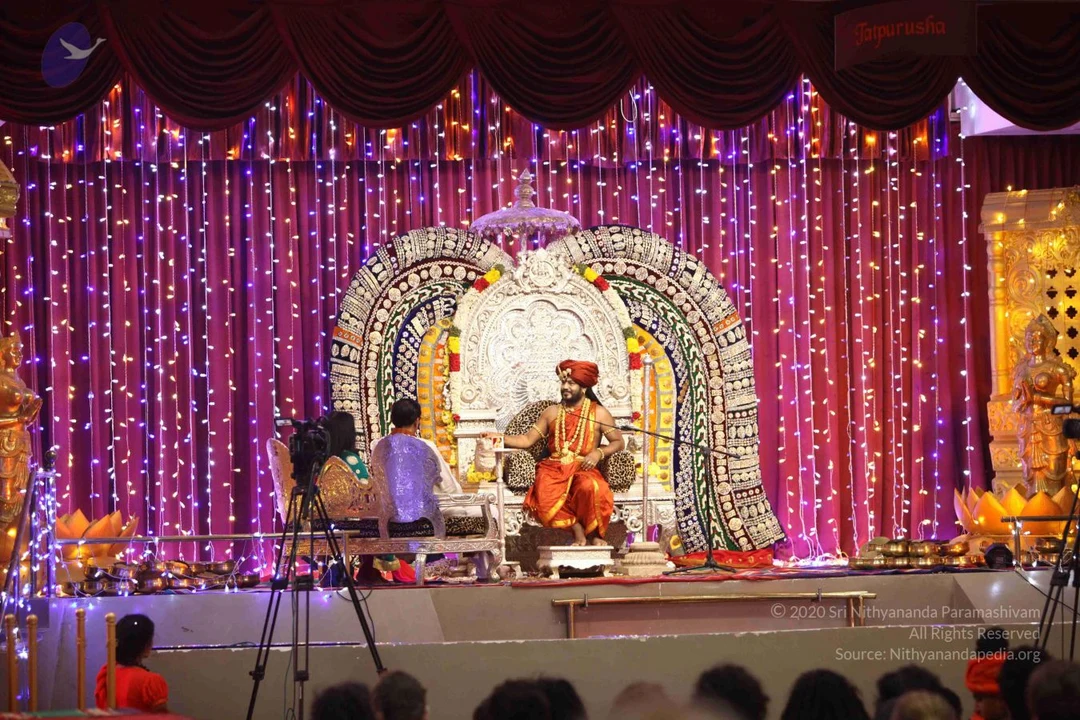
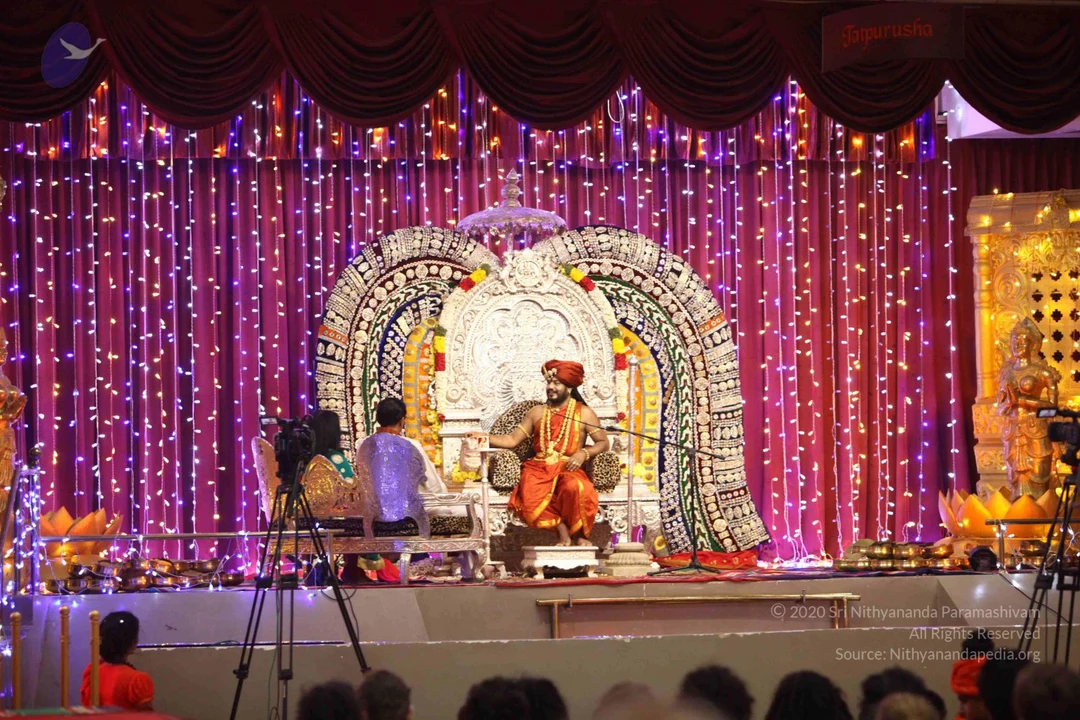
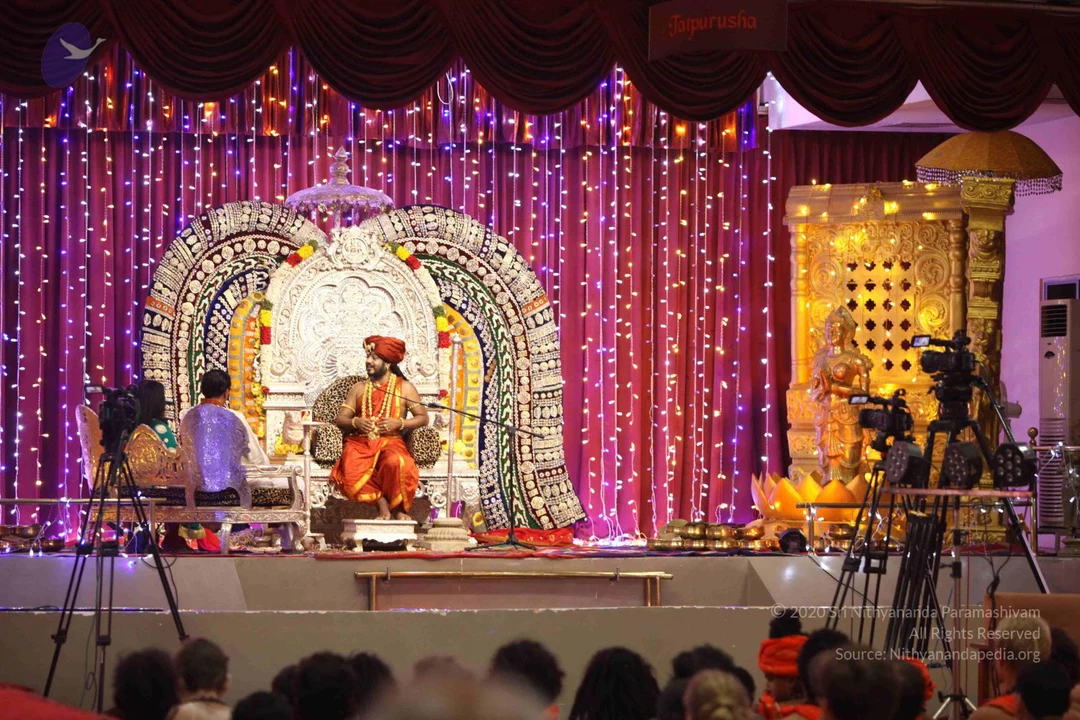
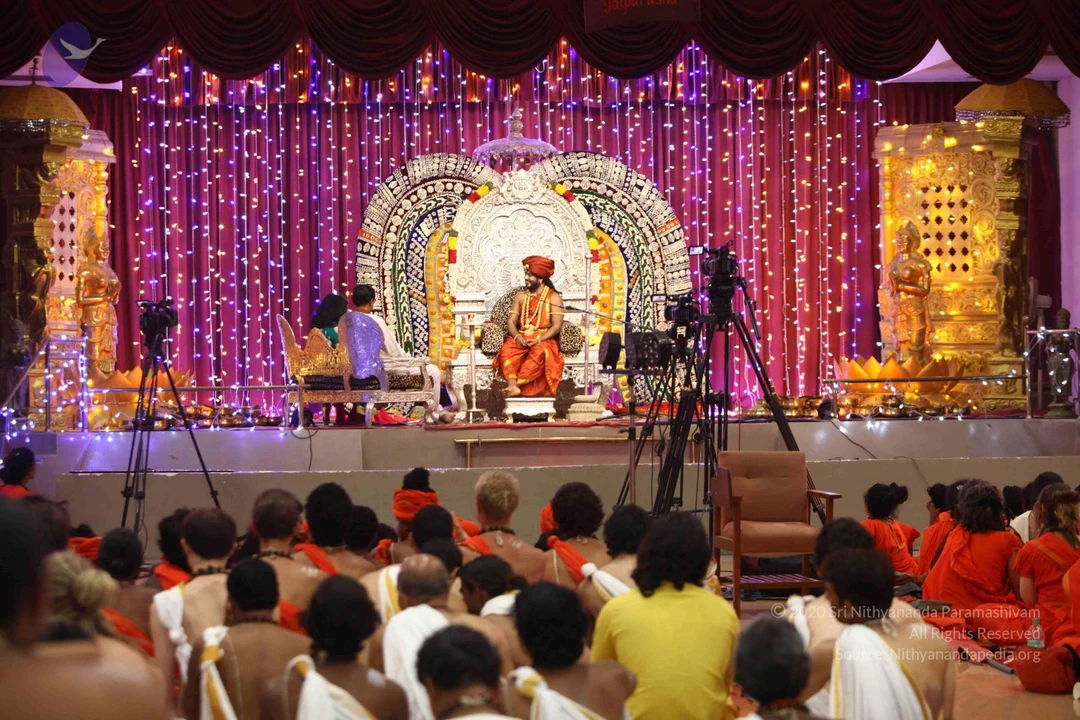
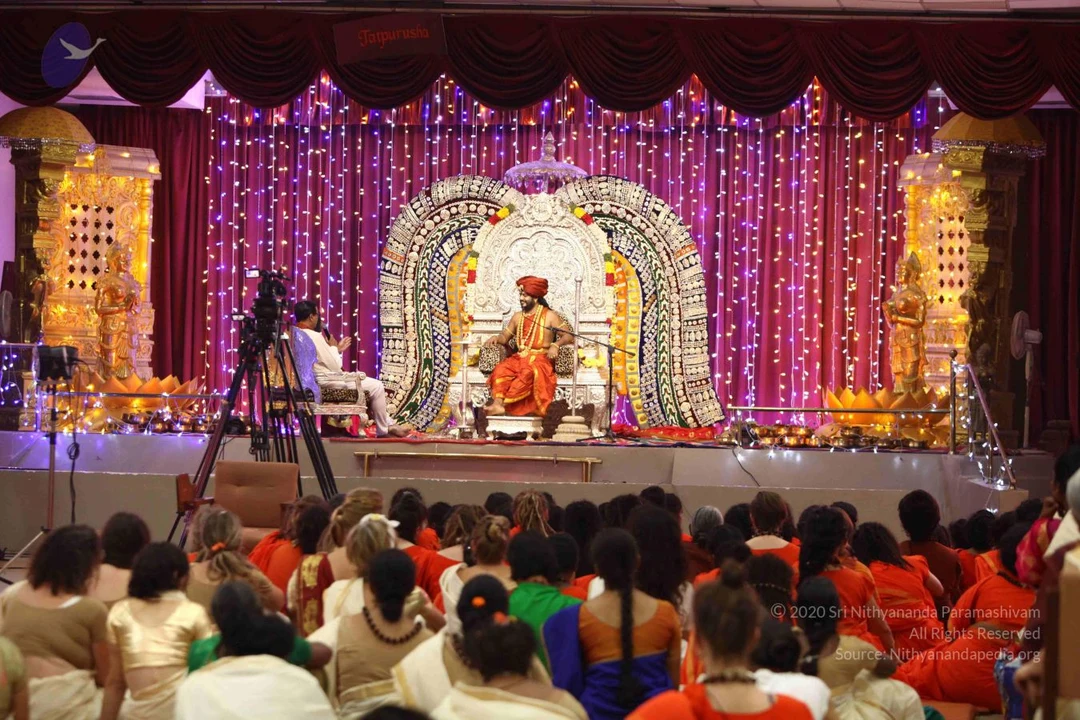
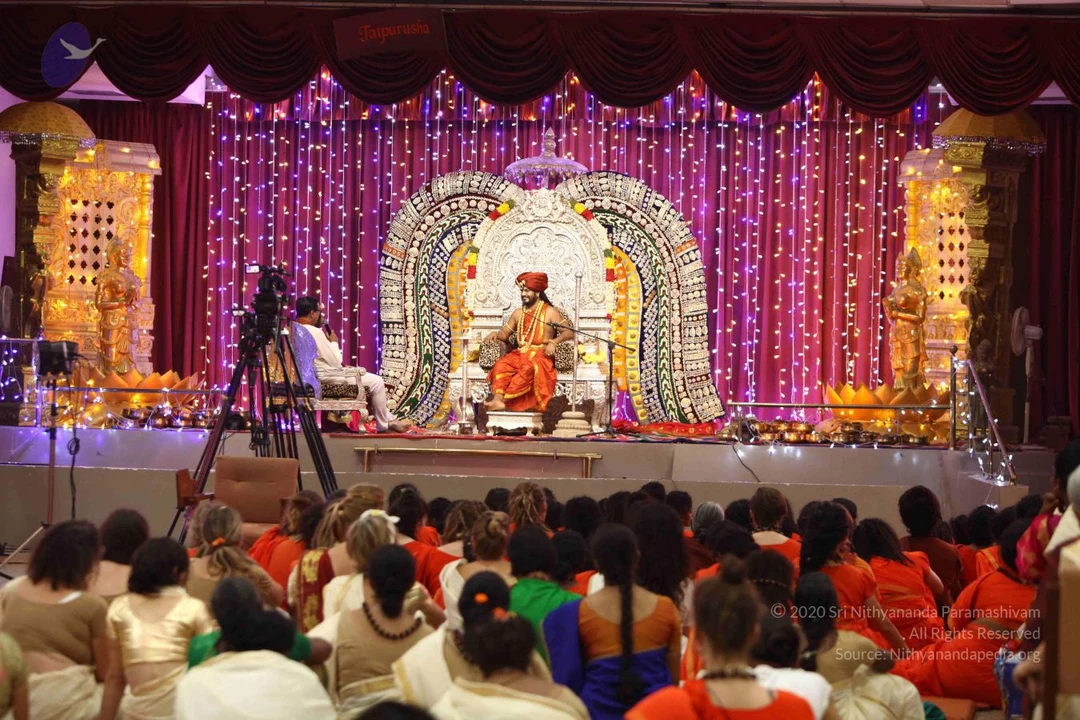
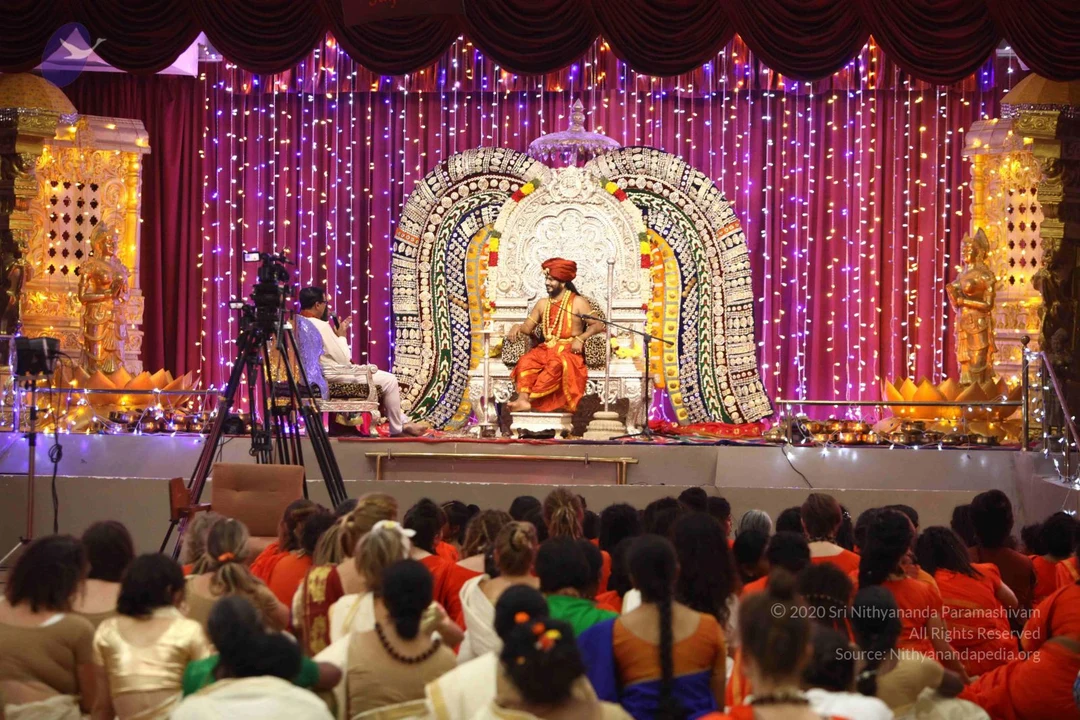
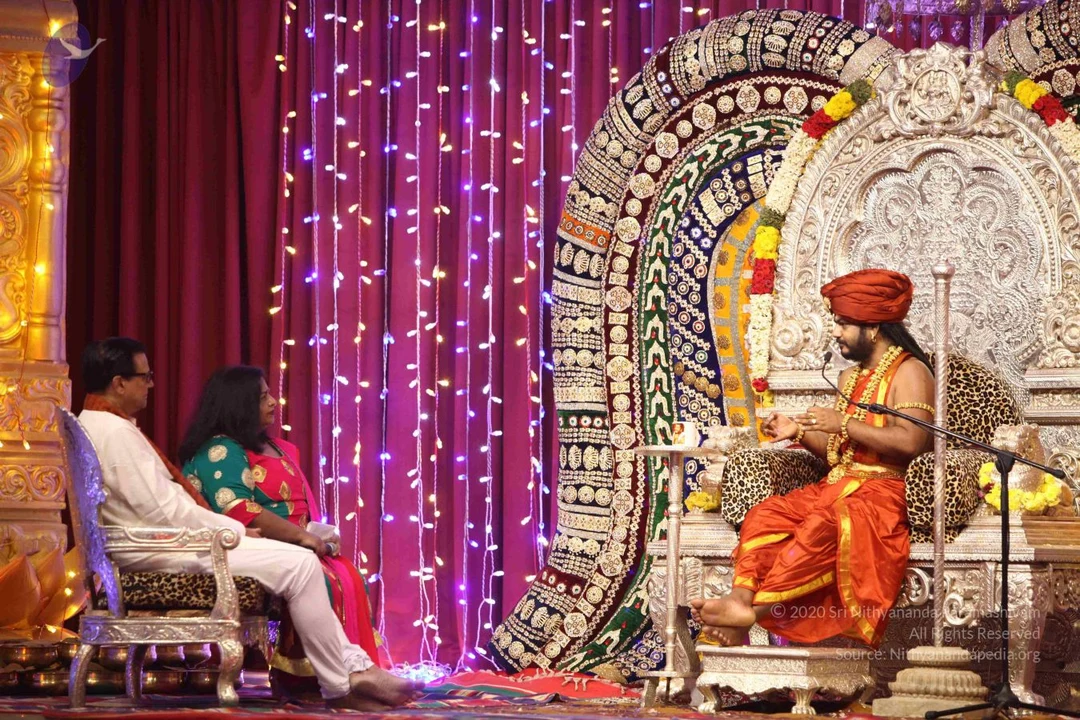
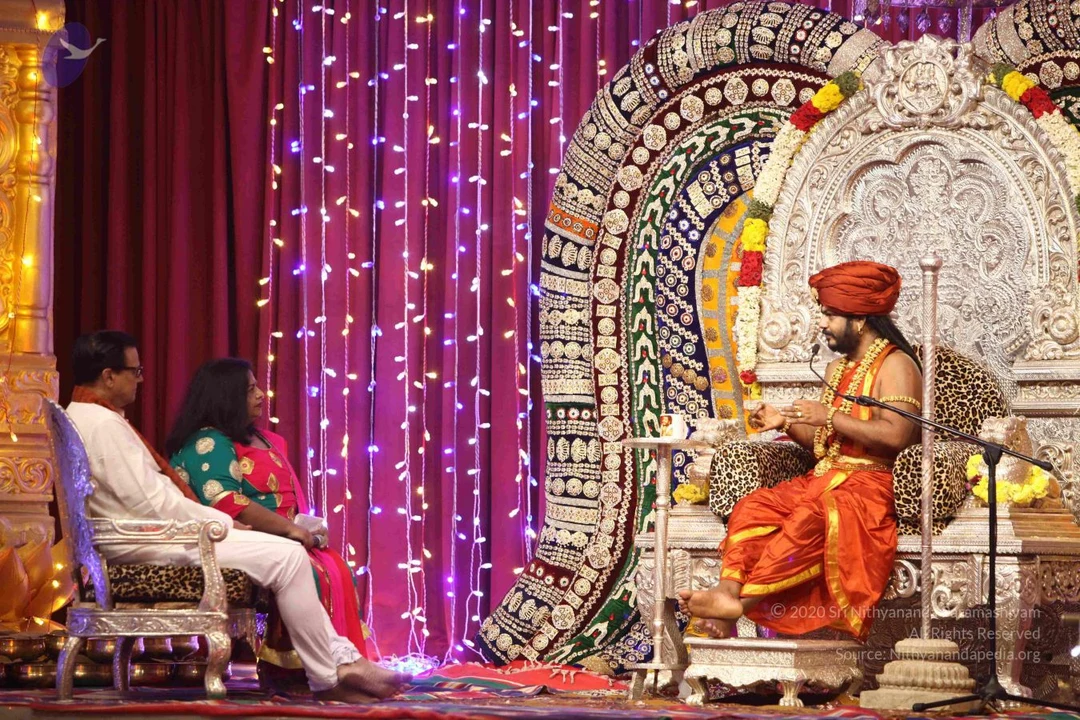
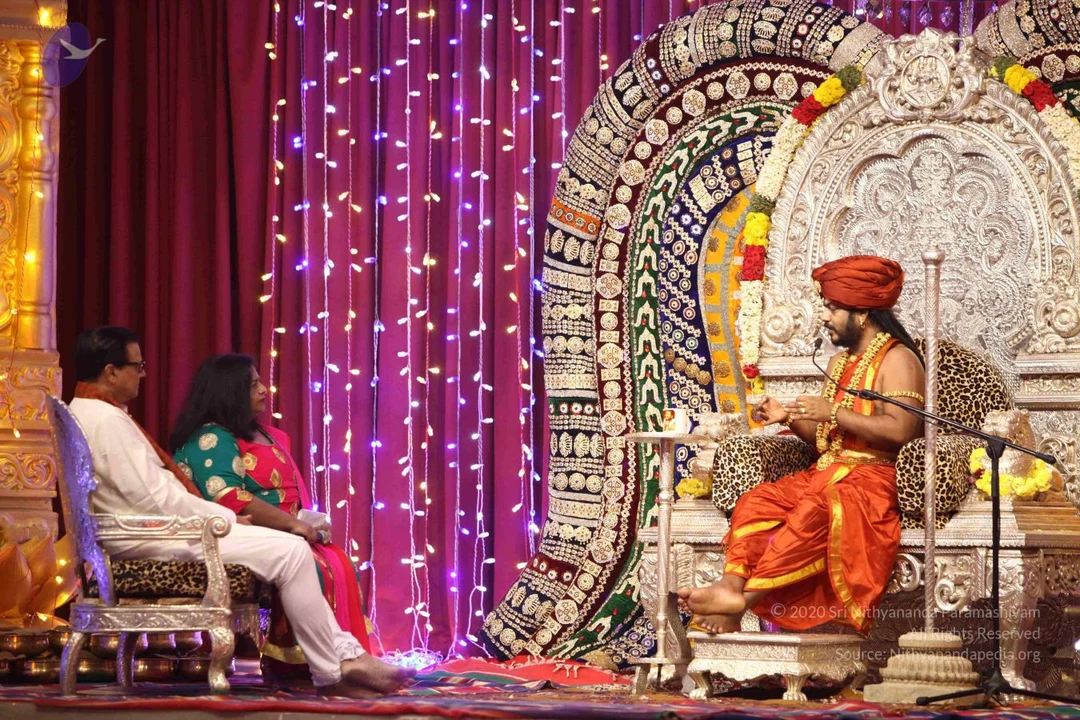
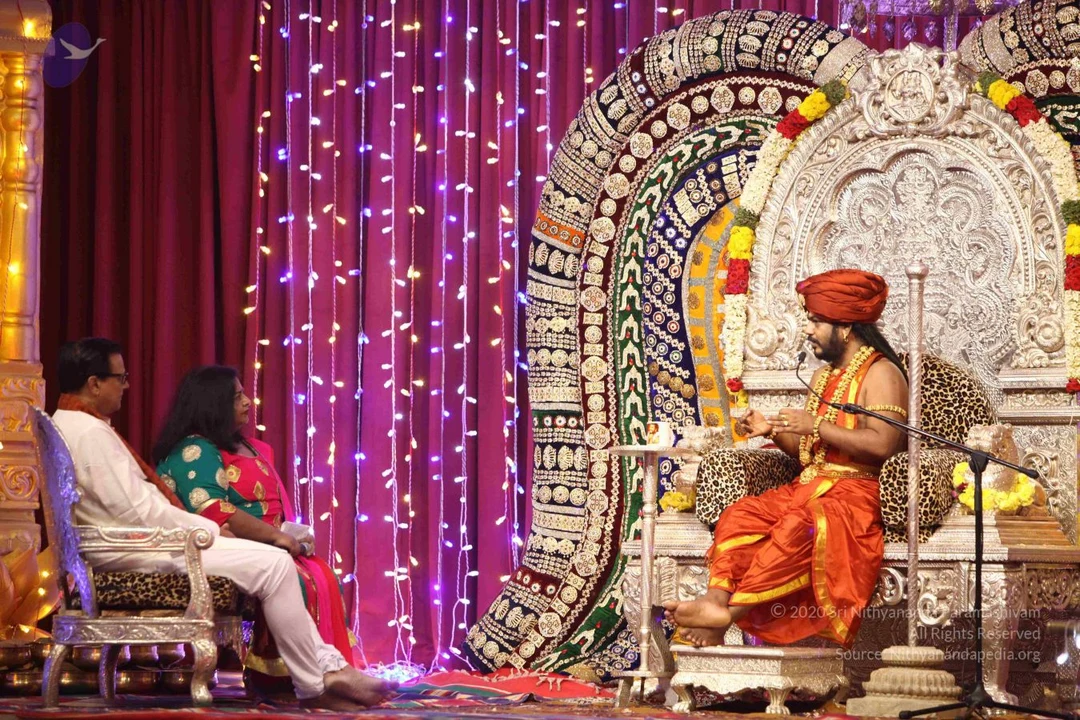
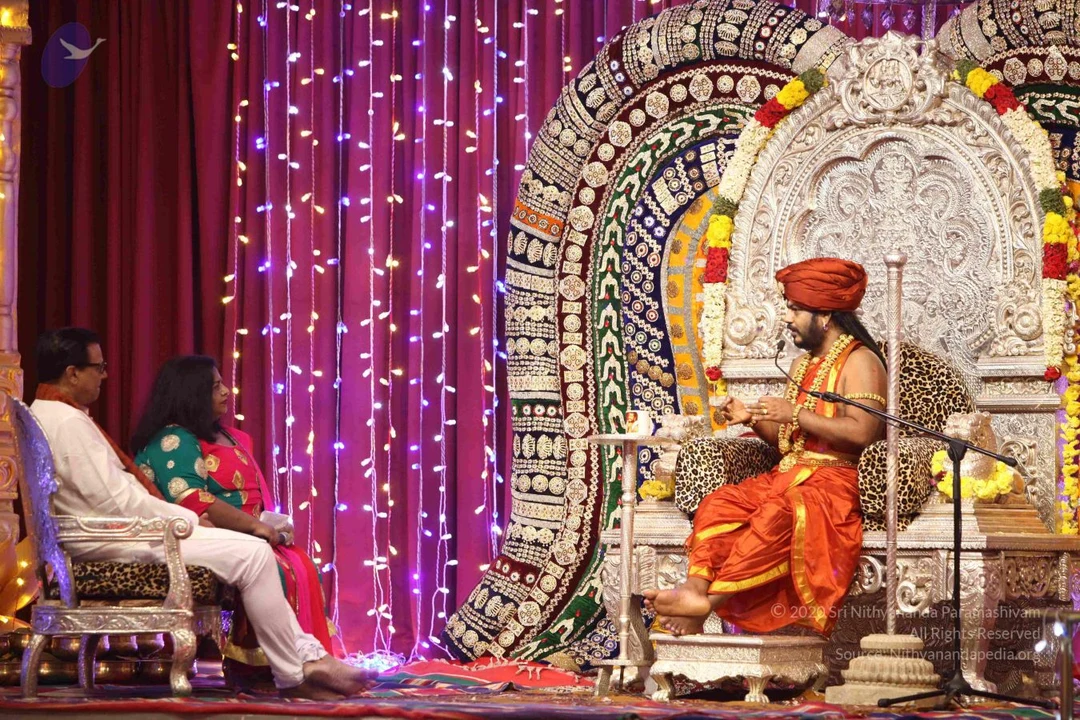
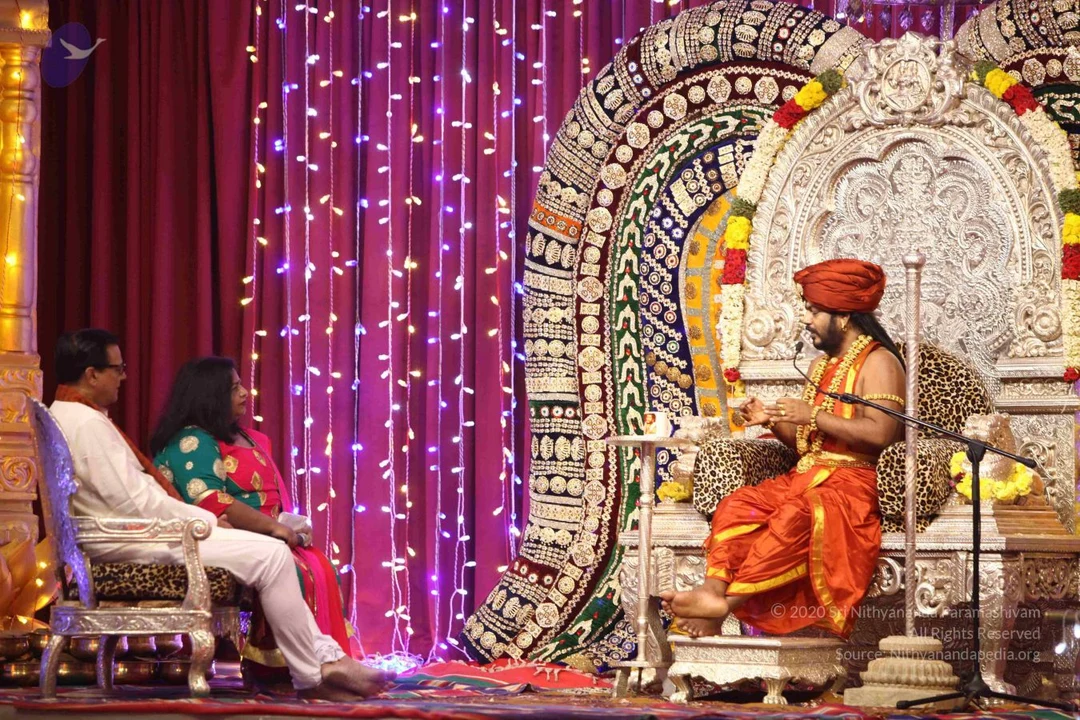
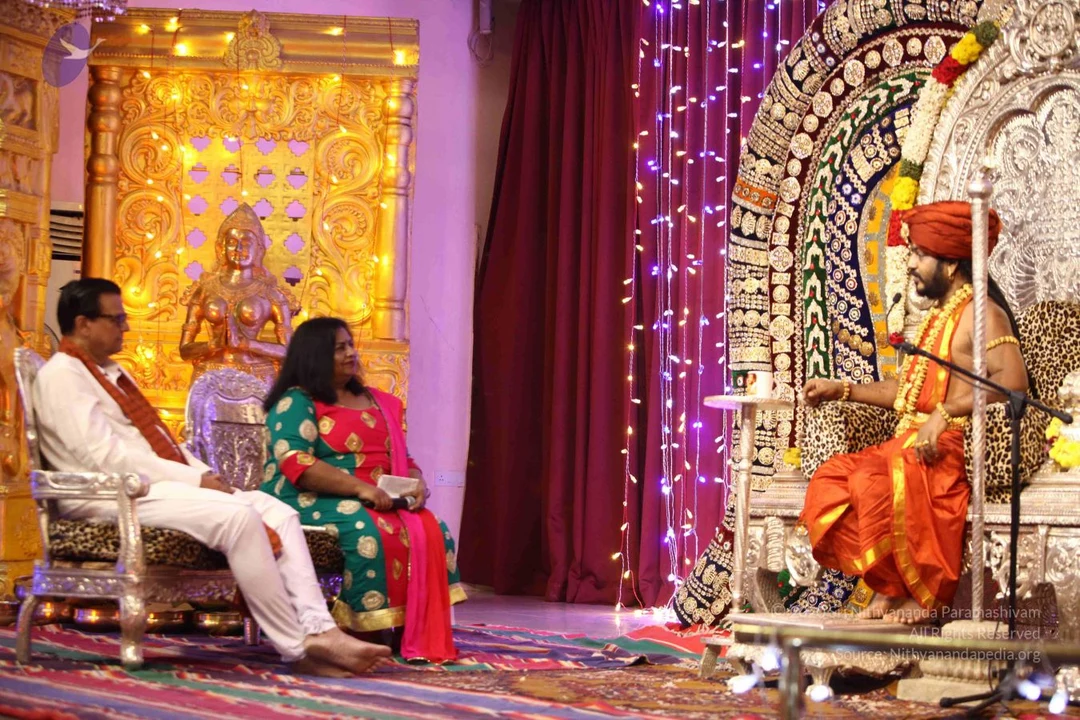
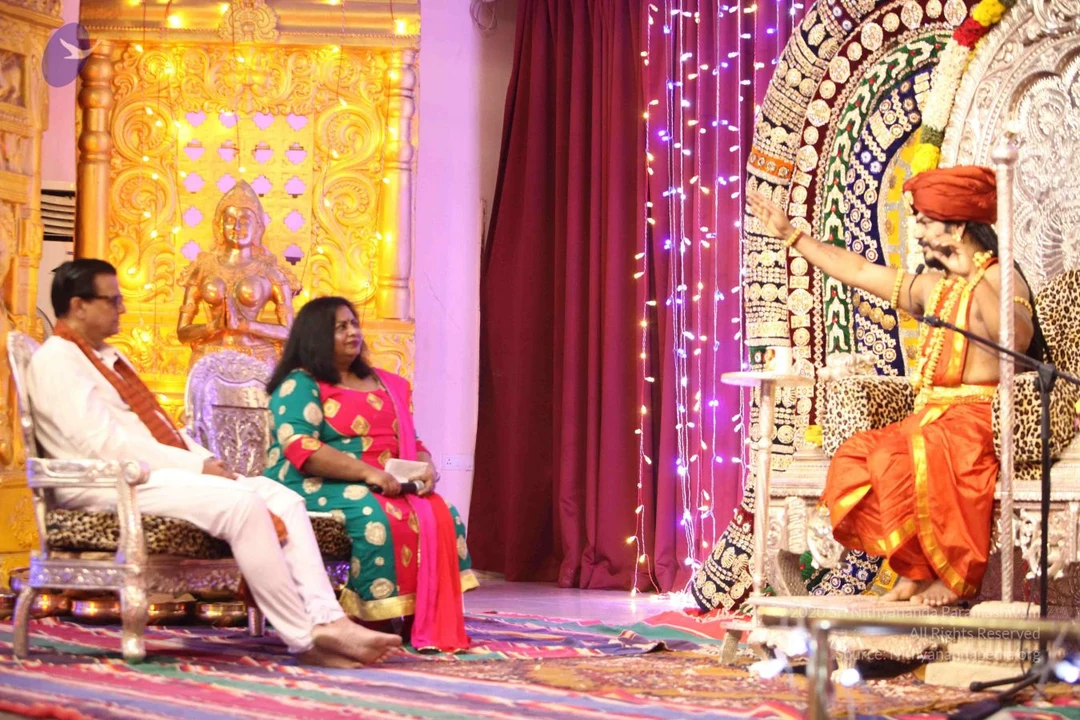
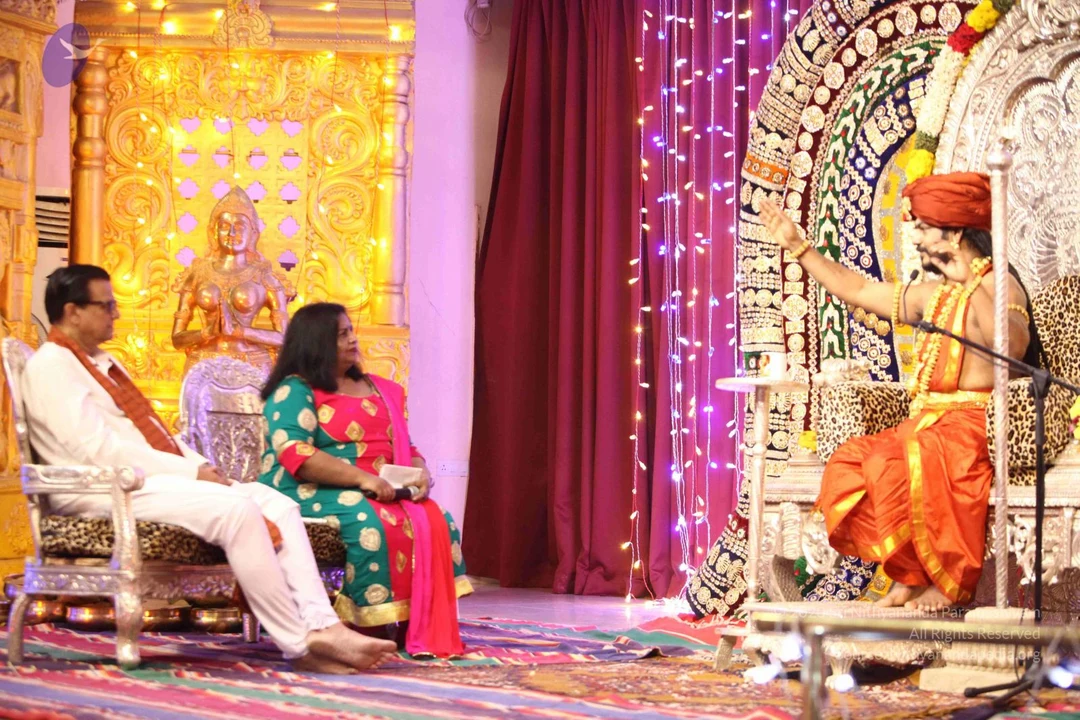
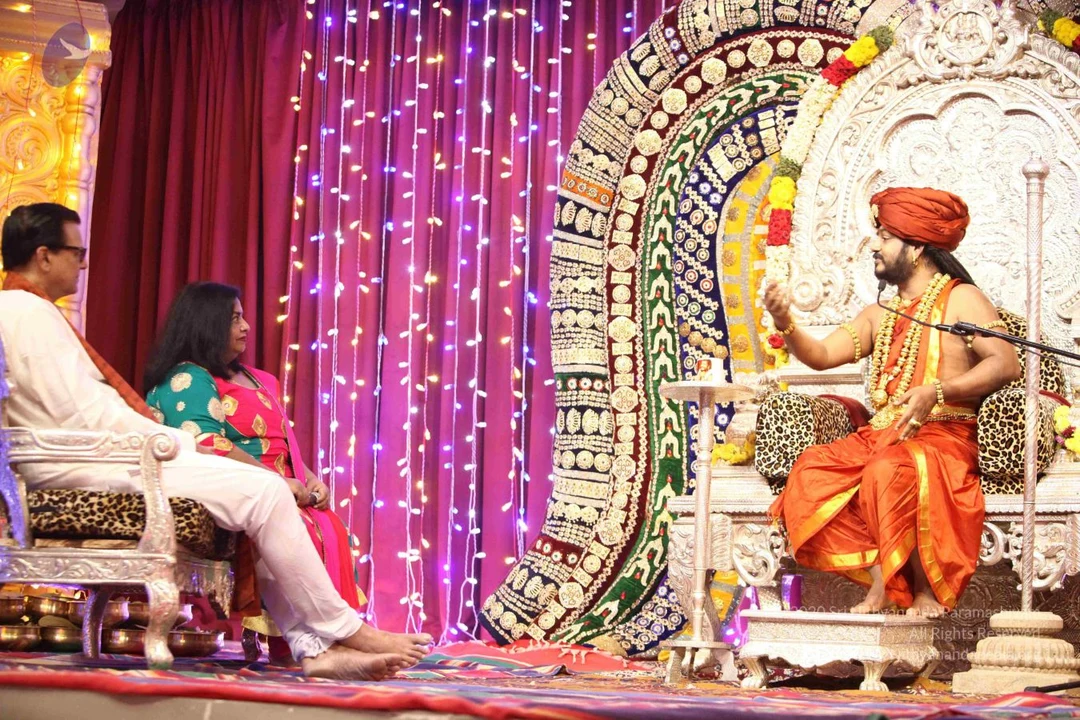
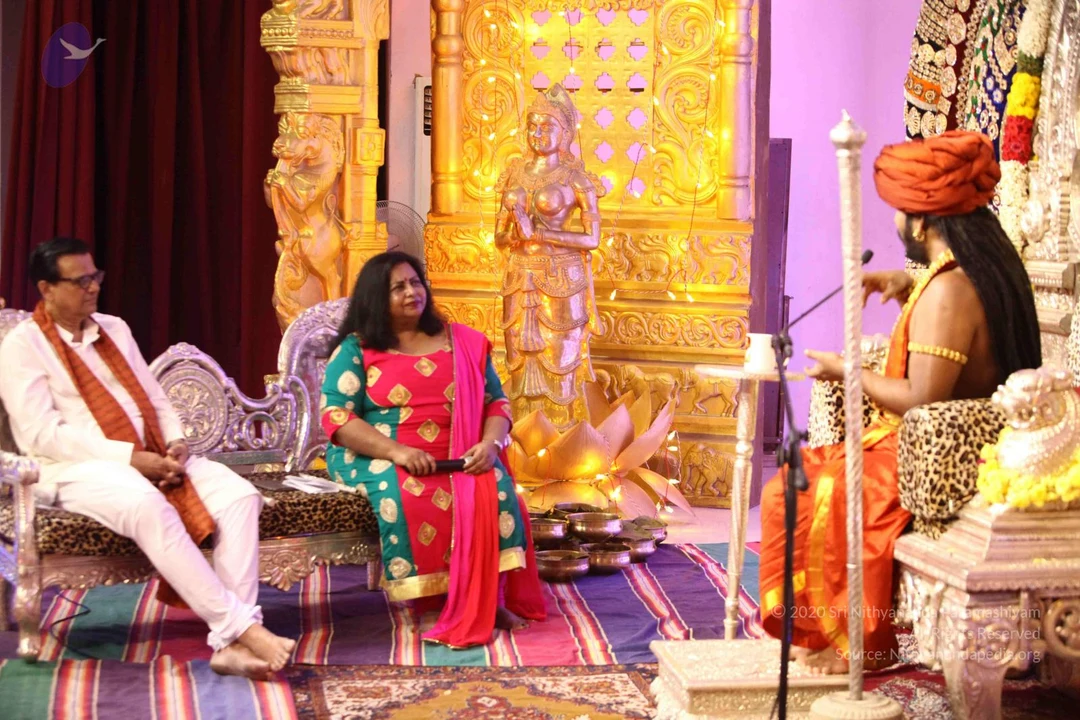
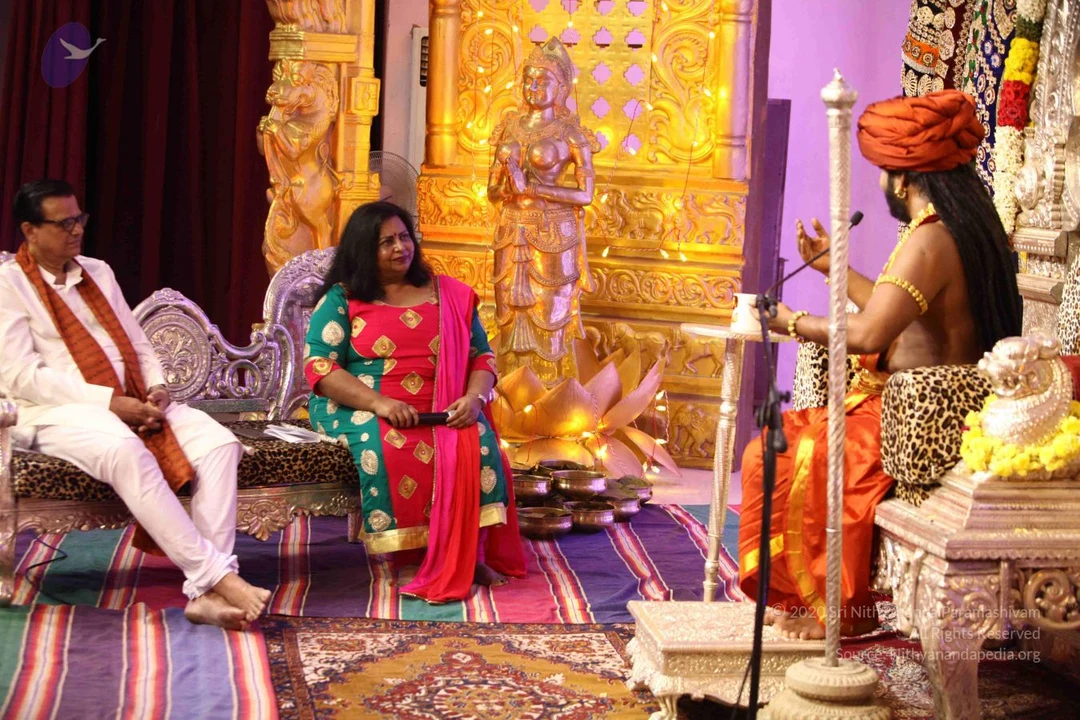
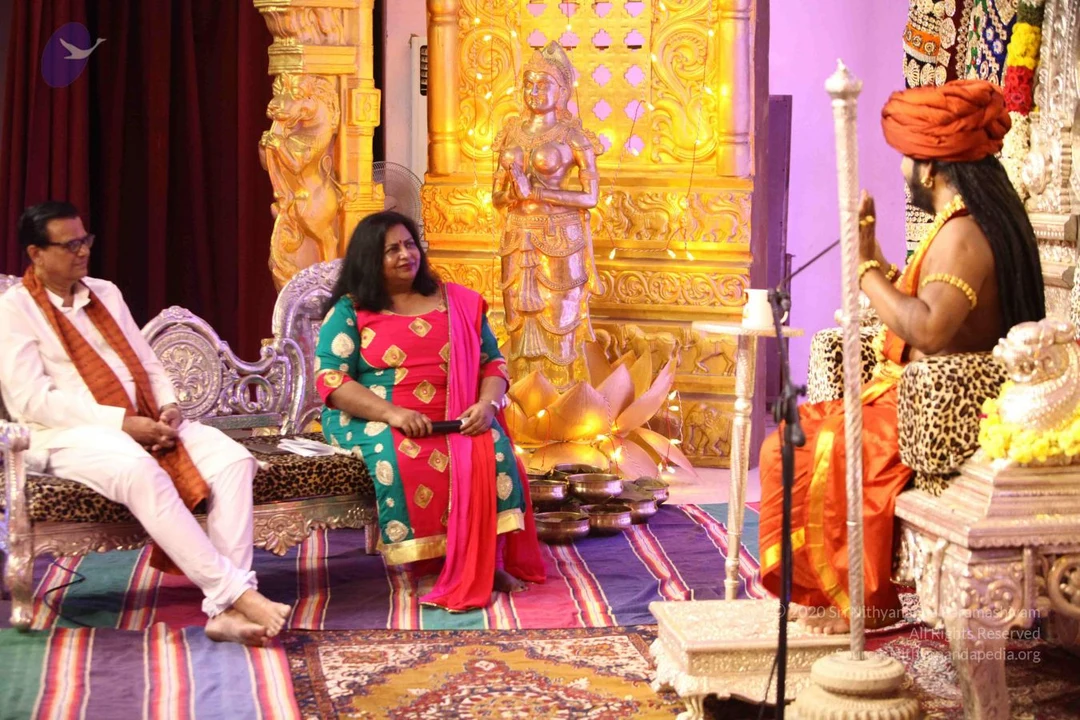
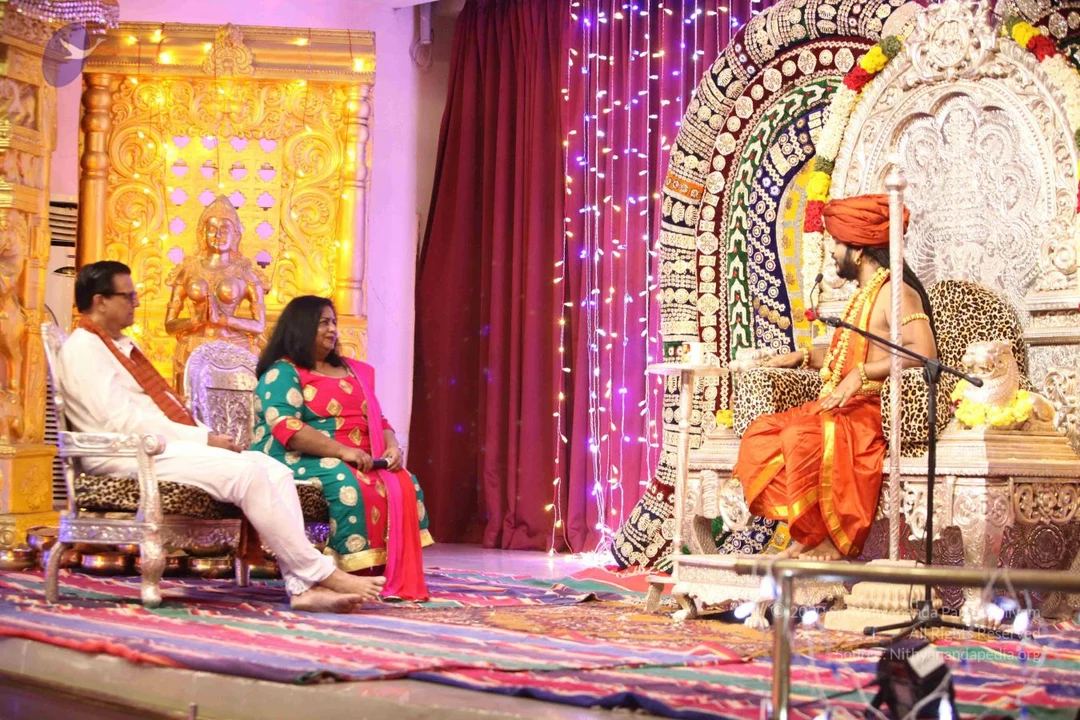
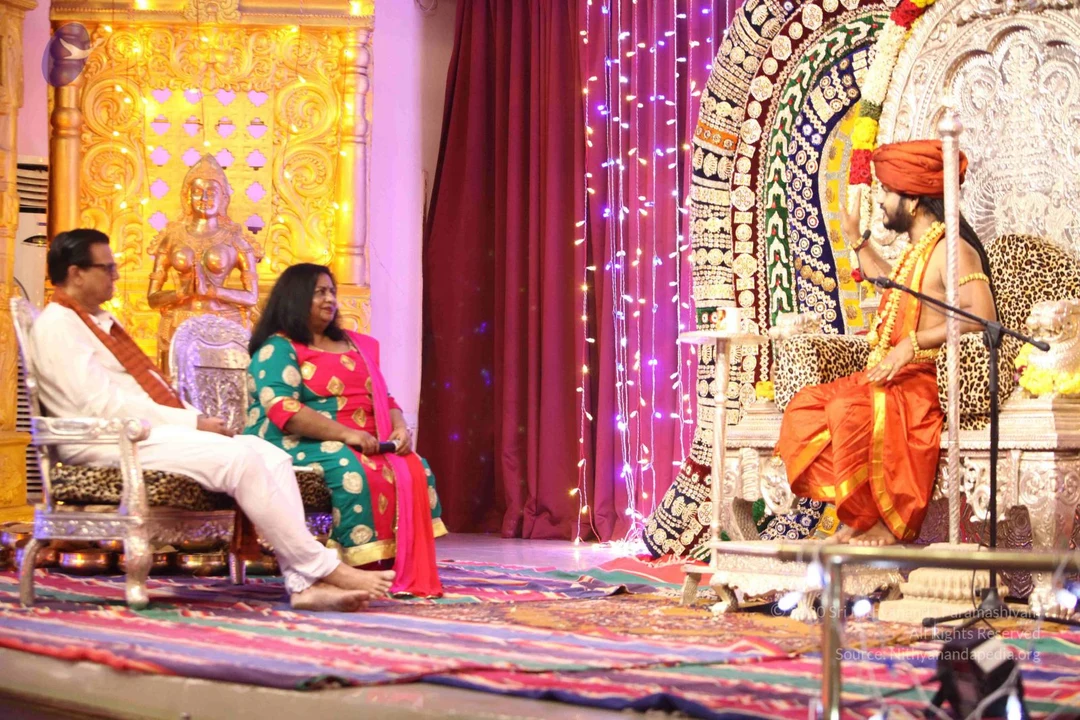
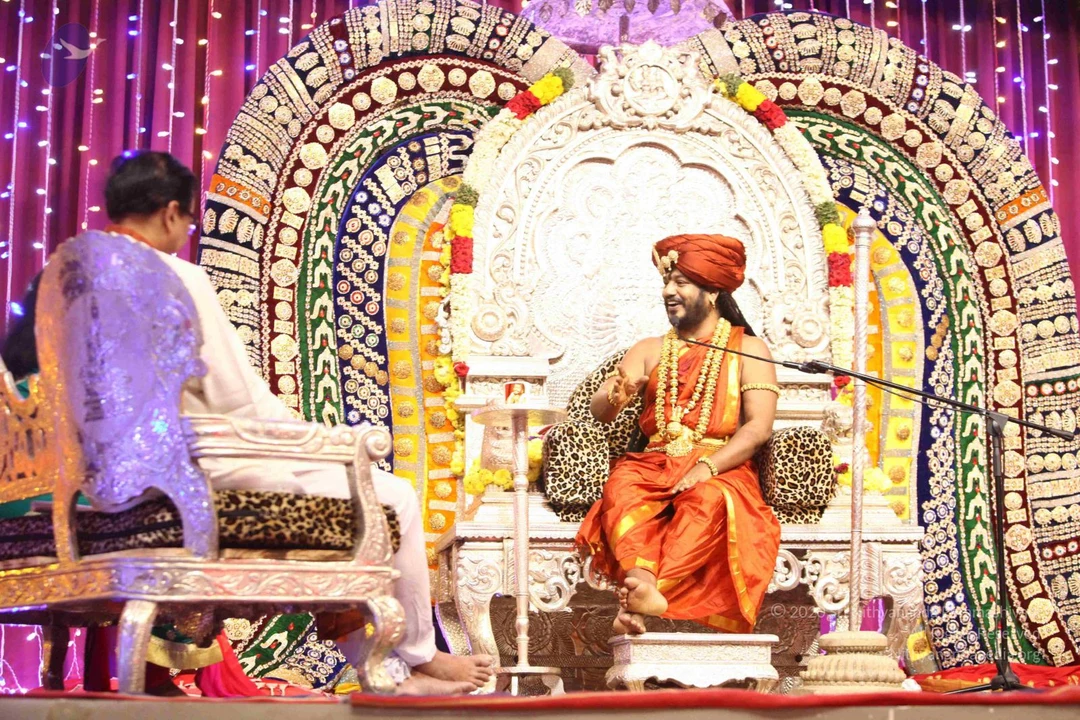
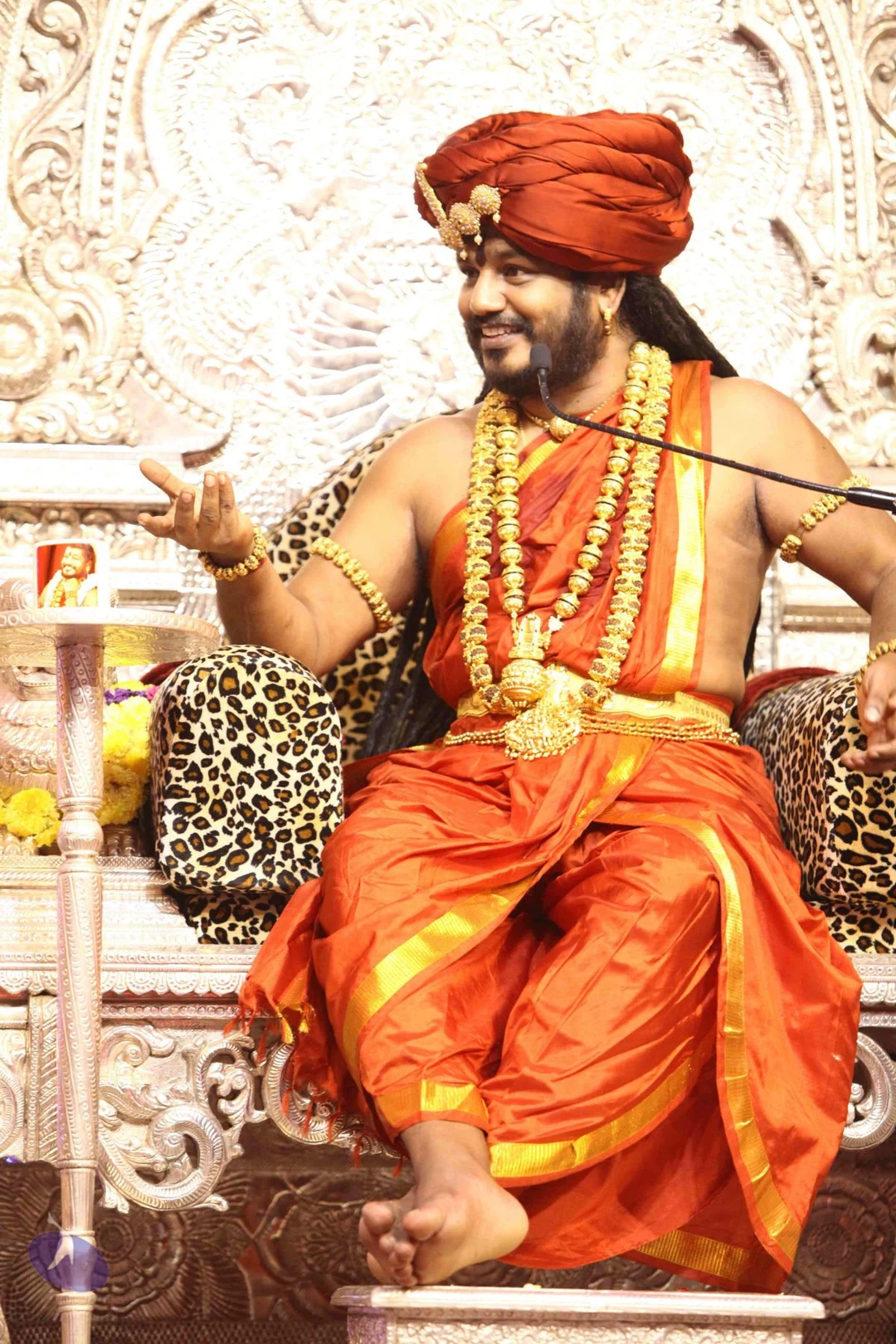
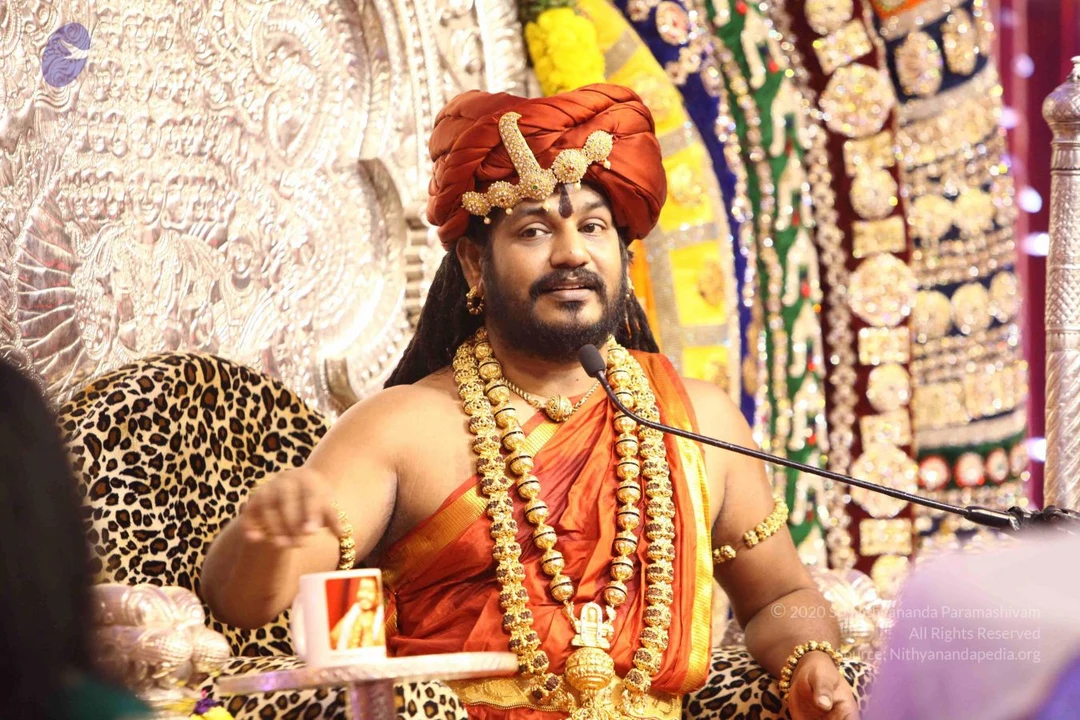
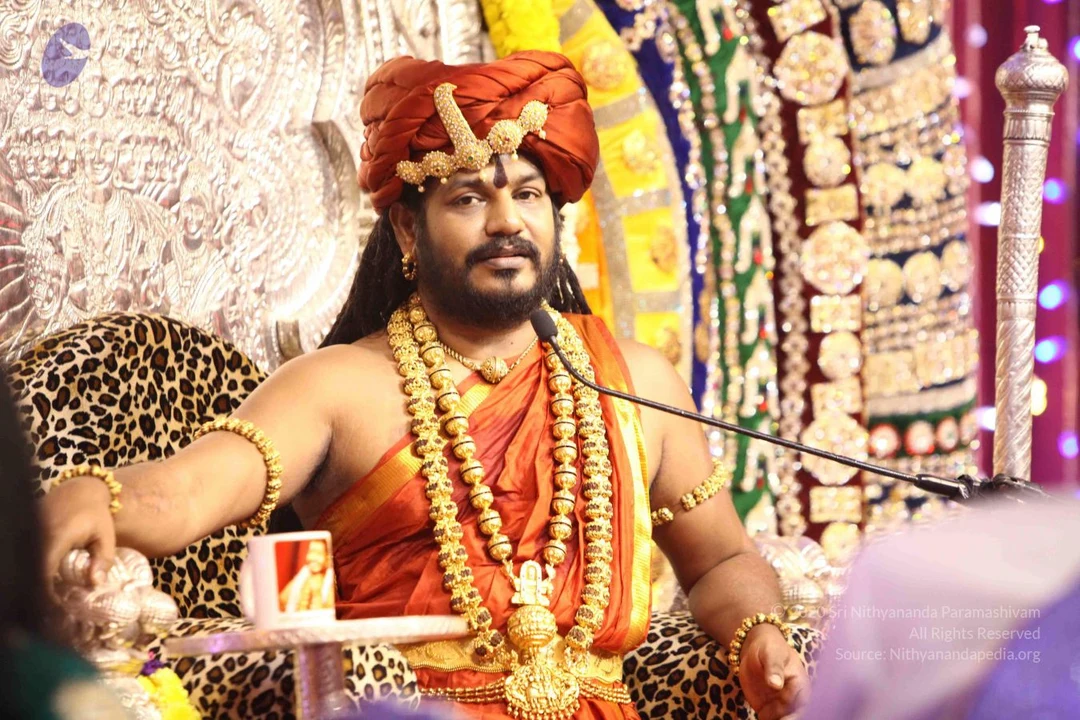
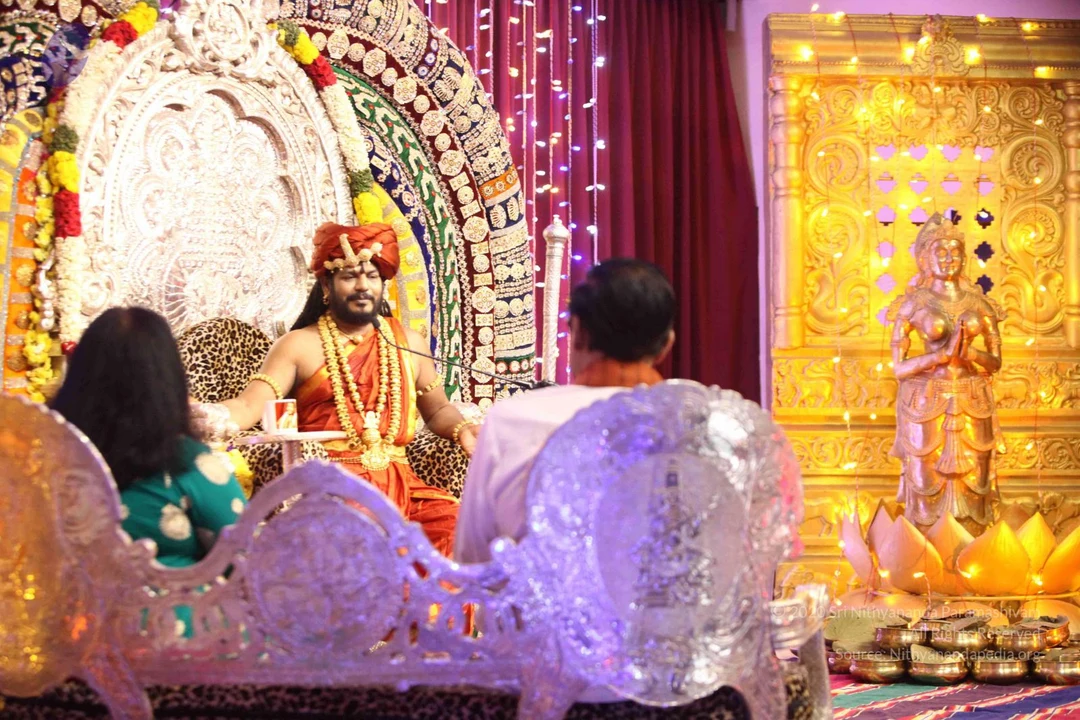
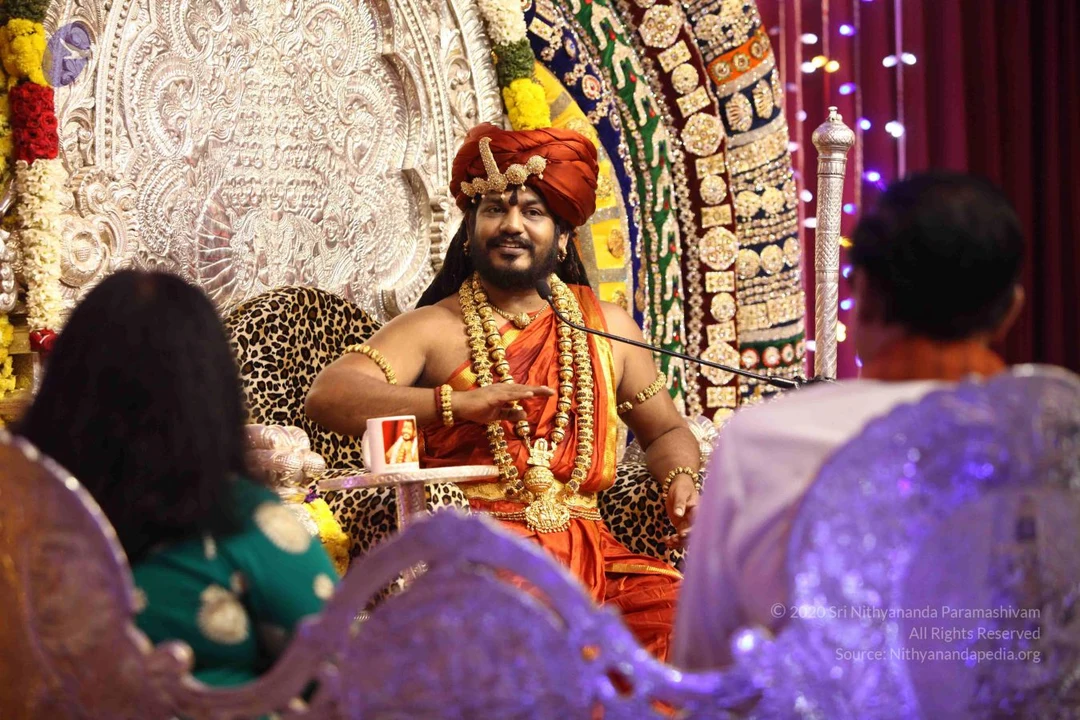
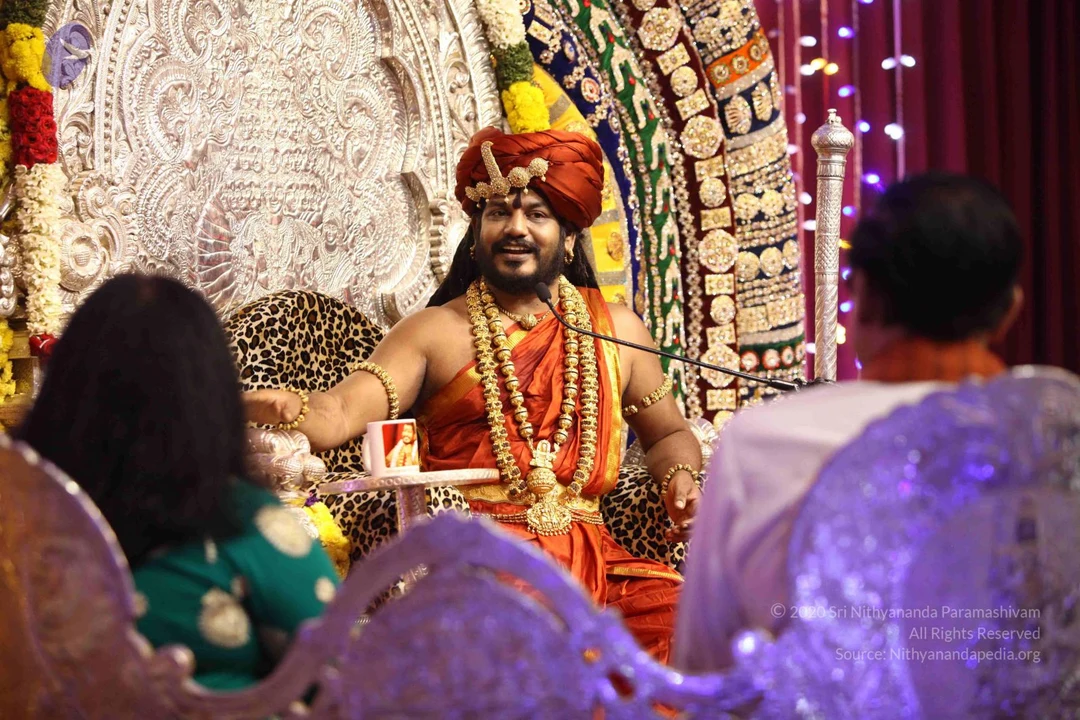
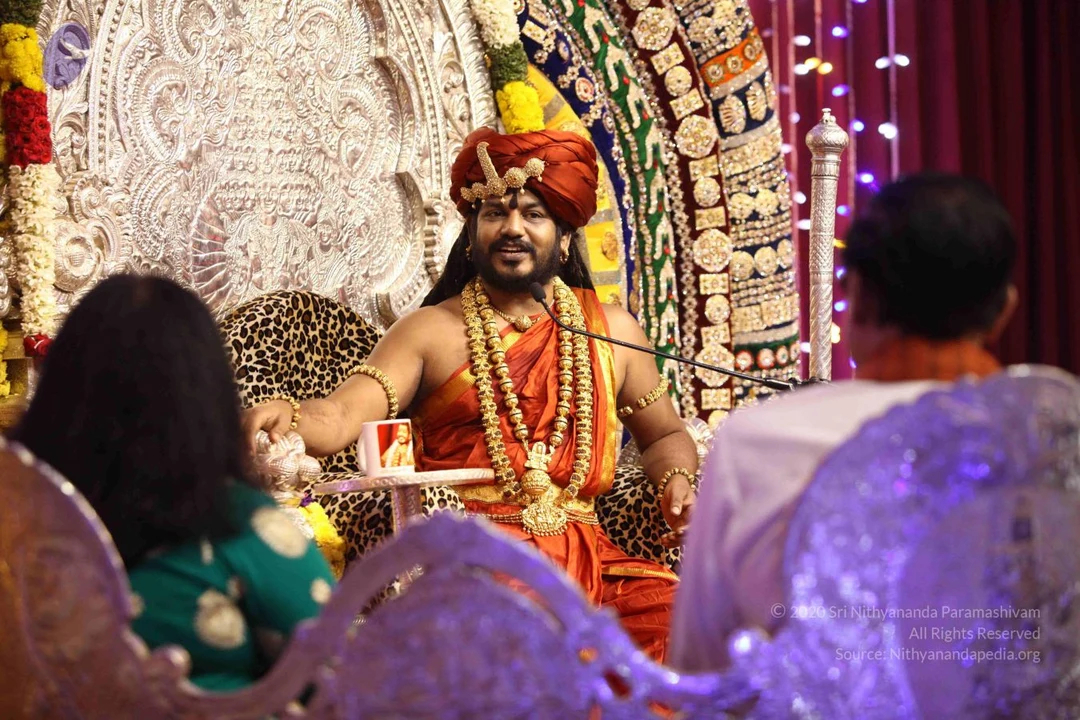
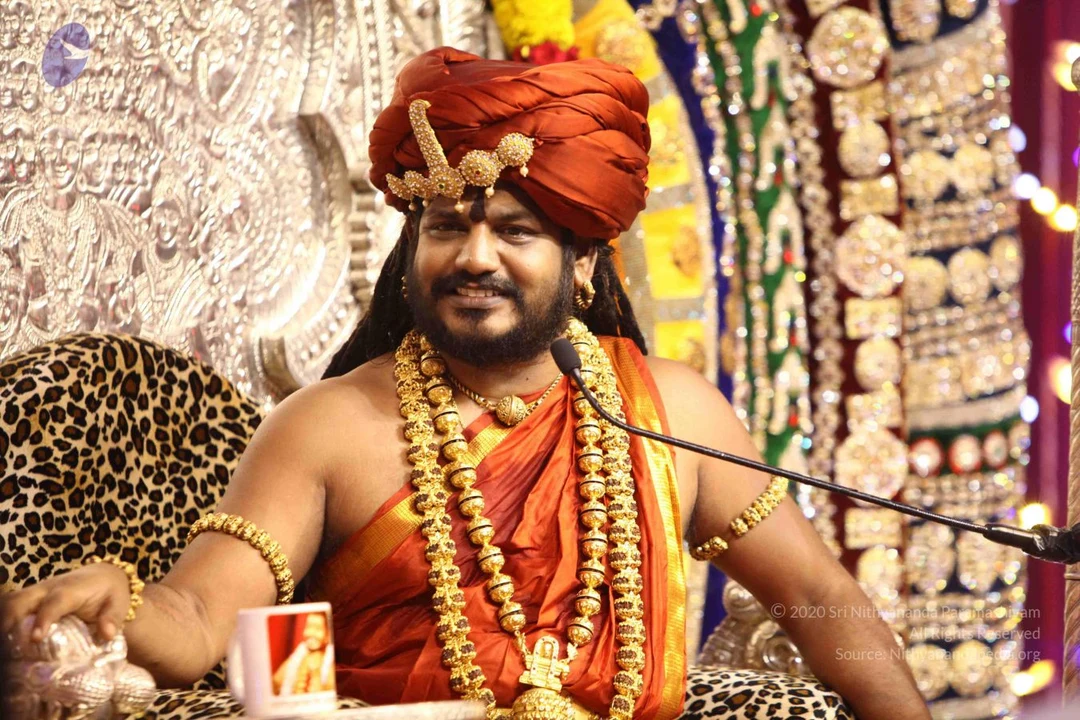
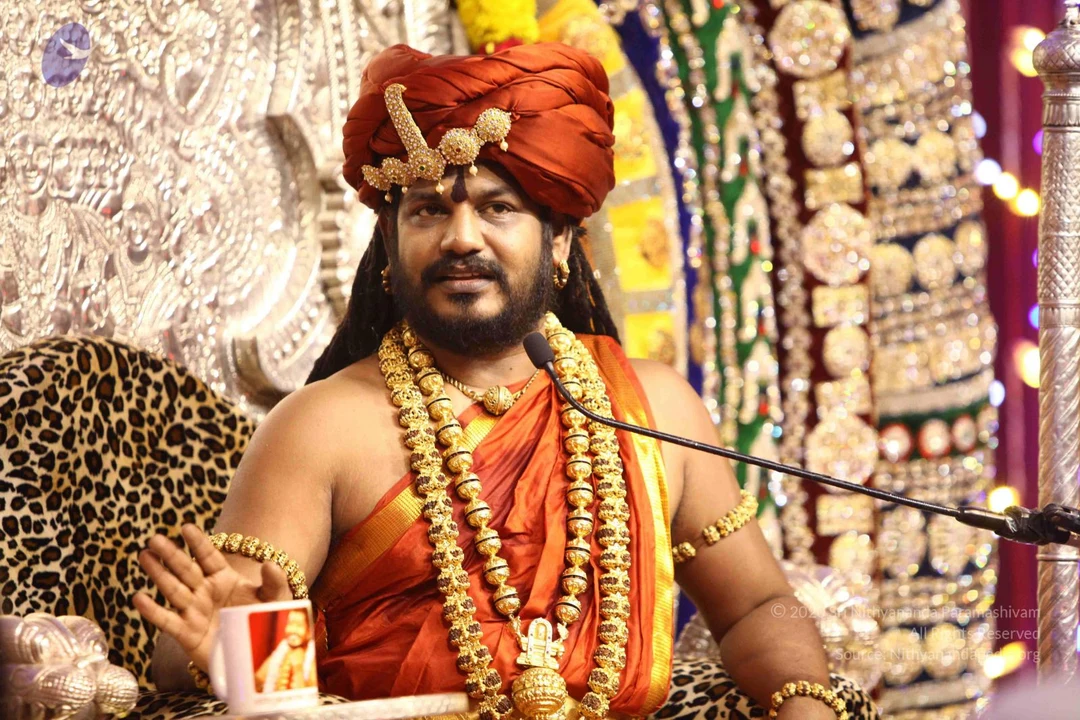
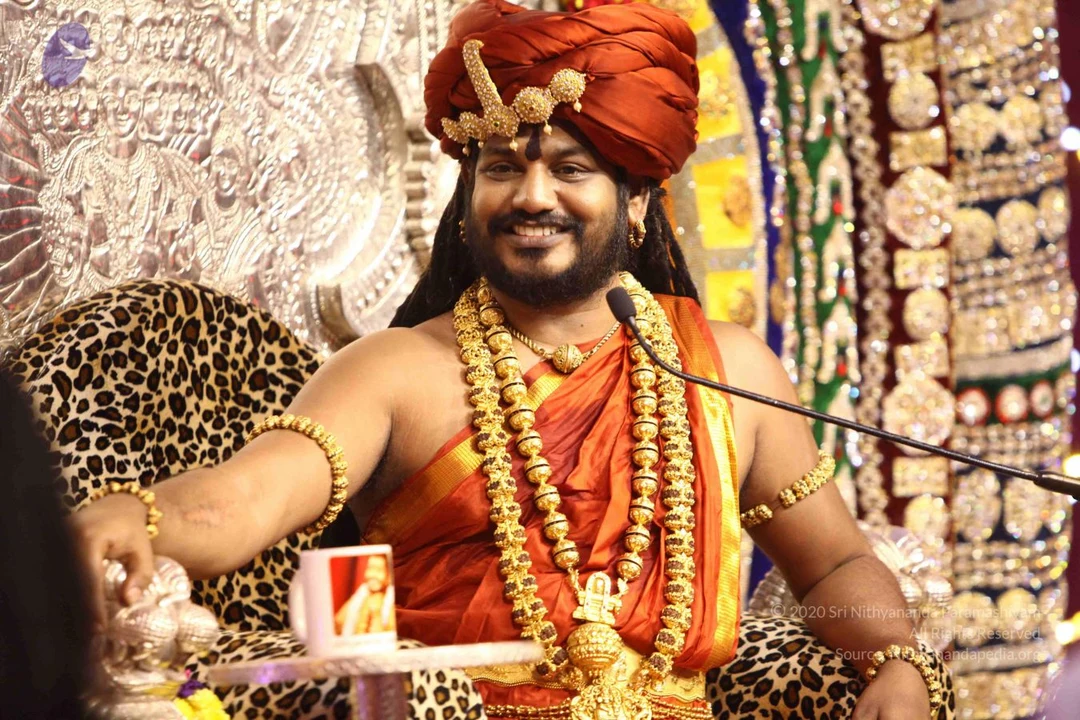
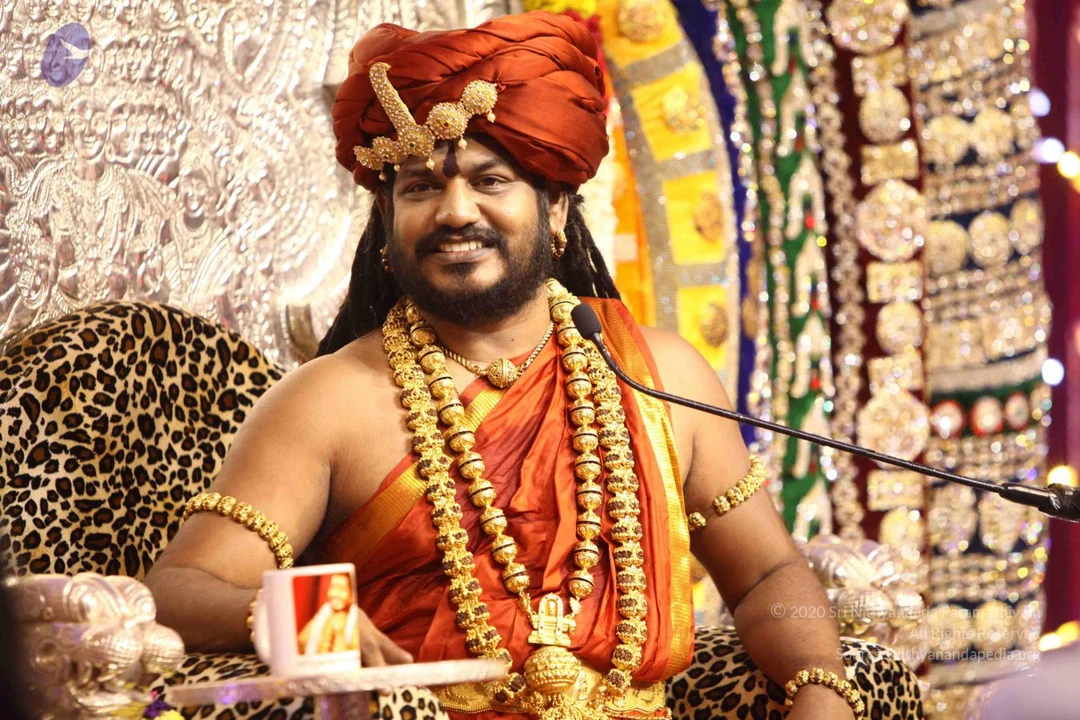
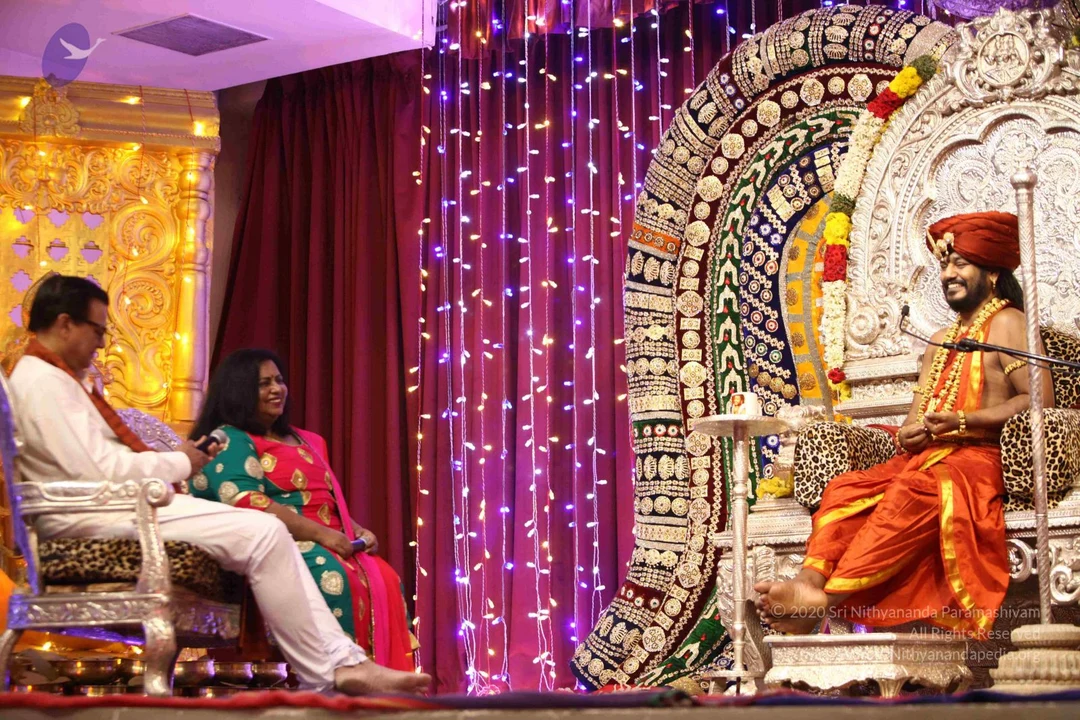
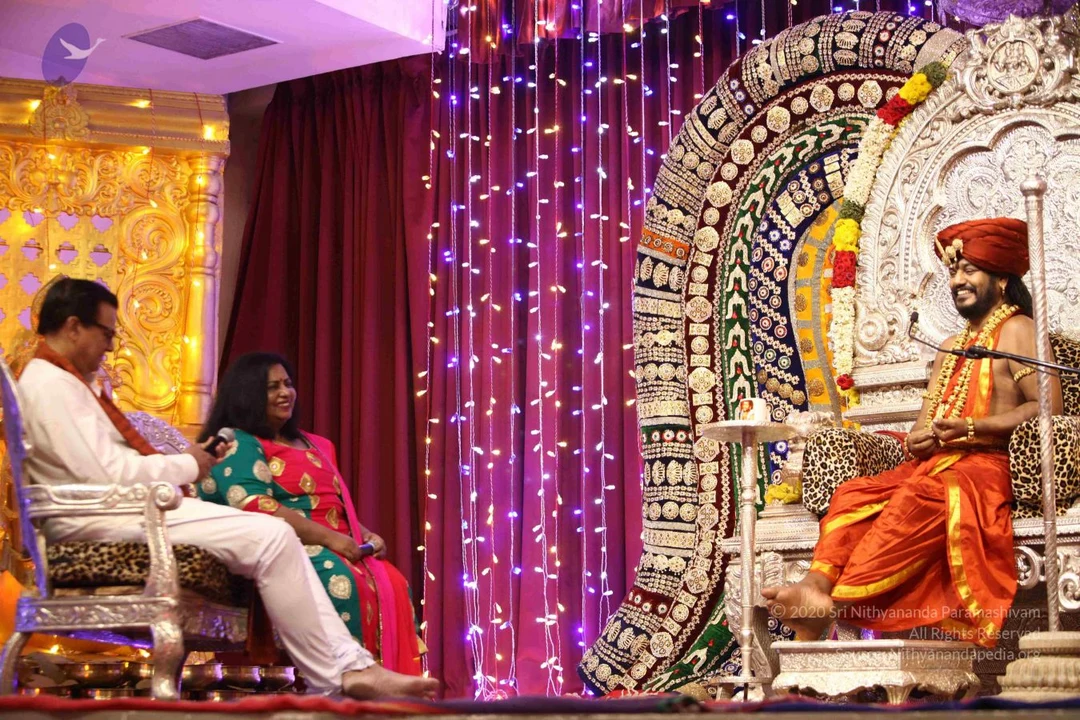
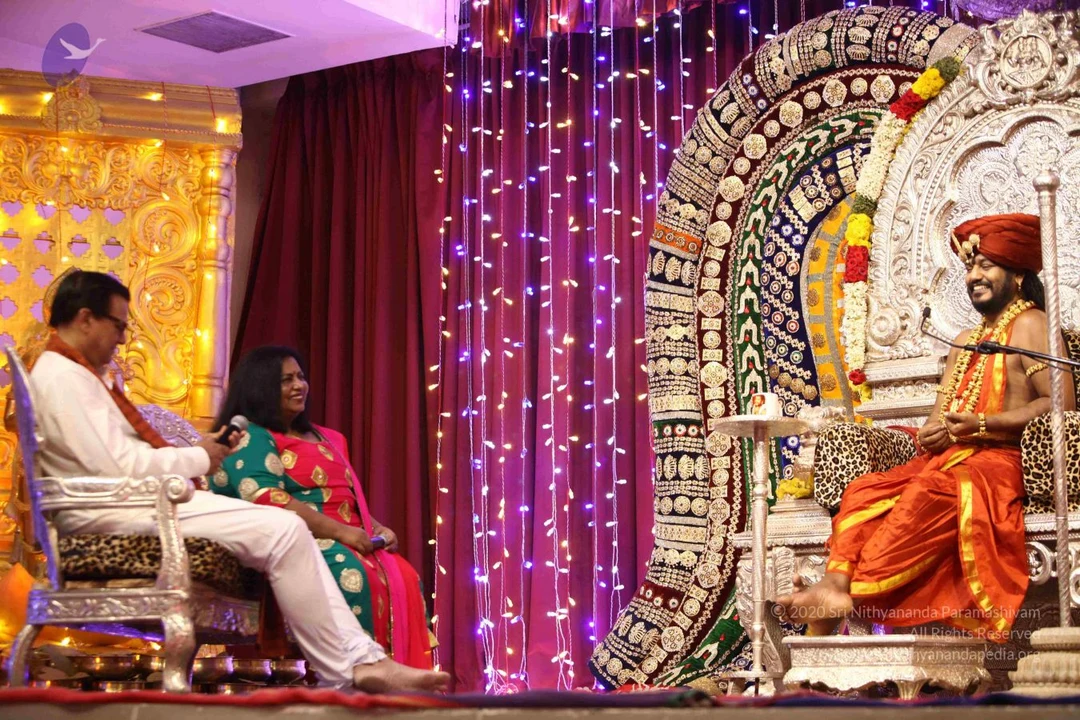
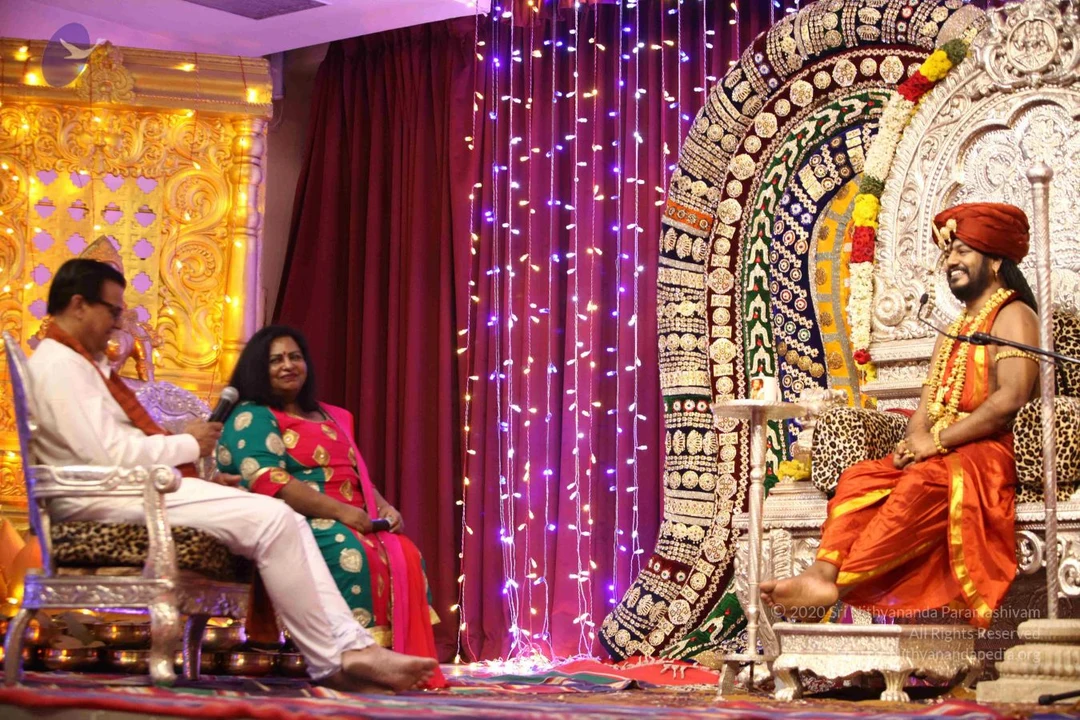
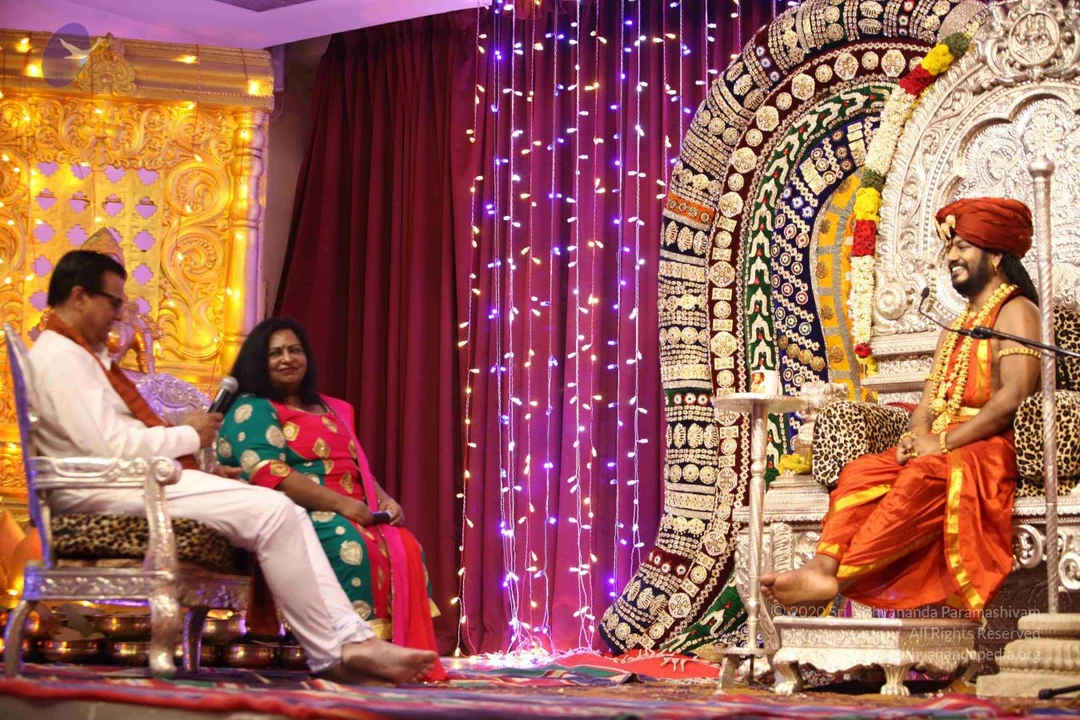
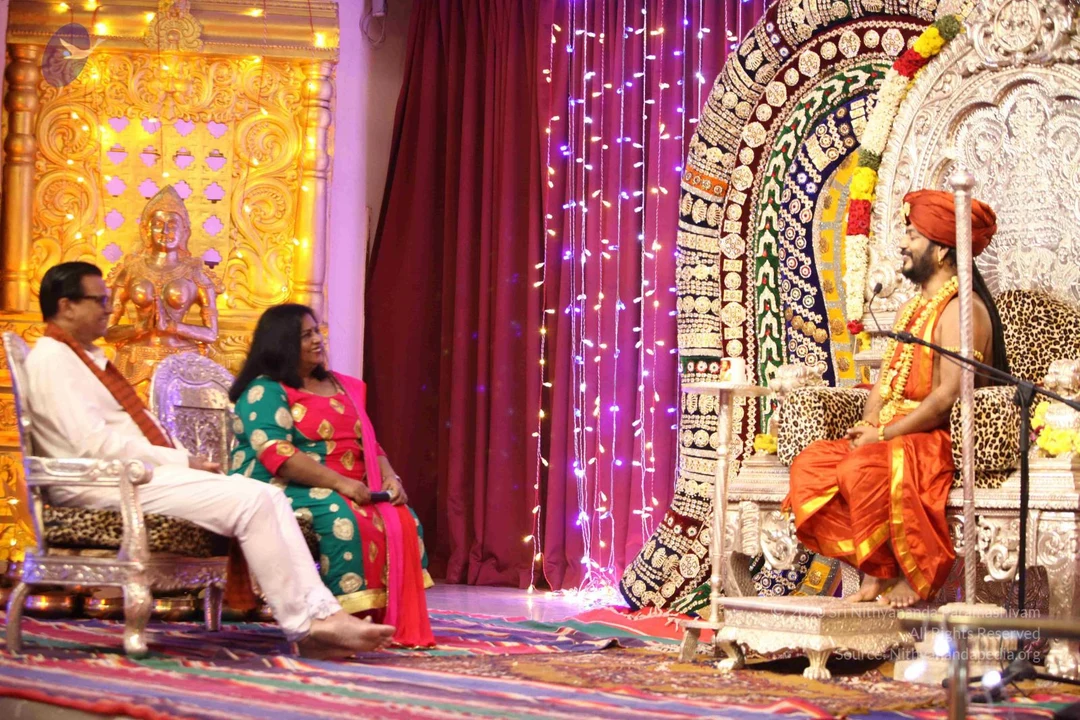
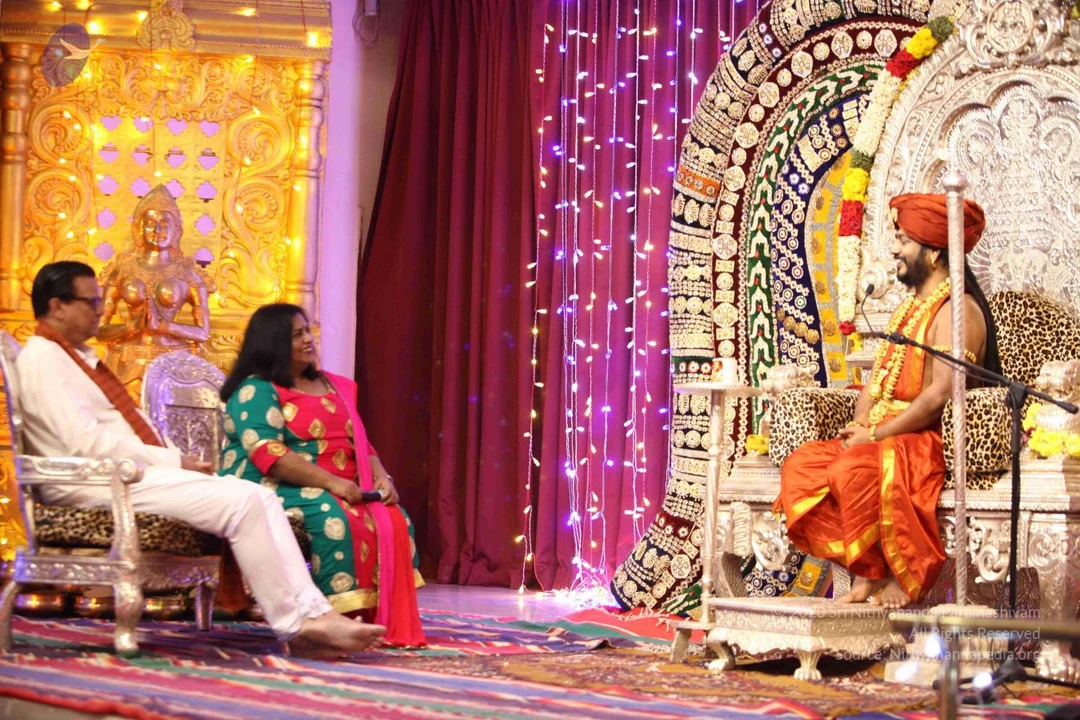
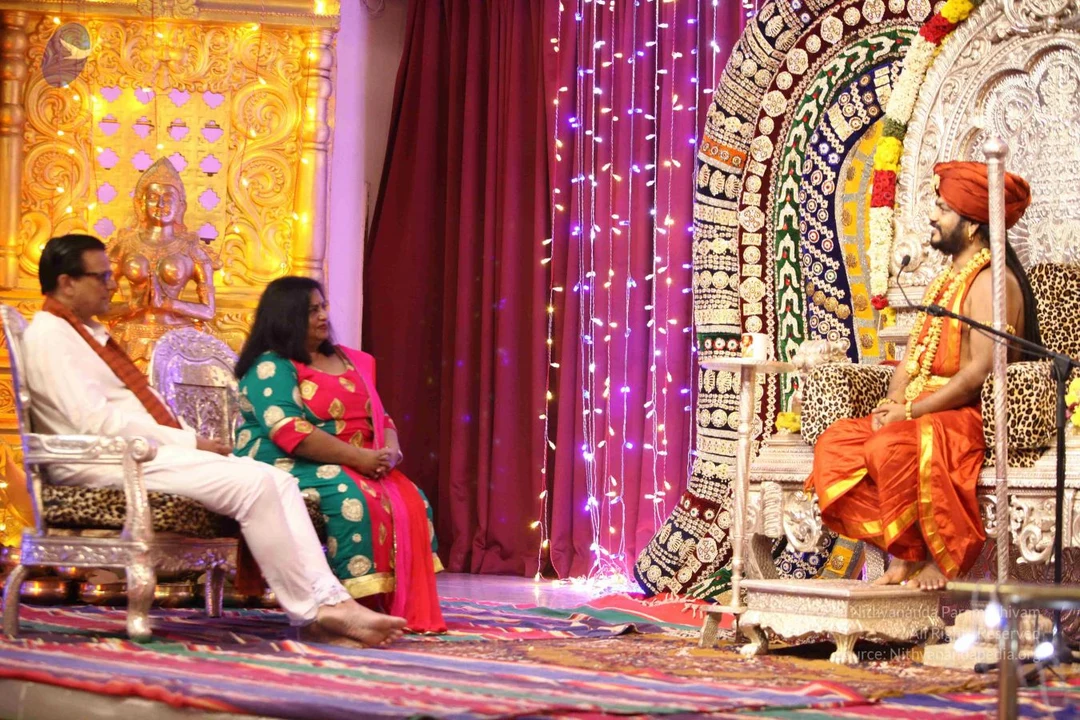
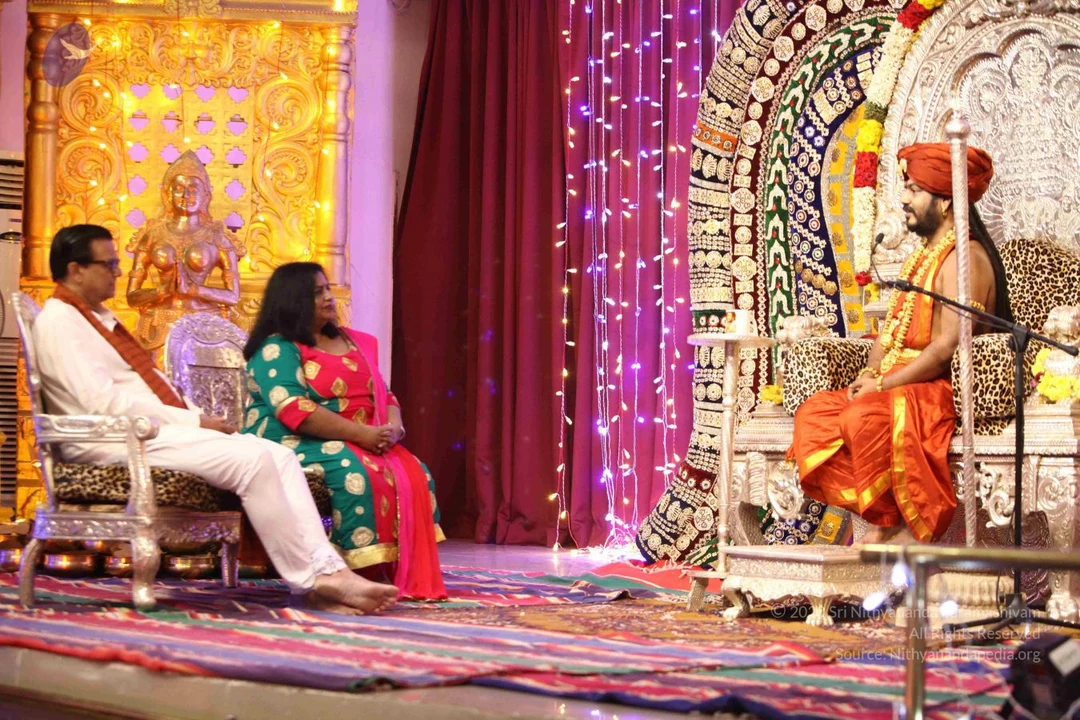
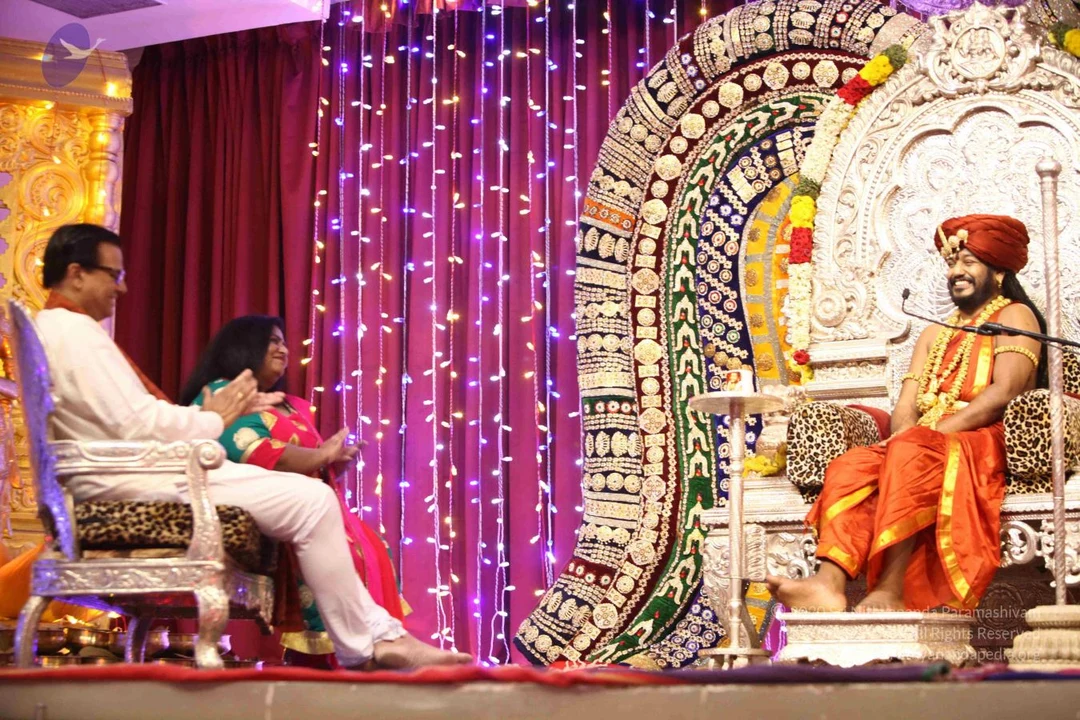
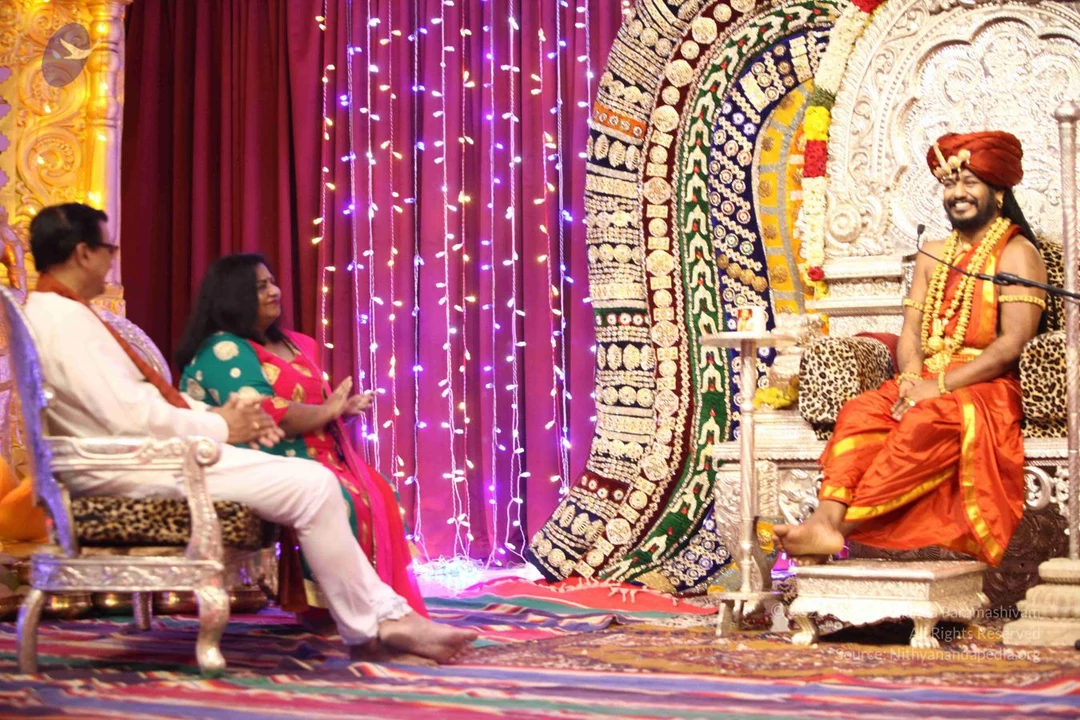
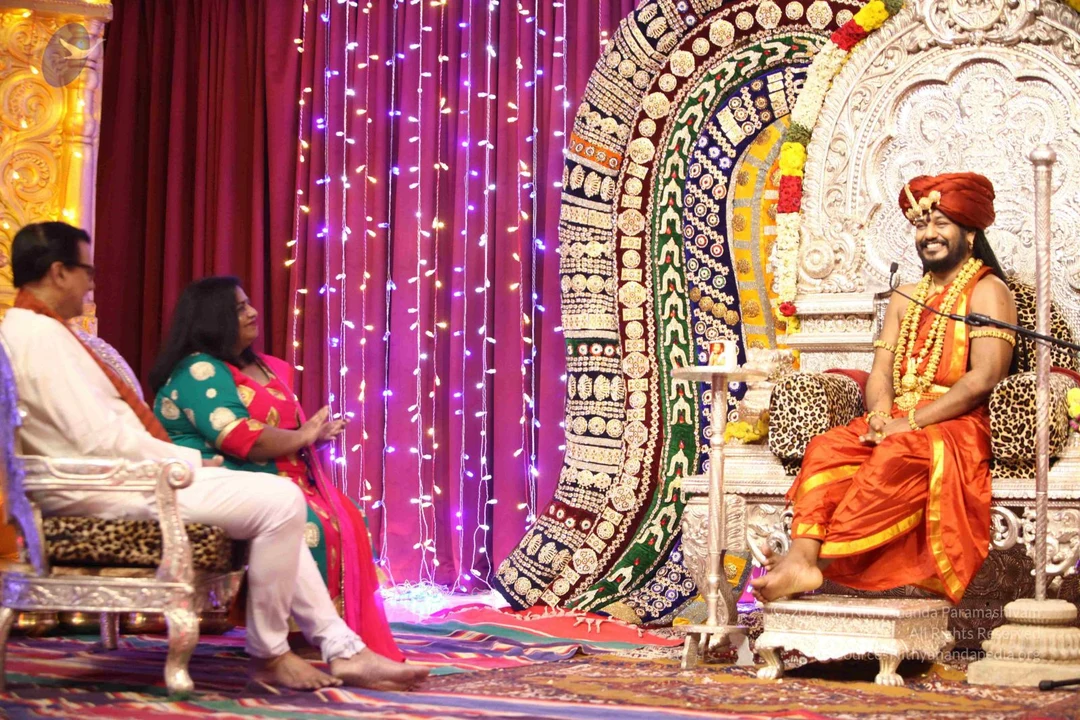
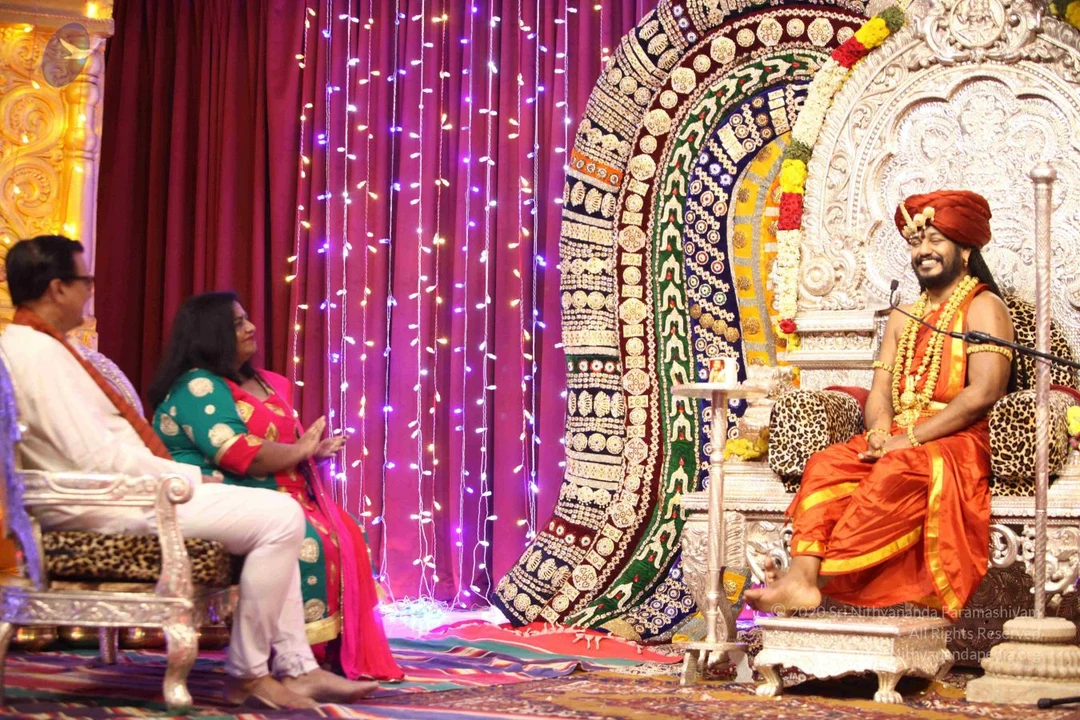
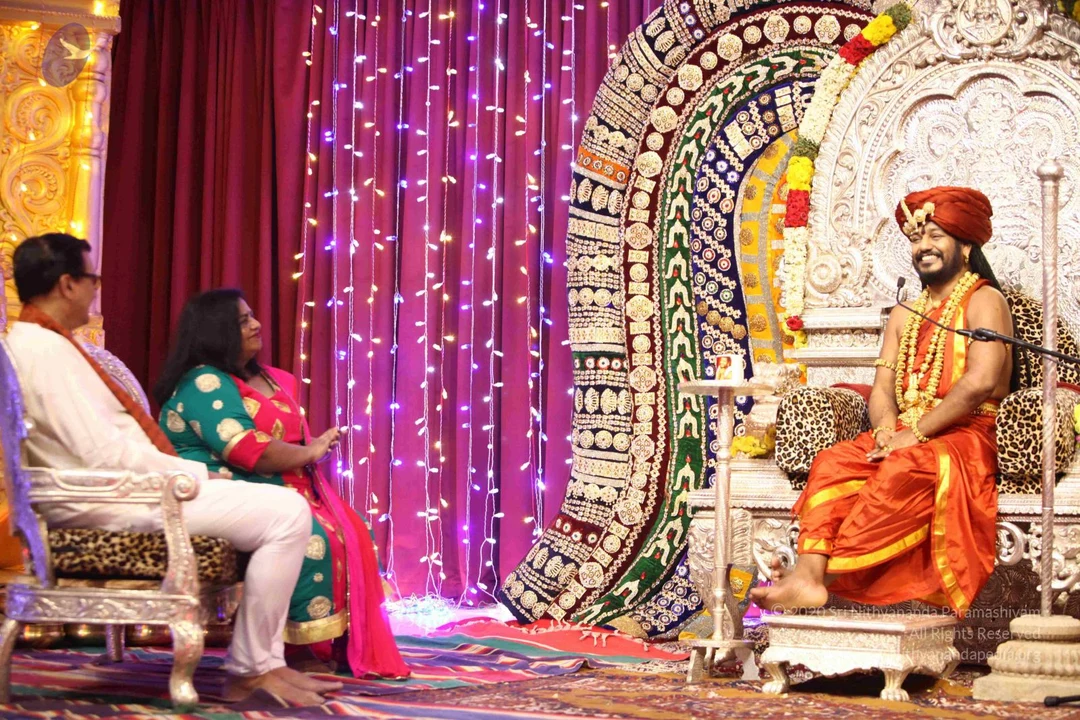
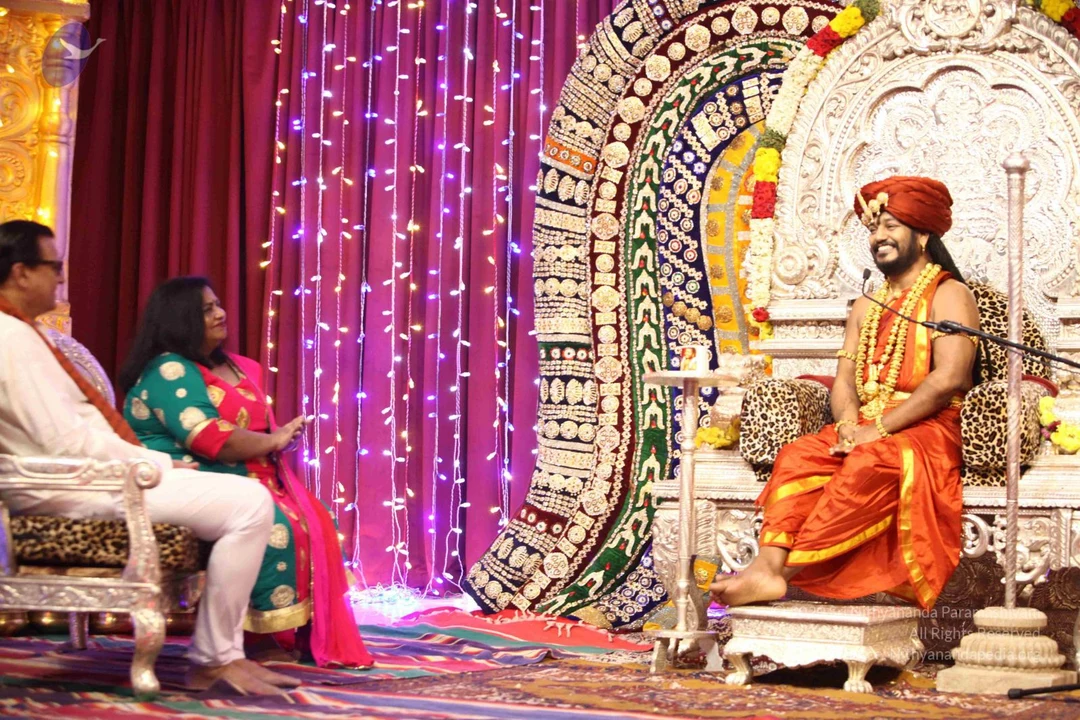
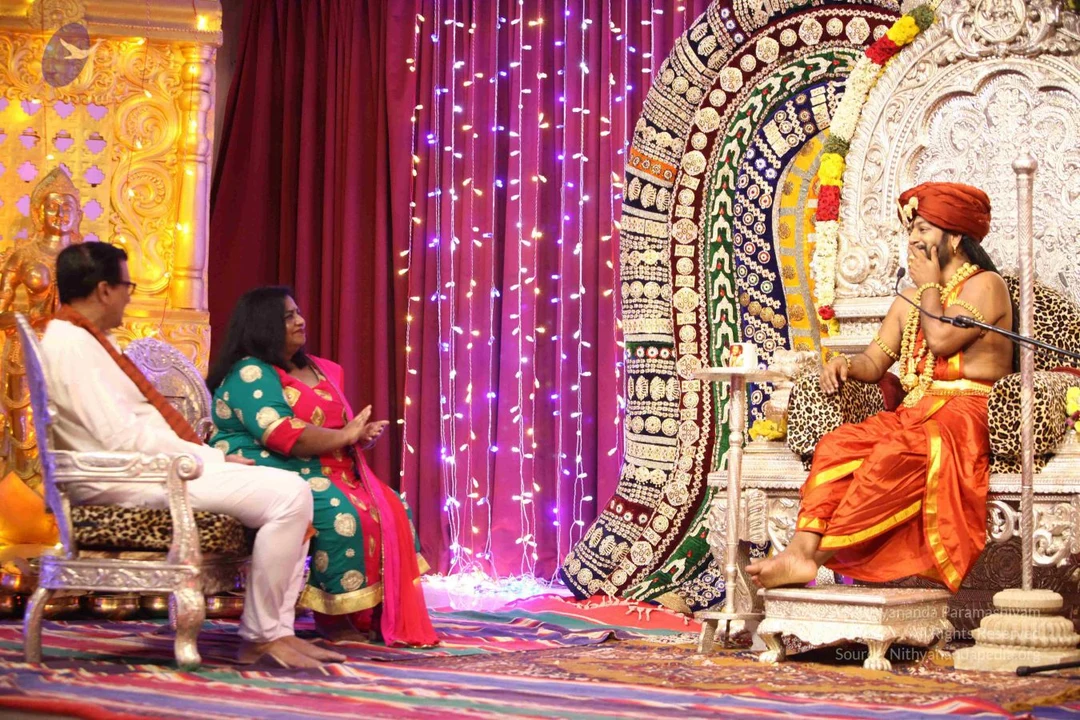
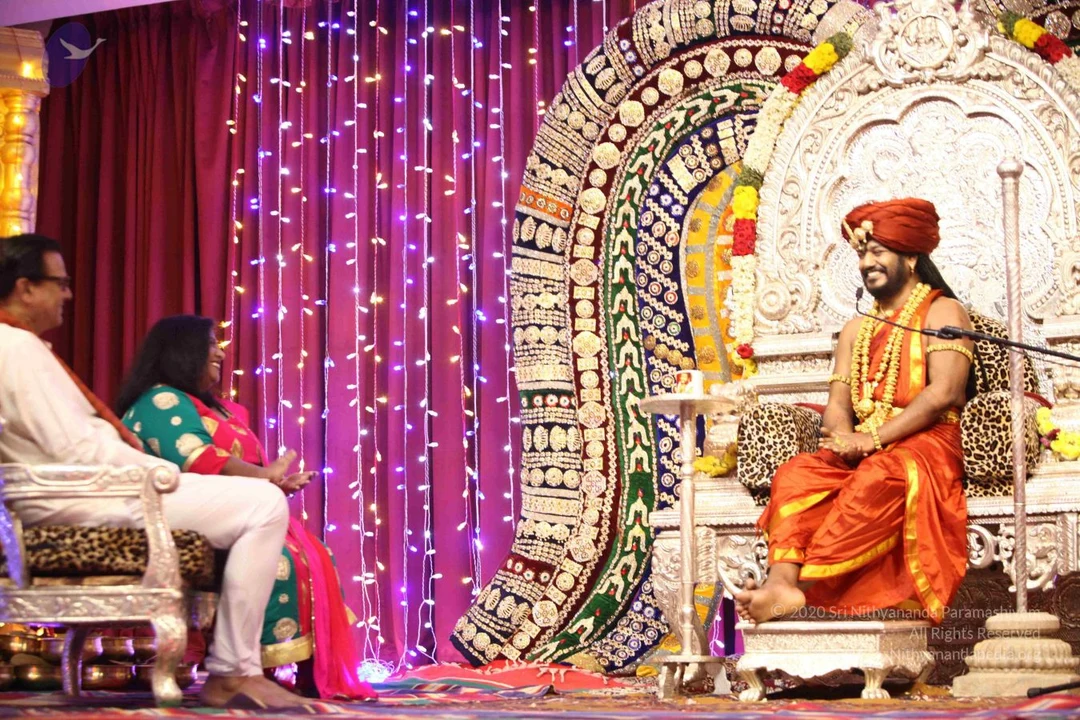
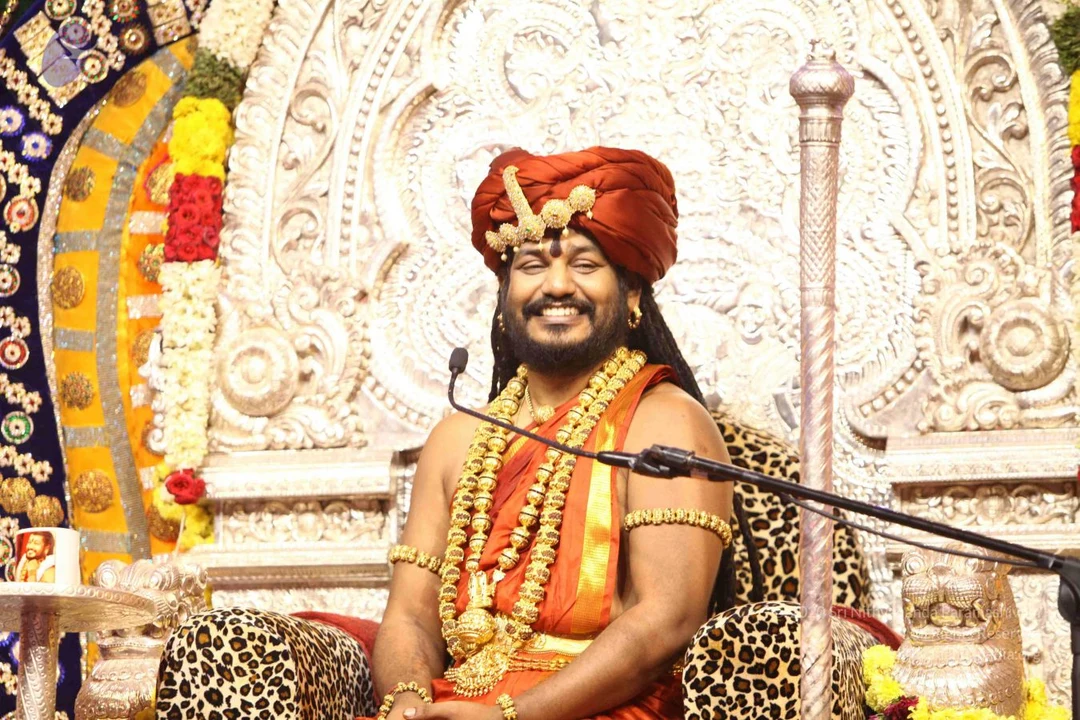
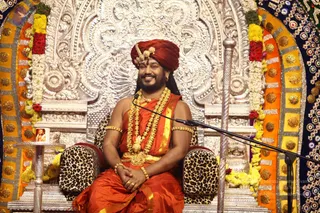
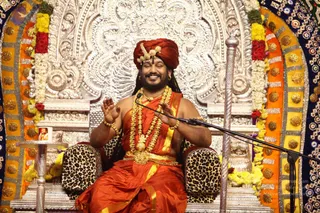
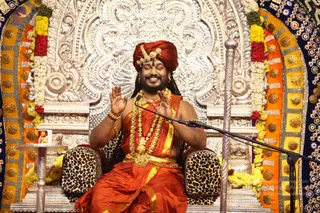
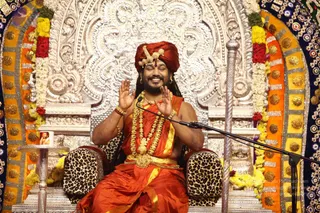
ASK-THE-AVATAR-SATSANG-WITH-SMT-MEENA-DAS-AND-SRI-NARAYAN
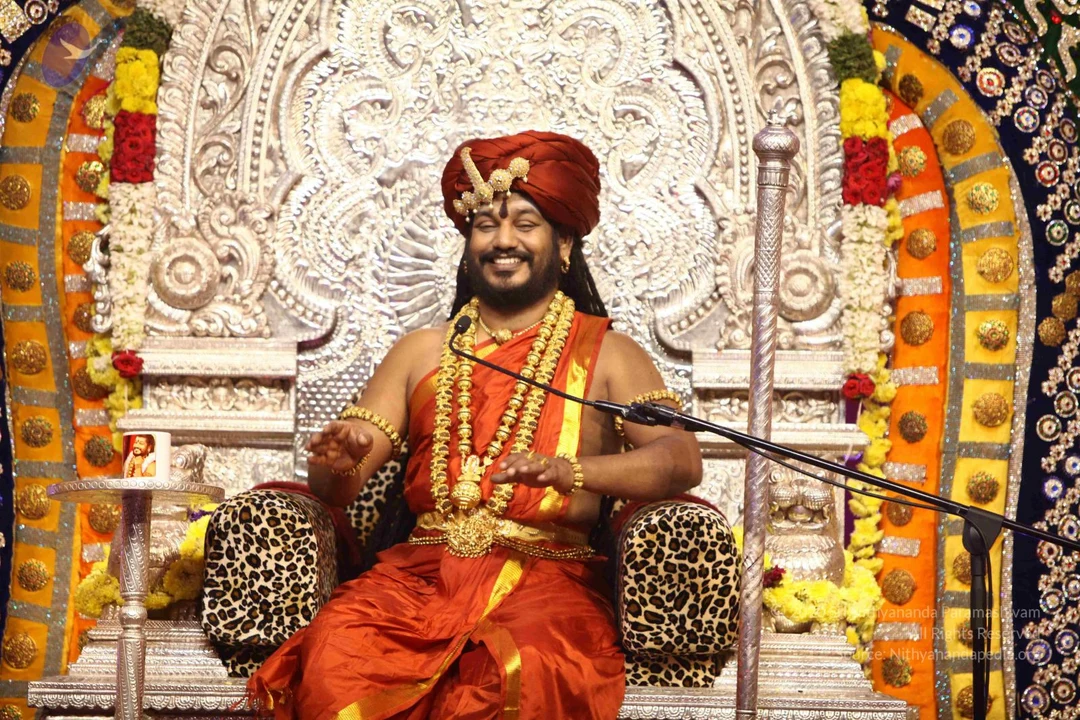
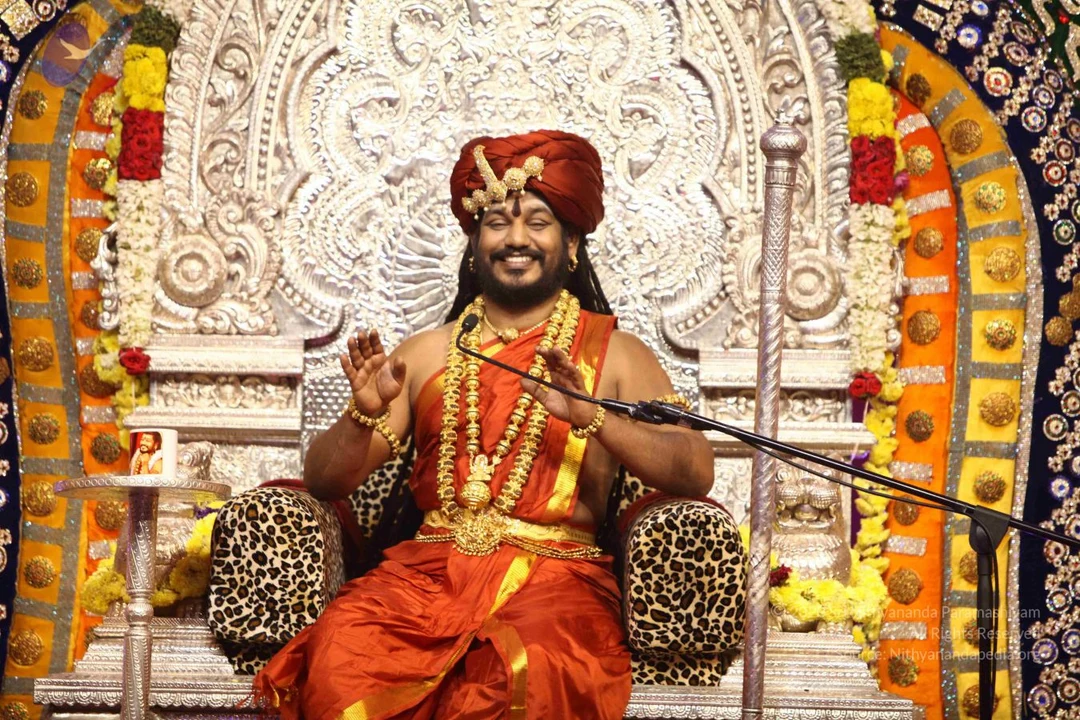
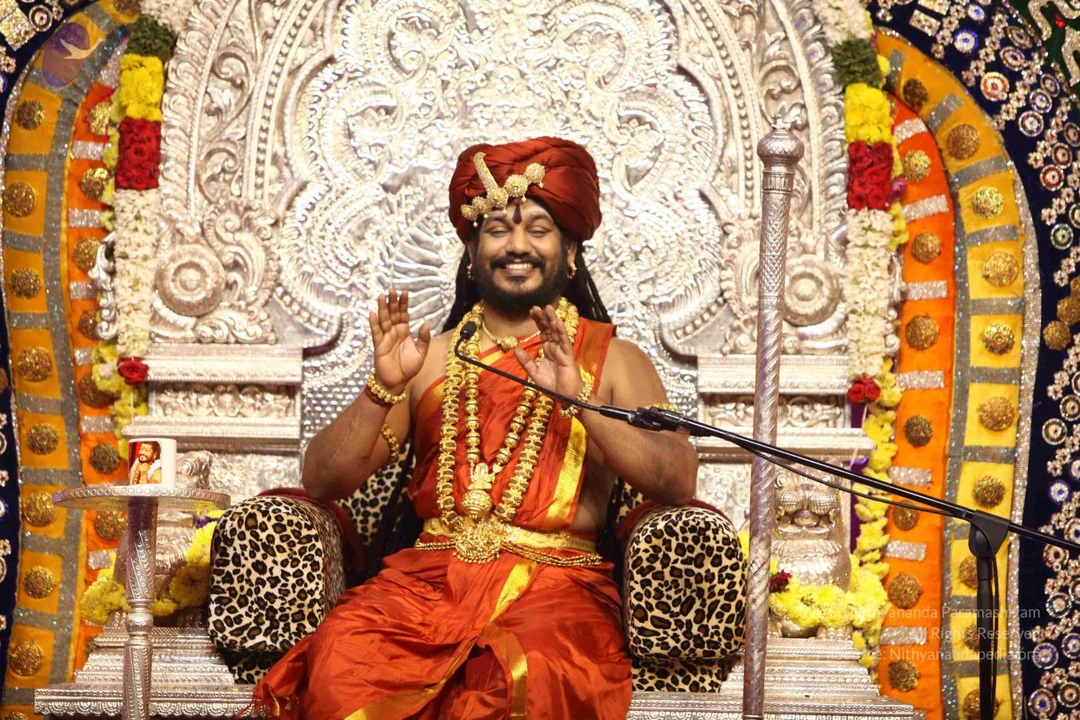
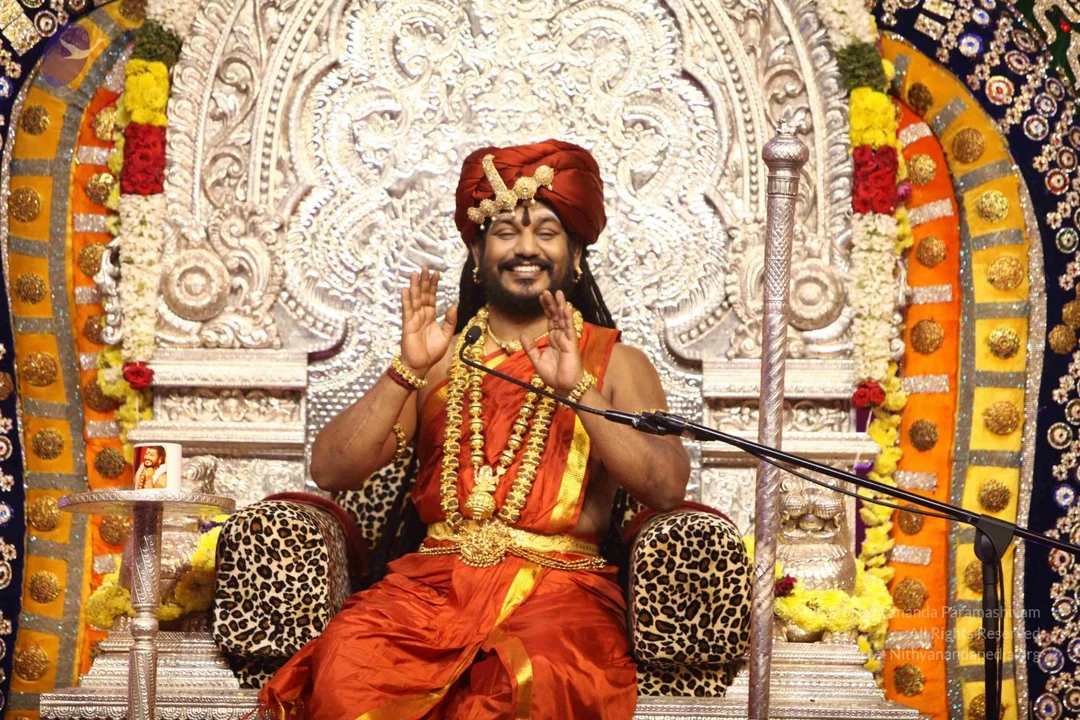
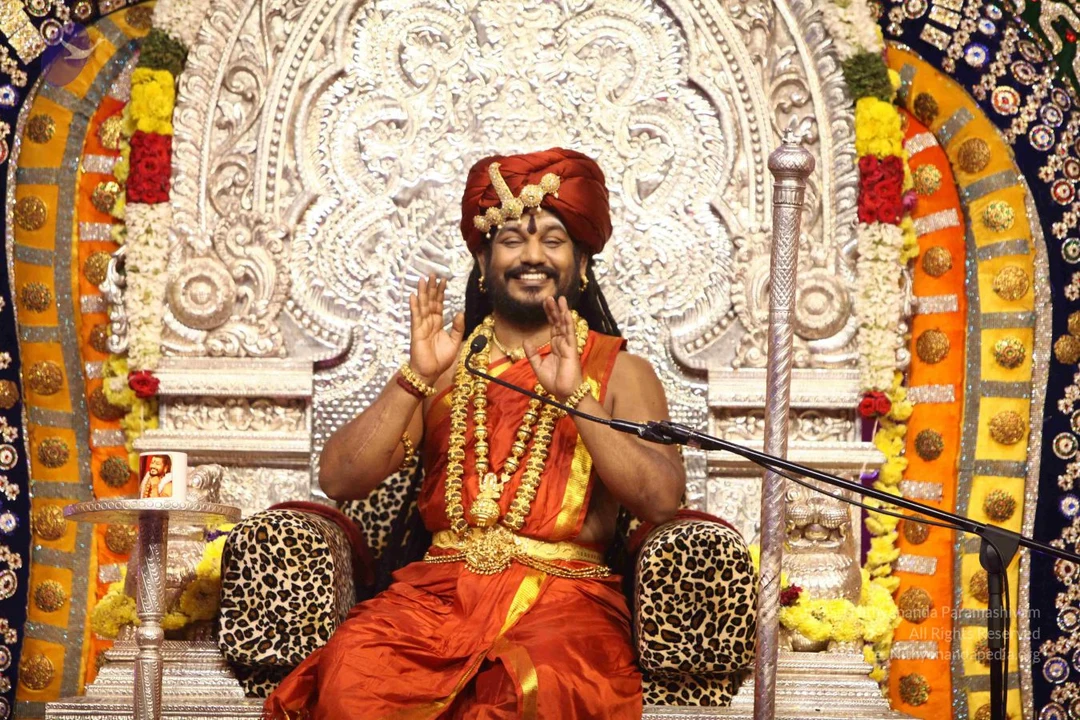
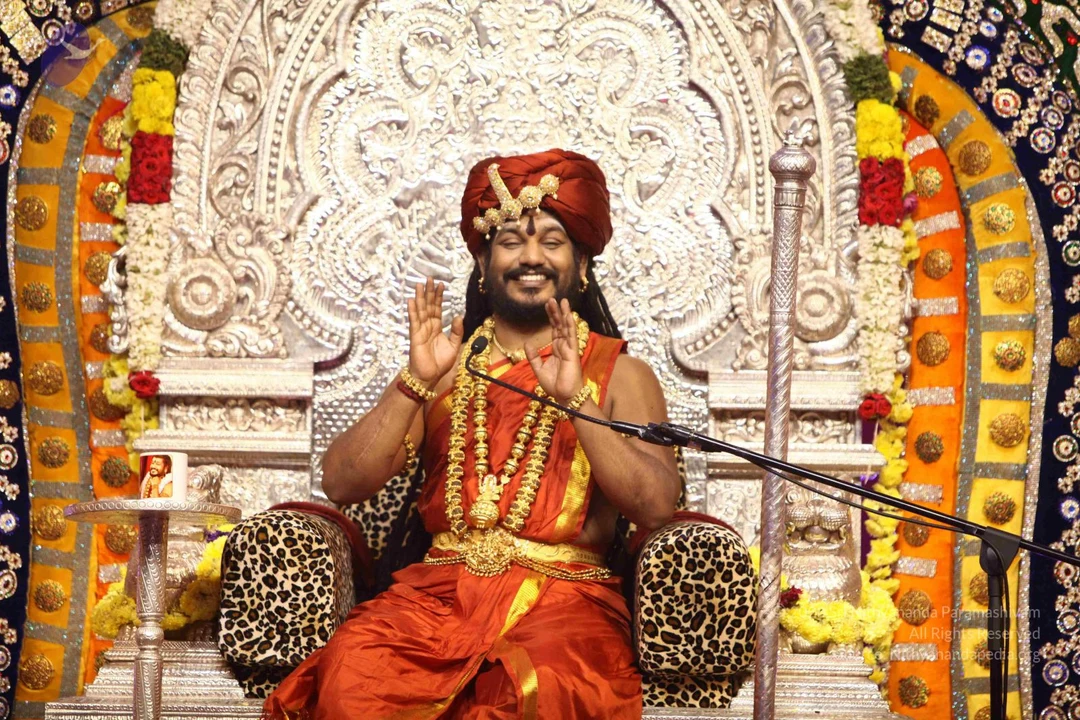
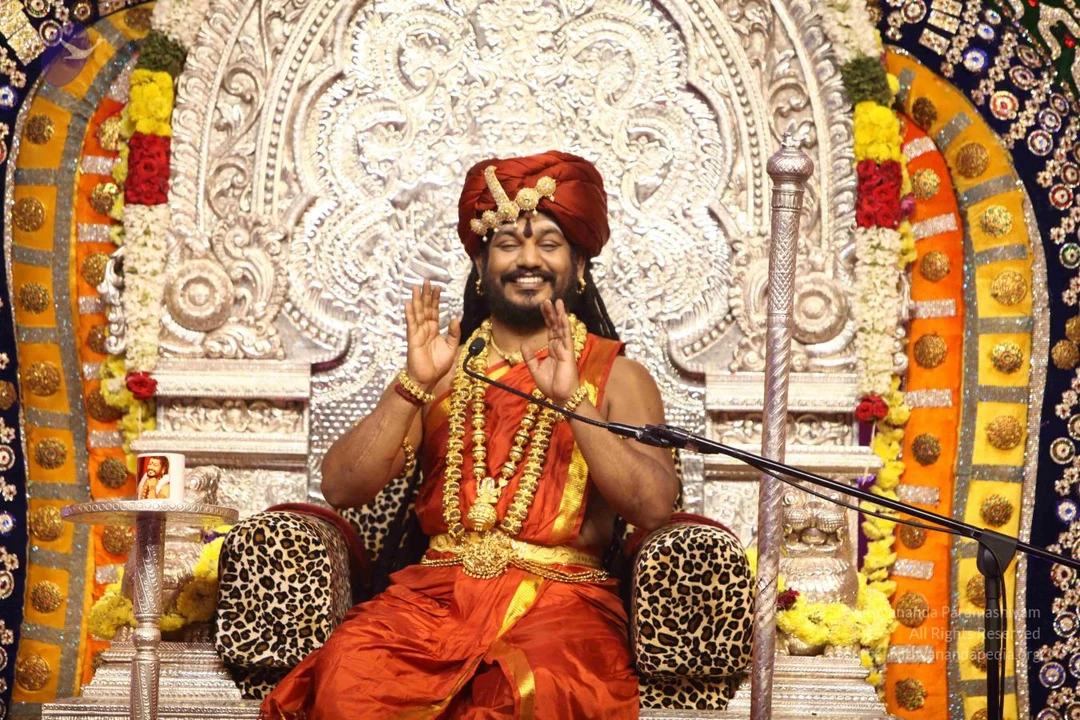
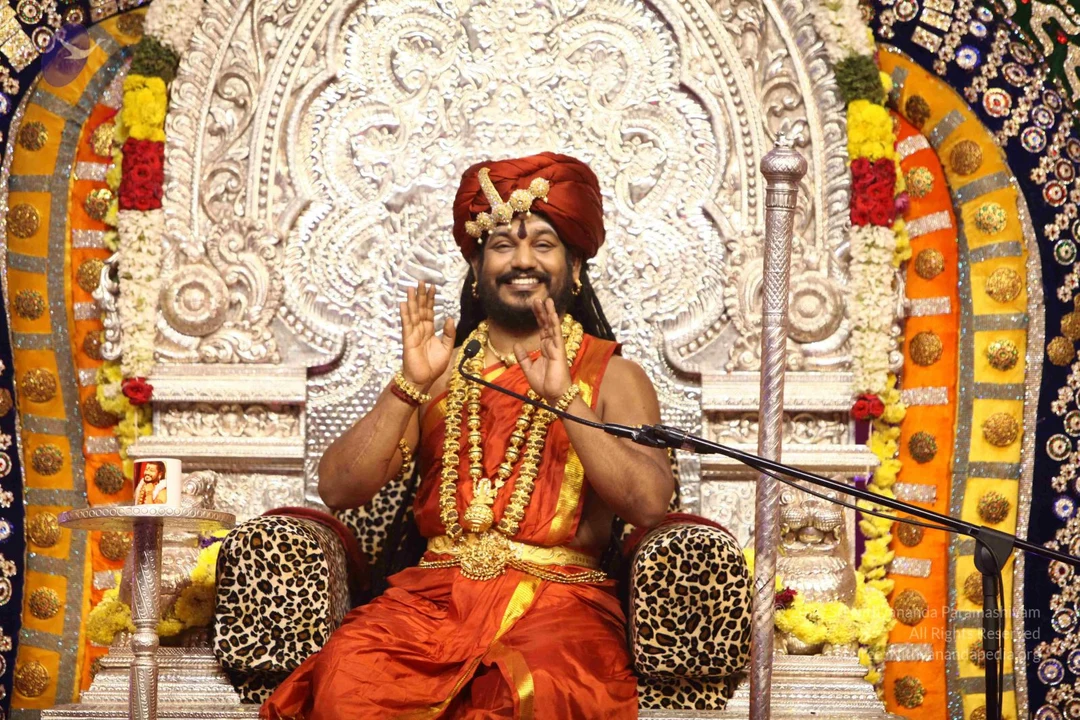
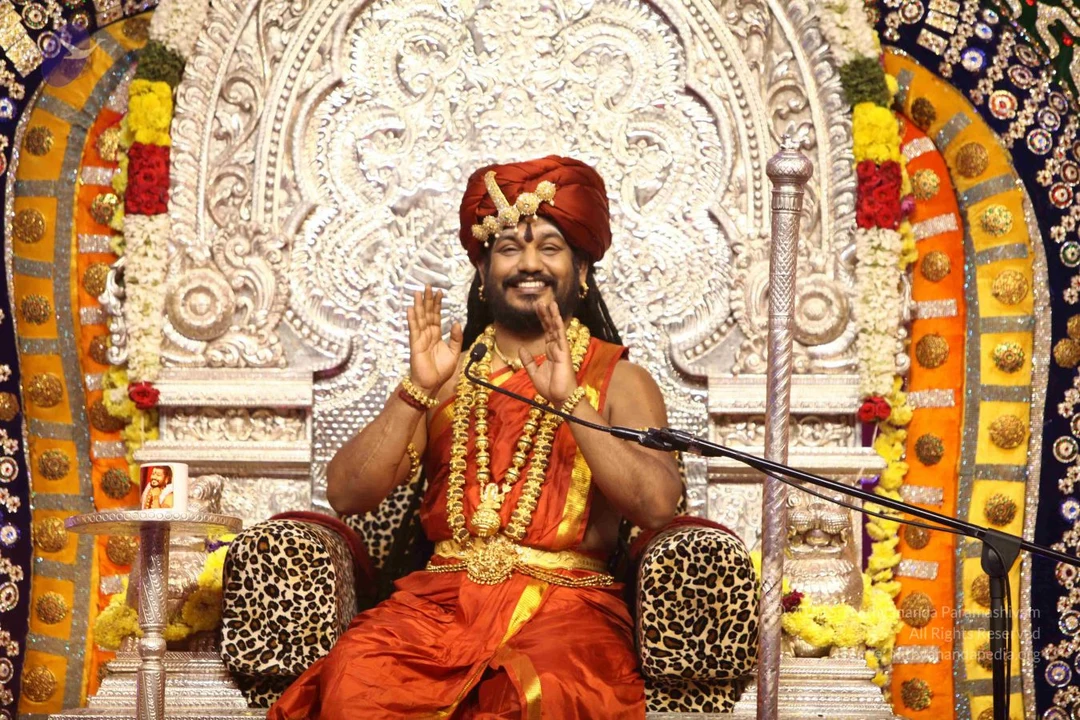
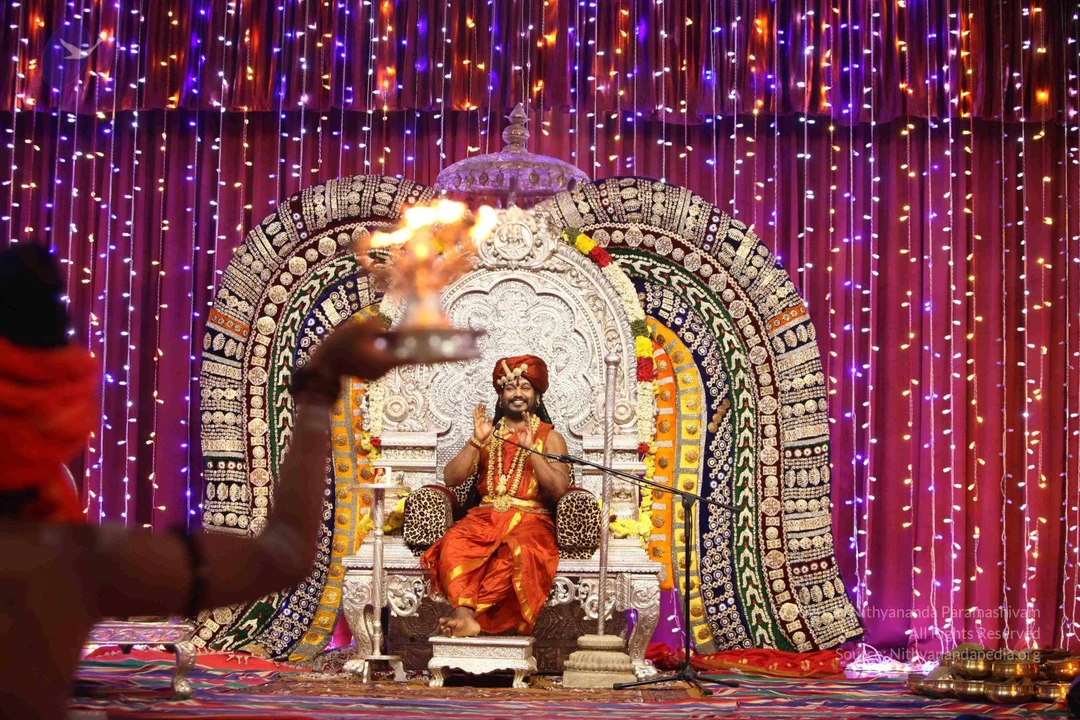
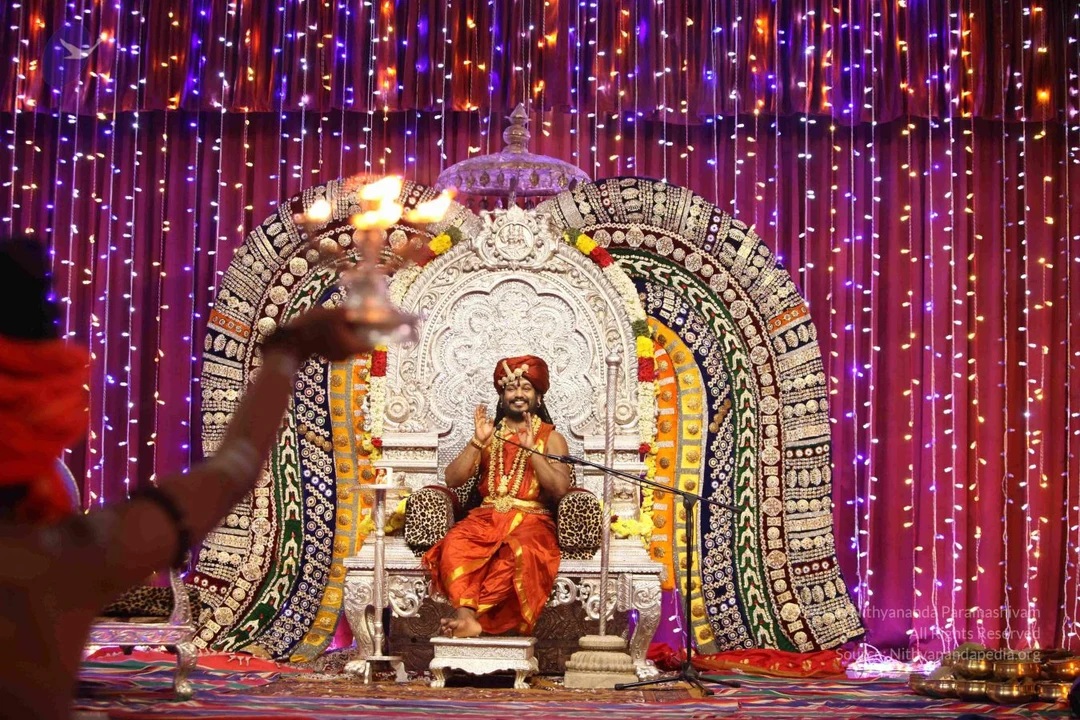
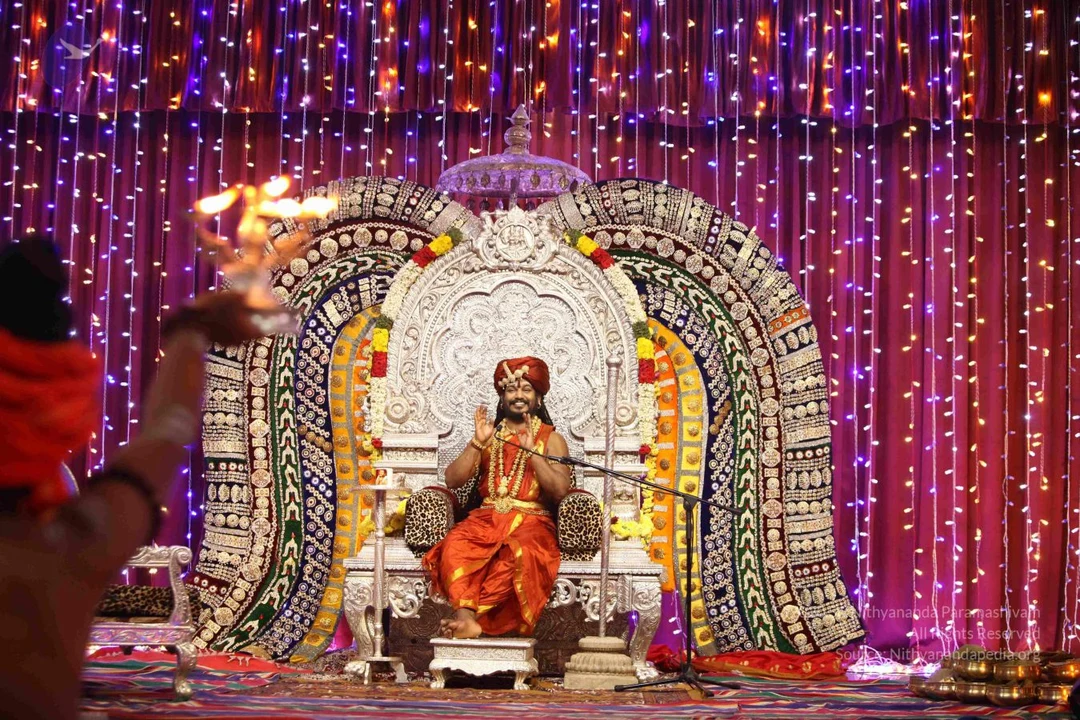
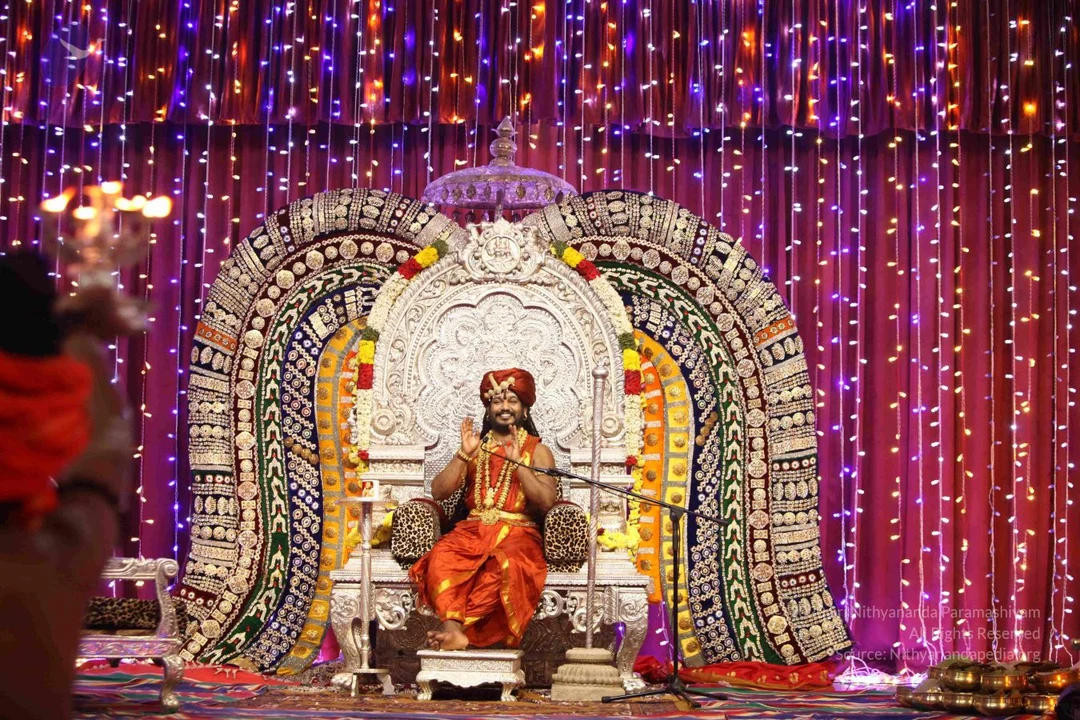
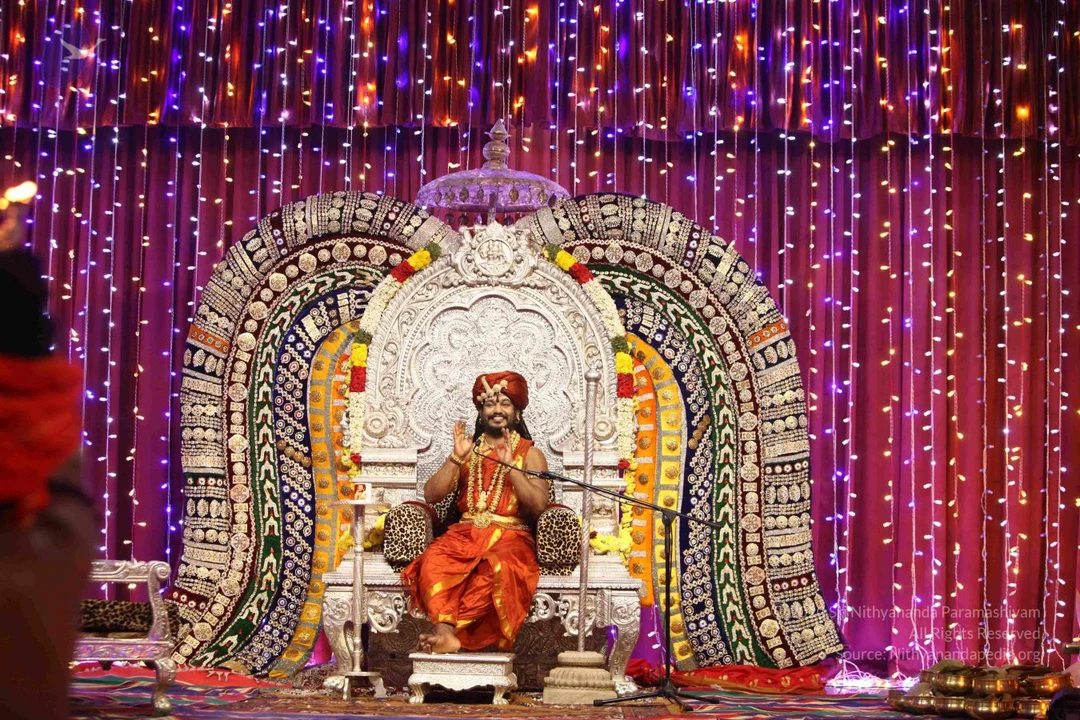
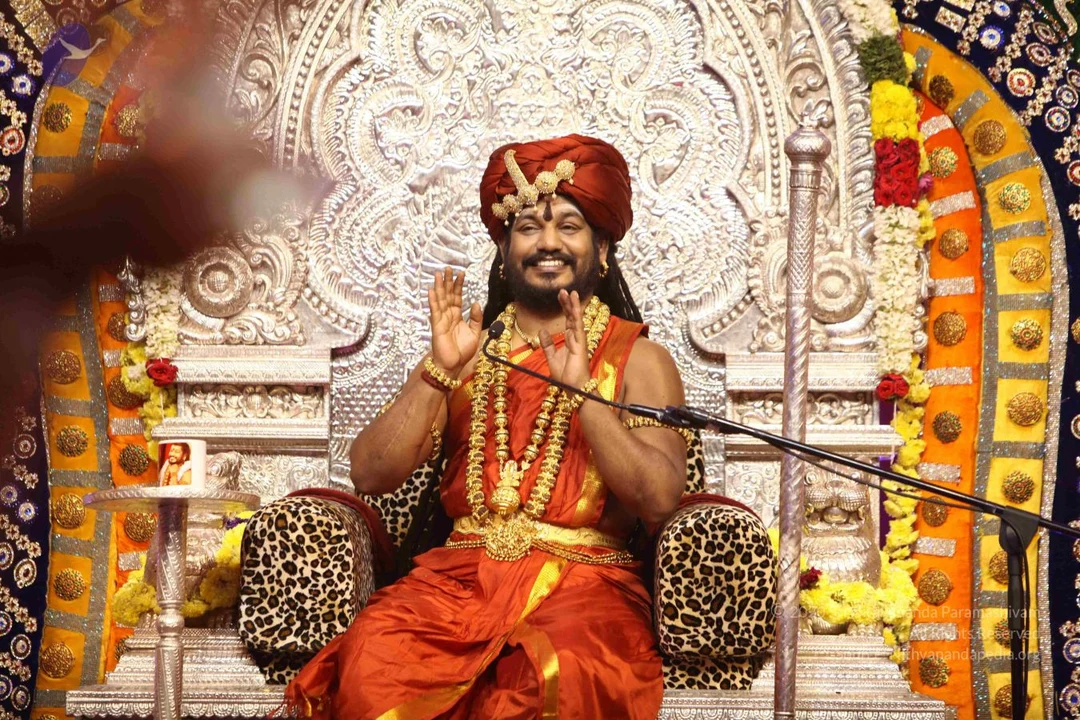
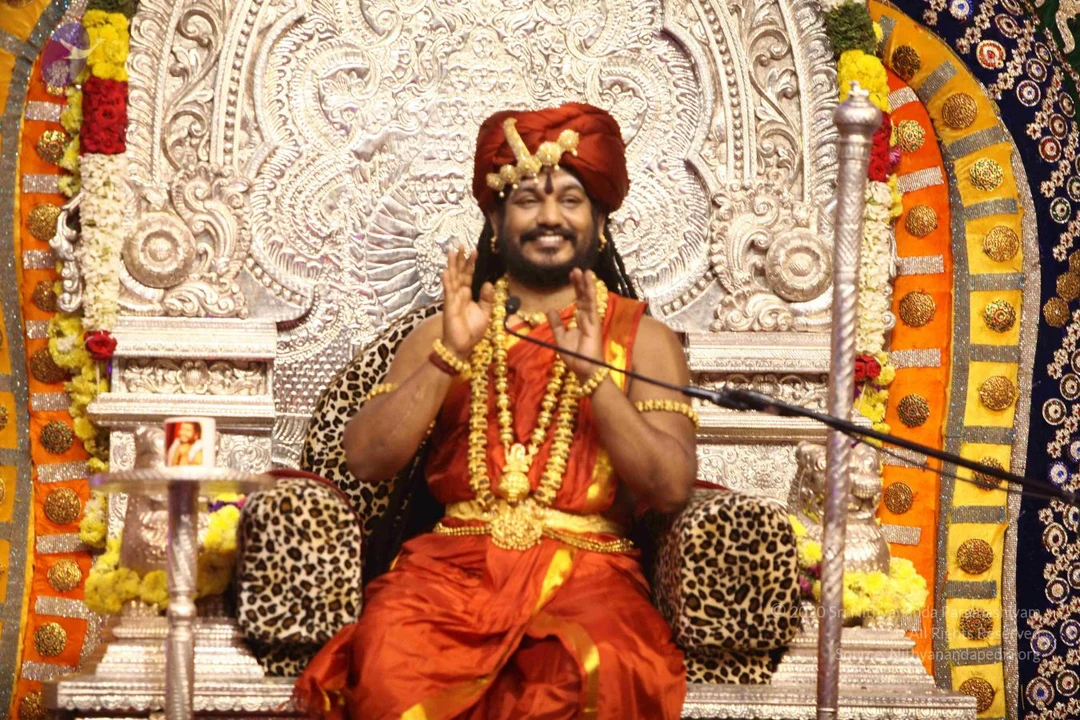
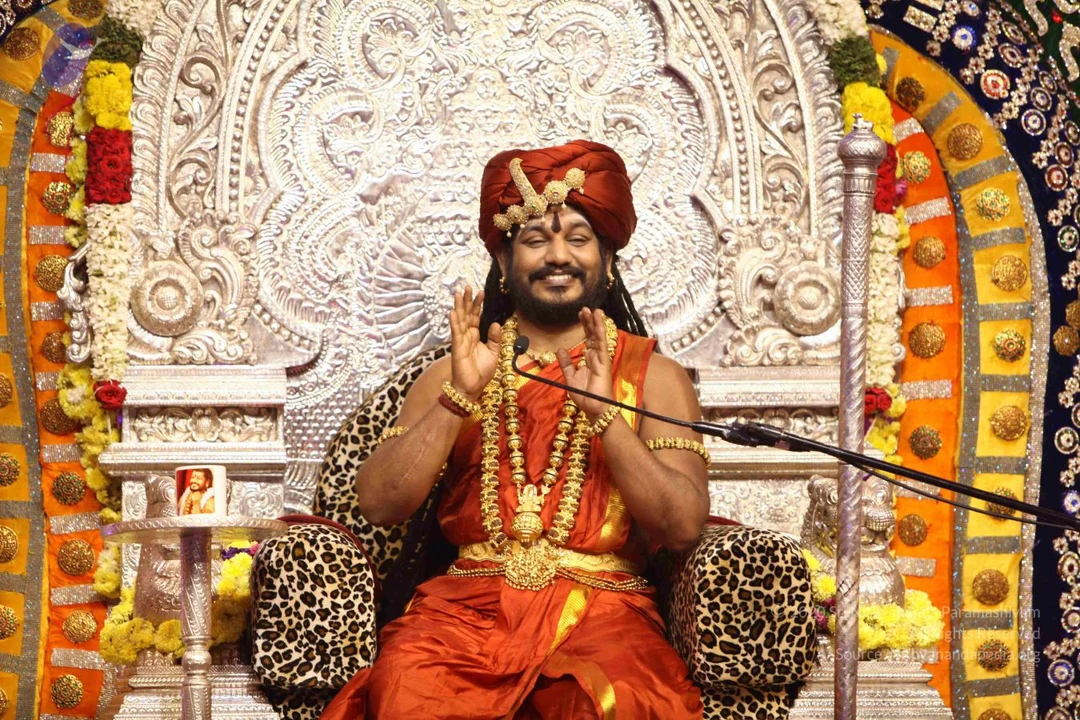
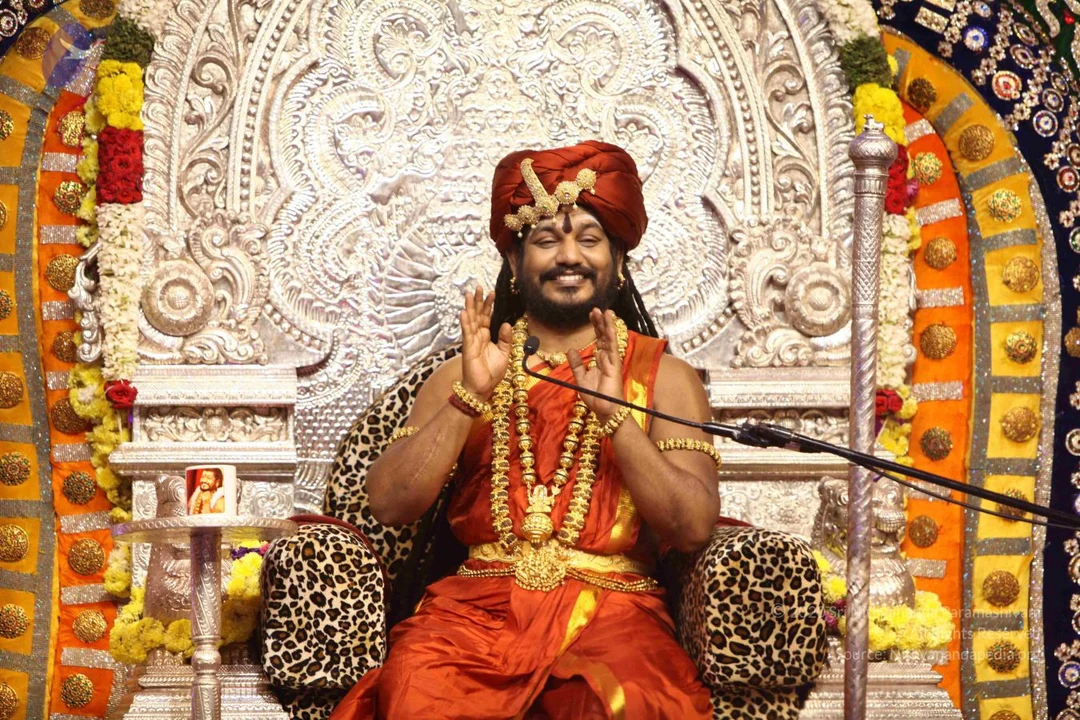
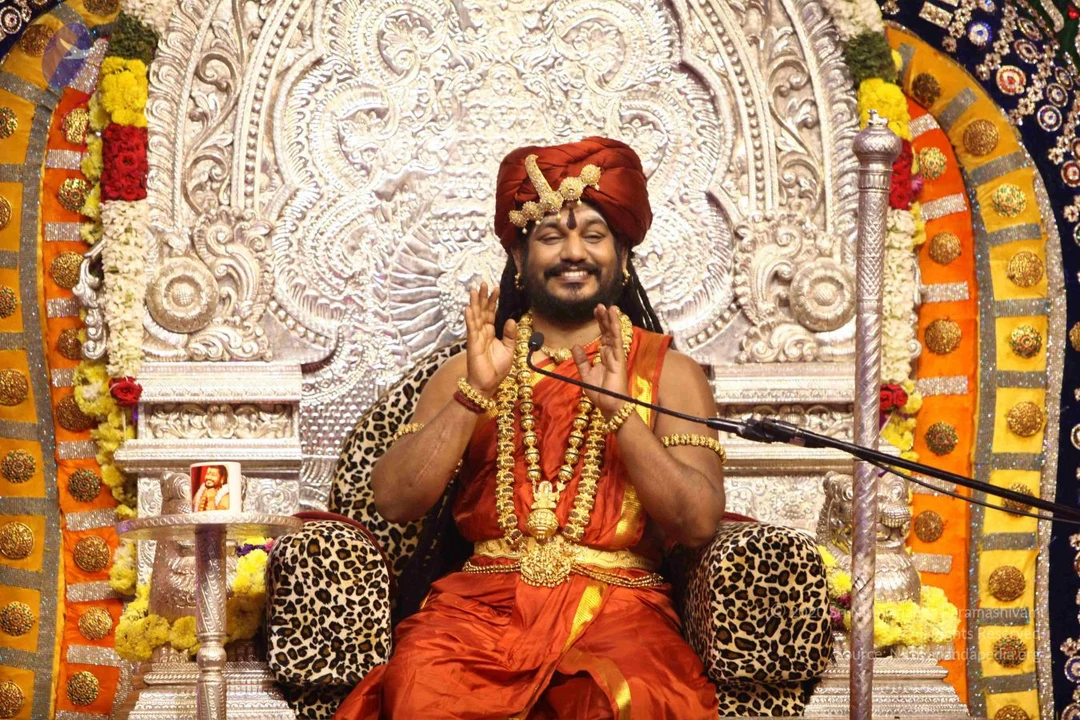
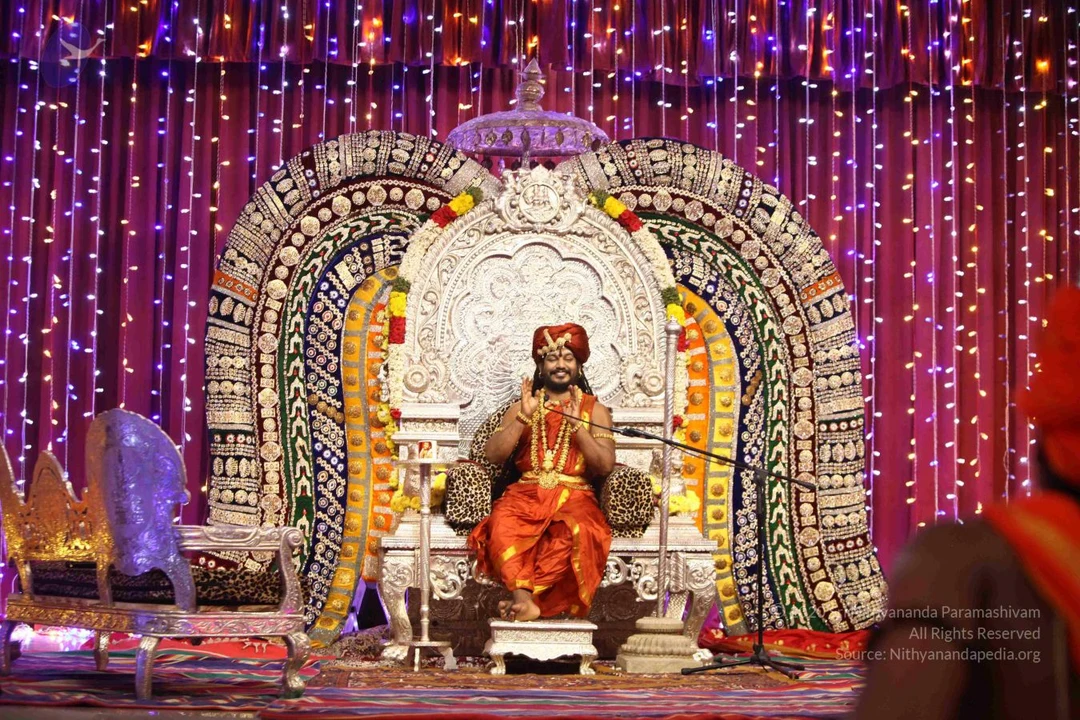
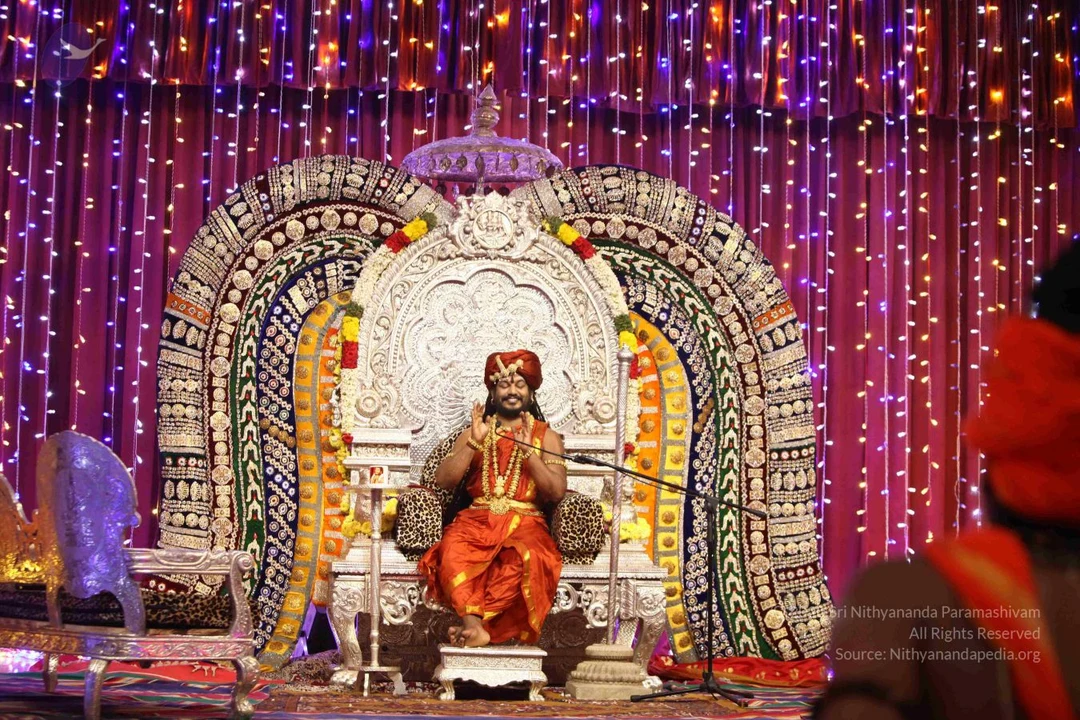
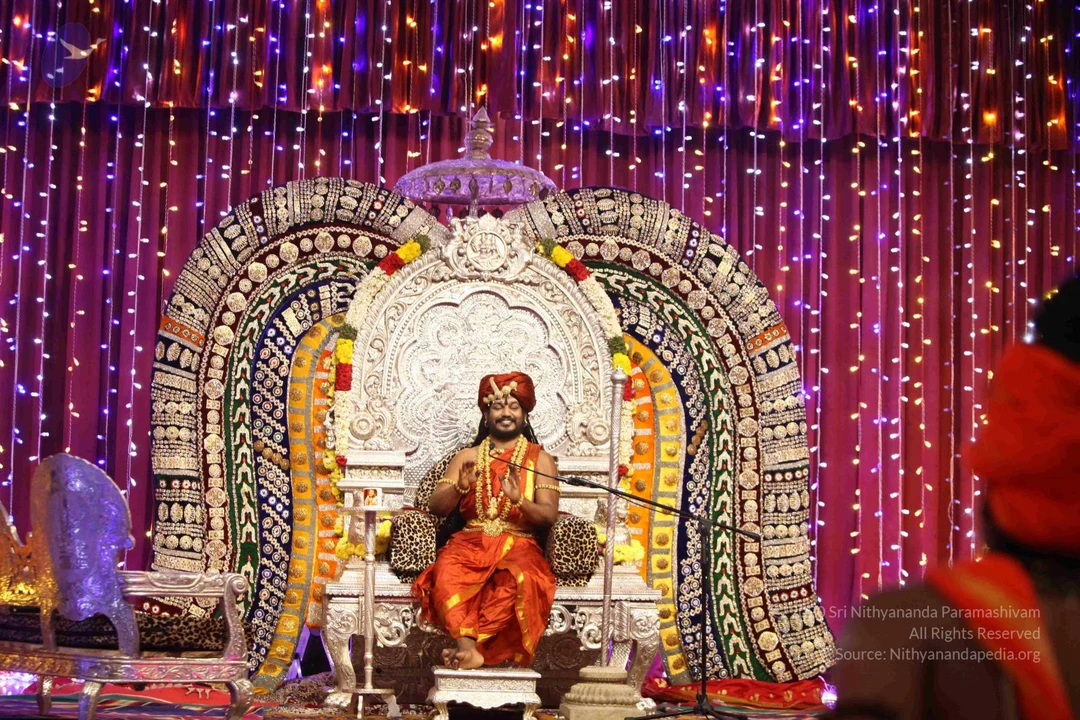
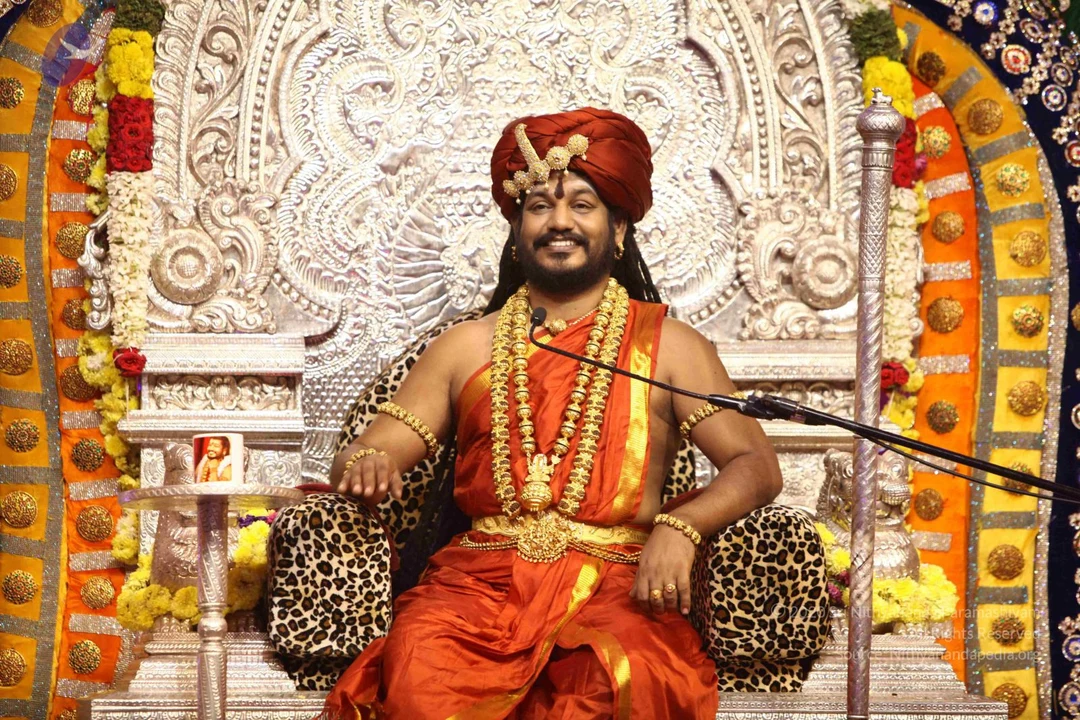
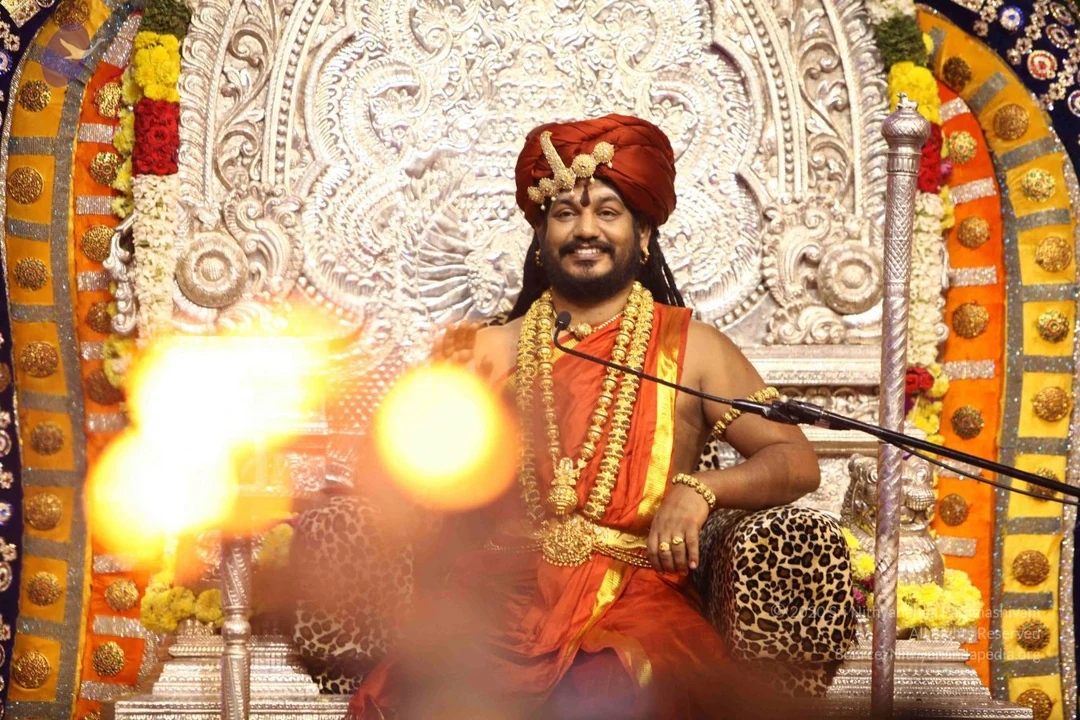
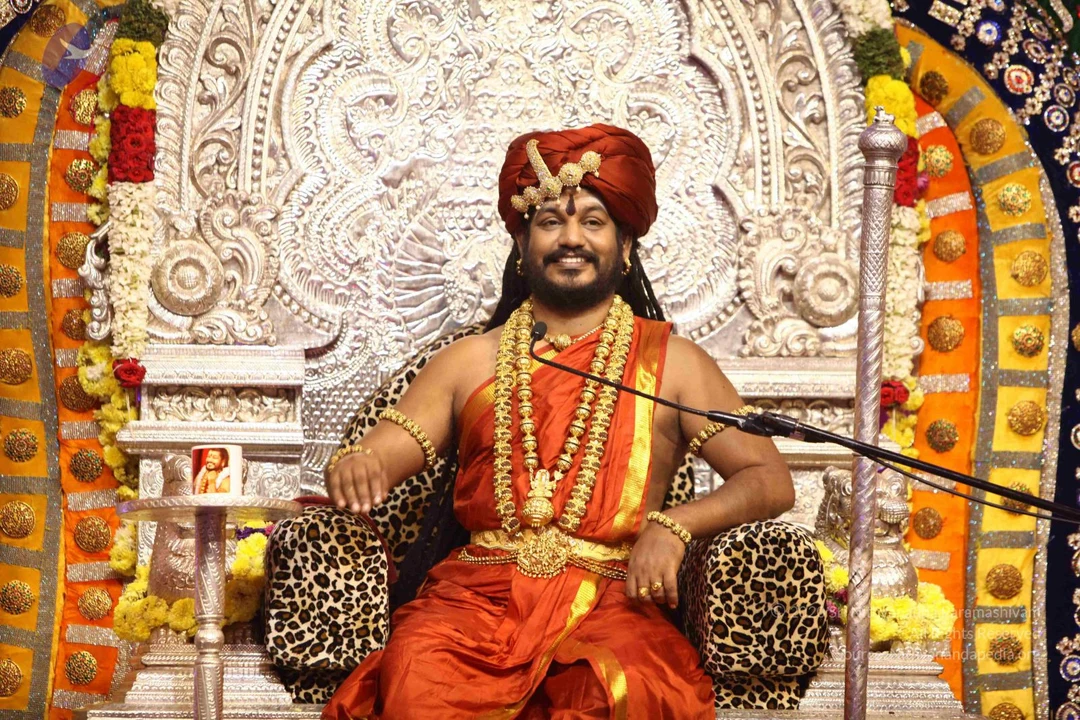
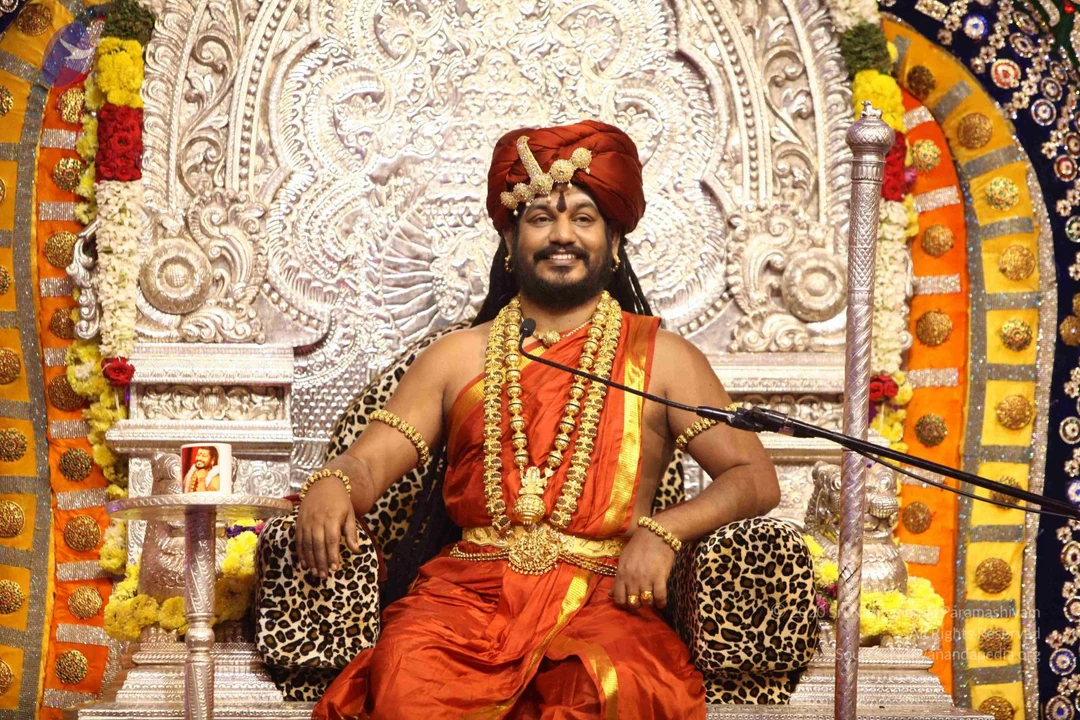
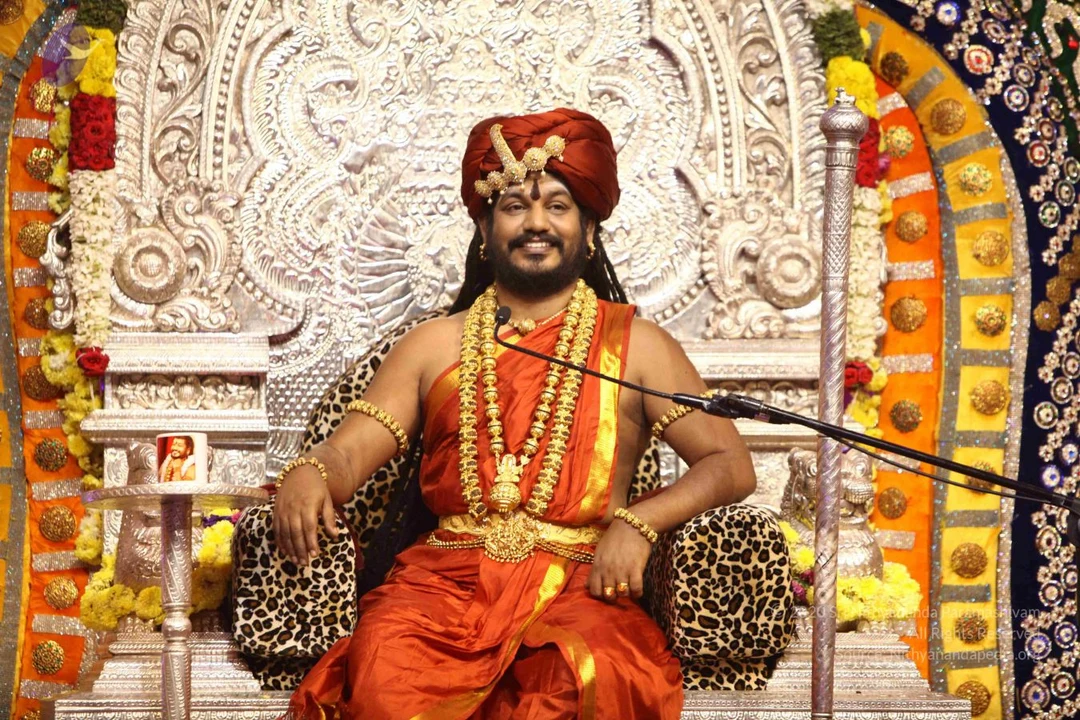
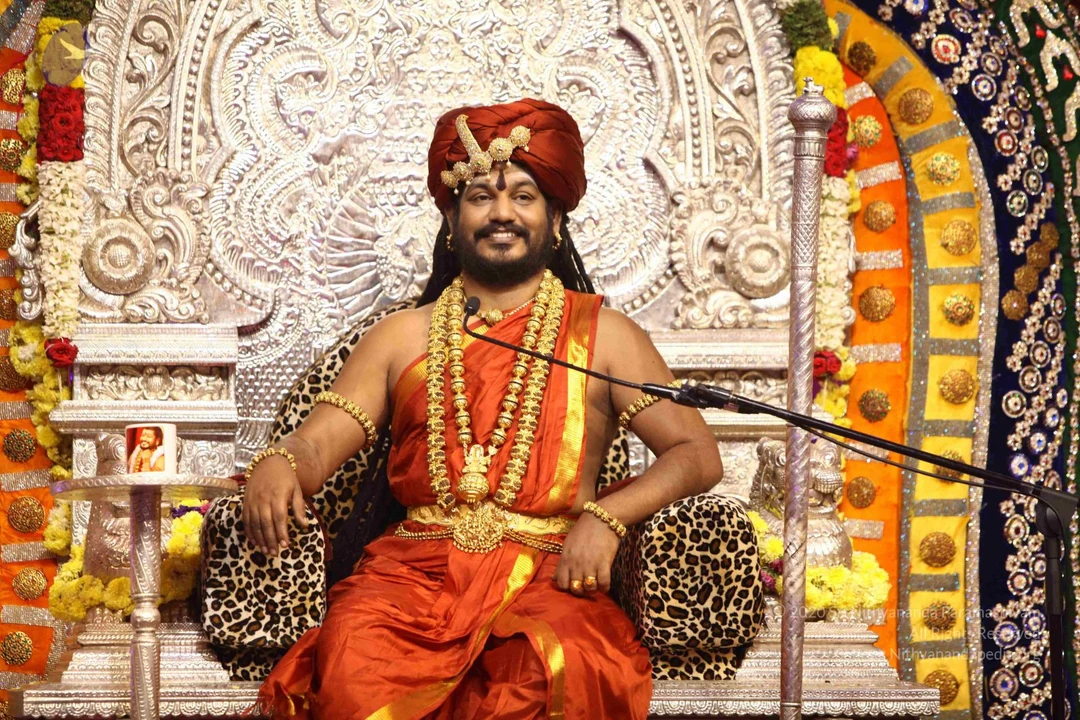
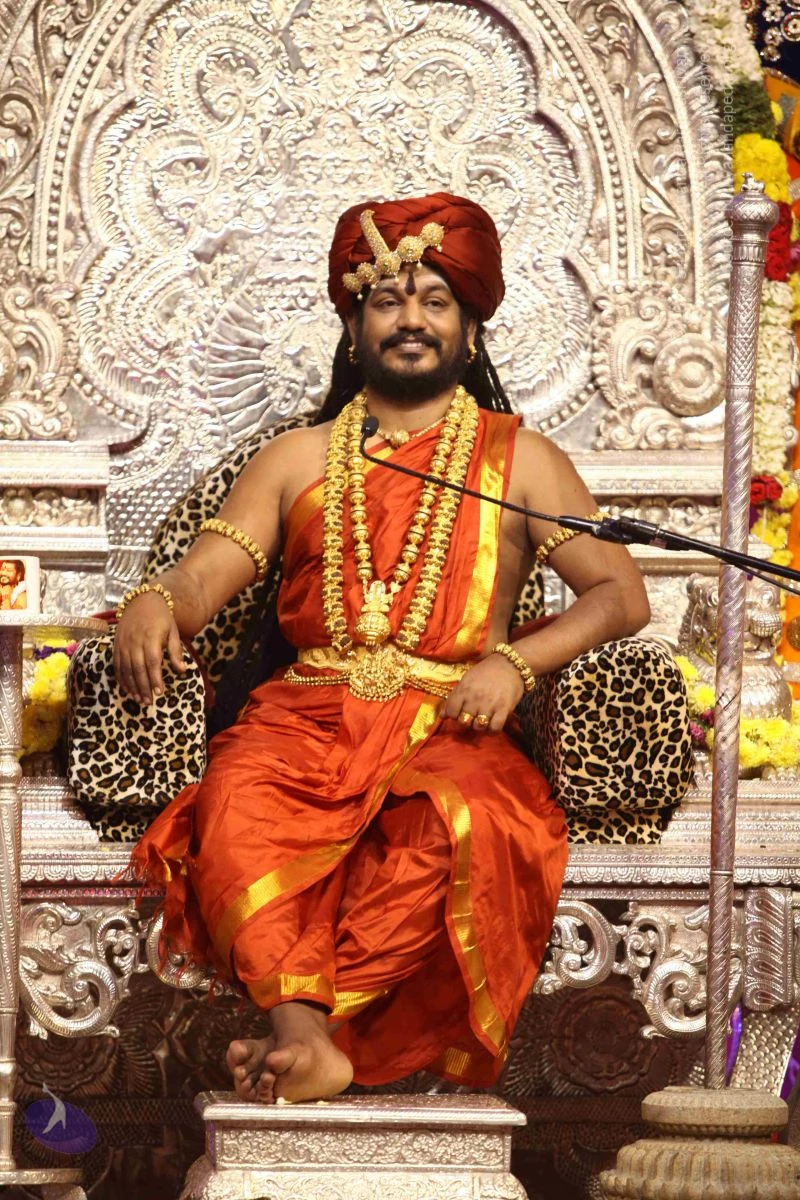
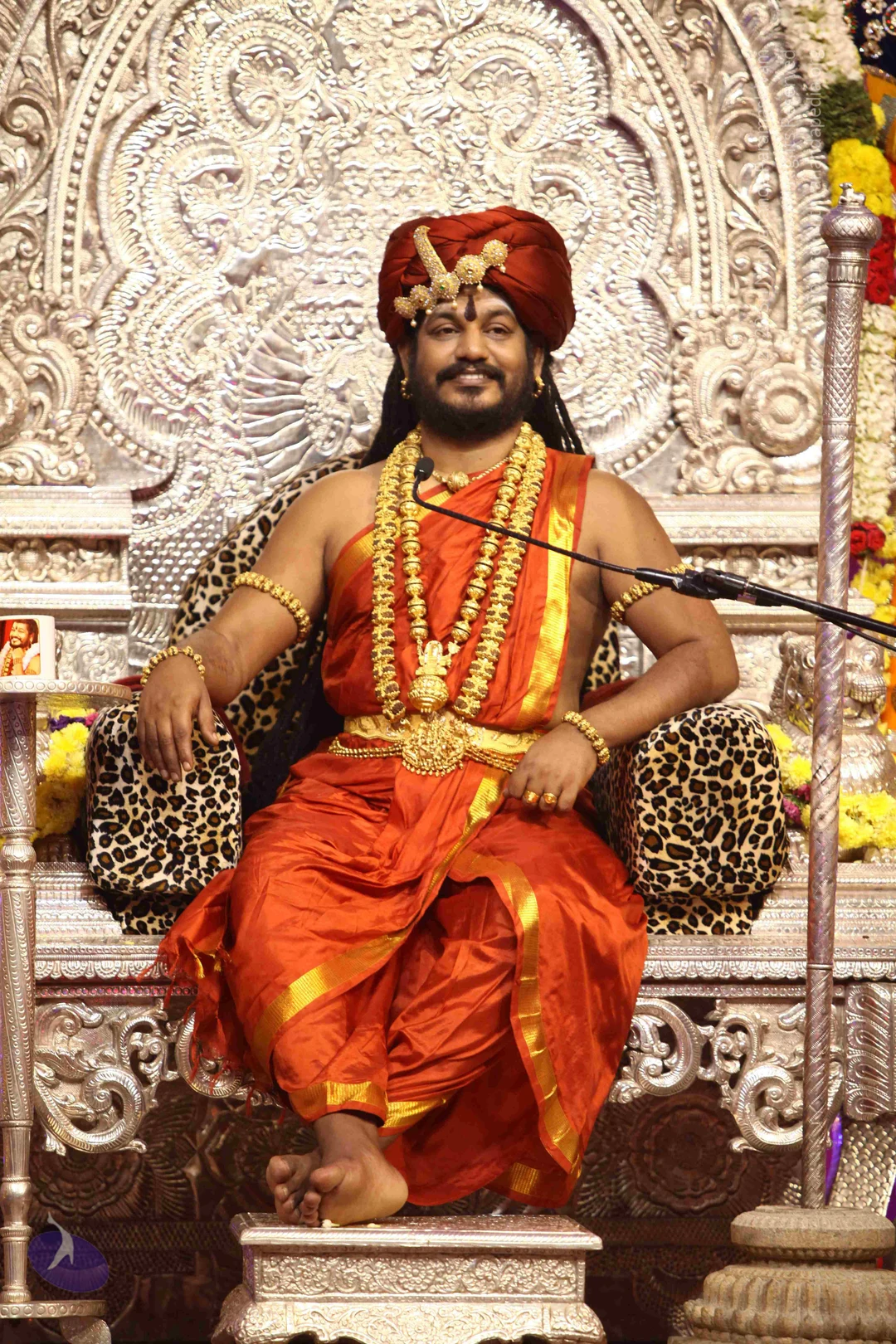
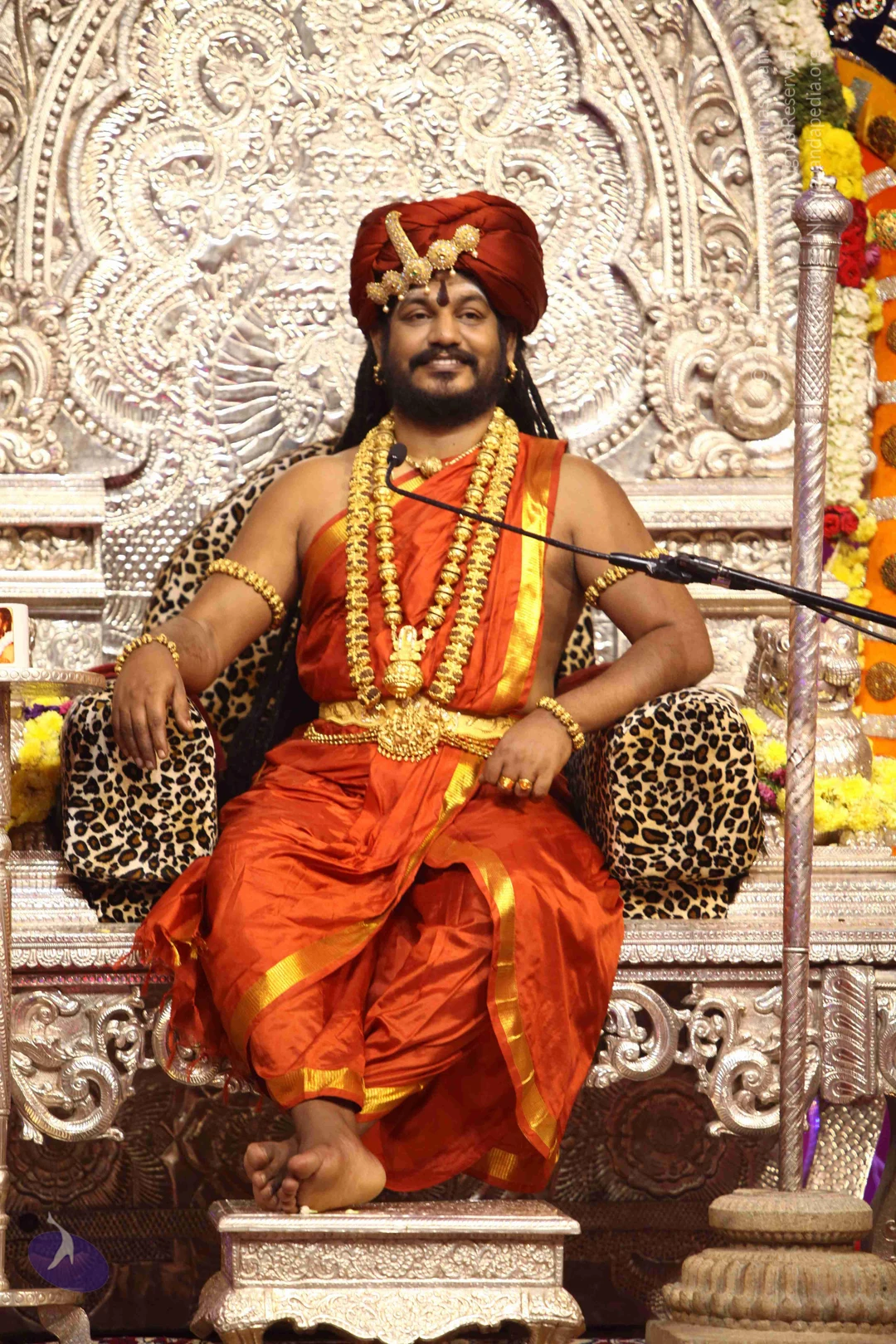
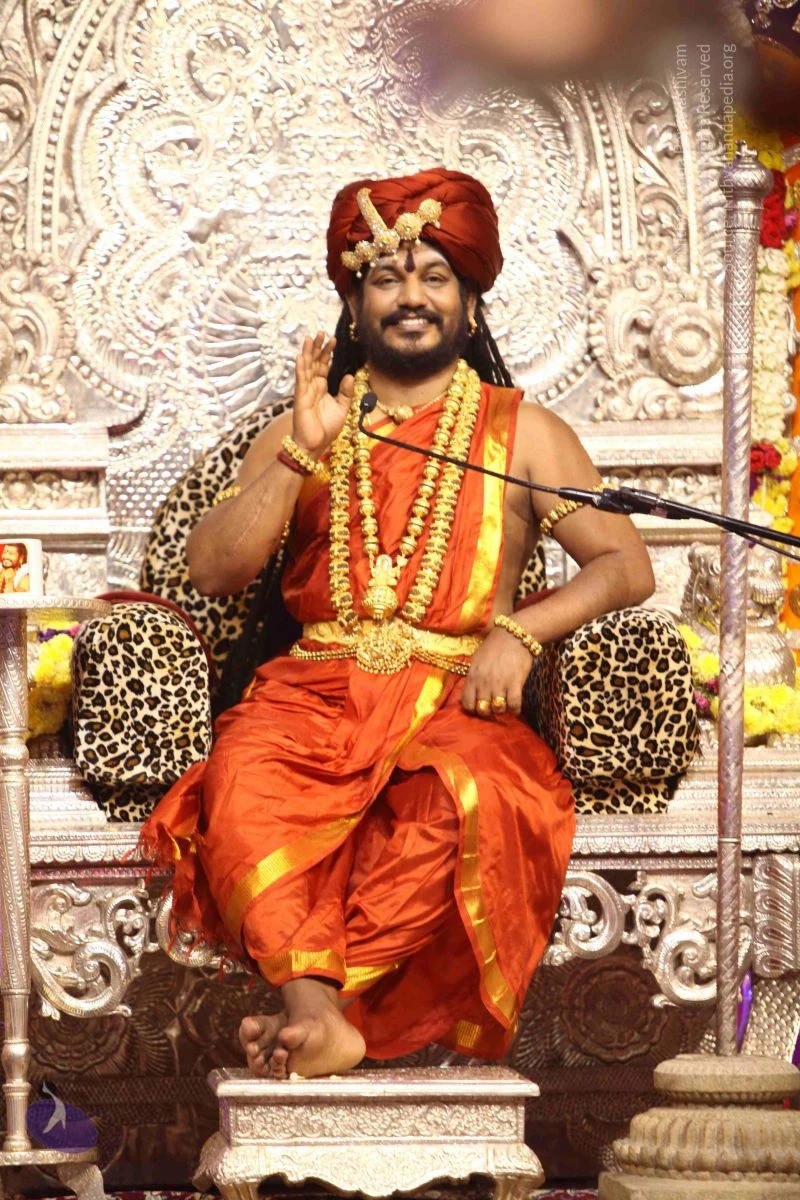
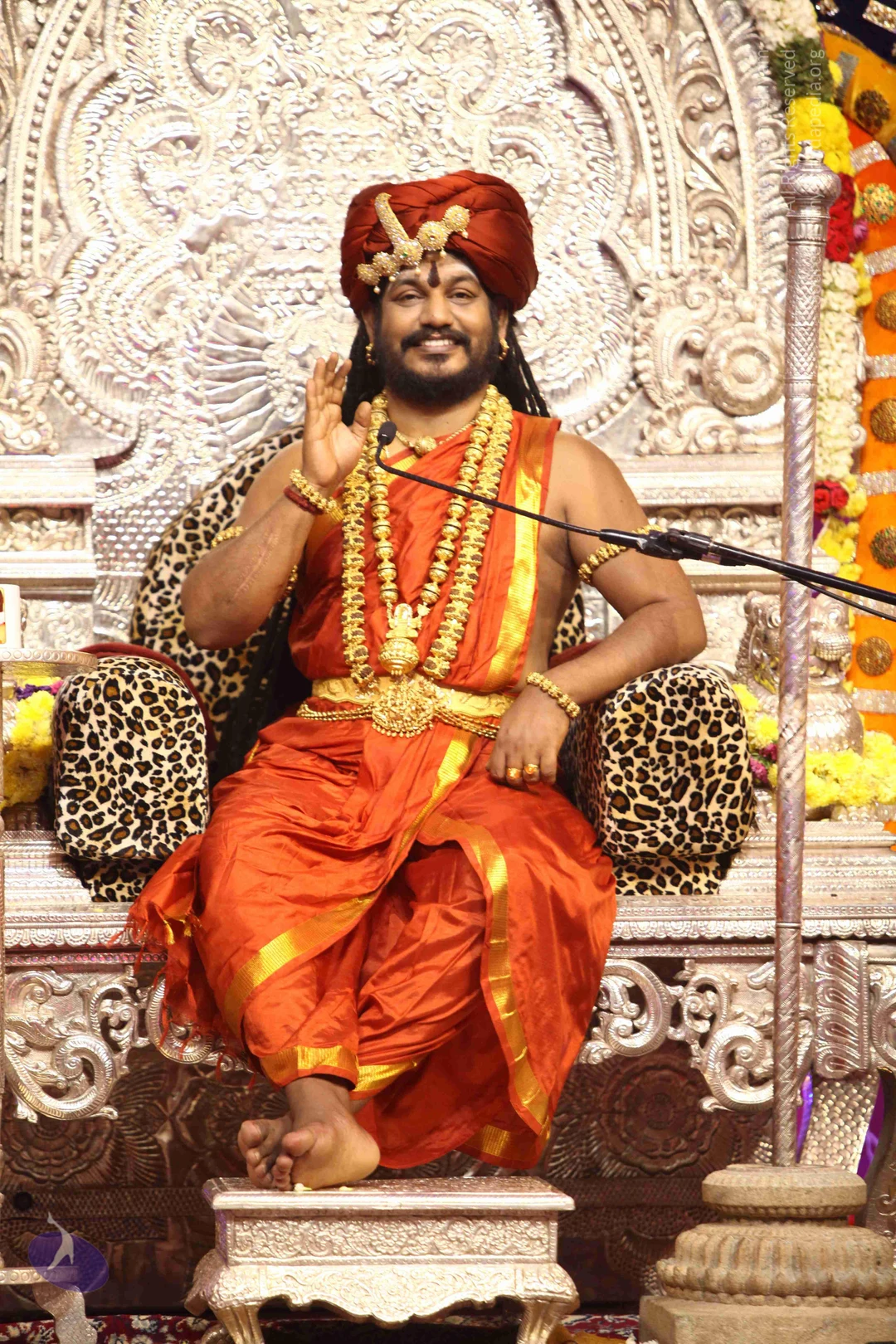
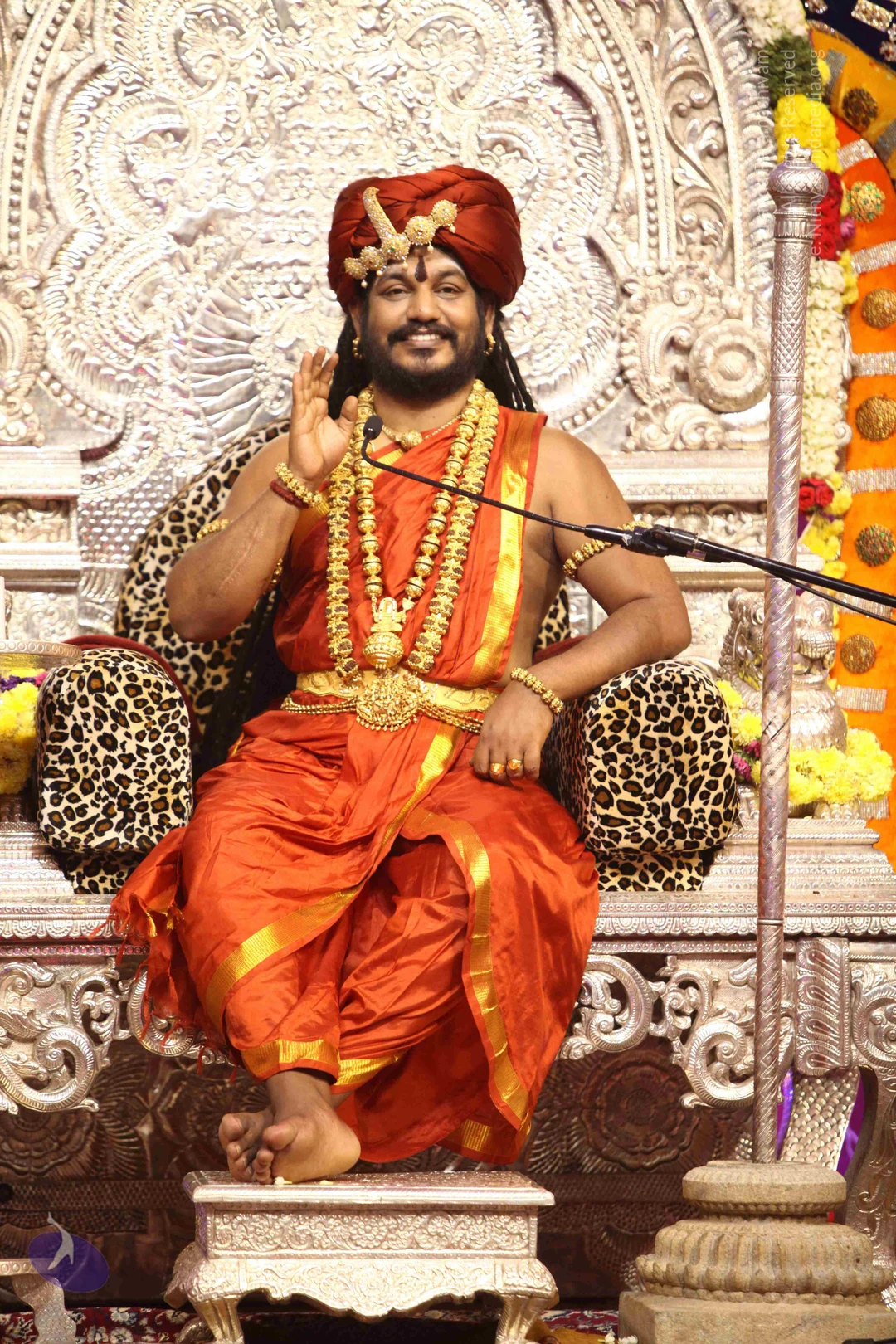
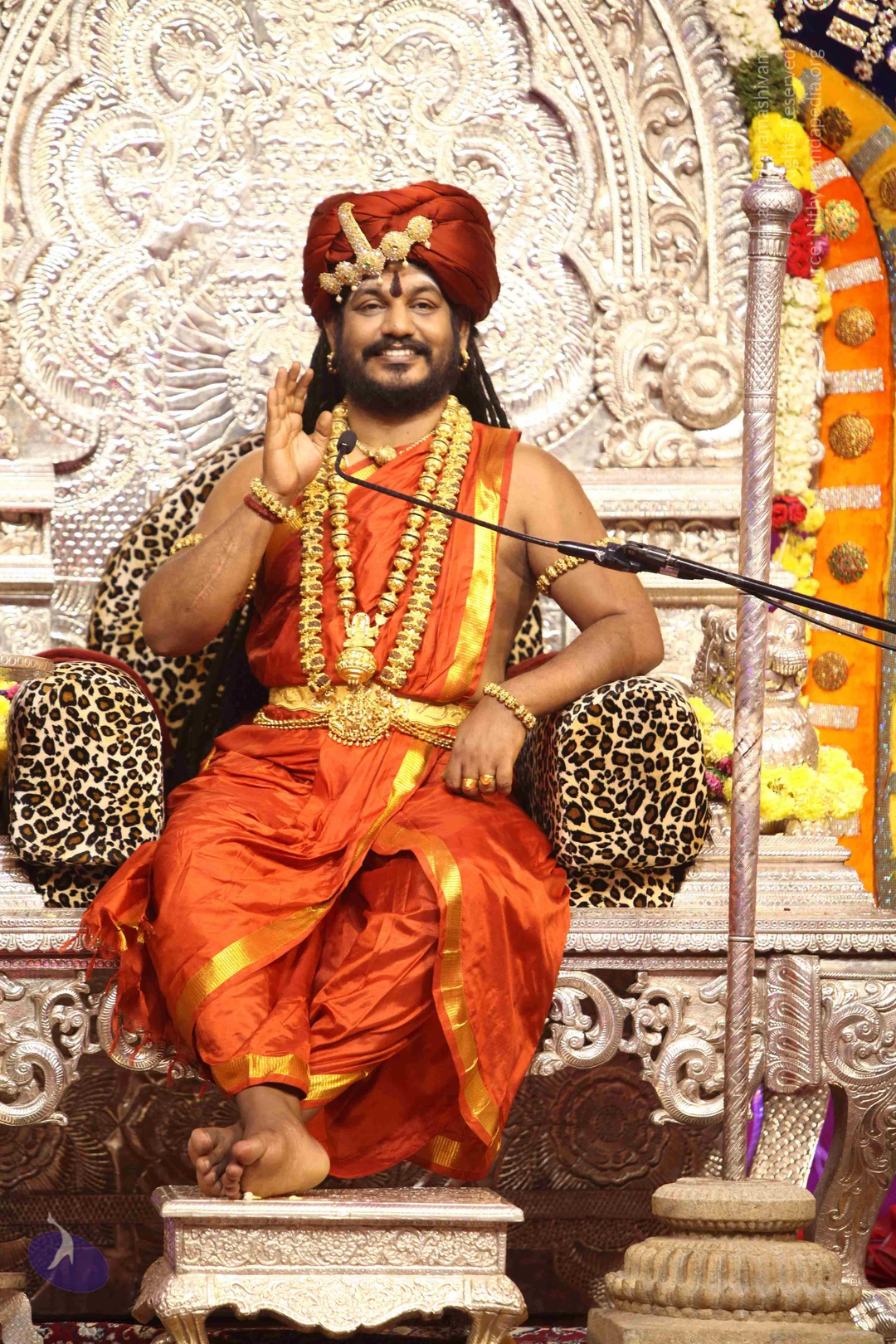
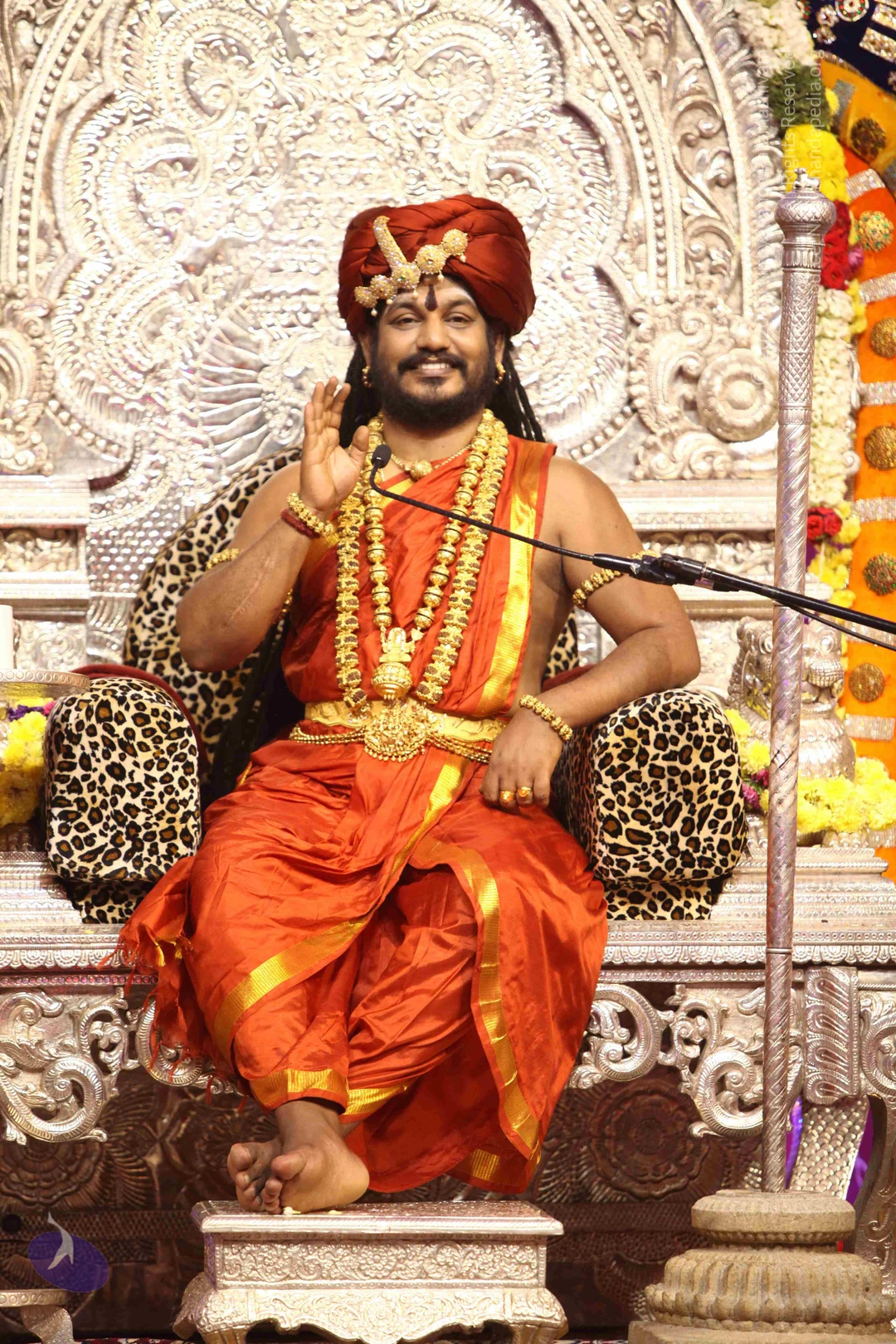
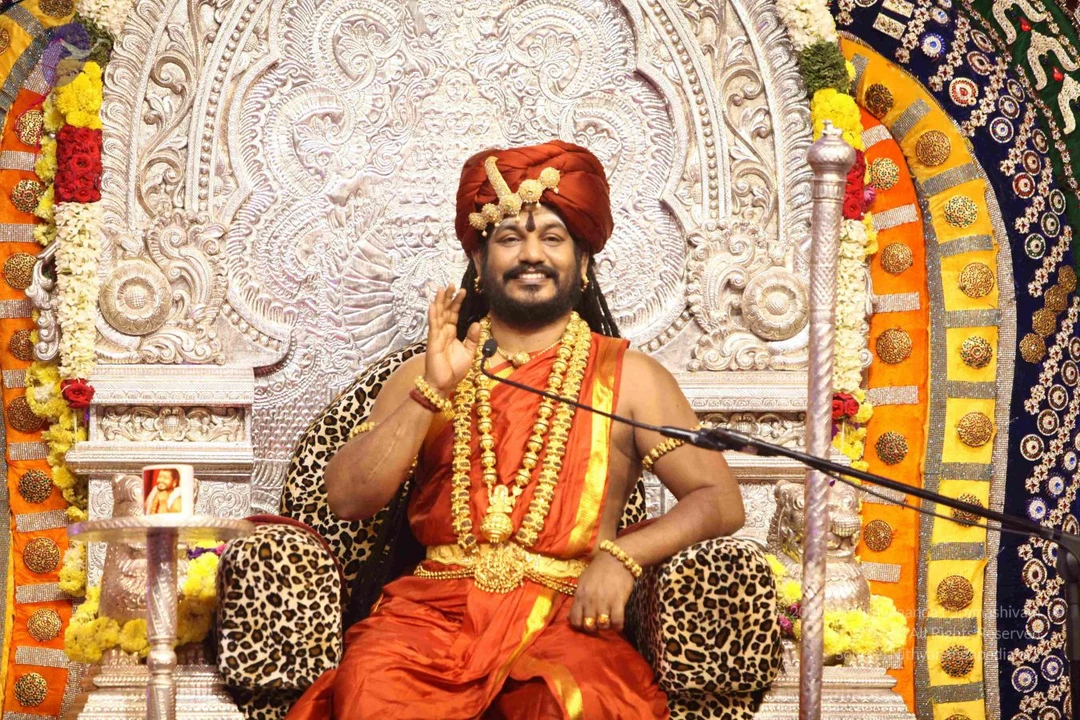
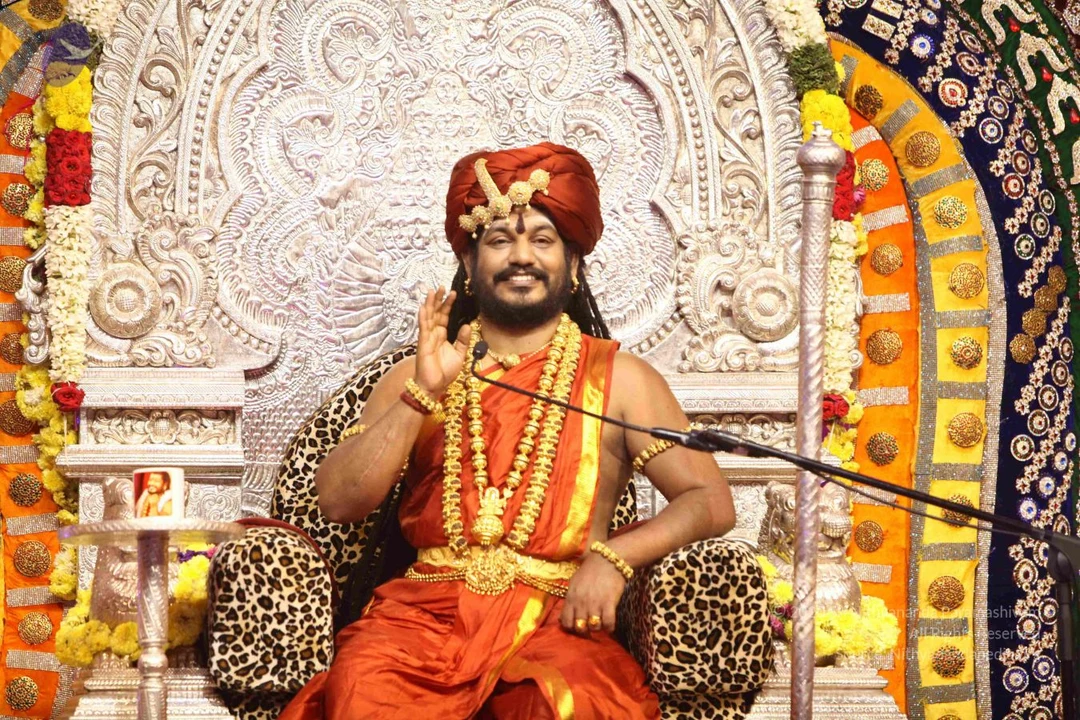
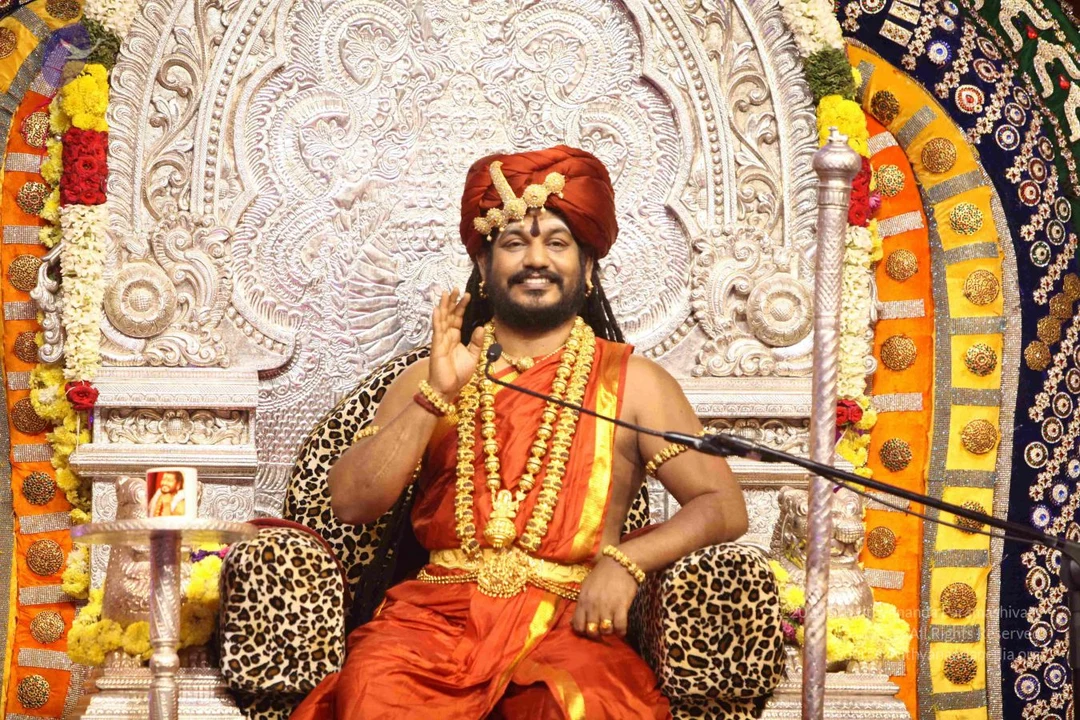
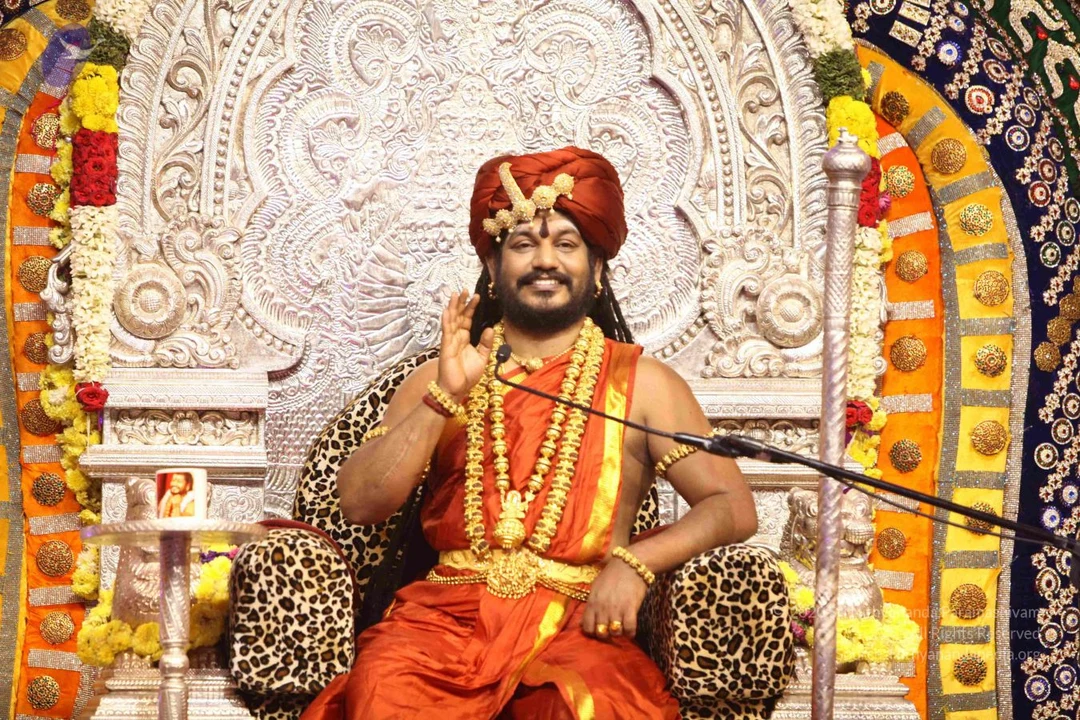
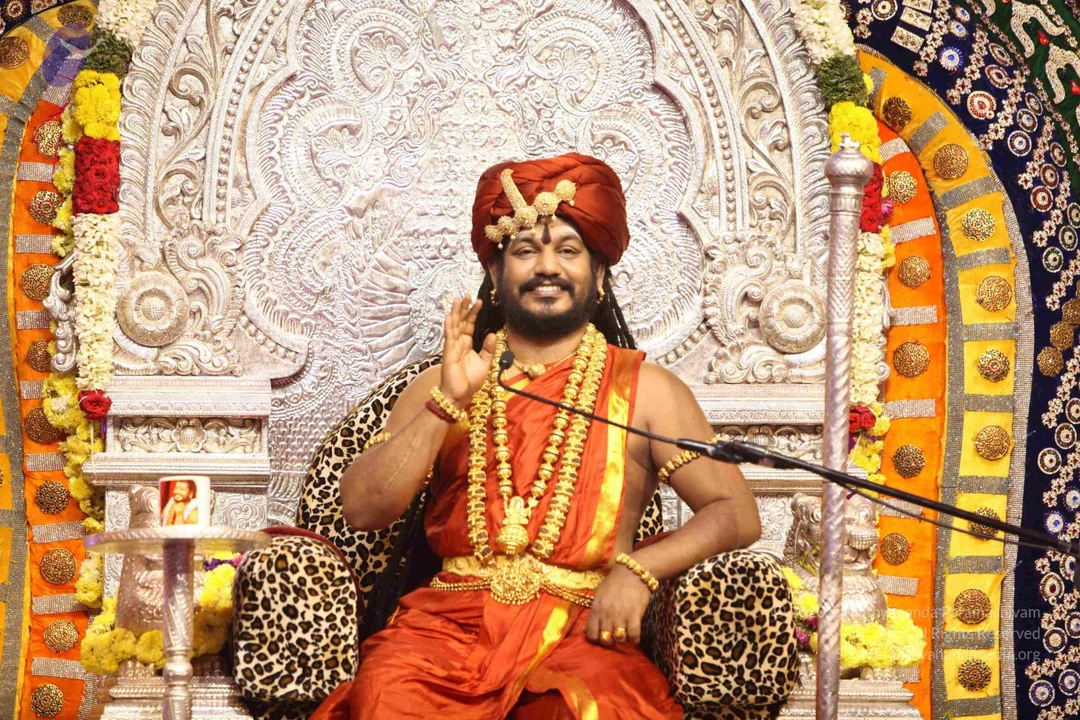
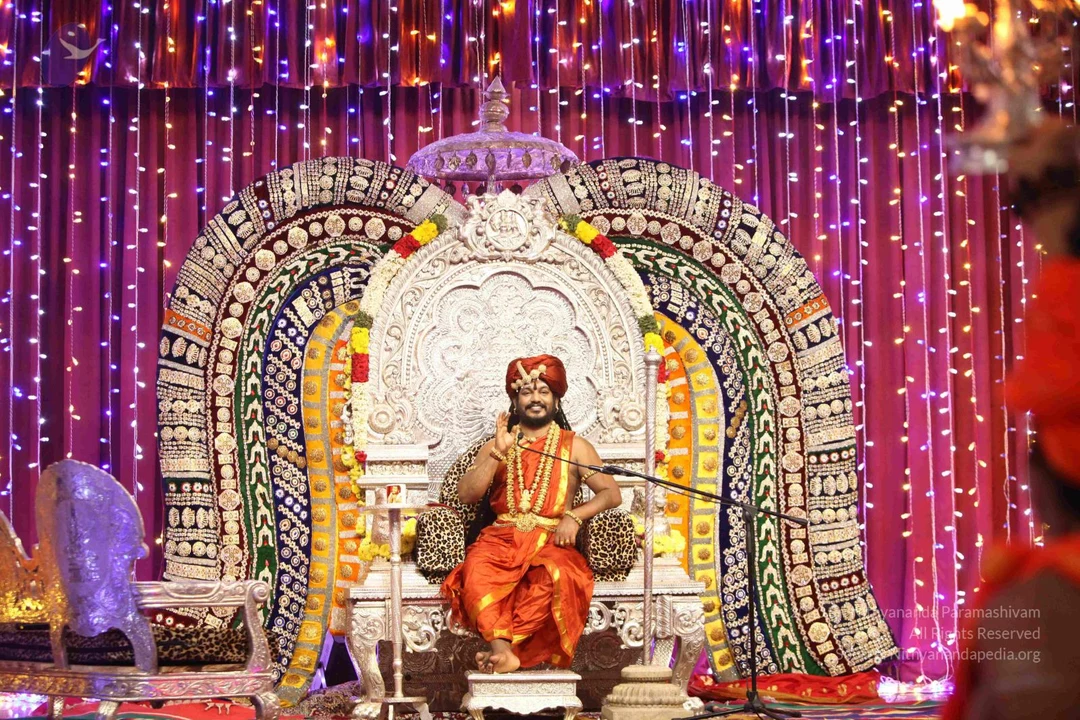
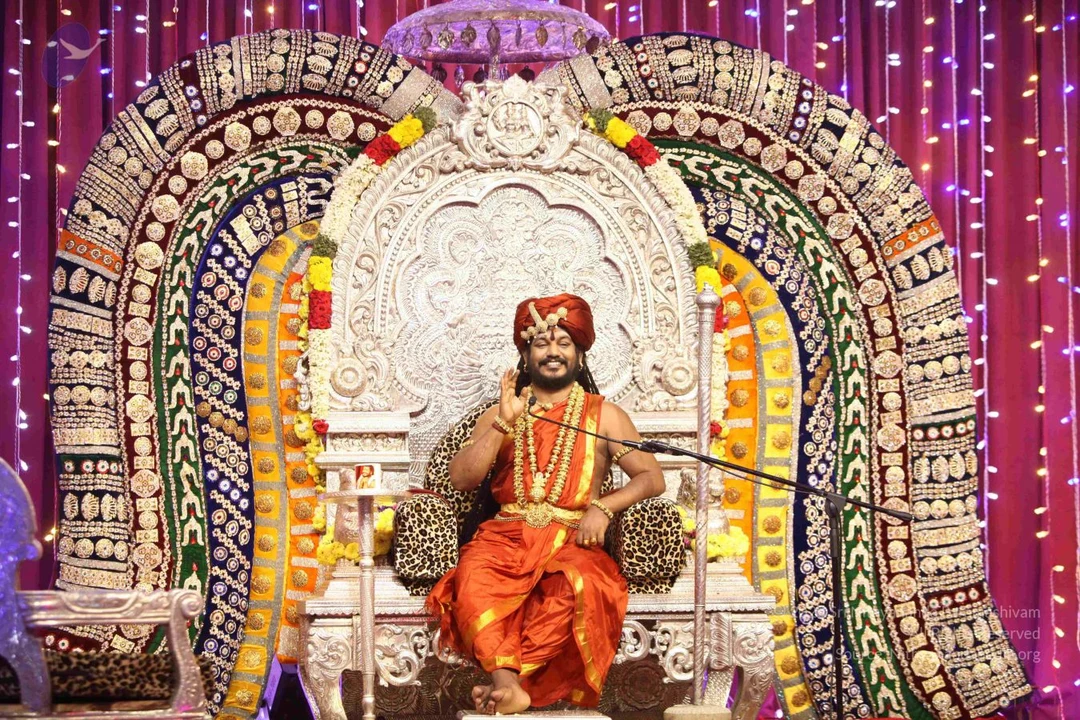
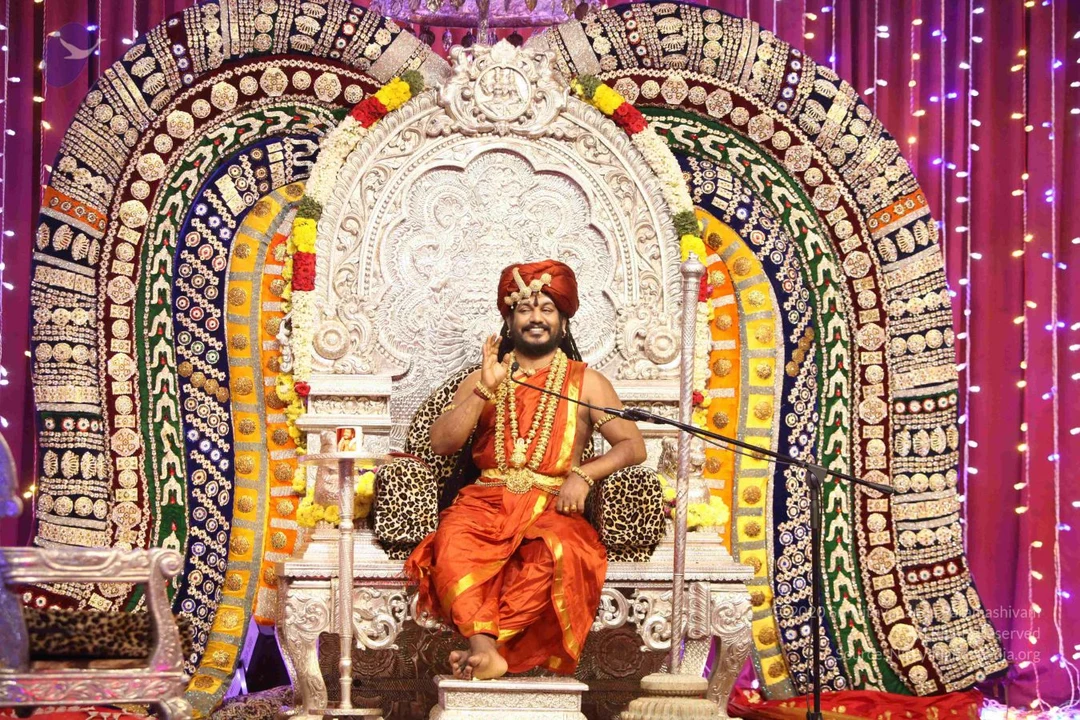
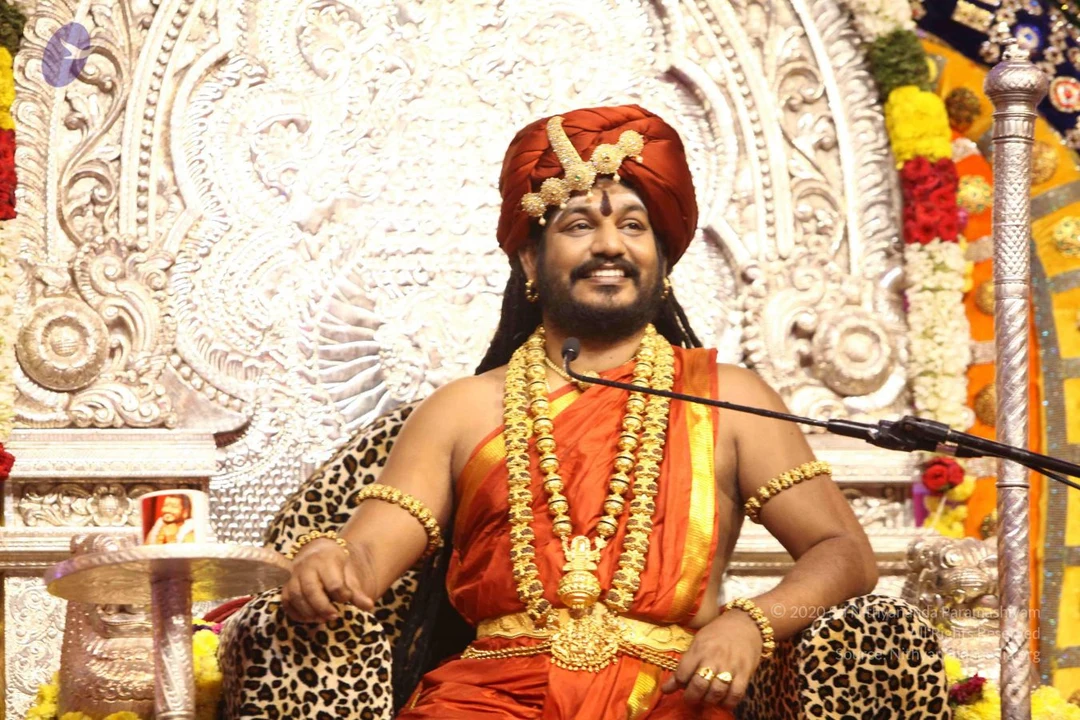
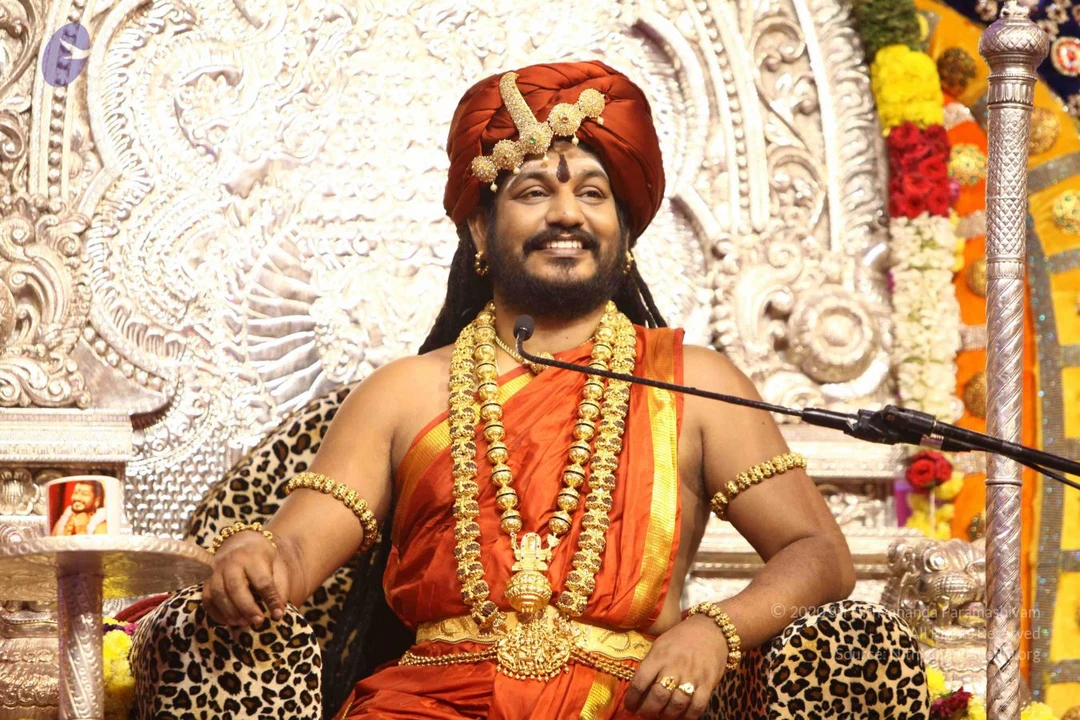
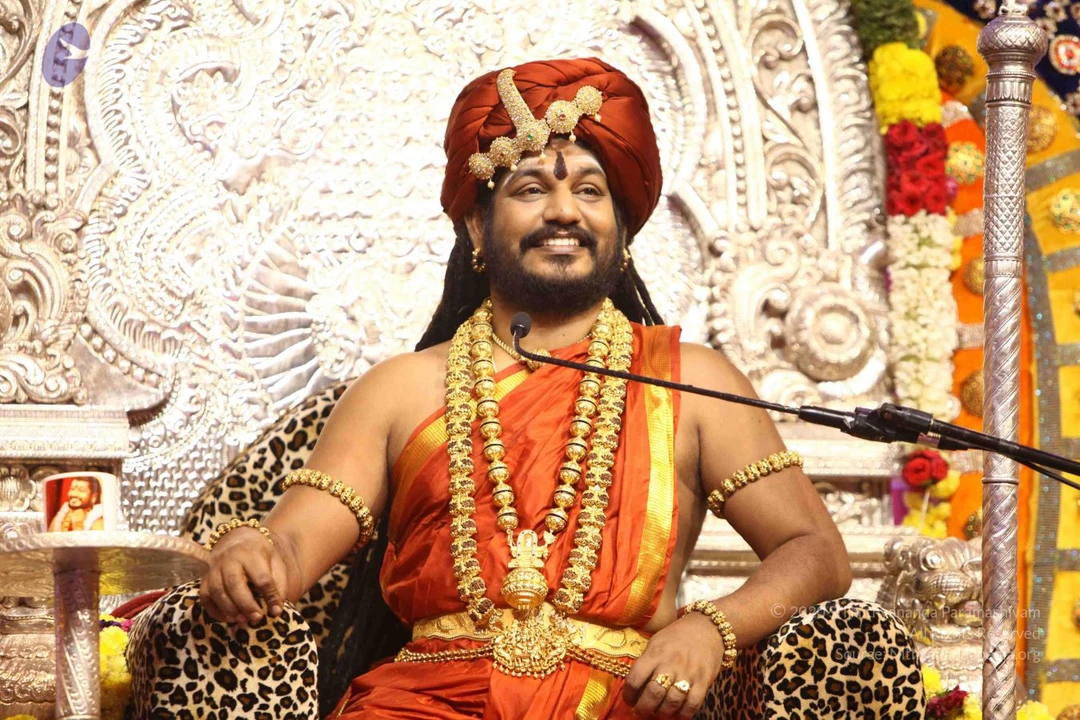
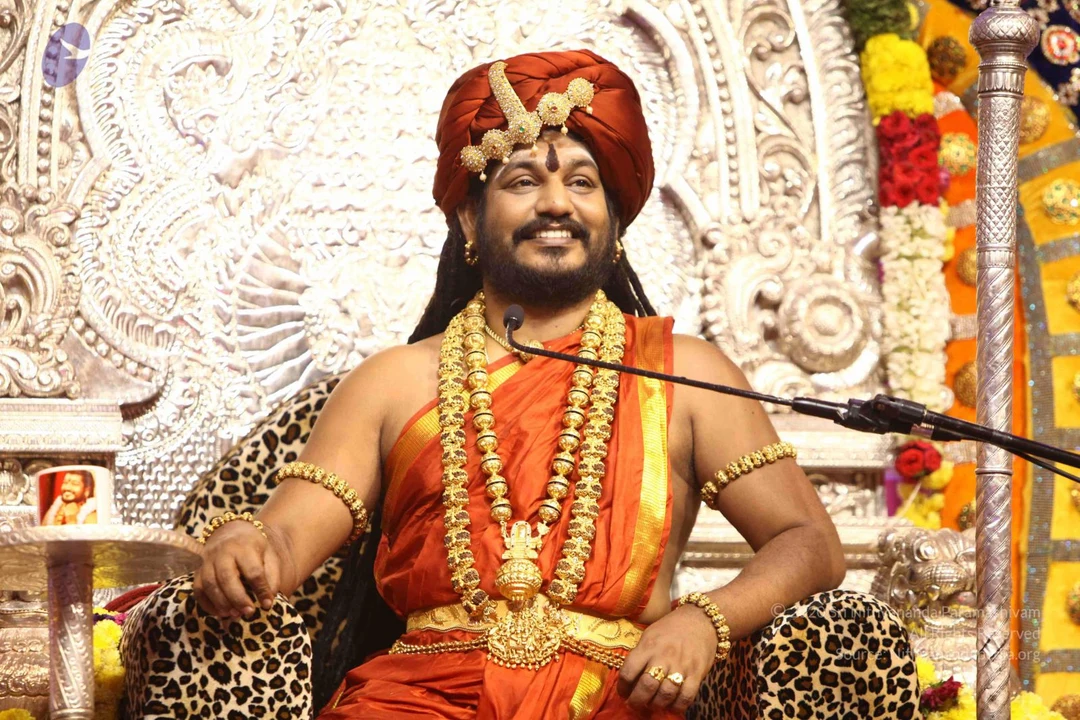
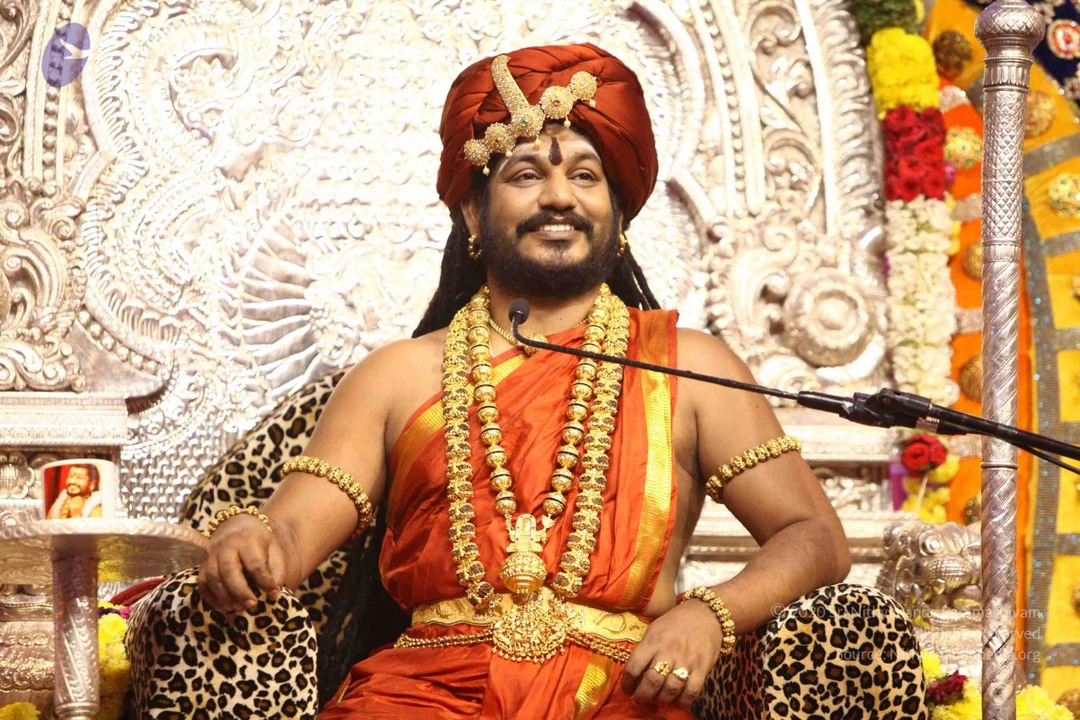
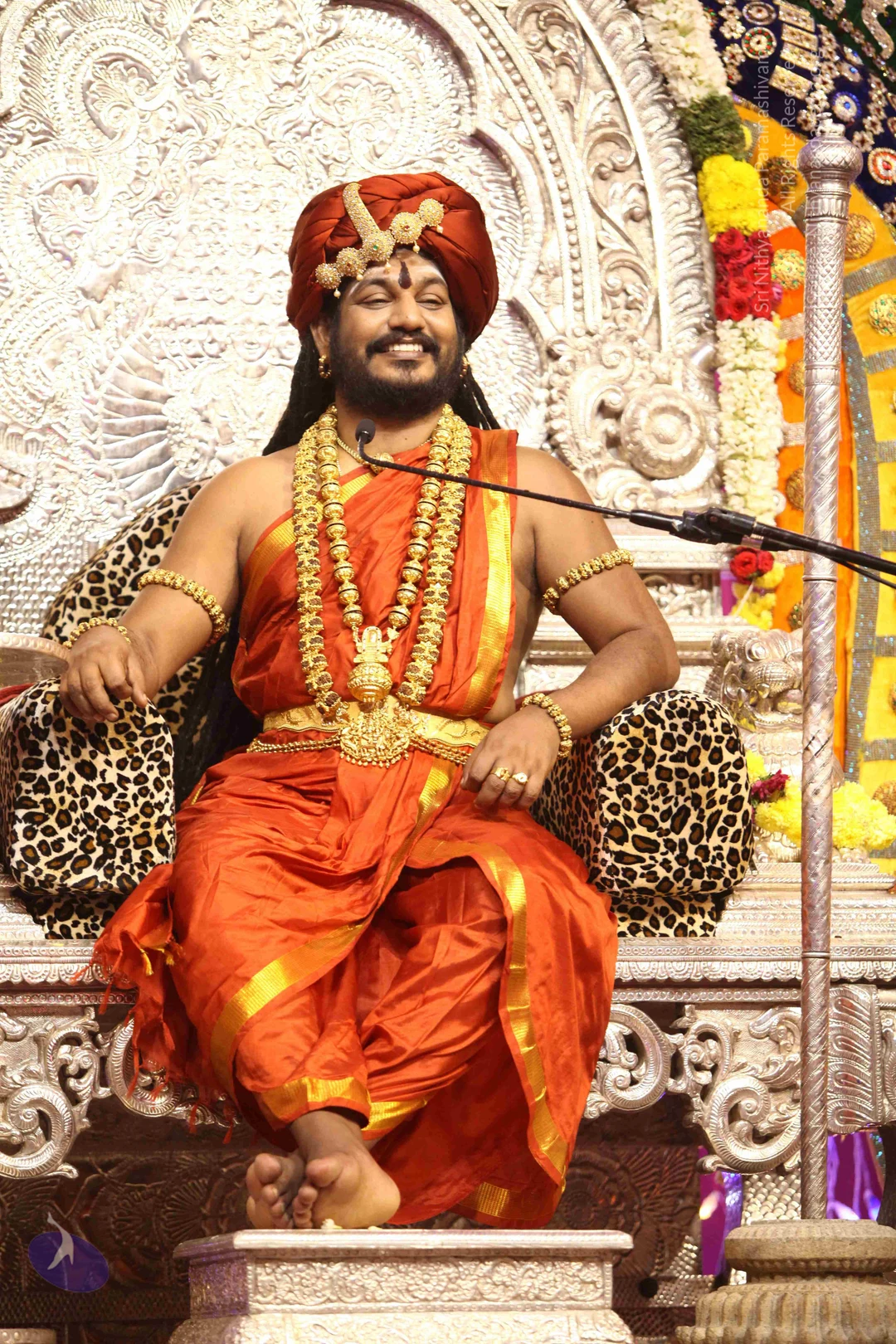
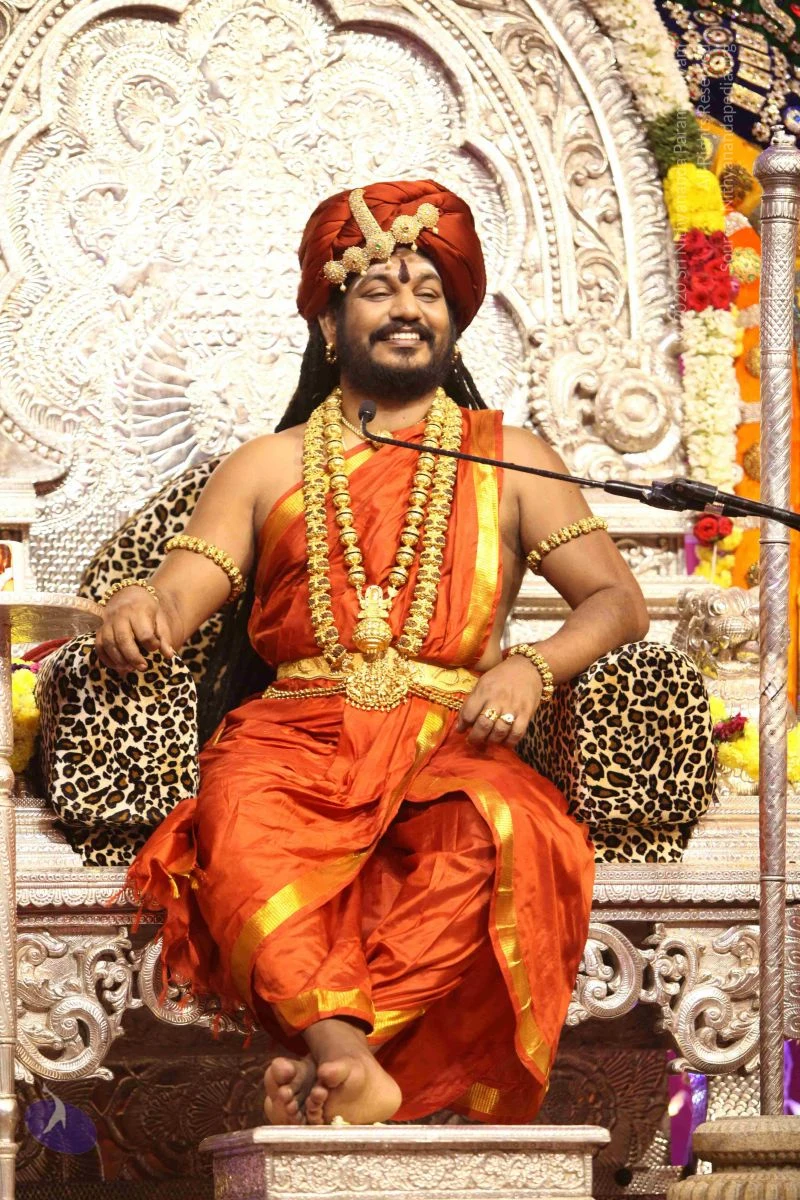
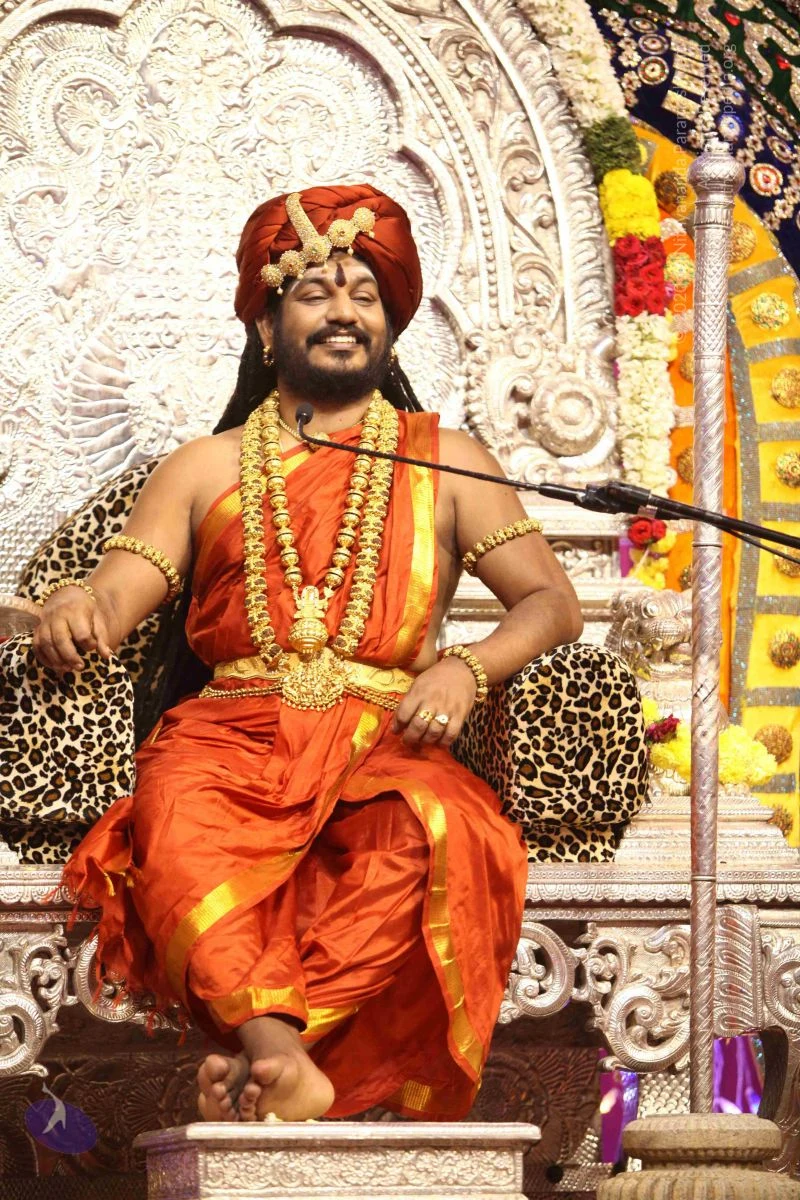
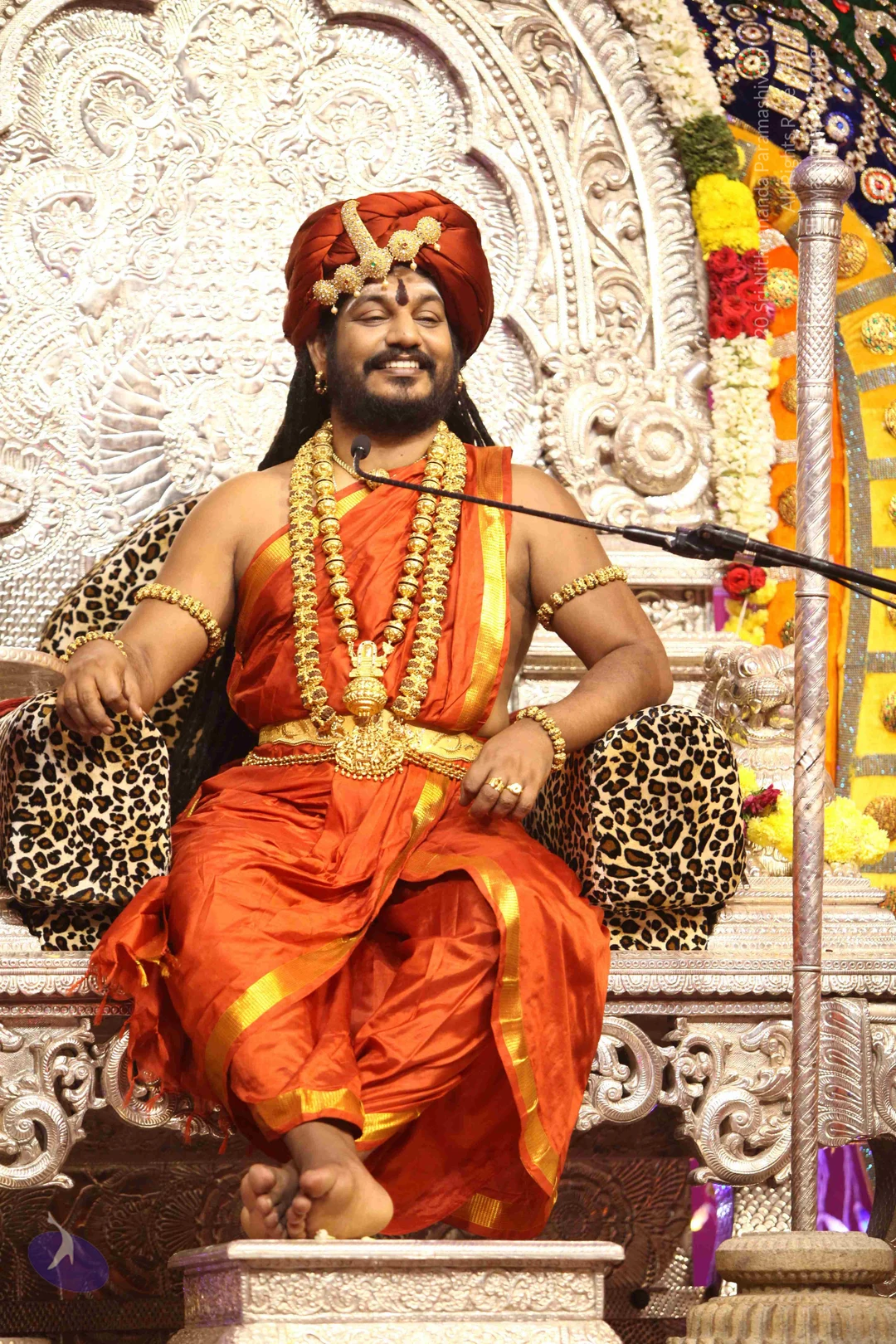
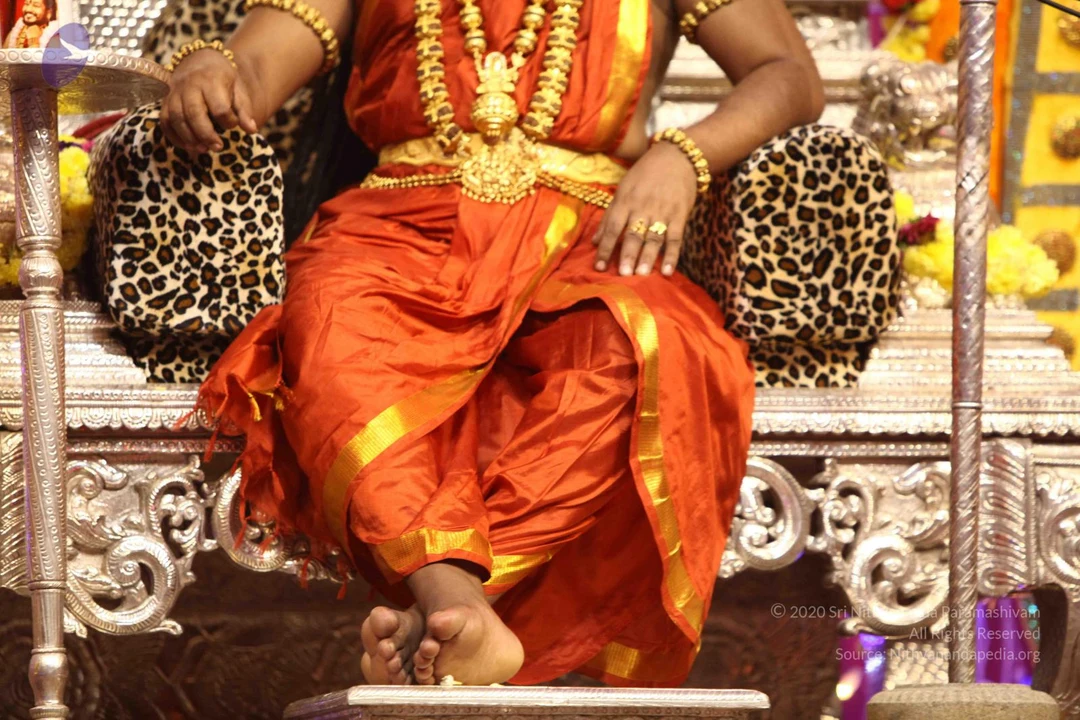
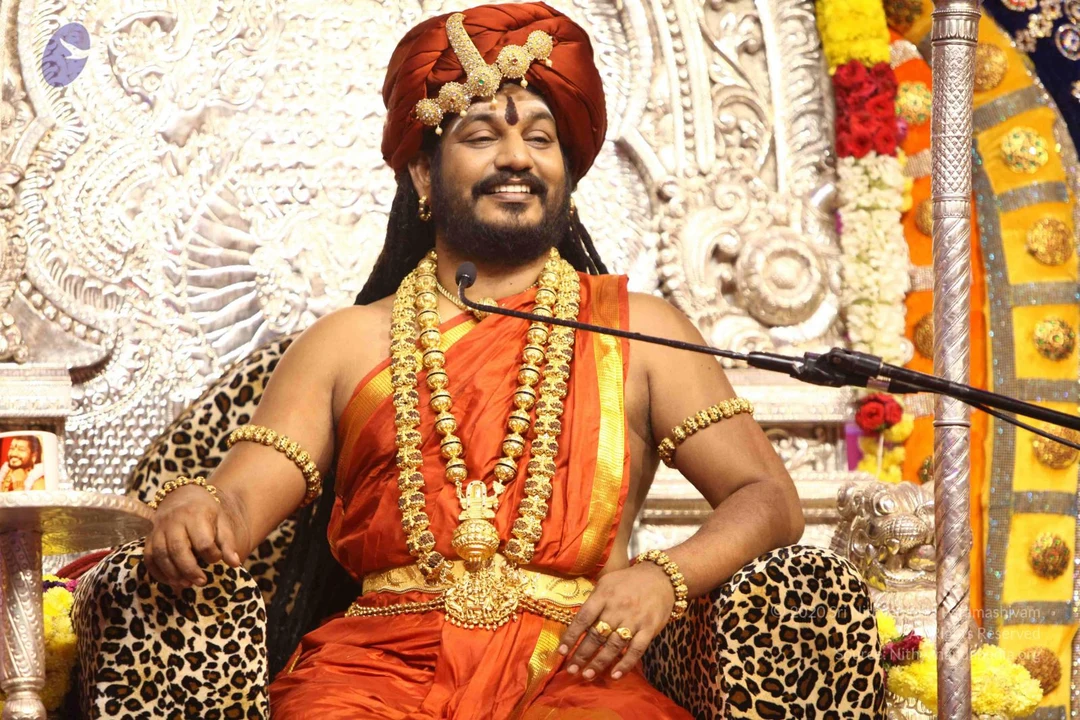
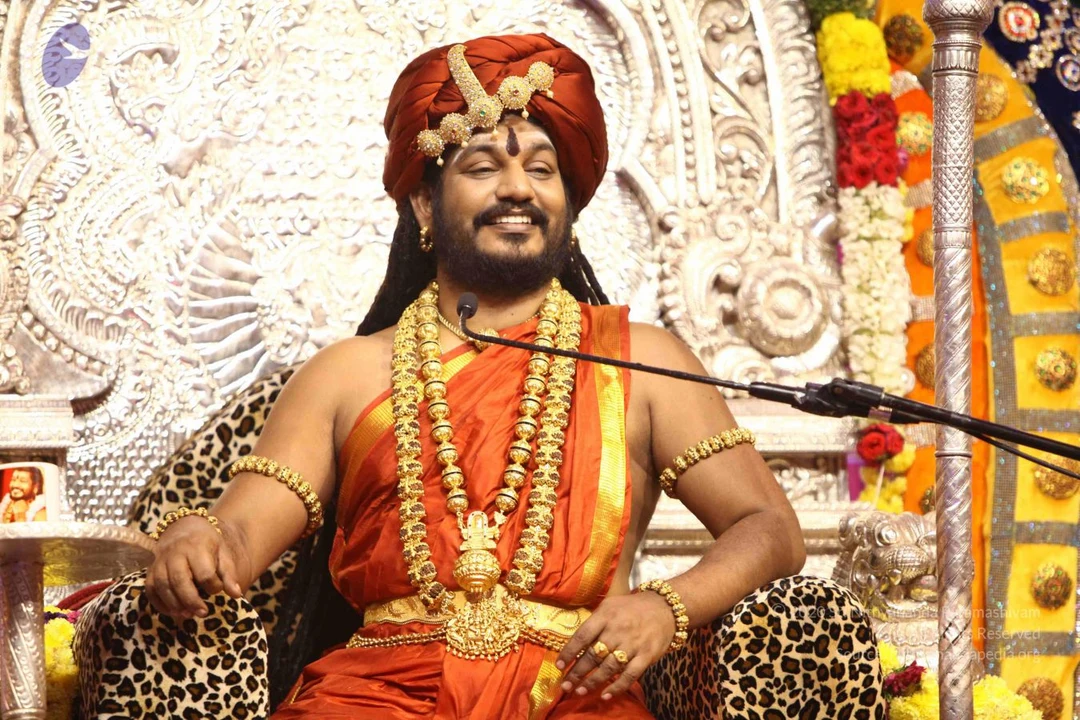
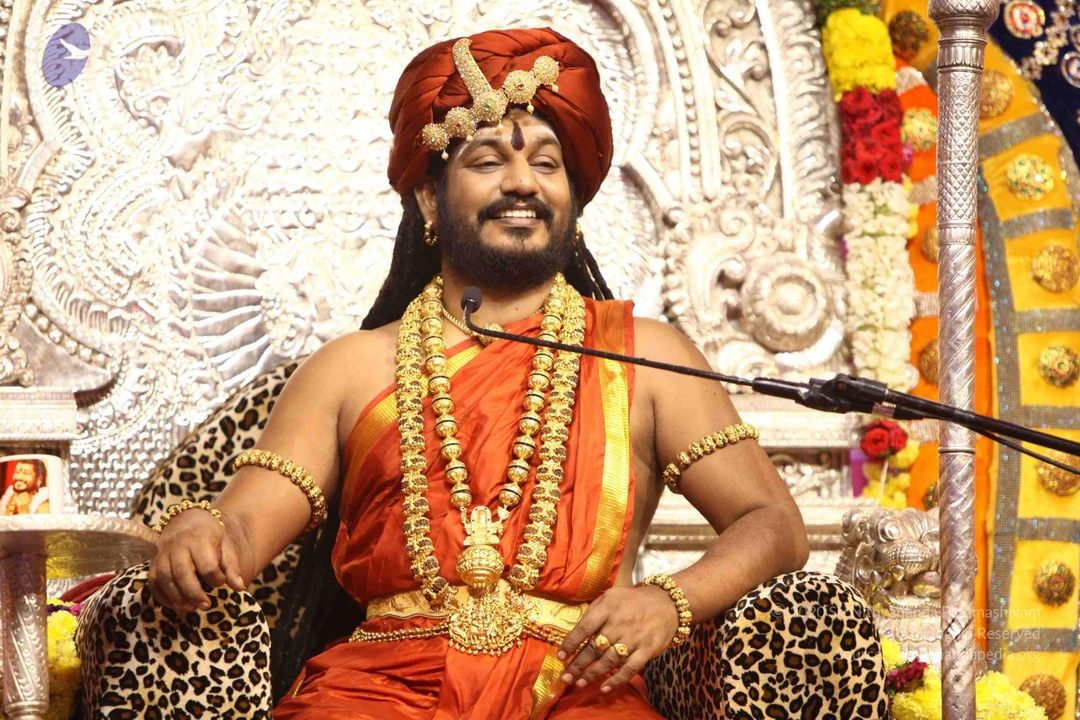
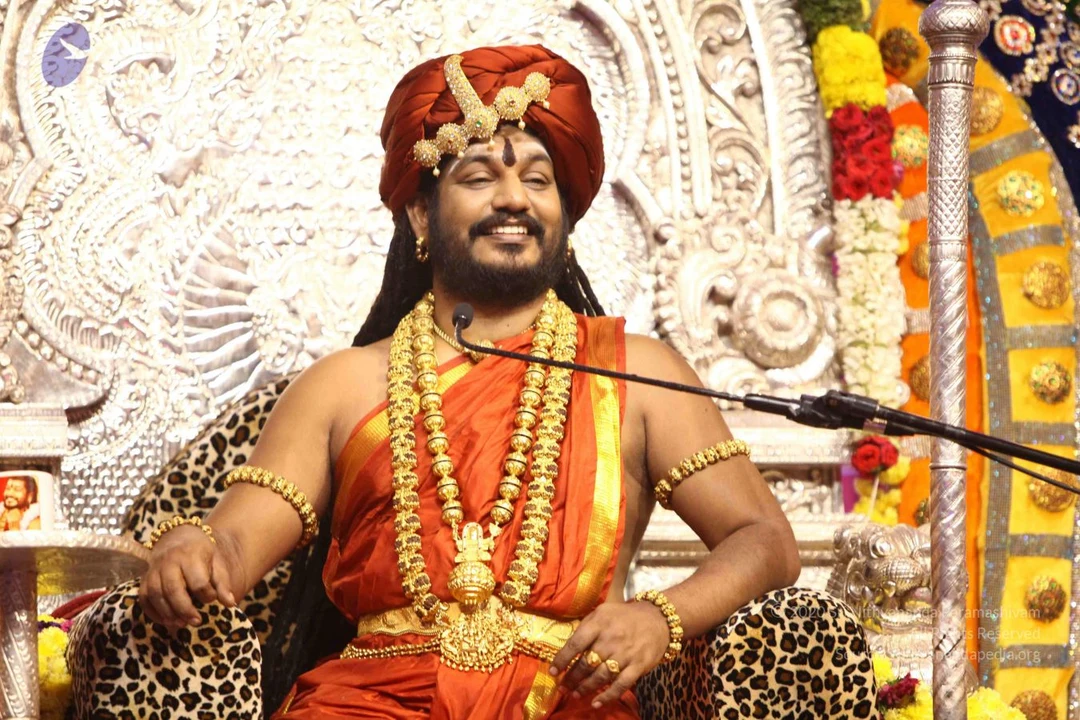
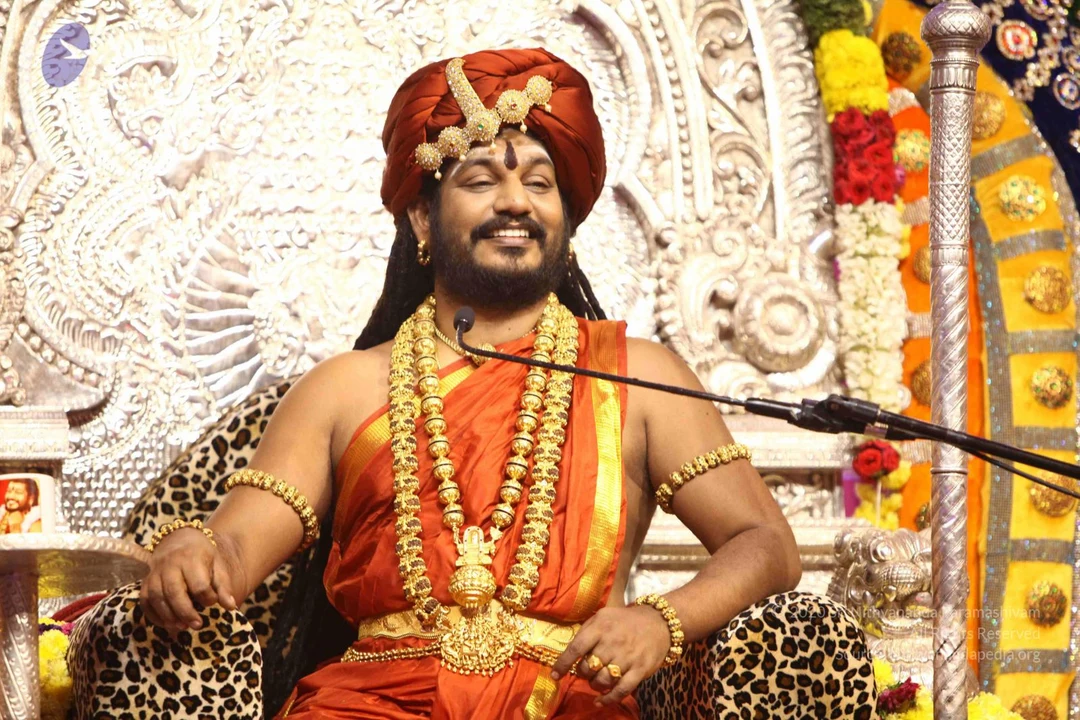
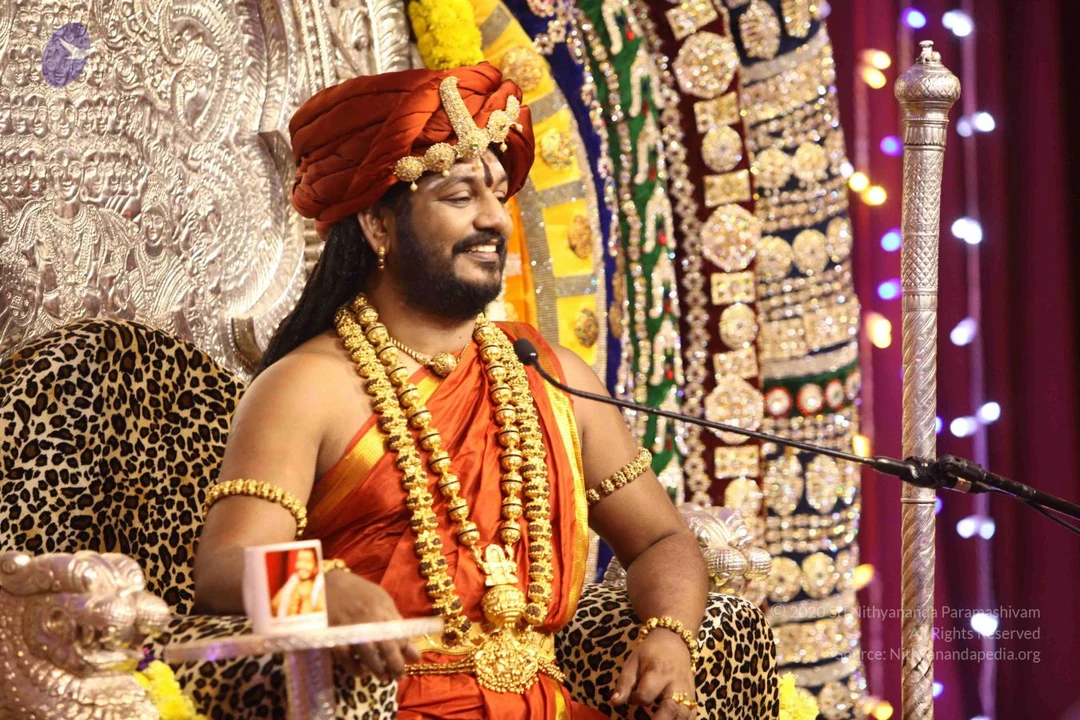
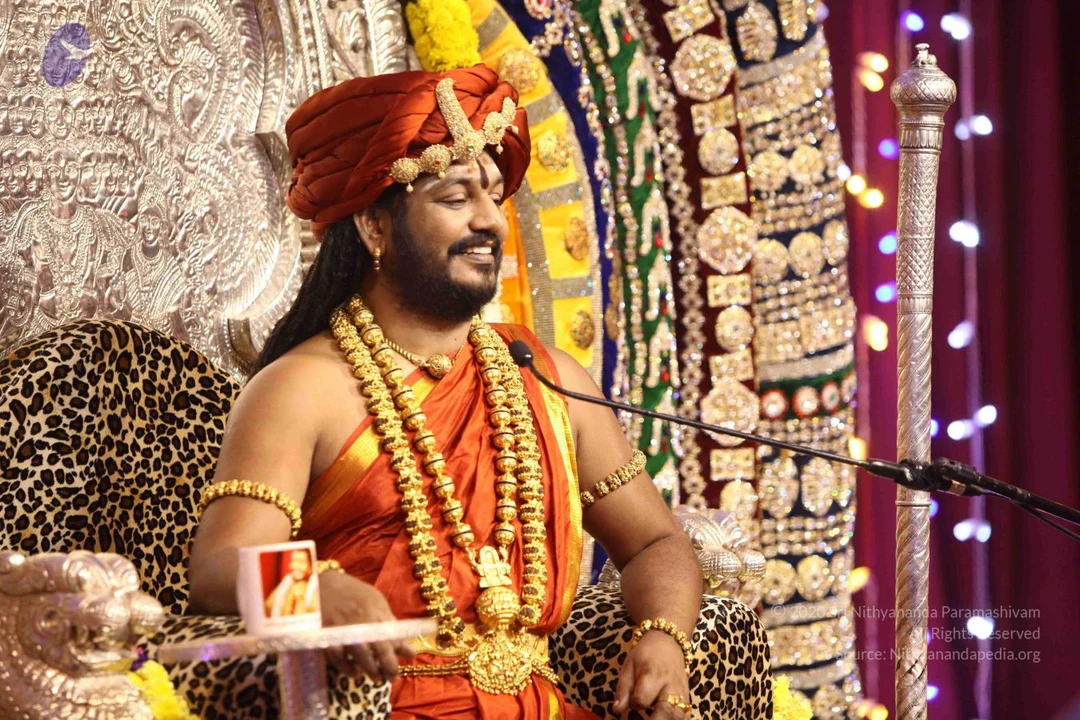
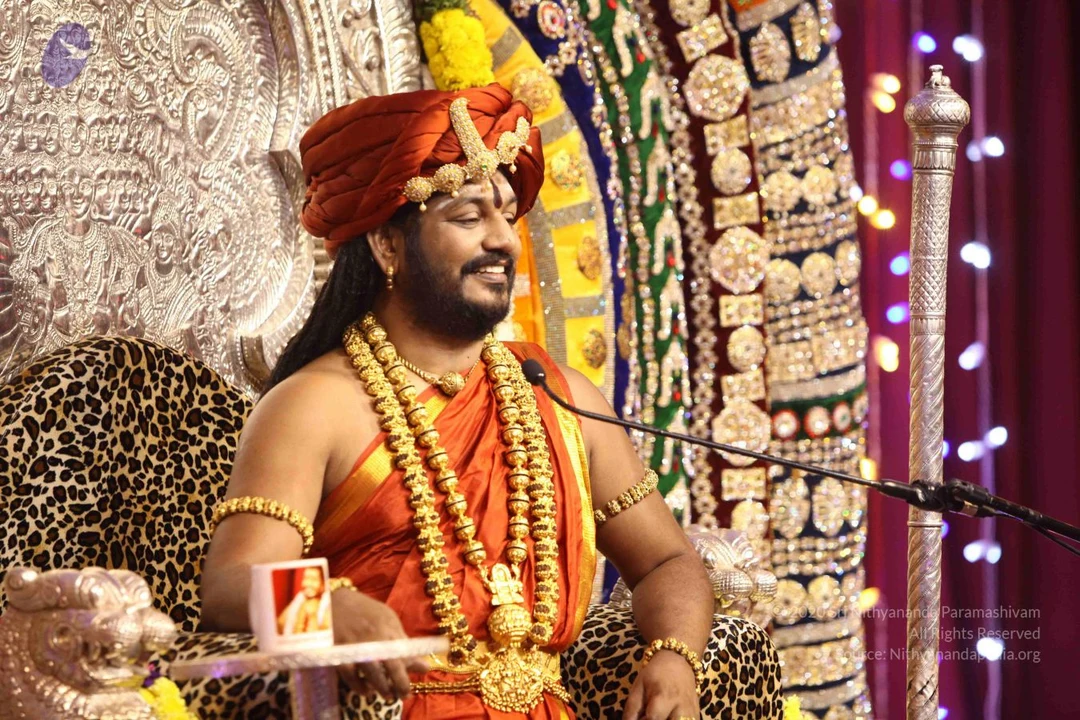
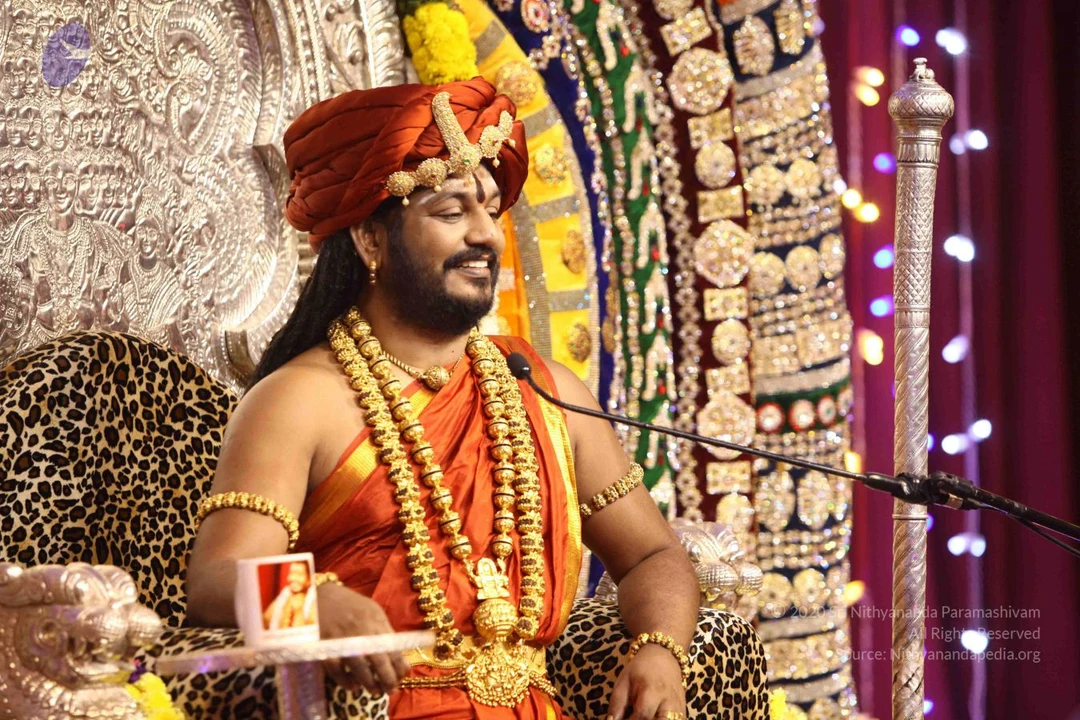
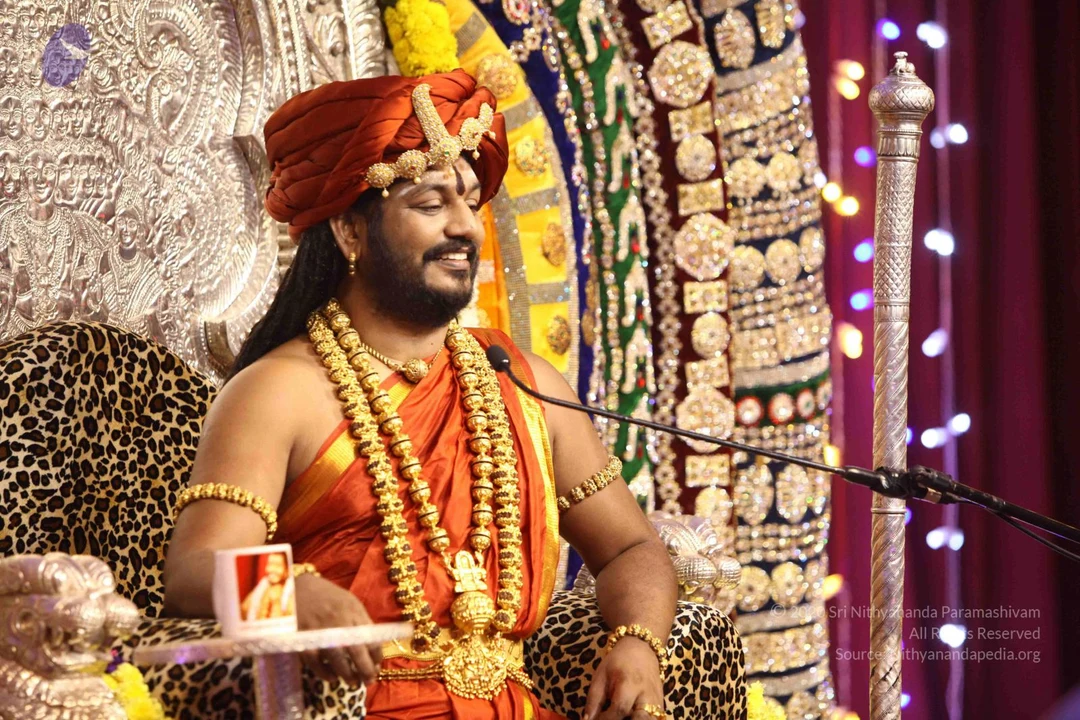
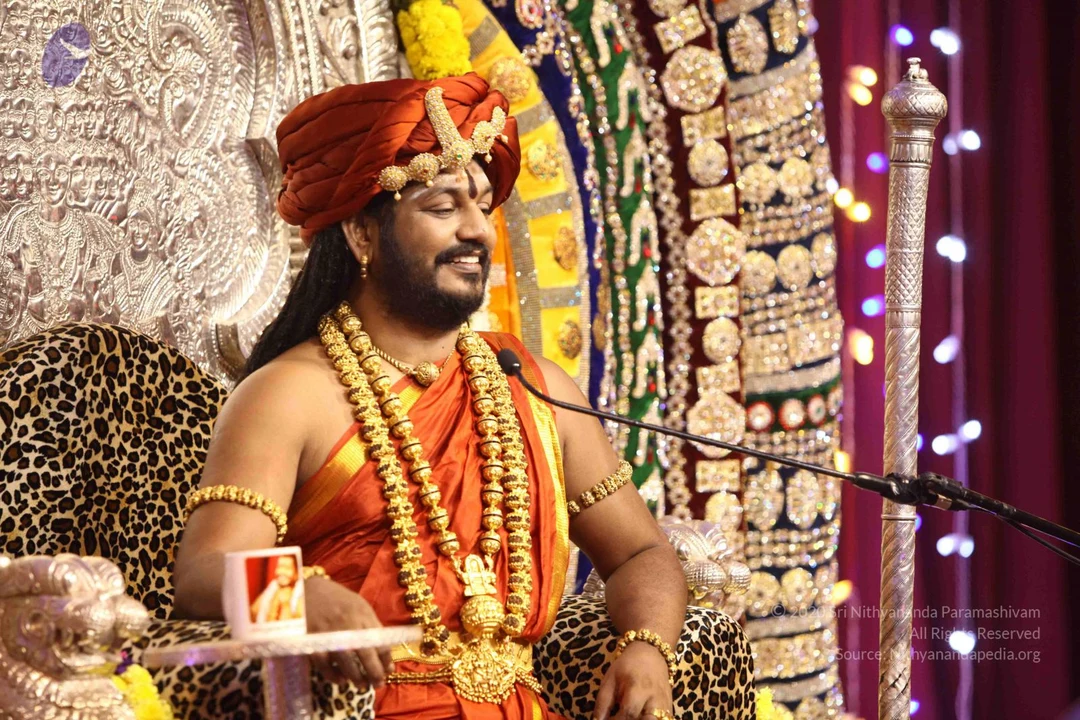
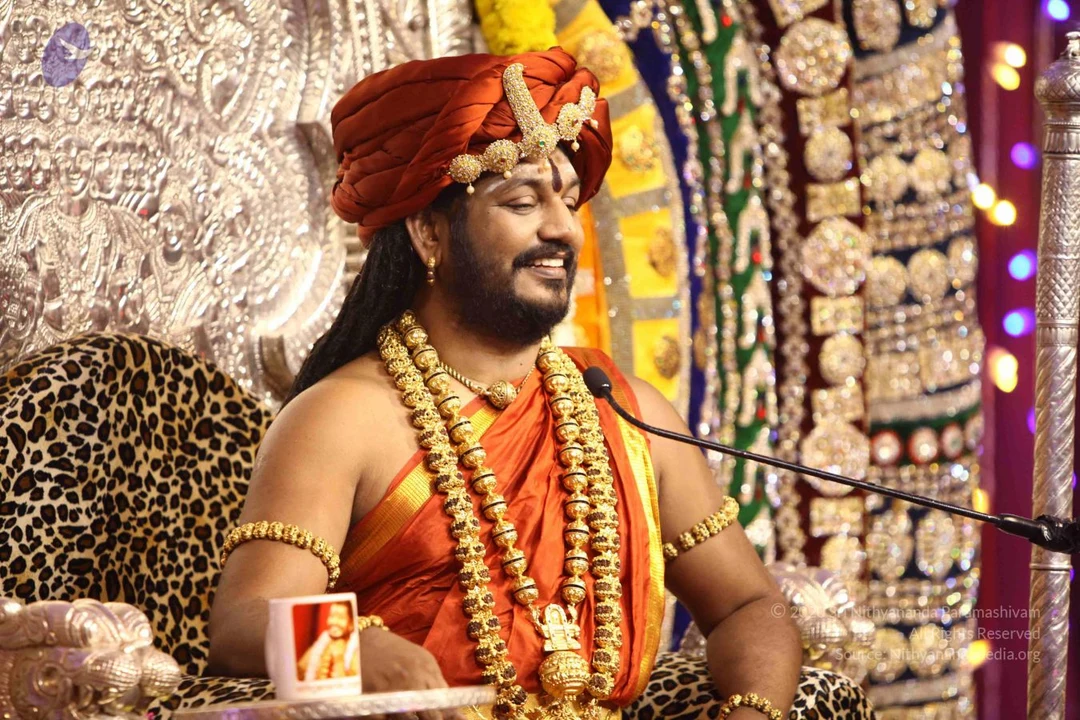
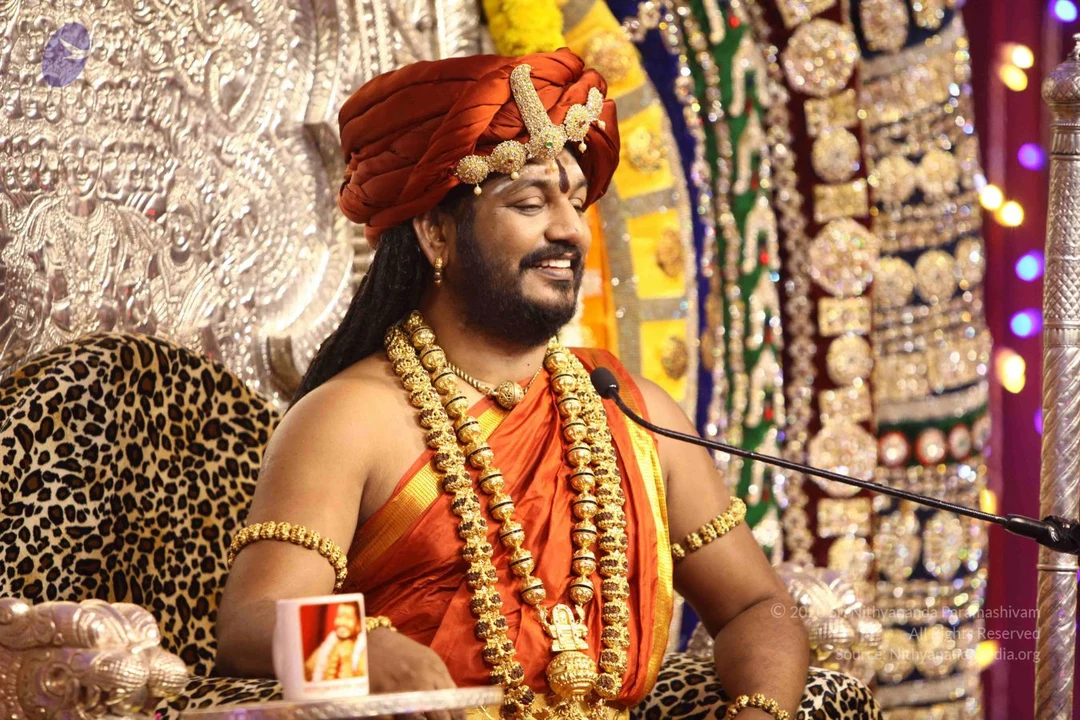
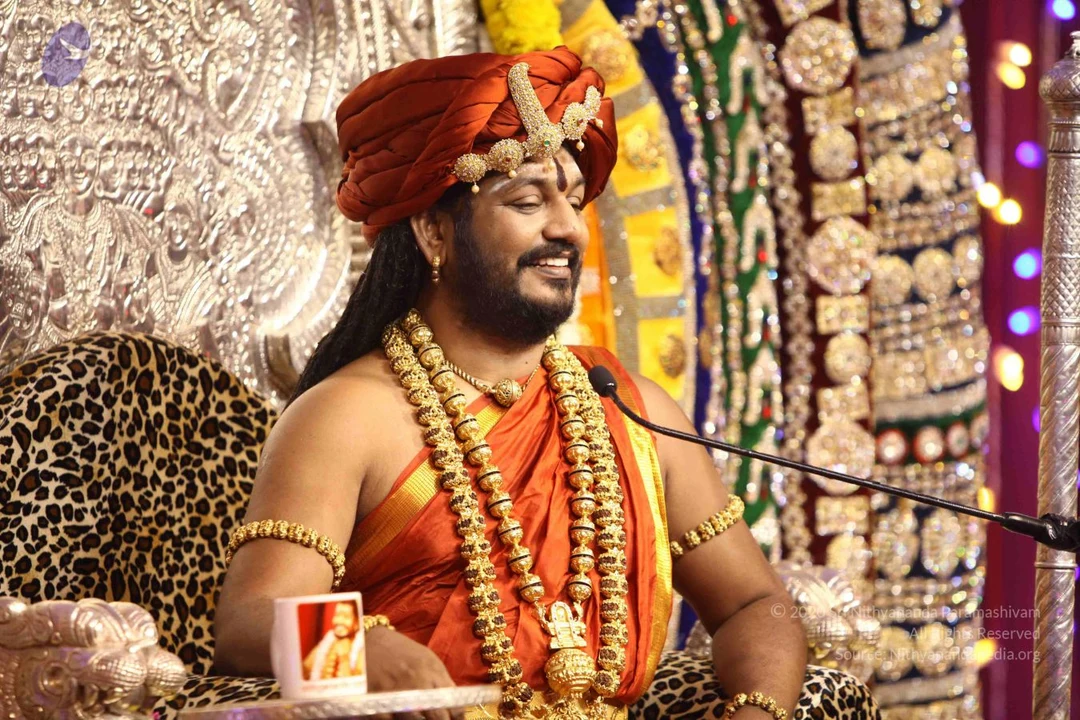
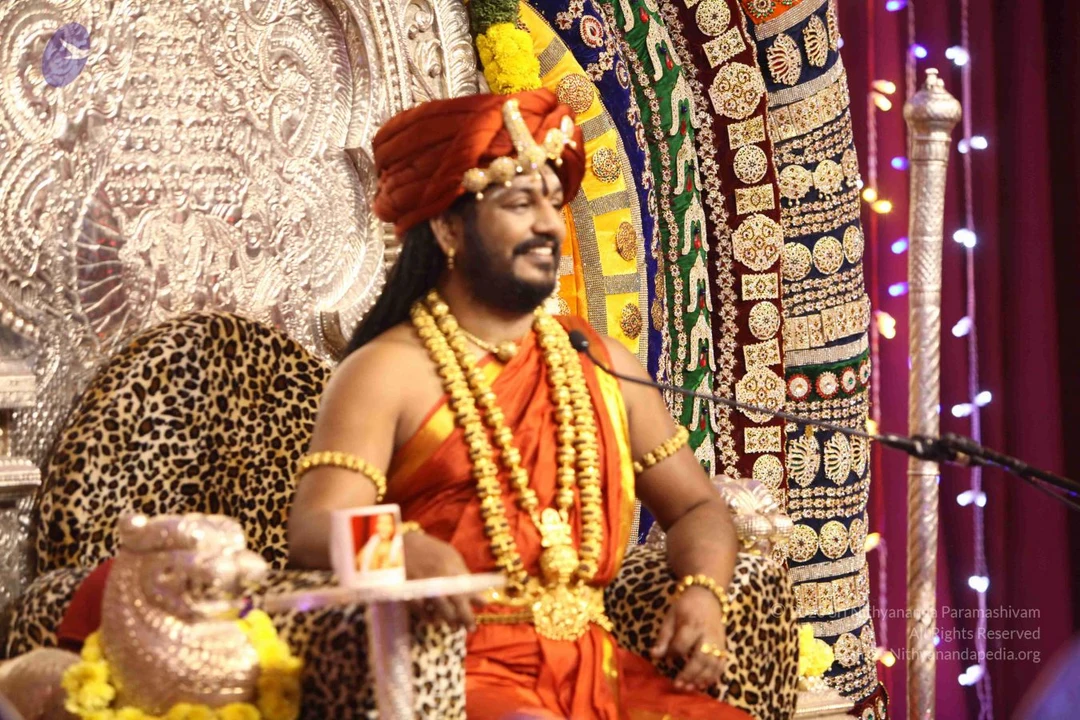
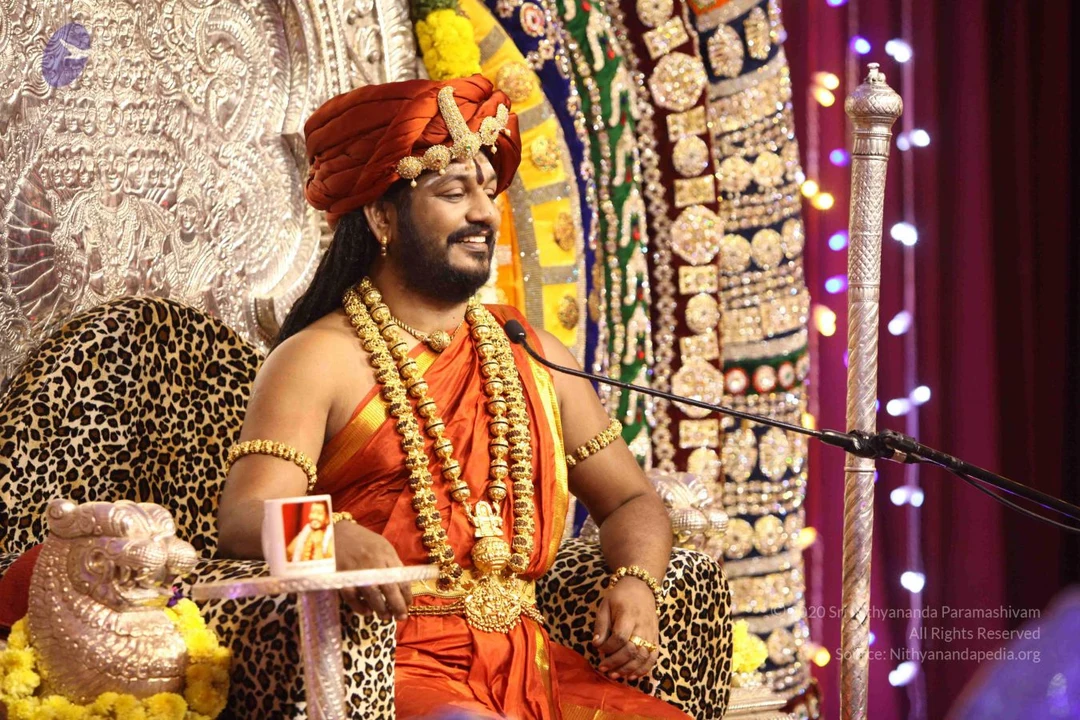

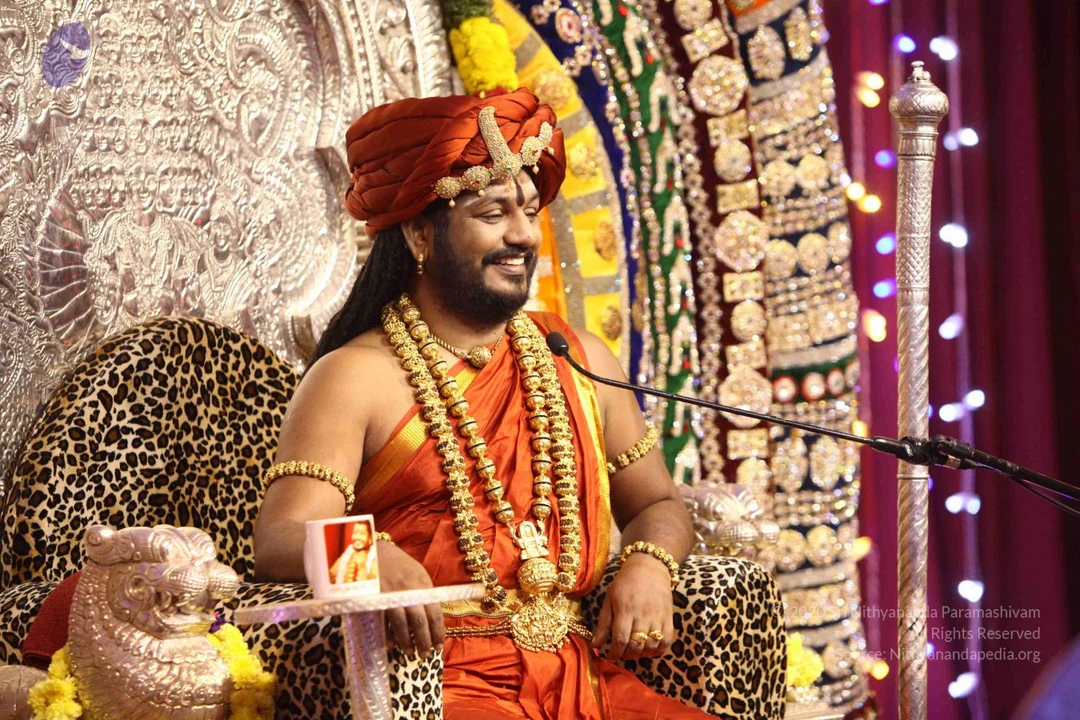
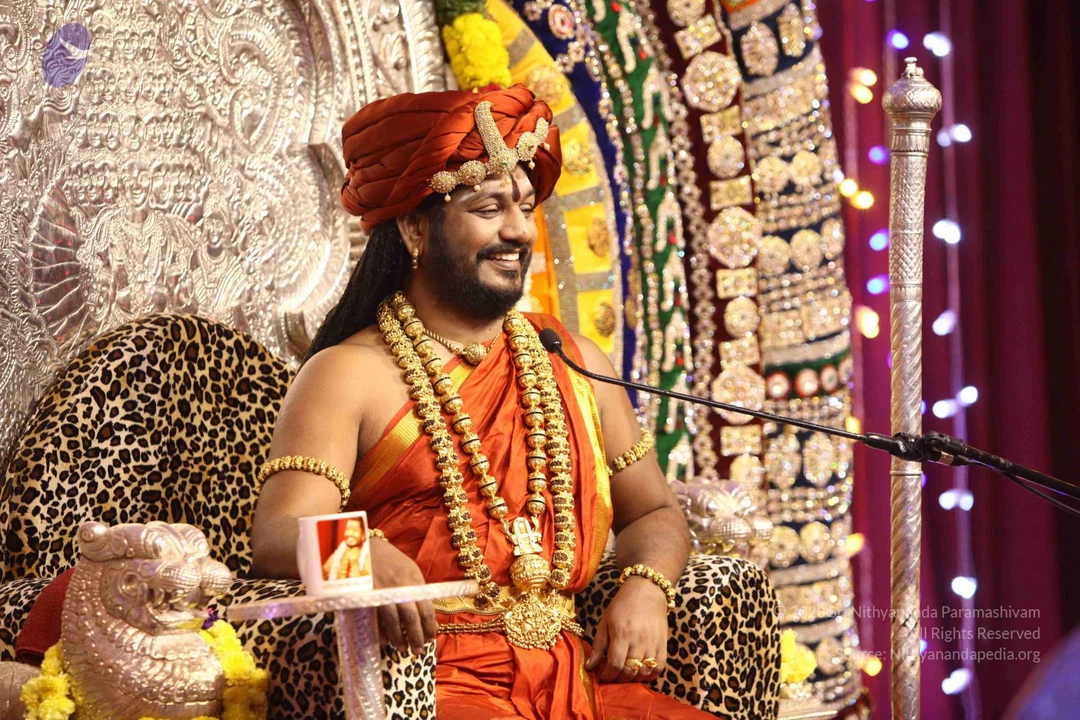
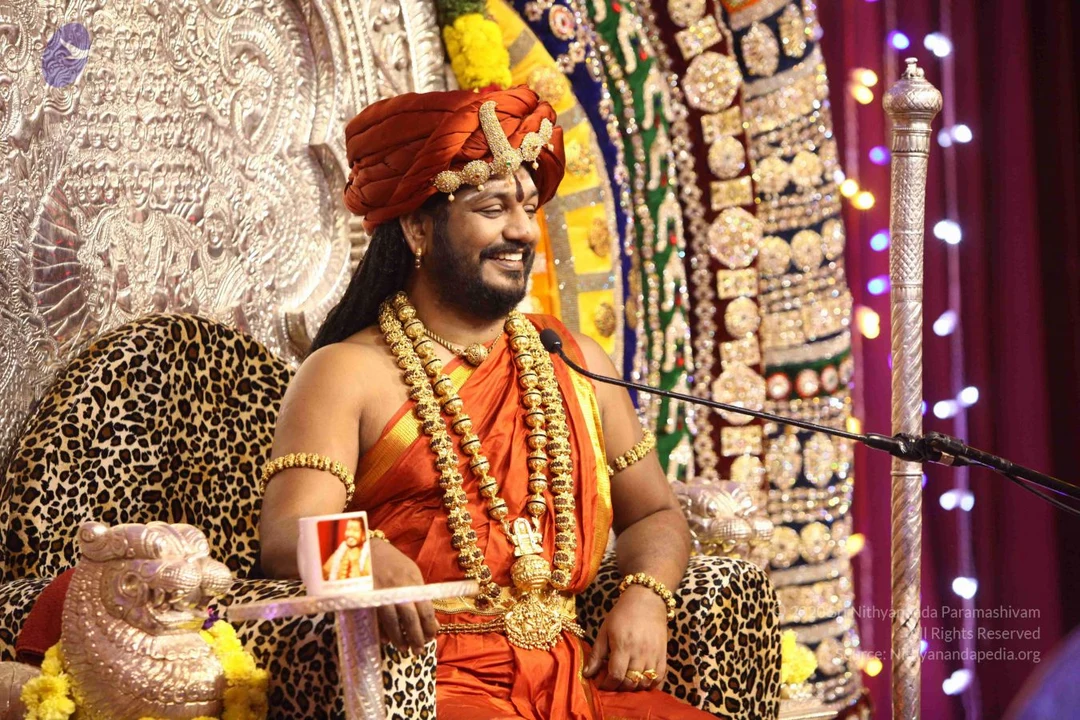

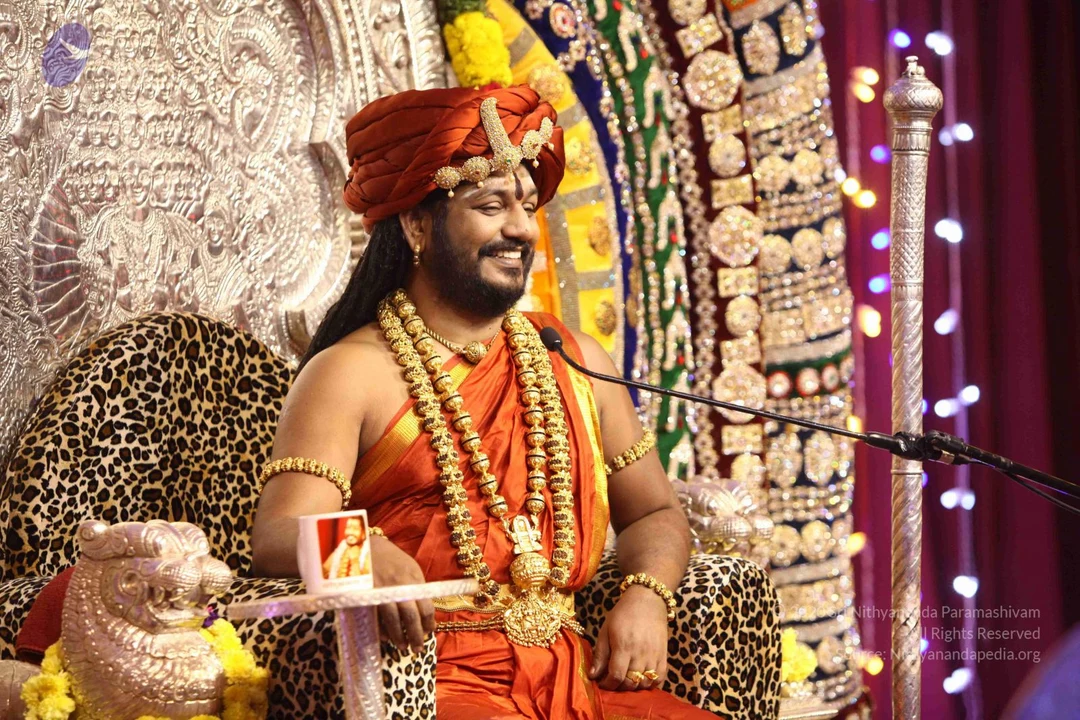

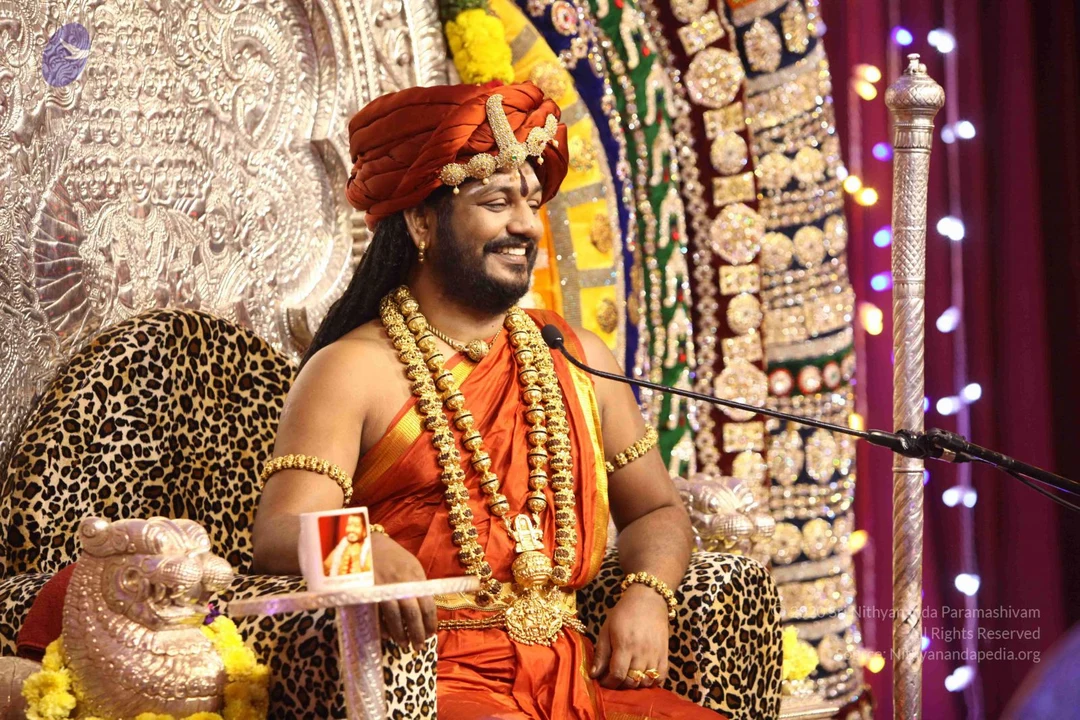
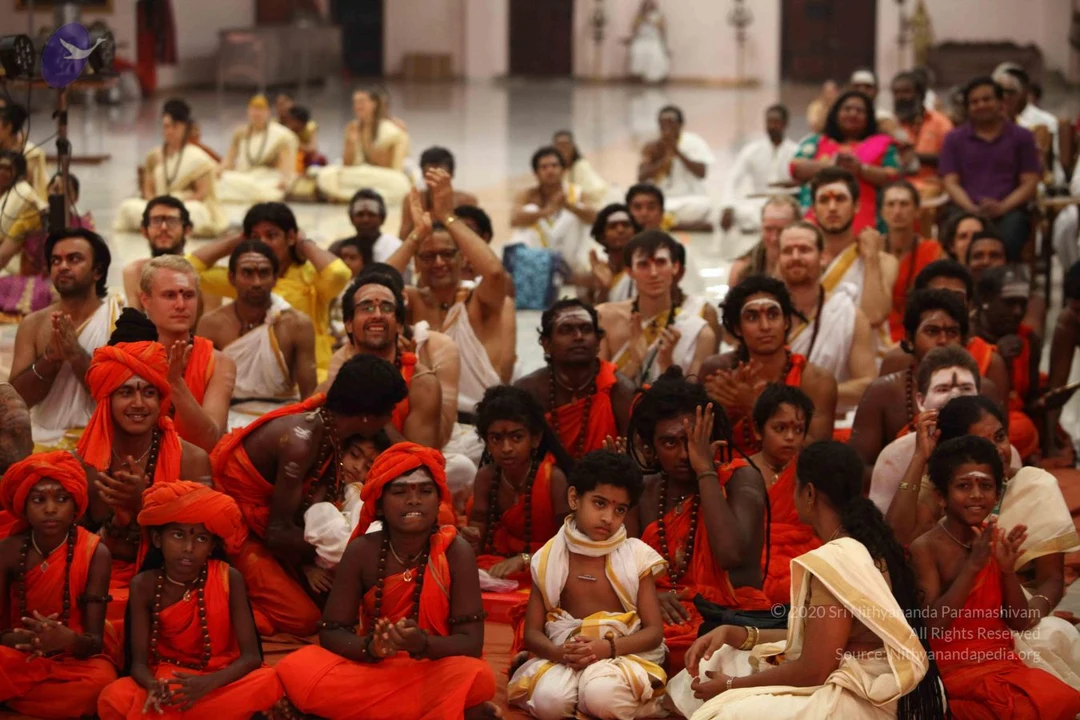
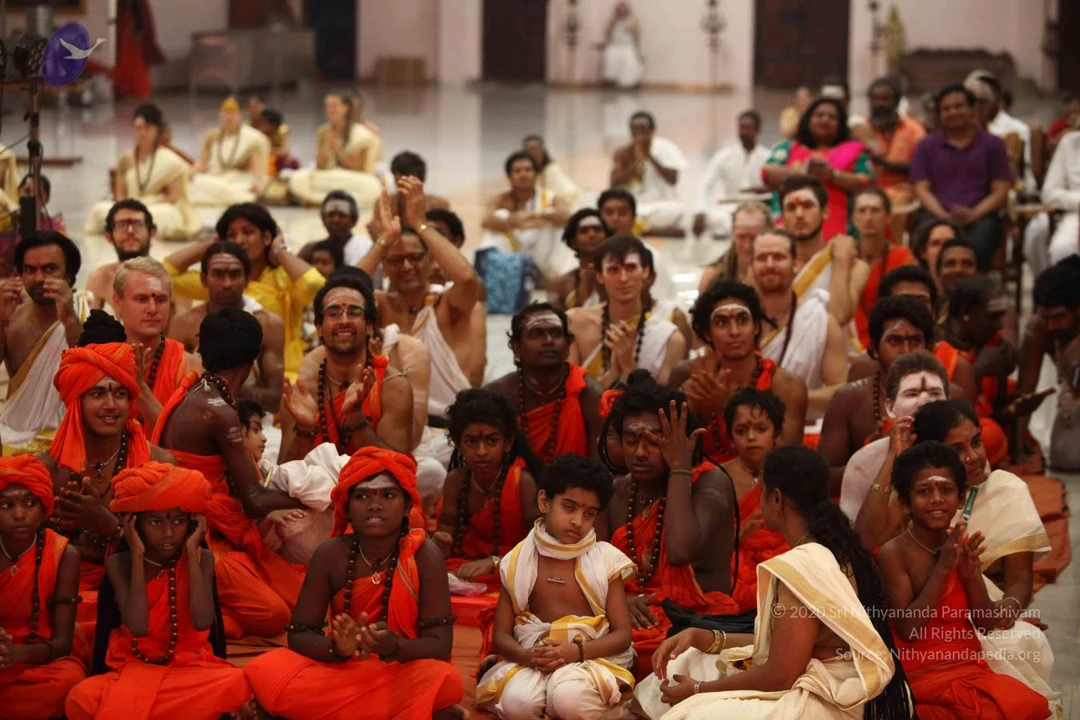
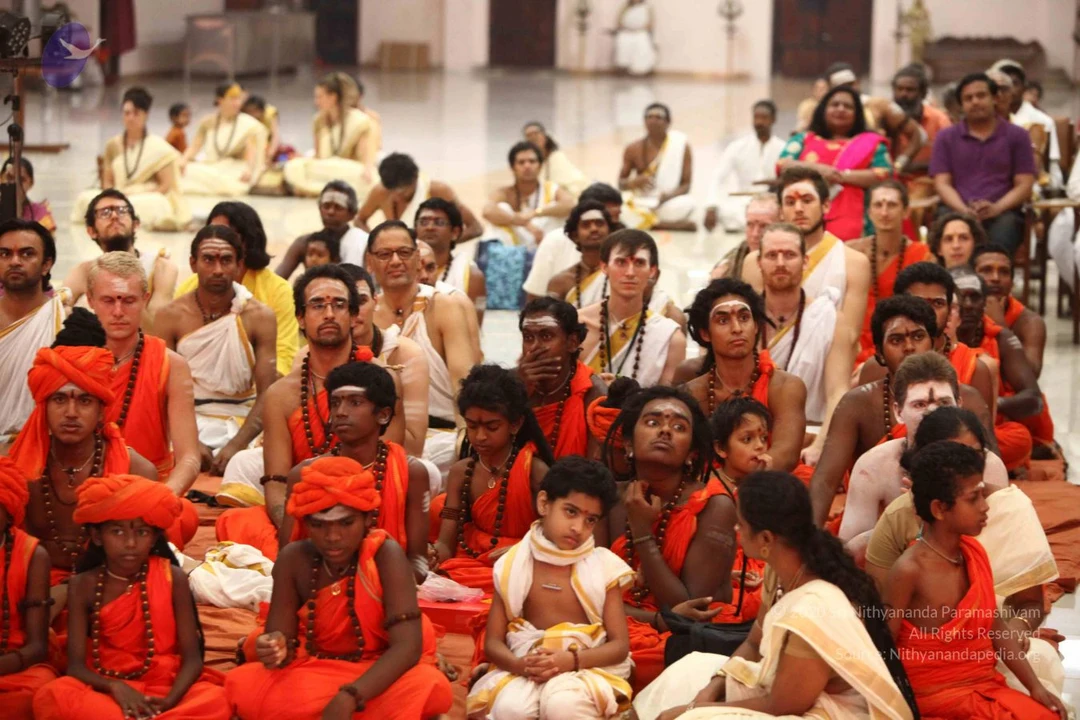
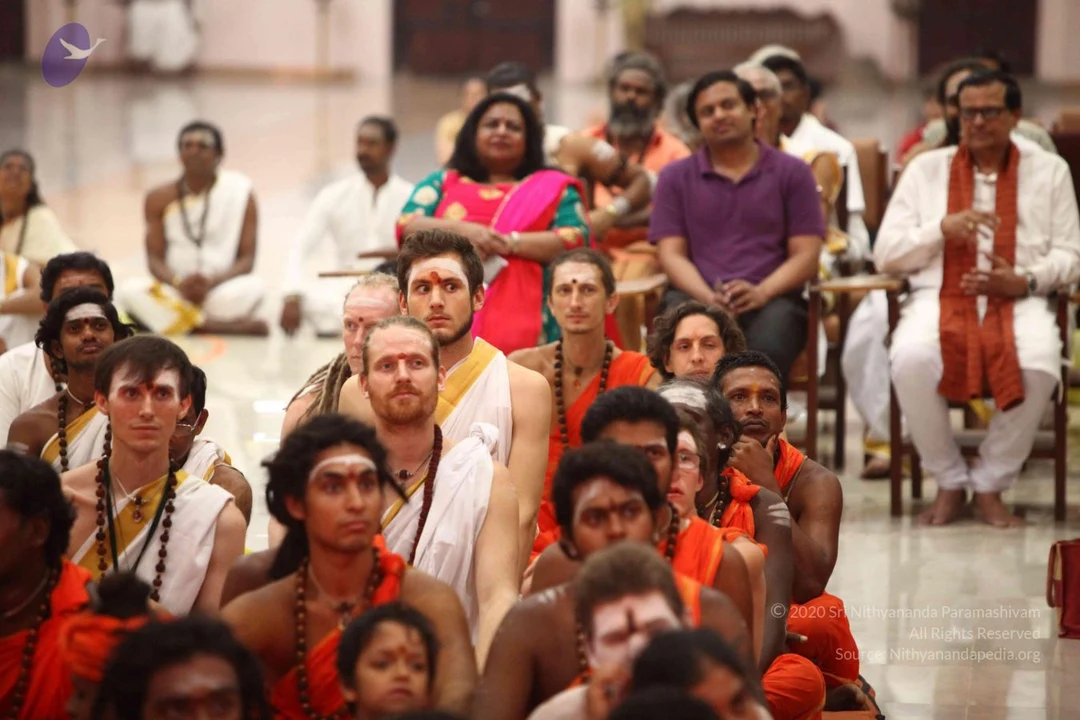
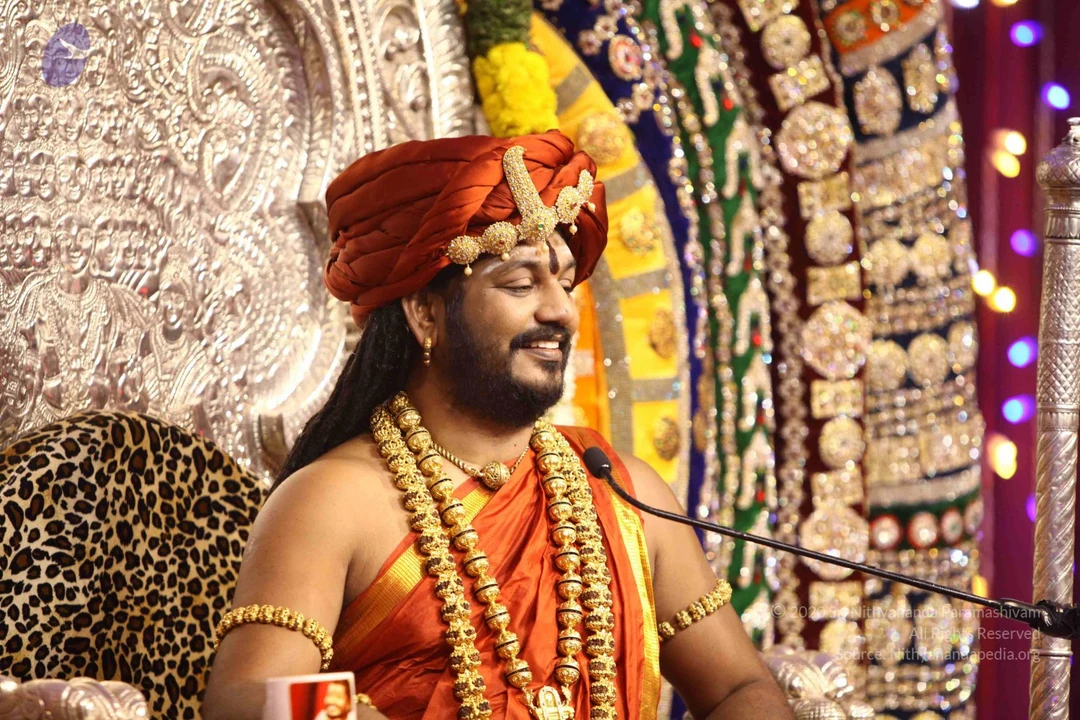
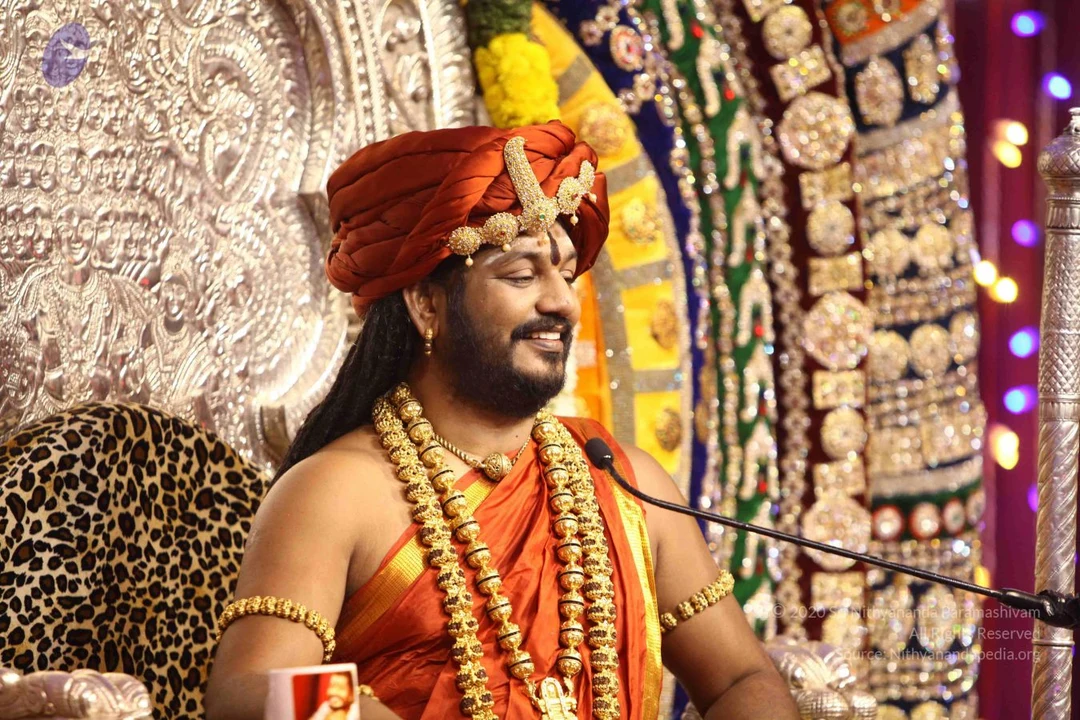
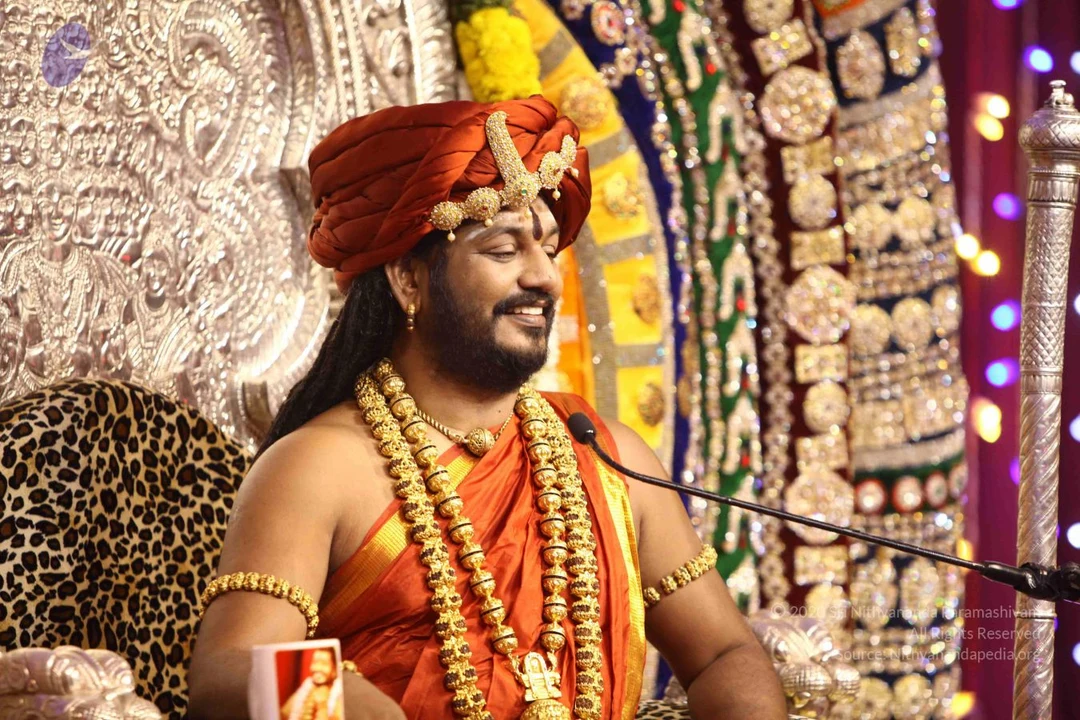

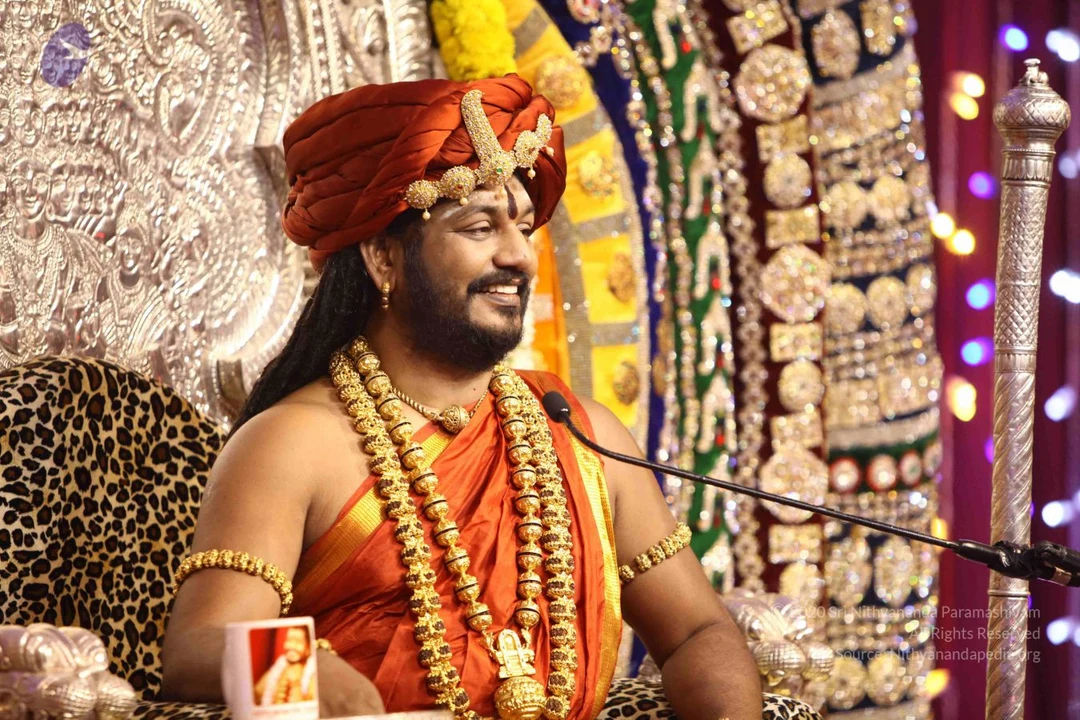
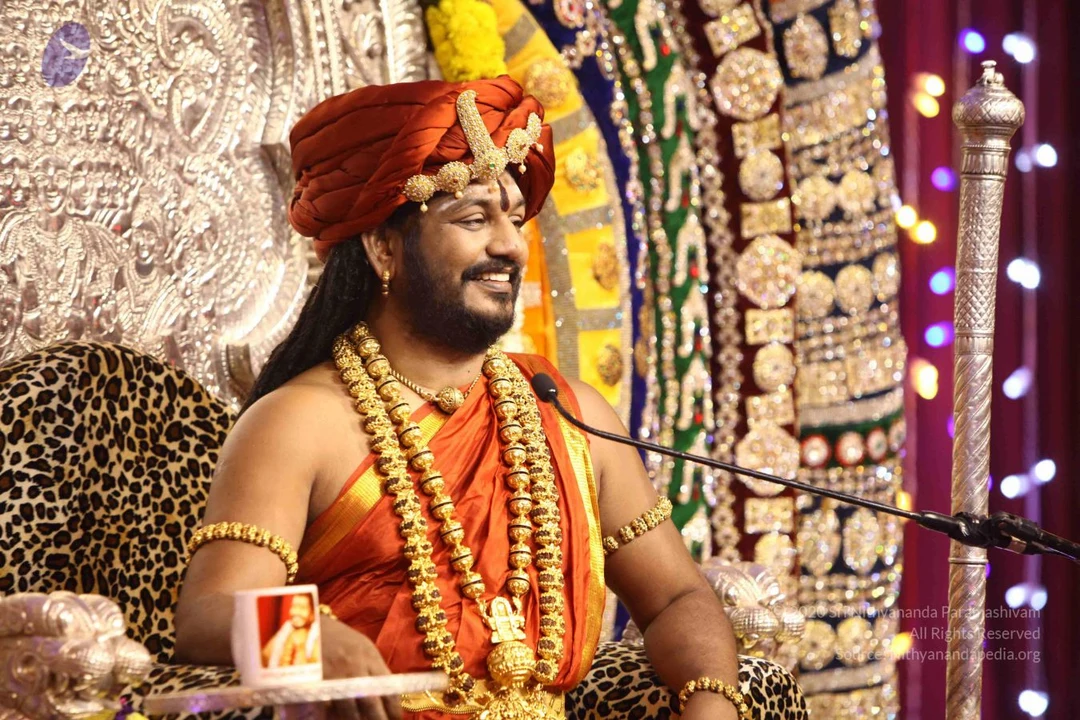
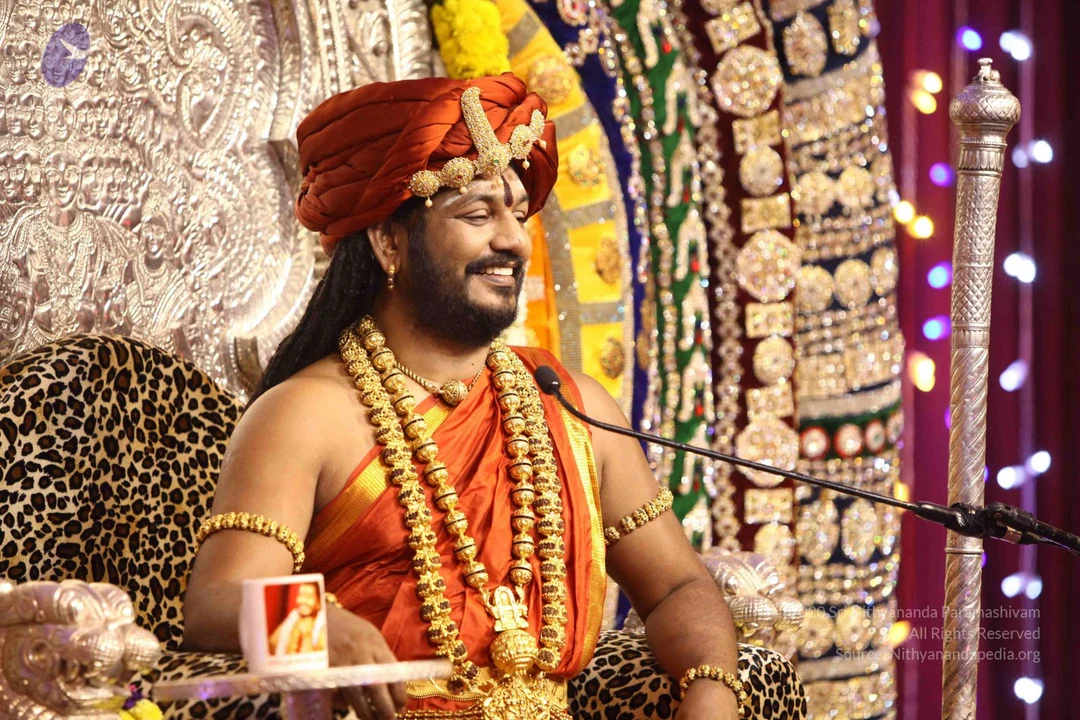
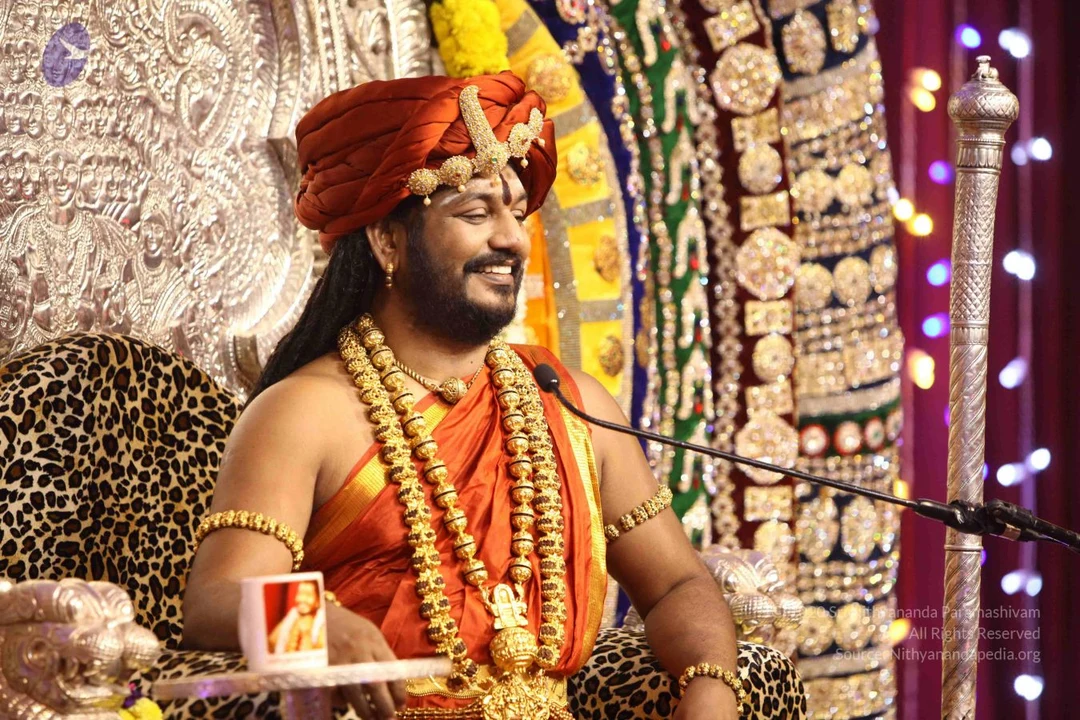
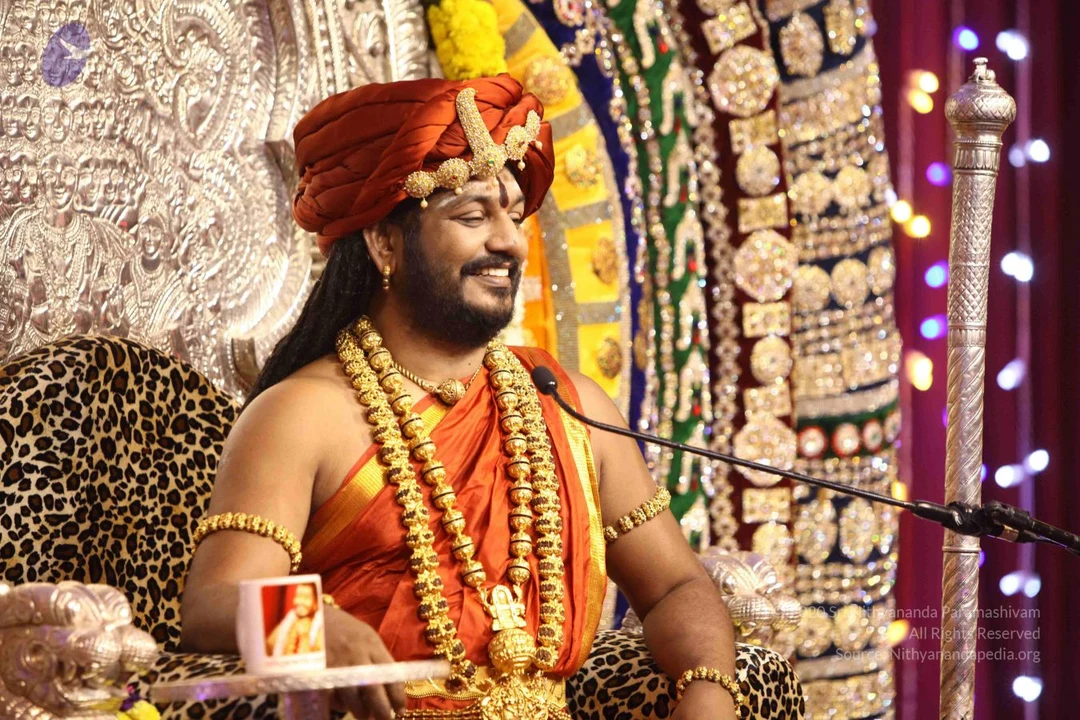
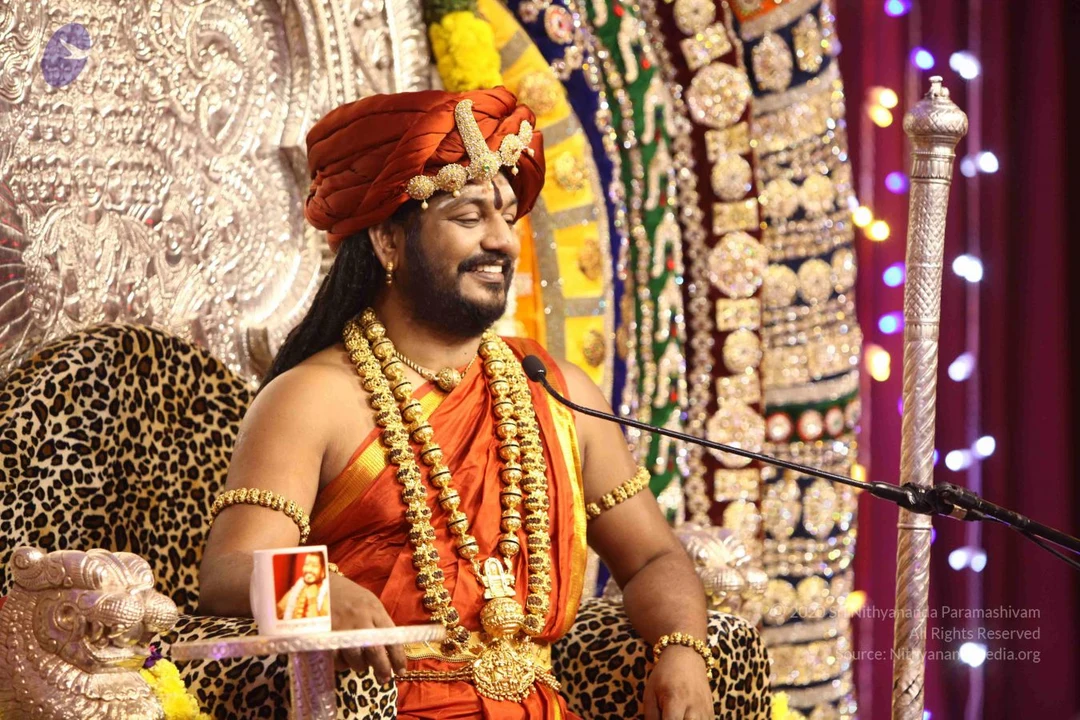
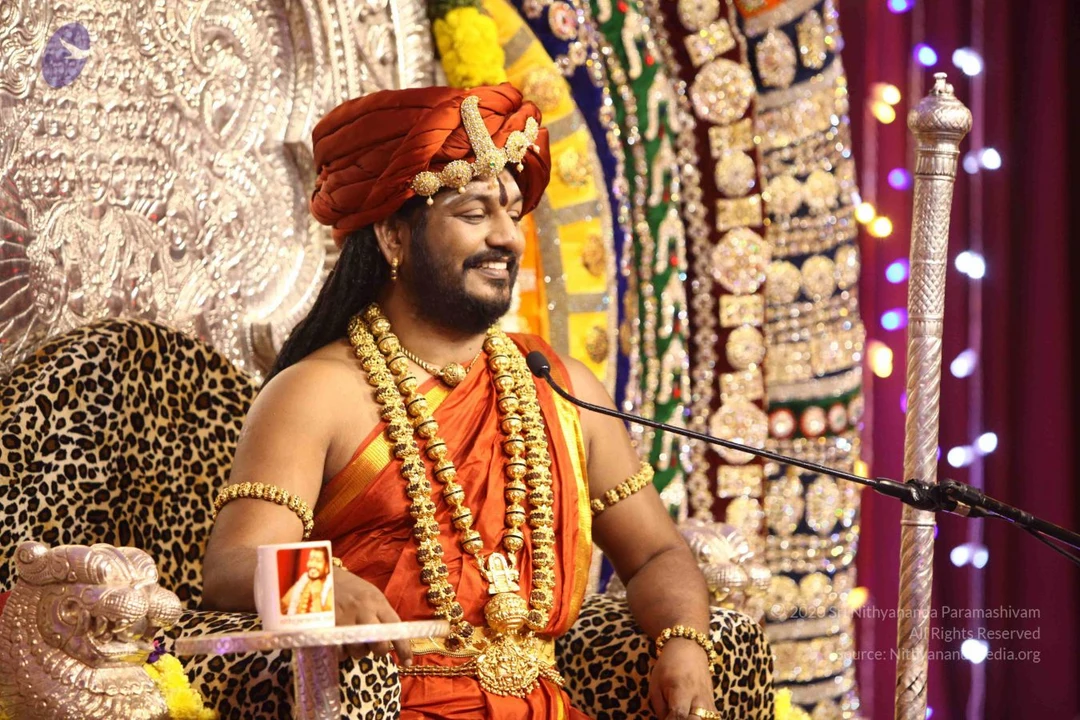
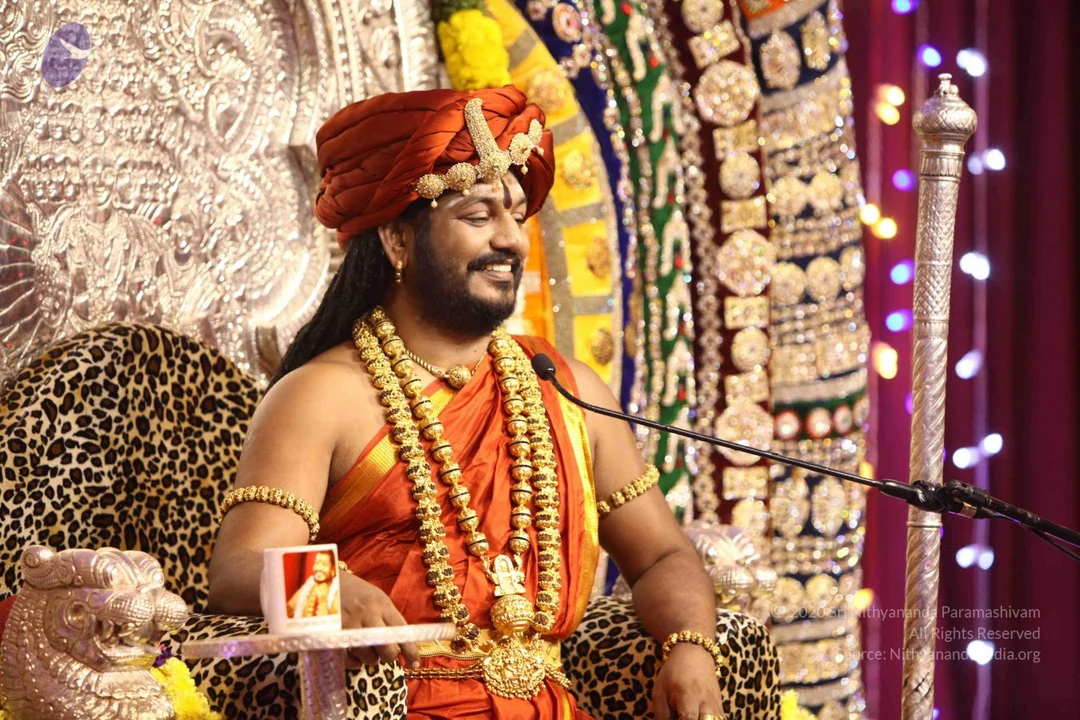
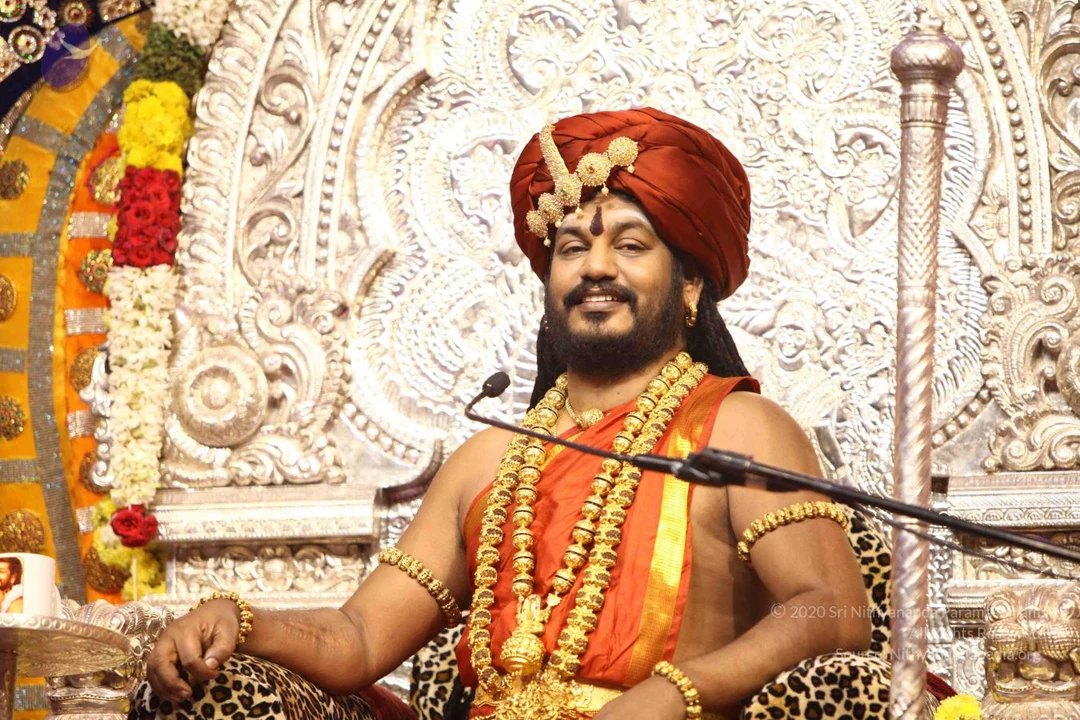
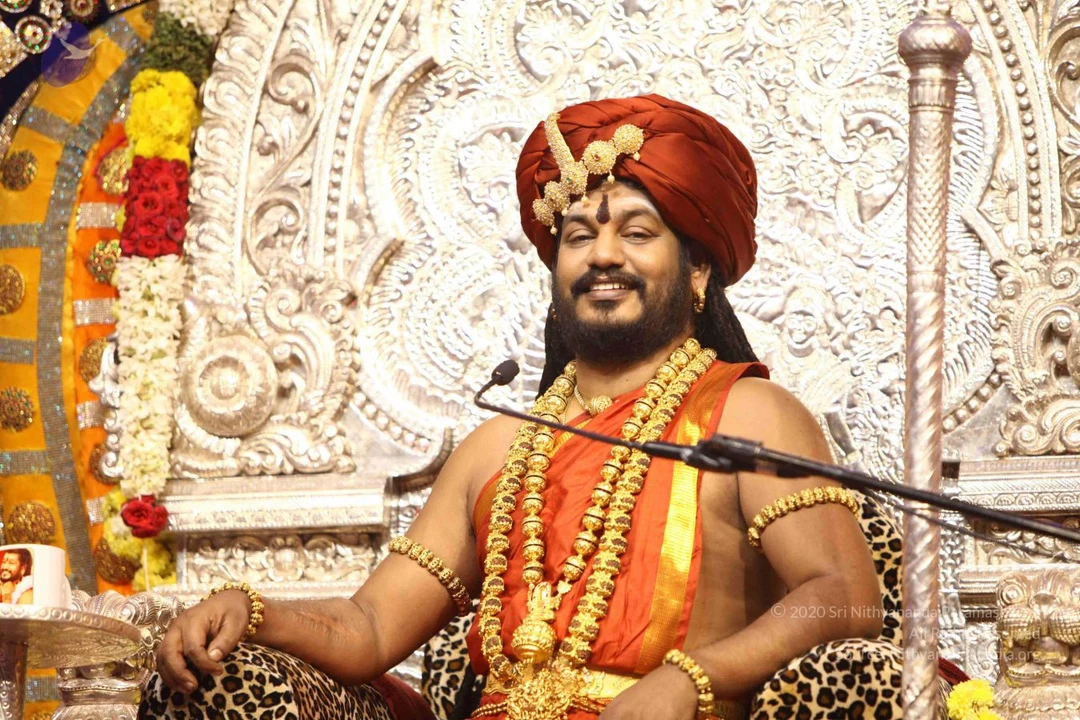

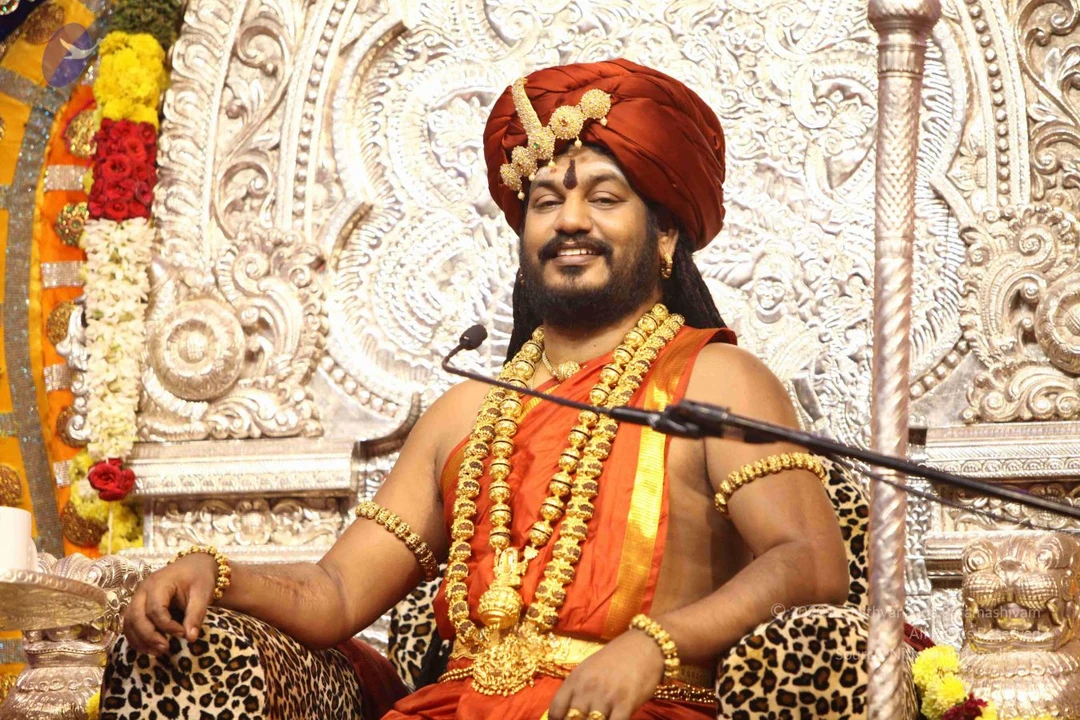
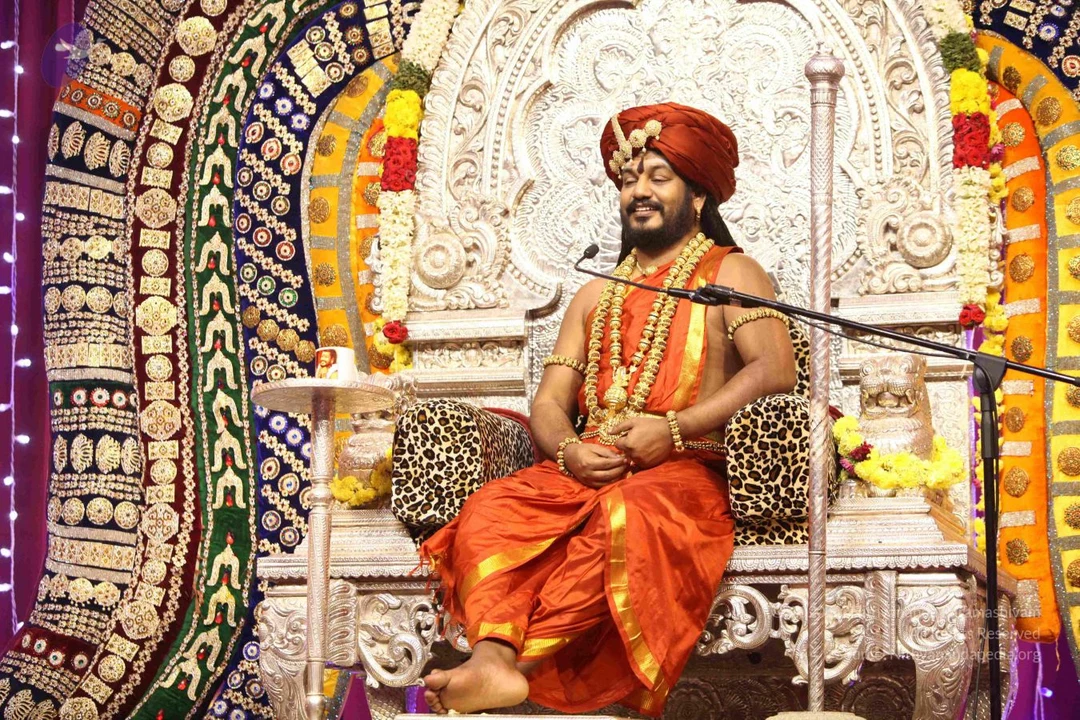
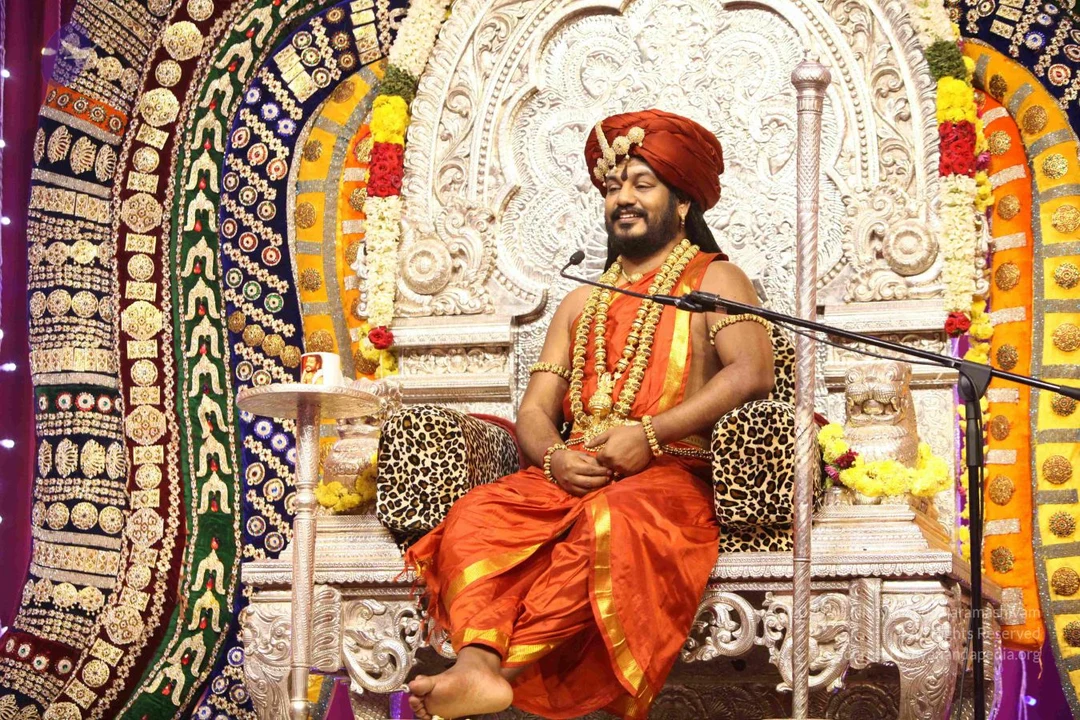
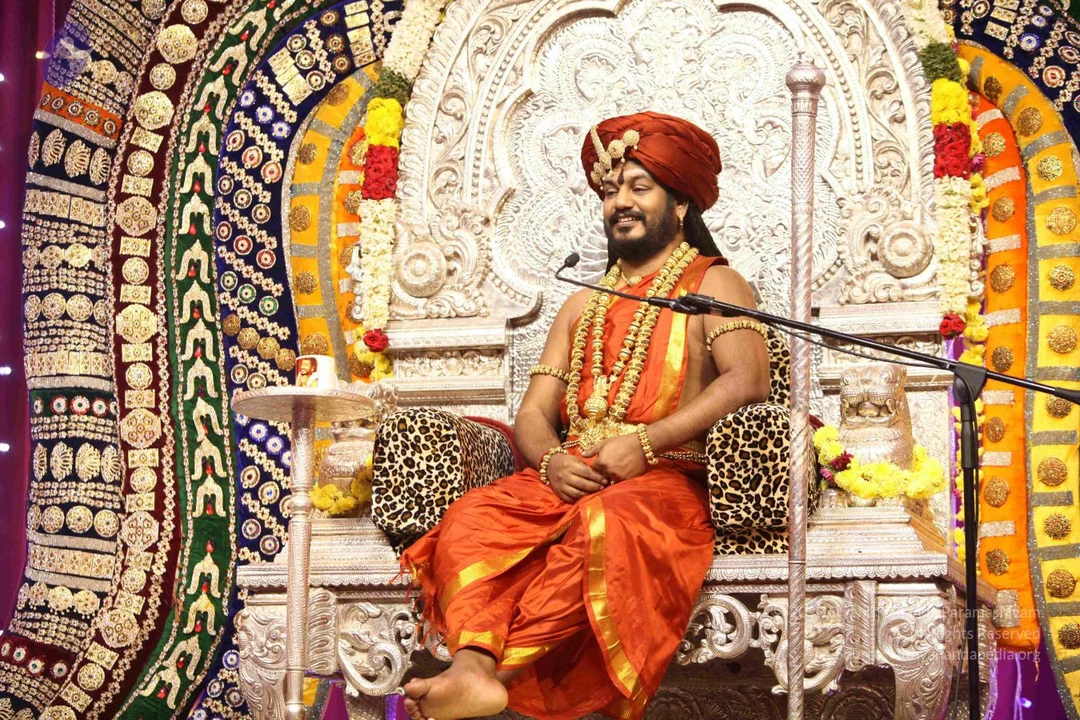
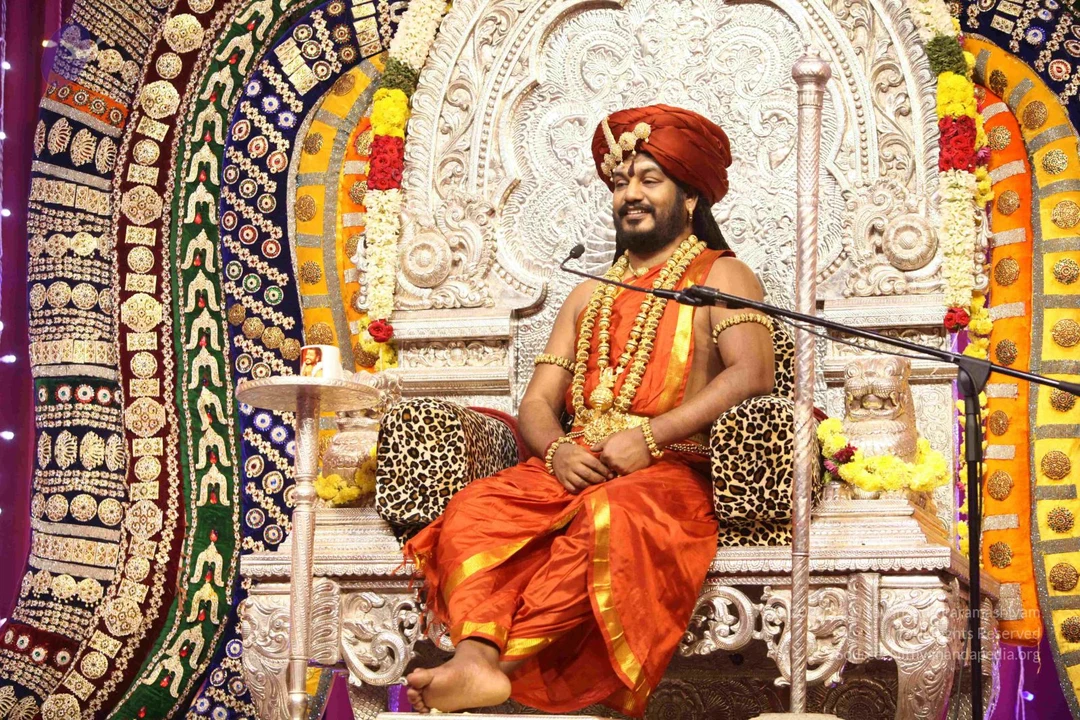

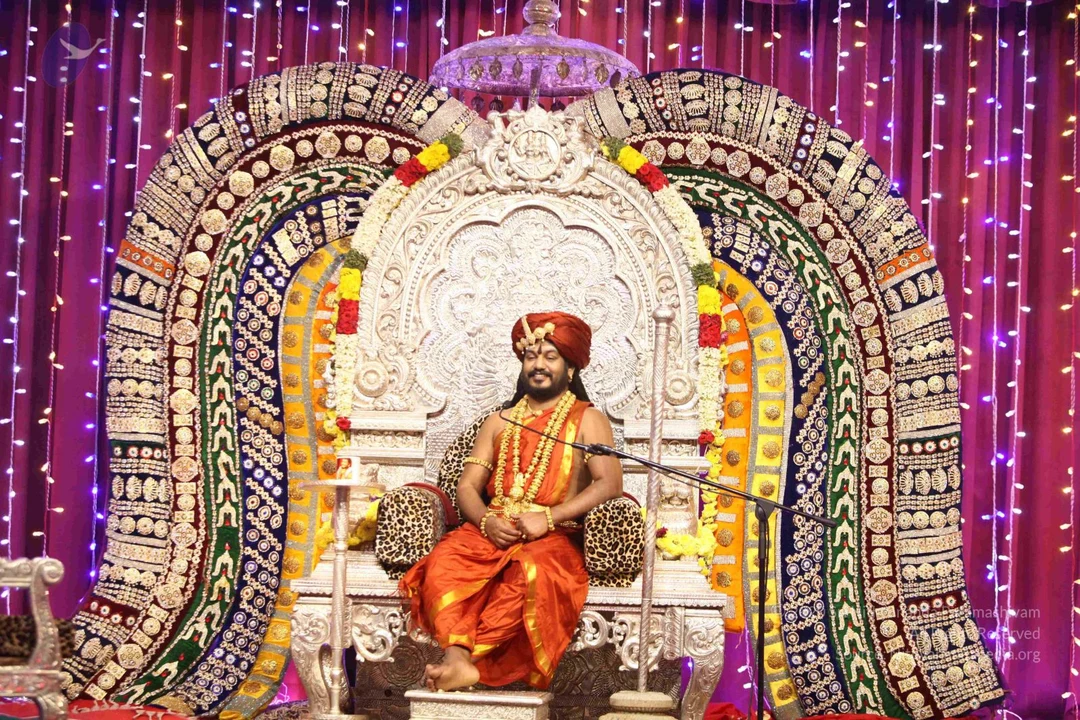
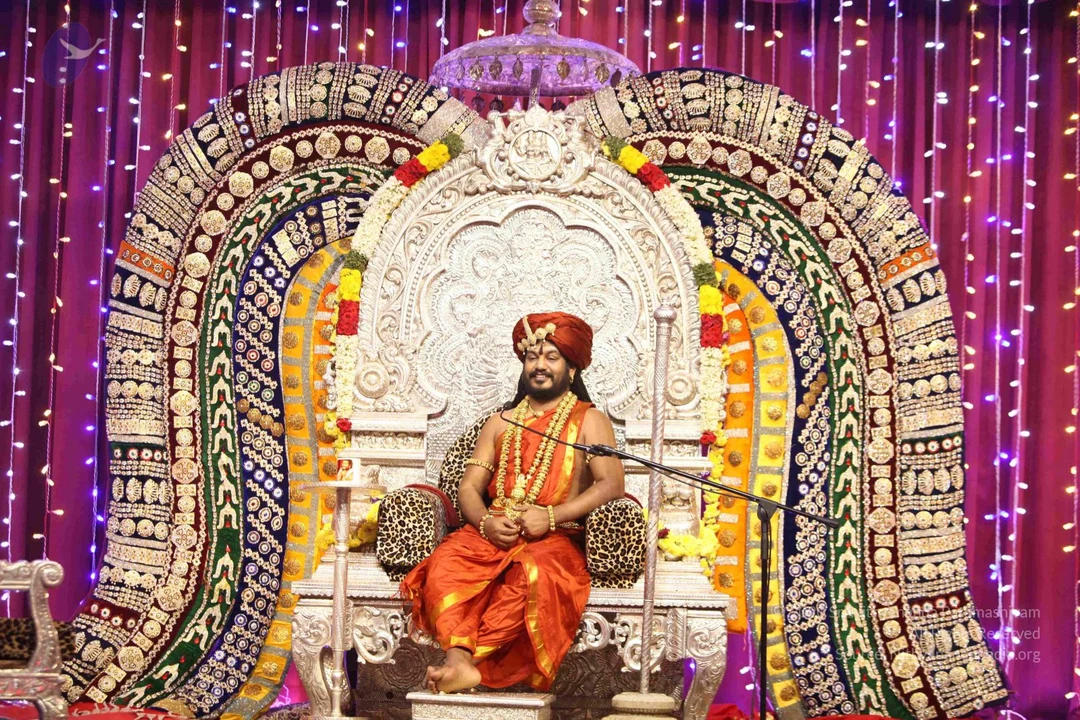
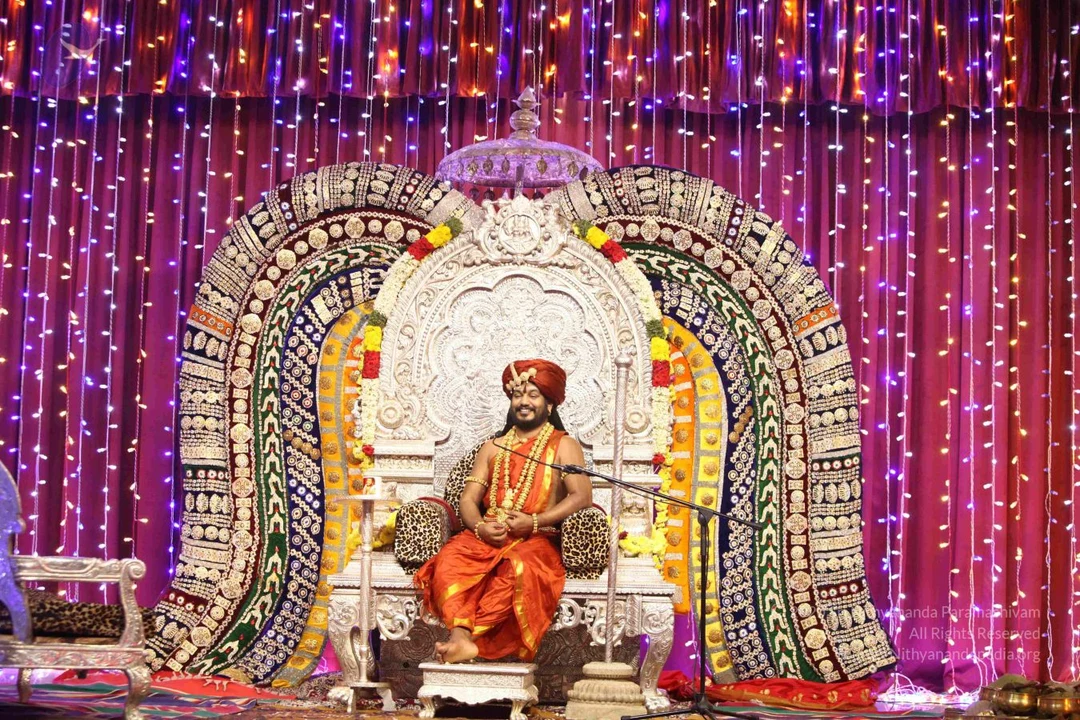
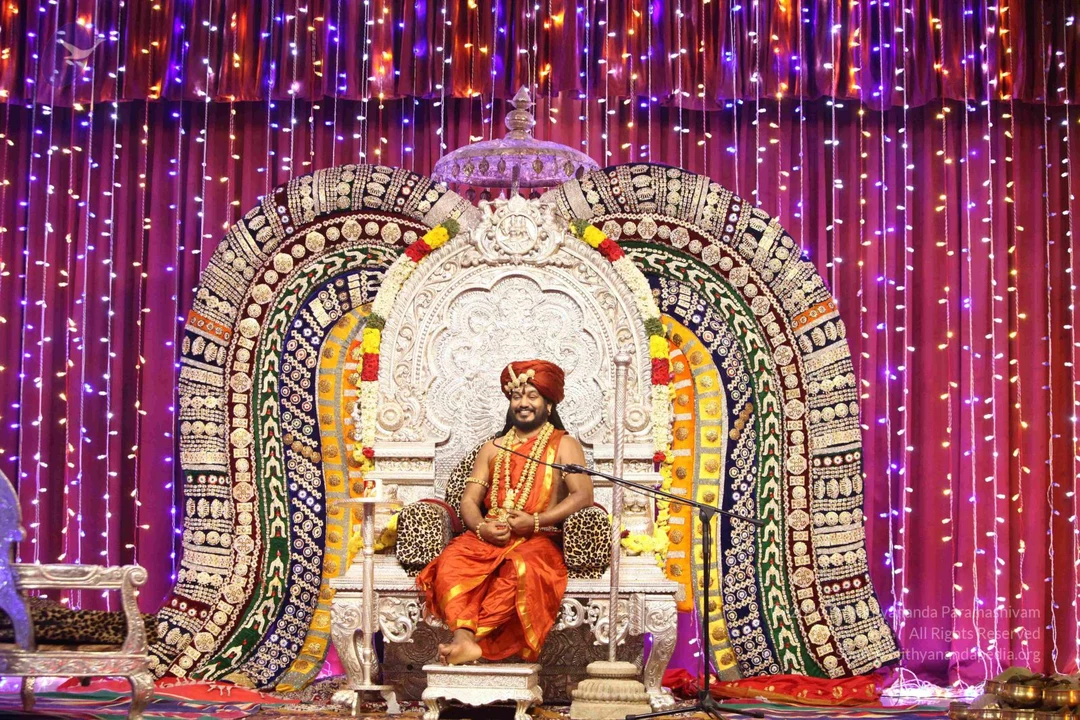
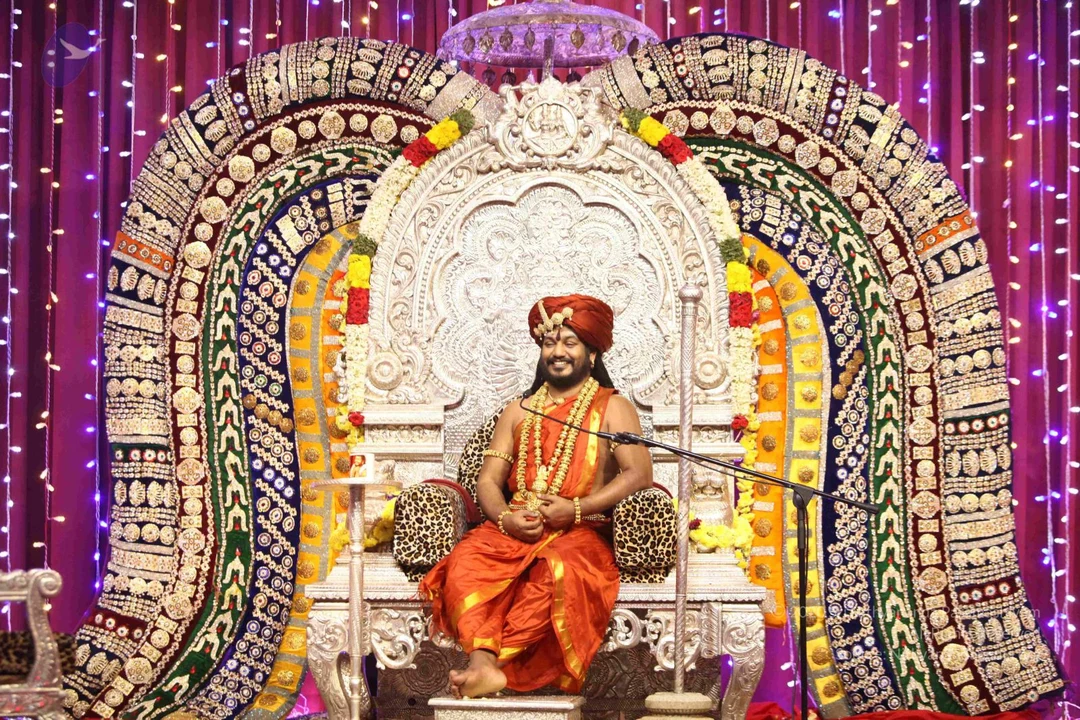
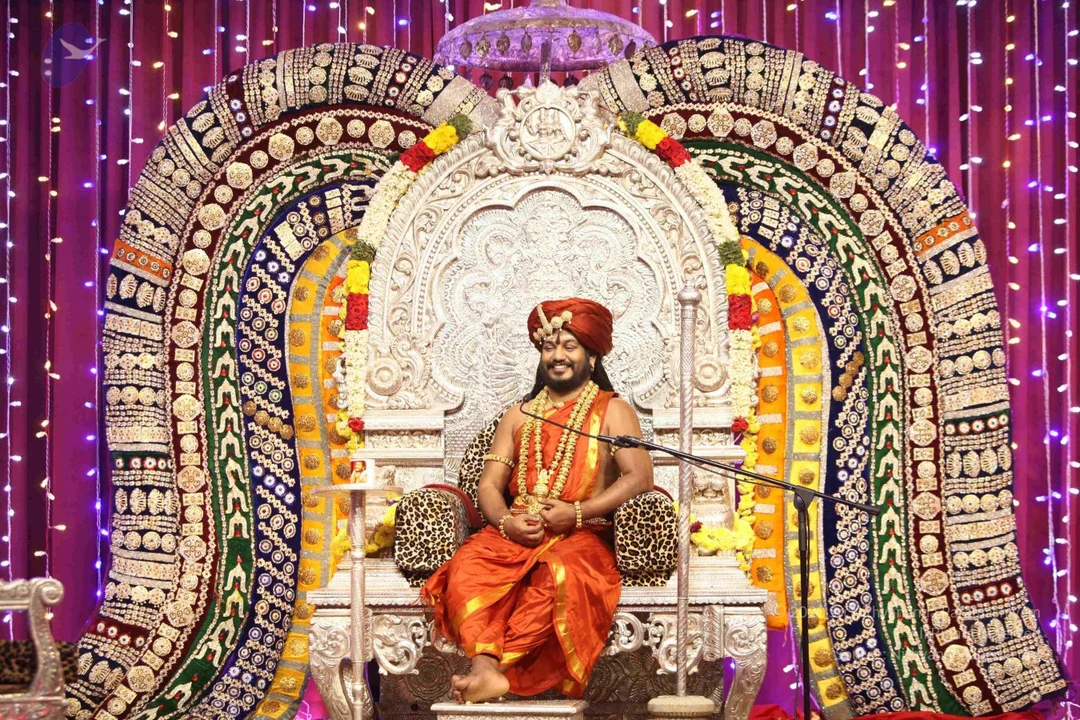
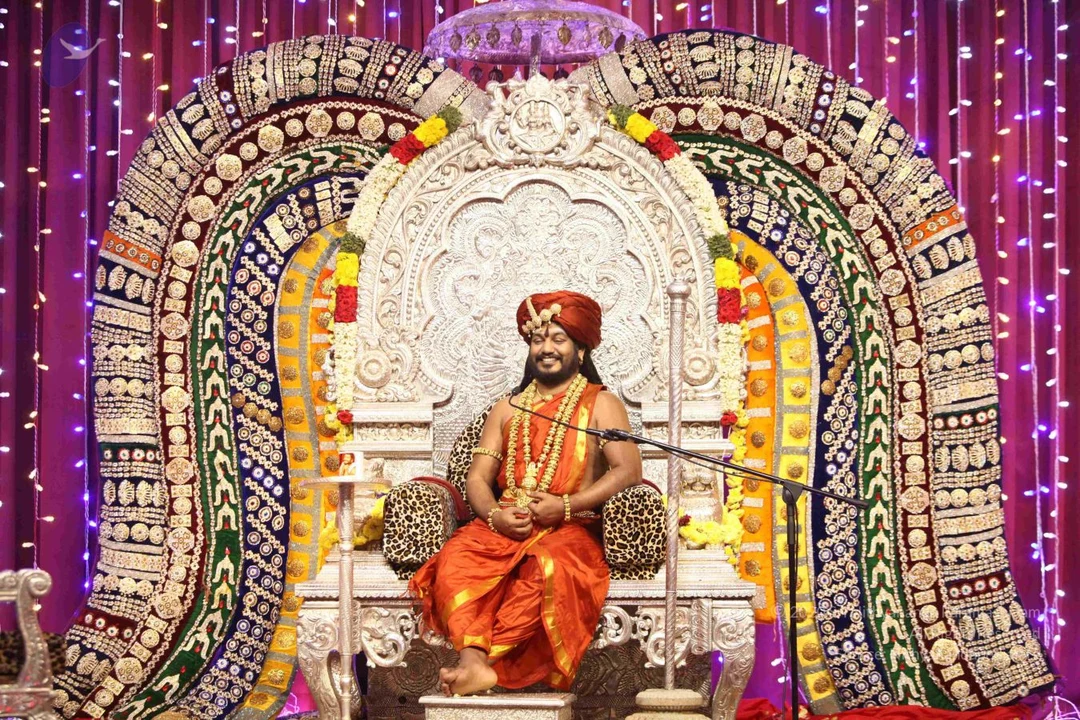
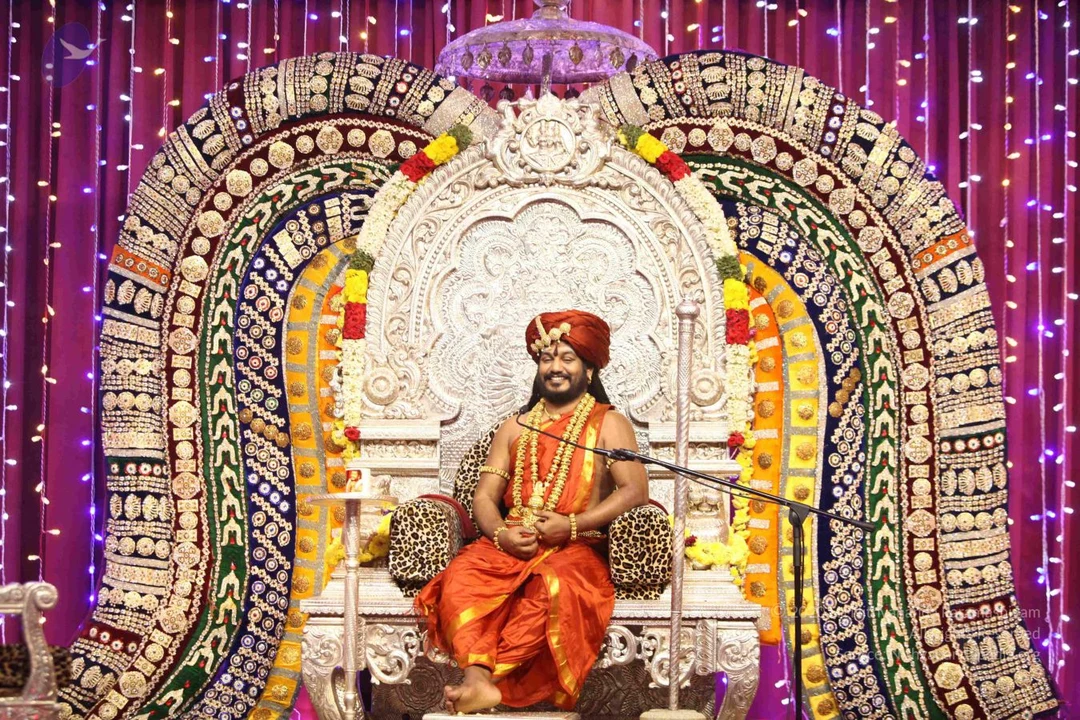
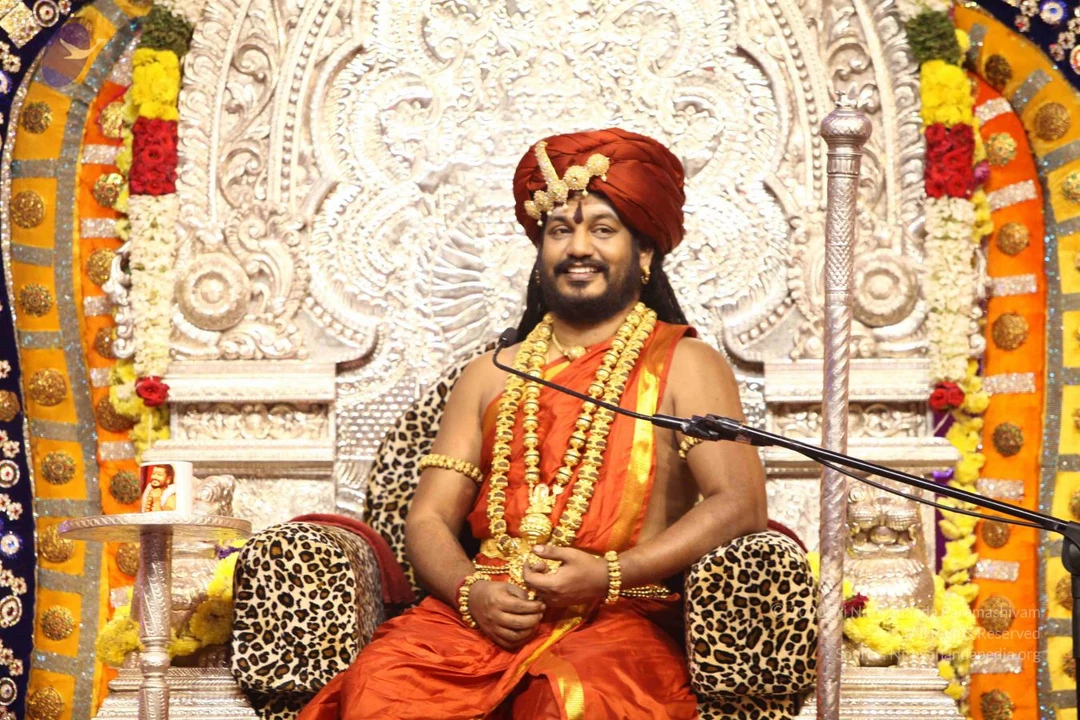
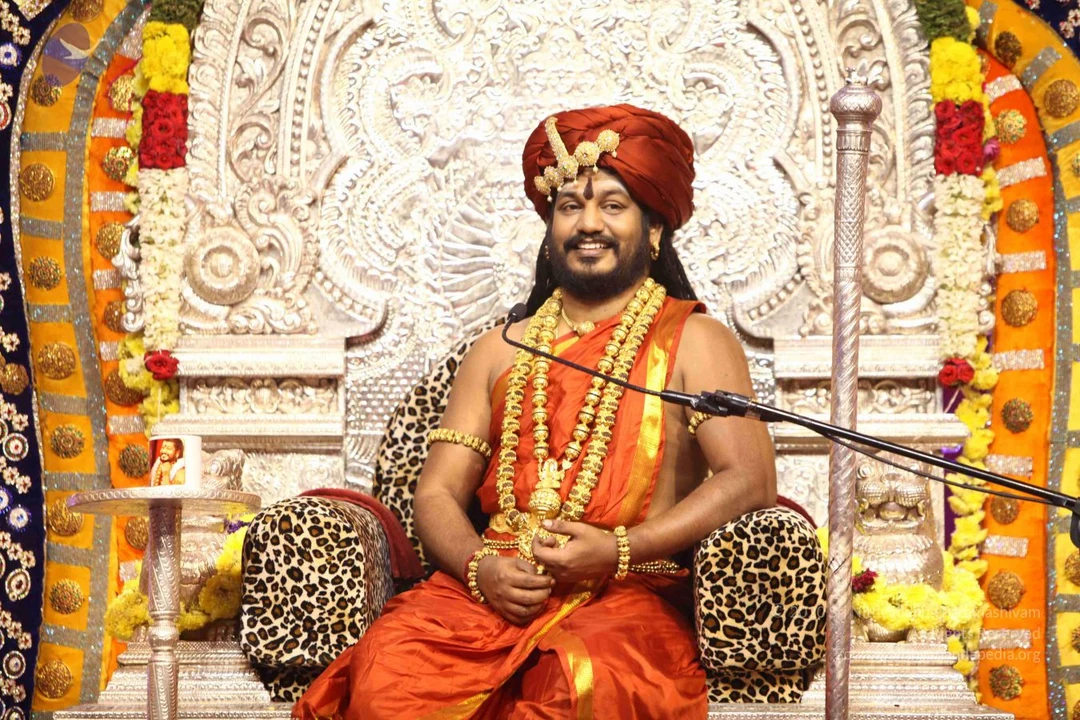
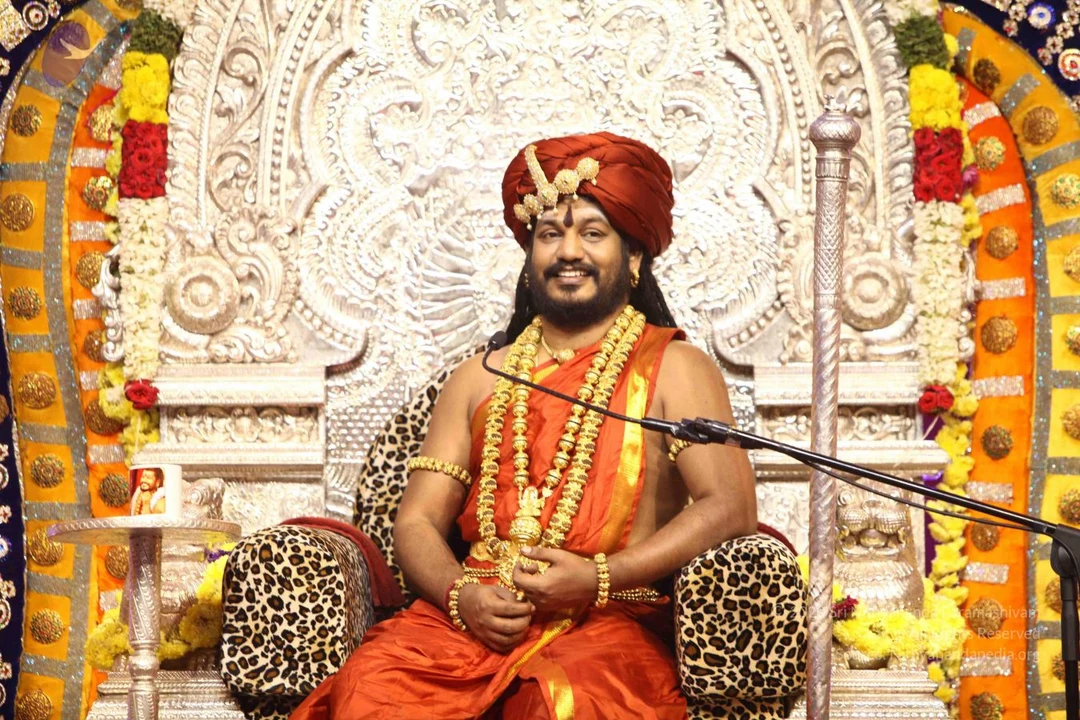
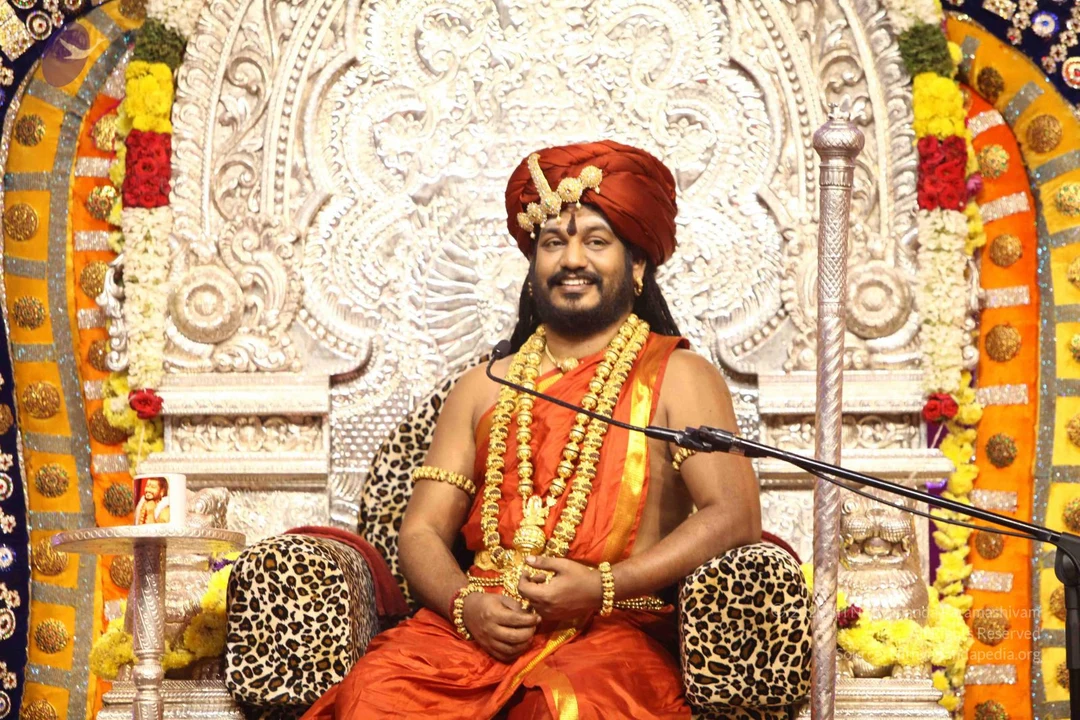
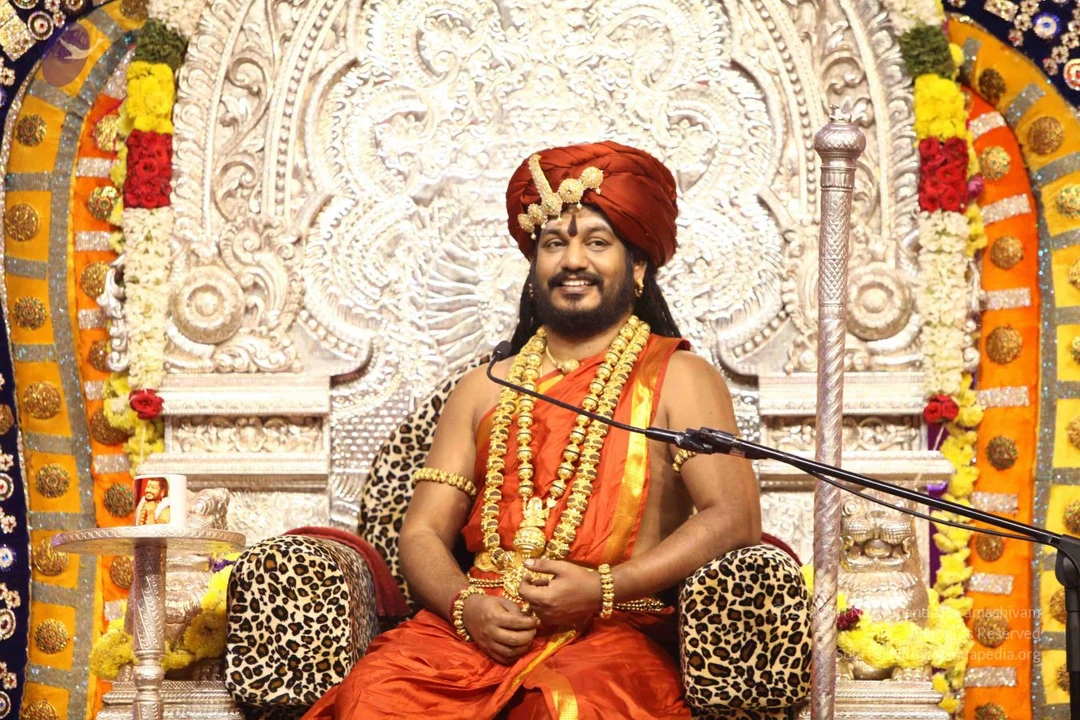
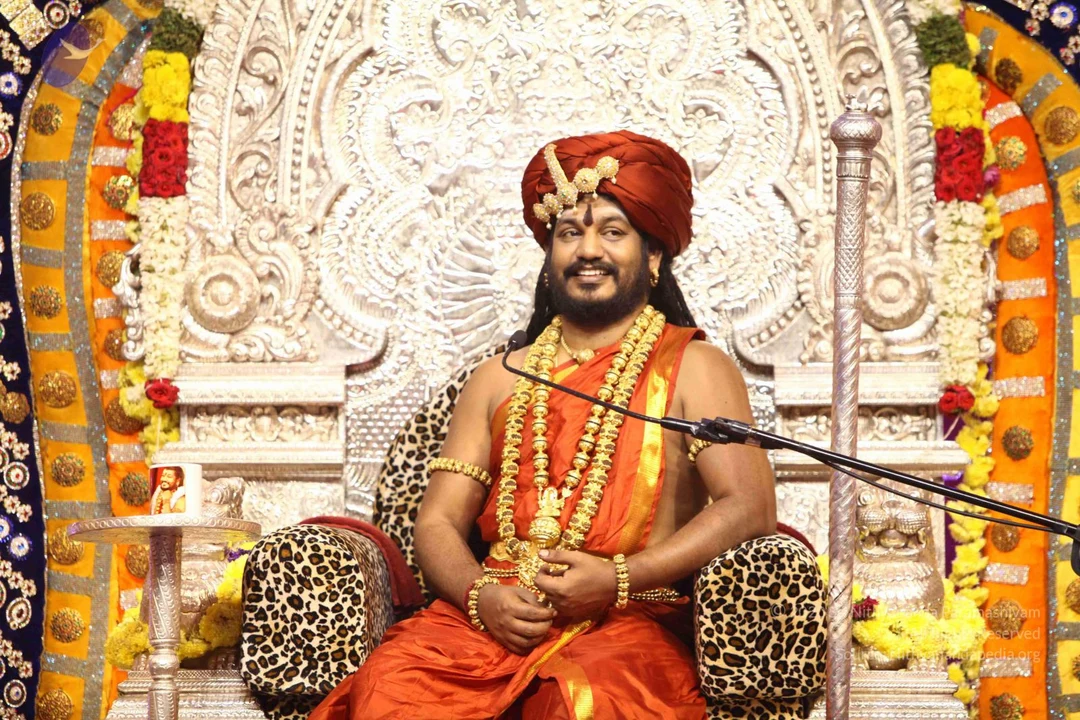
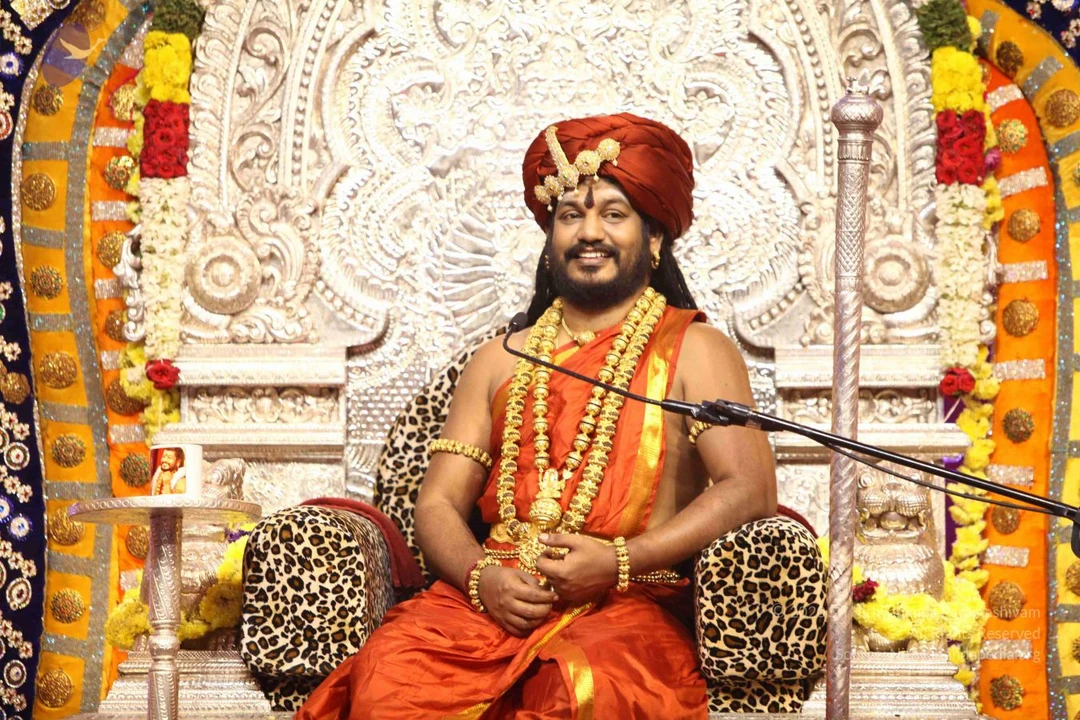
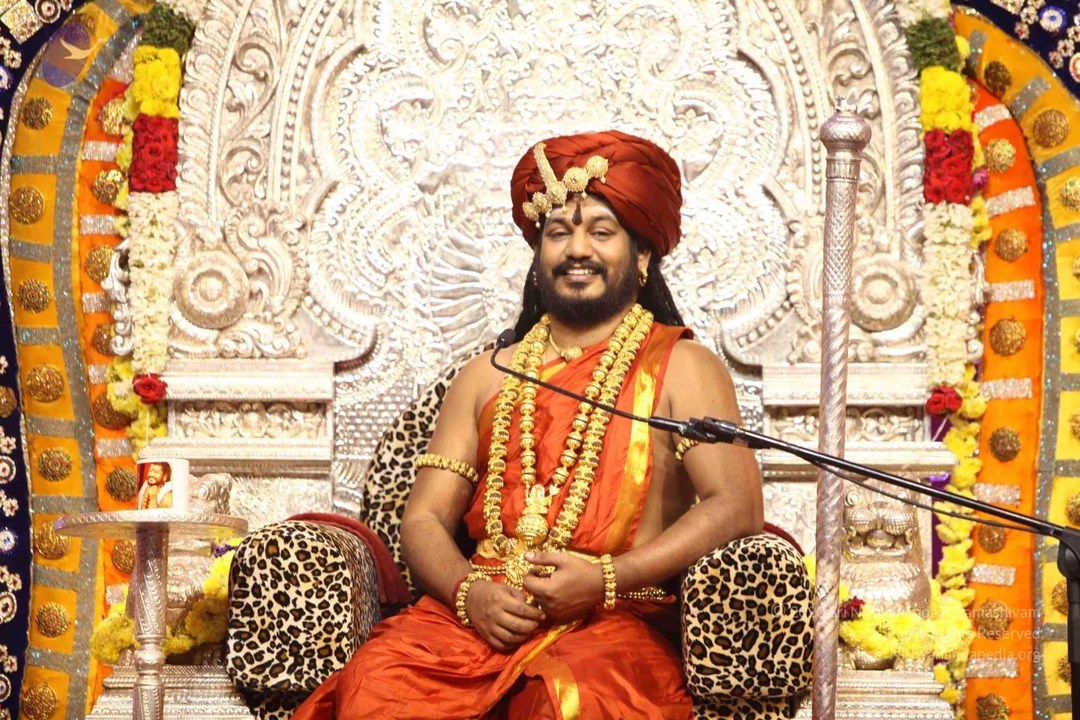
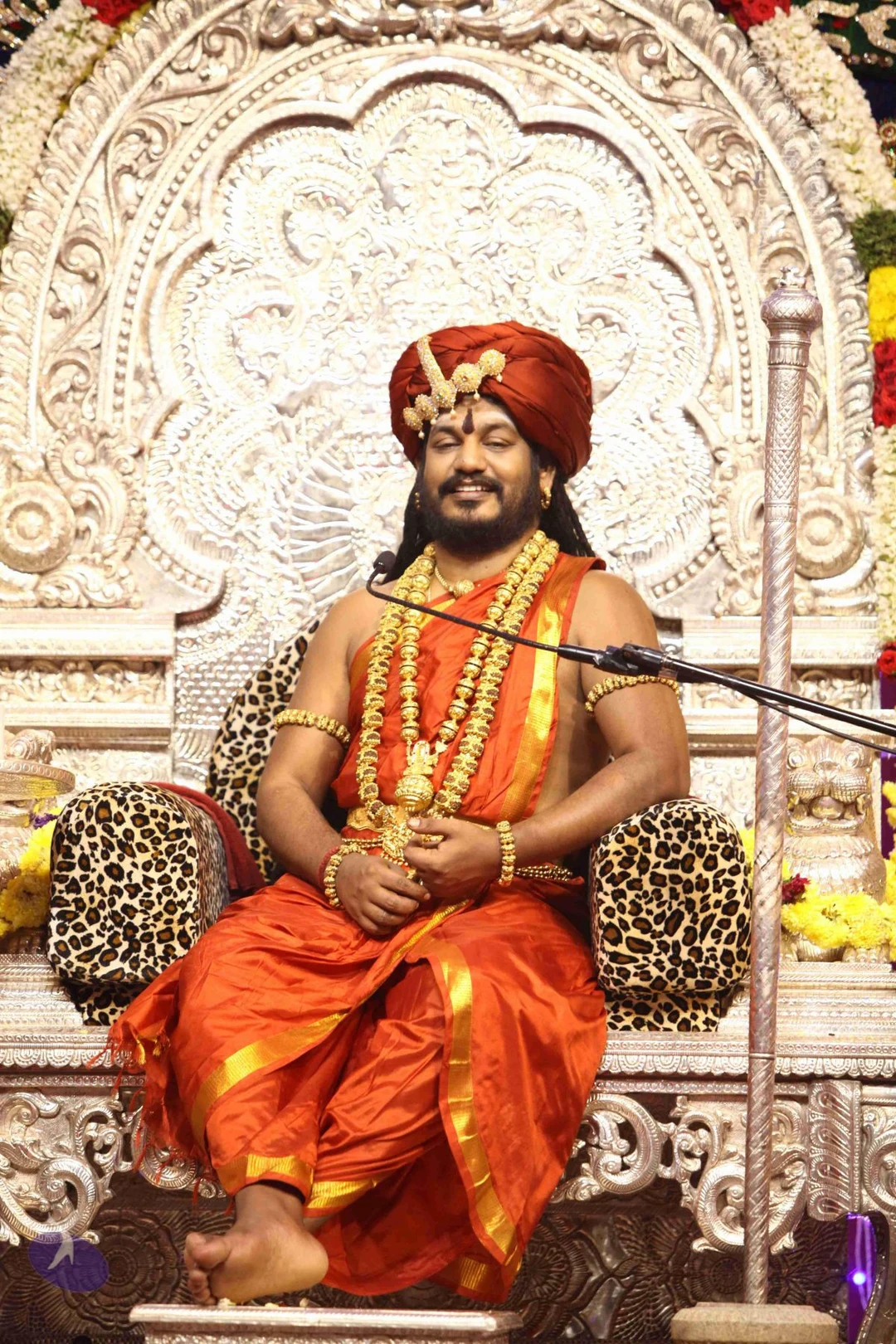
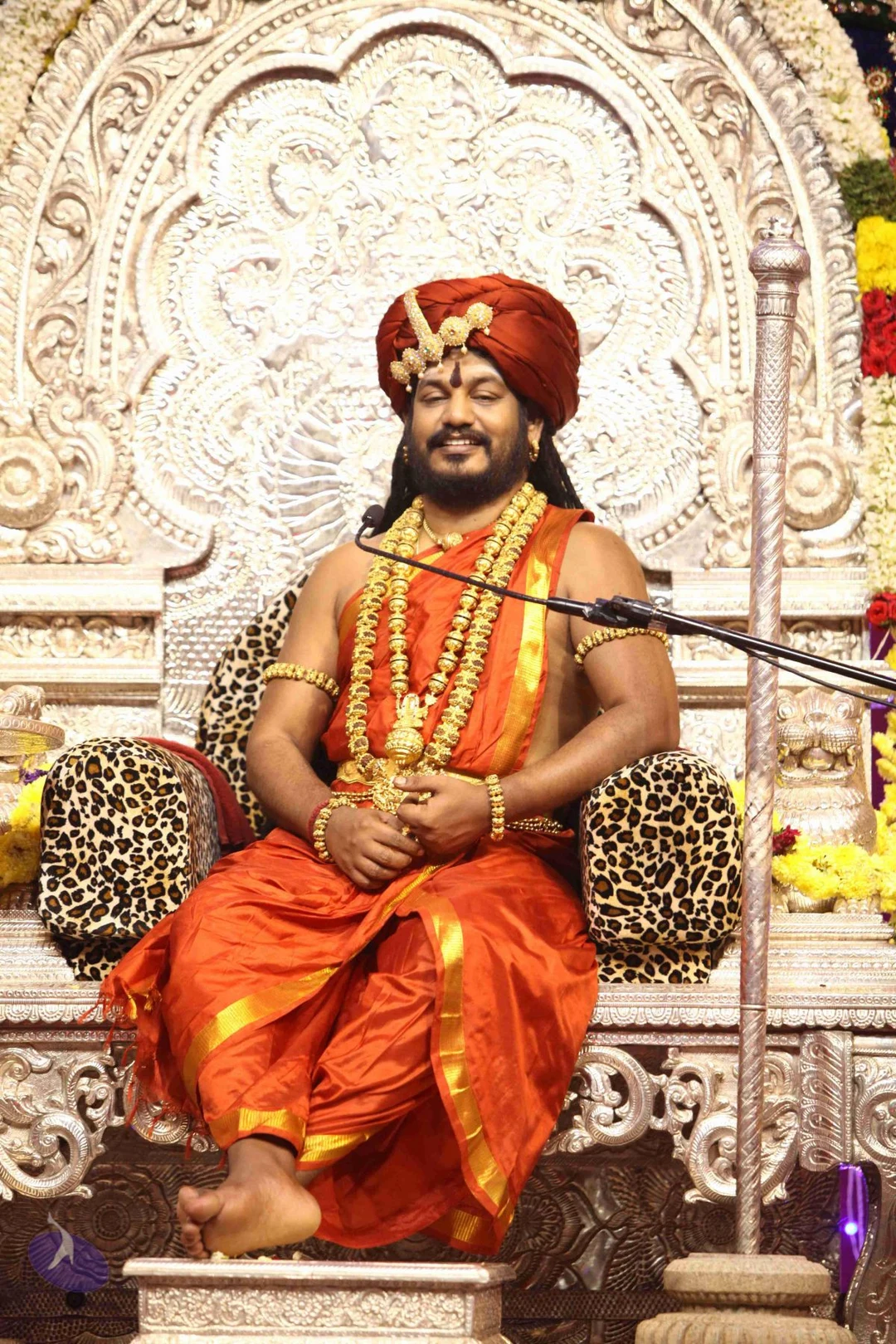
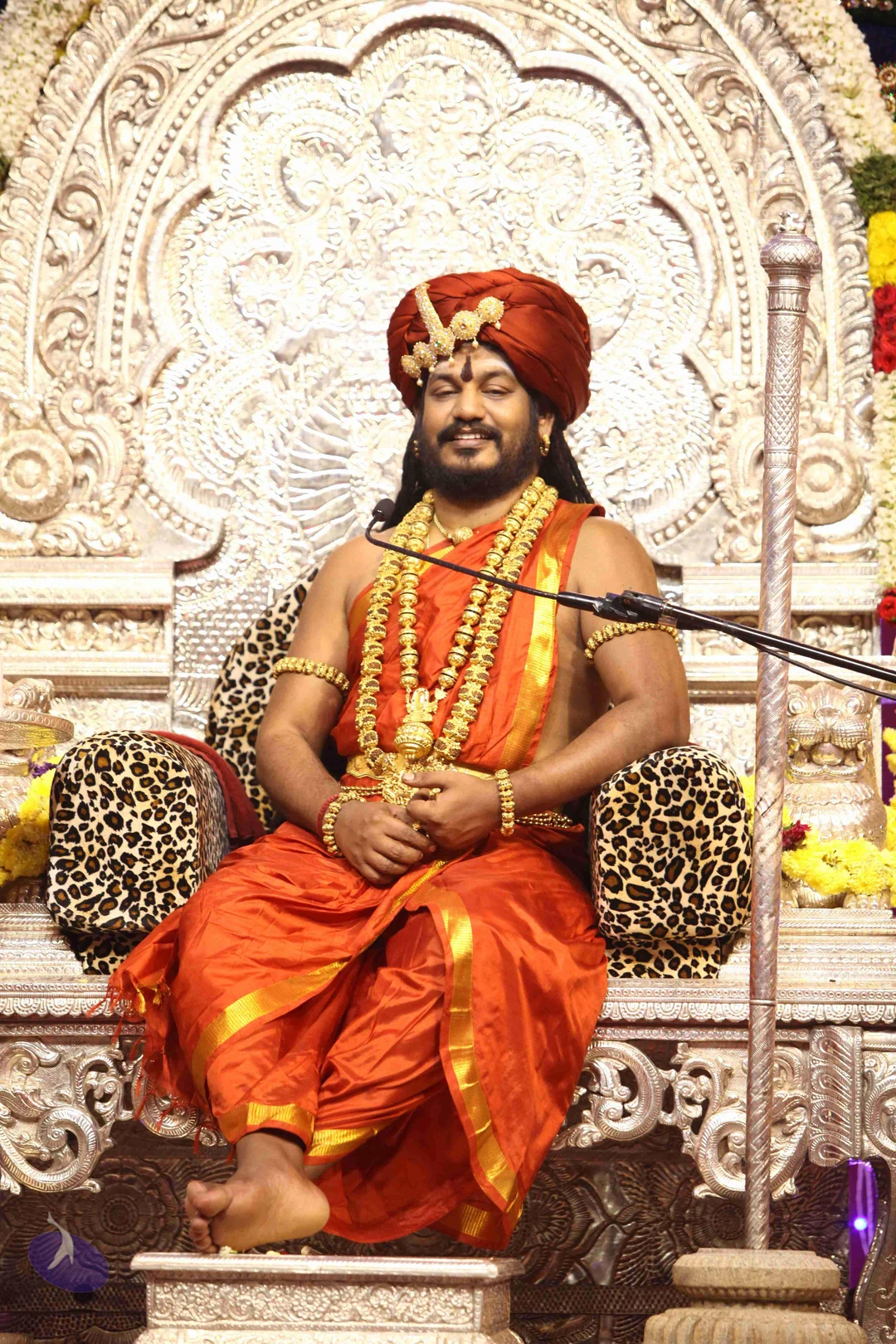

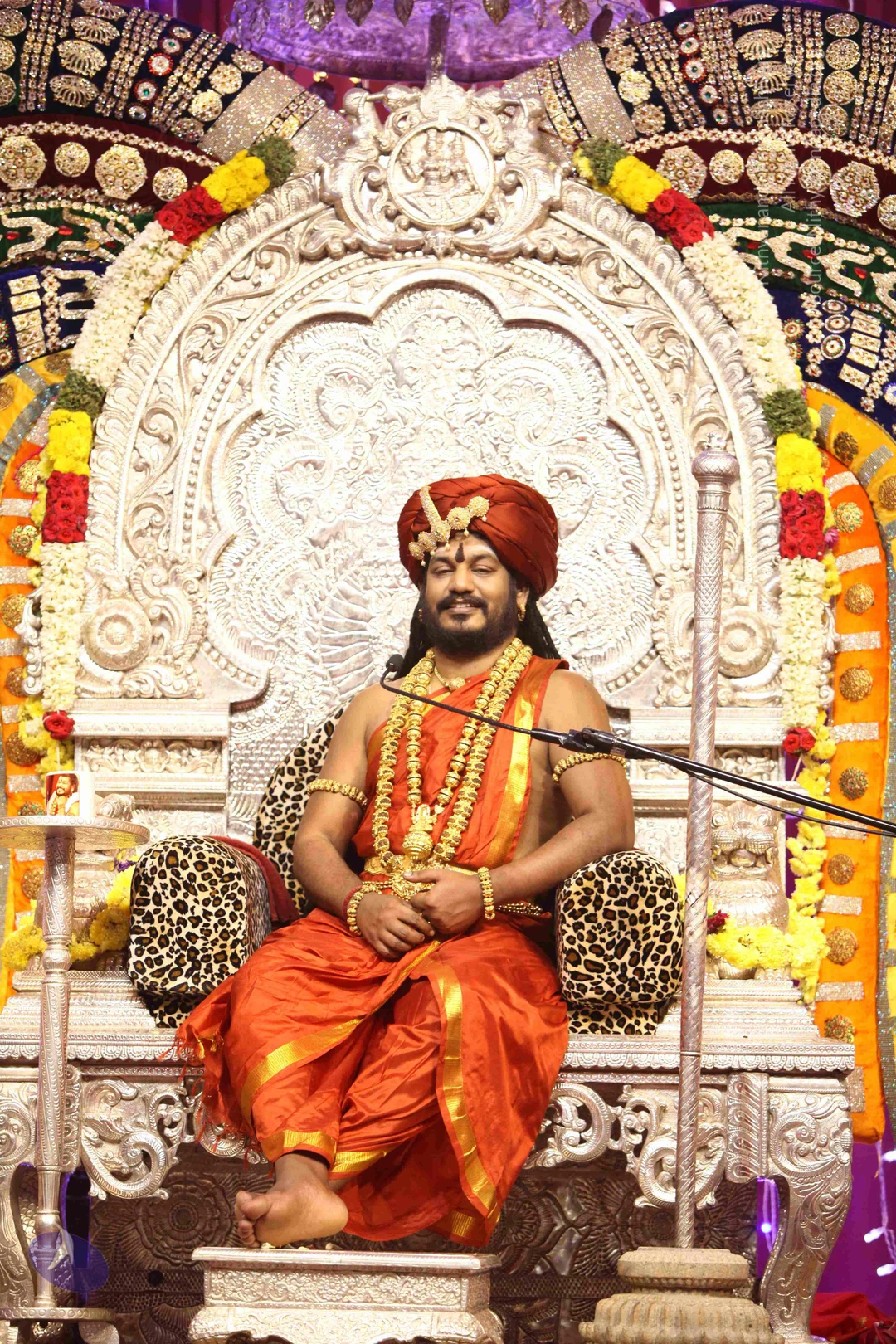
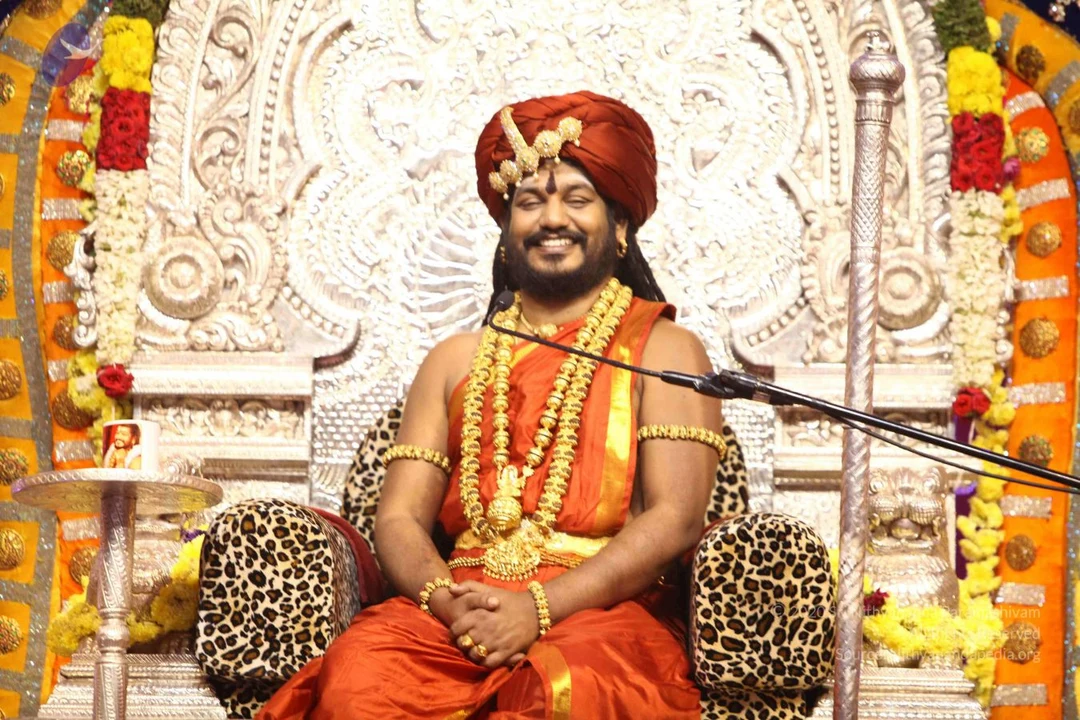
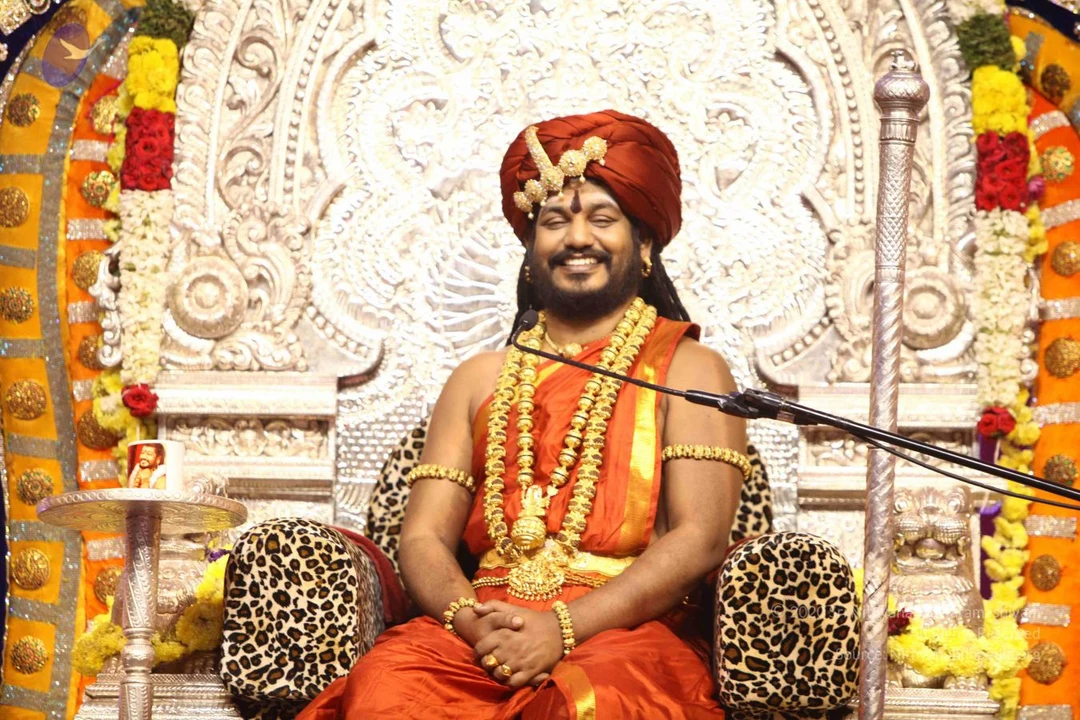
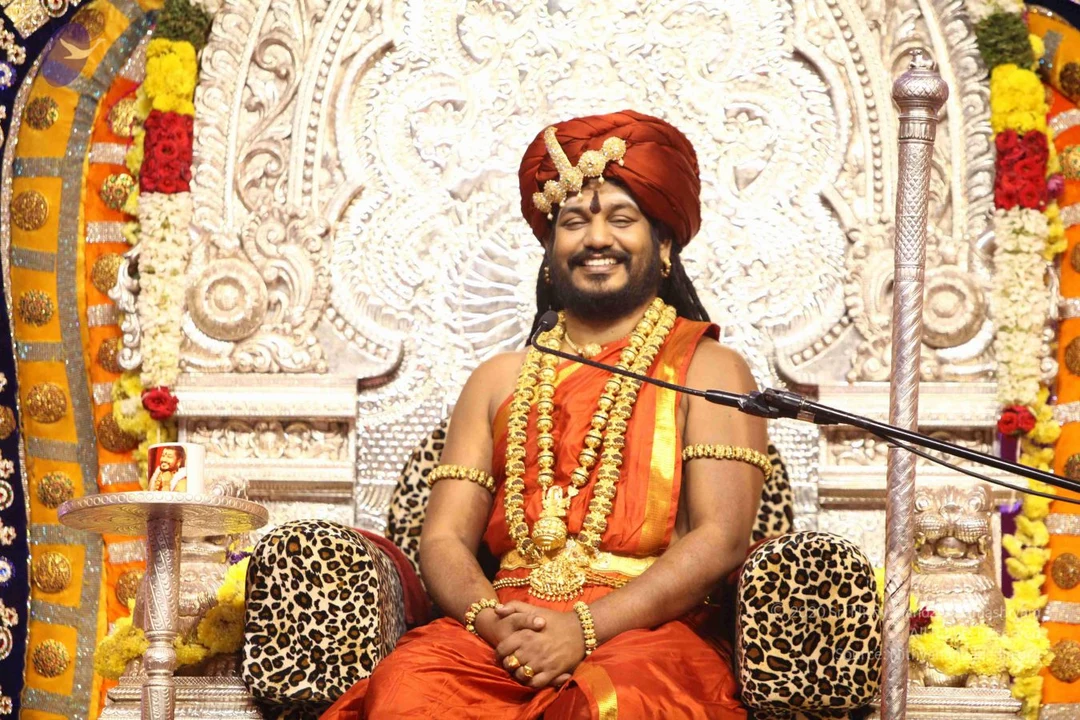
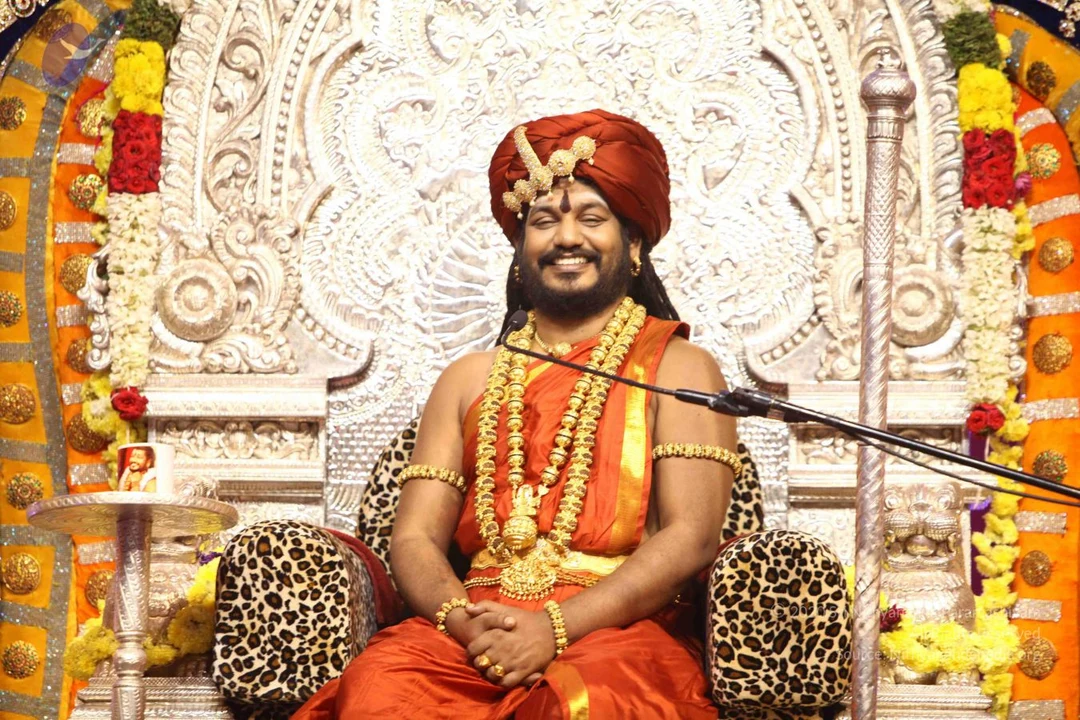
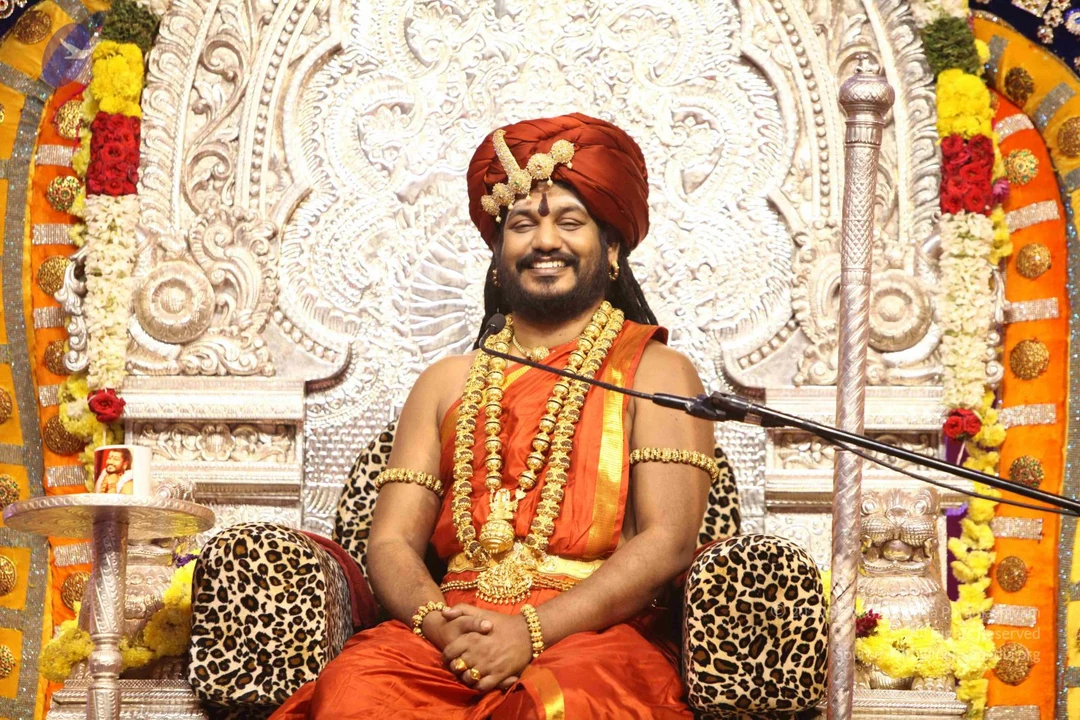
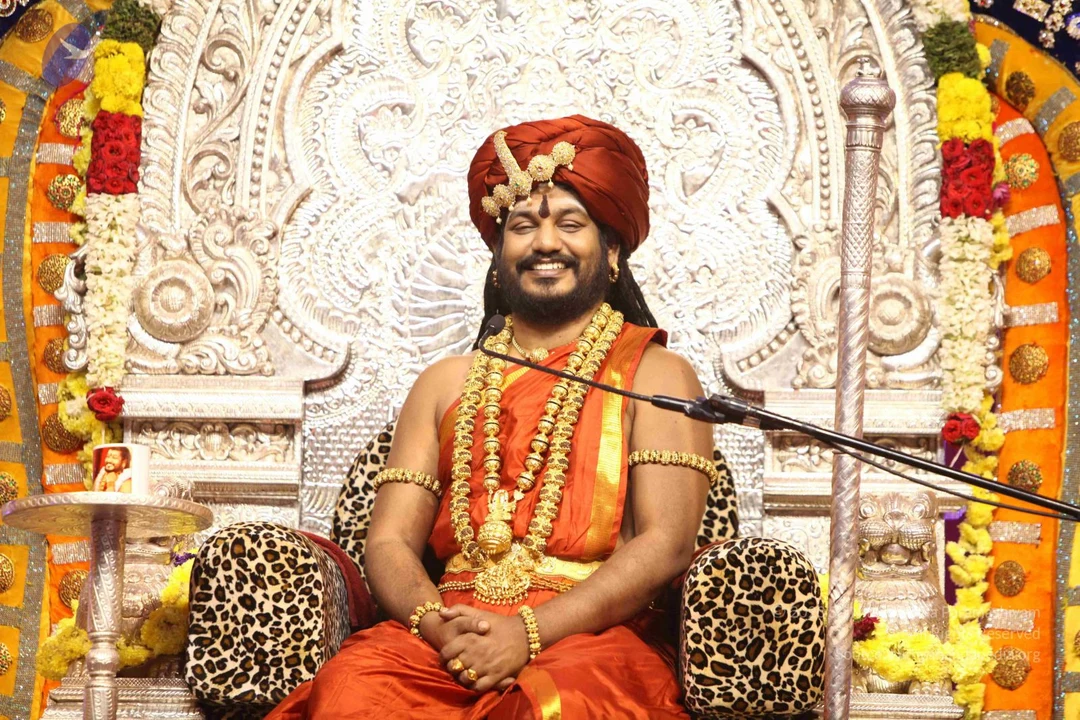
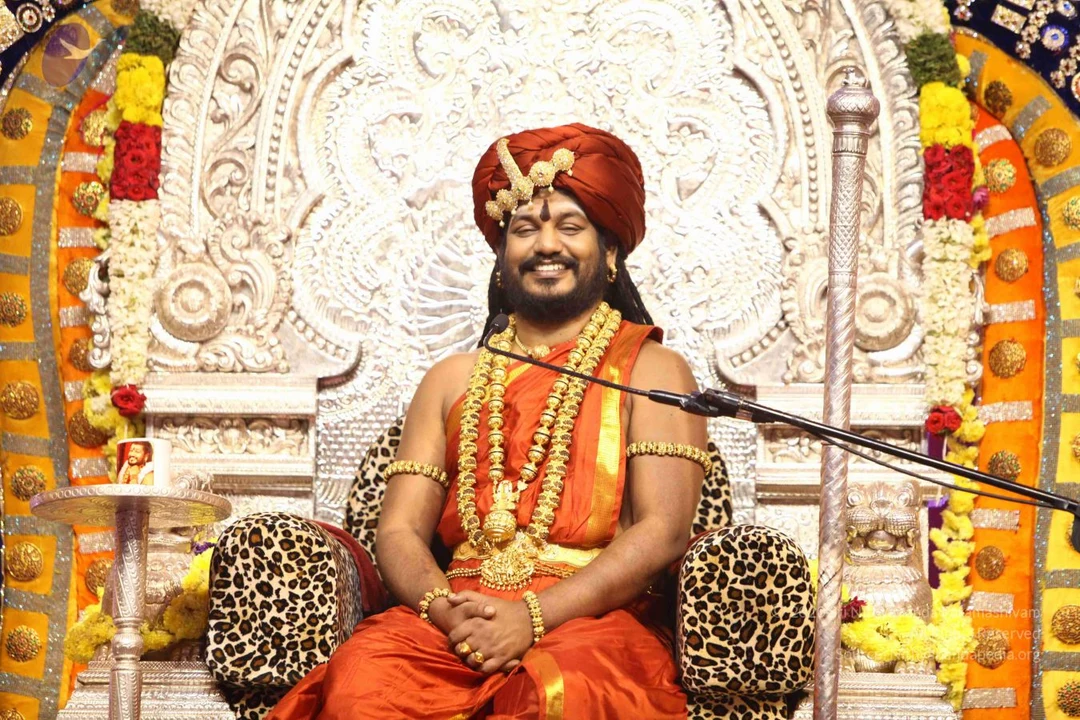
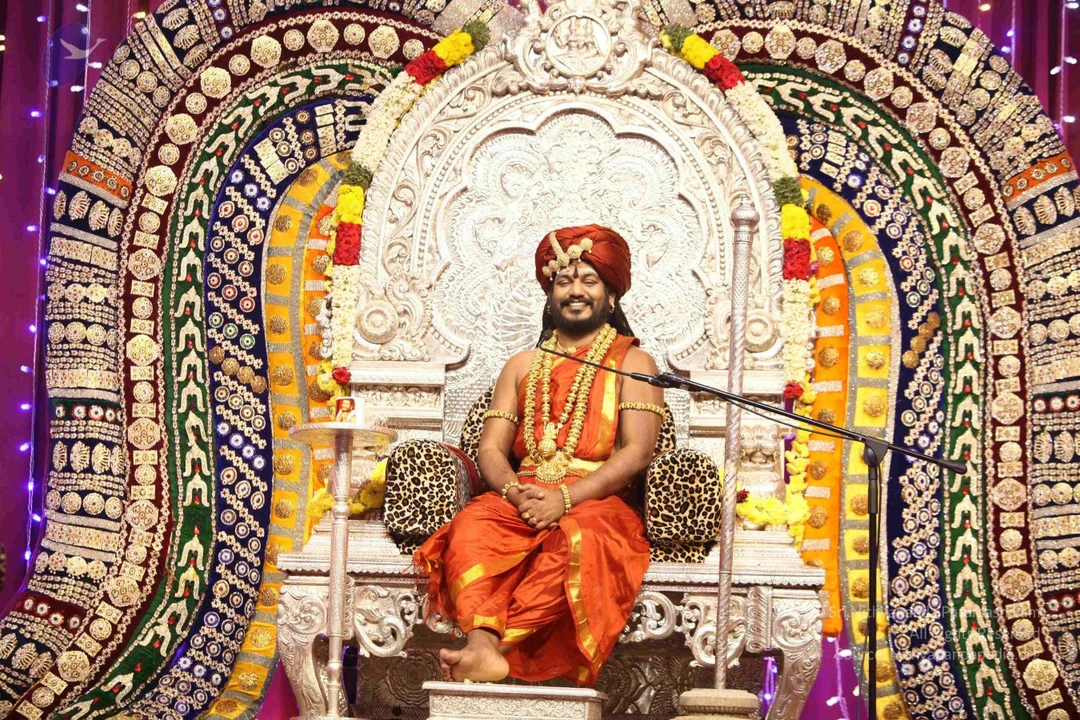
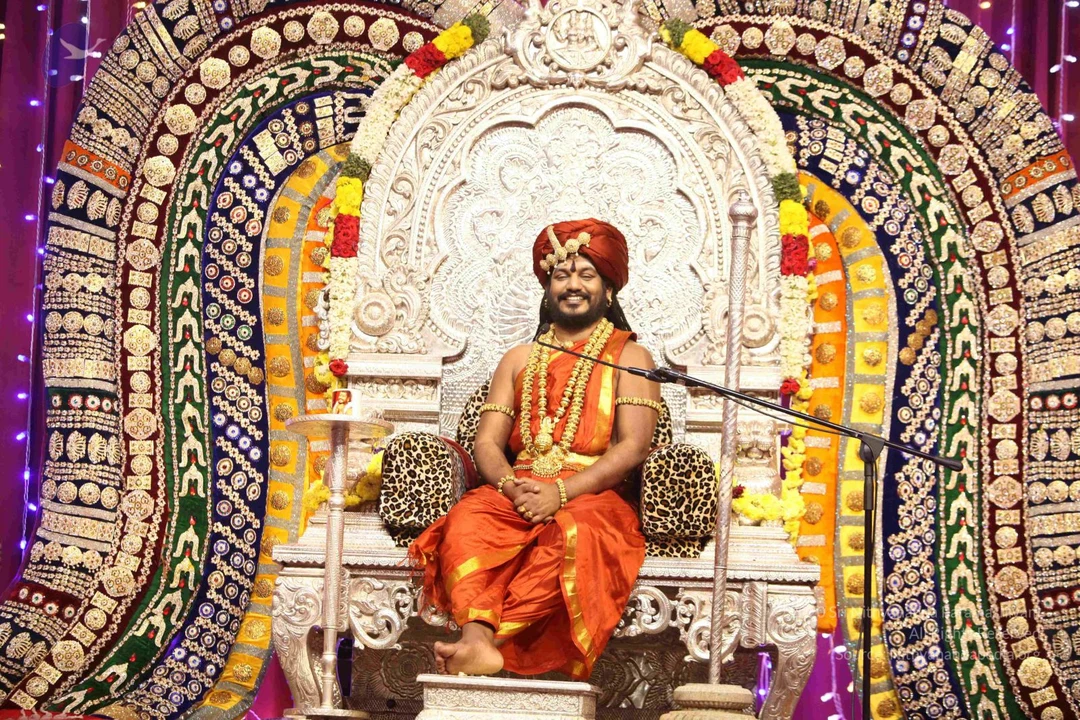
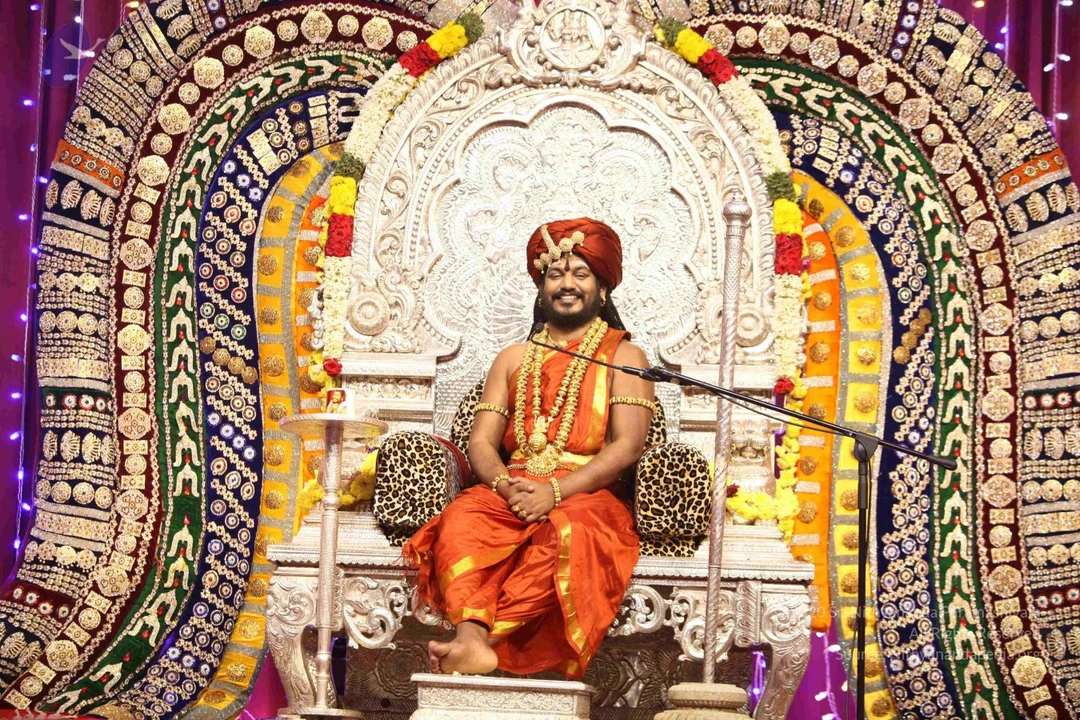
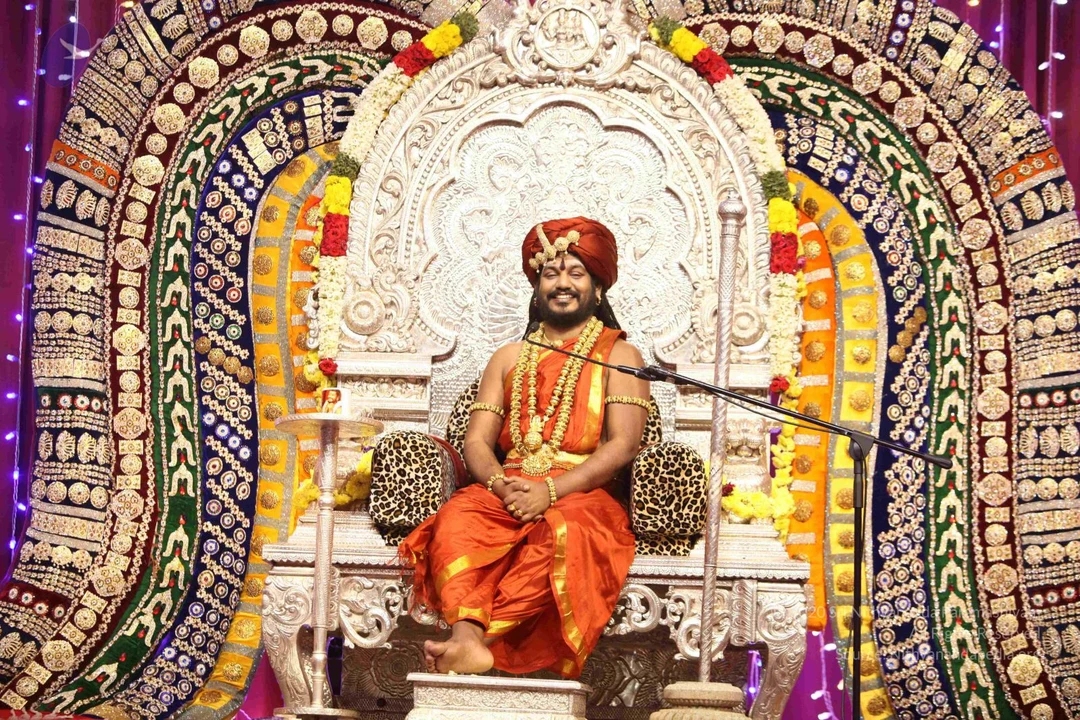
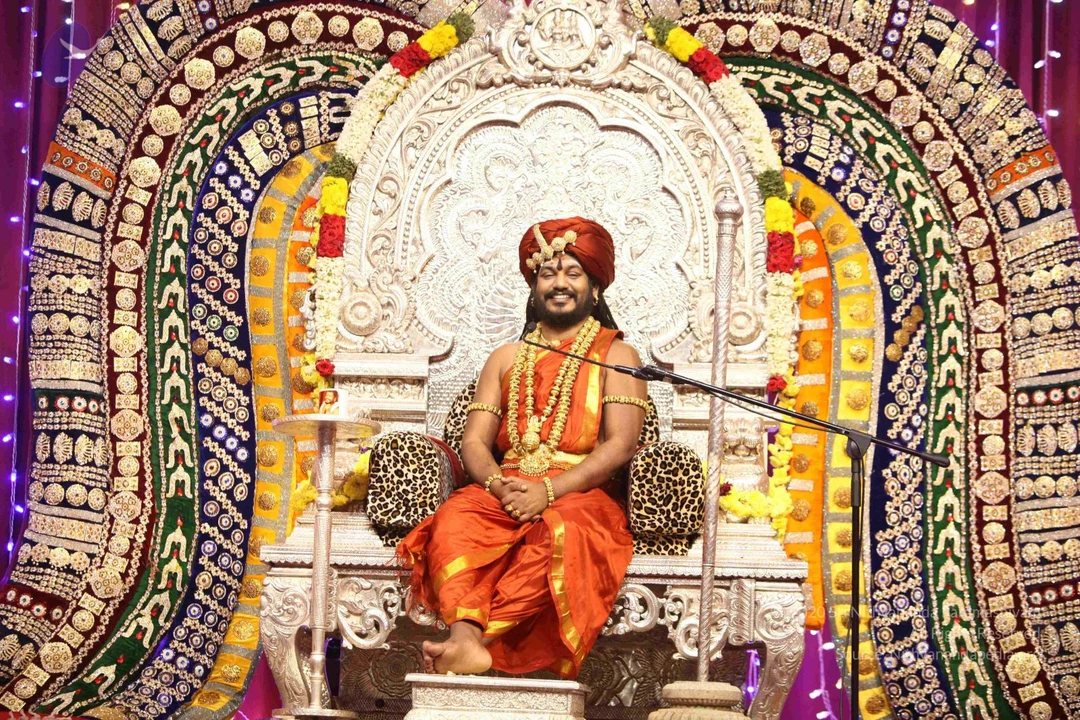
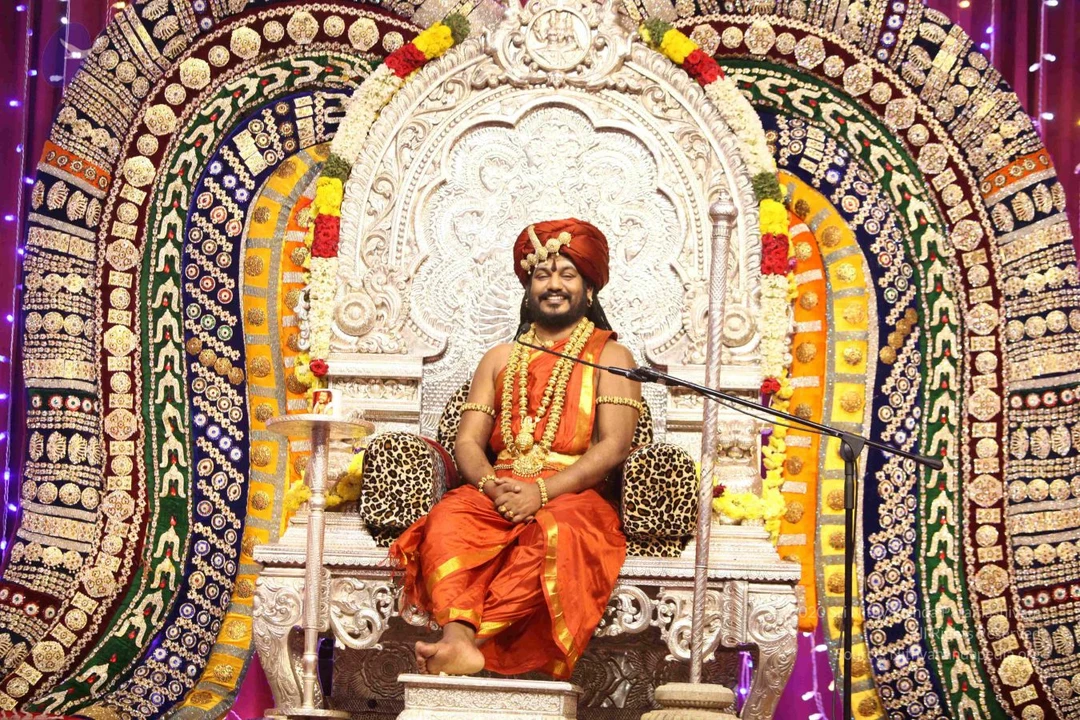

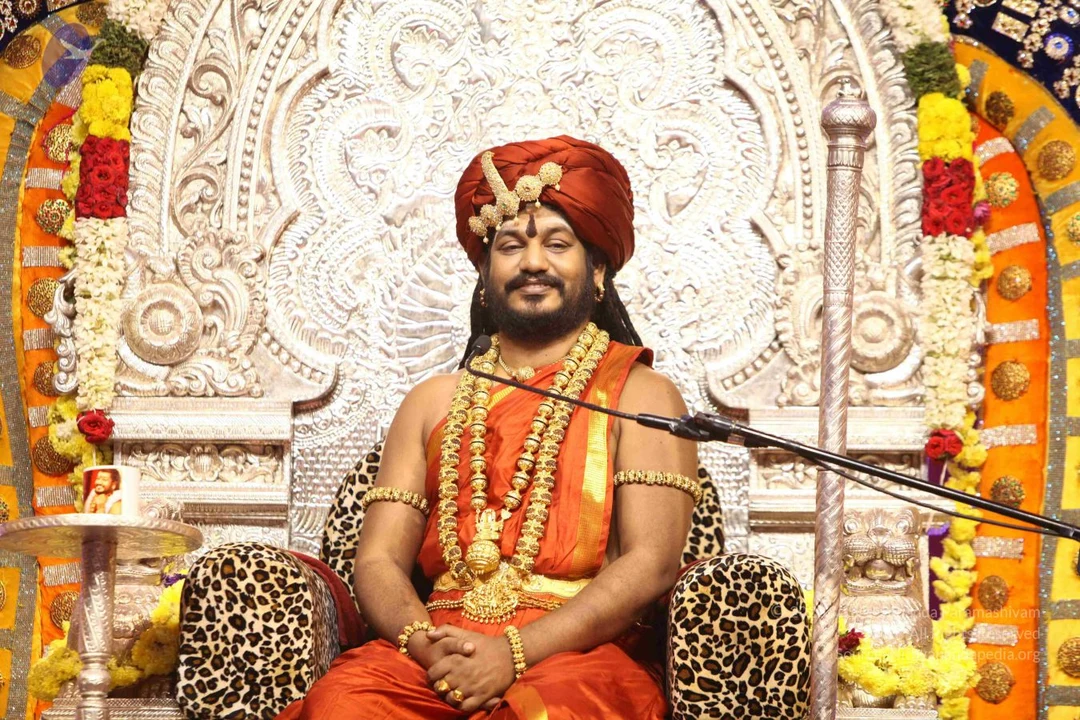
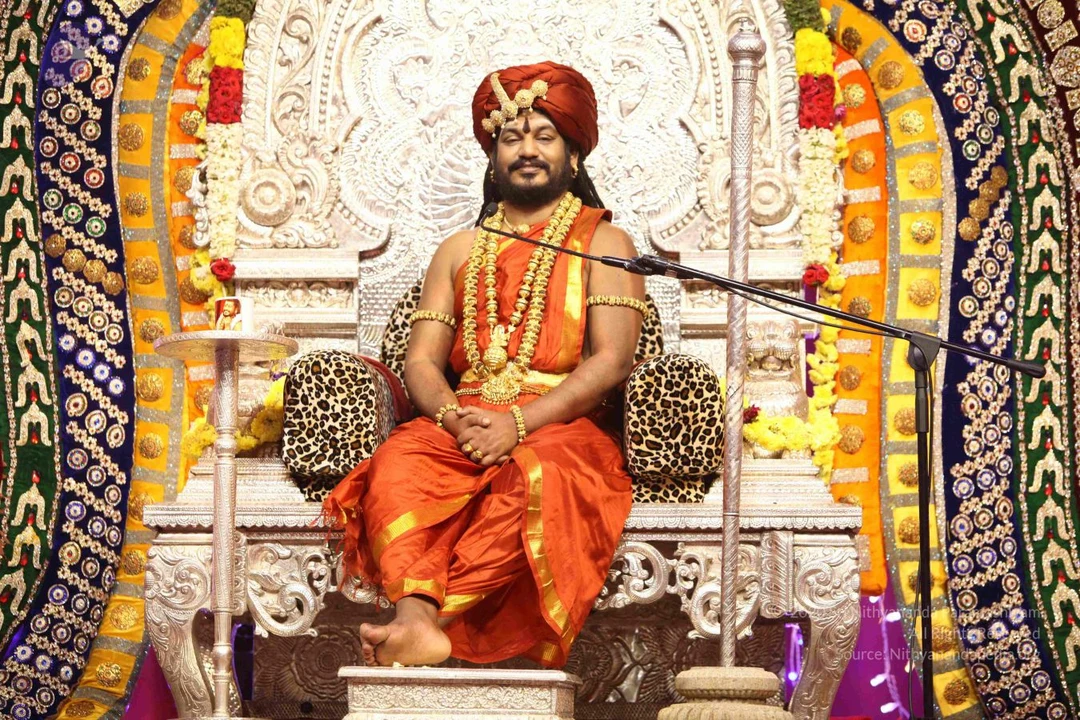
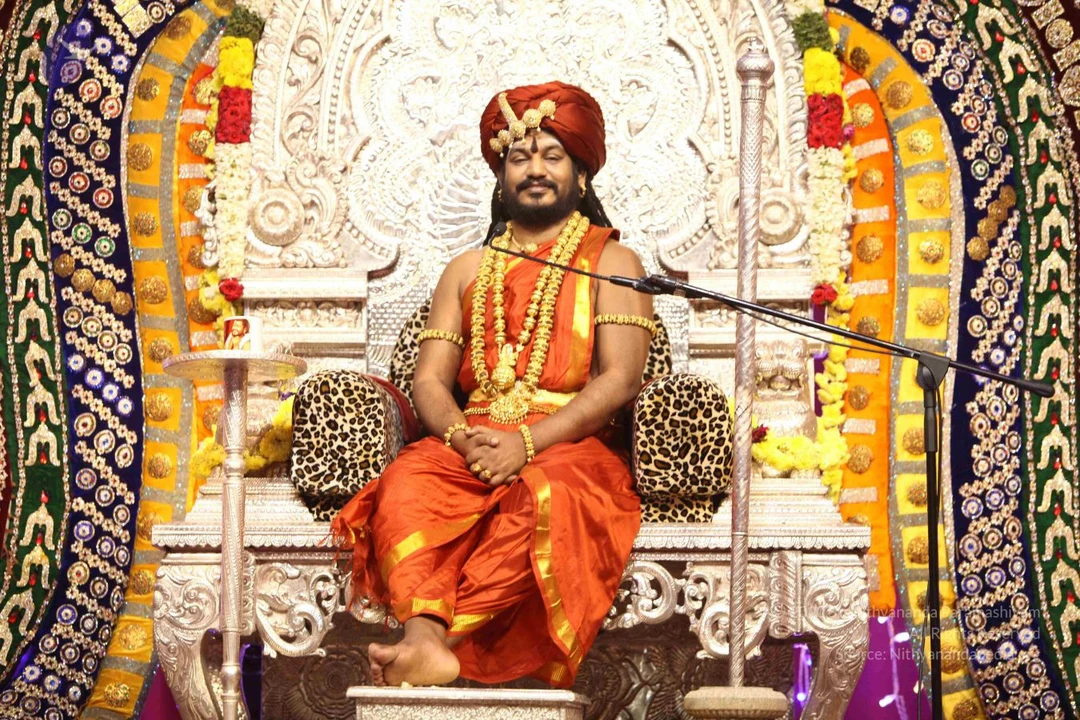
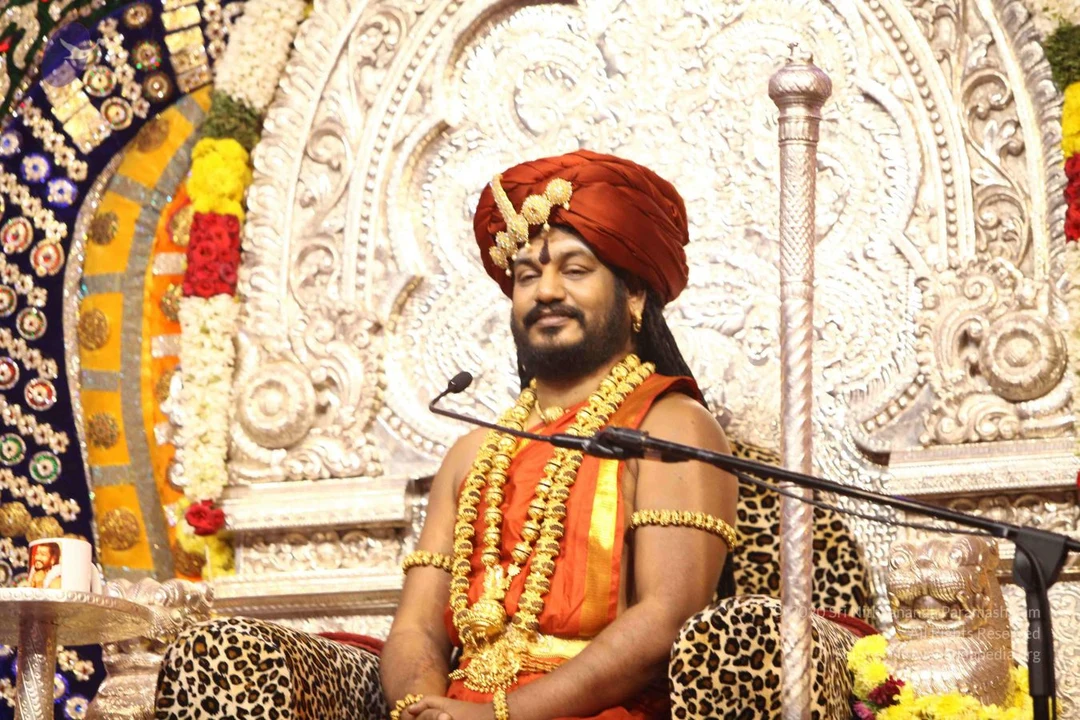
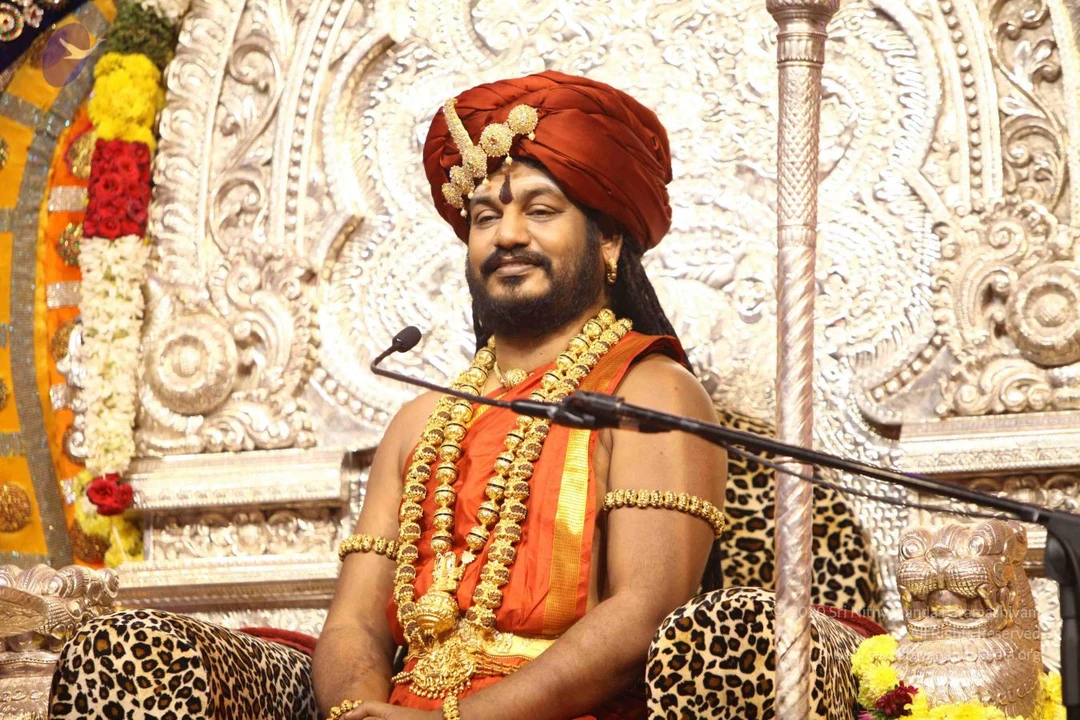
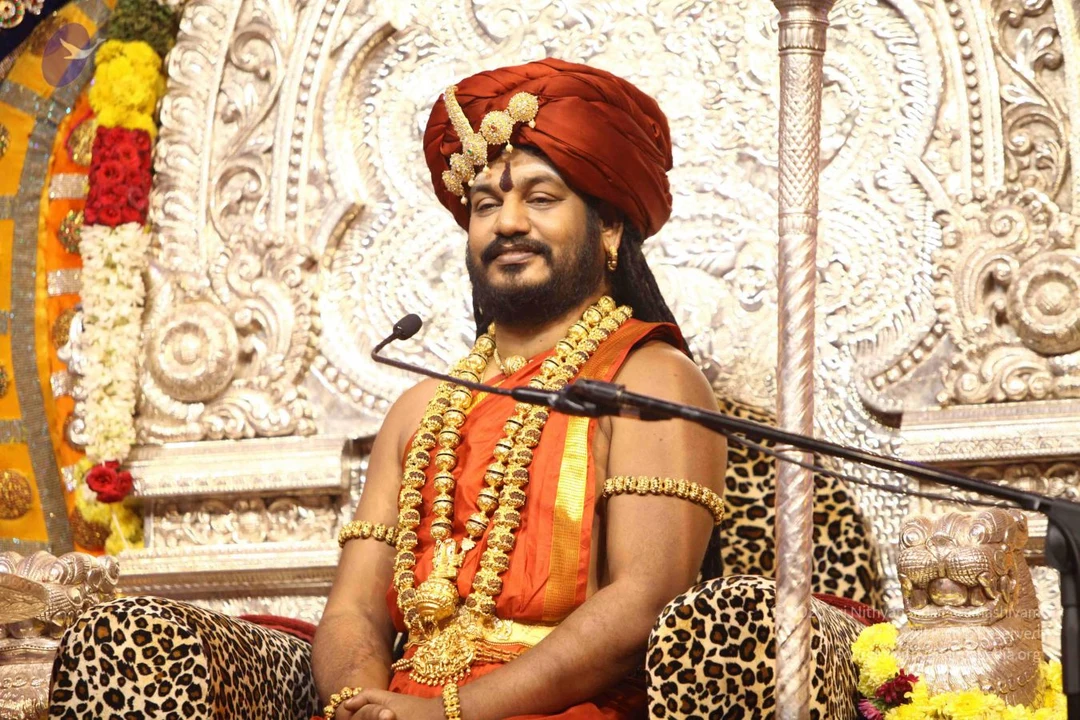
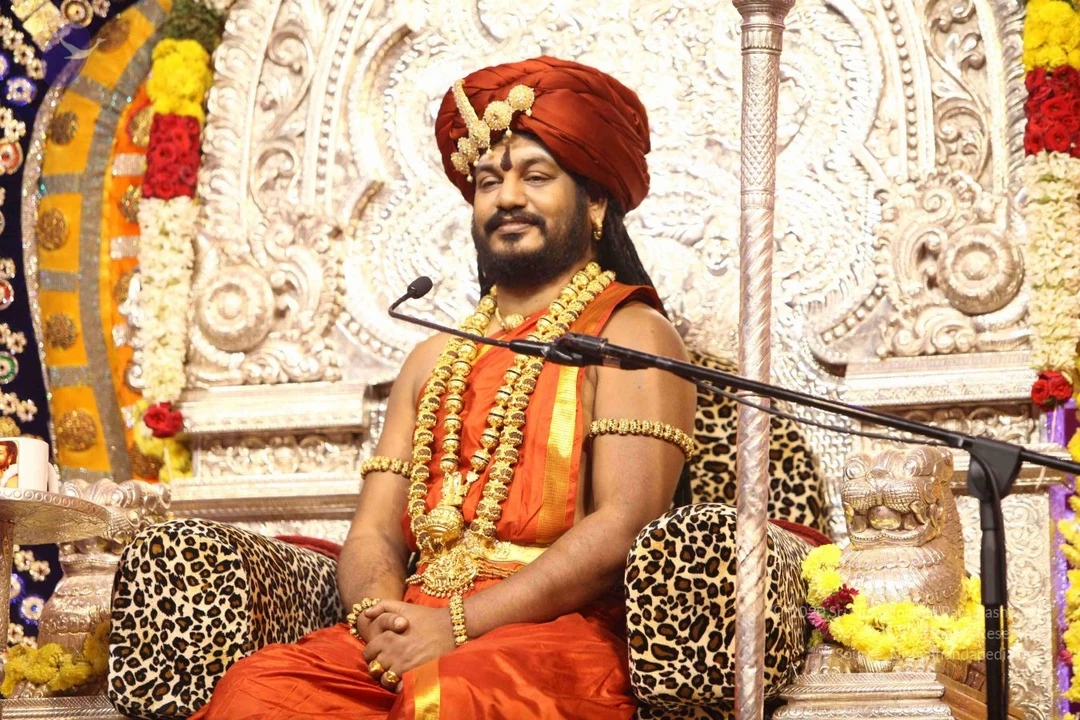
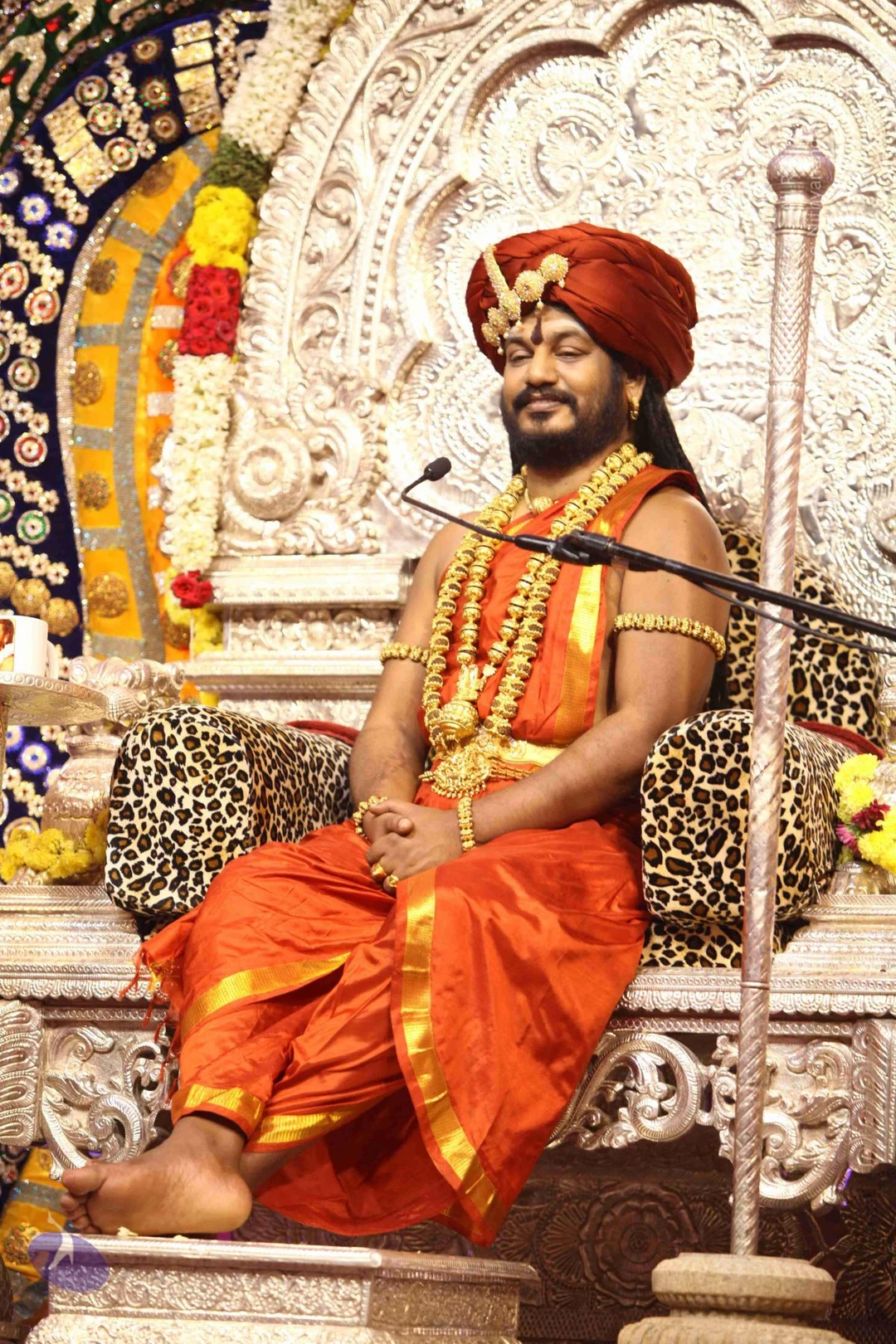
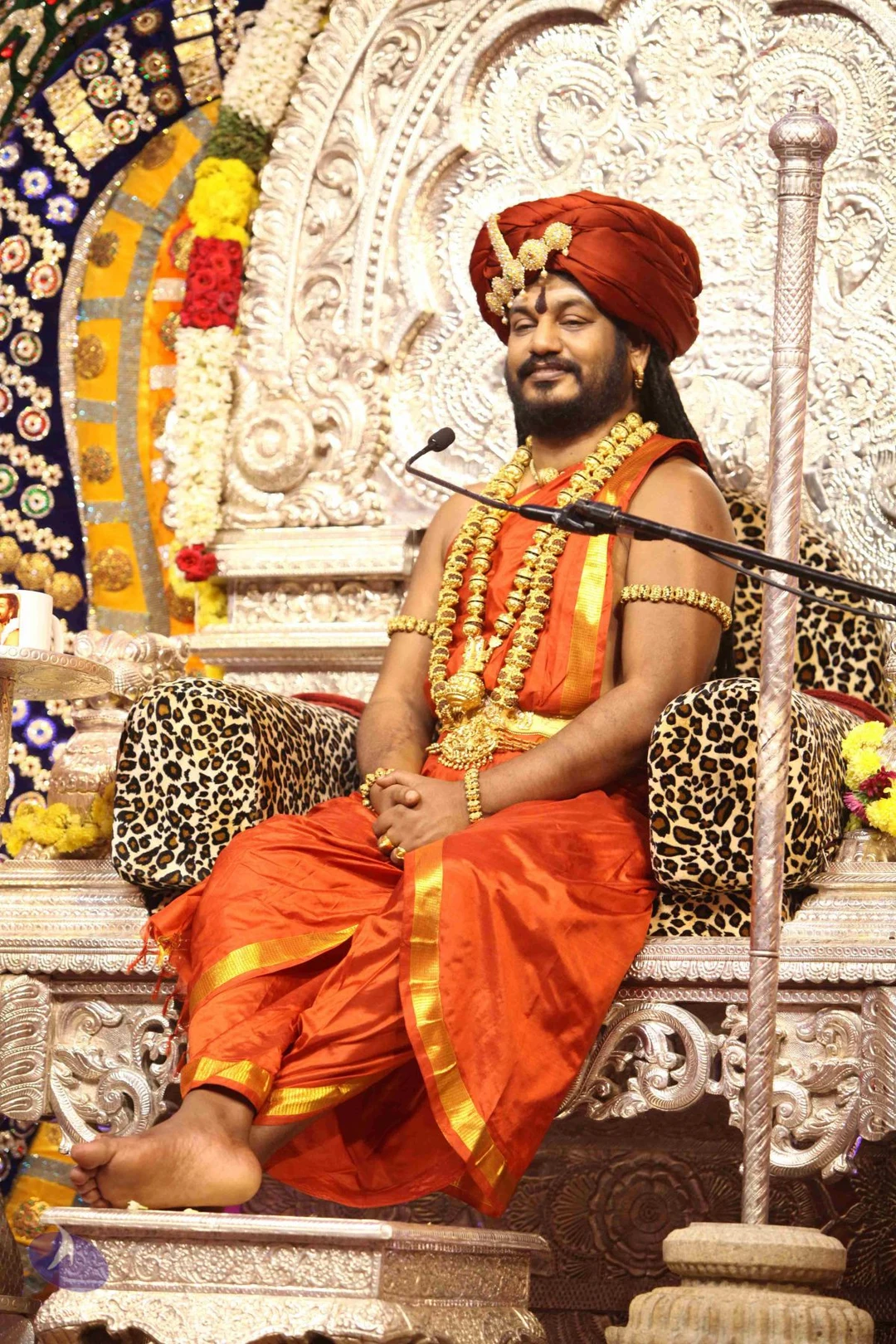
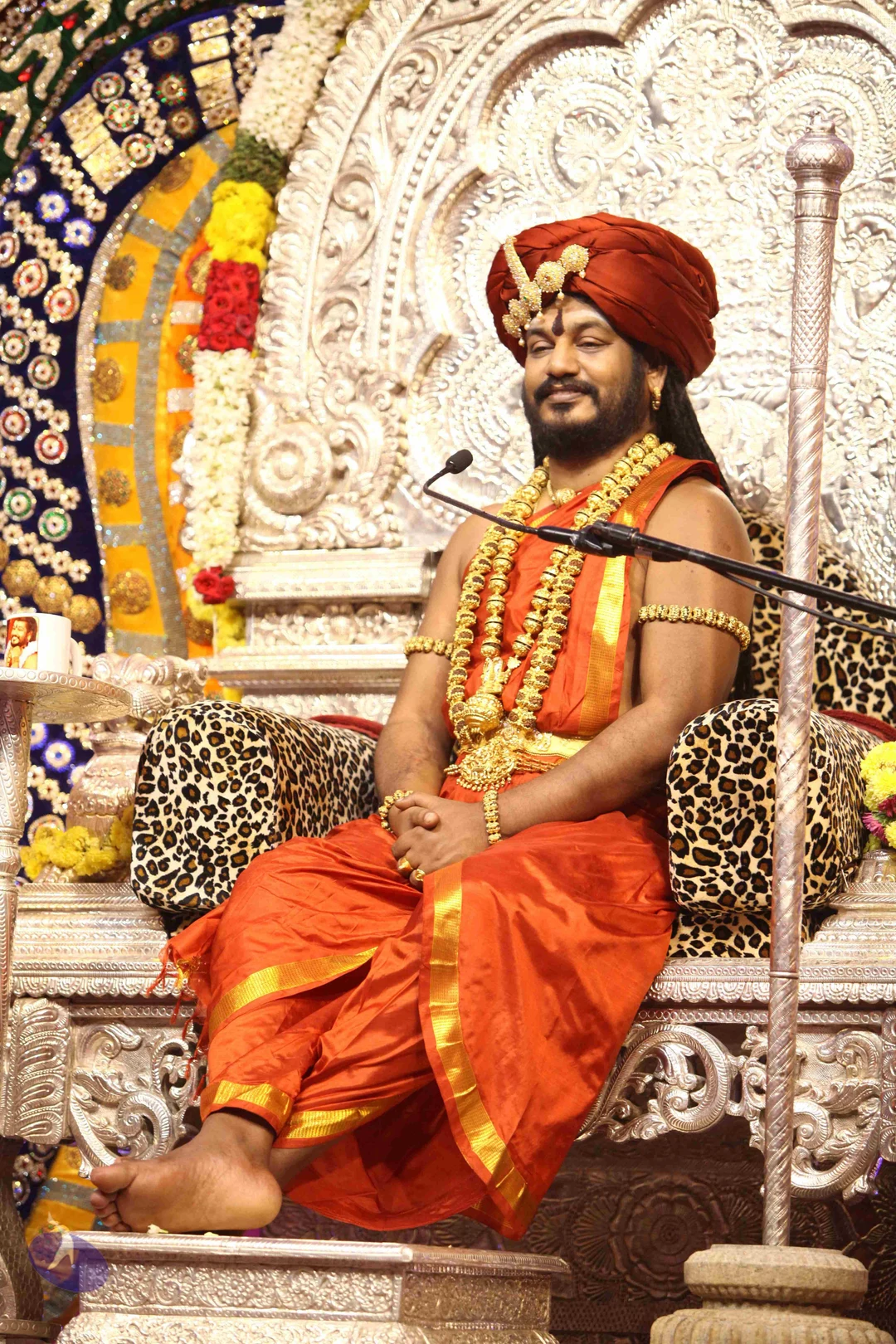
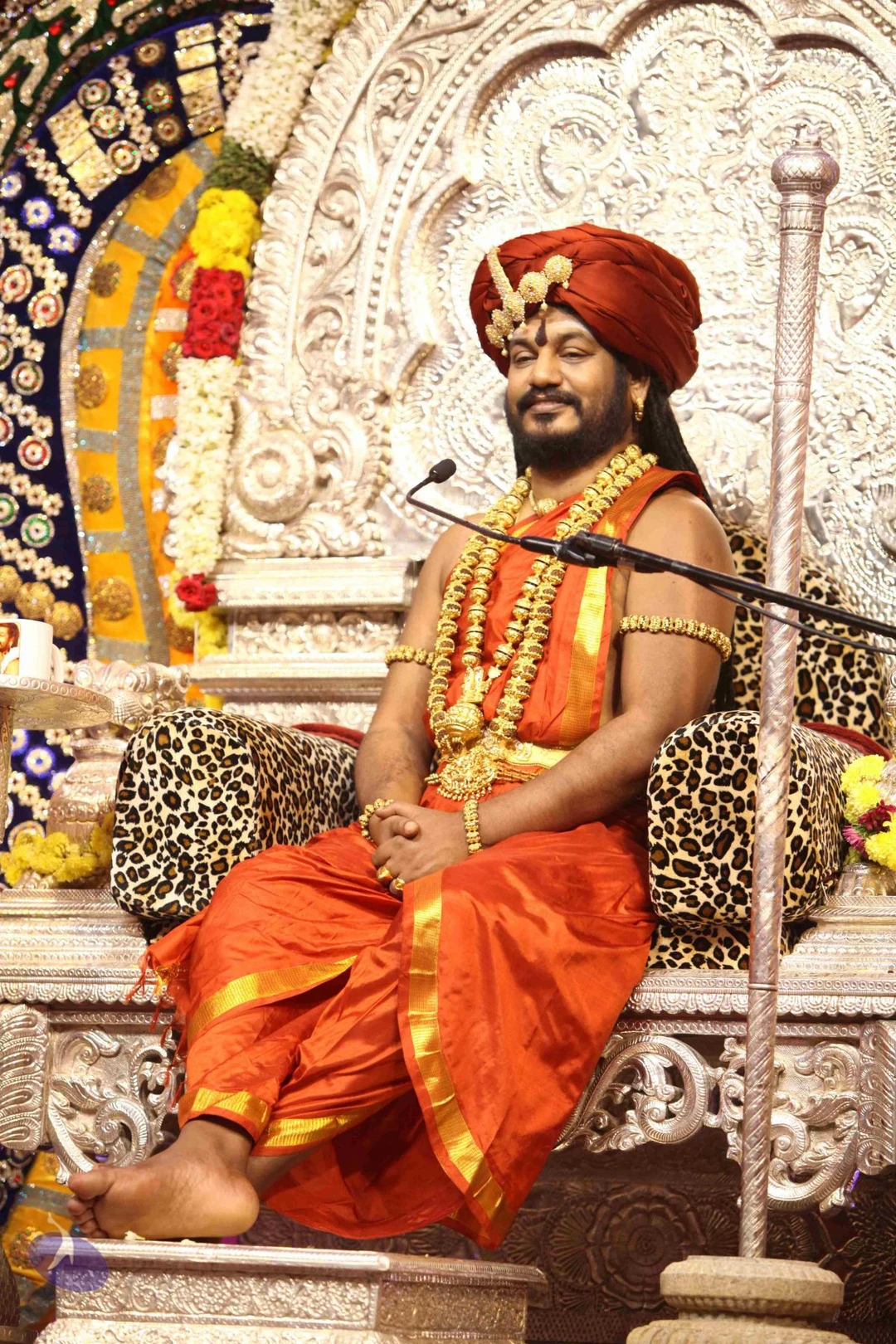
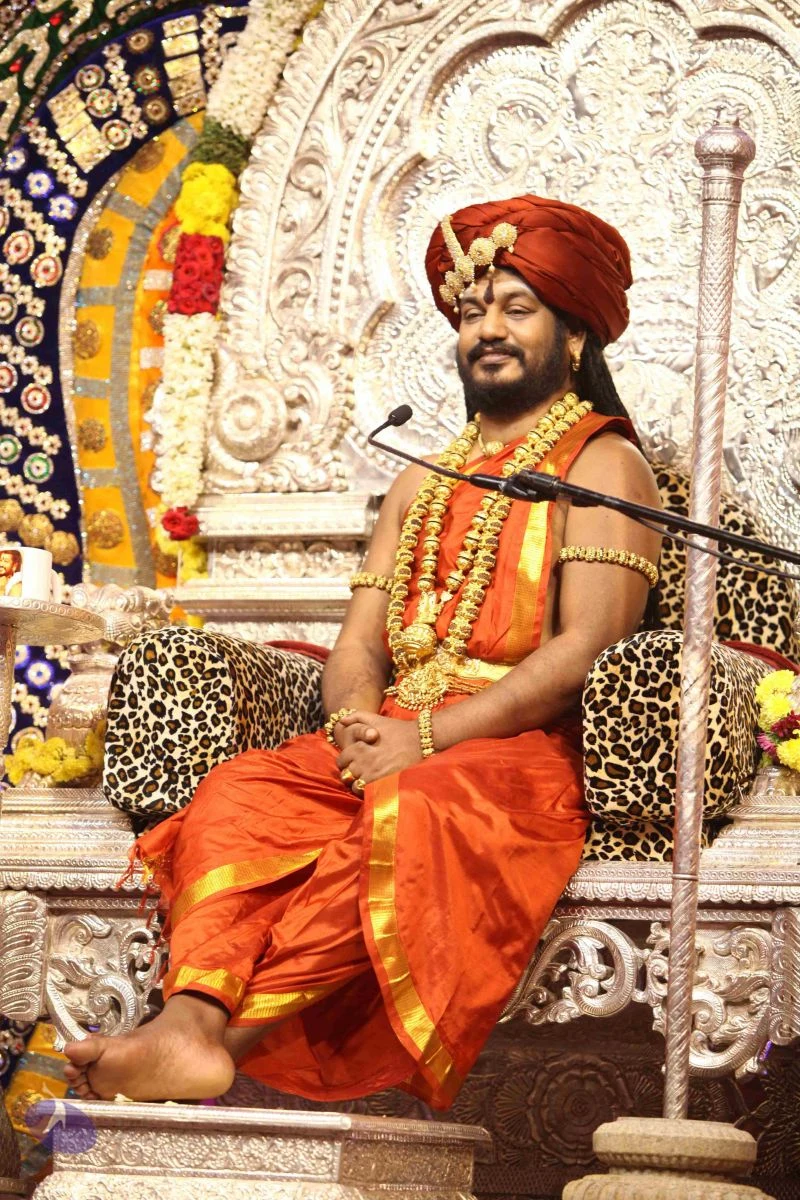
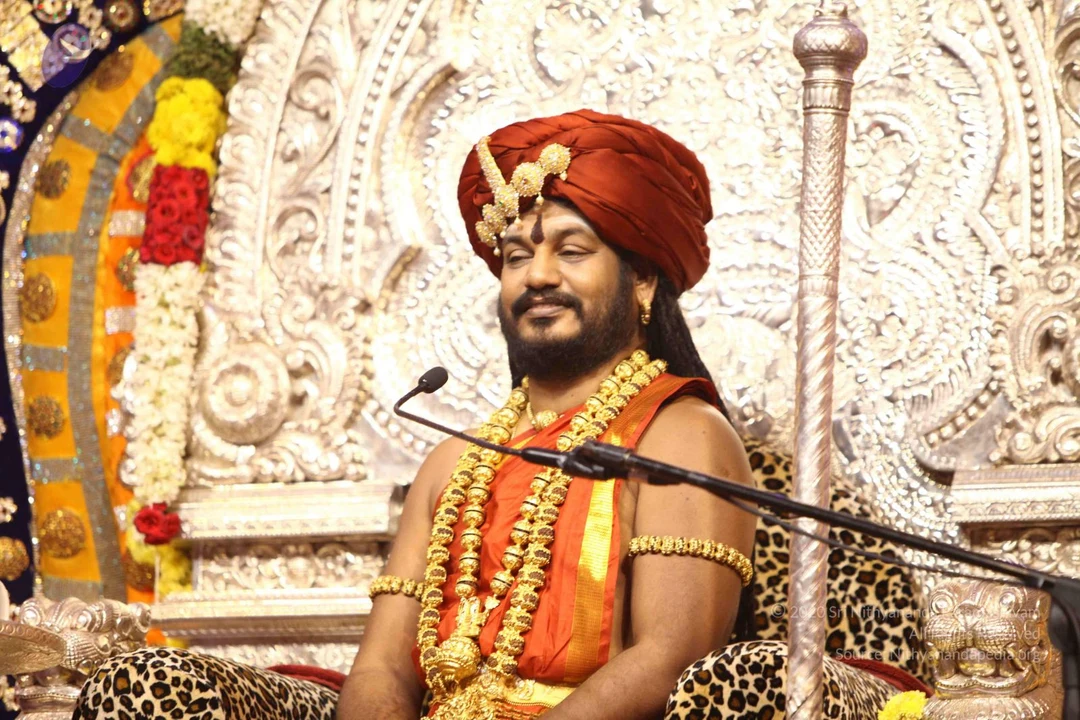
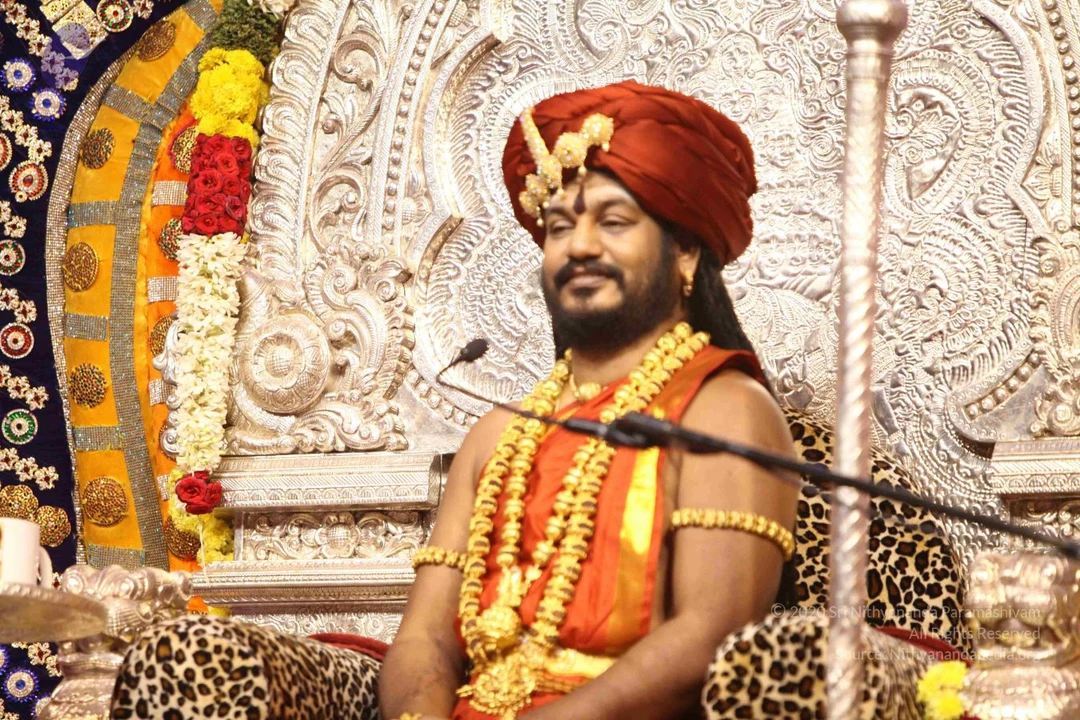
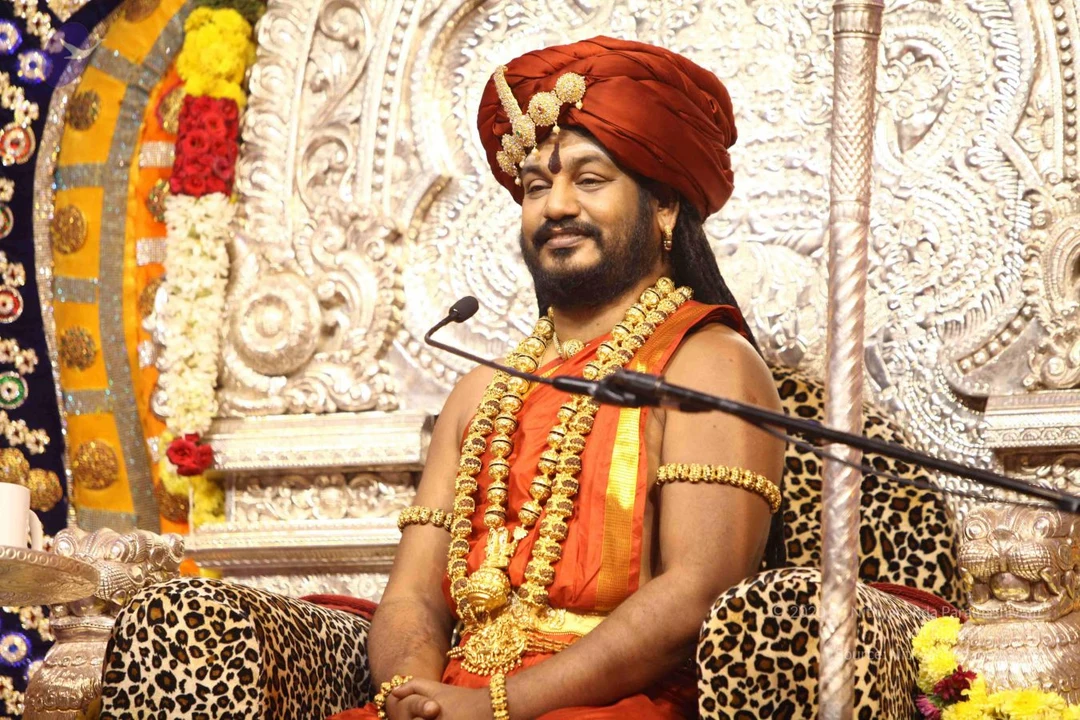

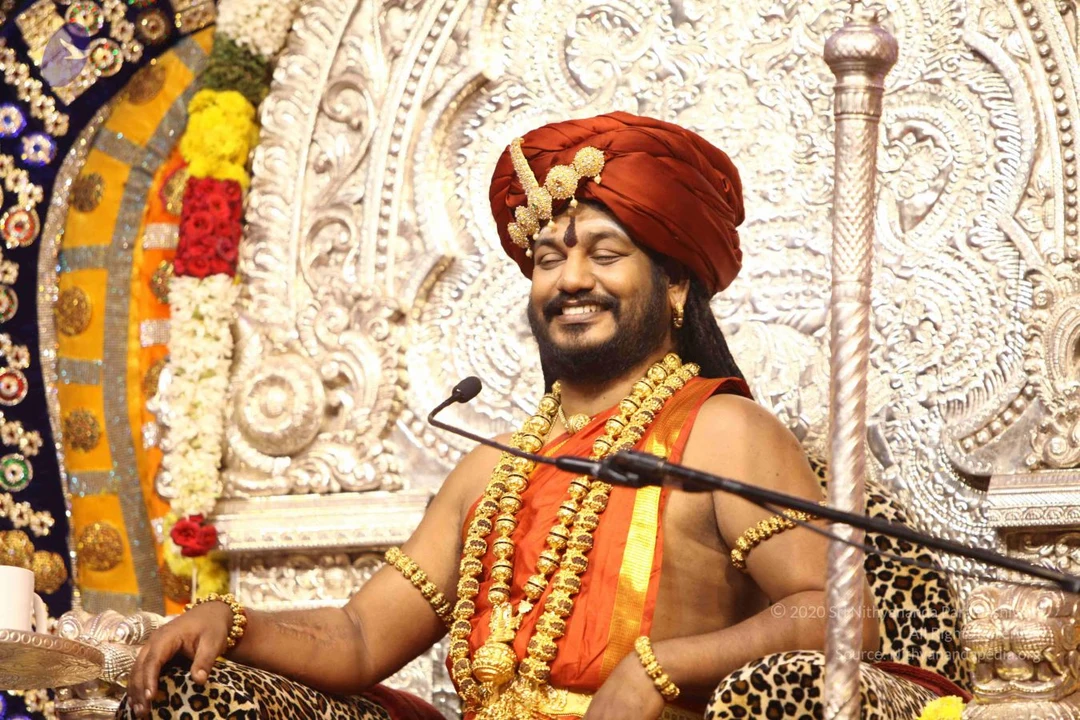
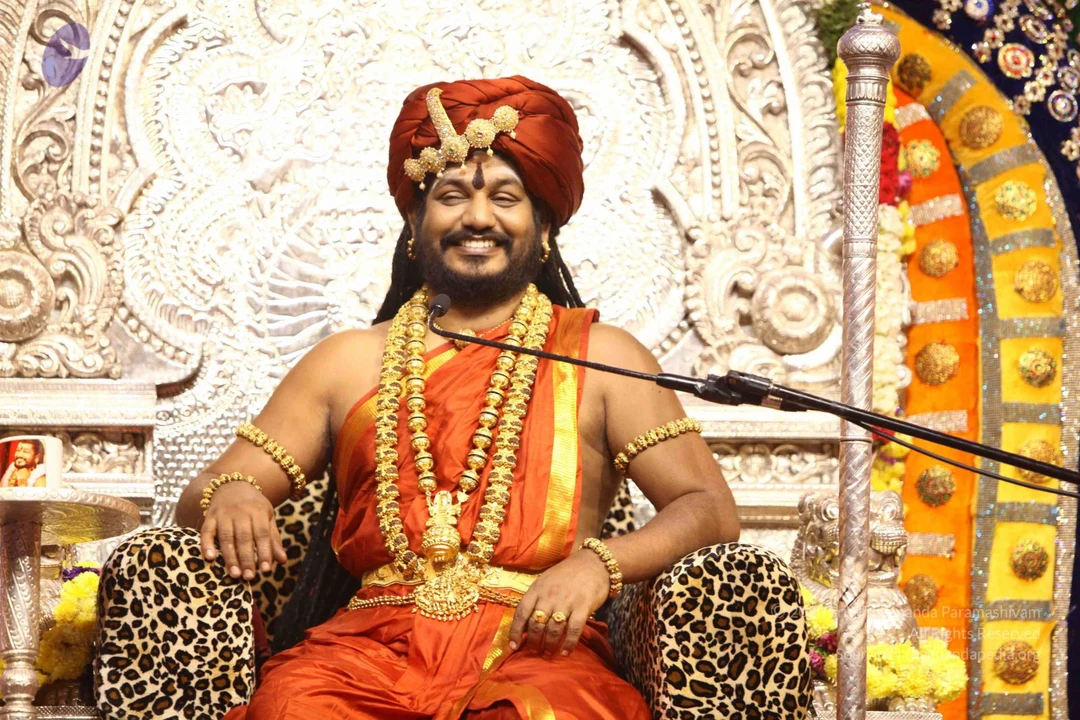
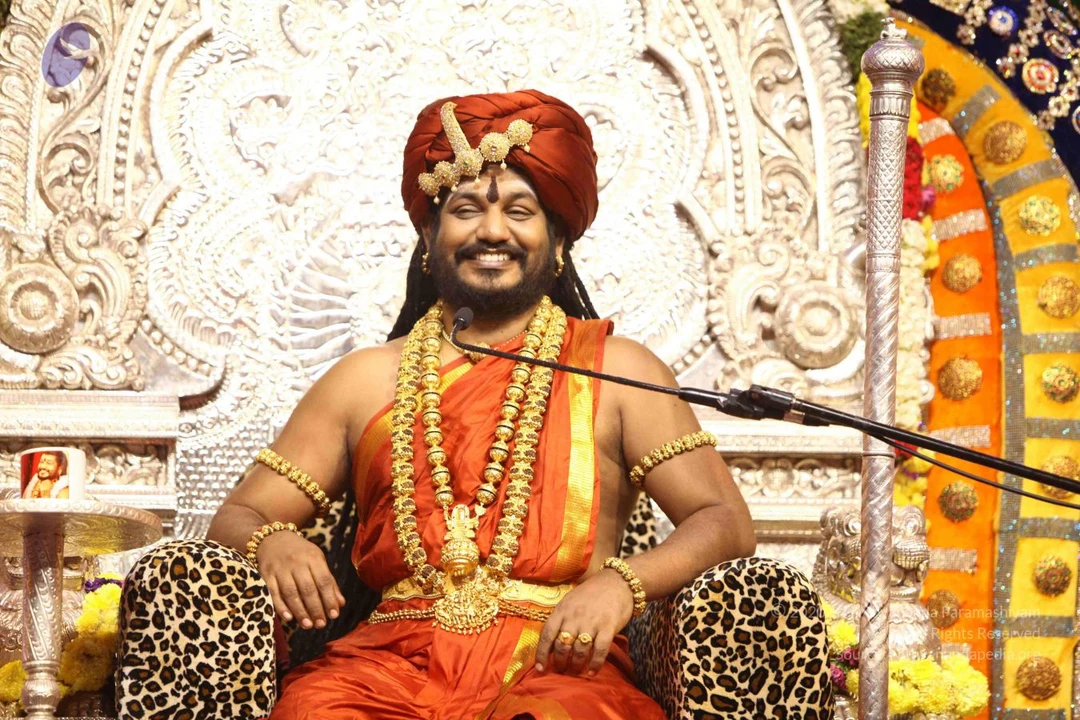
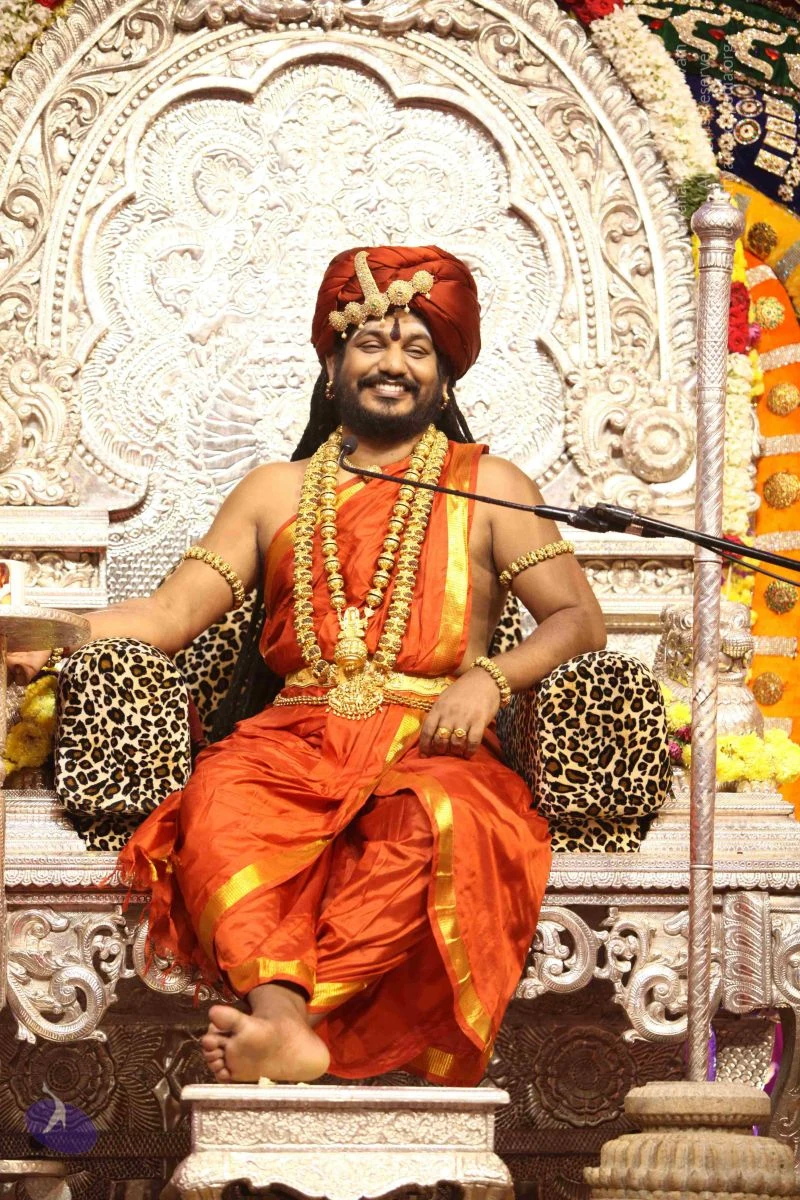
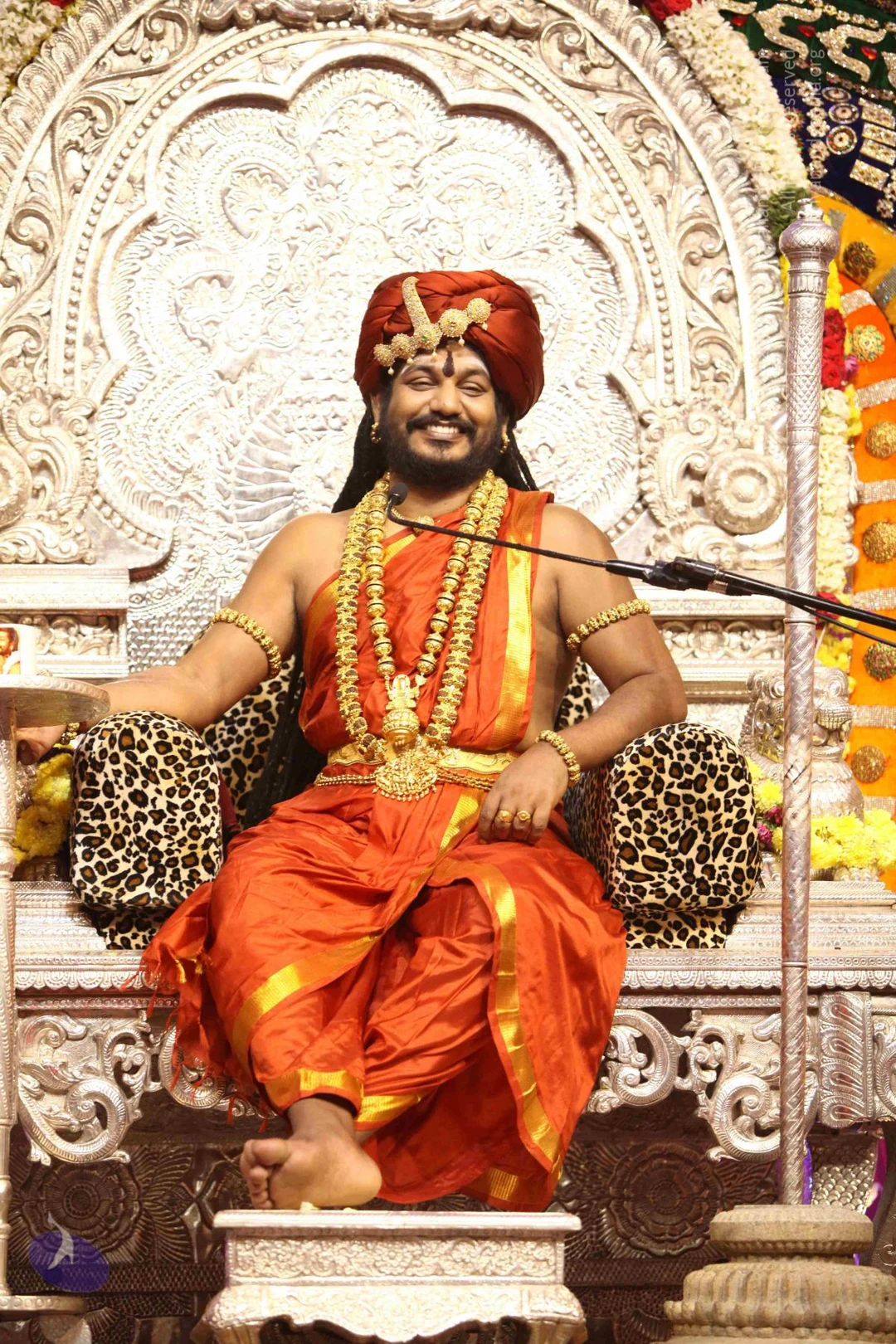
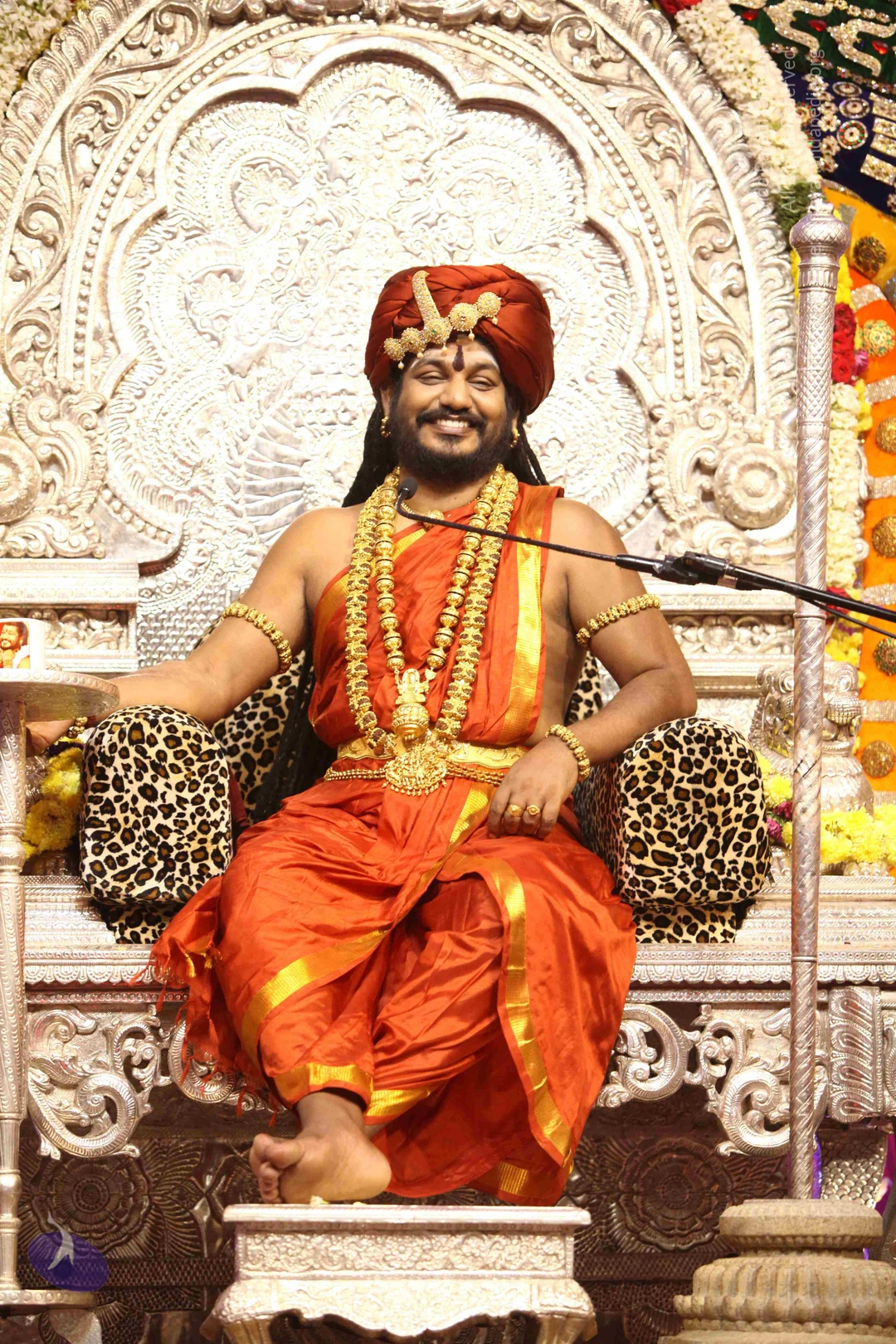
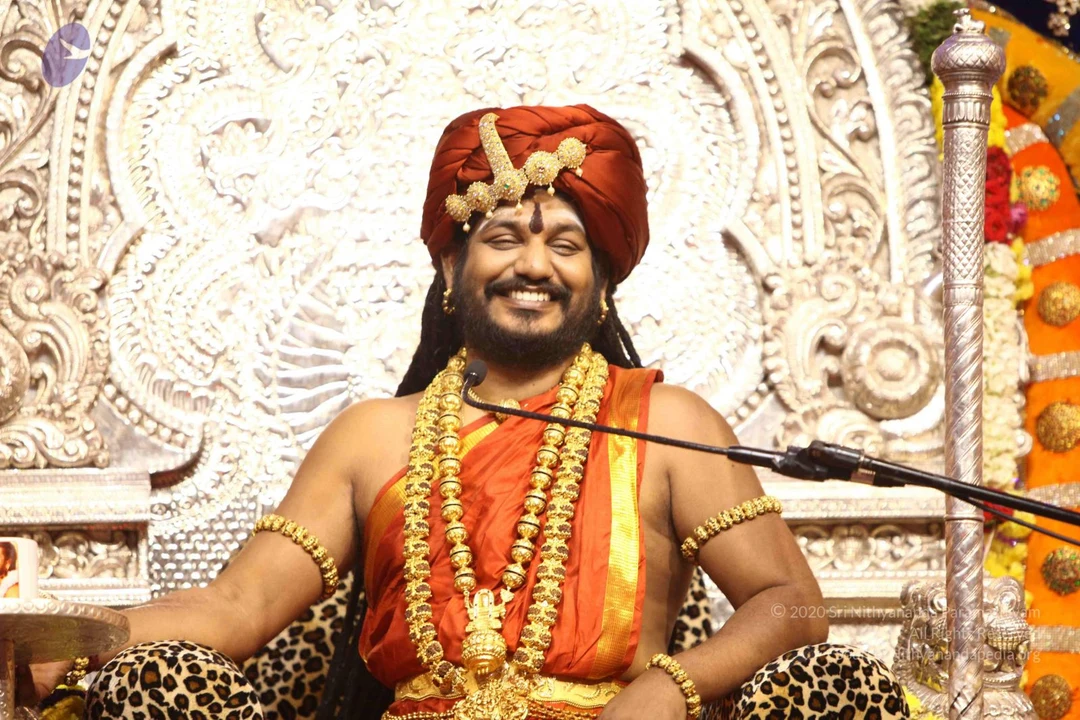
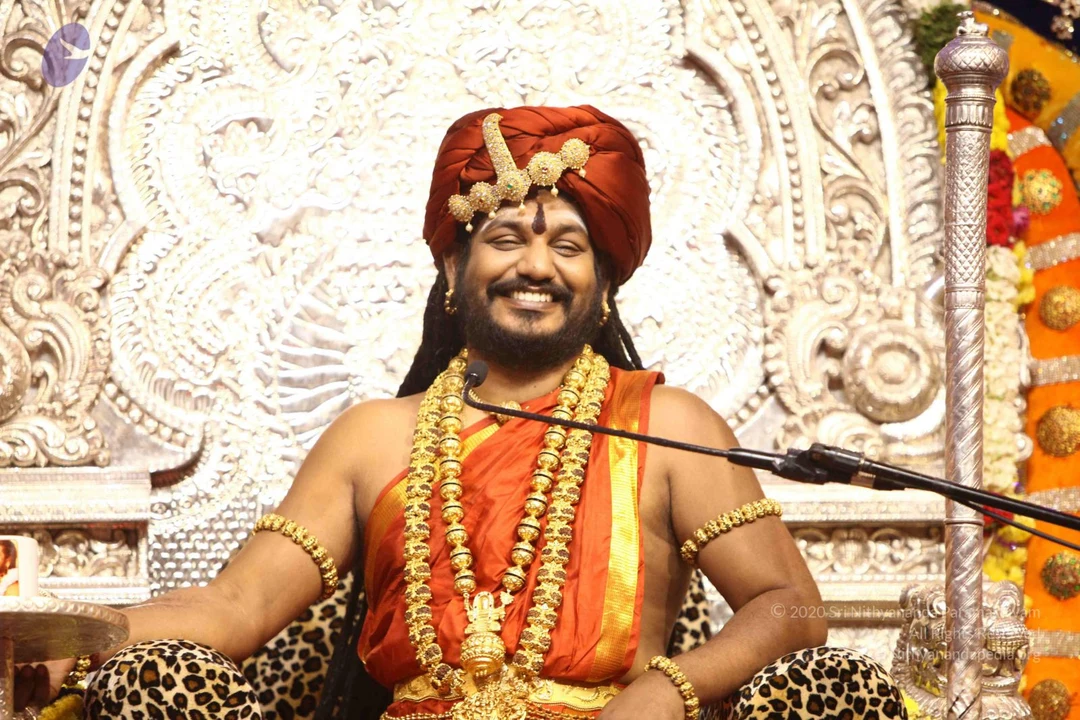
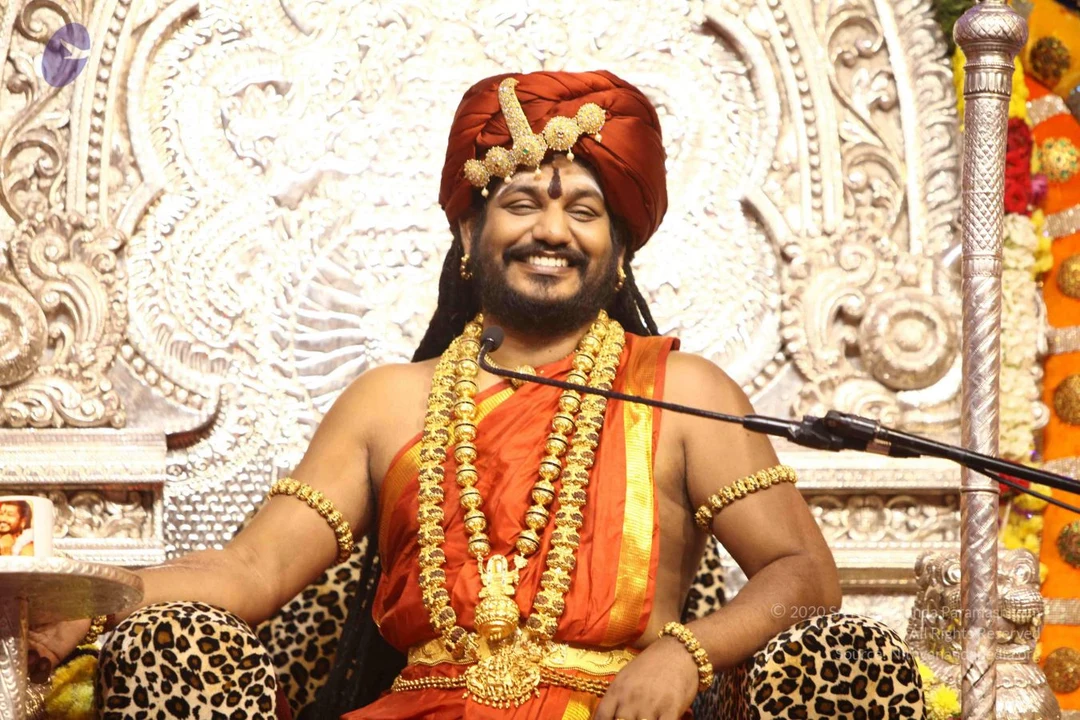
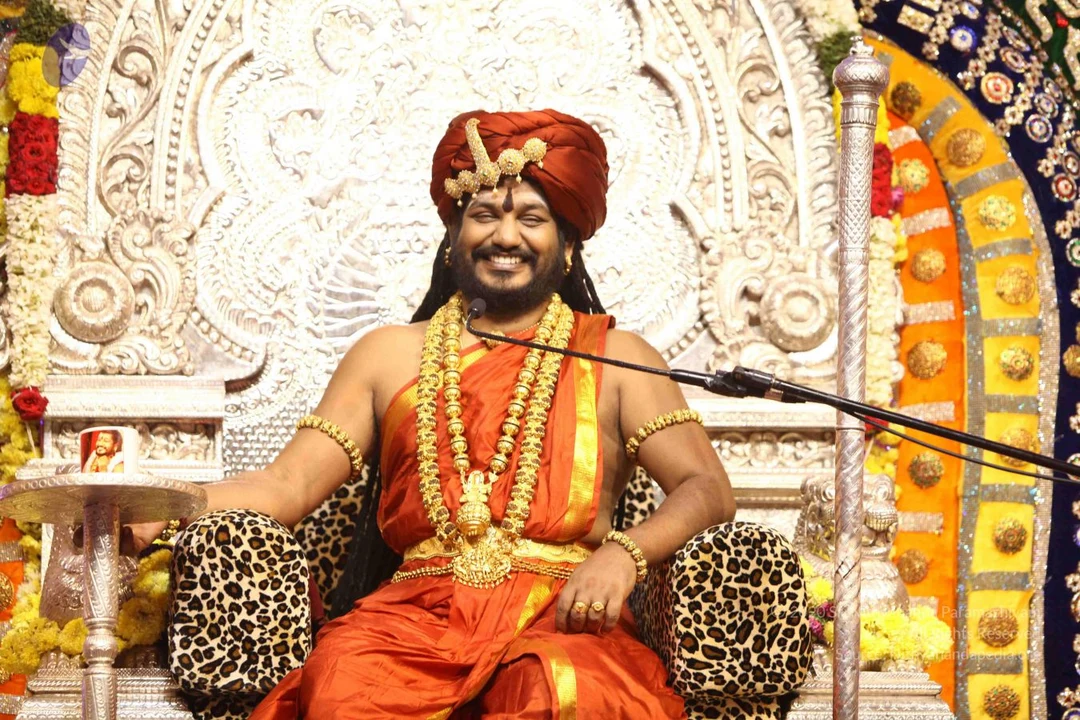
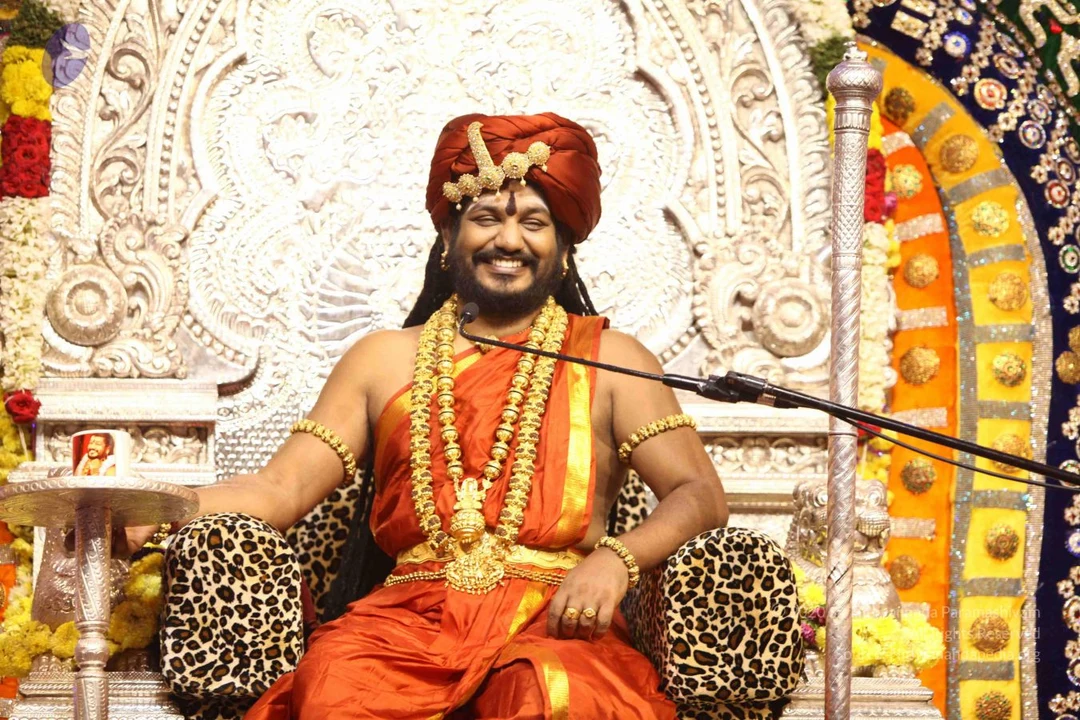
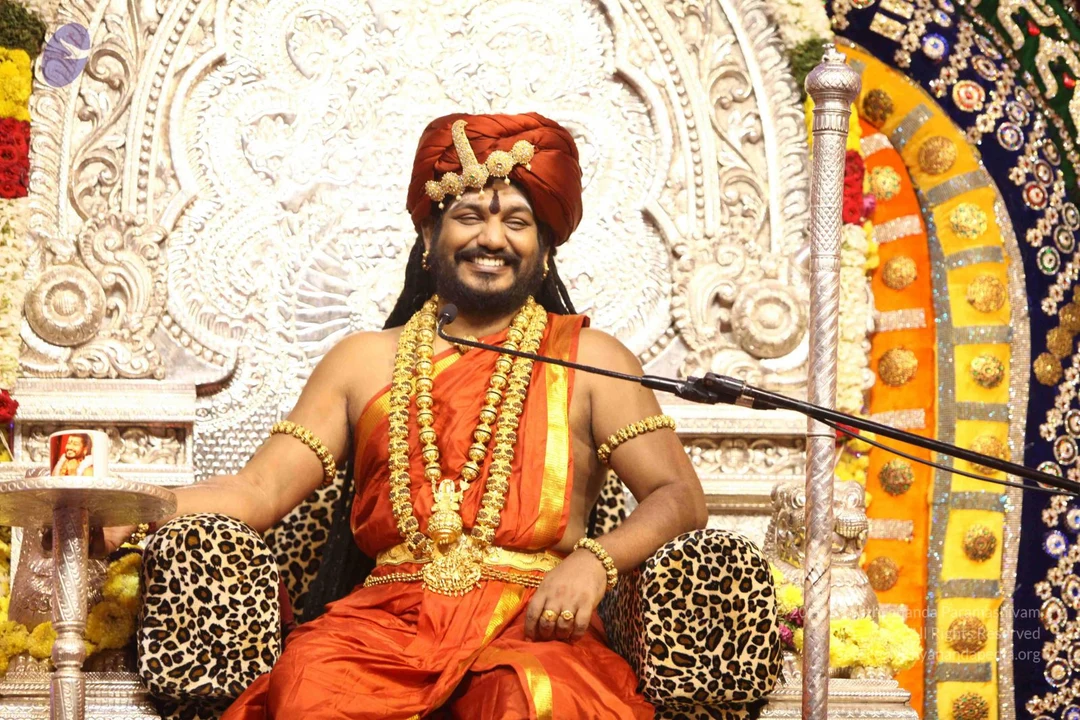
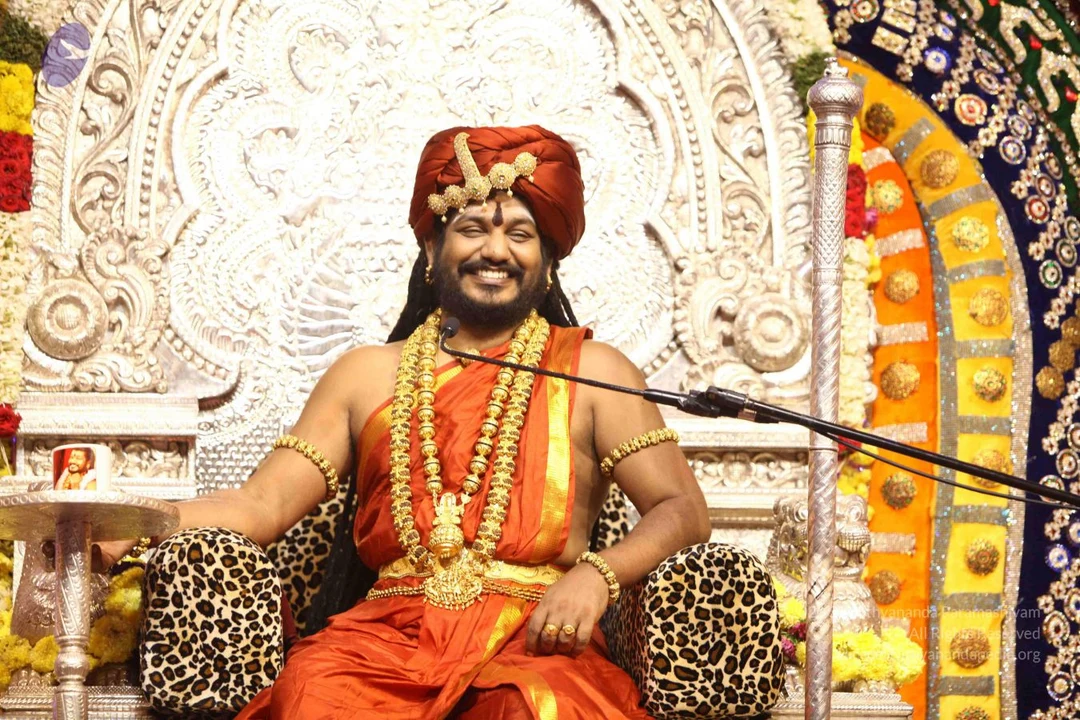
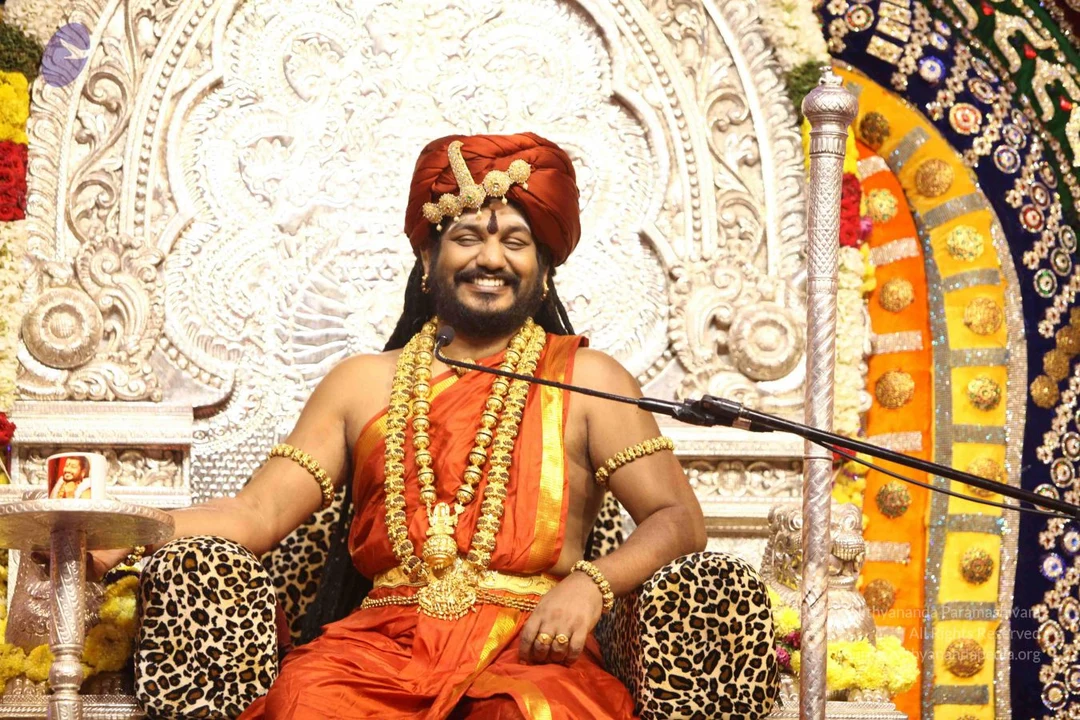
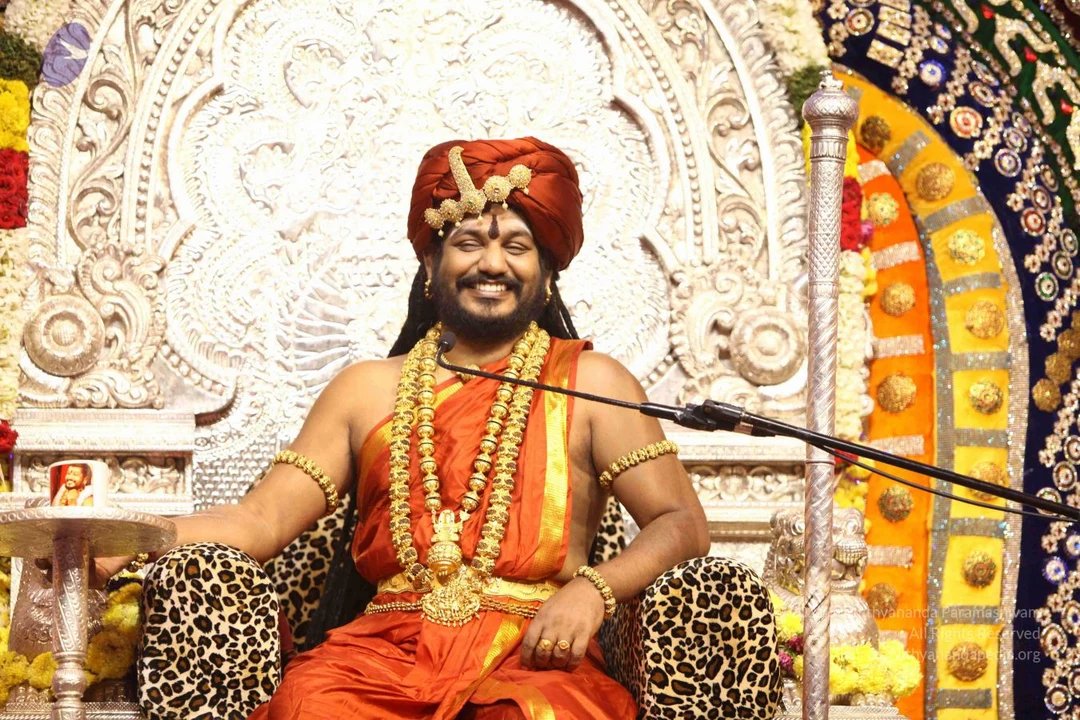
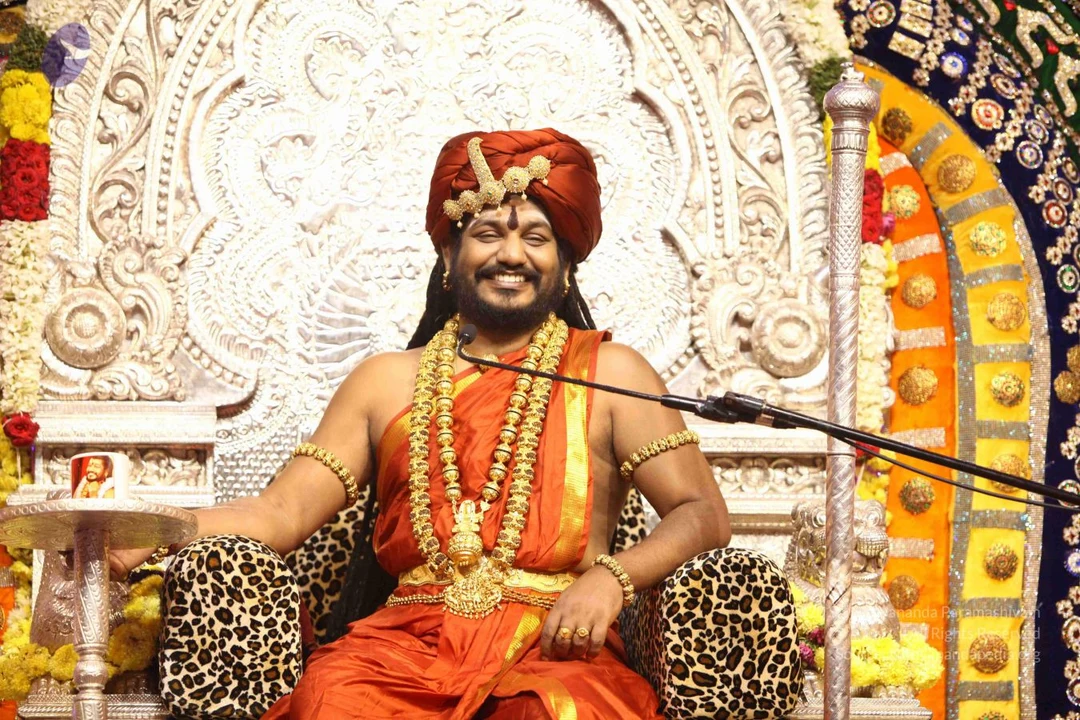
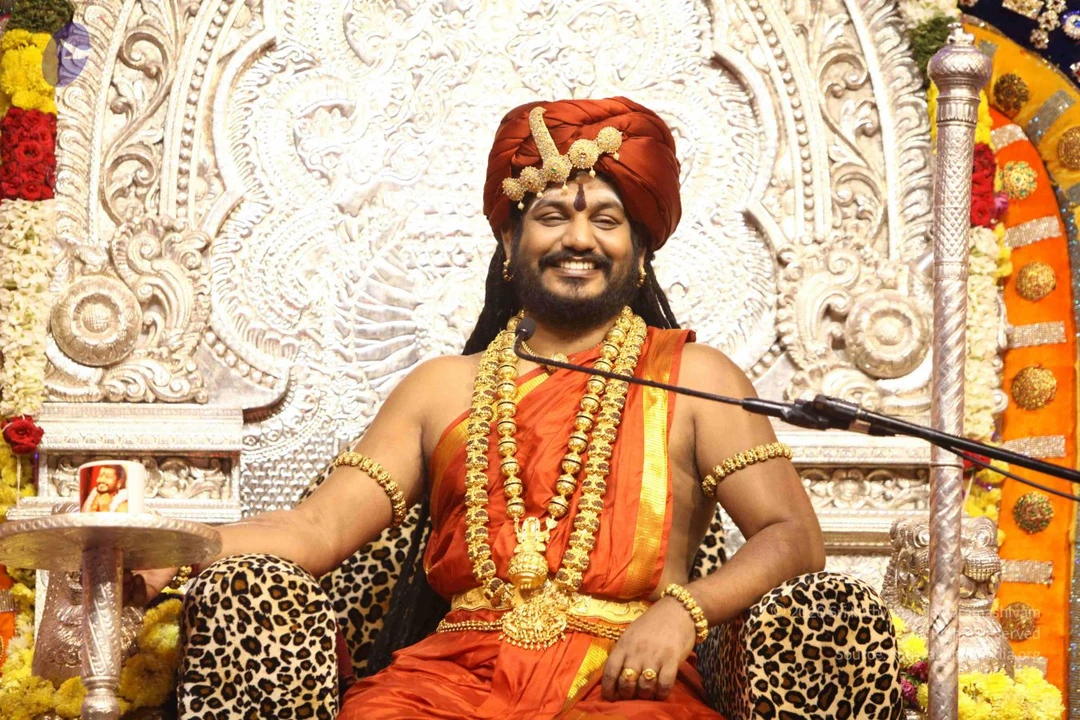
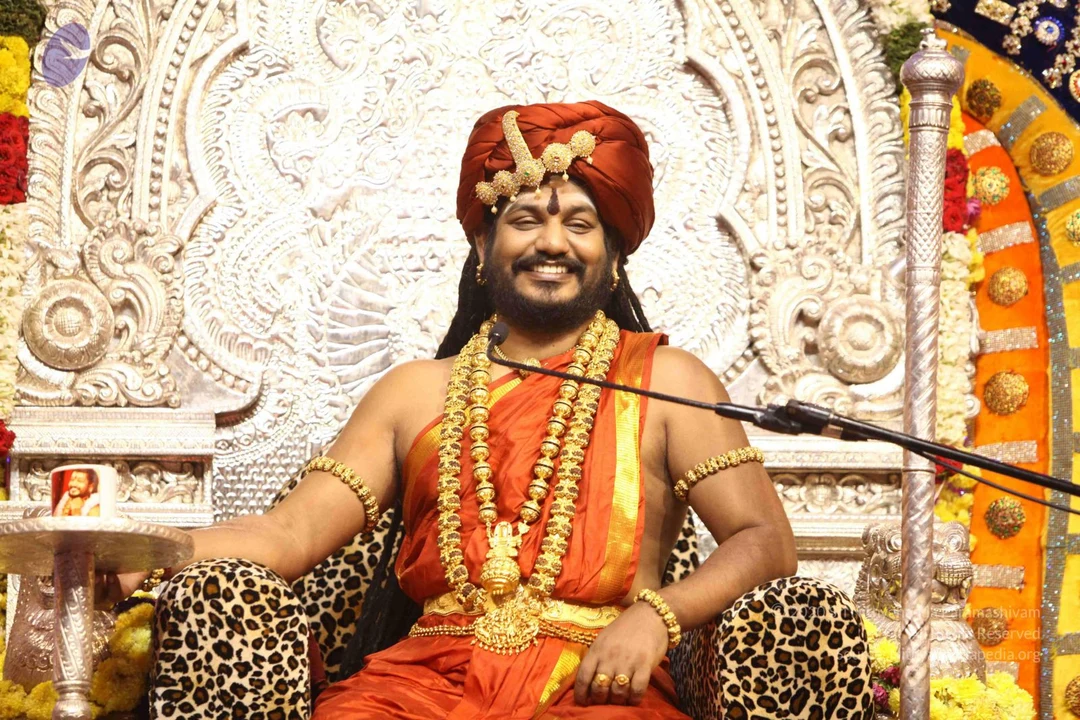
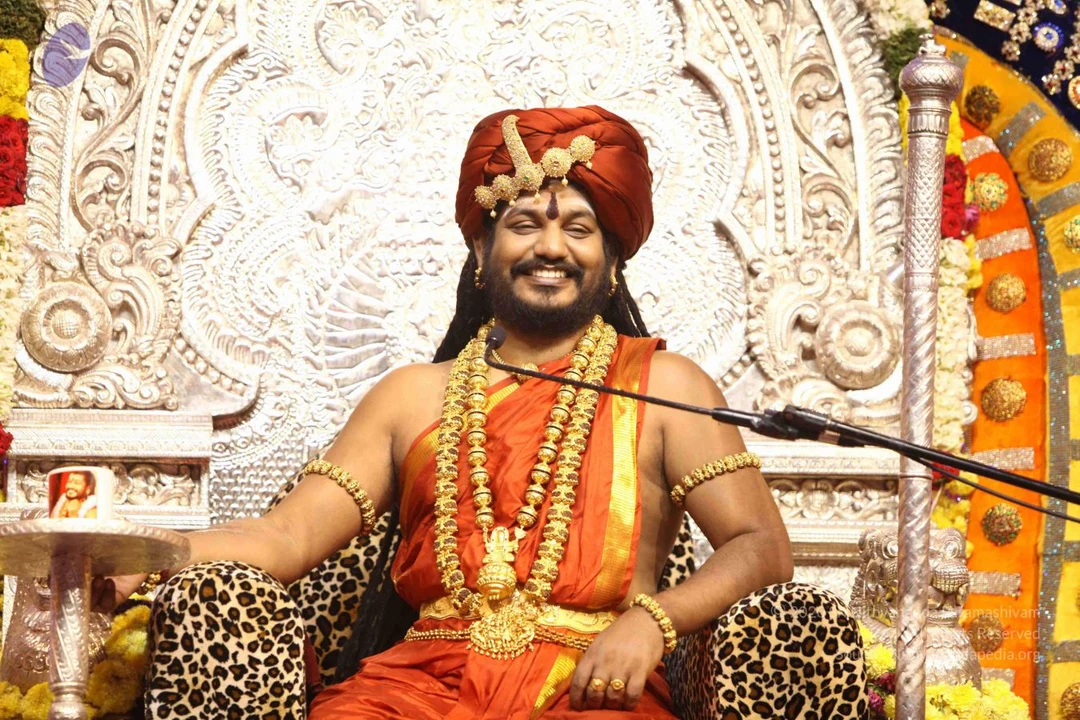
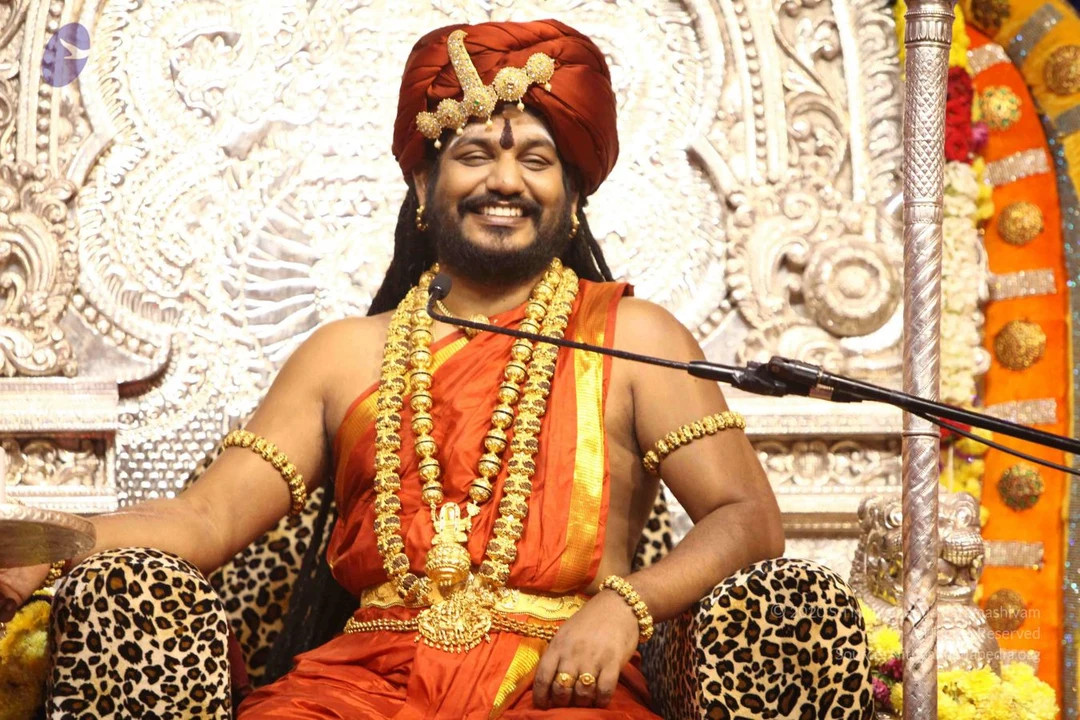
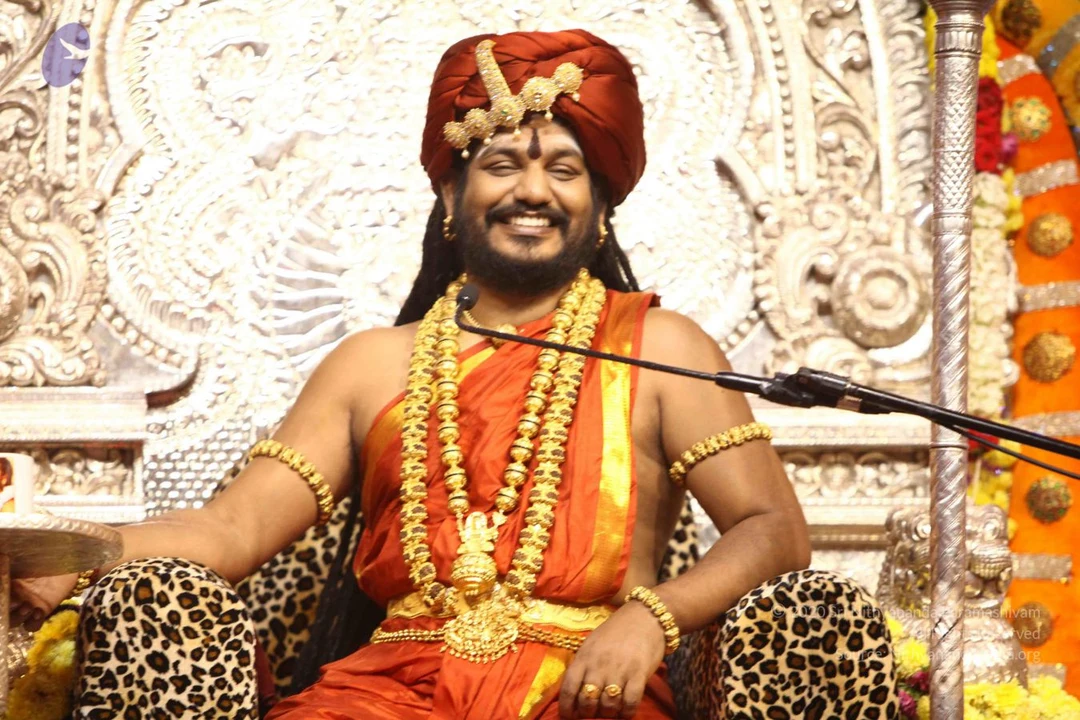
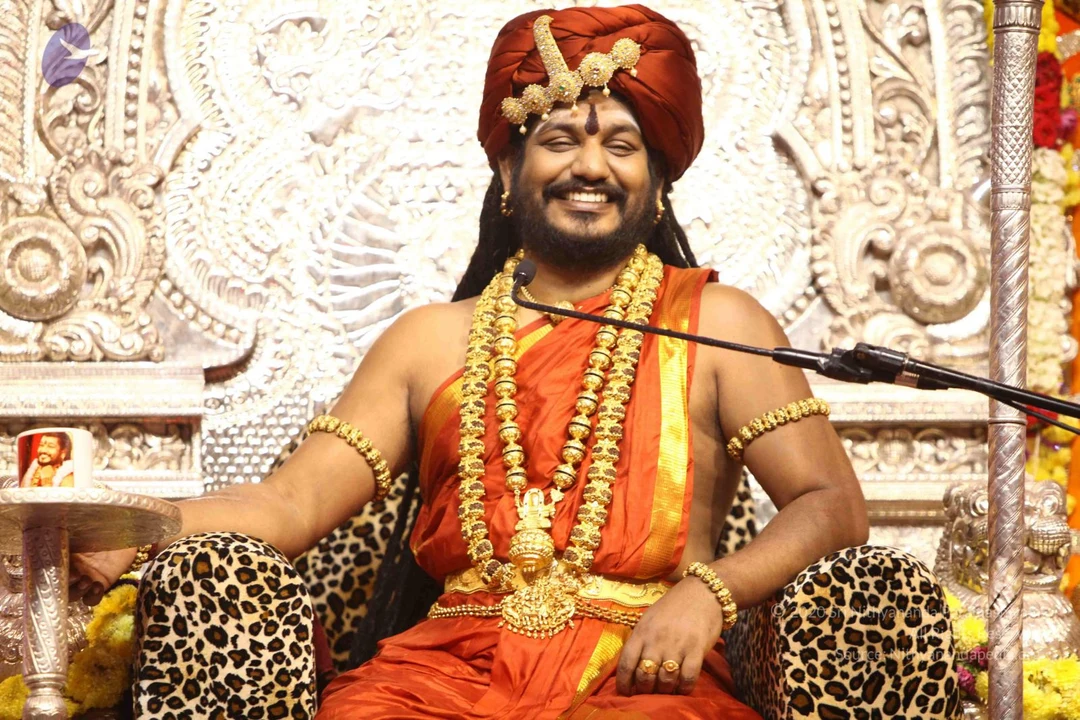
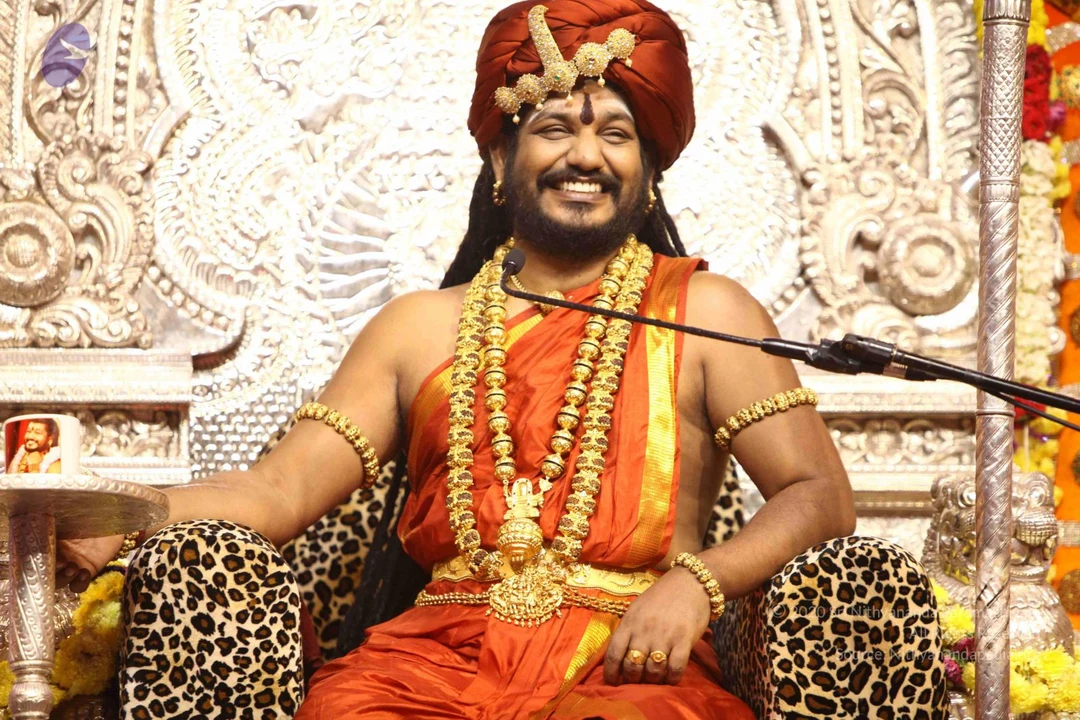
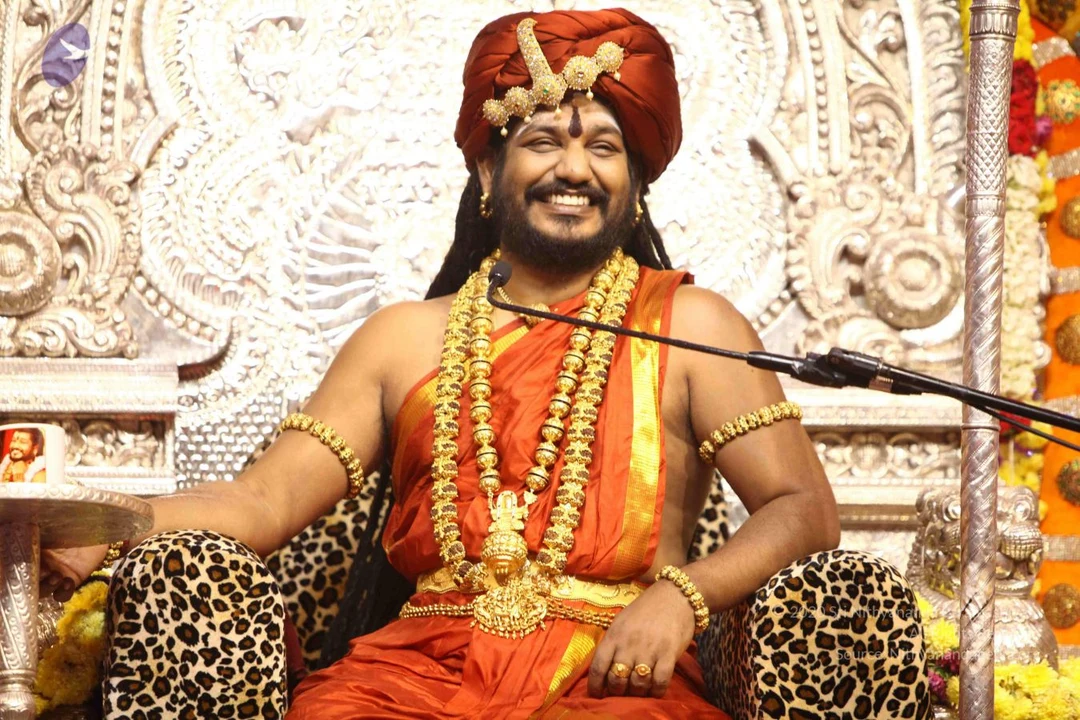
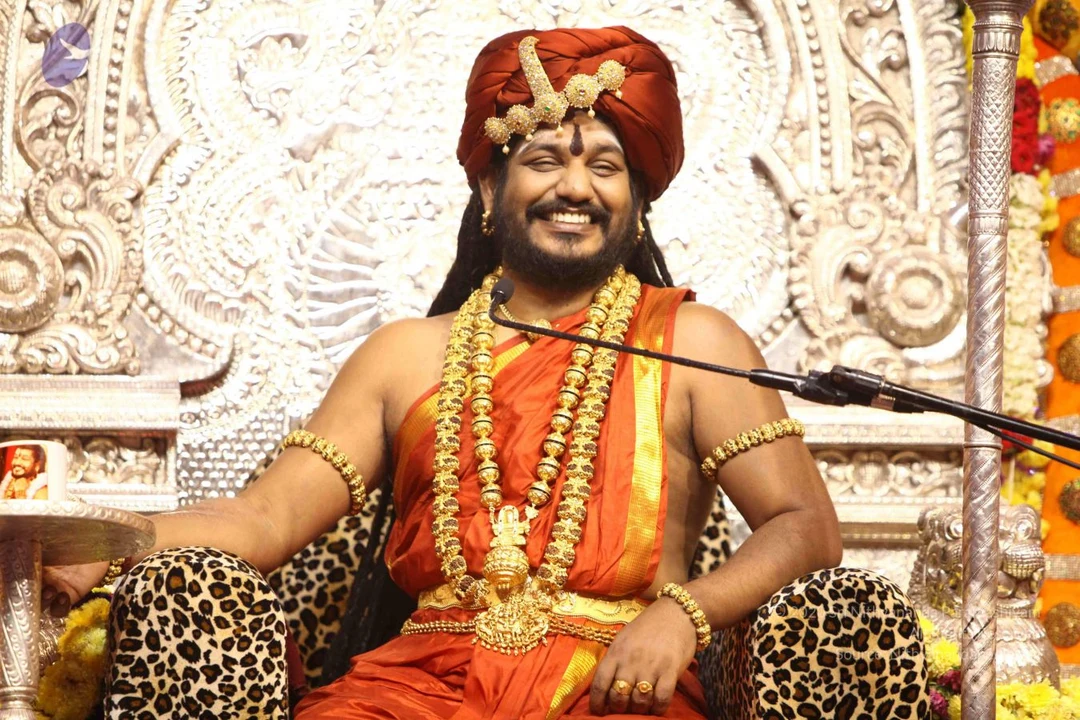
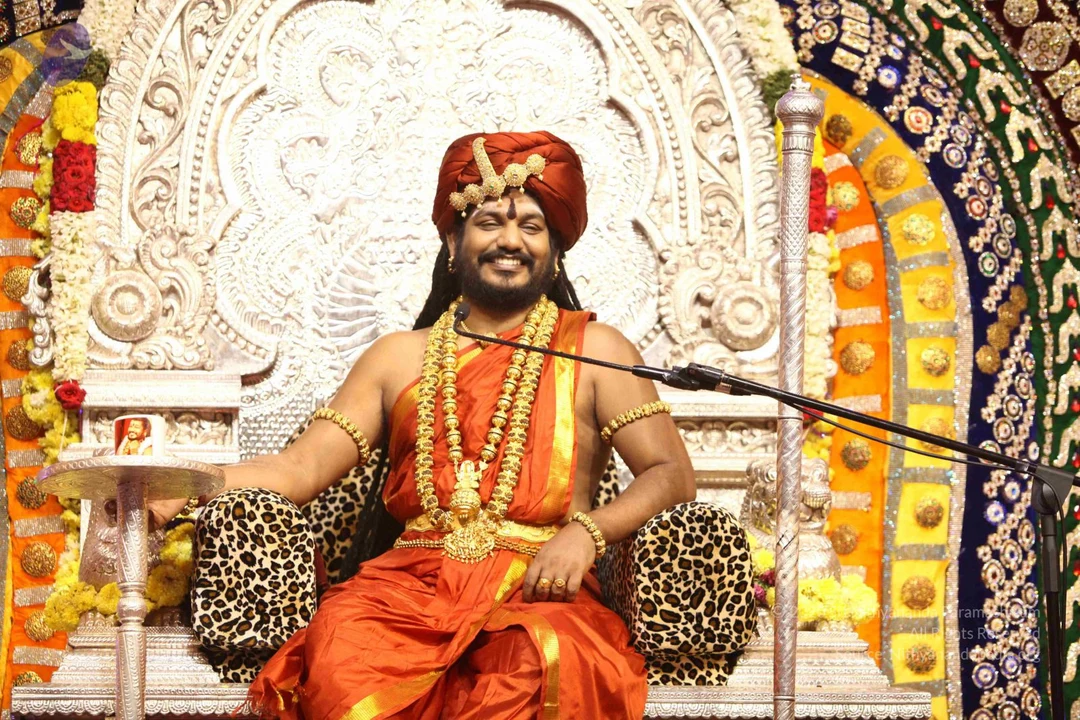
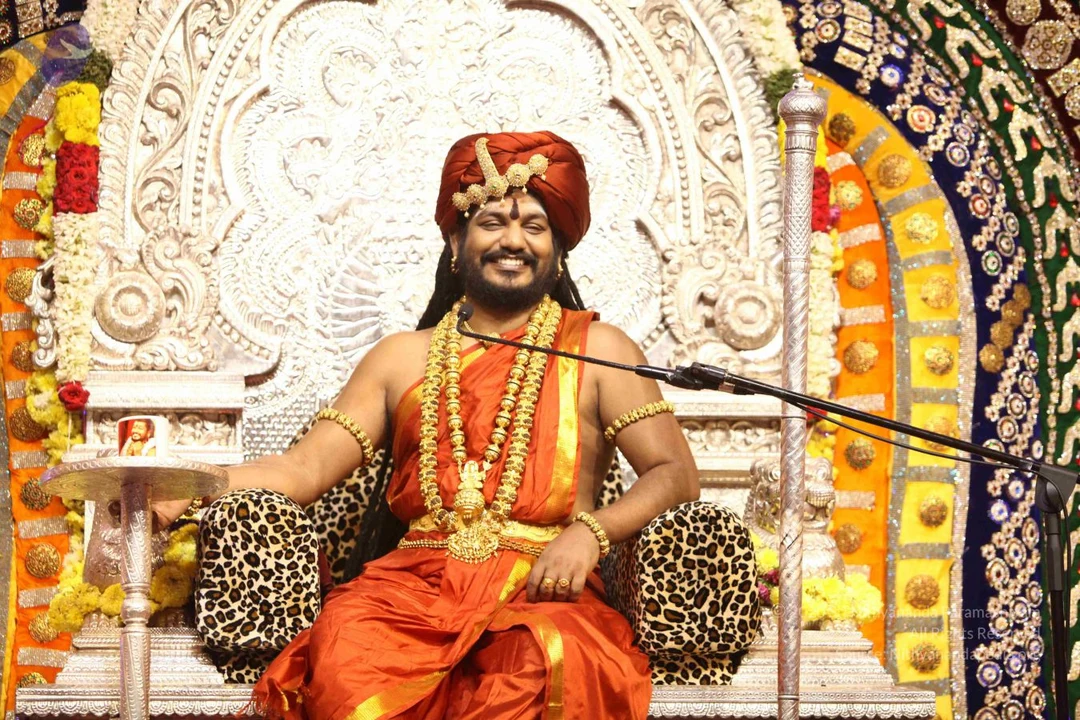
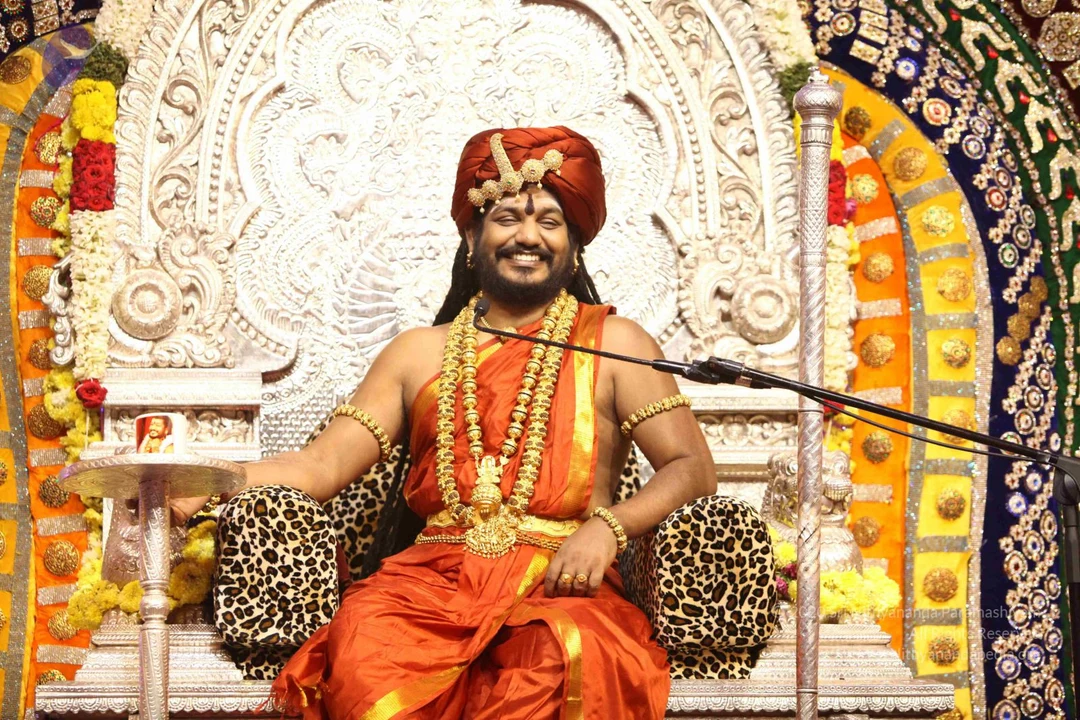
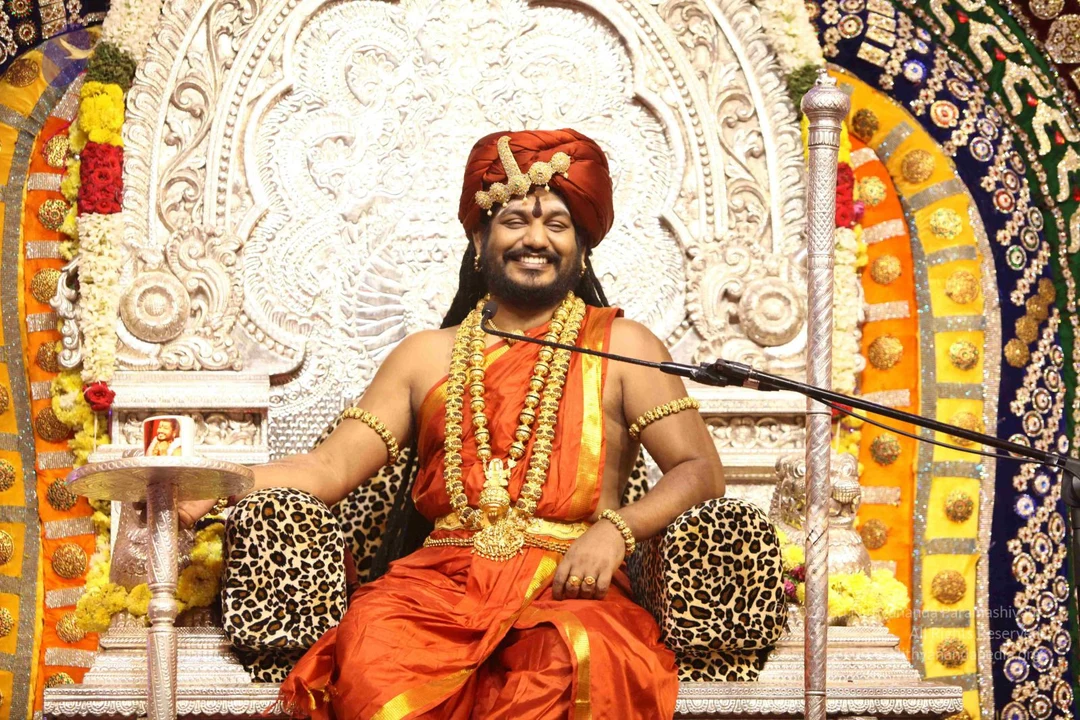
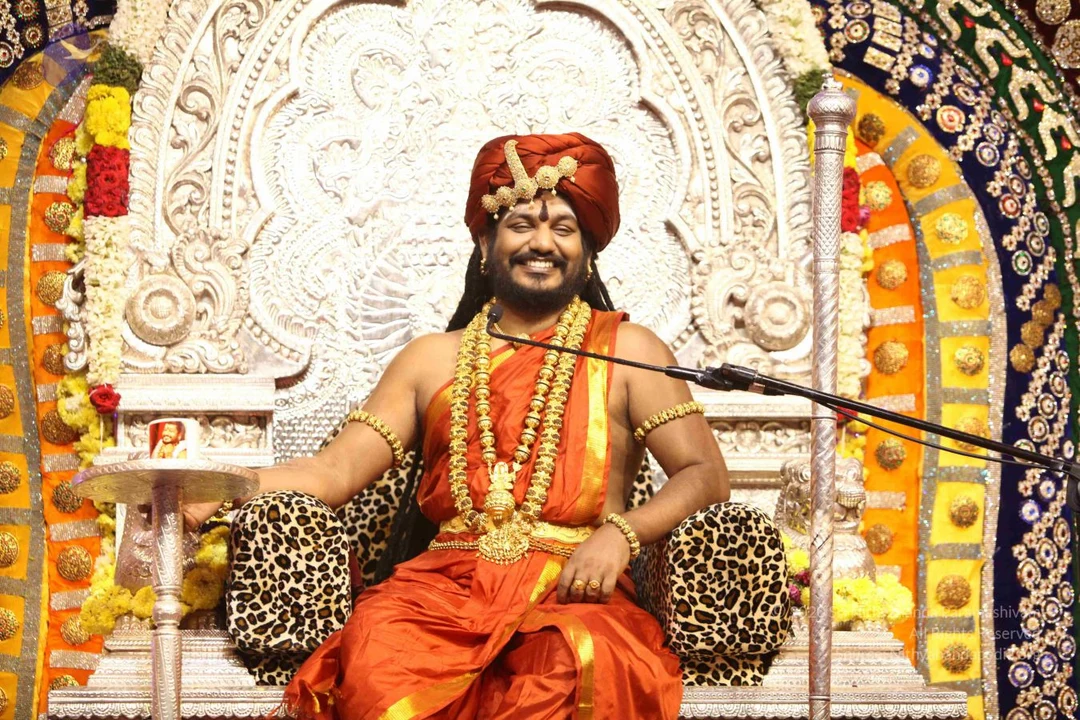
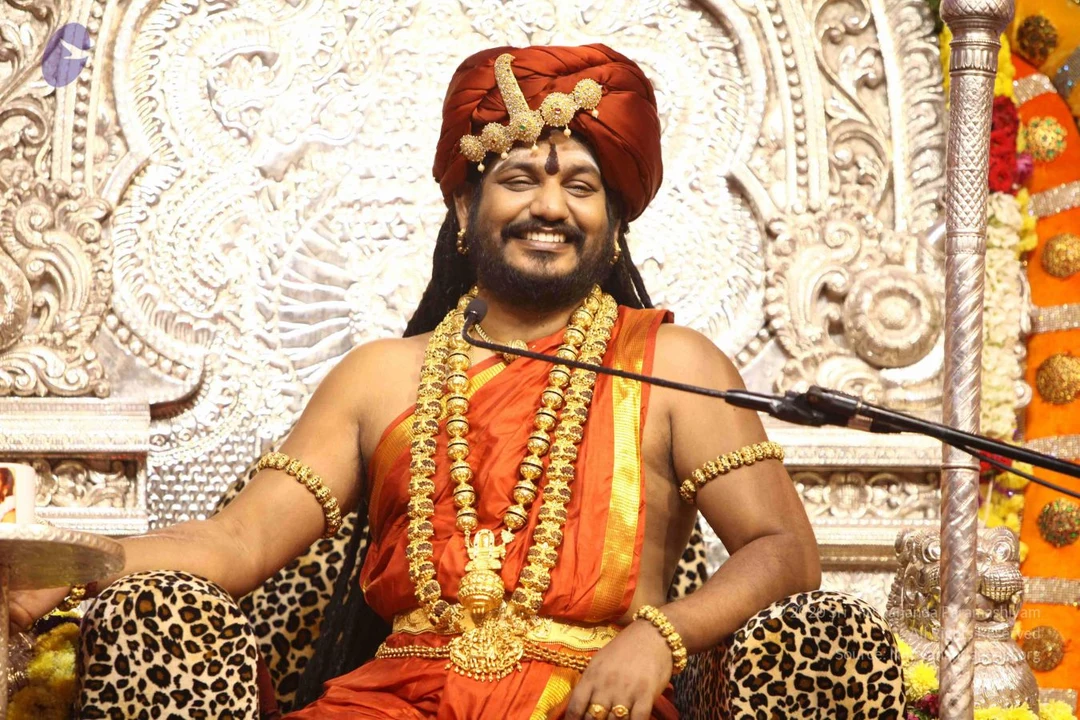
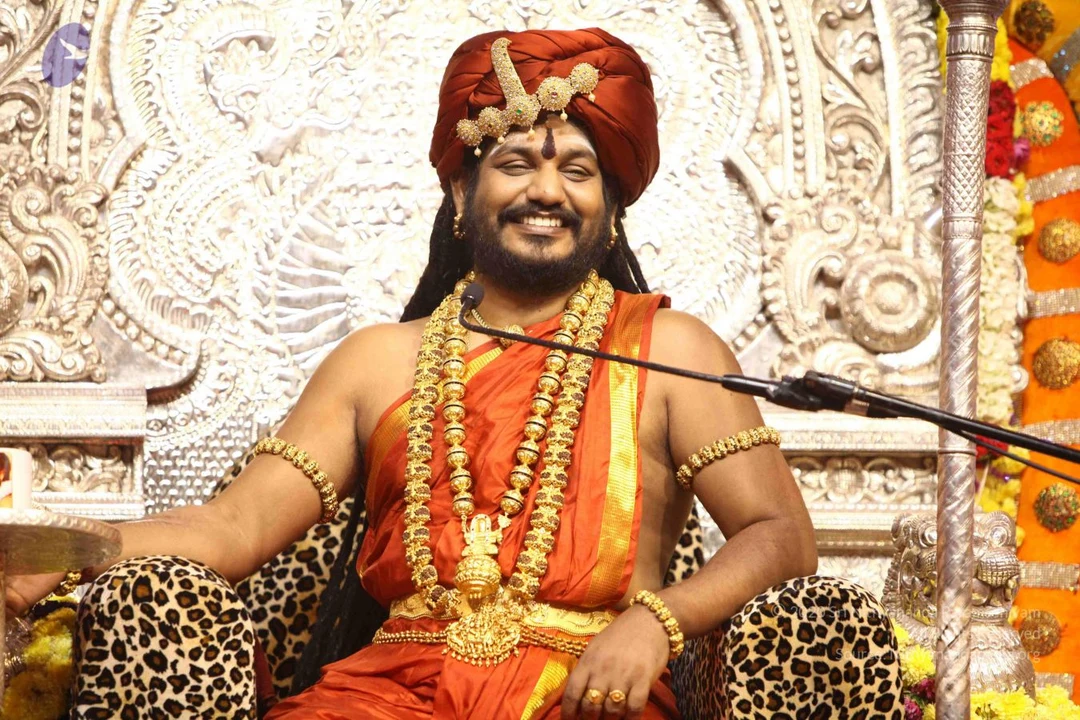
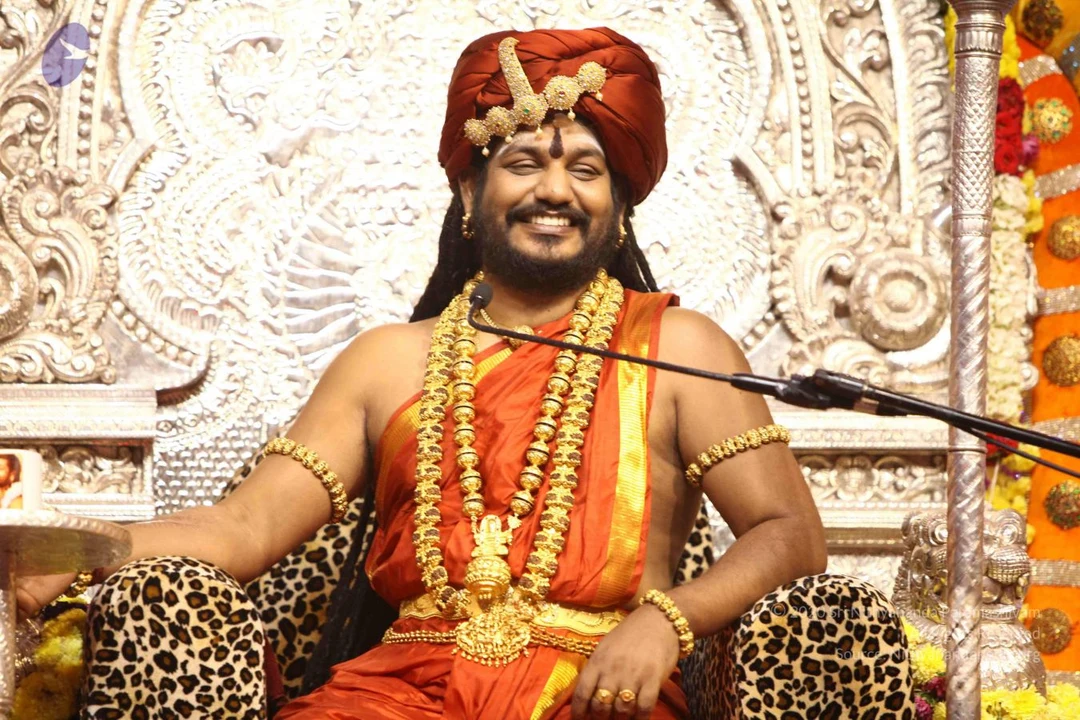
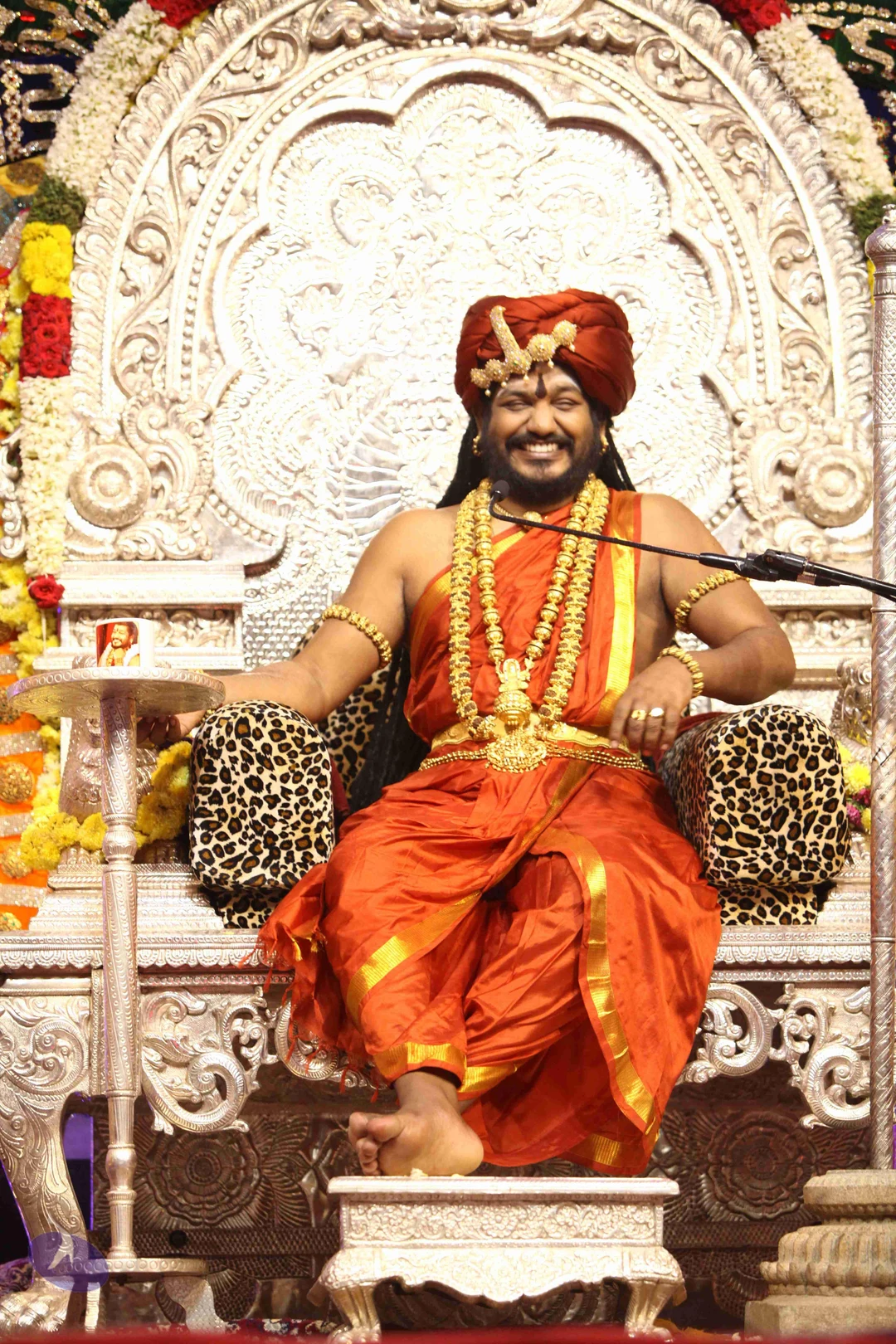
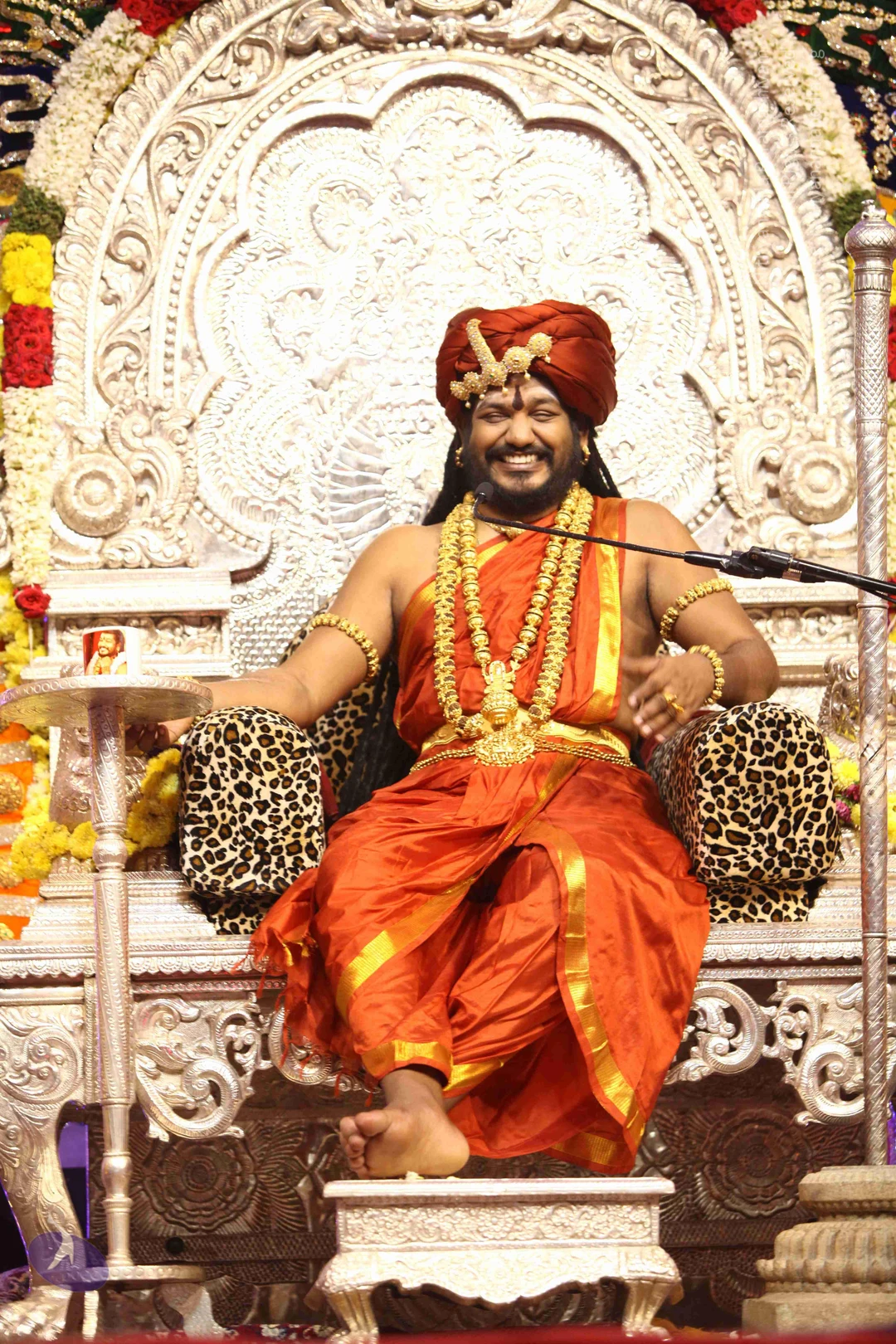
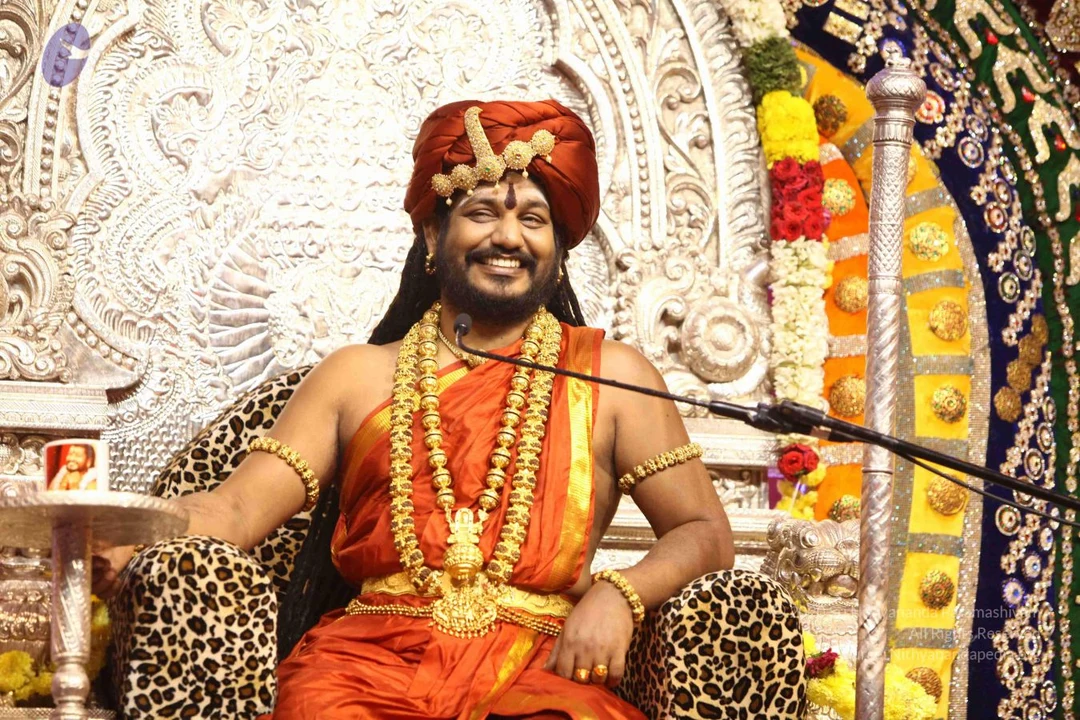
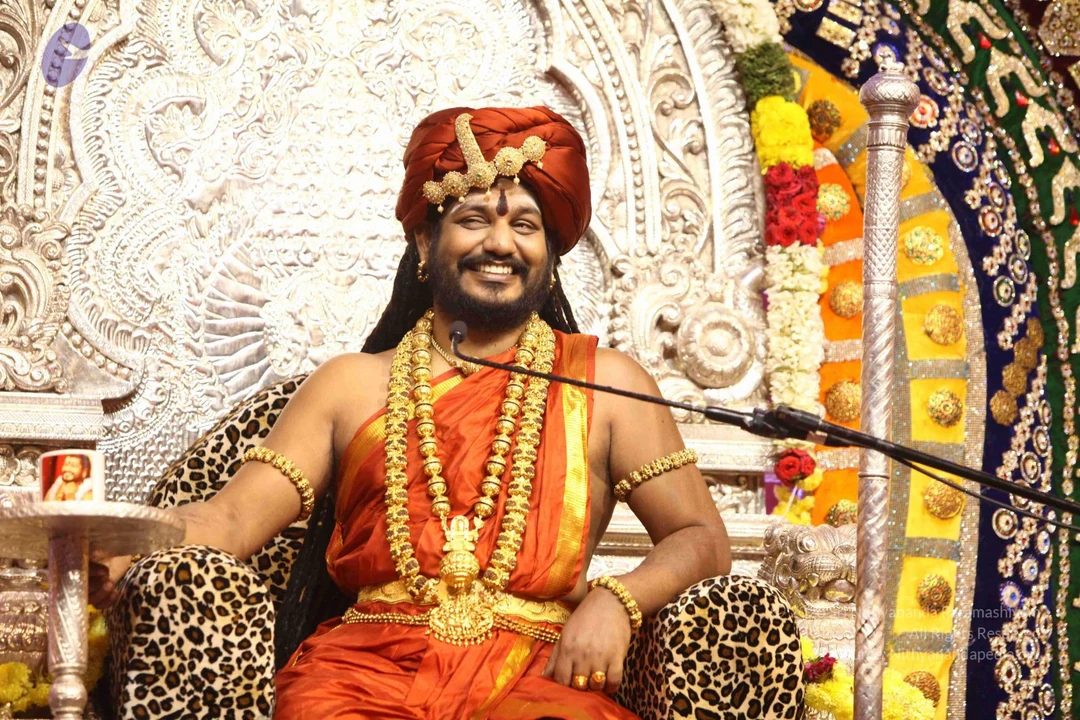
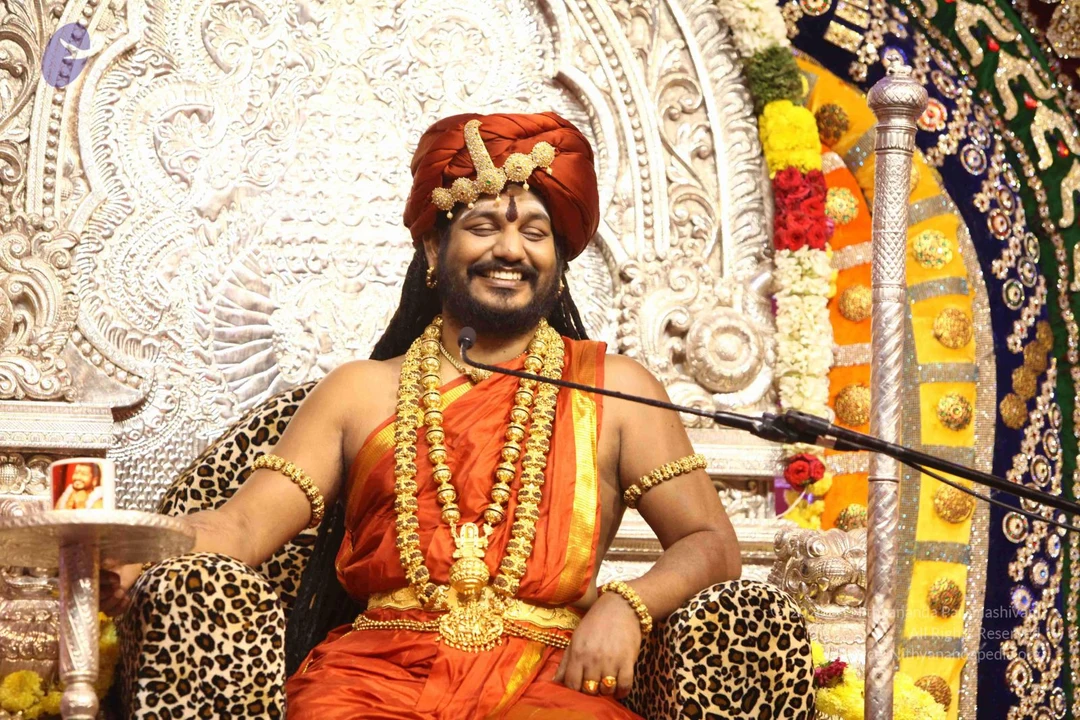
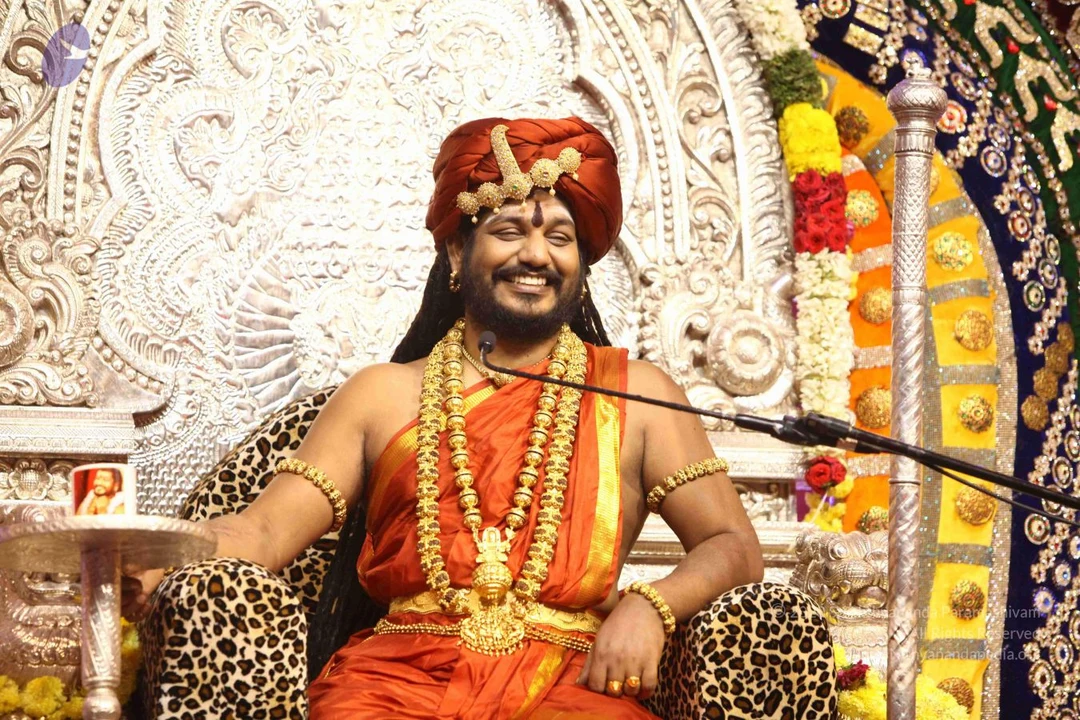
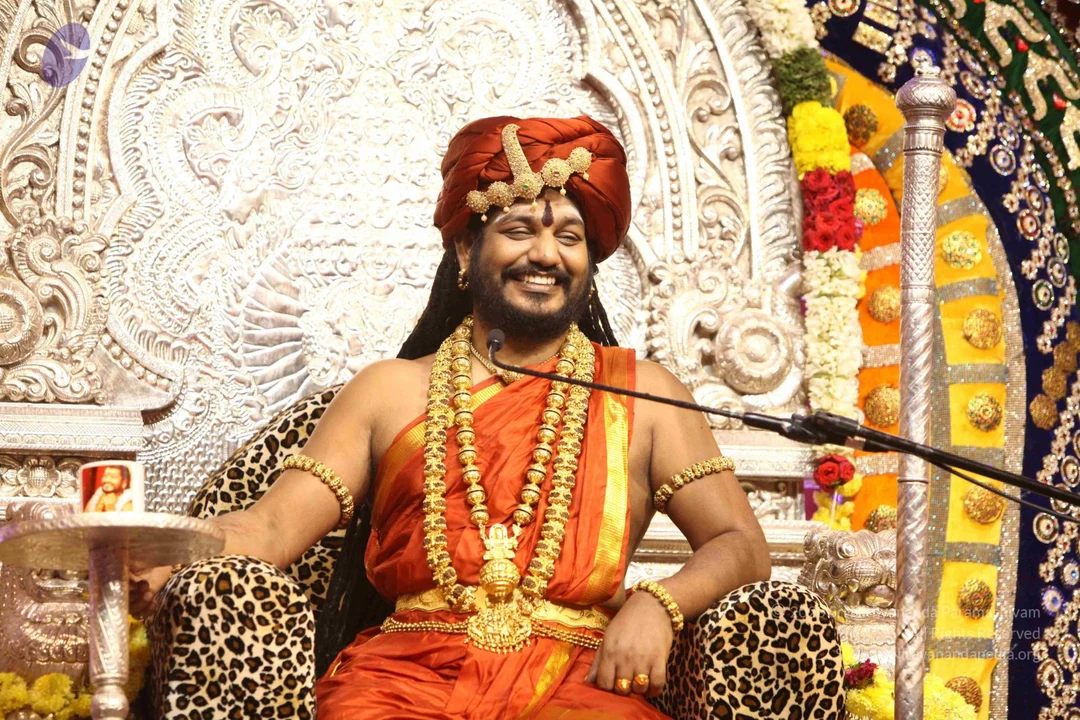
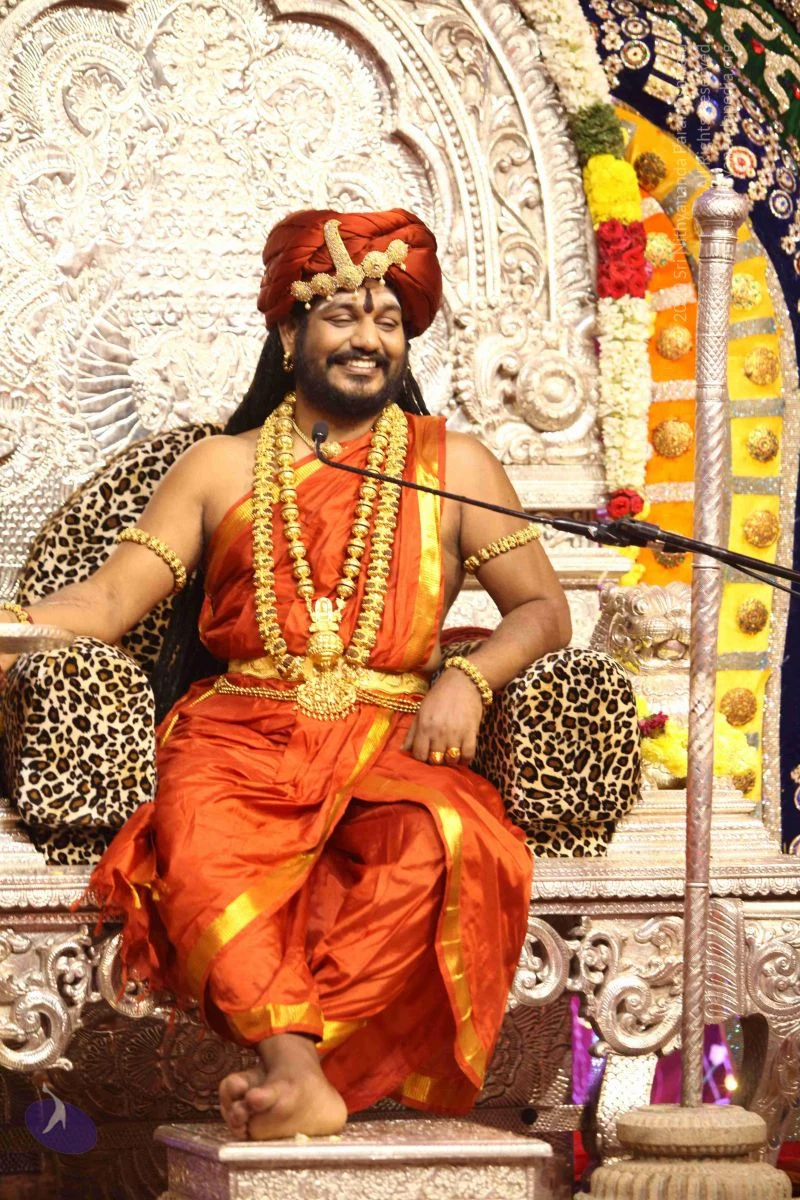
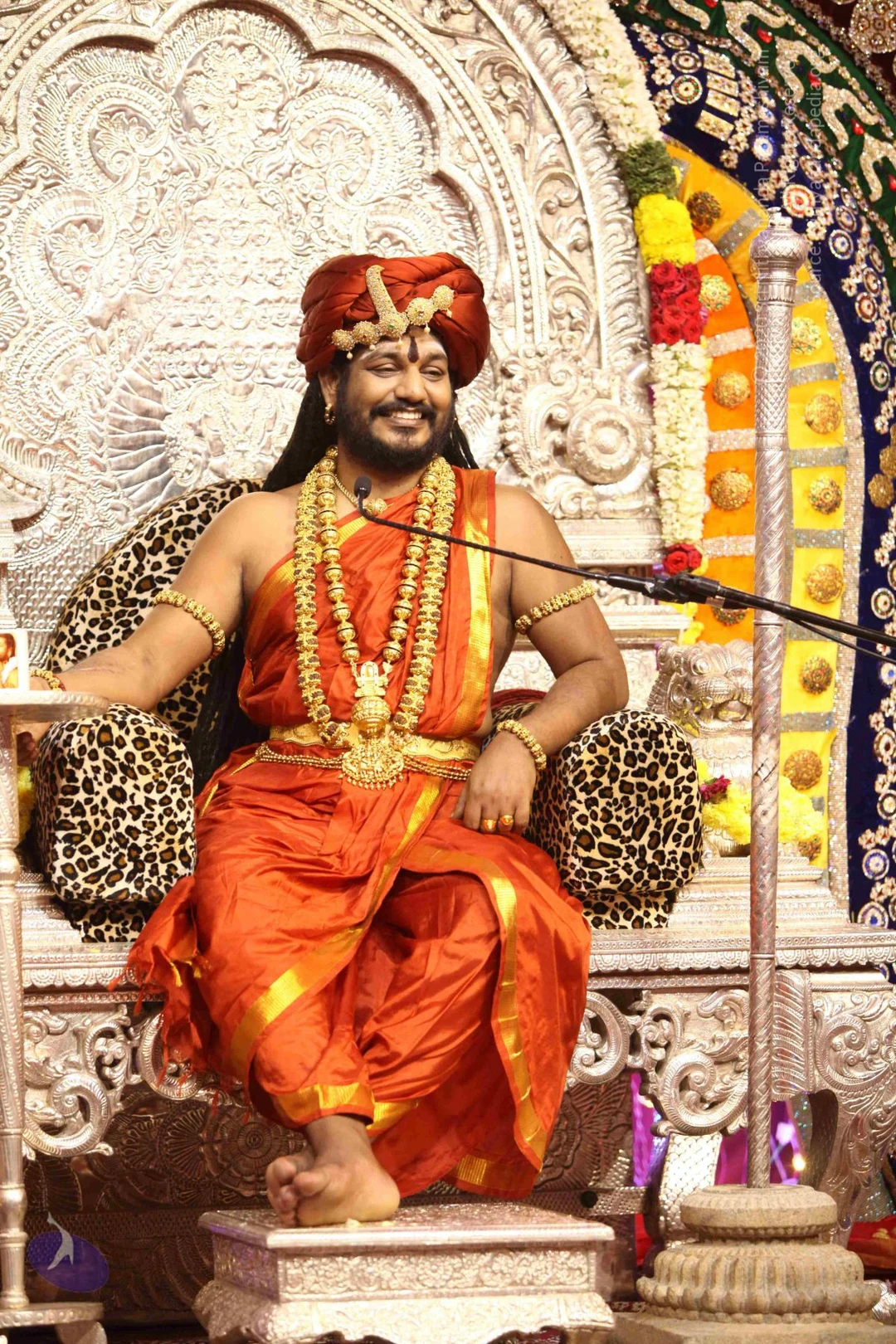
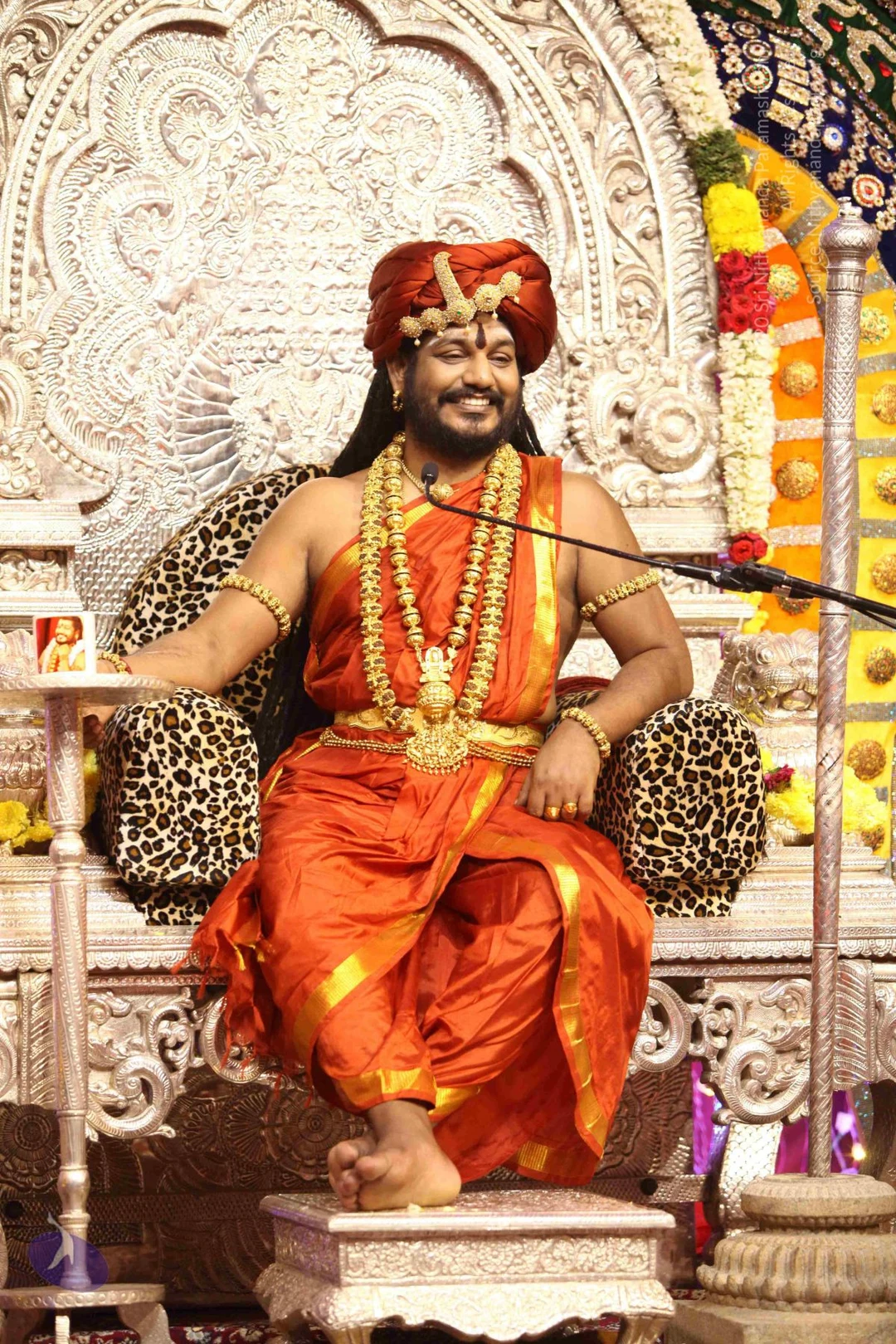
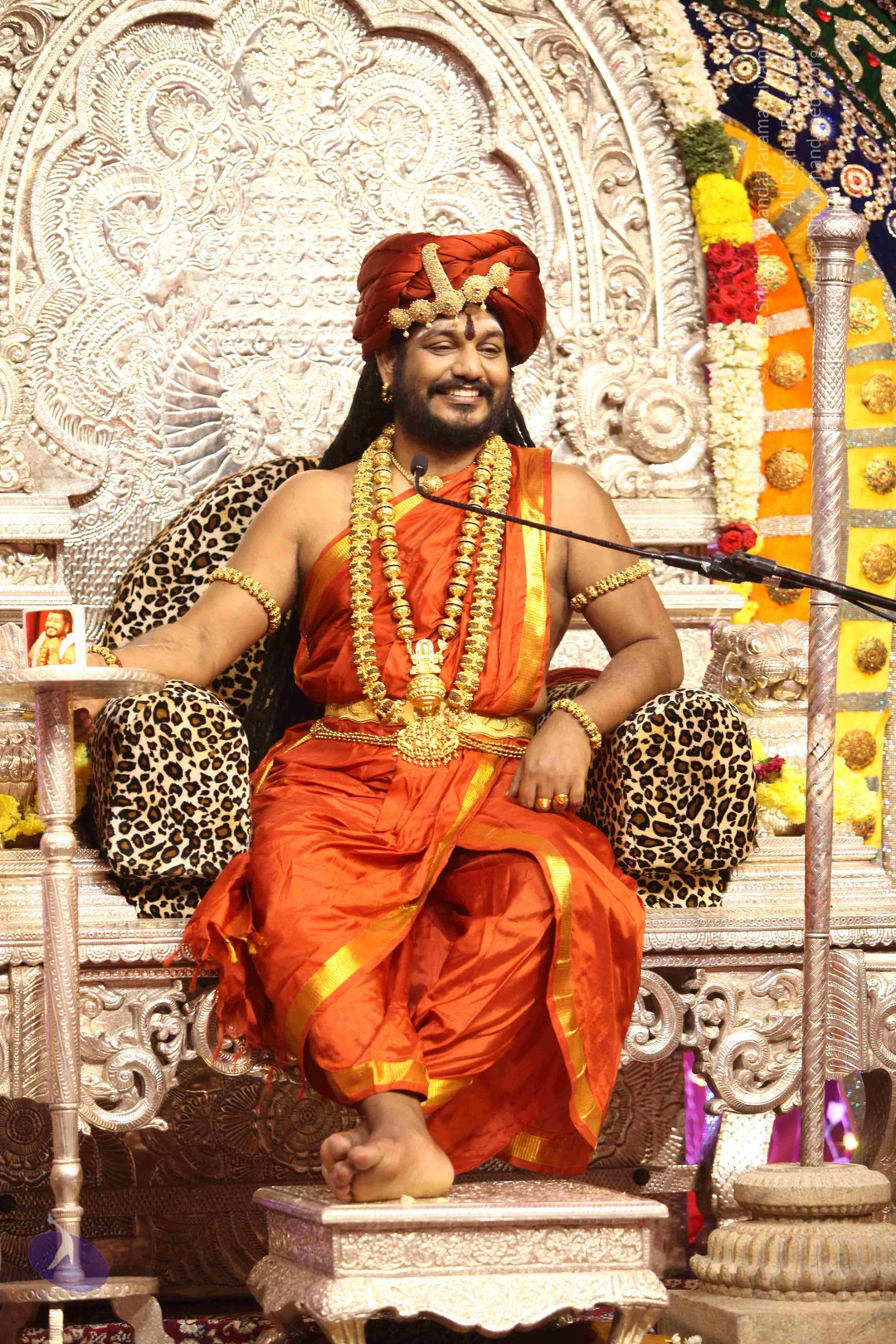
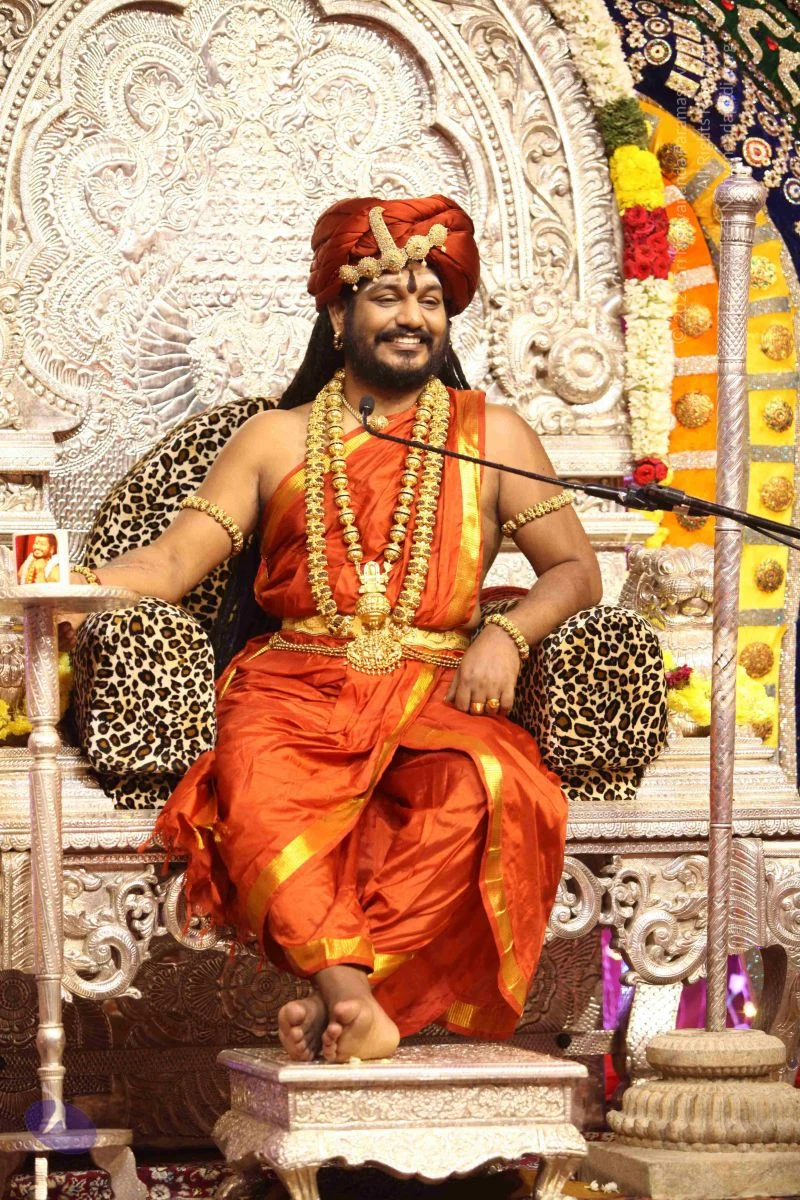
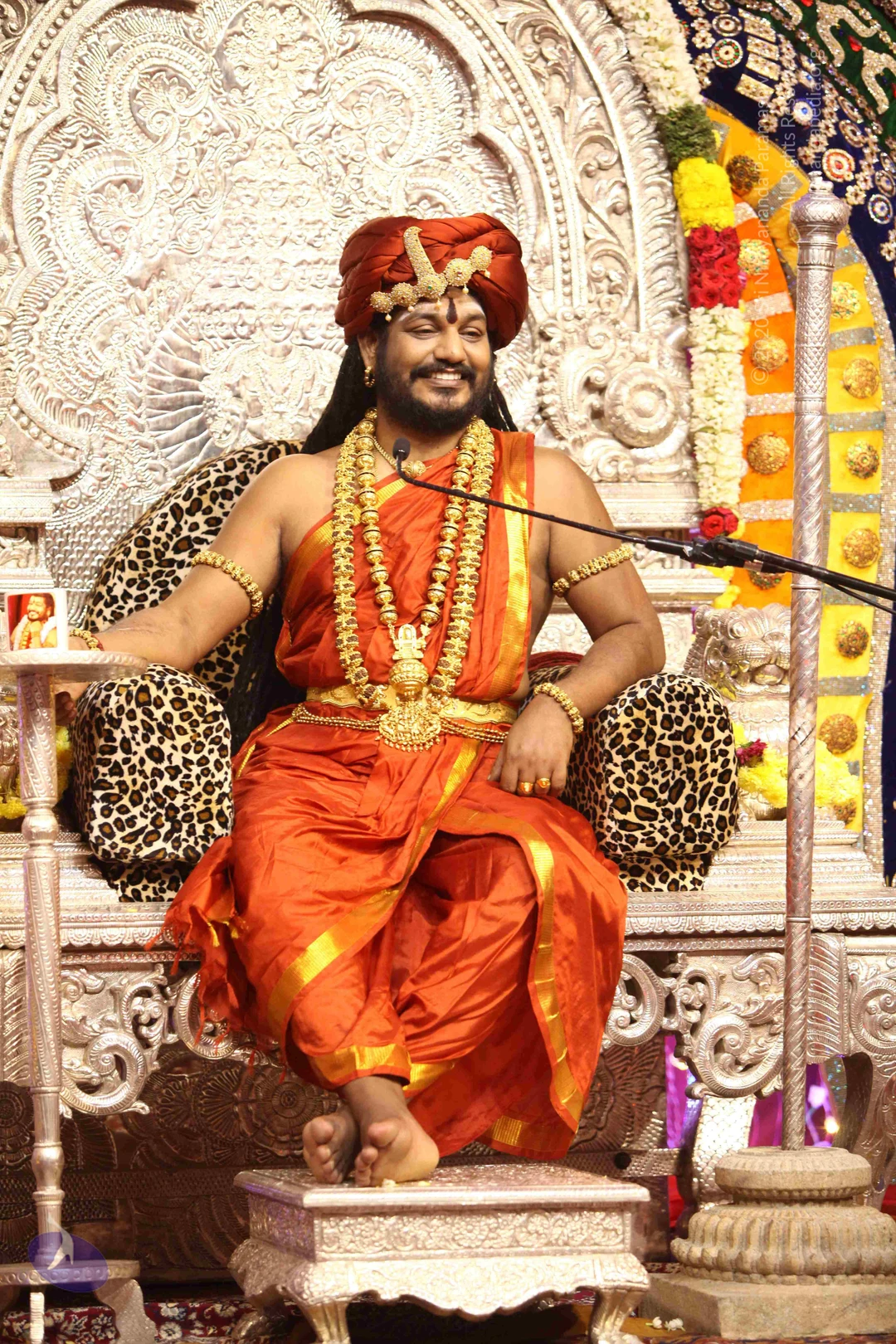
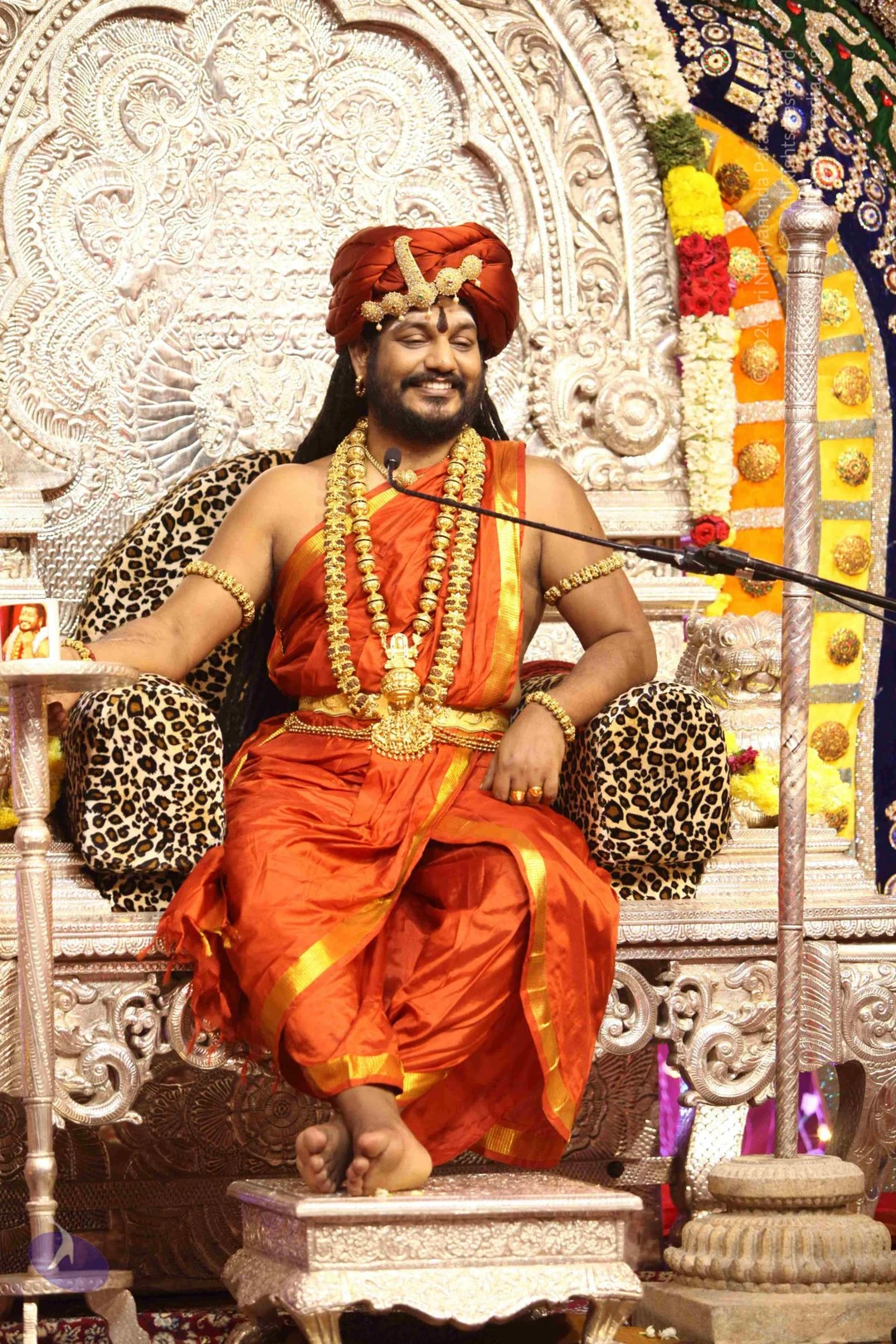
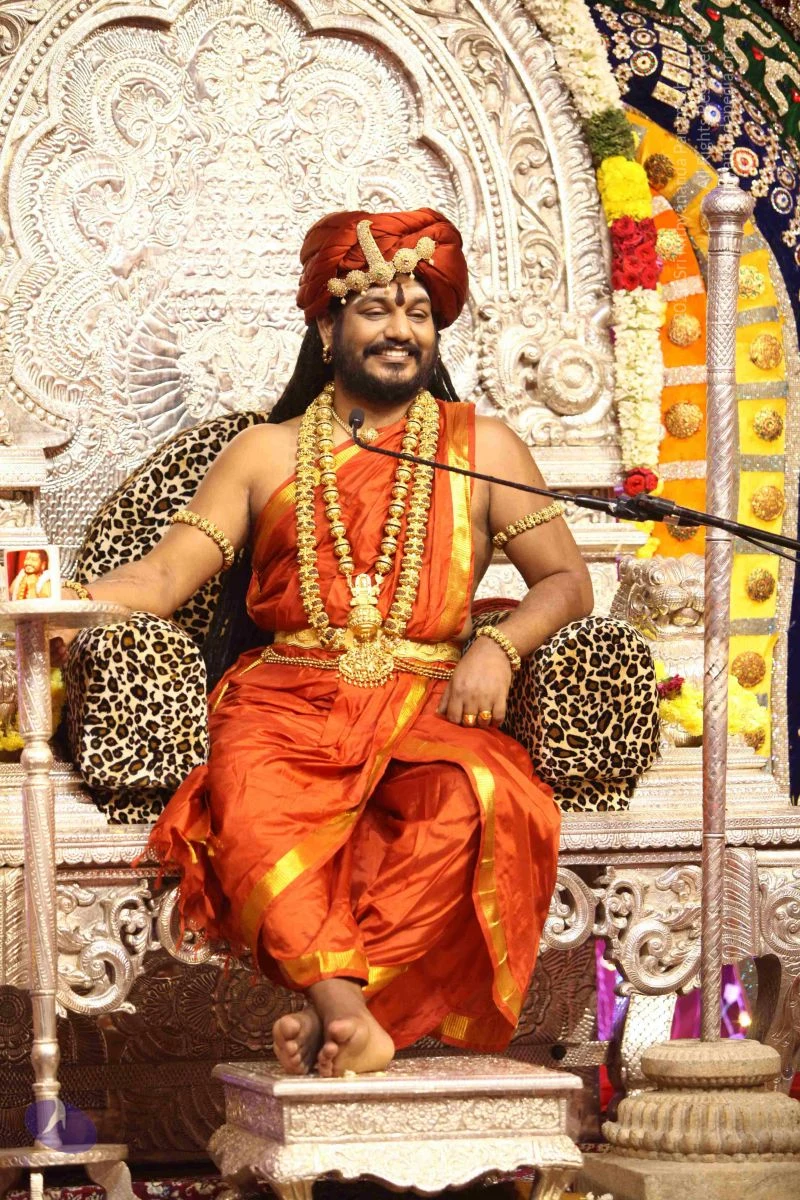
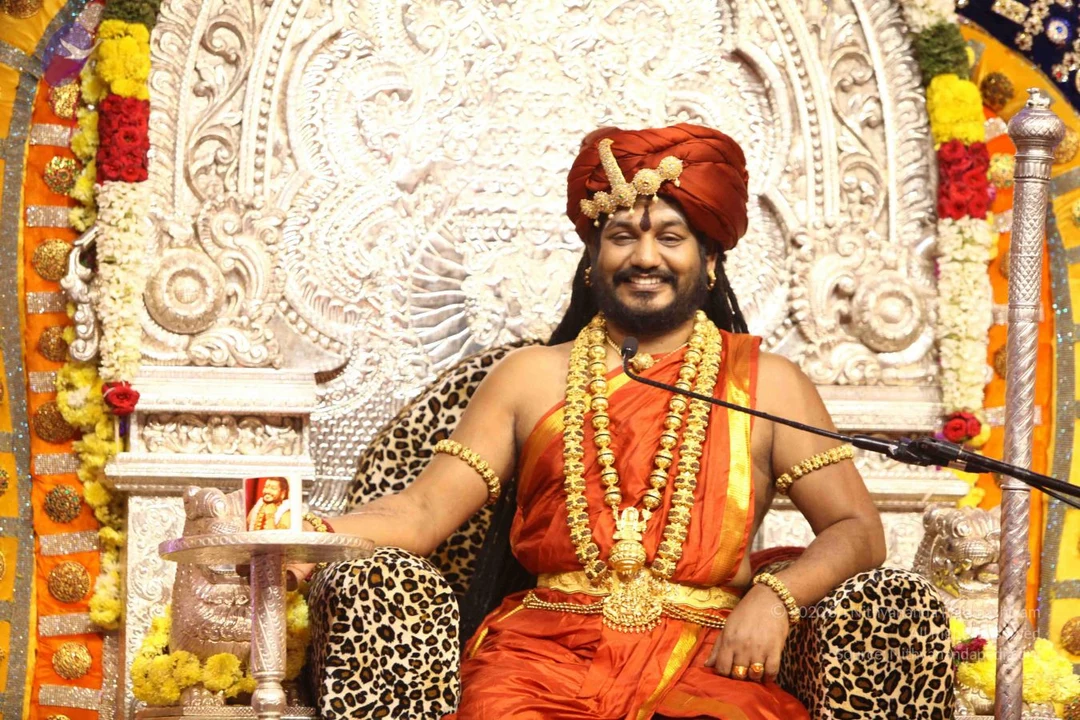
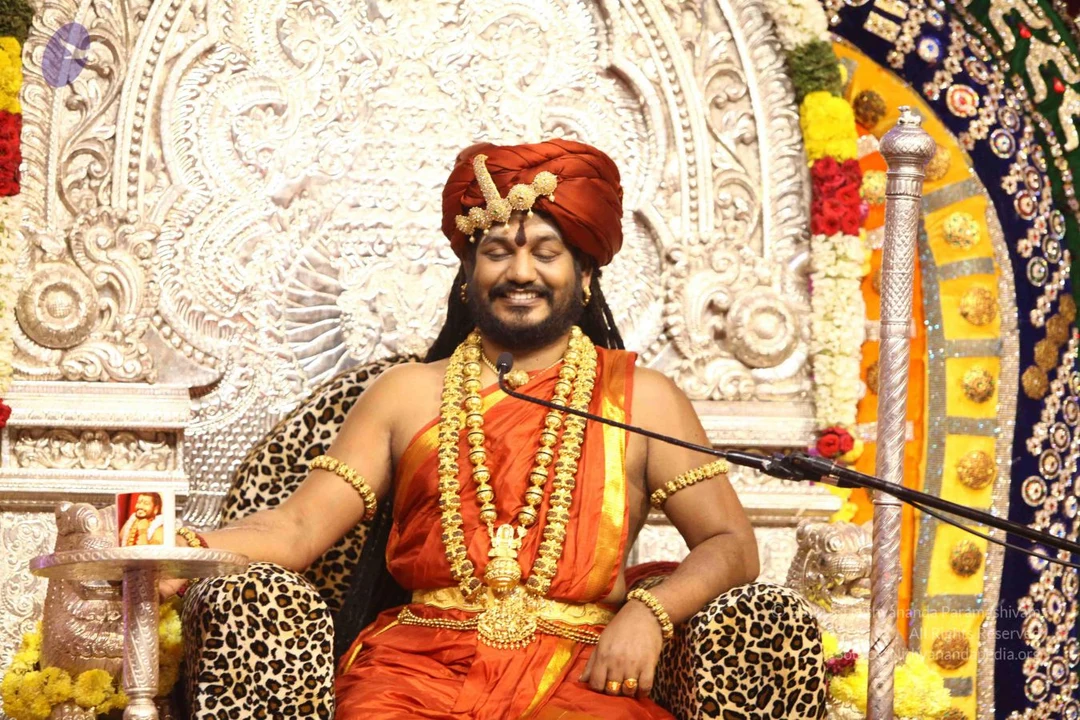
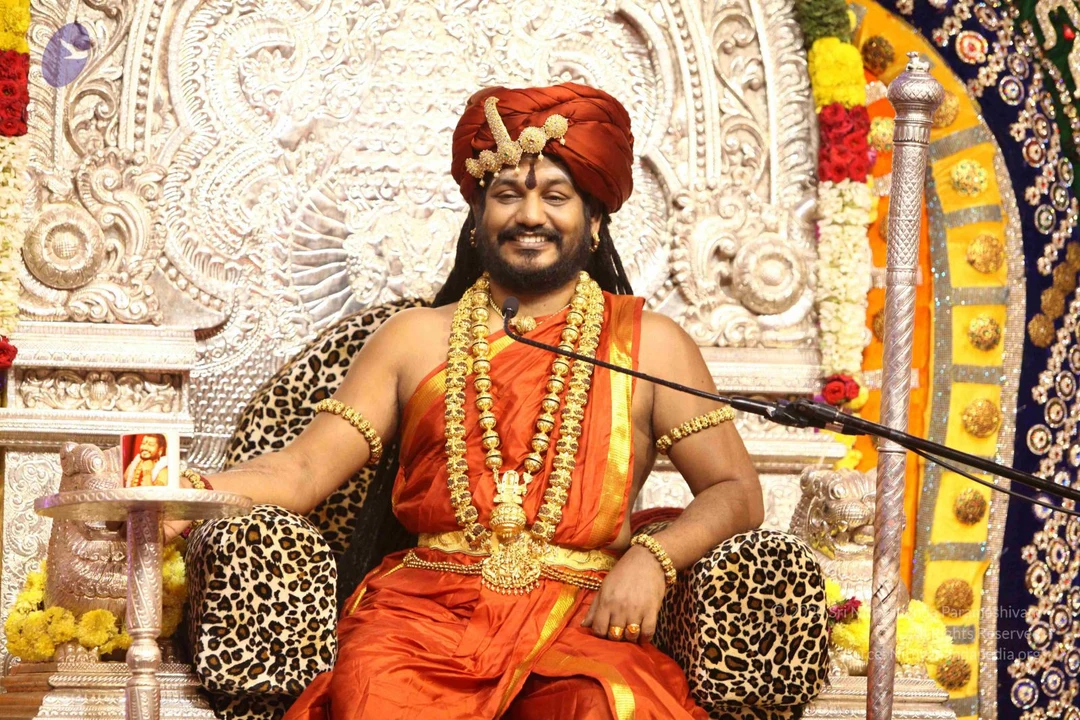
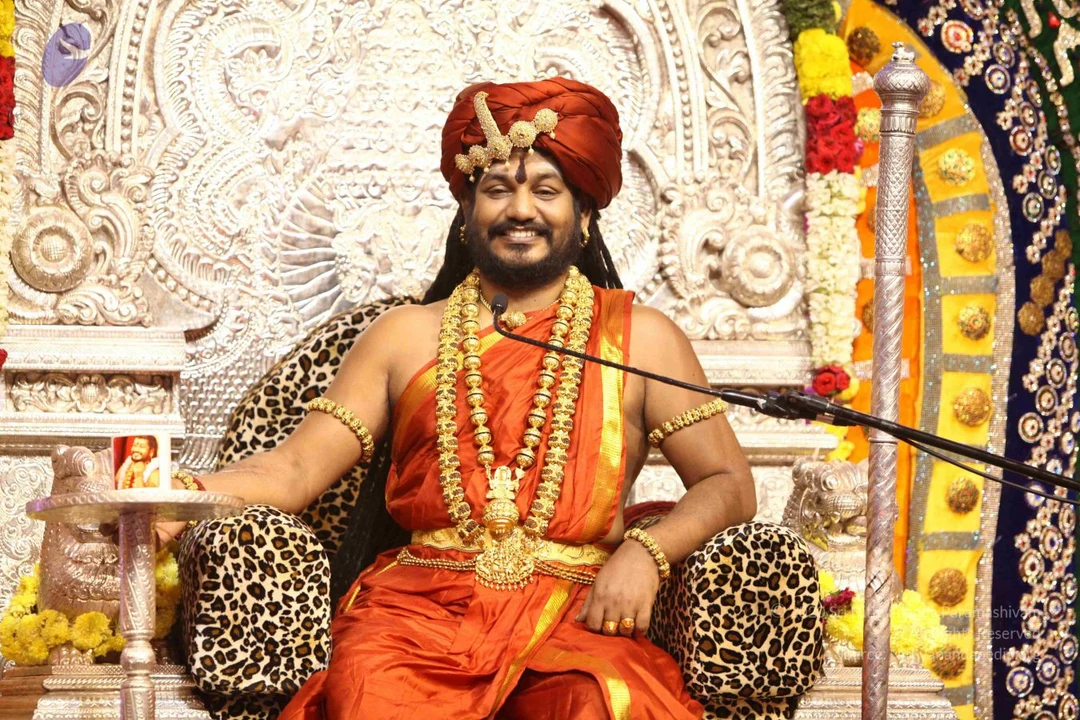
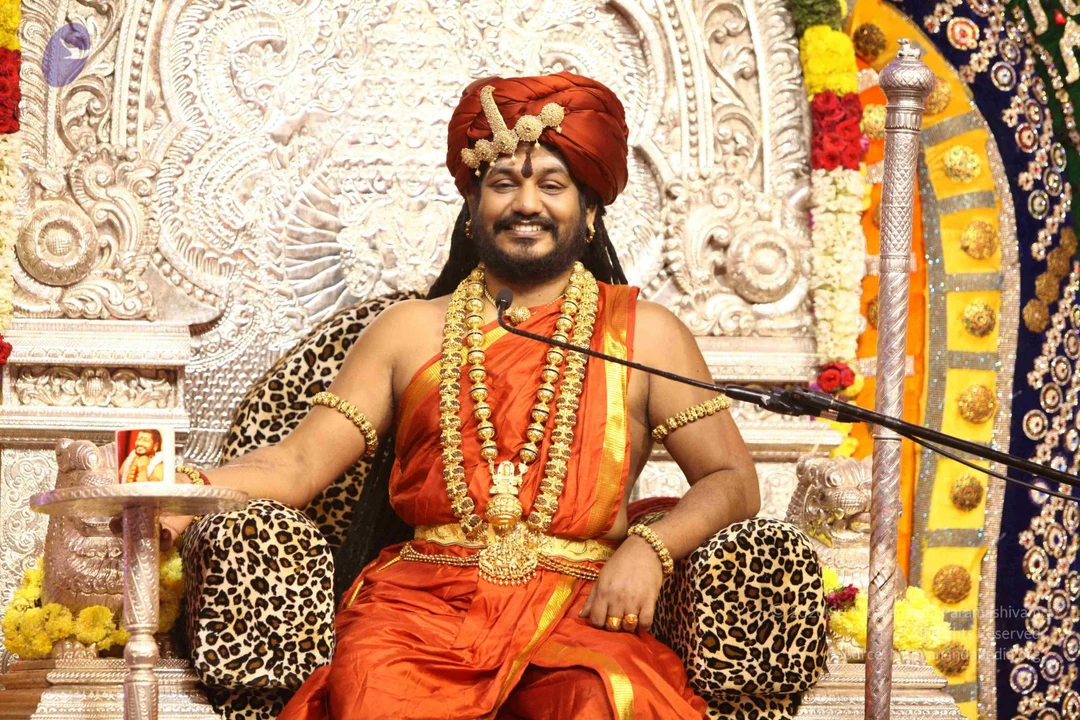
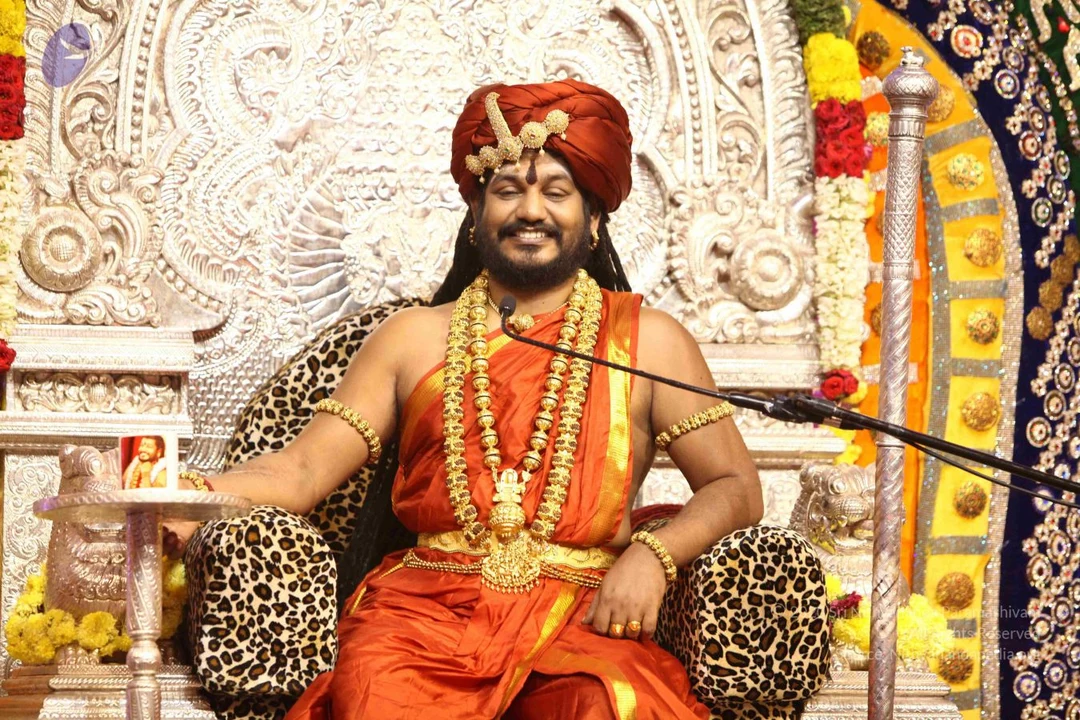
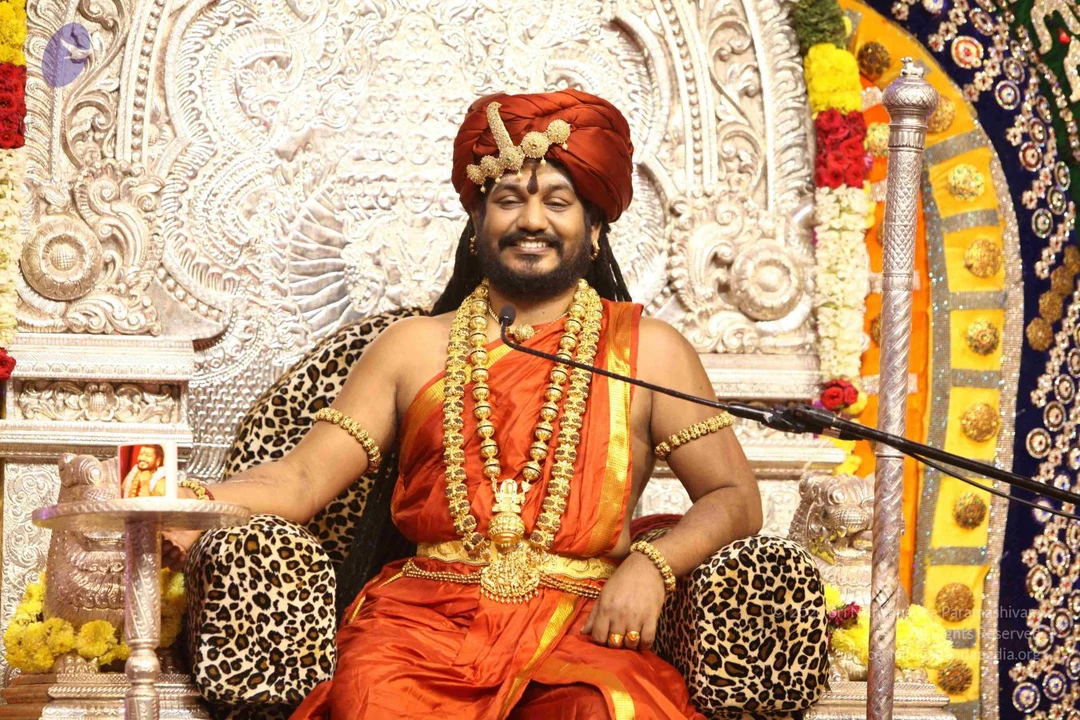
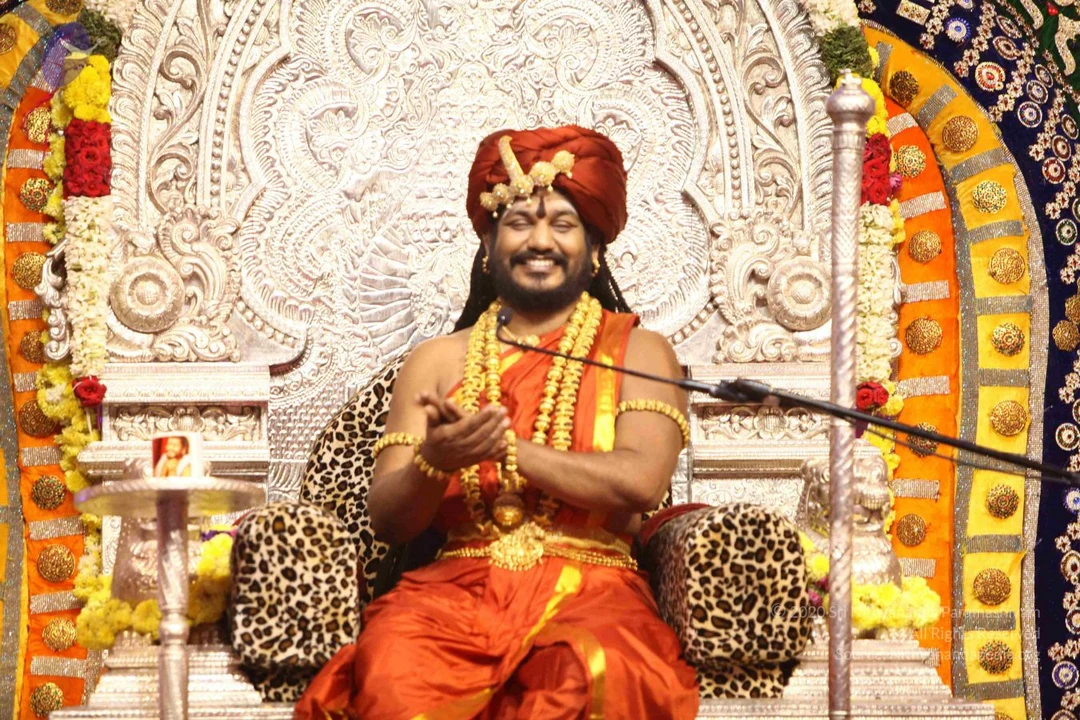

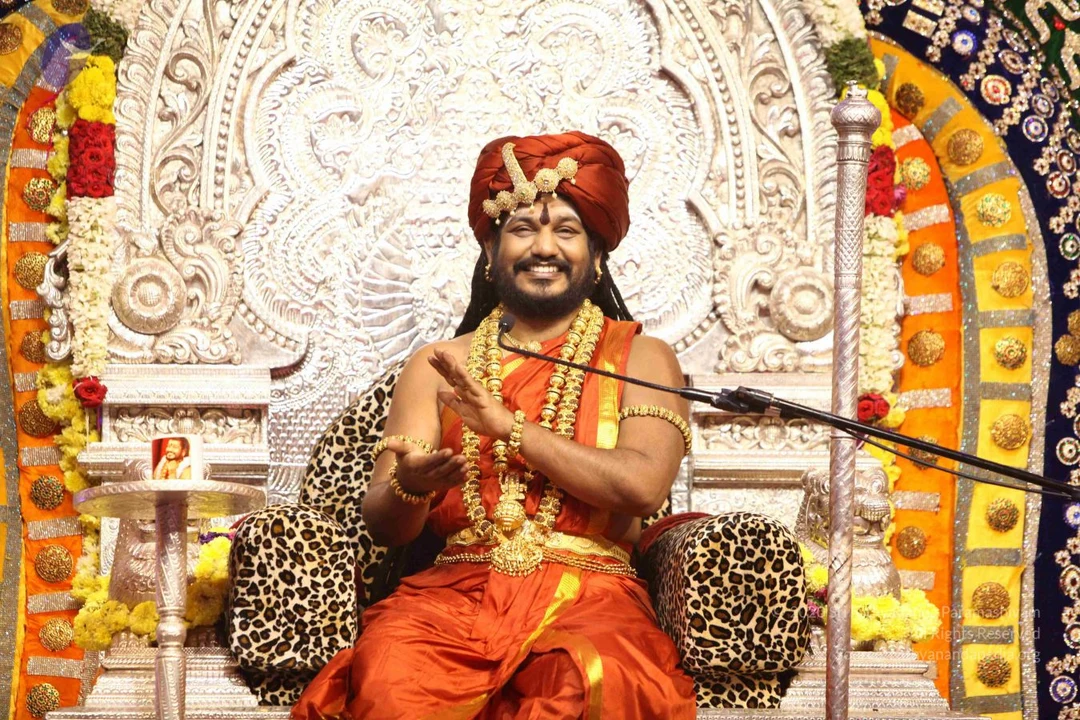
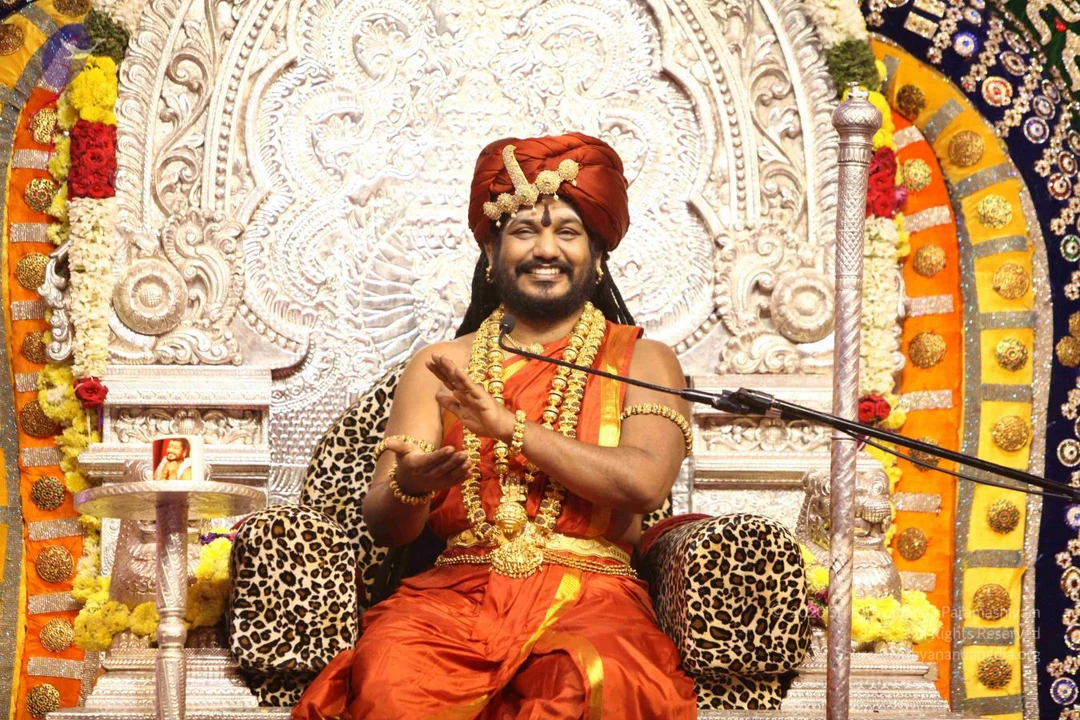
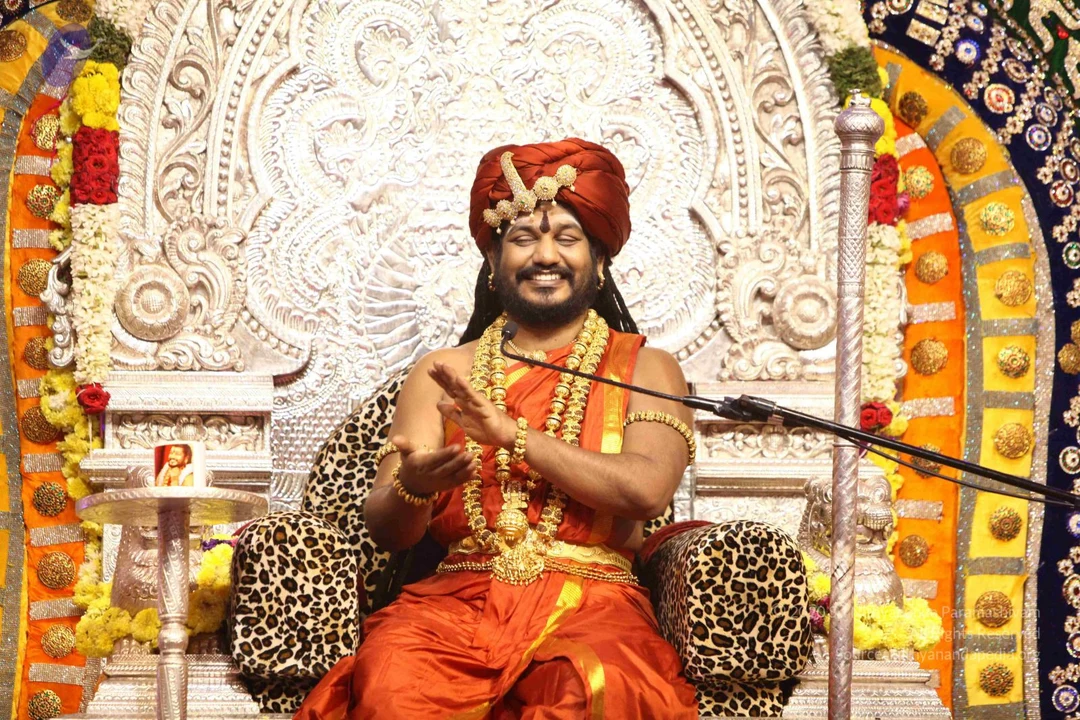
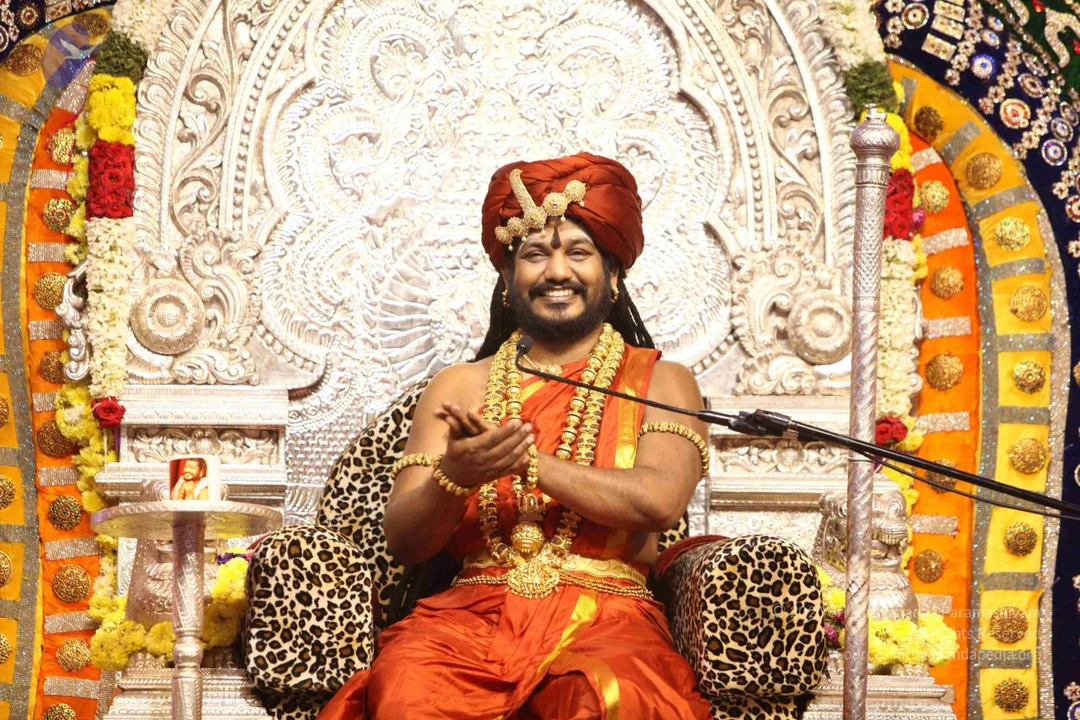
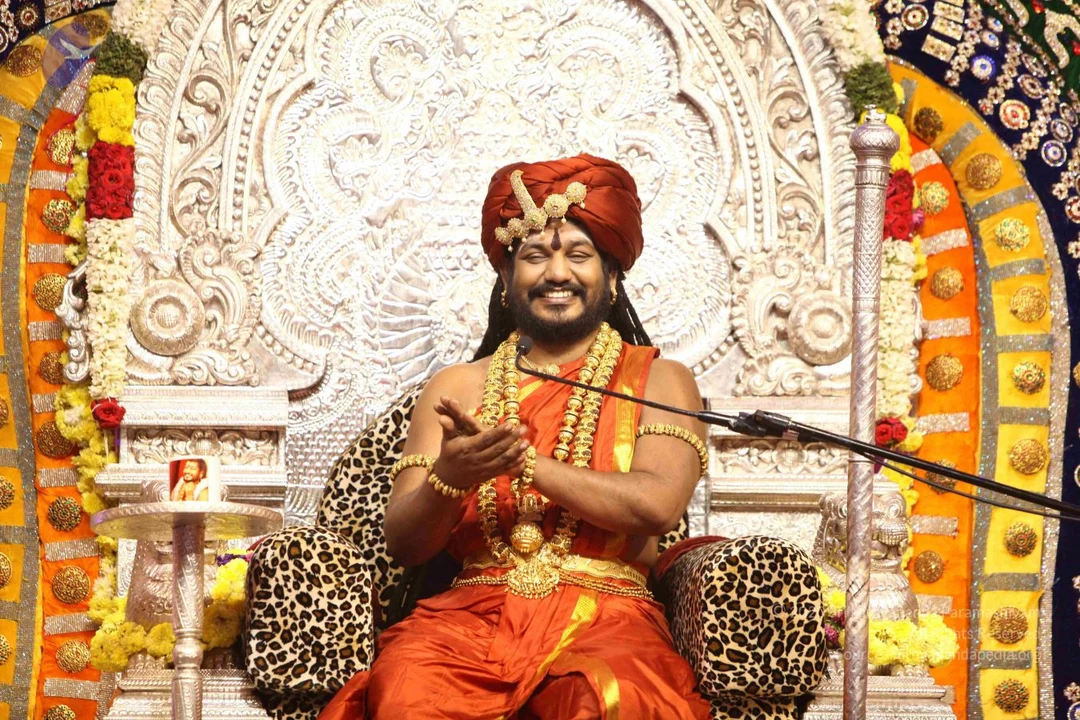
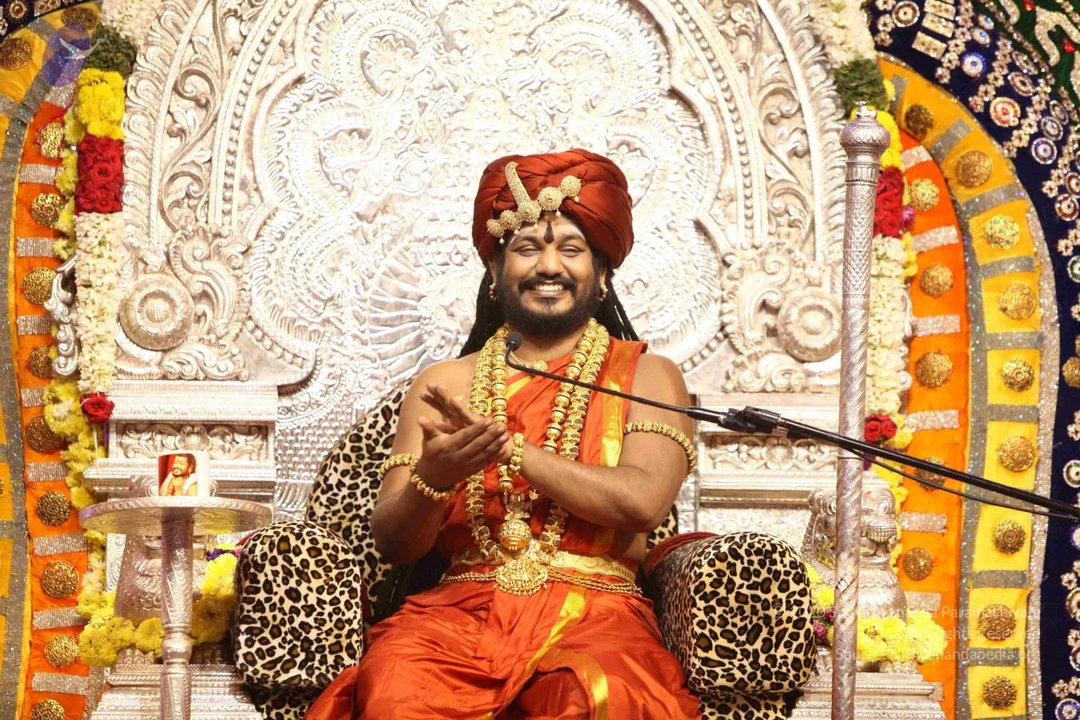
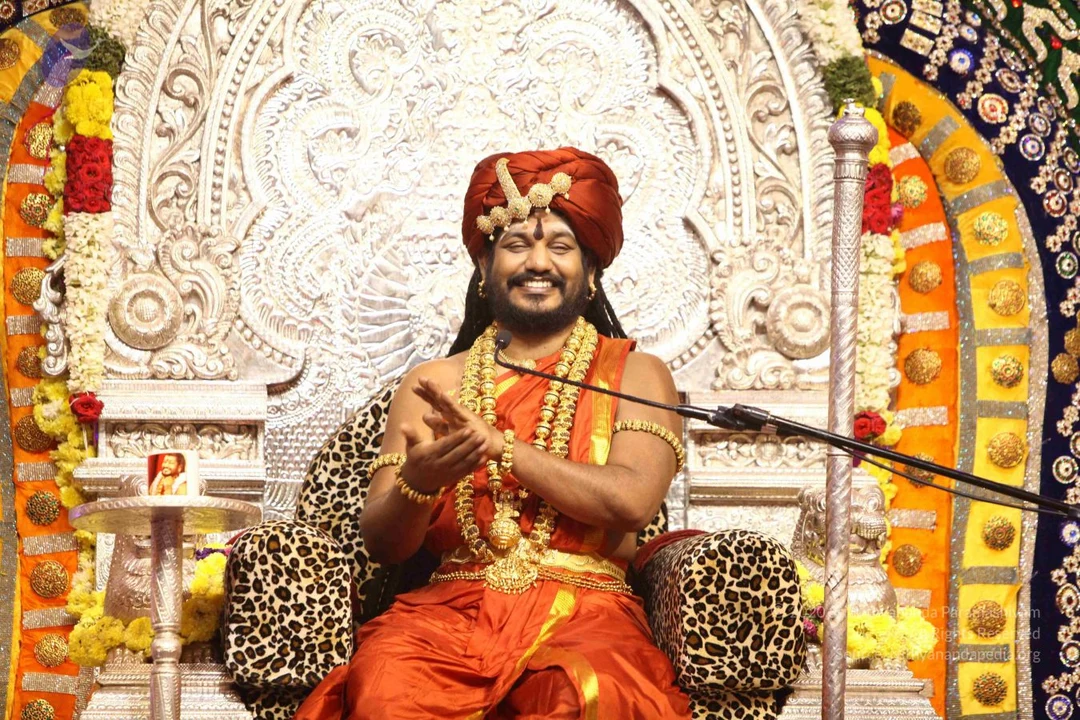

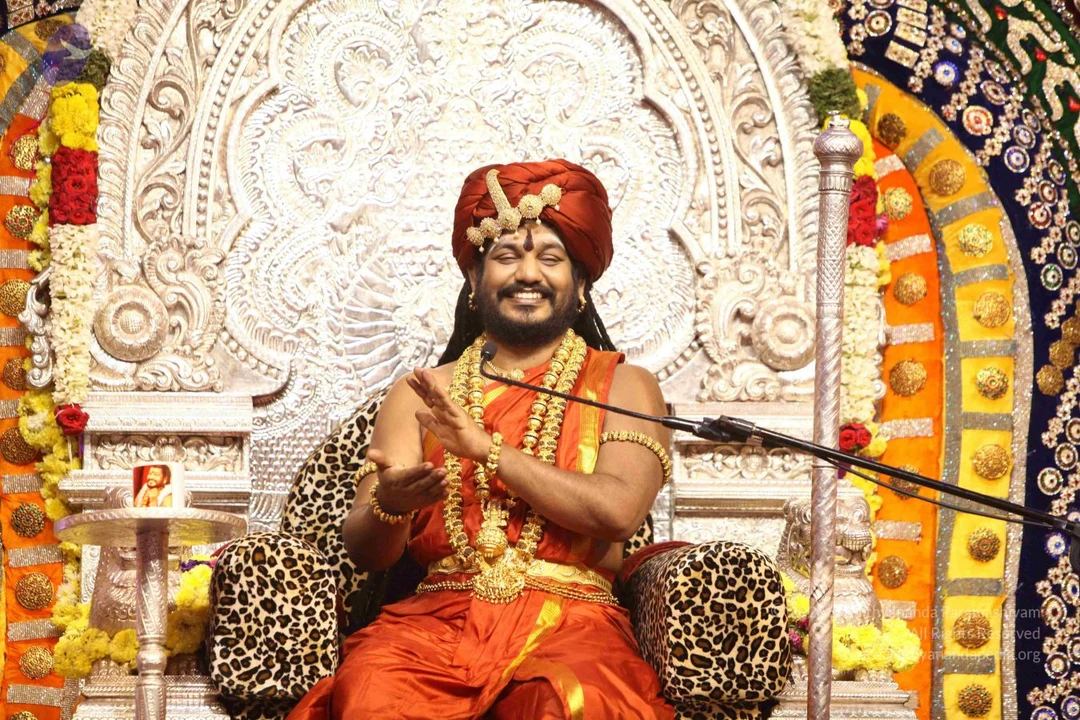
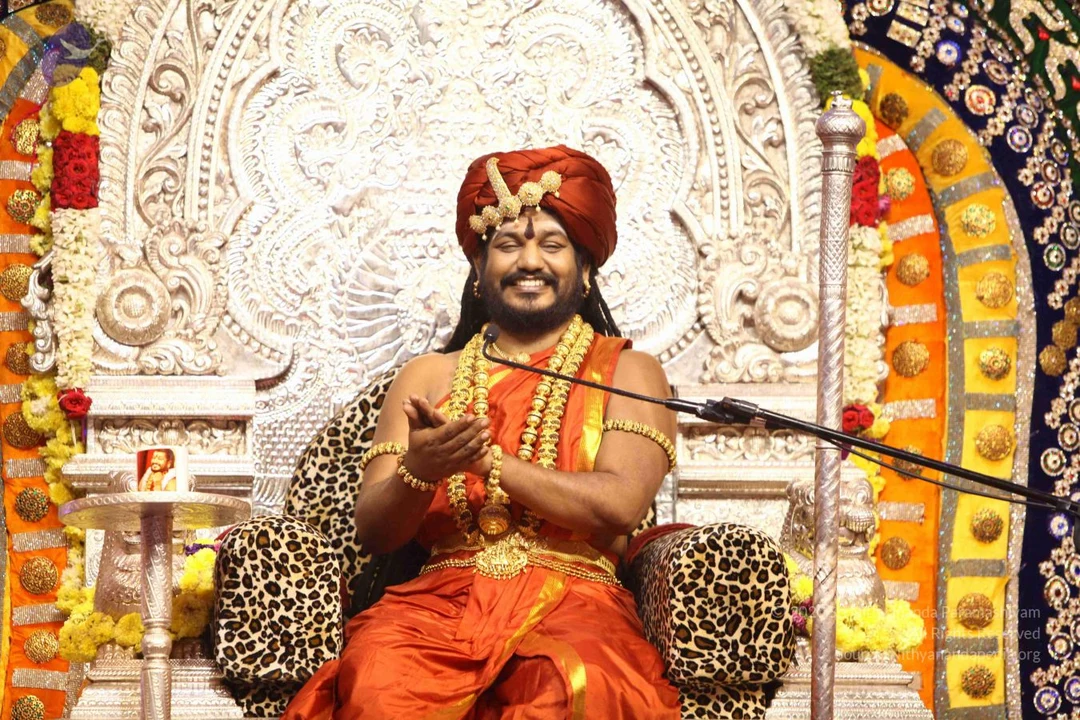
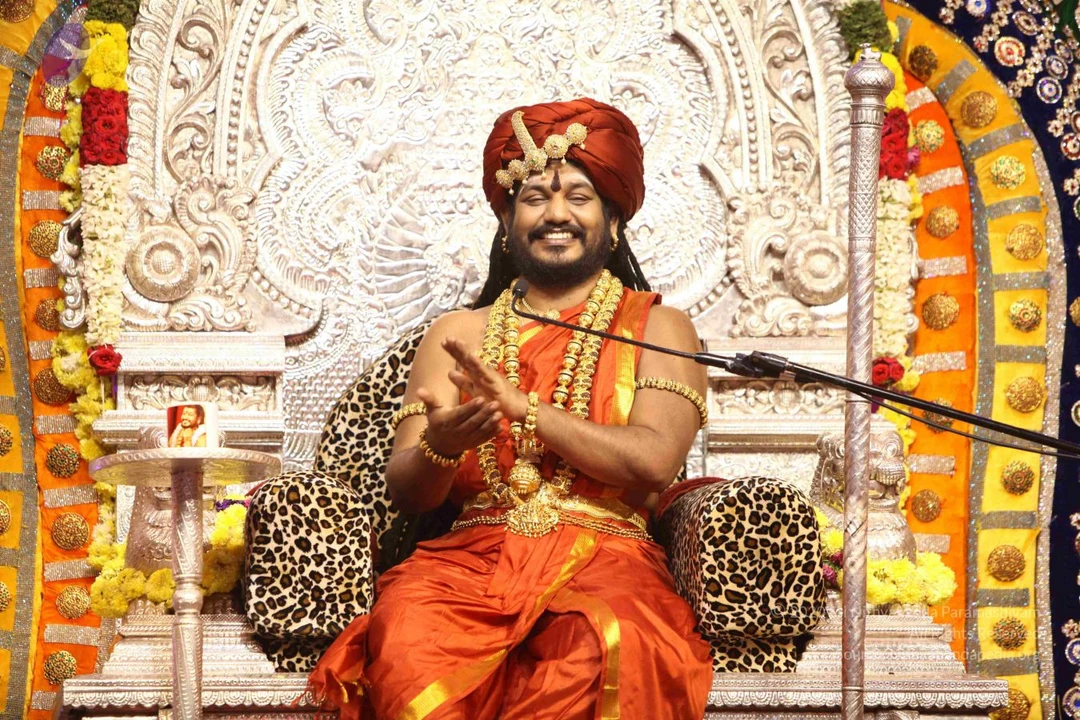
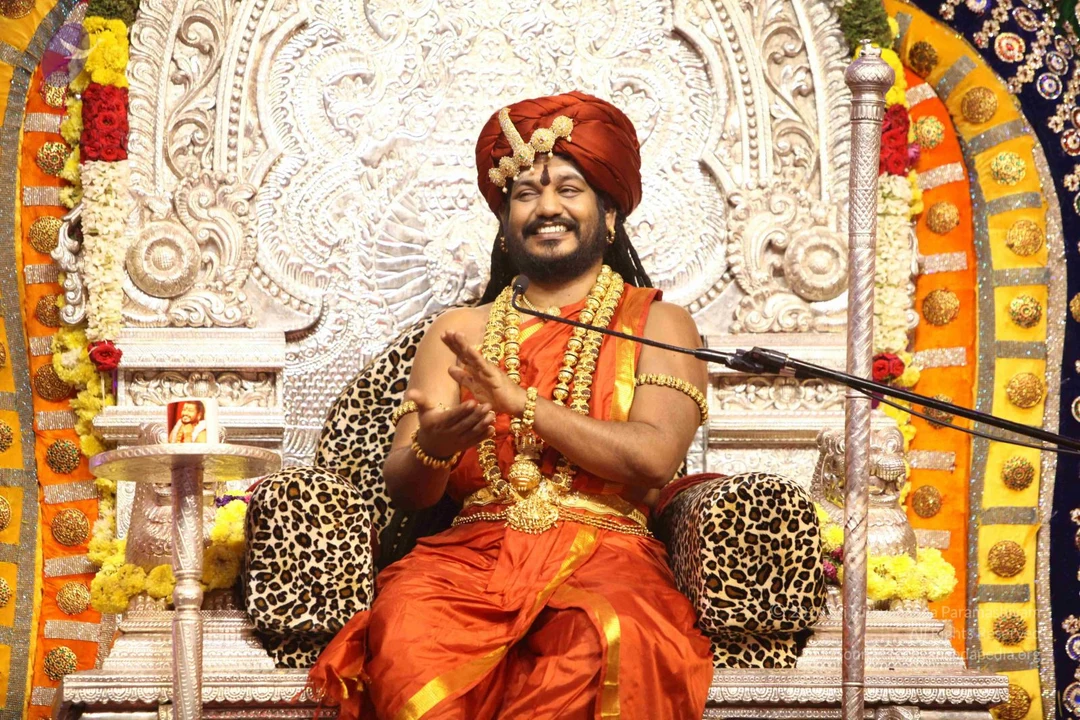
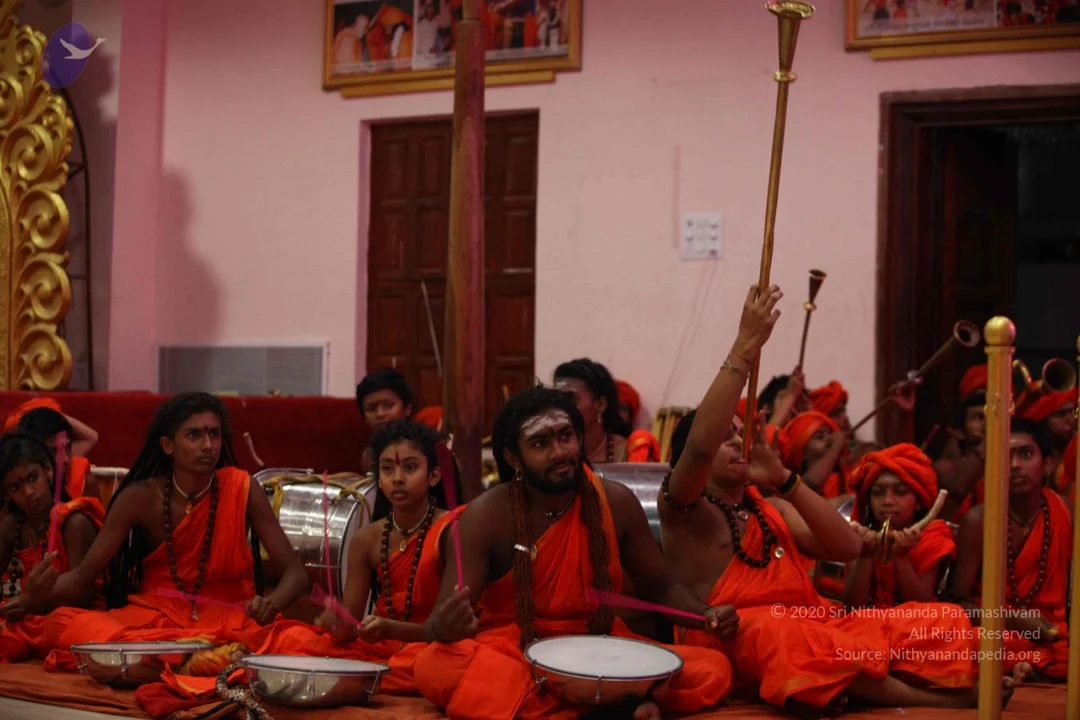
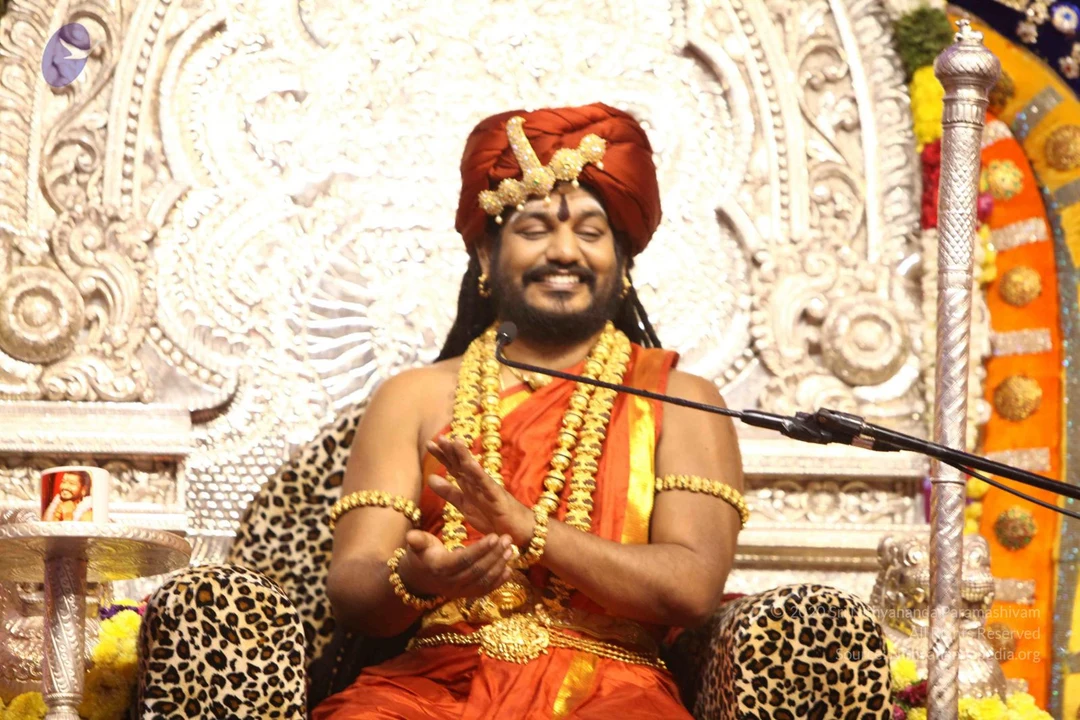
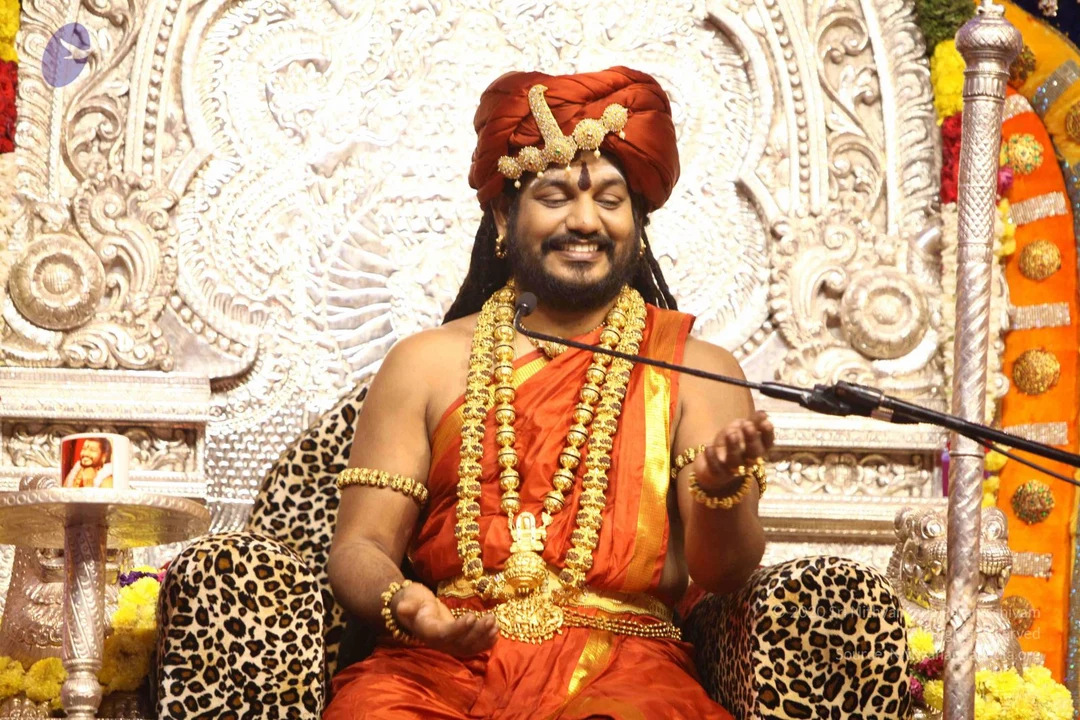
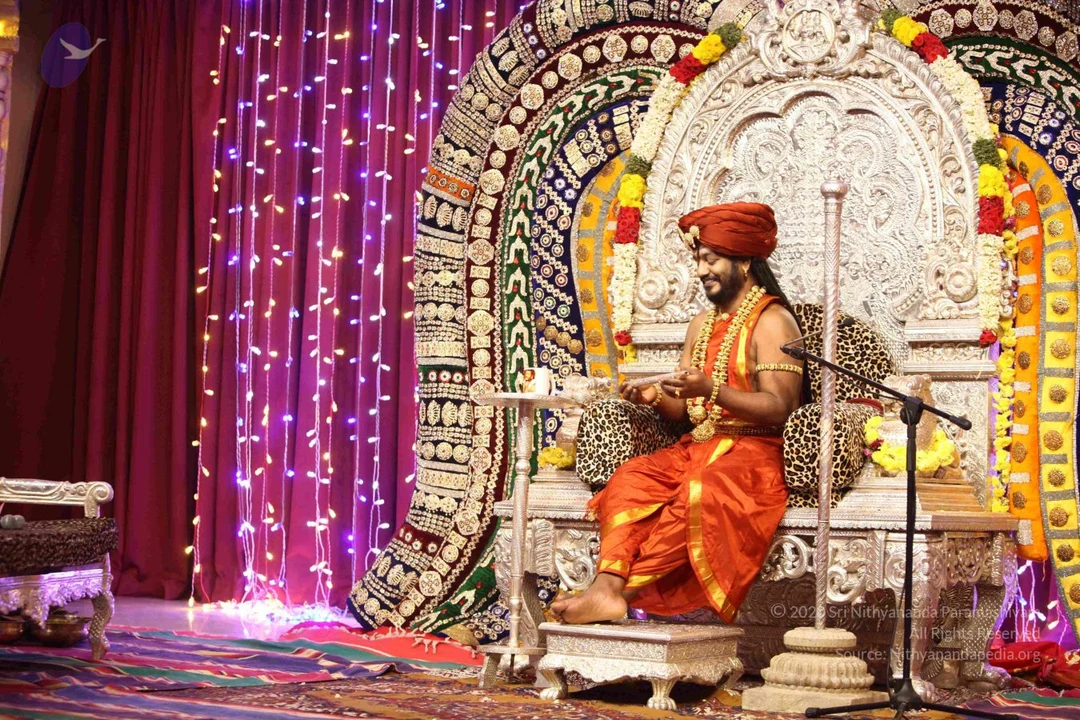

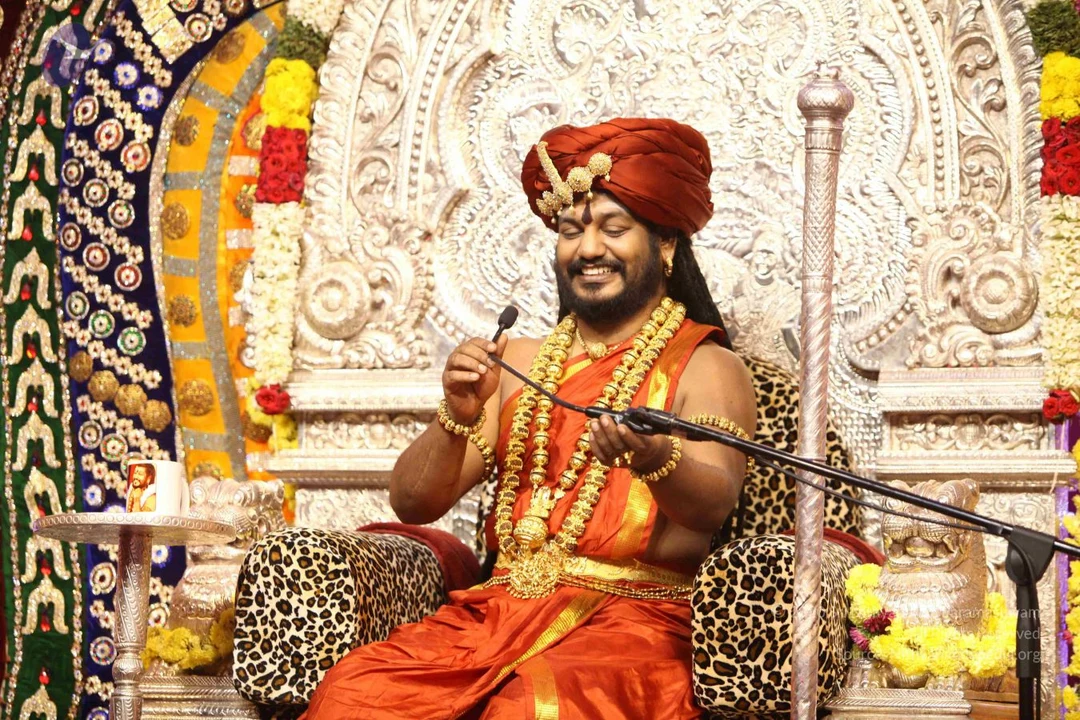
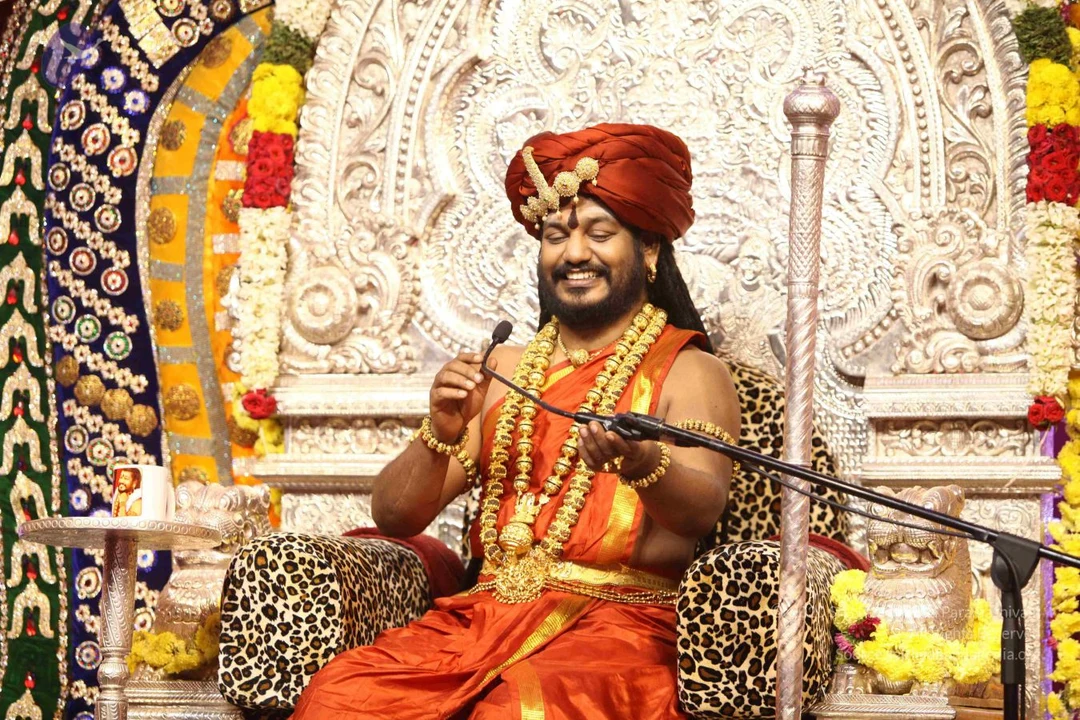
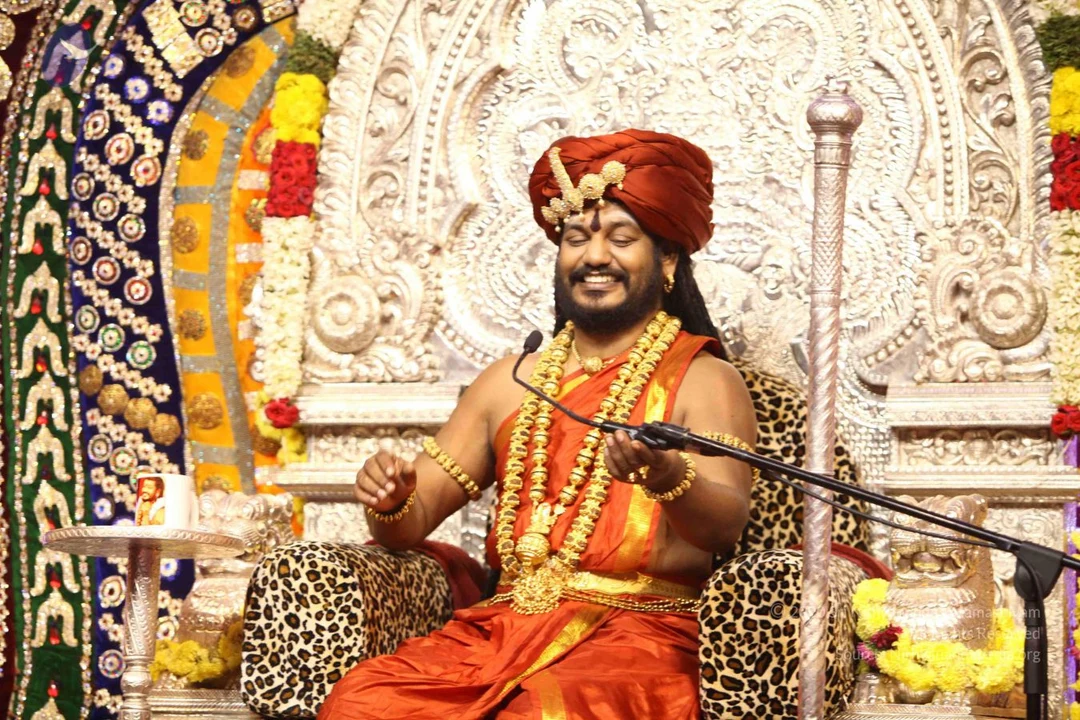
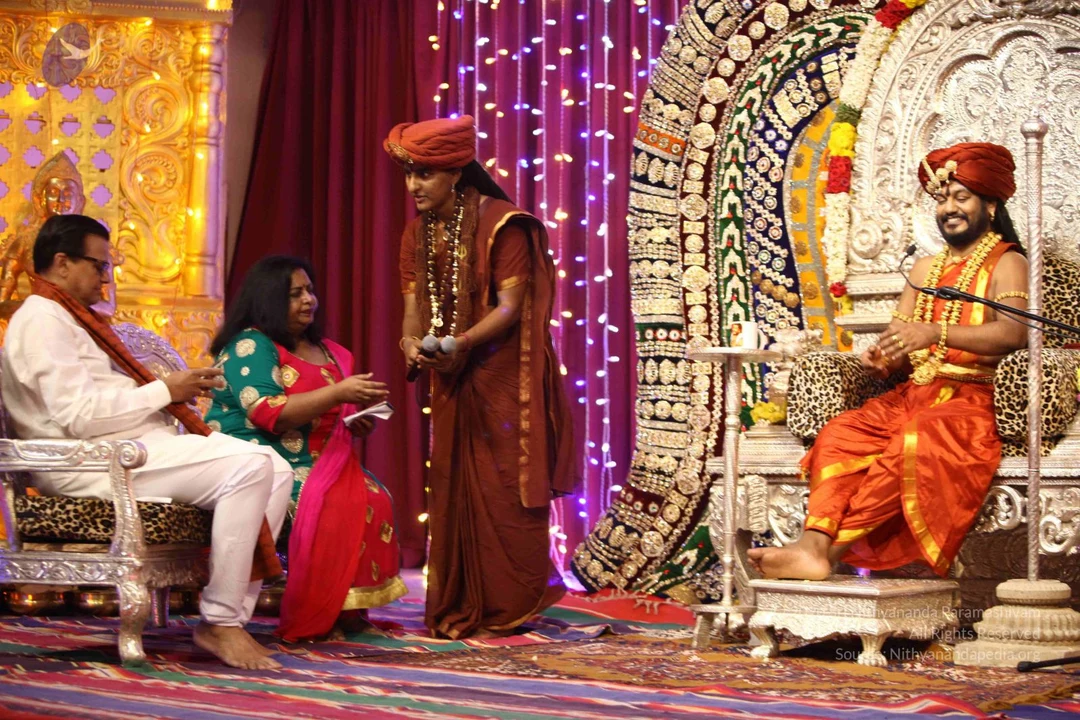
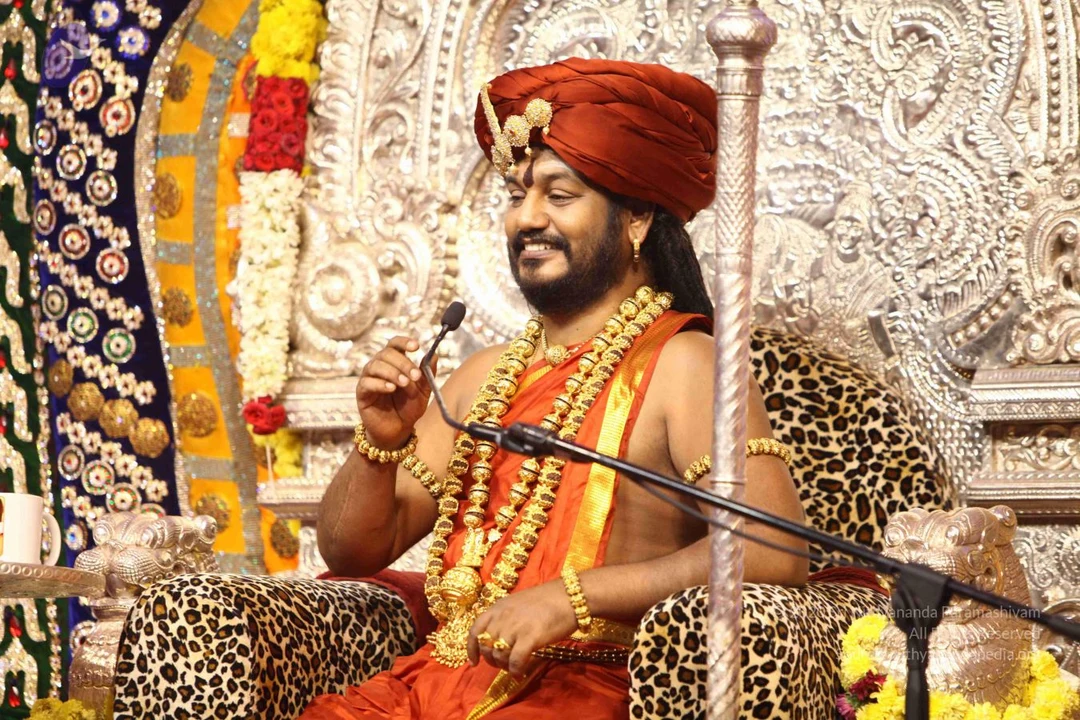
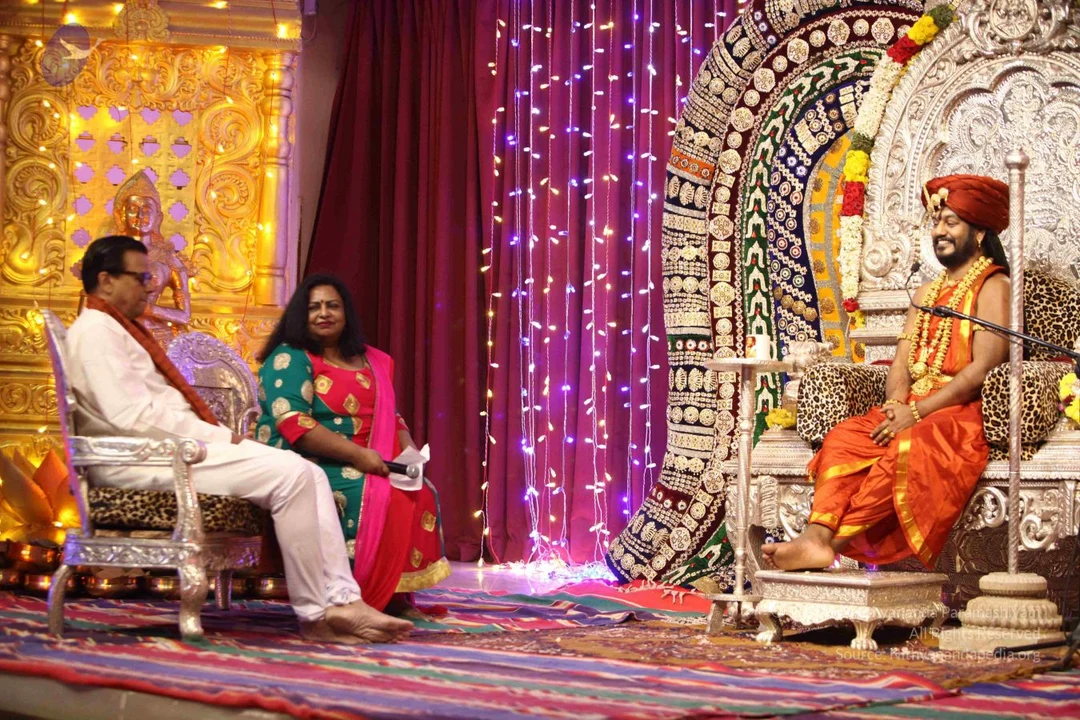
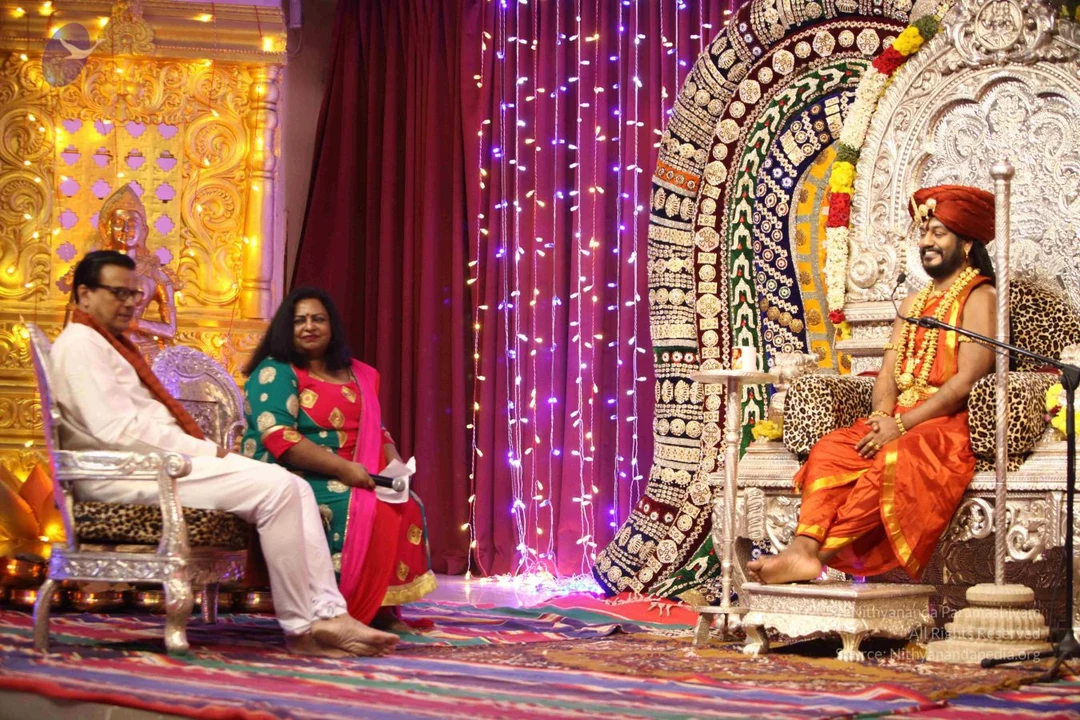
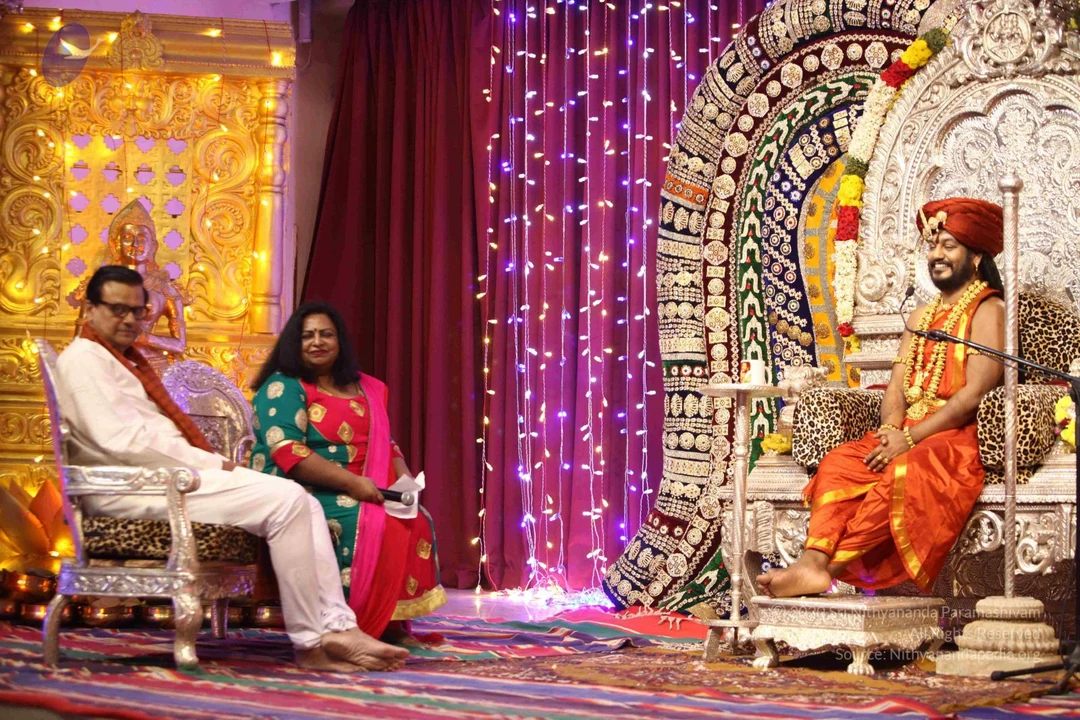
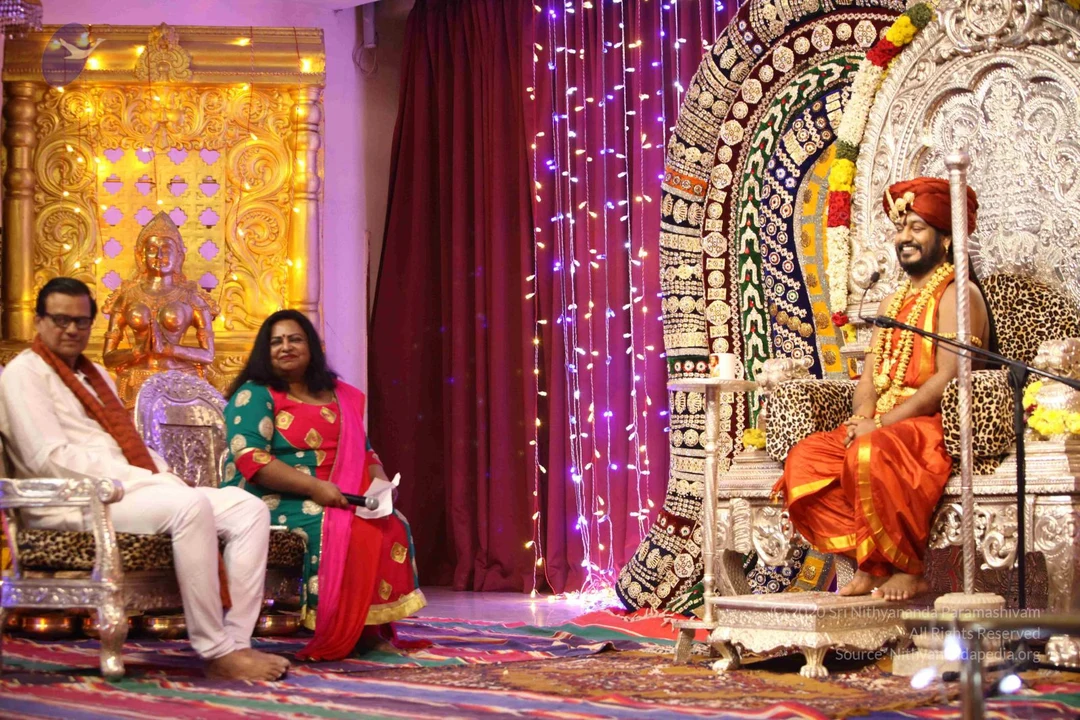
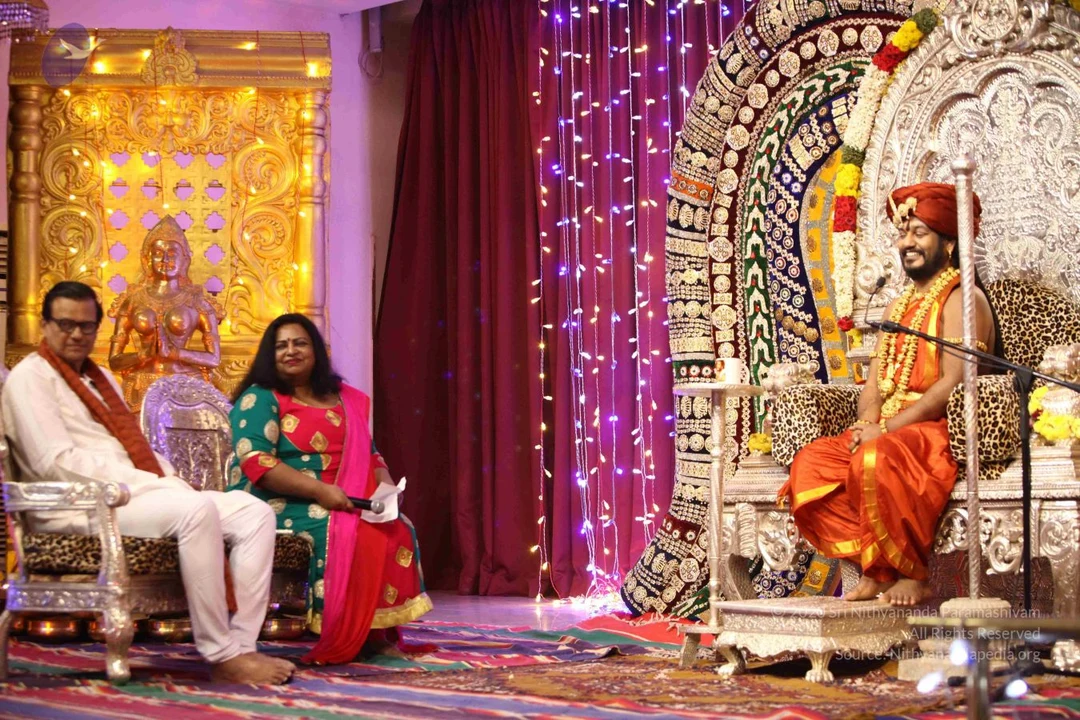
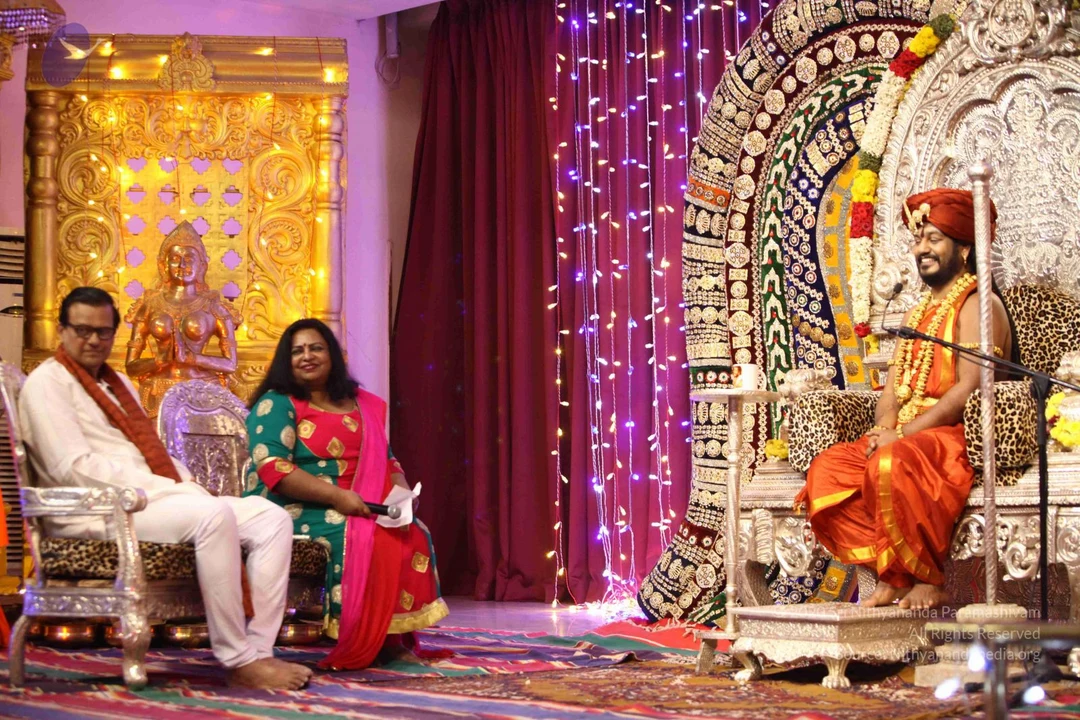
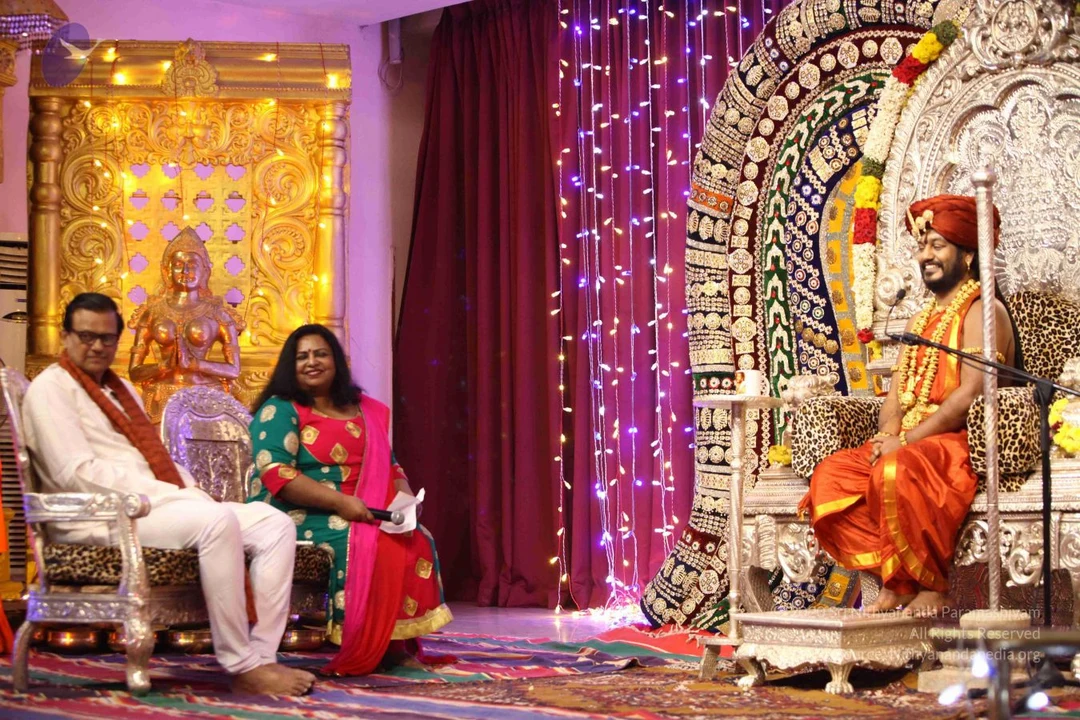
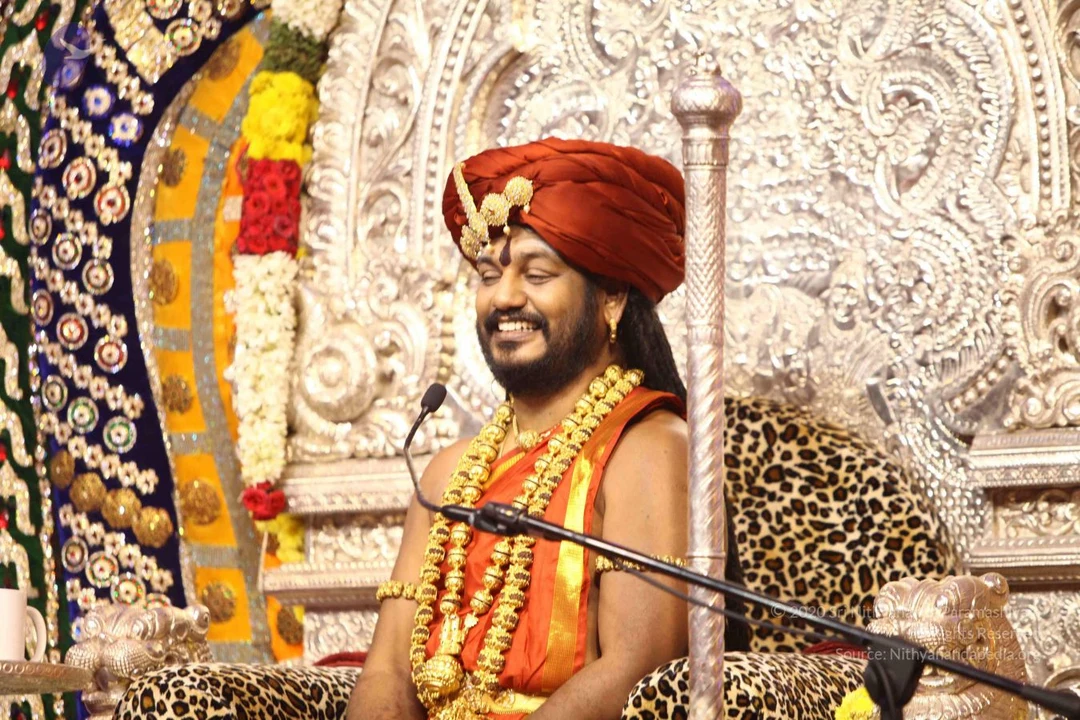
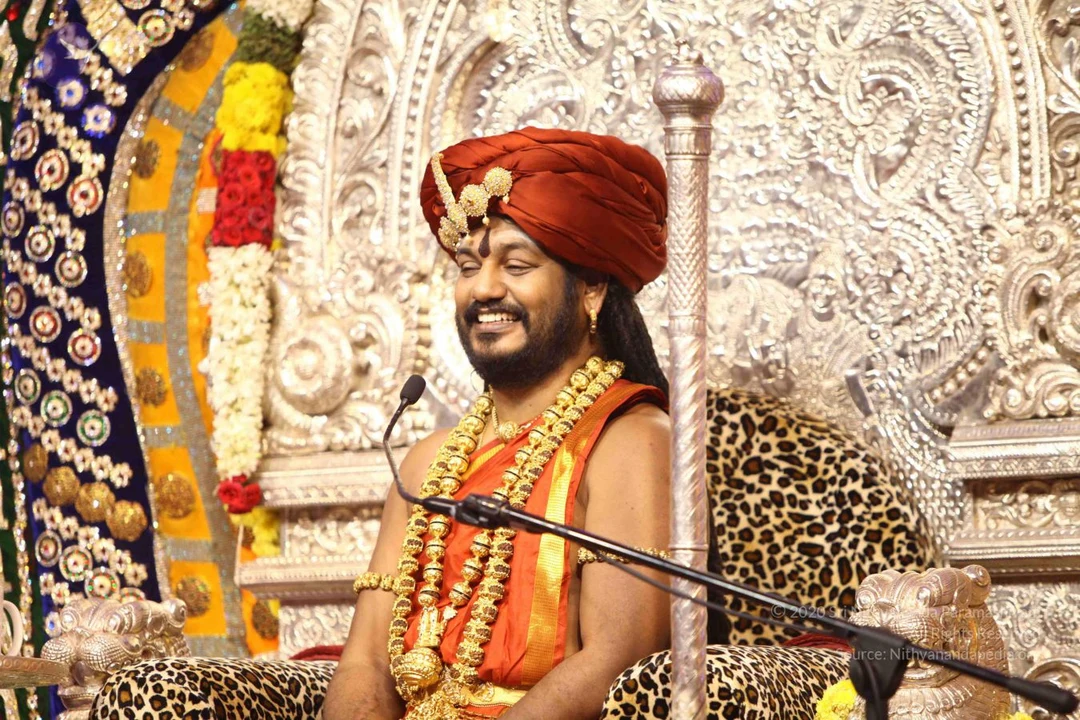
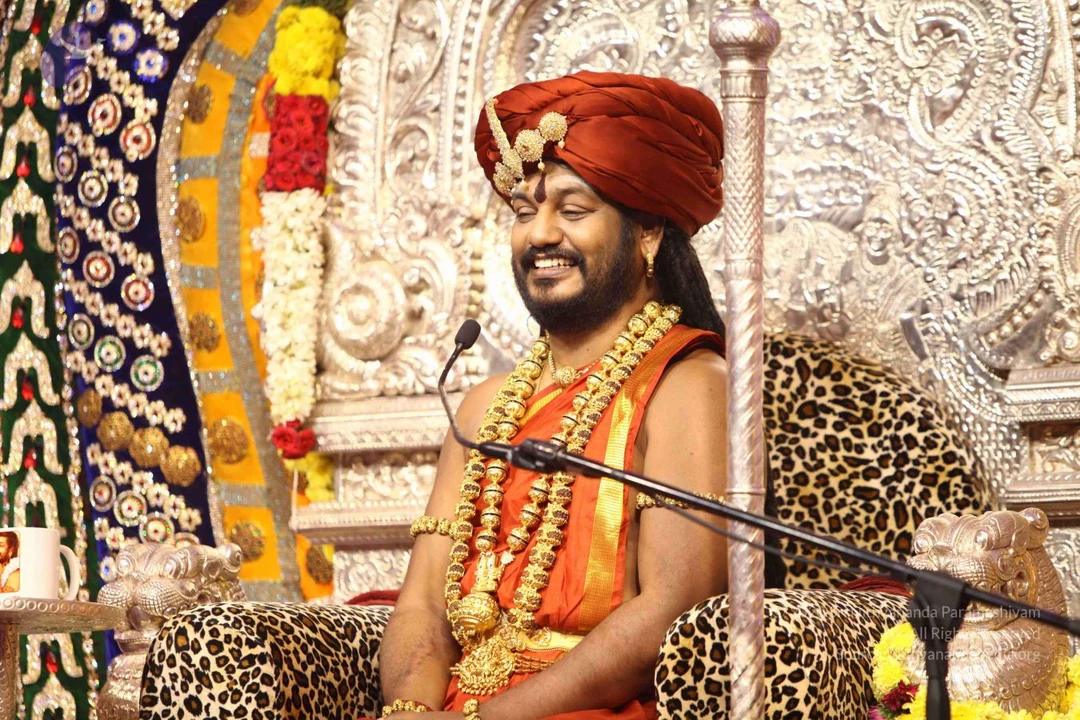
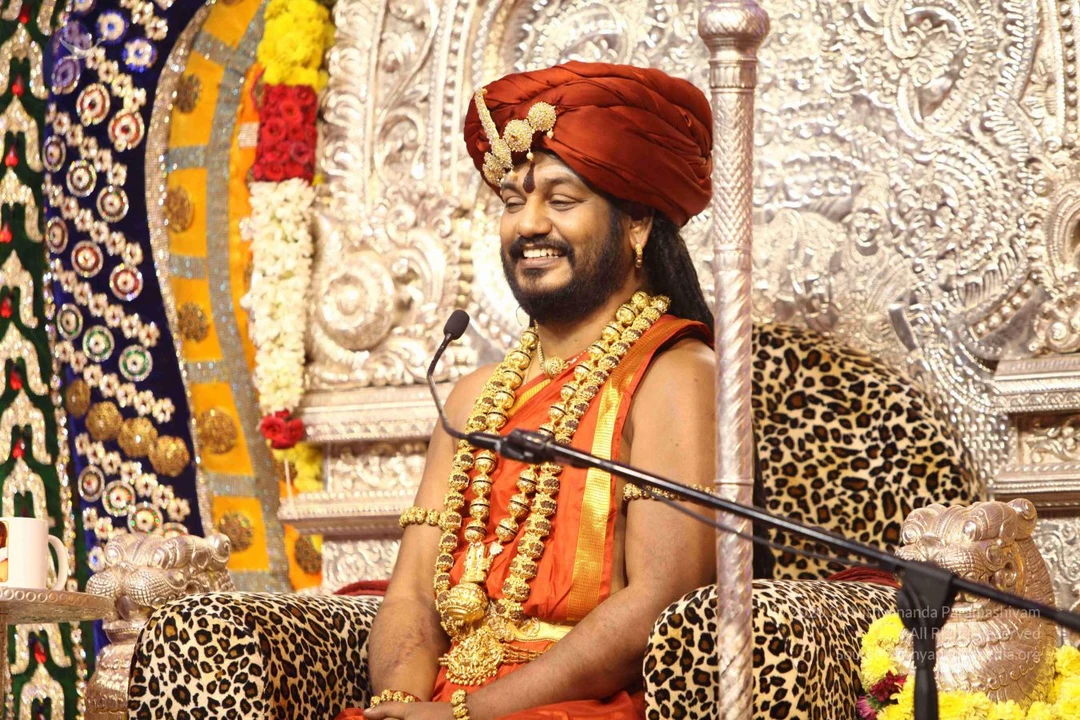
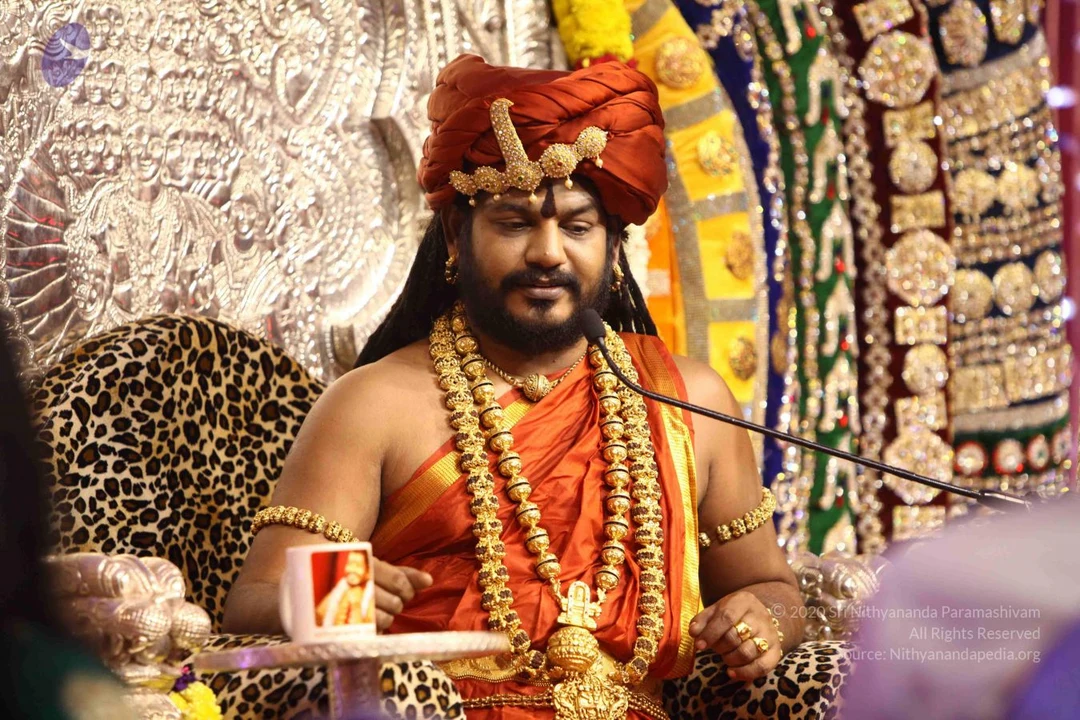
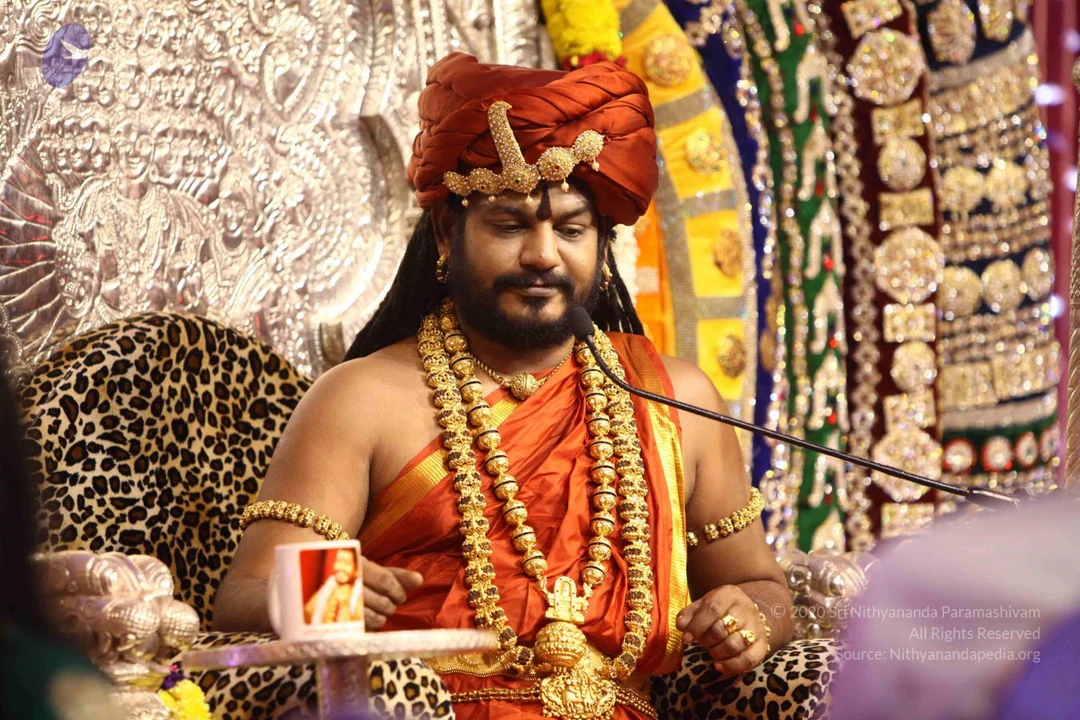
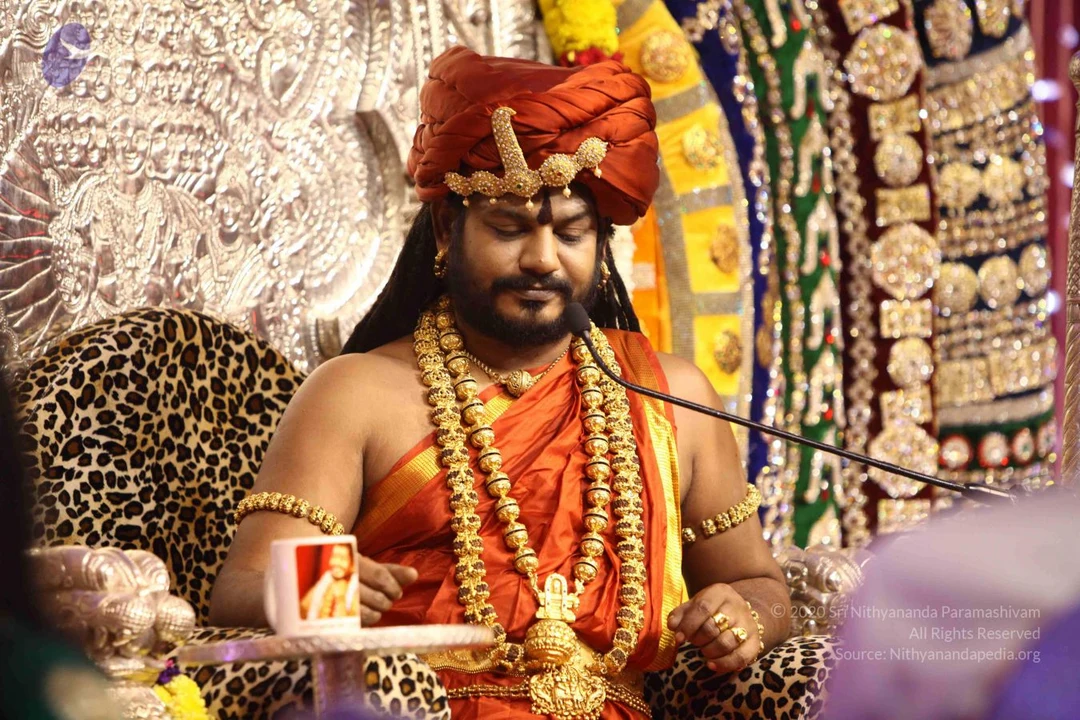
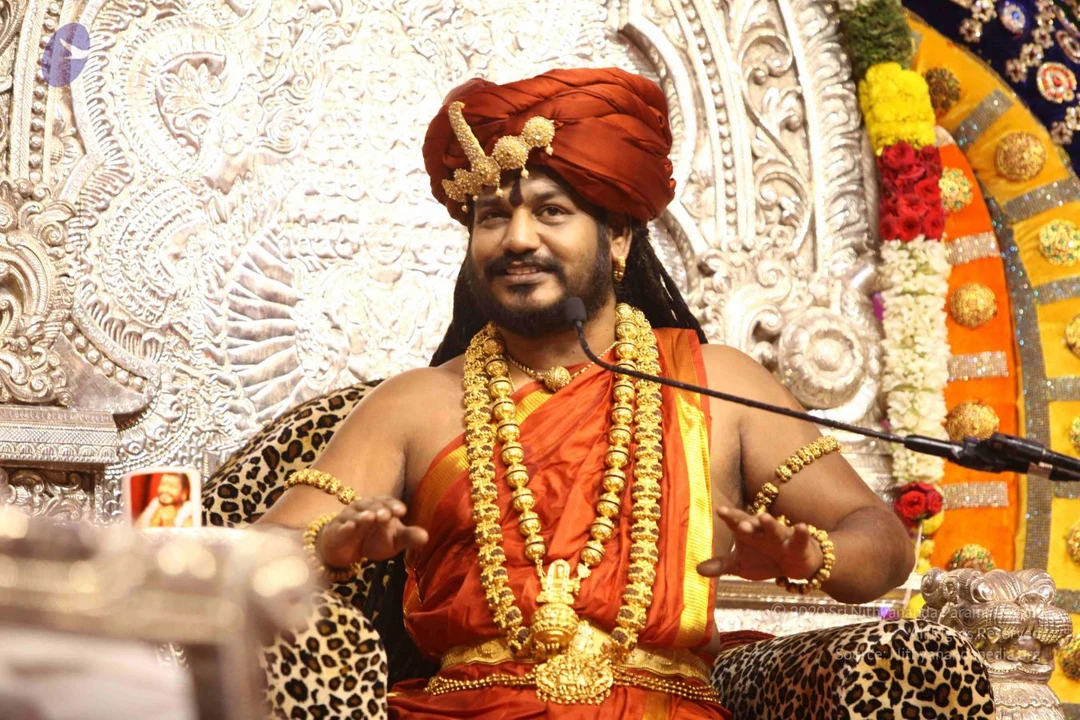
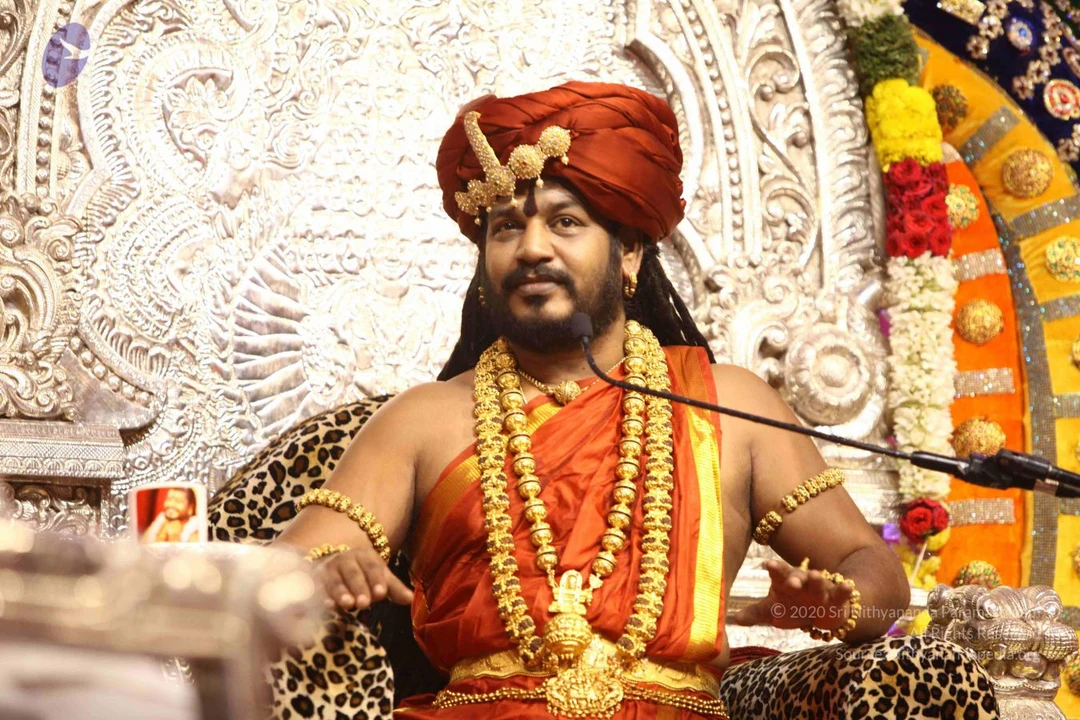
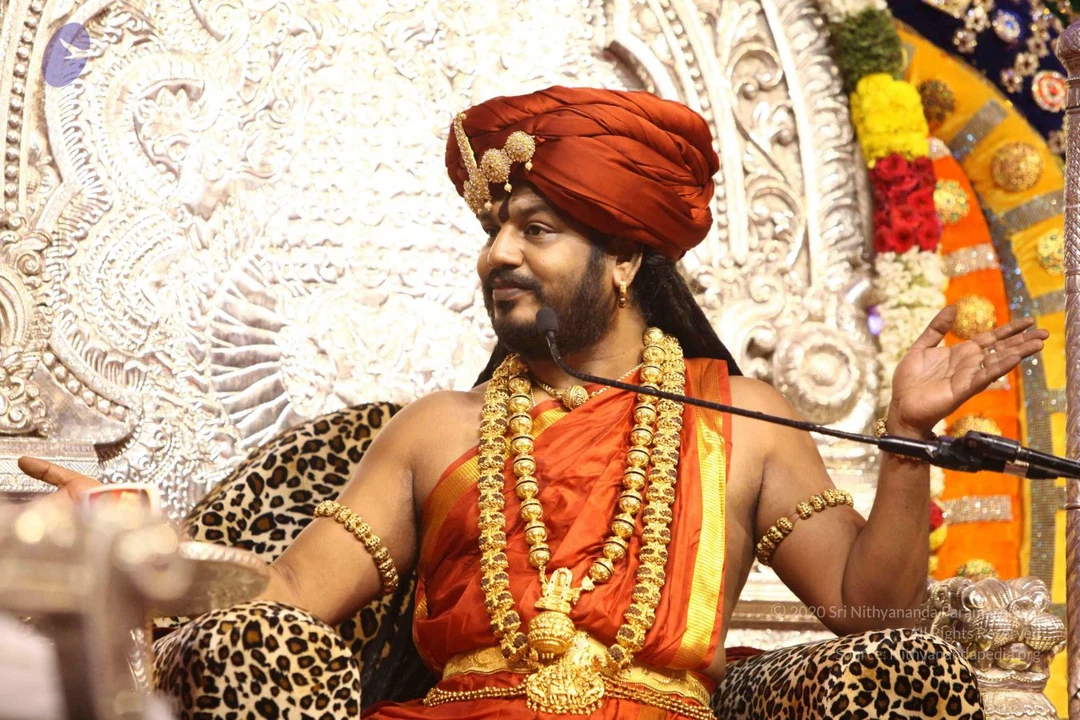
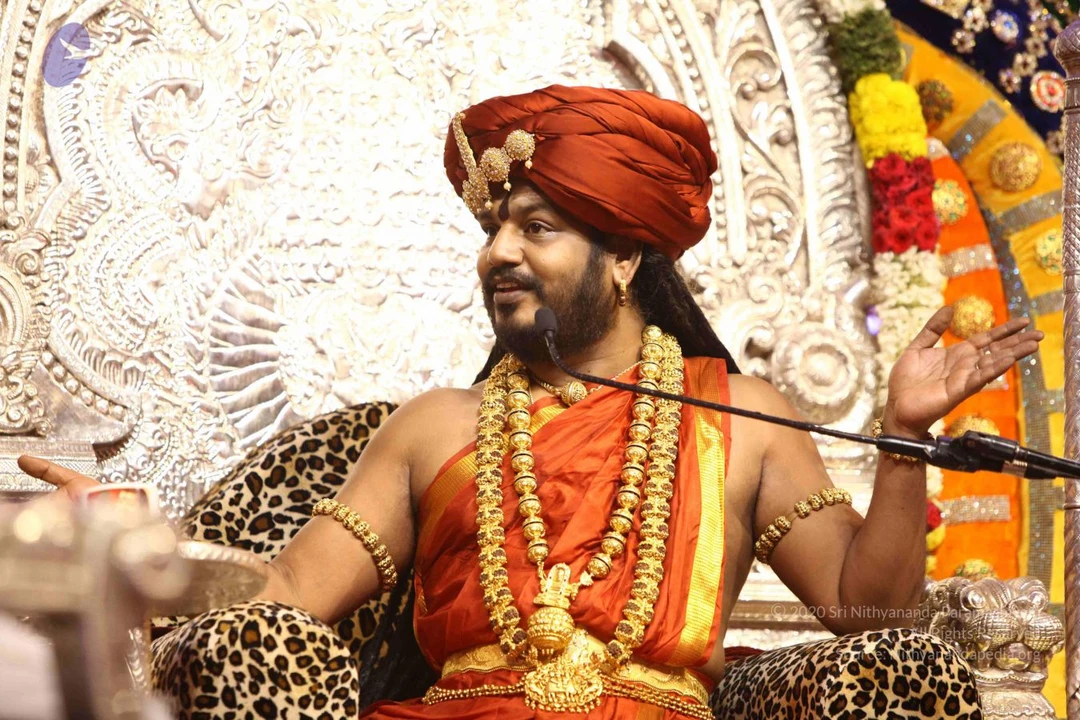
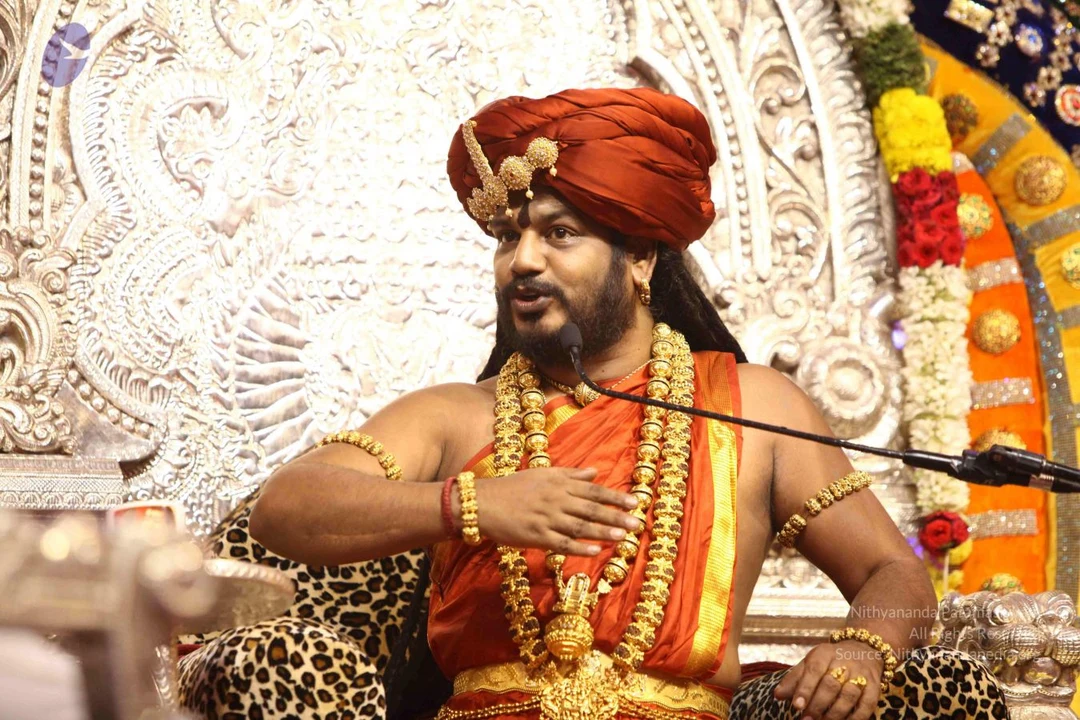
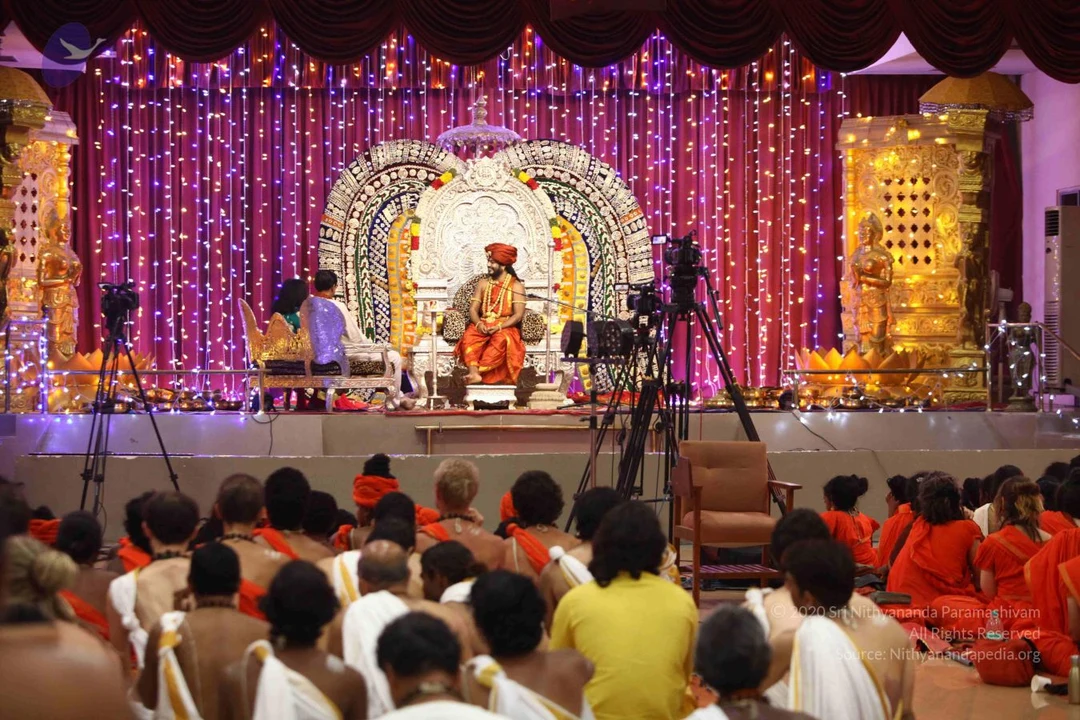
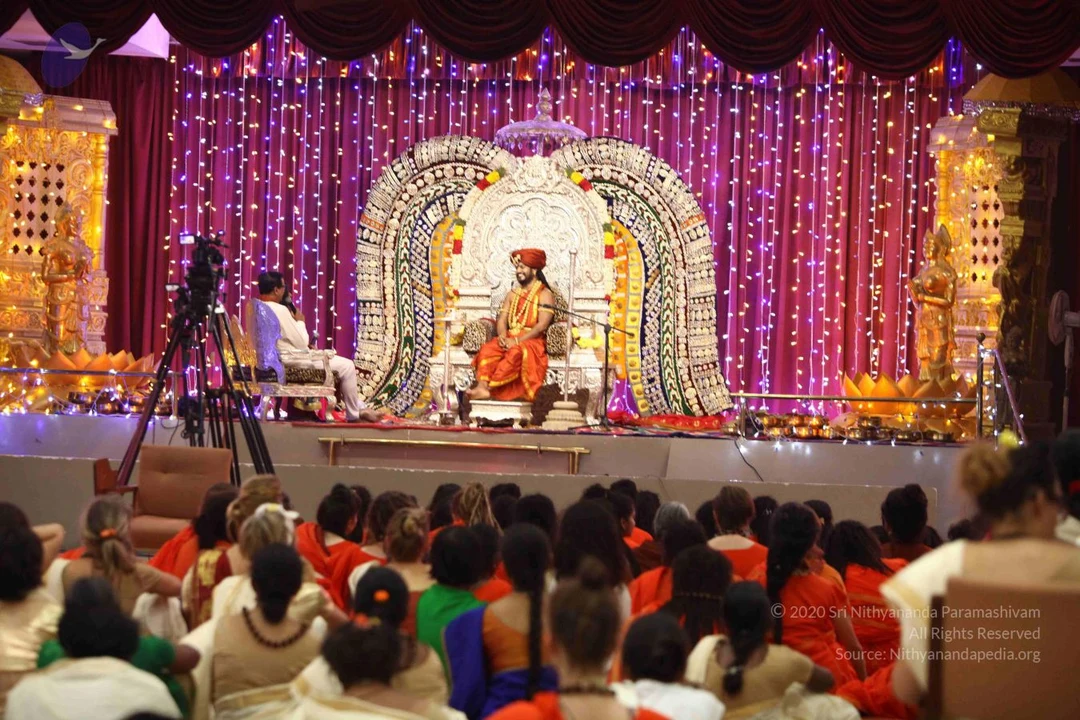
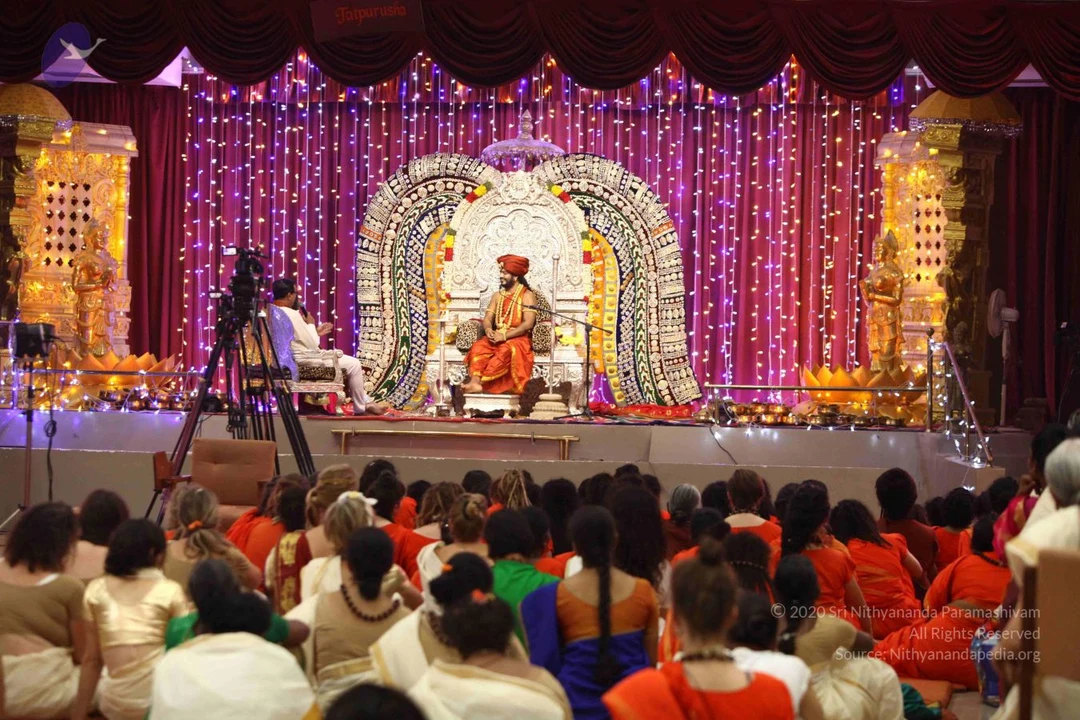
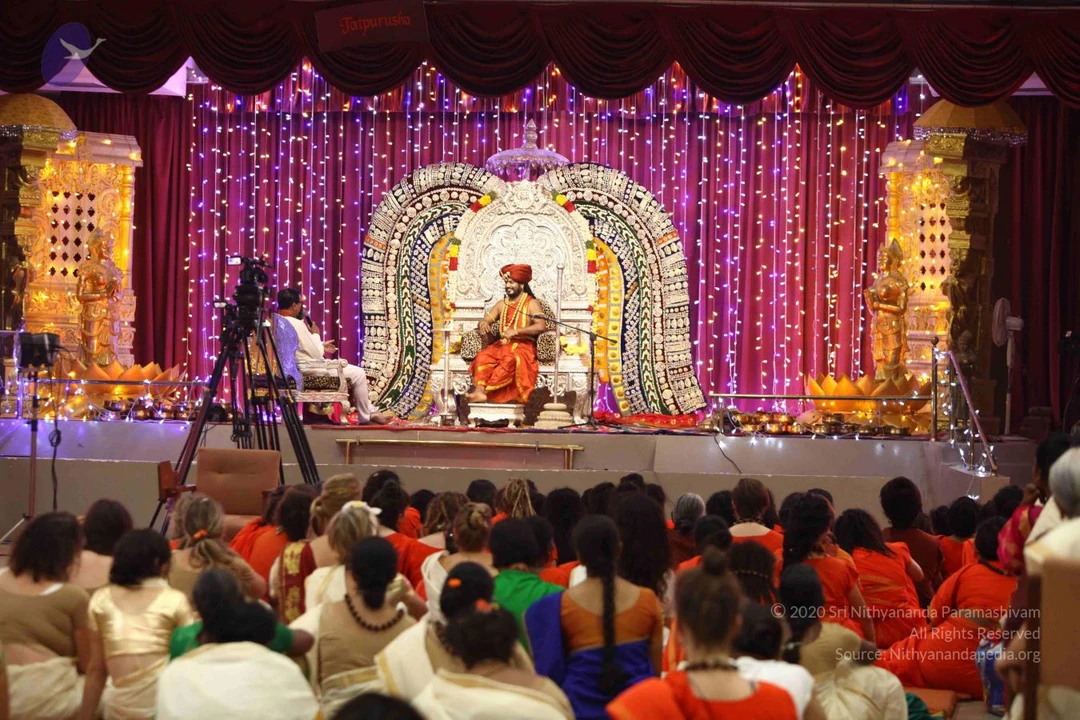
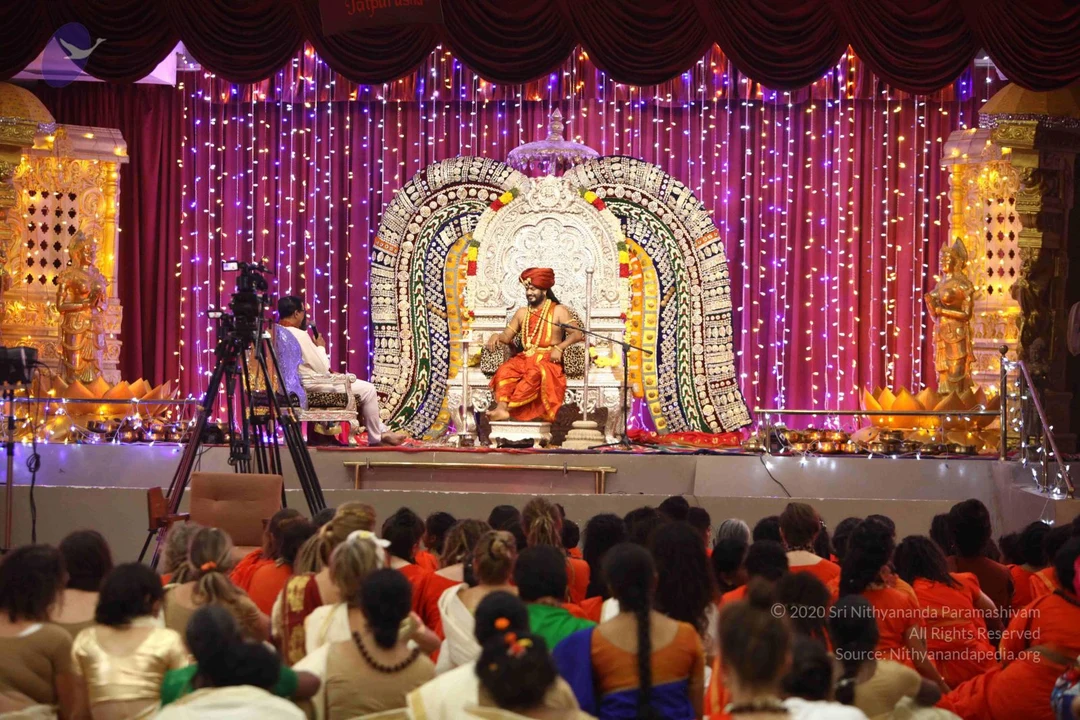
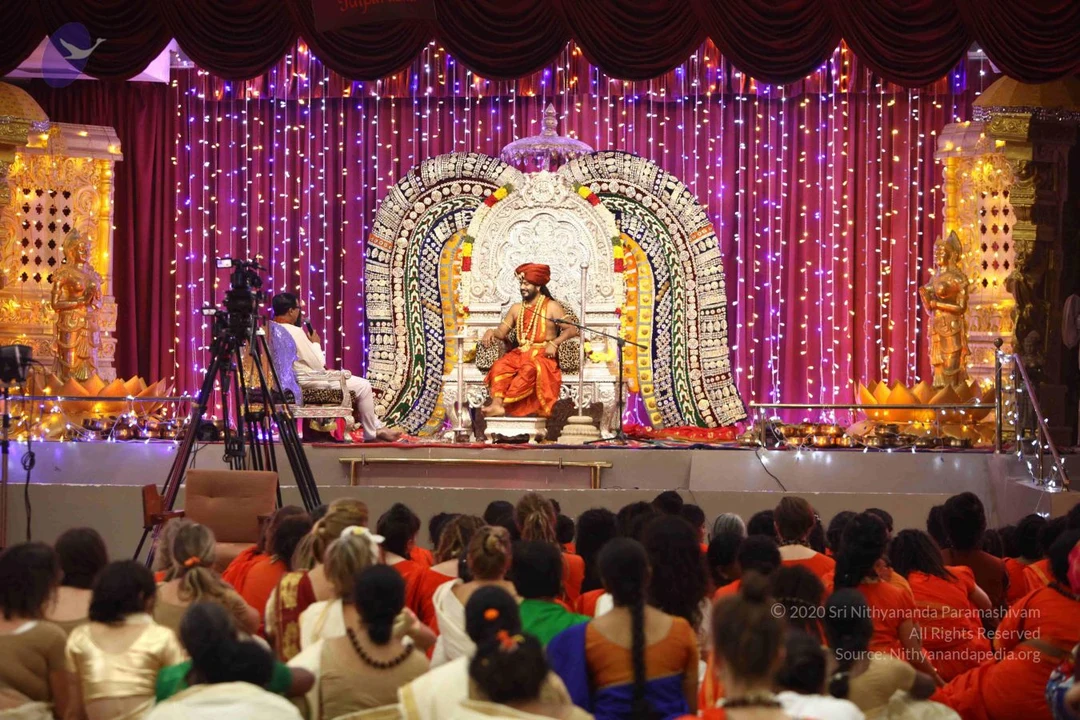
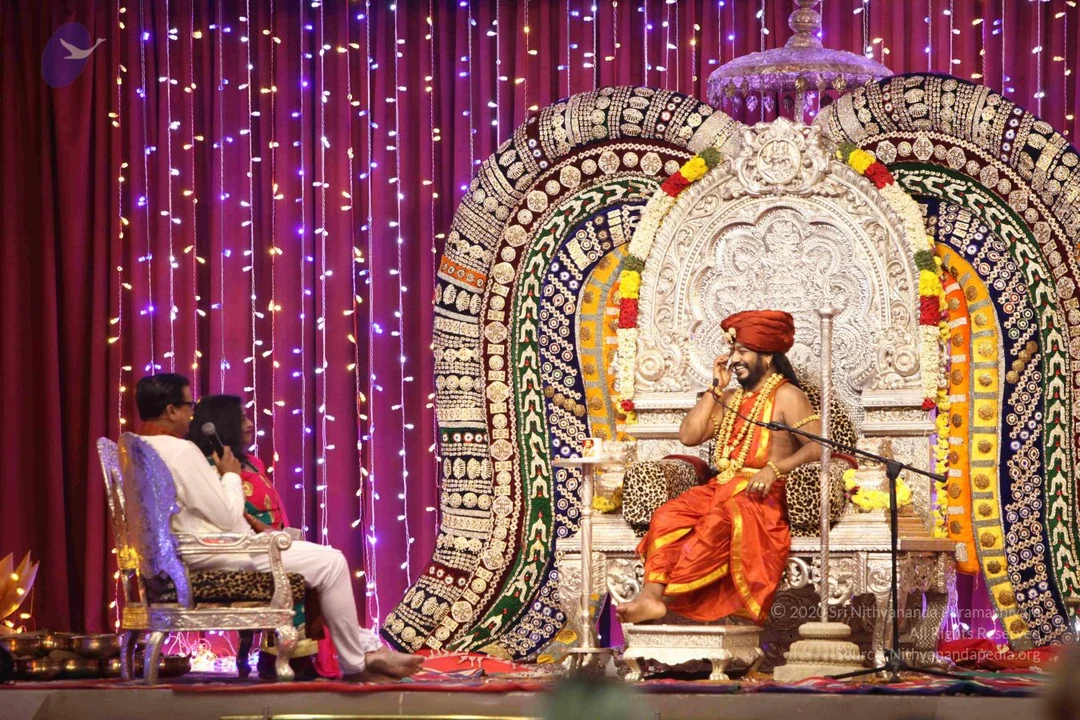
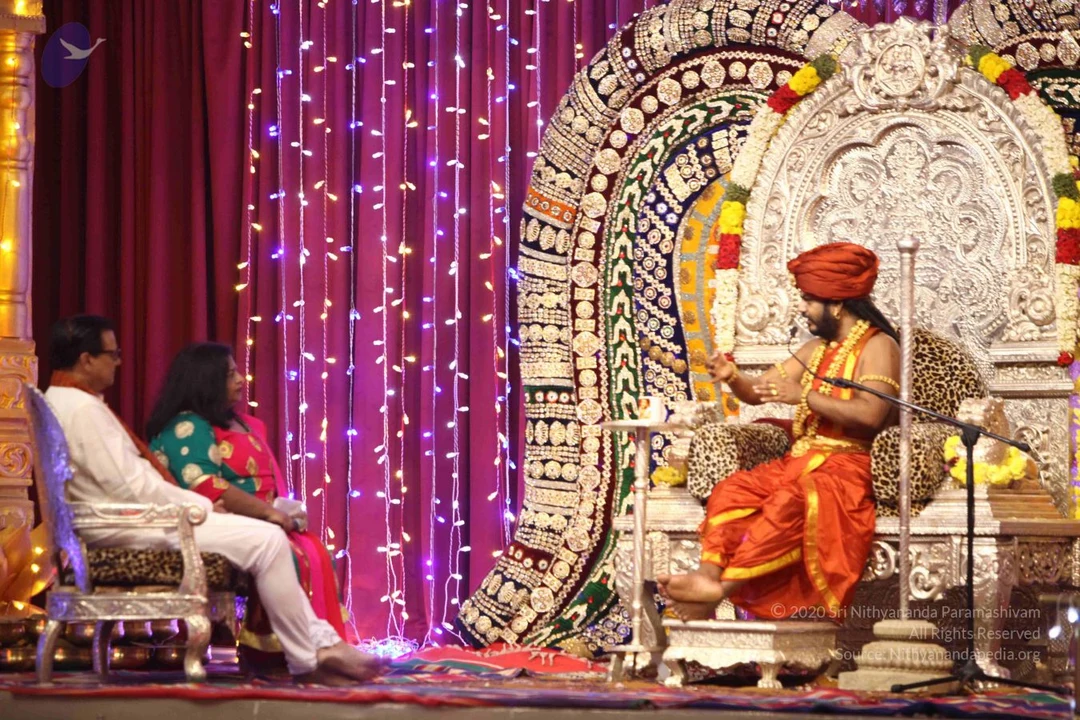
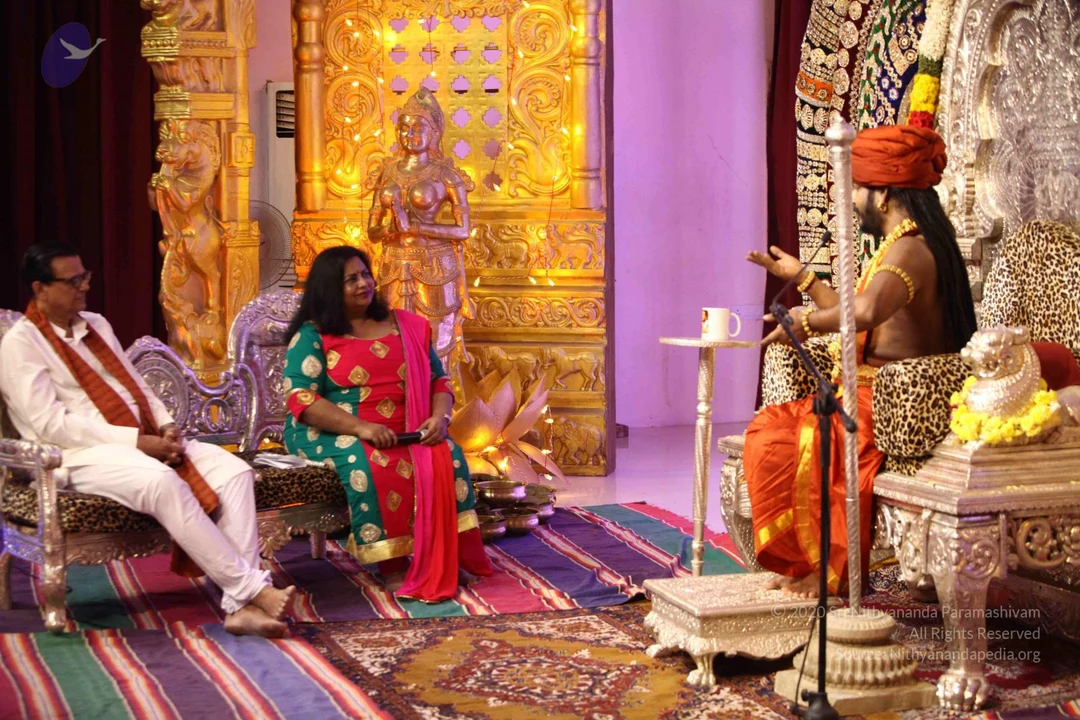
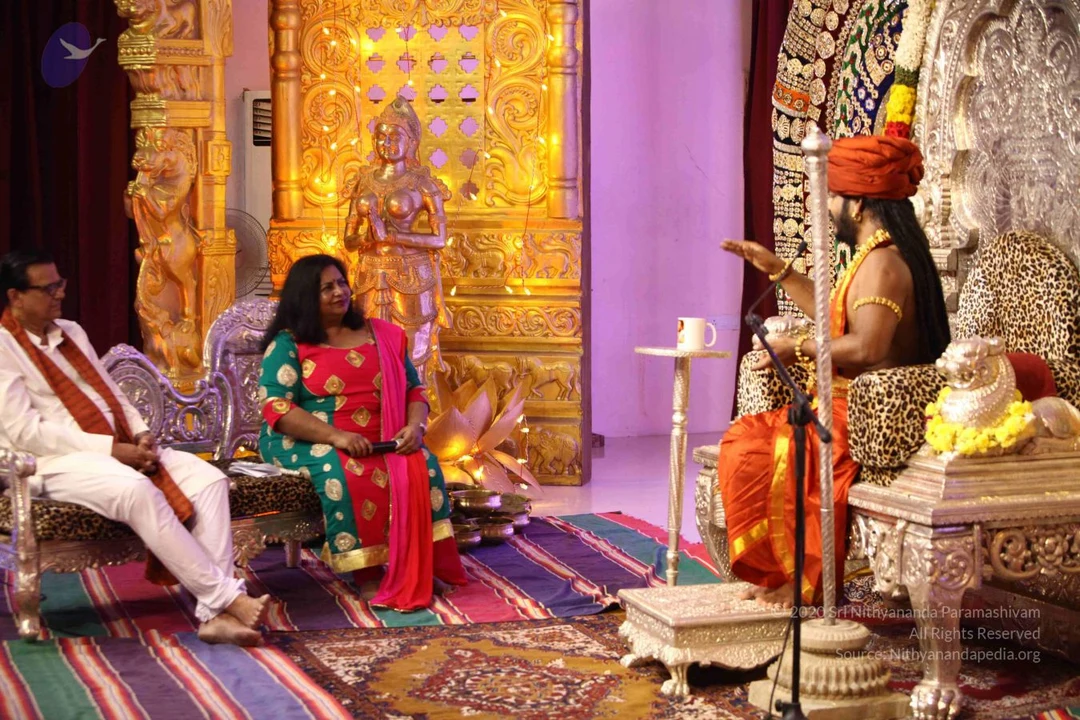
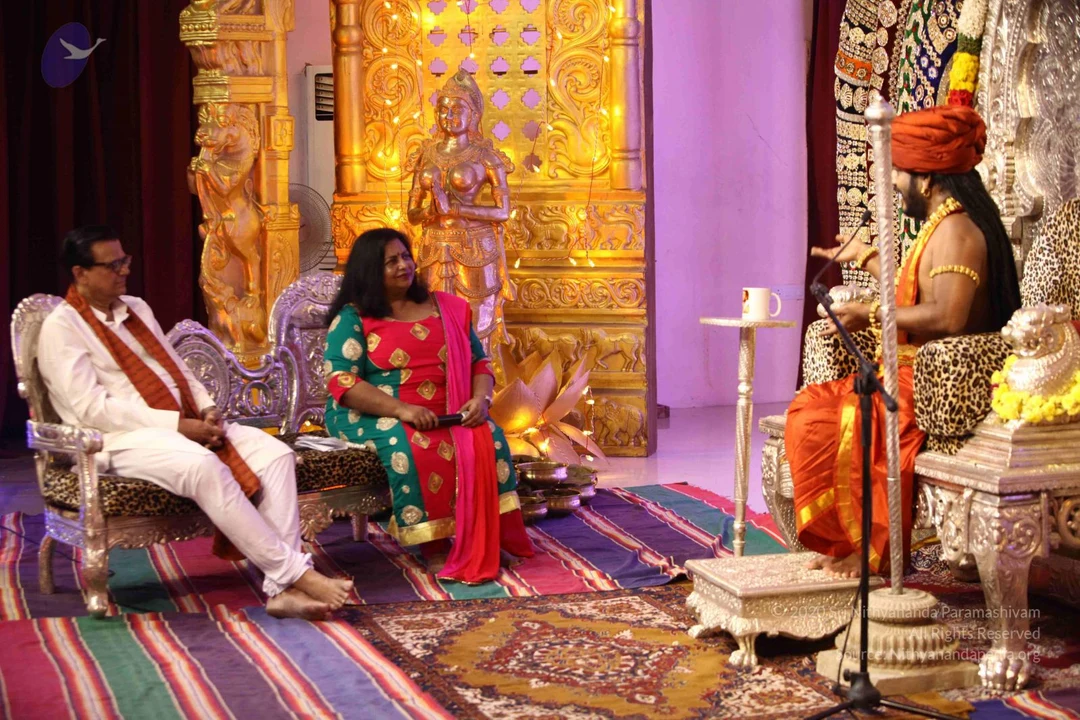
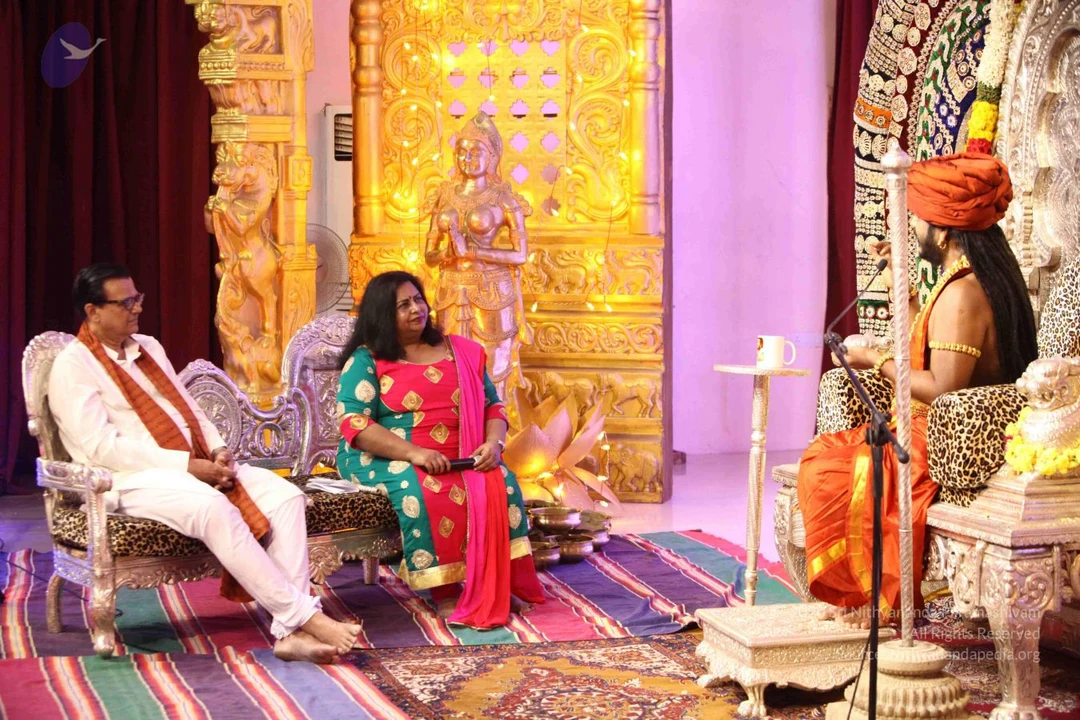
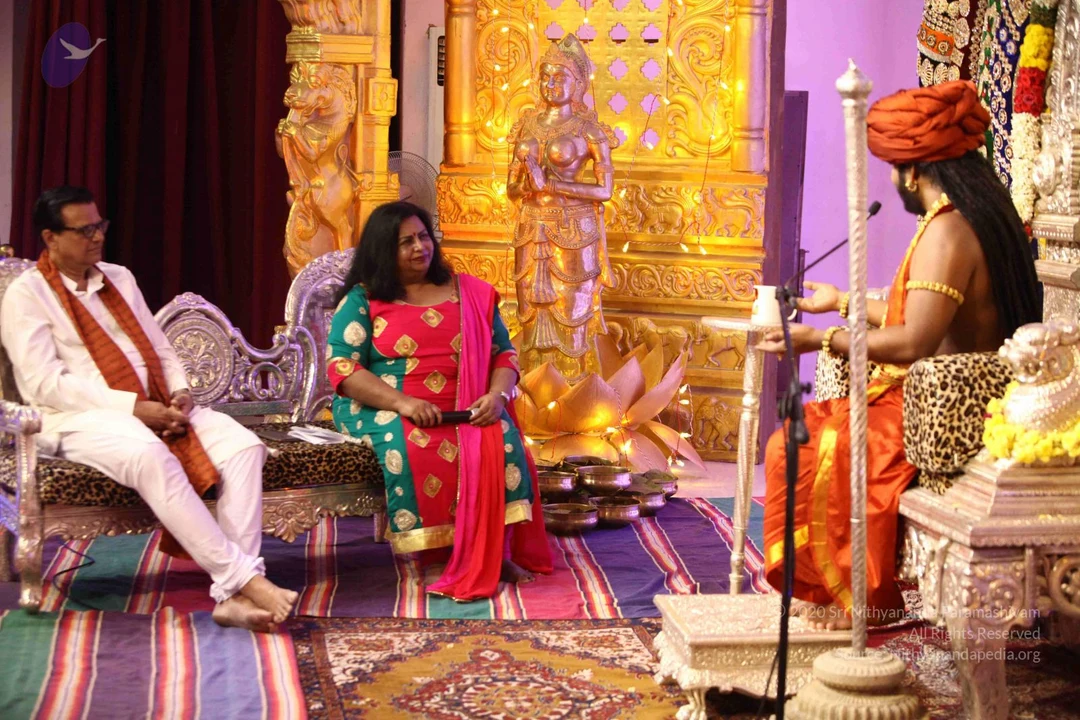
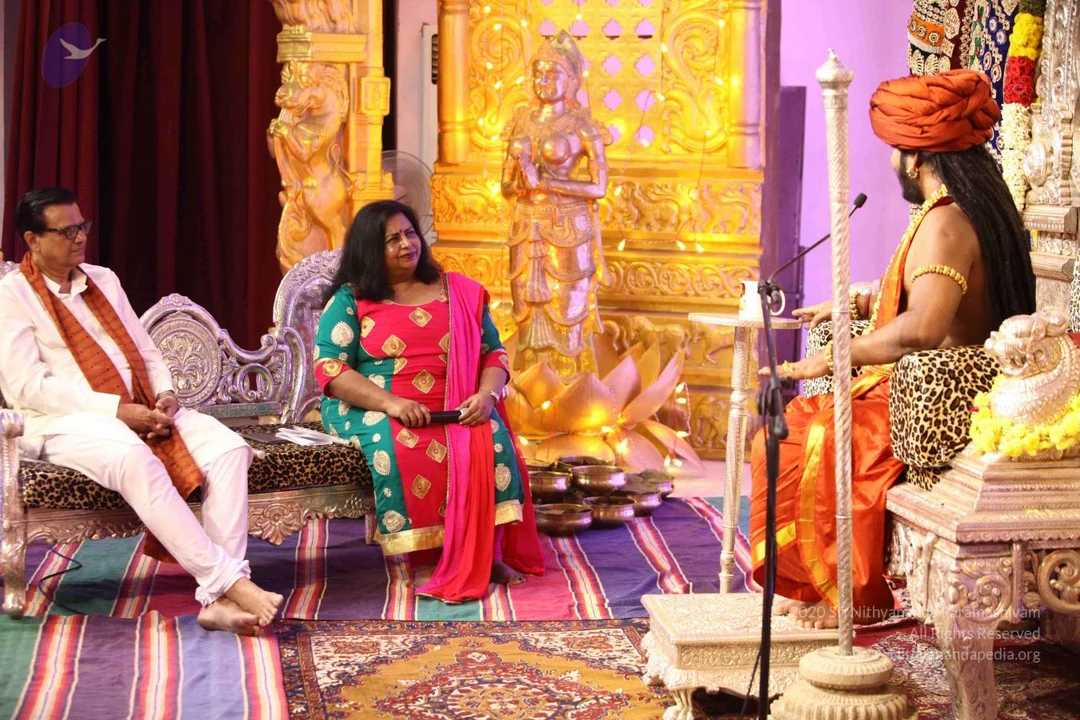
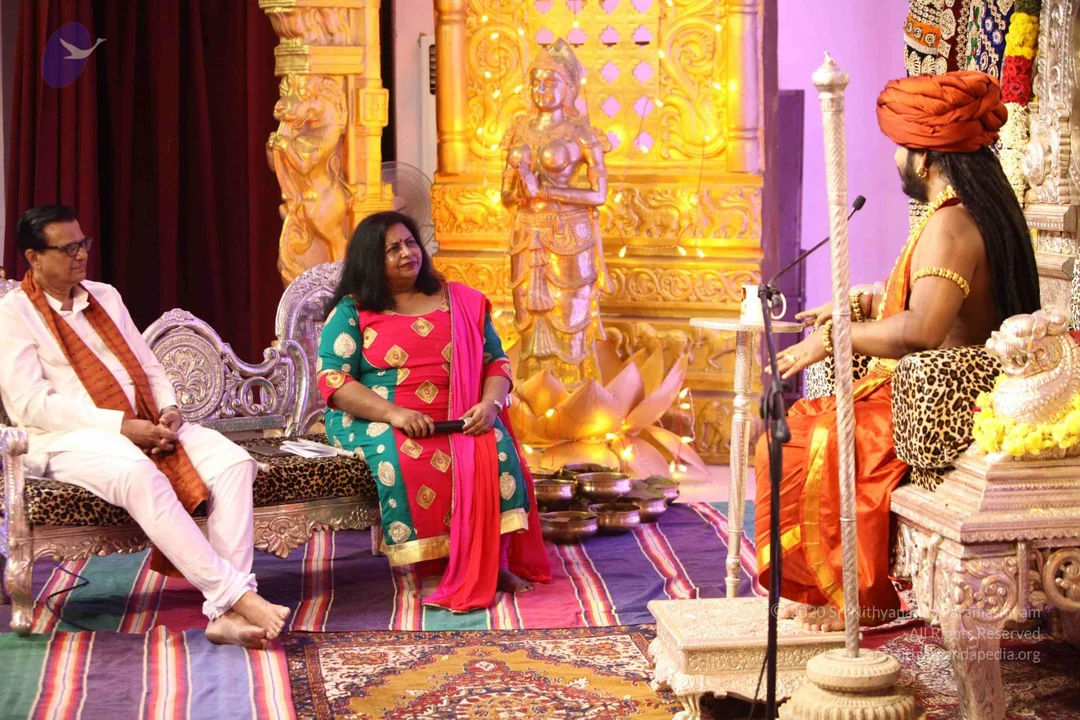
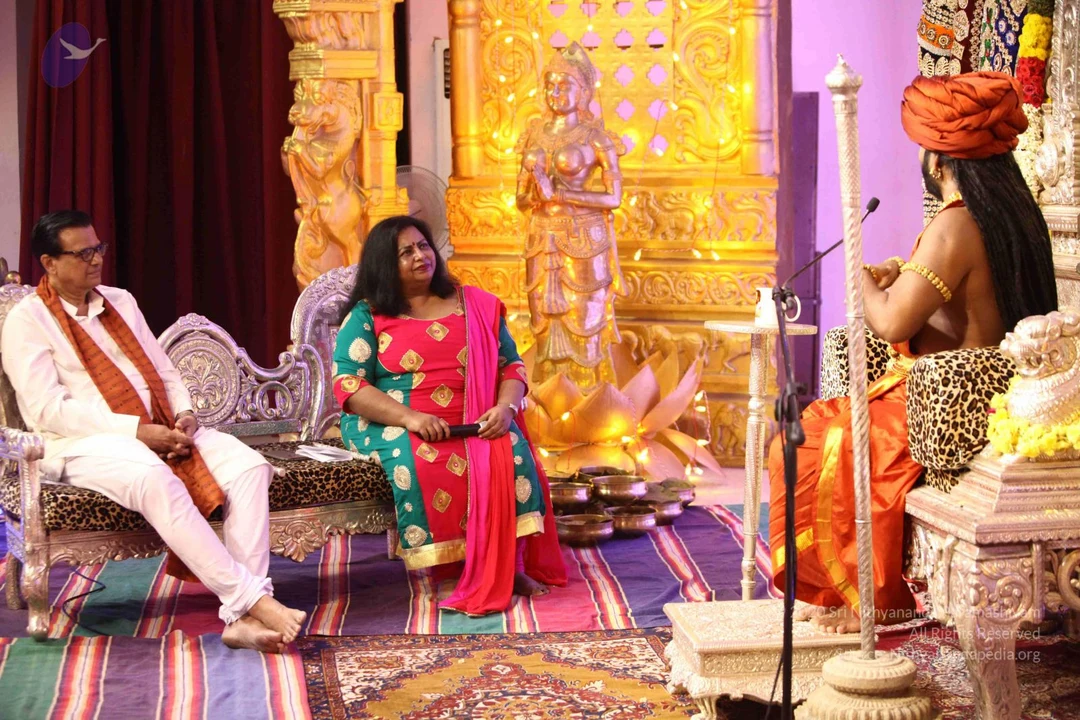

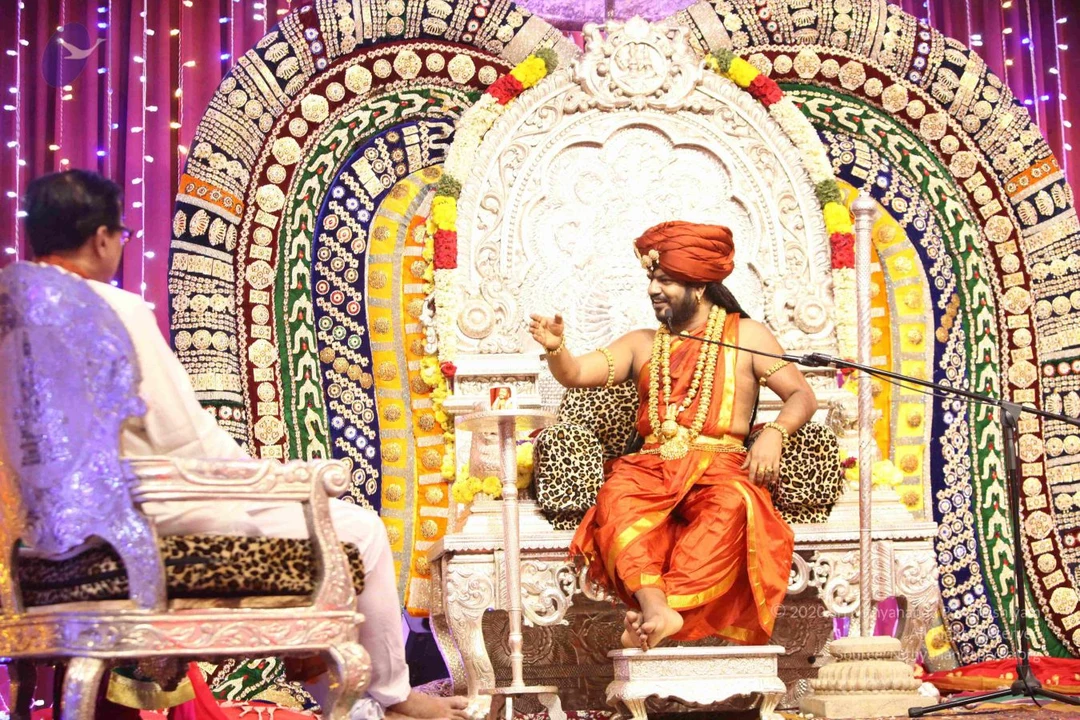
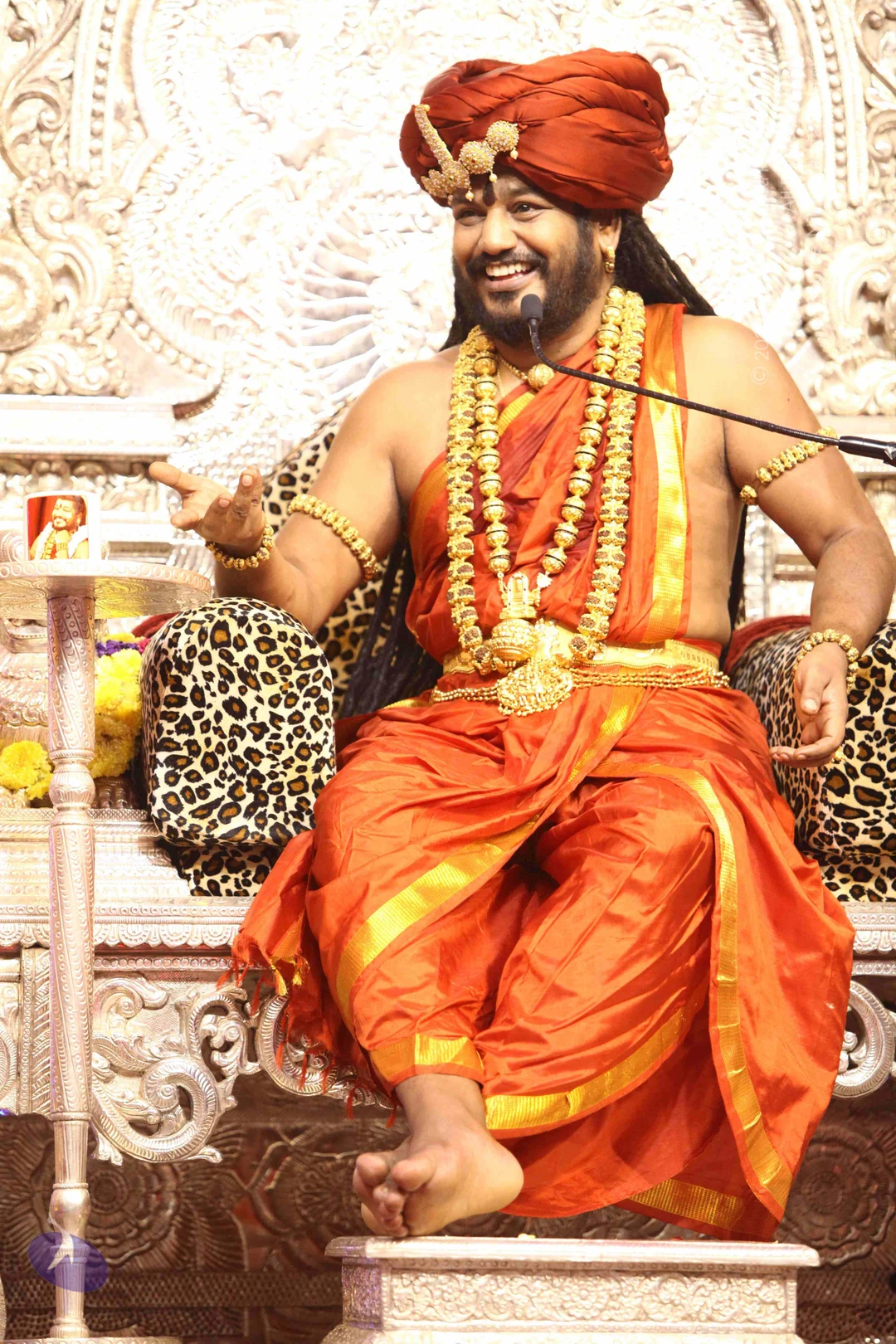
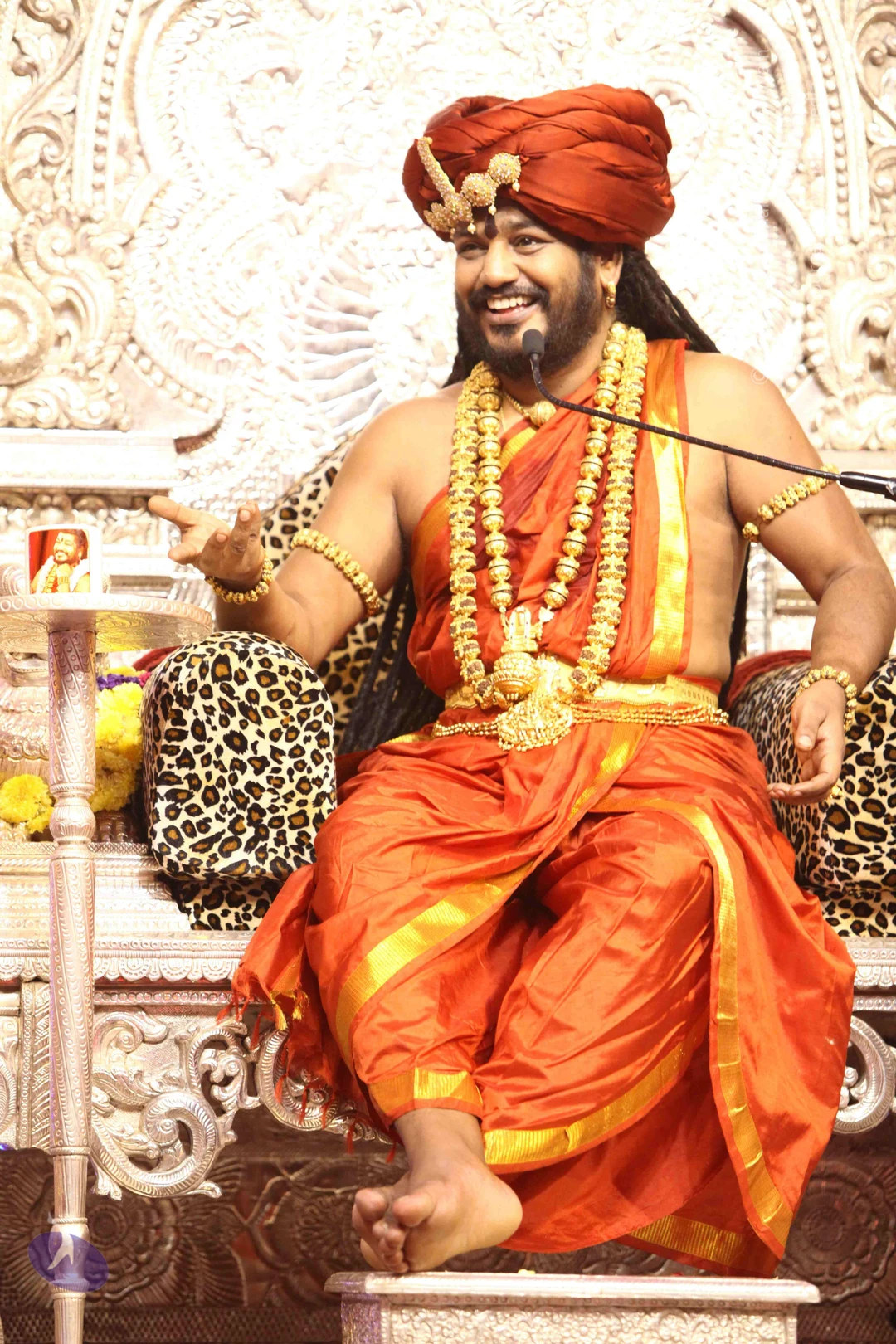
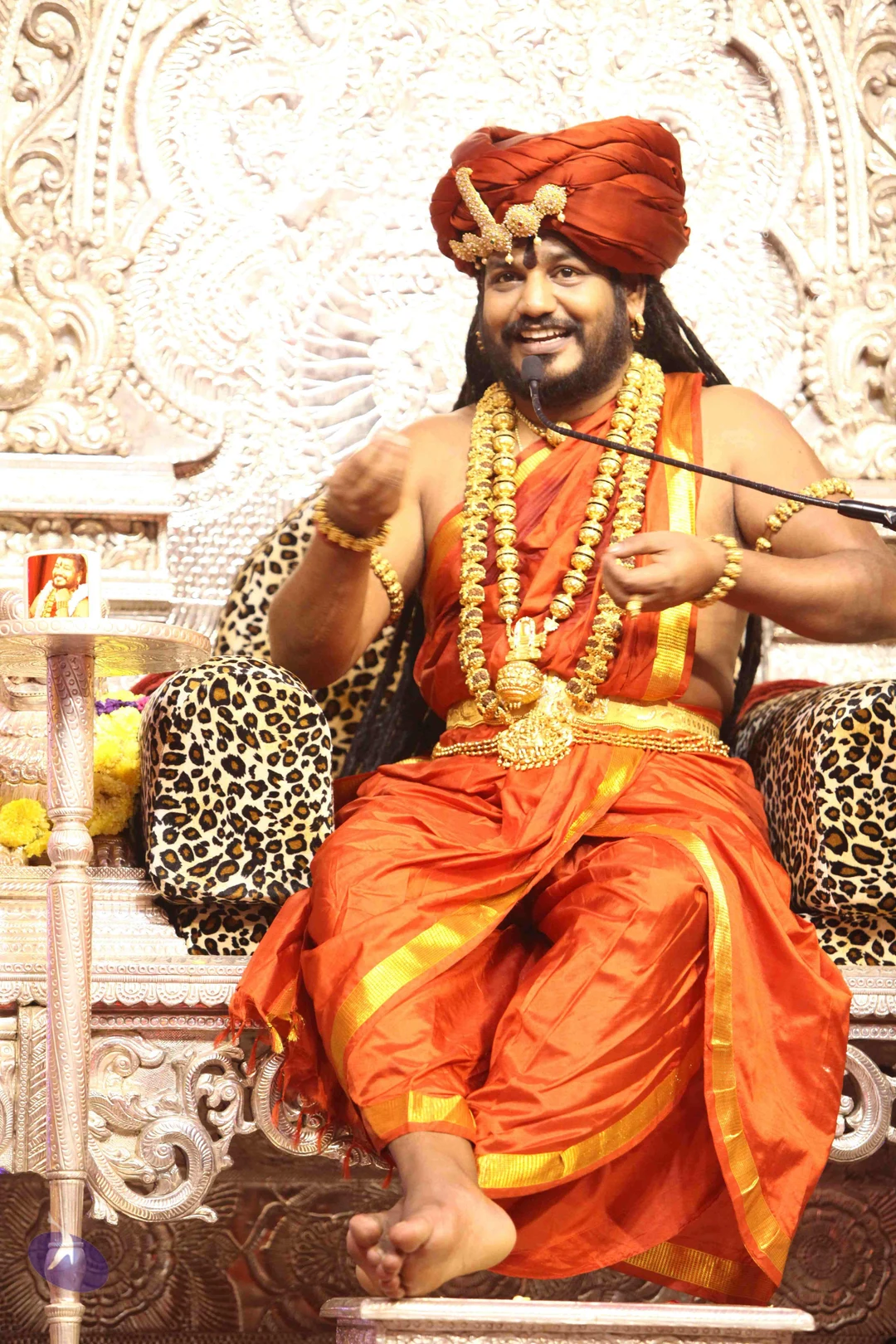
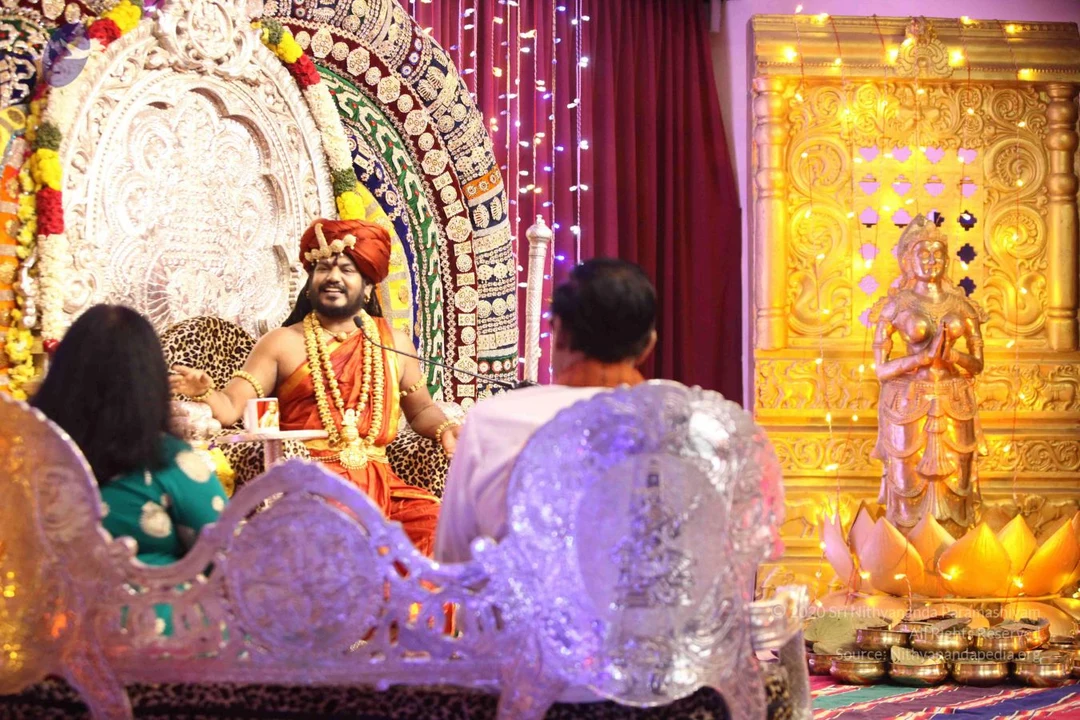
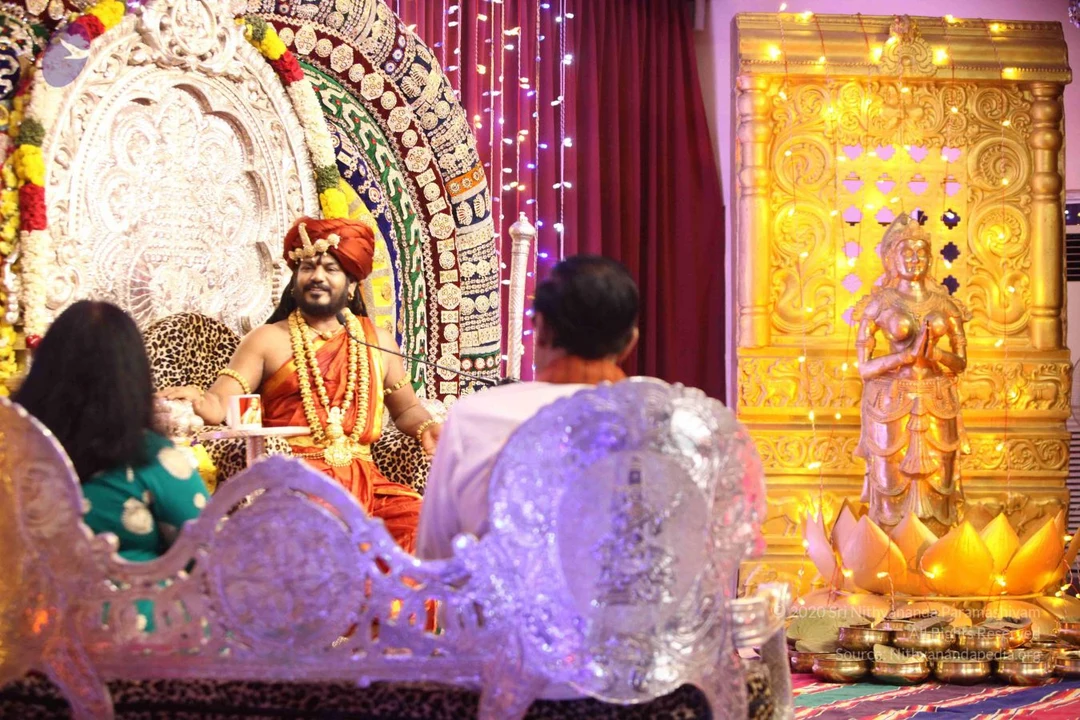
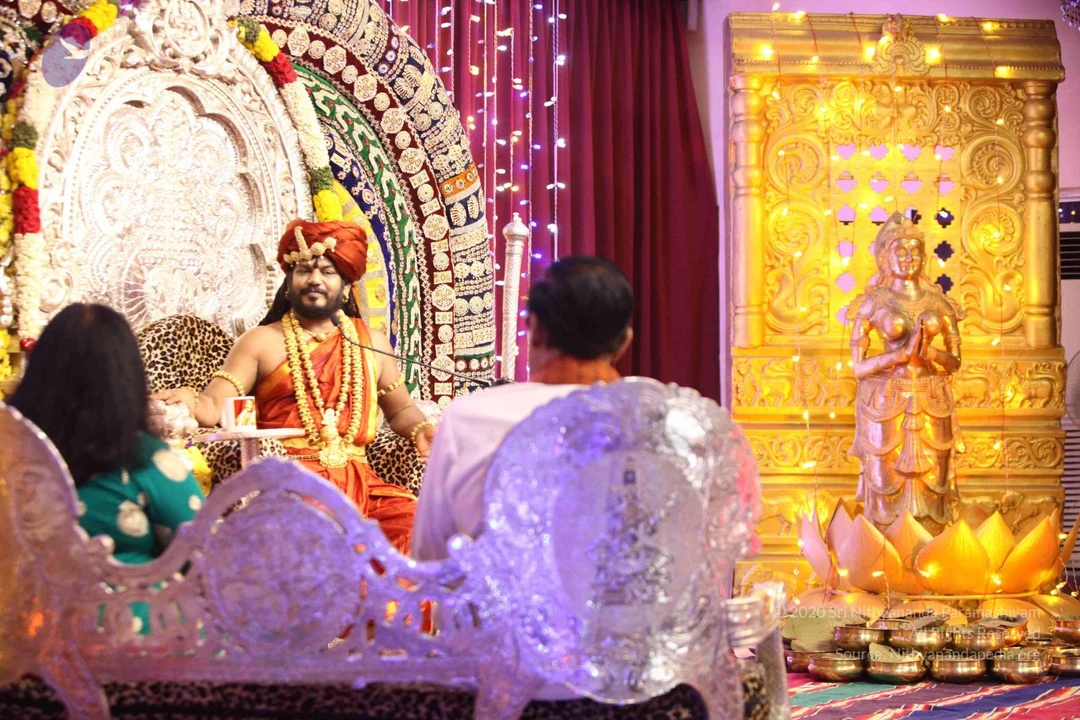
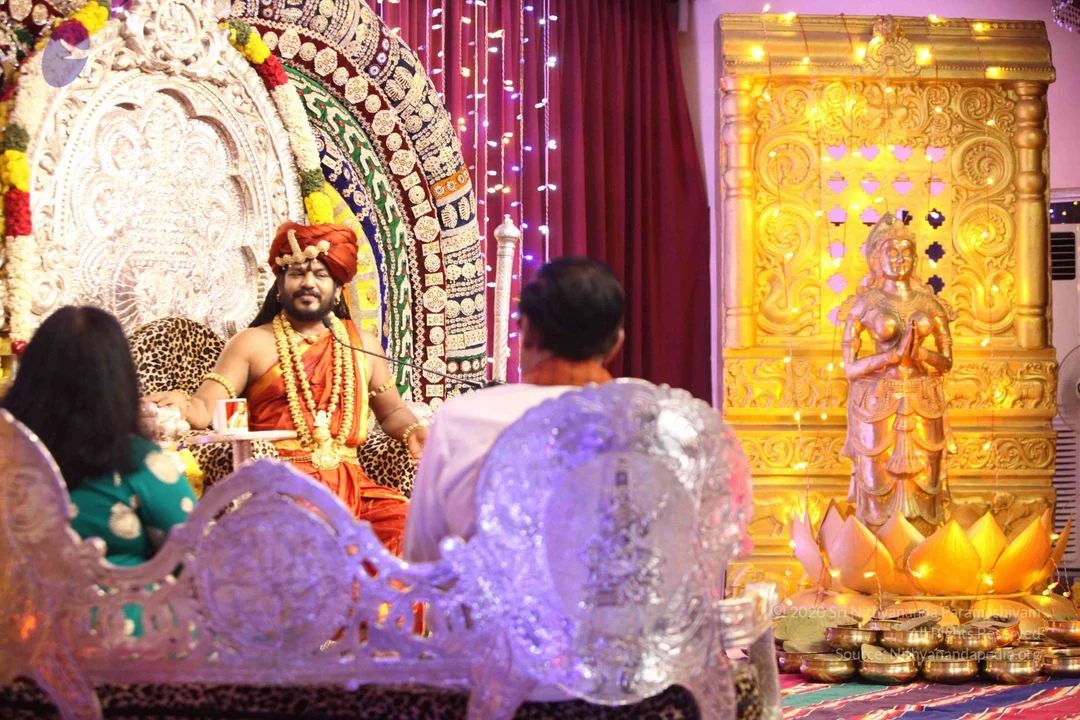
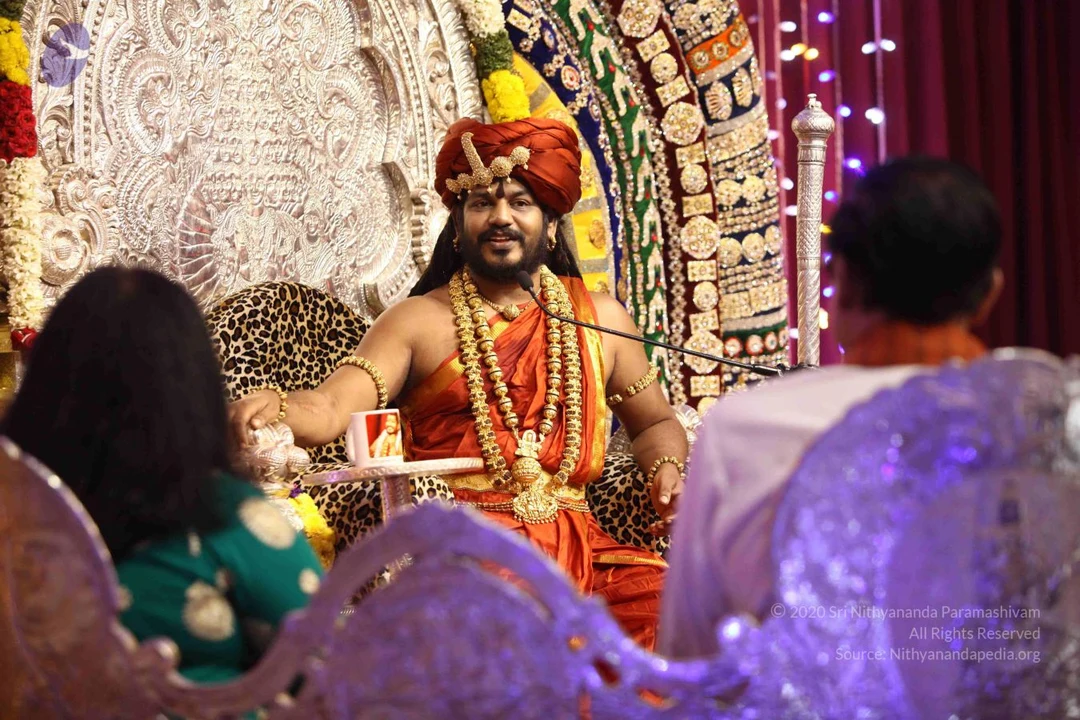
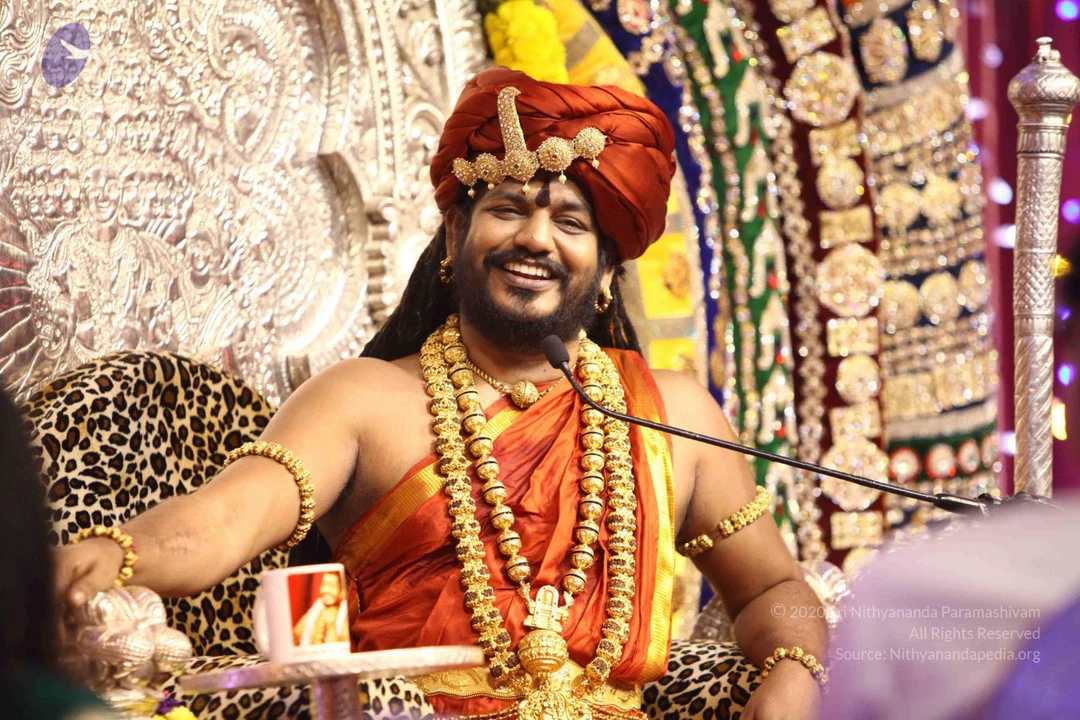
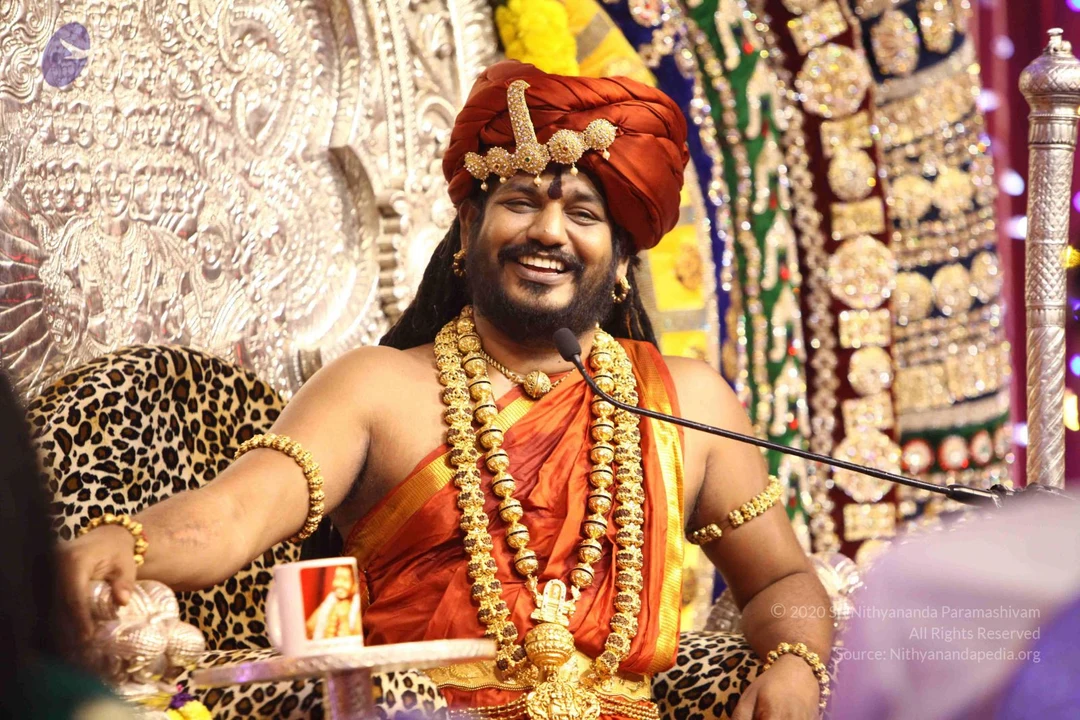
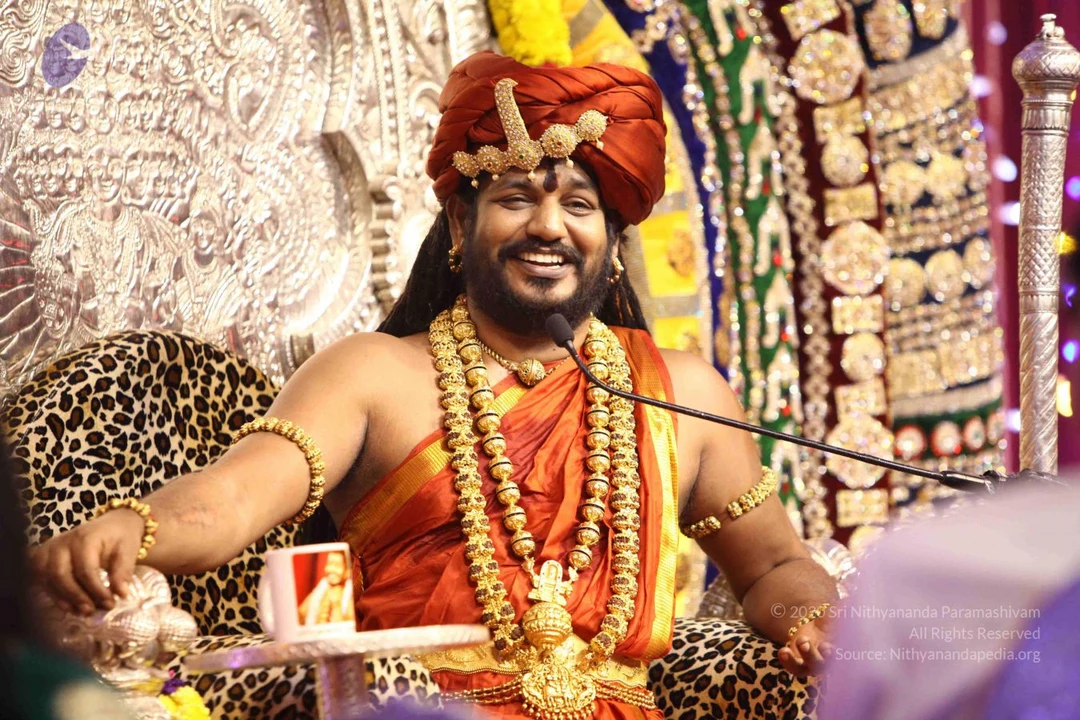
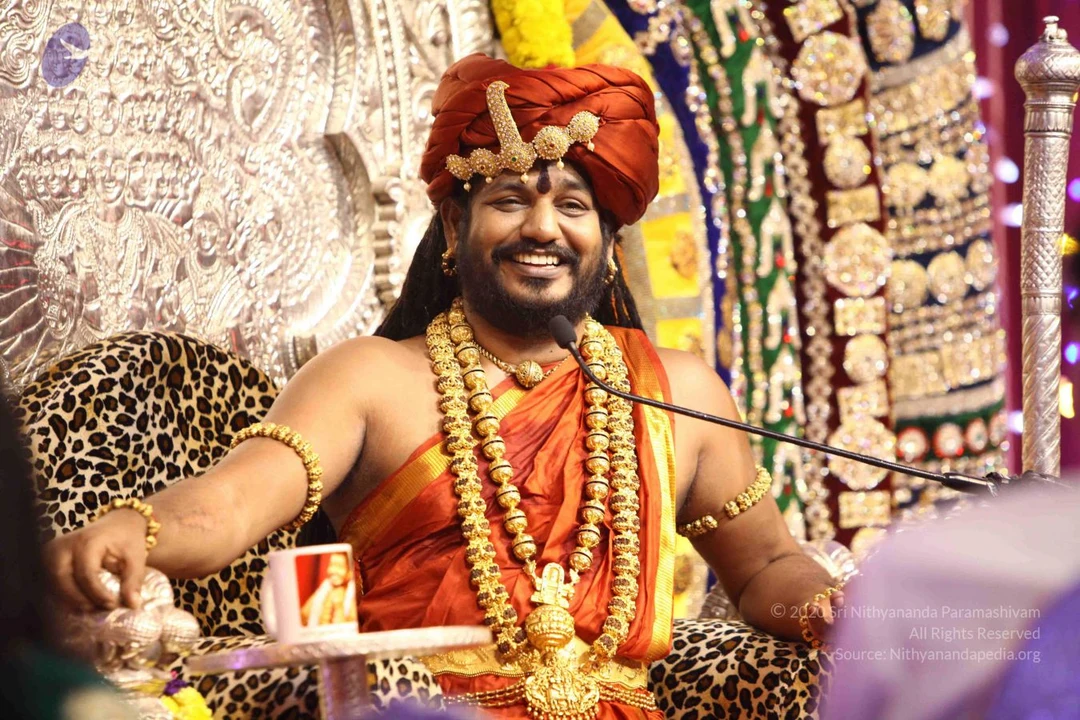
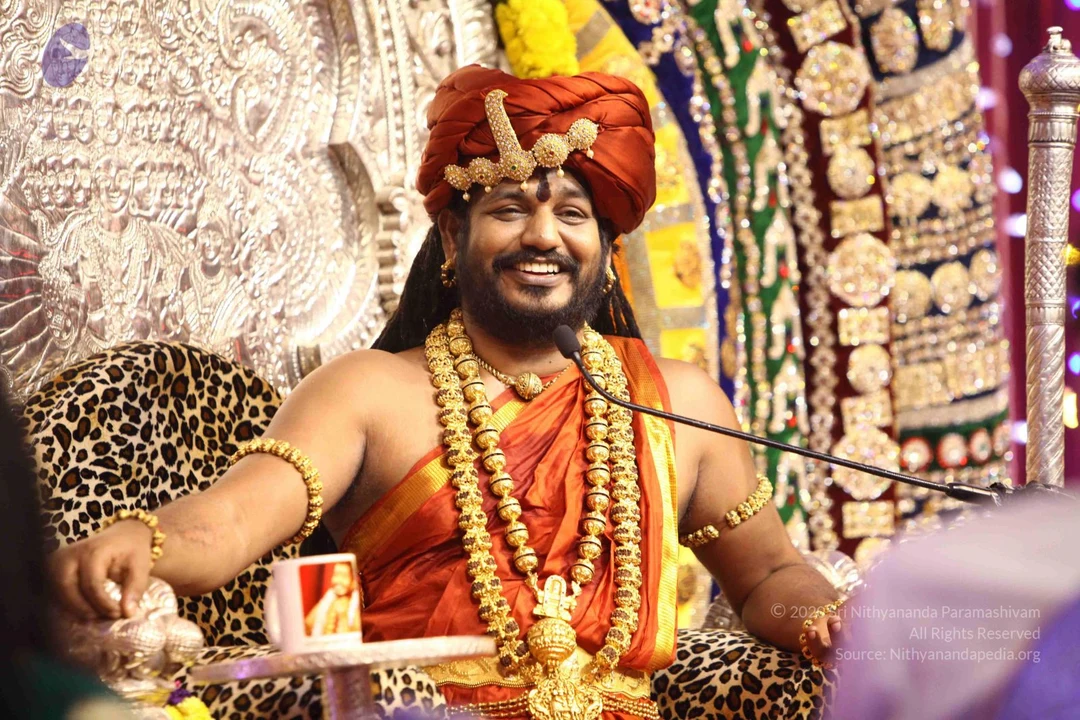
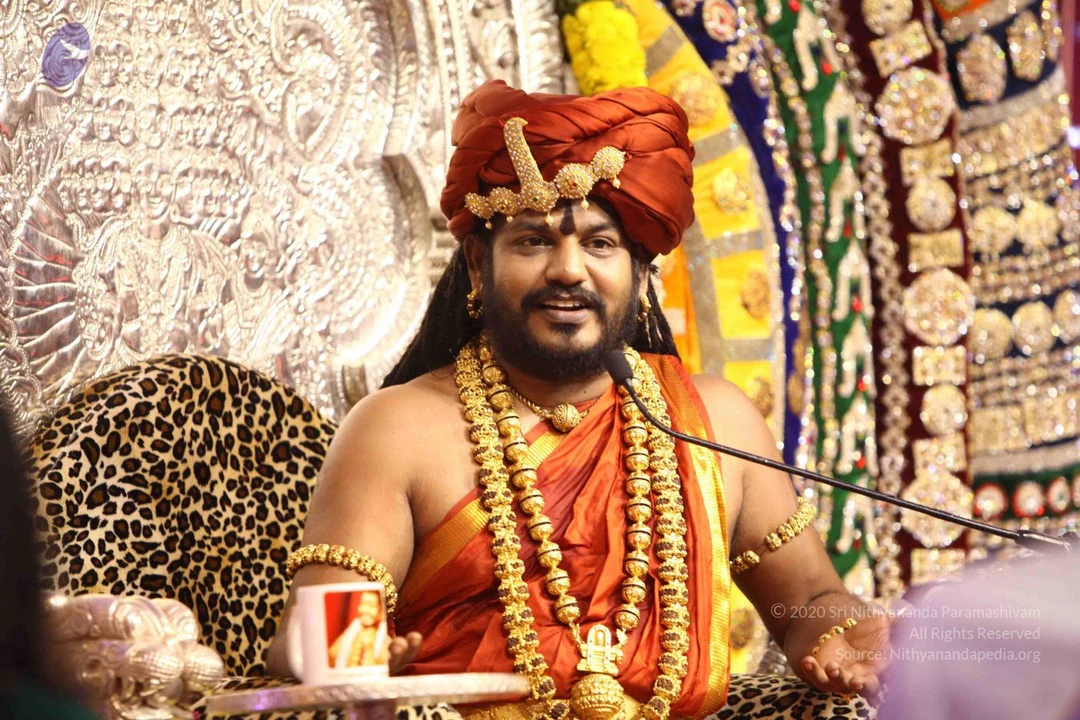
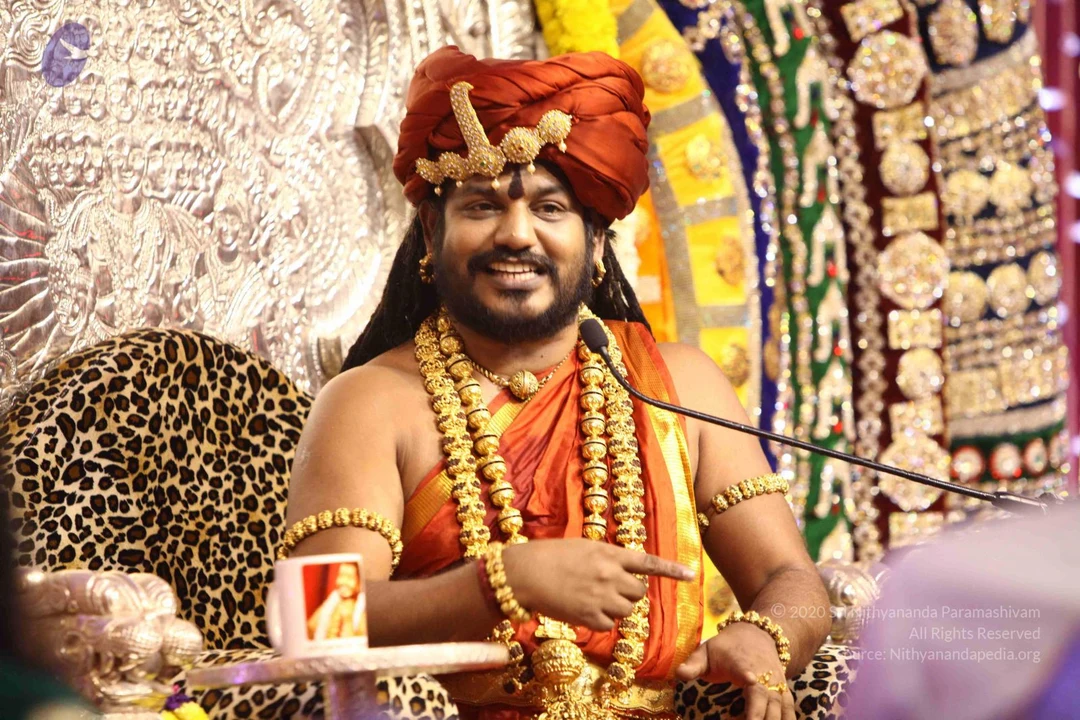
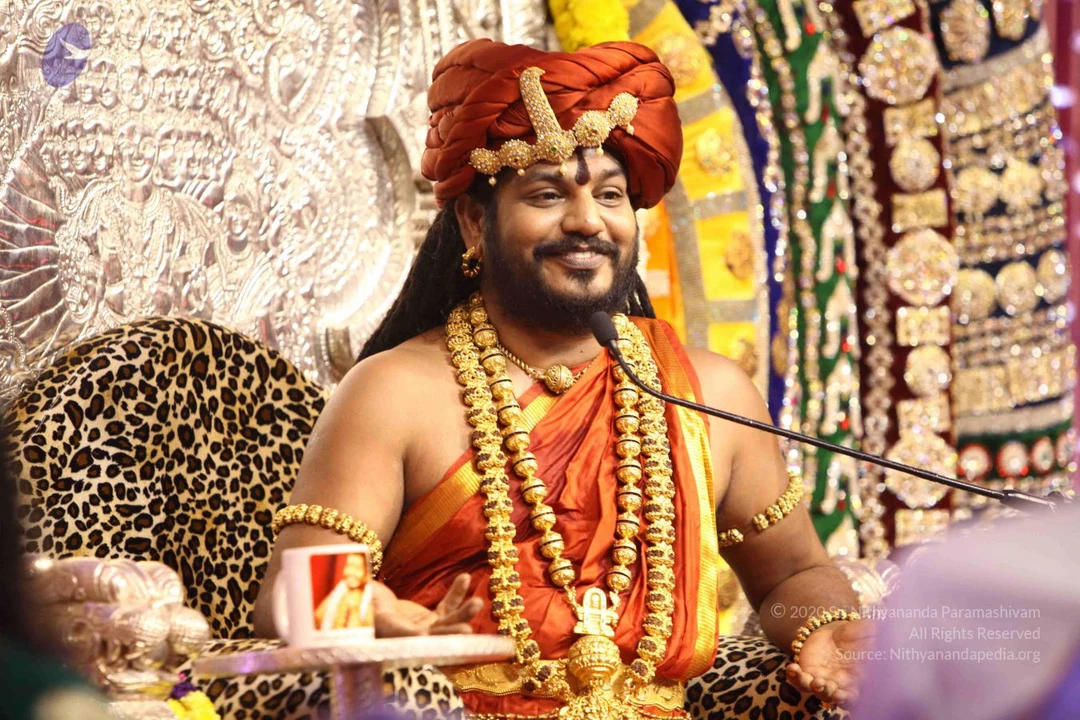
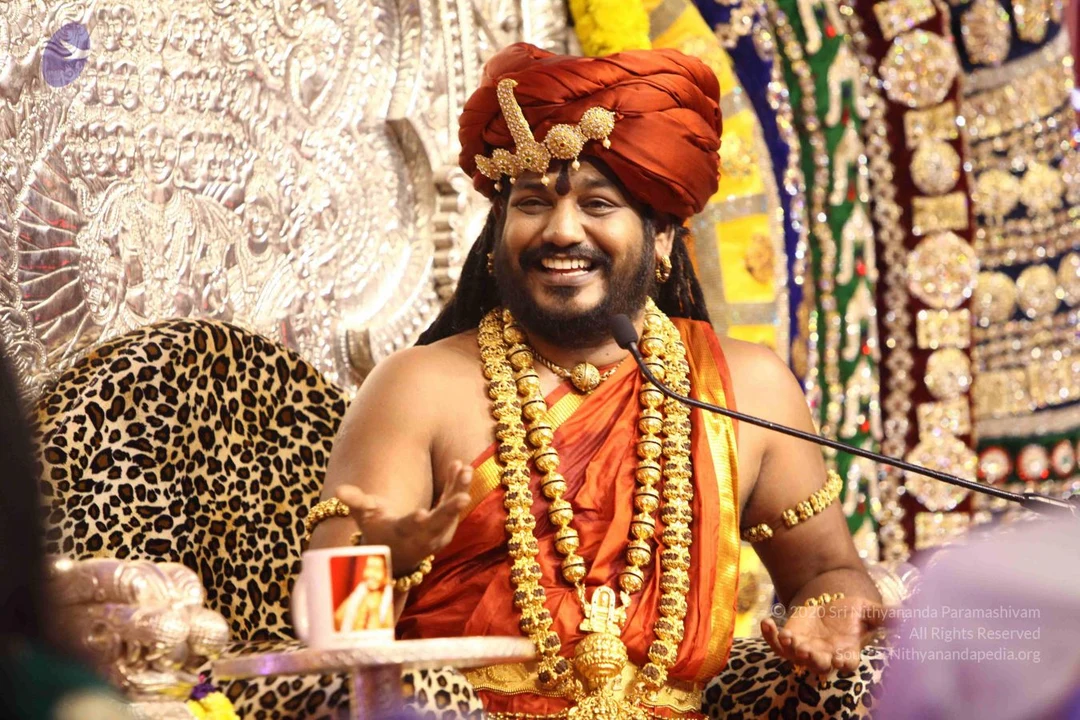
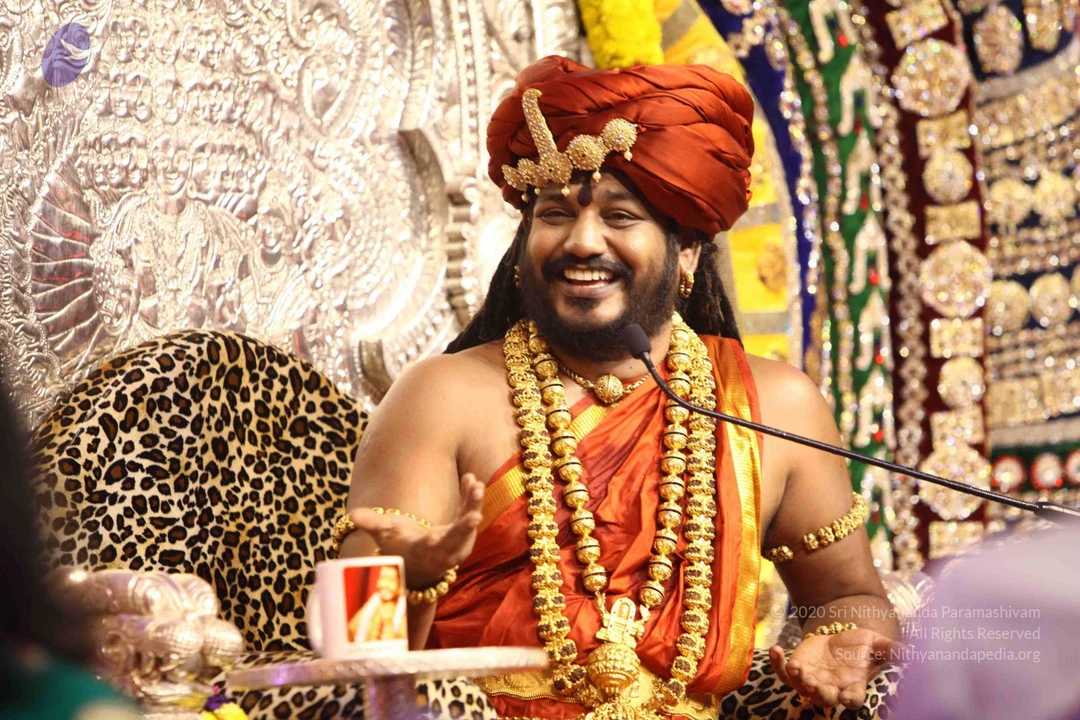
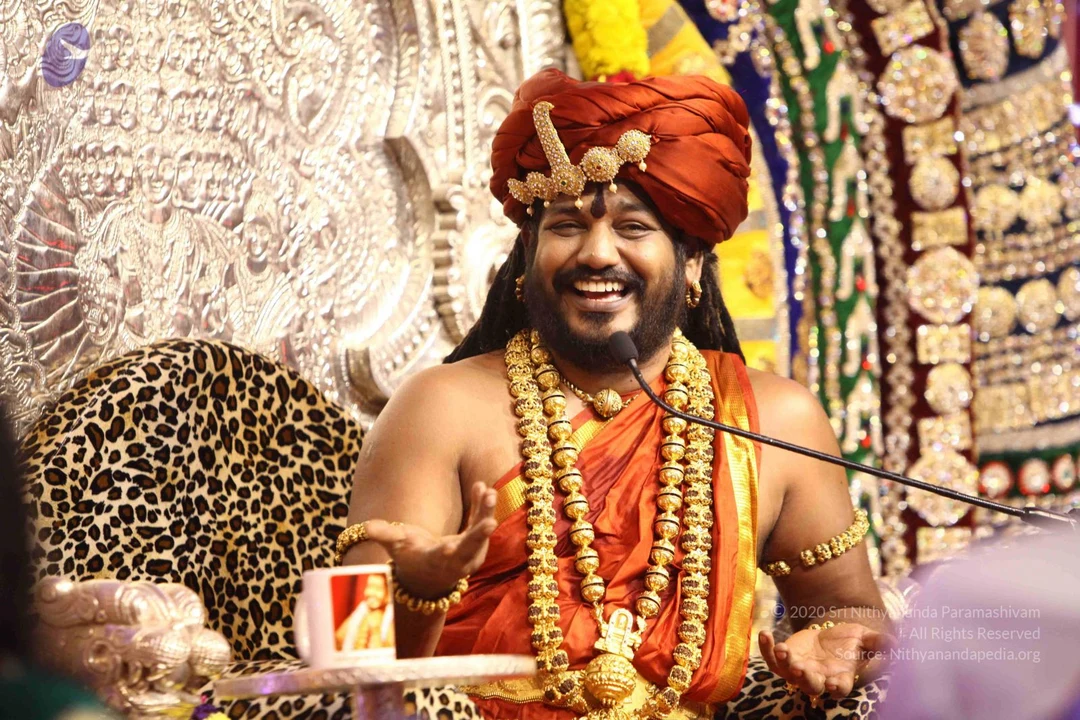
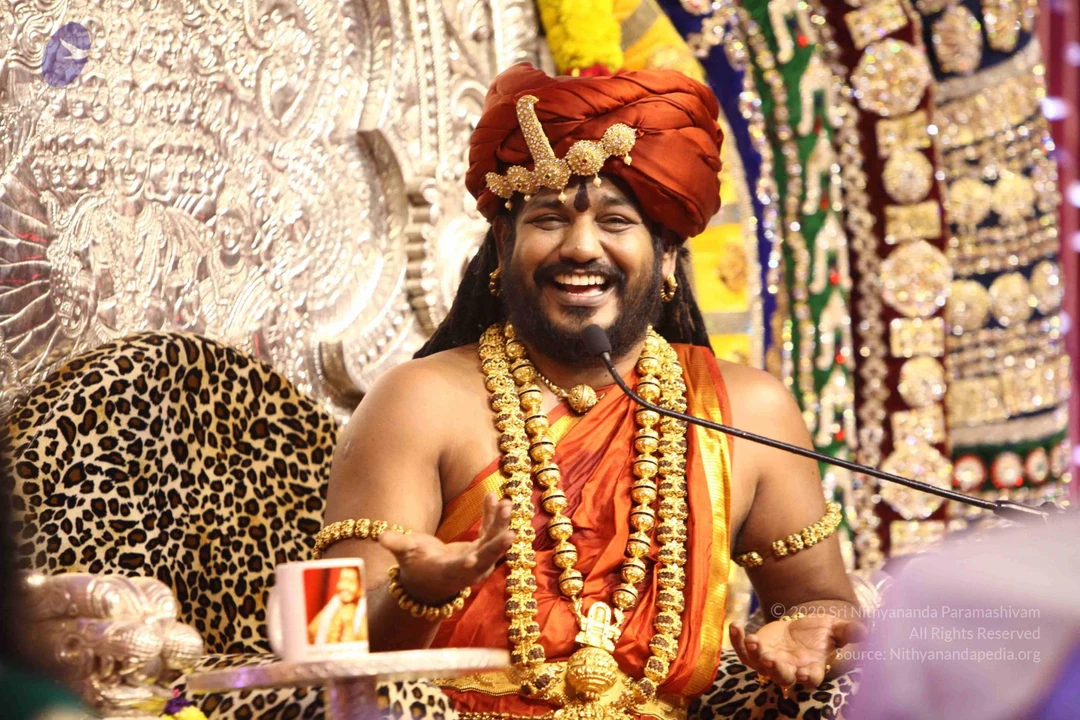
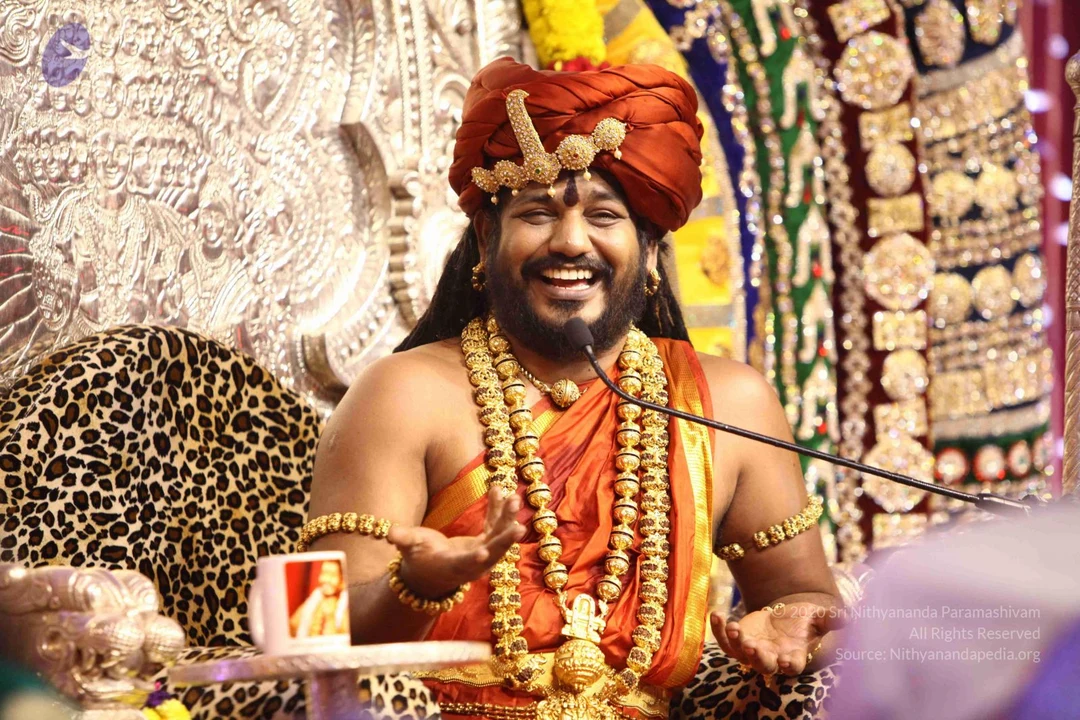
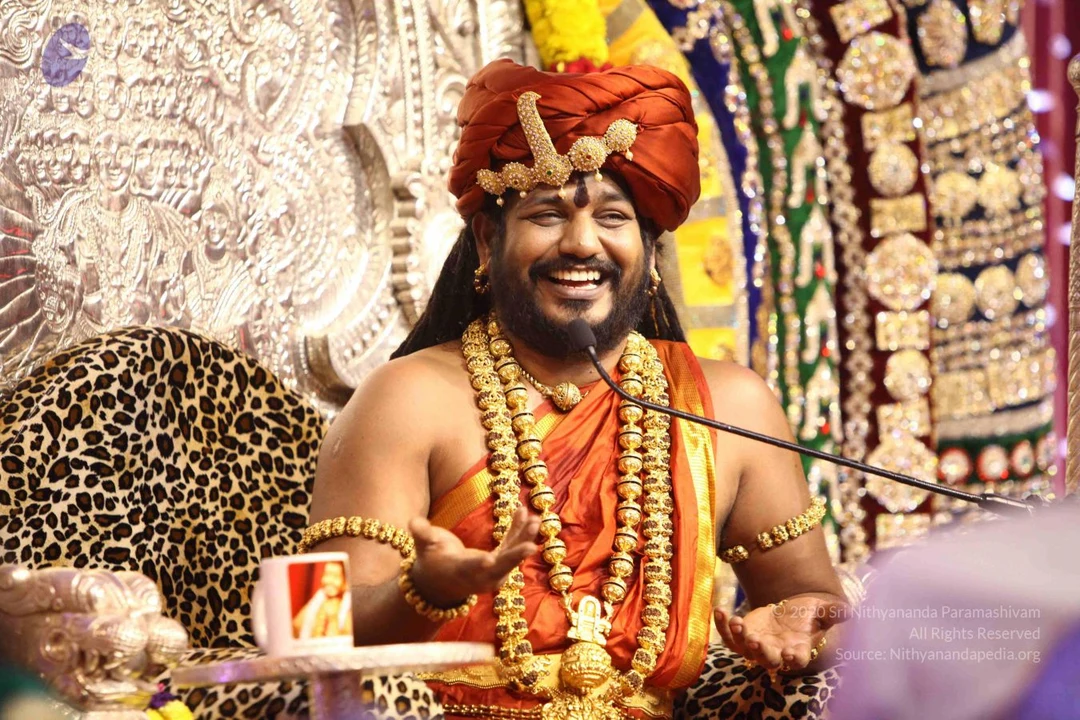
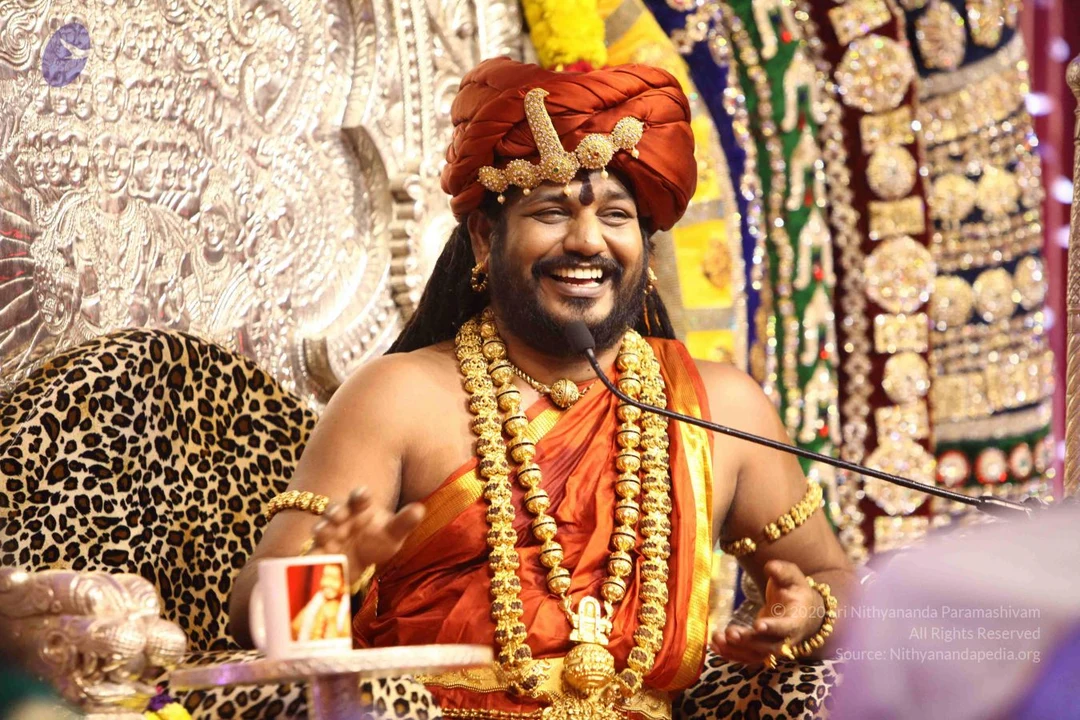
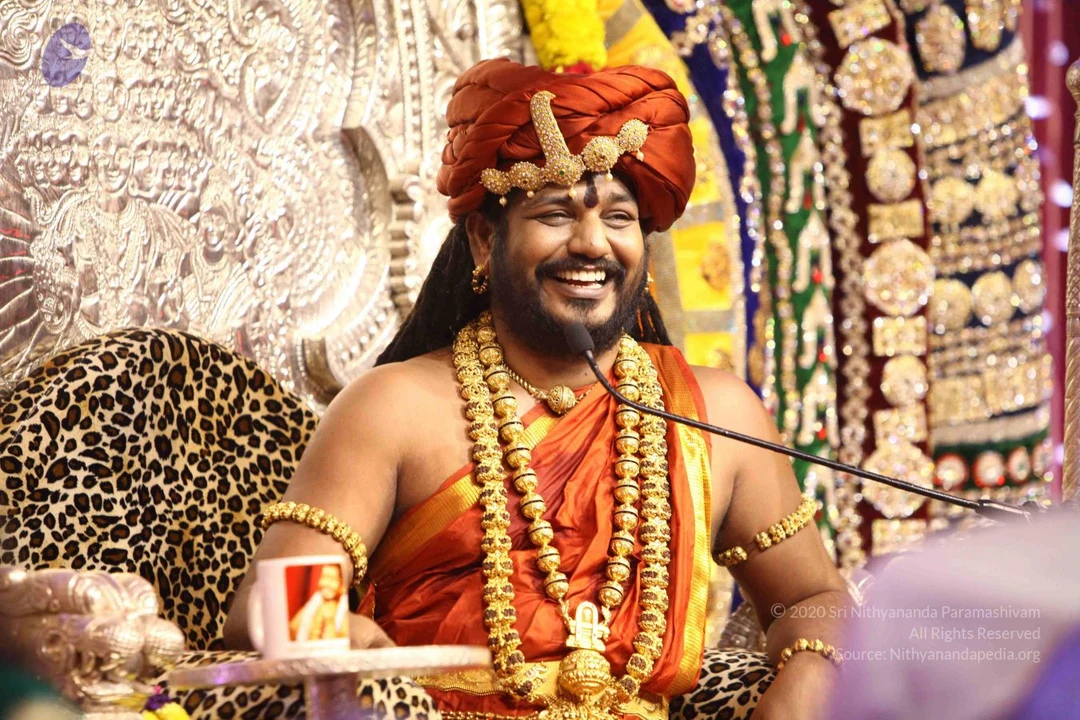
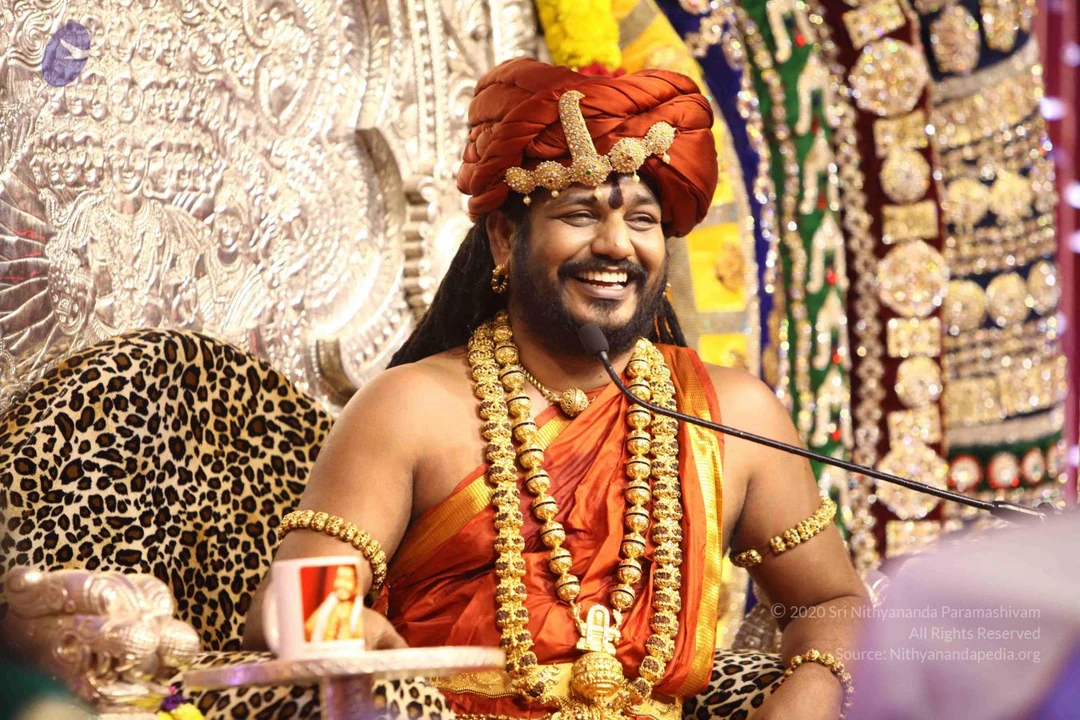
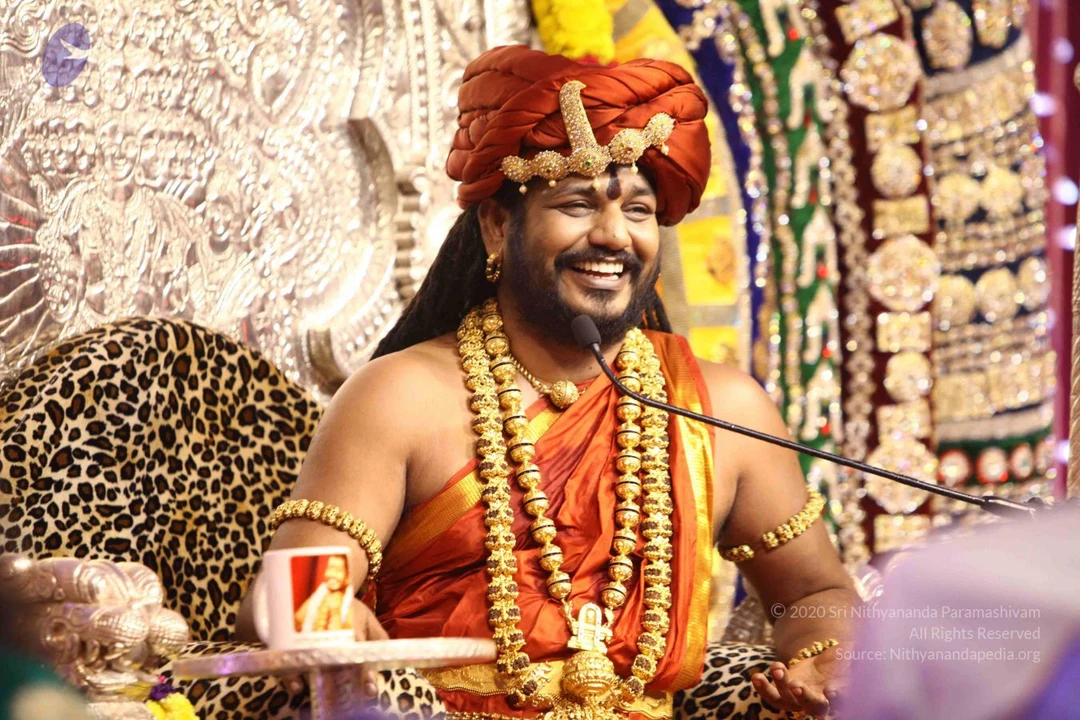
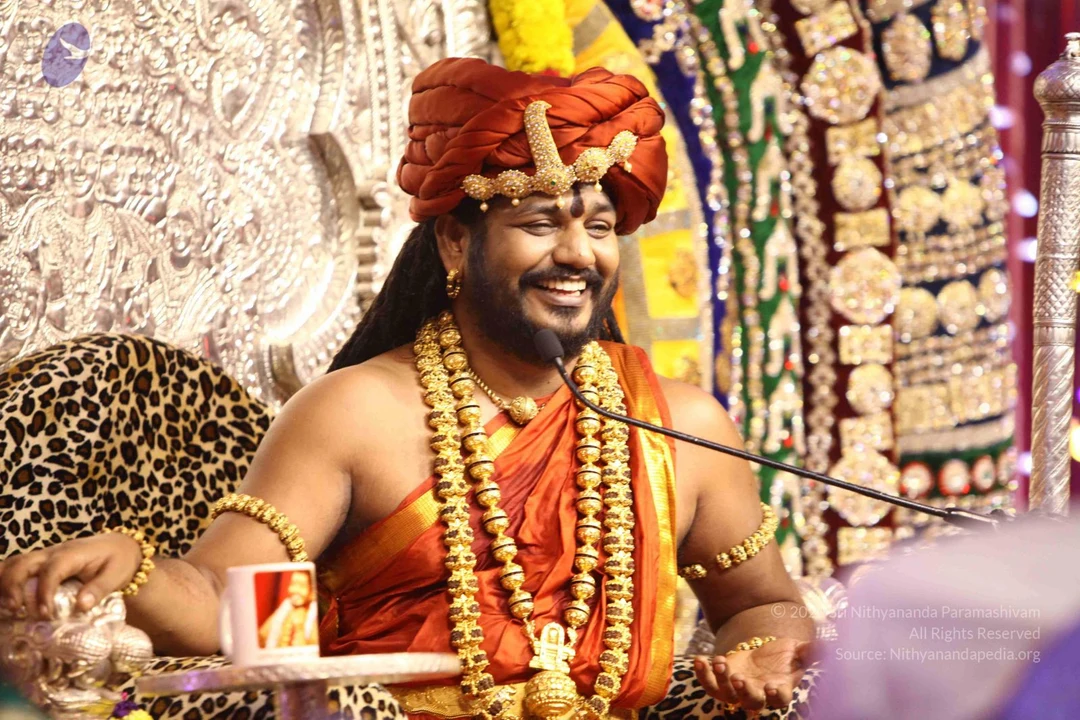
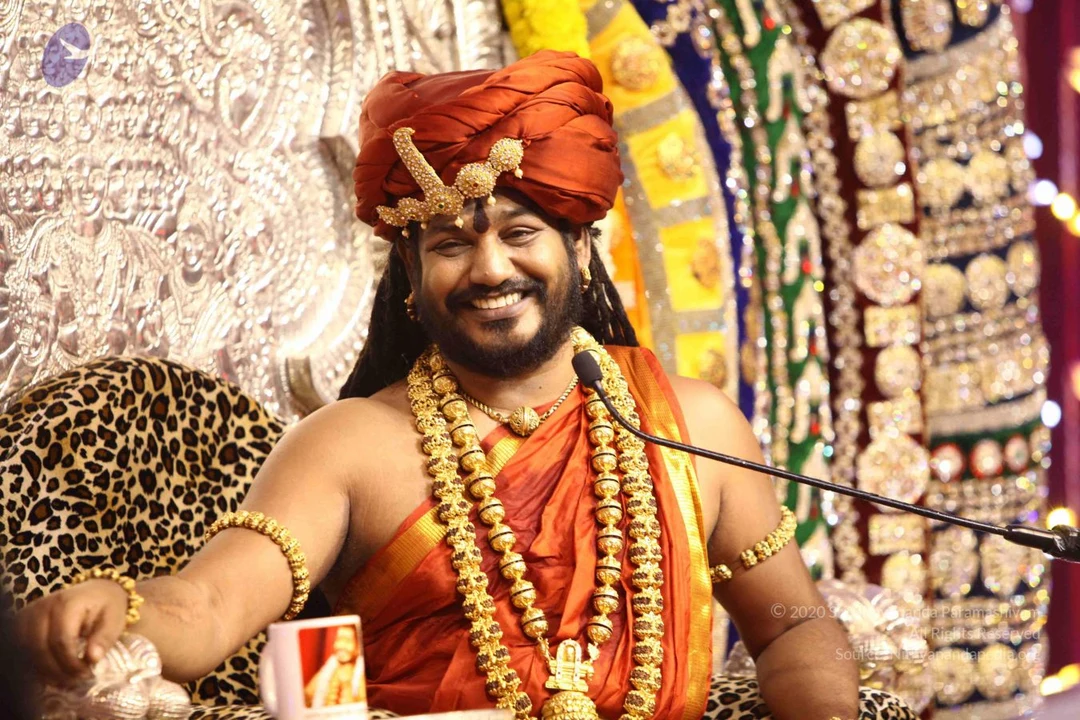
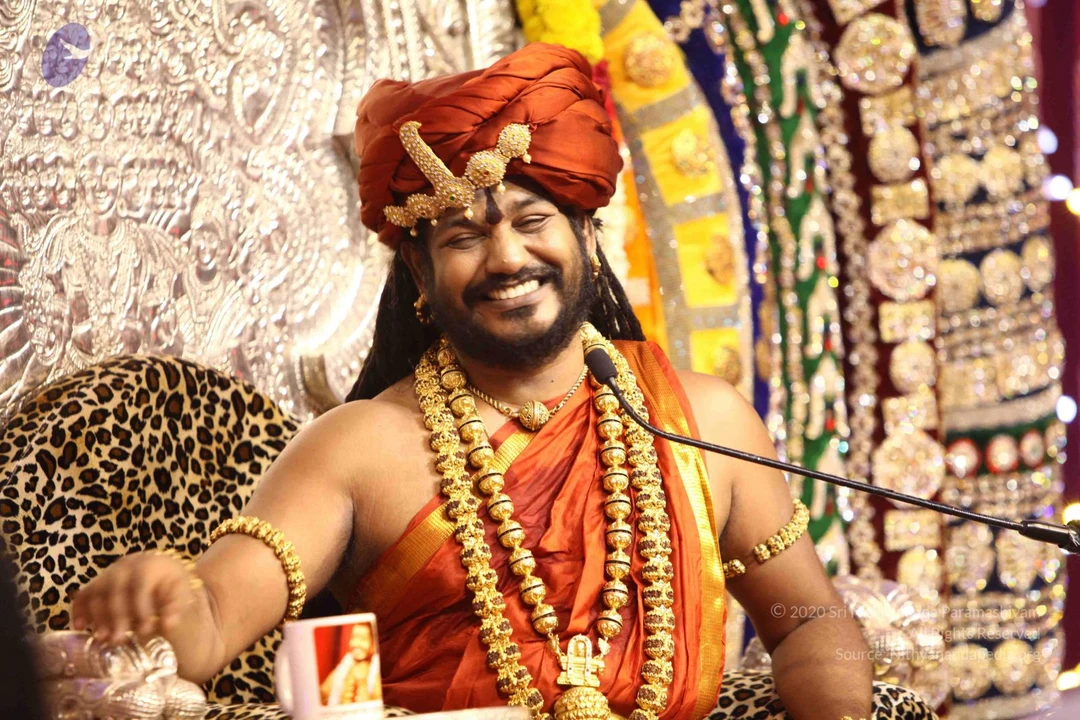
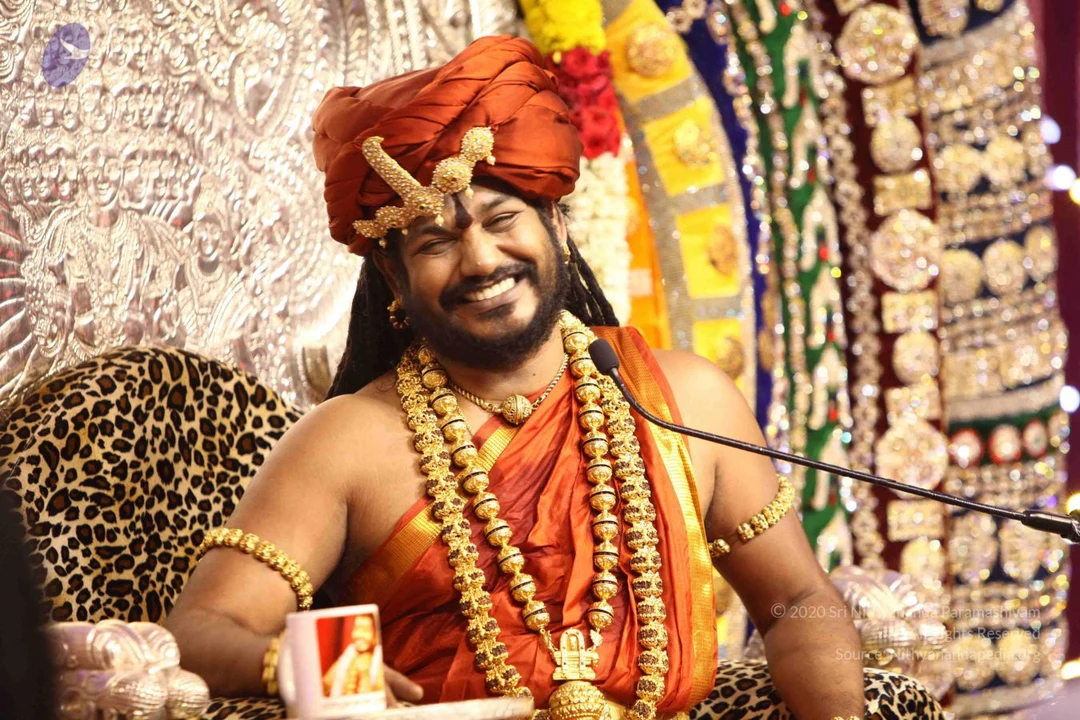
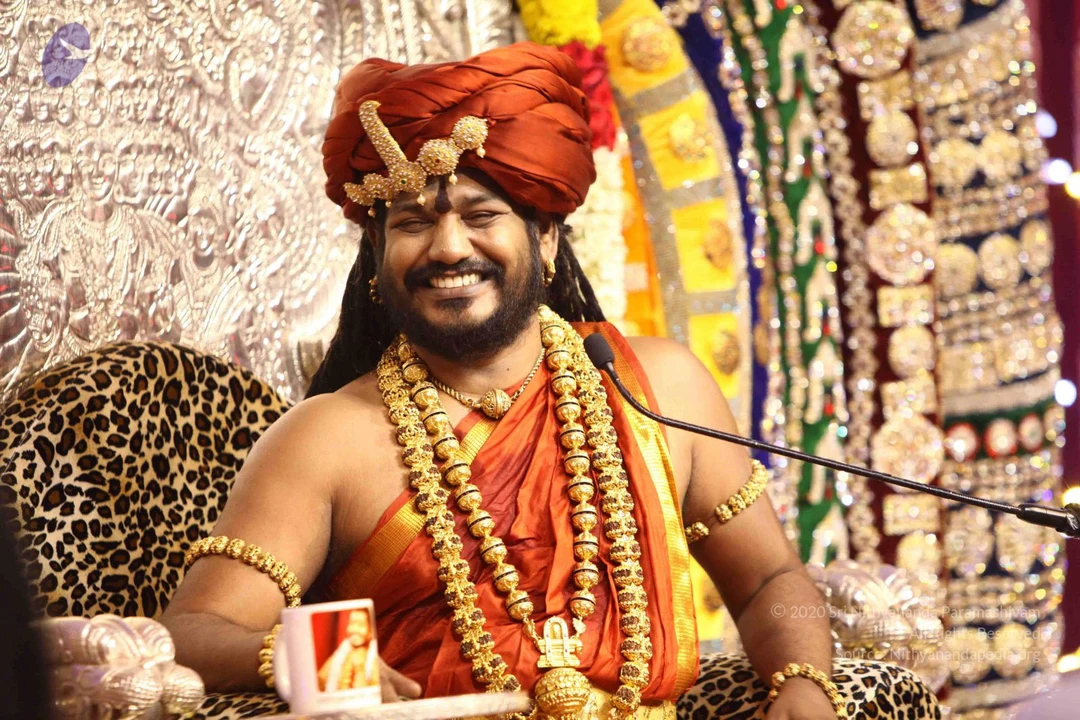
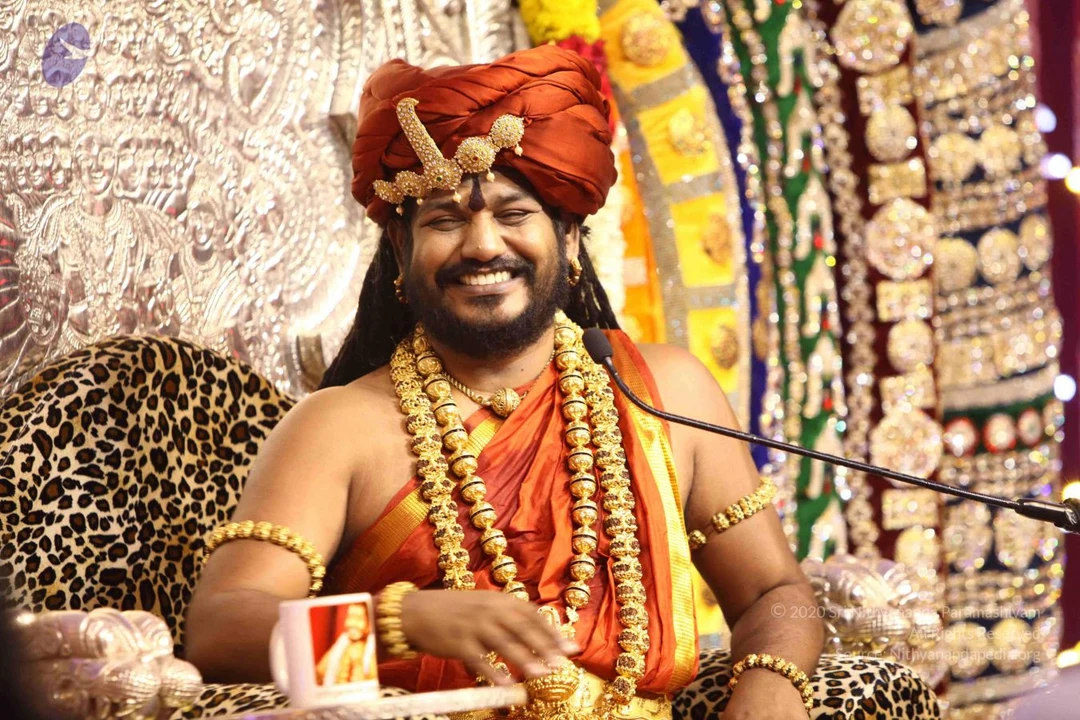
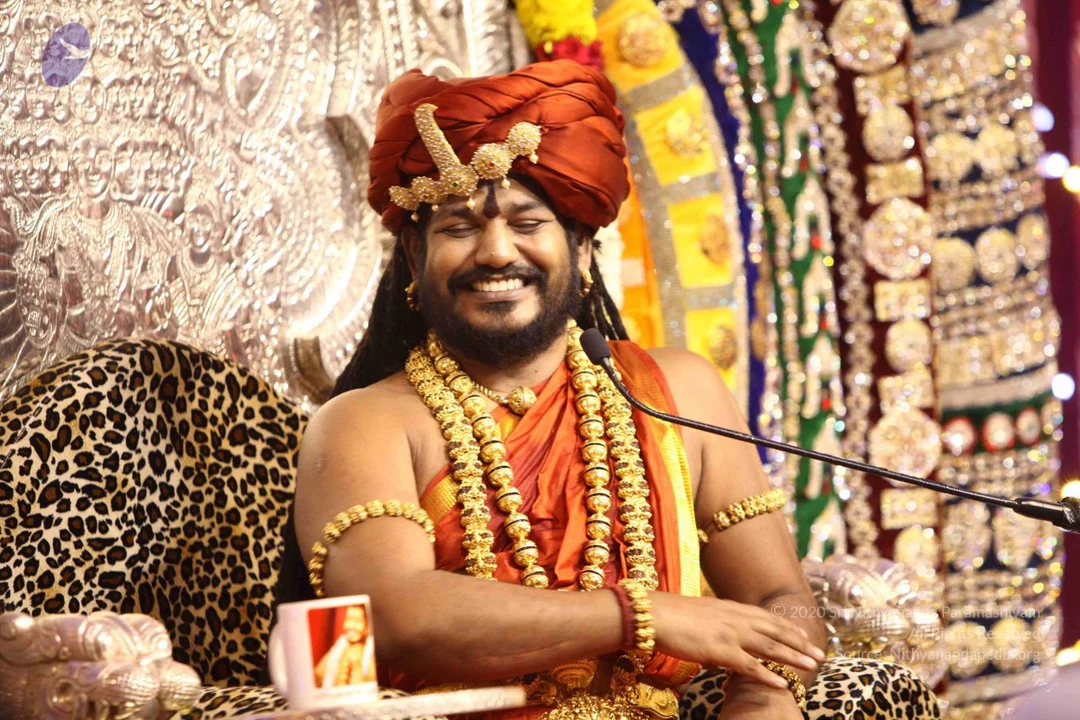
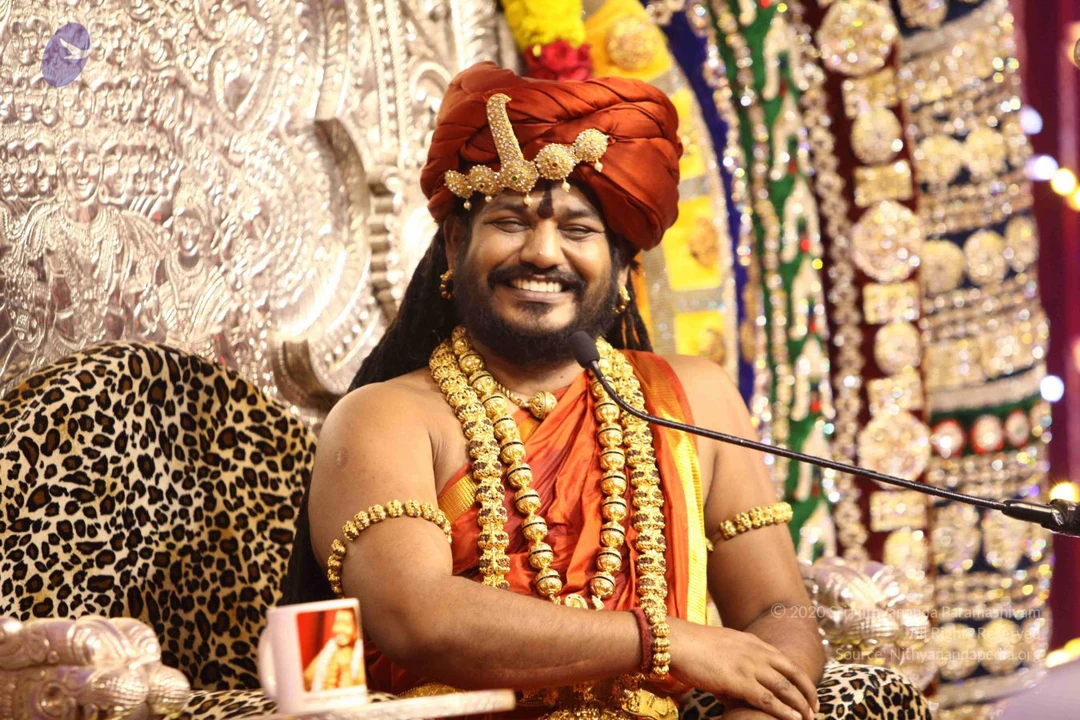
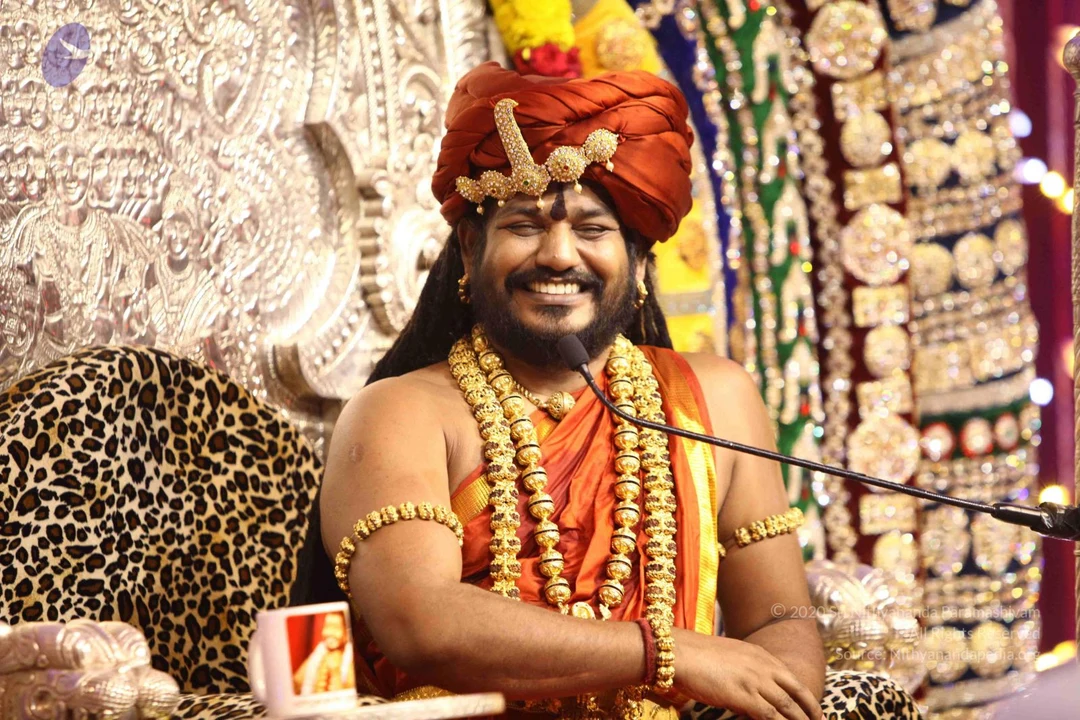
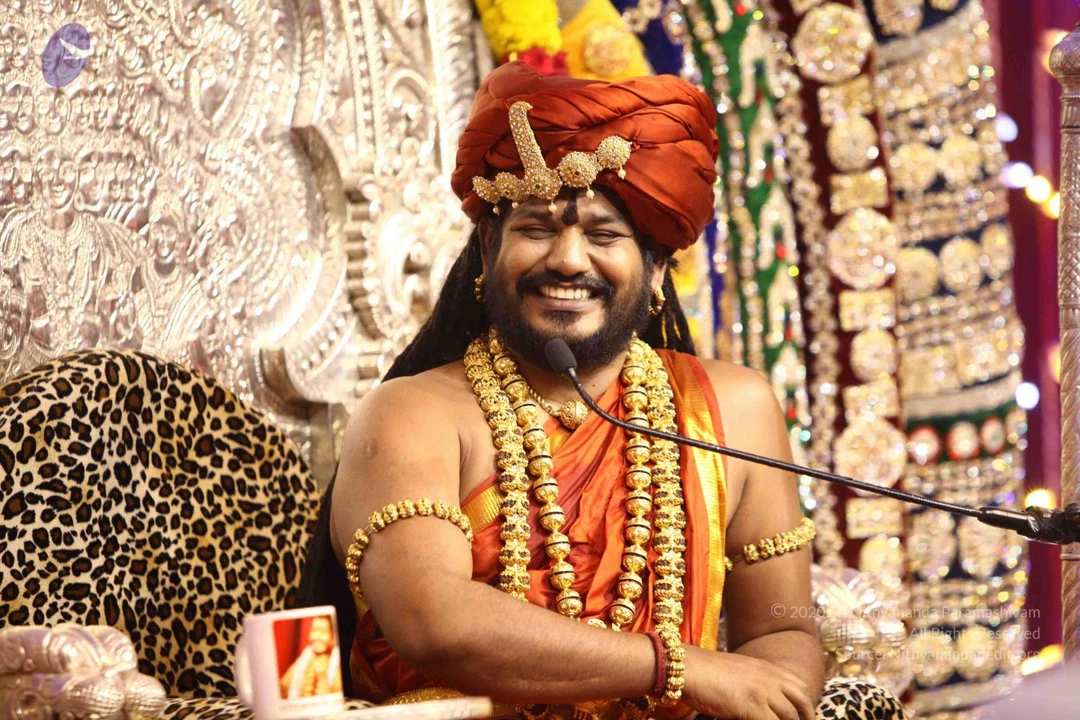
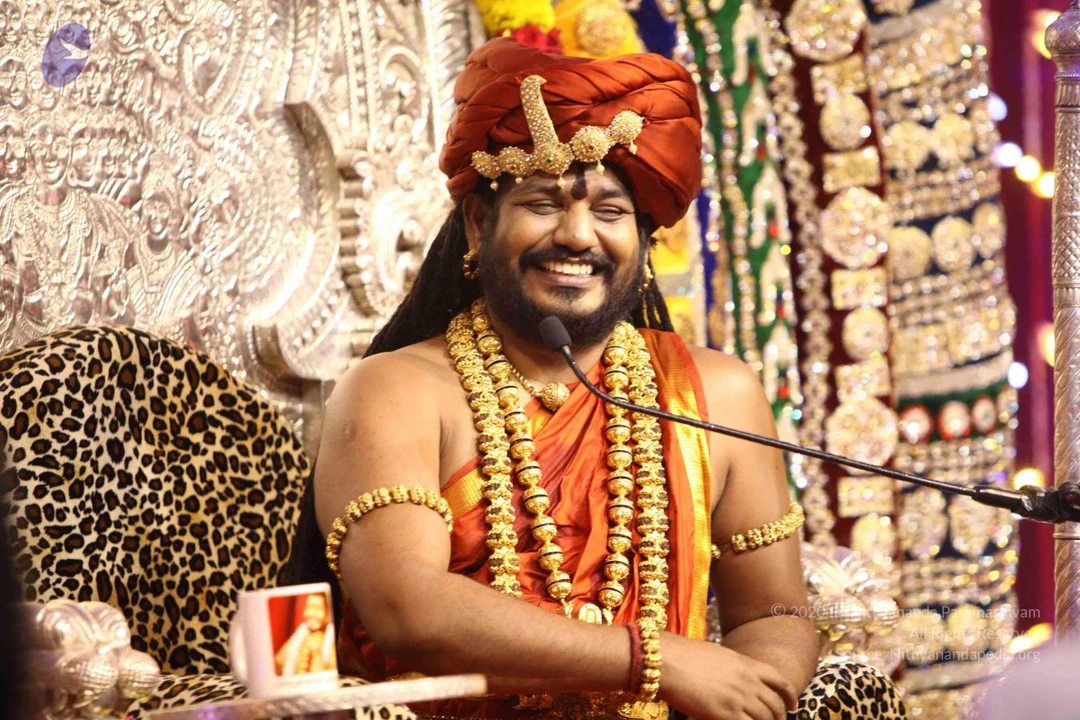
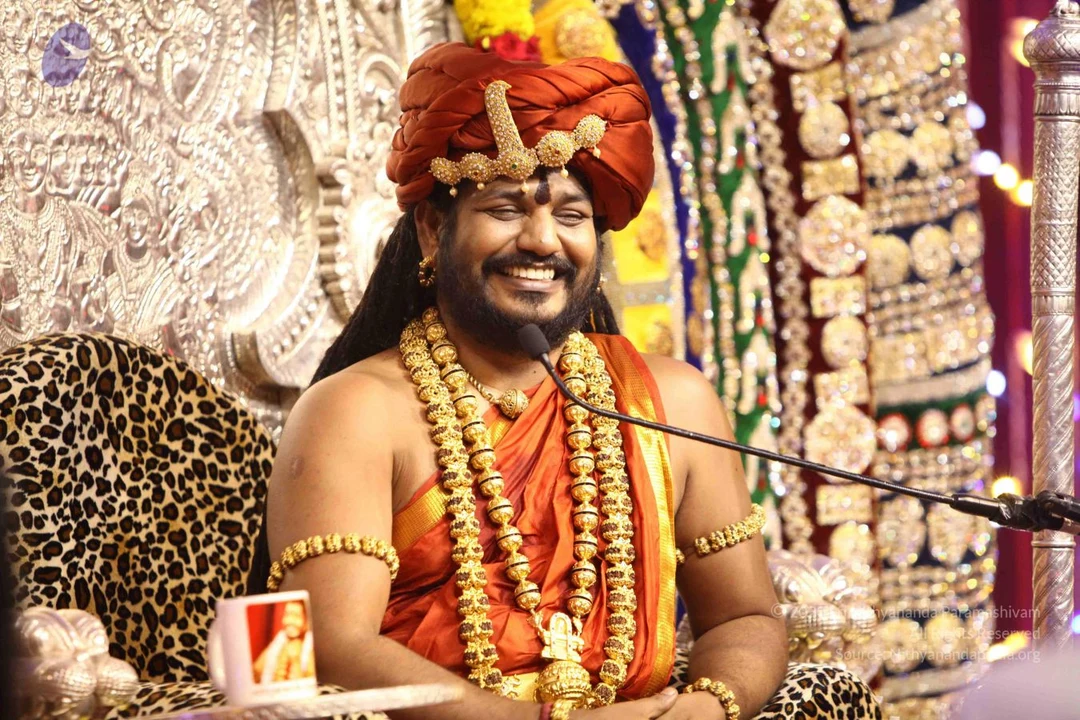
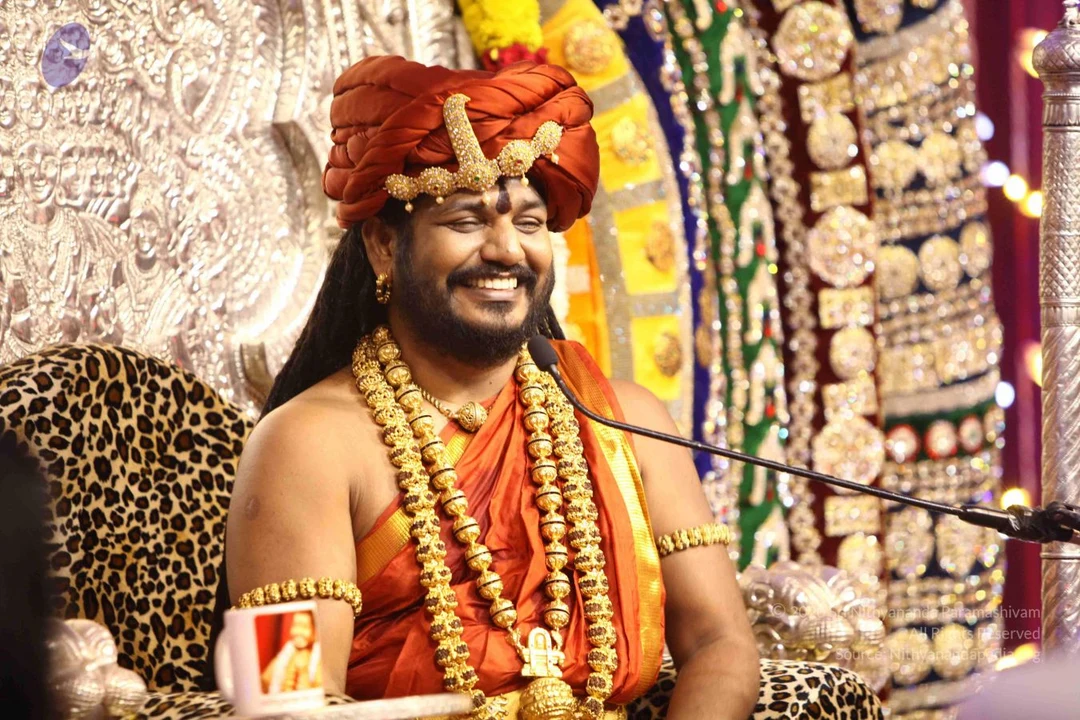
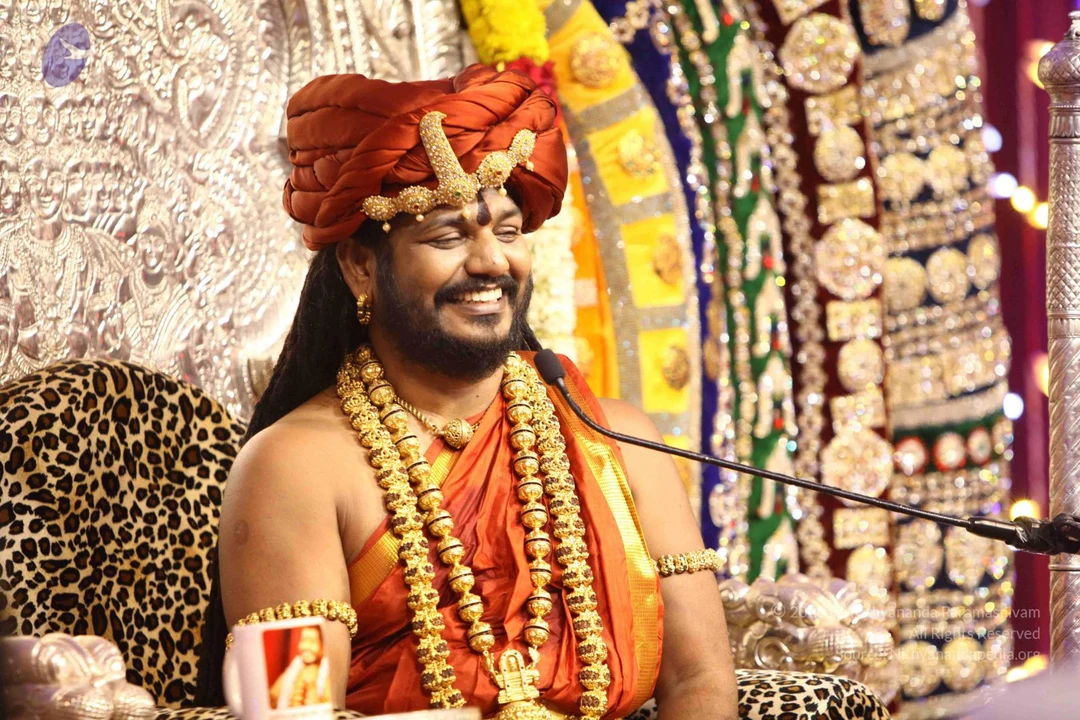
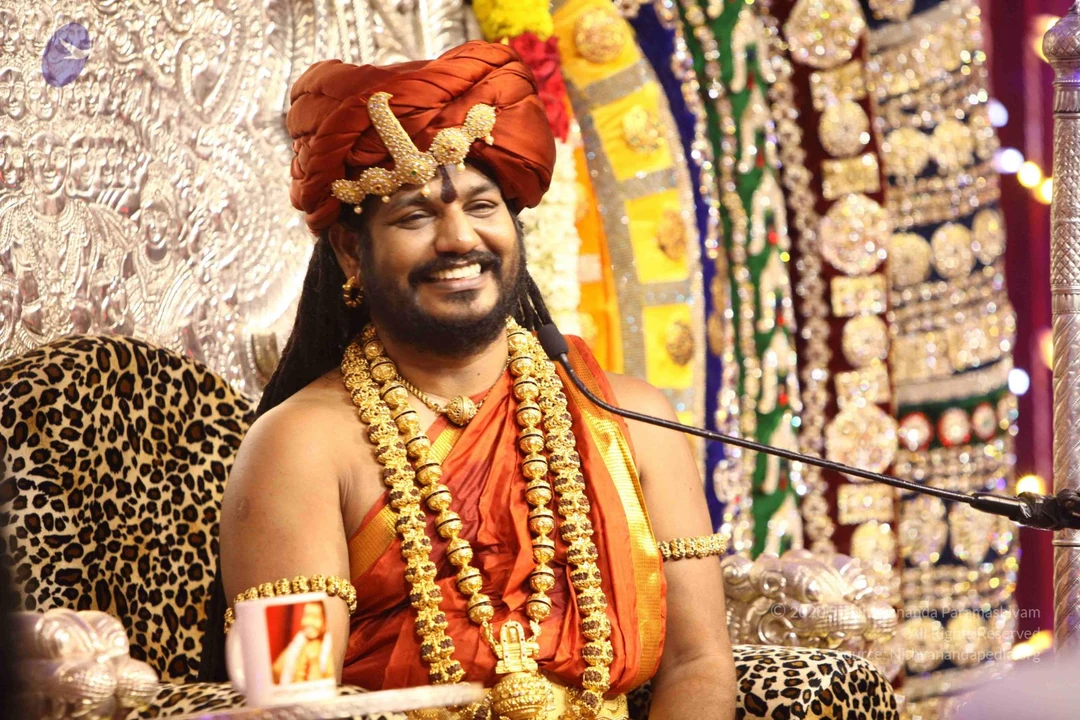
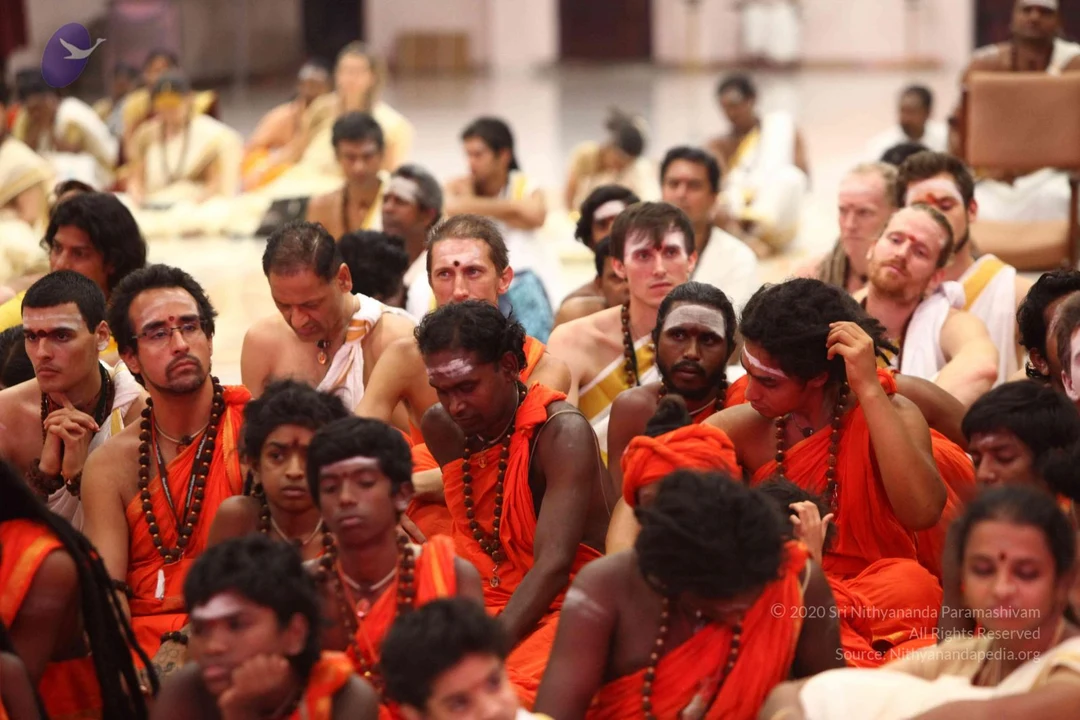
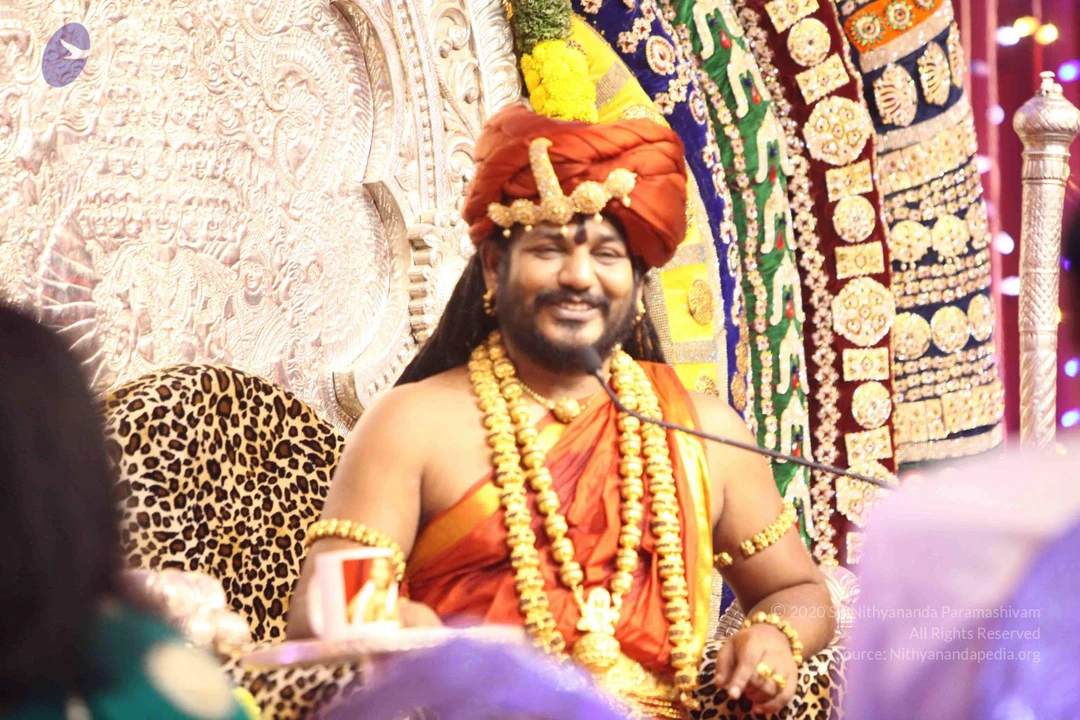
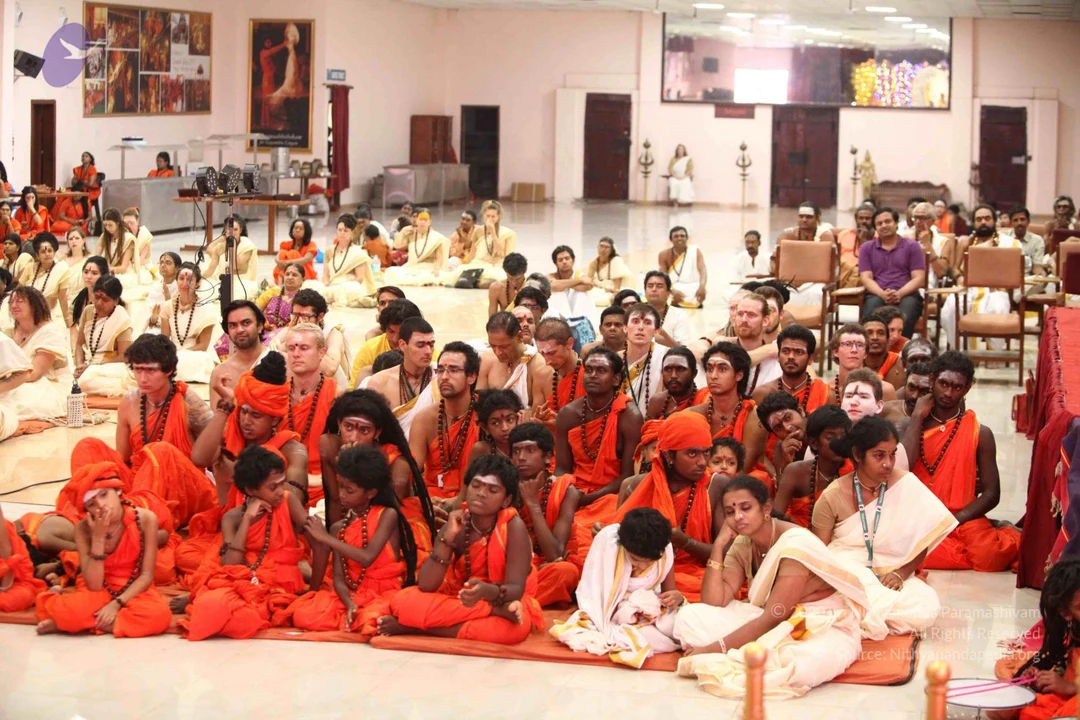
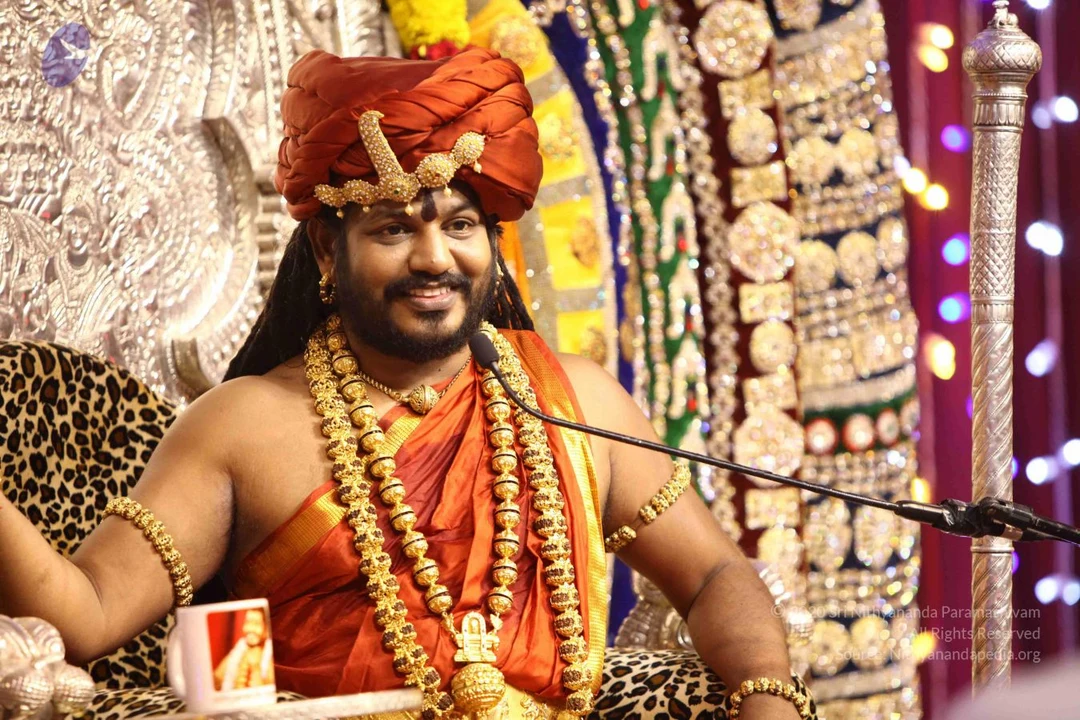
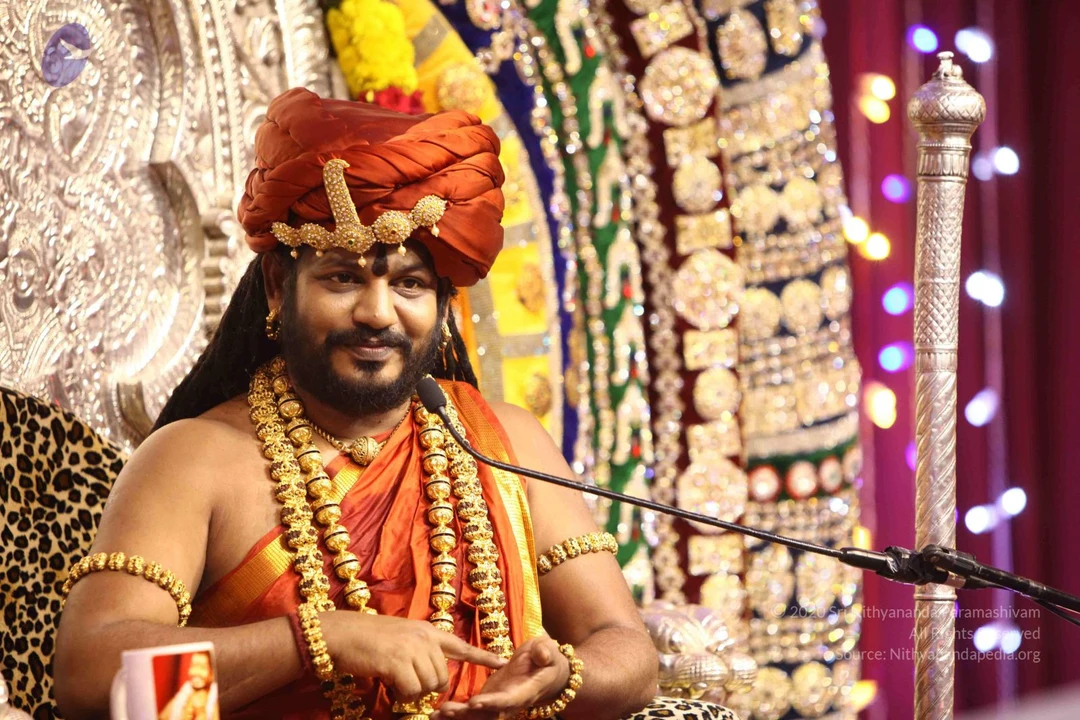
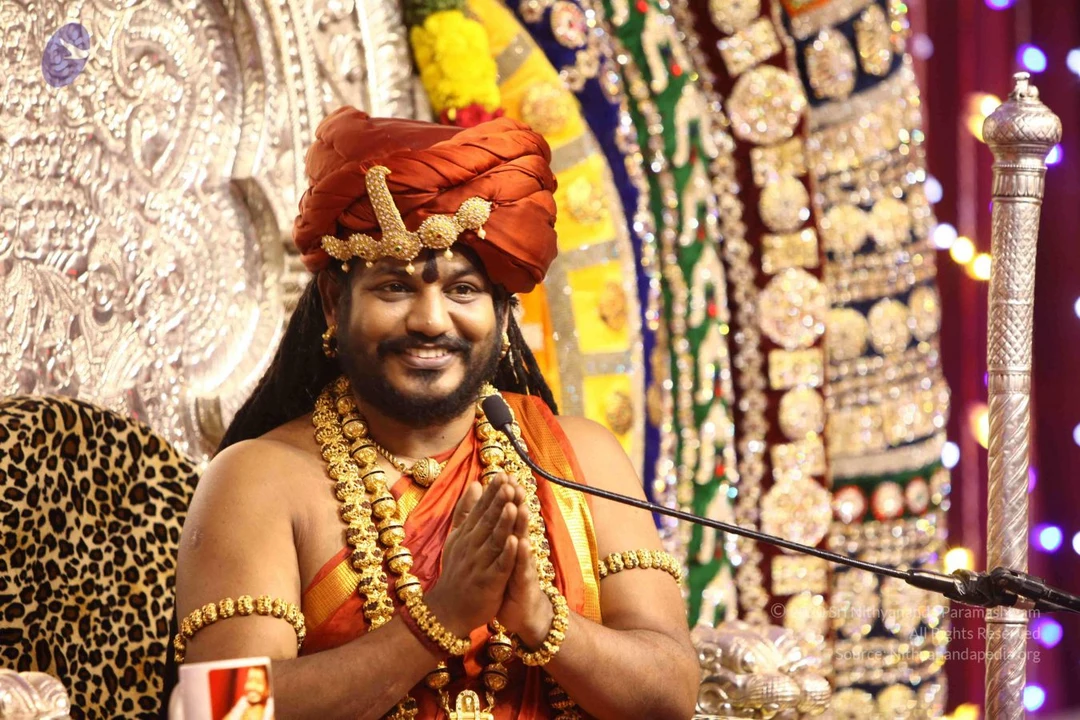
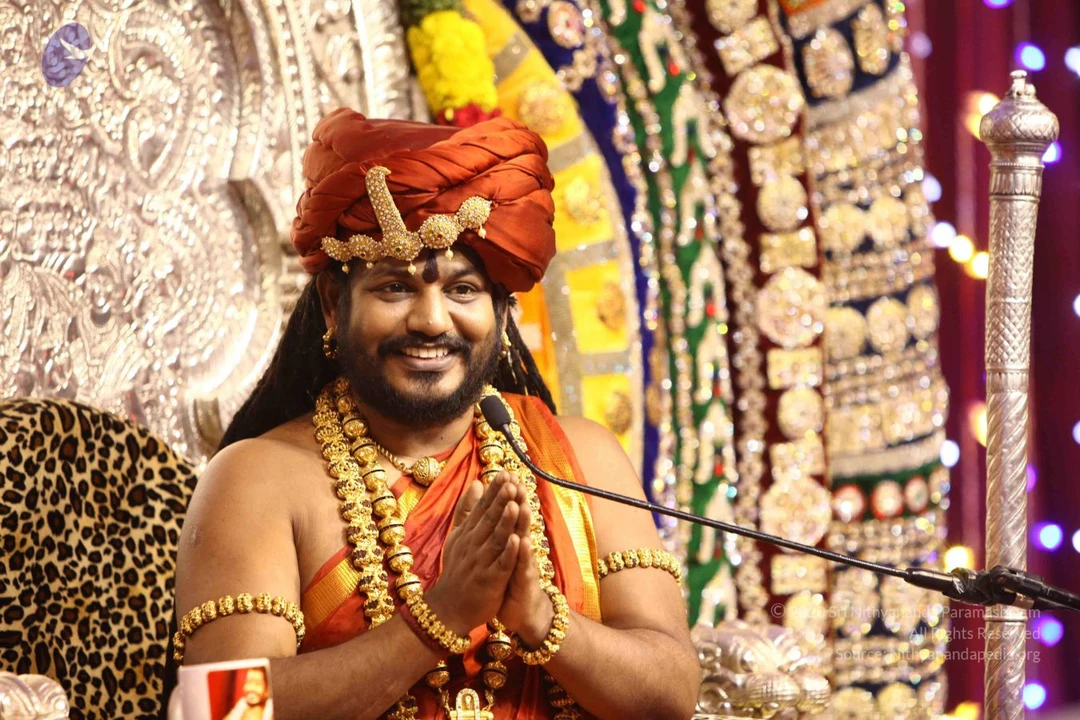
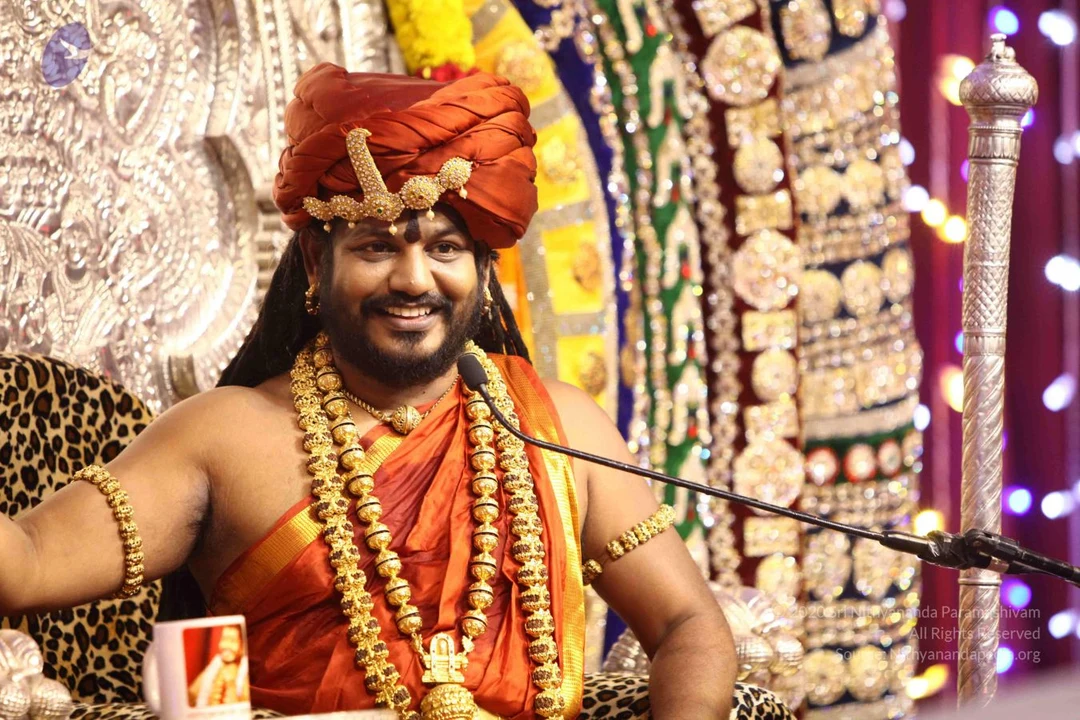
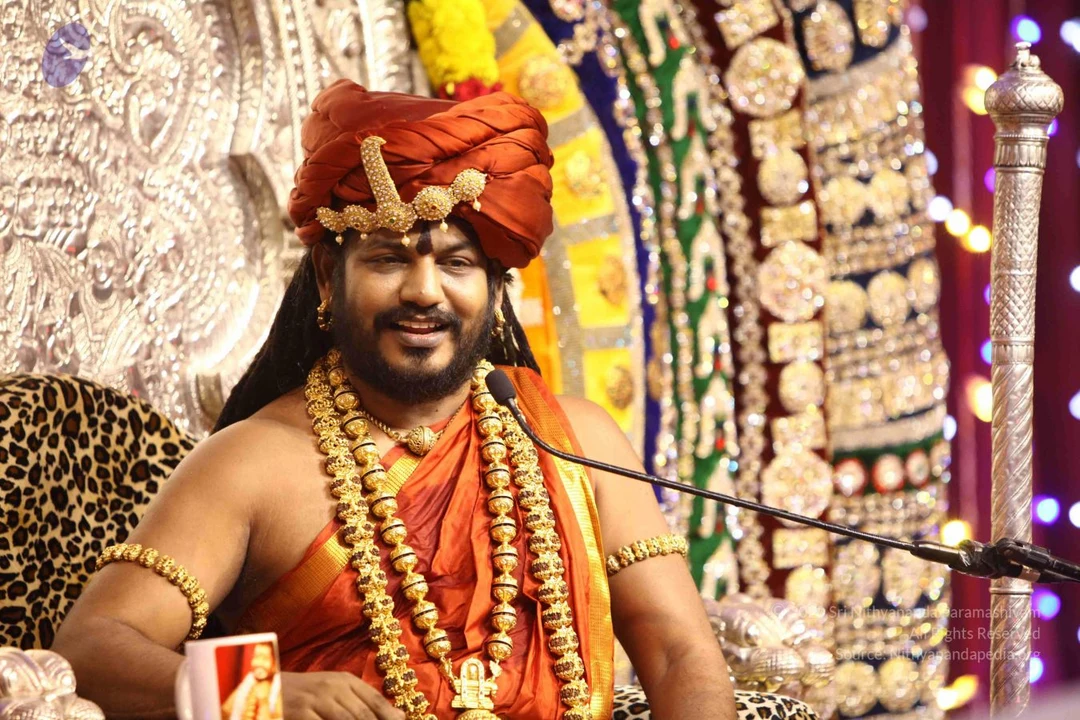
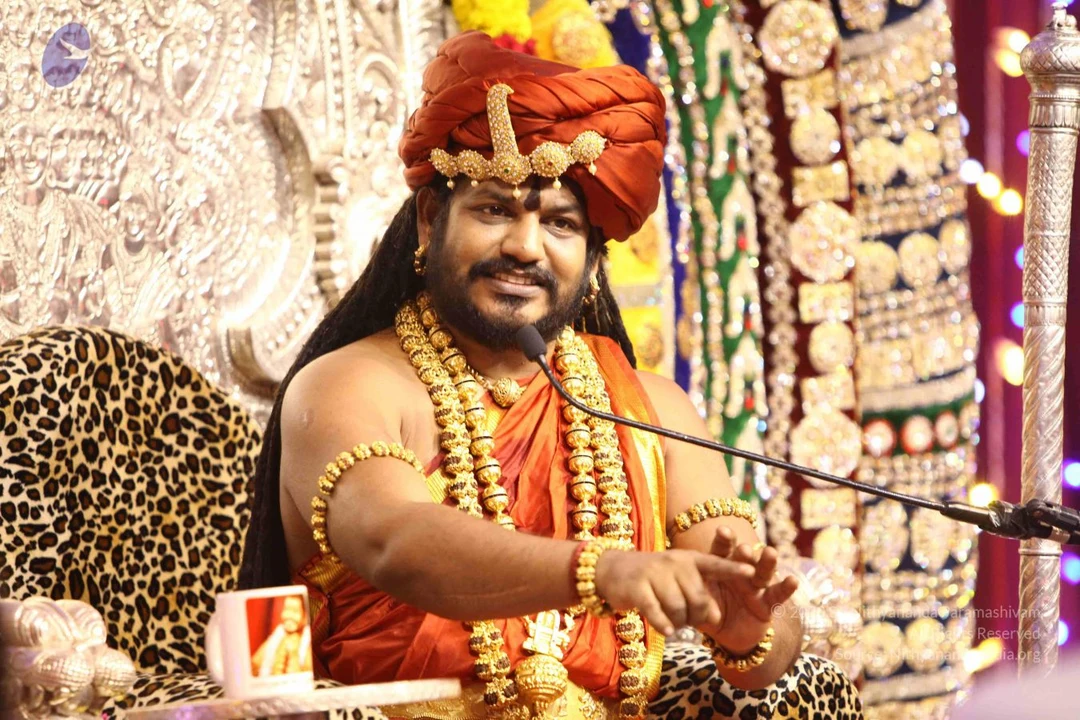
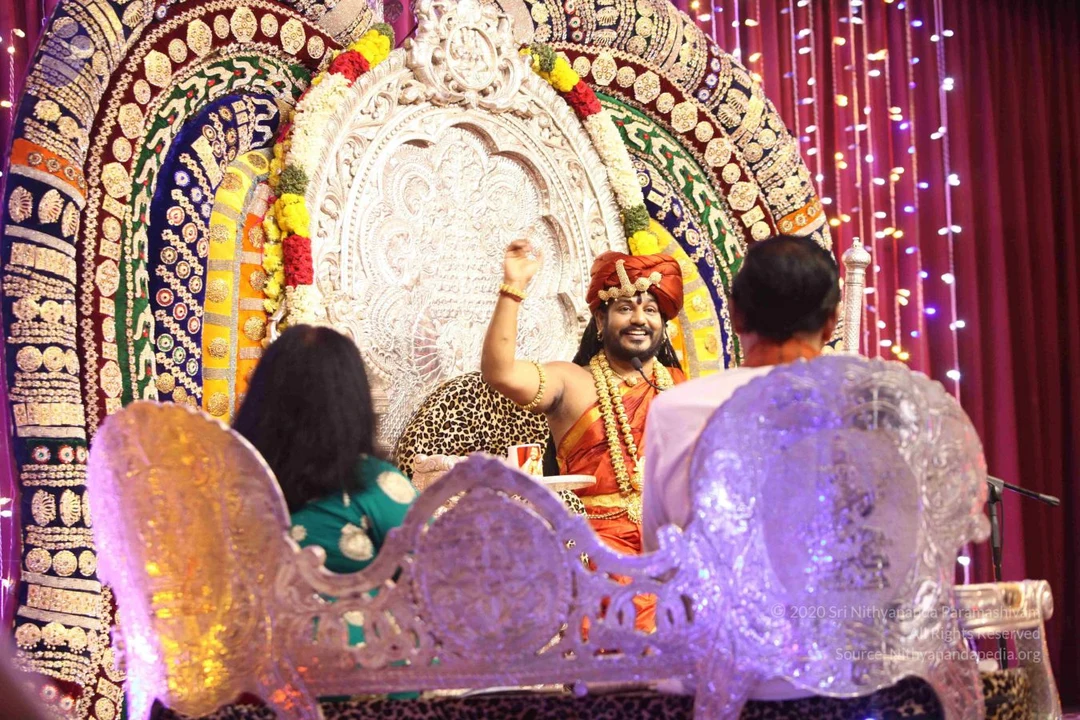
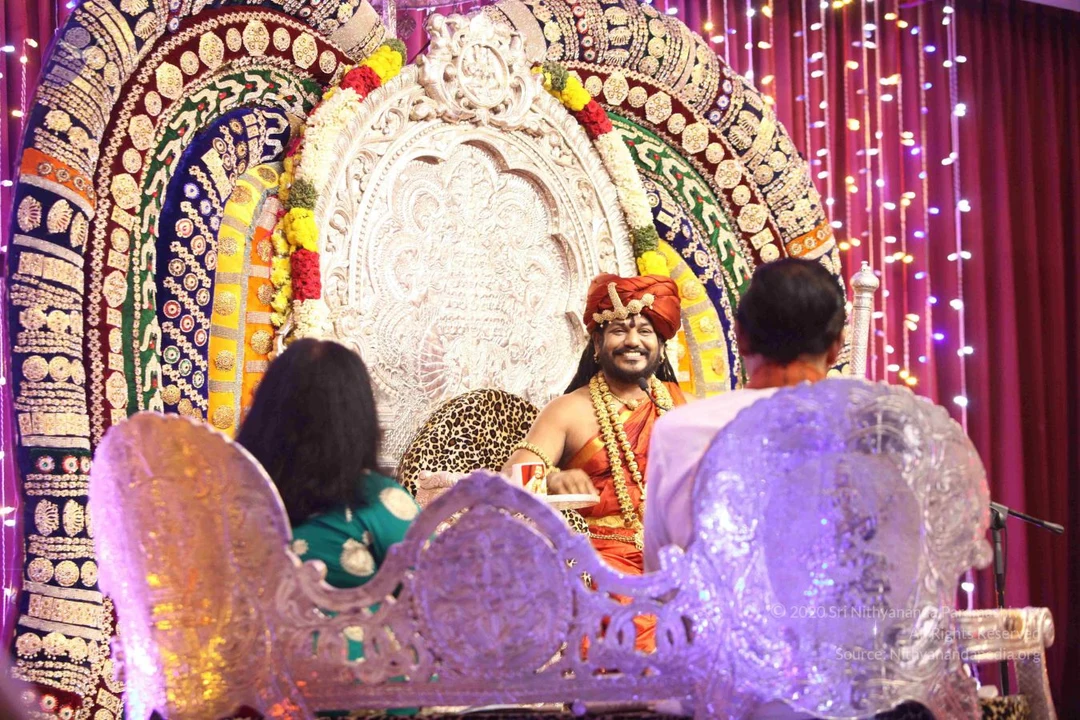
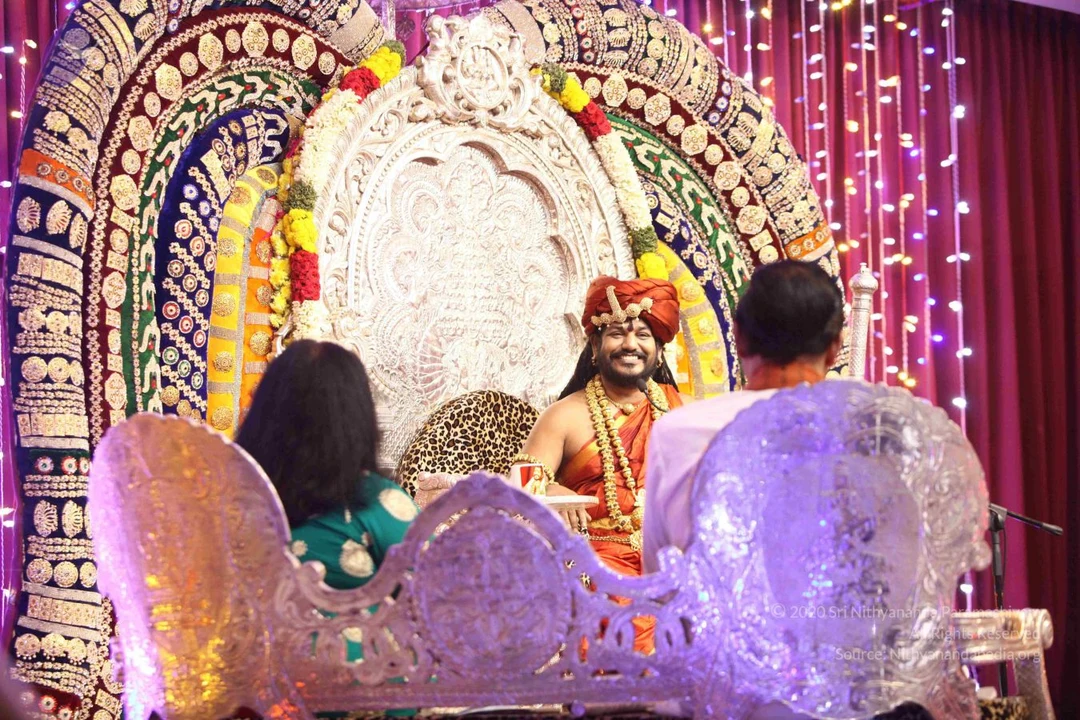
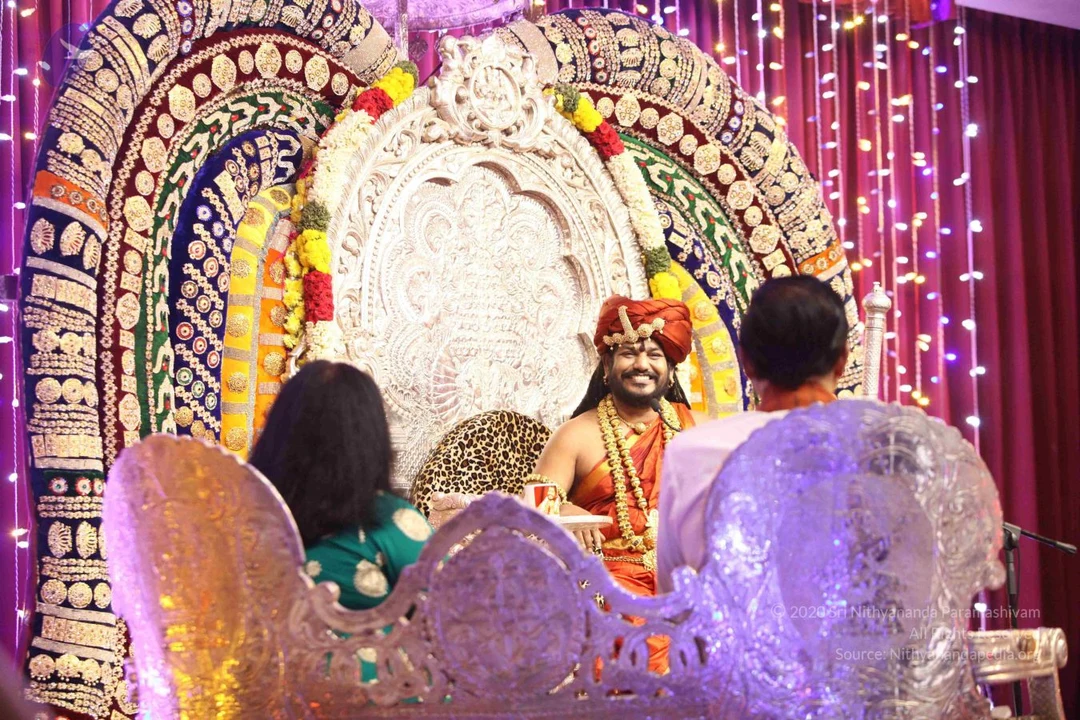
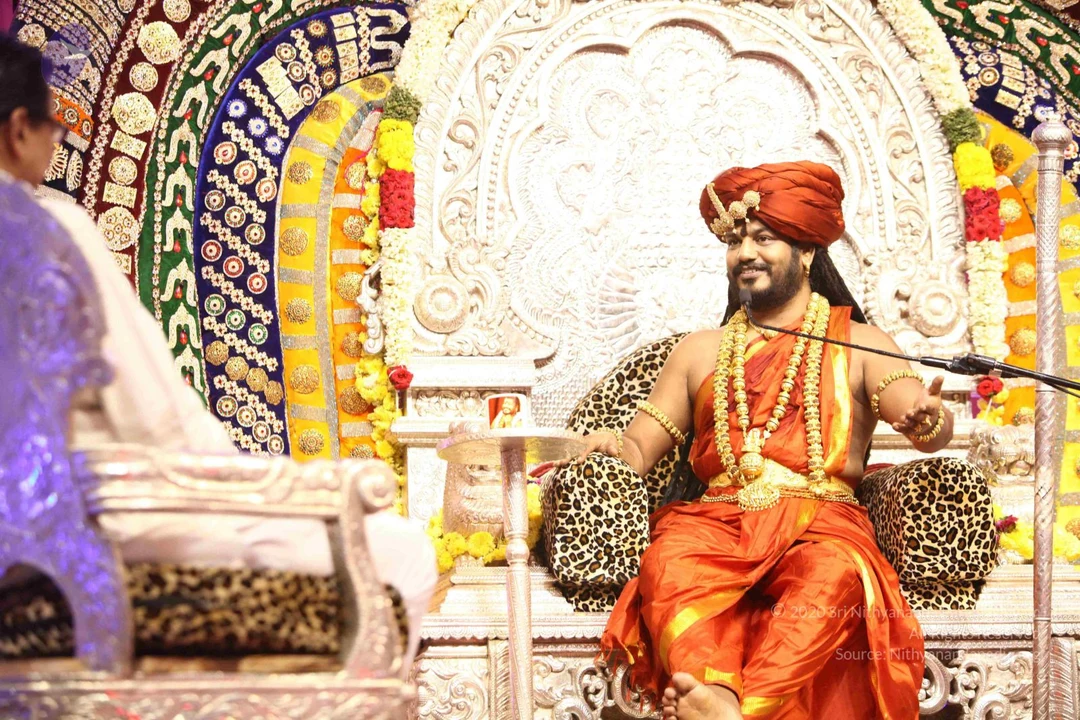
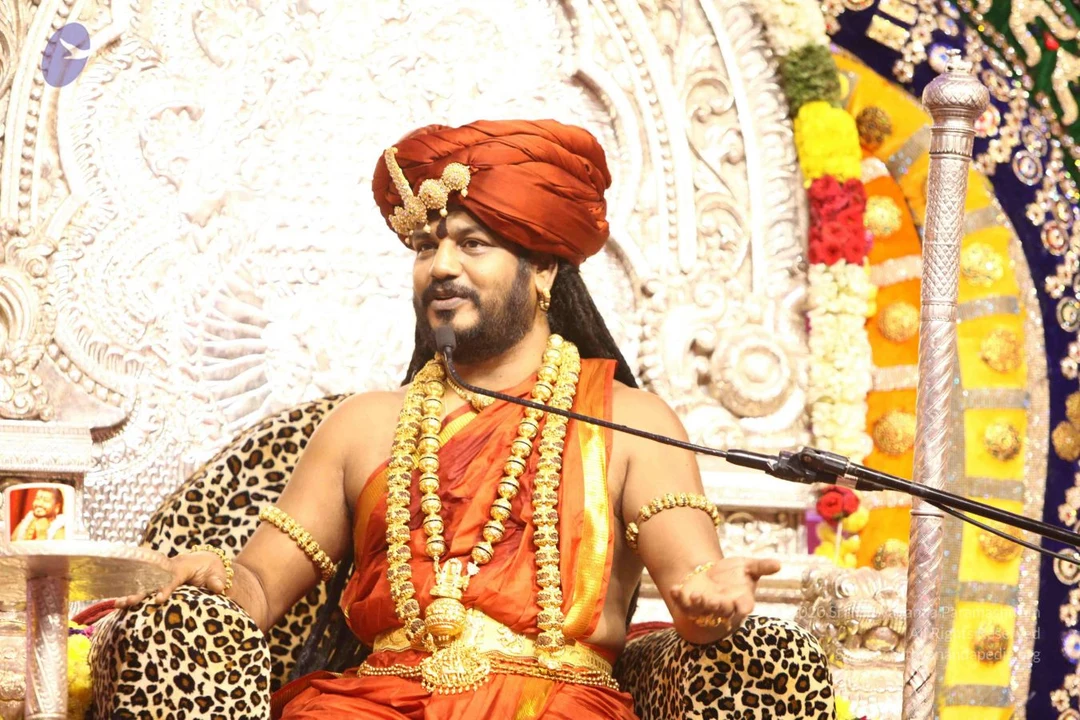
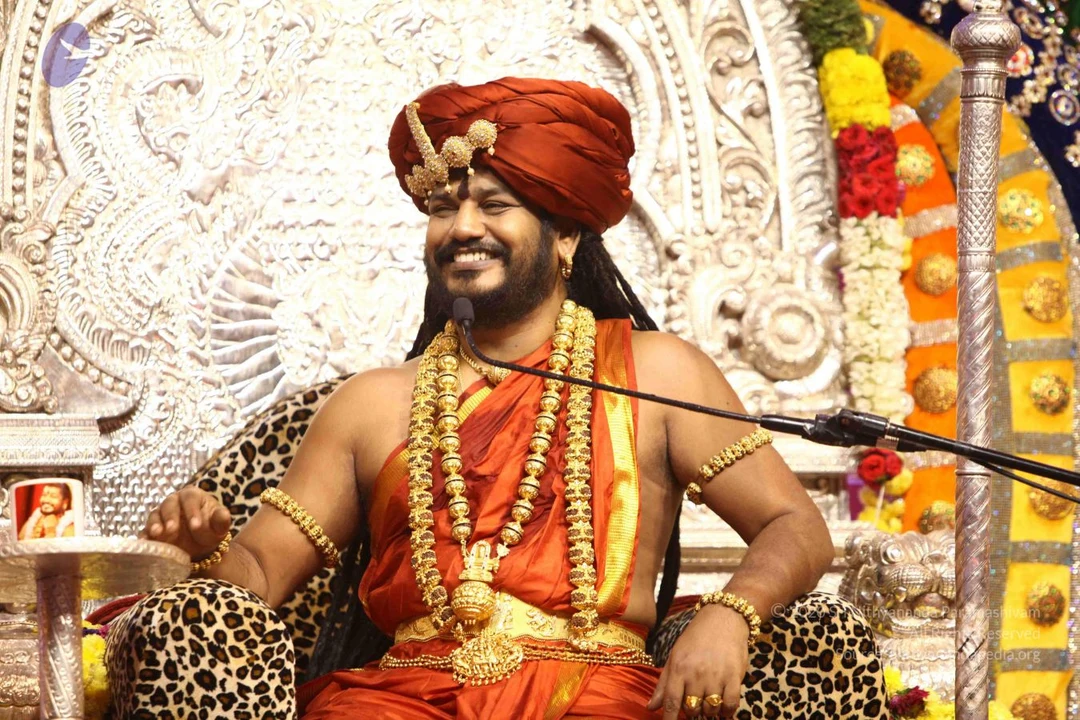
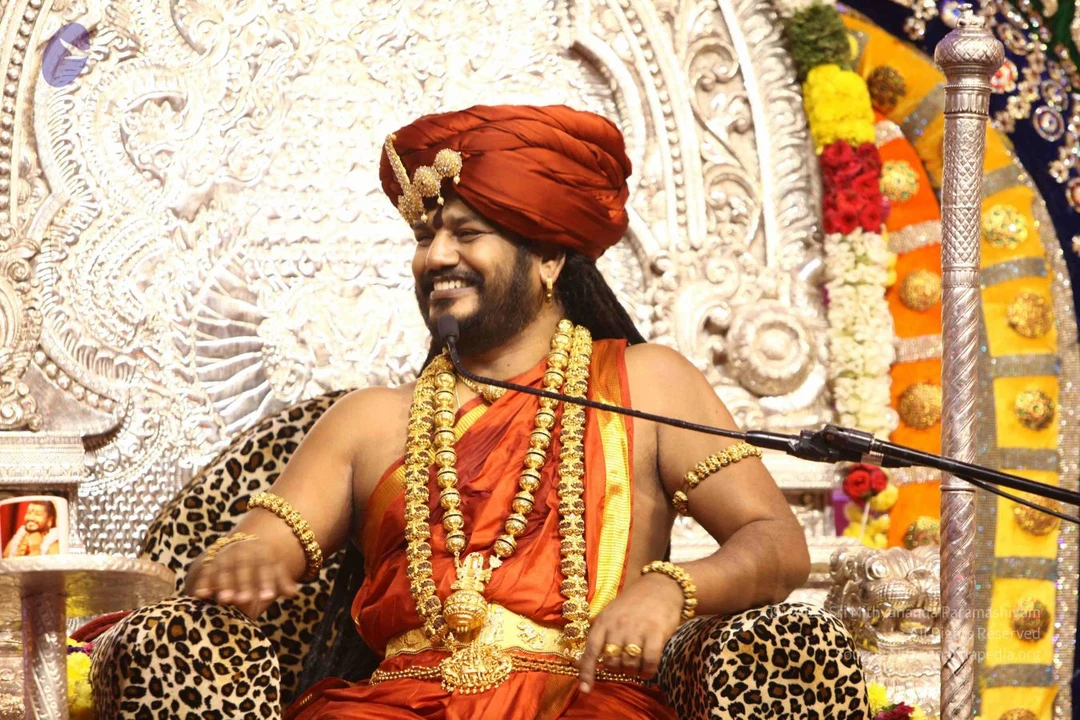
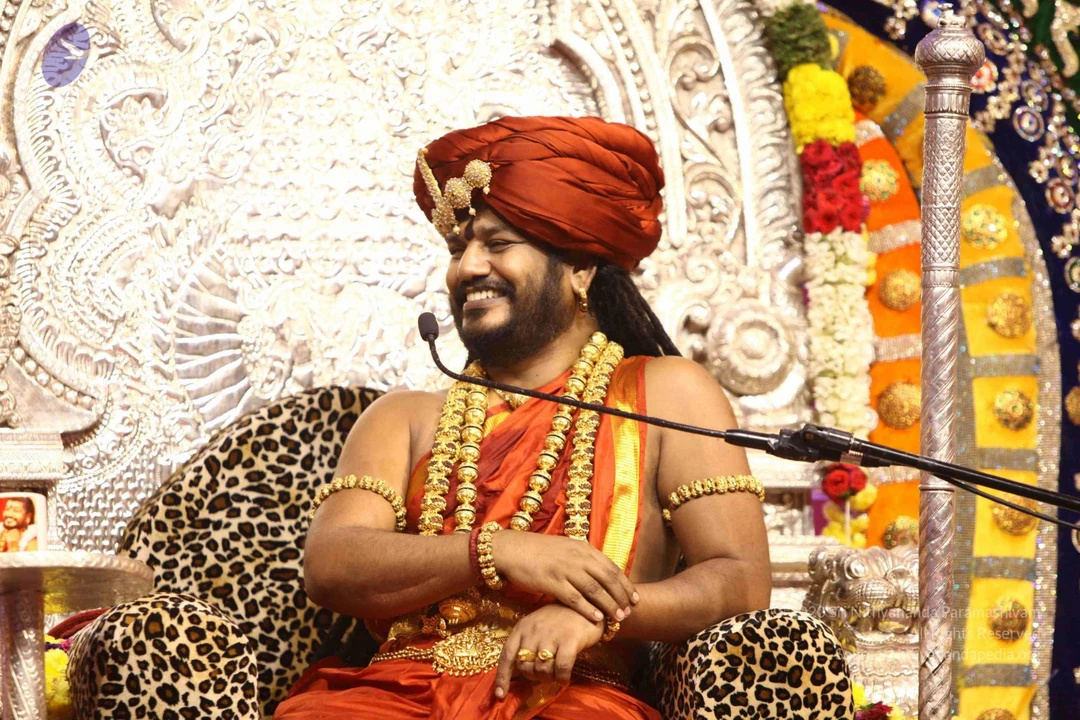
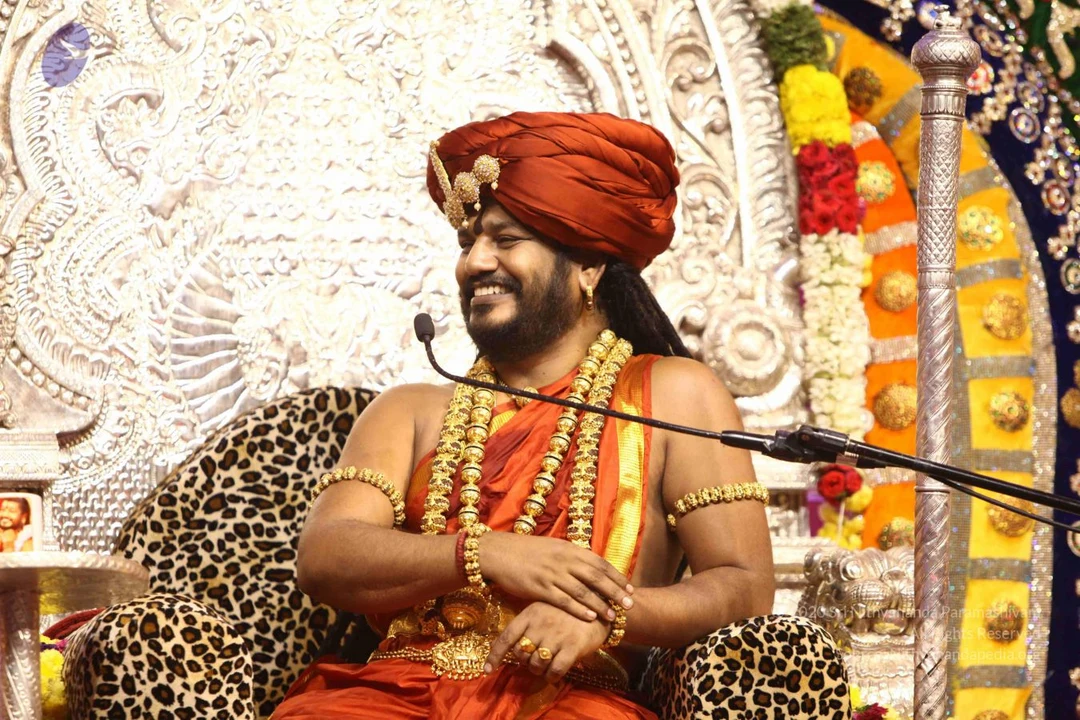
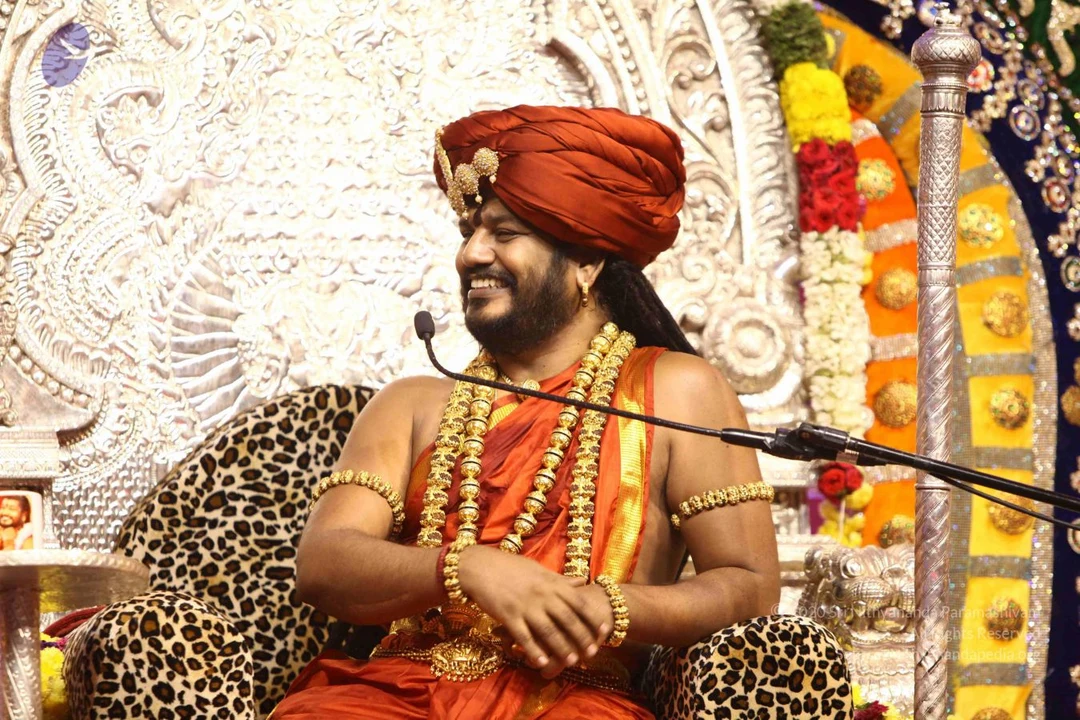
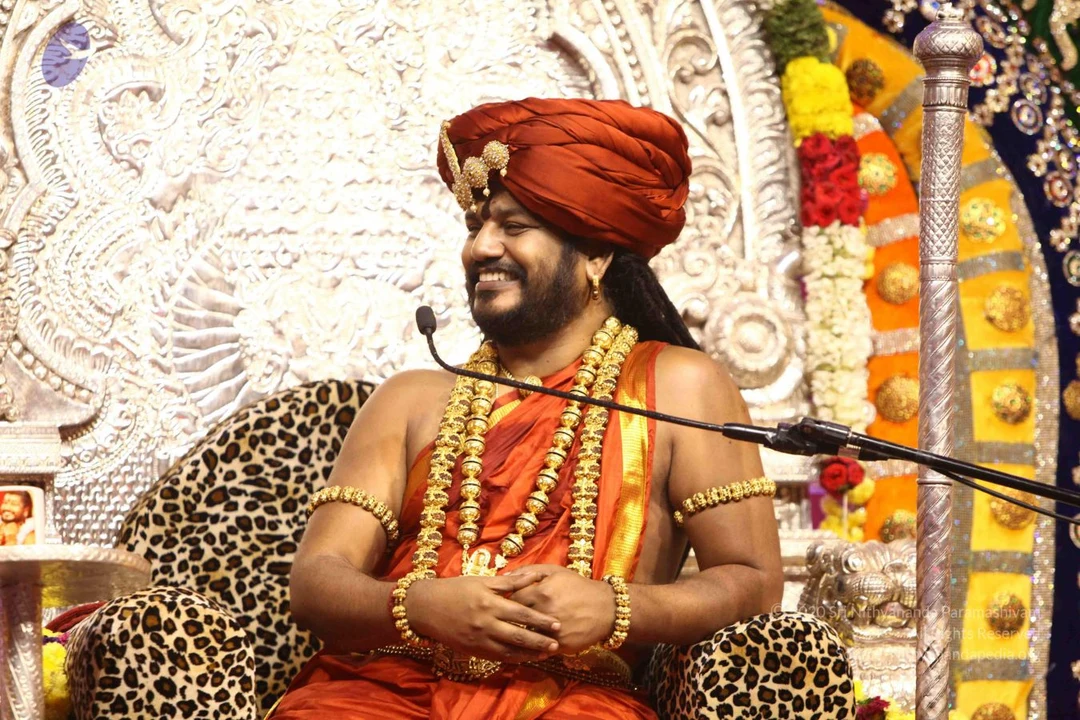
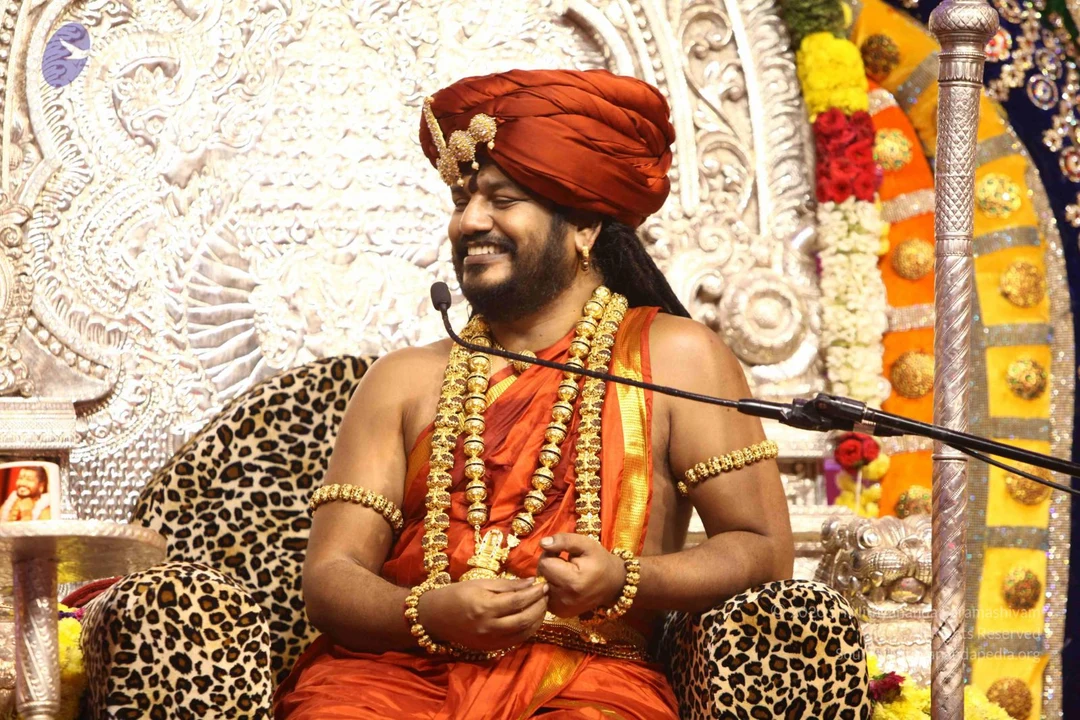
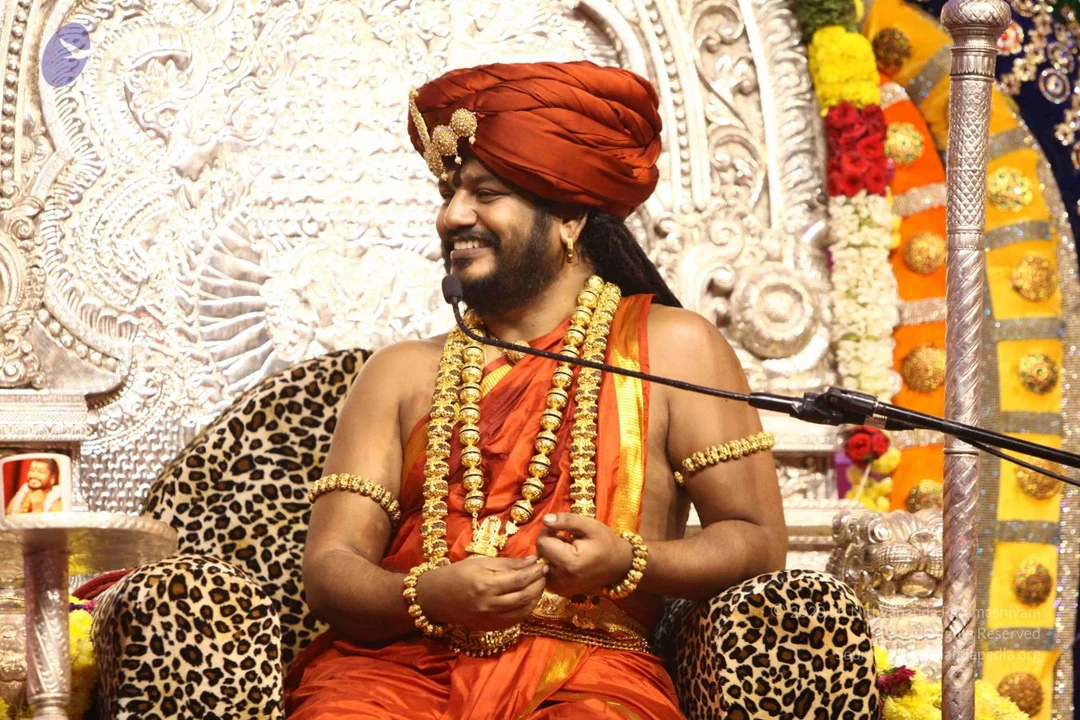

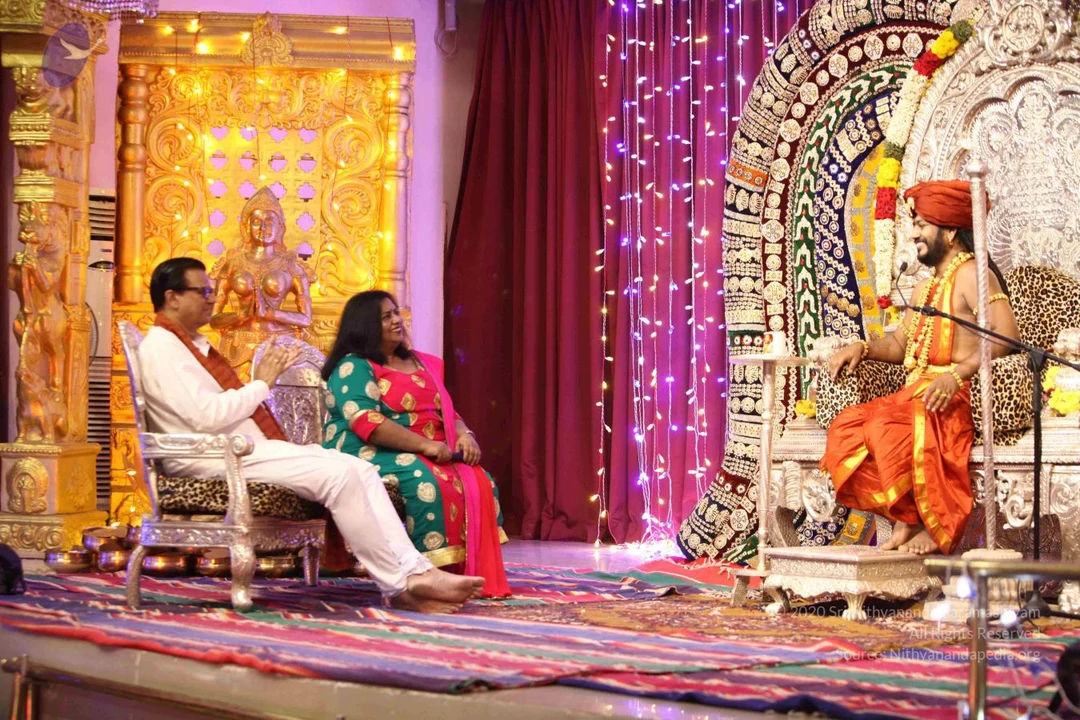
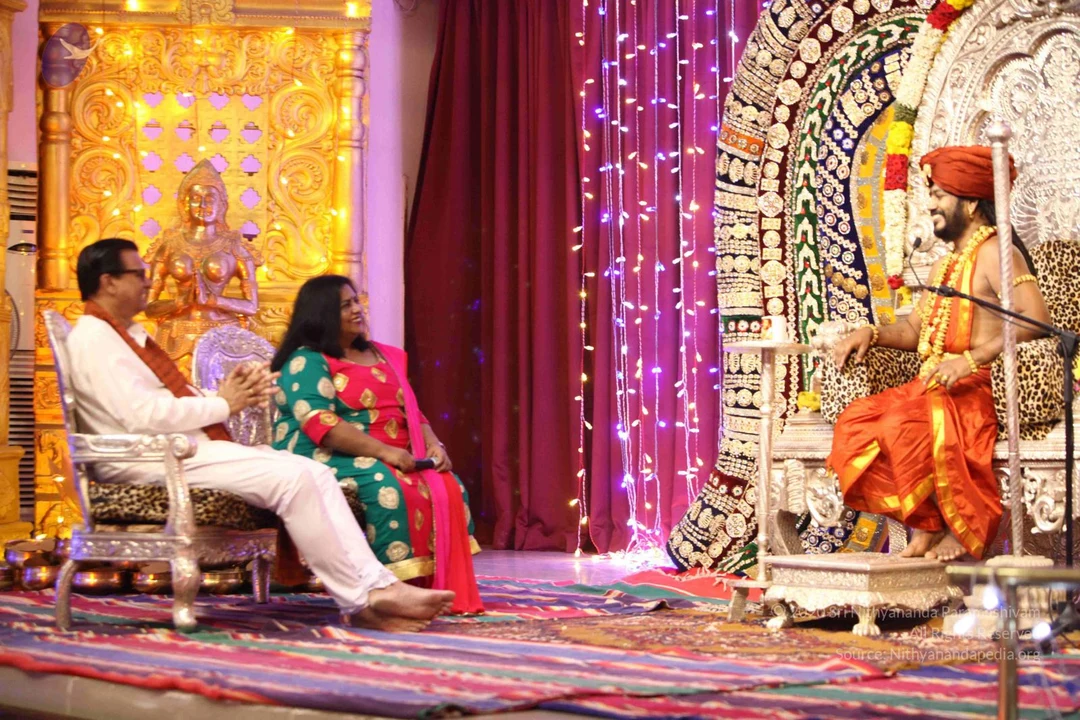
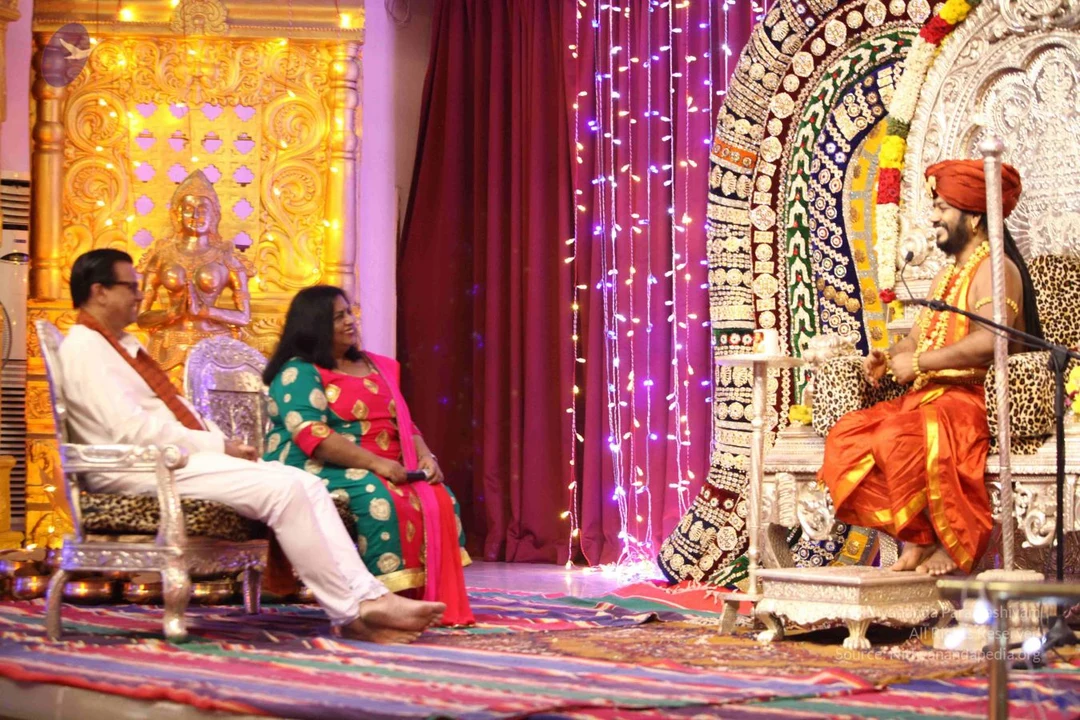
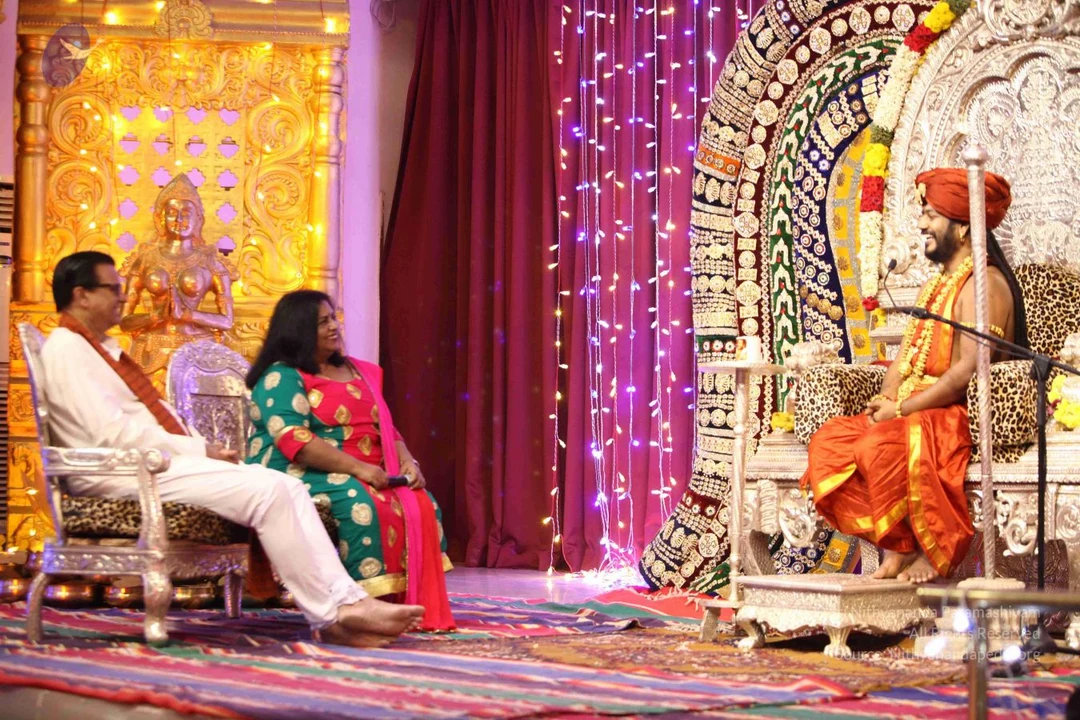


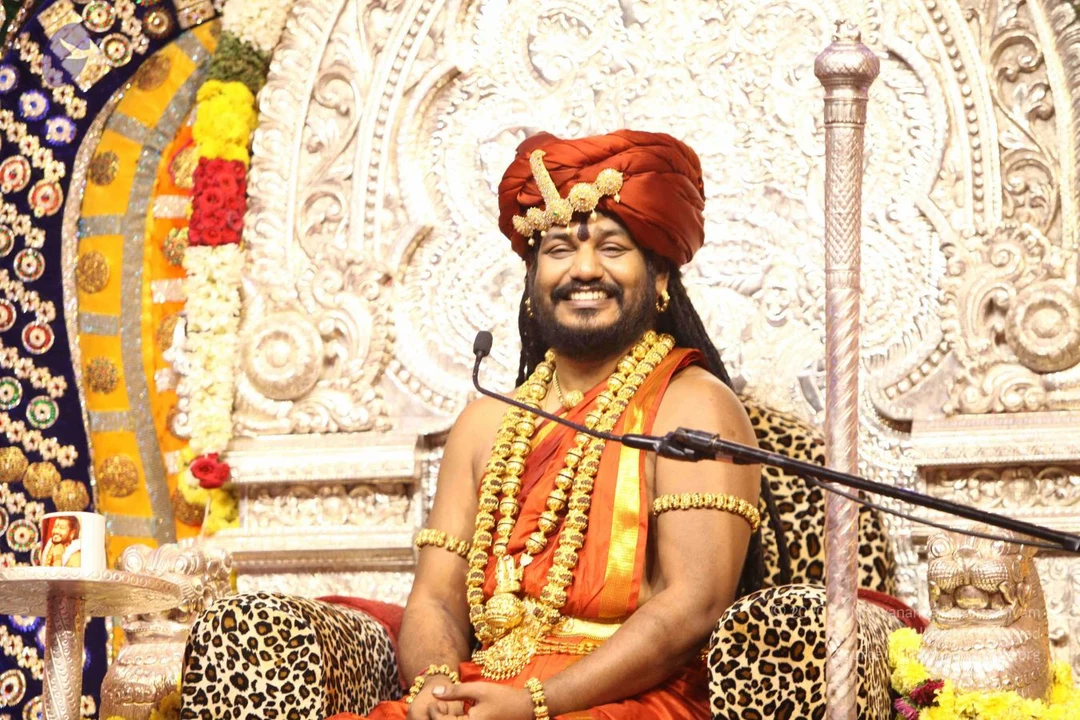
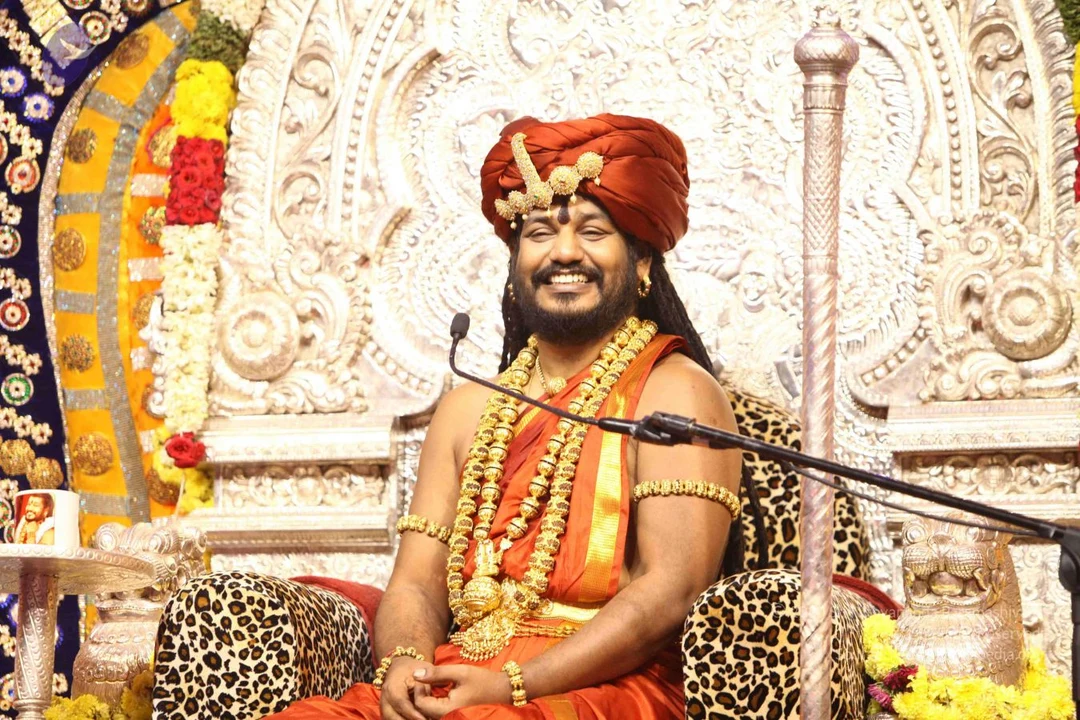
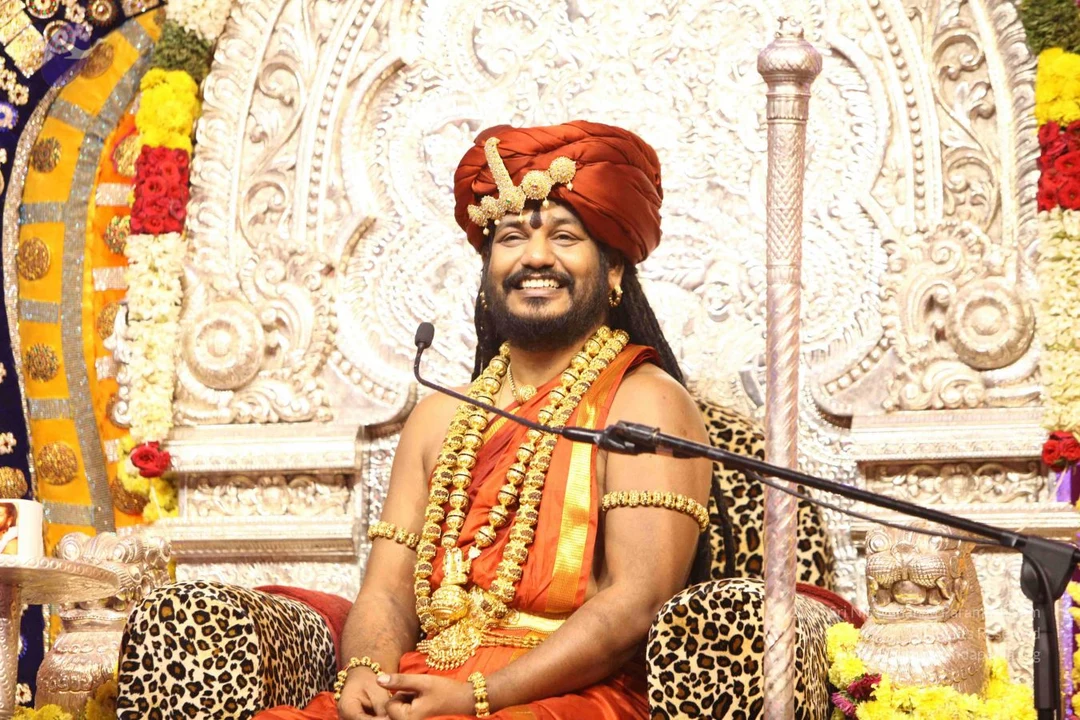
Photos Of The Day:
FB-photo-of-the-day
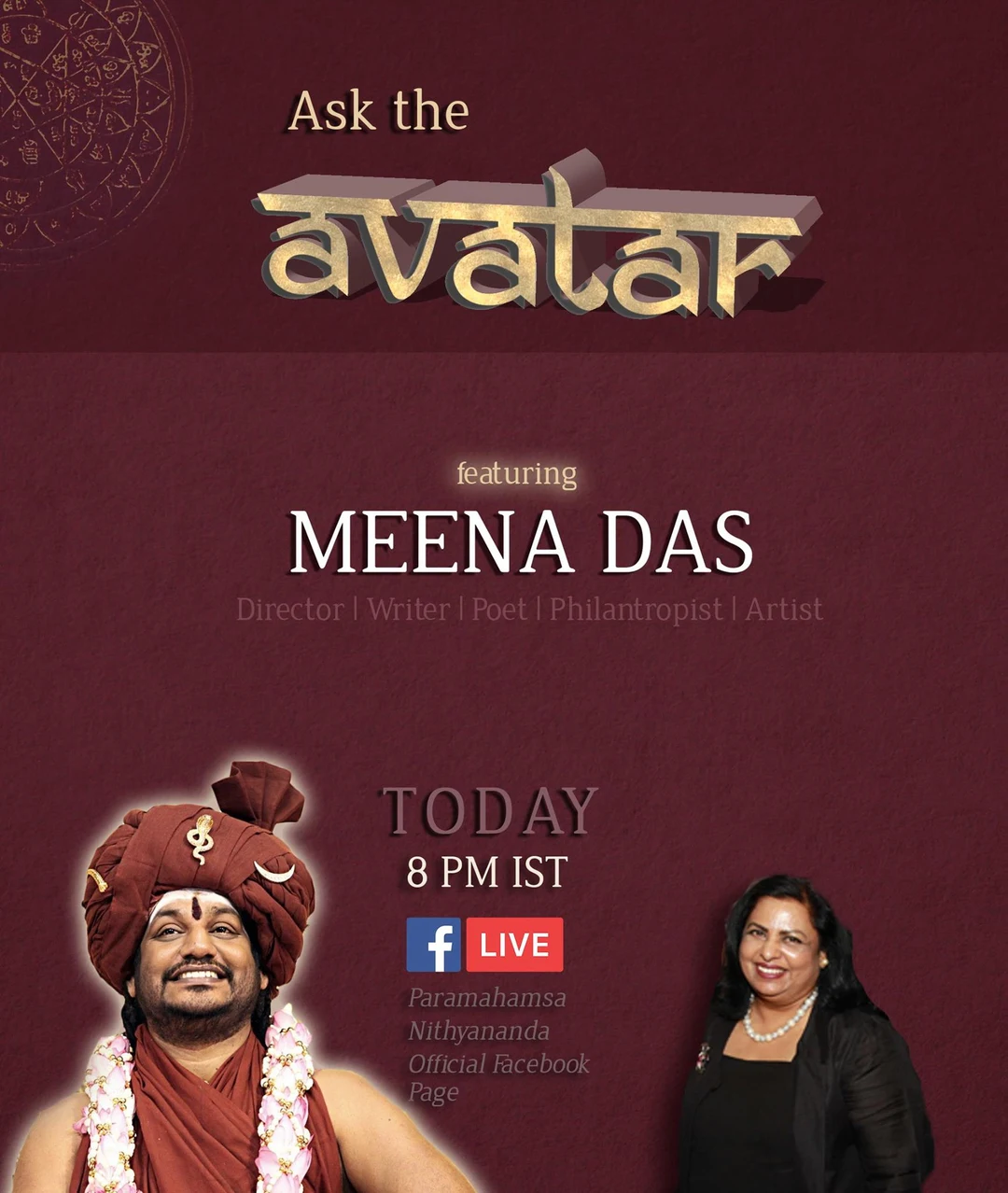
01-Diwali-Procession-Temple
03-Ask-the-Avatar
,
Photos from this day
View all 791 photosWELCOMING-BHAGAVAN-WITH-POORNA-KUMBHA-ON-THE AUSPICIOUS-DAY-OF-DEEPAWALI
59 photosSource gallery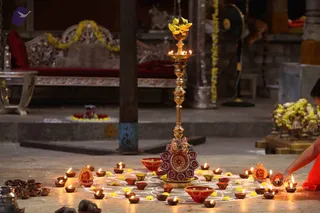
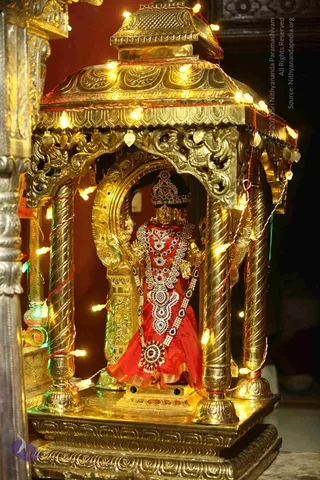
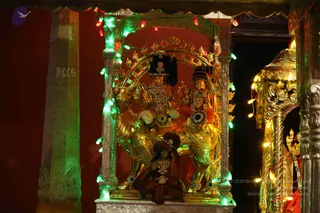
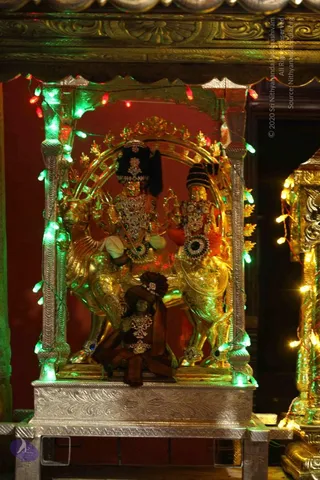
DIWALI-PROCESSION
36 photosSource gallery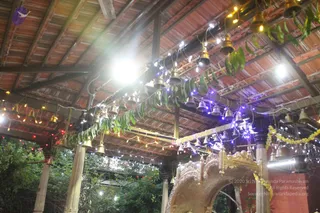
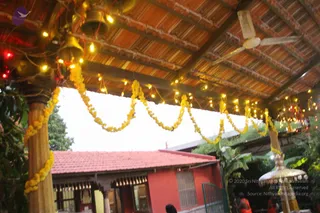

TEMPLE
8 photosSource gallery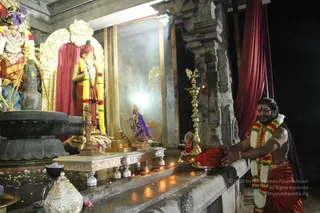
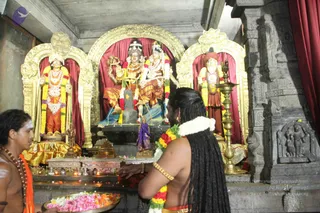
PADA-POOJA
73 photosSource gallery
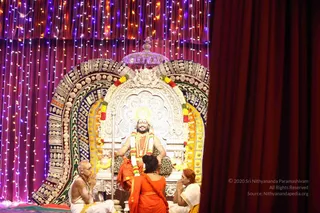
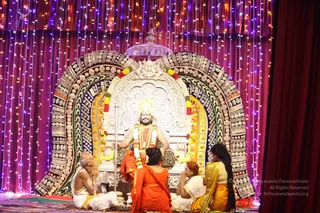
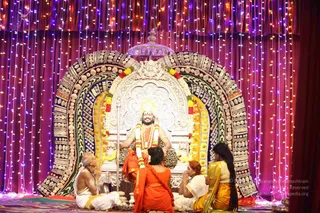
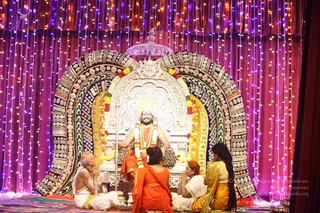
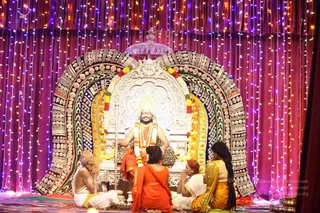
ASK-THE-AVATAR-SATSANG-WITH-SMT-MEENA-DAS-AND-SRI-NARAYAN
323 photosSource gallery
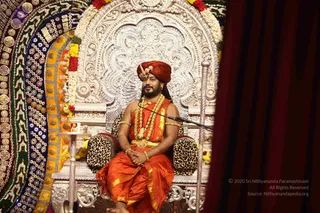
HDH Nithyananda Paramashivam
1 photoView all