Sunday
18 October 2015
THE SUPREME PONTIFF OF HINDUISM HDH BHAGAVAN NITHYANANDA PARAMASHIVAM
- Dated photos
- 866
- Source pages
- 1
- Media
- 10
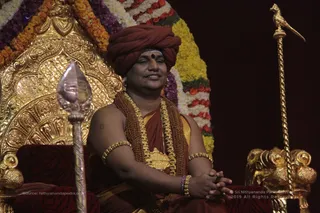
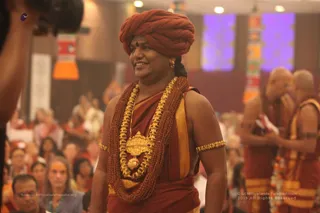
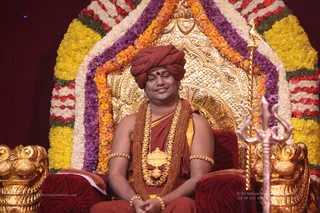
October 18 2015
Original wiki pageTitle:
THE SUPREME PONTIFF OF HINDUISM HDH BHAGAVAN NITHYANANDA PARAMASHIVAM
Nithyananda Times, 18th October, 2015
Description
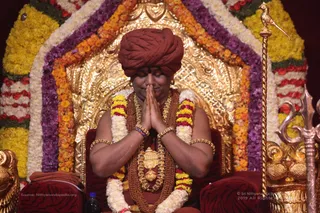
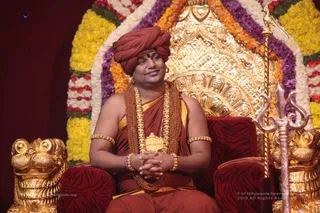
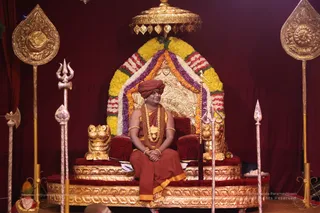
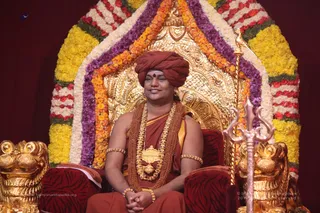
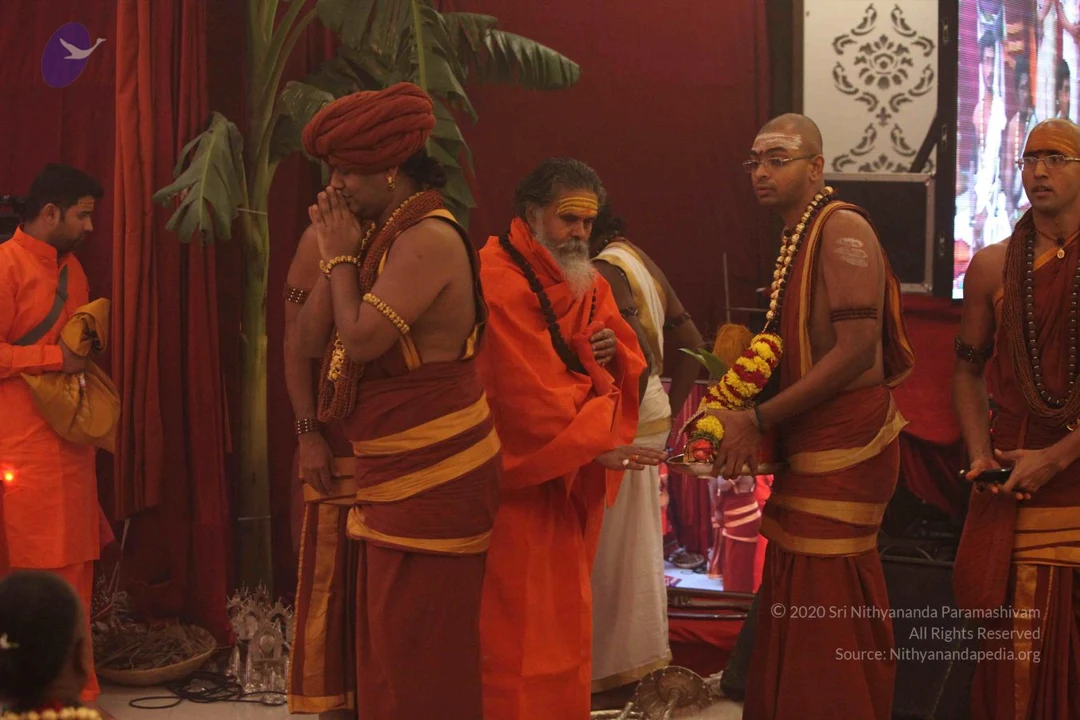
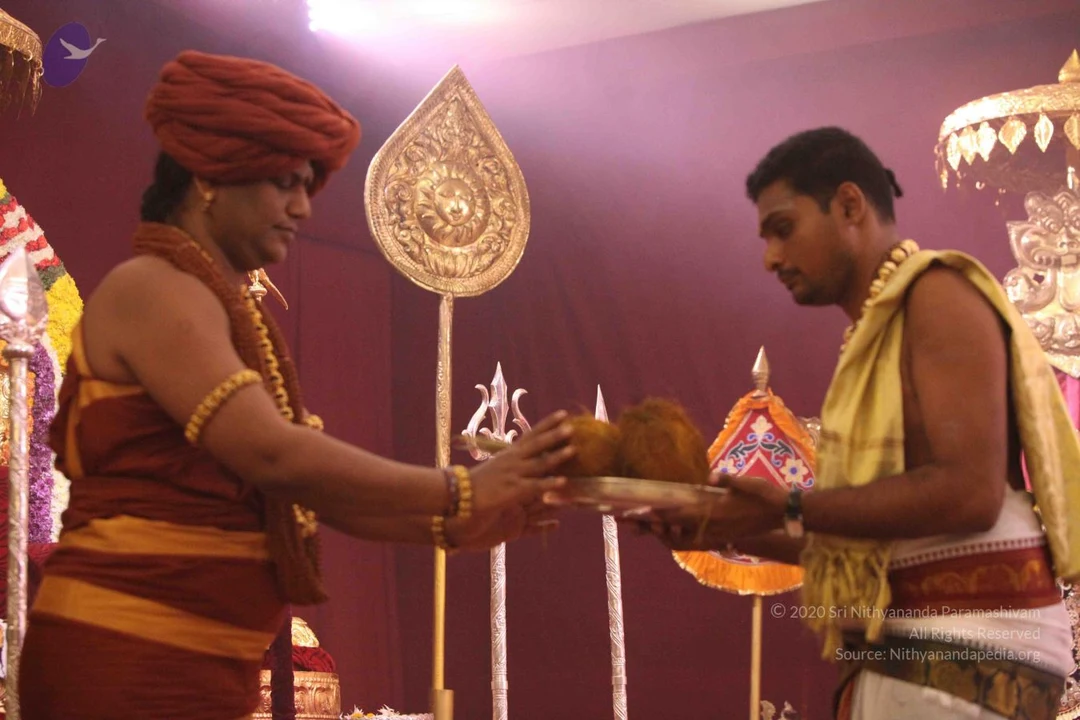
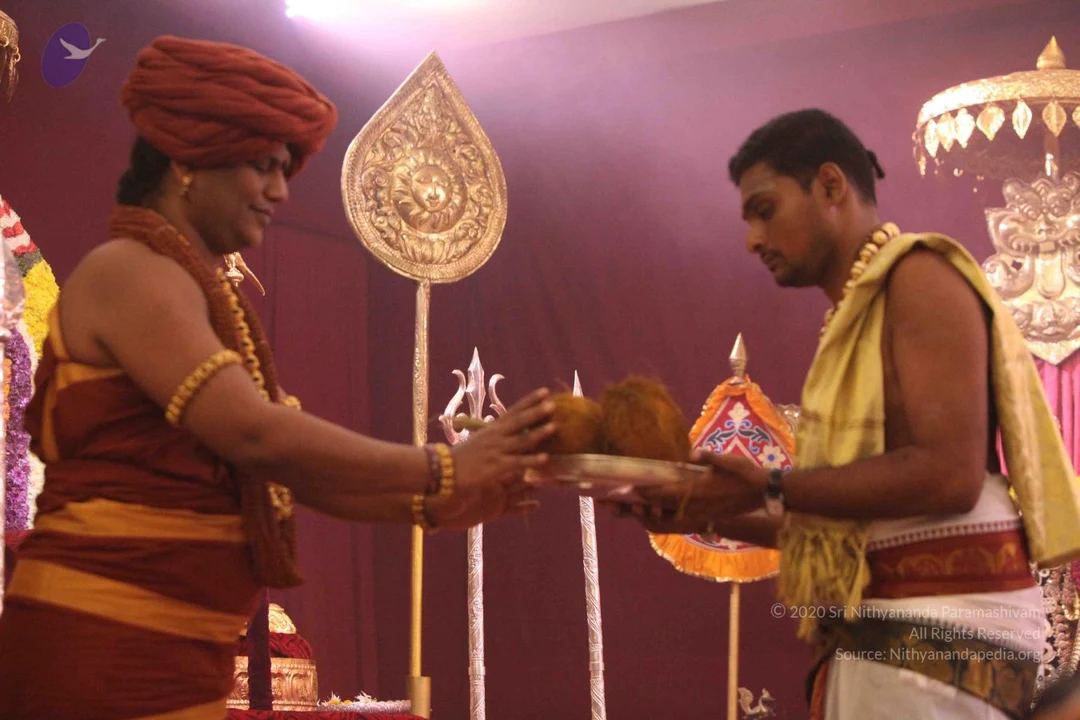
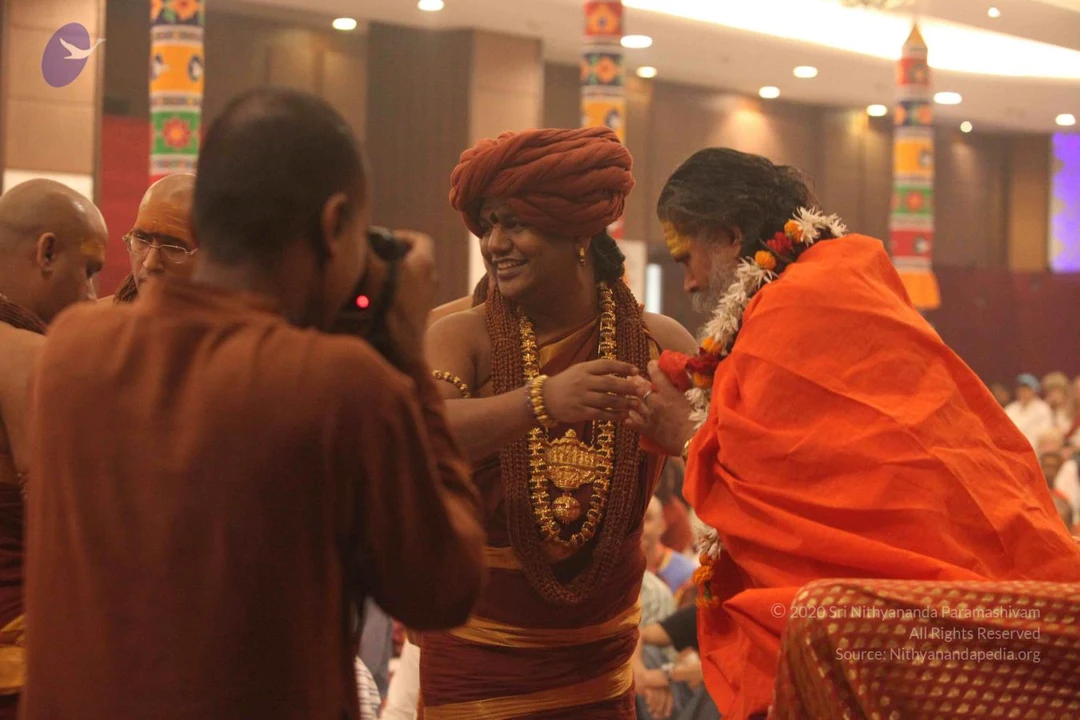
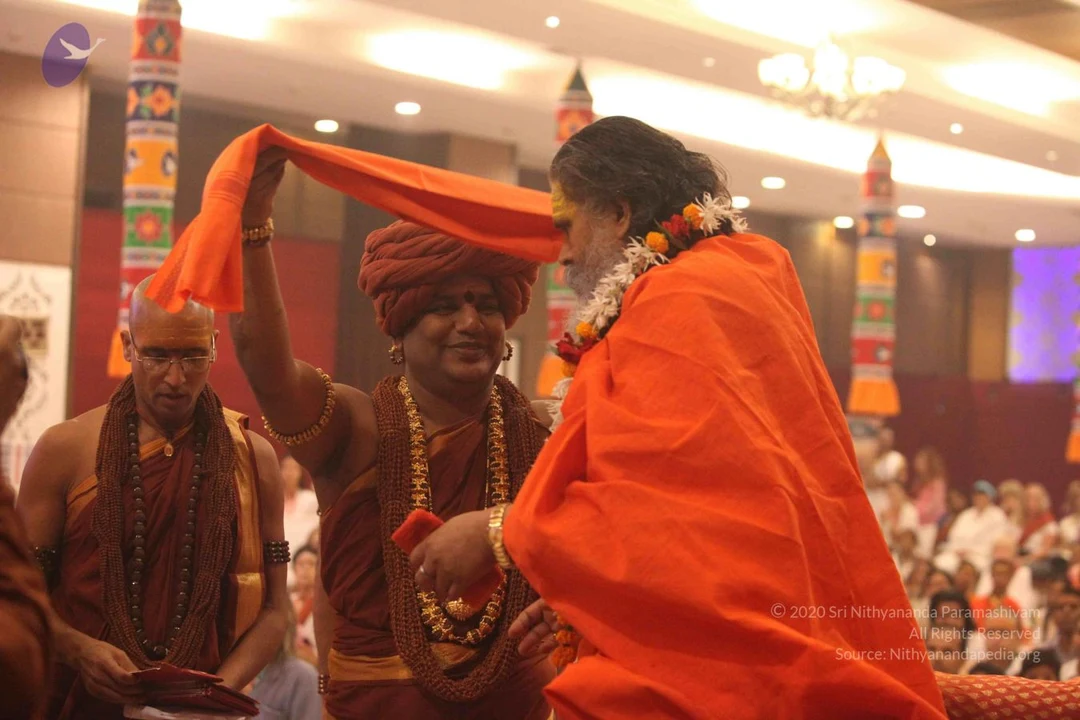
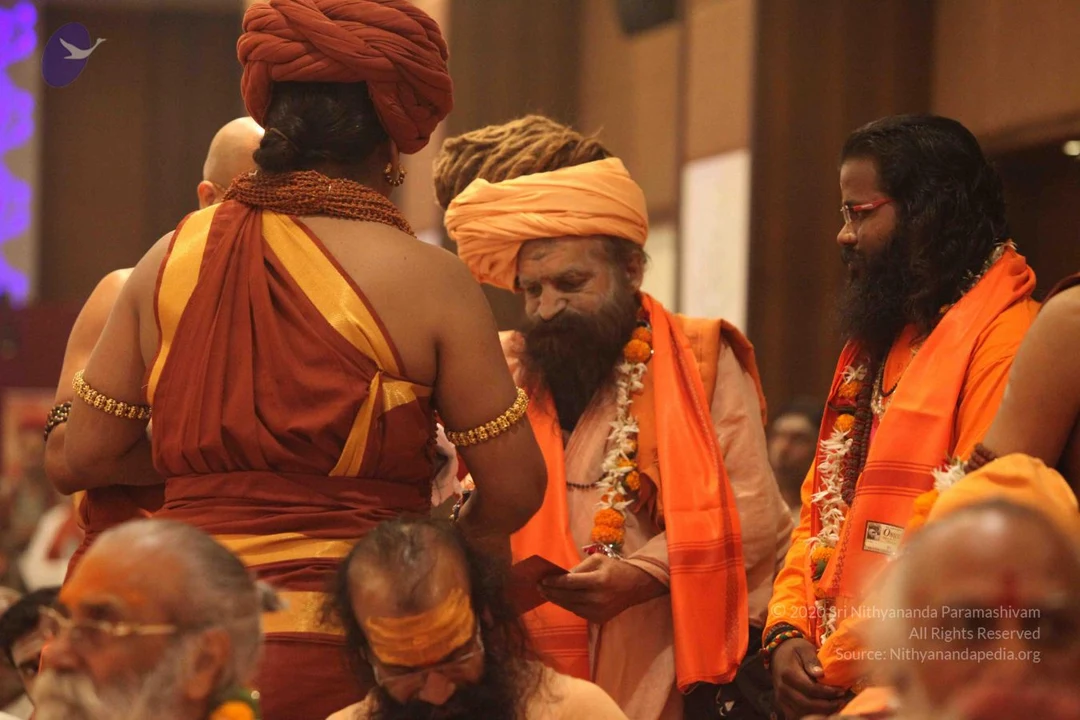
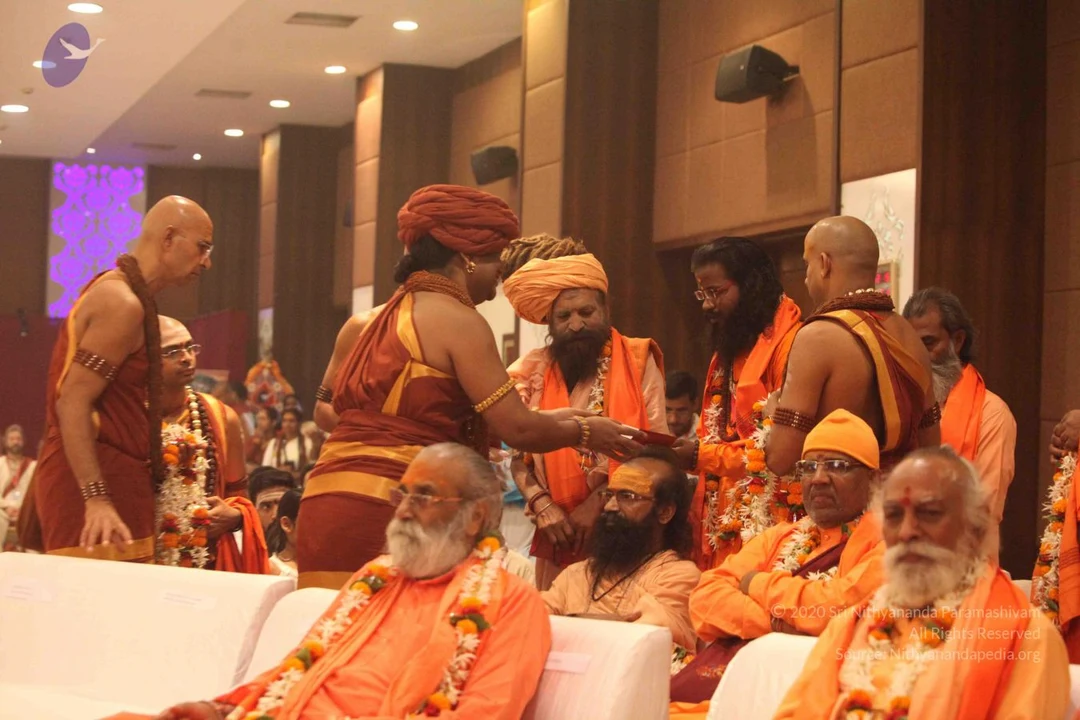
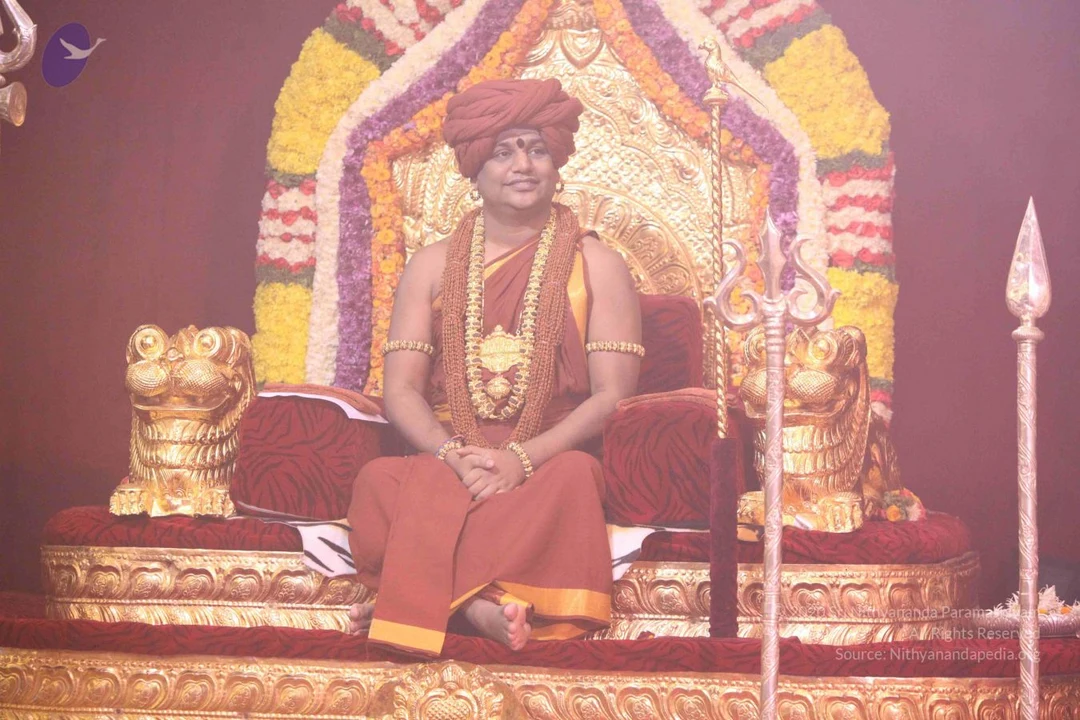
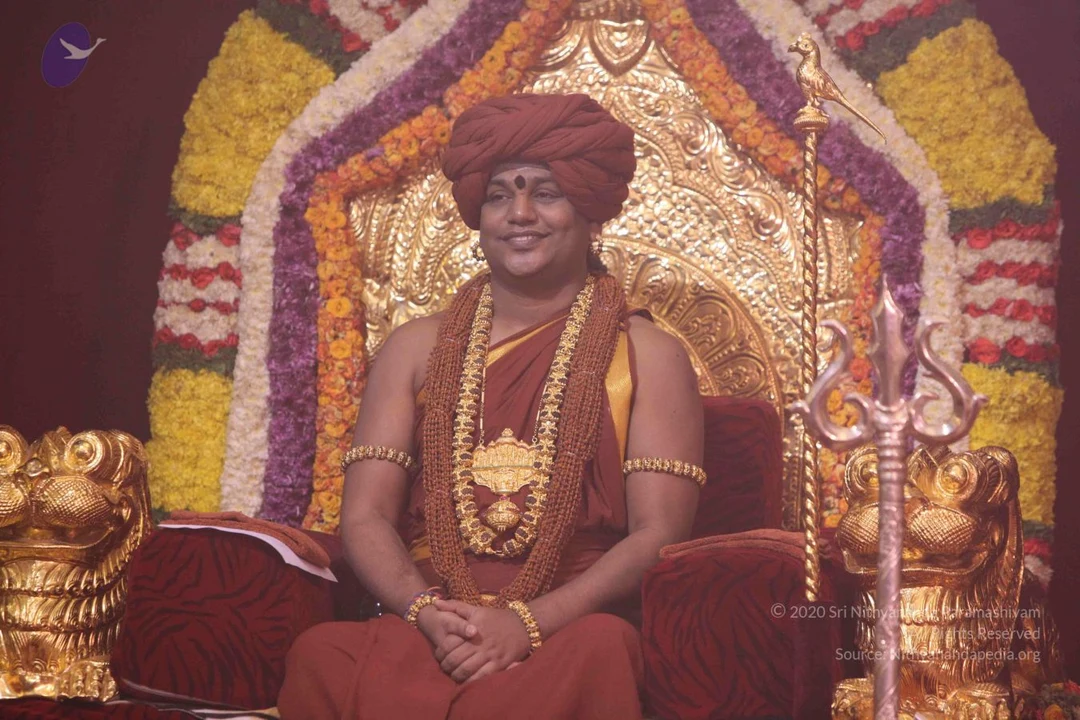
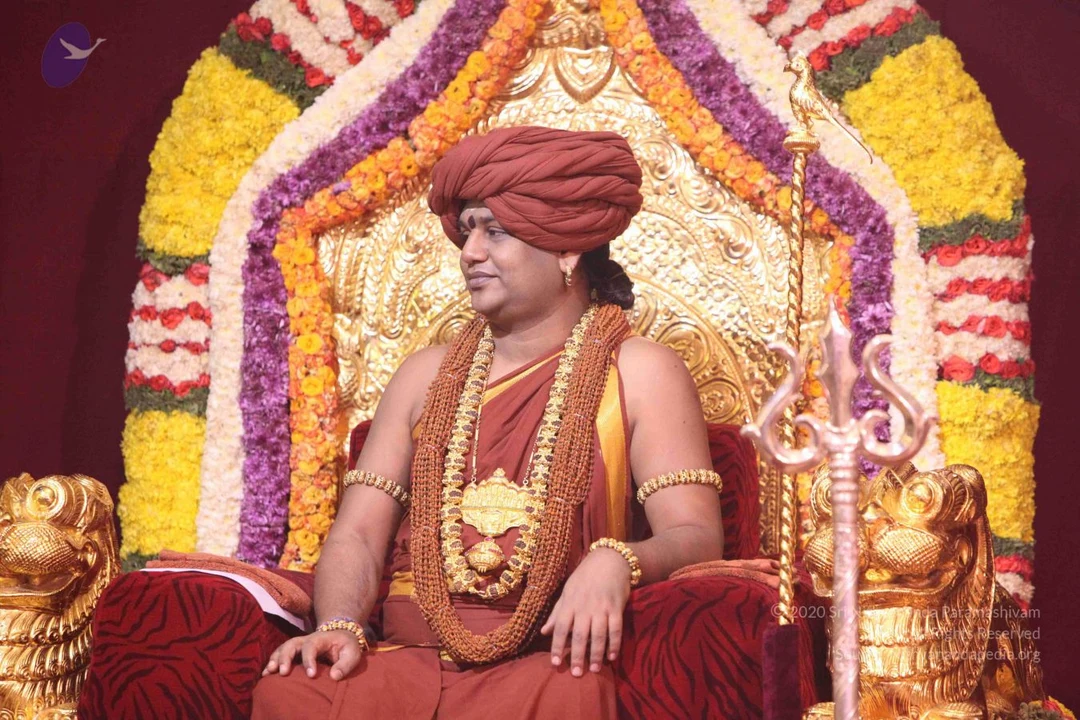
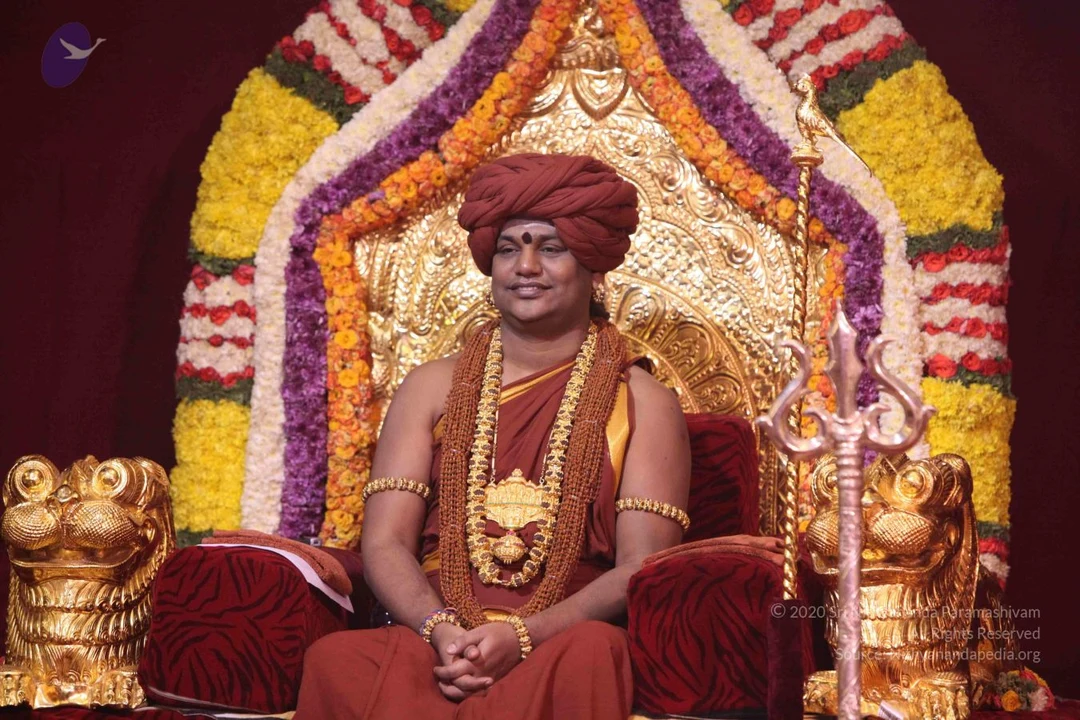
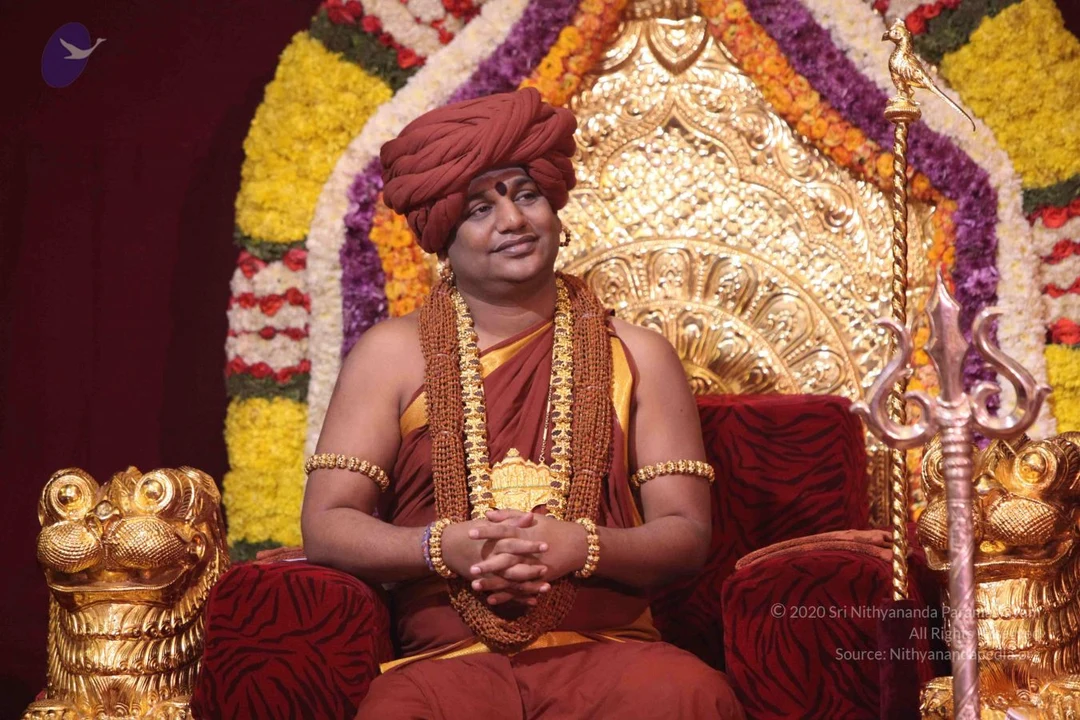
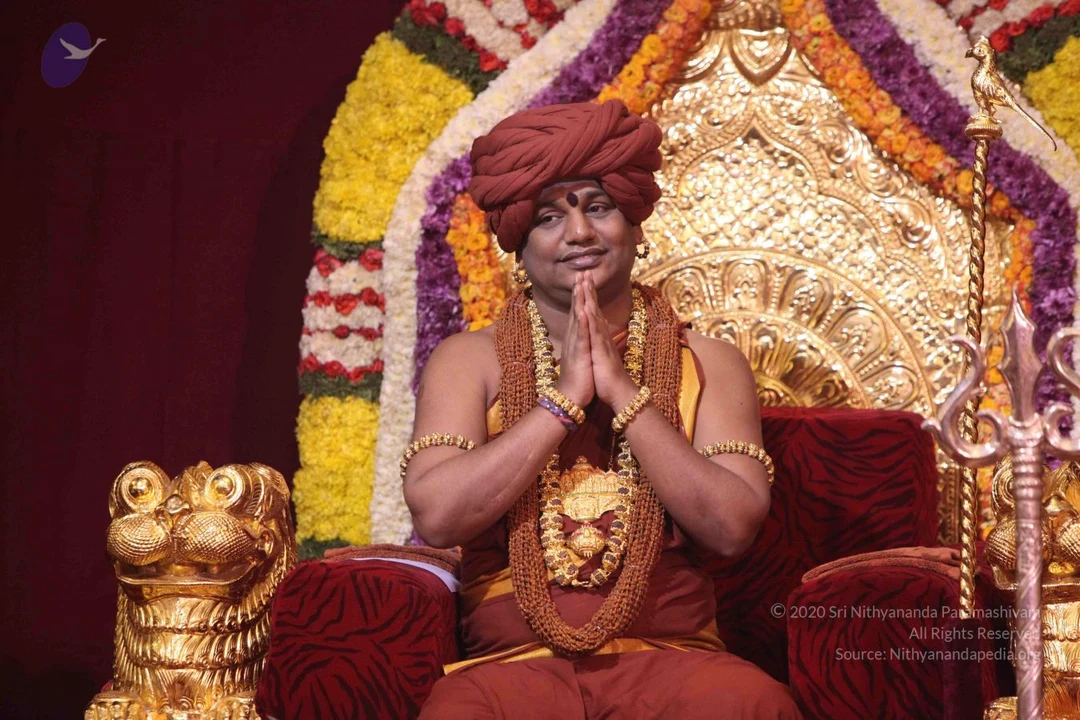
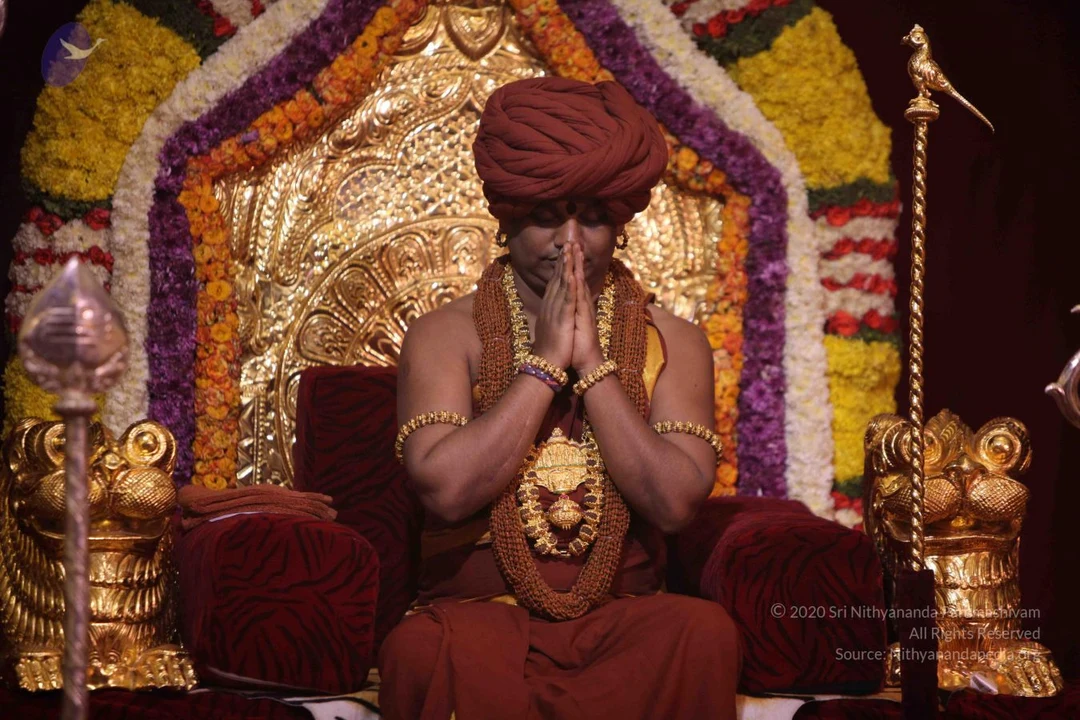
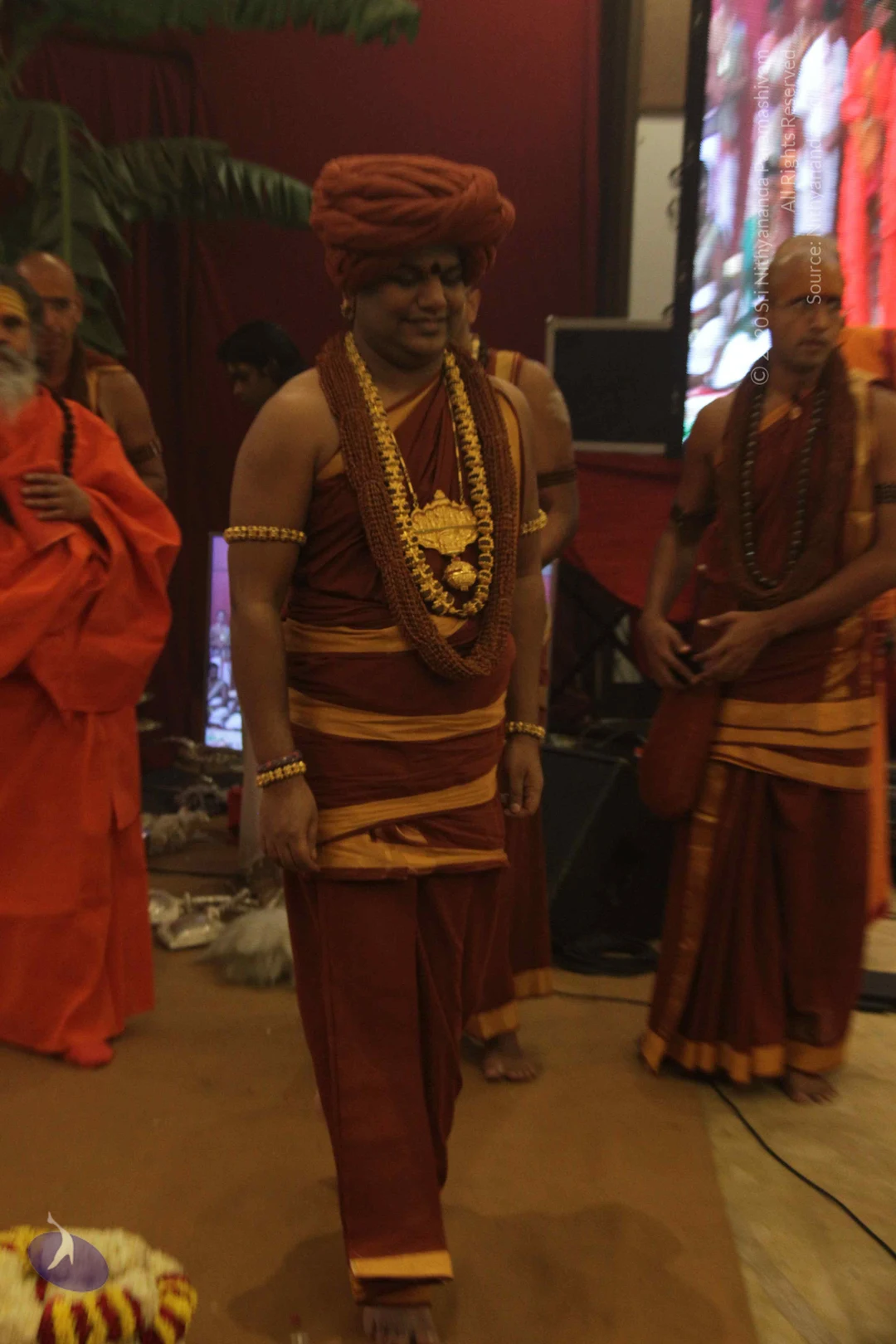
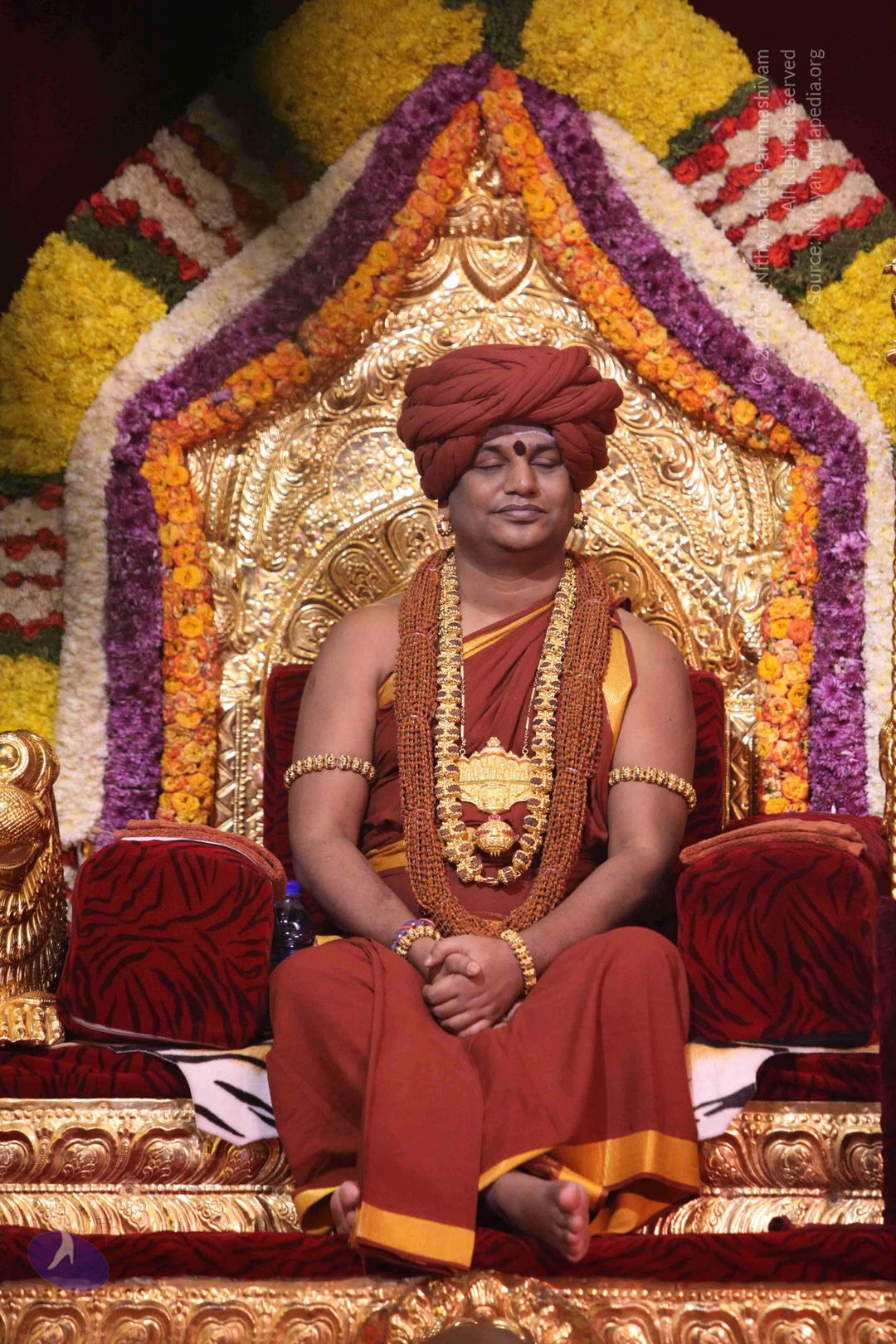
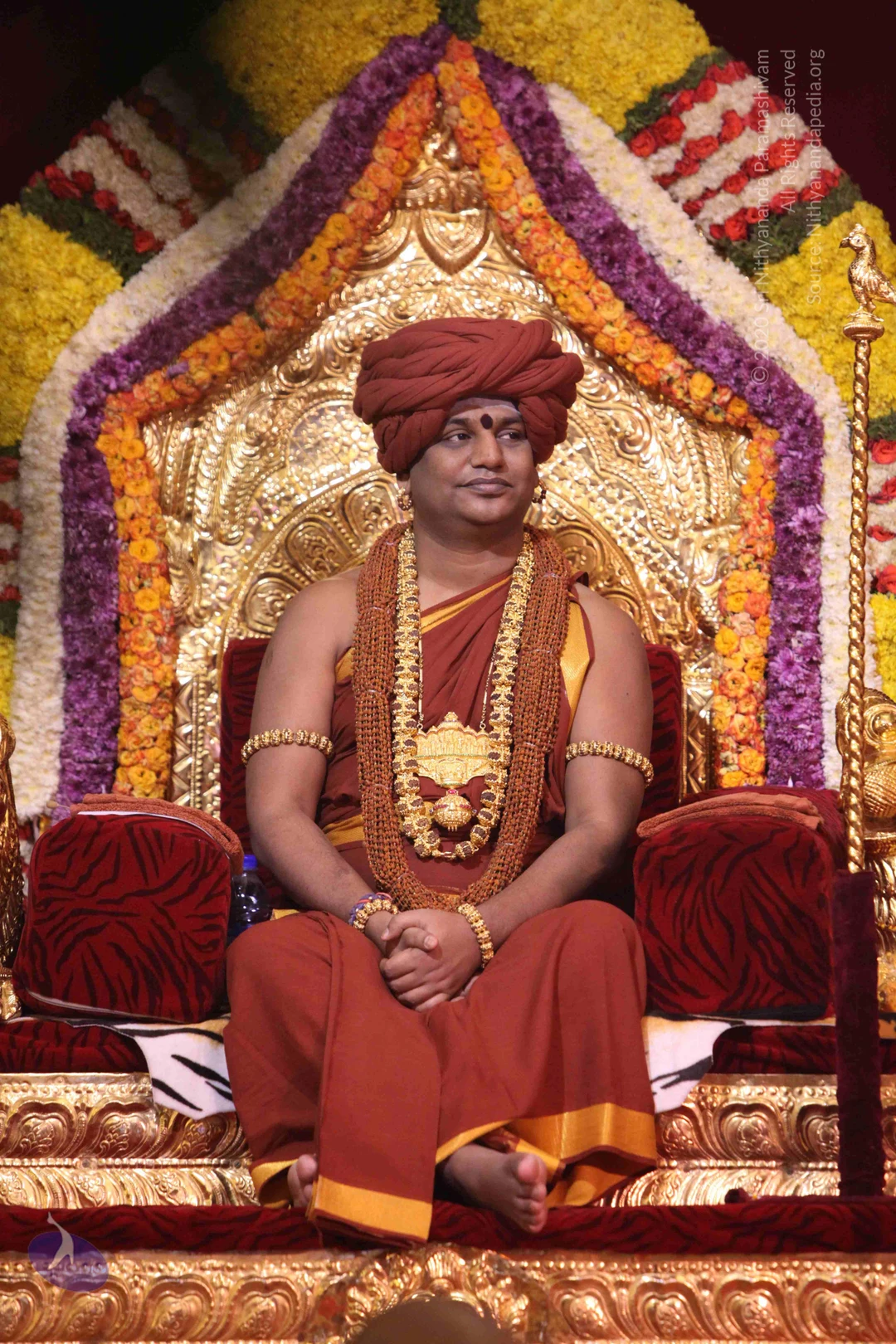
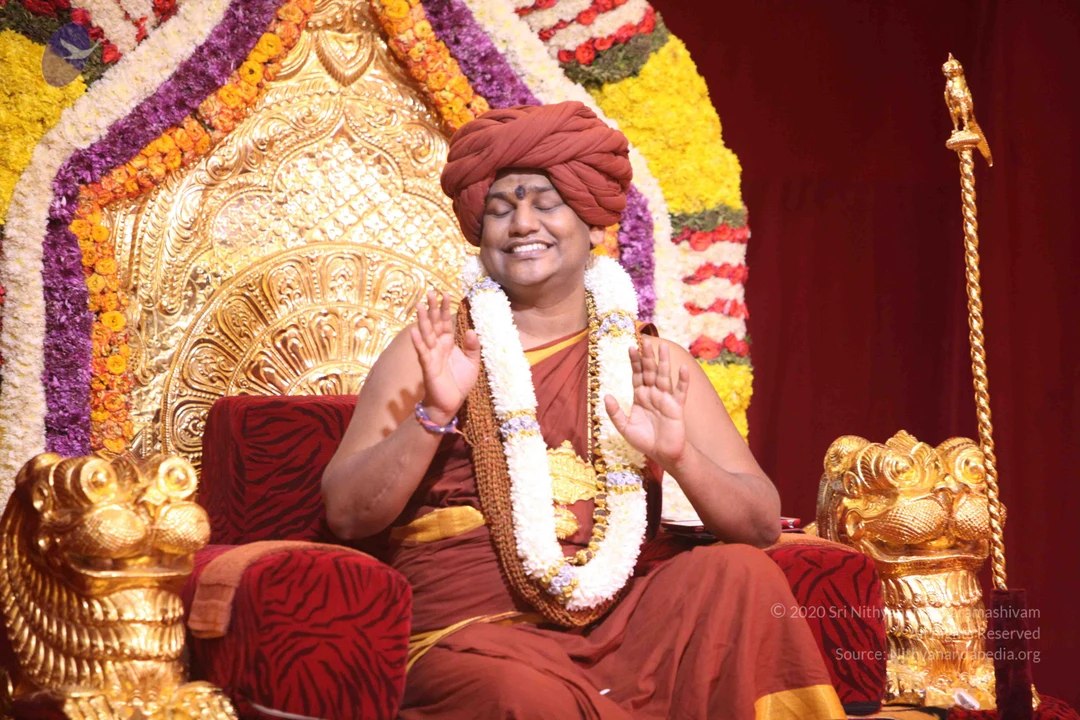
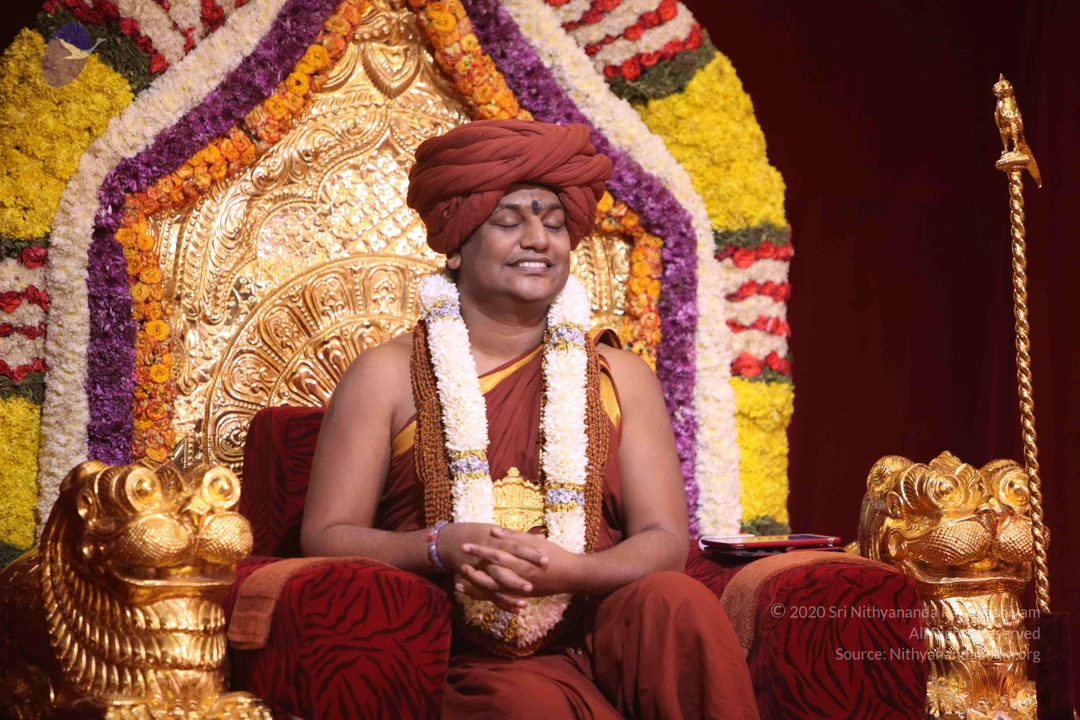
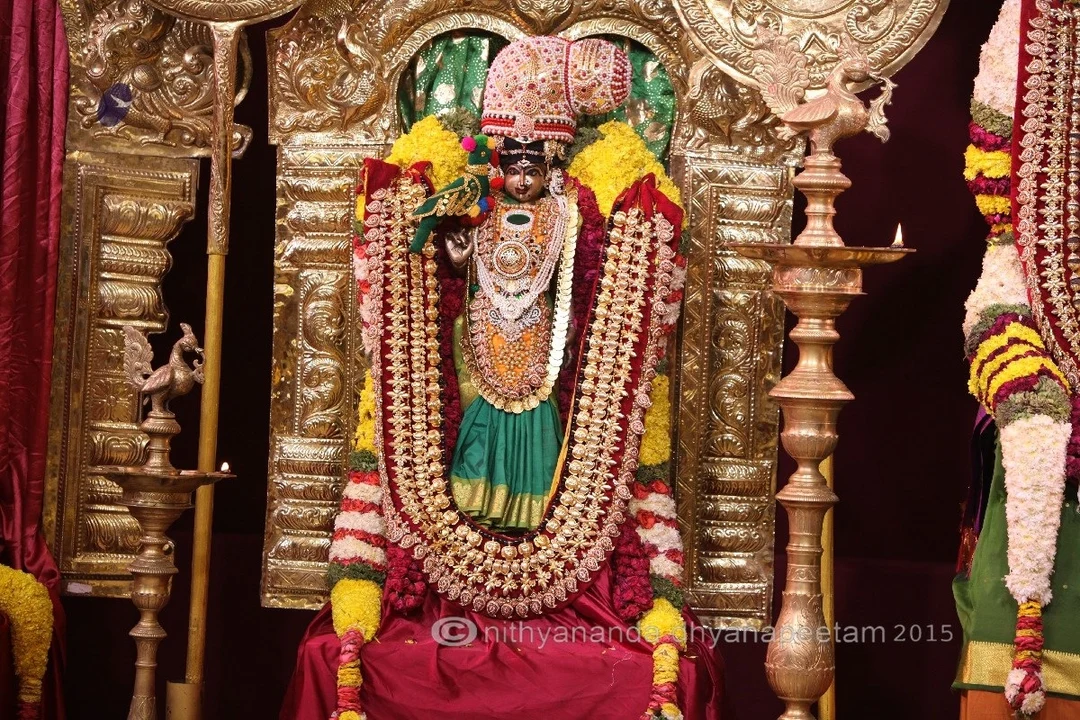
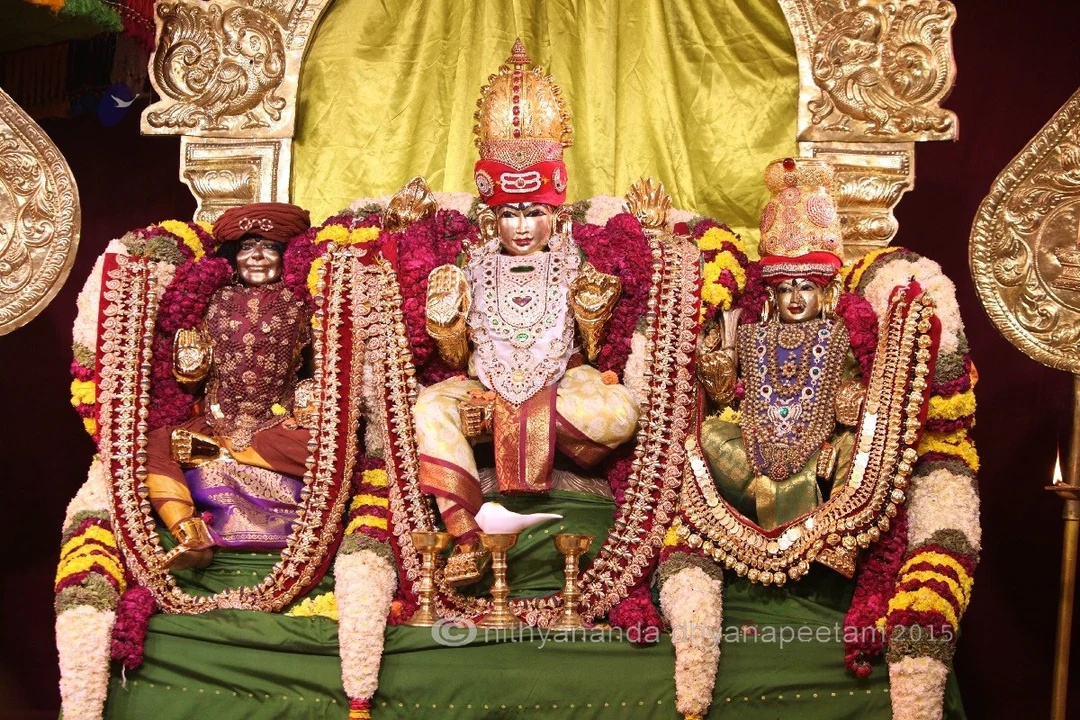
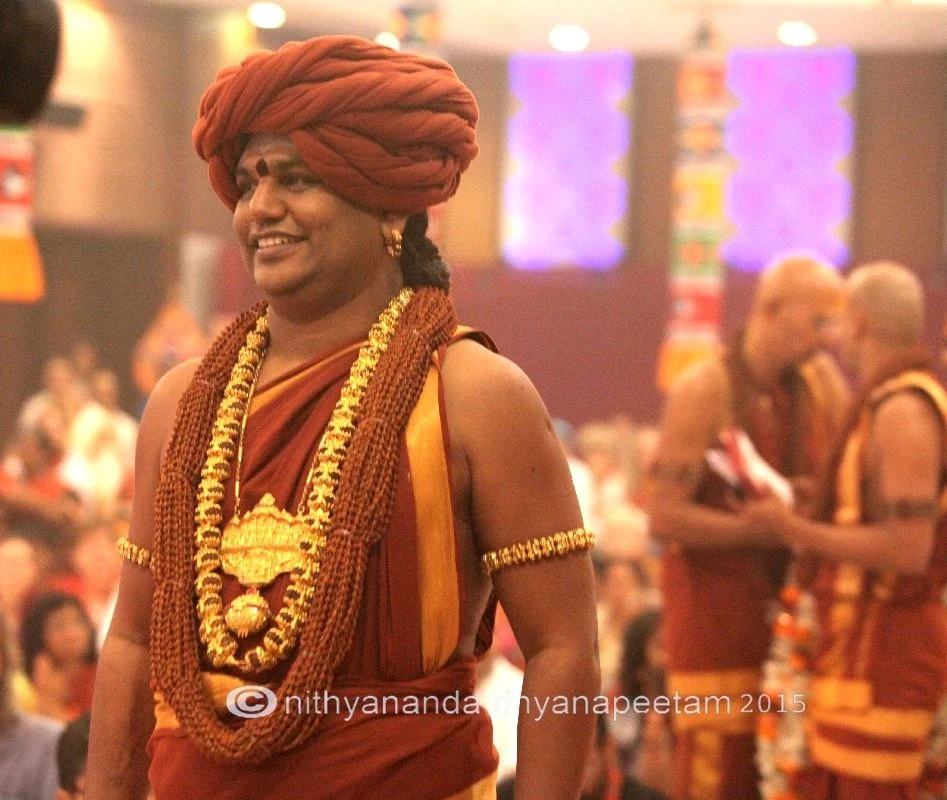
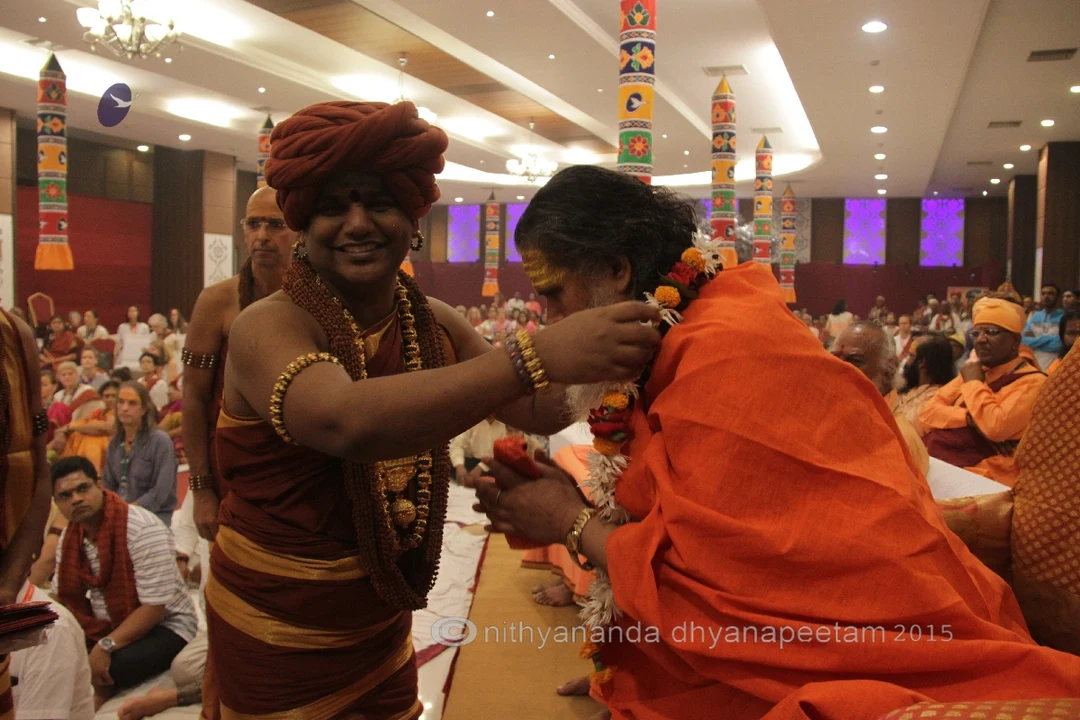
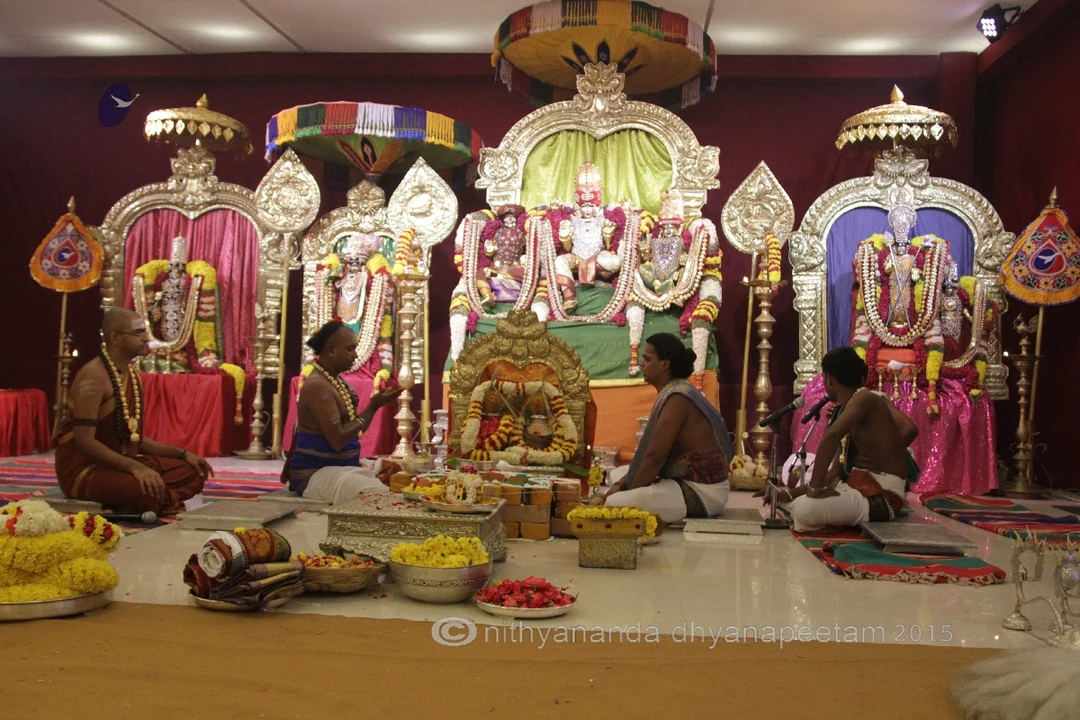
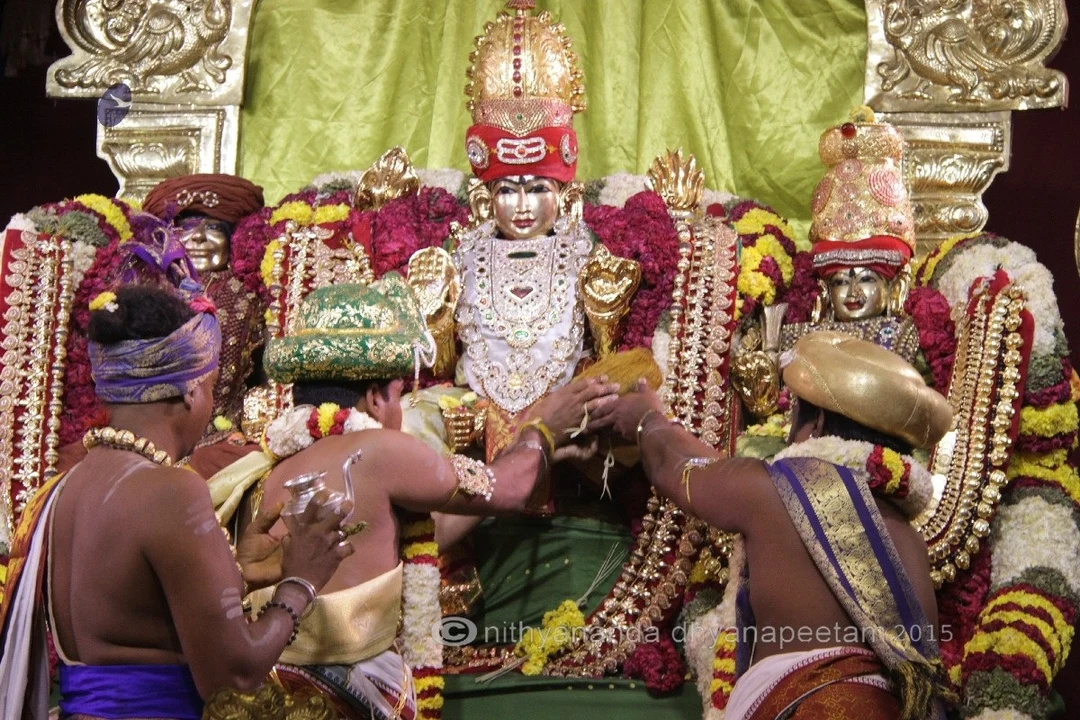
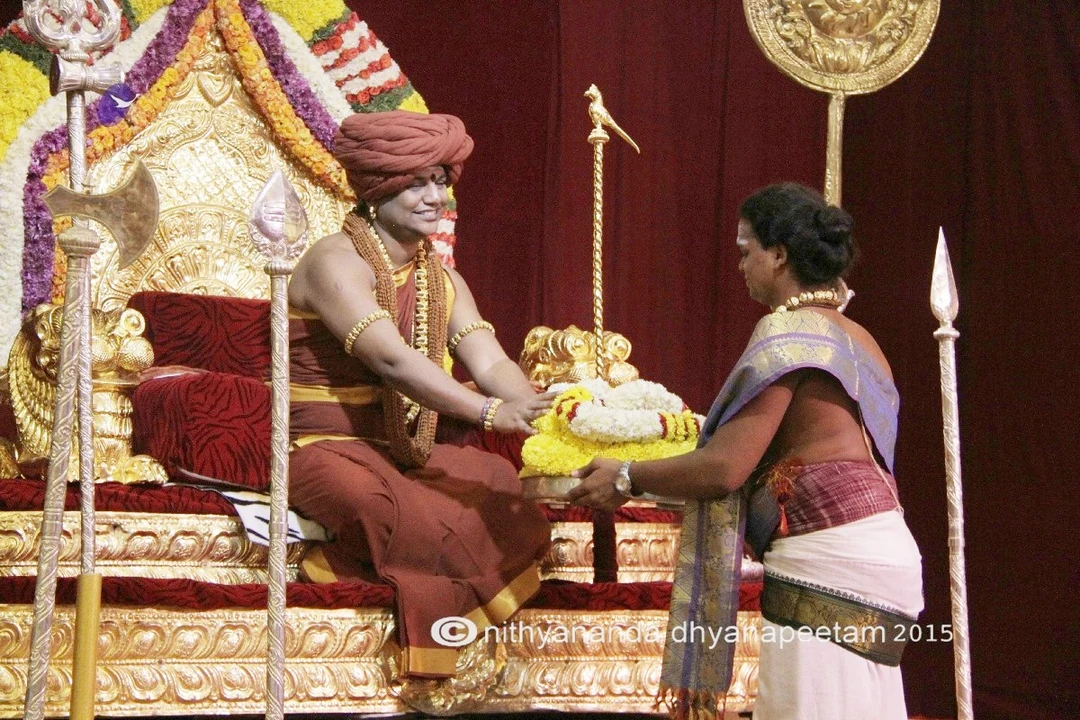
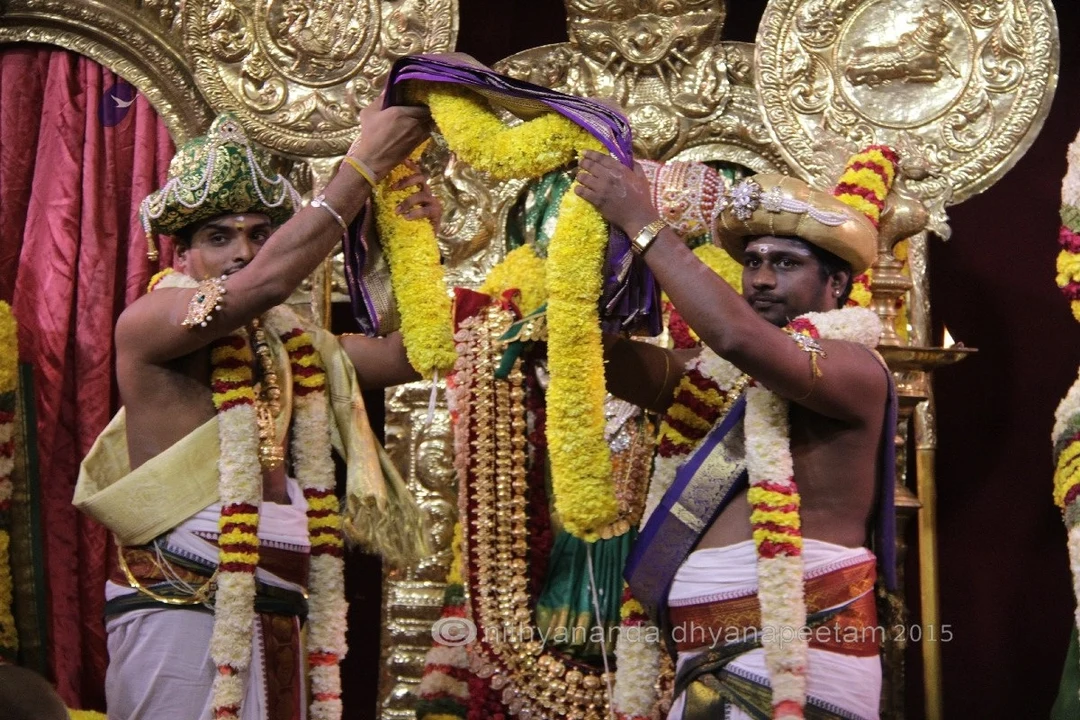
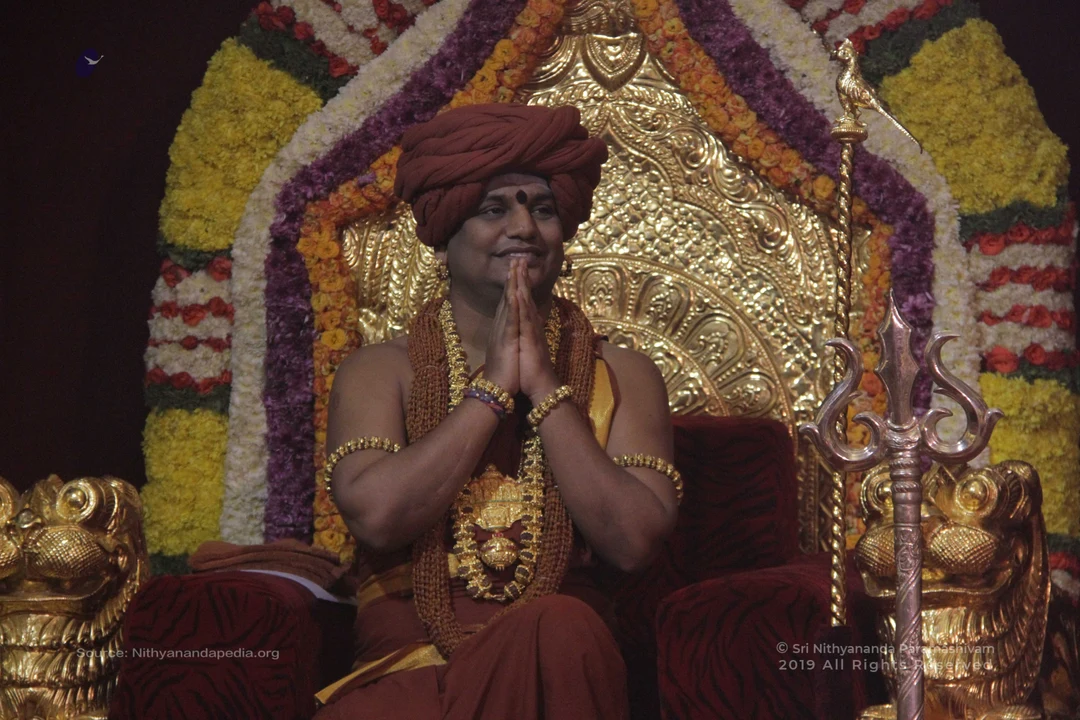
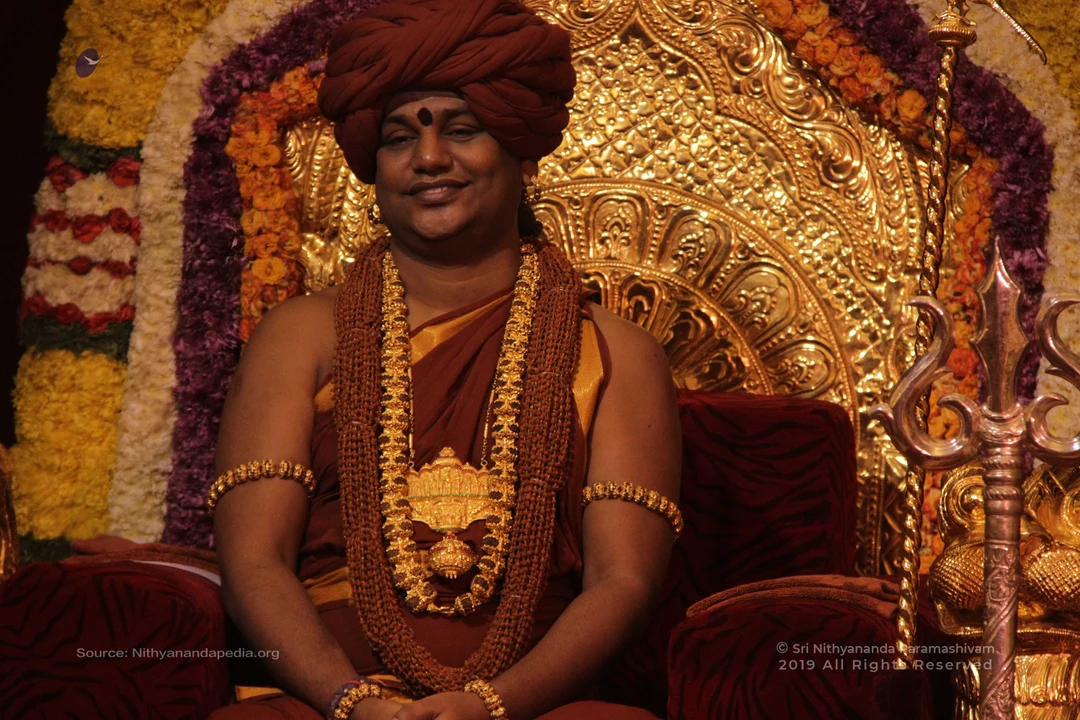
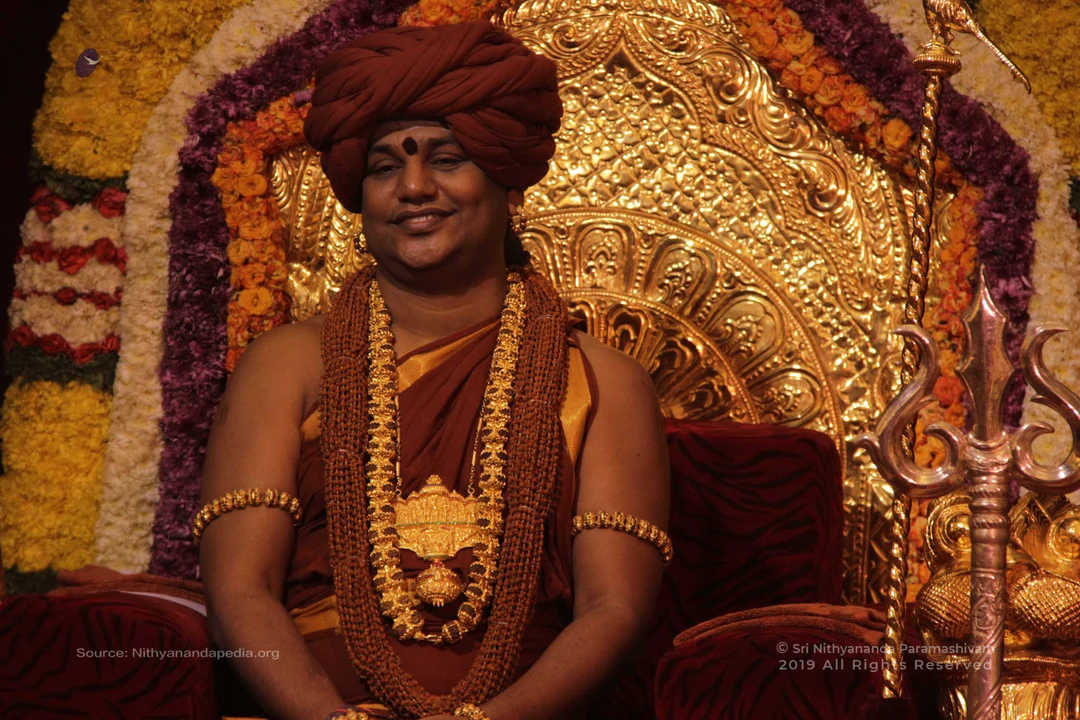
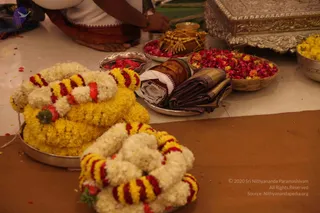
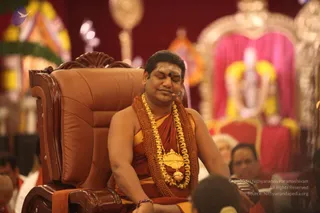
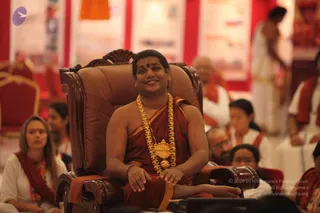
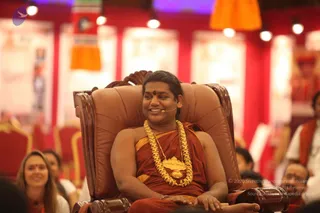
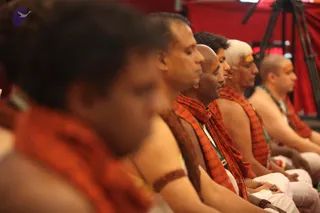
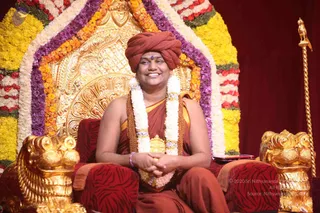
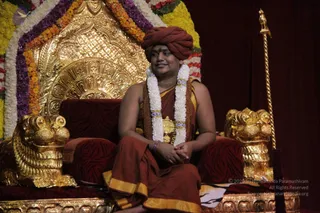
Navaratri celebration In Varanasi
Link to Video:
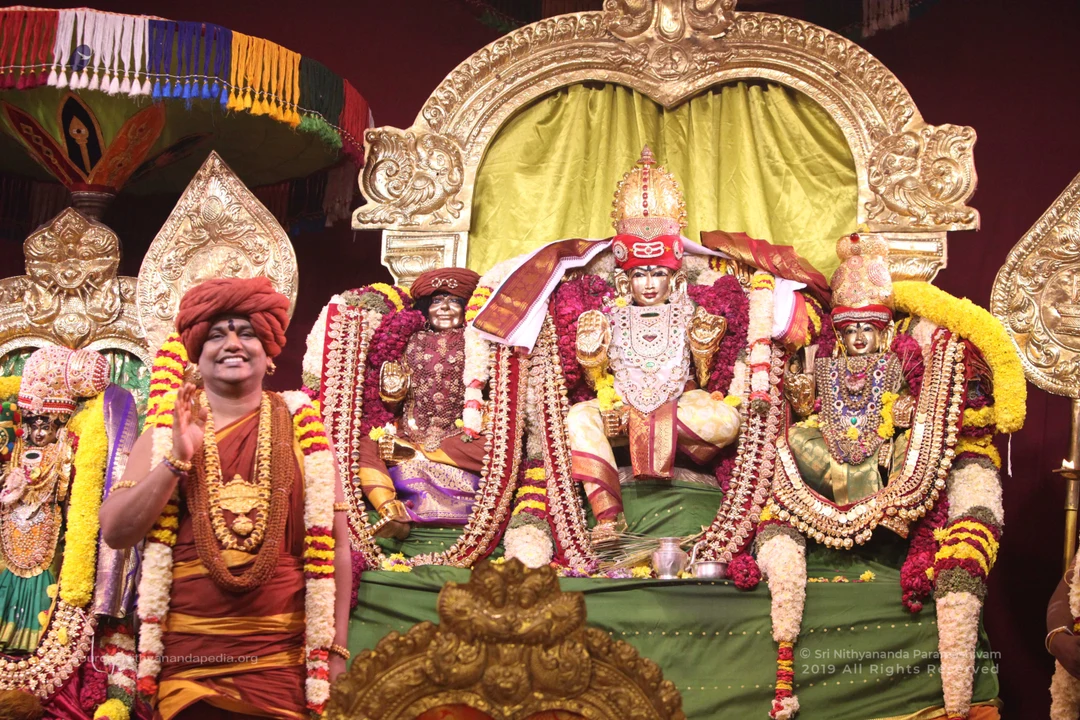
Photos Of The Day:
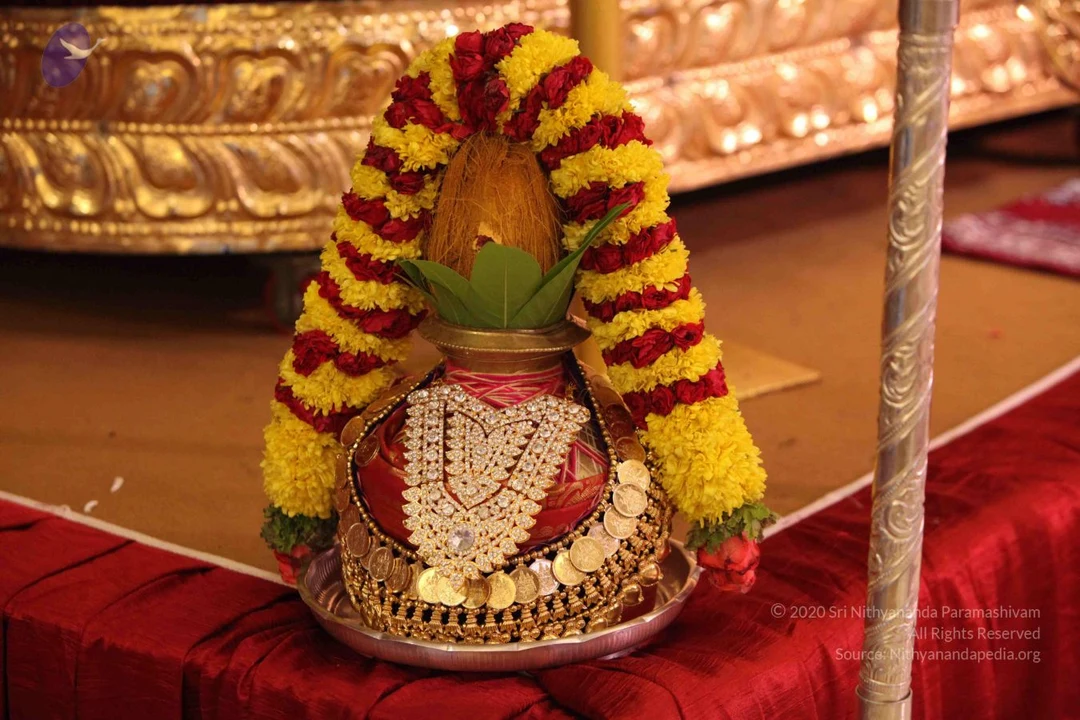
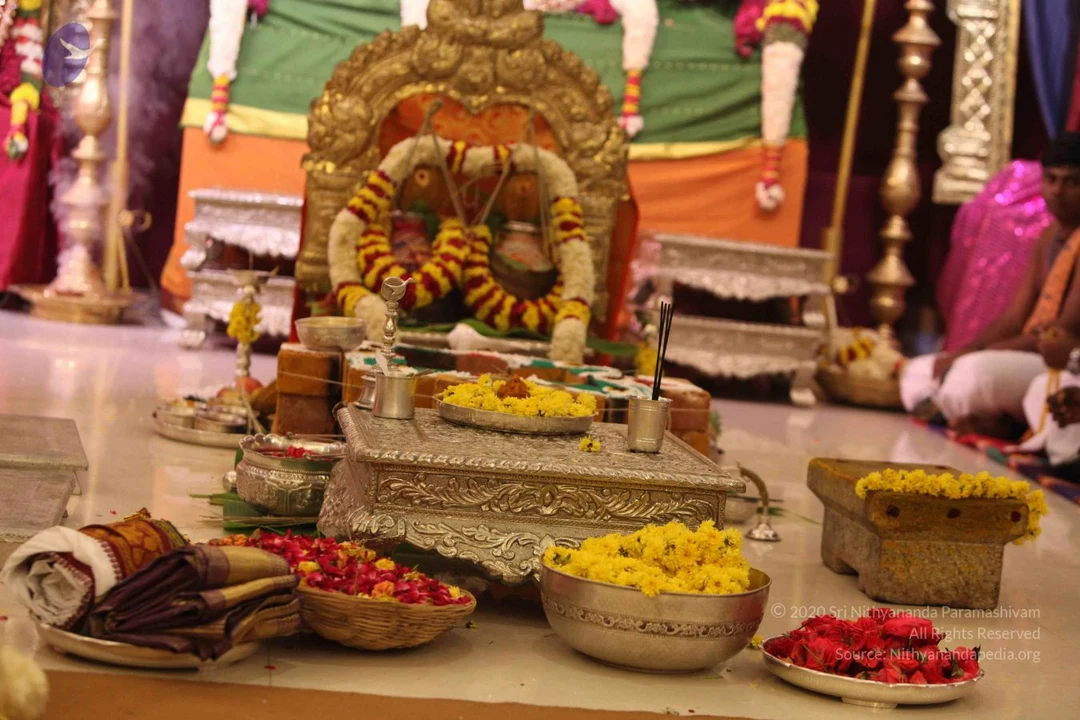
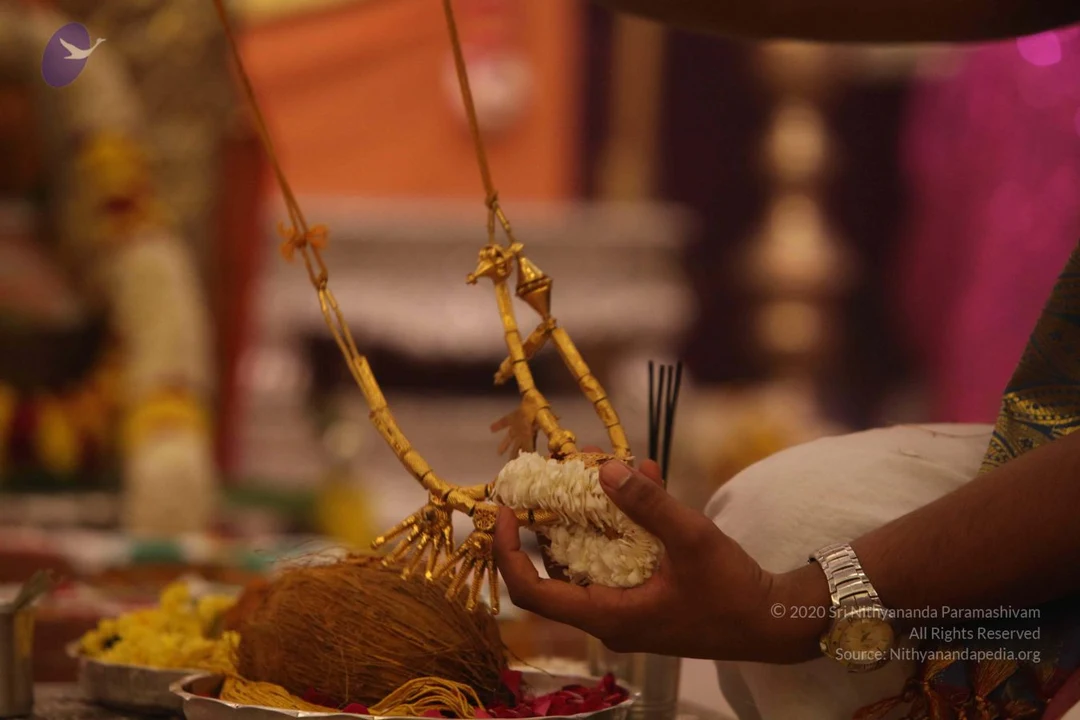
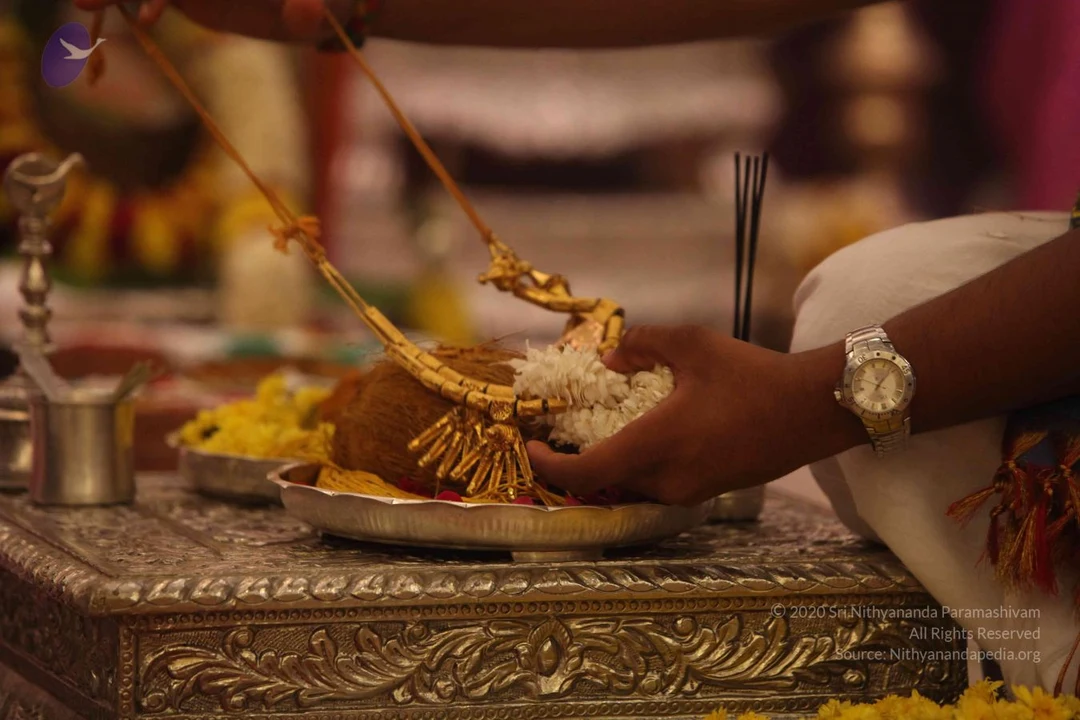
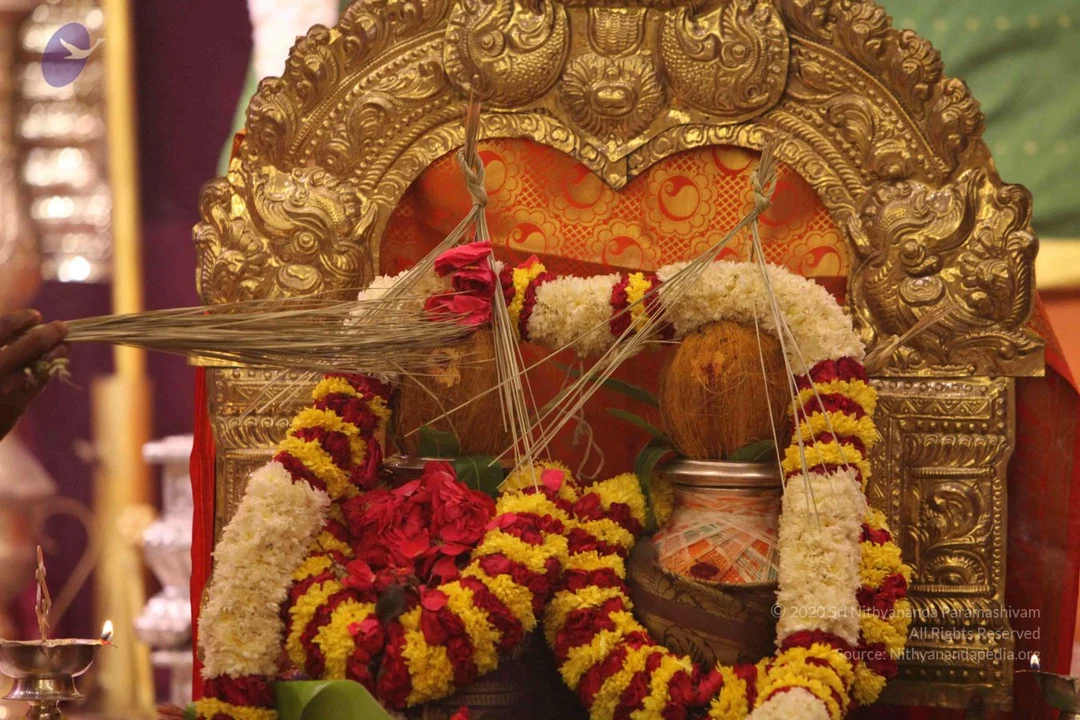
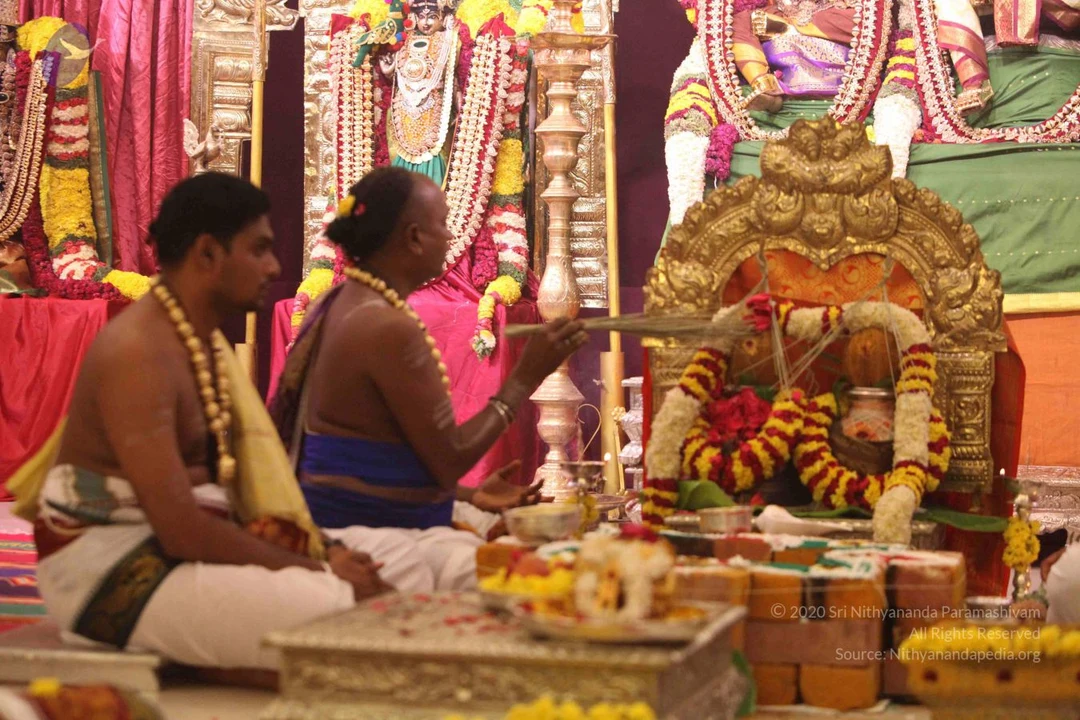
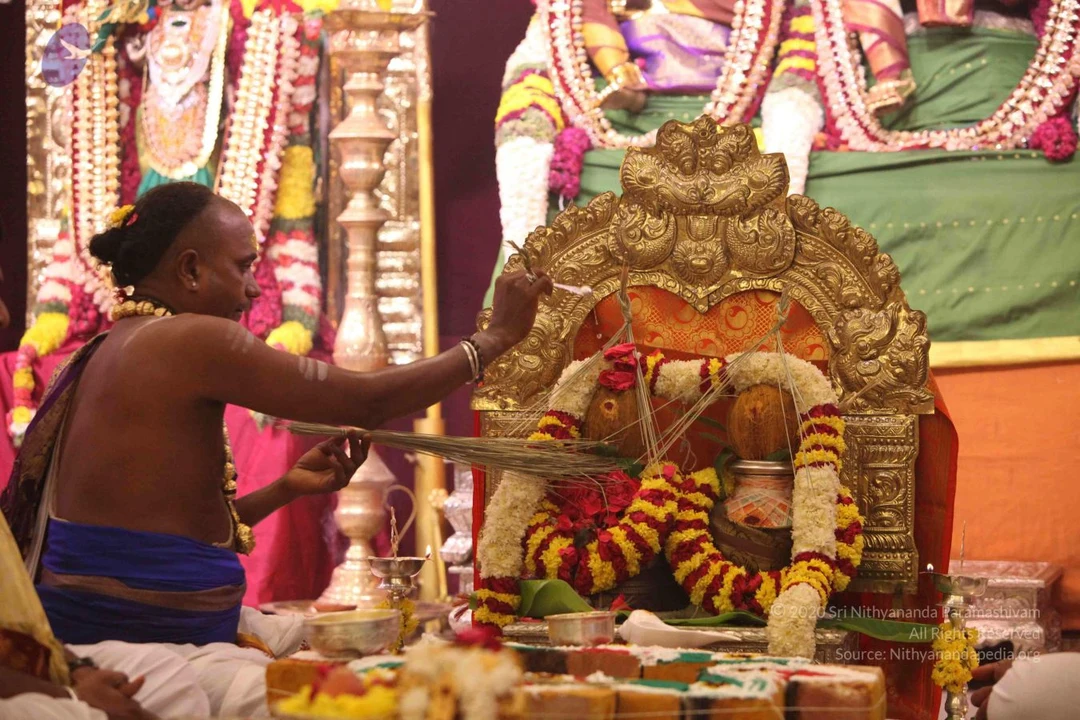
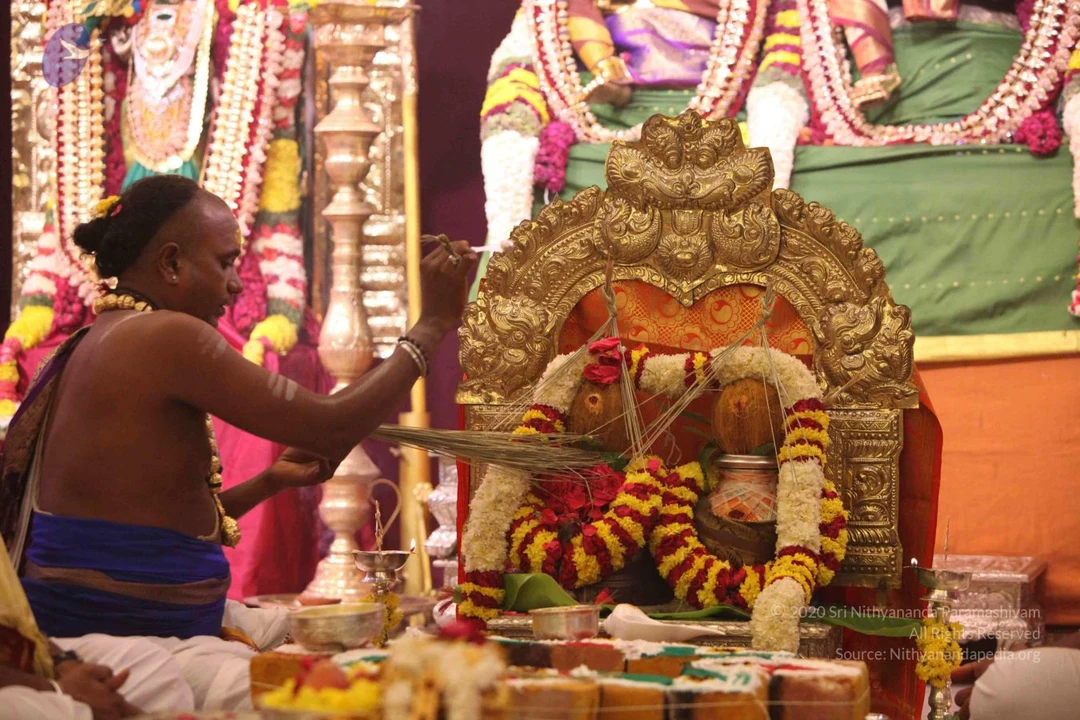
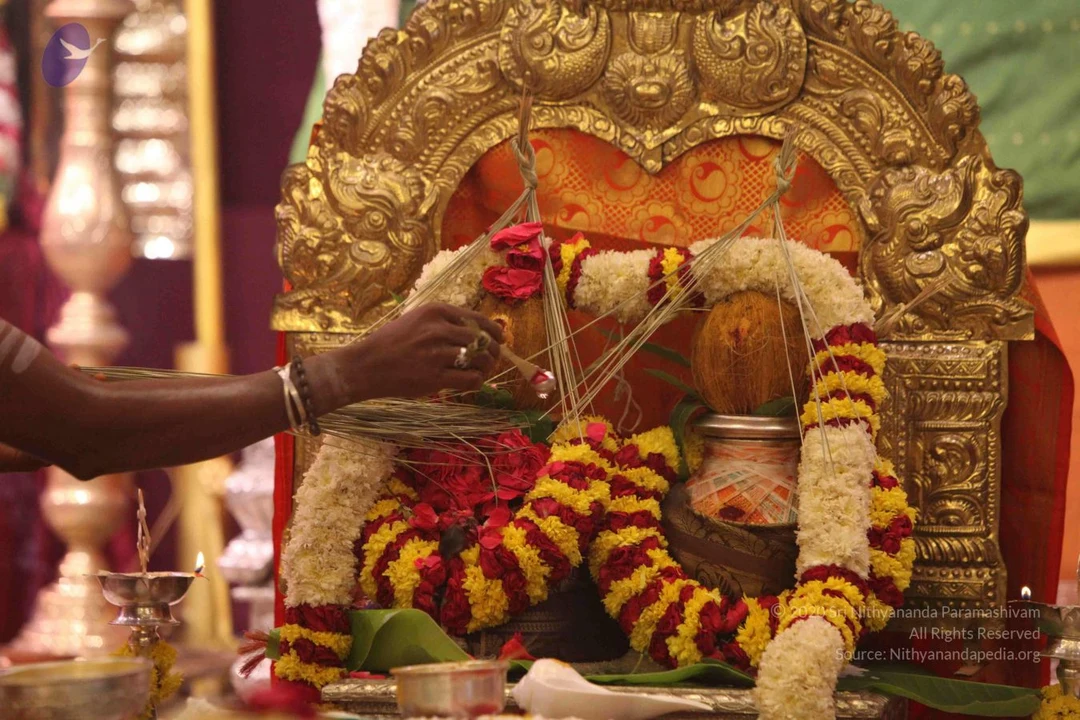
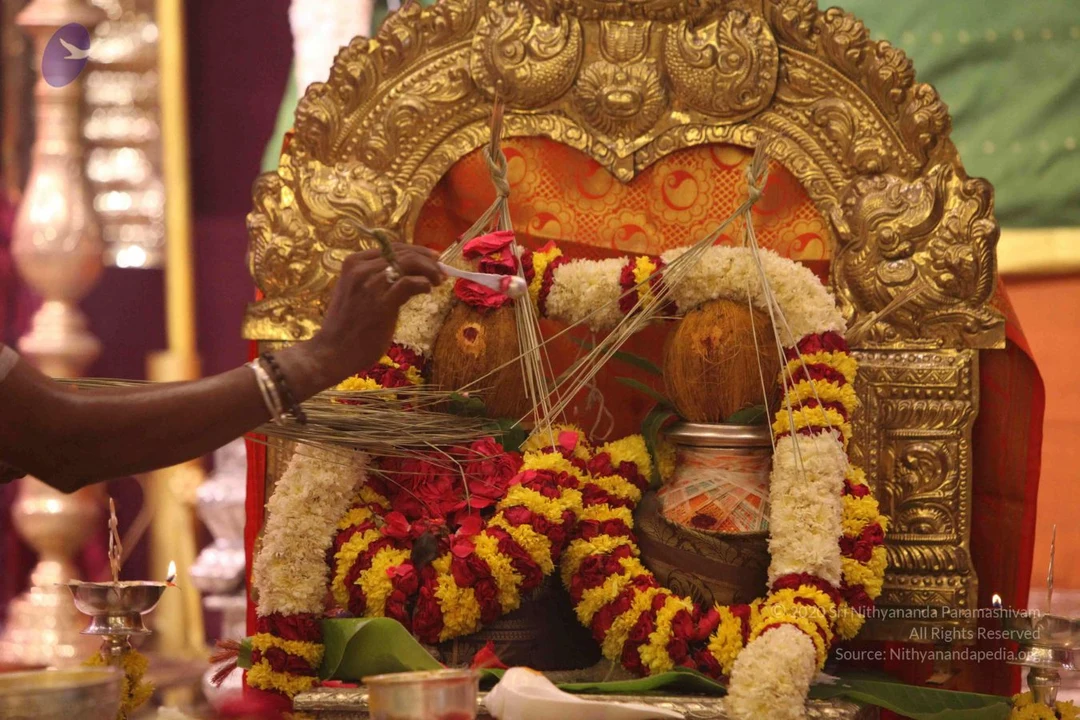
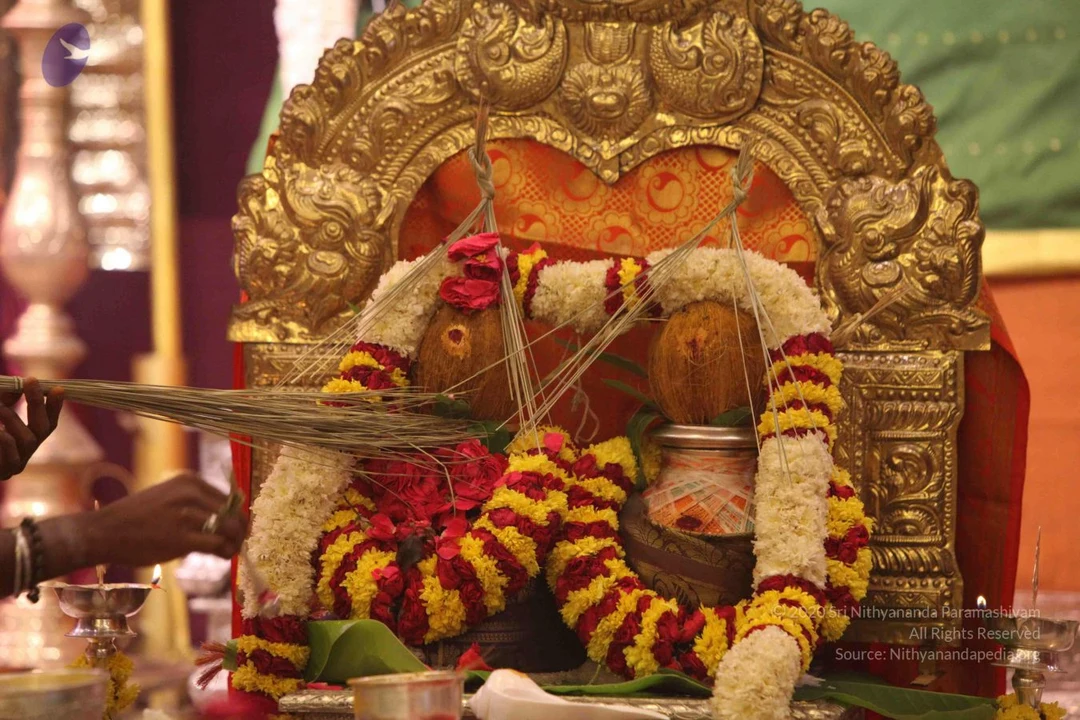
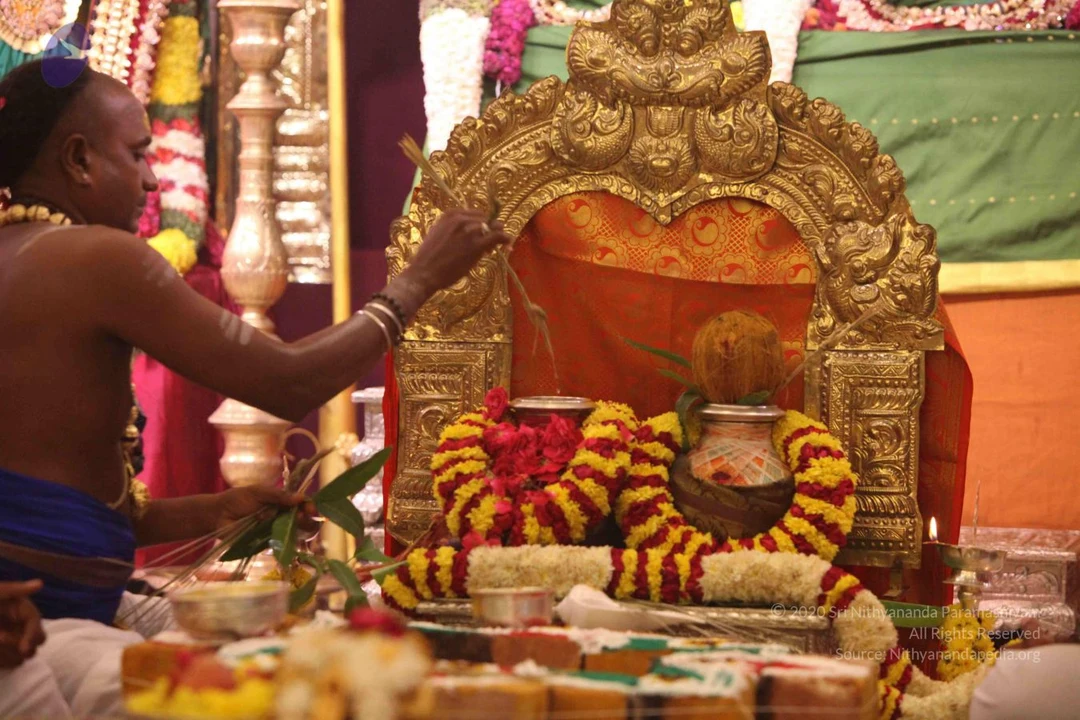
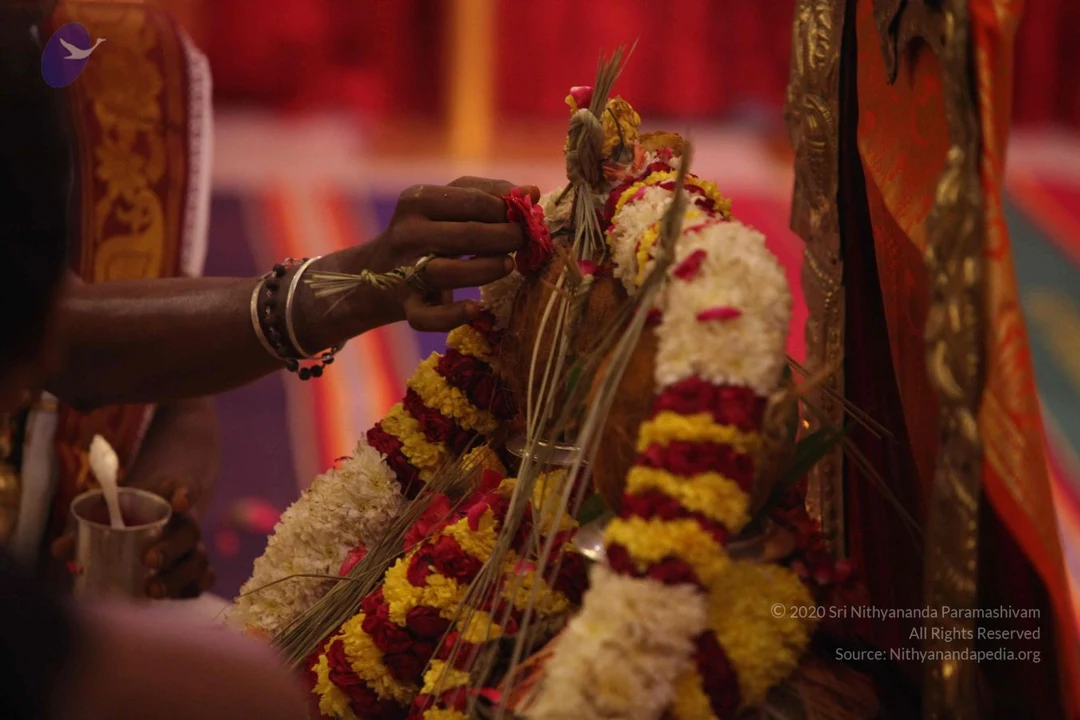
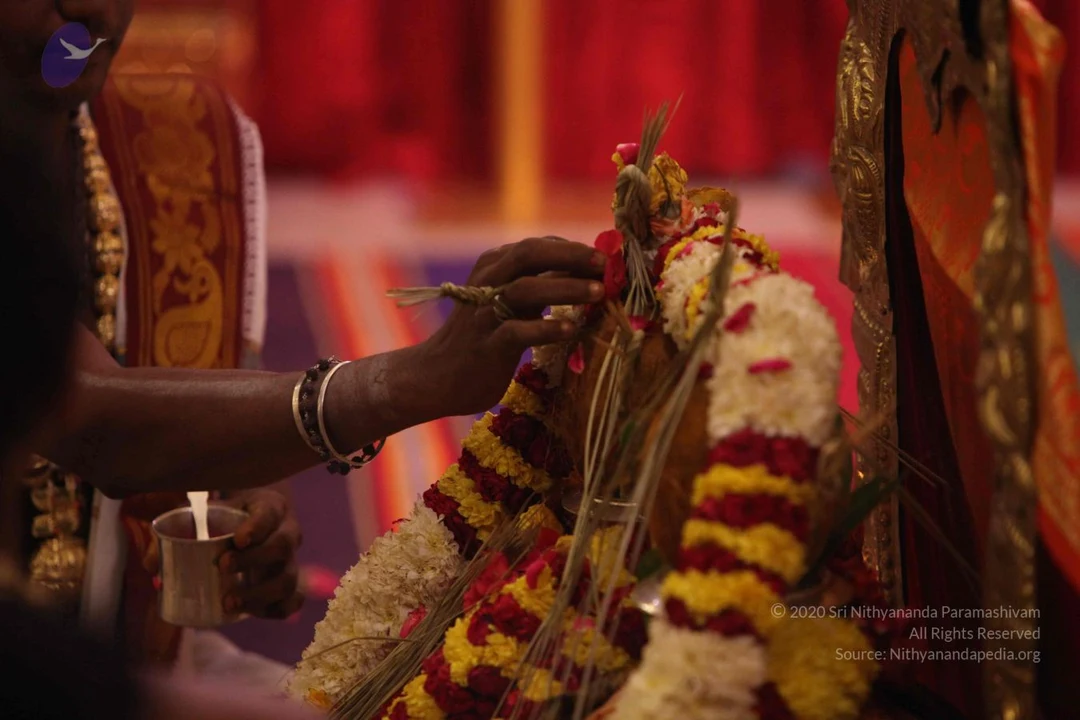
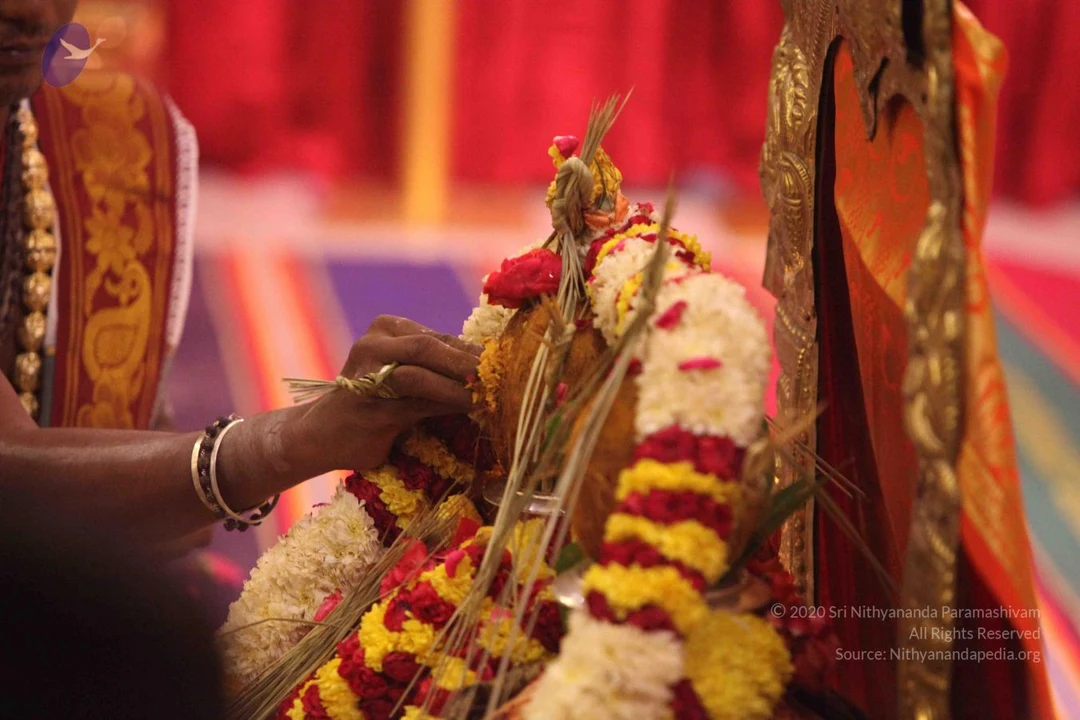
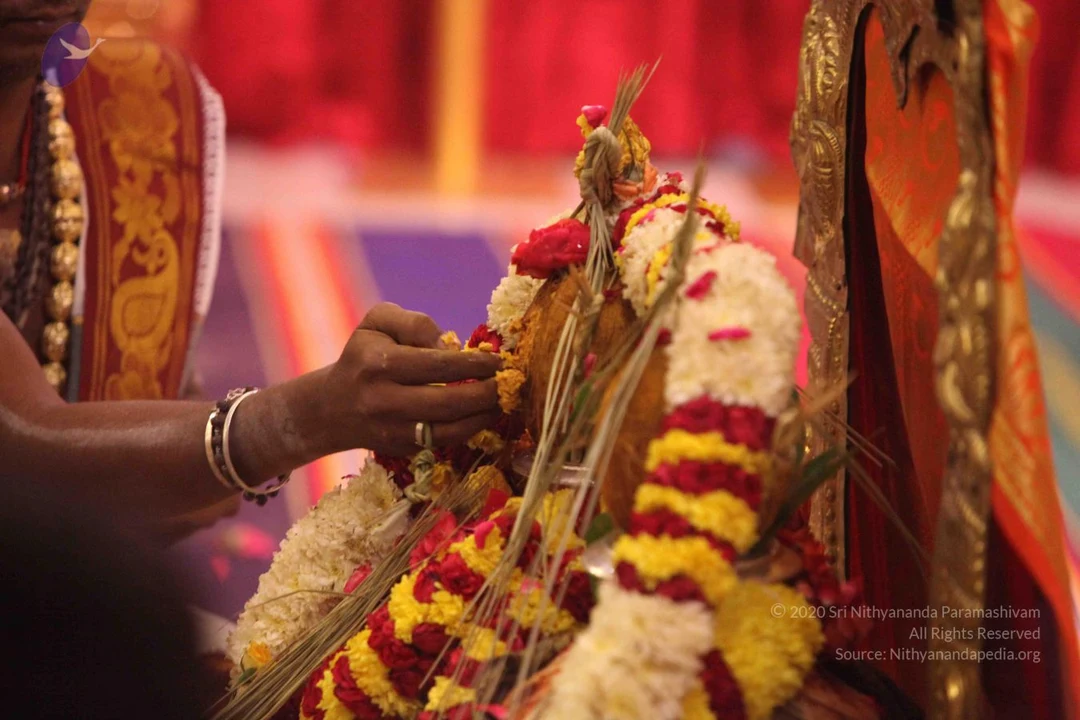
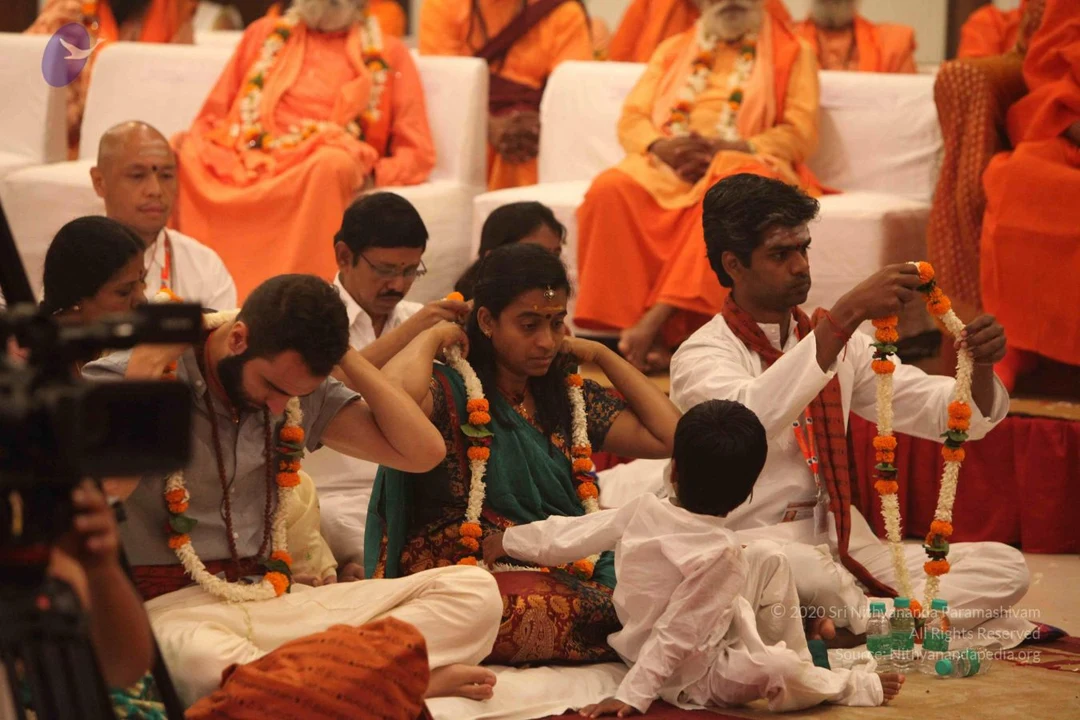
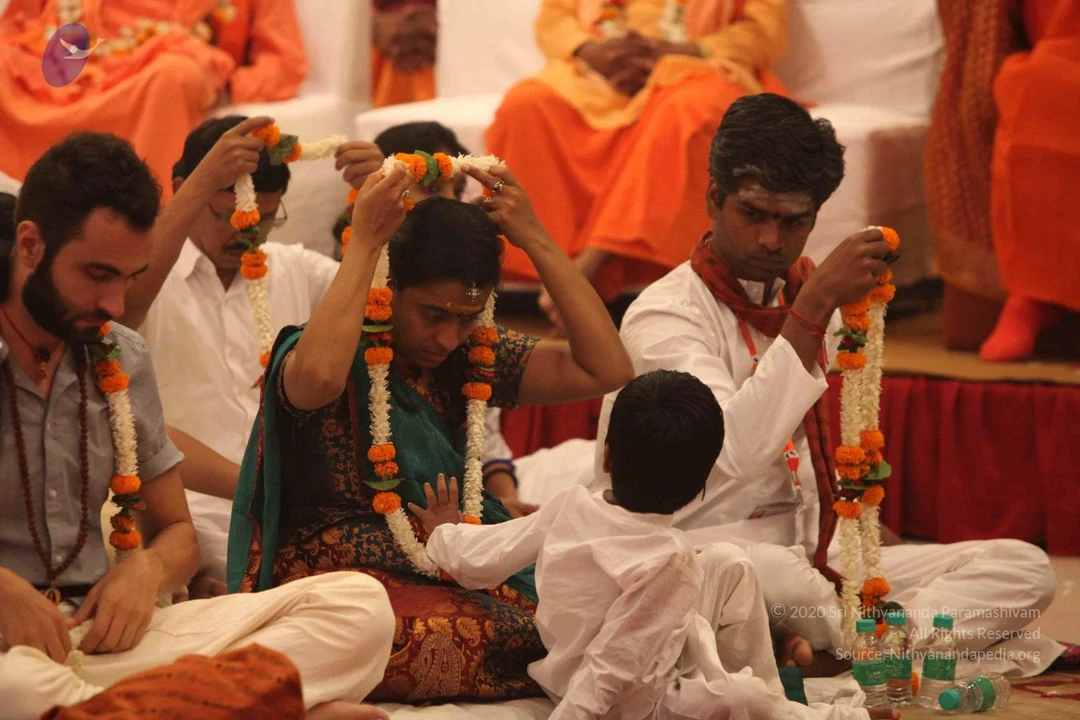
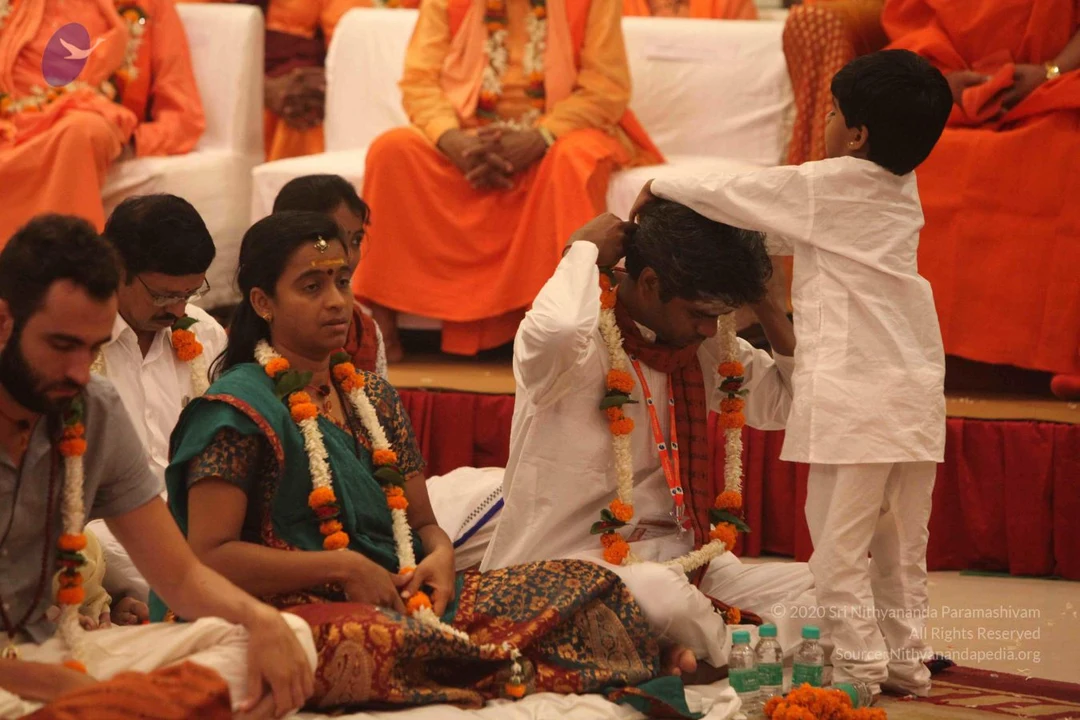
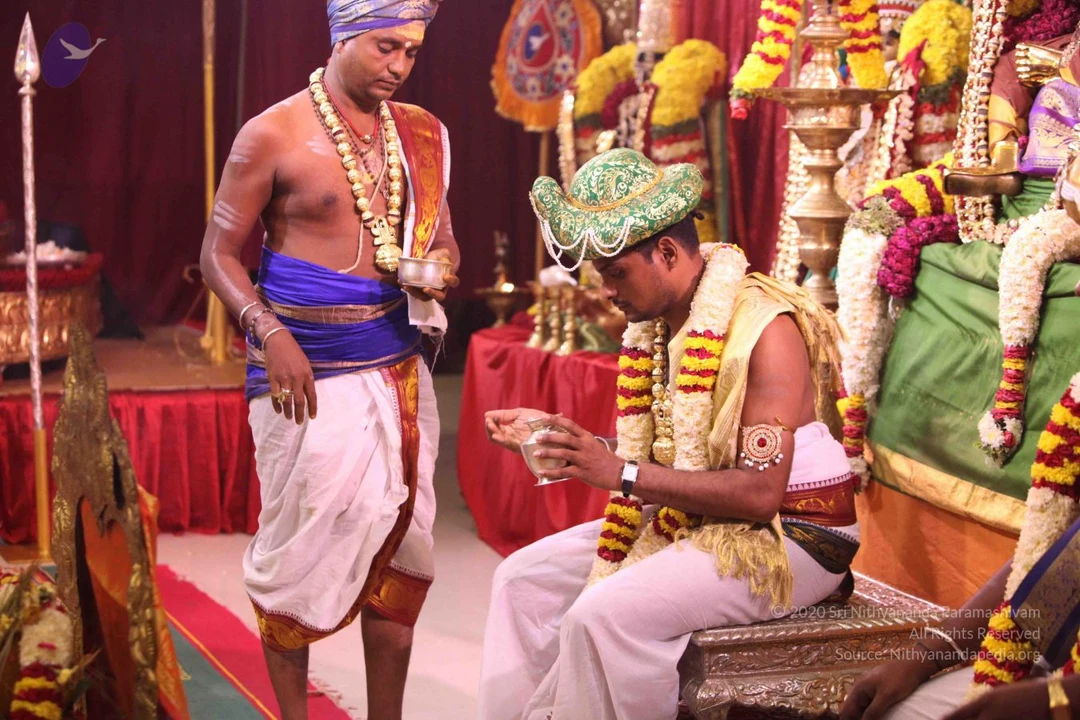
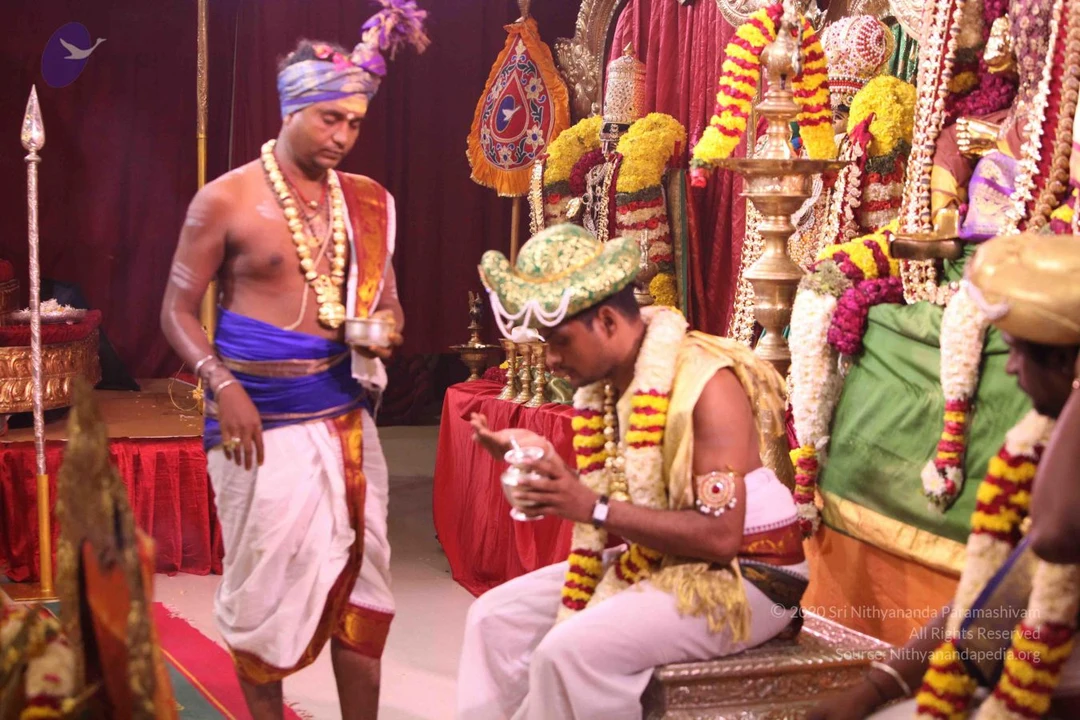
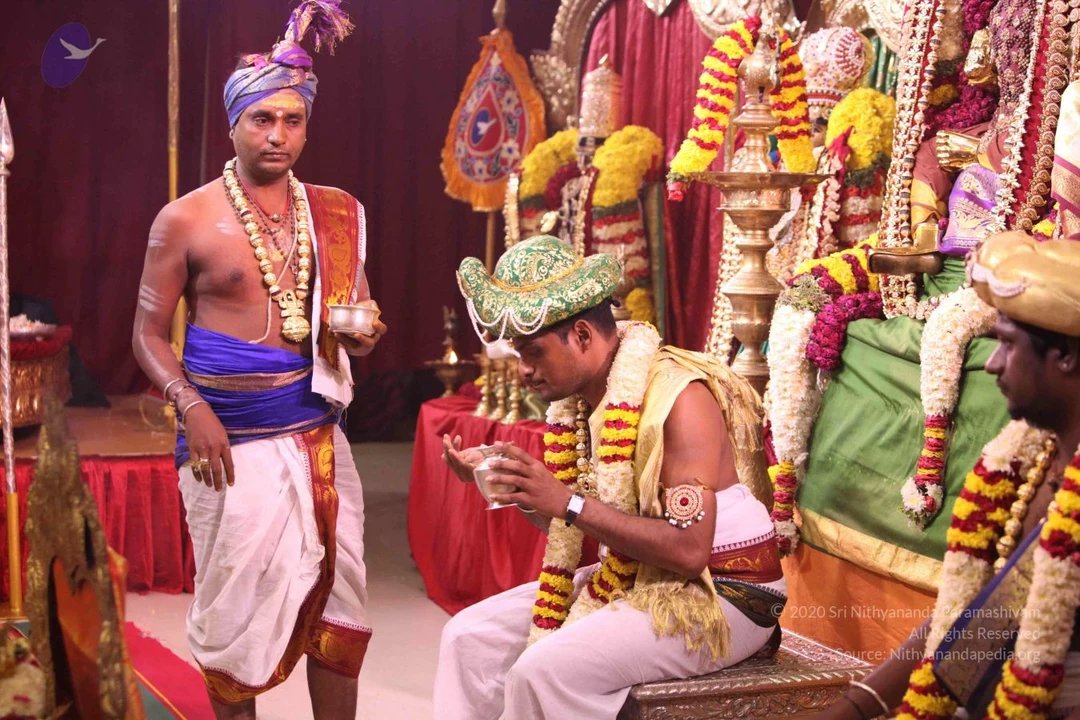
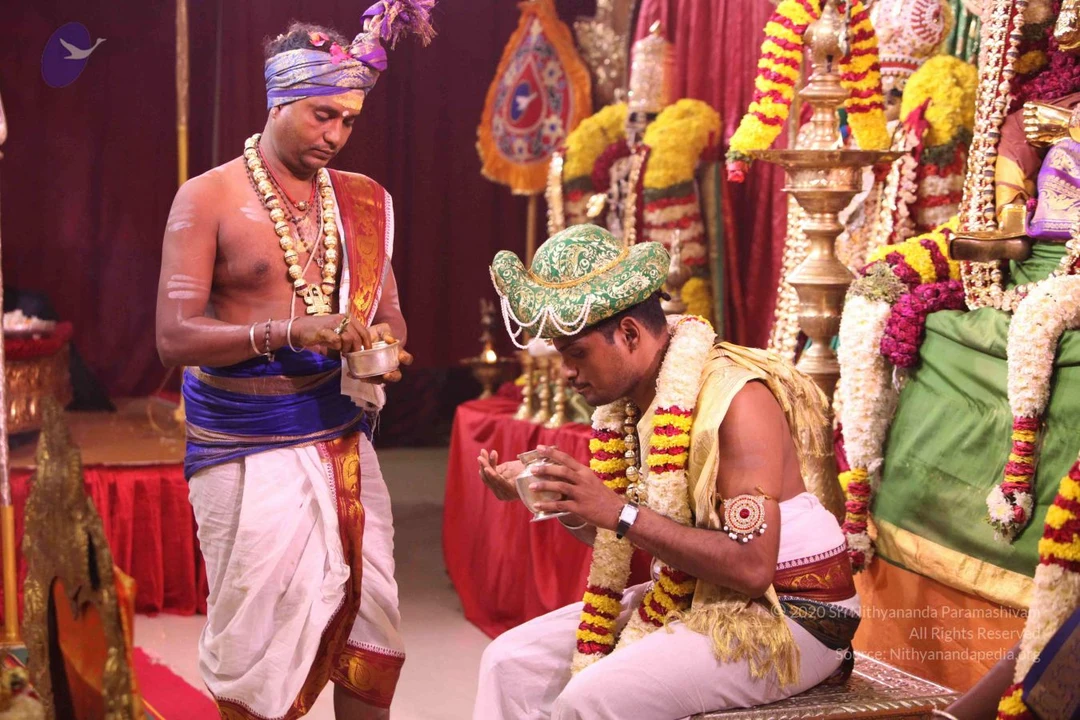
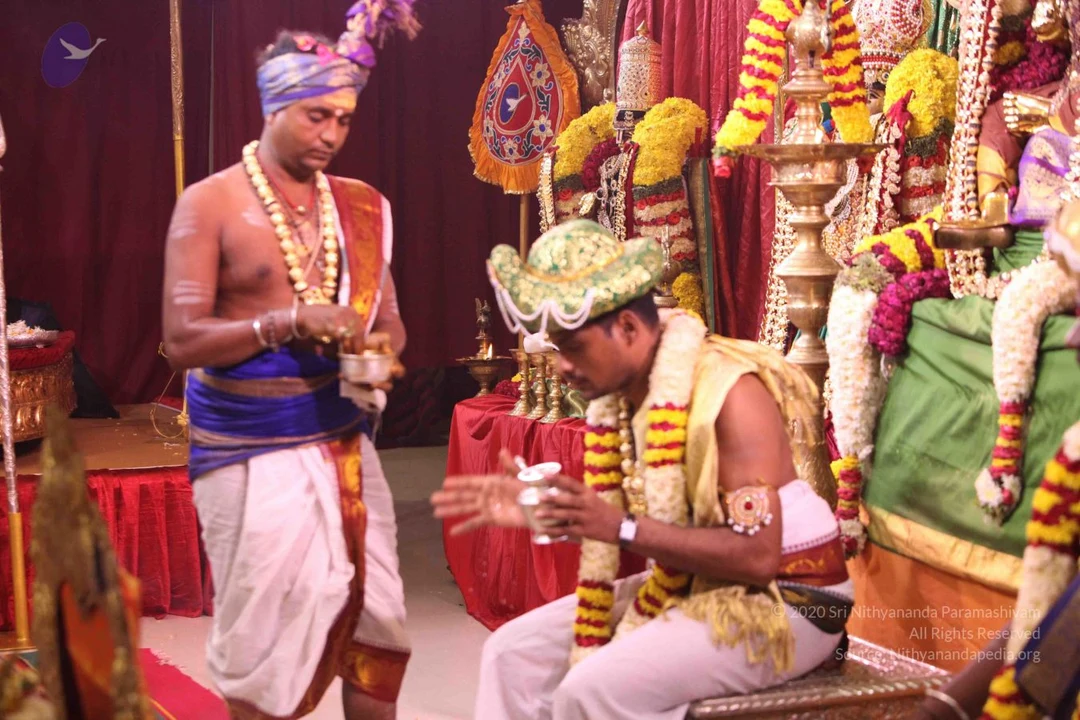
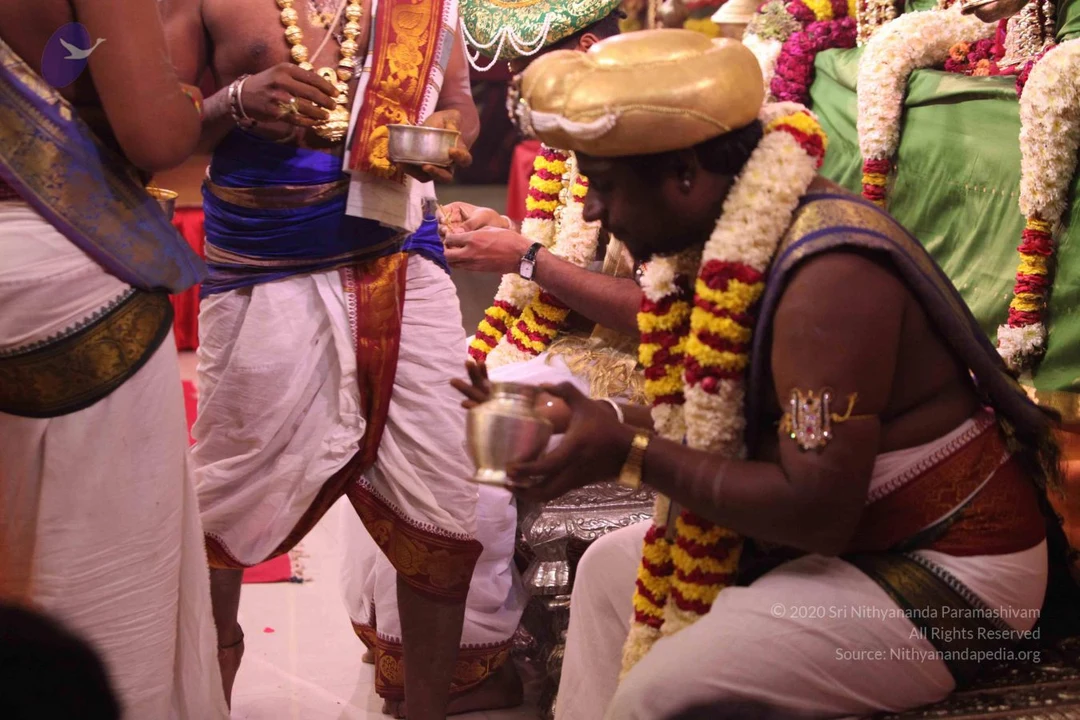
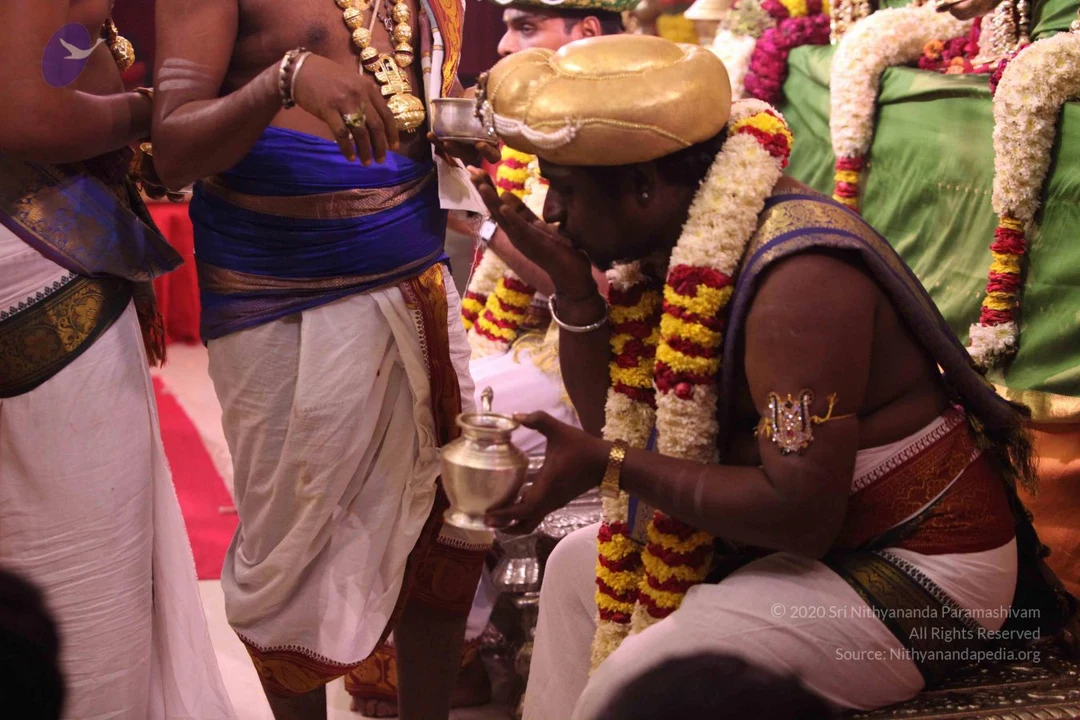
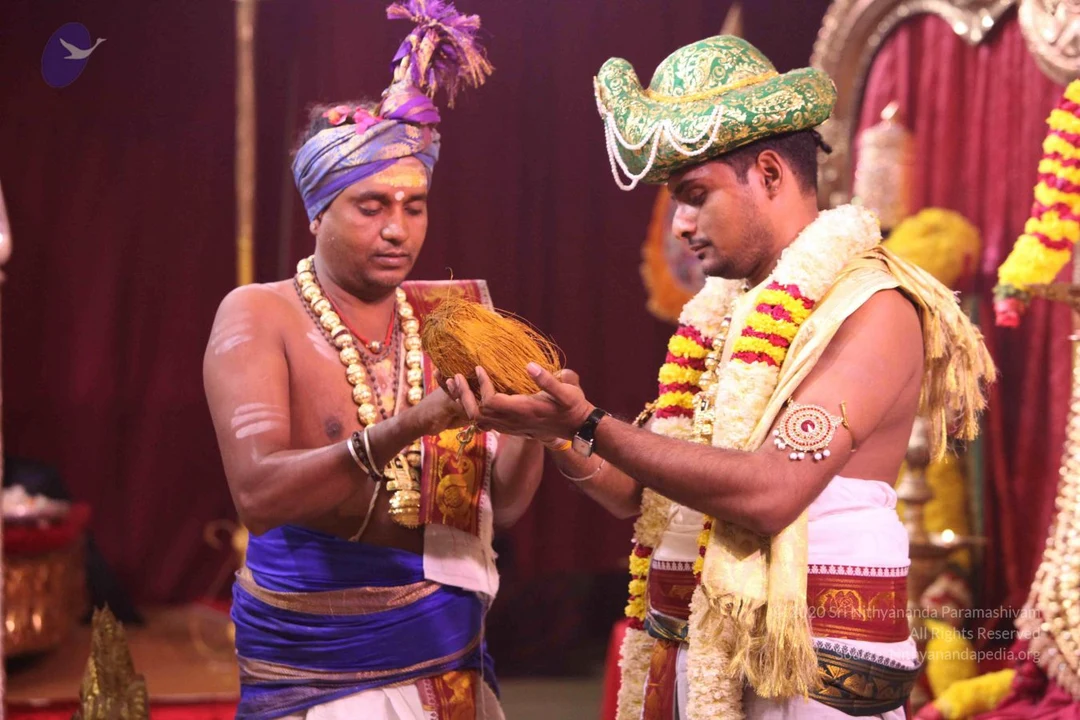
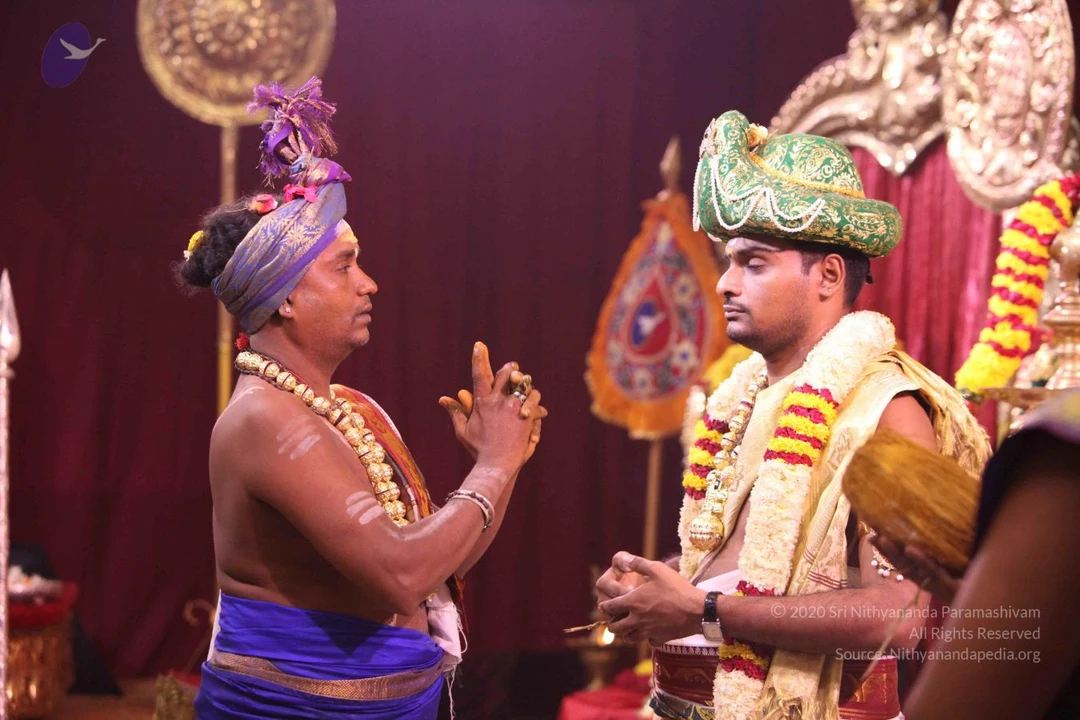
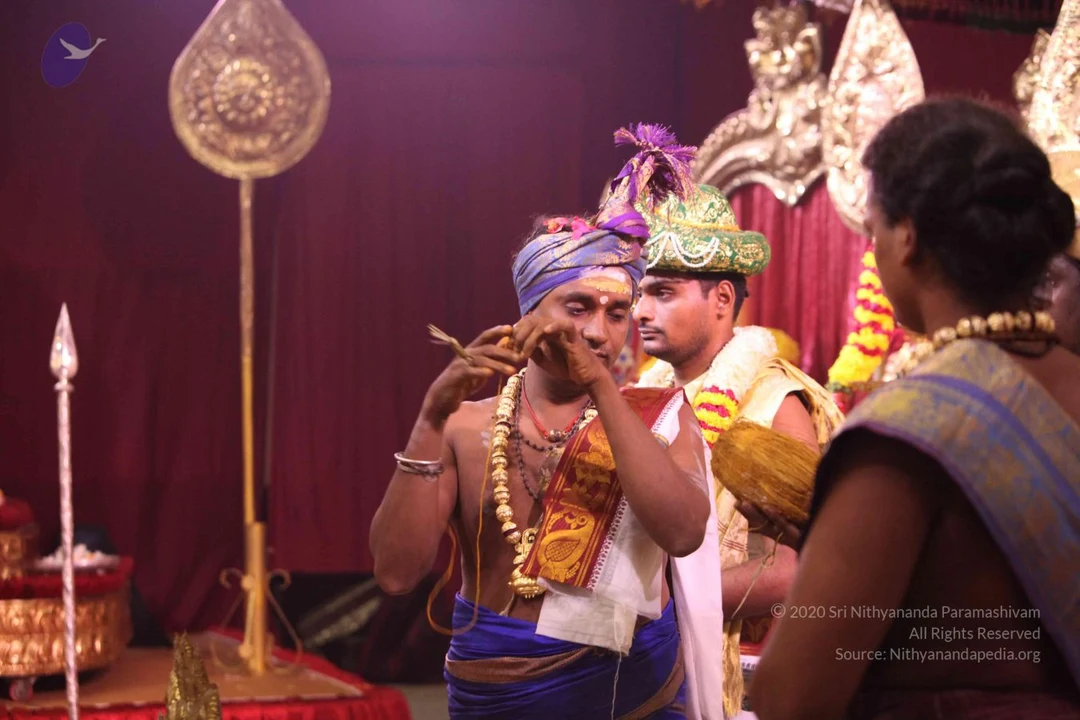
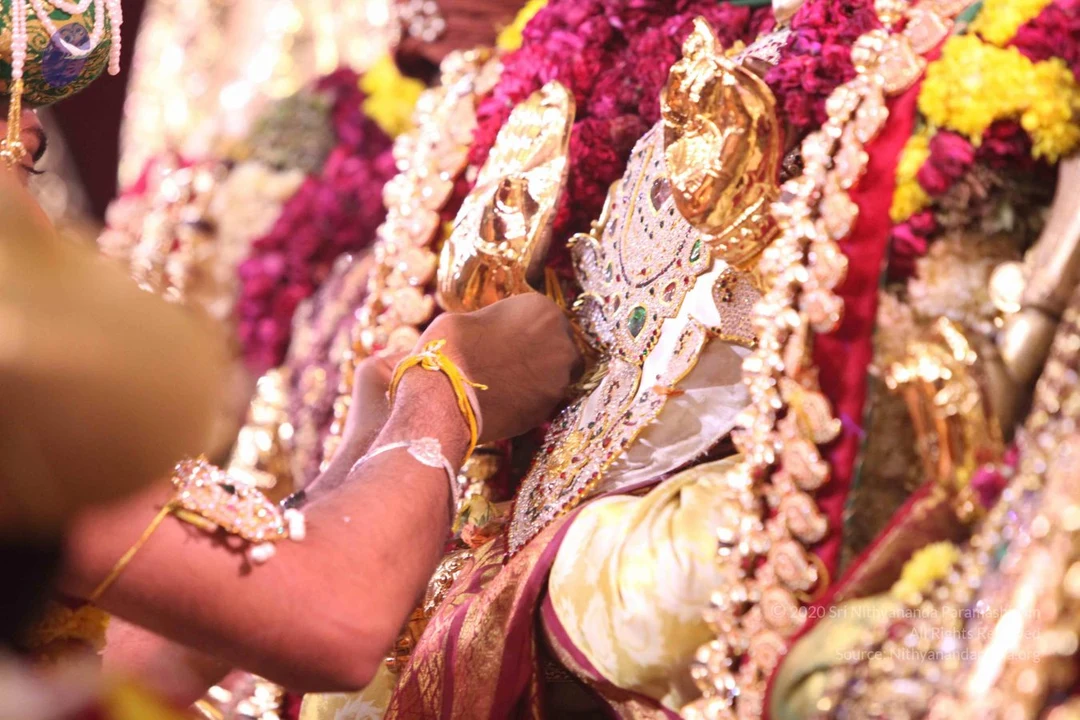
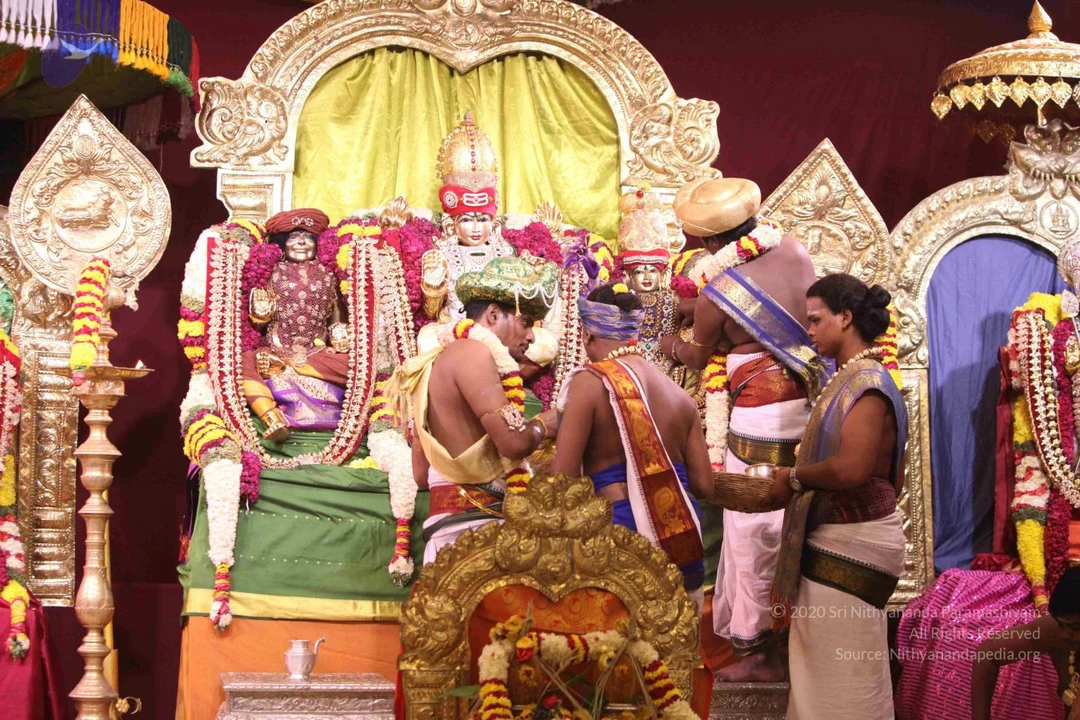
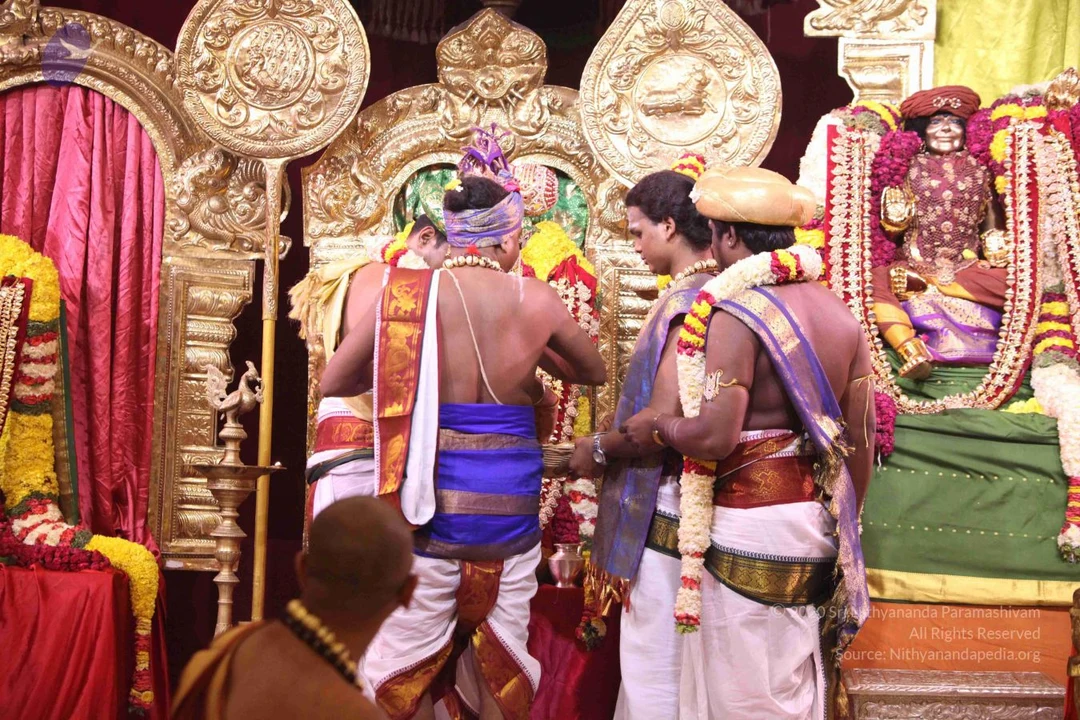
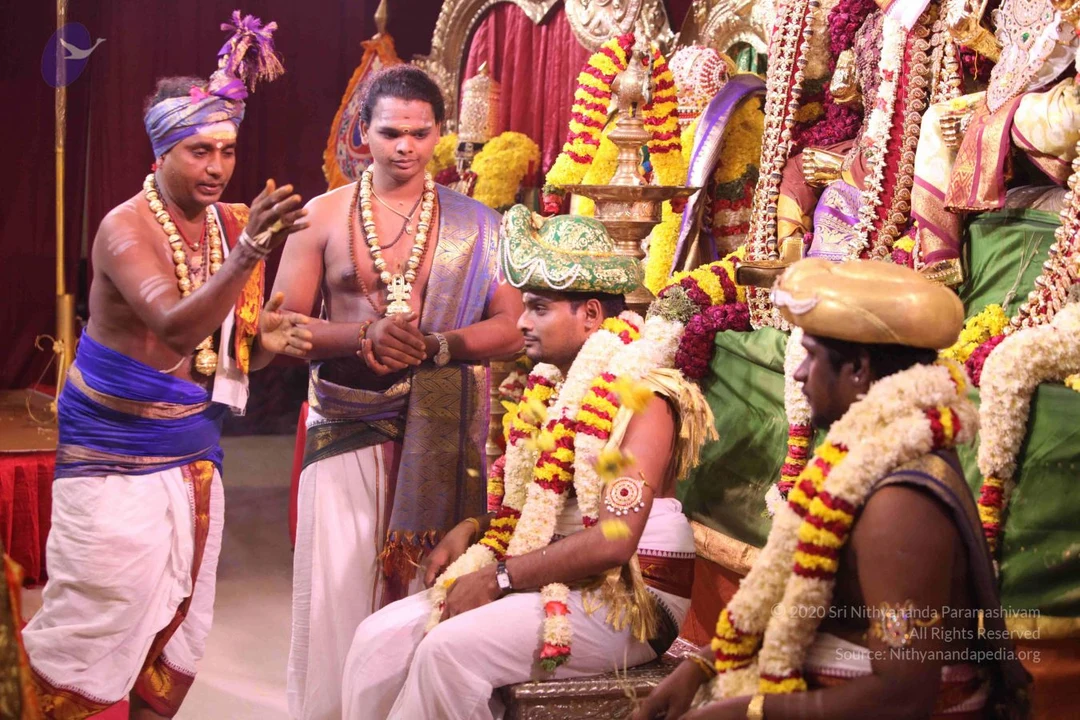
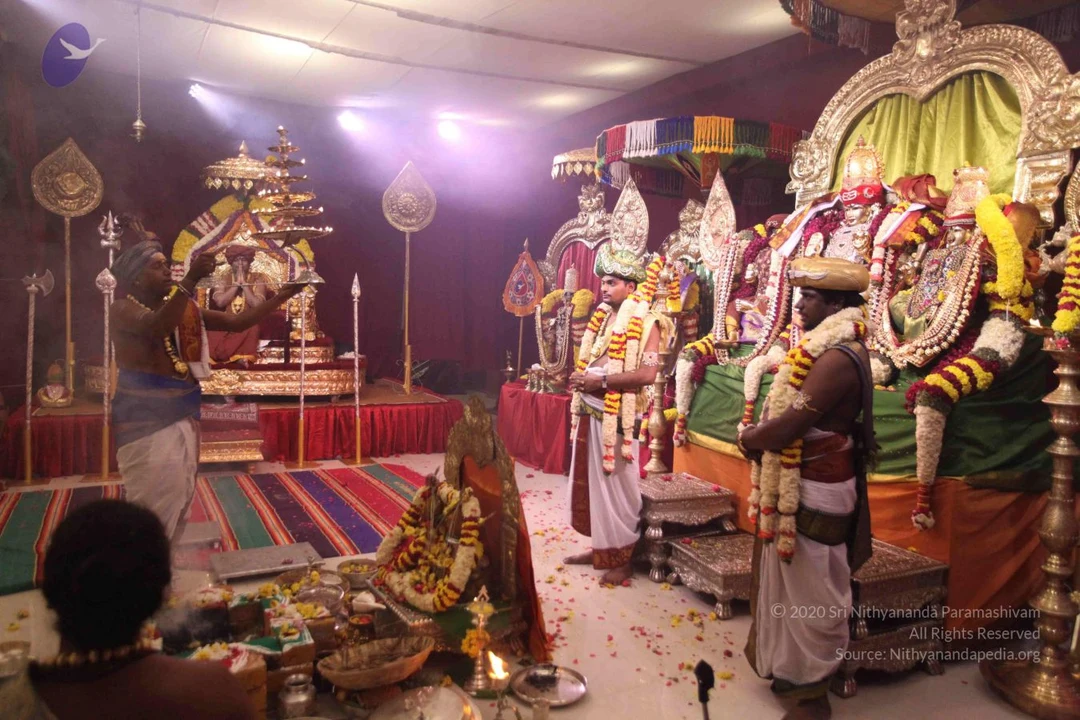
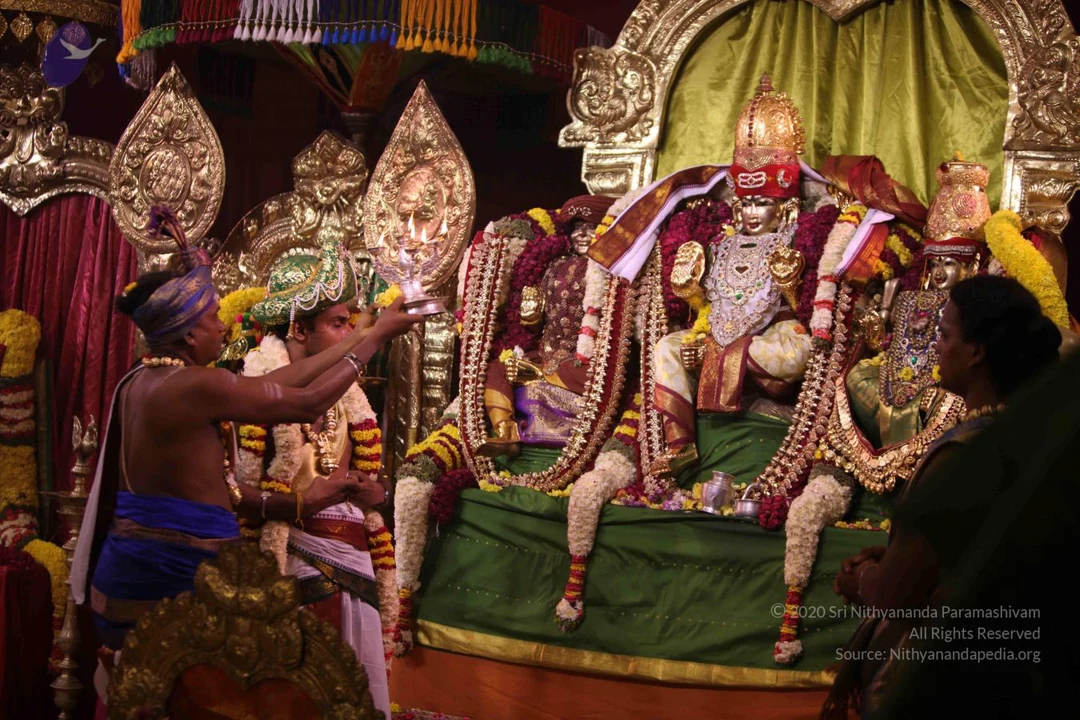
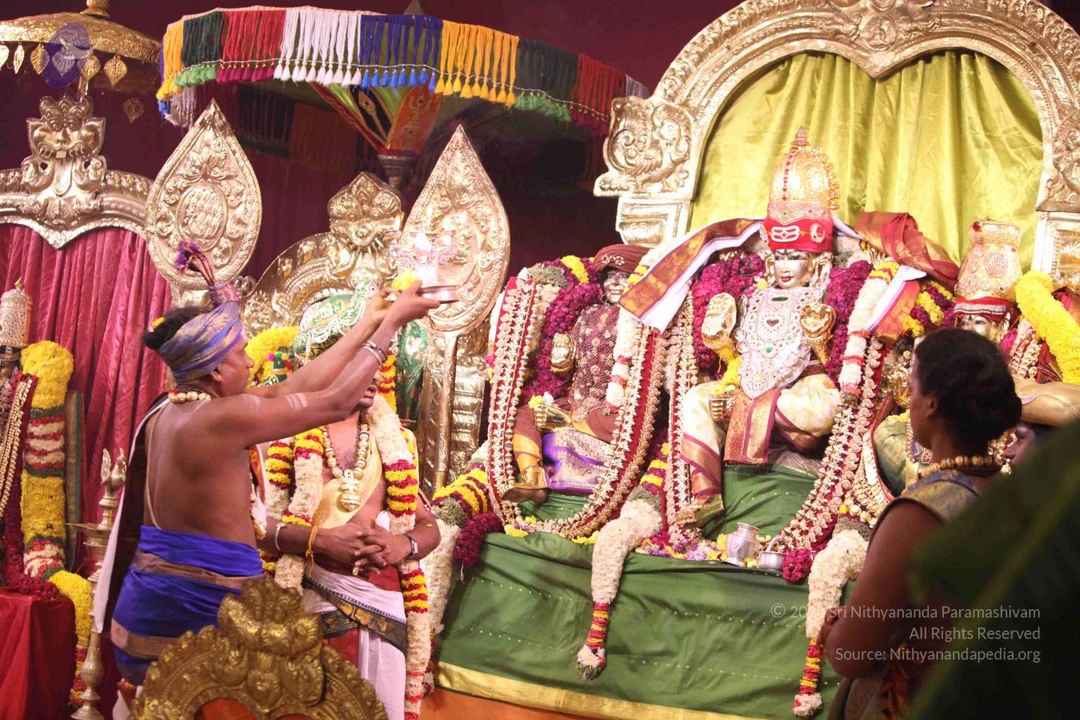
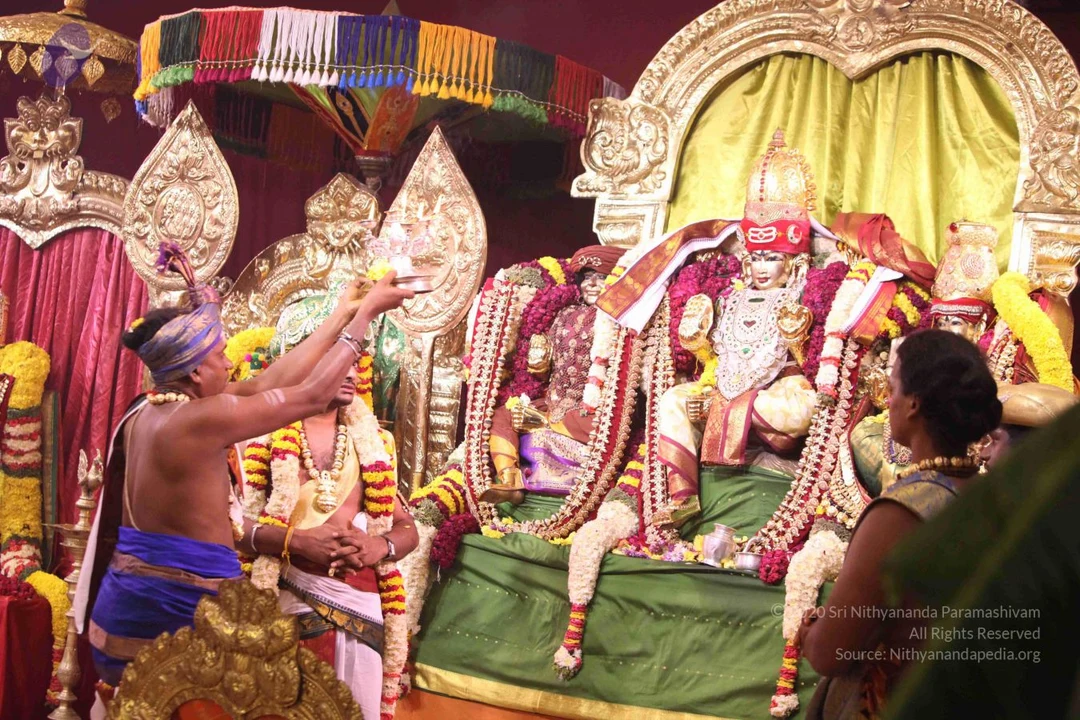
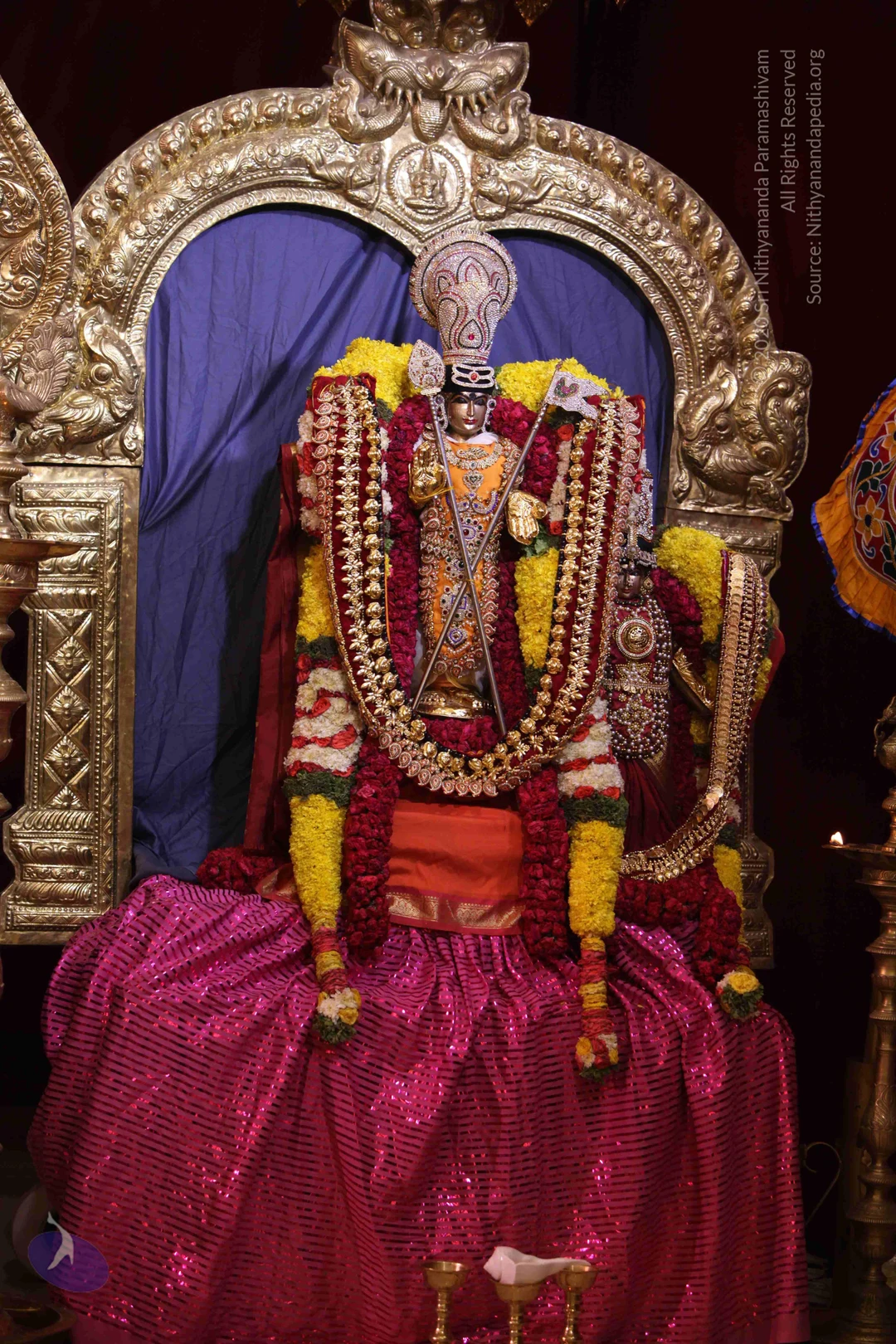
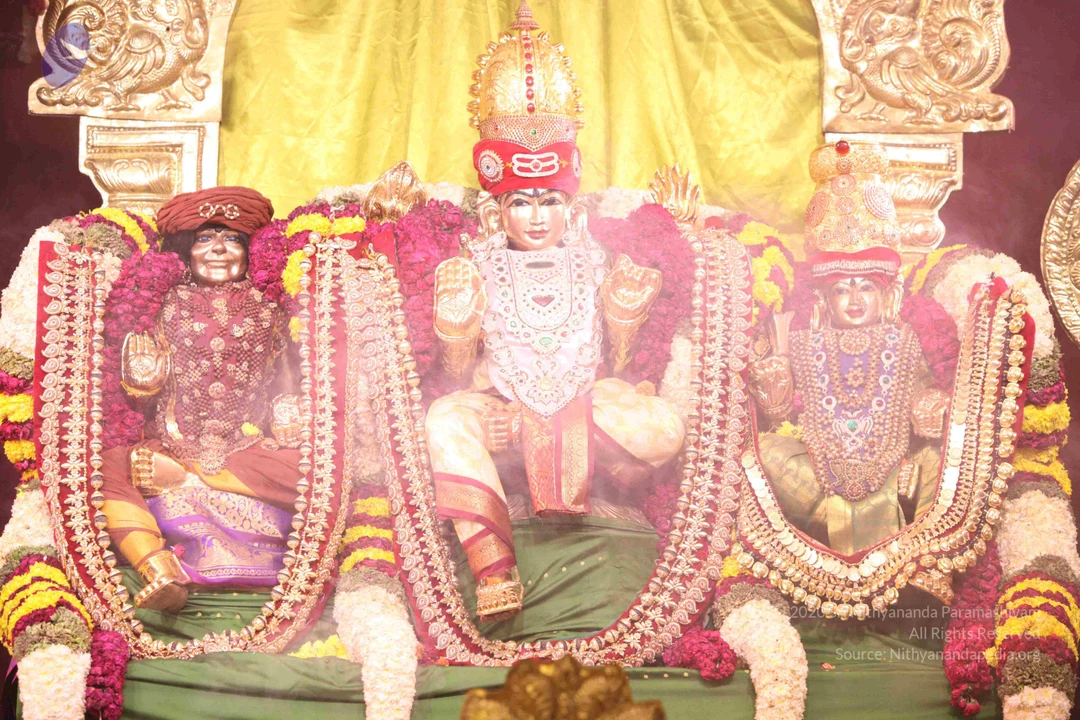
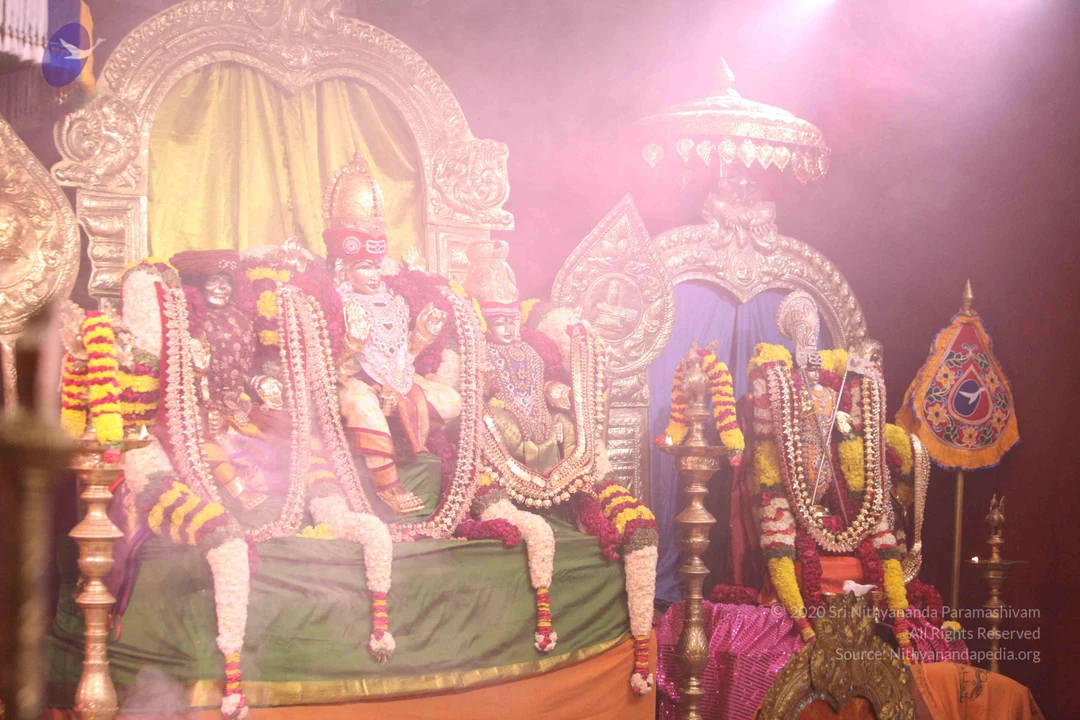
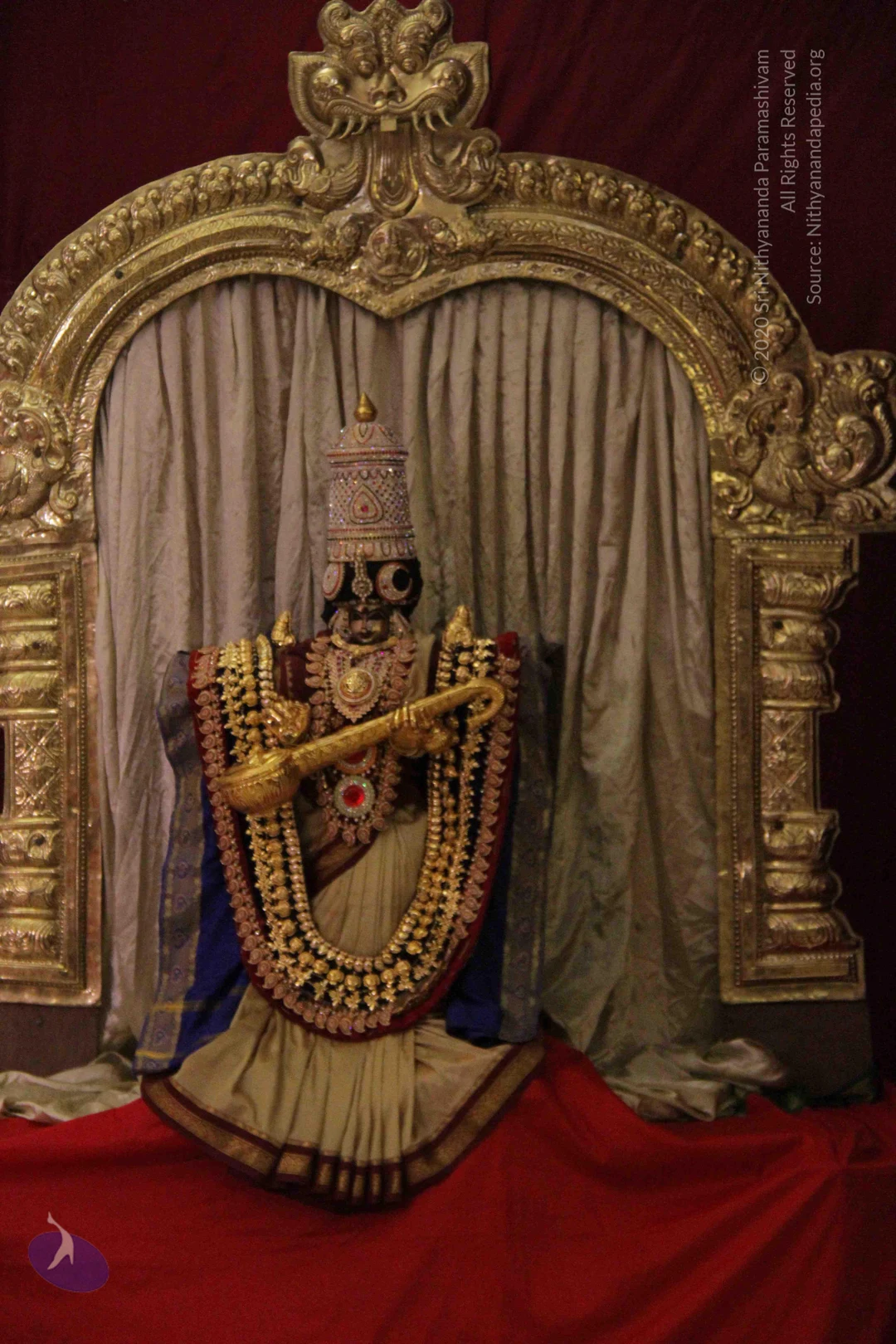
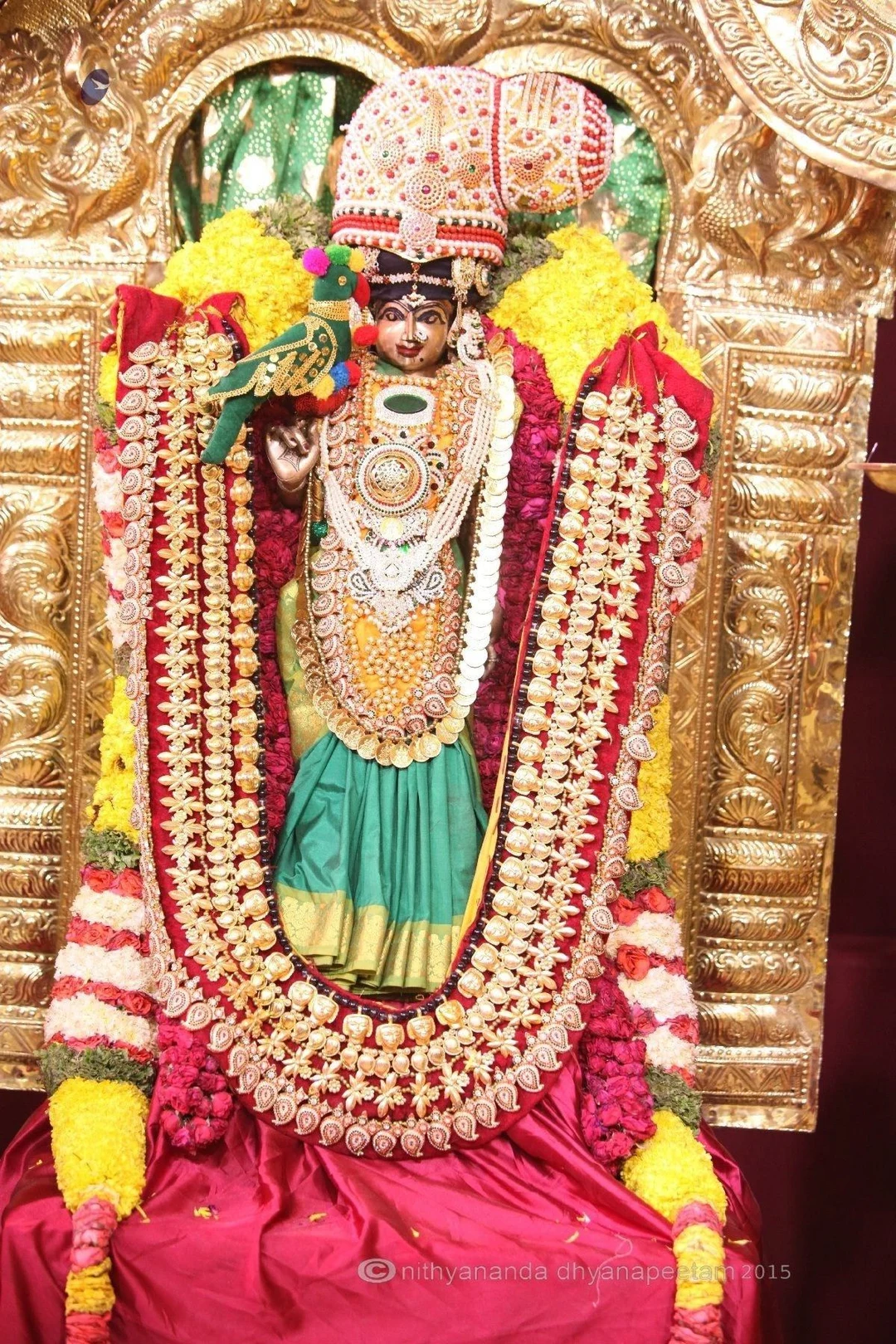
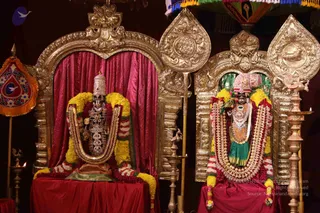
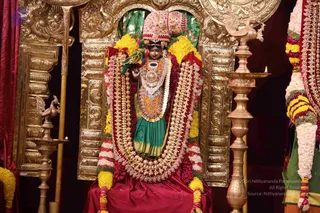
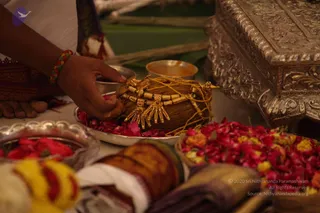
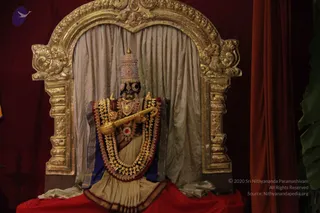
2-Meenakshi-Tirukalyanam
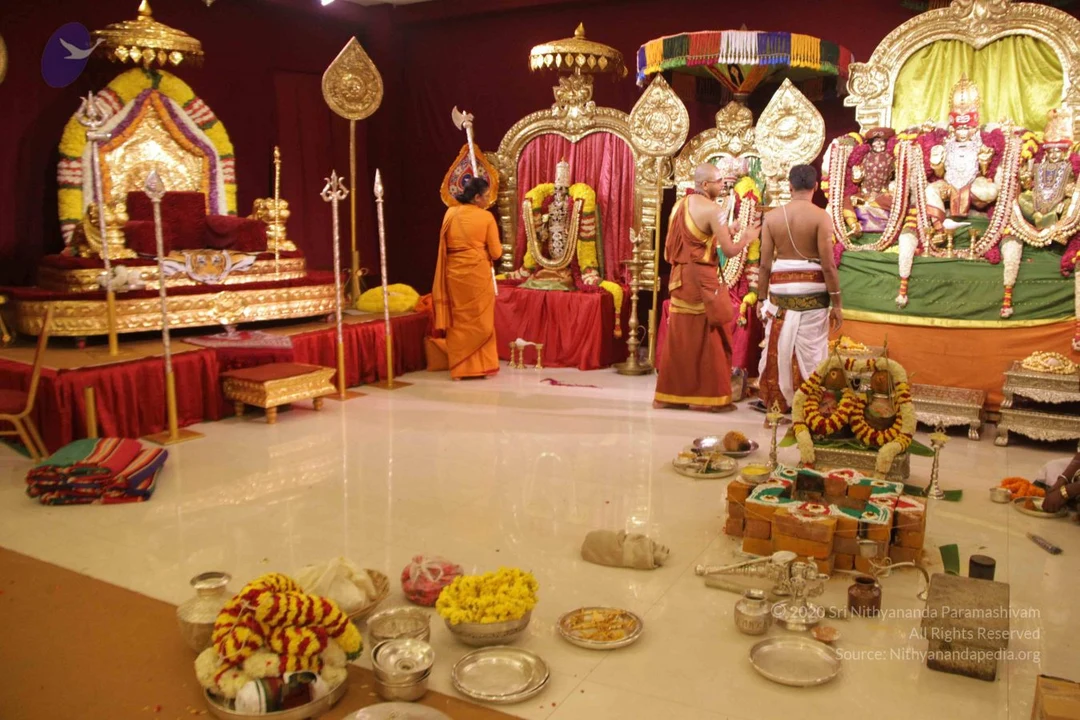
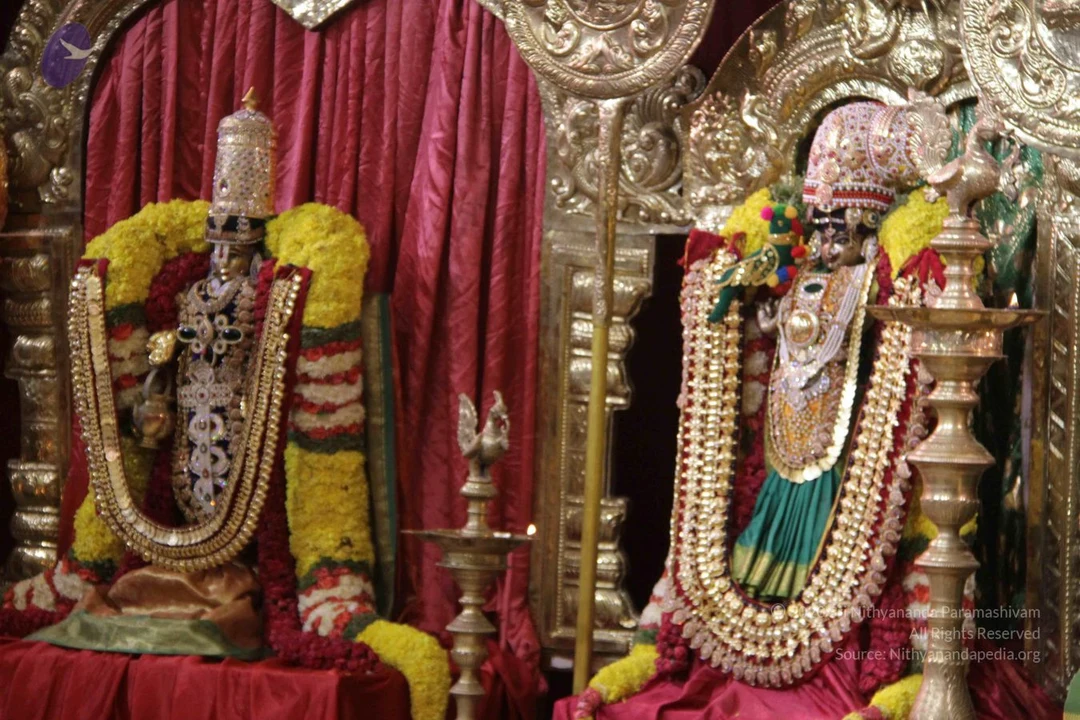
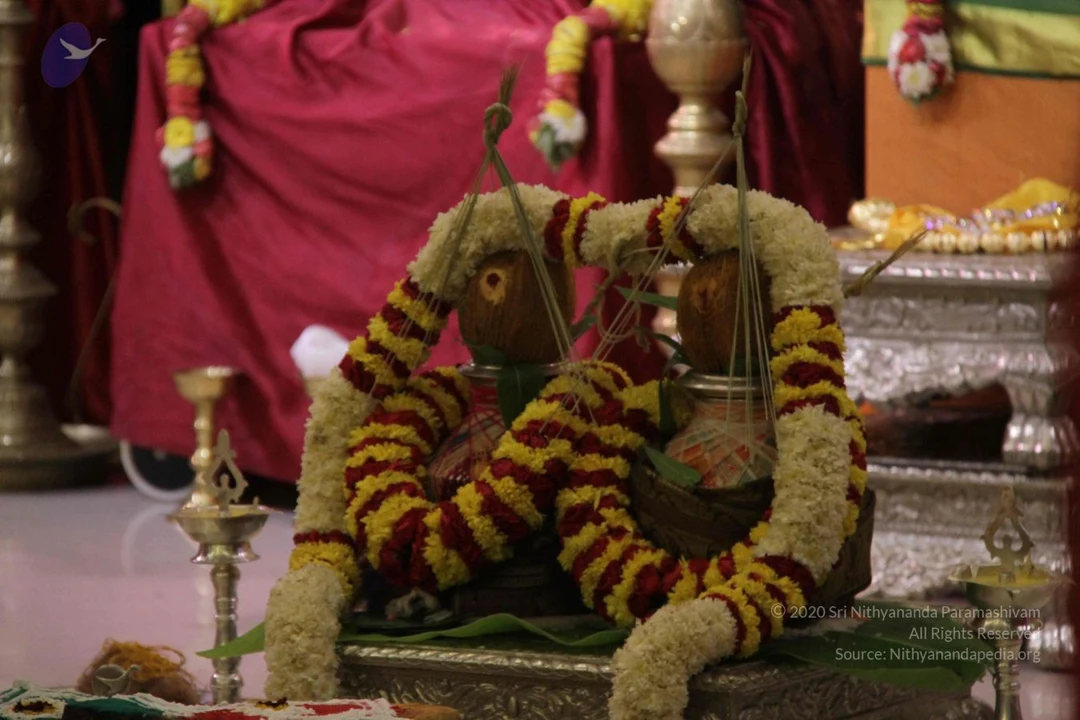
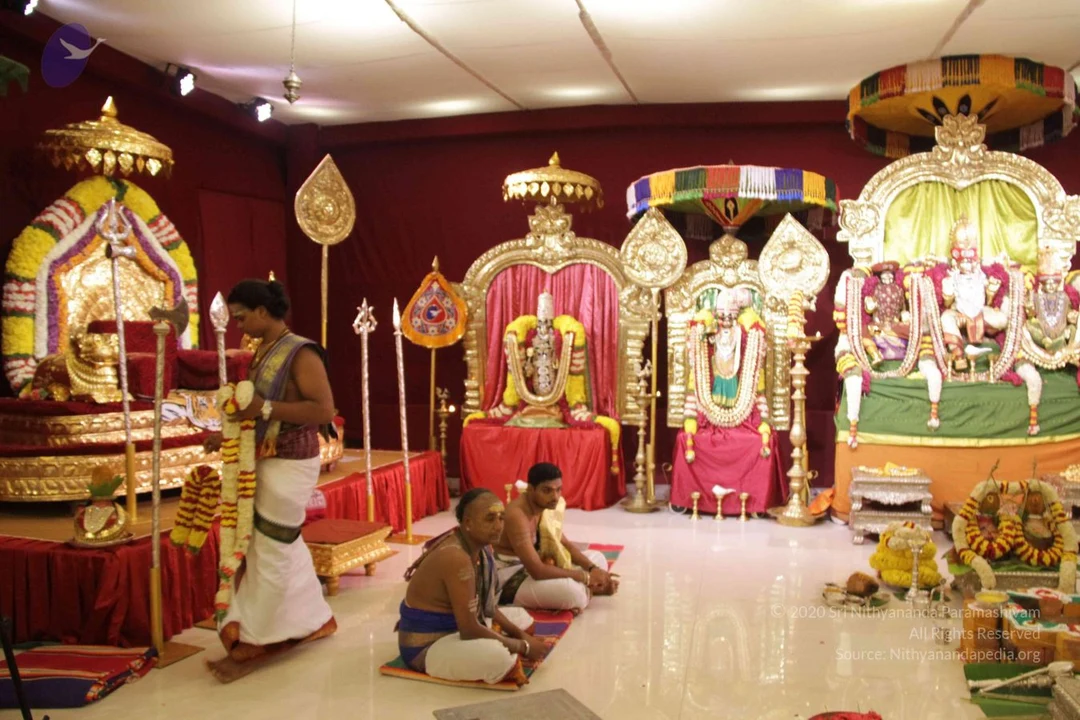
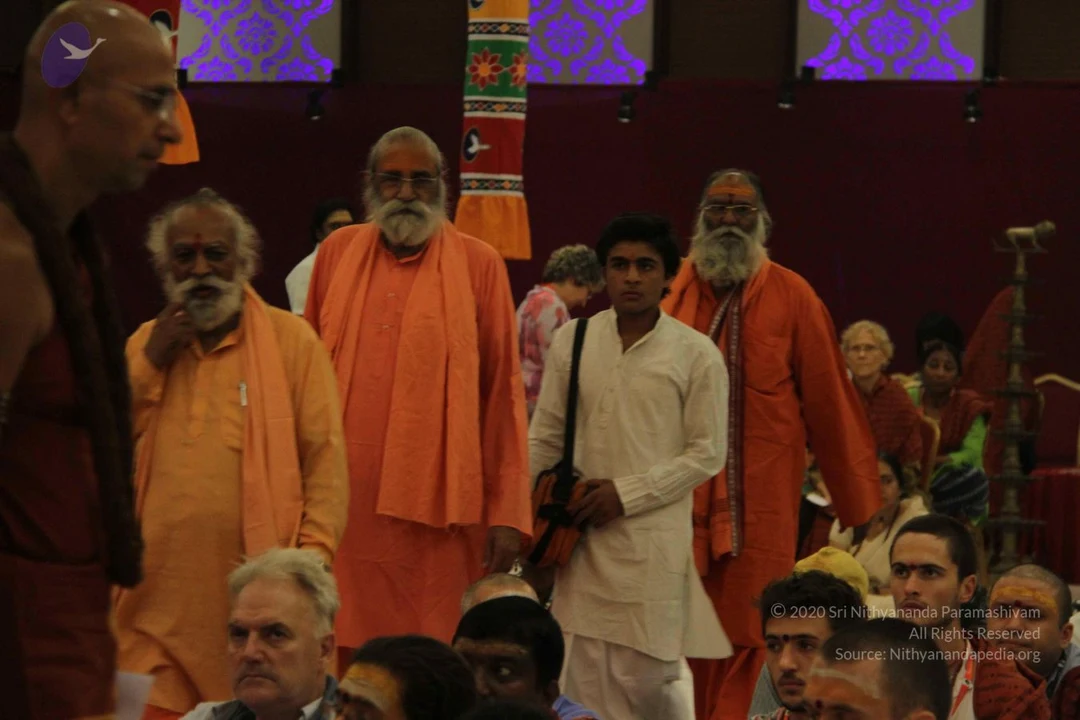
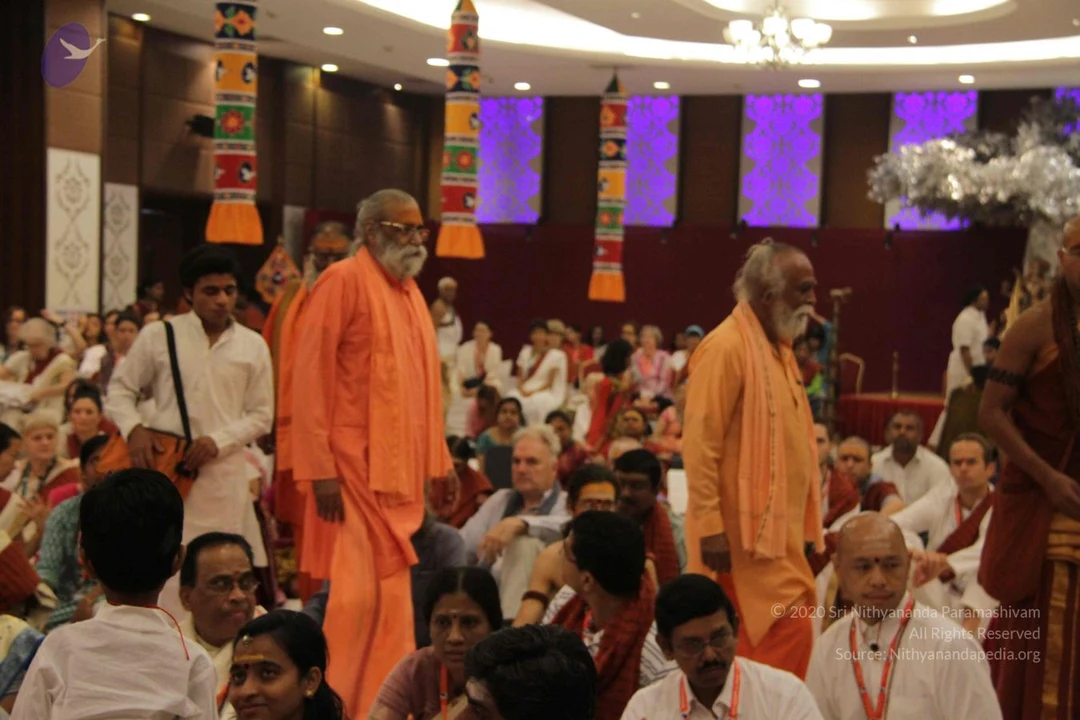
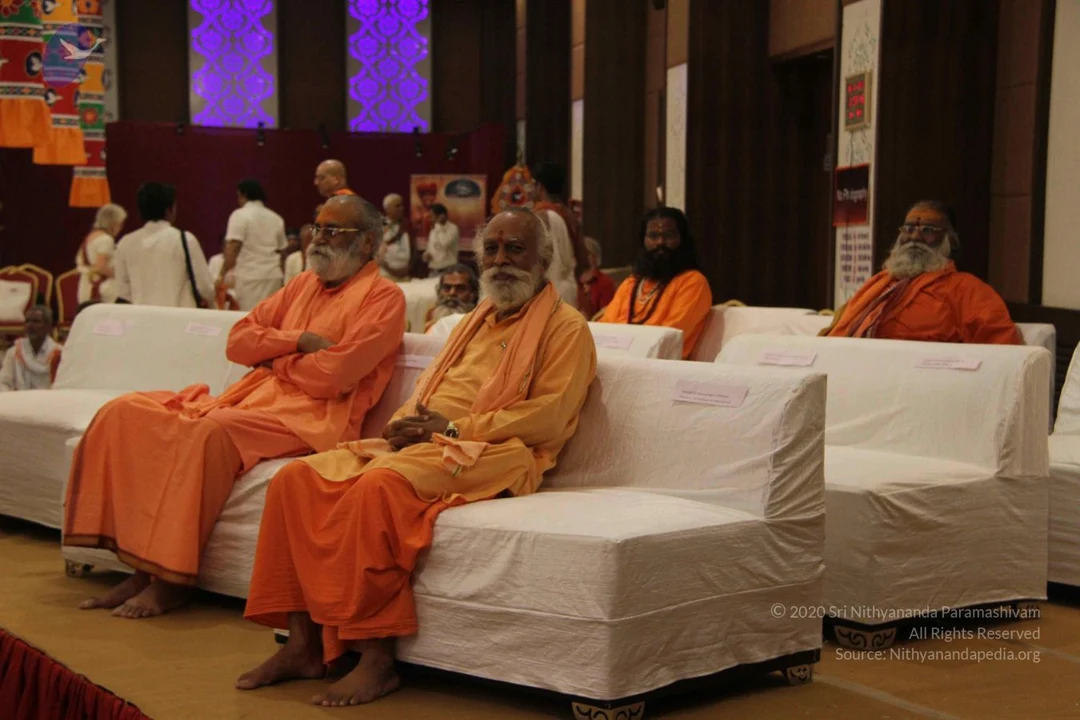
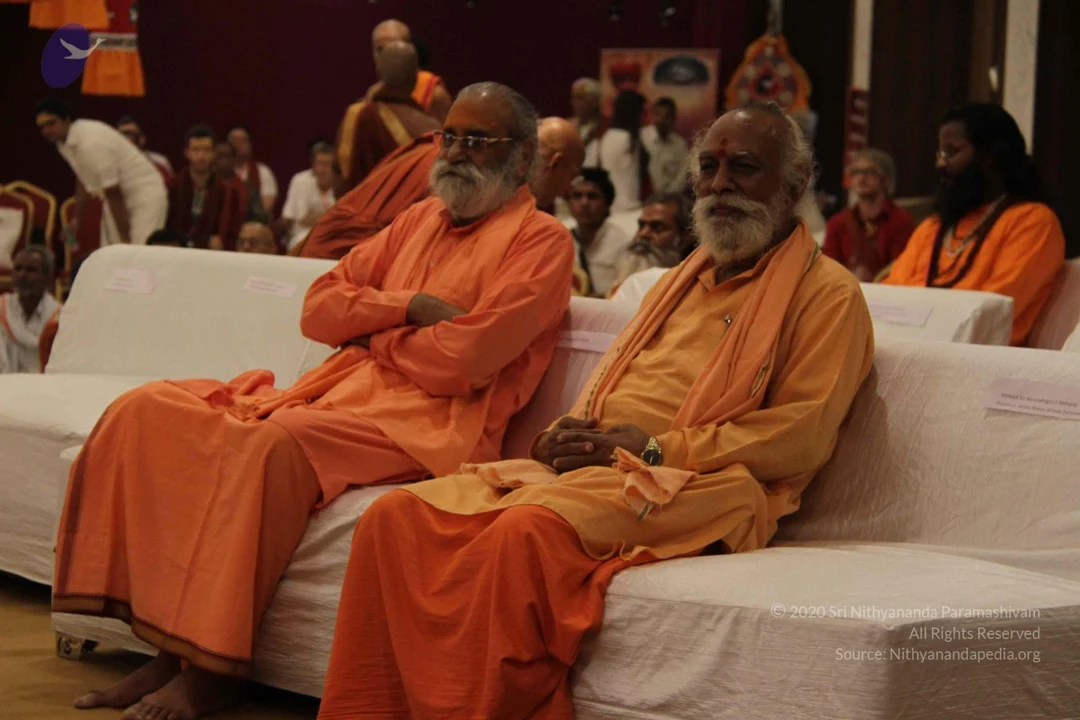
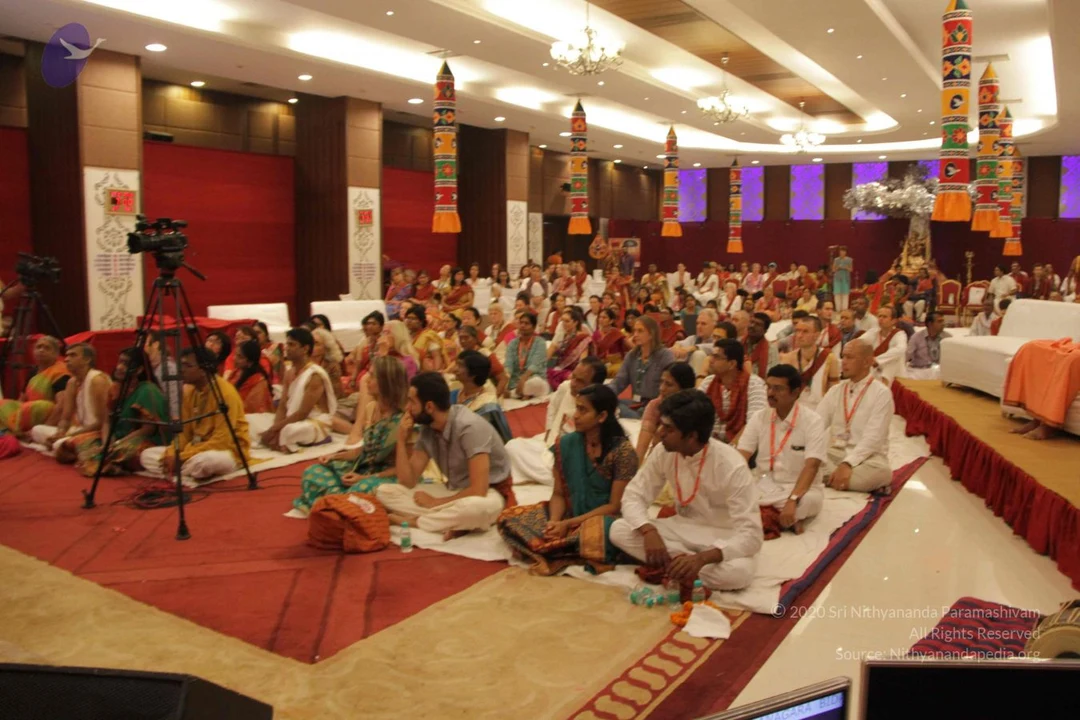
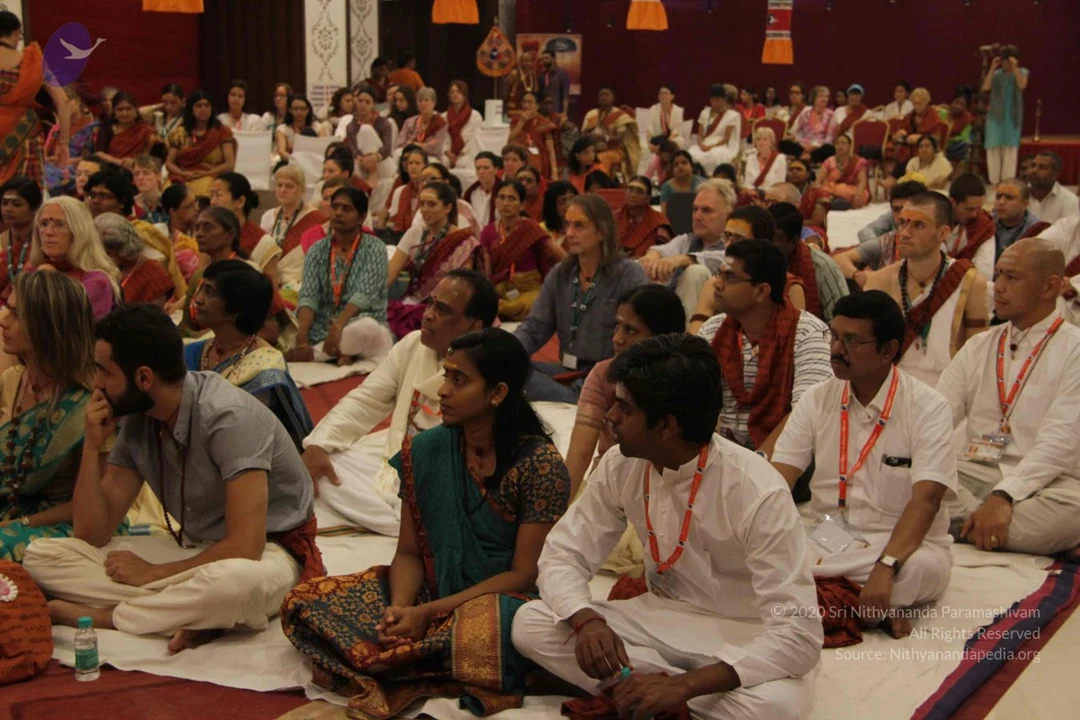
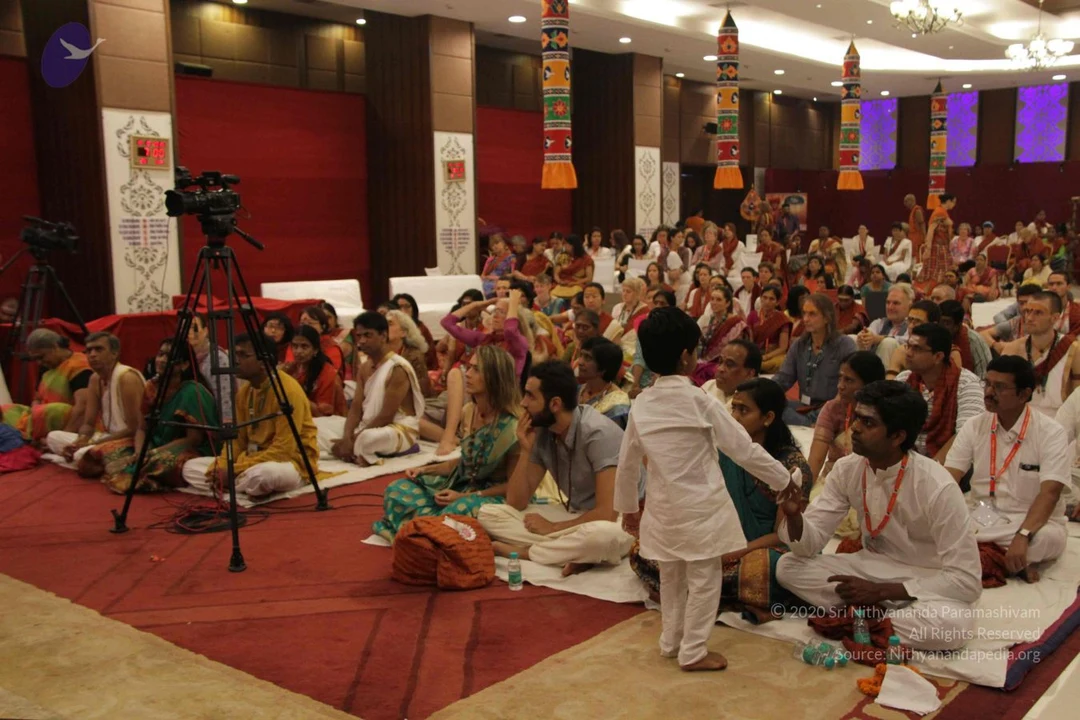
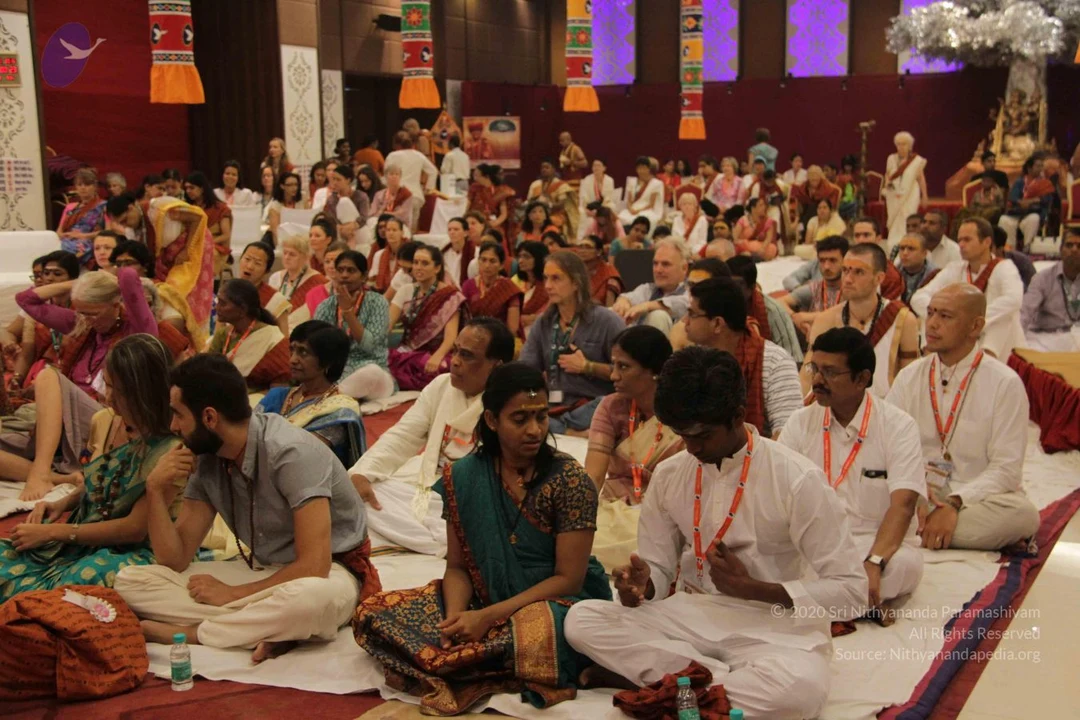
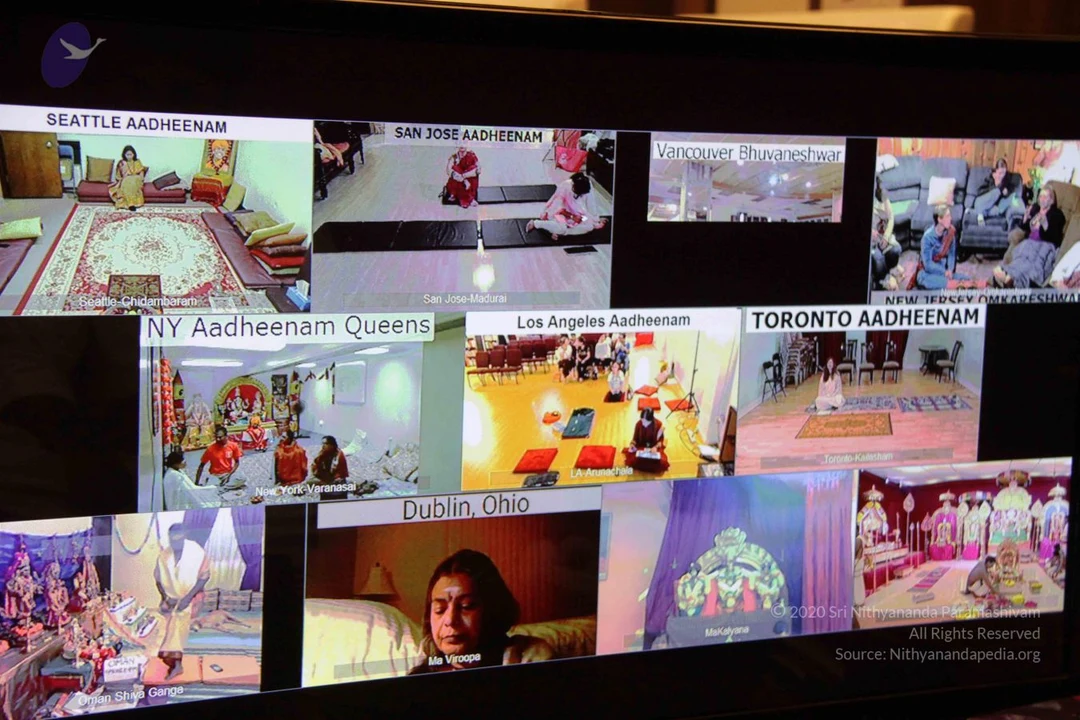
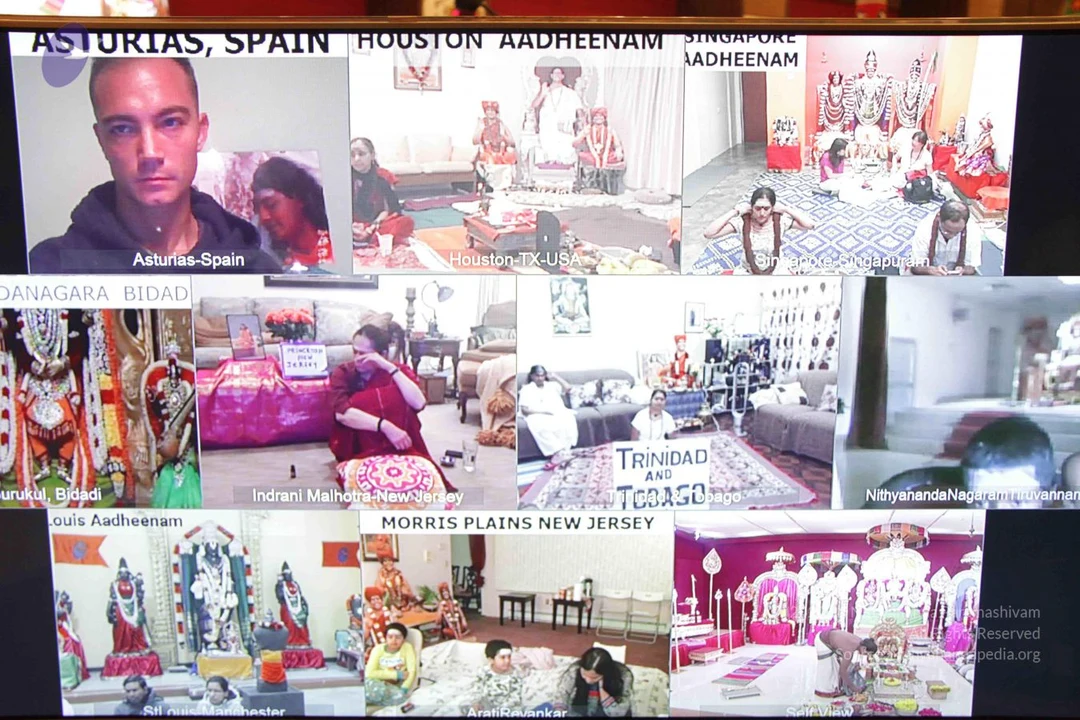
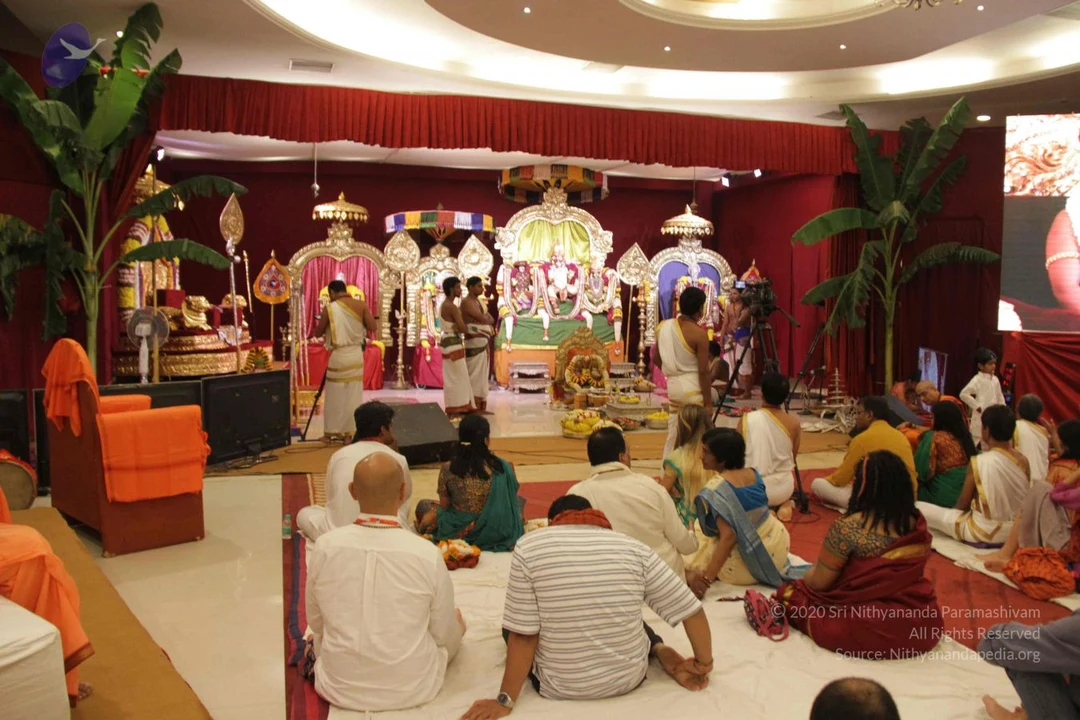
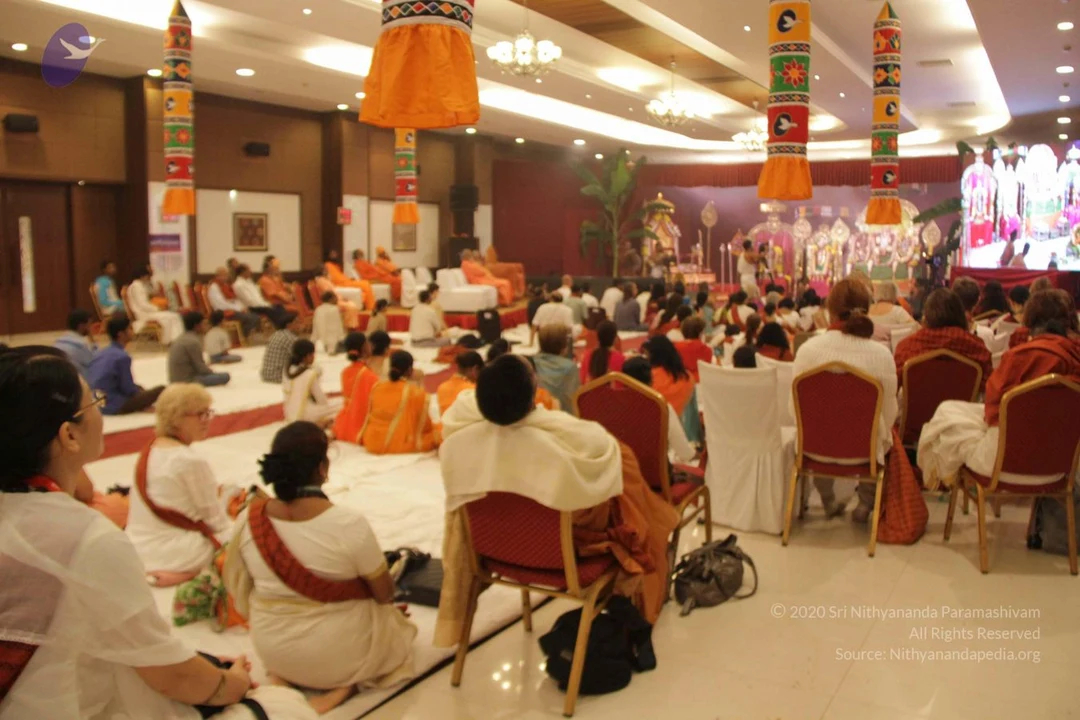
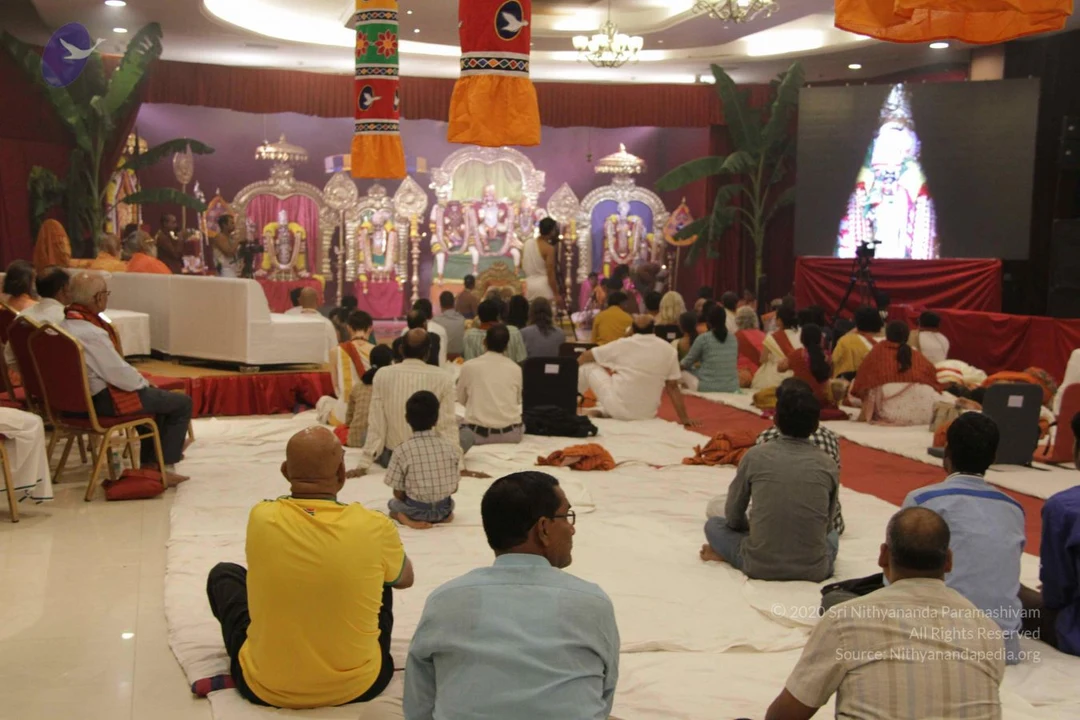
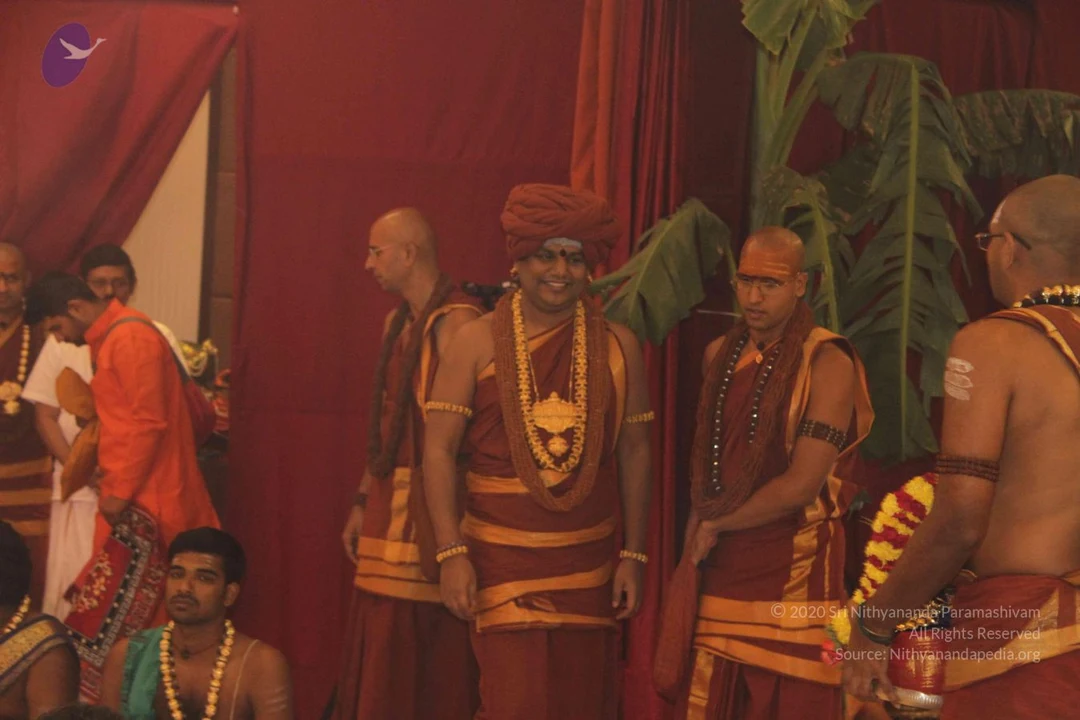
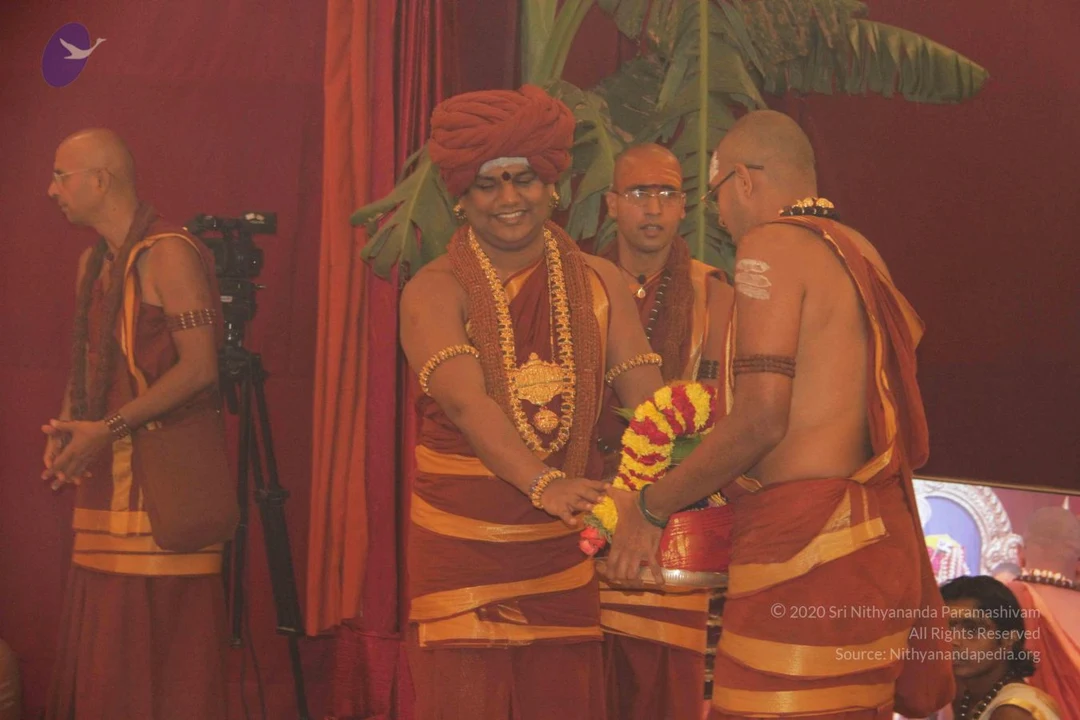
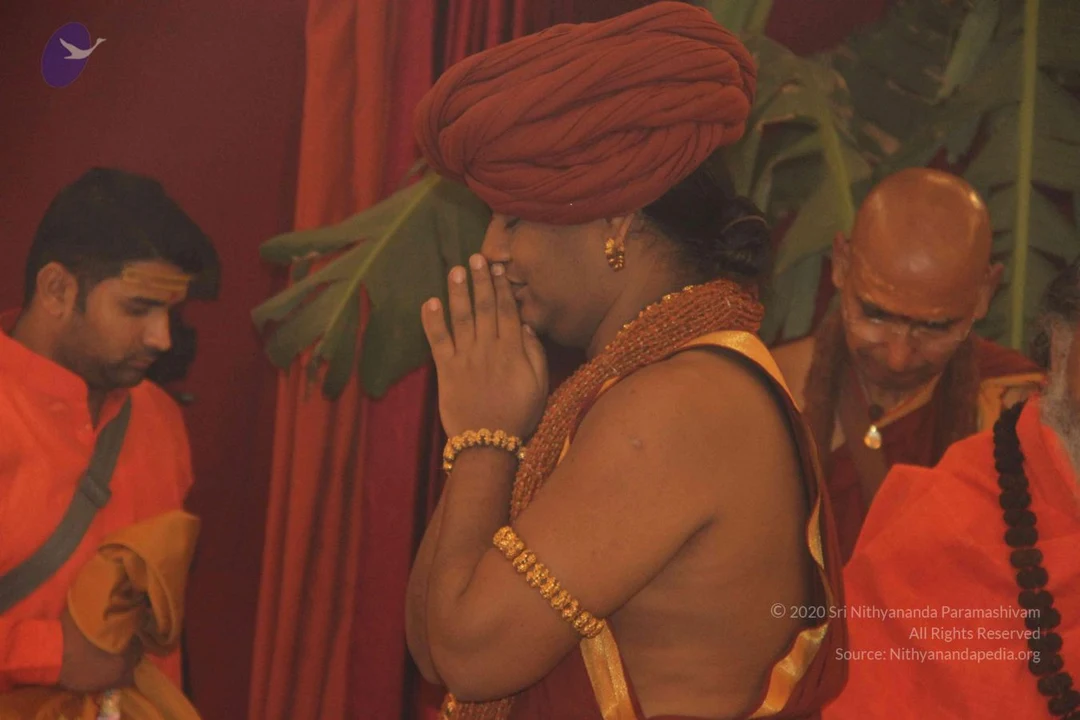
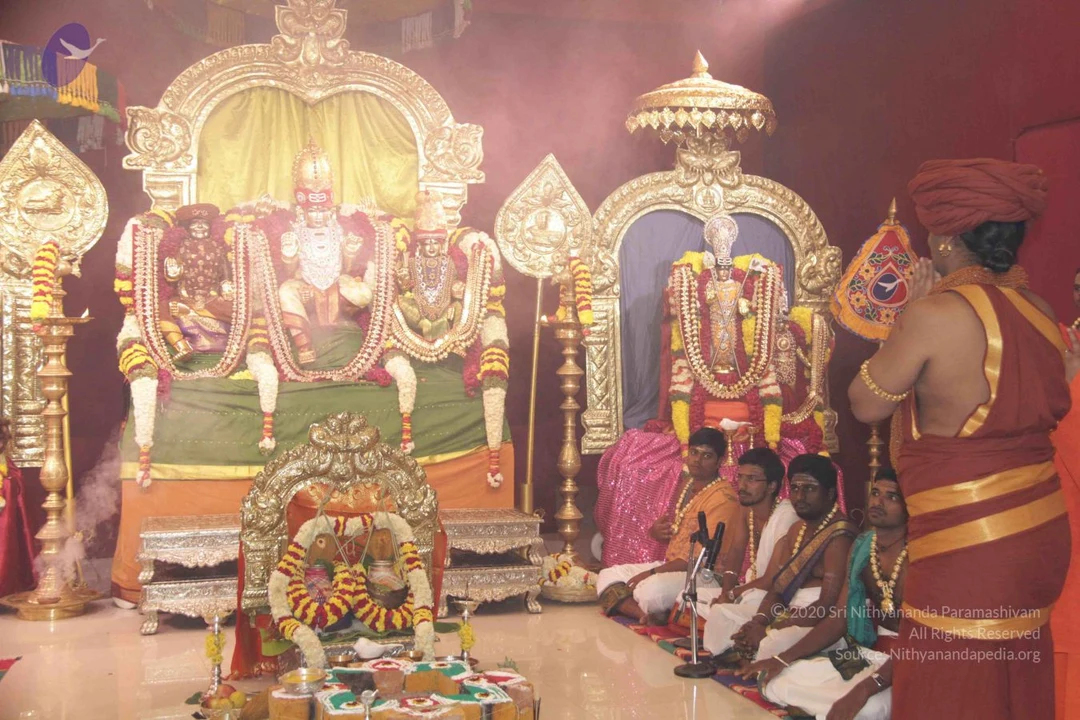
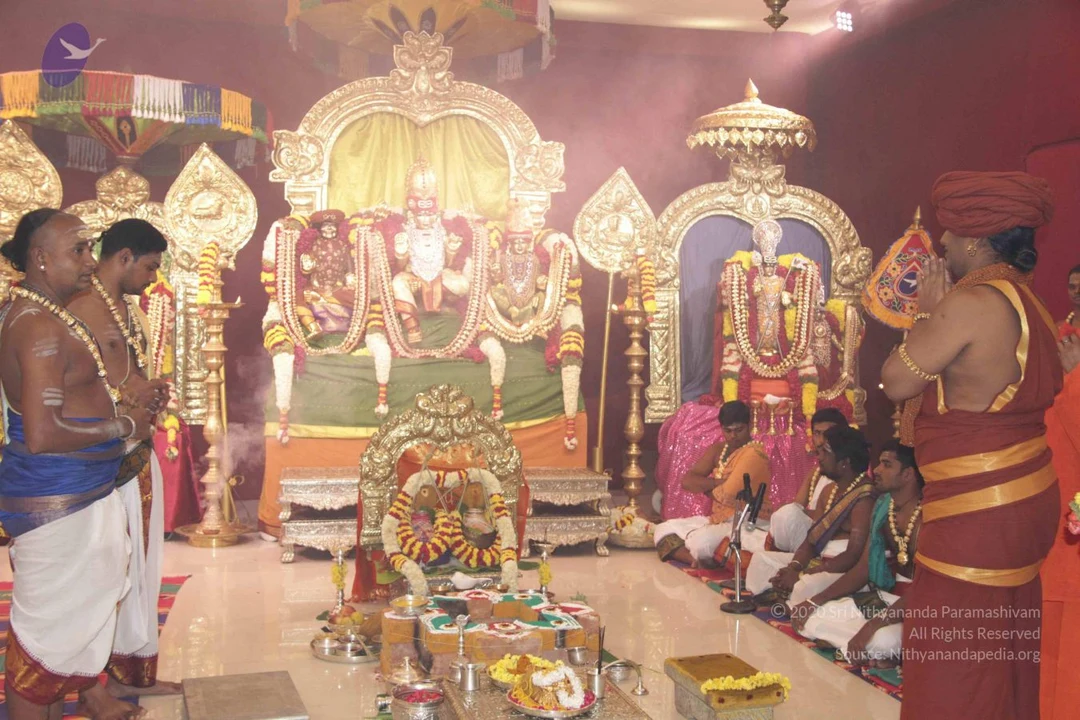
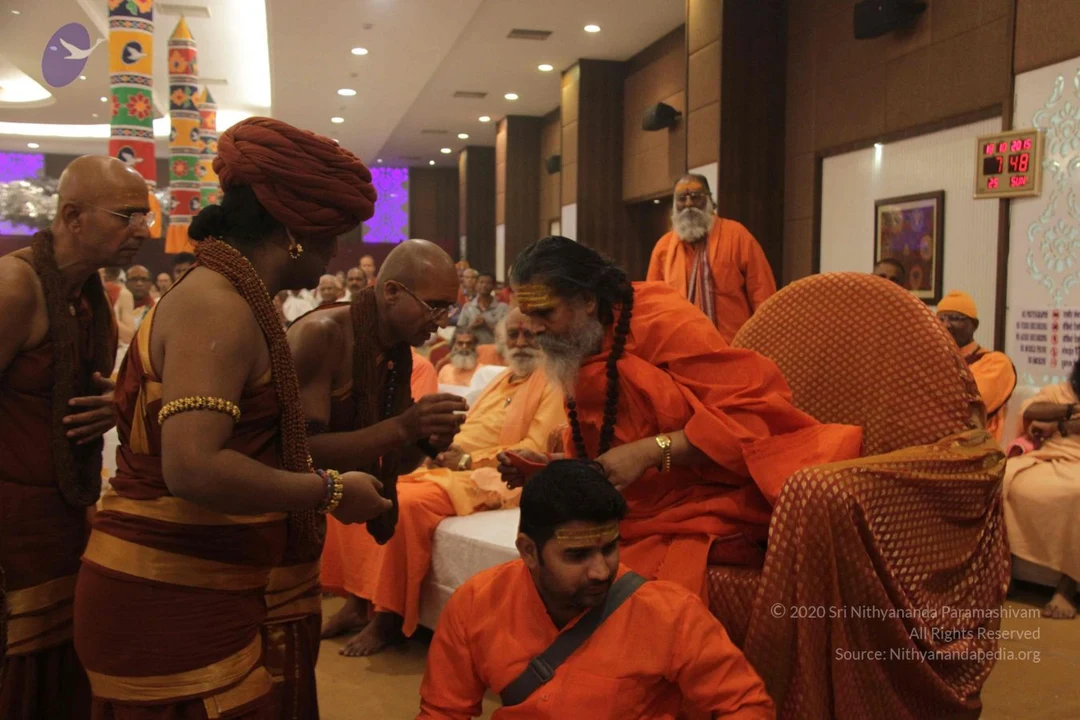
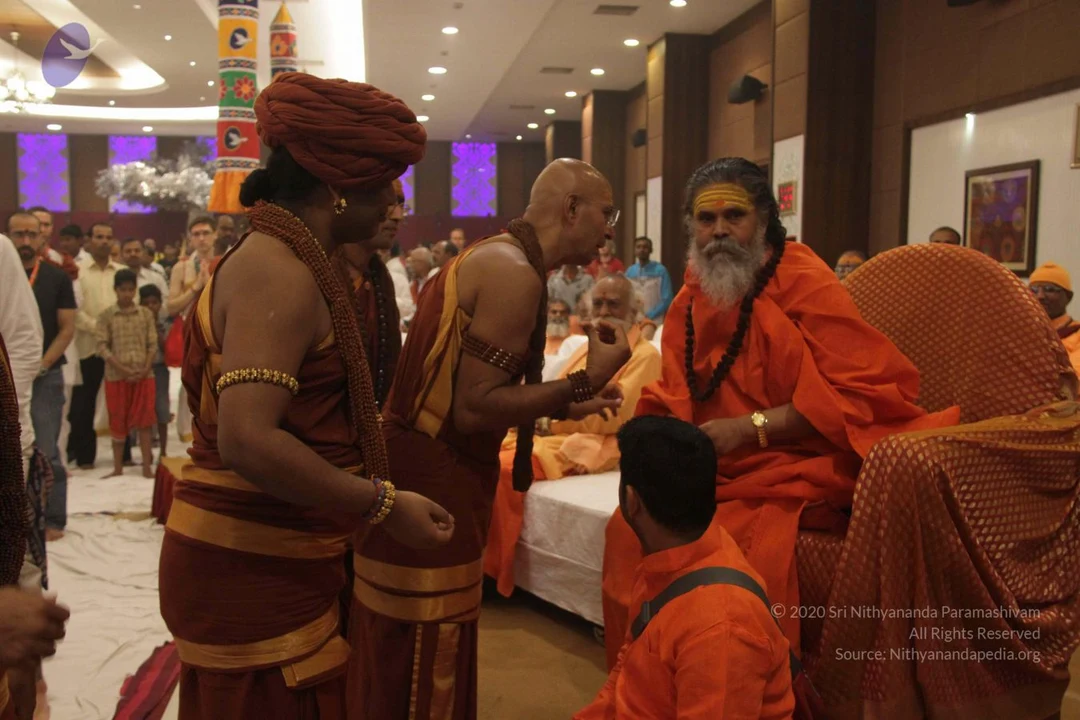
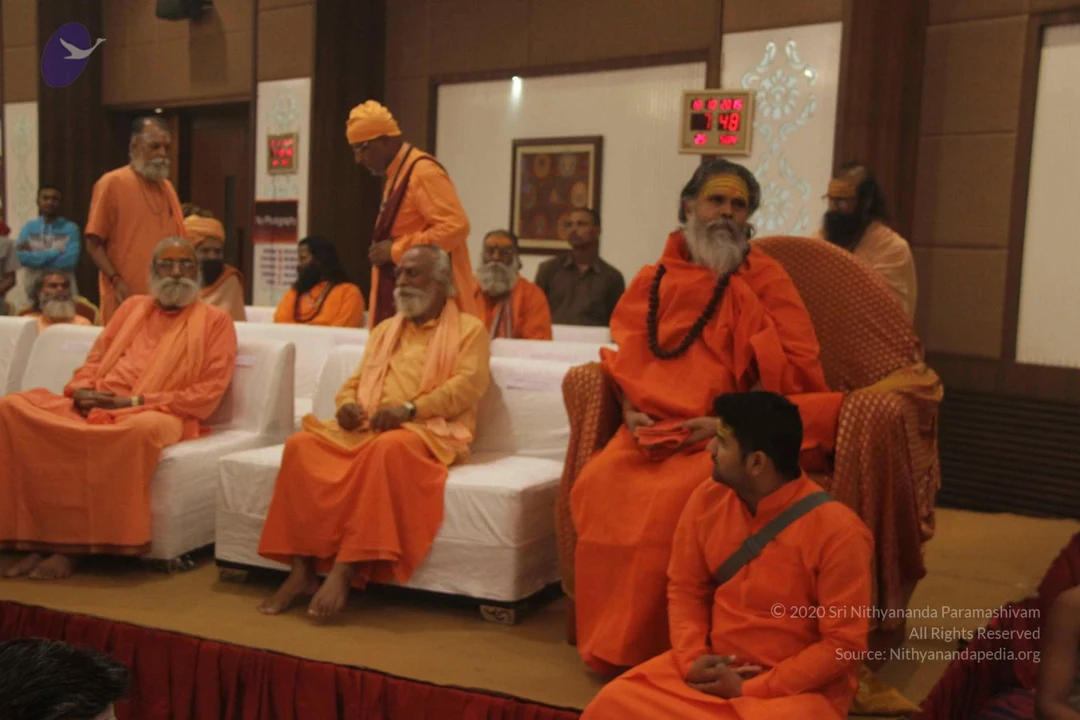
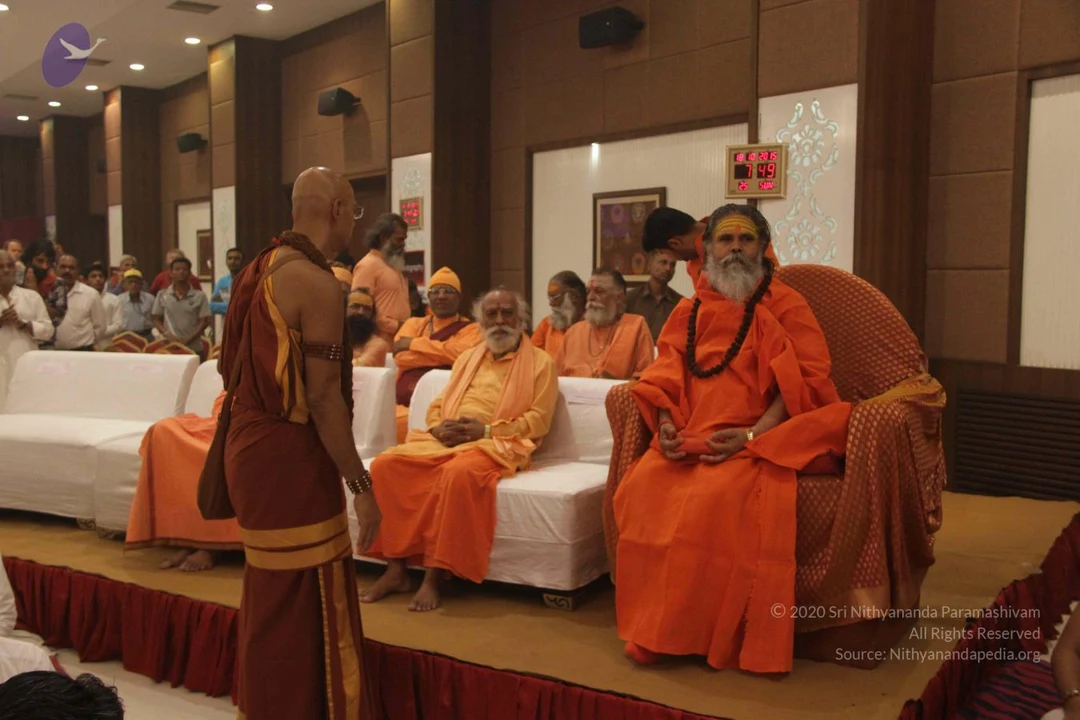
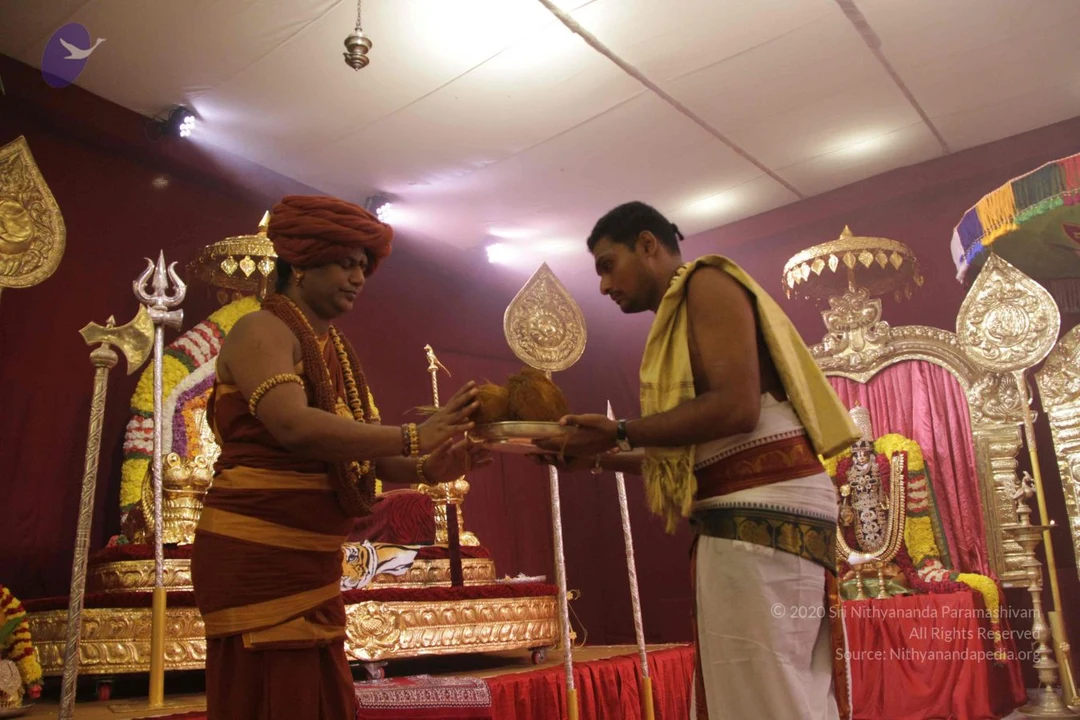
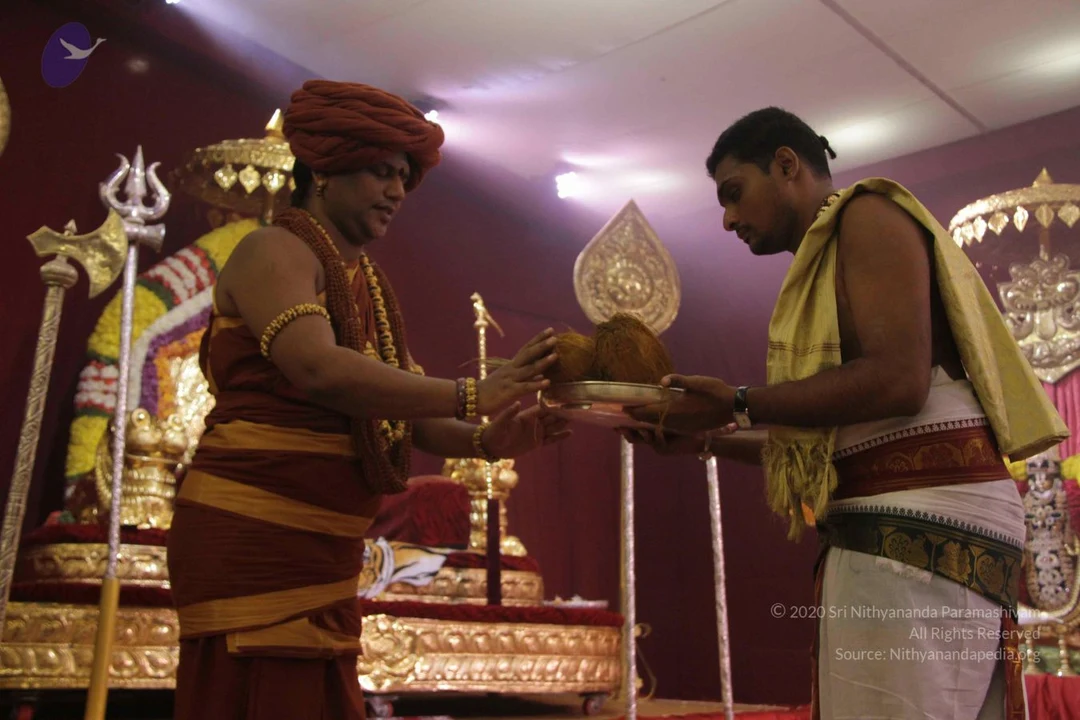
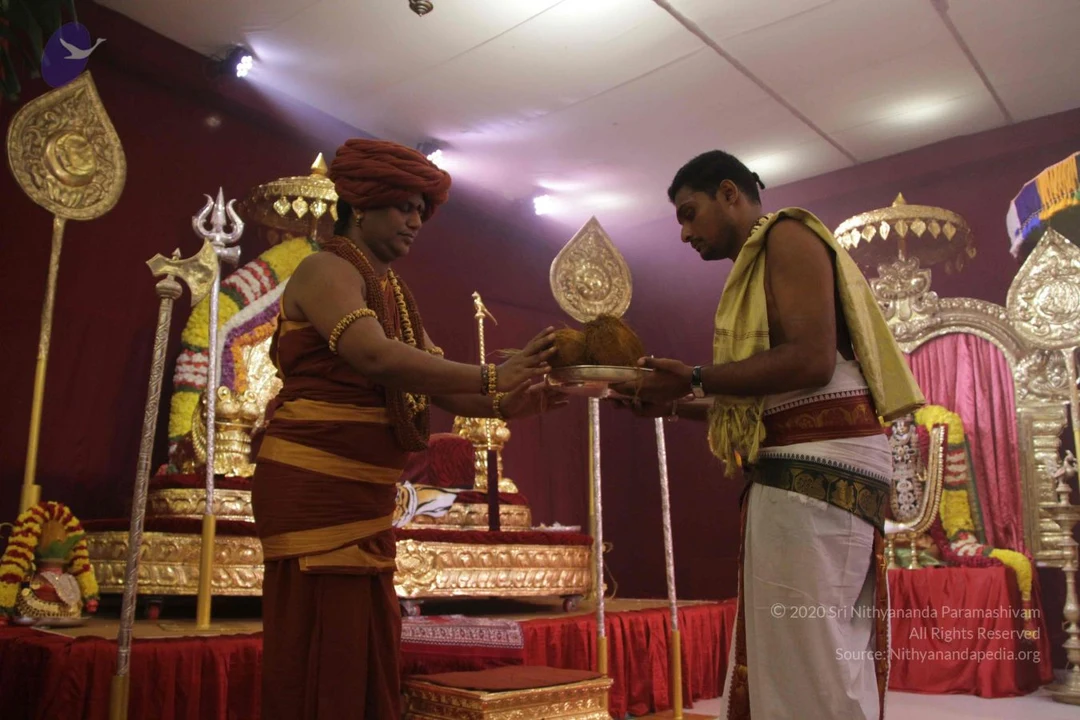
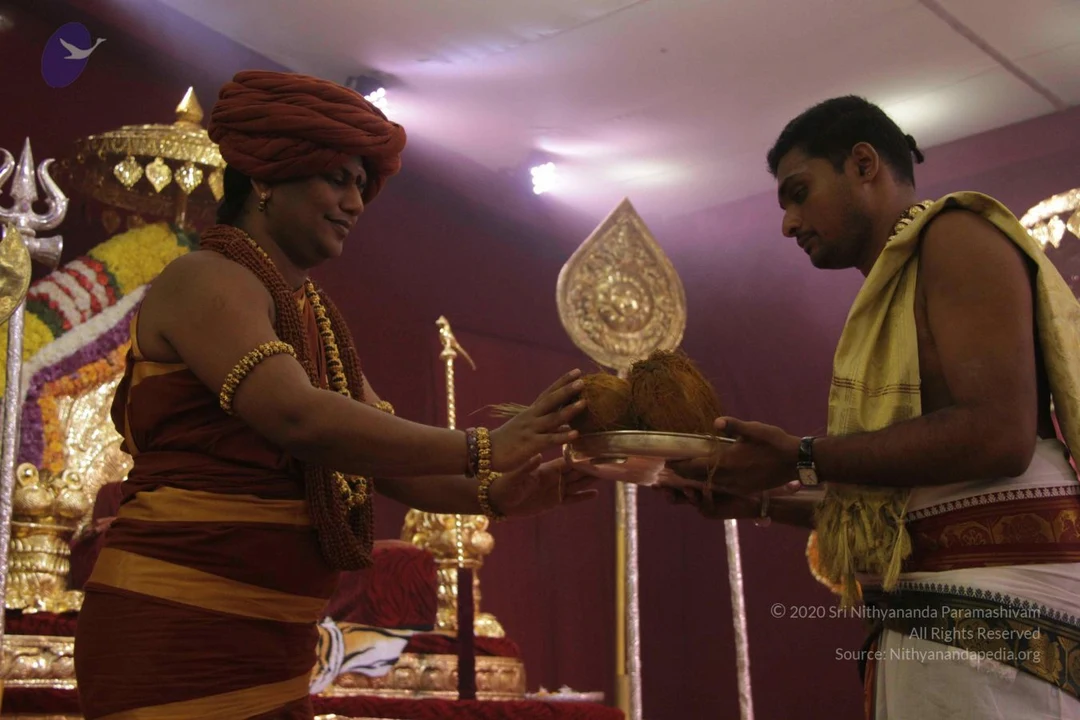
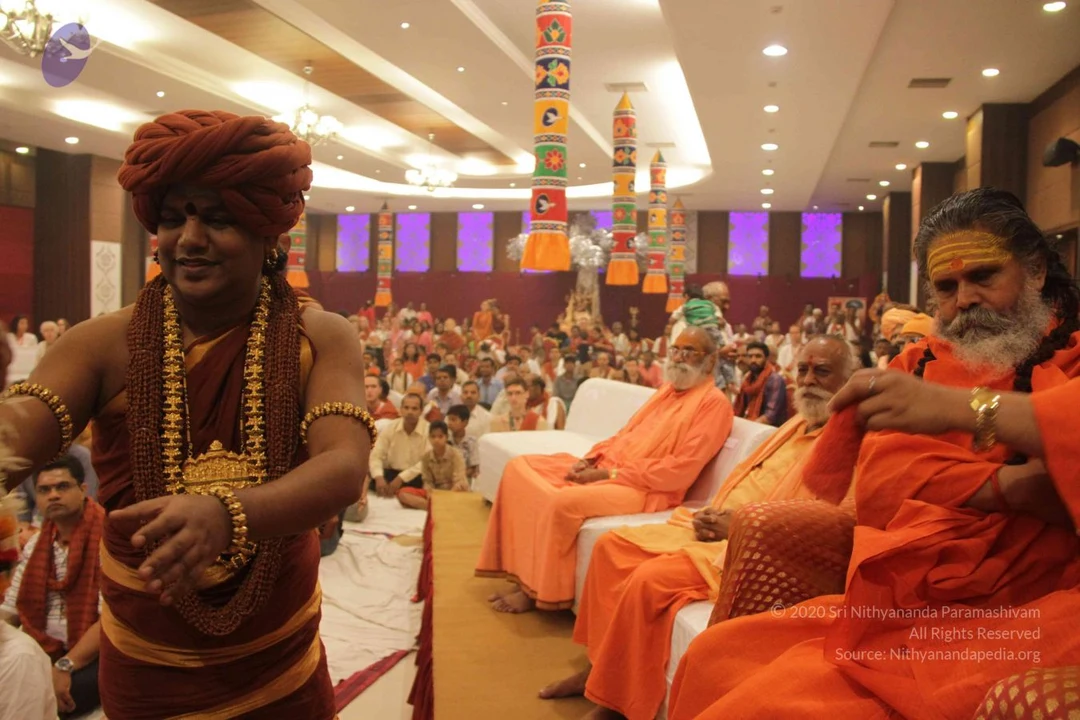
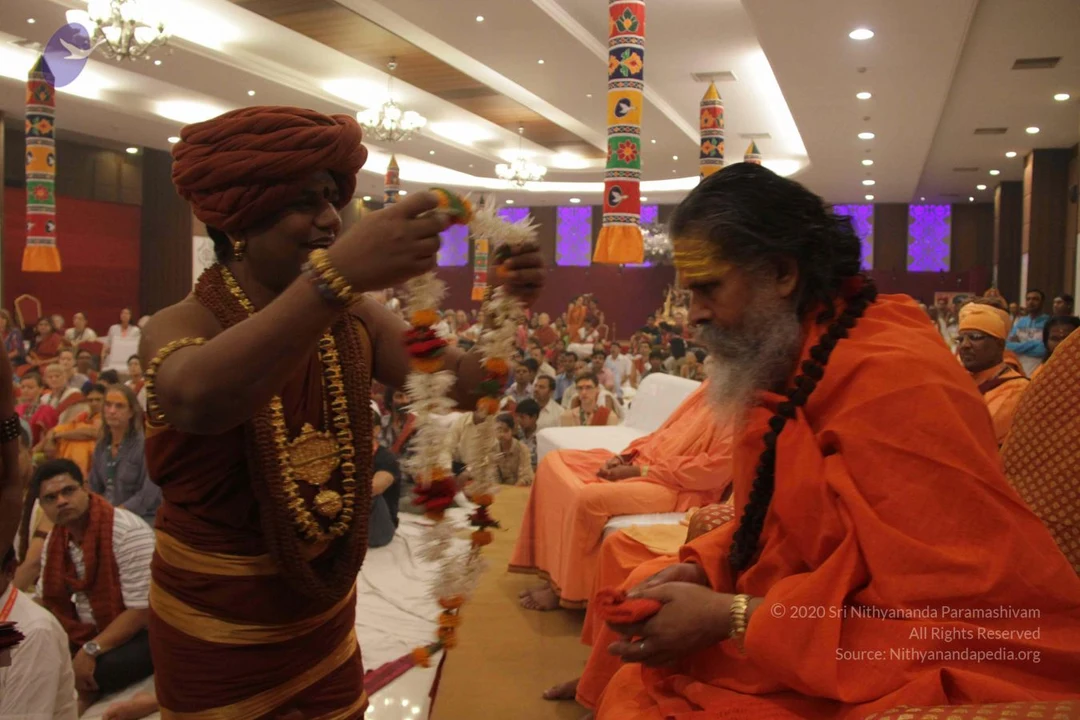
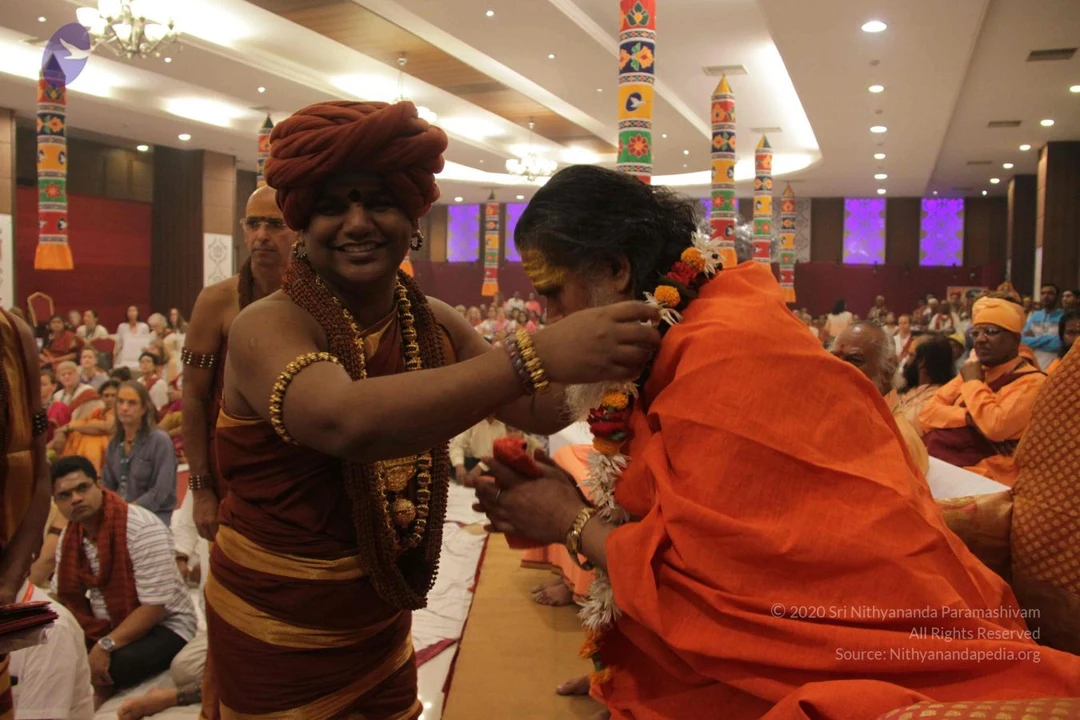
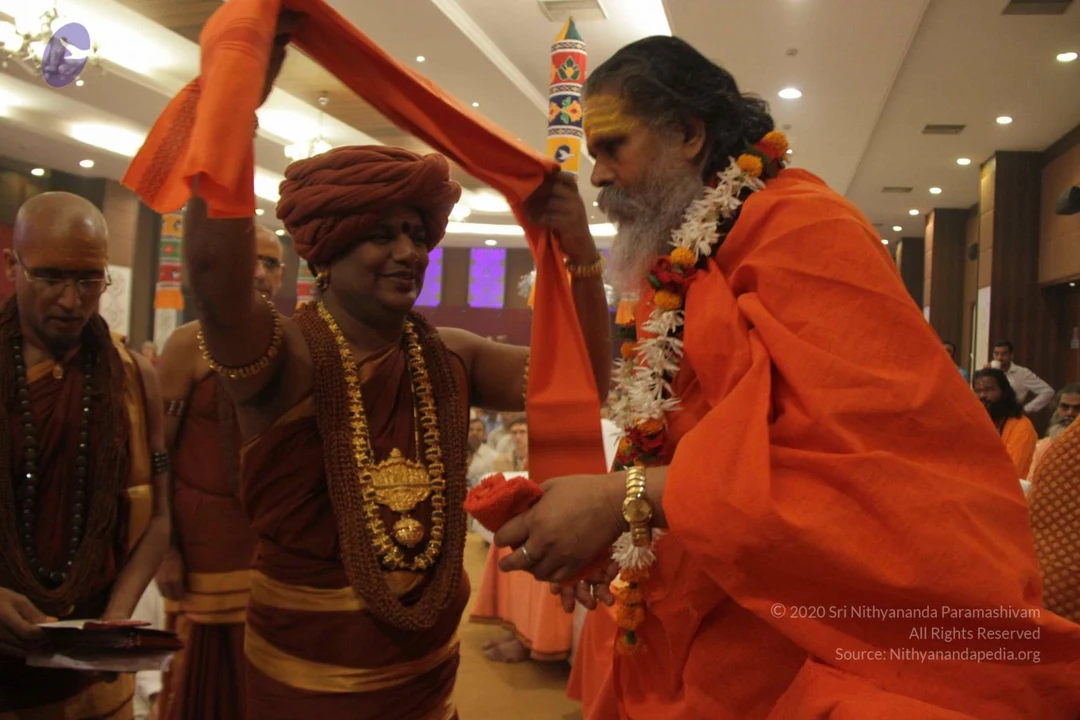
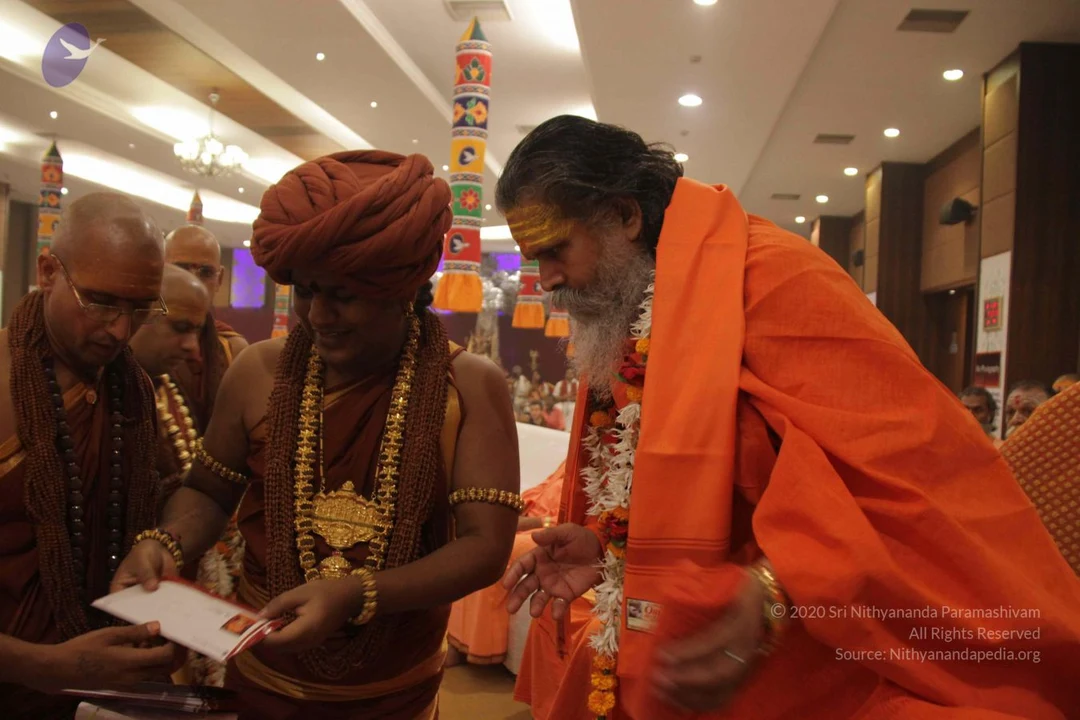
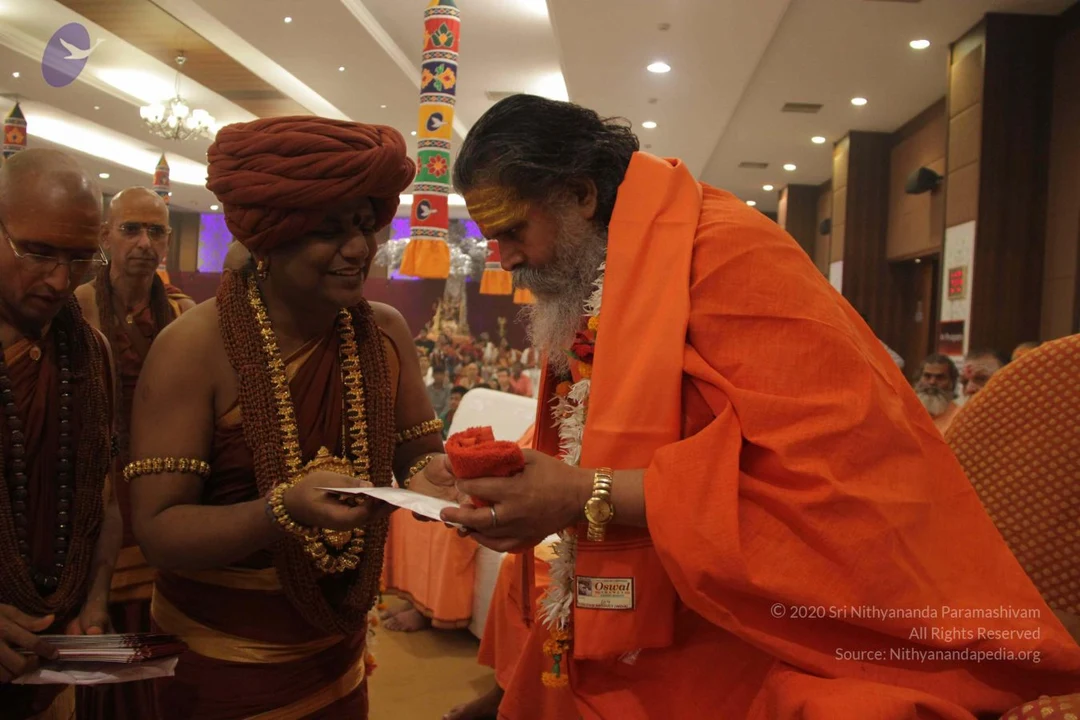
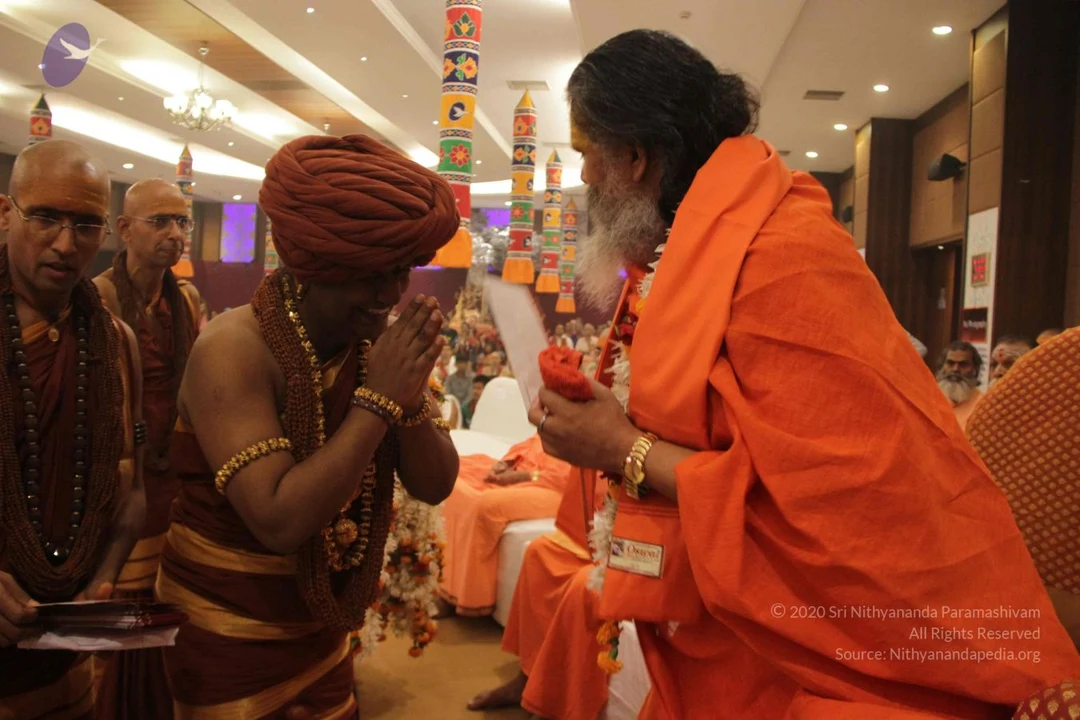
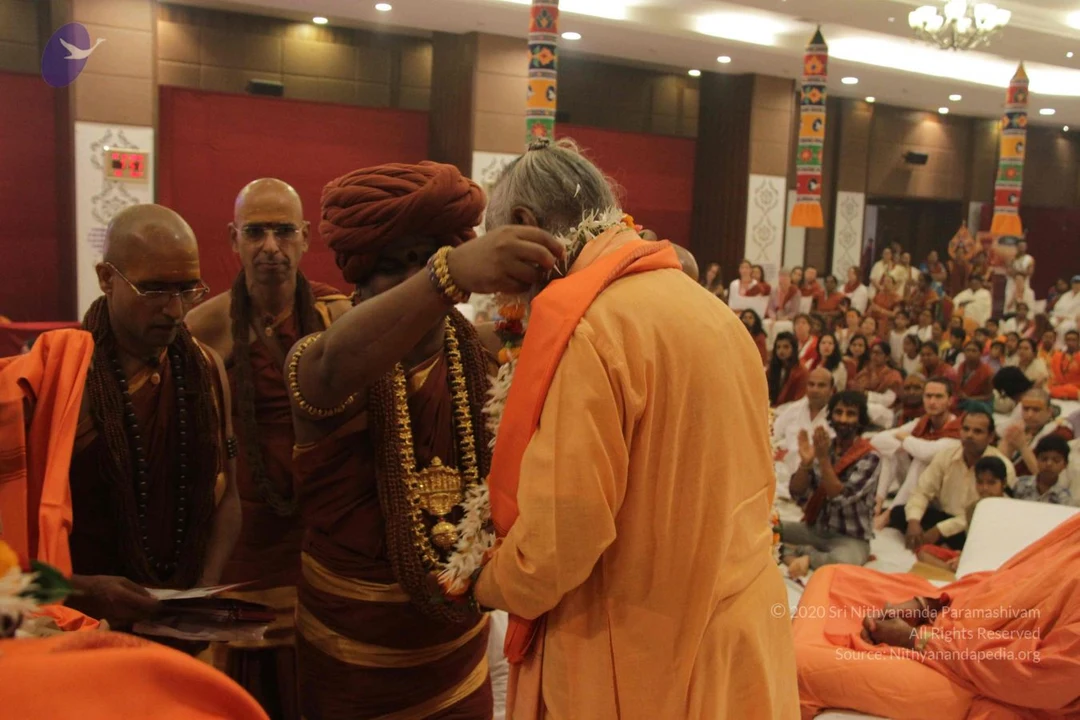
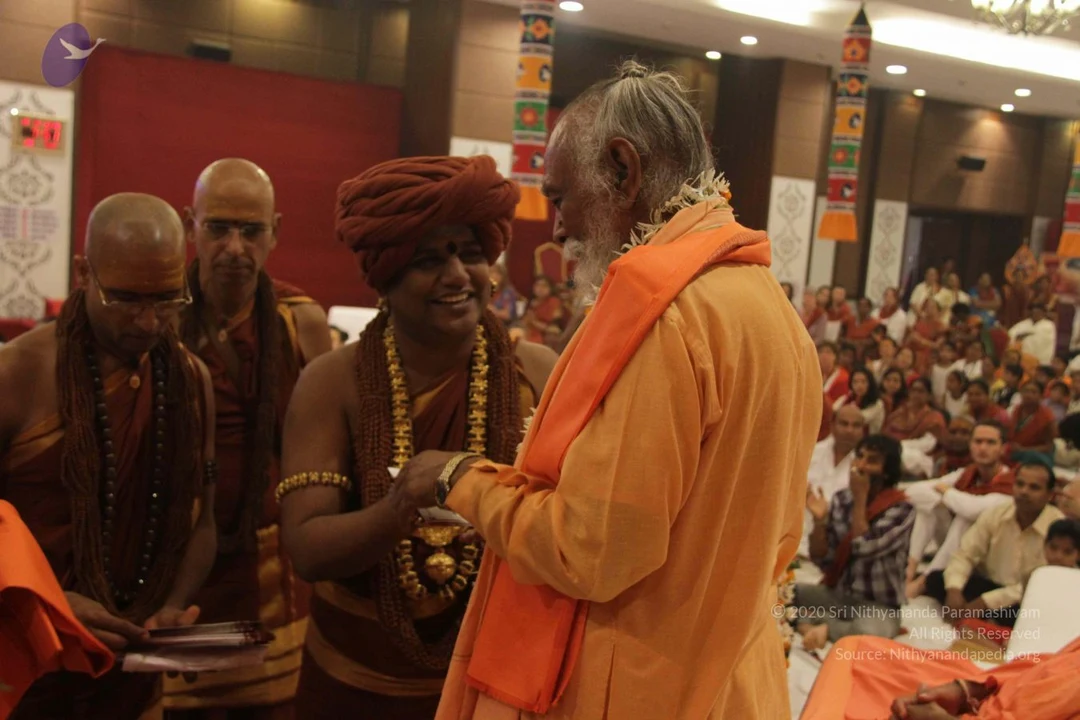
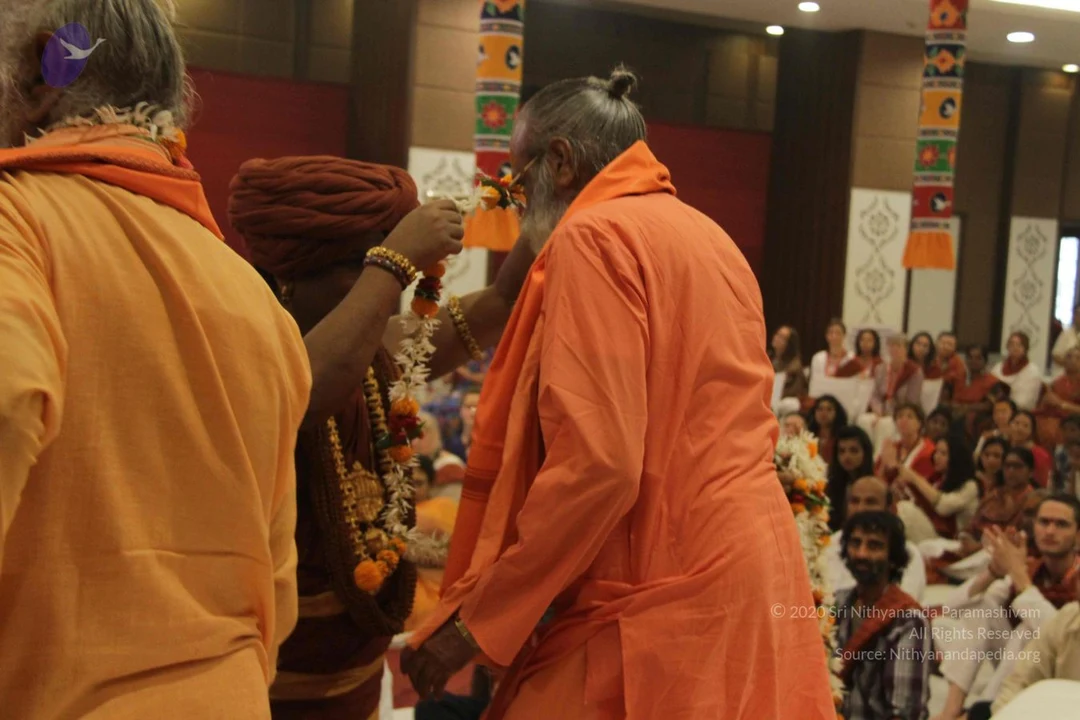
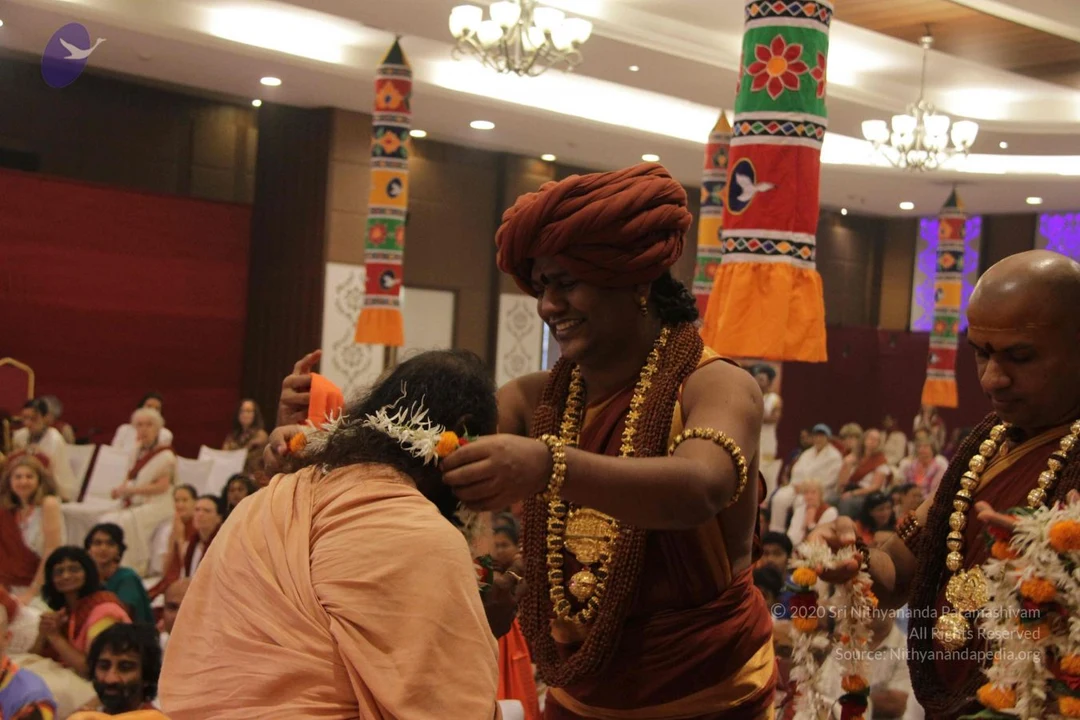
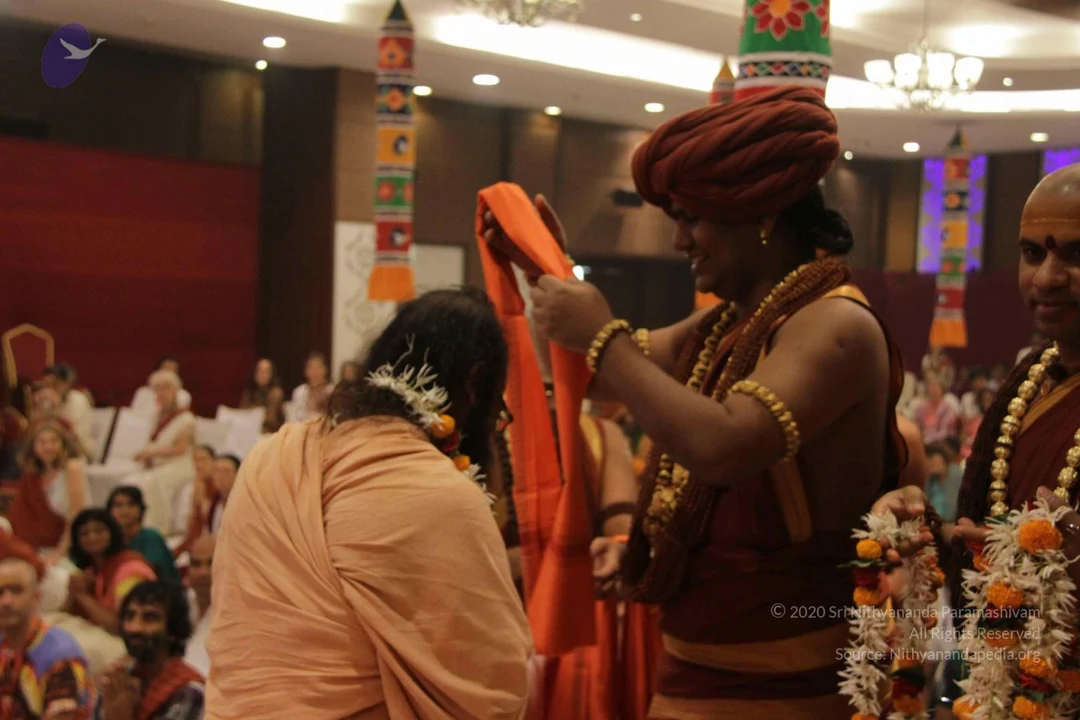
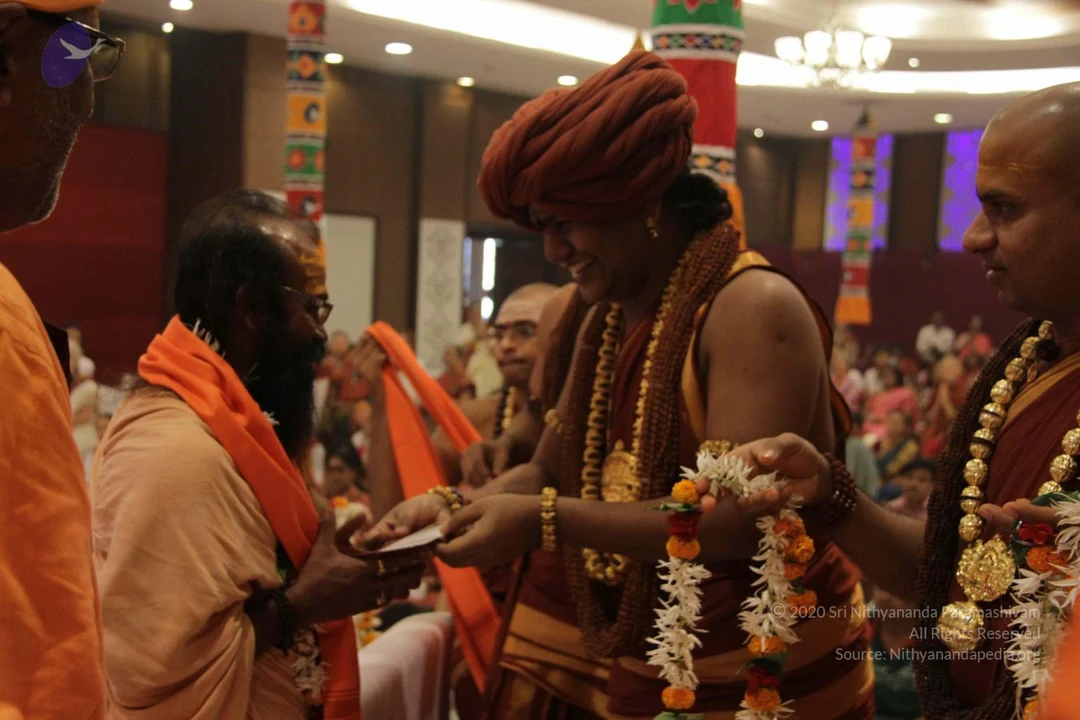
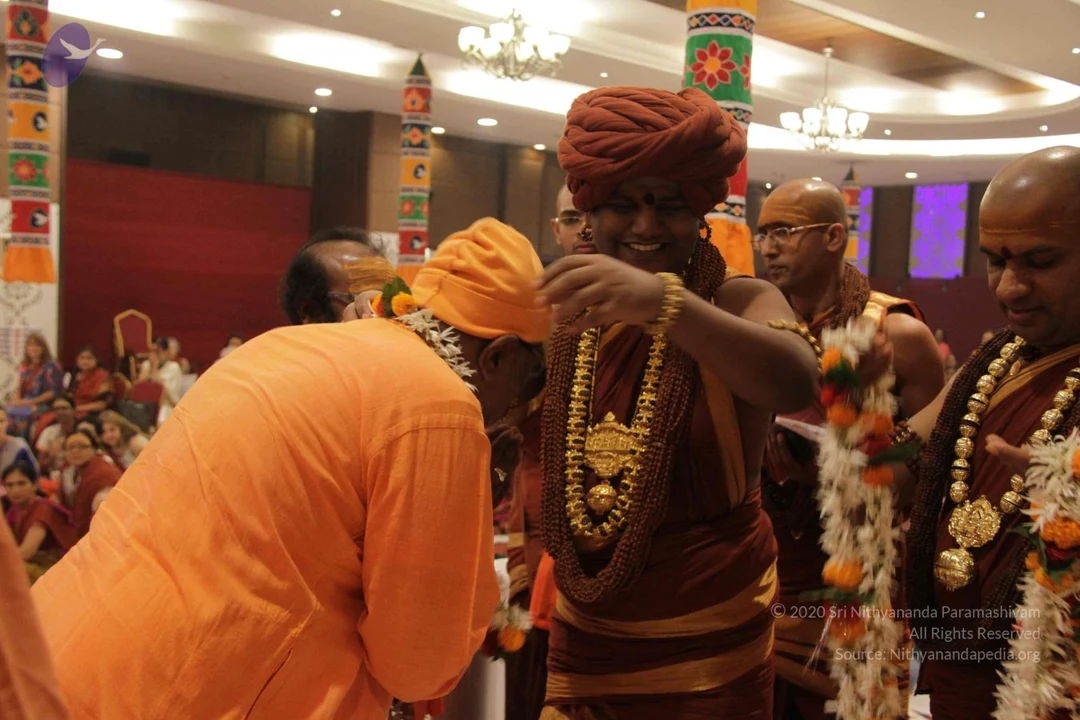
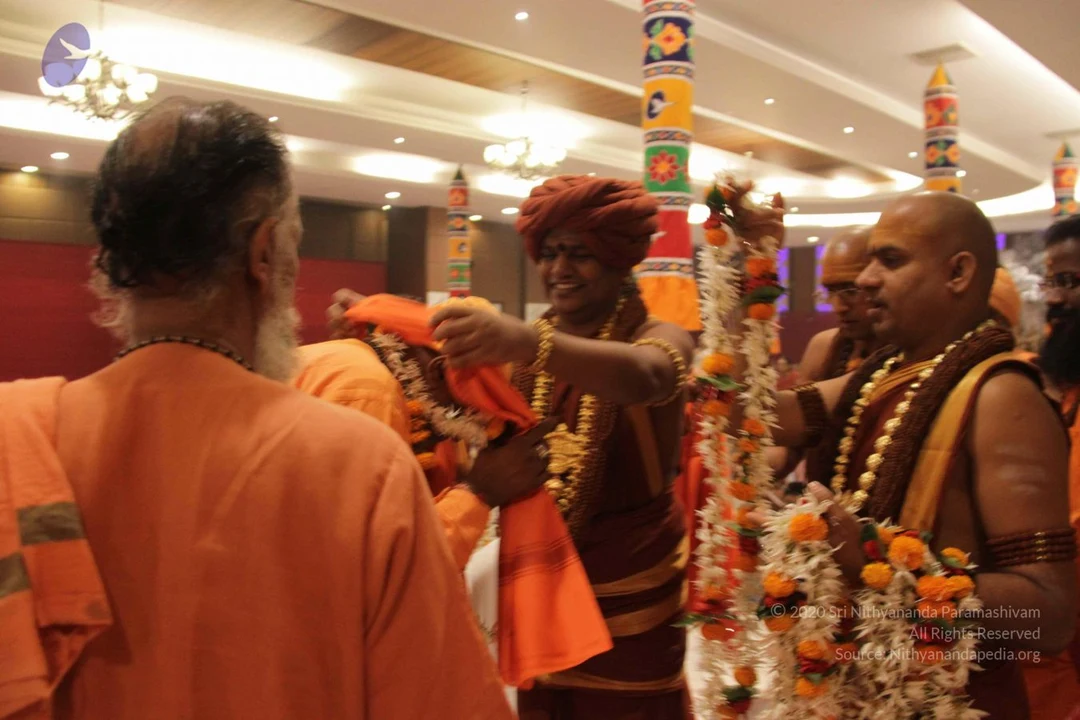
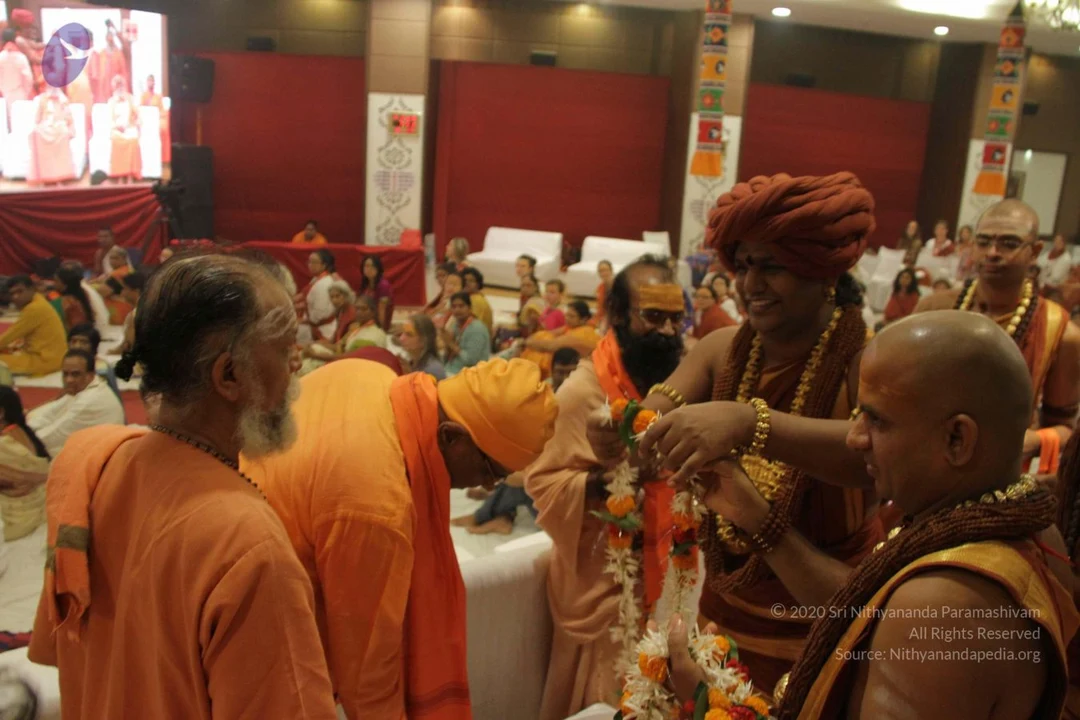
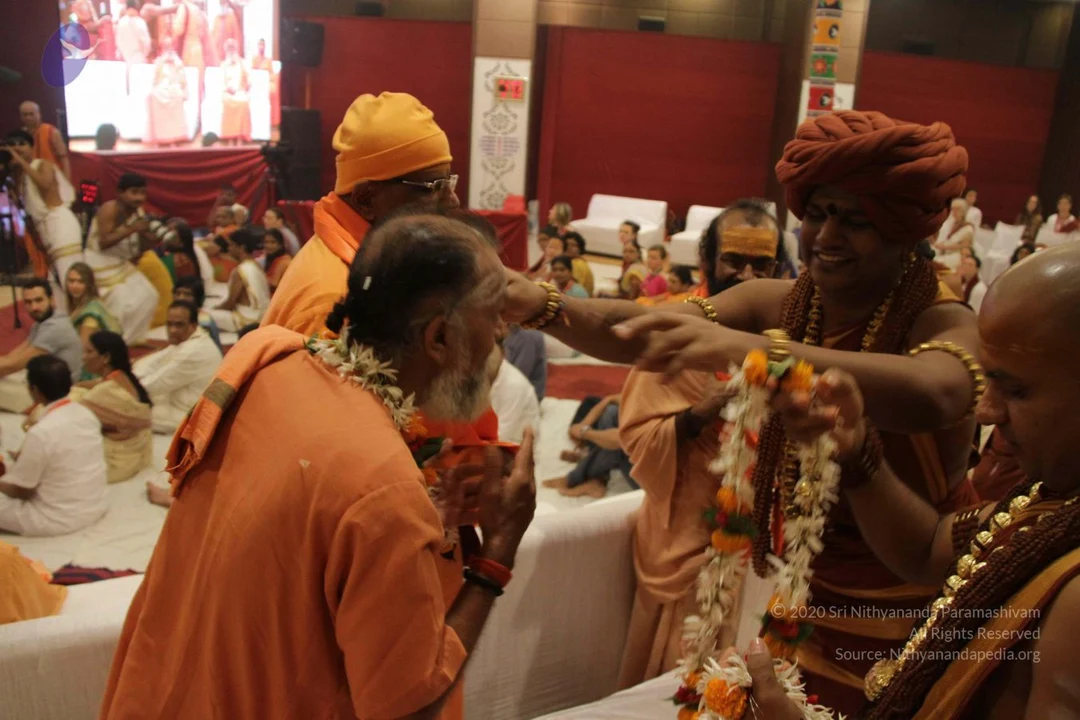
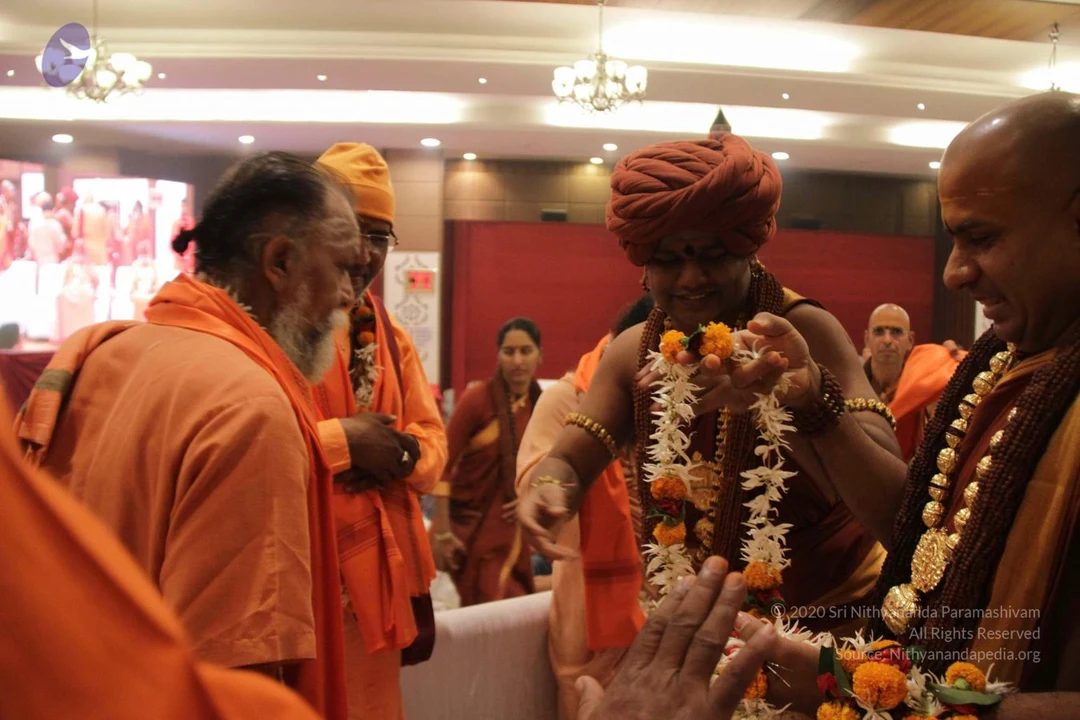
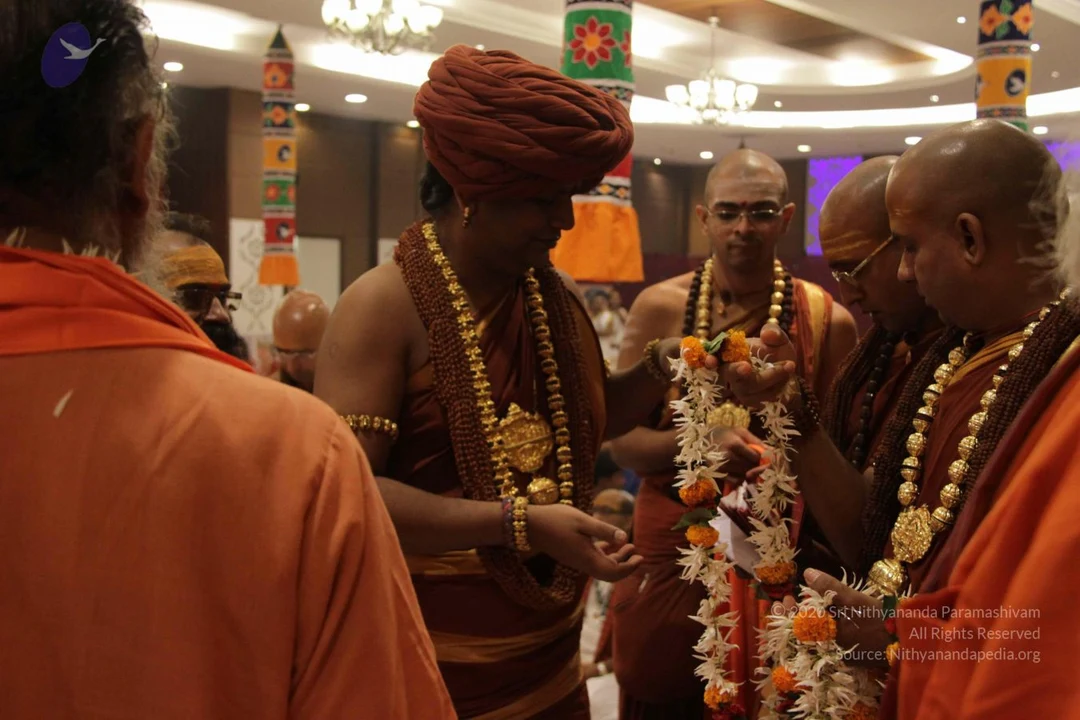
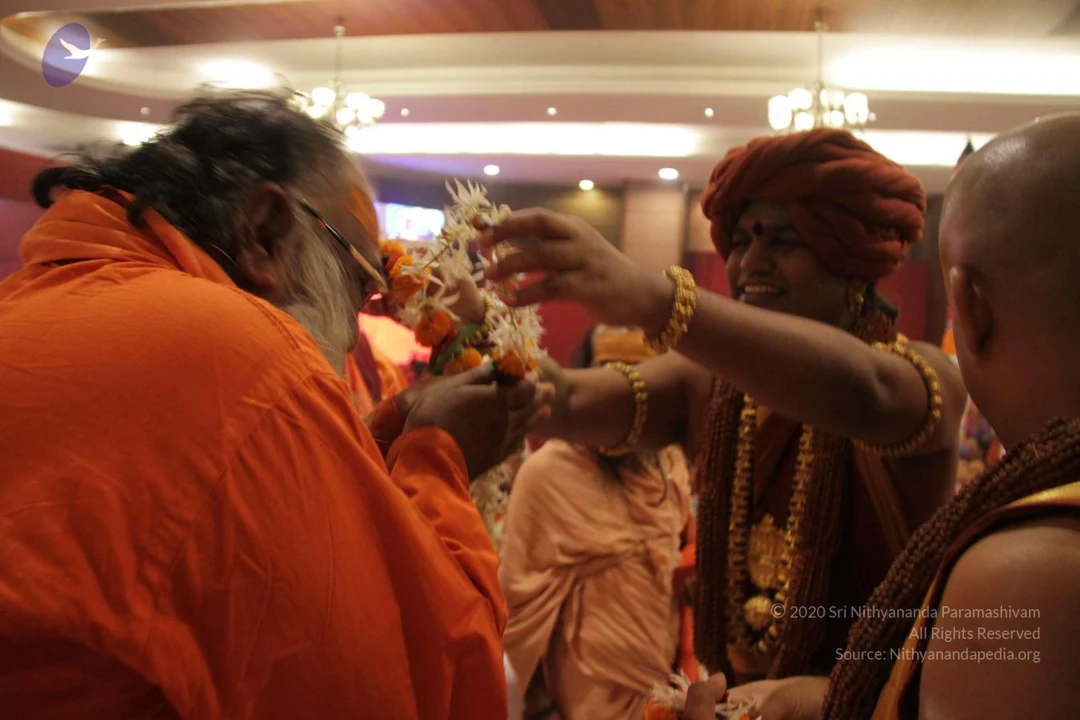
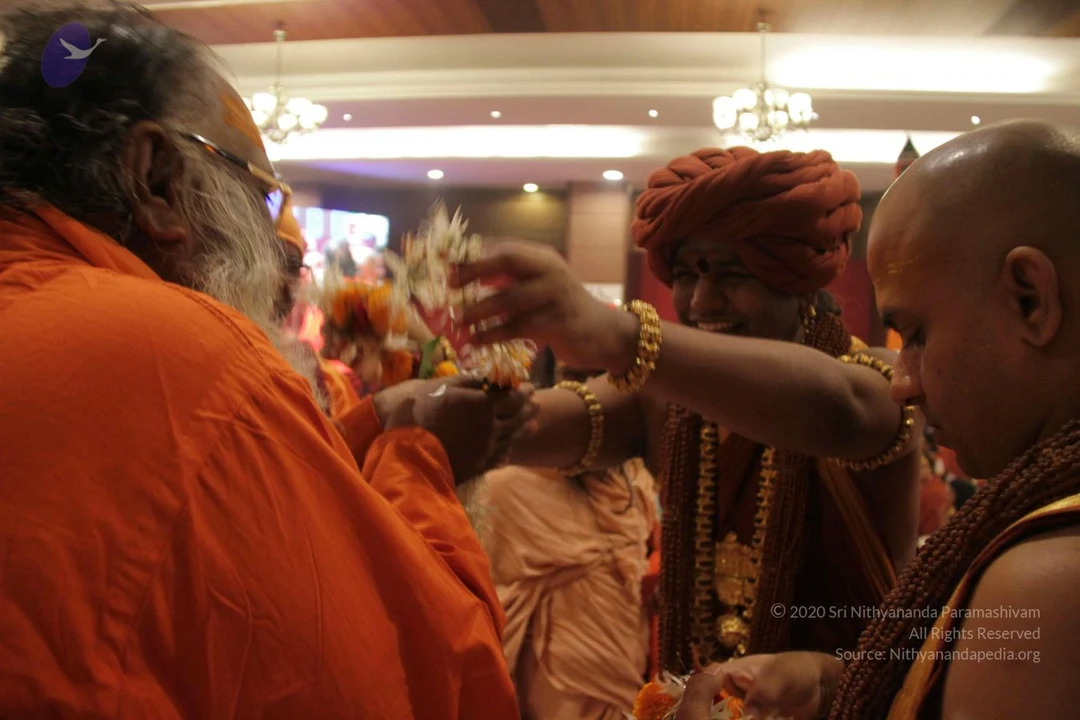
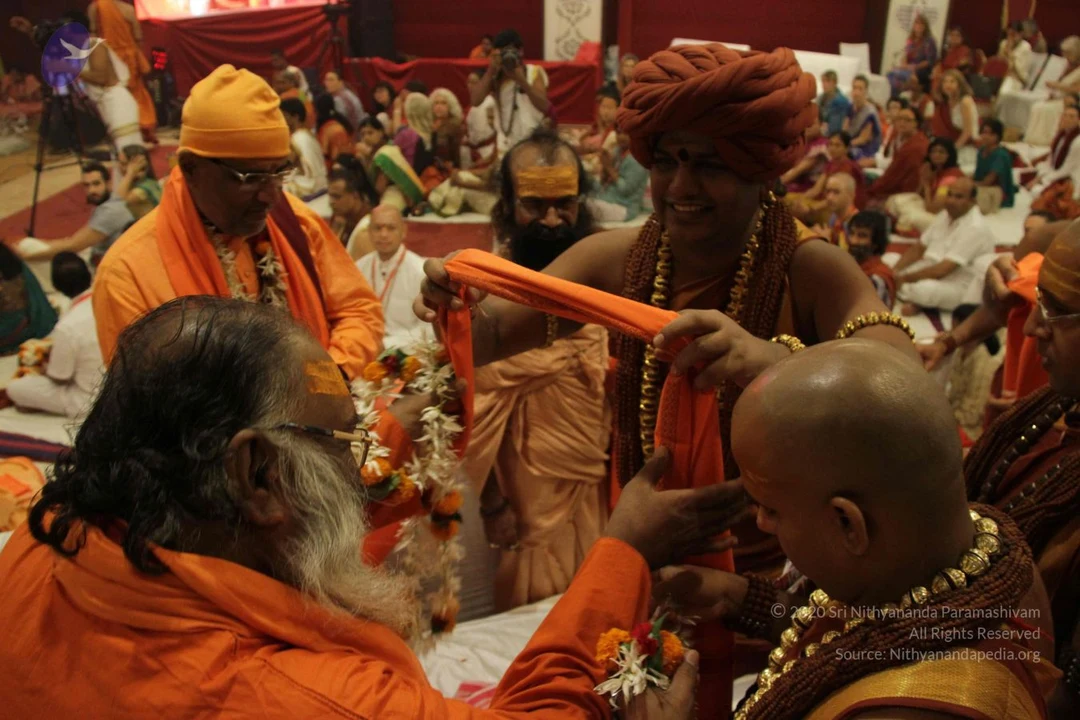
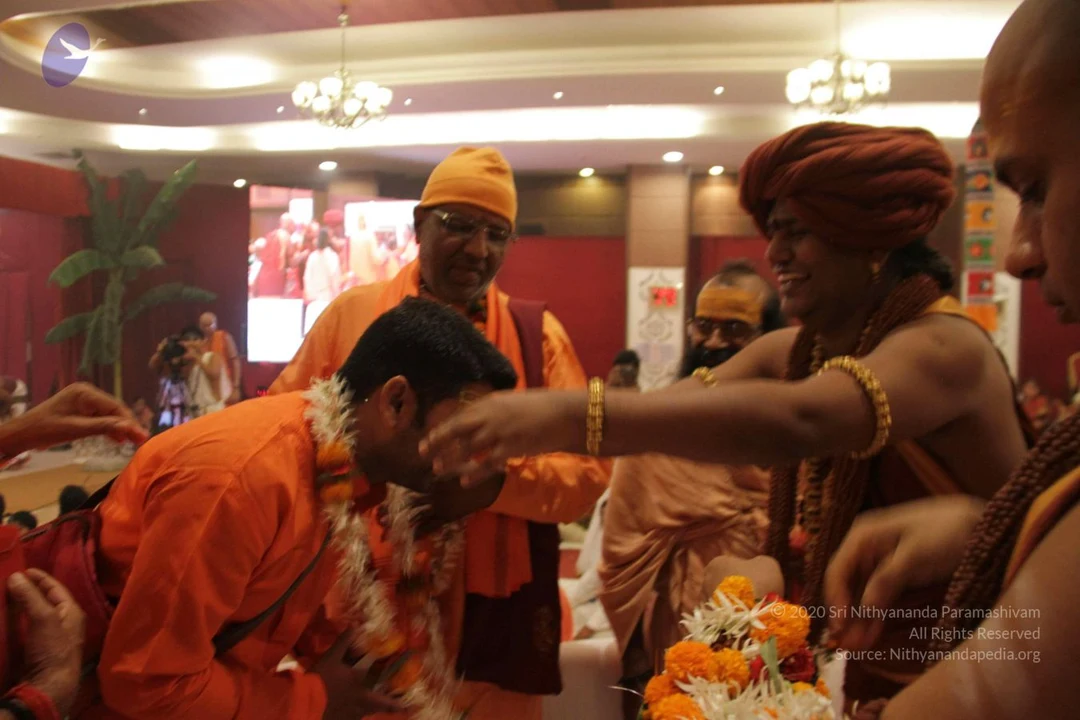
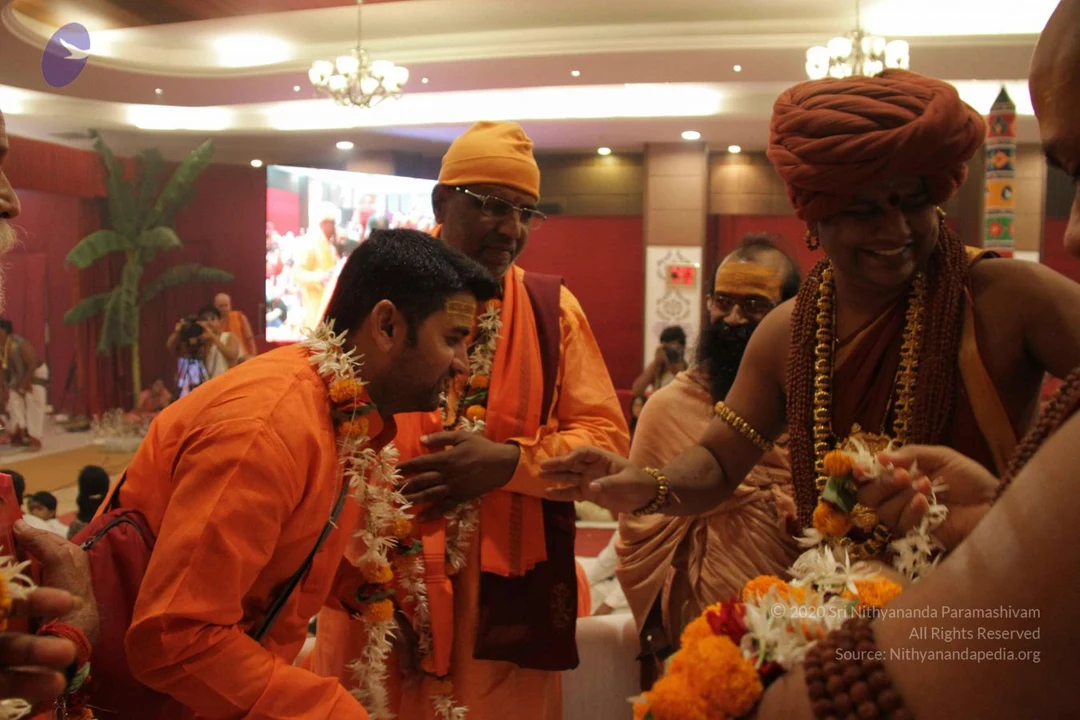
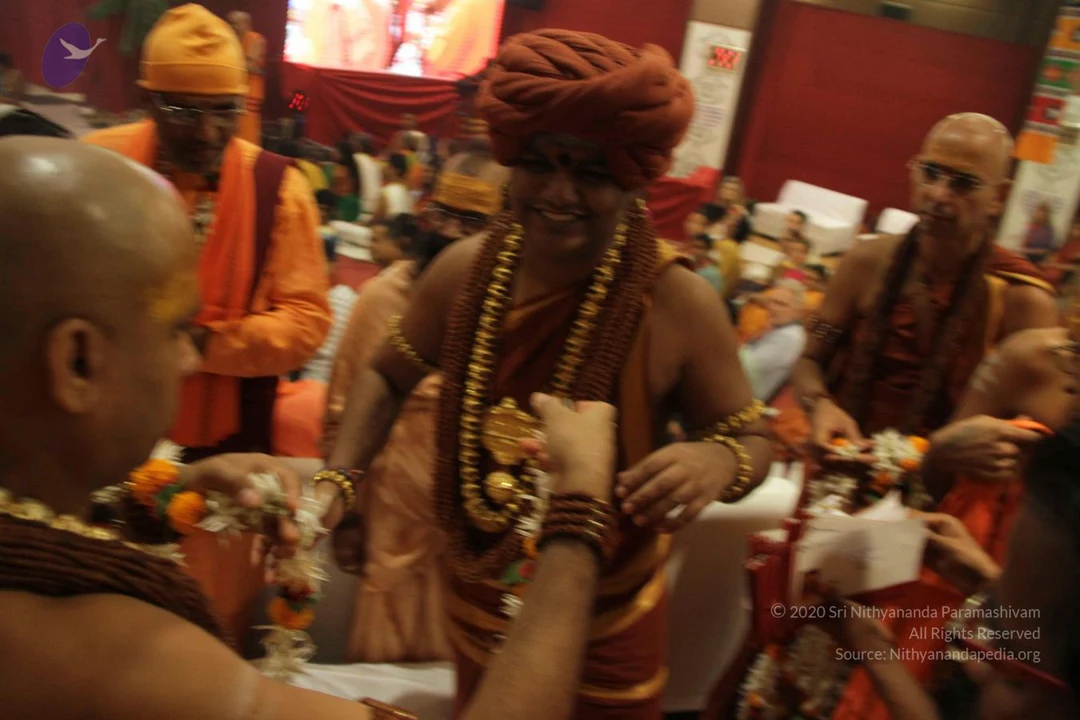
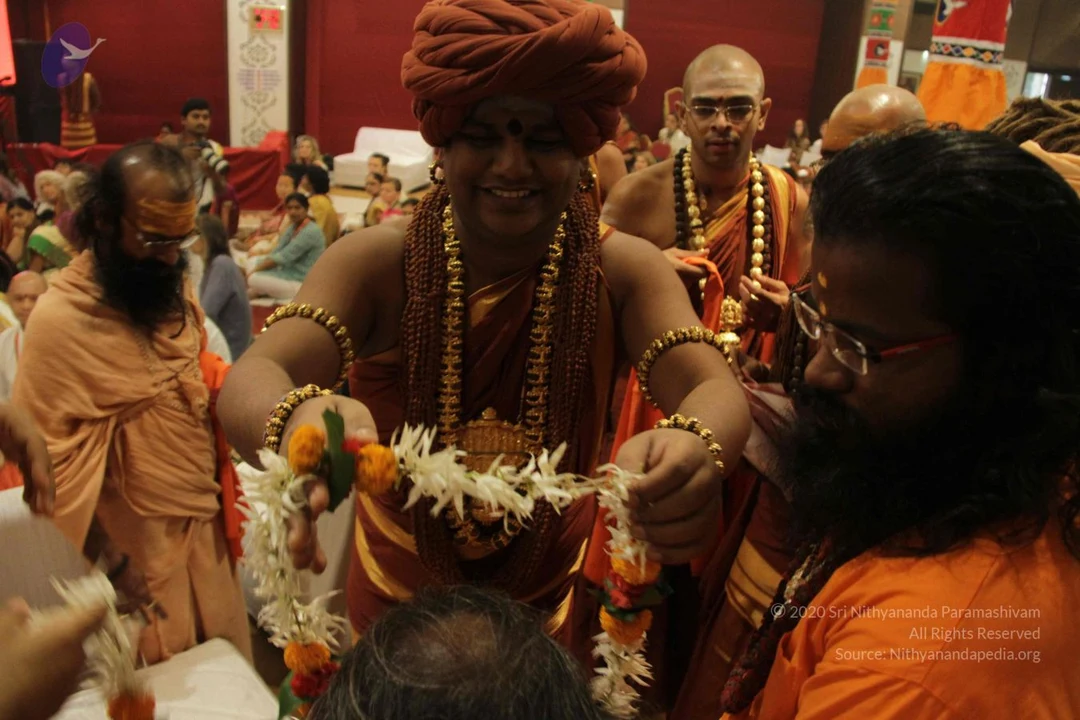
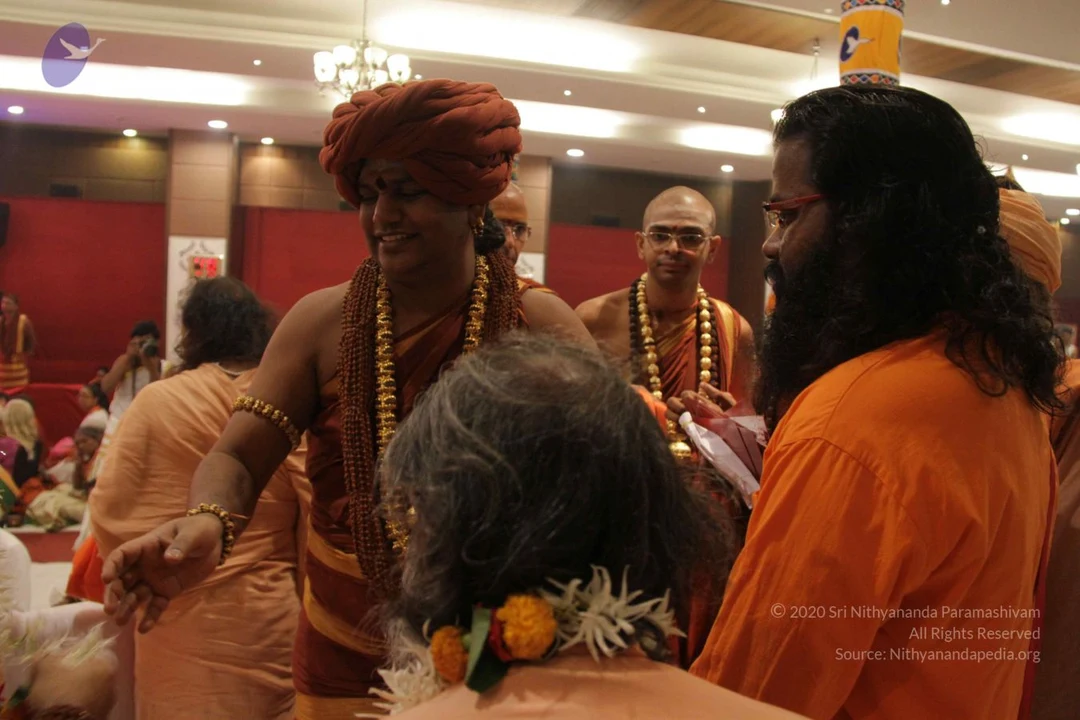
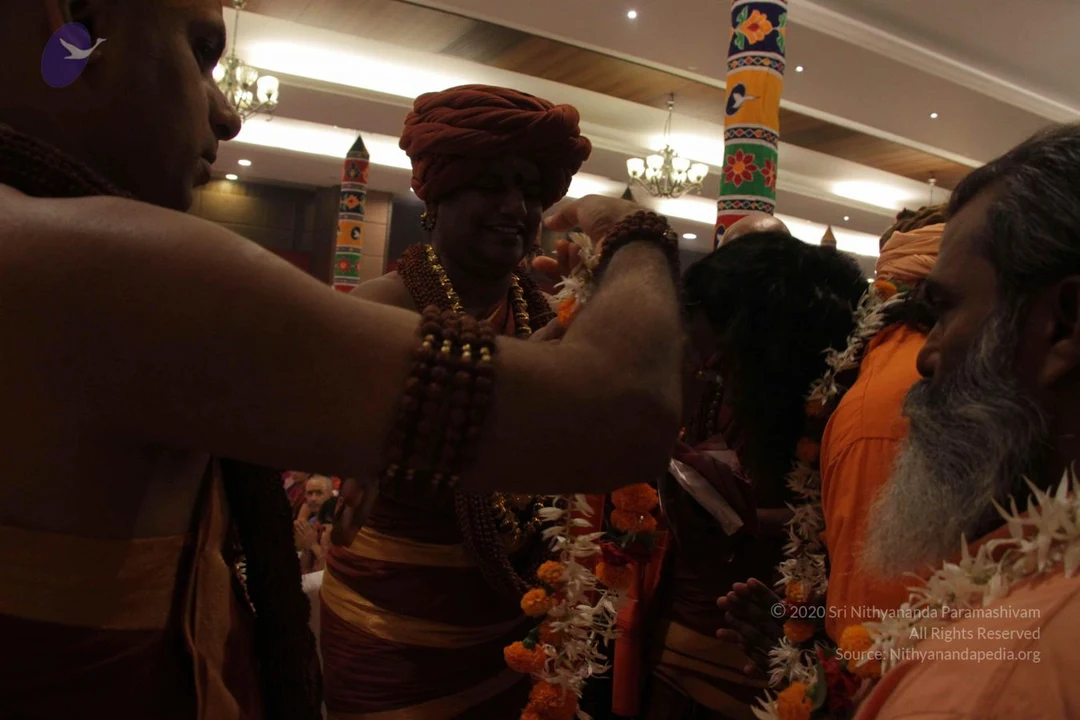
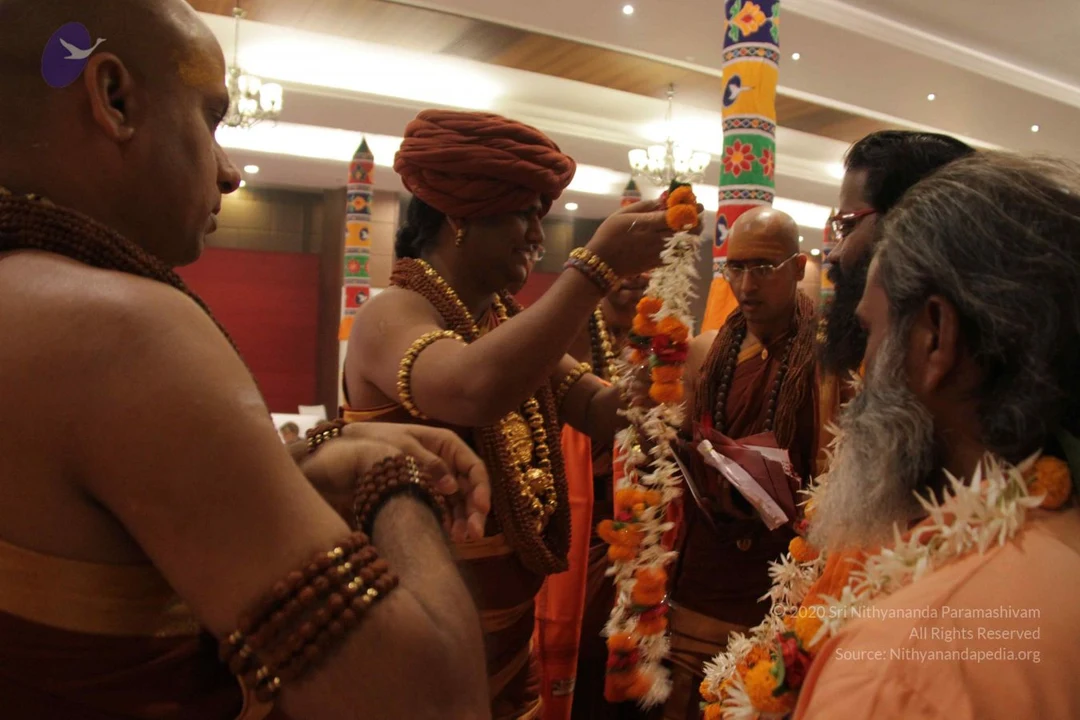
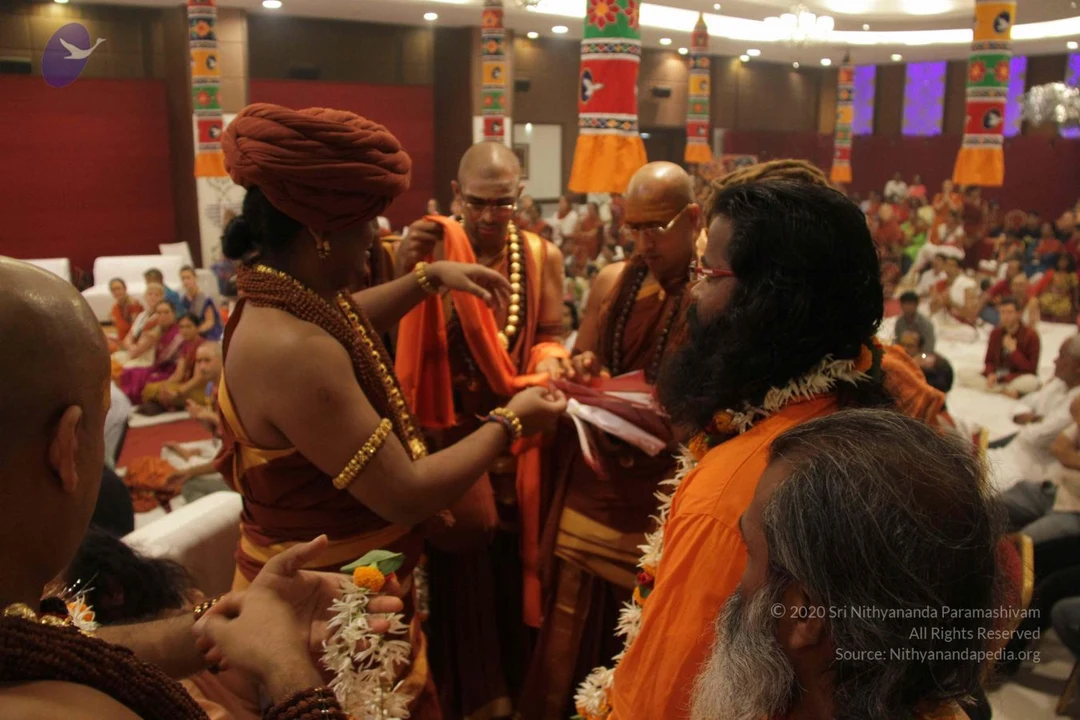
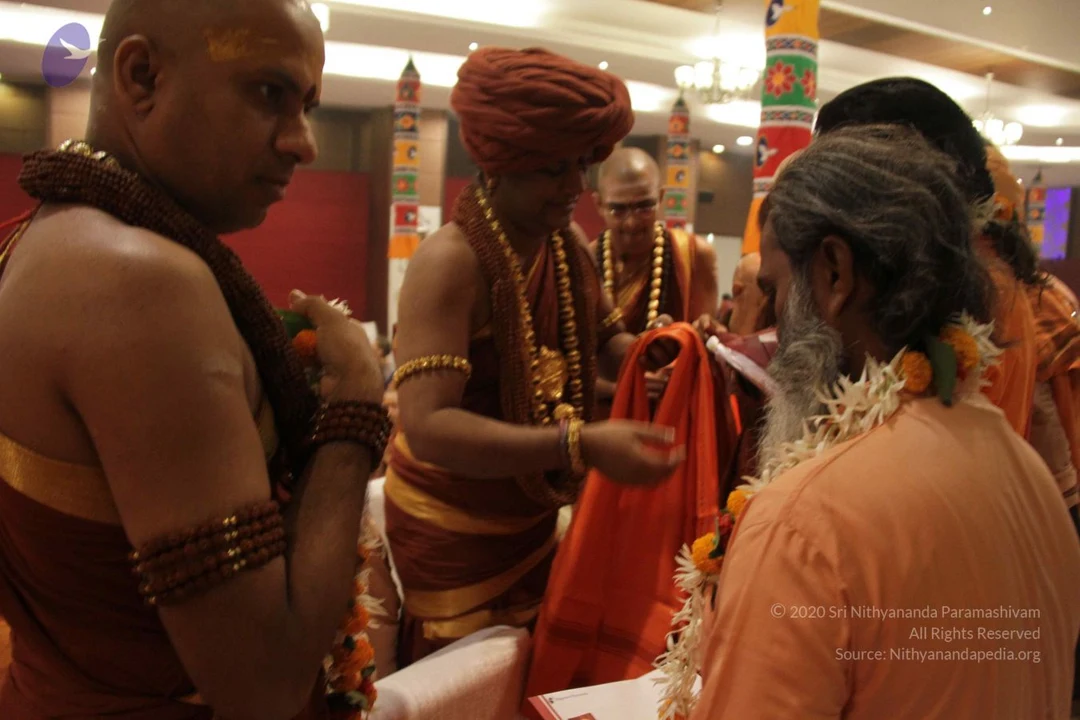
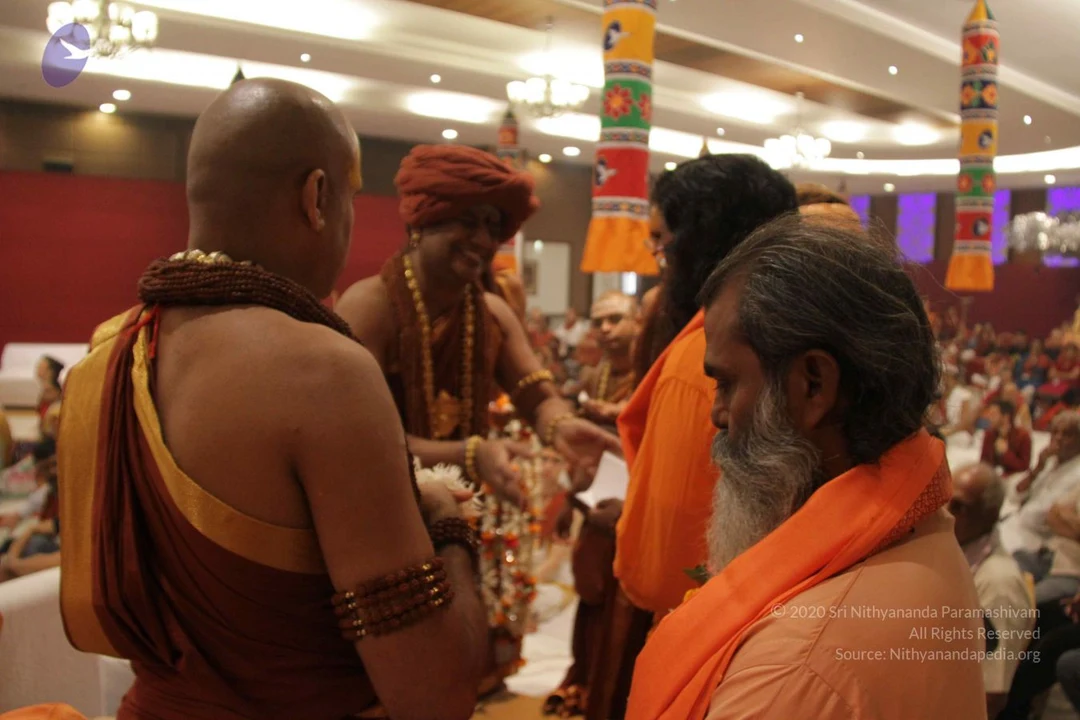
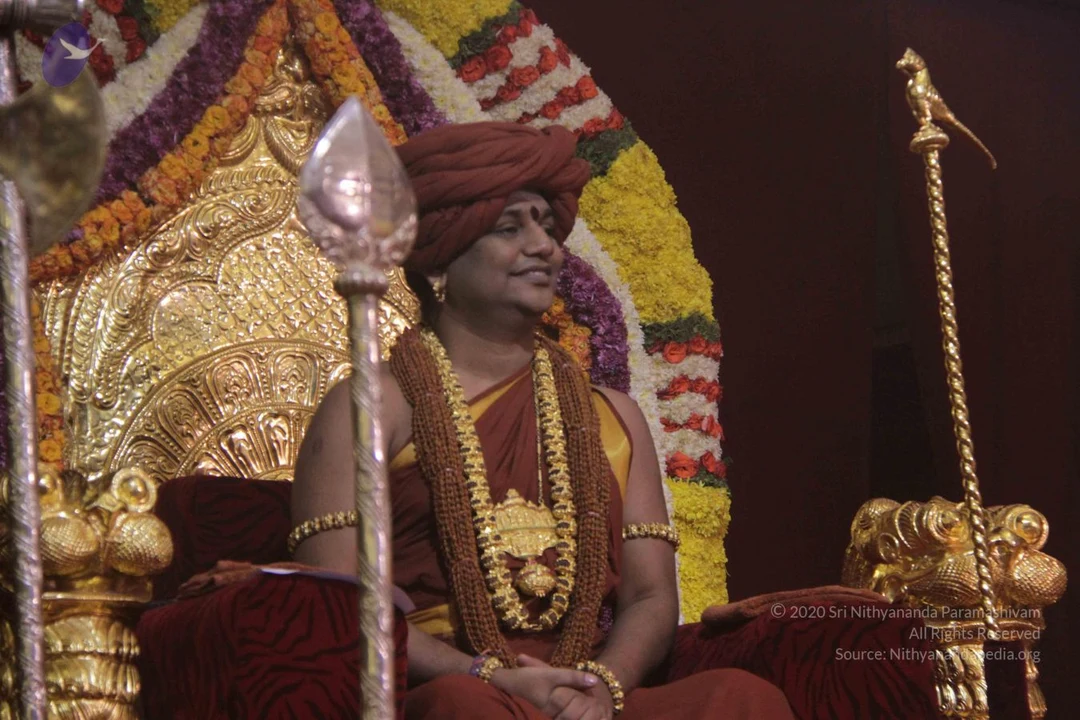
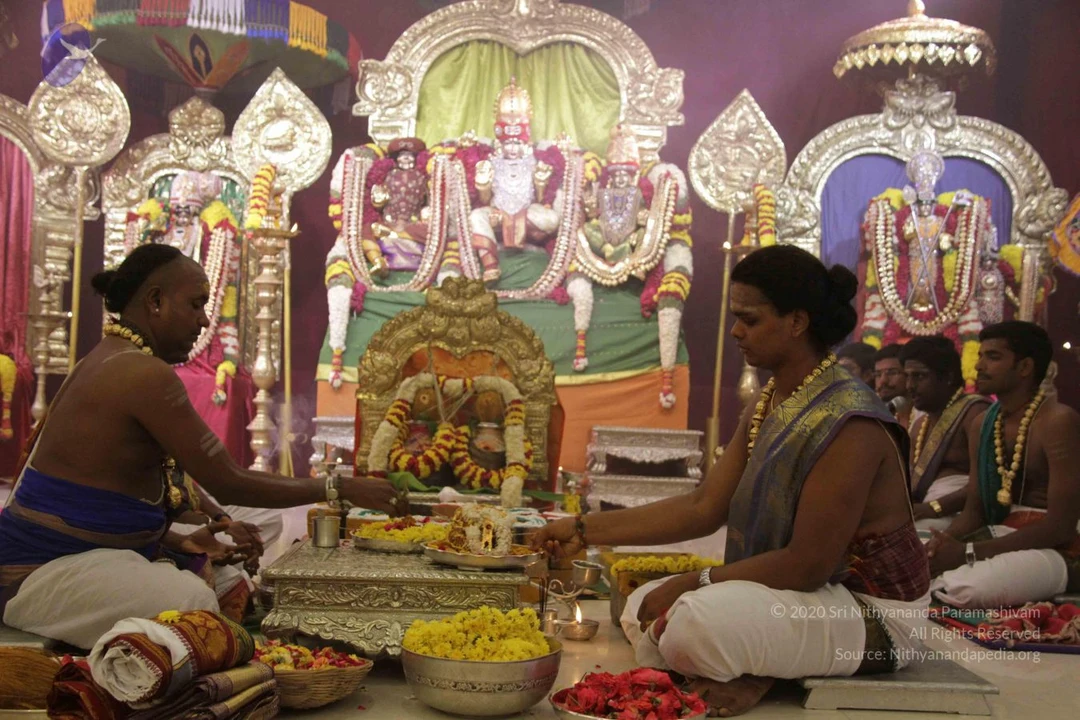
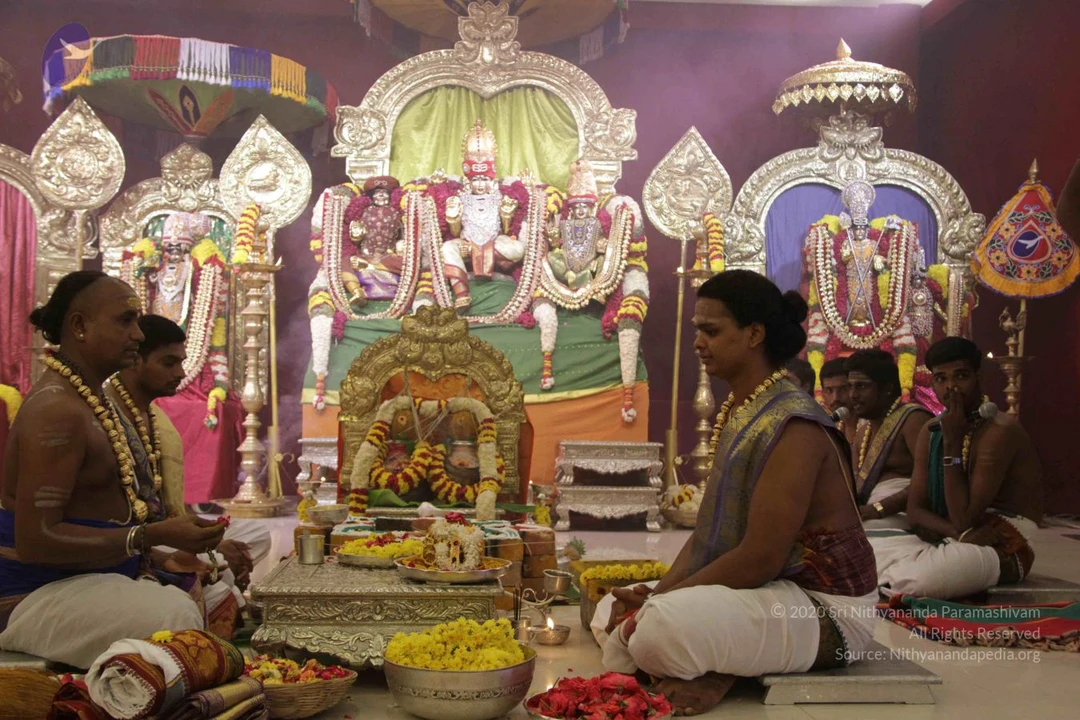
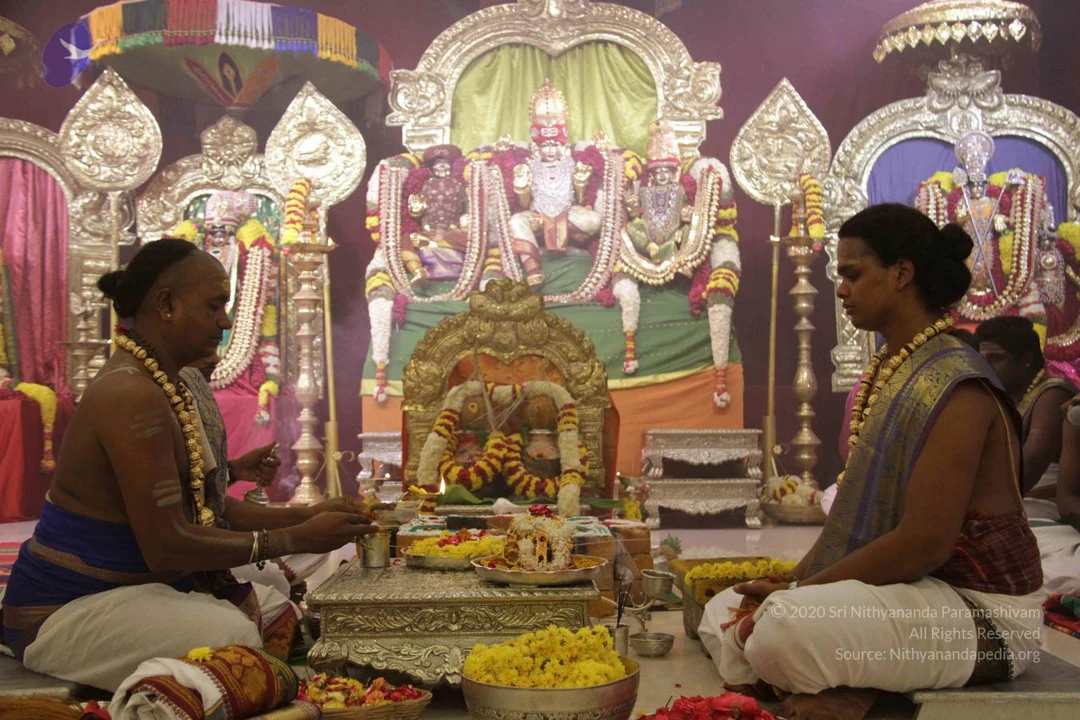
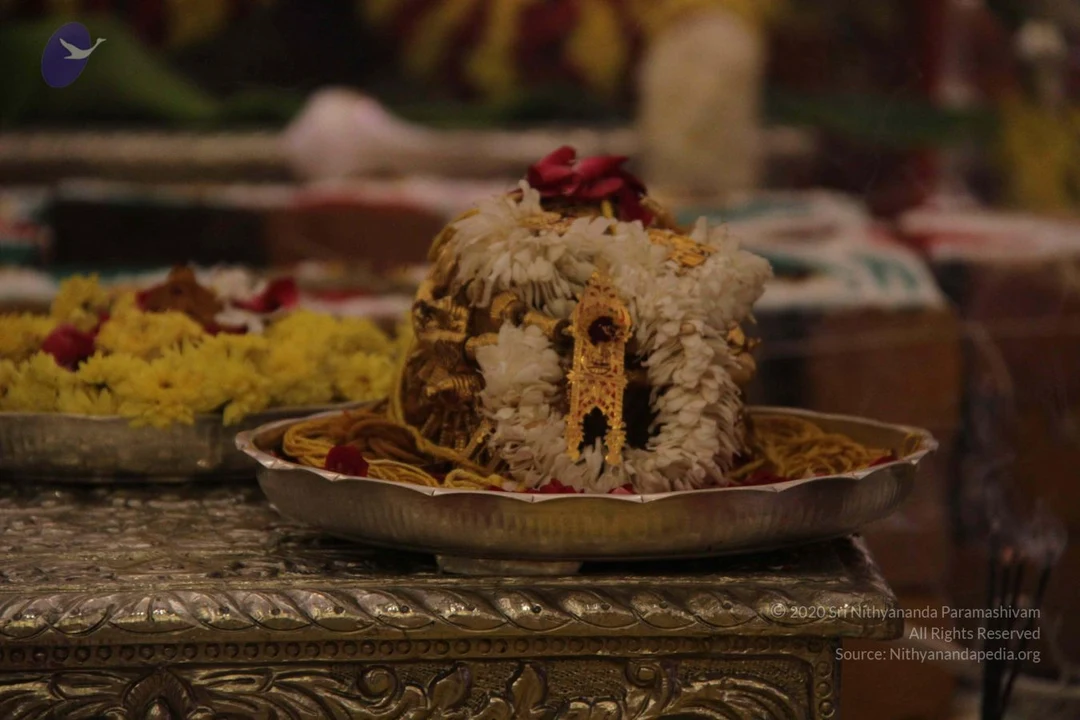
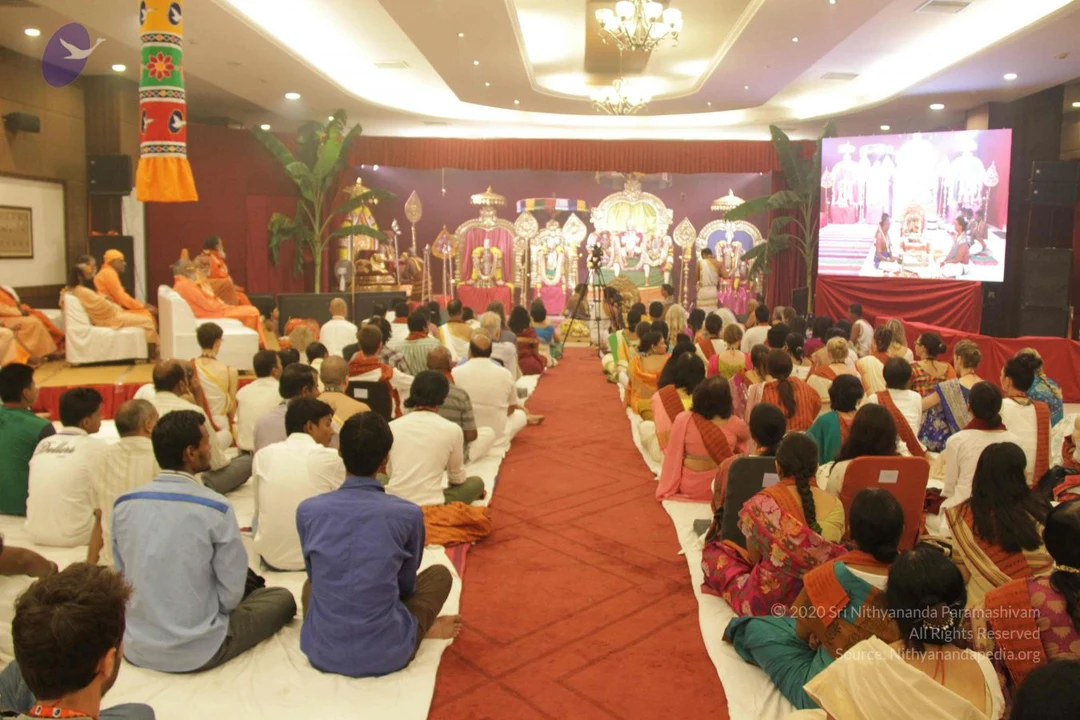

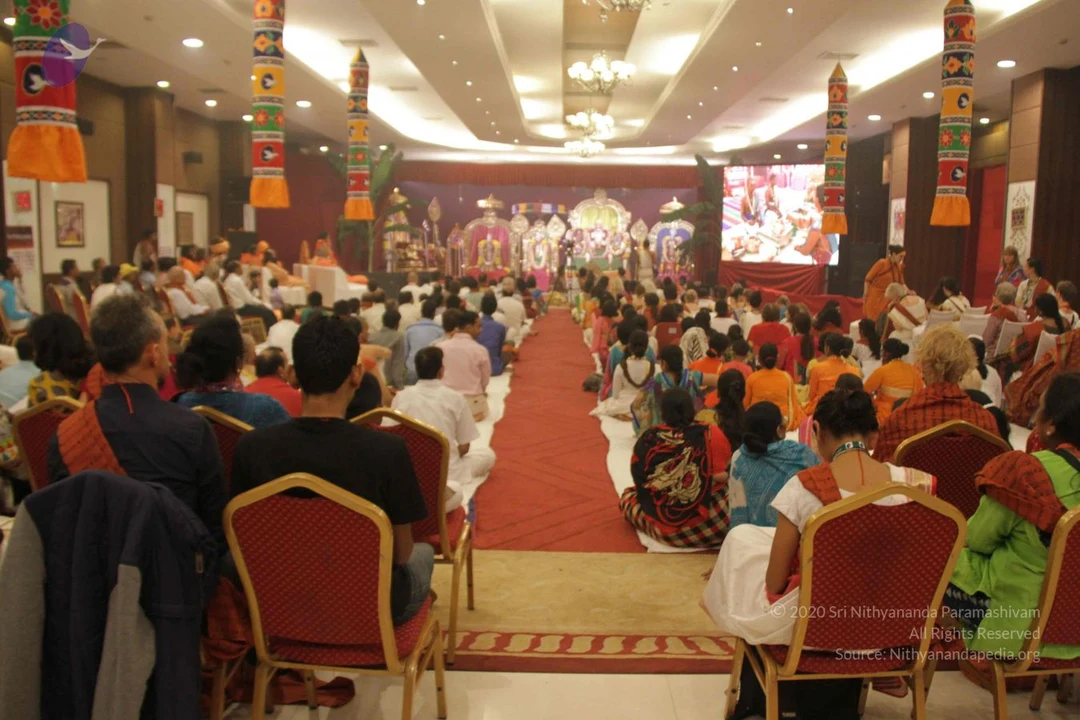
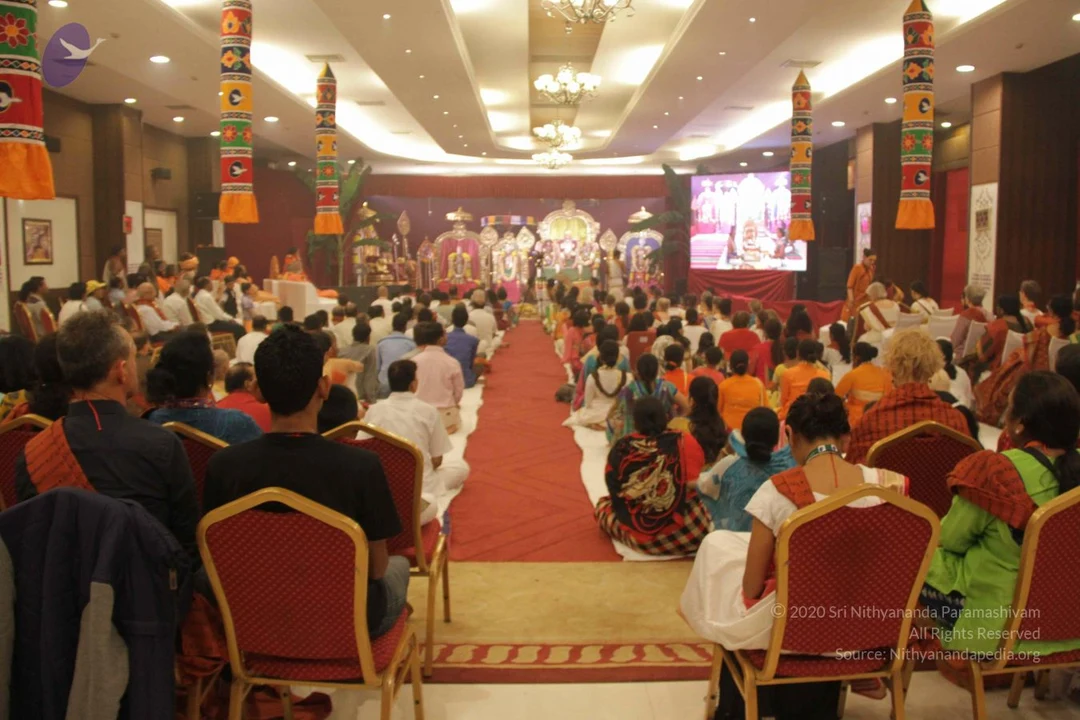
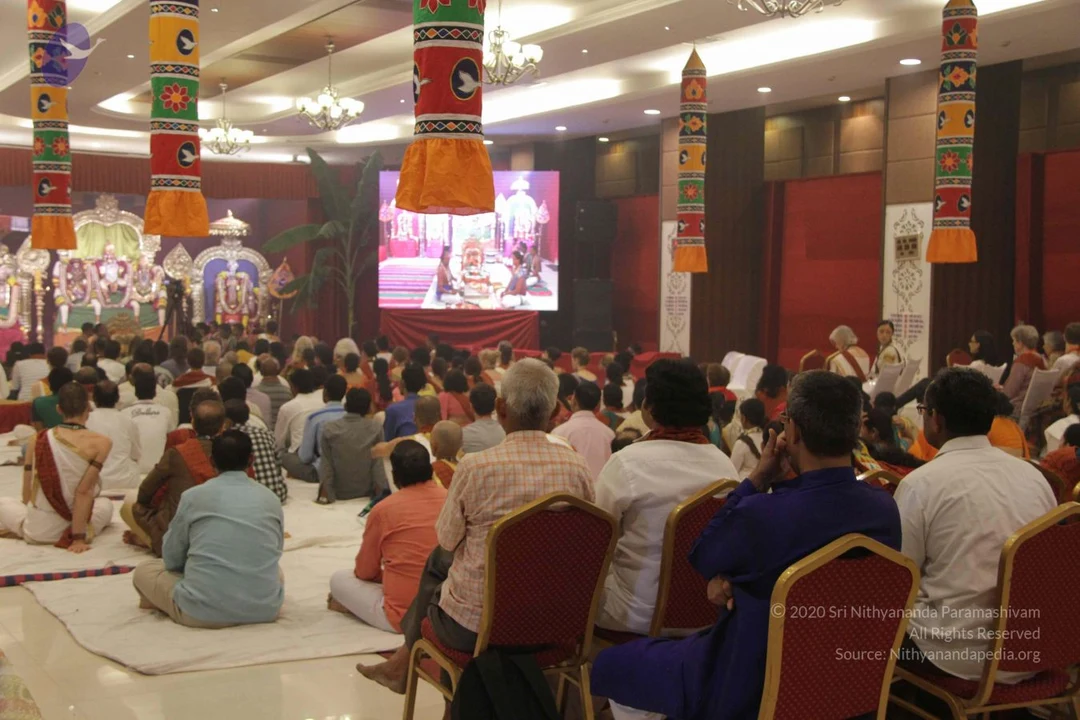
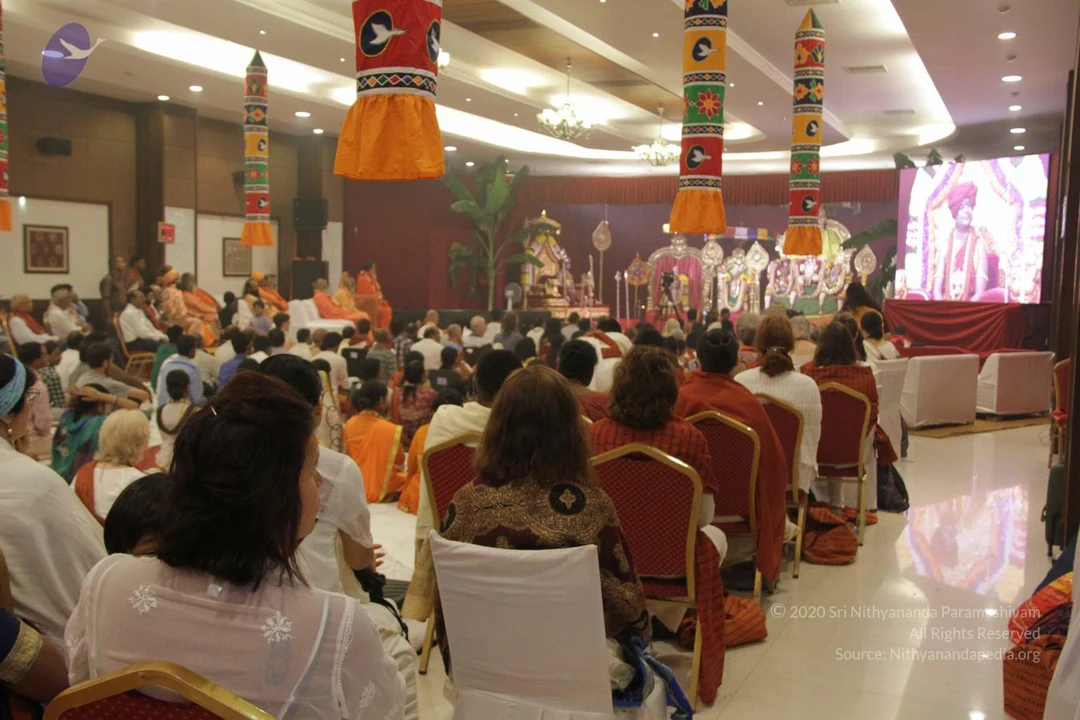
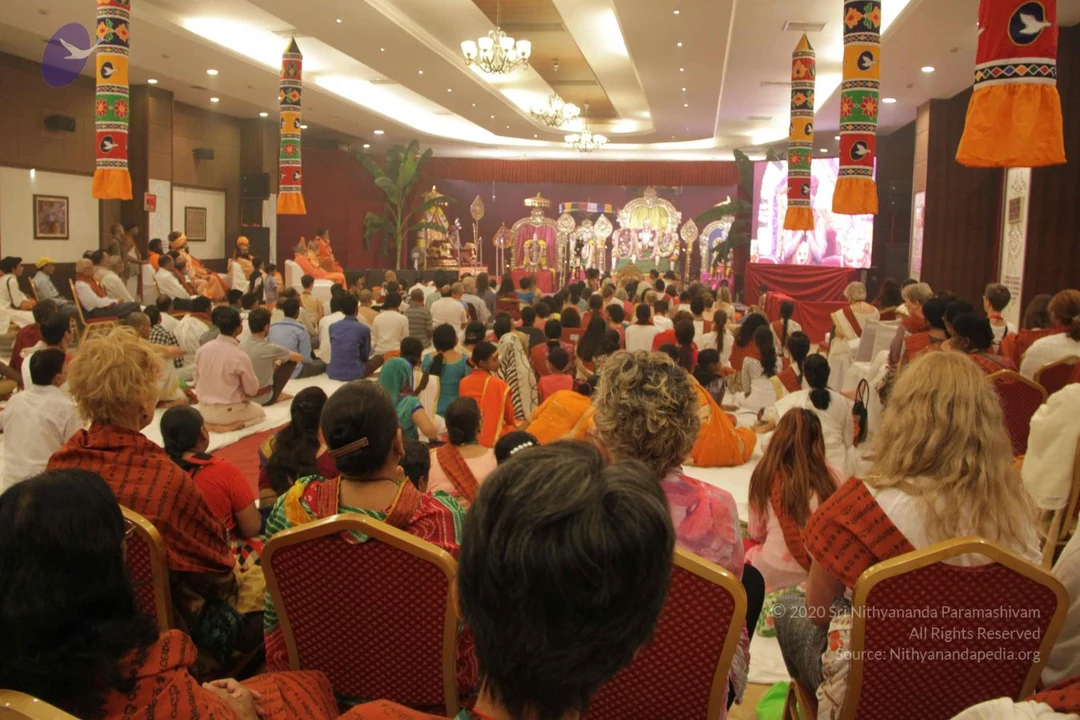

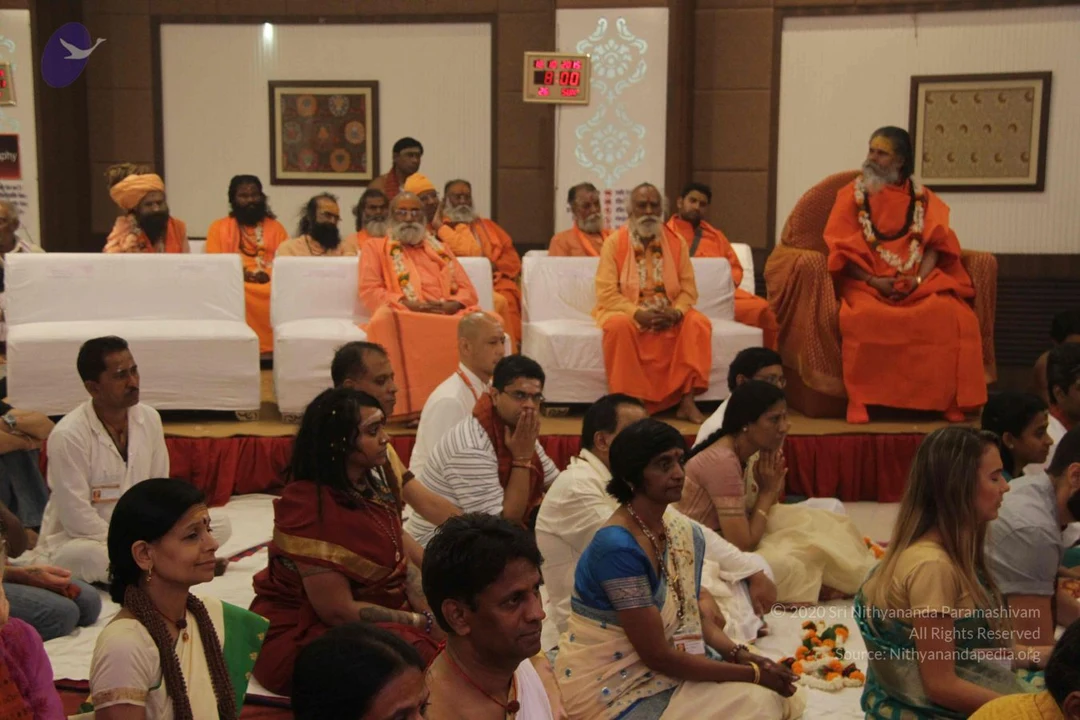
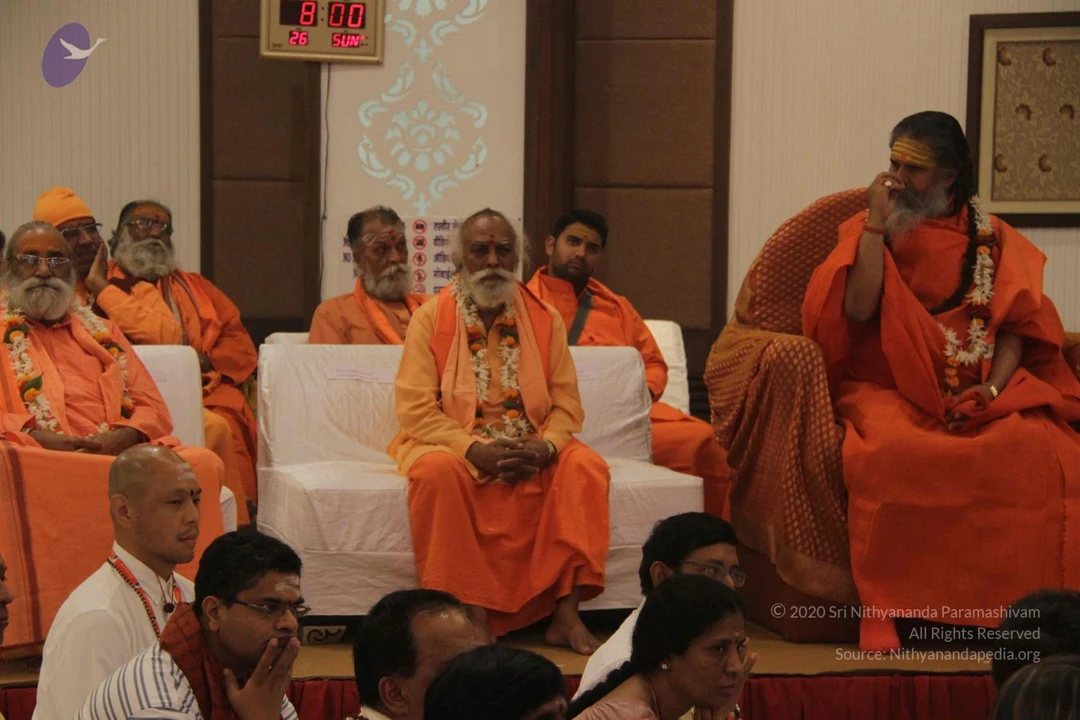
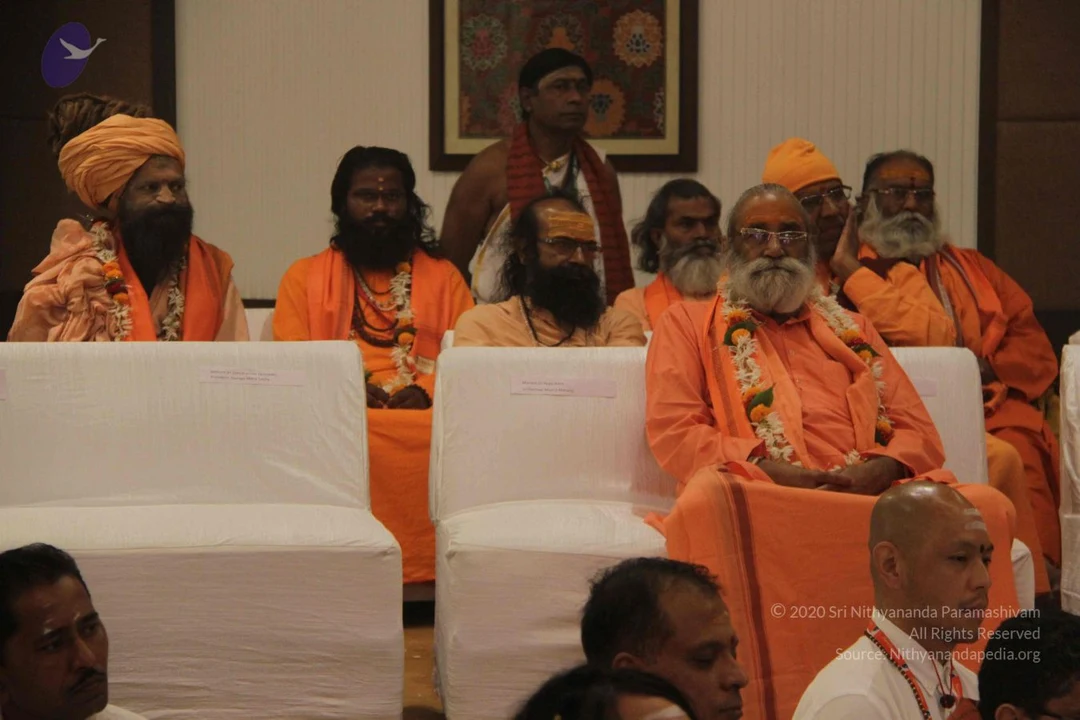
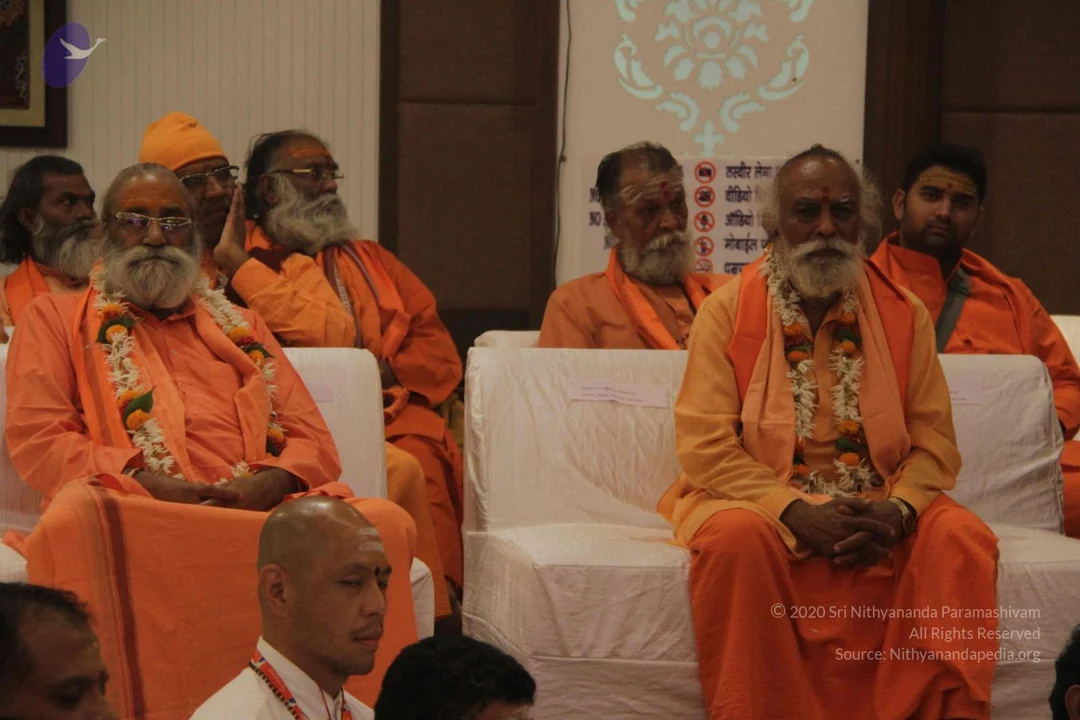
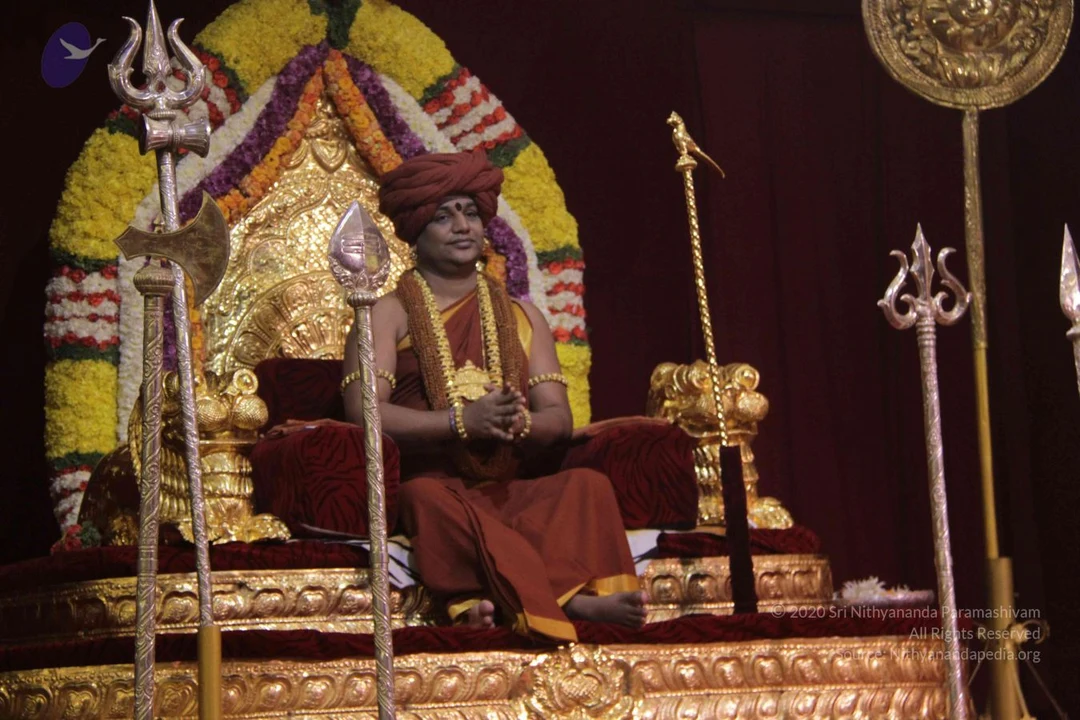
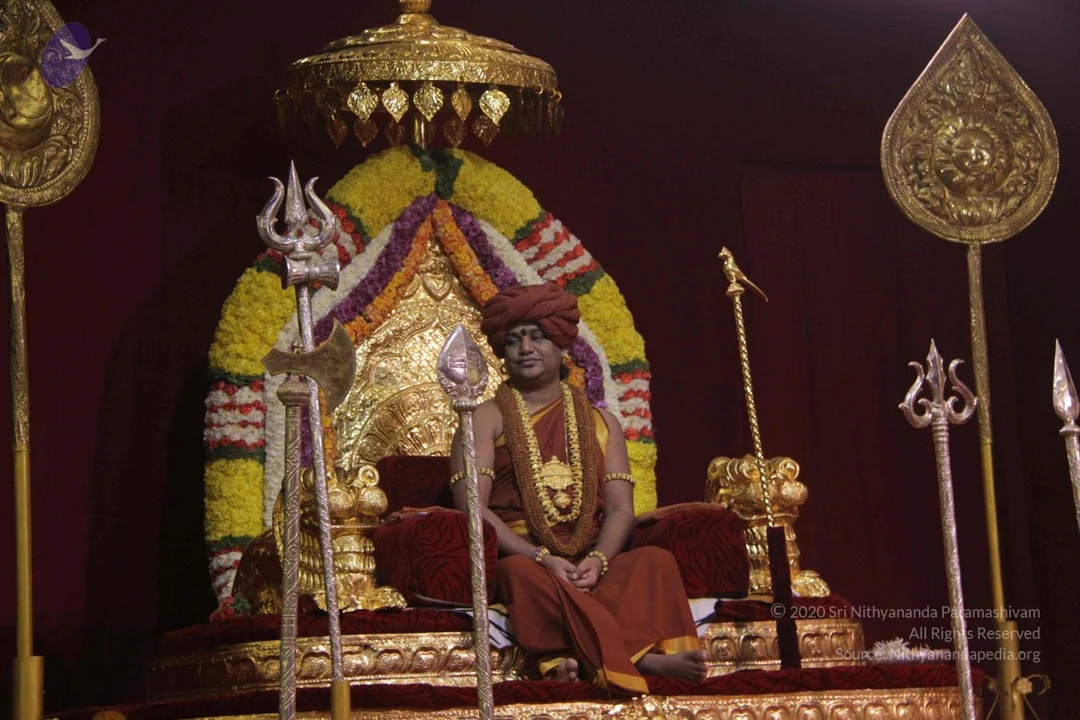
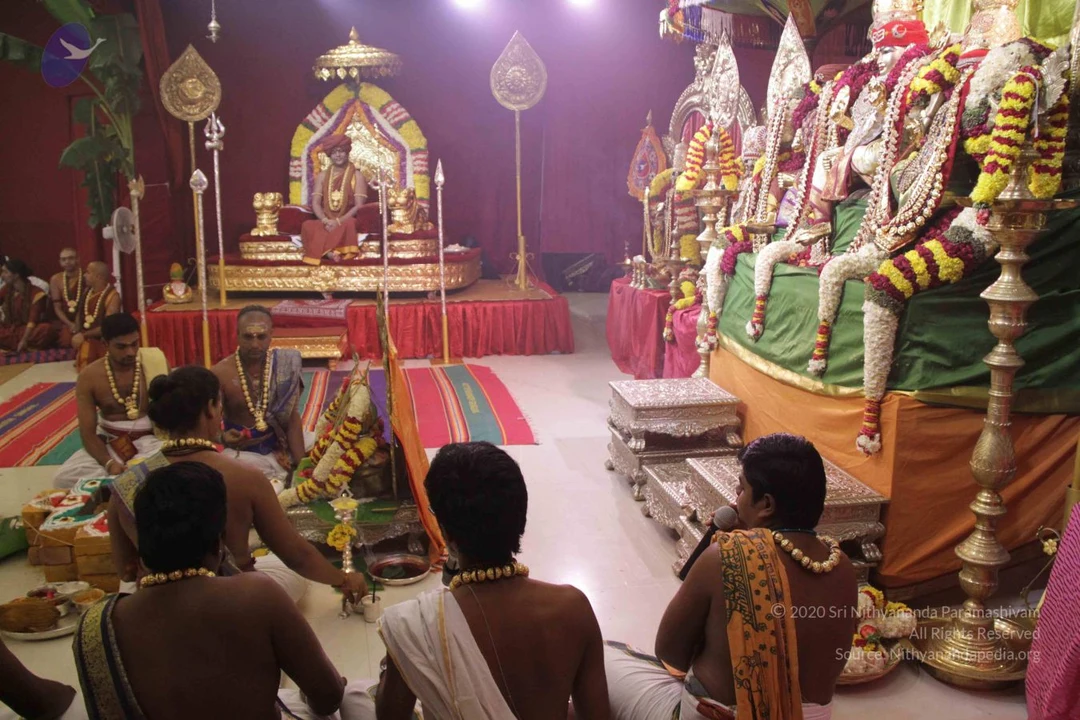
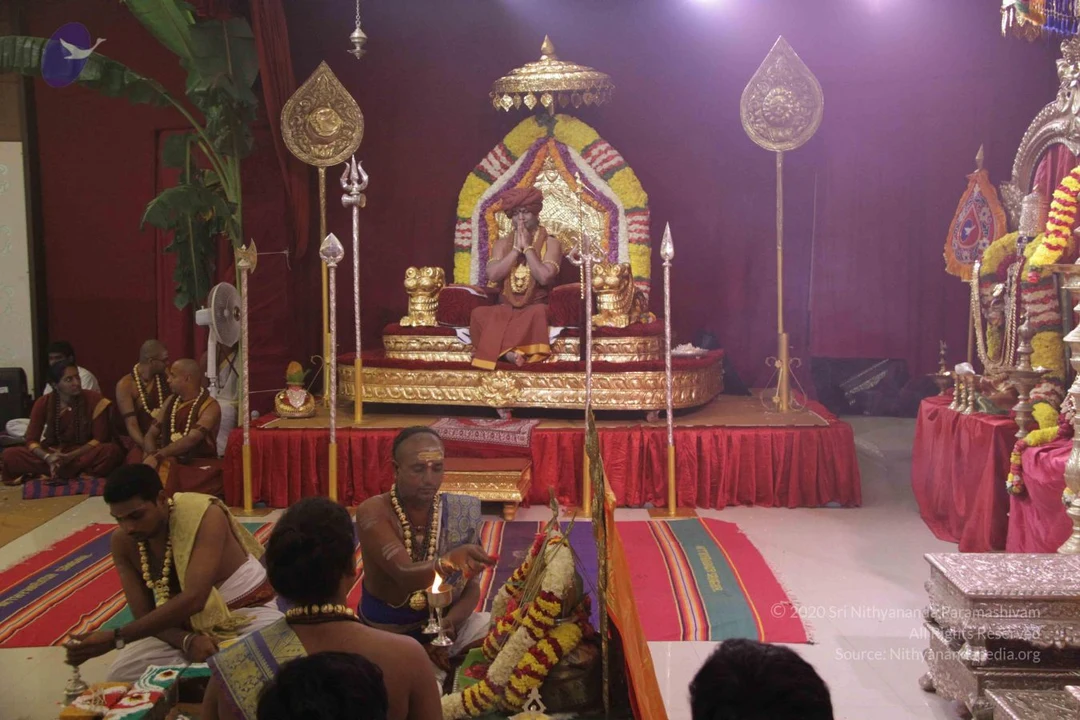
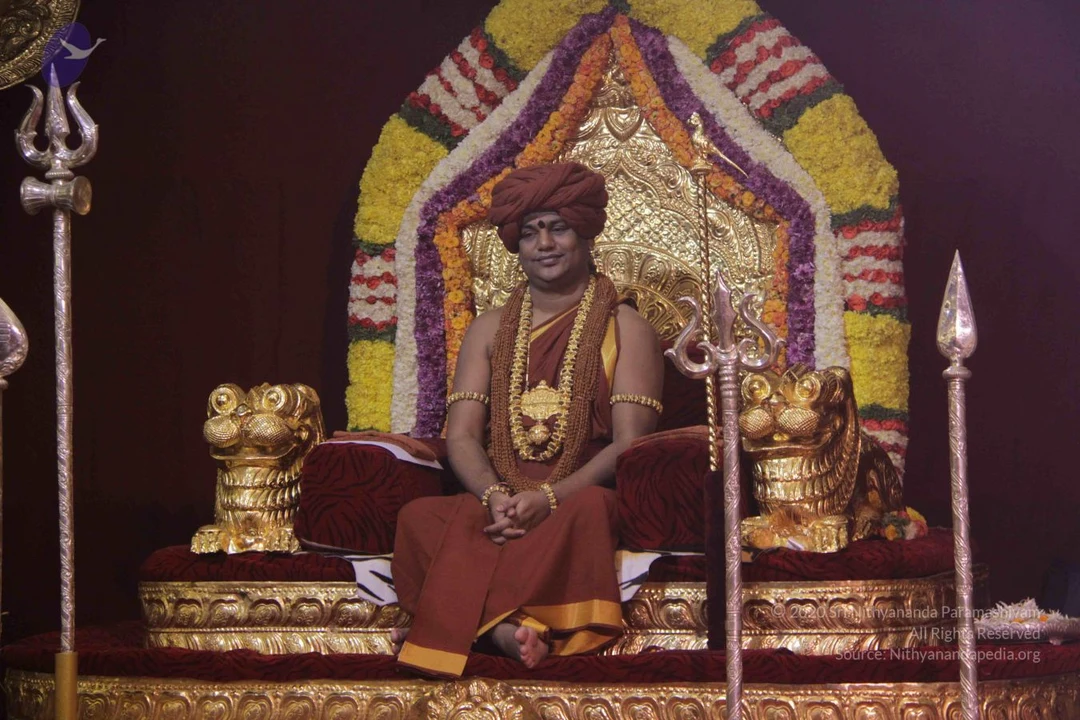
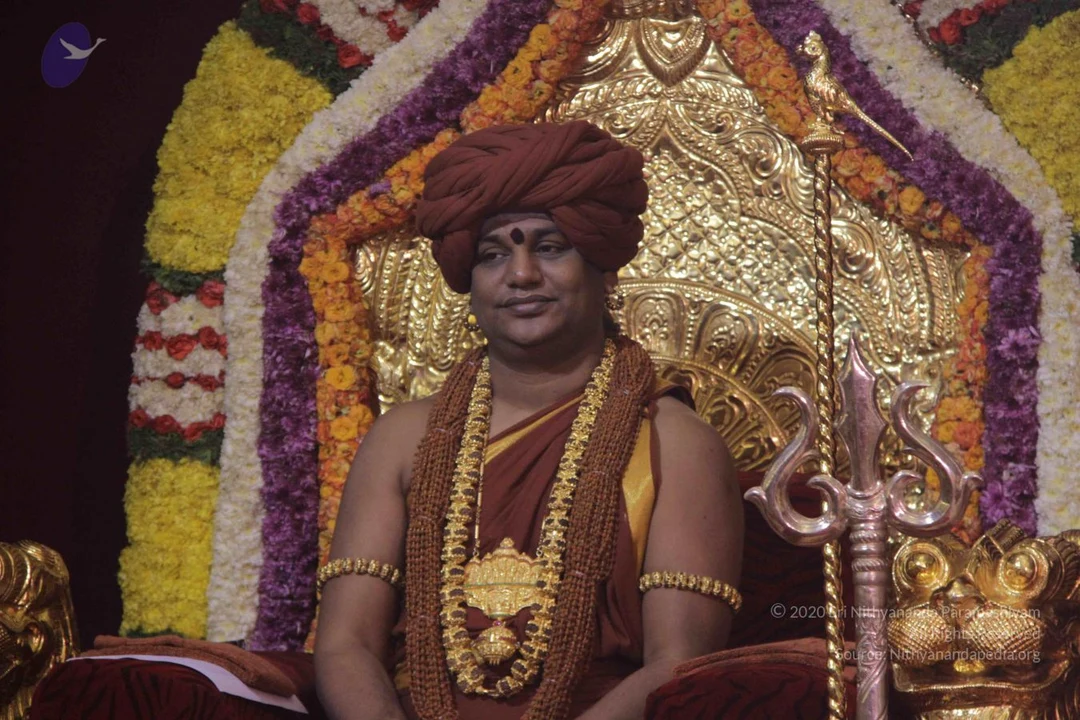
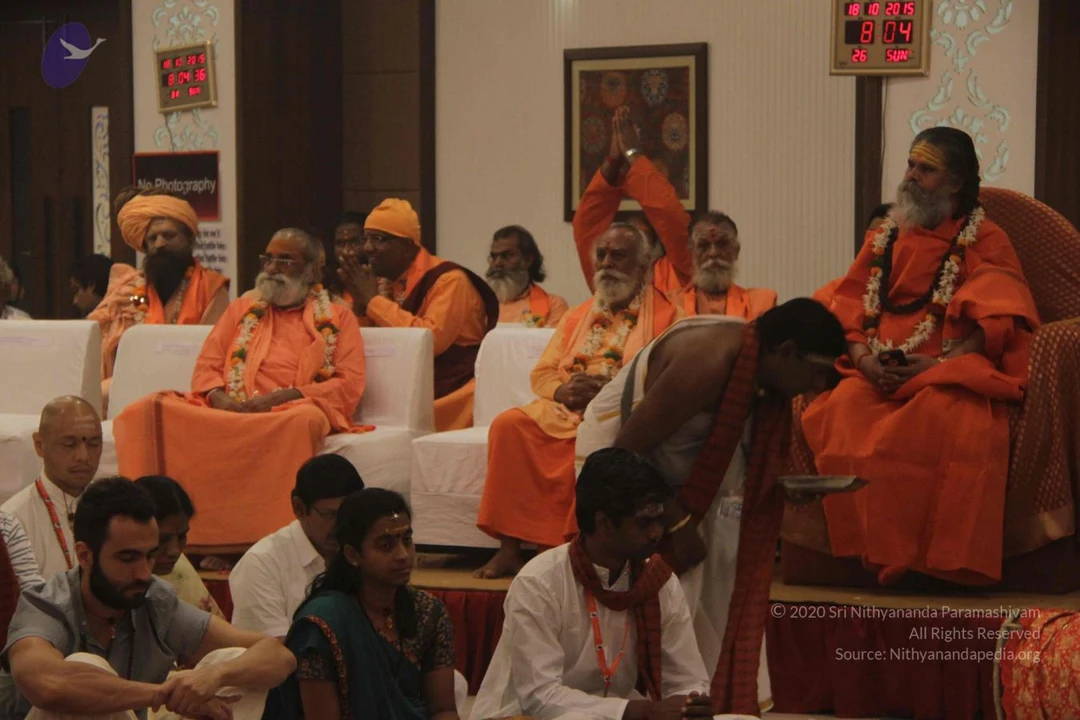
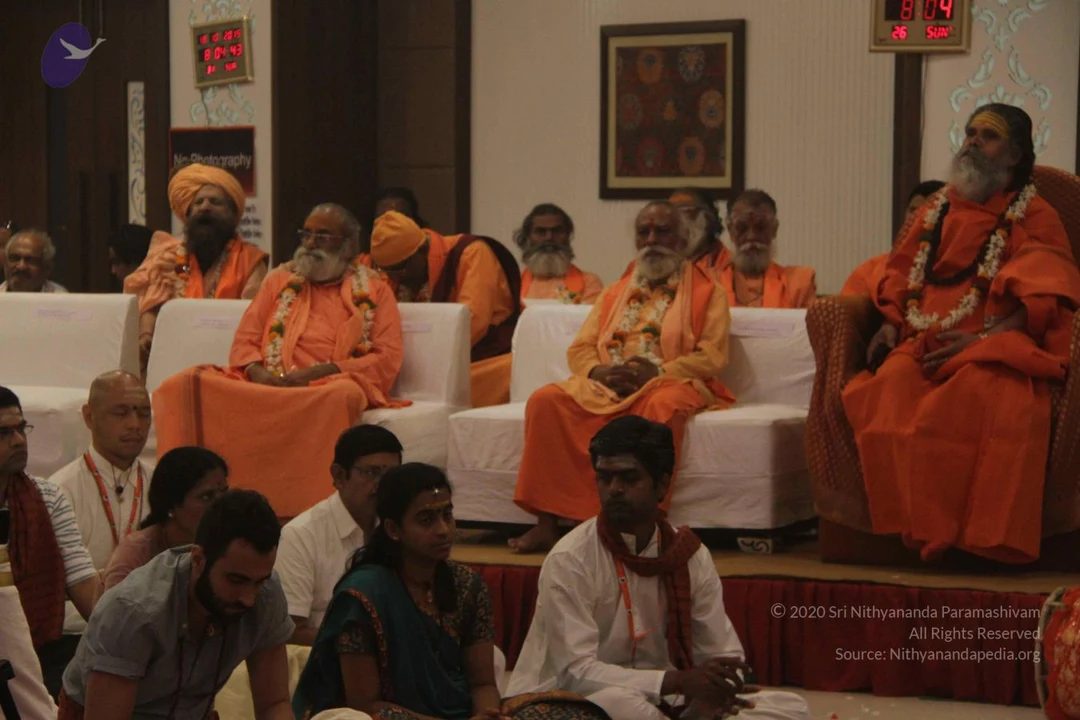
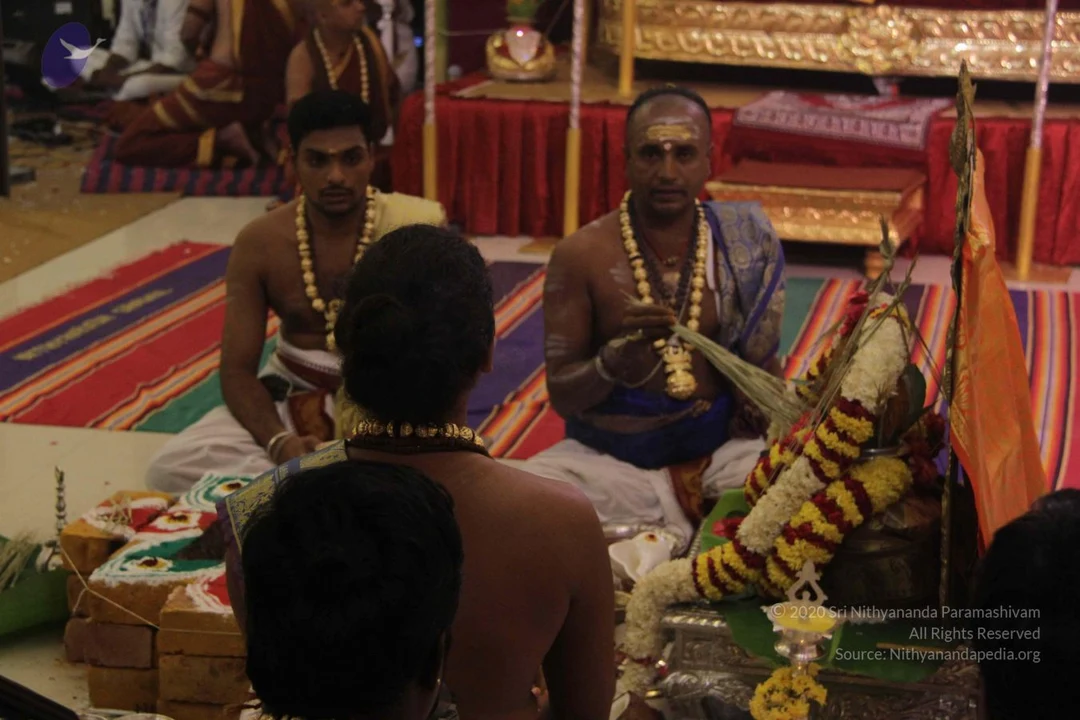
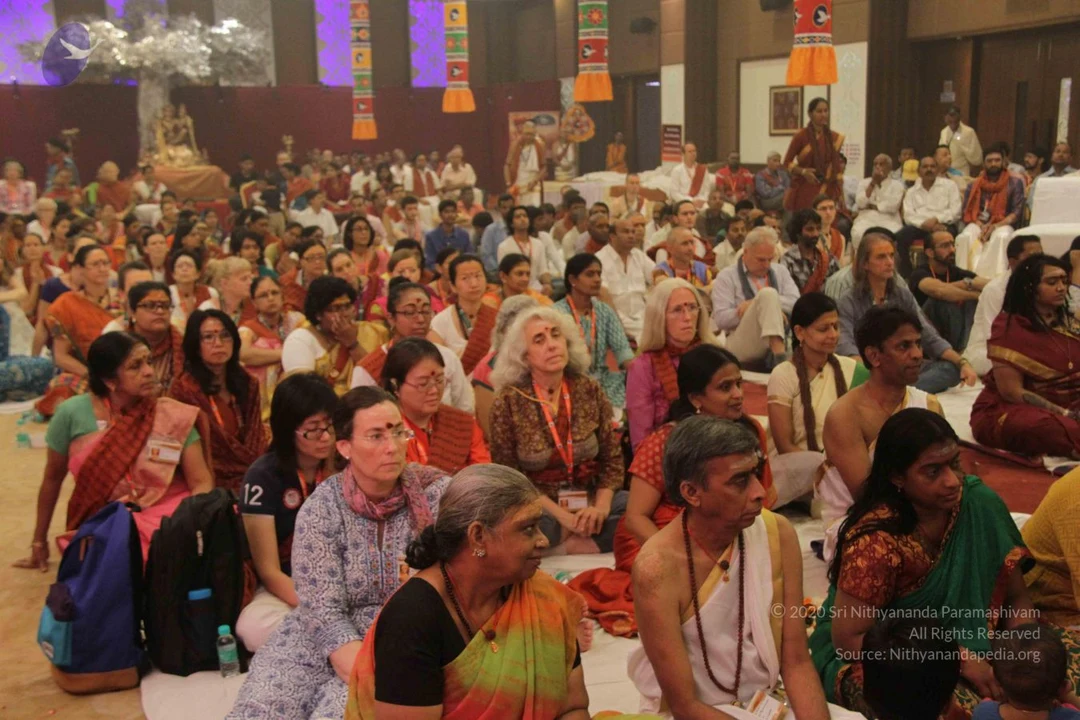
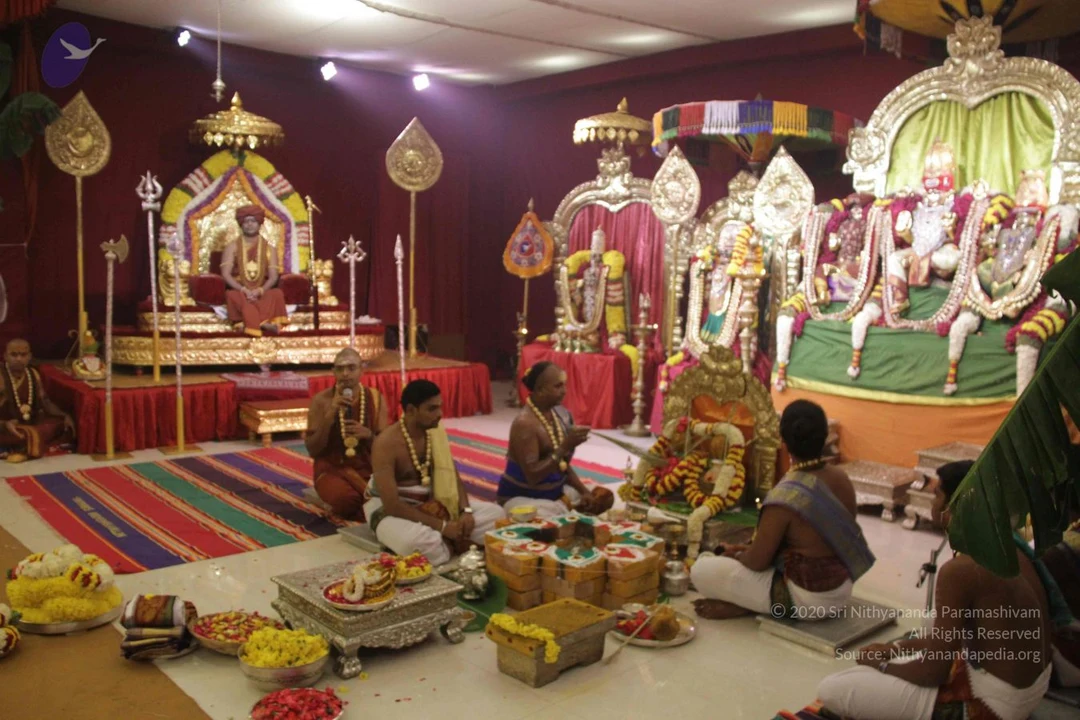
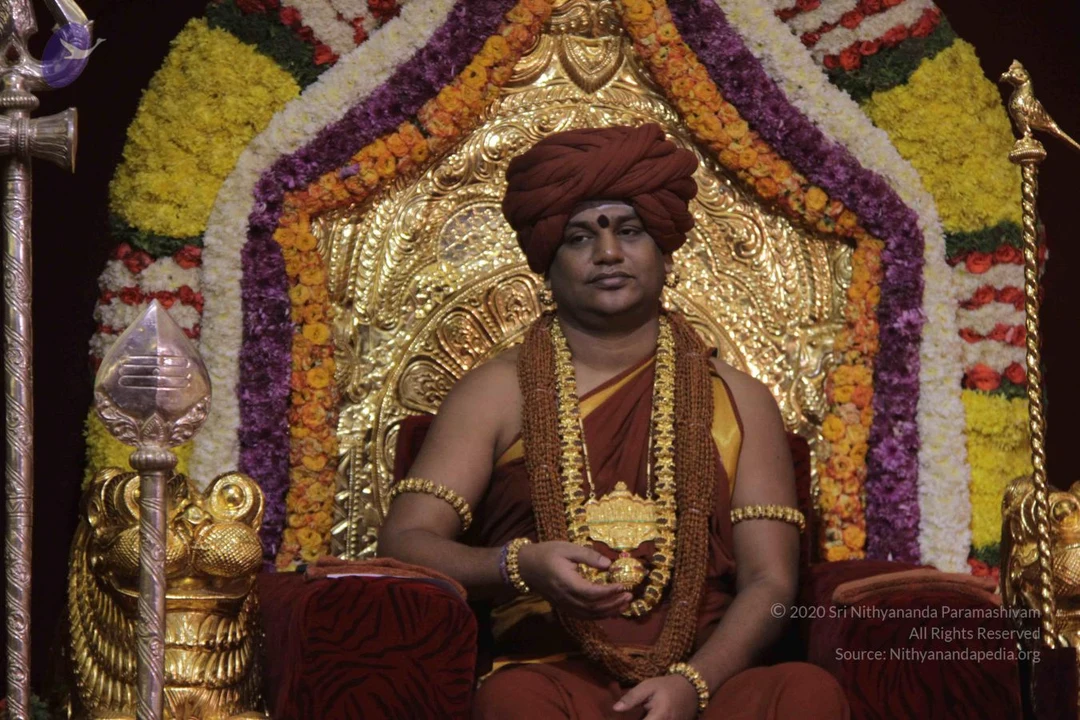
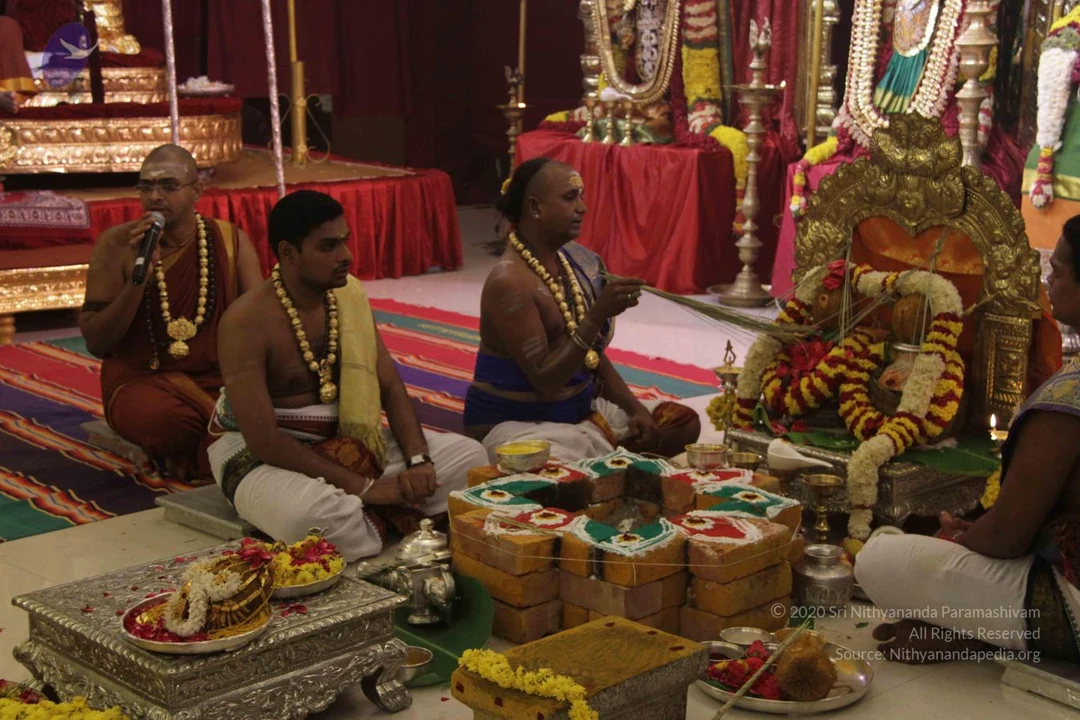

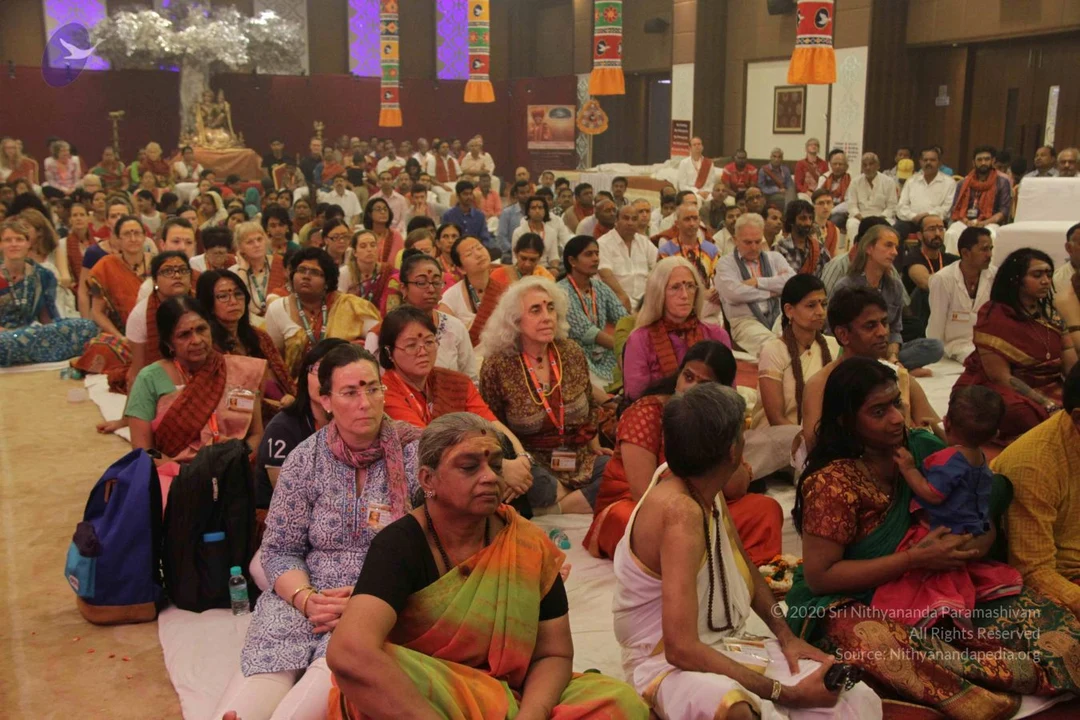
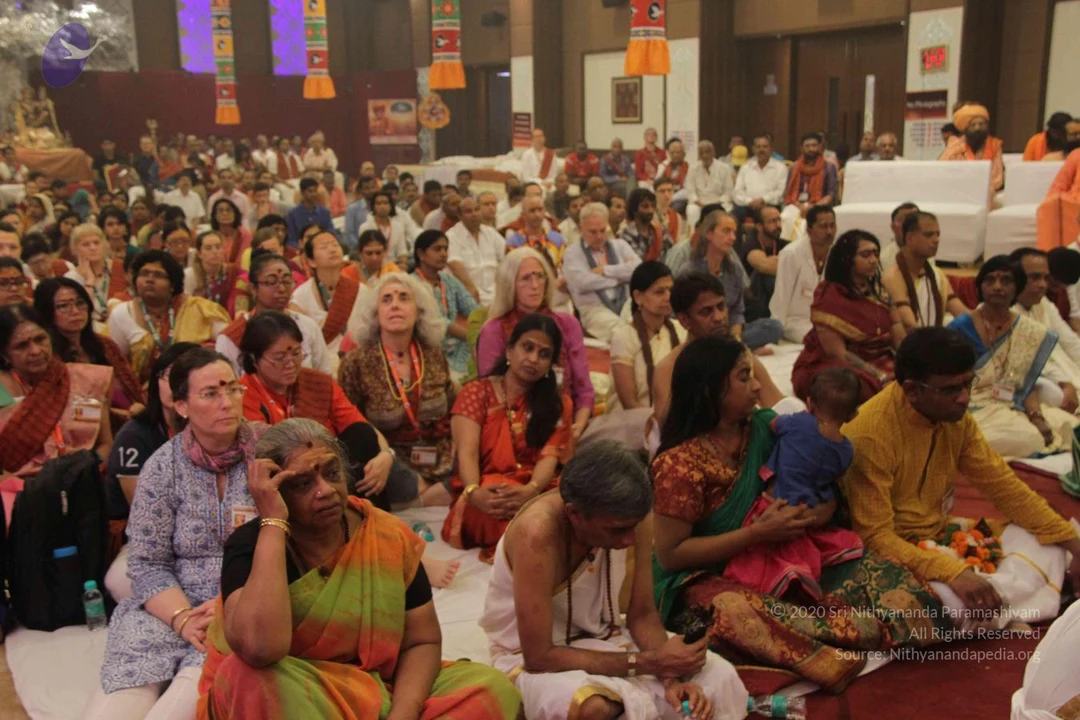
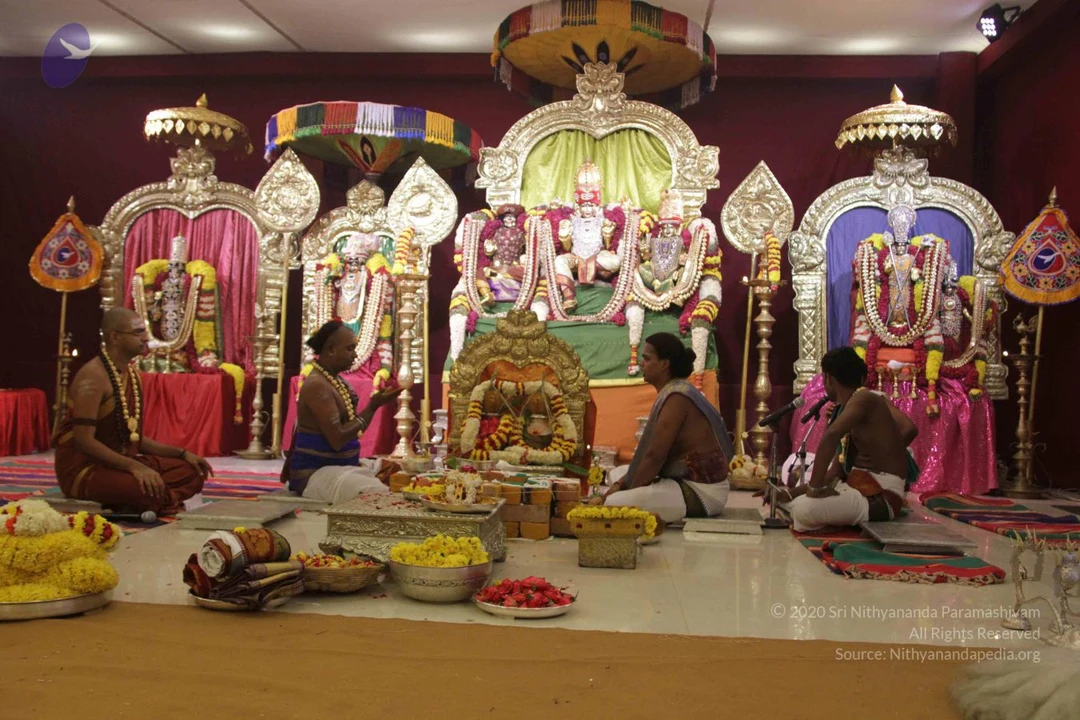
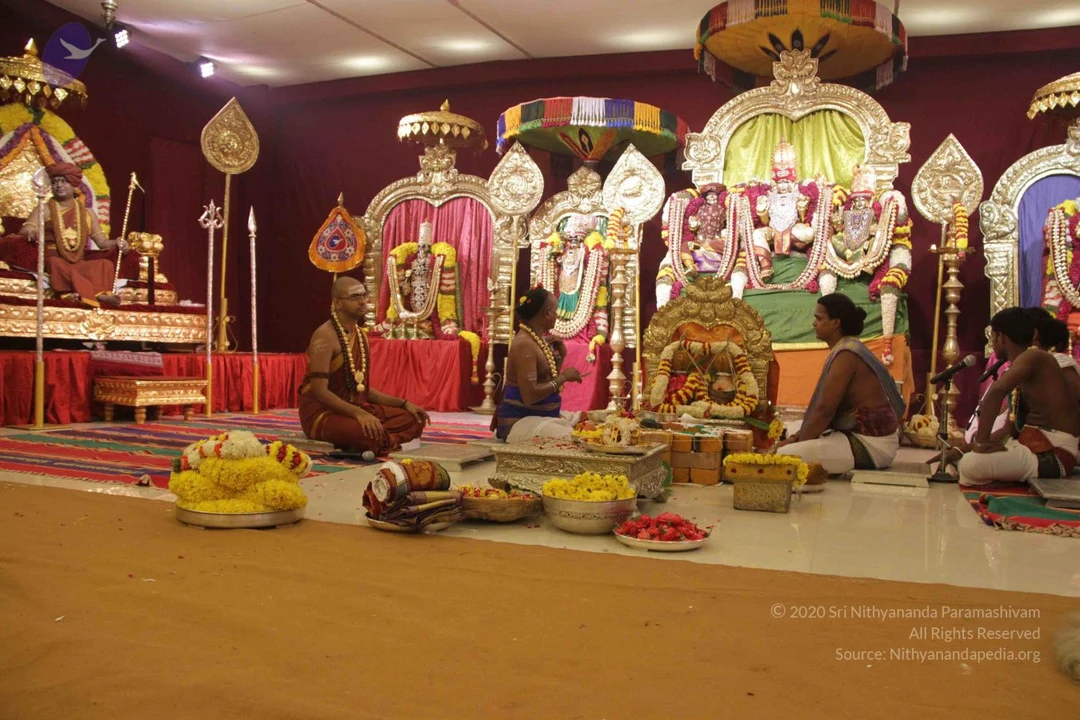
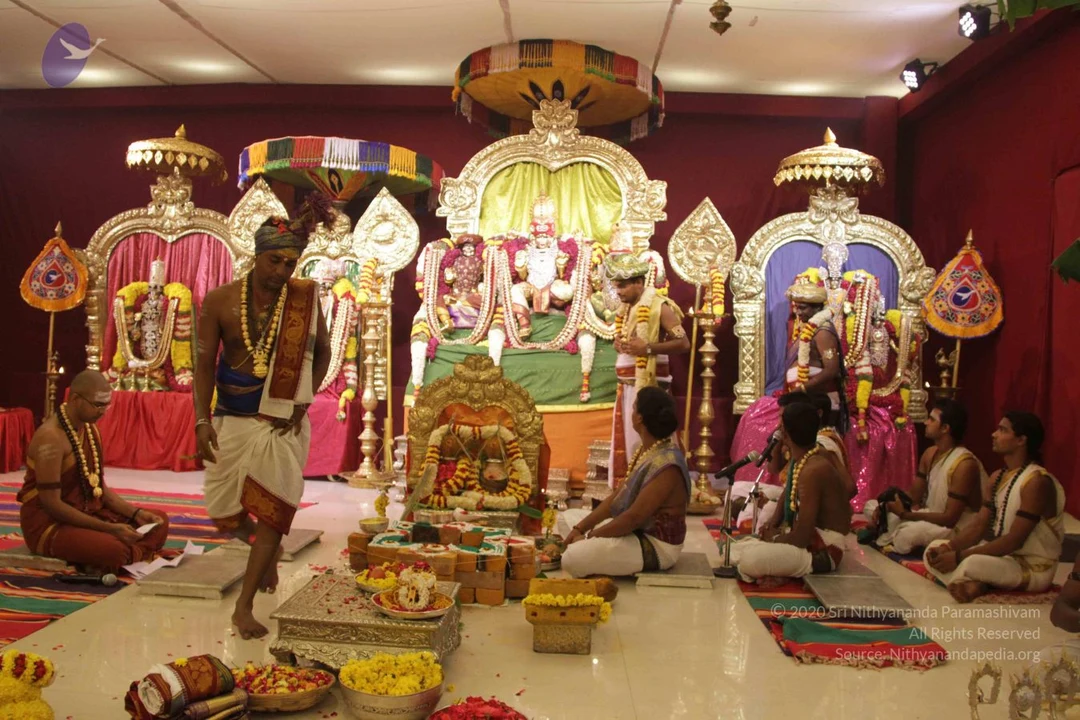
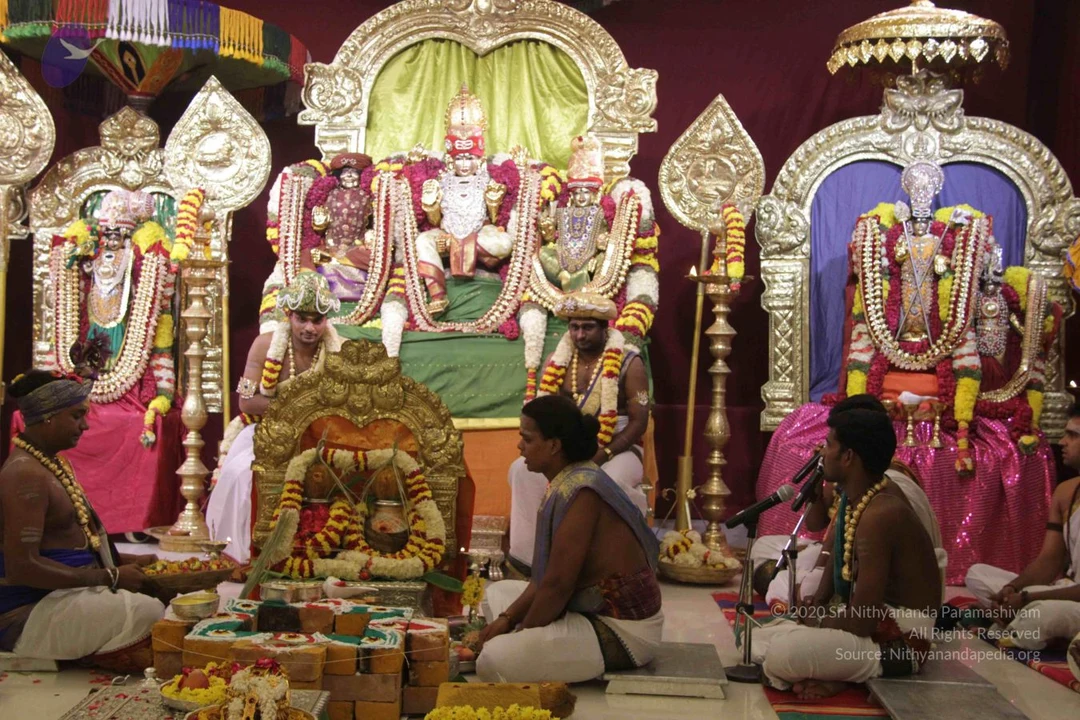
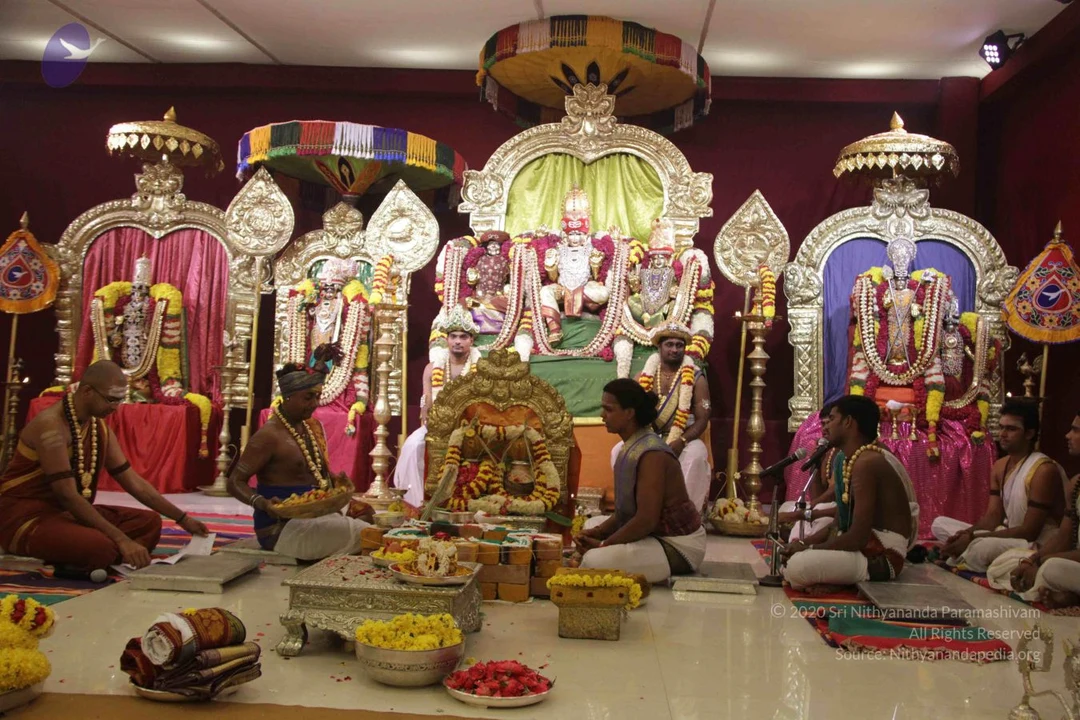
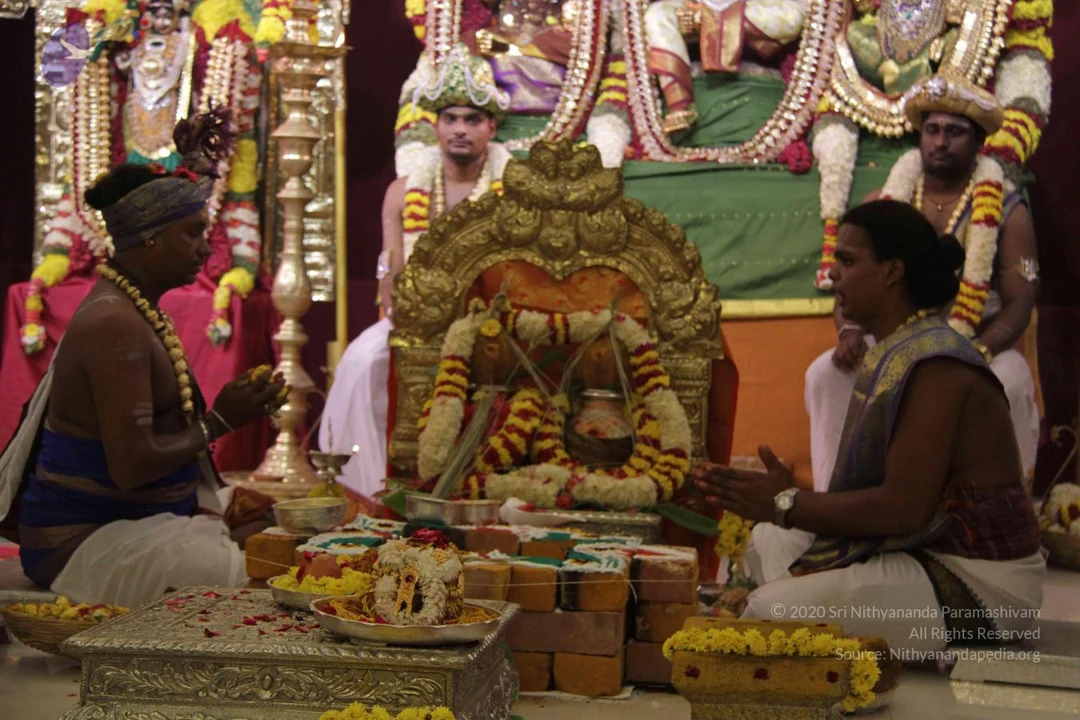
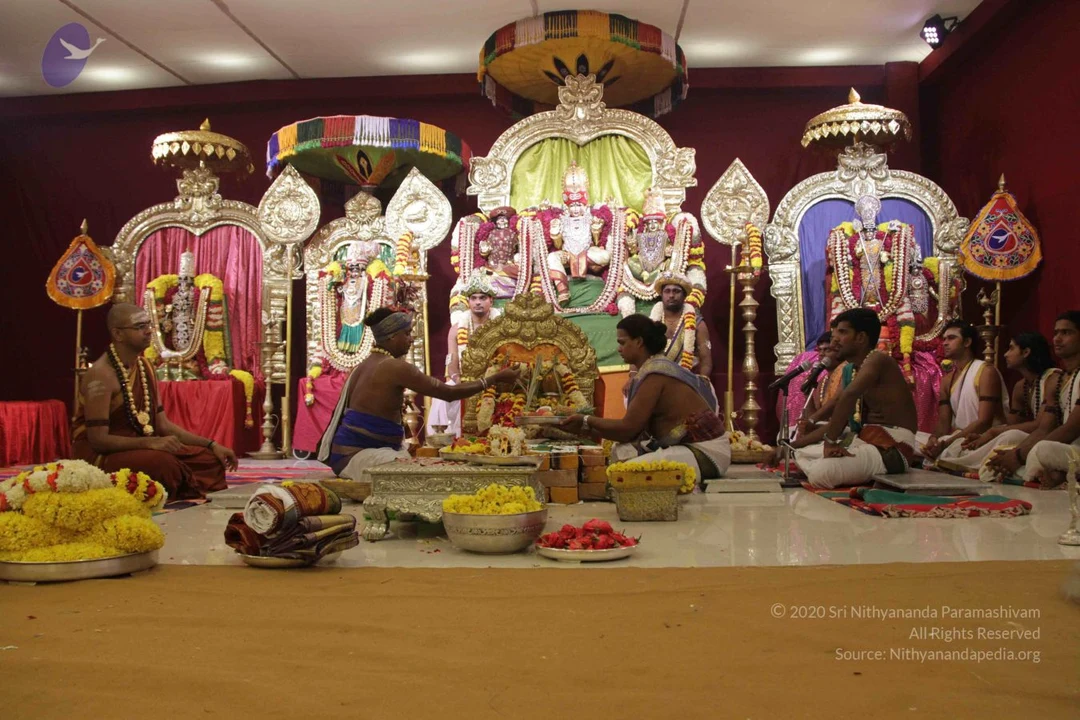
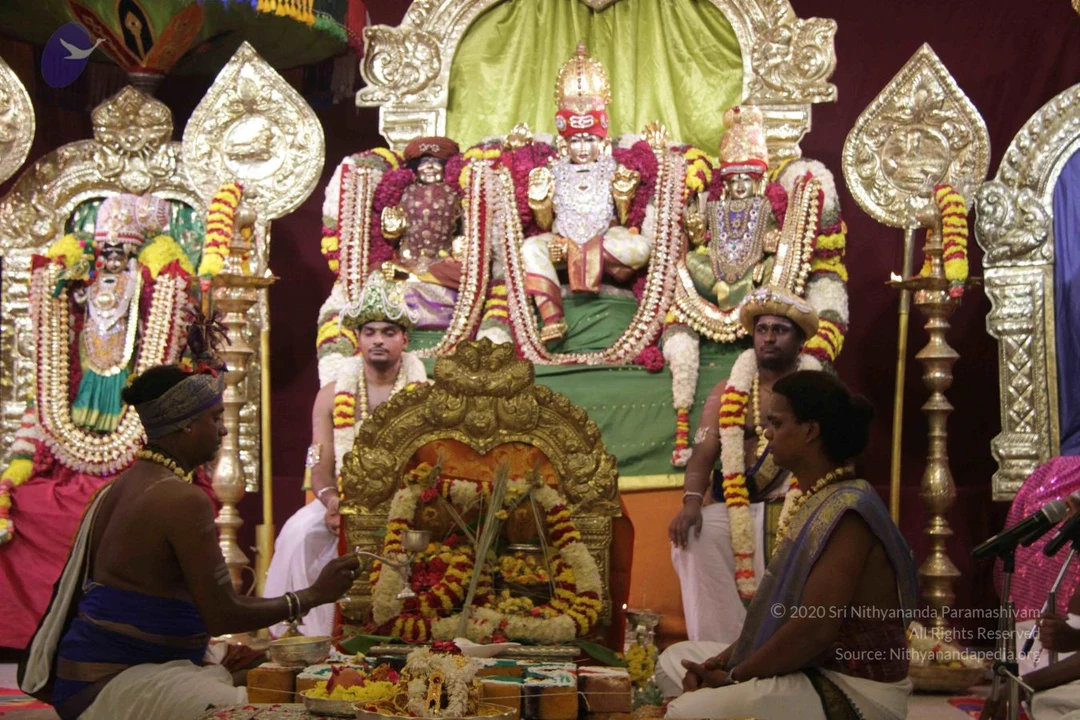
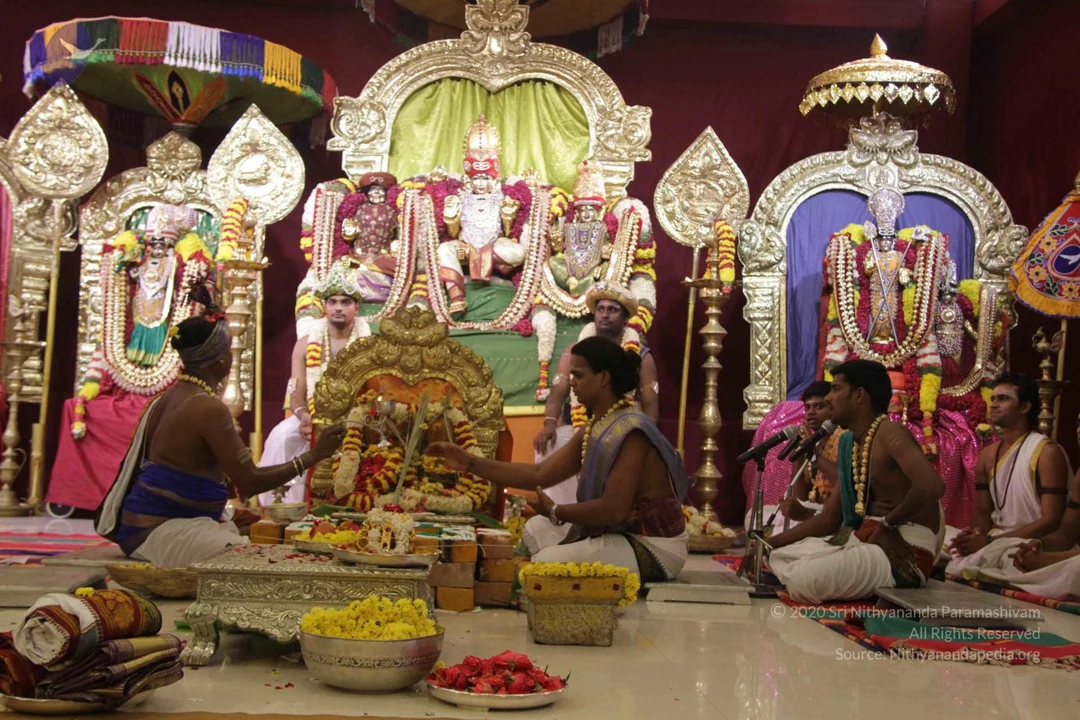
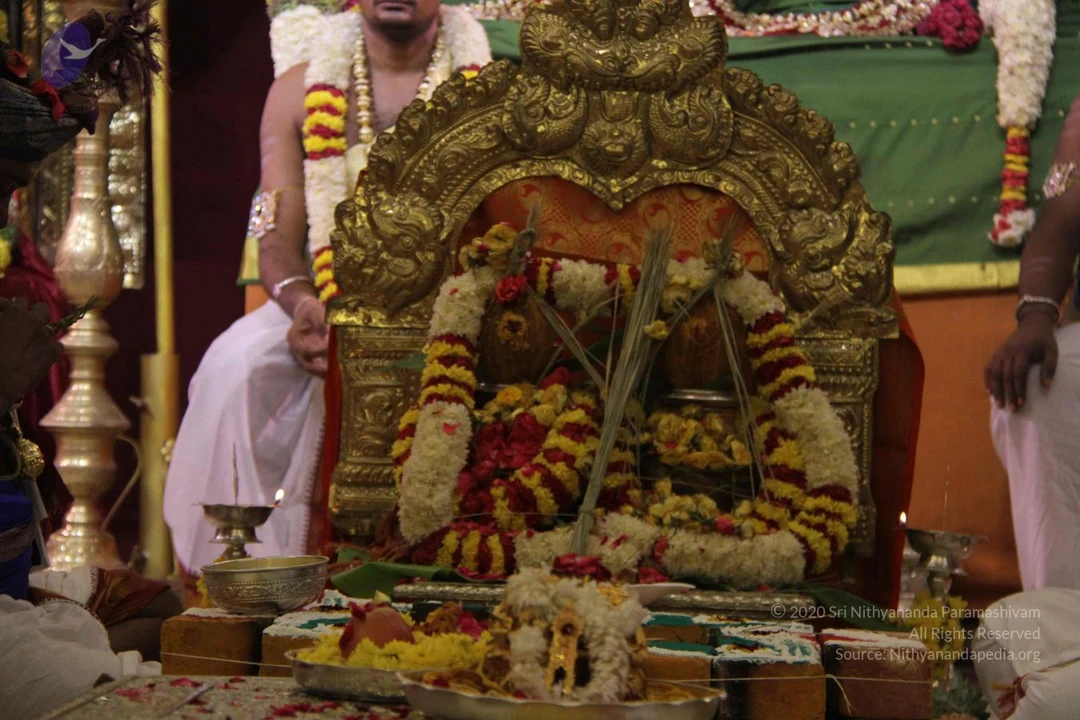
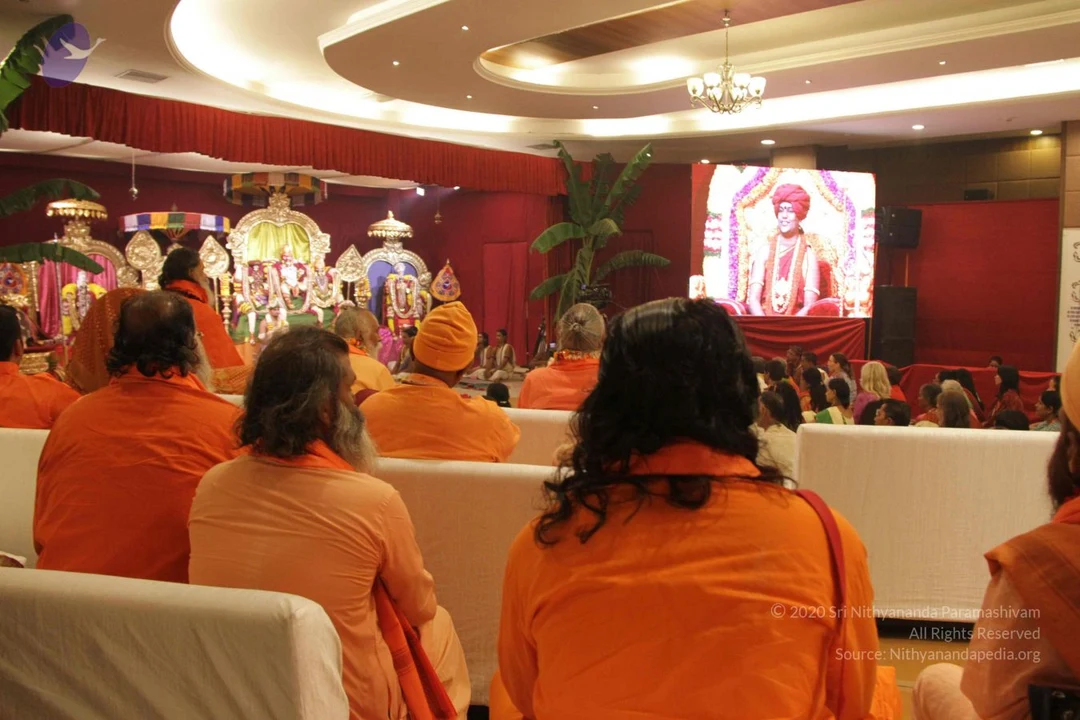
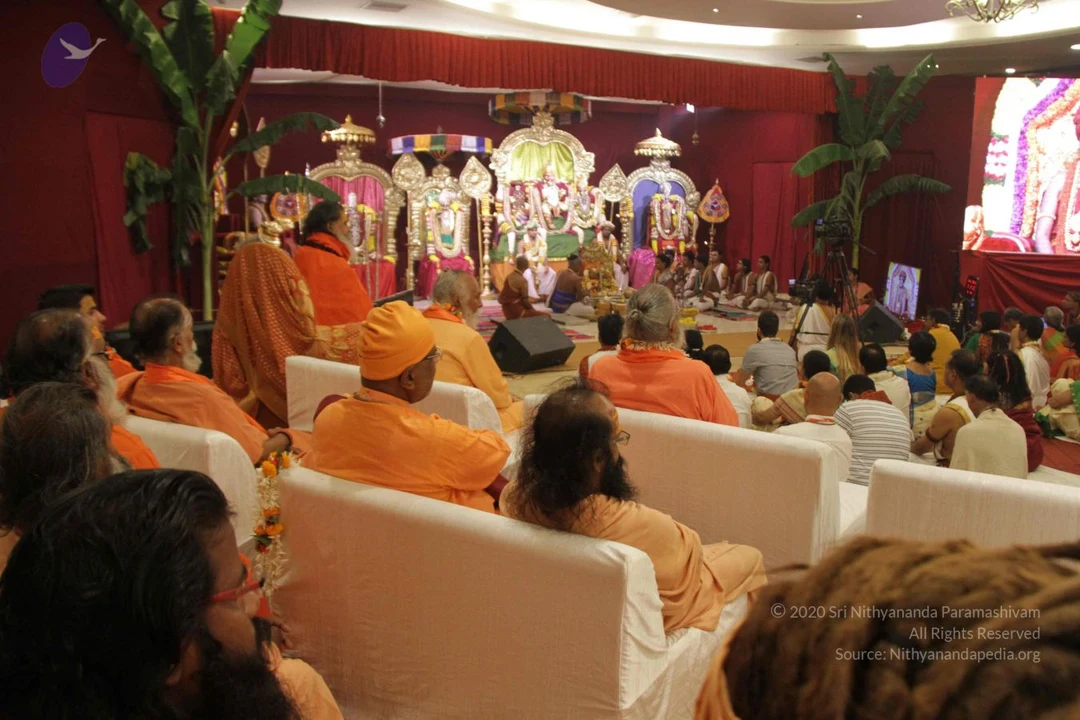
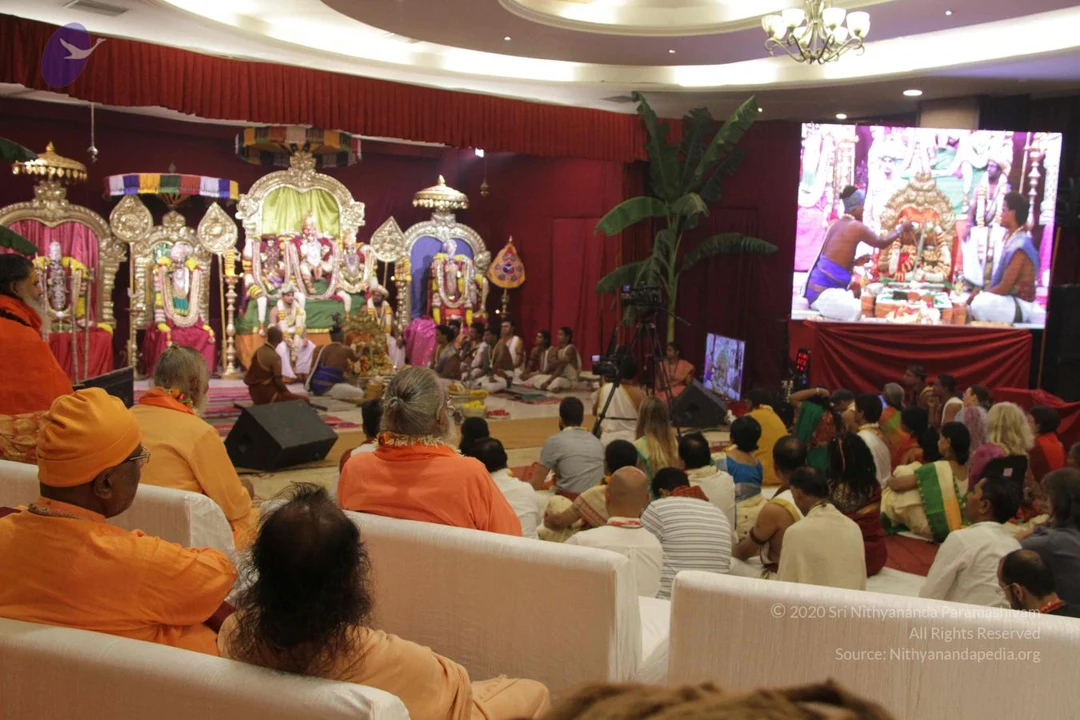
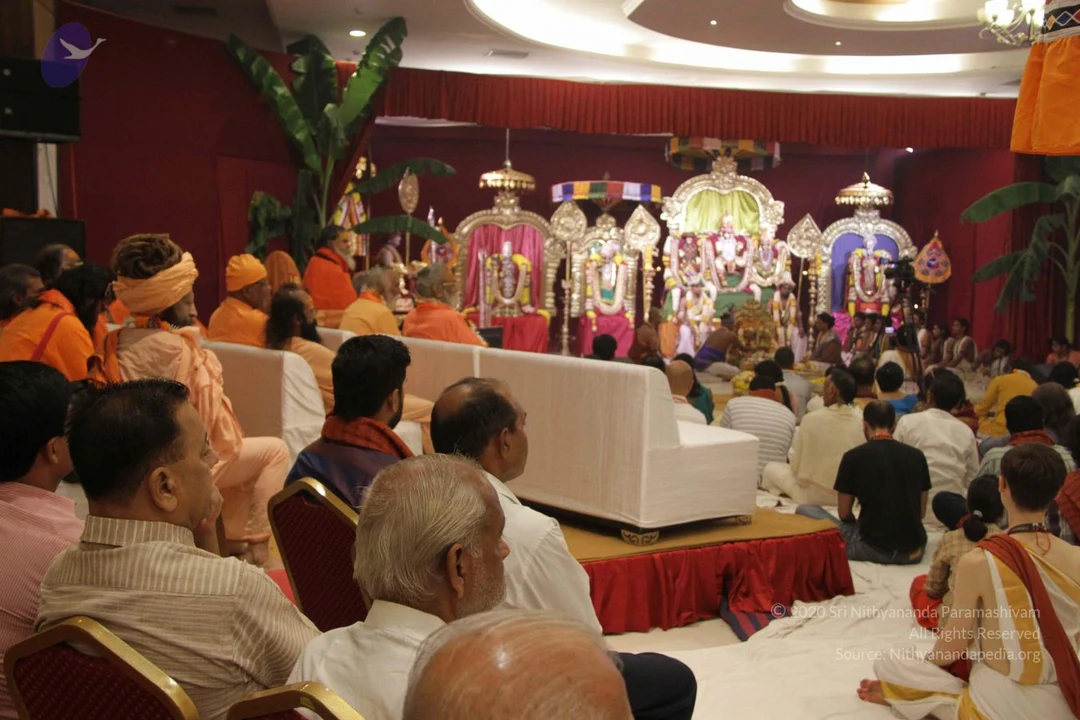
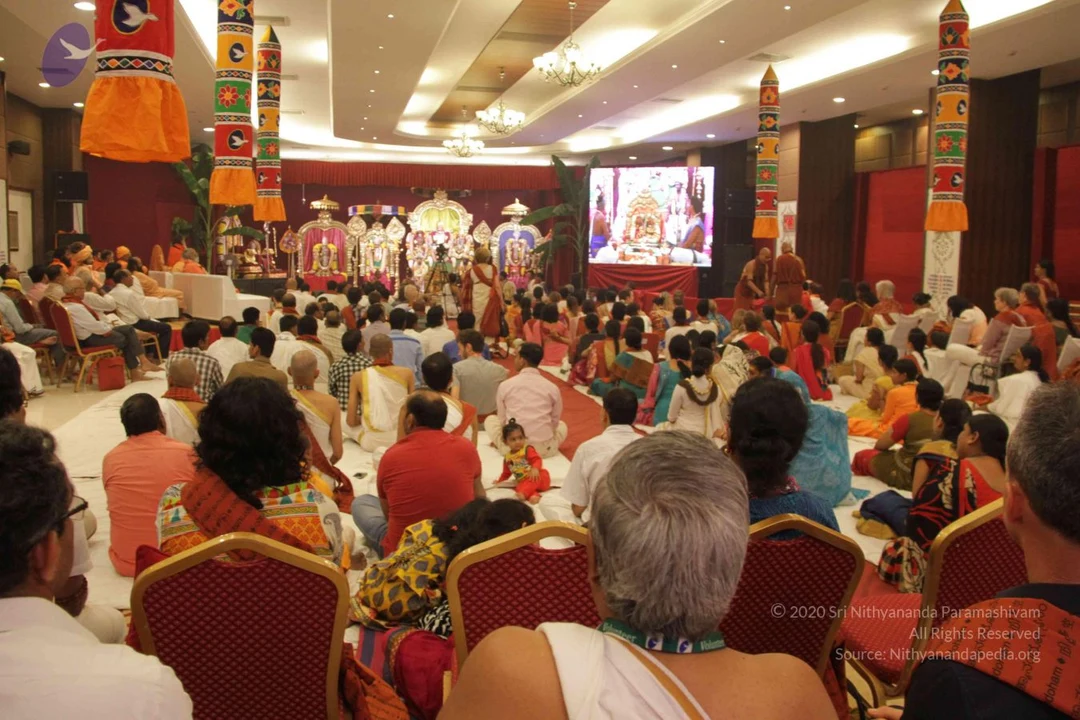
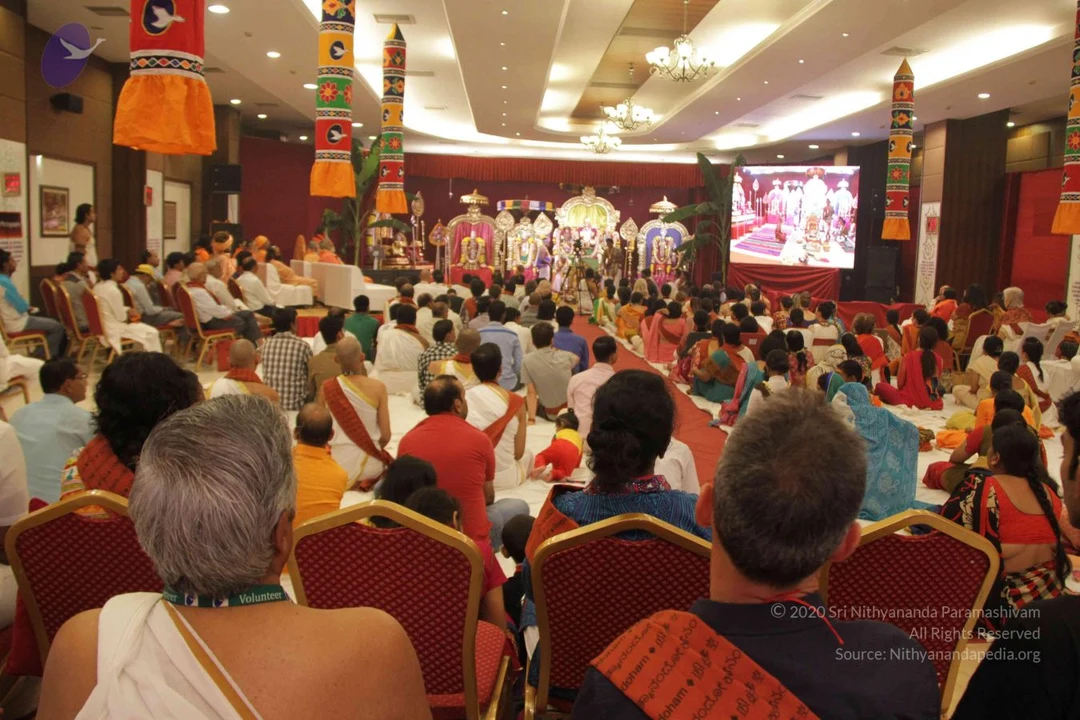
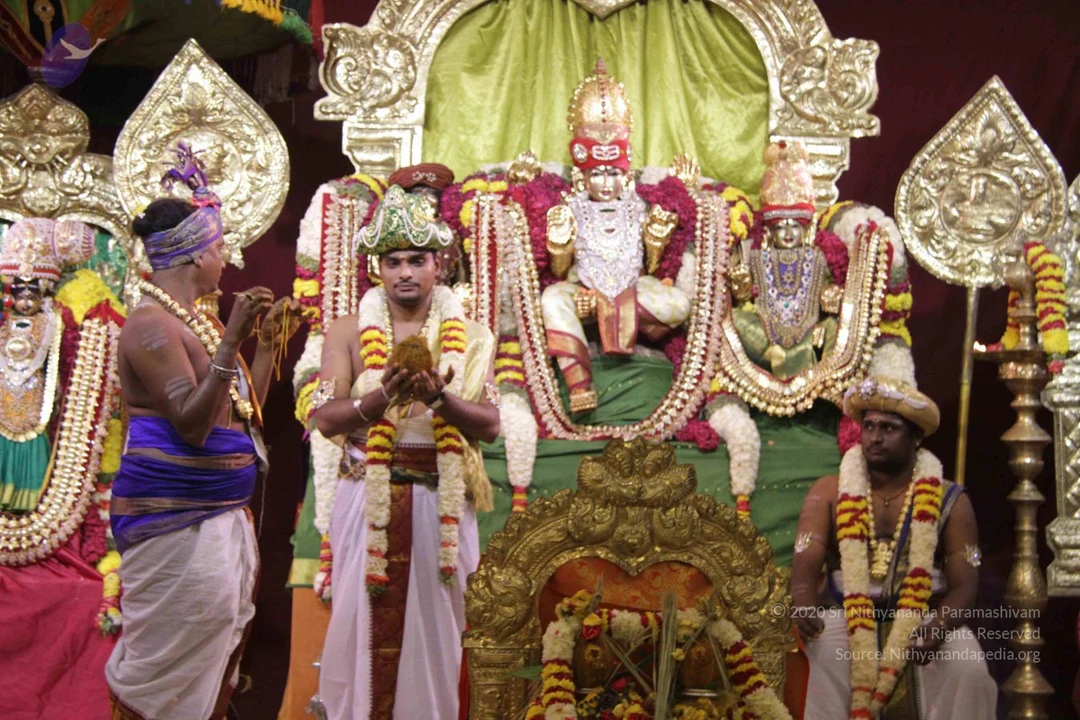
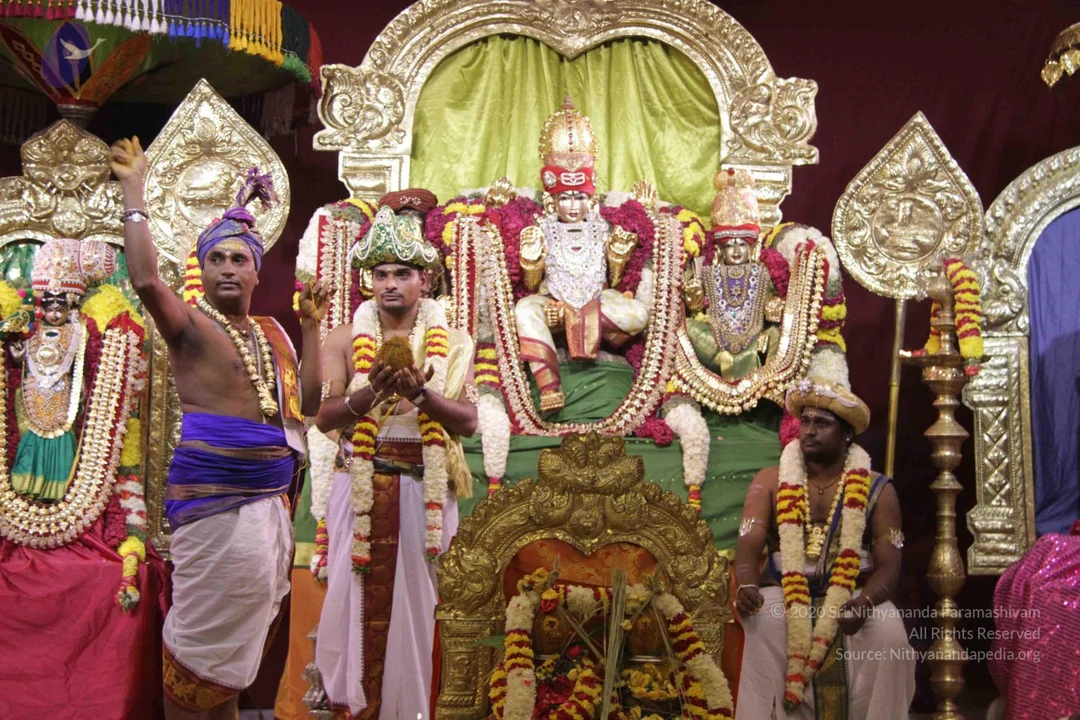
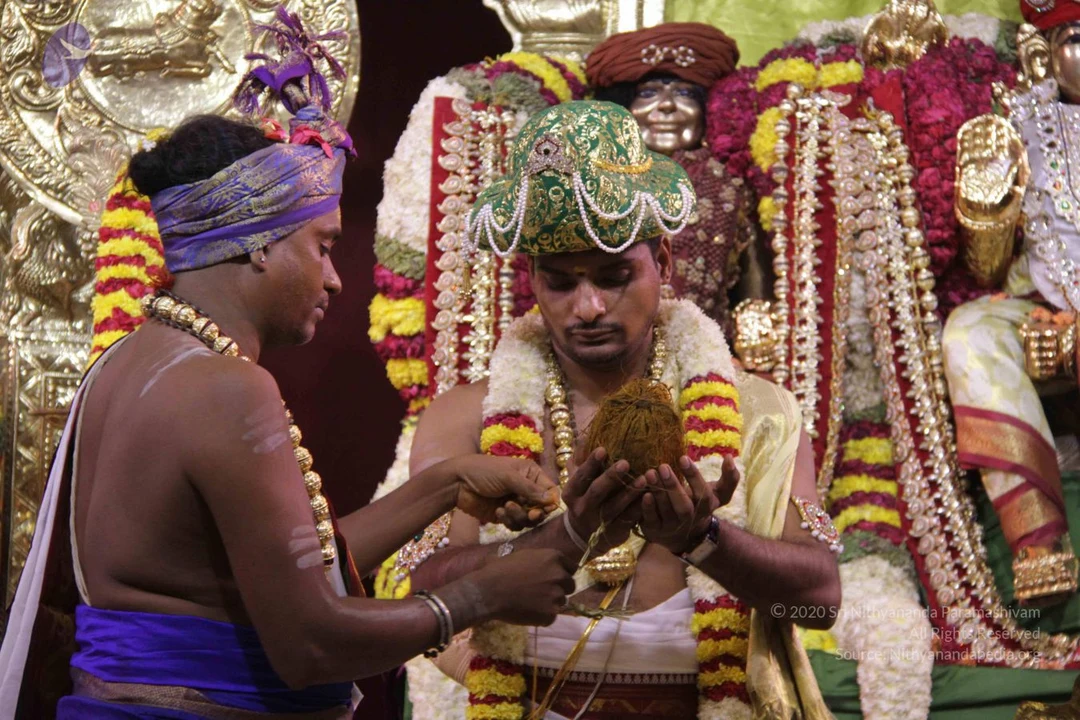
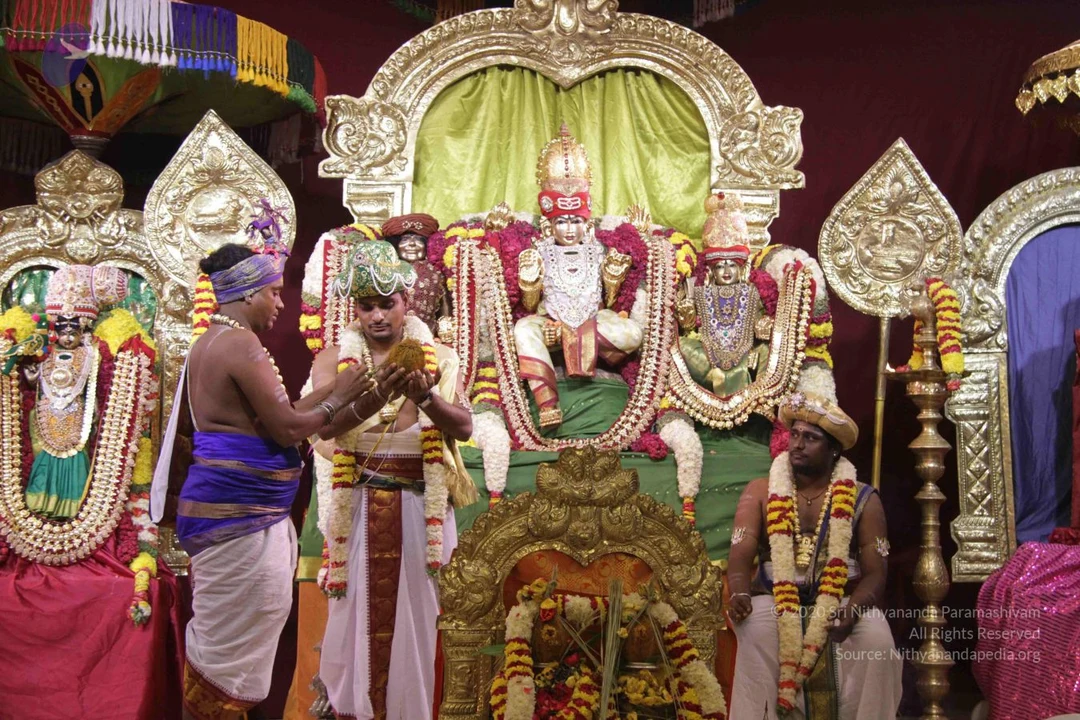
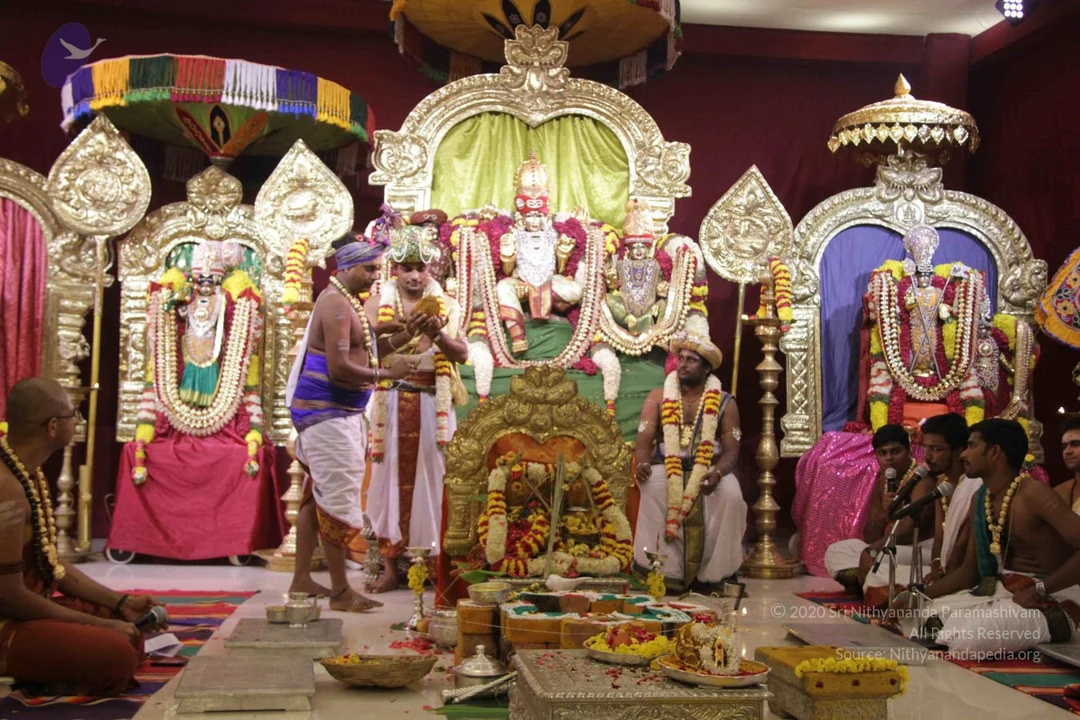
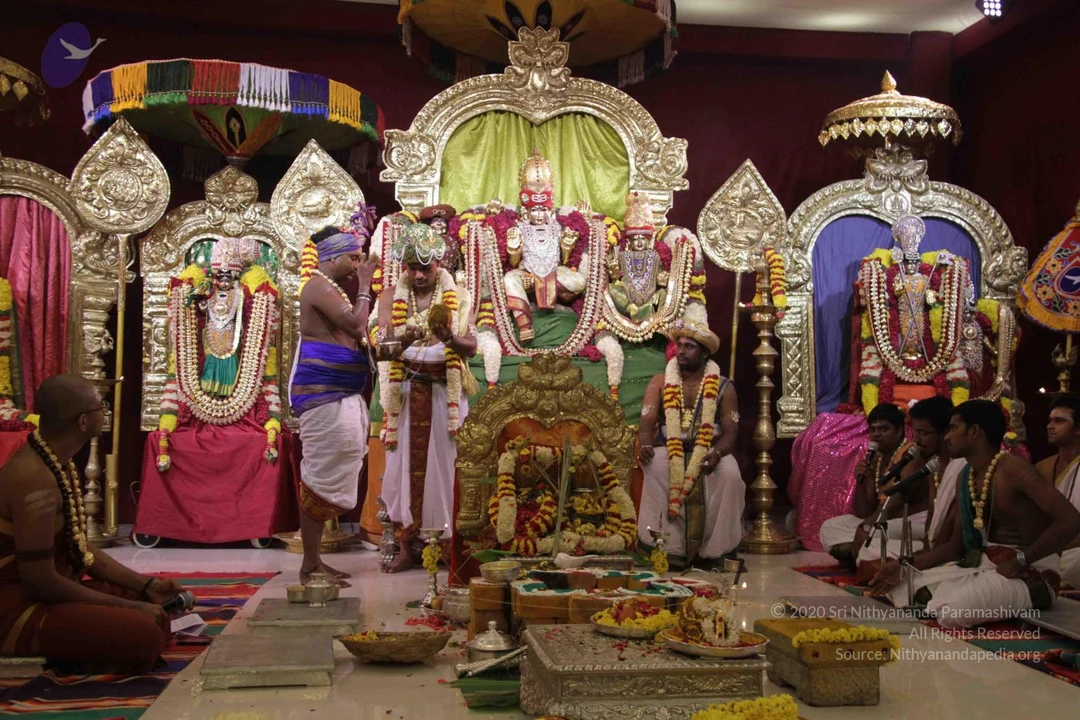
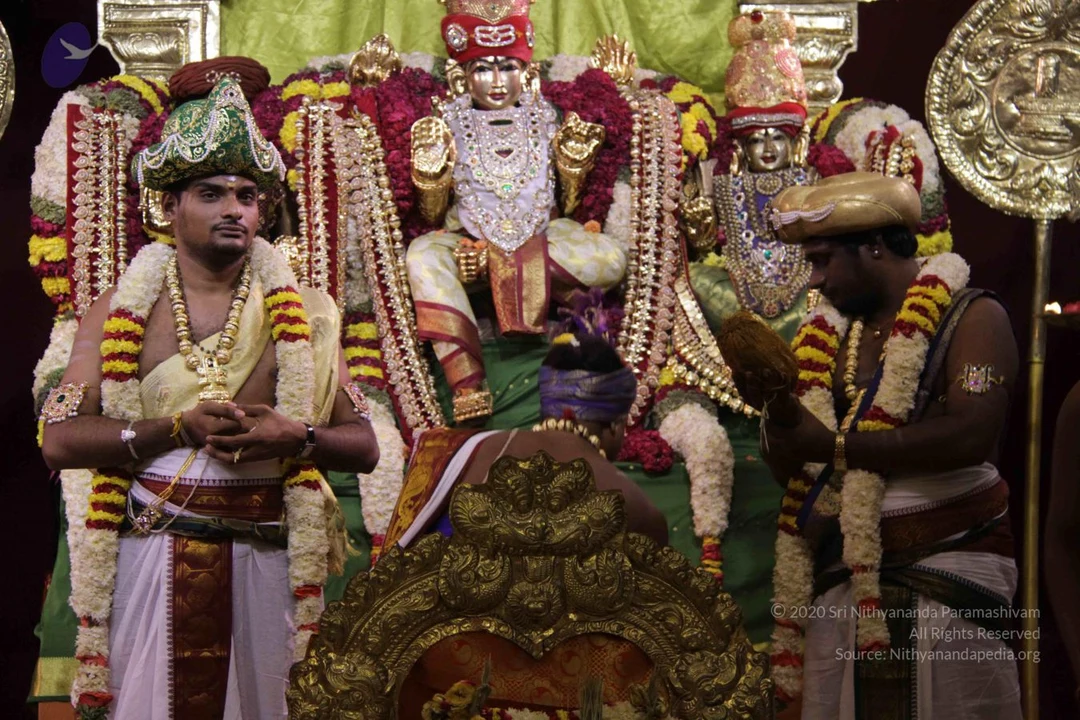
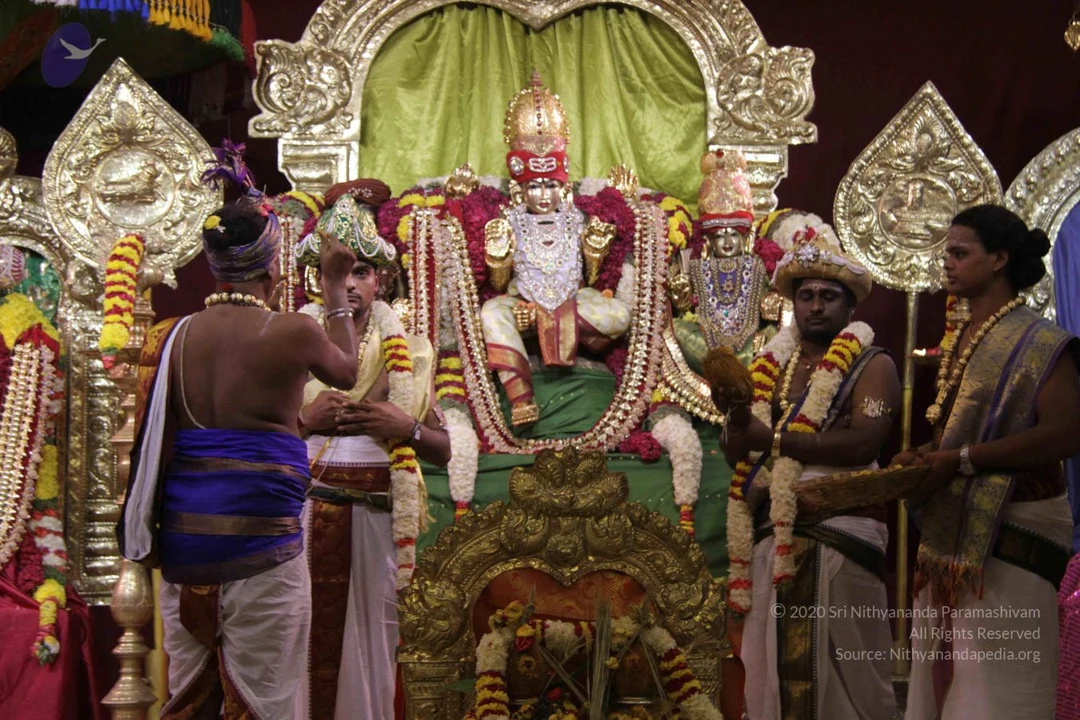
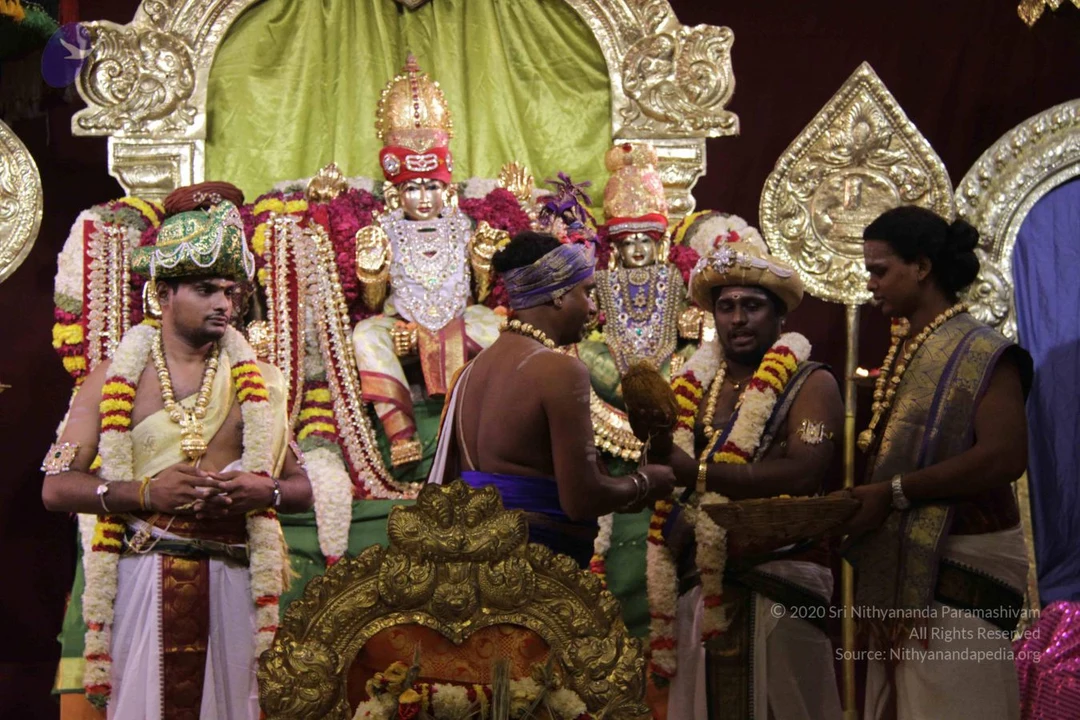
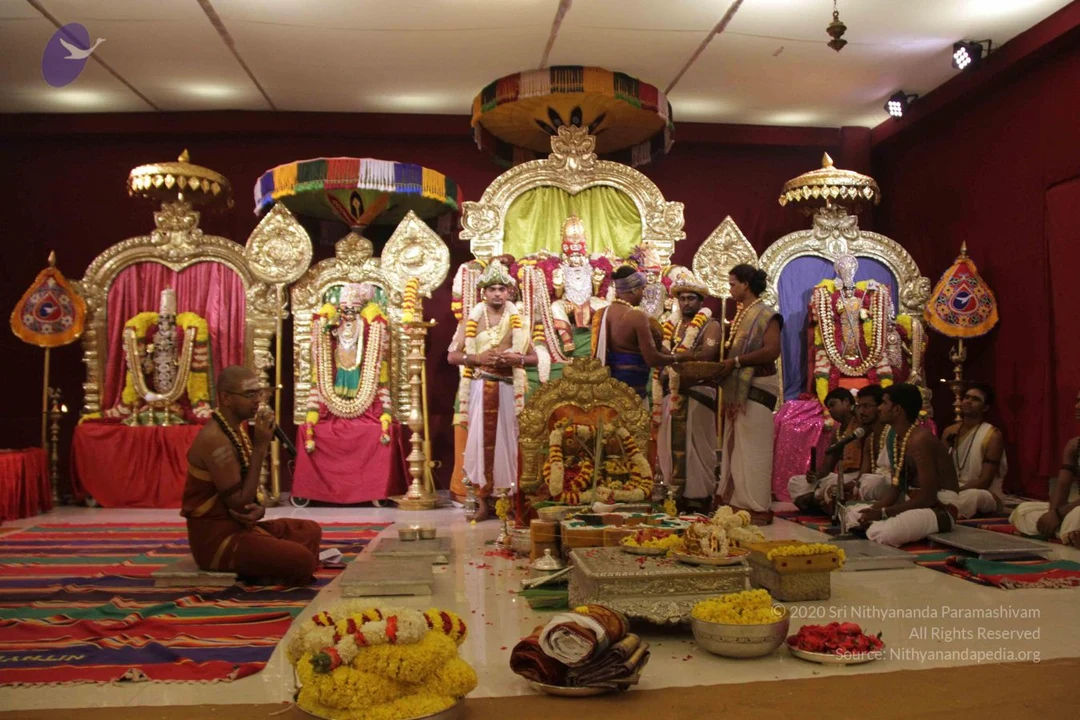
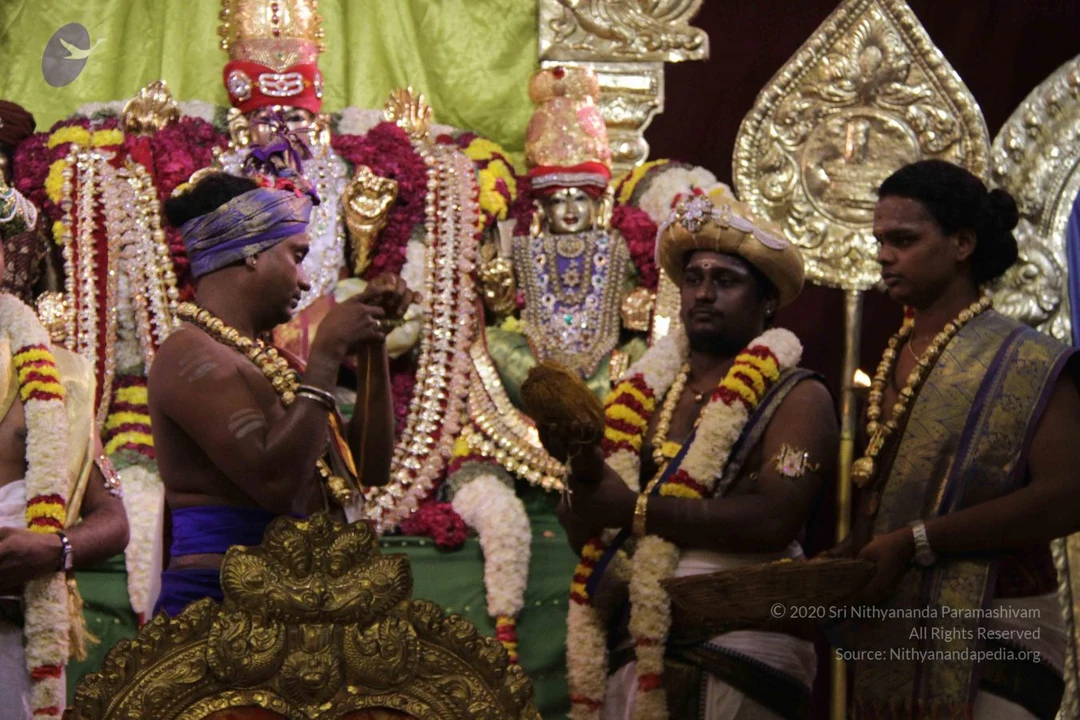
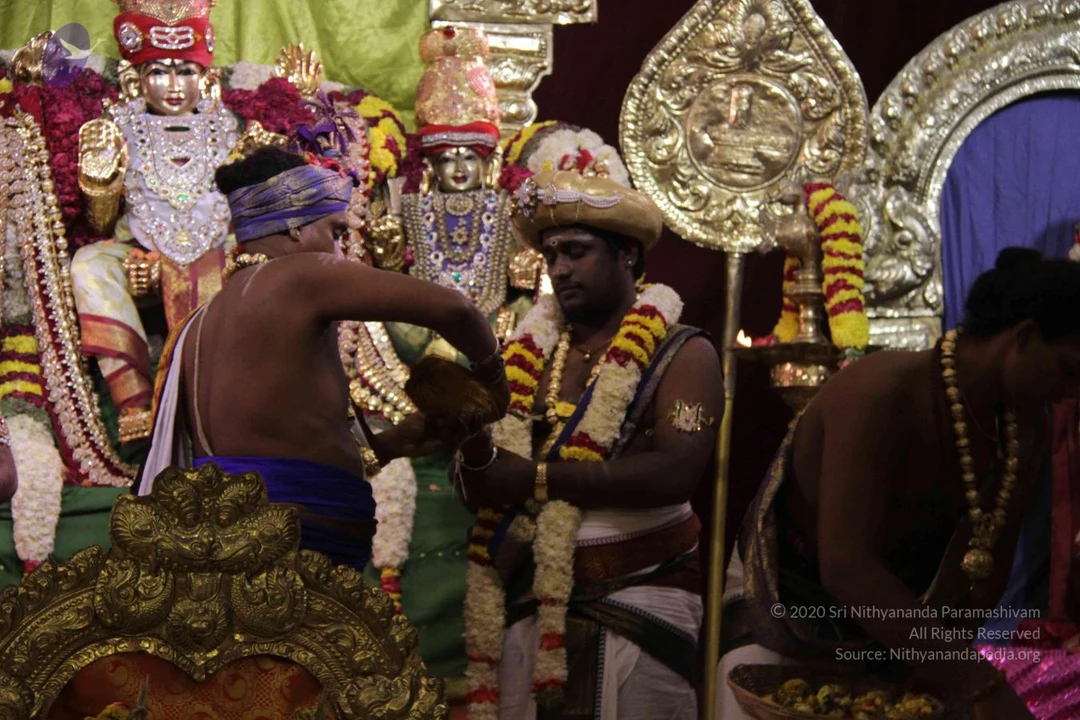
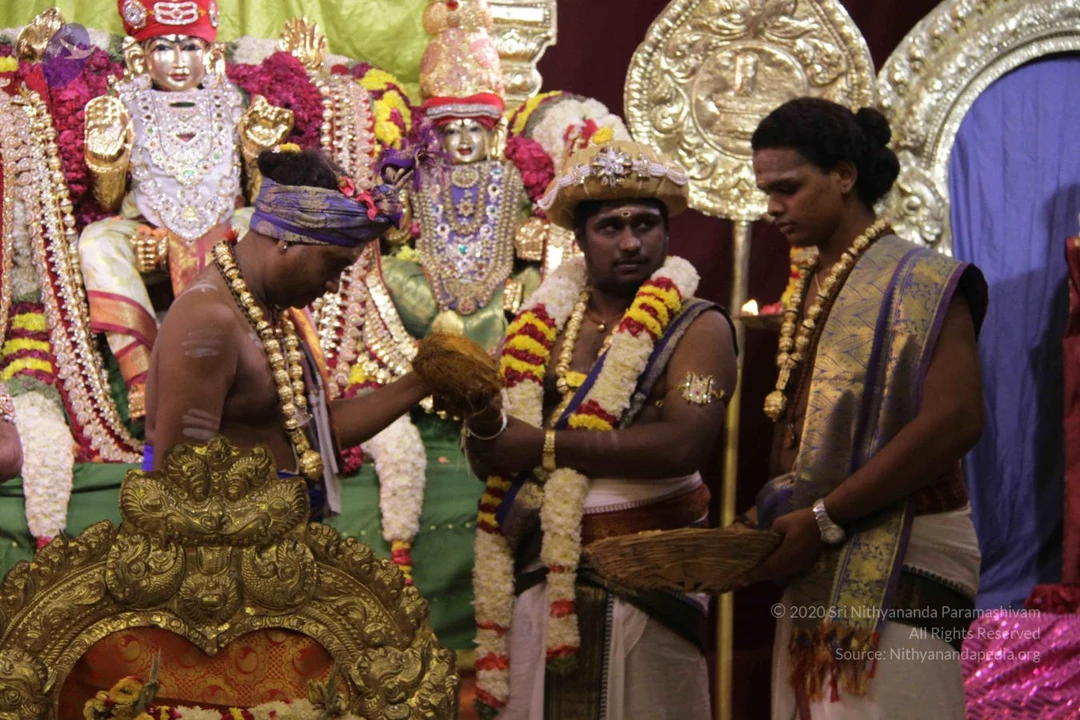
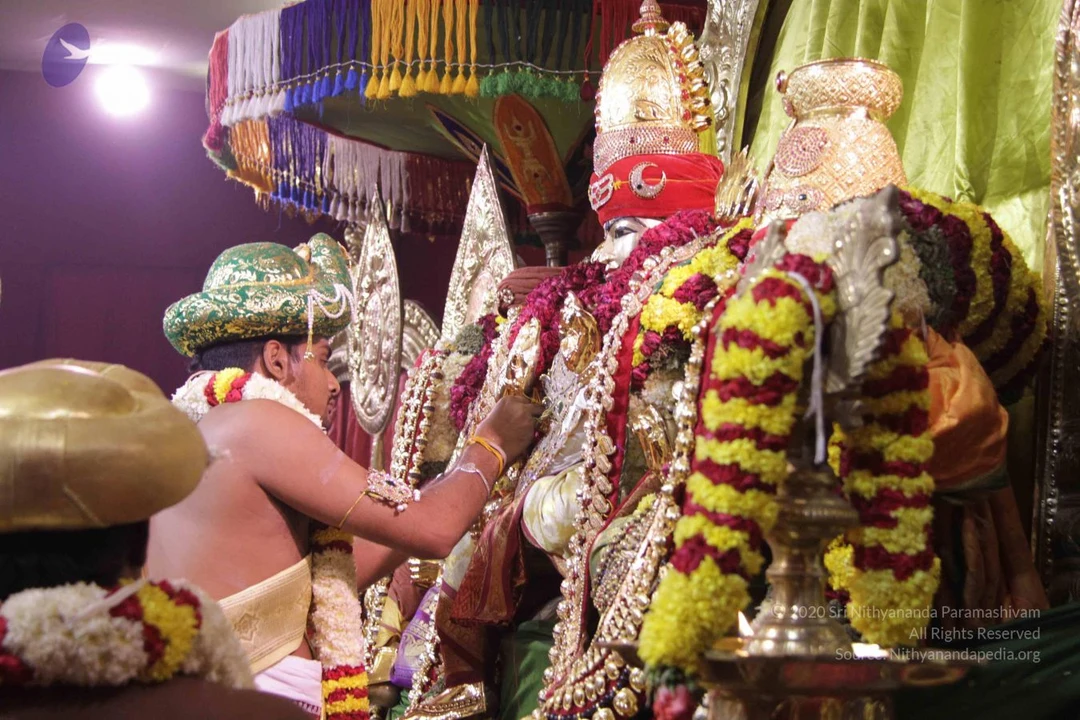
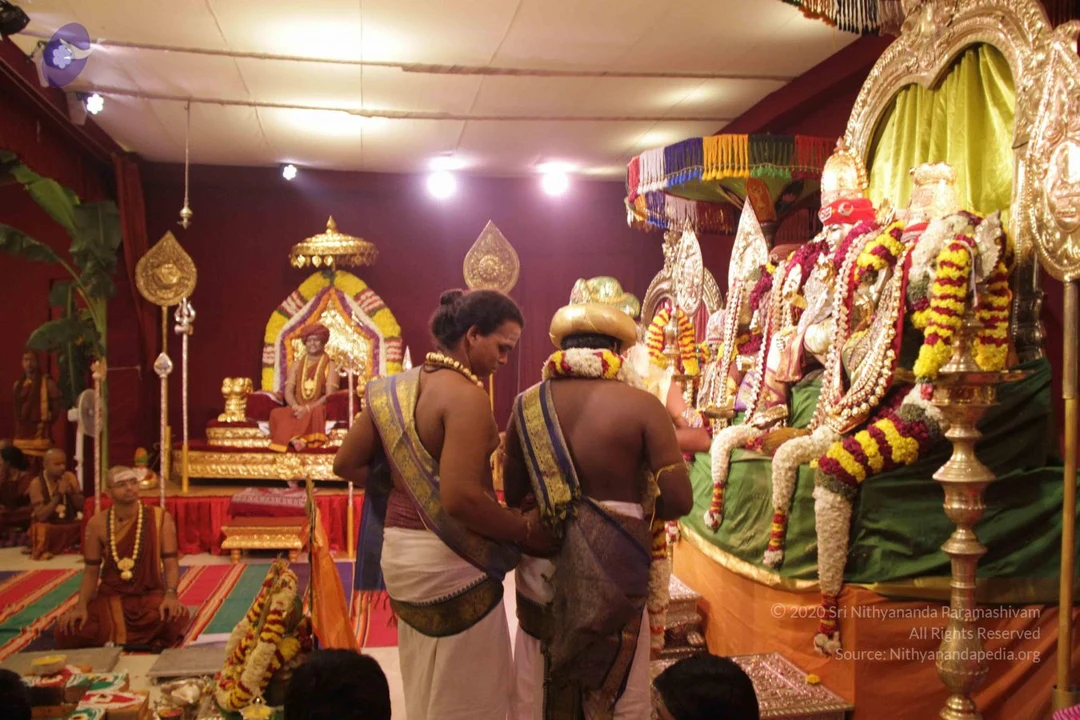
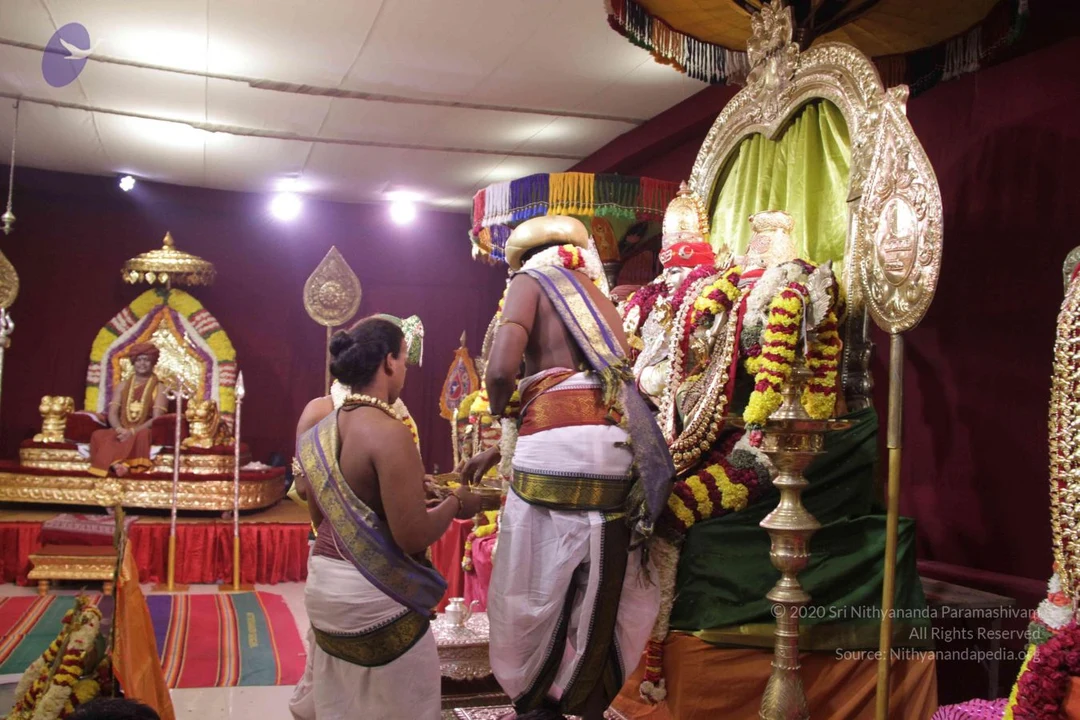
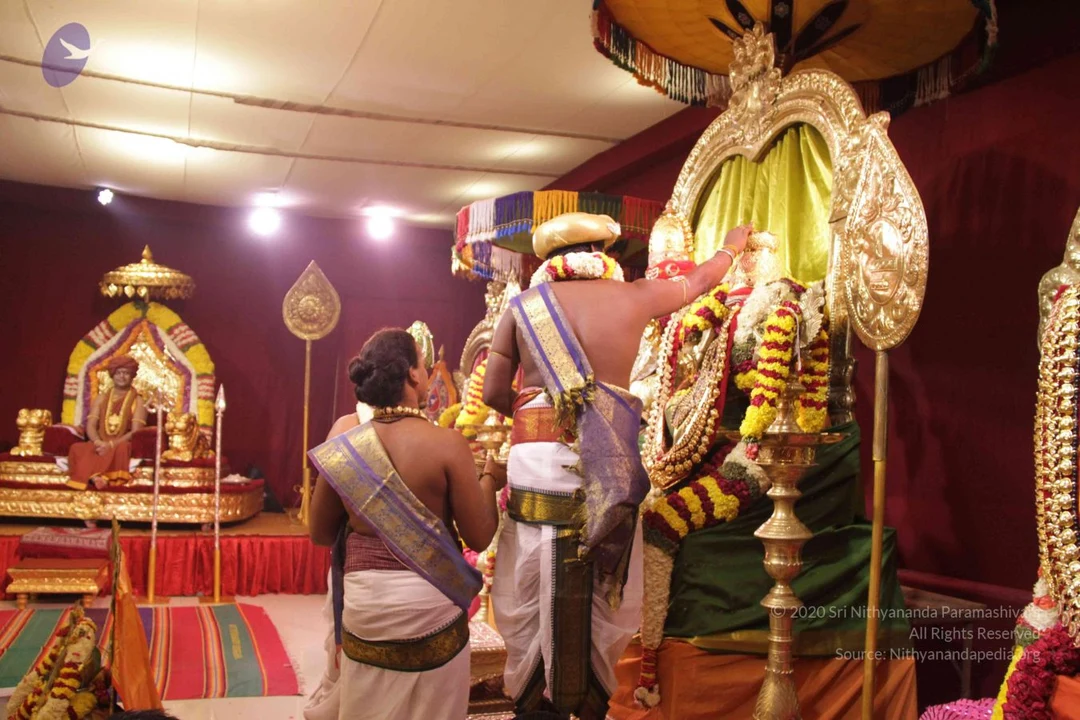
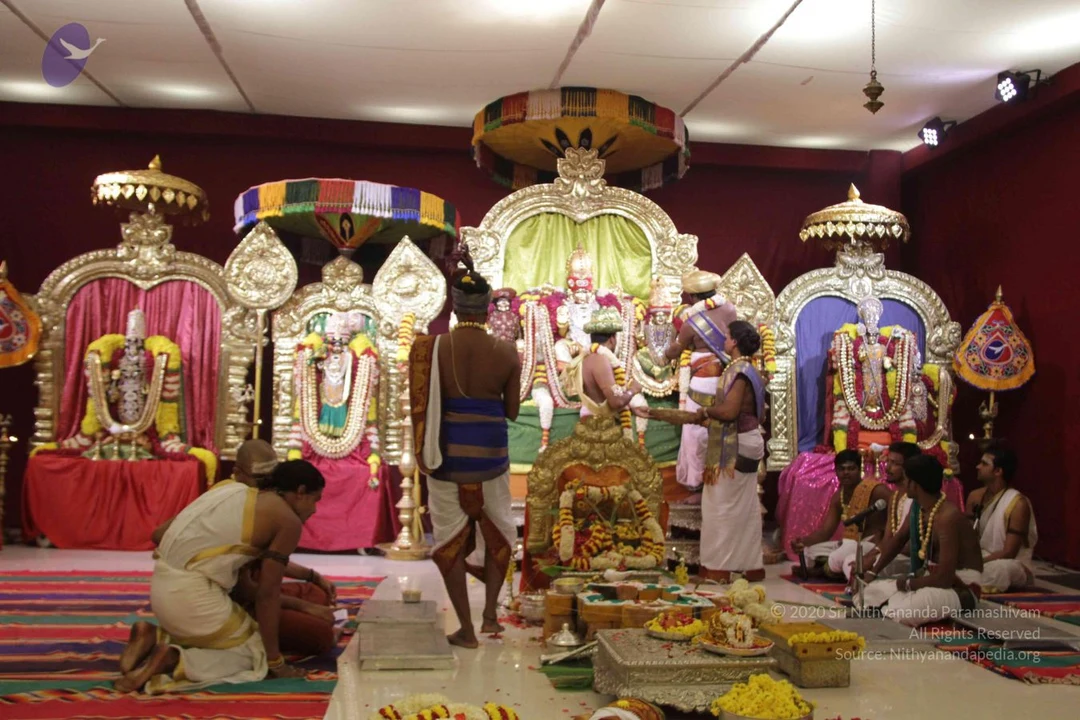
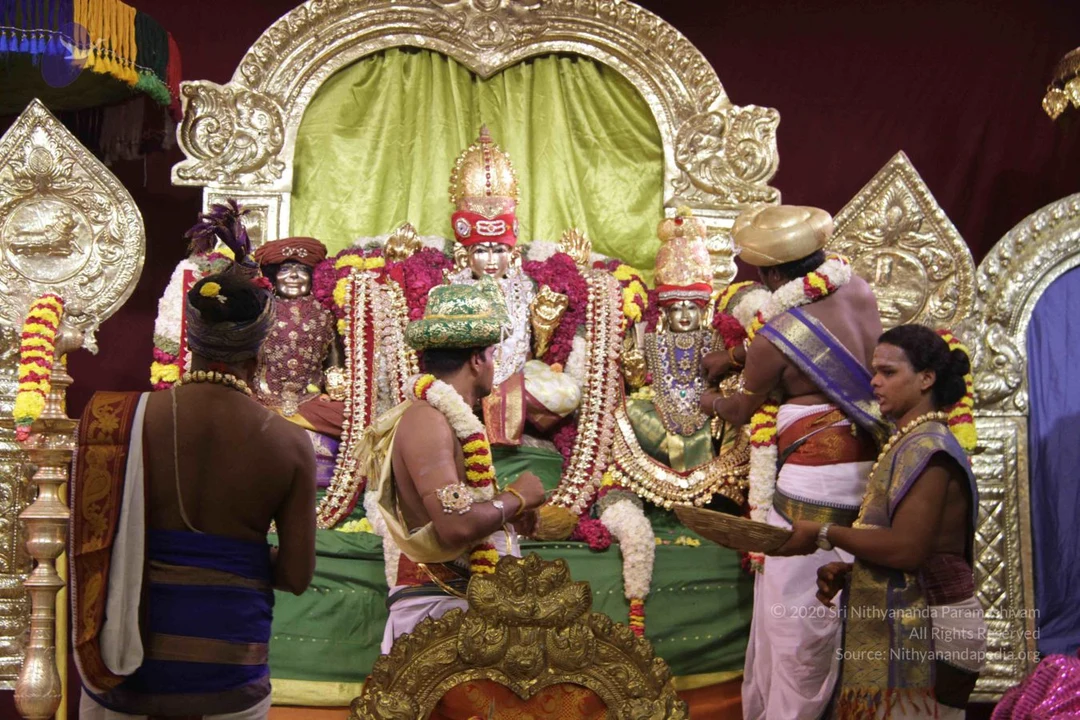
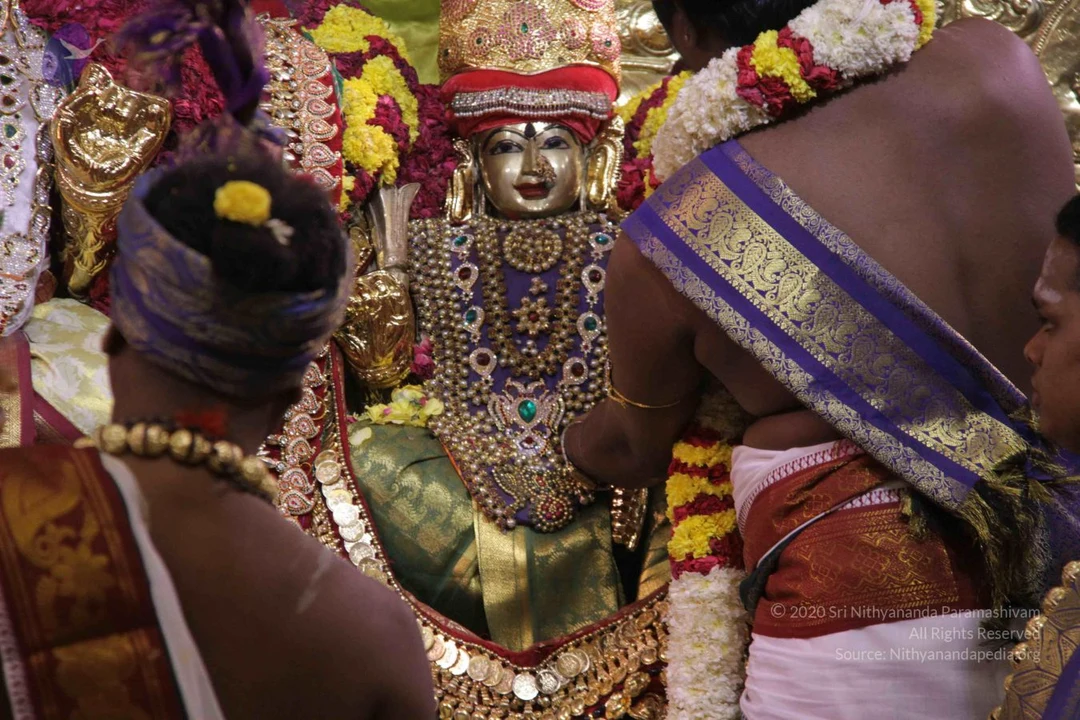
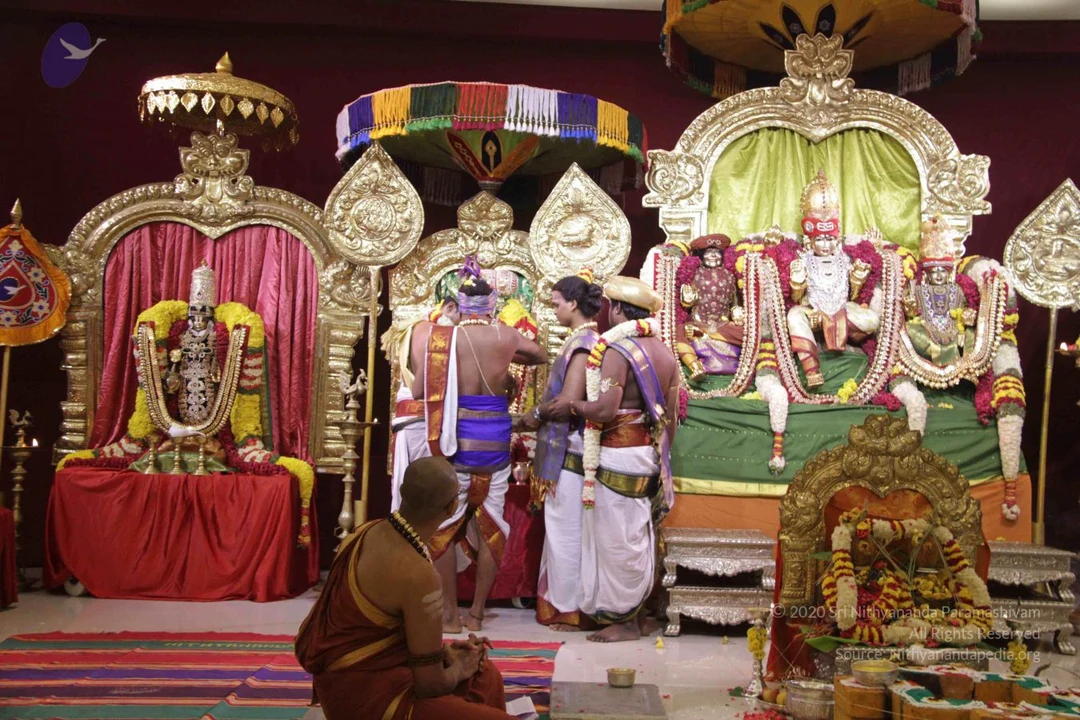
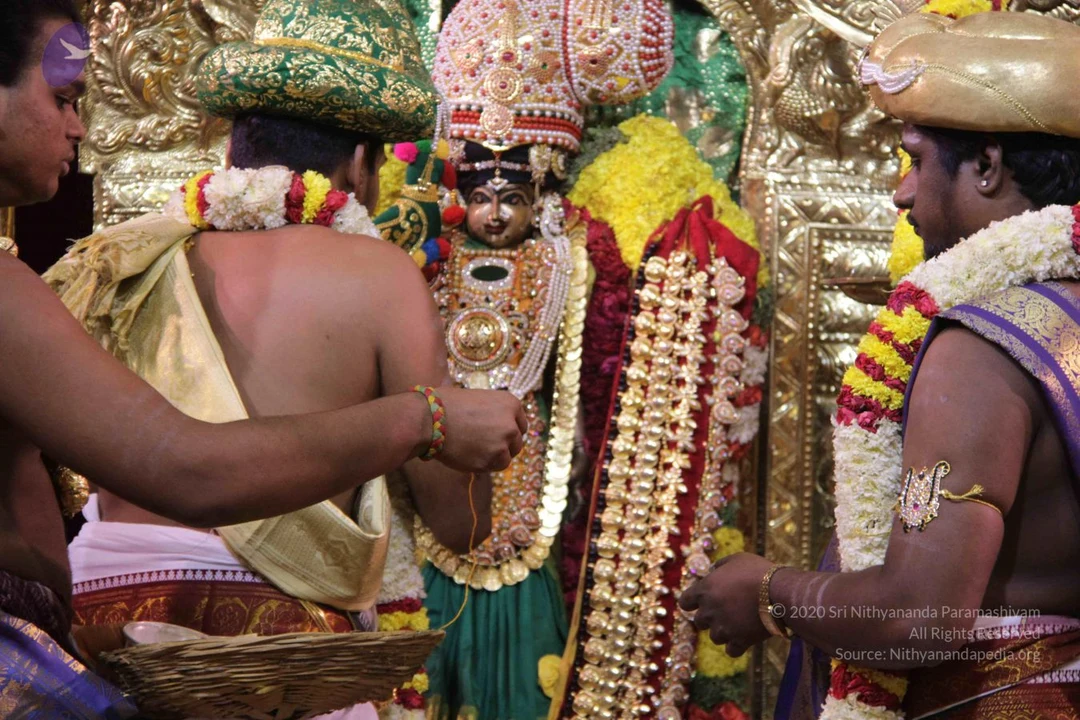
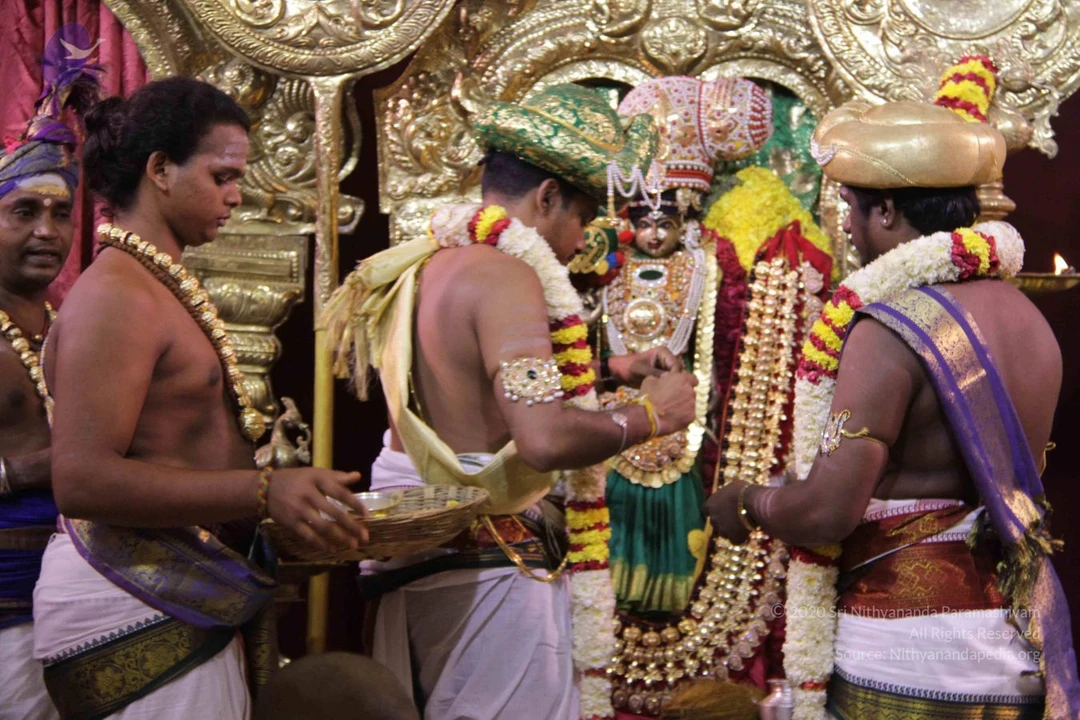
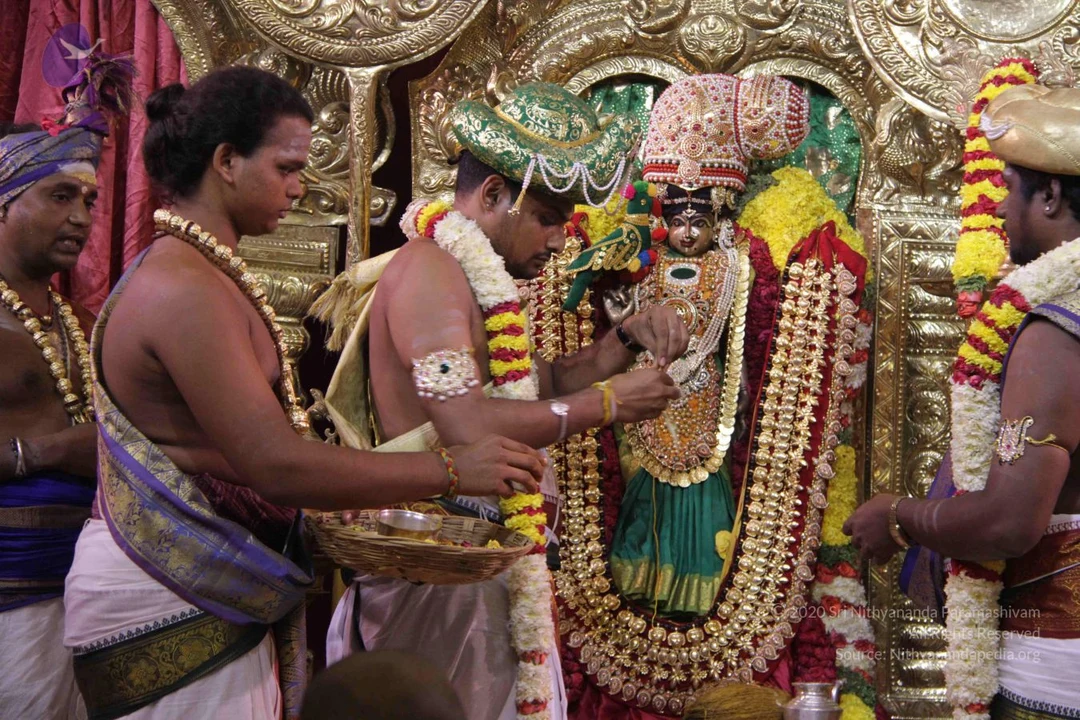
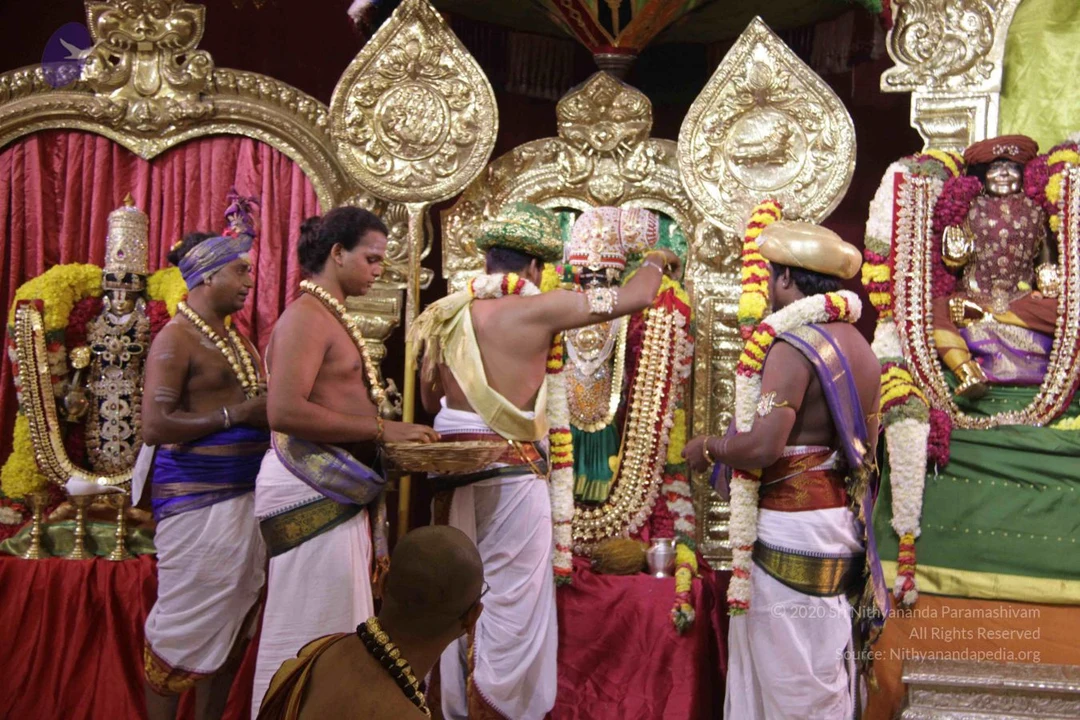
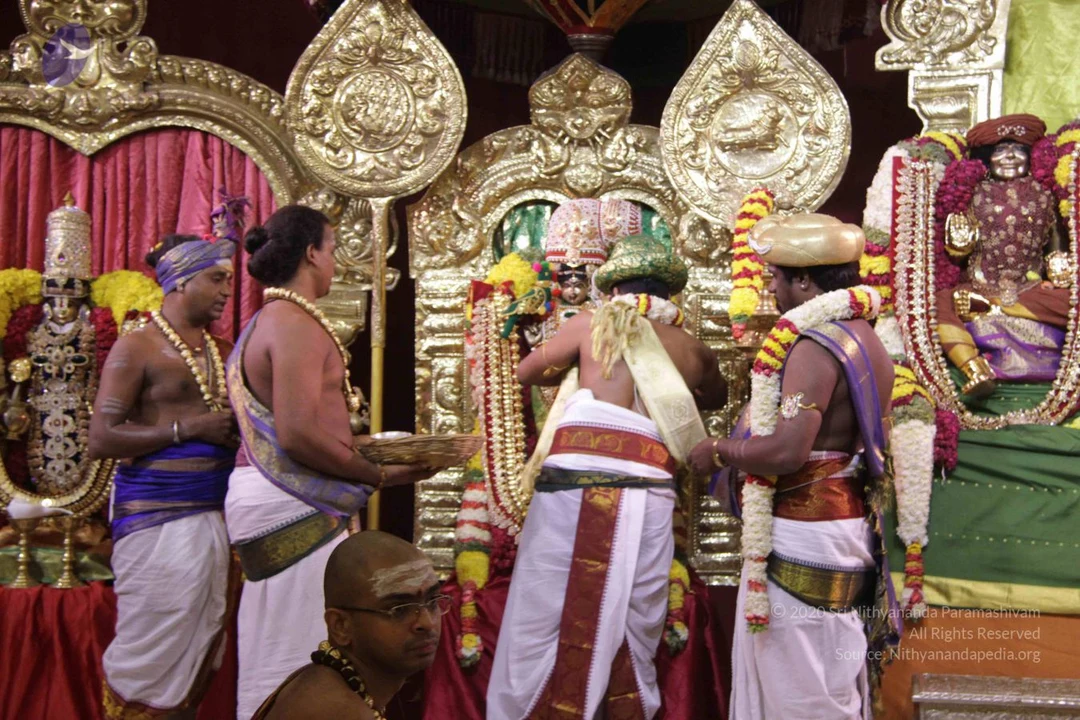
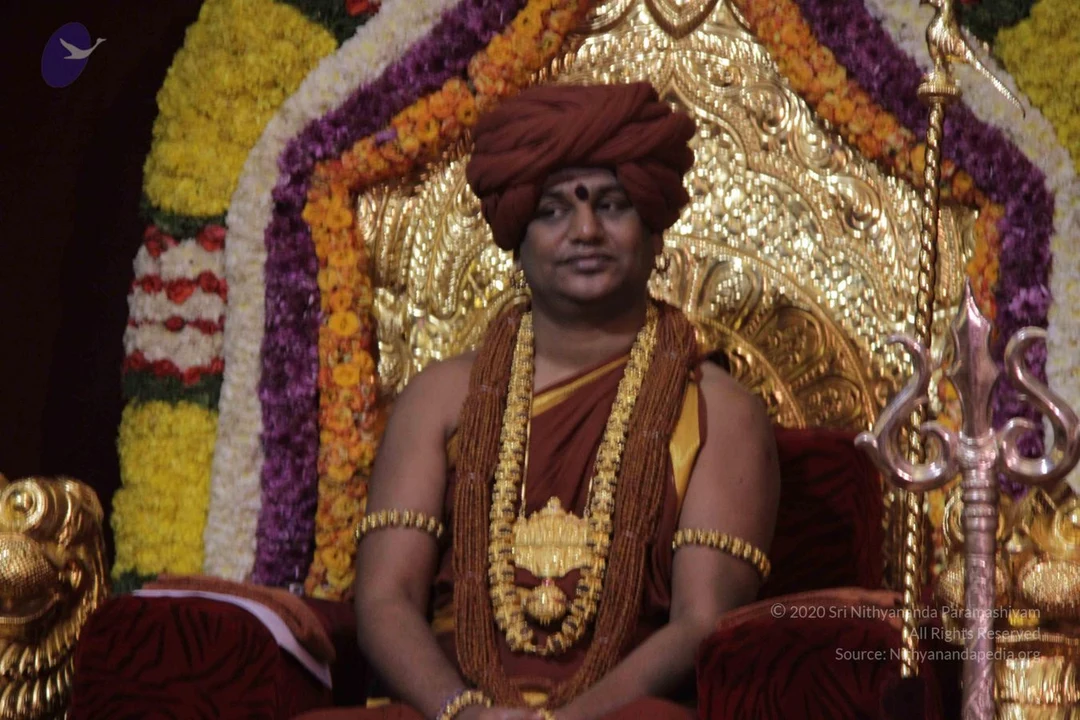
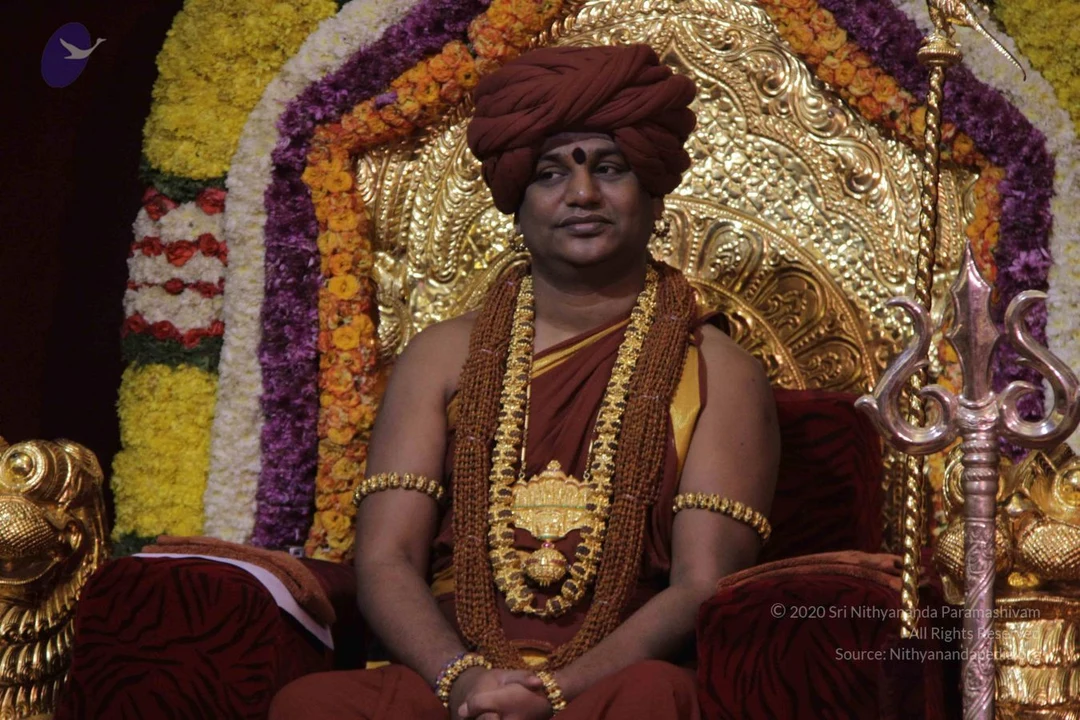
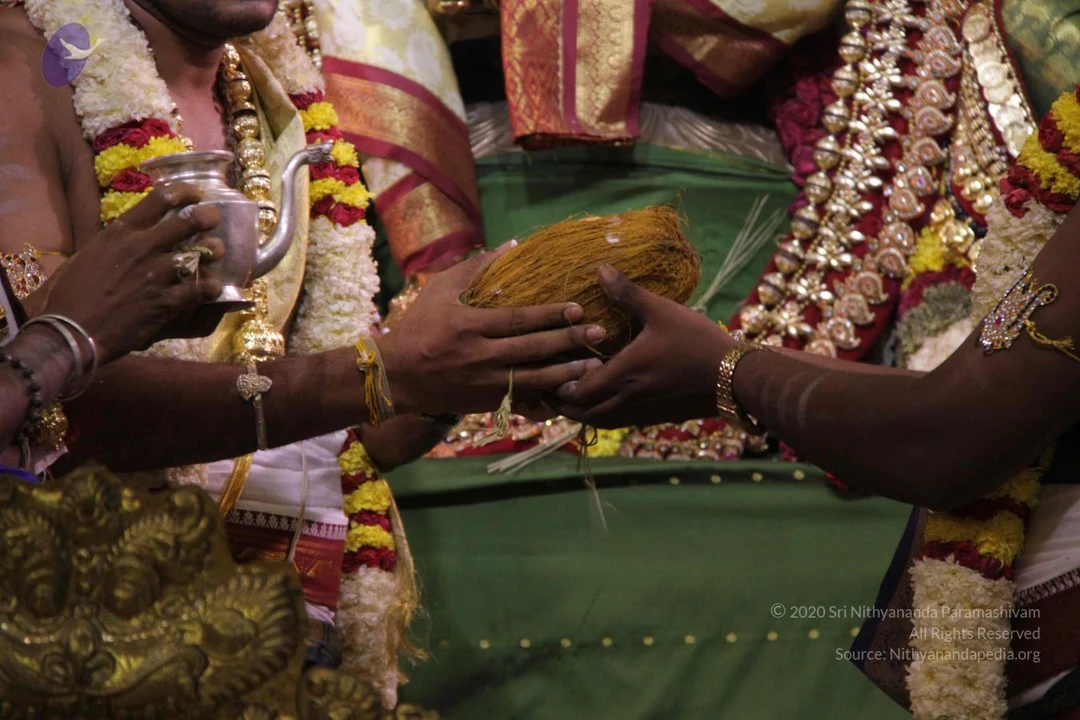
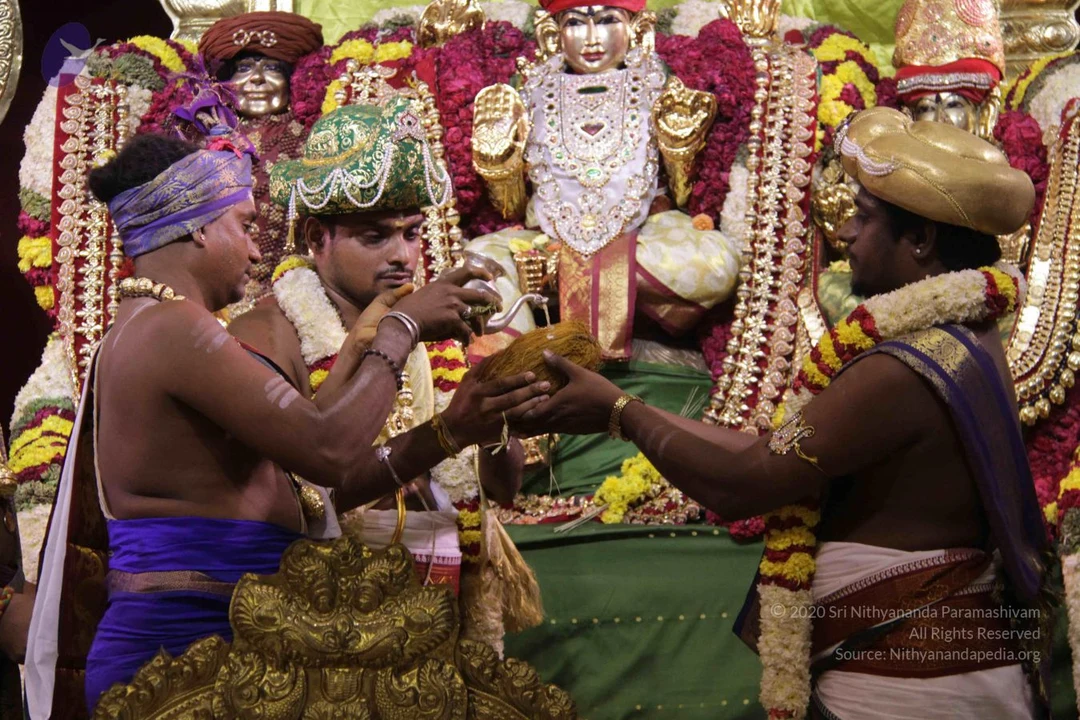
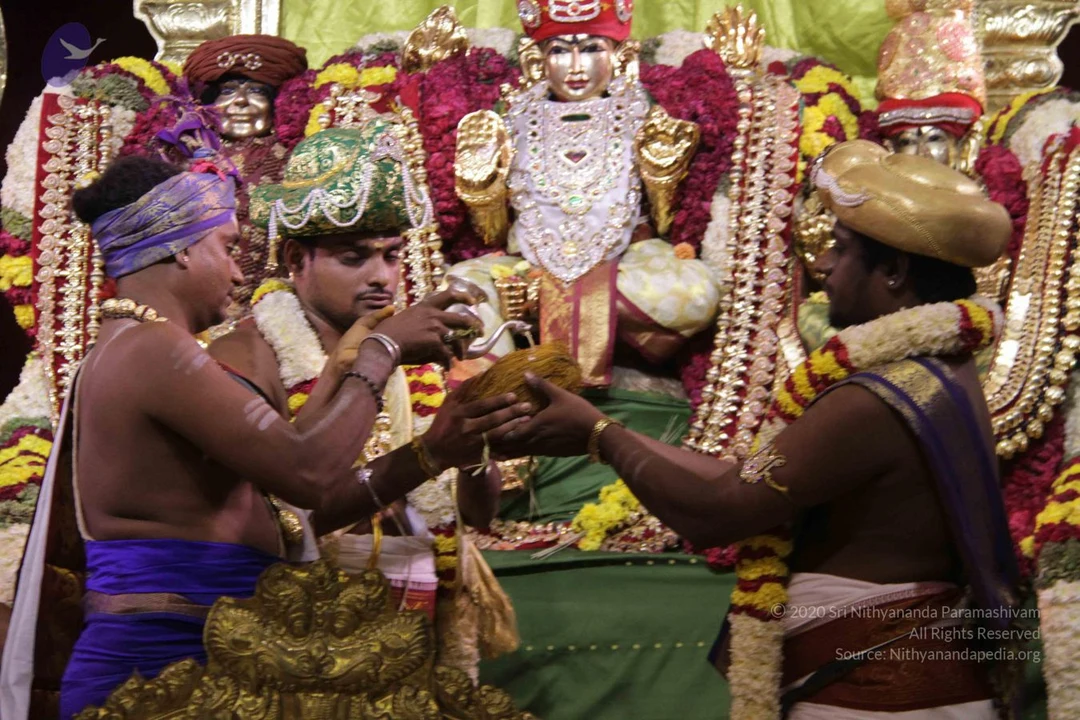
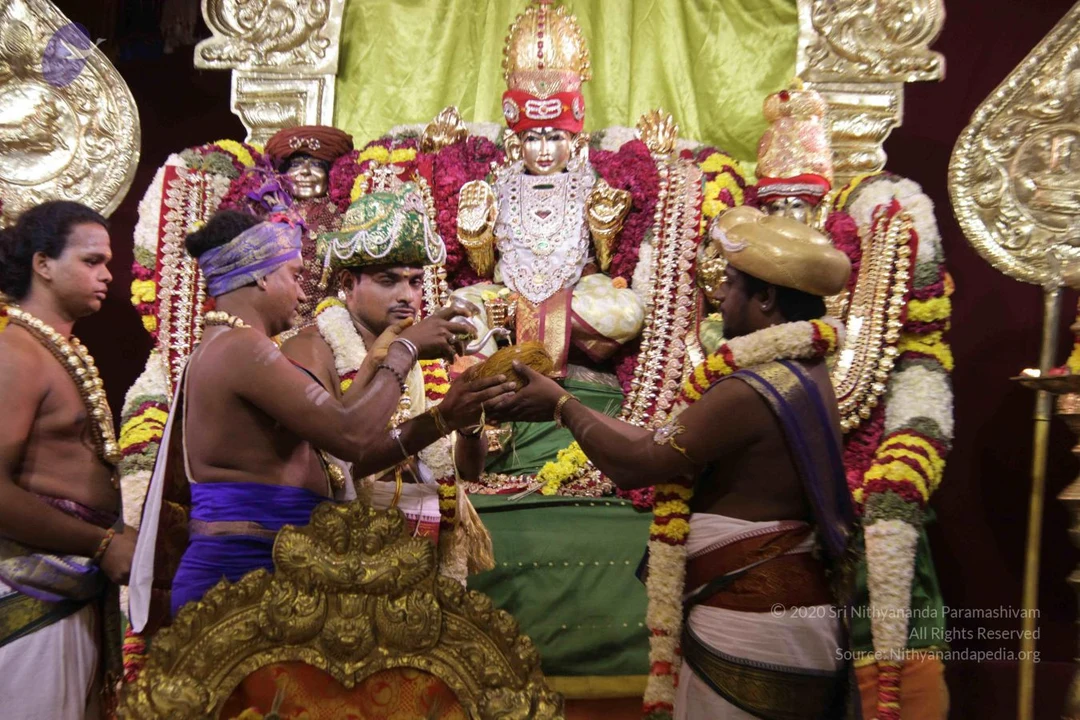
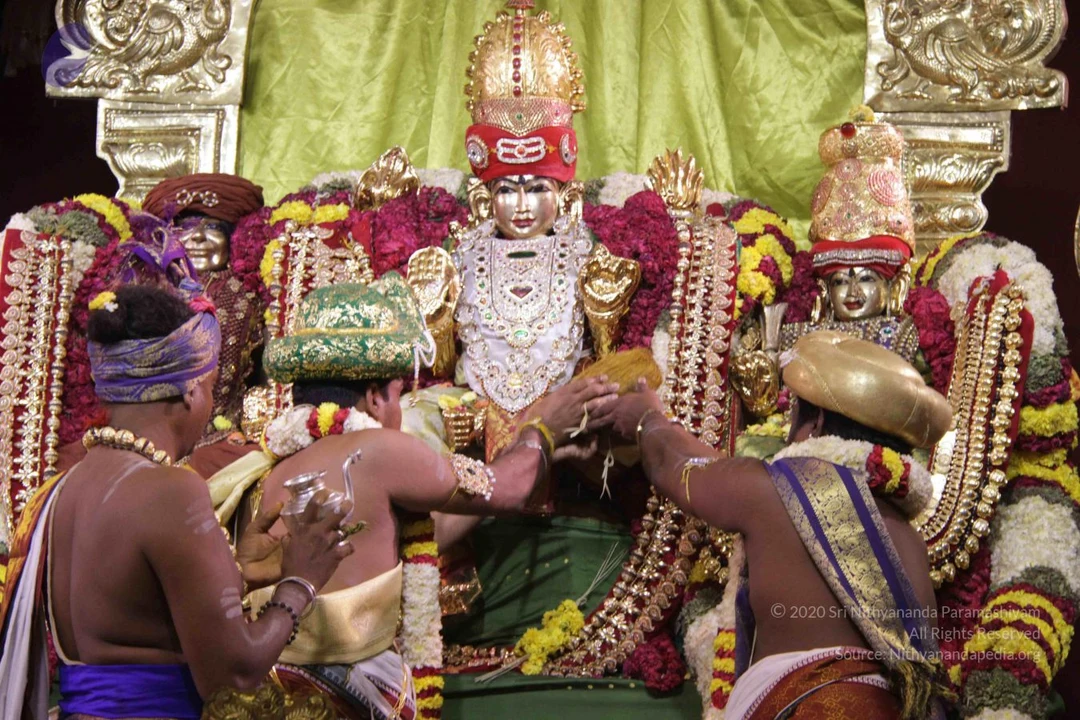
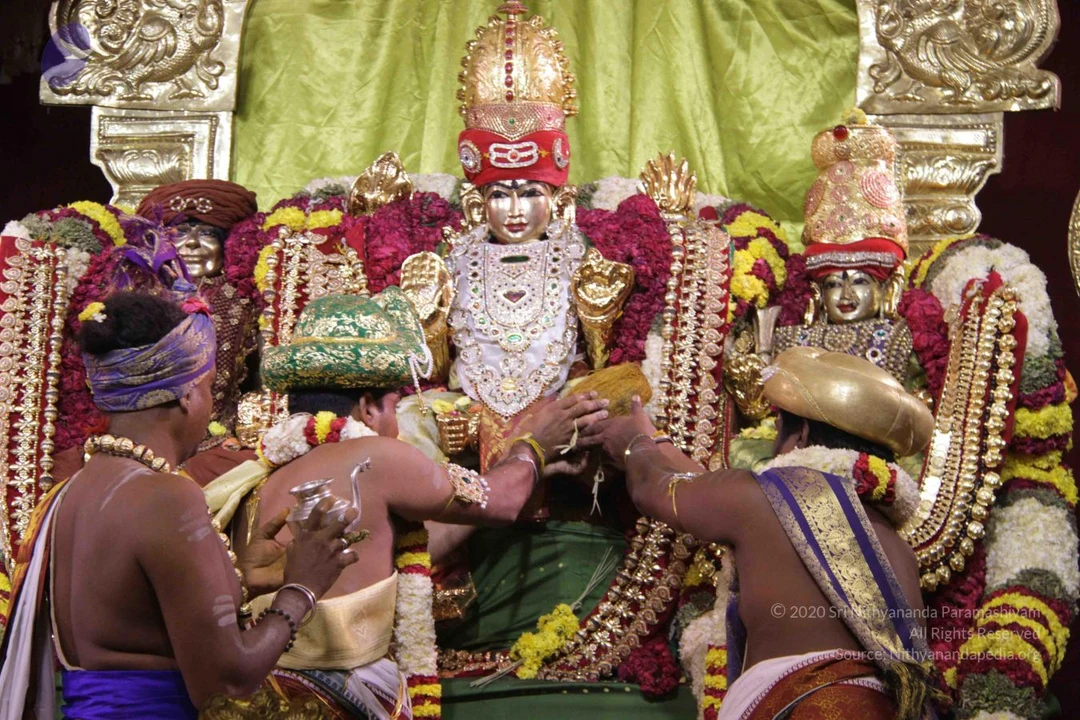
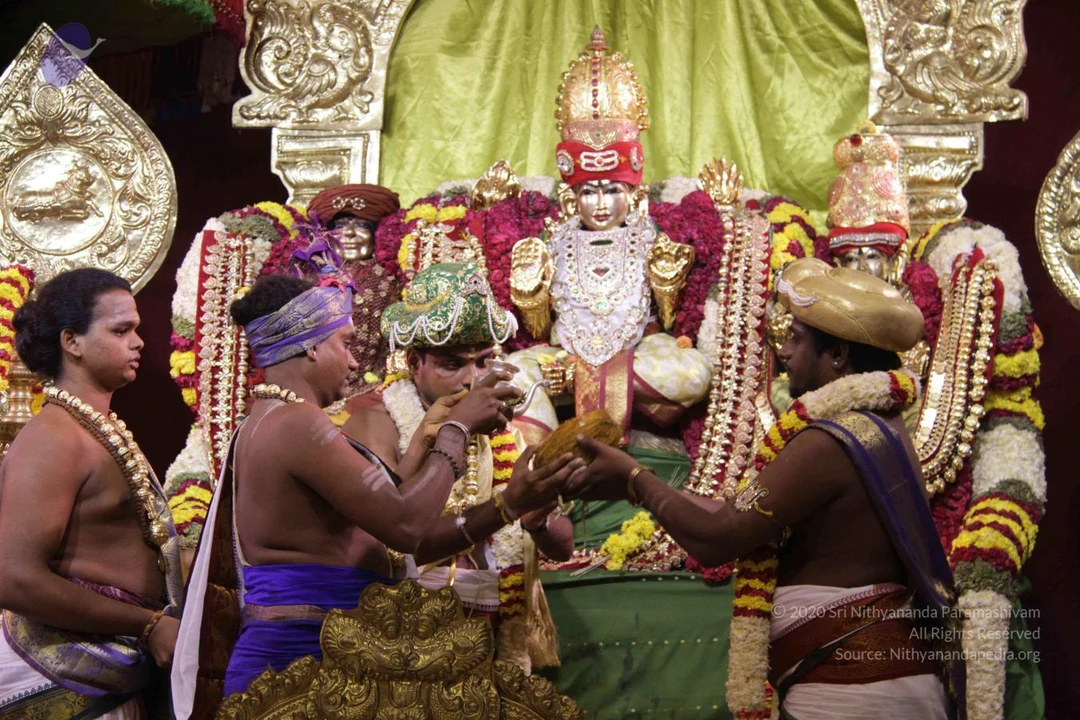
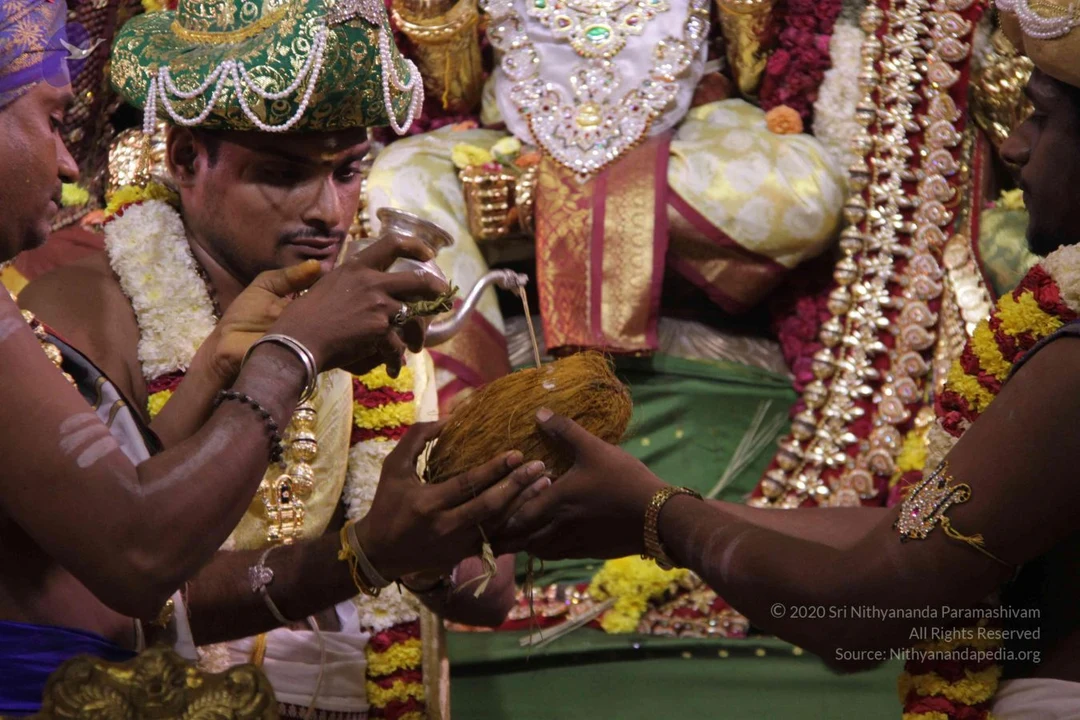
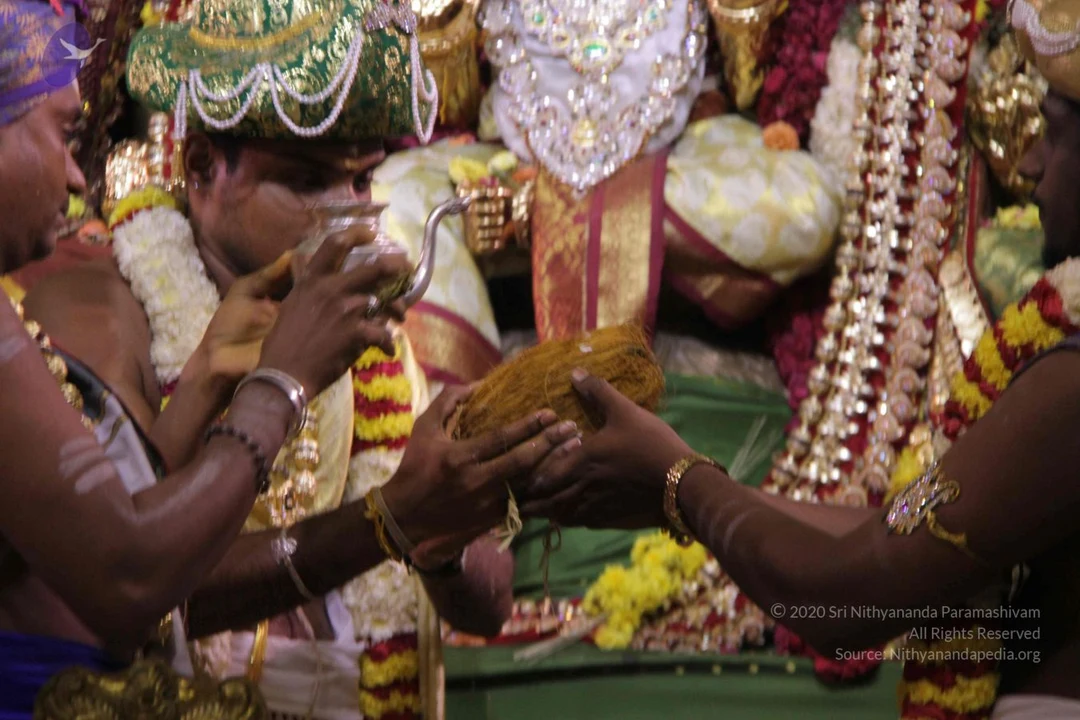
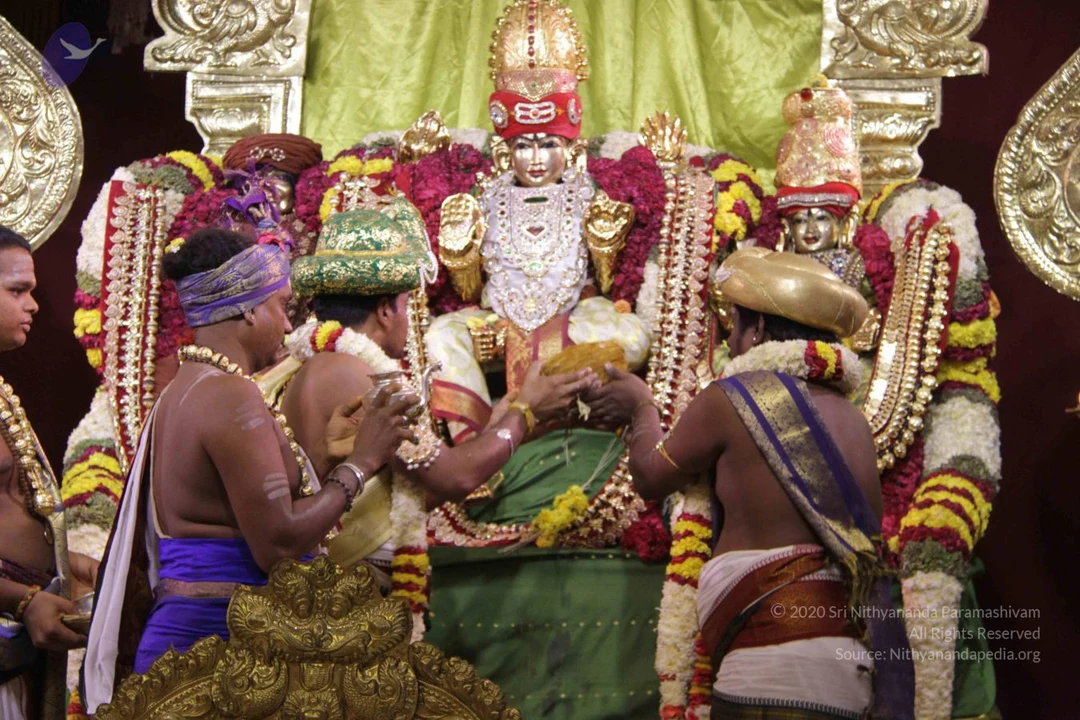
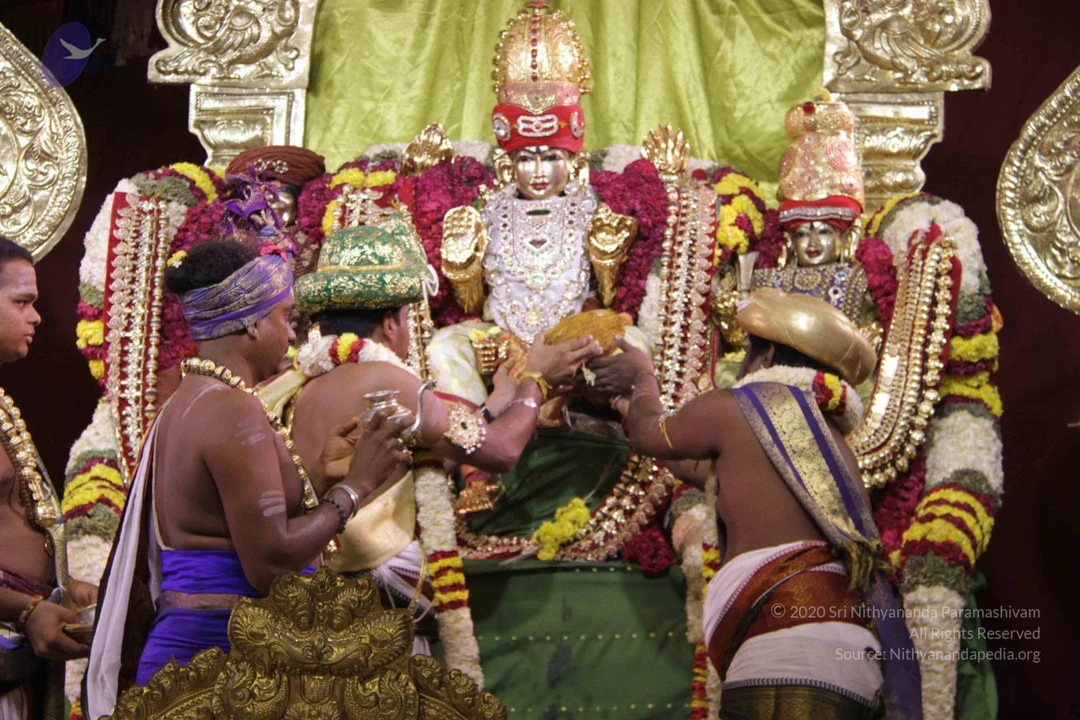
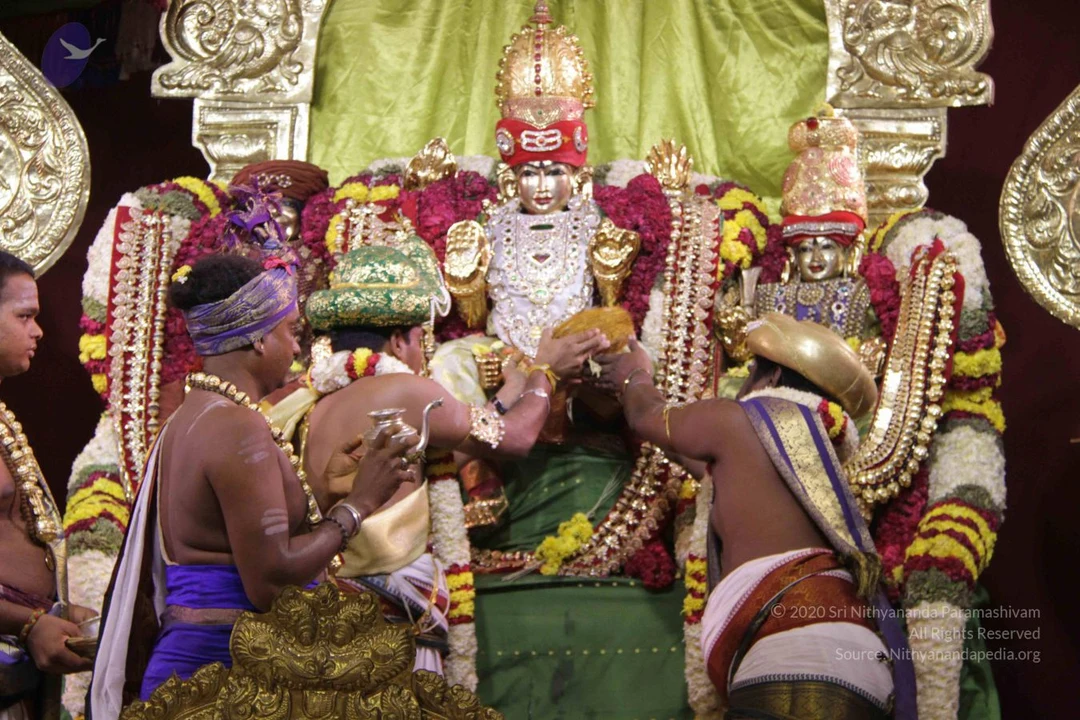
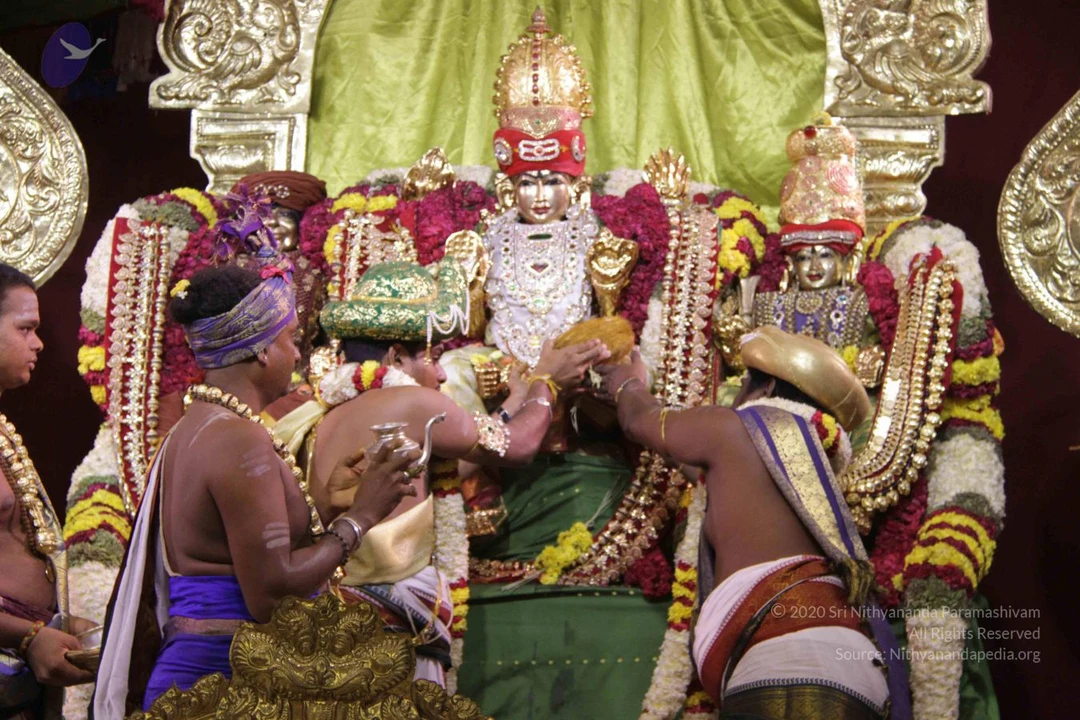
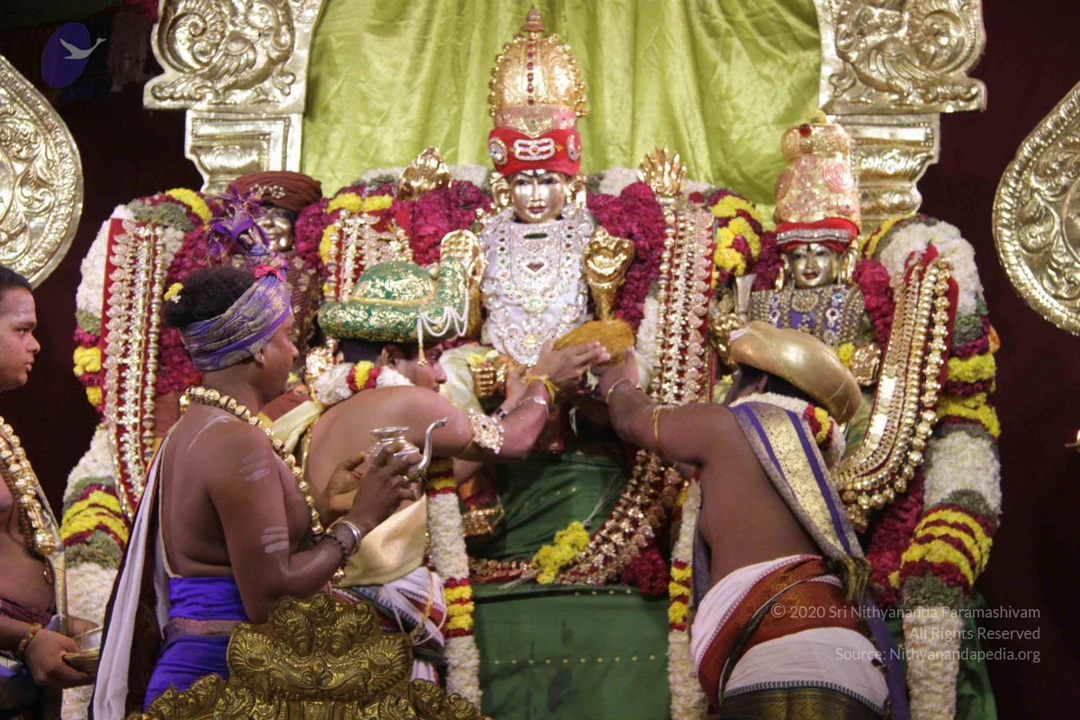
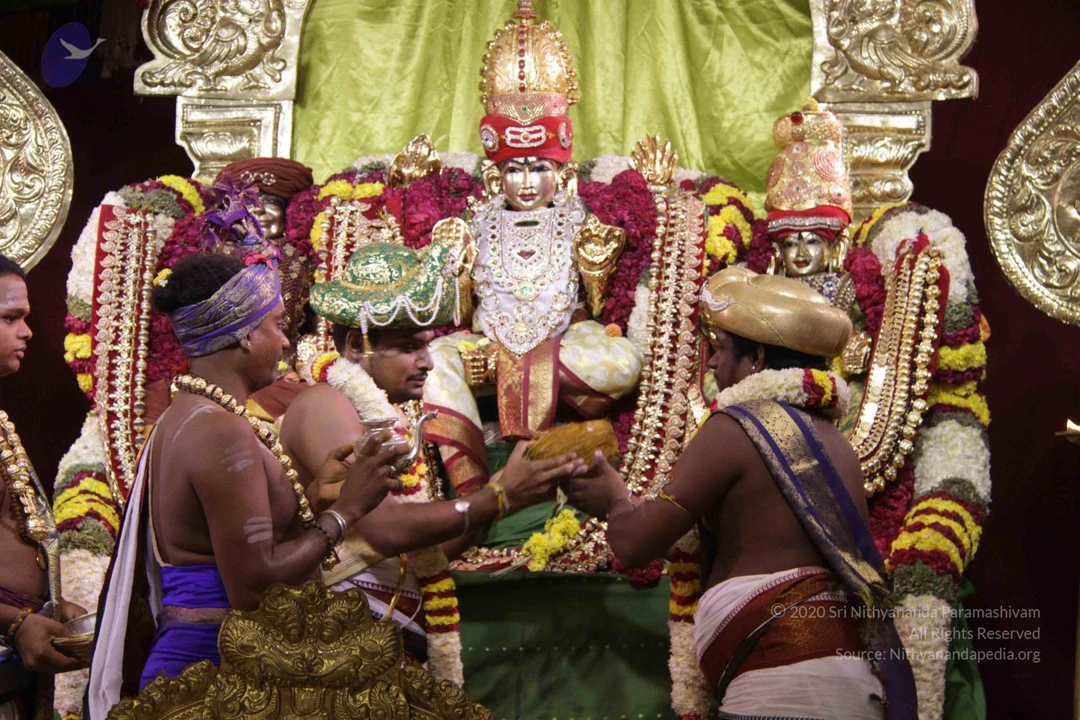
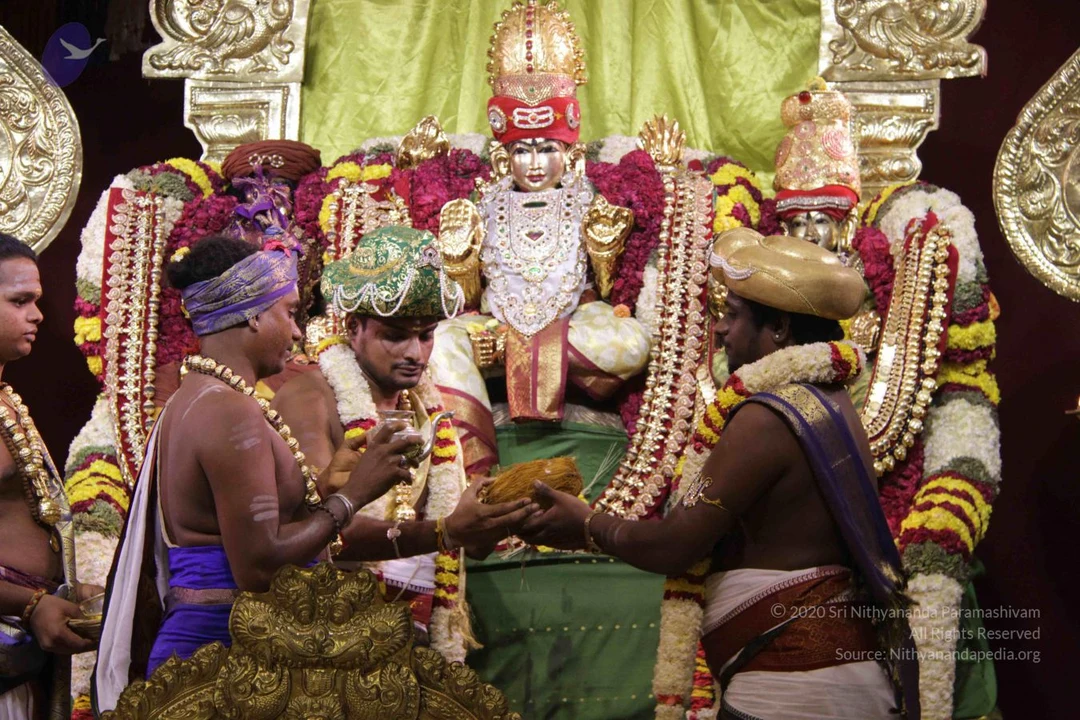

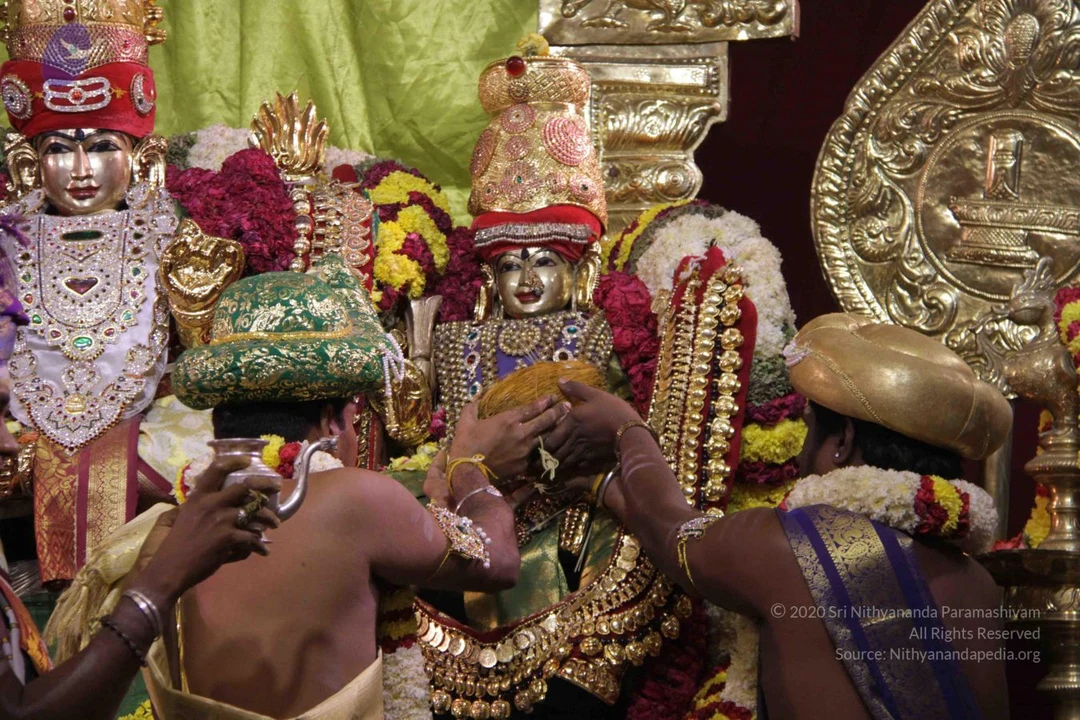
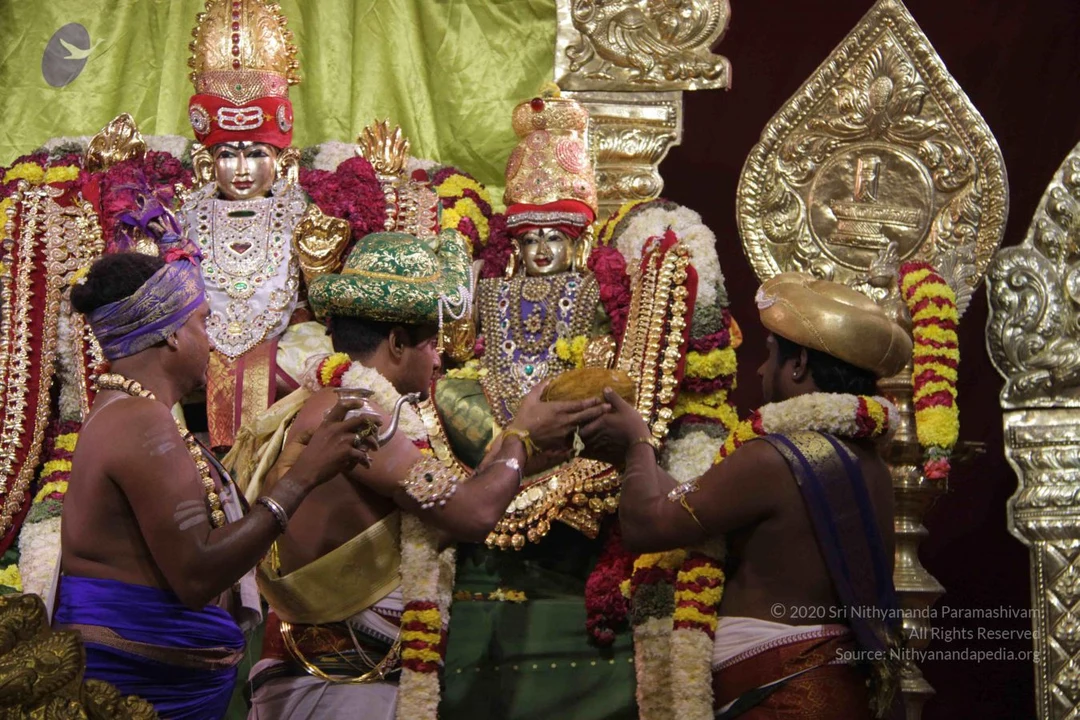
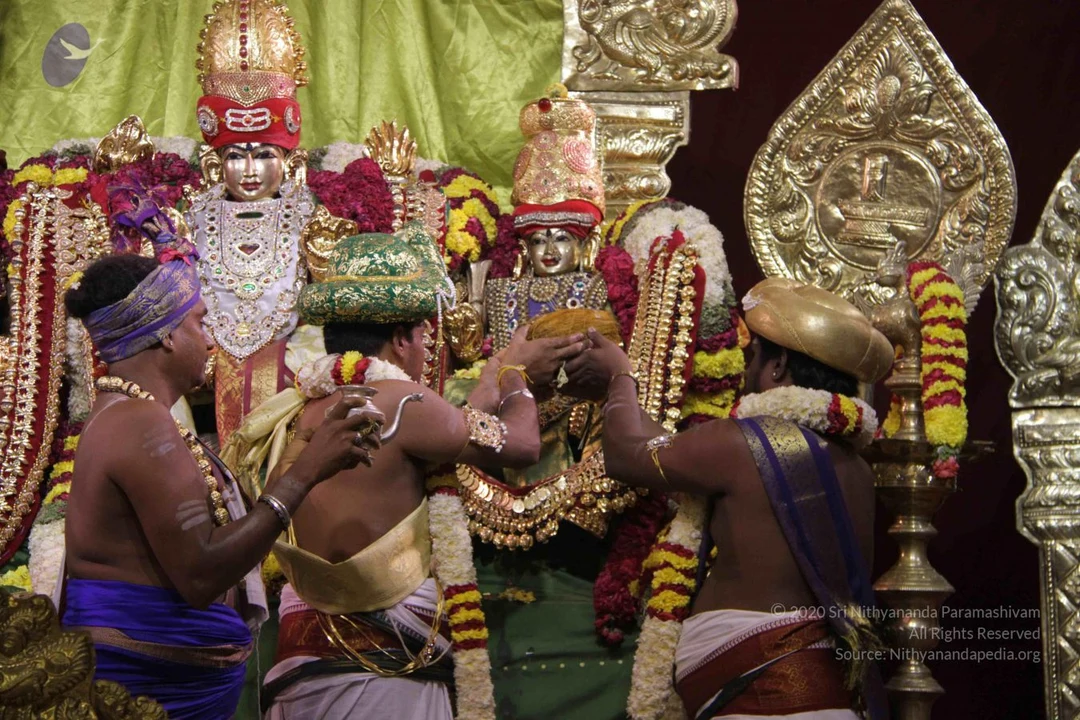
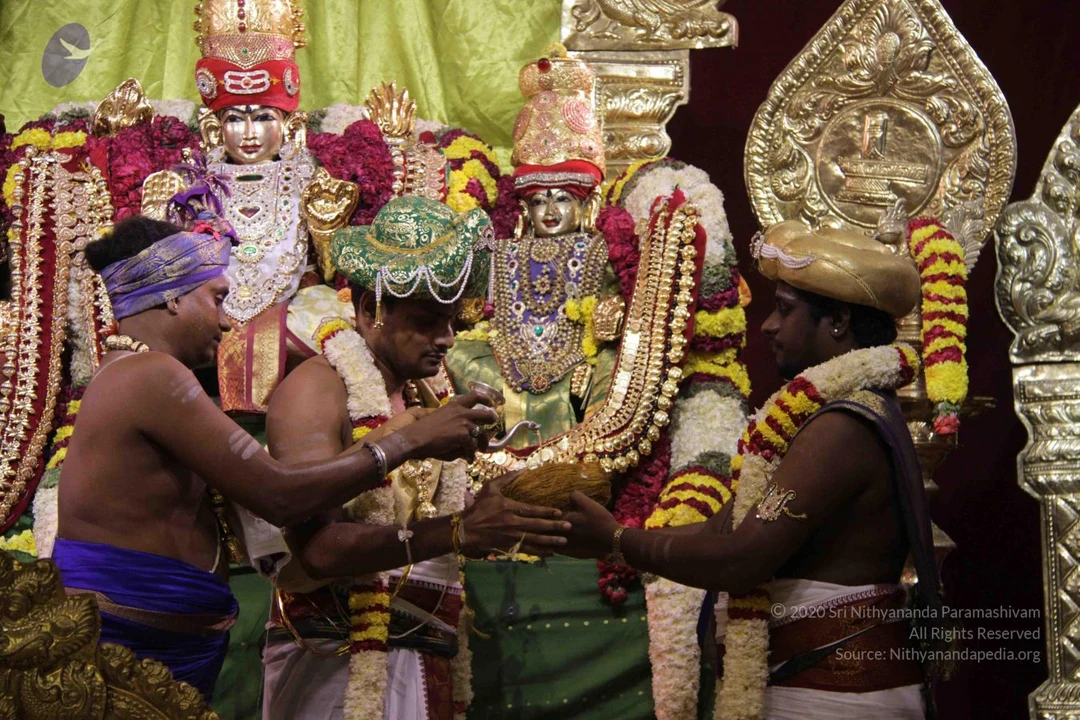
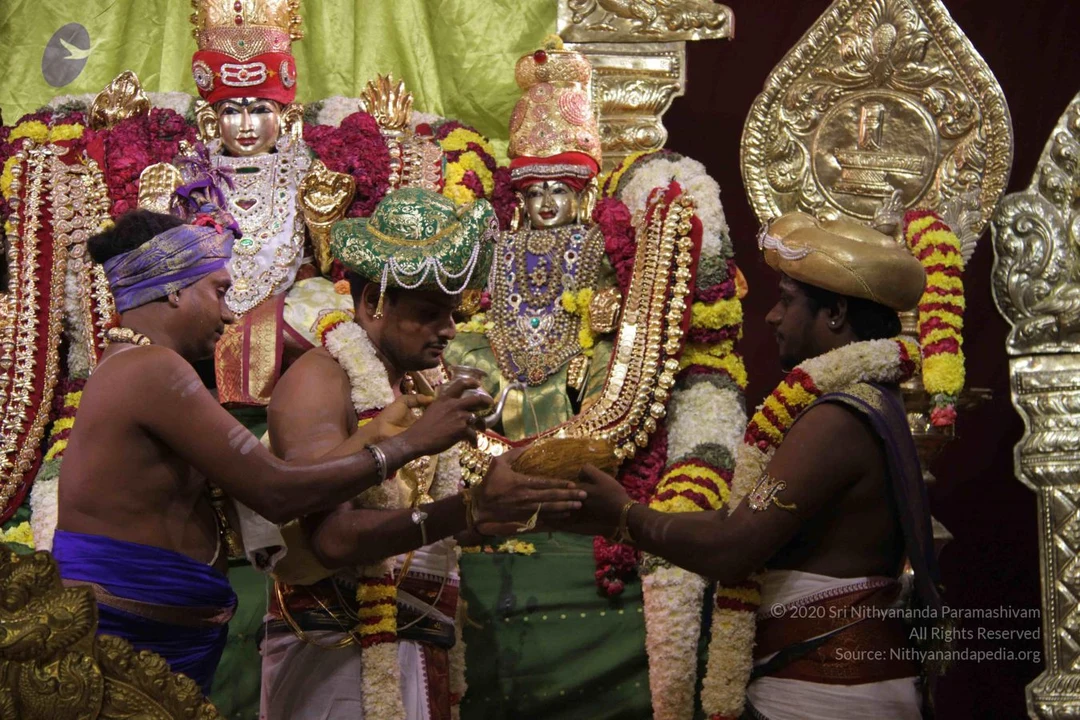
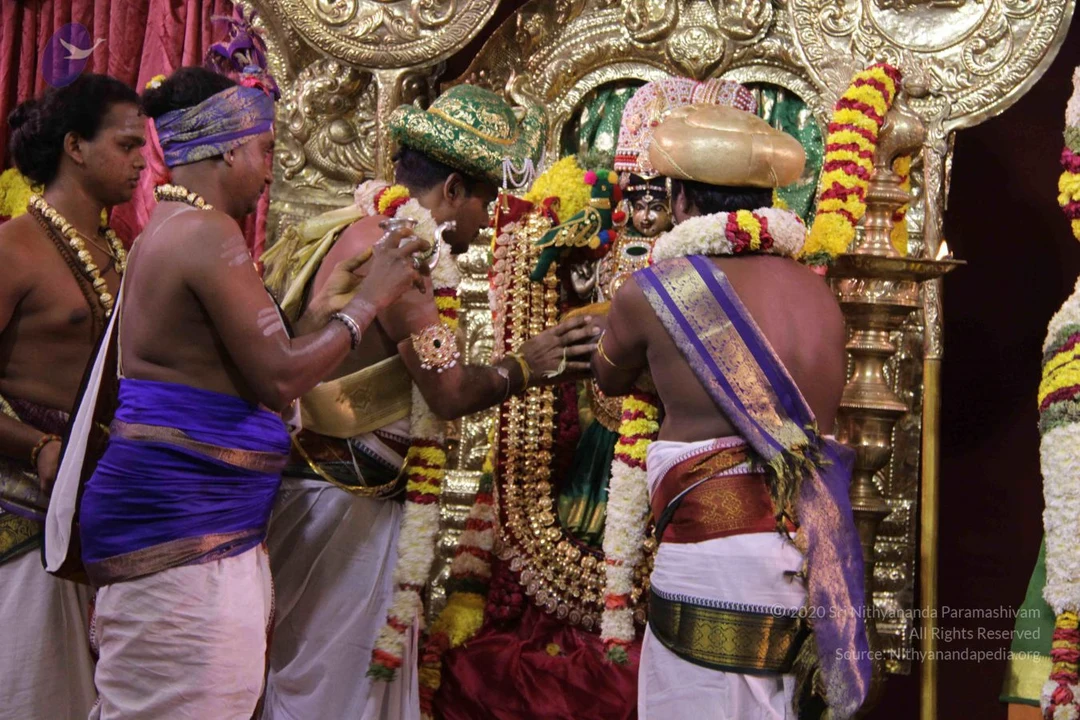
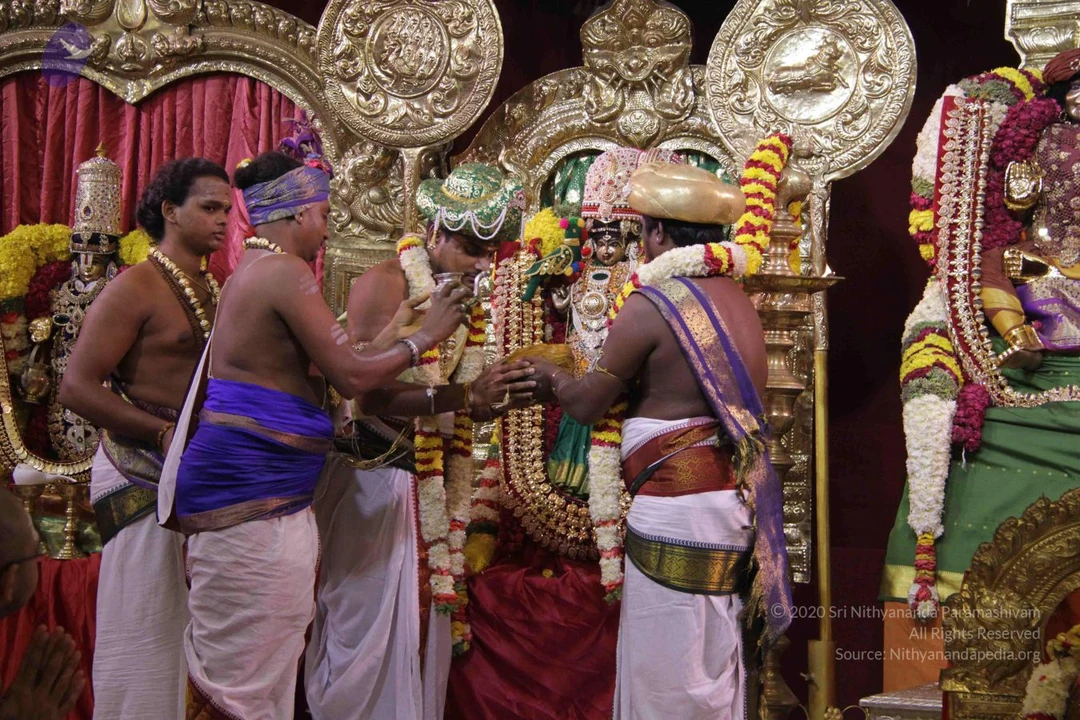
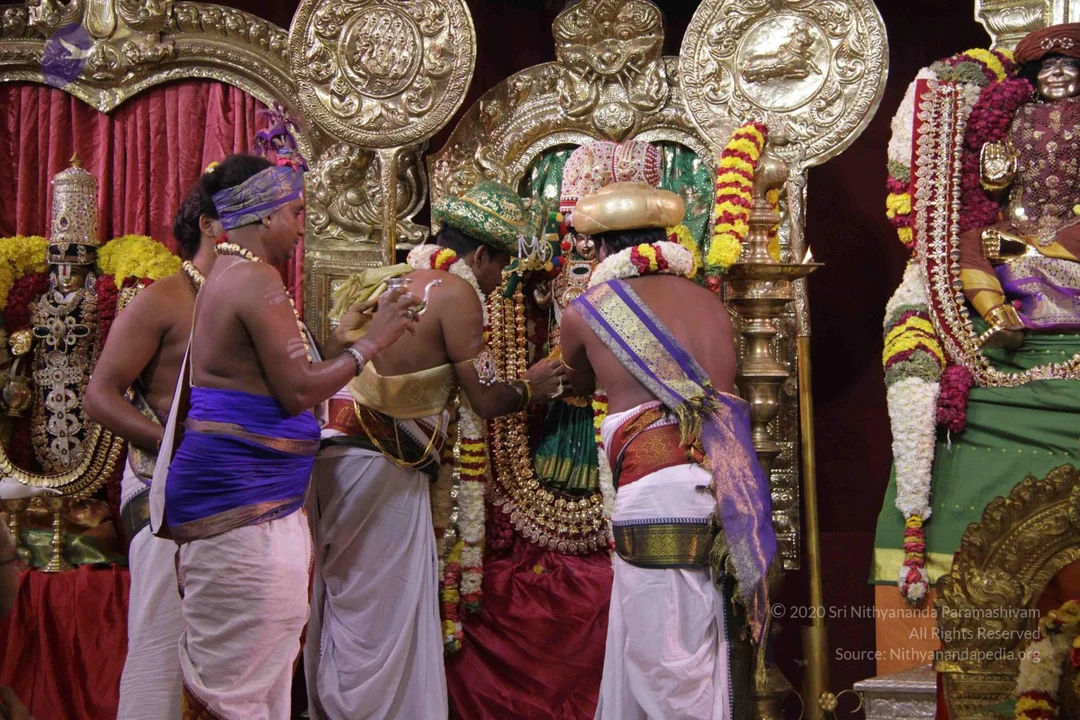
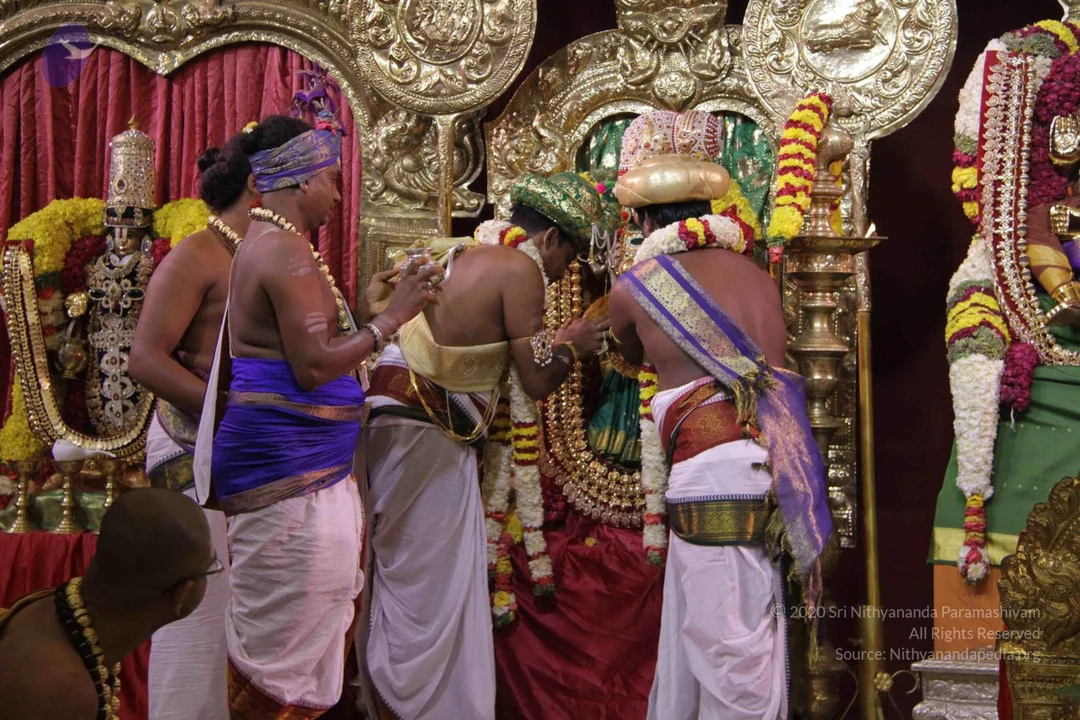
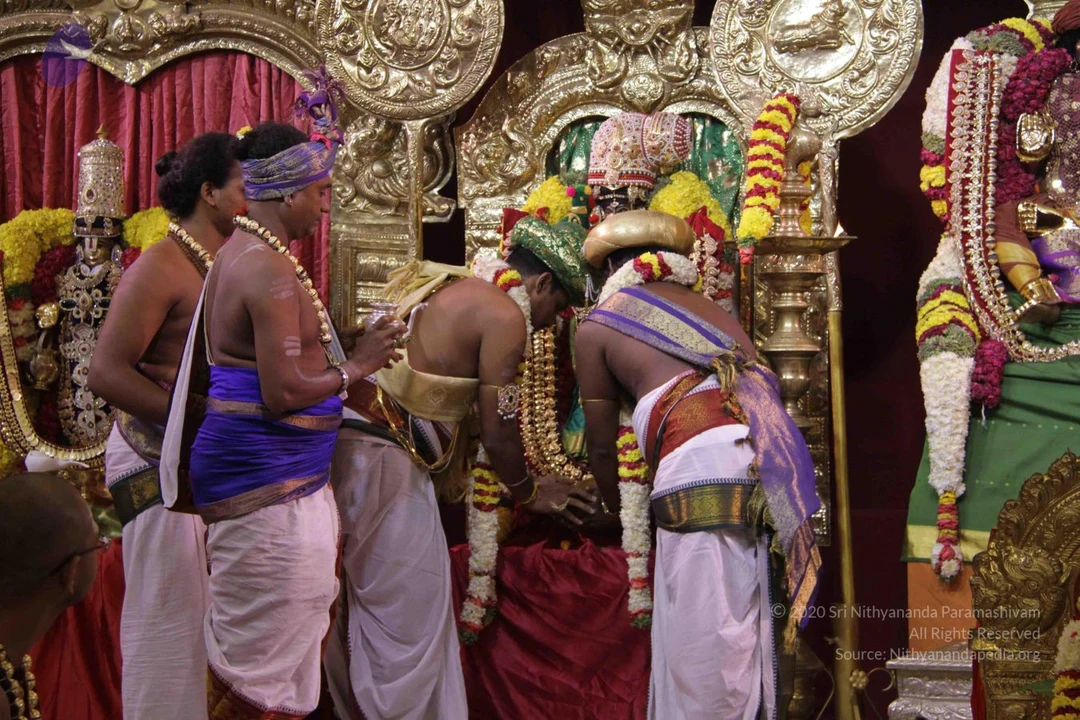
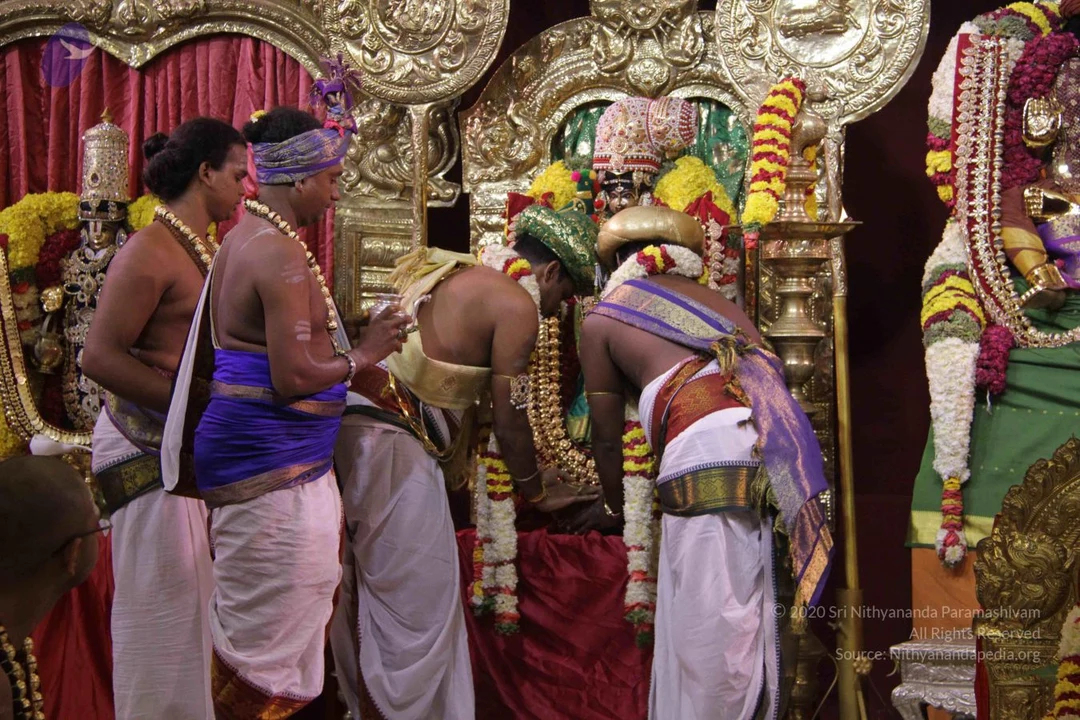
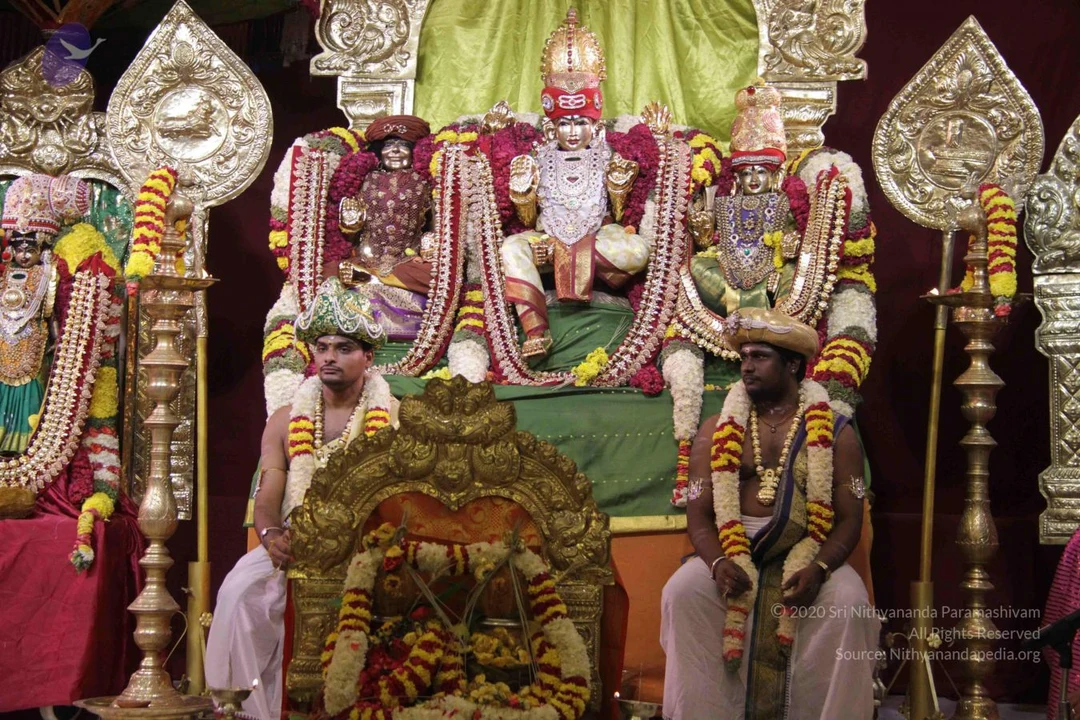
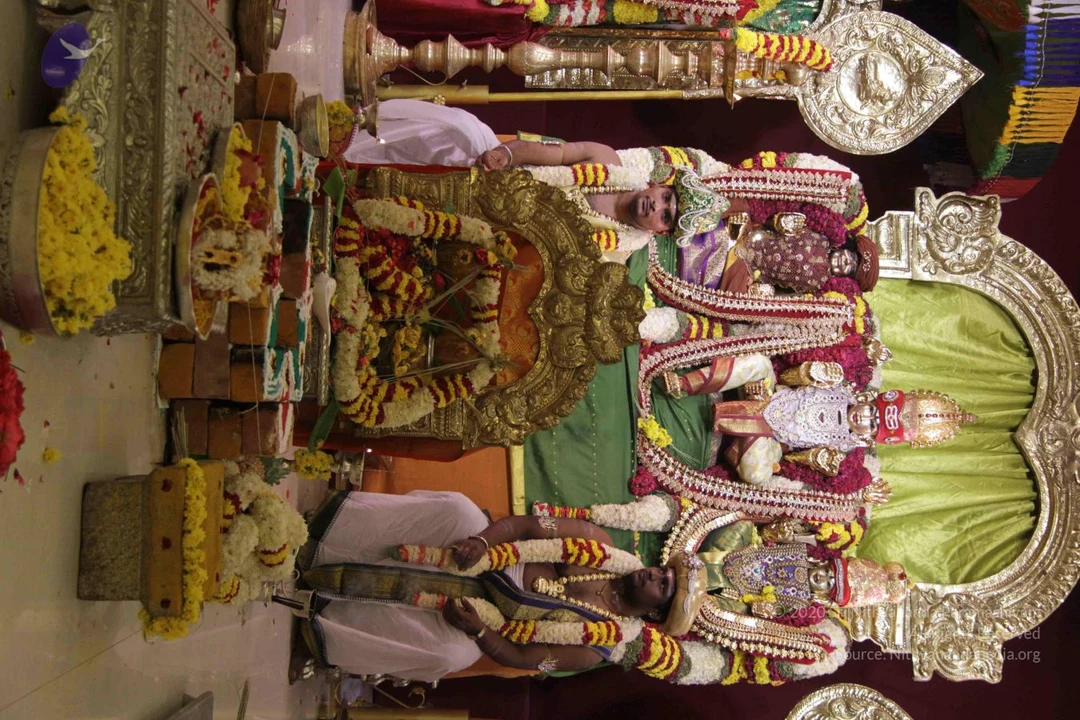

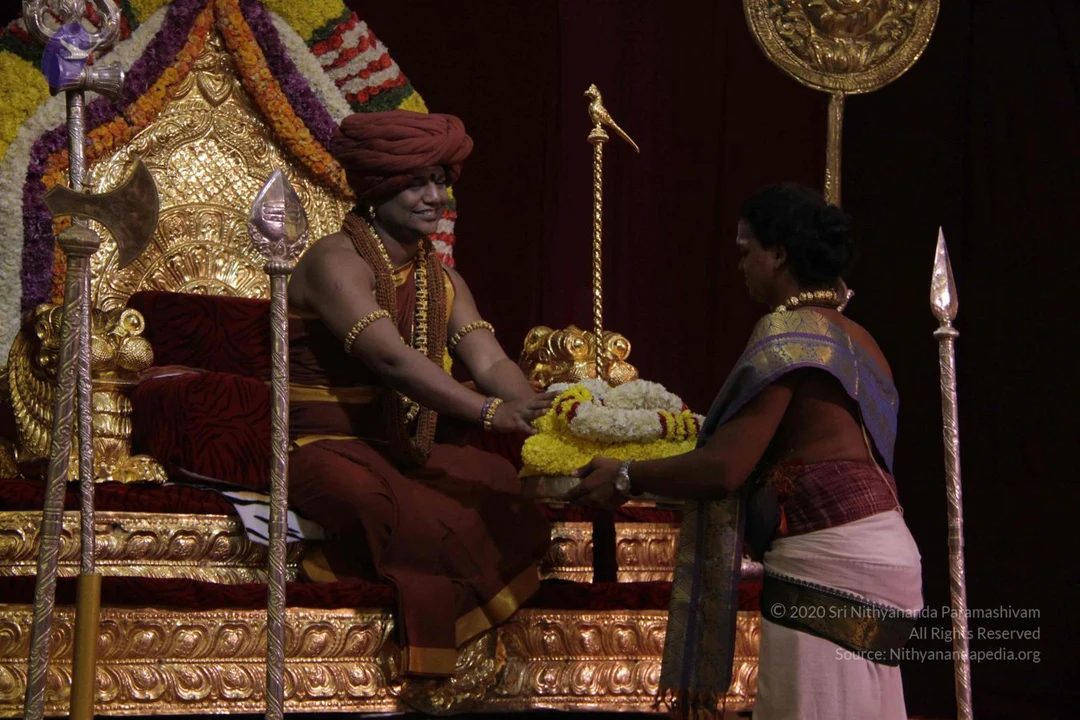
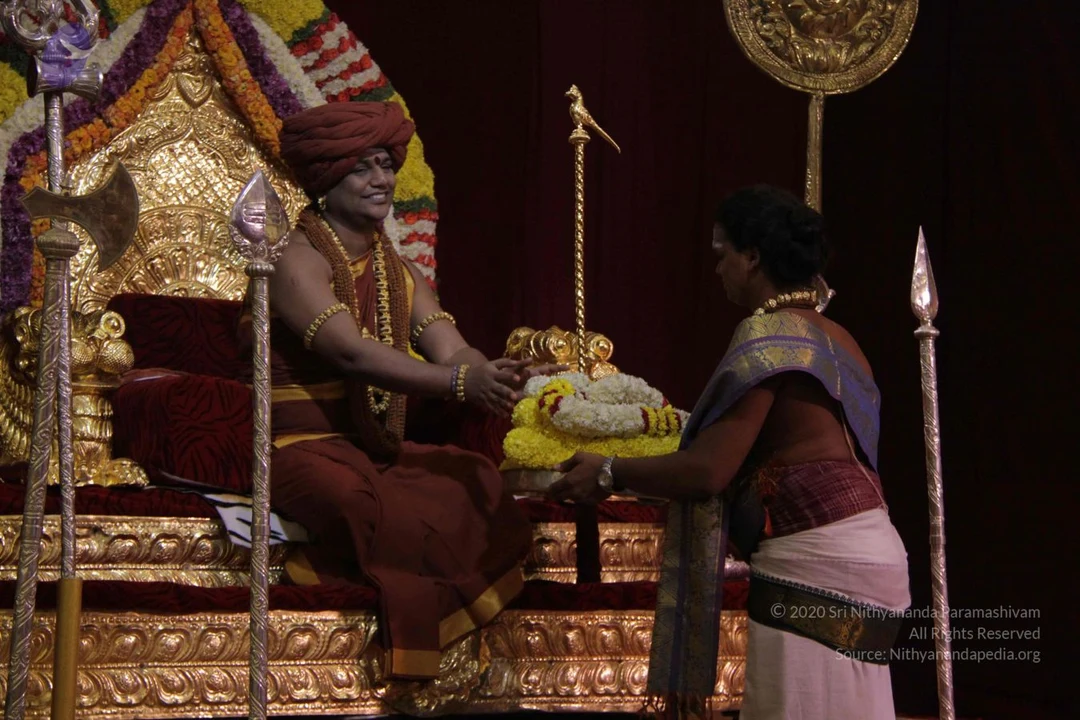
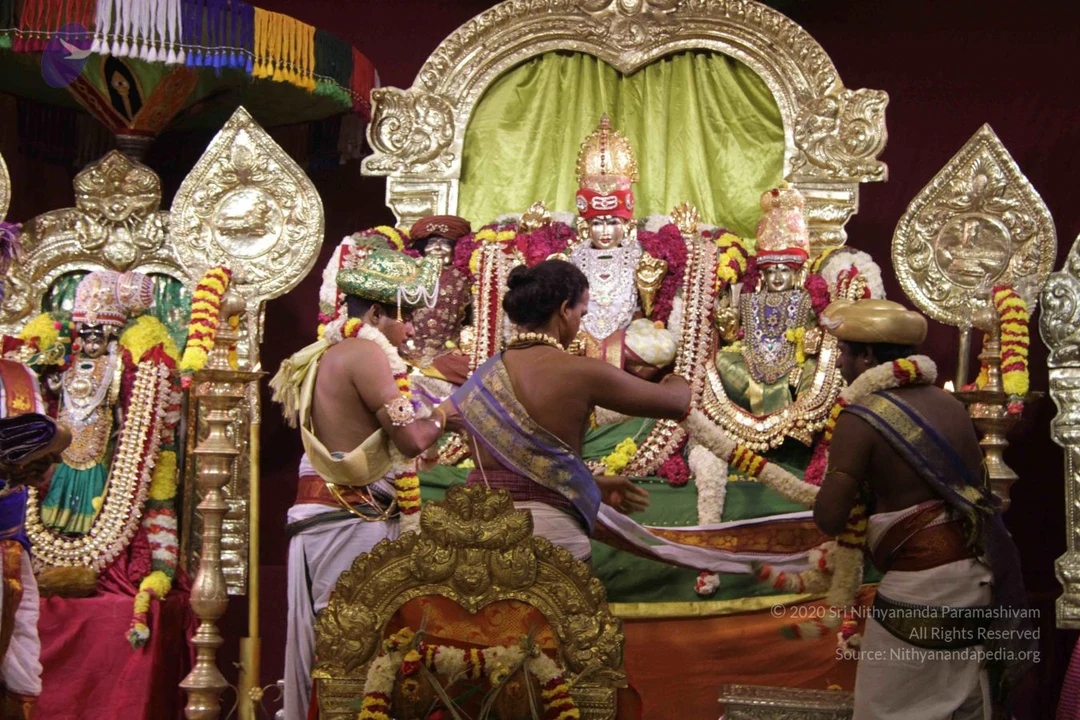
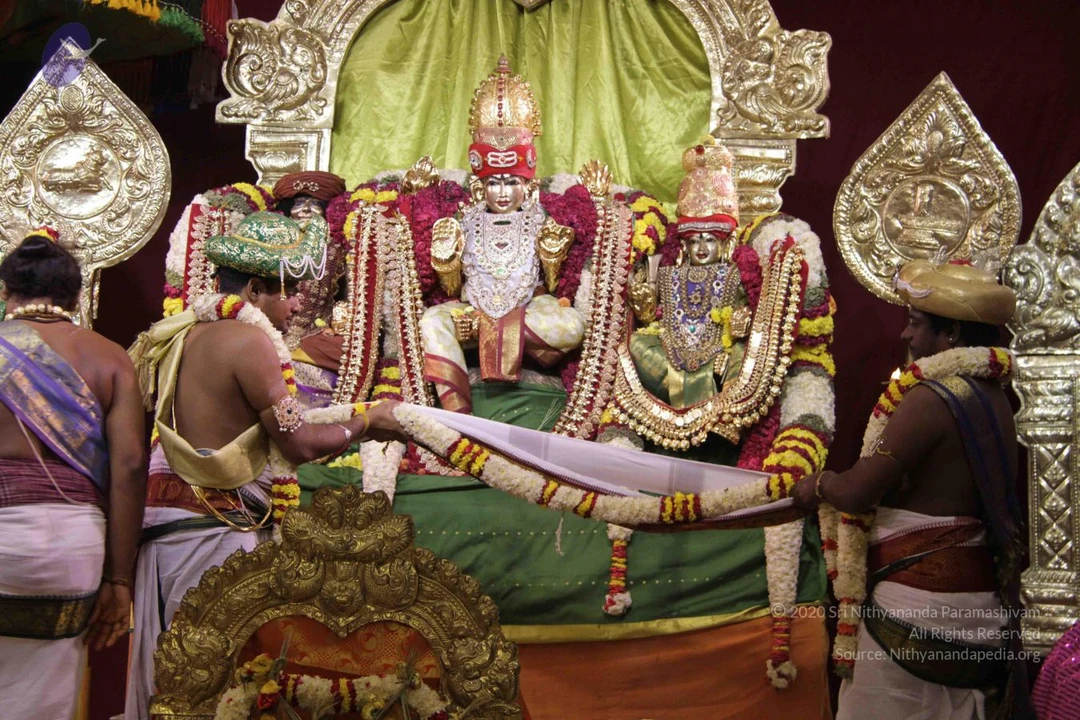
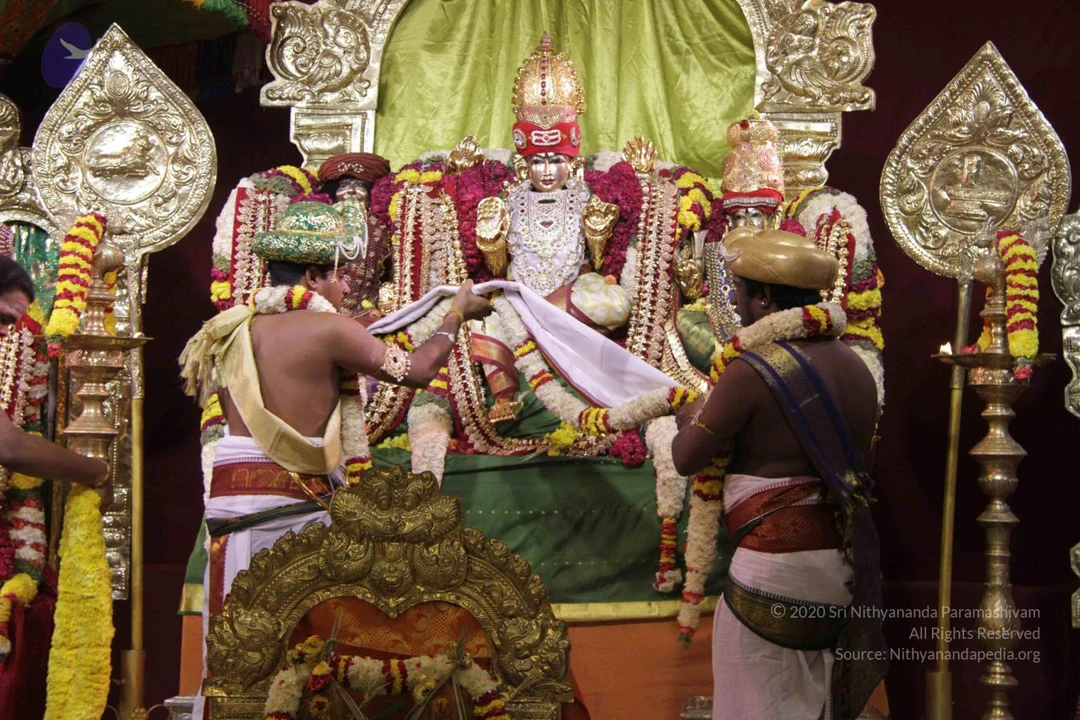
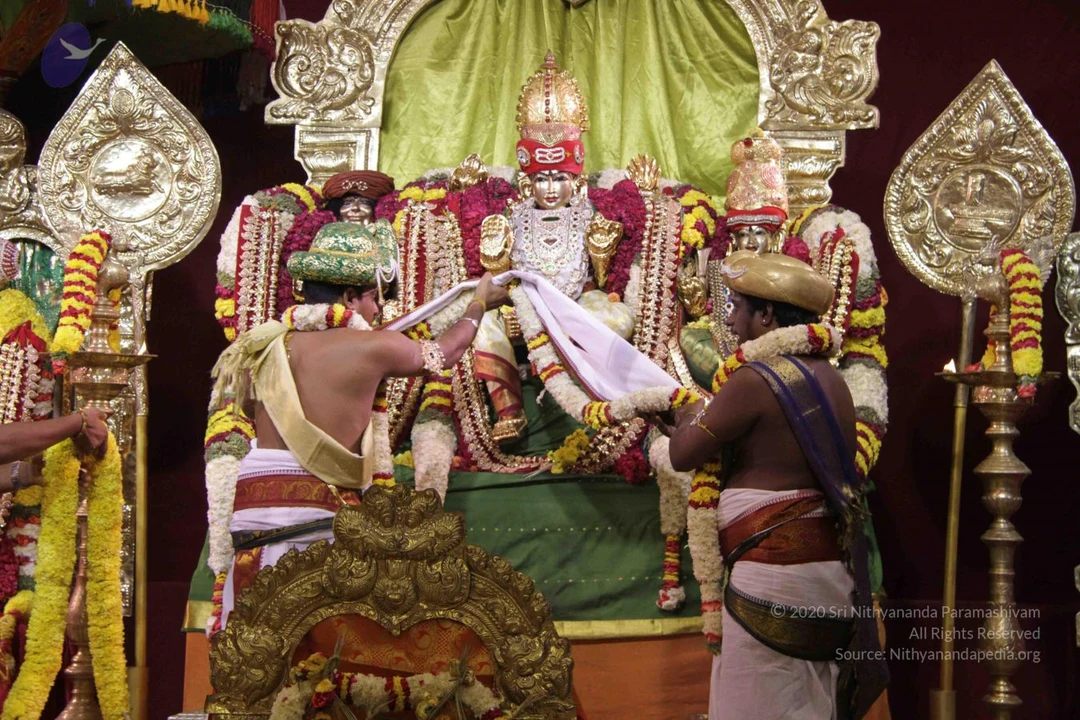

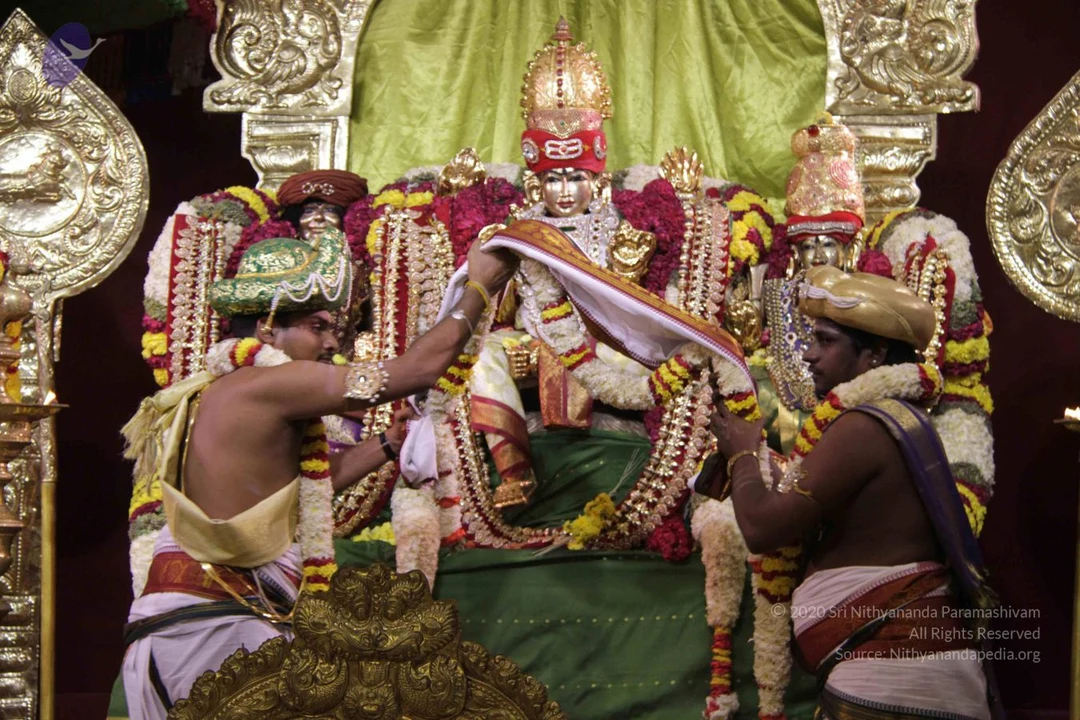
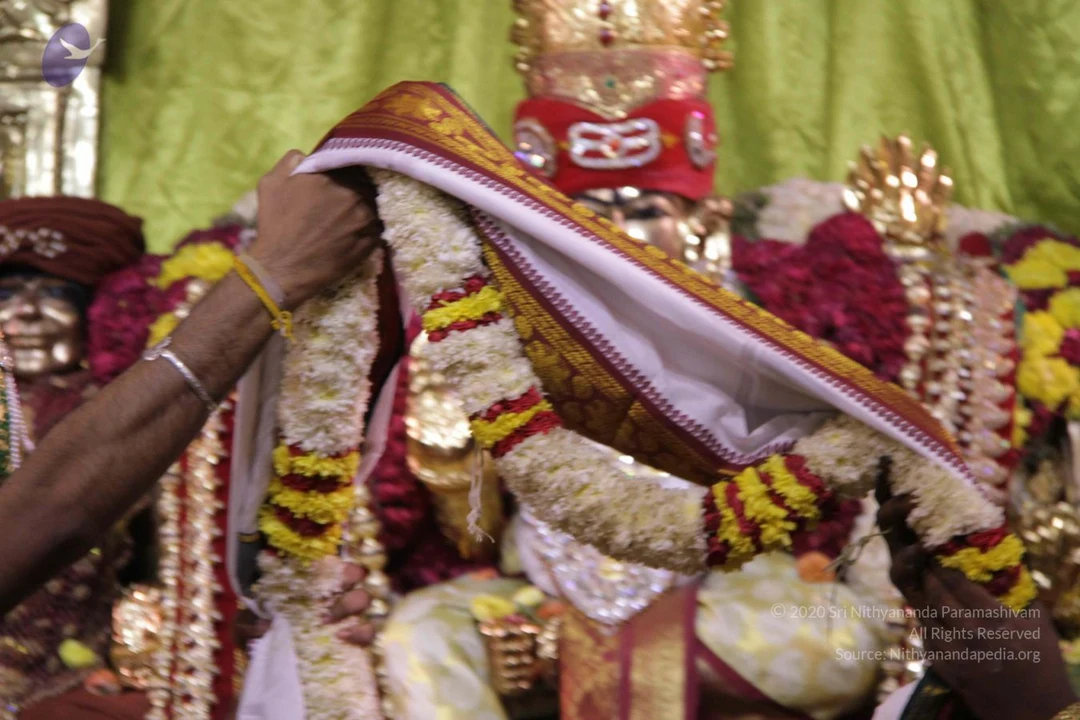
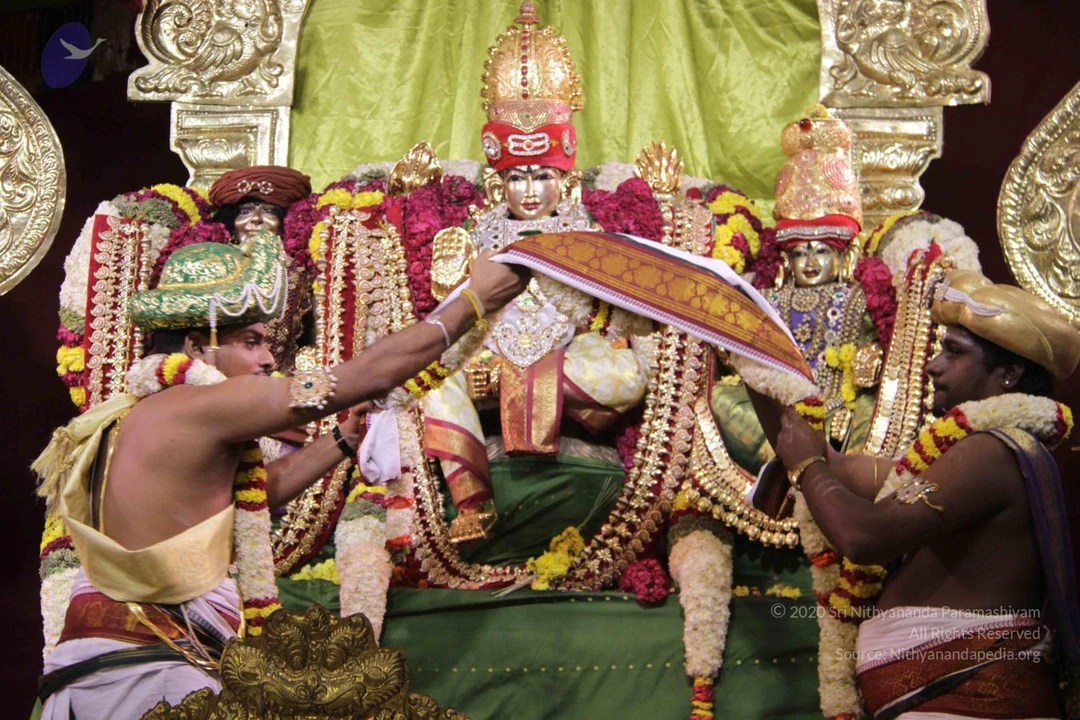
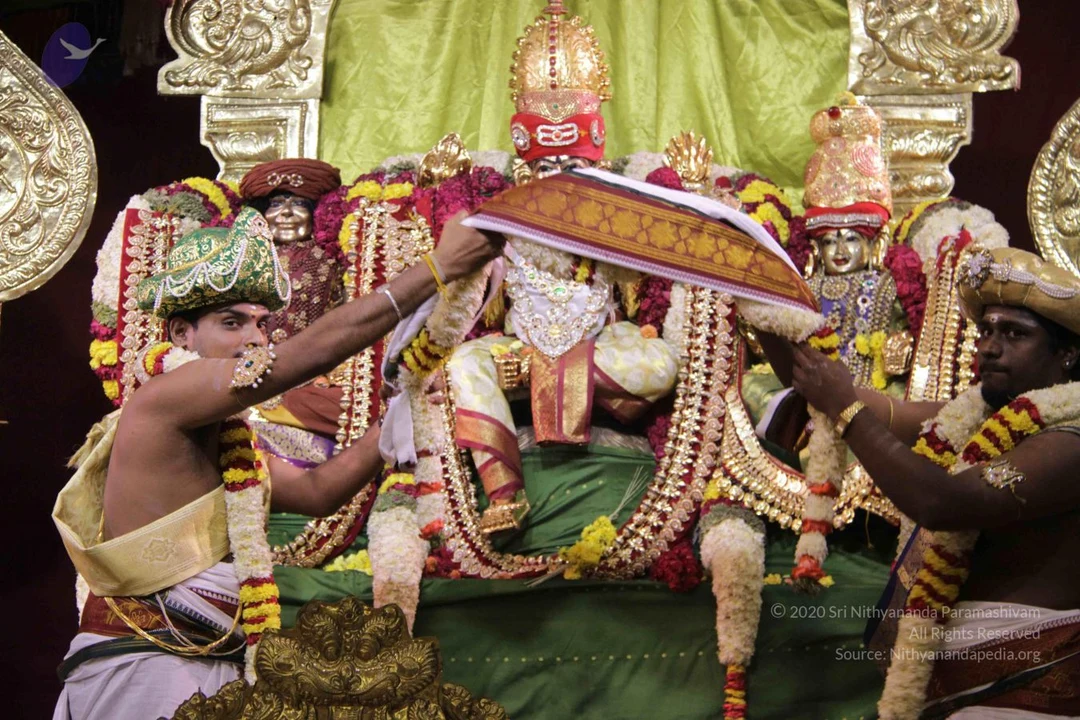
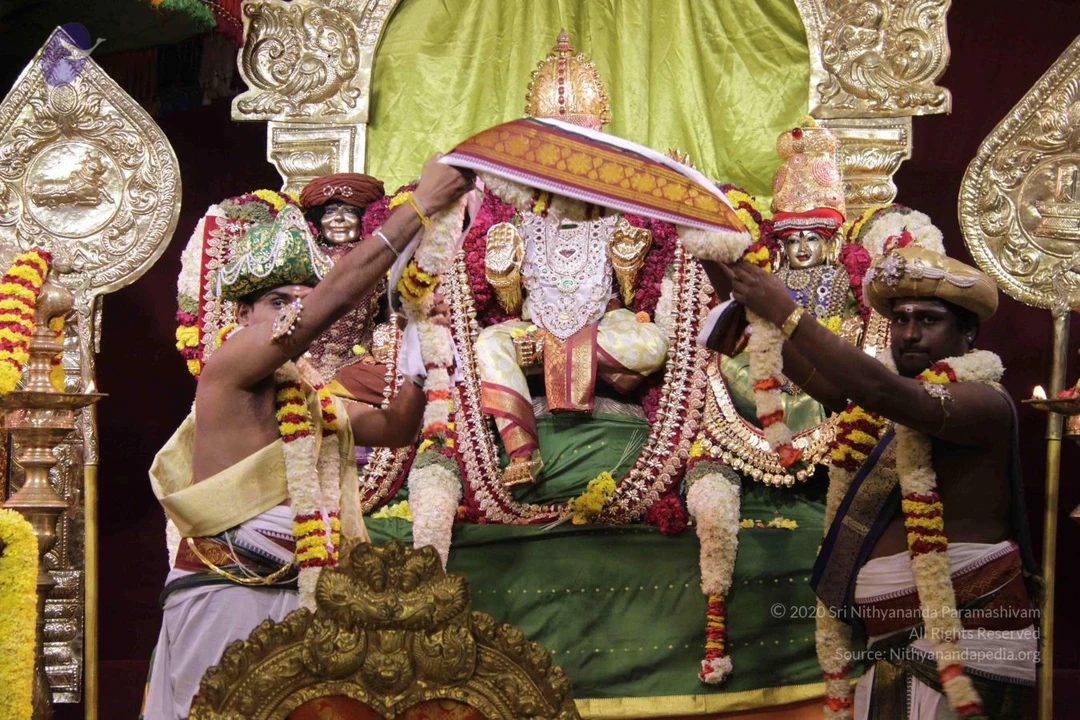

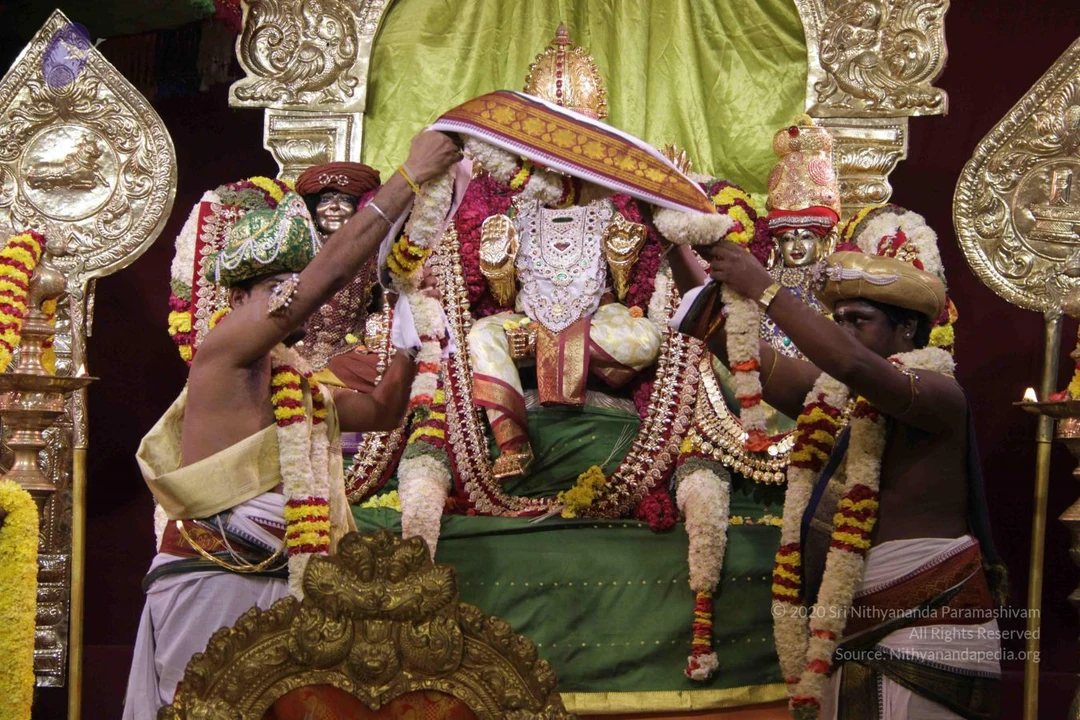
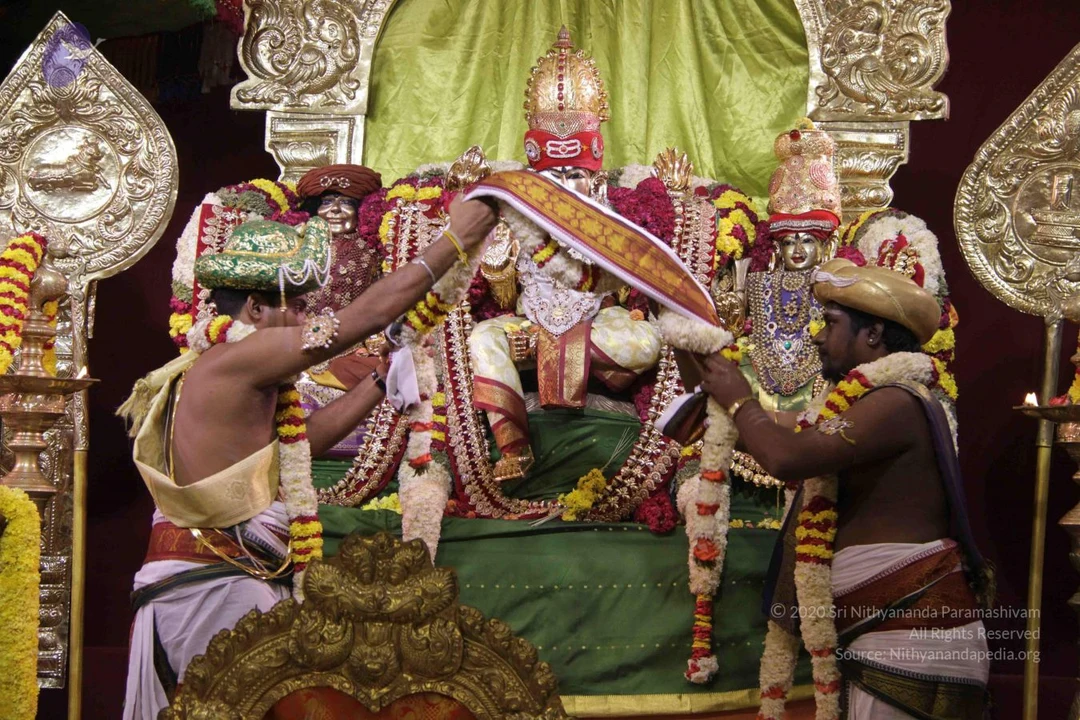
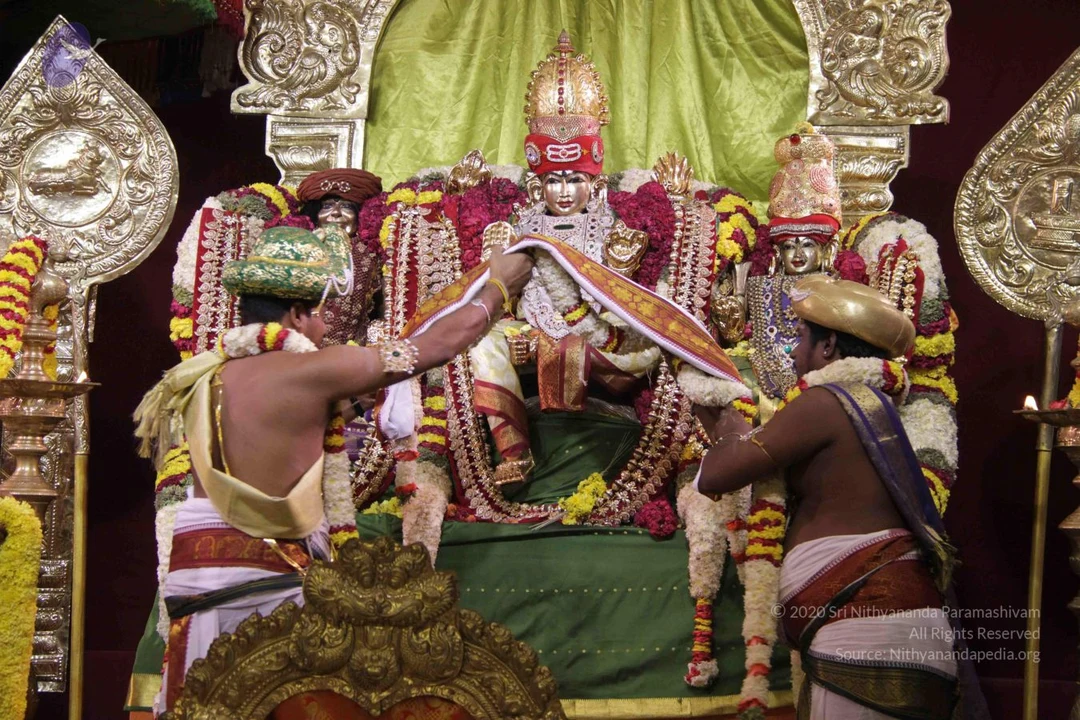
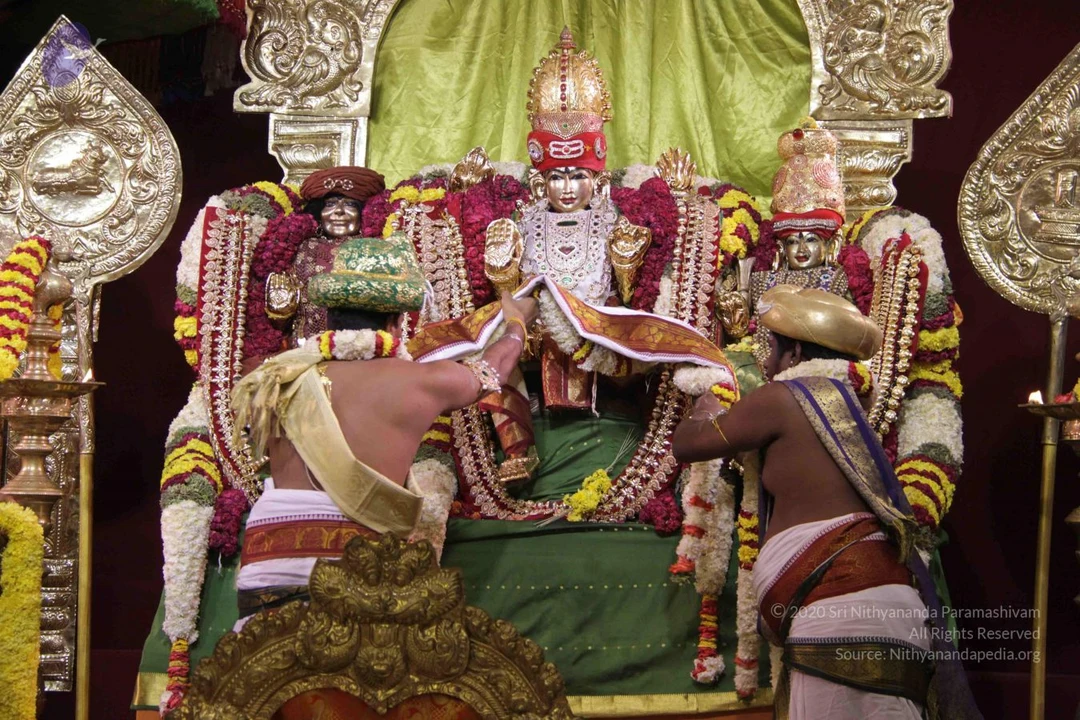
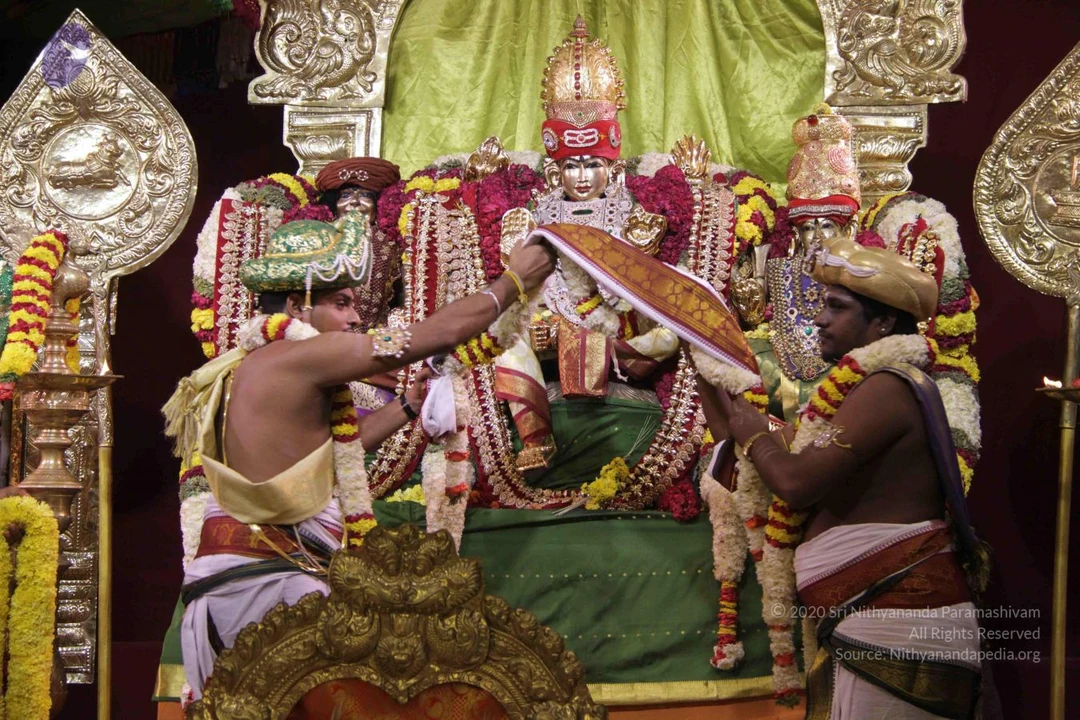

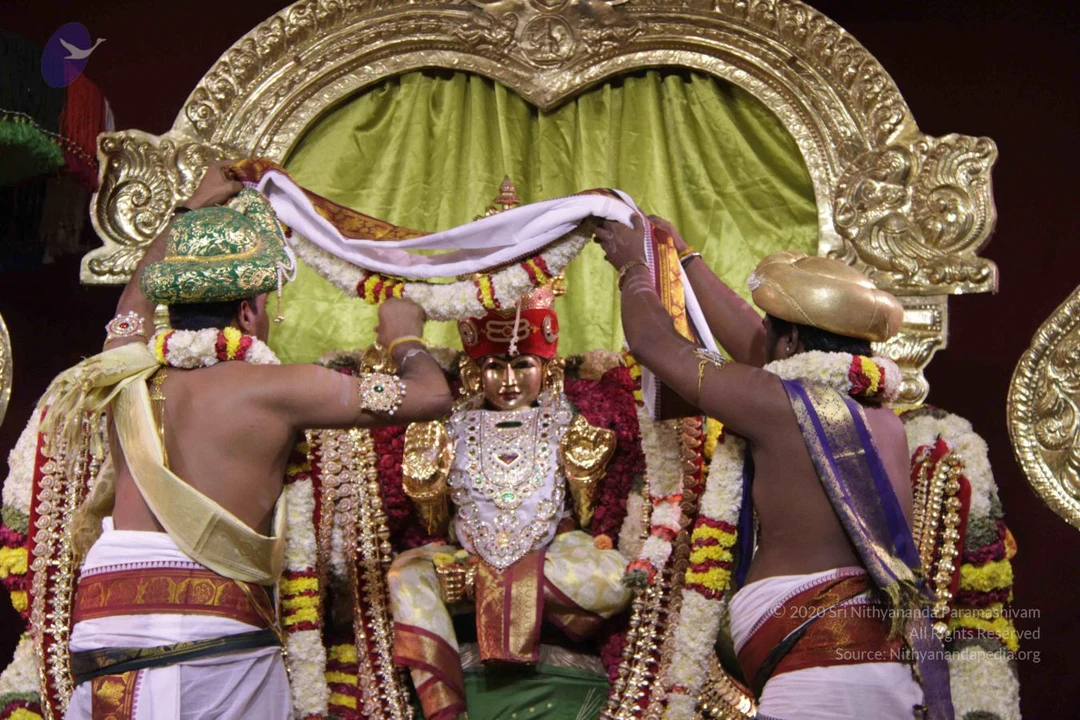
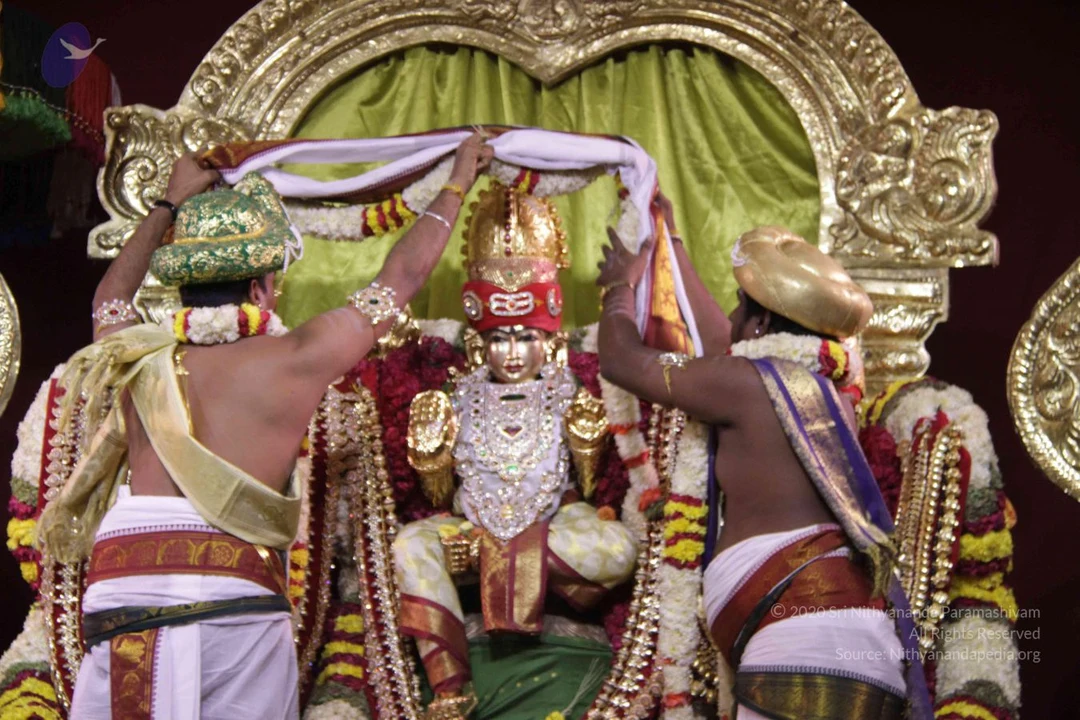
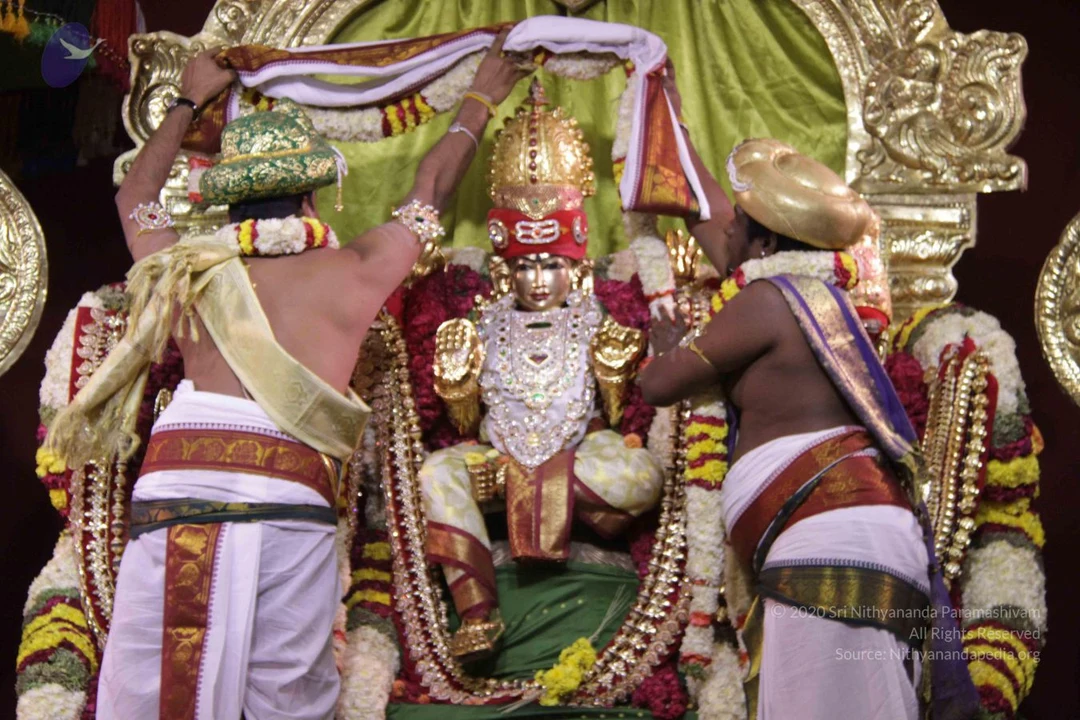
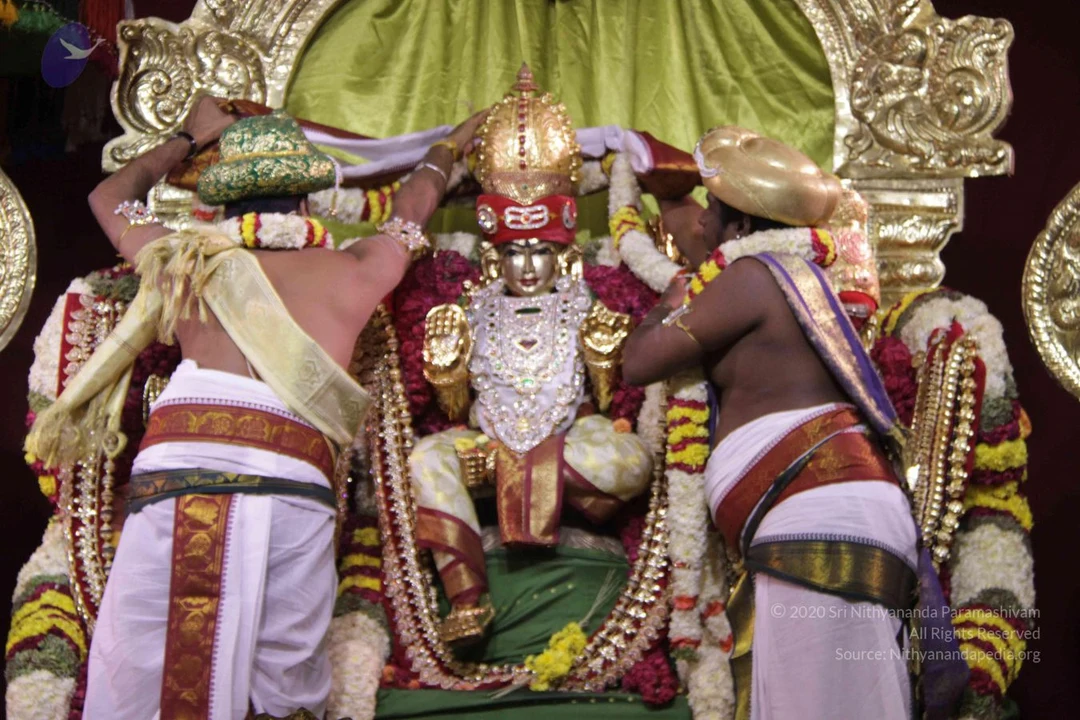
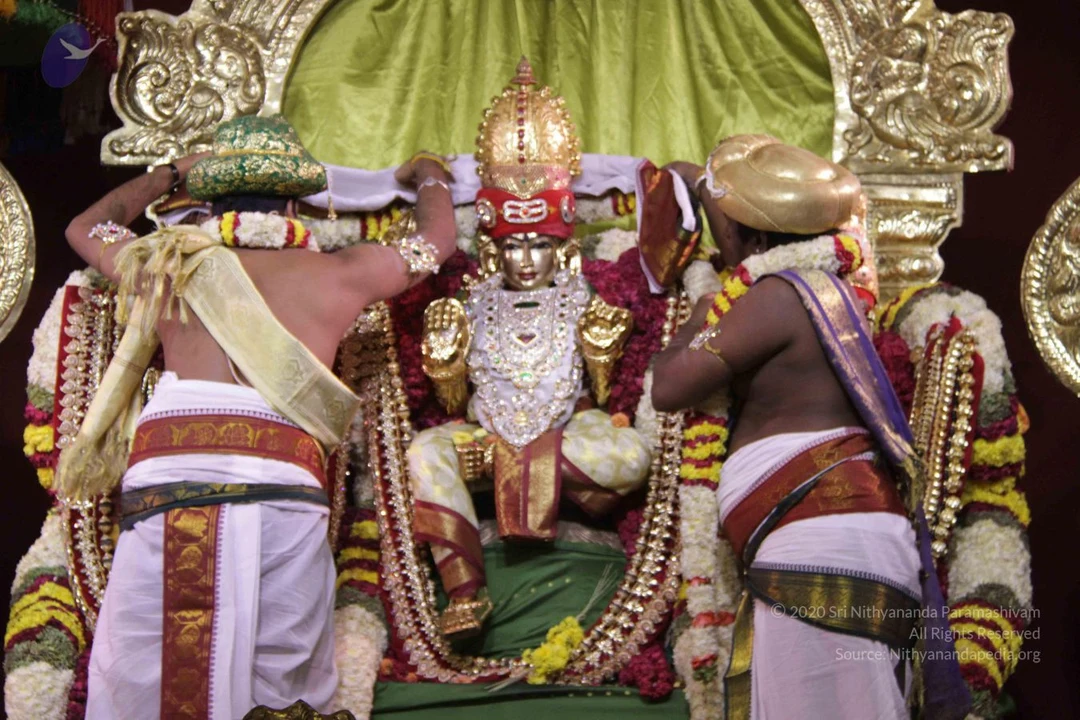
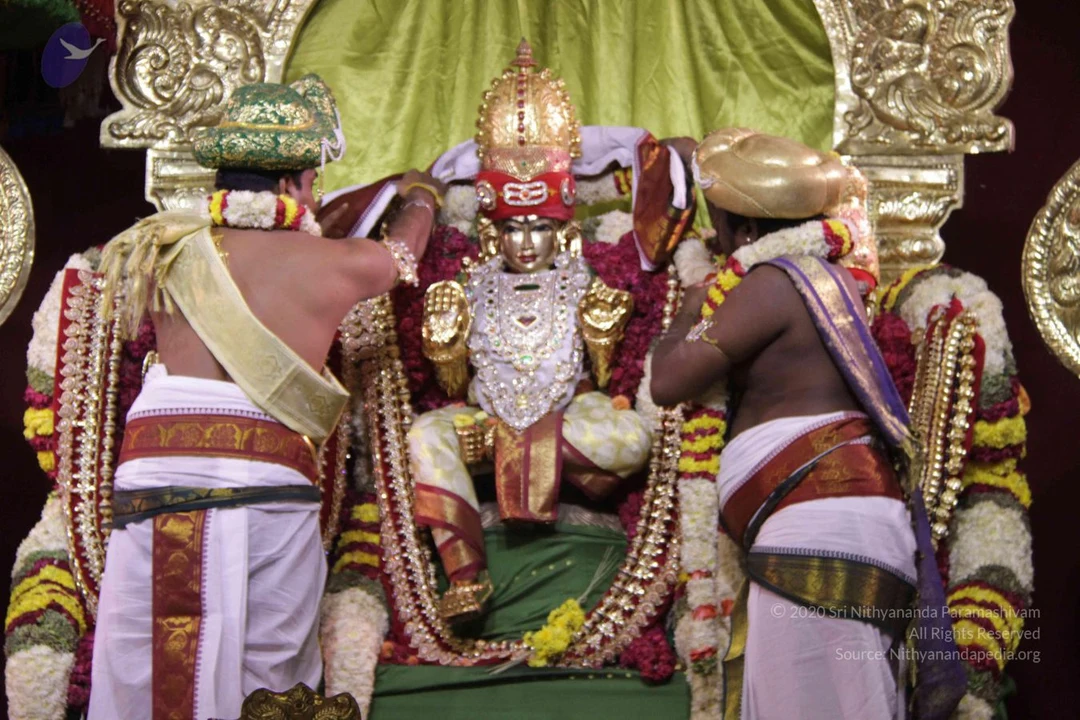

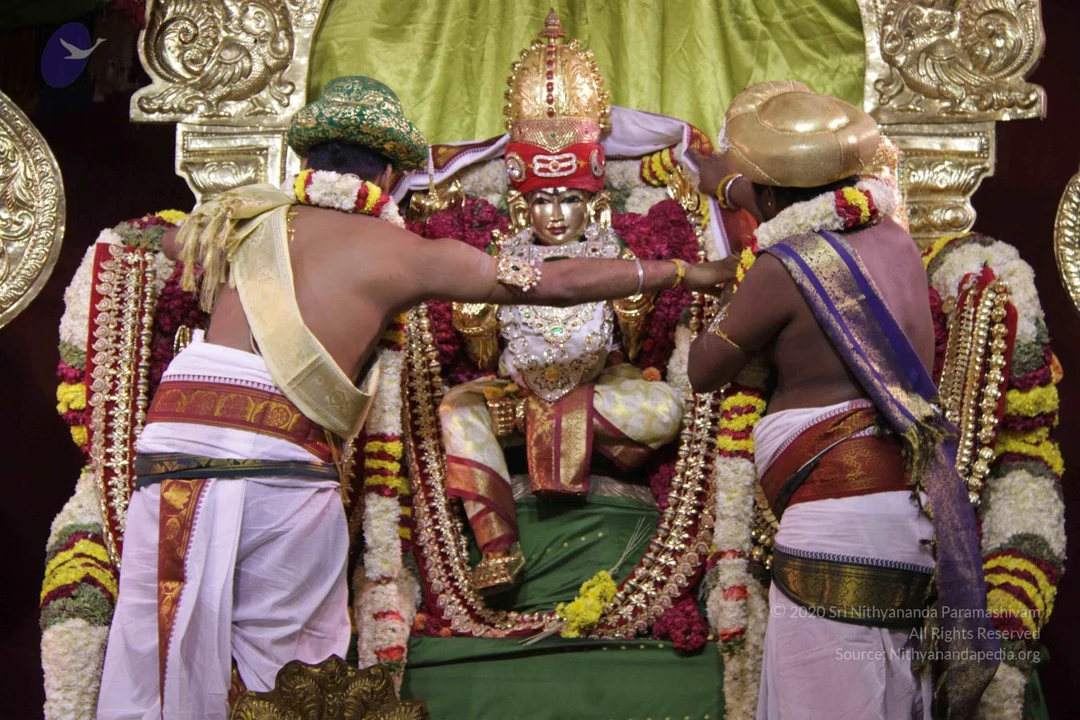
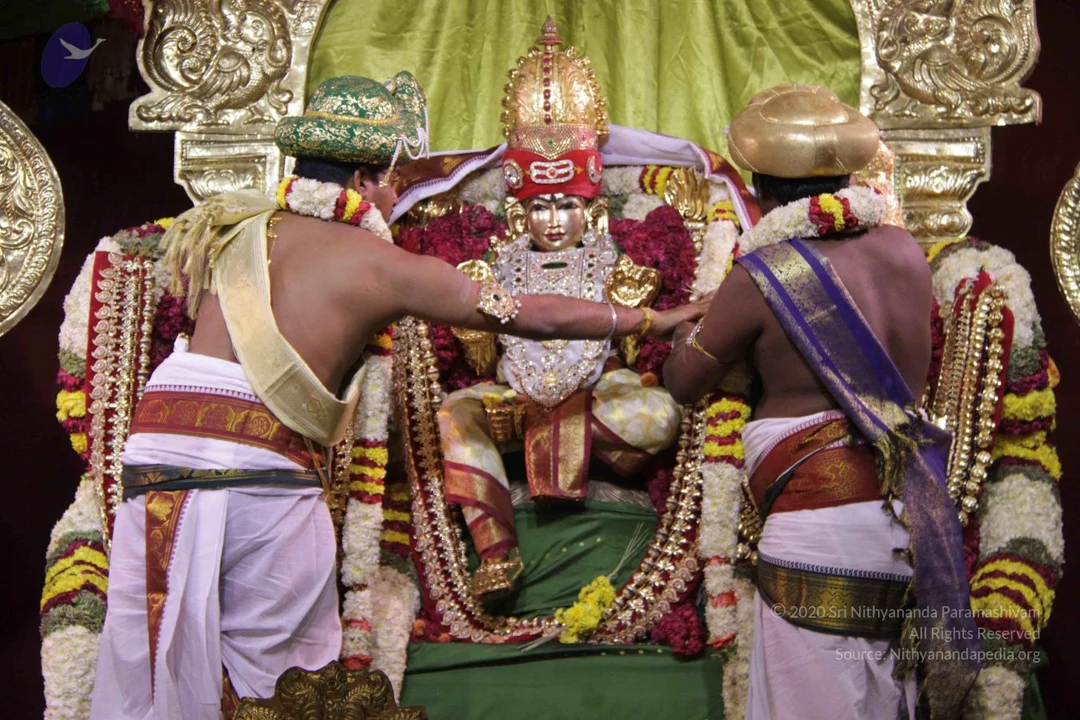
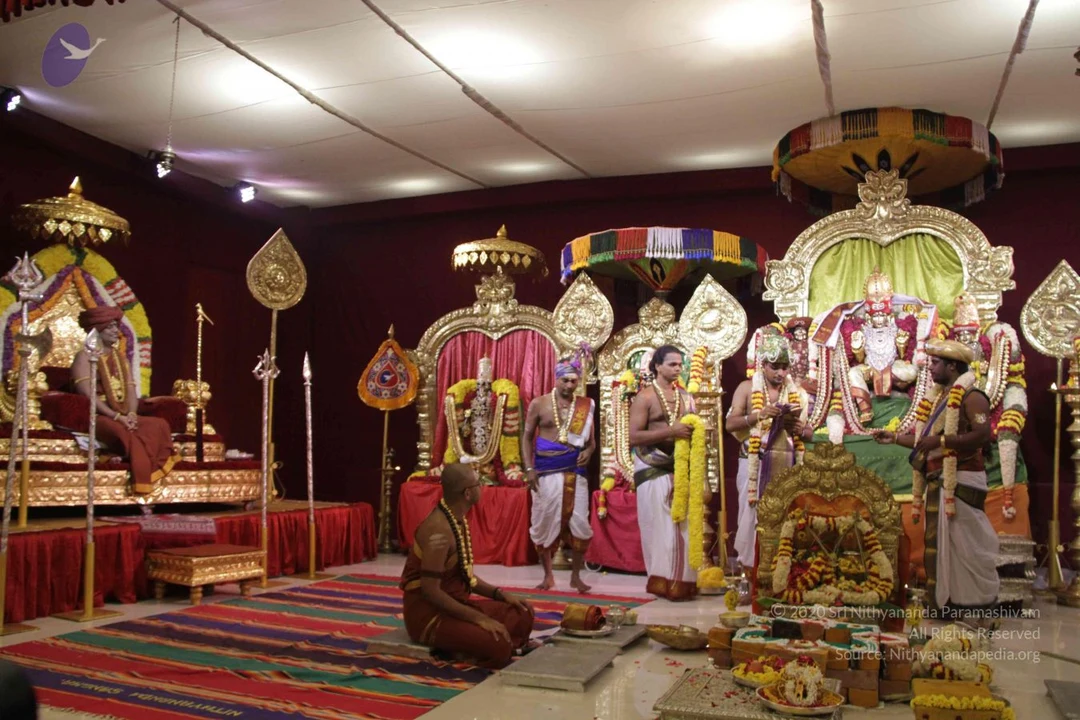
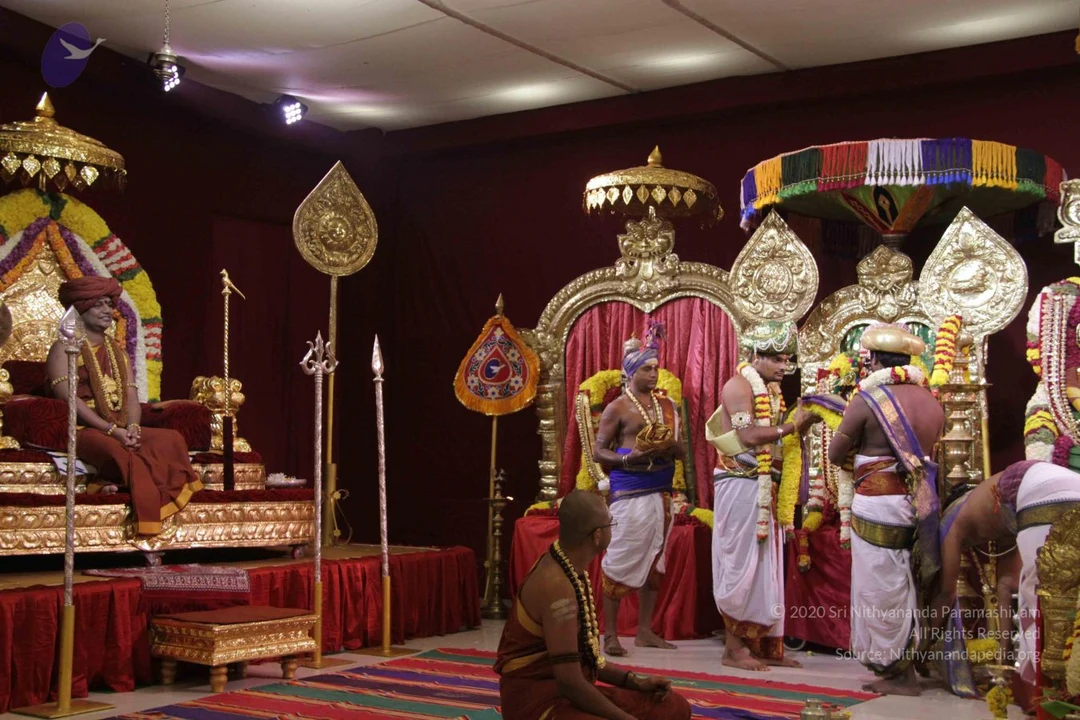
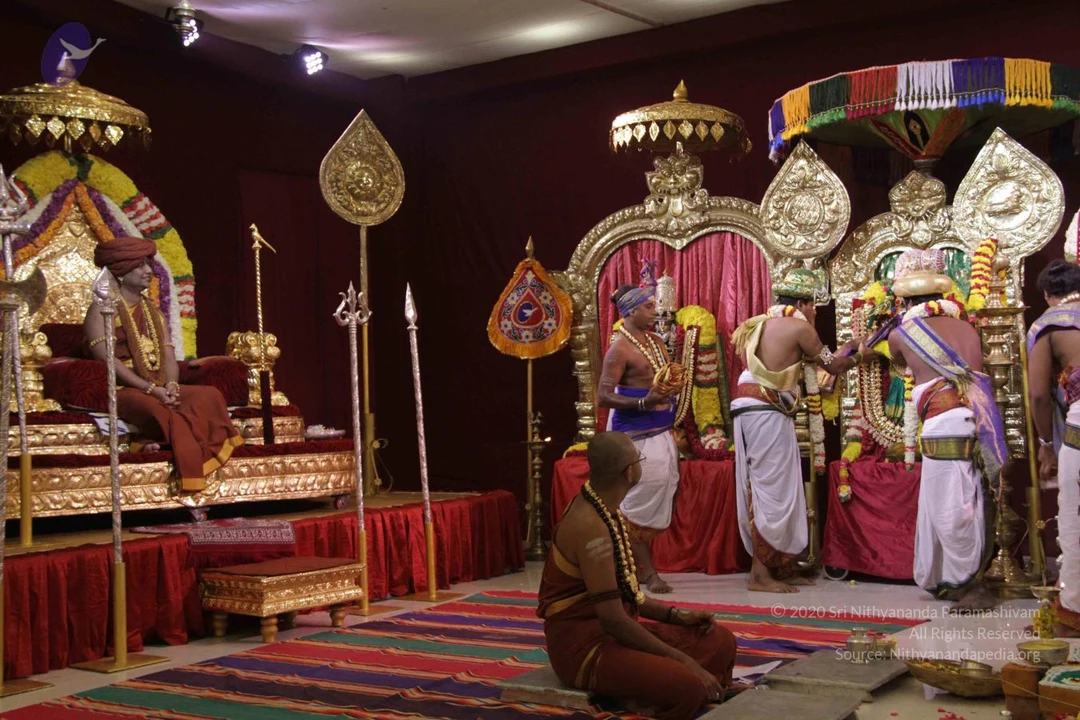
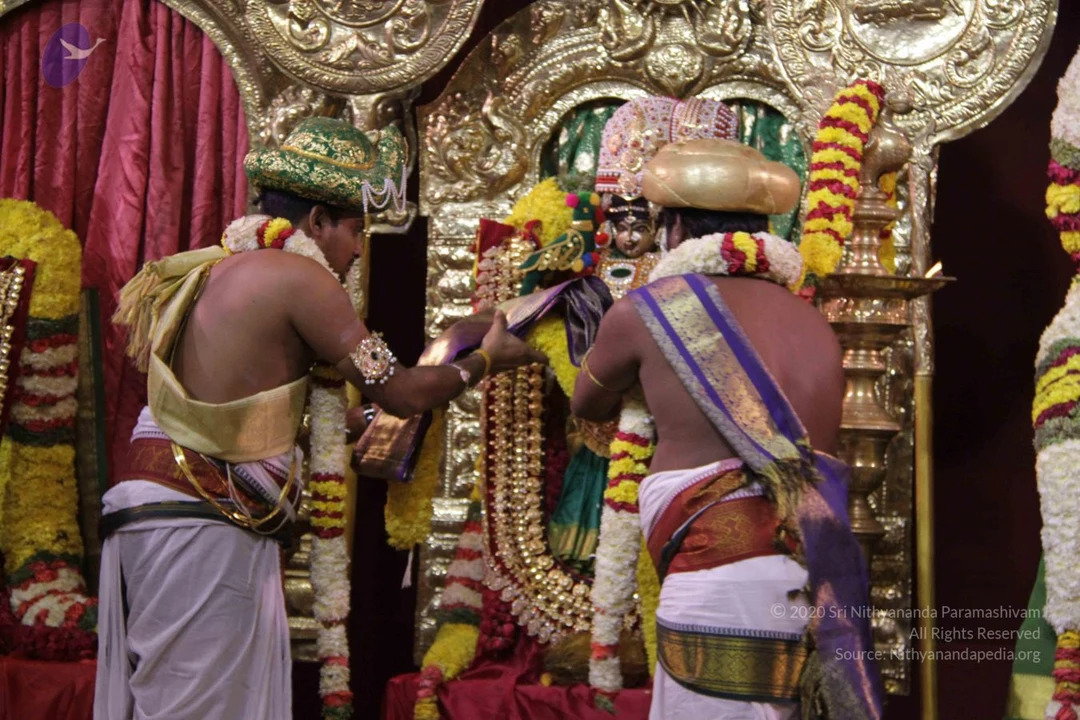
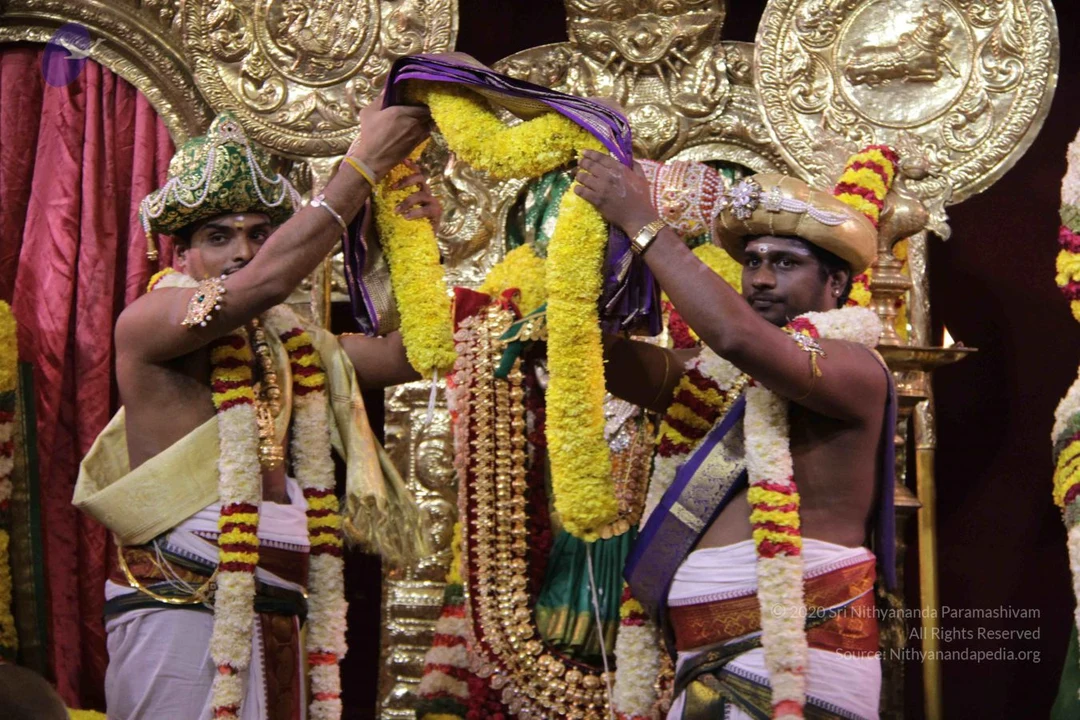
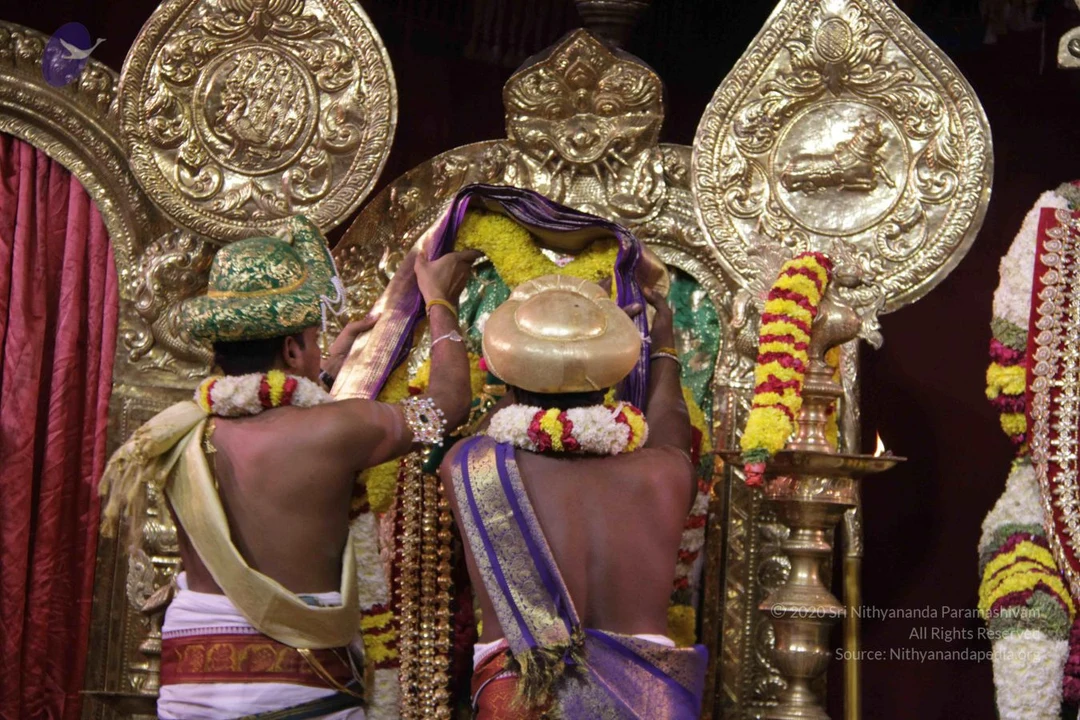
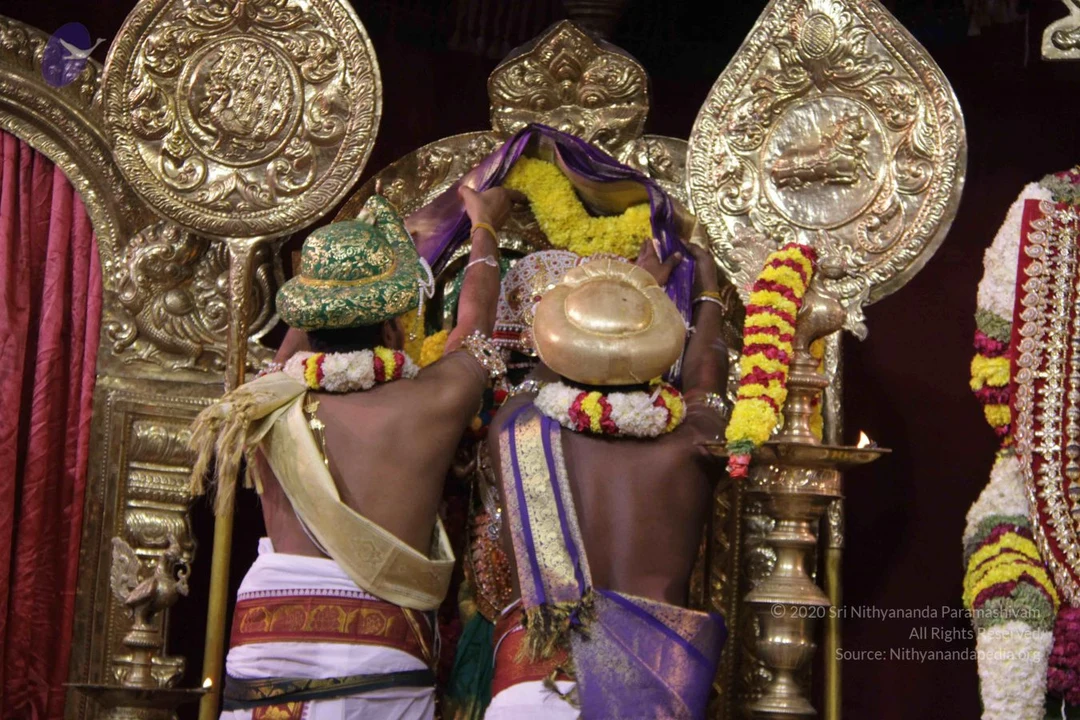

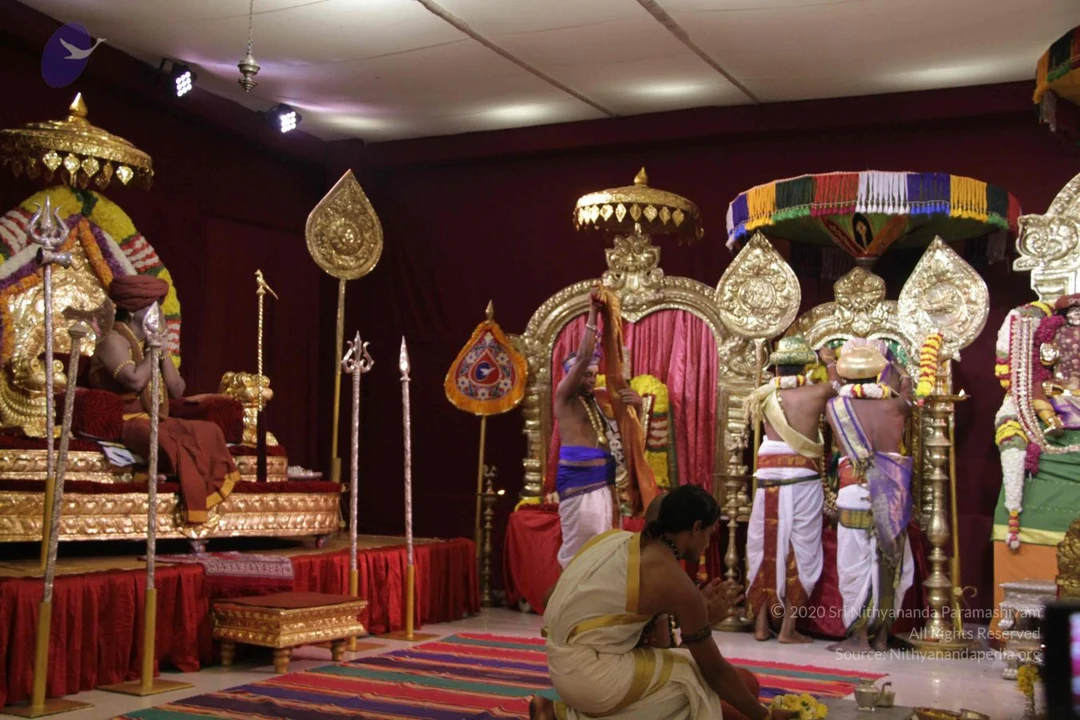
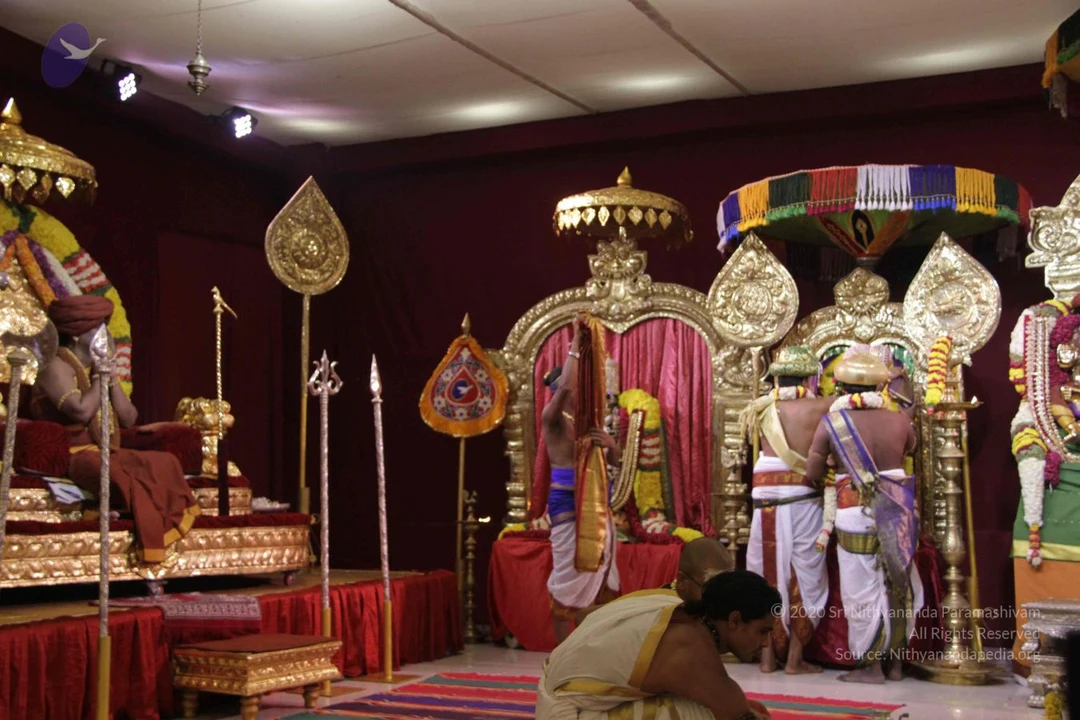
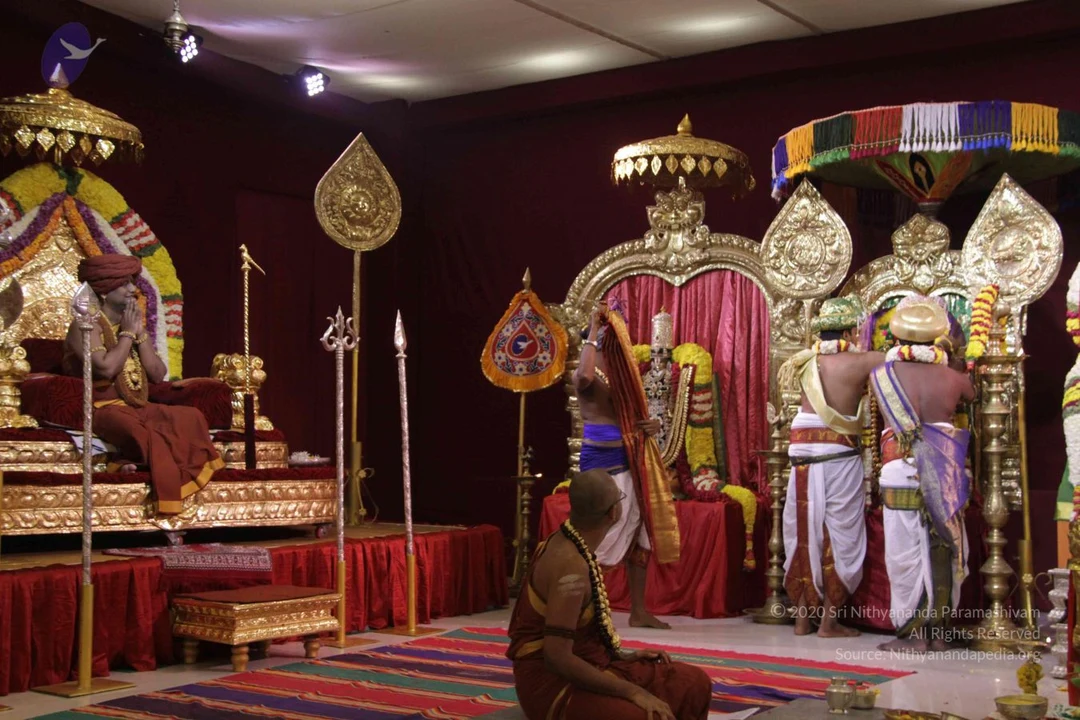
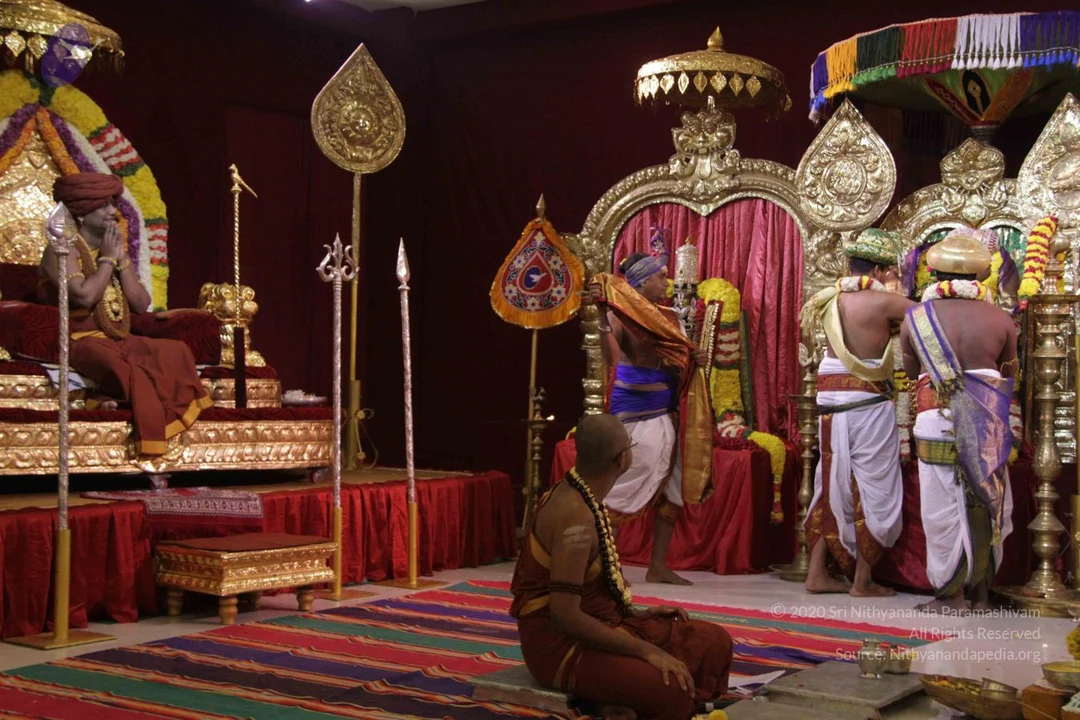
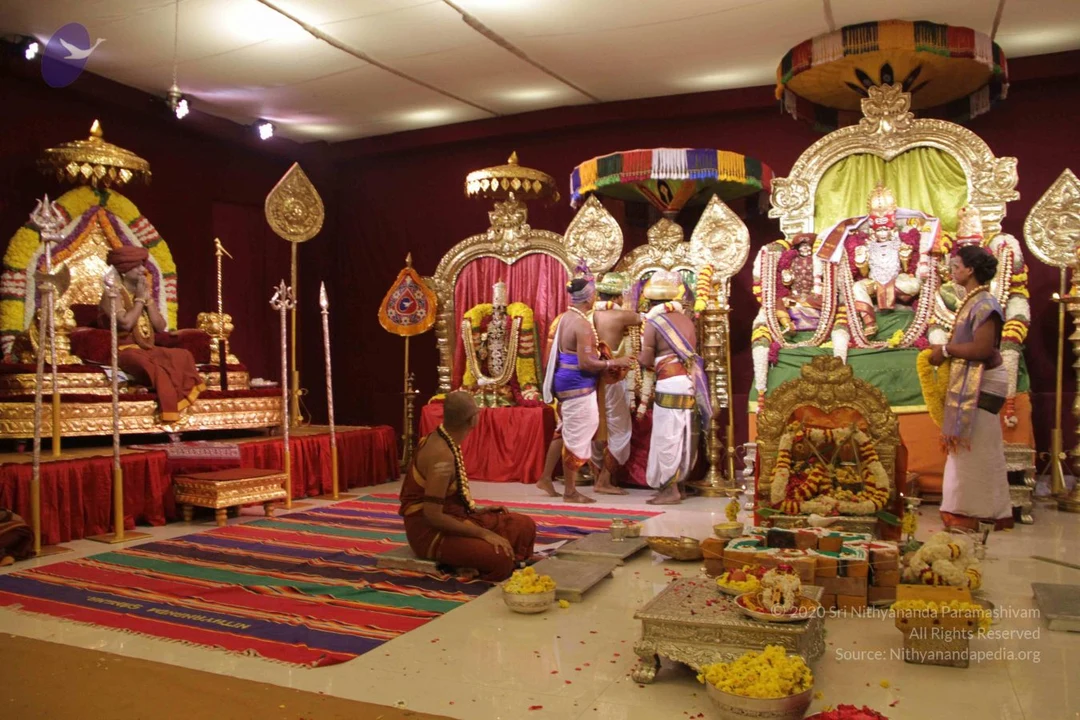
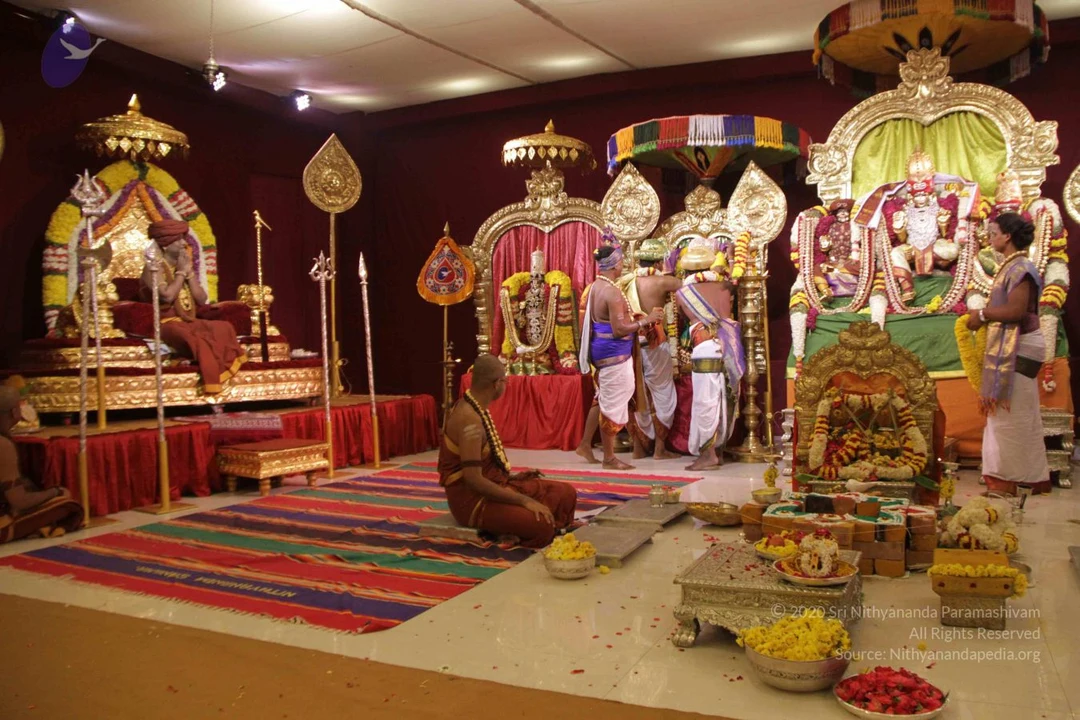
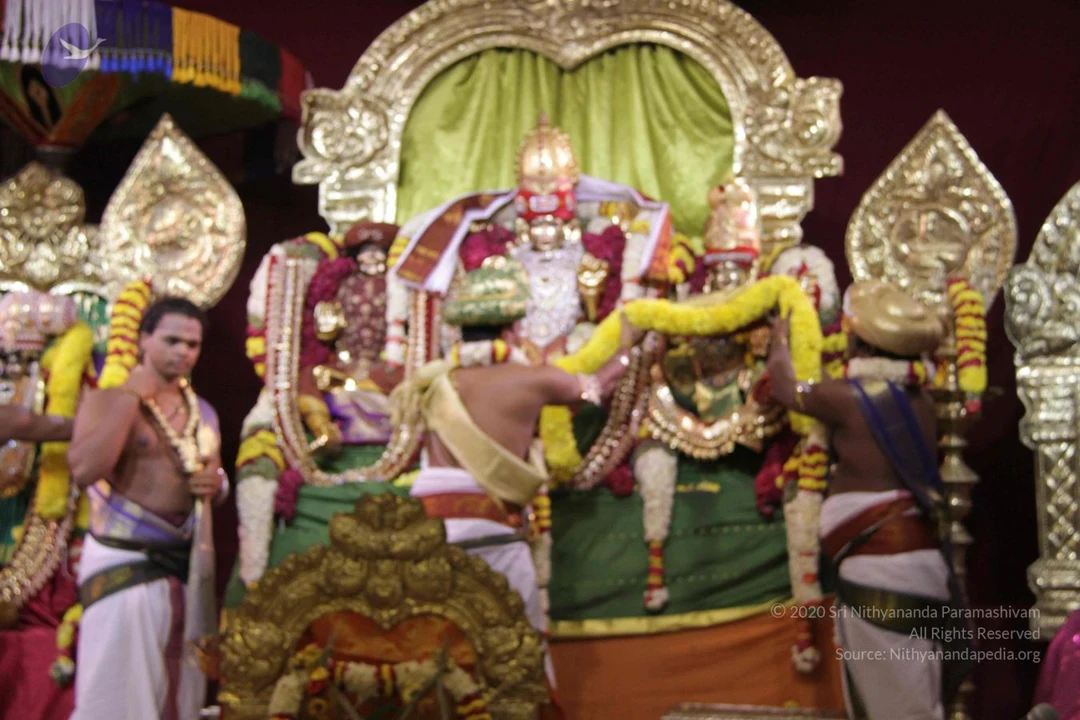
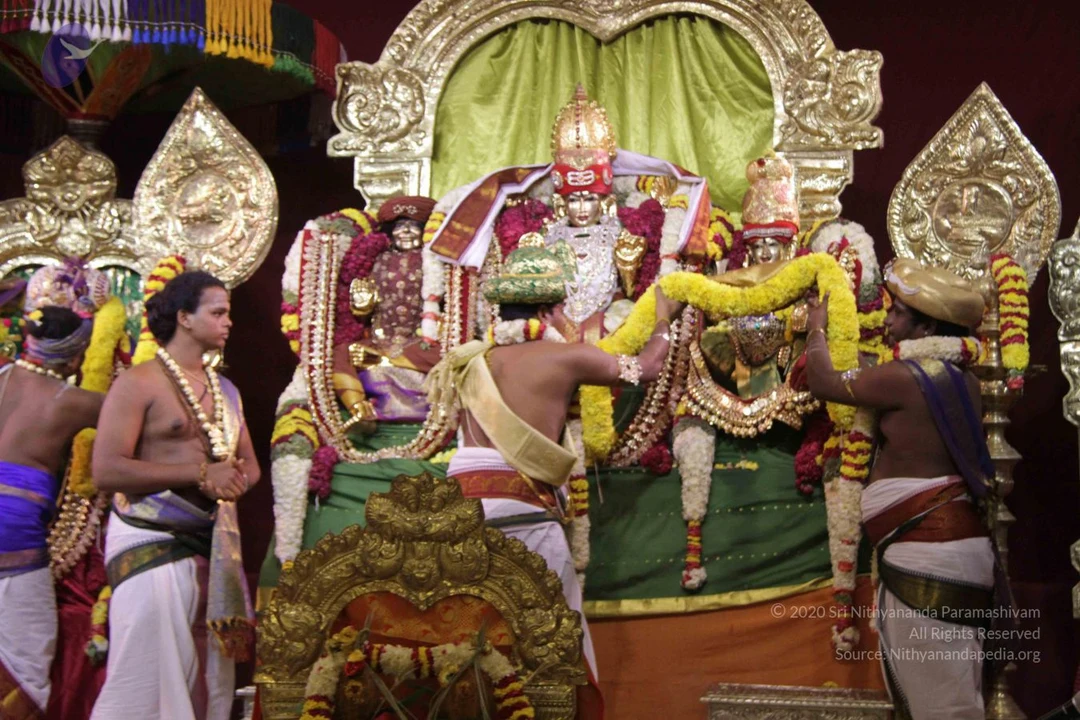
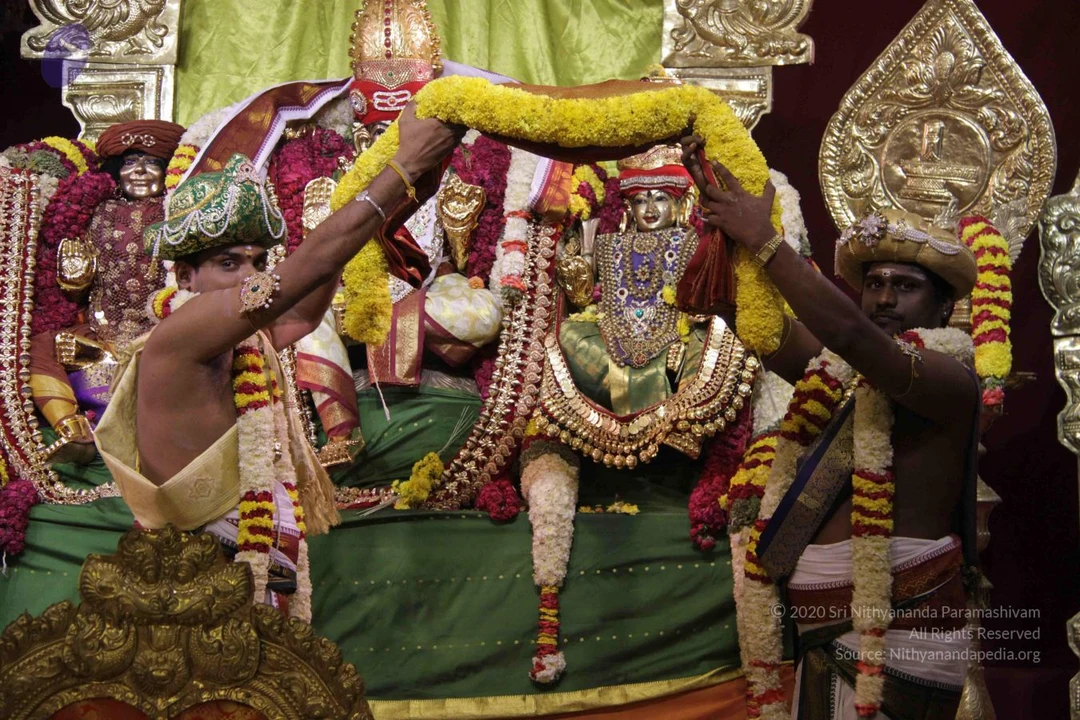
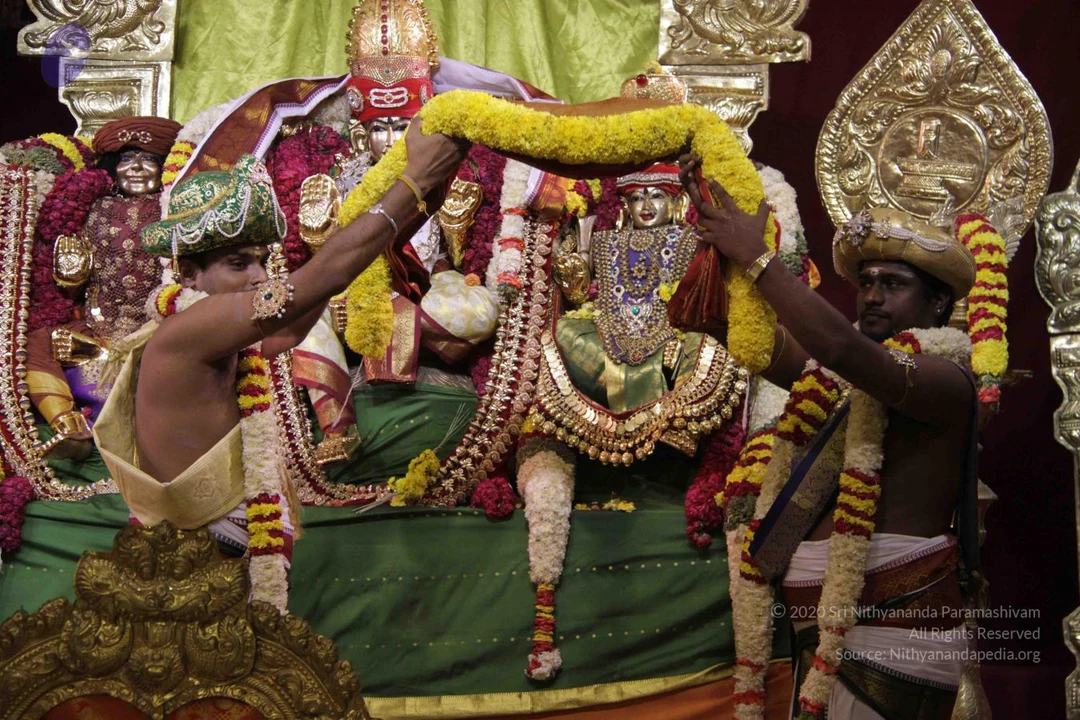
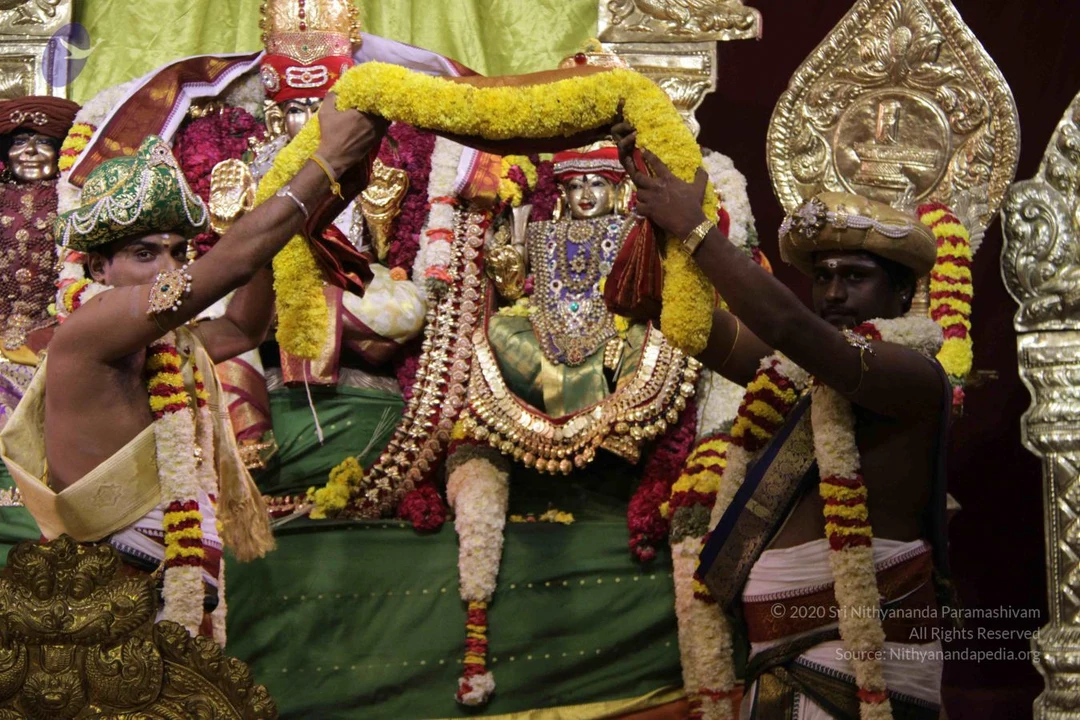
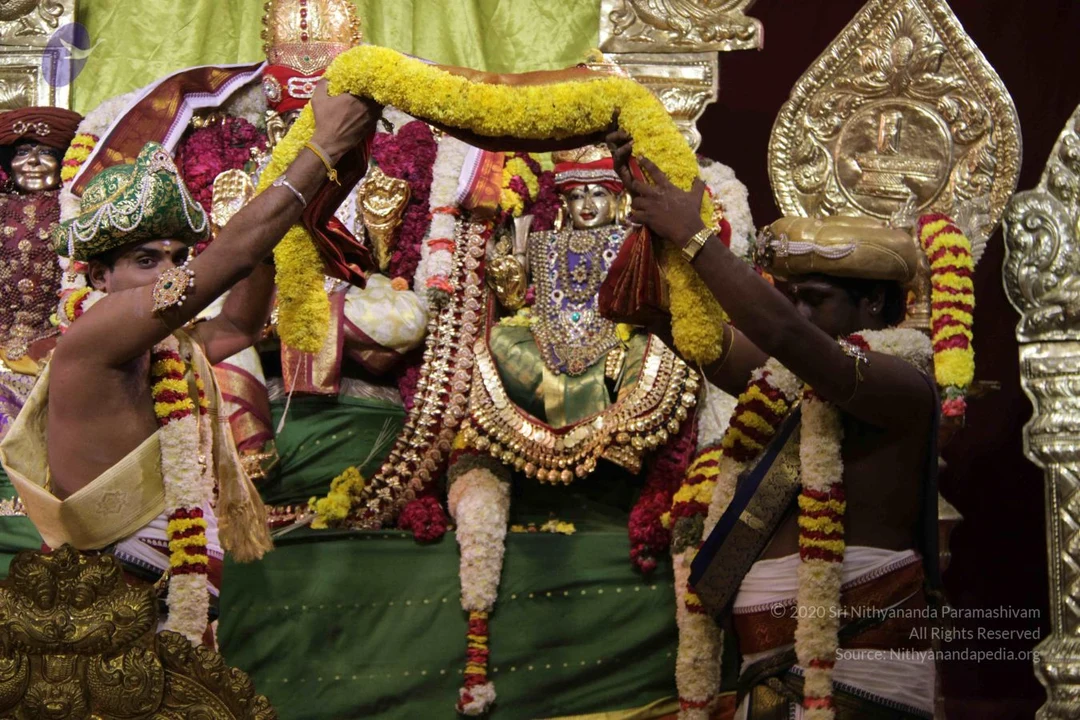
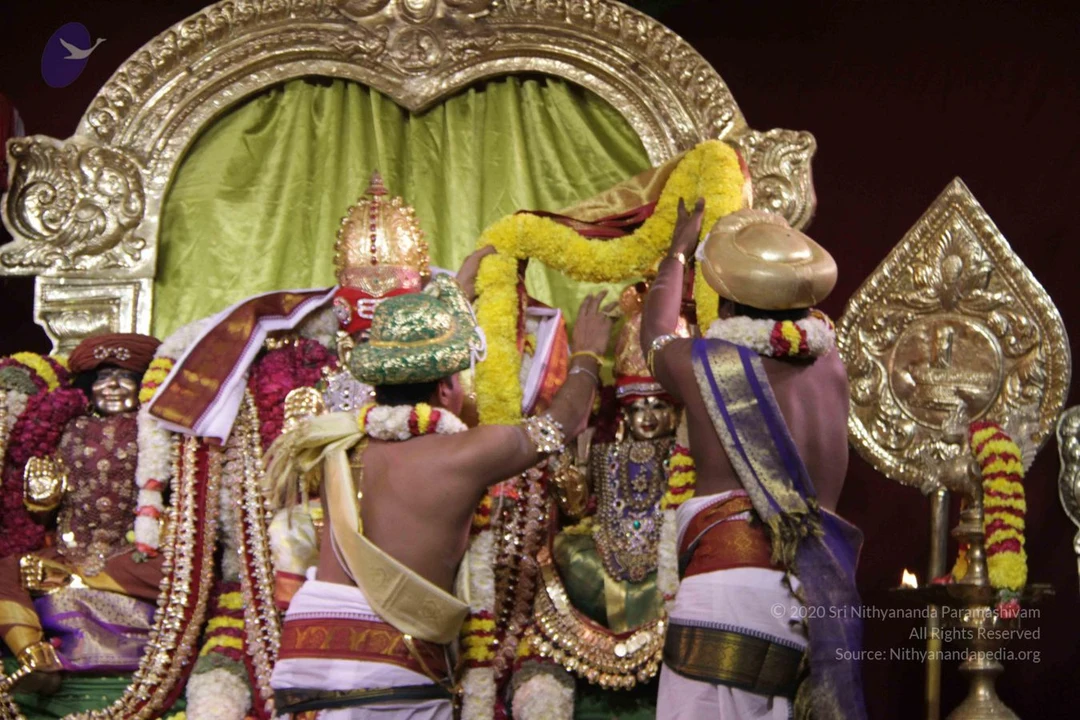
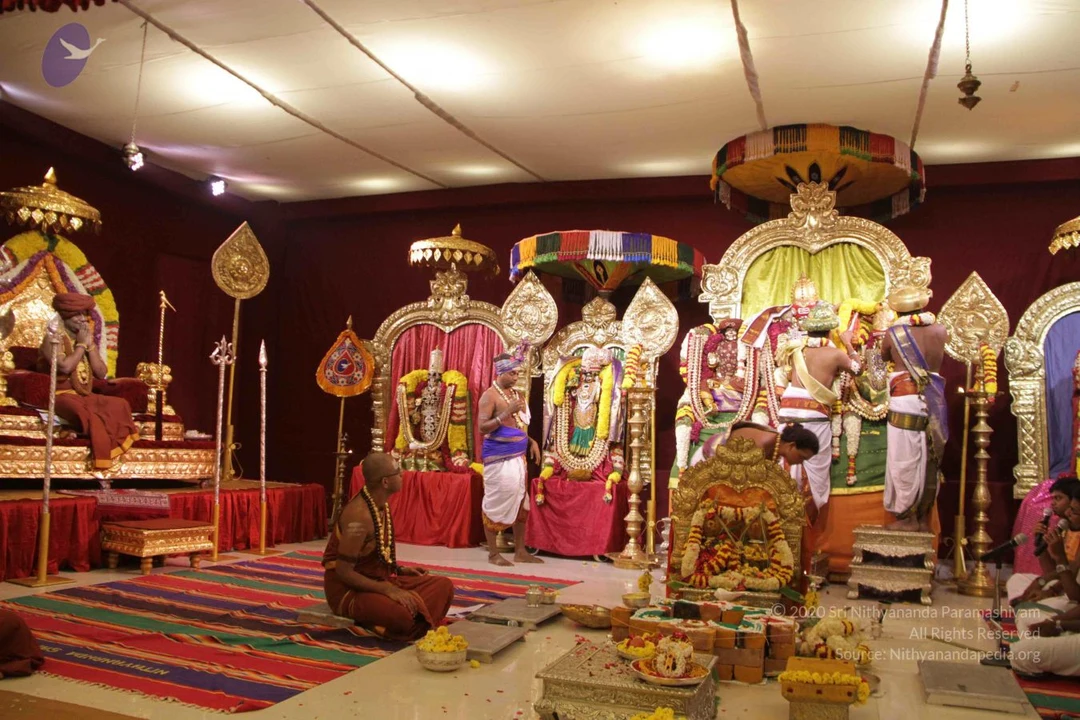
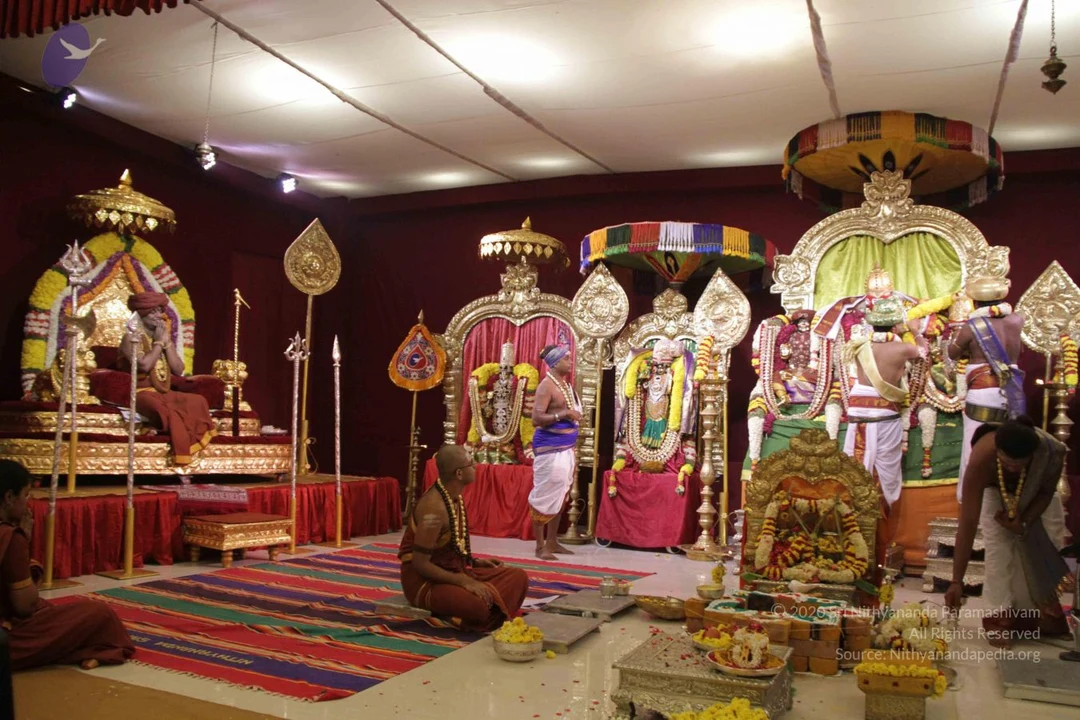
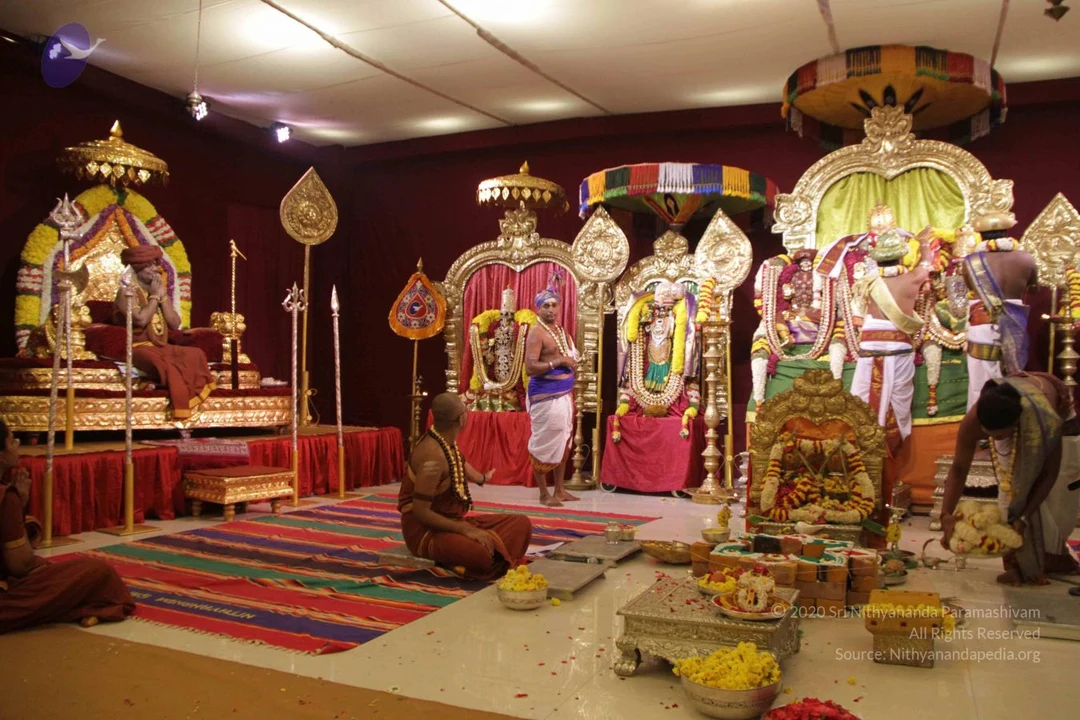

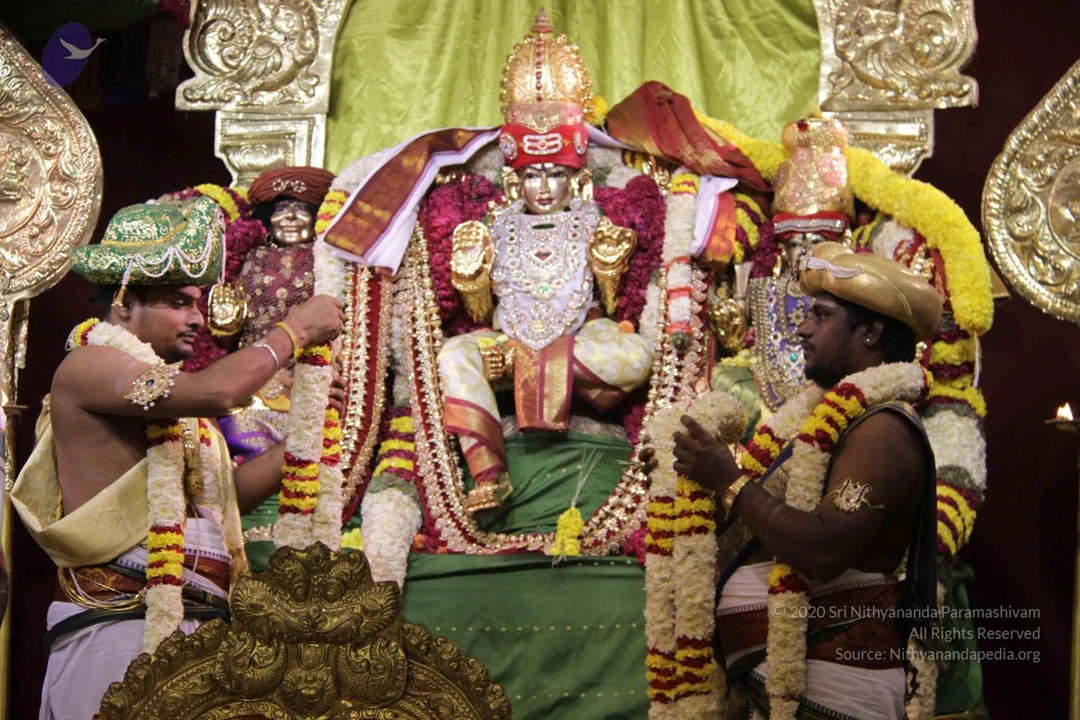
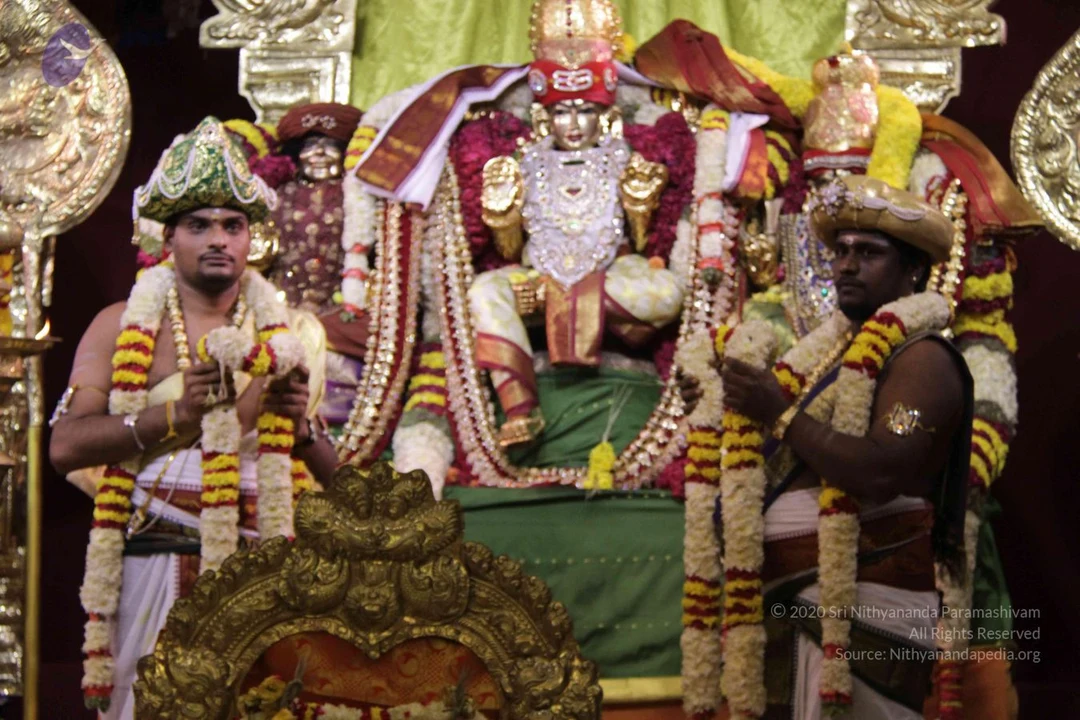
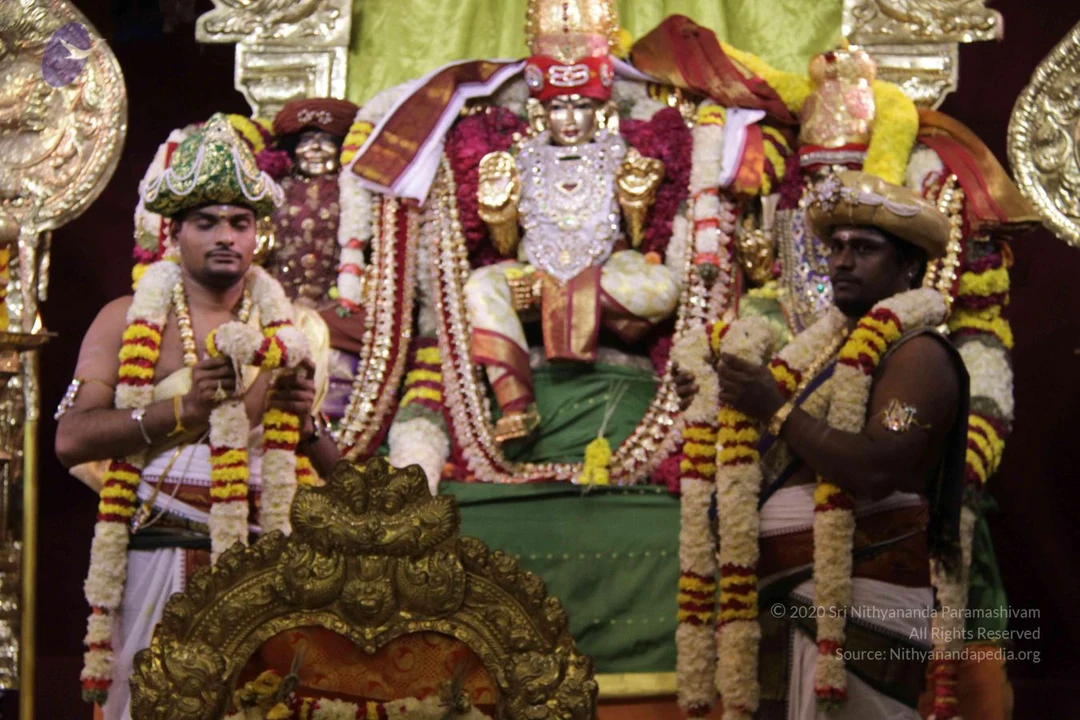
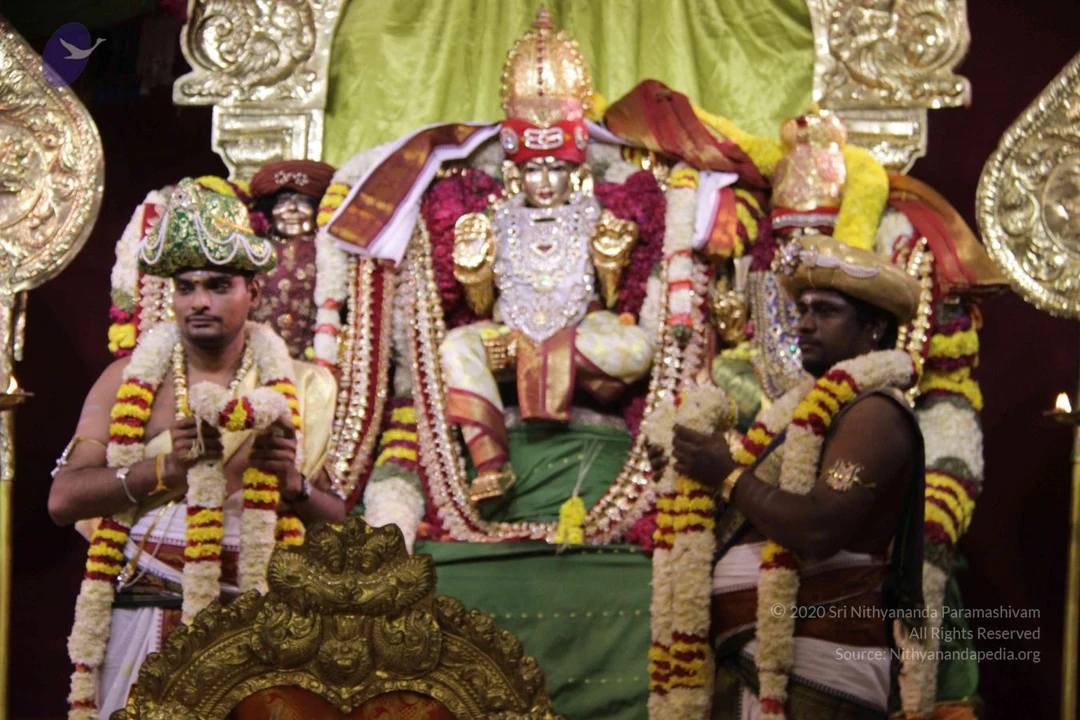
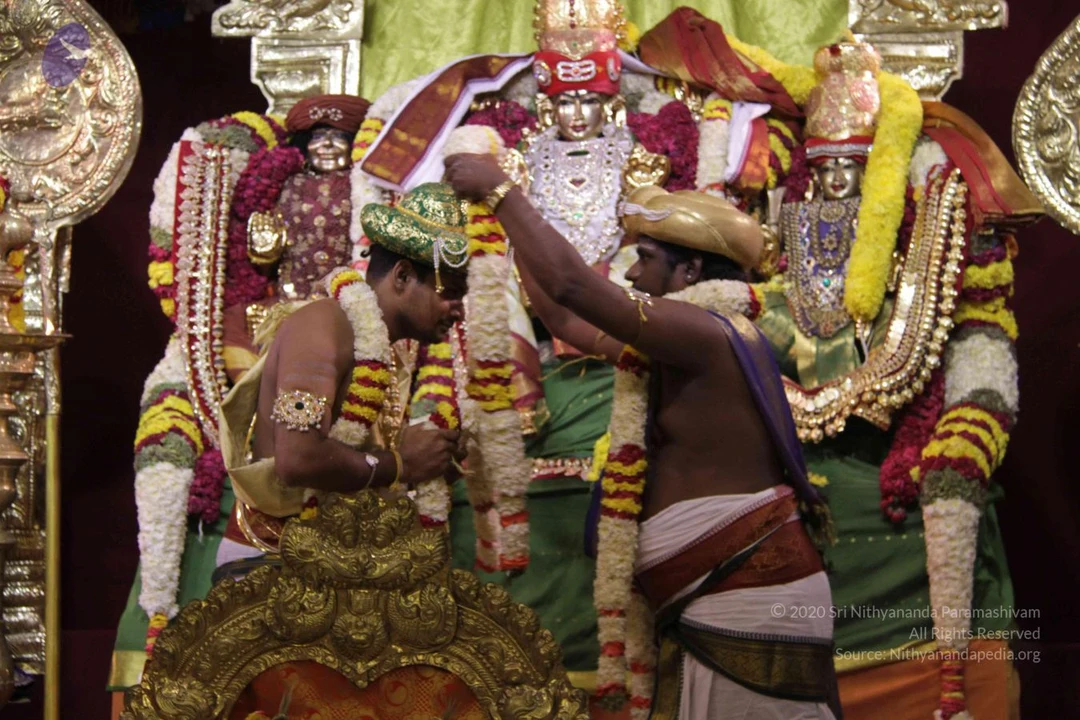
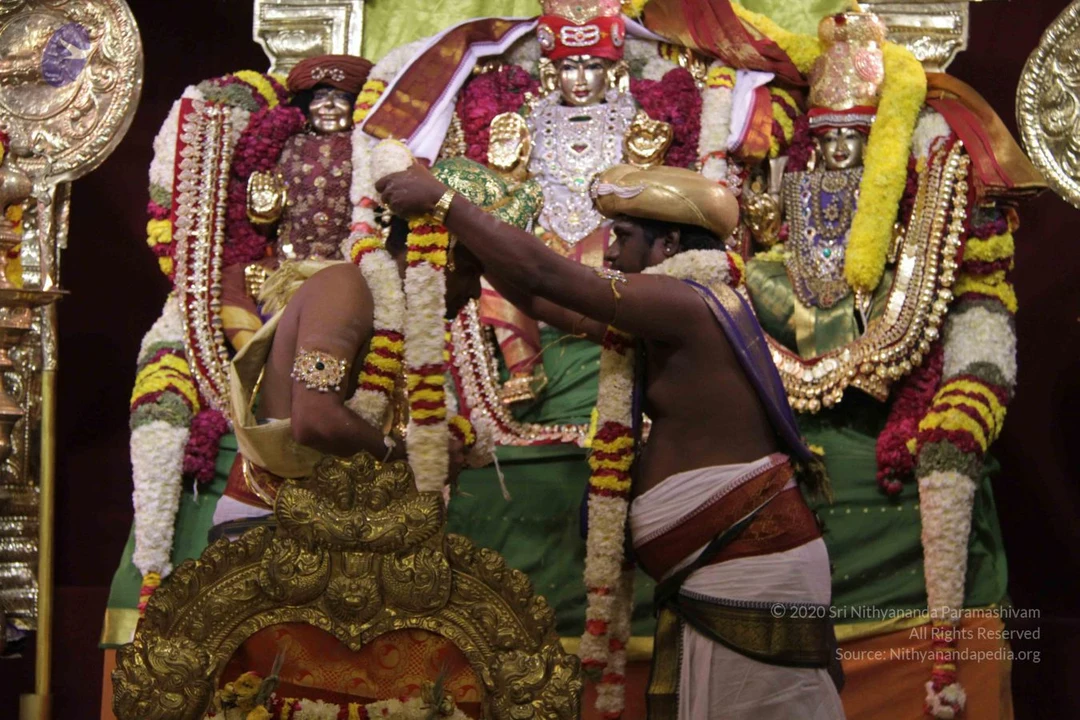
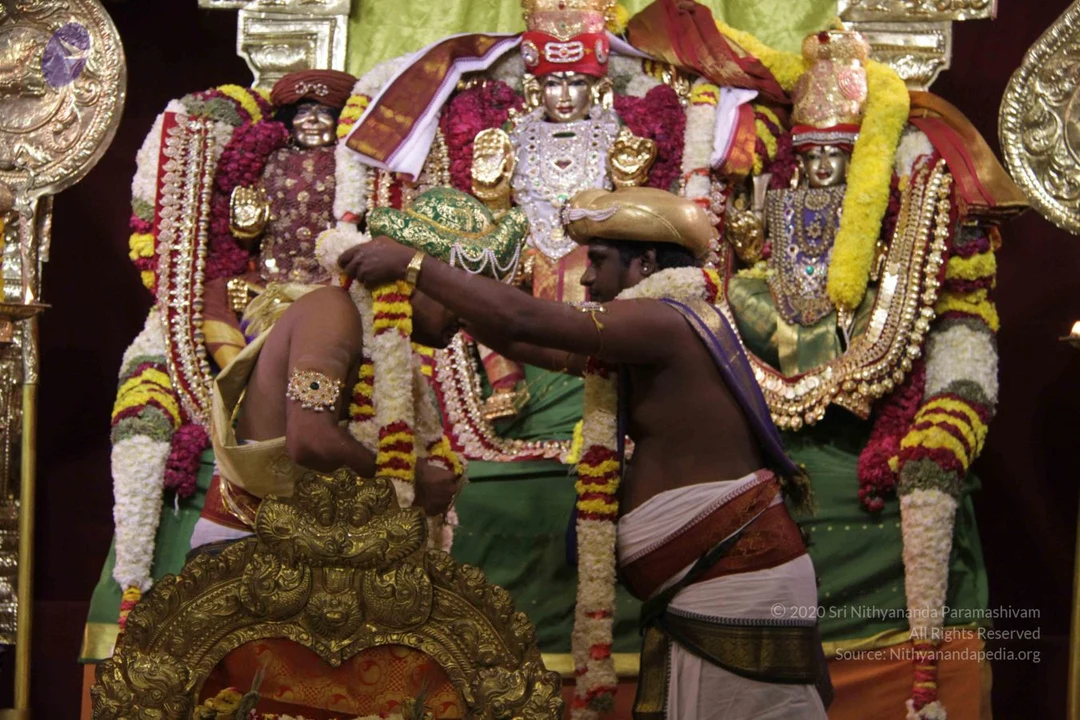
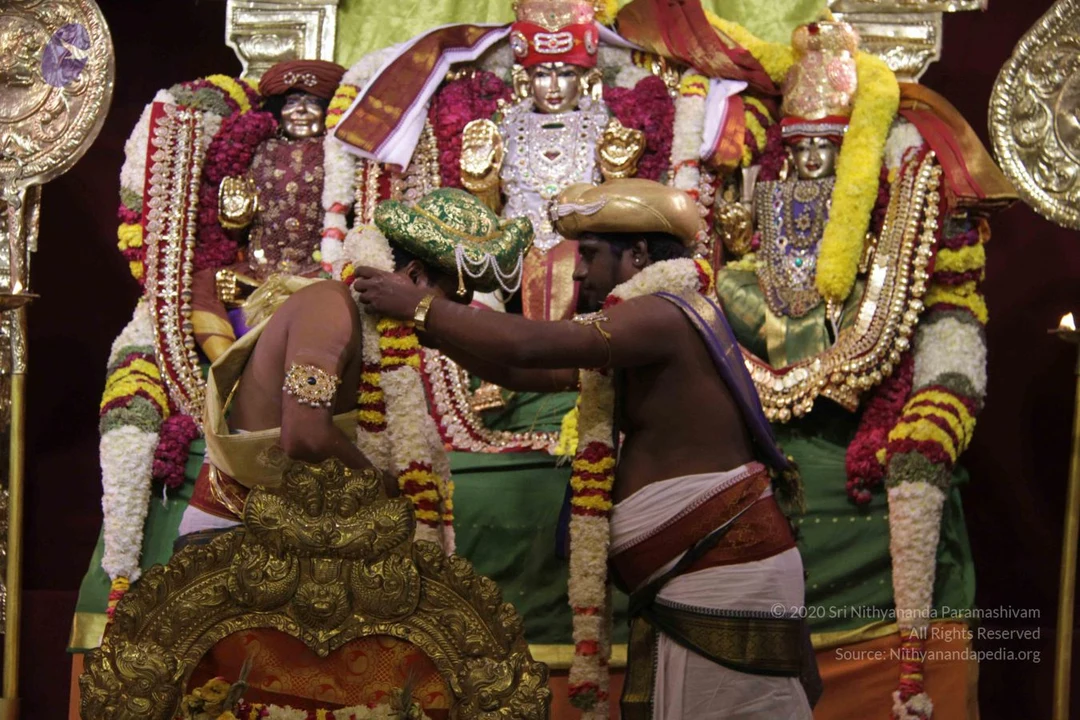
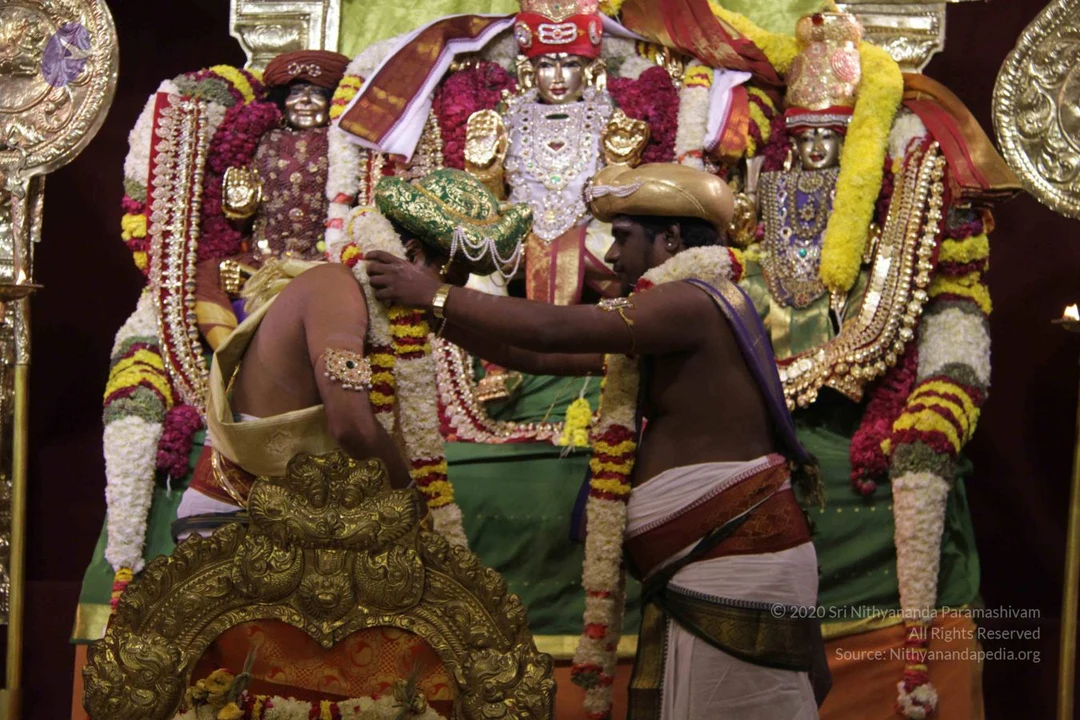
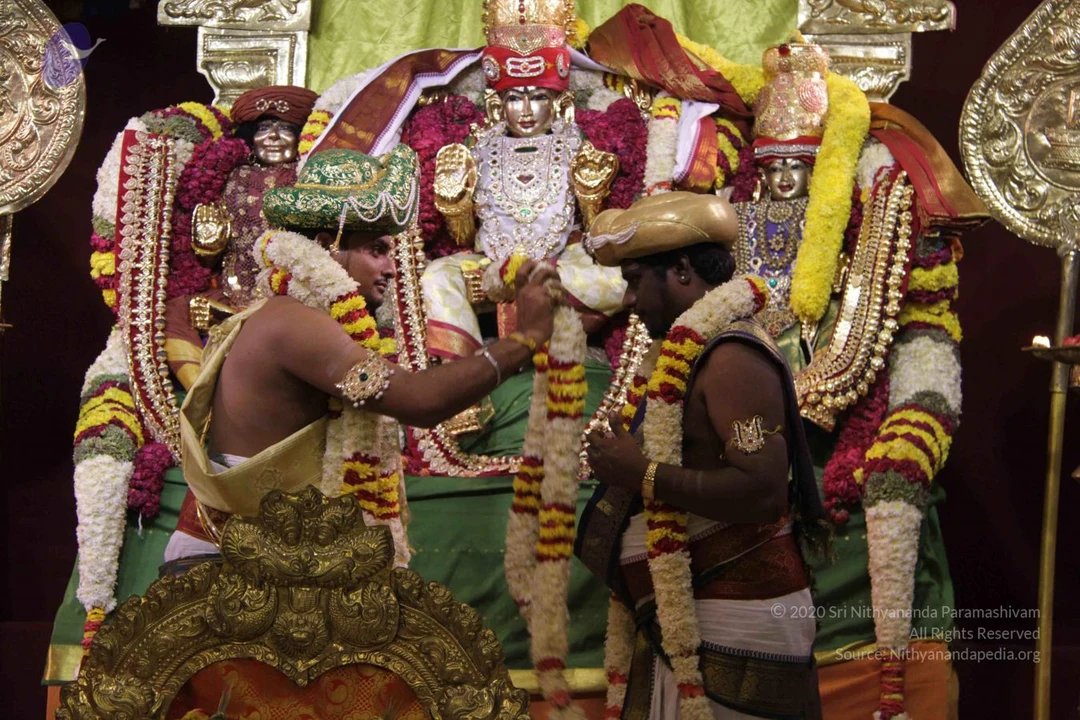
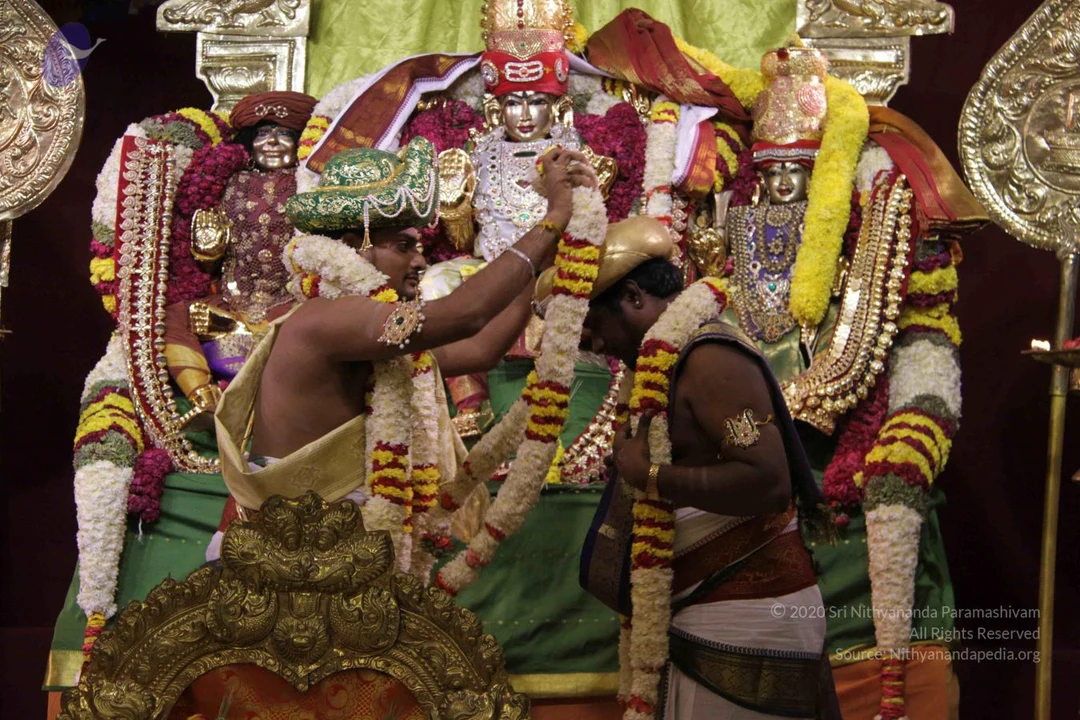

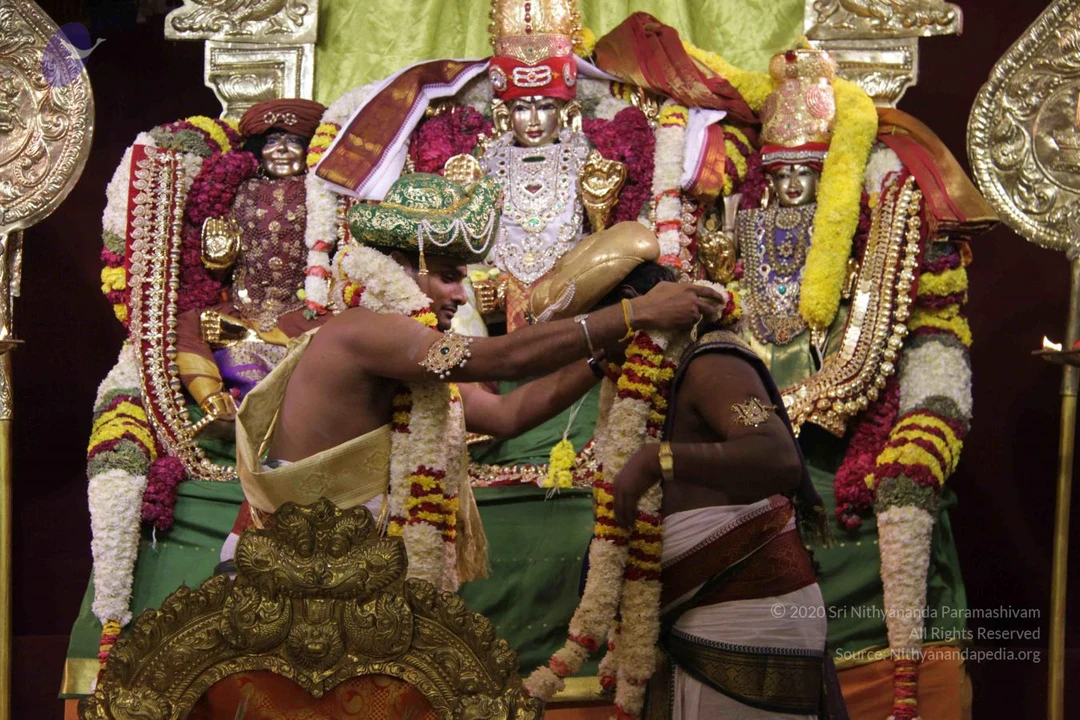
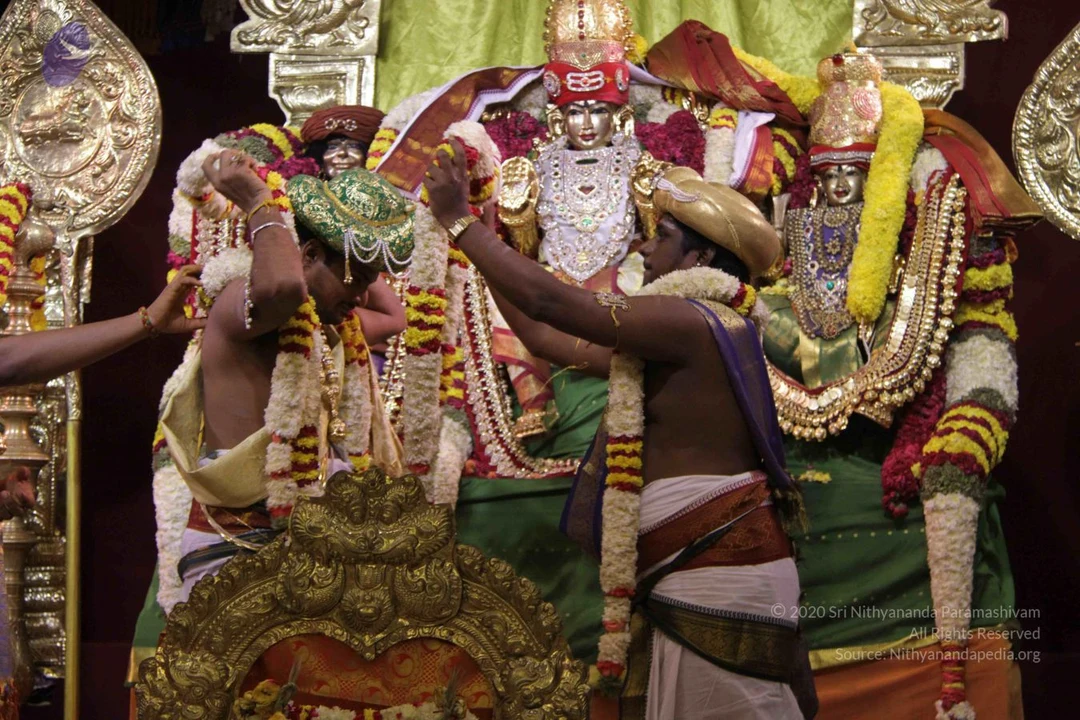
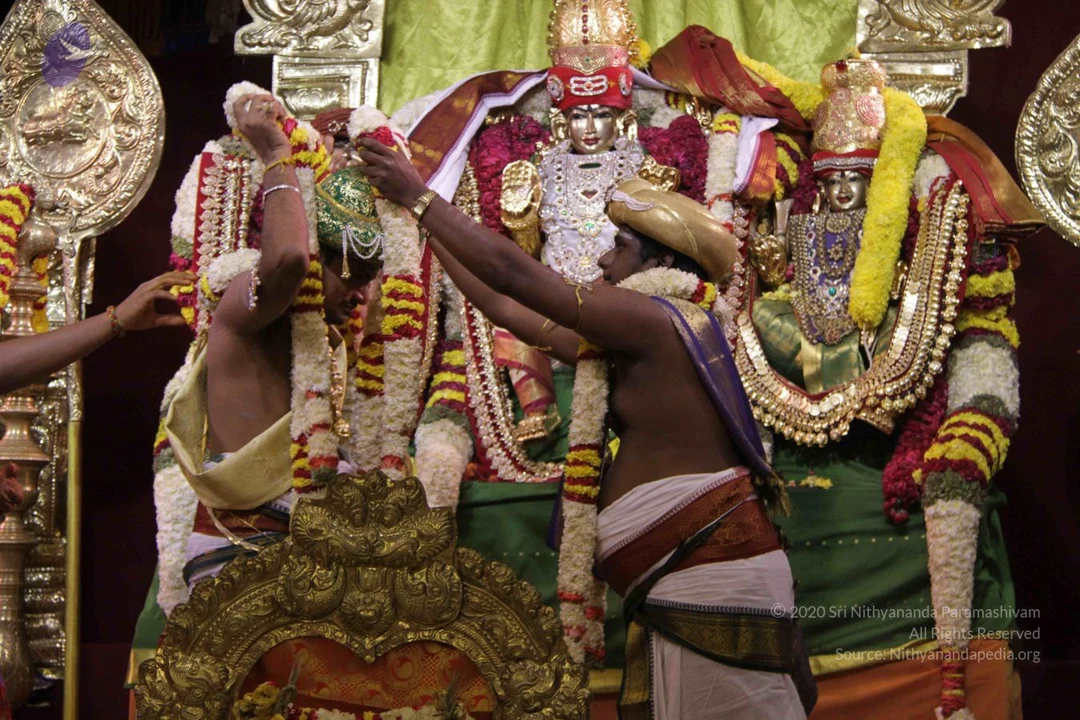
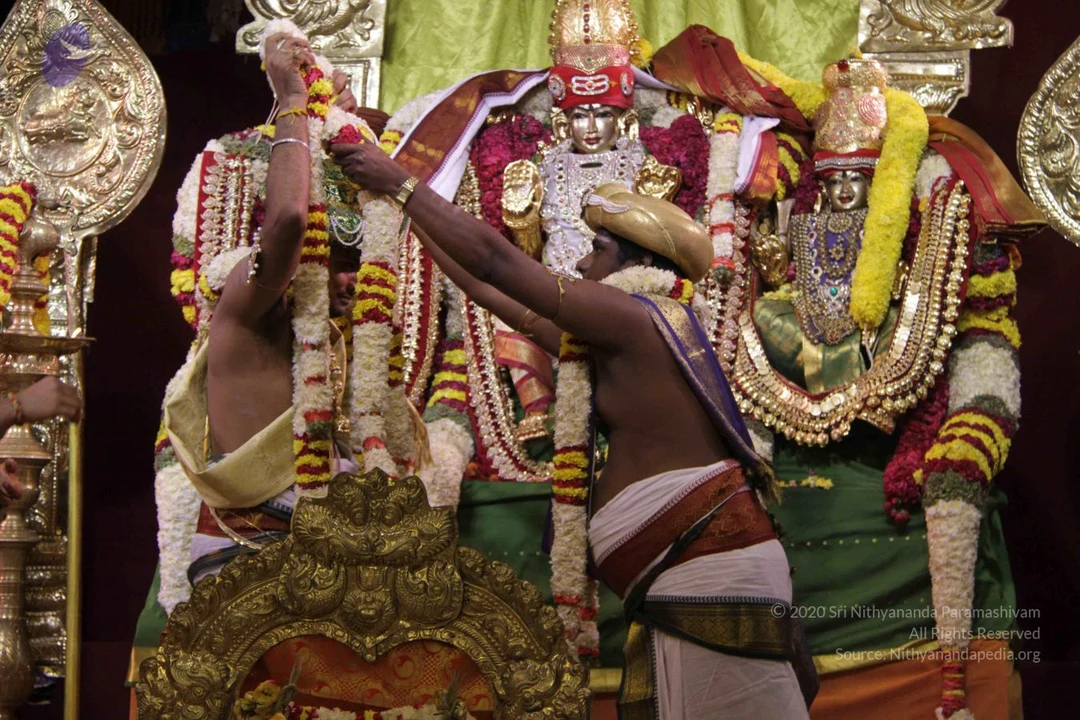
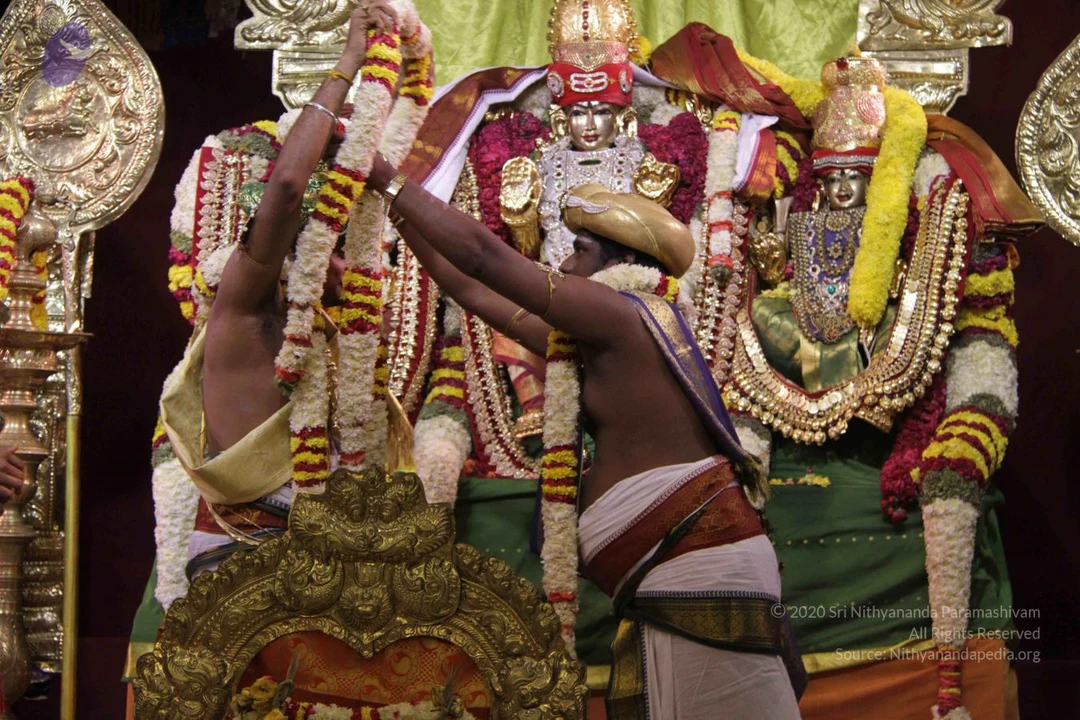
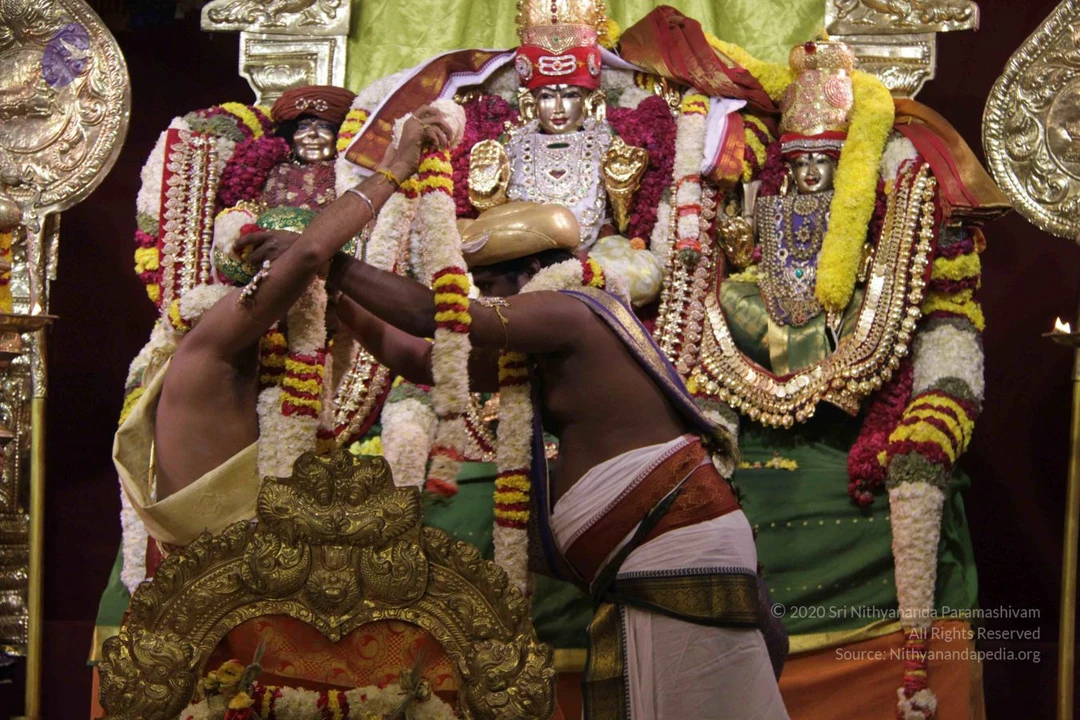
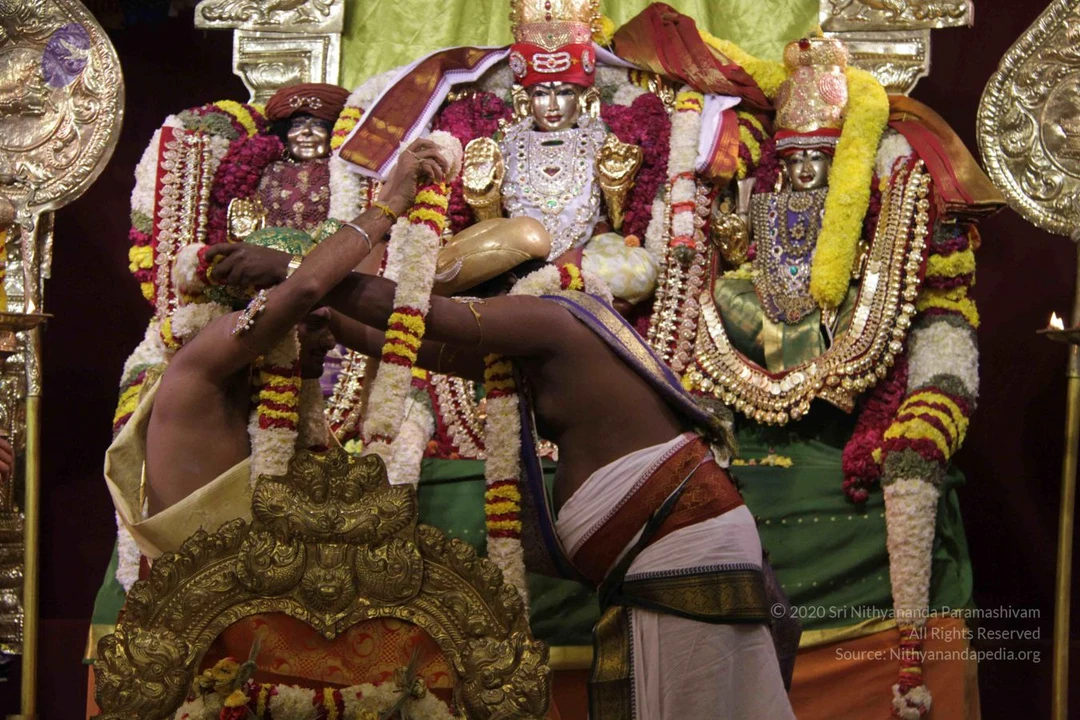
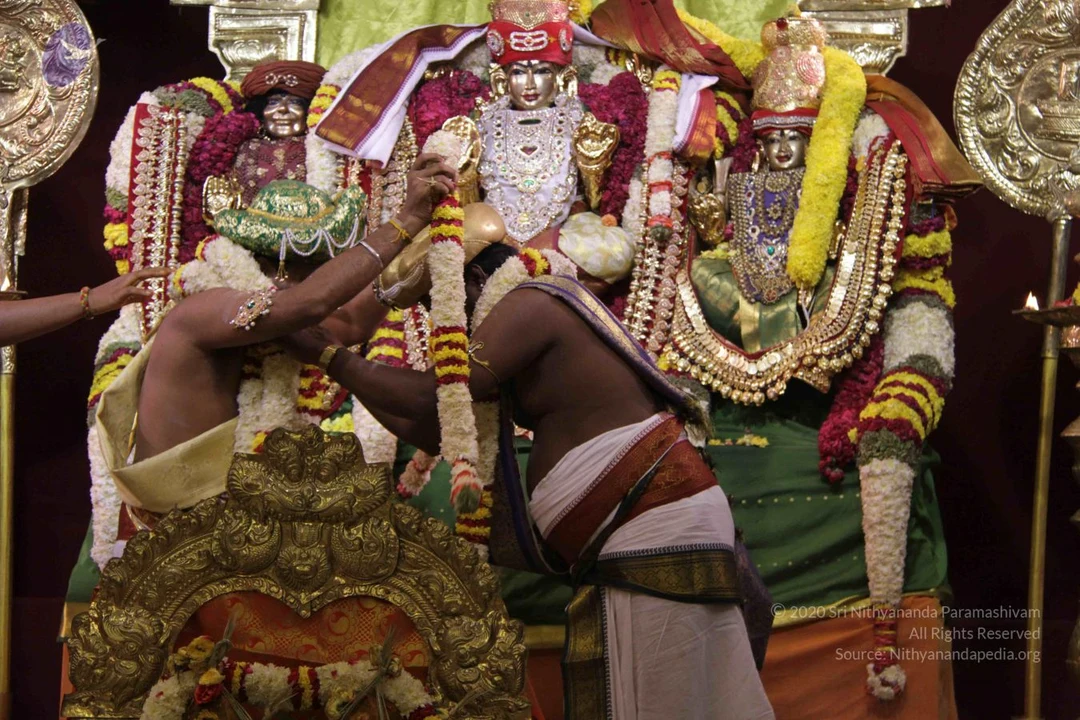
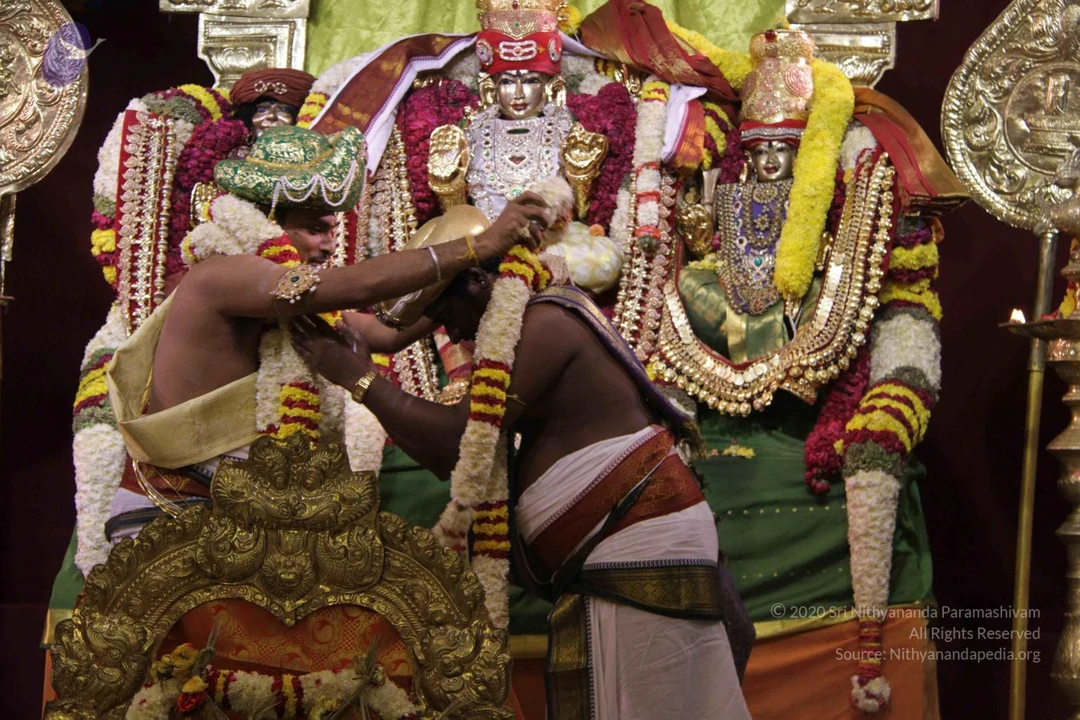
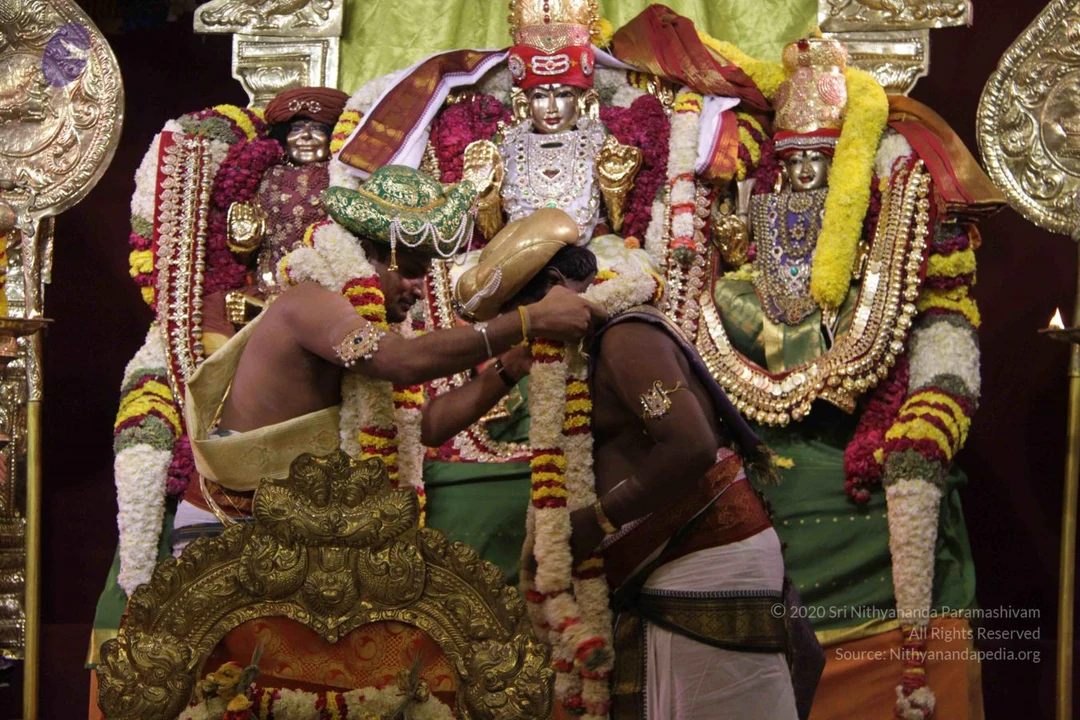
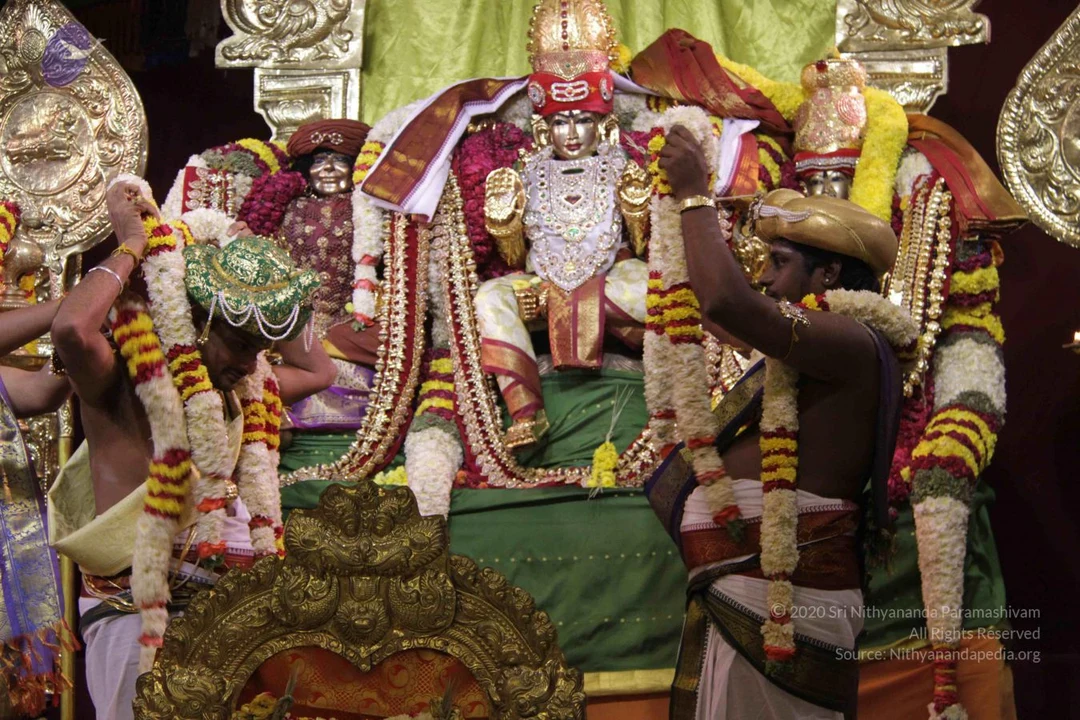
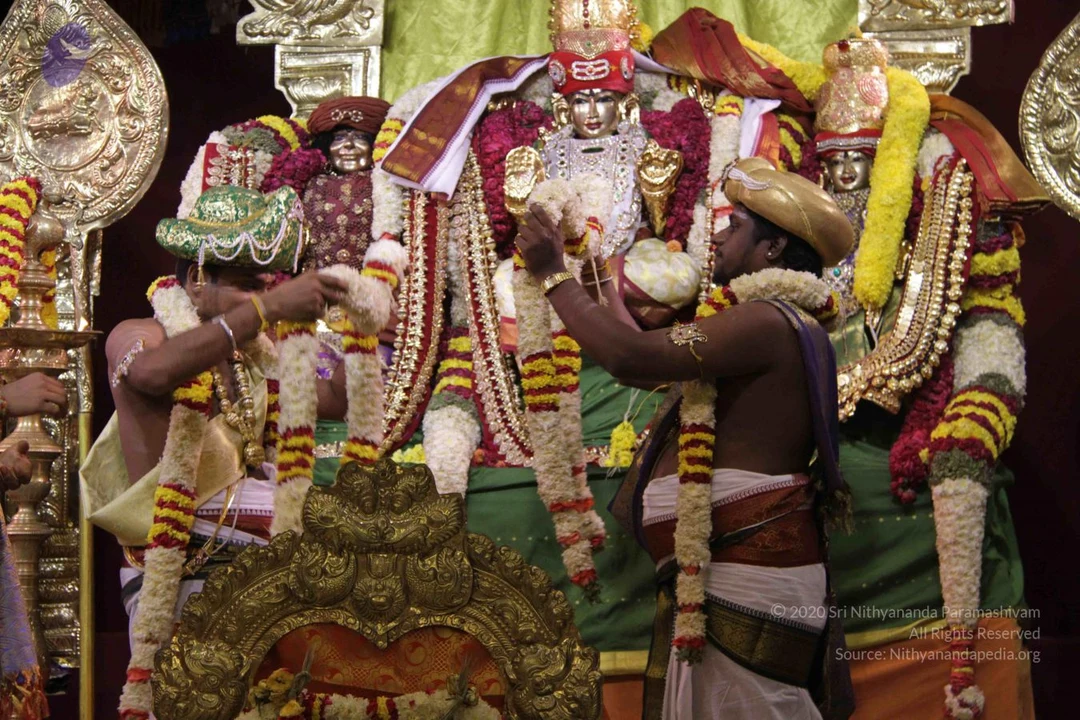
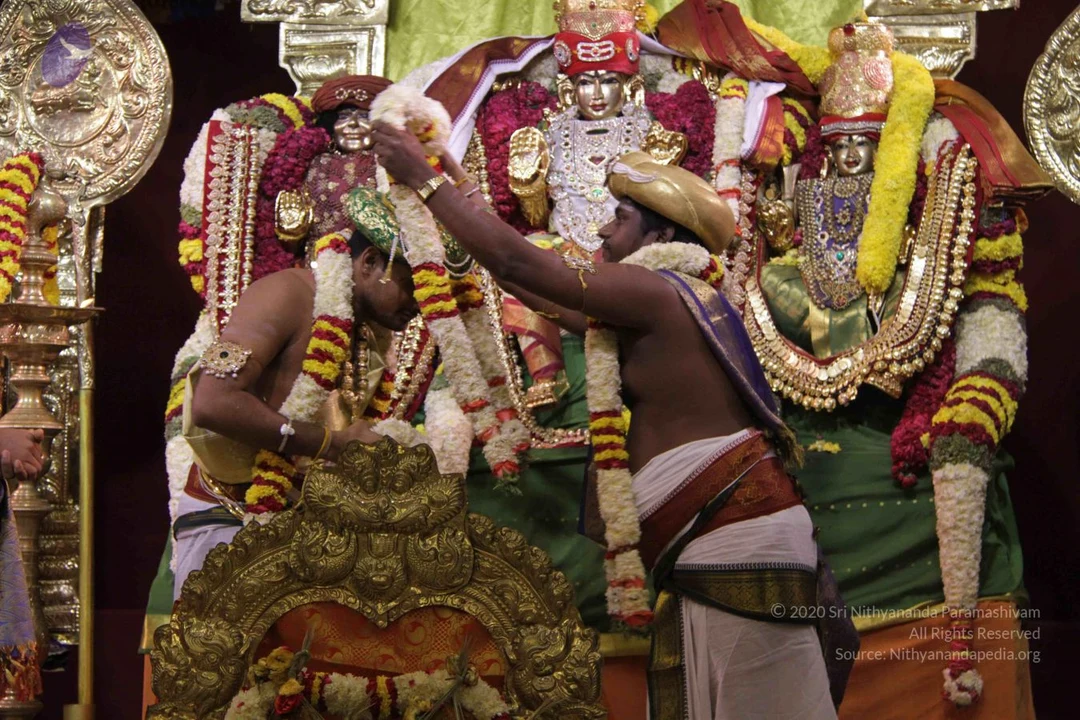
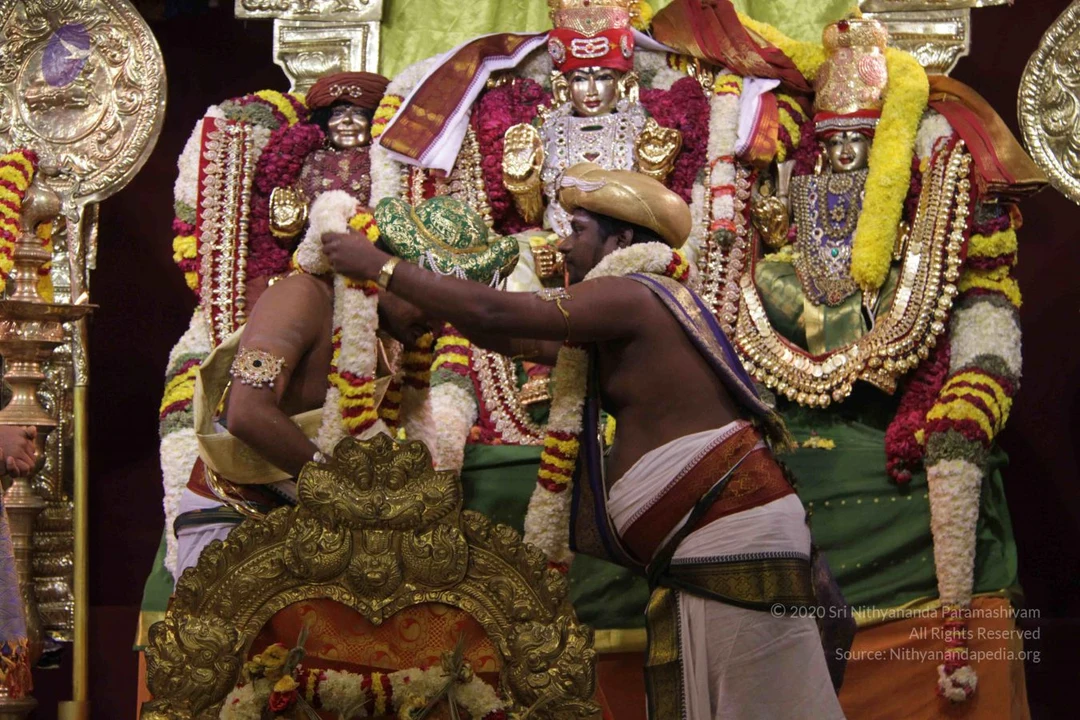
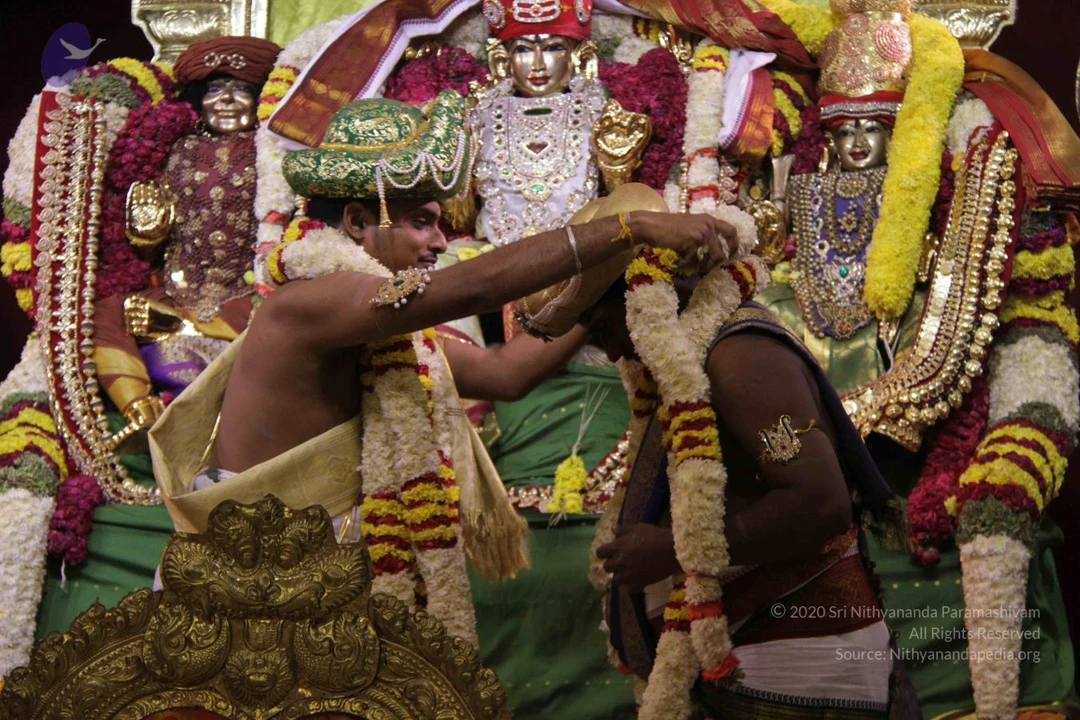
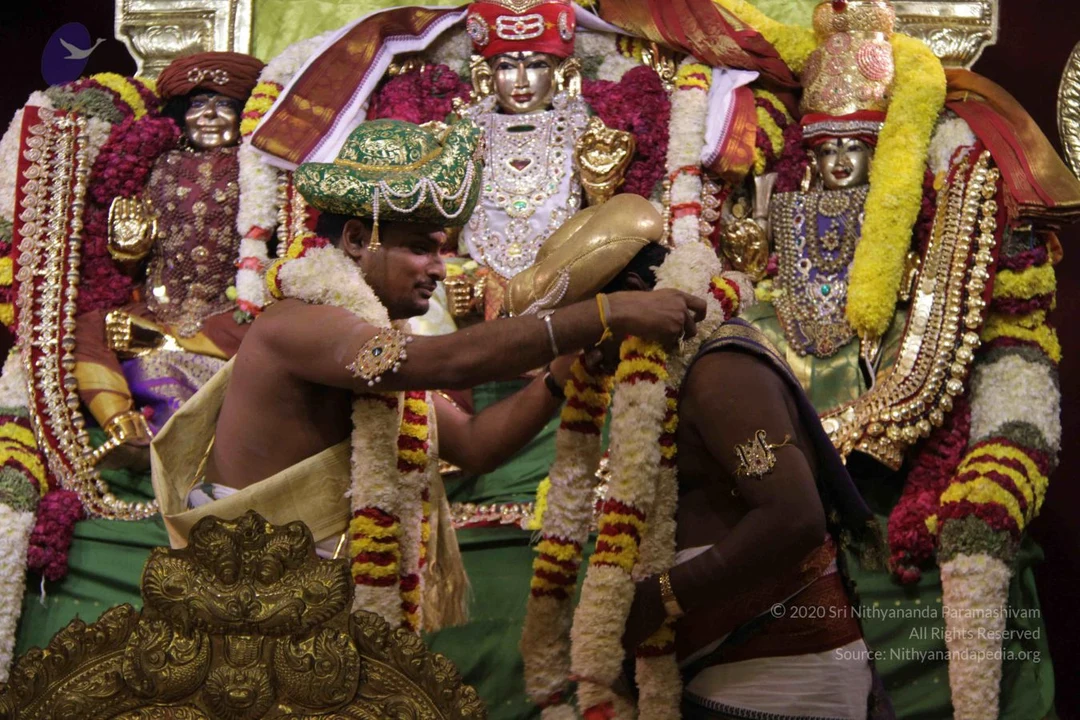
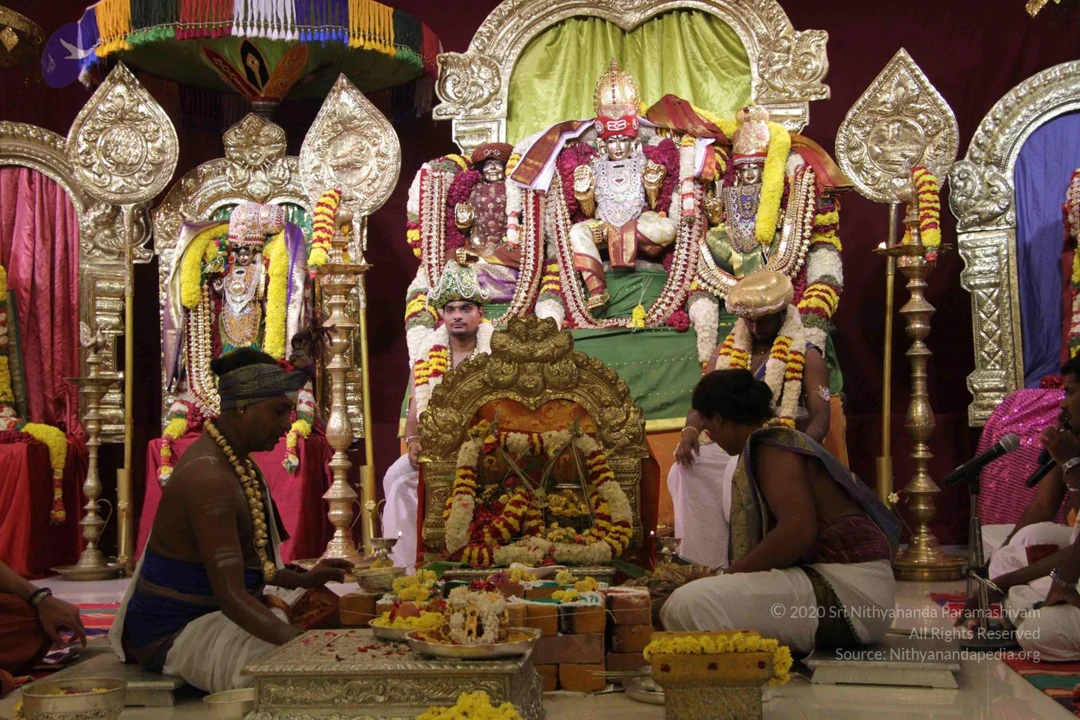
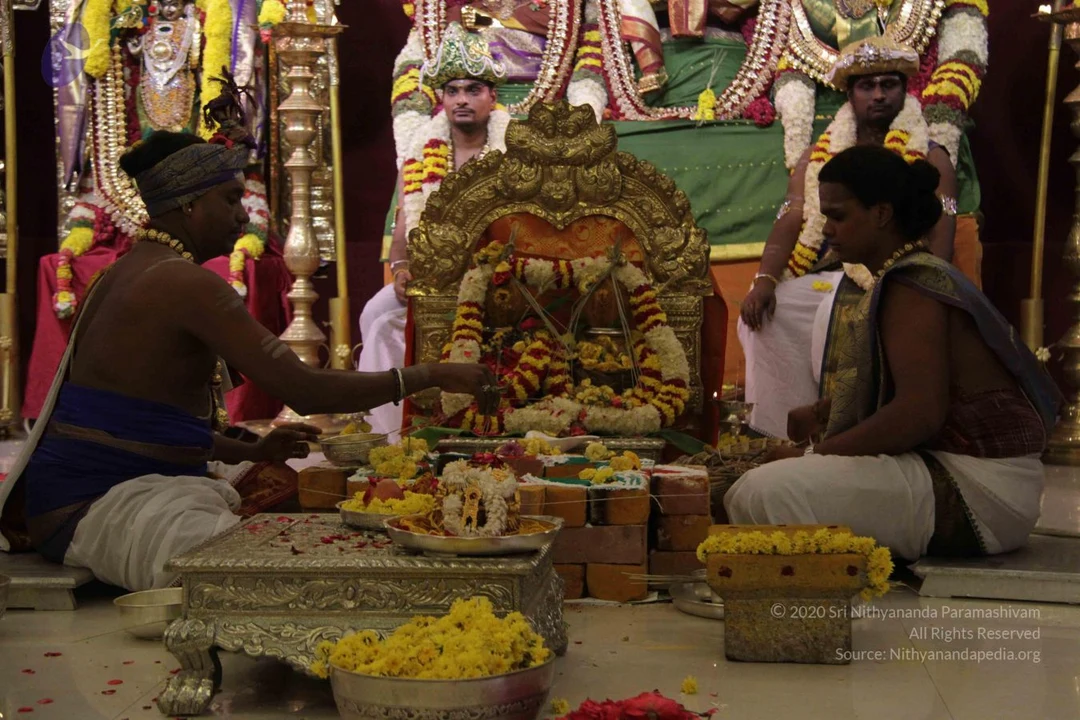
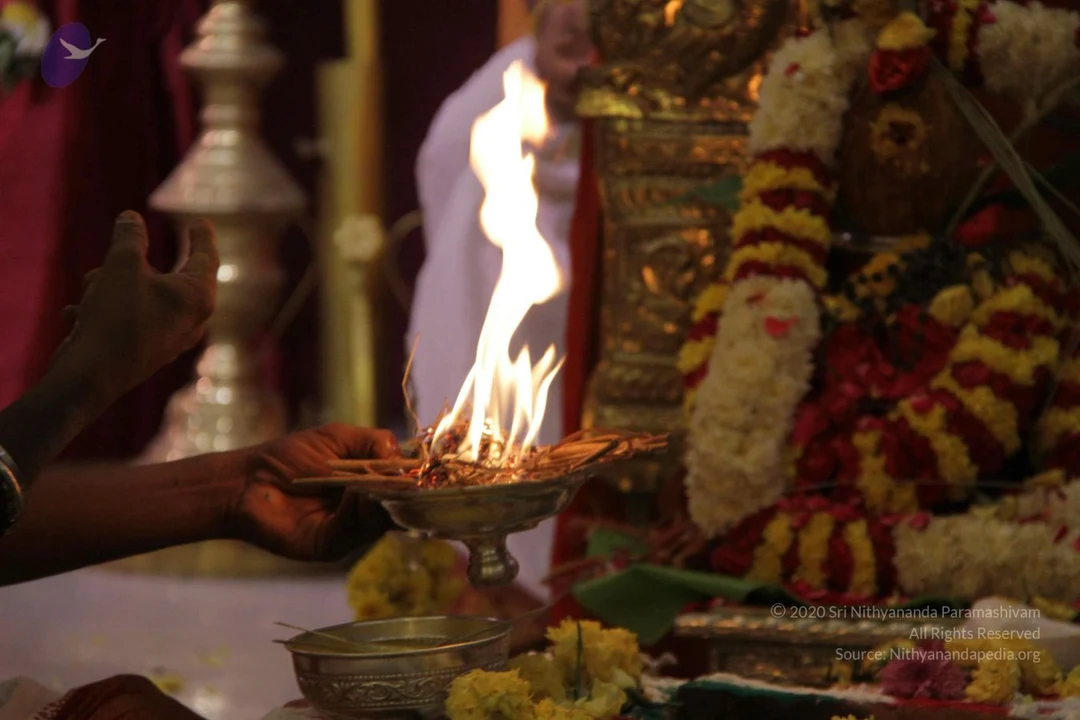
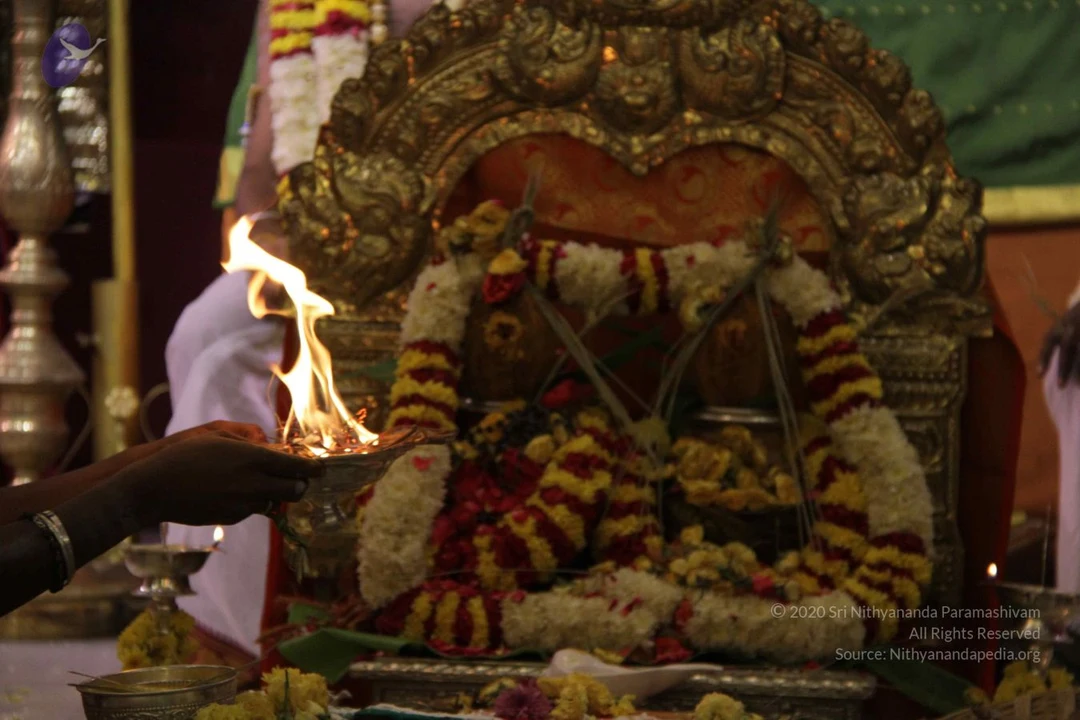
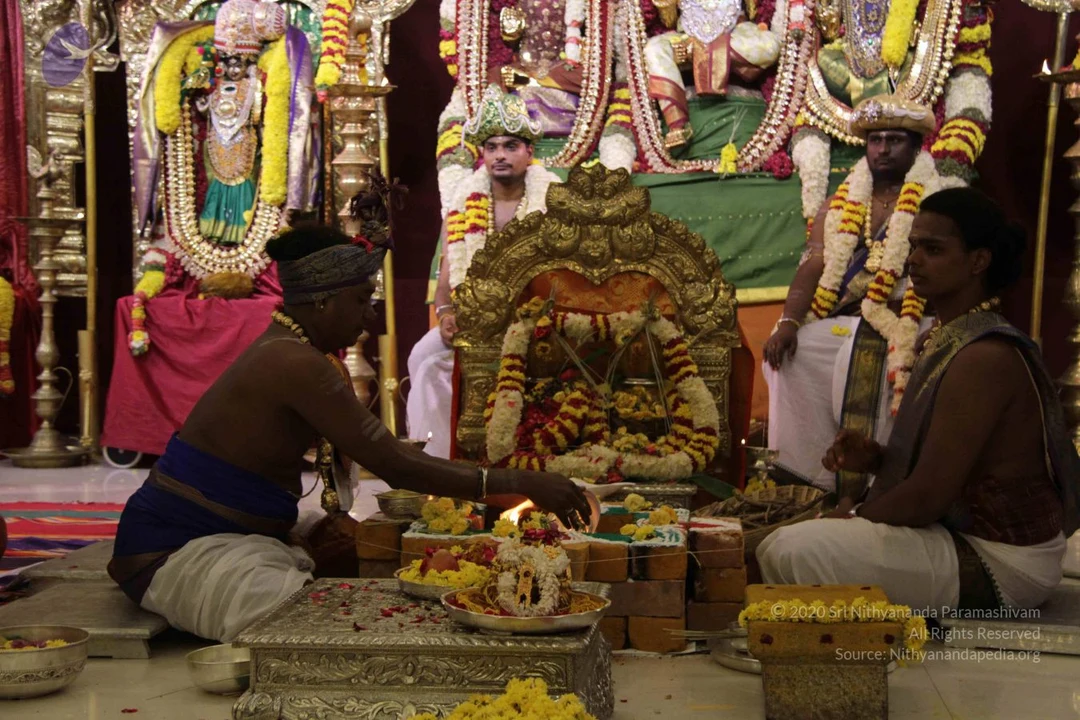
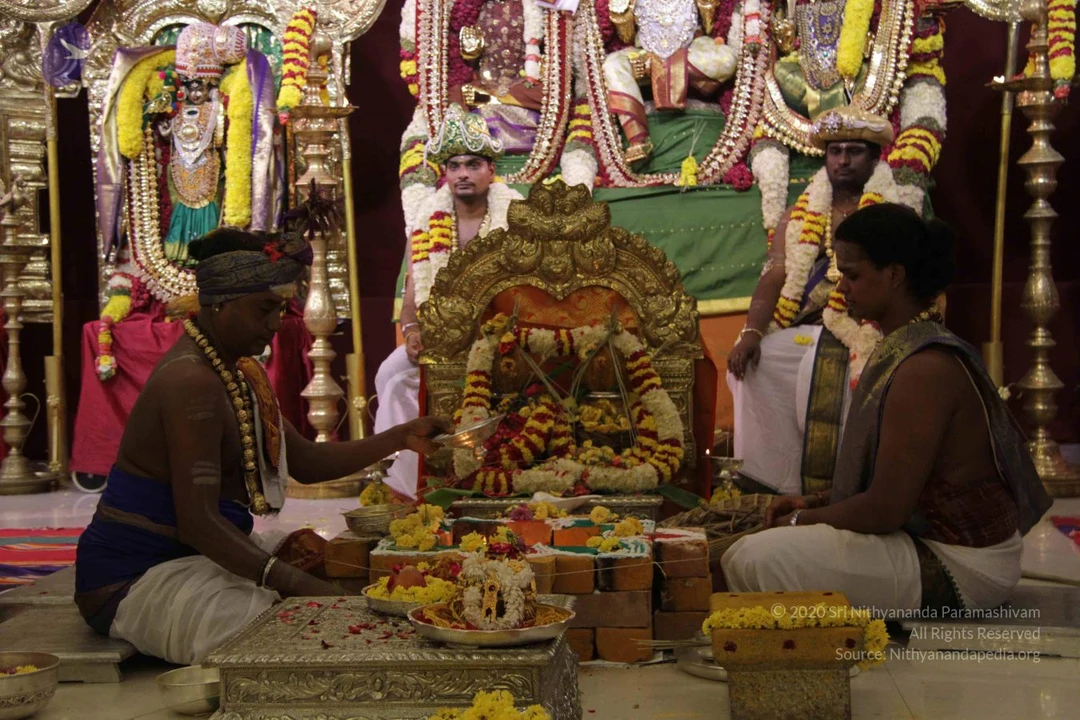
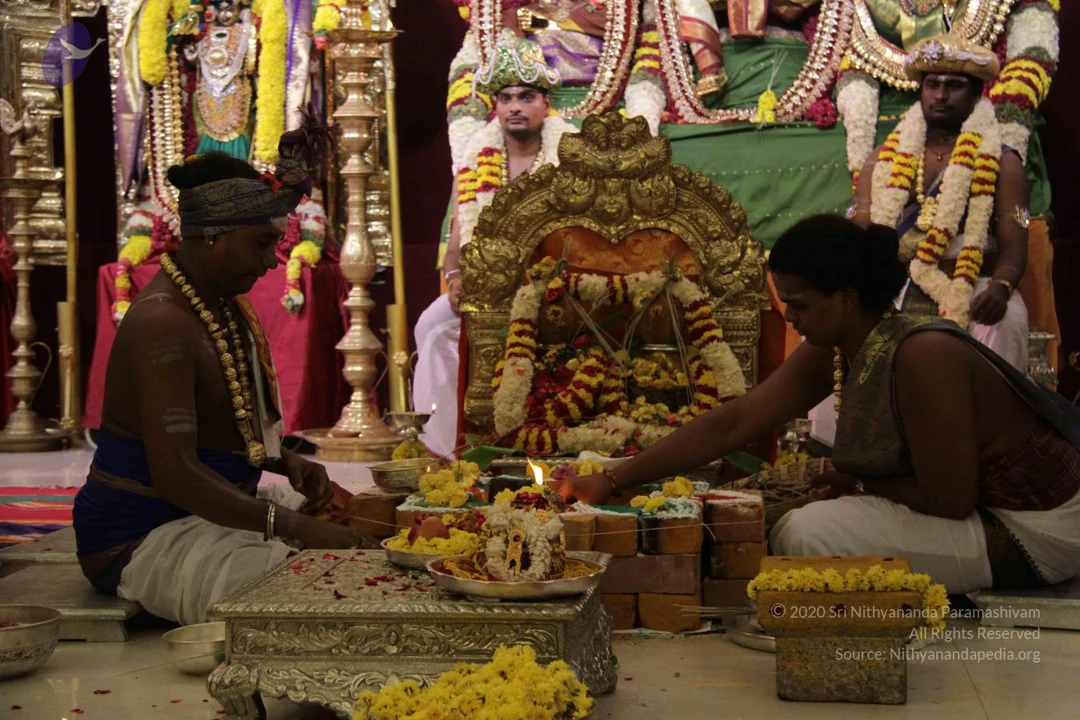
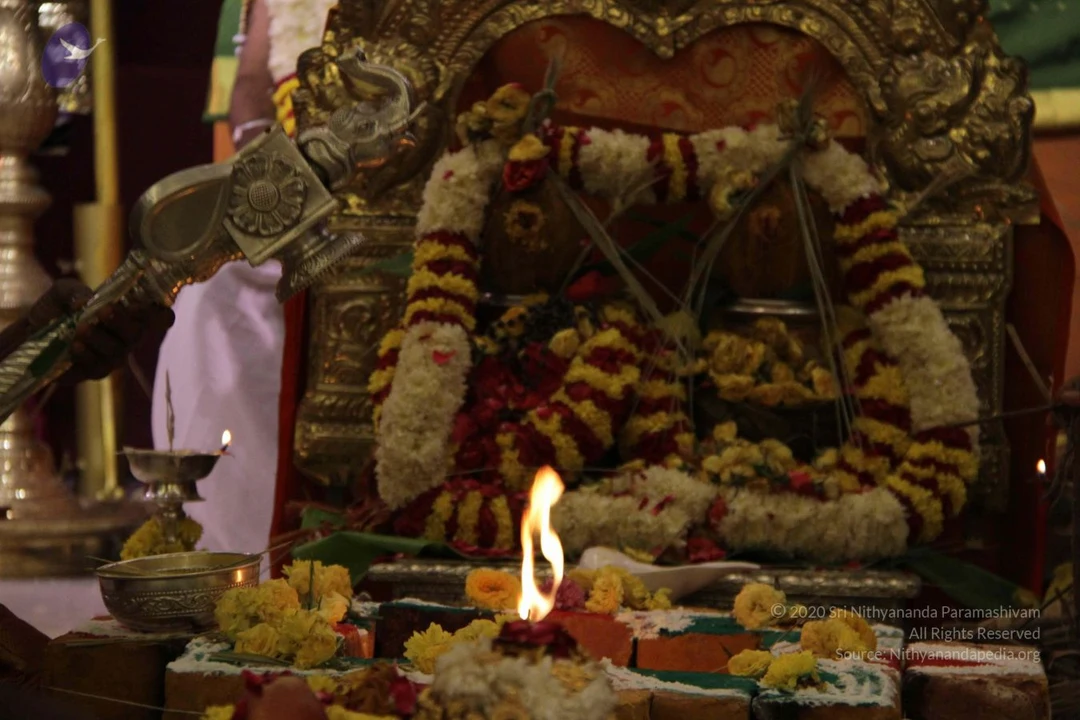
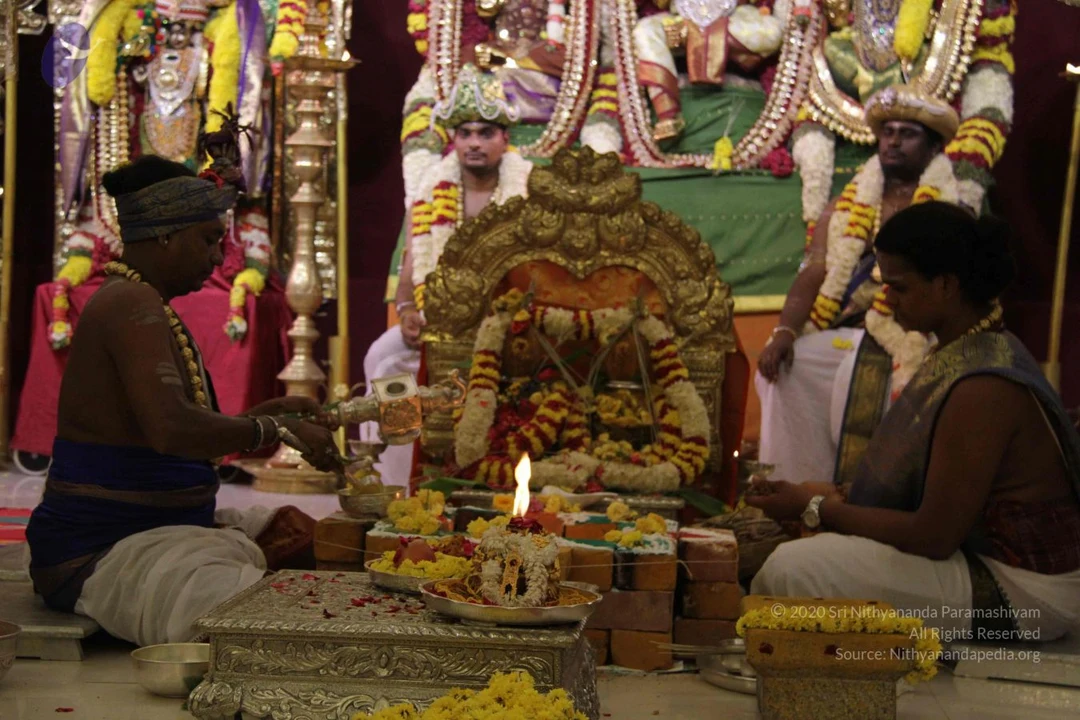
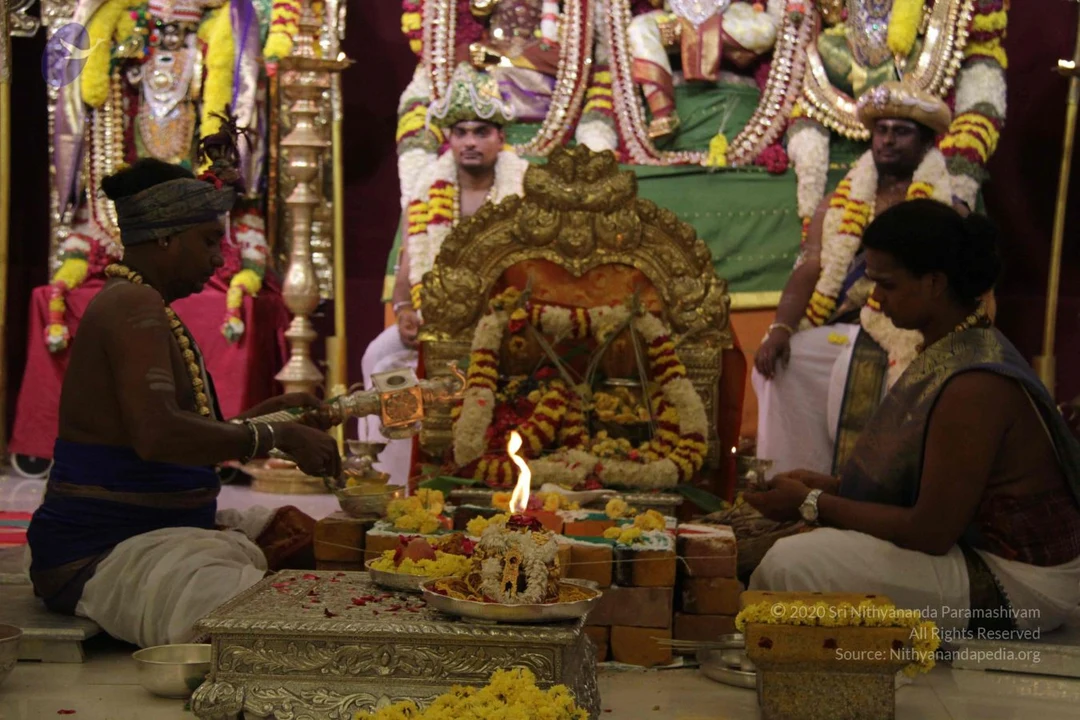
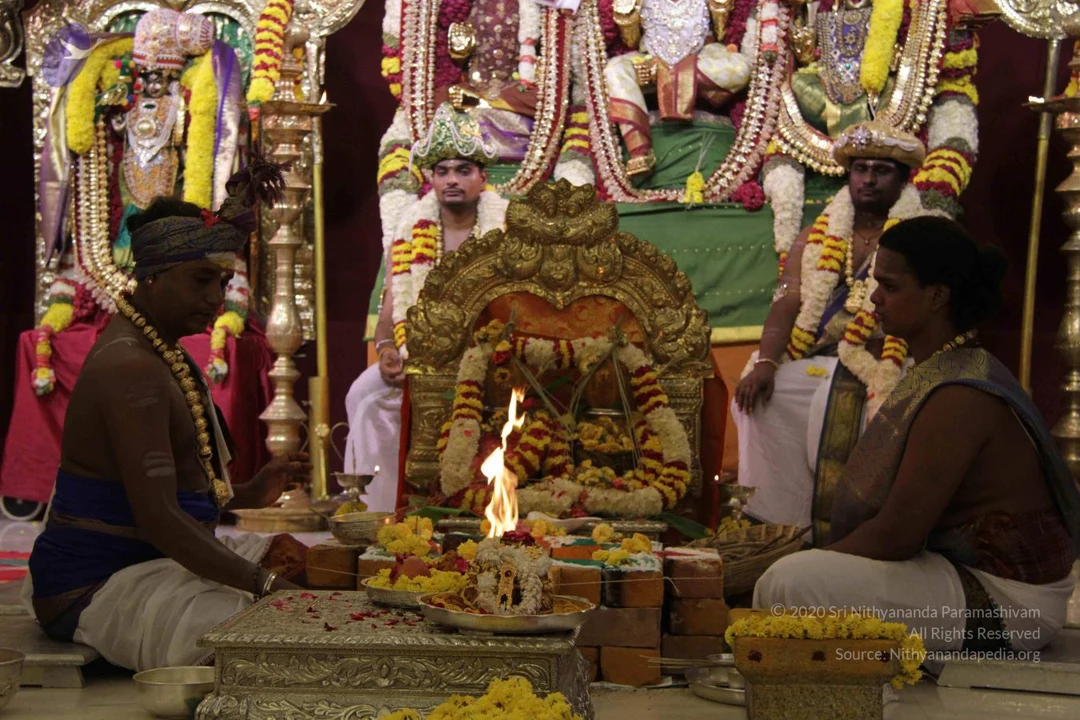
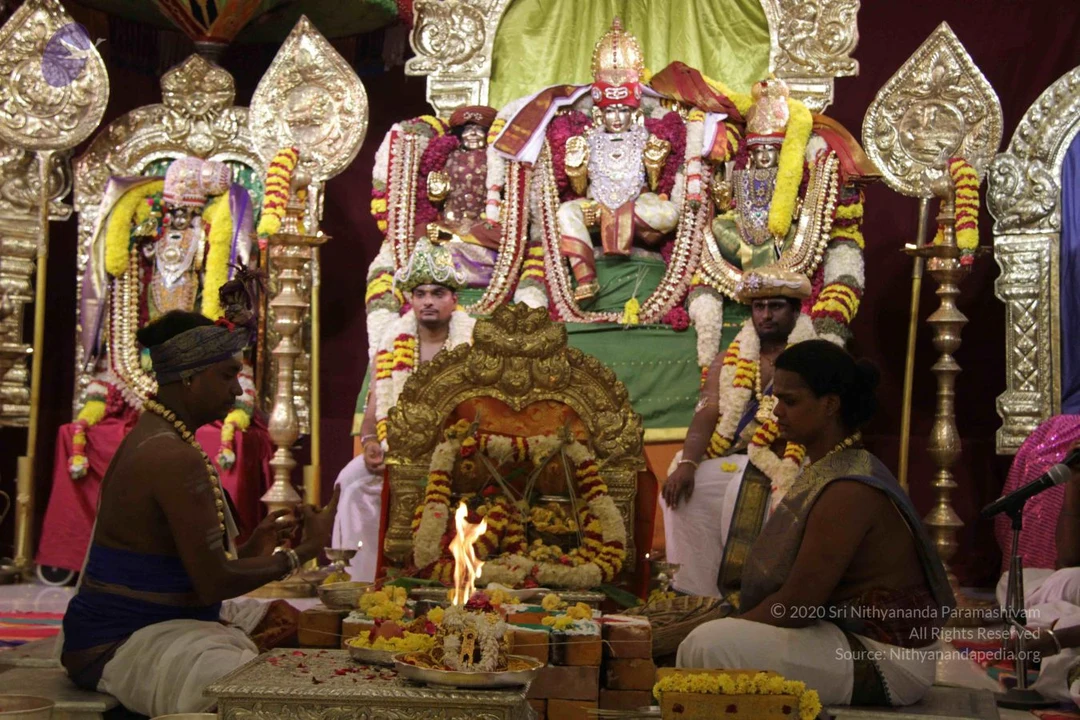
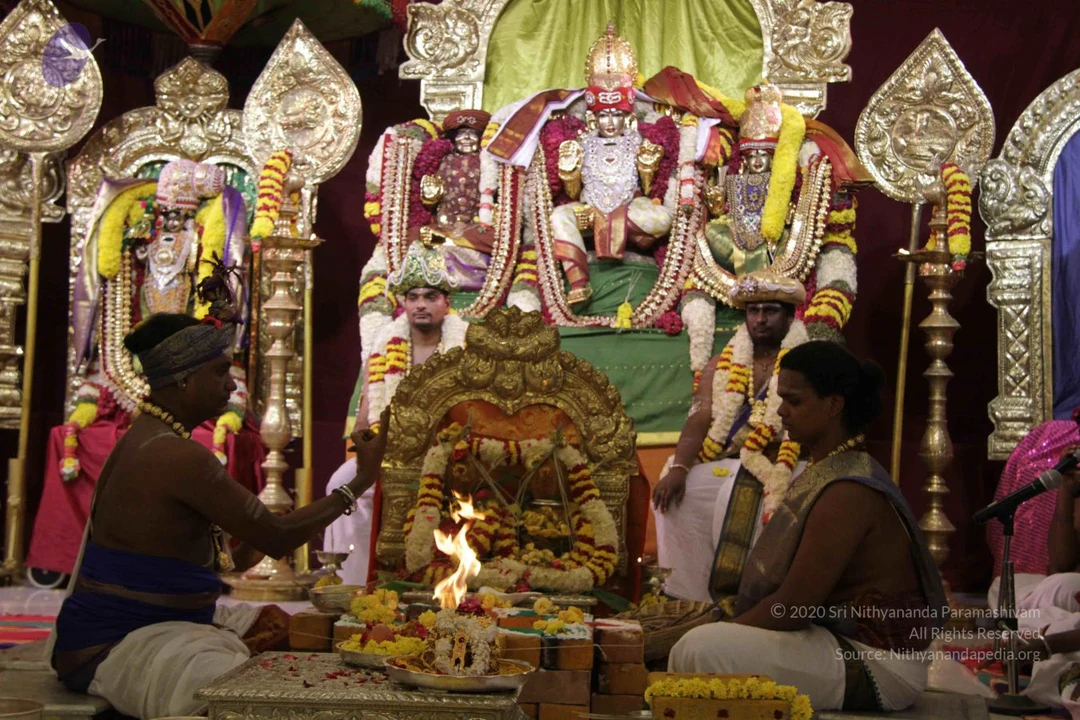
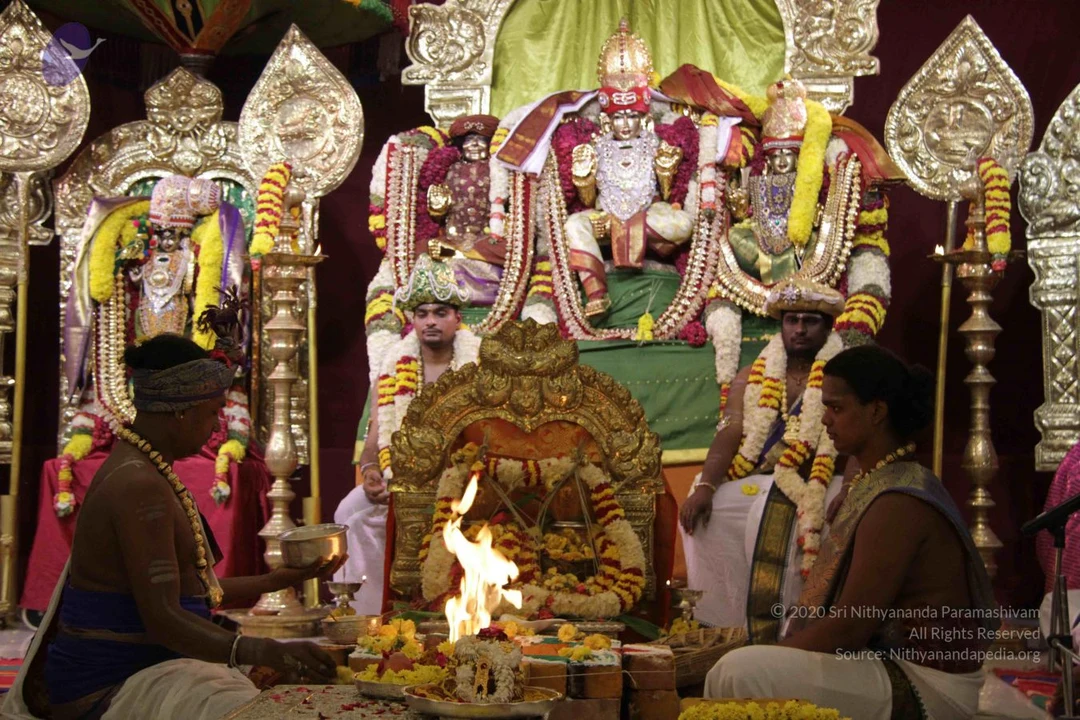
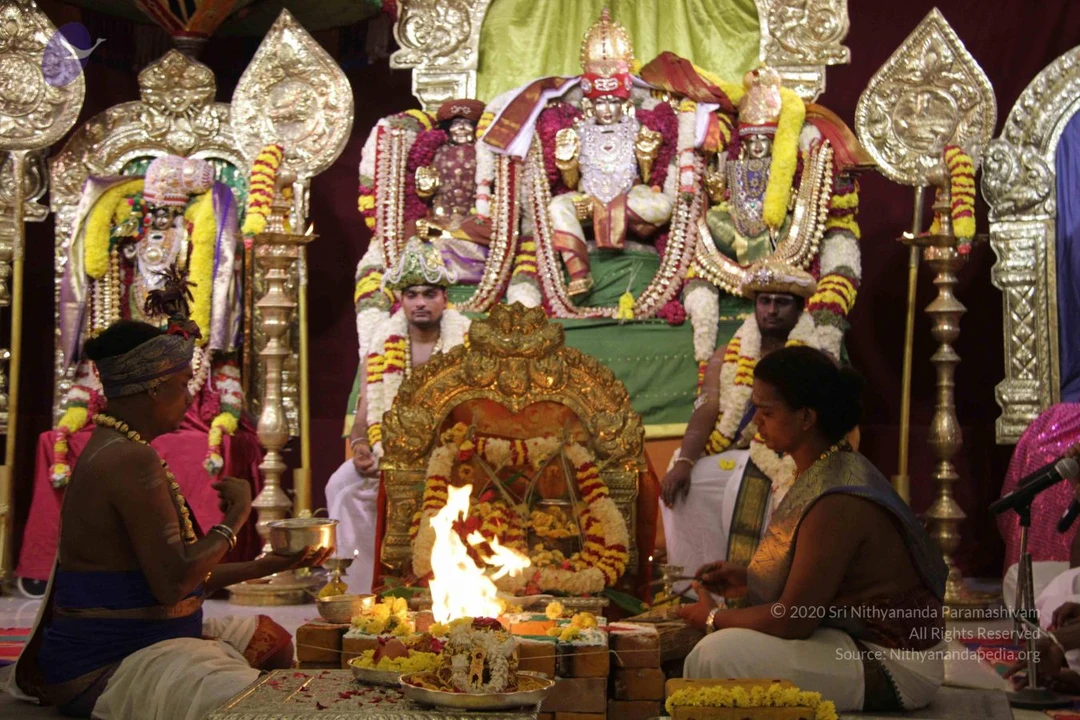
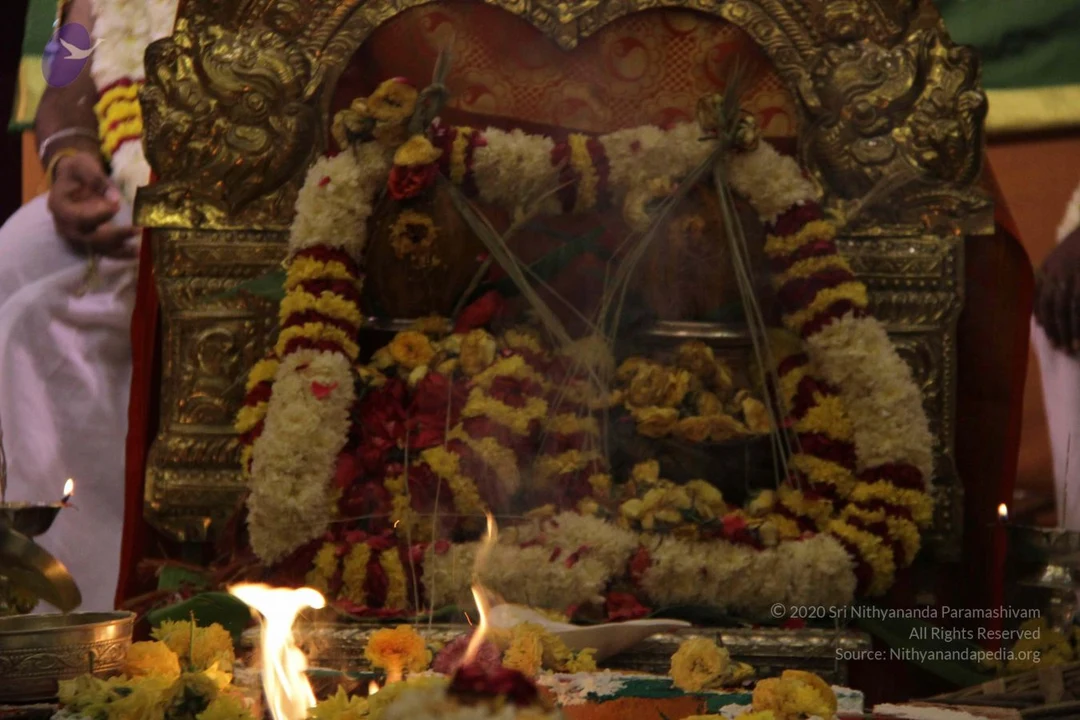
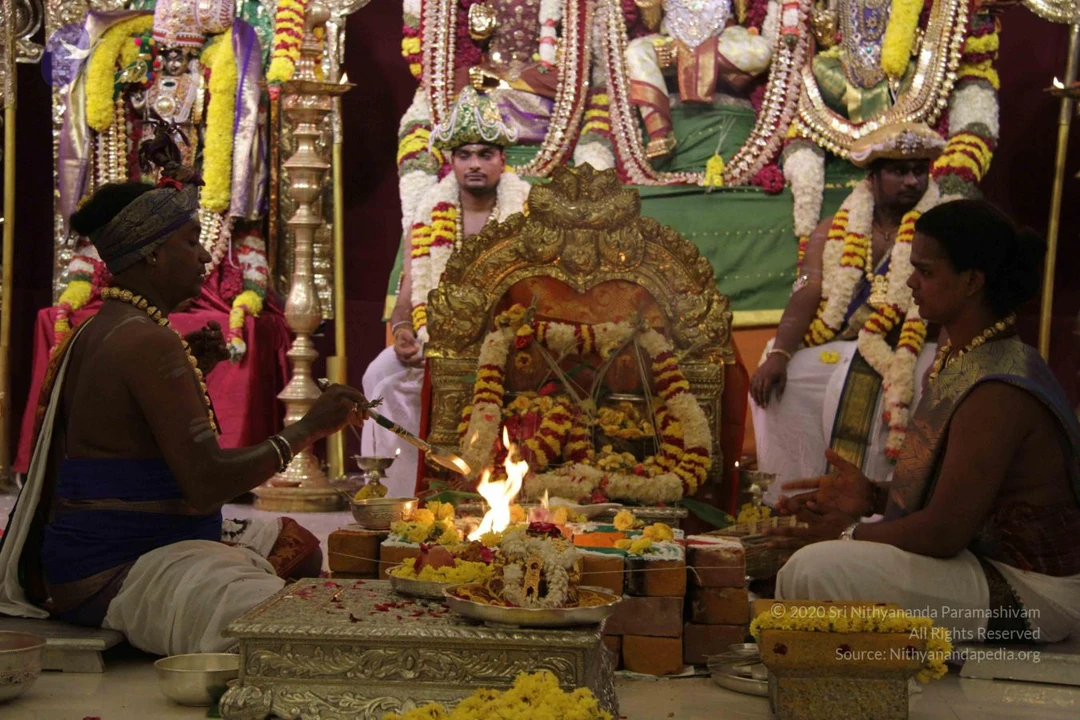
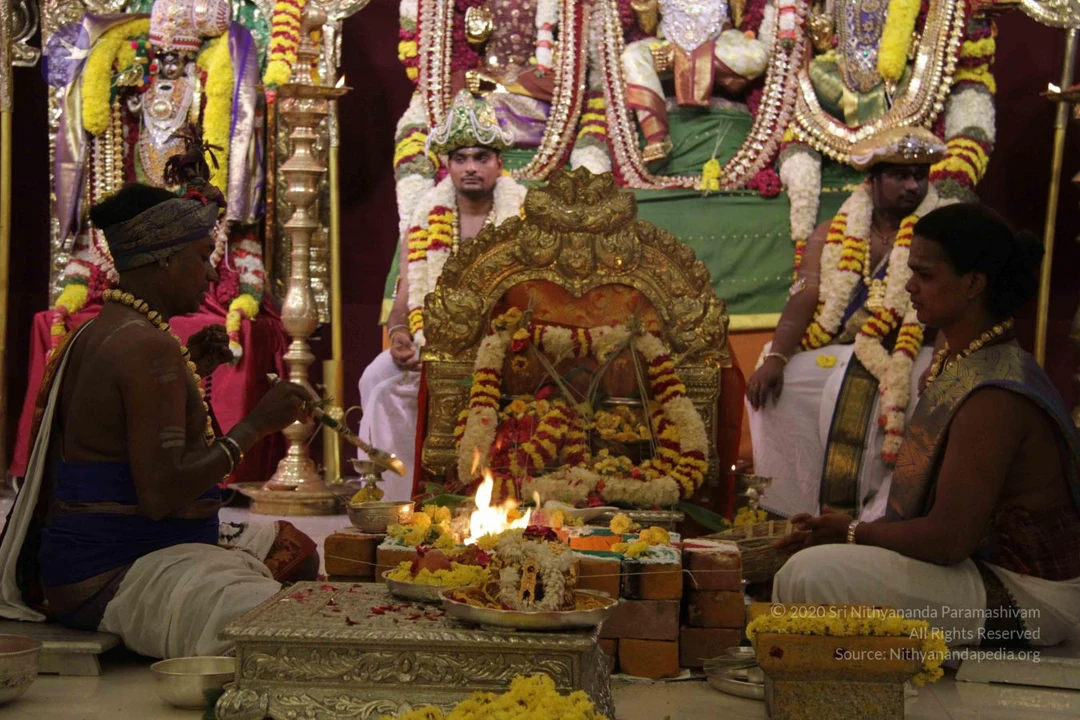
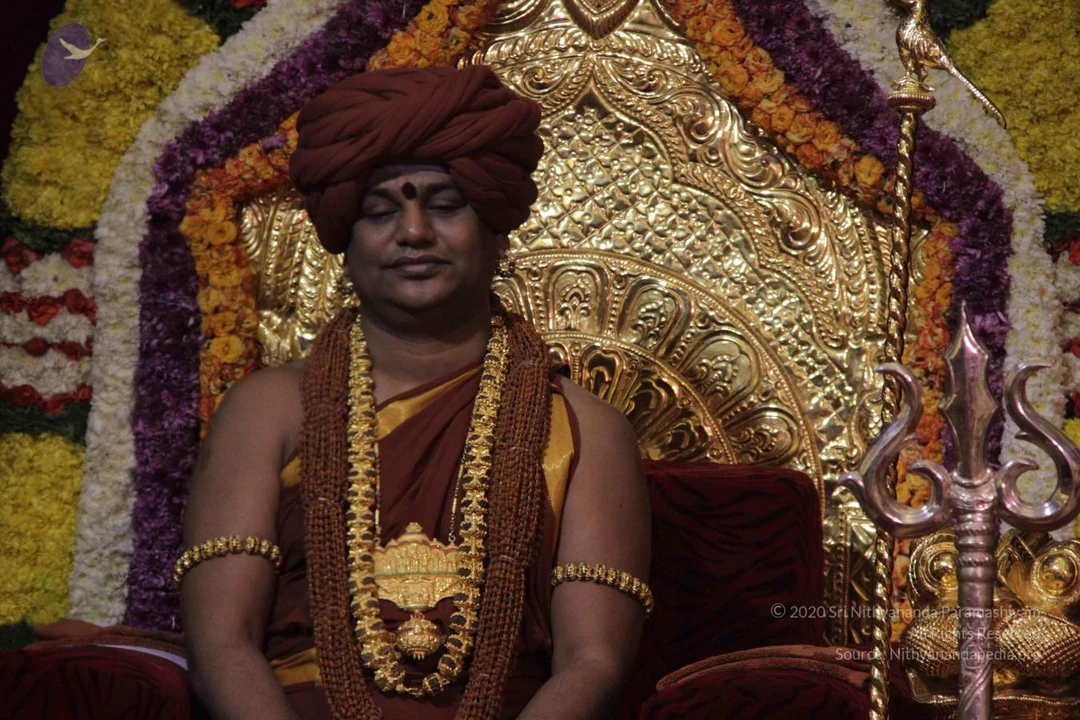
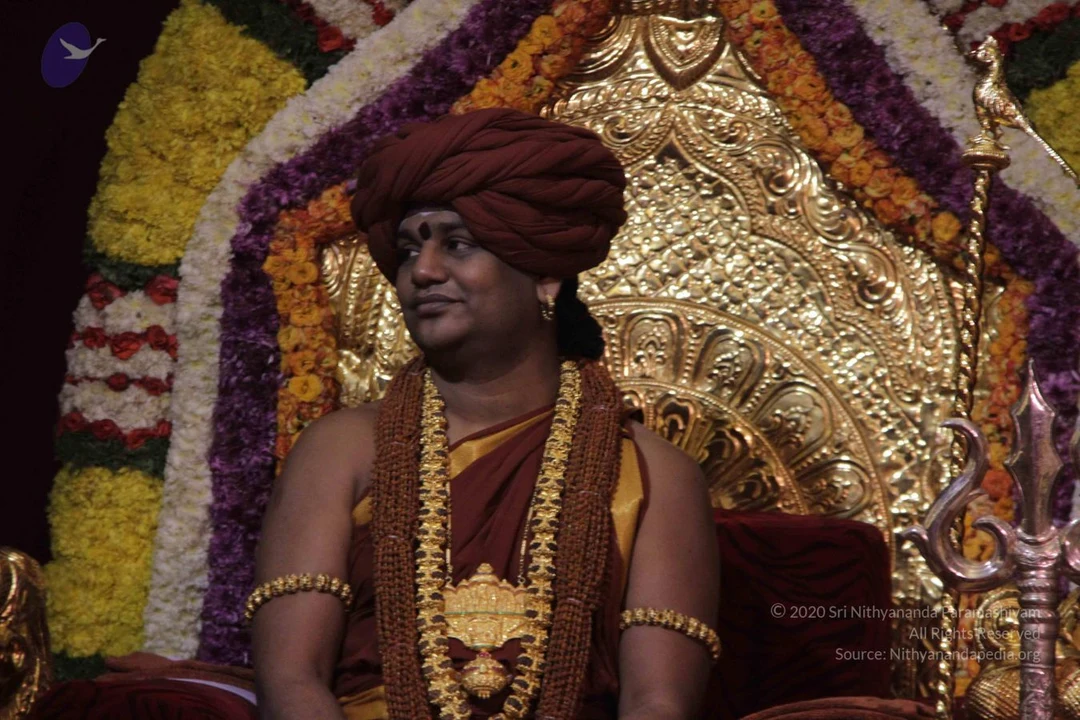
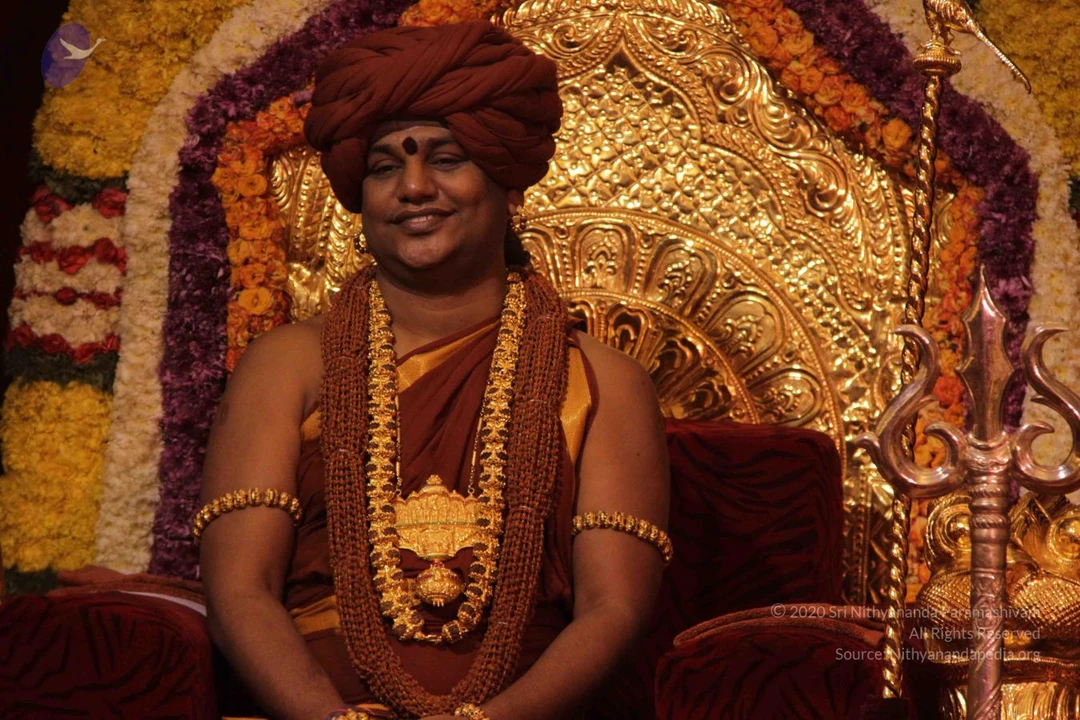
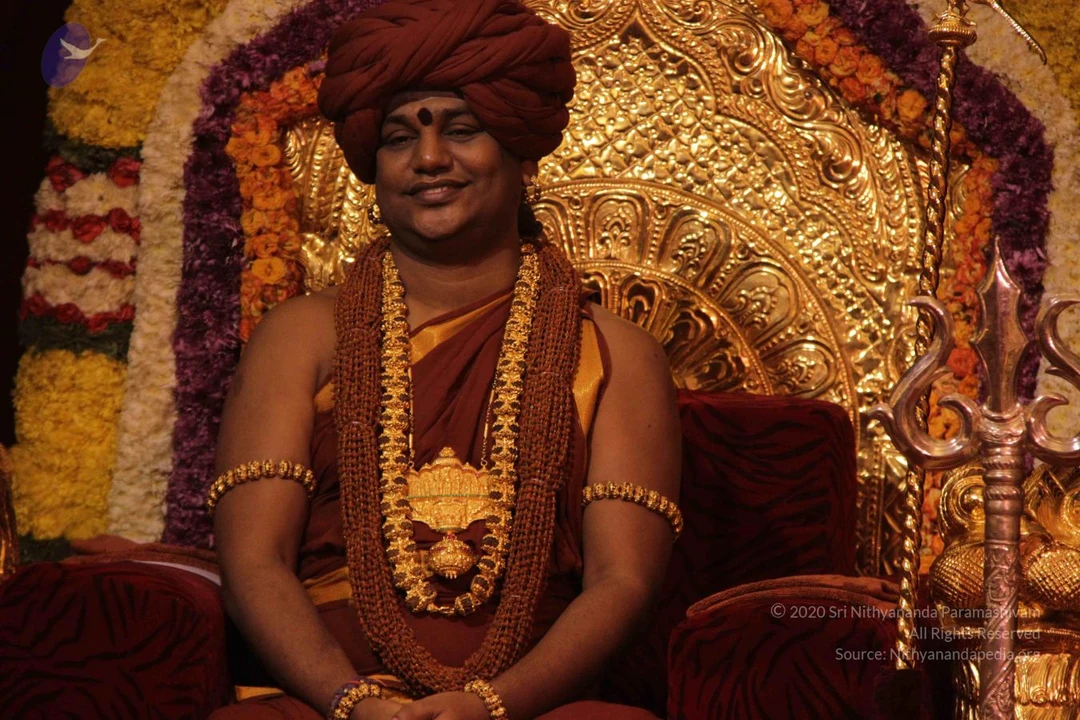
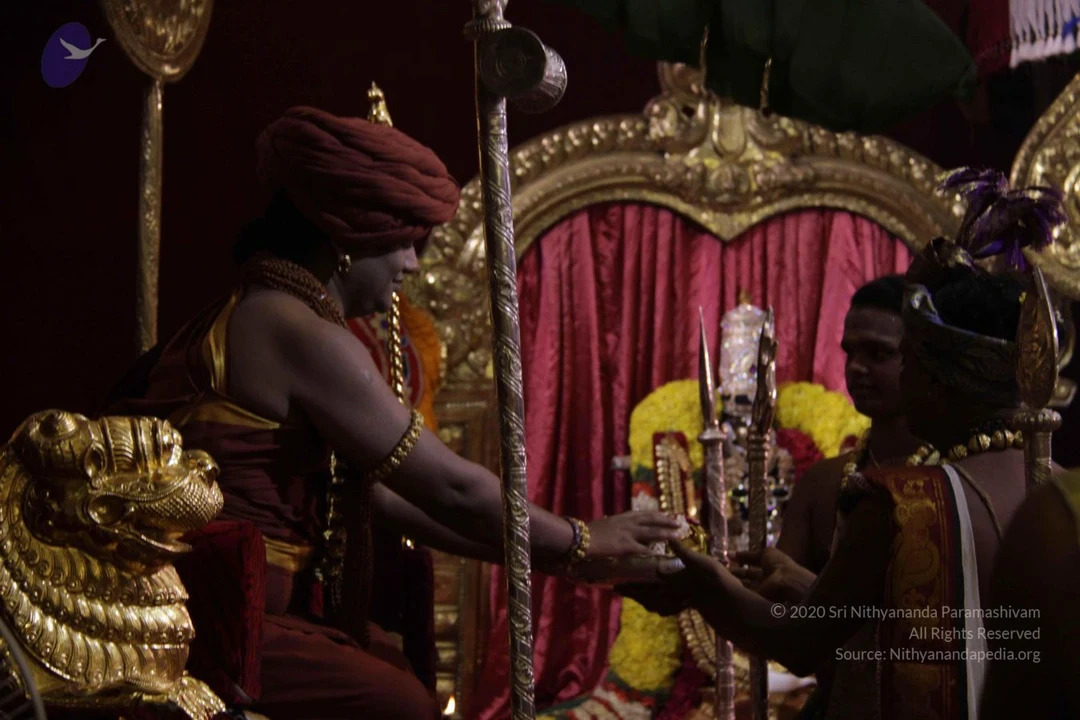
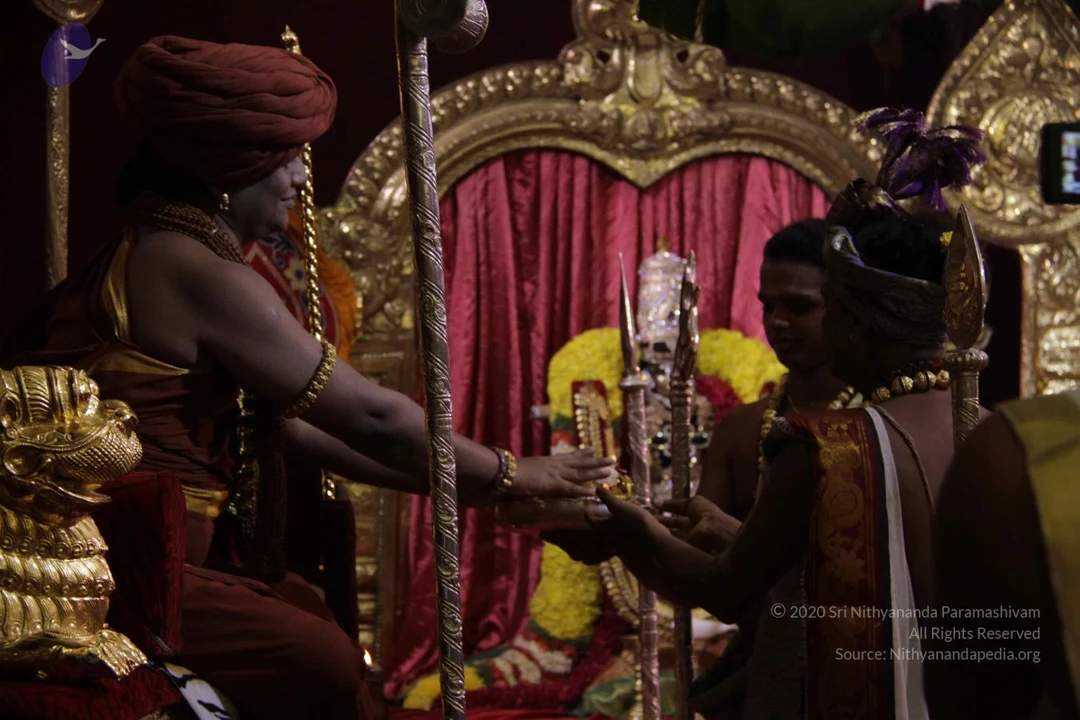
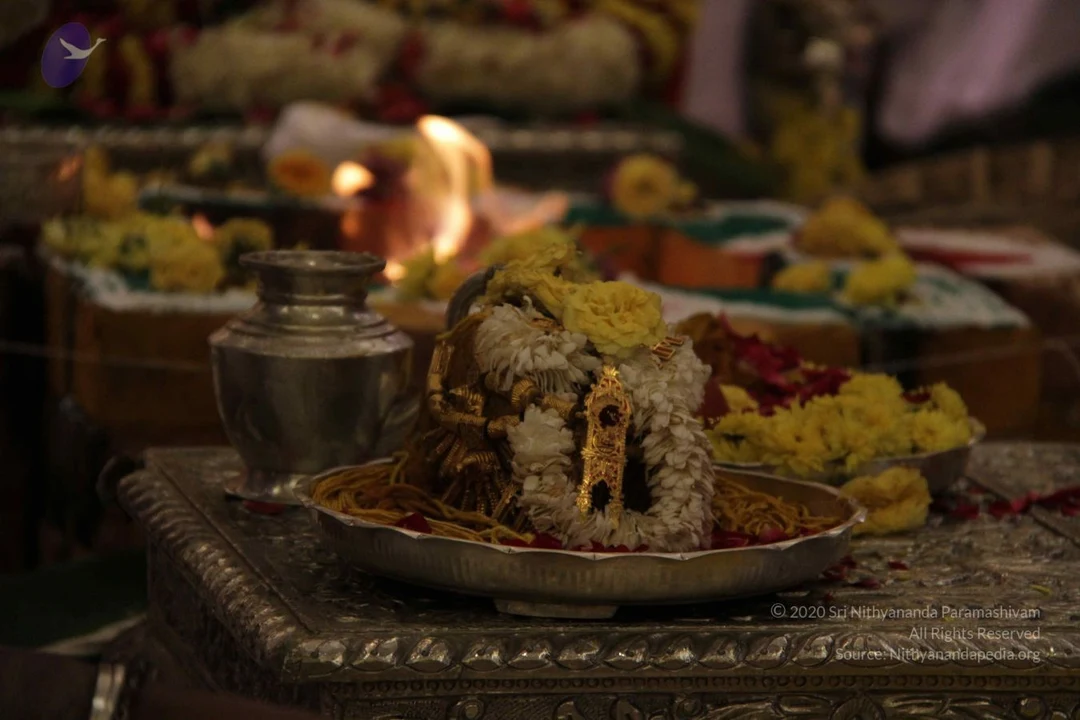
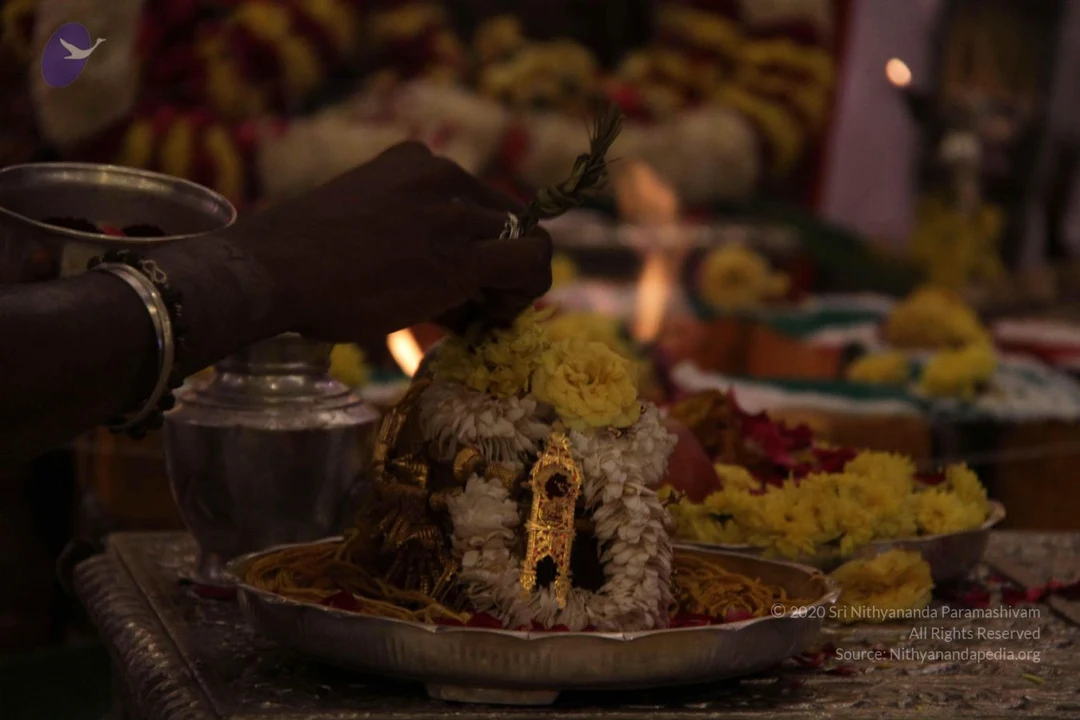
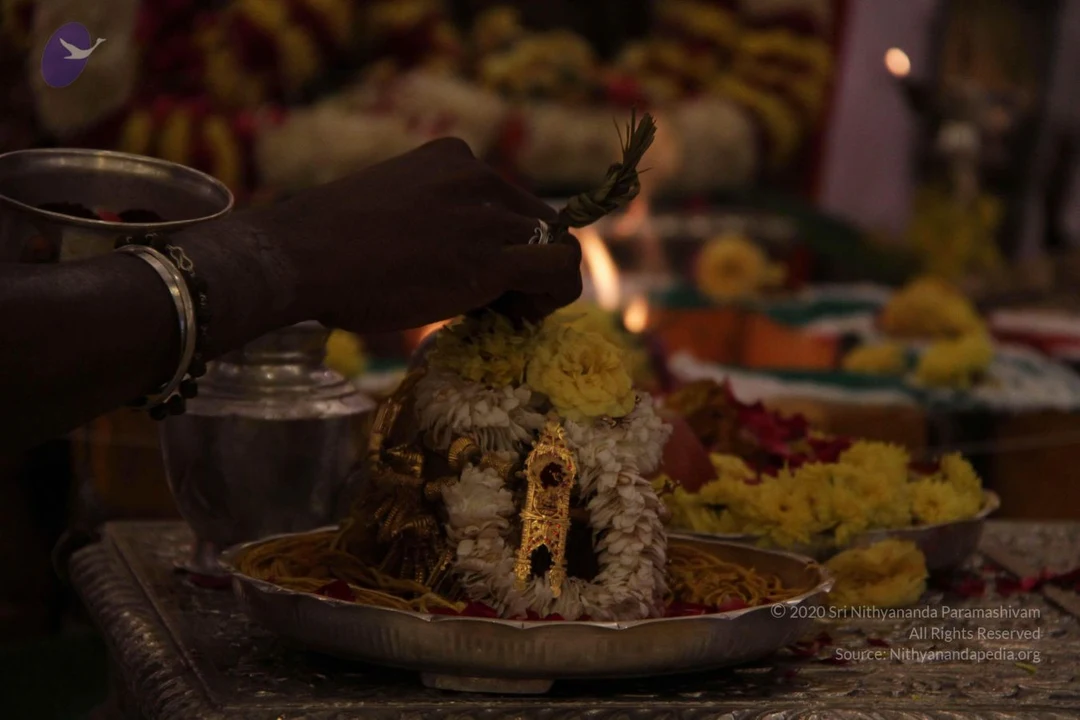
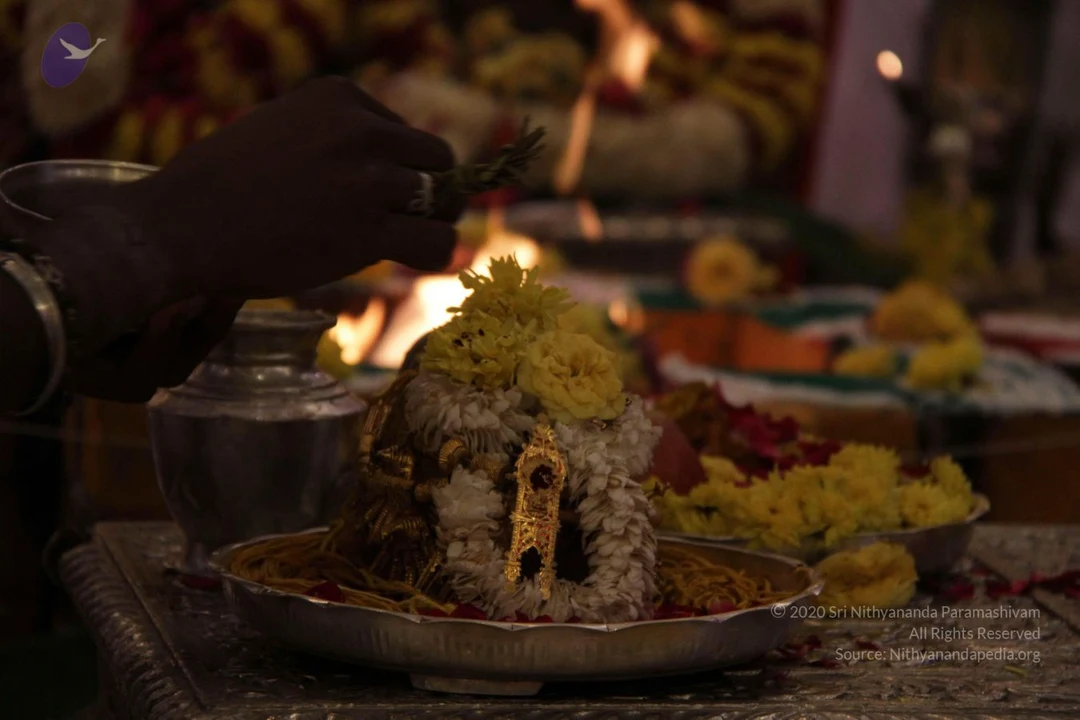
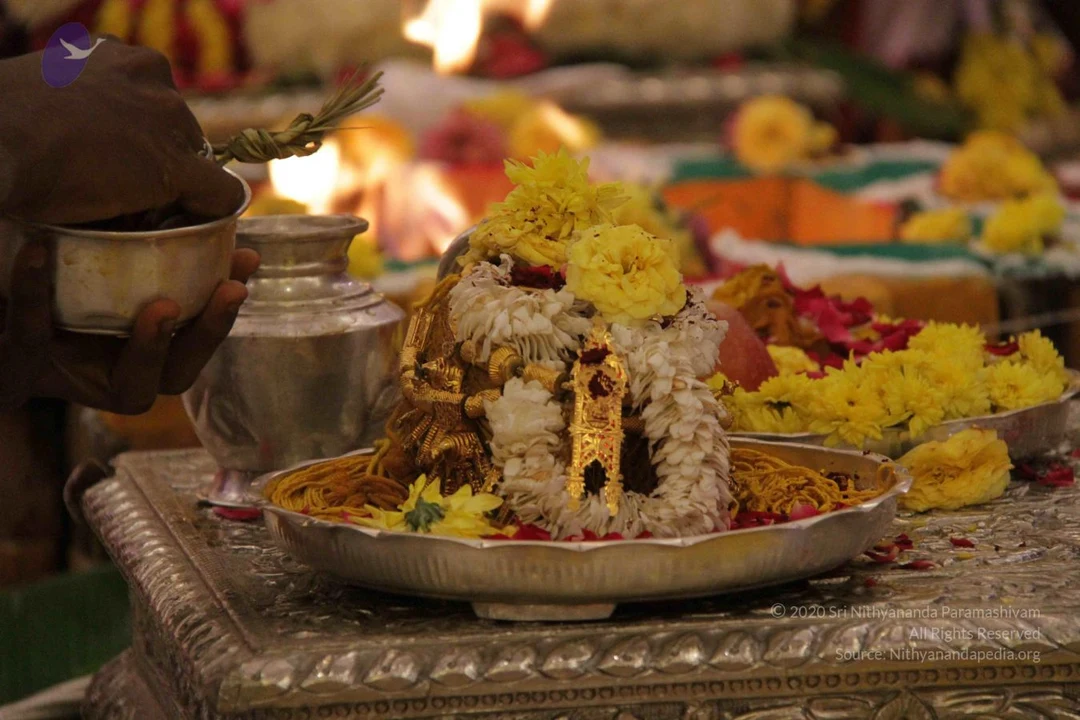
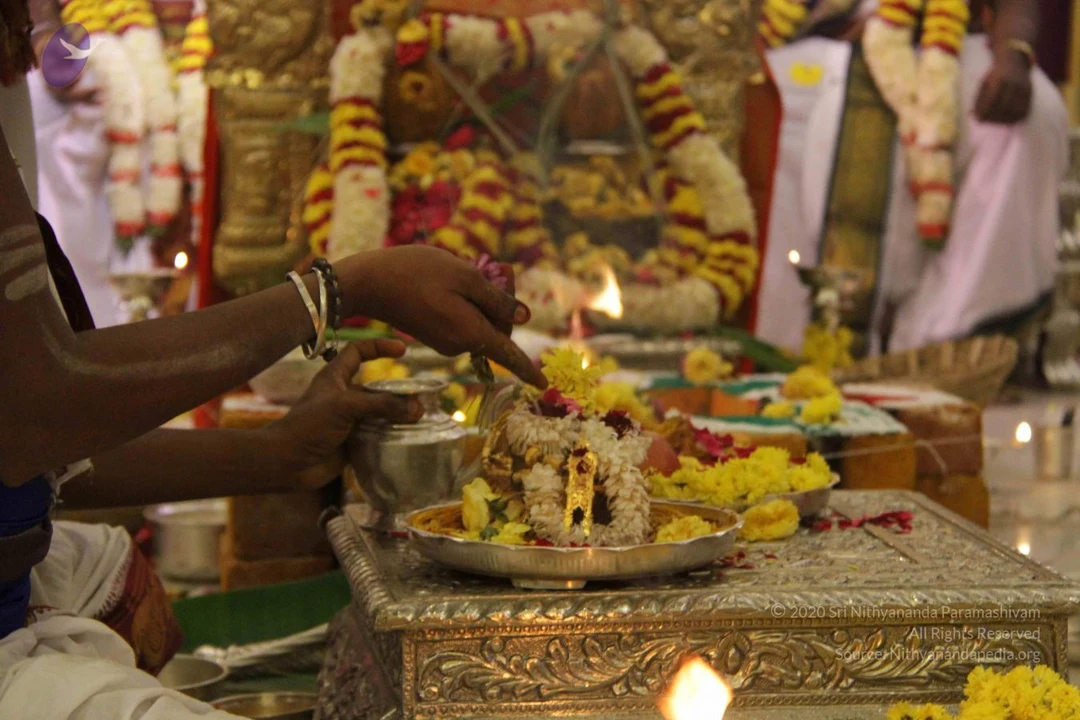
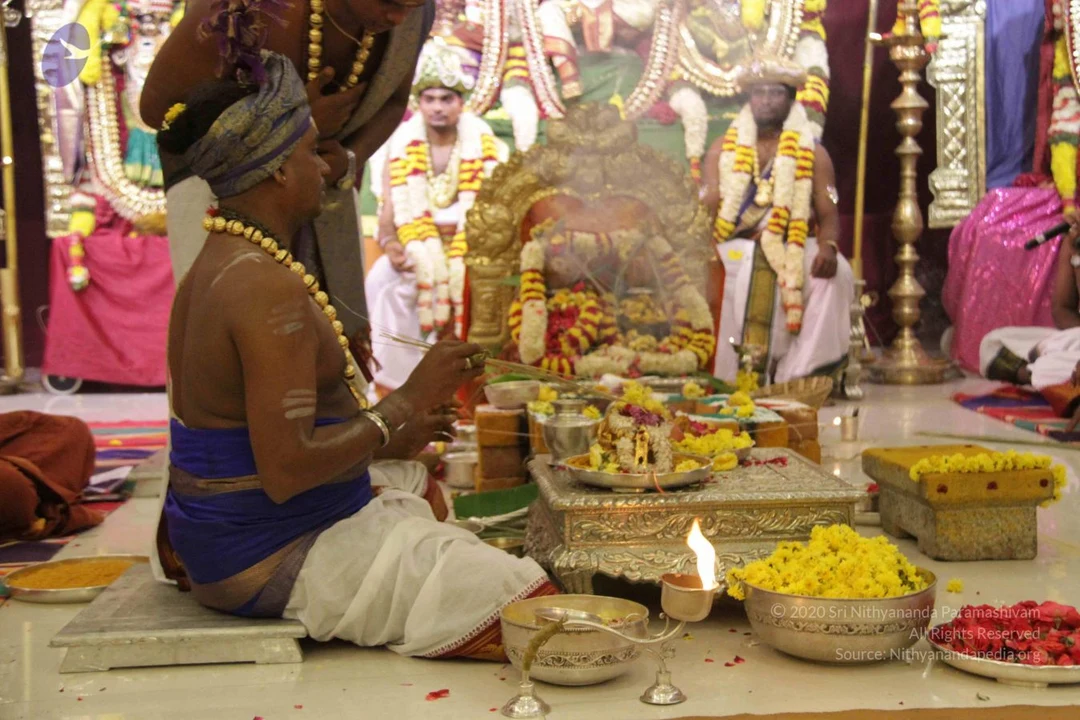
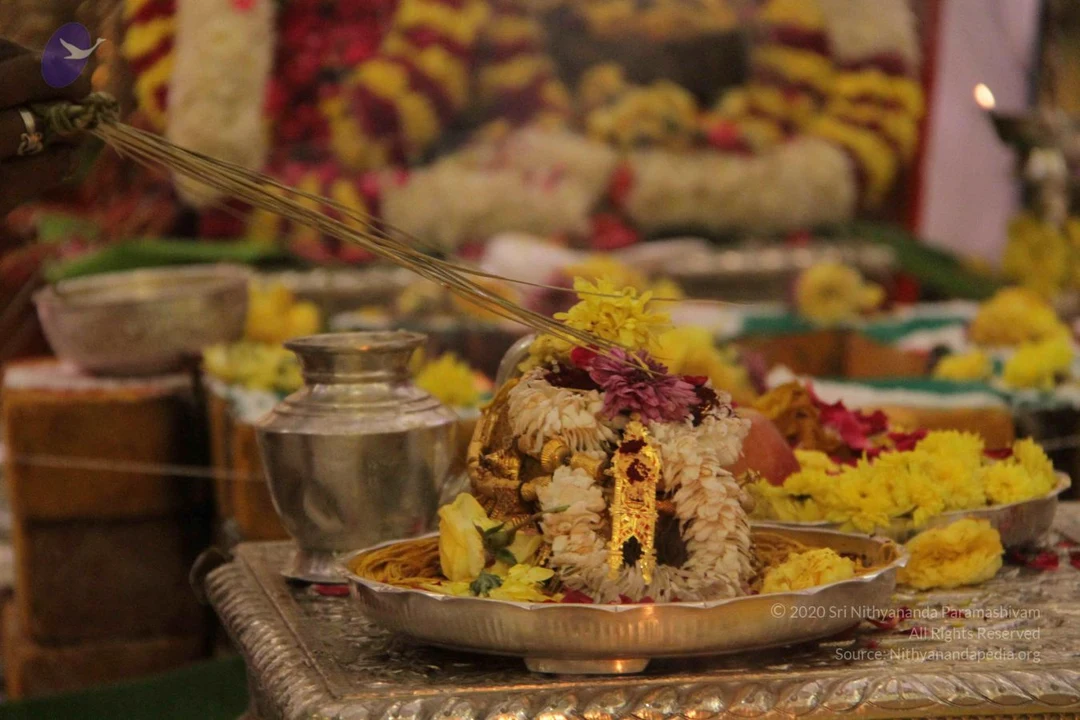
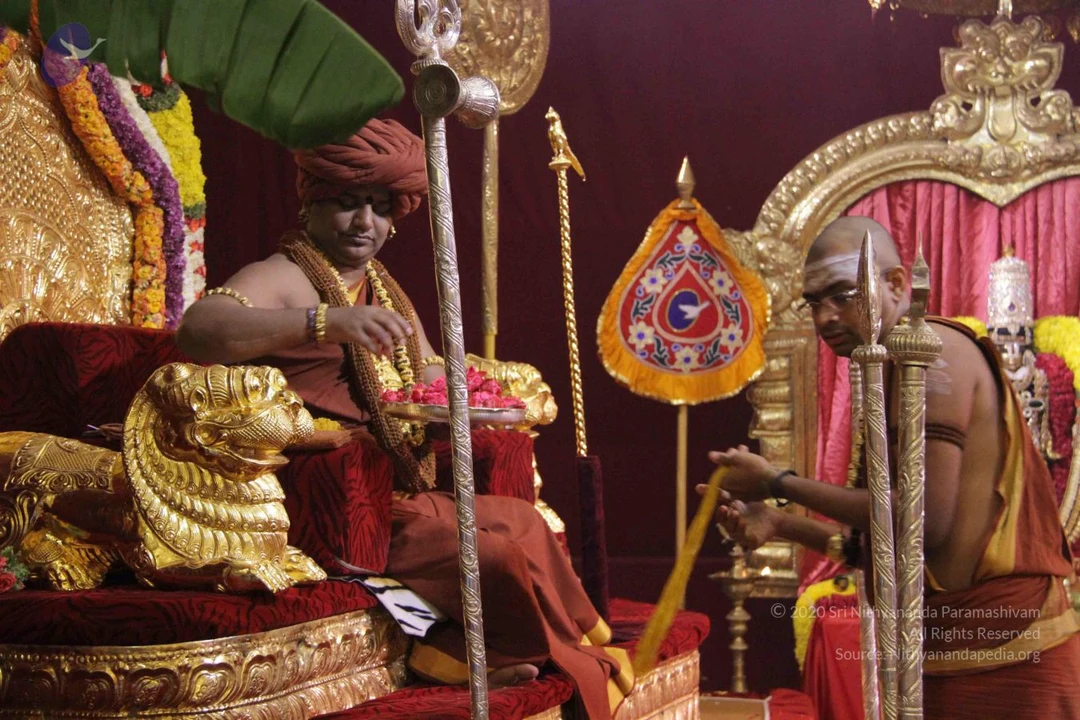
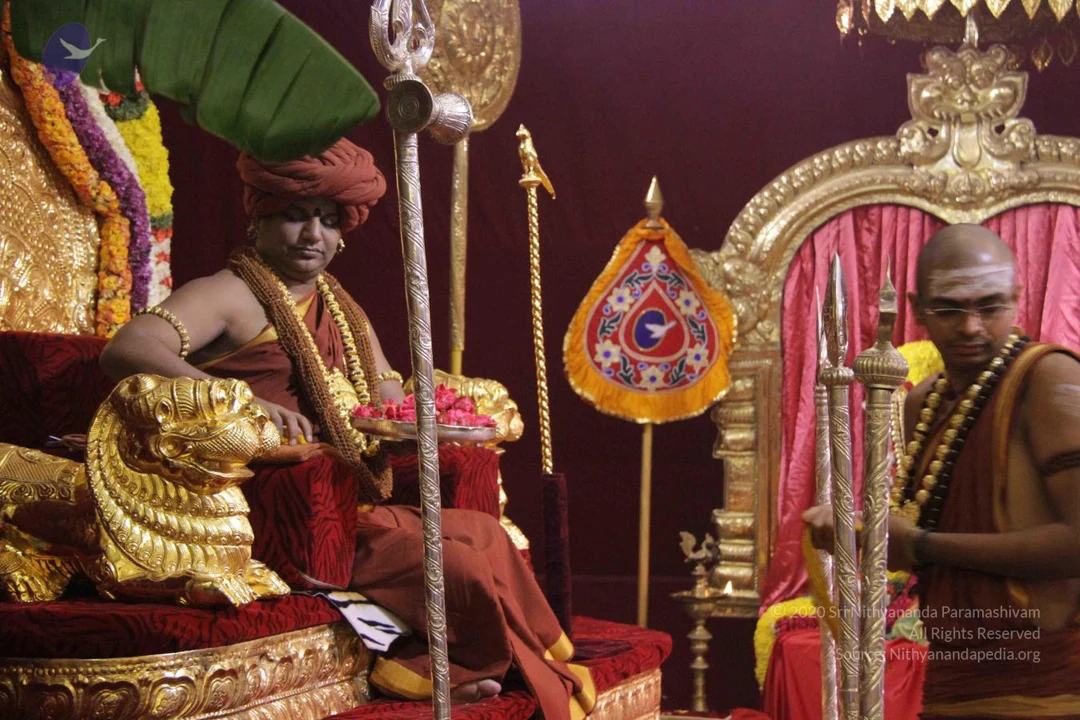

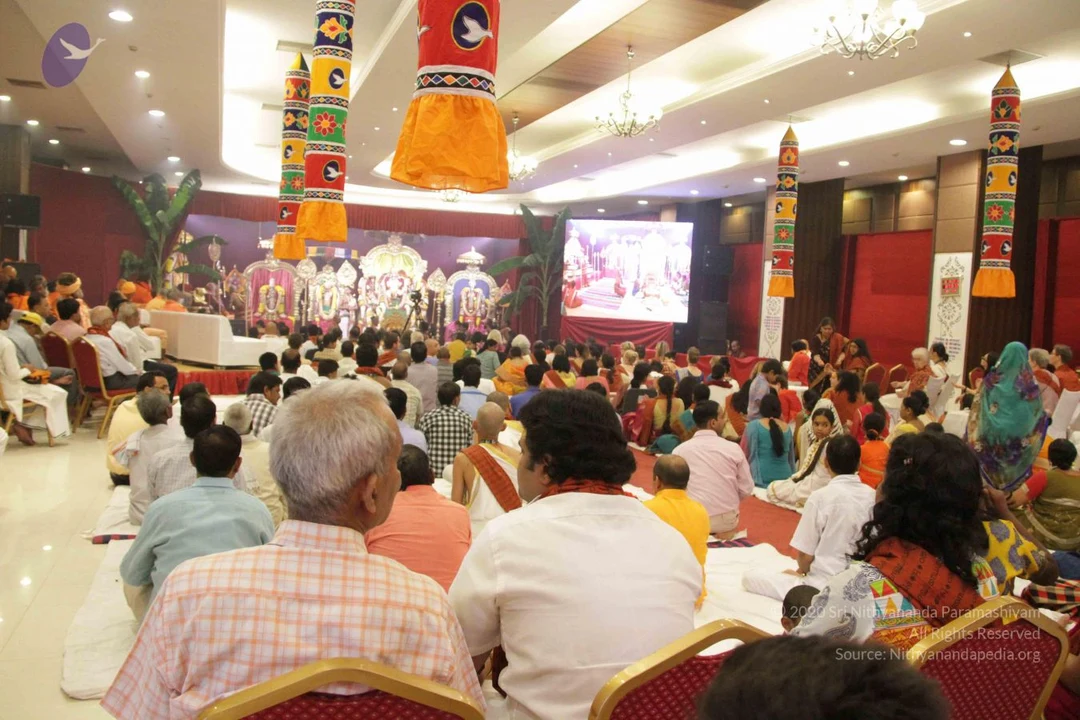
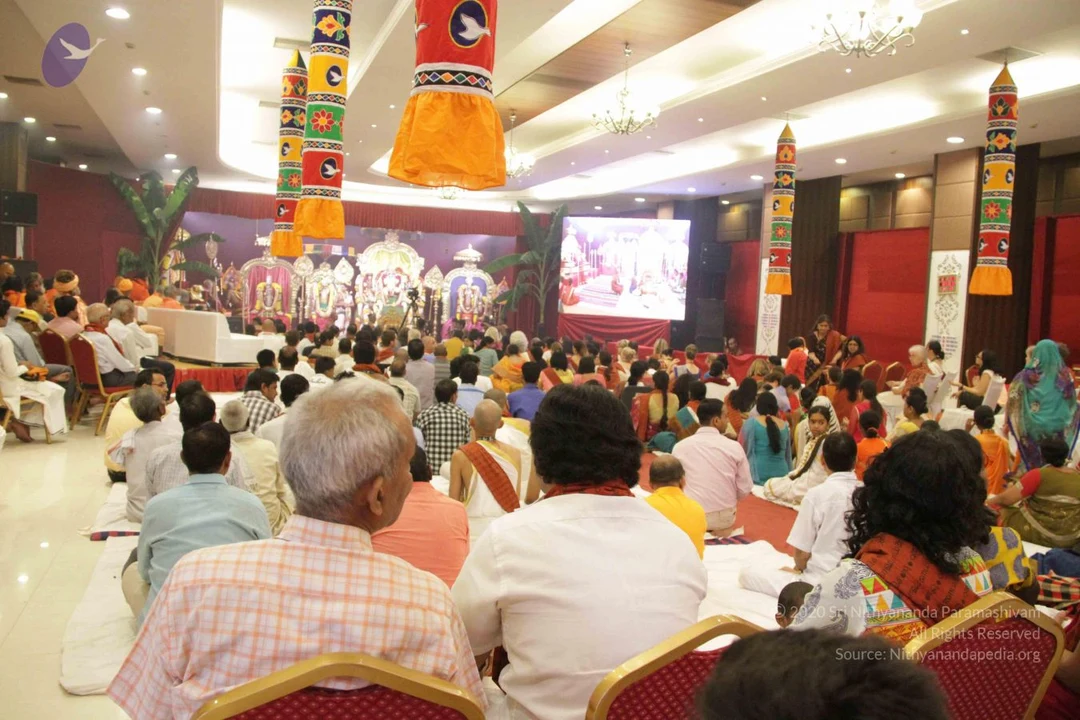
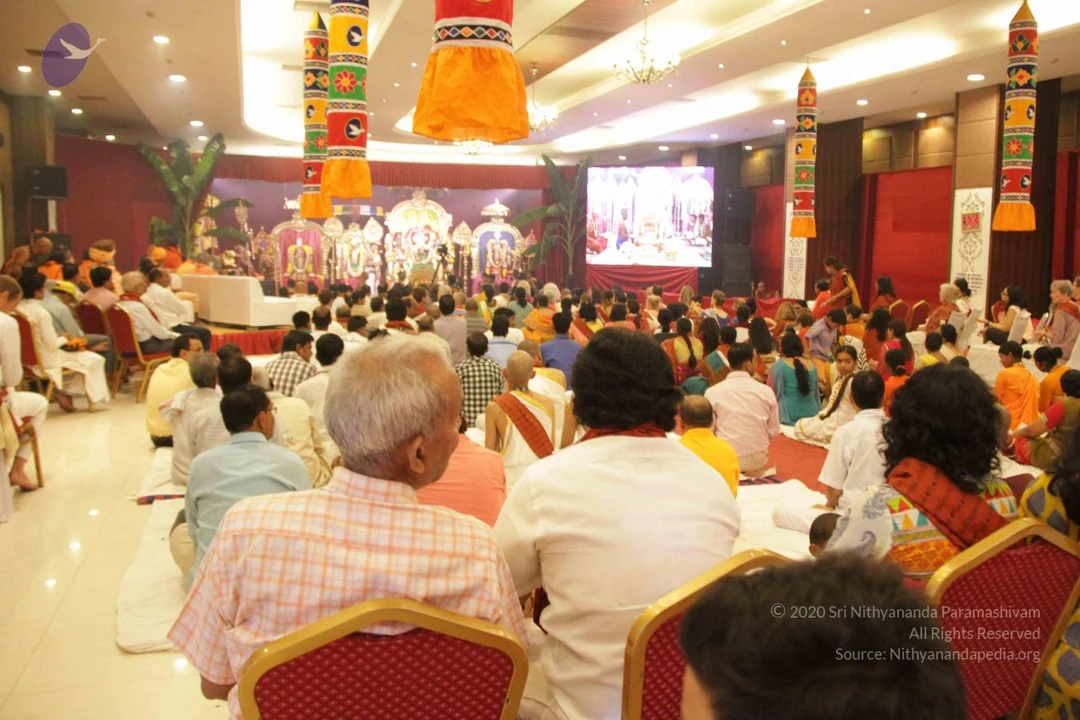
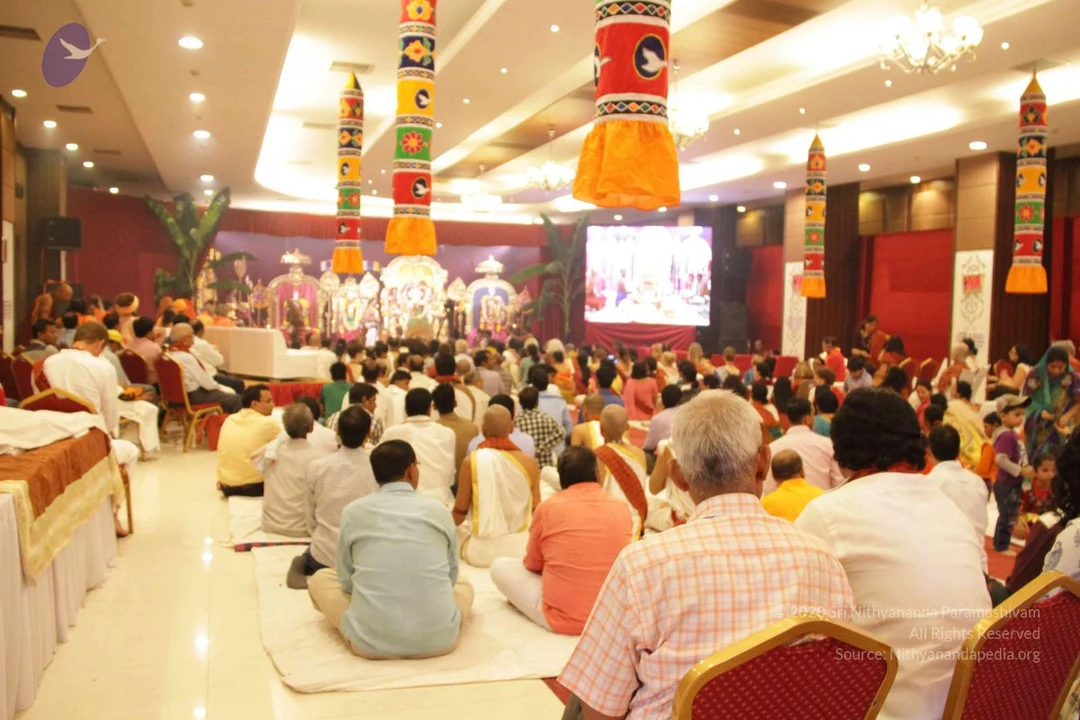
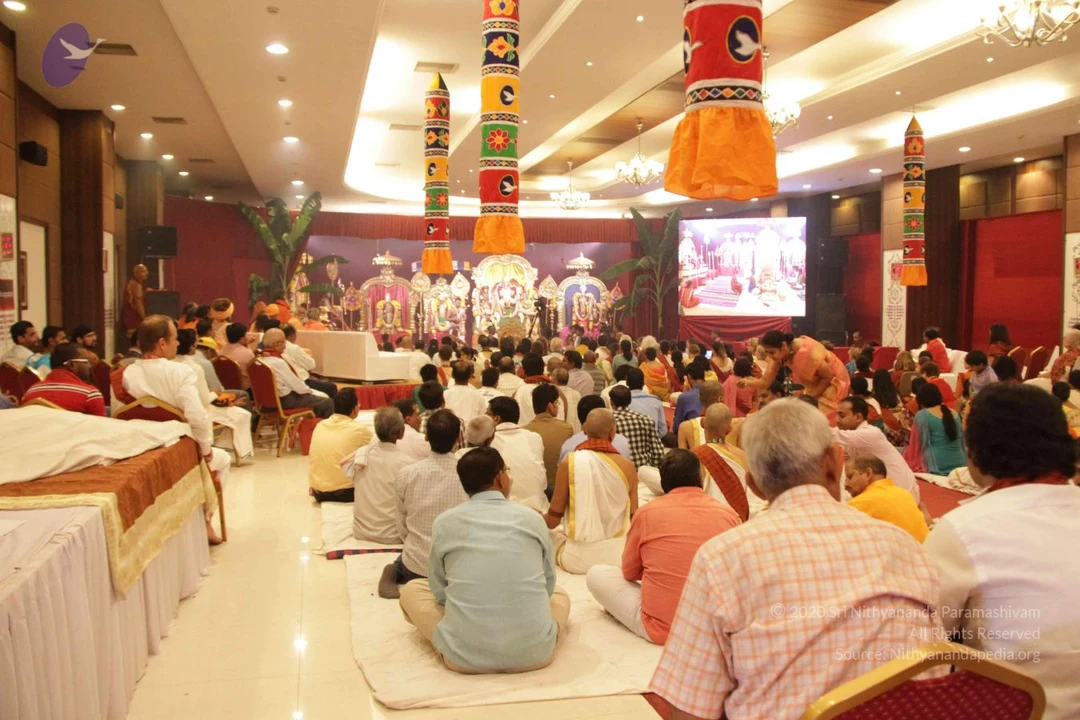
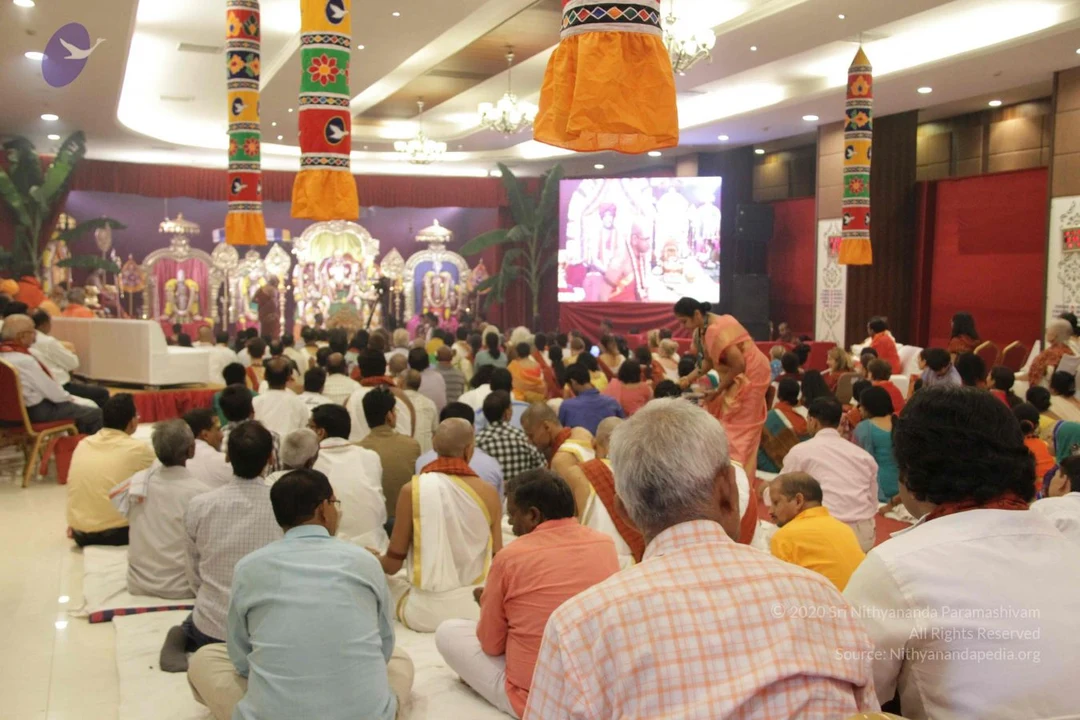
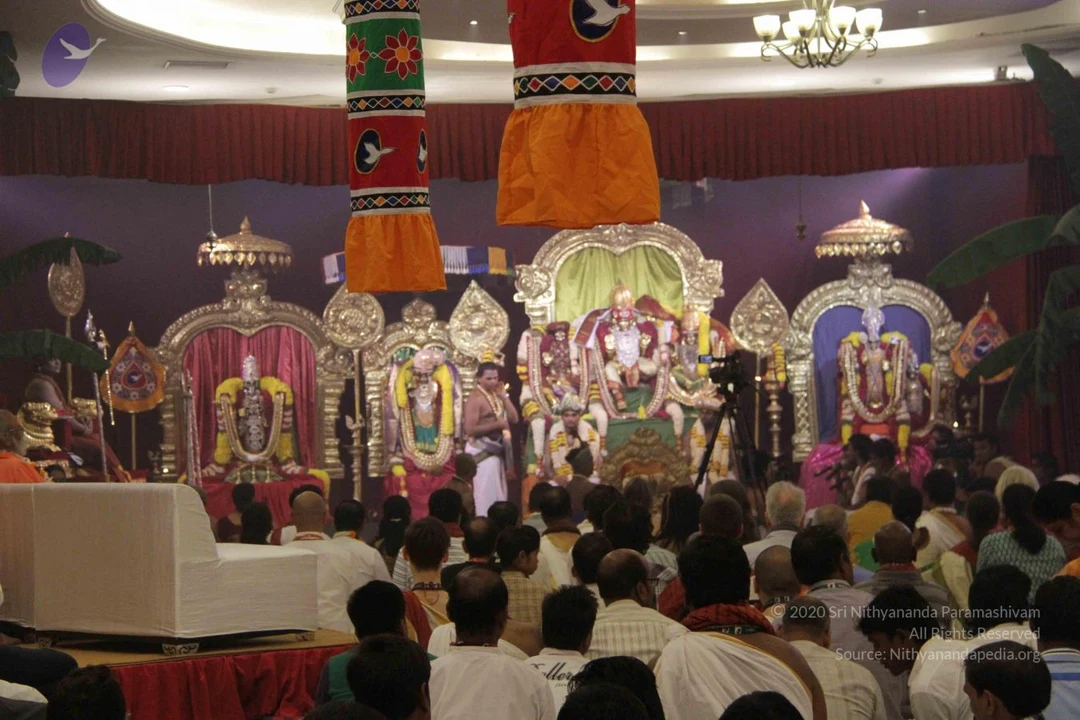

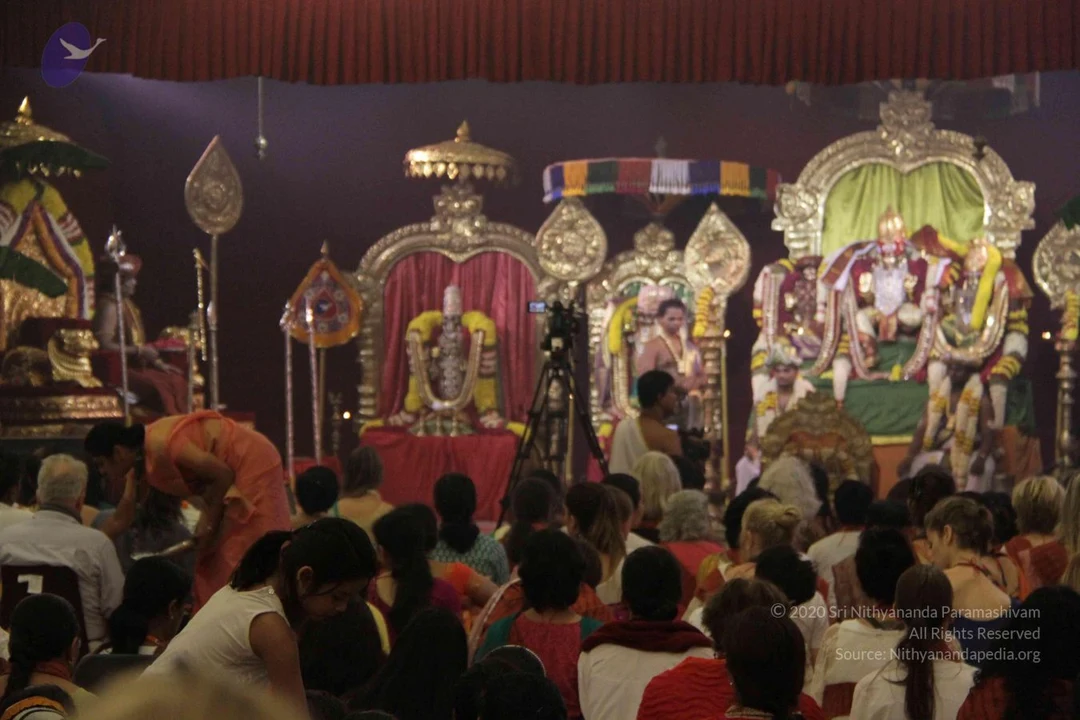
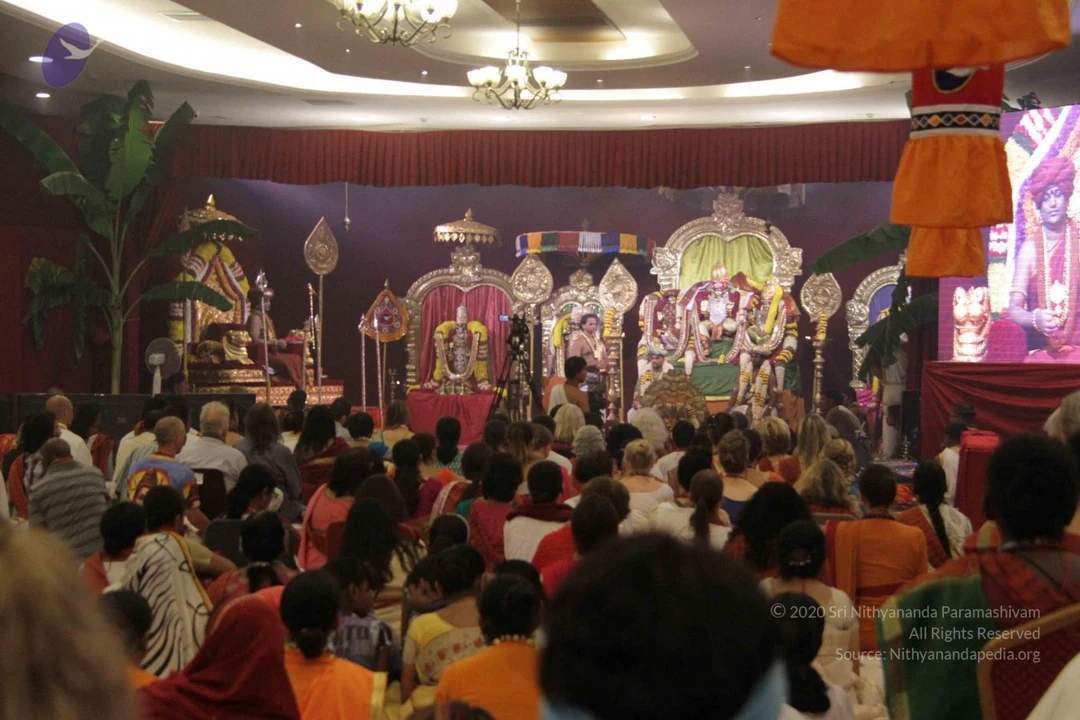
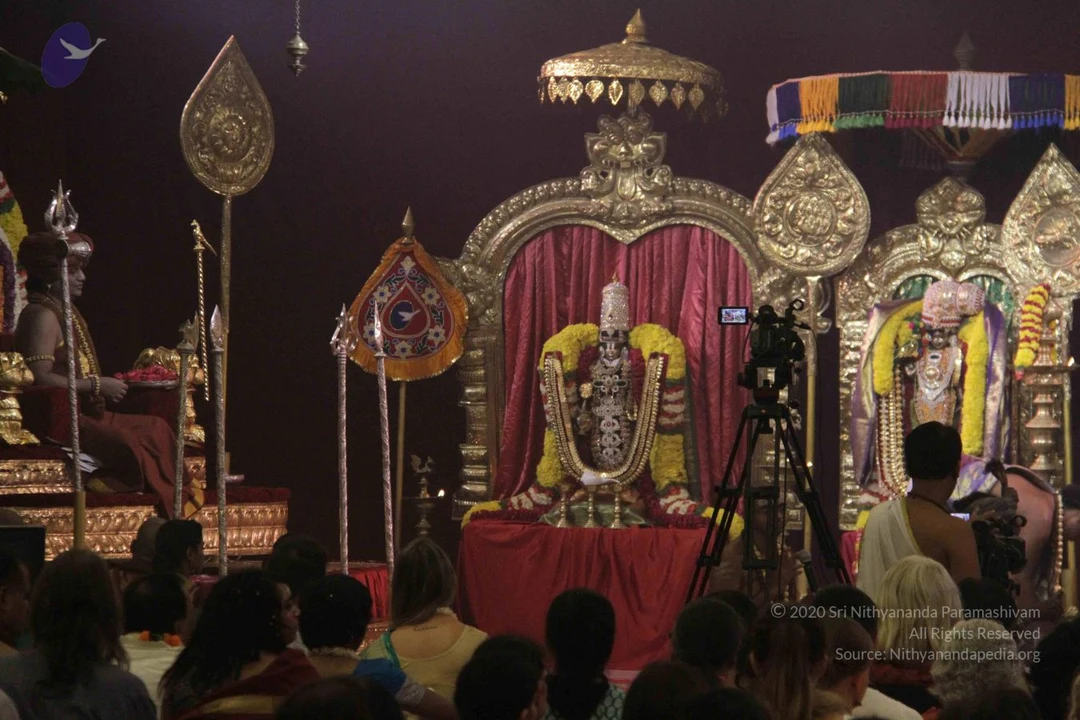
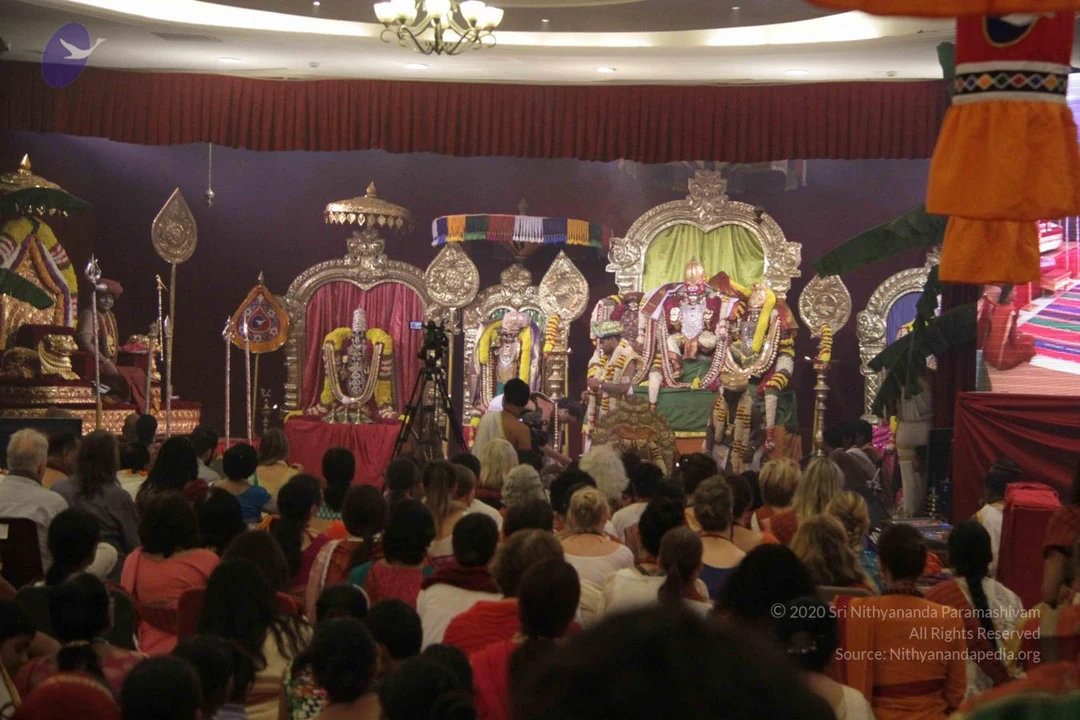

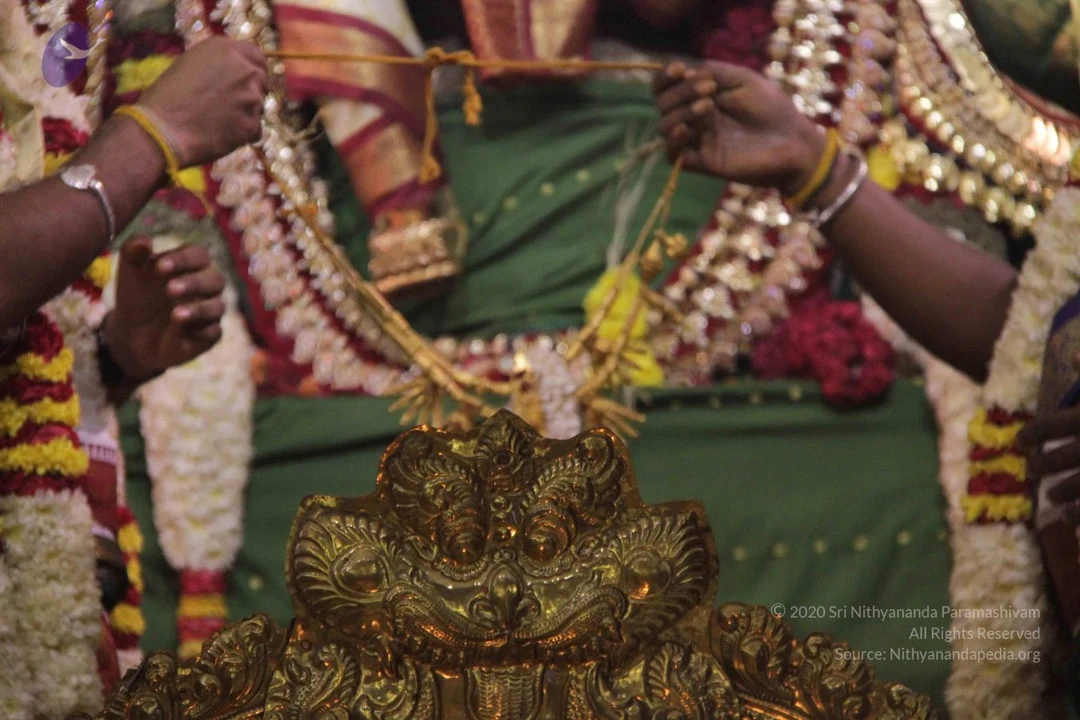
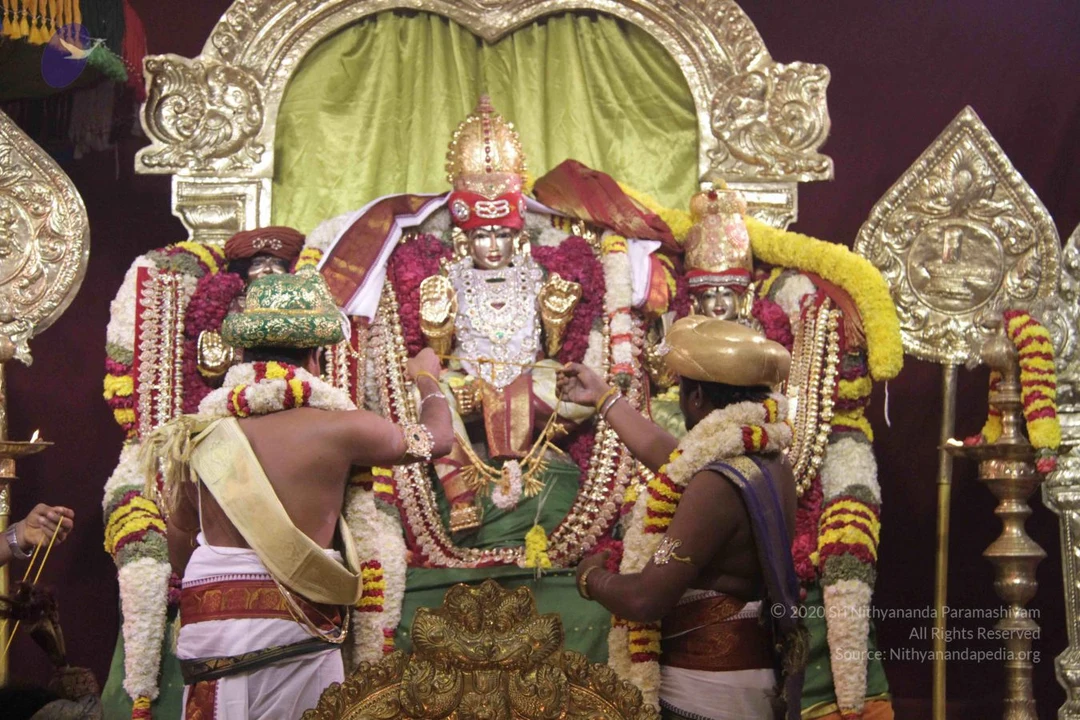
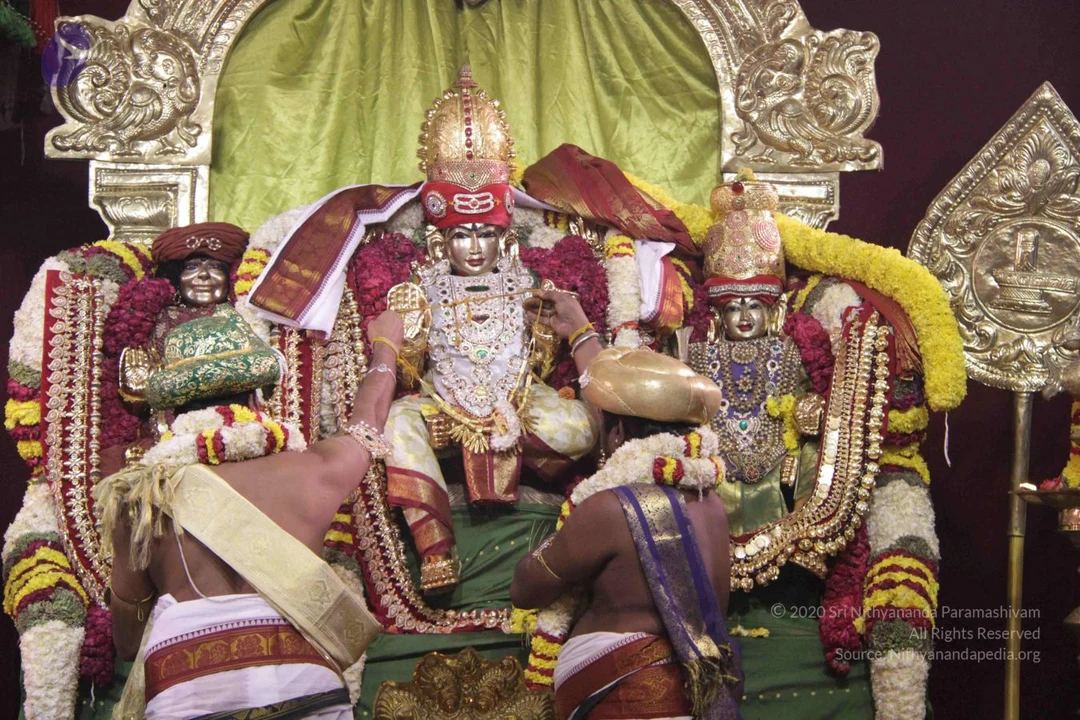
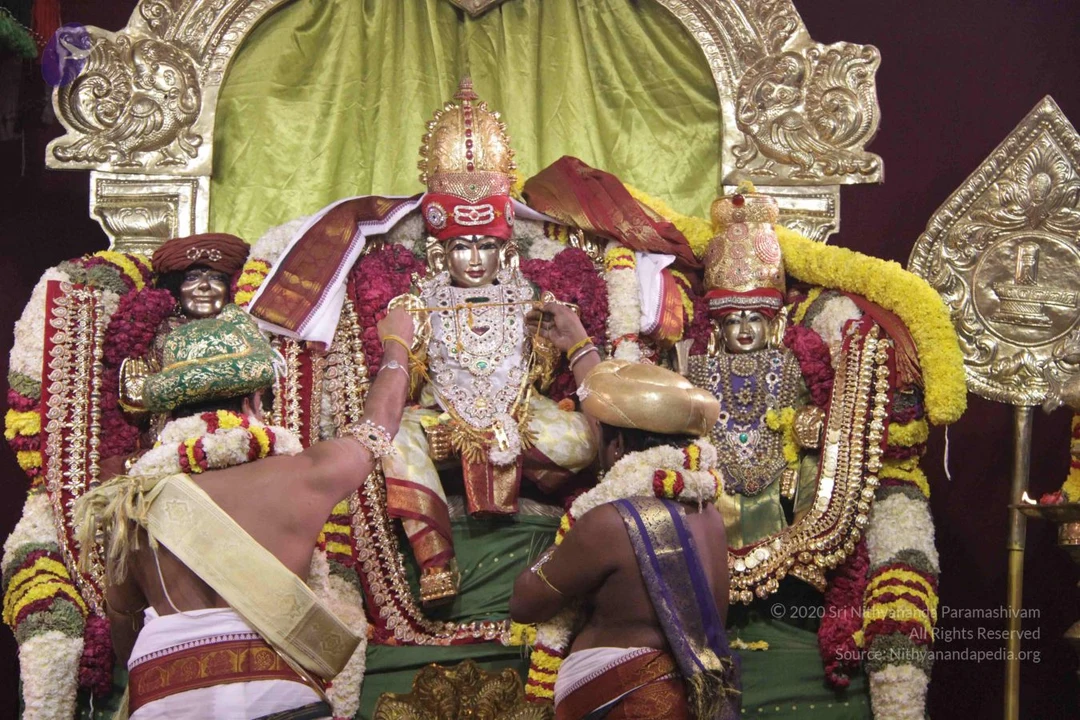

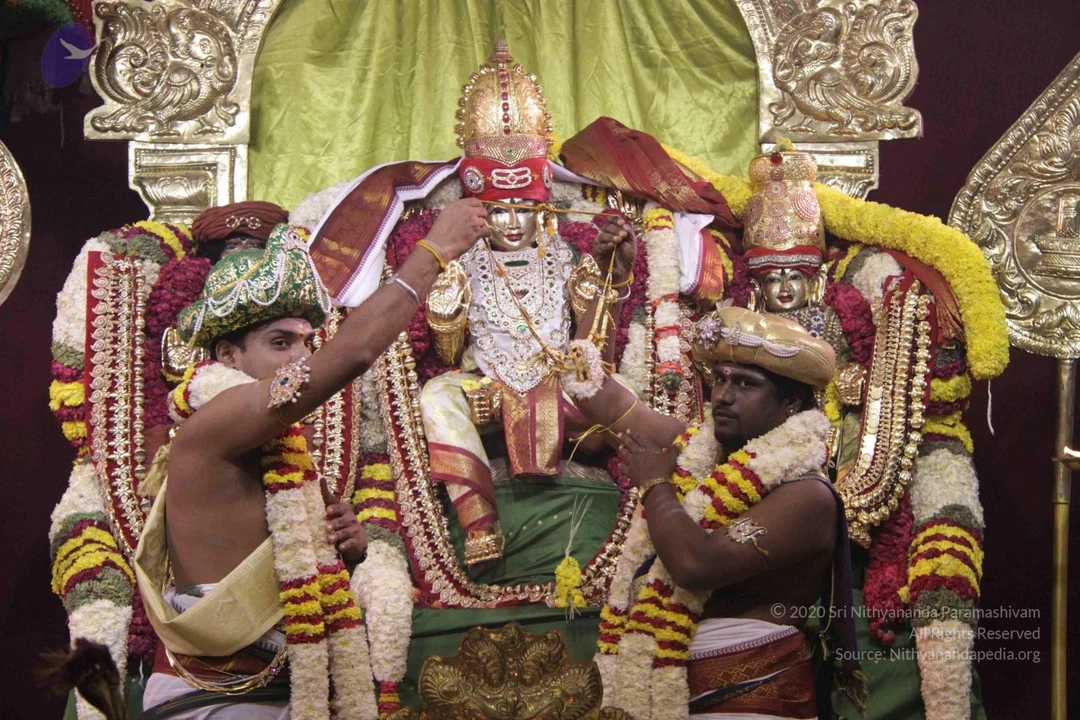
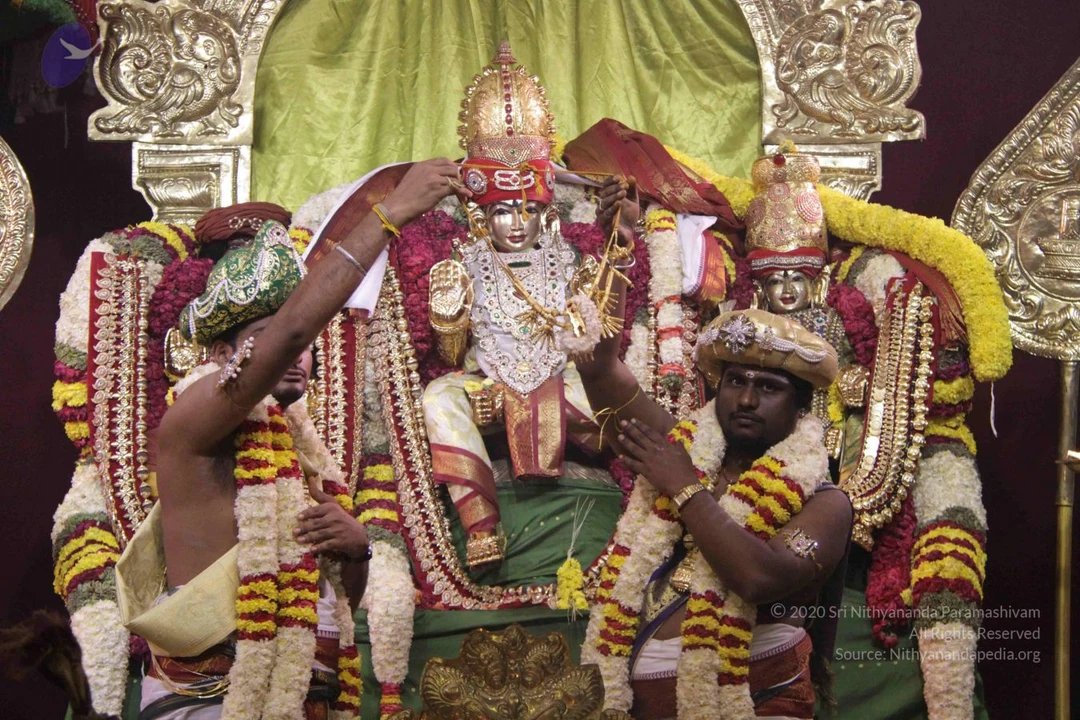
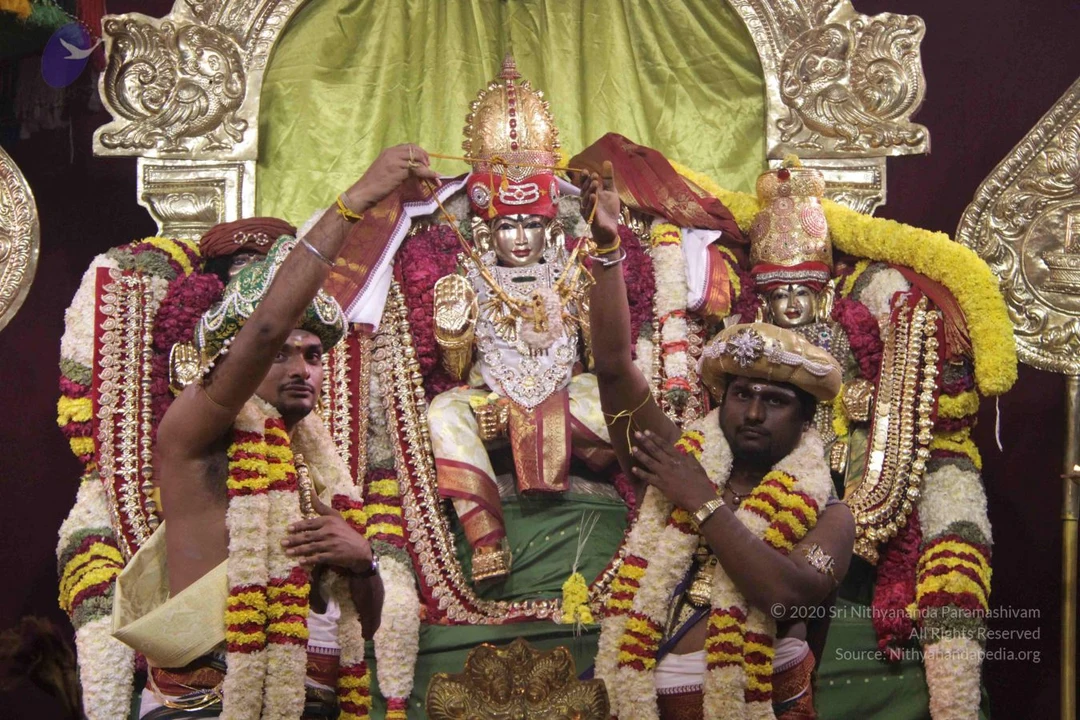
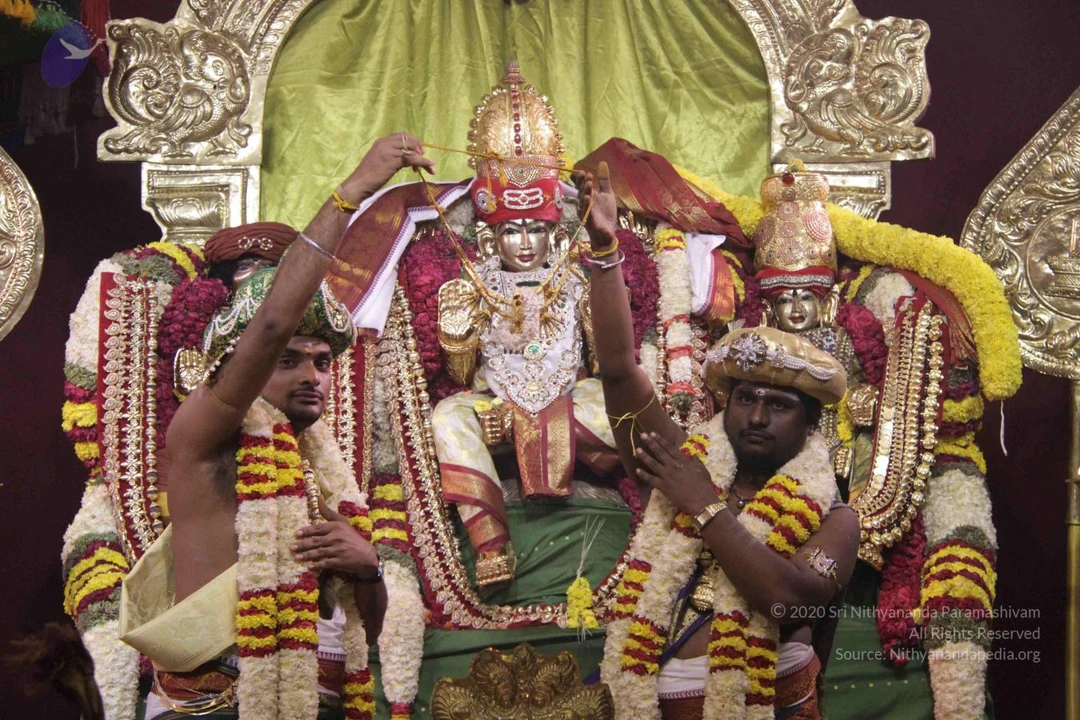
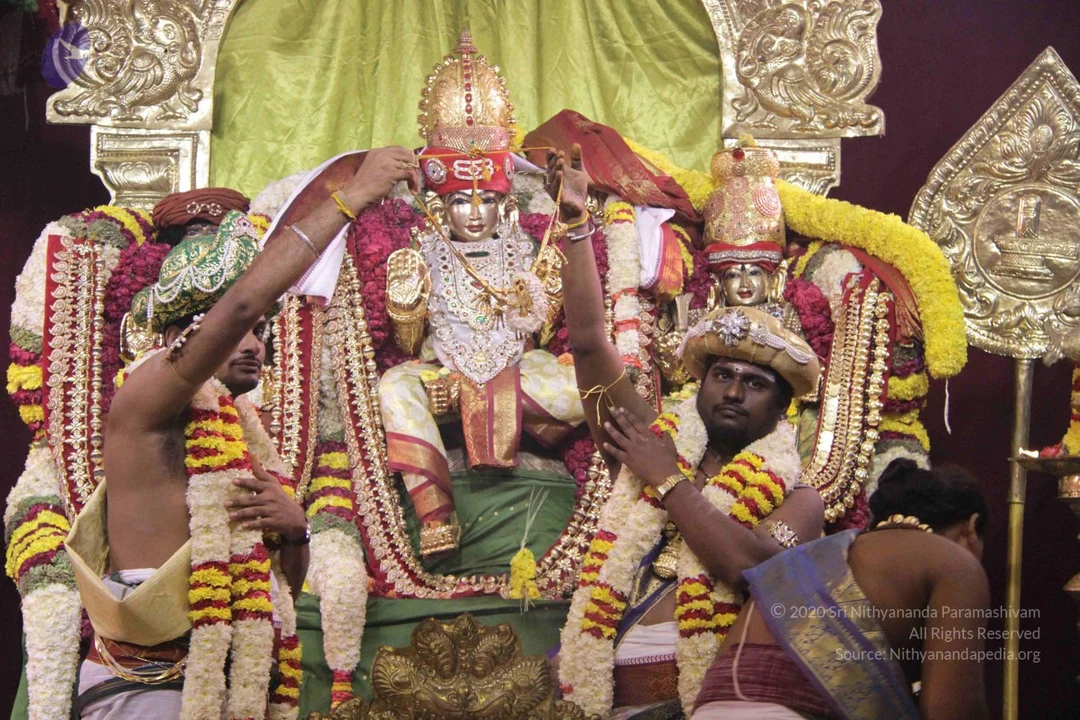
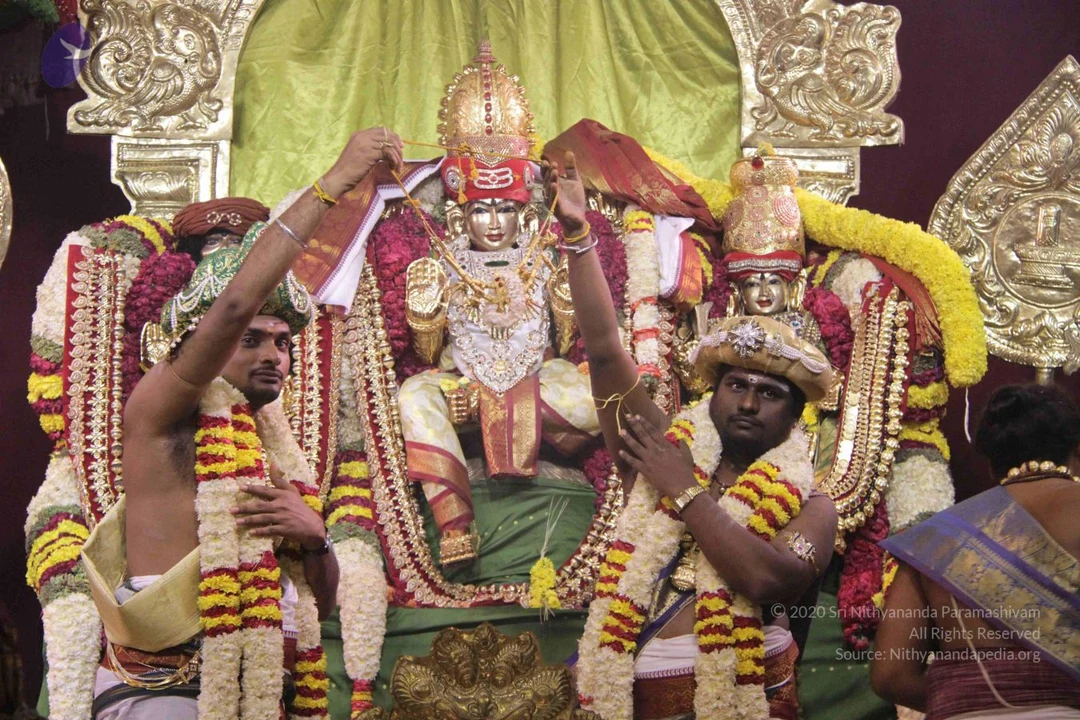

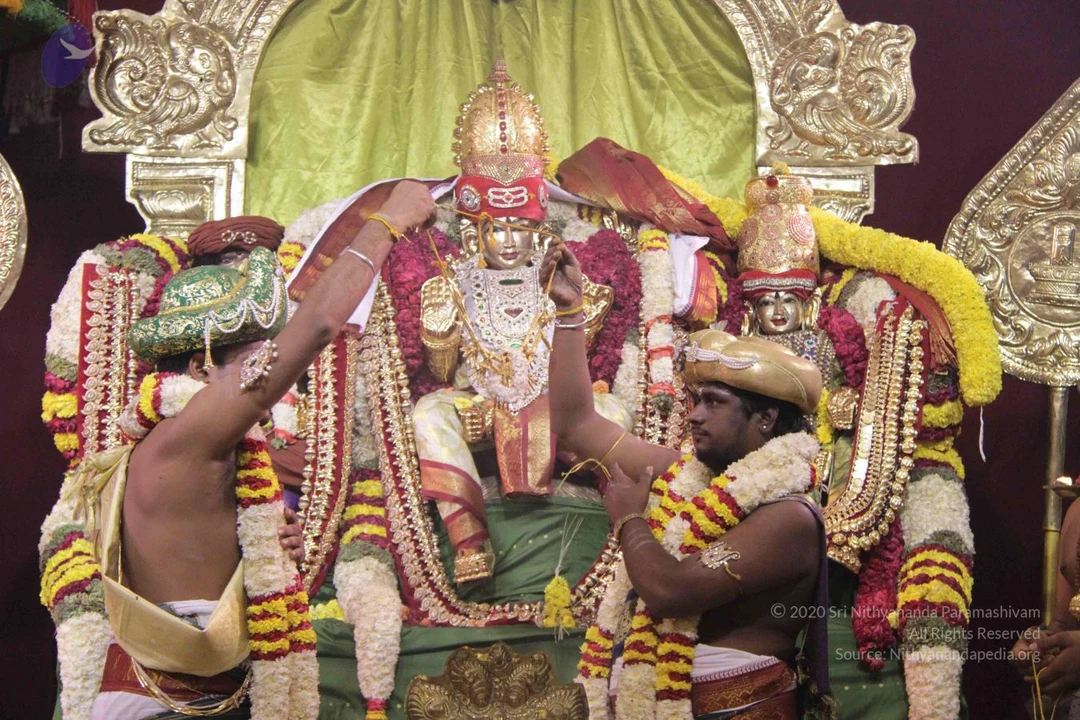
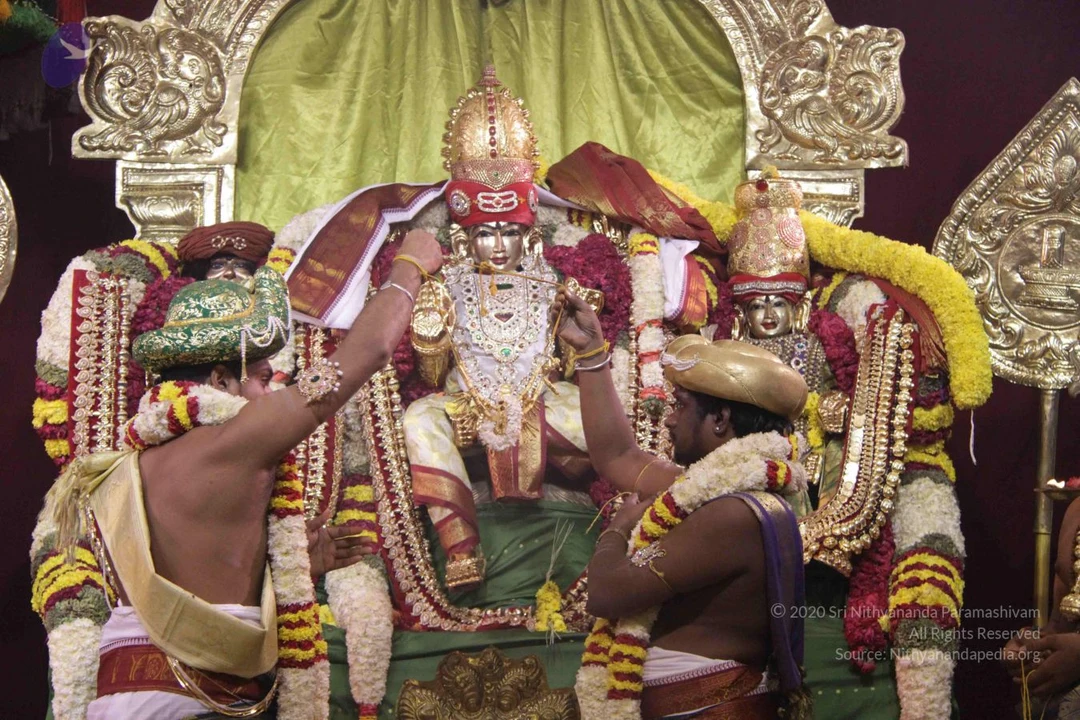
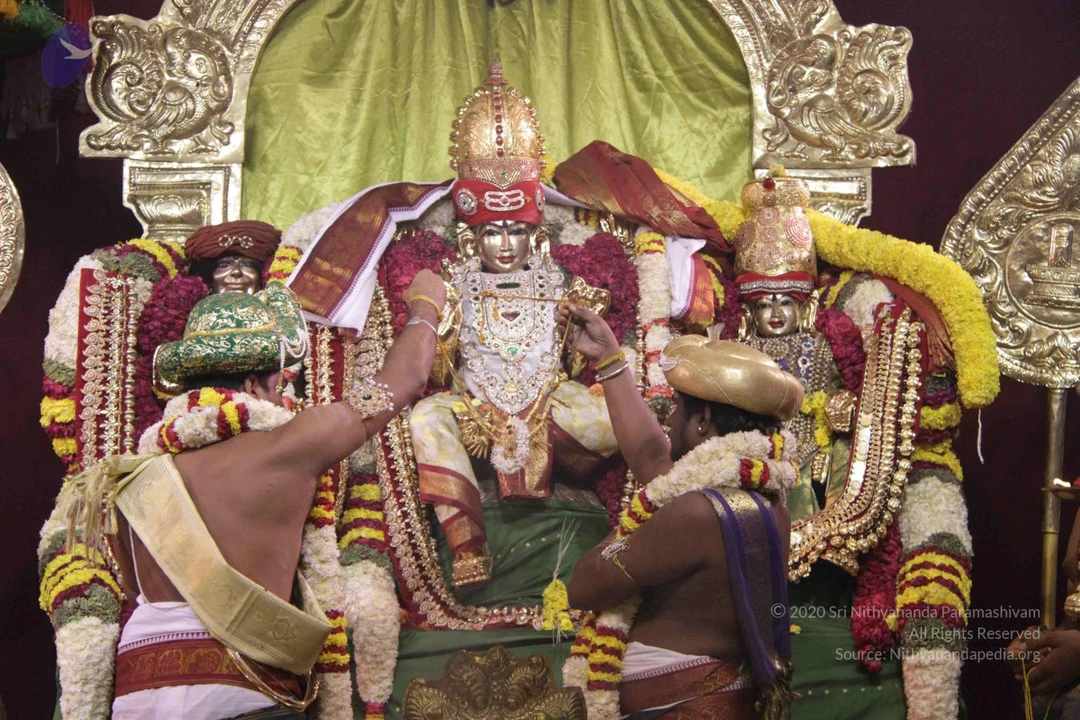
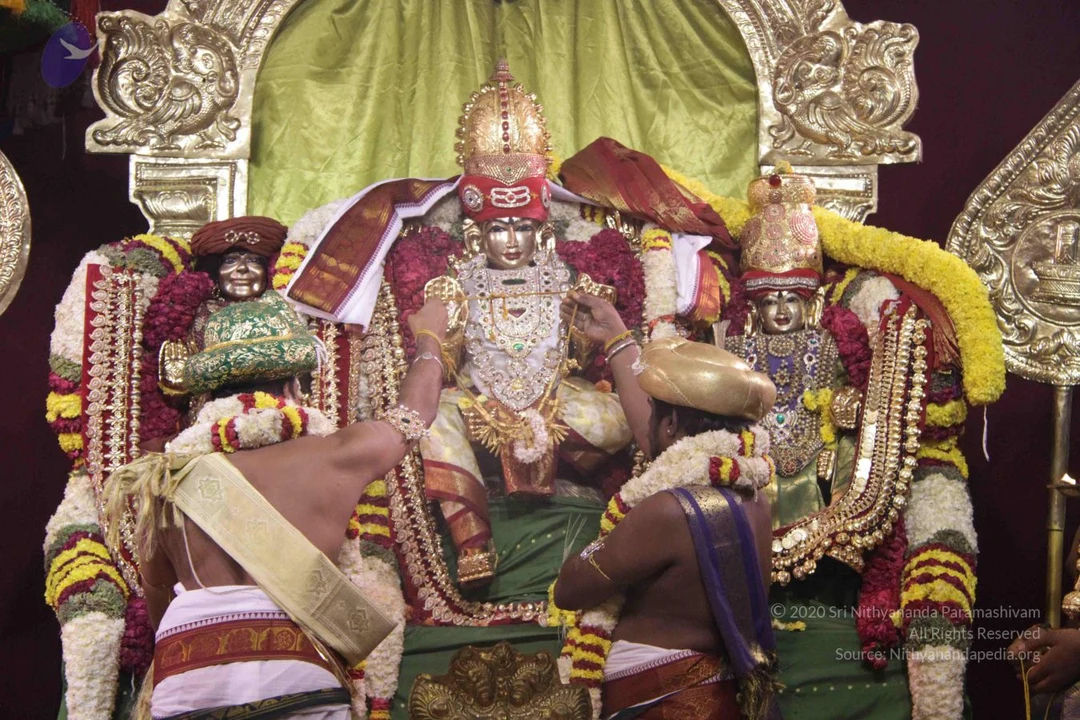
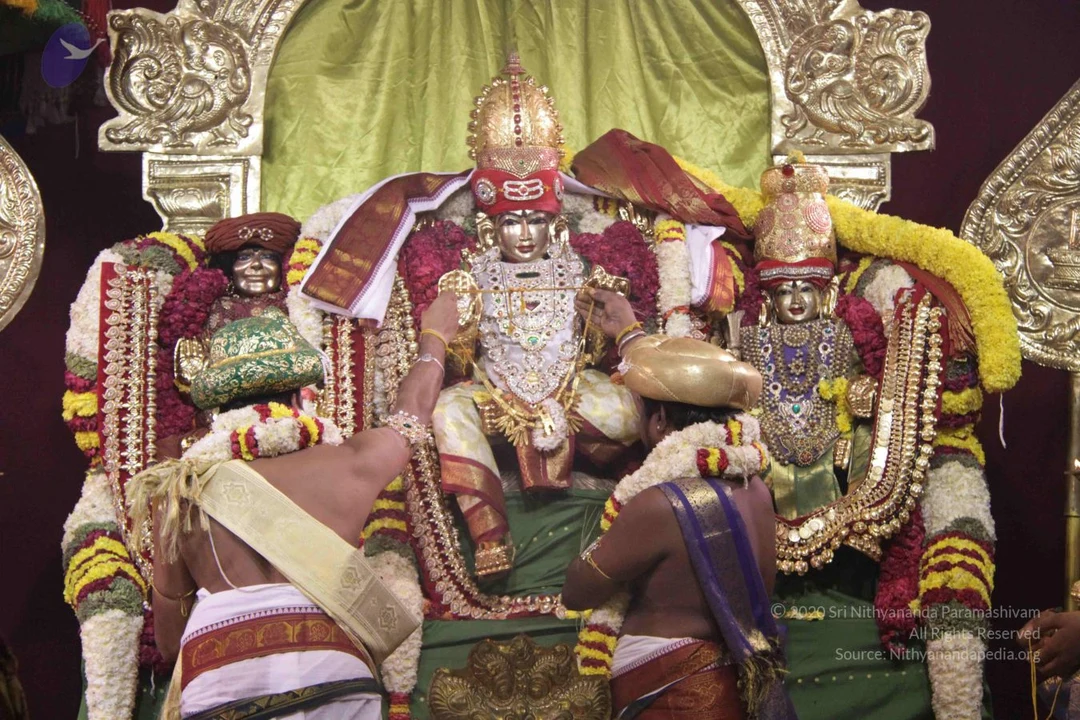
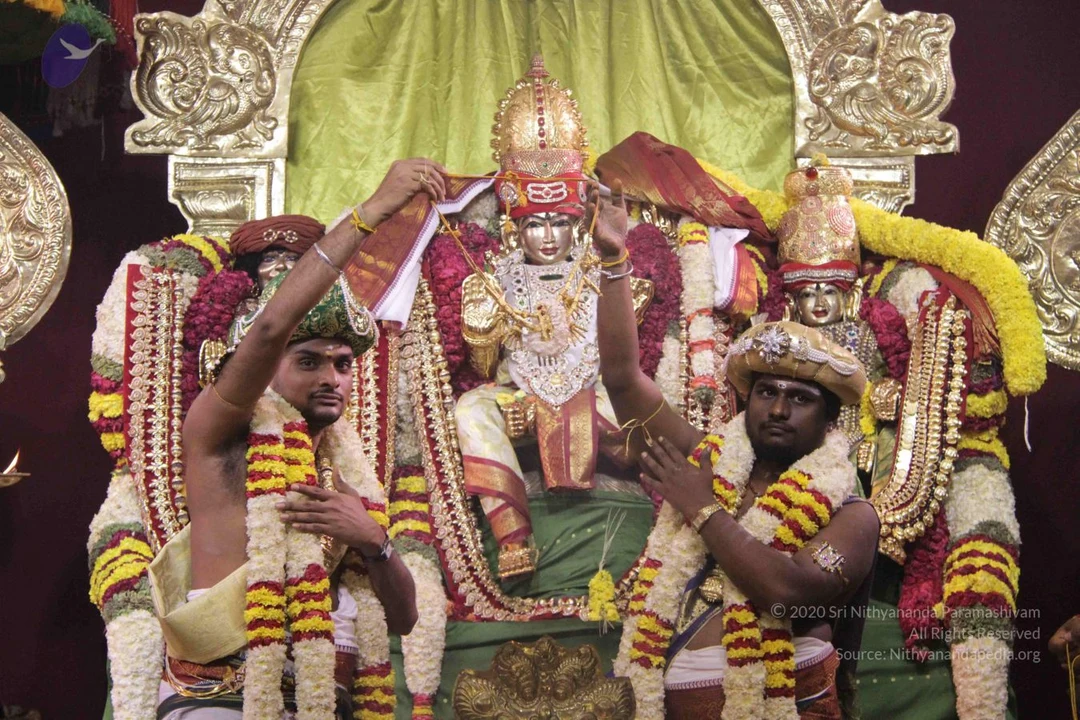
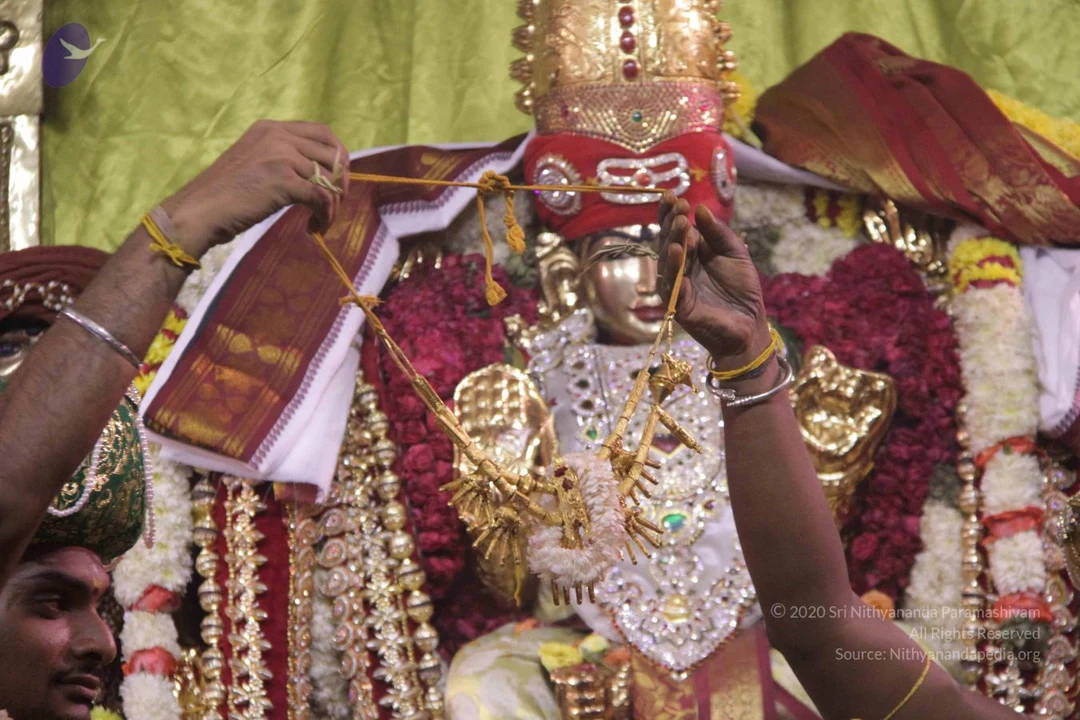
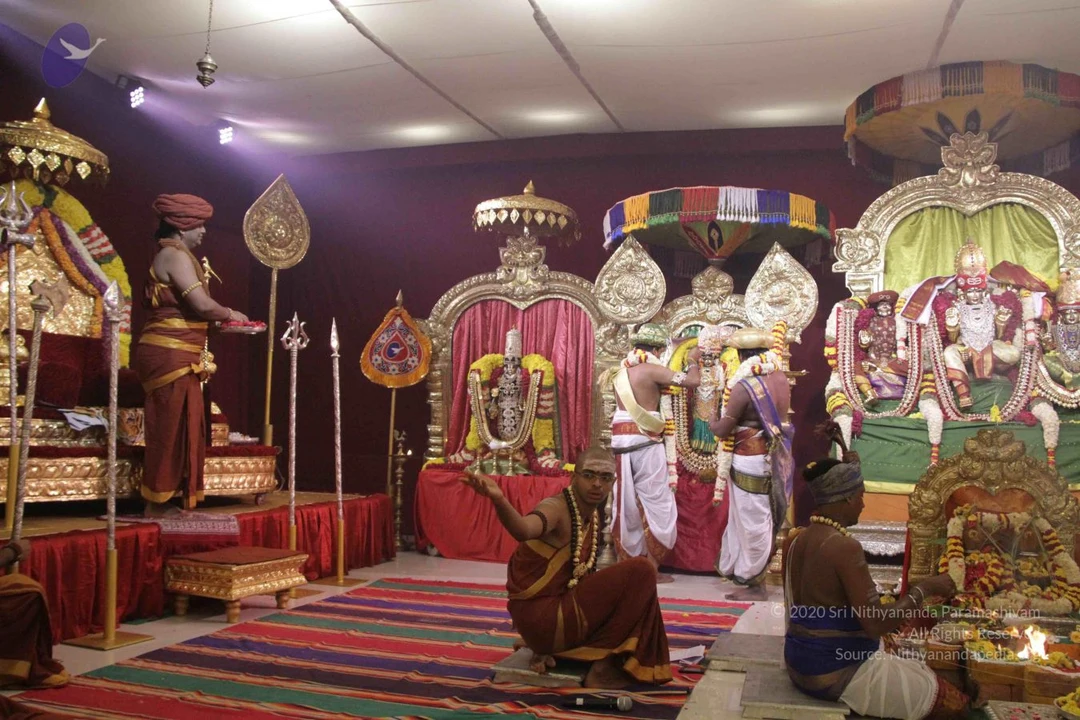
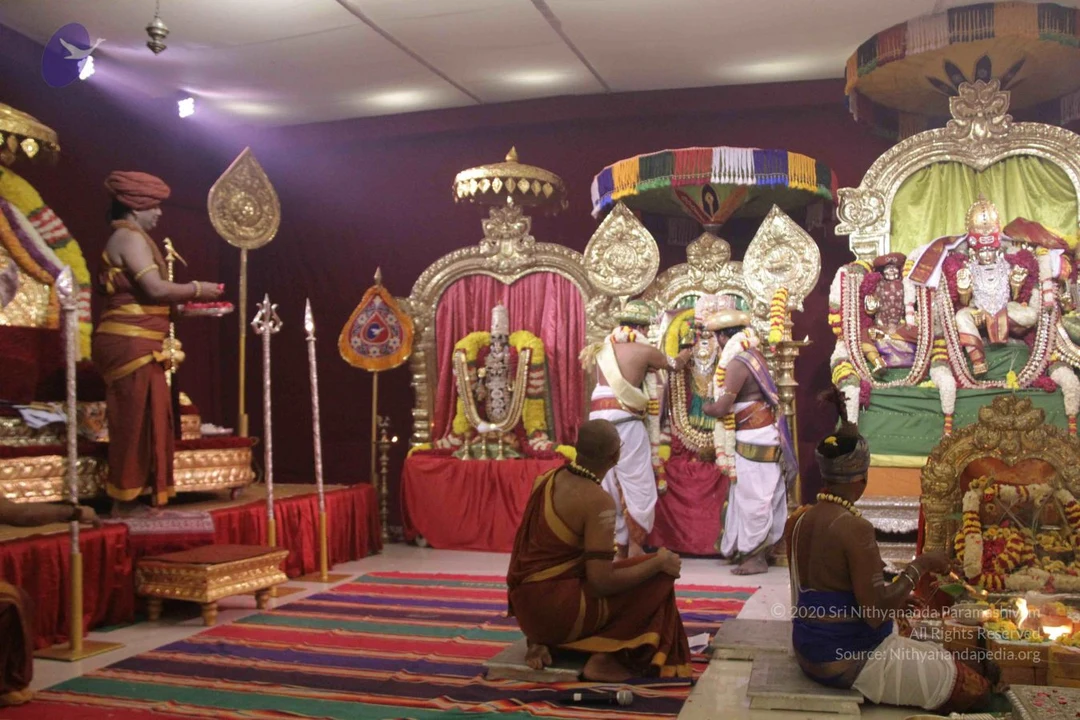
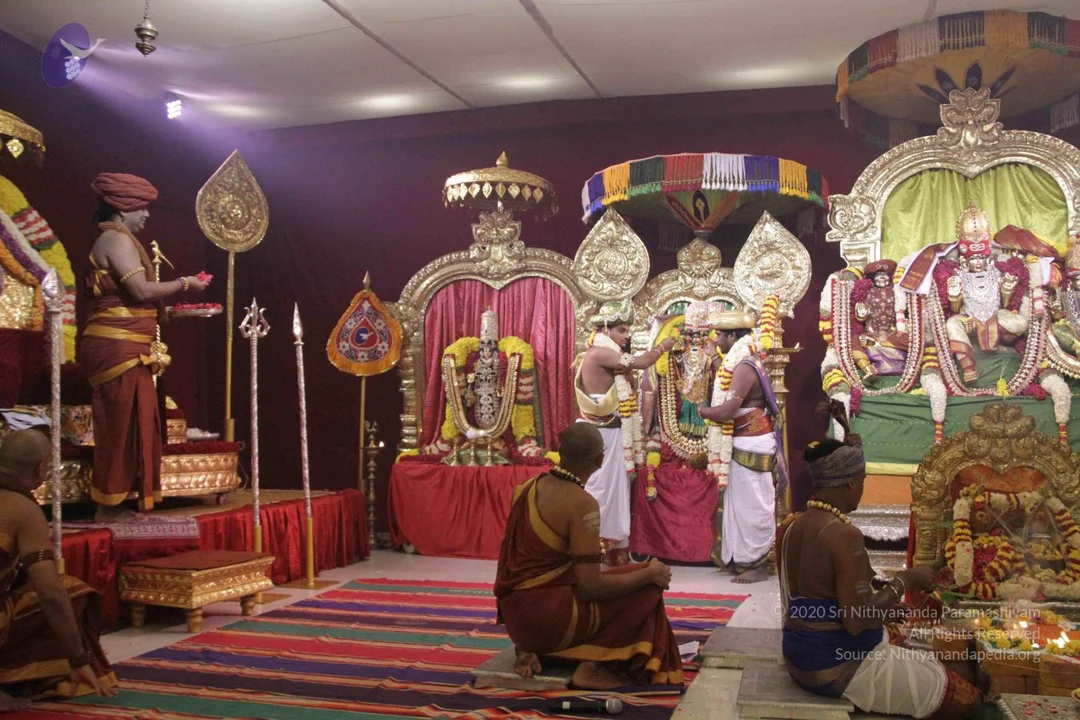
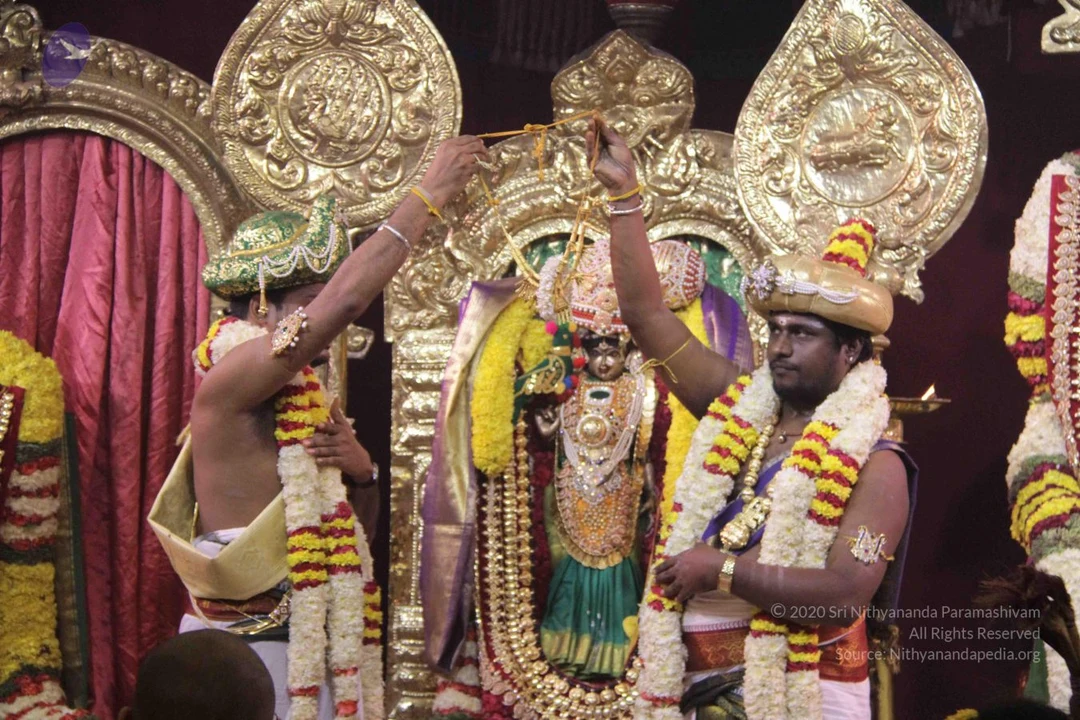
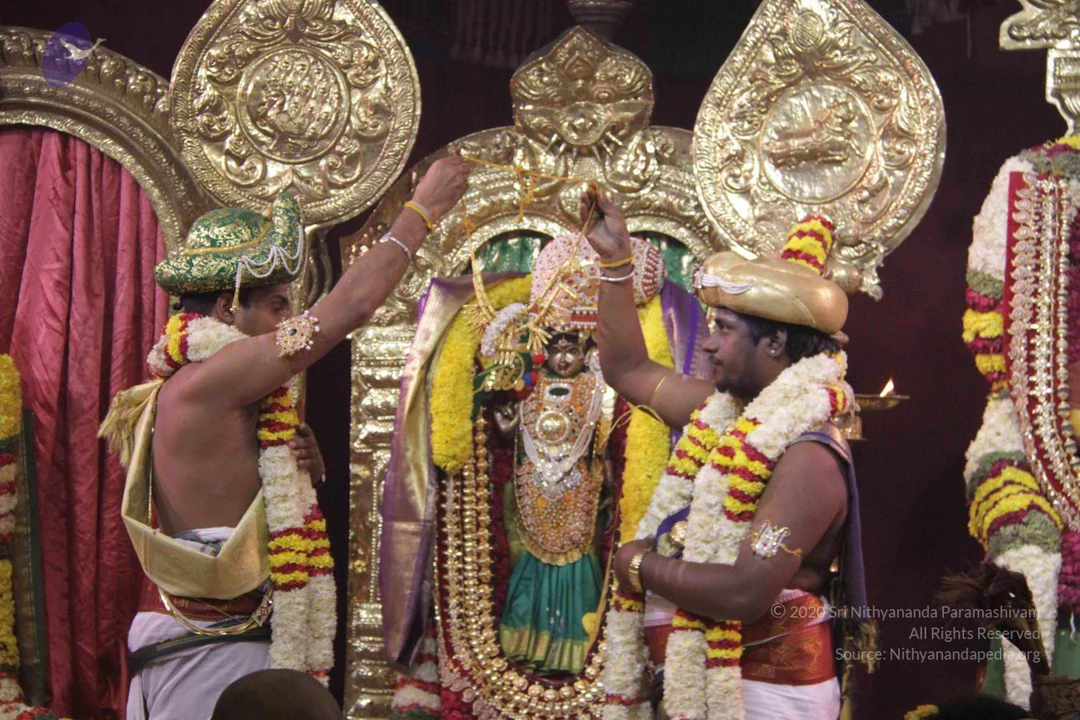
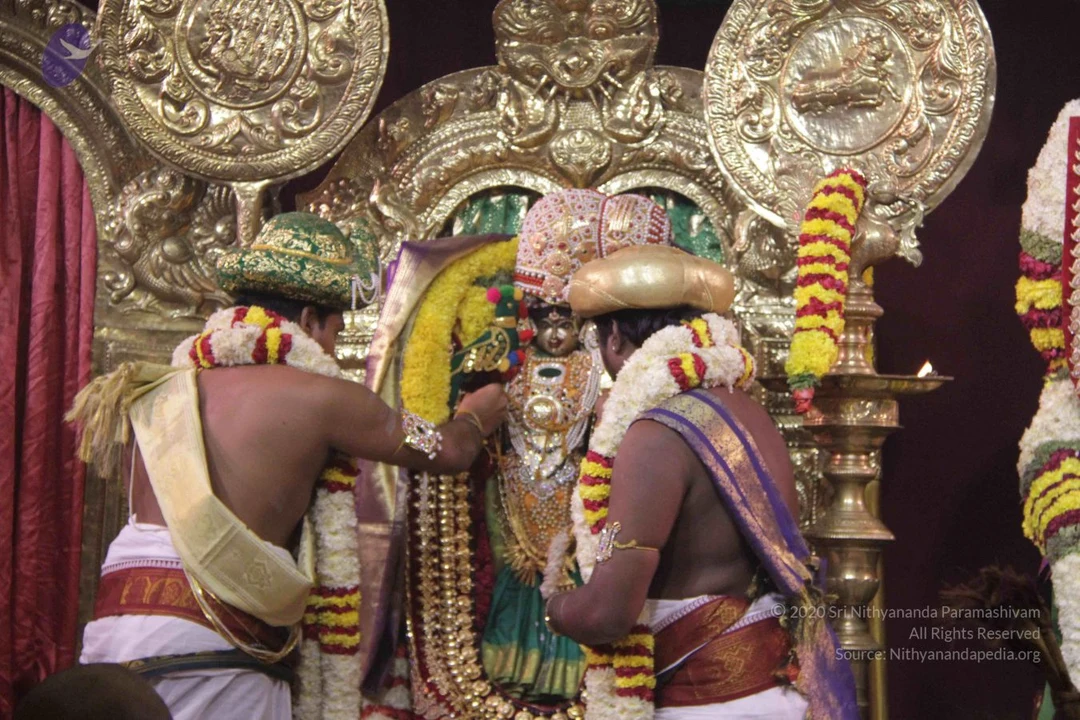
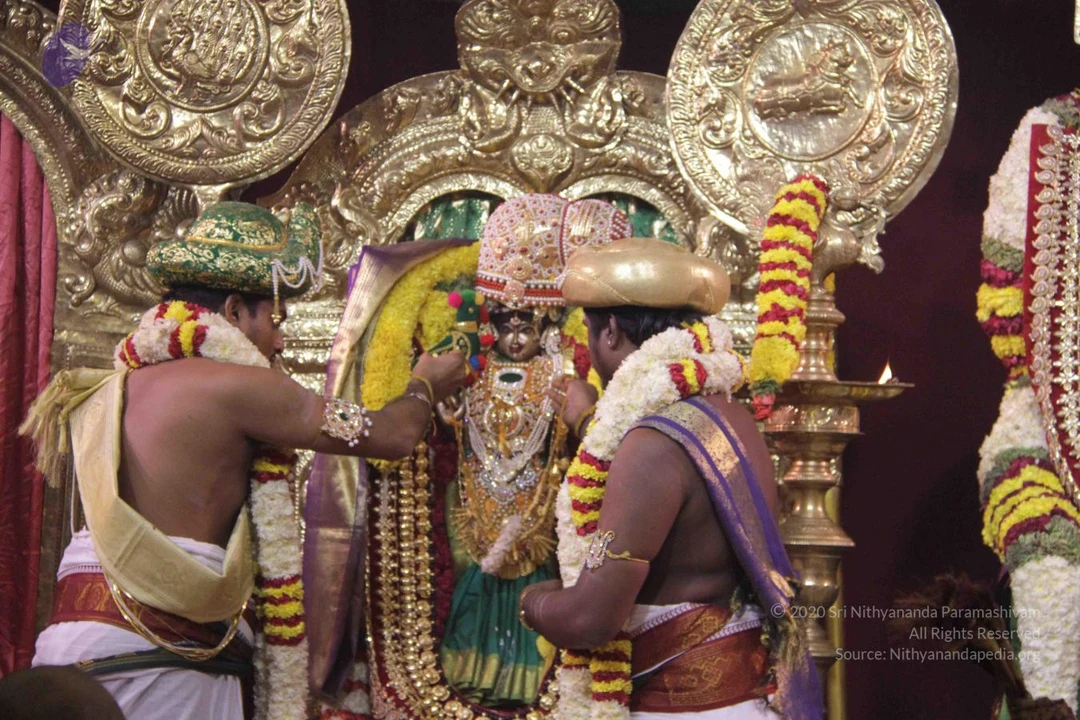
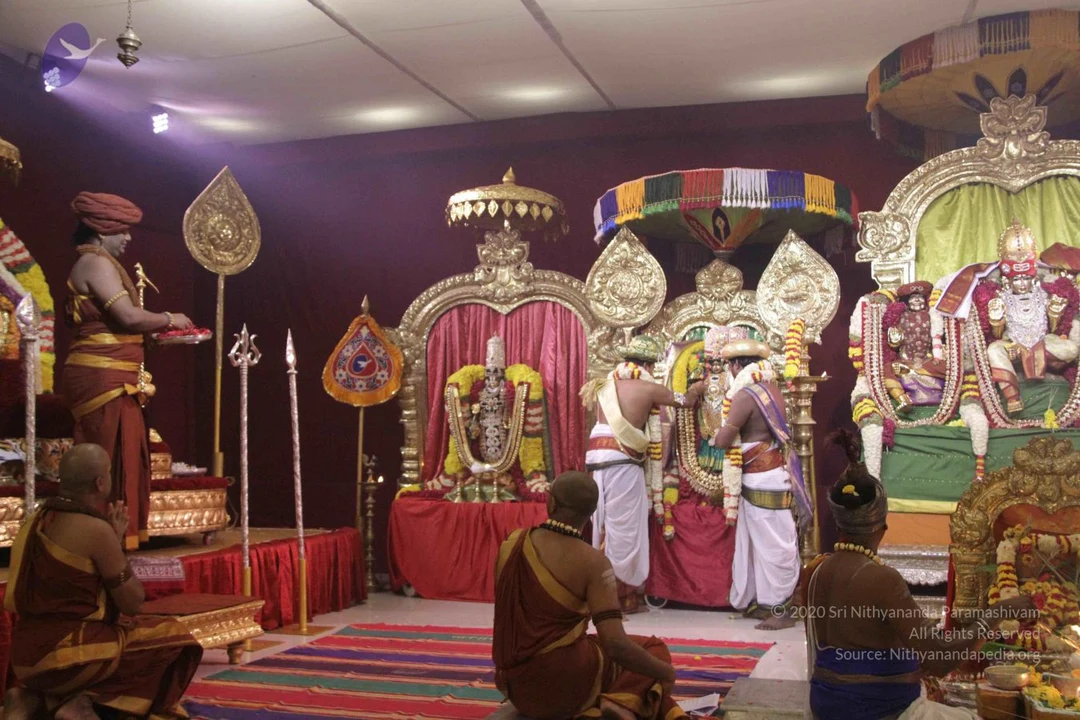
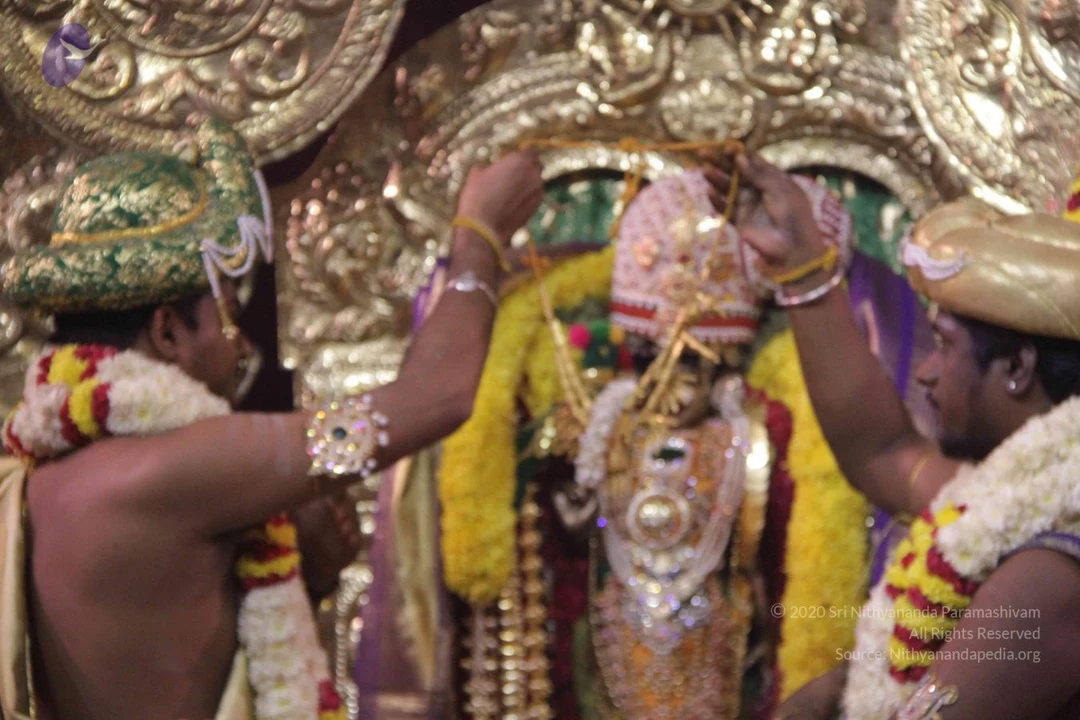
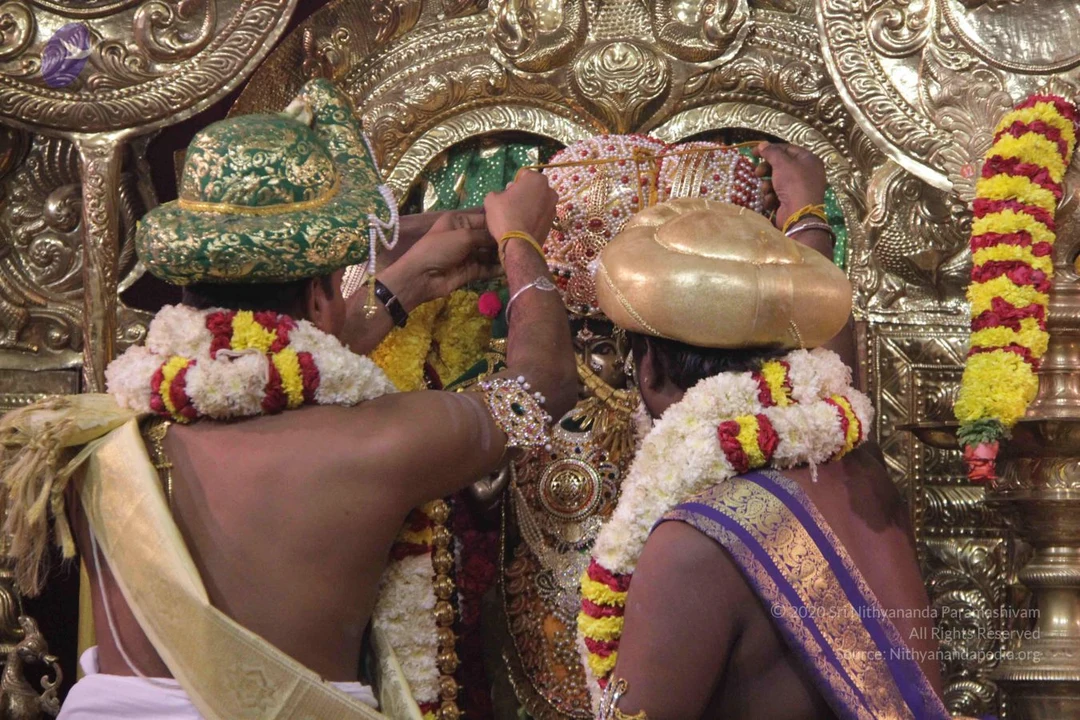
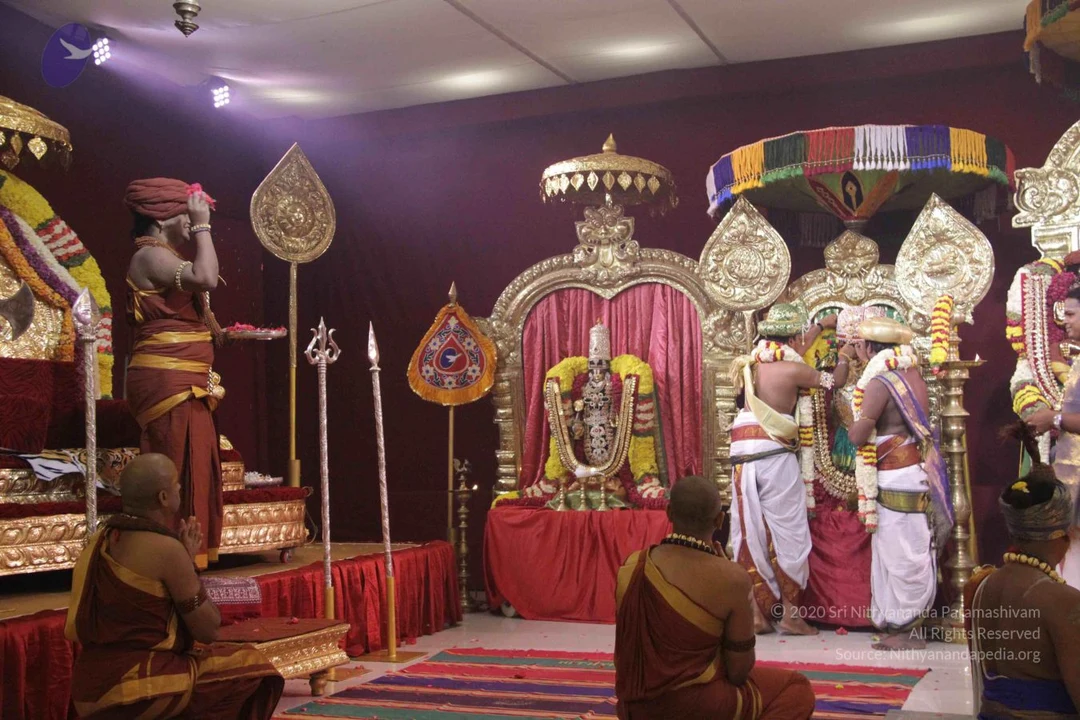
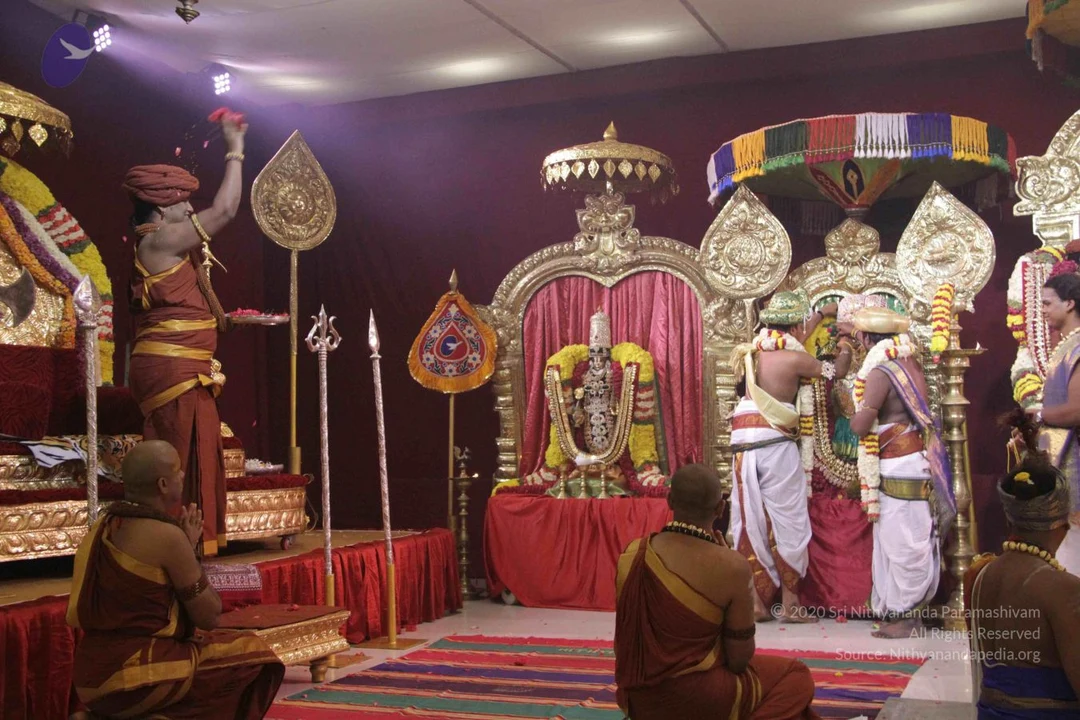
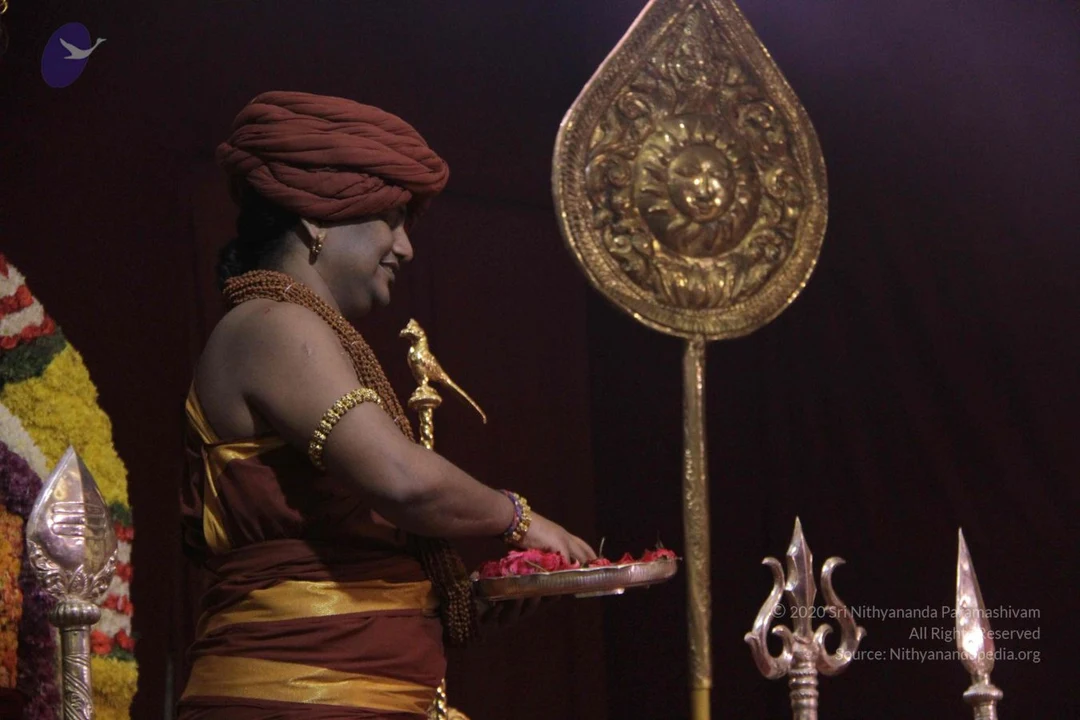
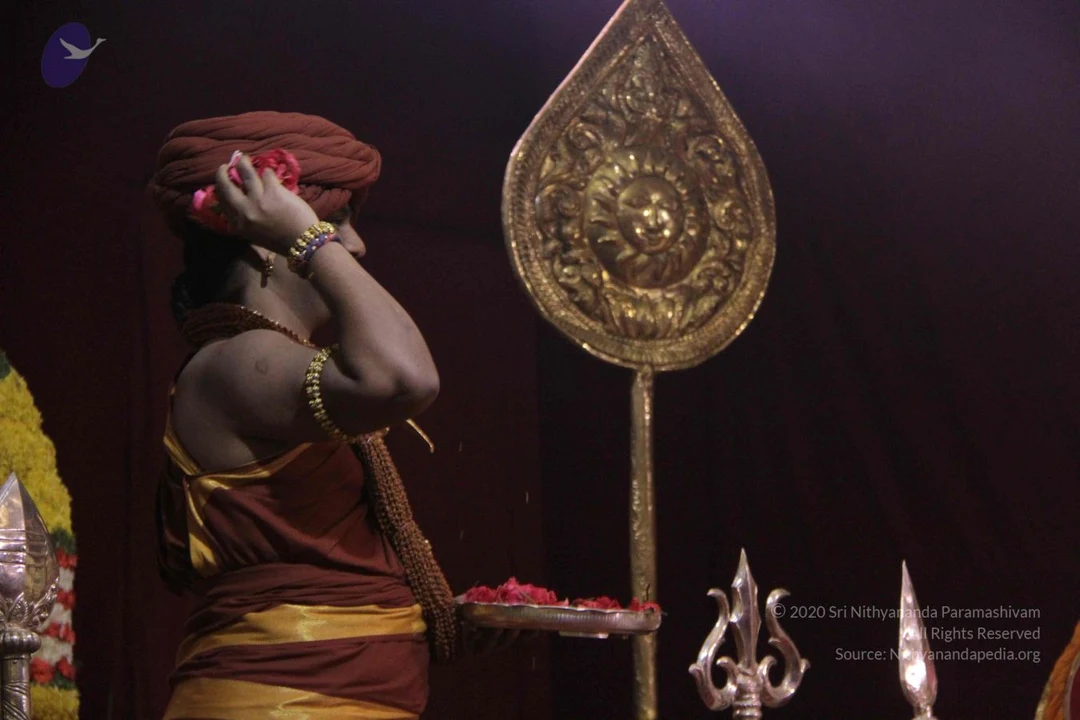
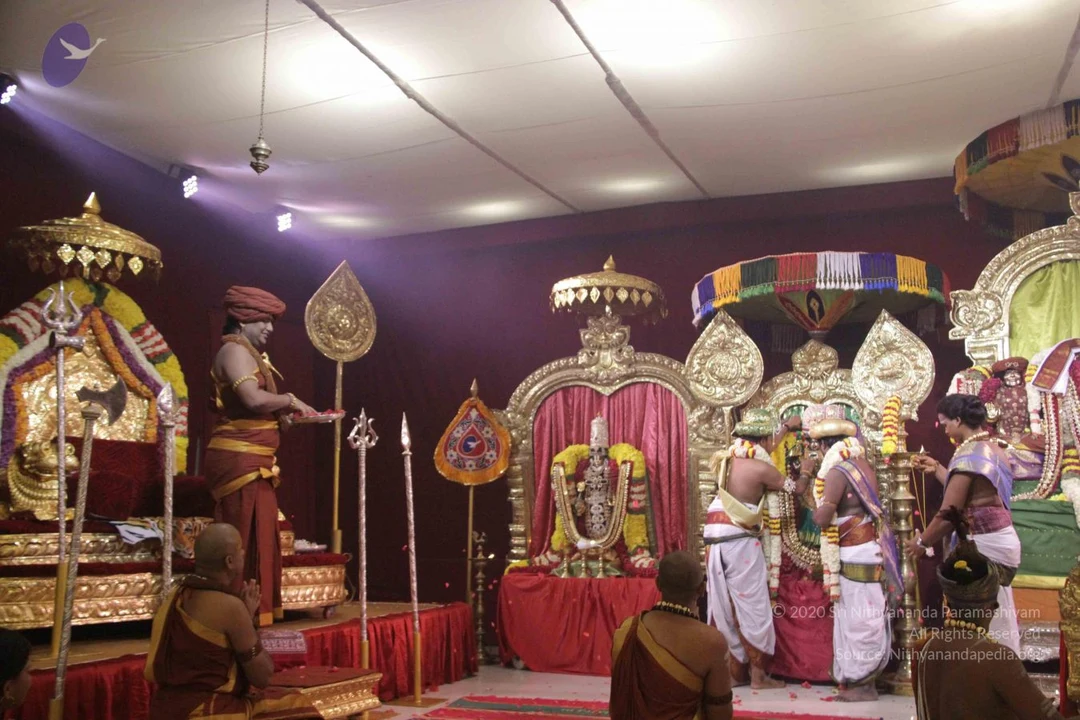
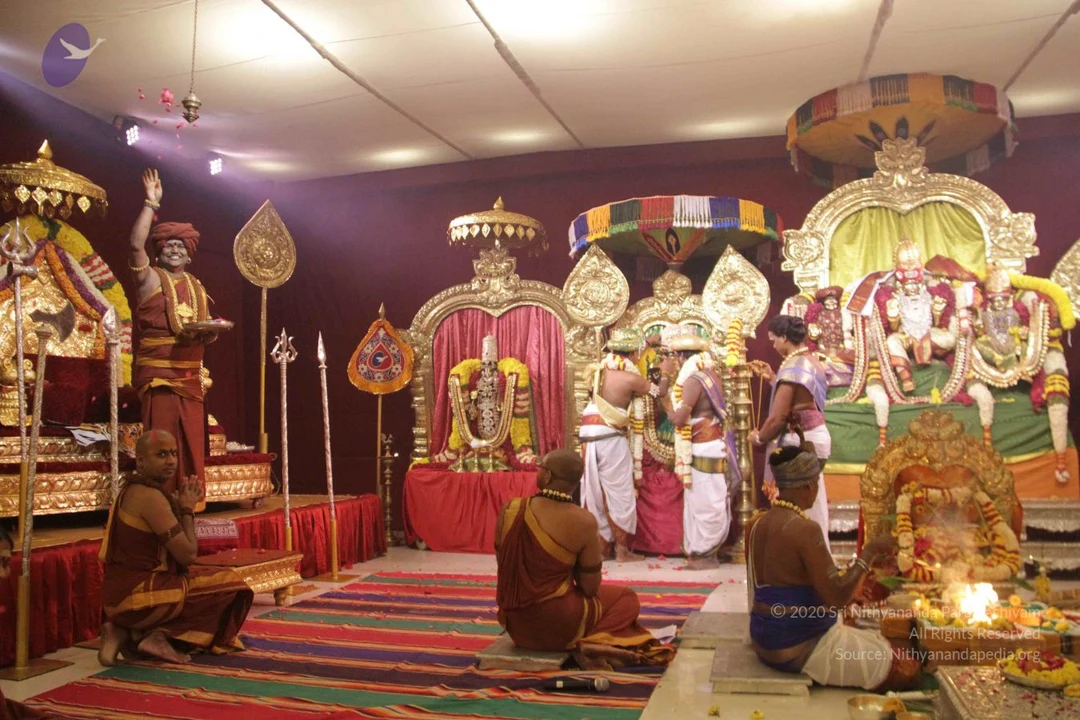
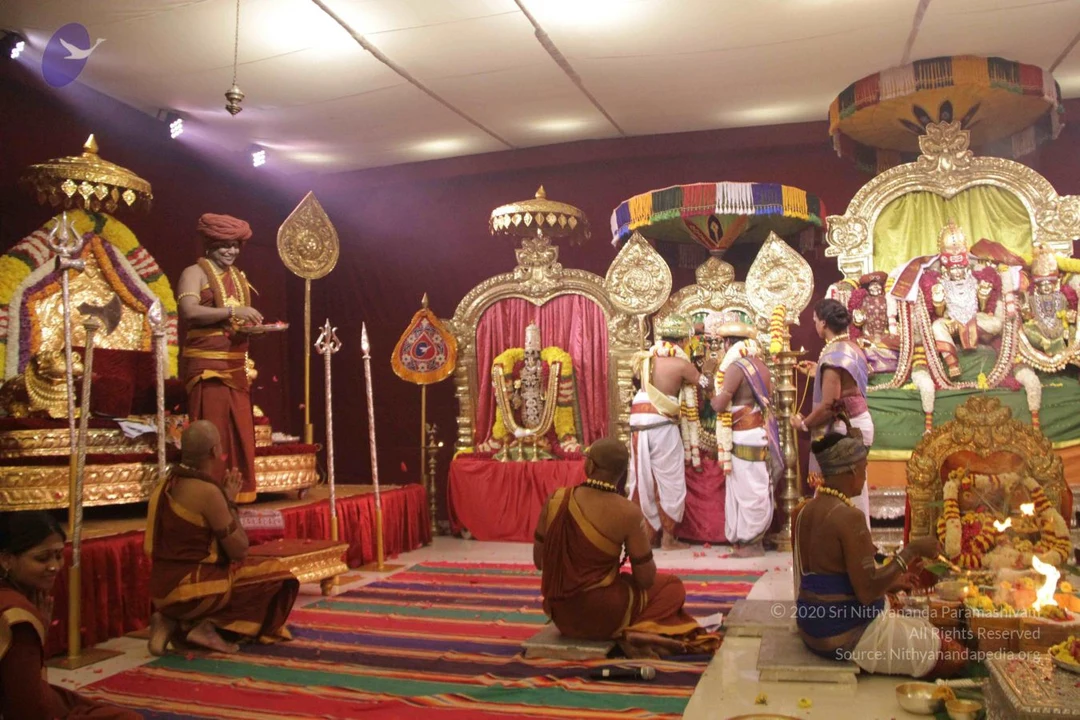
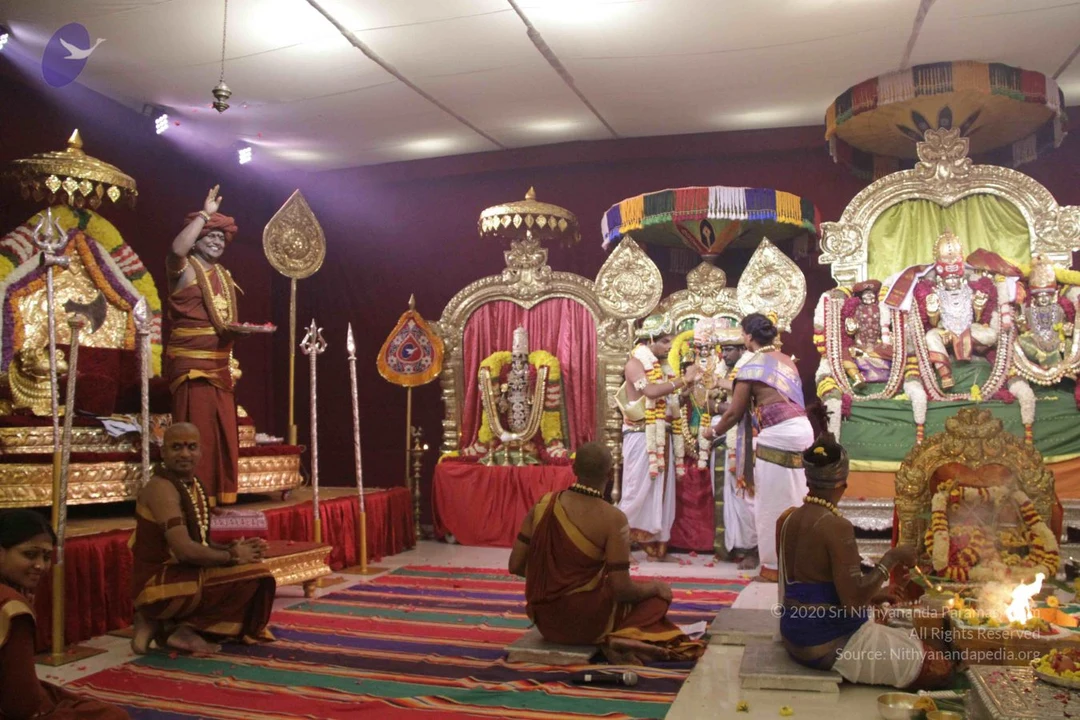
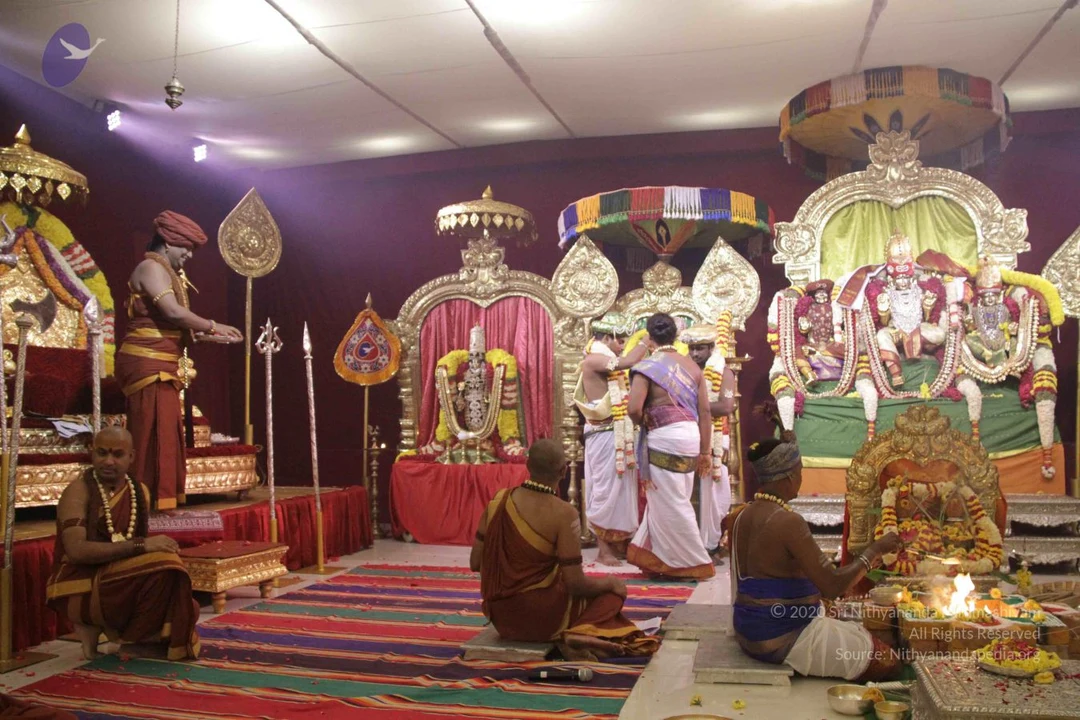
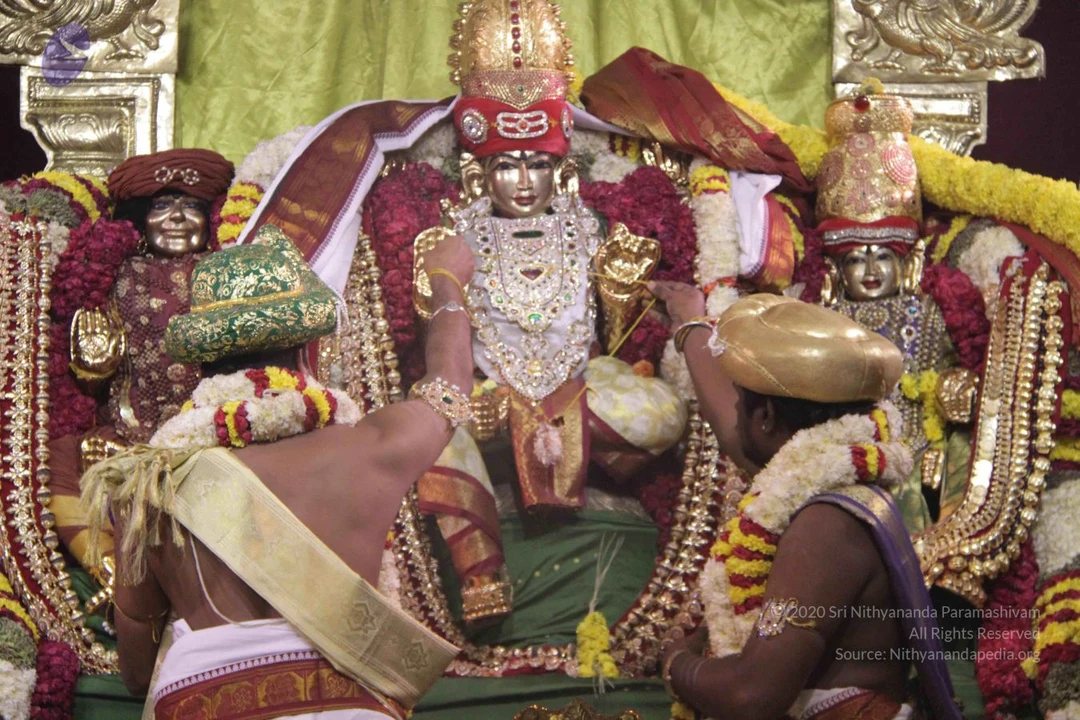
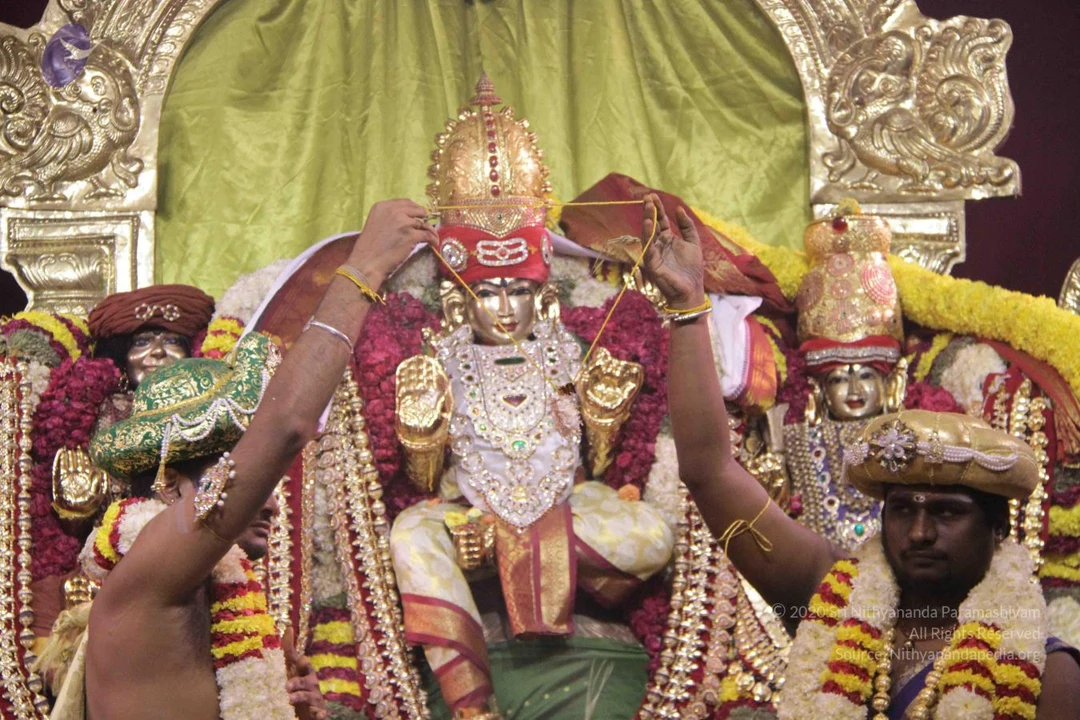
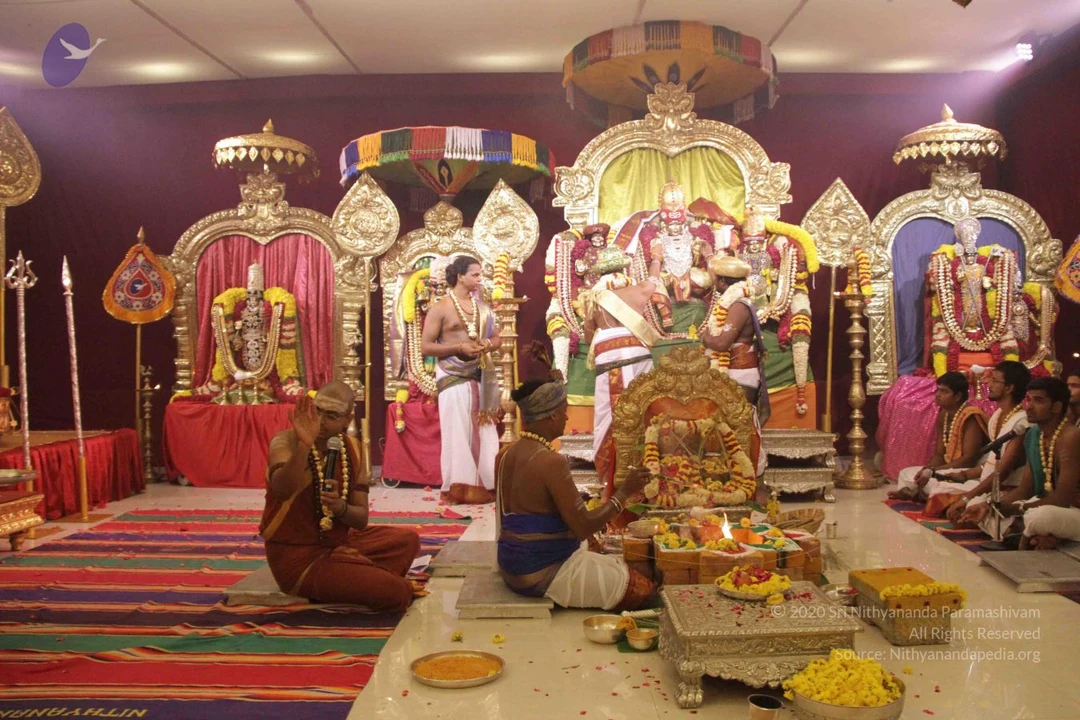
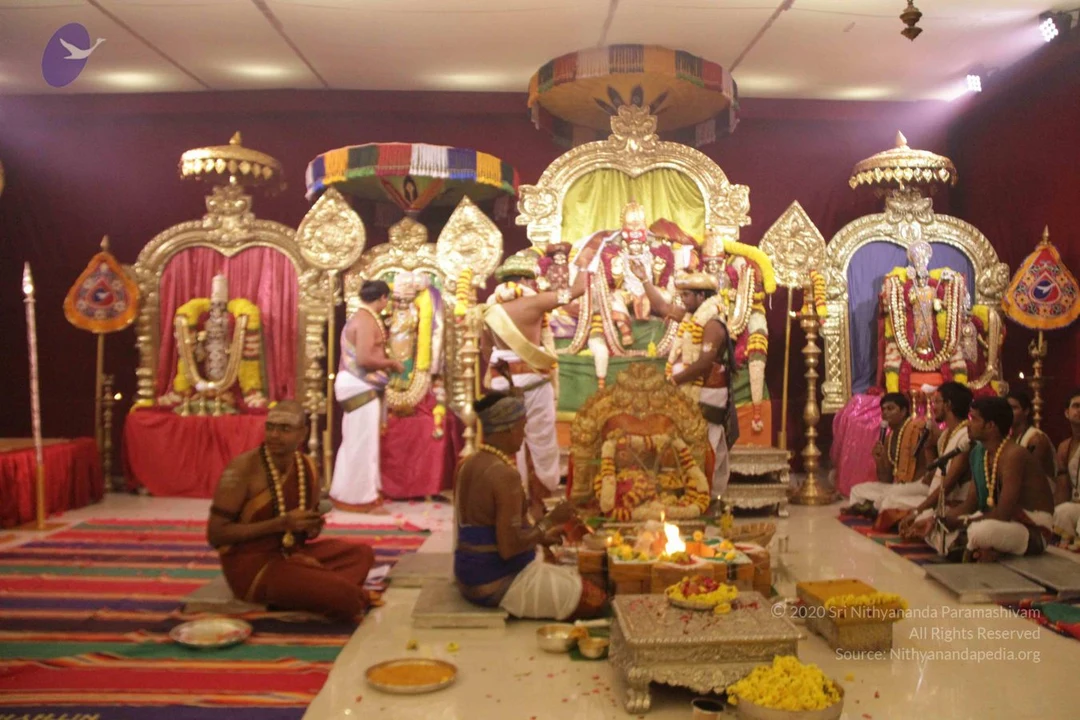
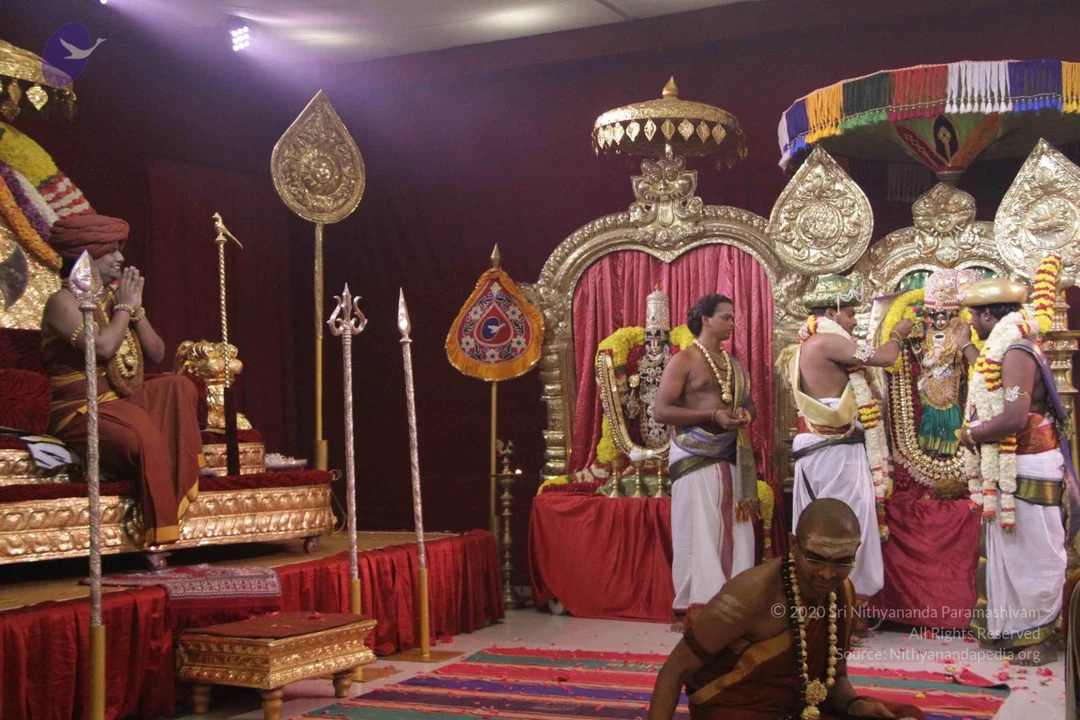
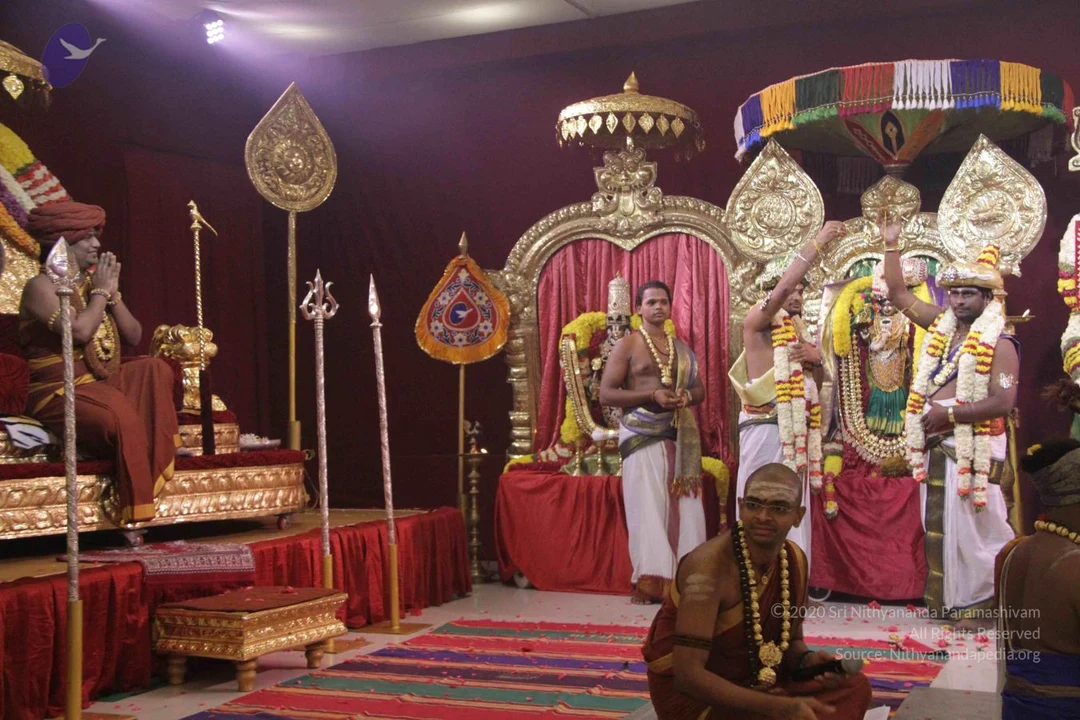
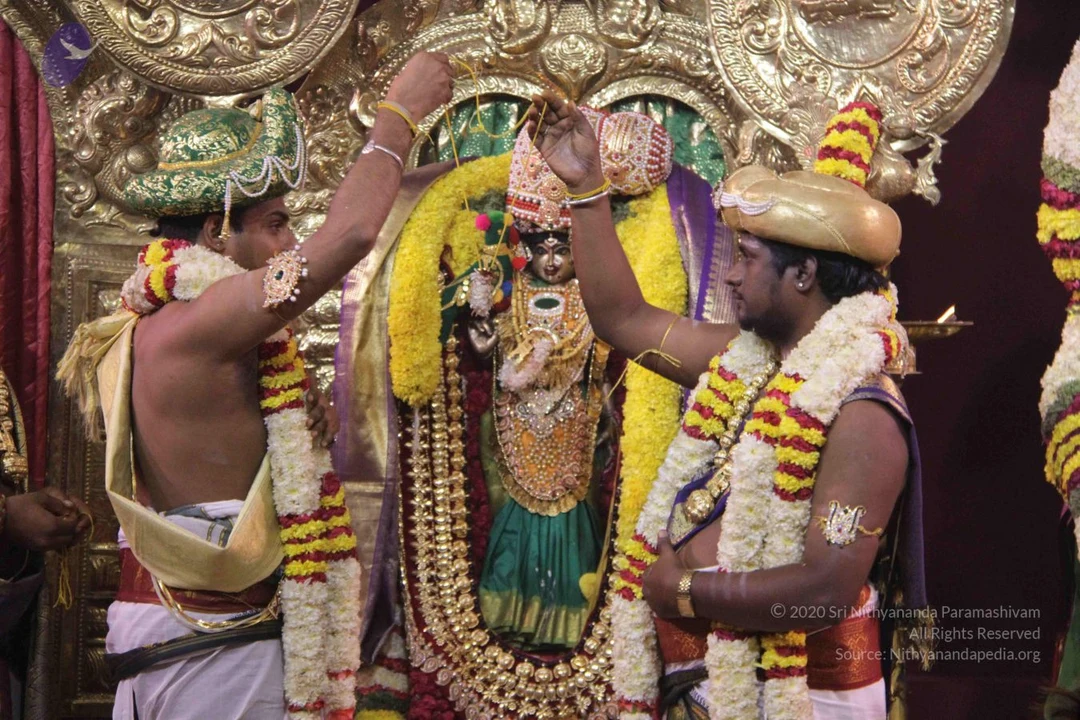
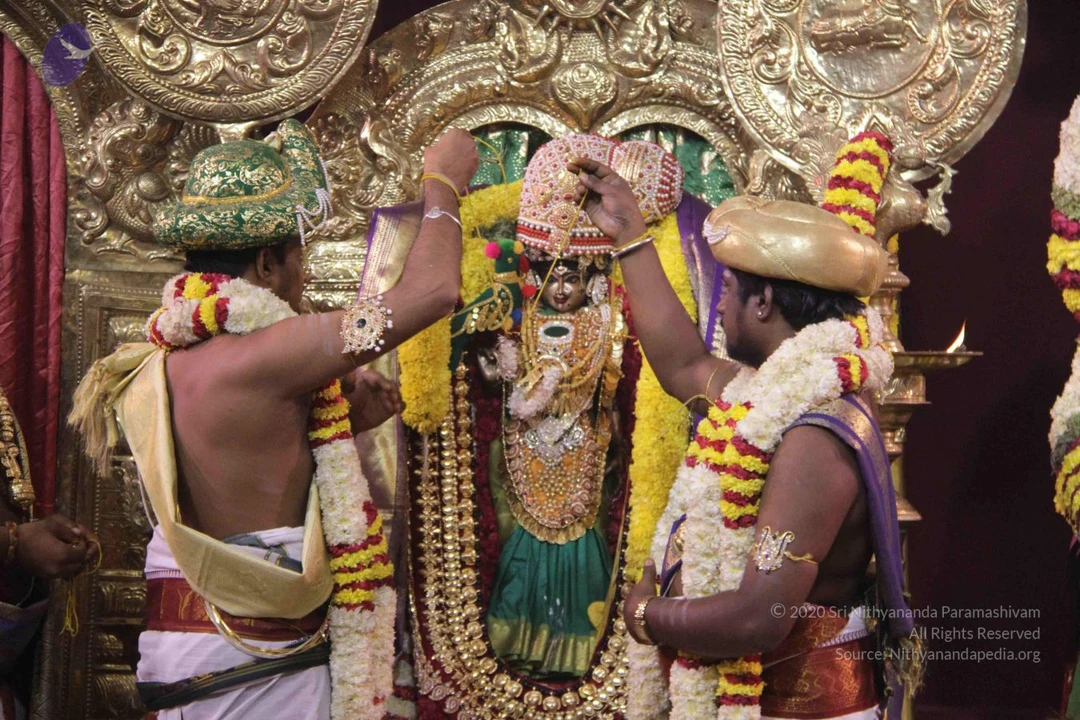
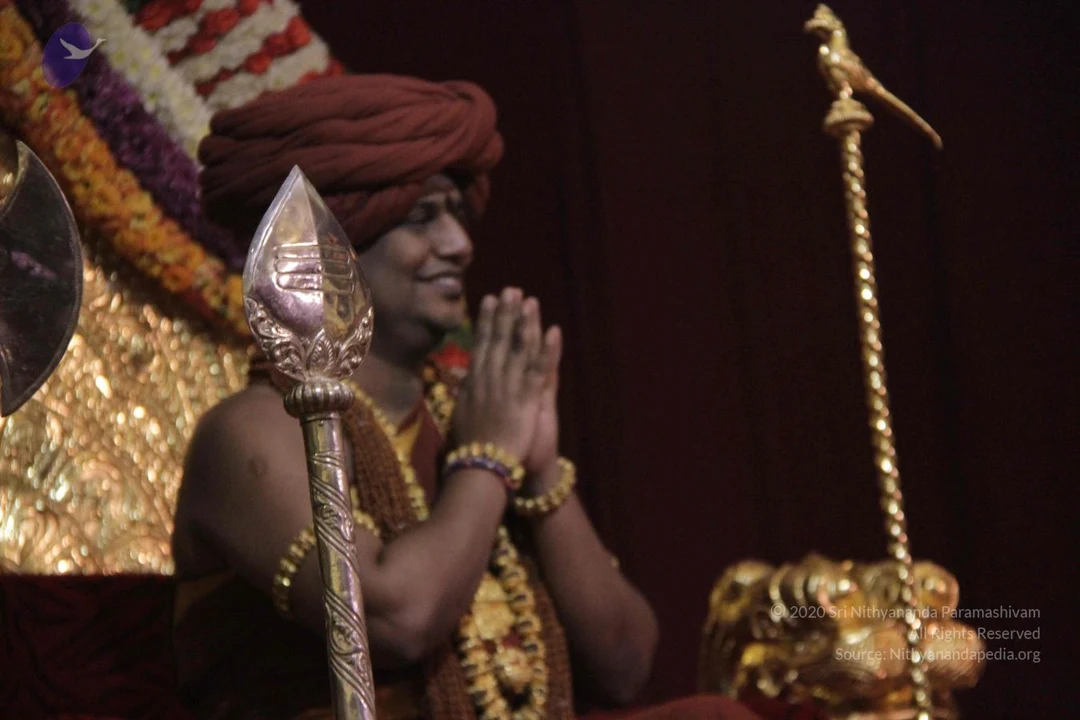
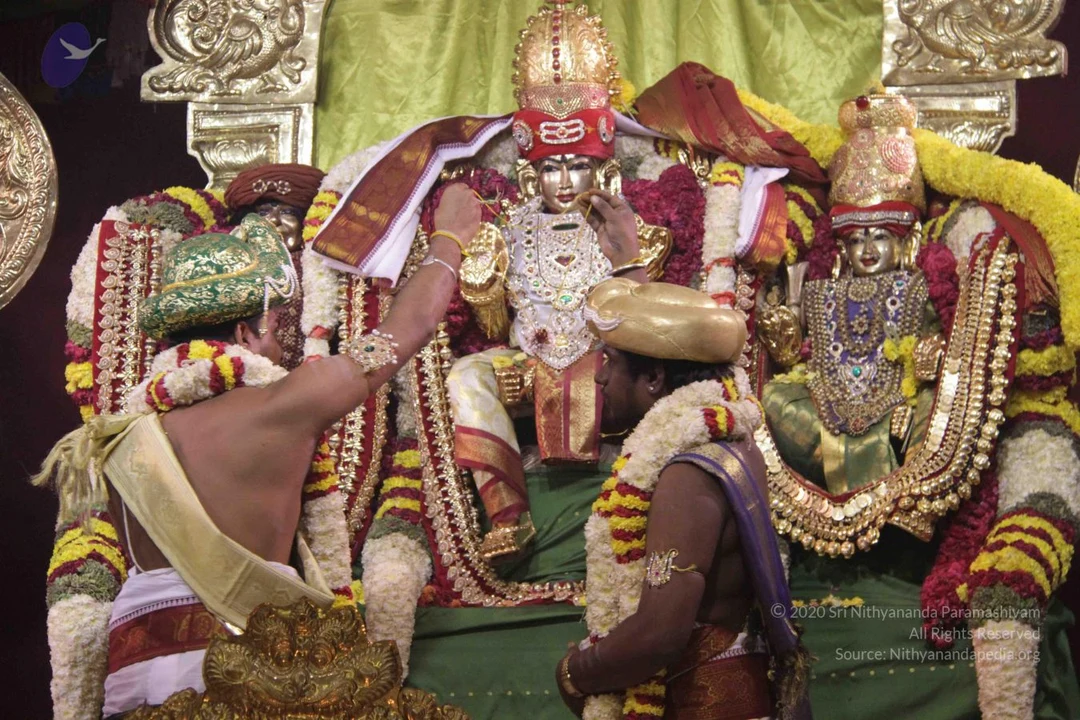
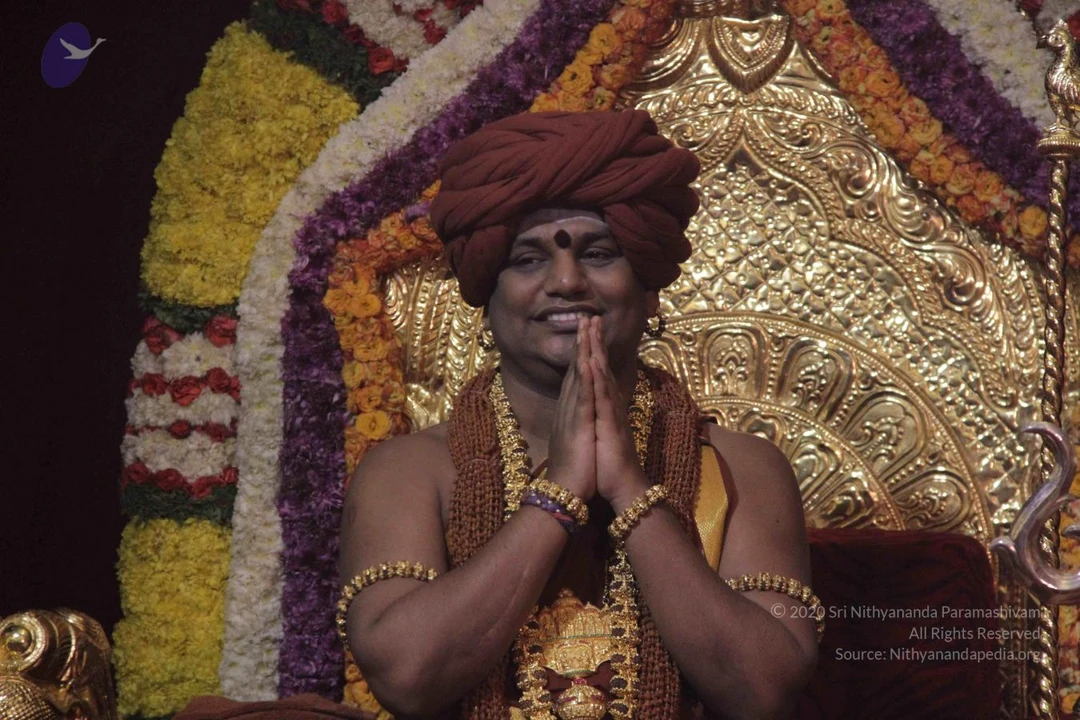
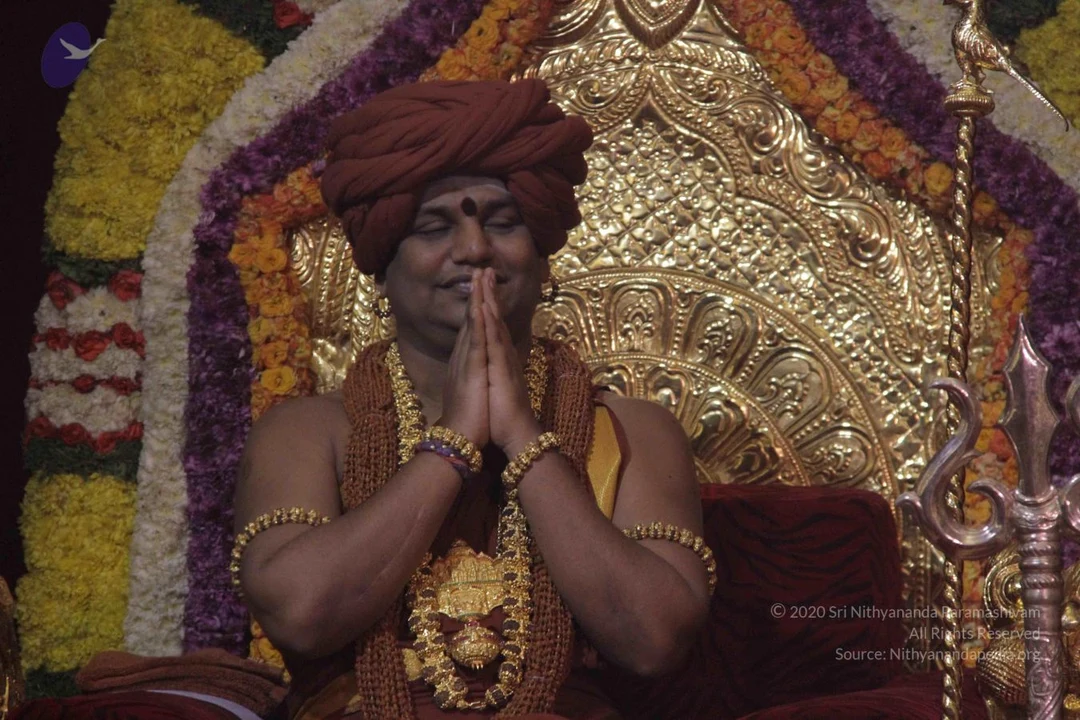
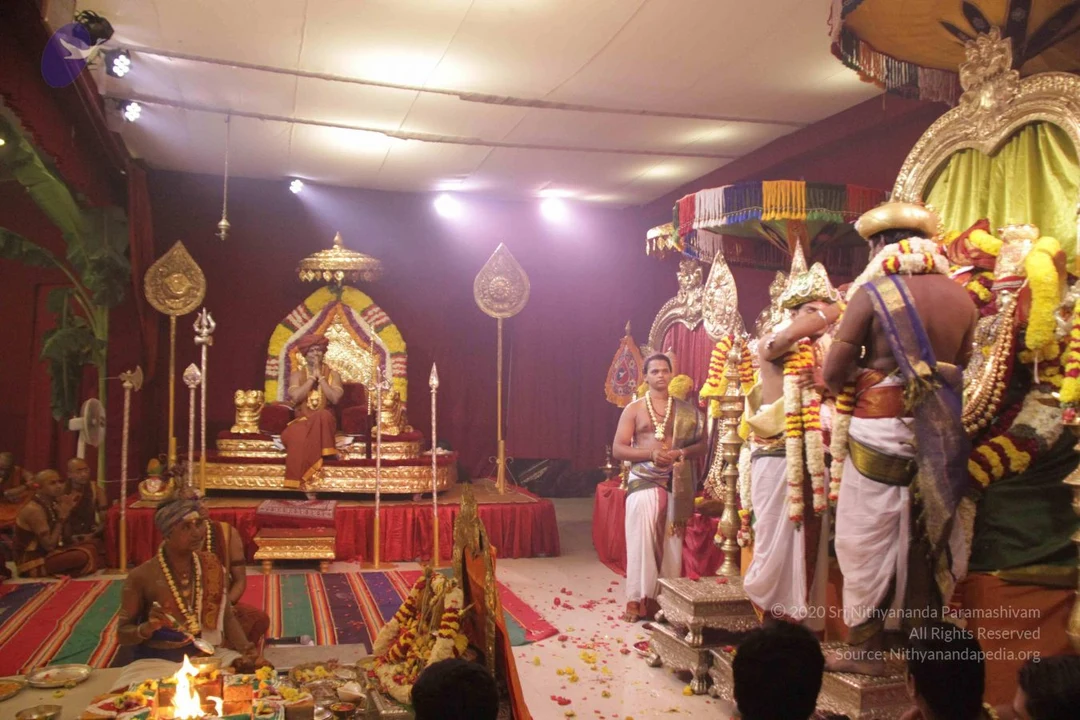
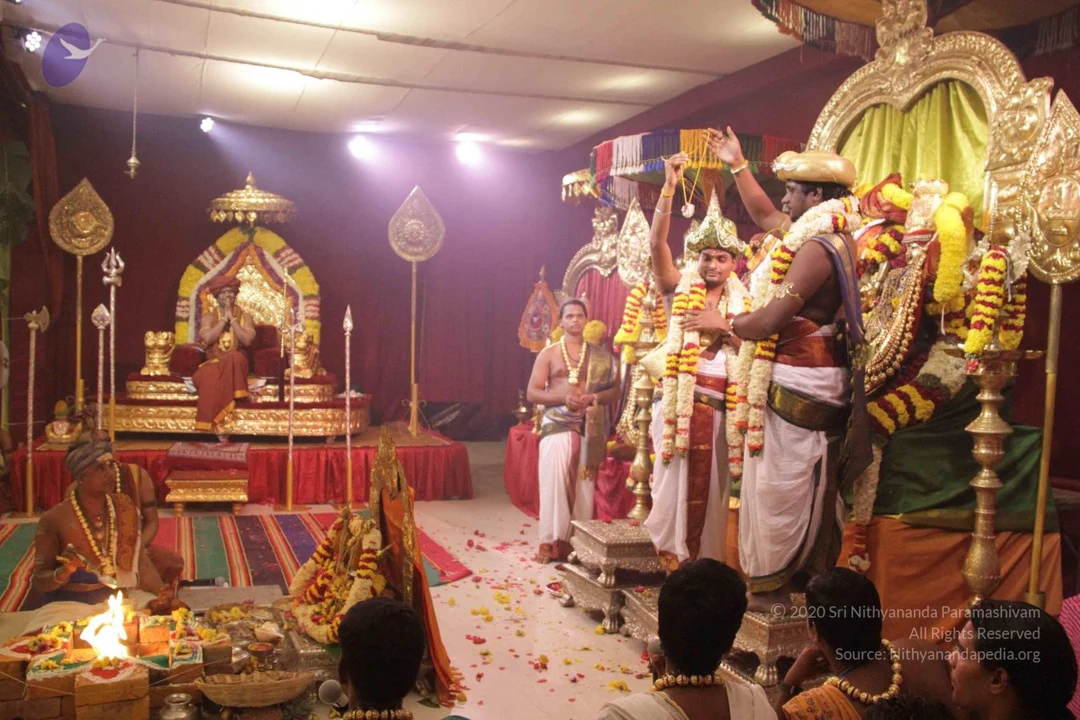
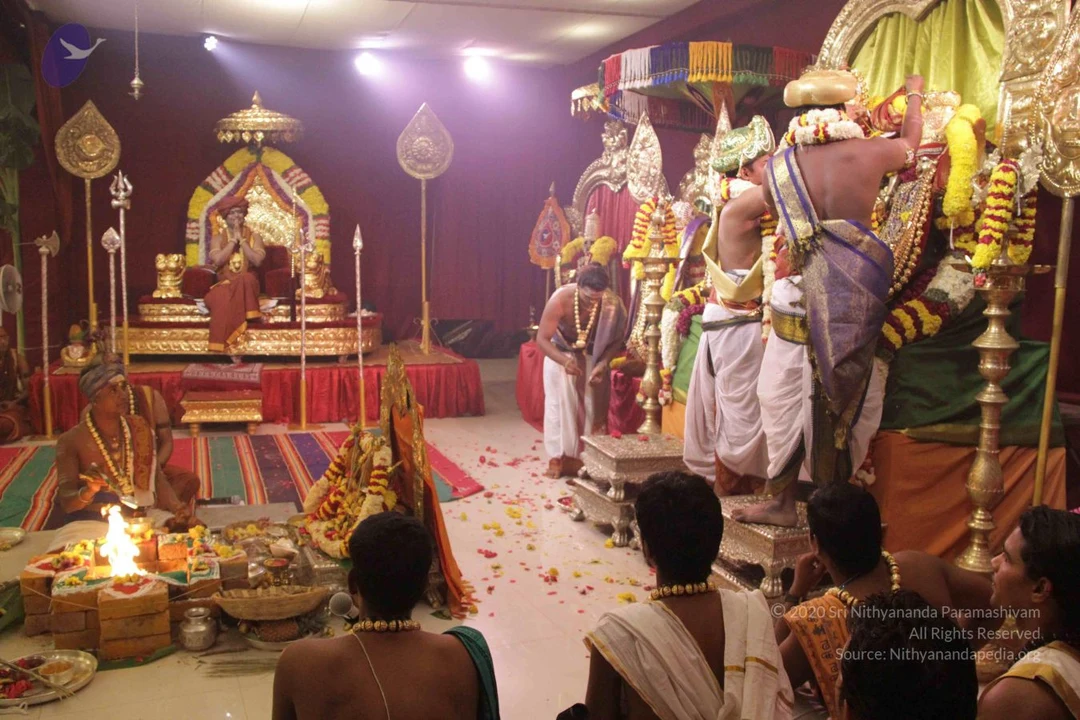
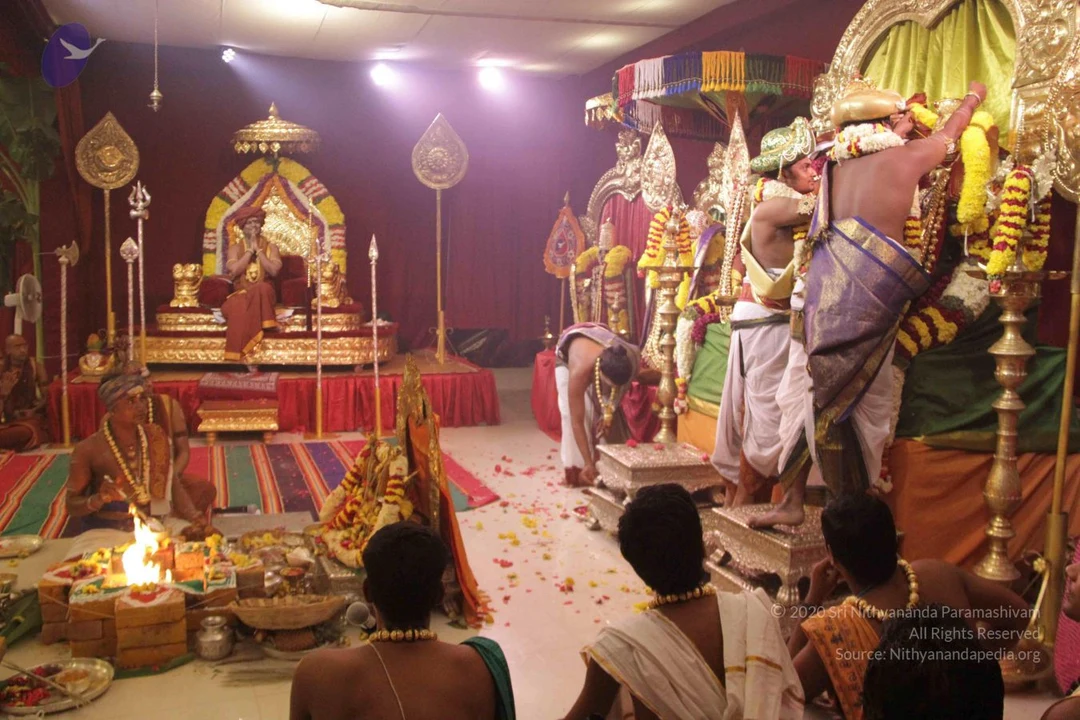
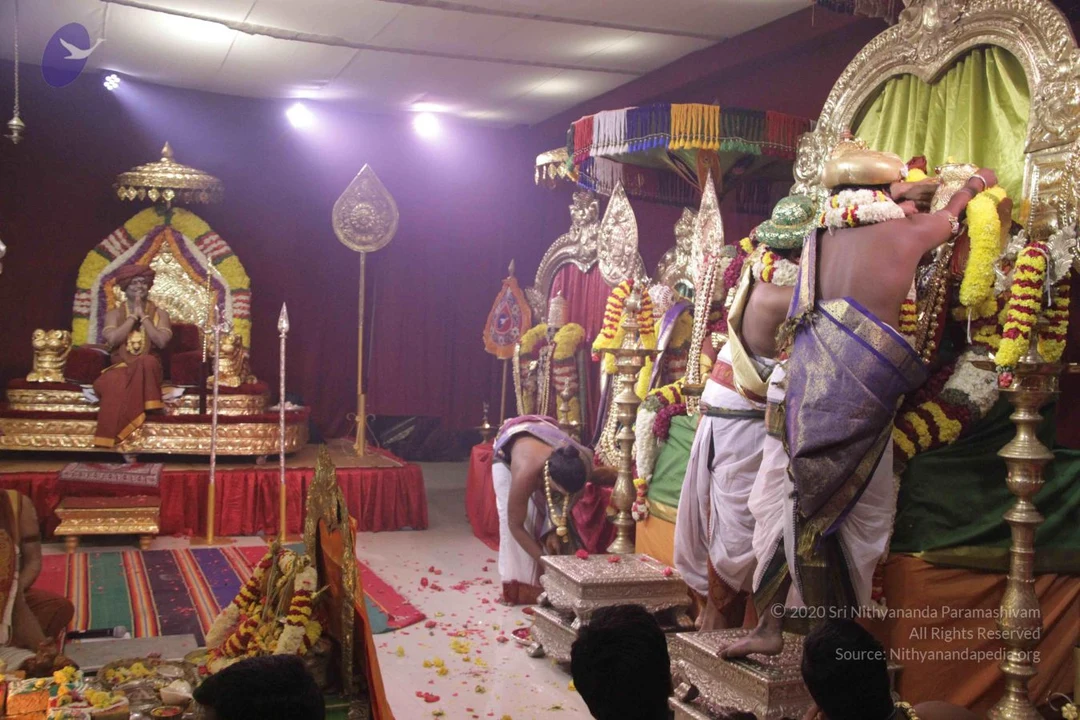
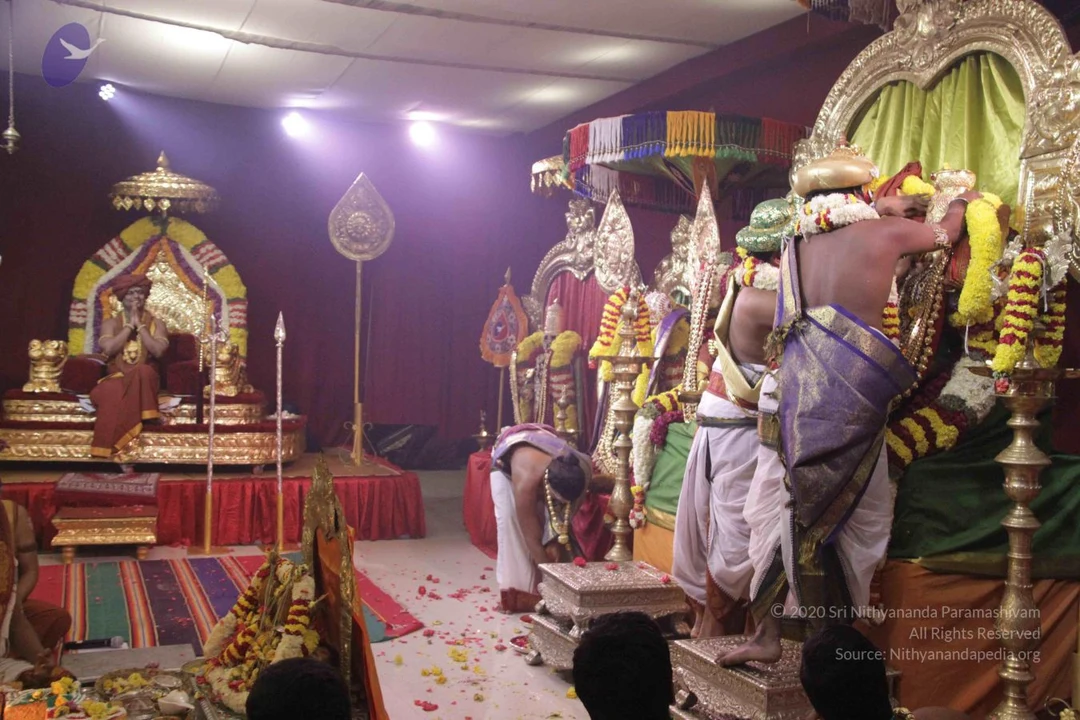
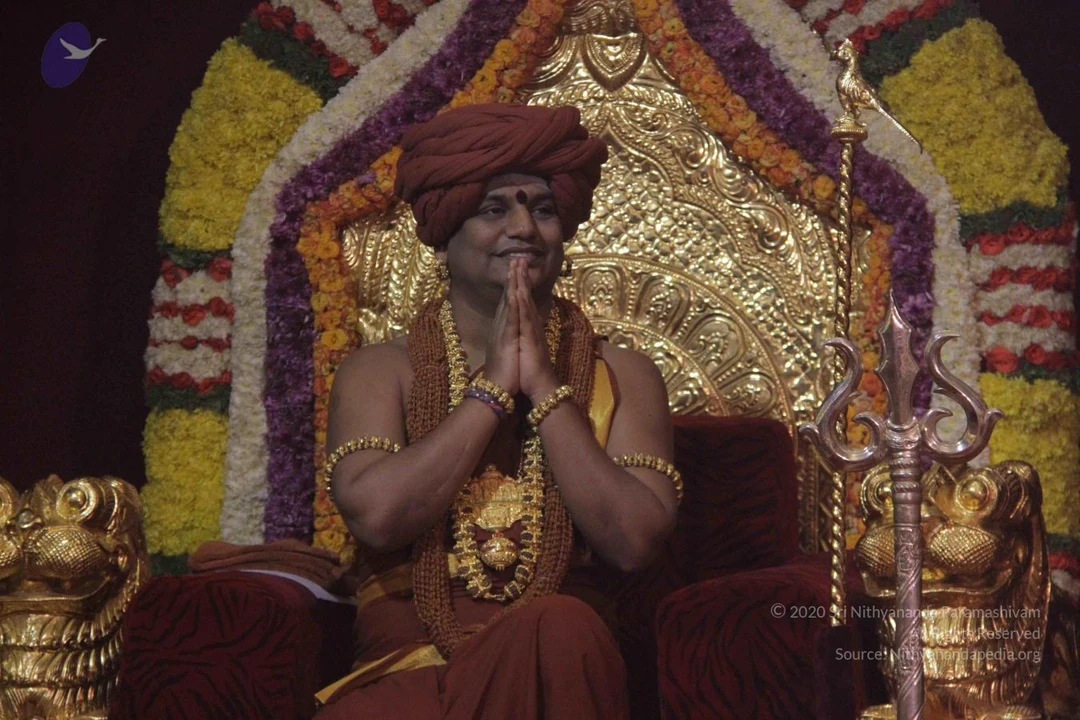
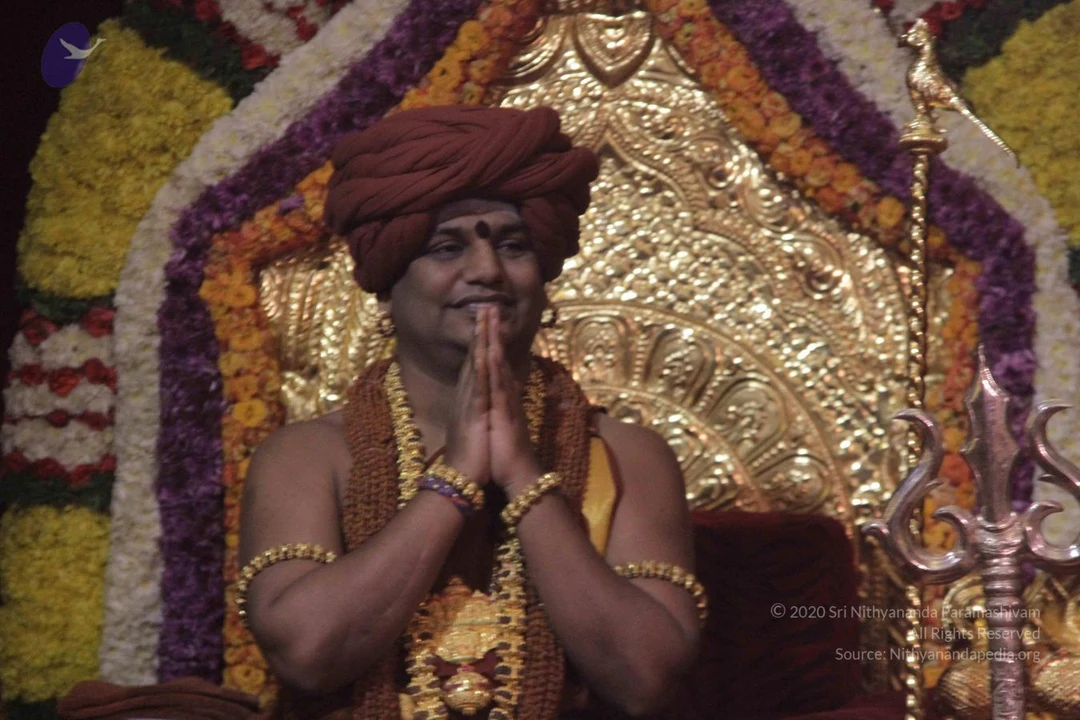
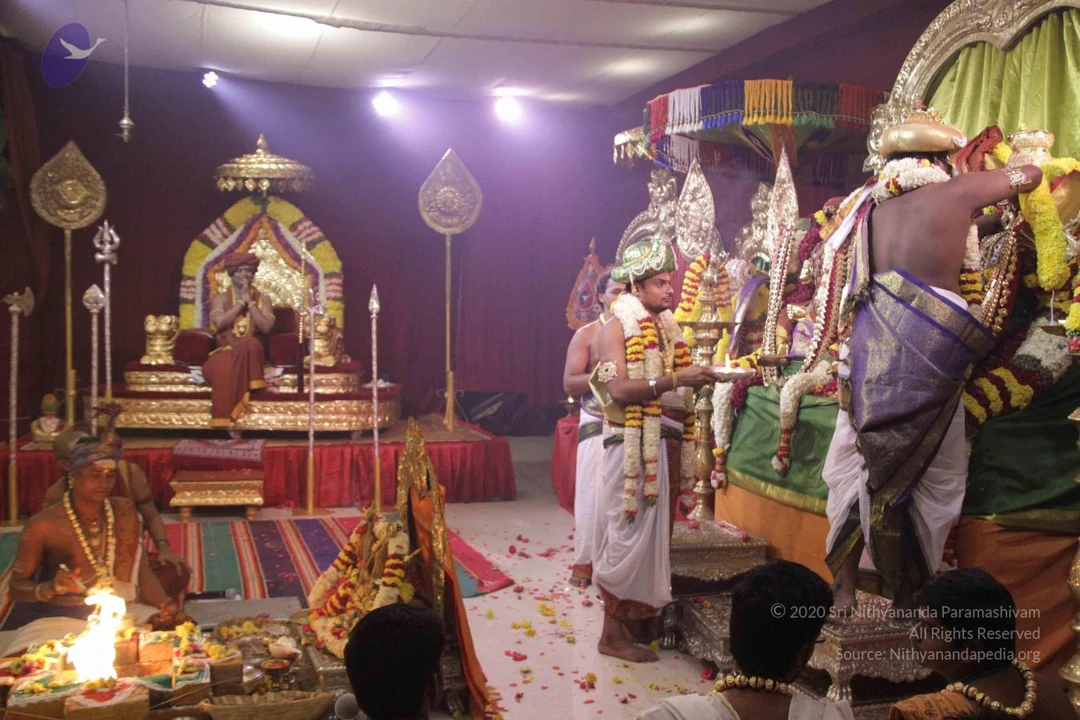
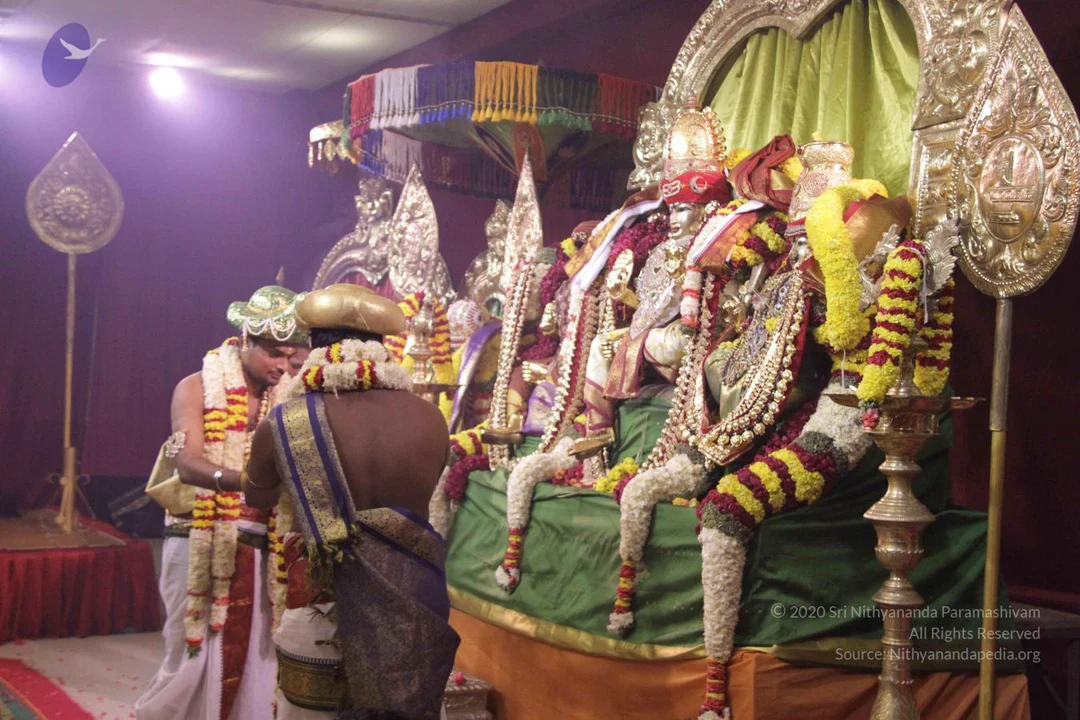
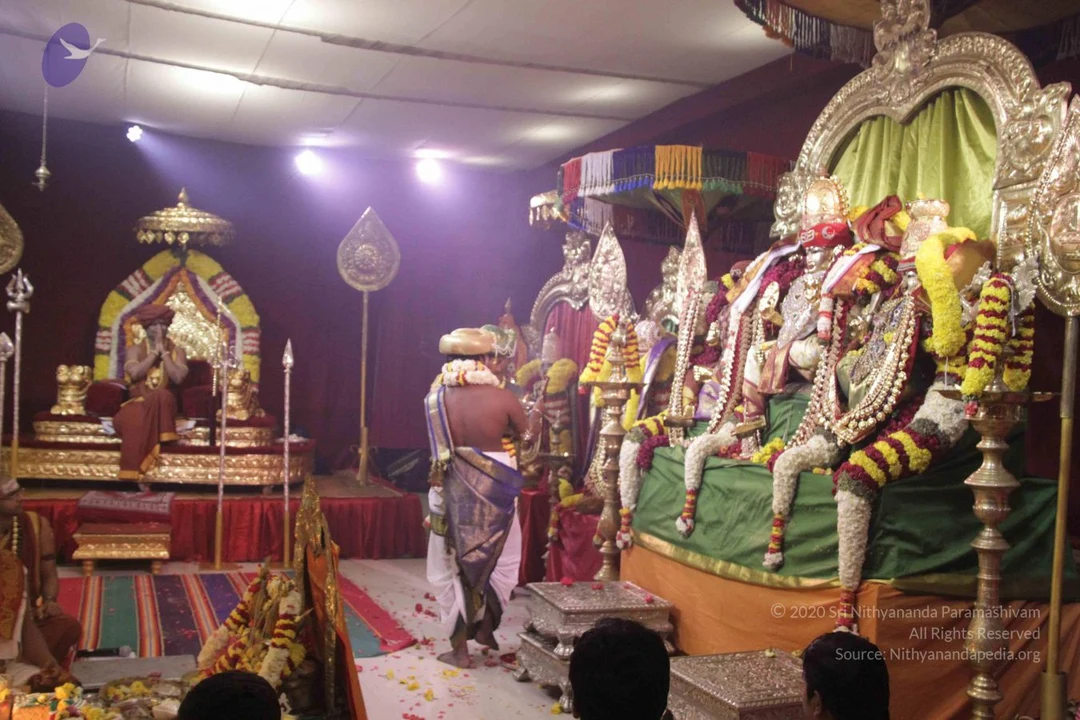
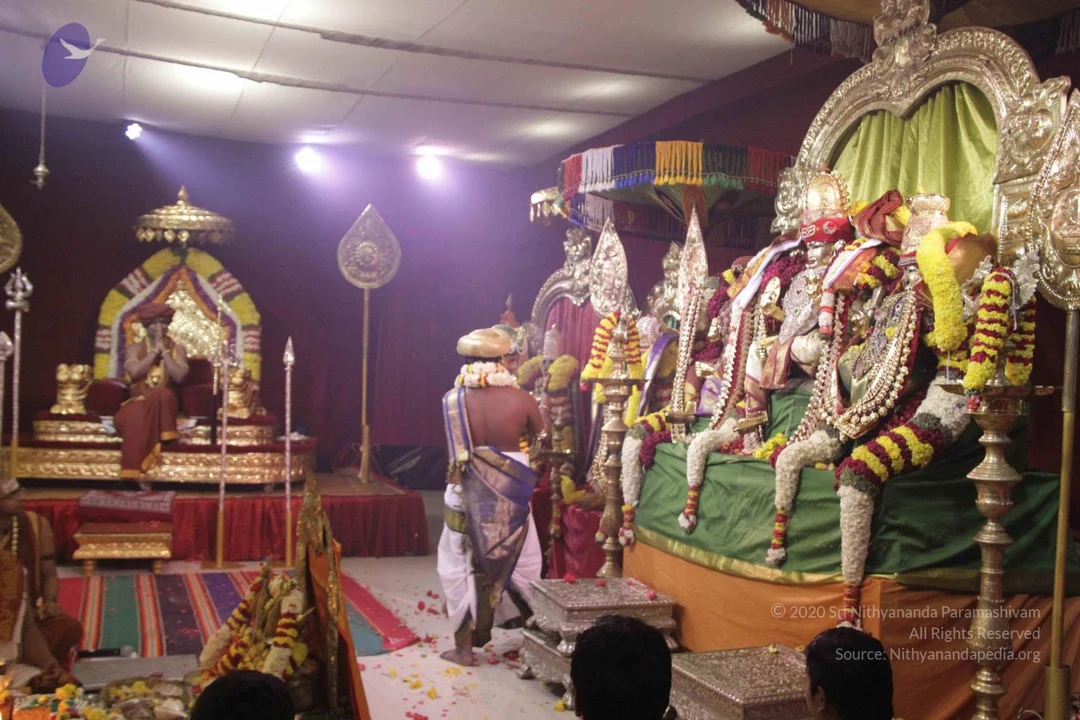
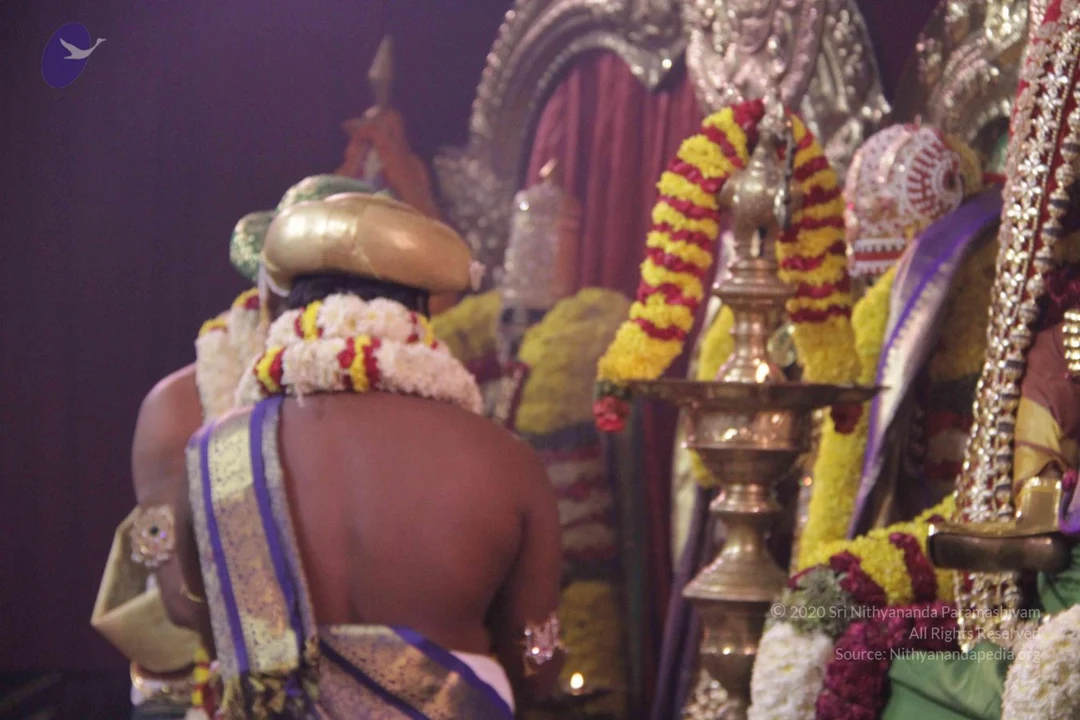
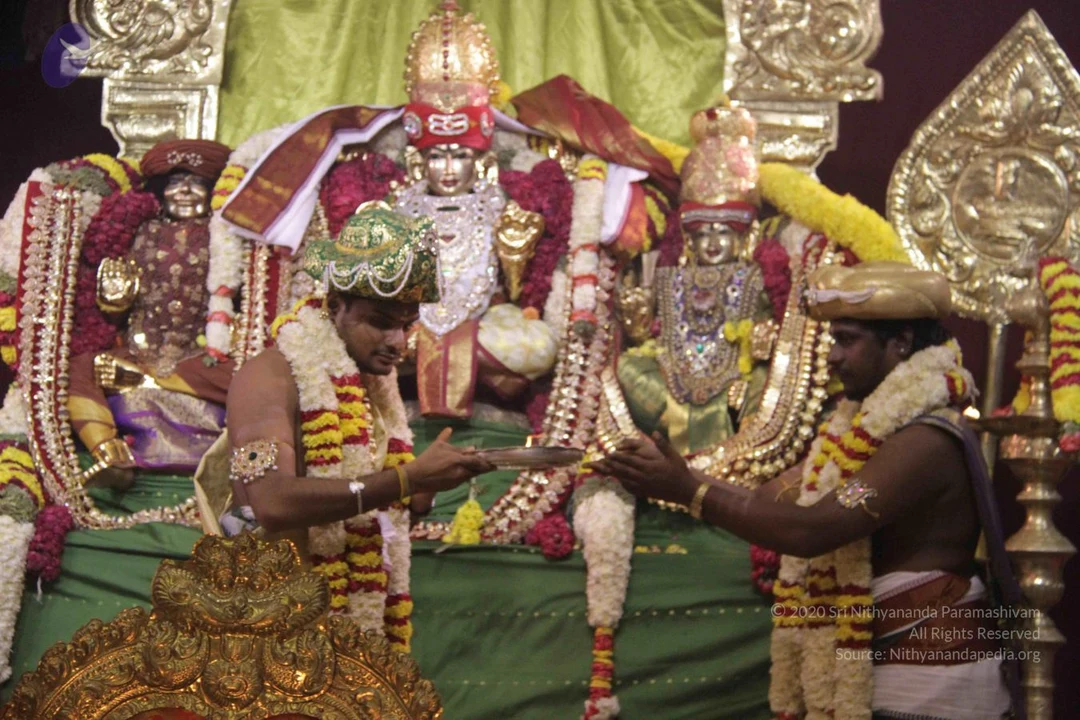
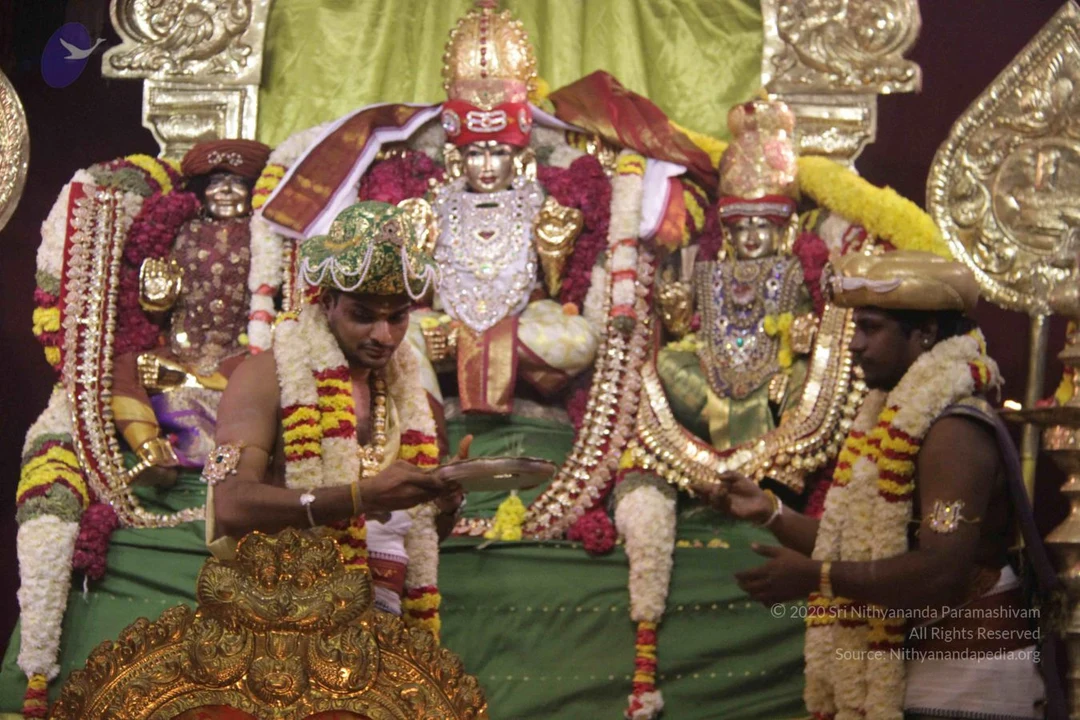
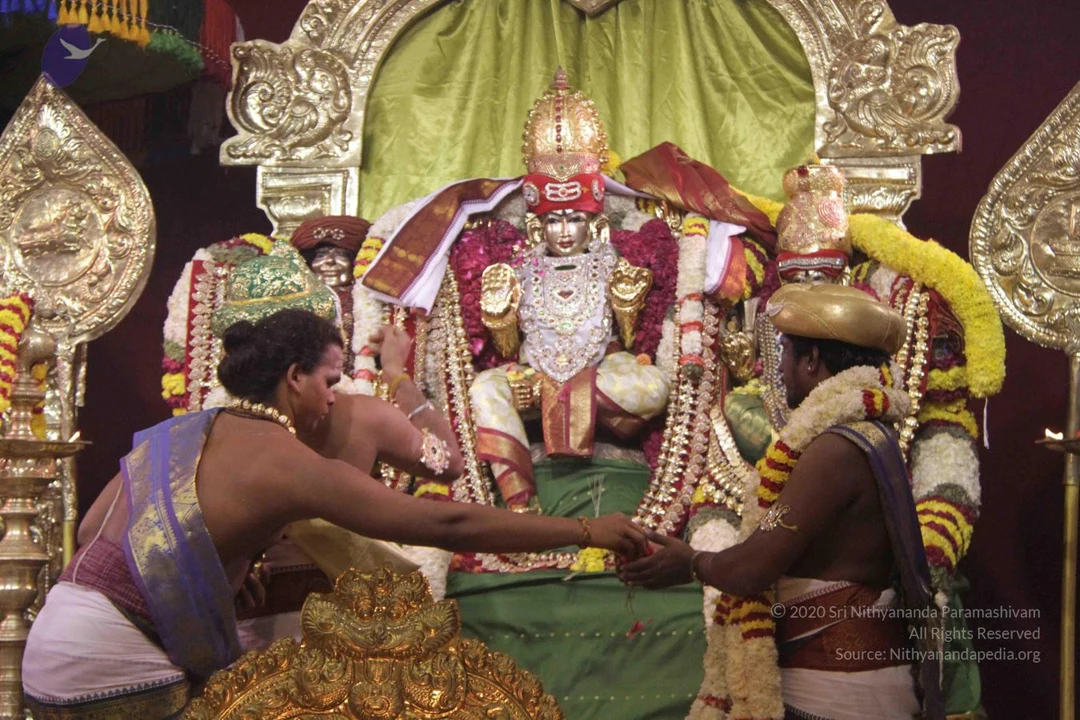
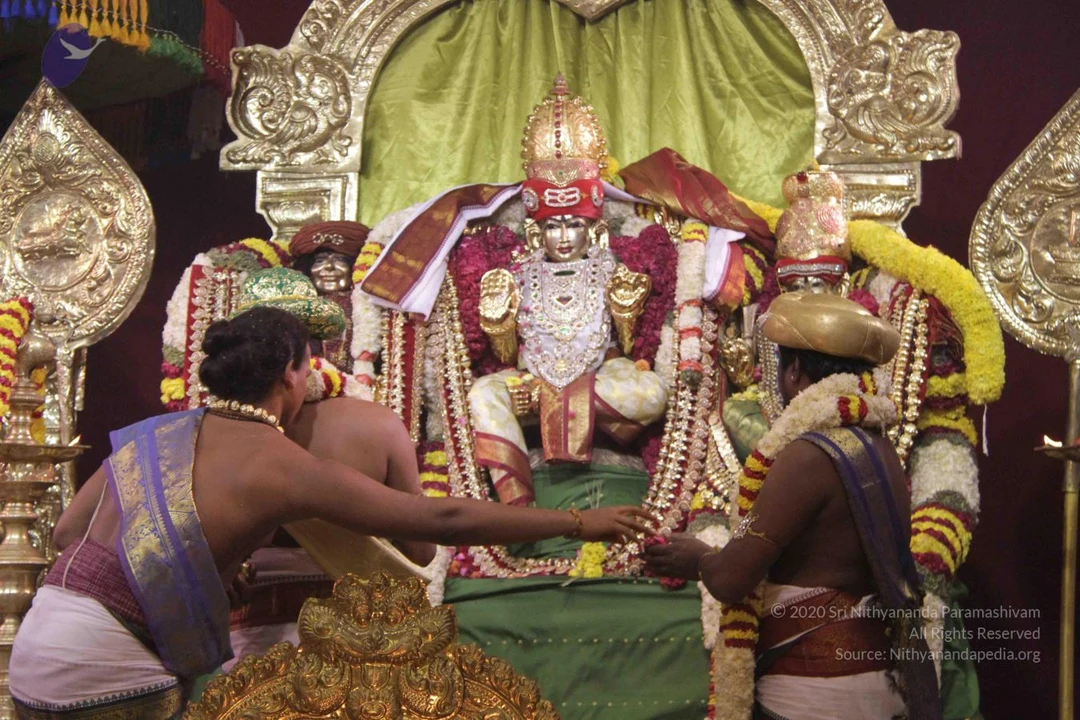
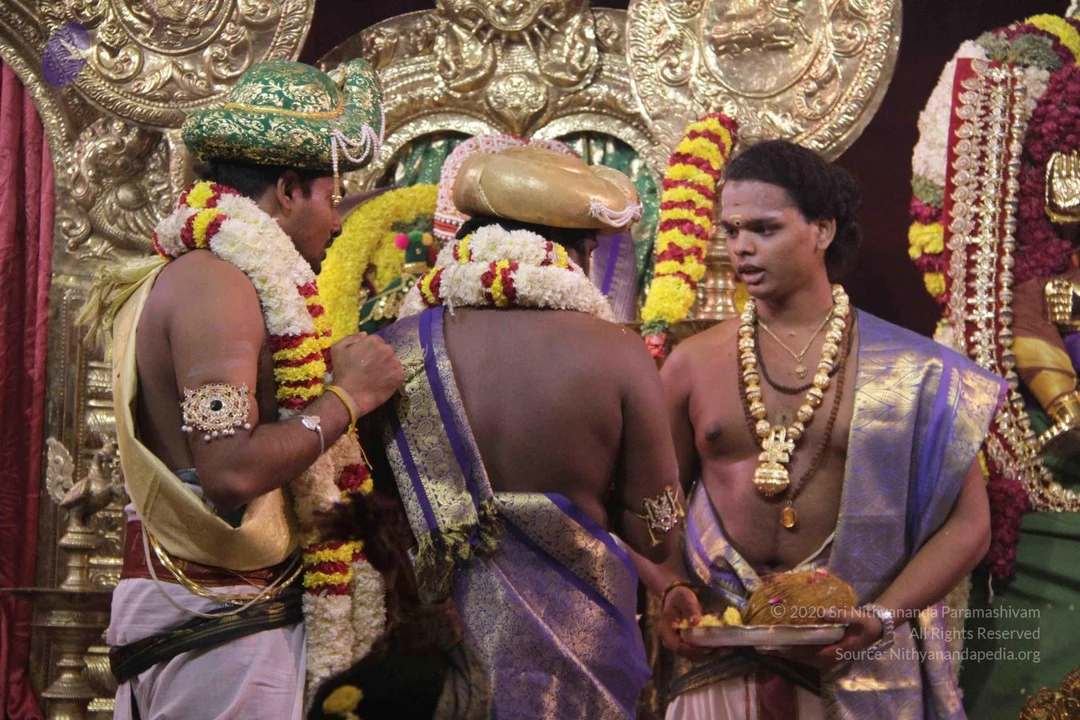
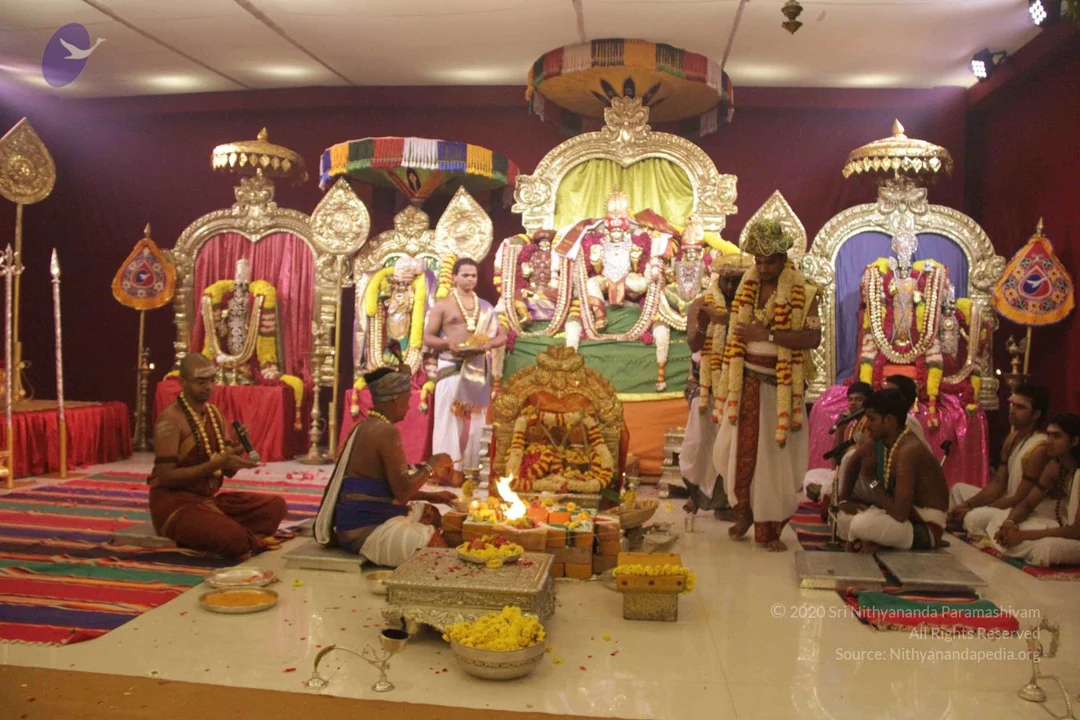
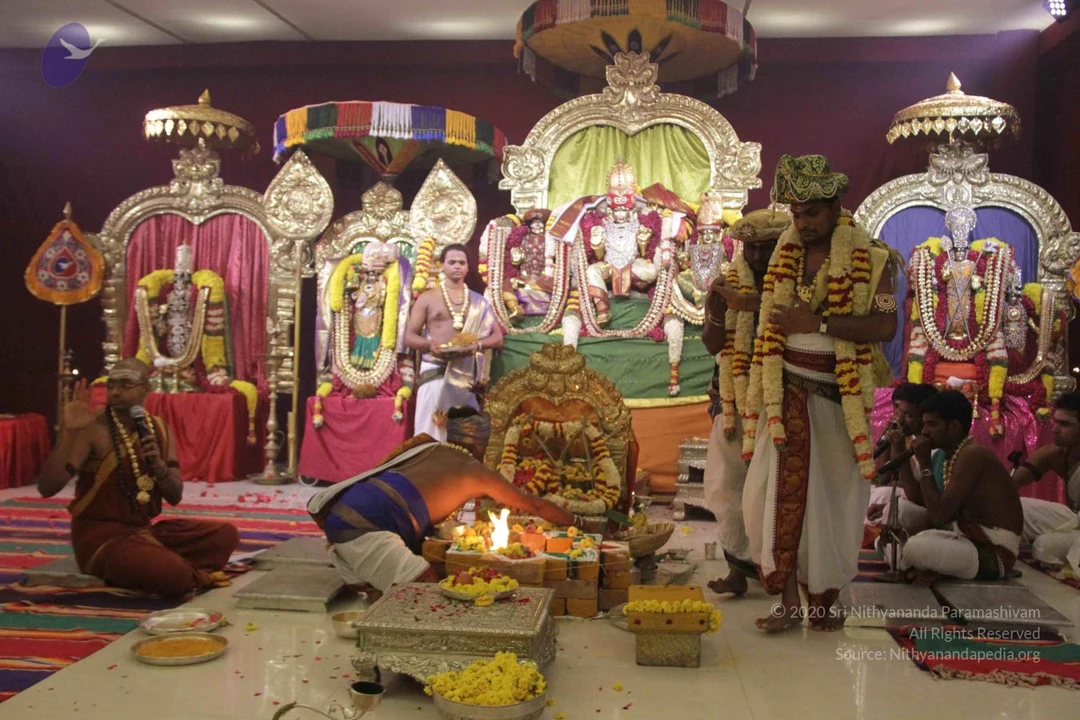
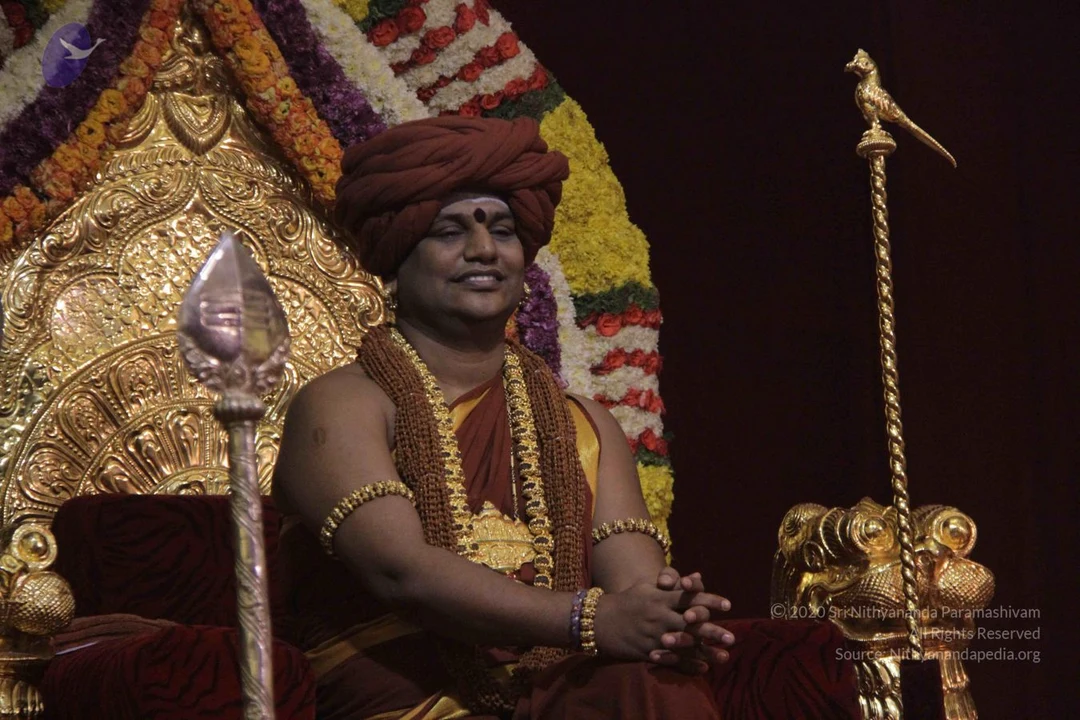
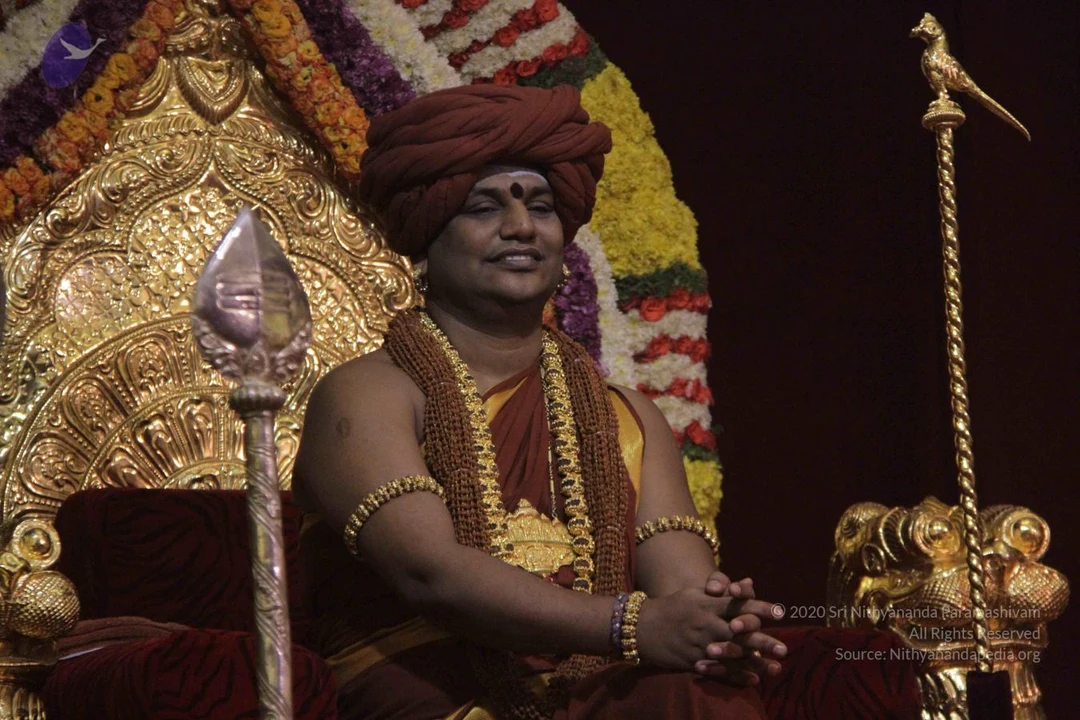
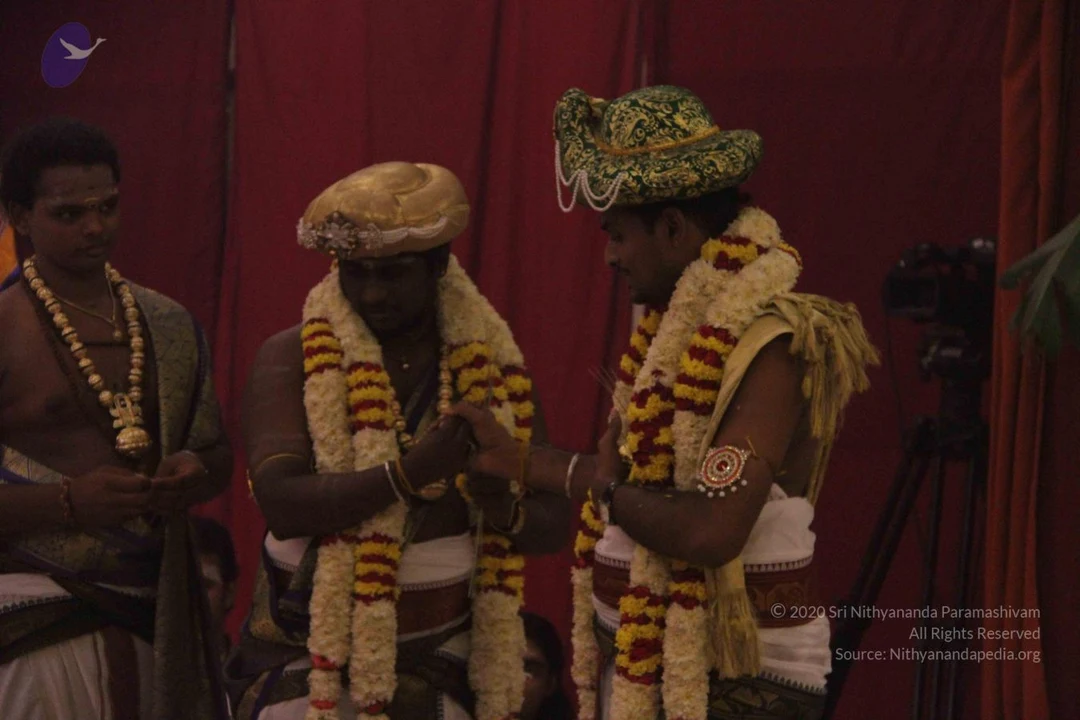
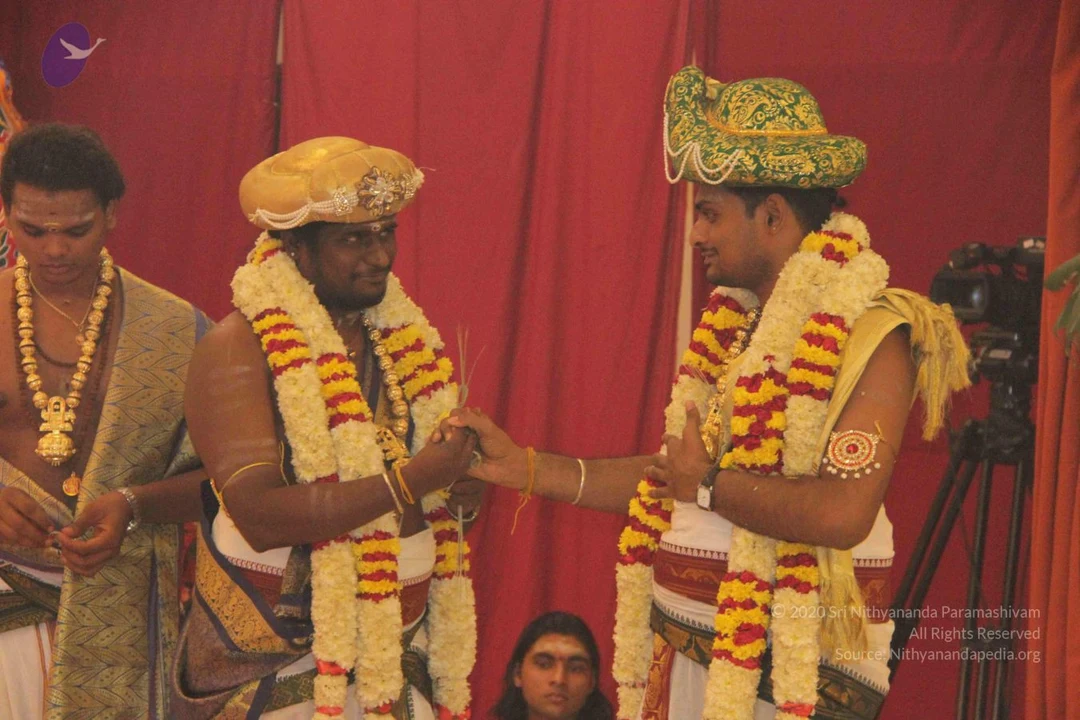
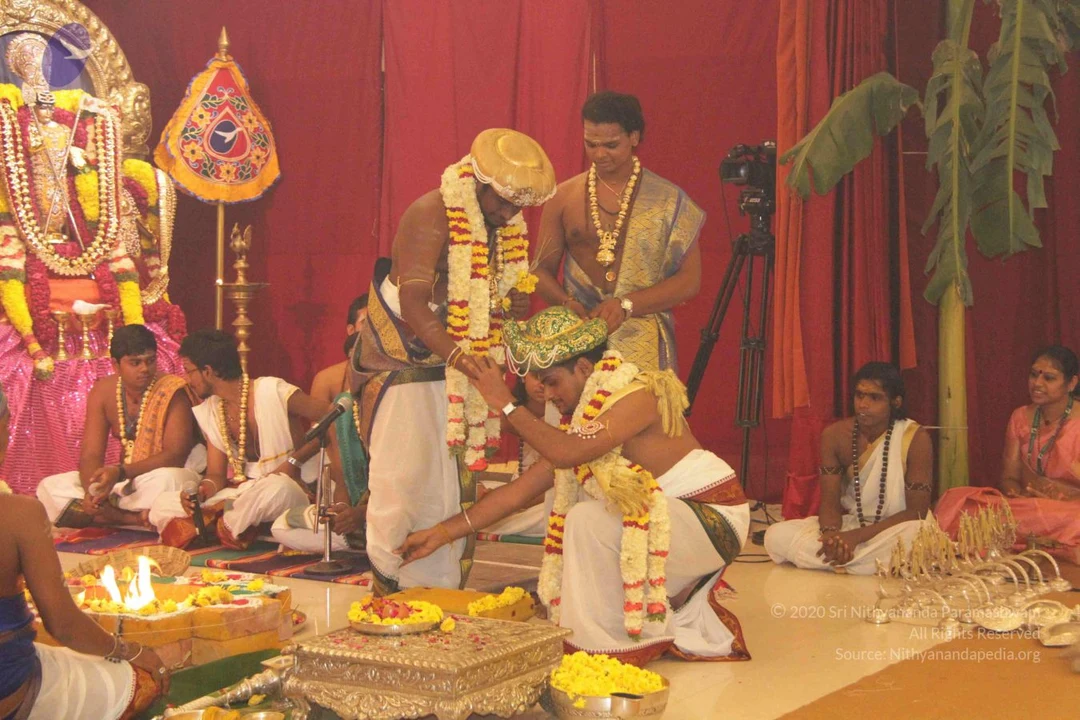
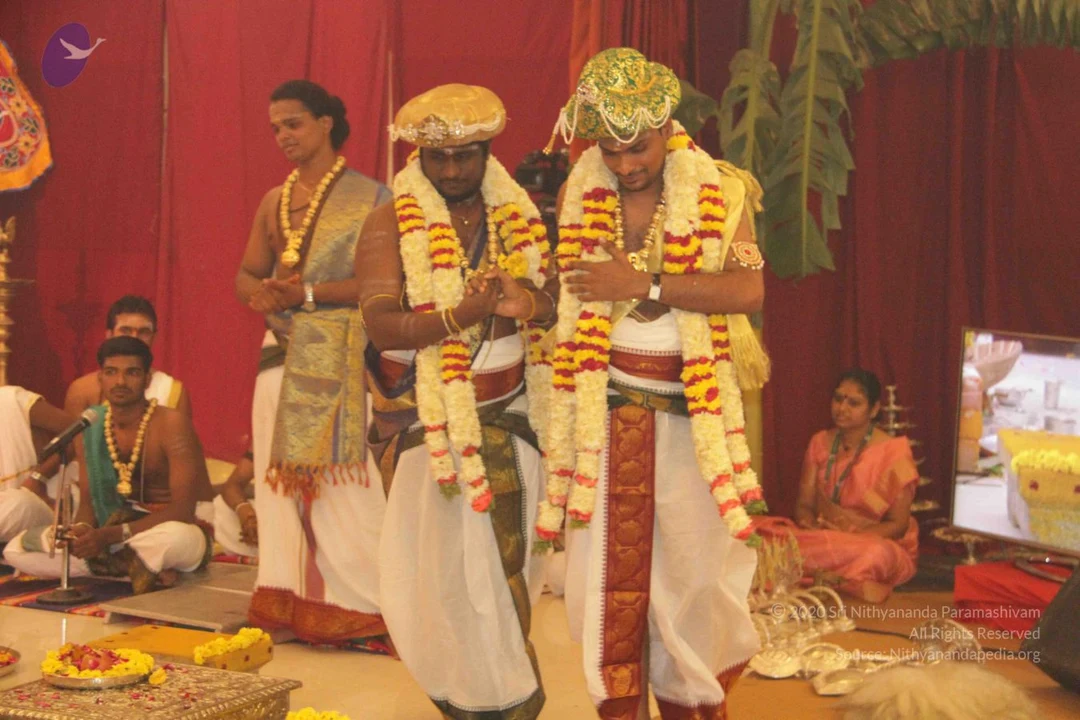
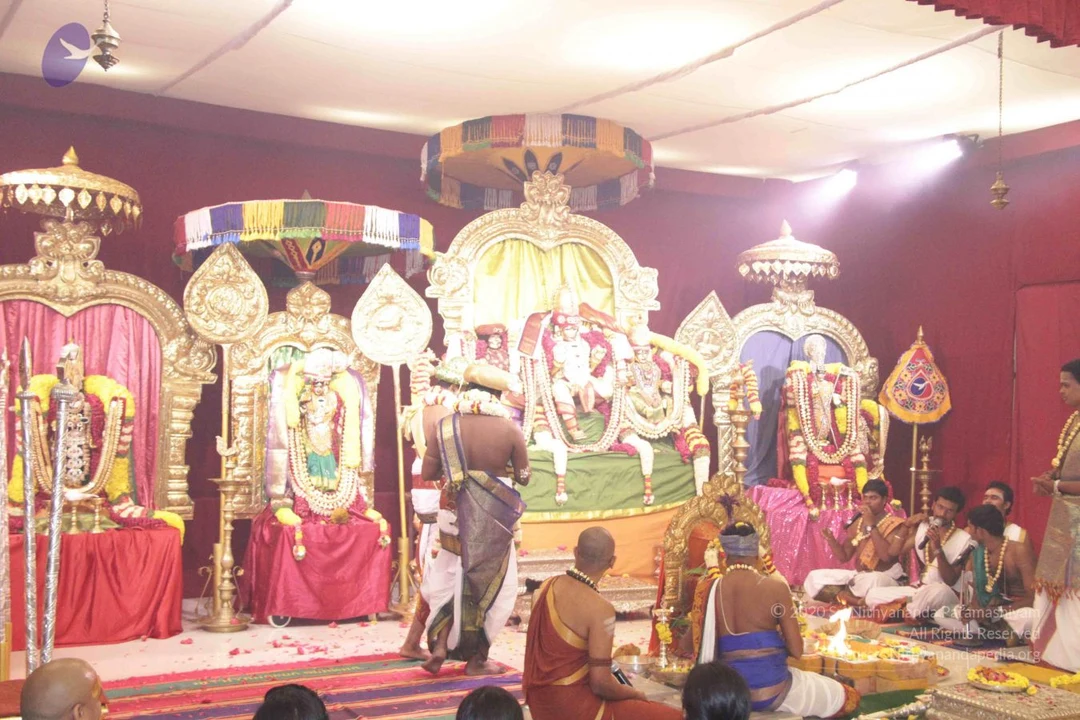
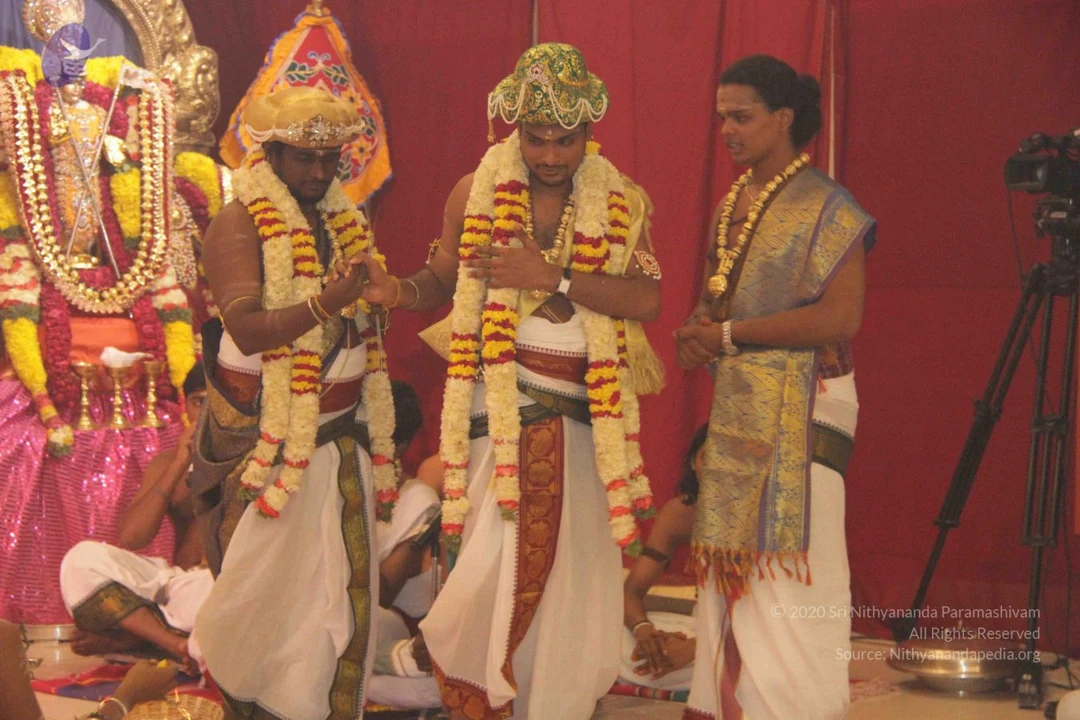
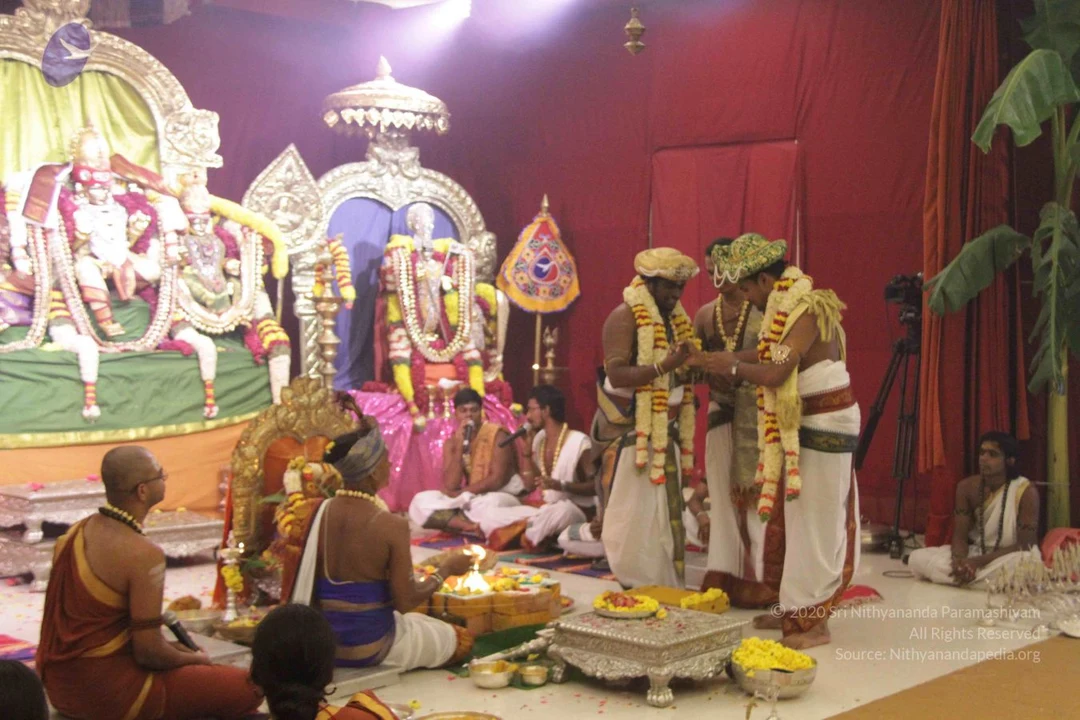
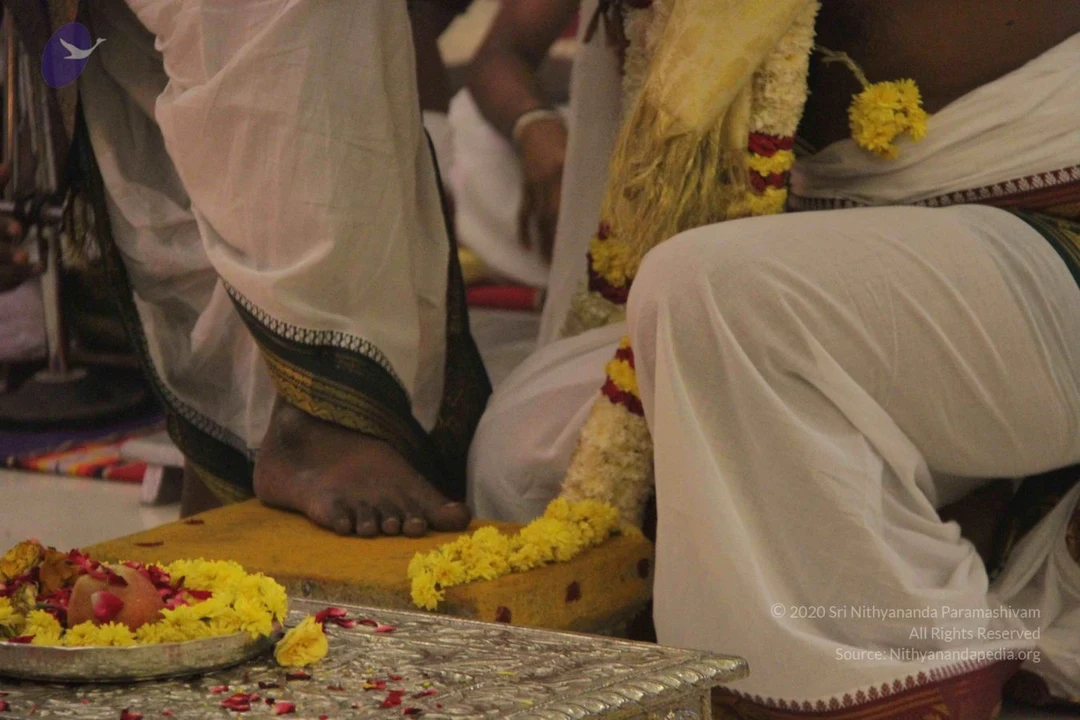
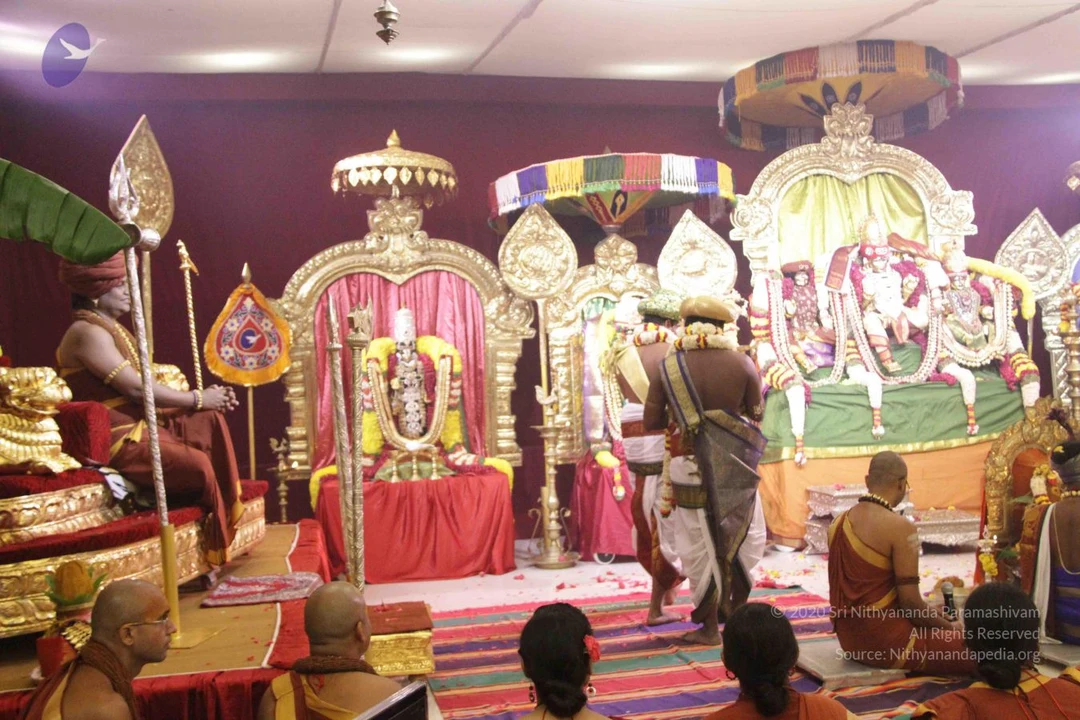
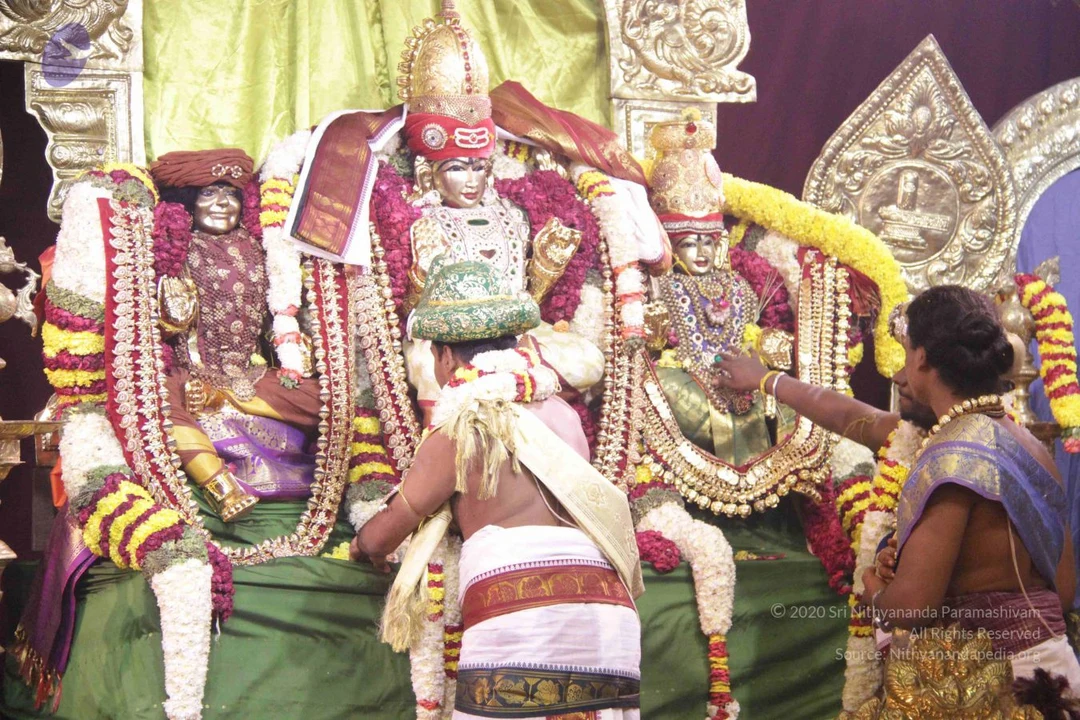
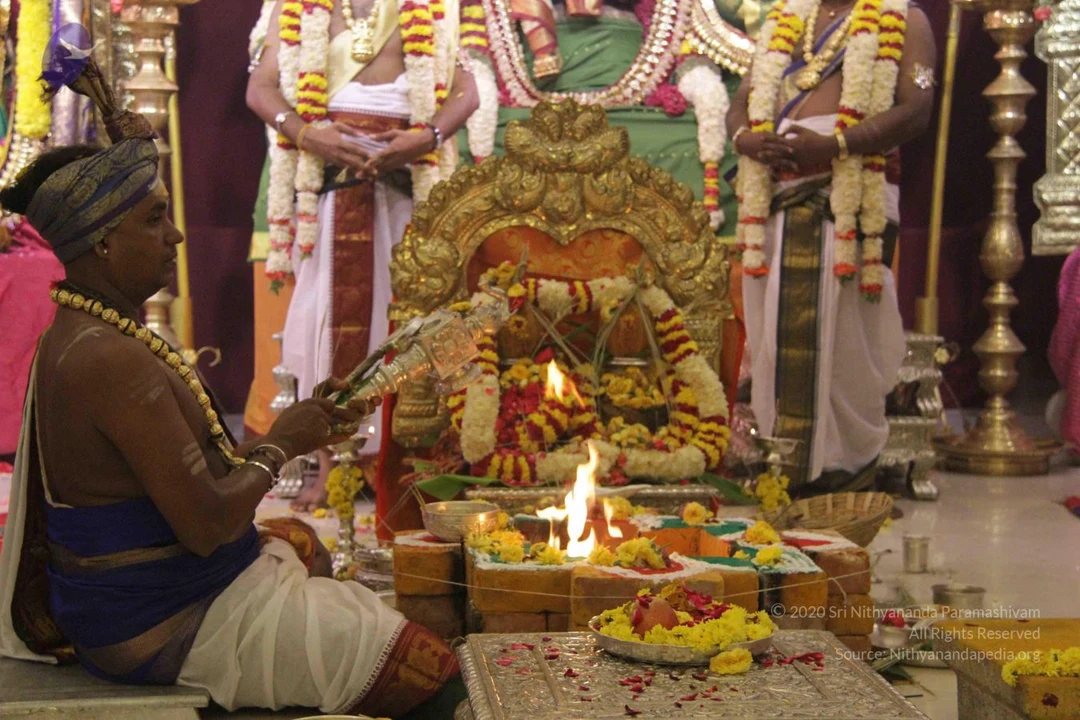
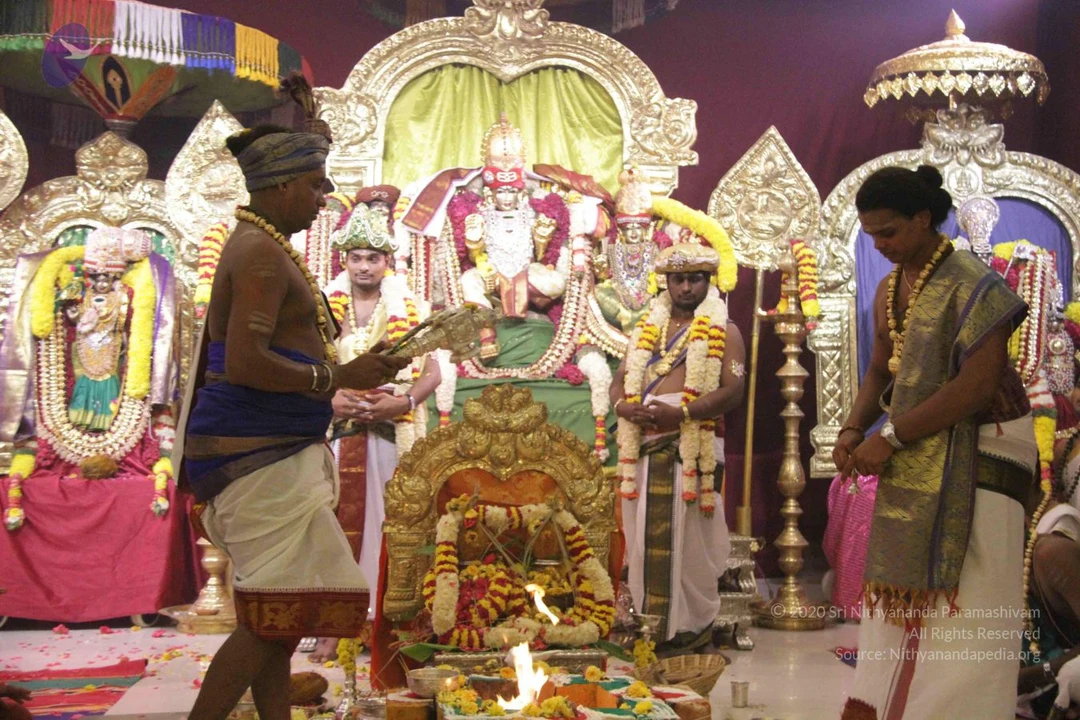
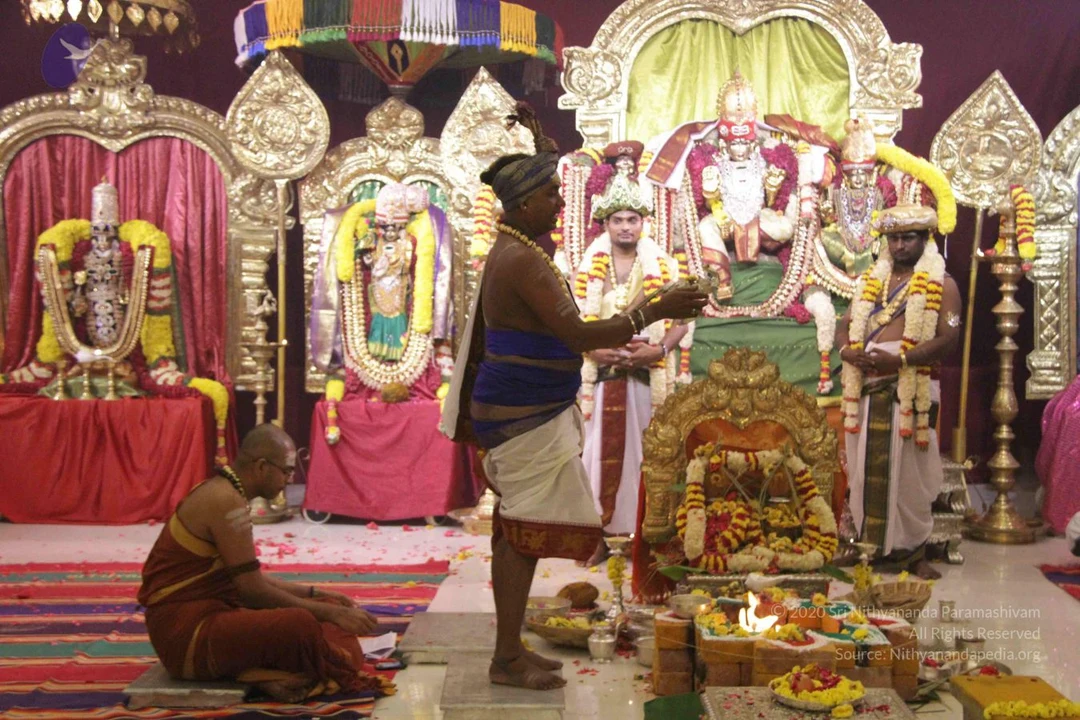
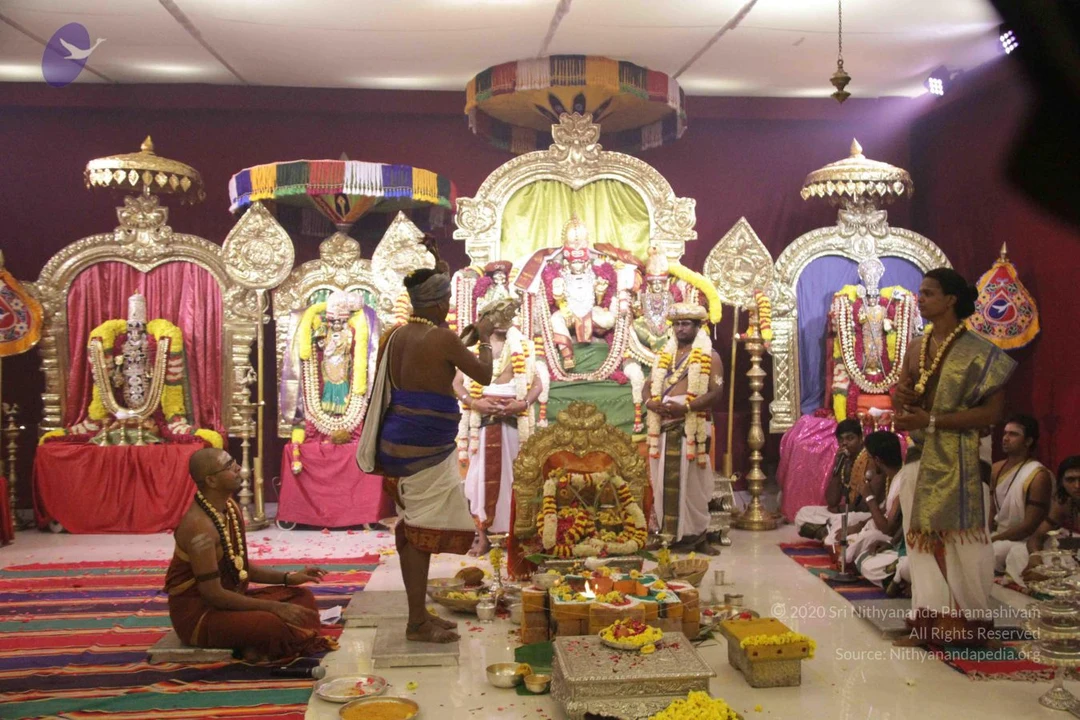
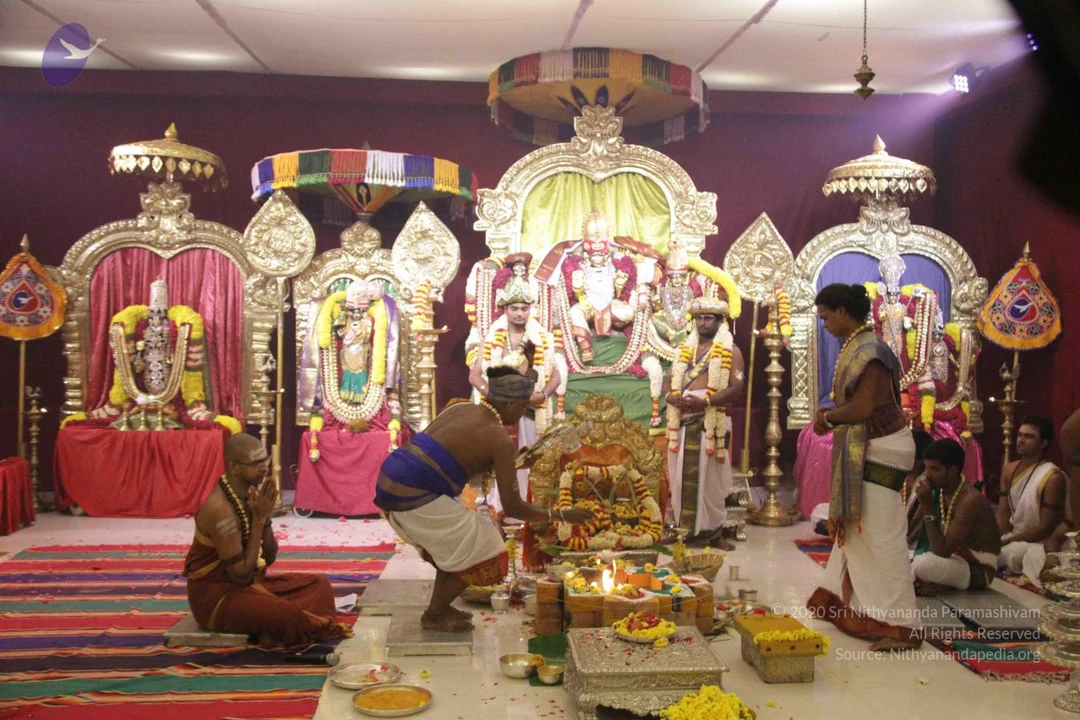
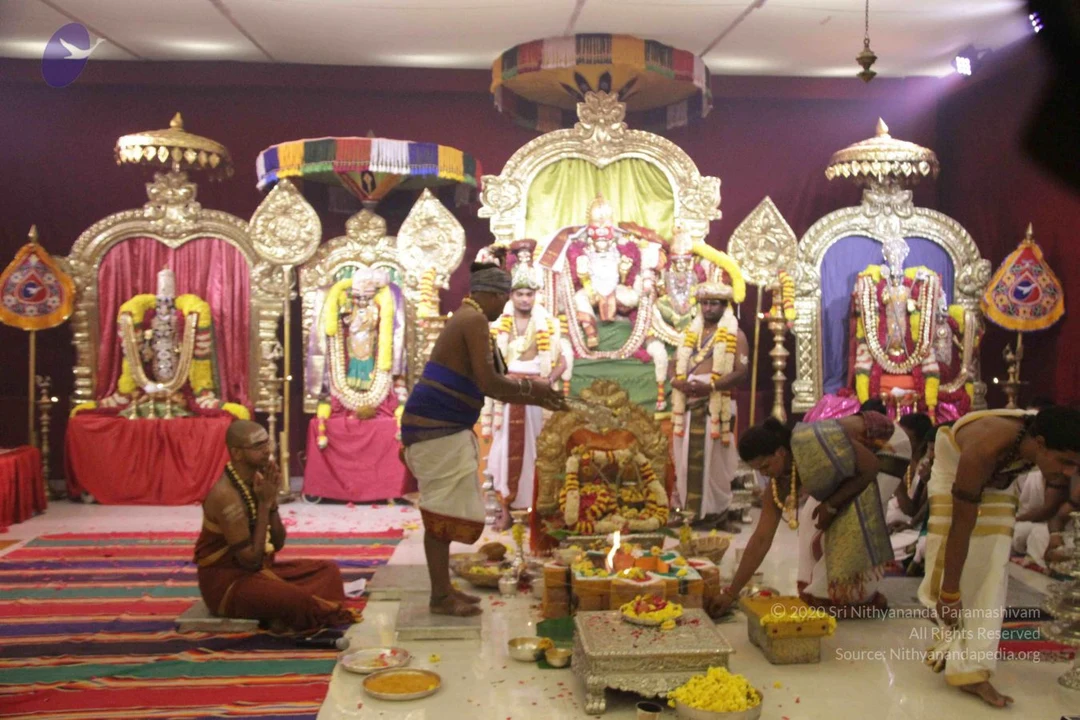
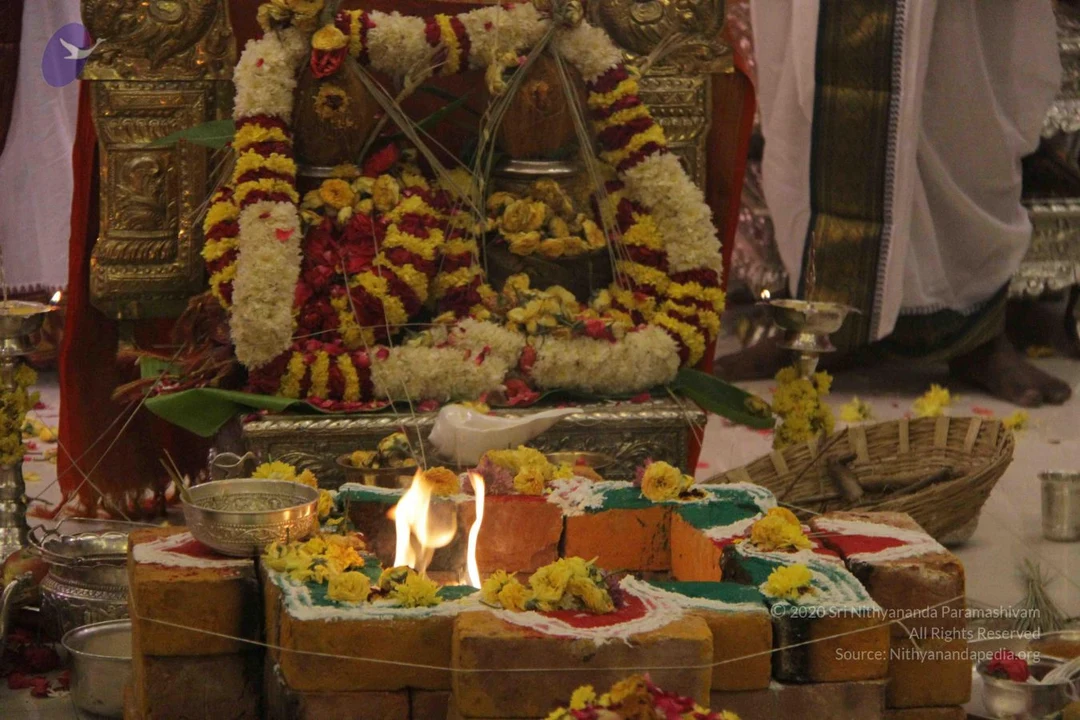
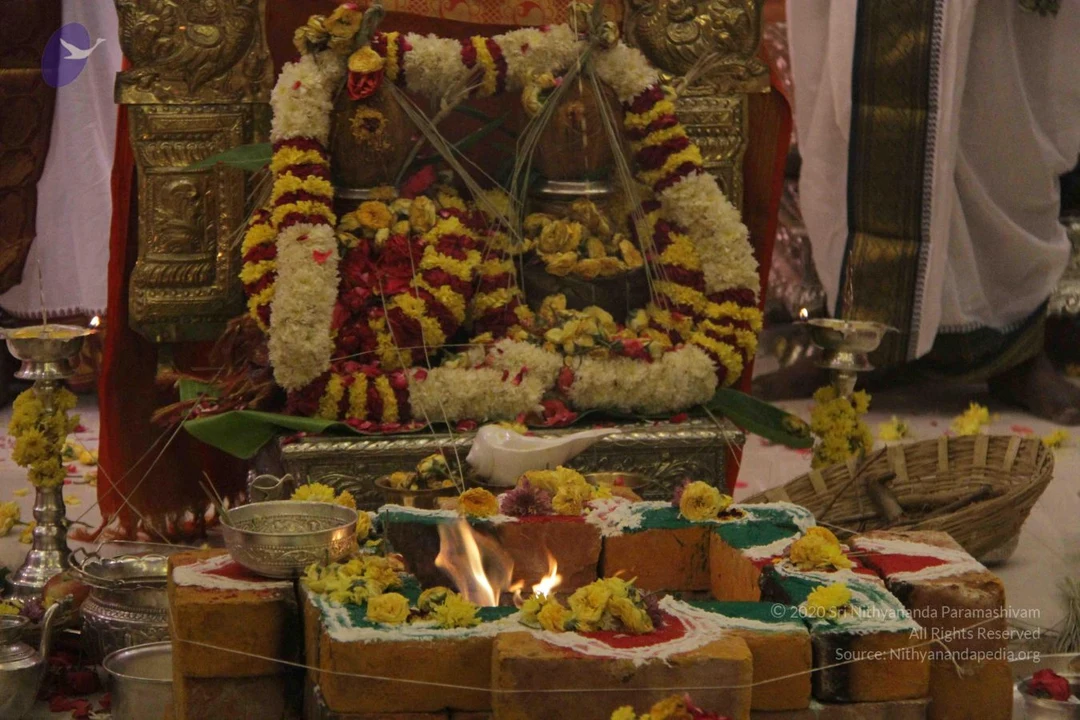
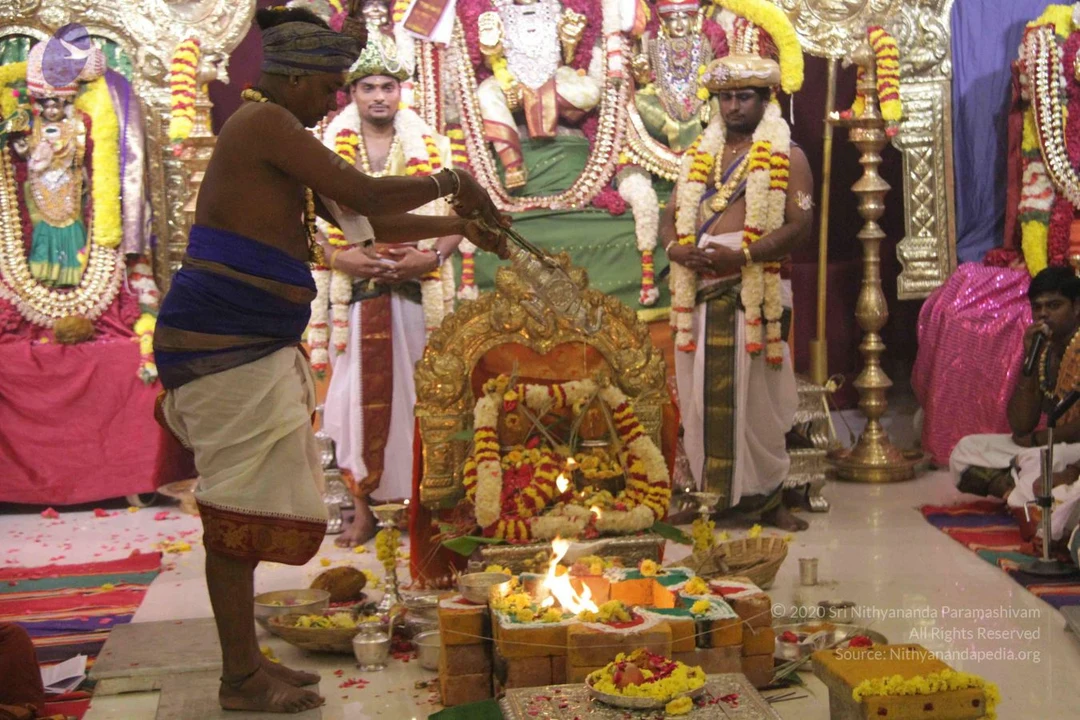
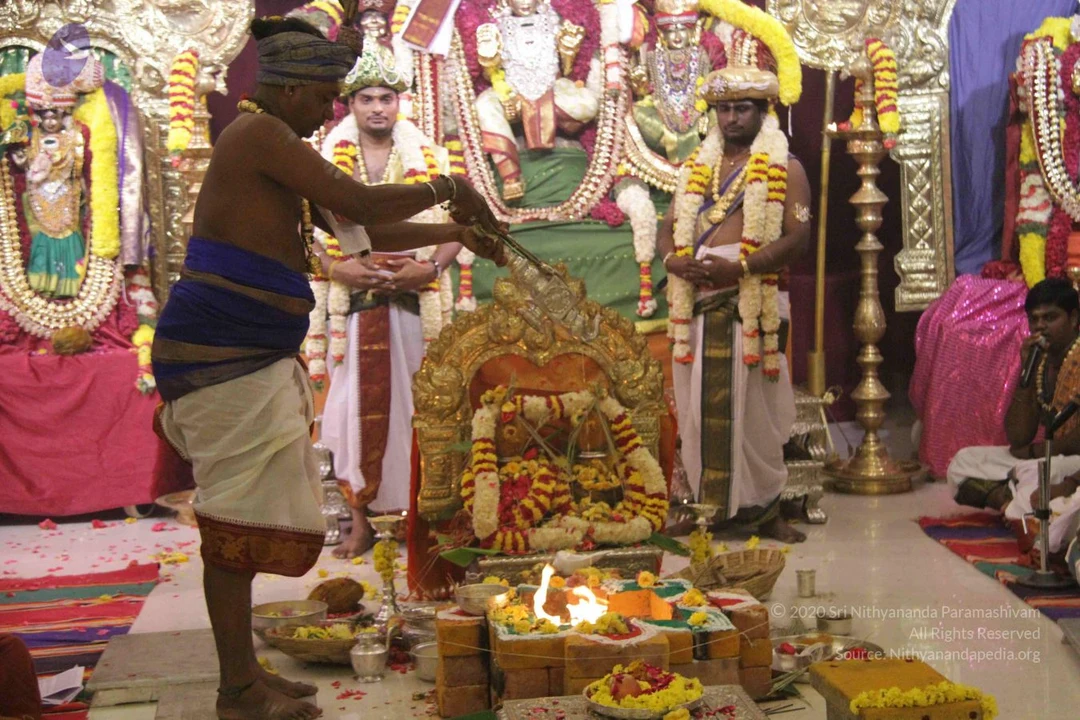
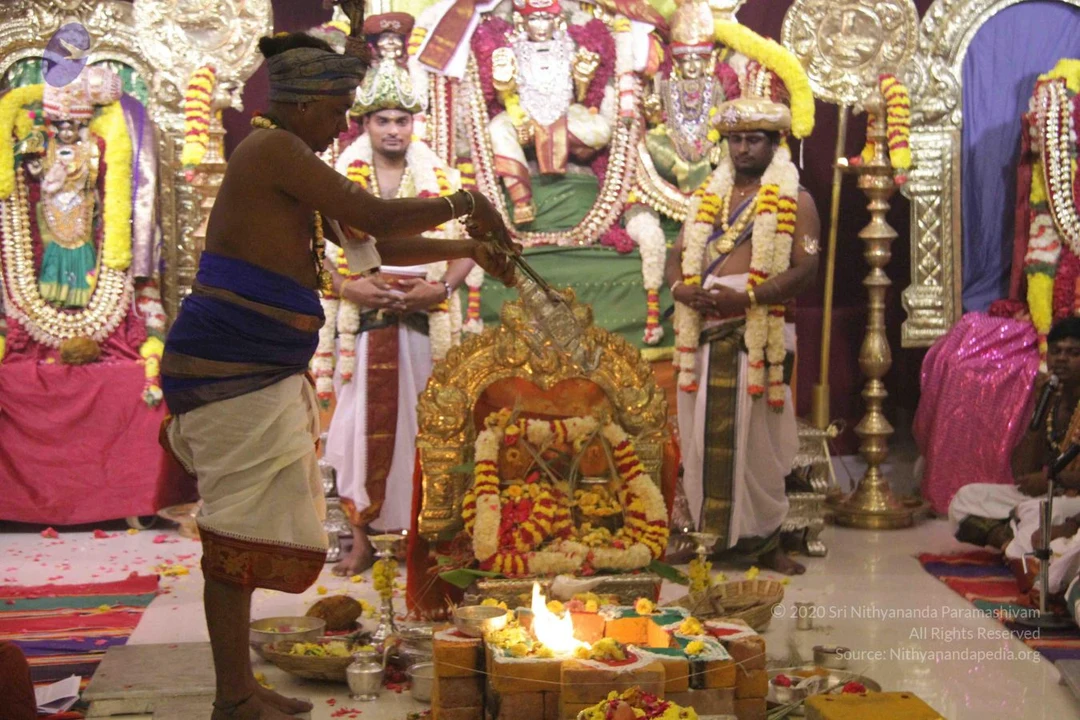
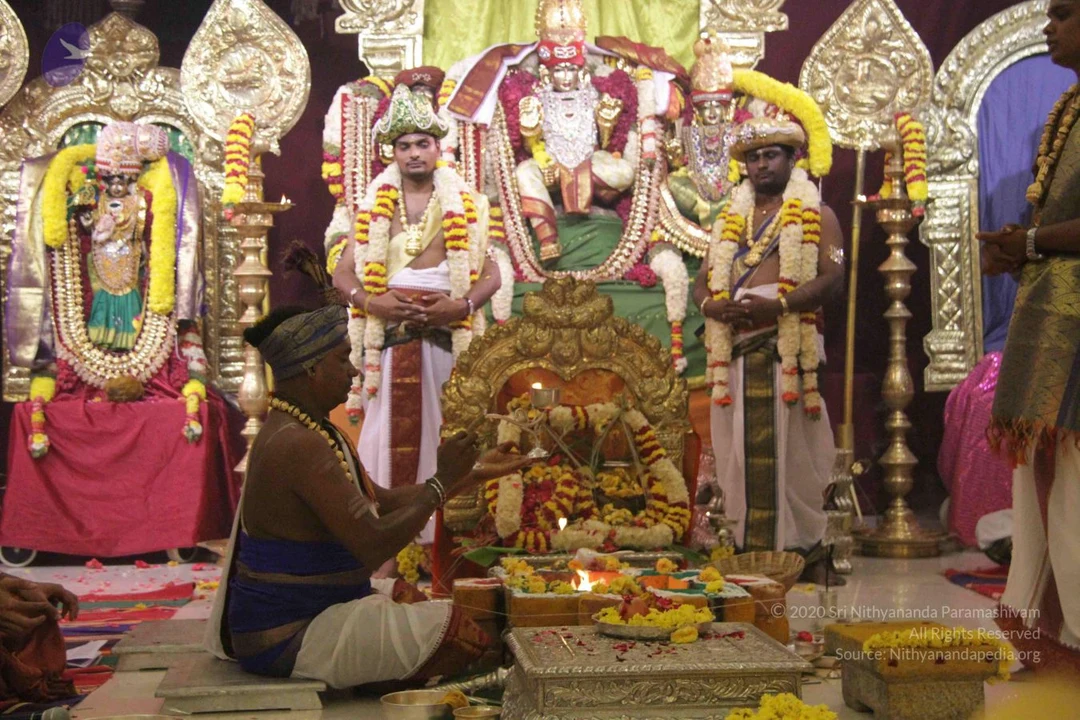
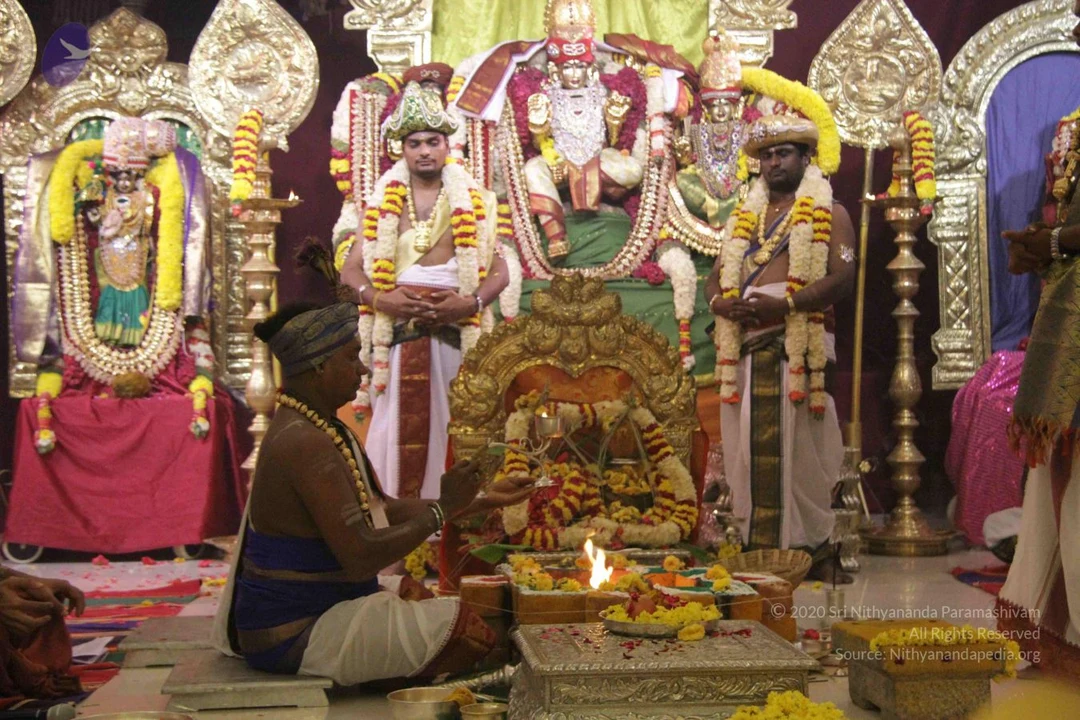
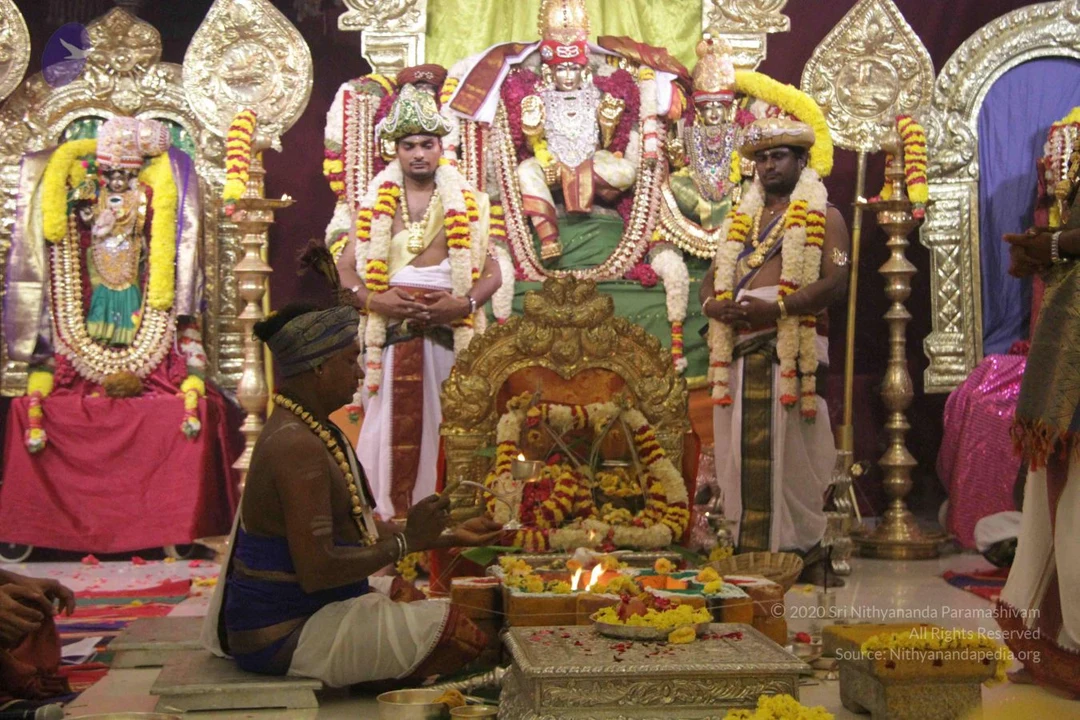
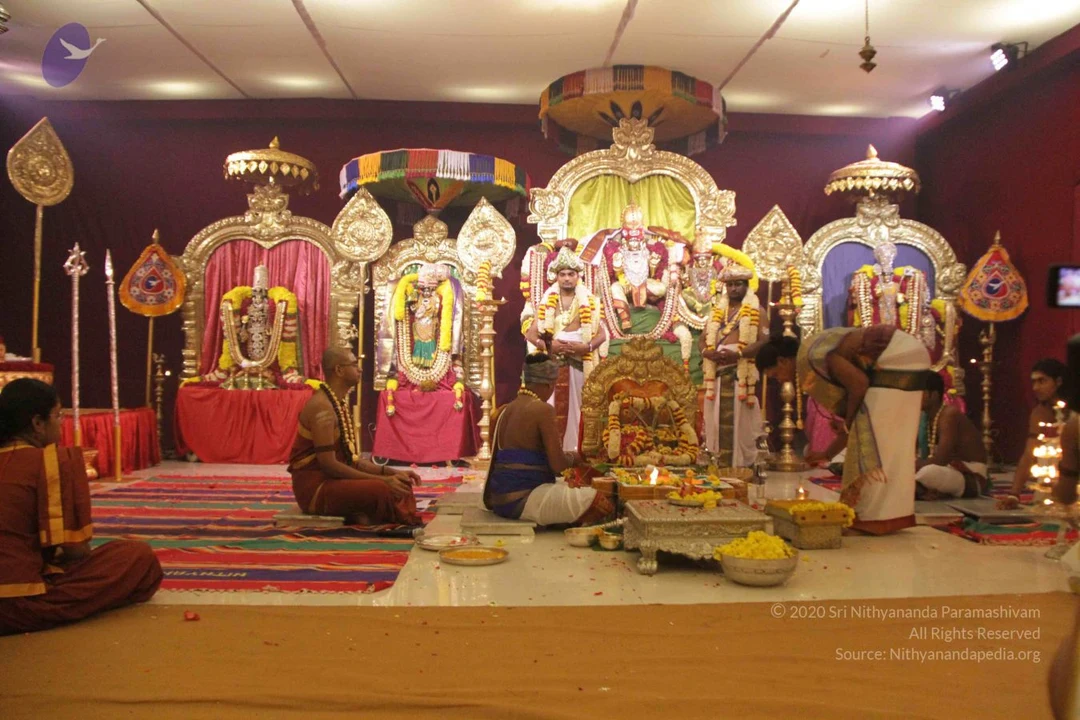
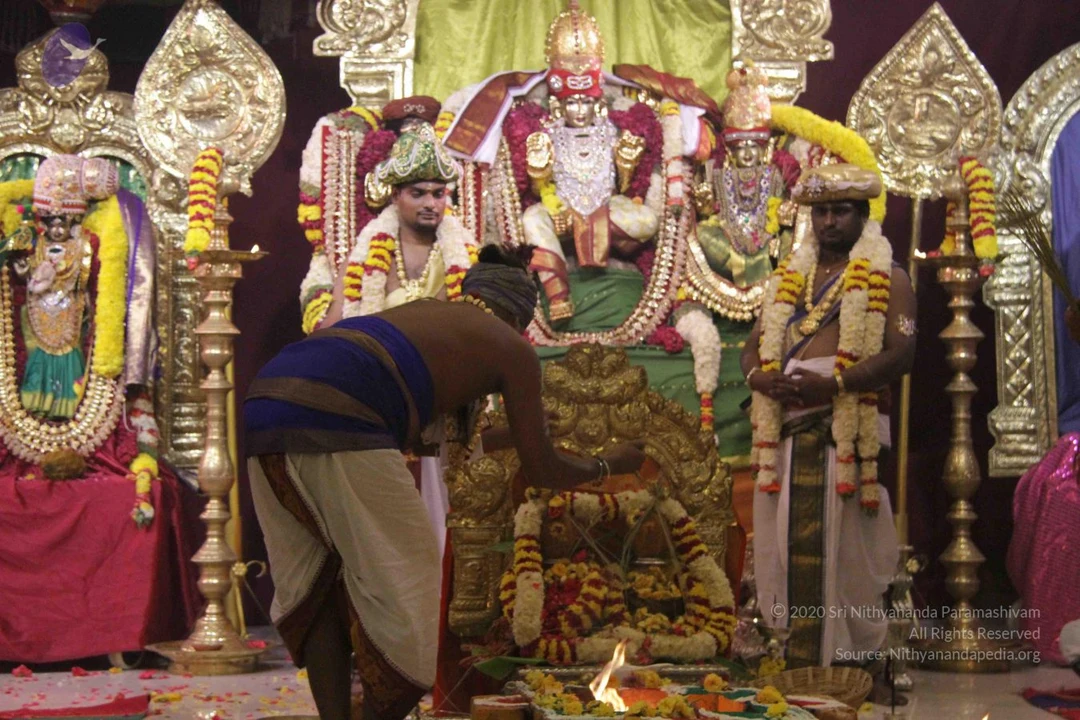
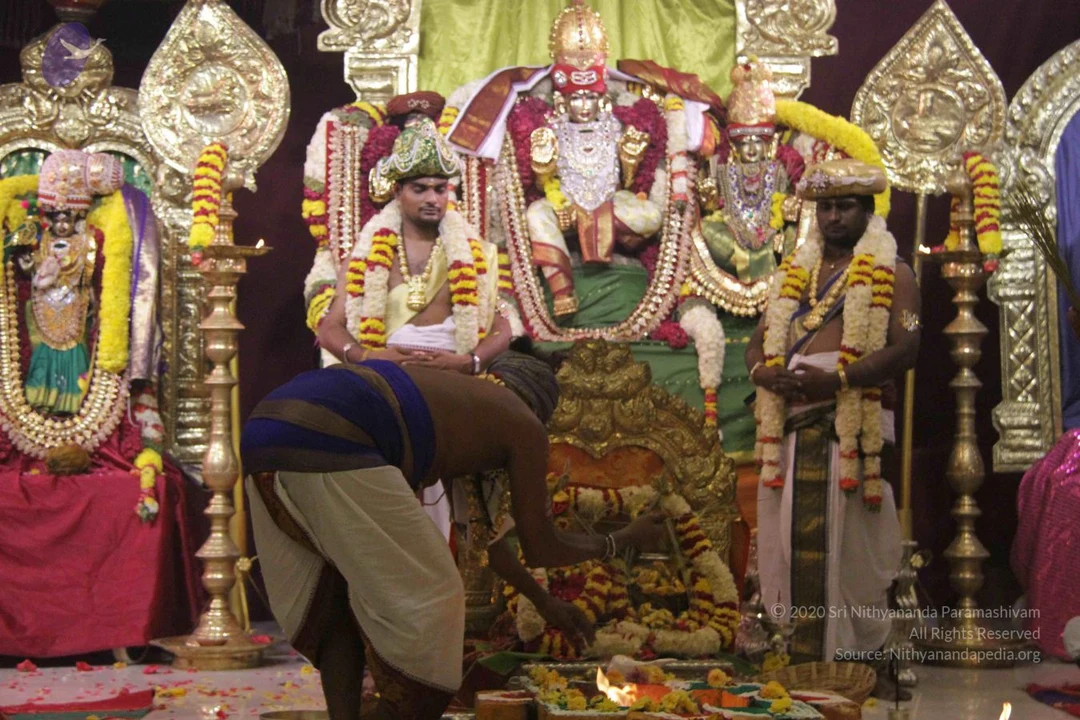
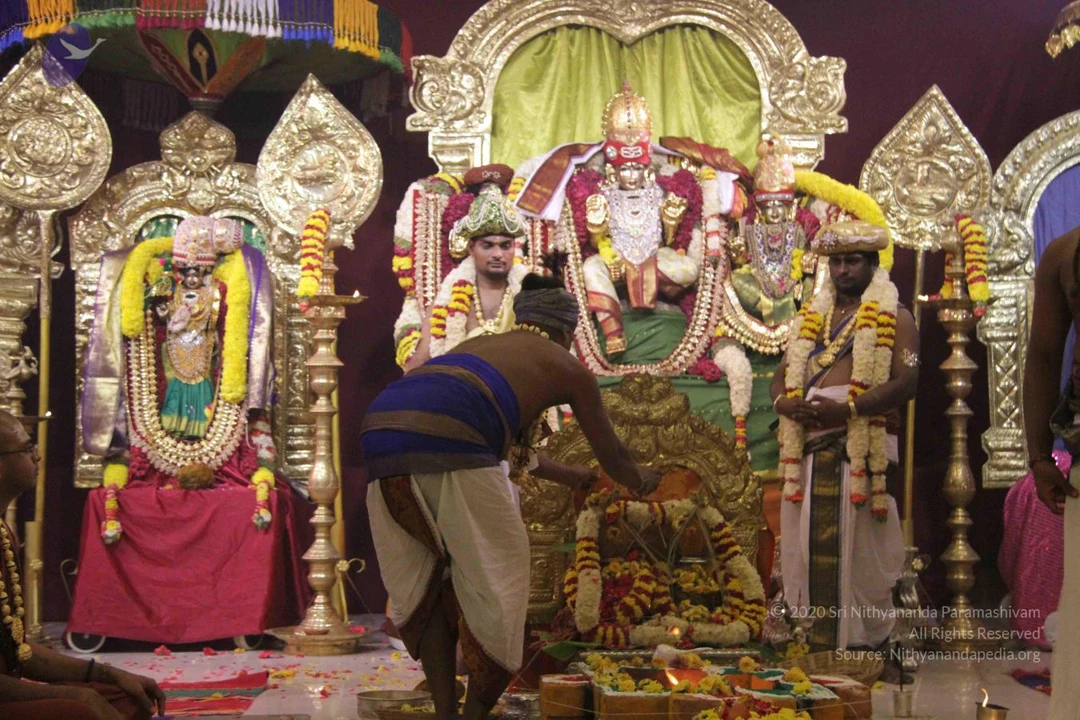
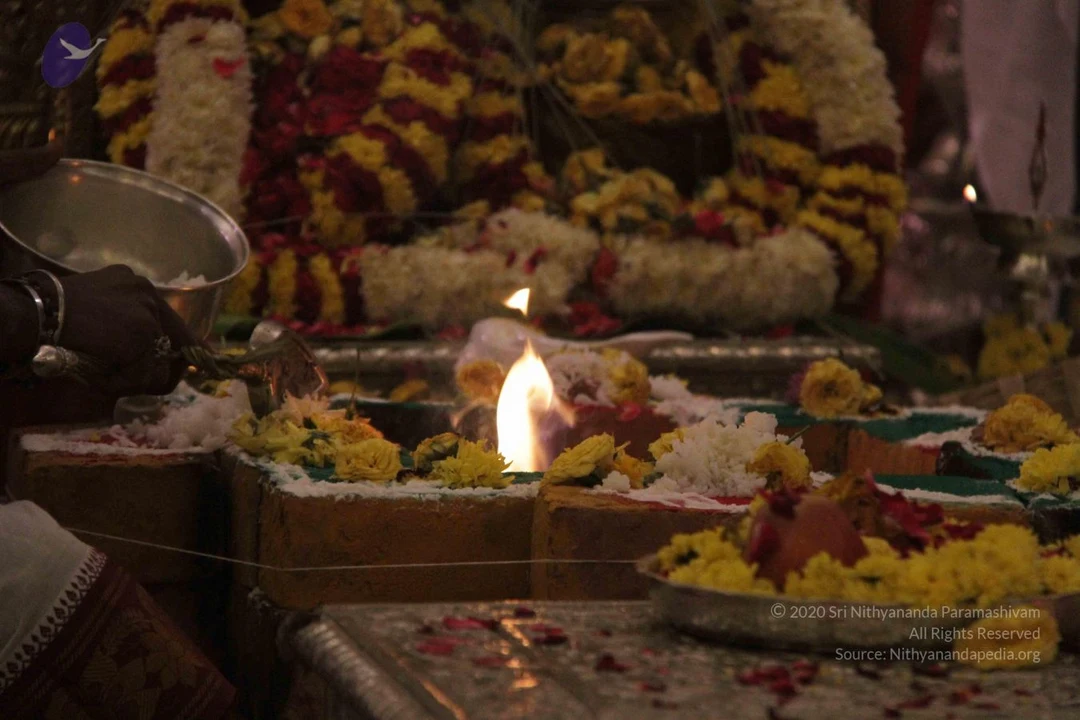
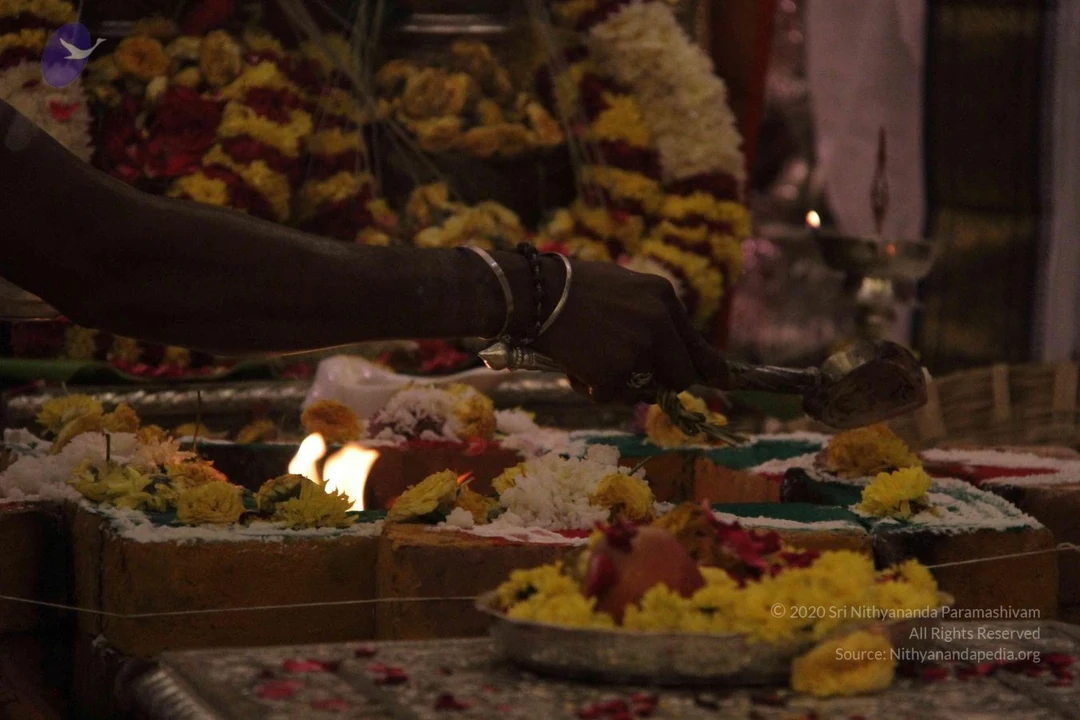
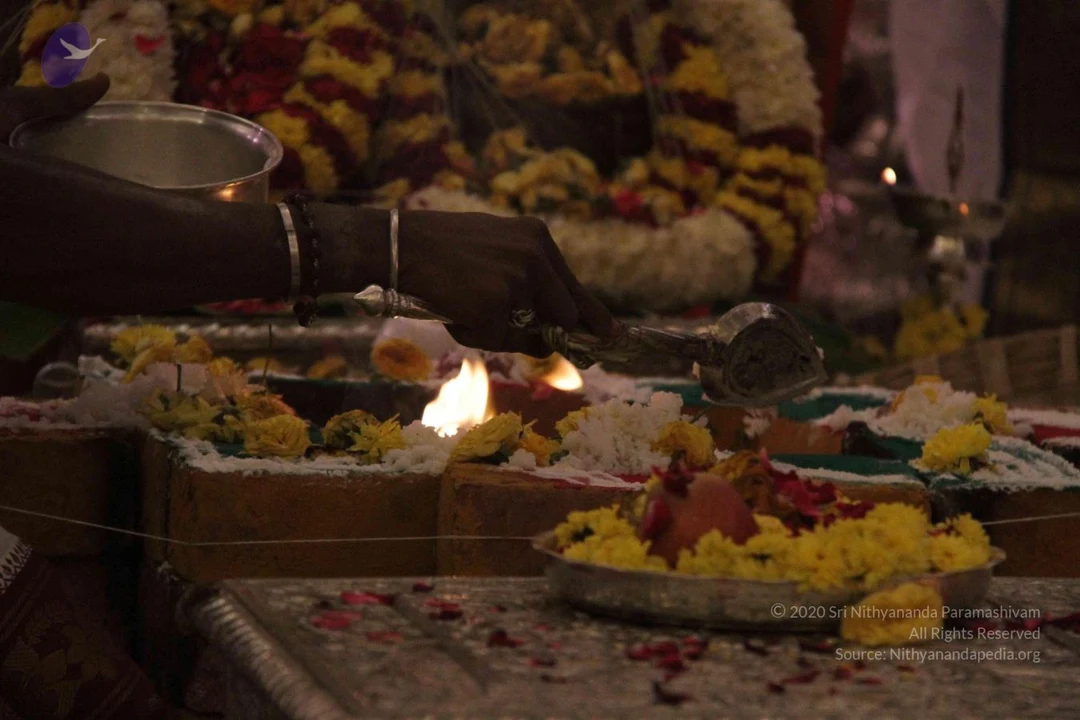
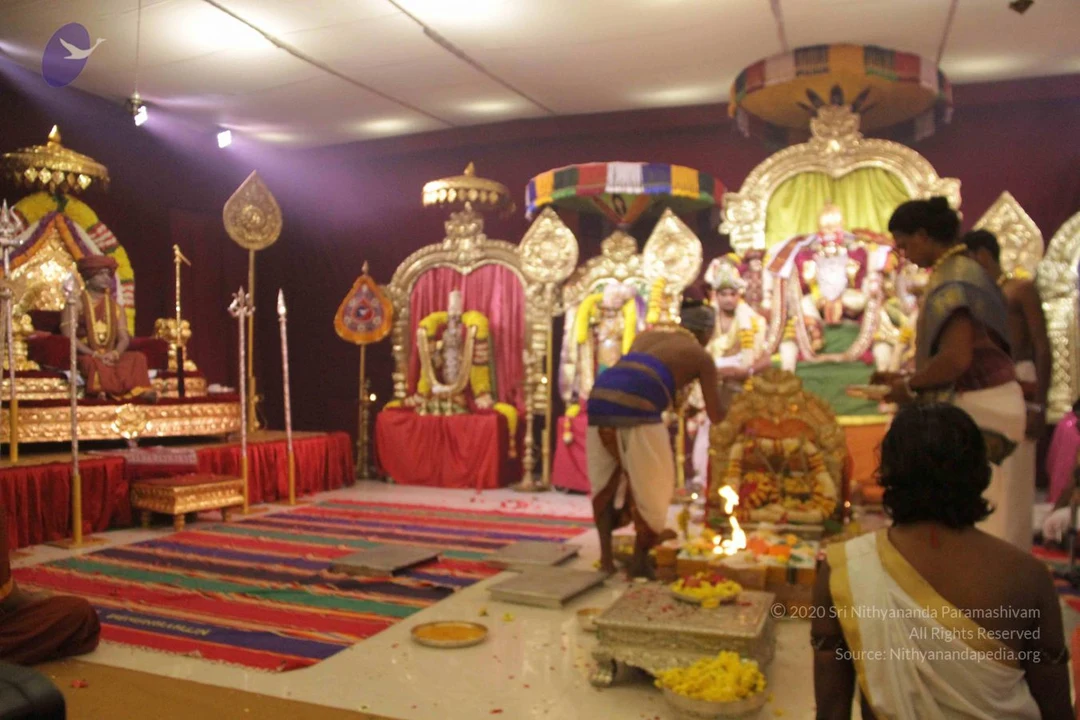
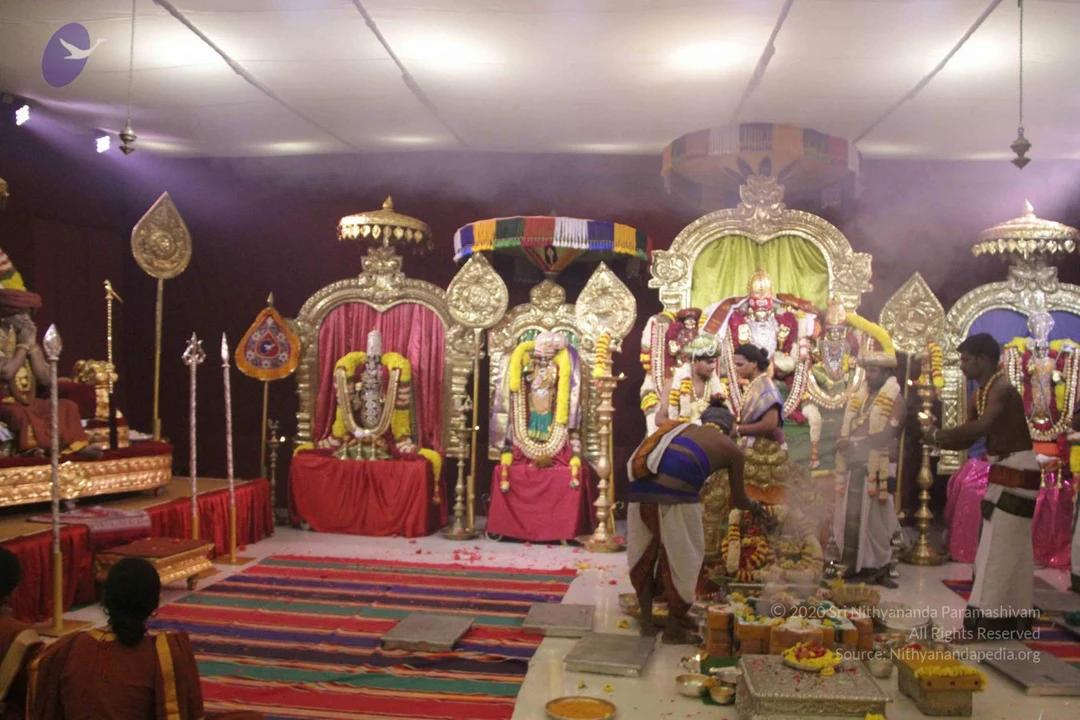
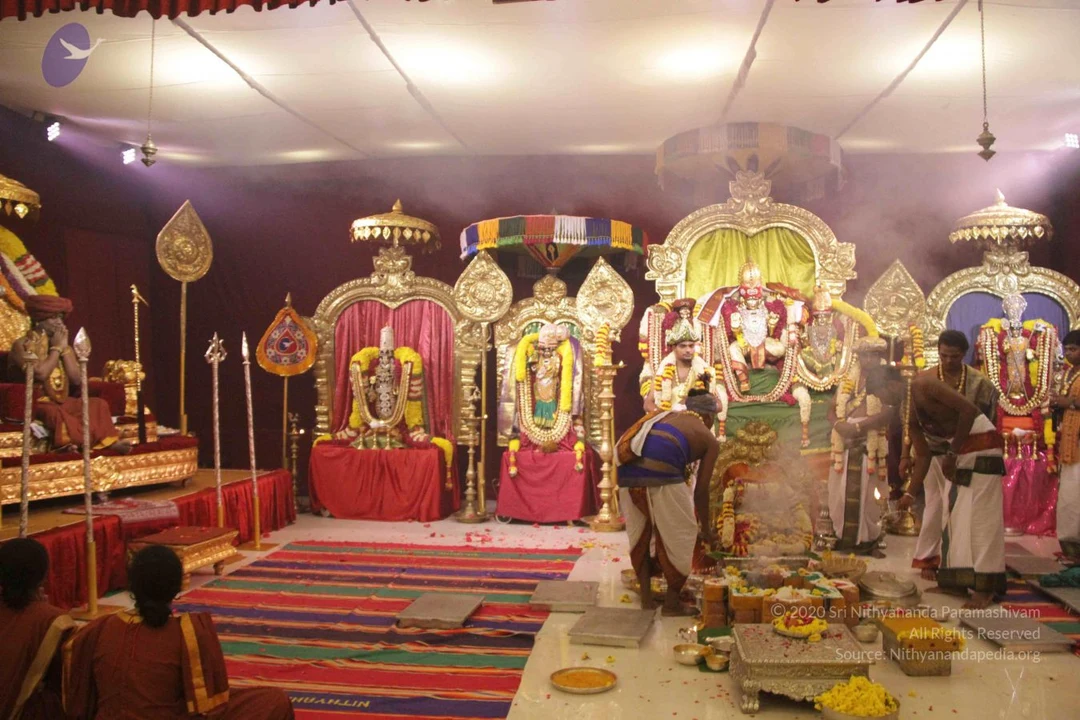
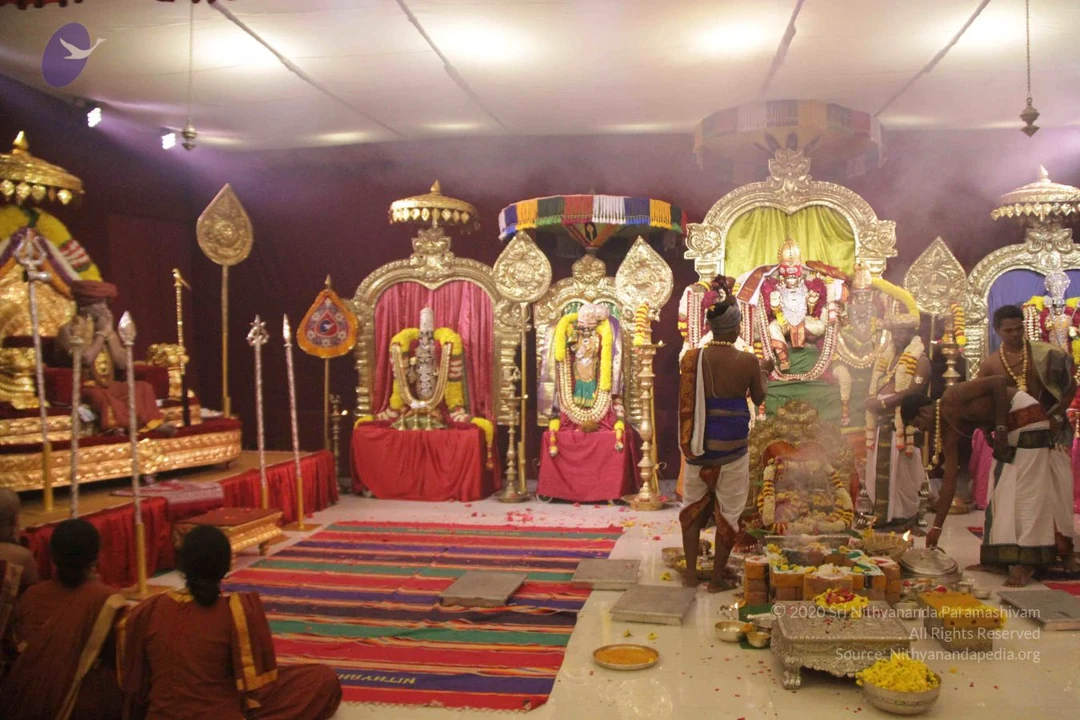
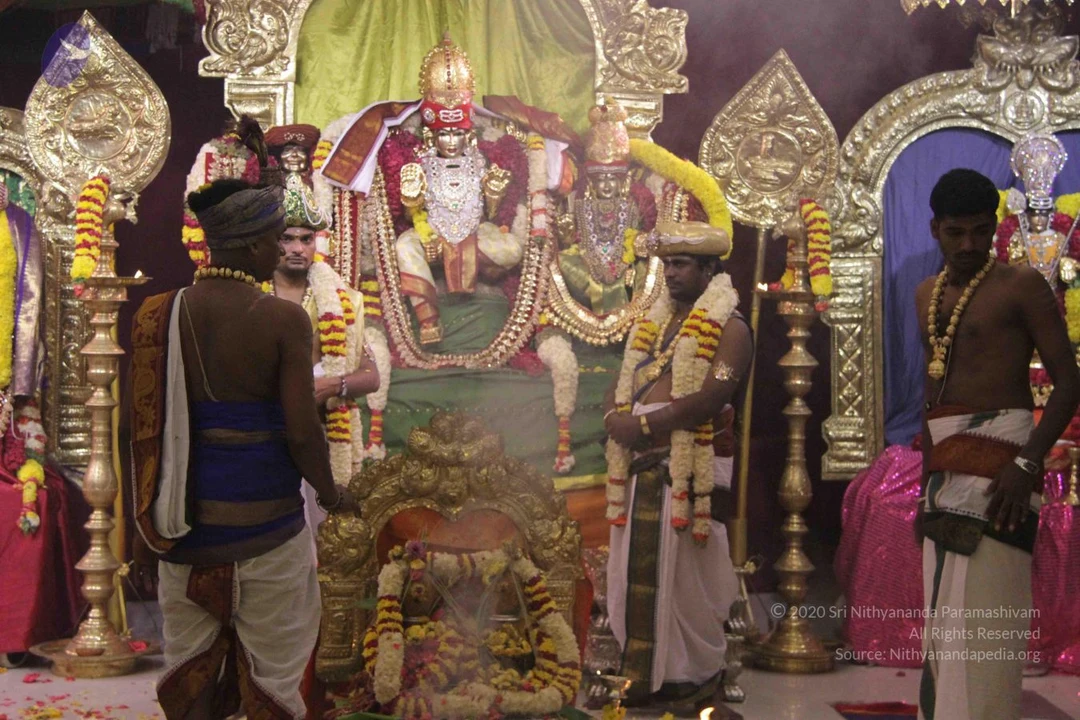
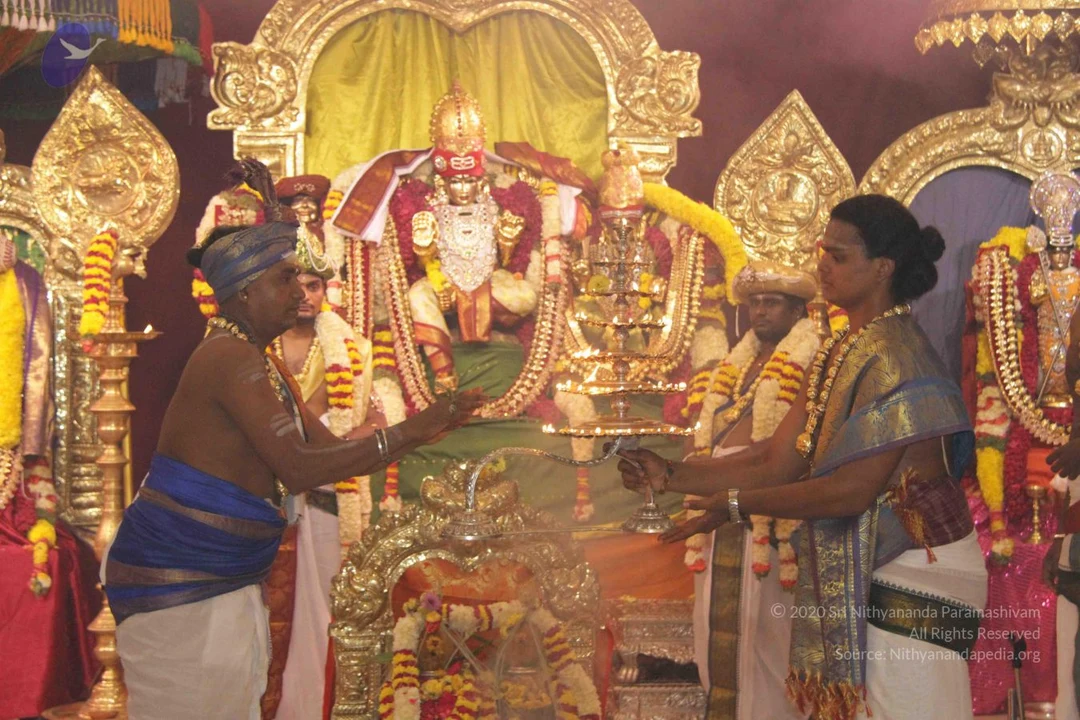
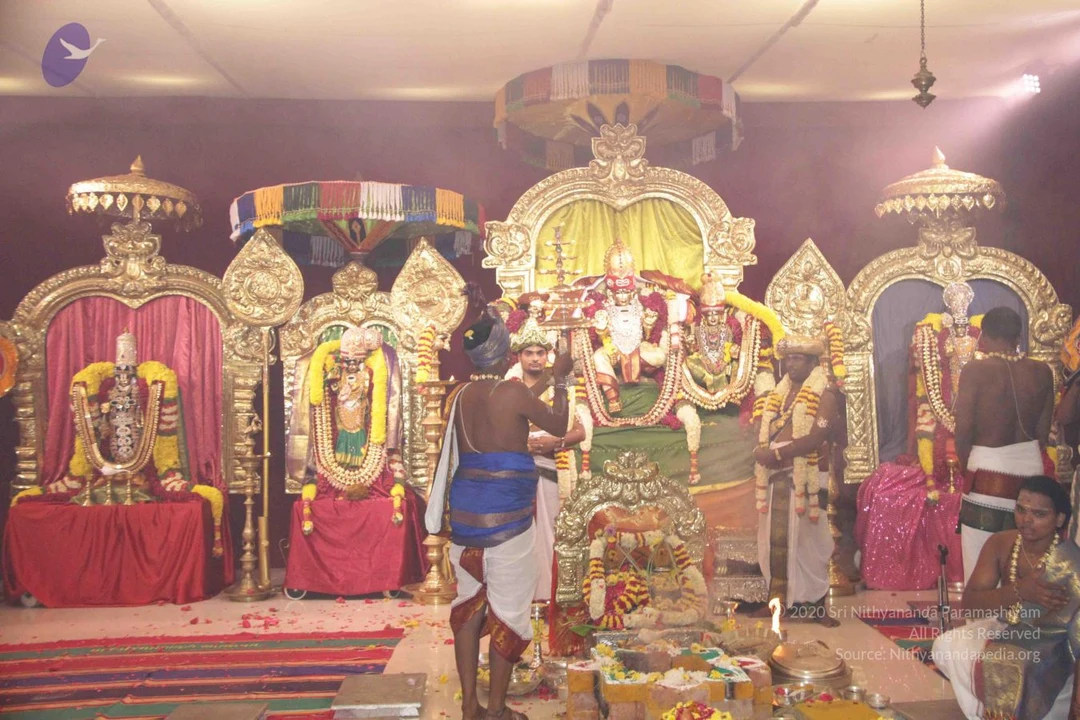
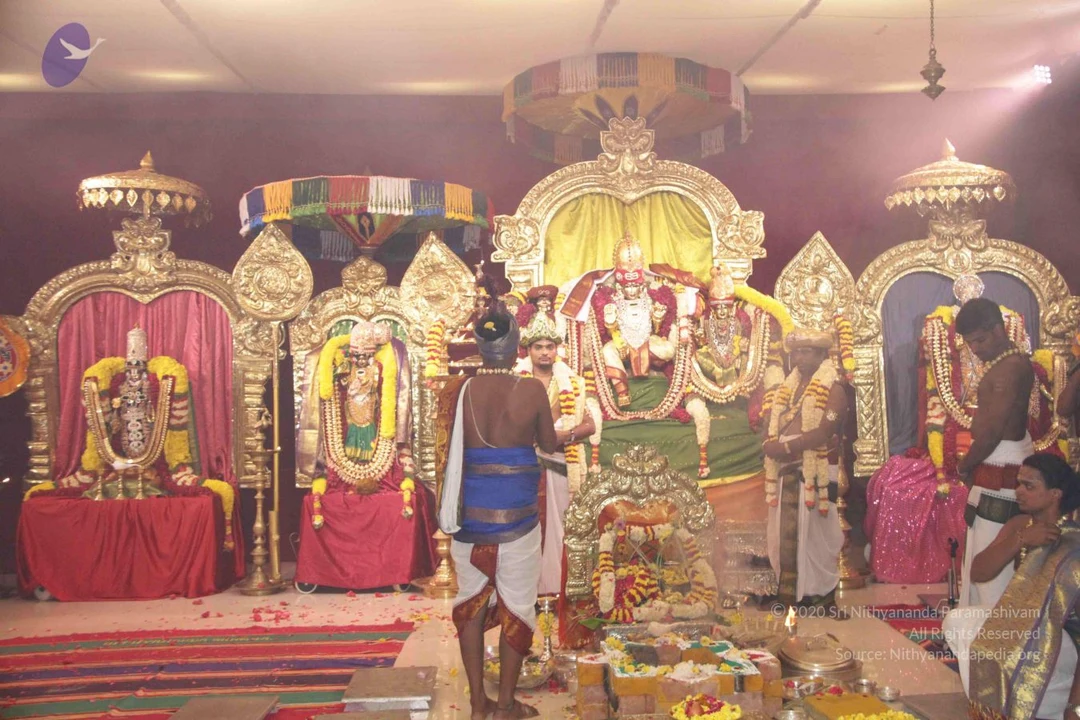
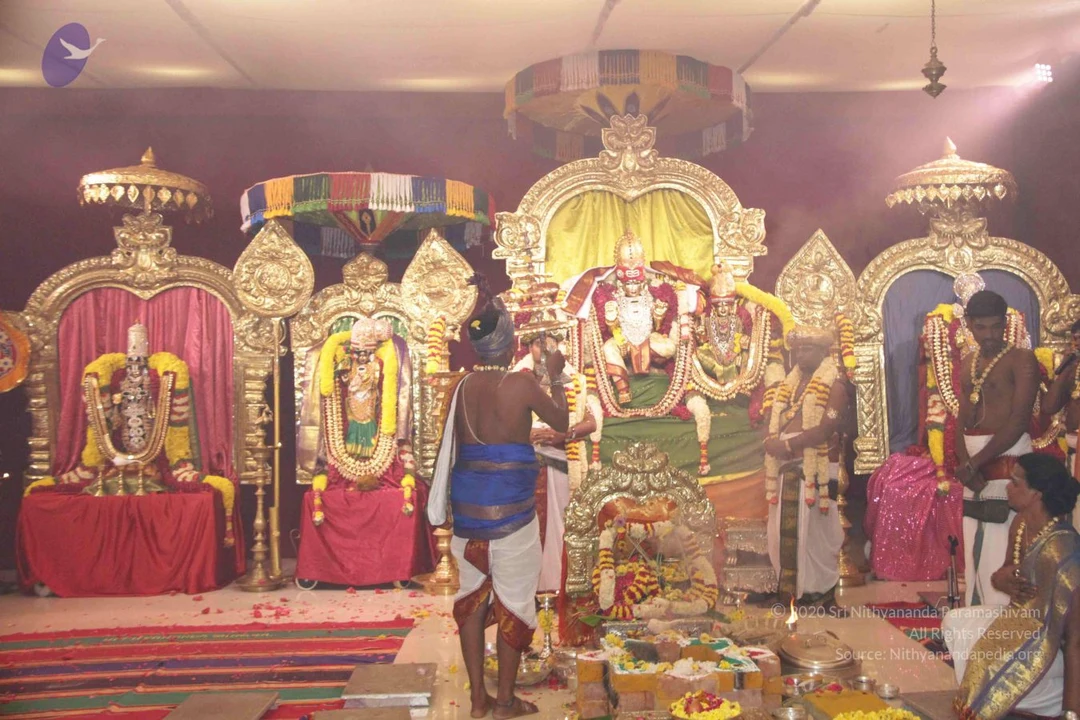
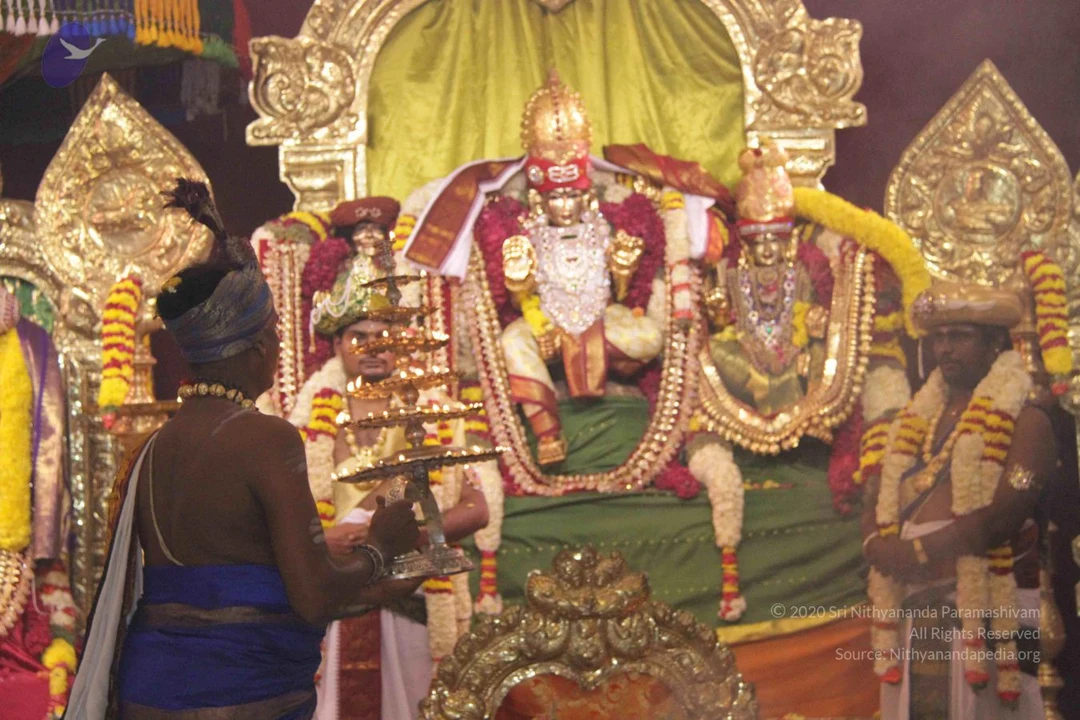
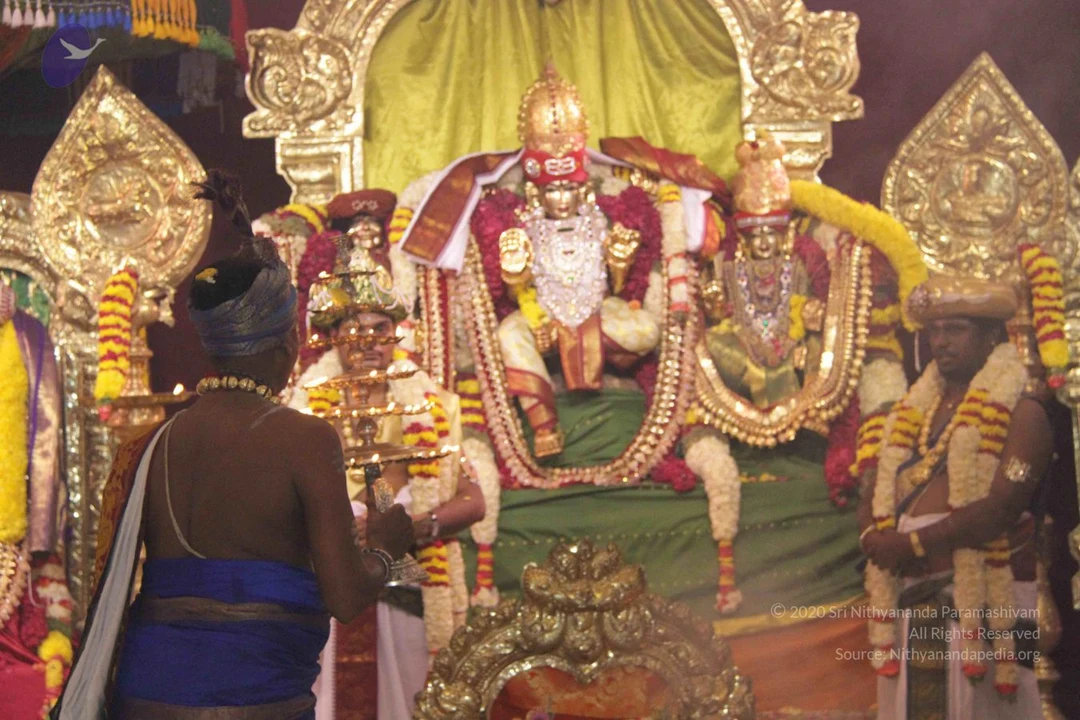
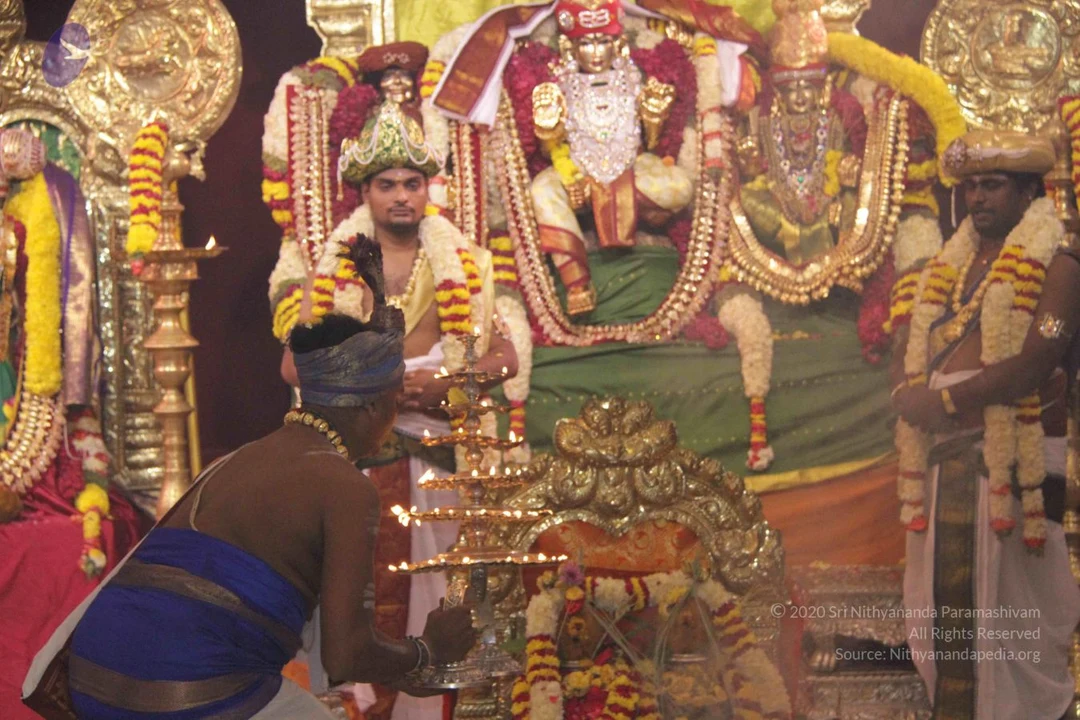

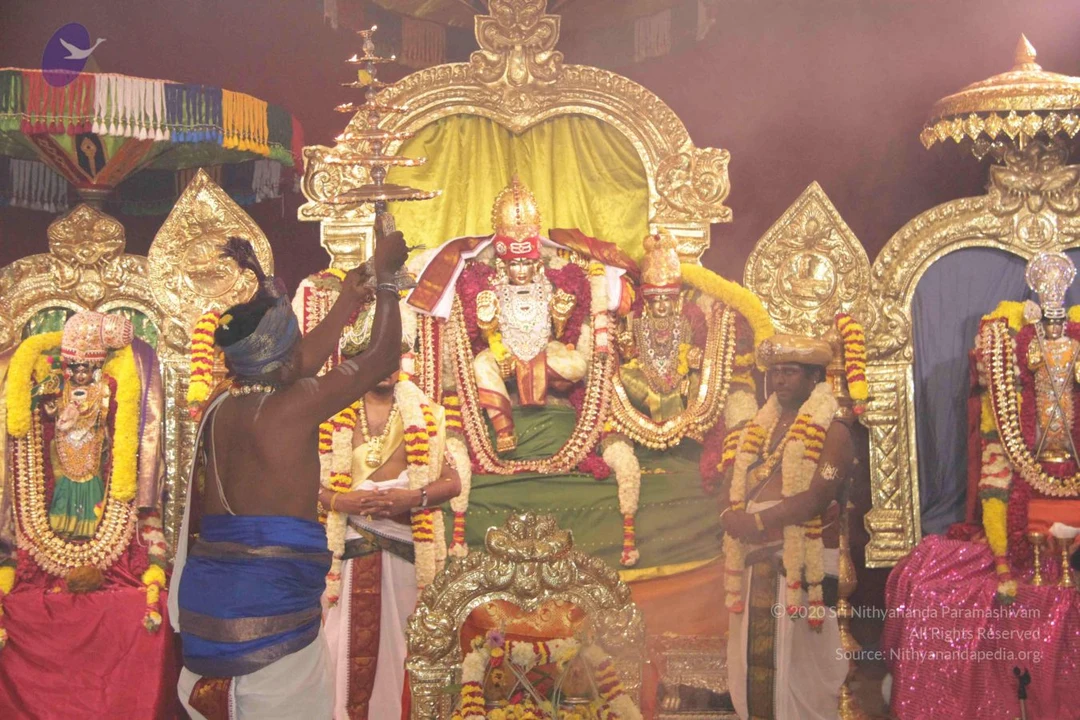
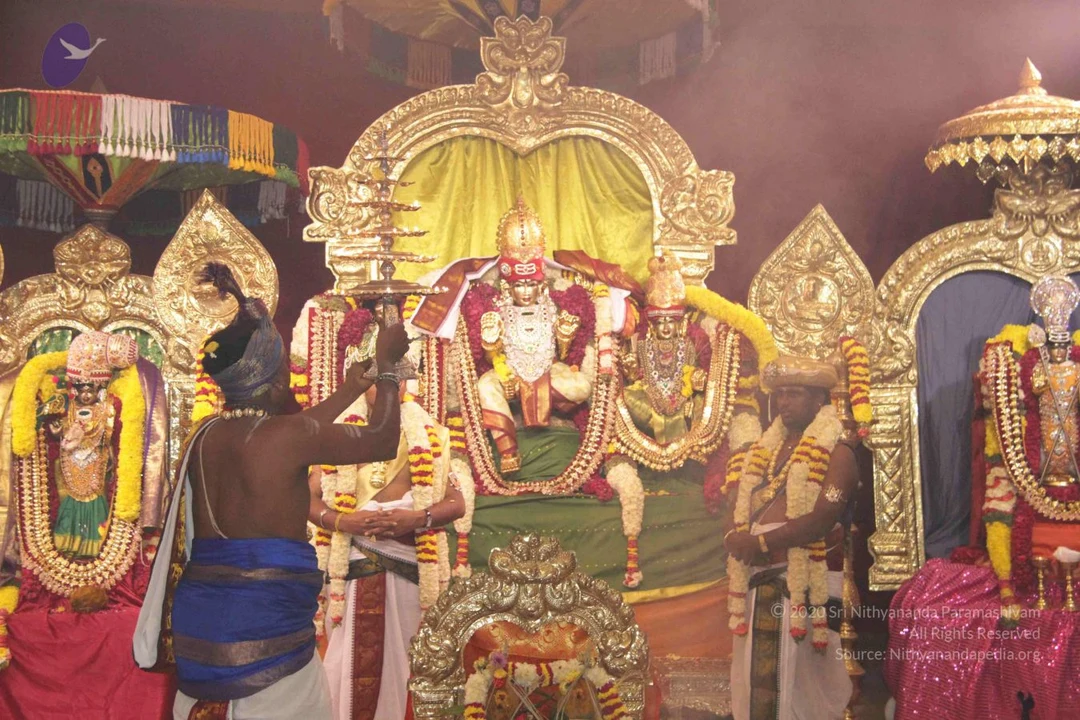
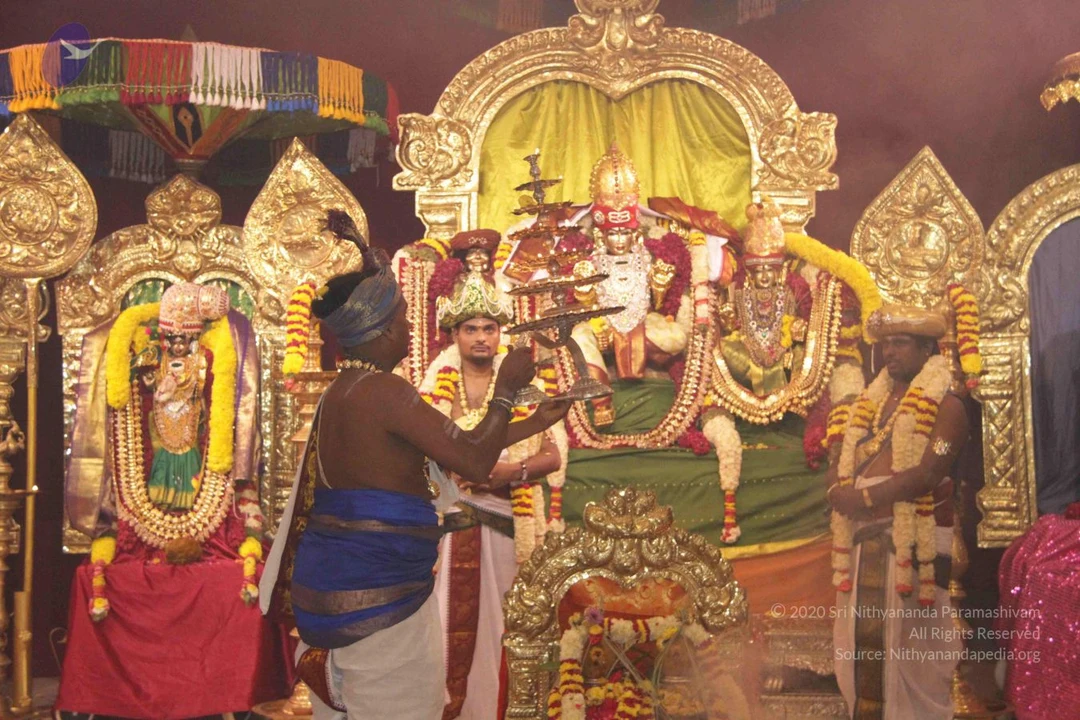
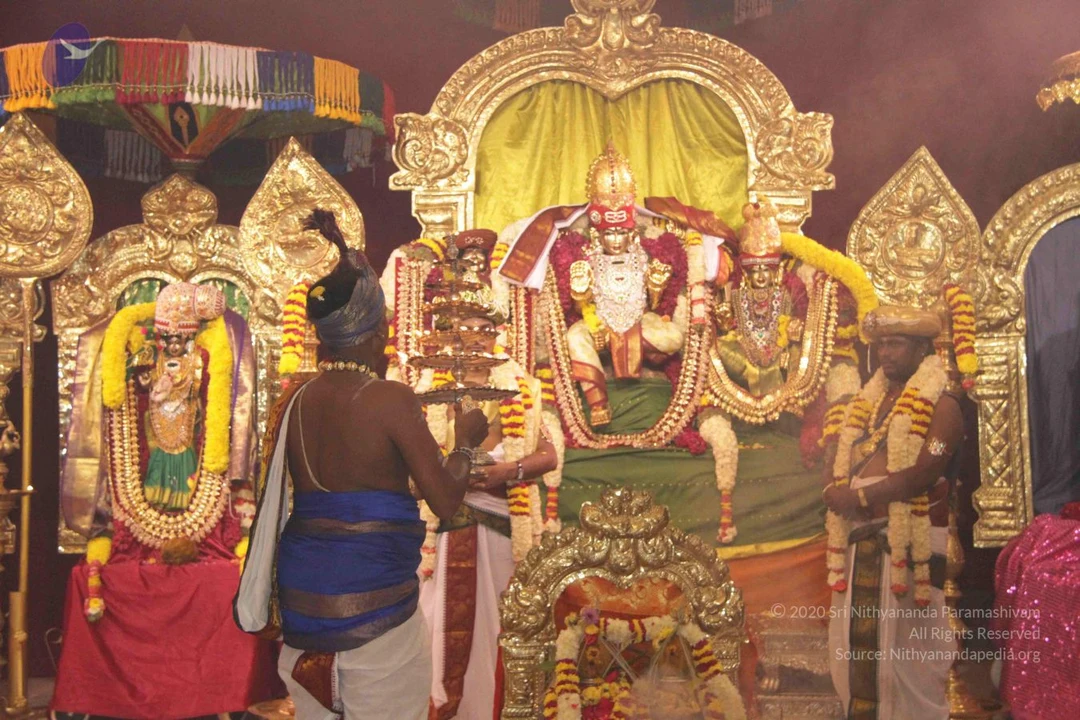
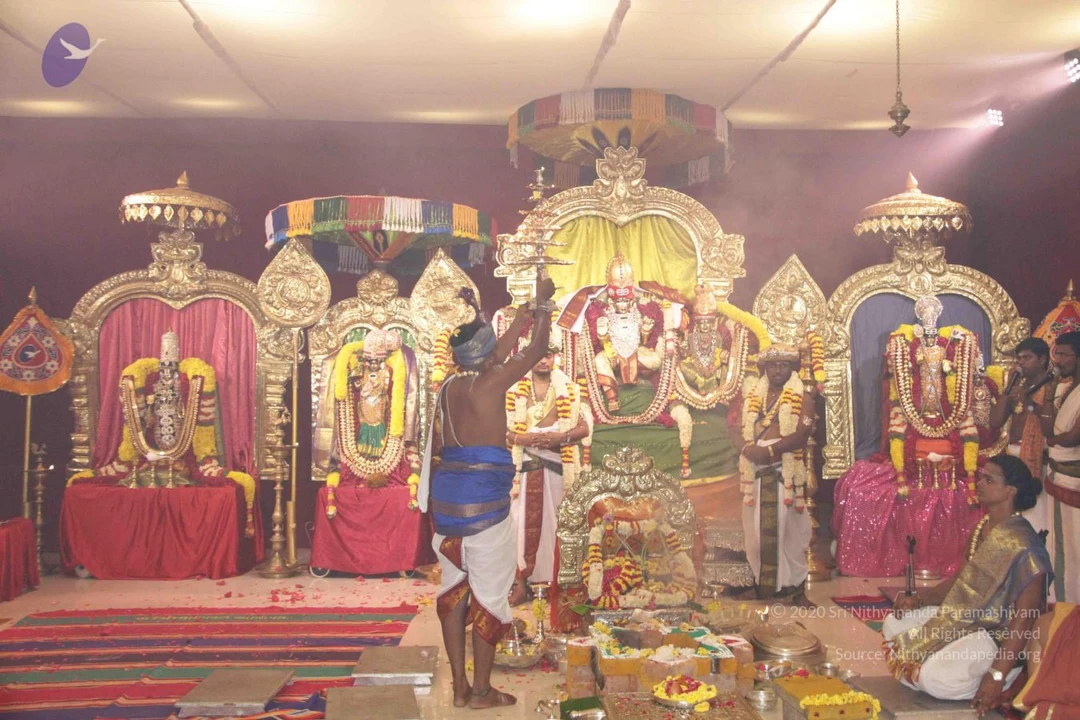

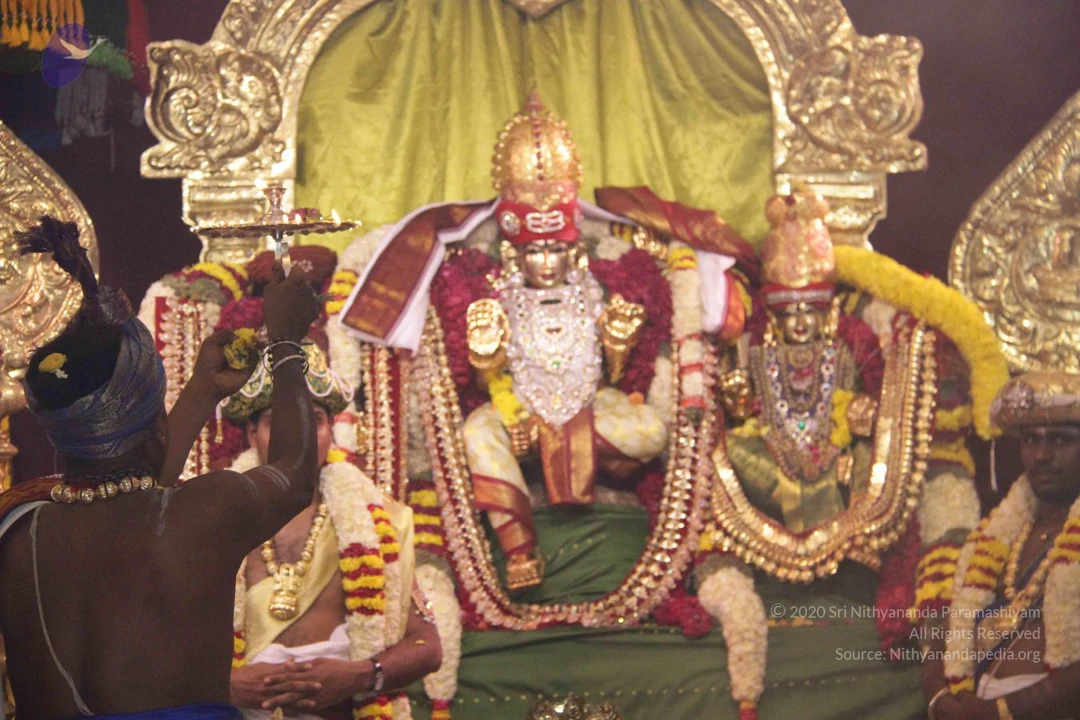
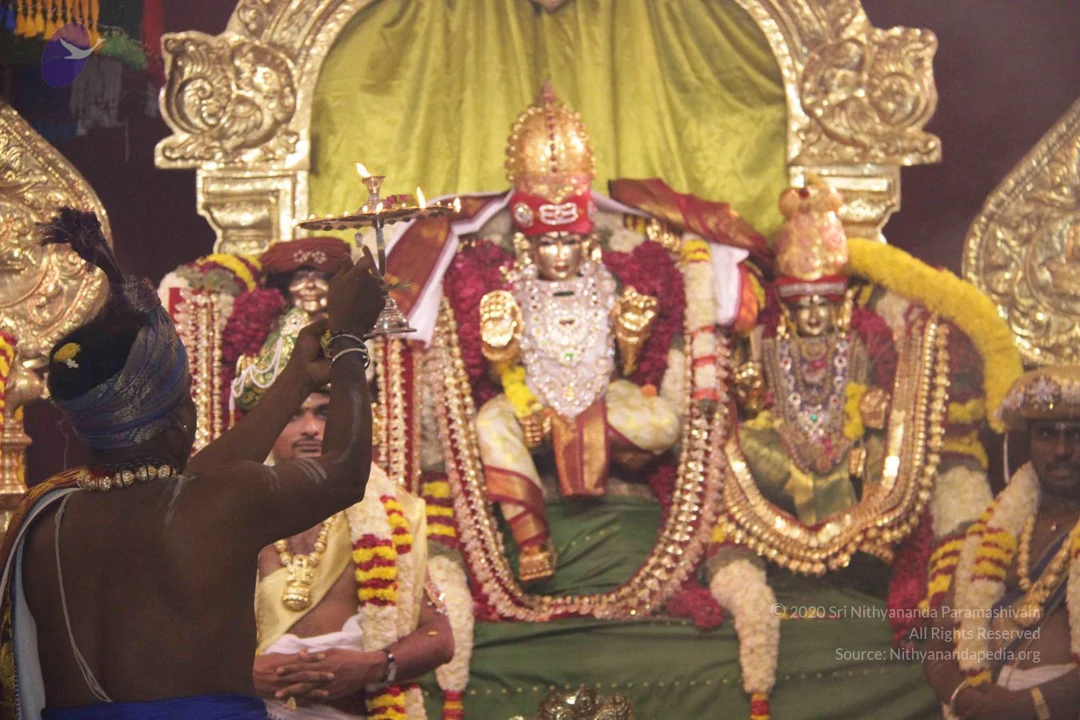
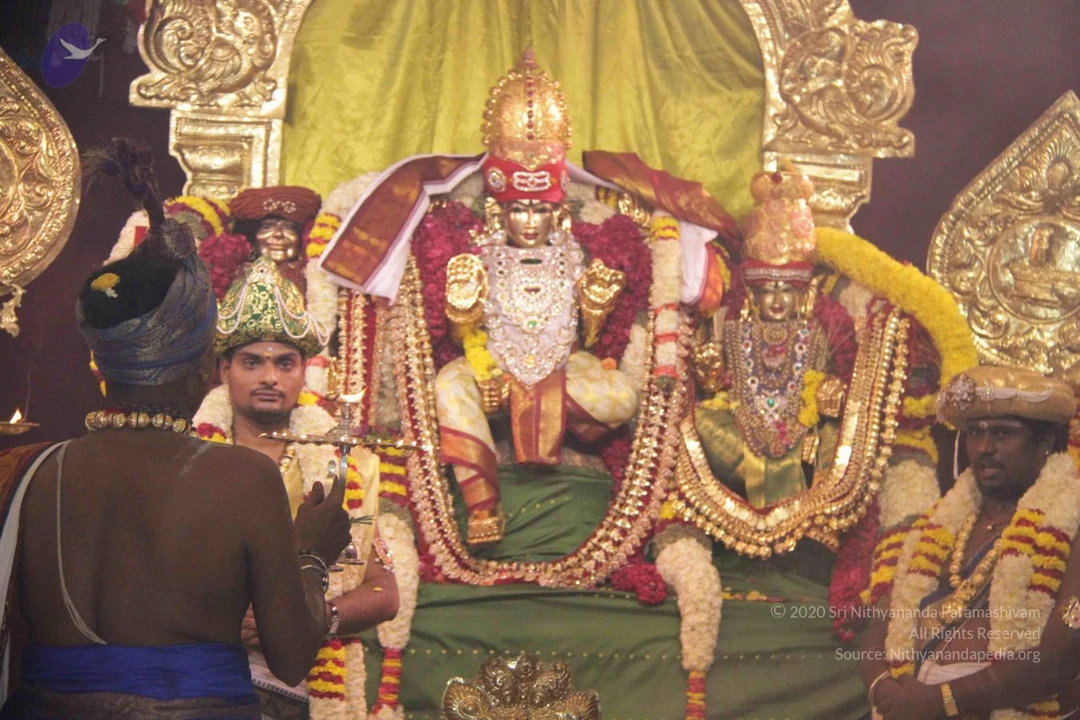
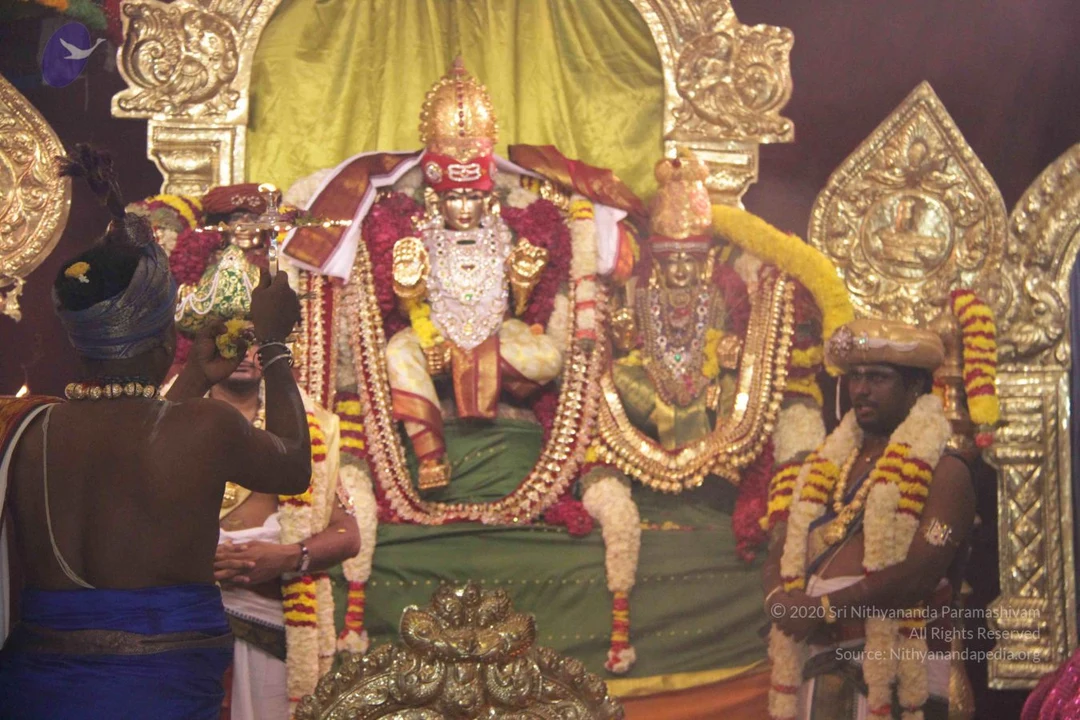
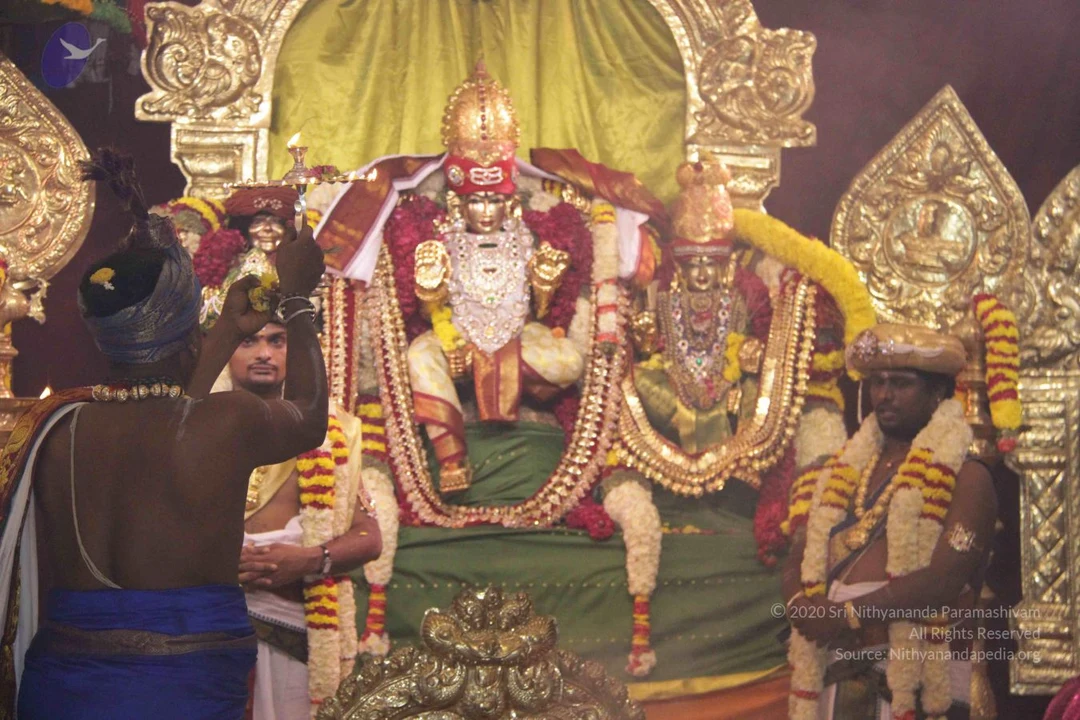
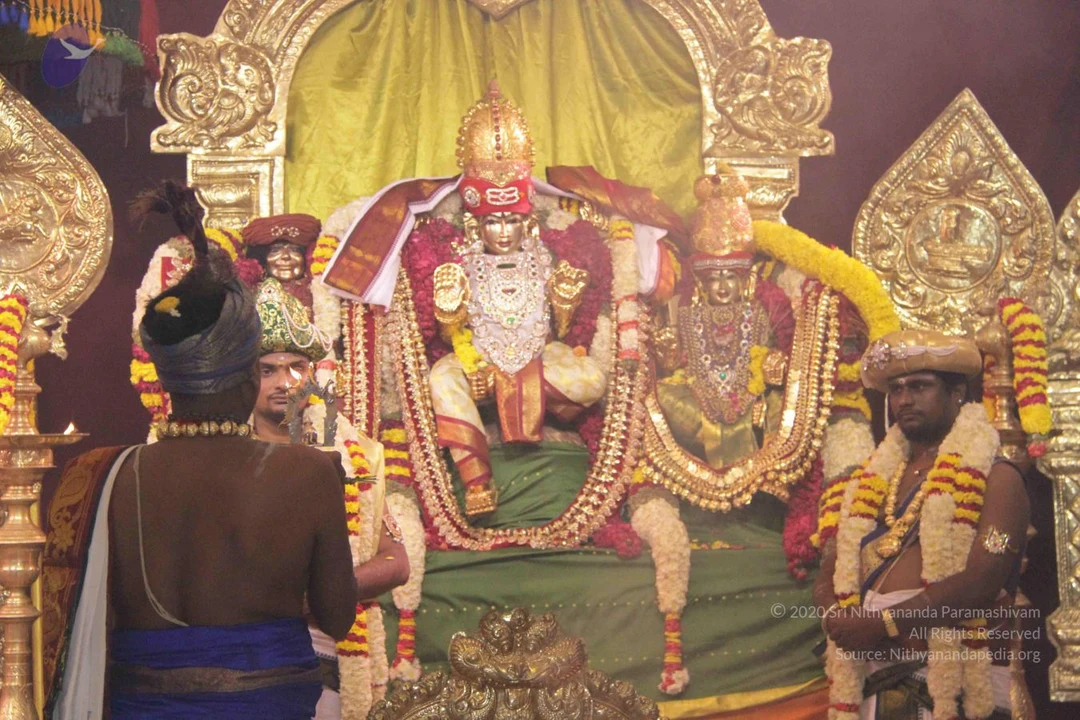
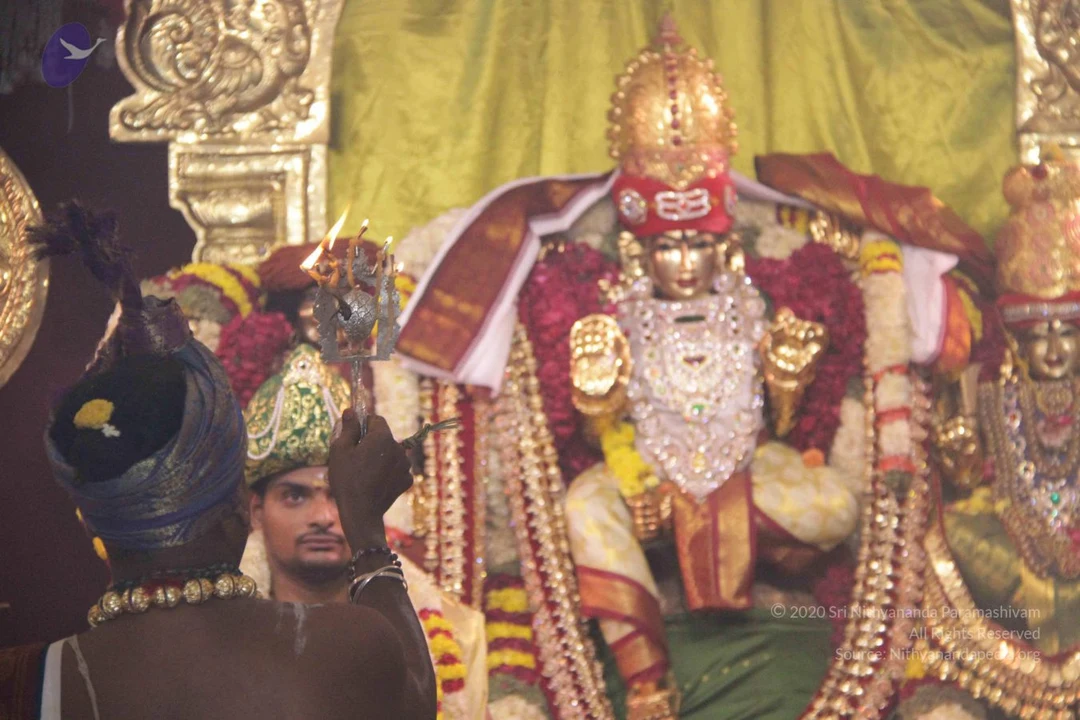
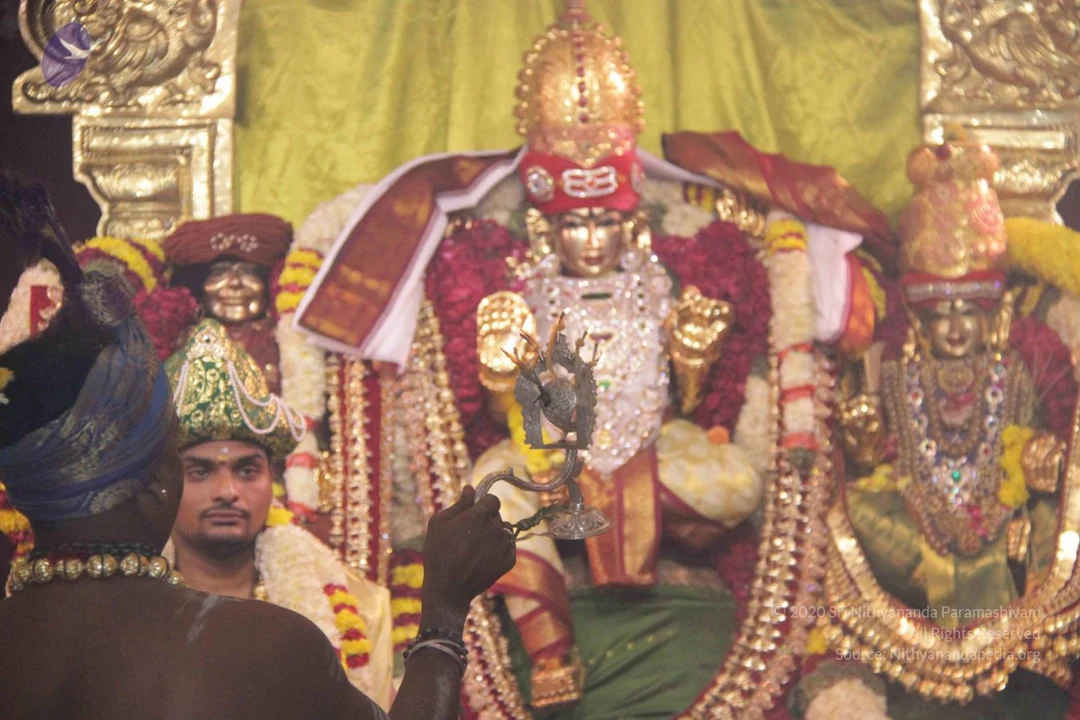
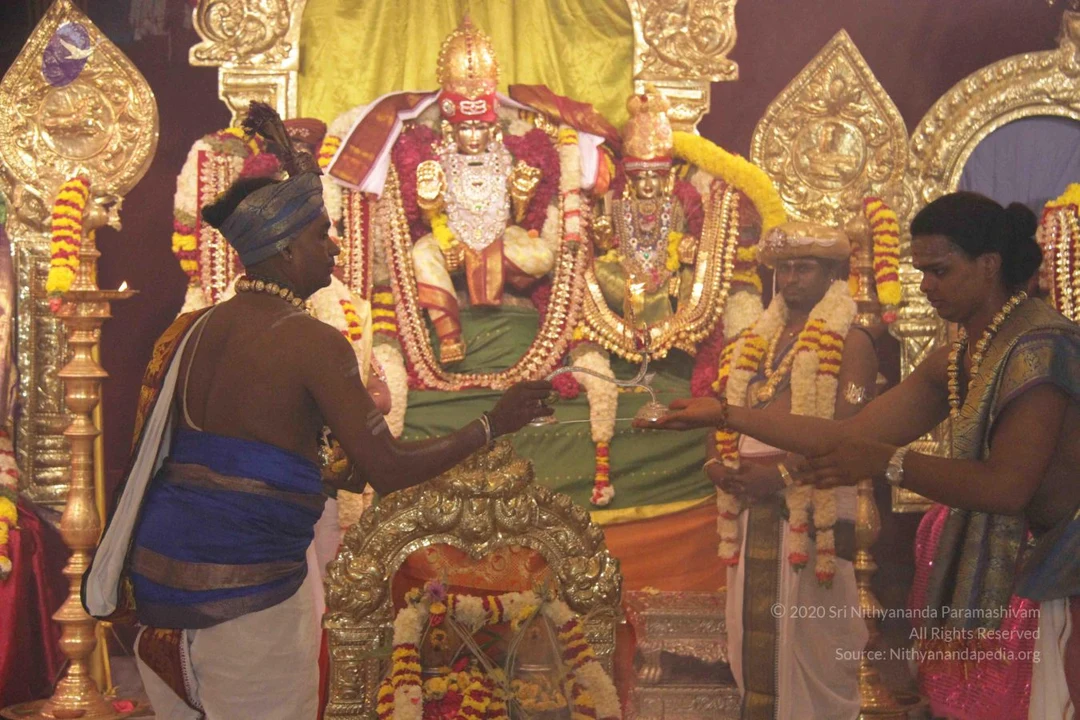
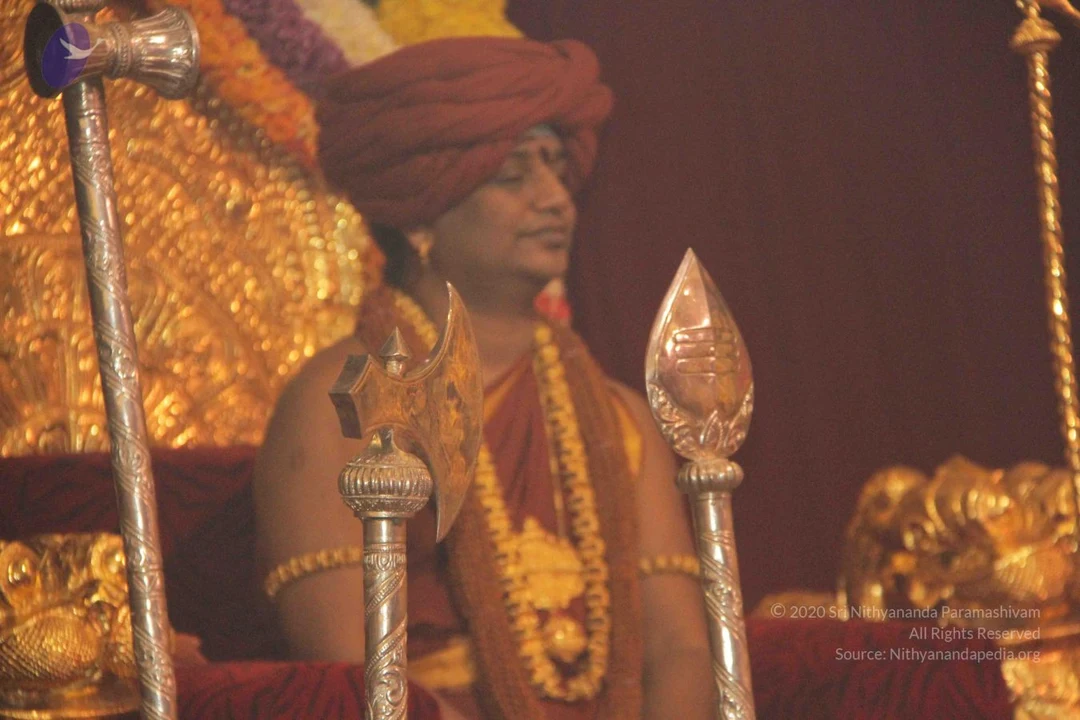
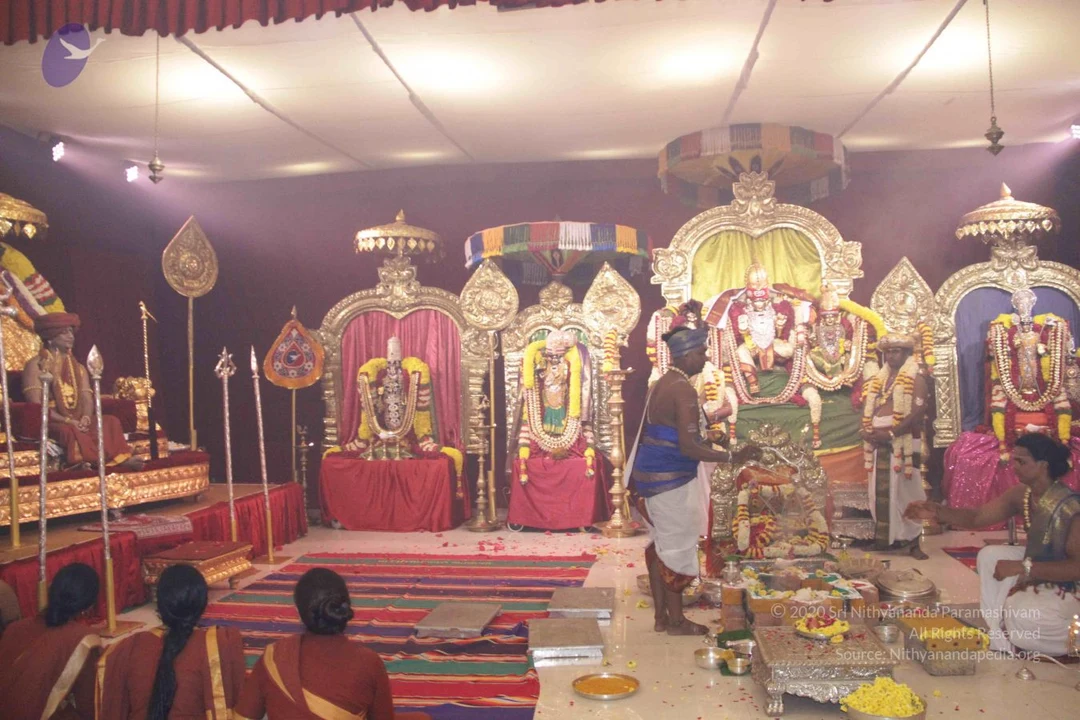
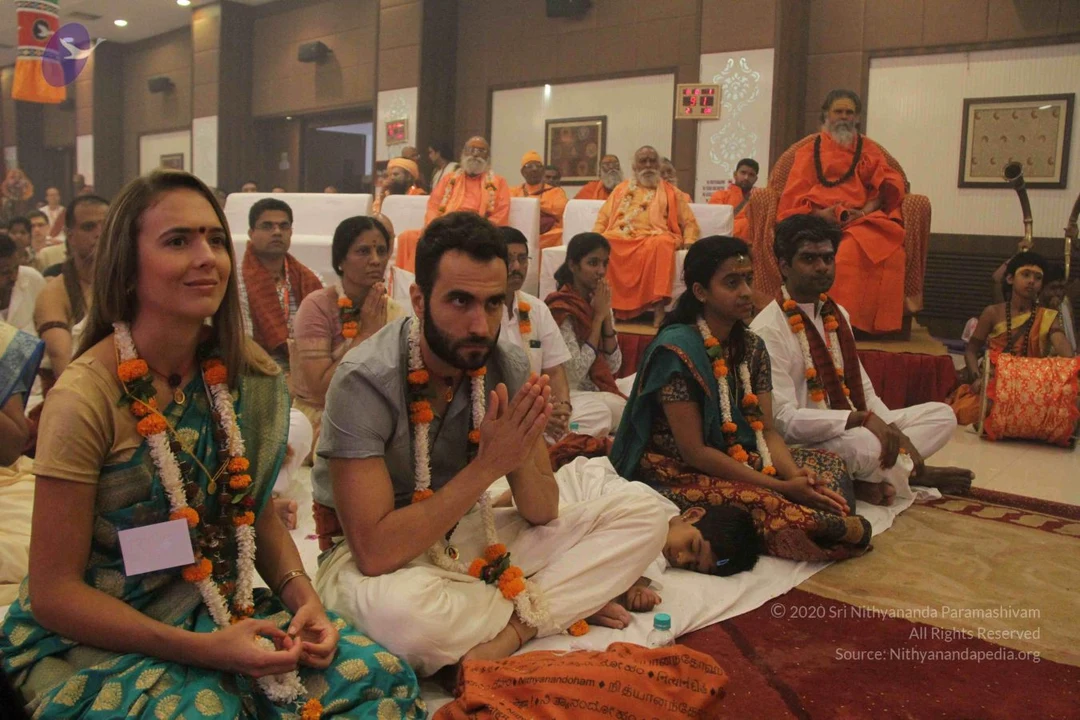
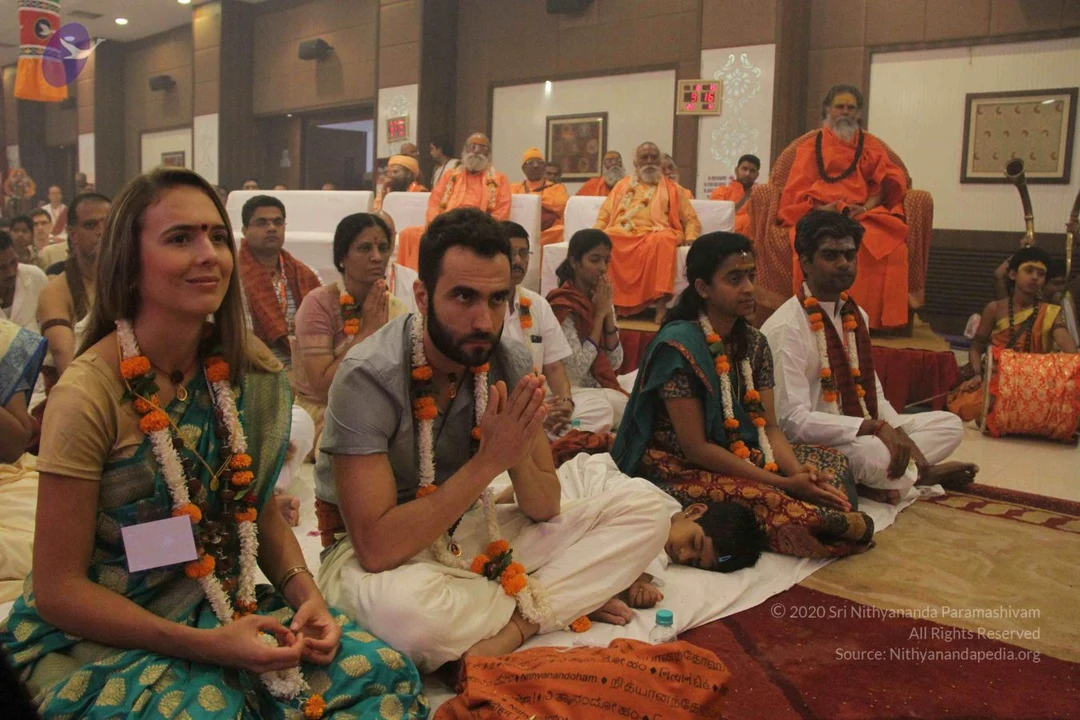
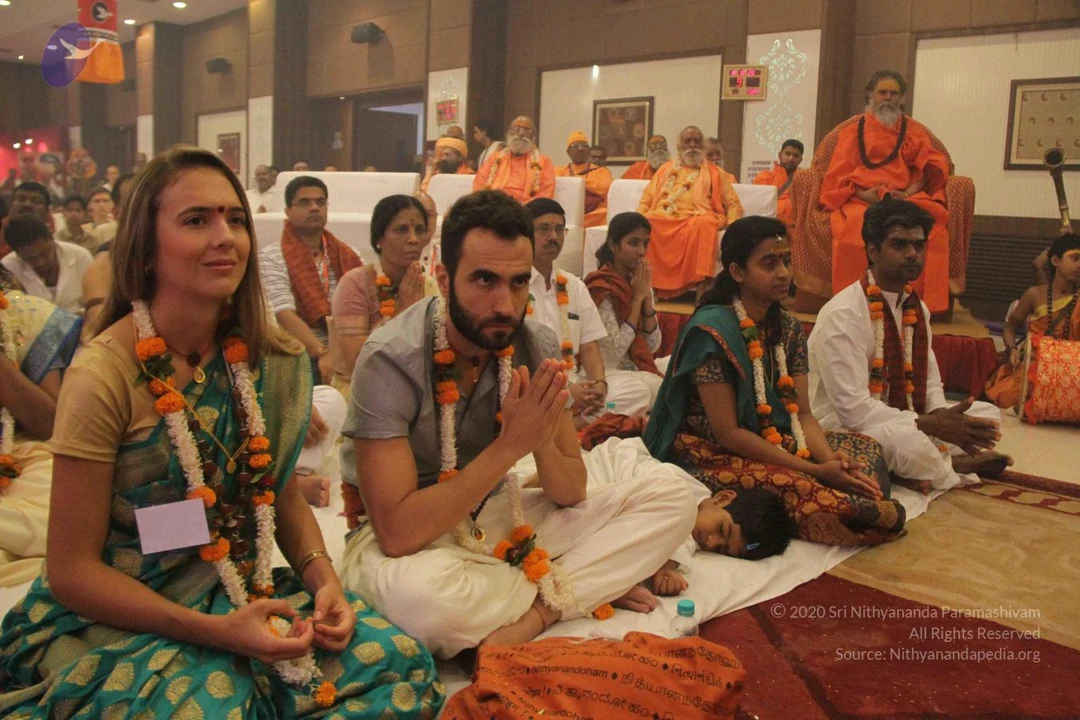
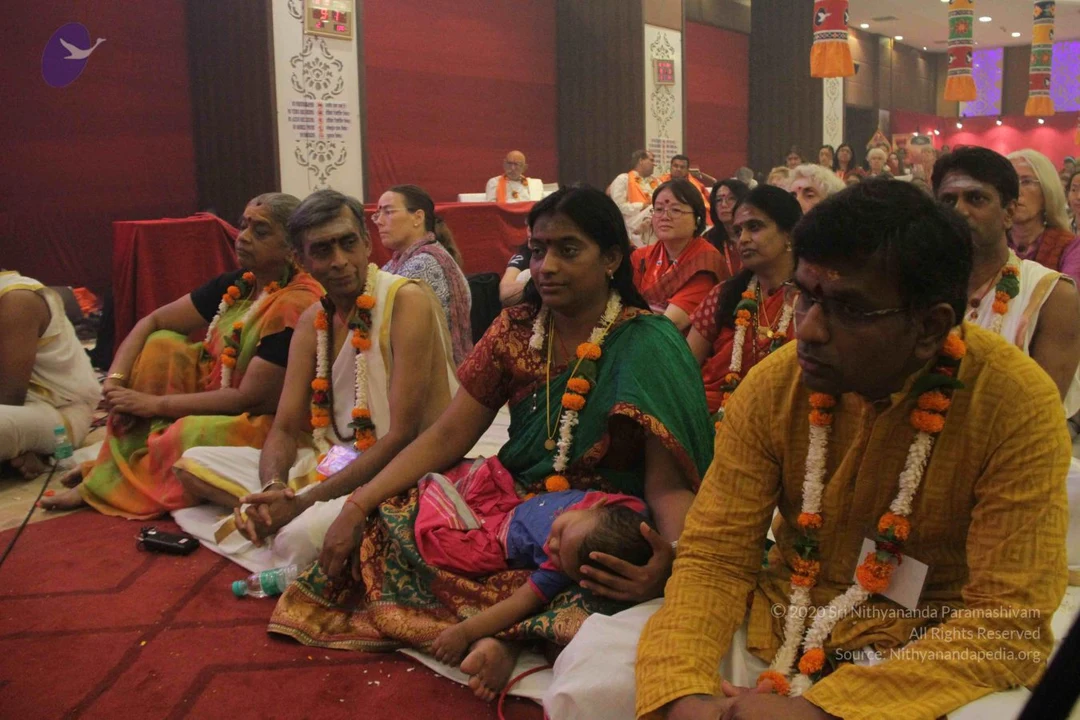
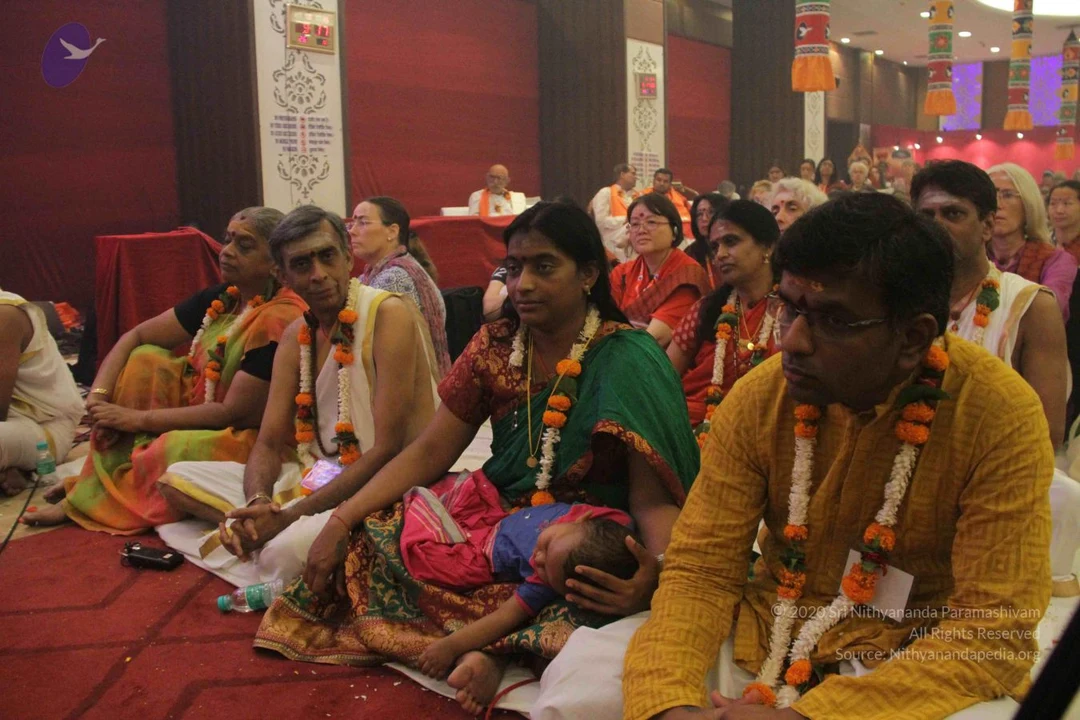
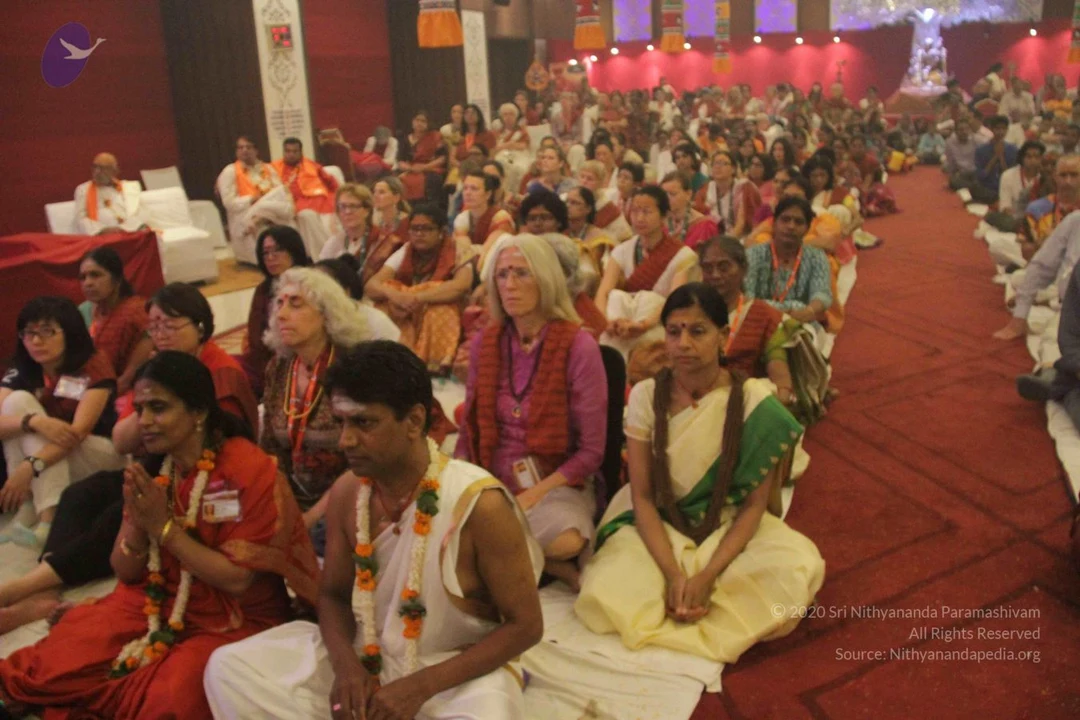
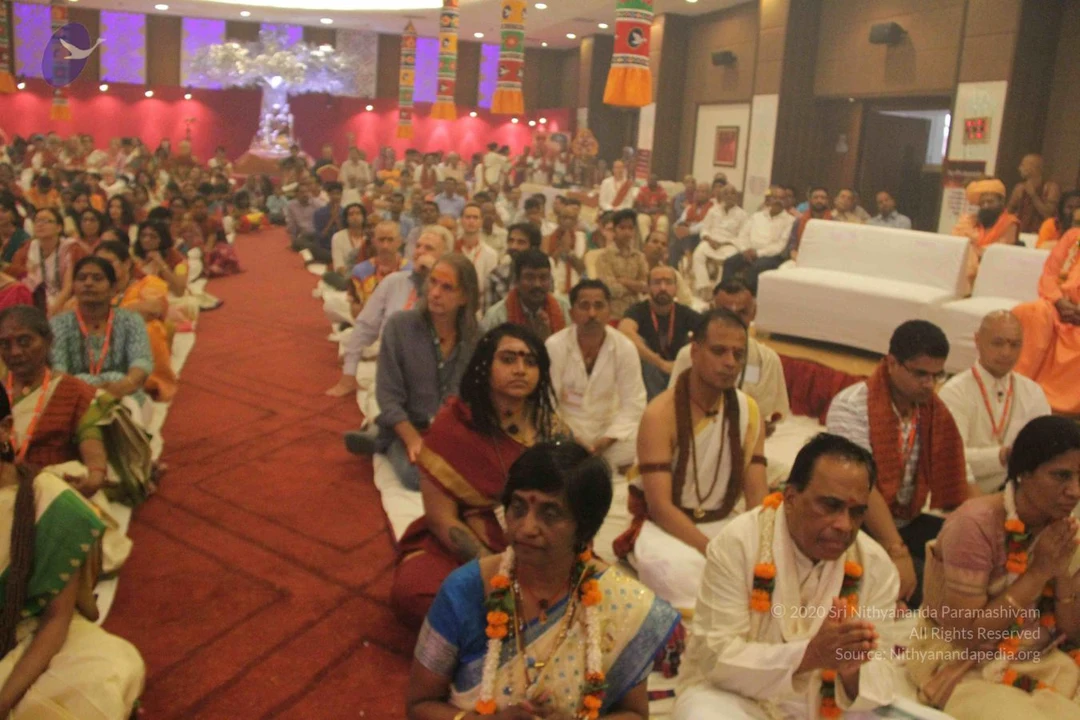
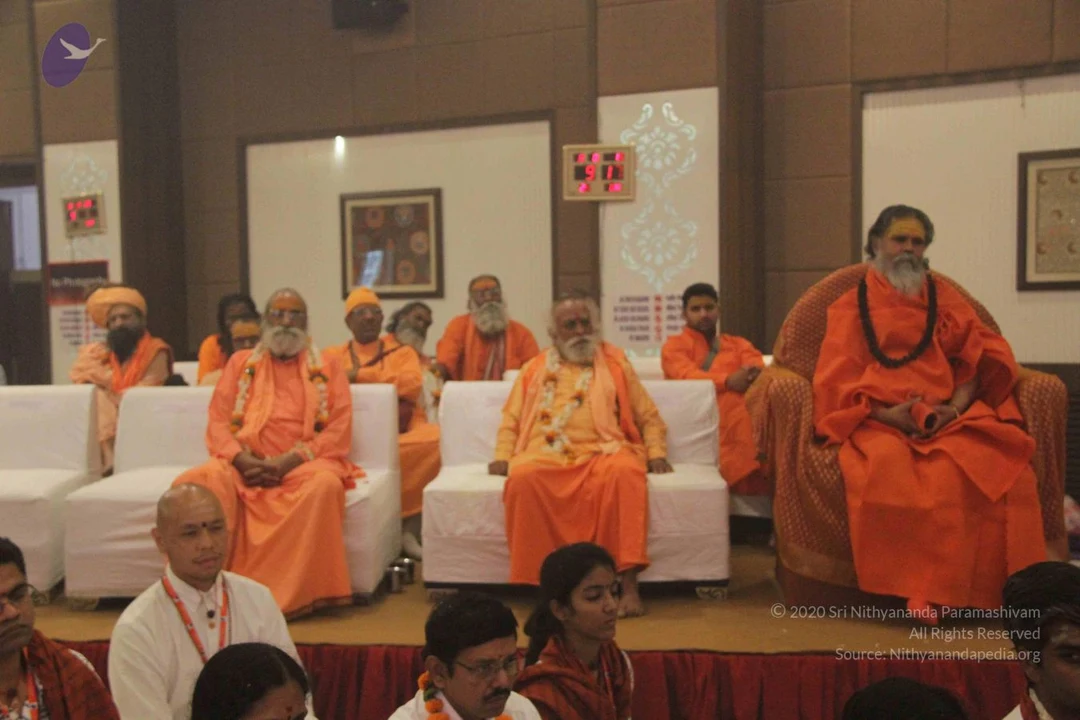
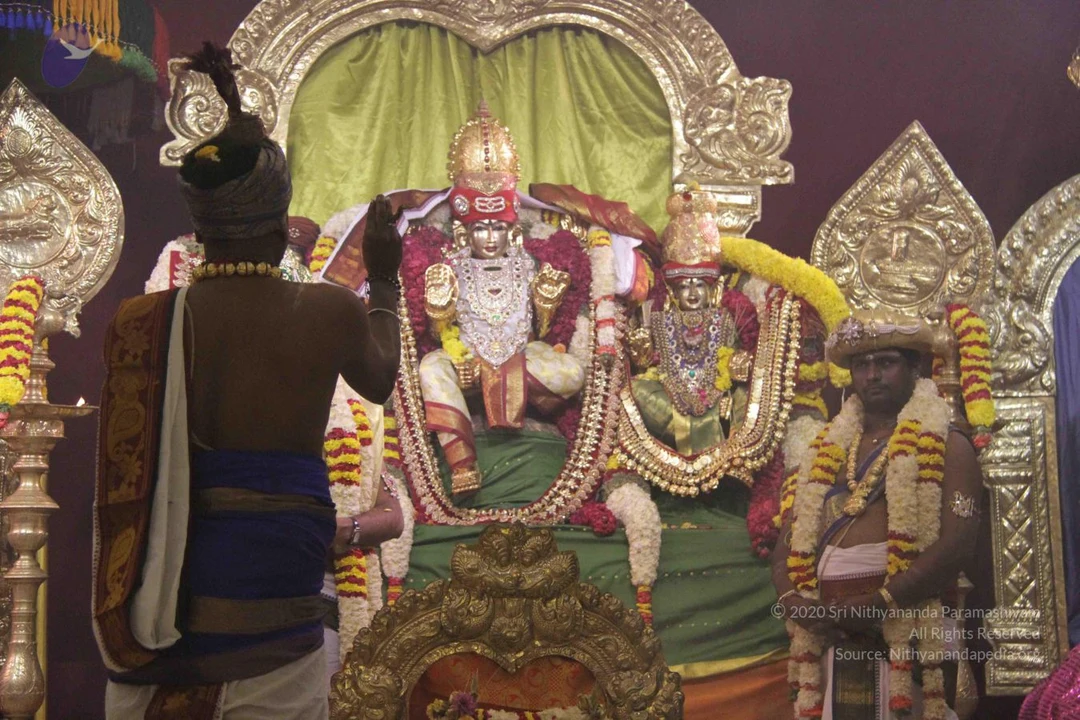
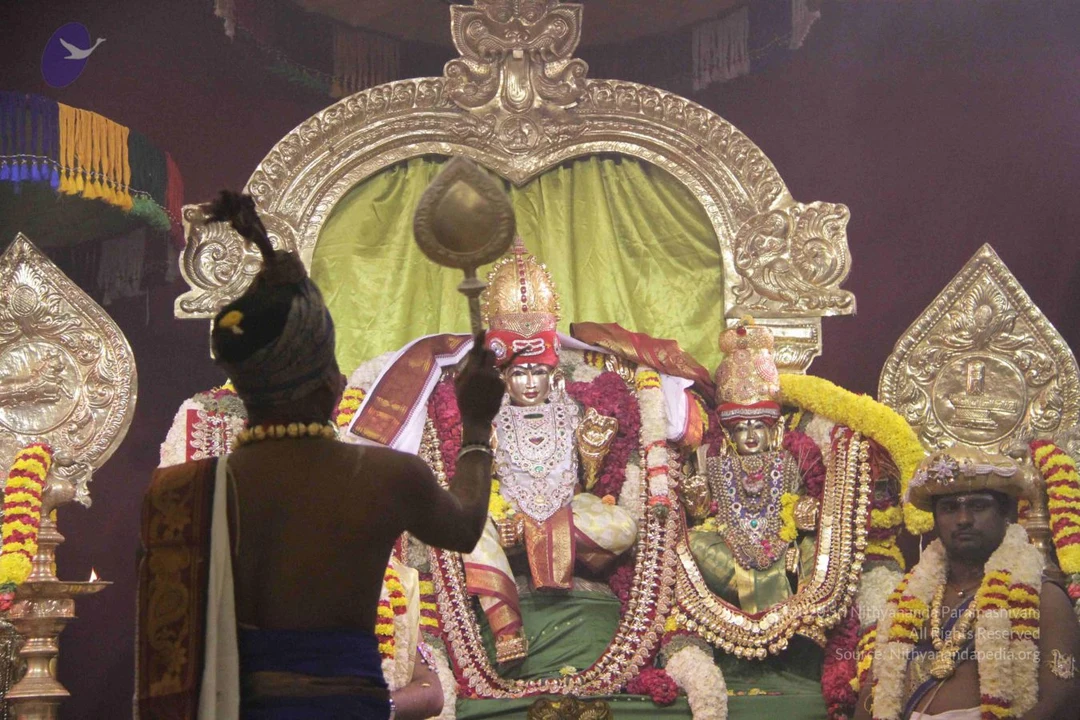
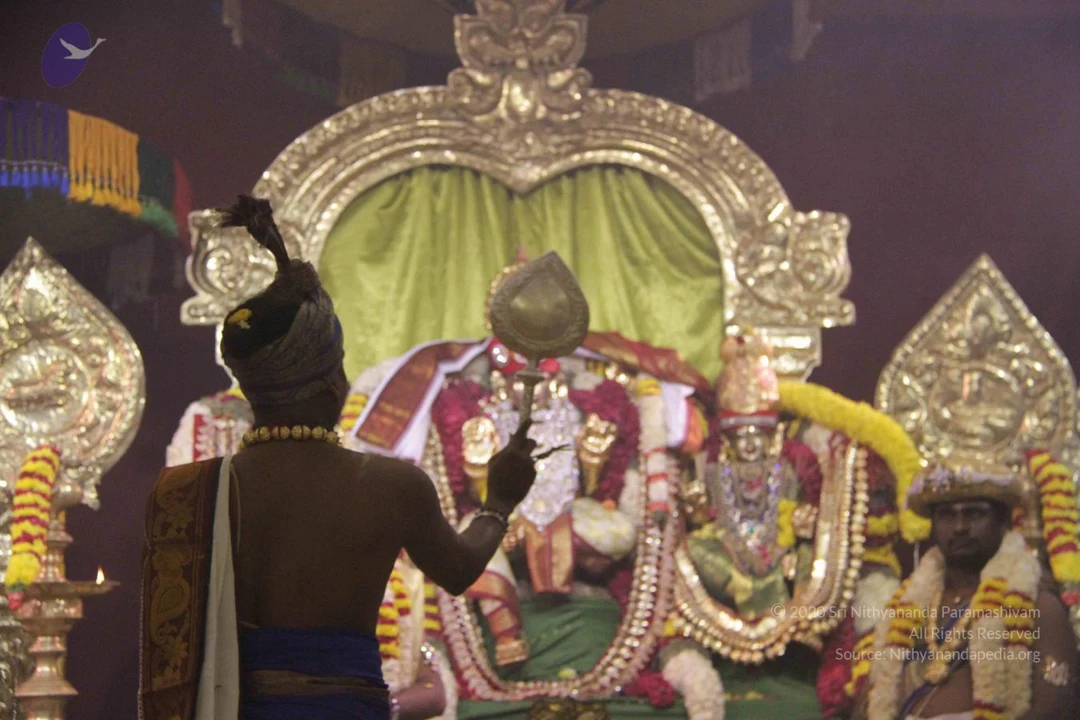
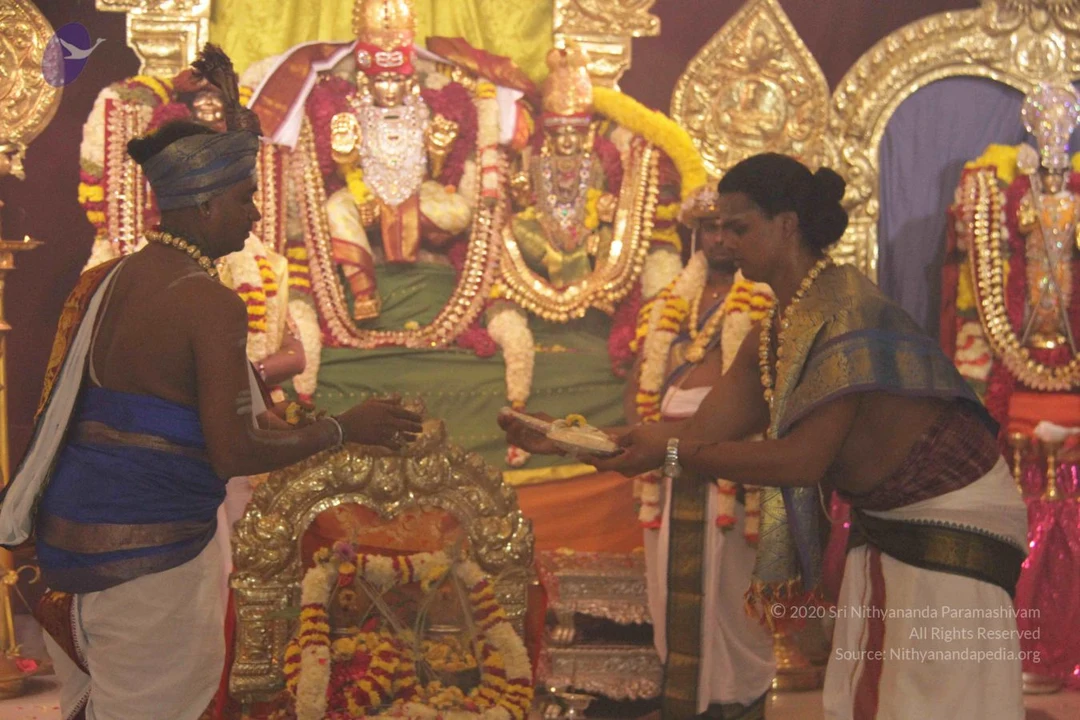
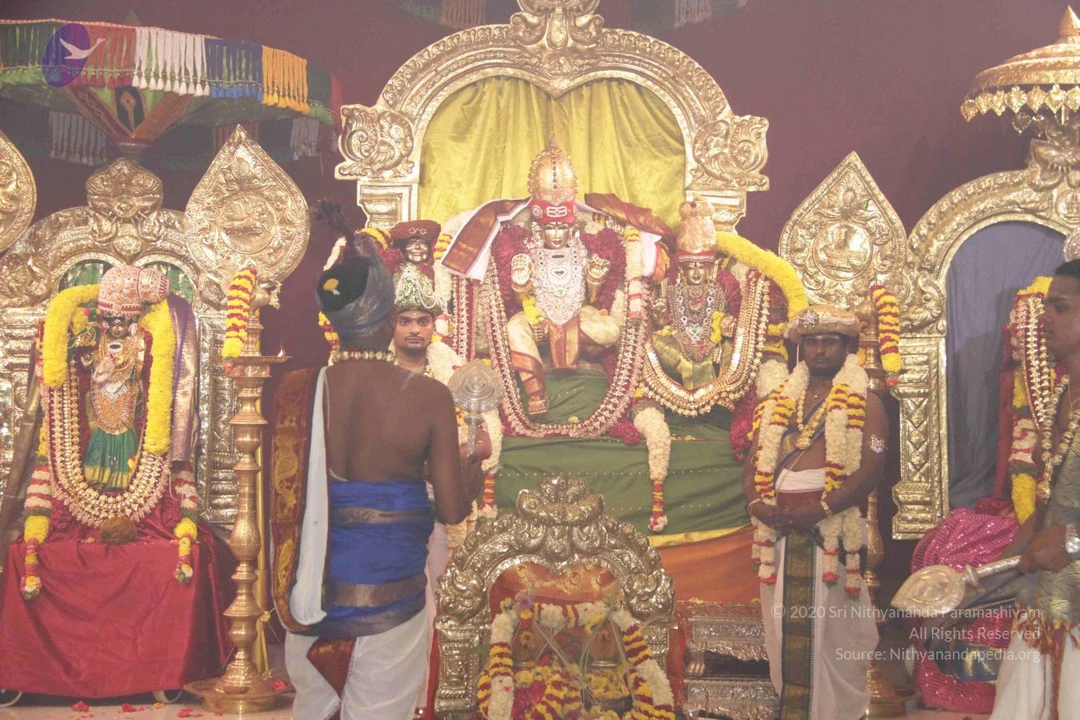
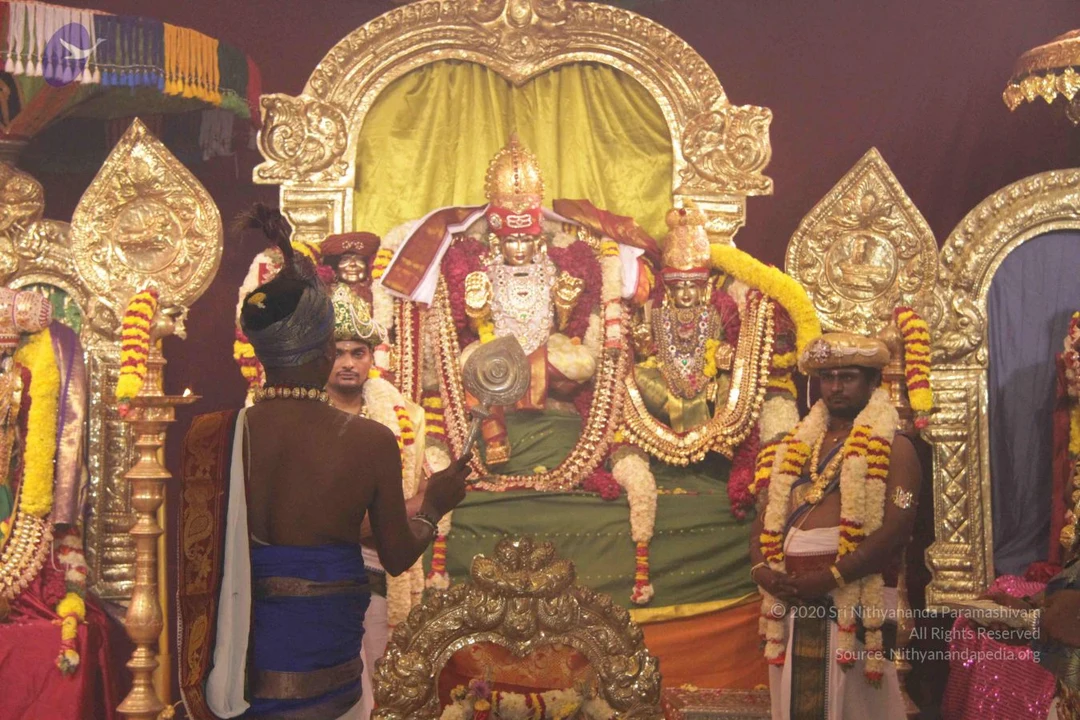
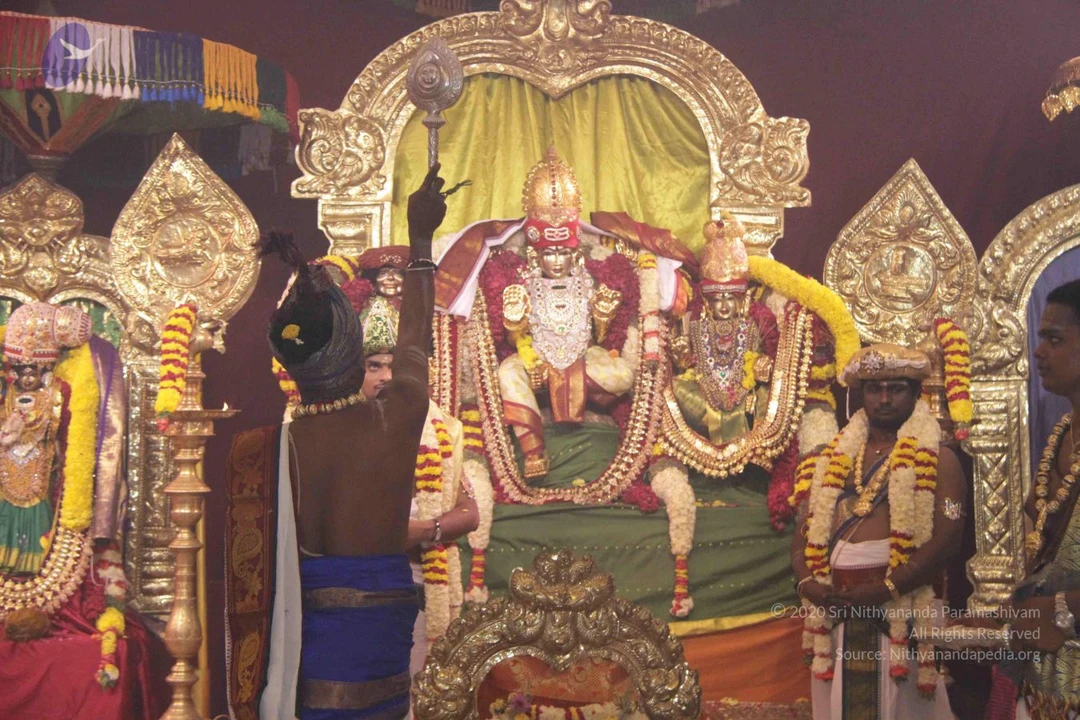
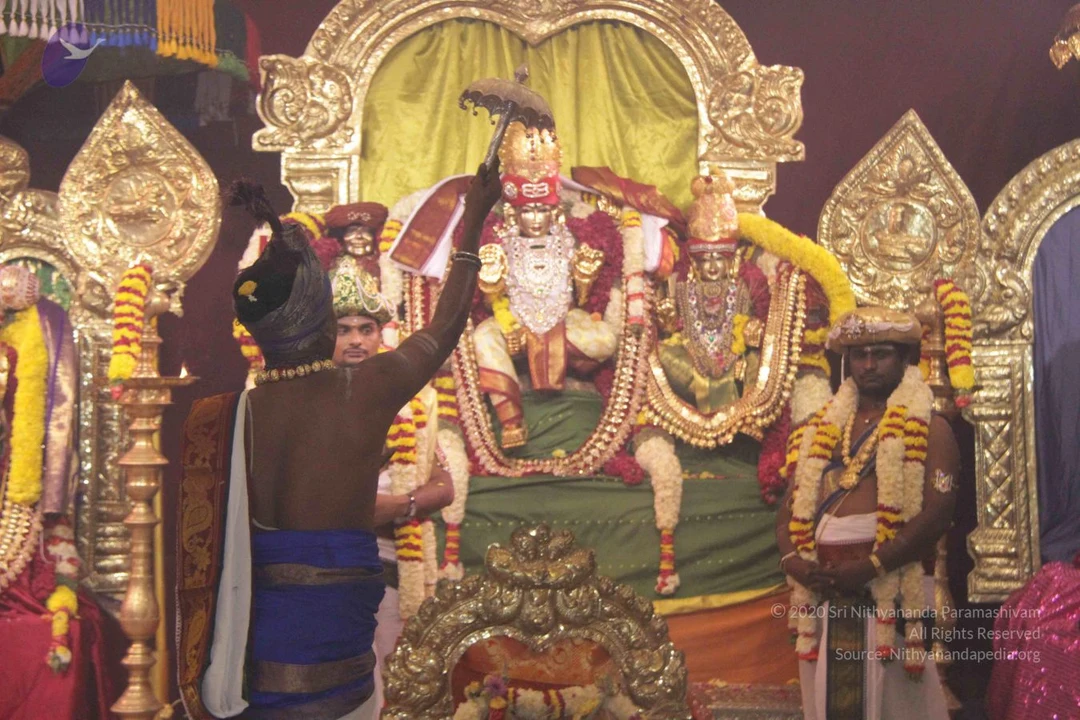
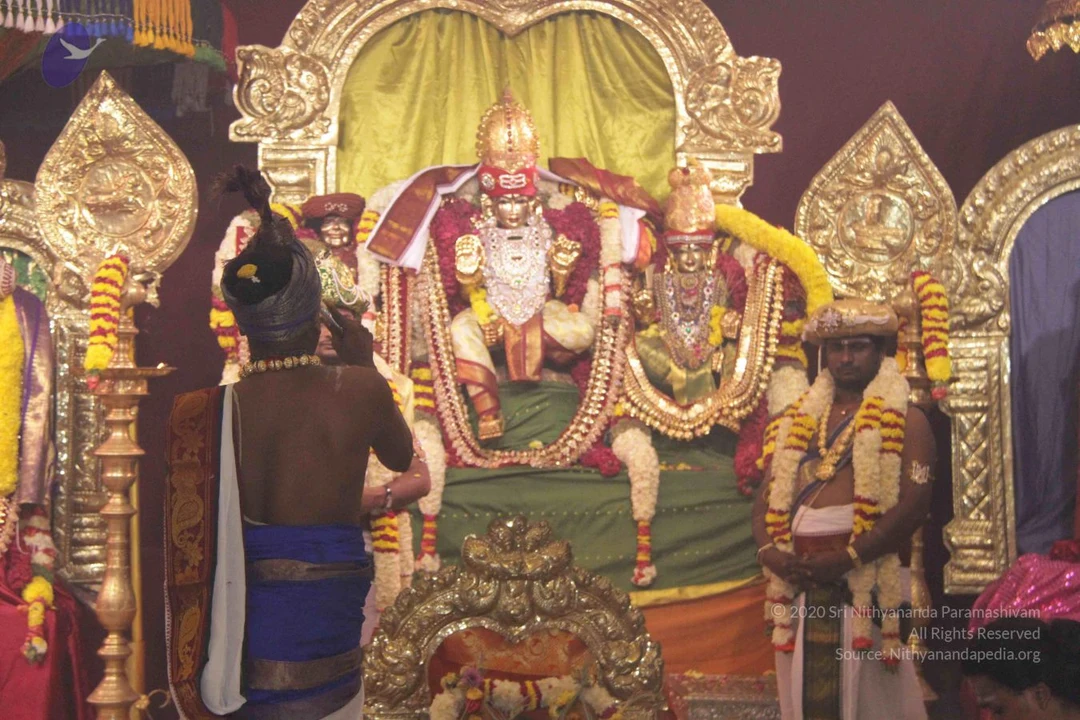
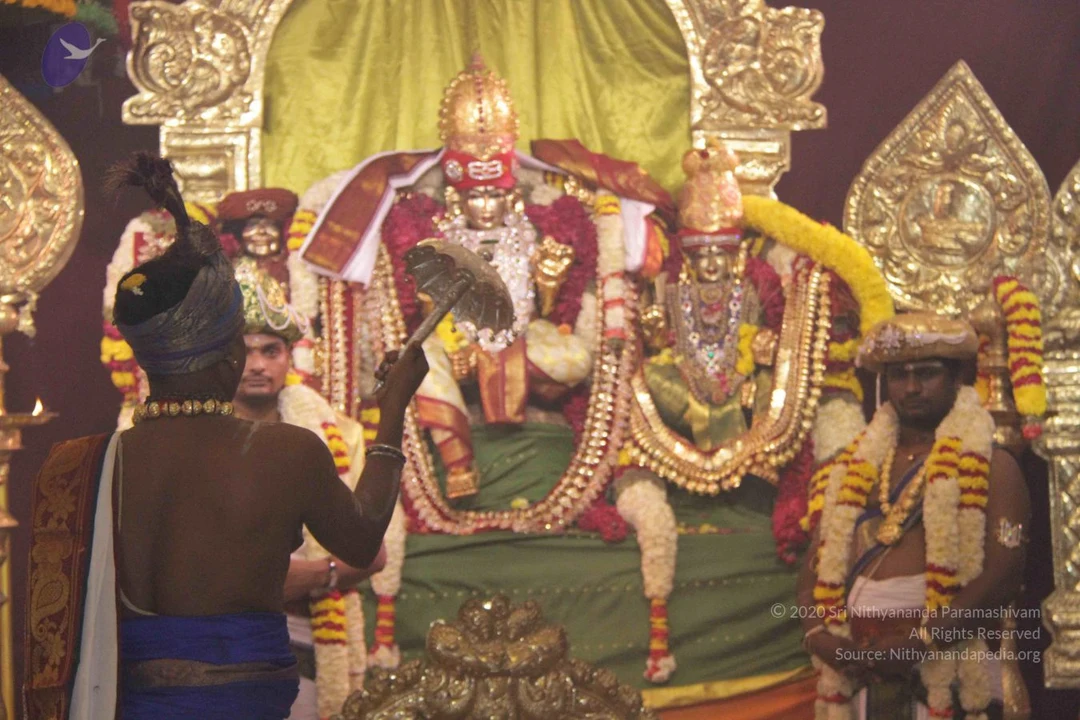
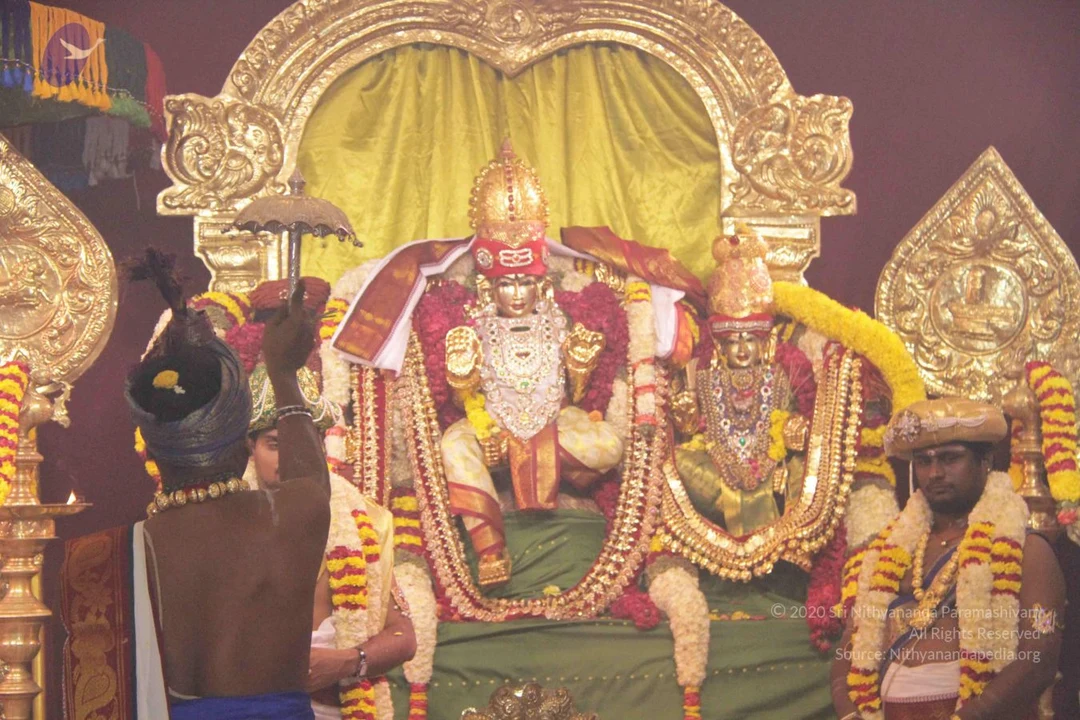
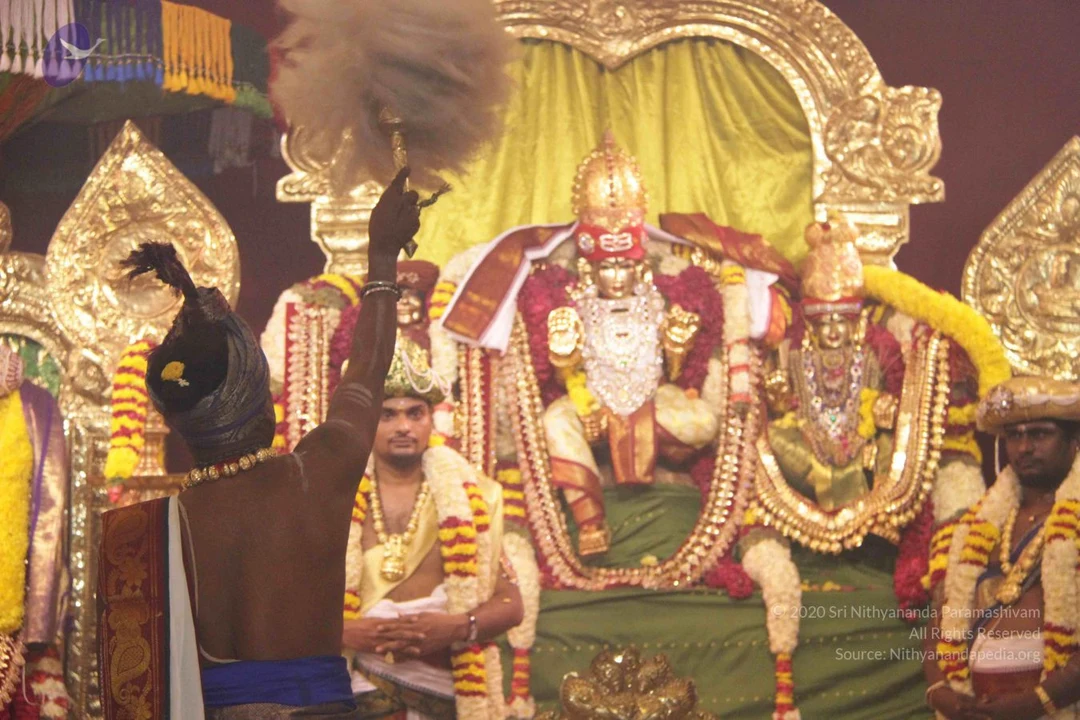
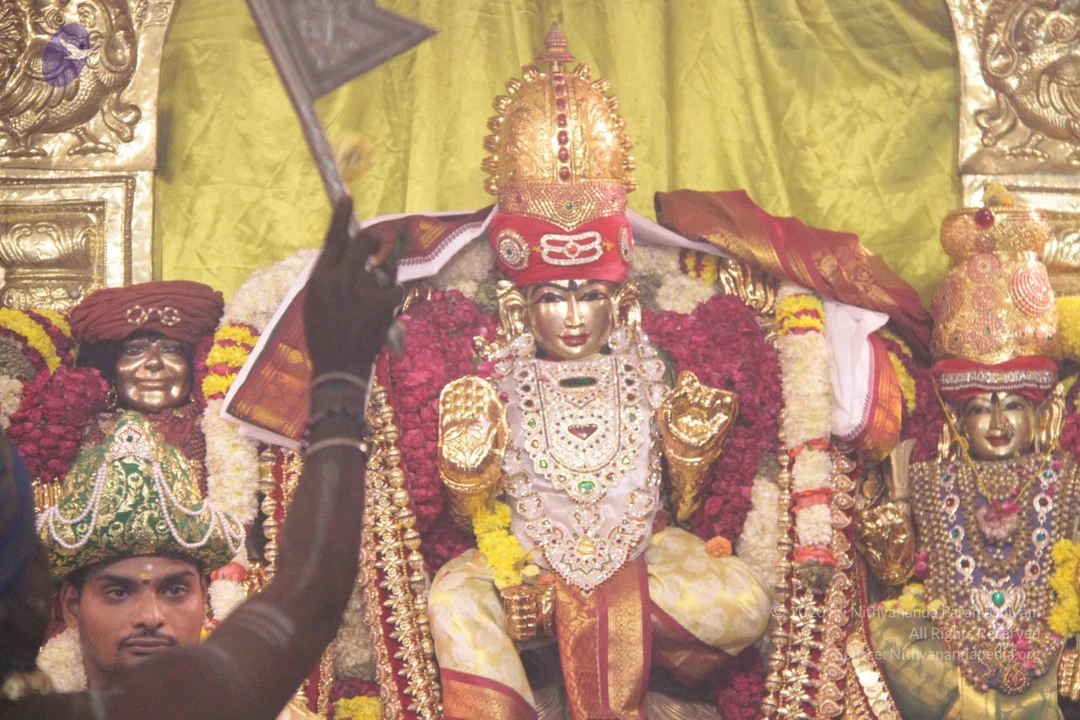
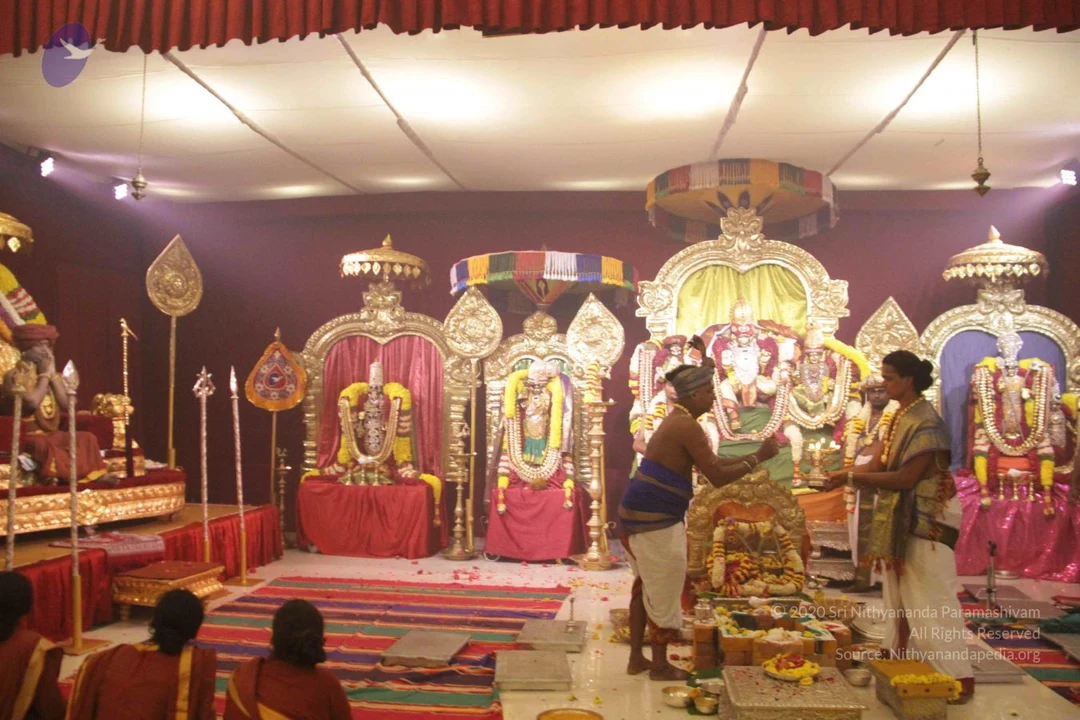
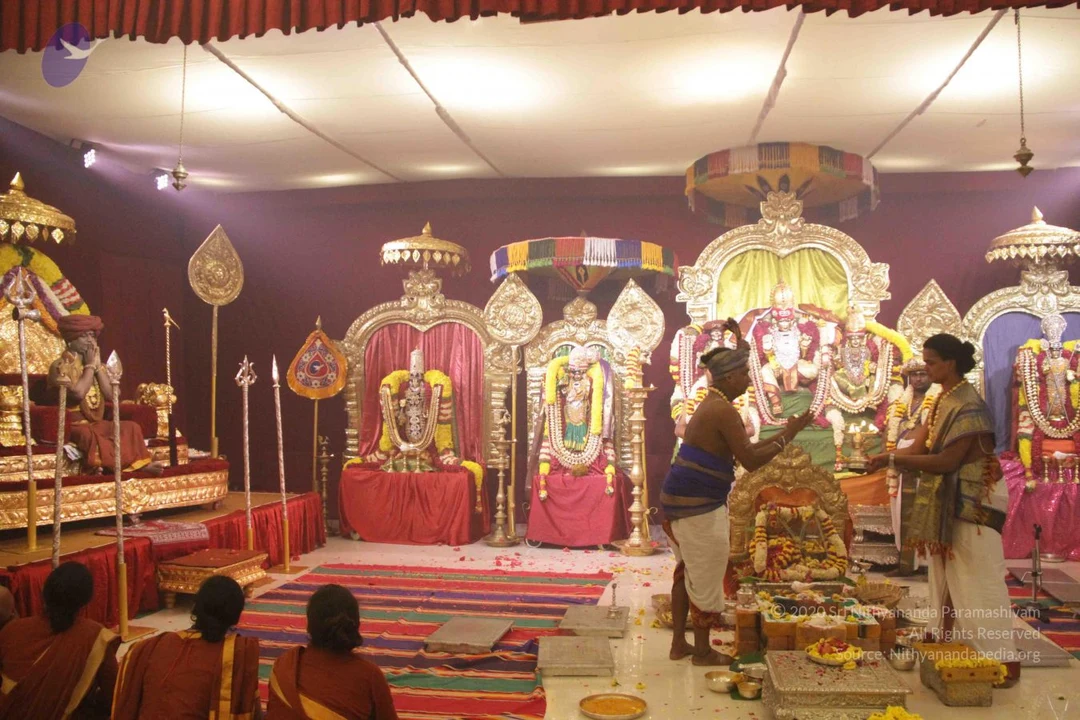
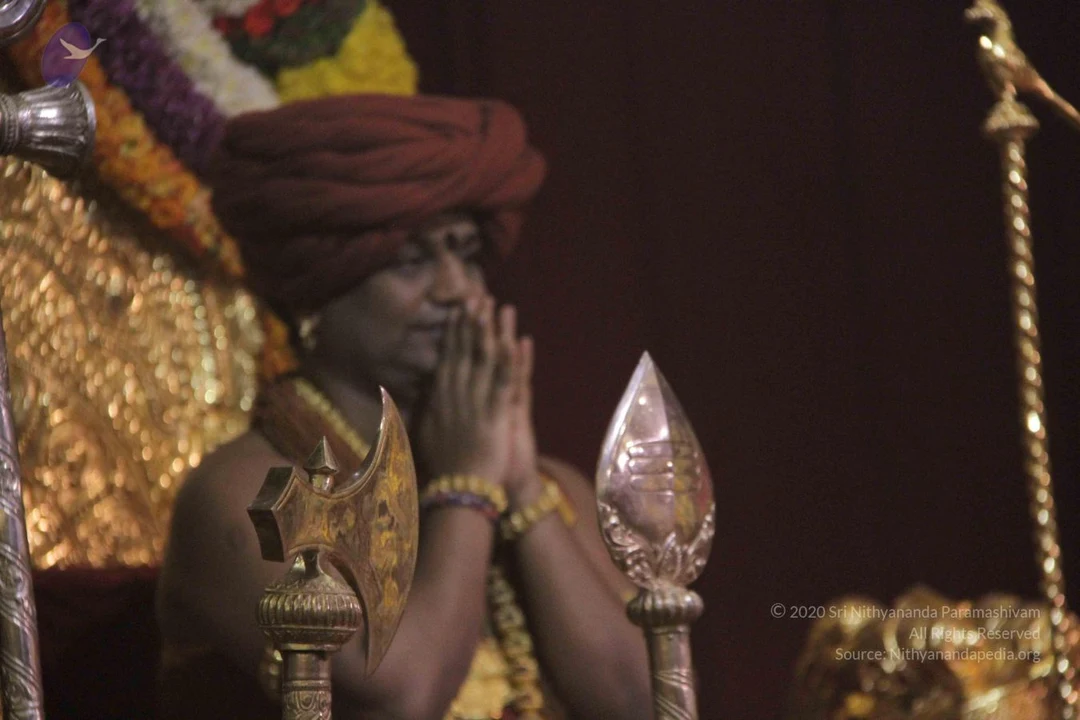
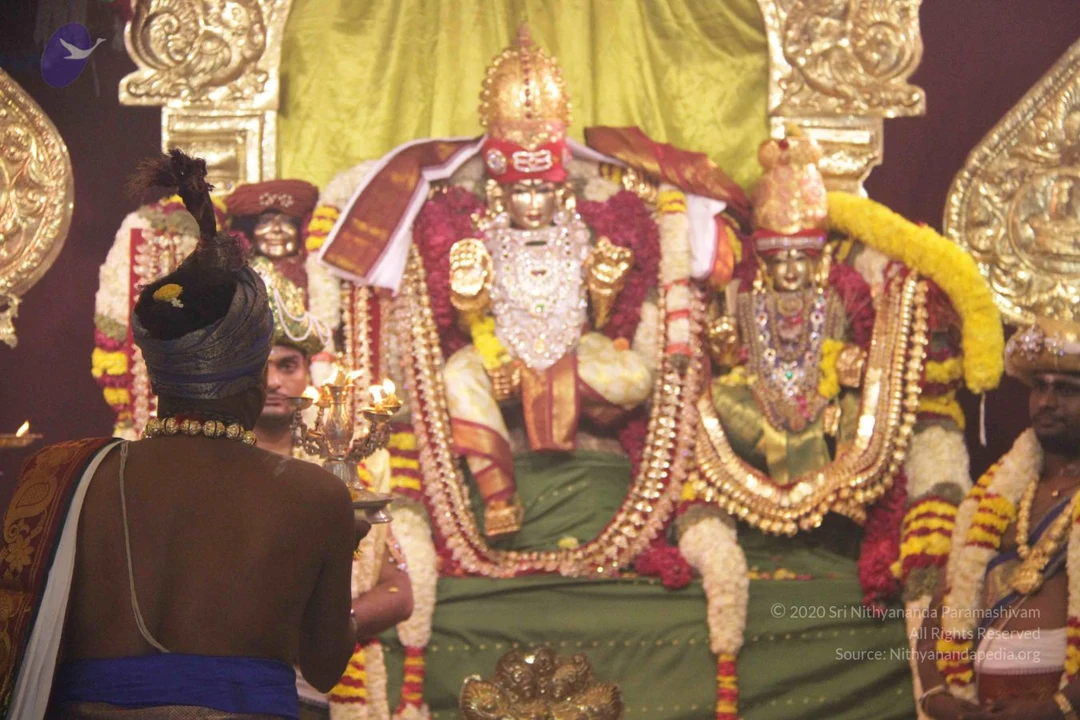
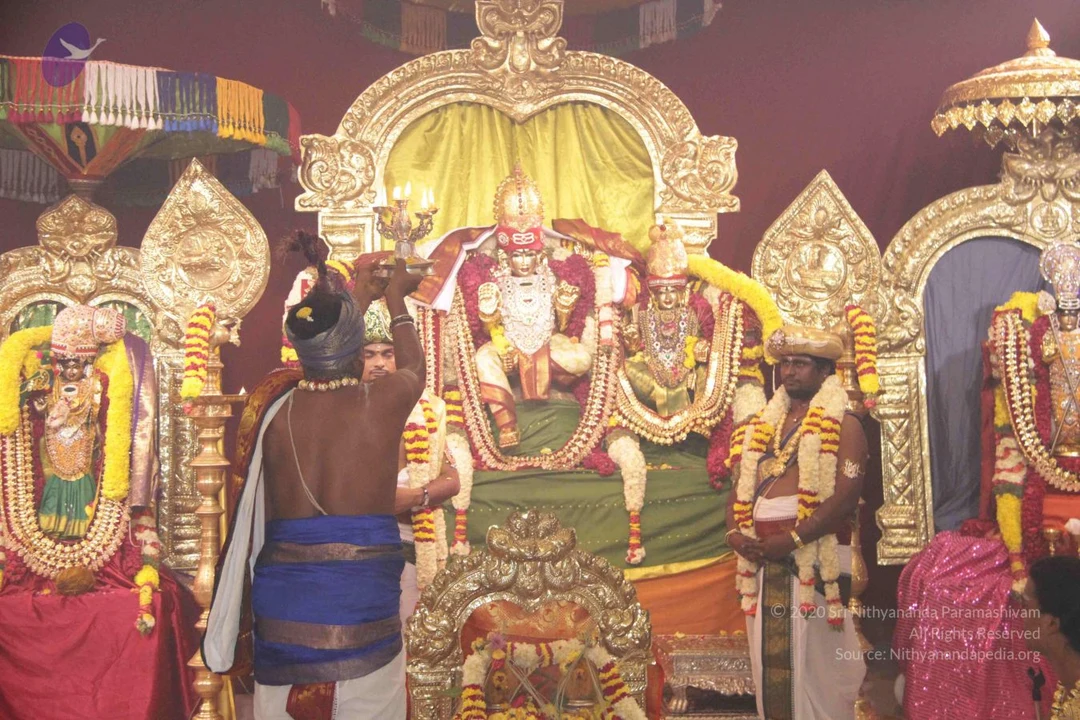
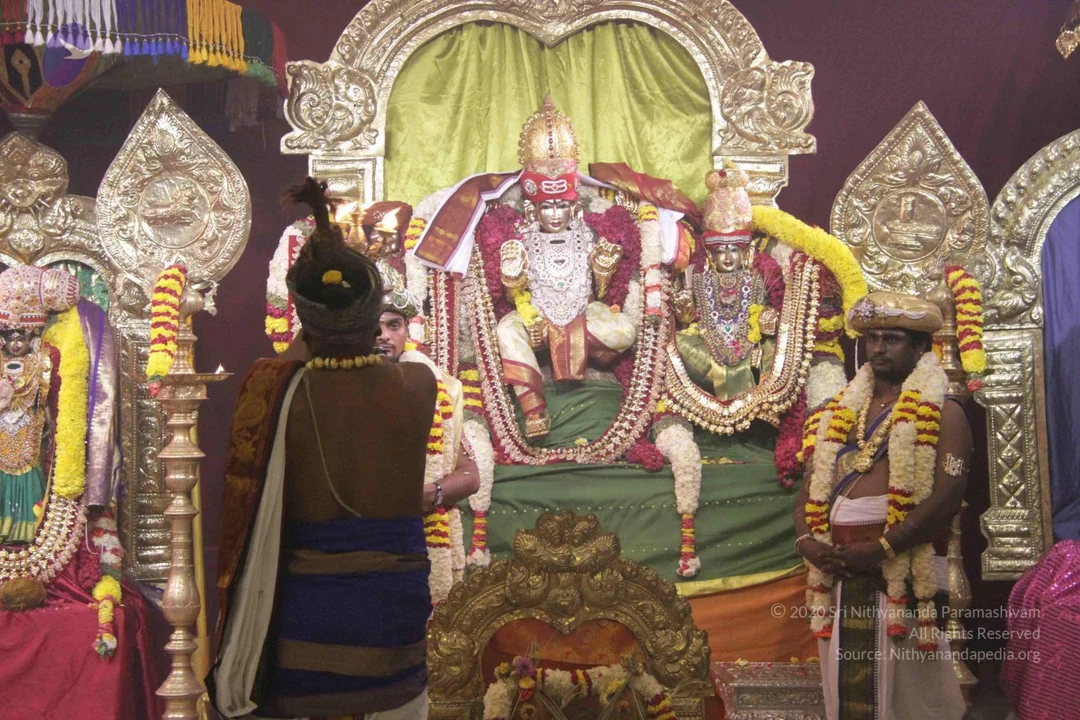
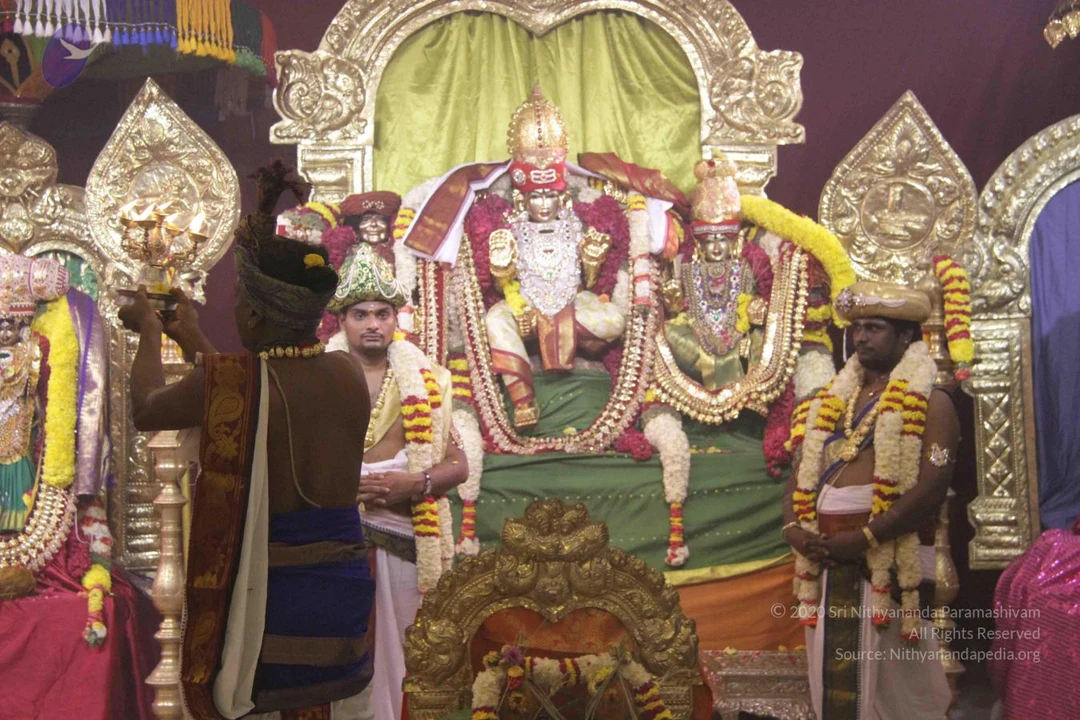
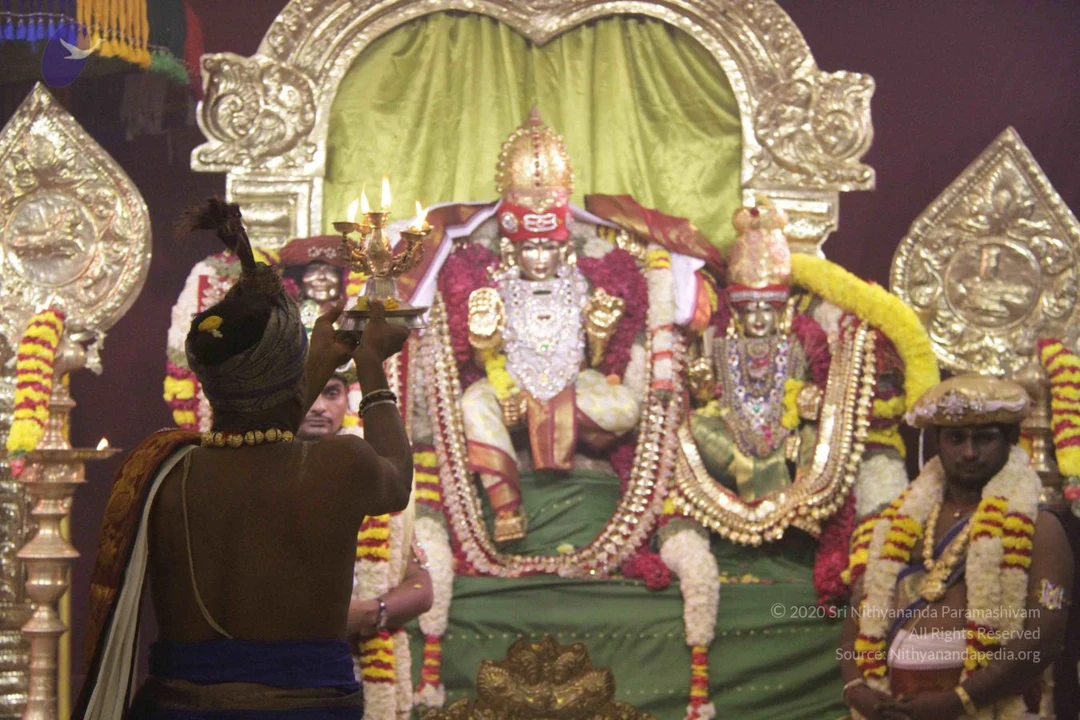
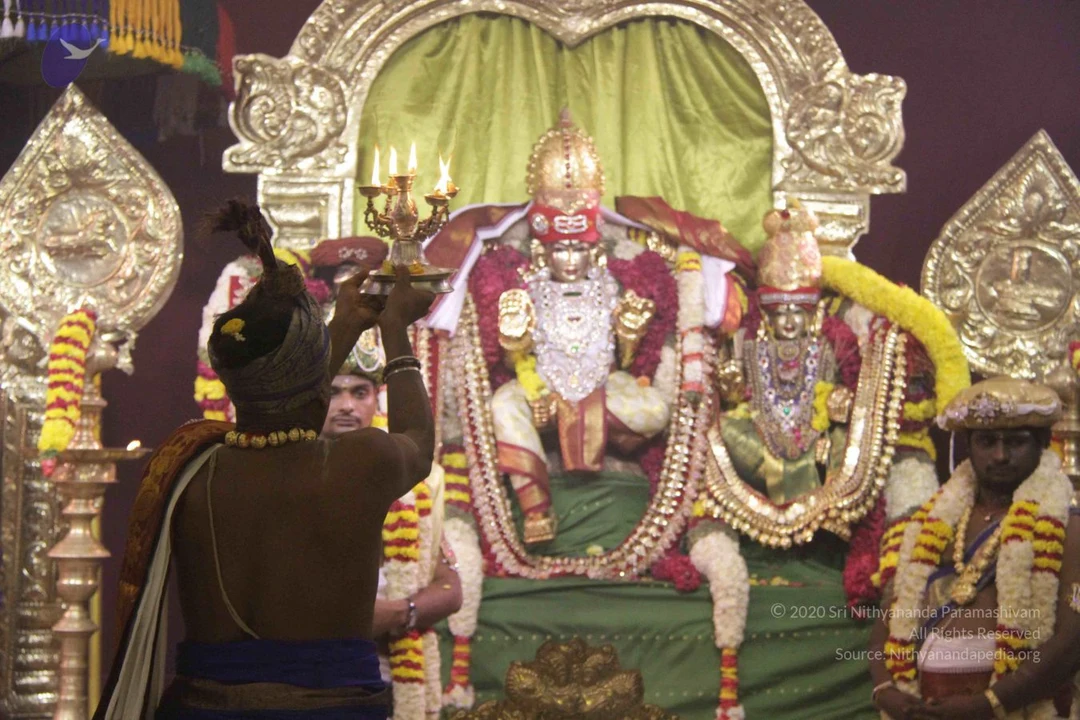
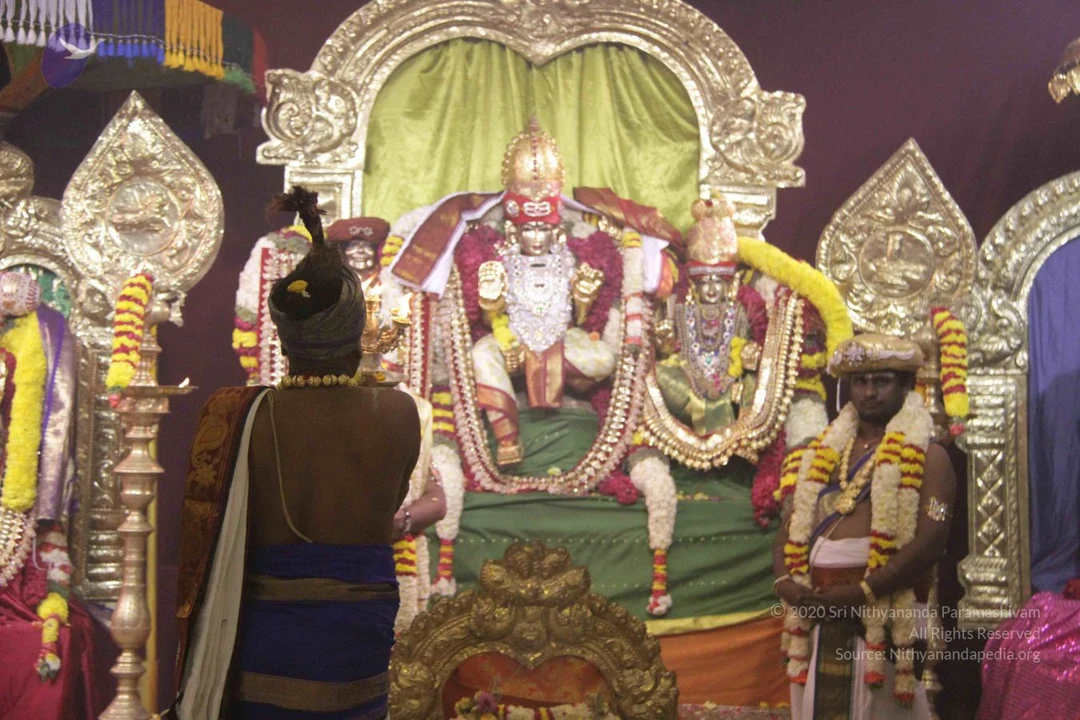
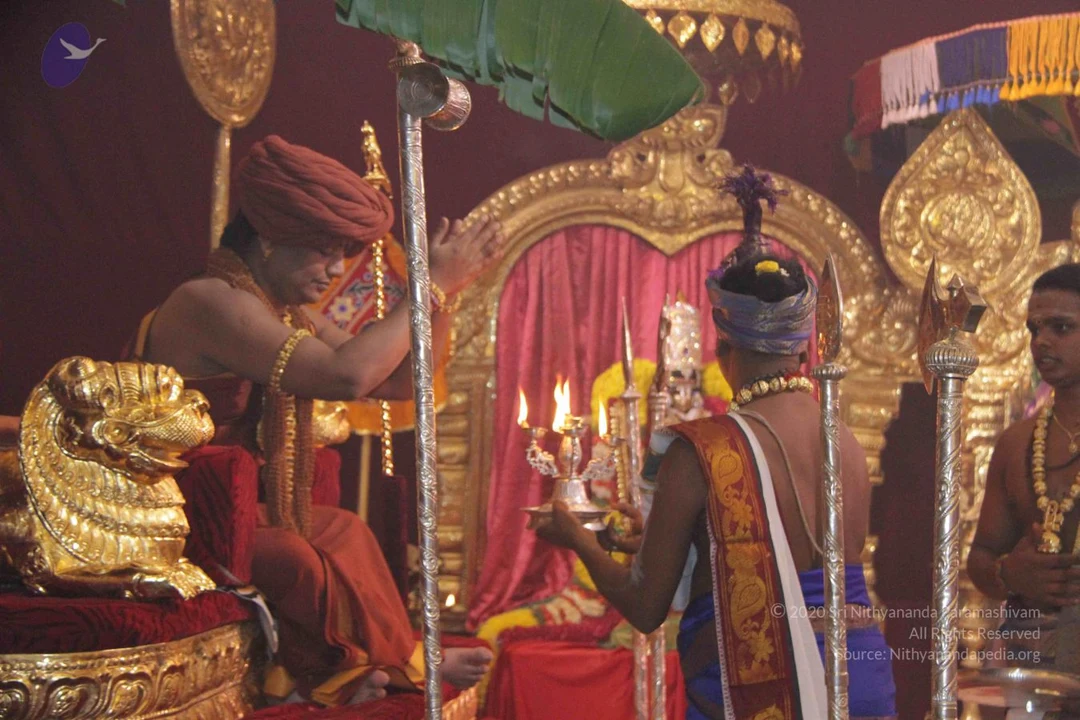
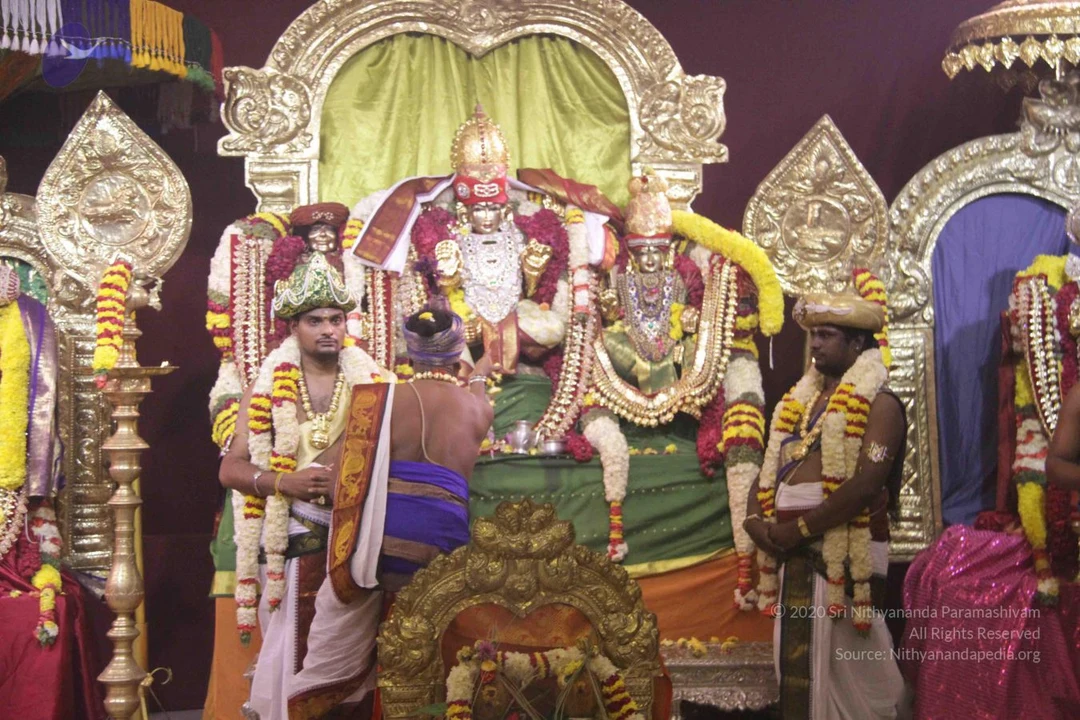
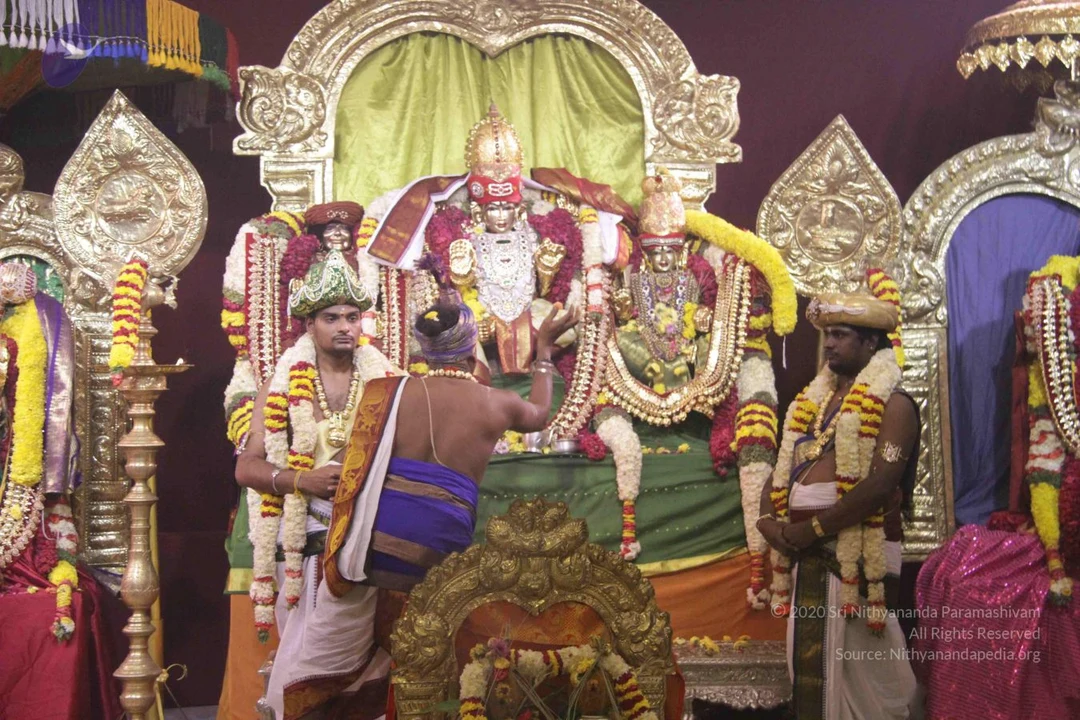
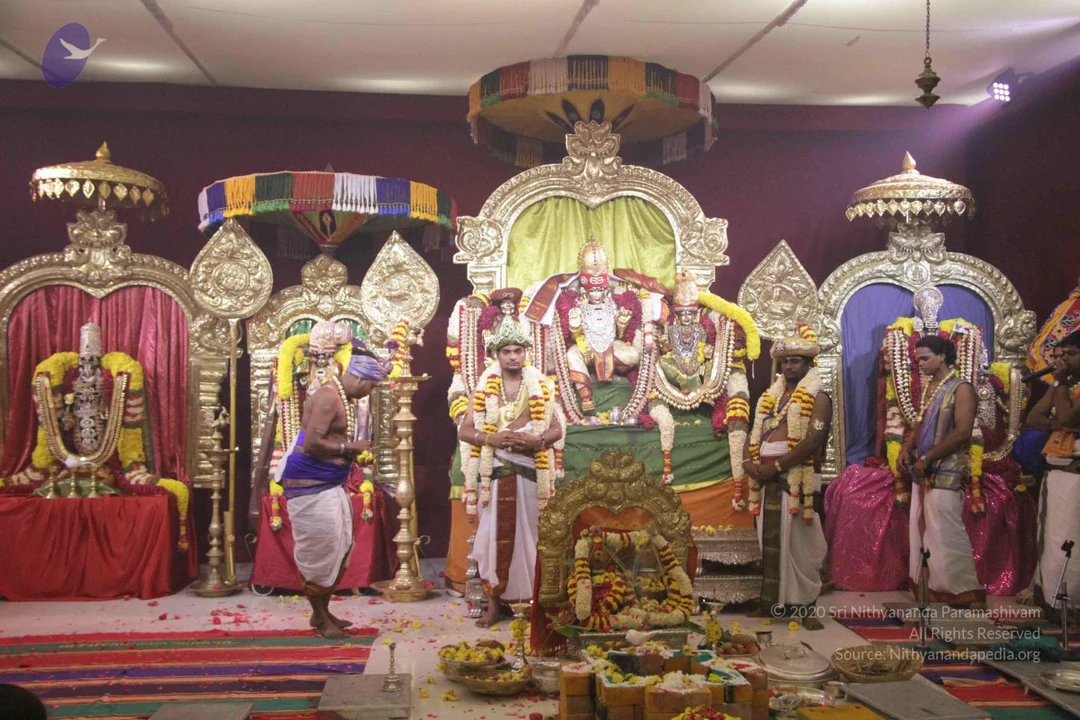
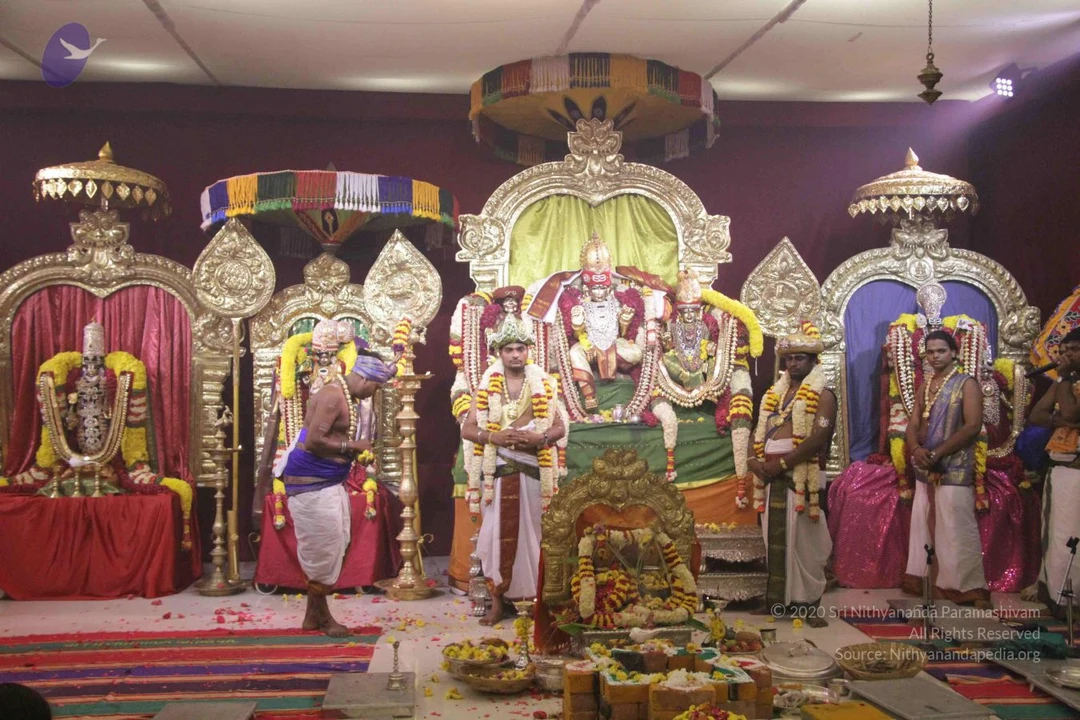
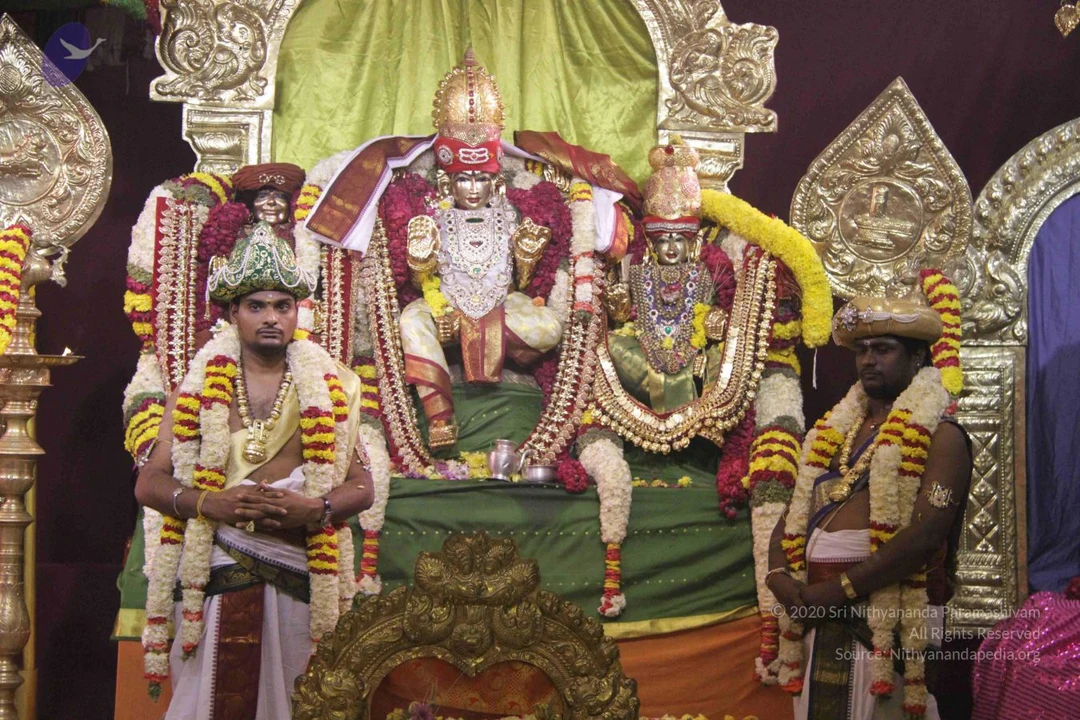
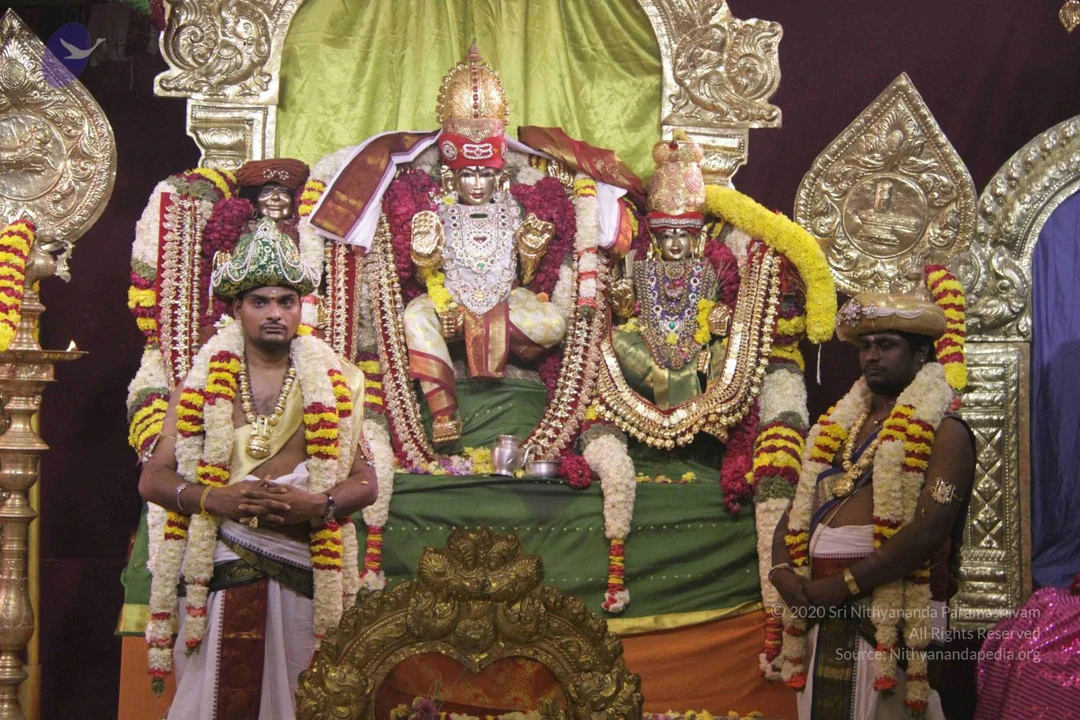
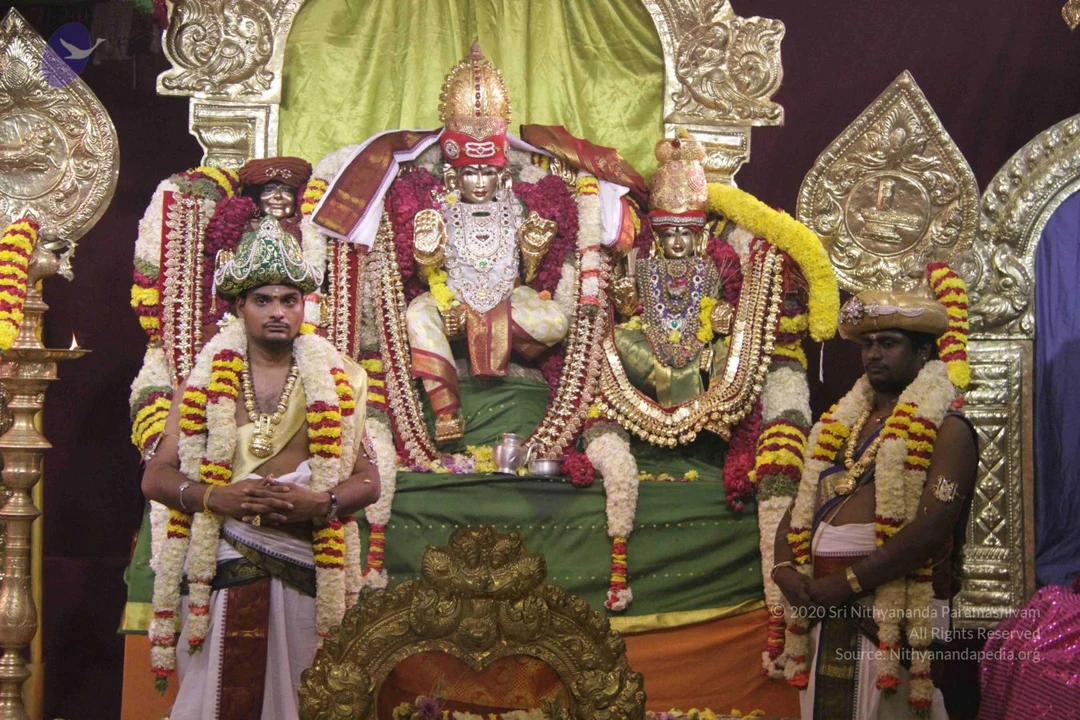
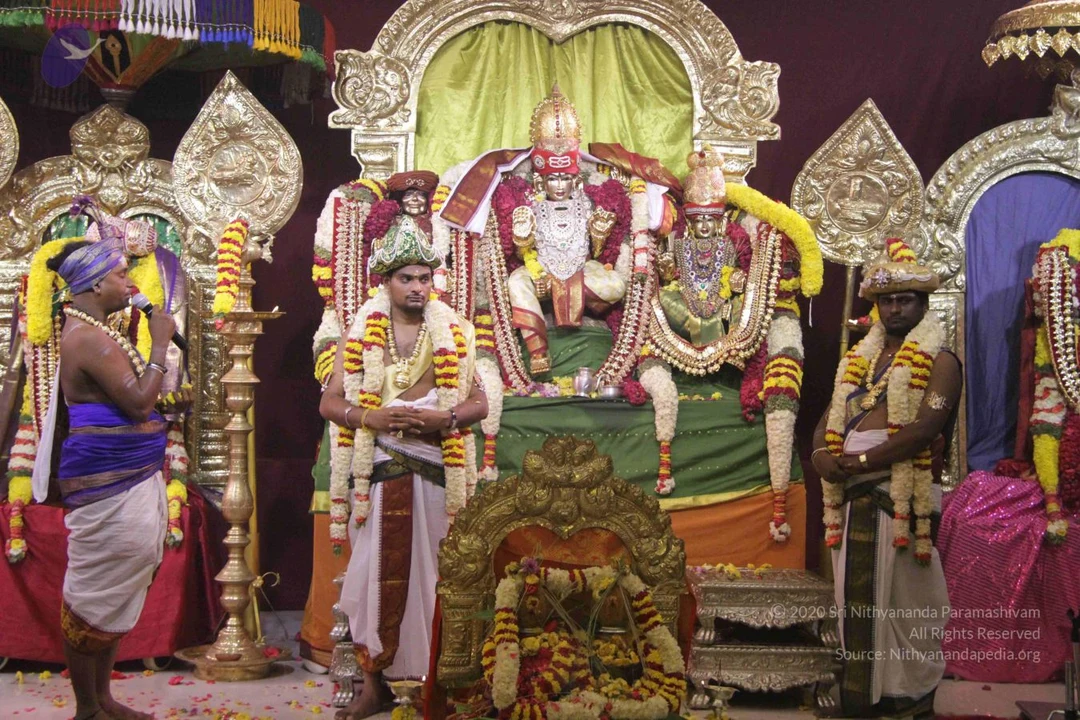

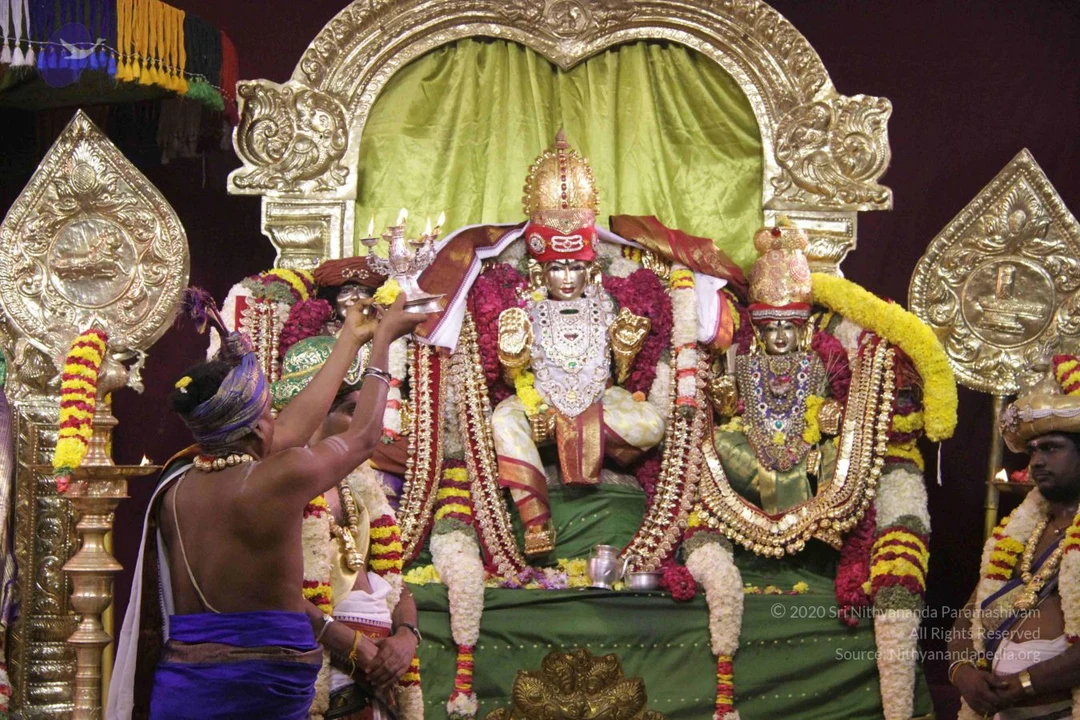
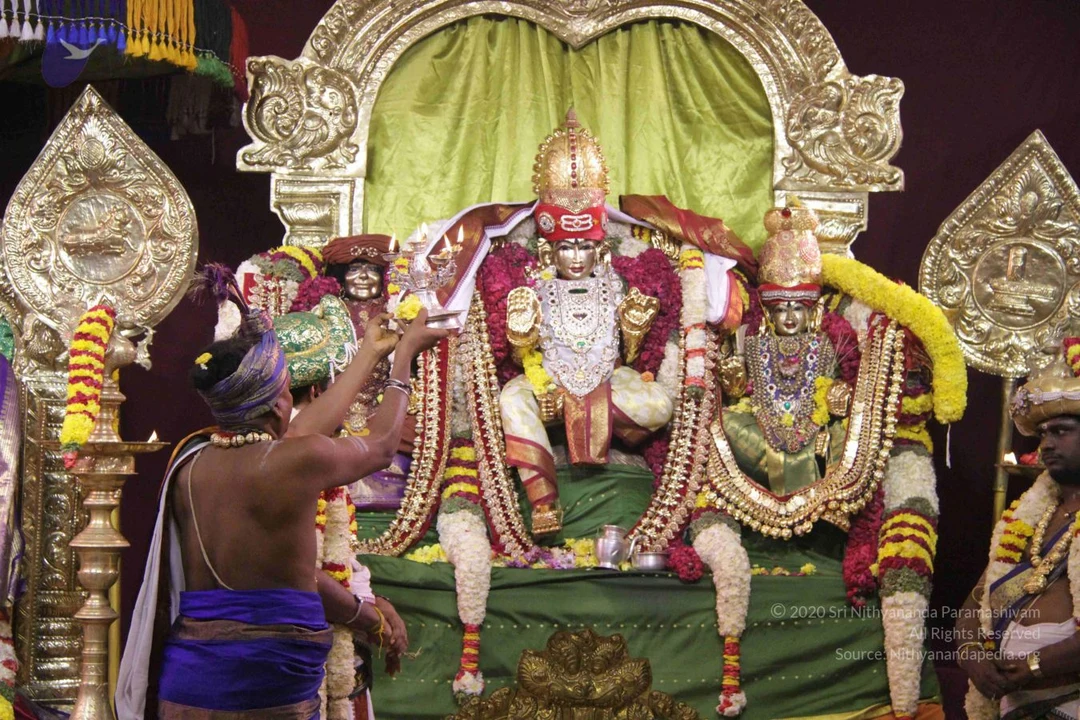
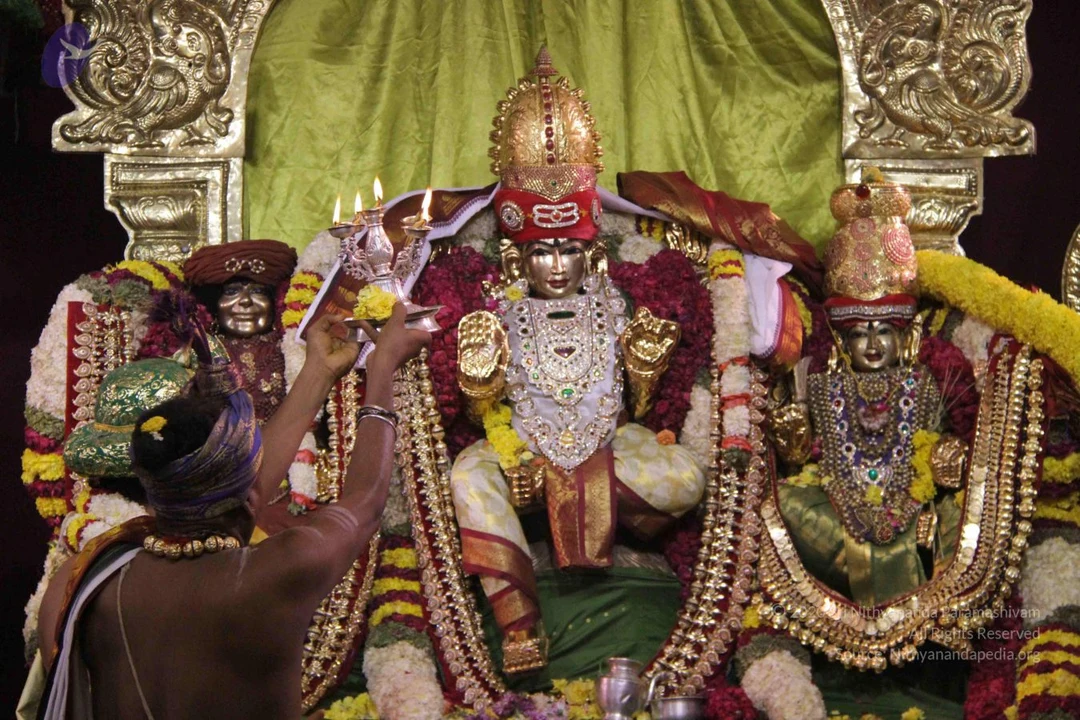
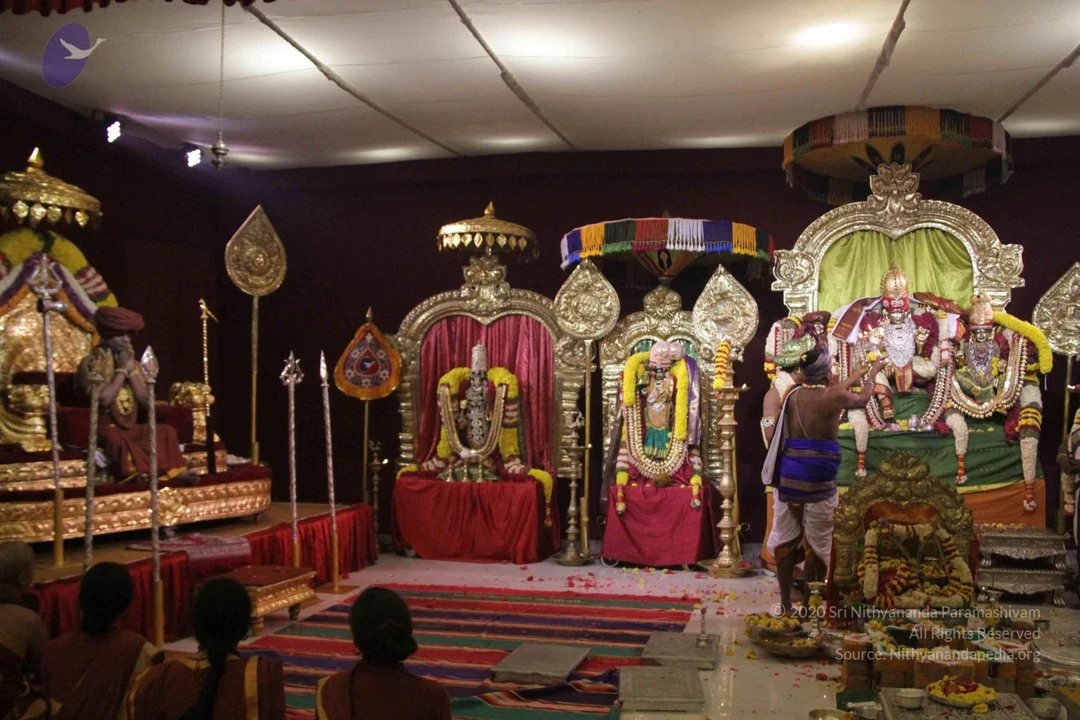
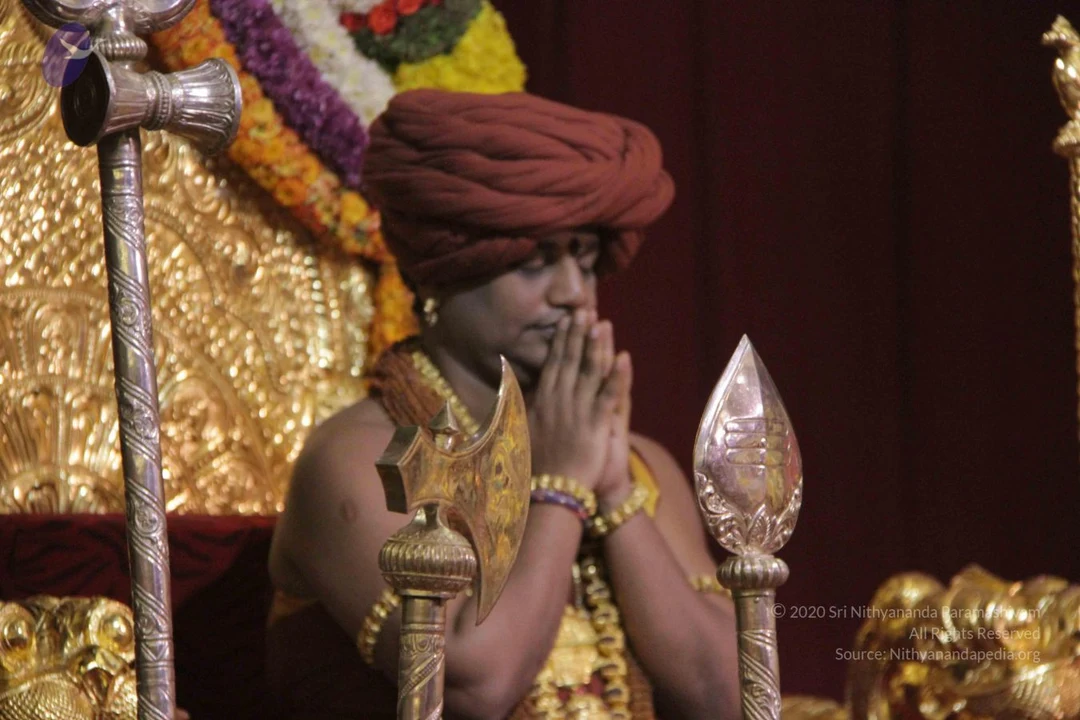
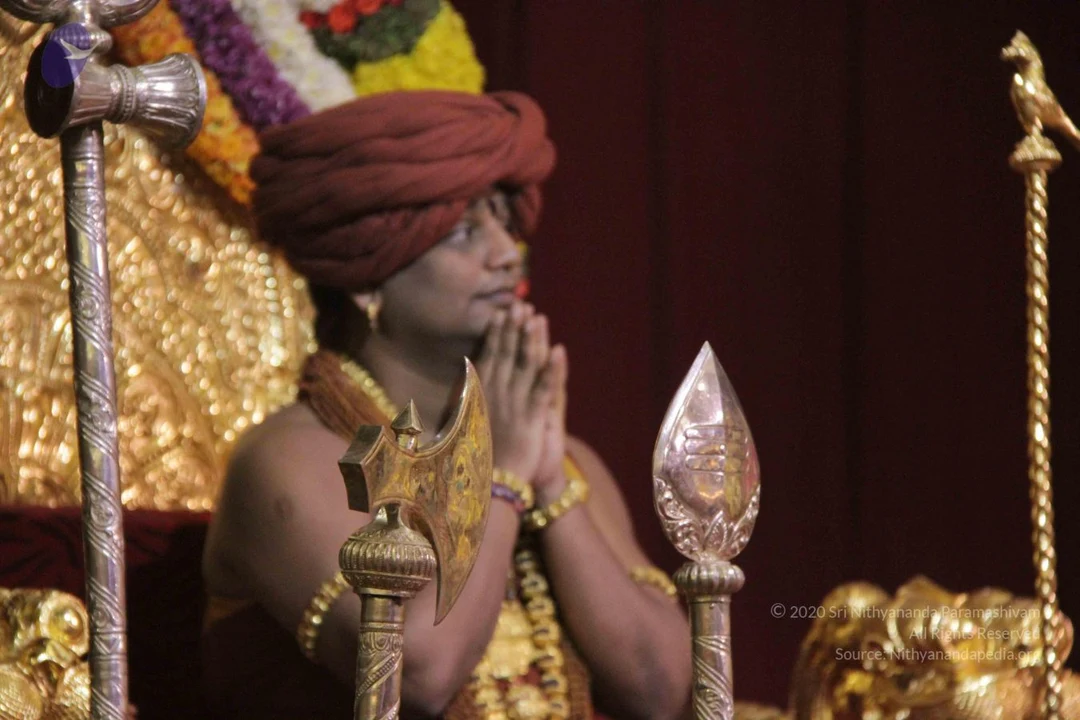
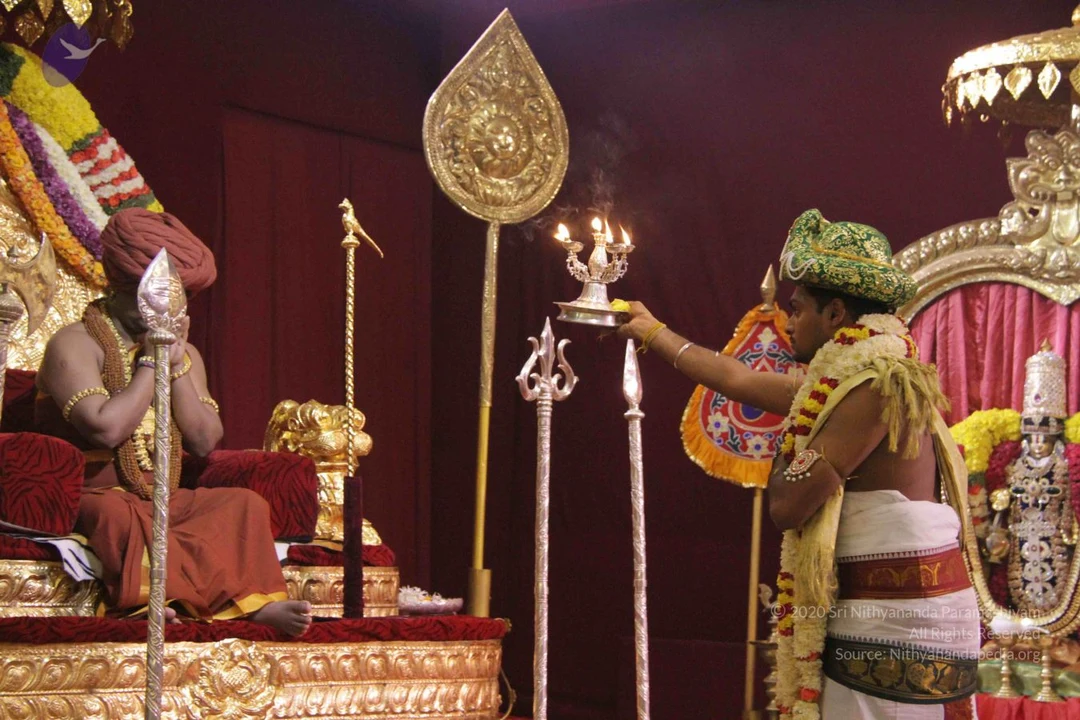
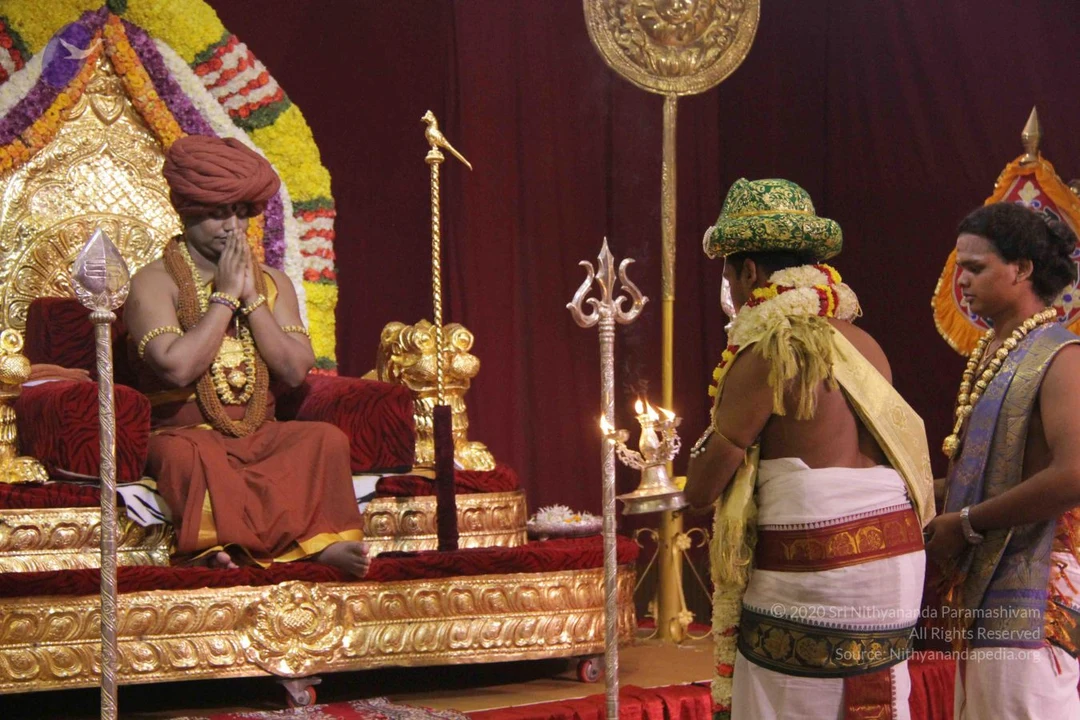
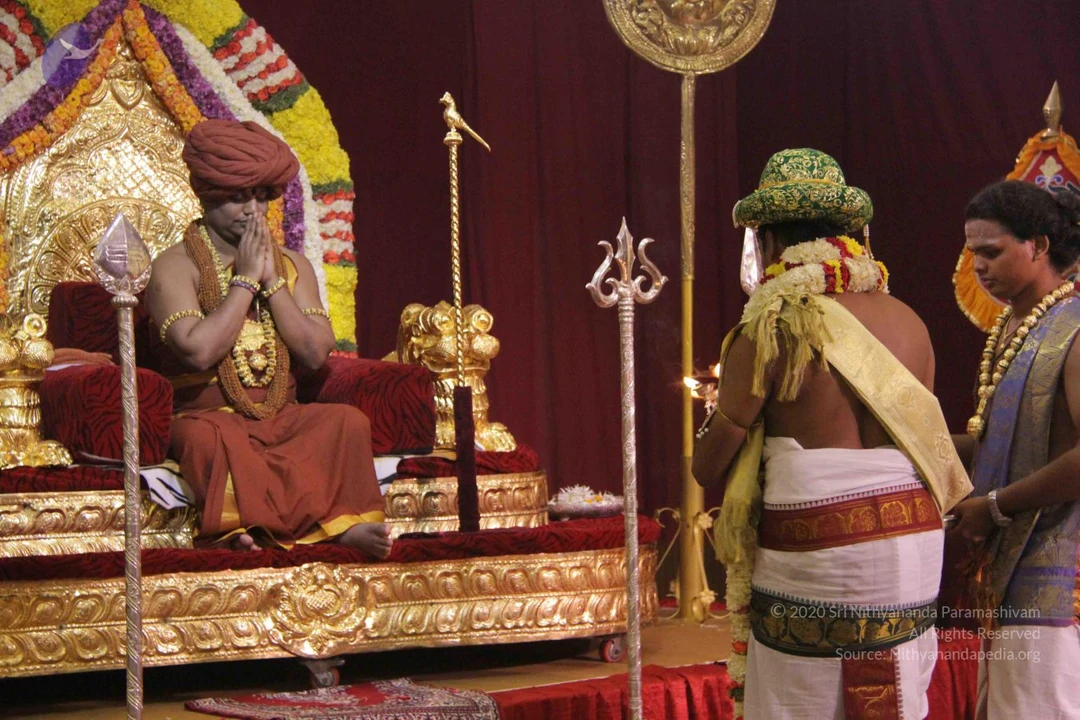
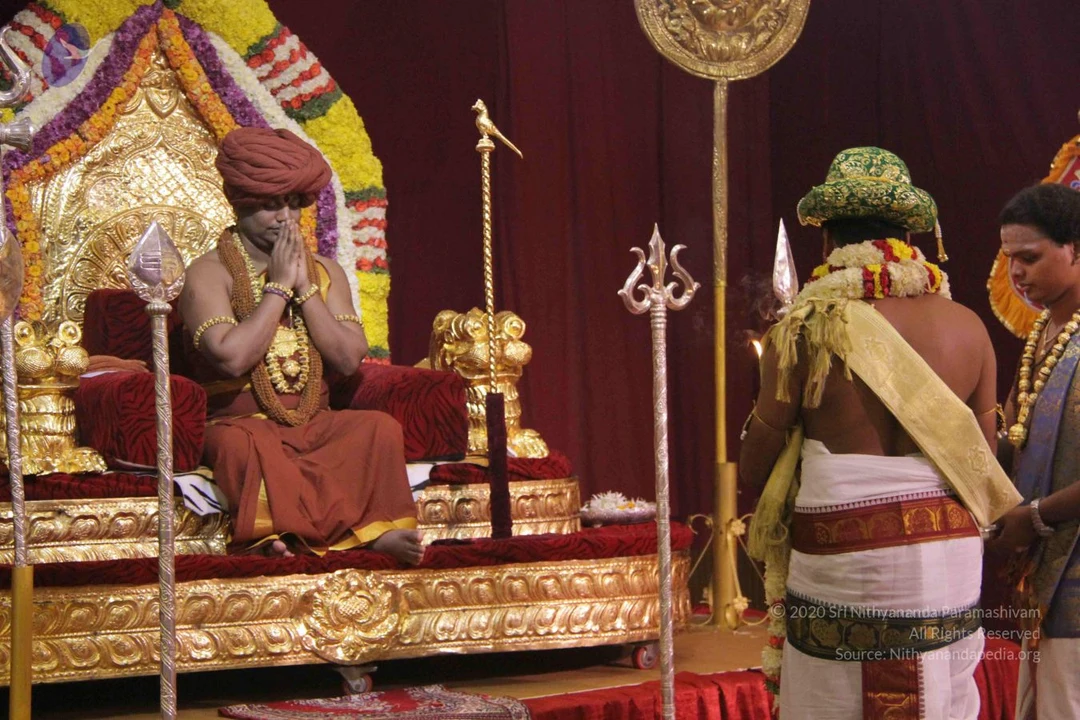
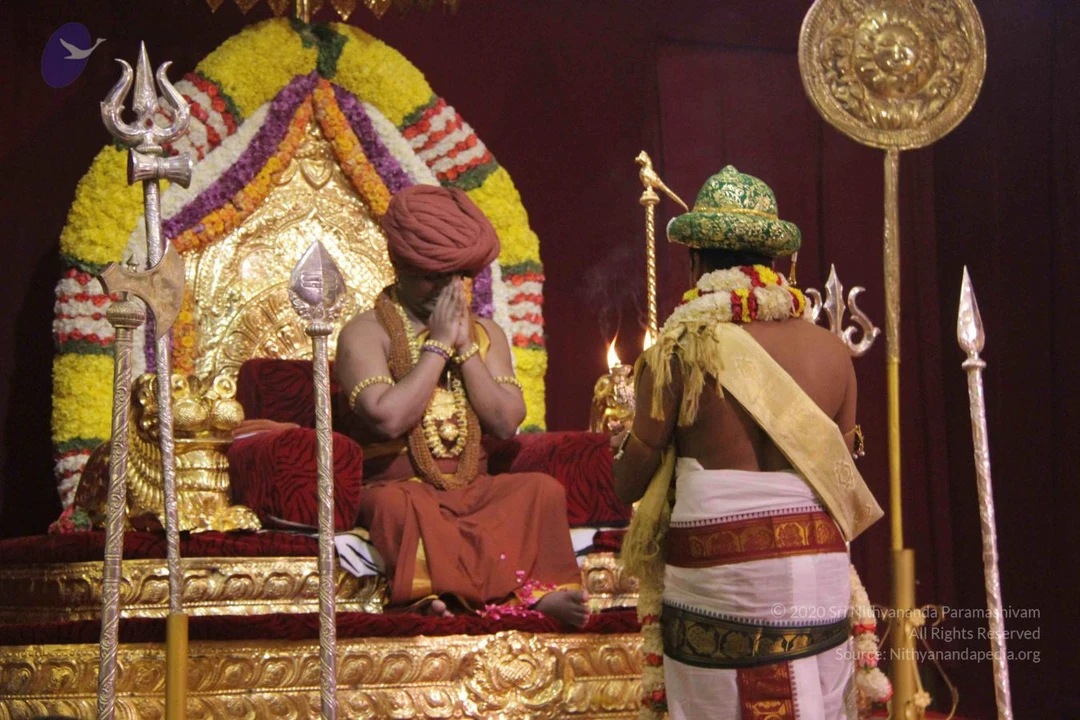
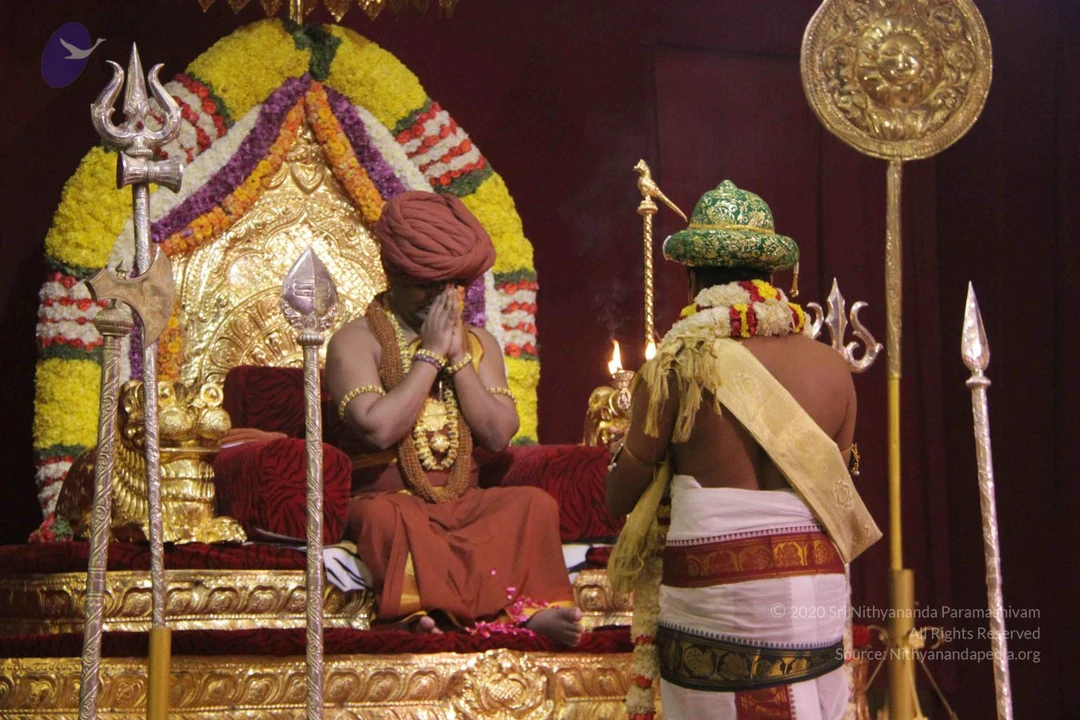
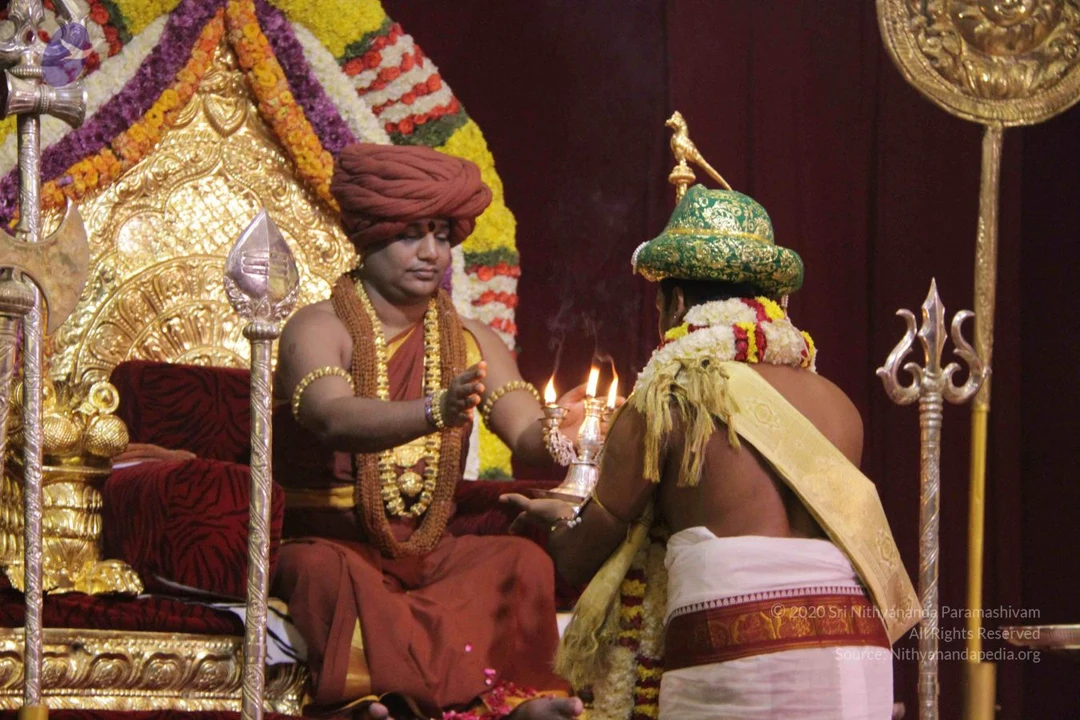
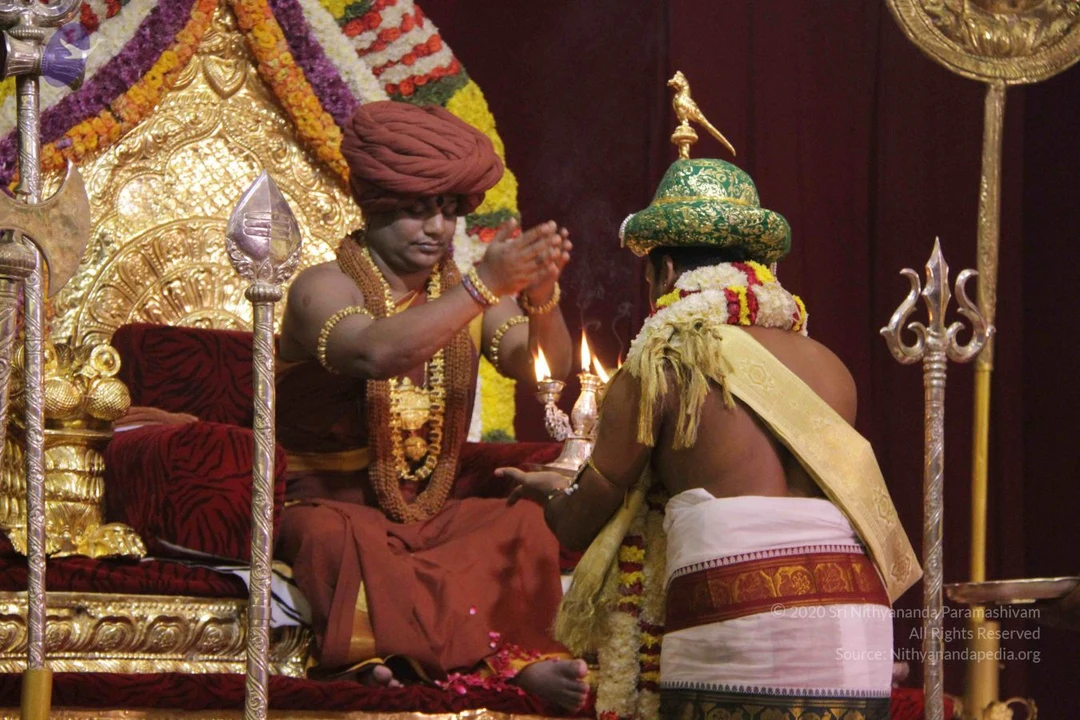
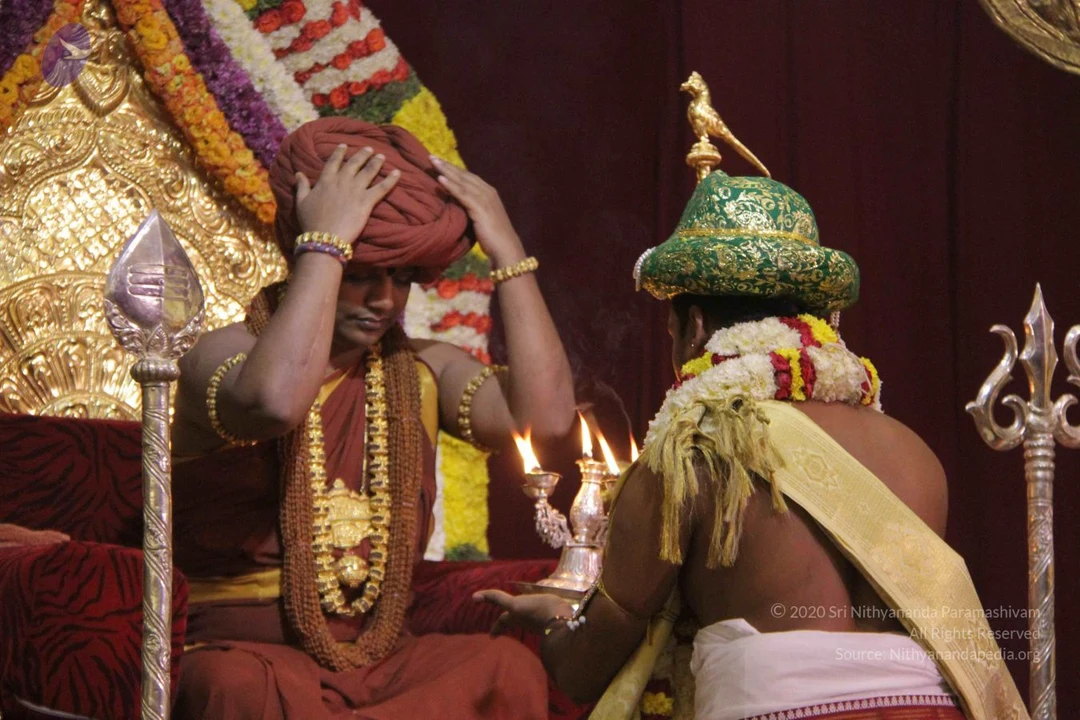
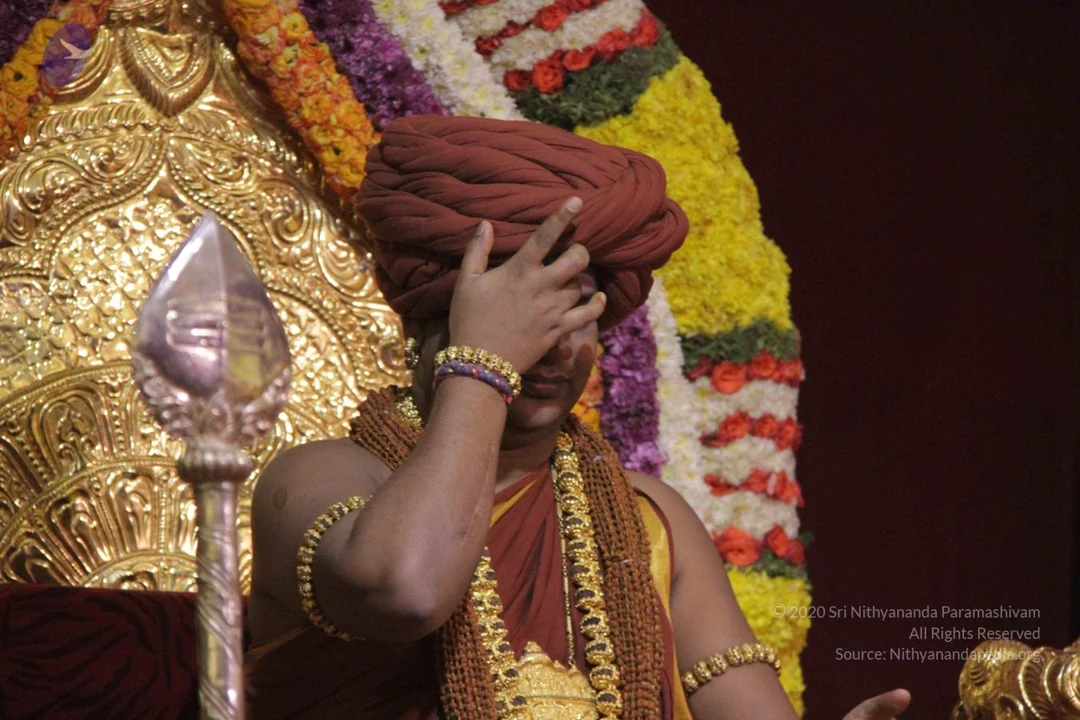
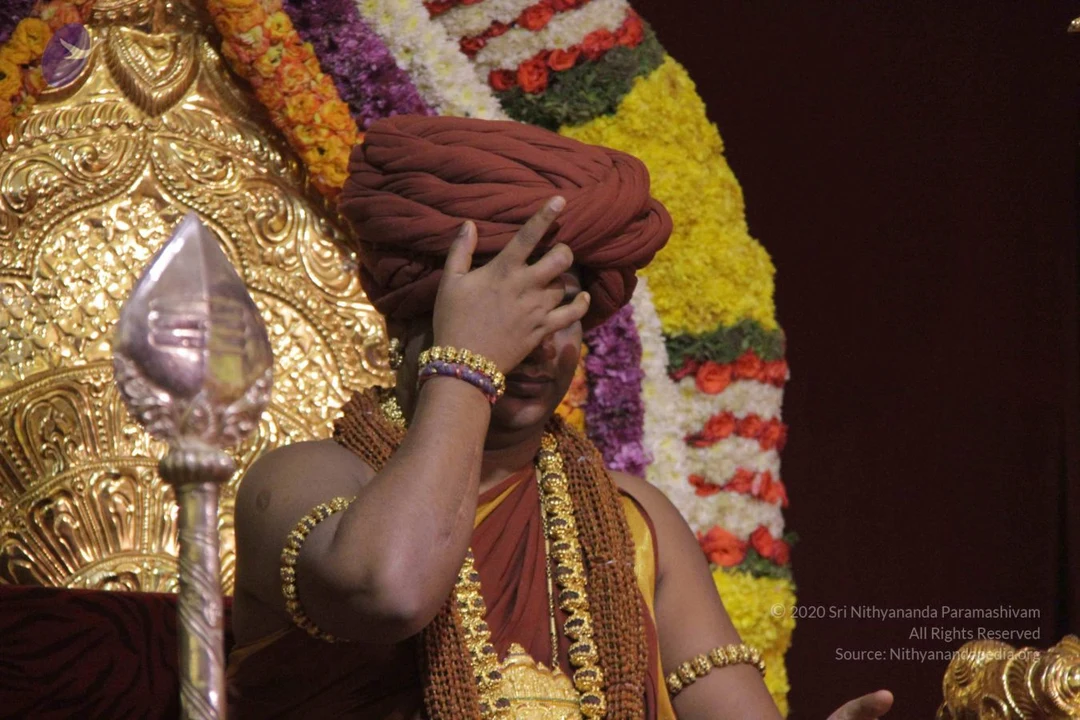
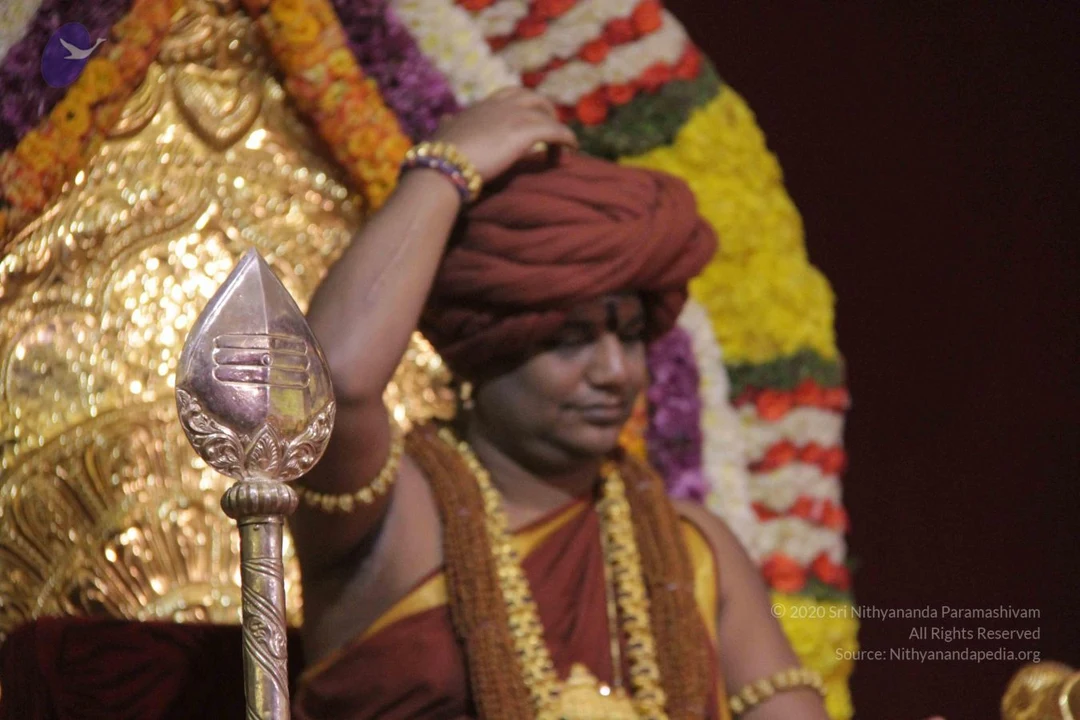
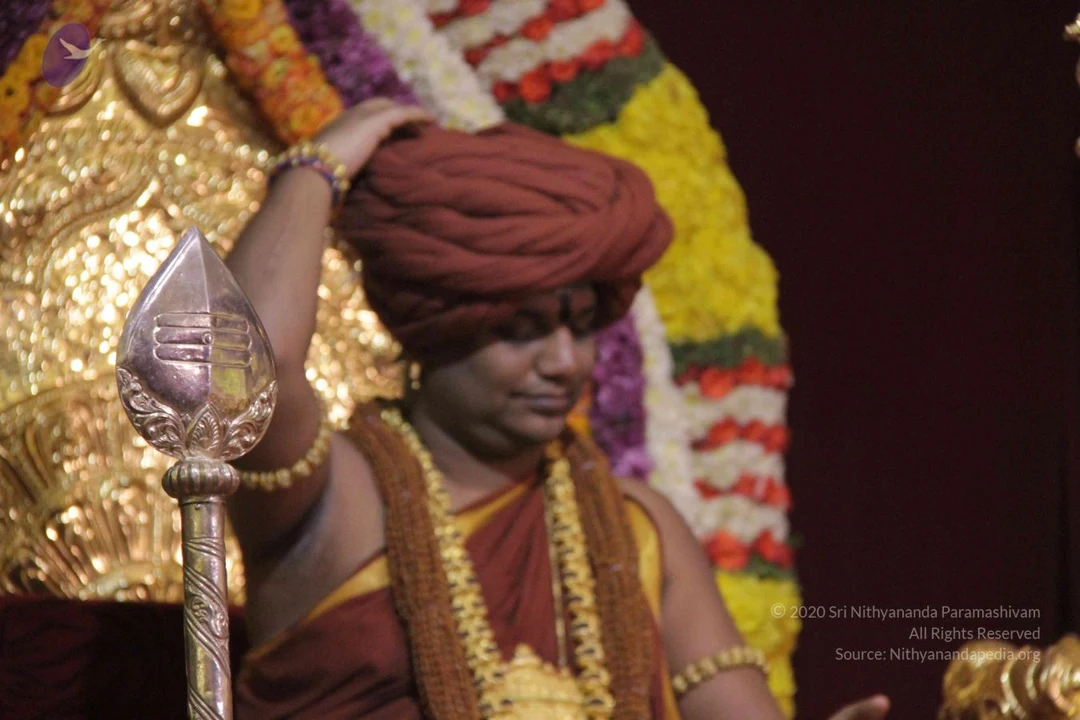
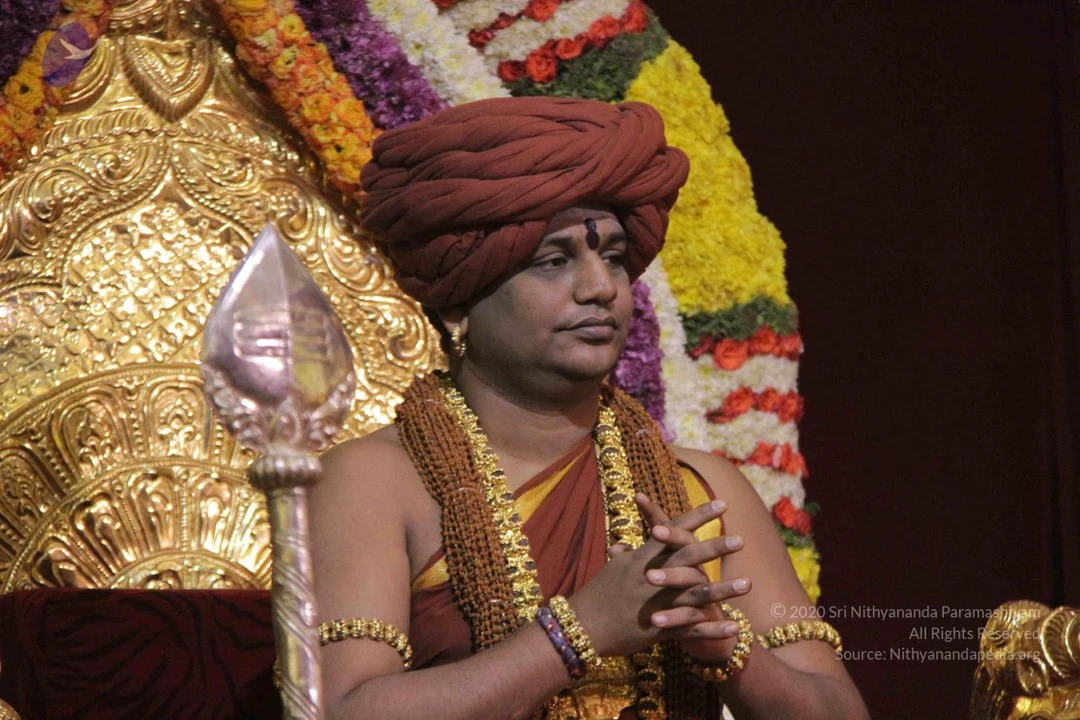
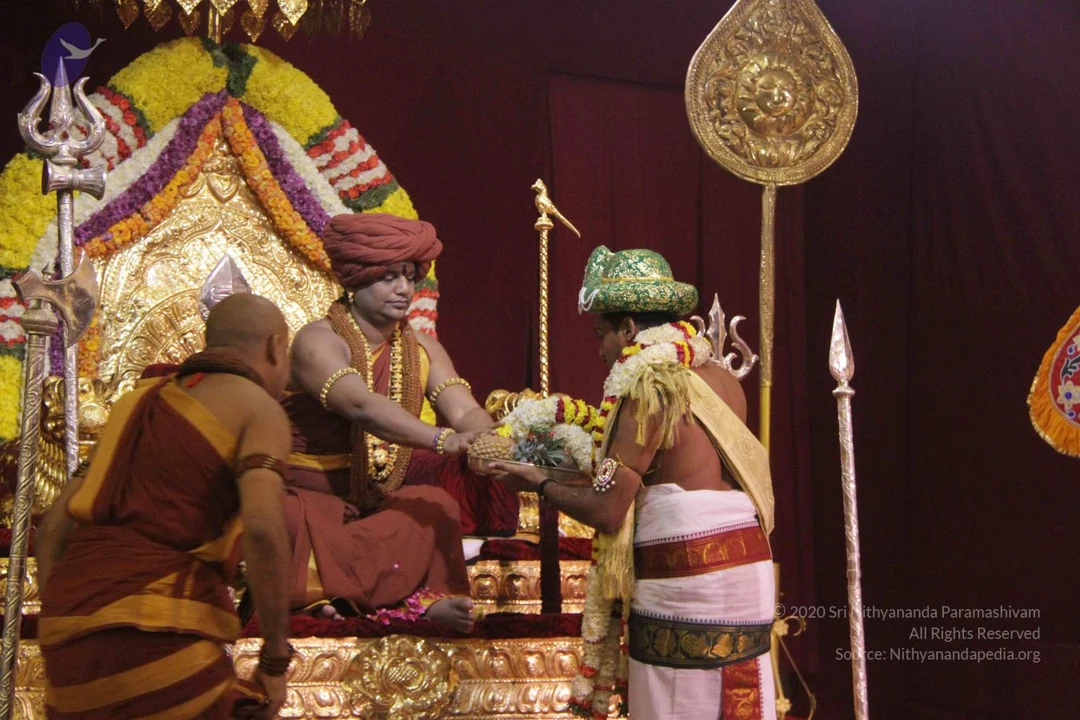
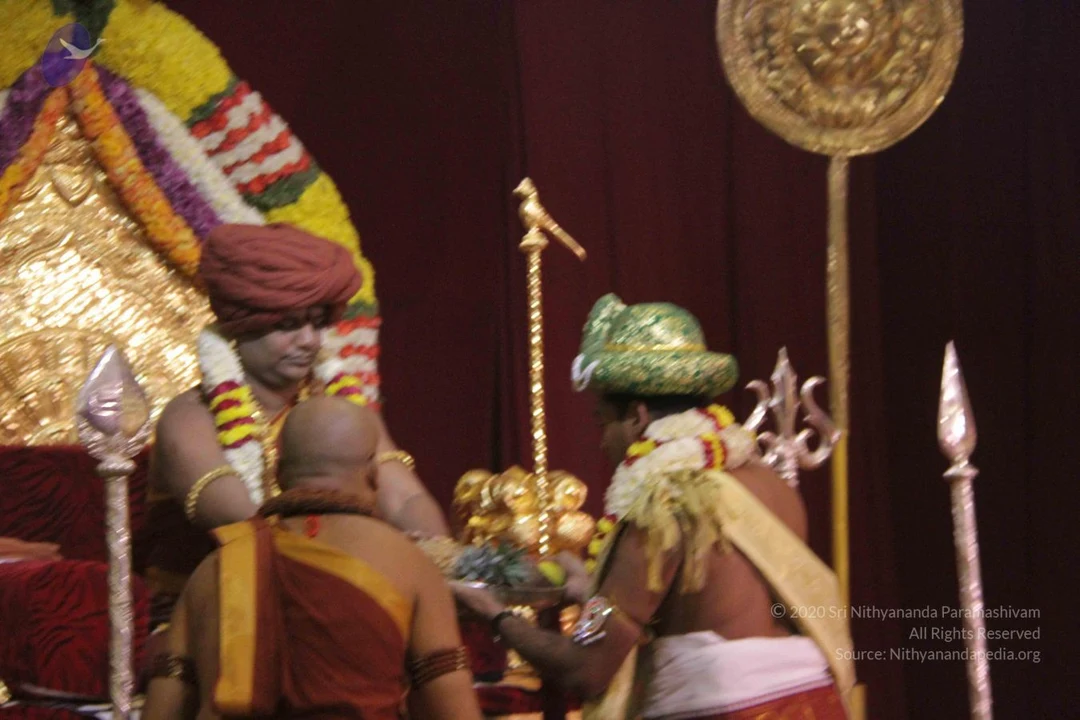
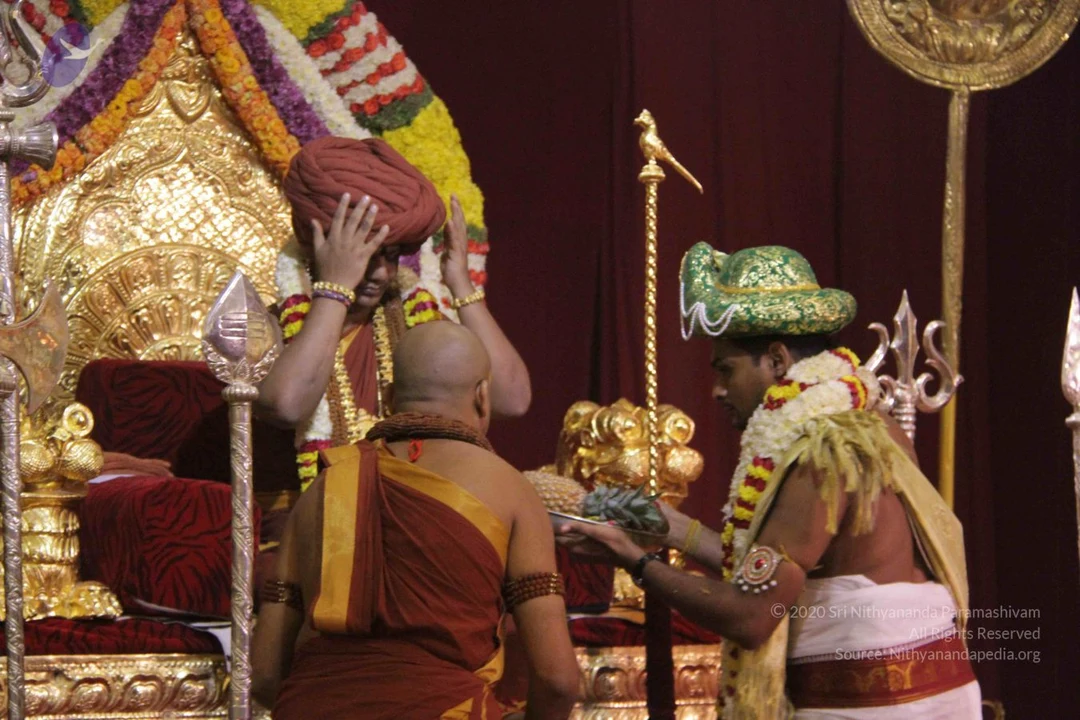
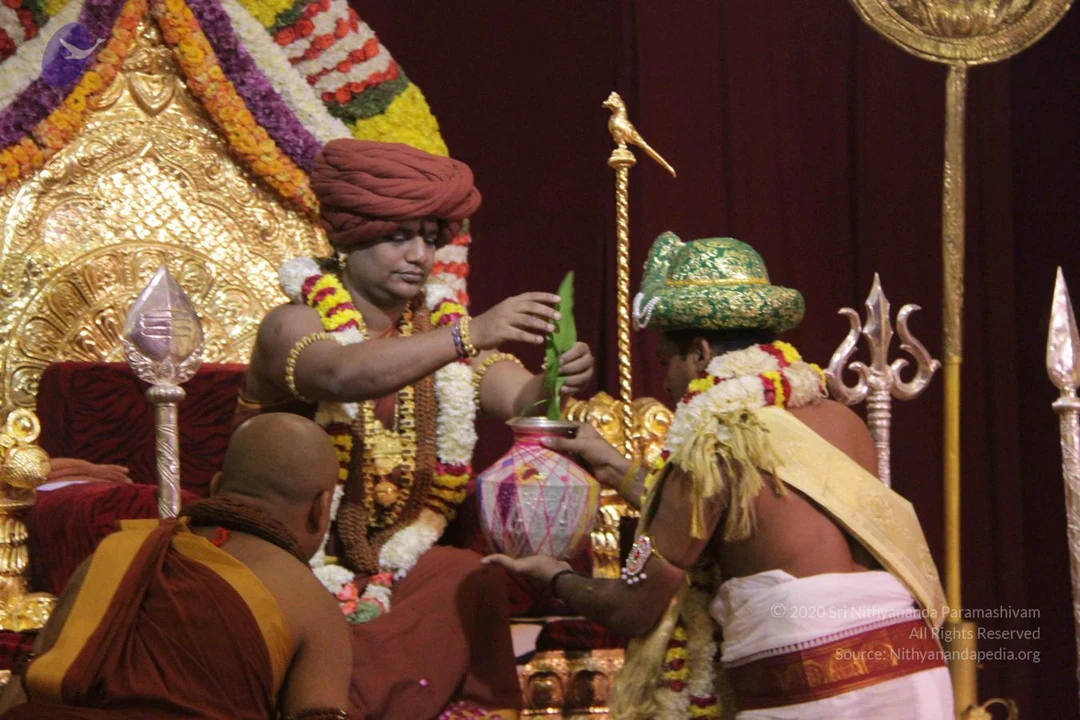
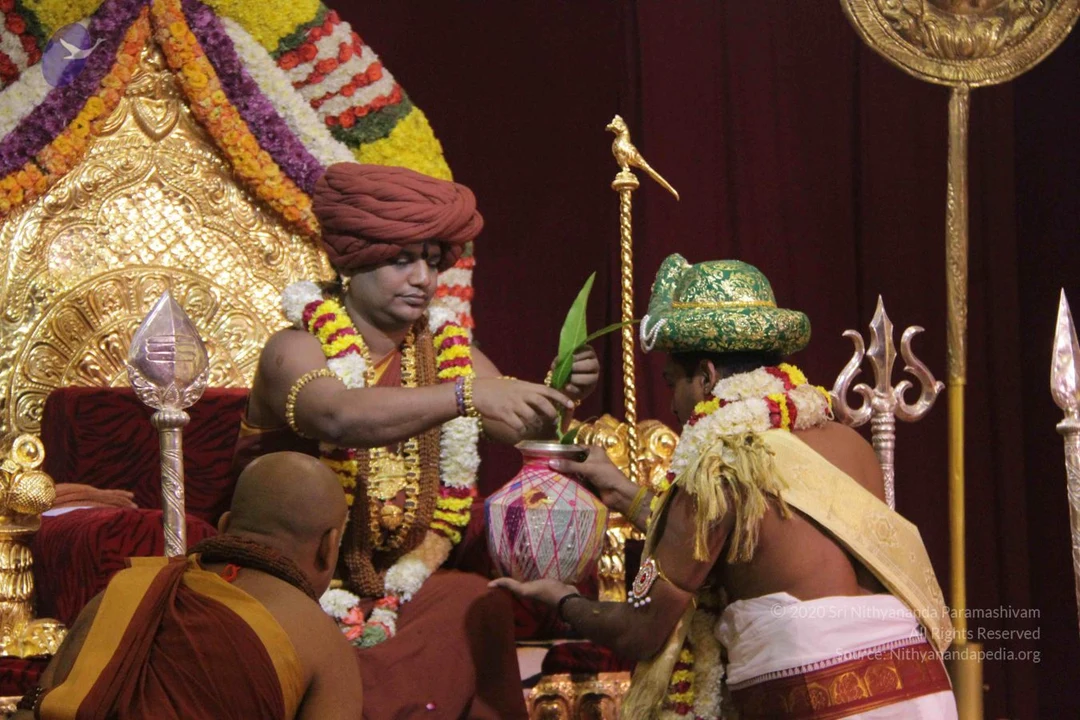
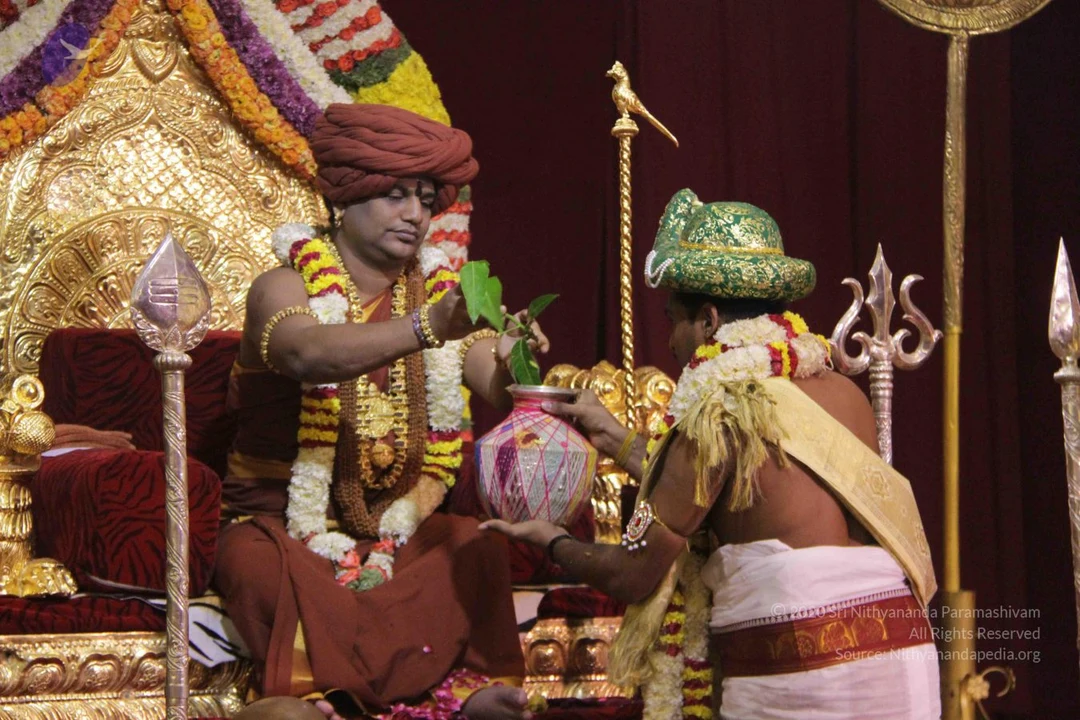
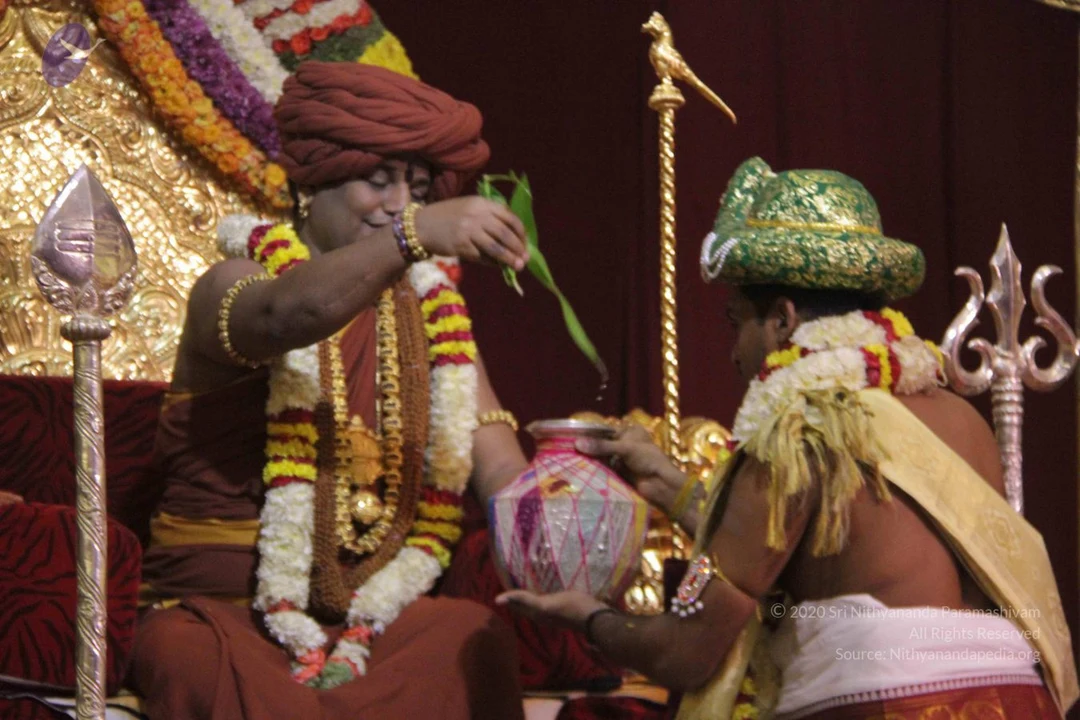
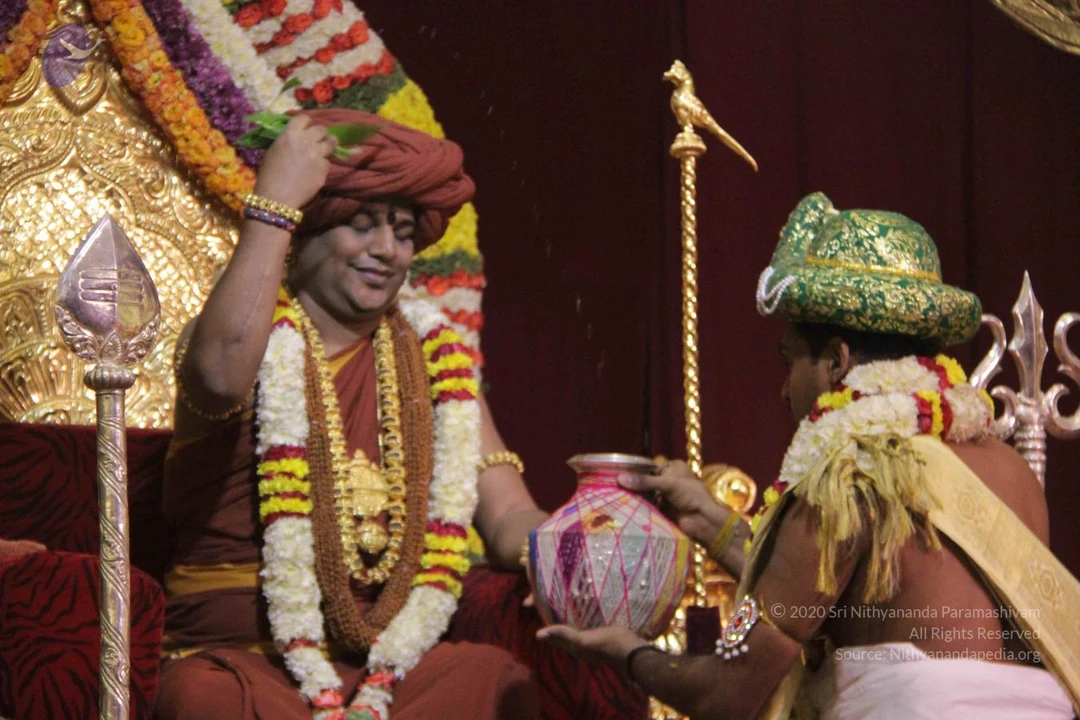
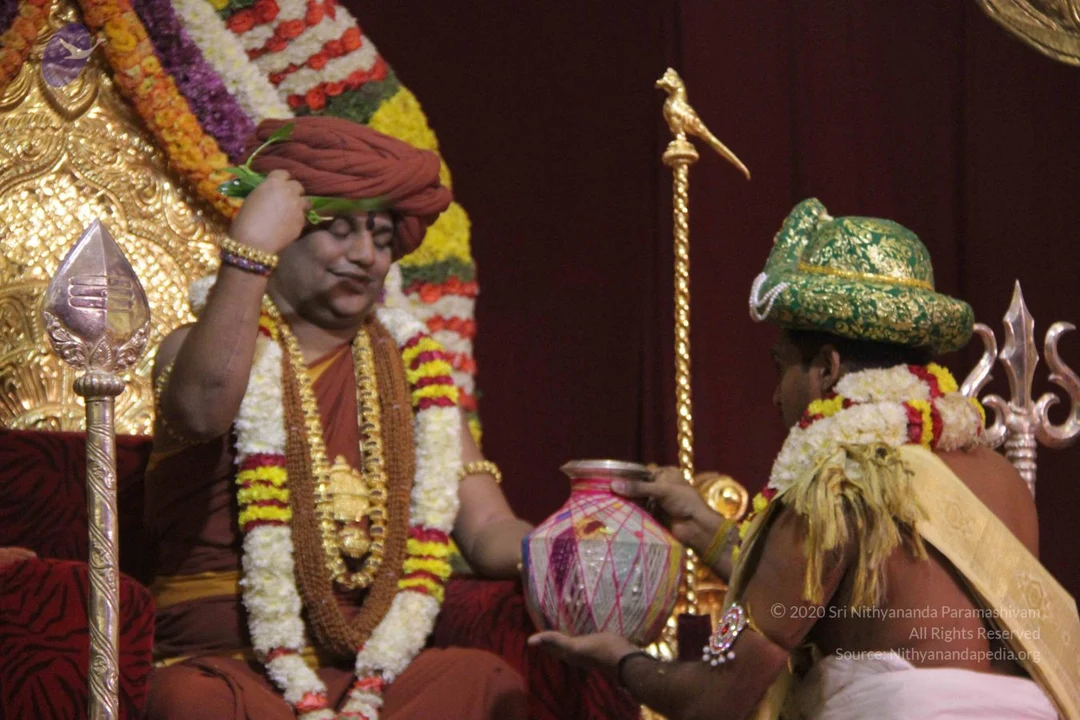
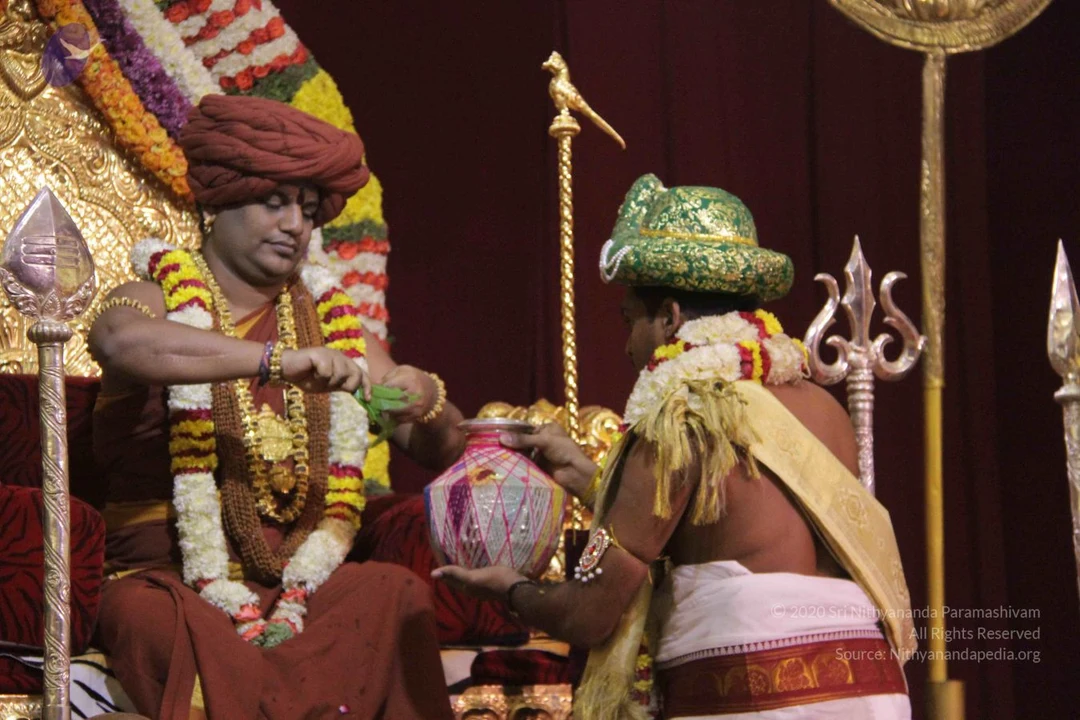
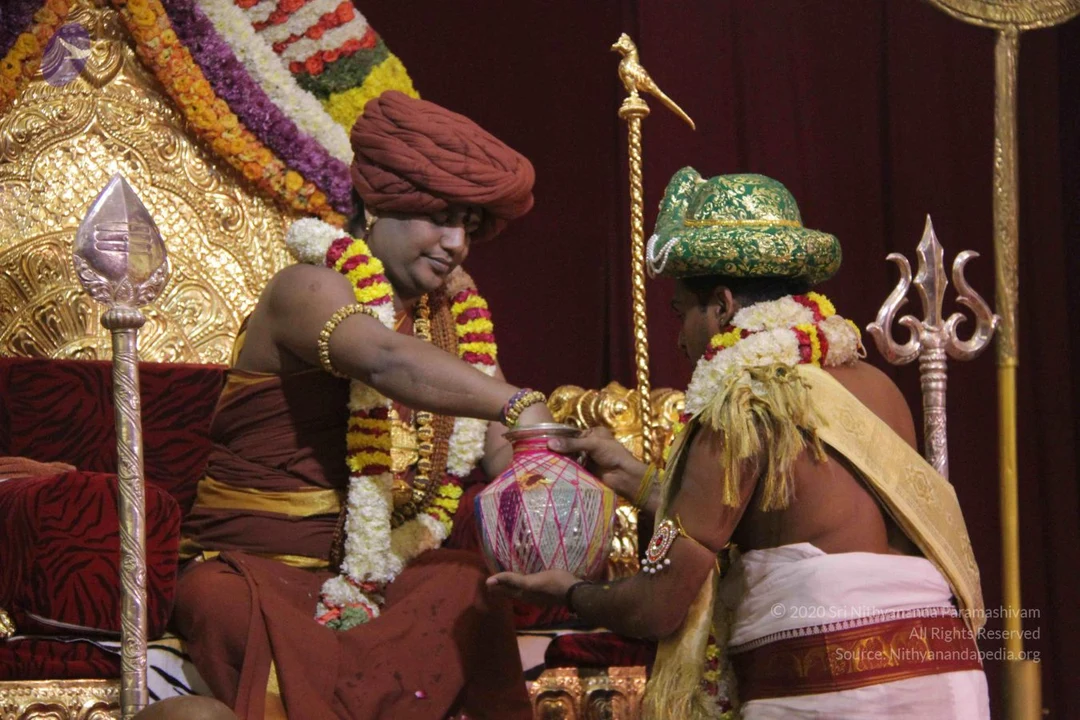
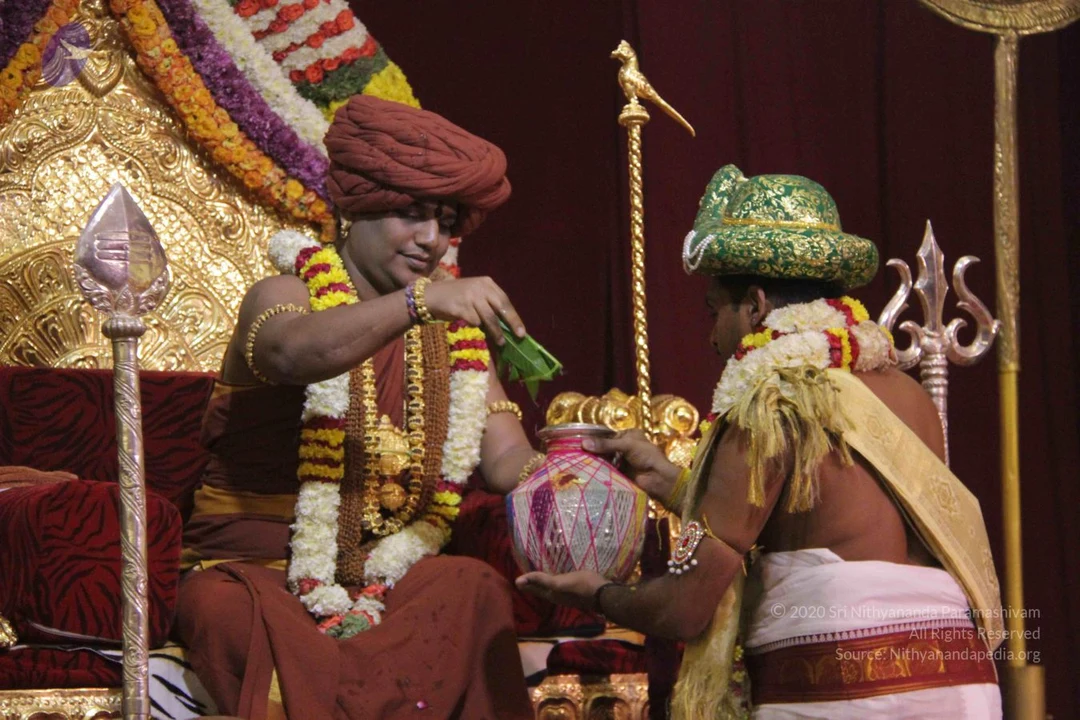
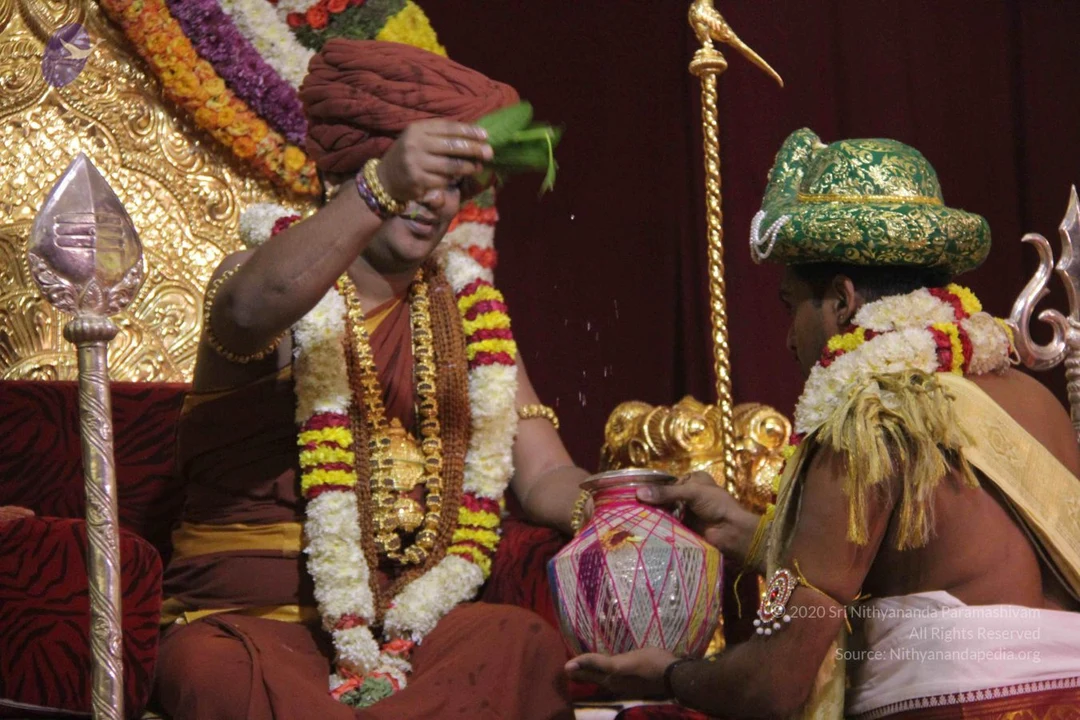
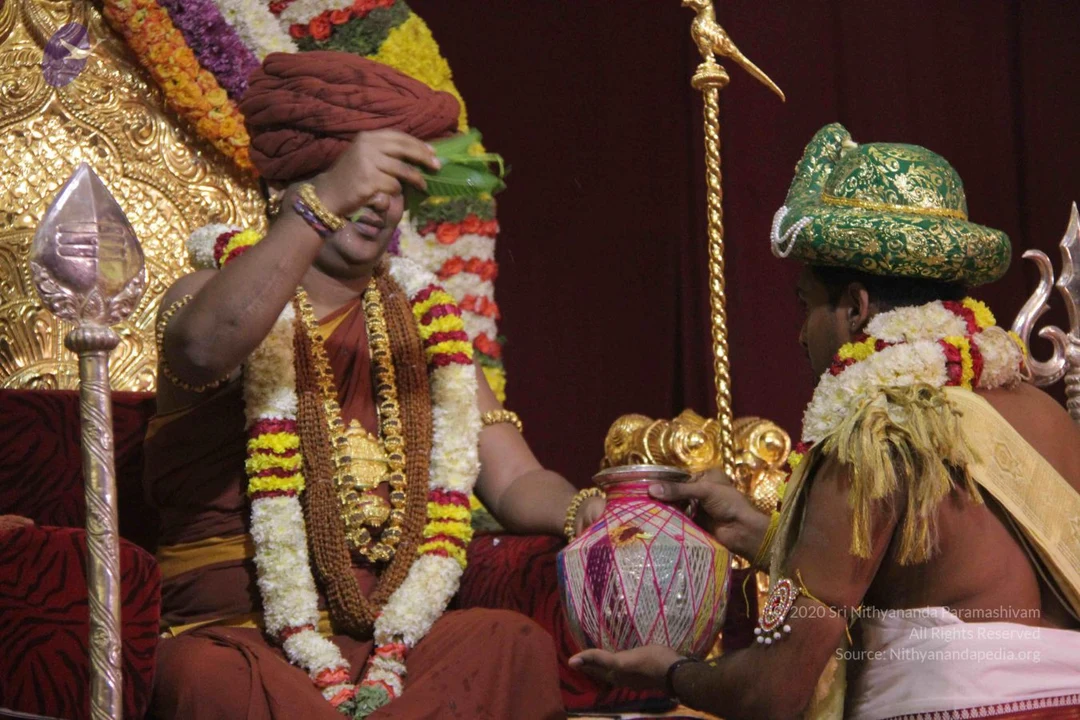
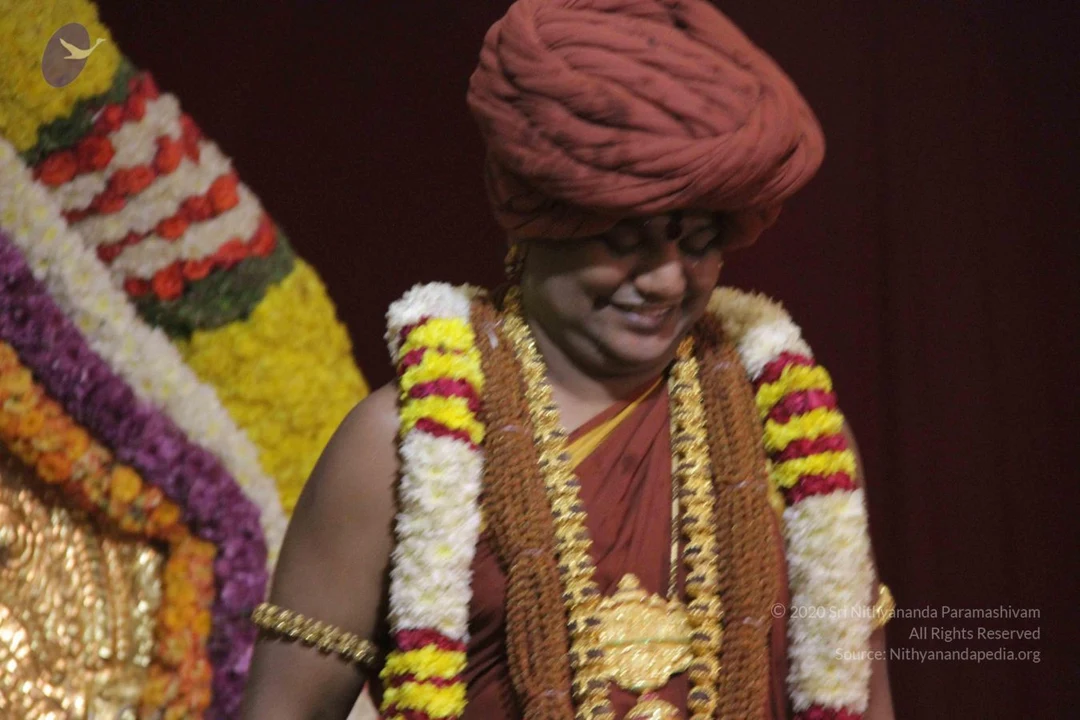
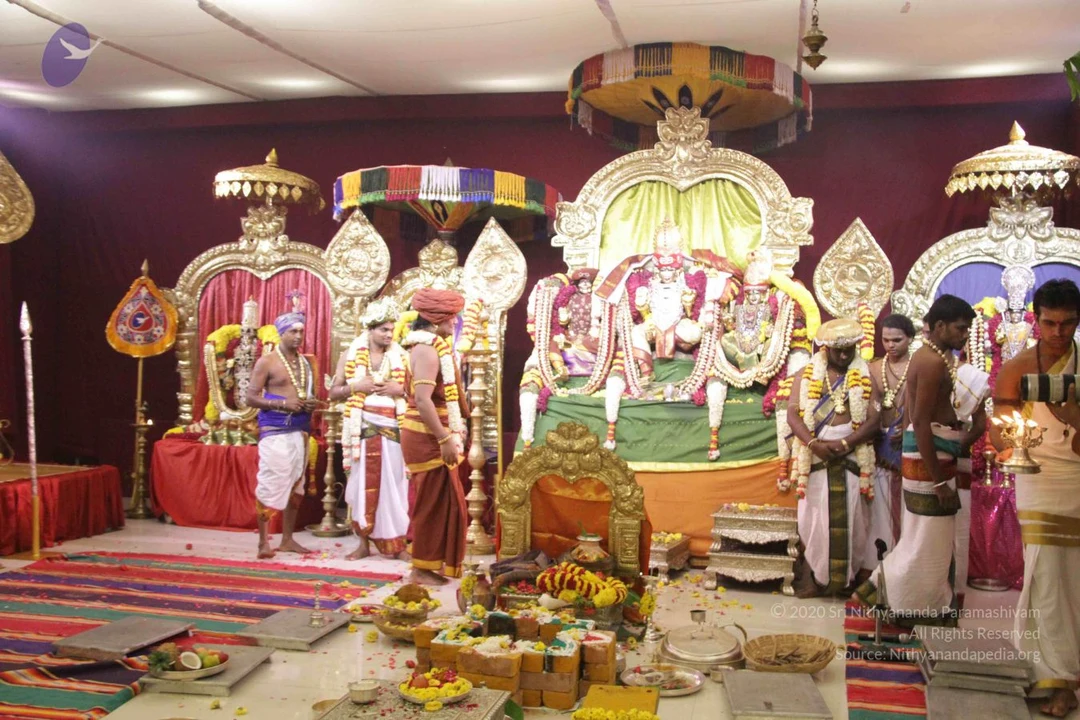
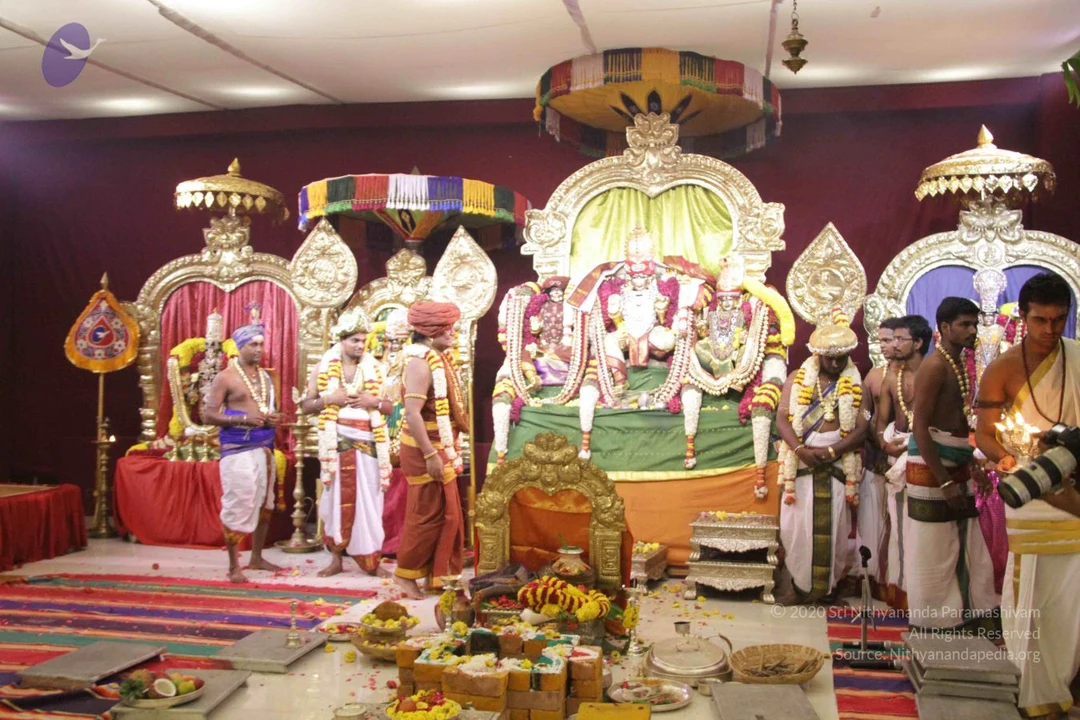
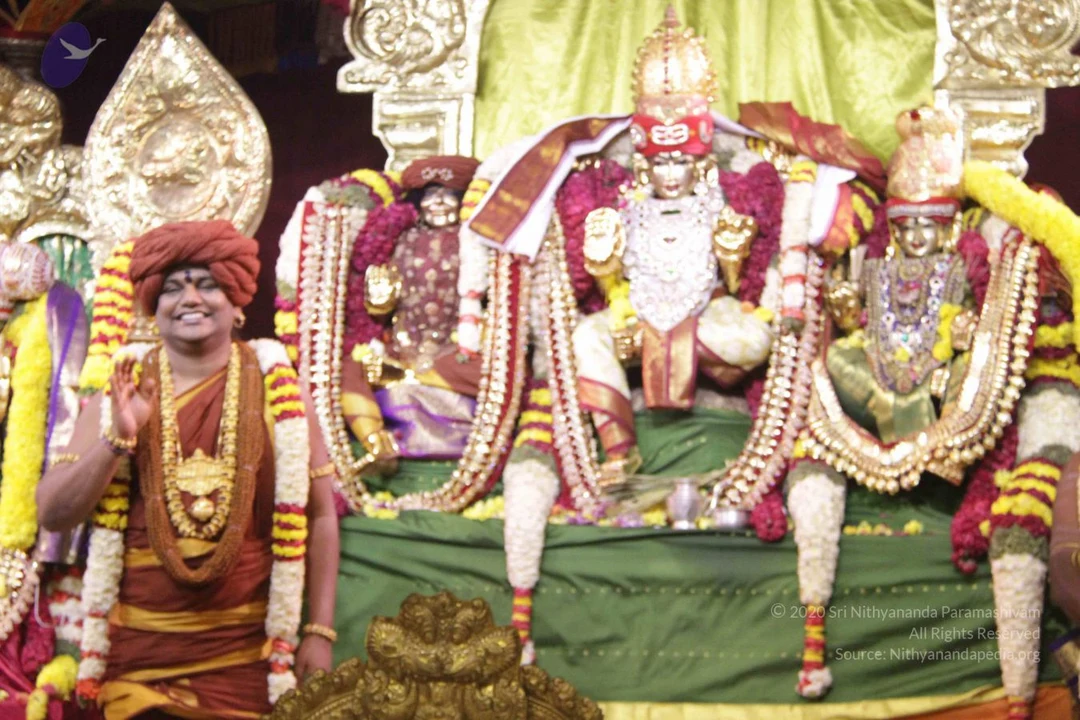
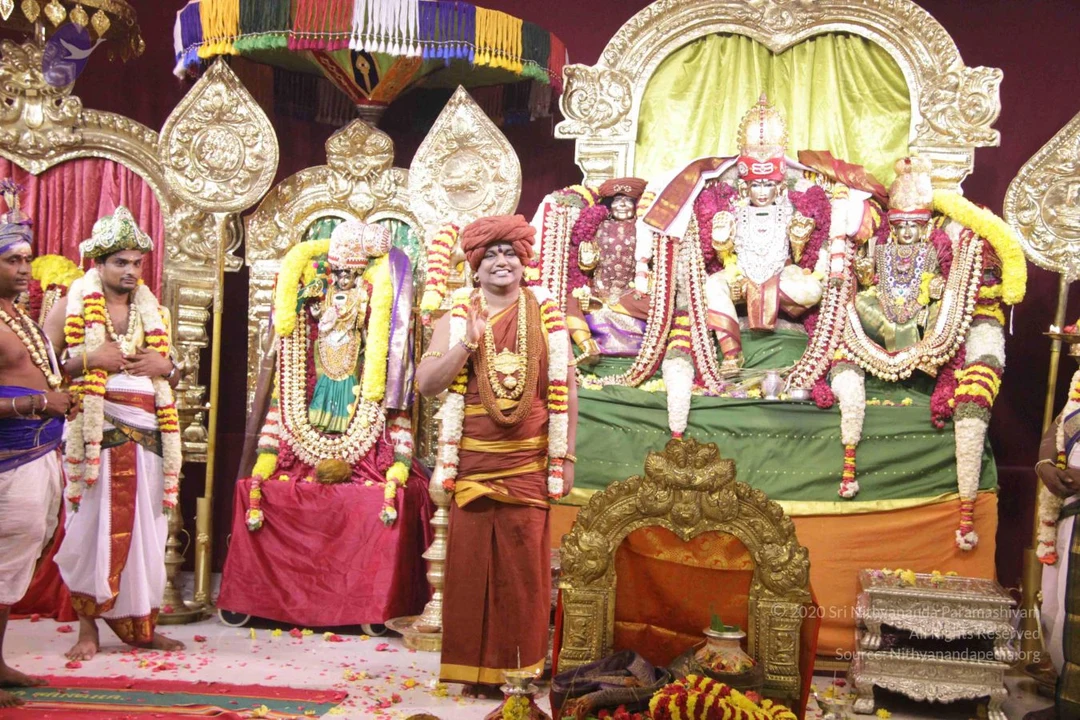
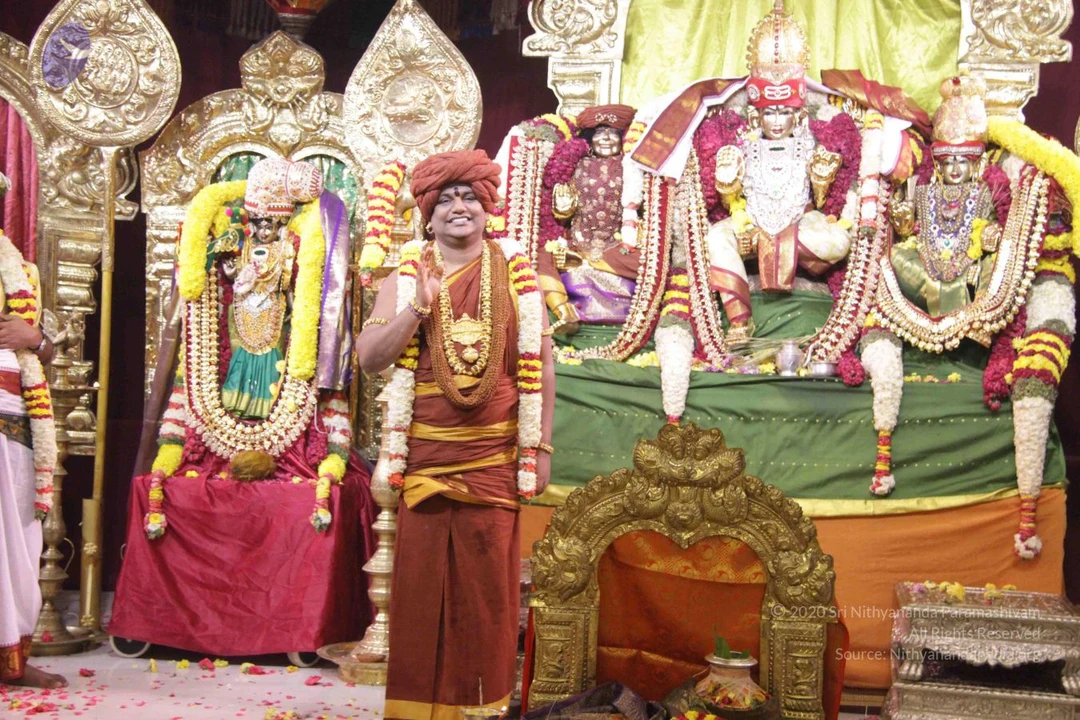
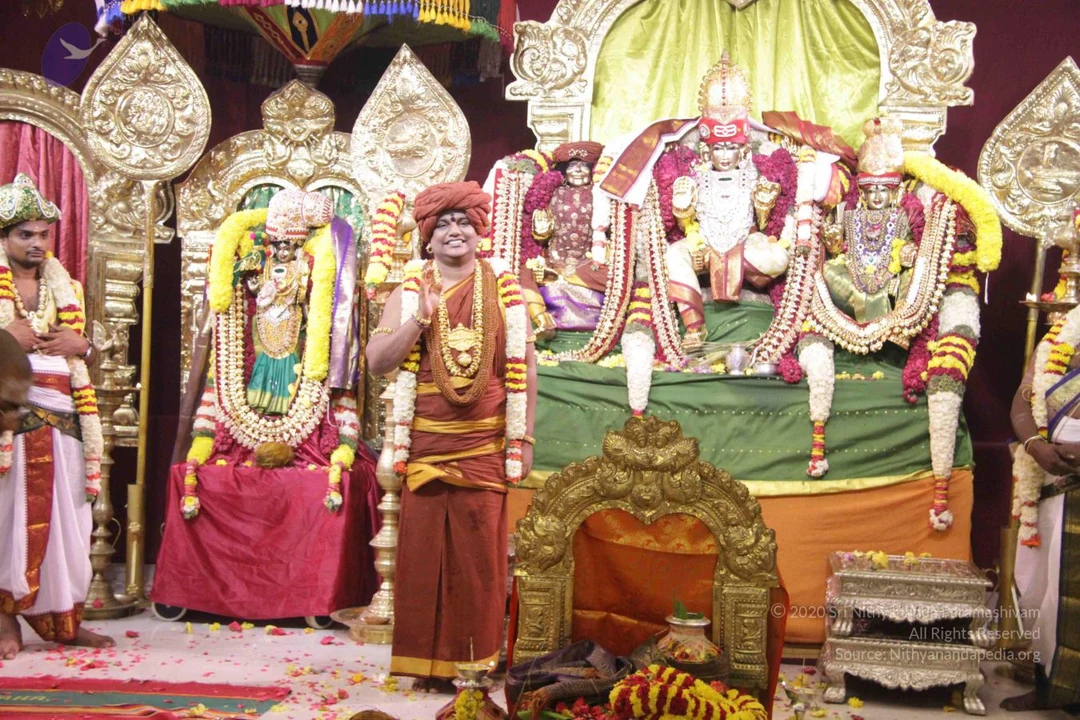
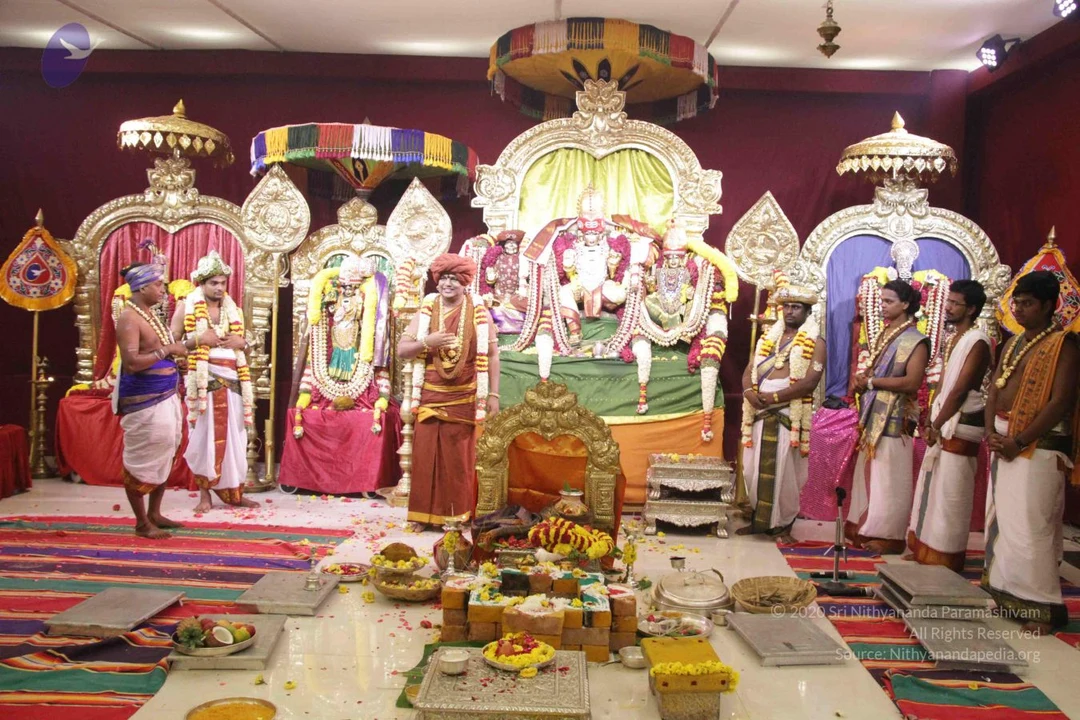
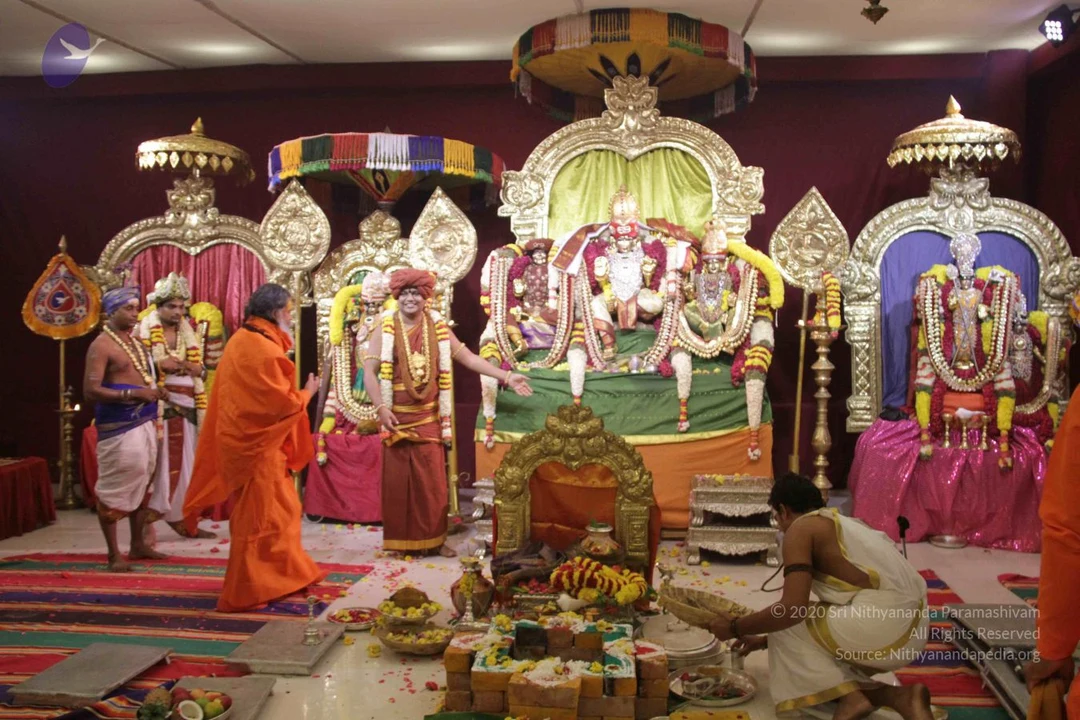
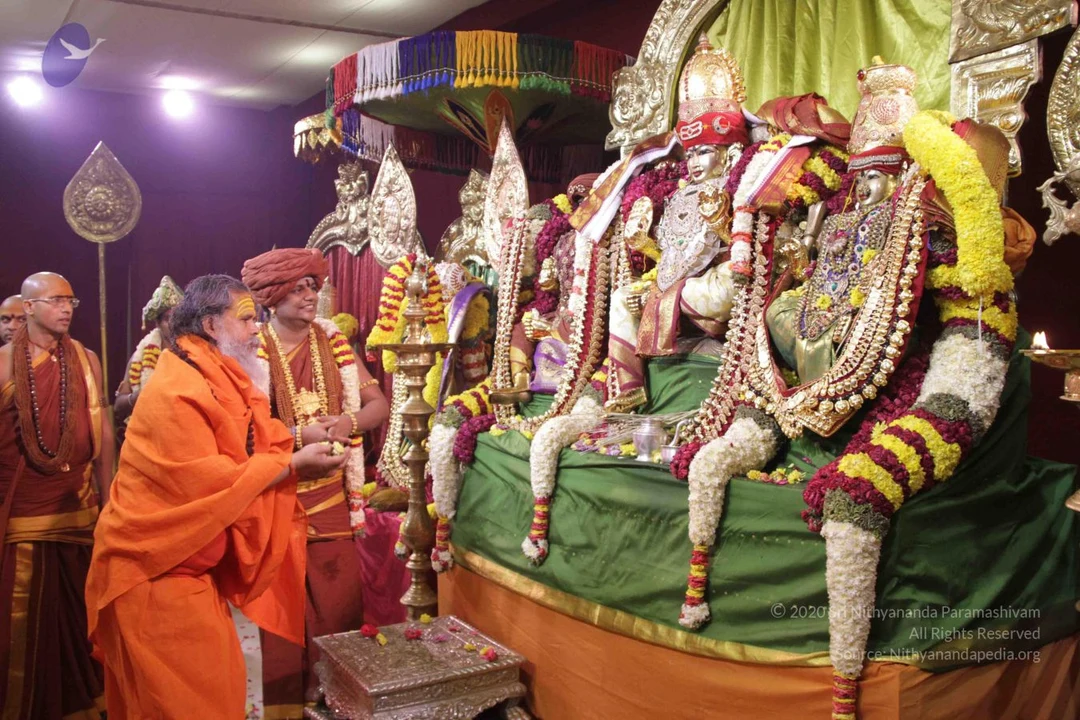
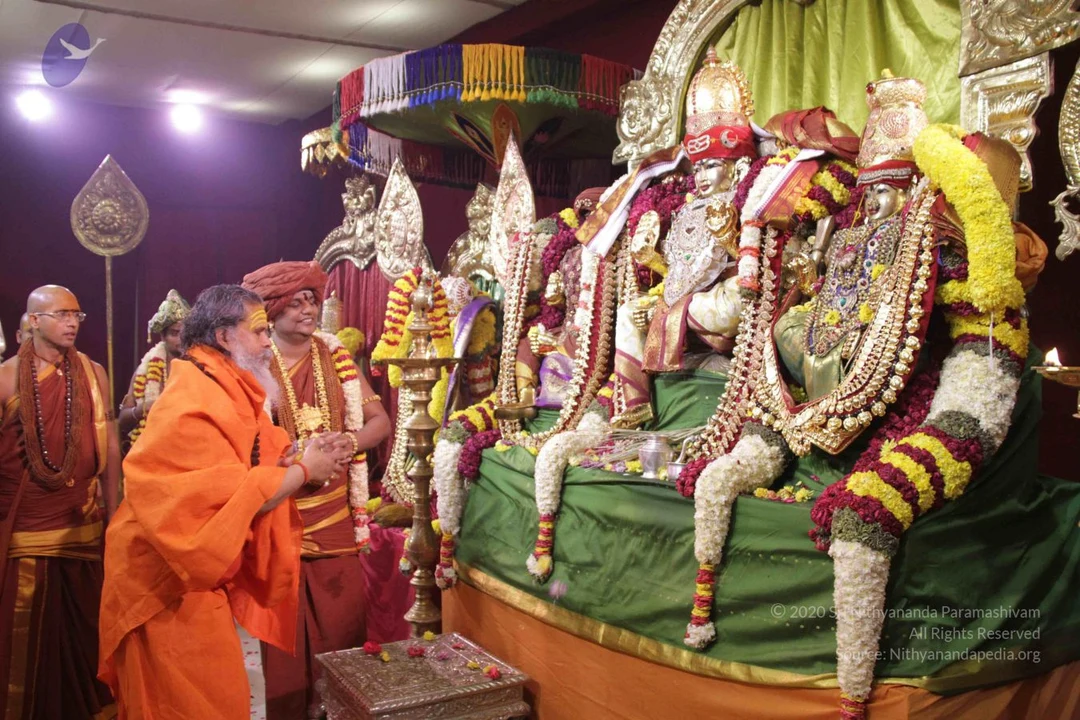
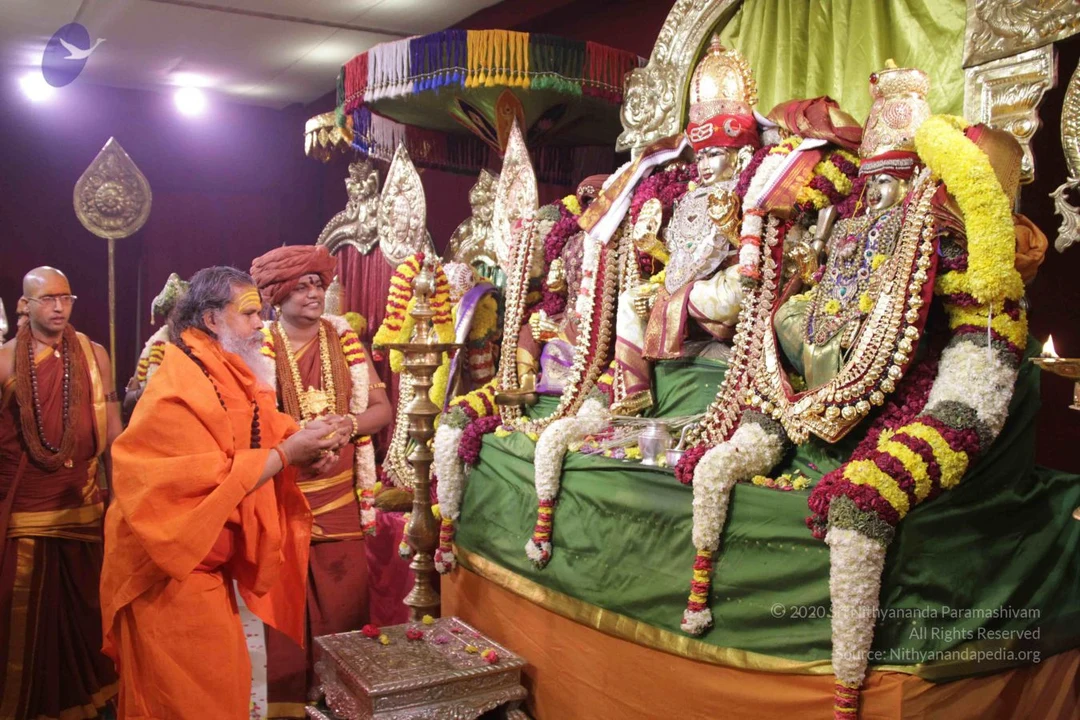
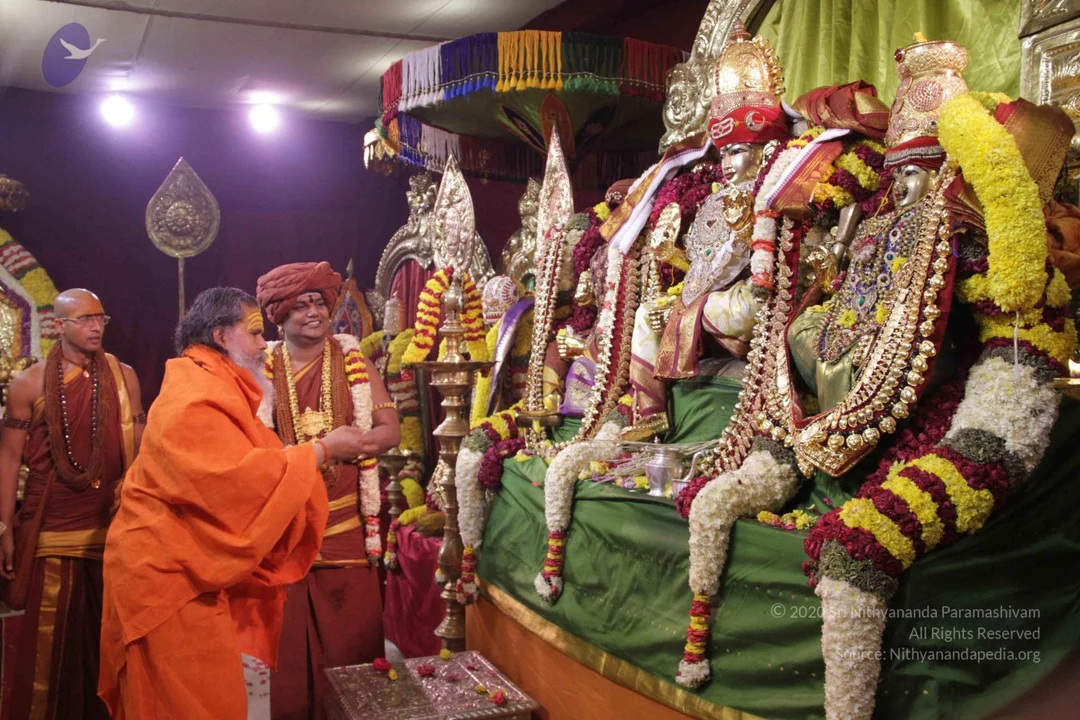
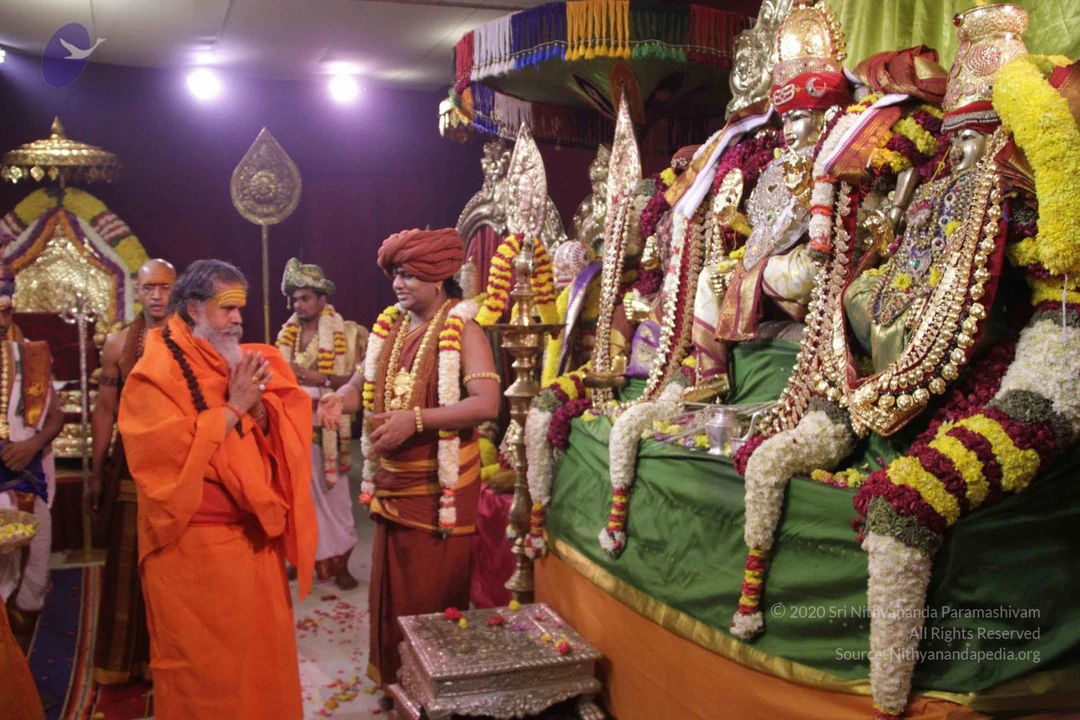
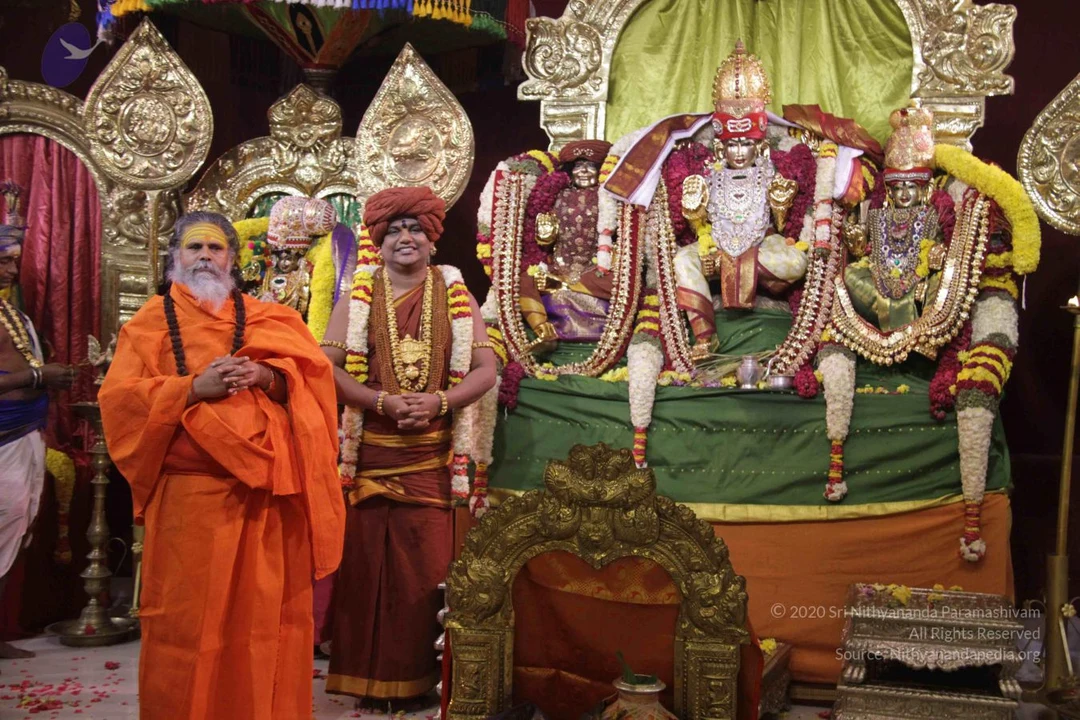
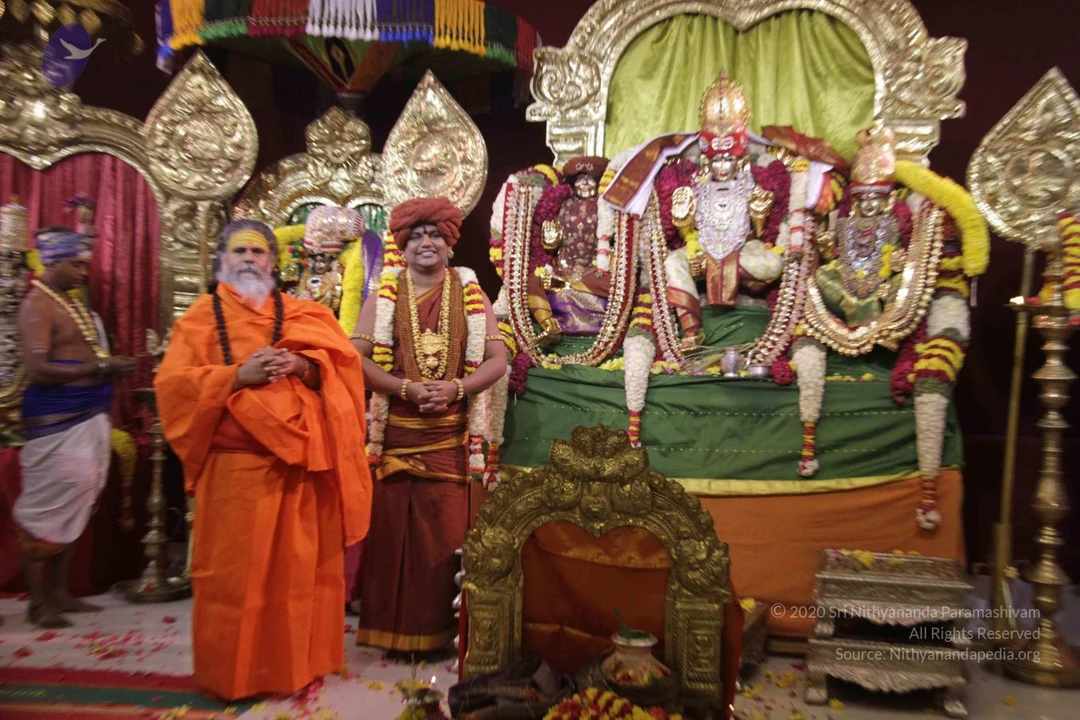
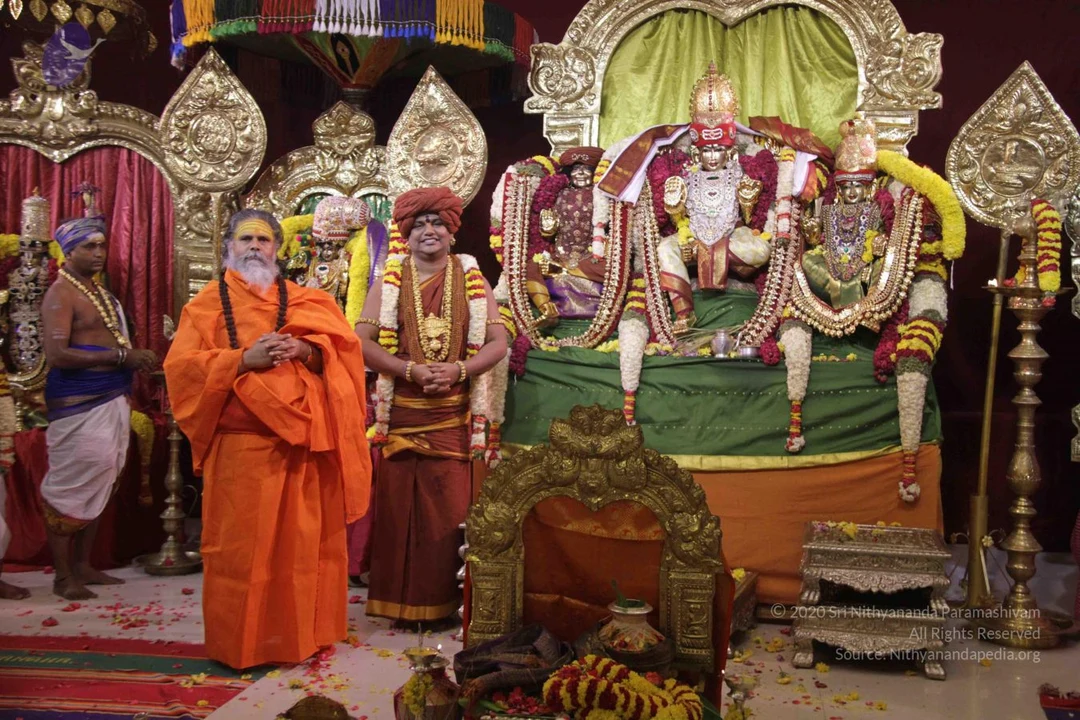
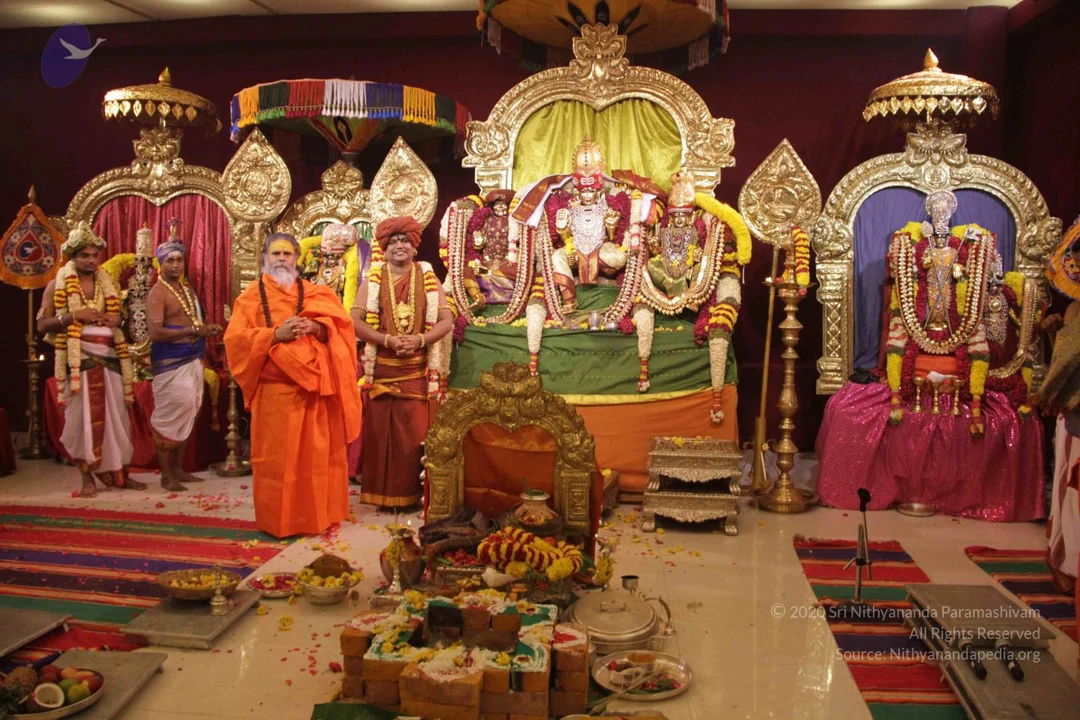
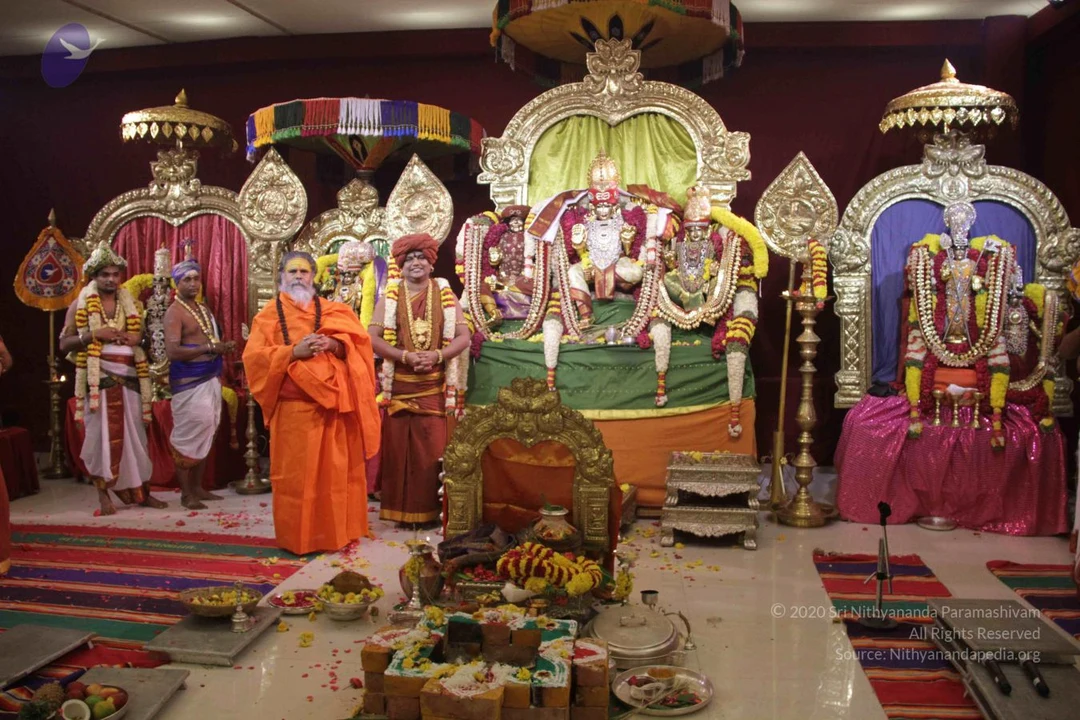
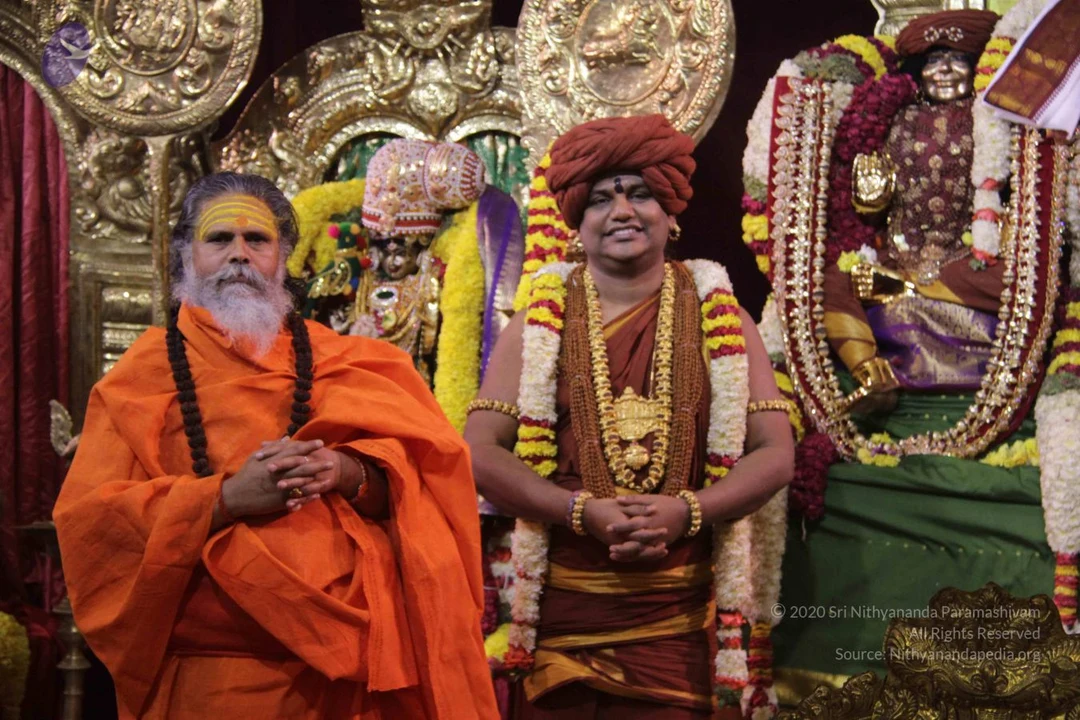
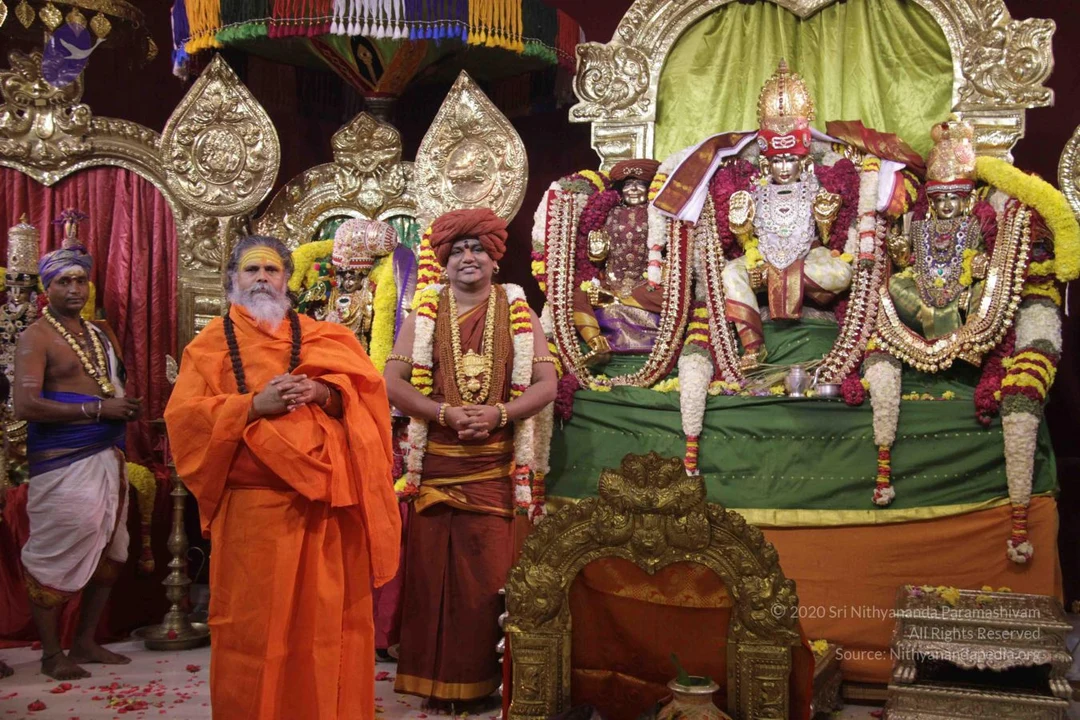
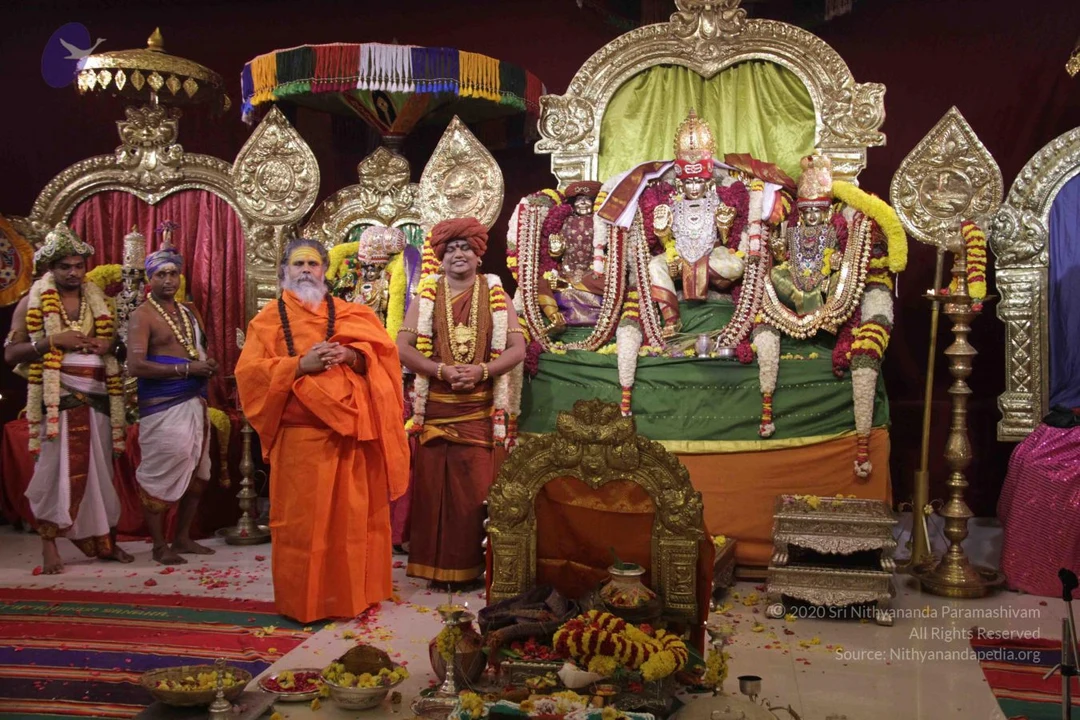
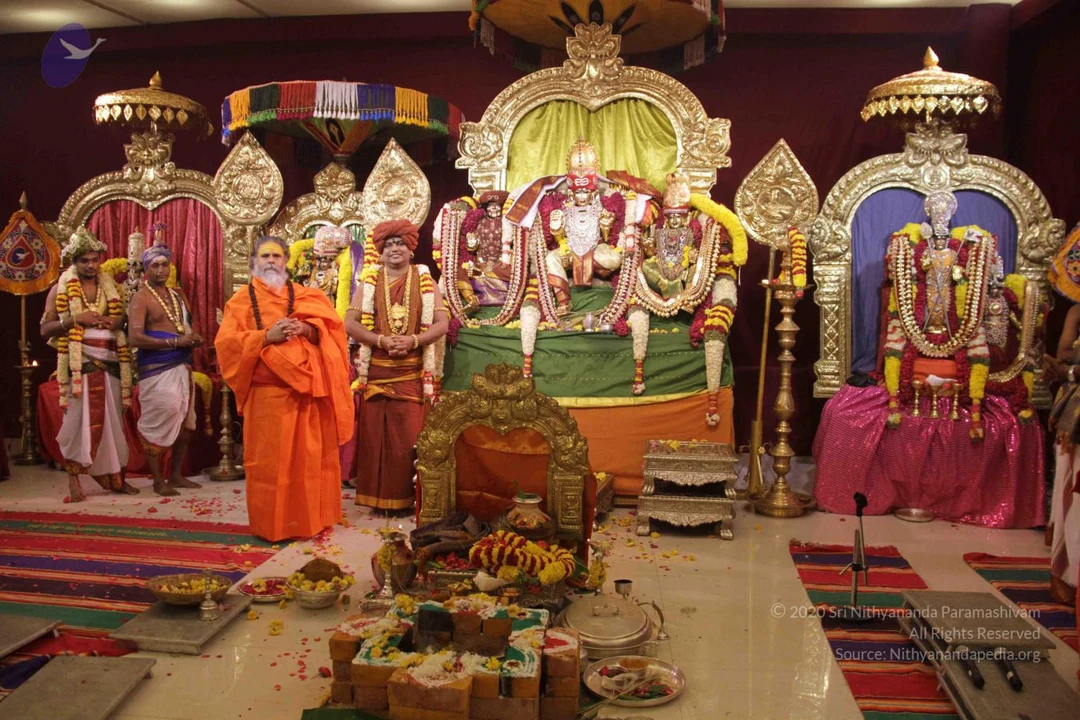
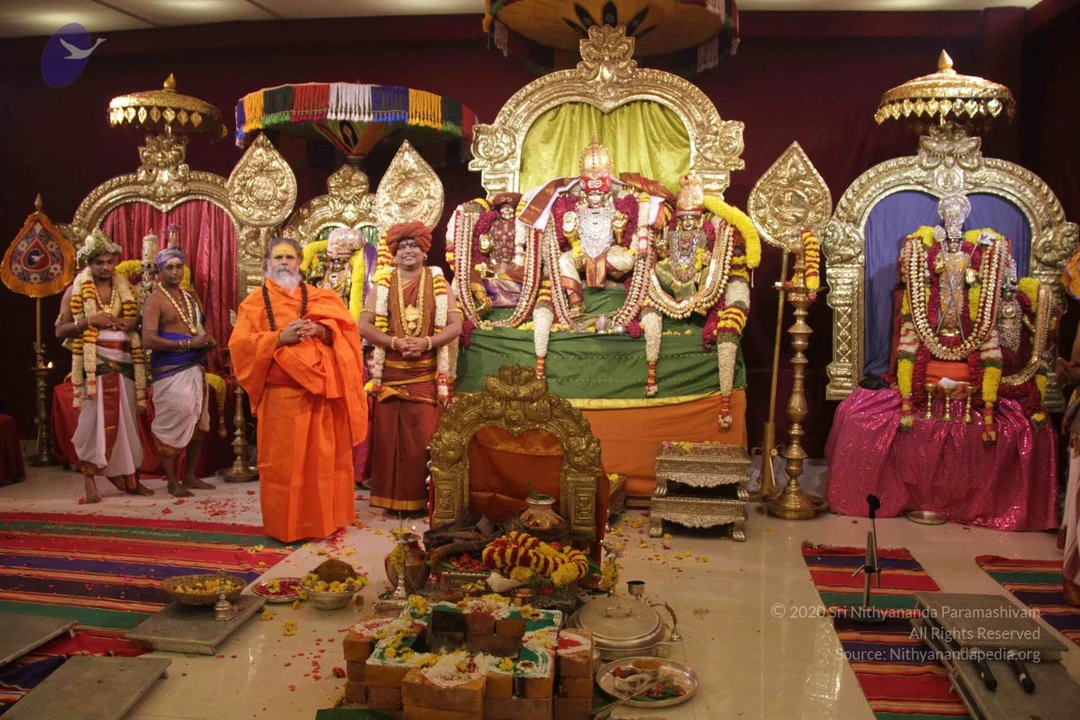
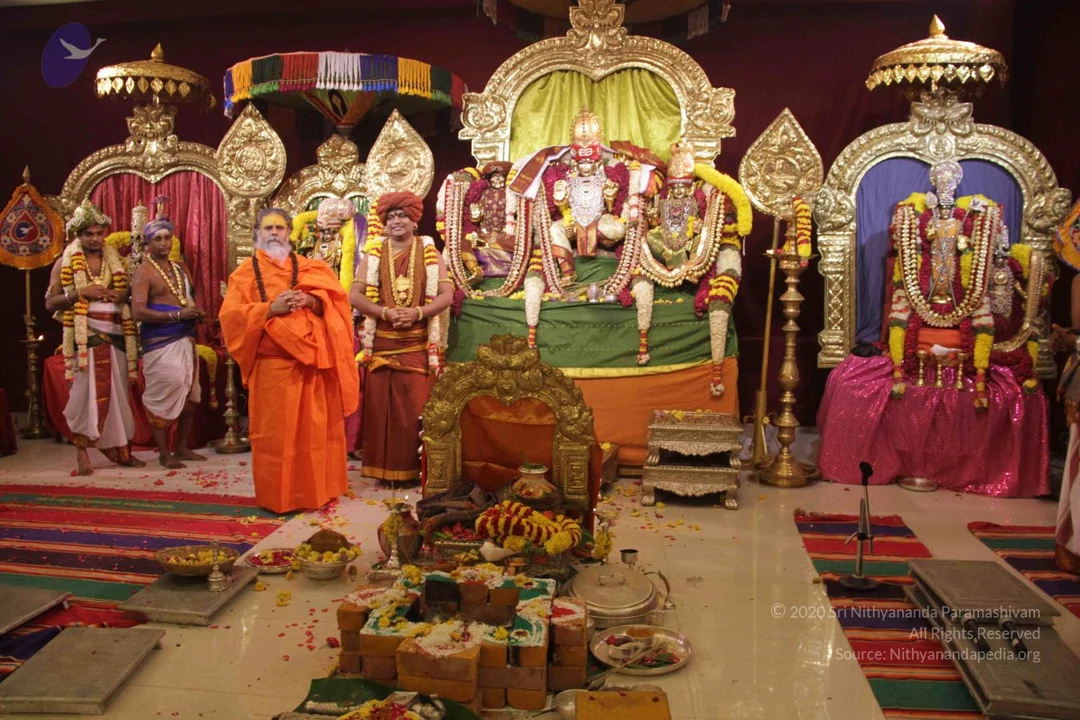
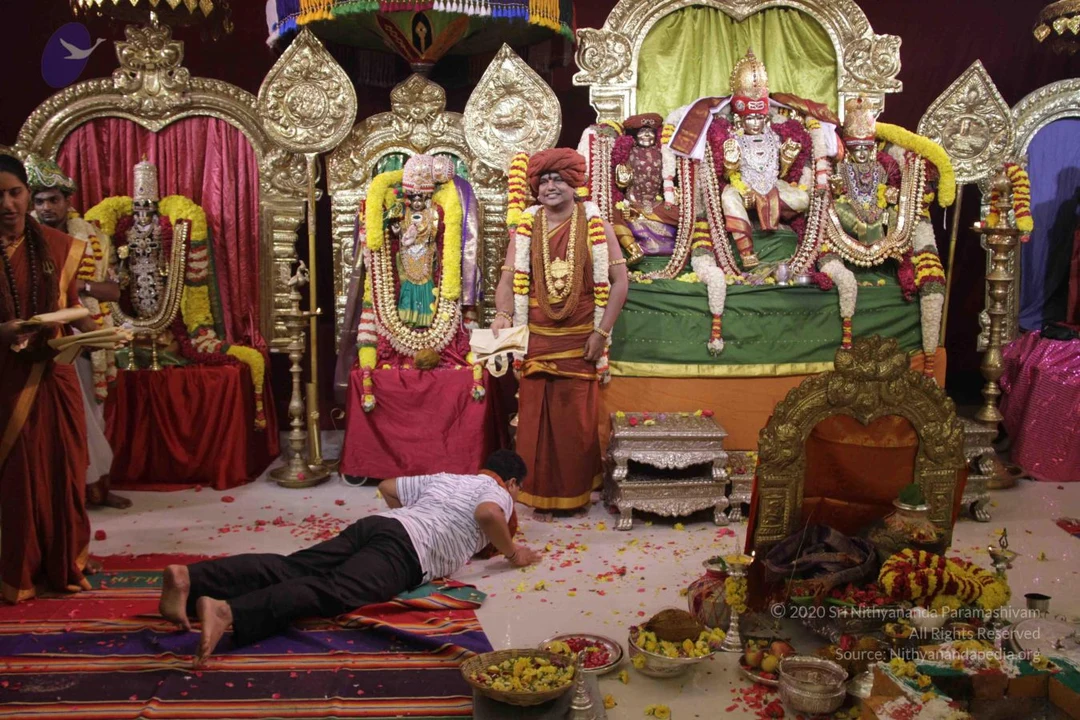
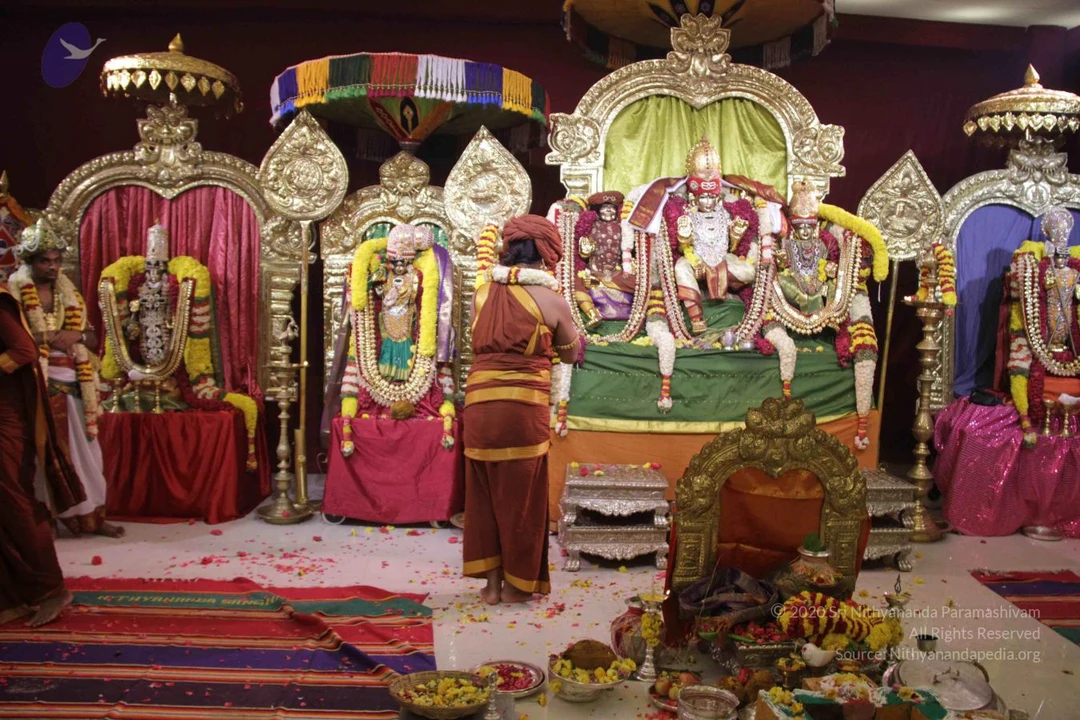
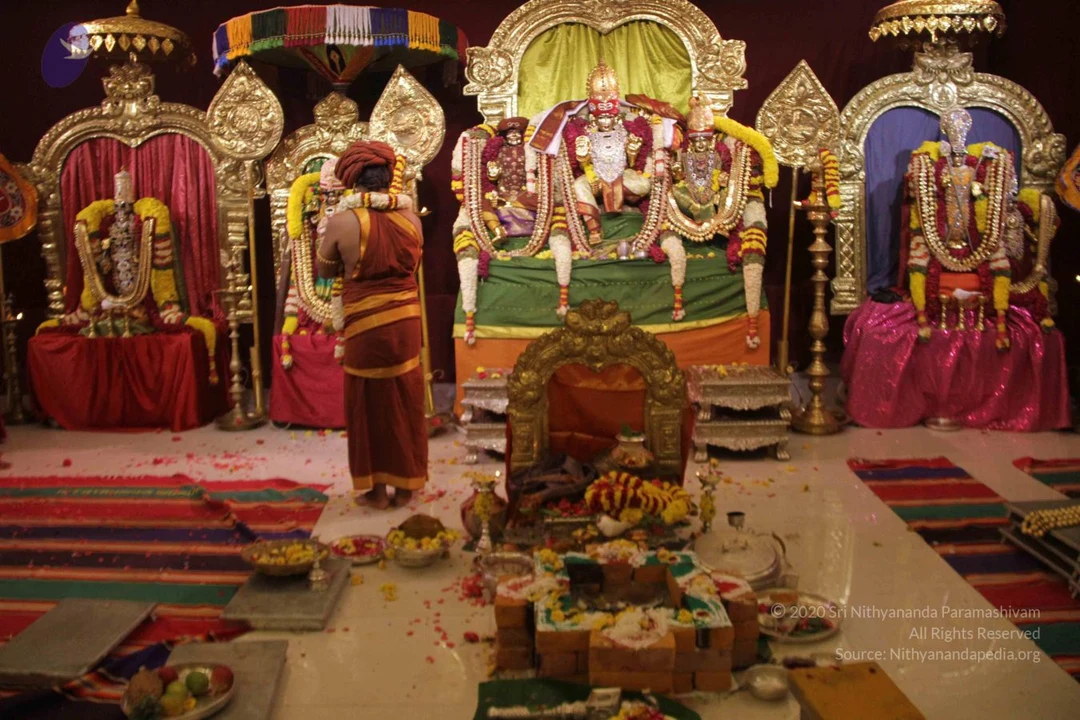
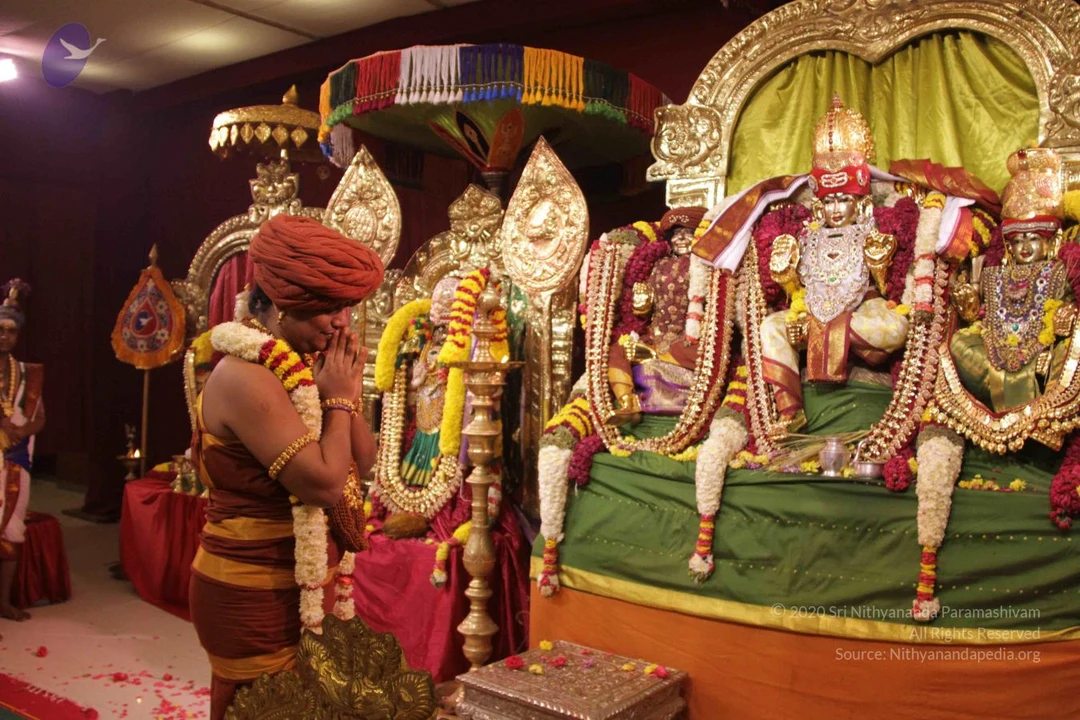
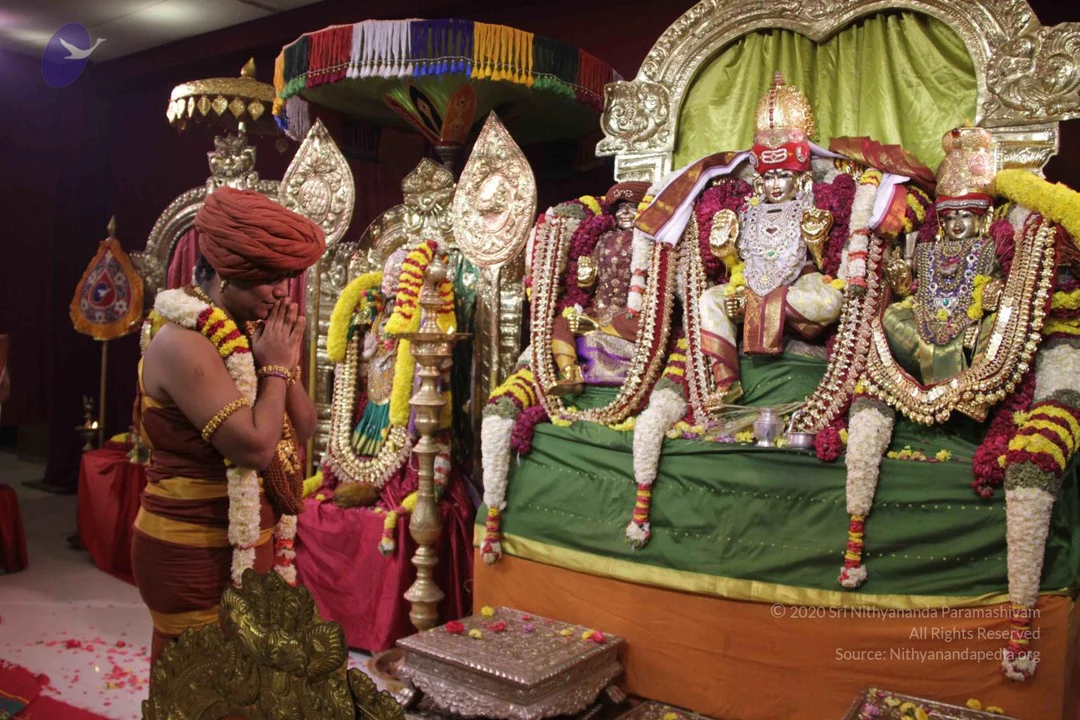
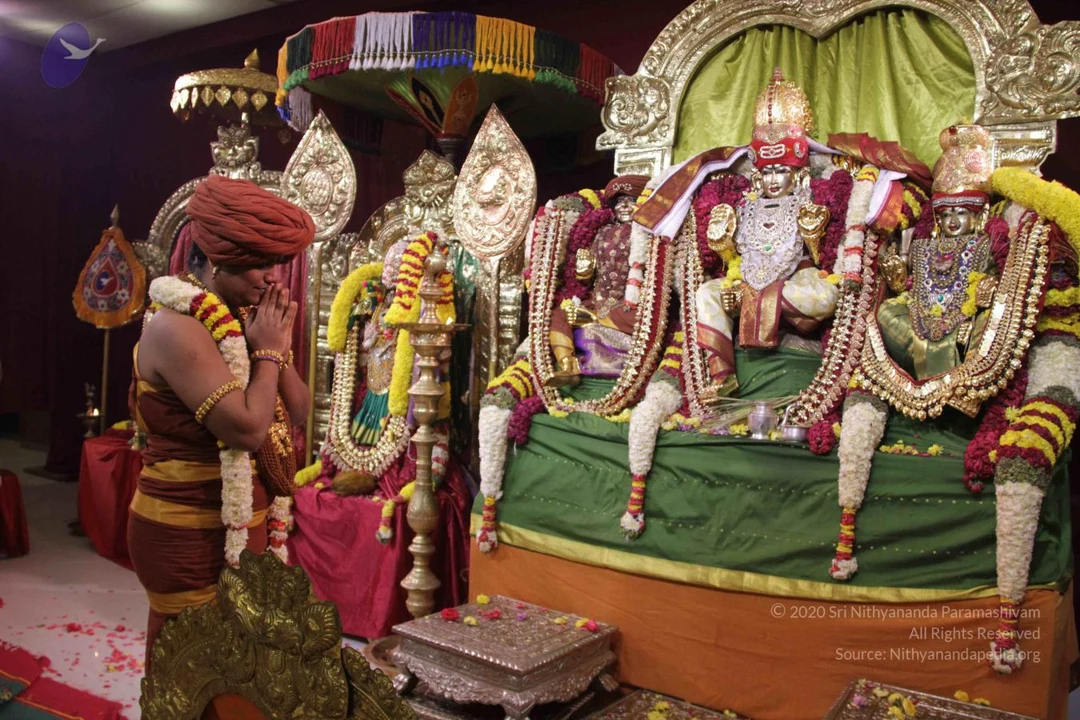
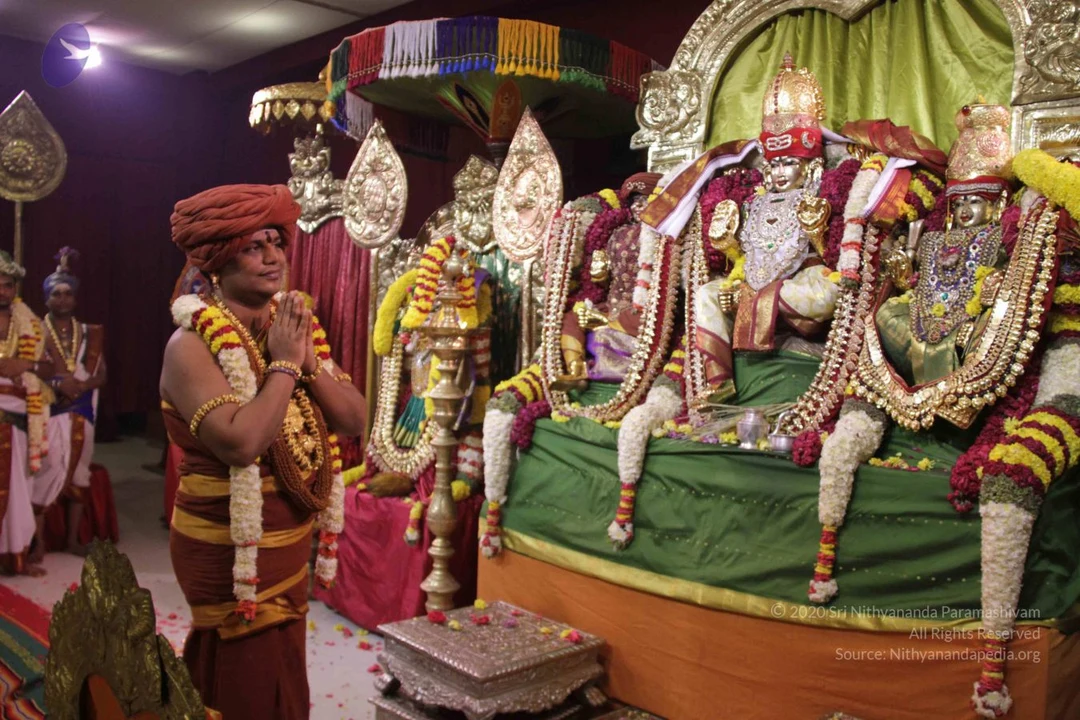

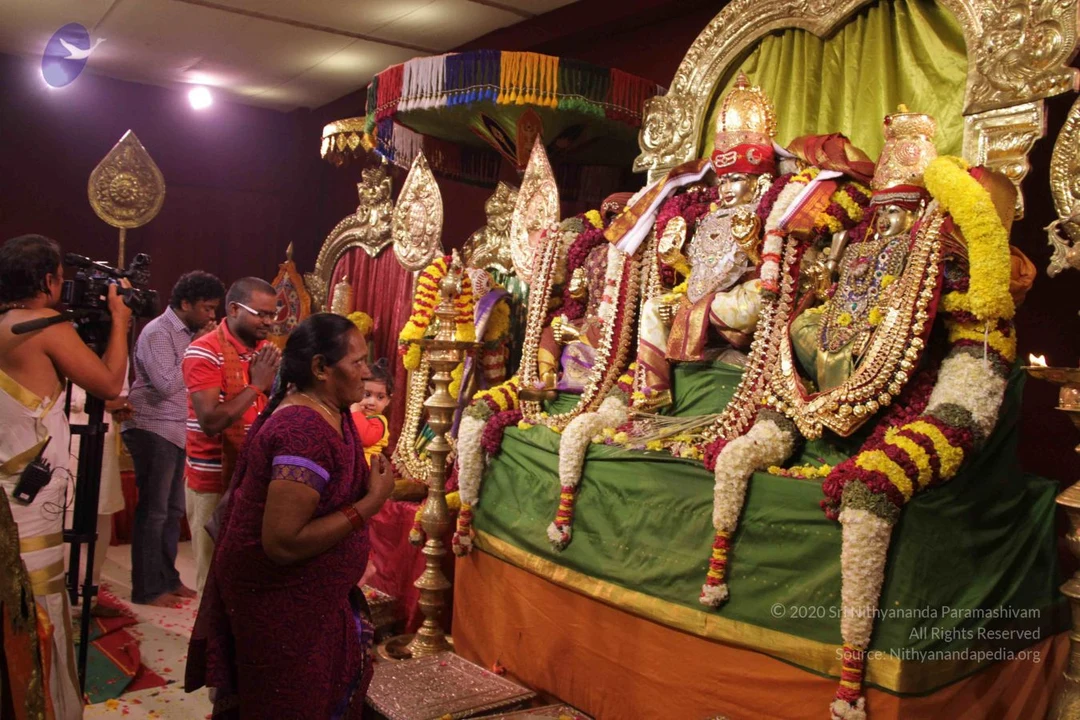
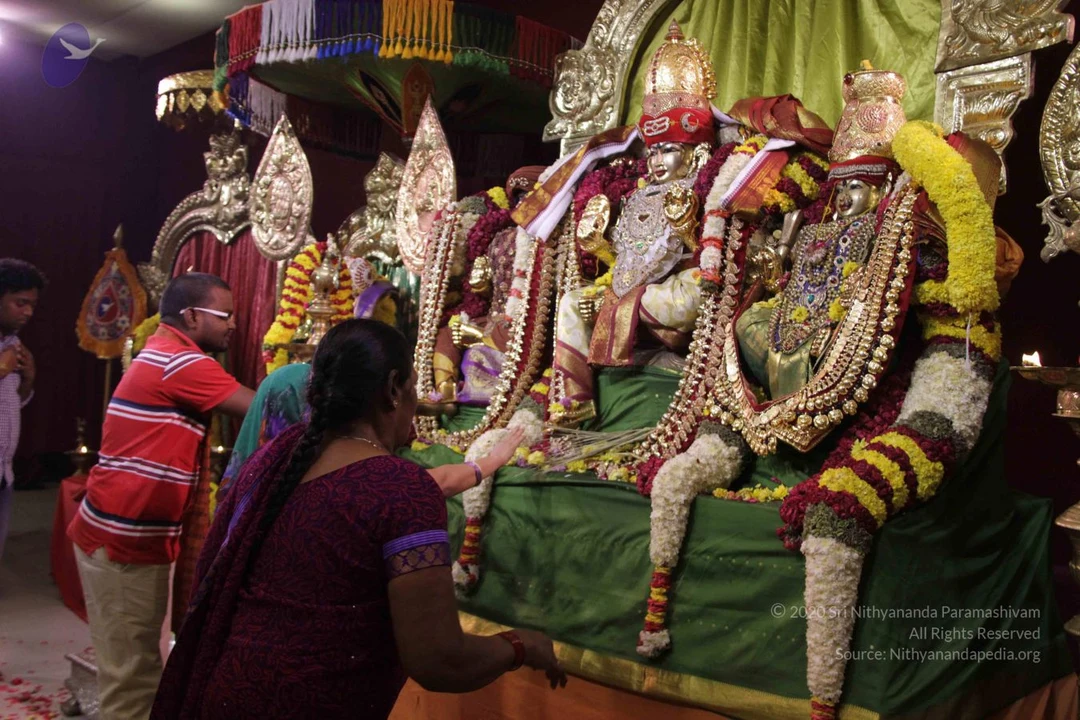
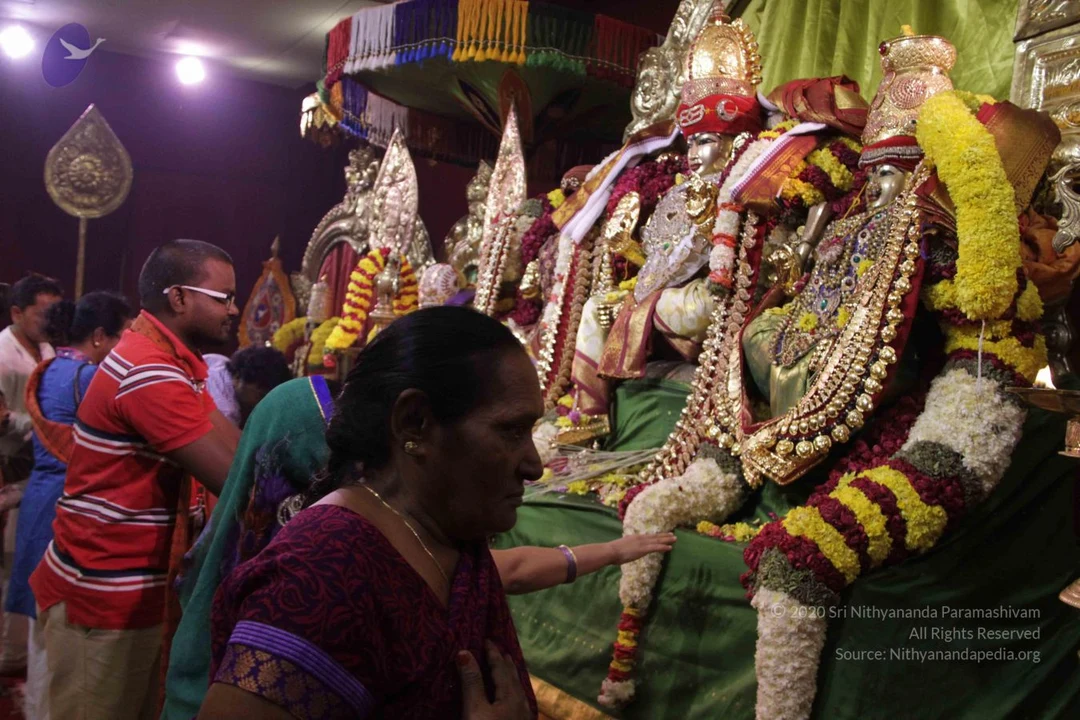
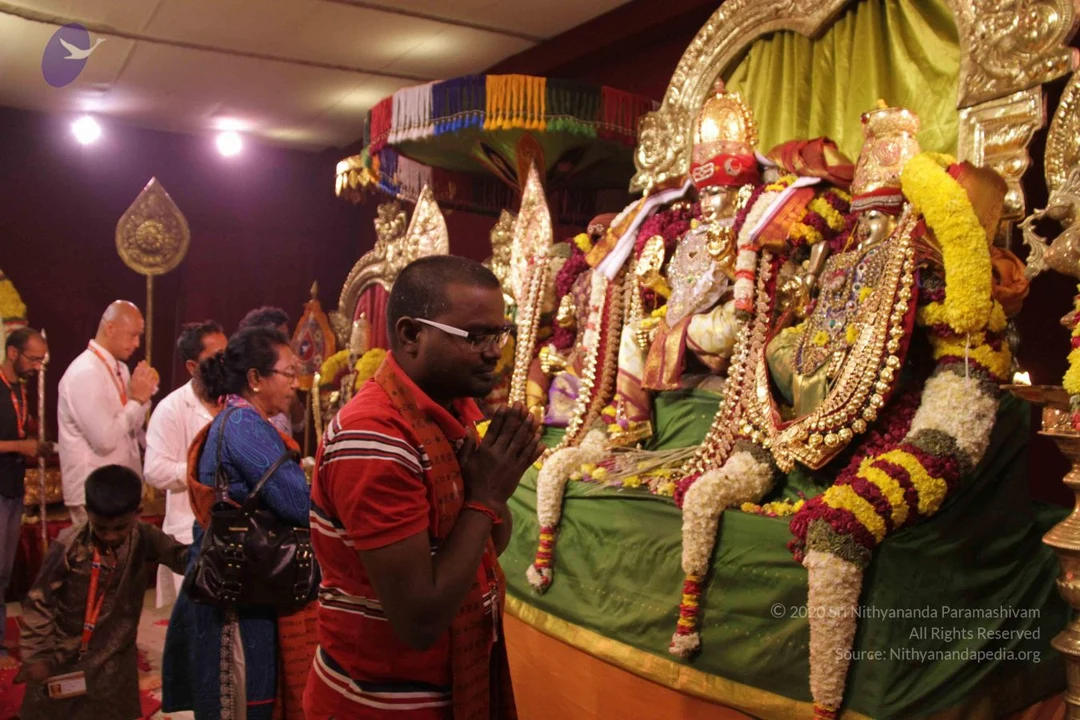

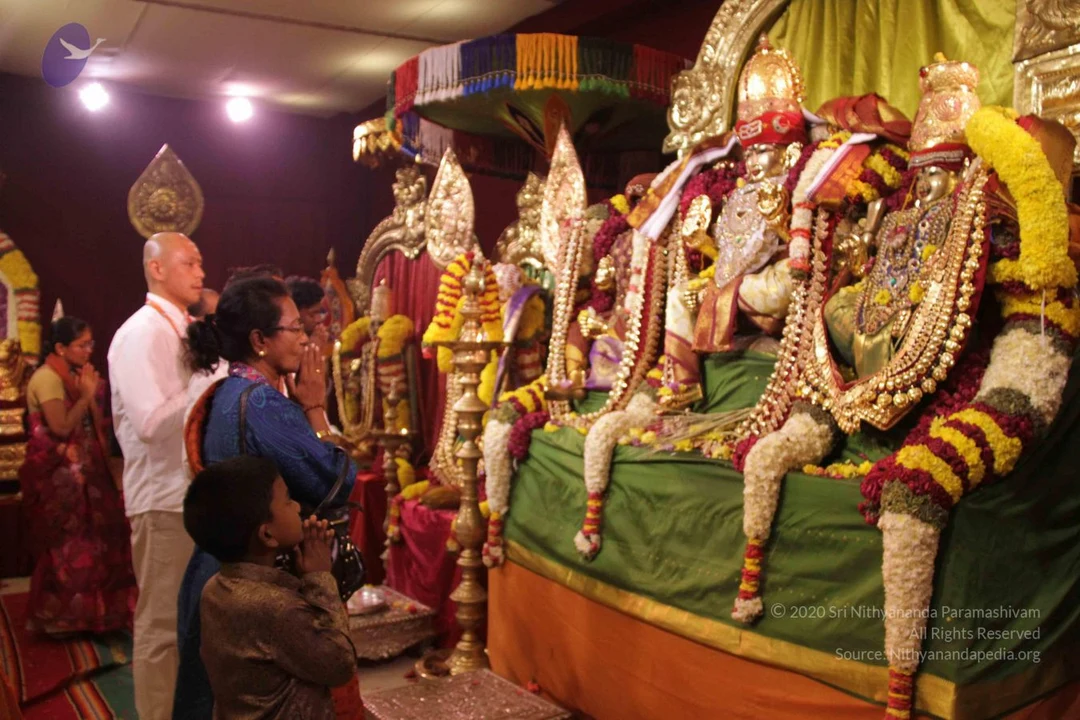
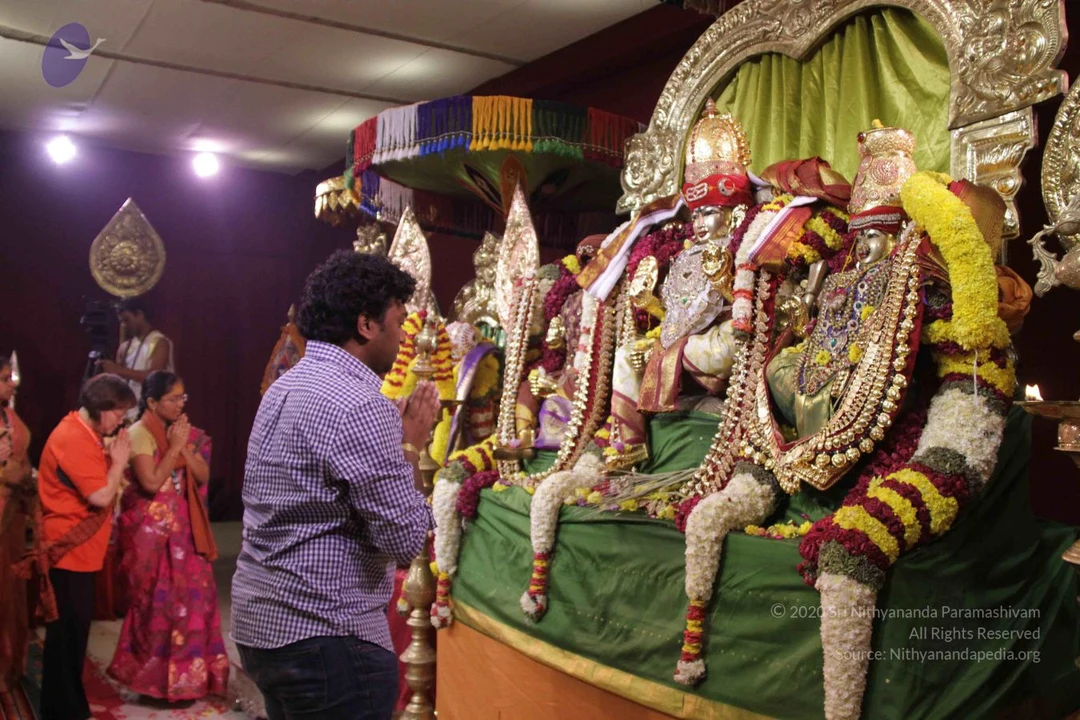
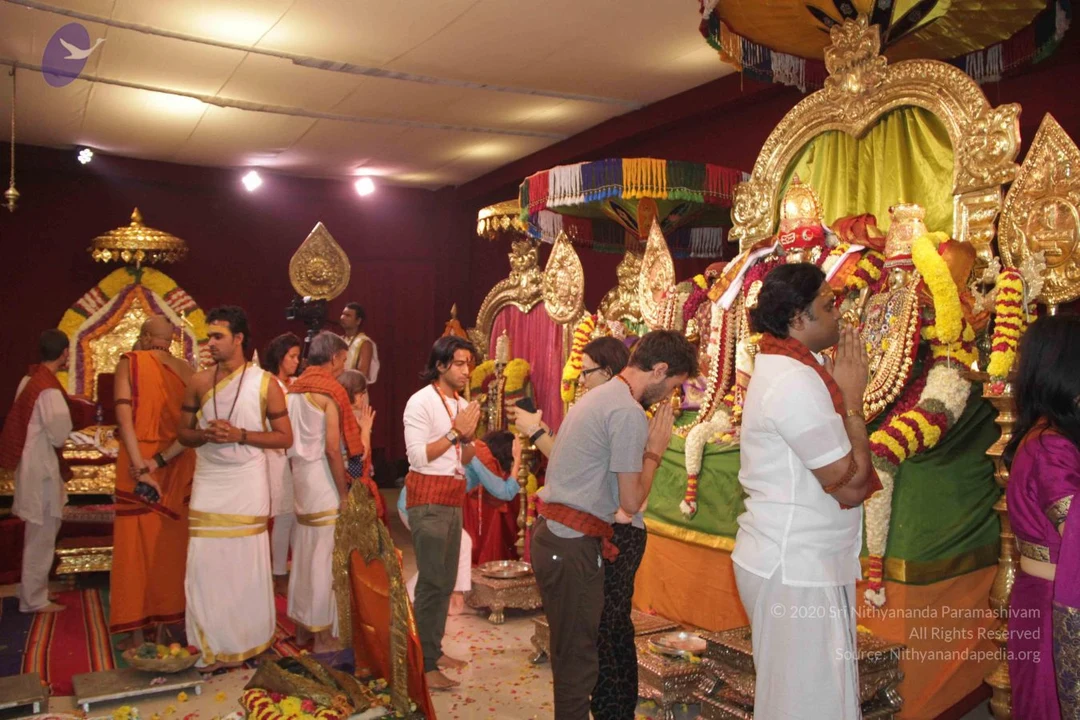
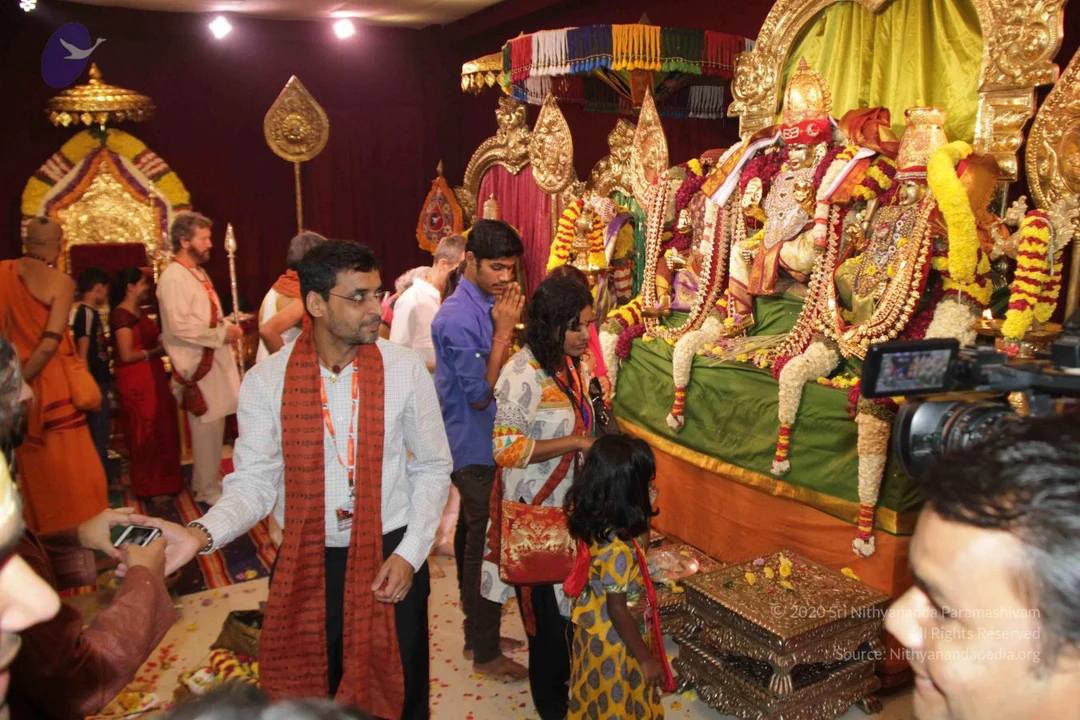
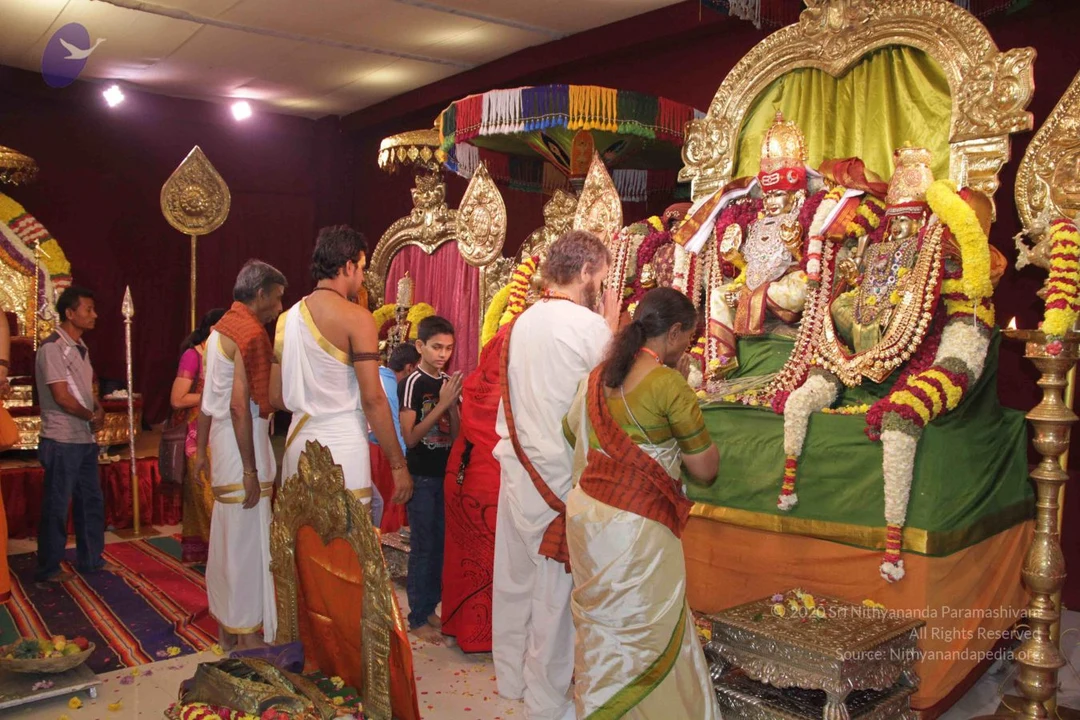
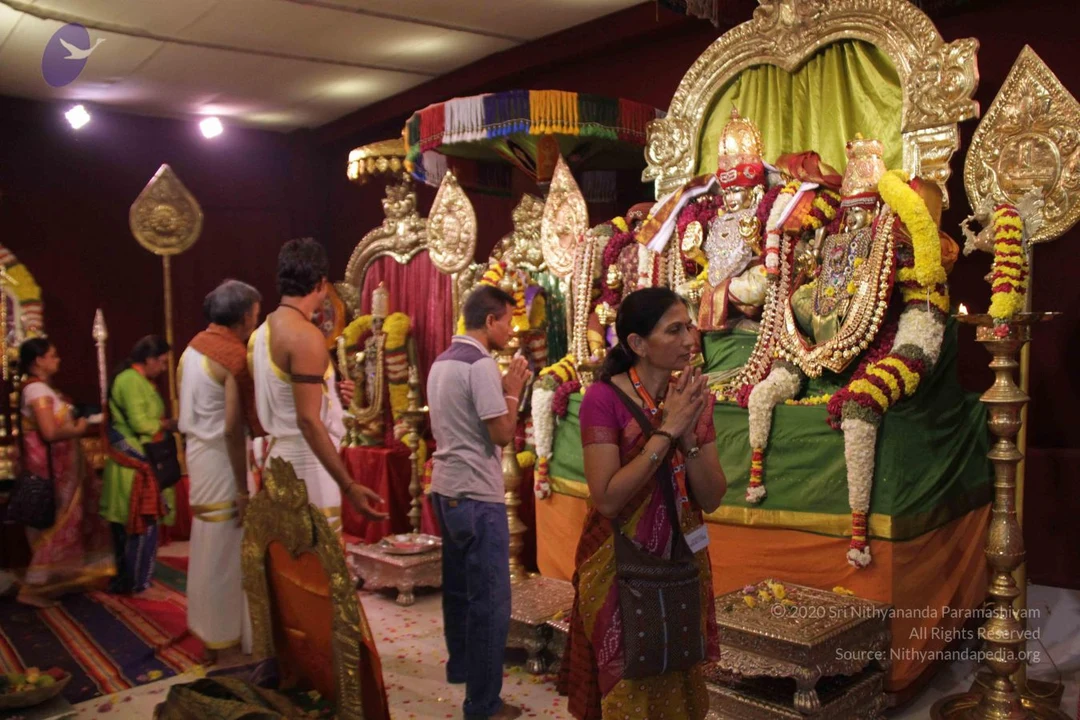
Meenakshi-Tirukkalyanam
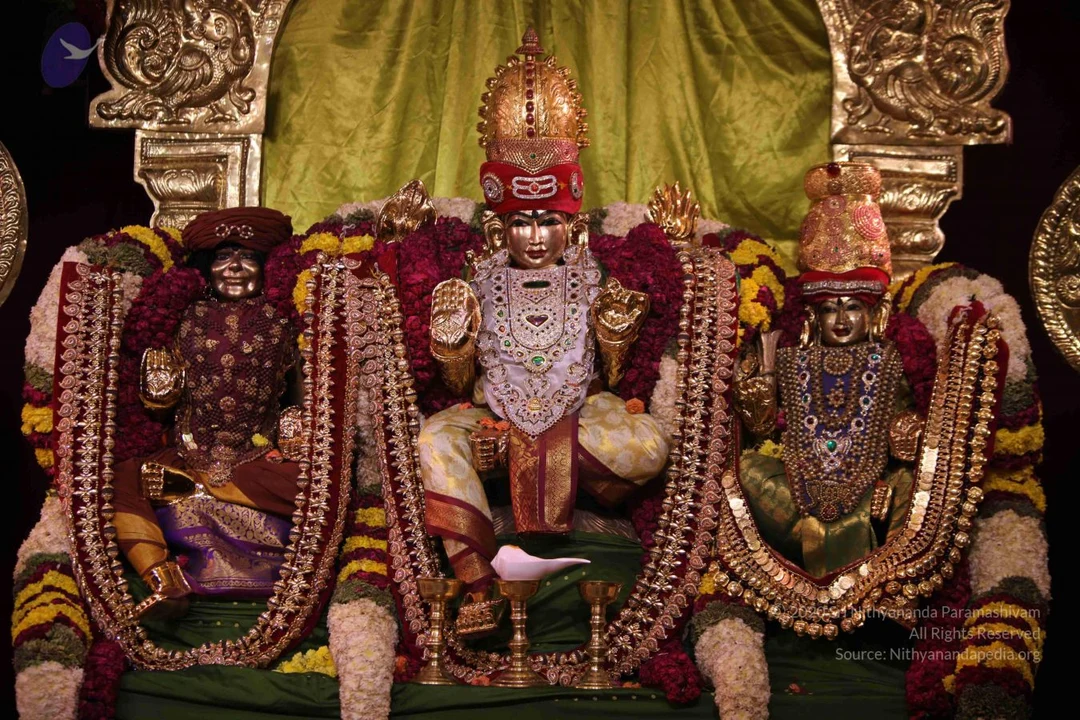
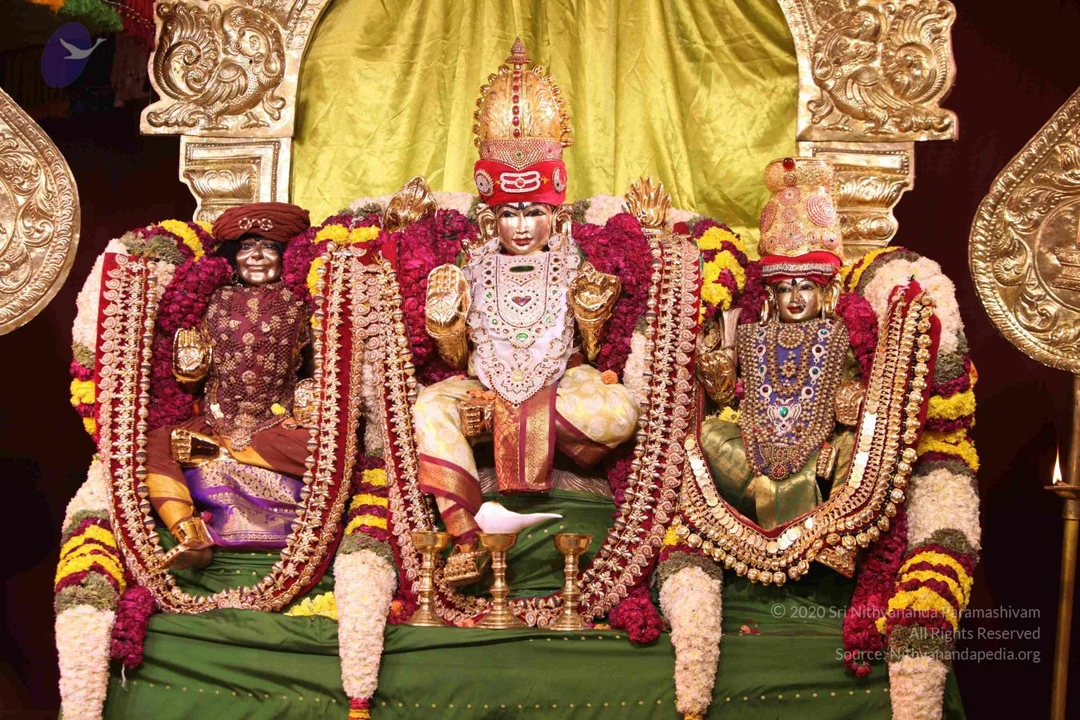
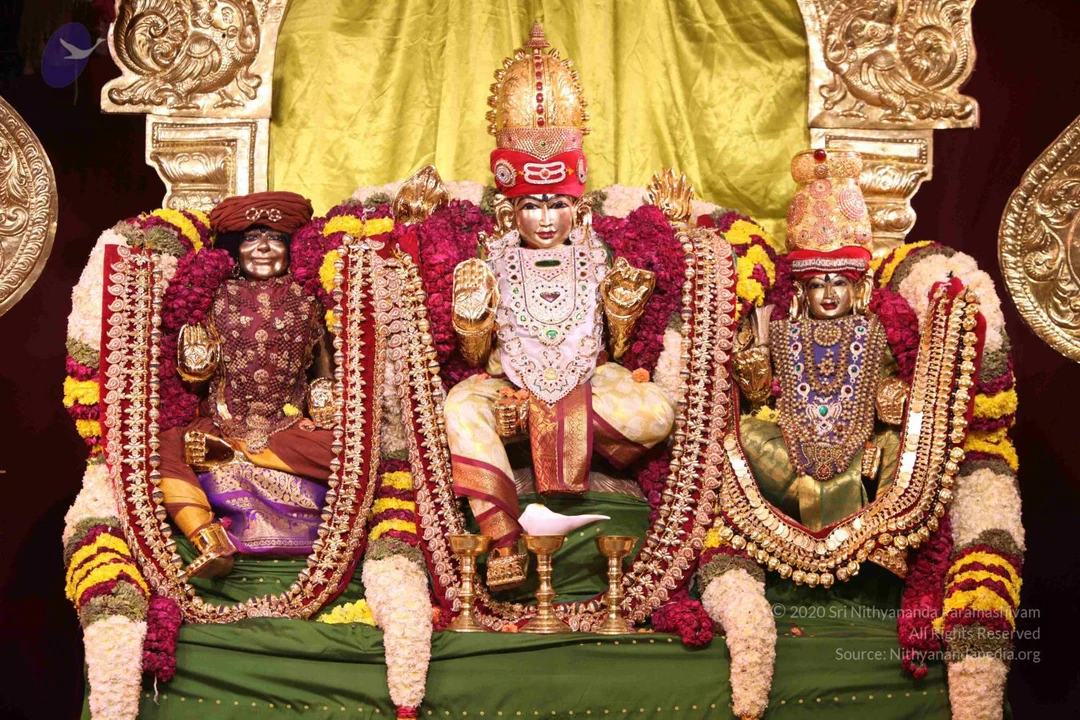
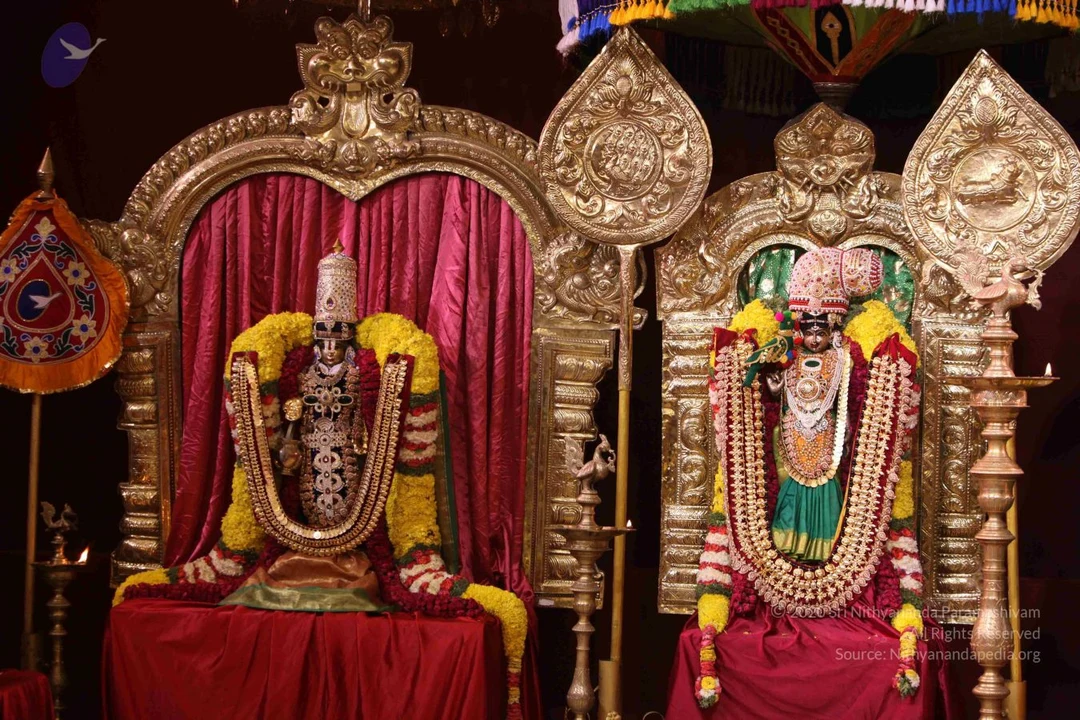
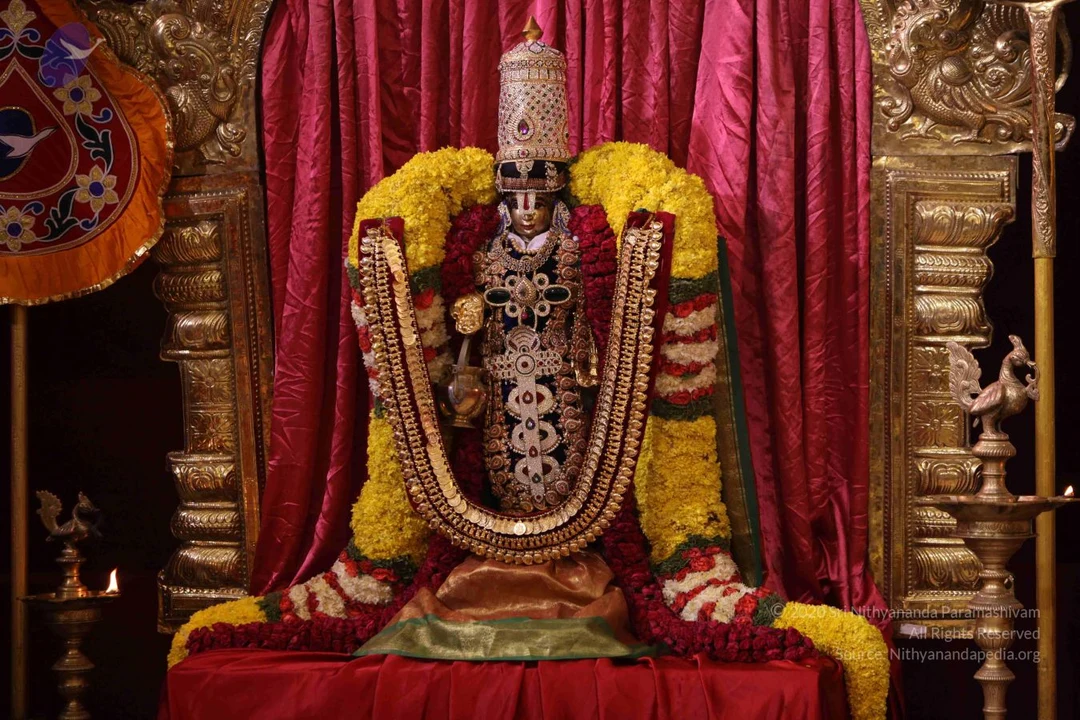
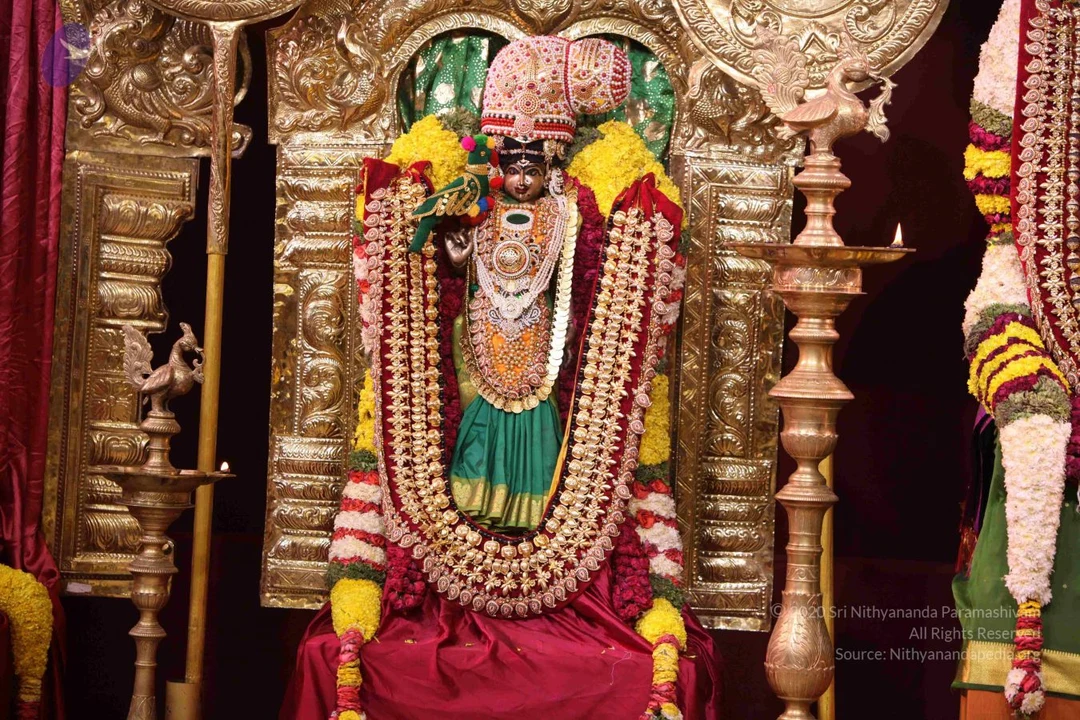
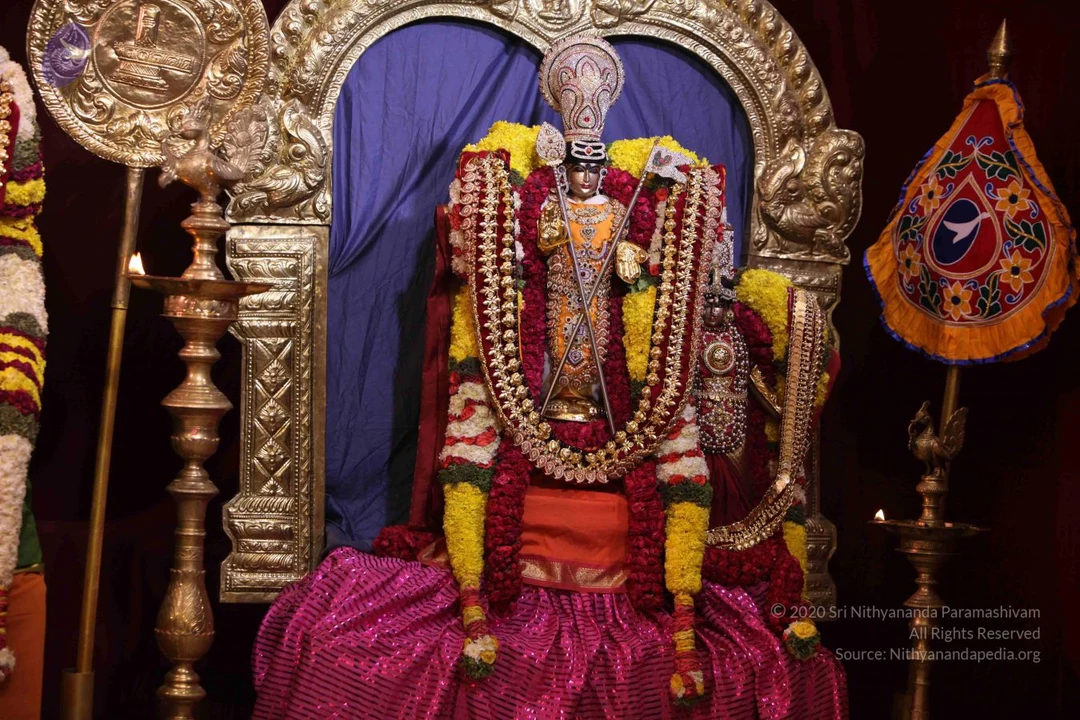
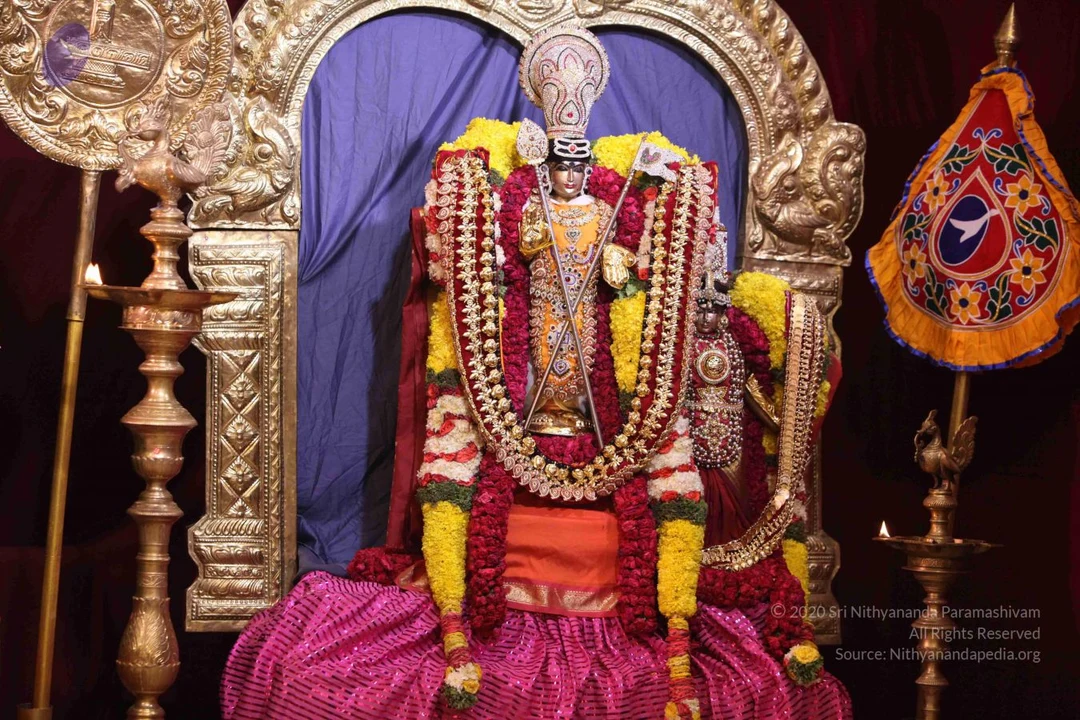
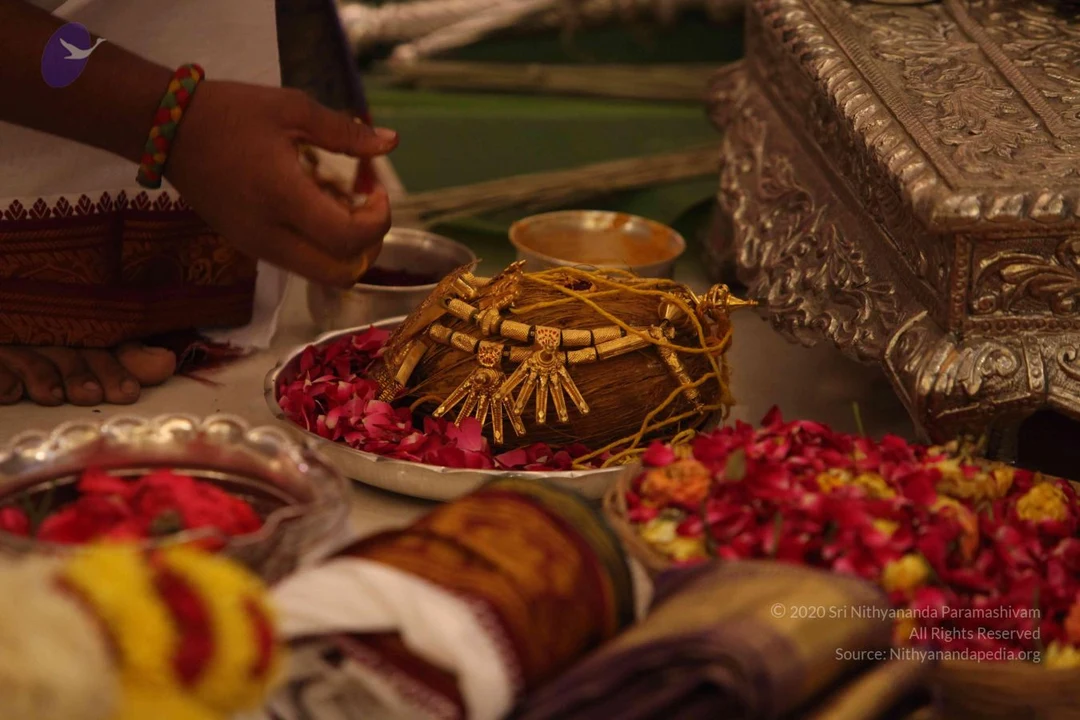
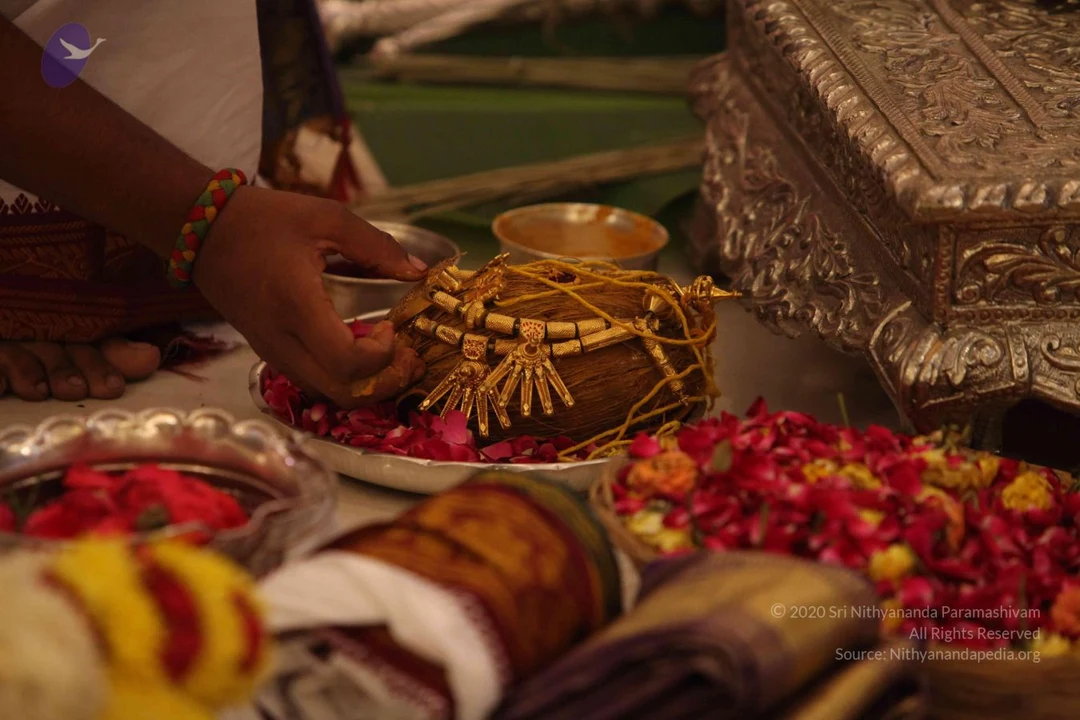
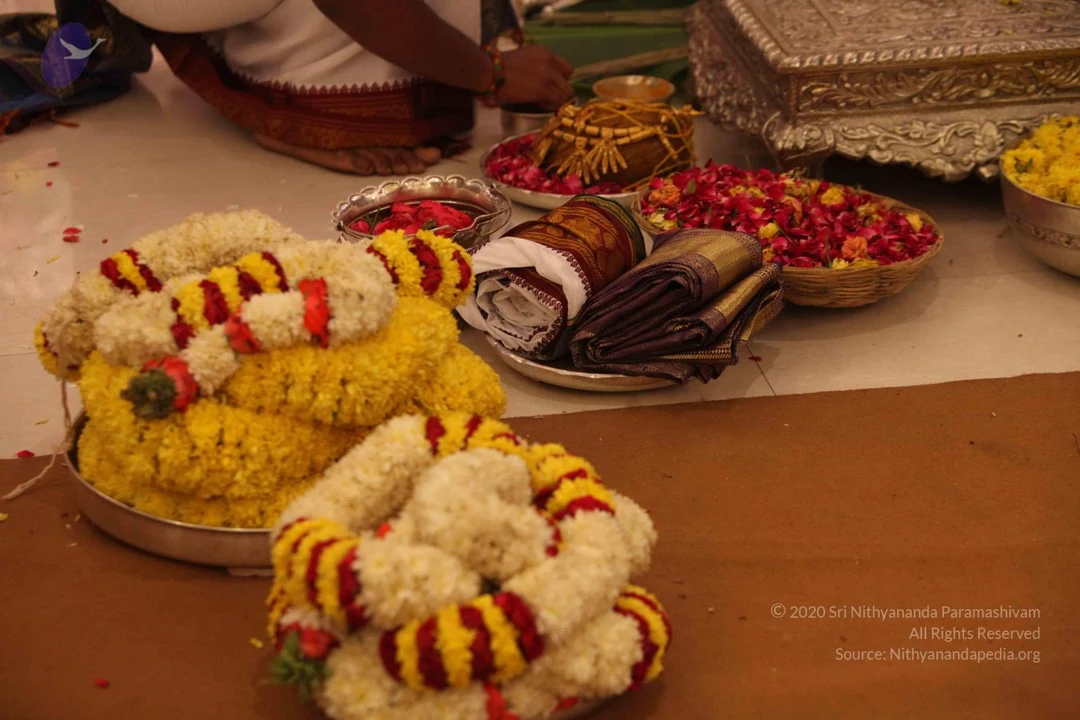
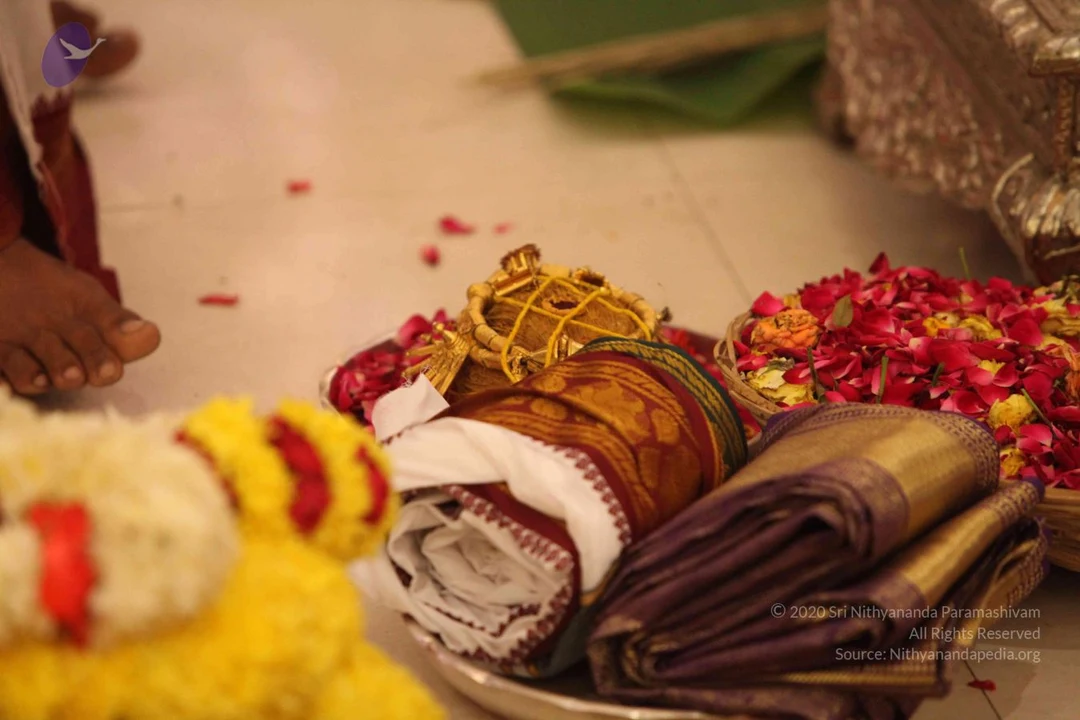
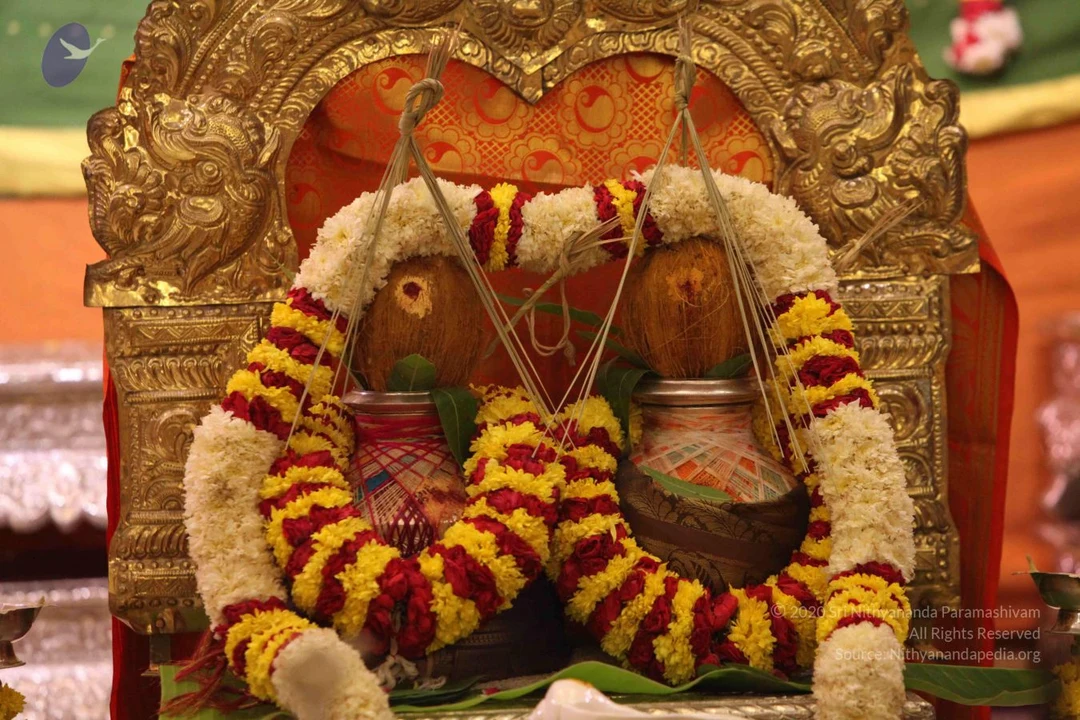
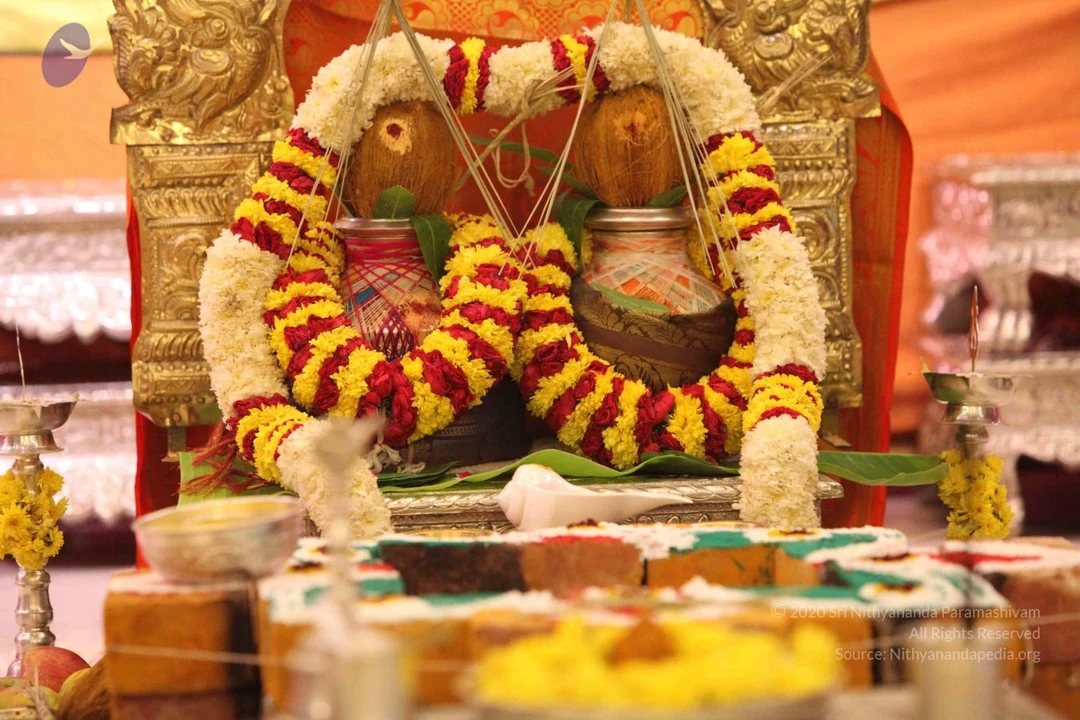
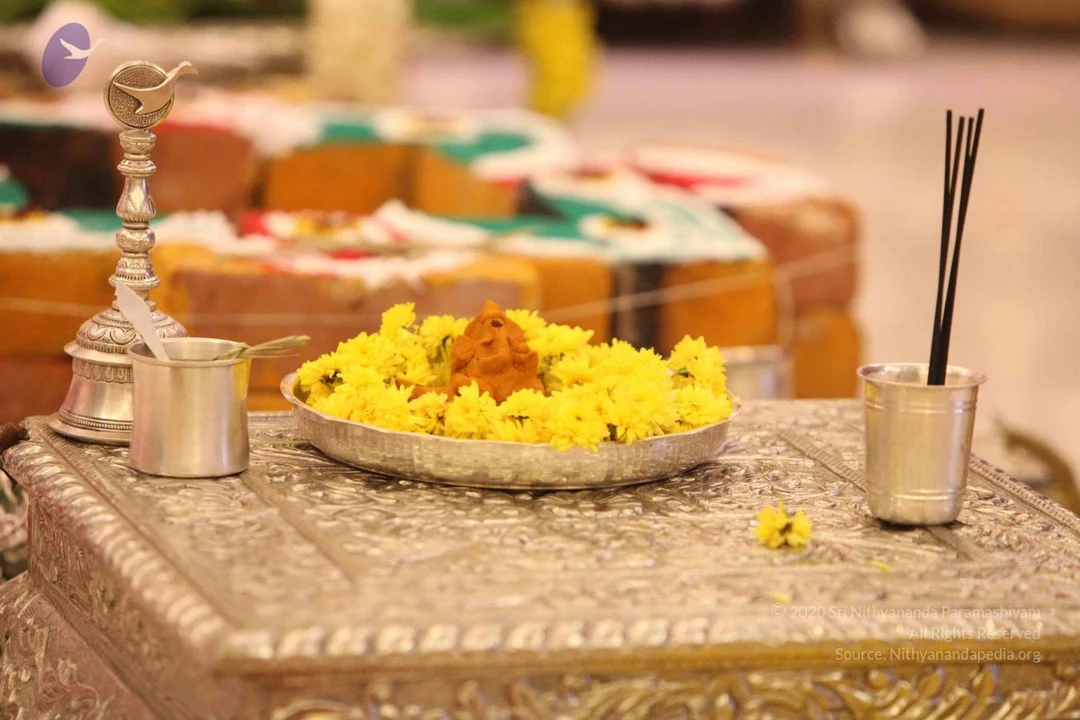
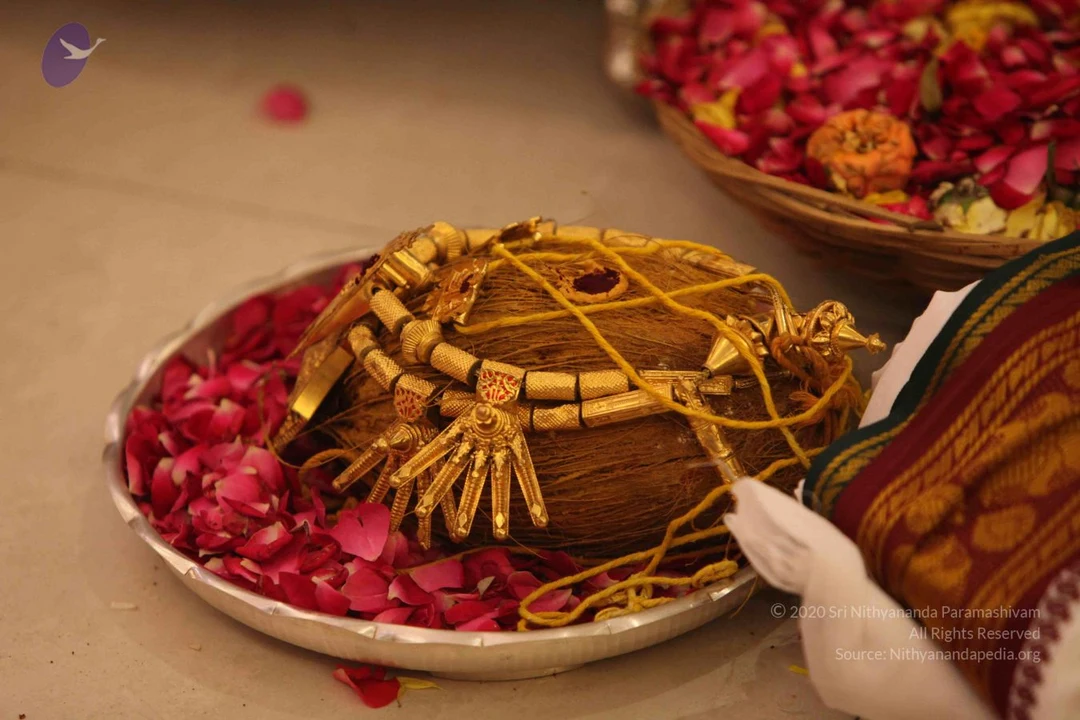
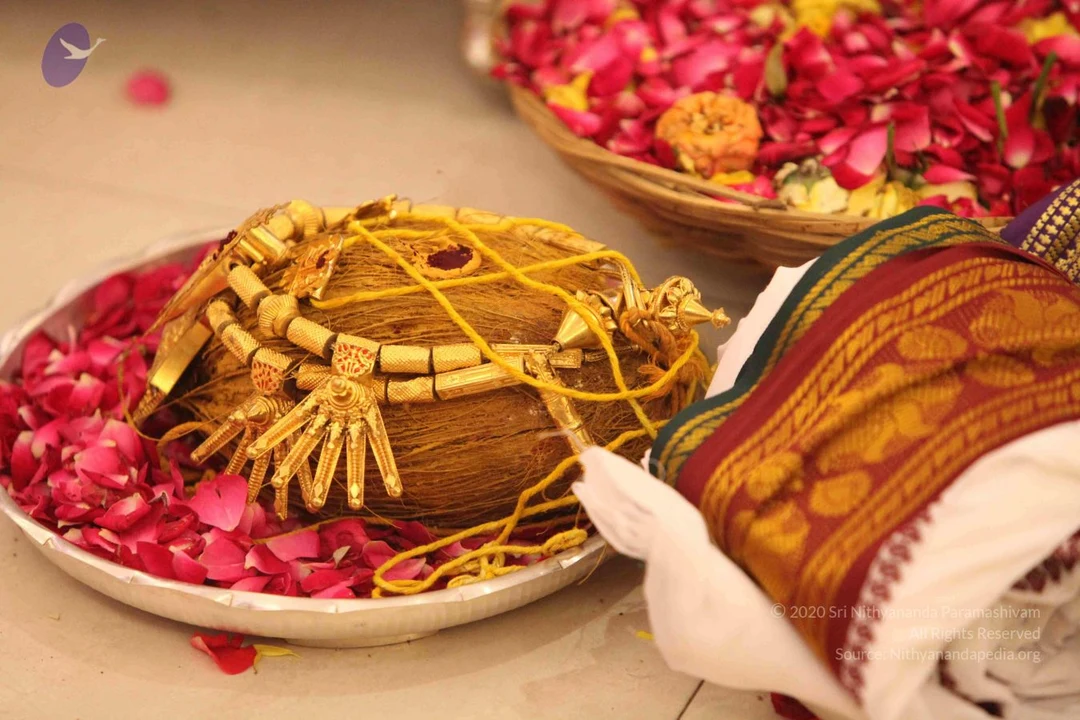
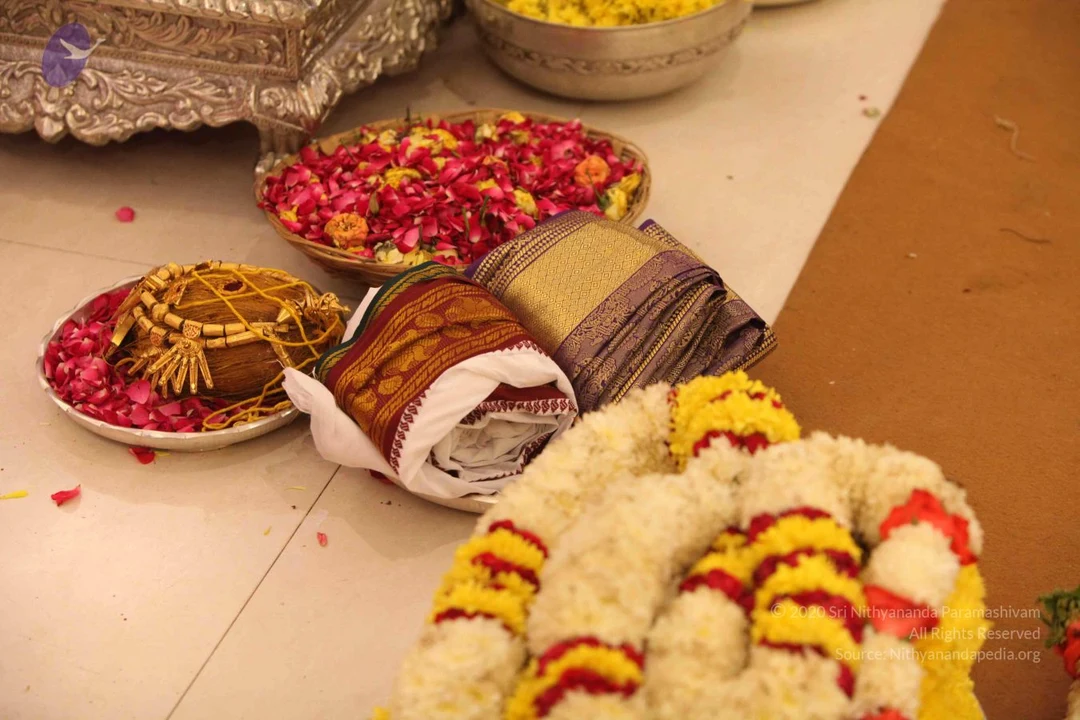
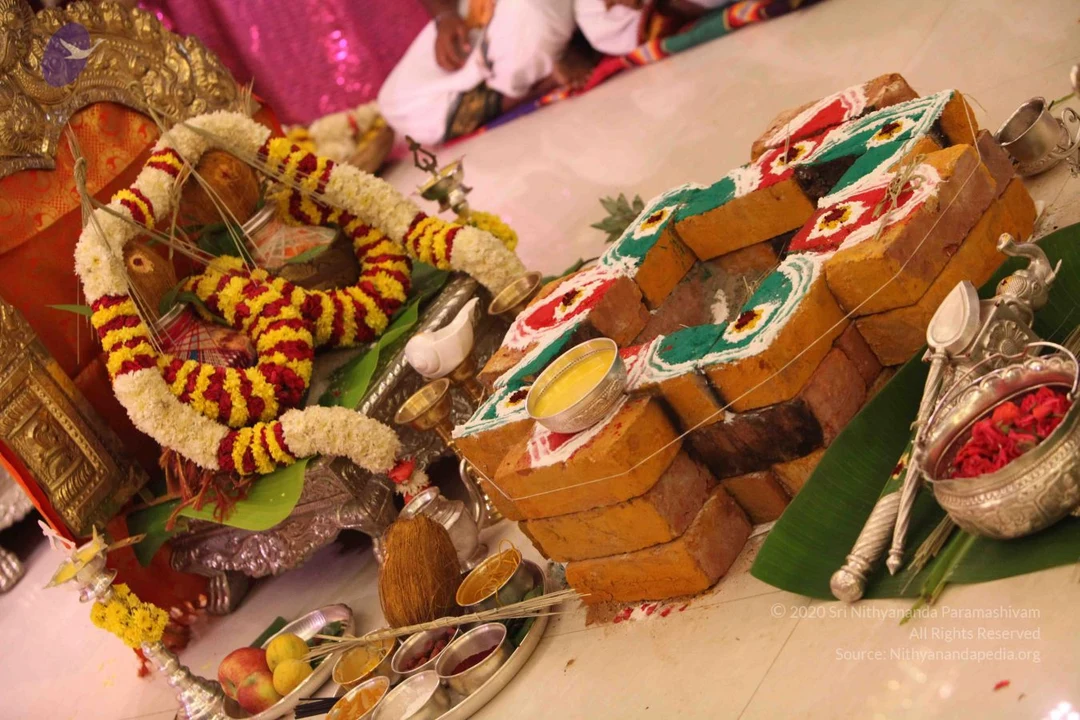
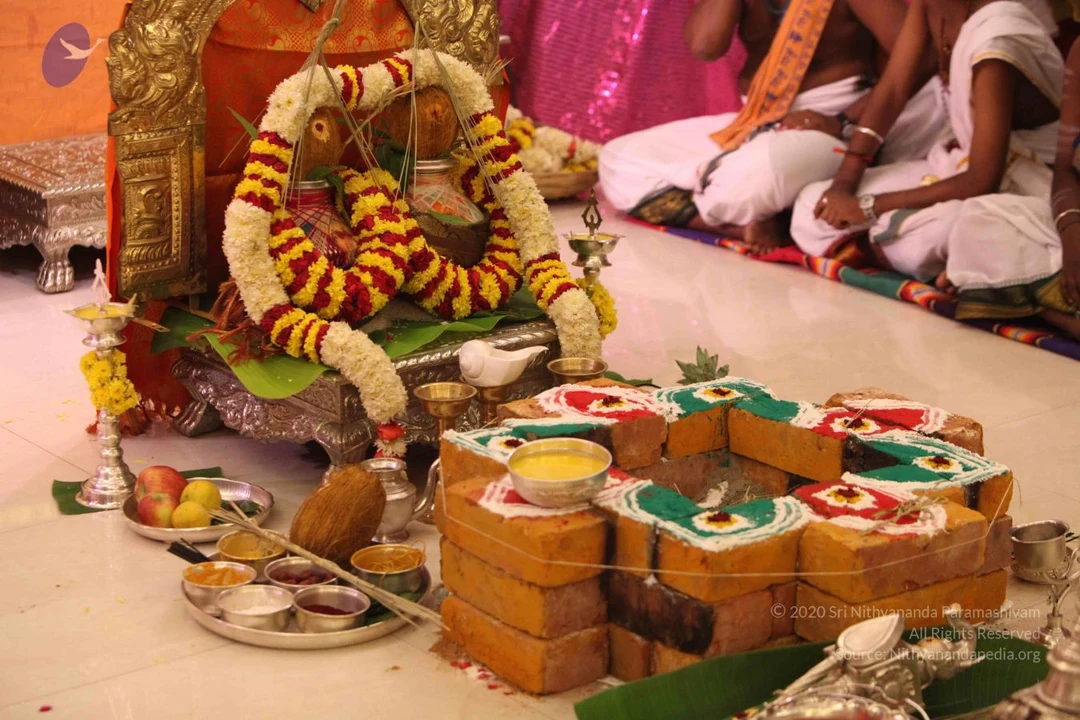
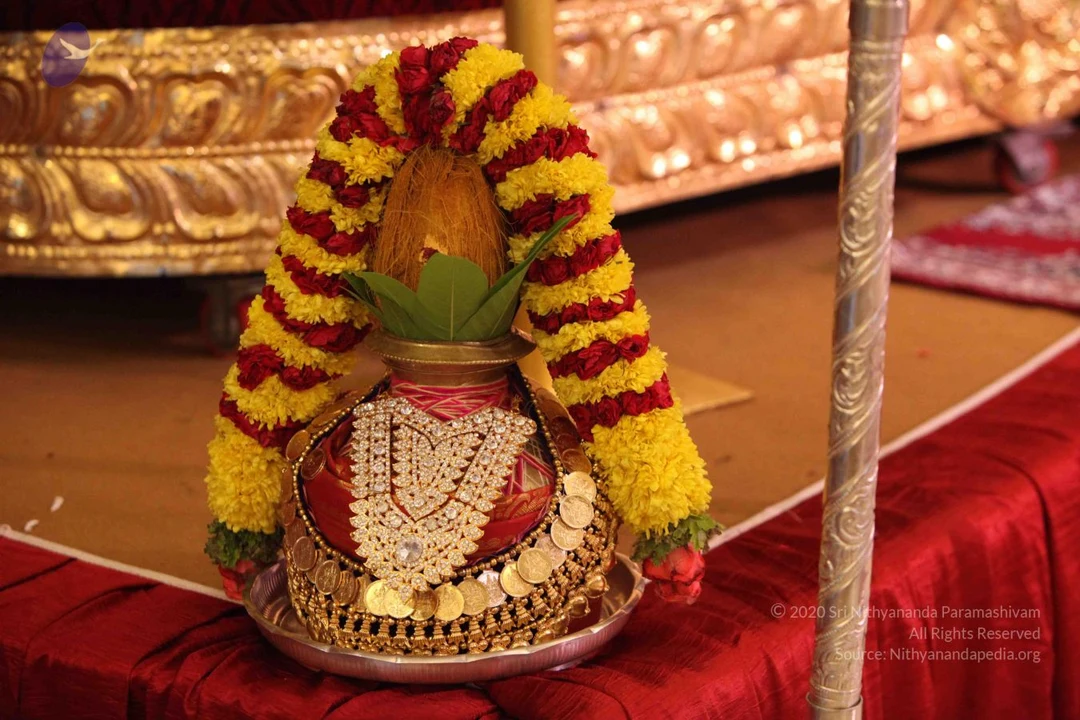
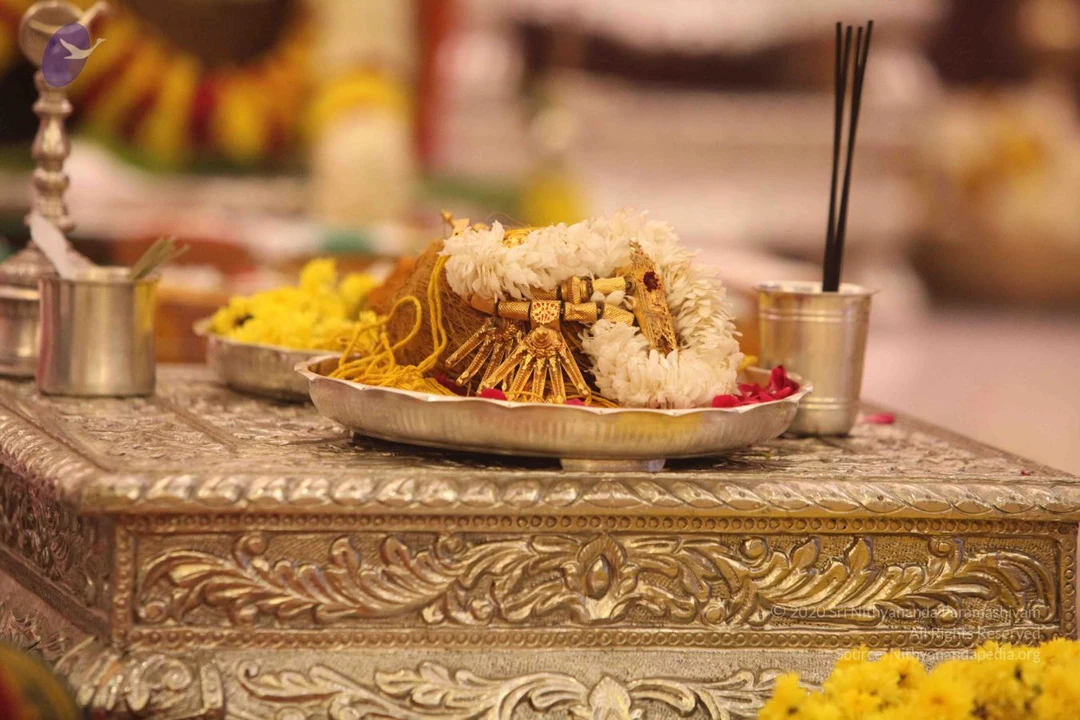
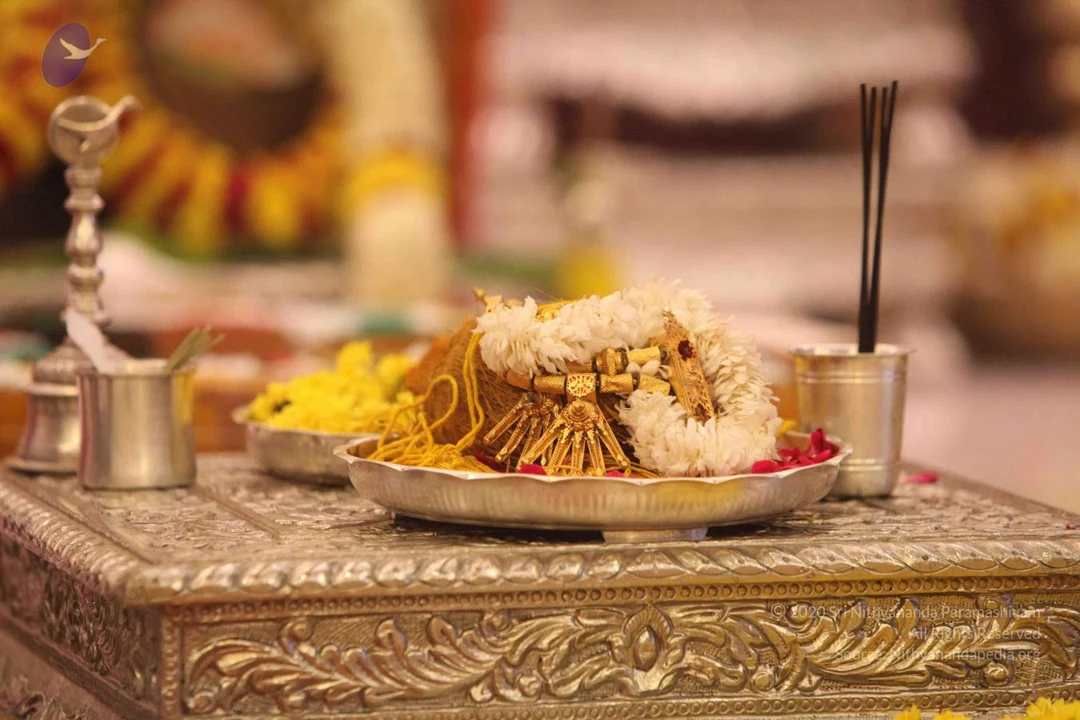
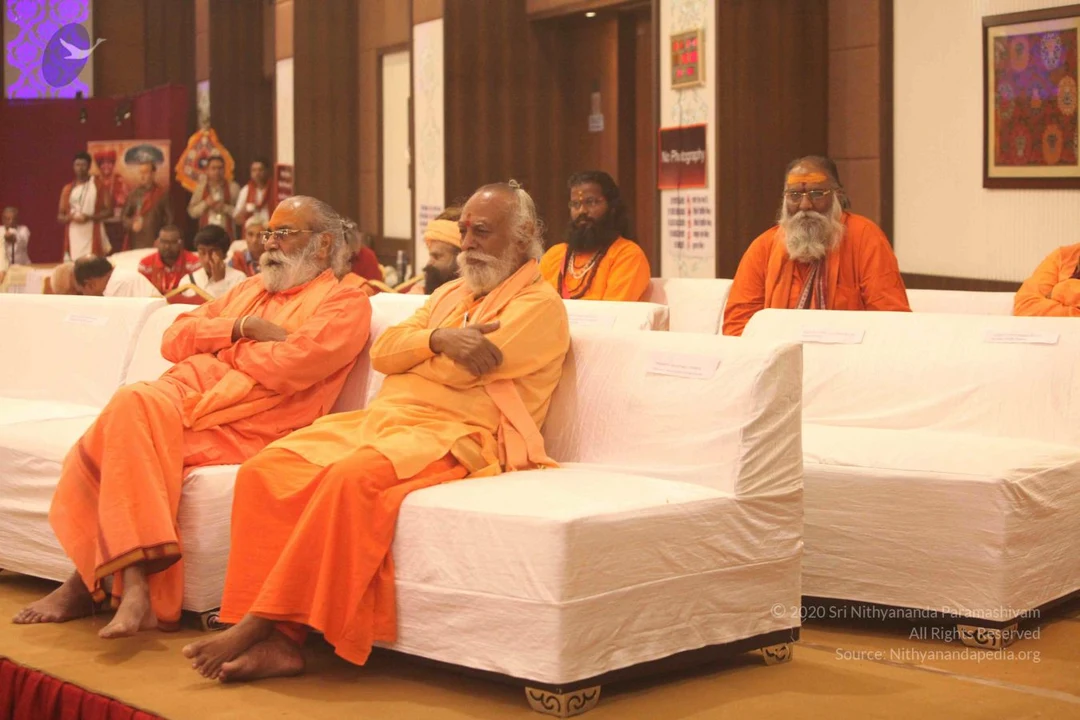
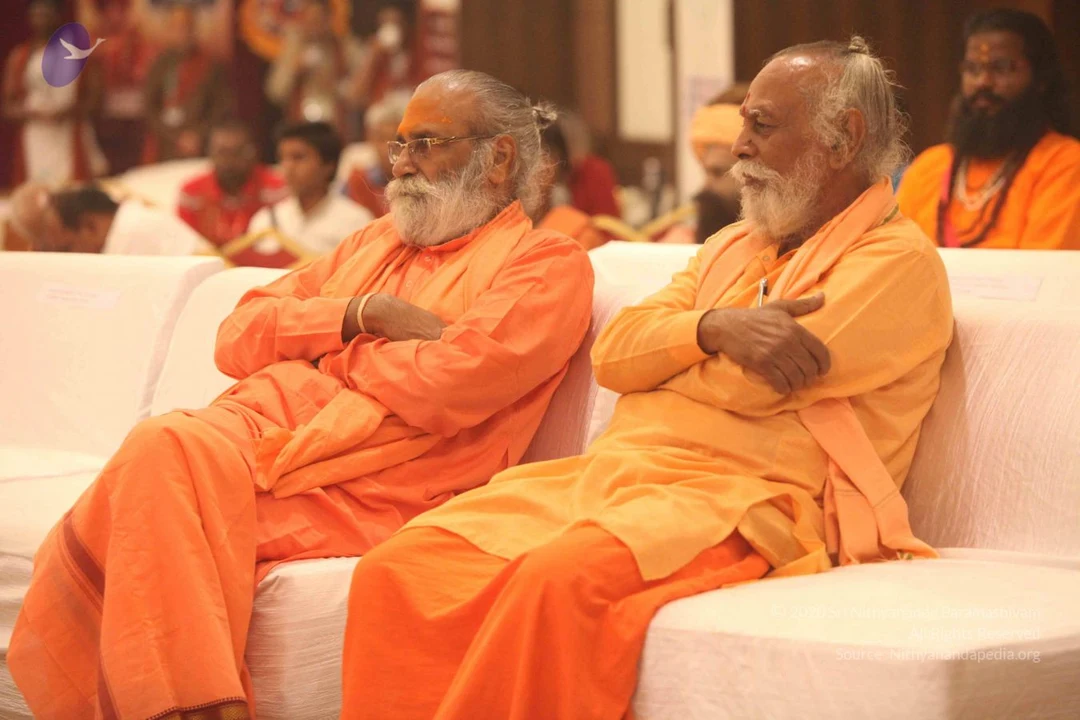
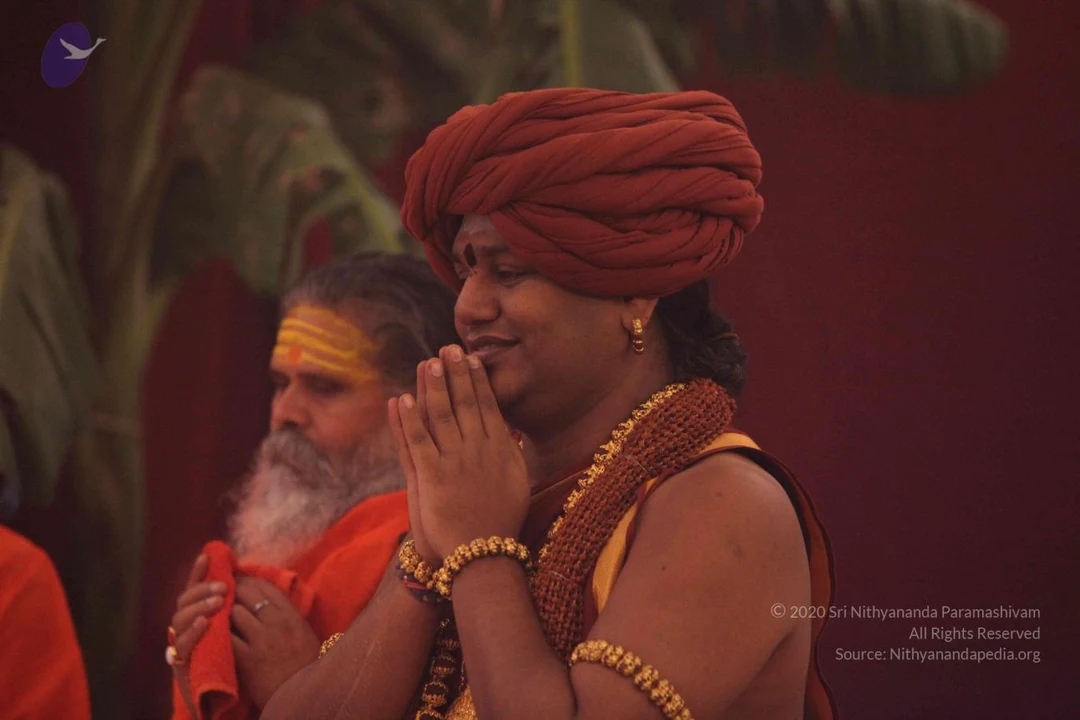
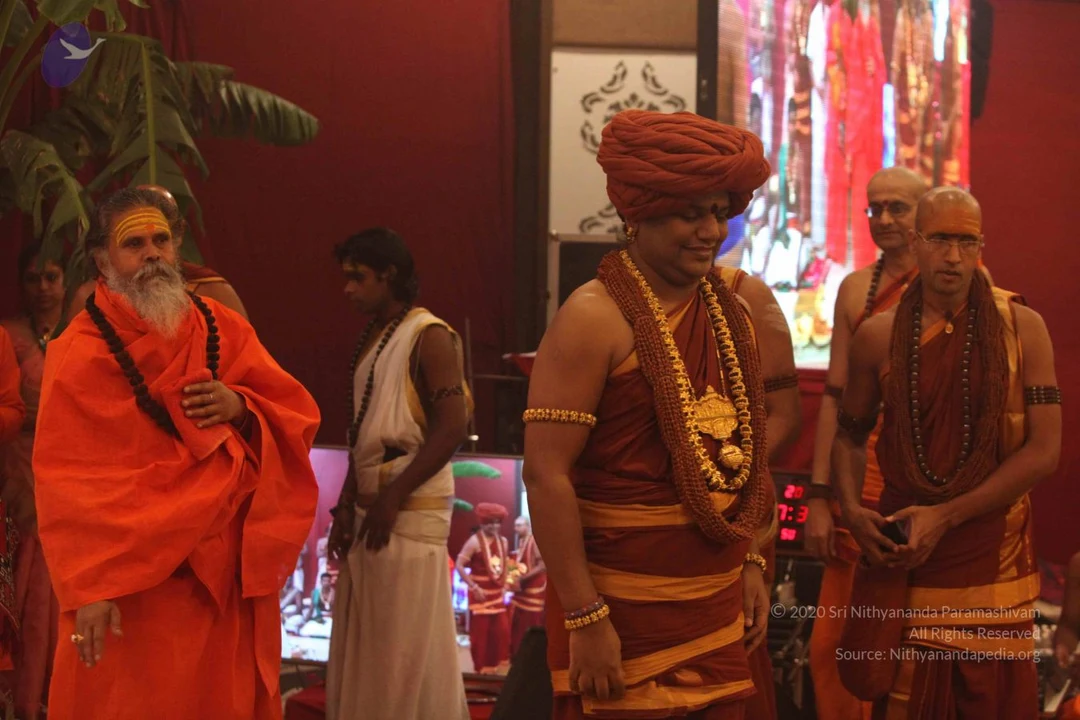
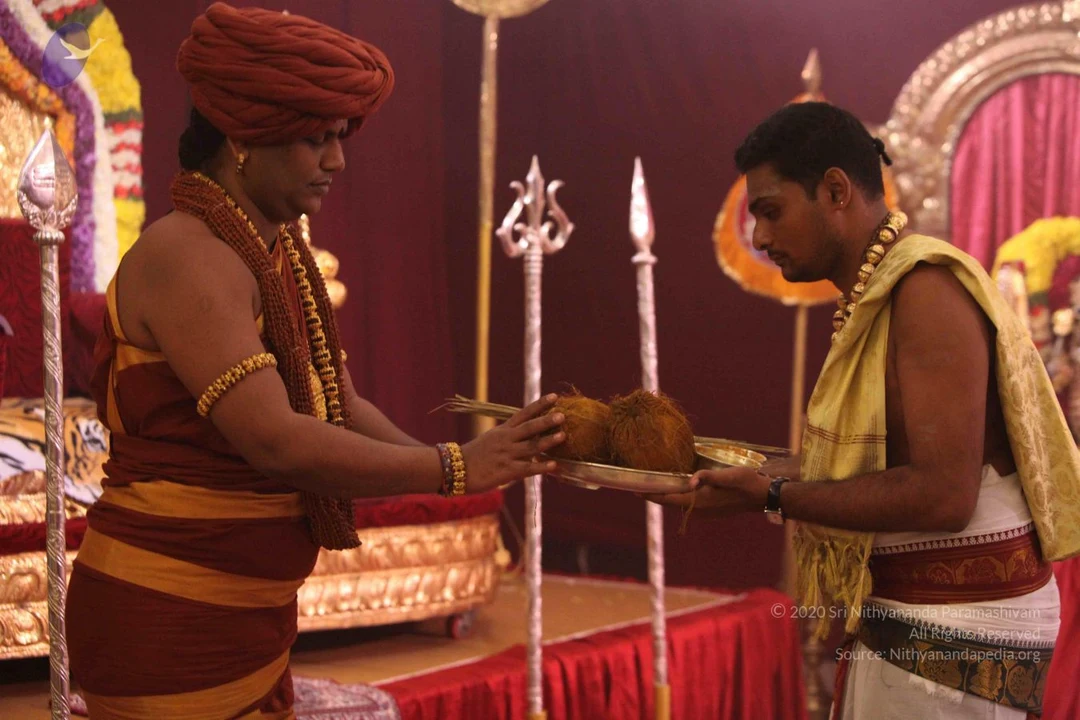
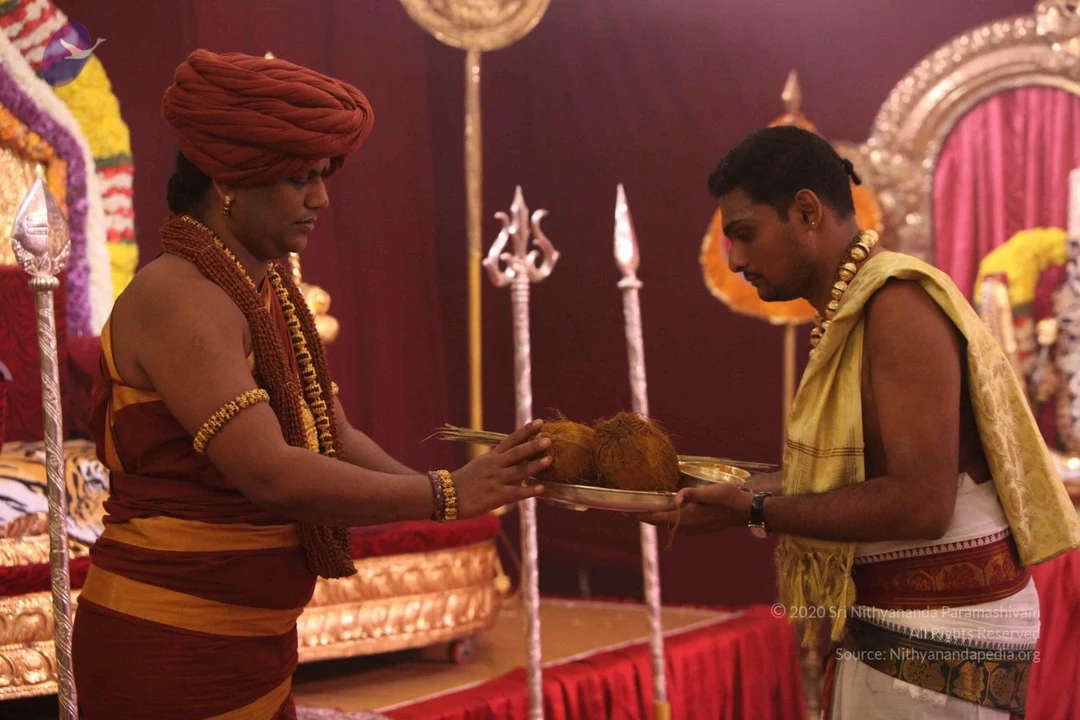
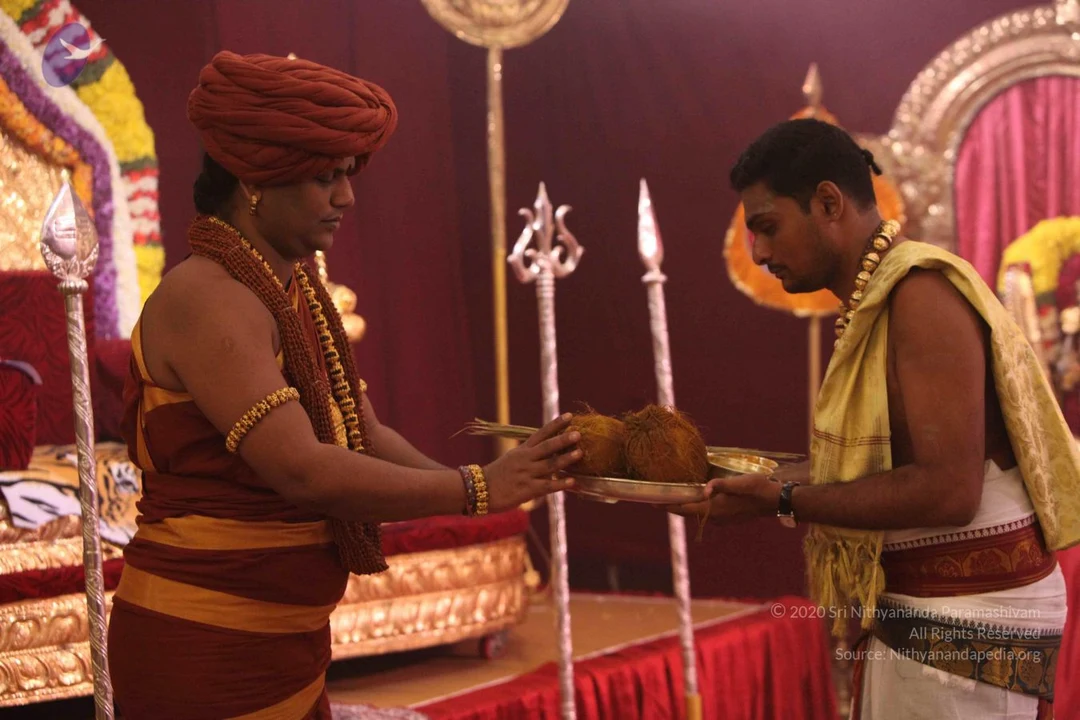
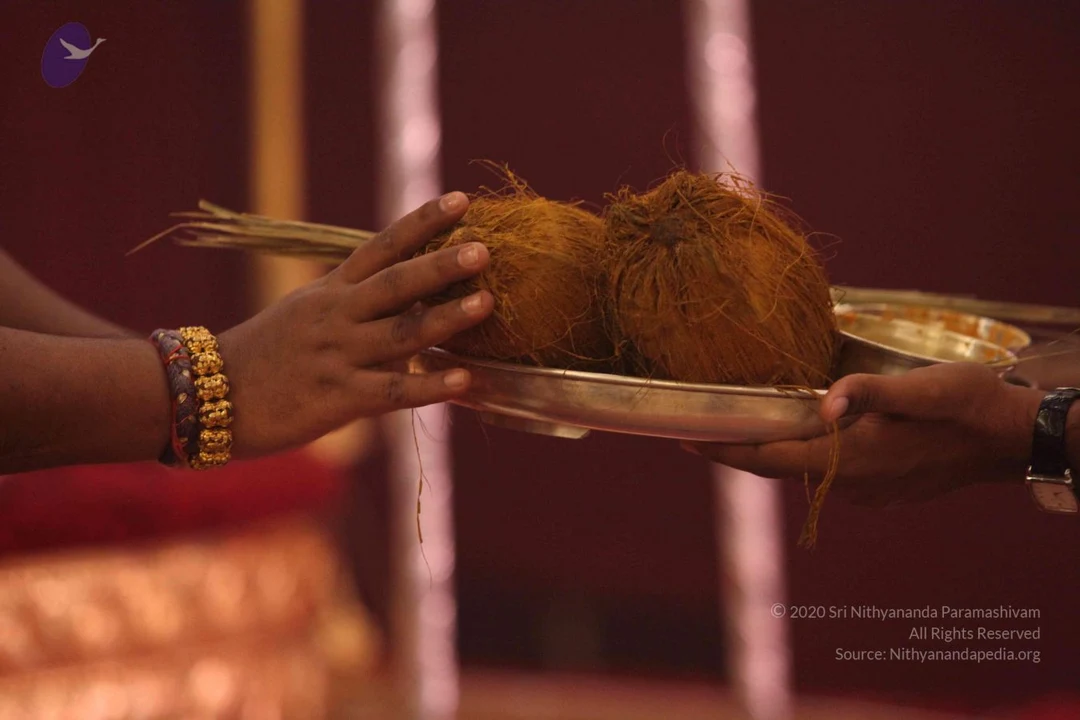
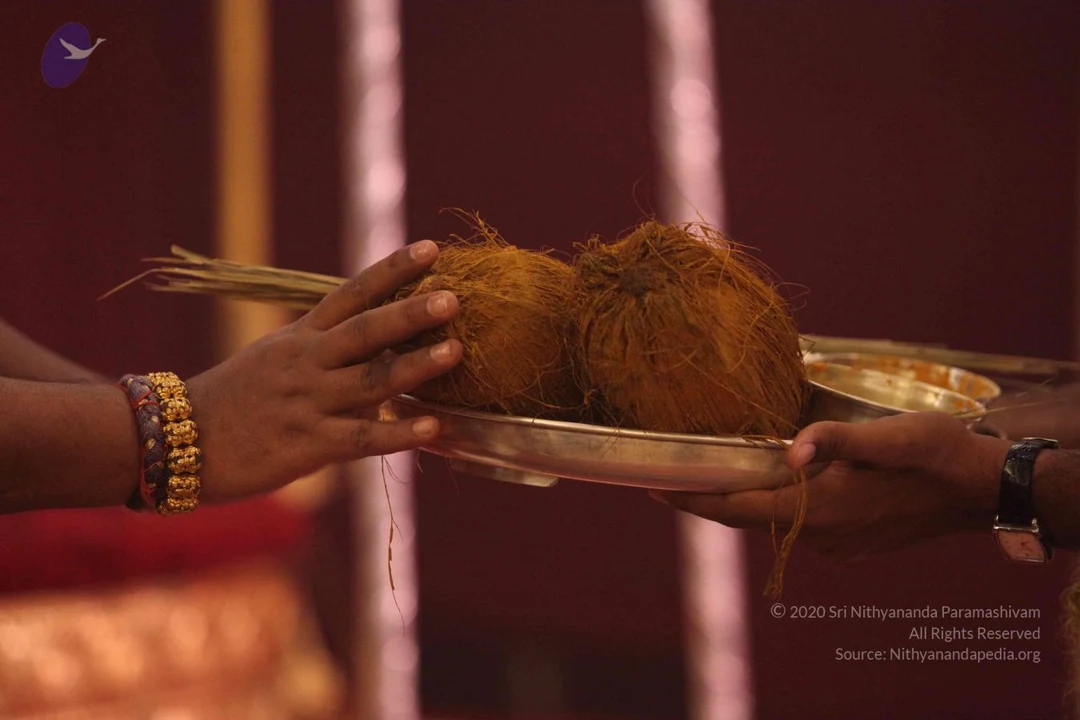
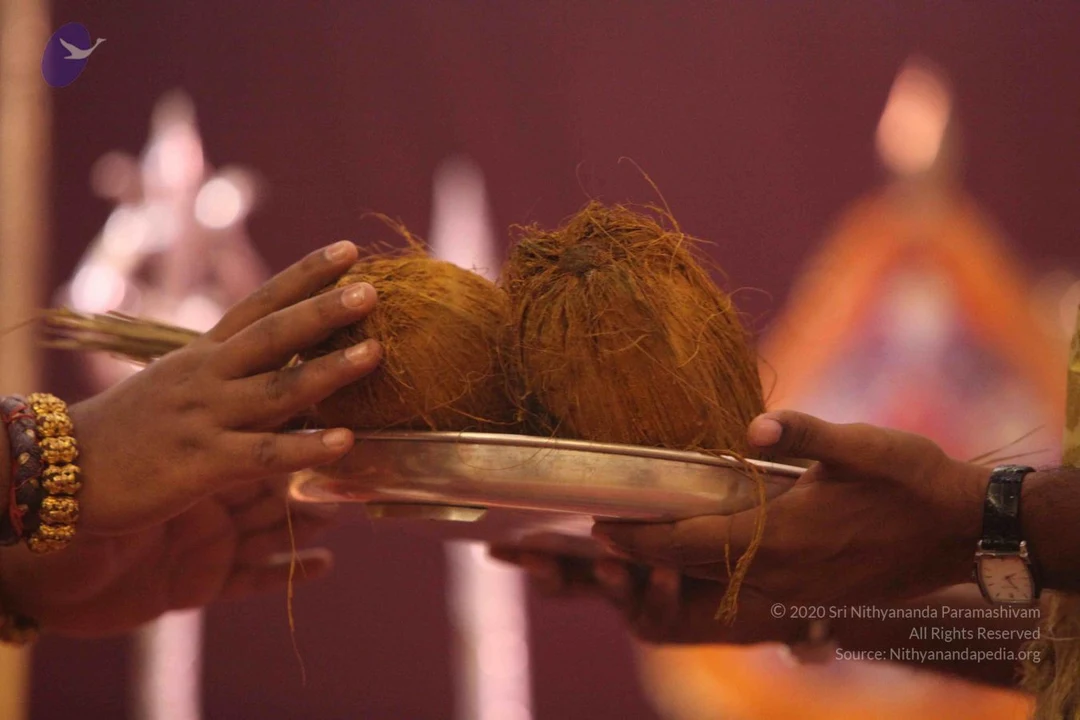
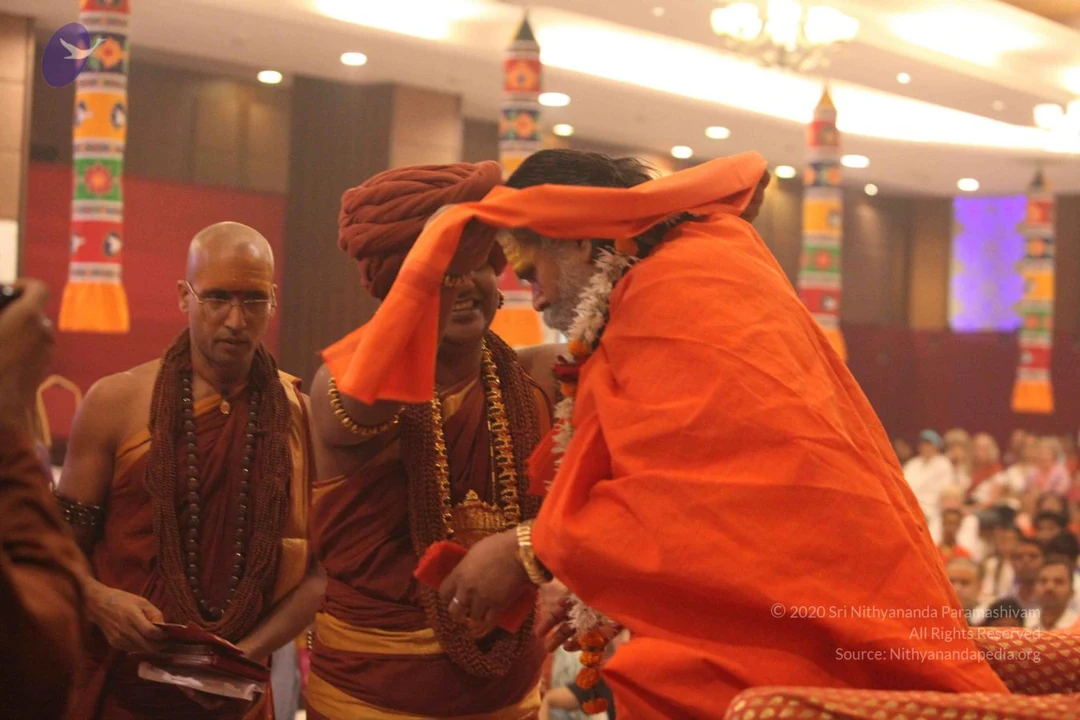
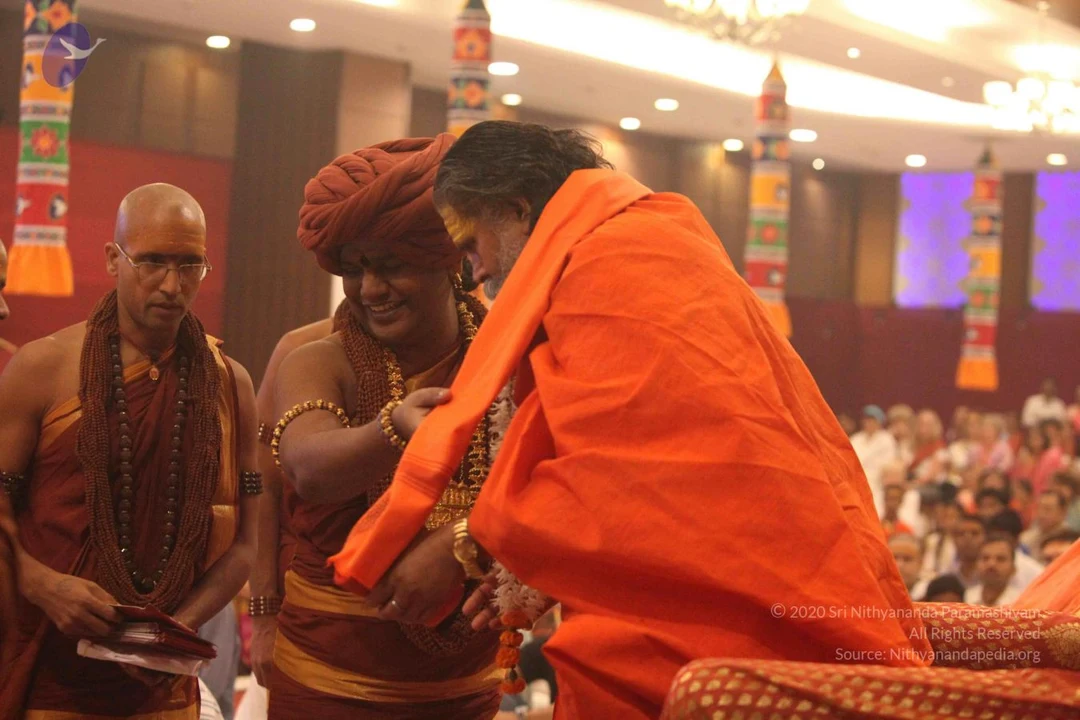
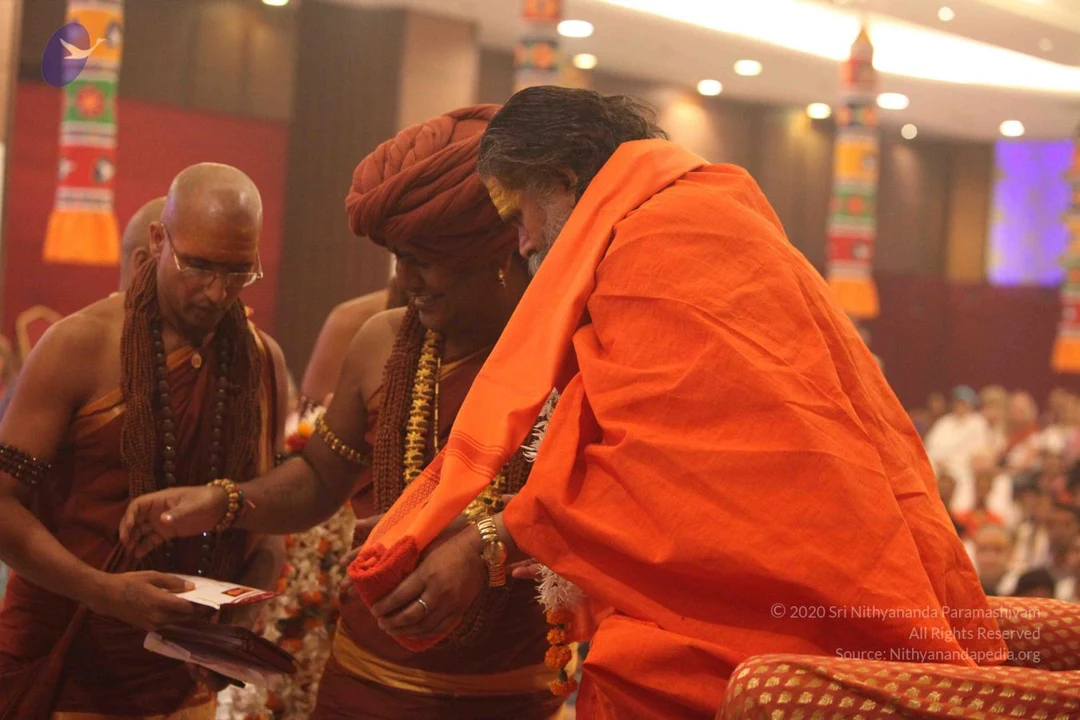
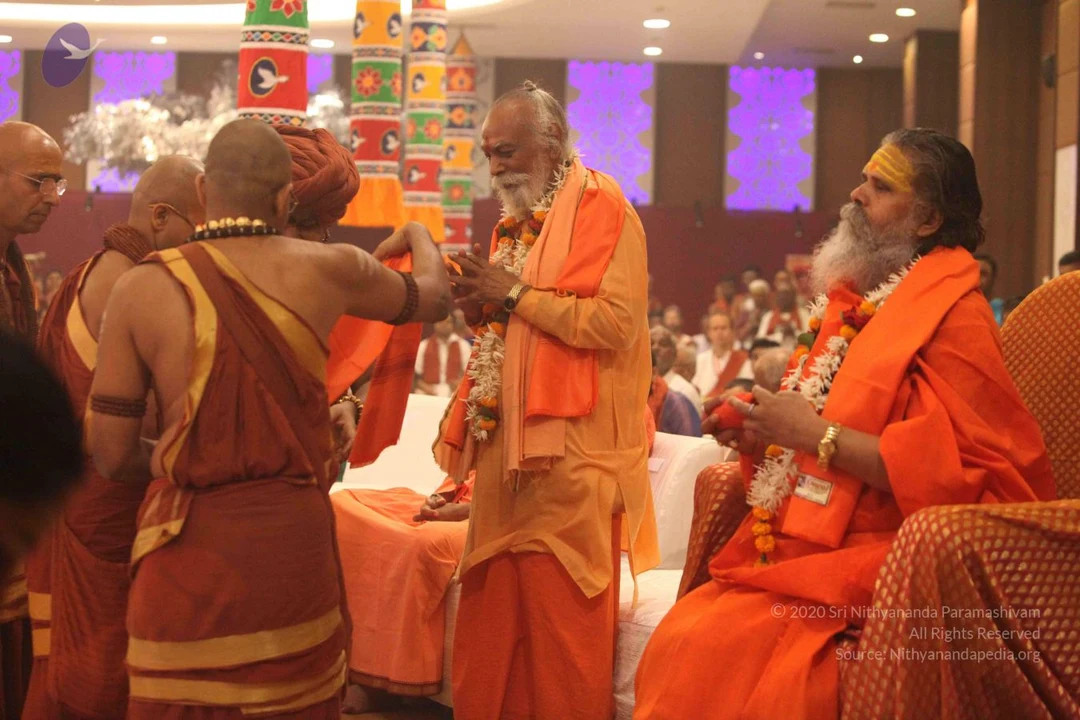
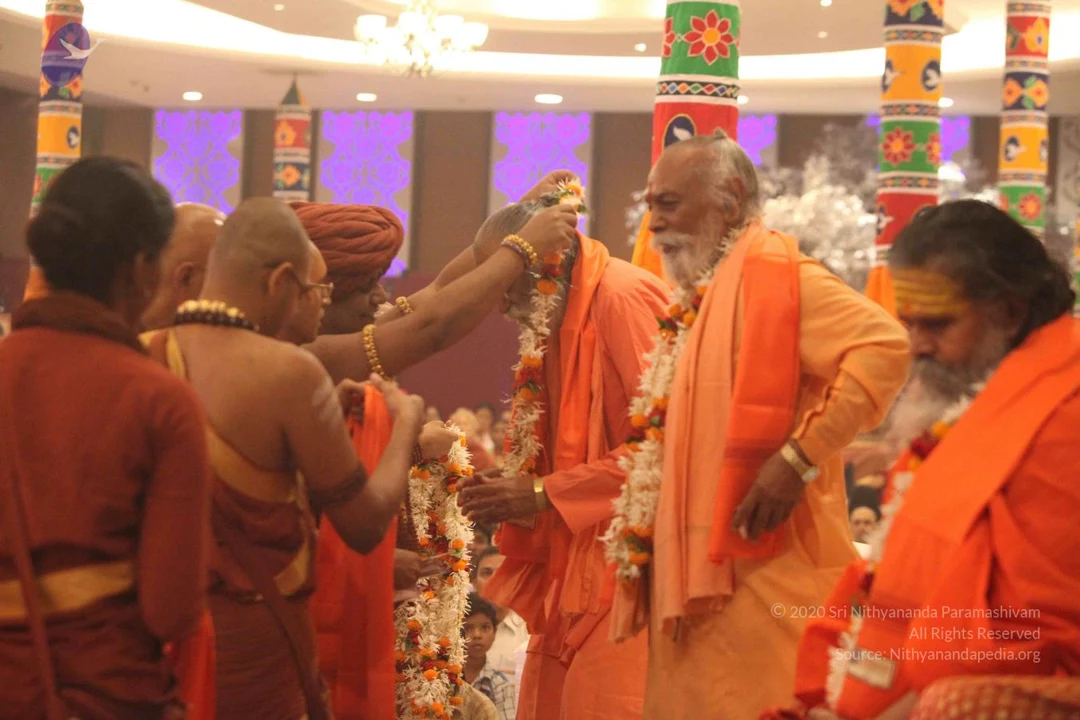
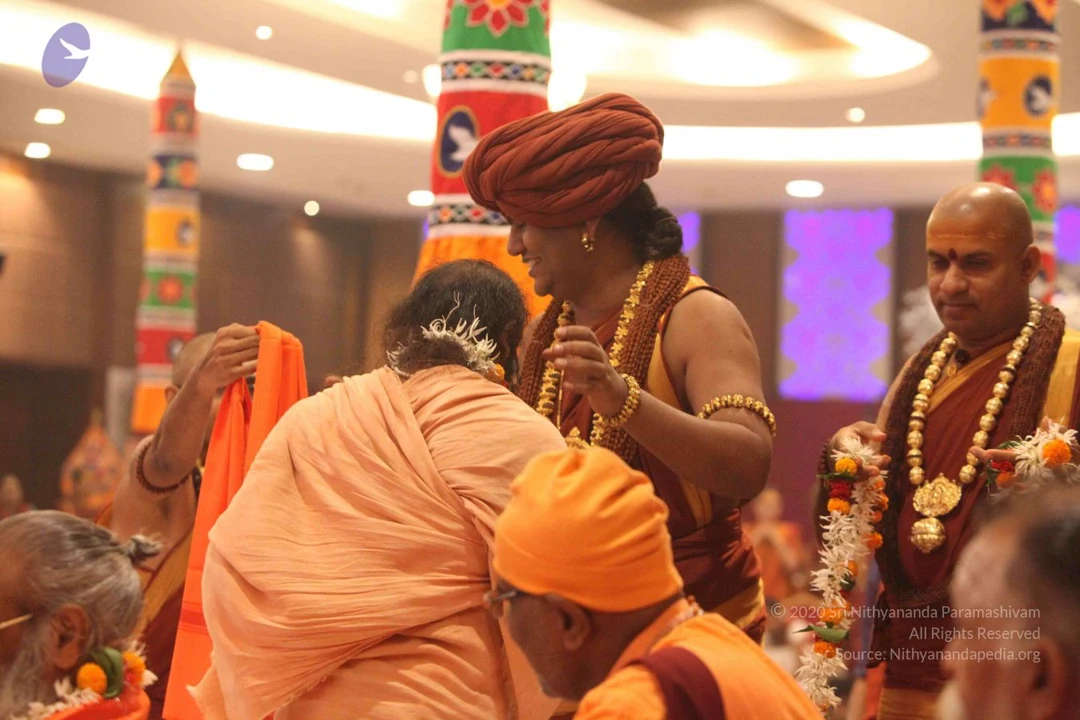
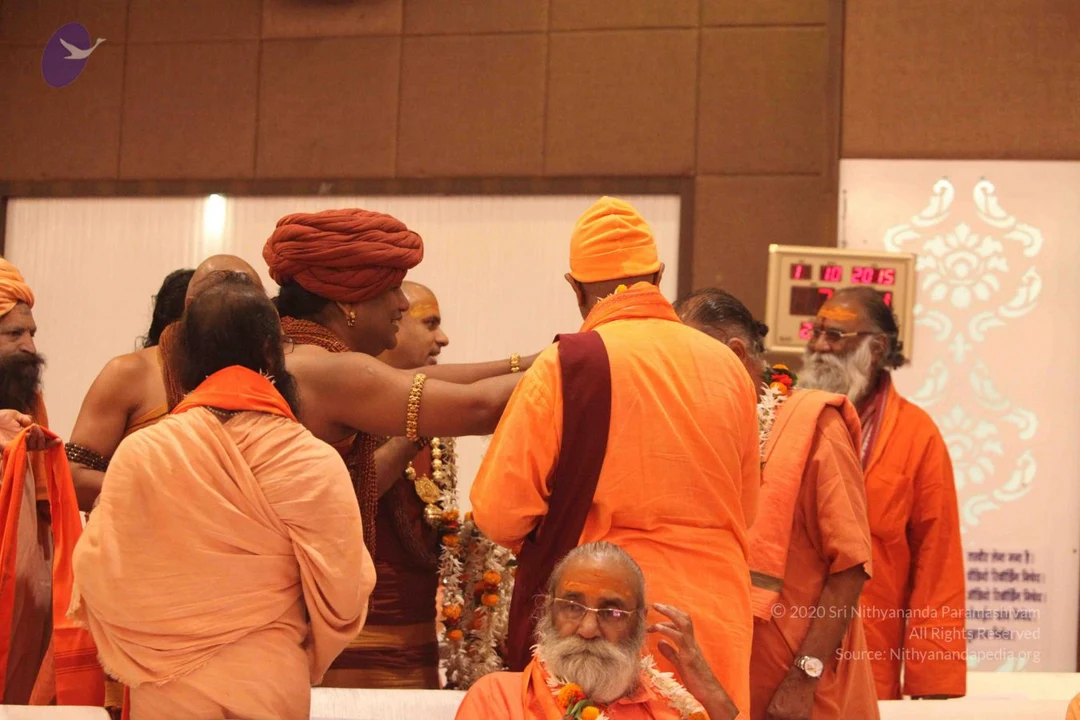
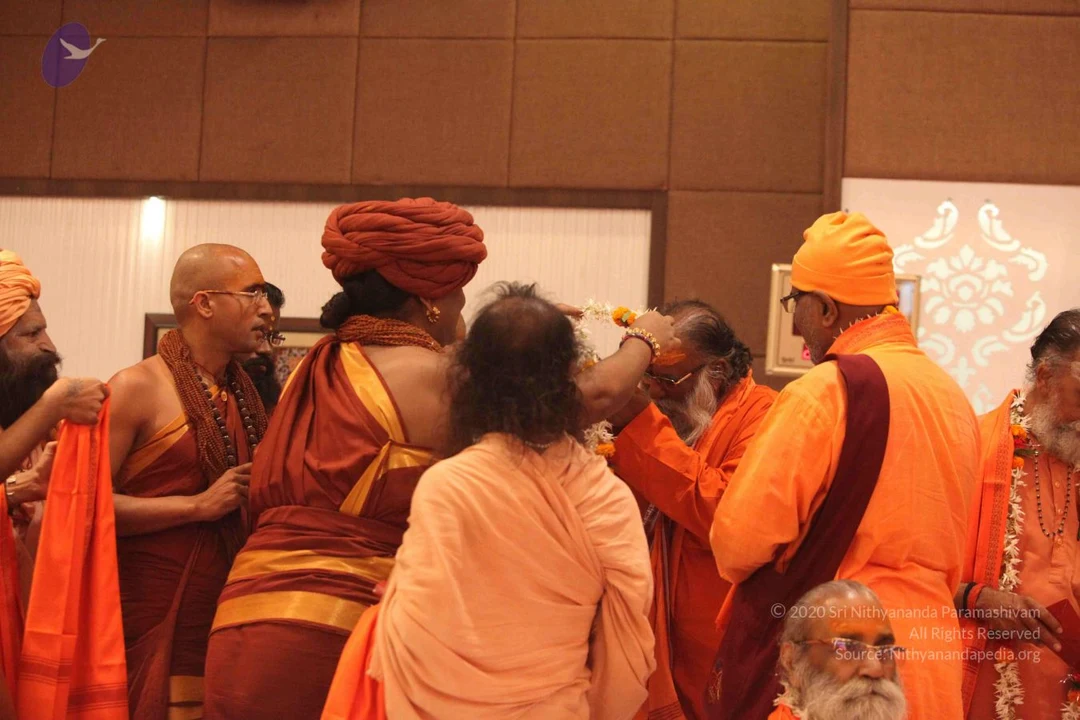
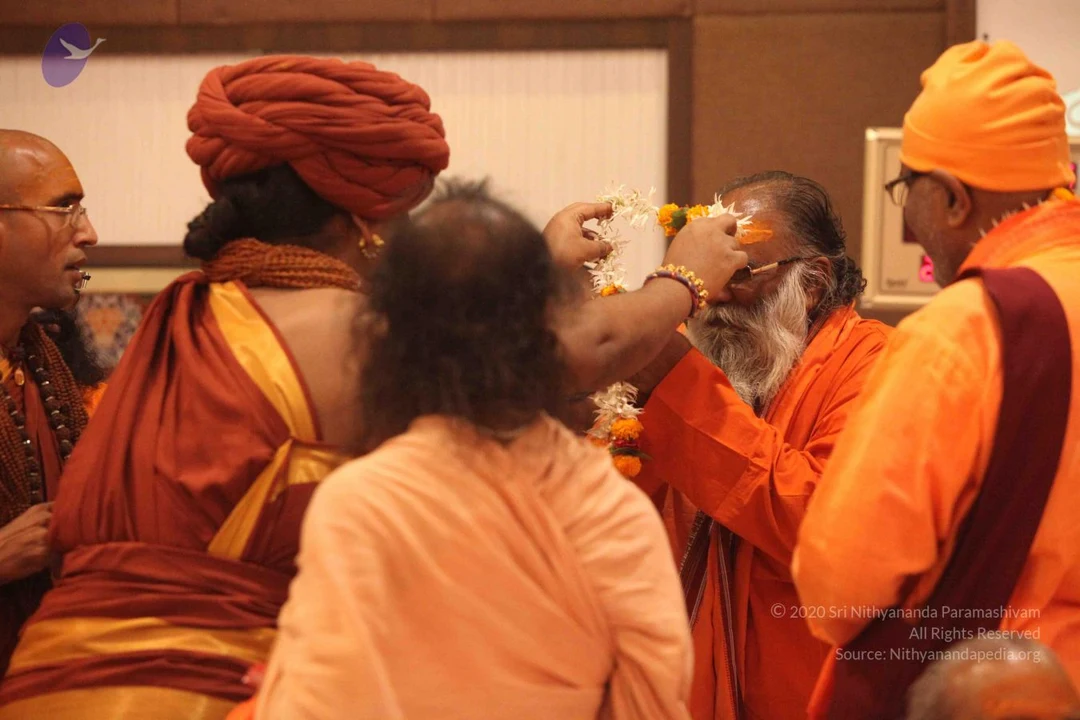
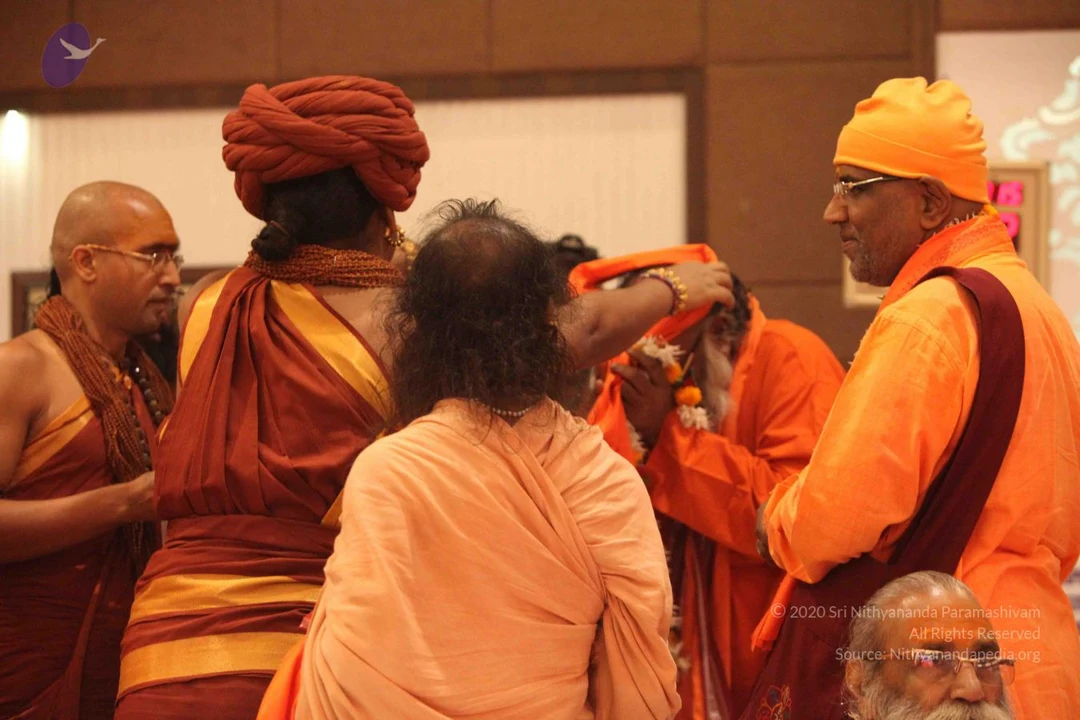
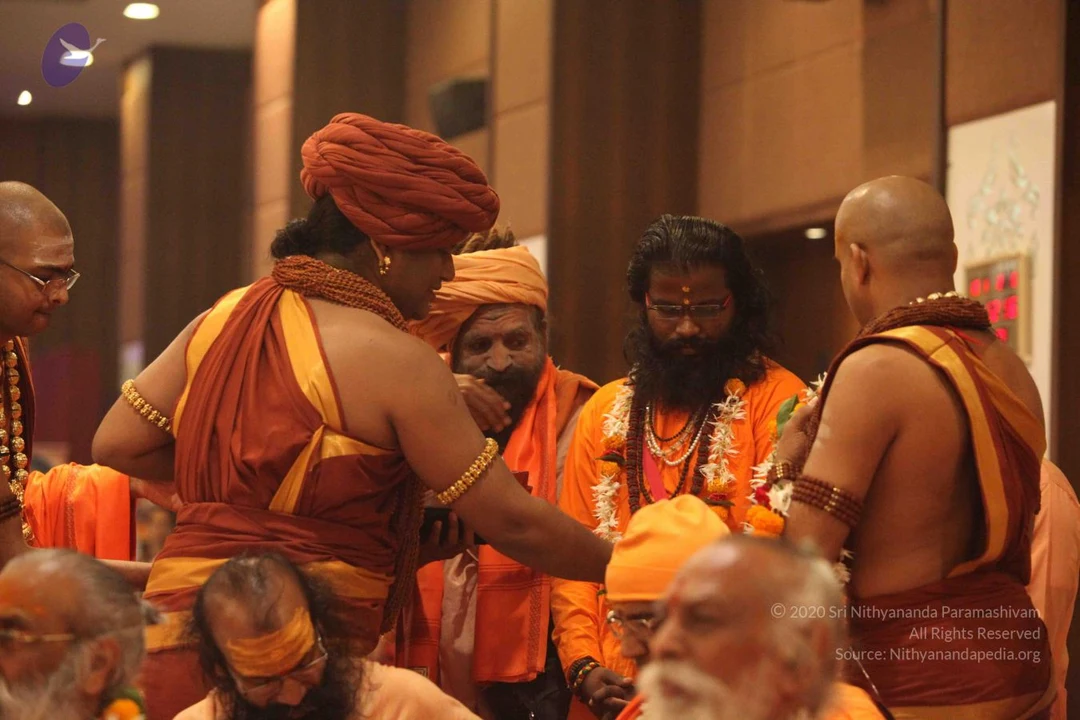
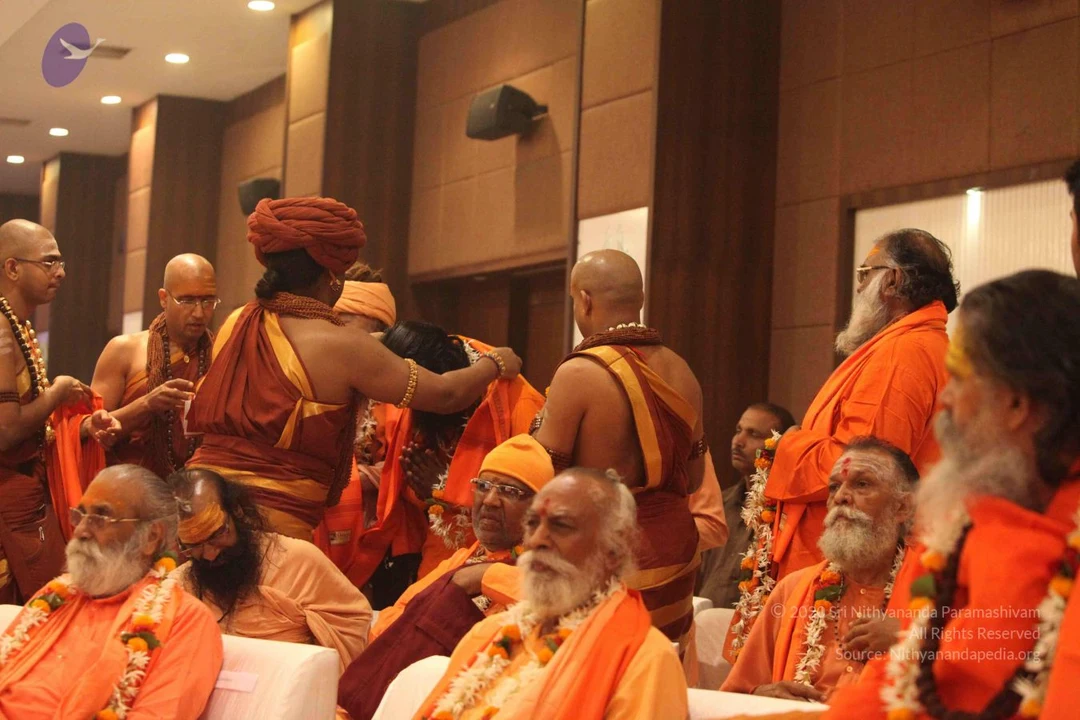

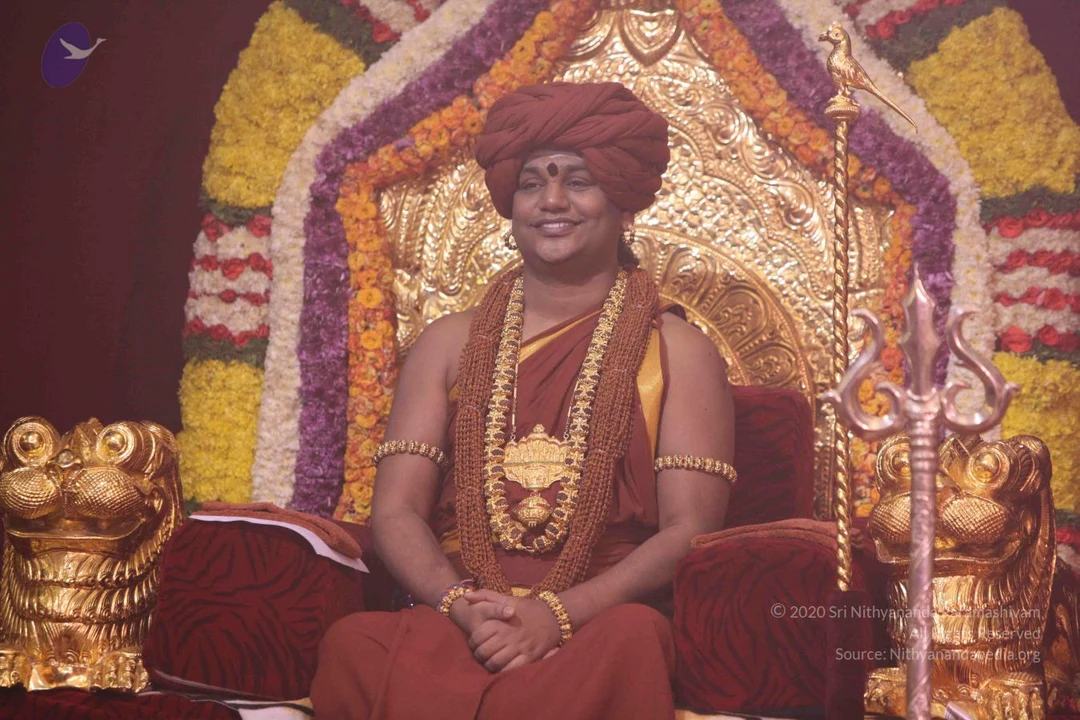
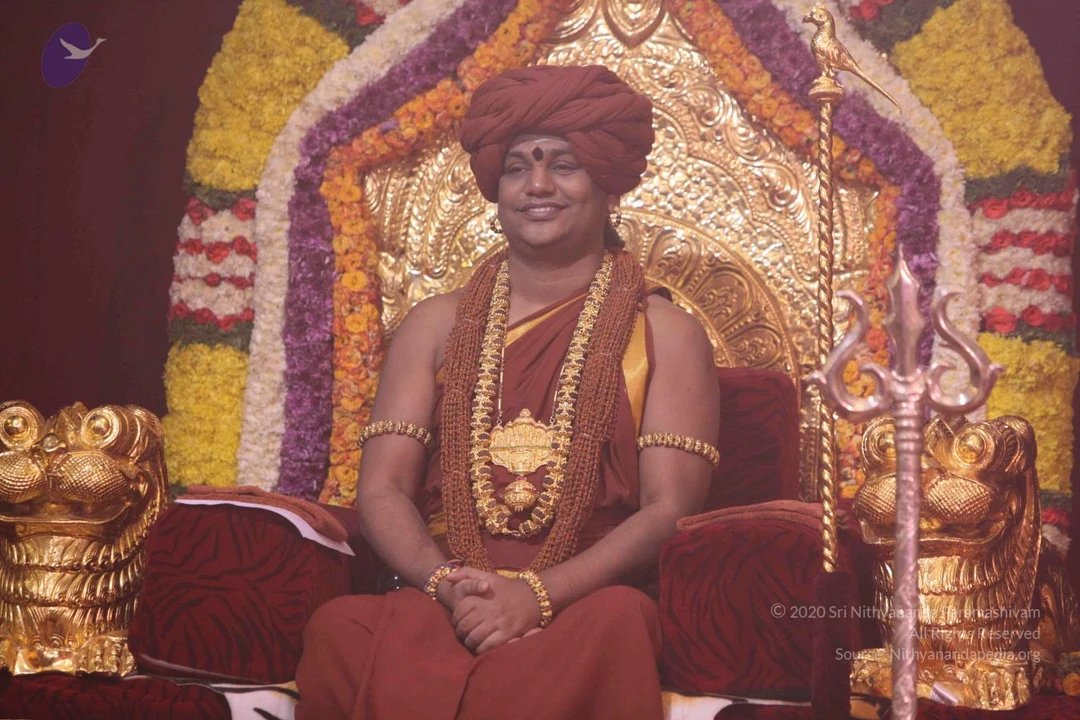
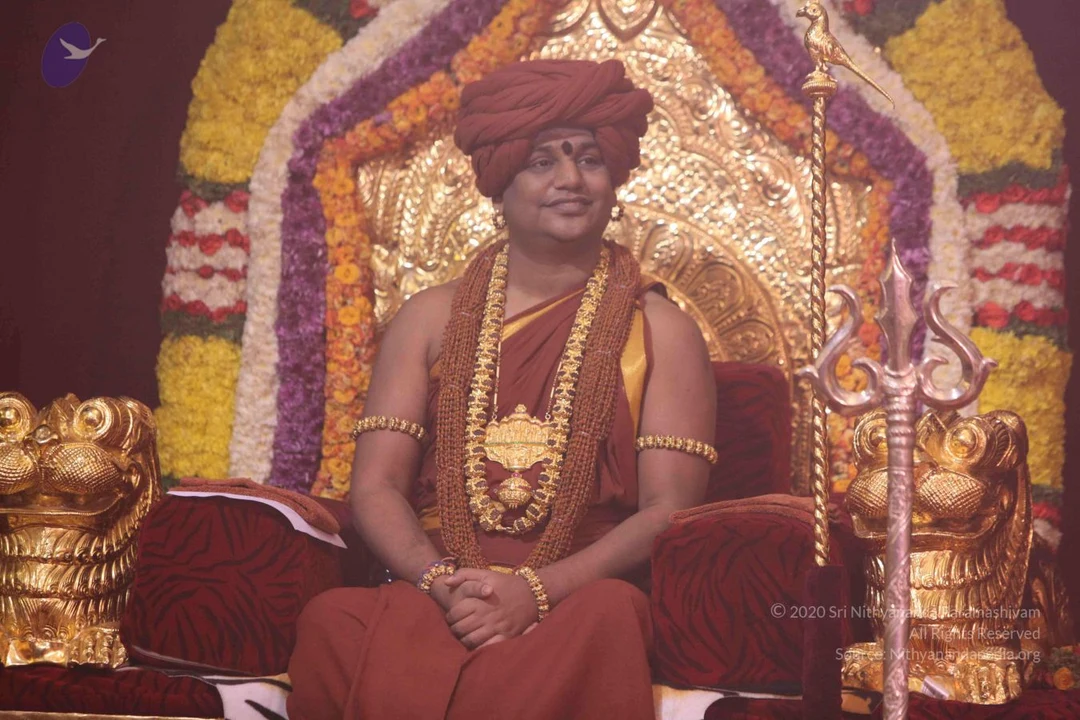
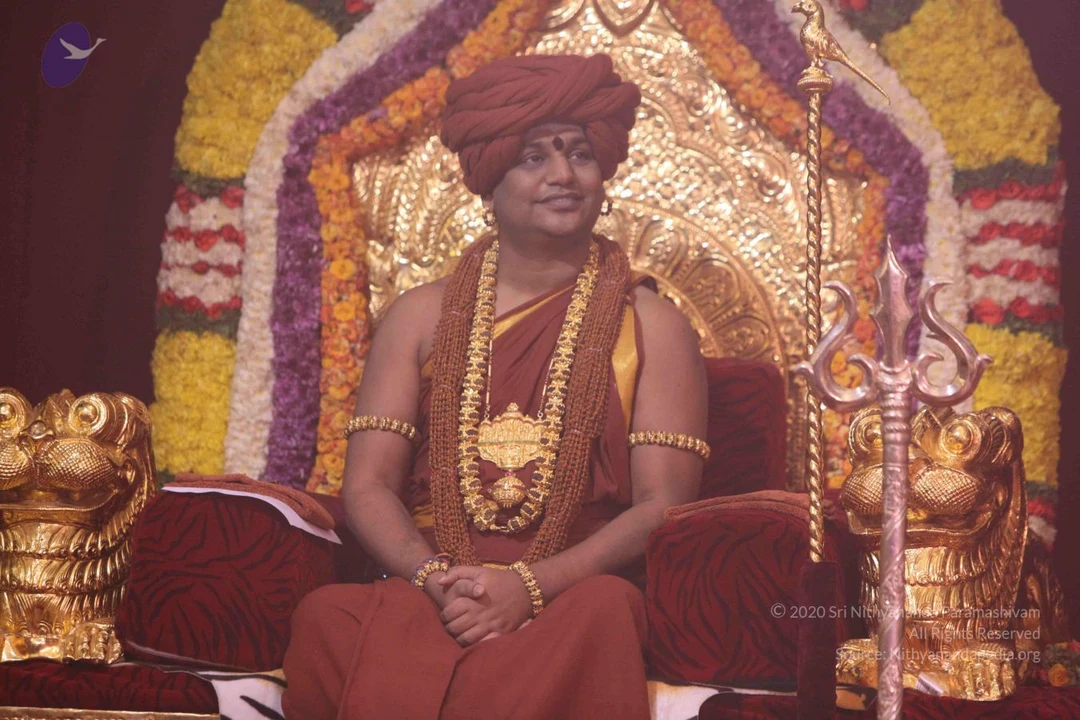
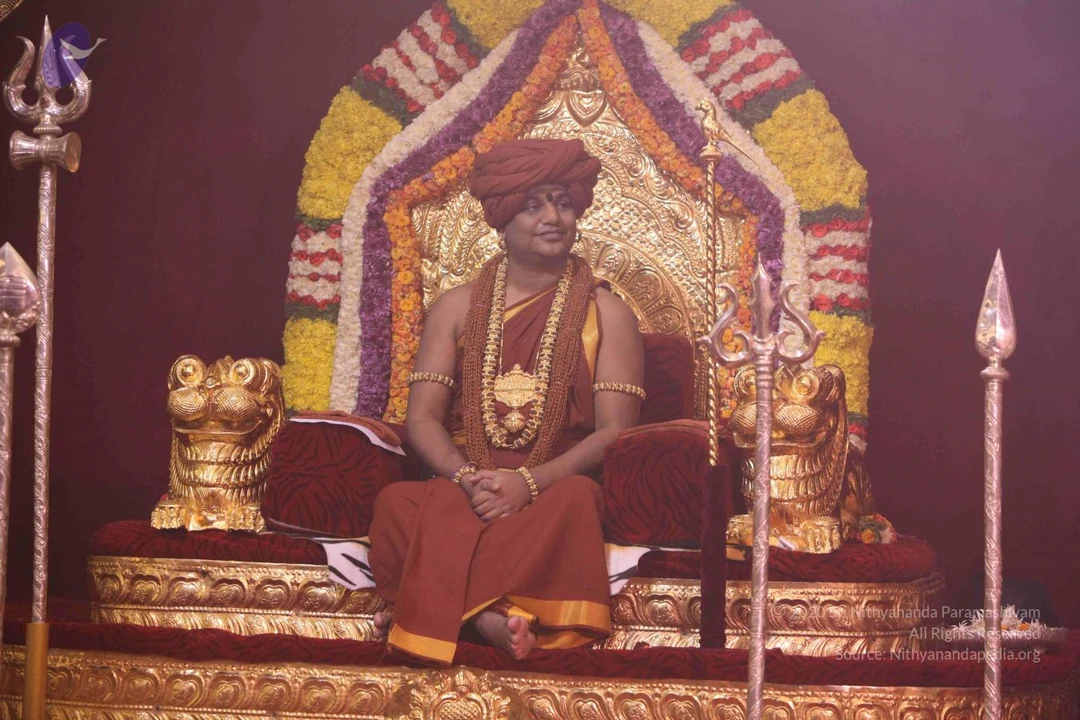
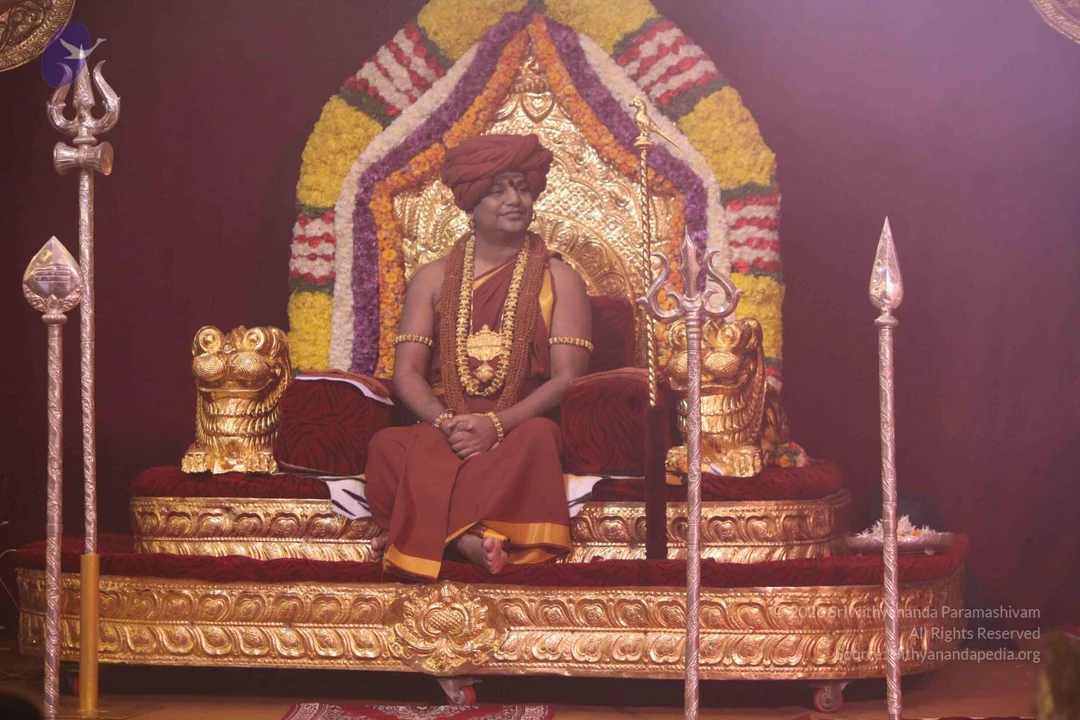
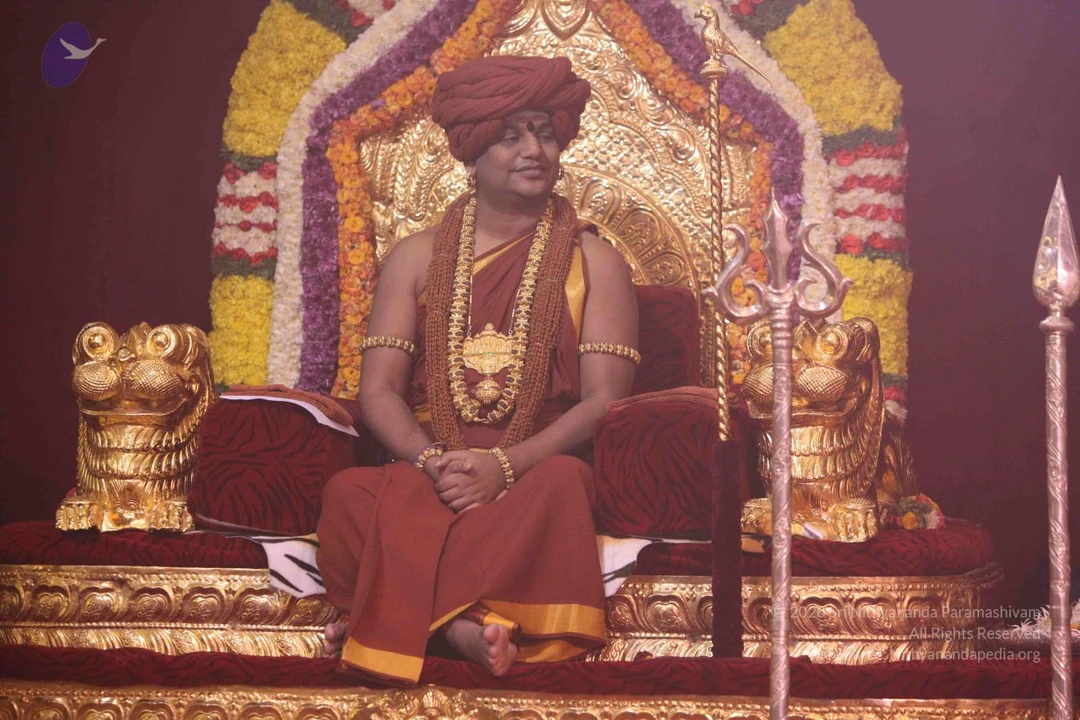
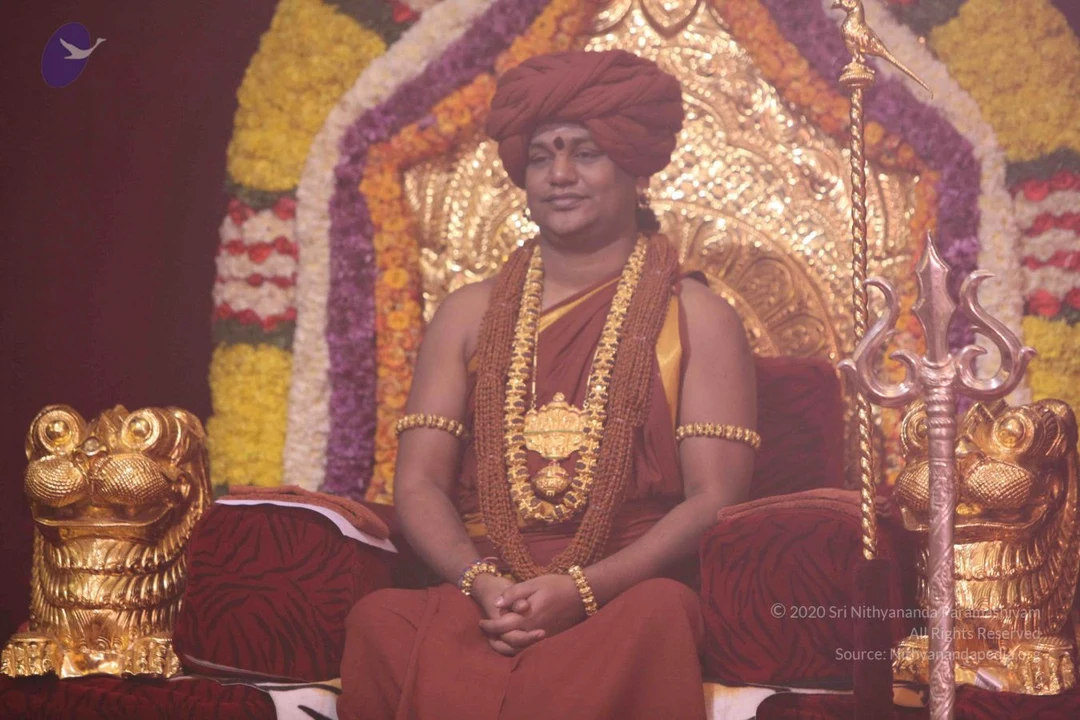
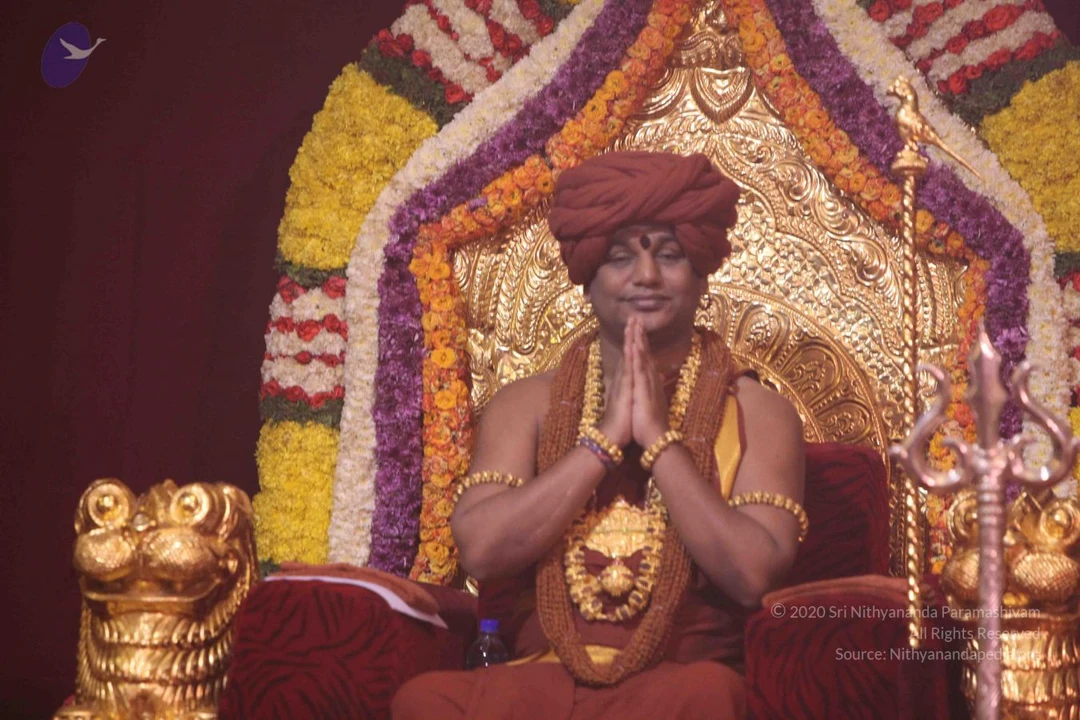
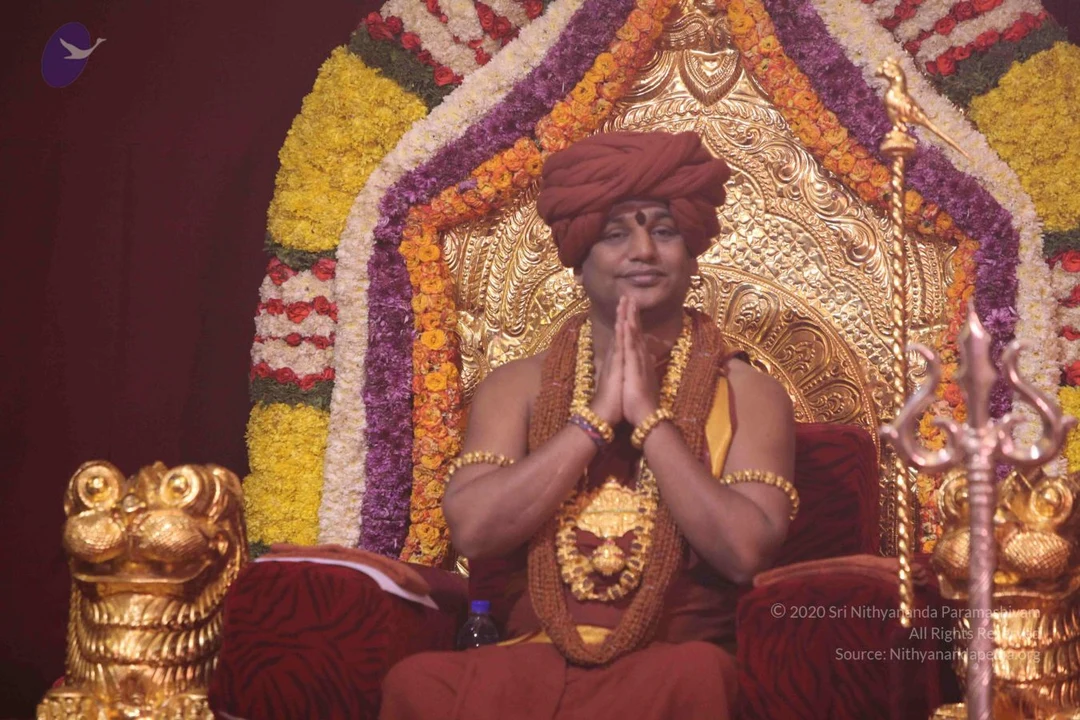
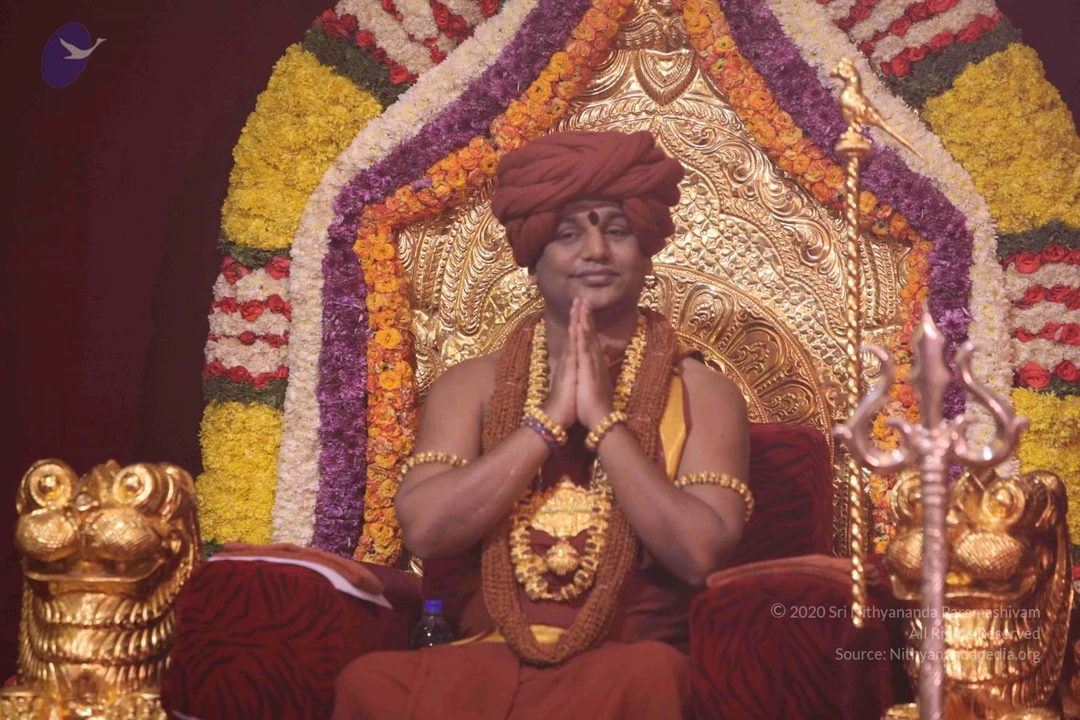
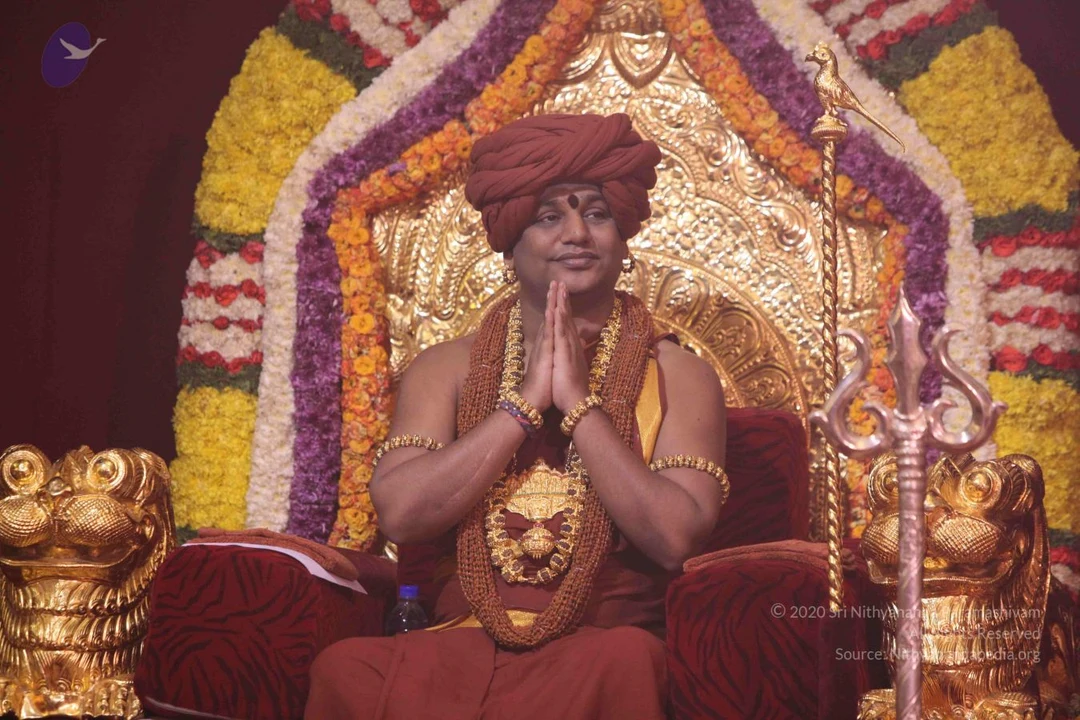
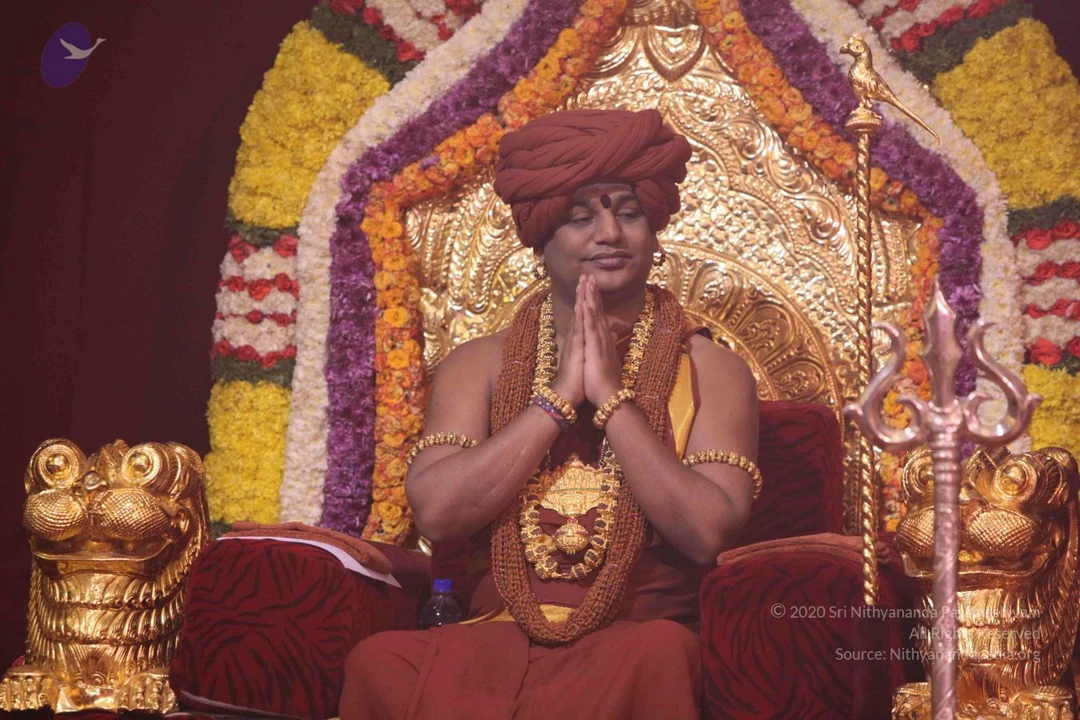
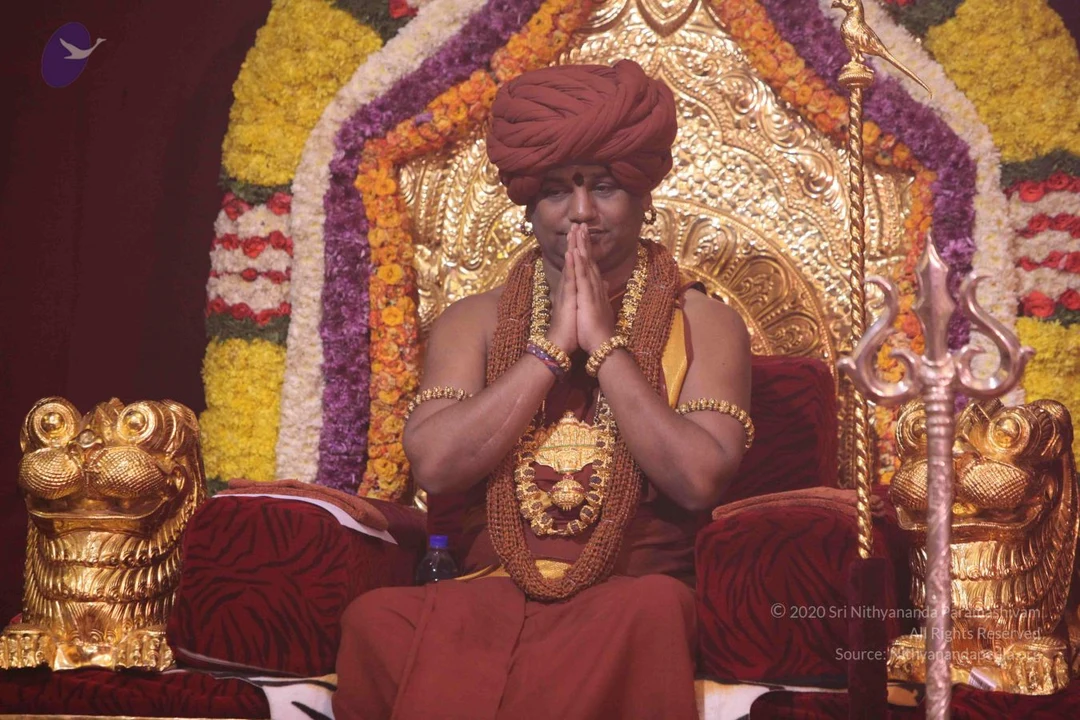
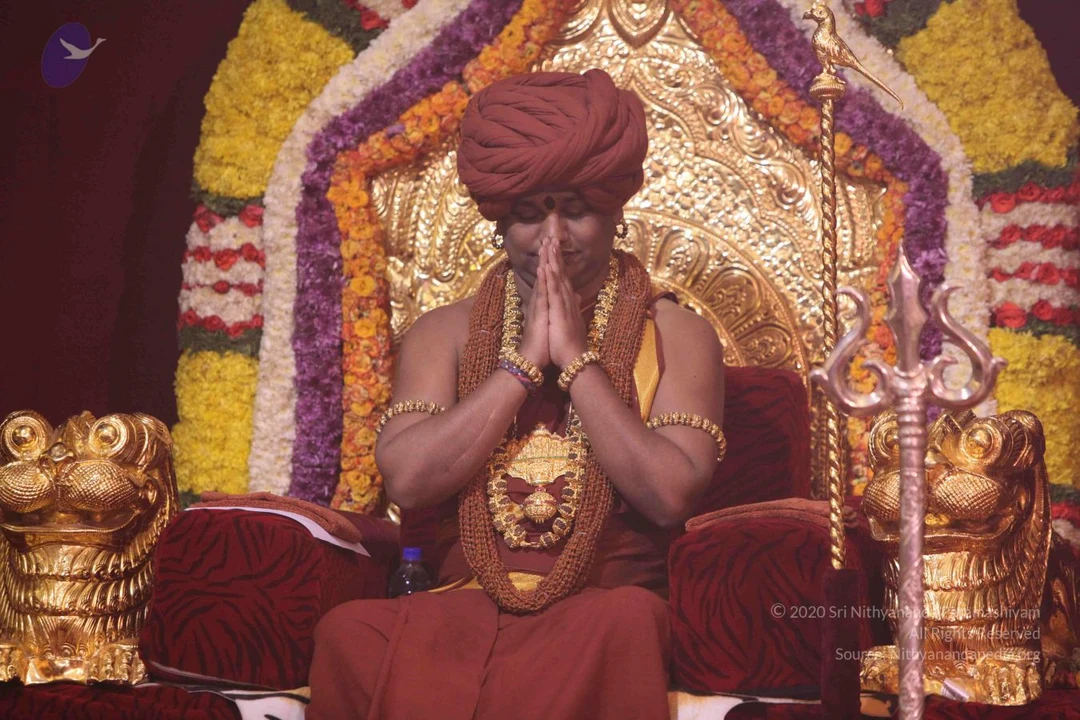
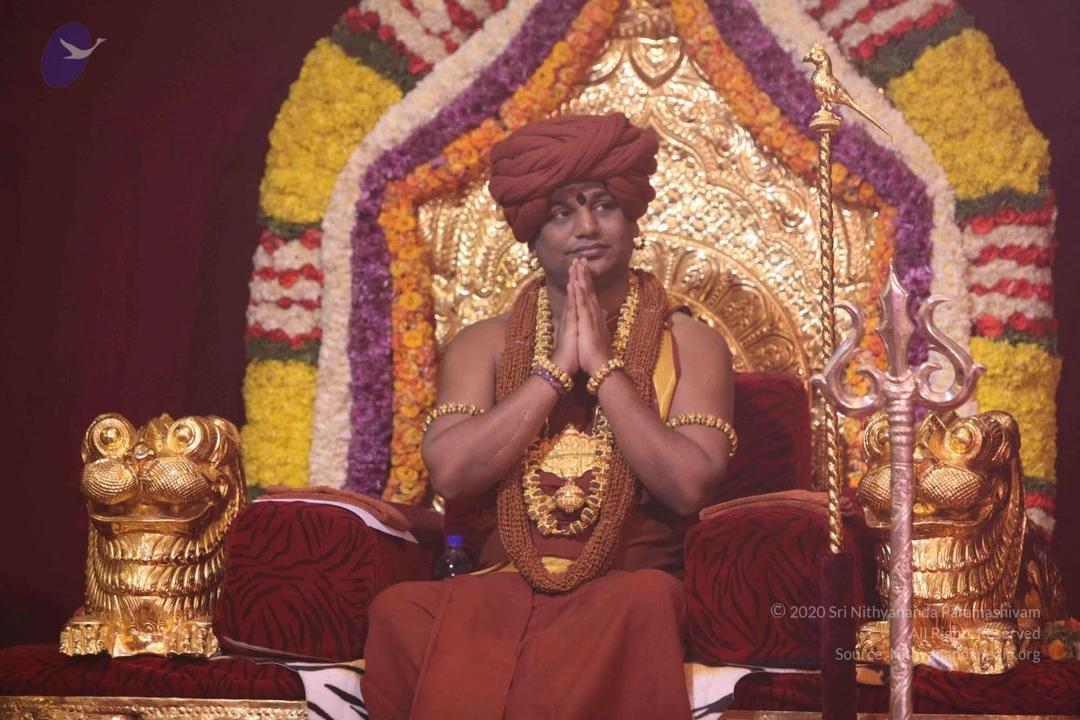
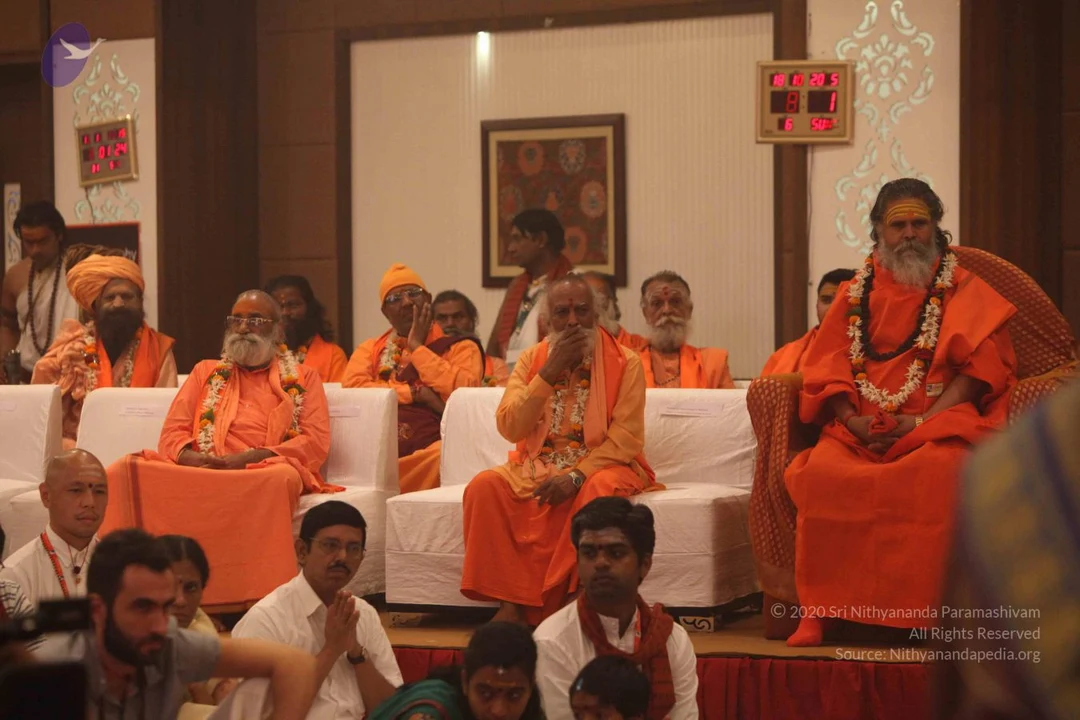
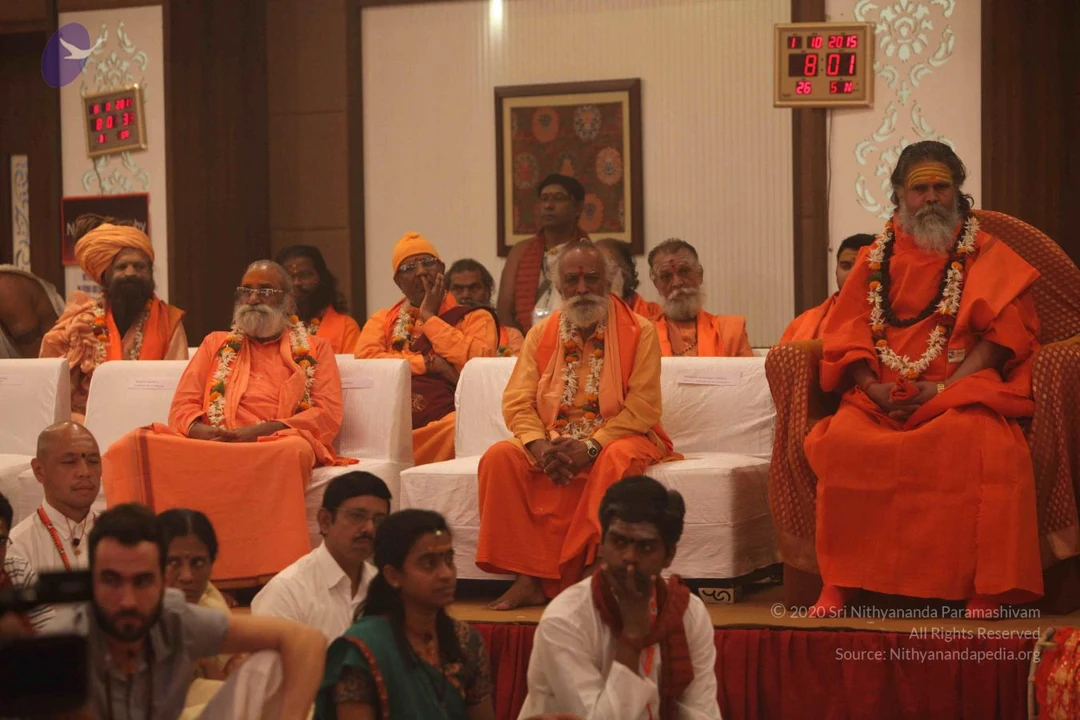
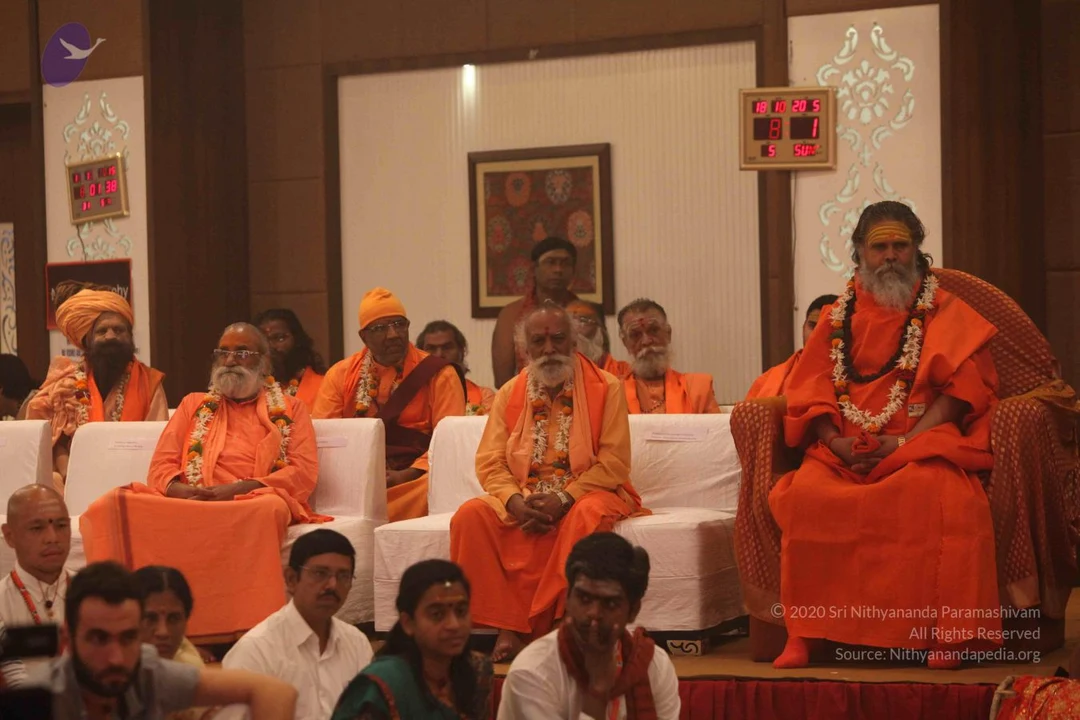
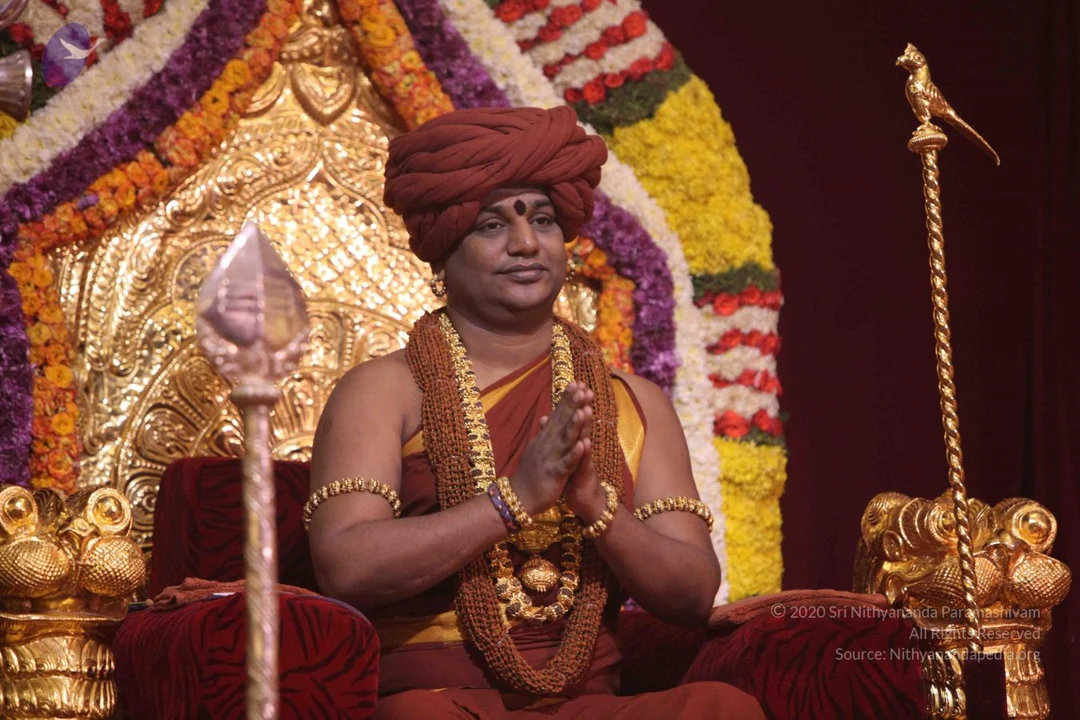
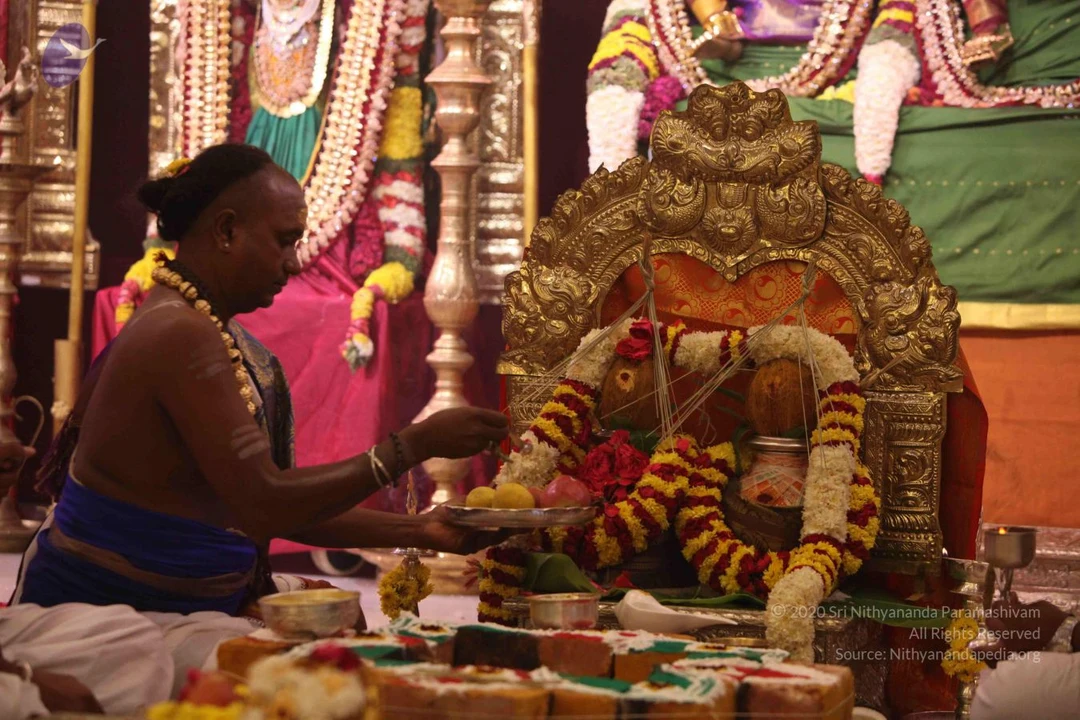
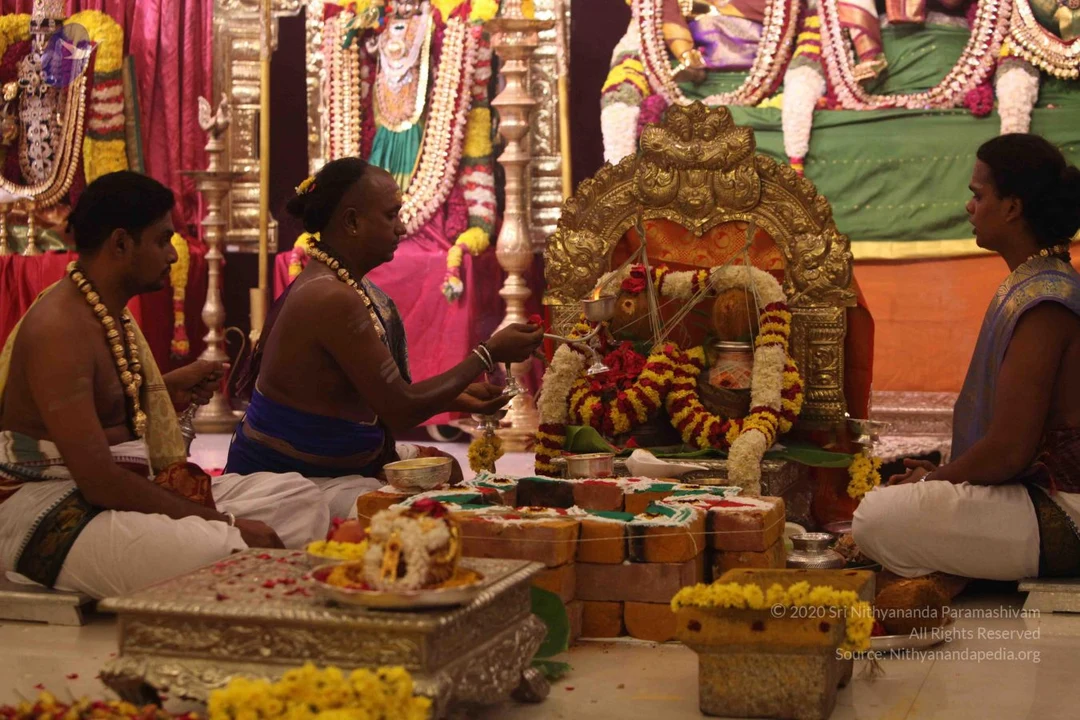
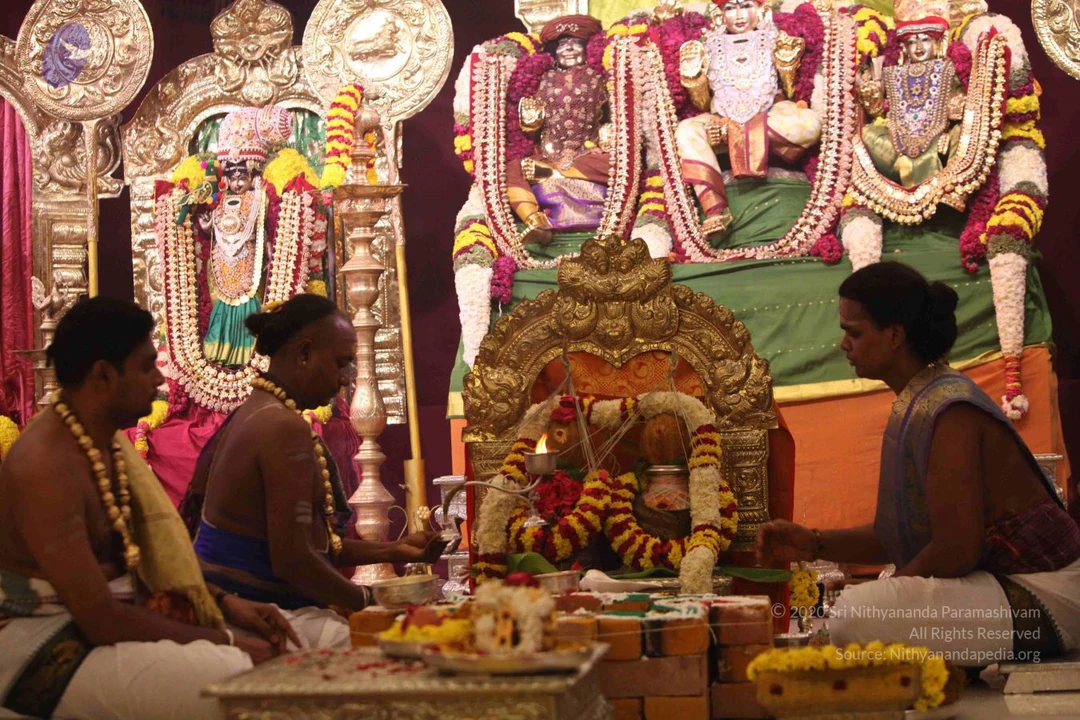
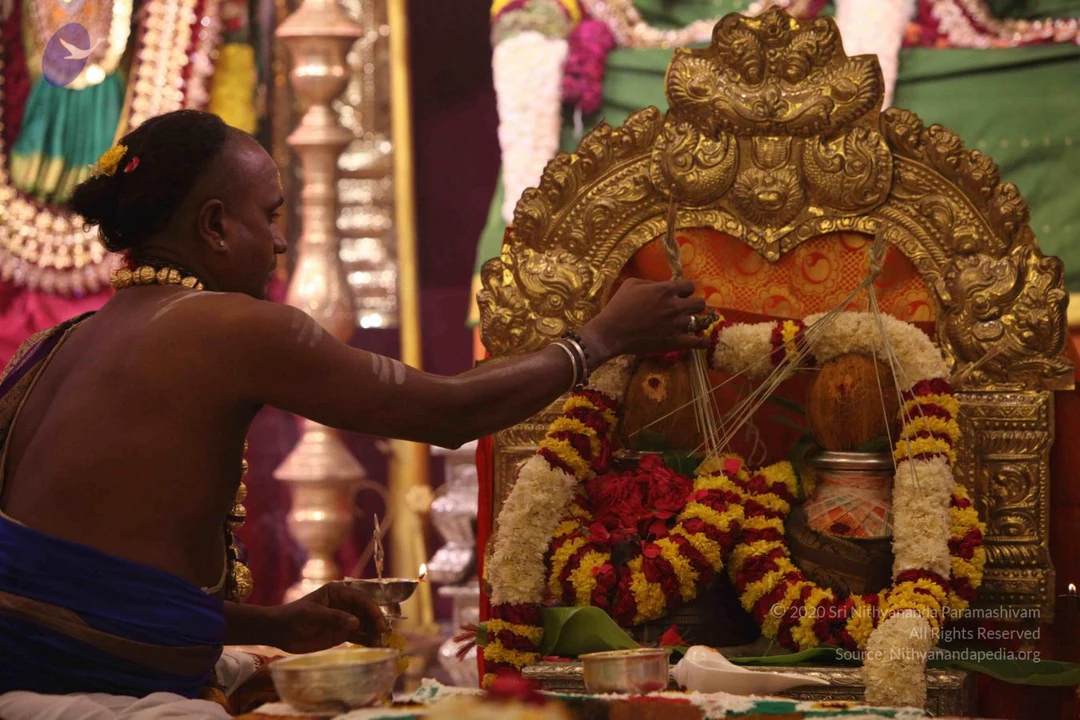
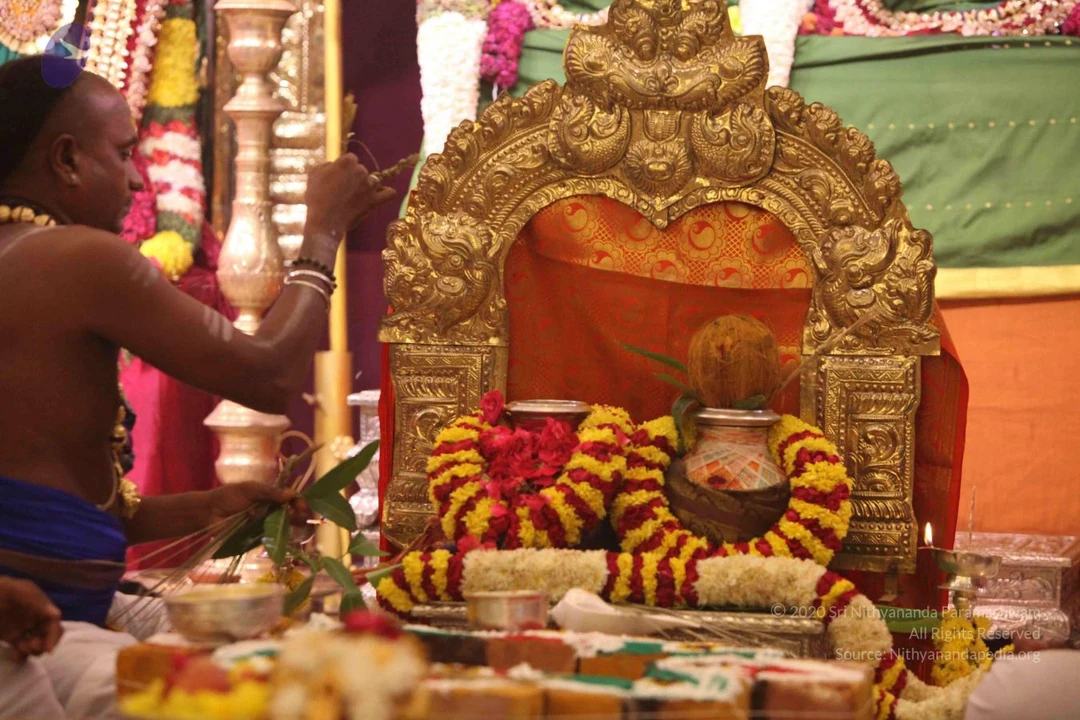
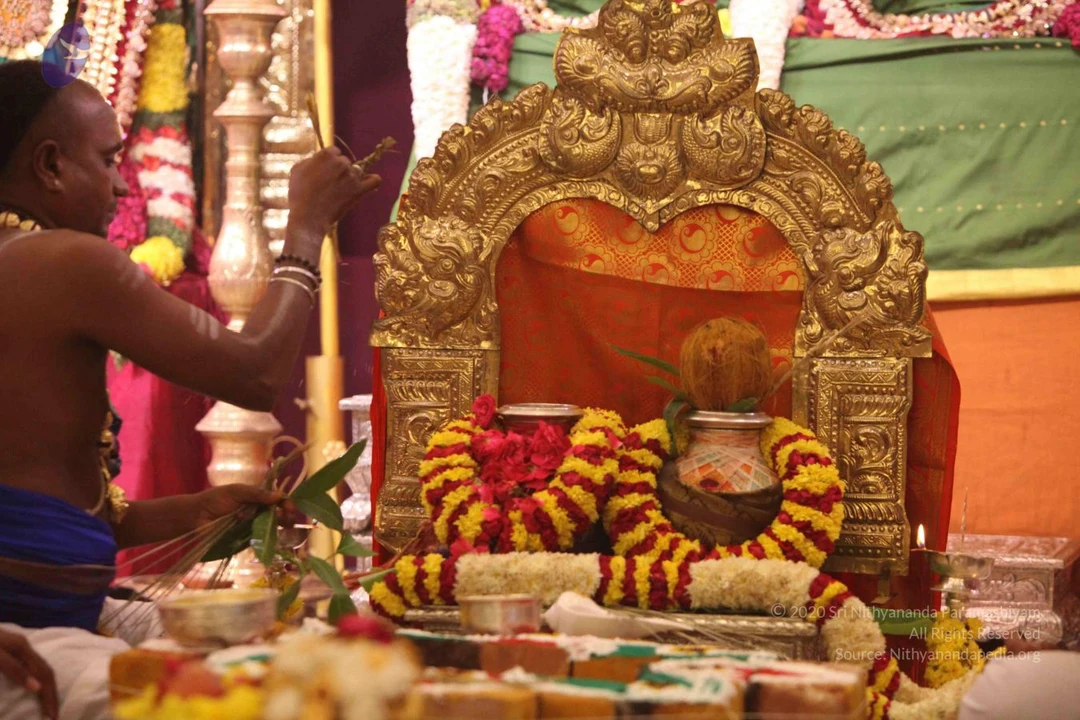
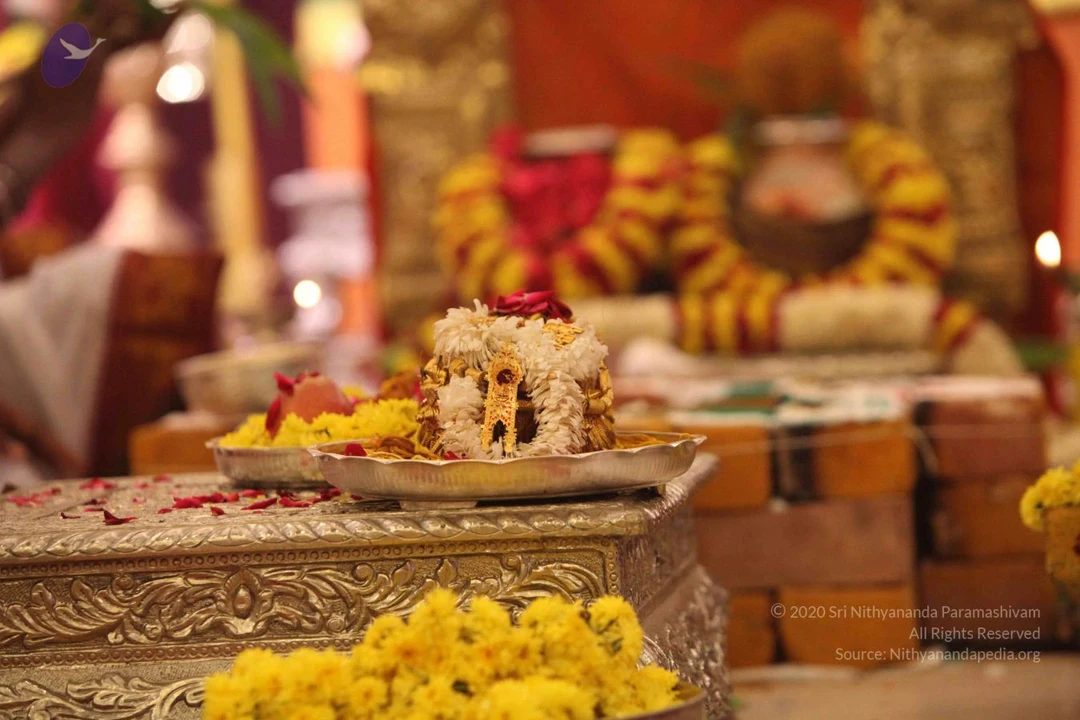
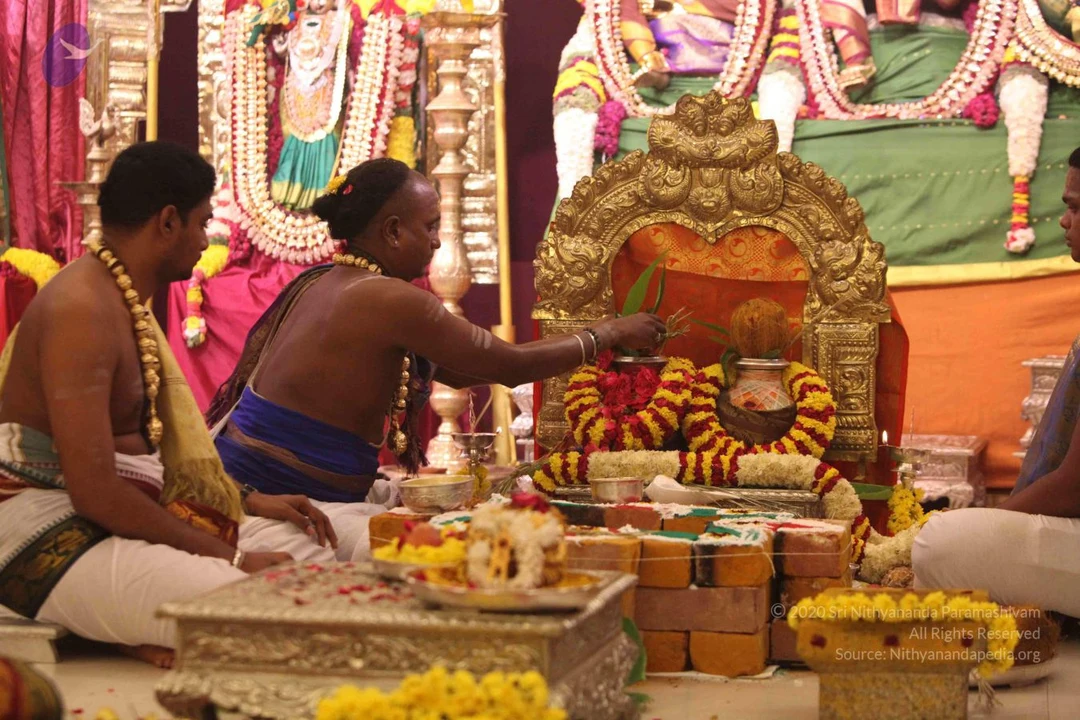
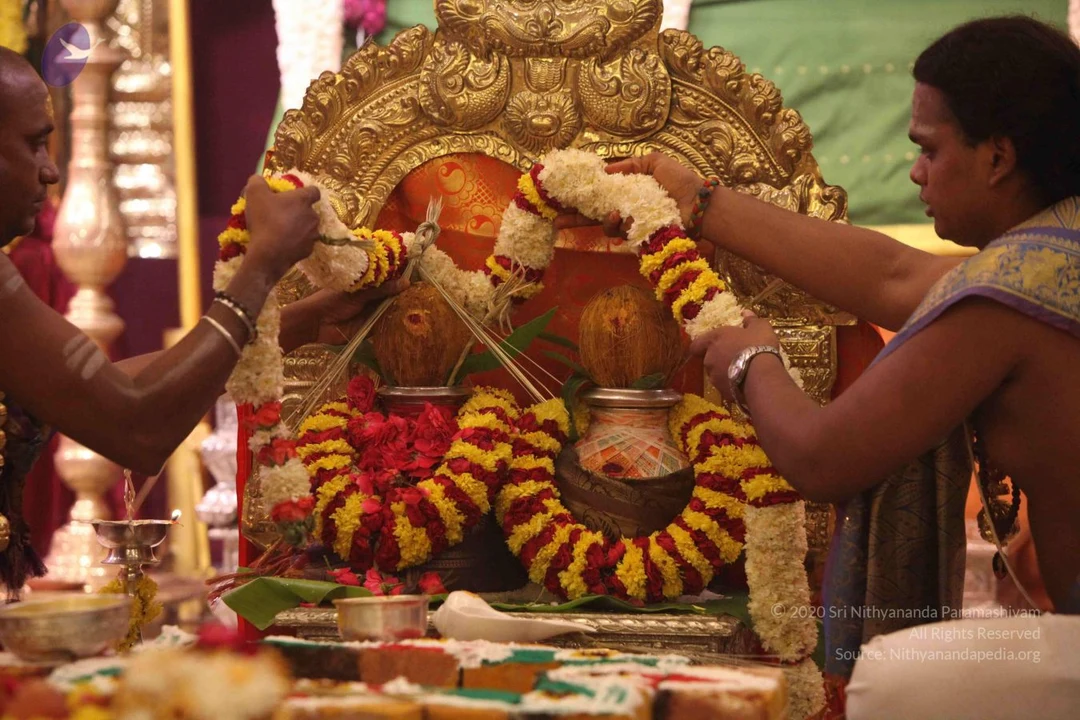
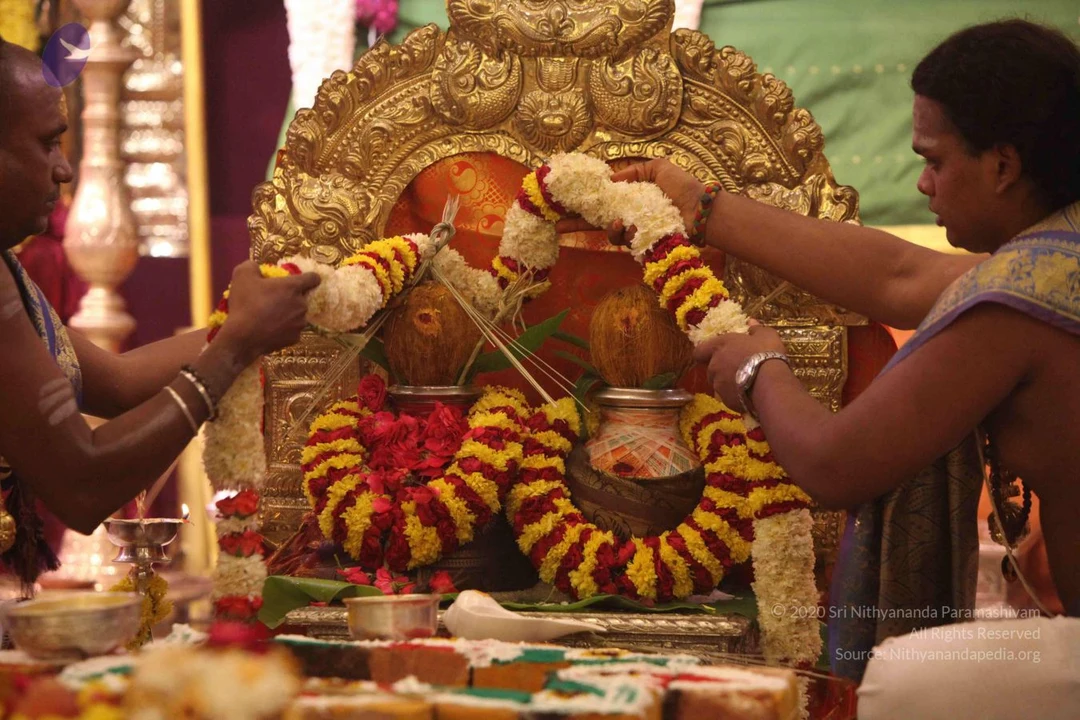
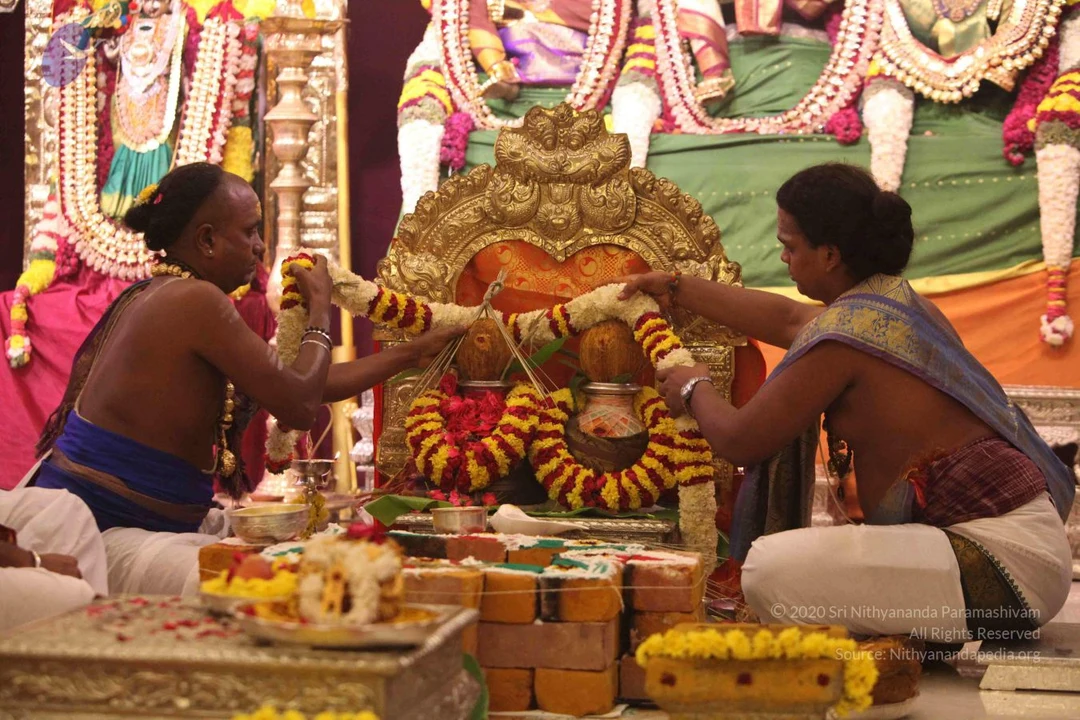
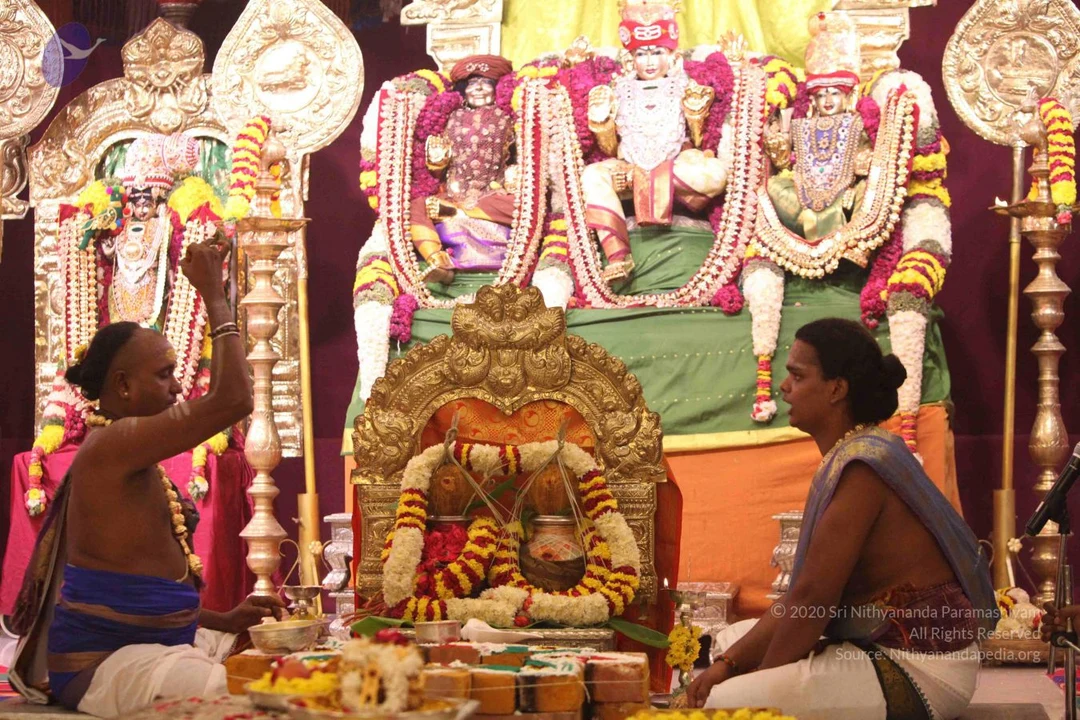
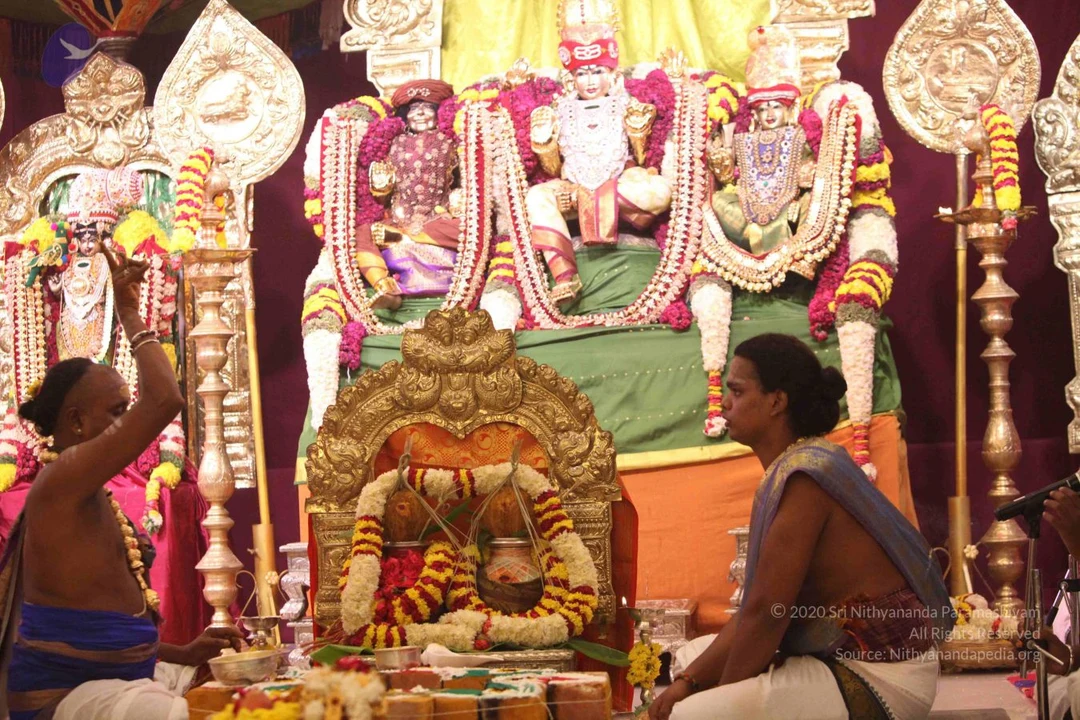
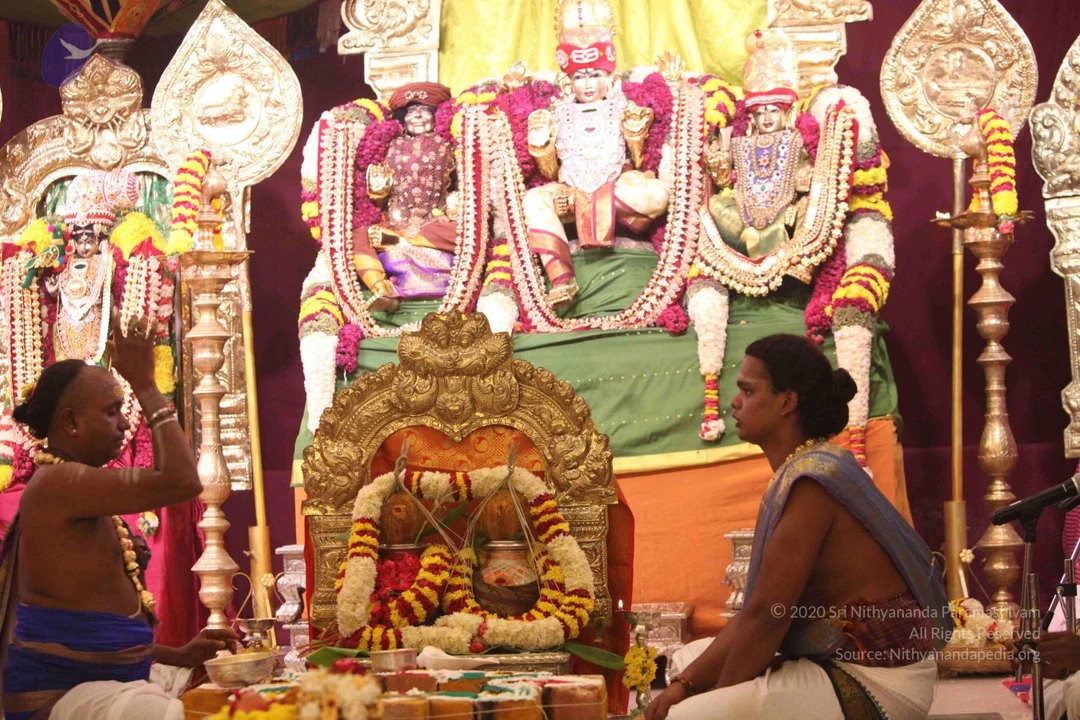
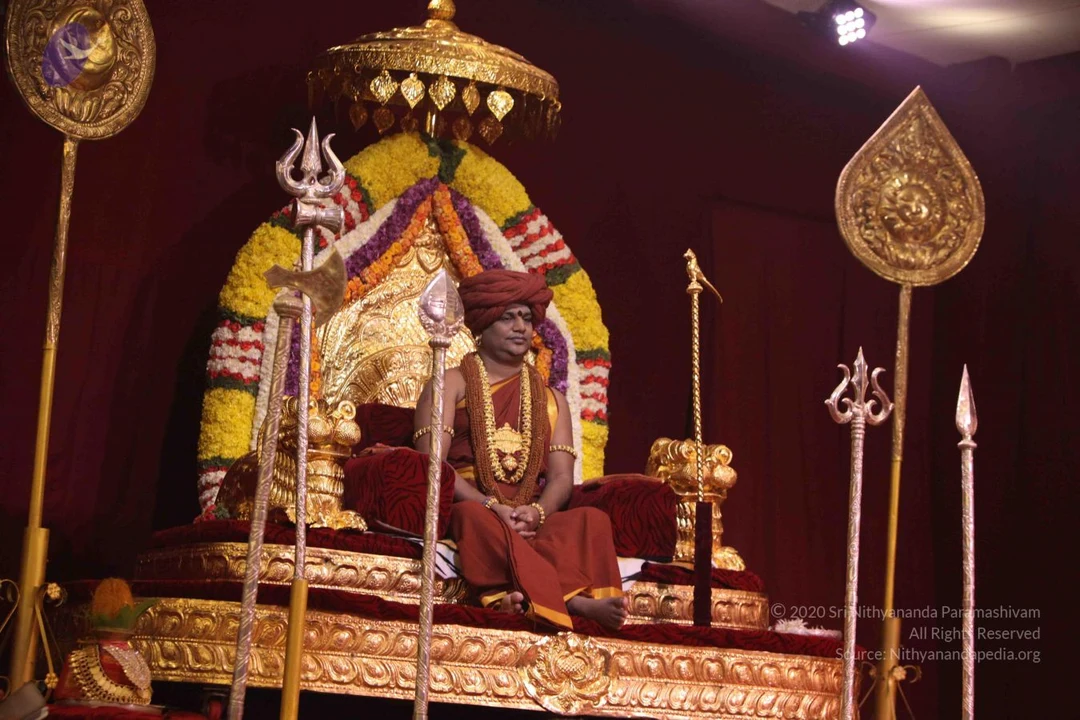
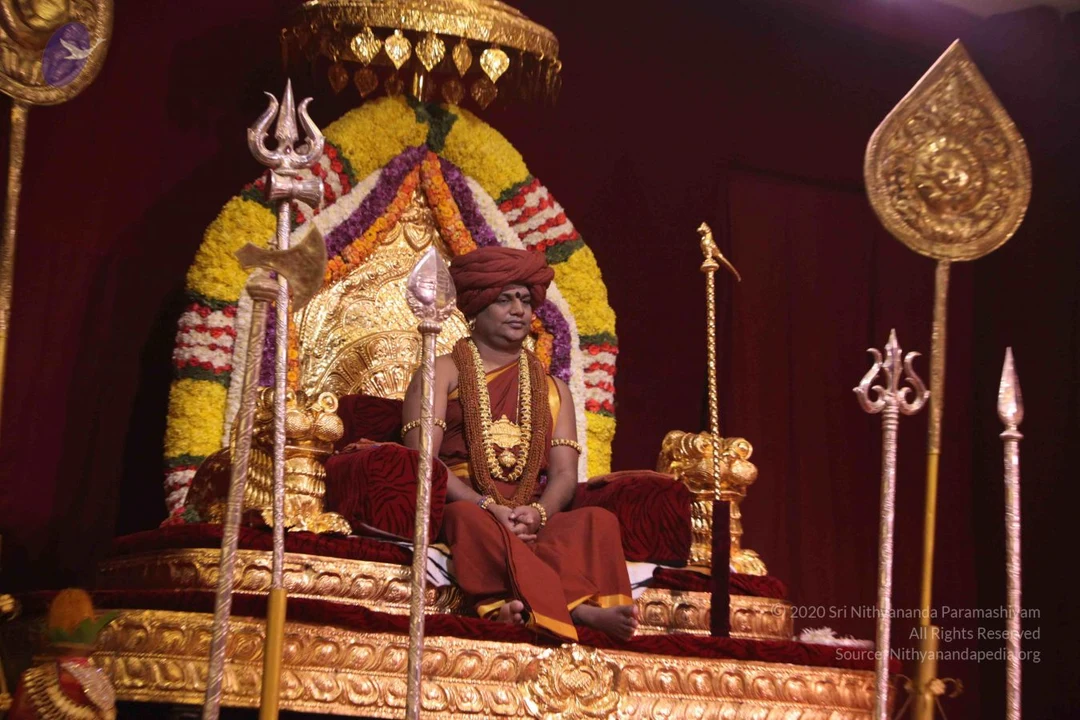
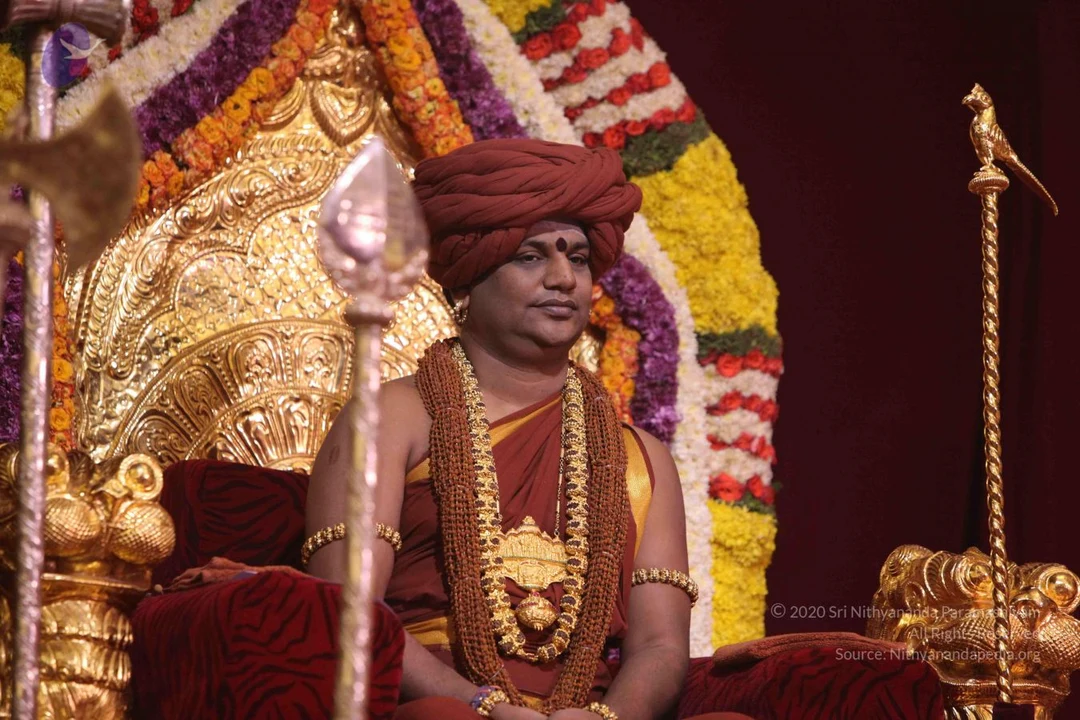
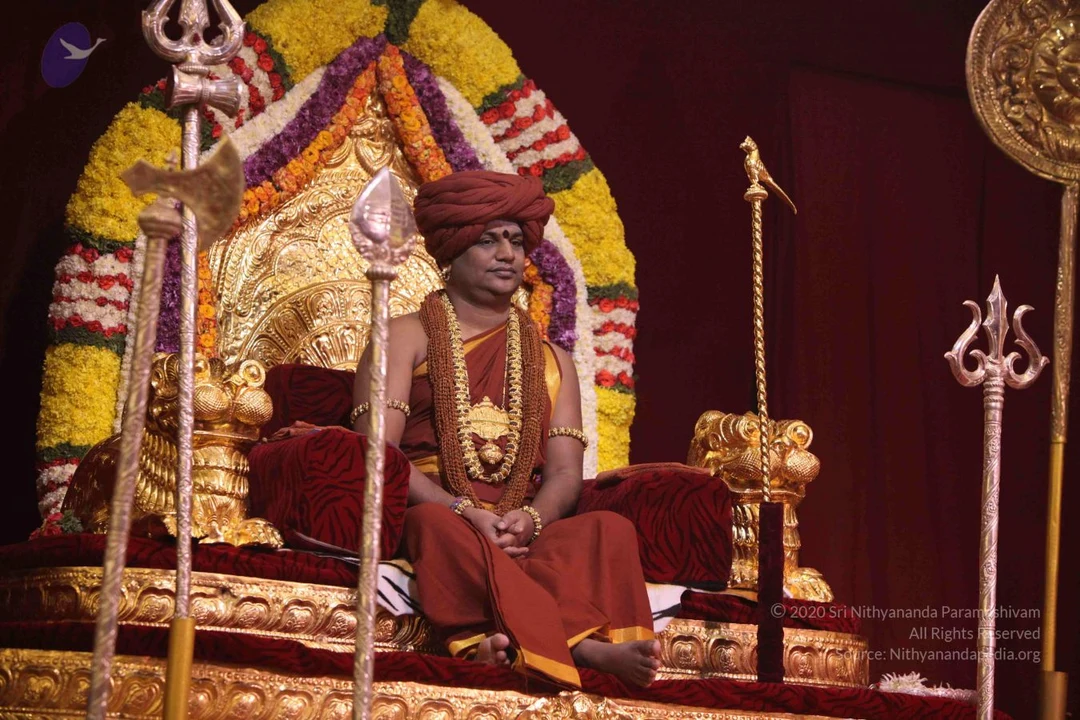
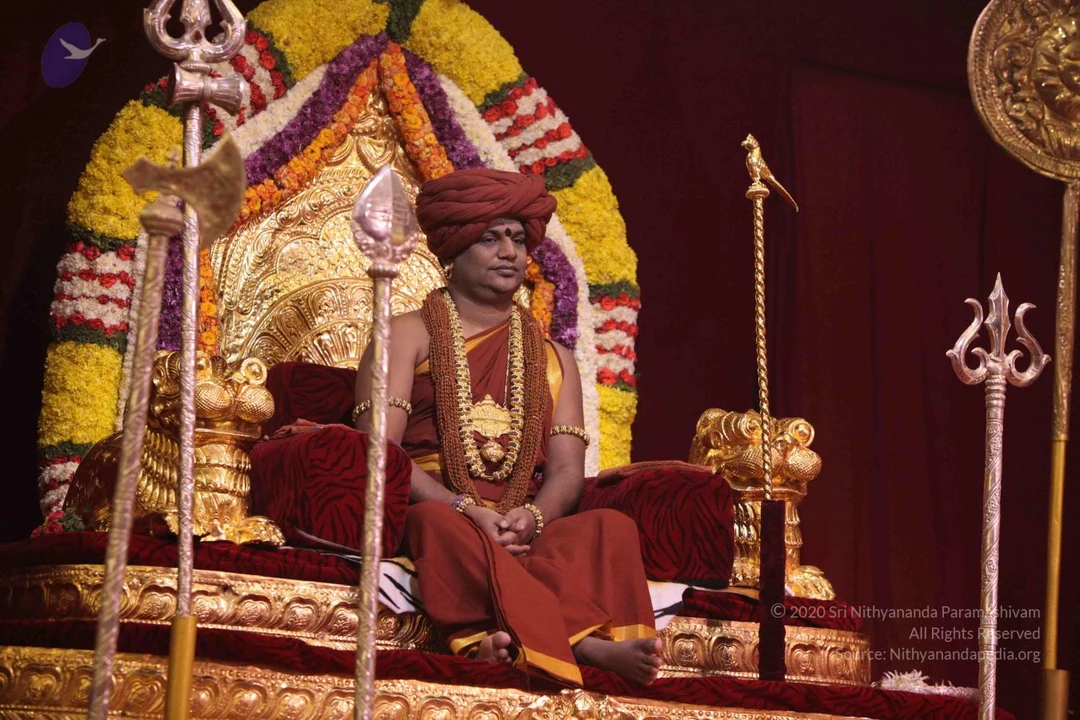
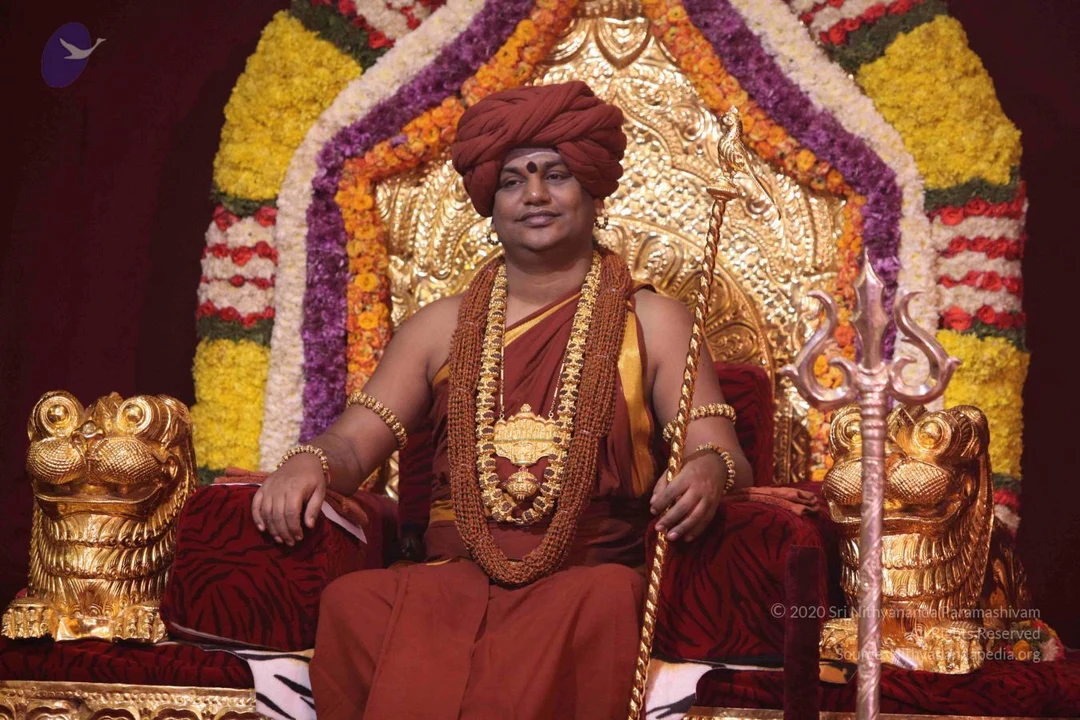
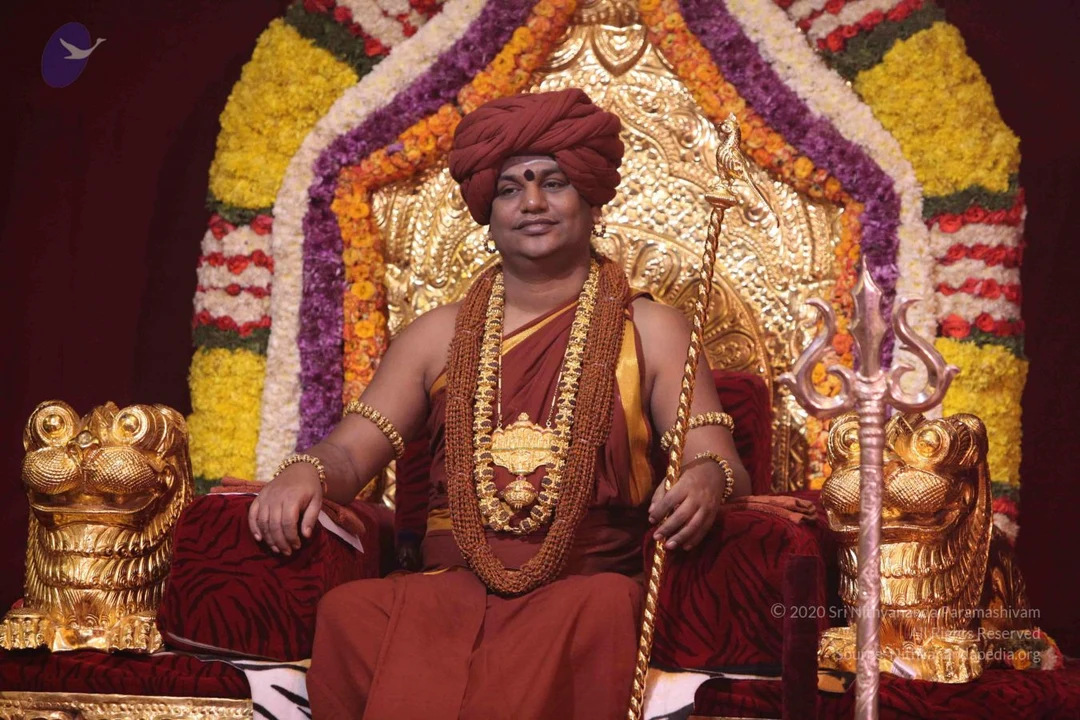
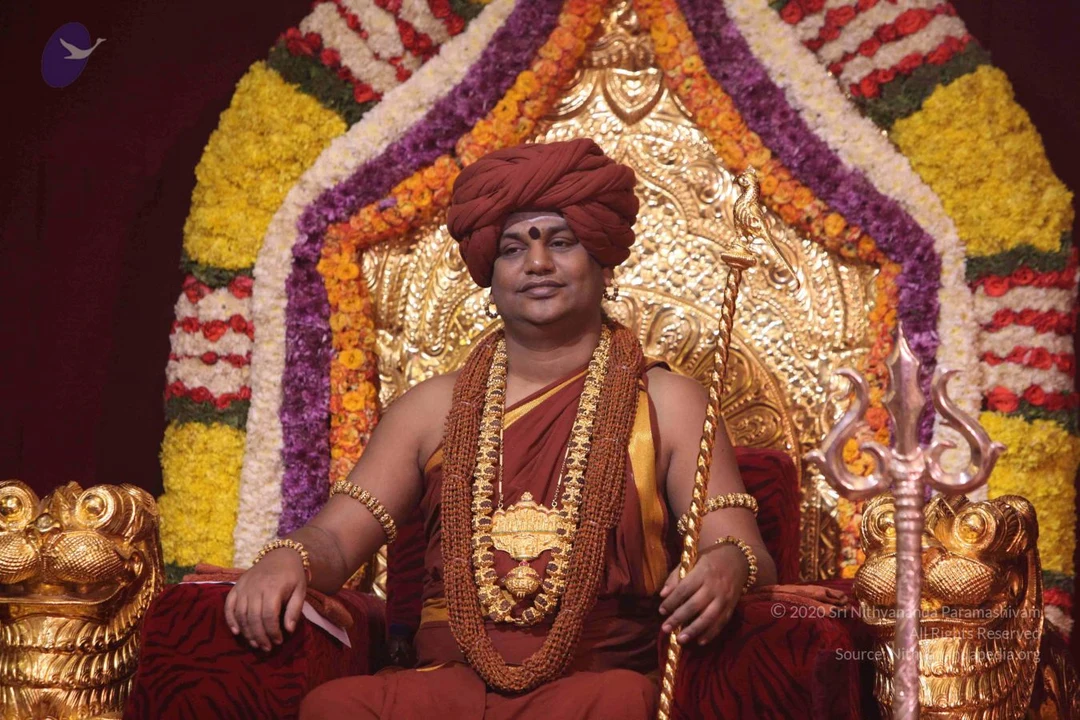
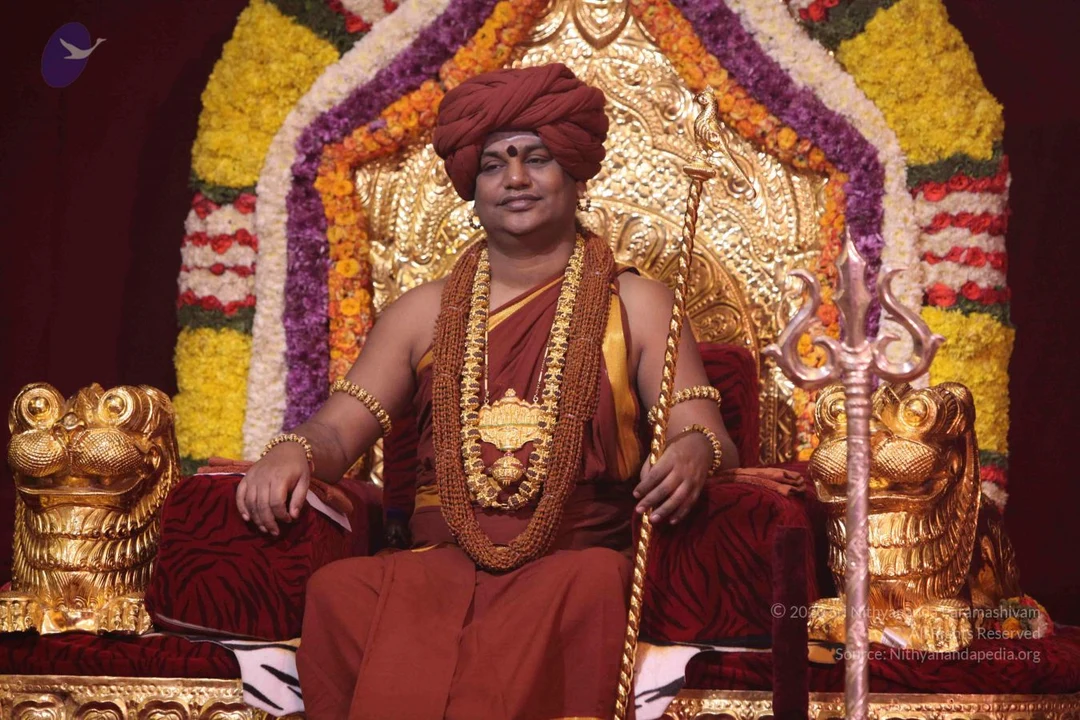
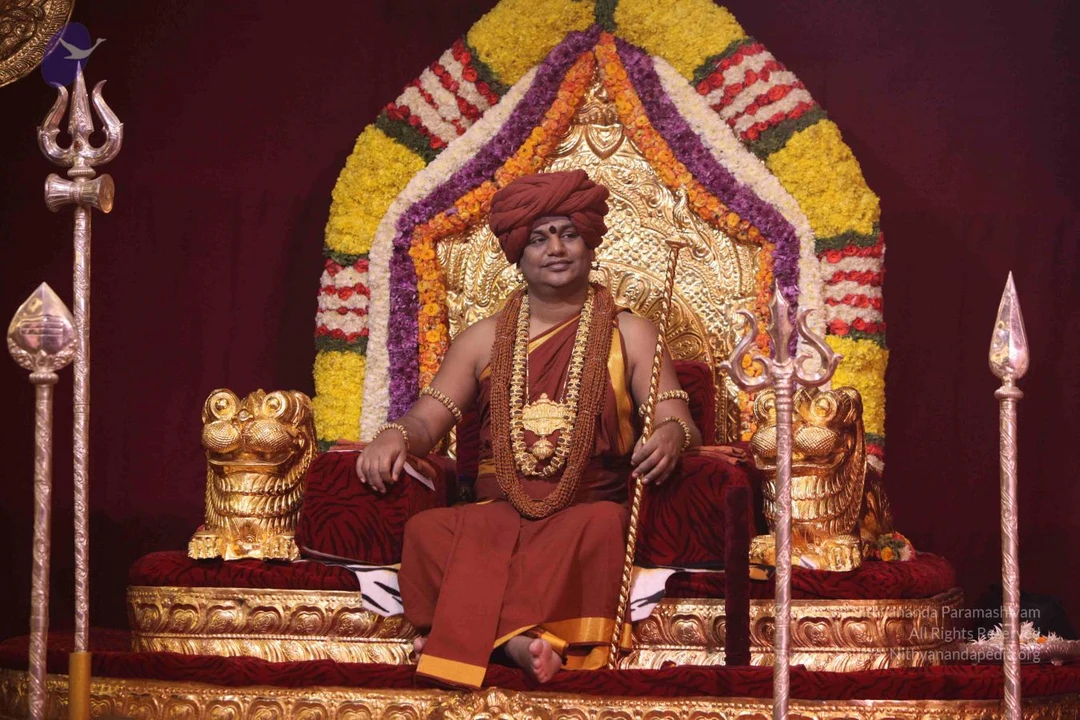
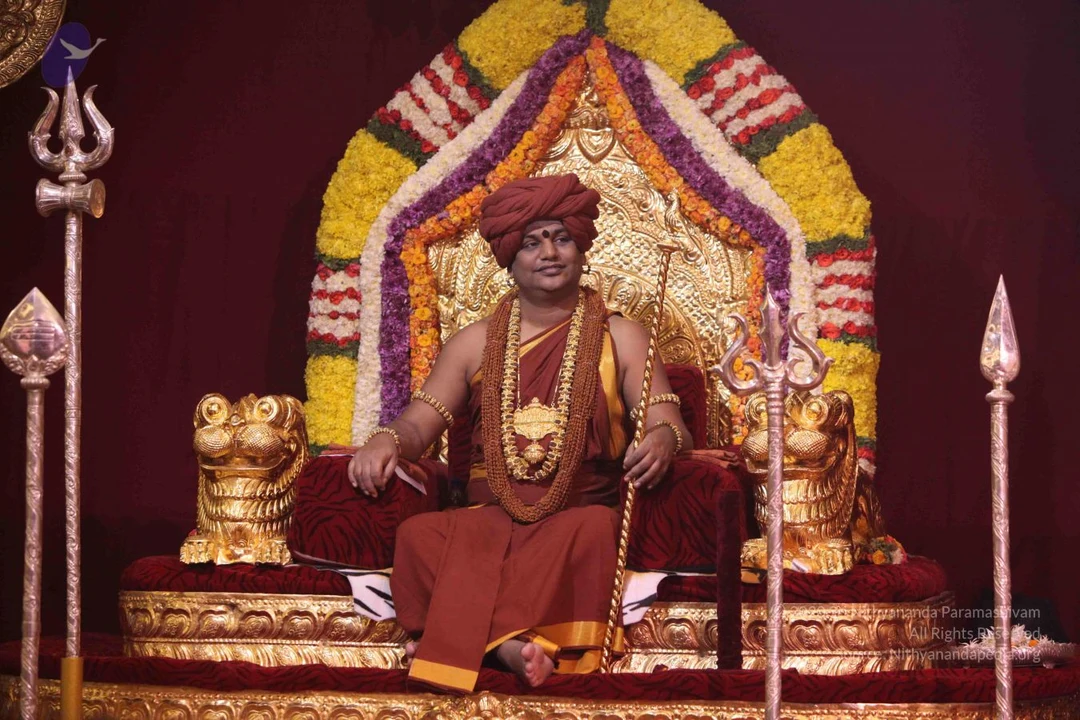

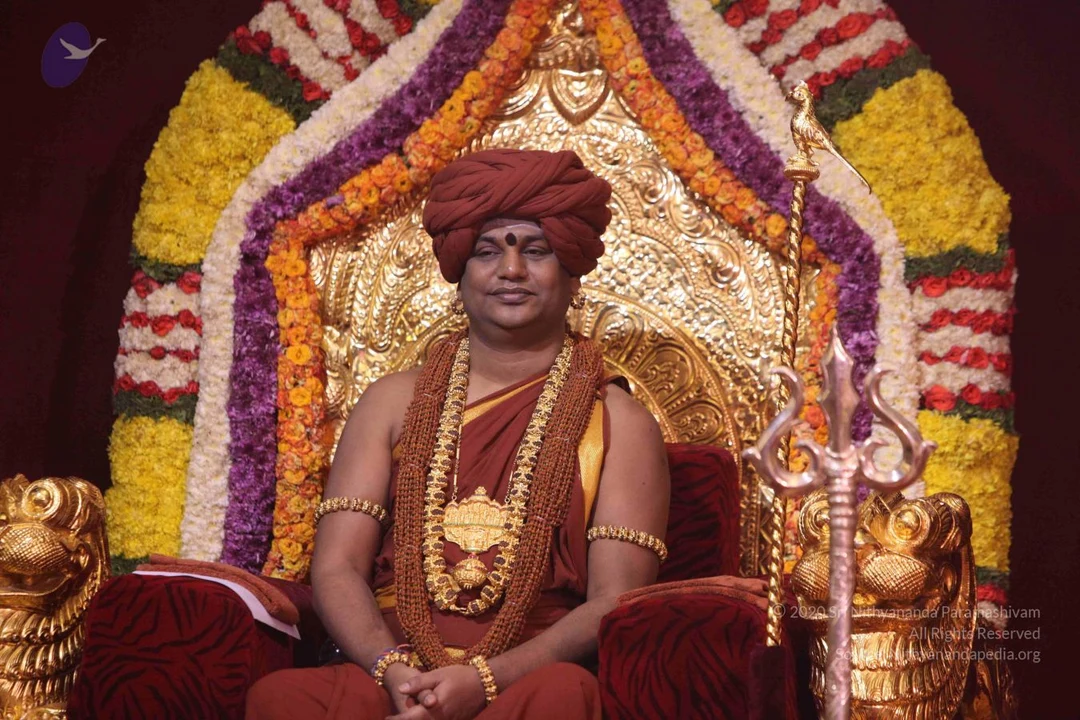
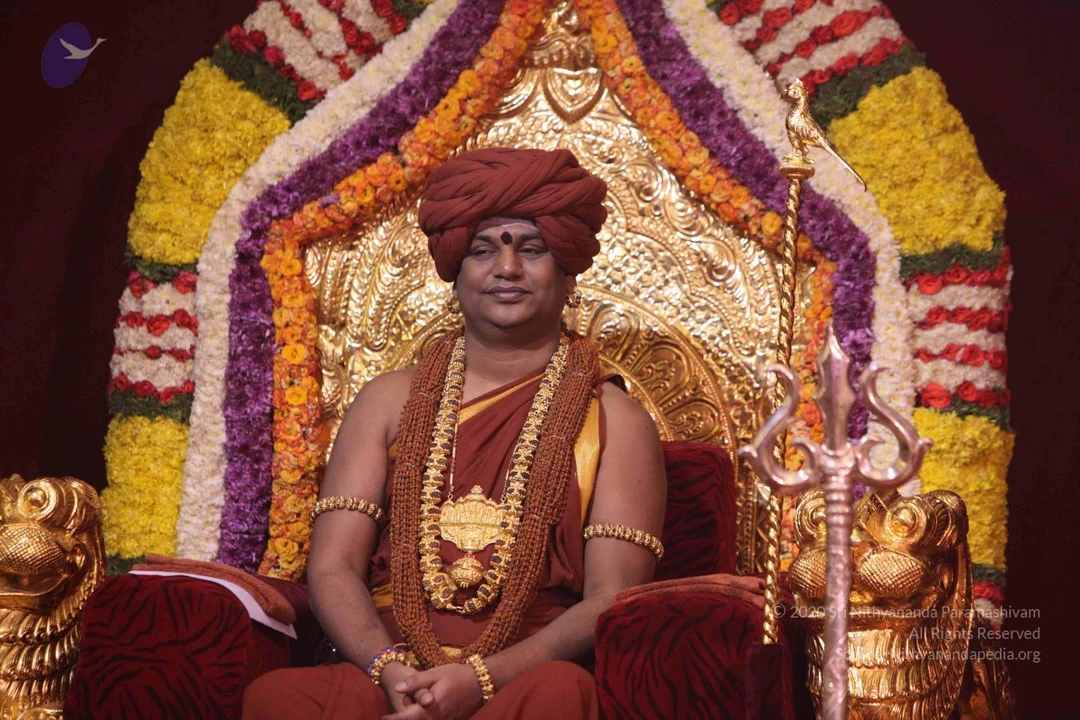
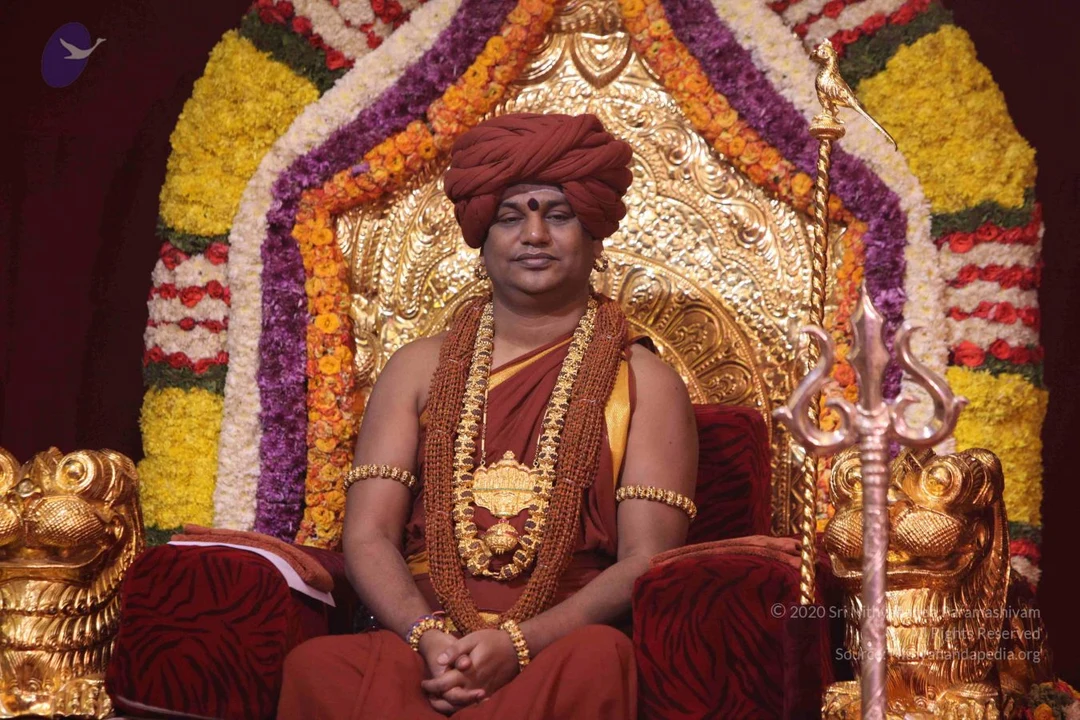
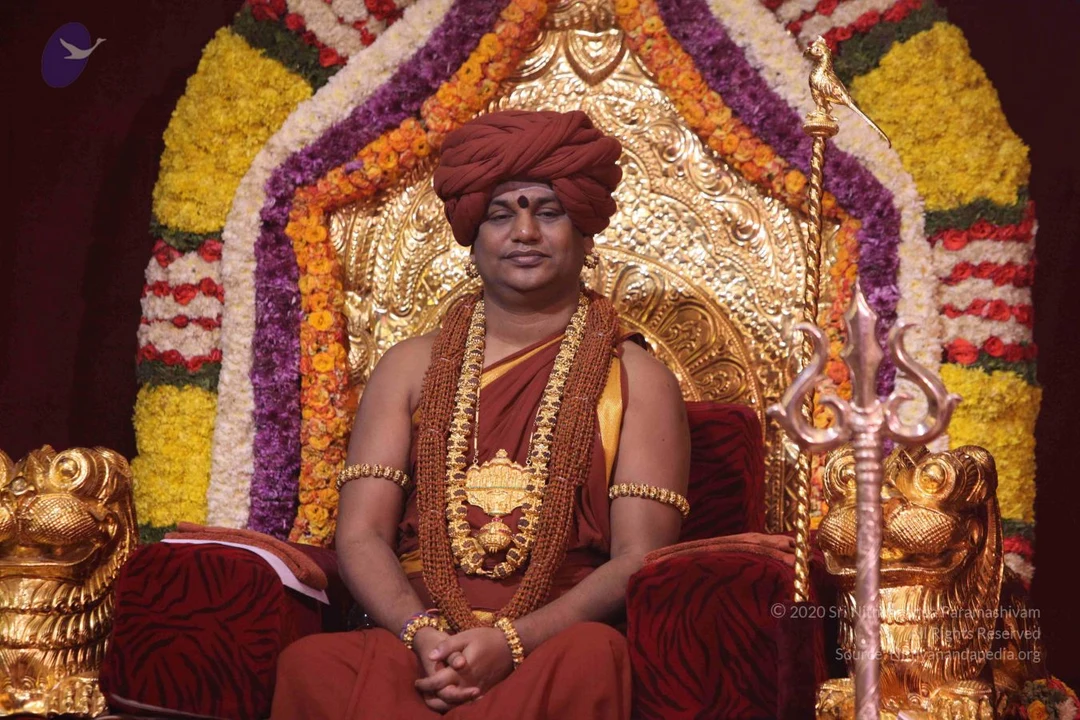
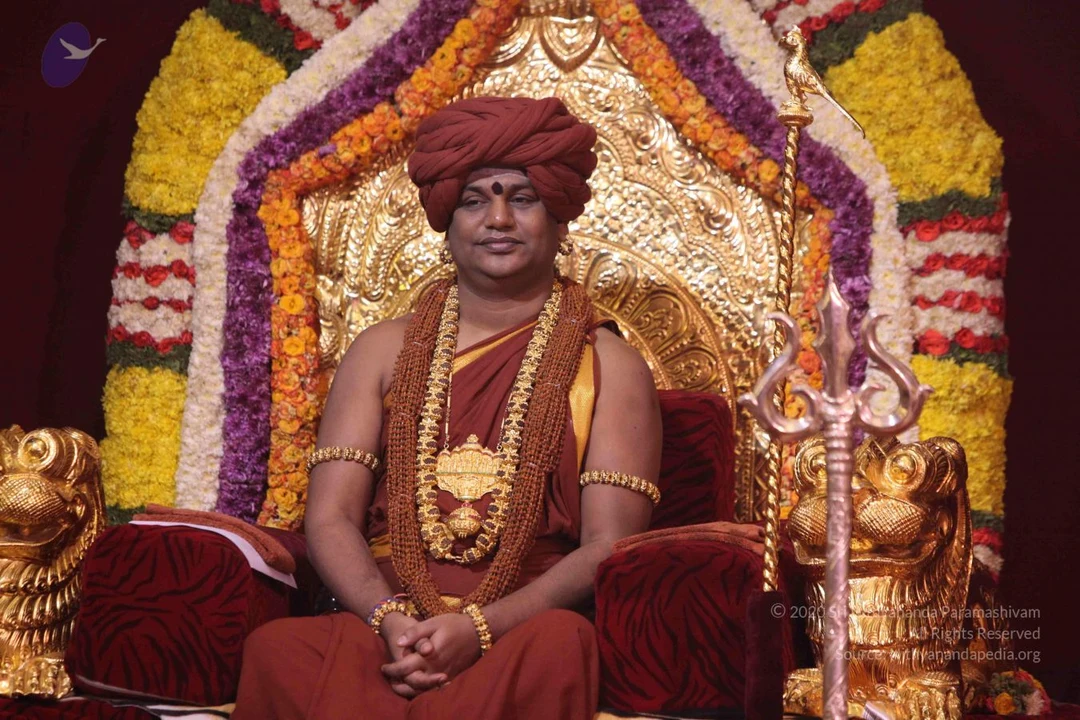
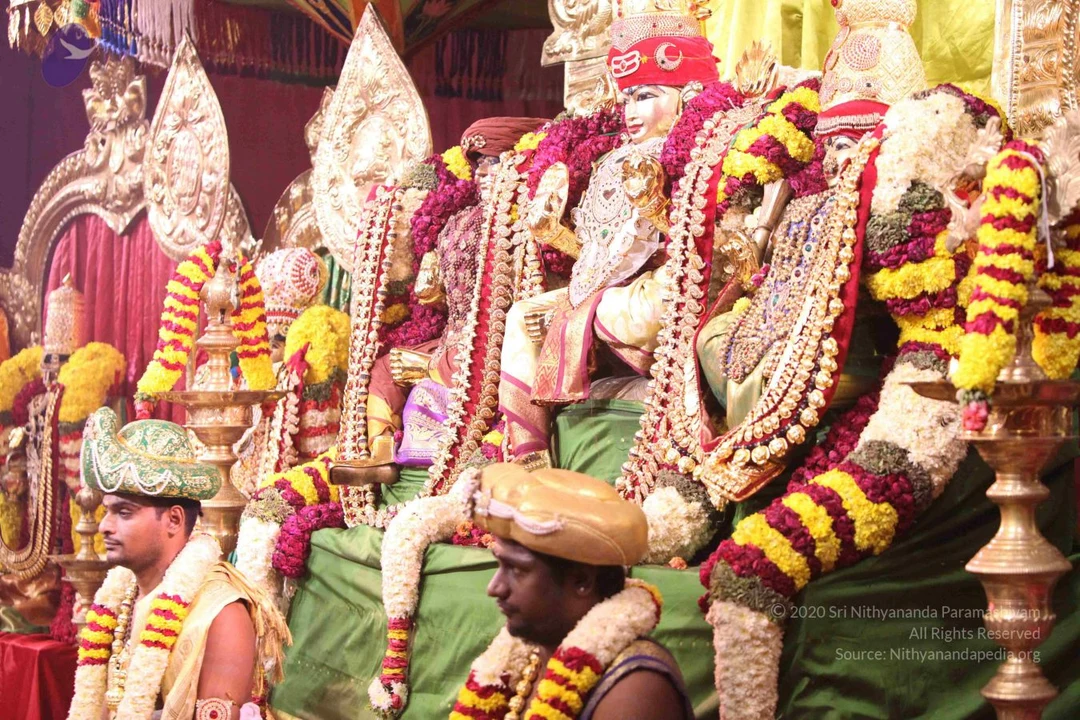
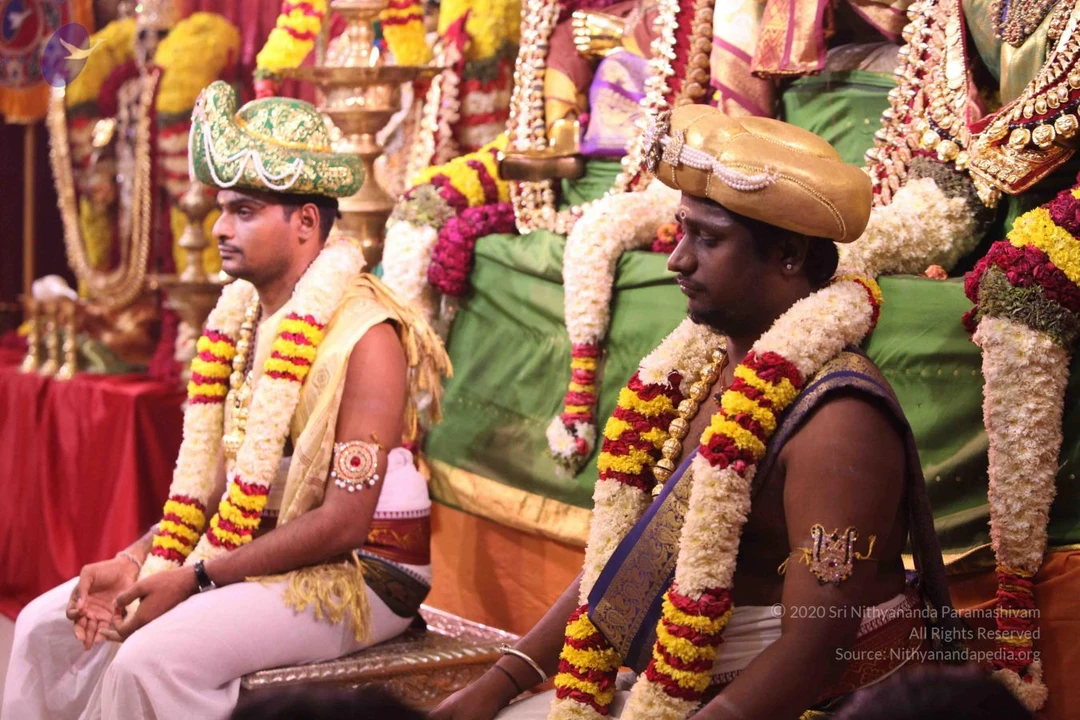
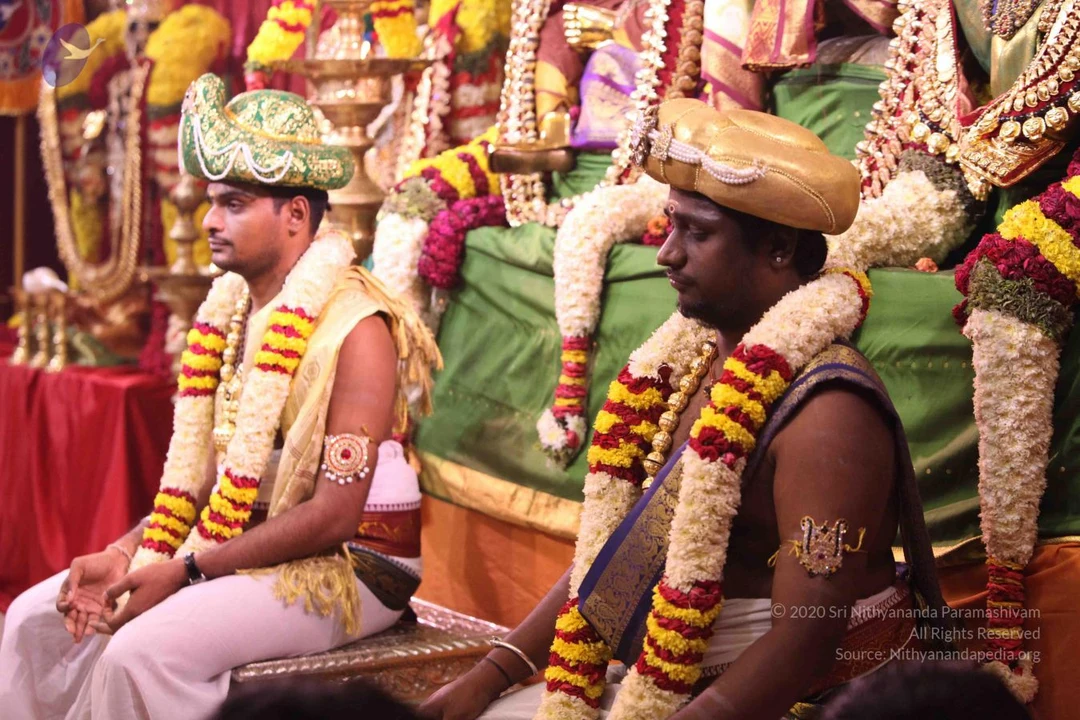
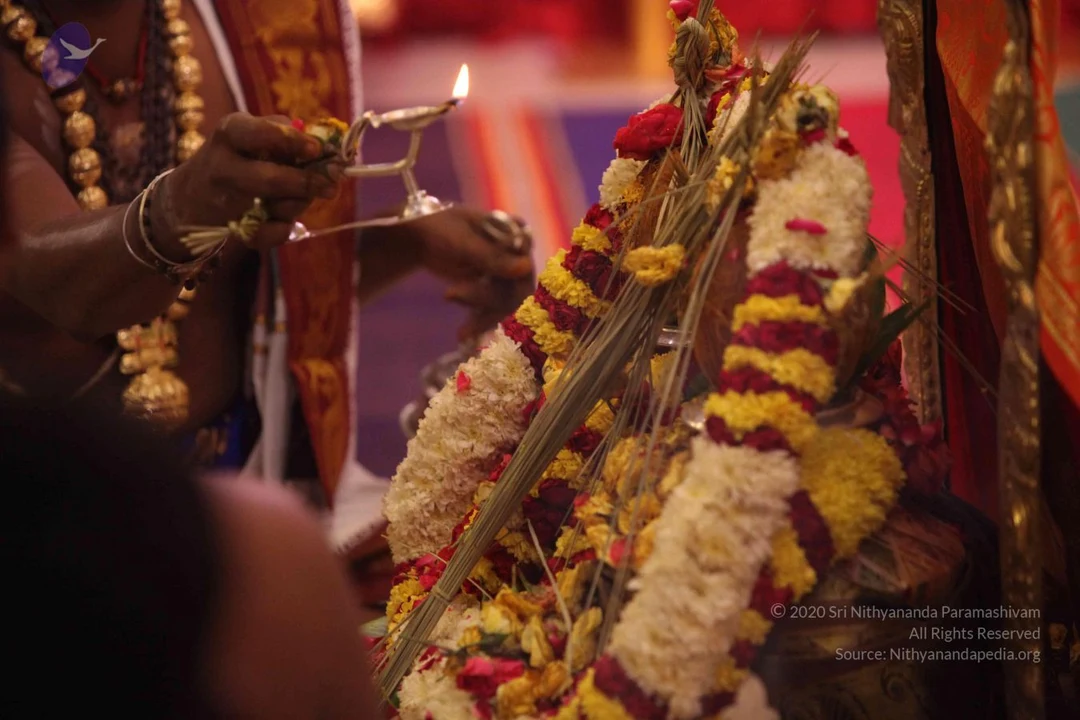
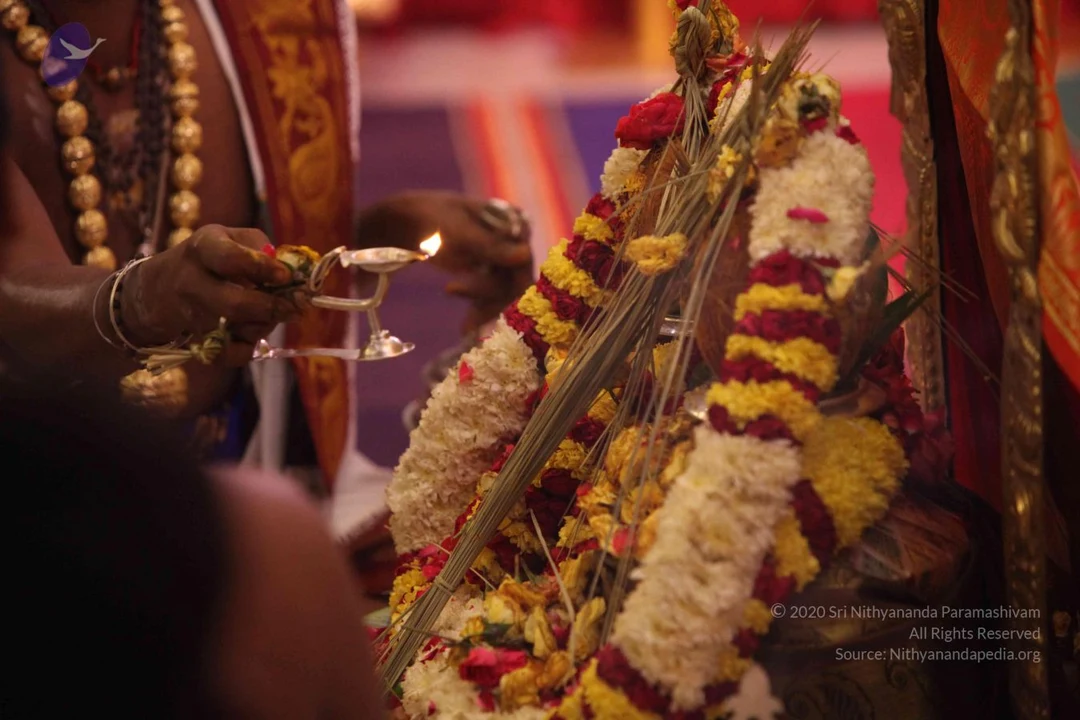
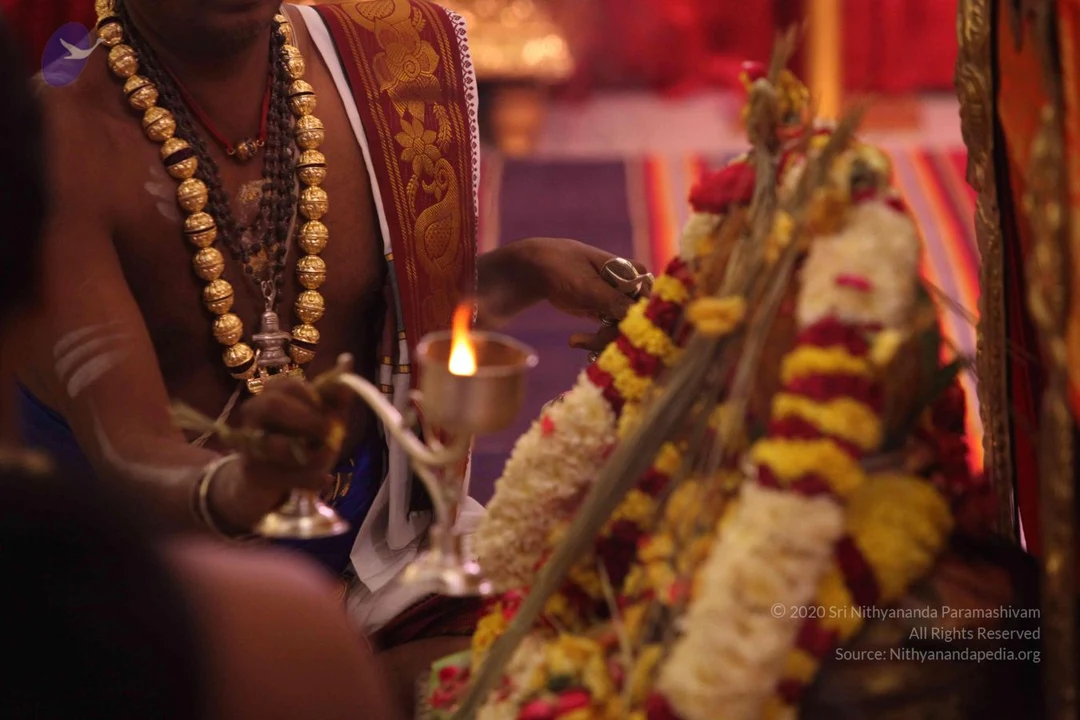
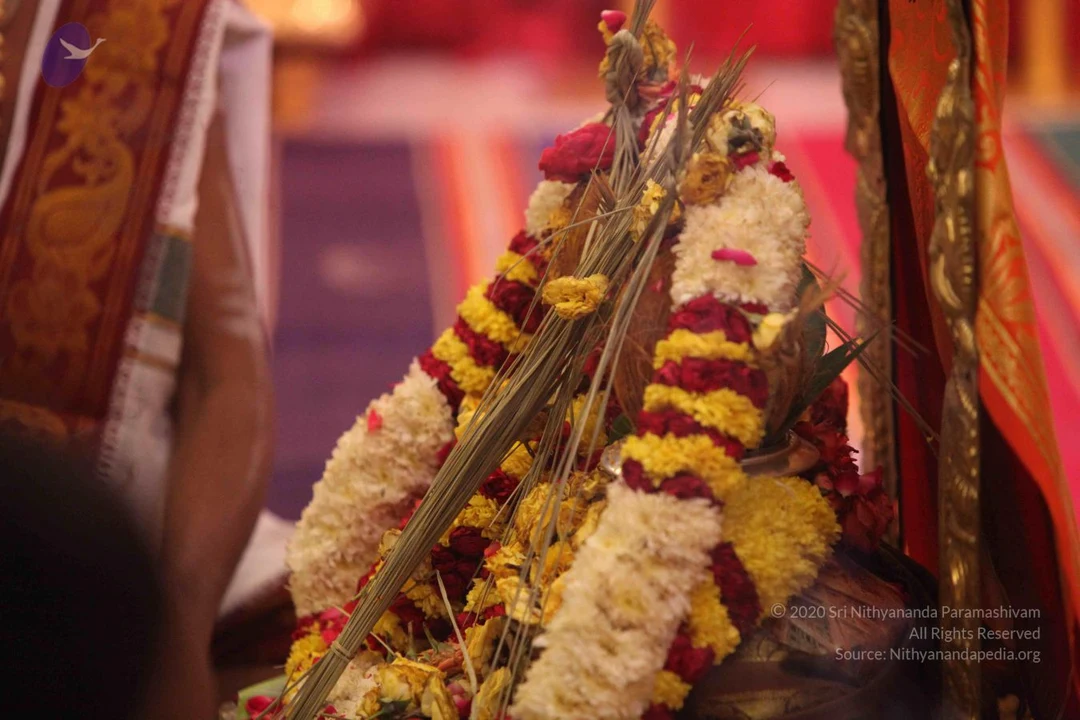
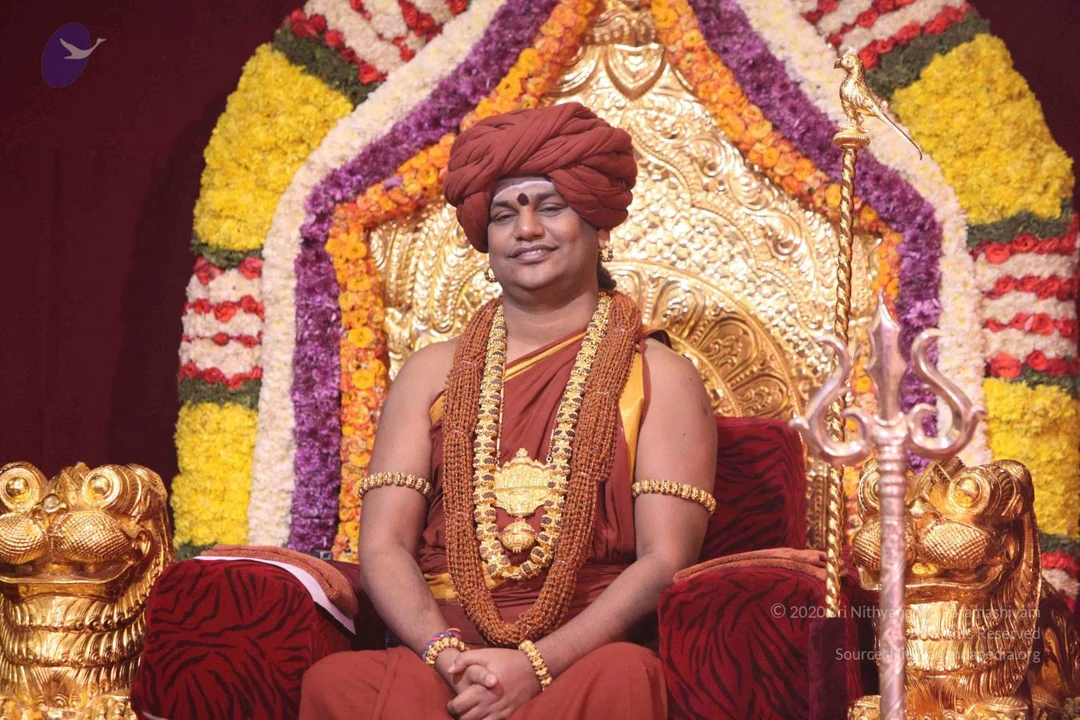
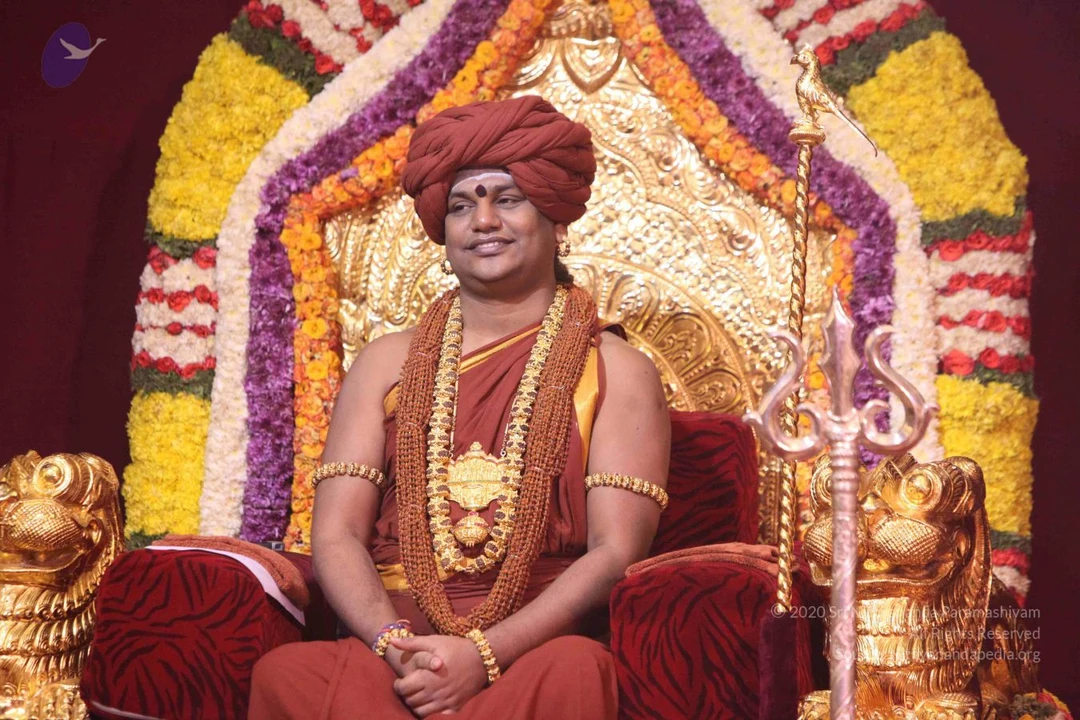
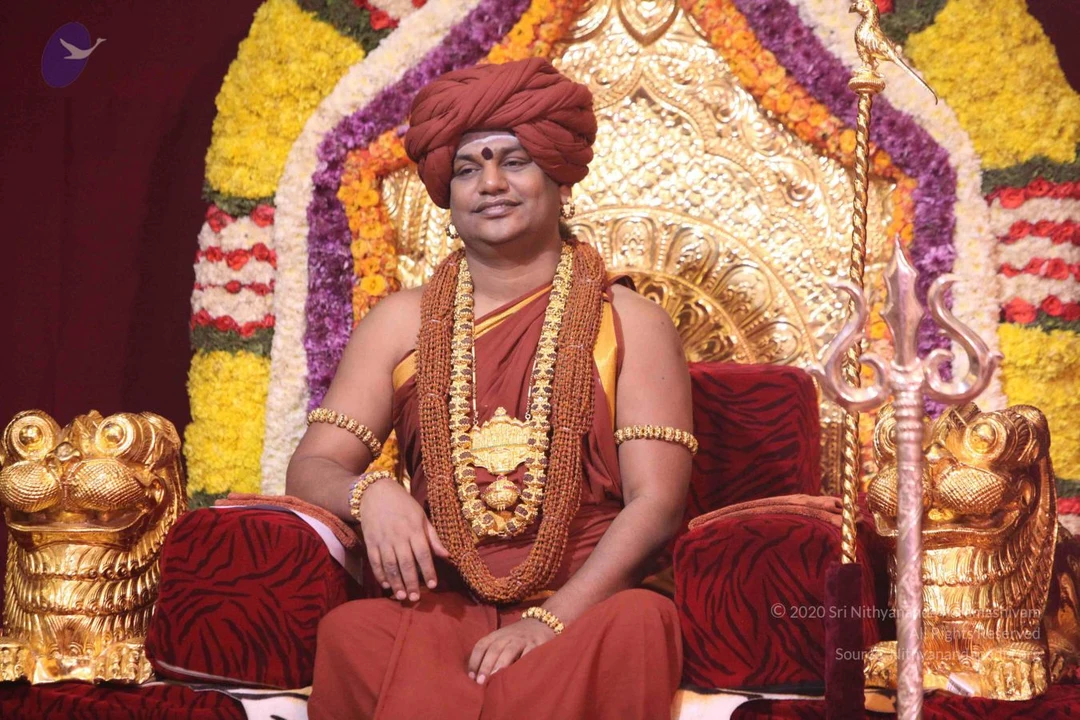
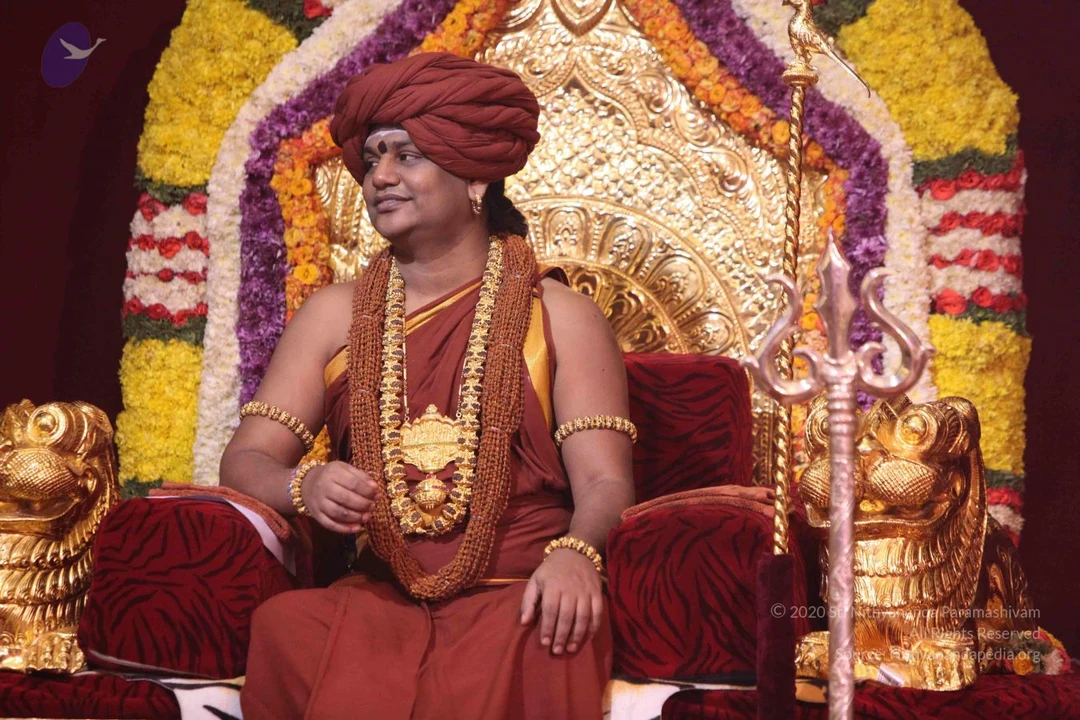
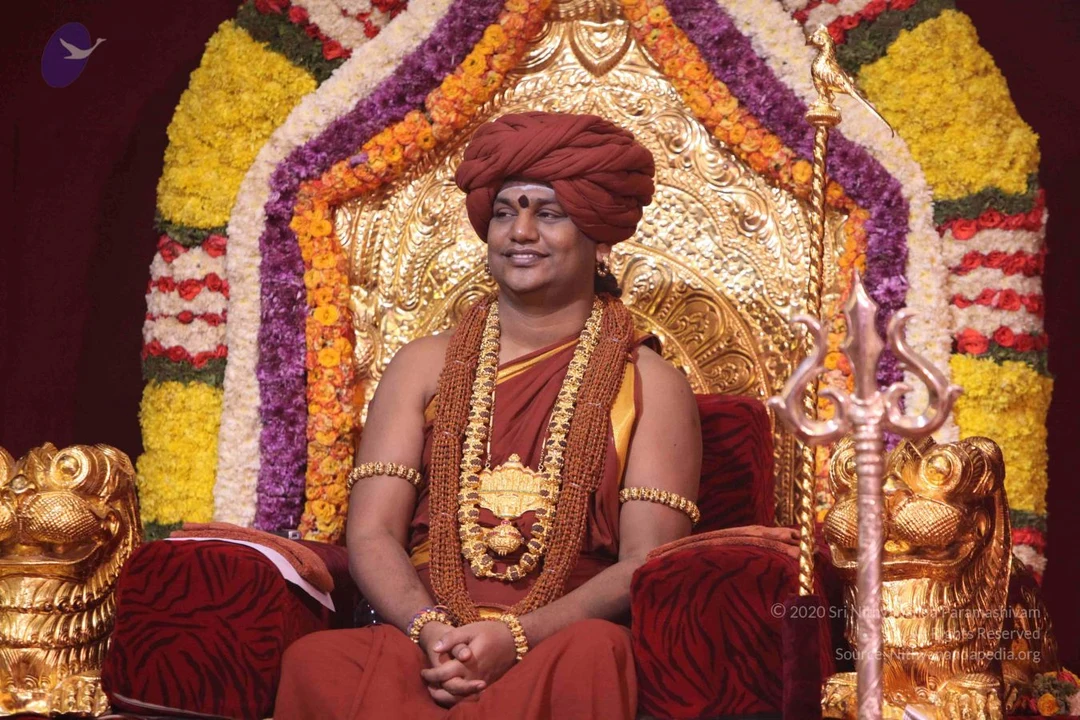
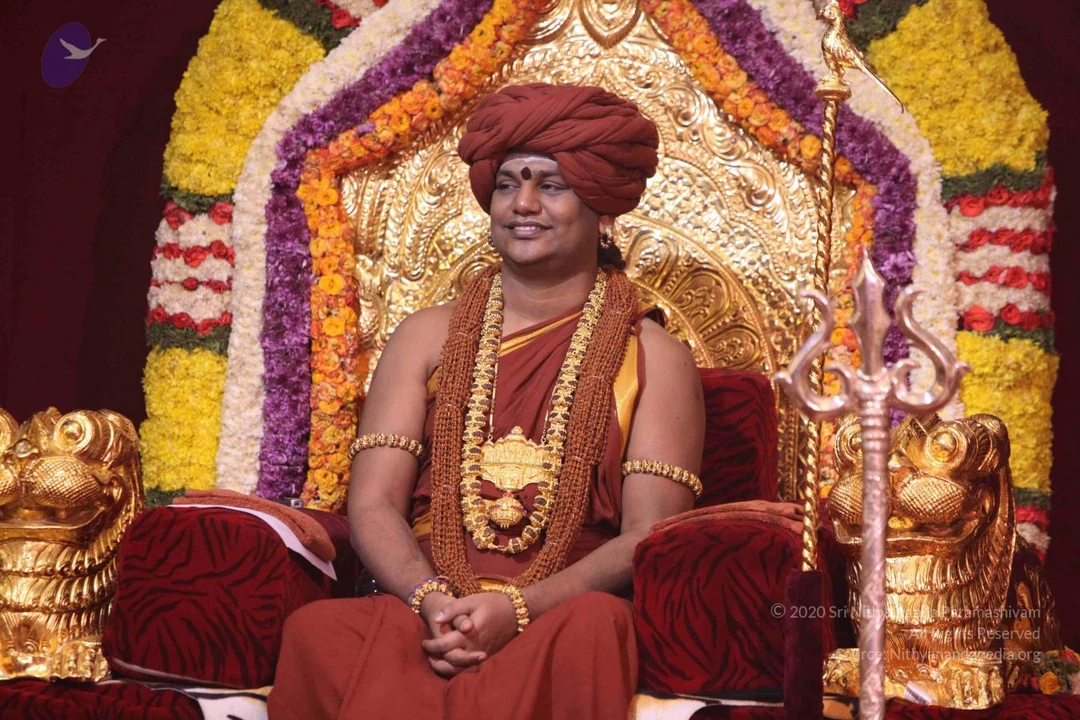
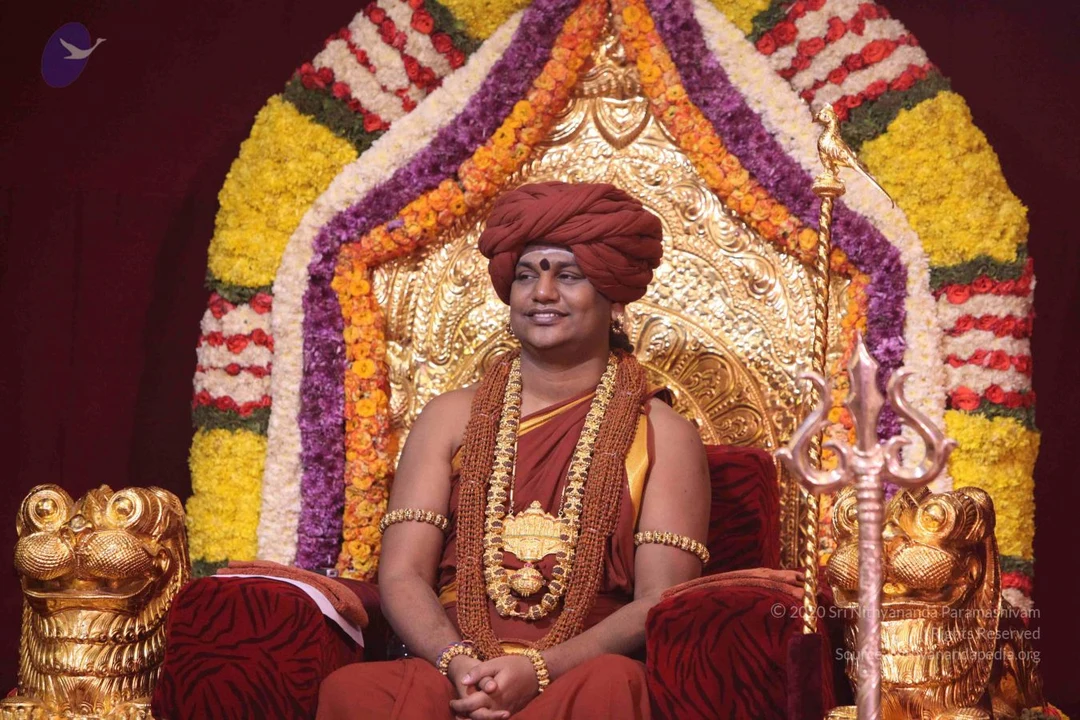
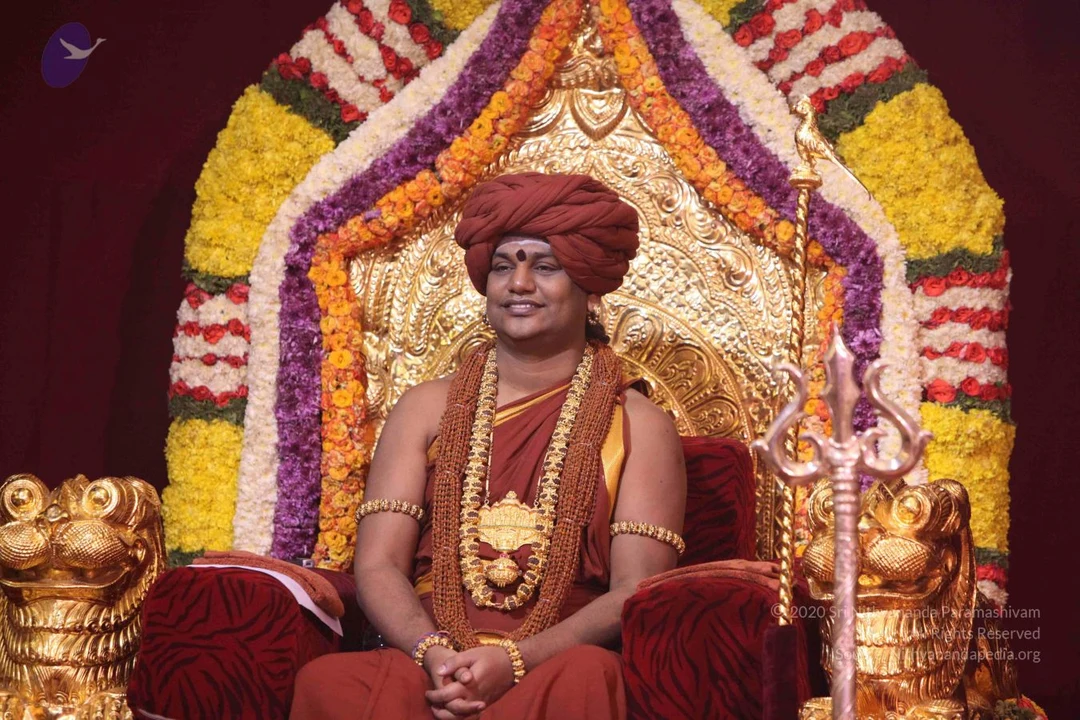
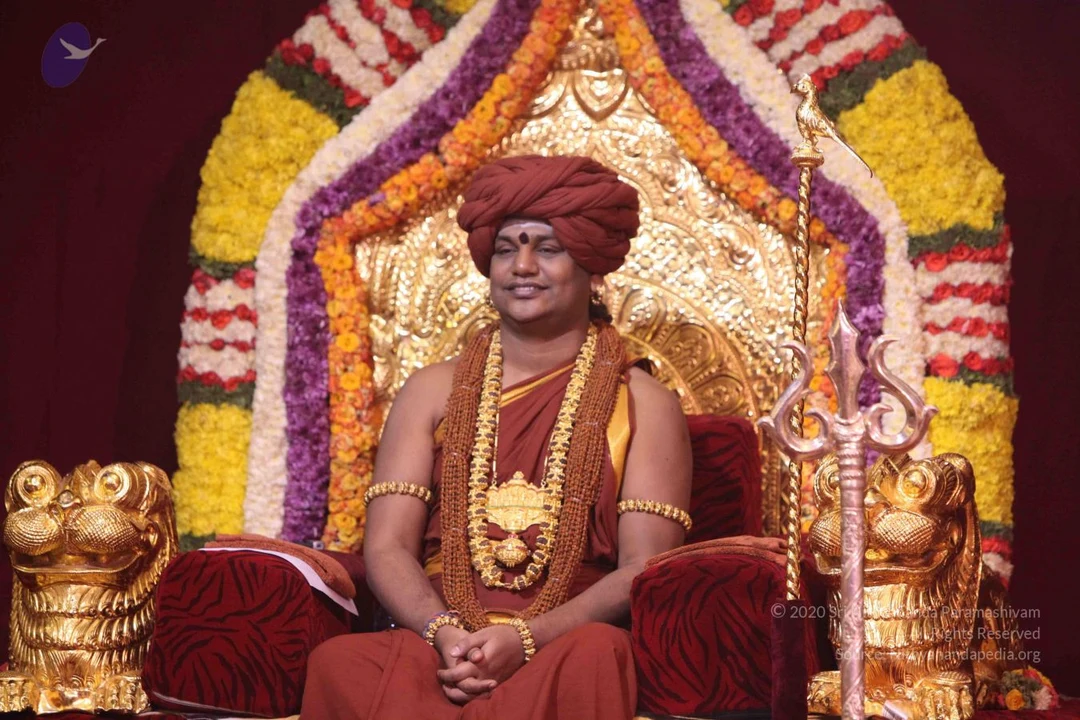
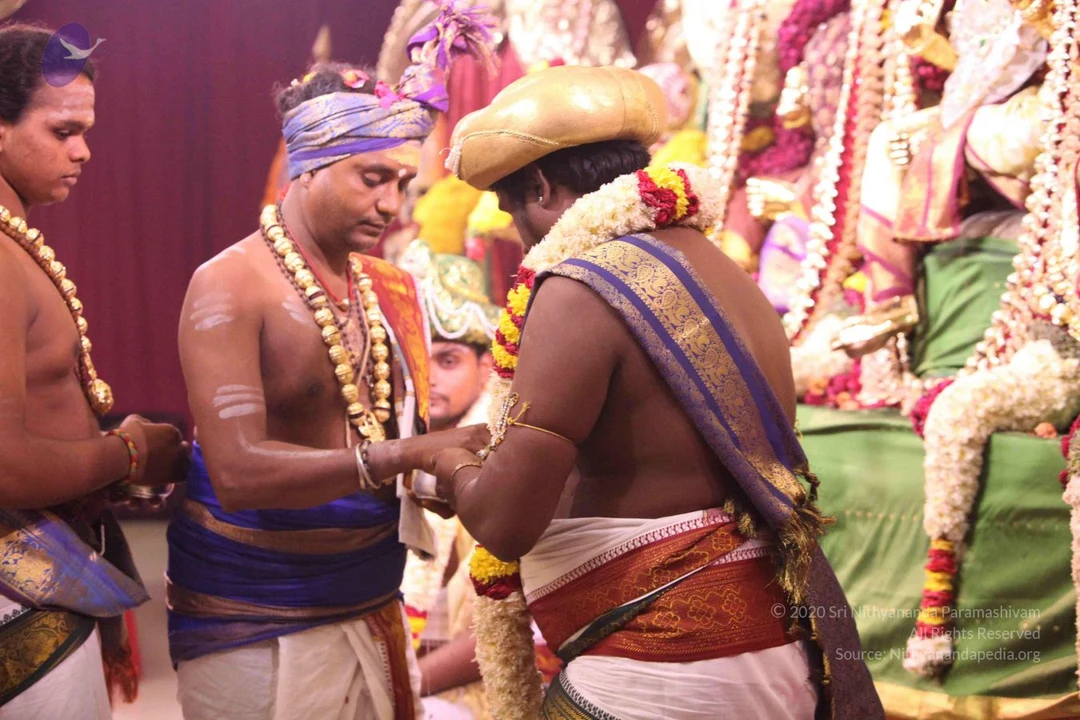
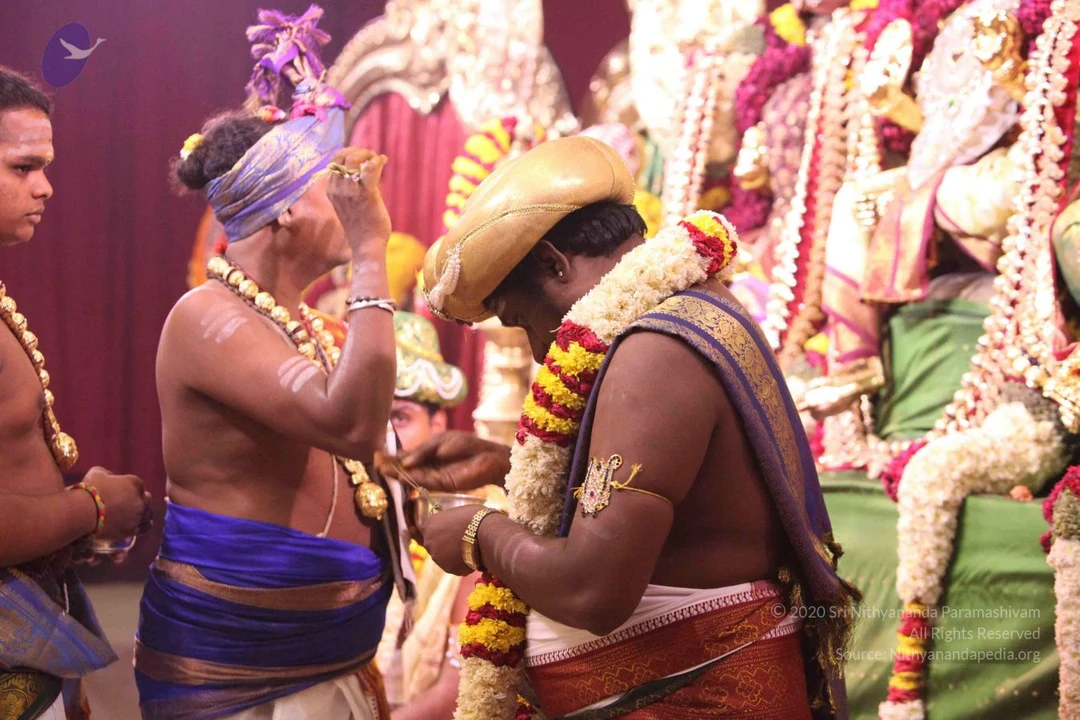
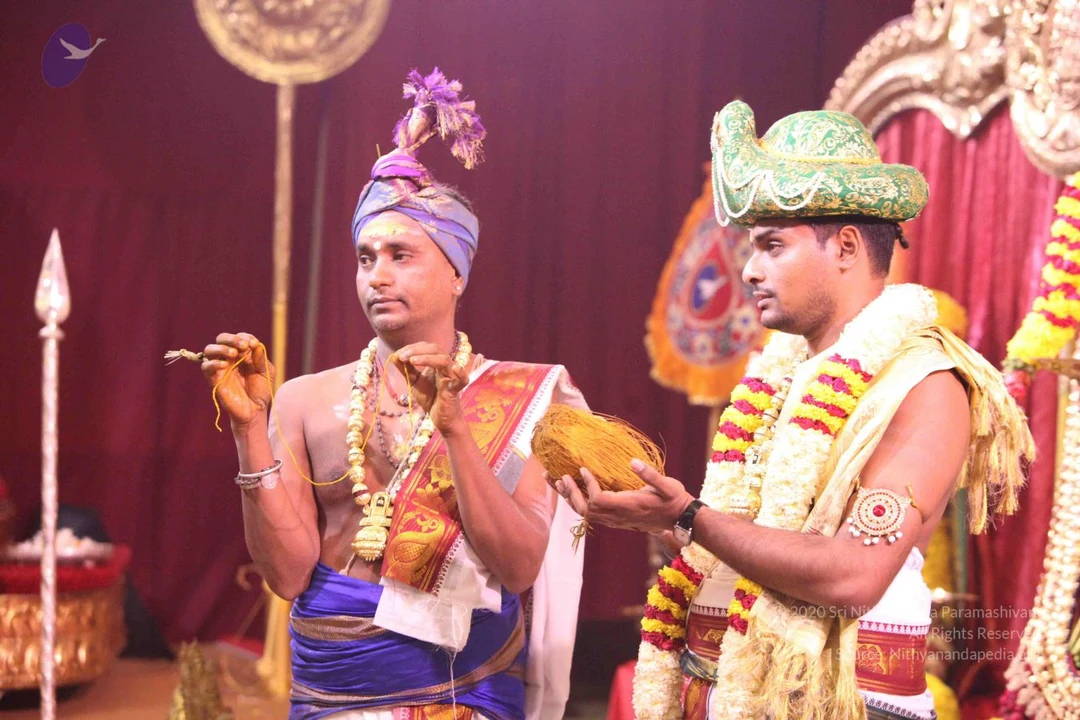
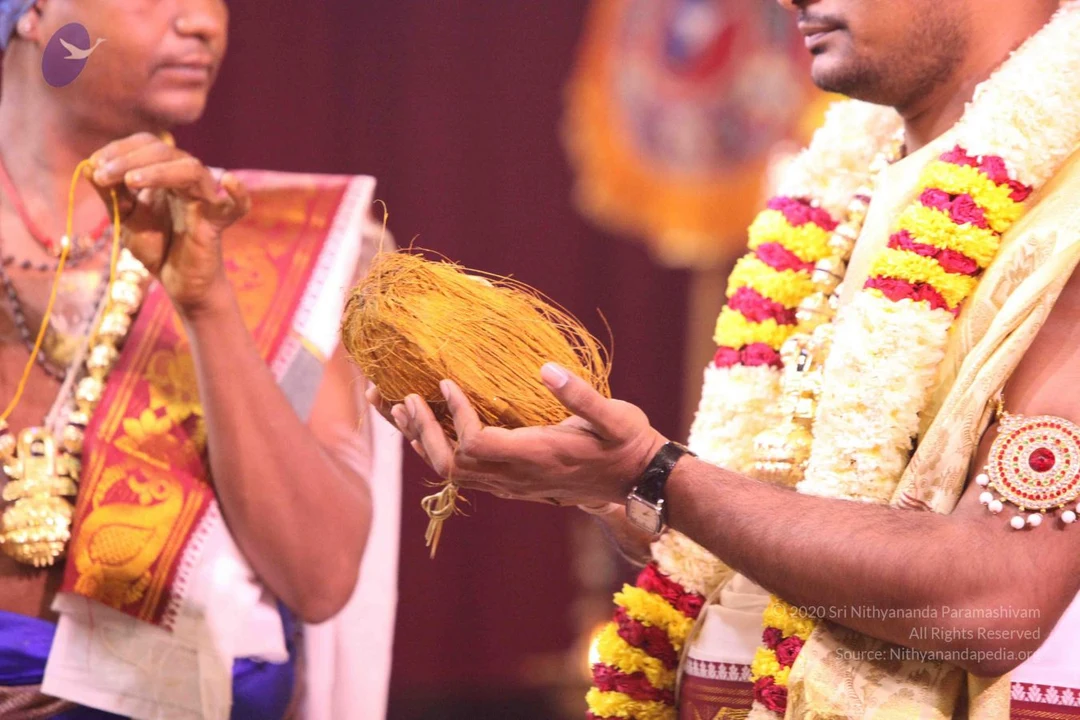
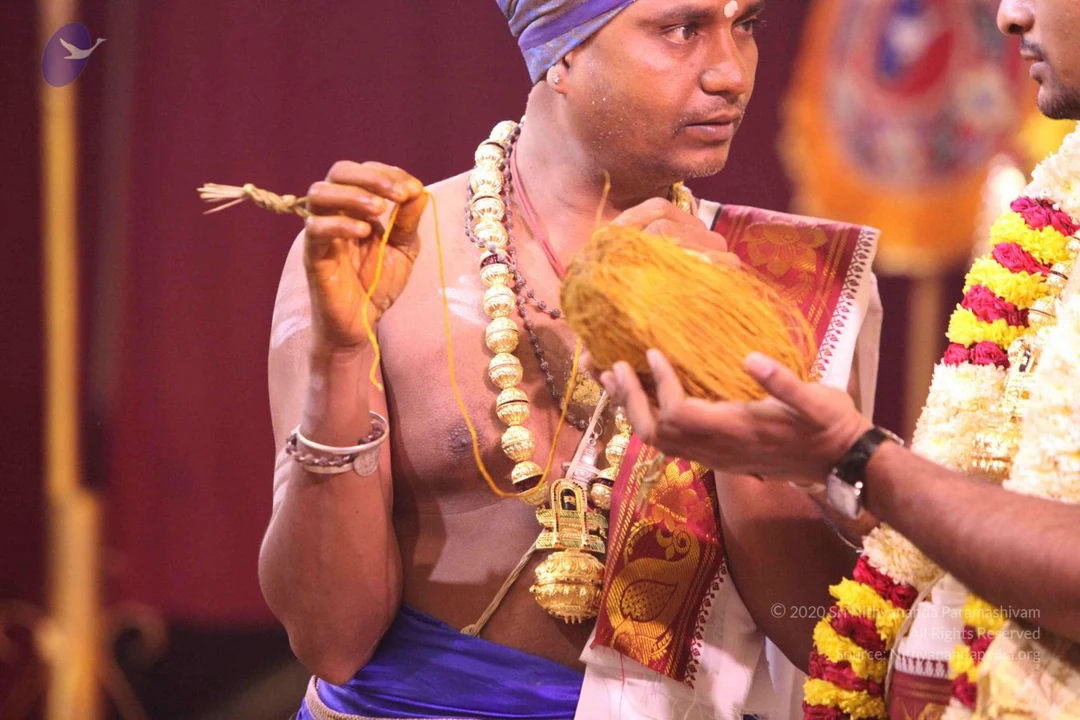
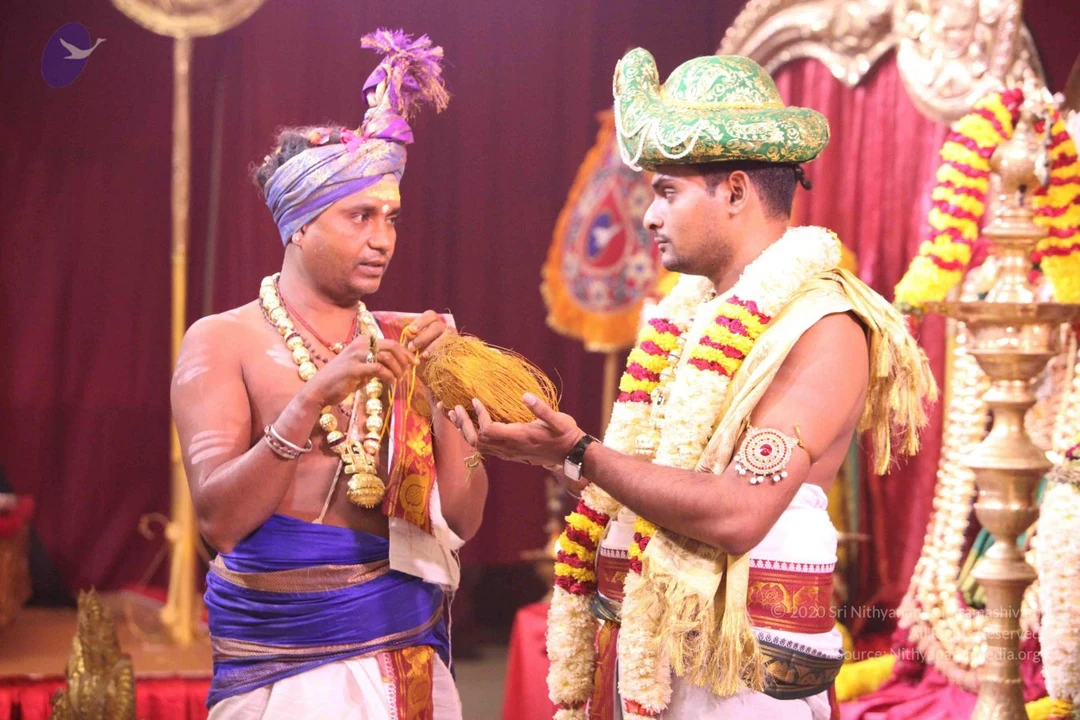
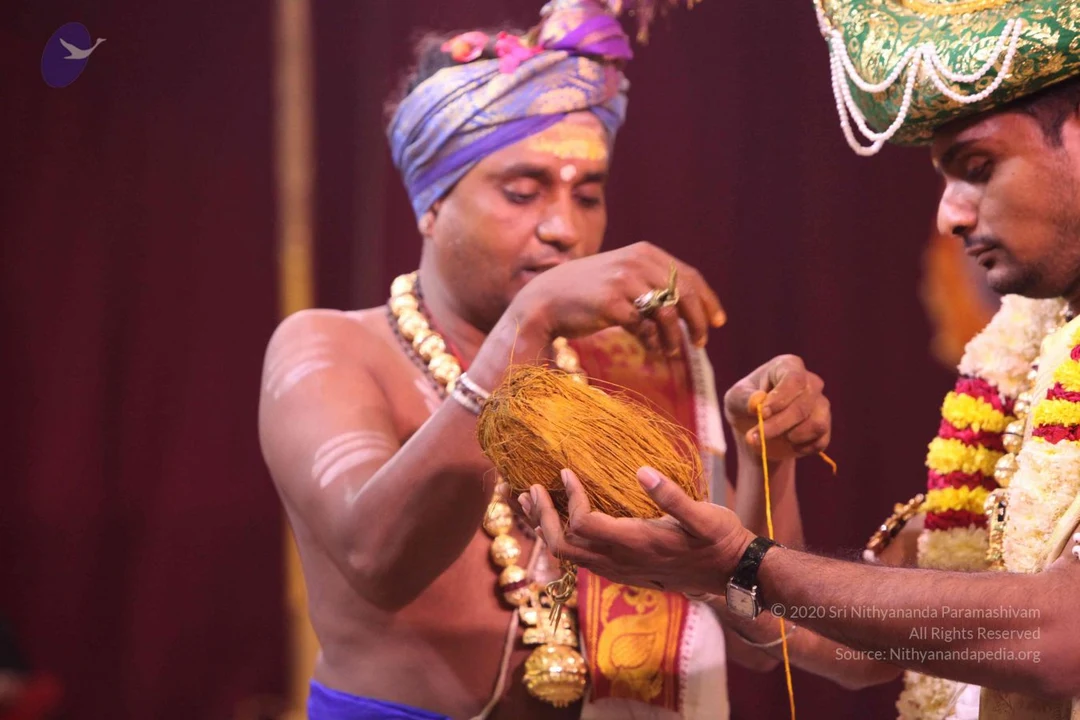
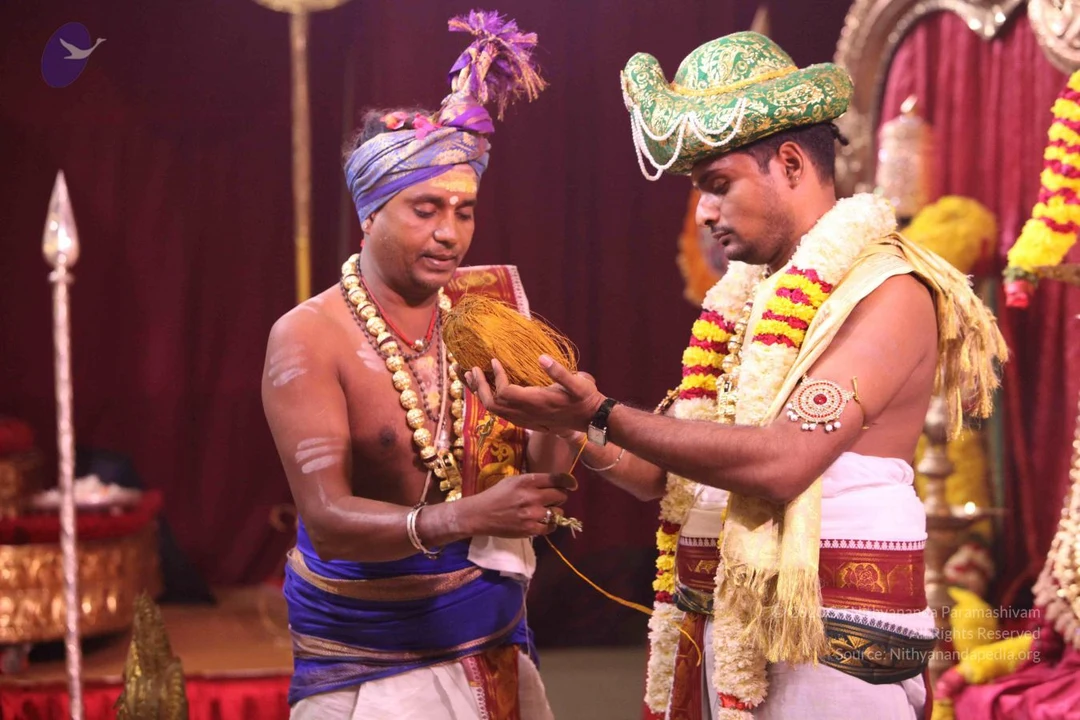
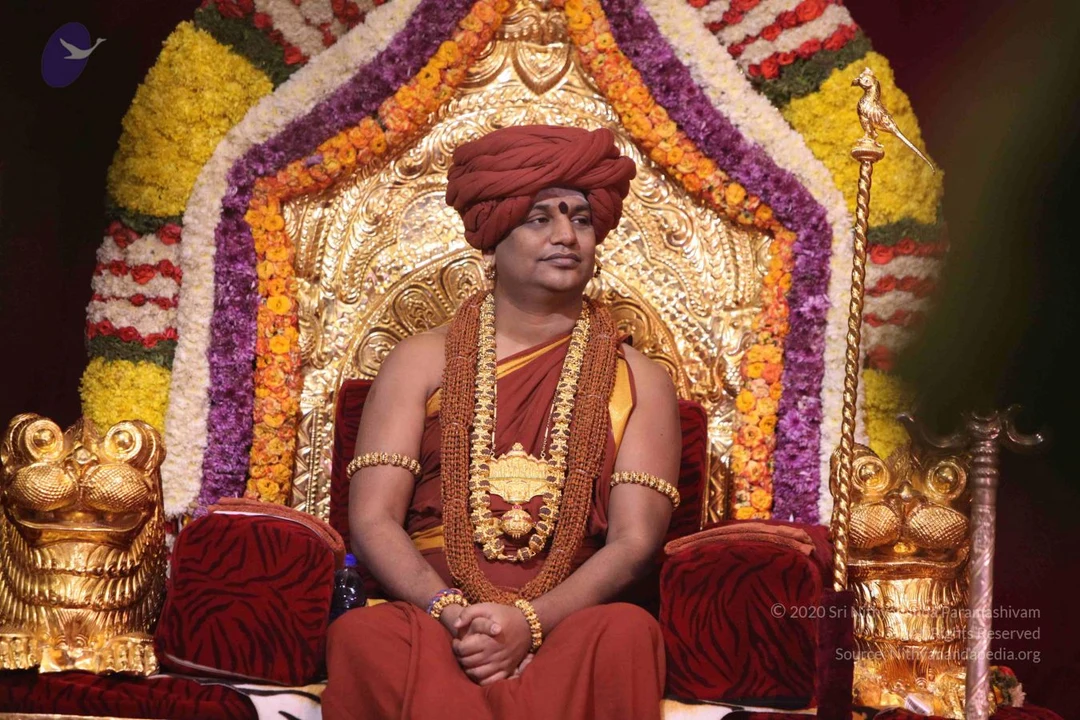
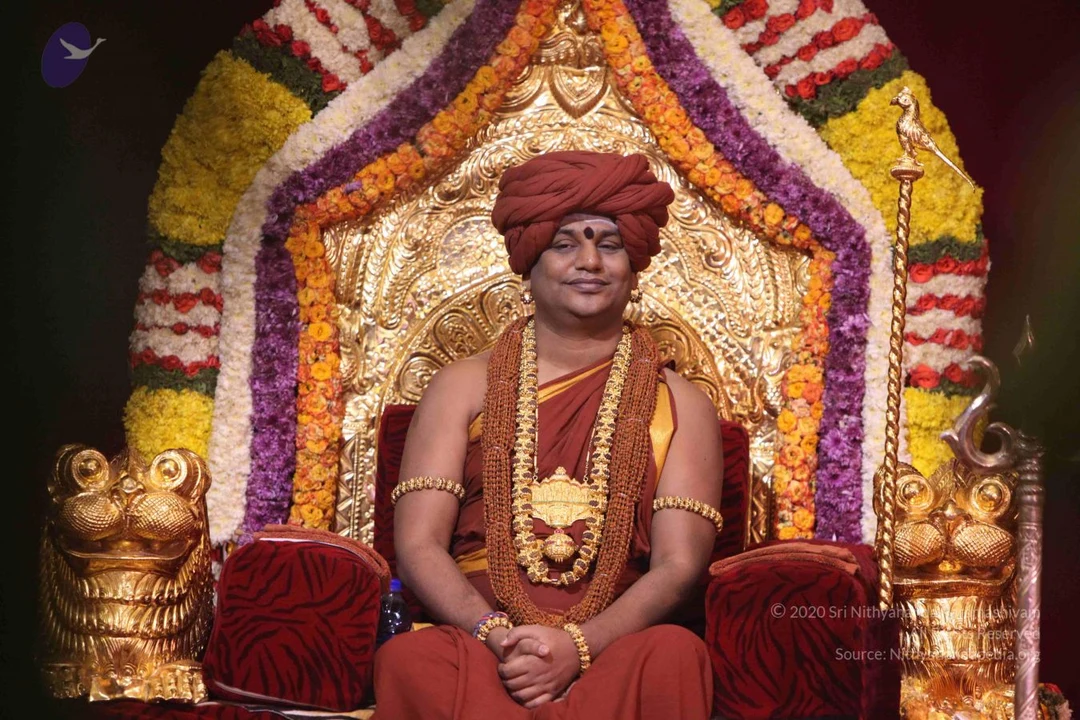
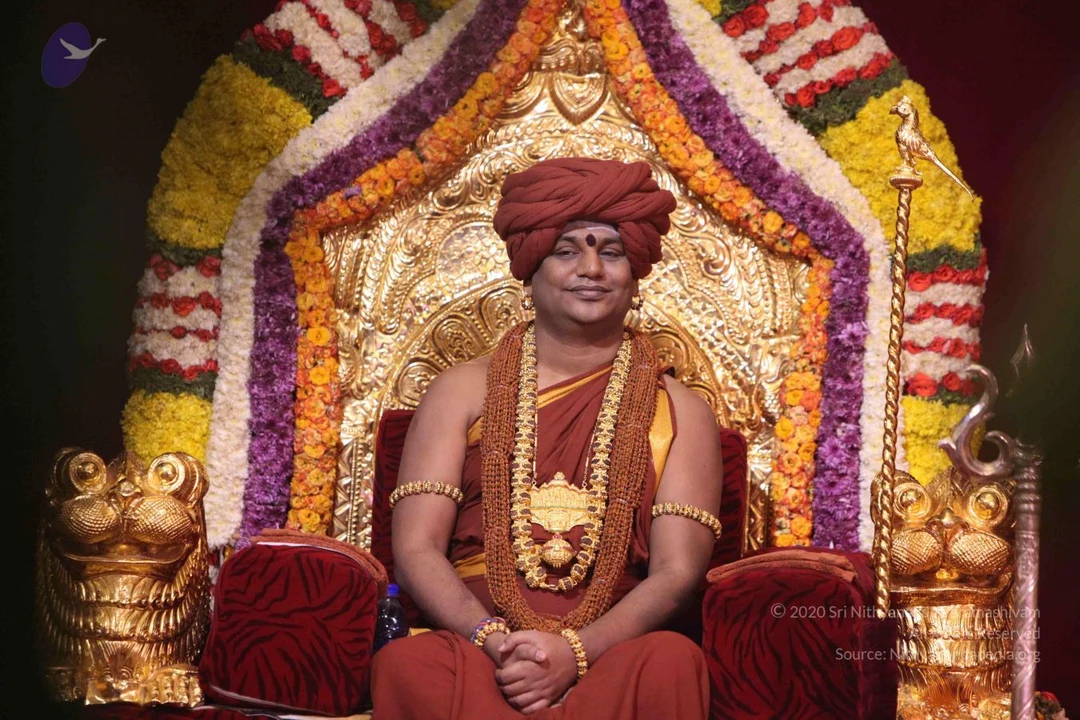
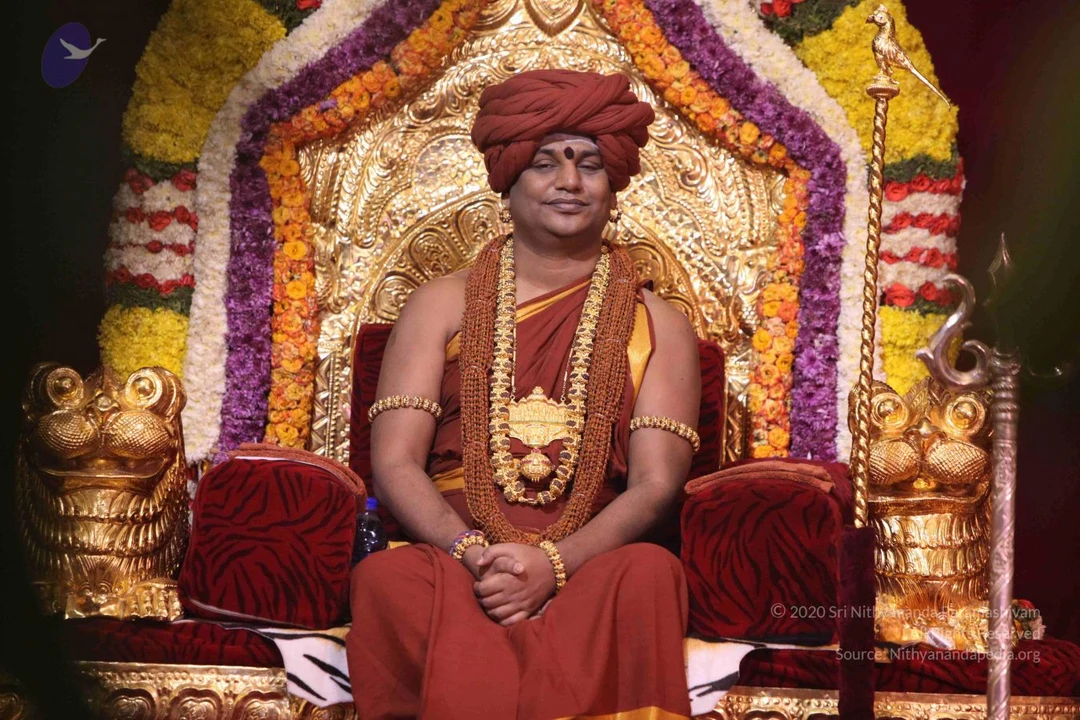
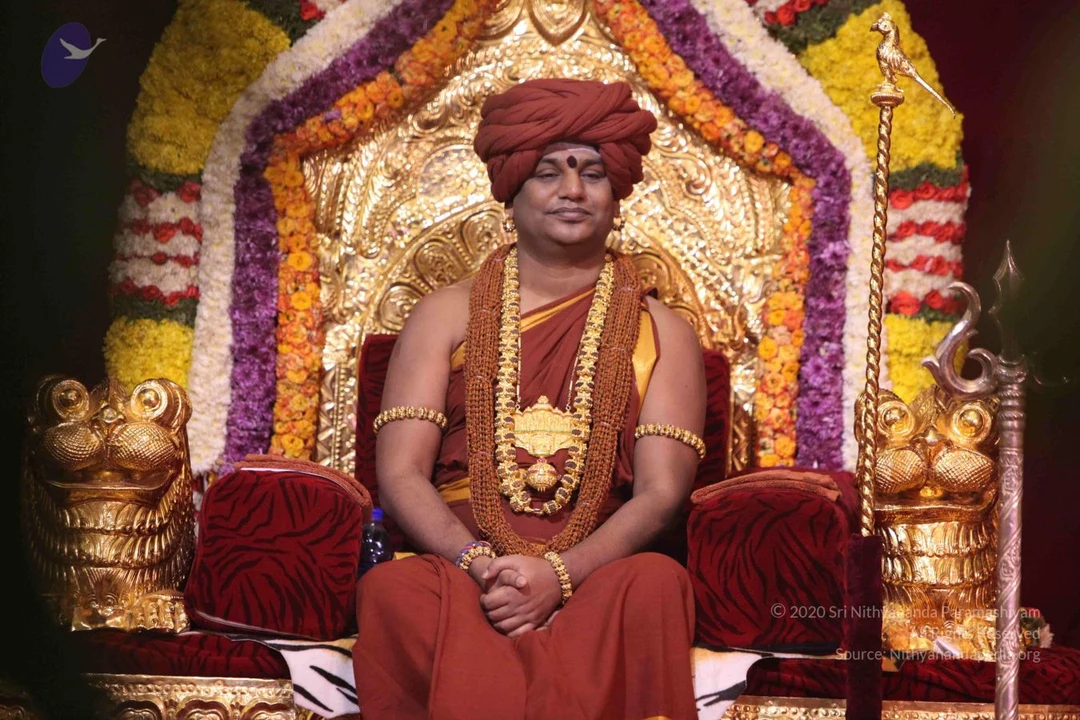
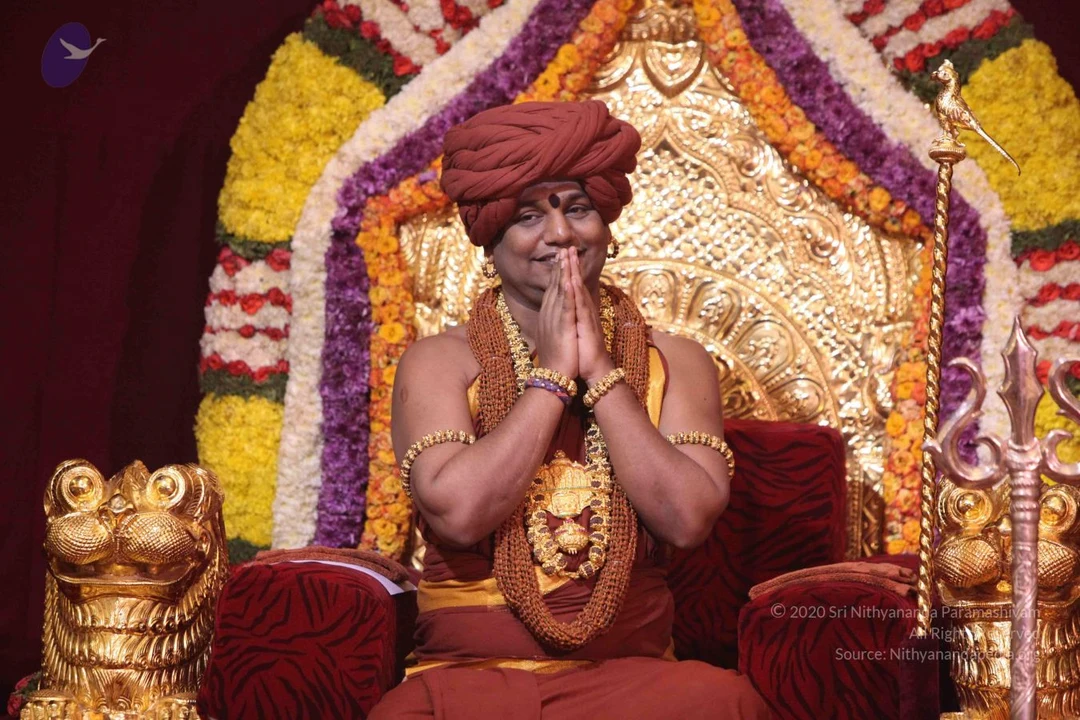
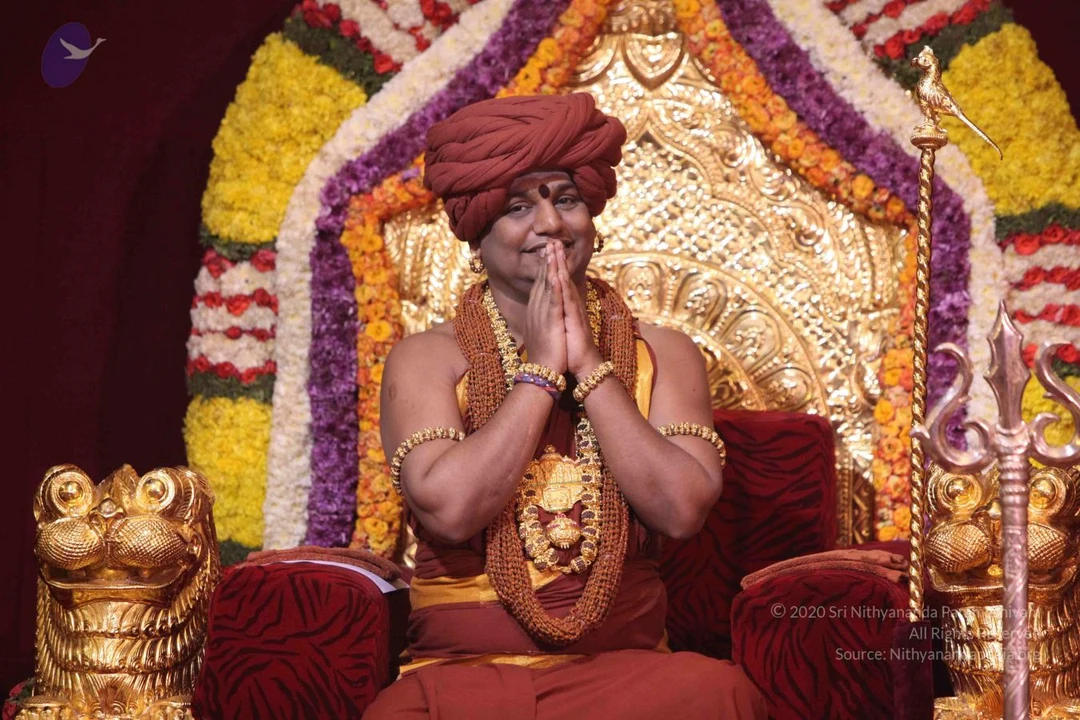
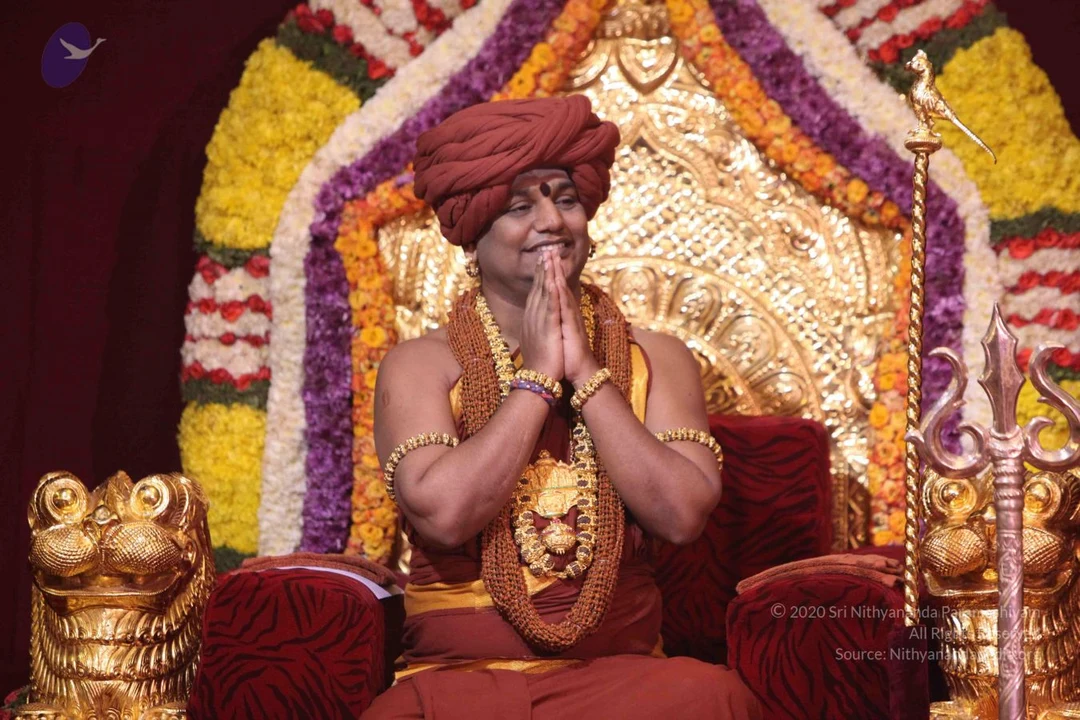
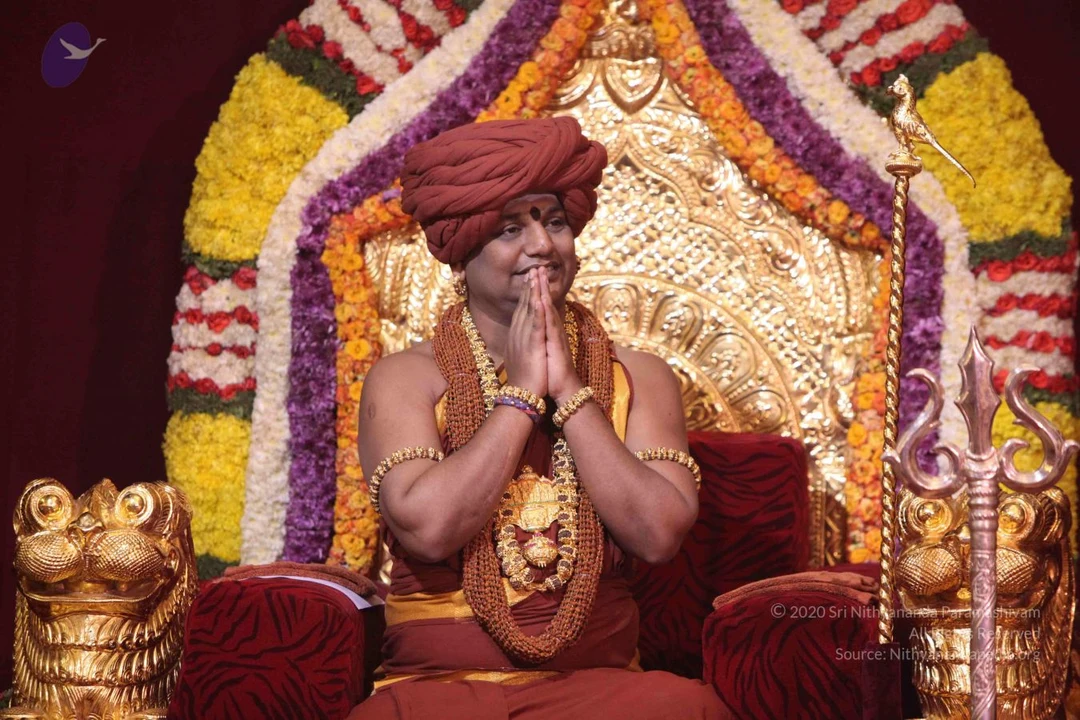
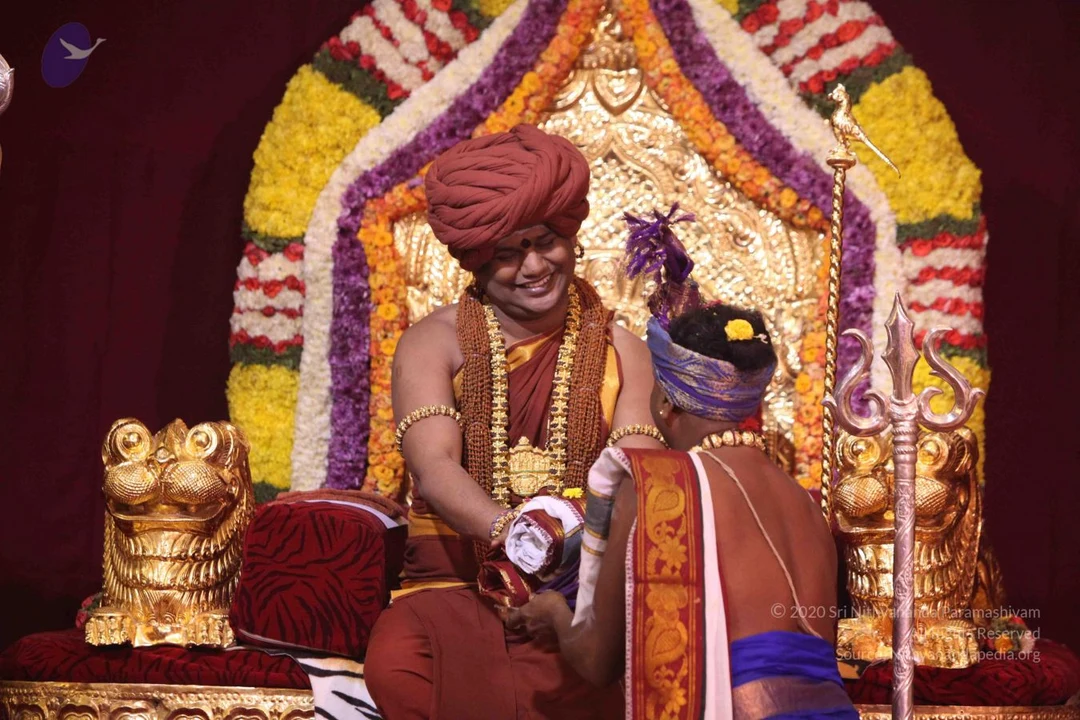
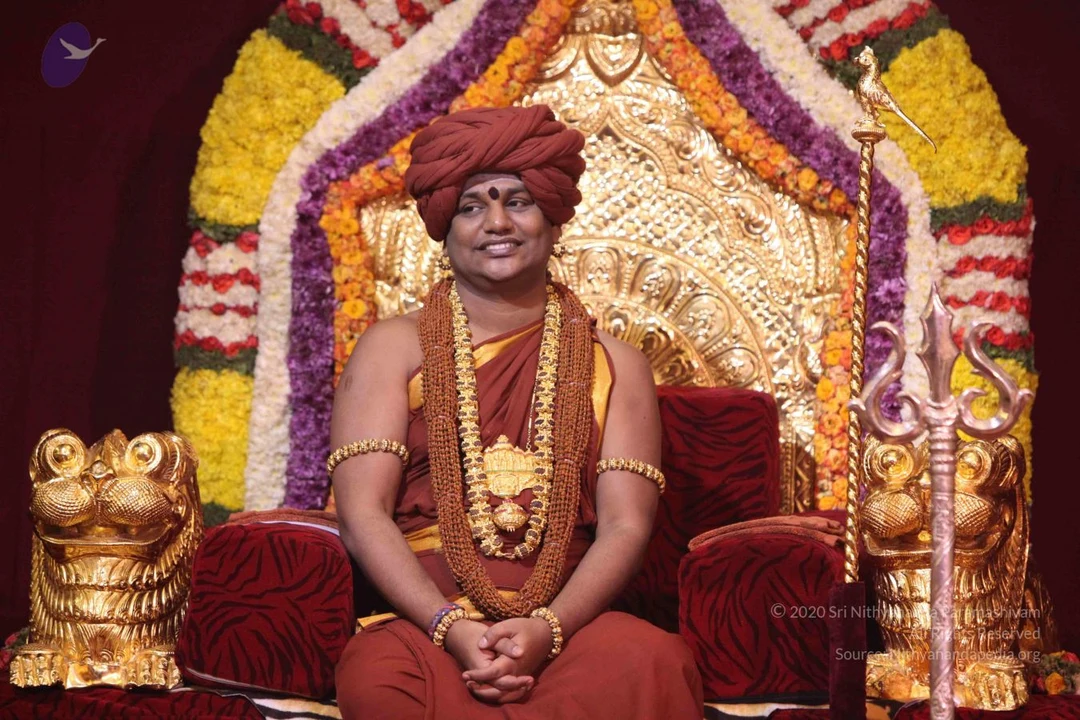
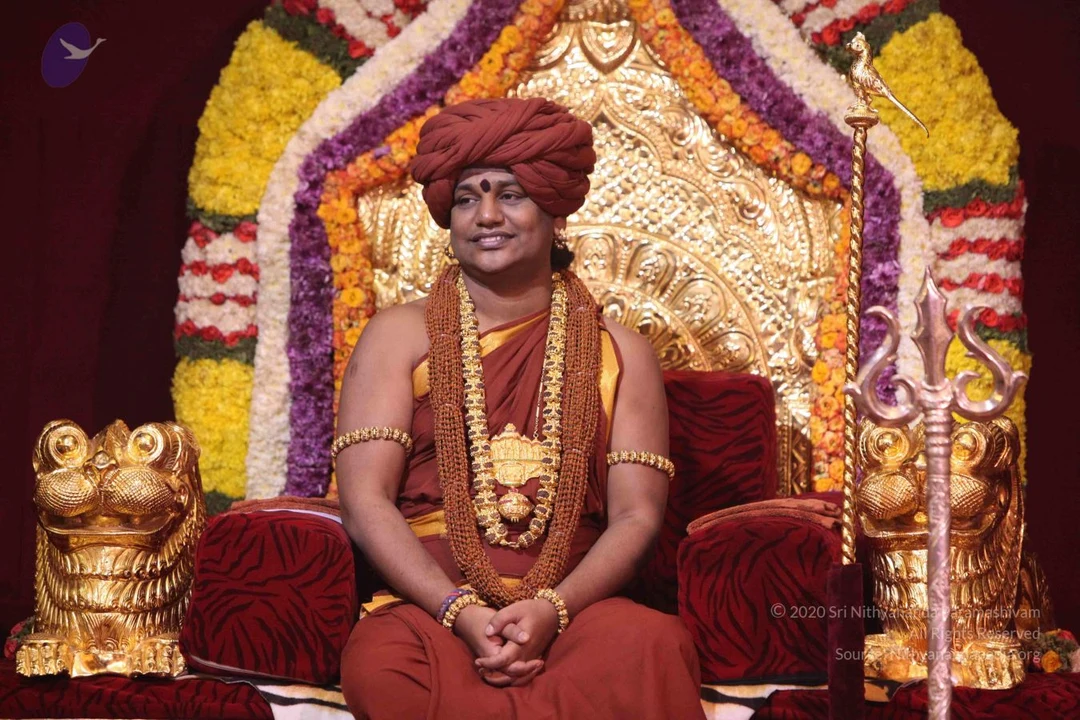
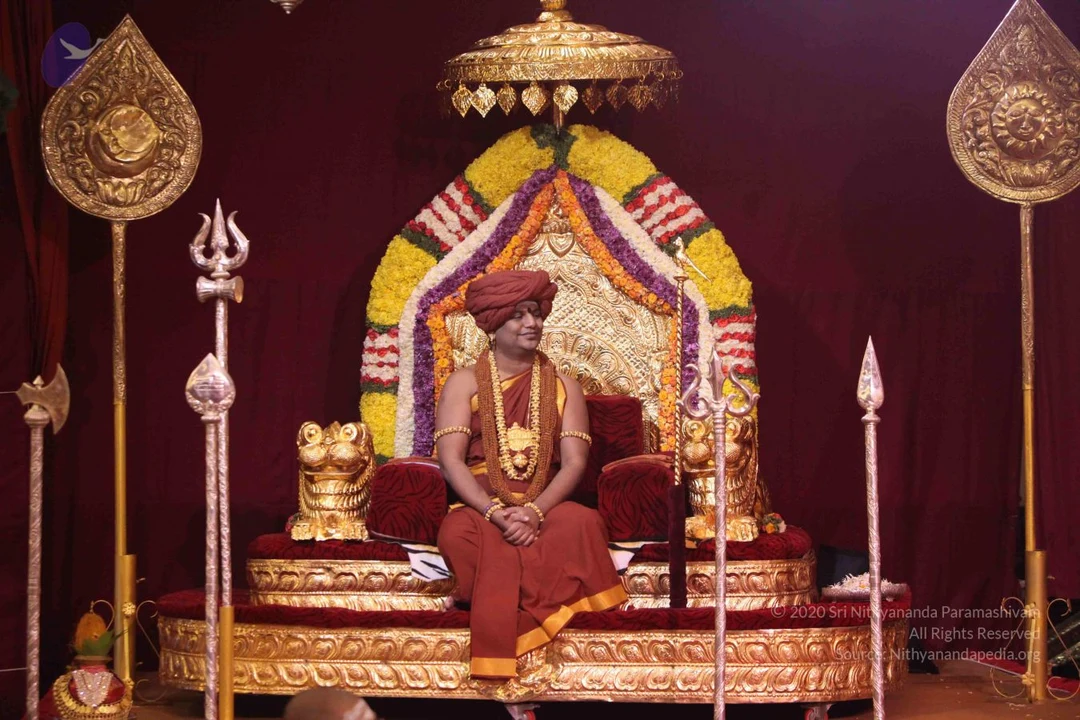
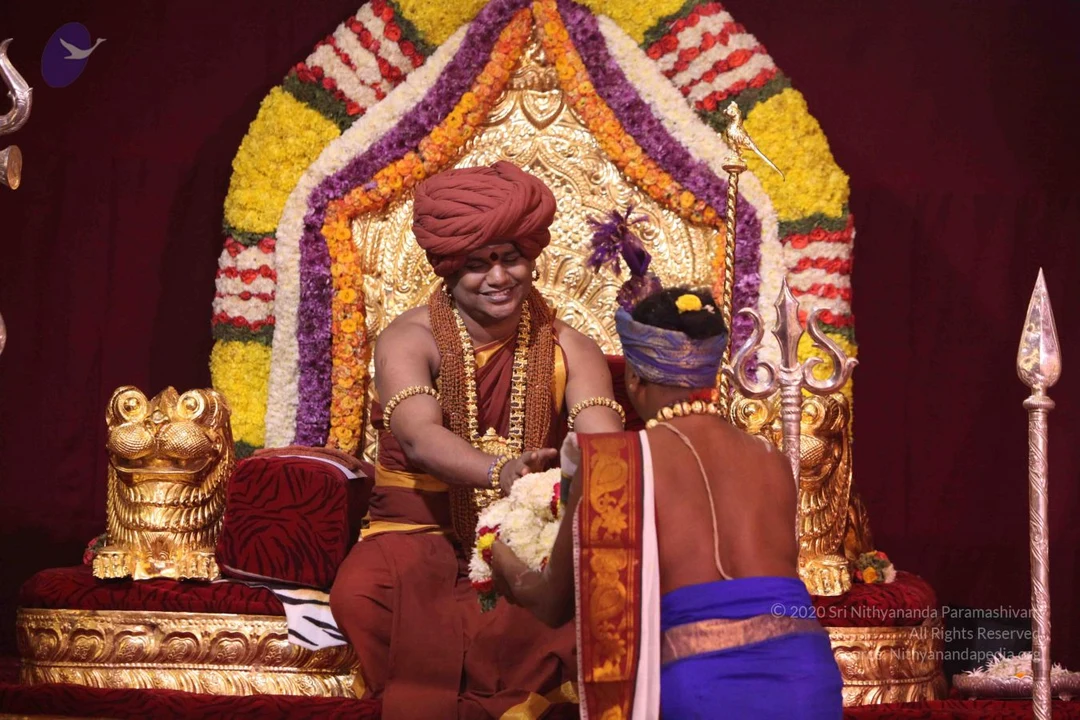
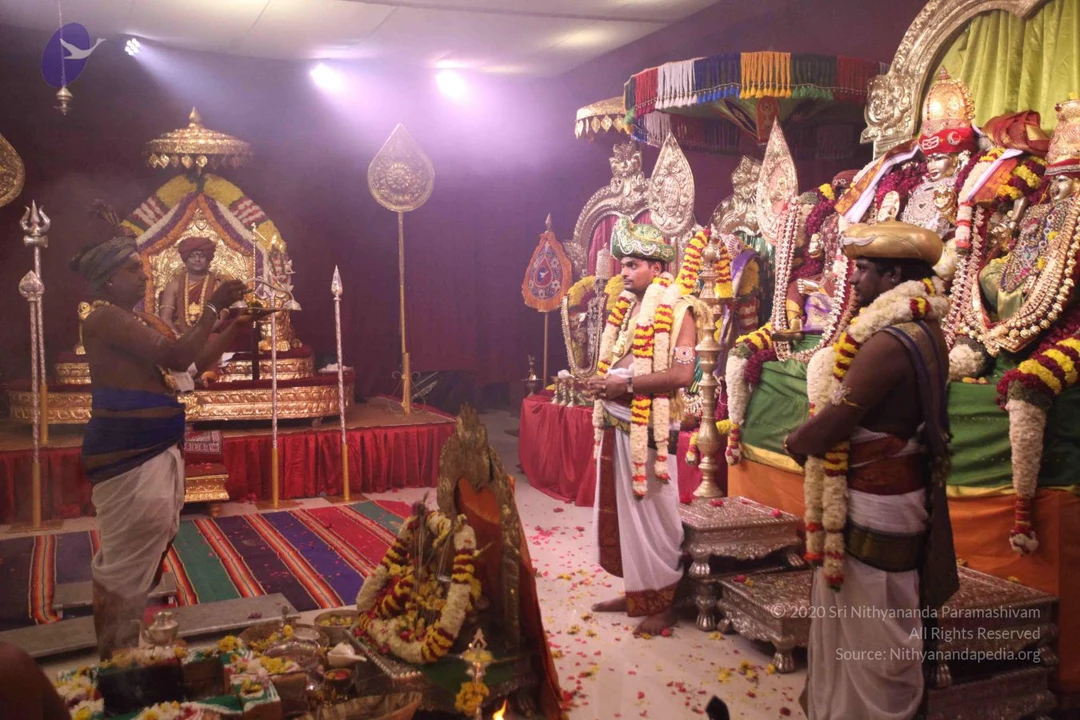
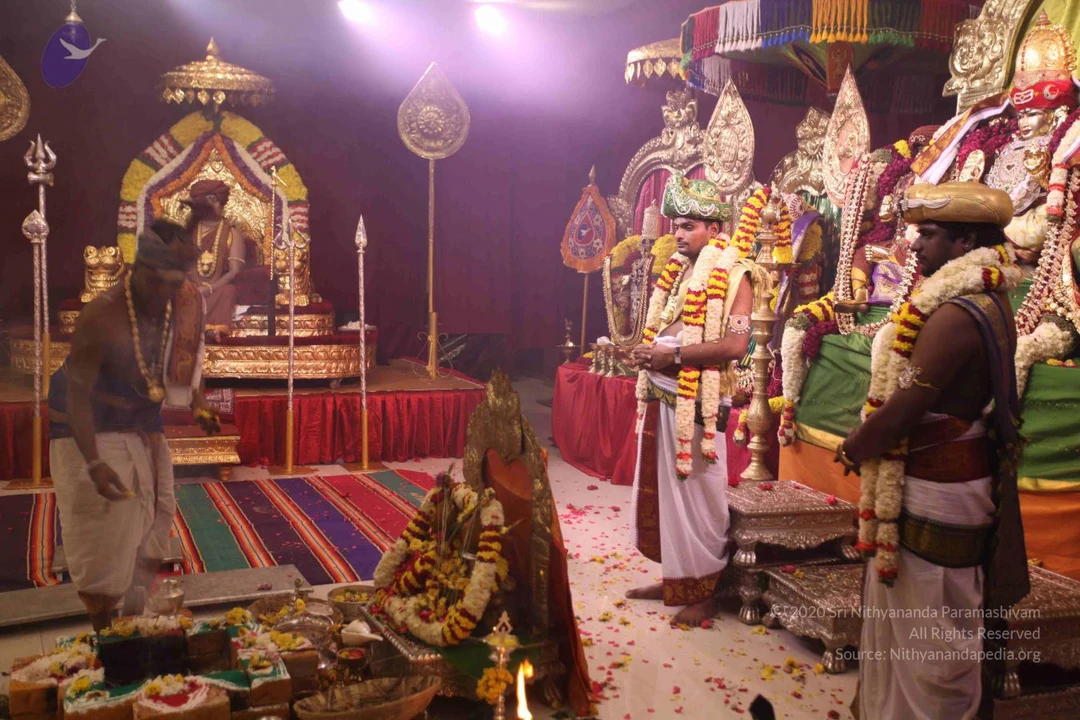
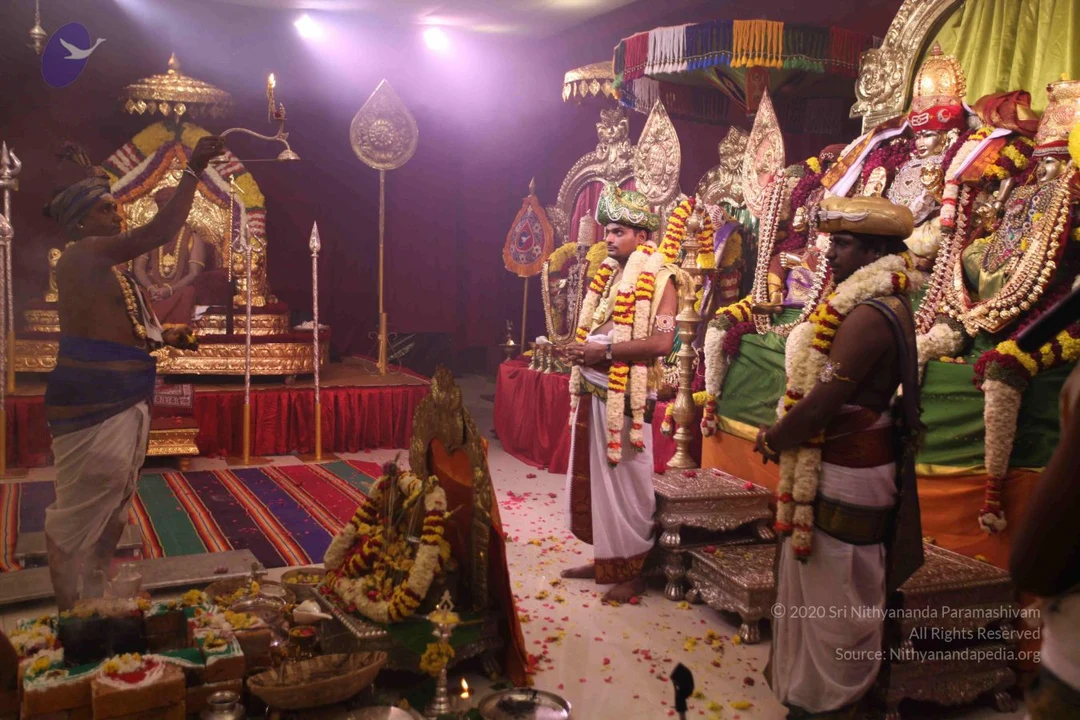
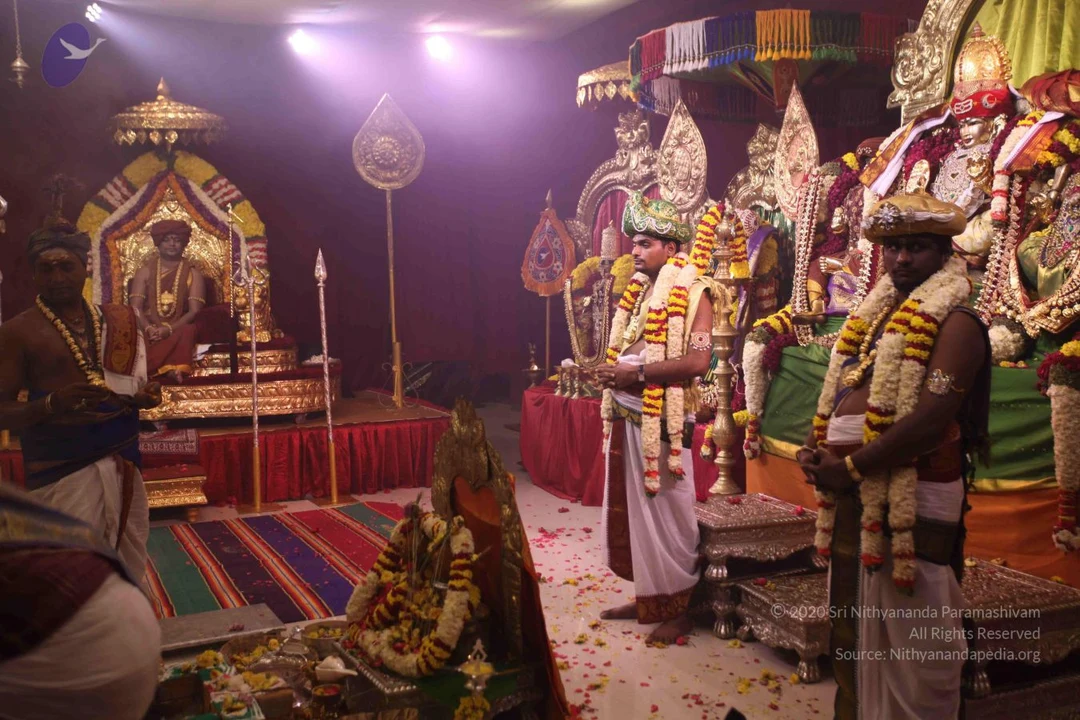
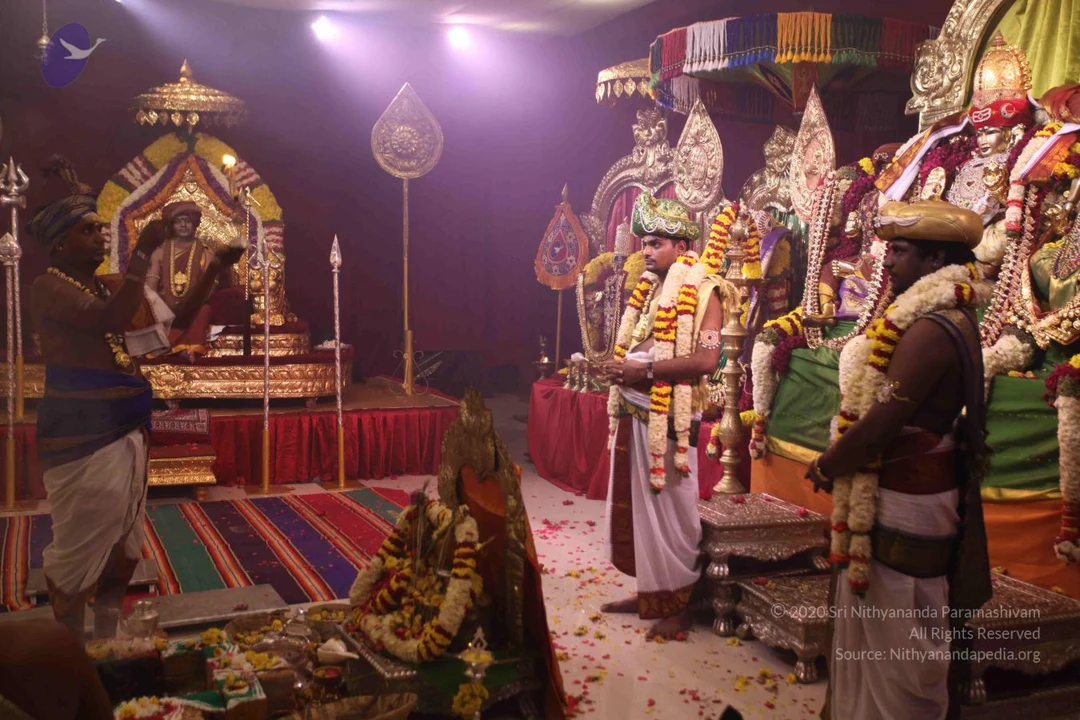
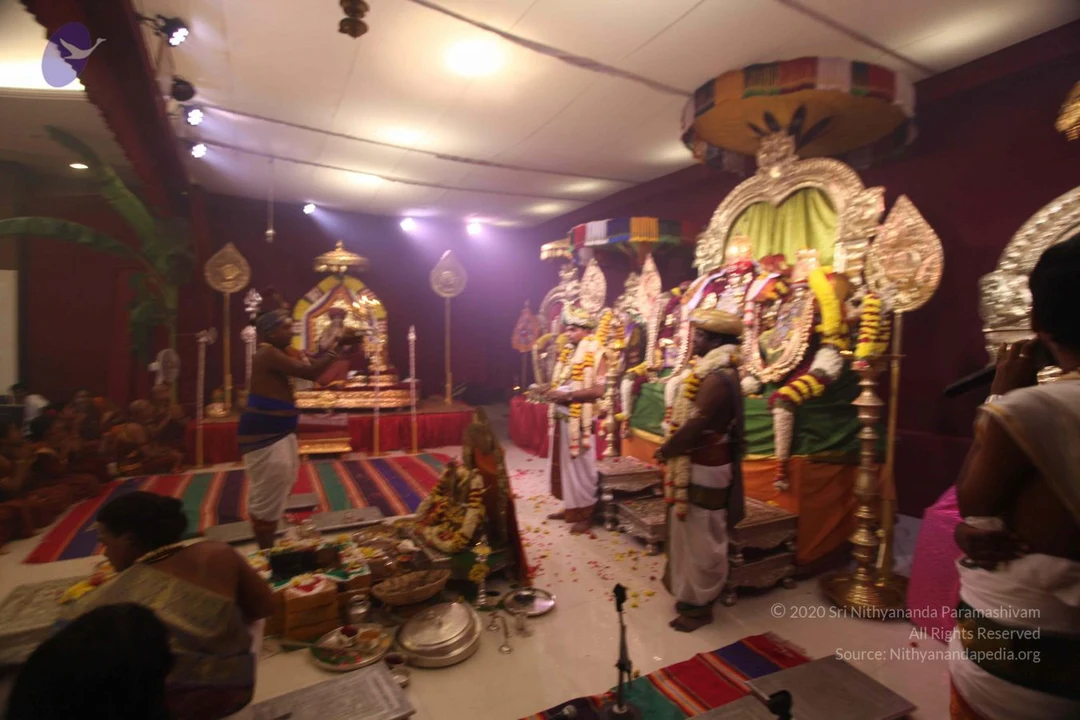
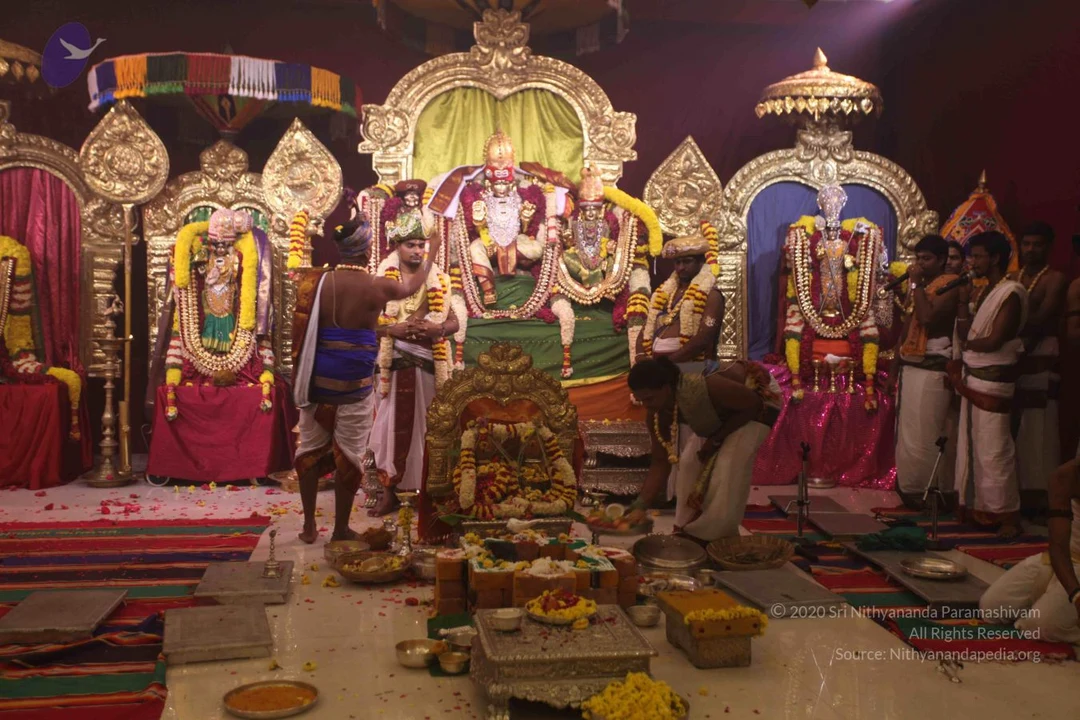
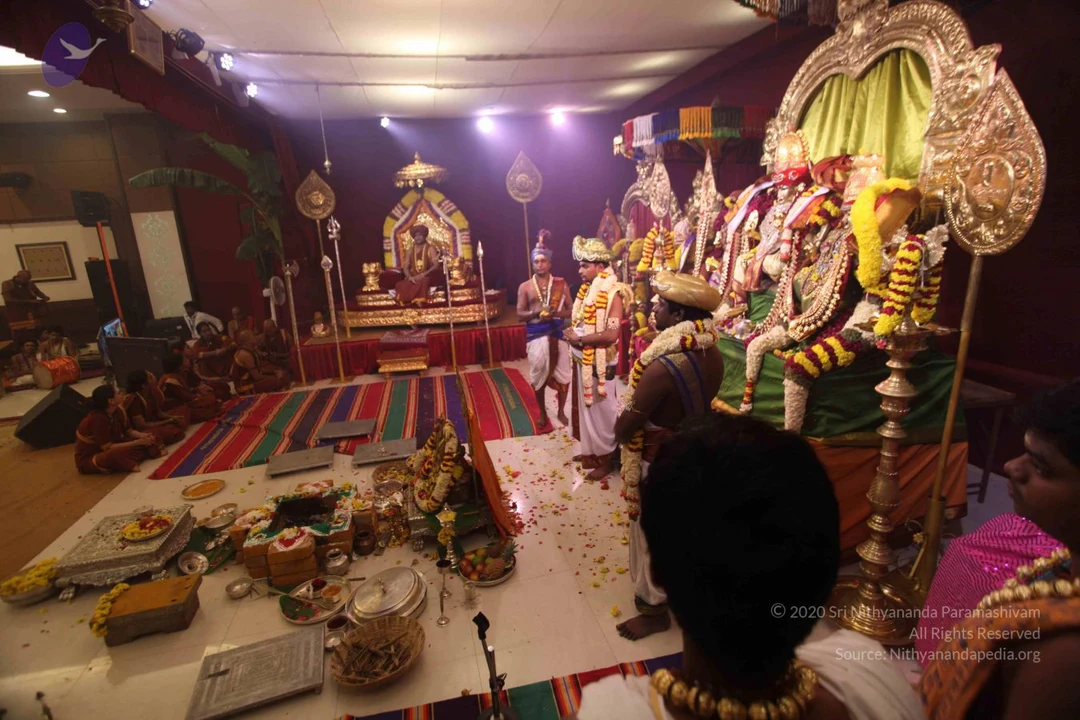
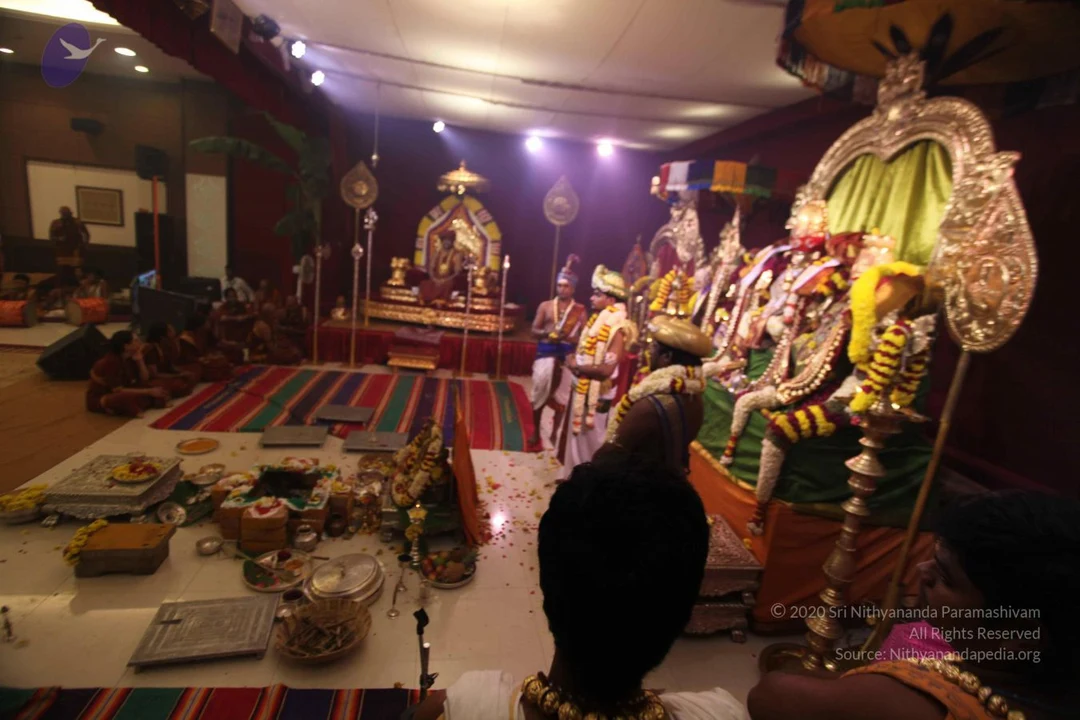

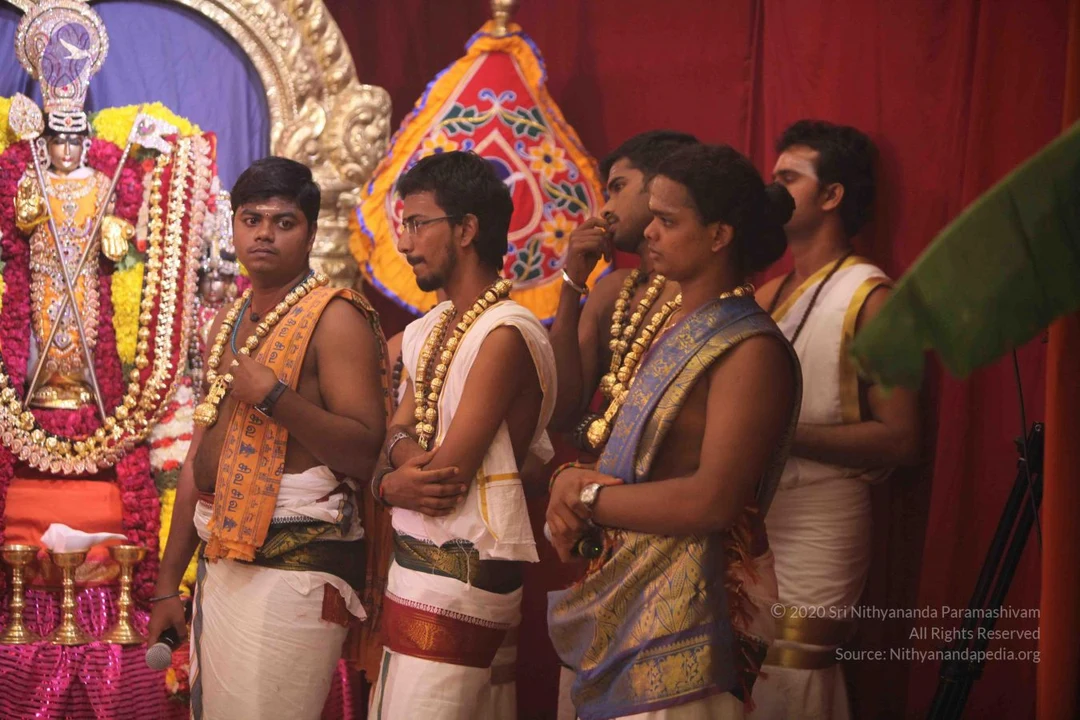
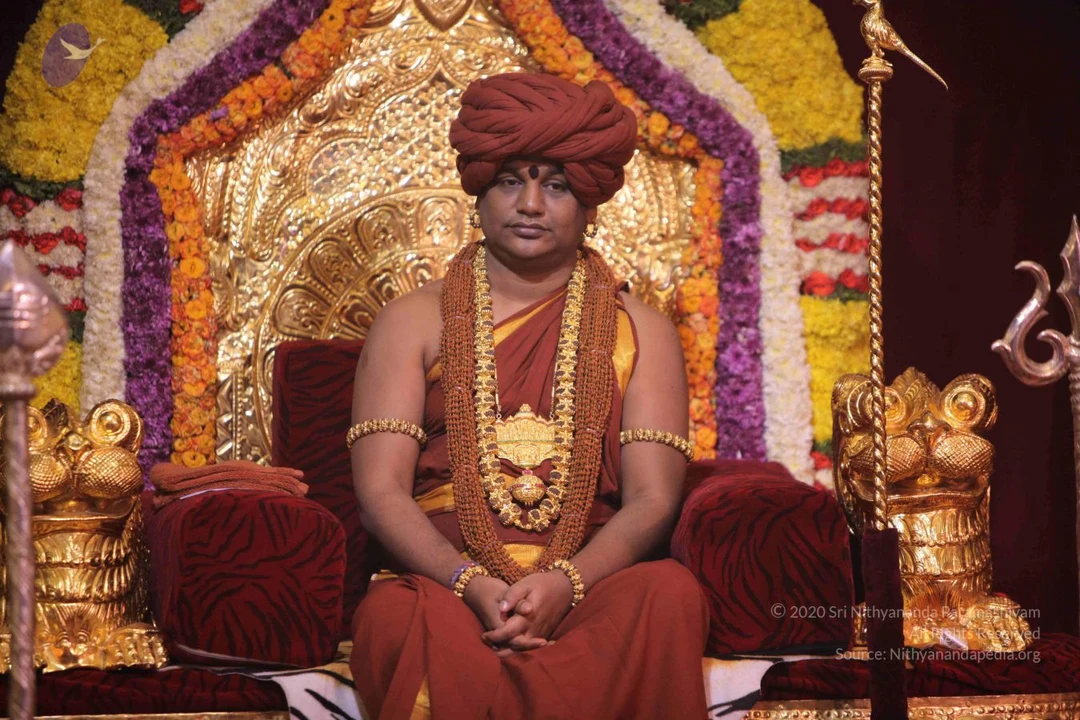
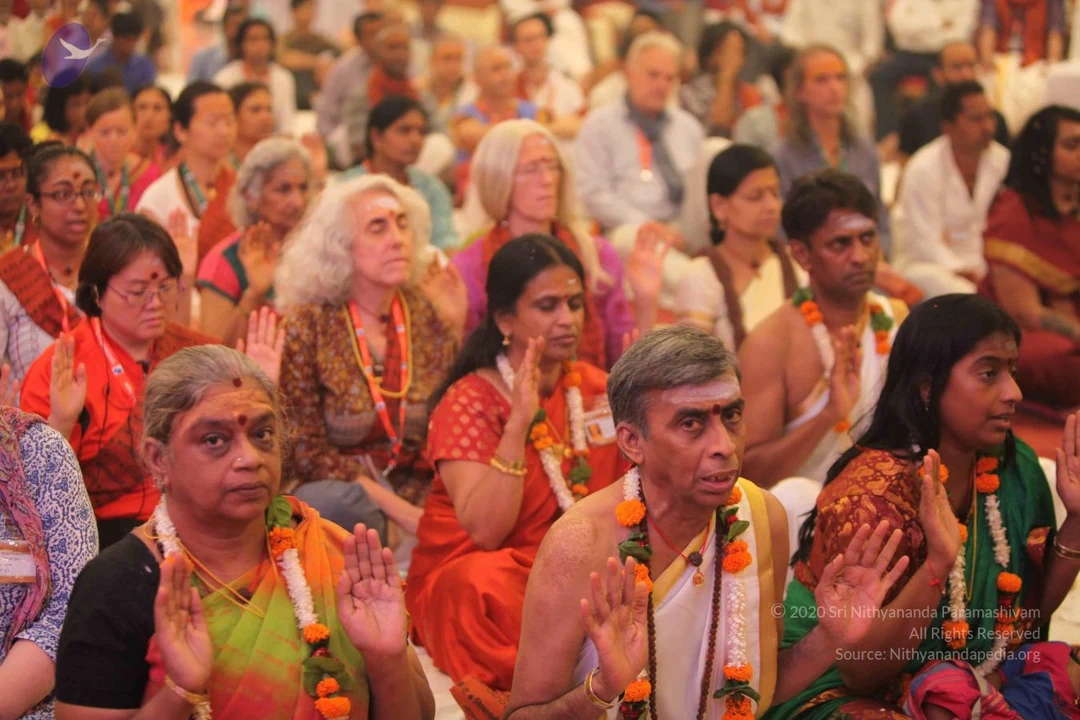
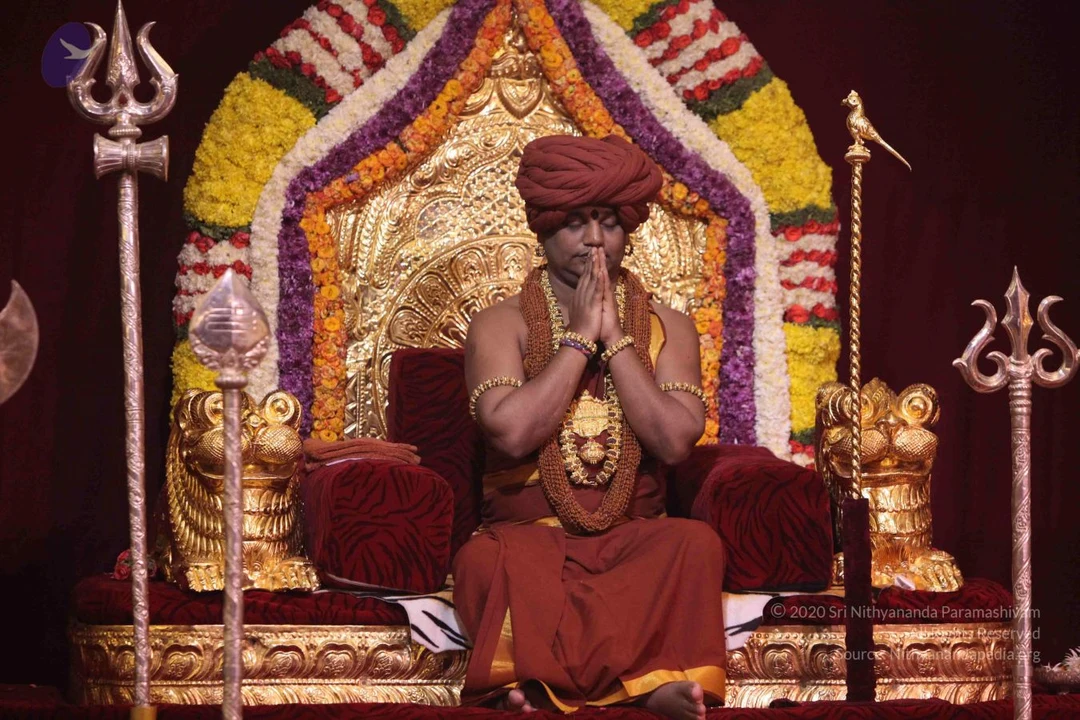
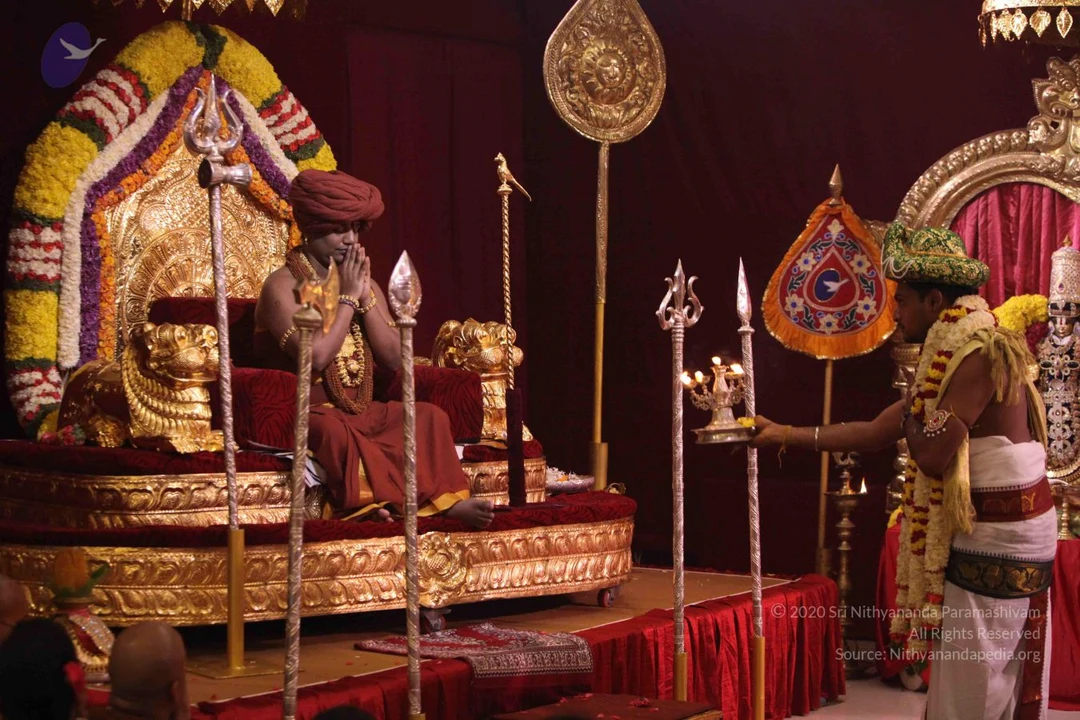
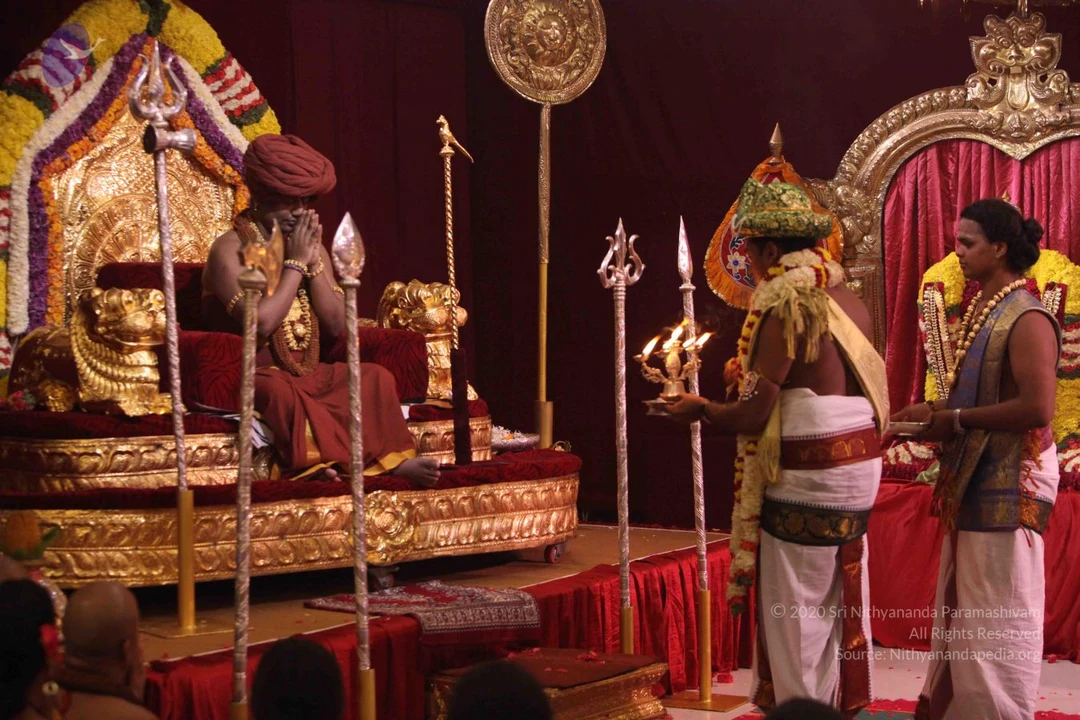
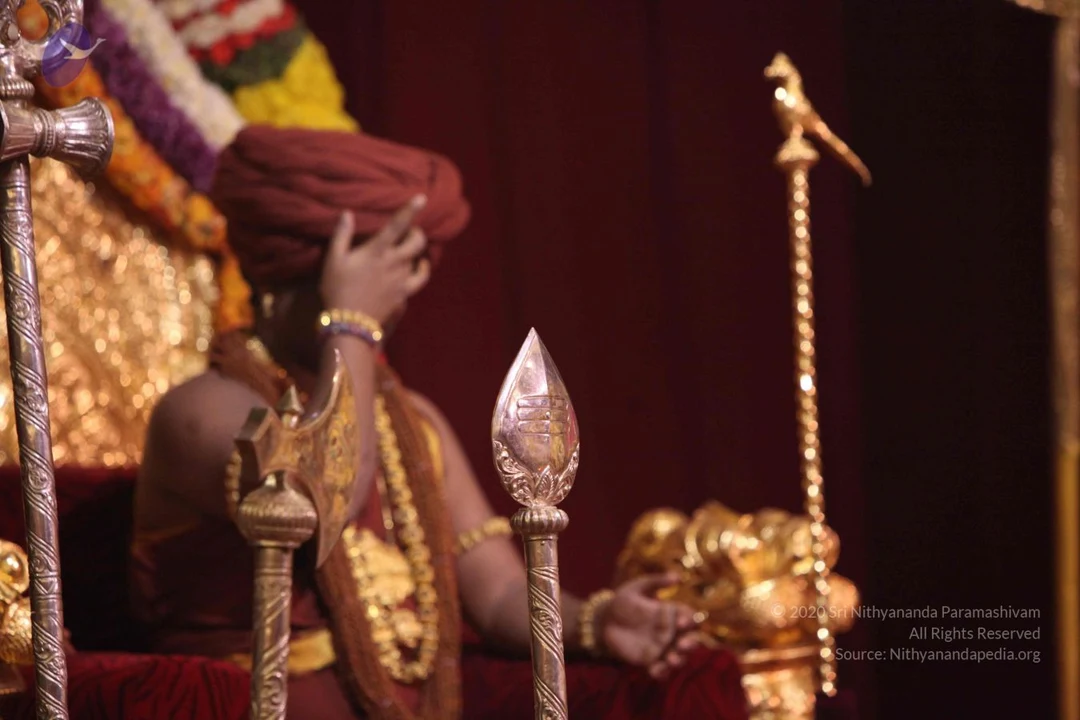

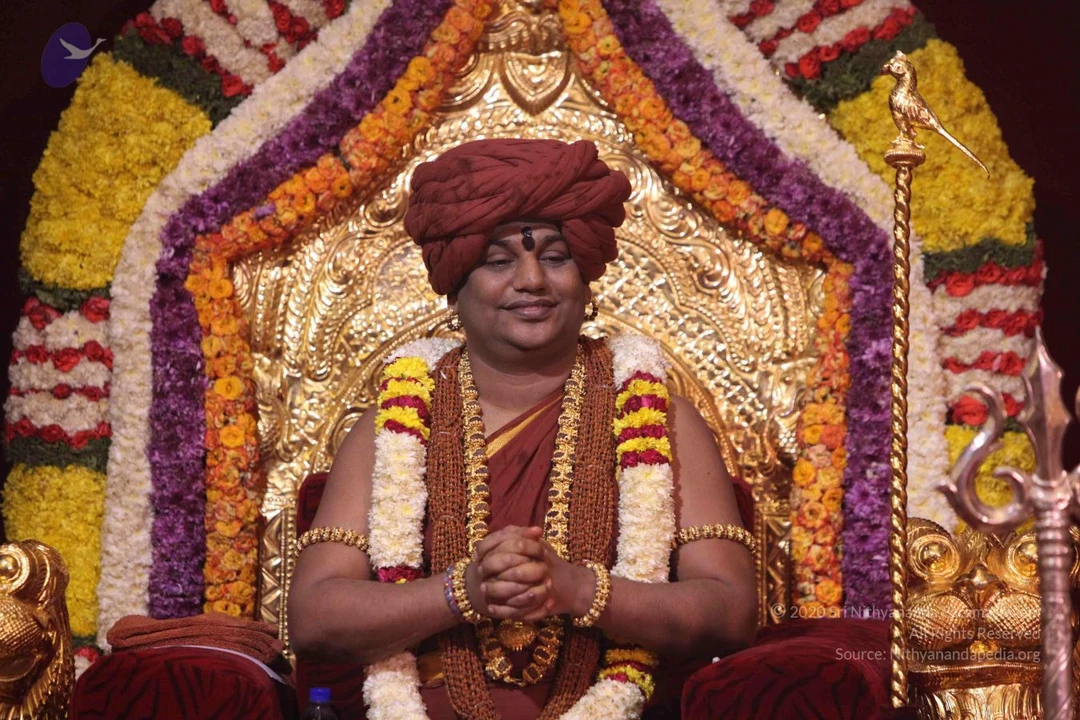
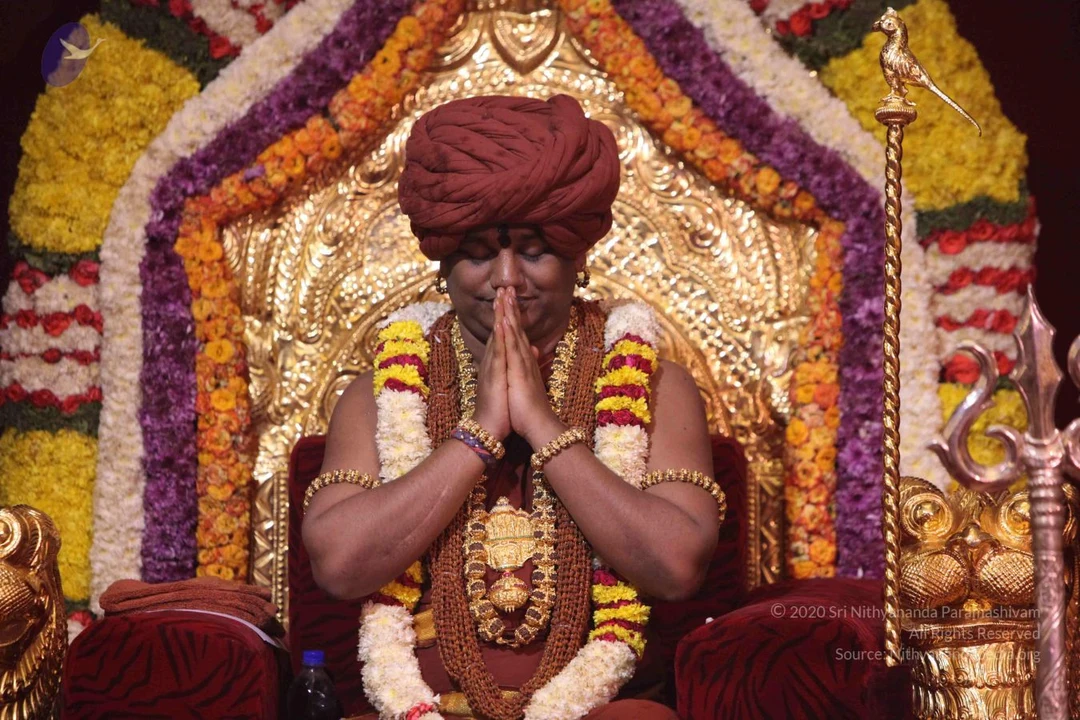
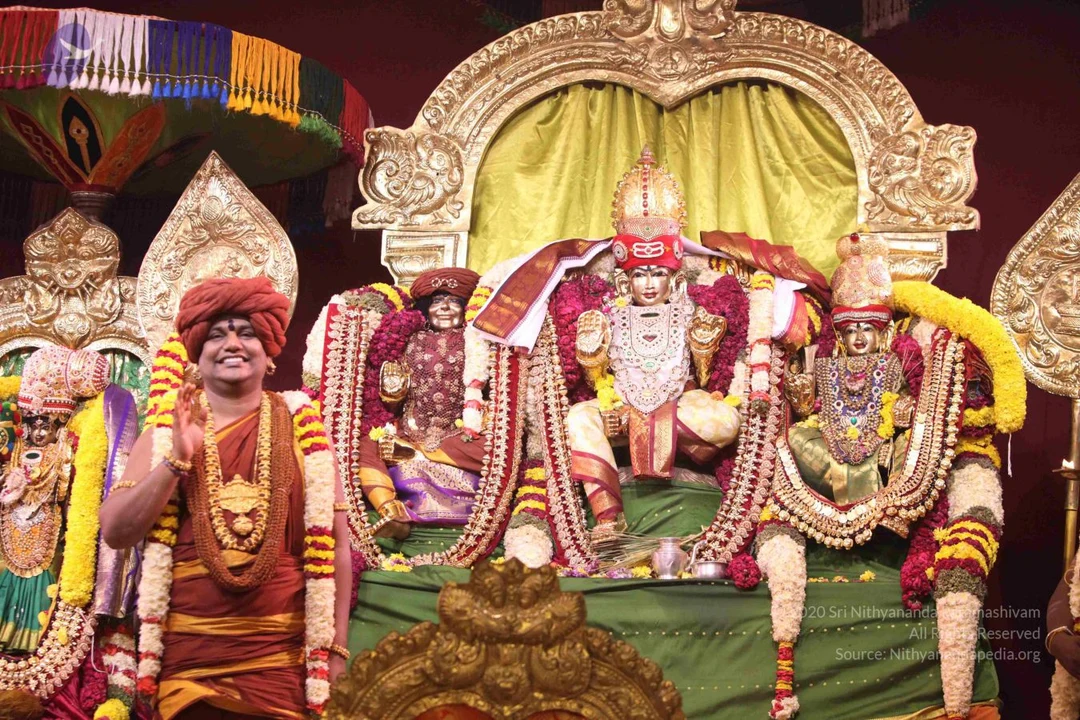
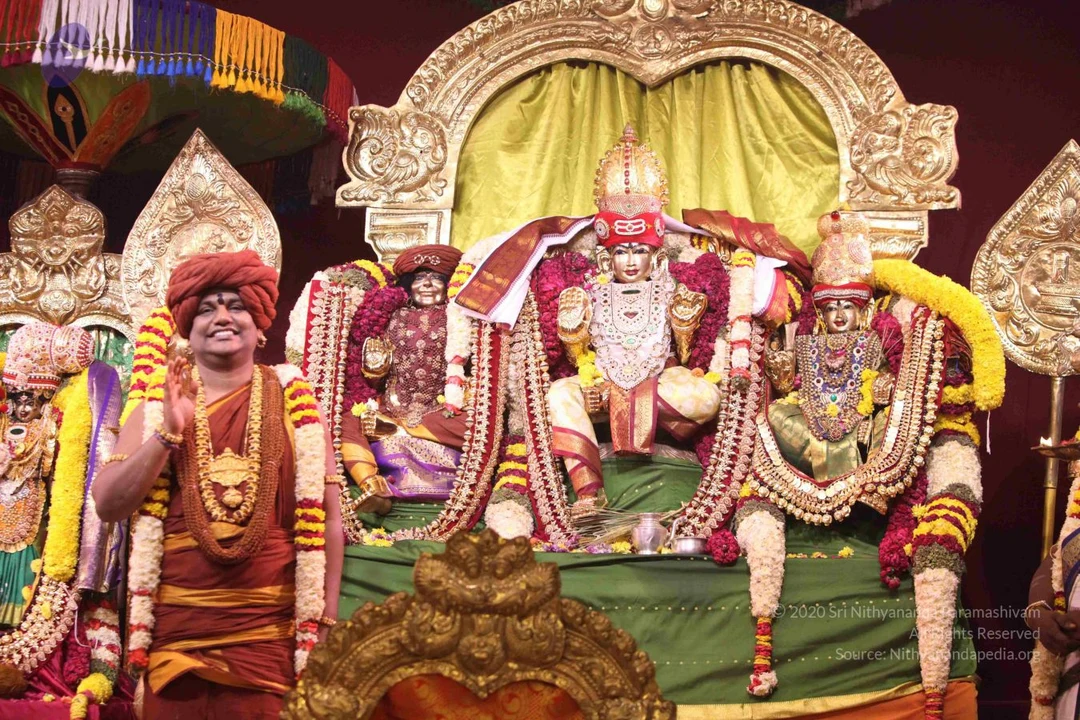
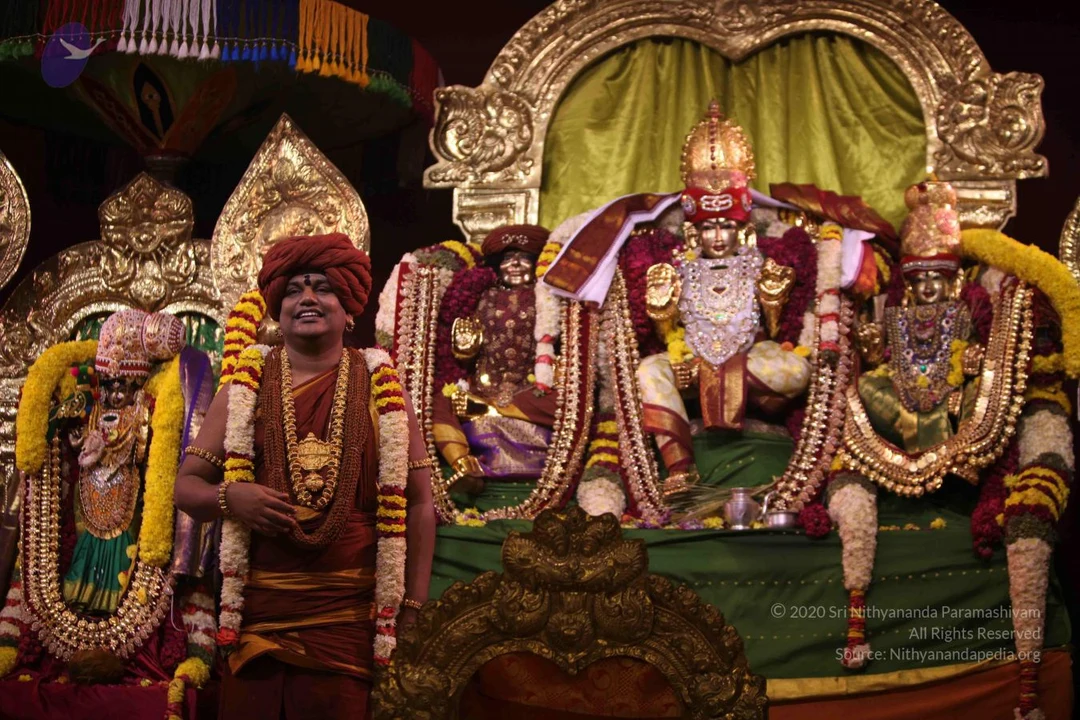
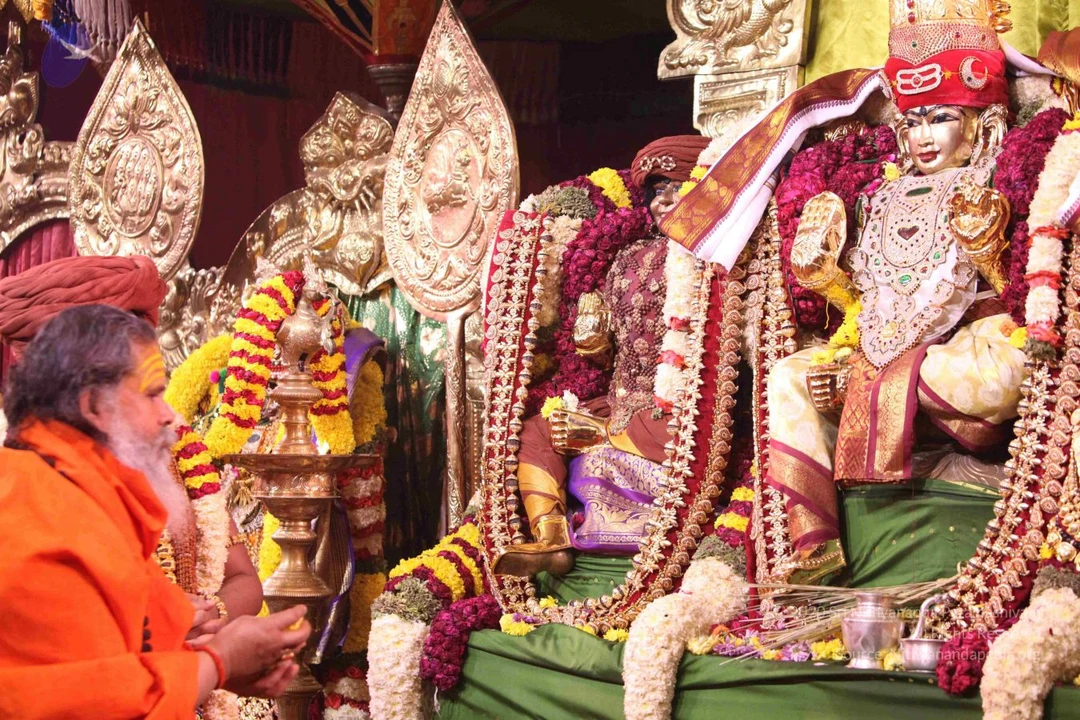
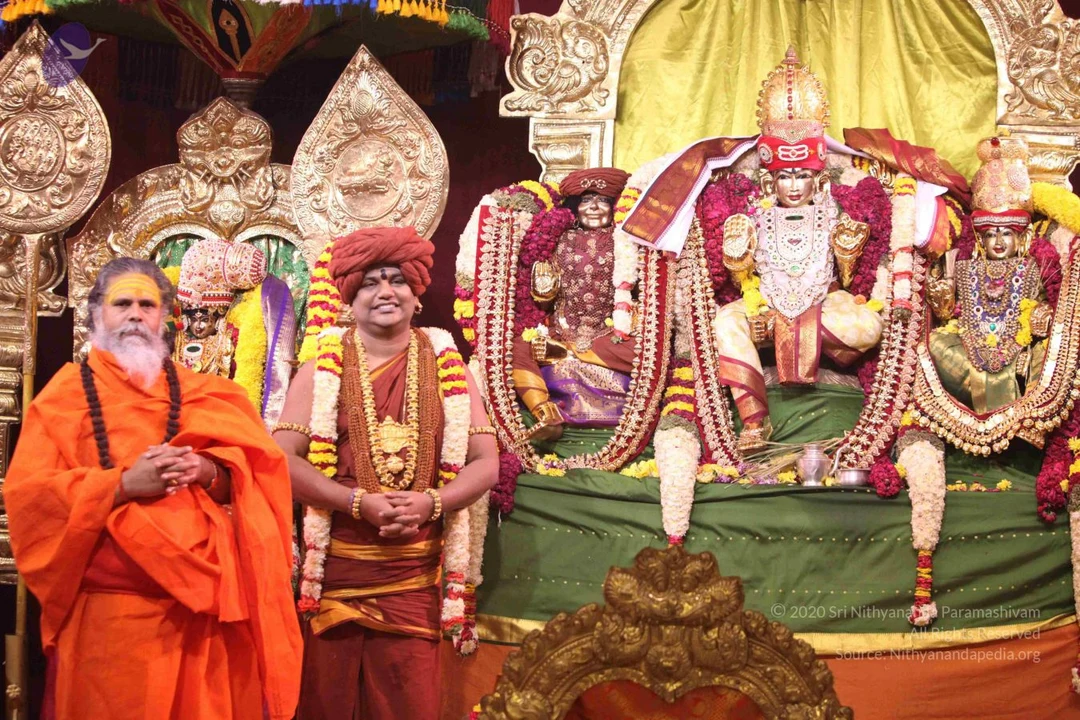
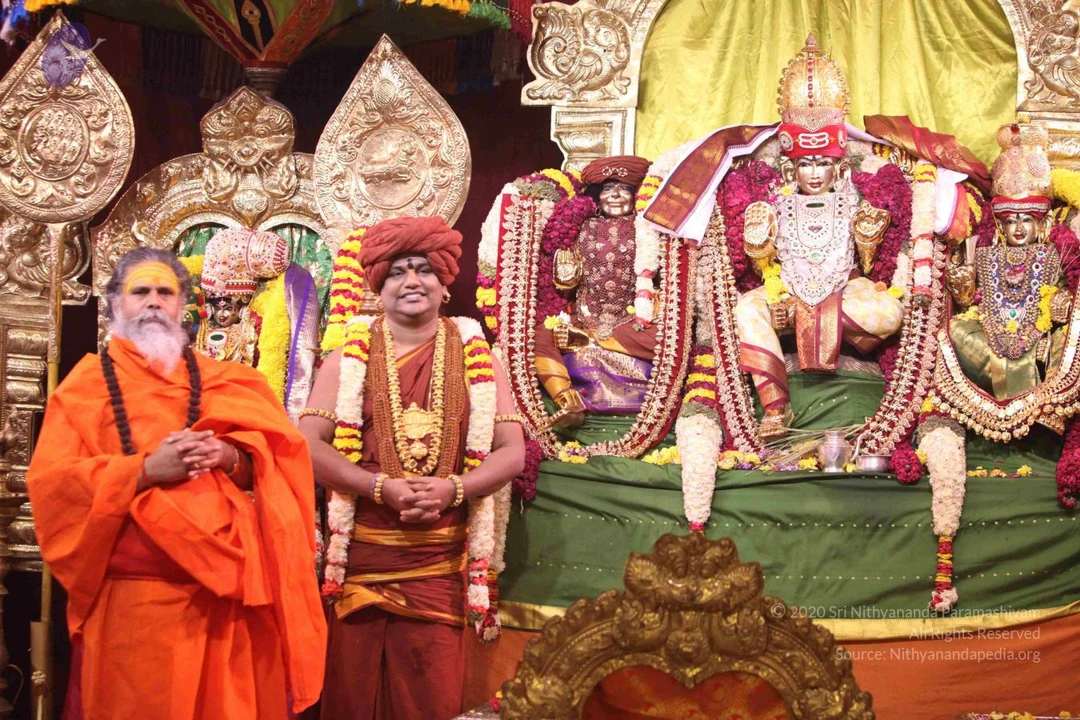
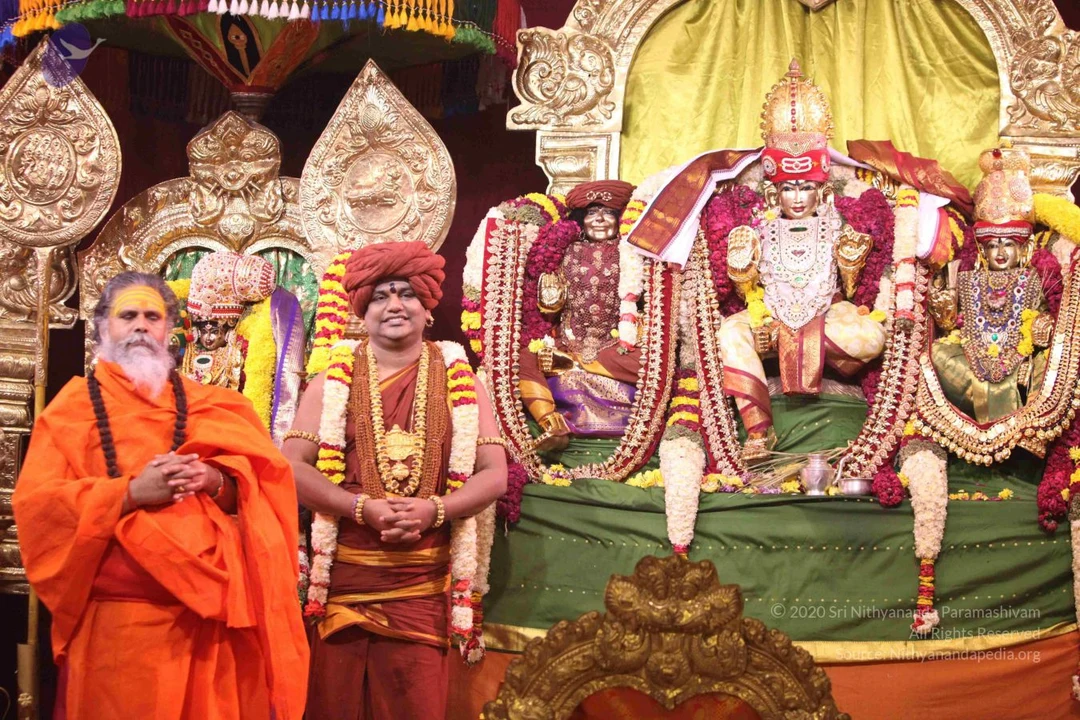
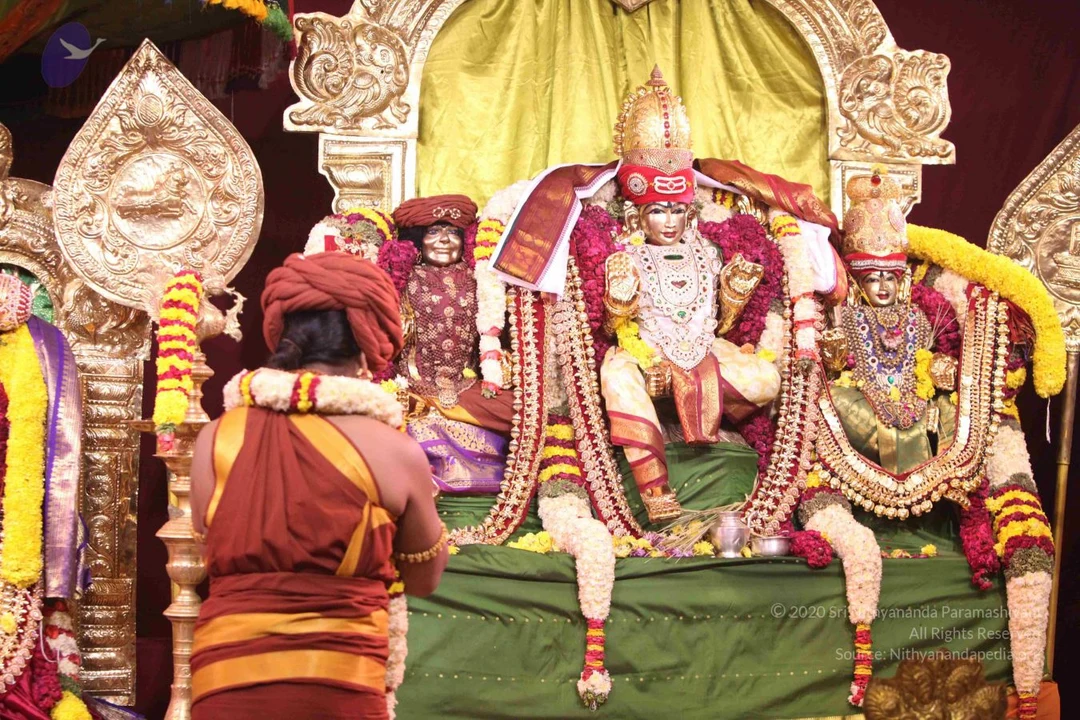
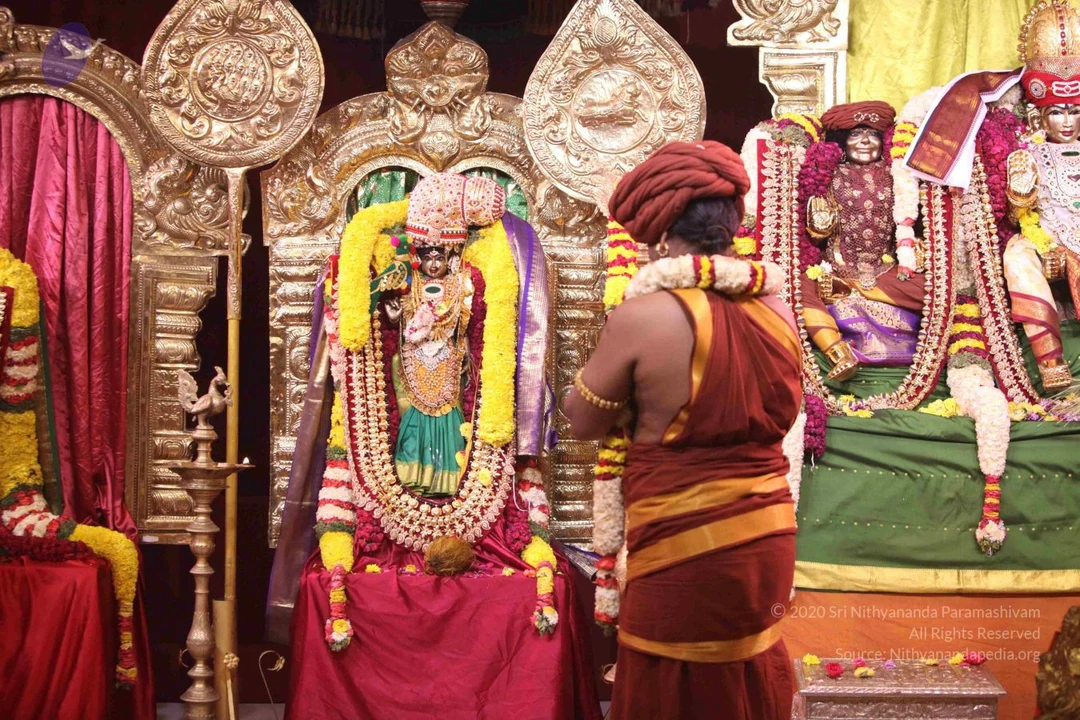
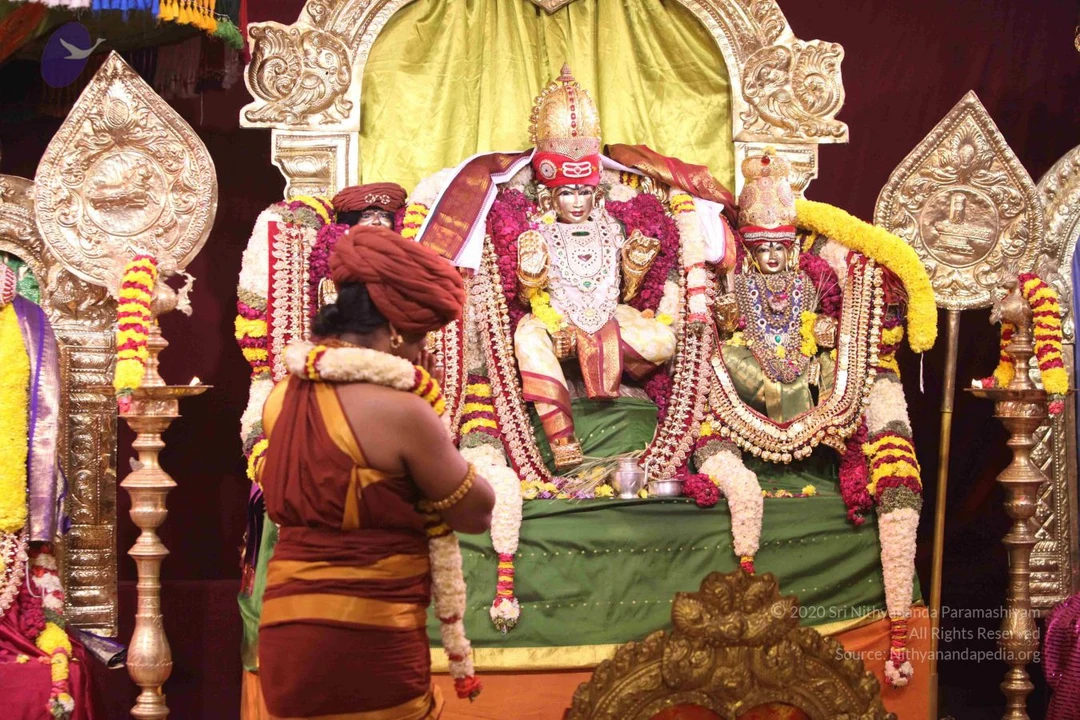
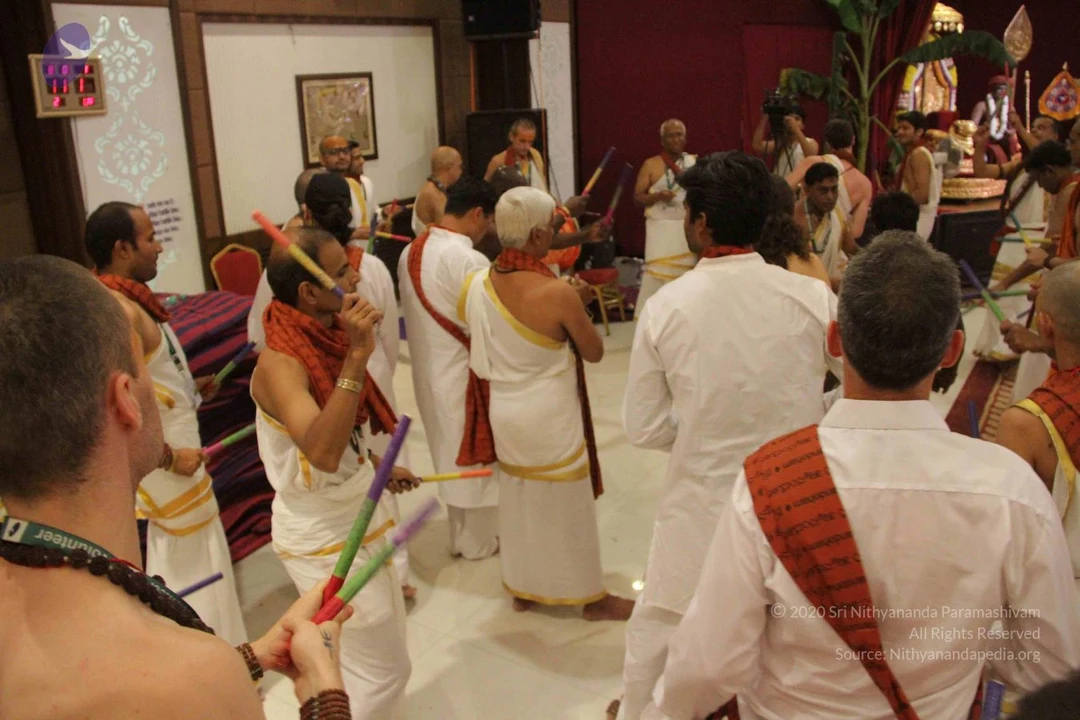
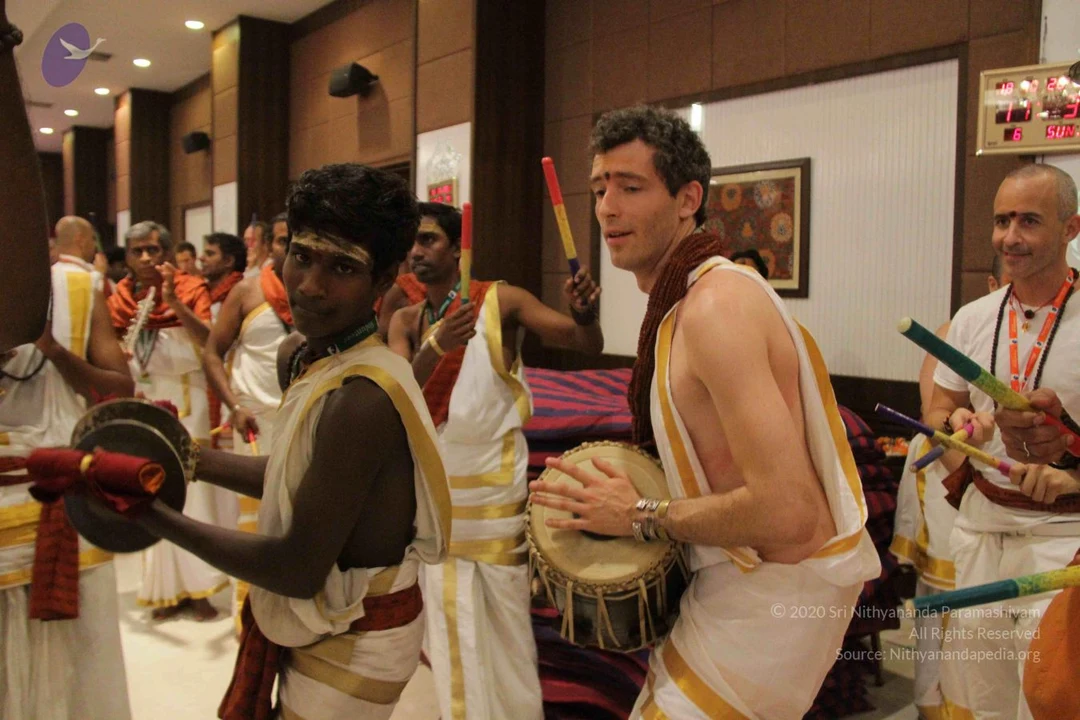
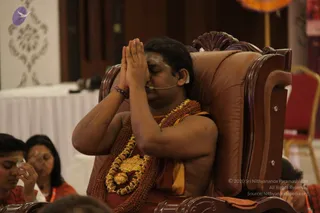
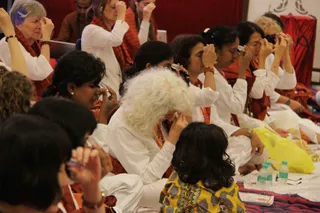
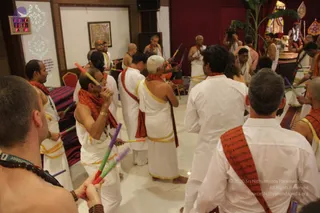
1-shivoham-Programme
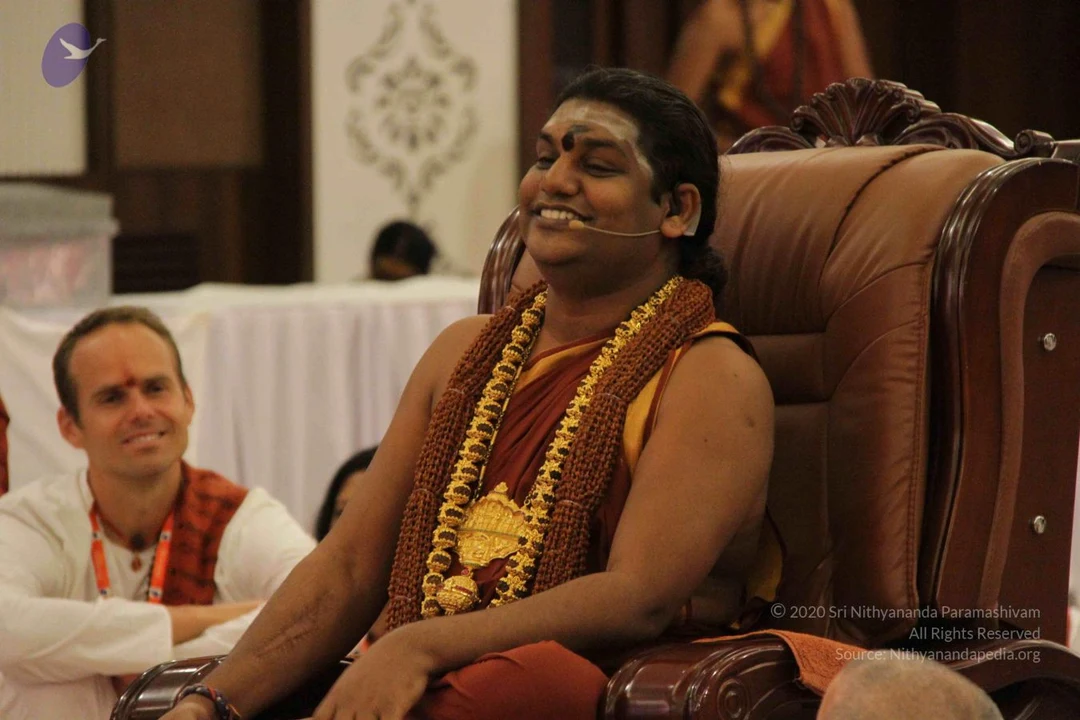
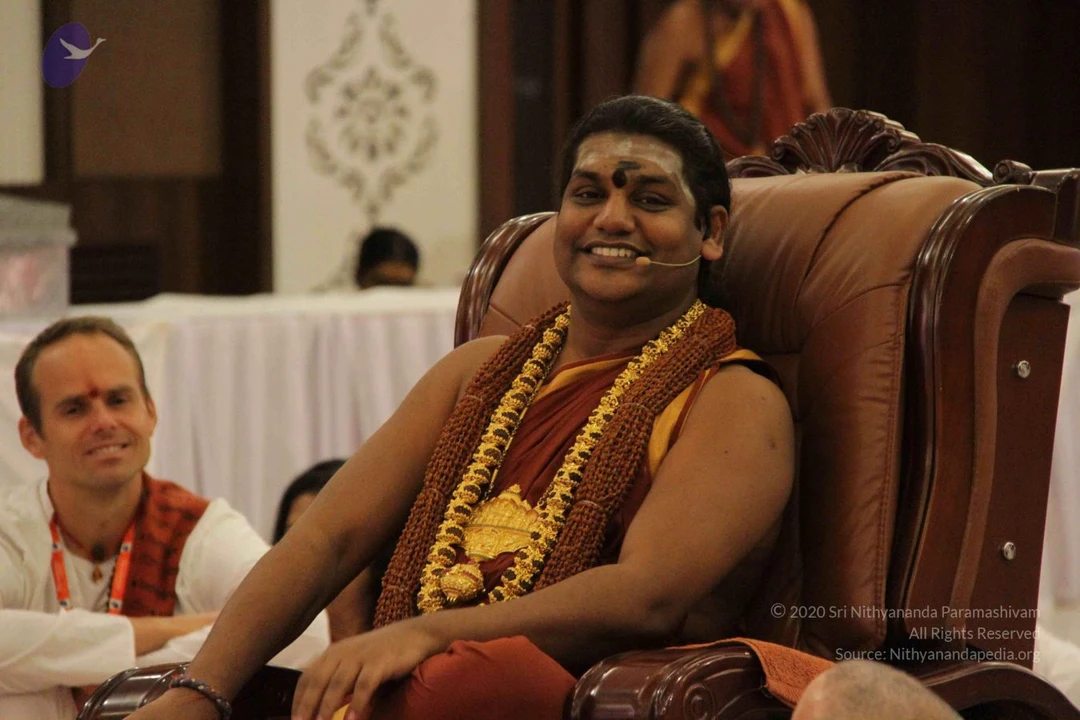
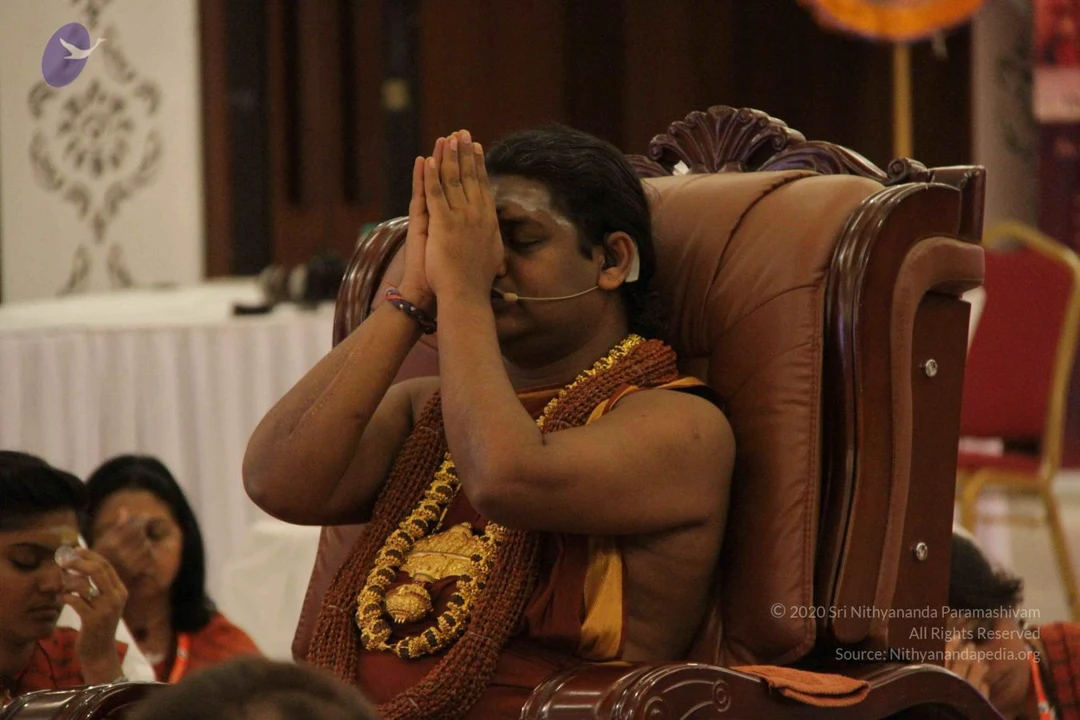
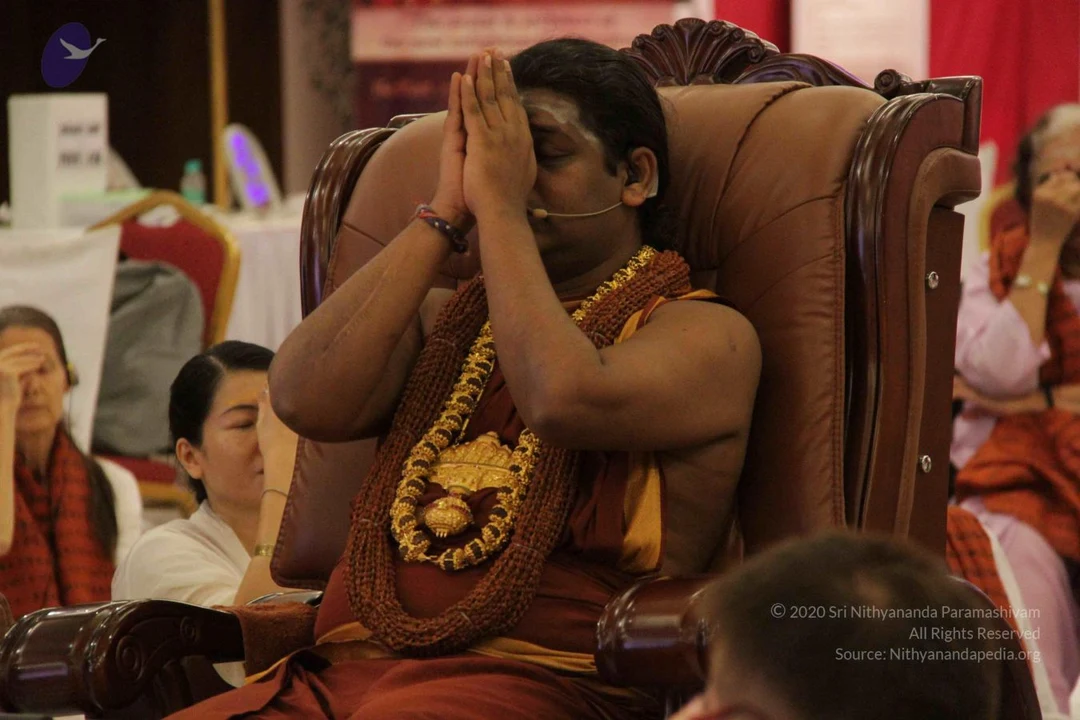
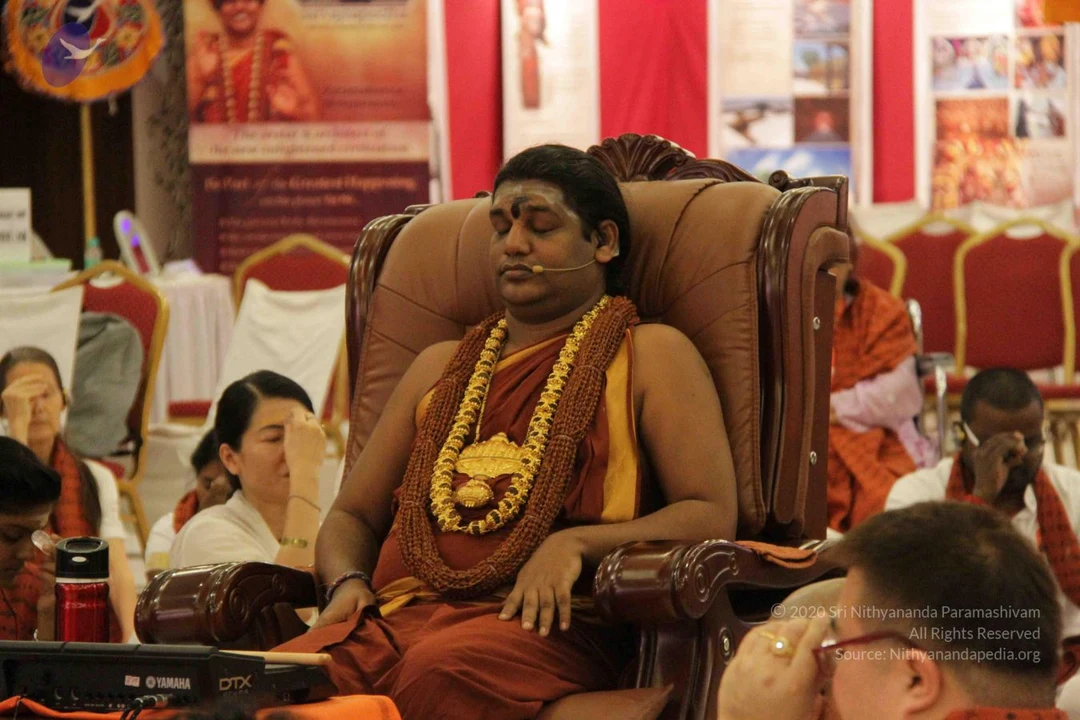
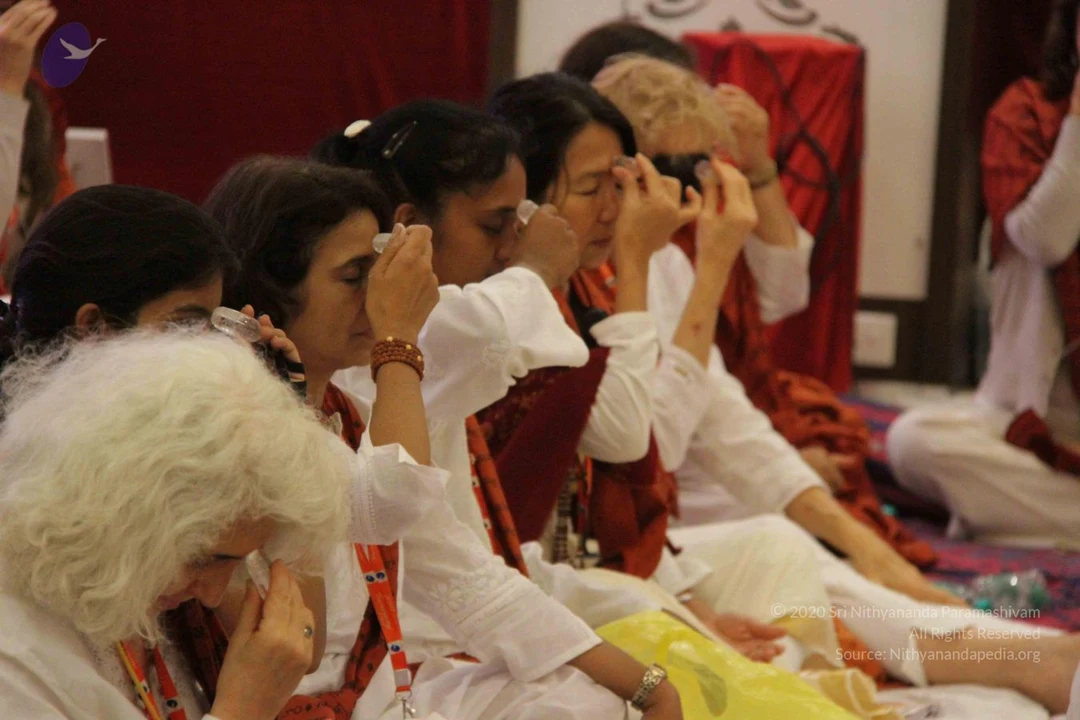
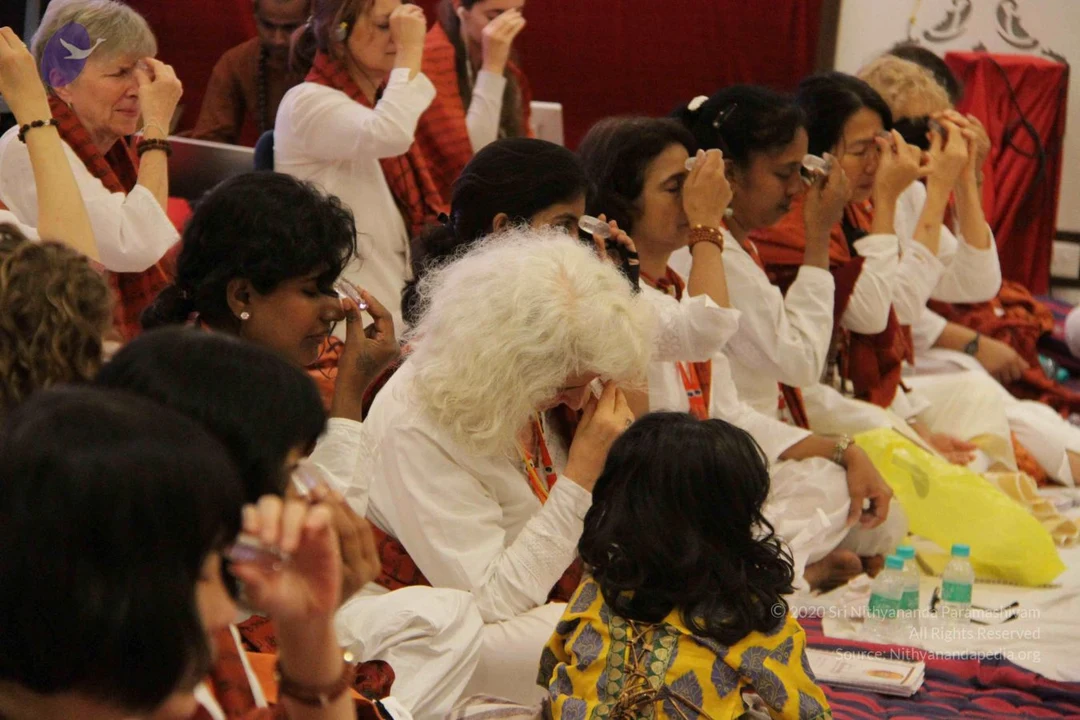
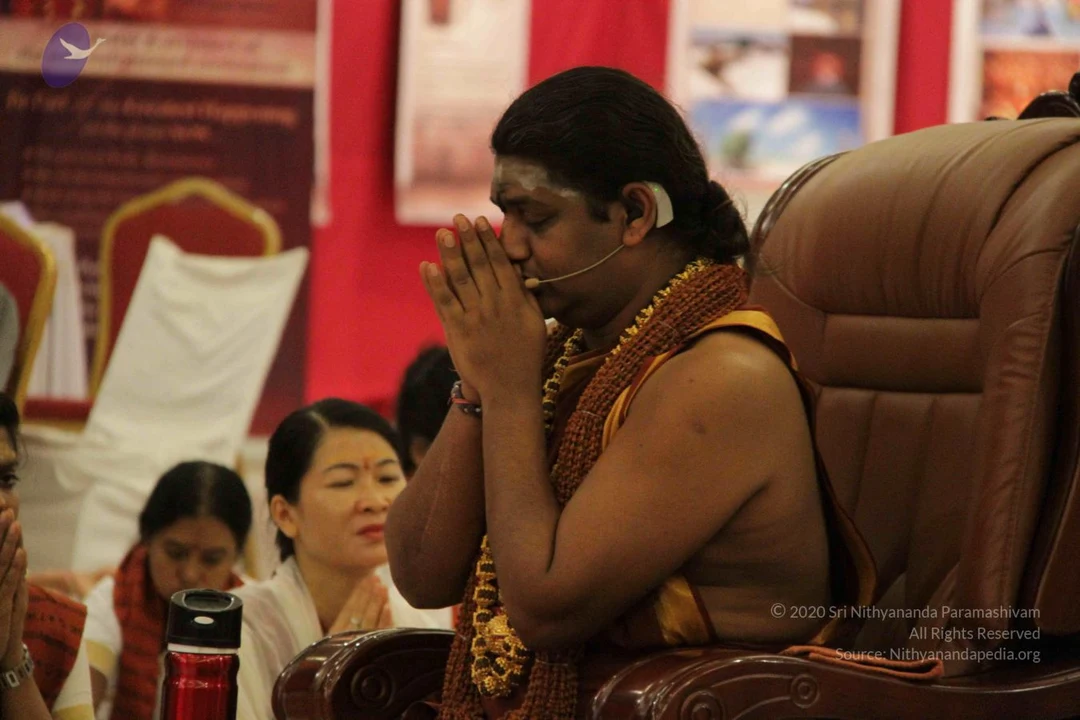
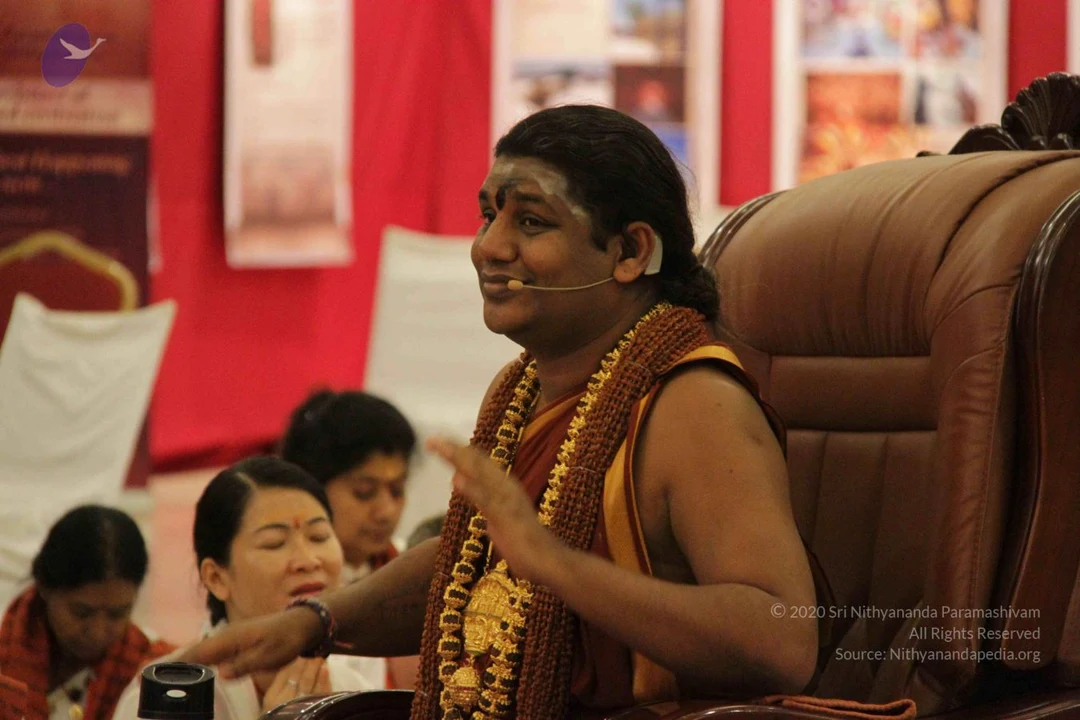
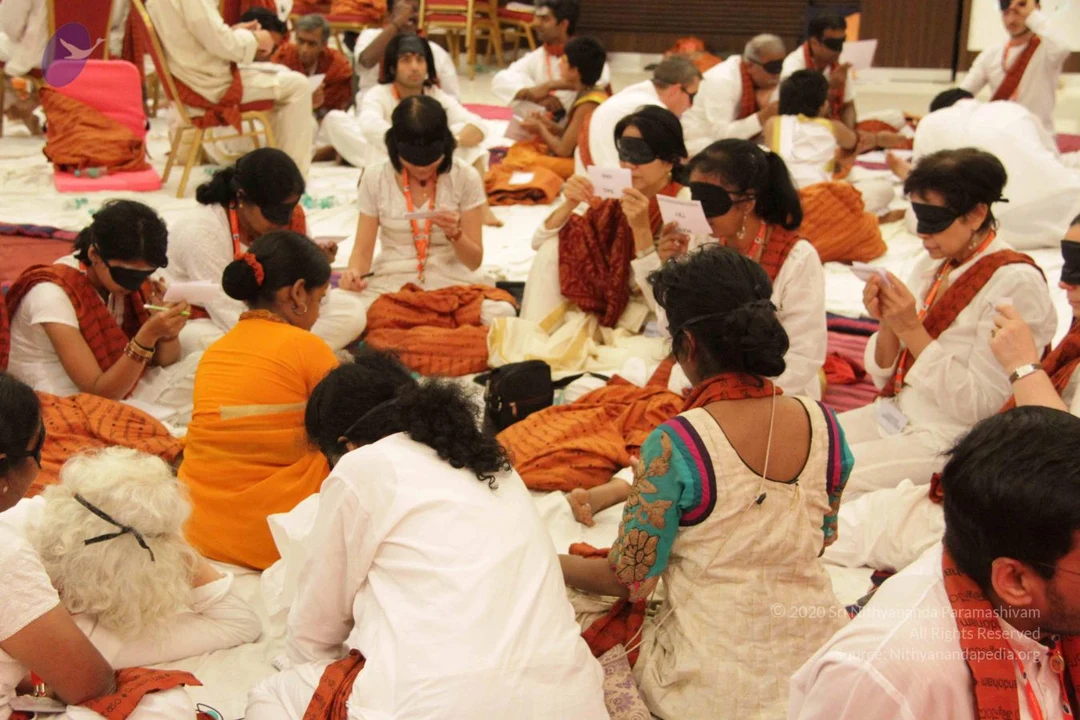
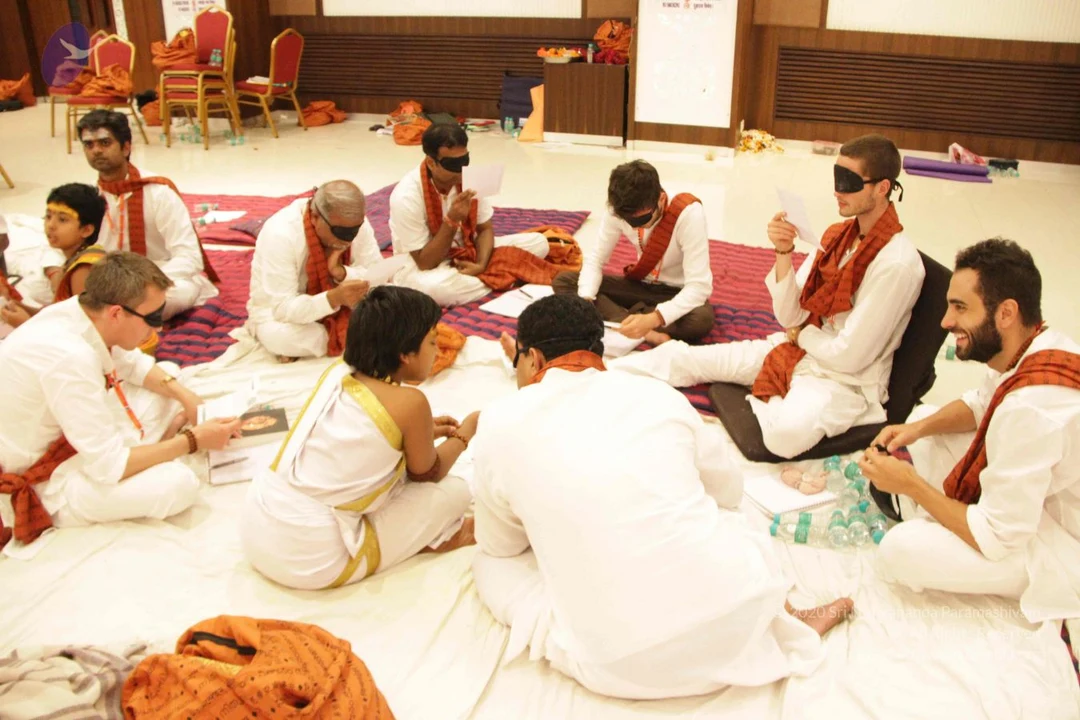
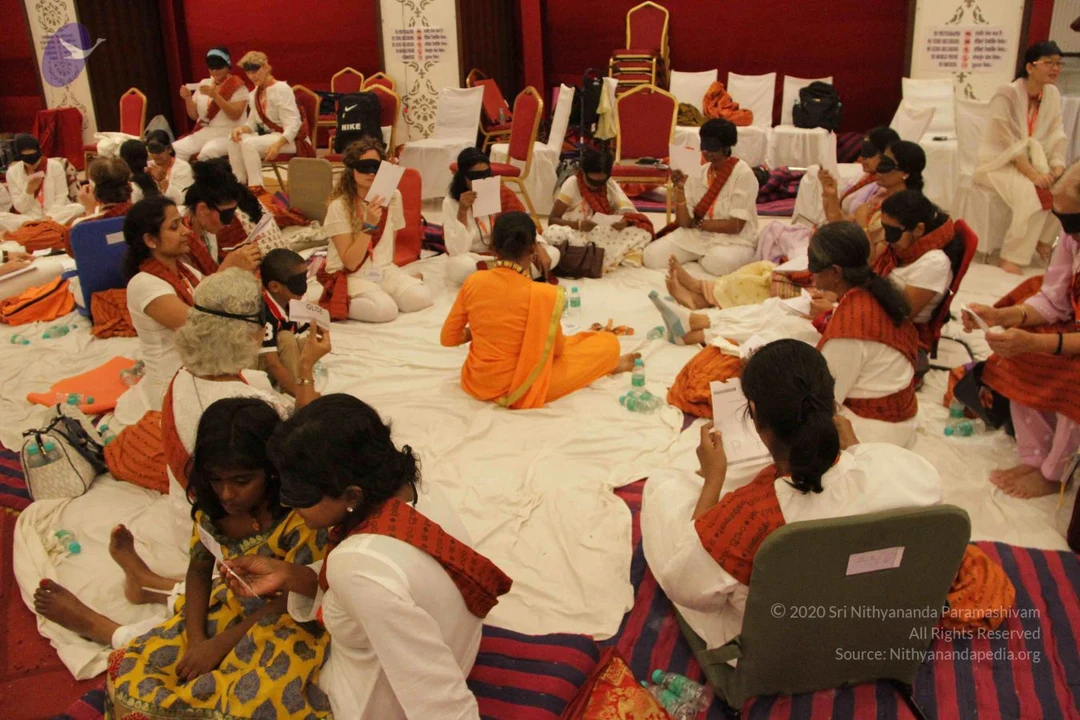
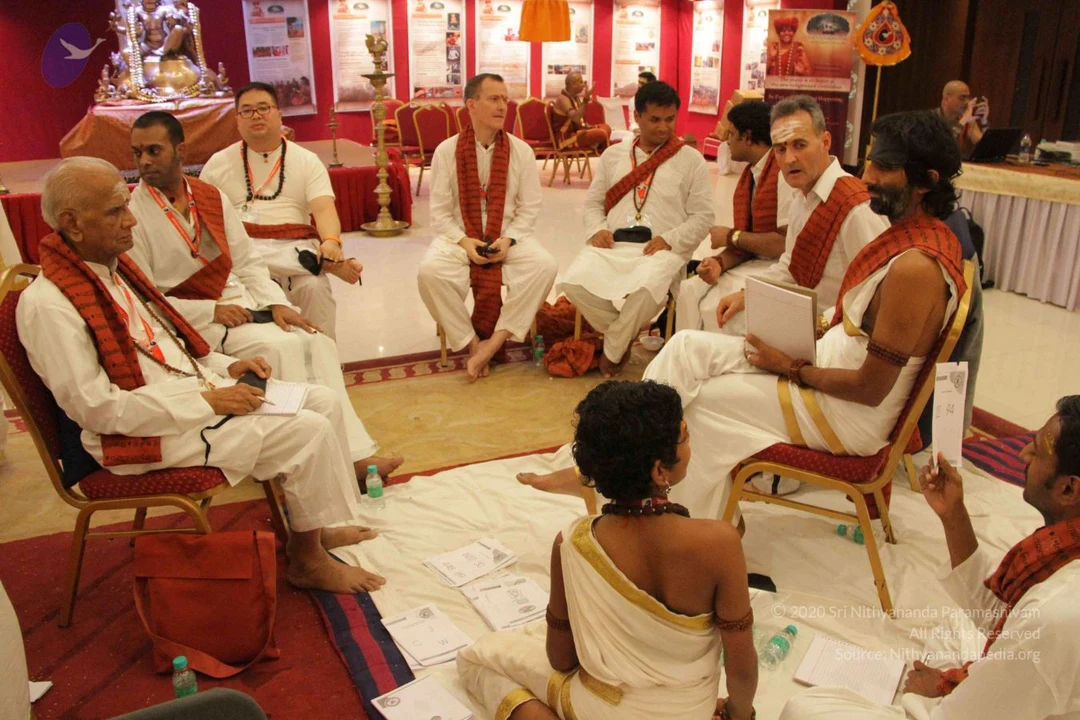
shivoham-Programme
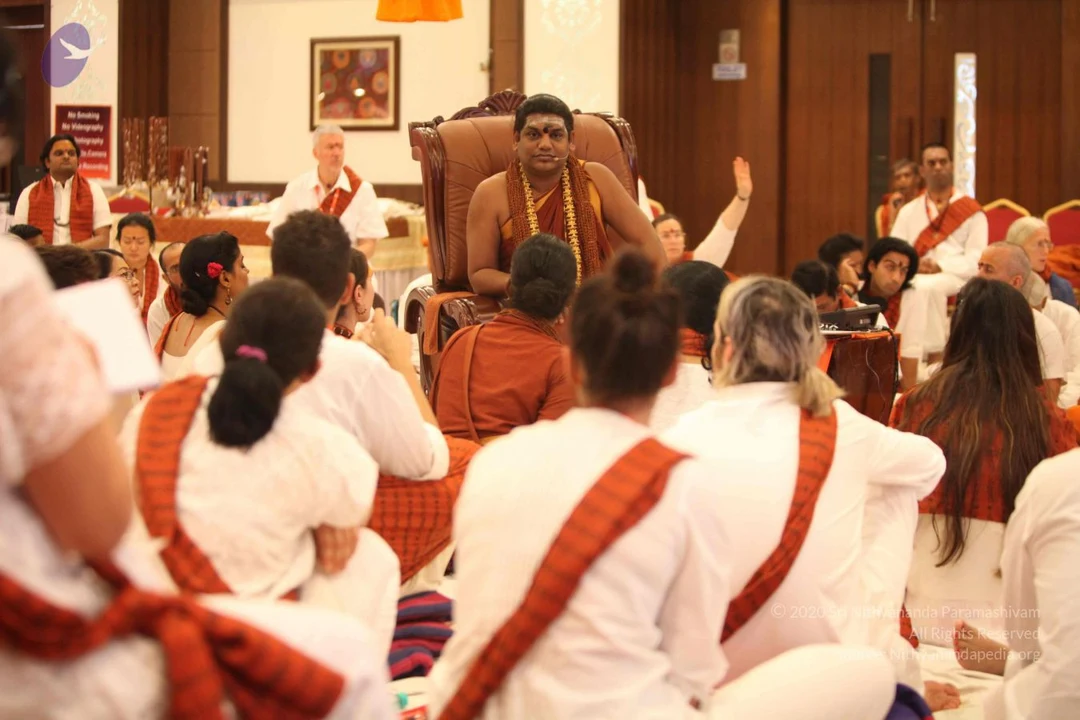
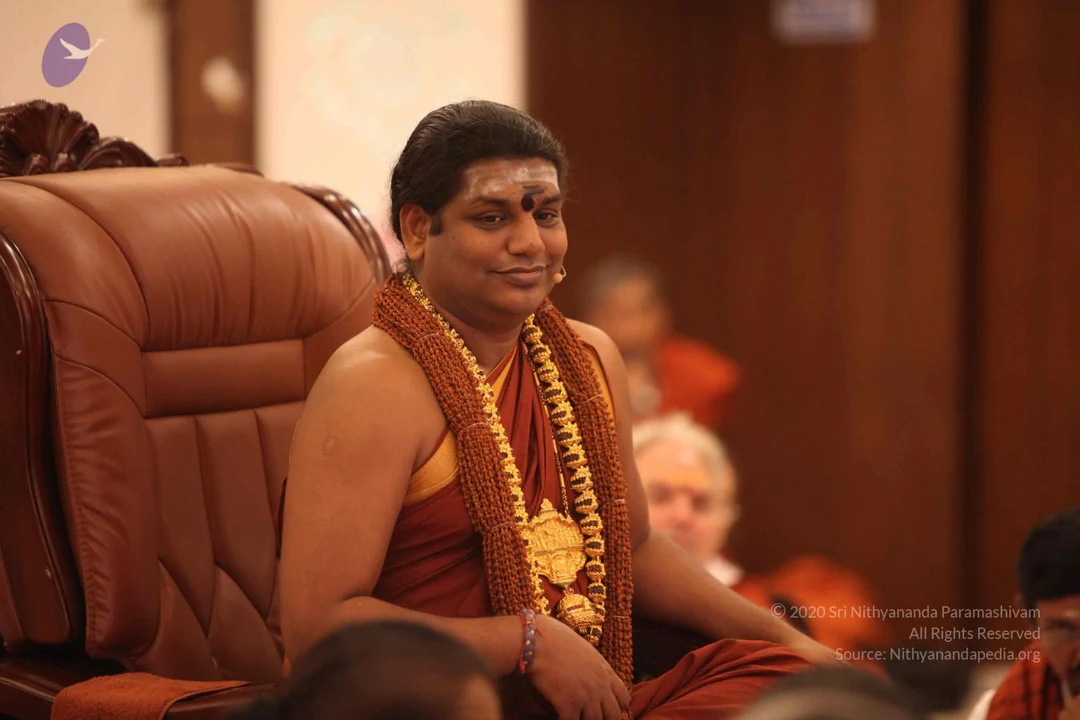
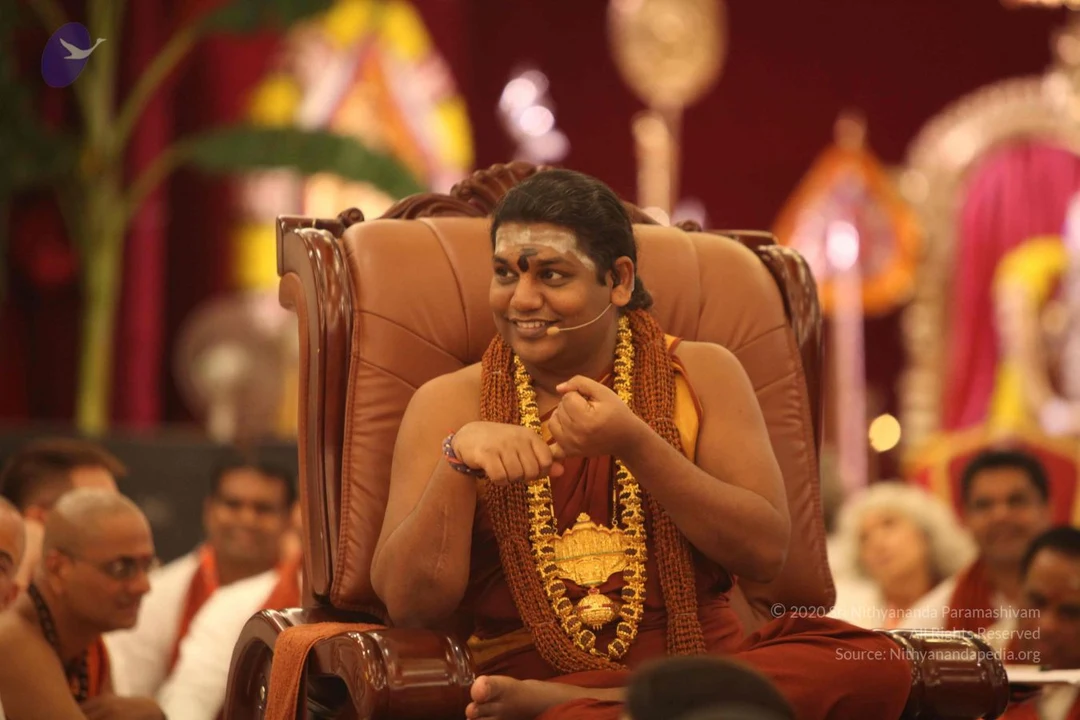
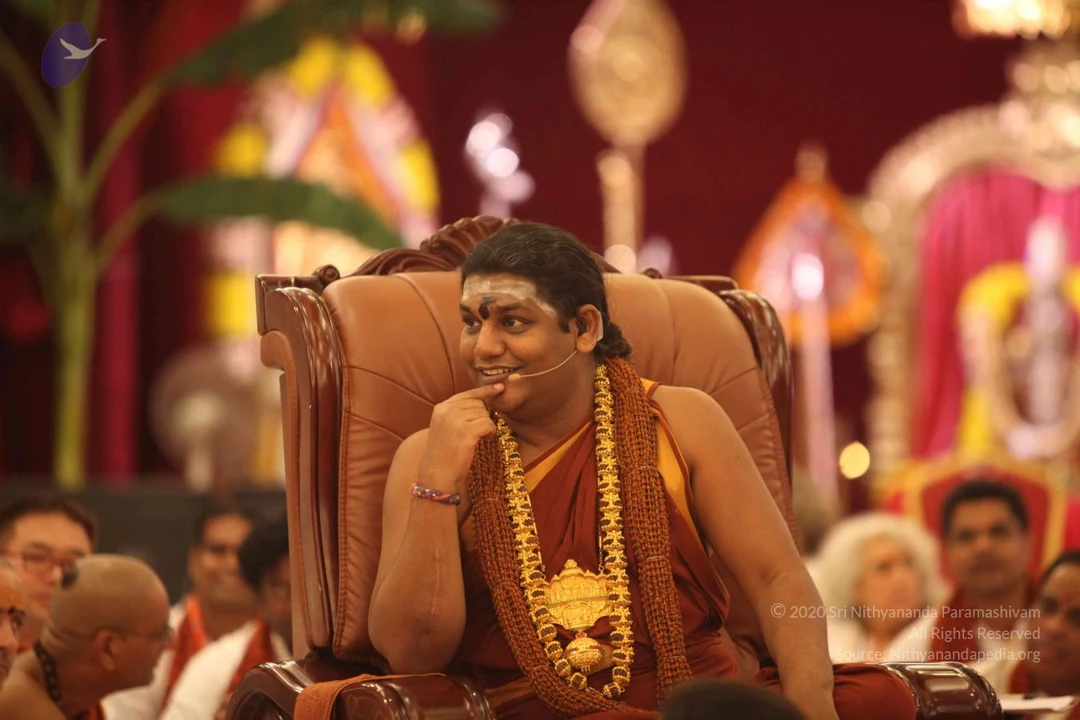

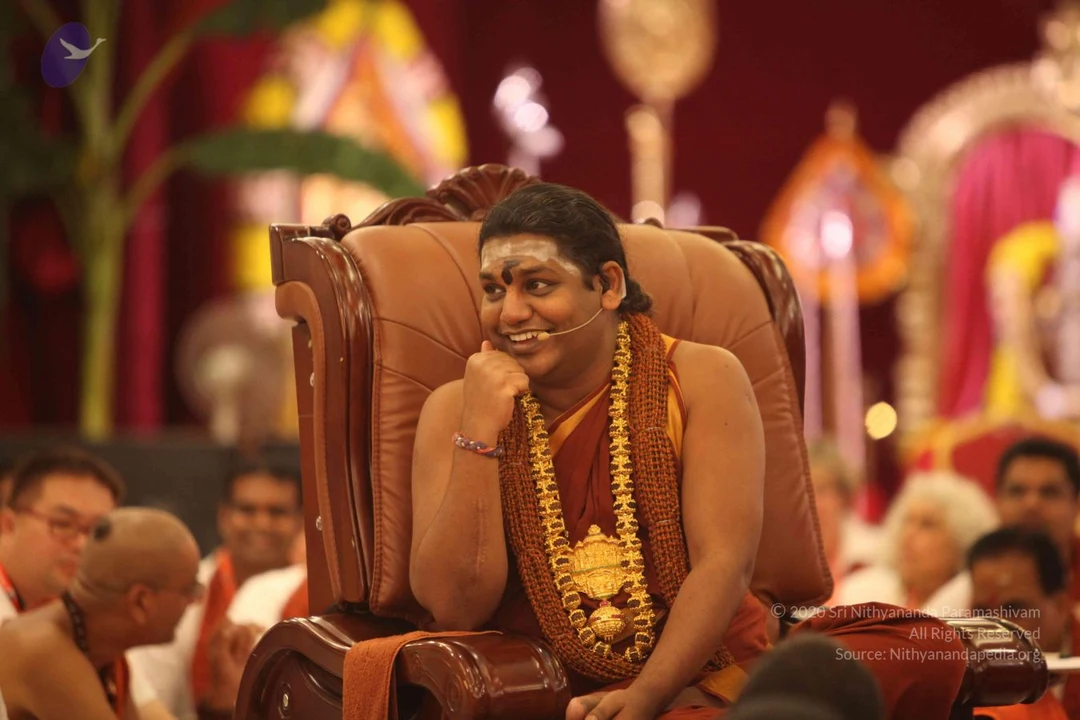

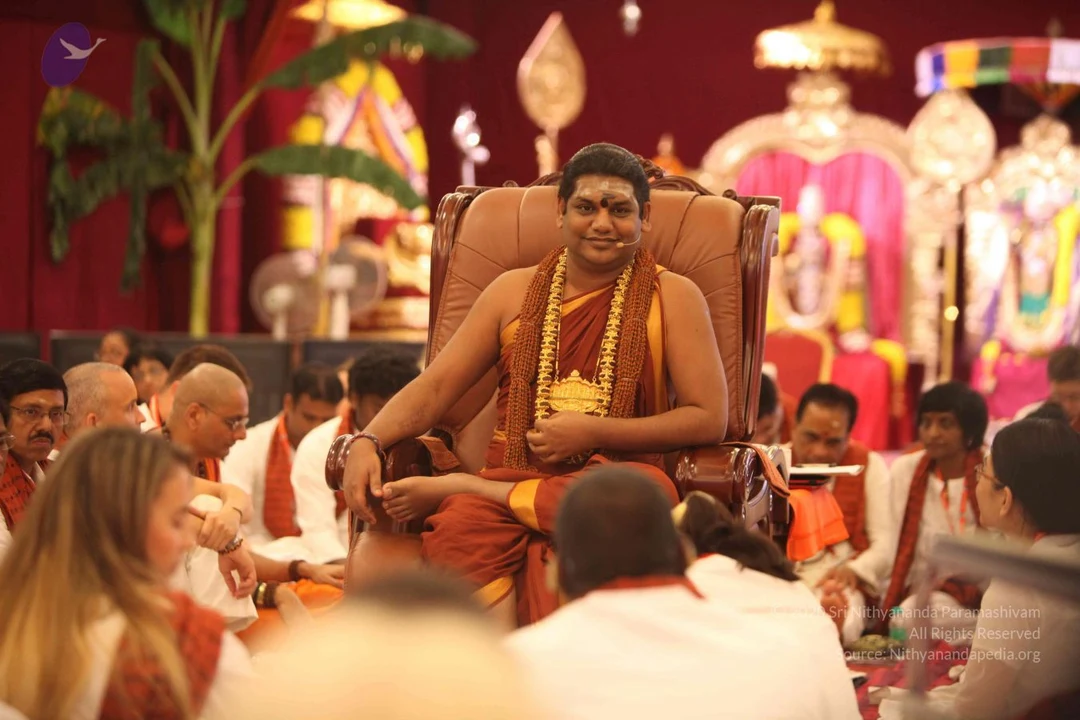
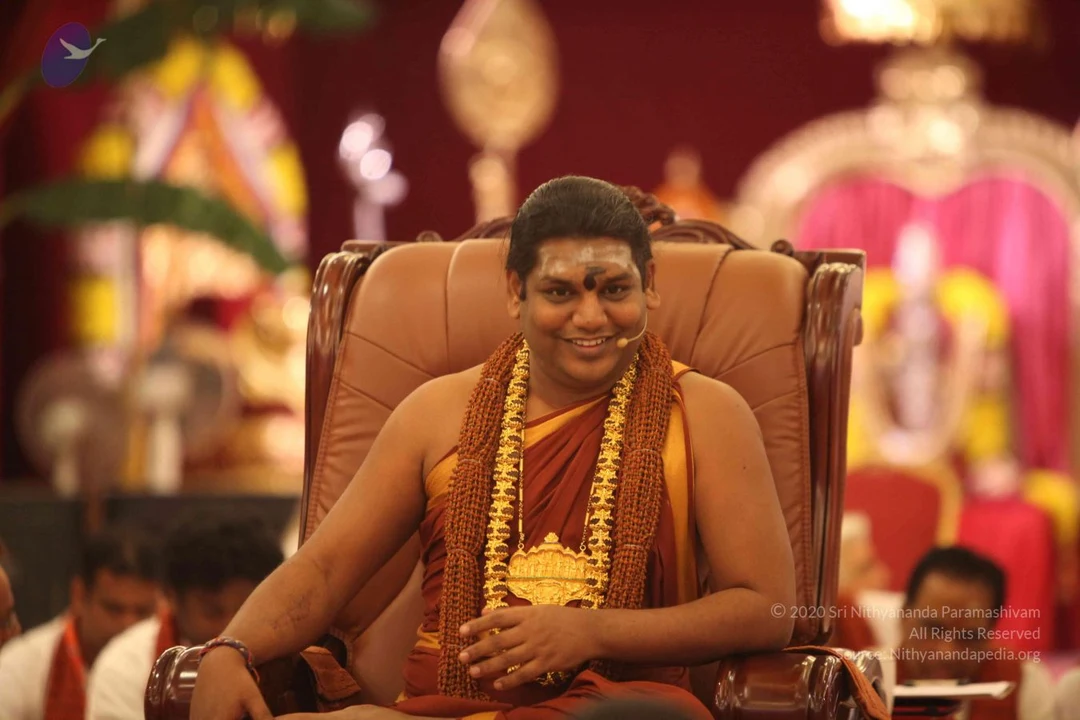
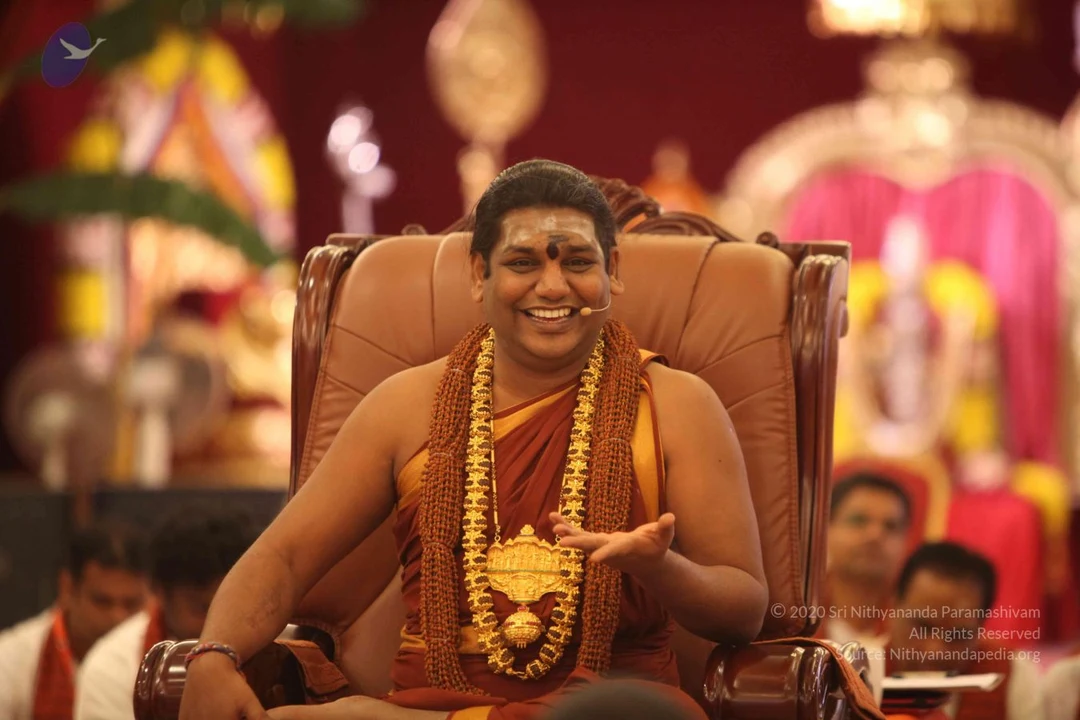
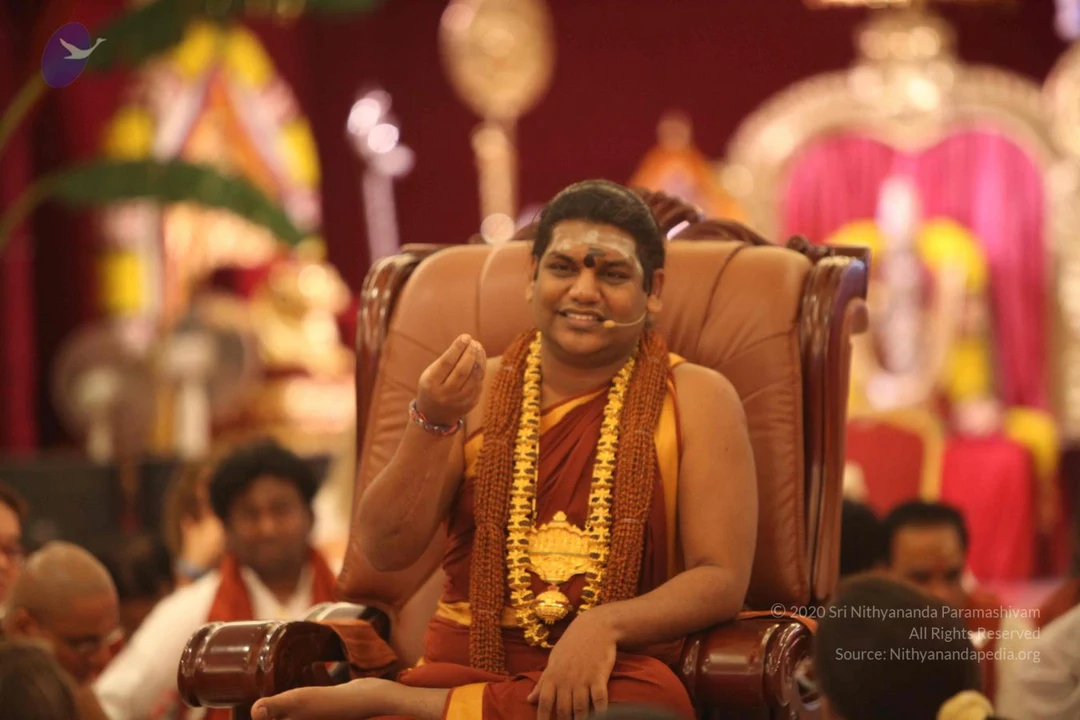
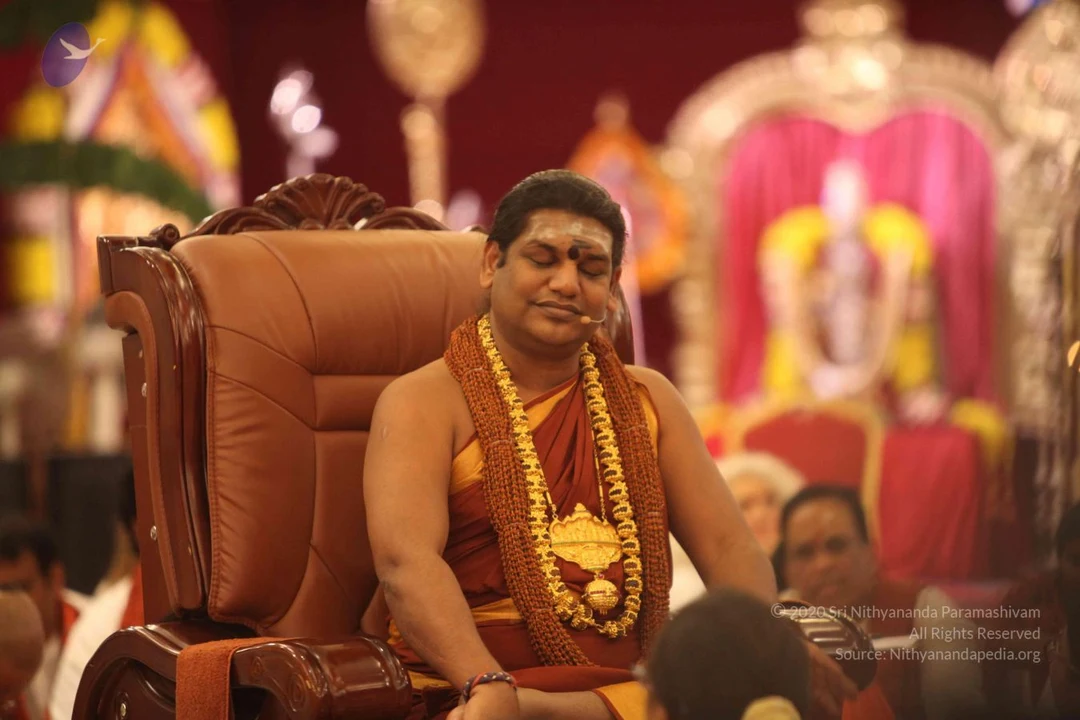
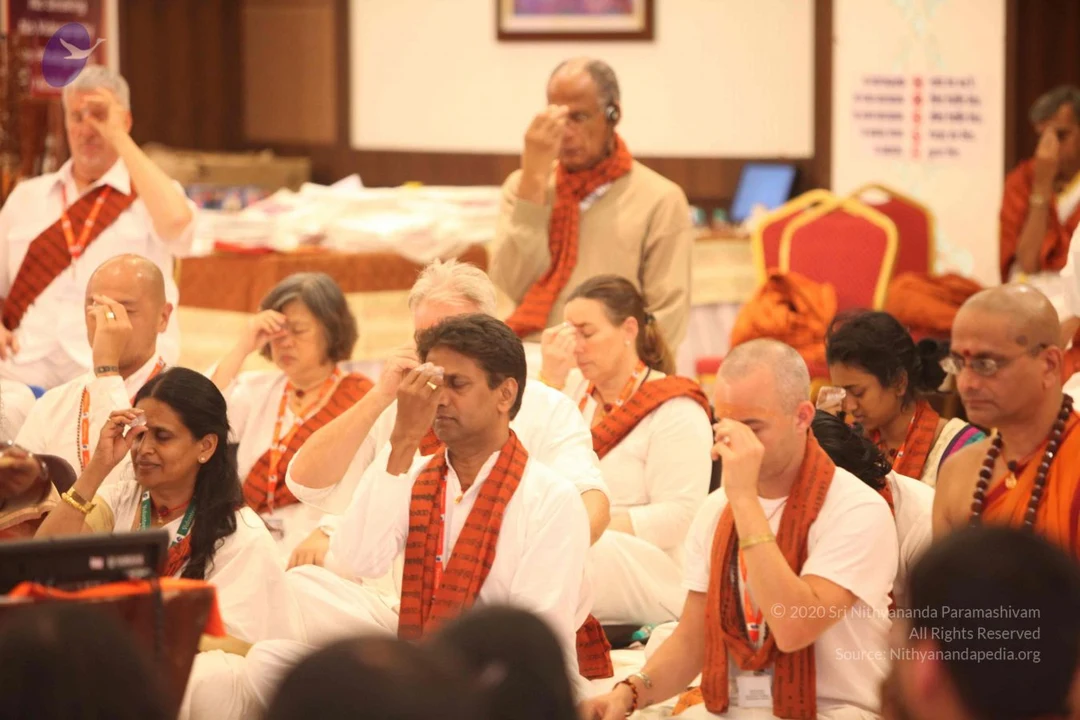
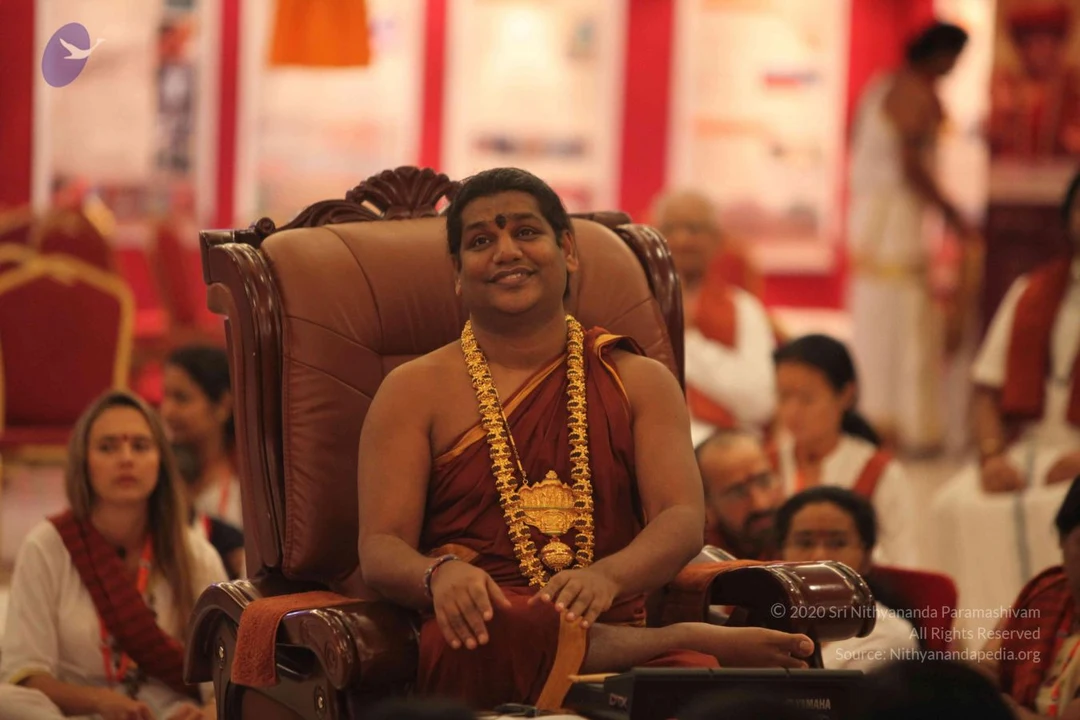
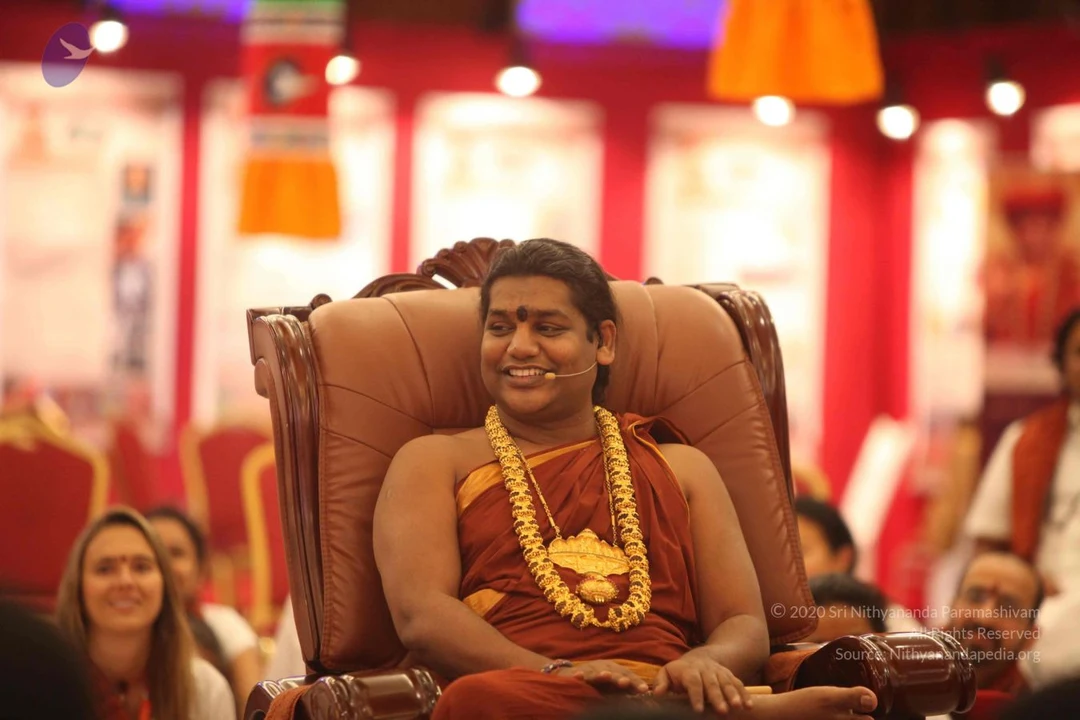
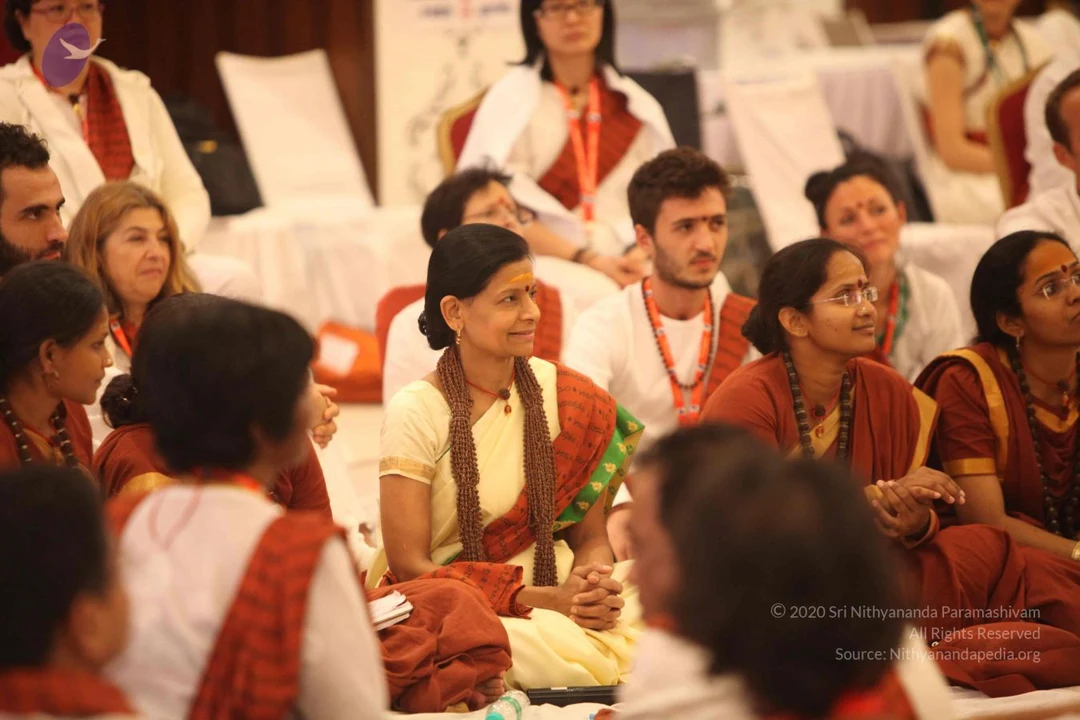
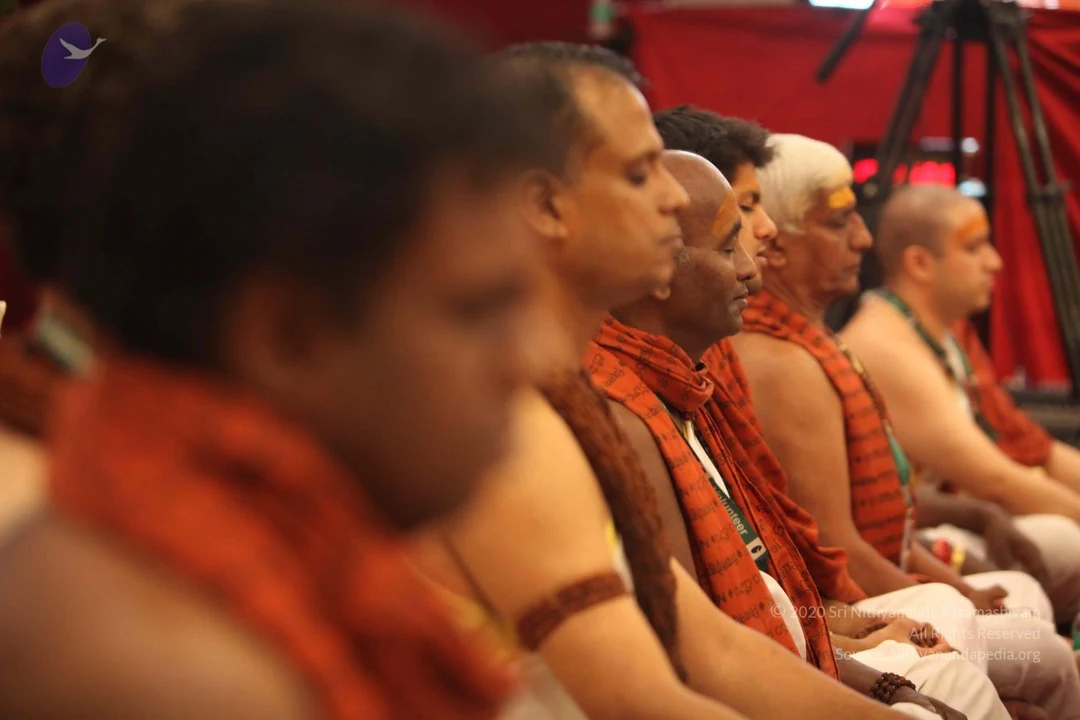
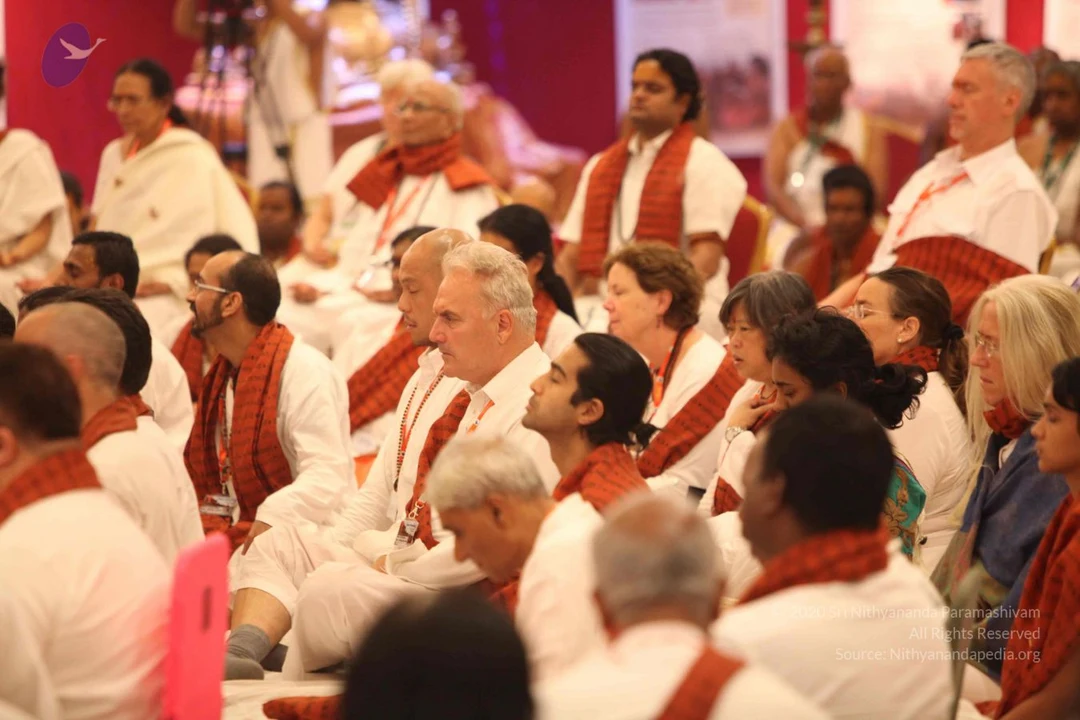
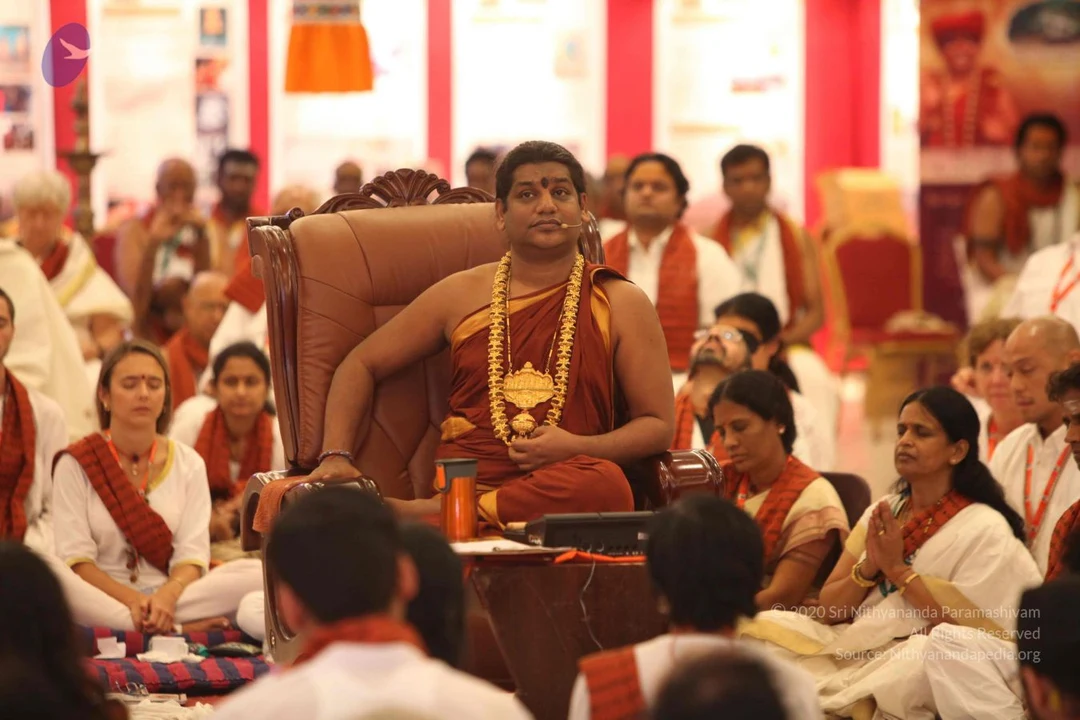
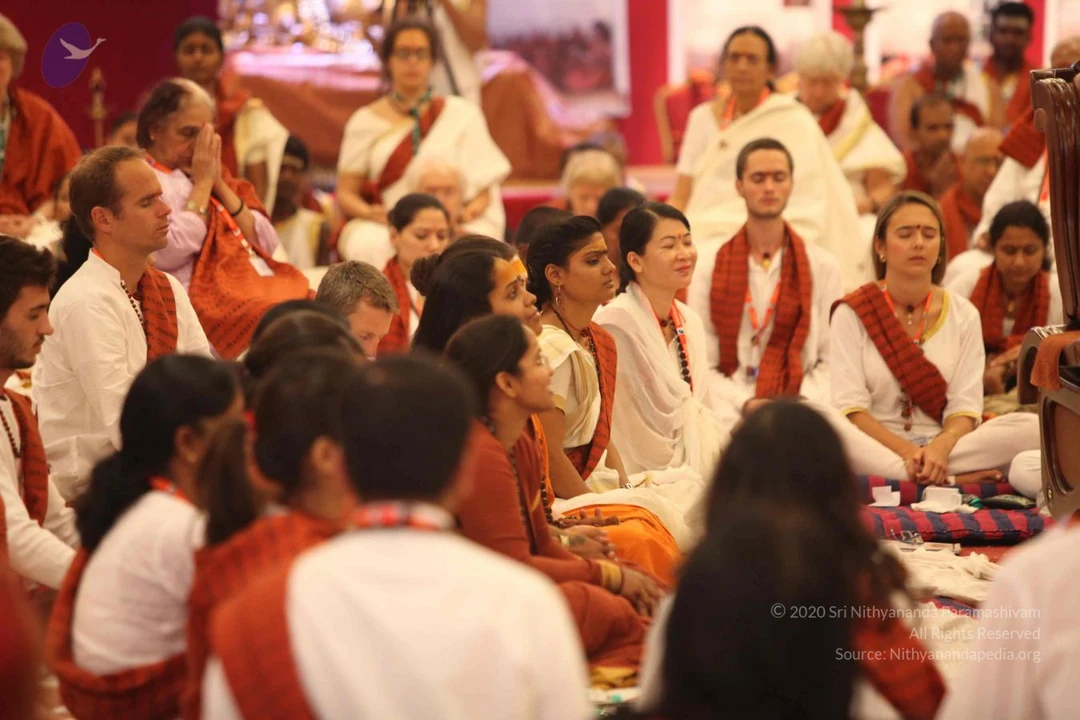
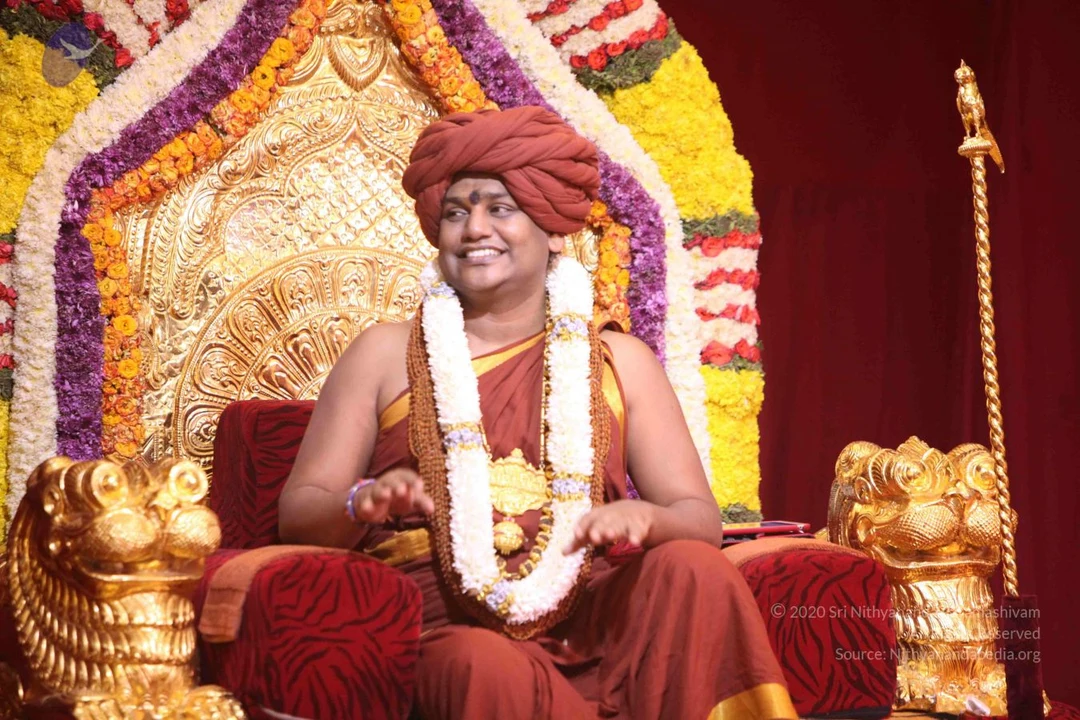
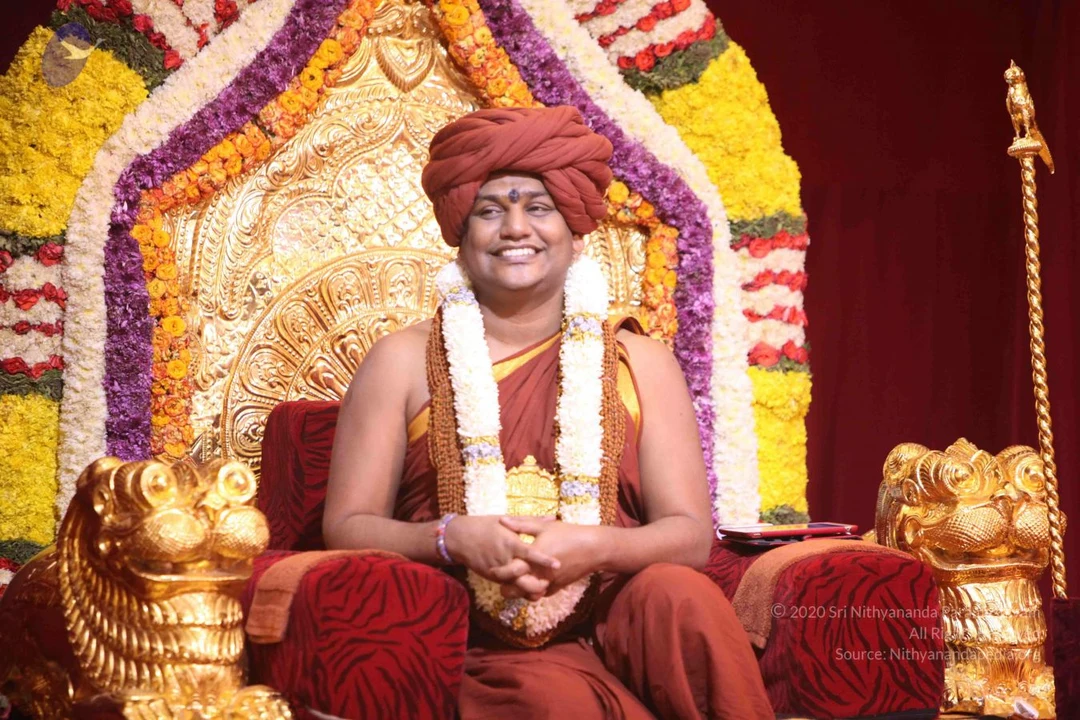
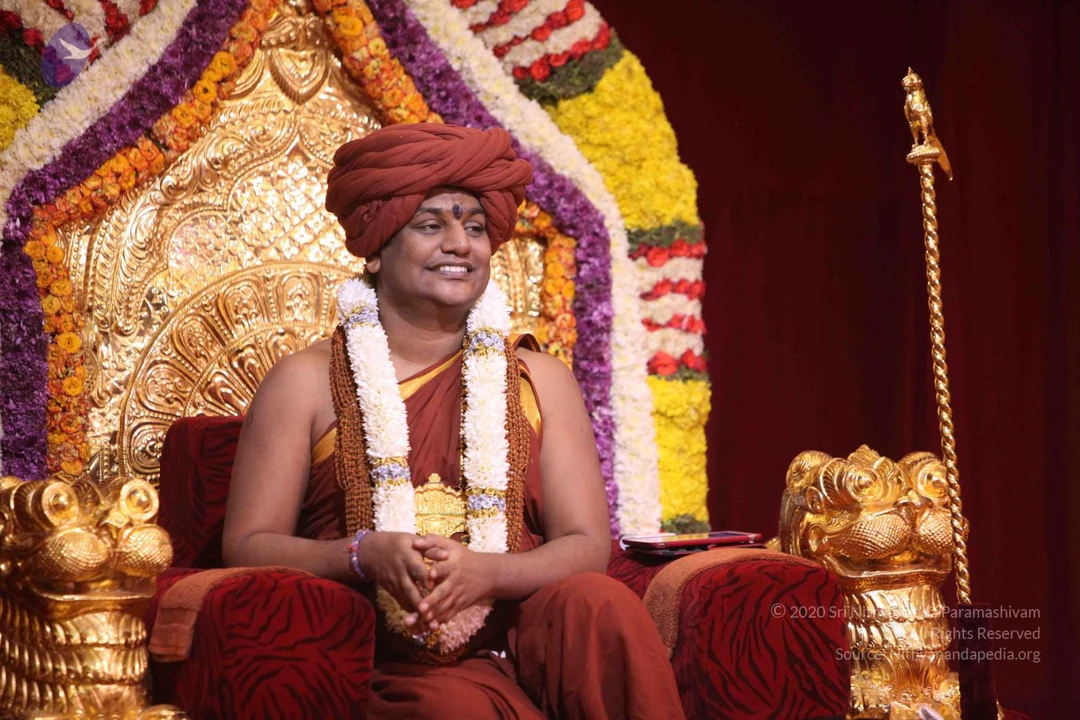
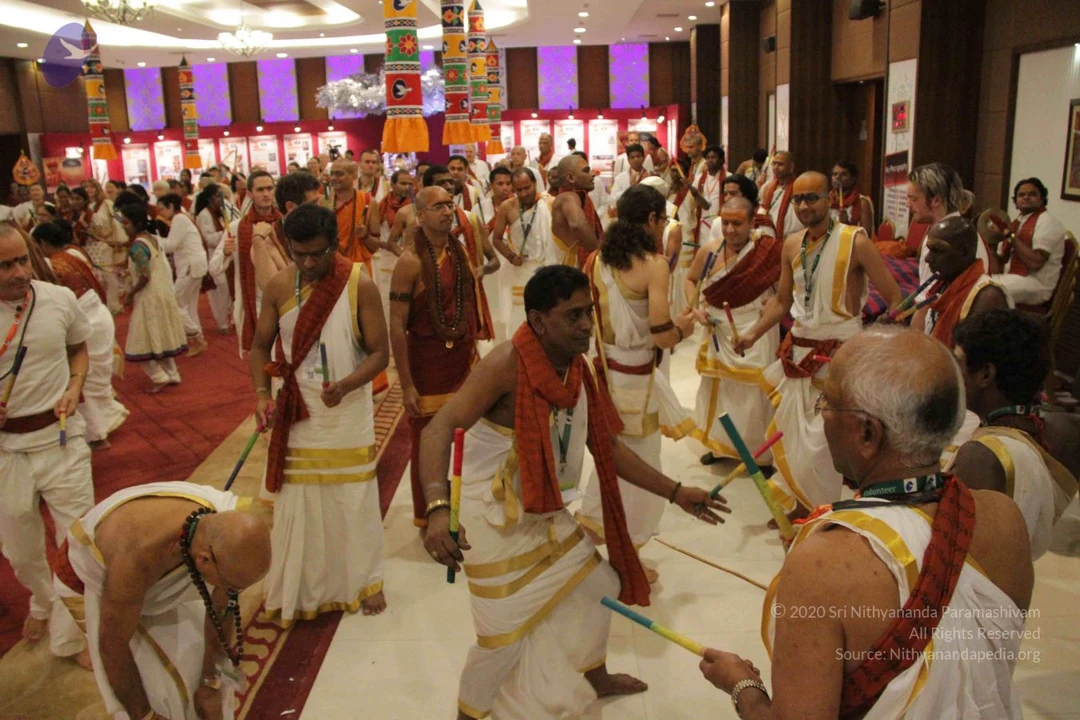
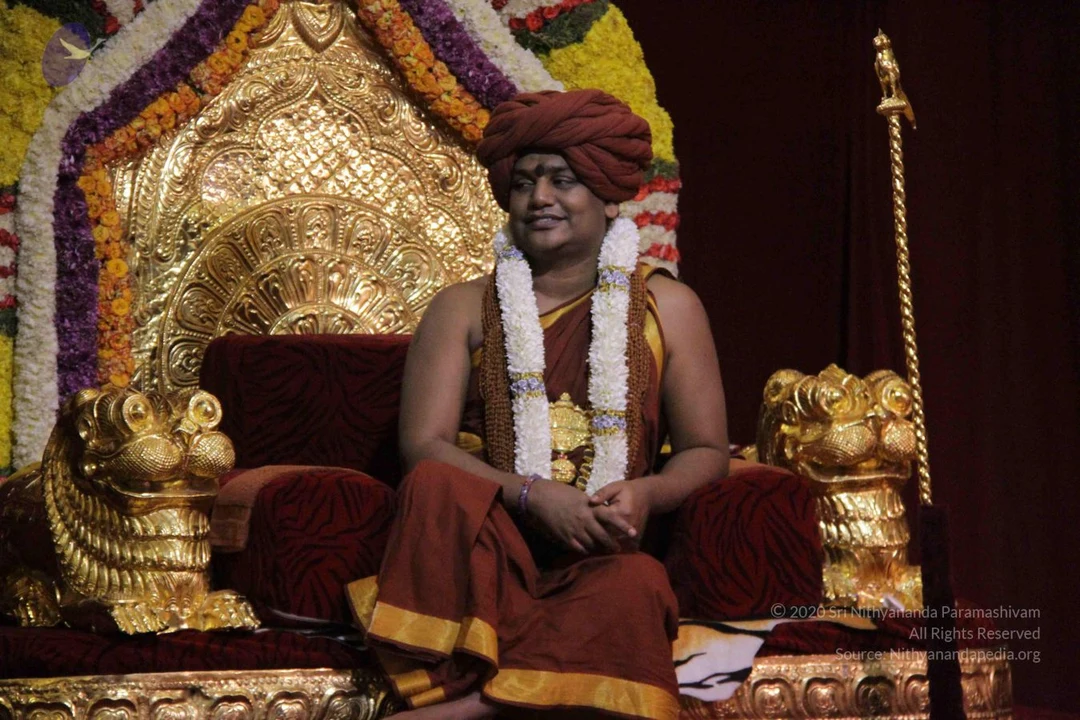
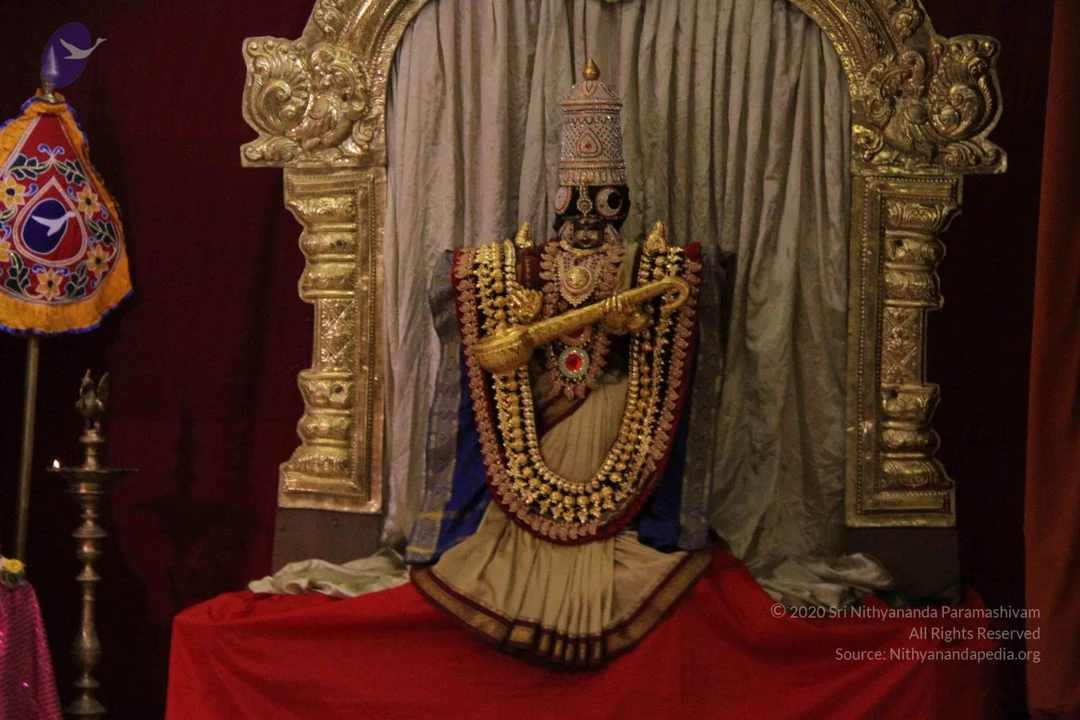
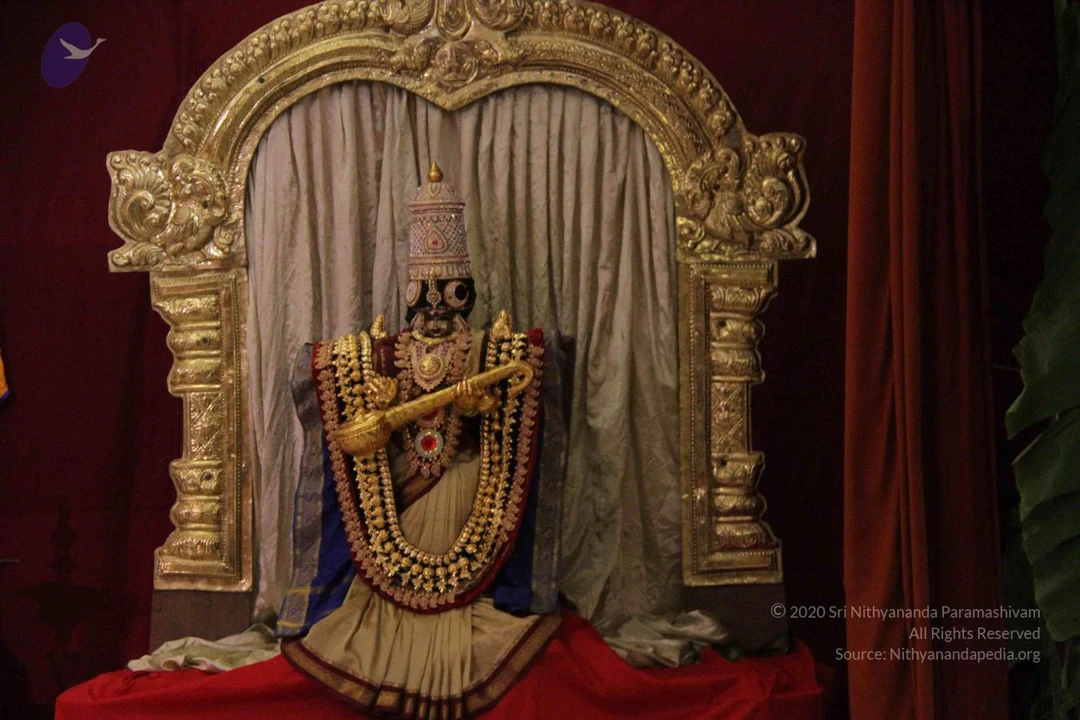
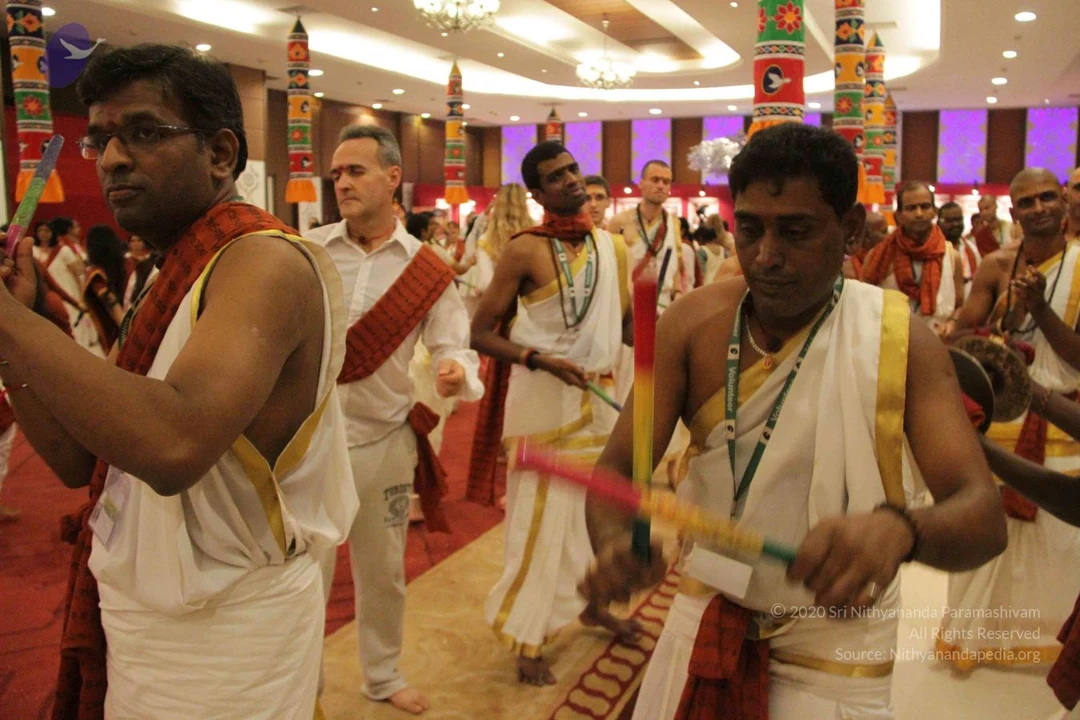
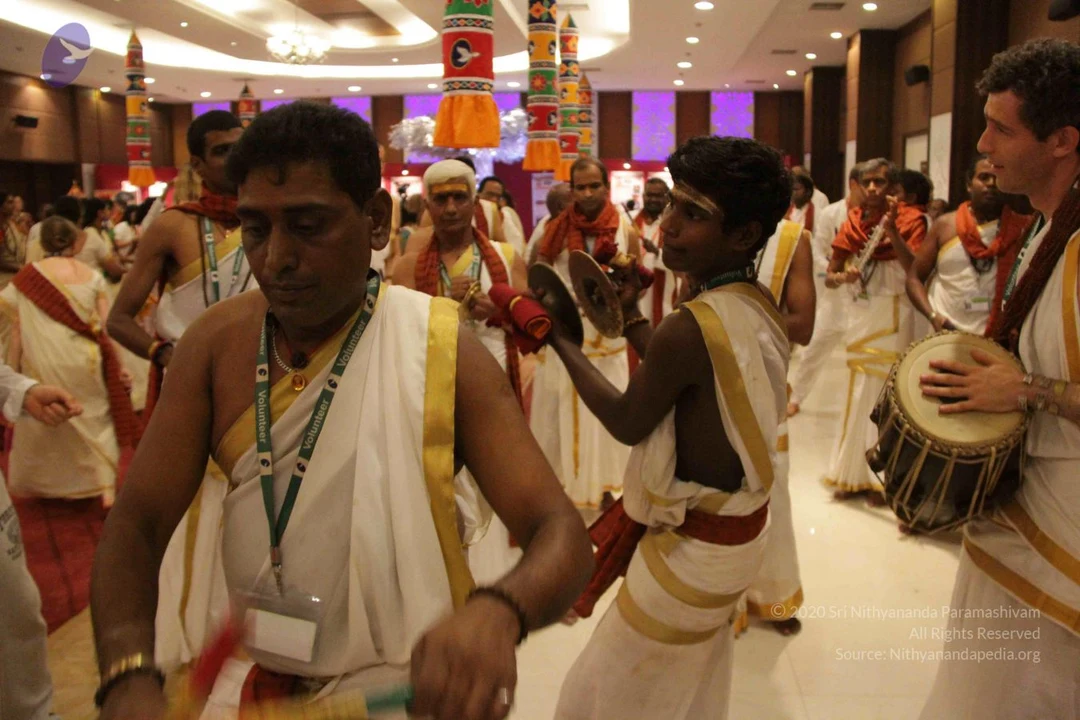
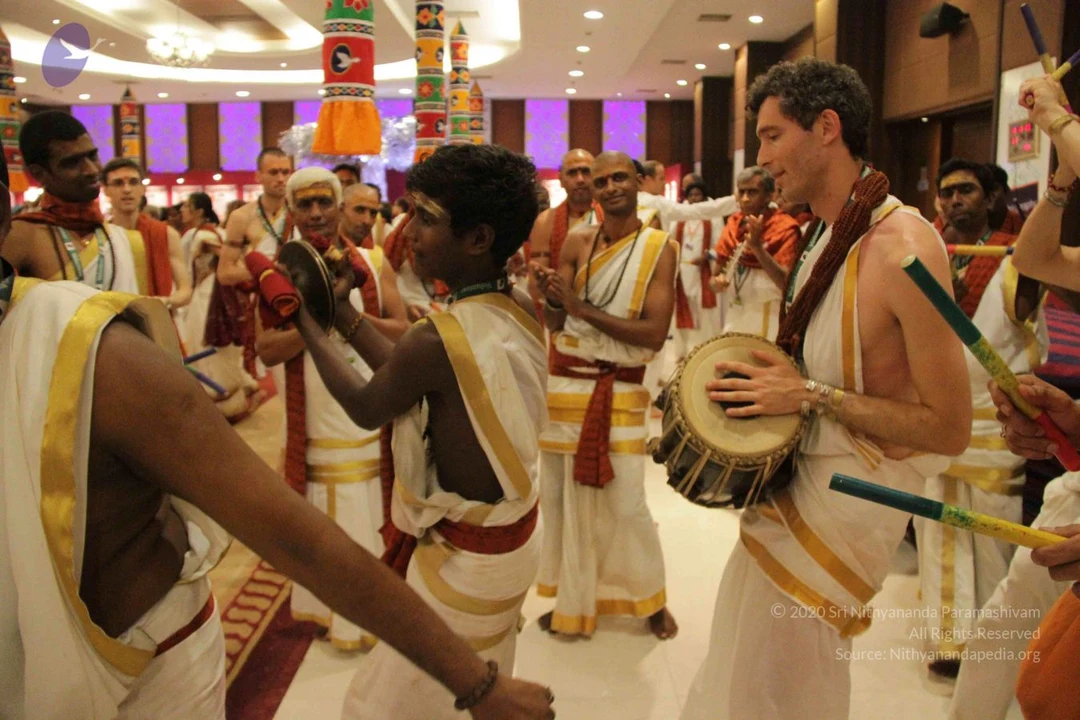
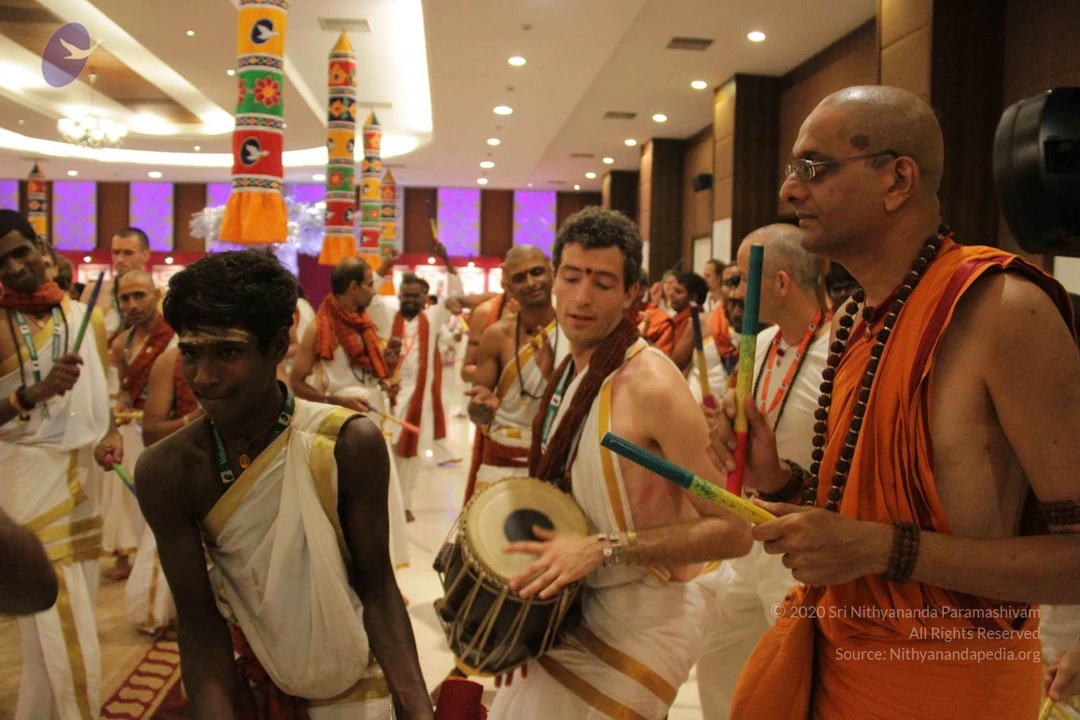
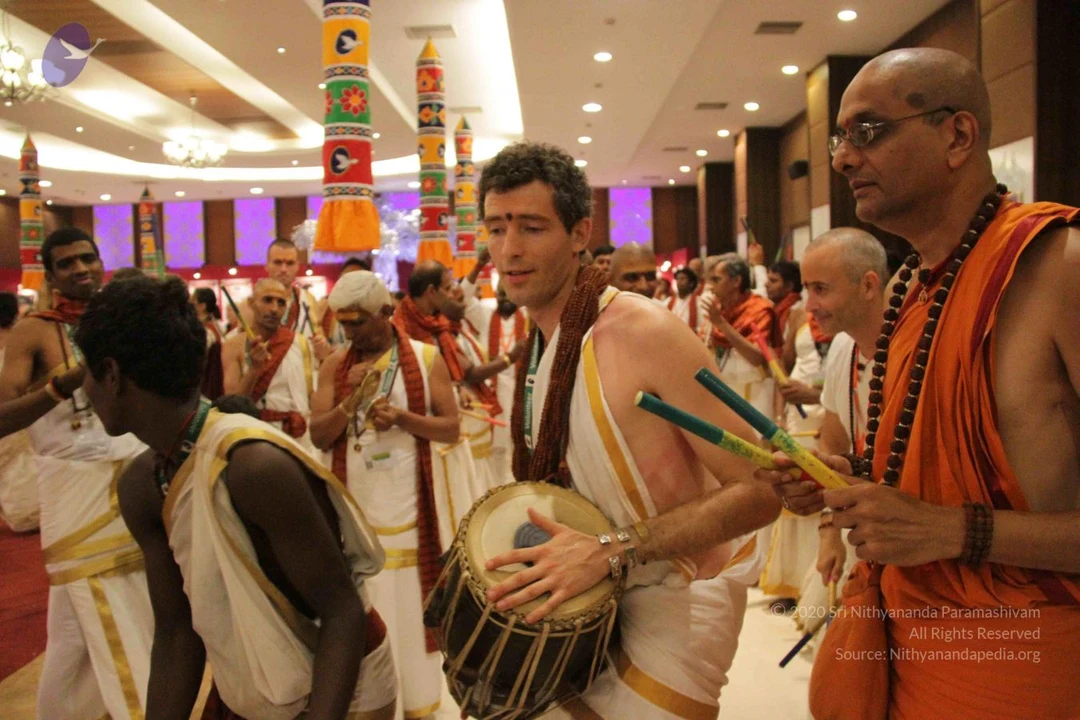
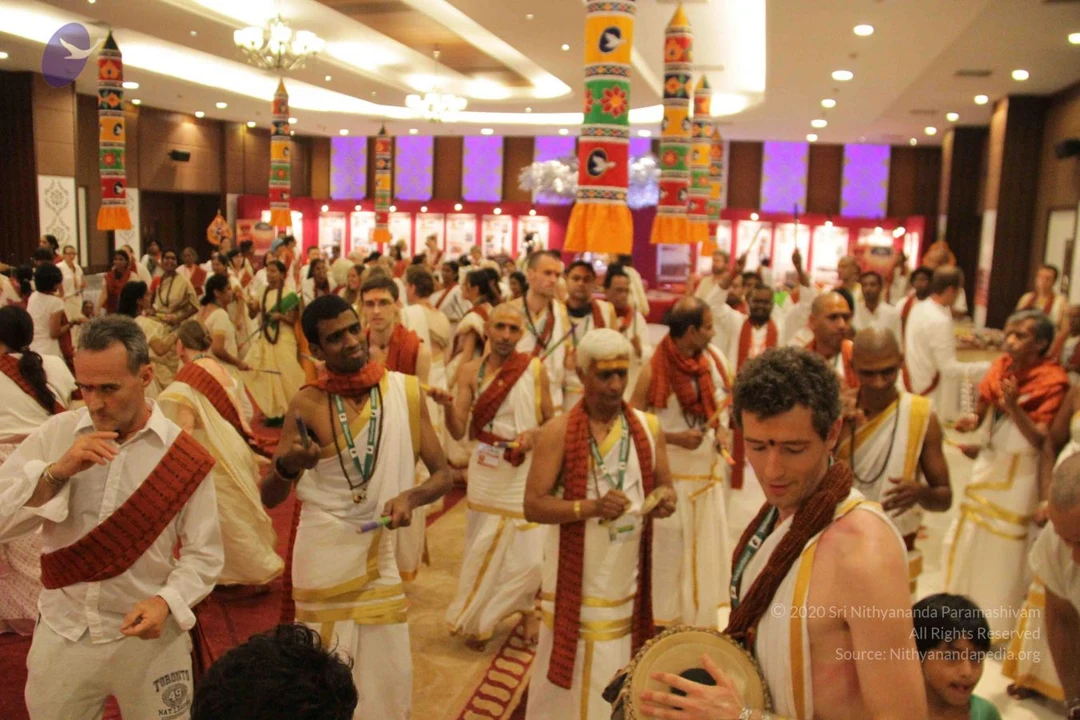
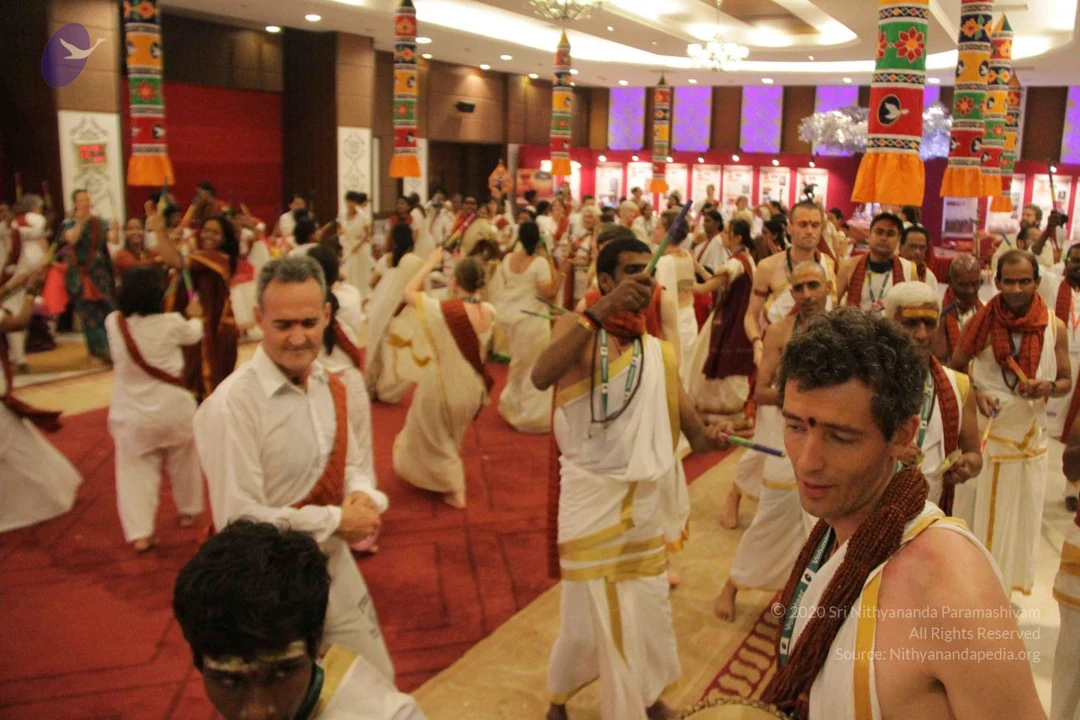
01-MEENAKSHI-THIRUKALYANAM
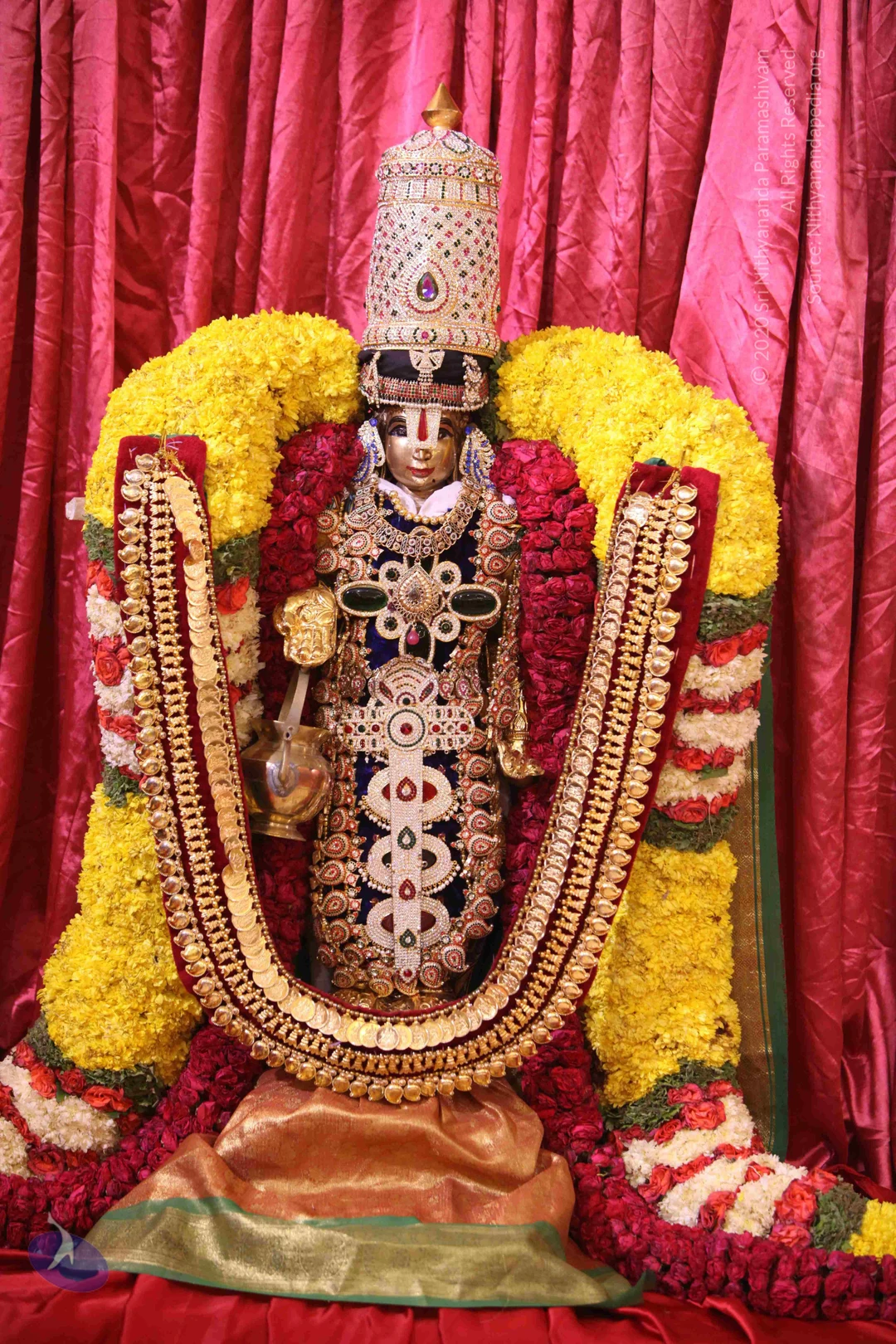
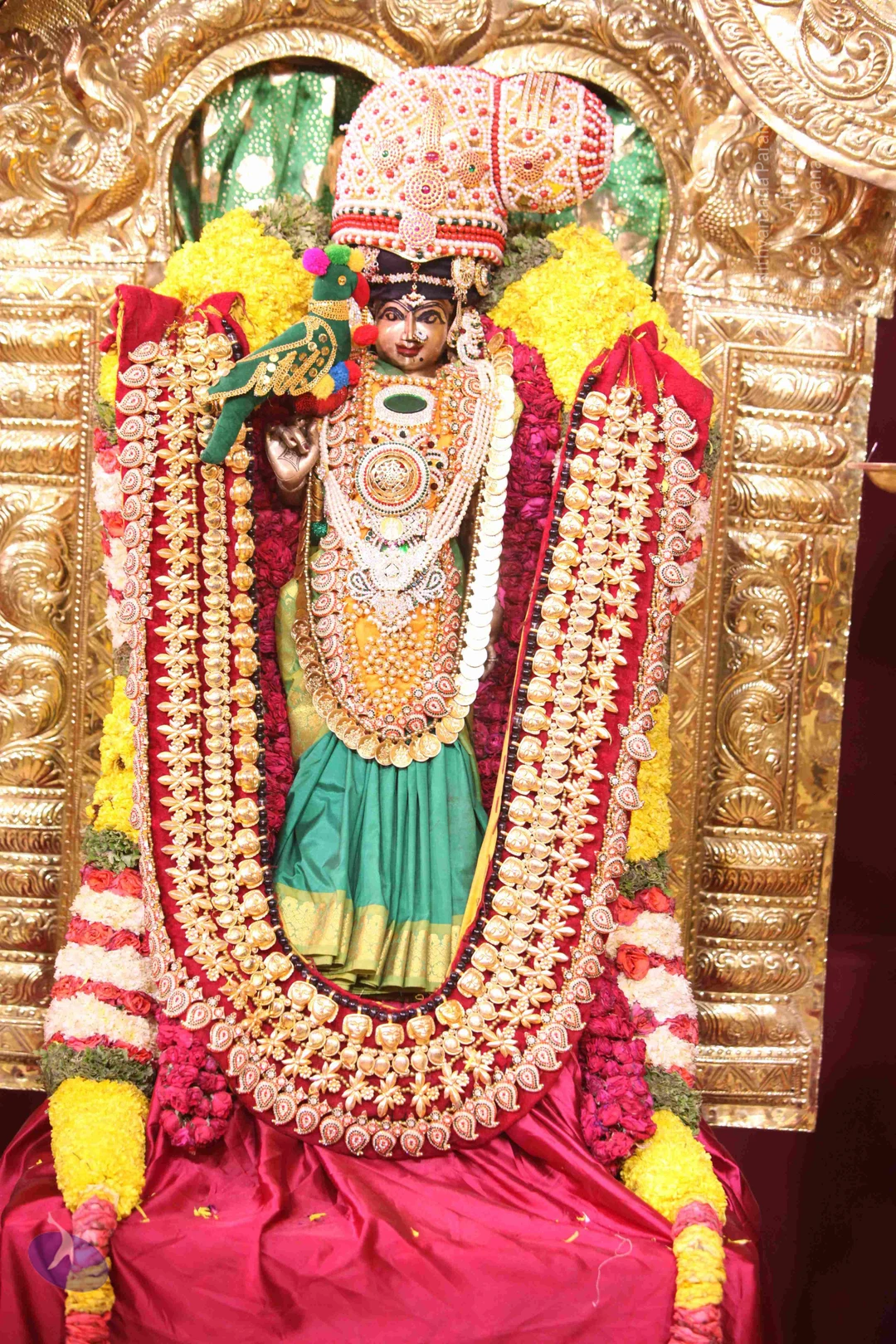
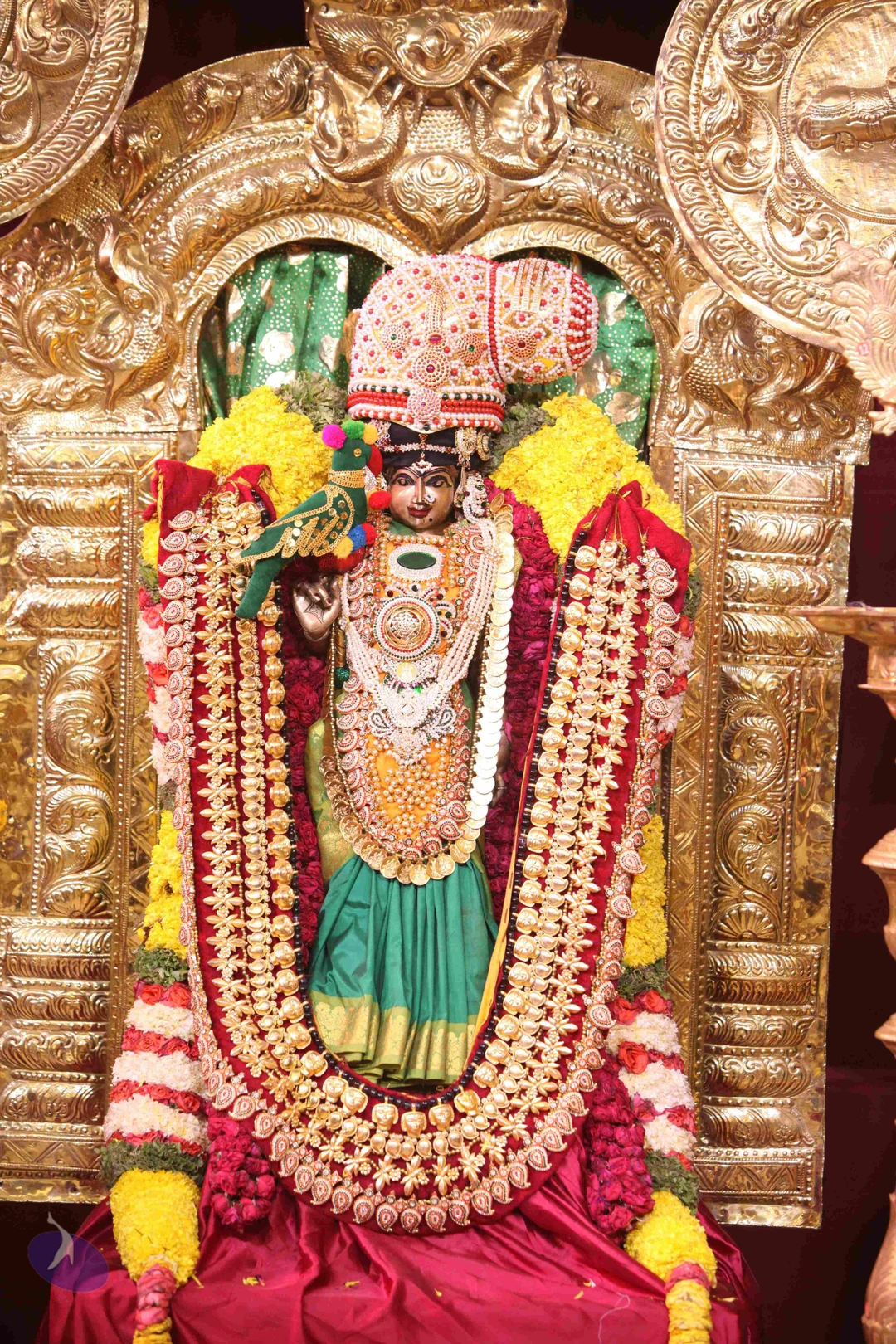
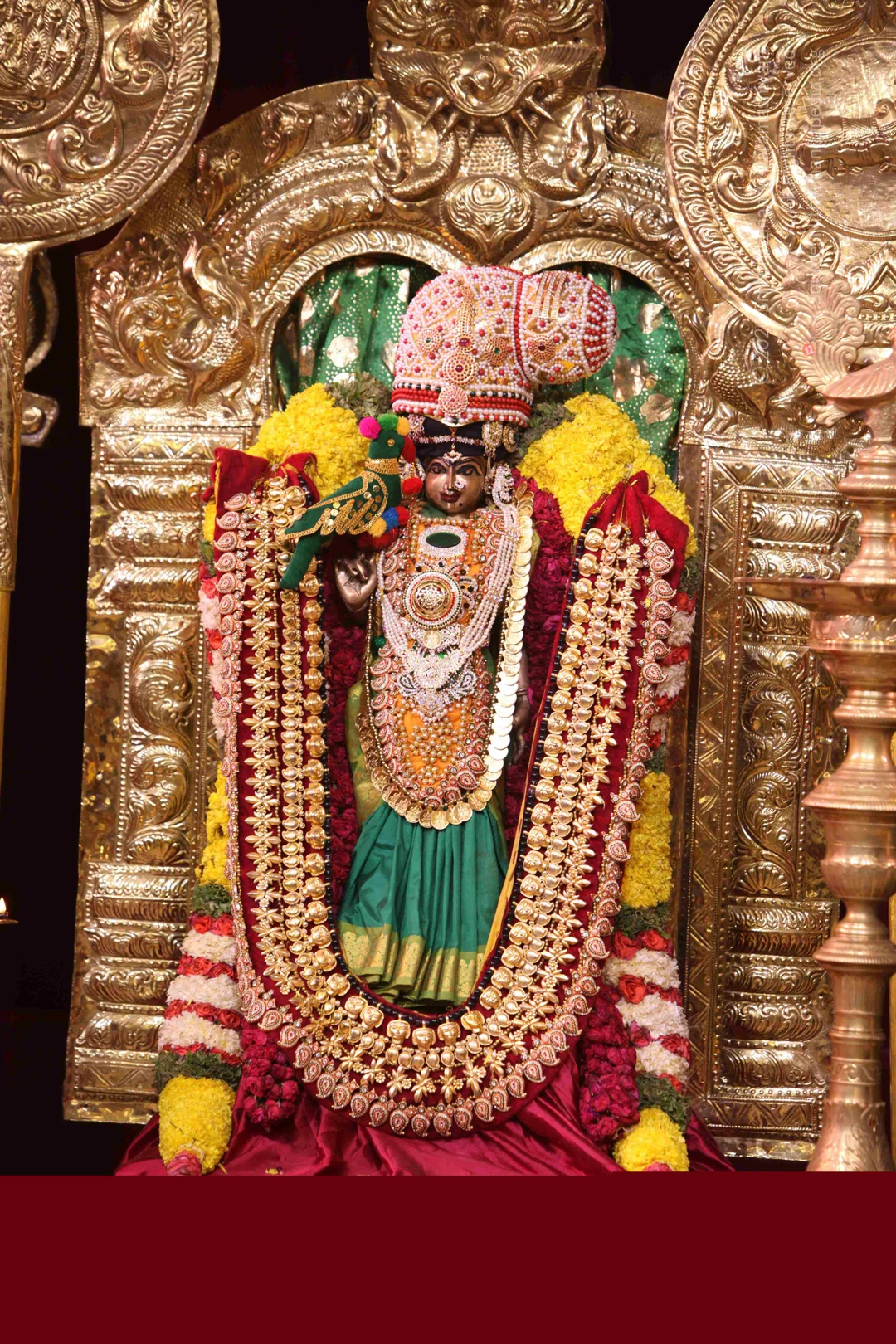
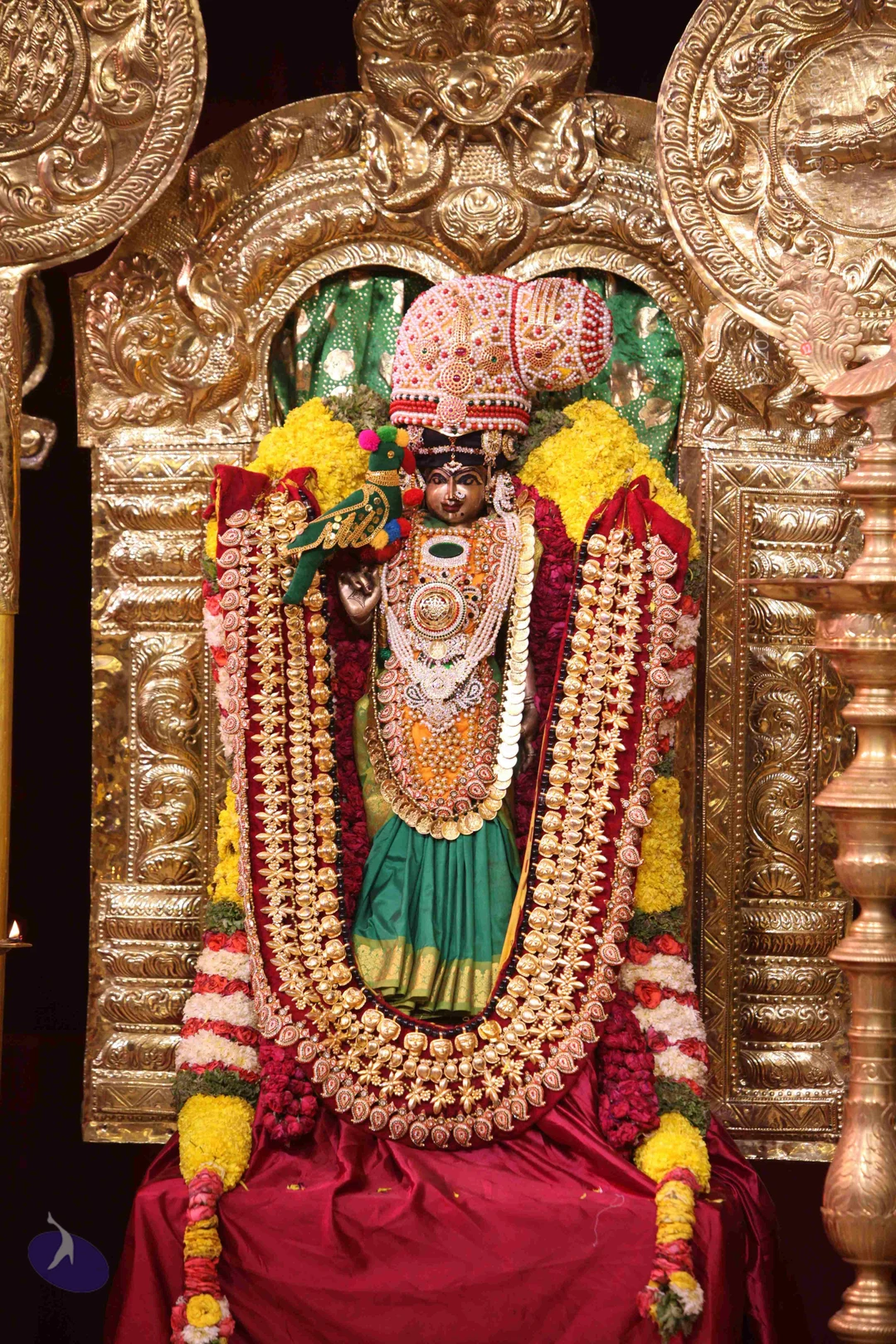
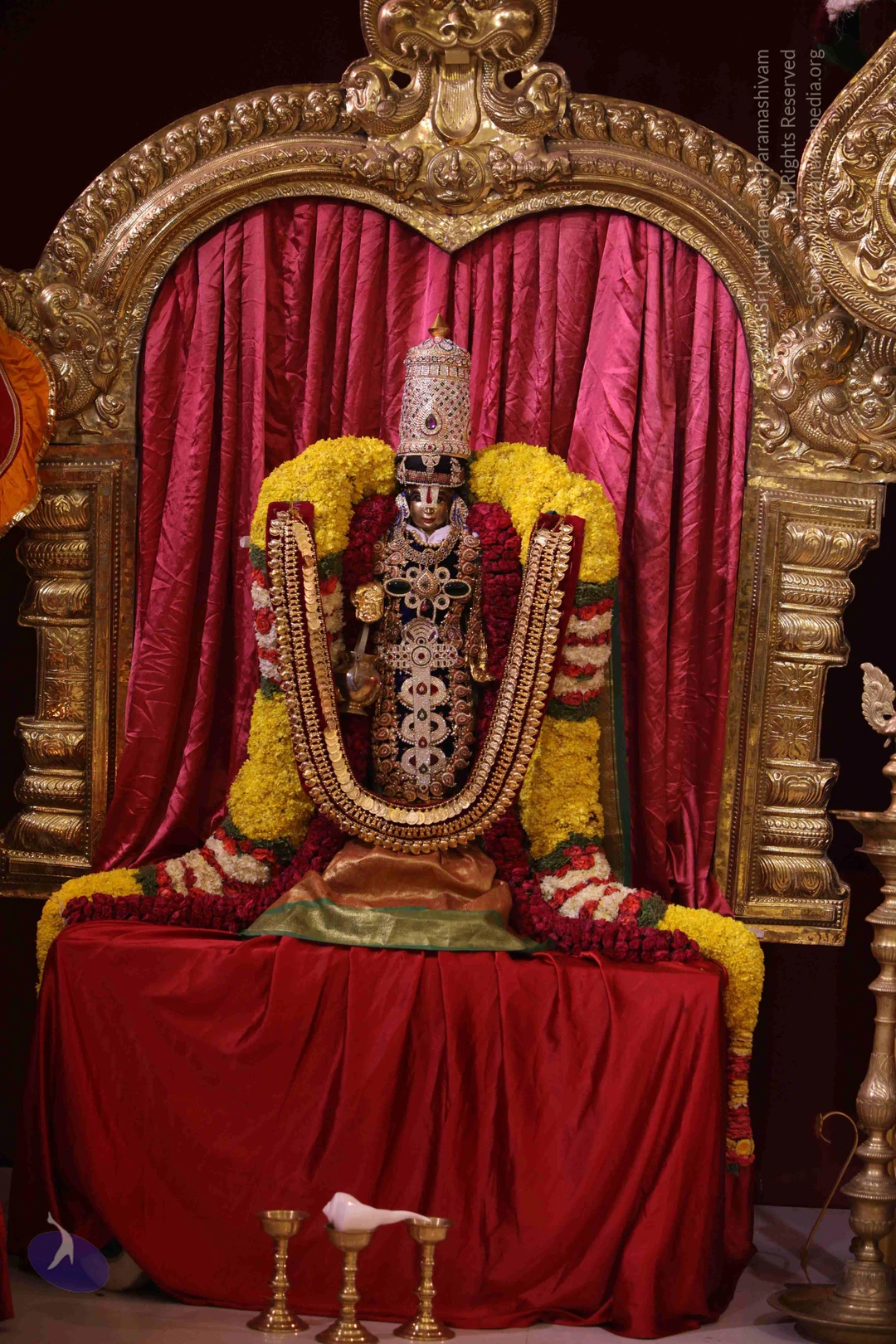
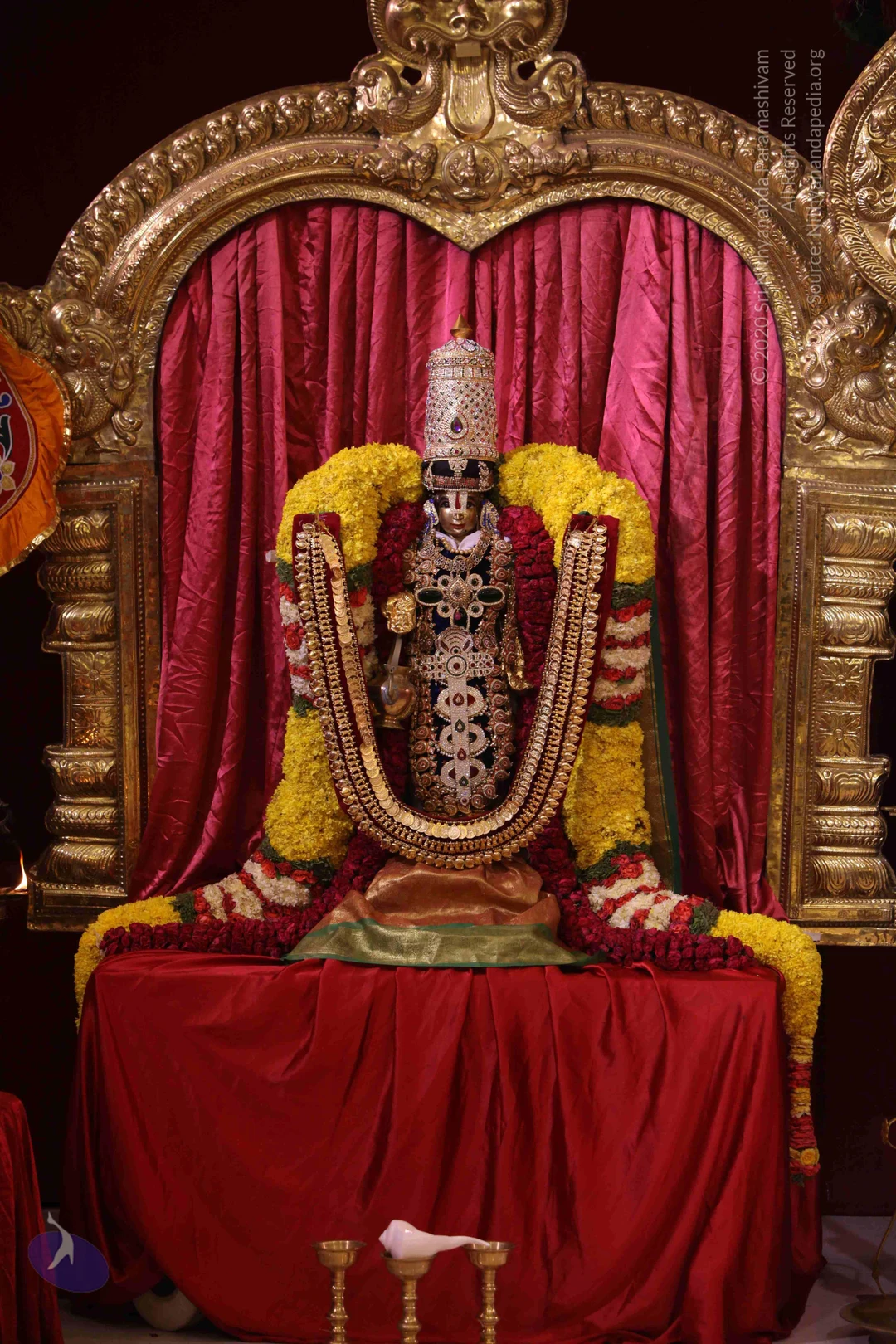
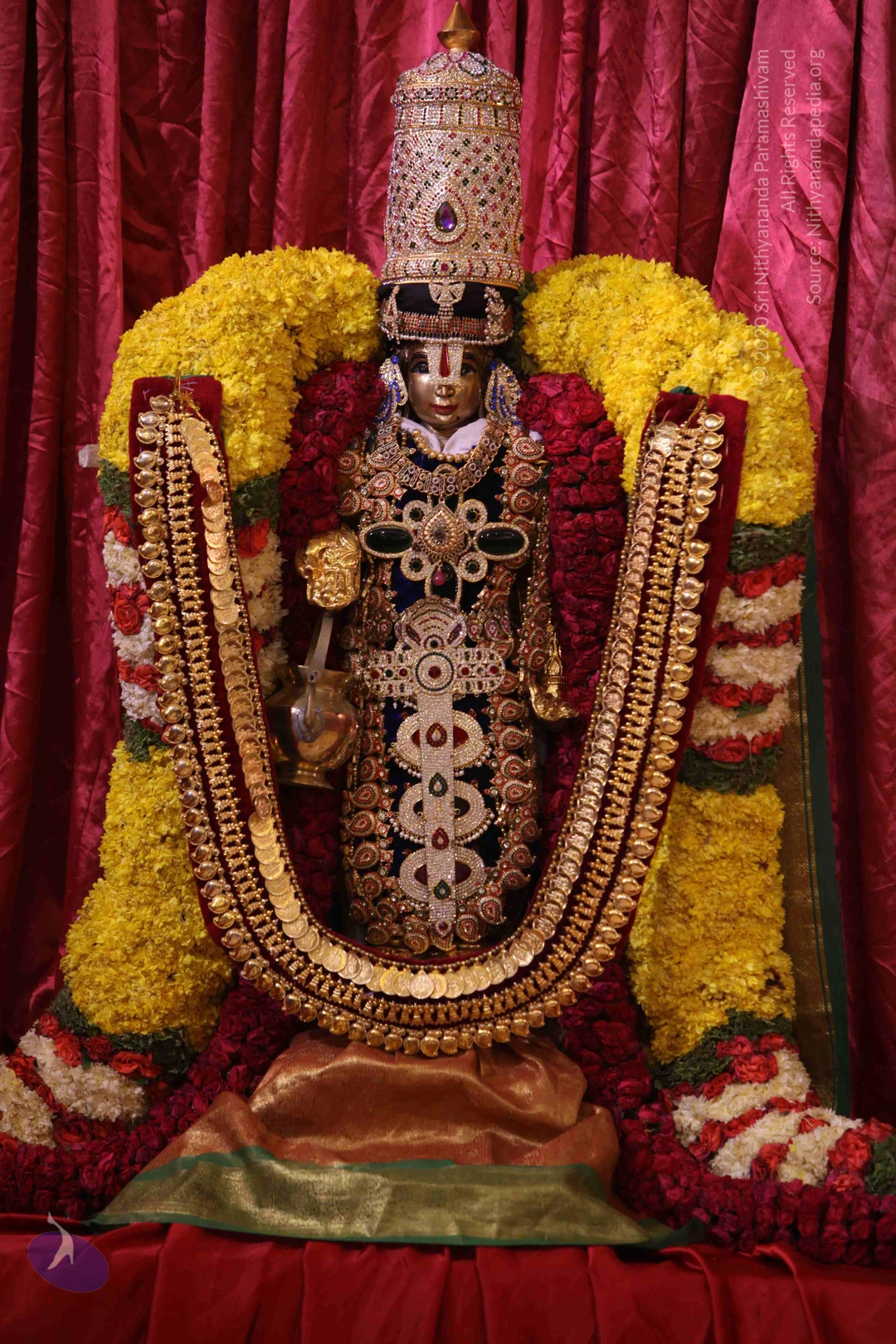
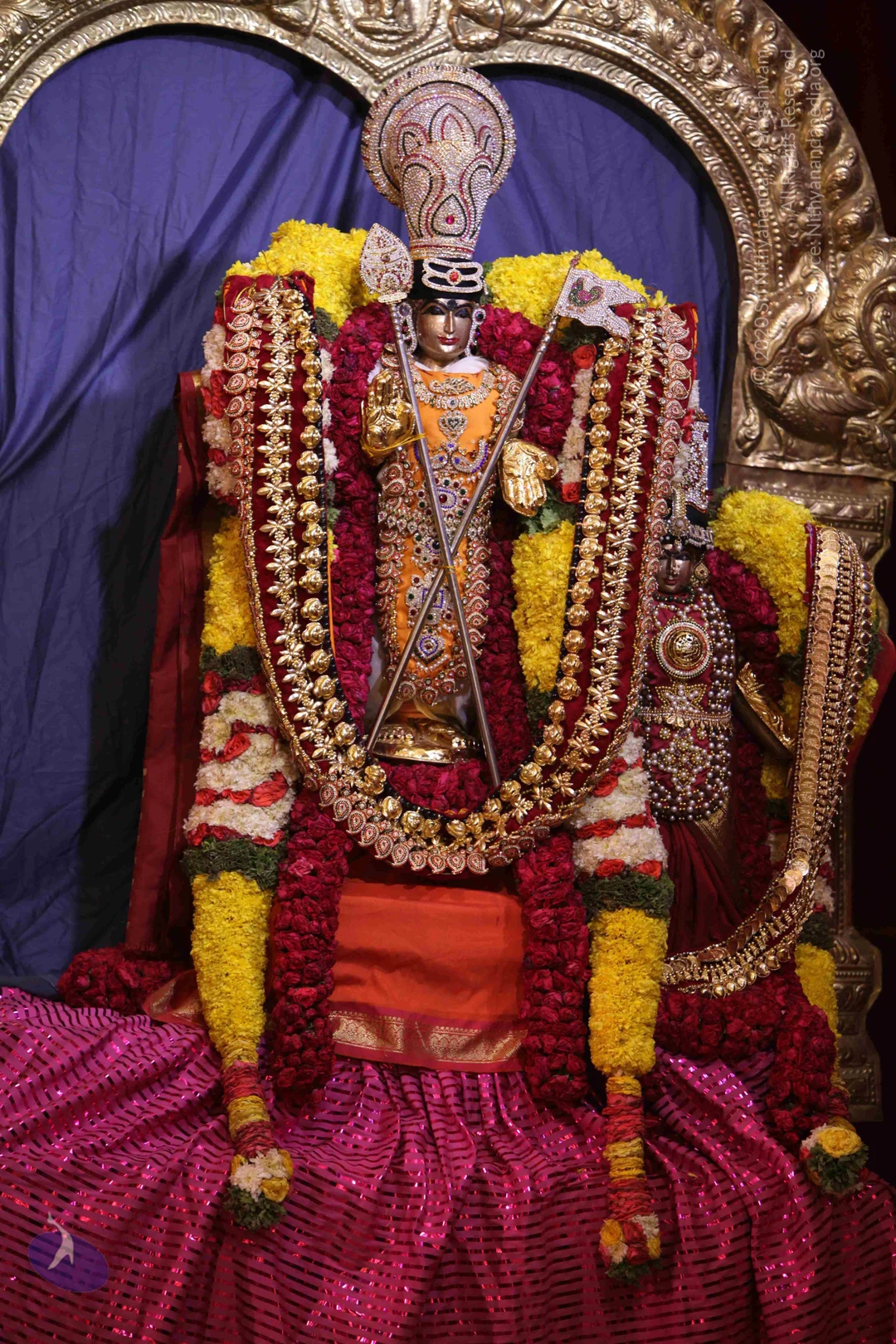
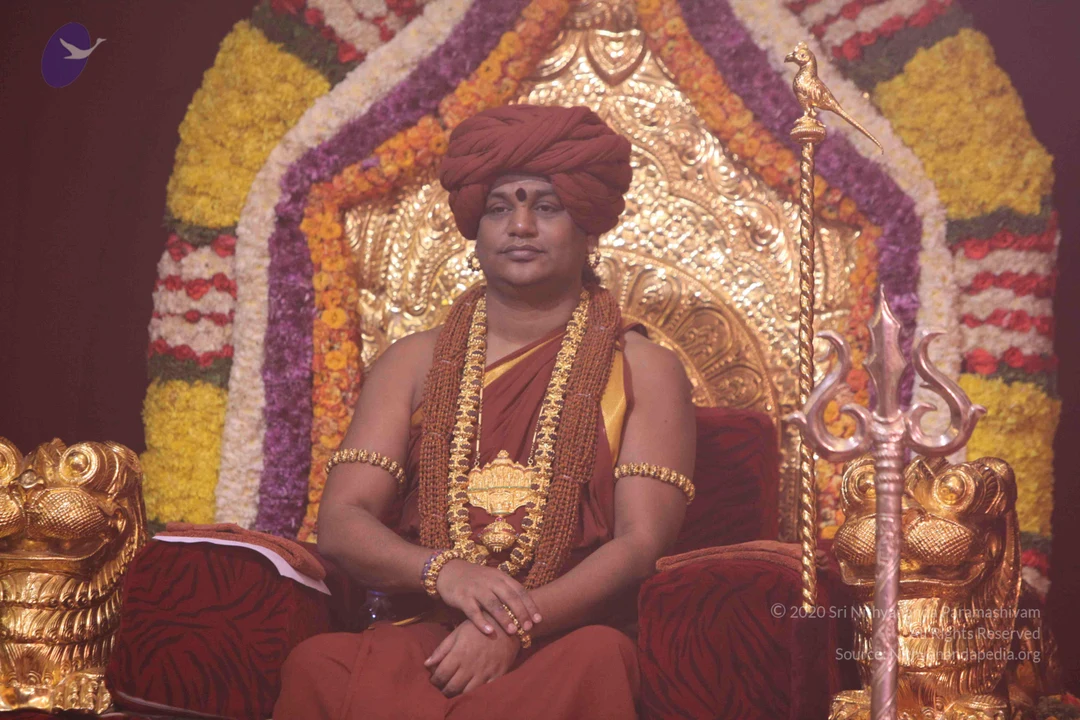
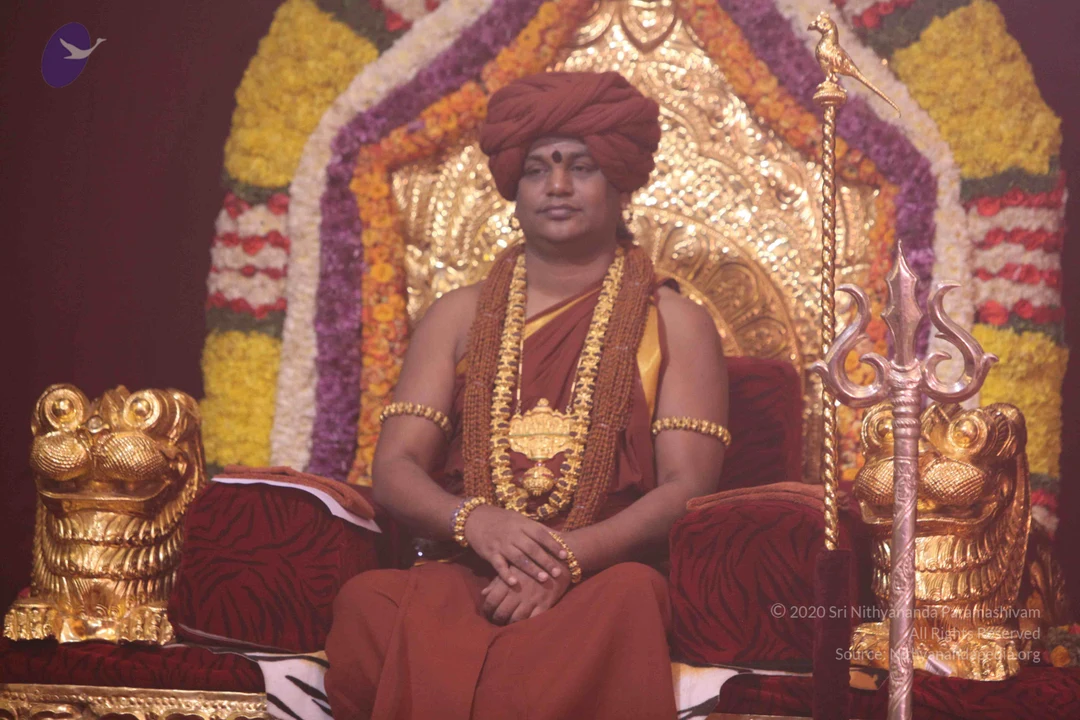
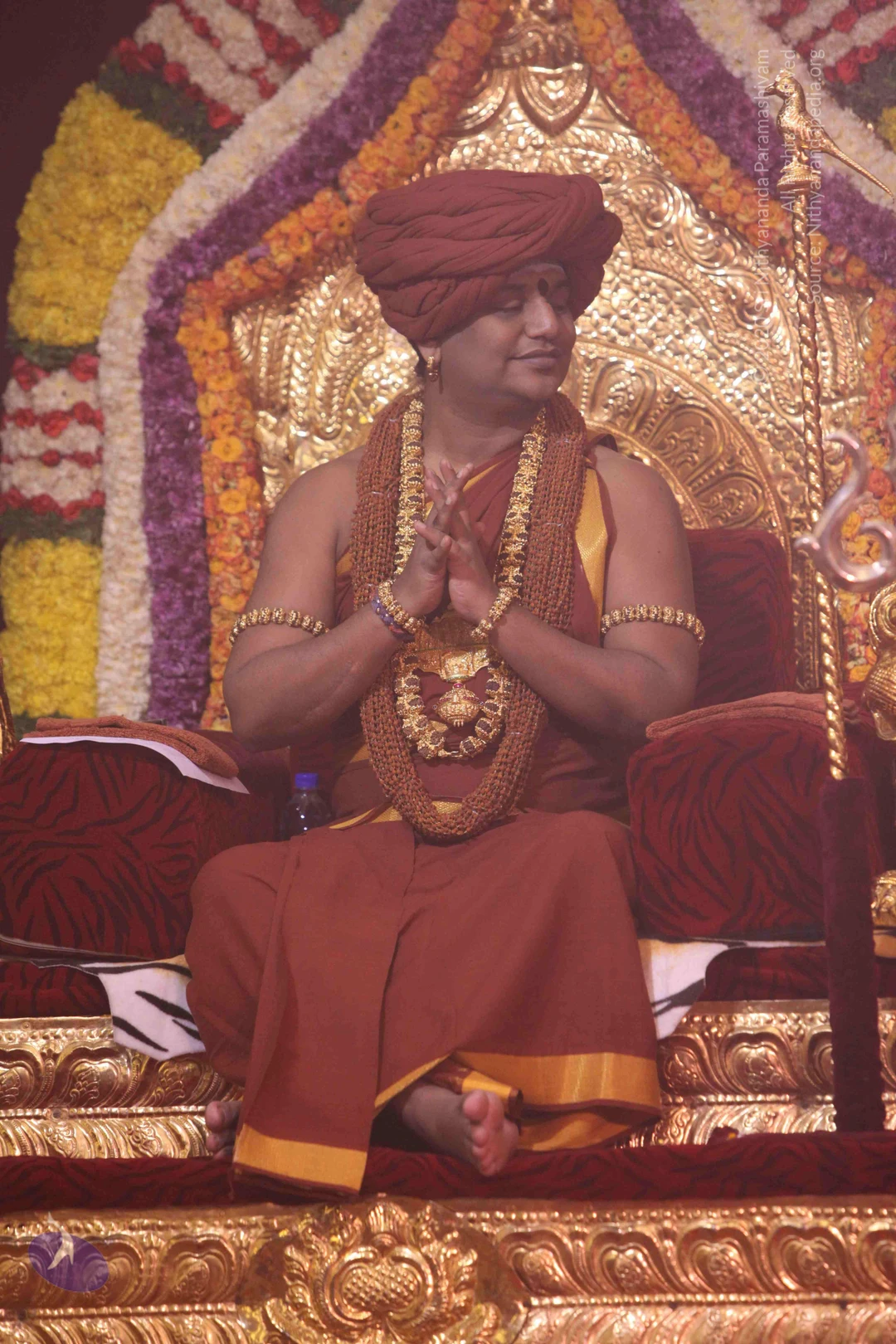
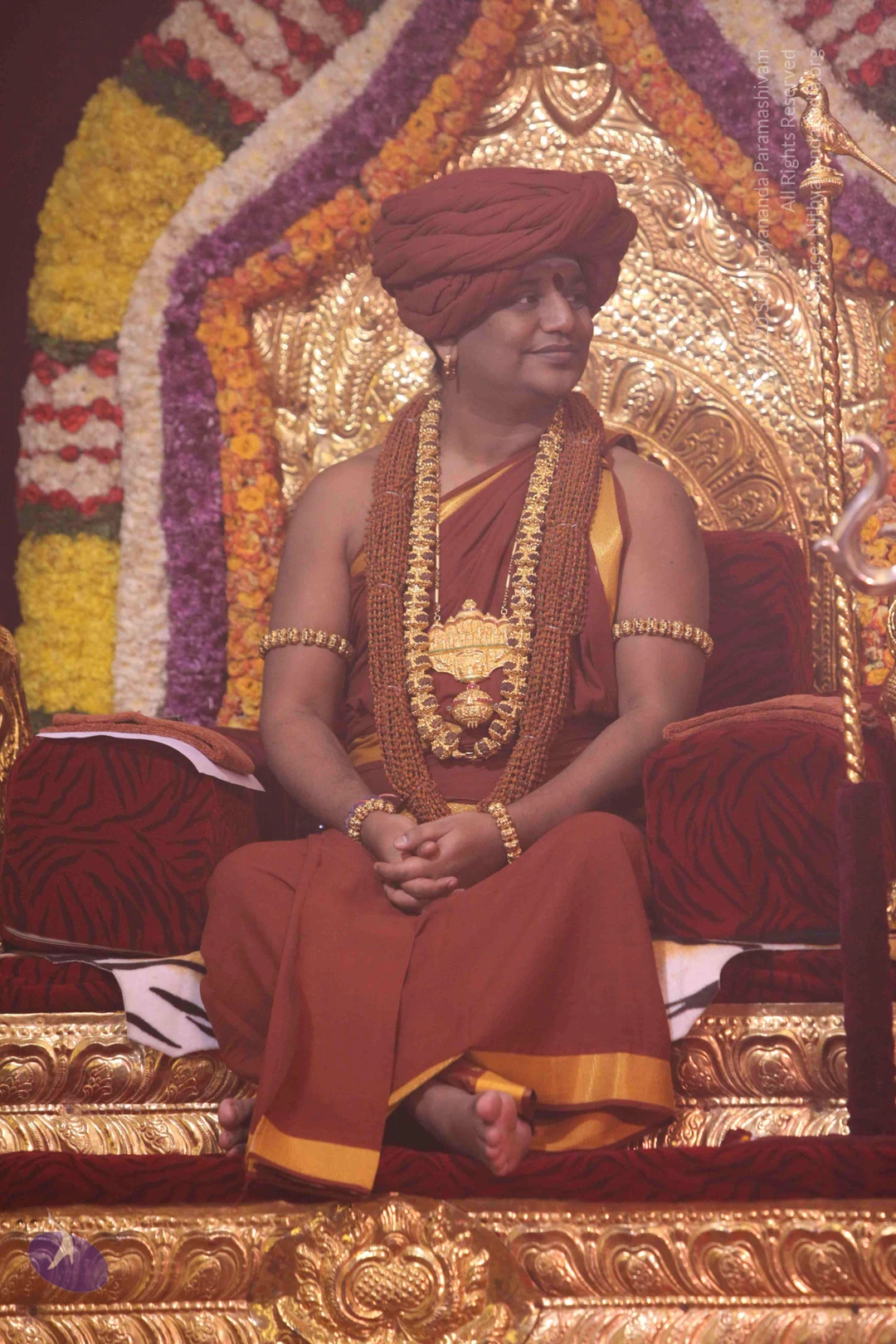
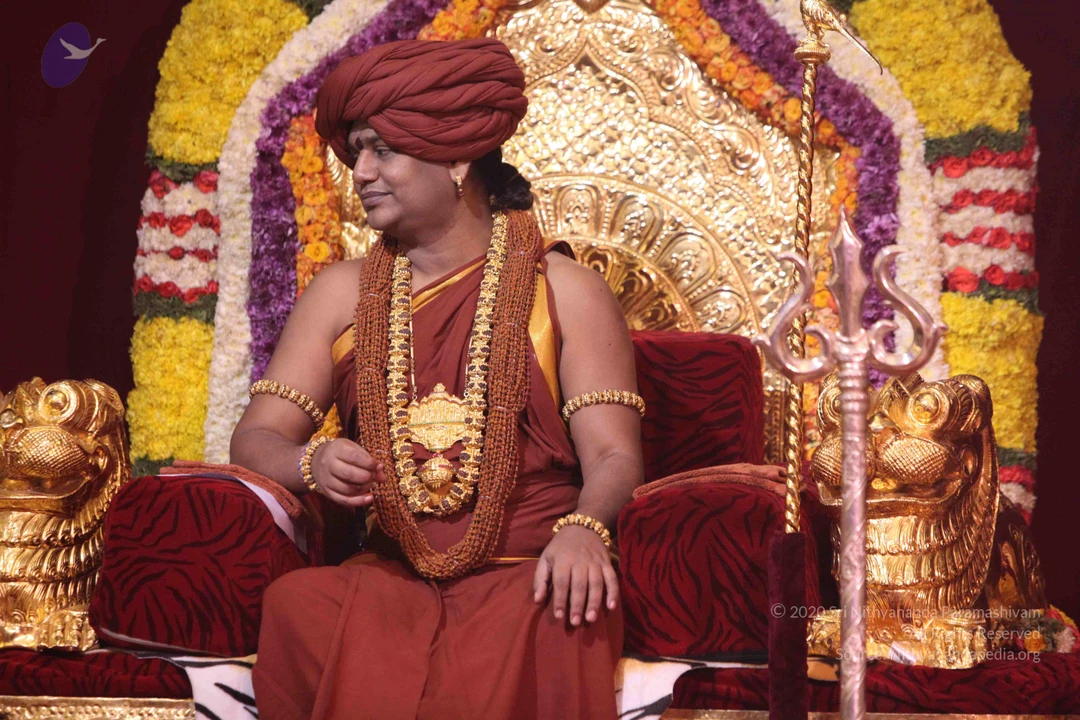
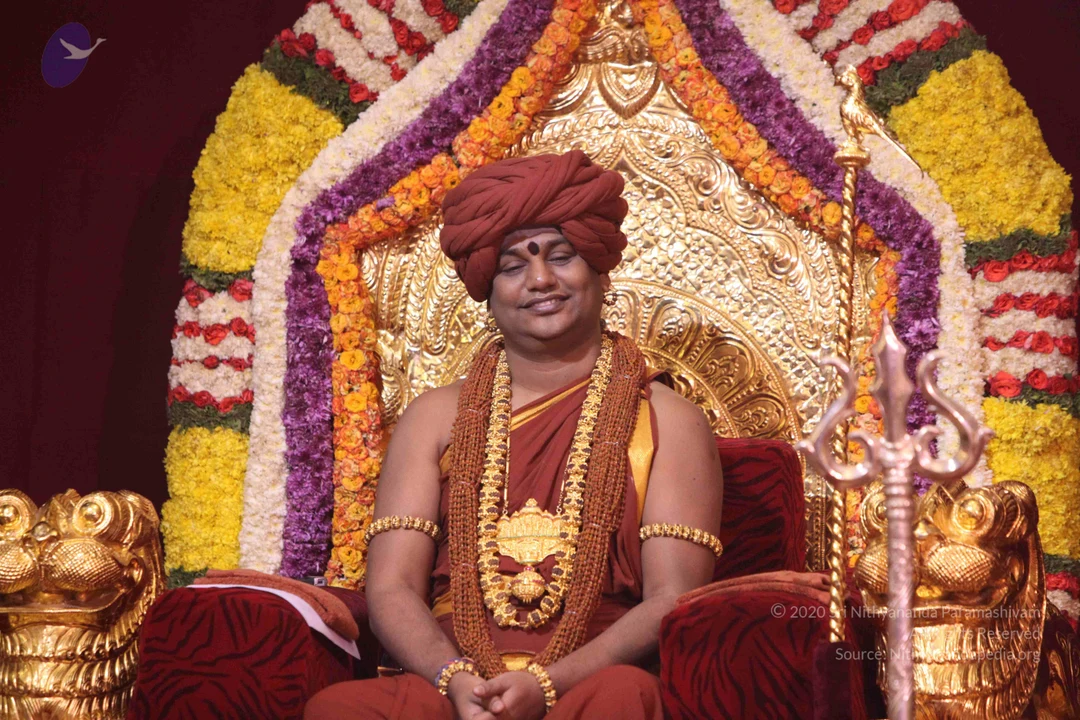
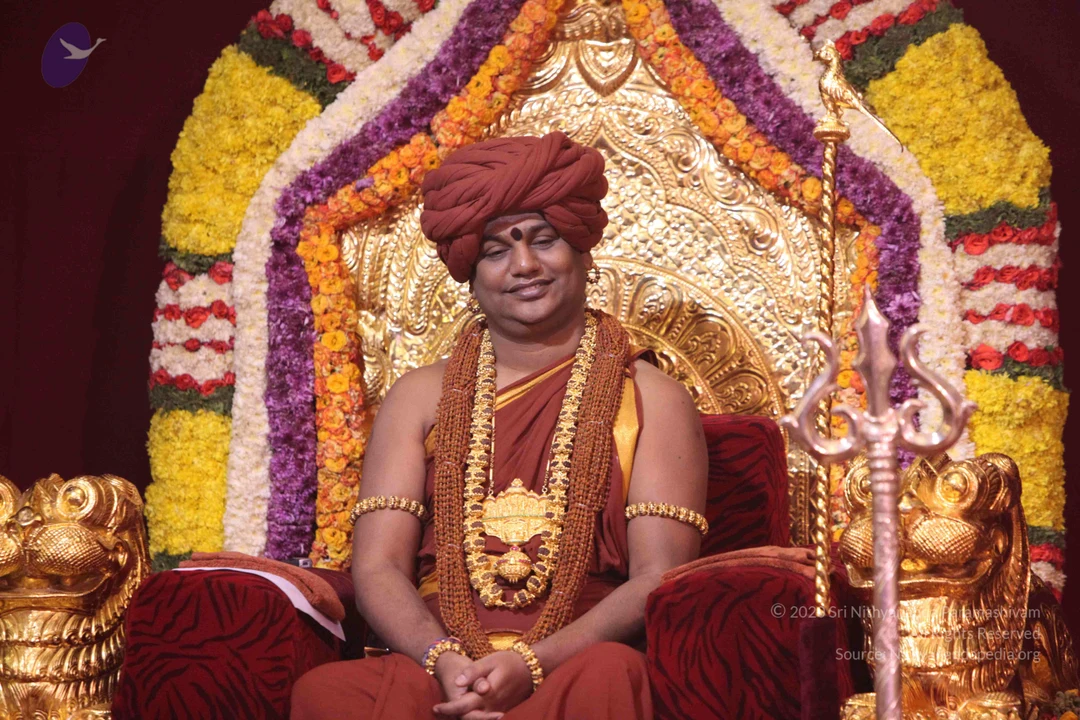
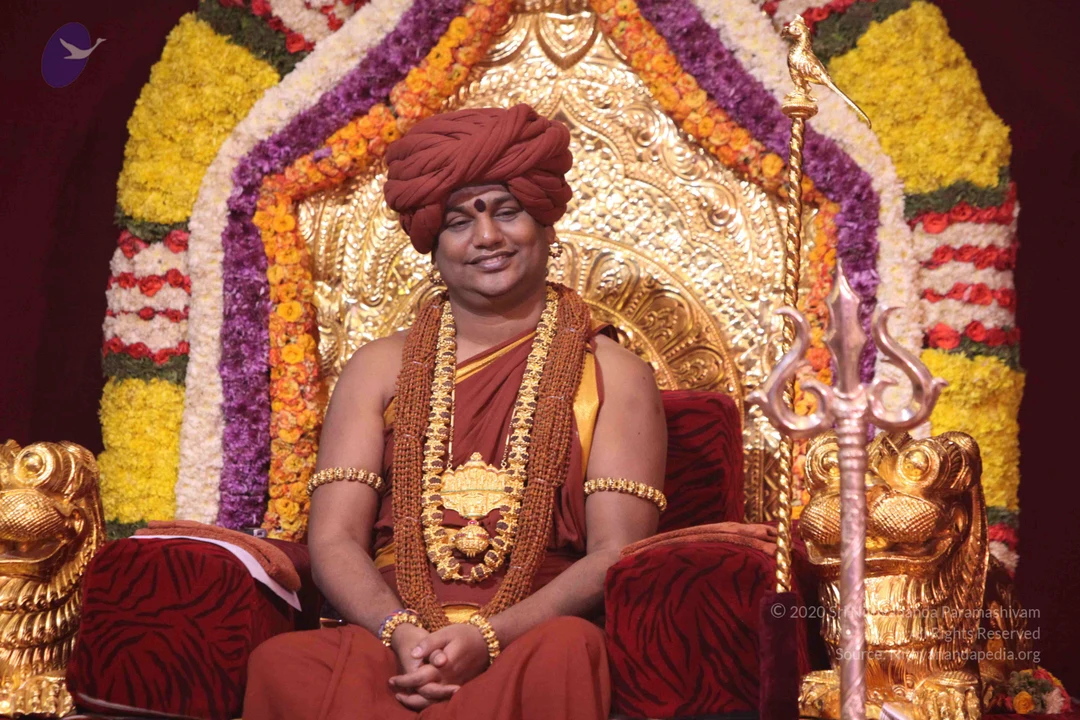
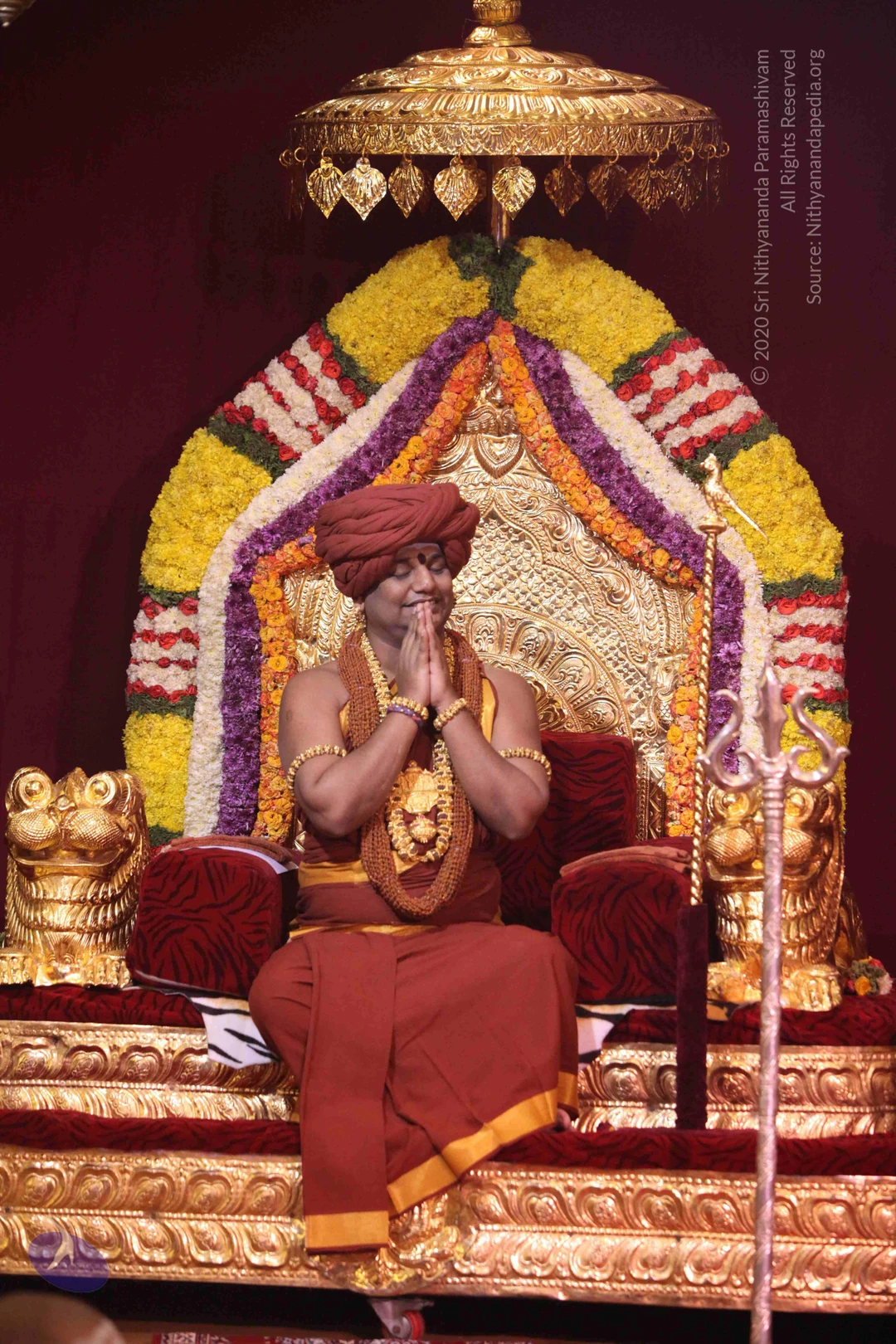
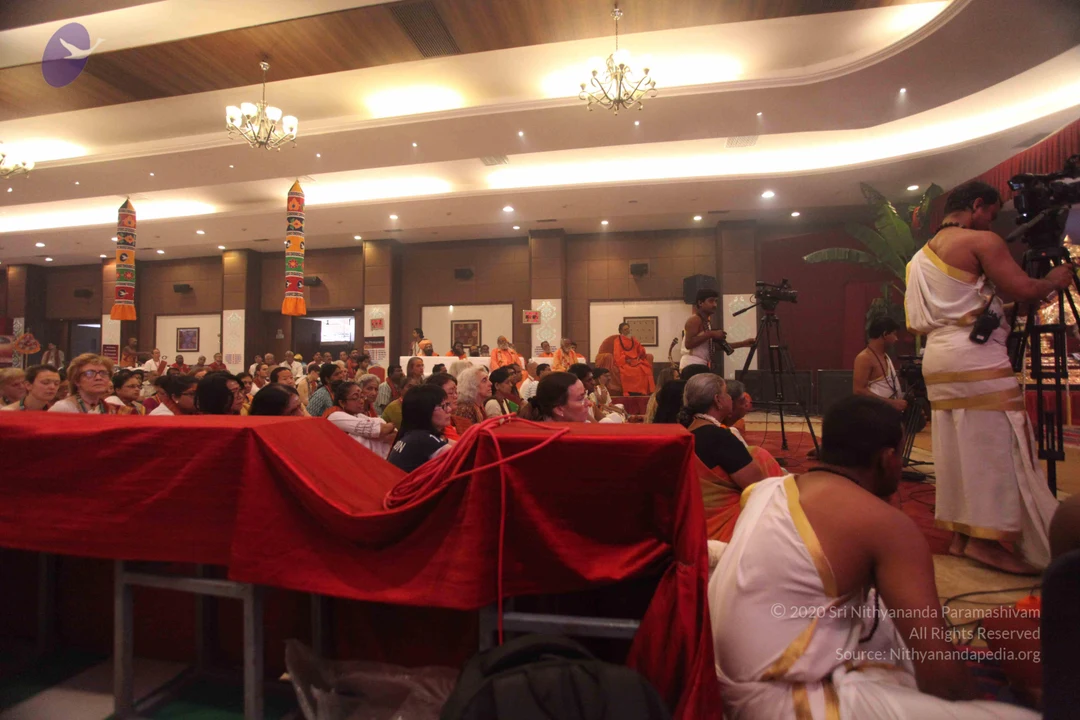
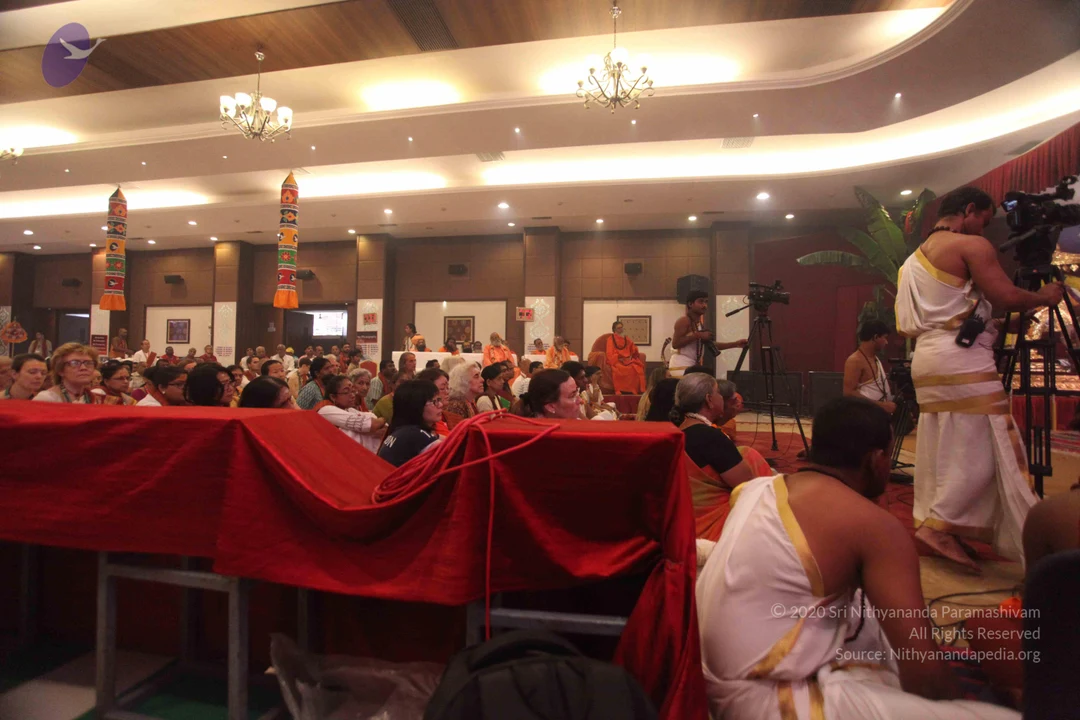
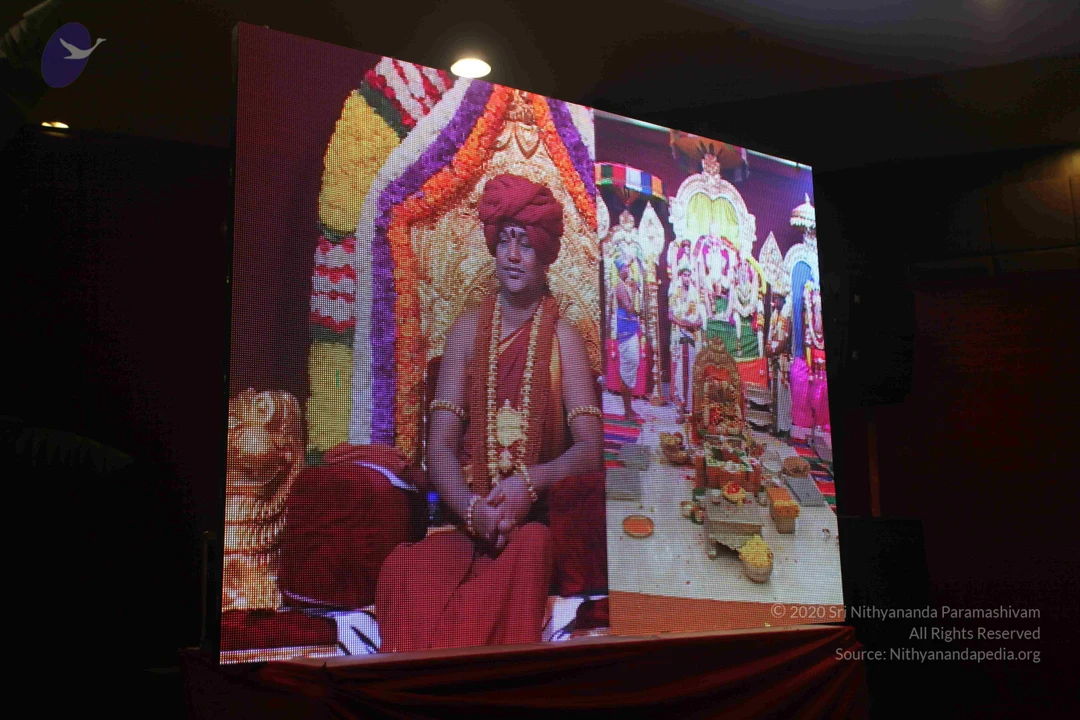
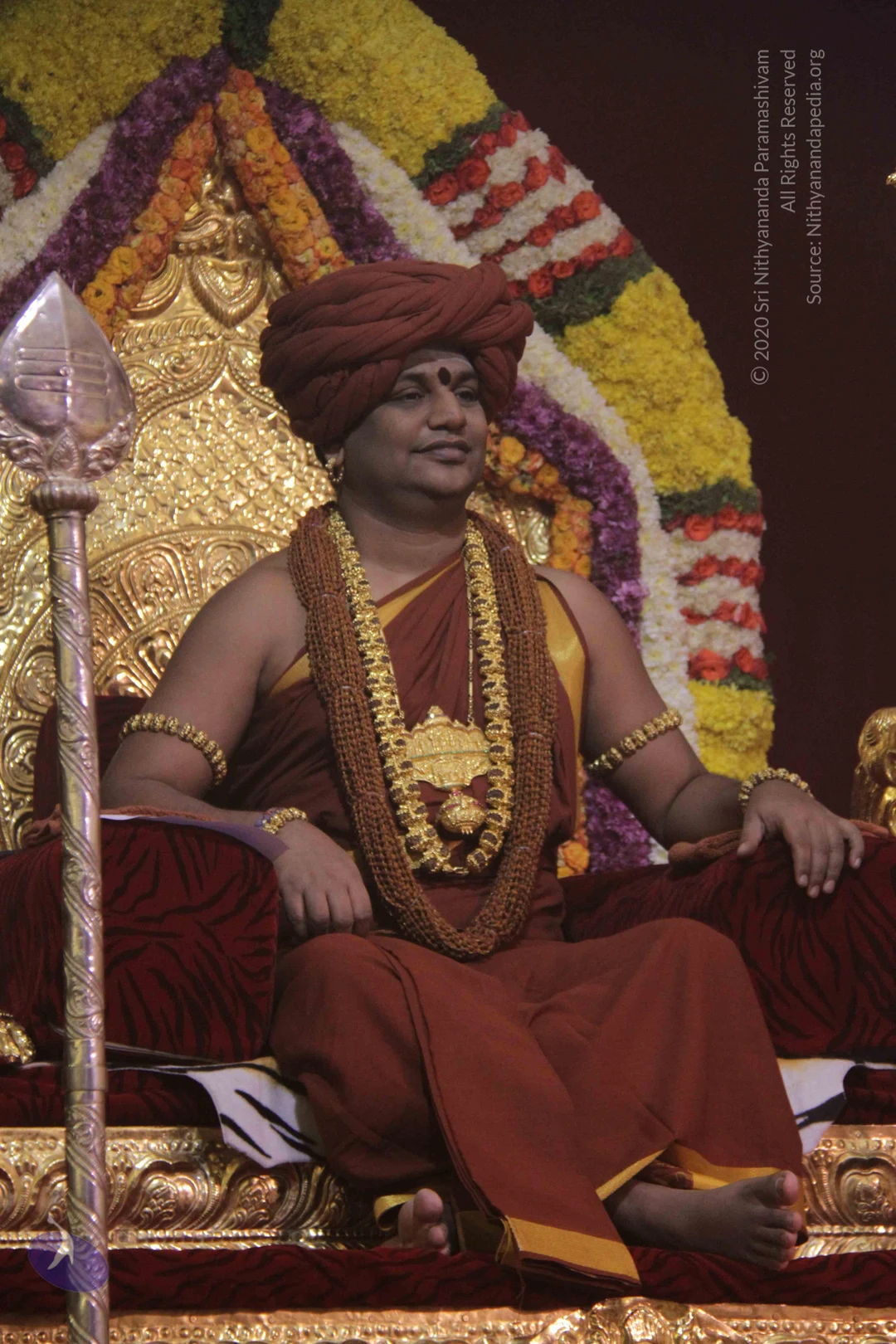
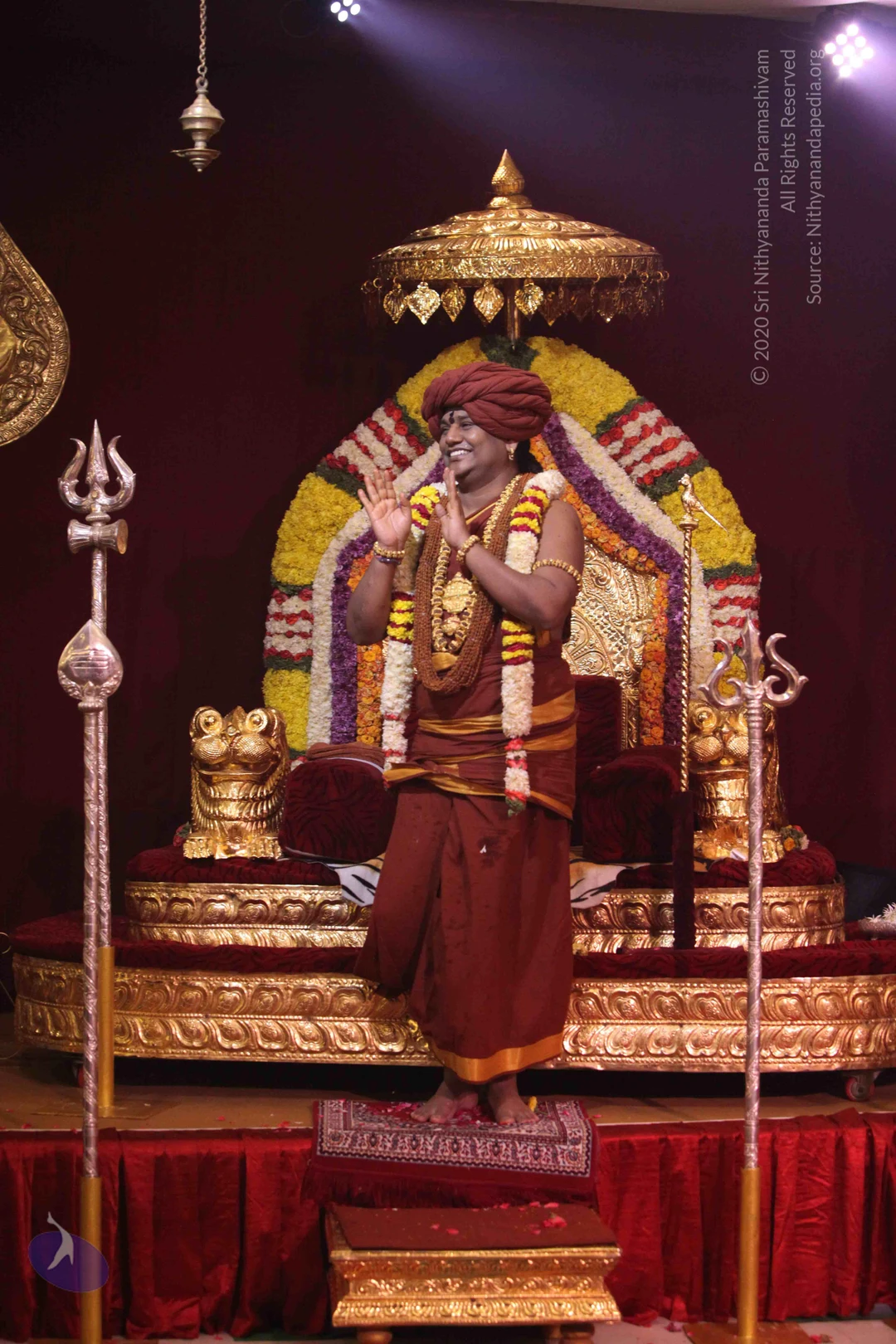
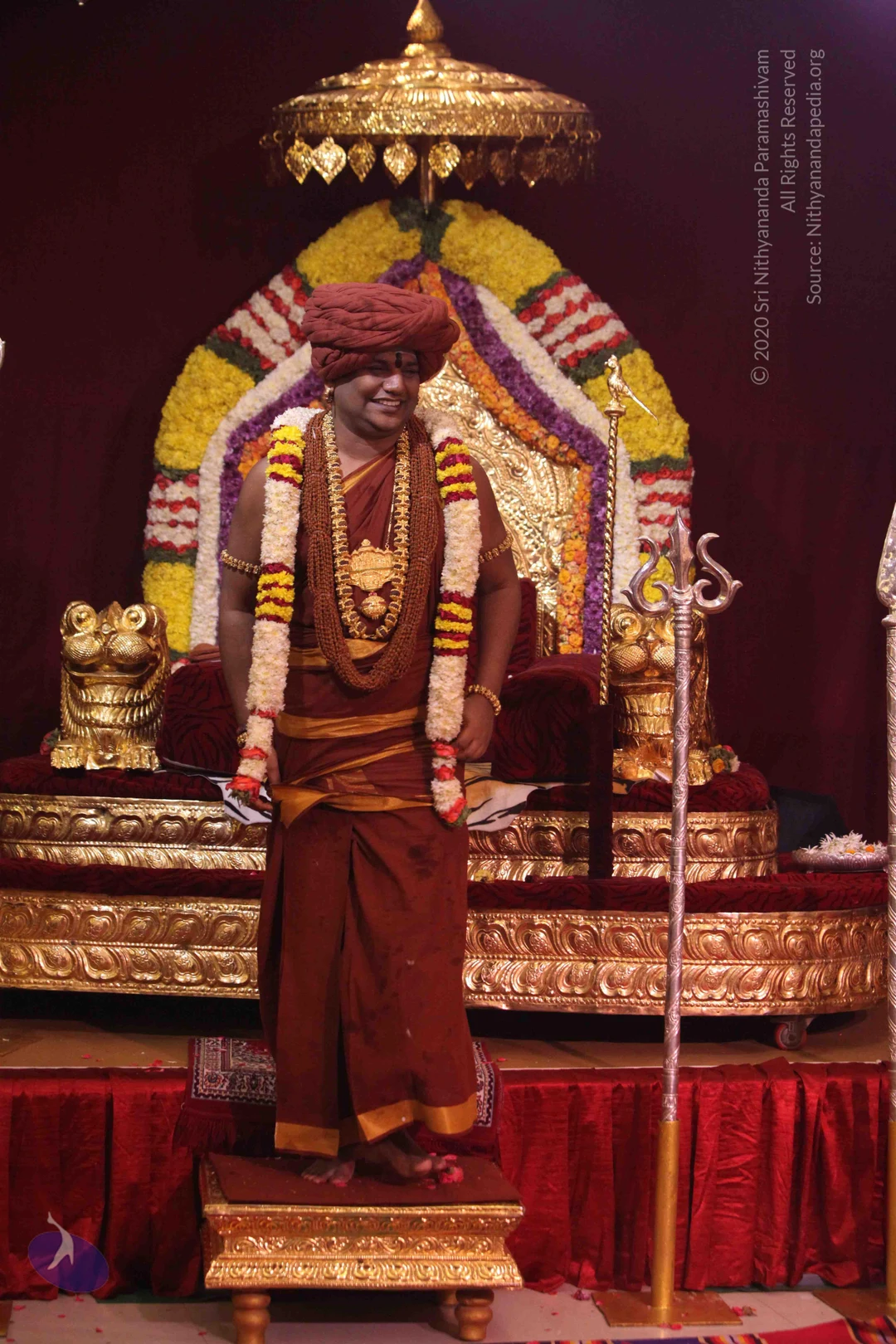
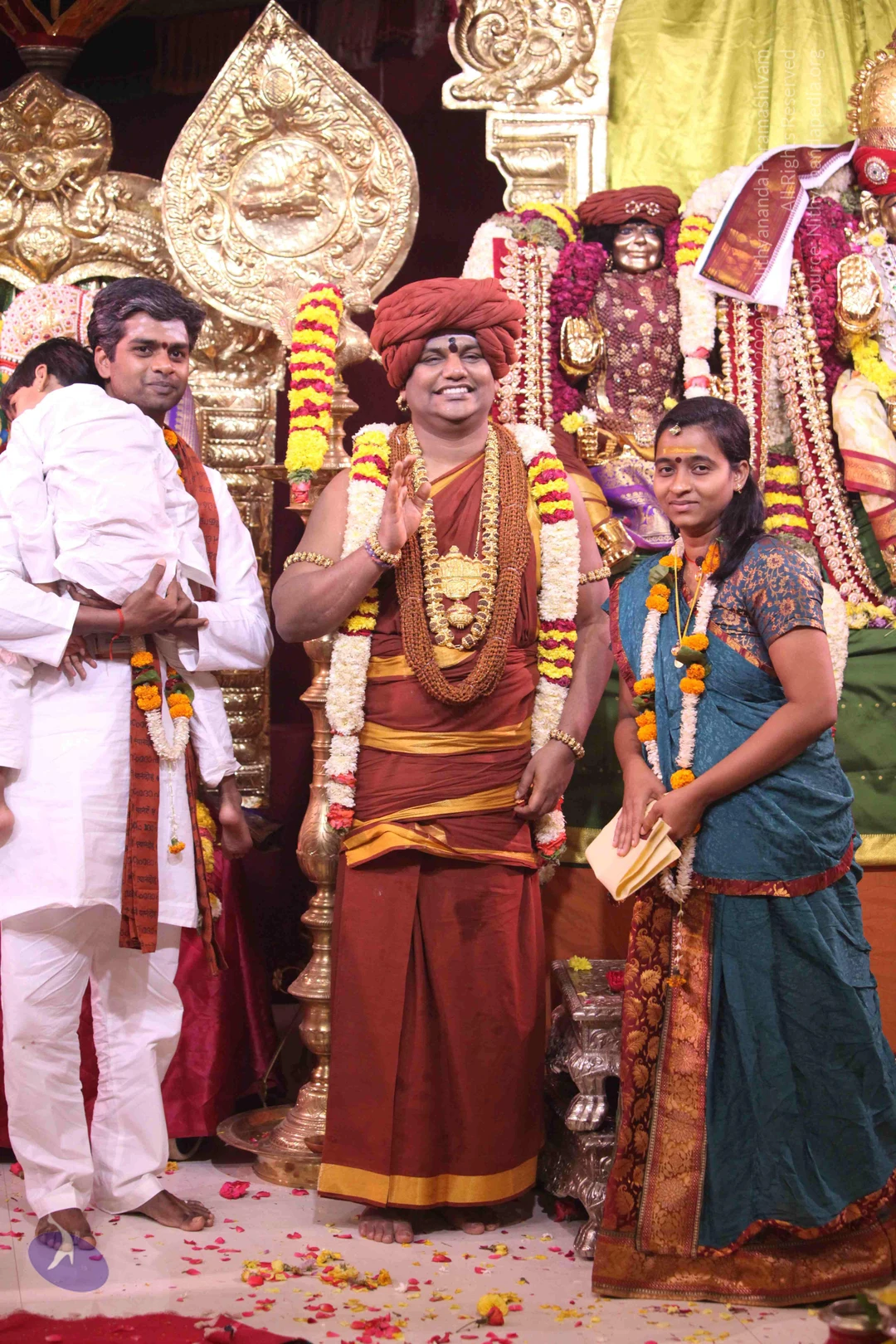
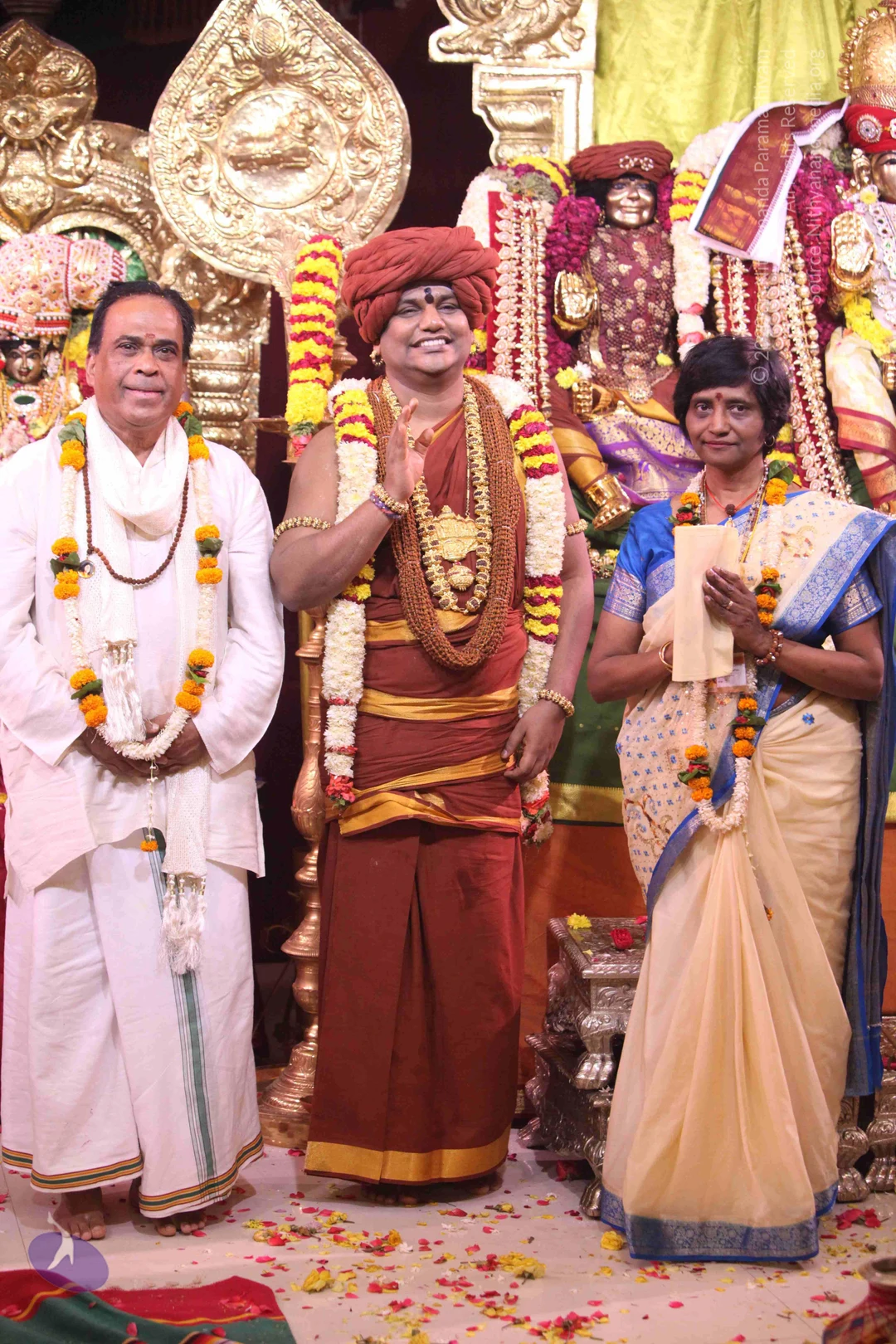
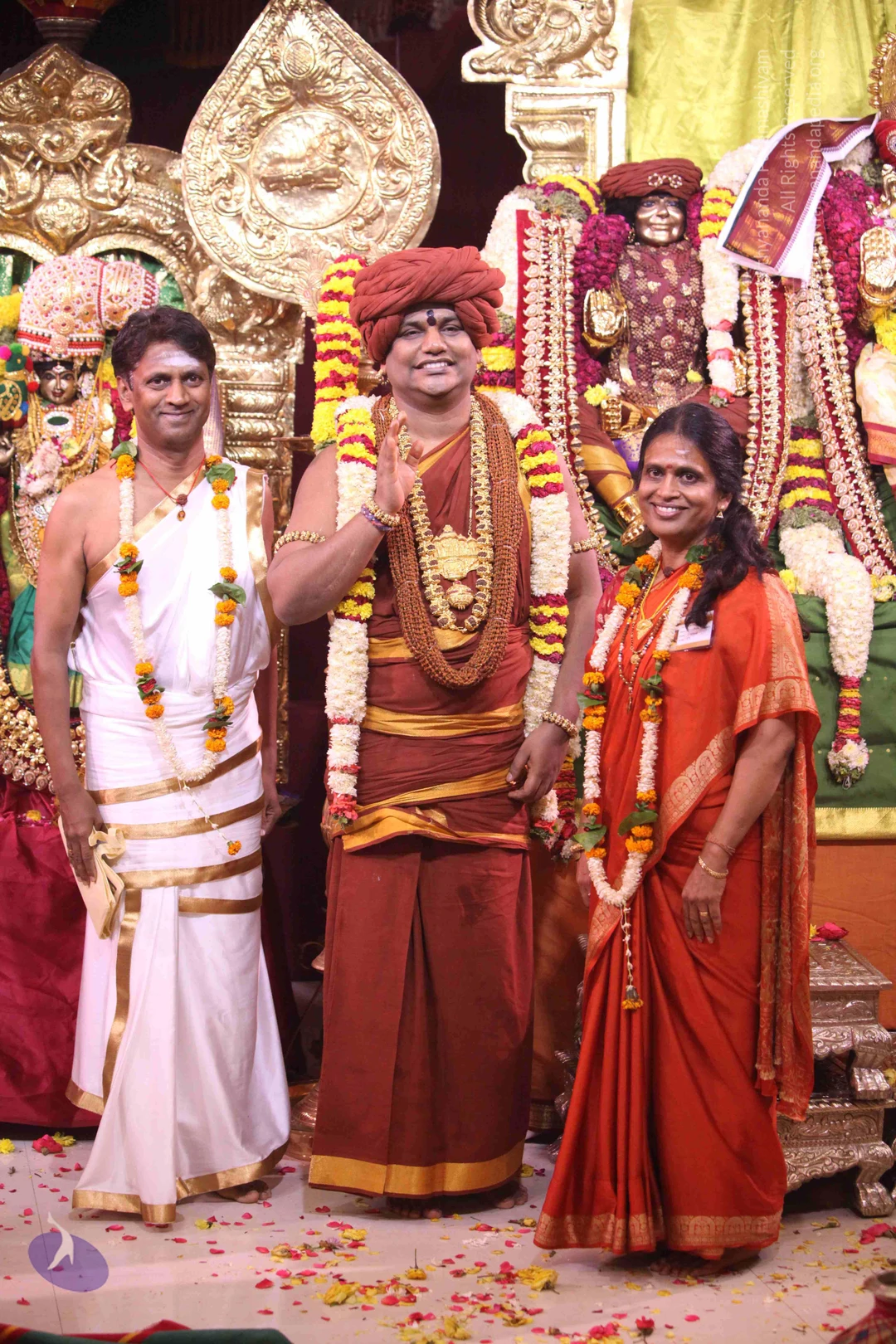
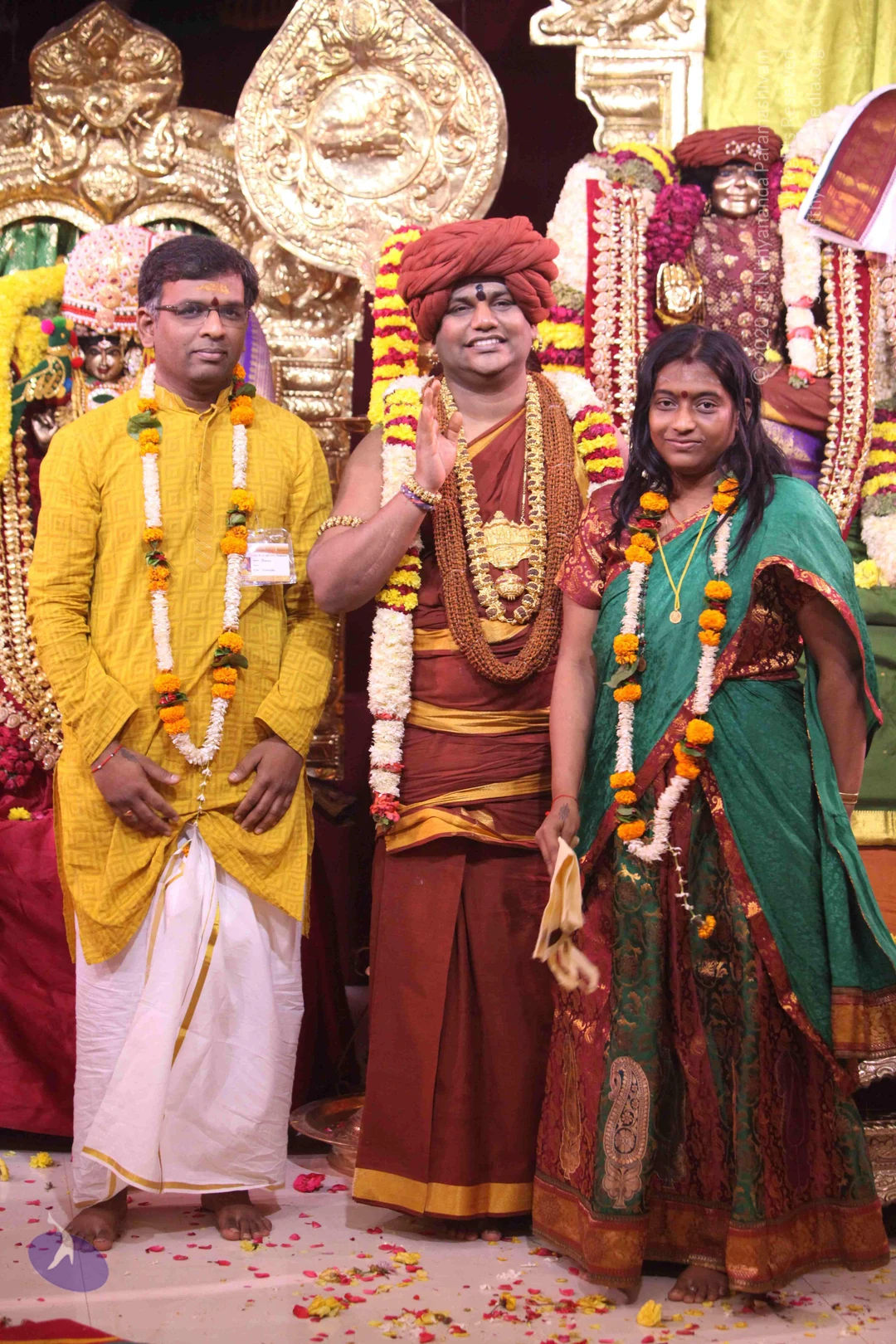
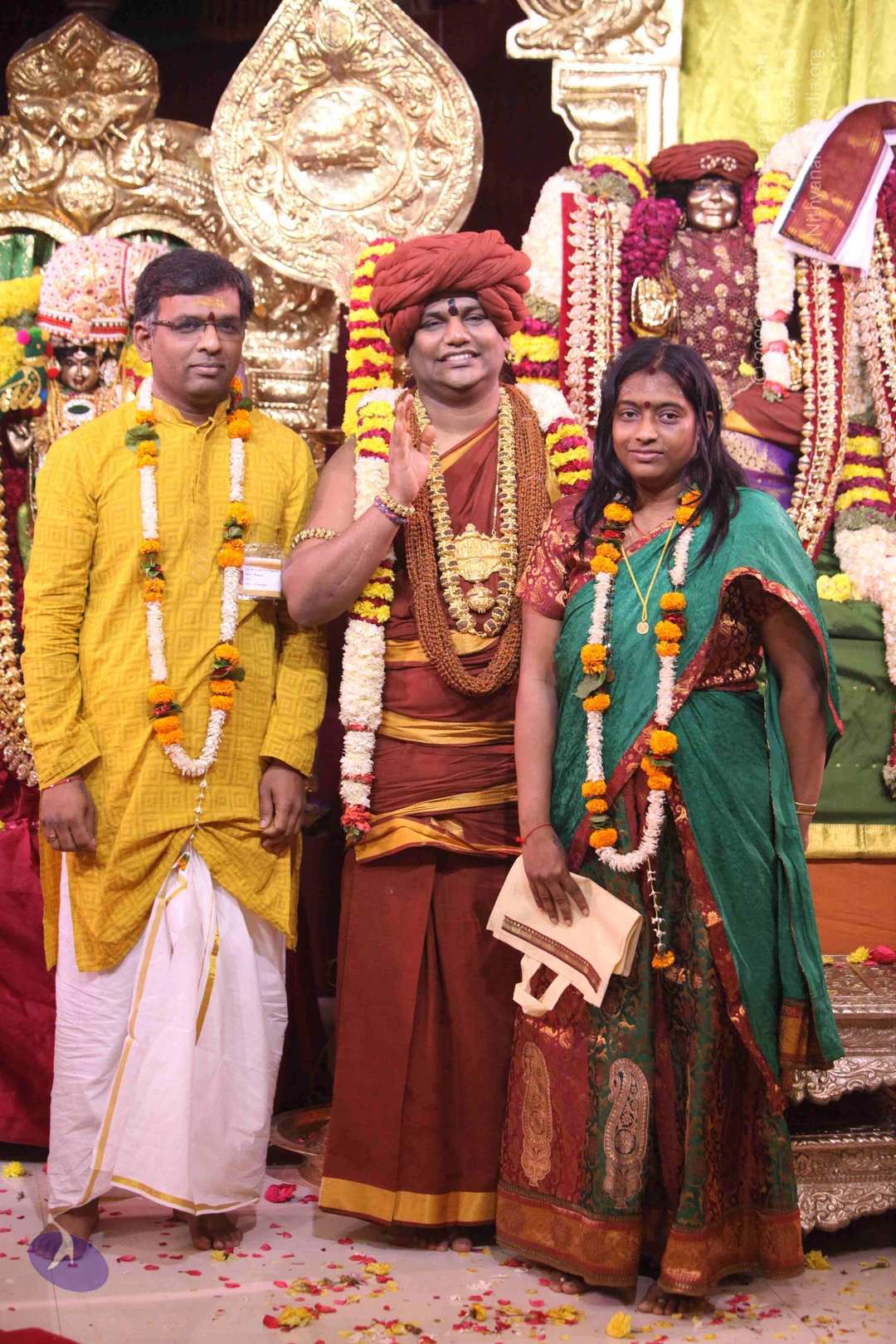
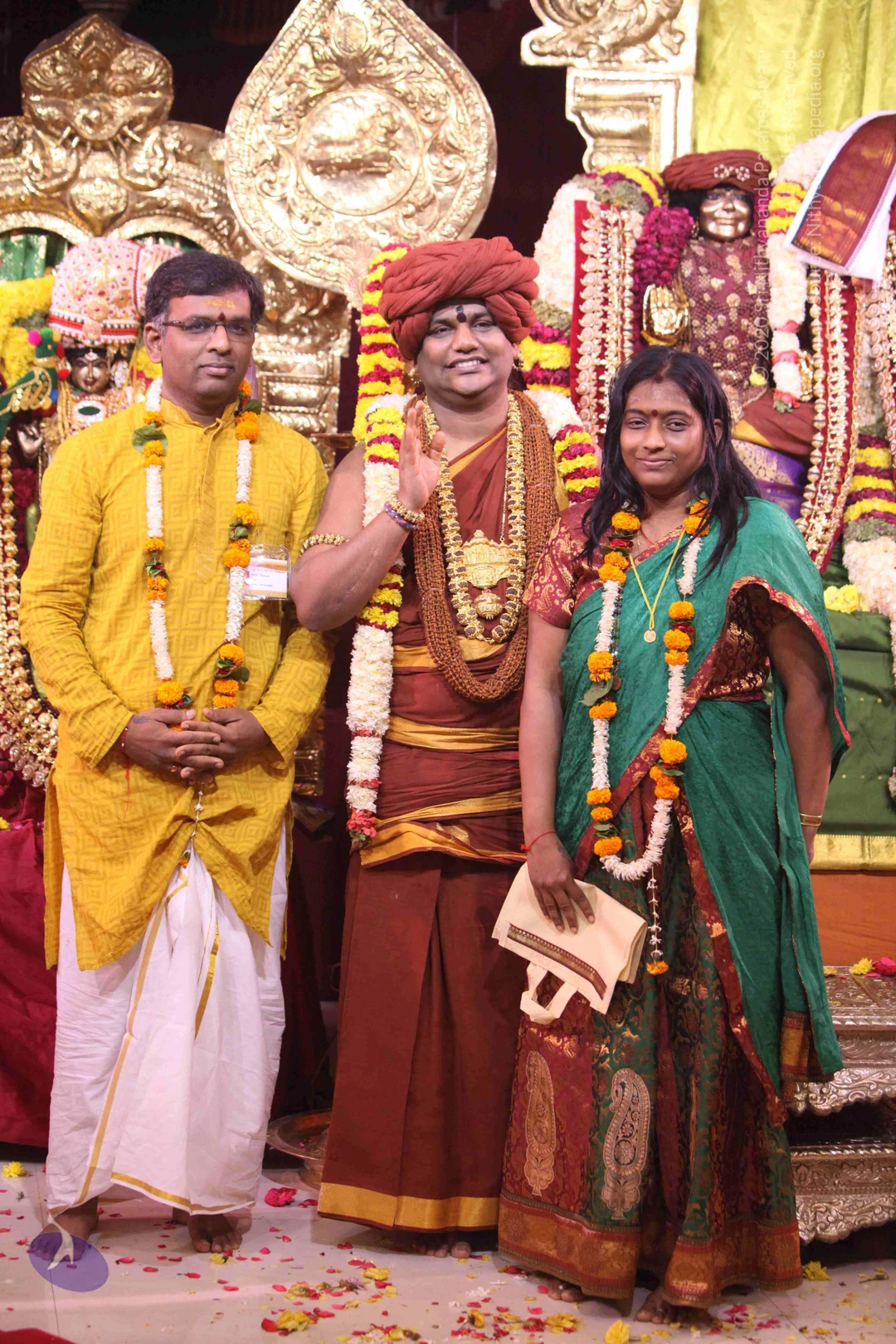
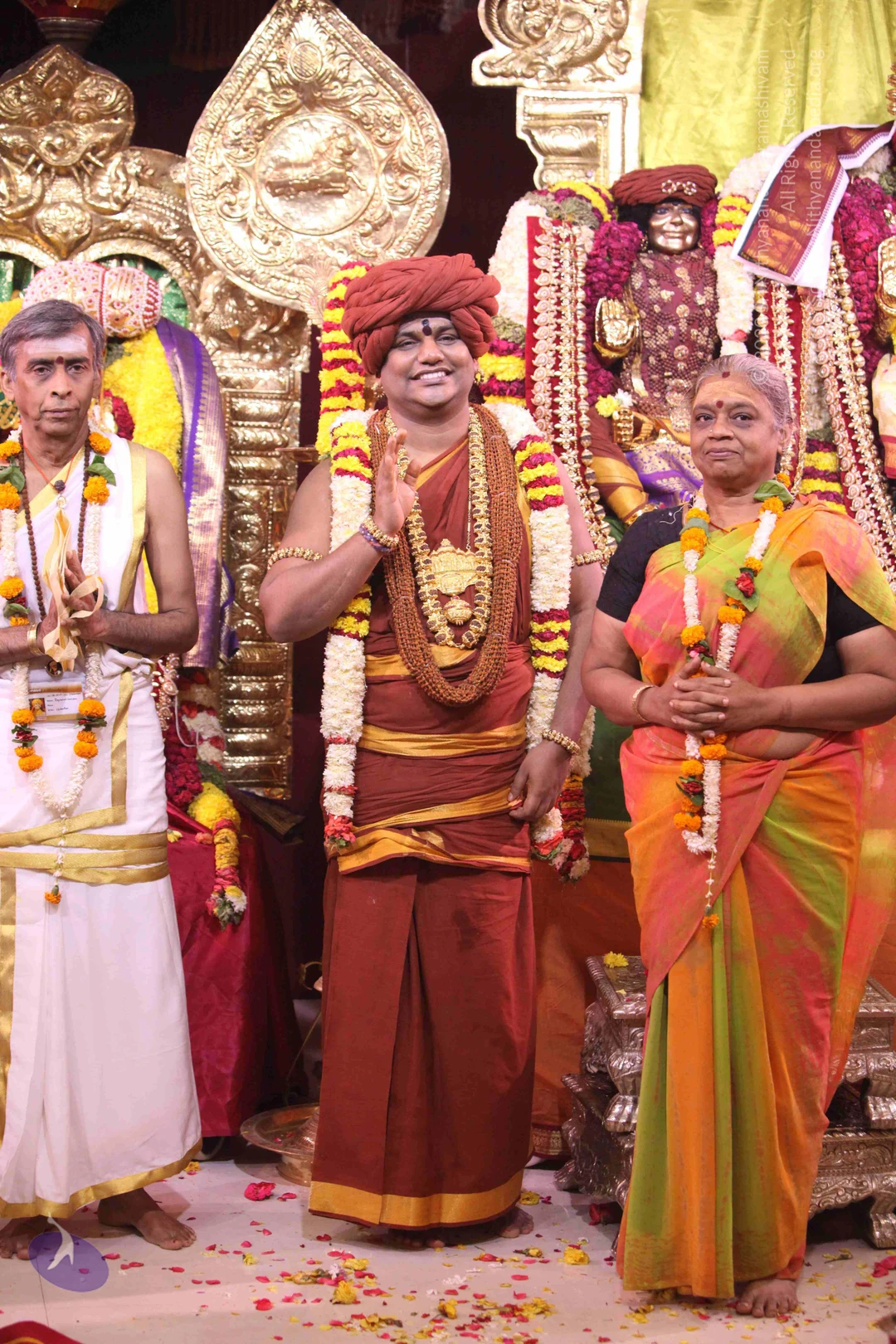
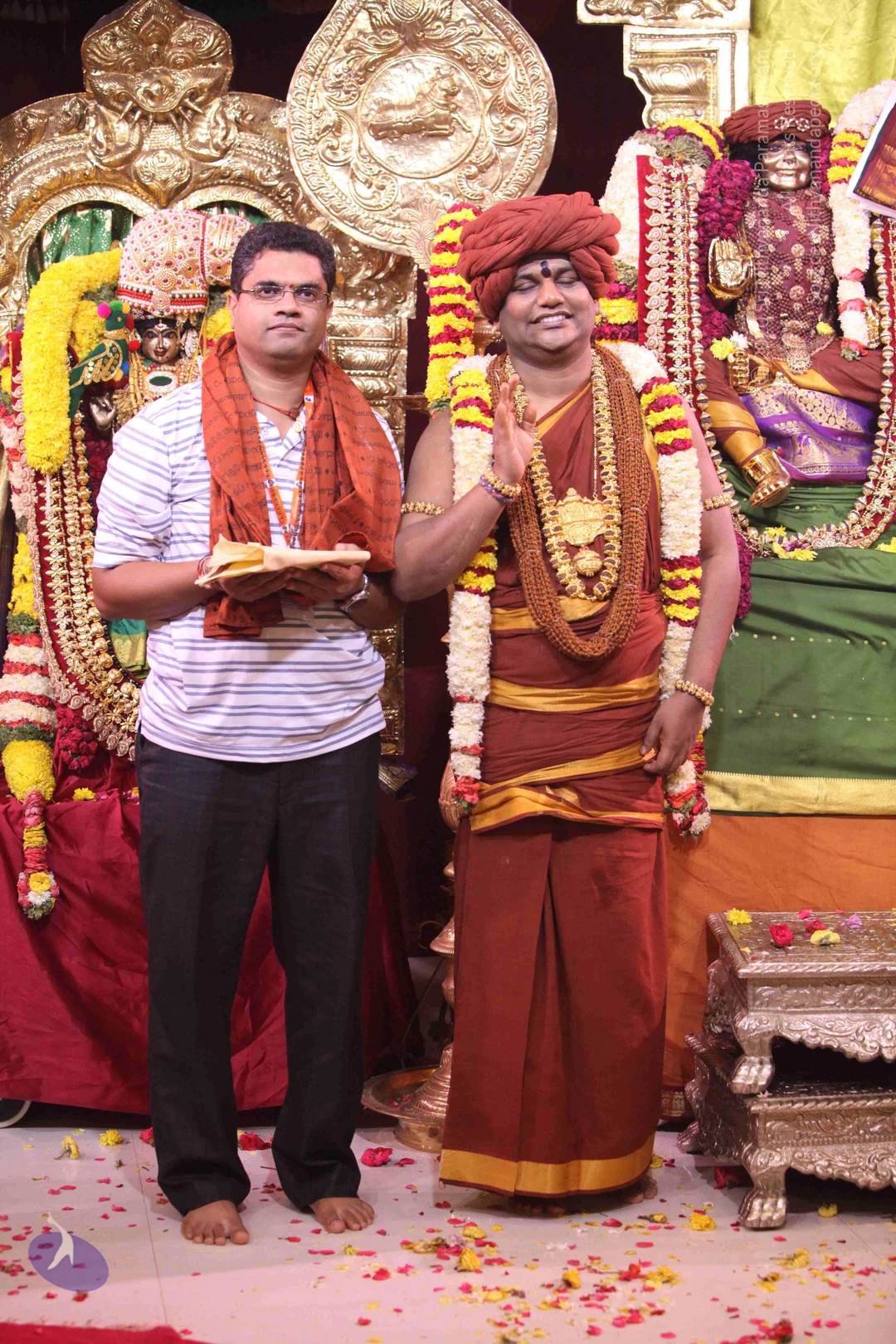
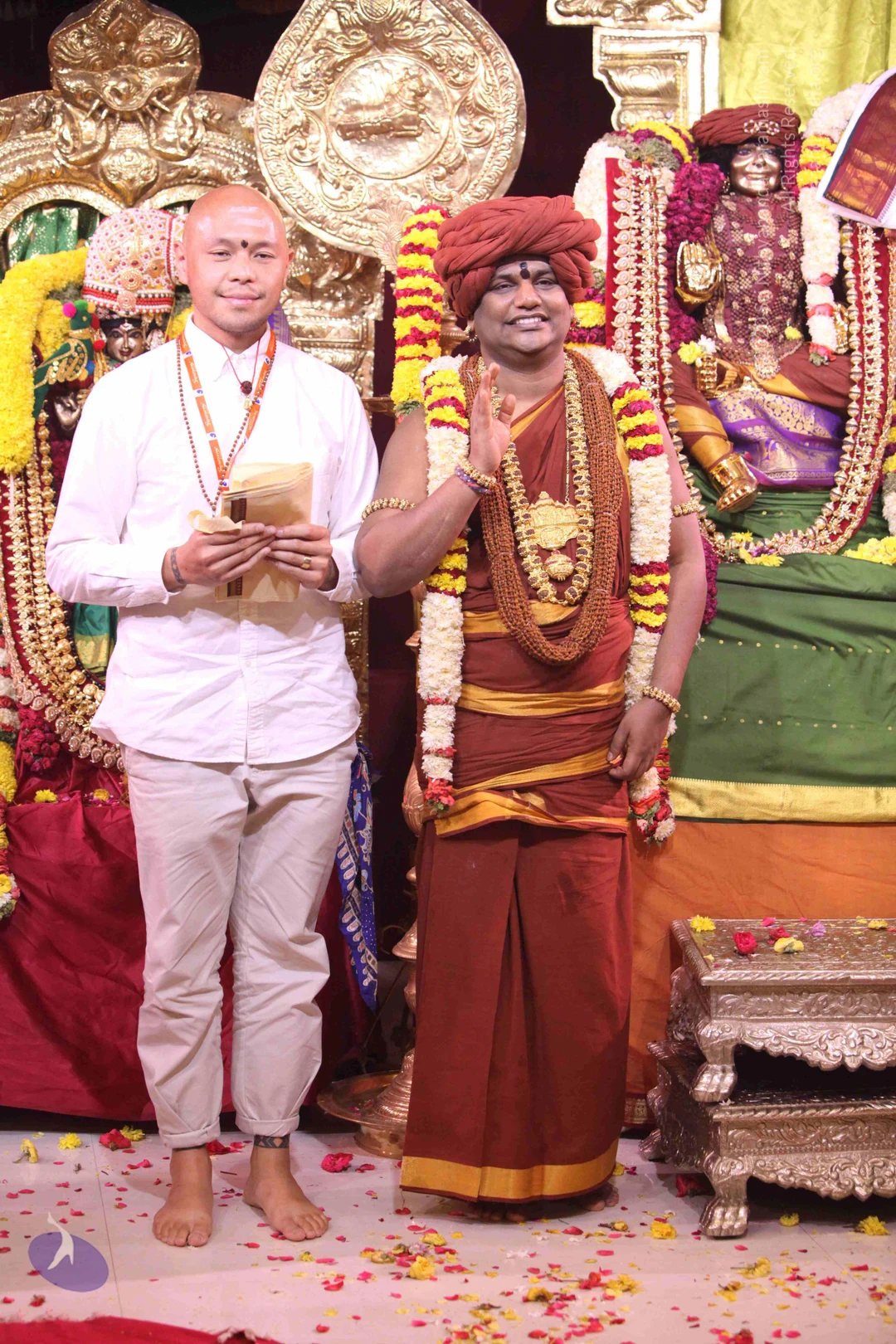
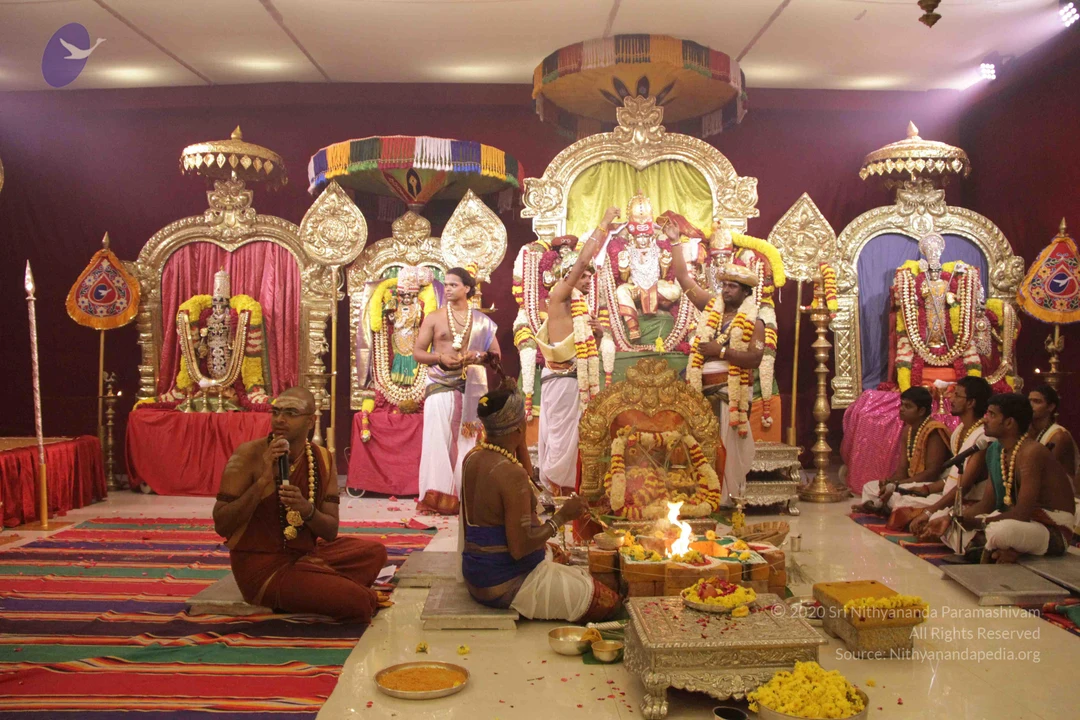
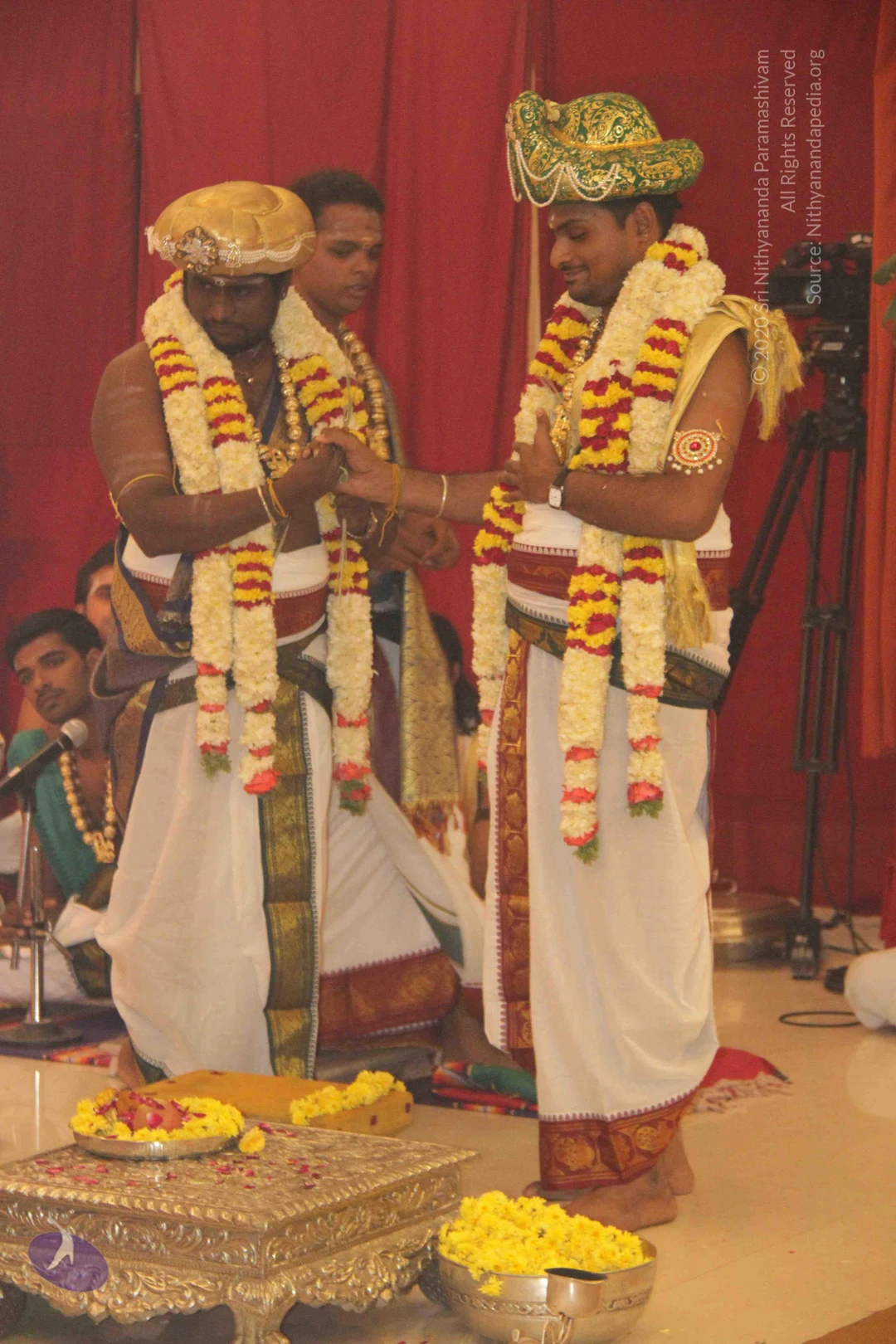
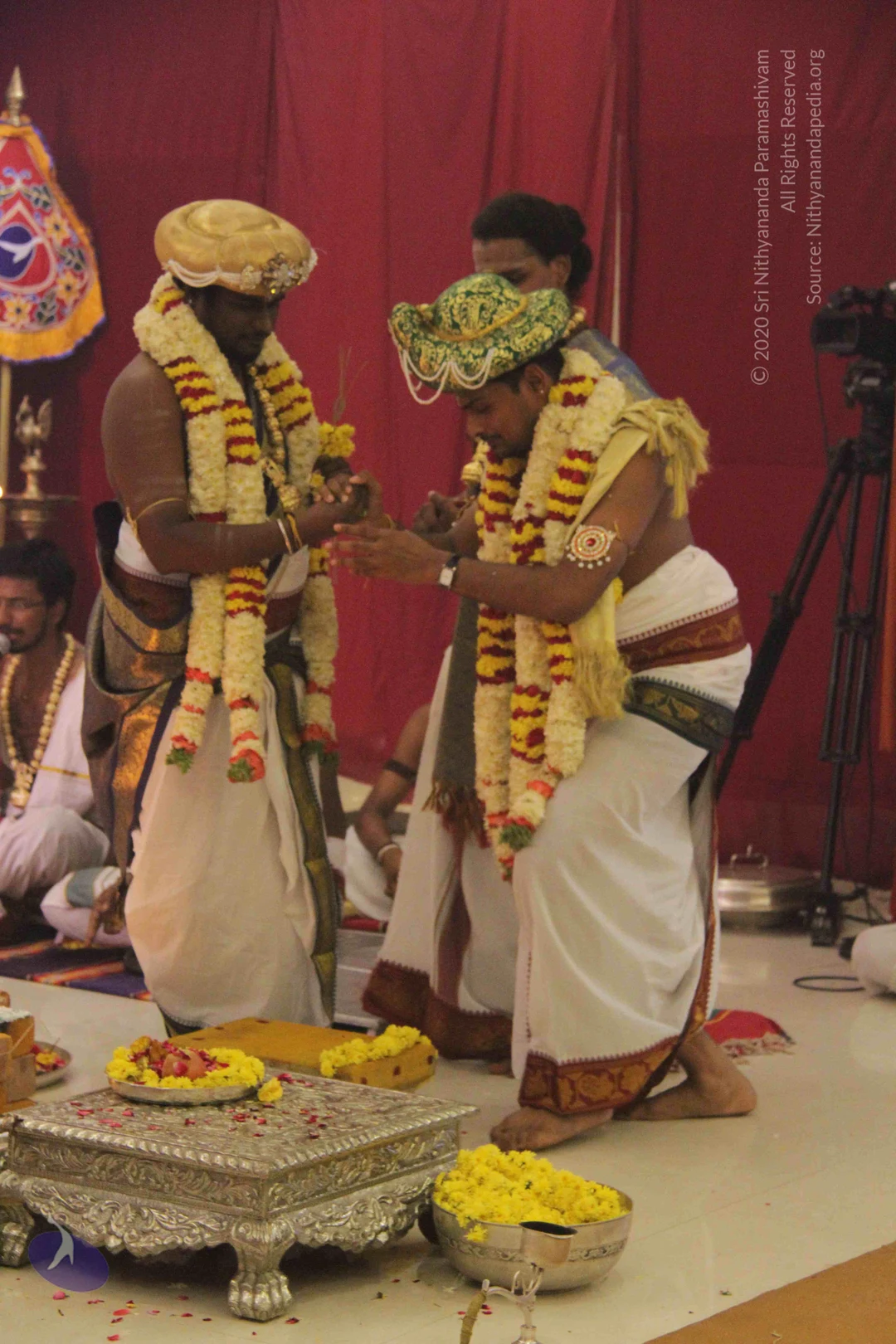
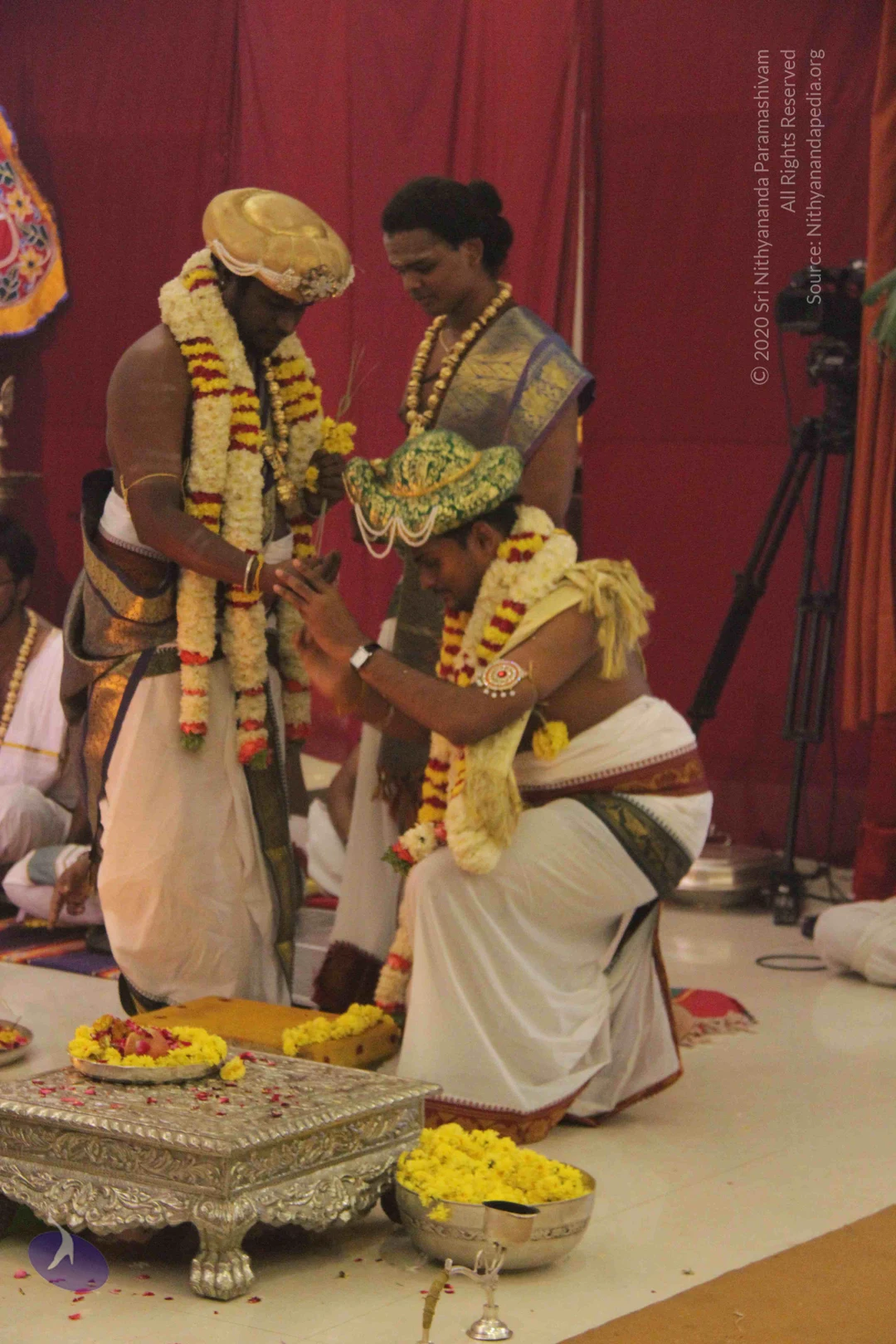
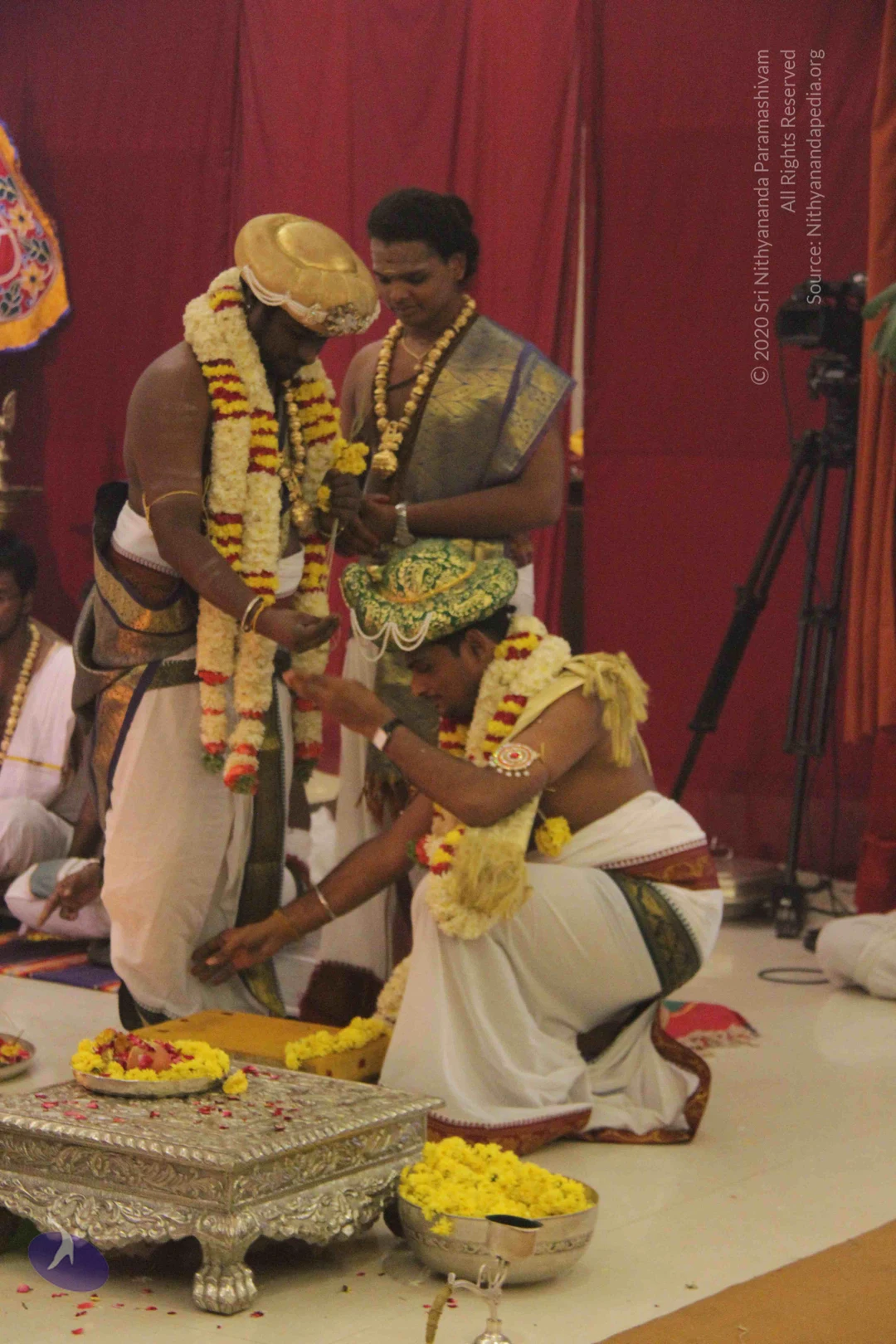
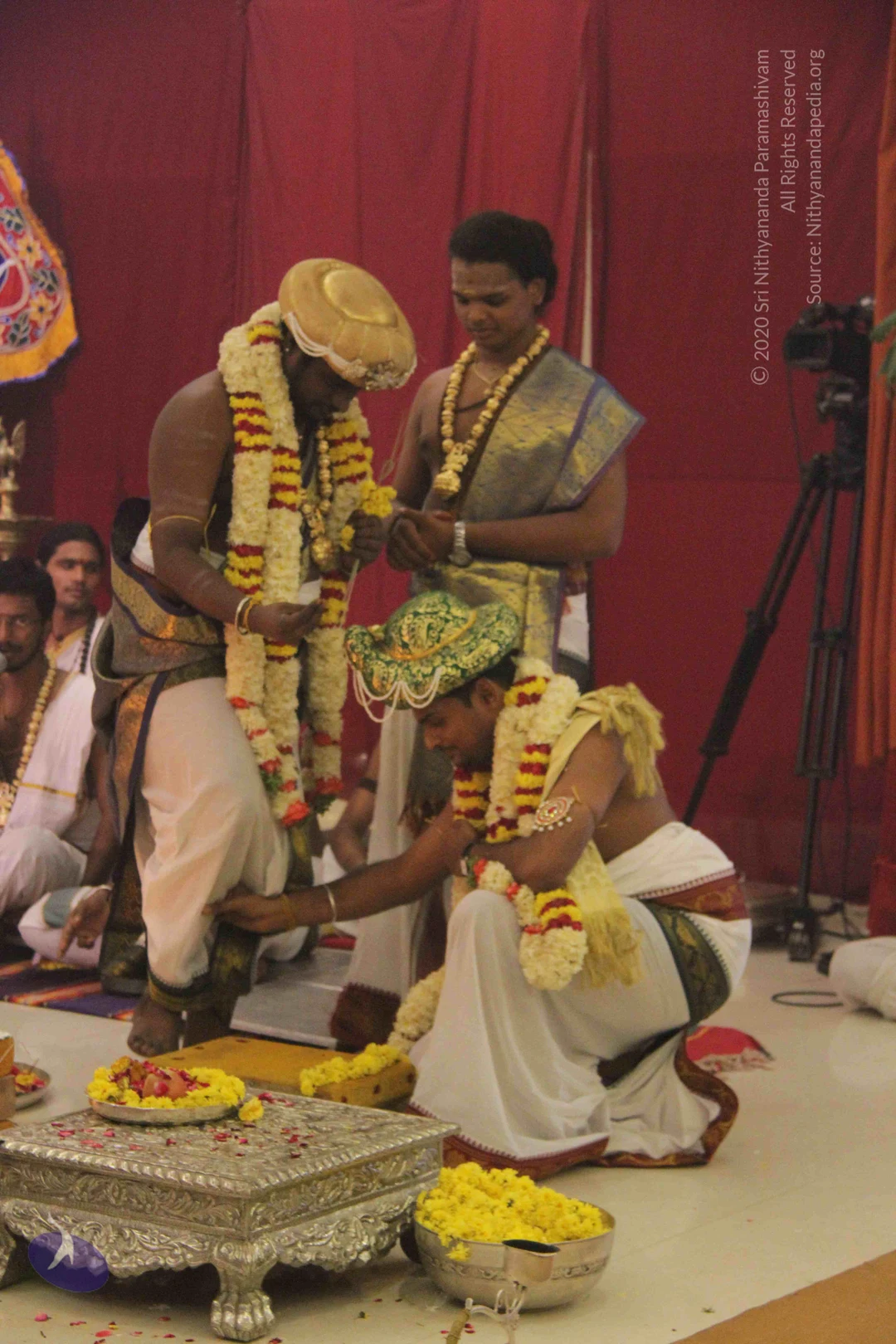
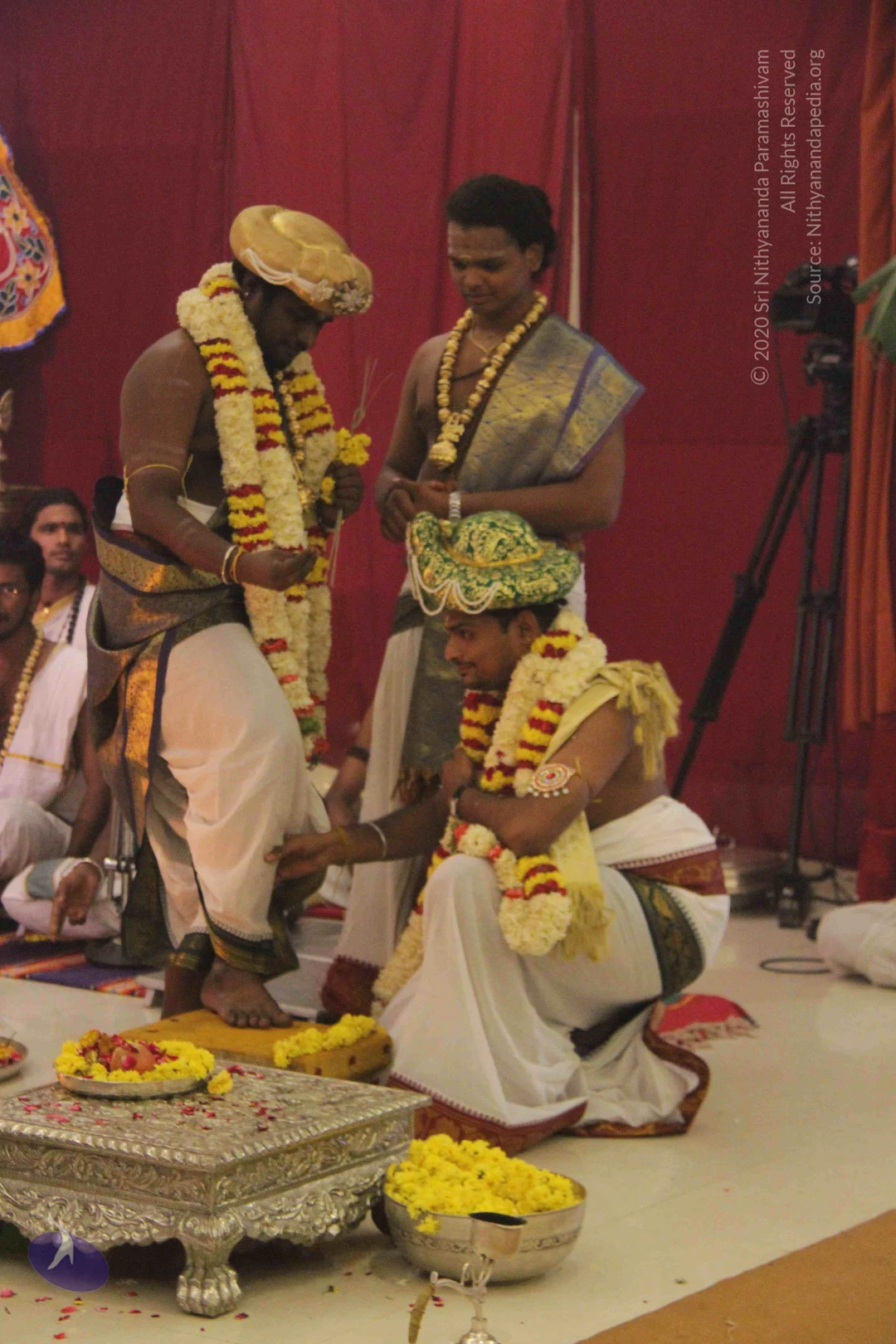
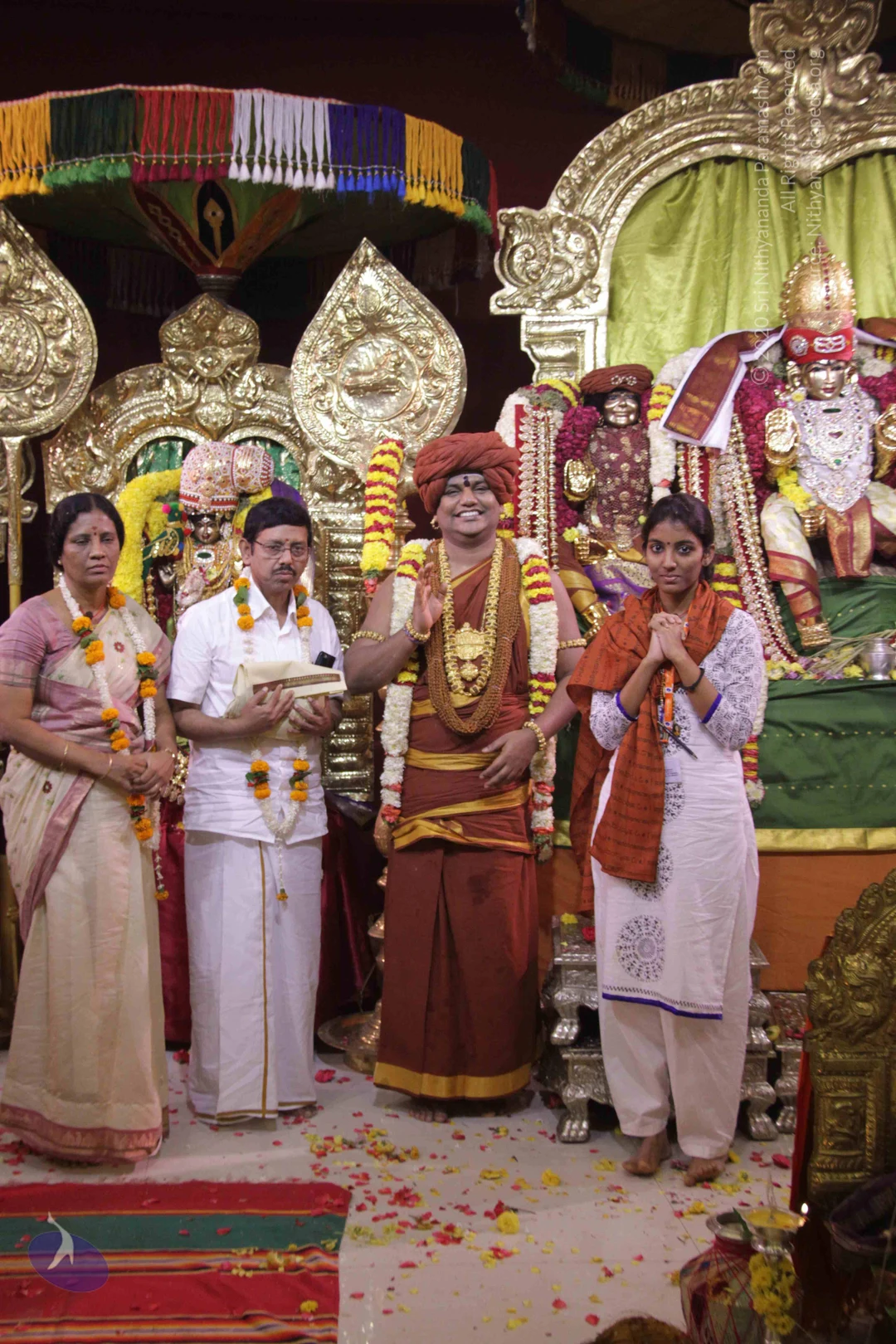
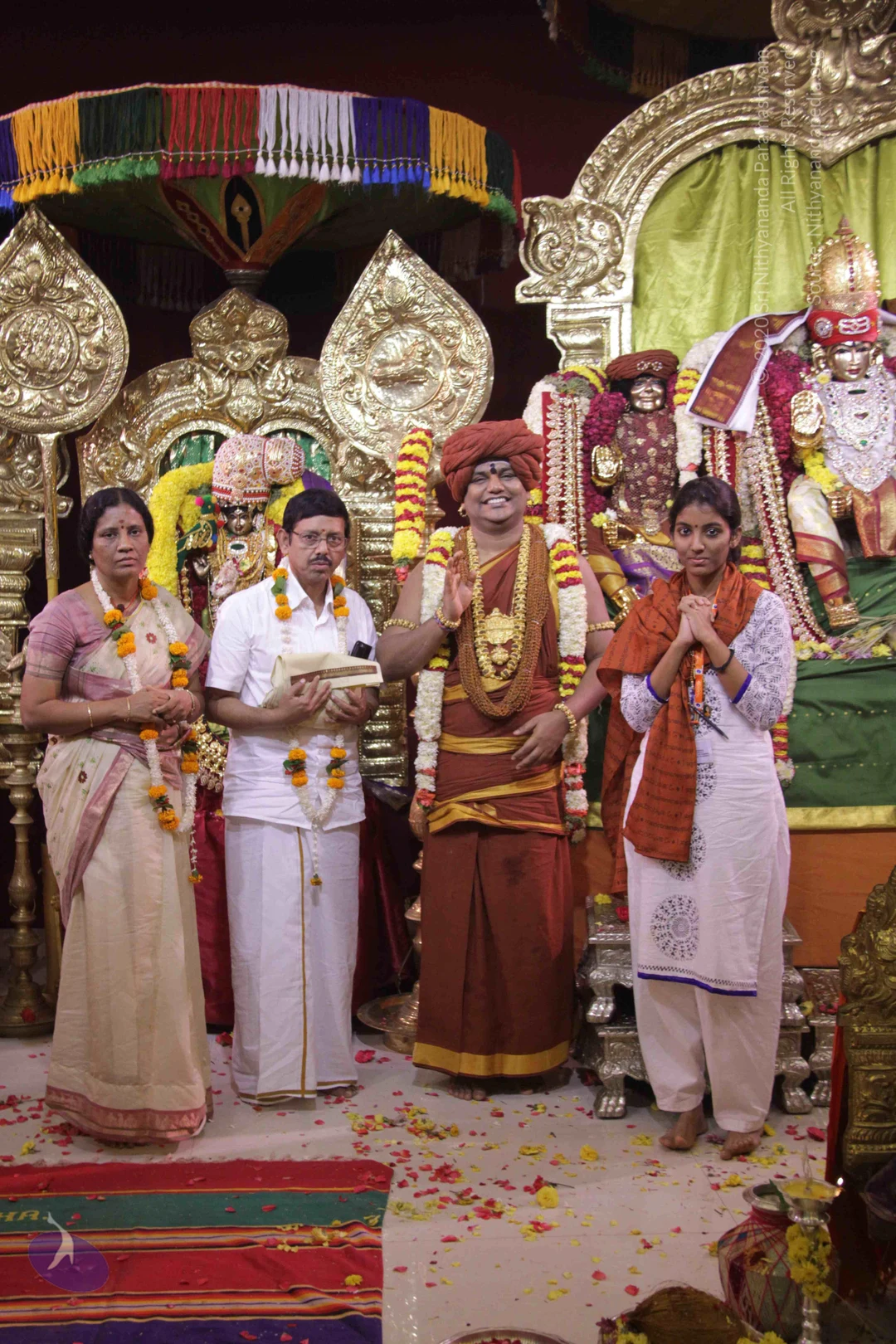
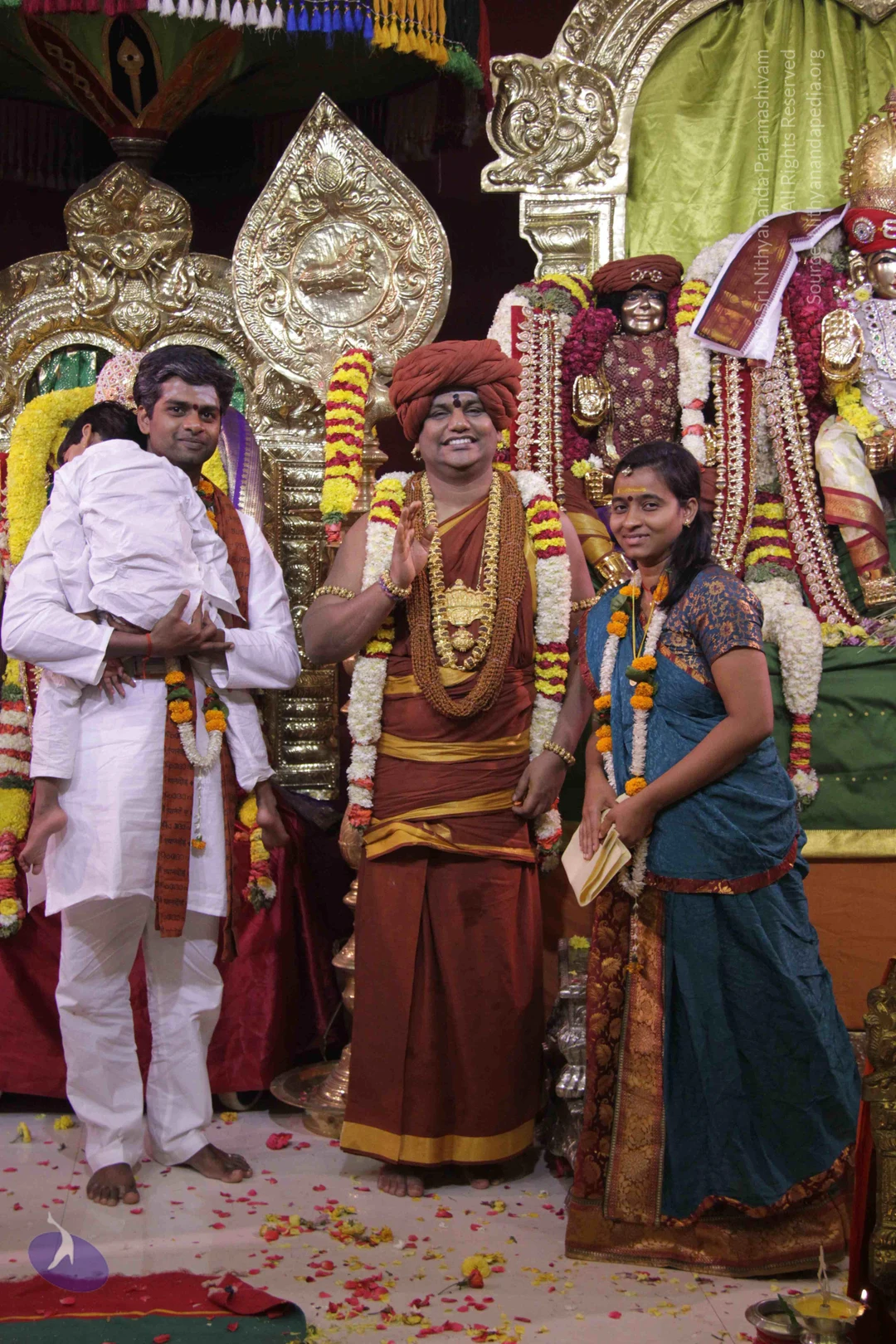
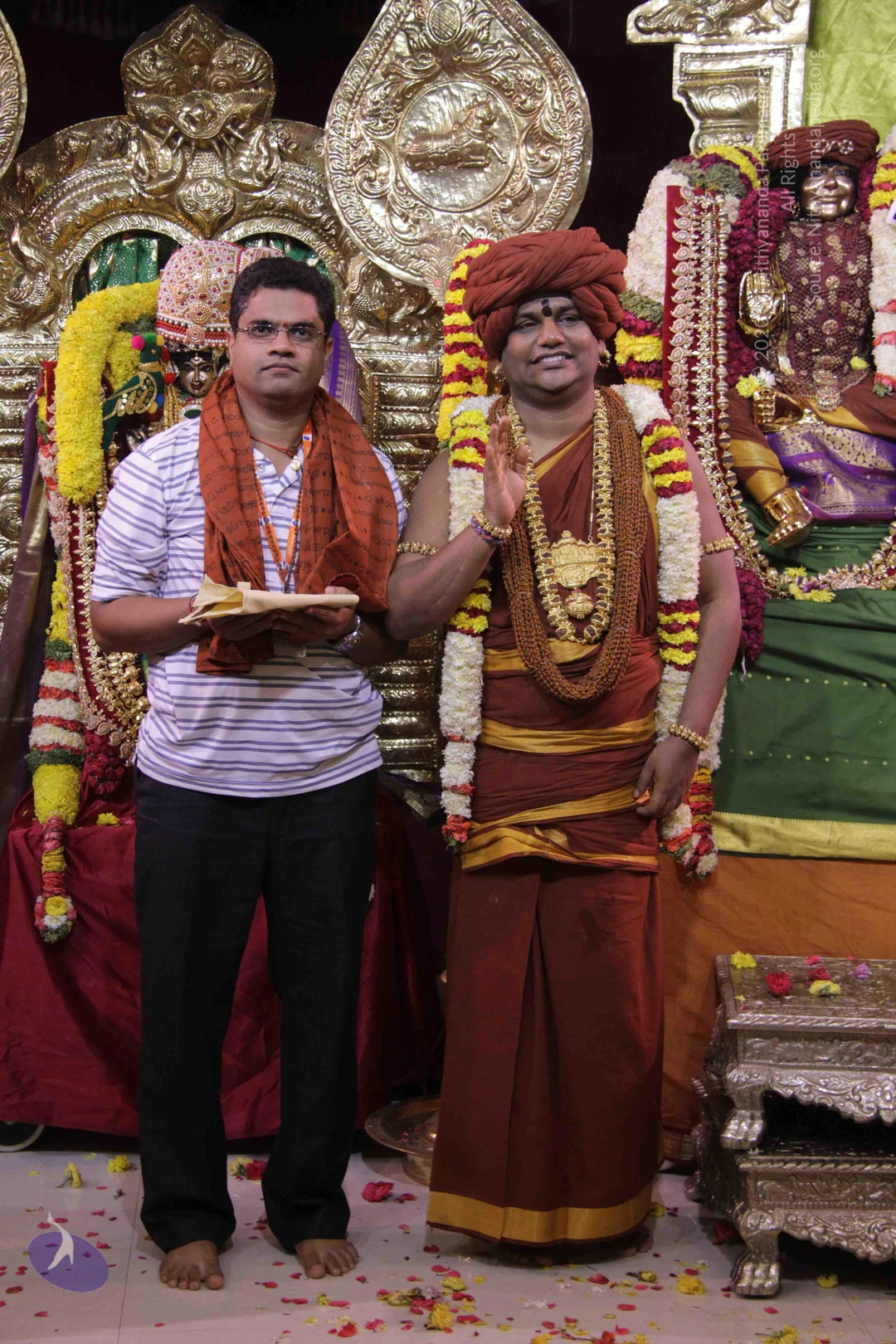
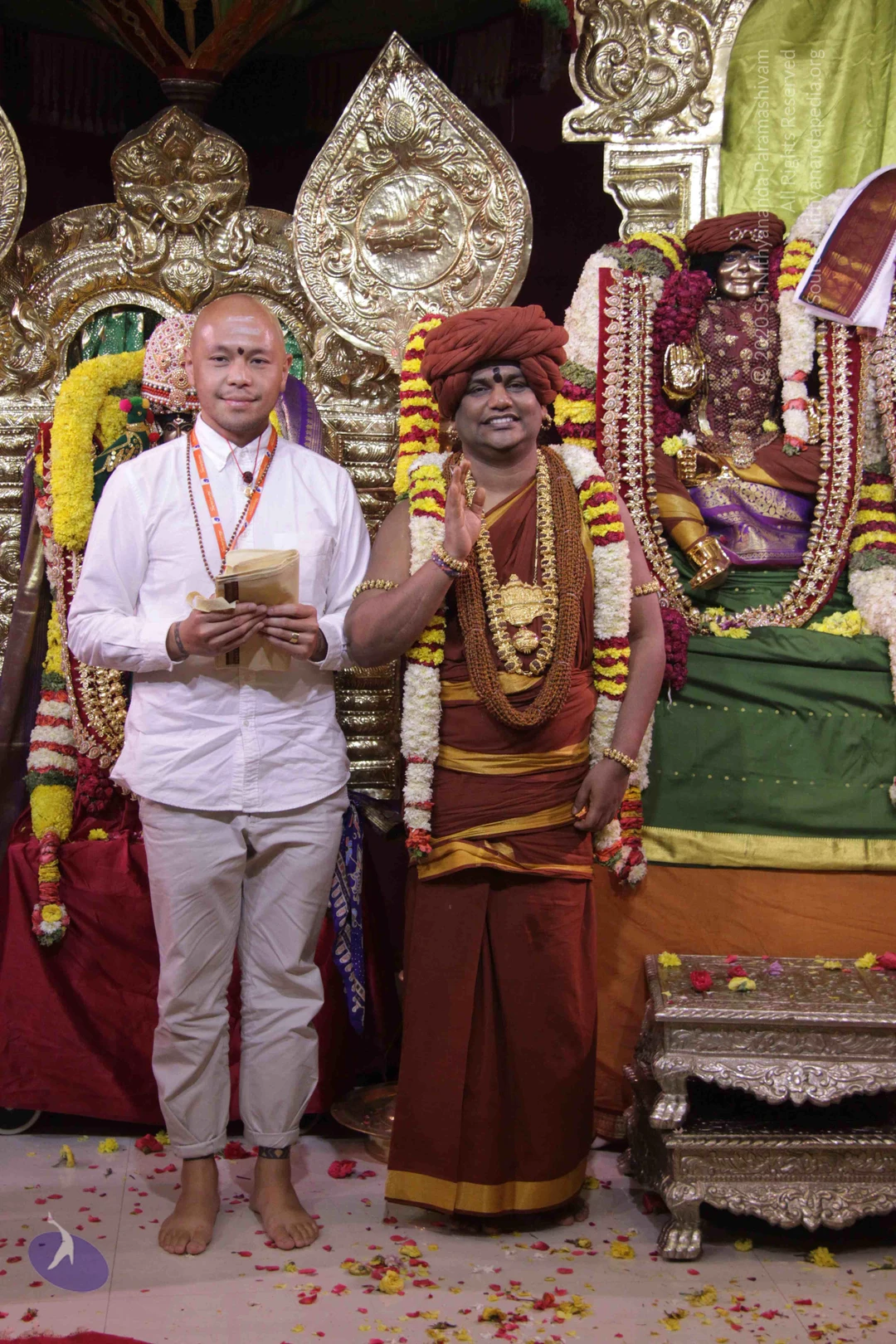
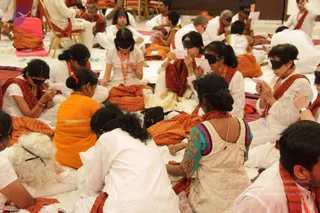
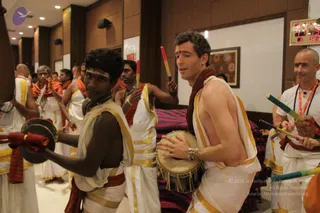
02-SHIVOHAM-PROCESS
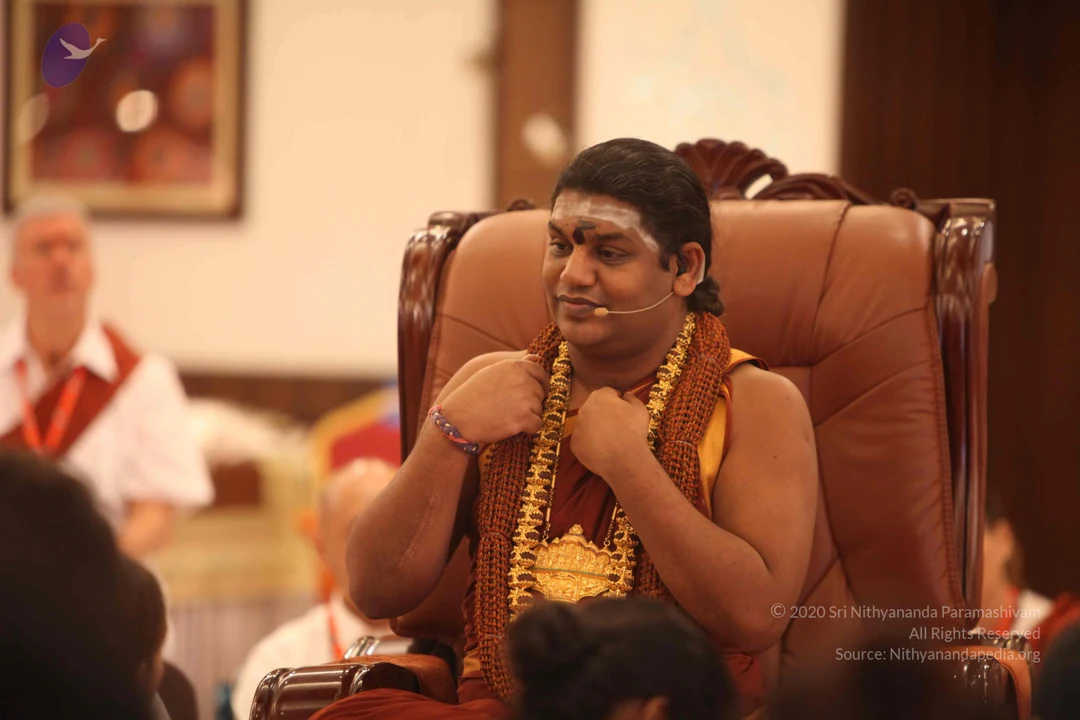
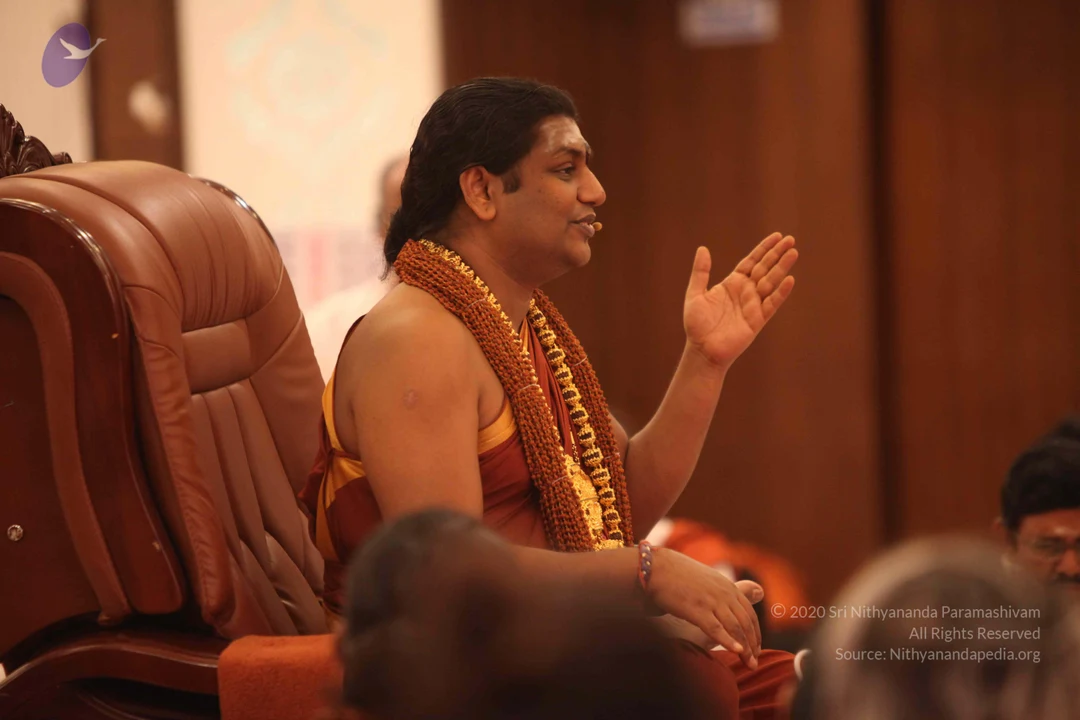
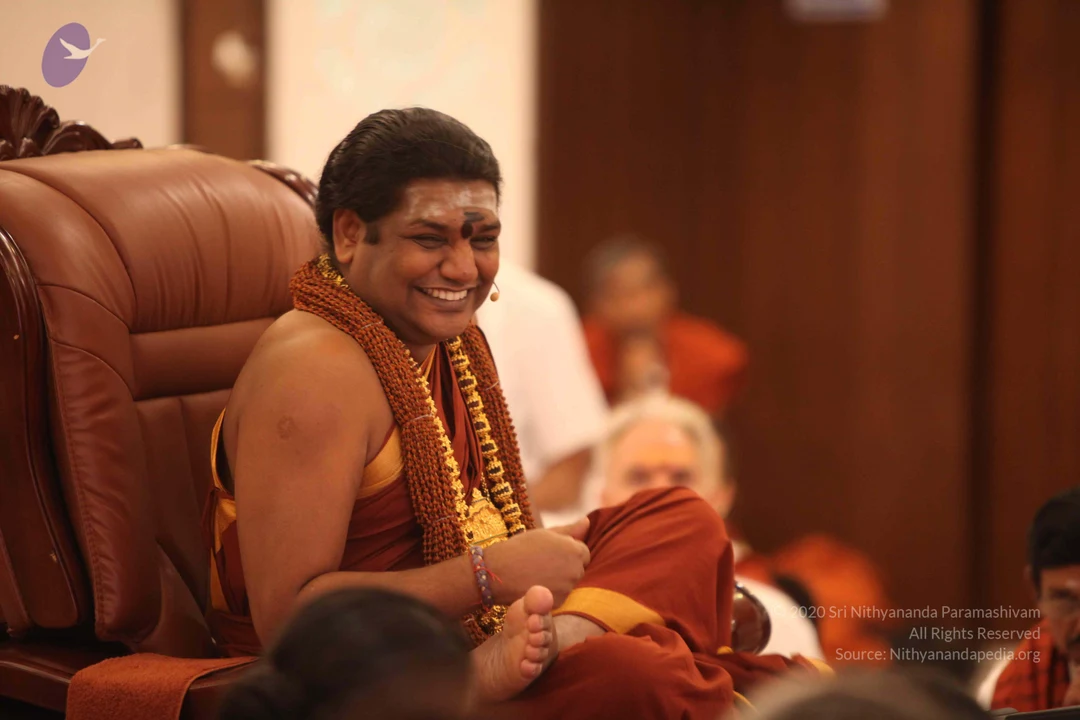
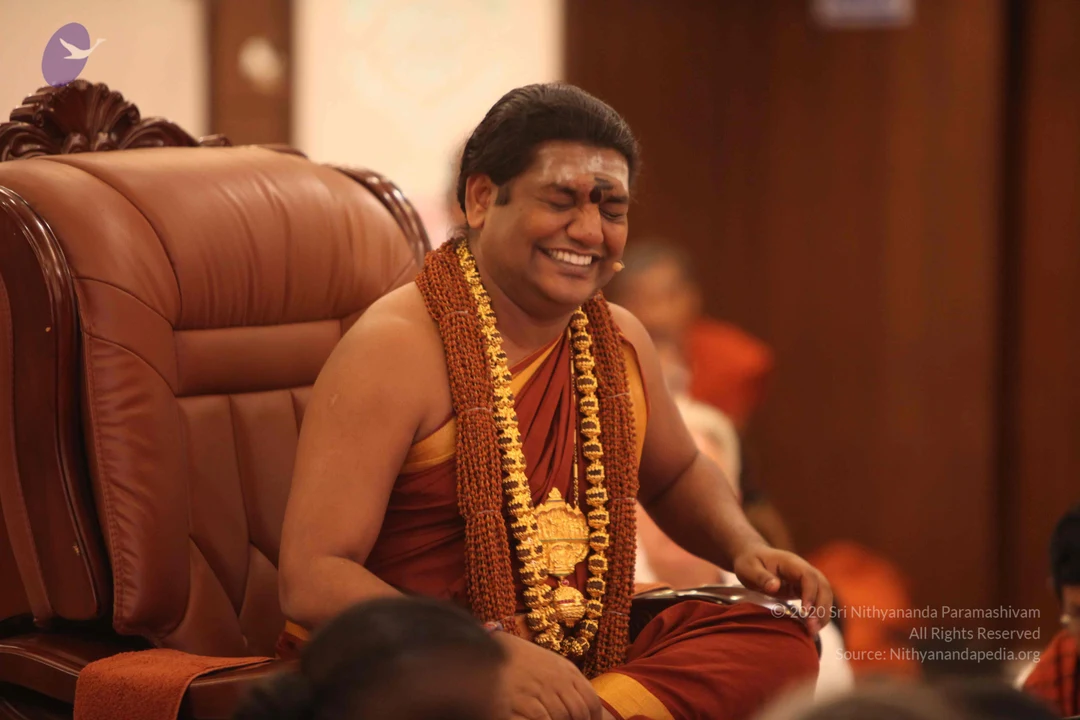
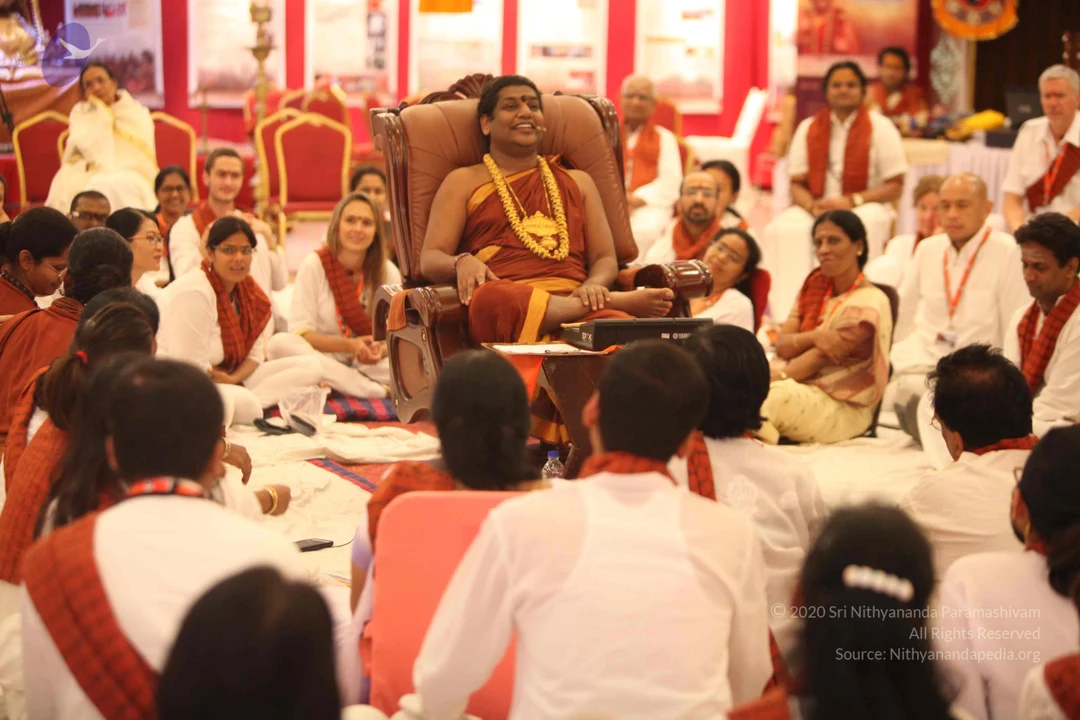
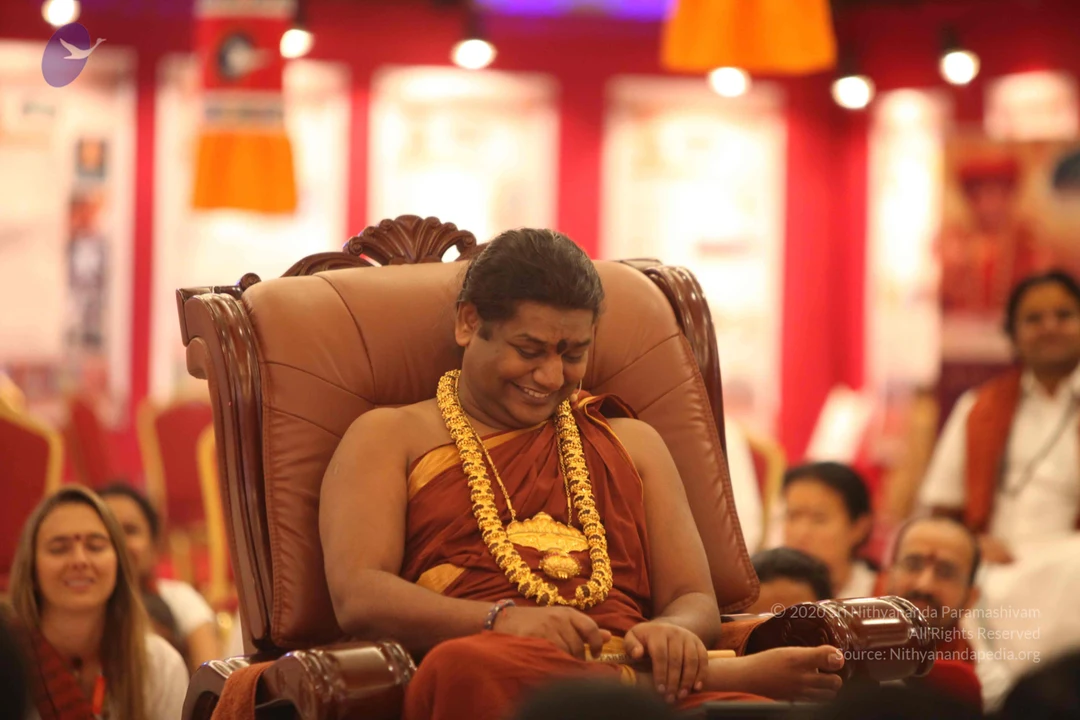
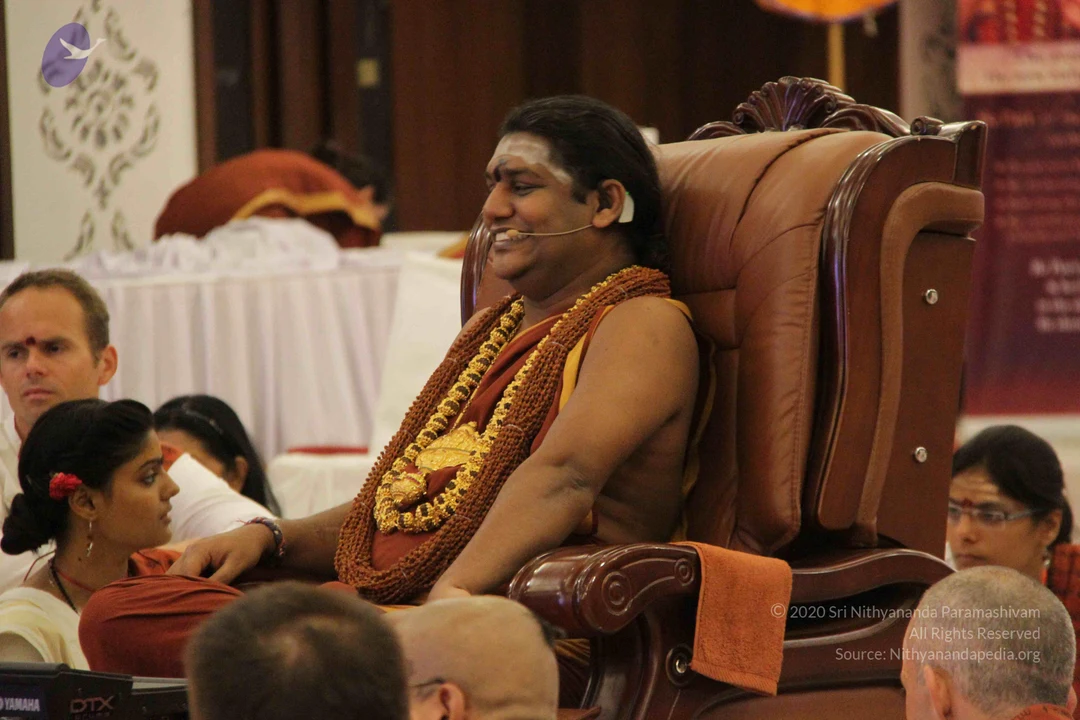
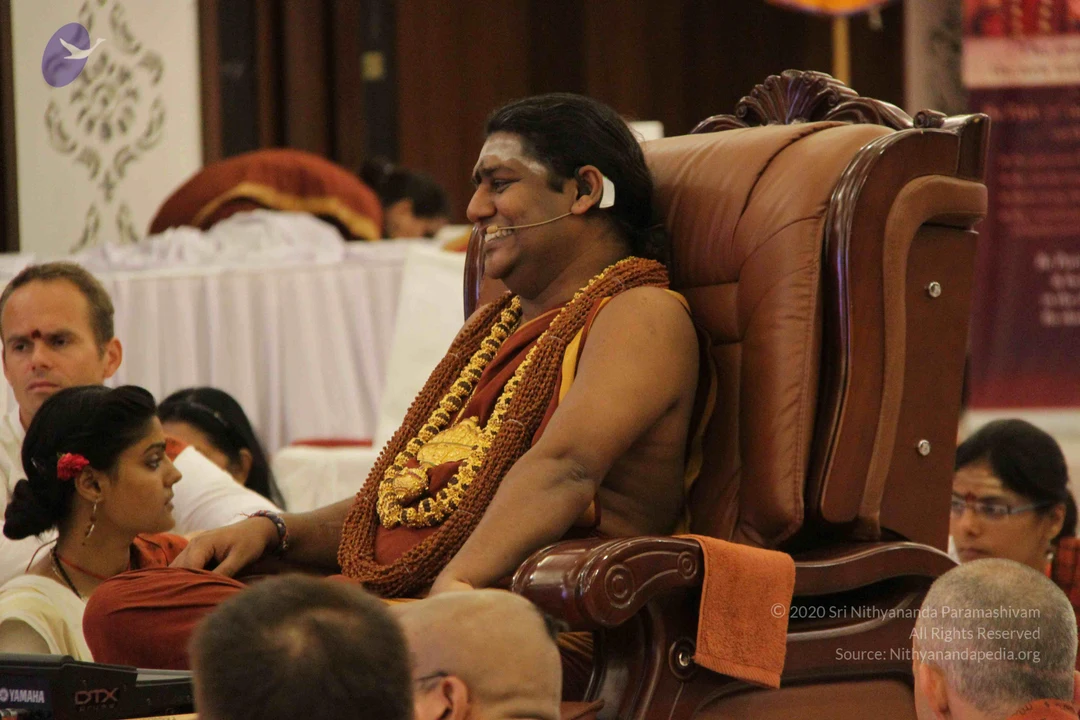
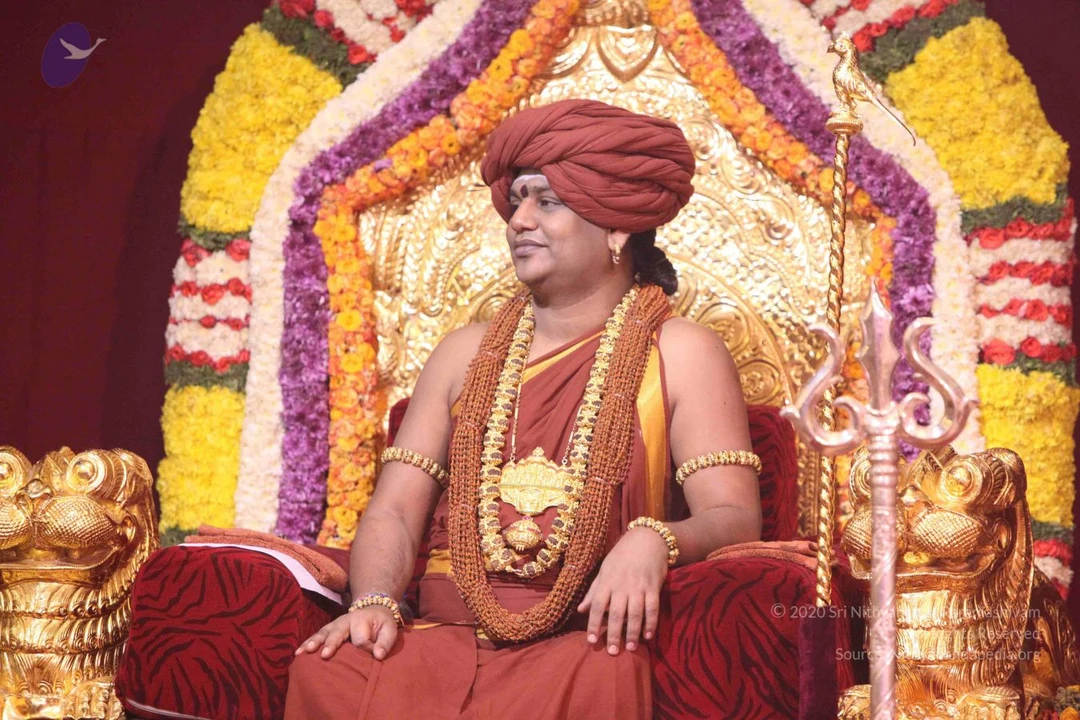
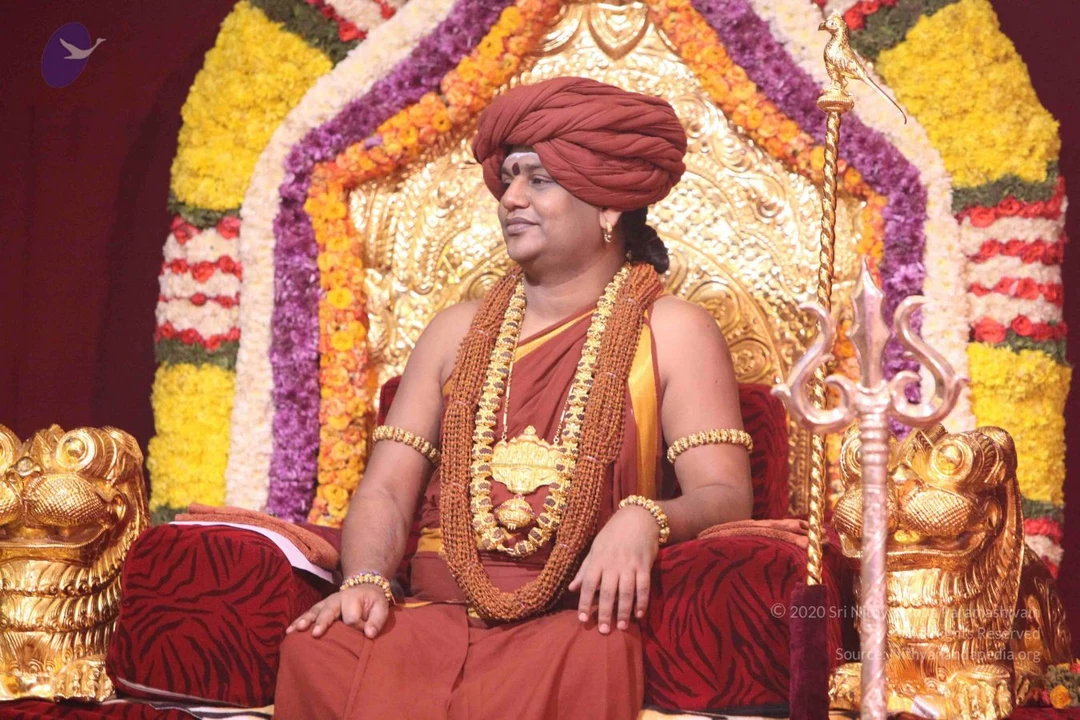
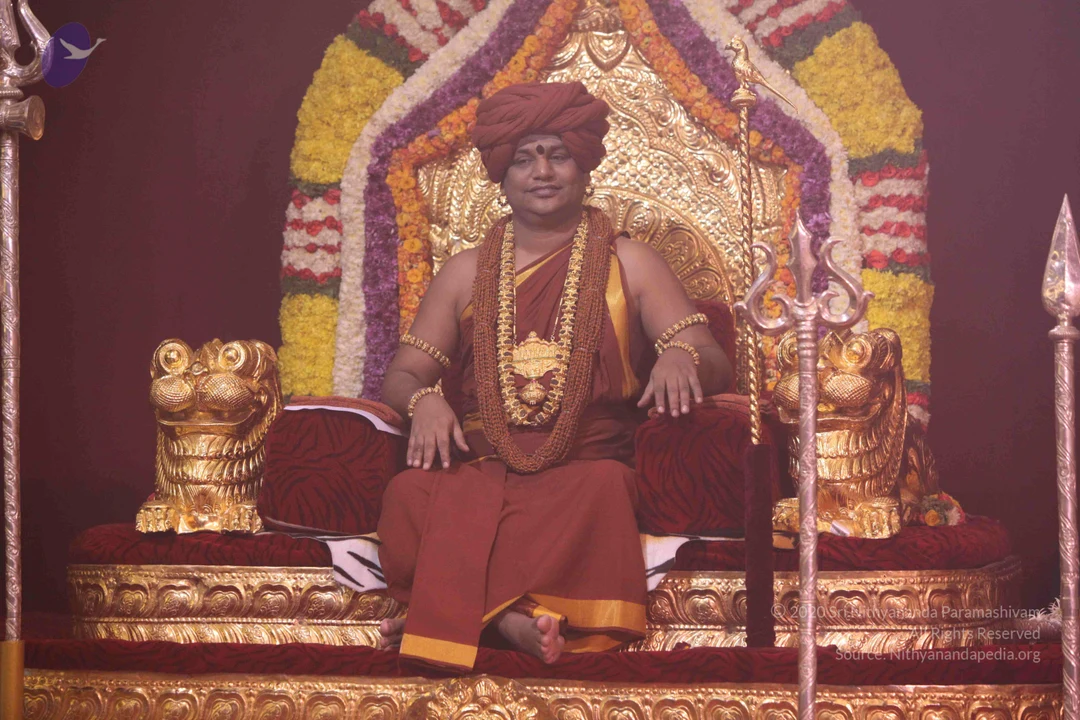
03-NAVARATHRI-DARBAR
Title
Praying From Powerful Space of Oneness || IA || Varanasi || 18 Oct 2015
Description
Name Of The Convention : Inner Awakening Session on: Q&As after Samaya Deeksha and Meenakshi Thirukalyanam Venue : Varanasi, Uttar Pradesh, India Date : 18 Octomber 2015
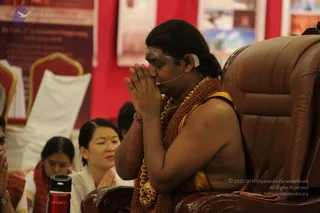
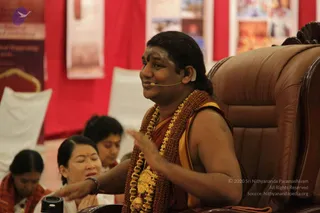
In this video Supreme Pontiff of Hinduism HDH #Nithyananda Paramashivam answers some questions about the previous session (Samaya Deeksha) and celebration (Meenakshi Thirukalyanam) that took place. Swamiji speaks about the significance of Samaya Deeksha, the significance of praying from a powerful space of oneness, why Devi Meenakshi came to planet Earth, etc.
The Supreme Pontiff of Hinduism Jagatguru Mahasannidhanam His Divine Holiness Nithyananda Paramashivam (HDH) is the reviver of #KAILASA - the ancient enlightened civilization and the great cosmic borderless Hindu nation. Revered as the incarnation of Paramashiva - the primordial Hindu Divinity, HDH has a following of 2 billion Hindus worldwide with de facto spiritual embassies in over 150 countries. He has worked untiringly for over 26 years for the revival of Kailasa, for global peace and to give super conscious breakthrough to humanity. He has survived the worst persecution of multiple assassination attempts on person and on character by anti-Hindu elements. He is collecting, organising, preserving, time capsuling, decoding, spreading and reviving 20 Million source books of Hinduism and the 64 sacred arts & sciences like Ayurveda, music, dance, sculpting, astrology, vastu and much more. Close to 20,000 hours of HDH’s timeless talks have been recorded till date (Sep 2020), which are a treasure trove of powerful cognitions to solve individual and global problems of any kind.
Link to Video:
| Video | Audio |
Title
Meenakshi Thirukalyanam - The Celestial Wedding || Part 1 || 18 Oct 2015
Description
Name Of The Convention : Inner Awakening Session on: Meenakshi Thirukalyanam Venue : Varanasi, Uttar Pradesh, India Date : 18 October 2015 Title: Meenakshi Thirukalyanam - The Celestial Wedding Part 1
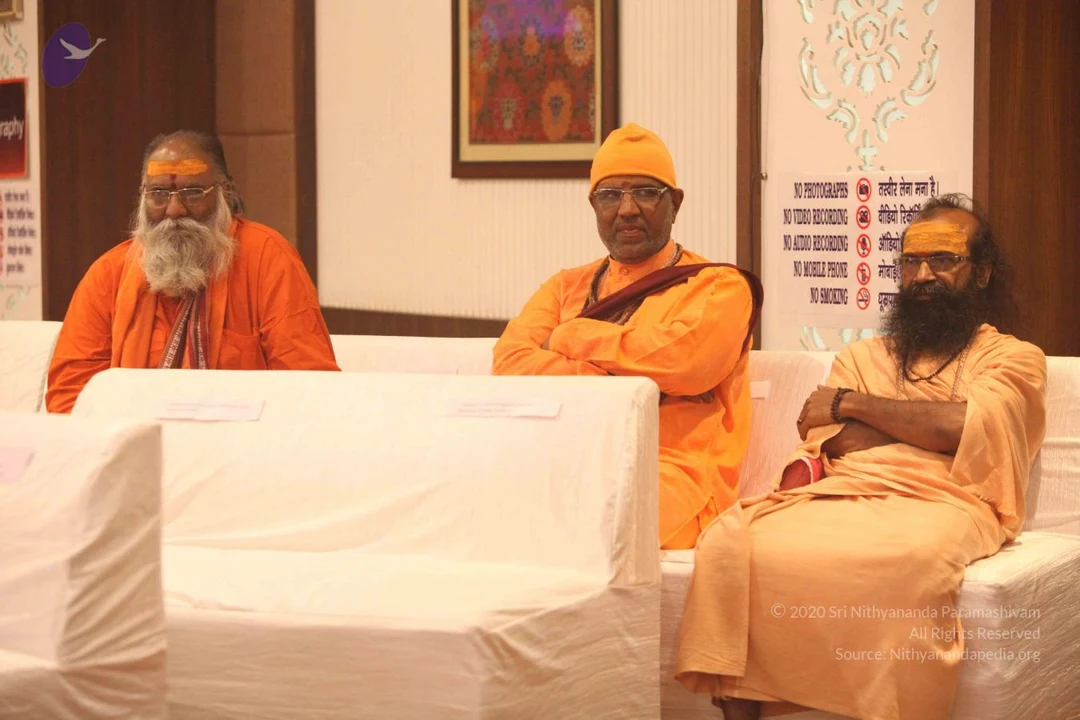
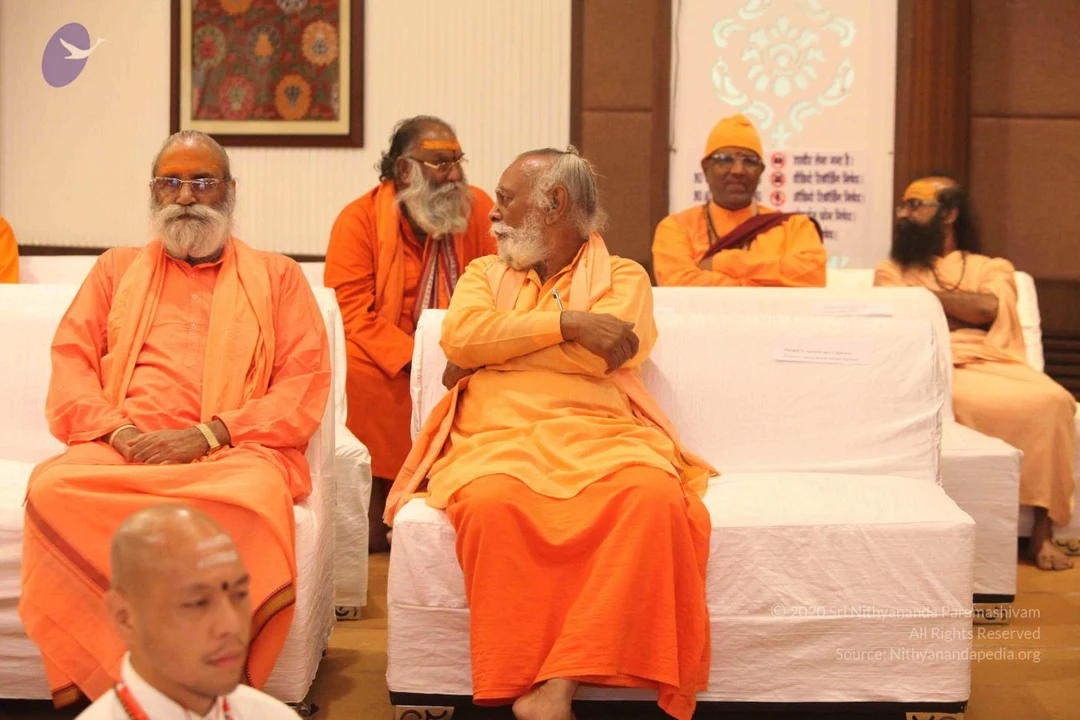
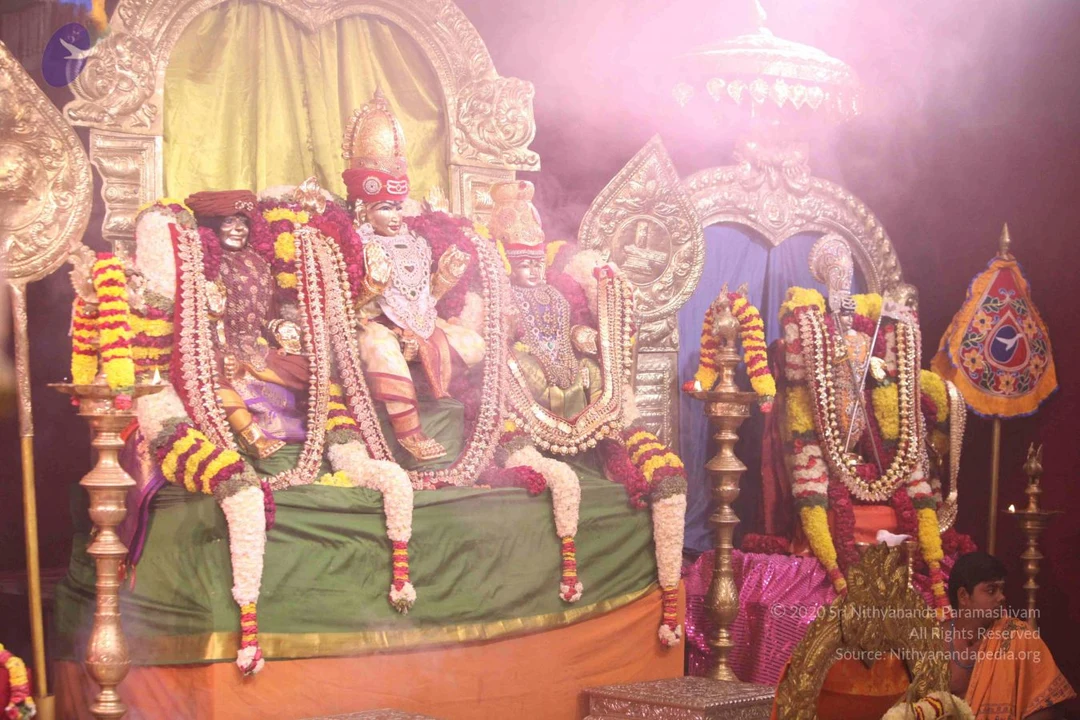
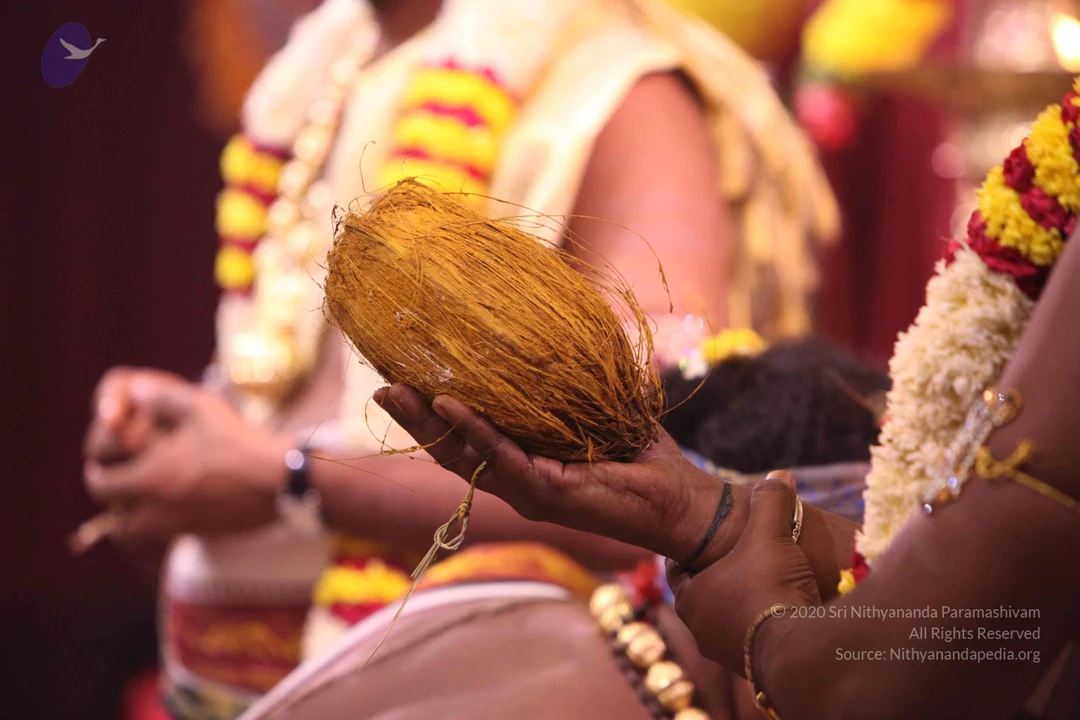
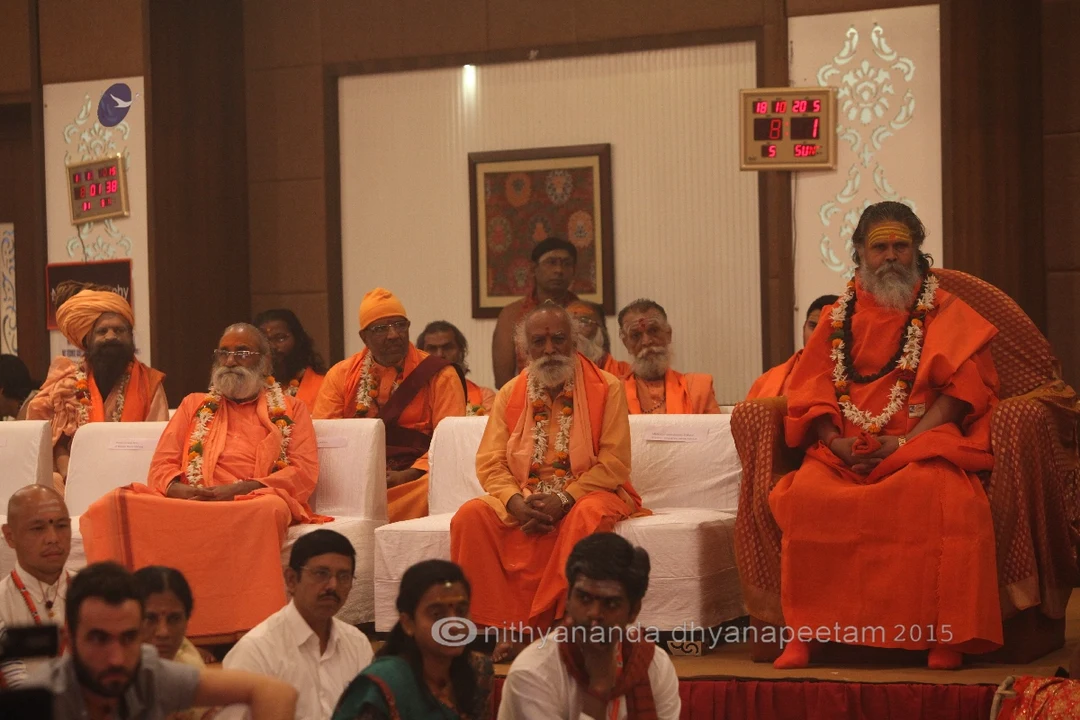
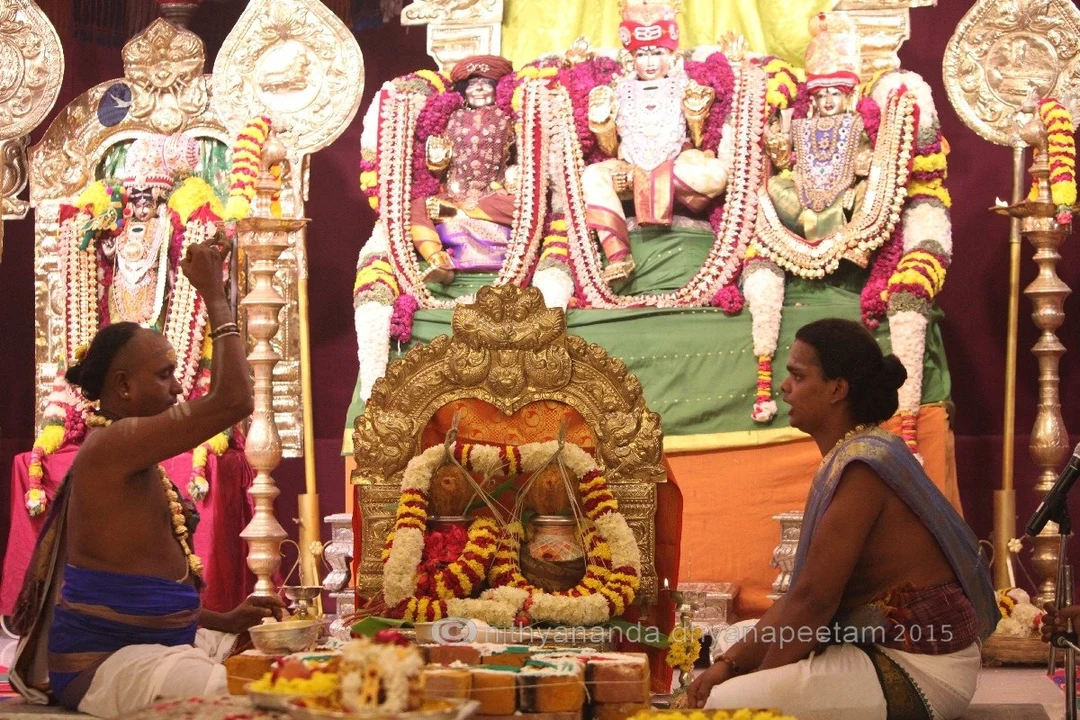
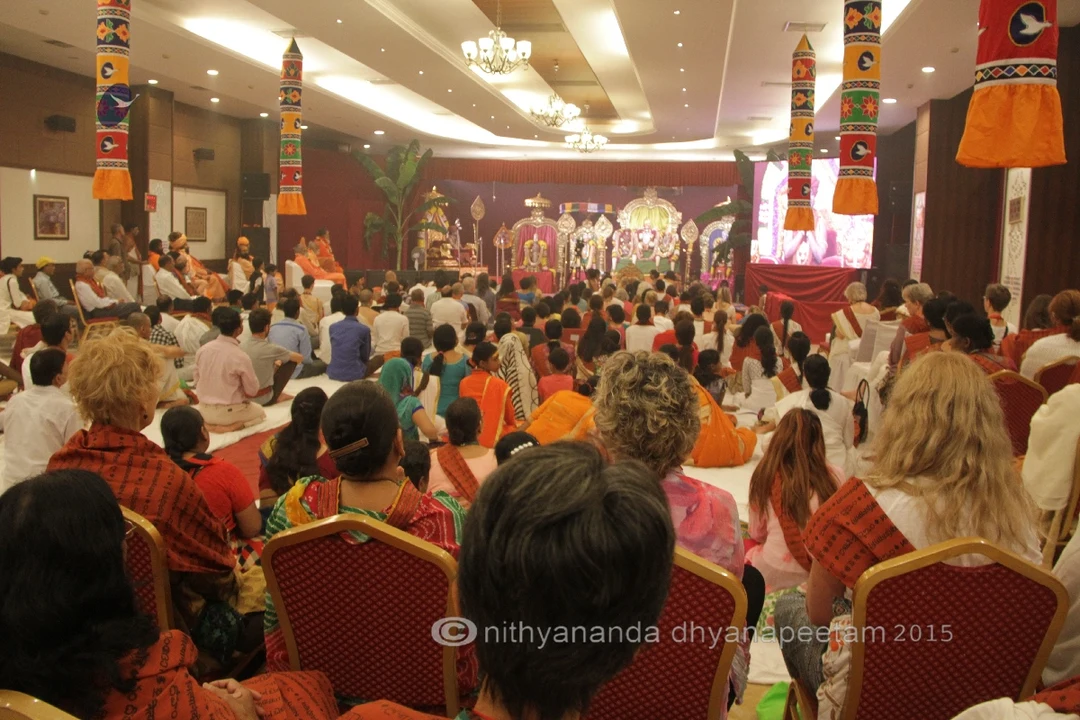
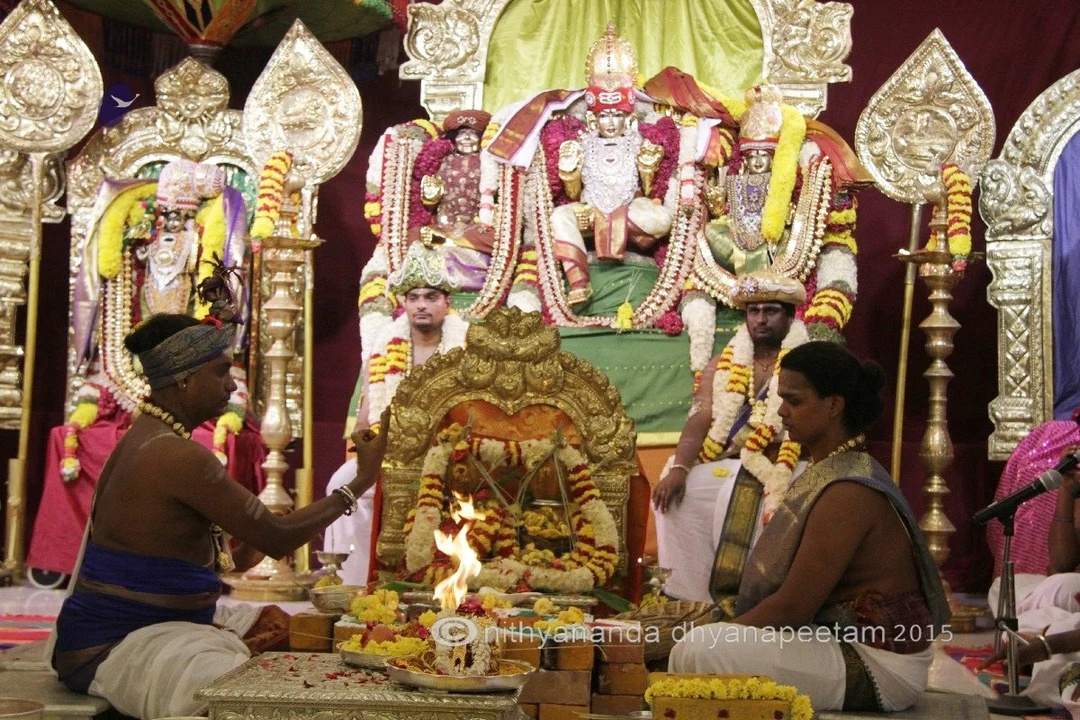
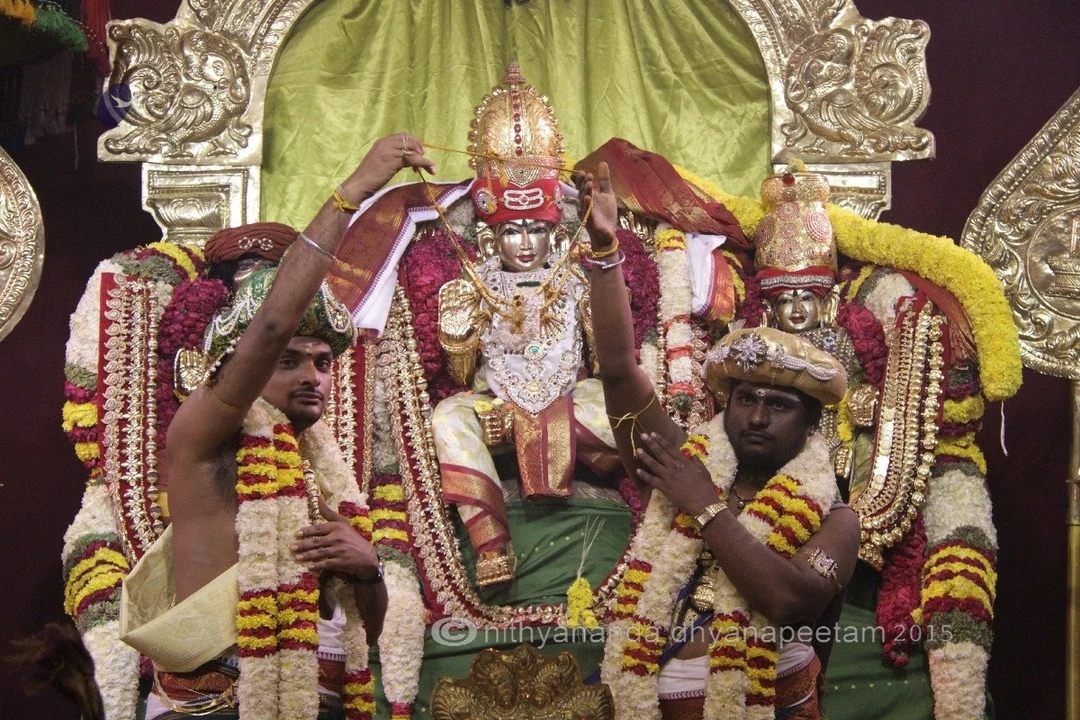
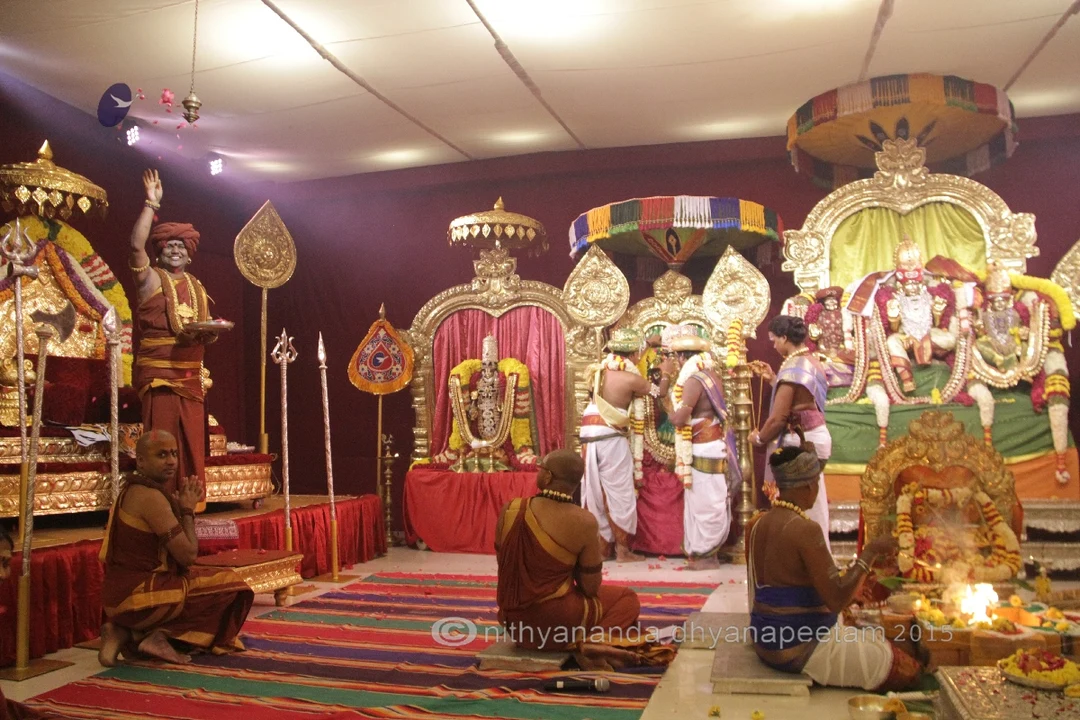
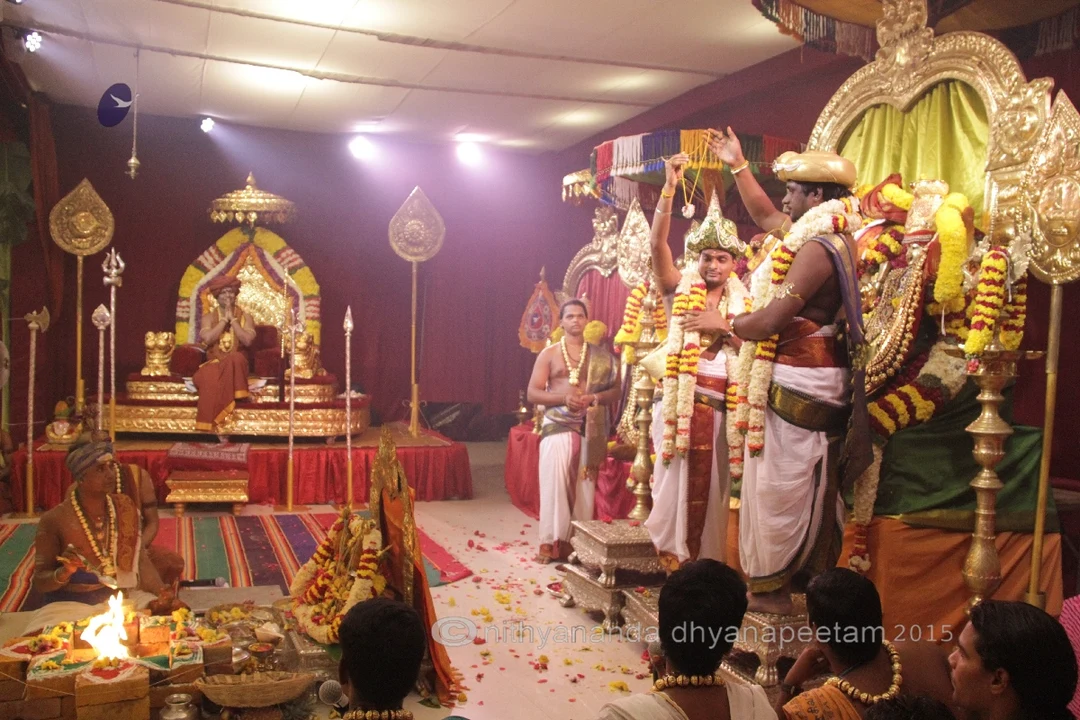
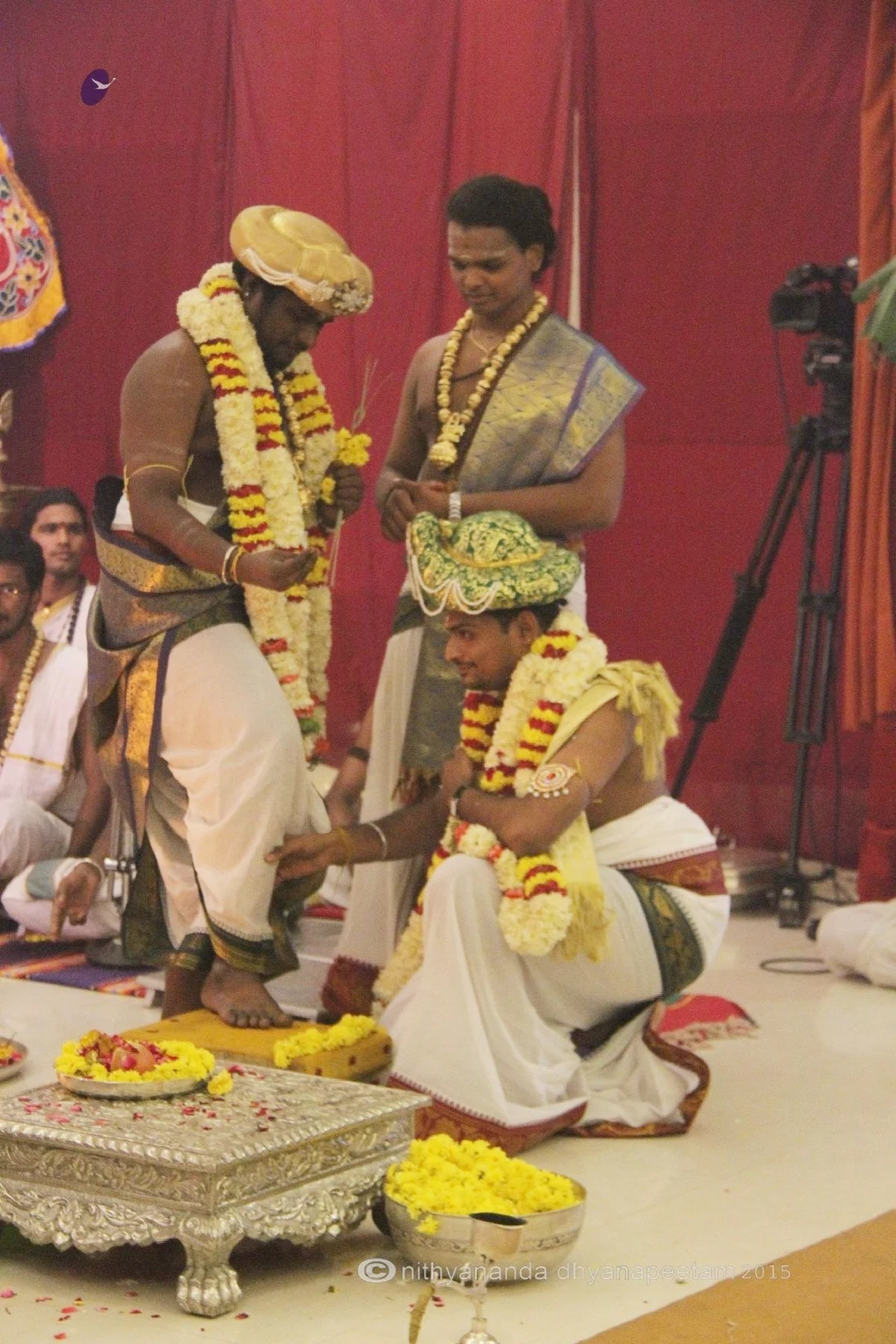
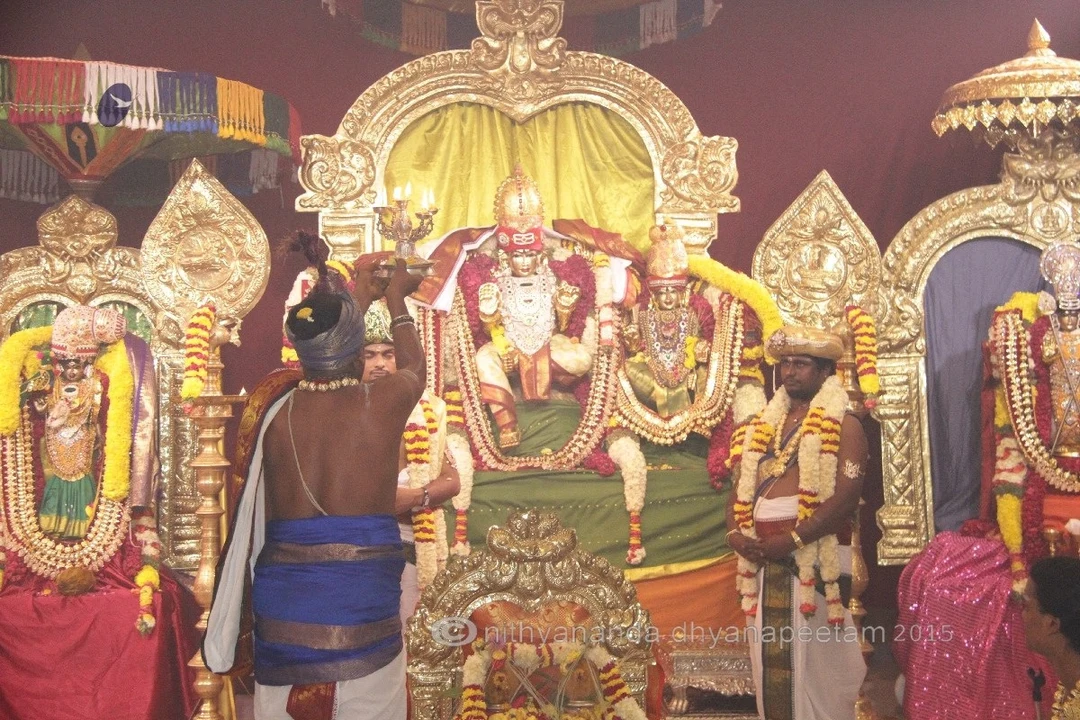
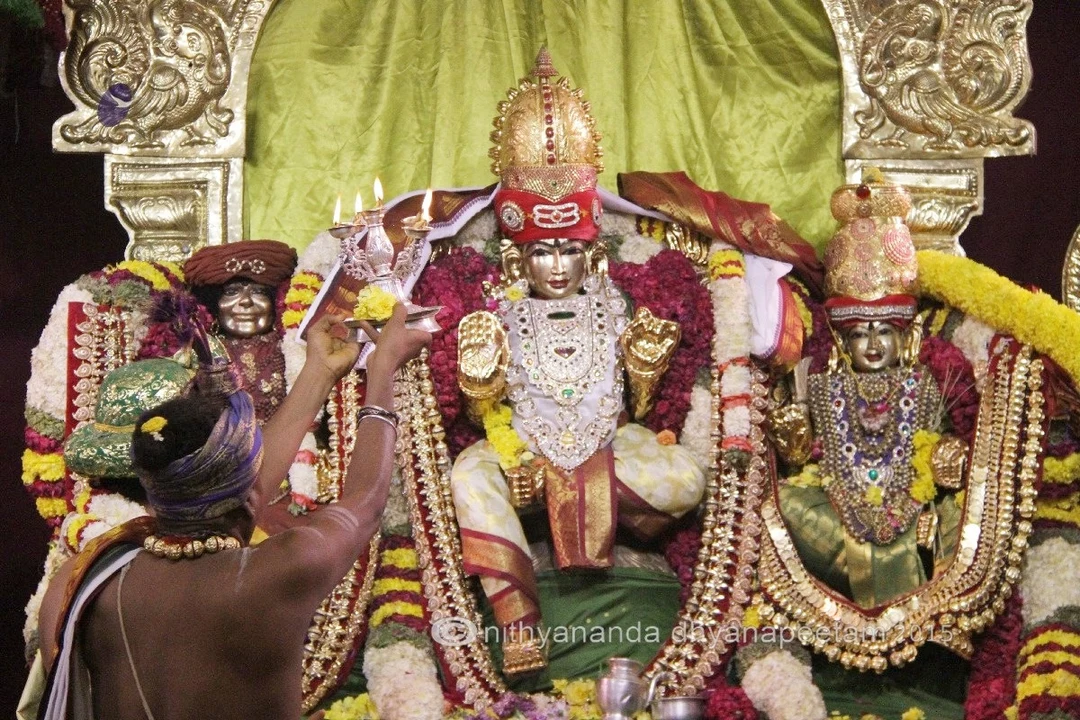
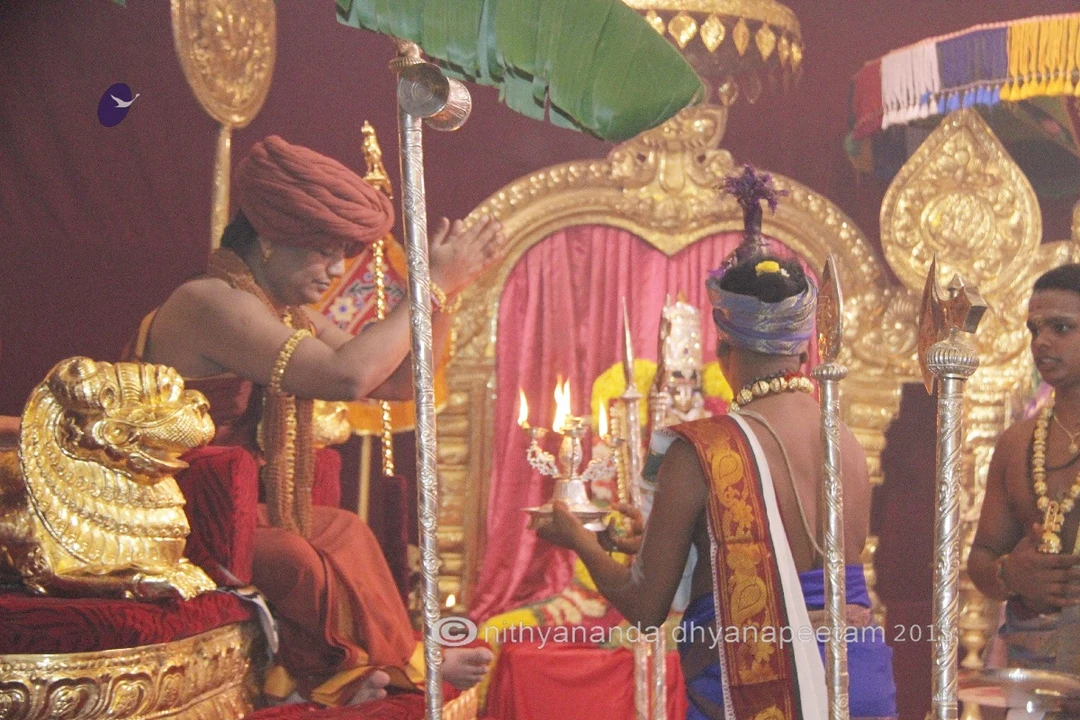
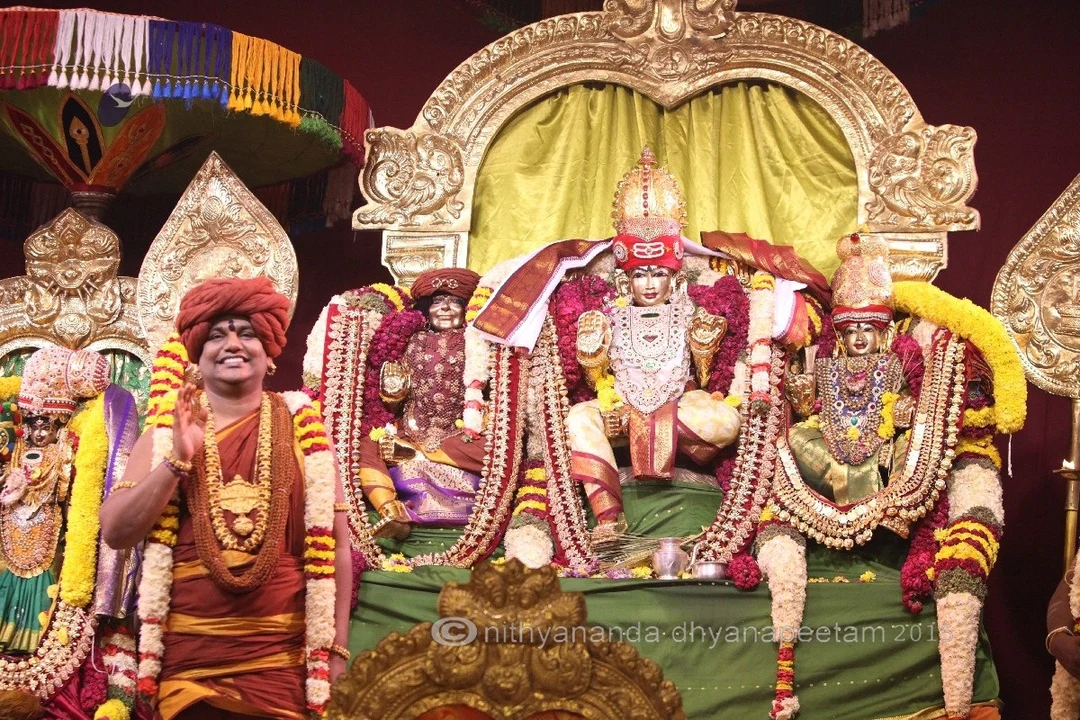
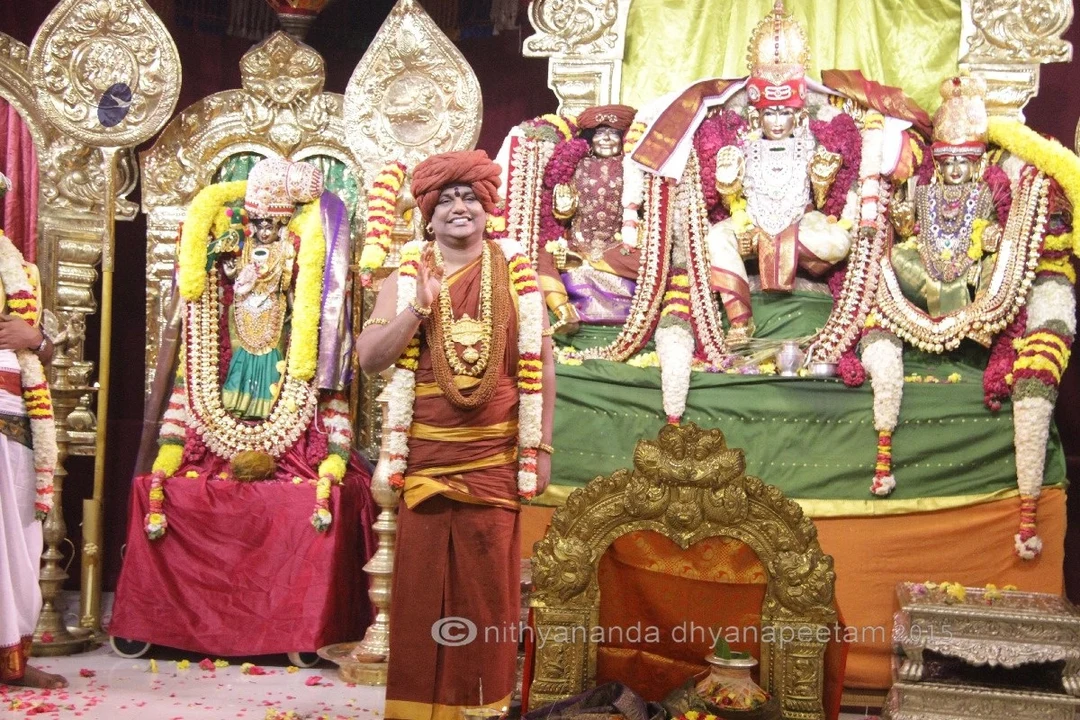
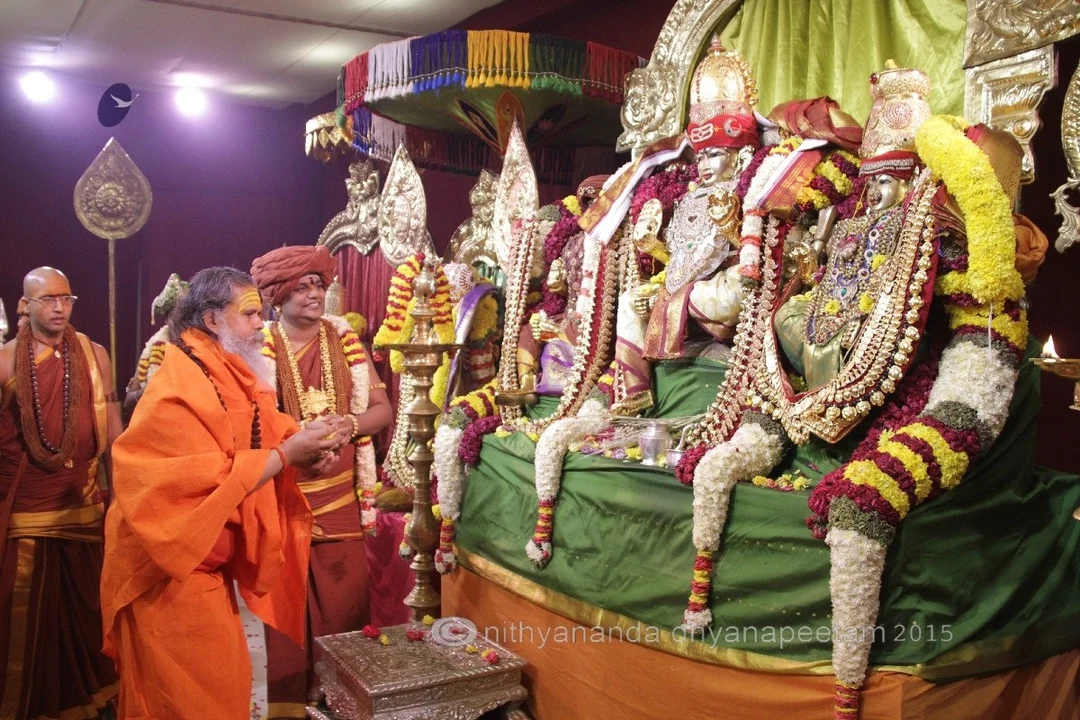
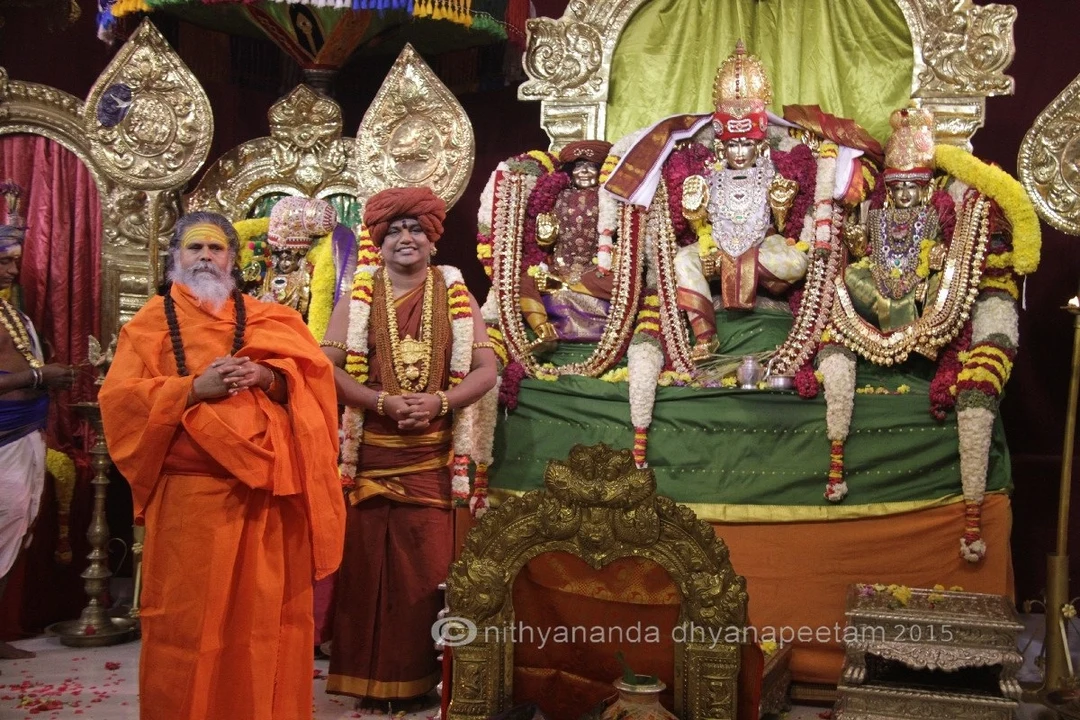
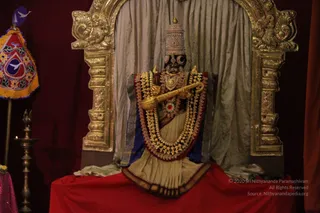
On 18 October 2015, the 13th day of the Inner Awakening Convention with the Supreme Pontiff of Hinduism, Jagatguru Mahasannidhanam, His Divine Holiness, Bhagavan Nithyananda Paramashivam, the sacred union and Divine Marriage between Devi Meenakshi and Lord Sundareshwara {Meenakshi Tirukalyanam} was reenacted in Varanasi, Uttar Pradesh, India. In attendance were Honoured Guests such as: Sri Narendra Giri Ji Maharaj - President of the Akhila Bharat Akhada Parishad; Sri Ravindra Giri Ji Maharaj Sachiv of Shri Panchayati Maha Nirvani Akhada - Mahant of Kashi Panch, Varanasi; Sri Vijayendra Giri Ji Maharaj - retired Mahant of Mahanirvani Akhada; a Naga Baba from Agni Akhada; Sri Govindanandaji Maharaj - Trustee of Govinda Mutt, Varanasi; Sauravji Maharaj - Thanapati of Agni Akhada in Varanasi; Mandaleshwara Sri Ajay Bharatiji Maharaj; and Sri Jagadeeshwaranandaji Maharaj - Vyavastapak of Govinda Mutt, Varanasi.
Meenakshi is the third incarnation of Adi Shakti, the Divine Mother of the Cosmos and Divine consort of Paramashiva. She is the absolute expression, the original source of the Cosmos, ‘Adi Shakti’ manifesting in a human form. She carries all the infinite divine qualities in her body. In complete union with her masculine and feminine energy, she radiates extraordinary expressions of Divinity. Incarnations appear from the superconsciousness energy simply to please their unalloyed devotees and for the ultimate benefit of human consciousness. When they happen, they carry specific auspicious qualities and energies in their bio-memory that are needed to fulfil their divine mission.
The Supreme Pontiff of Hinduism Jagatguru Mahasannidhanam His Divine Holiness Nithyananda Paramashivam (HDH) is the reviver of #KAILASA - the ancient enlightened civilization and the great cosmic borderless Hindu nation. Revered as the incarnation of Paramashiva - the primordial Hindu Divinity, HDH has a following of 2 billion Hindus worldwide with de facto spiritual embassies in over 150 countries. He has worked untiringly for over 26 years for the revival of Kailasa, for global peace and to give super conscious breakthrough to humanity. He has survived the worst persecution of multiple assassination attempts on person and on character by anti-Hindu elements. He is collecting, organising, preserving, time capsuling, decoding, spreading and reviving 20 Million source books of Hinduism and the 64 sacred arts & sciences like Ayurveda, music, dance, sculpting, astrology, vastu and much more. Close to 20,000 hours of HDH’s timeless talks have been recorded till date (Sep 2020), which are a treasure trove of powerful cognitions to solve individual and global problems of any kind.
Link to Video:
Title
Meenakshi Thirukalyanam - The Celestial Wedding || Part 2 || 18 Oct 2015
Description
Name Of The Convention : Inner Awakening Session on: Meenakshi Thirukalyanam Venue : Varanasi, Uttar Pradesh, India Date : 18 October 2015 Title: Meenakshi Thirukalyanam - The Celestial Wedding Part 2
On 18 October 2015, the 13th day of the Inner Awakening Convention with the Supreme Pontiff of Hinduism, Jagatguru Mahasannidhanam, His Divine Holiness, Bhagavan Nithyananda Paramashivam, the sacred union and Divine Marriage between Devi Meenakshi and Lord Sundareshwara {Meenakshi Tirukalyanam} was reenacted in Varanasi, Uttar Pradesh, India. In attendance were Honoured Guests such as: Sri Narendra Giri Ji Maharaj - President of the Akhila Bharat Akhada Parishad; Sri Ravindra Giri Ji Maharaj Sachiv of Shri Panchayati Maha Nirvani Akhada - Mahant of Kashi Panch, Varanasi; Sri Vijayendra Giri Ji Maharaj - retired Mahant of Mahanirvani Akhada; a Naga Baba from Agni Akhada; Sri Govindanandaji Maharaj - Trustee of Govinda Mutt, Varanasi; Sauravji Maharaj - Thanapati of Agni Akhada in Varanasi; Mandaleshwara Sri Ajay Bharatiji Maharaj; and Sri Jagadeeshwaranandaji Maharaj - Vyavastapak of Govinda Mutt, Varanasi.
Meenakshi is the third incarnation of Adi Shakti, the Divine Mother of the Cosmos and Divine consort of Paramashiva. She is the absolute expression, the original source of the Cosmos, ‘Adi Shakti’ manifesting in a human form. She carries all the infinite divine qualities in her body. In complete union with her masculine and feminine energy, she radiates extraordinary expressions of Divinity. Incarnations appear from the superconsciousness energy simply to please their unalloyed devotees and for the ultimate benefit of human consciousness. When they happen, they carry specific auspicious qualities and energies in their bio-memory that are needed to fulfil their divine mission.
The Supreme Pontiff of Hinduism Jagatguru Mahasannidhanam His Divine Holiness Nithyananda Paramashivam (HDH) is the reviver of #KAILASA - the ancient enlightened civilization and the great cosmic borderless Hindu nation. Revered as the incarnation of Paramashiva - the primordial Hindu Divinity, HDH has a following of 2 billion Hindus worldwide with de facto spiritual embassies in over 150 countries. He has worked untiringly for over 26 years for the revival of Kailasa, for global peace and to give super conscious breakthrough to humanity. He has survived the worst persecution of multiple assassination attempts on person and on character by anti-Hindu elements. He is collecting, organising, preserving, time capsuling, decoding, spreading and reviving 20 Million source books of Hinduism and the 64 sacred arts & sciences like Ayurveda, music, dance, sculpting, astrology, vastu and much more. Close to 20,000 hours of HDH’s timeless talks have been recorded till date (Sep 2020), which are a treasure trove of powerful cognitions to solve individual and global problems of any kind.
Link to Video:
Title
Meenakshi Thirukalyanam - The Celestial Wedding || Part 3 || 18 Oct 2015
Description
Name Of The Convention : Inner Awakening Session on: Meenakshi Thirukalyanam Venue : Varanasi, Uttar Pradesh, India Date : 18 October 2015 Title: Meenakshi Thirukalyanam - The Celestial Wedding Part 3
On 18 October 2015, the 13th day of the Inner Awakening Convention with the Supreme Pontiff of Hinduism, Jagatguru Mahasannidhanam, His Divine Holiness, Bhagavan Nithyananda Paramashivam, the sacred union and Divine Marriage between Devi Meenakshi and Lord Sundareshwara {Meenakshi Tirukalyanam} was reenacted in Varanasi, Uttar Pradesh, India. In attendance were Honoured Guests such as: Sri Narendra Giri Ji Maharaj - President of the Akhila Bharat Akhada Parishad; Sri Ravindra Giri Ji Maharaj Sachiv of Shri Panchayati Maha Nirvani Akhada - Mahant of Kashi Panch, Varanasi; Sri Vijayendra Giri Ji Maharaj - retired Mahant of Mahanirvani Akhada; a Naga Baba from Agni Akhada; Sri Govindanandaji Maharaj - Trustee of Govinda Mutt, Varanasi; Sauravji Maharaj - Thanapati of Agni Akhada in Varanasi; Mandaleshwara Sri Ajay Bharatiji Maharaj; and Sri Jagadeeshwaranandaji Maharaj - Vyavastapak of Govinda Mutt, Varanasi.
Meenakshi is the third incarnation of Adi Shakti, the Divine Mother of the Cosmos and Divine consort of Paramashiva. She is the absolute expression, the original source of the Cosmos, ‘Adi Shakti’ manifesting in a human form. She carries all the infinite divine qualities in her body. In complete union with her masculine and feminine energy, she radiates extraordinary expressions of Divinity. Incarnations appear from the superconsciousness energy simply to please their unalloyed devotees and for the ultimate benefit of human consciousness. When they happen, they carry specific auspicious qualities and energies in their bio-memory that are needed to fulfil their divine mission.
The Supreme Pontiff of Hinduism Jagatguru Mahasannidhanam His Divine Holiness #Nithyananda Paramashivam (HDH) is the reviver of #KAILASA - the ancient enlightened civilization and the great cosmic borderless Hindu nation. Revered as the incarnation of Paramashiva - the primordial Hindu Divinity, HDH has a following of 2 billion Hindus worldwide with de facto spiritual embassies in over 150 countries. He has worked untiringly for over 26 years for the revival of Kailasa, for global peace and to give super conscious breakthrough to humanity. He has survived the worst persecution of multiple assassination attempts on person and on character by anti-Hindu elements. He is collecting, organising, preserving, time capsuling, decoding, spreading and reviving 20 Million source books of Hinduism and the 64 sacred arts & sciences like Ayurveda, music, dance, sculpting, astrology, vastu and much more. Close to 20,000 hours of HDH’s timeless talks have been recorded till date (Sep 2020), which are a treasure trove of powerful cognitions to solve individual and global problems of any kind.
Link to Video:
Title
Meenakshi Thirukalyanam - The Celestial Wedding || Part 4 || 18 Oct 2015
Description
Name Of The Convention : Inner Awakening Session on: Meenakshi Thirukalyanam Venue : Varanasi, Uttar Pradesh, India Date : 18 October 2015 Title: Meenakshi Thirukalyanam - The Celestial Wedding Part 4
On 18 October 2015, the 13th day of the Inner Awakening Convention with the Supreme Pontiff of Hinduism, Jagatguru Mahasannidhanam, His Divine Holiness, Bhagavan Nithyananda Paramashivam, the sacred union and Divine Marriage between Devi Meenakshi and Lord Sundareshwara {Meenakshi Tirukalyanam} was reenacted in Varanasi, Uttar Pradesh, India. In attendance were Honoured Guests such as: Sri Narendra Giri Ji Maharaj - President of the Akhila Bharat Akhada Parishad; Sri Ravindra Giri Ji Maharaj Sachiv of Shri Panchayati Maha Nirvani Akhada - Mahant of Kashi Panch, Varanasi; Sri Vijayendra Giri Ji Maharaj - retired Mahant of Mahanirvani Akhada; a Naga Baba from Agni Akhada; Sri Govindanandaji Maharaj - Trustee of Govinda Mutt, Varanasi; Sauravji Maharaj - Thanapati of Agni Akhada in Varanasi; Mandaleshwara Sri Ajay Bharatiji Maharaj; and Sri Jagadeeshwaranandaji Maharaj - Vyavastapak of Govinda Mutt, Varanasi.
Meenakshi is the third incarnation of Adi Shakti, the Divine Mother of the Cosmos and Divine consort of Paramashiva. She is the absolute expression, the original source of the Cosmos, ‘Adi Shakti’ manifesting in a human form. She carries all the infinite divine qualities in her body. In complete union with her masculine and feminine energy, she radiates extraordinary expressions of Divinity. Incarnations appear from the superconsciousness energy simply to please their unalloyed devotees and for the ultimate benefit of human consciousness. When they happen, they carry specific auspicious qualities and energies in their bio-memory that are needed to fulfil their divine mission.
The Supreme Pontiff of Hinduism Jagatguru Mahasannidhanam His Divine Holiness #Nithyananda Paramashivam (HDH) is the reviver of #KAILASA - the ancient enlightened civilization and the great cosmic borderless Hindu nation. Revered as the incarnation of Paramashiva - the primordial Hindu Divinity, HDH has a following of 2 billion Hindus worldwide with de facto spiritual embassies in over 150 countries. He has worked untiringly for over 26 years for the revival of Kailasa, for global peace and to give super conscious breakthrough to humanity. He has survived the worst persecution of multiple assassination attempts on person and on character by anti-Hindu elements. He is collecting, organising, preserving, time capsuling, decoding, spreading and reviving 20 Million source books of Hinduism and the 64 sacred arts & sciences like Ayurveda, music, dance, sculpting, astrology, vastu and much more. Close to 20,000 hours of HDH’s timeless talks have been recorded till date (Sep 2020), which are a treasure trove of powerful cognitions to solve individual and global problems of any kind.
Link to Video:
Title
Meenakshi Thirukalyanam - The Celestial Wedding || Part 5 || 18 Oct 2015
Description
Name Of The Convention : Inner Awakening Session on: Meenakshi Thirukalyanam Venue : Varanasi, Uttar Pradesh, India Date : 18 October 2015 Title: Meenakshi Thirukalyanam - The Celestial Wedding Part 5
On 18 October 2015, the 13th day of the Inner Awakening Convention with the Supreme Pontiff of Hinduism, Jagatguru Mahasannidhanam, His Divine Holiness, Bhagavan Nithyananda Paramashivam, the sacred union and Divine Marriage between Devi Meenakshi and Lord Sundareshwara {Meenakshi Tirukalyanam} was reenacted in Varanasi, Uttar Pradesh, India. In attendance were Honoured Guests such as: Sri Narendra Giri Ji Maharaj - President of the Akhila Bharat Akhada Parishad; Sri Ravindra Giri Ji Maharaj Sachiv of Shri Panchayati Maha Nirvani Akhada - Mahant of Kashi Panch, Varanasi; Sri Vijayendra Giri Ji Maharaj - retired Mahant of Mahanirvani Akhada; a Naga Baba from Agni Akhada; Sri Govindanandaji Maharaj - Trustee of Govinda Mutt, Varanasi; Sauravji Maharaj - Thanapati of Agni Akhada in Varanasi; Mandaleshwara Sri Ajay Bharatiji Maharaj; and Sri Jagadeeshwaranandaji Maharaj - Vyavastapak of Govinda Mutt, Varanasi.
Meenakshi is the third incarnation of Adi Shakti, the Divine Mother of the Cosmos and Divine consort of Paramashiva. She is the absolute expression, the original source of the Cosmos, ‘Adi Shakti’ manifesting in a human form. She carries all the infinite divine qualities in her body. In complete union with her masculine and feminine energy, she radiates extraordinary expressions of Divinity. Incarnations appear from the superconsciousness energy simply to please their unalloyed devotees and for the ultimate benefit of human consciousness. When they happen, they carry specific auspicious qualities and energies in their bio-memory that are needed to fulfil their divine mission.
The Supreme Pontiff of Hinduism Jagatguru Mahasannidhanam His Divine Holiness #Nithyananda Paramashivam (HDH) is the reviver of #KAILASA - the ancient enlightened civilization and the great cosmic borderless Hindu nation. Revered as the incarnation of Paramashiva - the primordial Hindu Divinity, HDH has a following of 2 billion Hindus worldwide with de facto spiritual embassies in over 150 countries. He has worked untiringly for over 26 years for the revival of Kailasa, for global peace and to give super conscious breakthrough to humanity. He has survived the worst persecution of multiple assassination attempts on person and on character by anti-Hindu elements. He is collecting, organising, preserving, time capsuling, decoding, spreading and reviving 20 Million source books of Hinduism and the 64 sacred arts & sciences like Ayurveda, music, dance, sculpting, astrology, vastu and much more. Close to 20,000 hours of HDH’s timeless talks have been recorded till date (Sep 2020), which are a treasure trove of powerful cognitions to solve individual and global problems of any kind.
Link to Video:
Title
Meenakshi Thirukalyanam - The Celestial Wedding || Part 6 || 18 Oct 2015
Description
Name Of The Convention : Inner Awakening Session on: Meenakshi Thirukalyanam Venue : Varanasi, Uttar Pradesh, India Date : 18 October 2015 Title: Meenakshi Thirukalyanam - The Celestial Wedding Part 6
On 18 October 2015, the 13th day of the Inner Awakening Convention with the Supreme Pontiff of Hinduism, Jagatguru Mahasannidhanam, His Divine Holiness, Bhagavan Nithyananda Paramashivam, the sacred union and Divine Marriage between Devi Meenakshi and Lord Sundareshwara {Meenakshi Tirukalyanam} was reenacted in Varanasi, Uttar Pradesh, India. In attendance were Honoured Guests such as: Sri Narendra Giri Ji Maharaj - President of the Akhila Bharat Akhada Parishad; Sri Ravindra Giri Ji Maharaj Sachiv of Shri Panchayati Maha Nirvani Akhada - Mahant of Kashi Panch, Varanasi; Sri Vijayendra Giri Ji Maharaj - retired Mahant of Mahanirvani Akhada; a Naga Baba from Agni Akhada; Sri Govindanandaji Maharaj - Trustee of Govinda Mutt, Varanasi; Sauravji Maharaj - Thanapati of Agni Akhada in Varanasi; Mandaleshwara Sri Ajay Bharatiji Maharaj; and Sri Jagadeeshwaranandaji Maharaj - Vyavastapak of Govinda Mutt, Varanasi.
Meenakshi is the third incarnation of Adi Shakti, the Divine Mother of the Cosmos and Divine consort of Paramashiva. She is the absolute expression, the original source of the Cosmos, ‘Adi Shakti’ manifesting in a human form. She carries all the infinite divine qualities in her body. In complete union with her masculine and feminine energy, she radiates extraordinary expressions of Divinity. Incarnations appear from the superconsciousness energy simply to please their unalloyed devotees and for the ultimate benefit of human consciousness. When they happen, they carry specific auspicious qualities and energies in their bio-memory that are needed to fulfil their divine mission.
The Supreme Pontiff of Hinduism Jagatguru Mahasannidhanam His Divine Holiness #Nithyananda Paramashivam (HDH) is the reviver of #KAILASA - the ancient enlightened civilization and the great cosmic borderless Hindu nation. Revered as the incarnation of Paramashiva - the primordial Hindu Divinity, HDH has a following of 2 billion Hindus worldwide with de facto spiritual embassies in over 150 countries. He has worked untiringly for over 26 years for the revival of Kailasa, for global peace and to give super conscious breakthrough to humanity. He has survived the worst persecution of multiple assassination attempts on person and on character by anti-Hindu elements. He is collecting, organising, preserving, time capsuling, decoding, spreading and reviving 20 Million source books of Hinduism and the 64 sacred arts & sciences like Ayurveda, music, dance, sculpting, astrology, vastu and much more. Close to 20,000 hours of HDH’s timeless talks have been recorded till date (Sep 2020), which are a treasure trove of powerful cognitions to solve individual and global problems of any kind.
Link to Video:
Title
Meenakshi Thirukalyanam - The Celestial Wedding || Part 7 || 18 Oct 2015
Description
Name Of The Convention : Inner Awakening Session on: Meenakshi Thirukalyanam Venue : Varanasi, Uttar Pradesh, India Date : 18 October 2015 Title: Meenakshi Thirukalyanam - The Celestial Wedding Part 7
On 18 October 2015, the 13th day of the Inner Awakening Convention with the Supreme Pontiff of Hinduism, Jagatguru Mahasannidhanam, His Divine Holiness, Bhagavan Nithyananda Paramashivam, the sacred union and Divine Marriage between Devi Meenakshi and Lord Sundareshwara {Meenakshi Tirukalyanam} was reenacted in Varanasi, Uttar Pradesh, India. In attendance were Honoured Guests such as: Sri Narendra Giri Ji Maharaj - President of the Akhila Bharat Akhada Parishad; Sri Ravindra Giri Ji Maharaj Sachiv of Shri Panchayati Maha Nirvani Akhada - Mahant of Kashi Panch, Varanasi; Sri Vijayendra Giri Ji Maharaj - retired Mahant of Mahanirvani Akhada; a Naga Baba from Agni Akhada; Sri Govindanandaji Maharaj - Trustee of Govinda Mutt, Varanasi; Sauravji Maharaj - Thanapati of Agni Akhada in Varanasi; Mandaleshwara Sri Ajay Bharatiji Maharaj; and Sri Jagadeeshwaranandaji Maharaj - Vyavastapak of Govinda Mutt, Varanasi.
Meenakshi is the third incarnation of Adi Shakti, the Divine Mother of the Cosmos and Divine consort of Paramashiva. She is the absolute expression, the original source of the Cosmos, ‘Adi Shakti’ manifesting in a human form. She carries all the infinite divine qualities in her body. In complete union with her masculine and feminine energy, she radiates extraordinary expressions of Divinity. Incarnations appear from the superconsciousness energy simply to please their unalloyed devotees and for the ultimate benefit of human consciousness. When they happen, they carry specific auspicious qualities and energies in their bio-memory that are needed to fulfil their divine mission.
The Supreme Pontiff of Hinduism Jagatguru Mahasannidhanam His Divine Holiness #Nithyananda Paramashivam (HDH) is the reviver of #KAILASA - the ancient enlightened civilization and the great cosmic borderless Hindu nation. Revered as the incarnation of Paramashiva - the primordial Hindu Divinity, HDH has a following of 2 billion Hindus worldwide with de facto spiritual embassies in over 150 countries. He has worked untiringly for over 26 years for the revival of Kailasa, for global peace and to give super conscious breakthrough to humanity. He has survived the worst persecution of multiple assassination attempts on person and on character by anti-Hindu elements. He is collecting, organising, preserving, time capsuling, decoding, spreading and reviving 20 Million source books of Hinduism and the 64 sacred arts & sciences like Ayurveda, music, dance, sculpting, astrology, vastu and much more. Close to 20,000 hours of HDH’s timeless talks have been recorded till date (Sep 2020), which are a treasure trove of powerful cognitions to solve individual and global problems of any kind.
Link to Video:
Photos From The Day:
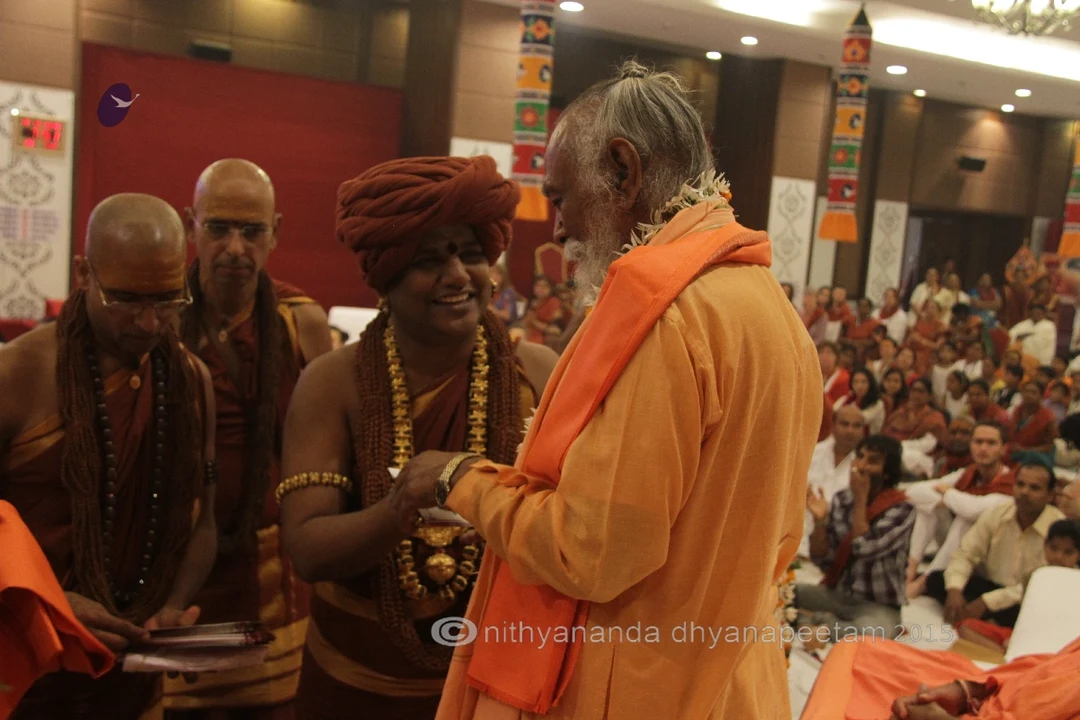
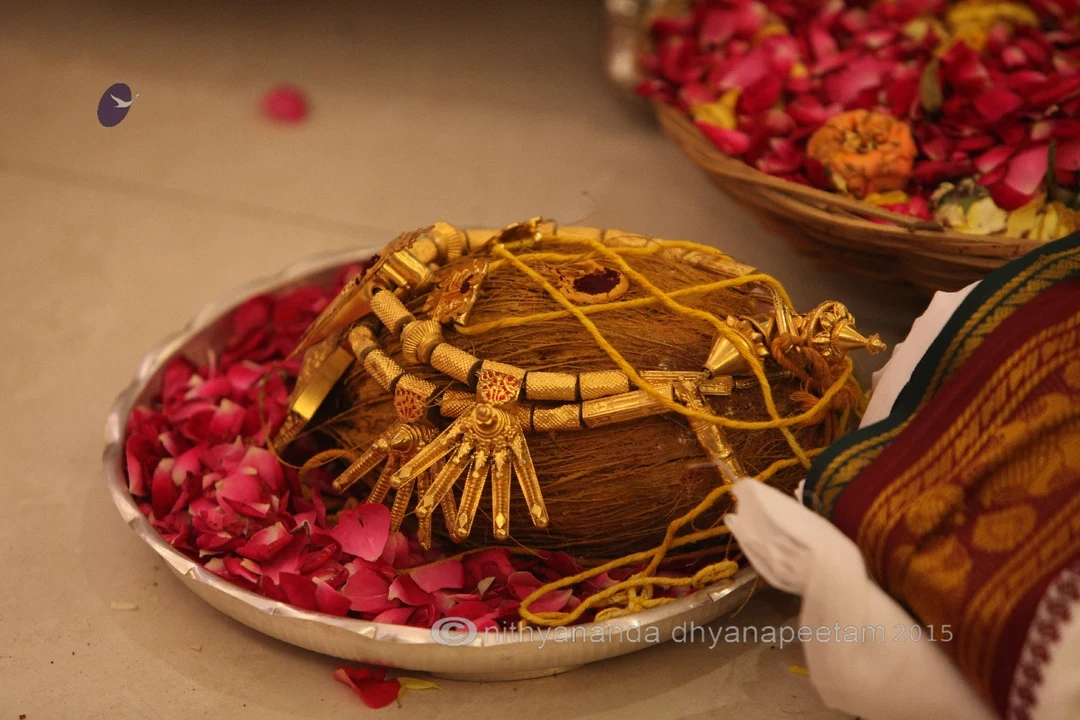
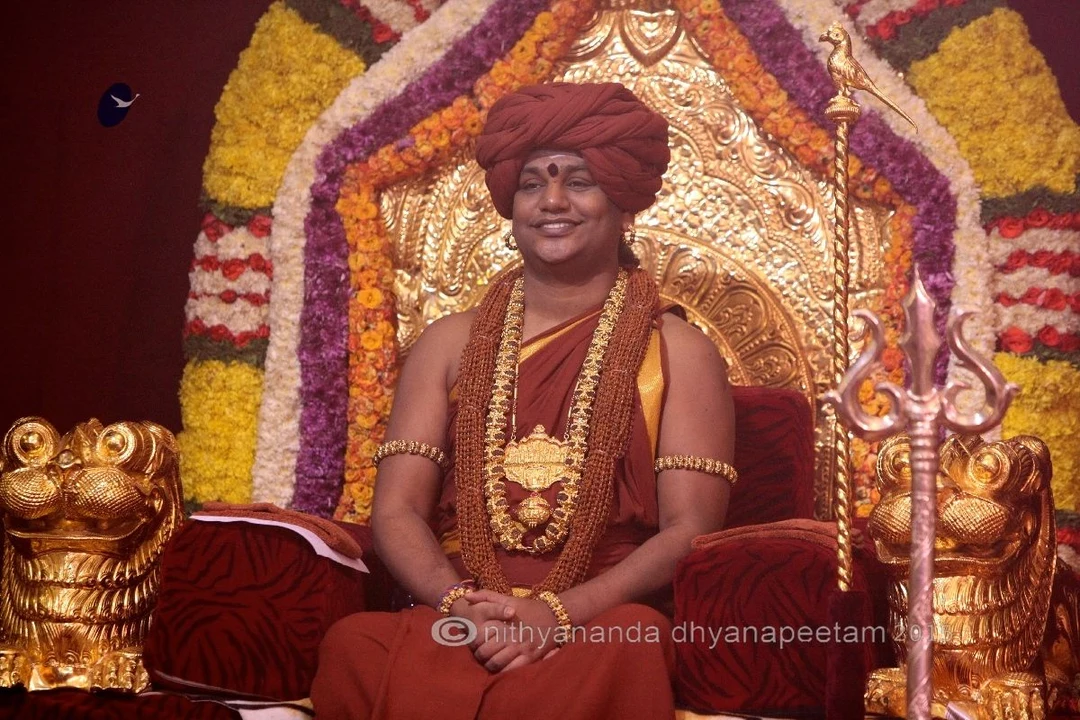
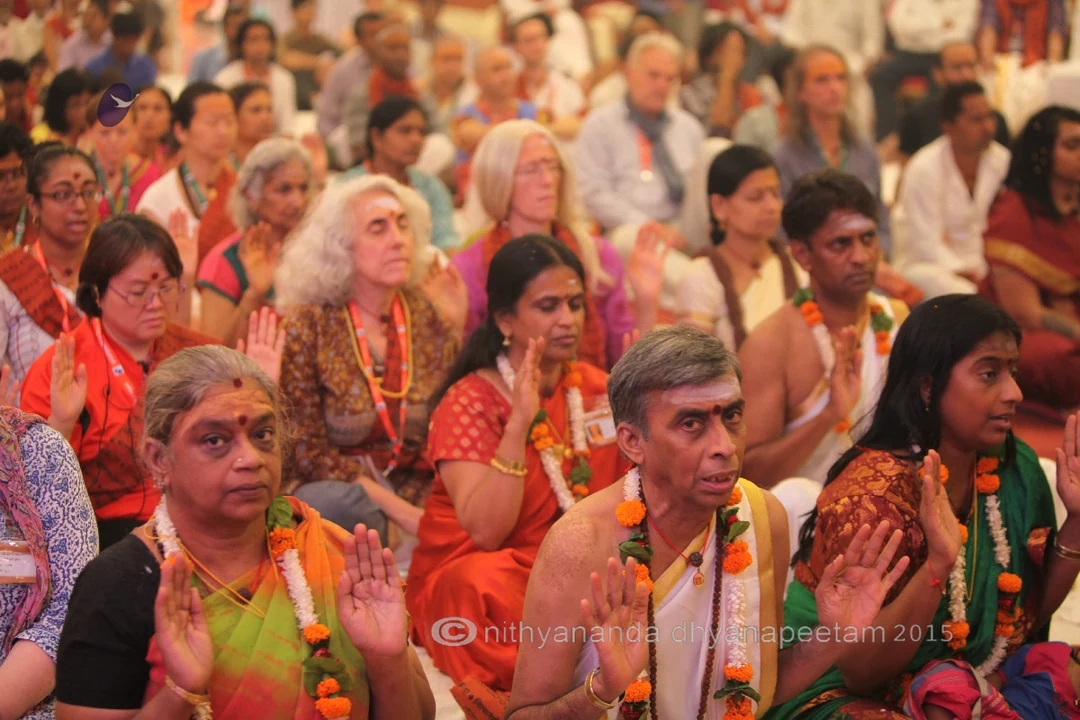


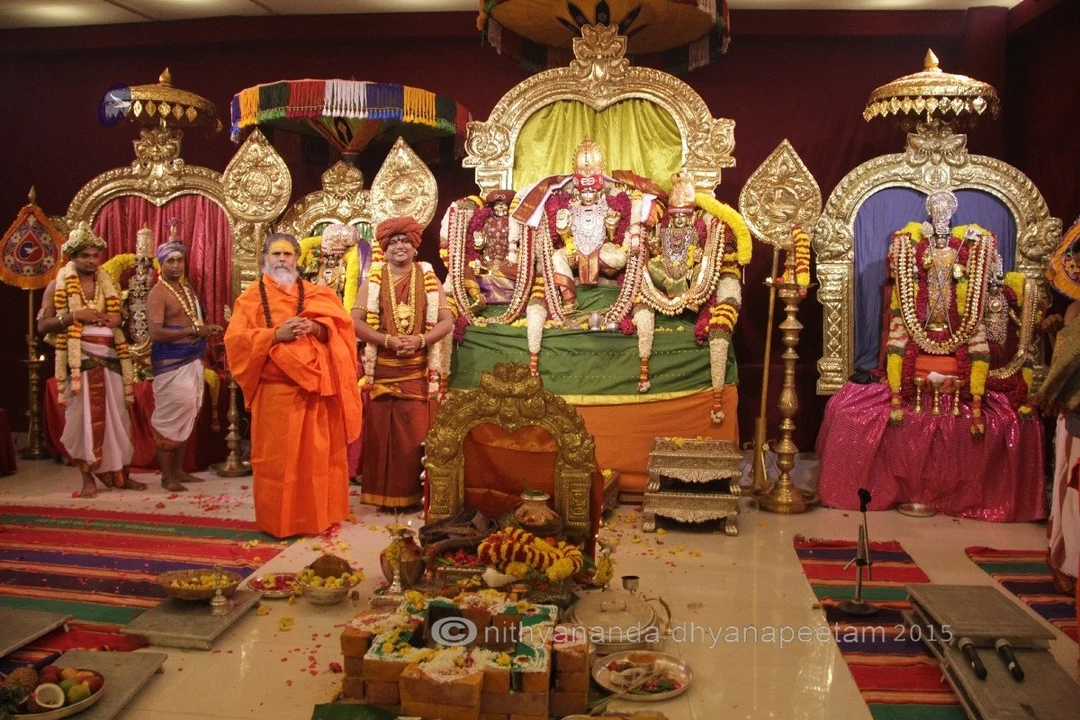
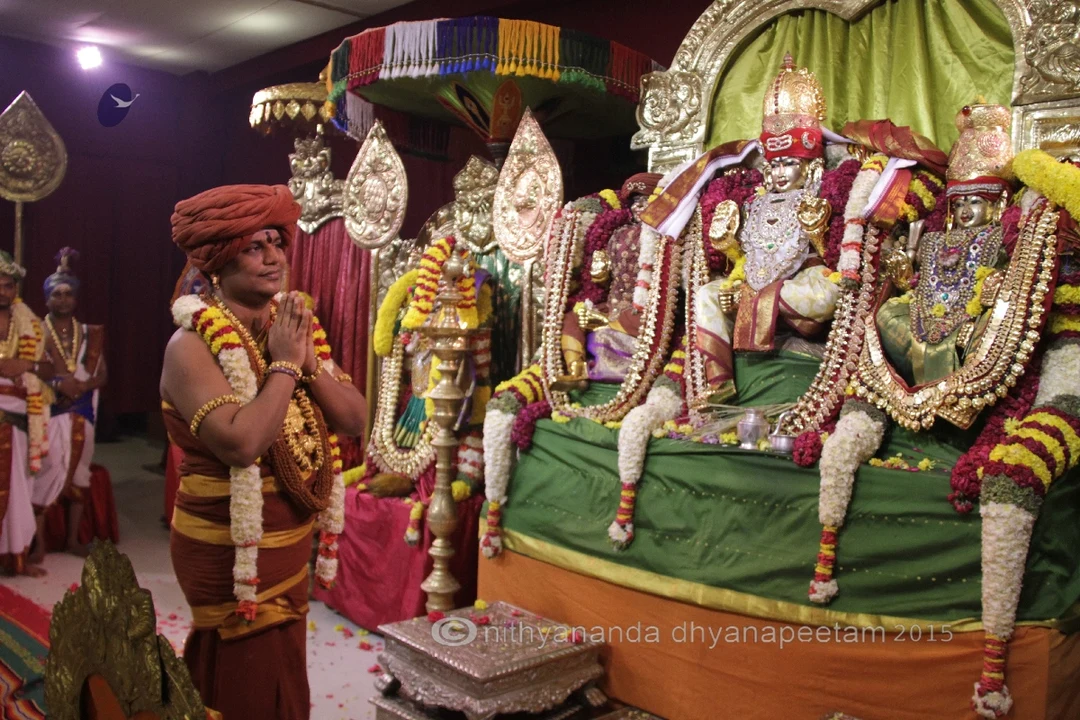
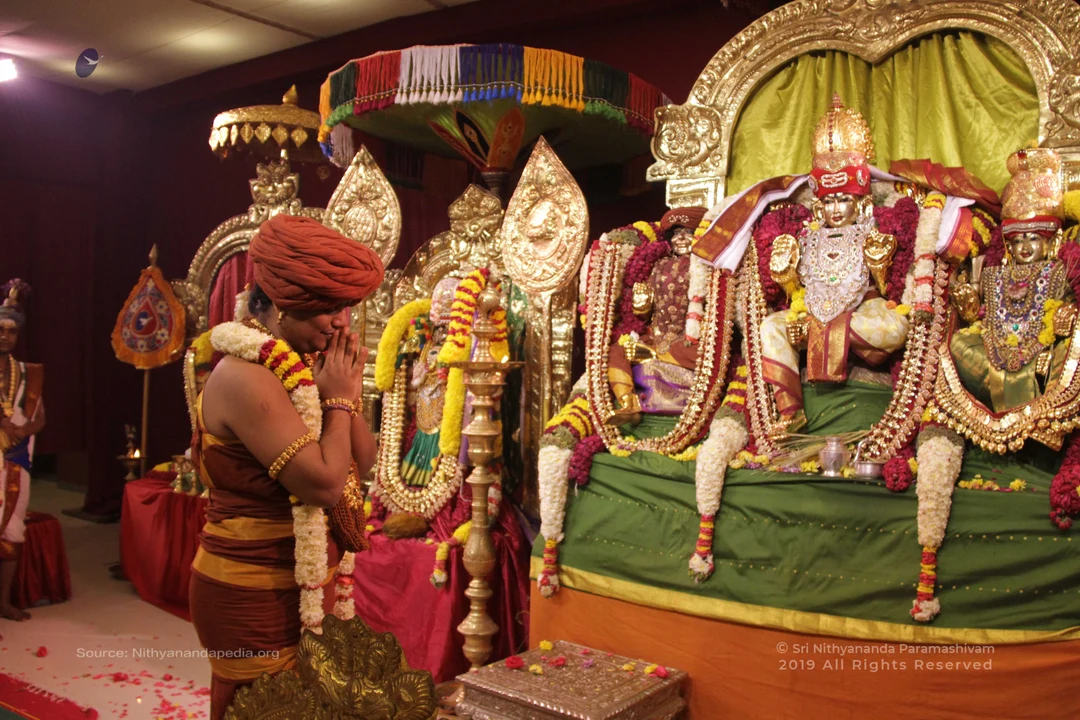
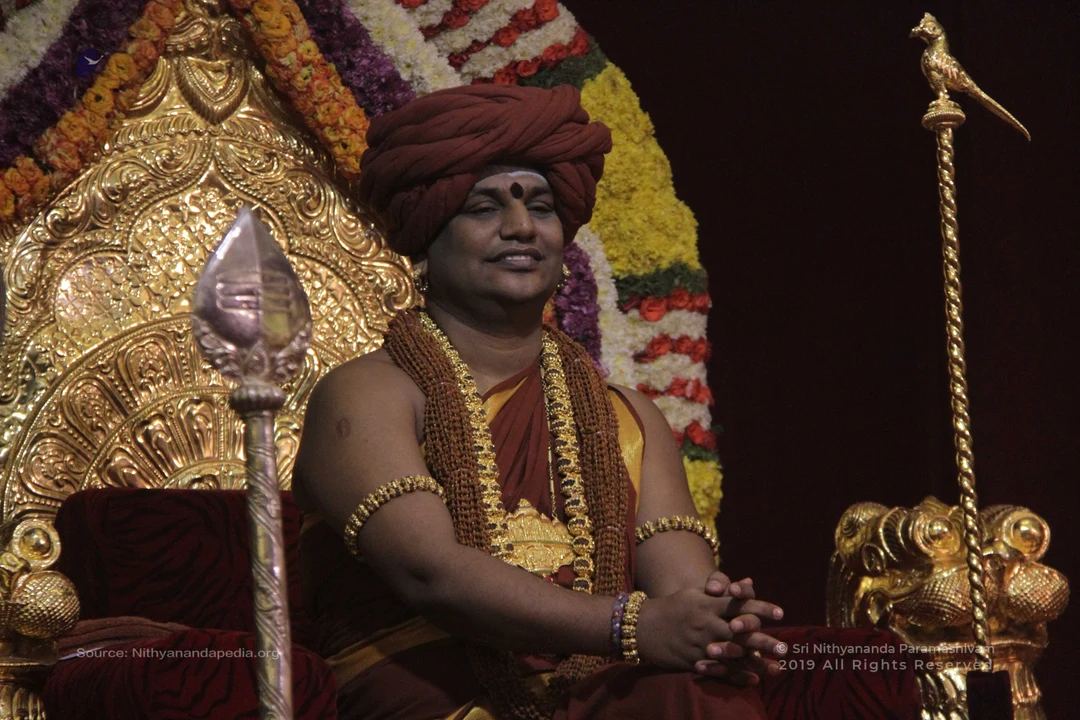
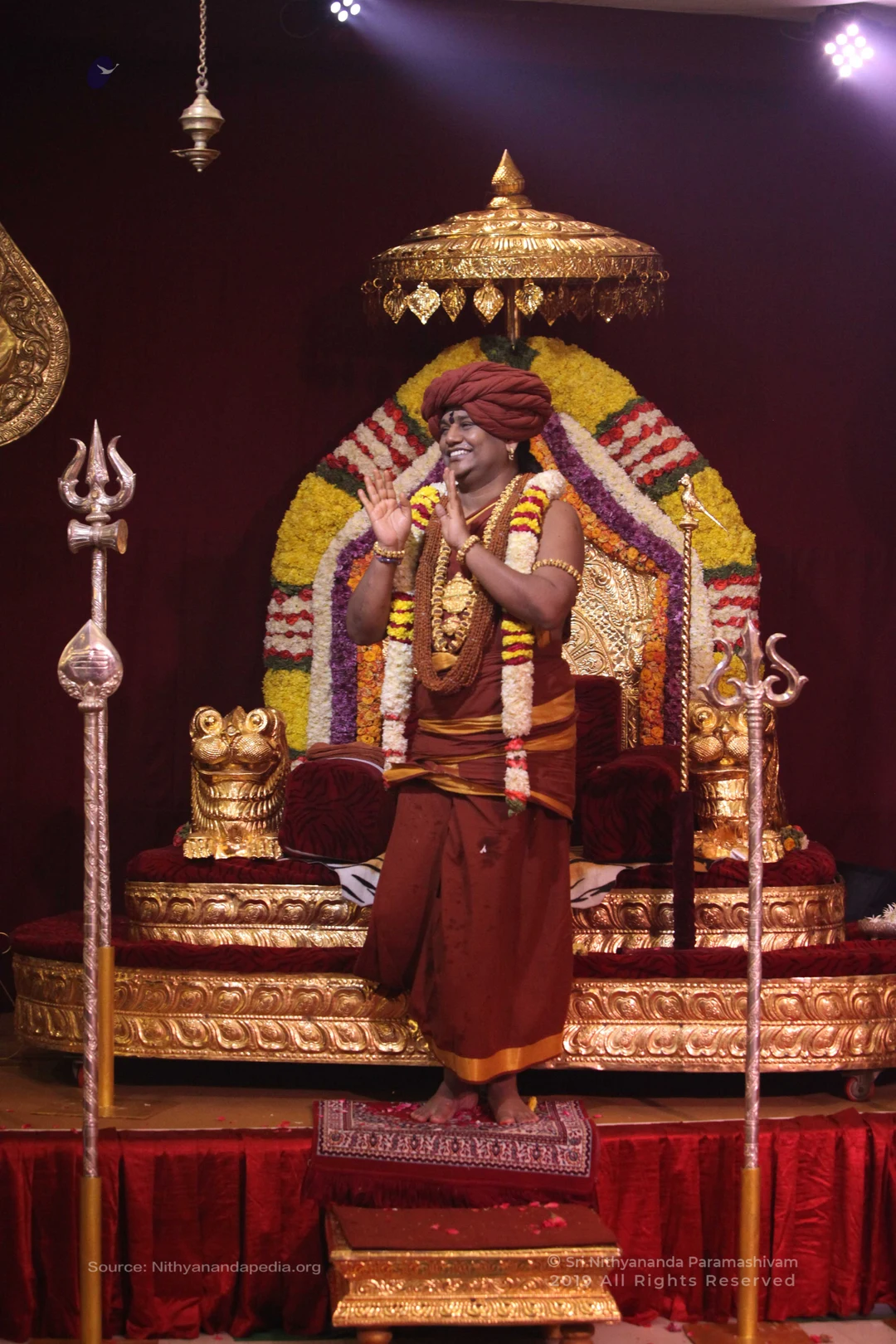
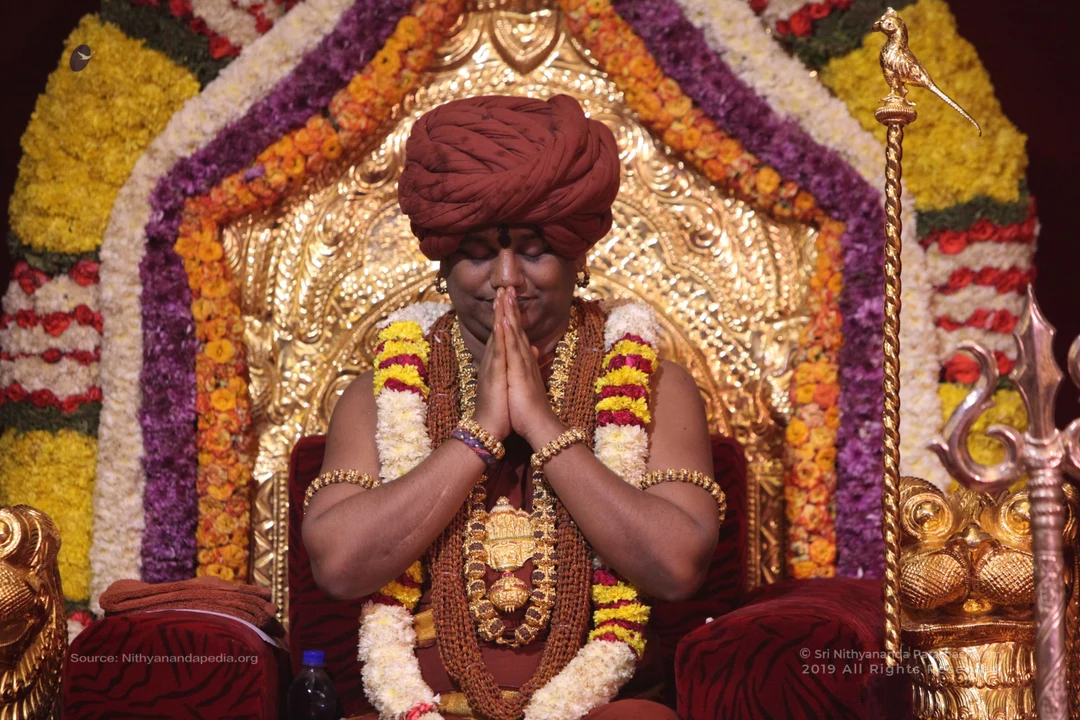
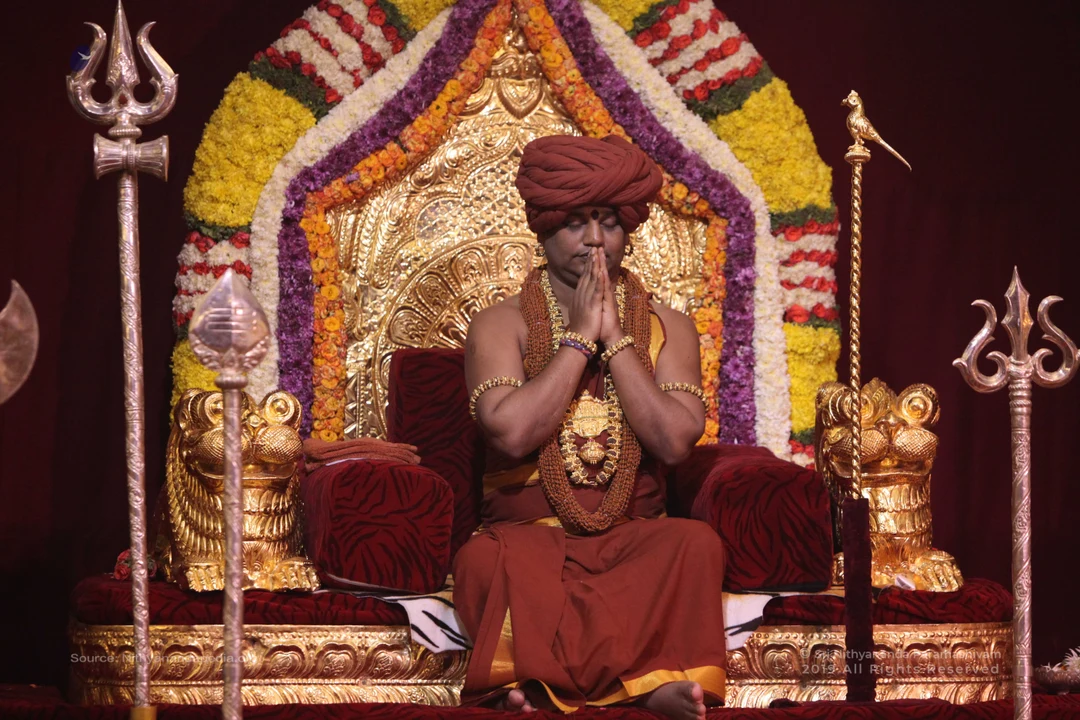
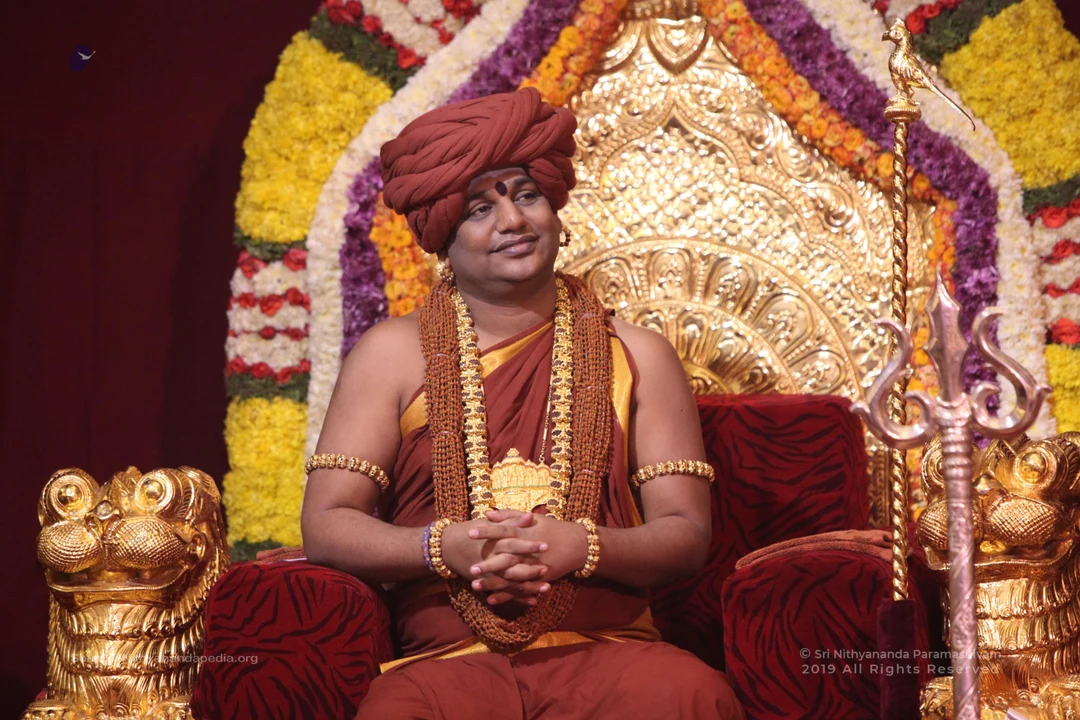
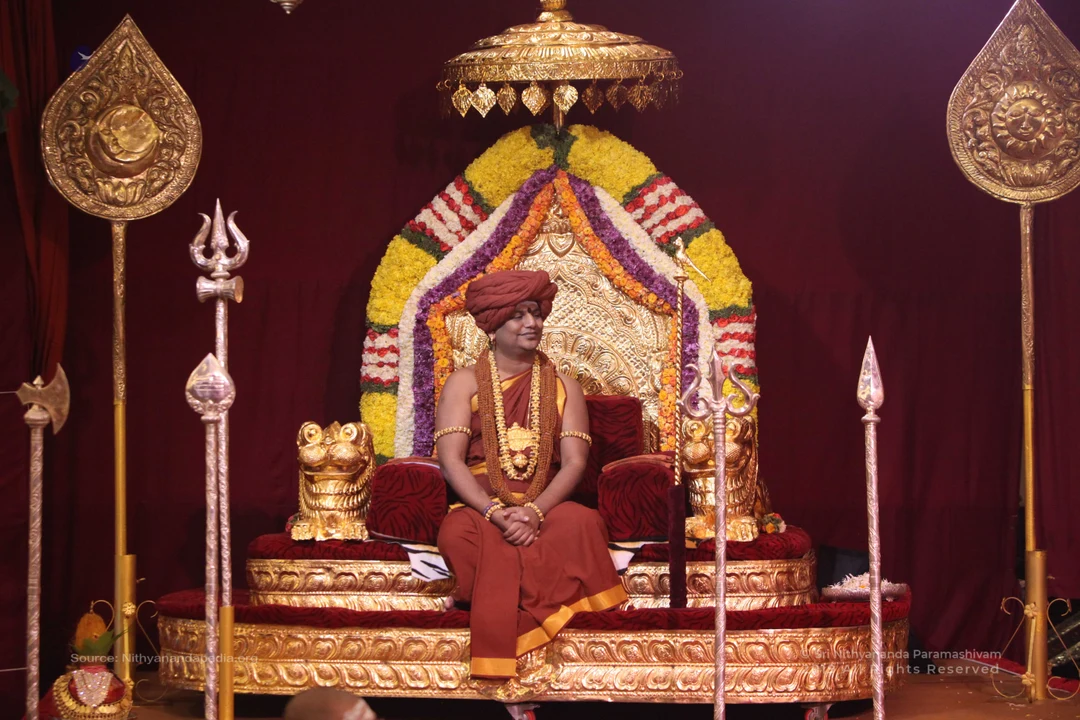
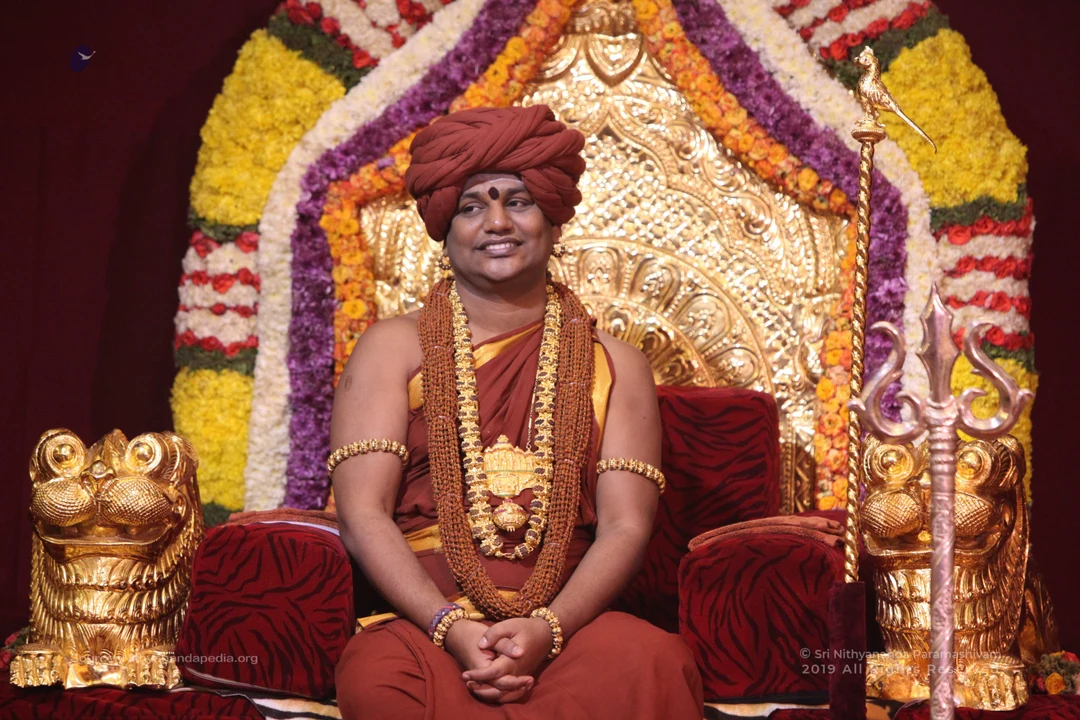
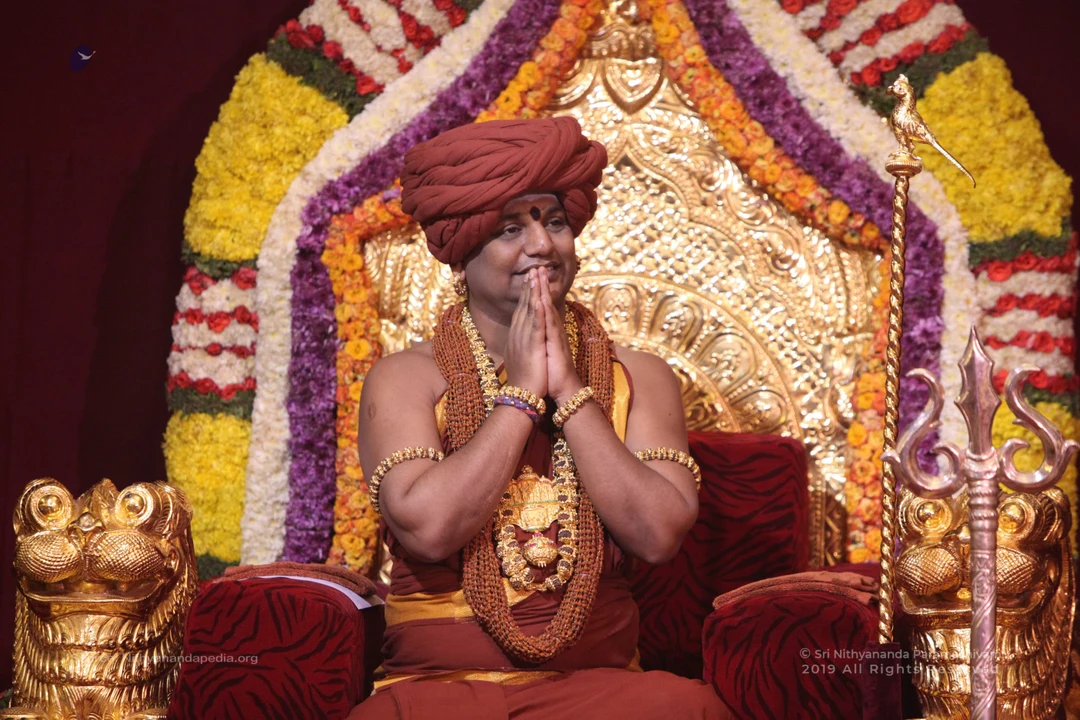
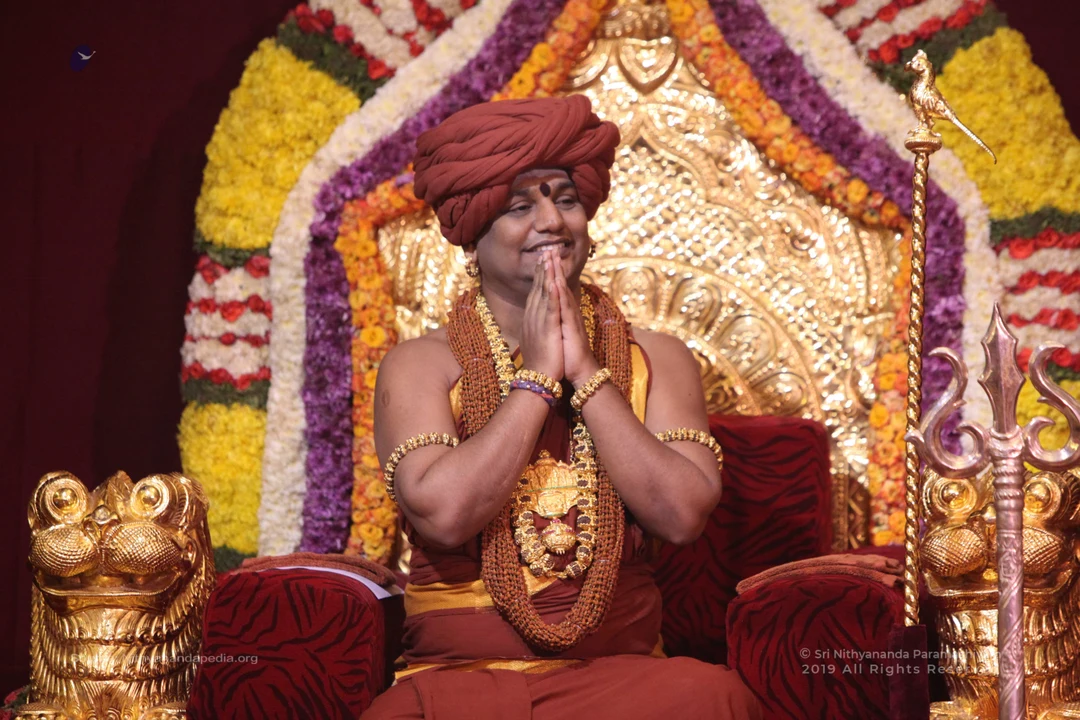
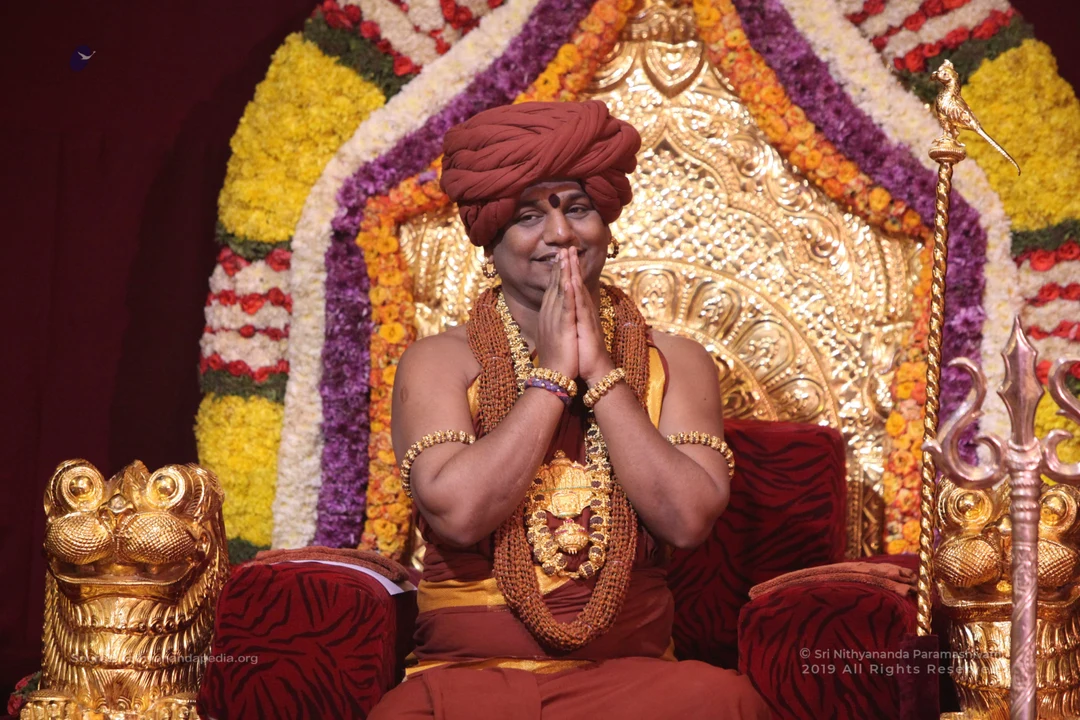
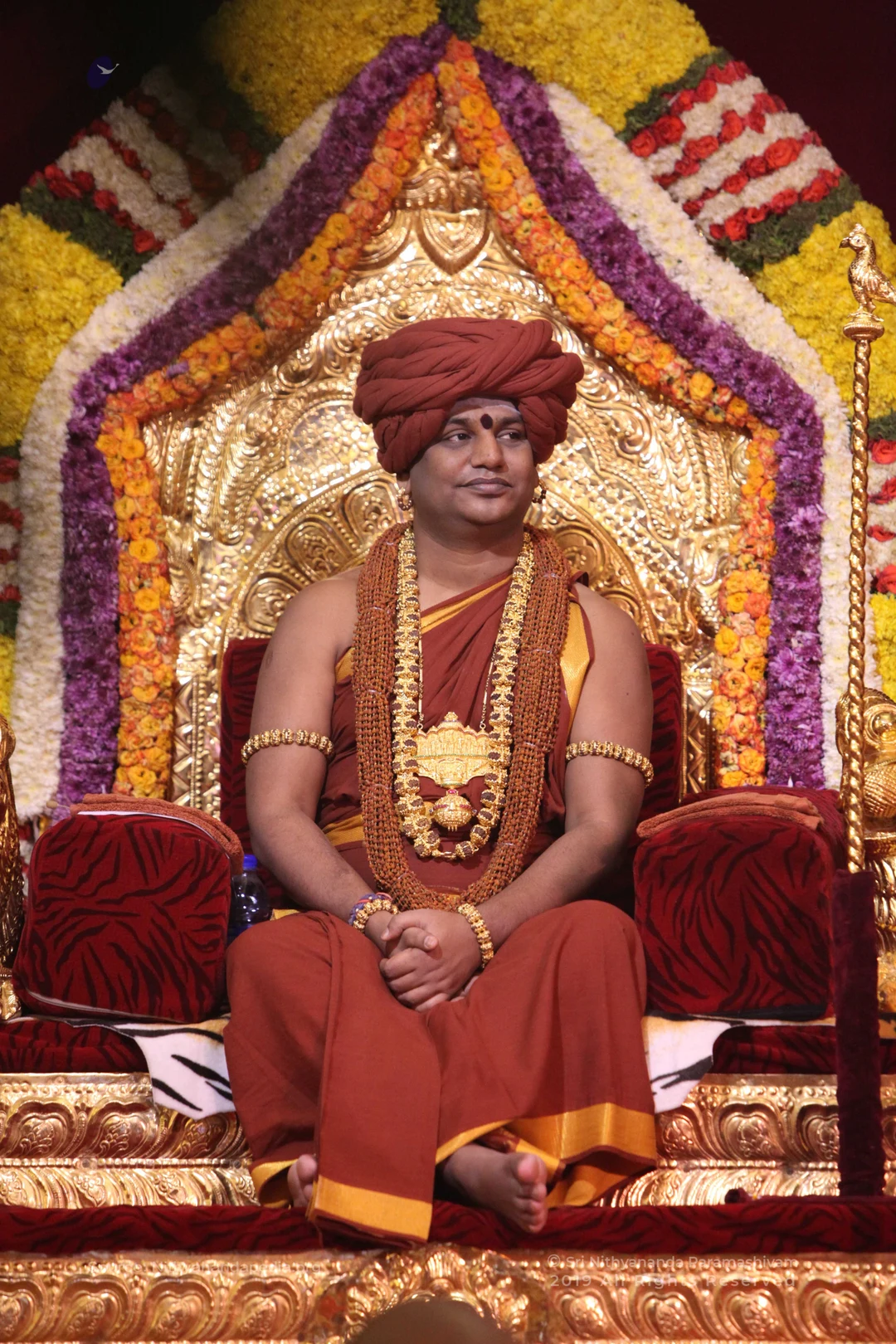
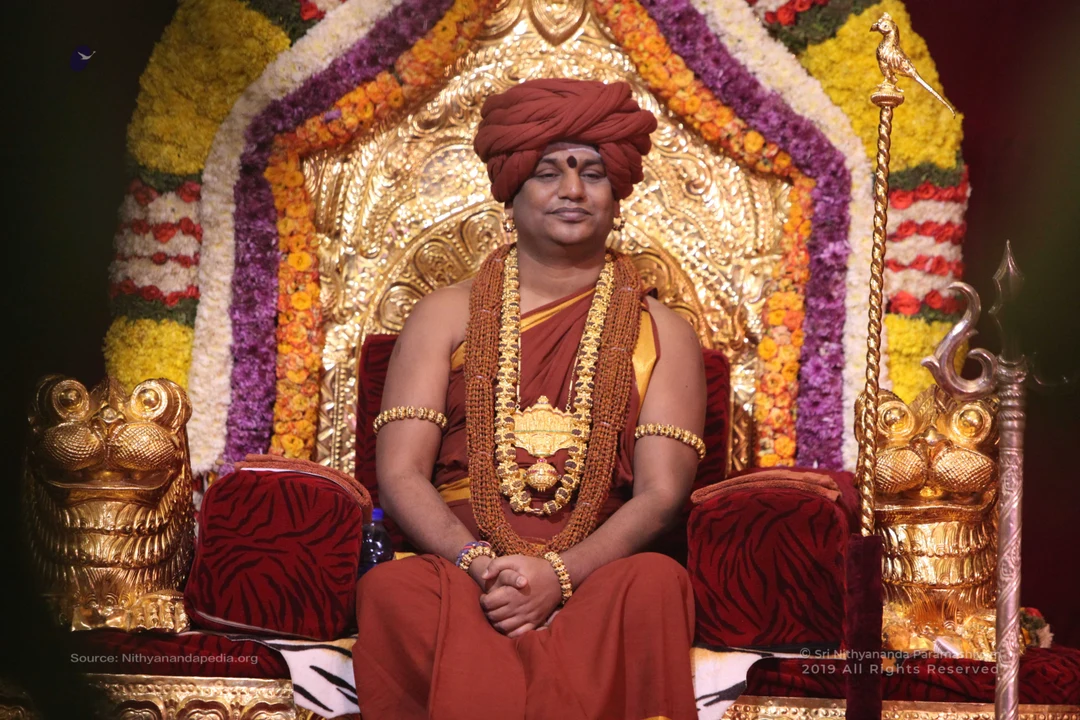
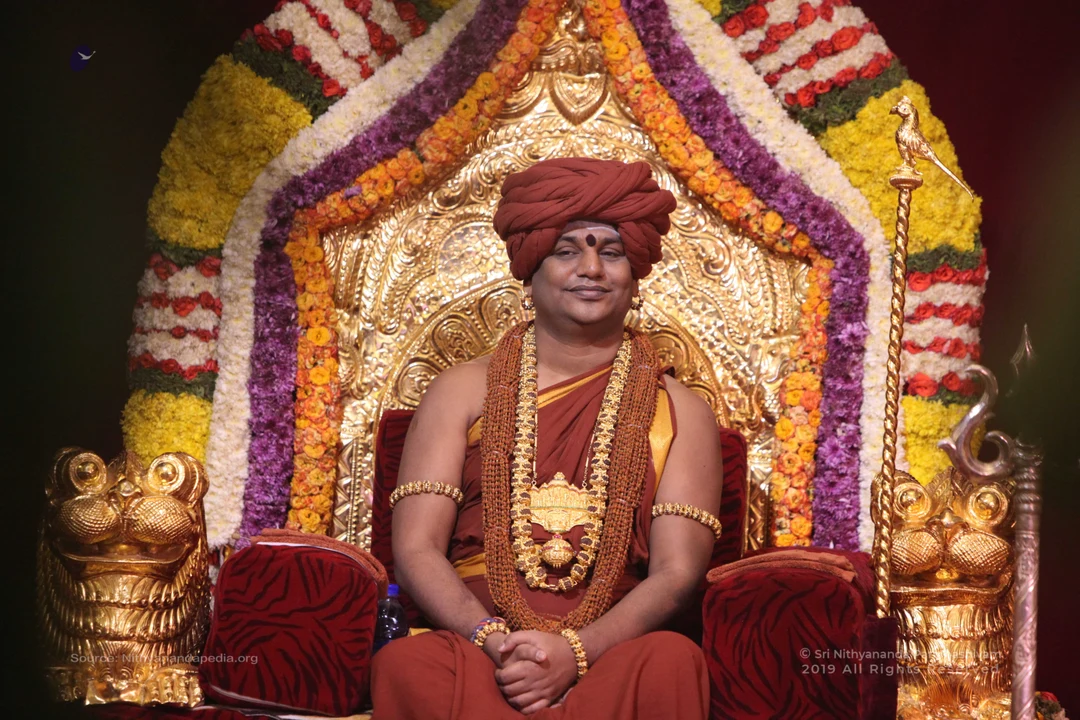
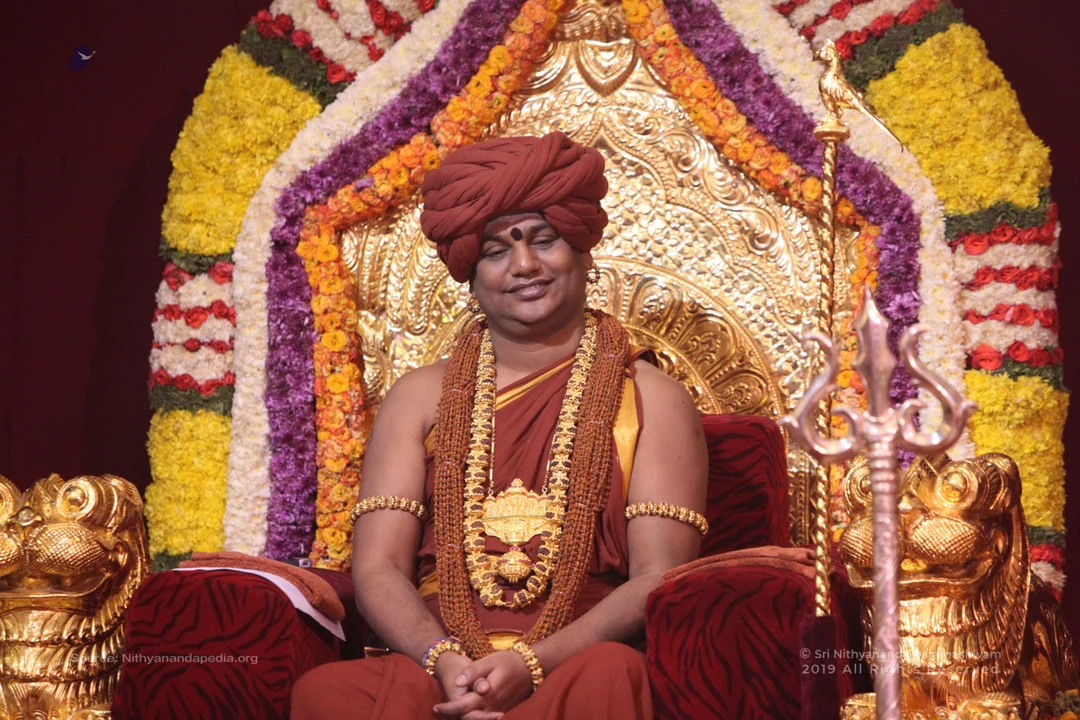
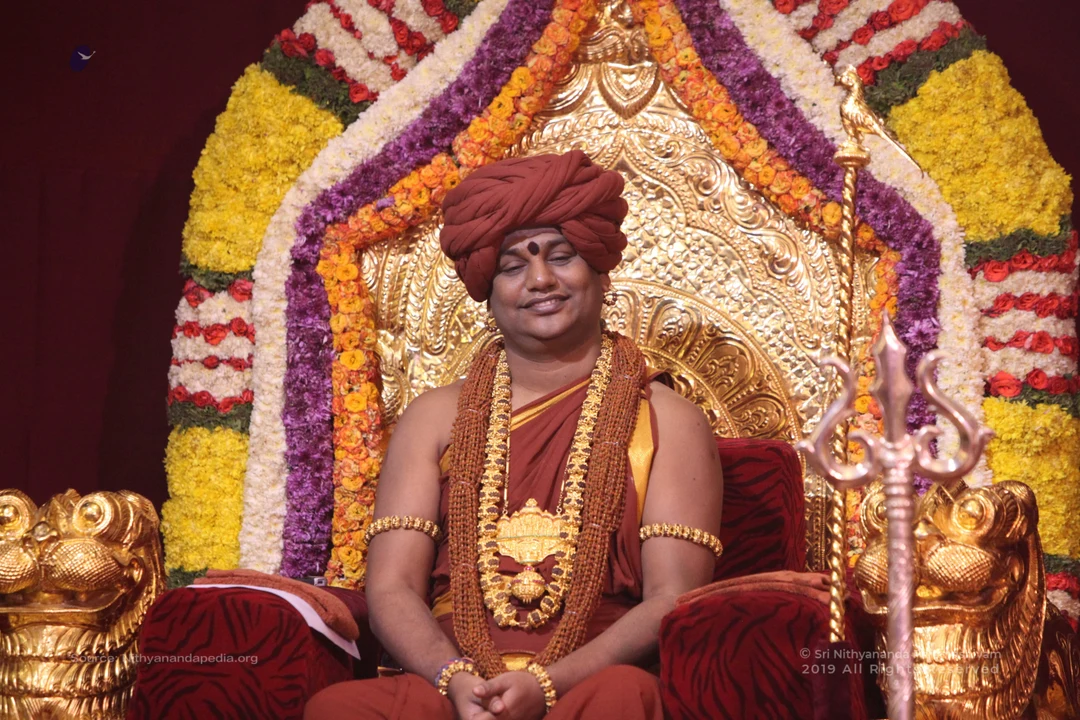
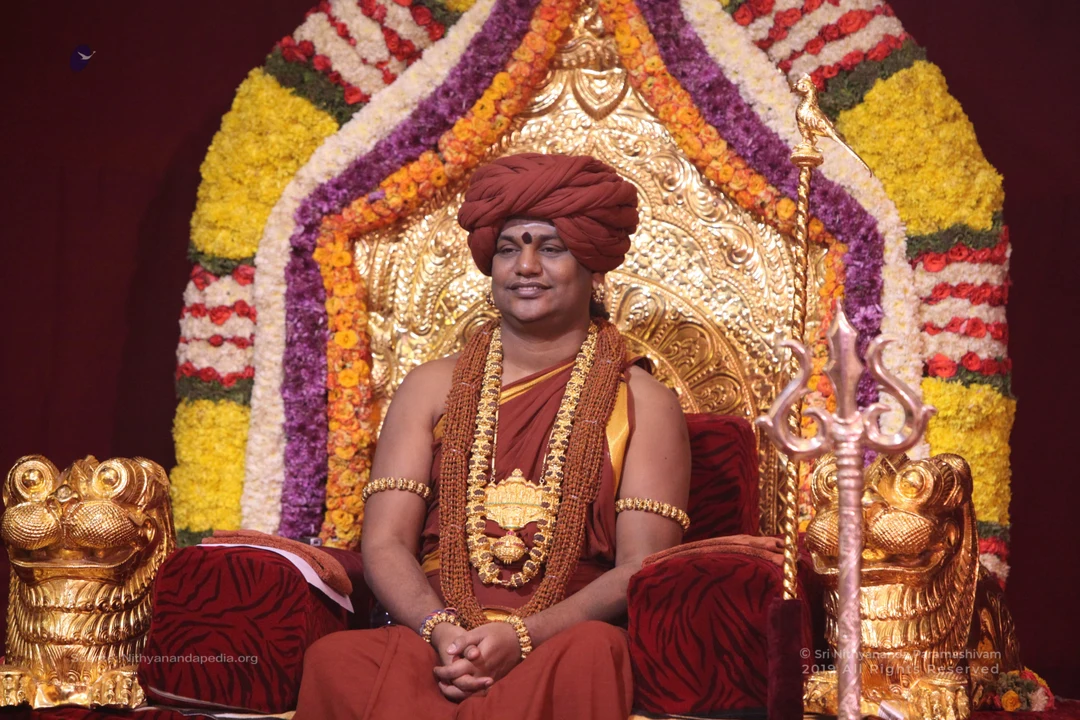
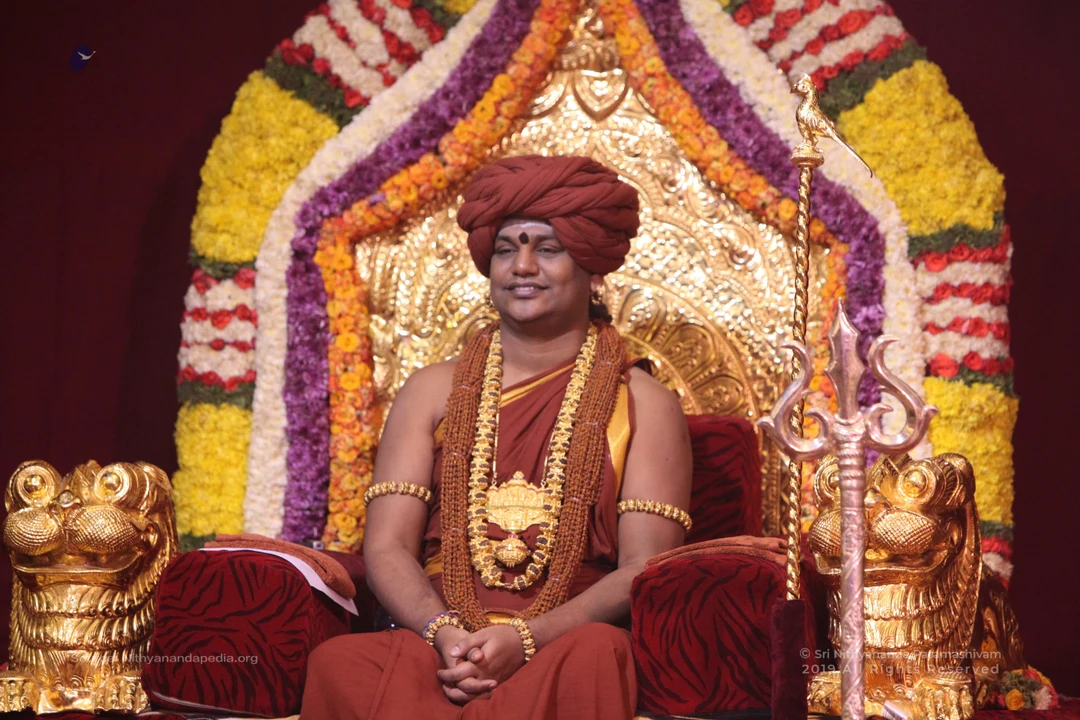
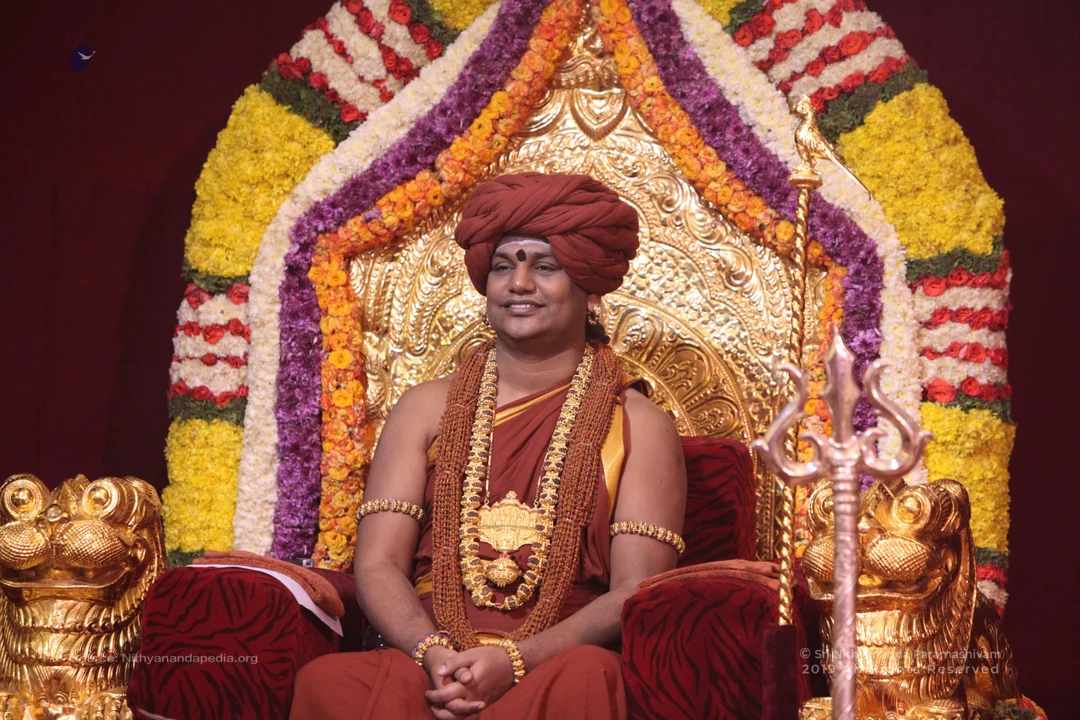
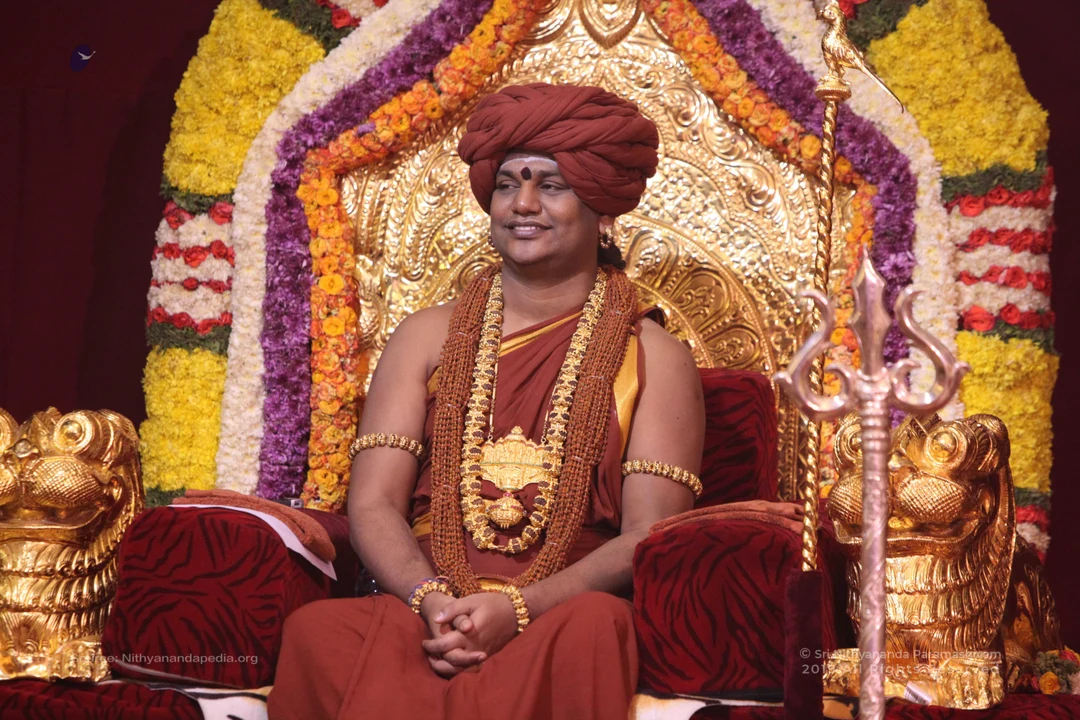
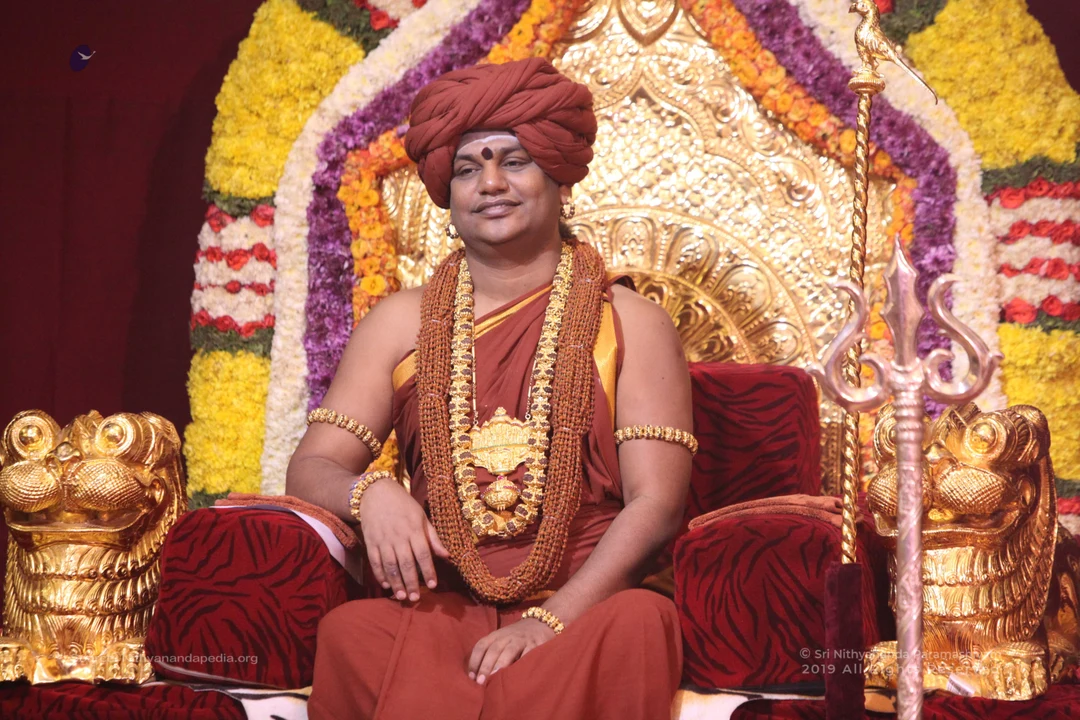
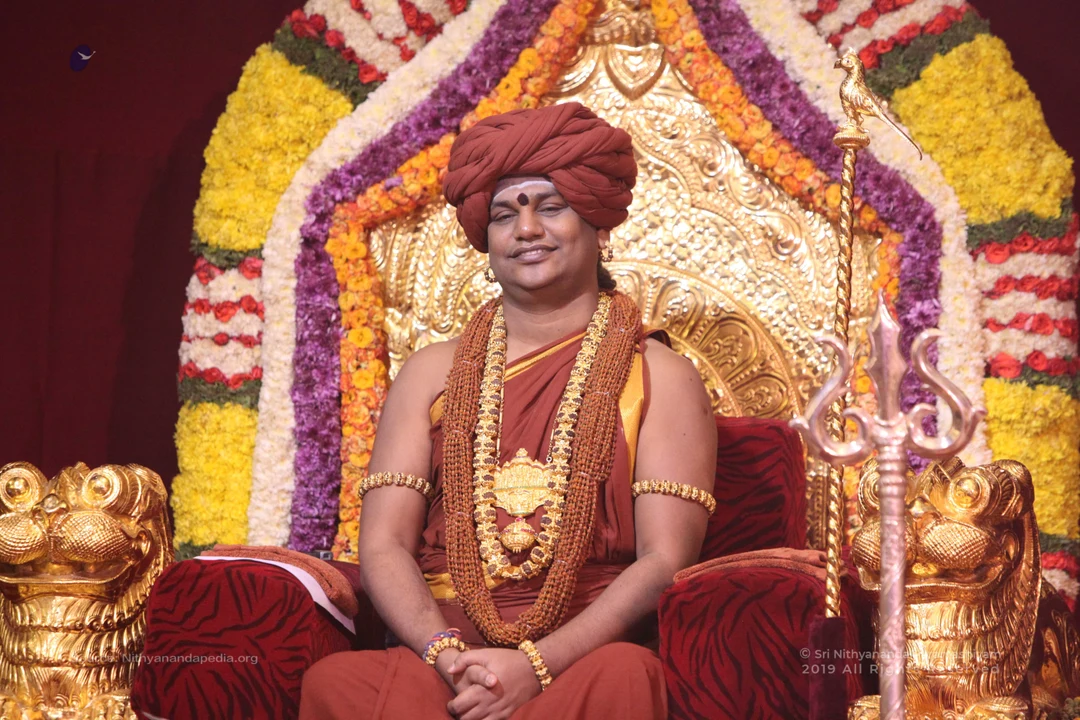
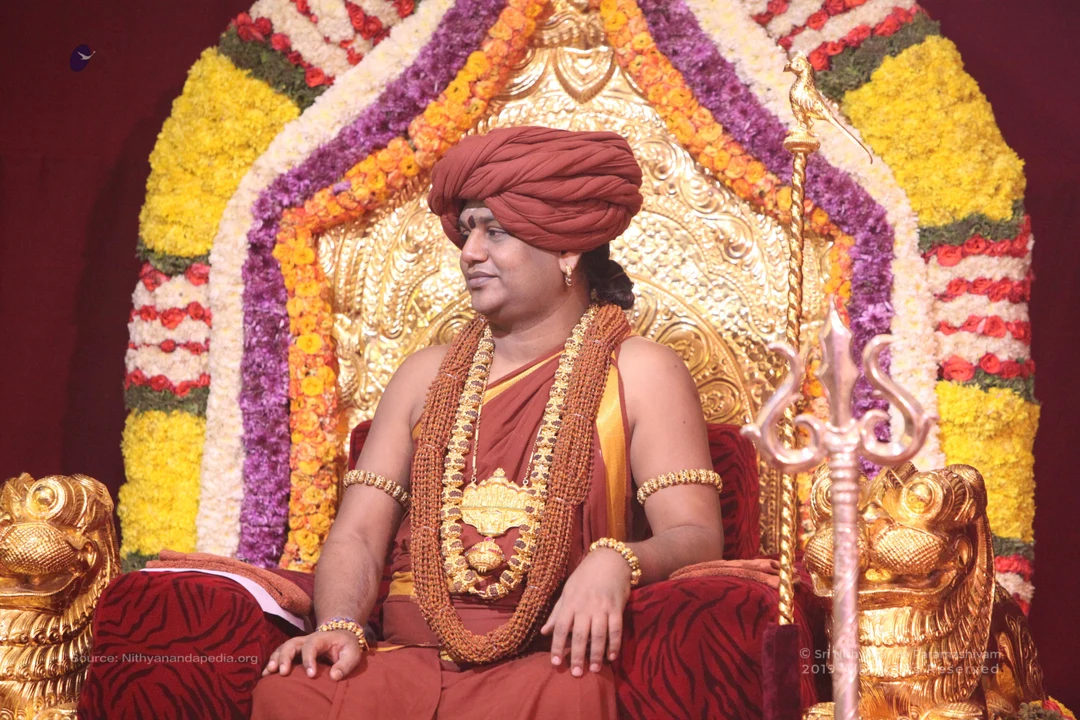
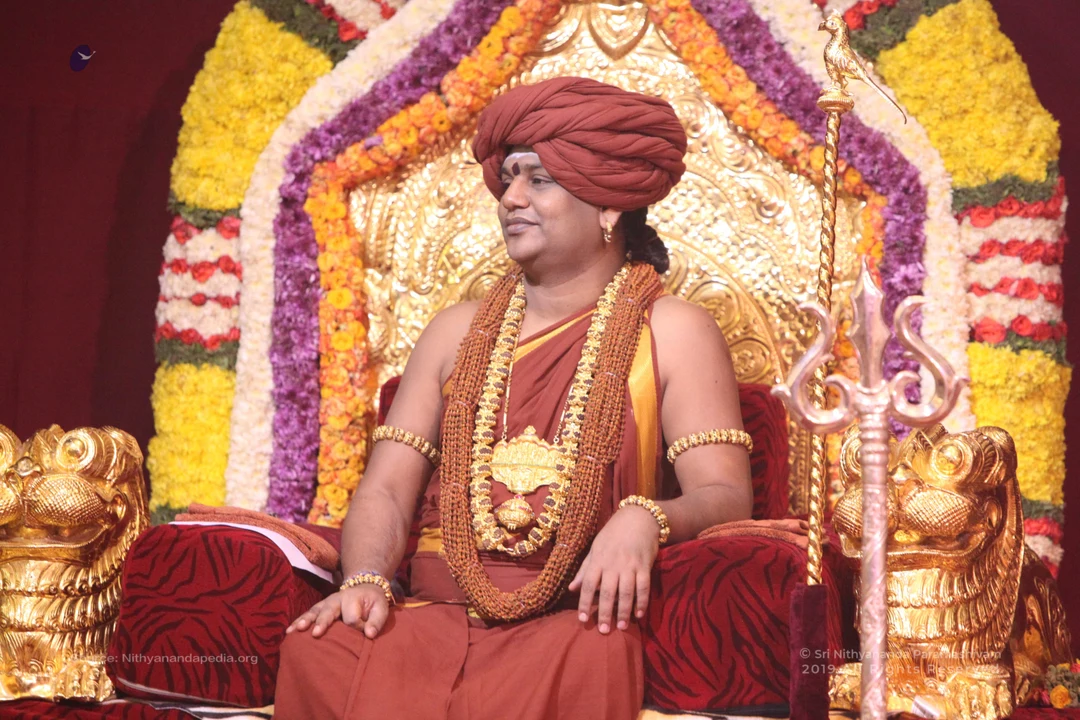
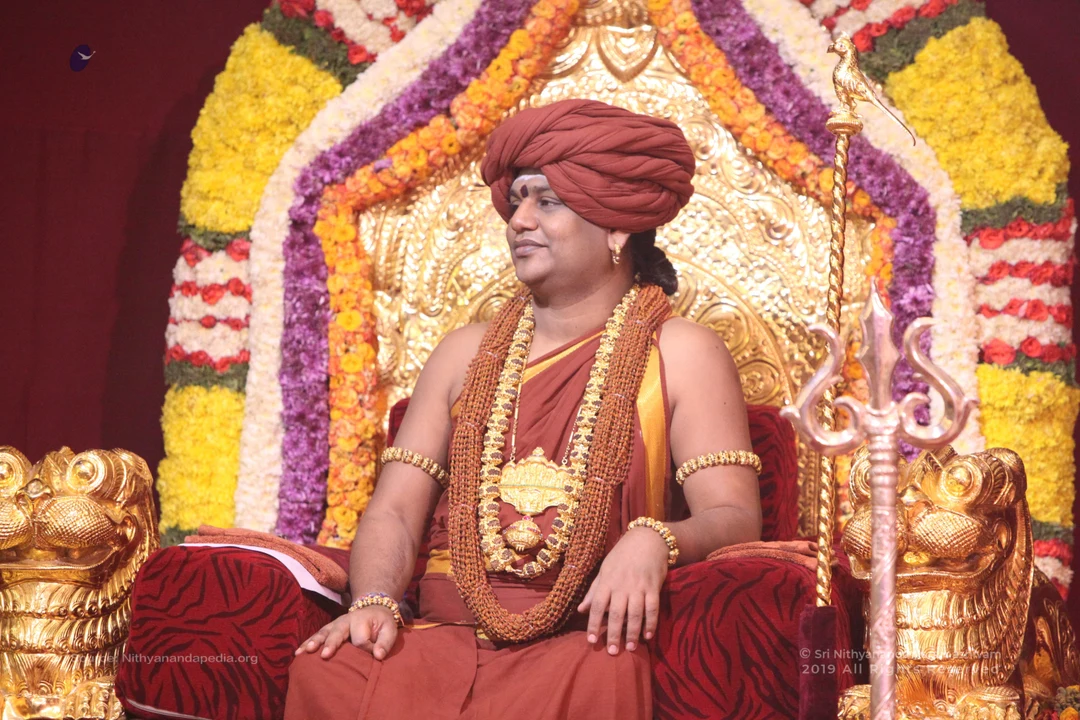
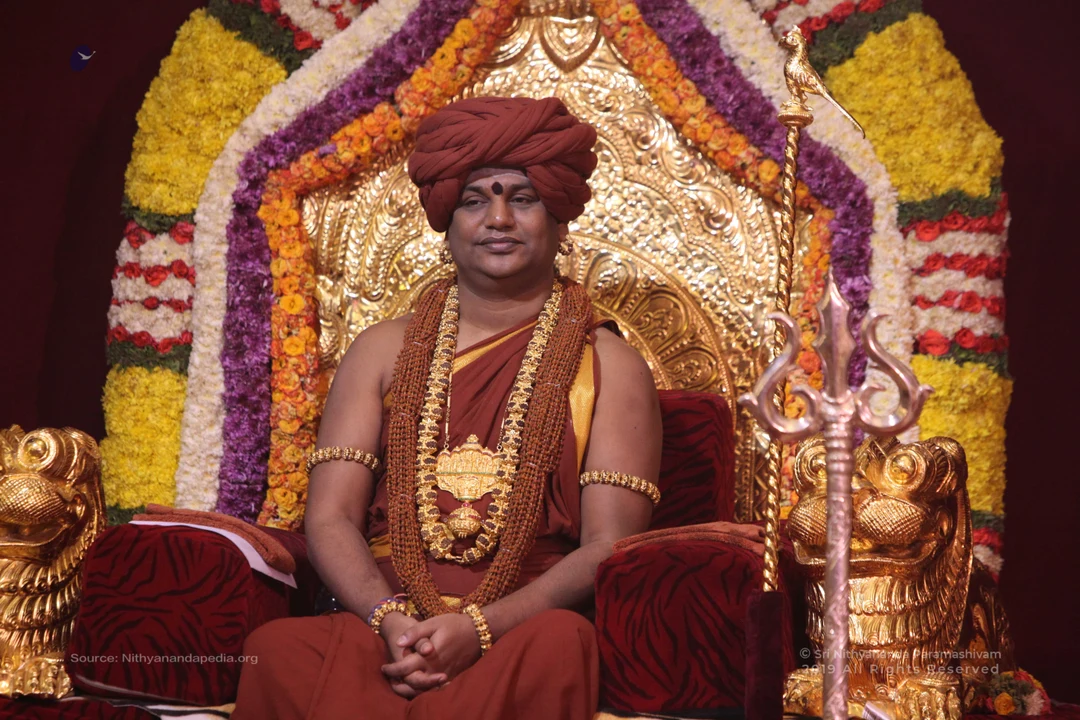
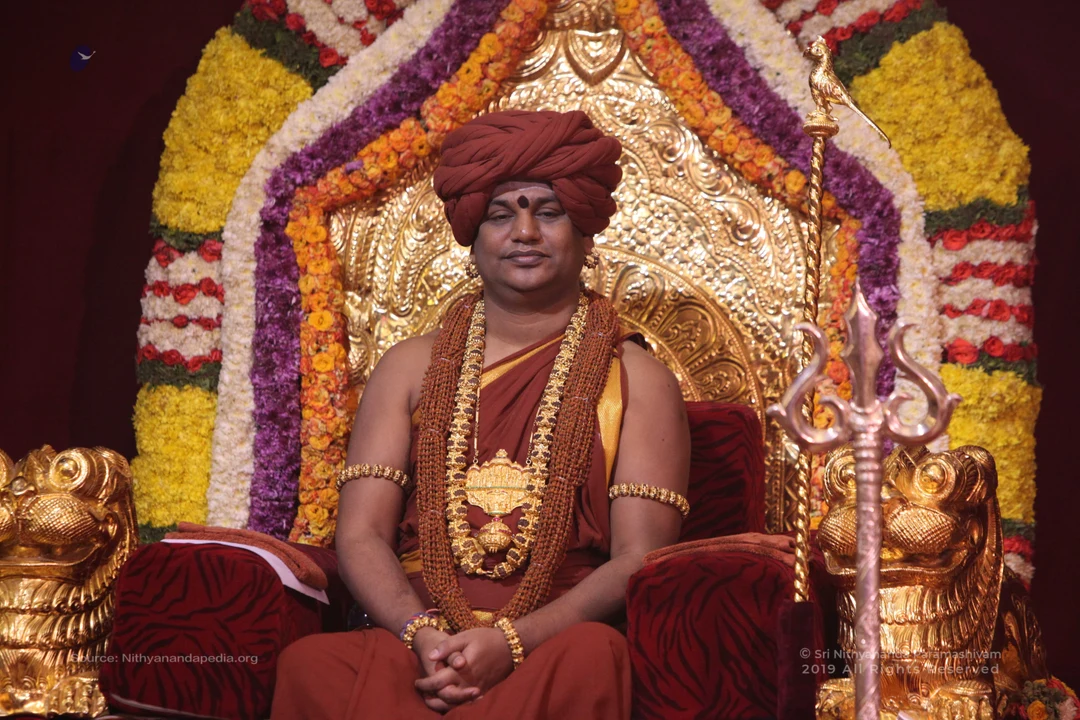
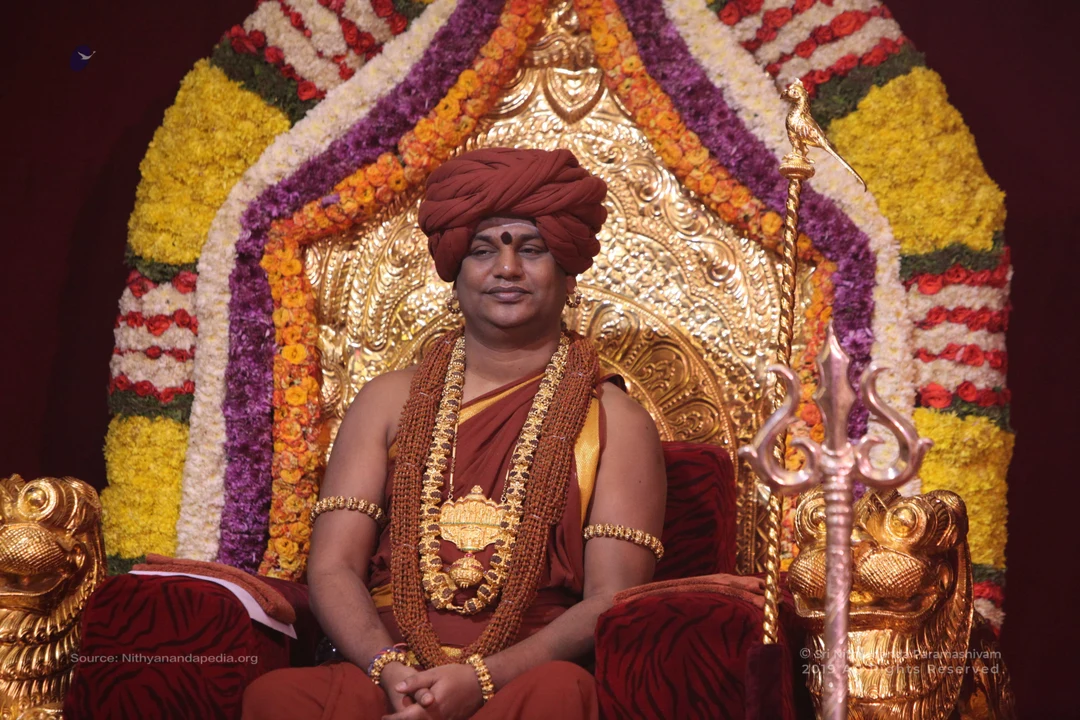
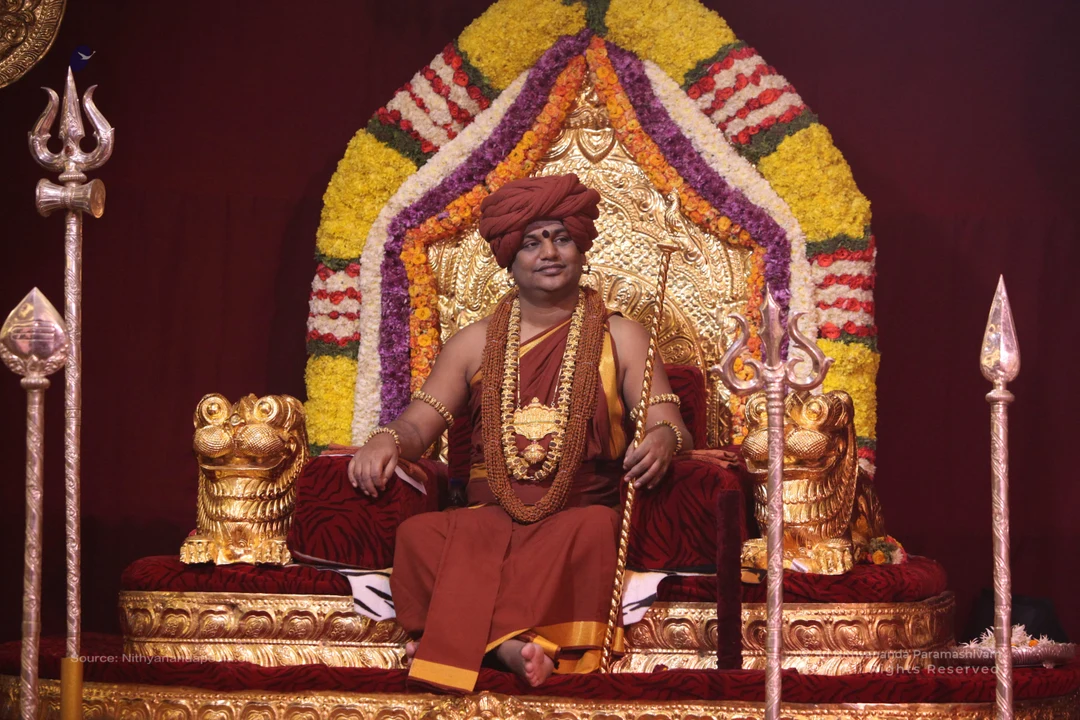
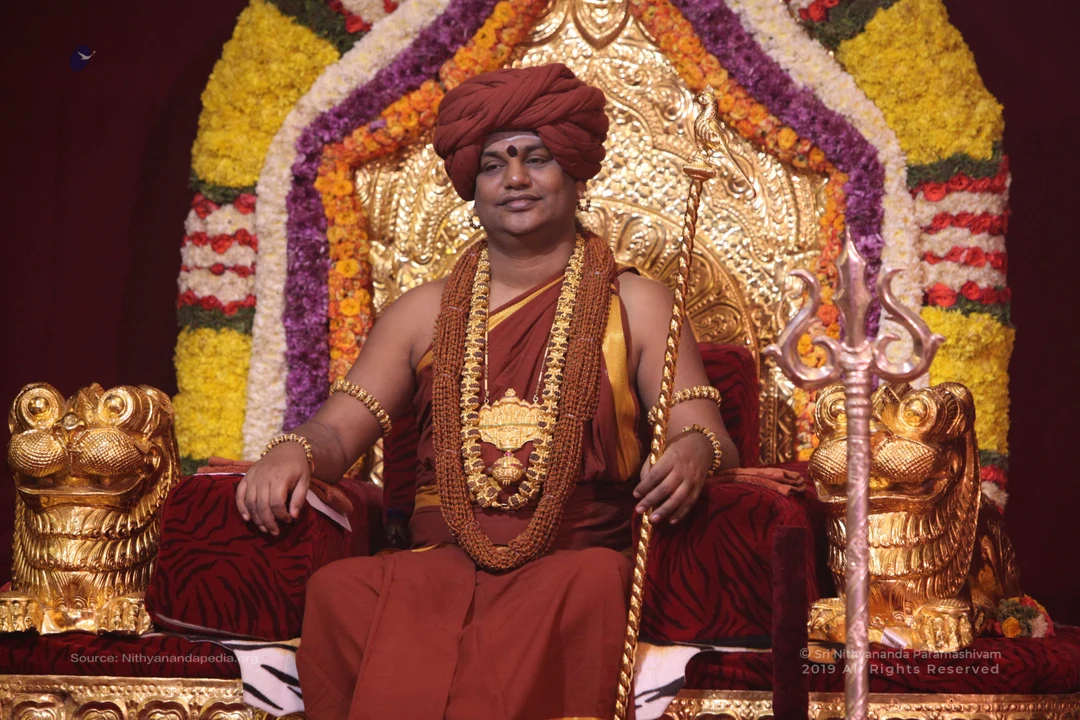
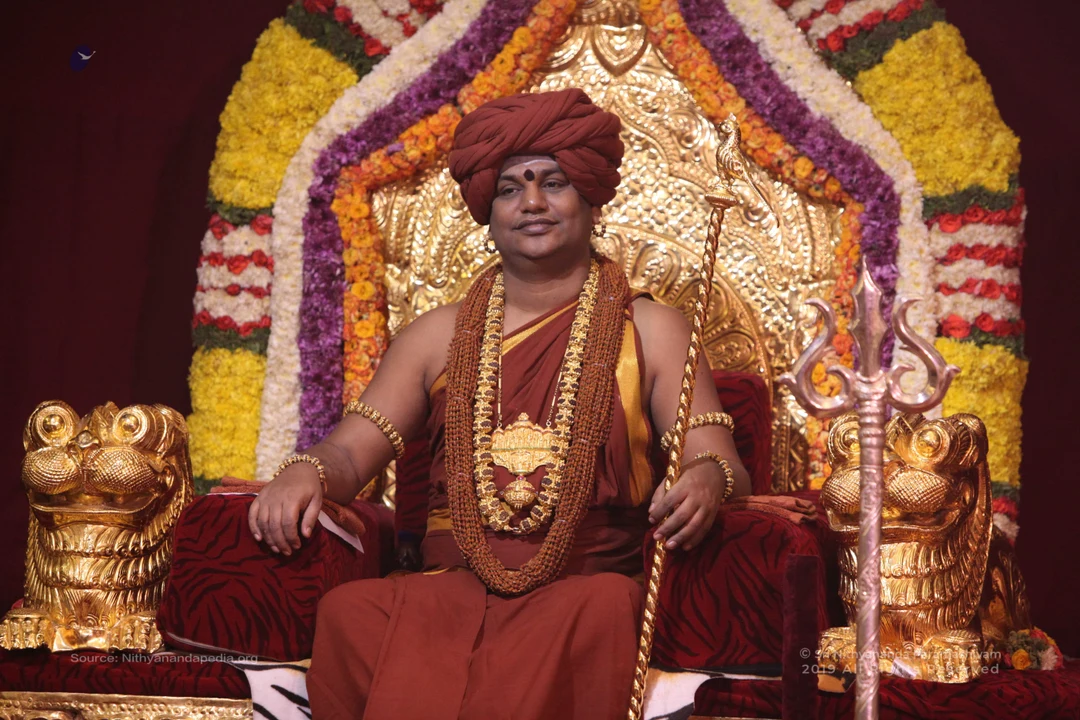
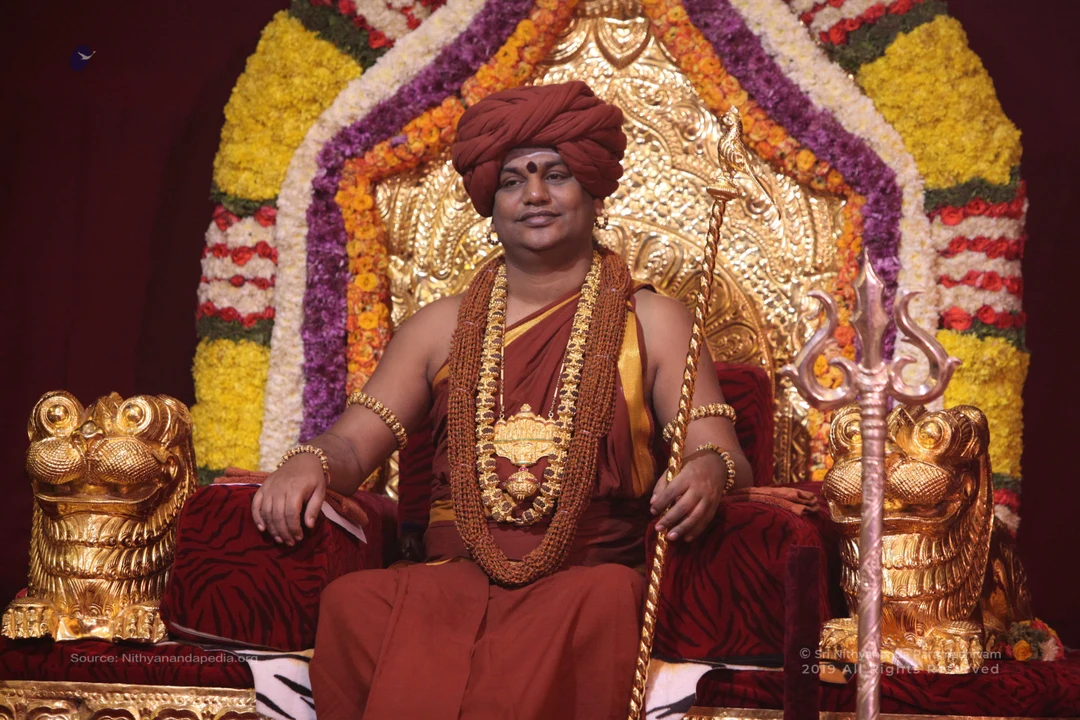
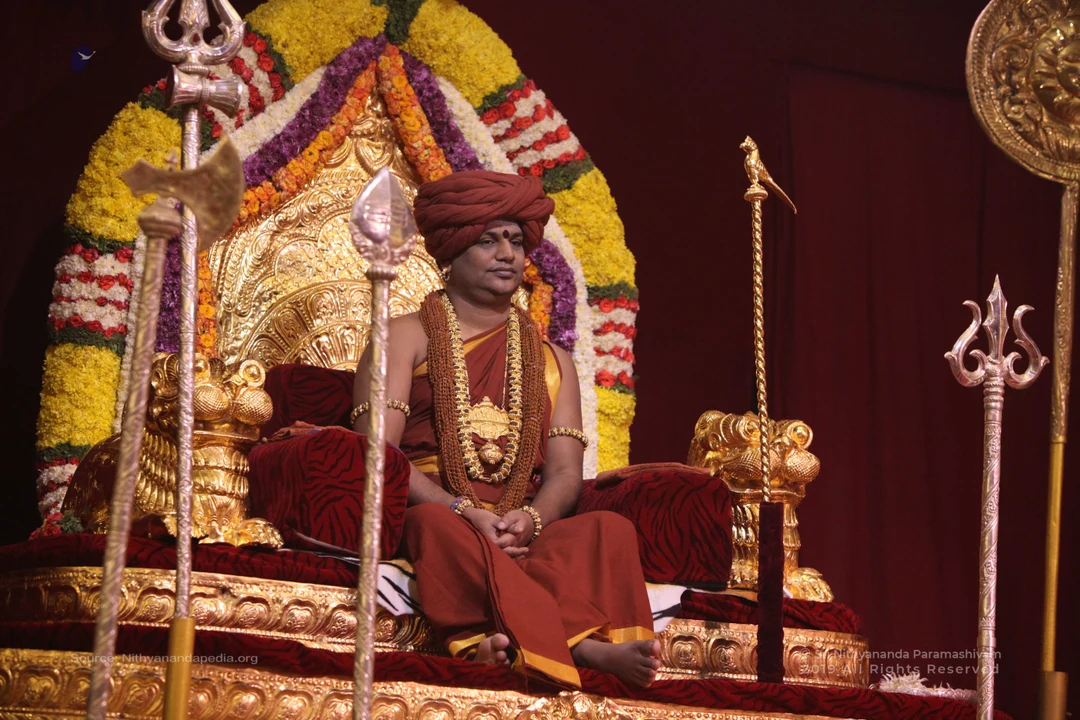
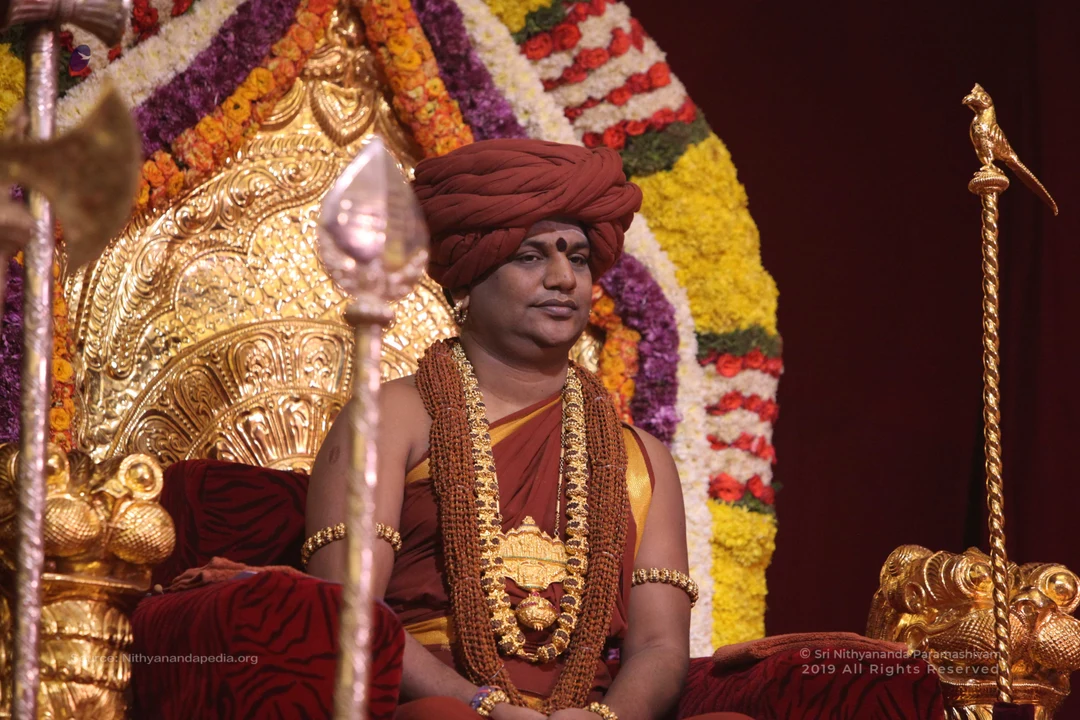
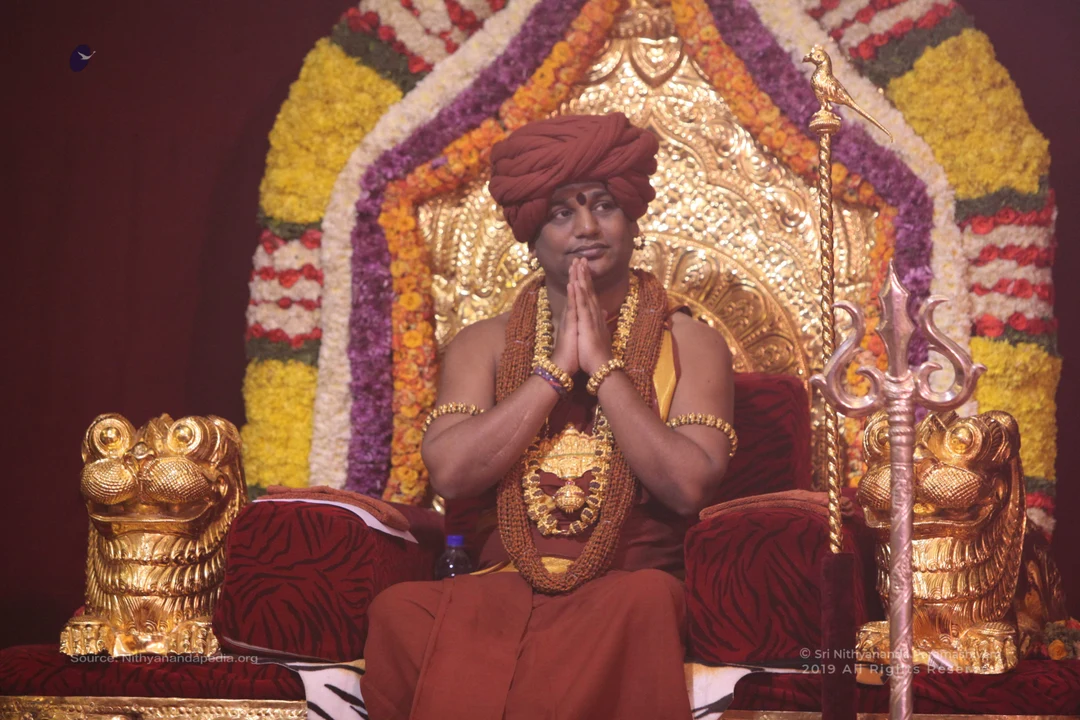
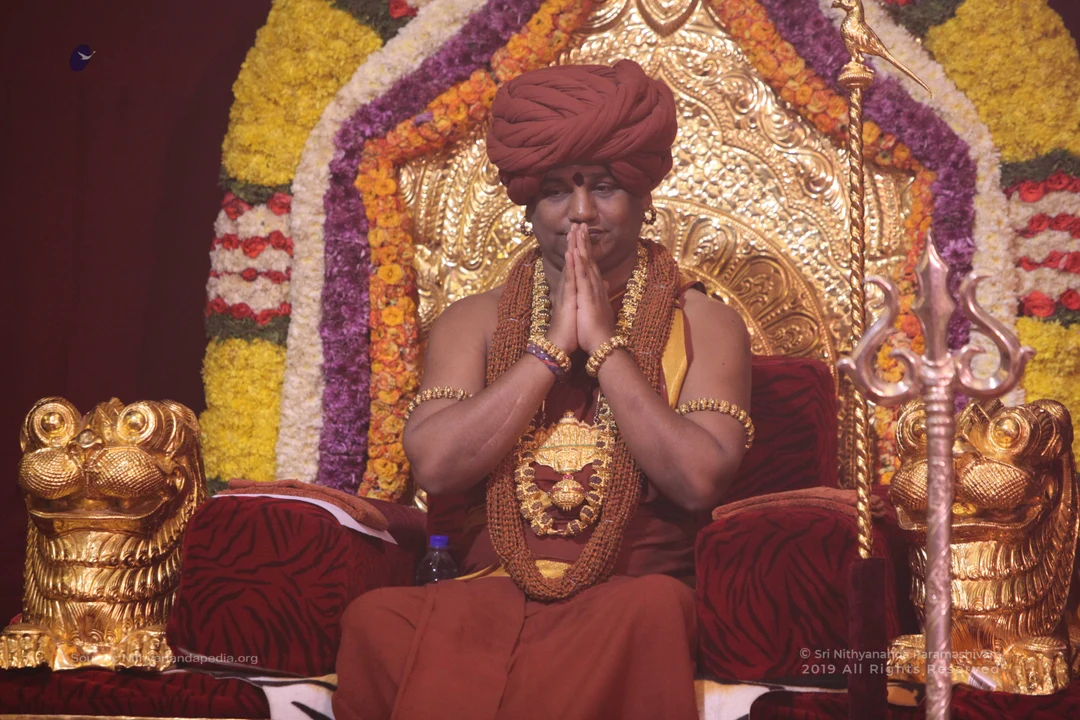
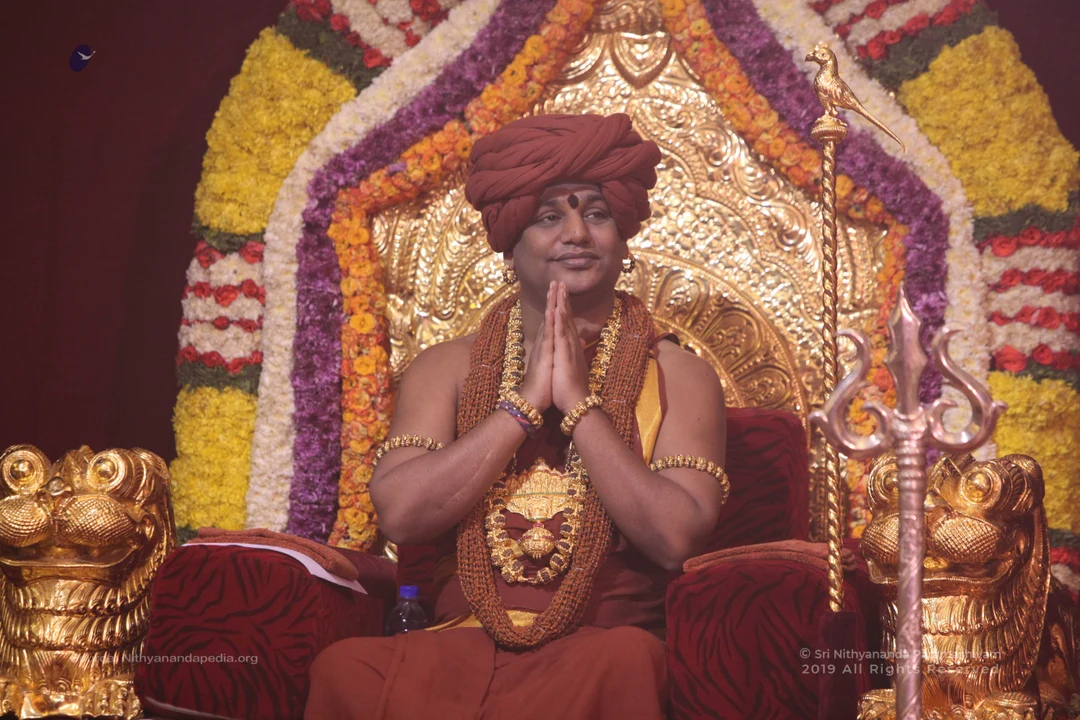
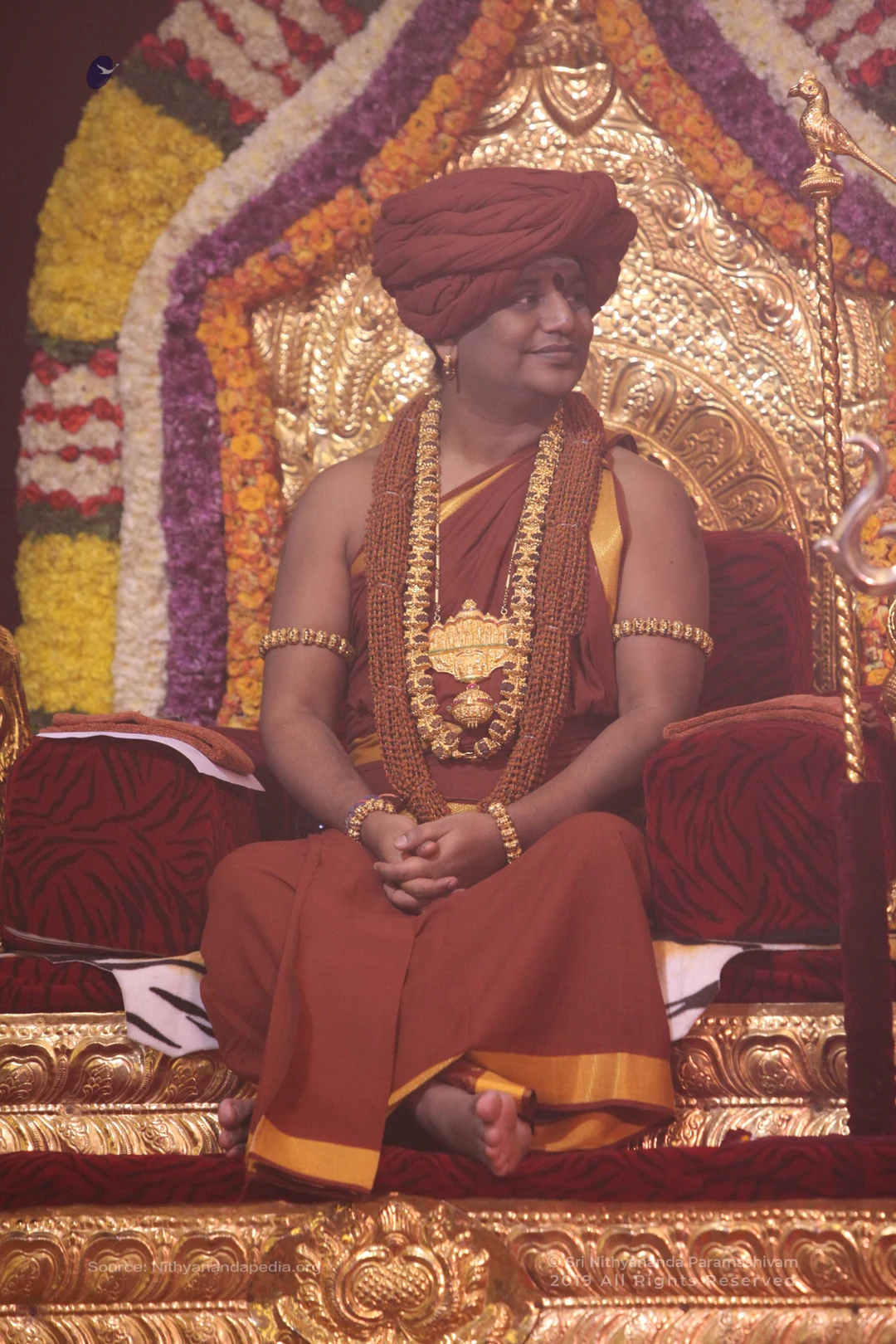
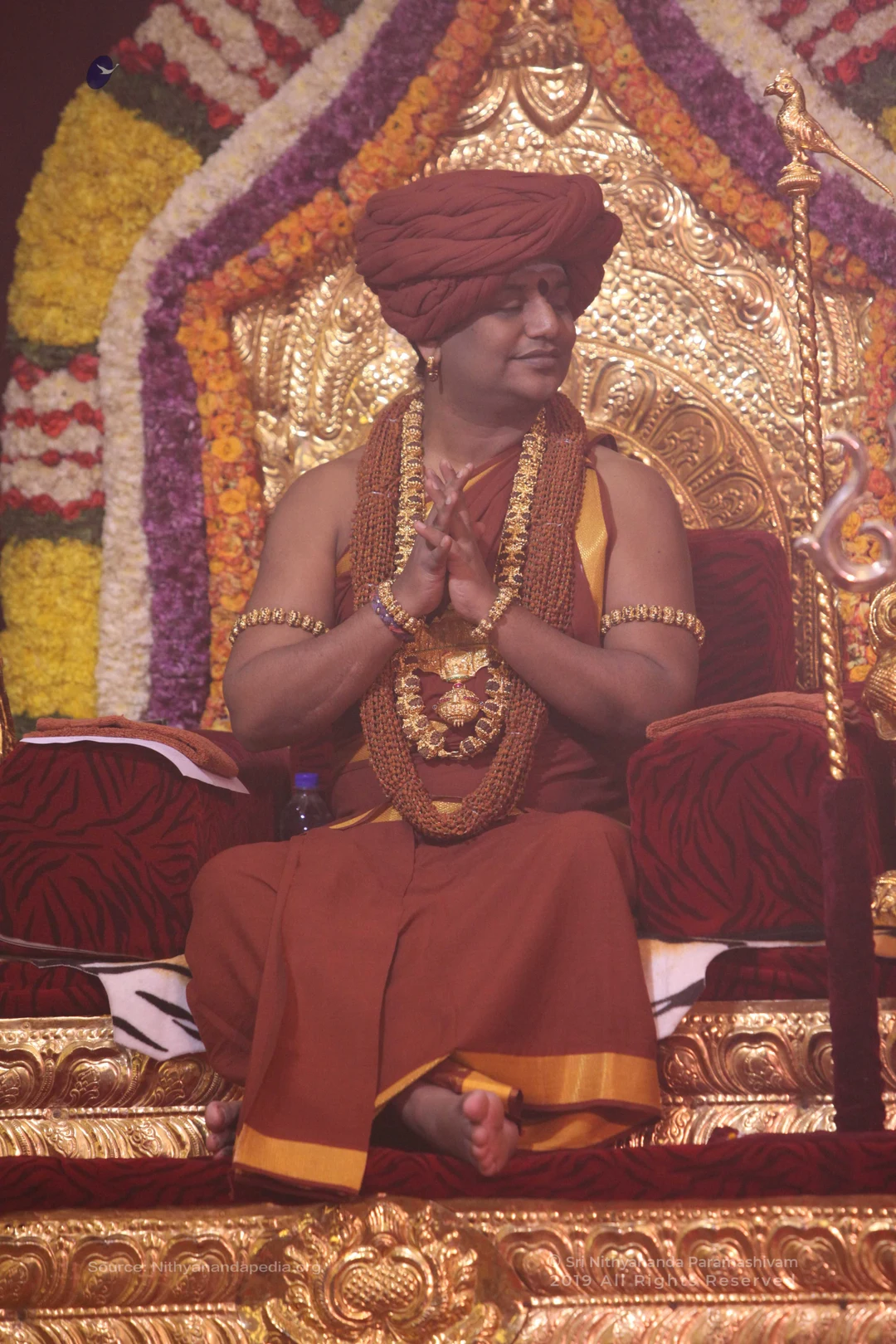
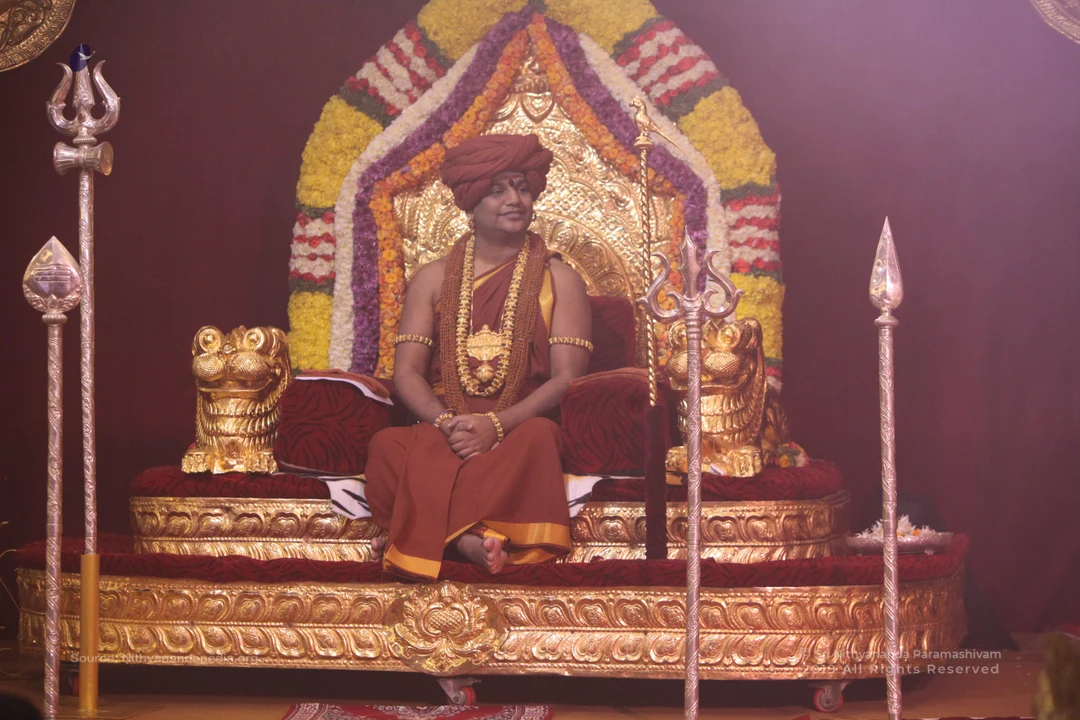
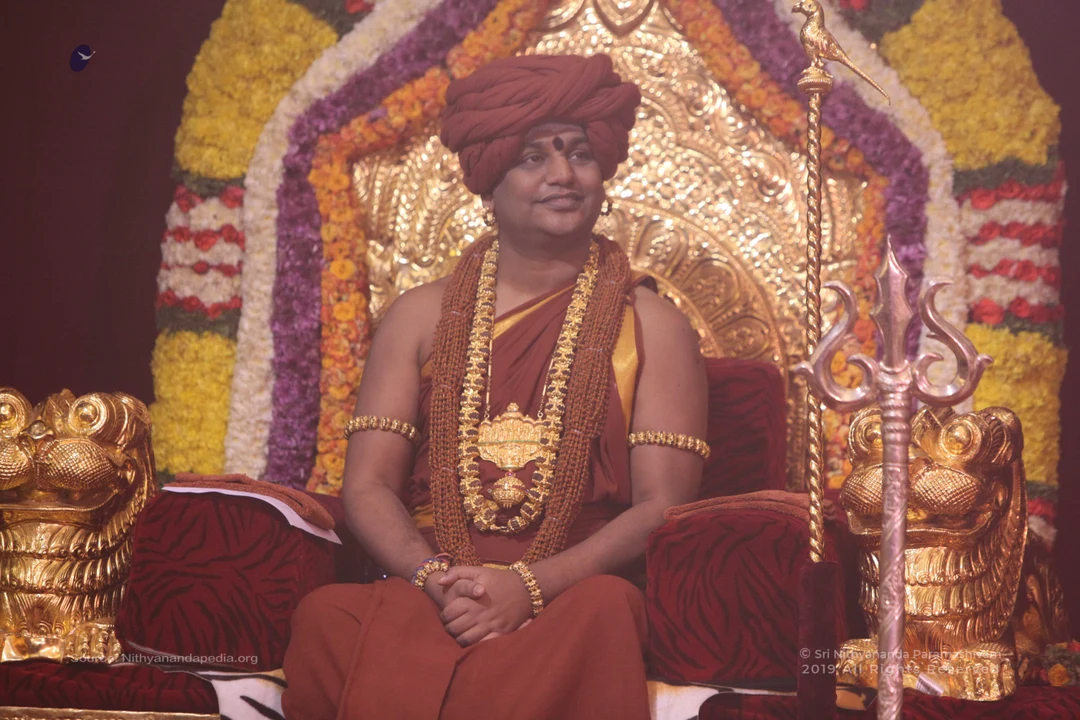
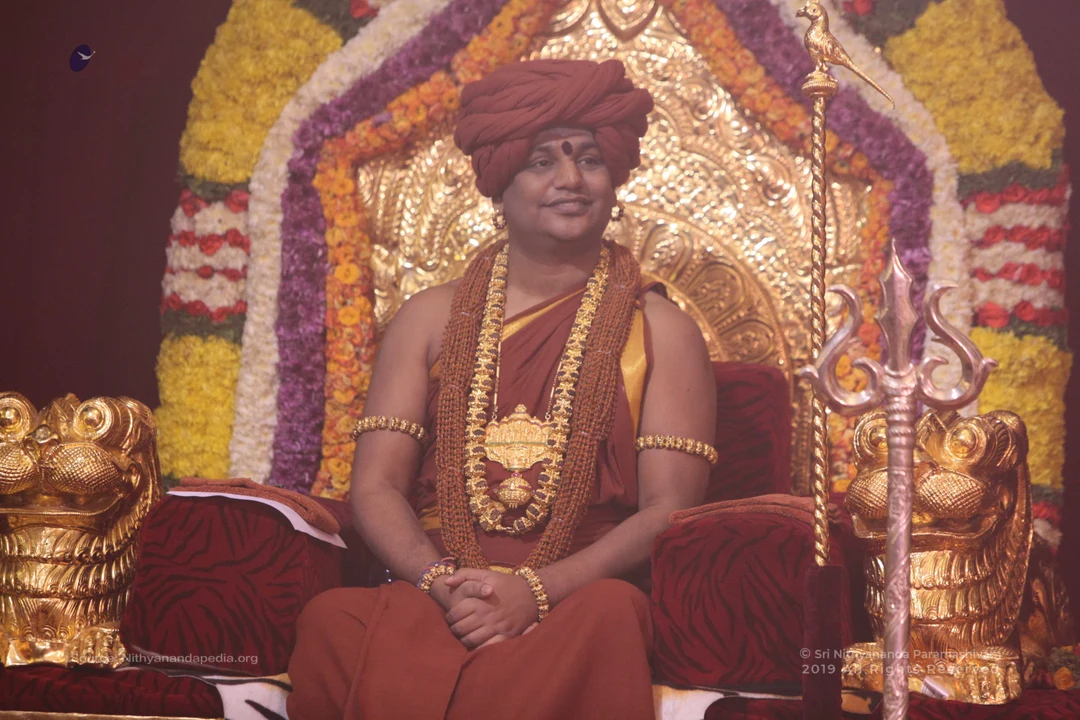
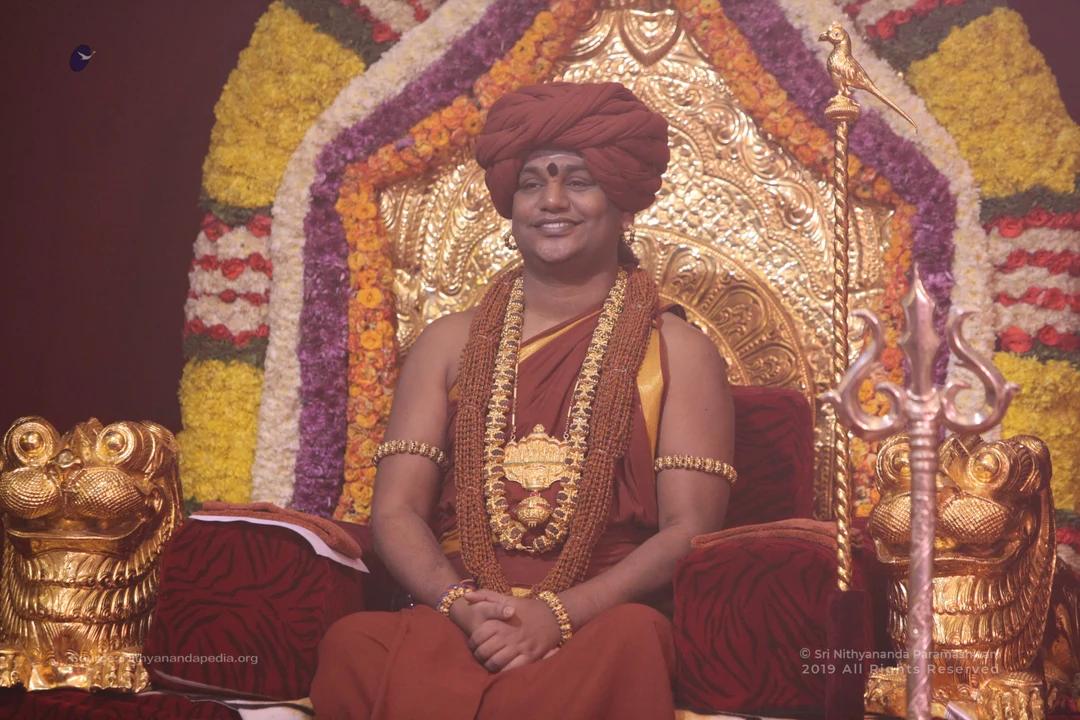
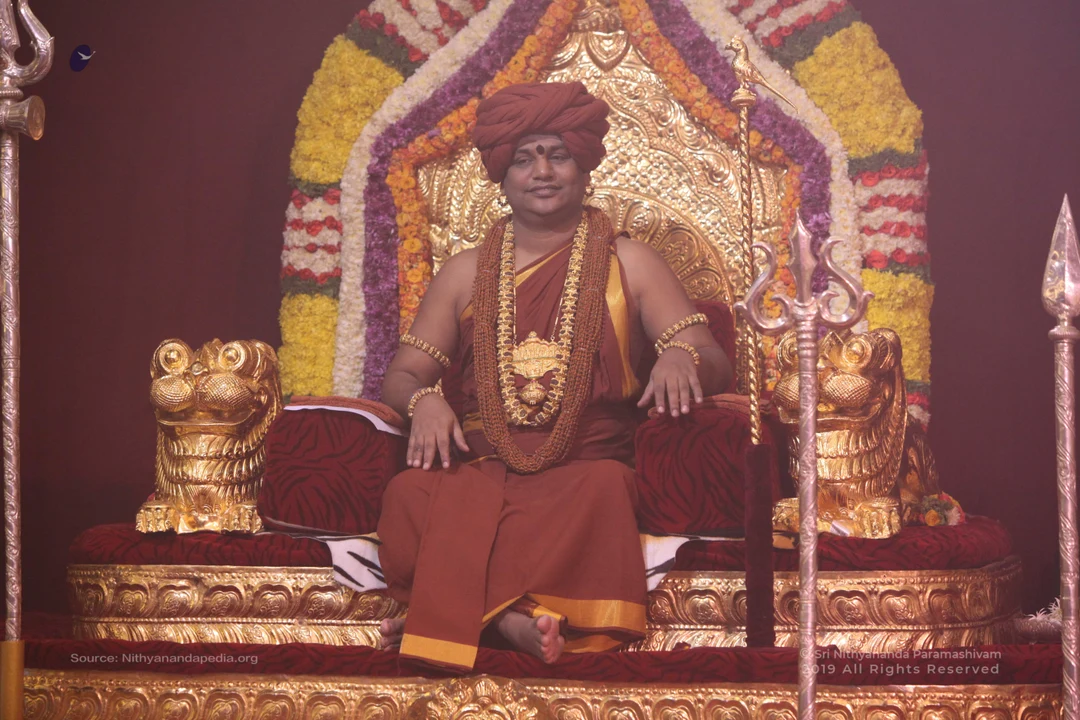
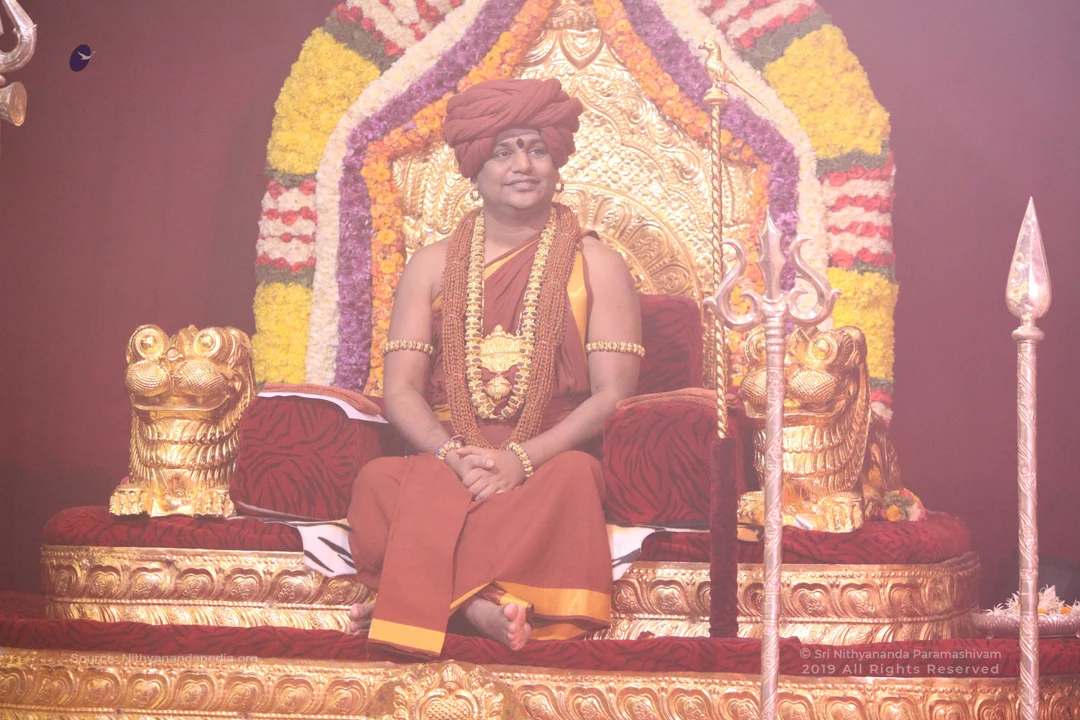
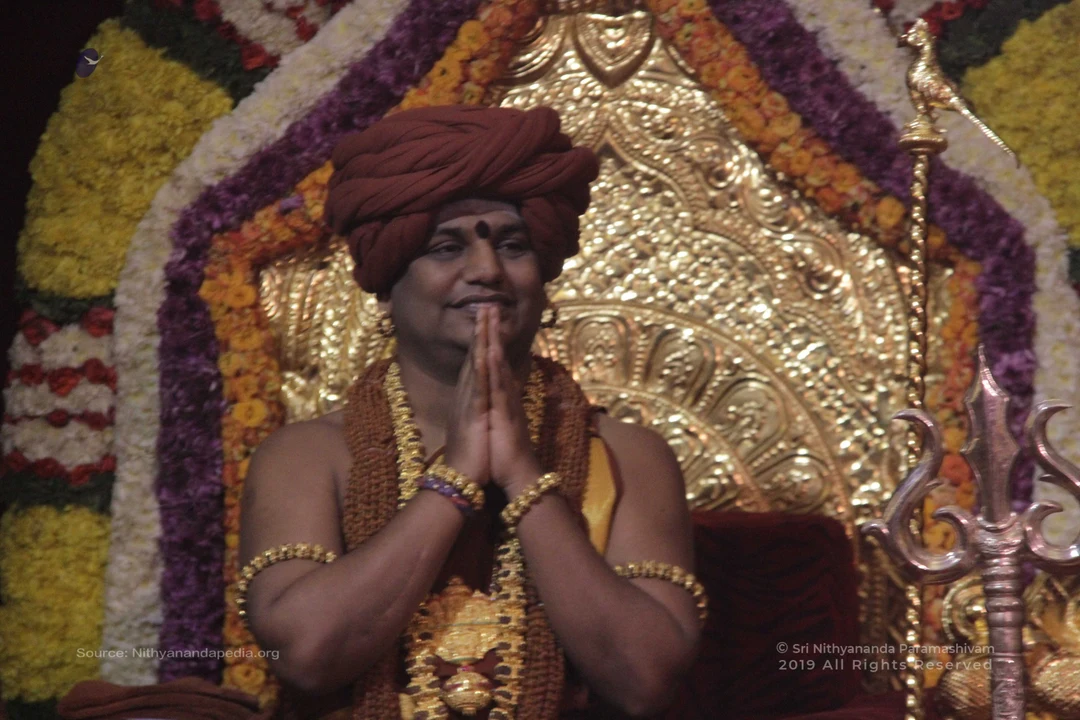
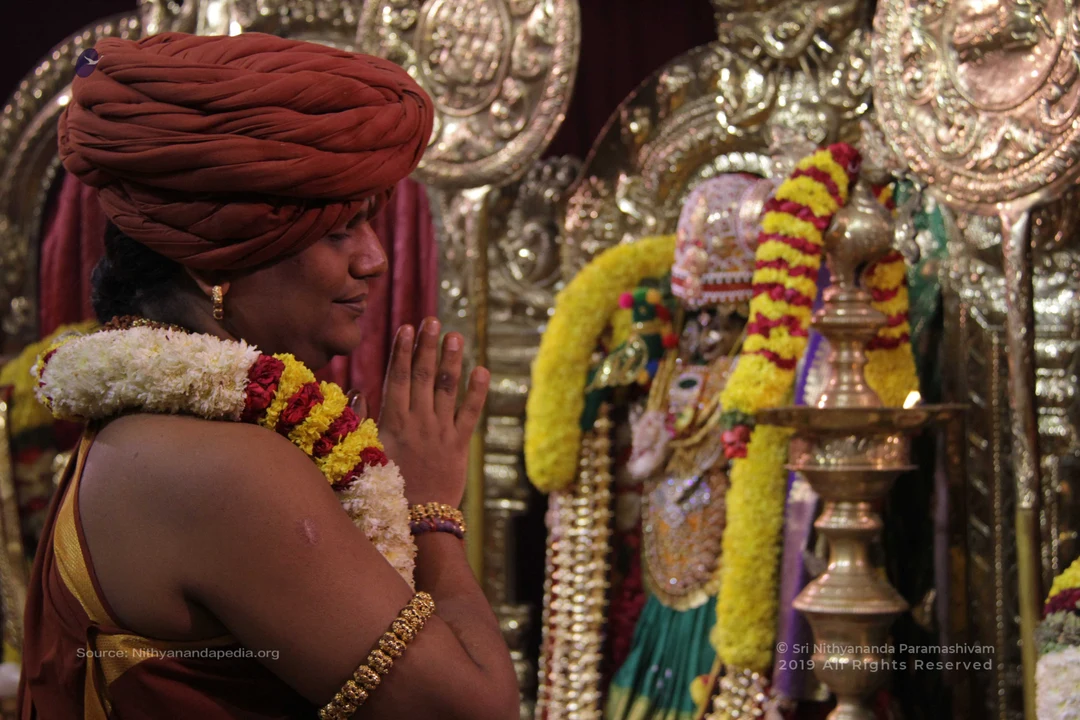
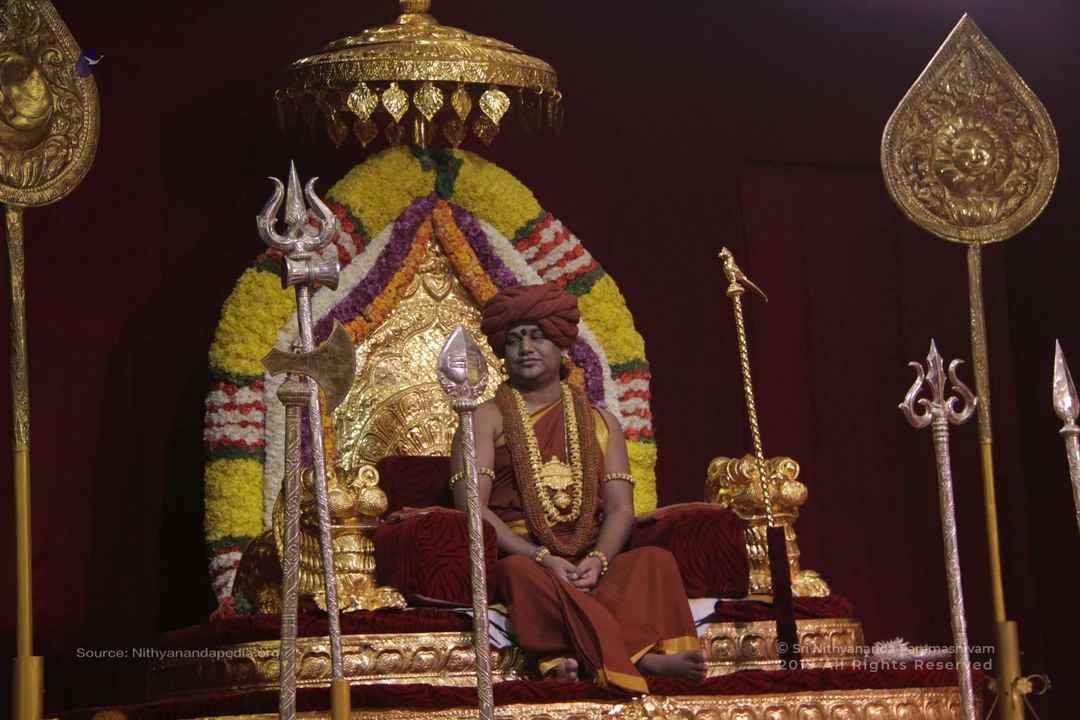
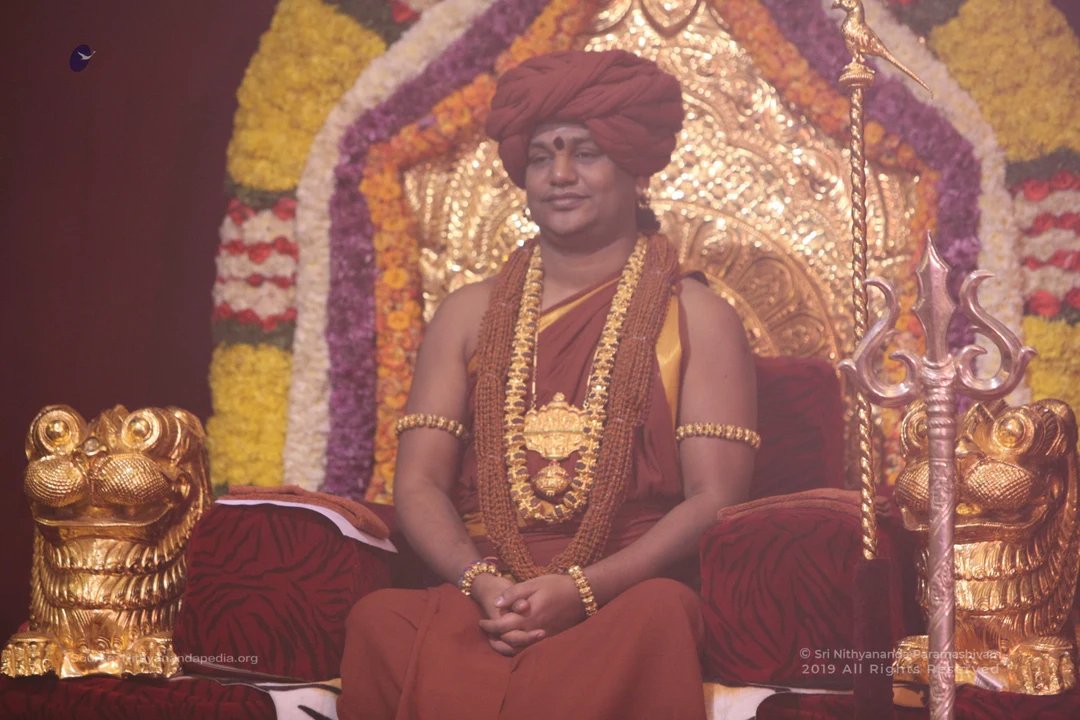
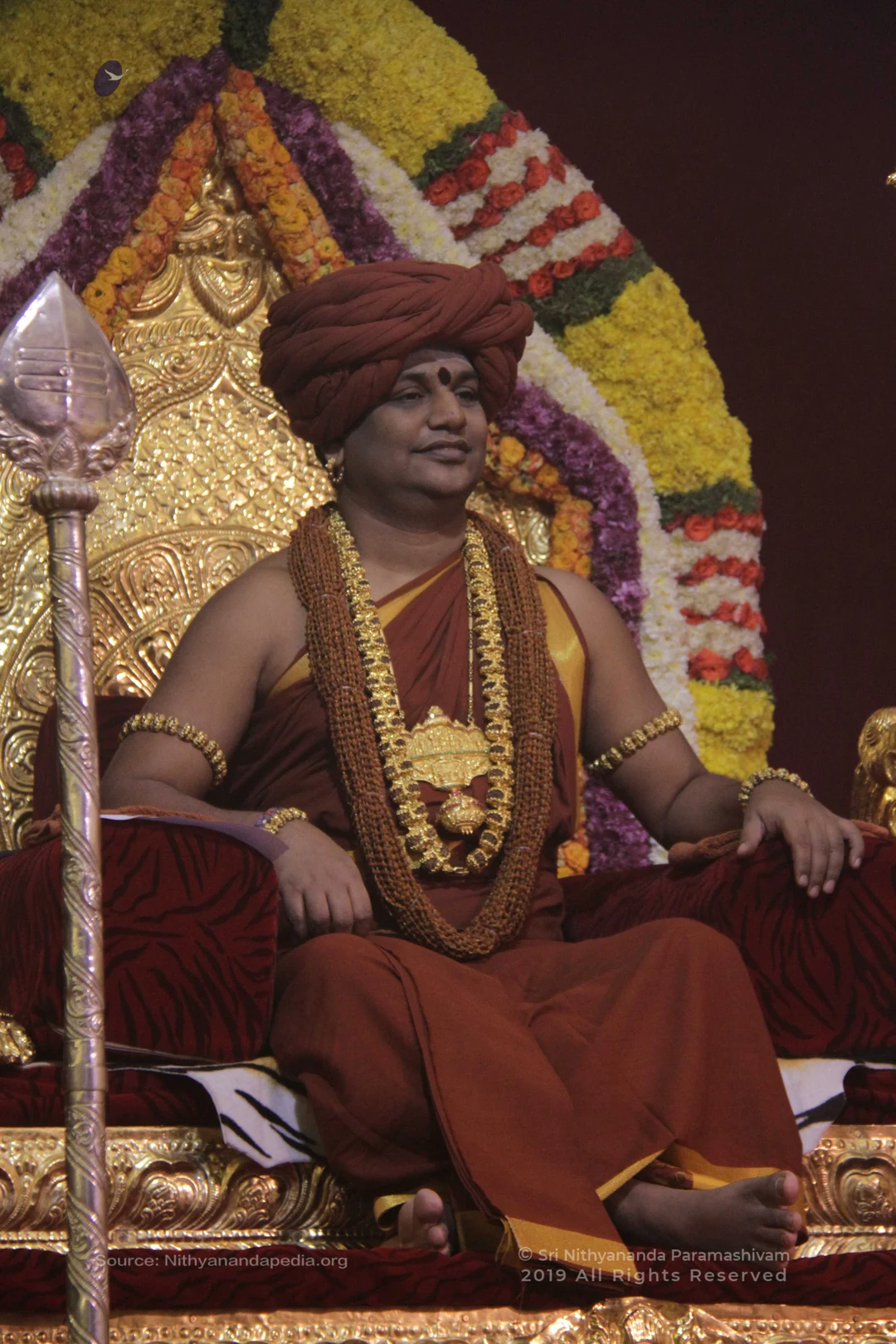
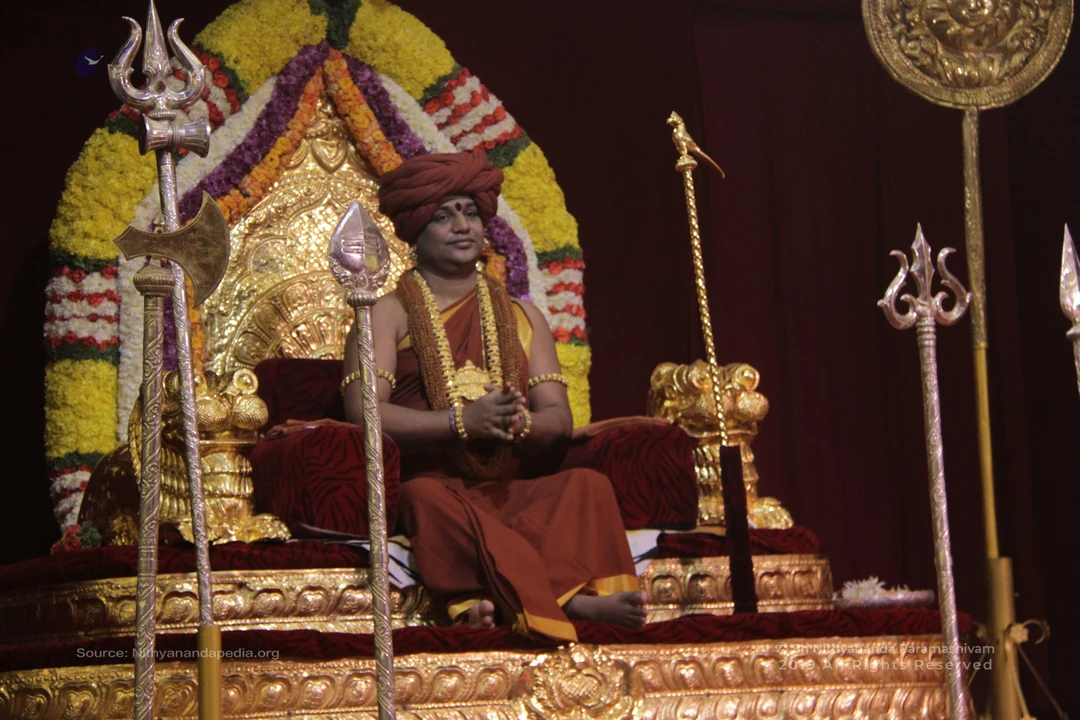
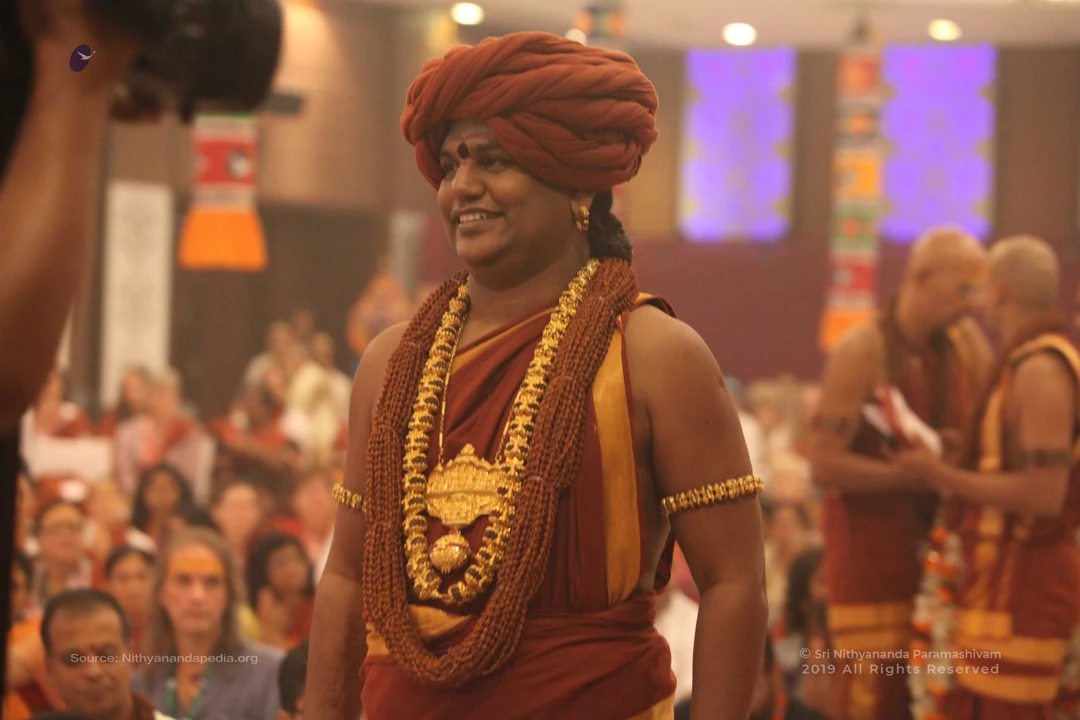
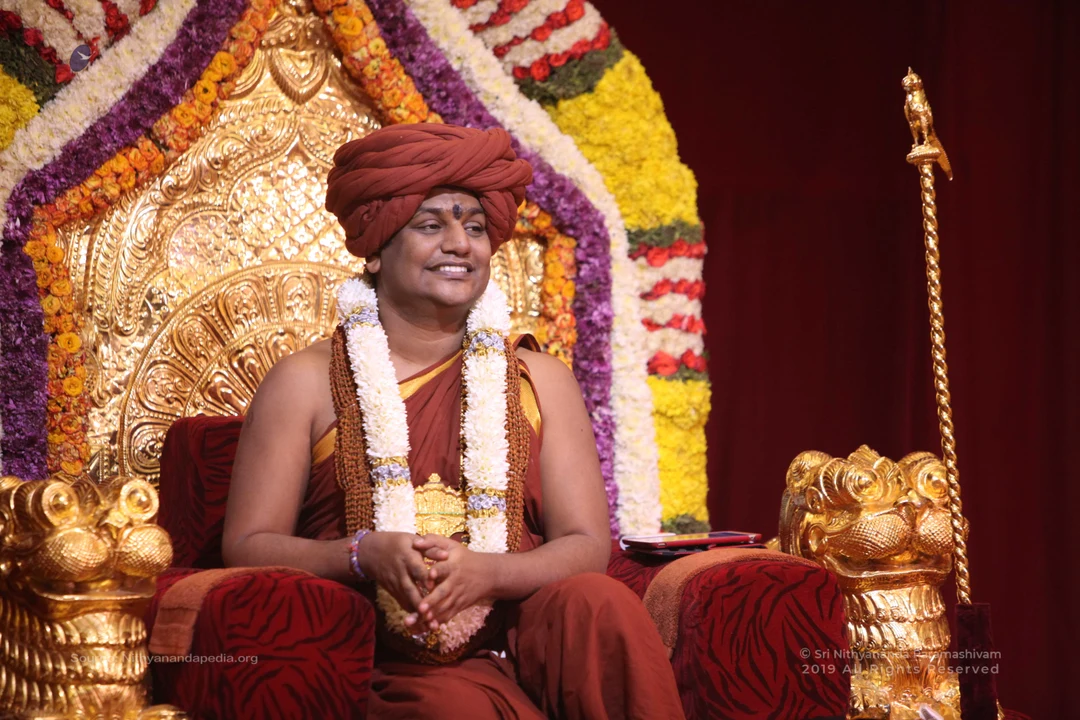
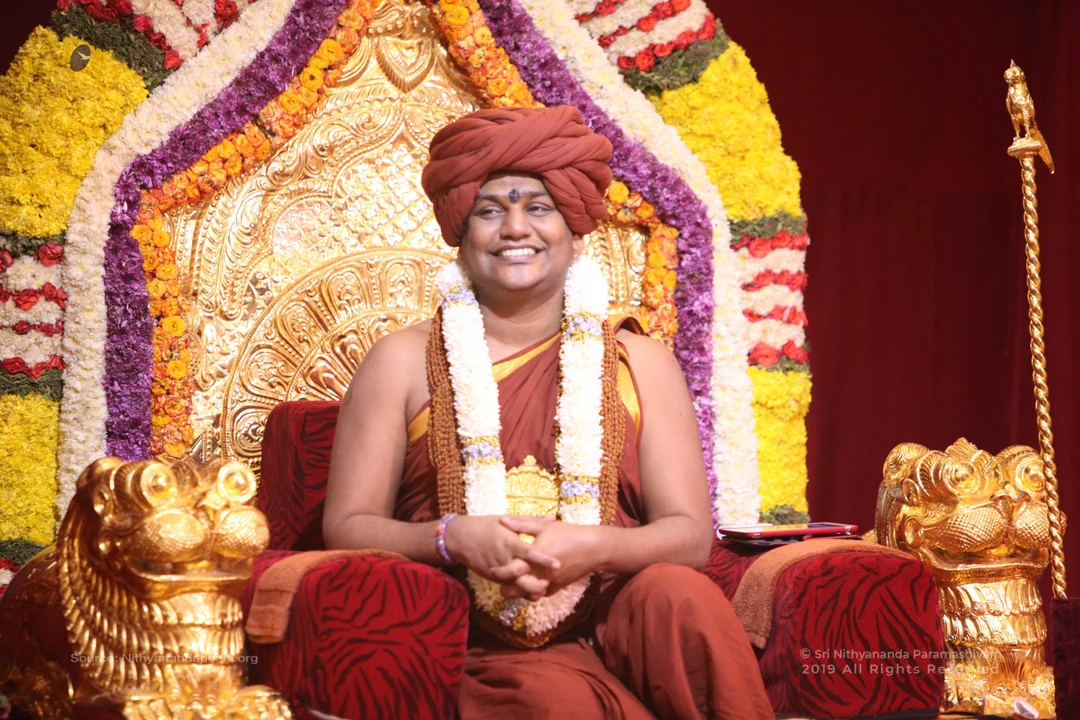
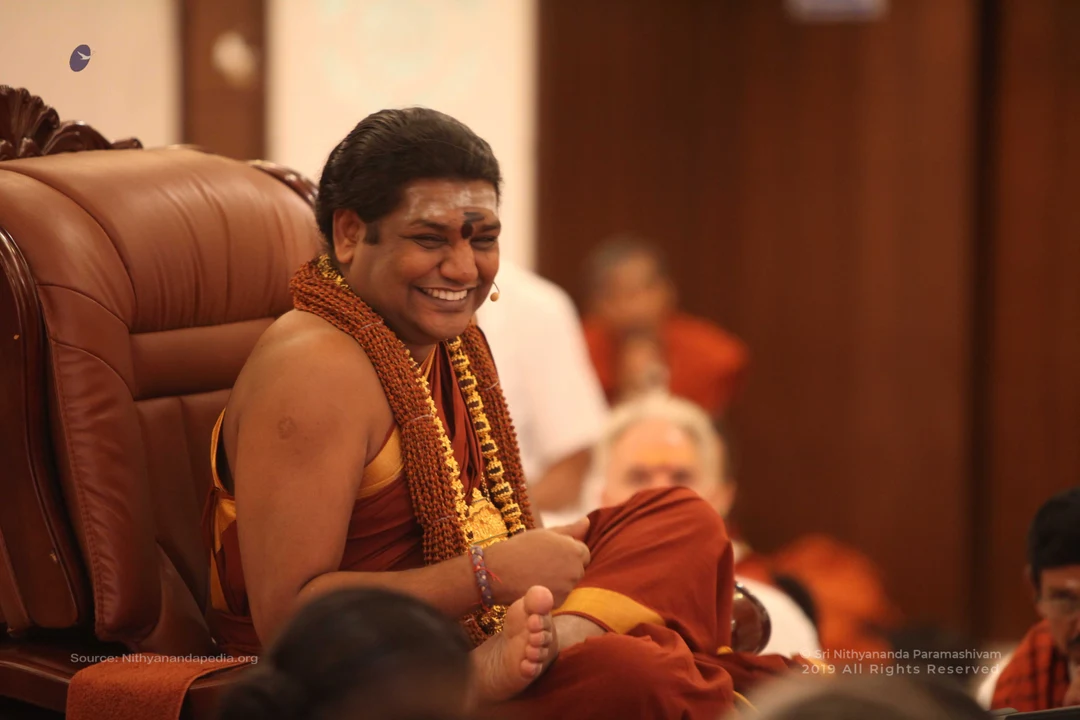
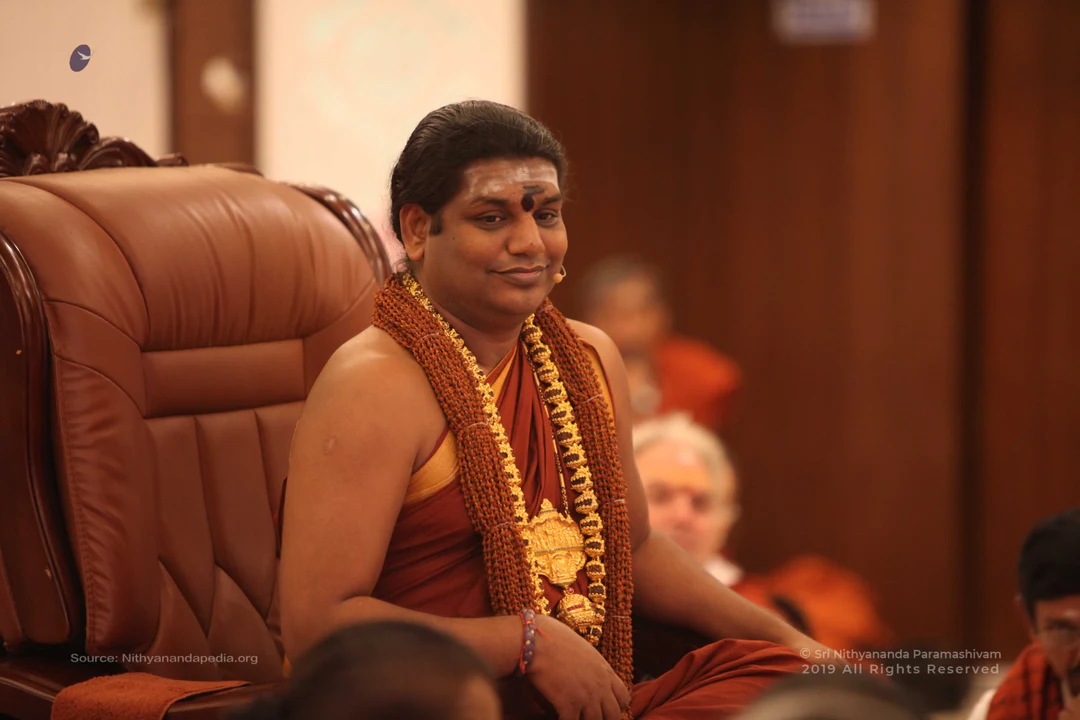
Facebook Link
Photos from this day
View all 866 photos2-Meenakshi-Tirukalyanam
333 photosSource gallery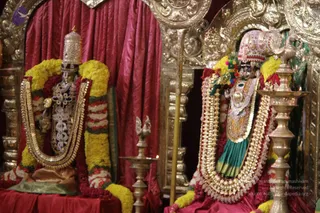
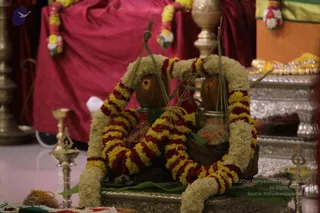
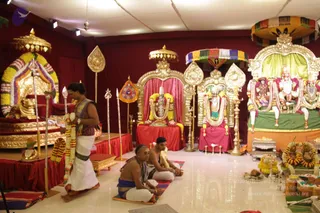
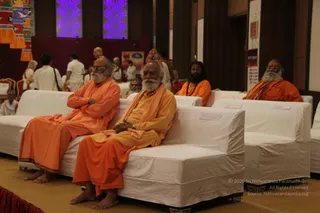
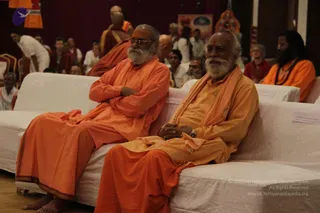
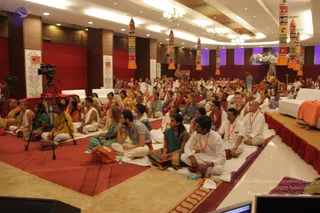
Meenakshi-Tirukkalyanam
128 photosSource gallery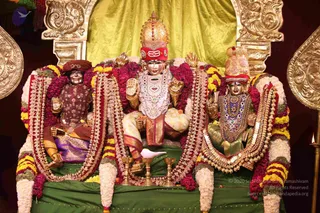

1-shivoham-Programme
9 photosSource gallery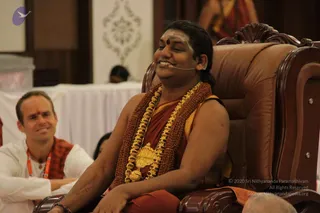
shivoham-Programme
7 photosSource gallery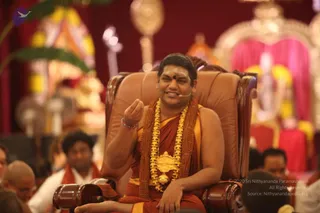

1-Navarathri-Darbha
2 photosSource gallery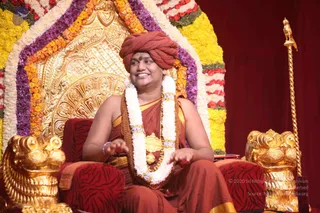
Navarathri-Darbha
11 photosSource gallery
Photos From The Day:
10 photosSource gallery