Friday
8 September 2017
Secrets to Manifest Life Positive Right Cognitions
- Dated photos
- 402
- Source pages
- 1
- Media
- 2
September 08 2017
Original wiki pageTitle
Secrets to Manifest Life Positive Right Cognitions
Day's Event
Essence of Nithya Satsang with Paramahamsa Nithyananda
8 September, 2017
"Develop the right depth, right cognitions in you. If you decide to manifest the wealth in your cognition, I tell you: wealth will follow you.
Every incident in your life increases increases your depth either in the direction of life-positive or life-negative.
The depth matters. Whether you want to be a Sanyasi or Grihasta, rich or poor, happy or depressed.
Everything manifests from your cognitions. It is cognition that manifests everything.
Anything you experience as a reality was and is your cognition. Anything you decide to make as your cognition will be your reality."
Description:
In this discourse (8 September, 2017), Paramahamsa Nithyananda expands on the importance of the cognitions we carry about life. Your depth, cognitions matter because that is what you are going to attract in your life, manifest in your life. Anything you experience as reality now, was and is your cognition, anything you decide to make it as your cognitions WILL be your reality.
Link to Video:
| Video | Audio |
Transcript:
(0:07)
nithyānandeśvara Sadāshiva samārambhām nithyānandeśvari Adi Shakti madhyamām | asmat āchārya paryantām vande guru paramparām ||
(1:04)
I welcome you all with My love and respects. I welcome all the Devotees, Disciples, Samaji’s, Satsangi’s, Sri Mahants, Mahants, sitting with us all over the world through Nithyananda TV, Facebook Live, hundreds of Aadheenavasi’s channels, YouTube Live, Twitter Live, 2-way Video Conferencing having Nayana Deeksha. I welcome every one of you with My love and respects.
(01:52)
I will continue to expand on depth more deeper understandings opening up in my system for this Maha Sadashivoham. Listen, the cognitions of life positive raises you, pulls you up. That’s a levitation energy. Cognitions of negative is a gravitation energy. Understand, the negative cognitions gravitates, pulls you down. Positive cognitions levitates you, raises you up. When you say, ‘I feel too heavy’, it is really real. When you are depressed, as usual, when you are disturbed, when you have negative cognitions, if you feel heavy, it is real because the cognitions gives you experience, not perception. Understand, if you cognize something great is going to happen, you are going to experience it. Listen, for example: one part of you is cognizing something bad is going to happen, one part of you is cognizing ‘no-no something good, I will make it happen’, the other side is creating fear, ‘eh, I know we cognize negativity more. So only that will happen’. No! You have the freedom to vote. Veto is given to you. Understand, if you consciously decide and veto, say that I am going to choose the positive. I am going to choose my positive cognitions and give life to it. I am going to support this’, your conscious declarations, sankalpa, your conscious decisions has power to nullify your negativity and manifest your positive cognitions.
(05:22)
Listen, your cognitions matter, your understandings matter. Every internalizing, intranalyzing you do, whether, before a joyful happening, after the joyful happening, or before the painful happening, after the painful happening, any contemplation you do, any internalizing you do, any intranalyzing you do, anything you do strengthens your cognition. Listen, it really strengthens your cognition, whether negative side or positive side. Your cognitions go on getting strengthened. I tell you, if you decide to manifest the wealth in your cognition, I guarantee wealth has to follow you. It just has to manifest in your life. Because then you know what is the component you need to grow in you which is making you worthy of being wealth. You will grow that. Nothing else is needed other than your depth itself to make you worthy of richness. It is your depth makes you worthy of richness and attracts wealth. Because there are tons sitting with wealth without depth, need your depth support. They will have to have your depth and share their wealth. Understand, every incident in your life increases your depth either in the direction of positive or negative, life positive or life negative. If that cognition increases the energy current in your nervous system and makes you feel light and ready to fight it is positive. If it increases dullness in your nervous system, heaviness, pushes you back, makes you feel tired or bored or withdrawn, that is negative. That’s all.
(08:42)
I tell you, see earlier I decided I am not going to come back once more to planet Earth. This is my last visit. So, first thing I decided to reprogram, there is a kind of a transmitter under the banyan tree which receives signals and stores, reminds, it’s like a alarm. I just corrected it, kept one more alarm ‘if needed’ to remind to assume the body. I only did the preparations required. That is what actually I did when I was doing pancha tapas. That was the purpose of pancha tapas. I tell you, everything I am manifesting is programmed in the DNA of the banyan tree. It is in the banyan tree the whole thing is stored. I only told the disciples ‘Eh, just protect the banyan tree. Nothing else. I will be back.’ When I am back all I need is just this banyan tree. At least for last few thousand years very sincerely they were protecting. Now the whole programming is getting released from that banyan tree and getting shared. Earlier I have done a programming of not to come back once more, means after this body. Now I have reprogrammed, if needed let’s come back one of two more times. Because if the planet Earth needs, to do what we need to do, it’s ok, lets come back once or twice.
(11:38)
The whole cognition function in every moment only in the direction of positivity. Next thing I did ‘Oh, come on, now itself let Me deliver everything I need to deliver’. It only increased my speed. See clearly all the best things I delivered starting from Nirahara samyama, 108 kriyas, My best commentaries on scriptures, kundalini awakening, levitation, power manifestation, now the great aushada, the whole science, of course still I have not listed many things. All the best things. I only decided ‘Come on, let me deliver.’ Listen, I am giving you example. Ultimately it is Sadashiva’s work. No one can disturb. No one can stop. Listen very carefully. Every time you internalize the cognitions you manifest. Cognitions you make matters. Whether you get consolidated every day positively or negatively matters. Because that is what you are going to attract in your life. That is what you are going to manifest in your life. That is what is going to be the central theme of your life.
(14:09)
Your depth matters. Your understandings matters. Understand, the moment I decided ‘let me share whatever I have brought, whatever I need to do’, it generated such huge positive energy, I could see very clearly the whole negativity is washed away. Now, not just this one banyan tree, I have already put so many branches everywhere. It will be kept alive once for all on the planet Earth. It can never be taken away, damaged. First time when I brought to the planet Earth itself, I brought four sapling. Now this has multiplied, multiplied like anything. It’s only going to manifest more and more and more powers, energies. The whole energy of Kailasa secretly made in time capsule and kept here under the banyan tree and in the form of banyan tree. That is why this place is Gupta Kailasa. This is Gupta Kailasa because the whole energy and programming of the Kailasa is kept here. Your depth maters and the cognitions matters.
(16:49)
Today we can have a special session on developing the depth. Apply little aushada on the navel. Navel is the zone for depth. Sit and pen down all the cognitions you want to develop, grow in you, all the cognitions you want to Complete, pen down and Complete them and drop. All the cognitions you want to grow, decide to vote for it and grow. We will have a special depth session with aushada today.
(17:40)
Right depth cognitions can be developed in you by reading the 108 Upanishad’s. 108 Upanishad’s is the essence of 4 Vedas compiled by Bhagawan Sri Ramachandra Prabhu. Sri Rama is not just puranic figure. Understand, He is the first compiler of the Vedas. Nobody is looking at Ramachandra Prabhu, maryada purushottama, from the angle of the compiler of the Vedas. He is the first Vyasa. Understand, He is the first compiler. If you read the 108 Upanishad’s you will develop the right cognitions. The right cognitions you need to develop. Most of the time because you are so engrossed with the negative aspect of your life, even you don’t remember your worth. Forgetting the self-worth is throbhava, delusion. Even you don’t remember your worth. You fall into throbhava. Remembering right depth, developing right depth, growing right depth, moving towards enlightenment. Developing the right depth matters. It matters.
(20:31)
Essence of today’s satsang: Develop the right depth in you. Develop the right depth cognitions in you. The depth matters. Whether you want to be a sanyasi, you want to be a grihasta, you want to be rich, you want to be poor, you want to be healthy, you want to be happy, you want to be depressed, you want to be diseased, everything, manifest from your cognition. It is from your cognition. It is cognition that manifests everything. Anything you experiences reality now was and is your cognition. Anything you decide to make it as your cognition will be your reality. If you cognize ‘How can I live with one man or one woman whole life? Dragging, pulling, fighting and any transformation happens to me, I will have to wait to happen for him also’, then sannyas is for you. If you cognize ‘oh, how can I be all alone? Nott having anybody even to fight with, not having anybody to torture, or me torture in turn, then grihasta is life for you. What you cognize that you manifest. Decide to cognize right things.
(22:52)
With this I bless you all. Let’s all radiate with integrity, authenticity, responsibility, enriching, causing, Living Shuddhaadvaita Shaivam, Sadashivoham, the eternal bliss Nithyananda, Thank You. Be Blissful.
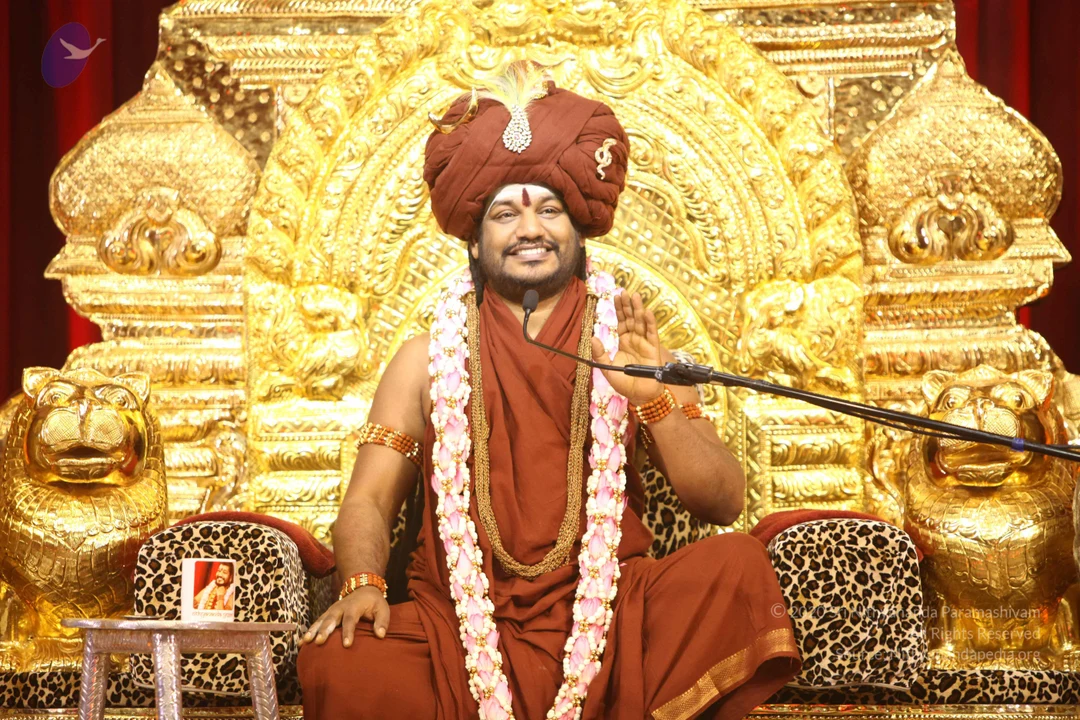
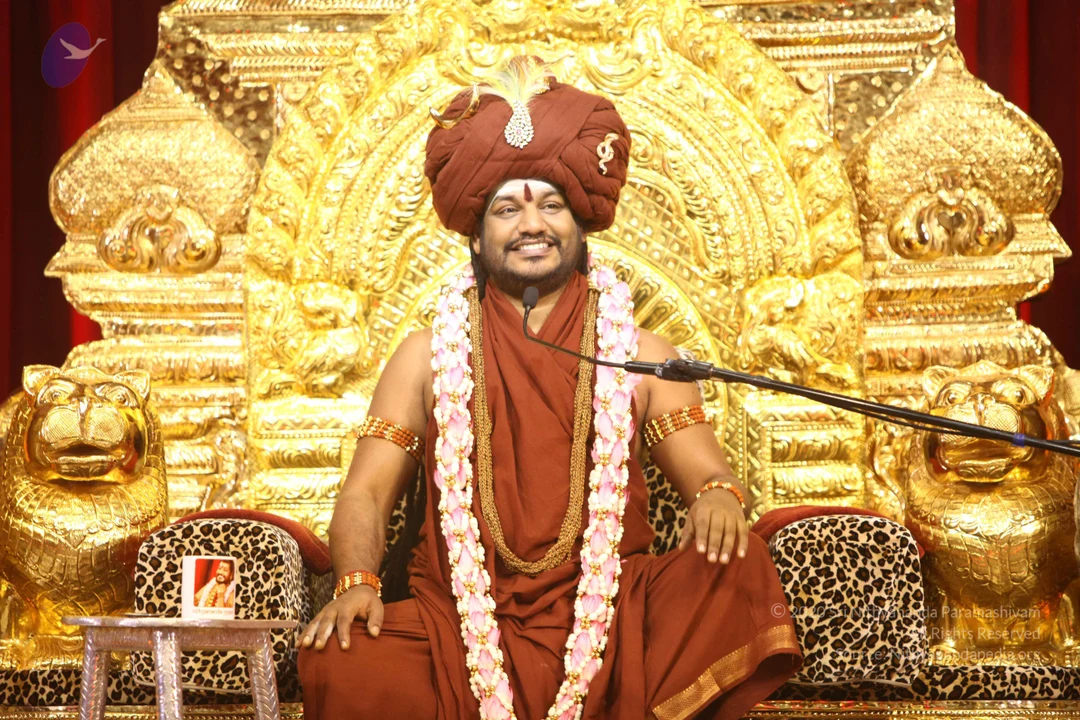
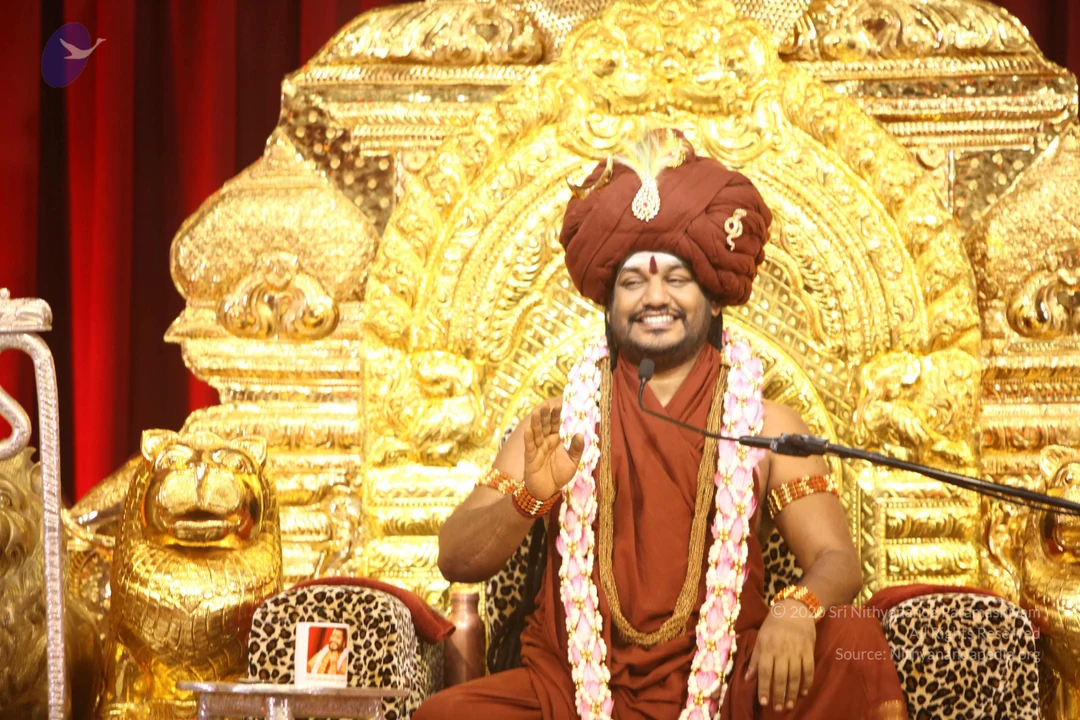
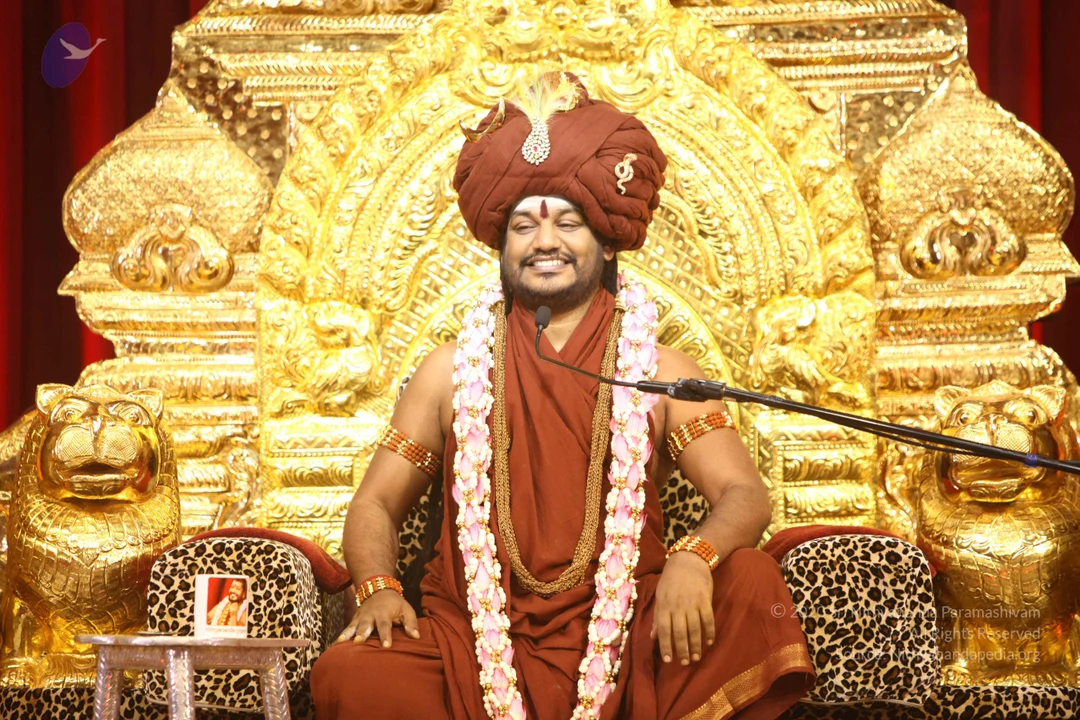
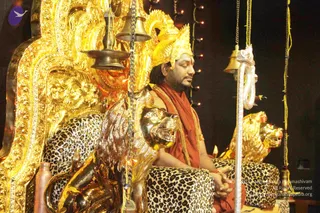
Photo
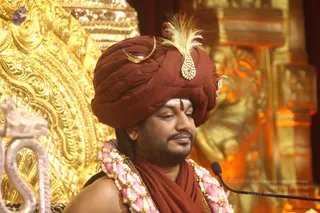
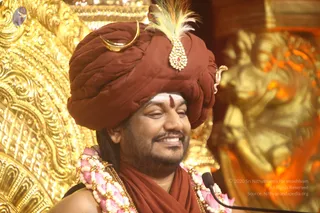
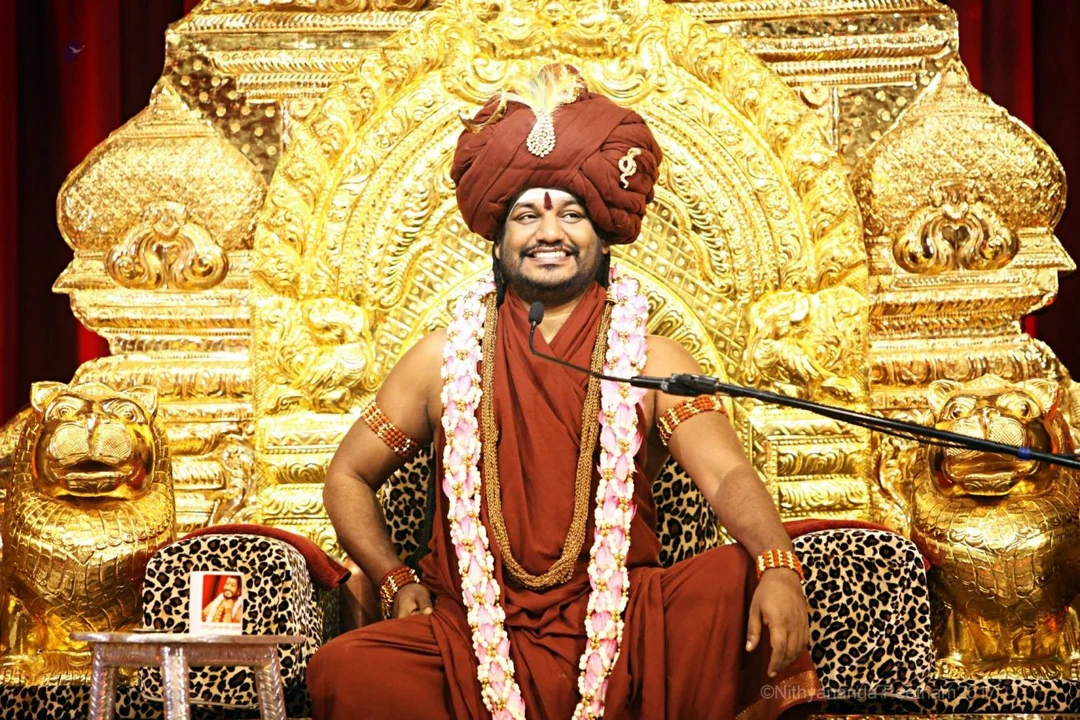
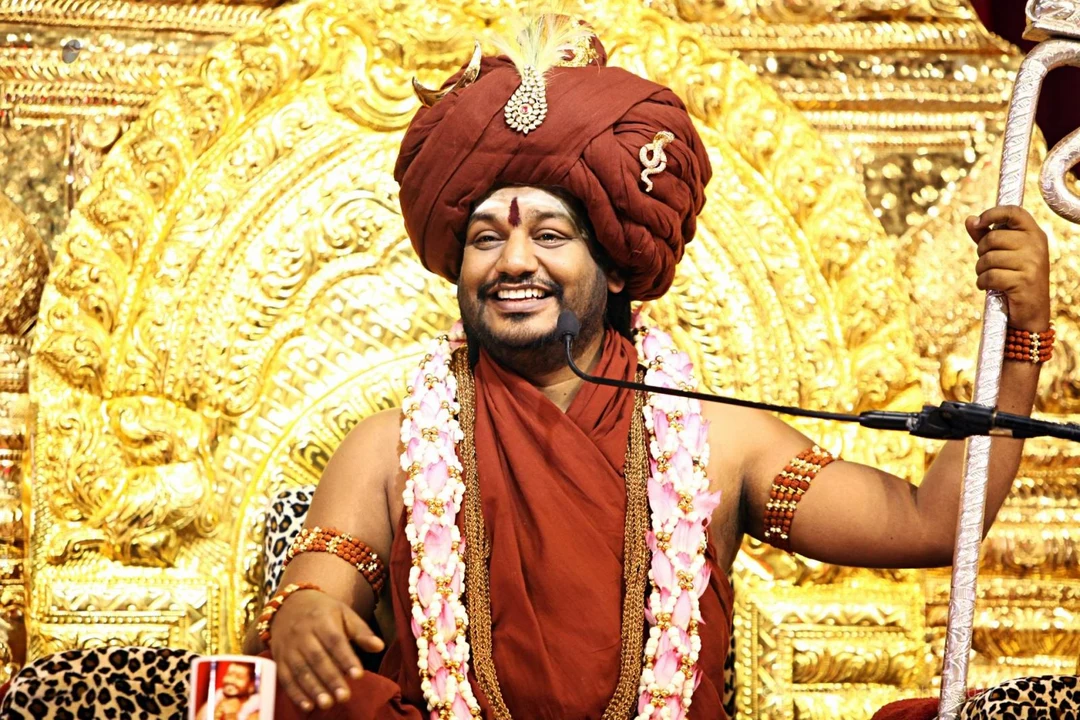
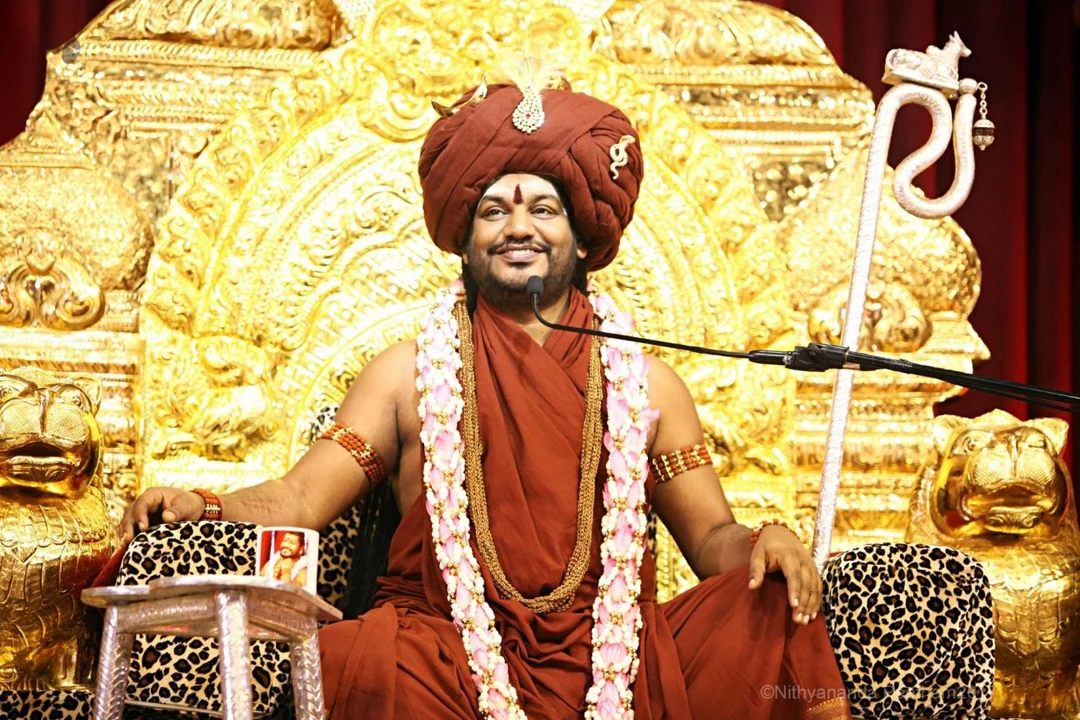
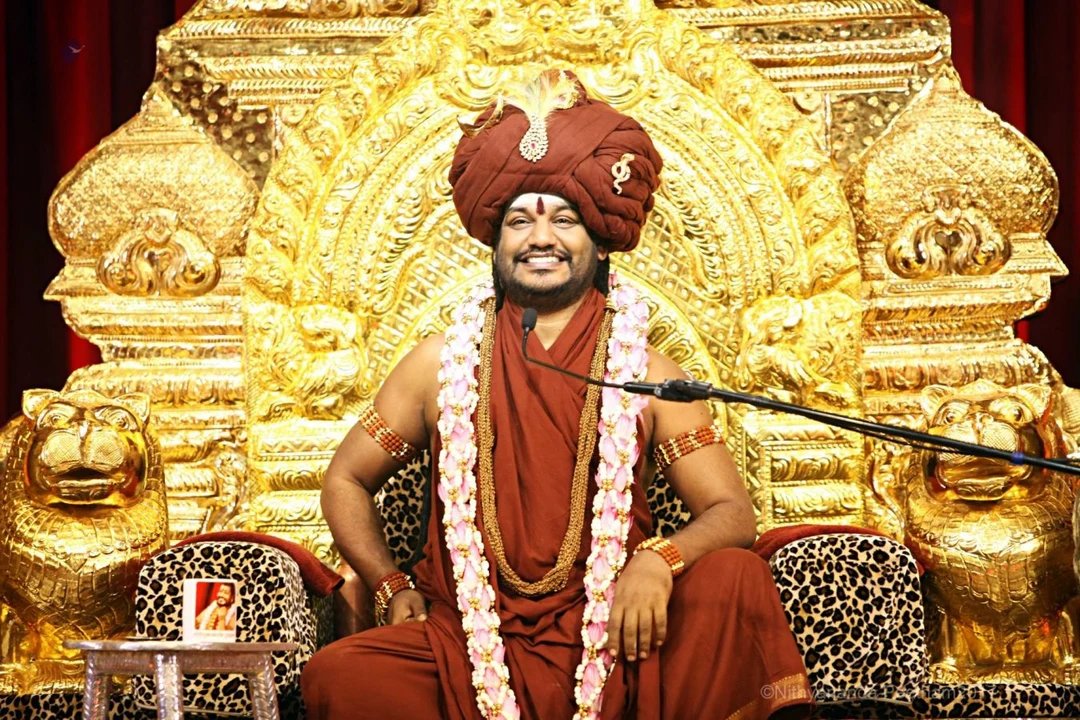
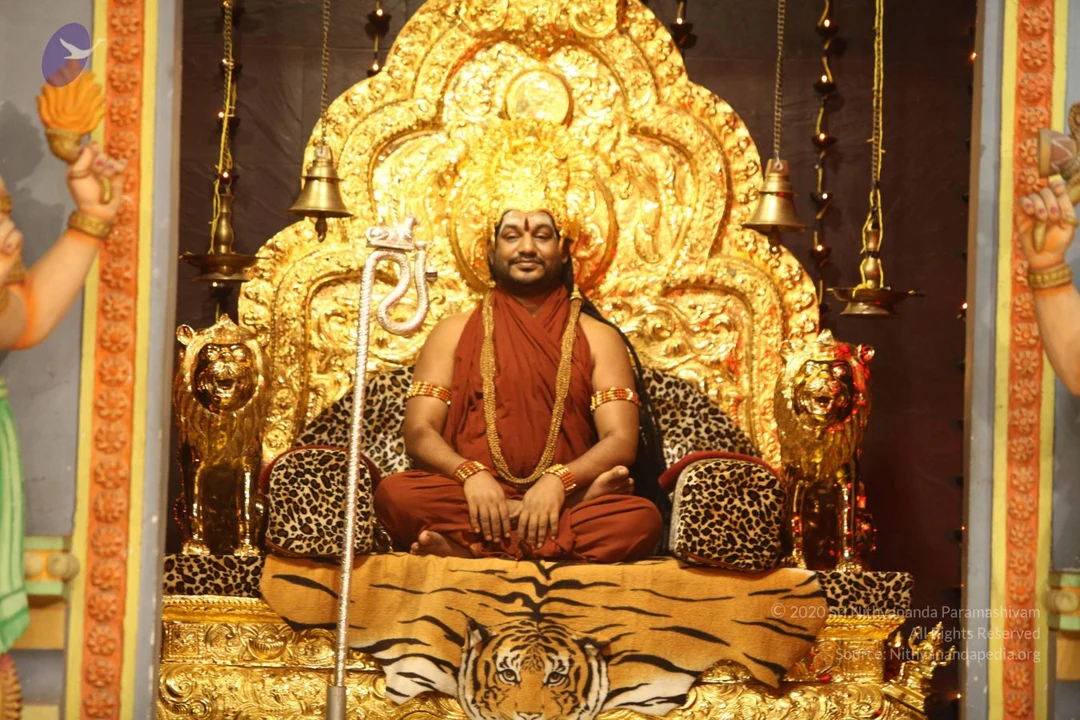
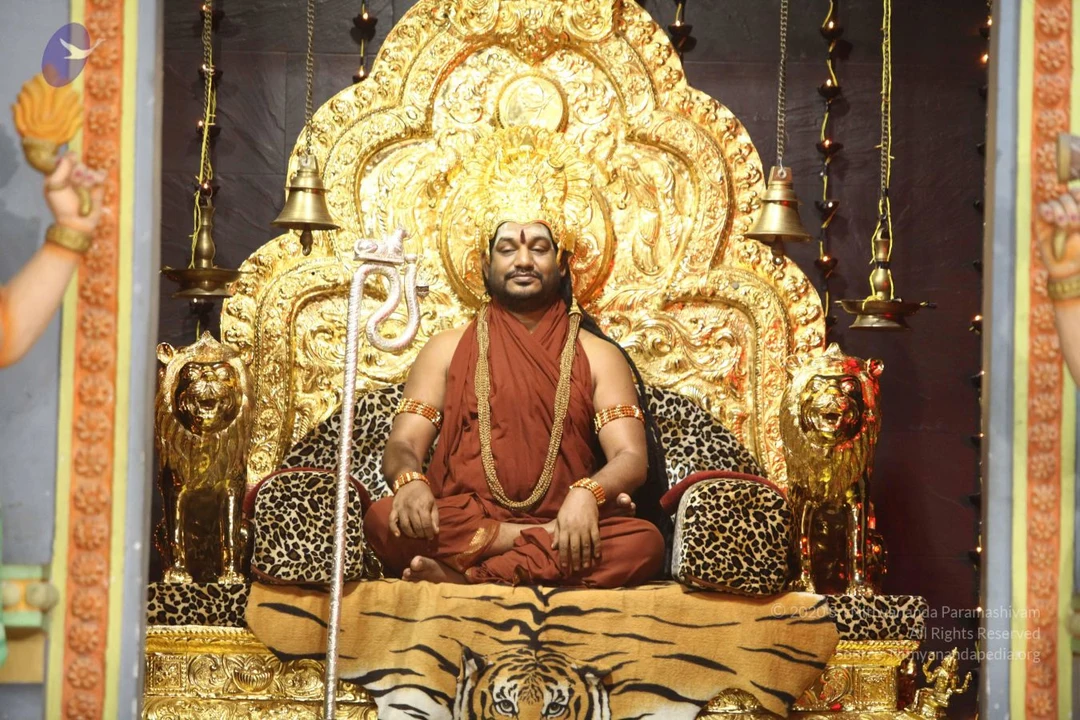
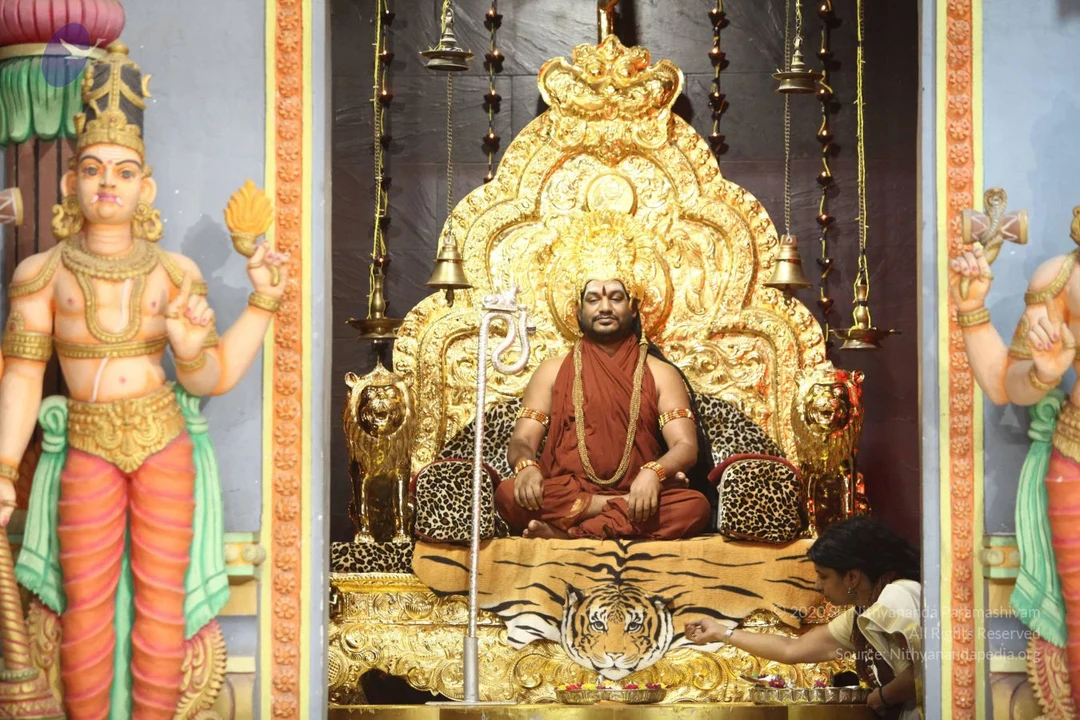
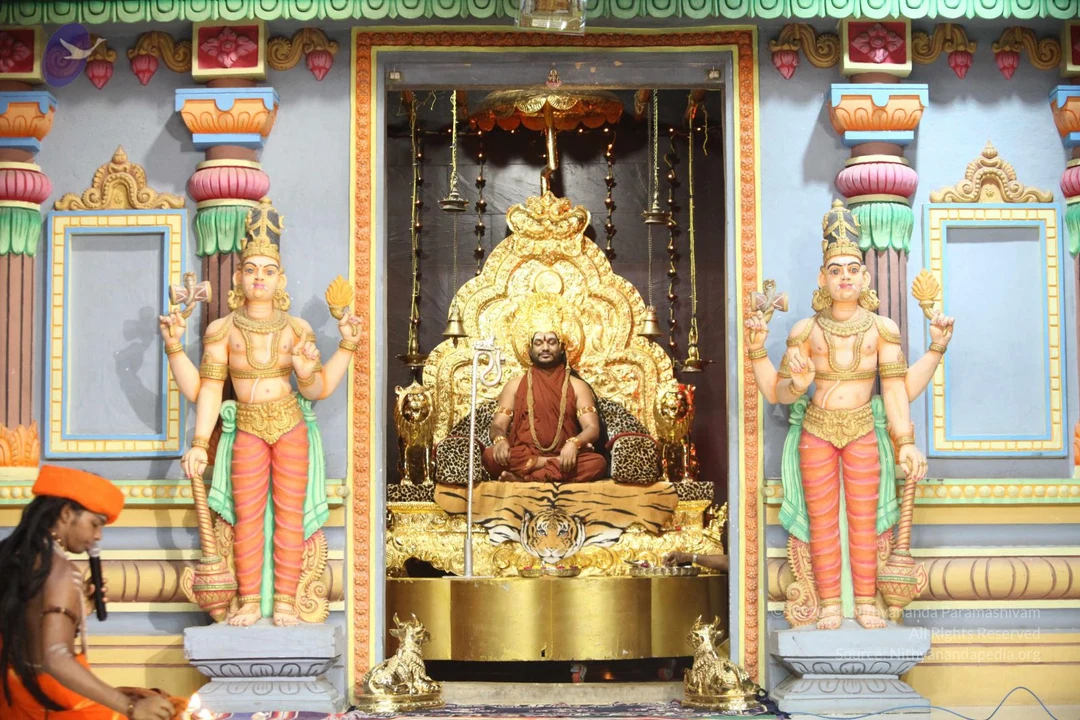
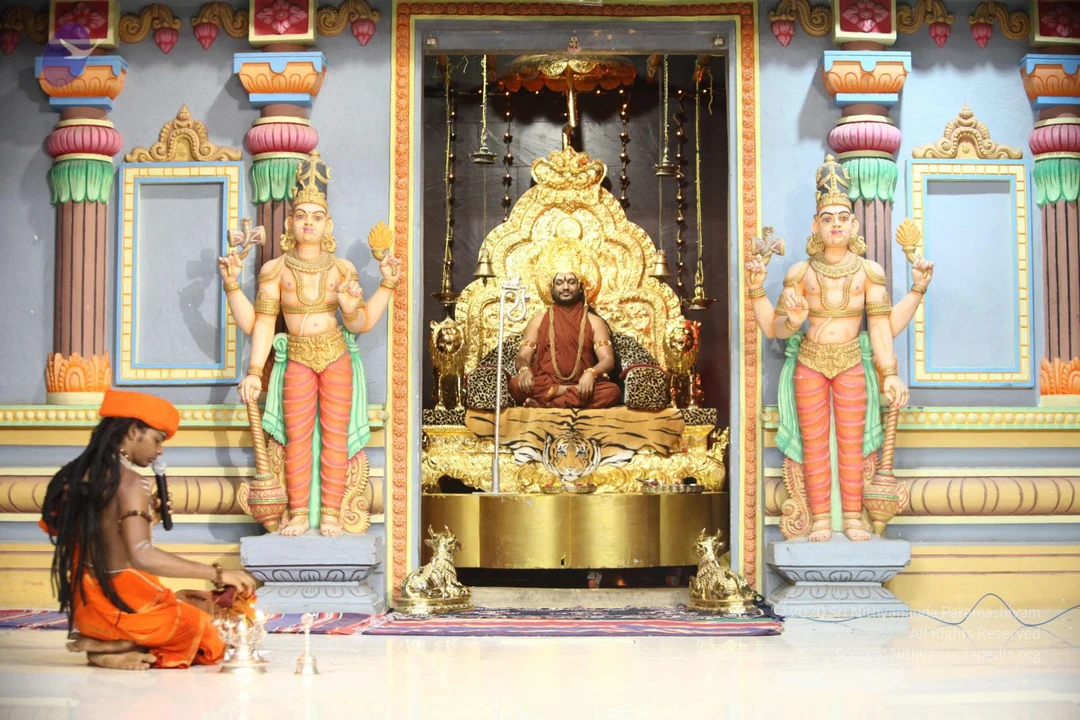
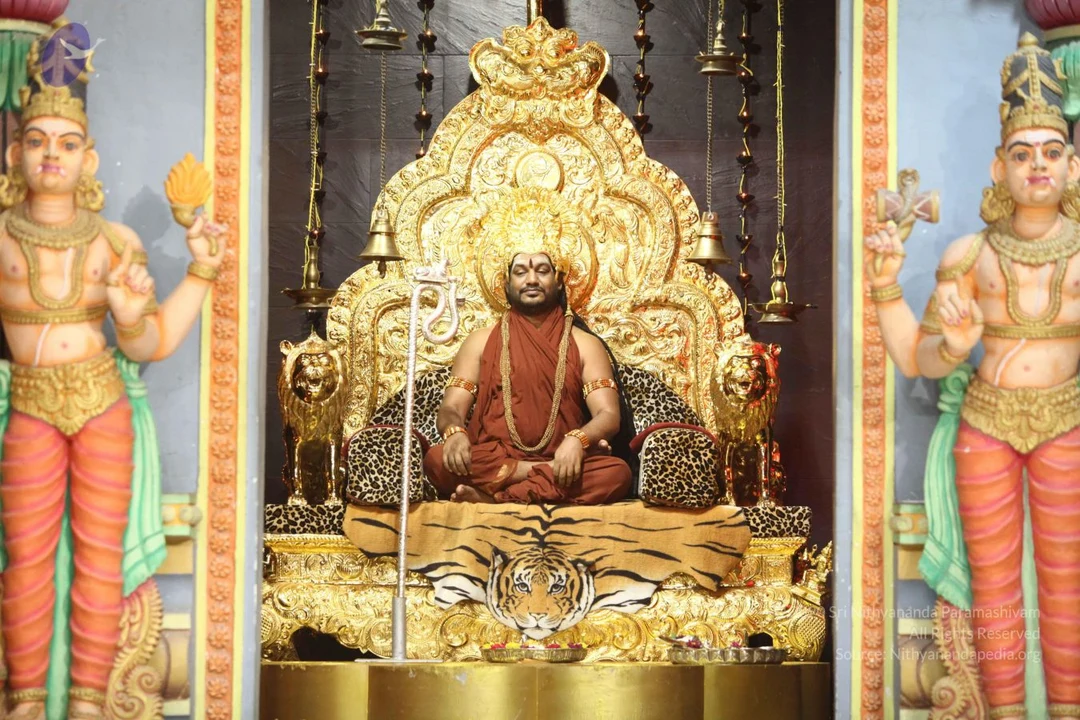
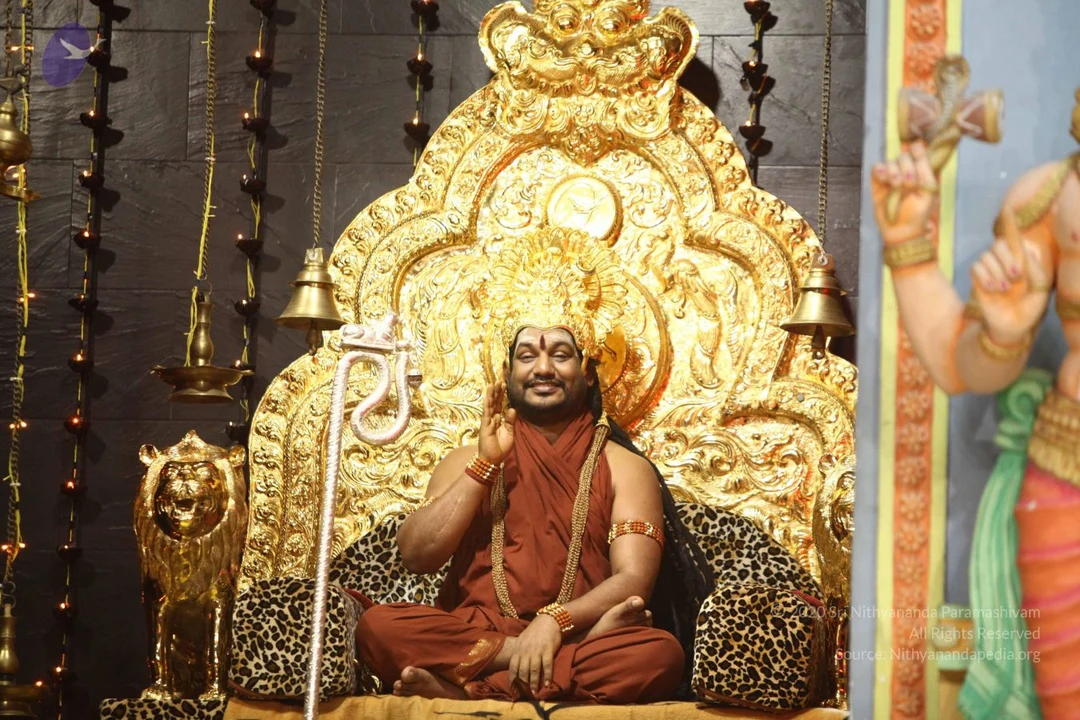
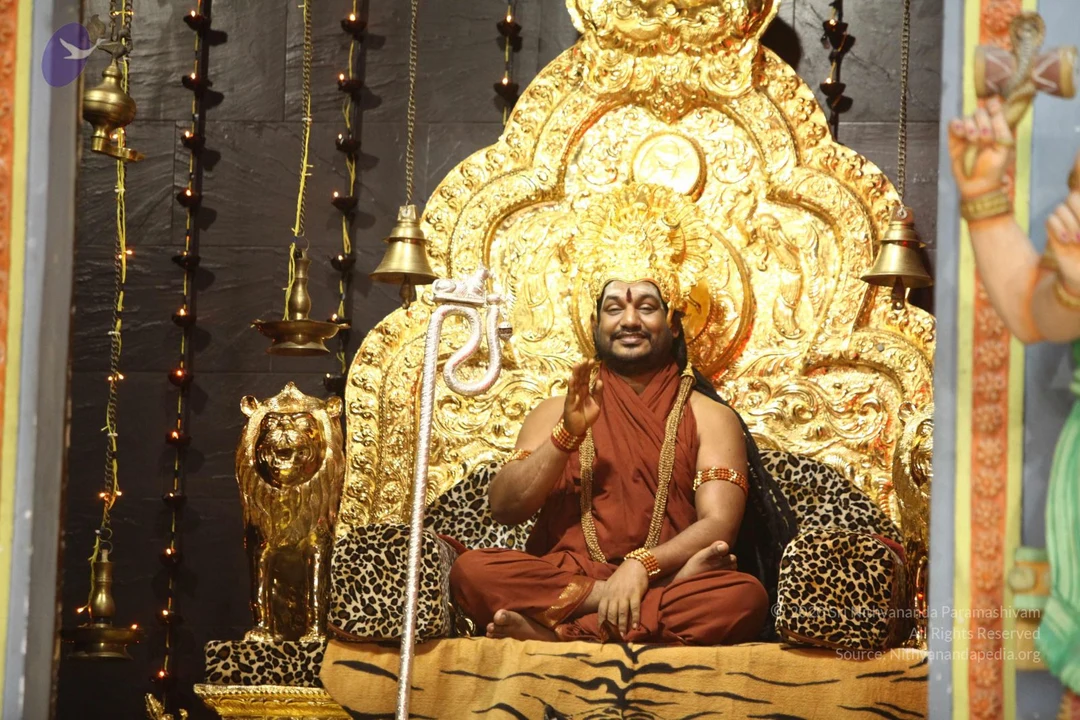
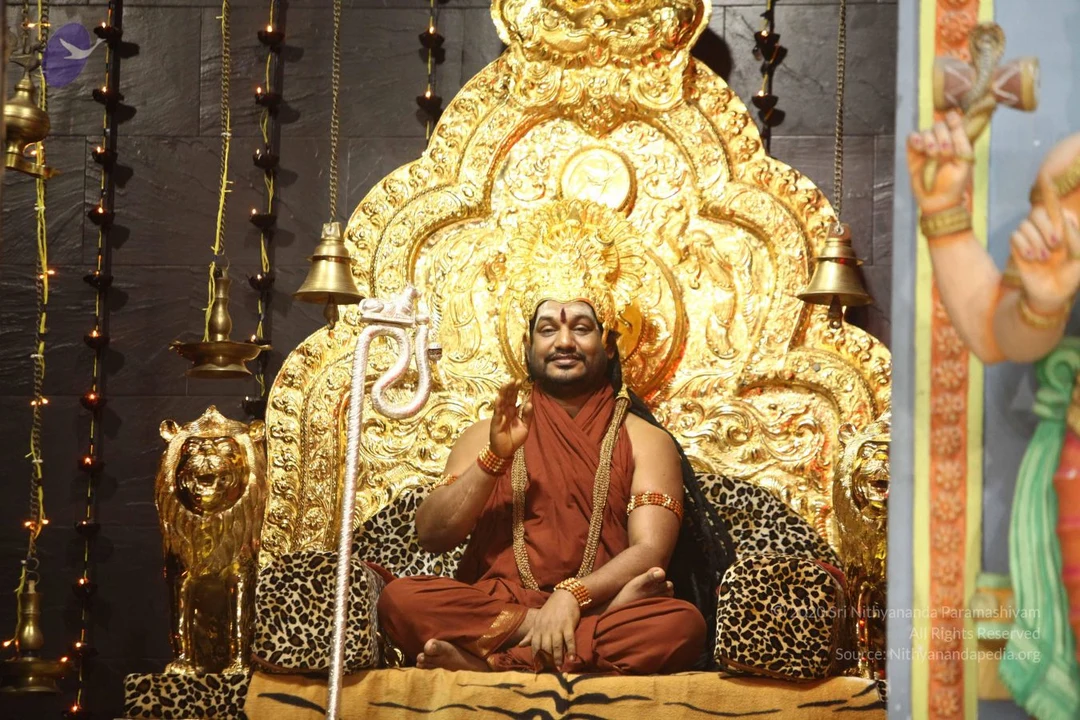
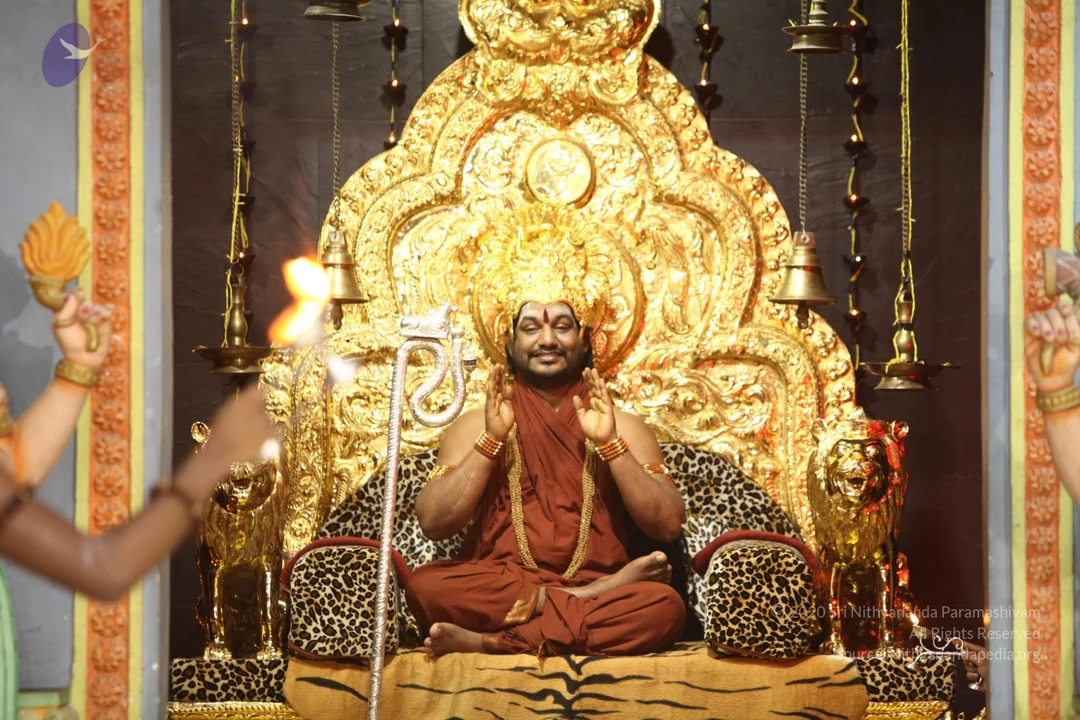
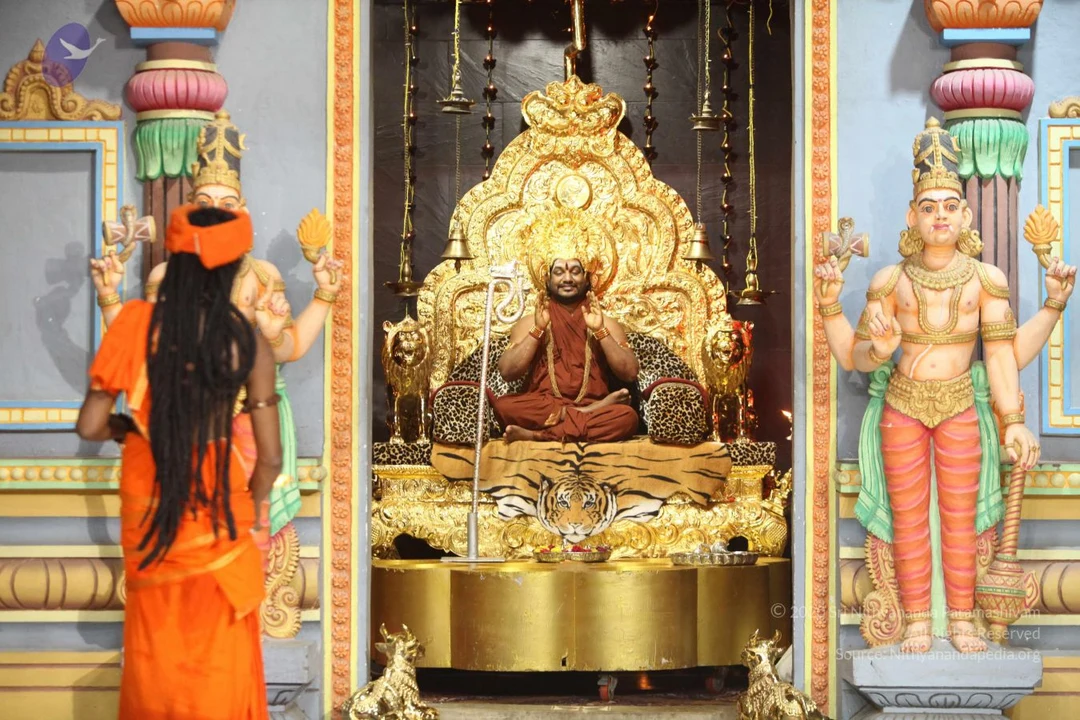
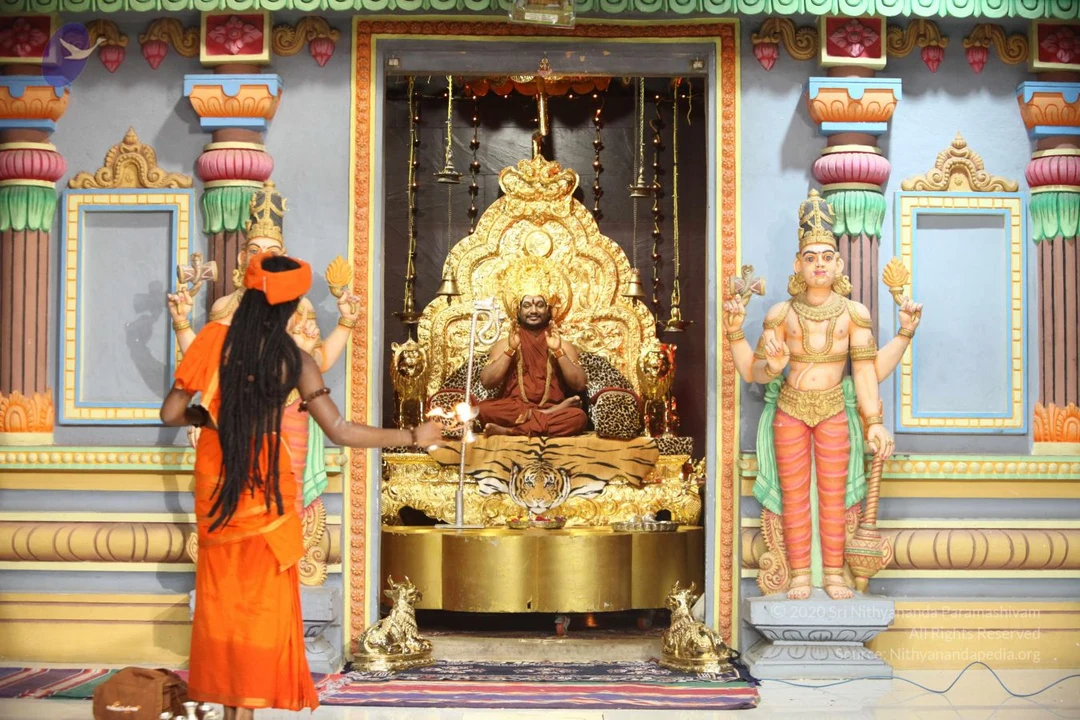
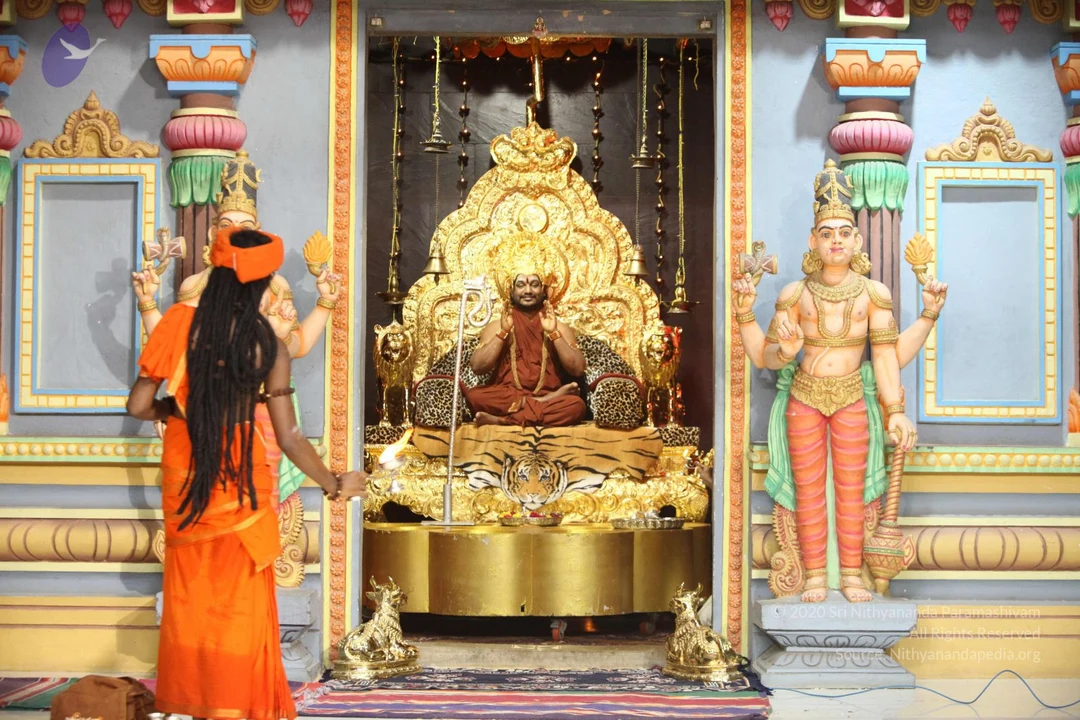
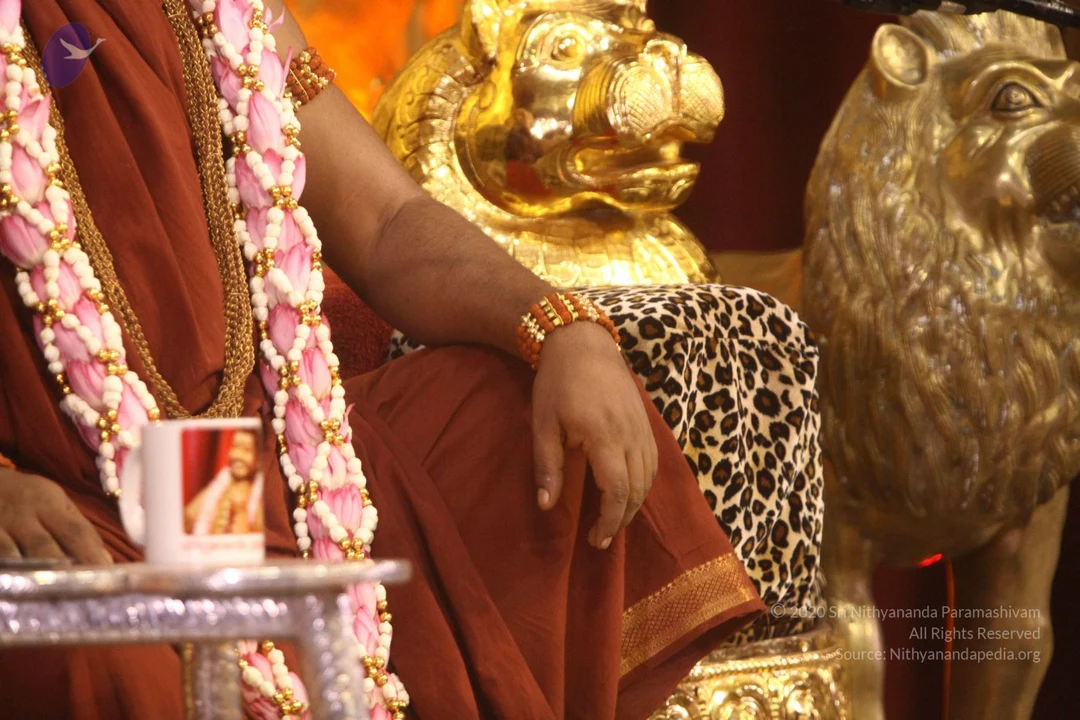
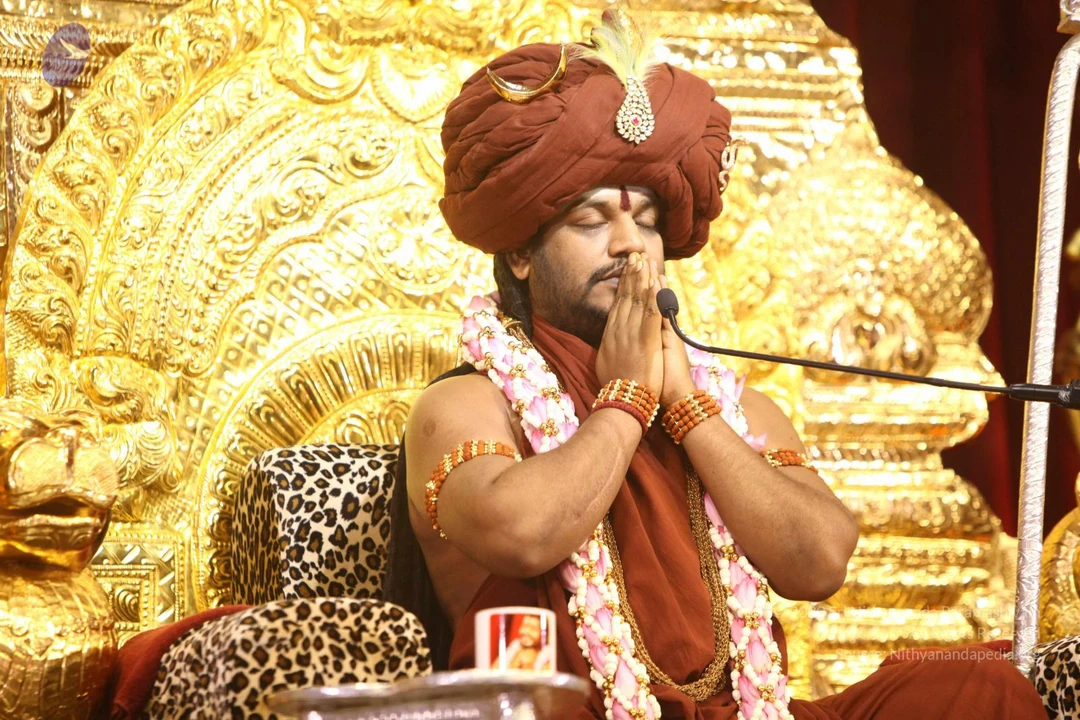
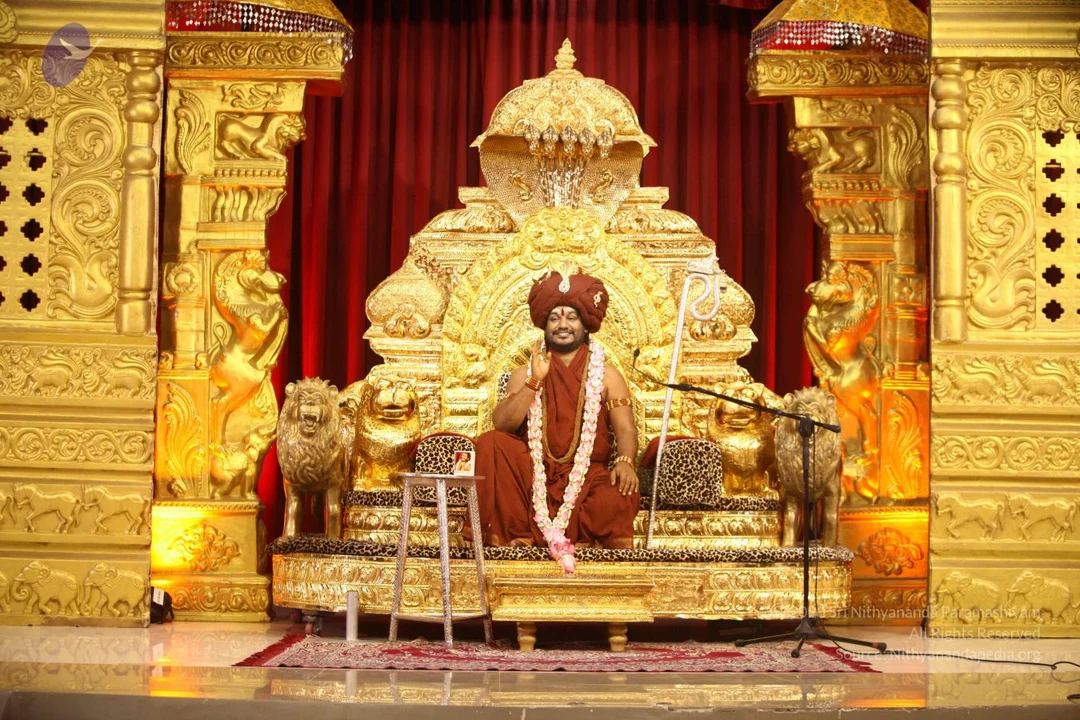
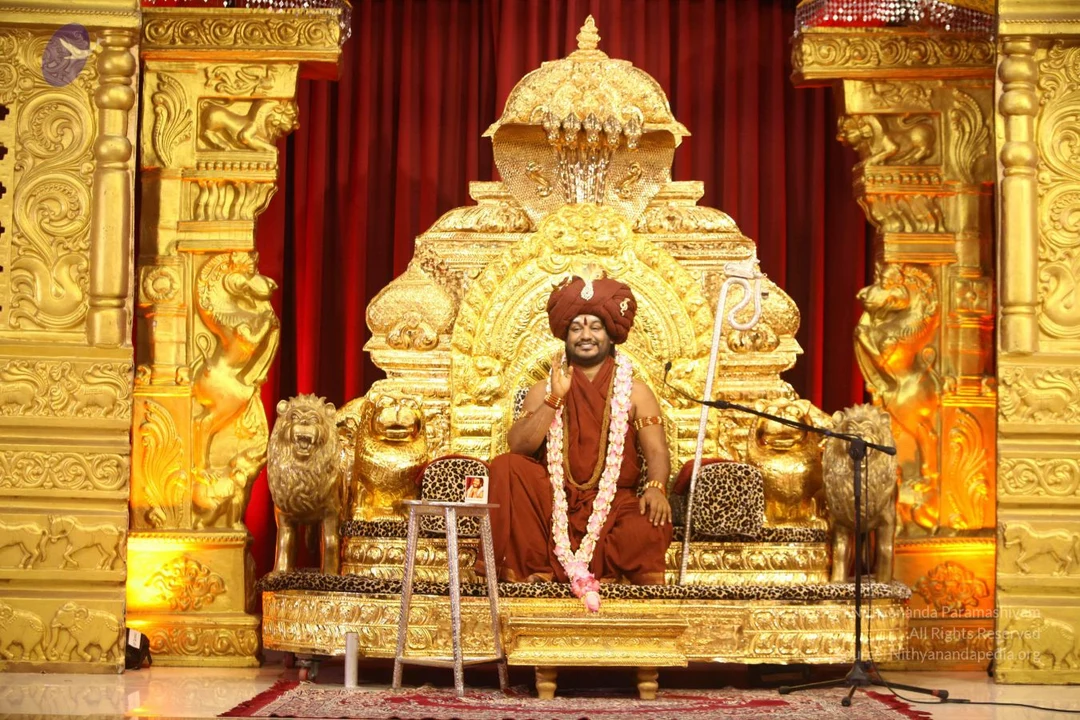
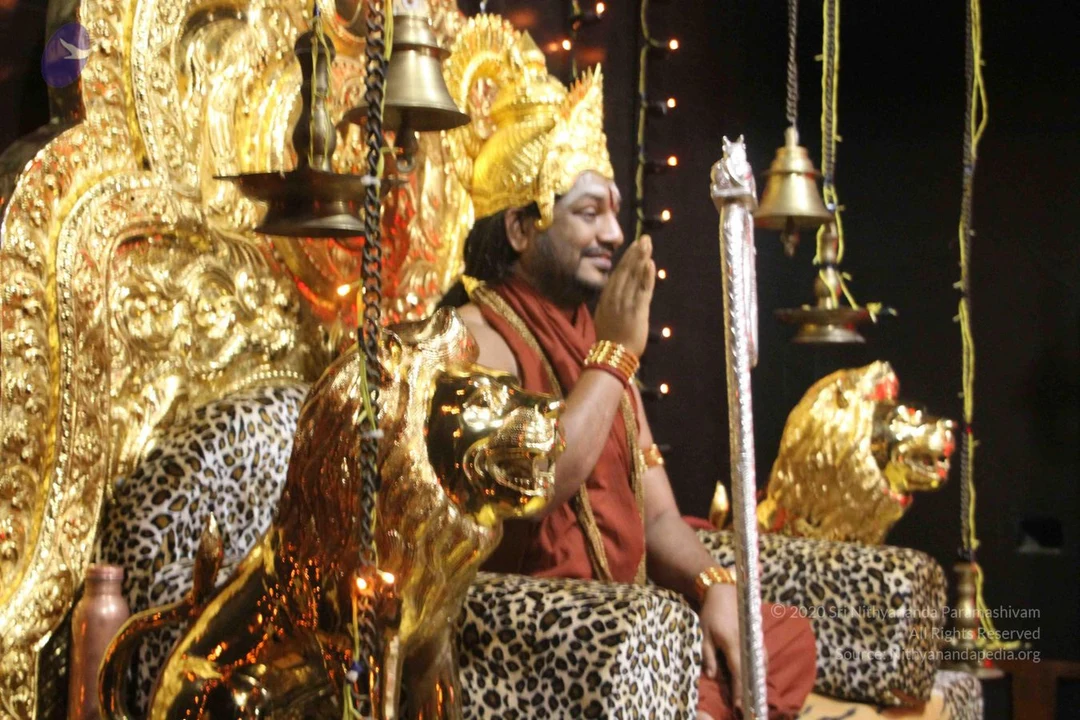
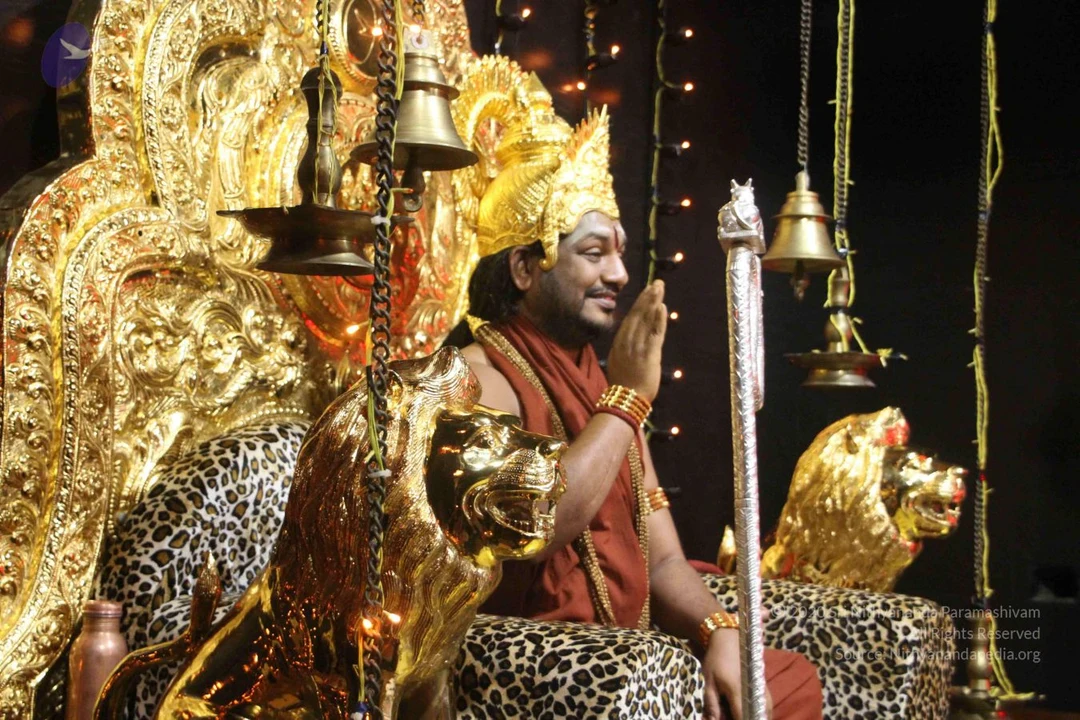
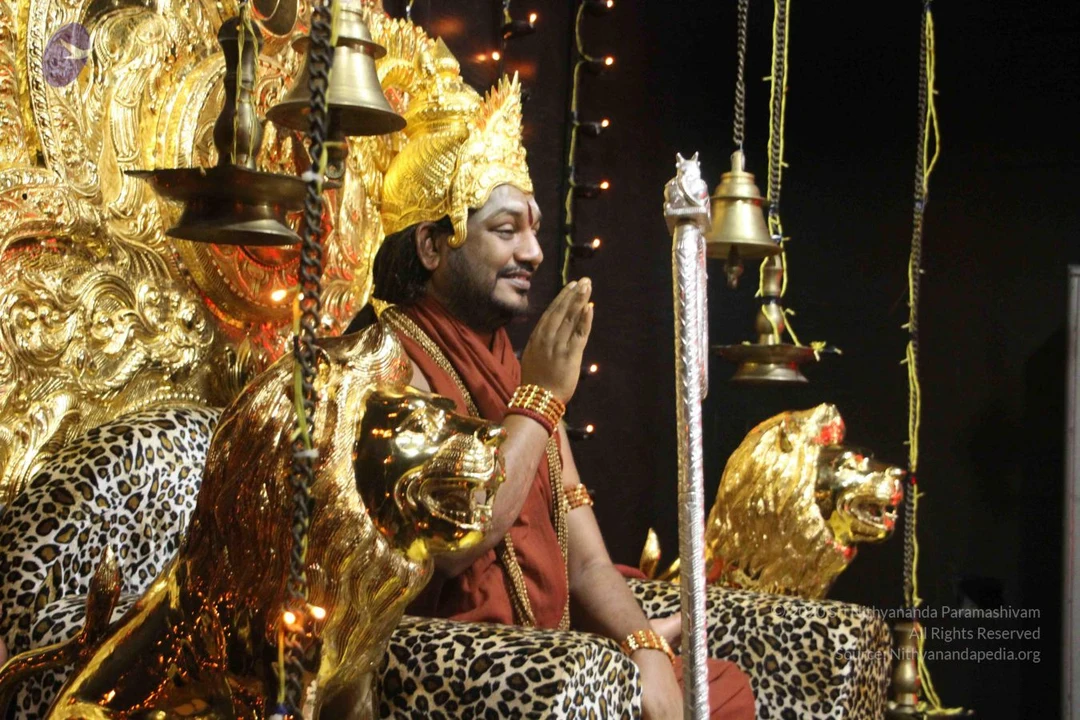
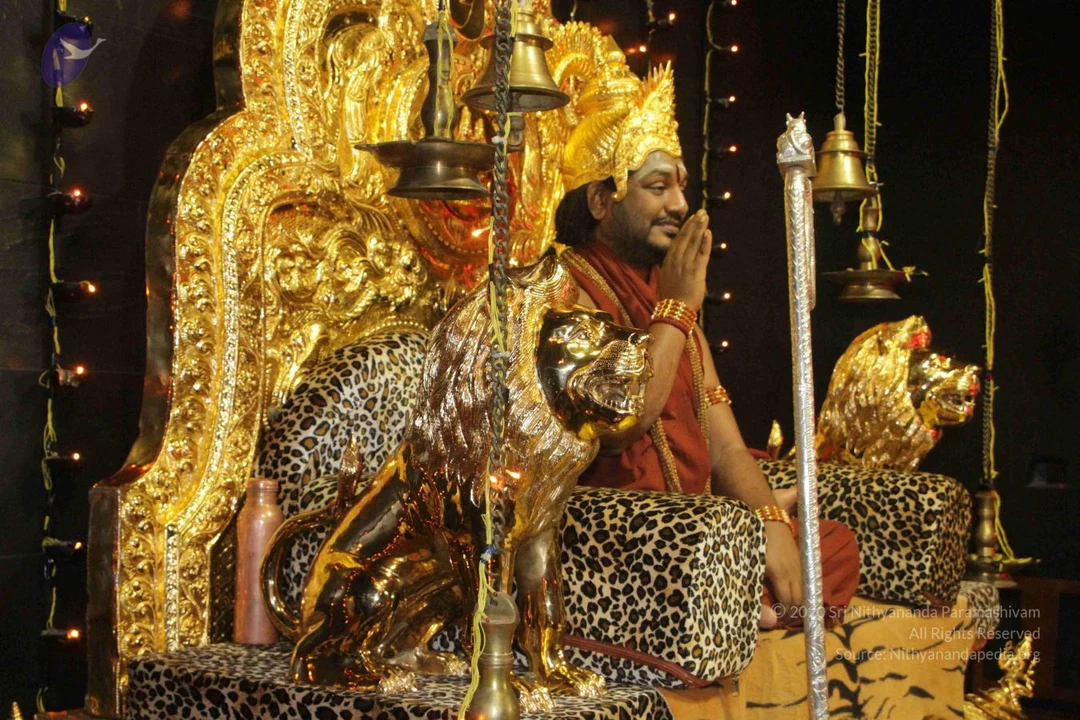
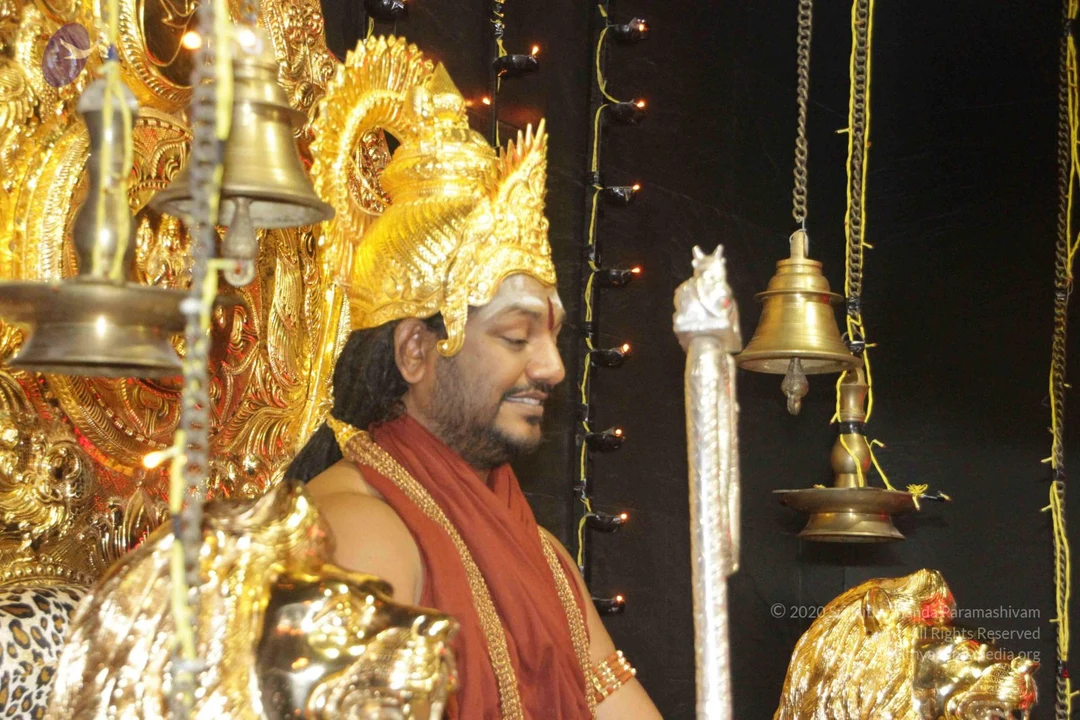
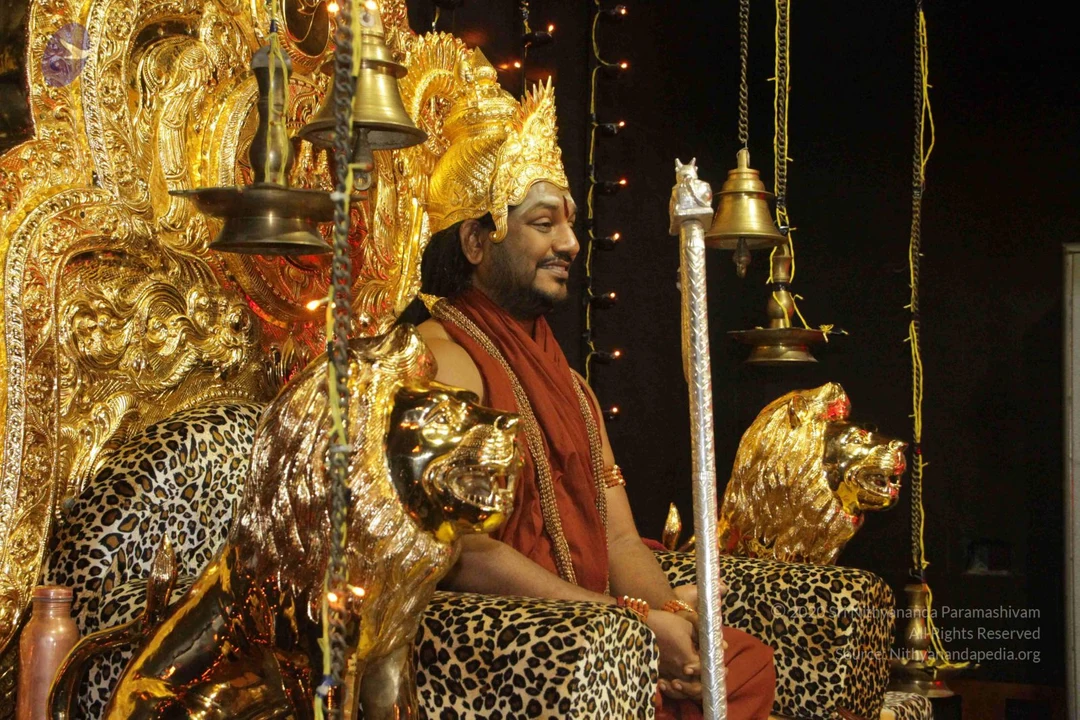
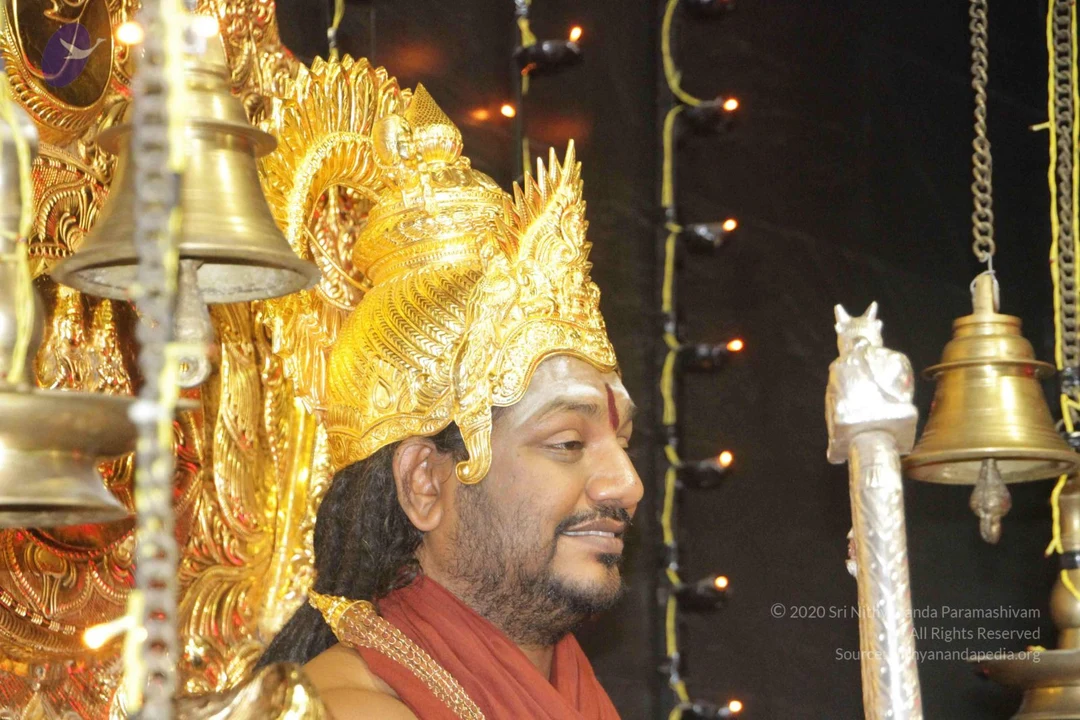
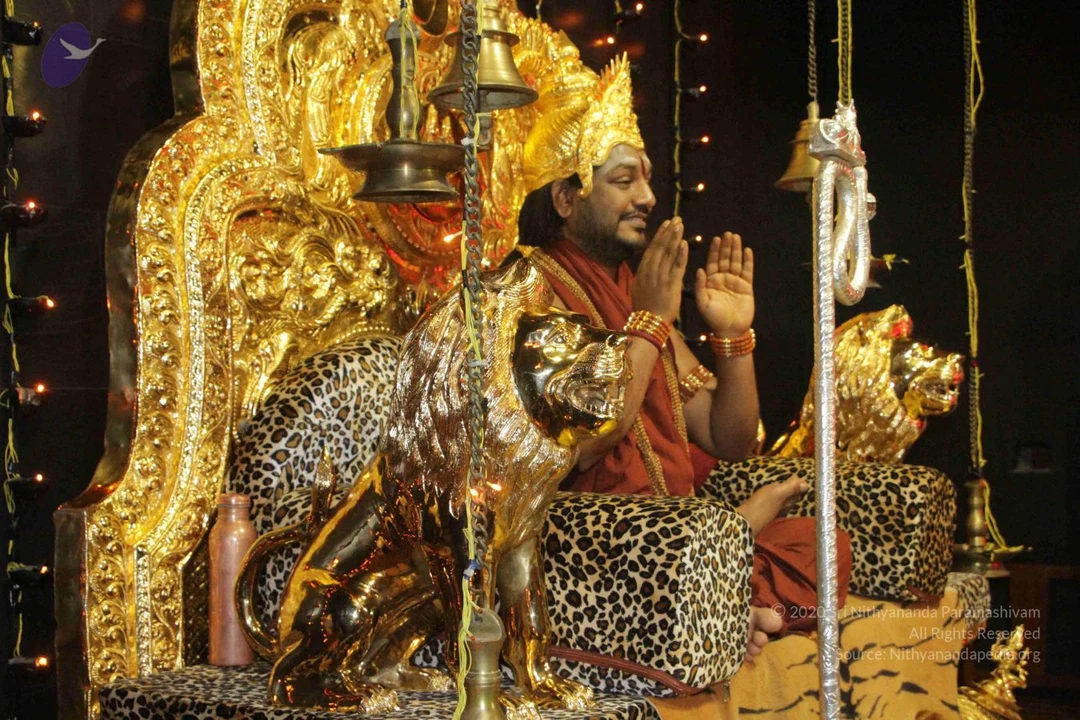
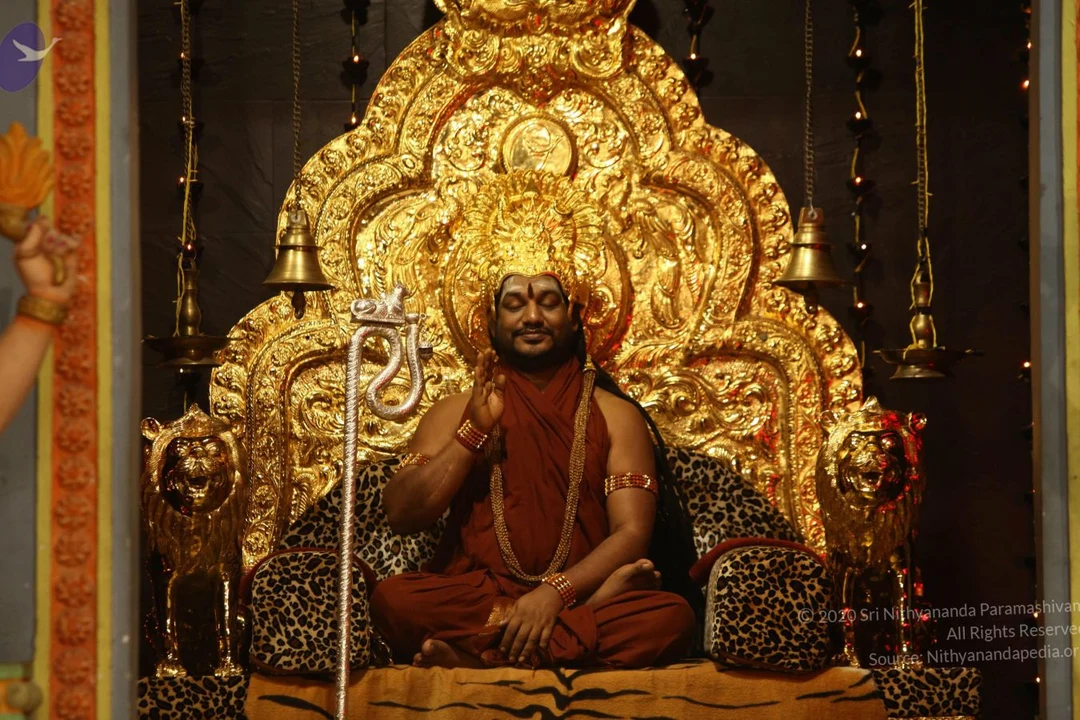
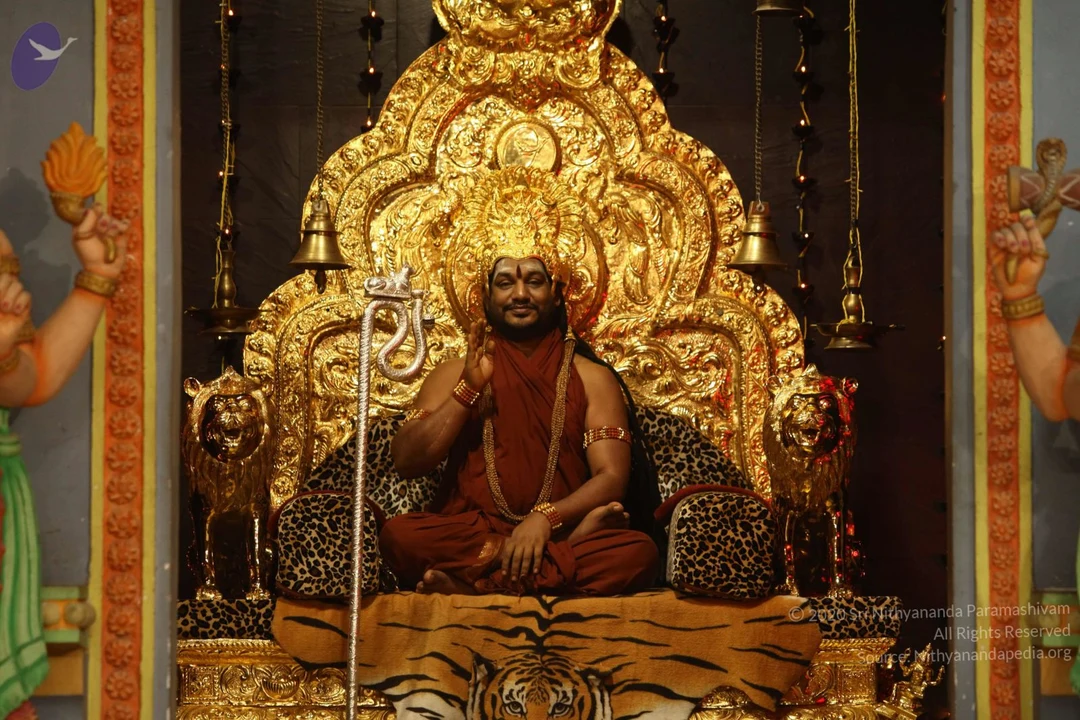
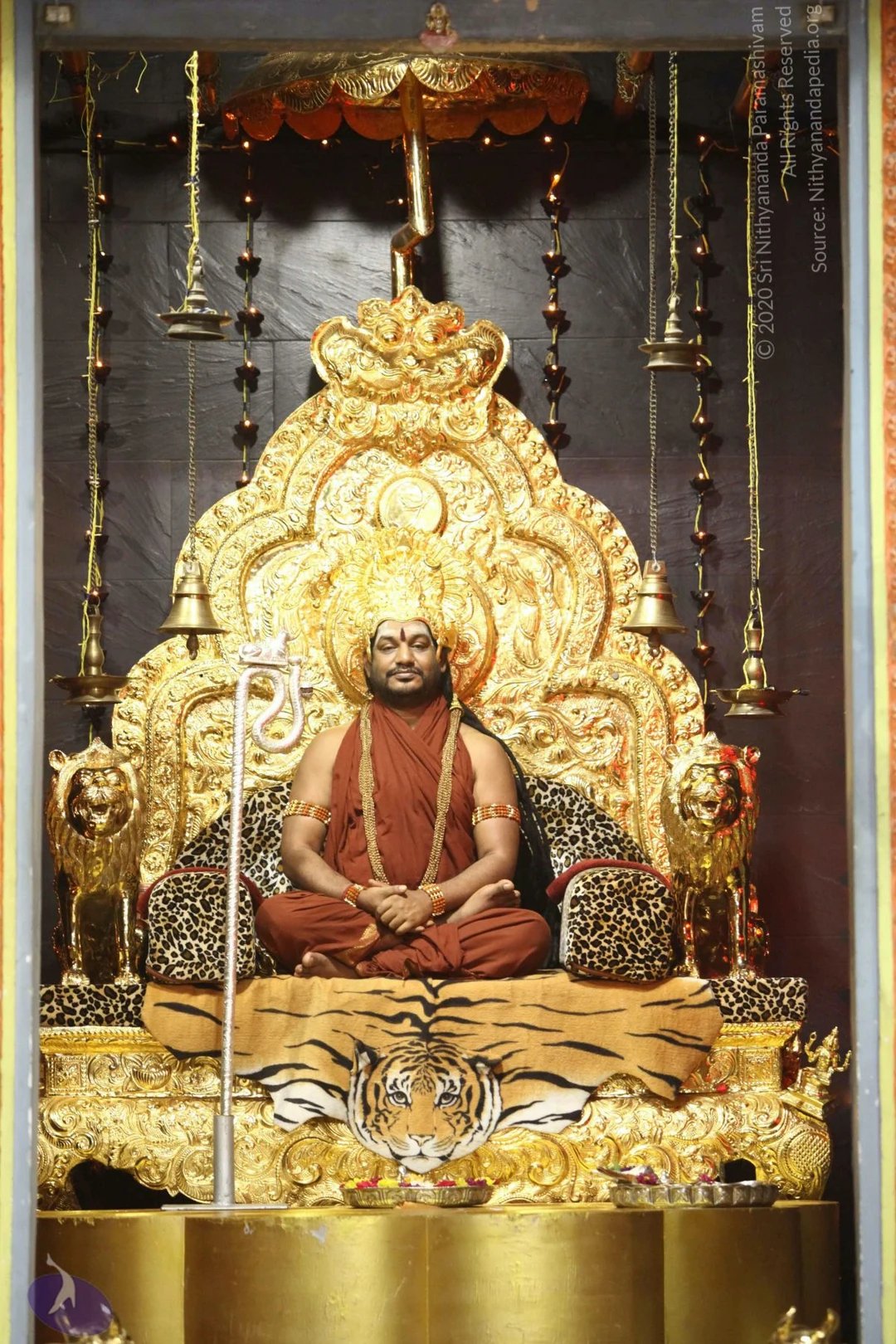
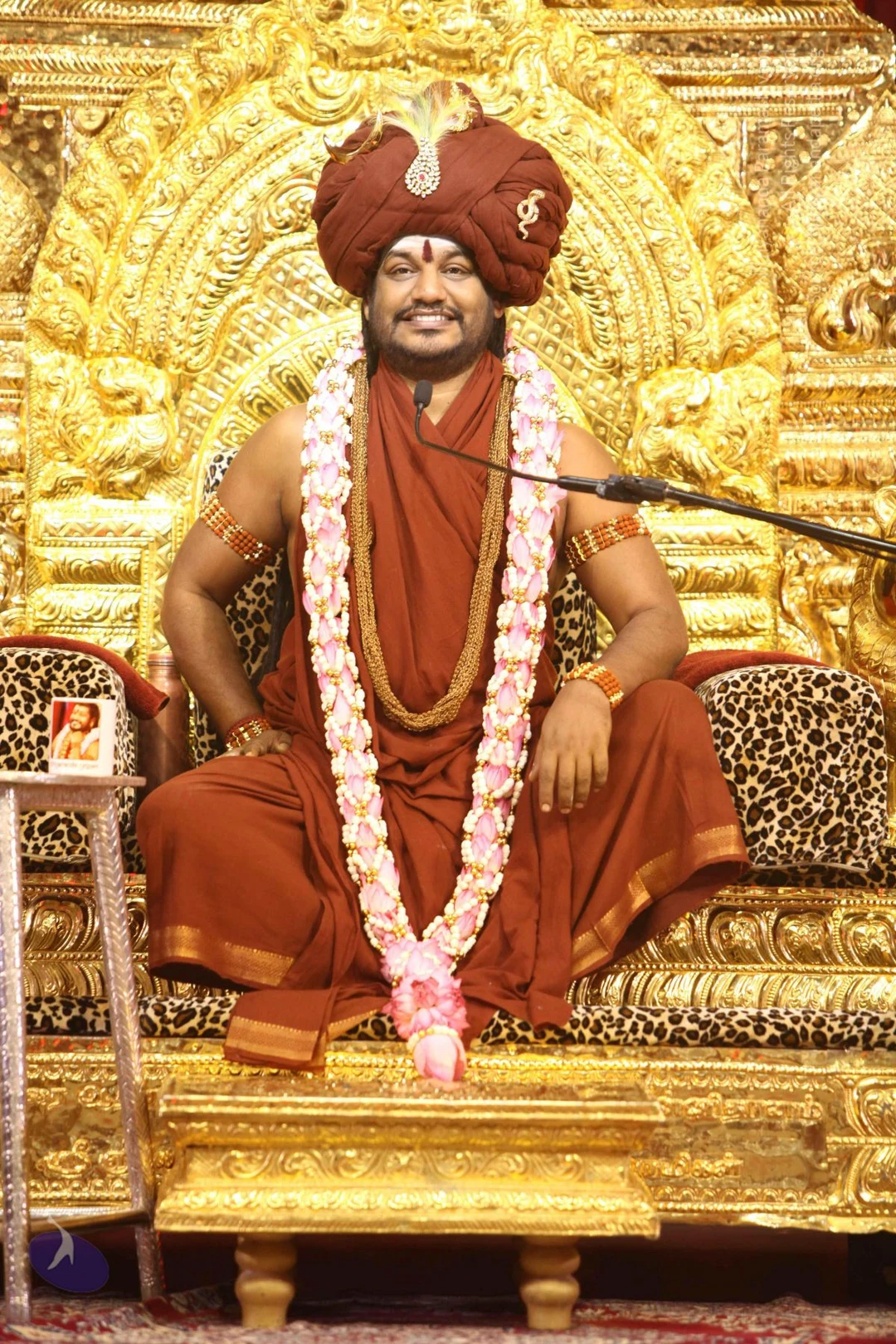
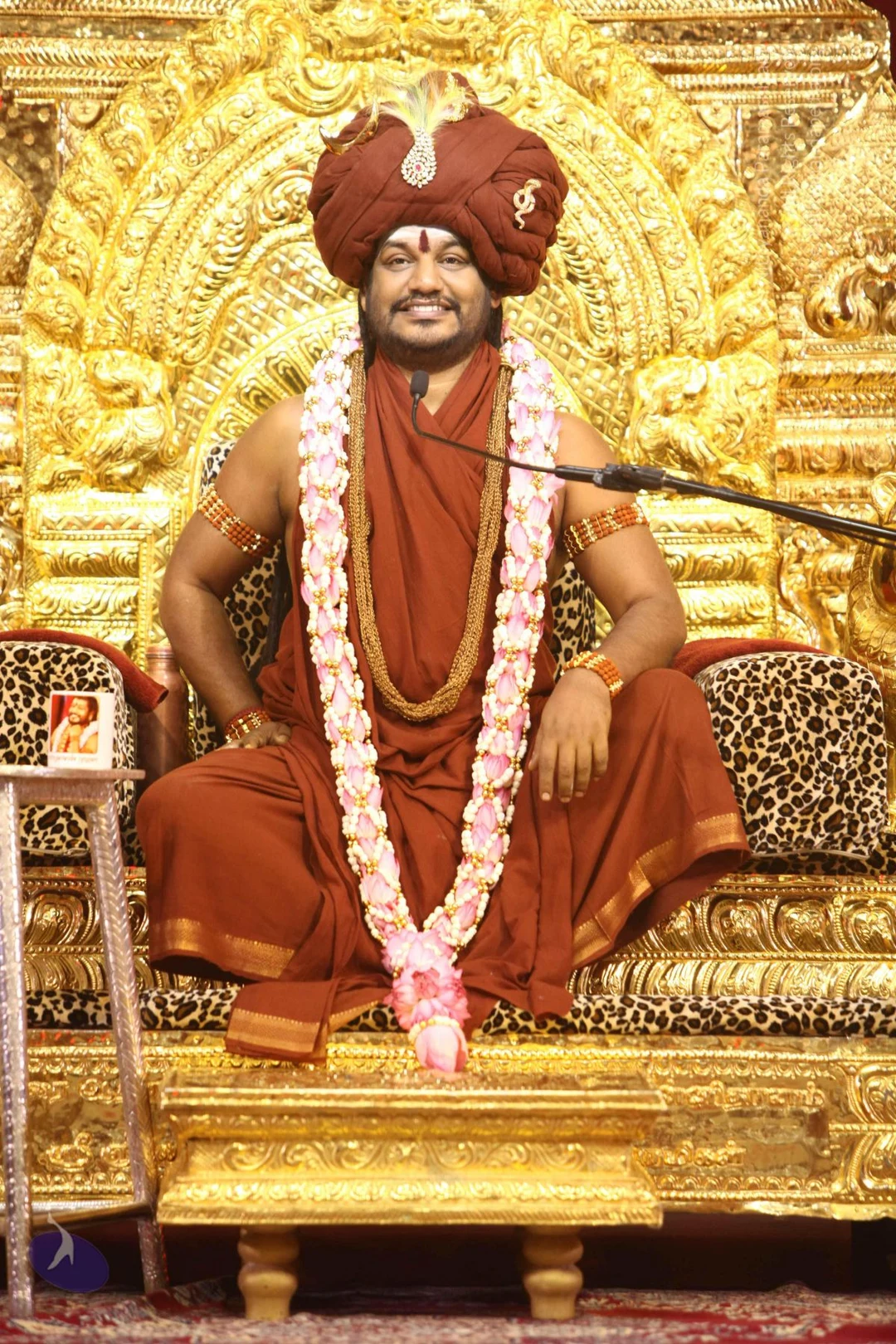
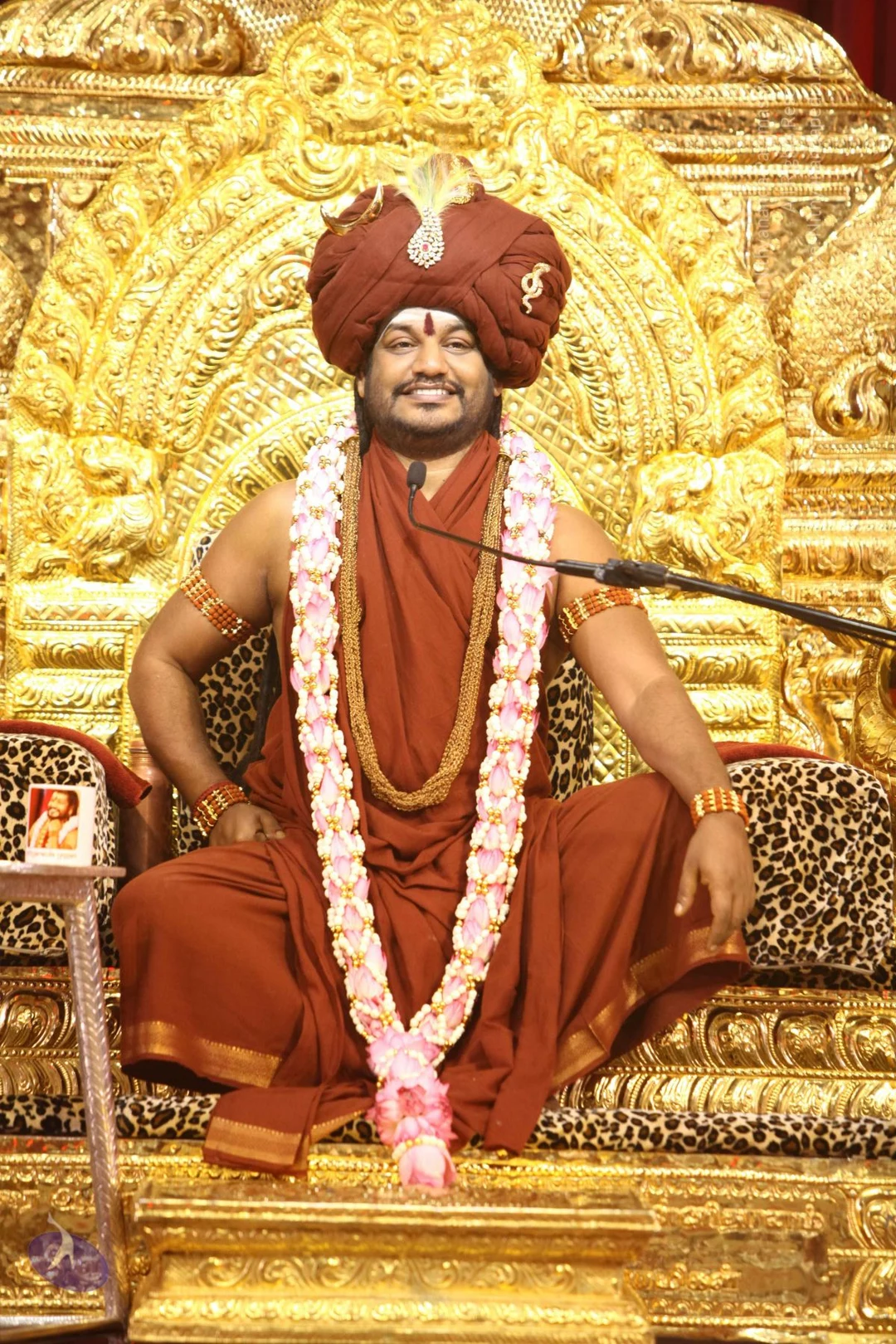
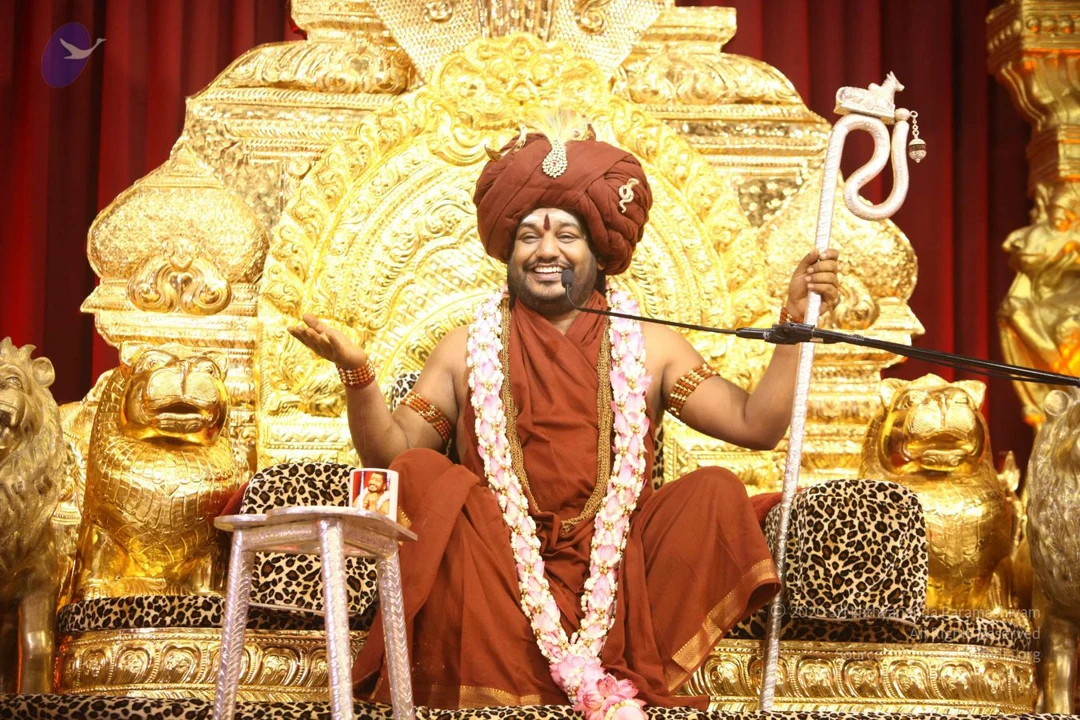
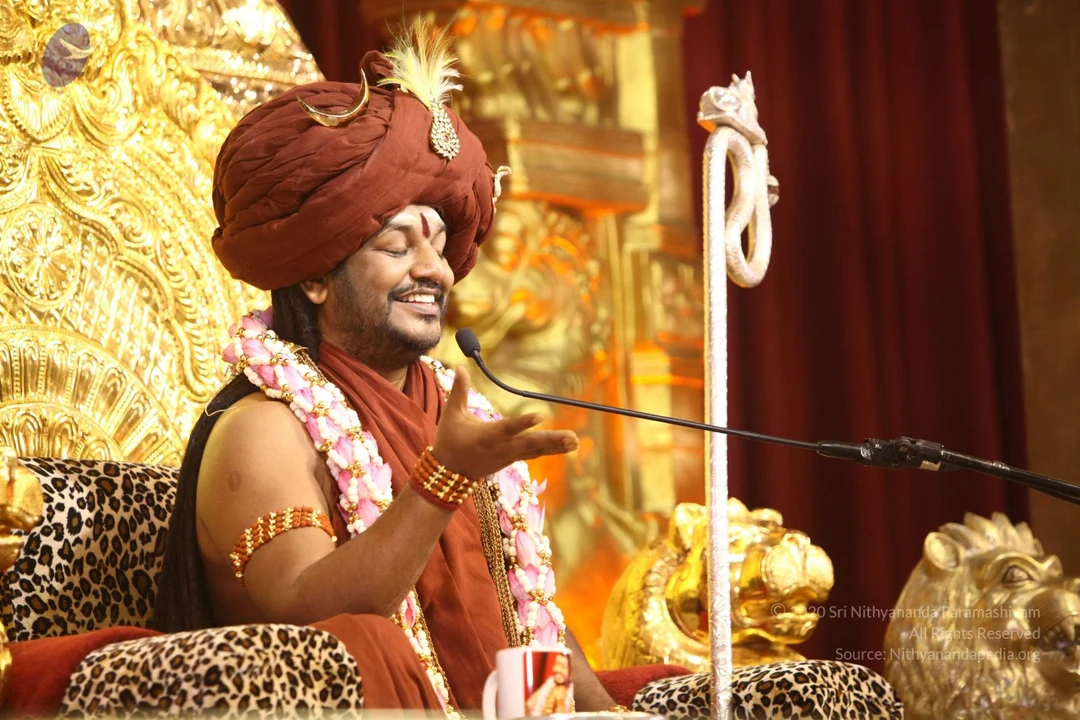
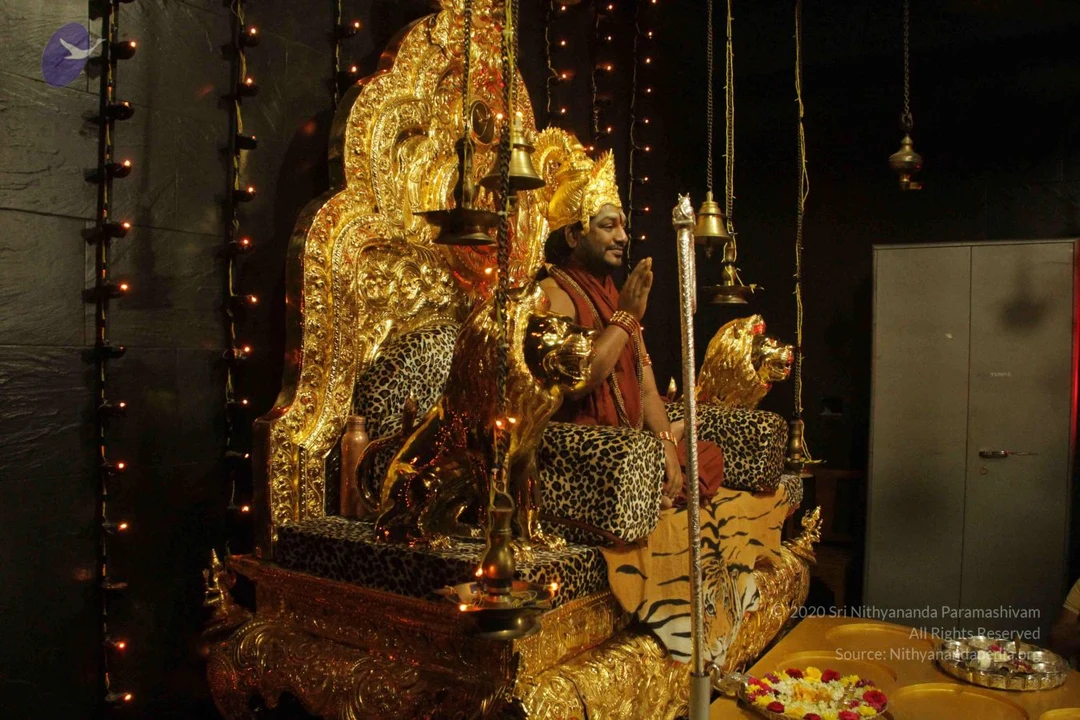
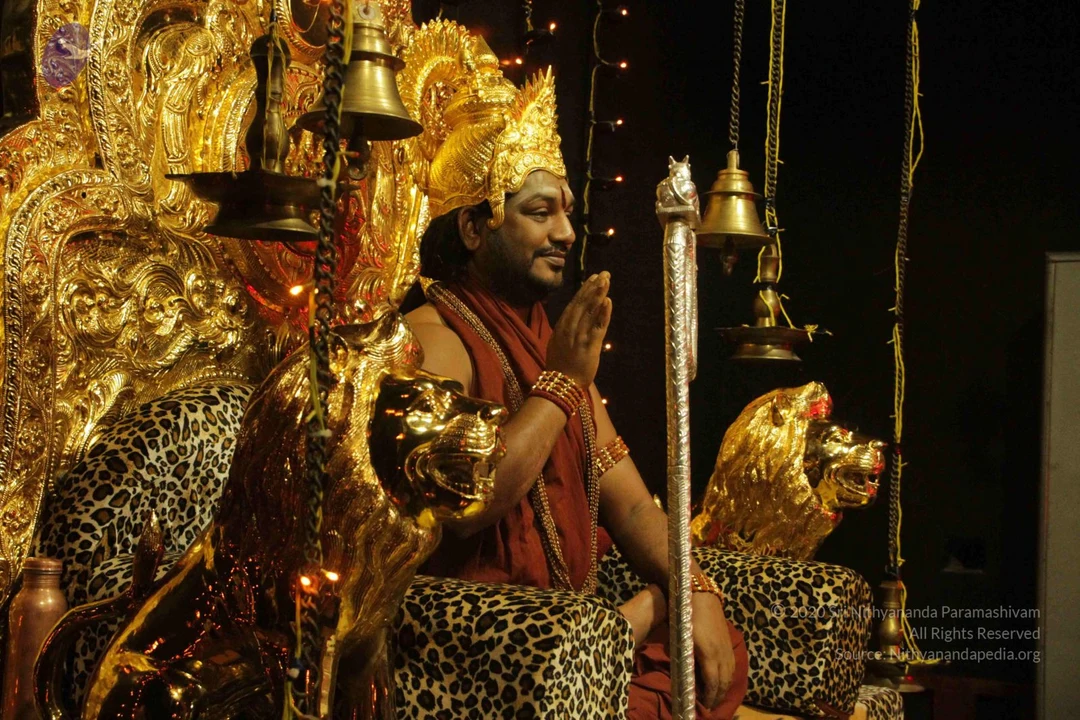
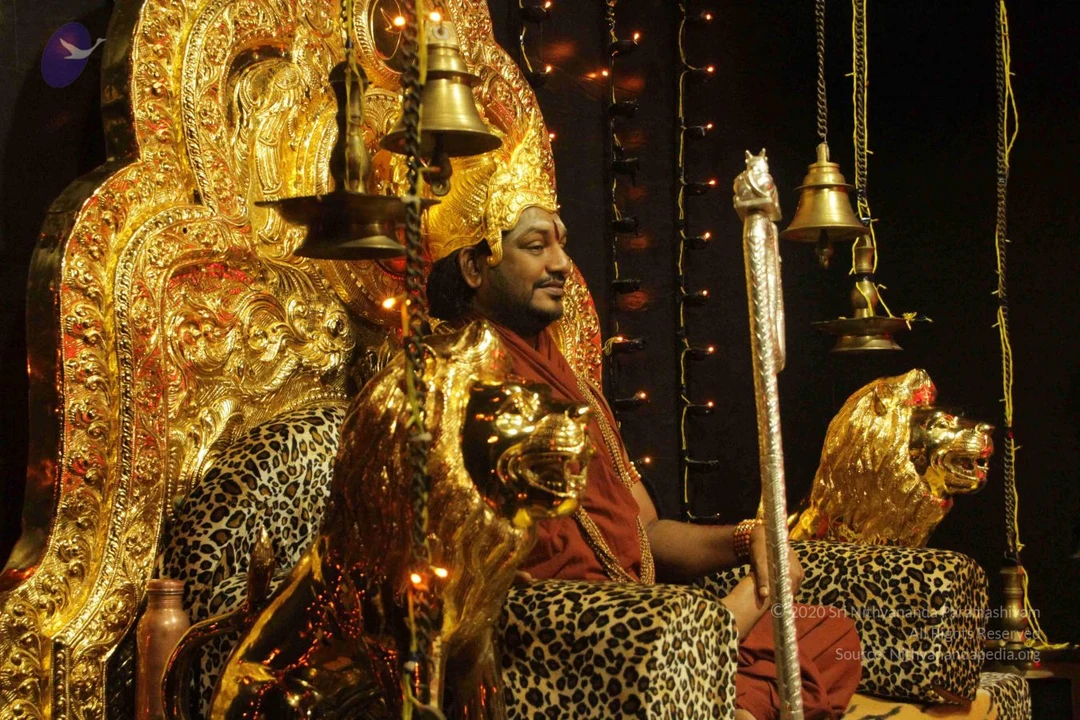
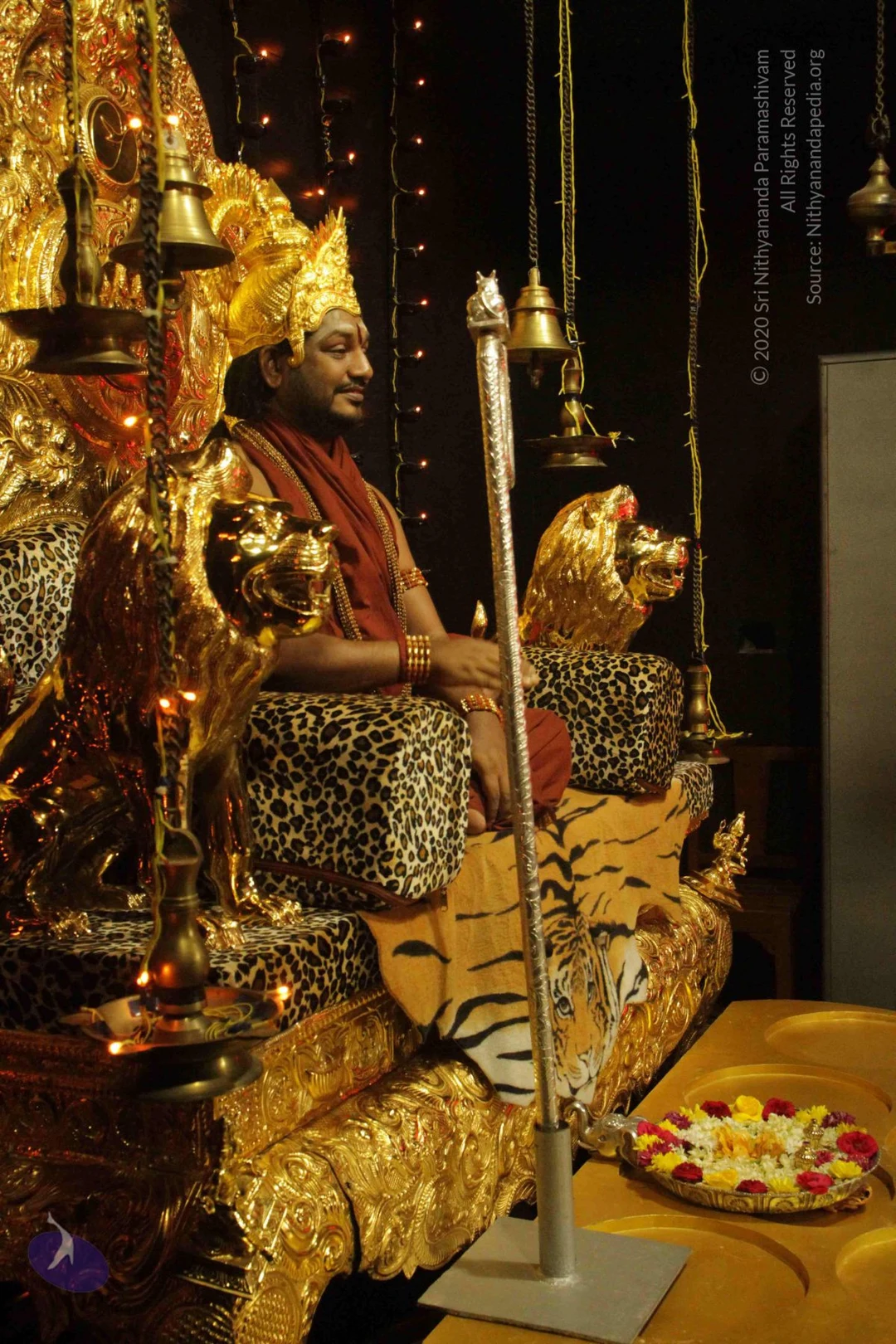
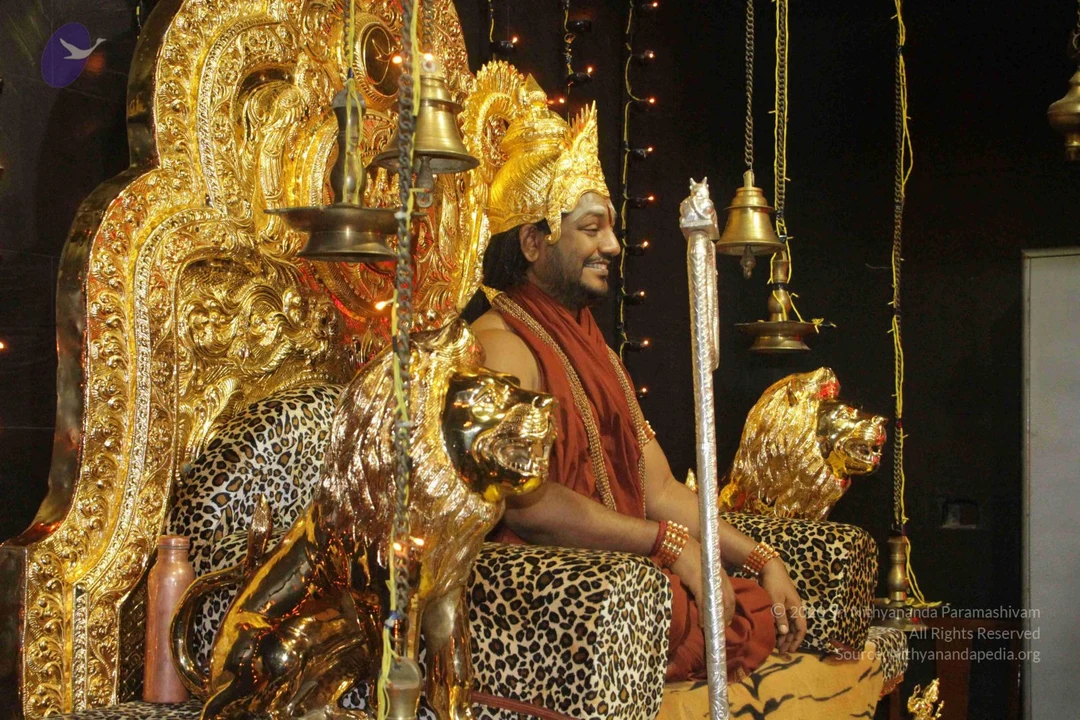
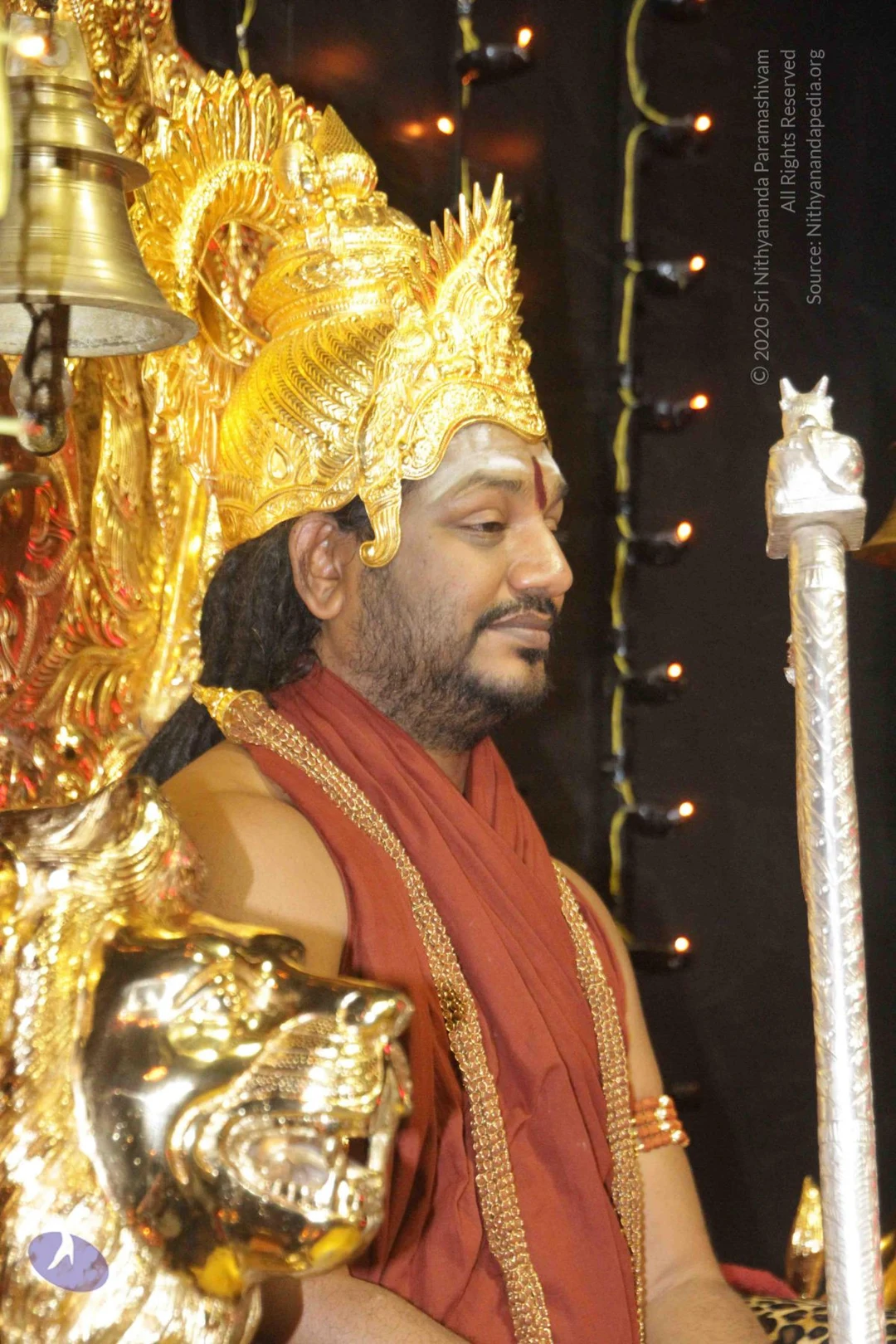
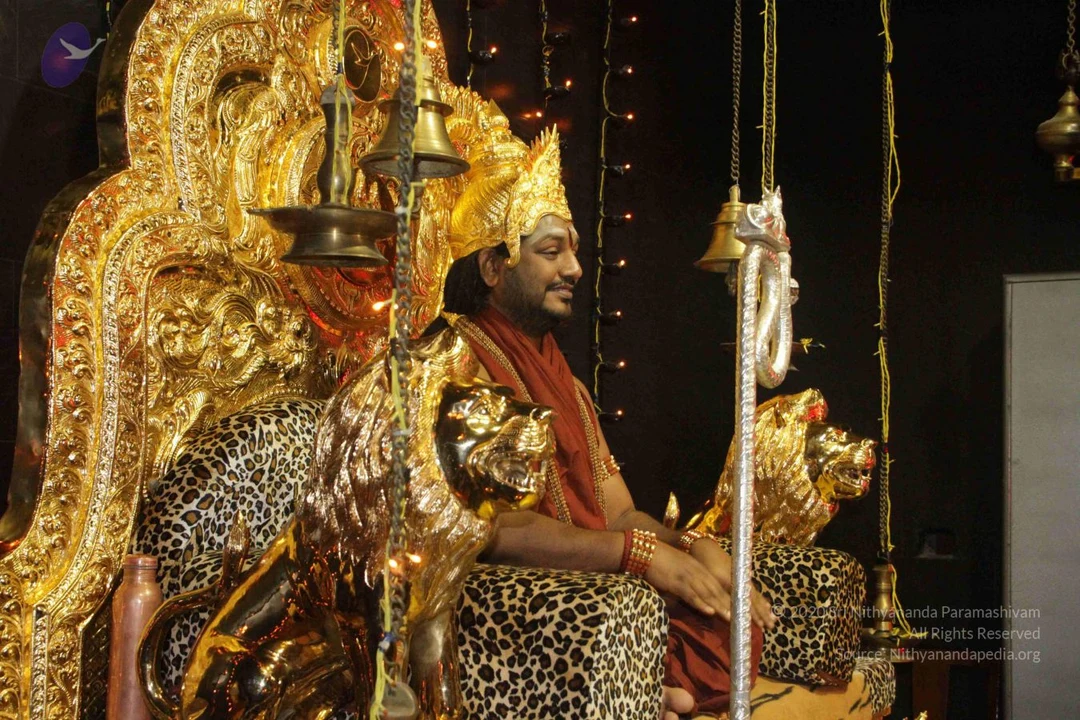
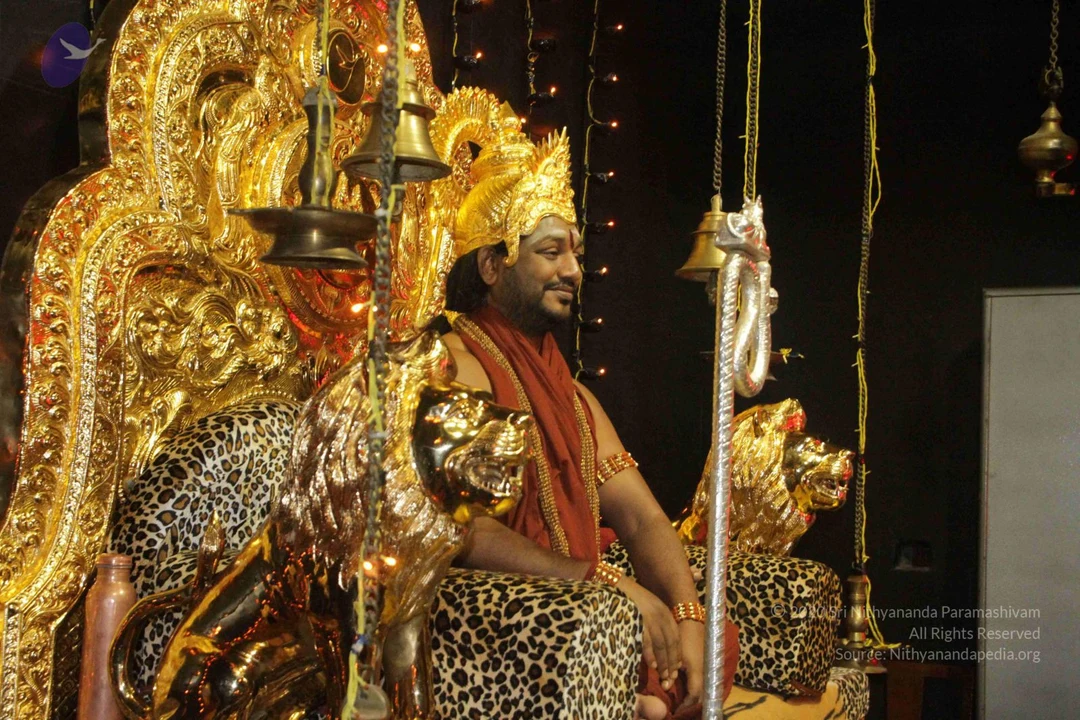
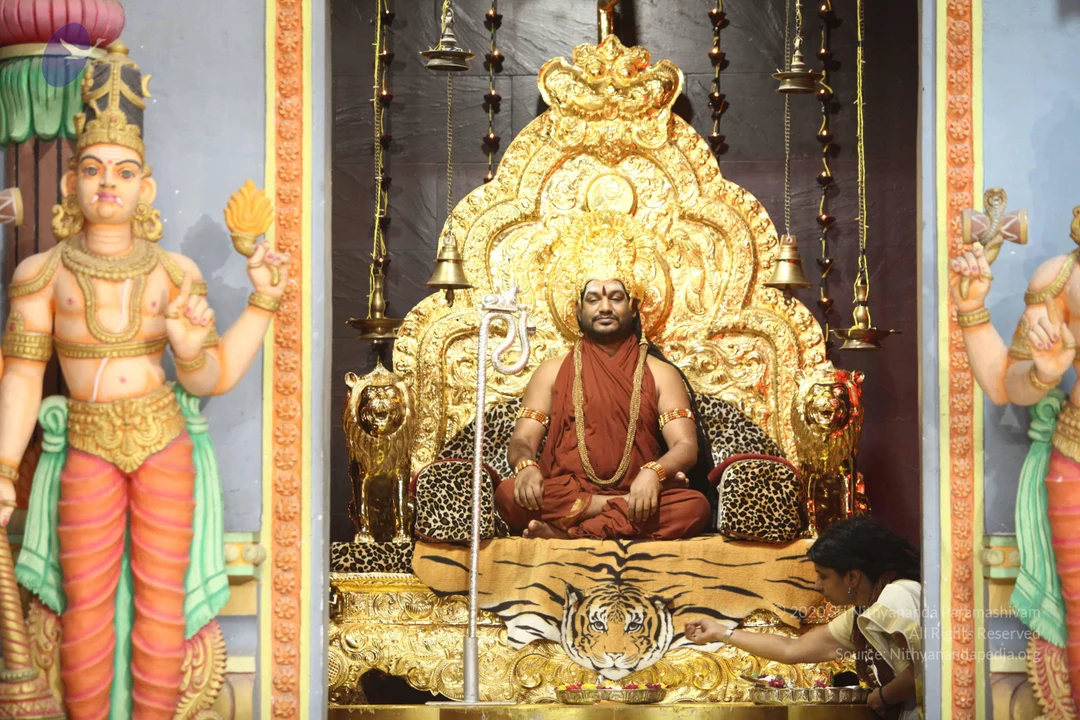
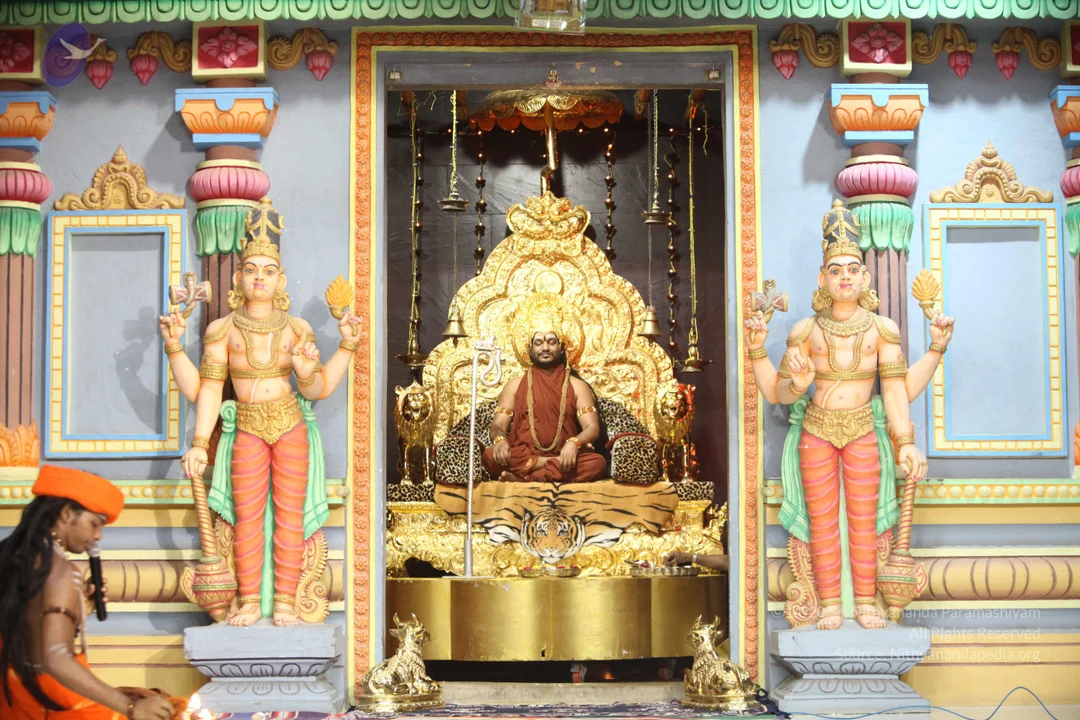
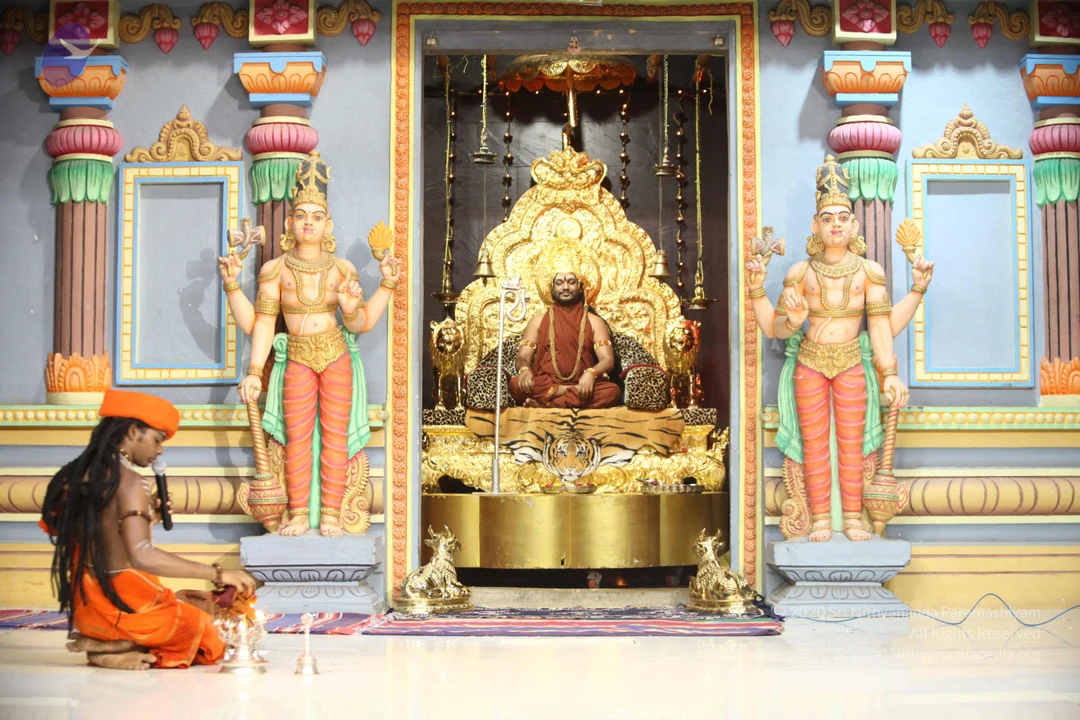
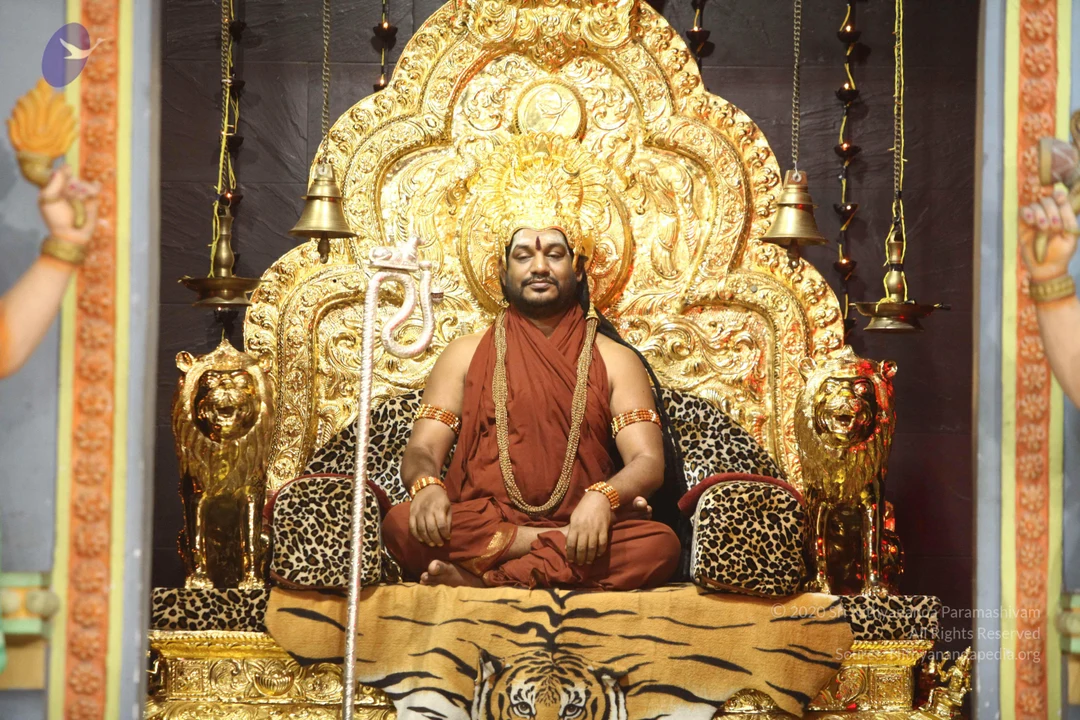
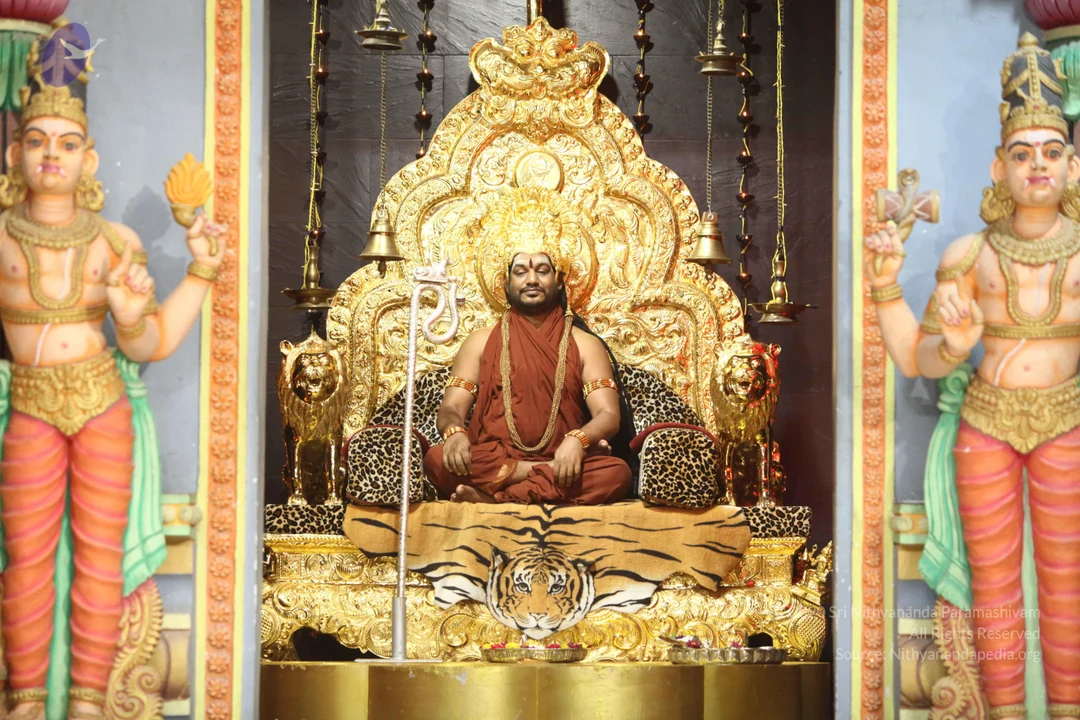
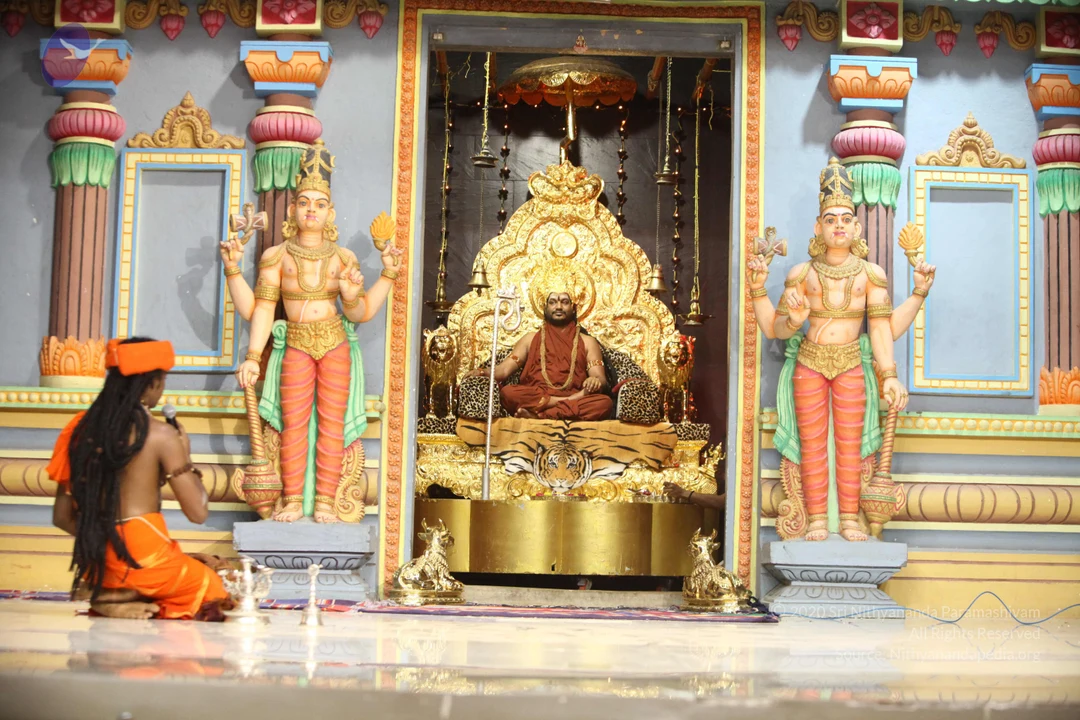
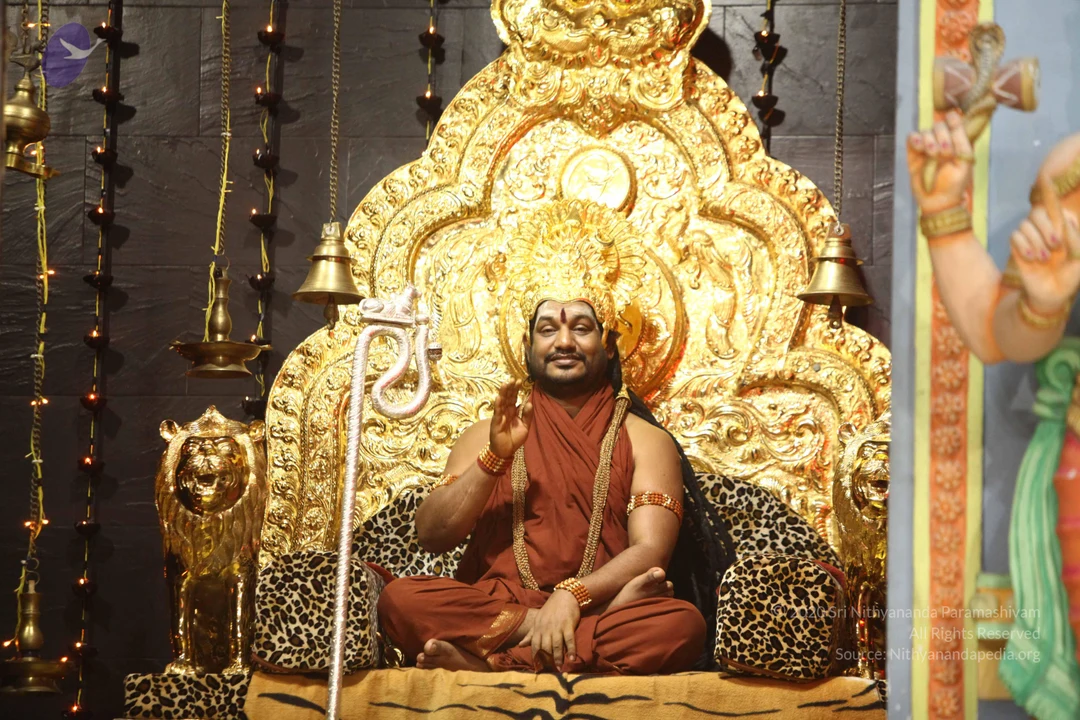
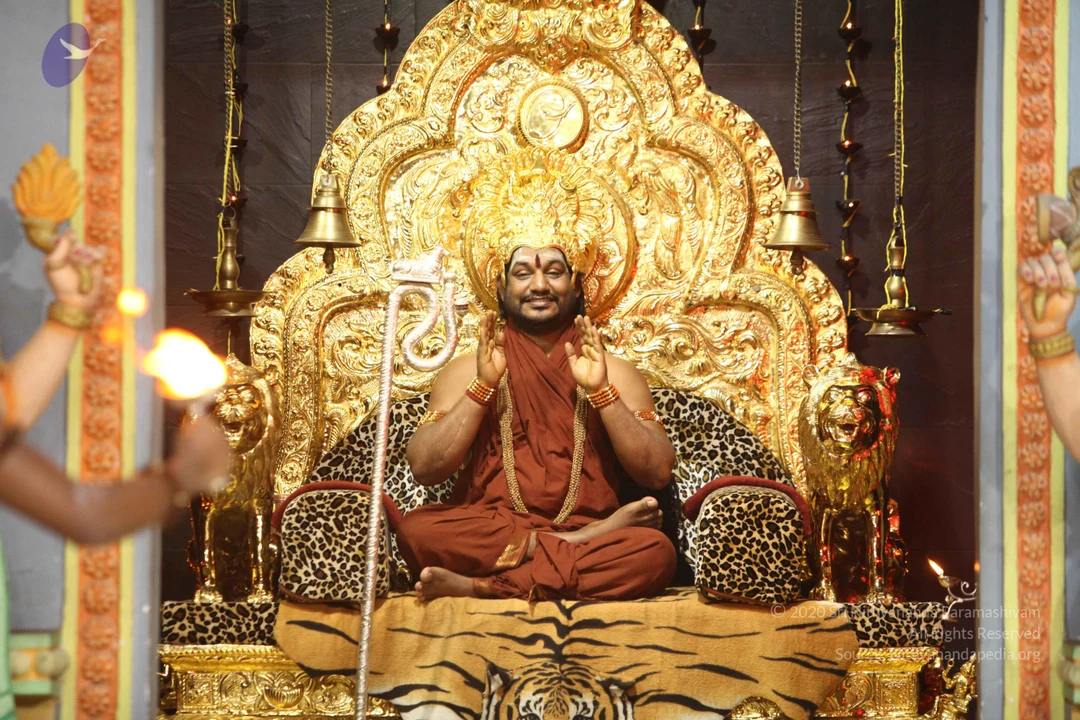
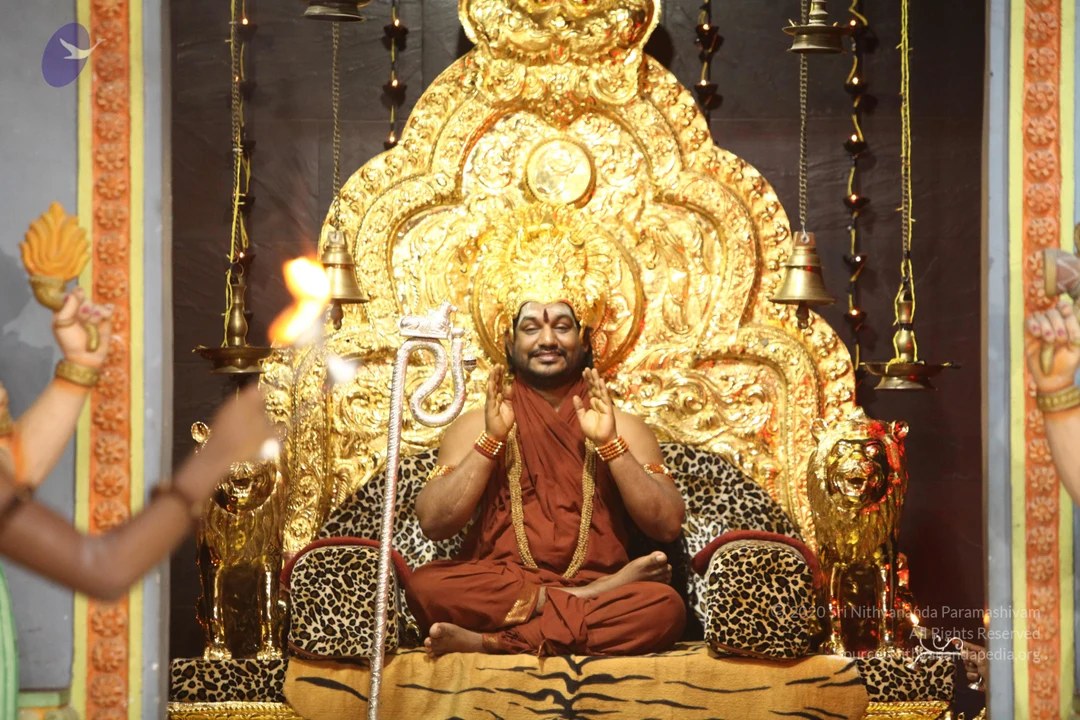
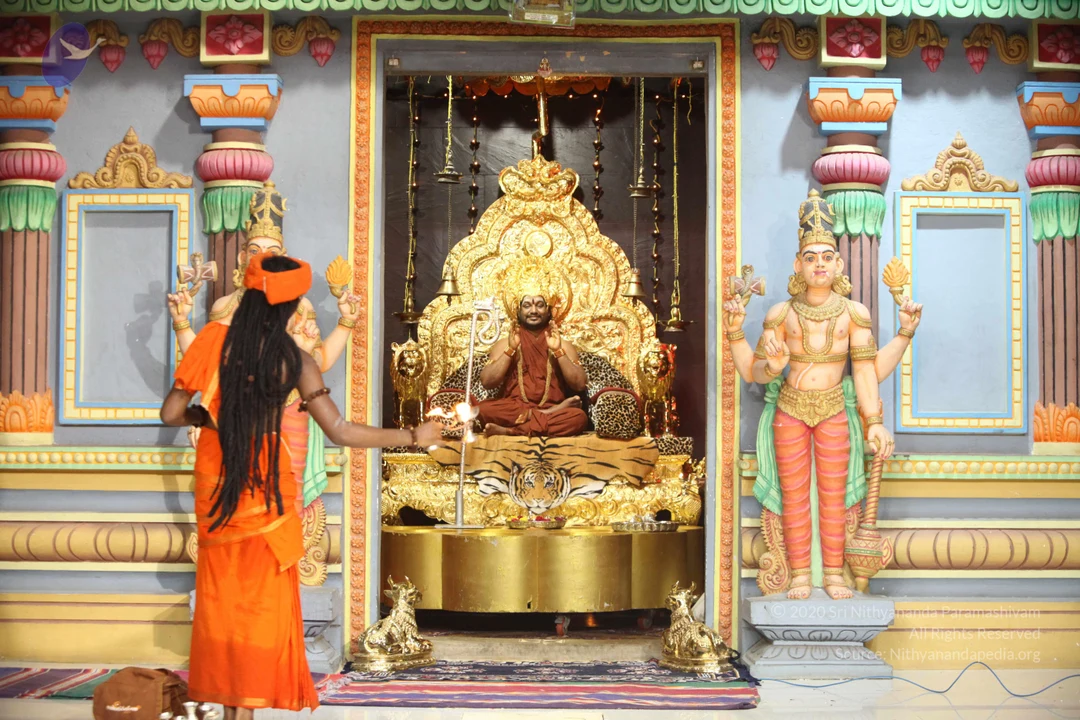
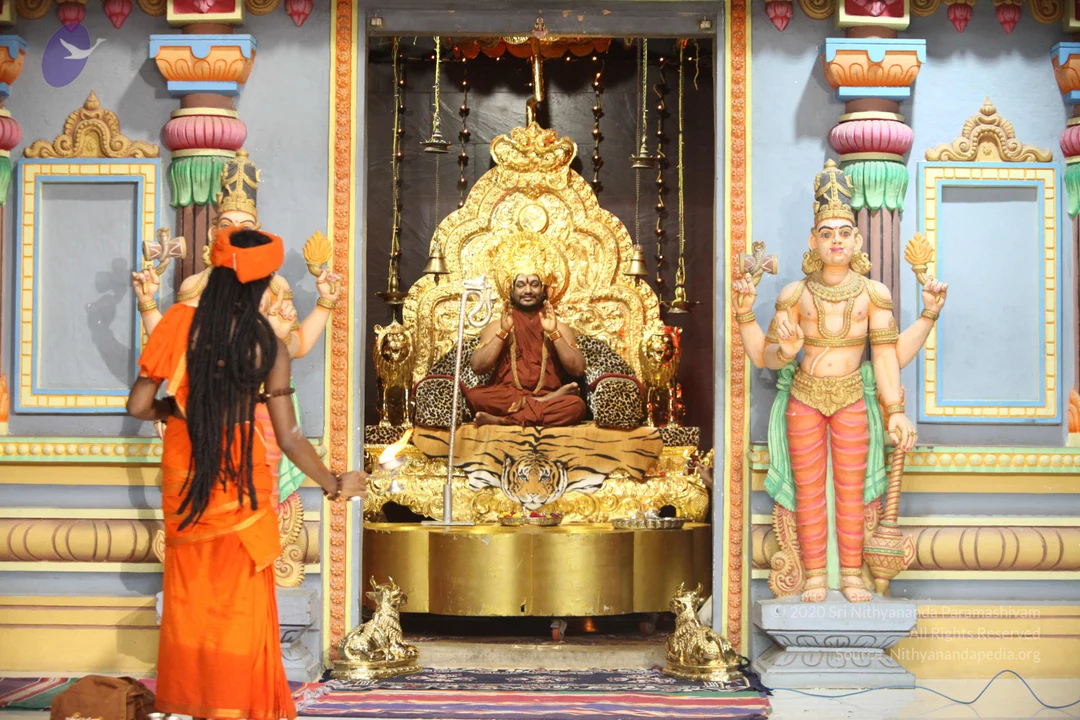
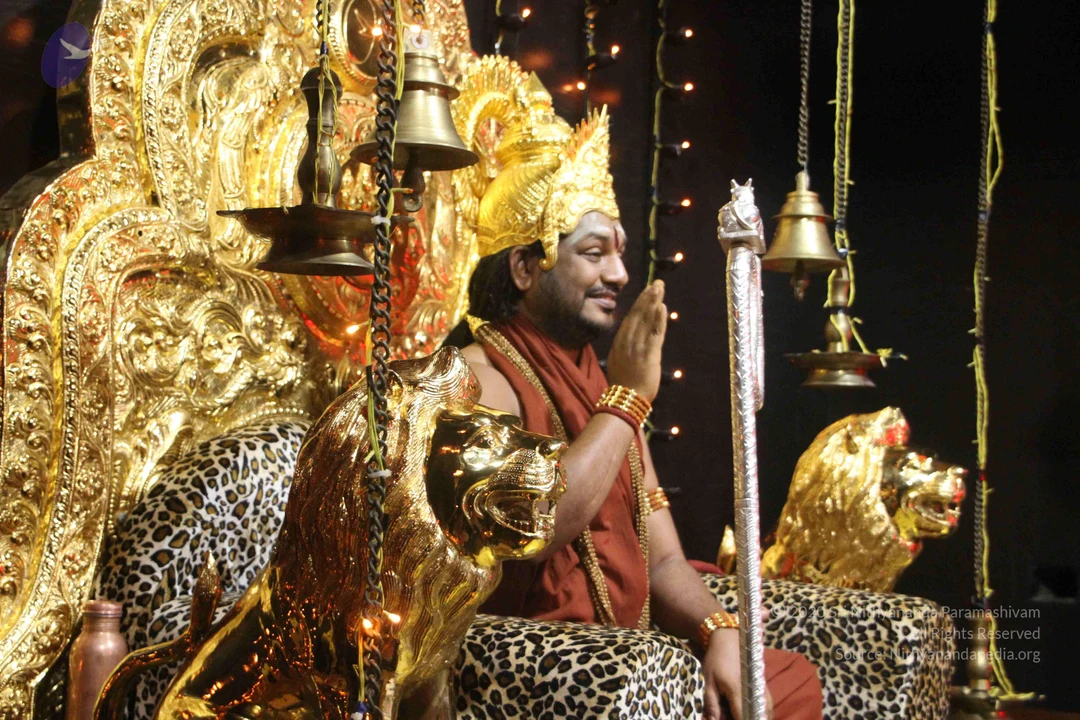
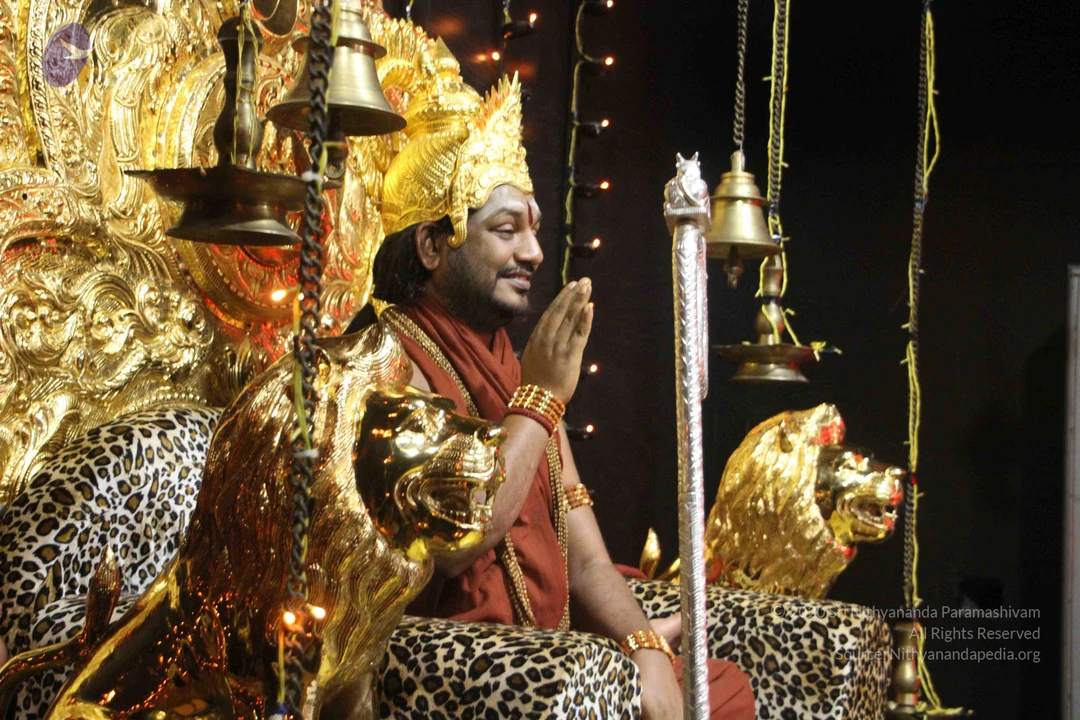
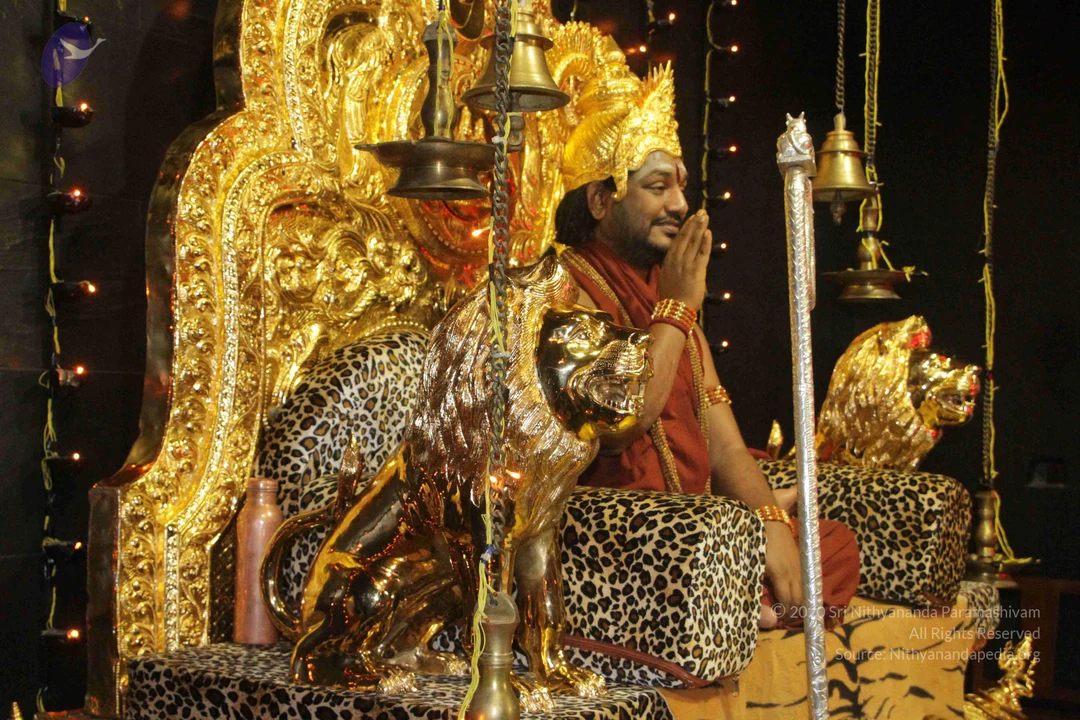
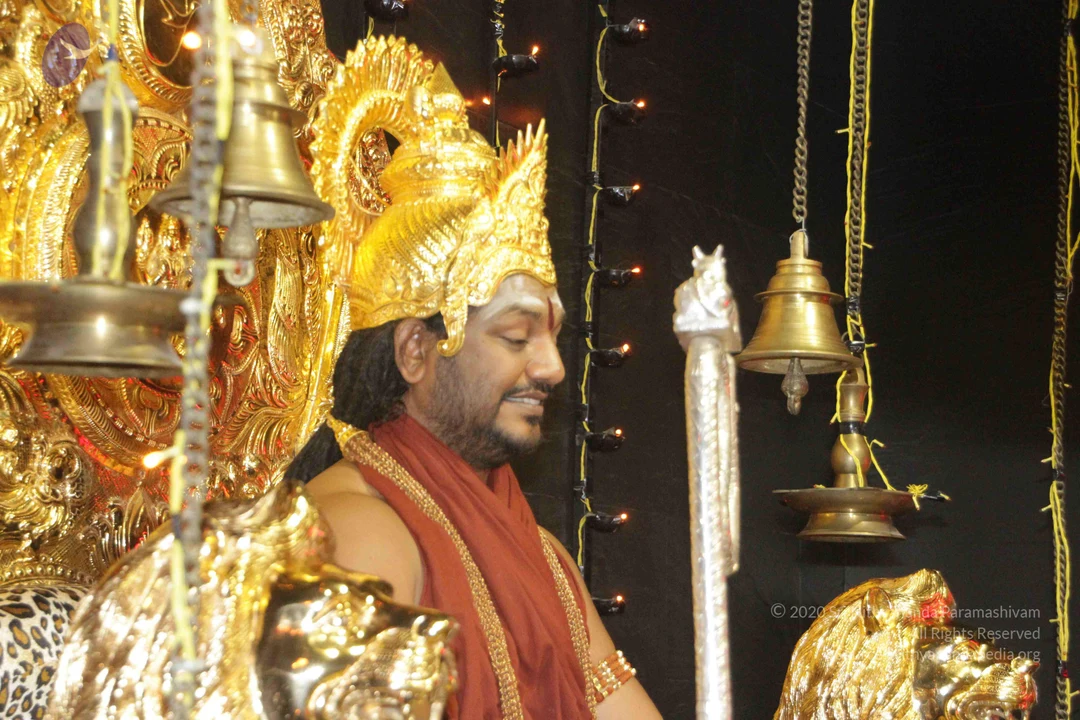
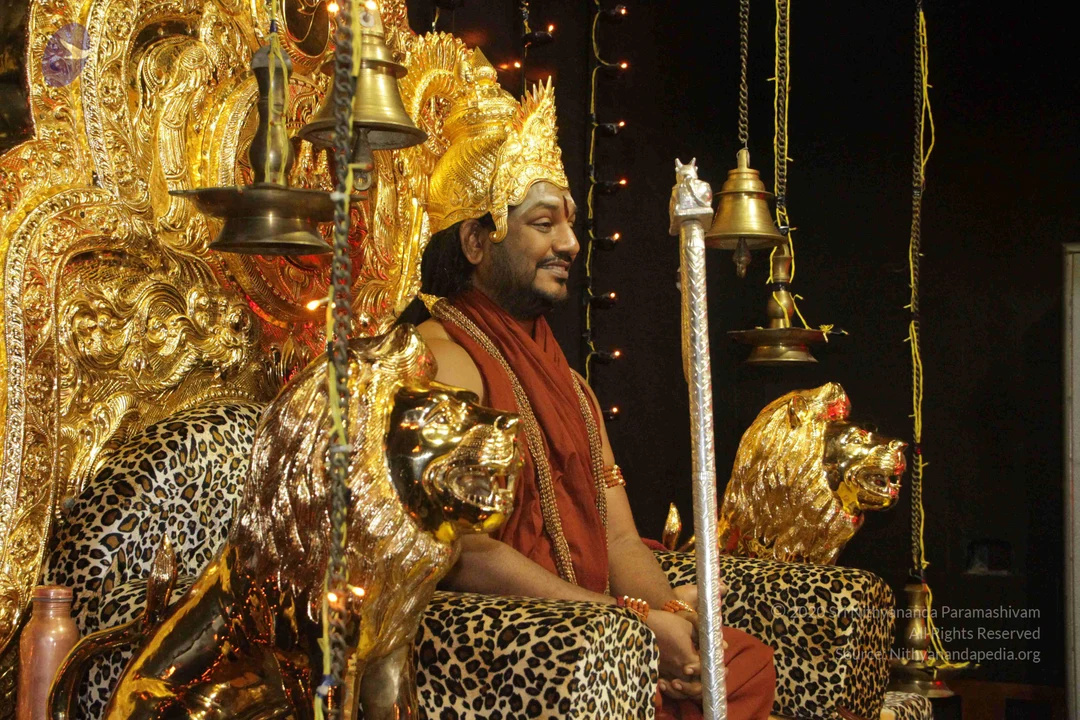
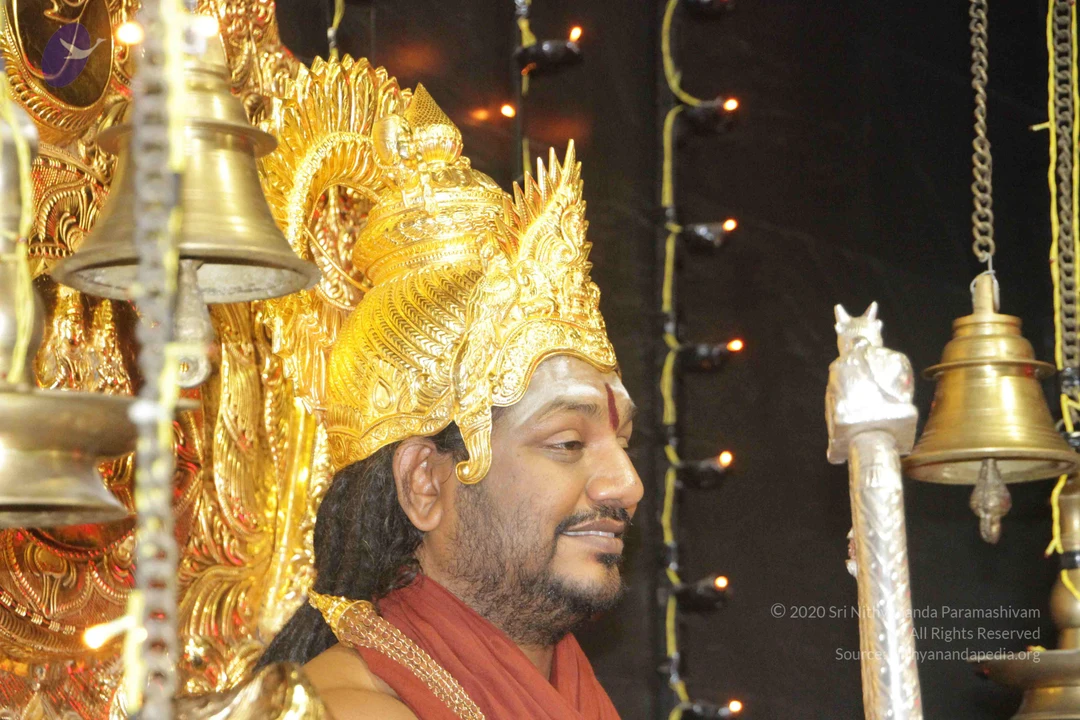
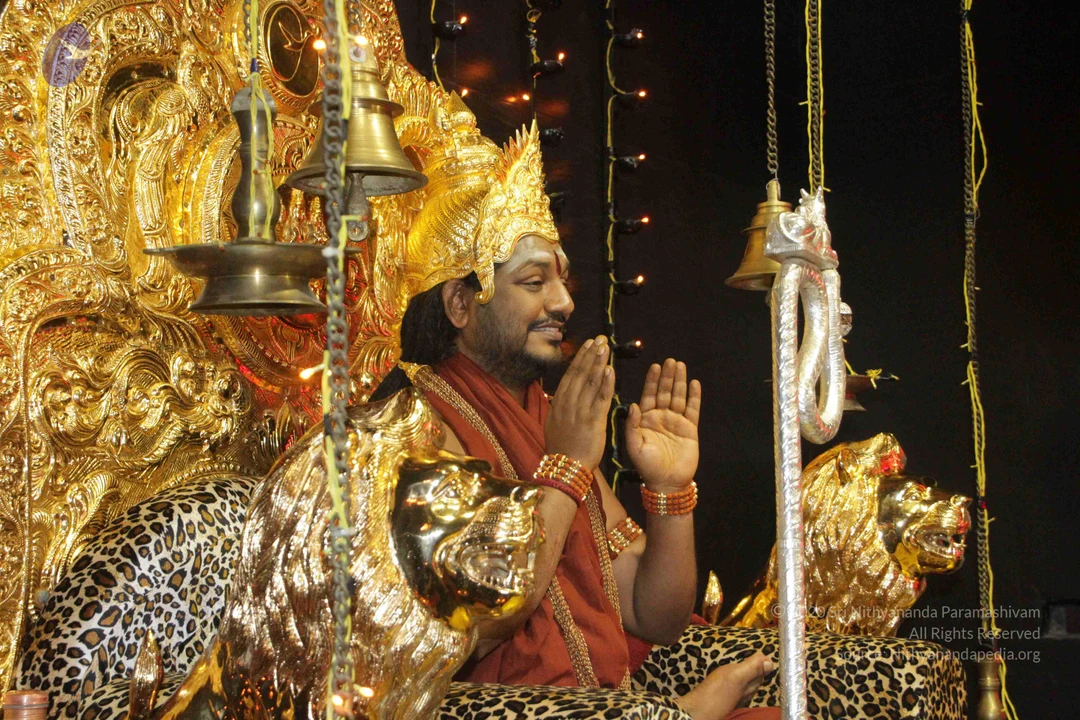
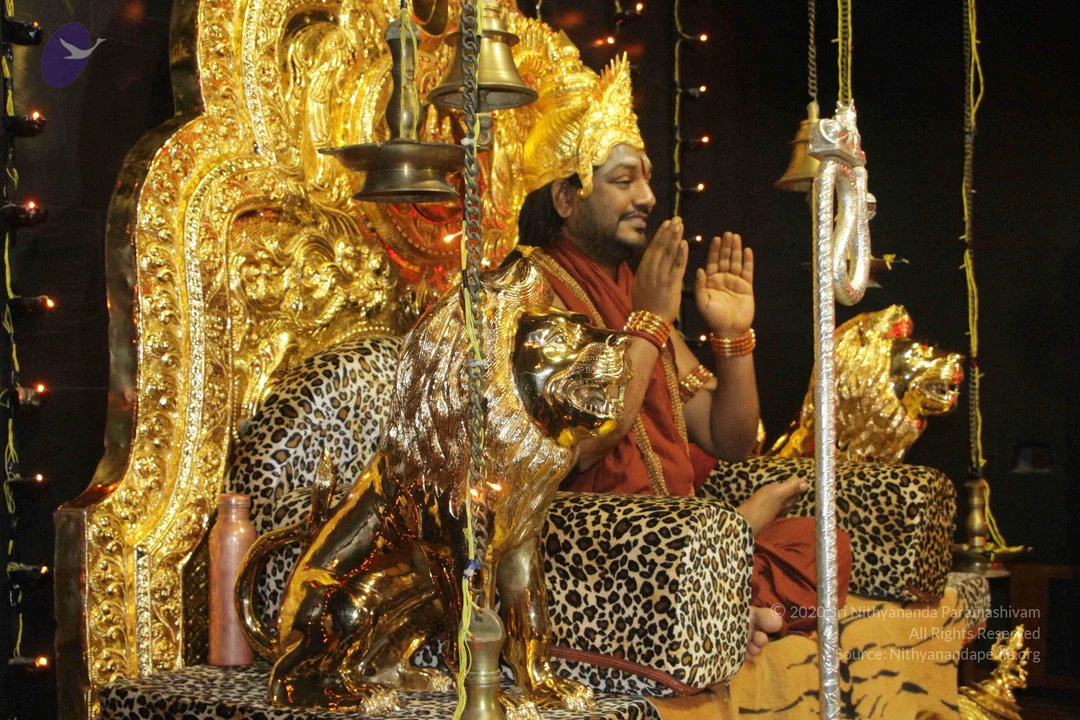
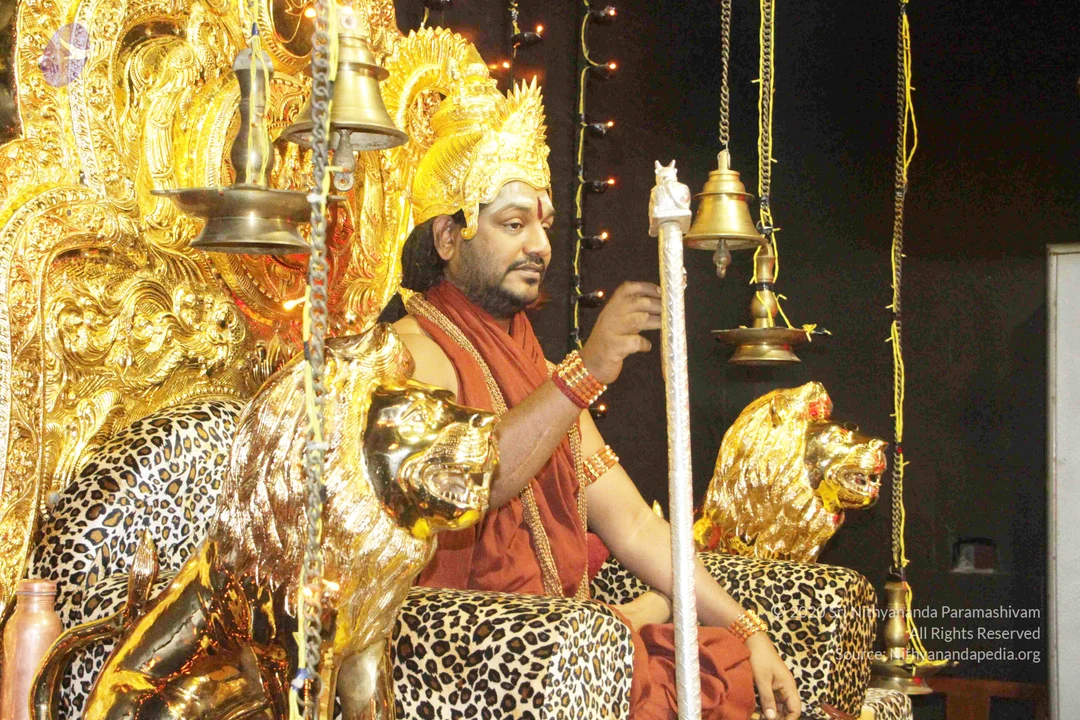
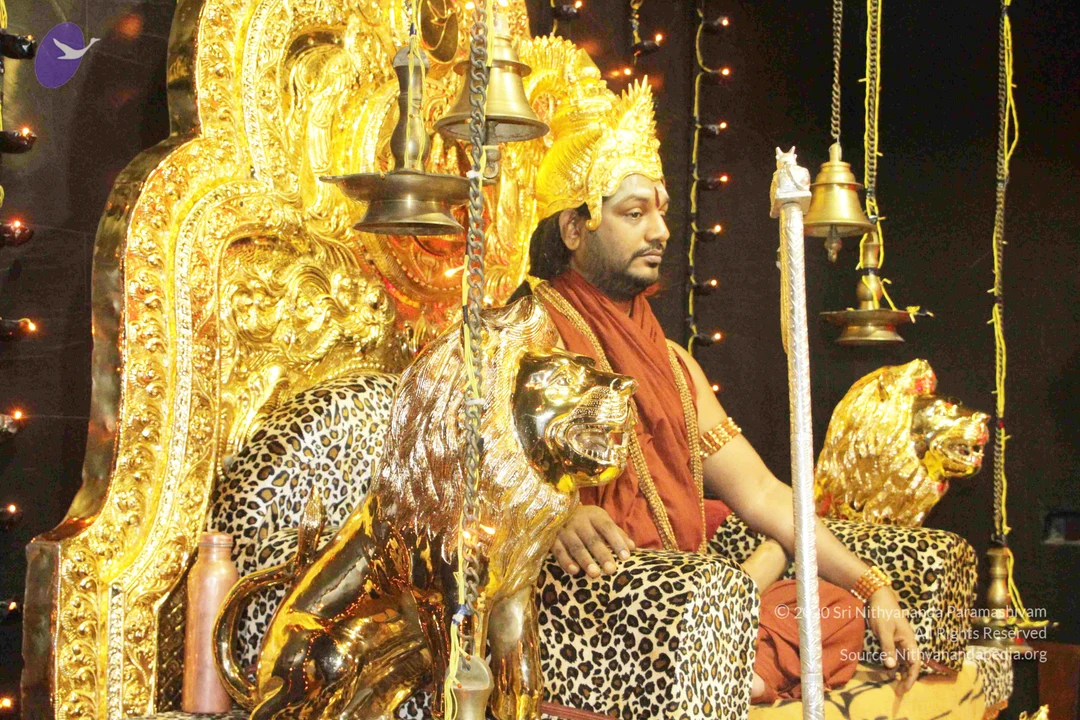
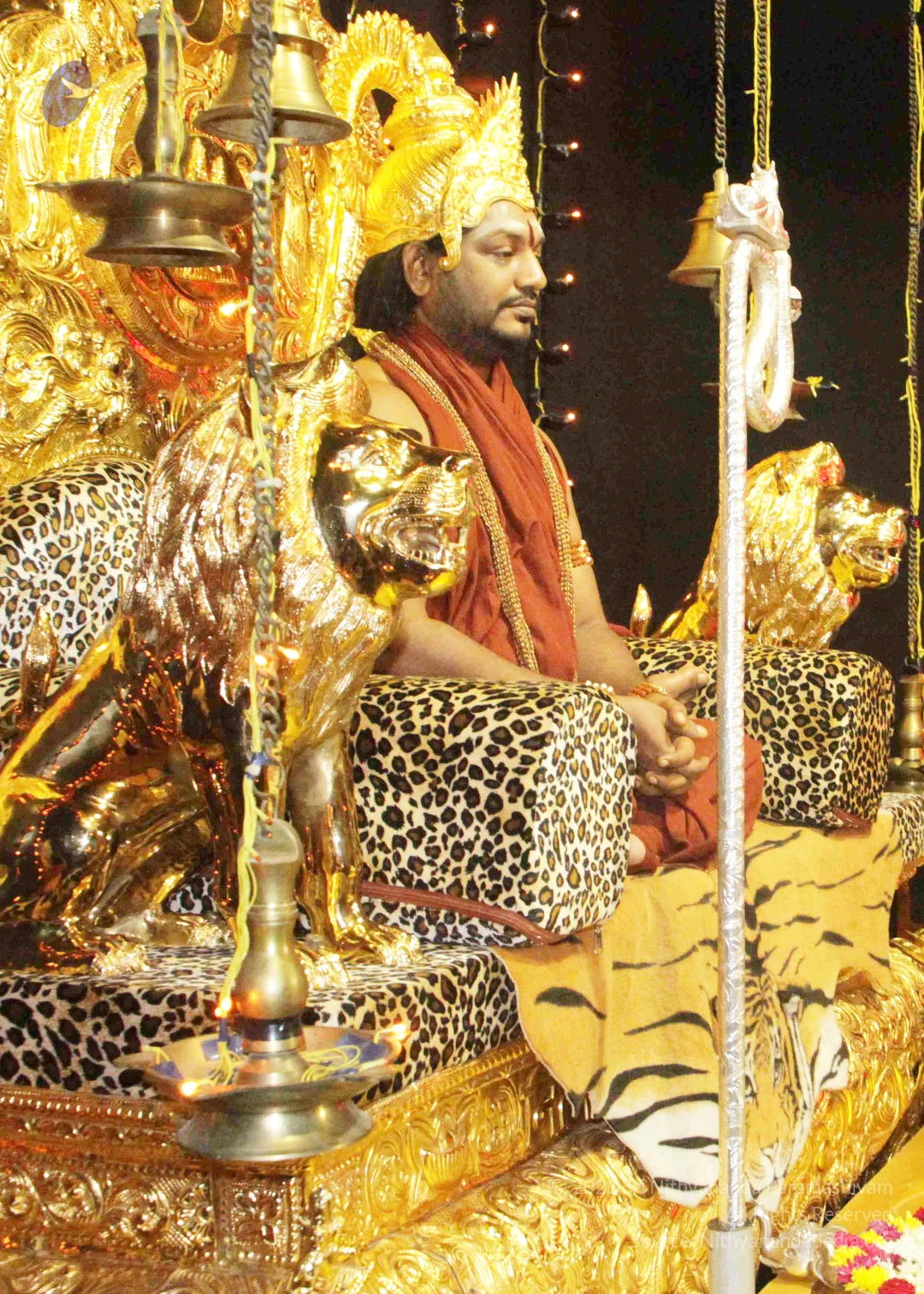
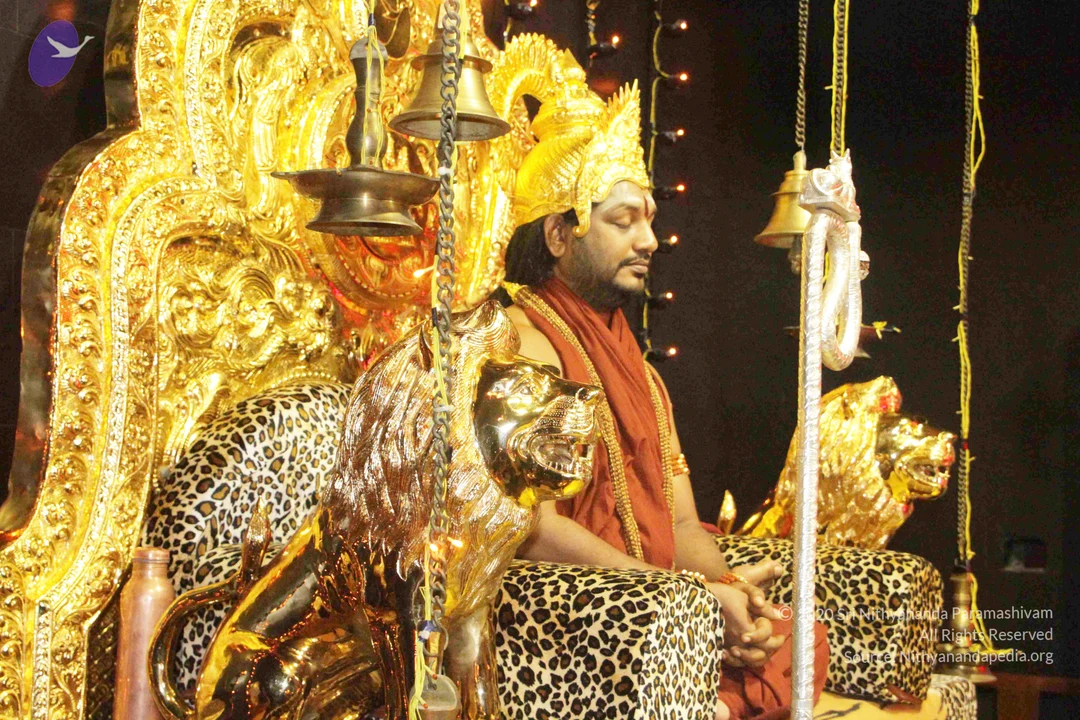
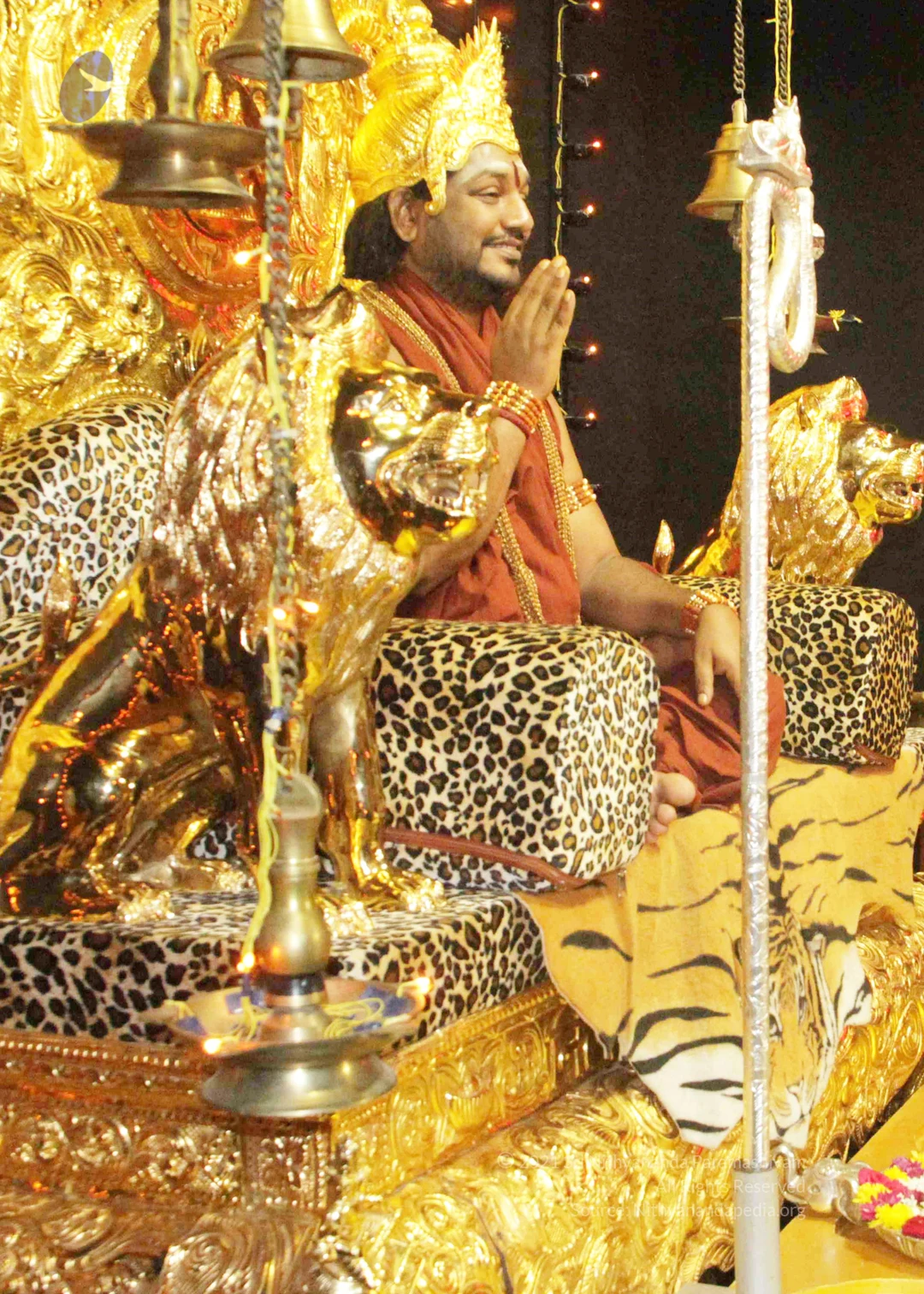
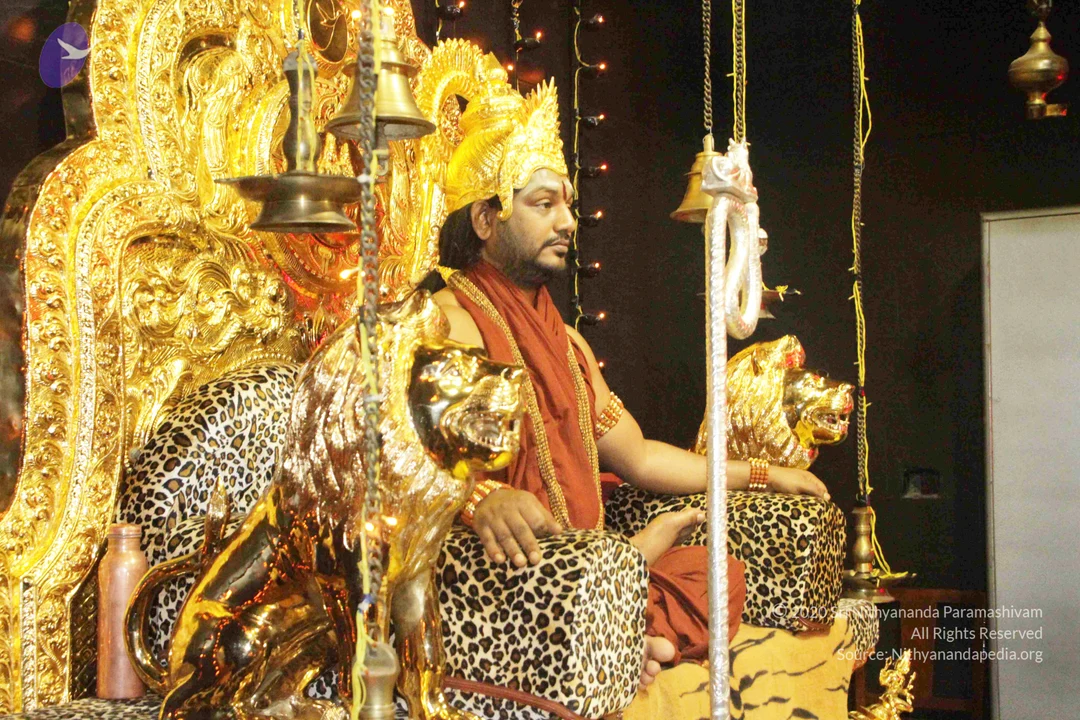
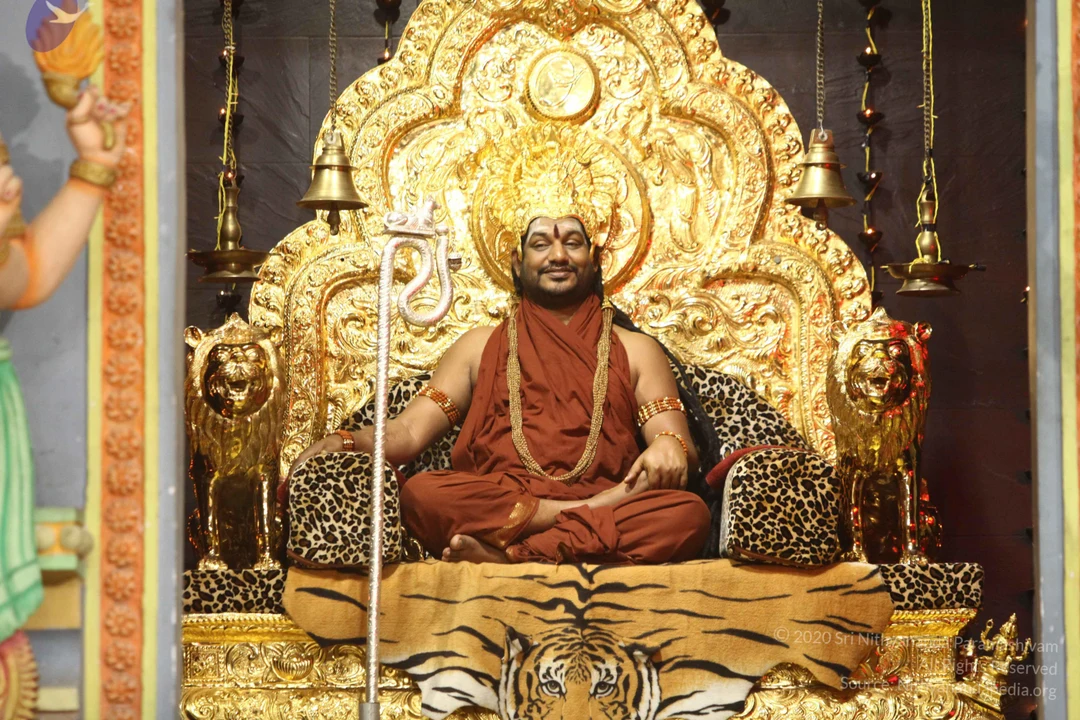
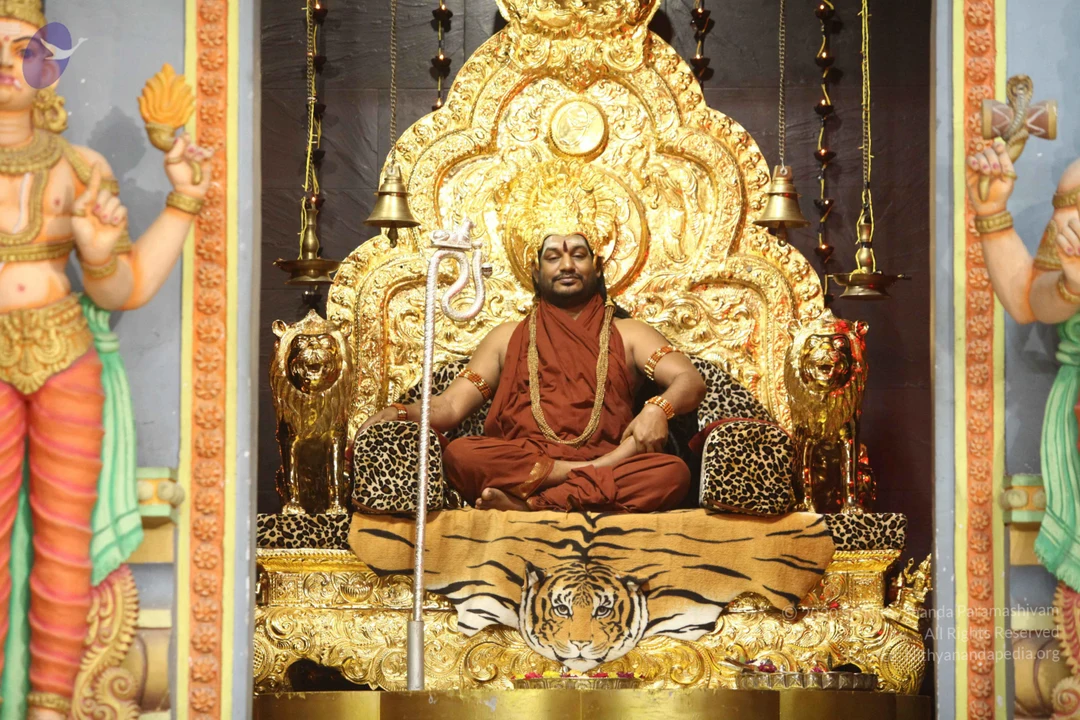
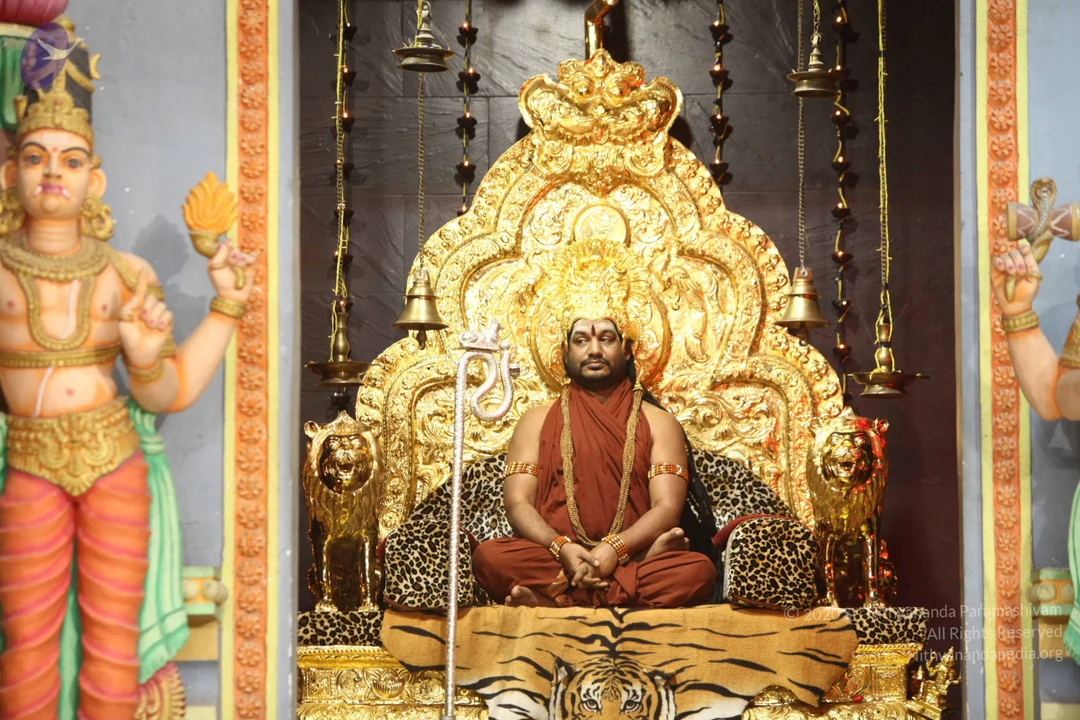
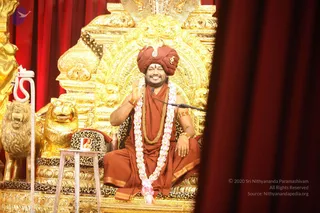
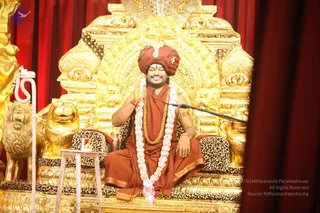
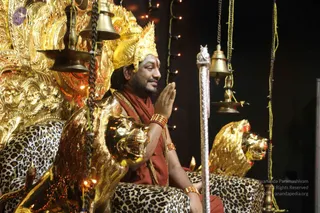
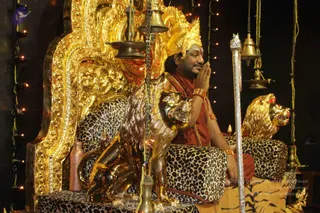
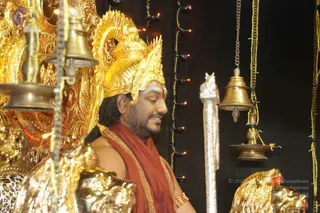
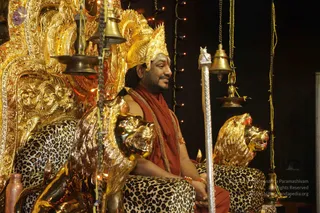
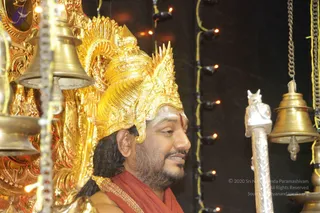
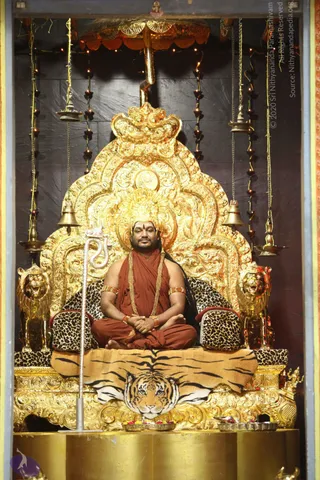
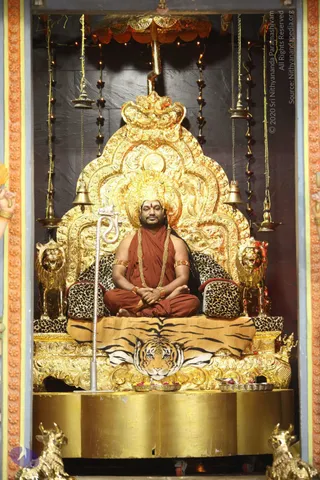
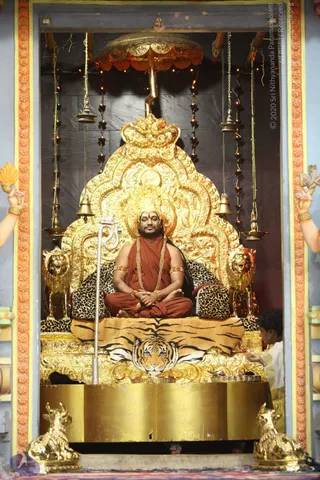
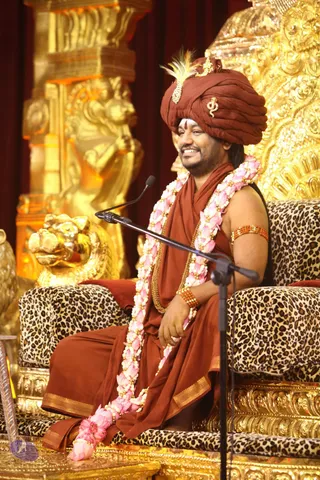
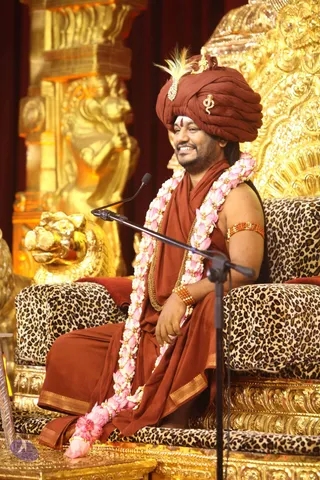
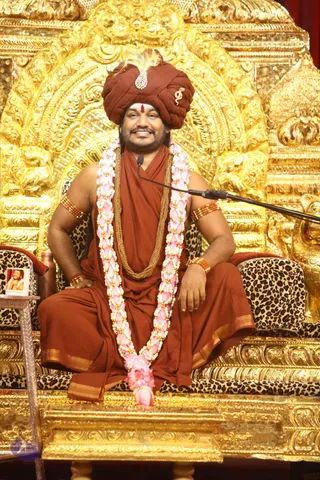
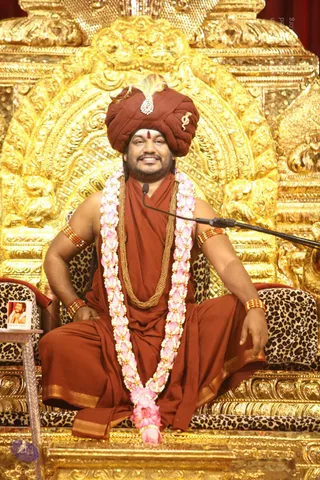
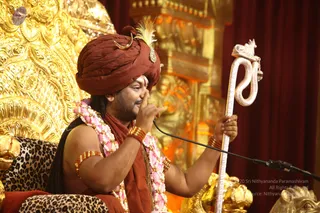
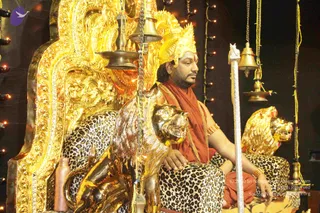
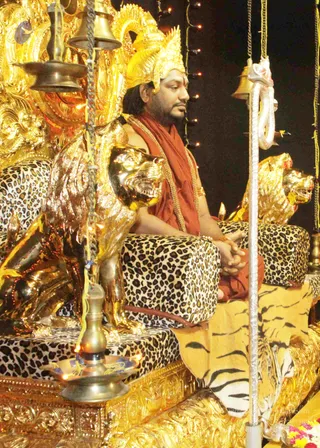
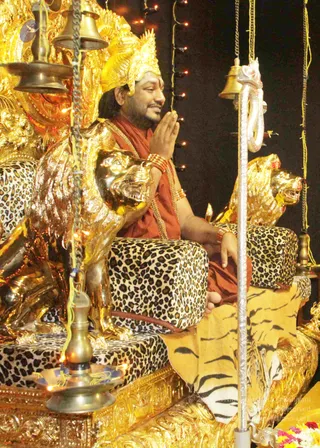
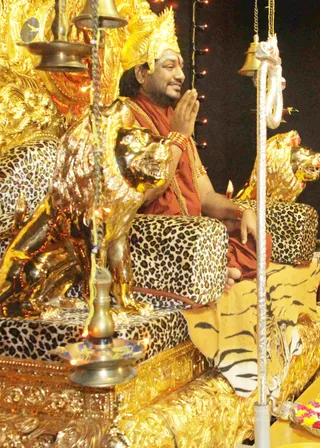
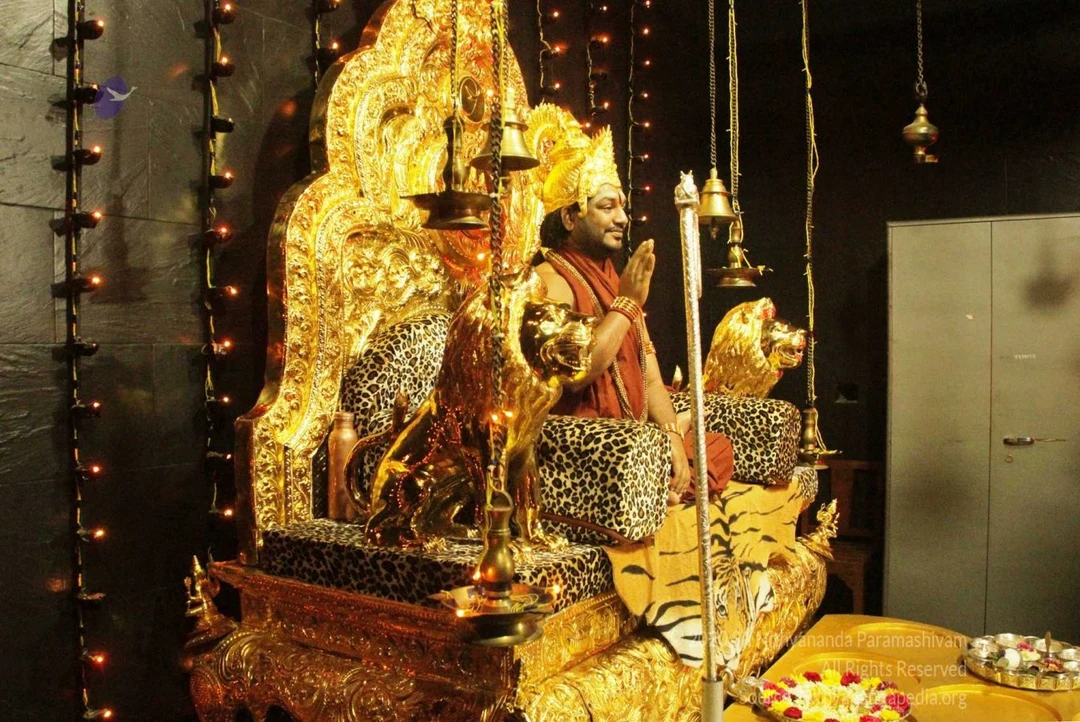 Darshan of HIs Divine Holiness Bhagavan Sri Nithyananda Paramashivam for Pratyaksha Pada Puja
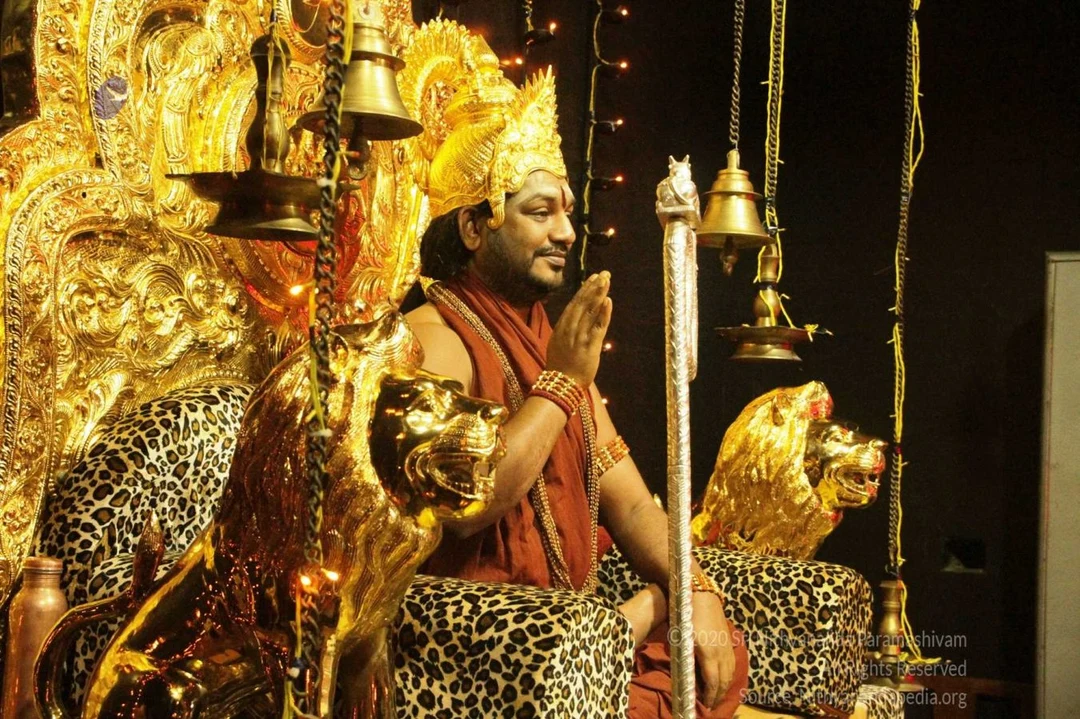 Darshan of HIs Divine Holiness Bhagavan Sri Nithyananda Paramashivam for Pratyaksha Pada Puja
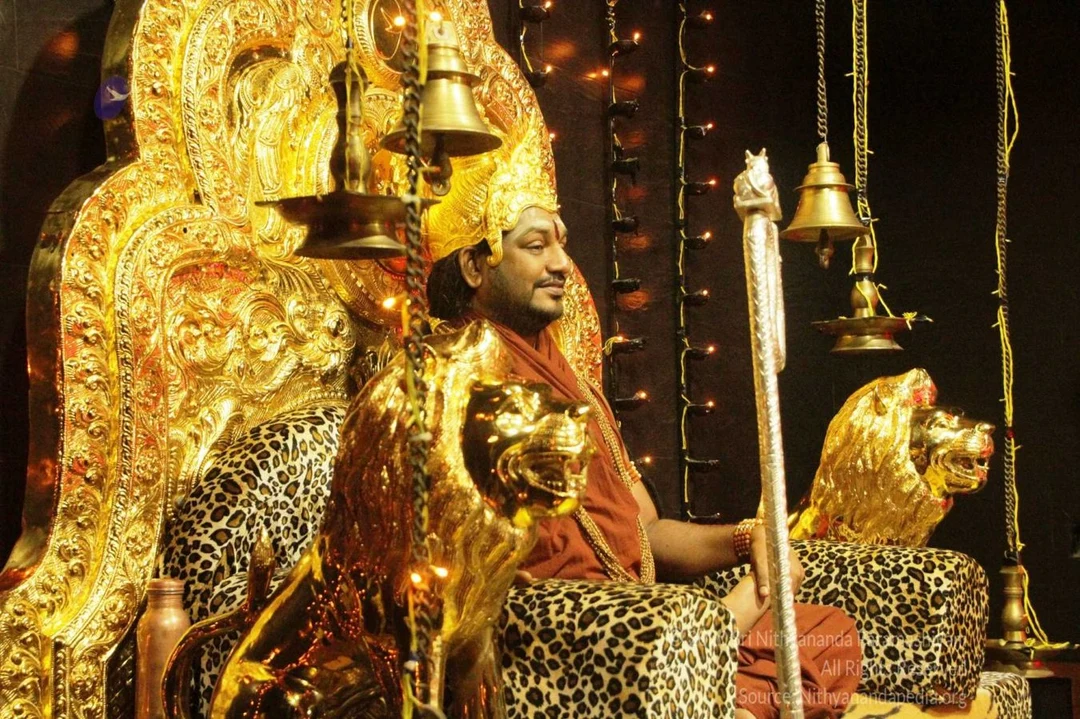 Darshan of HIs Divine Holiness Bhagavan Sri Nithyananda Paramashivam for Pratyaksha Pada Puja
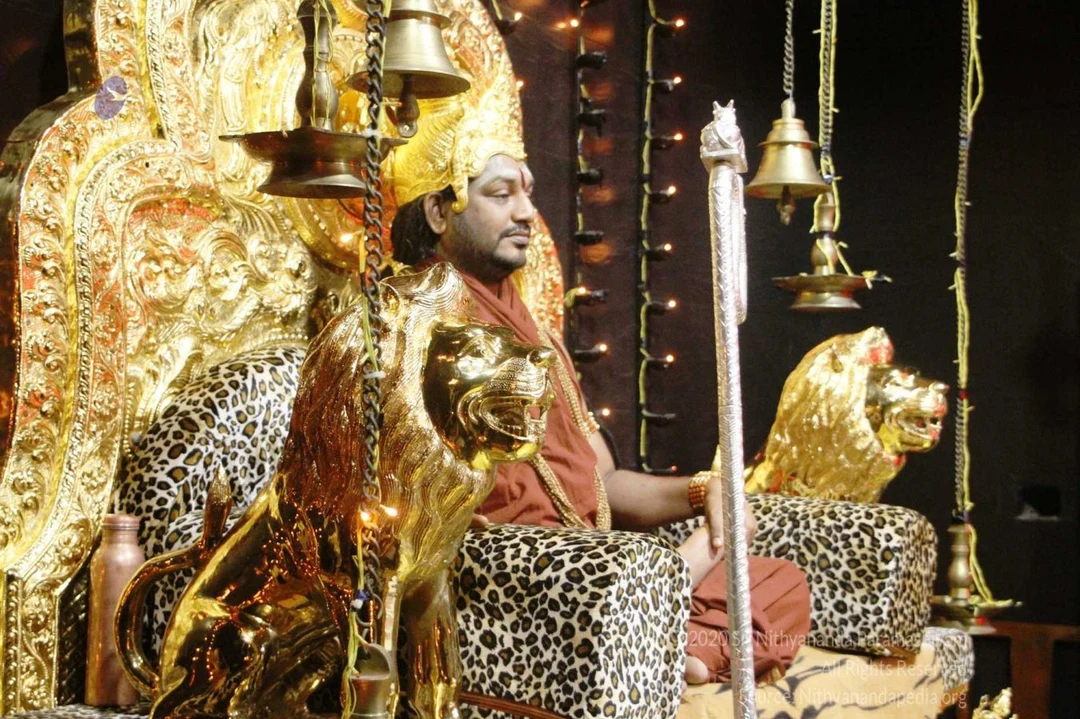 Darshan of HIs Divine Holiness Bhagavan Sri Nithyananda Paramashivam for Pratyaksha Pada Puja
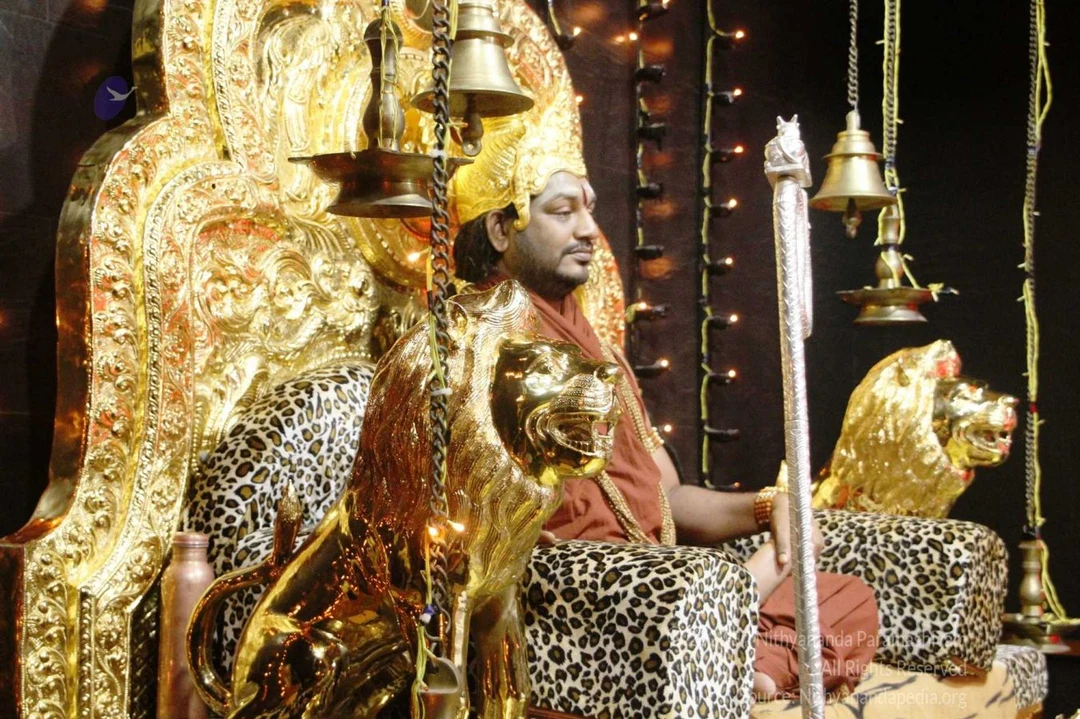 Darshan of HIs Divine Holiness Bhagavan Sri Nithyananda Paramashivam for Pratyaksha Pada Puja
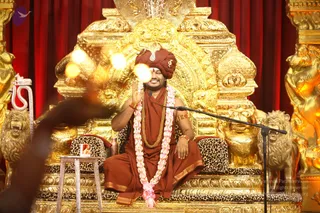
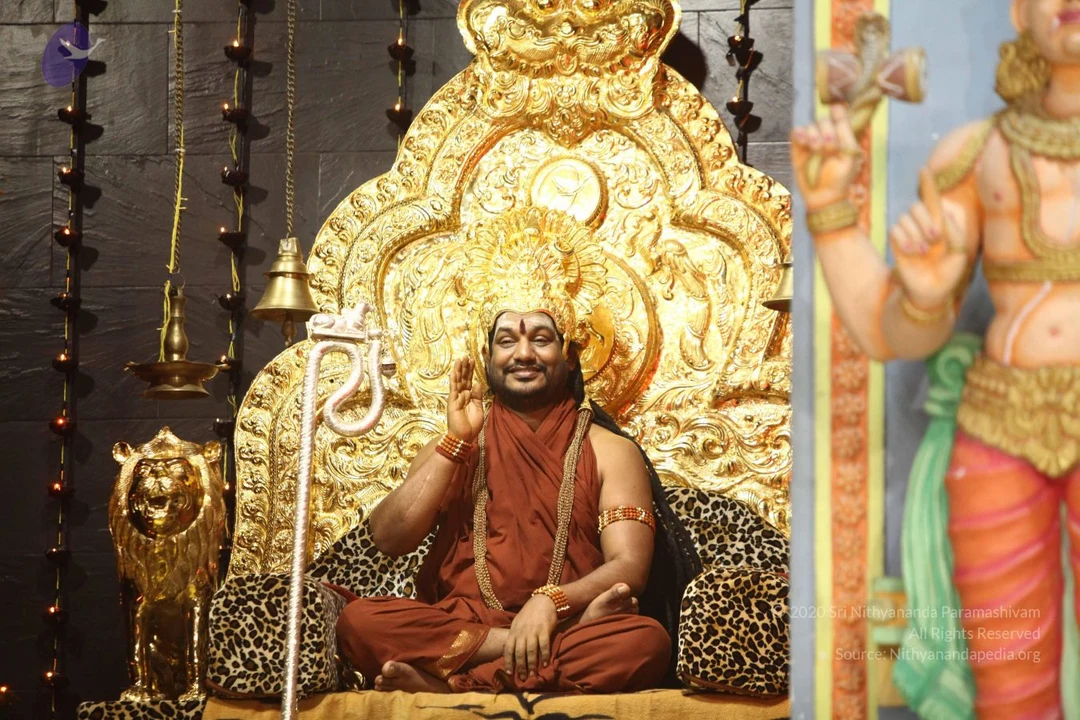
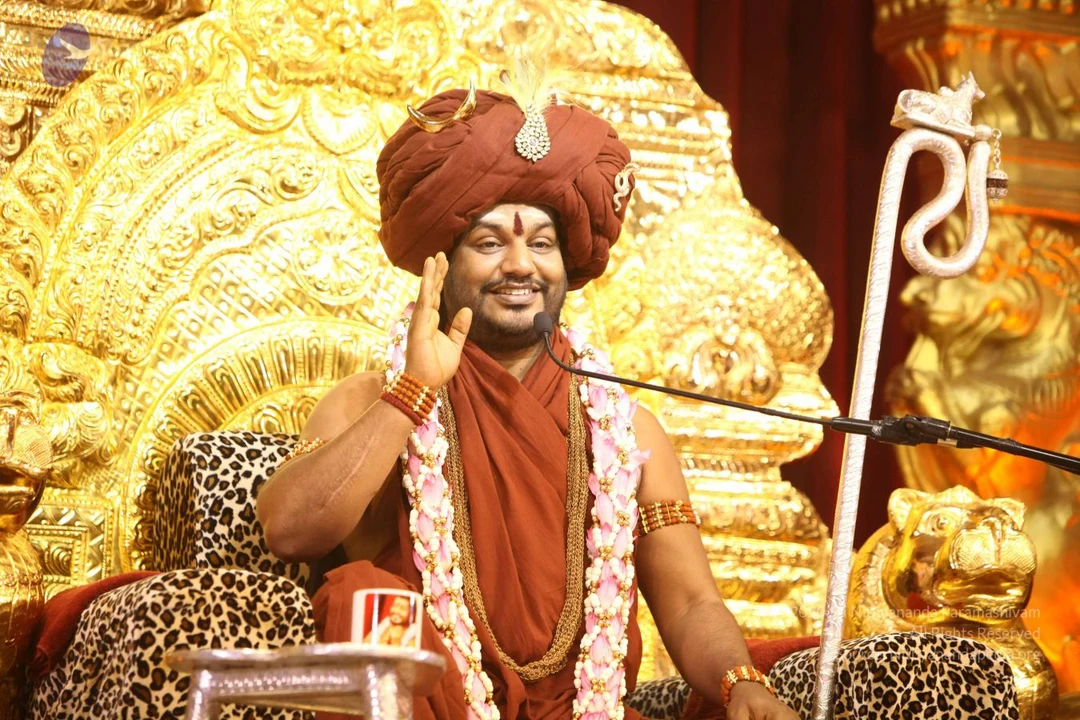
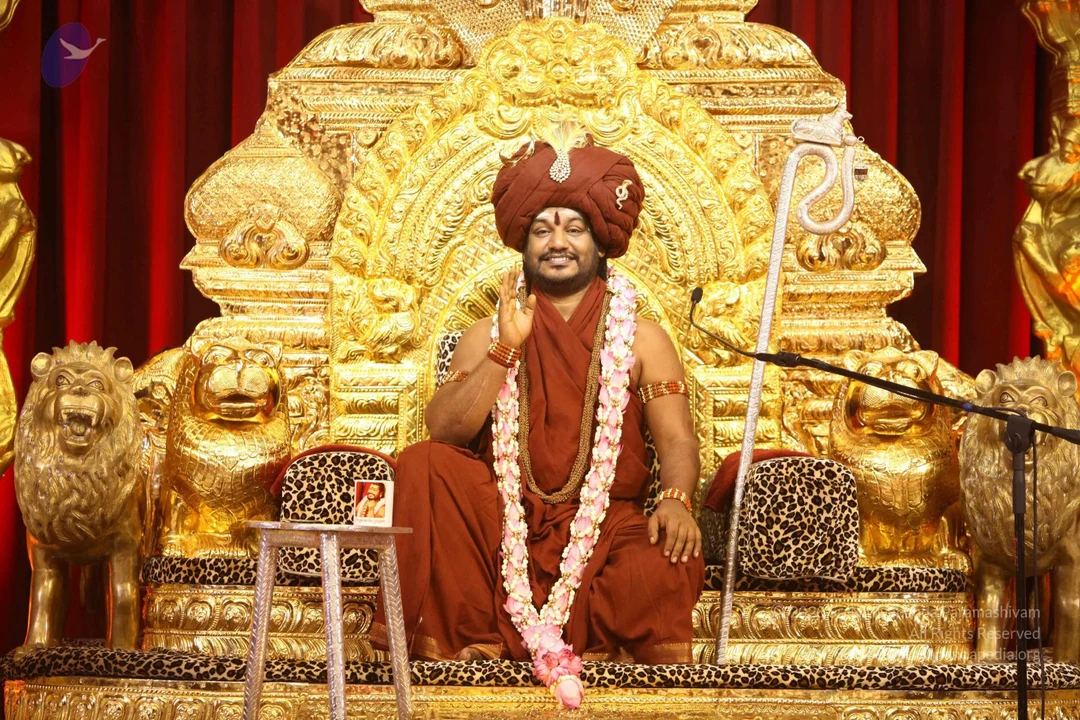
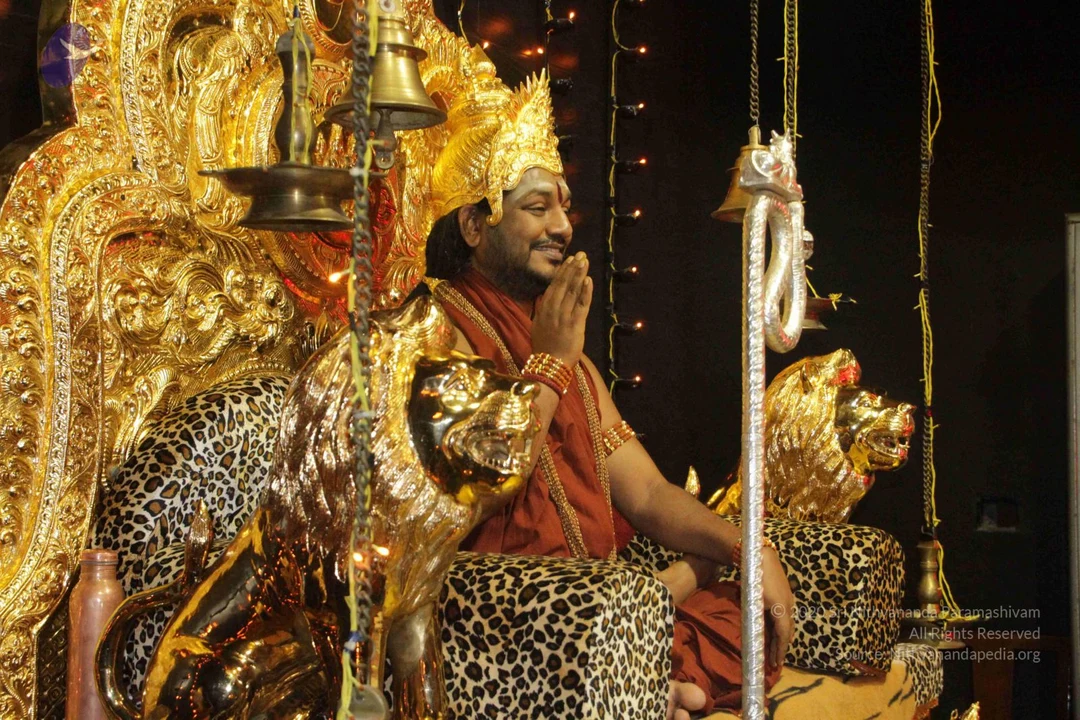
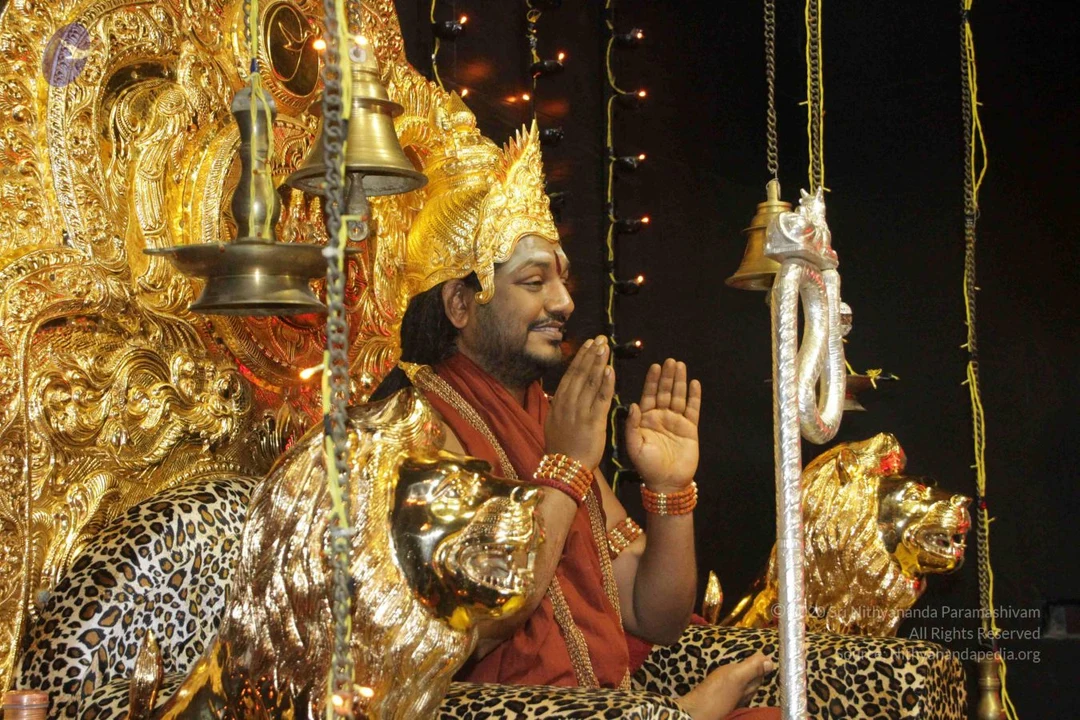
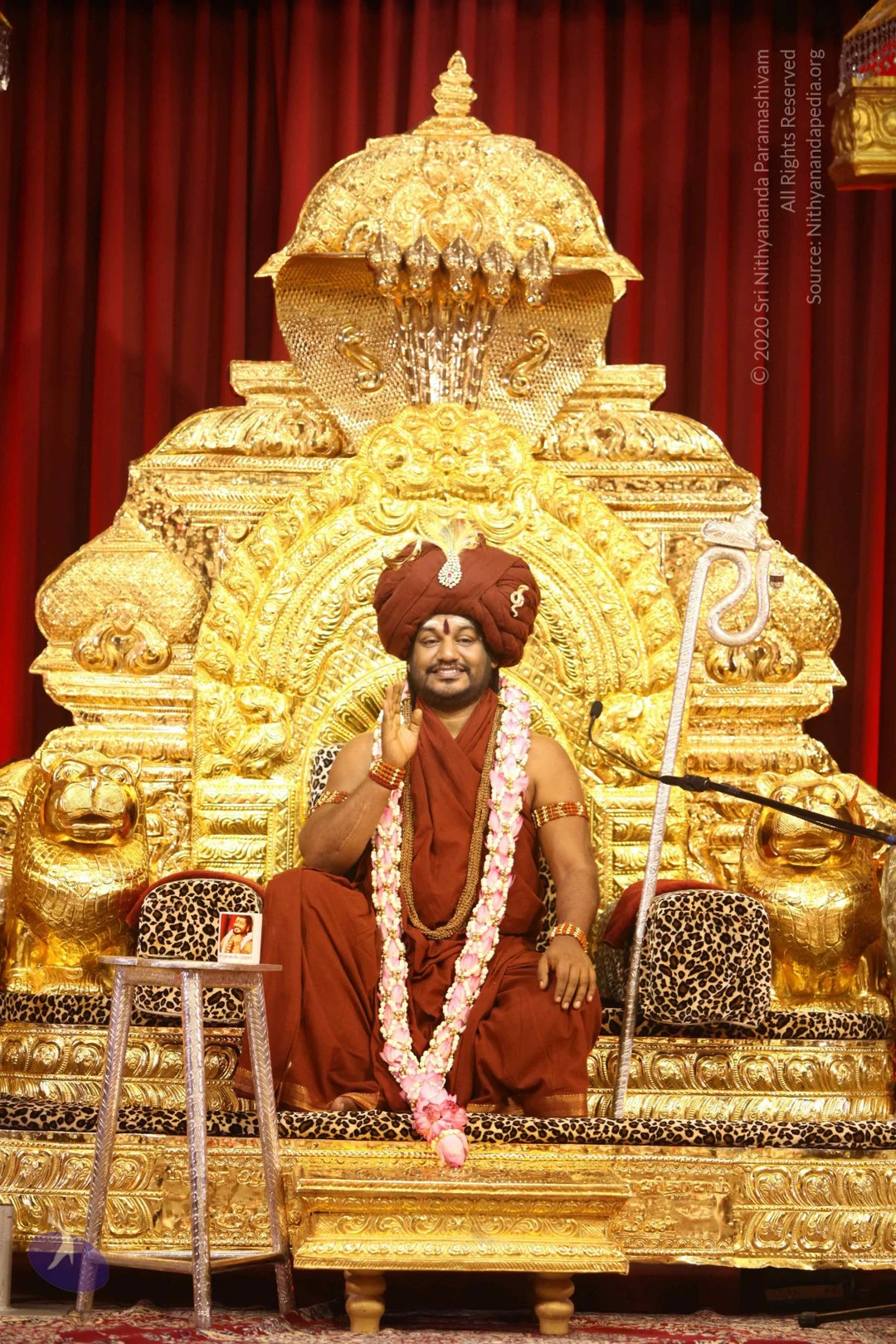
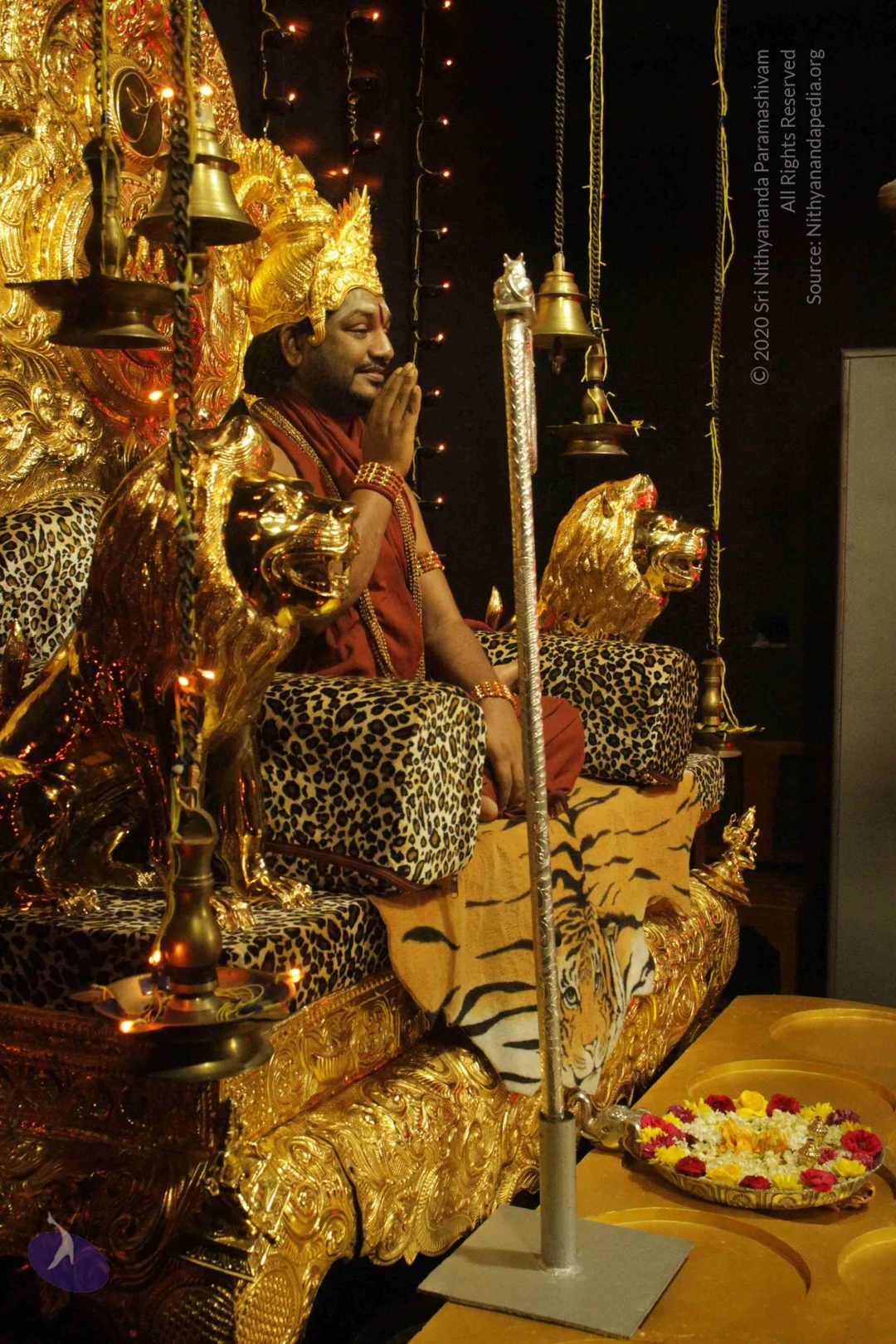
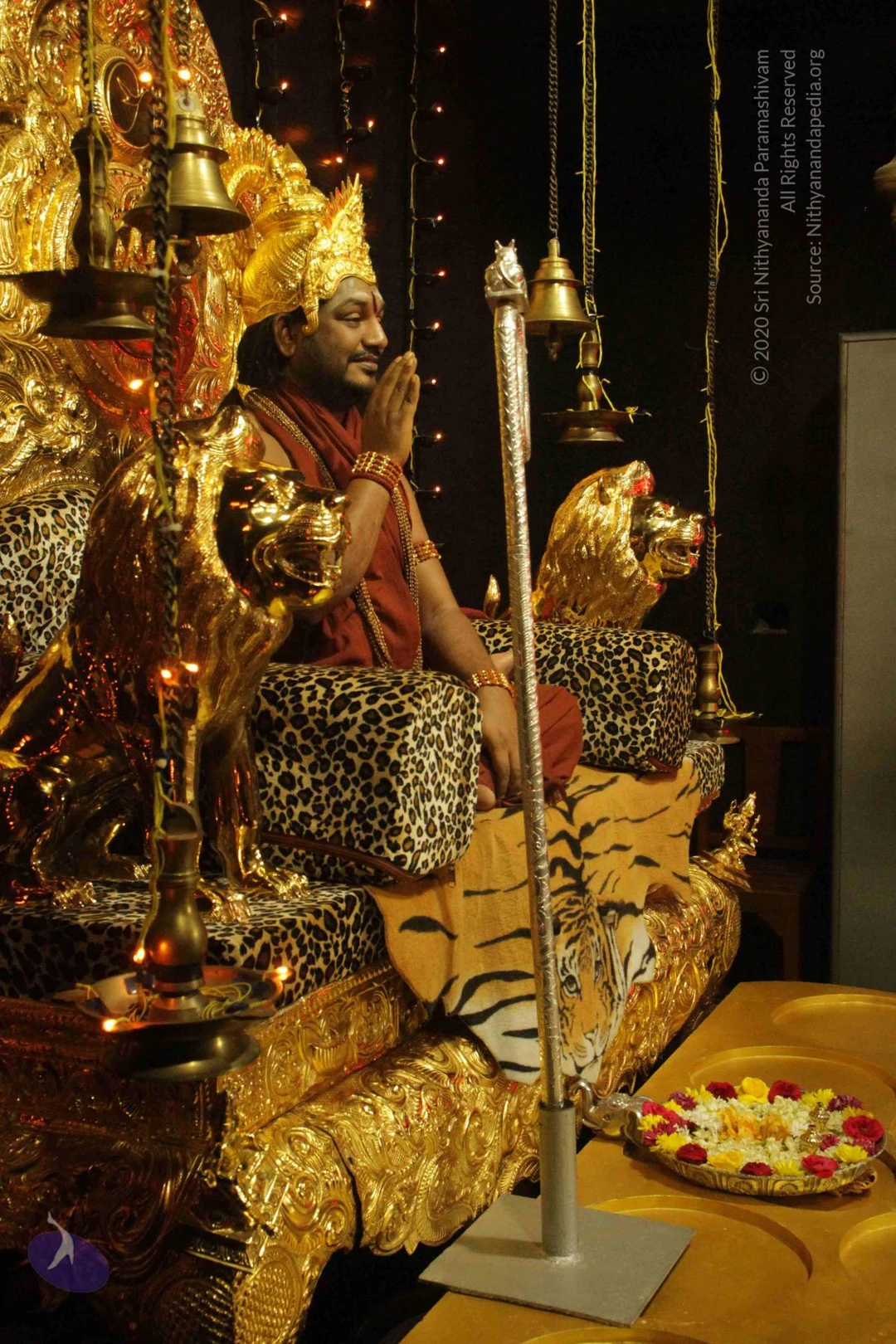
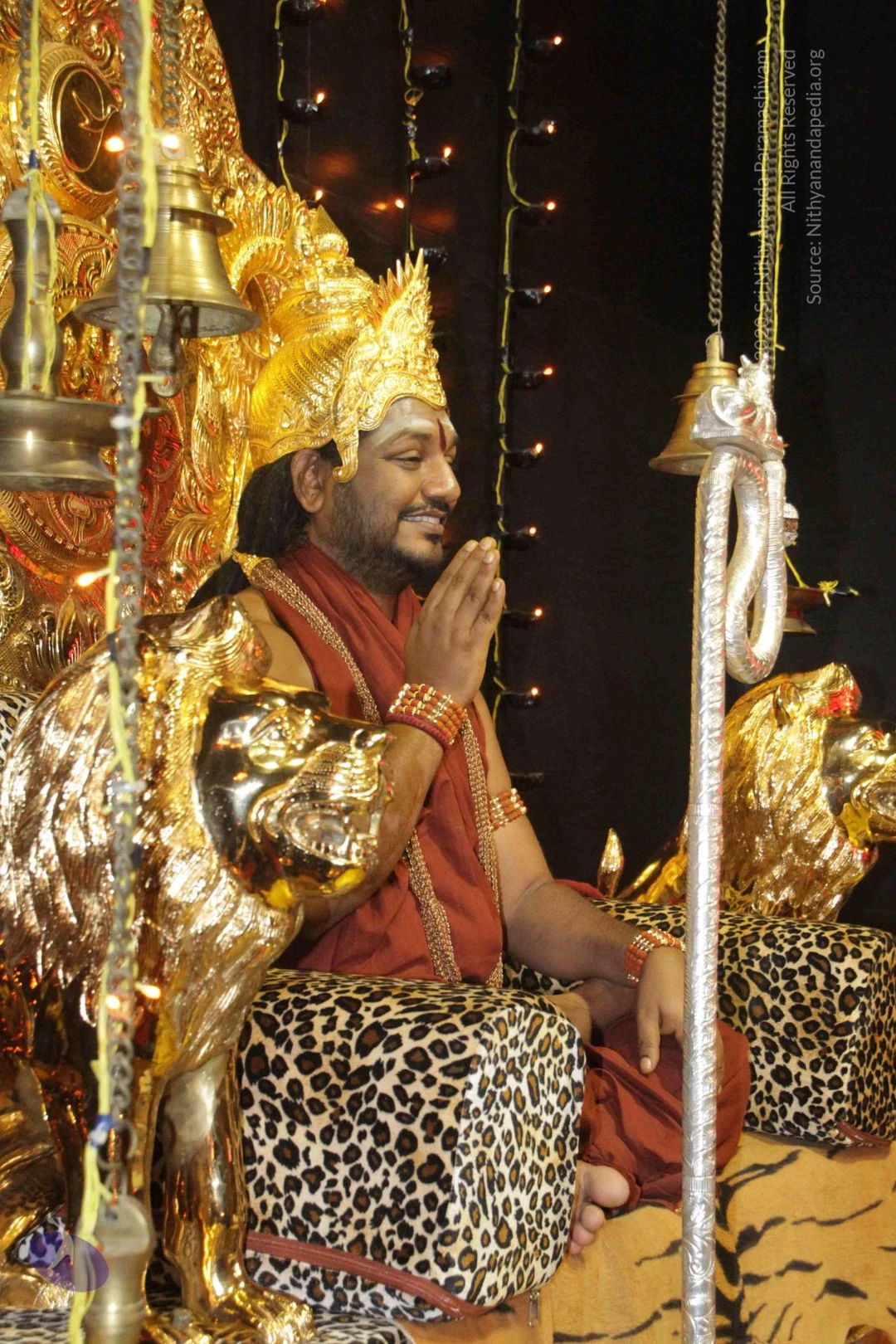
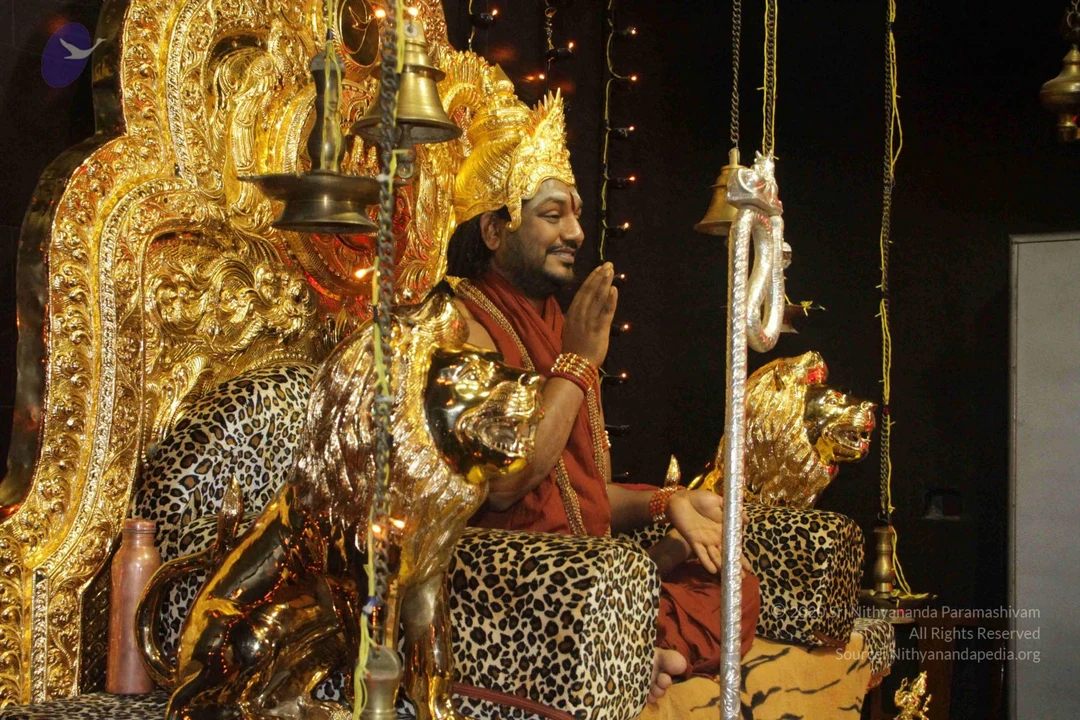
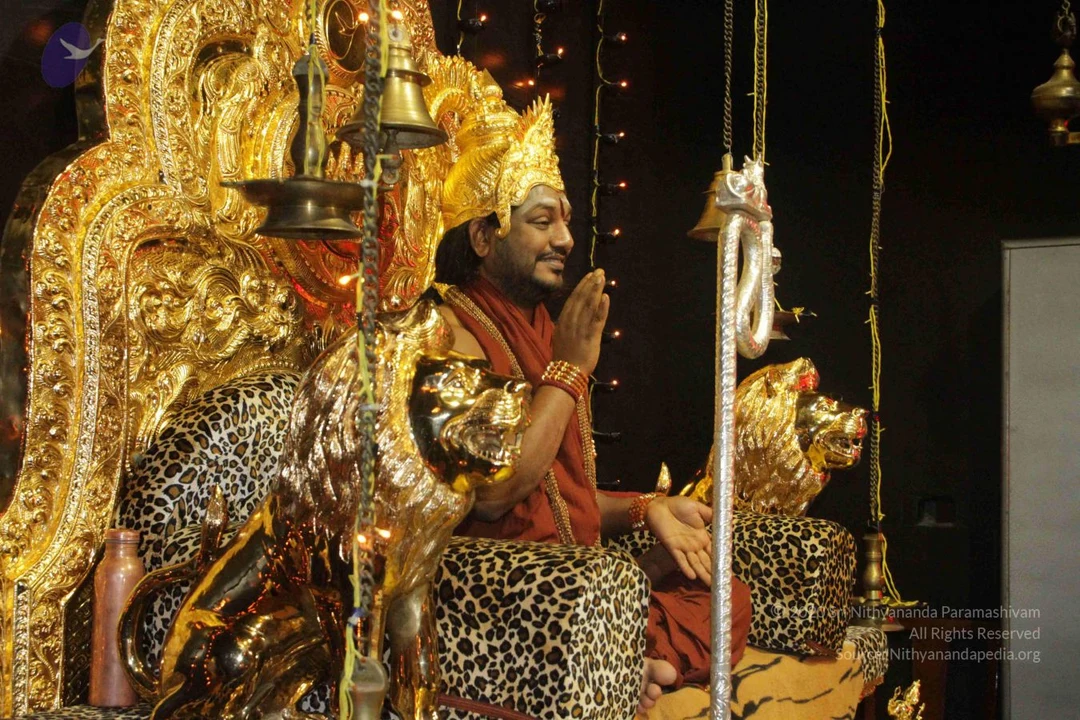
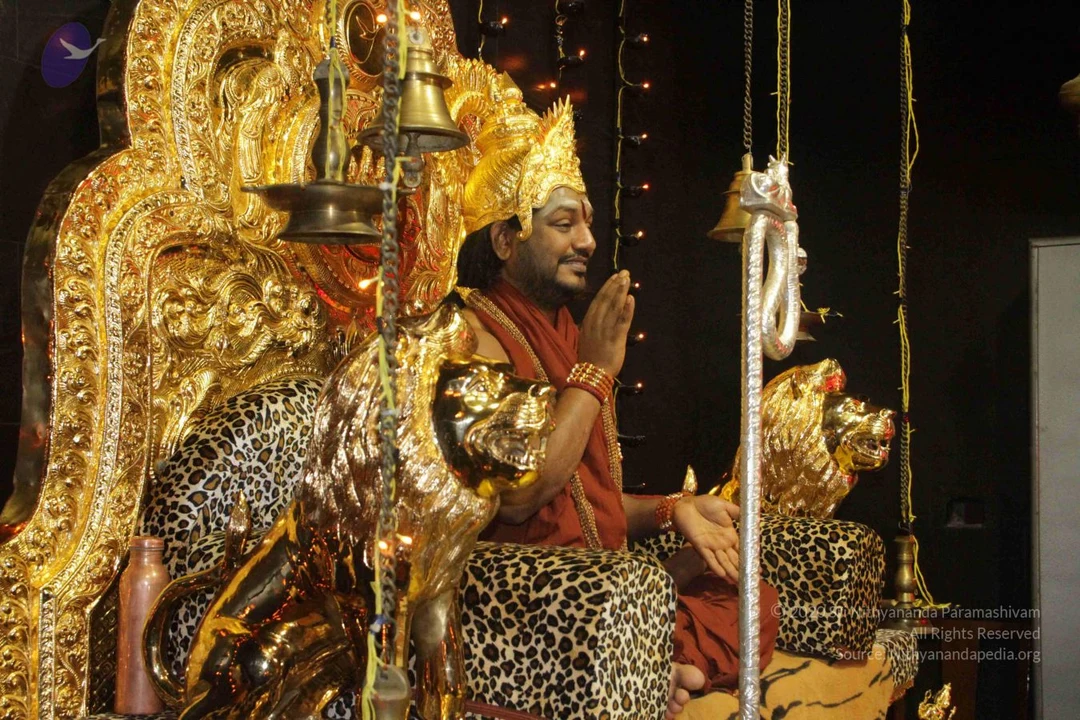
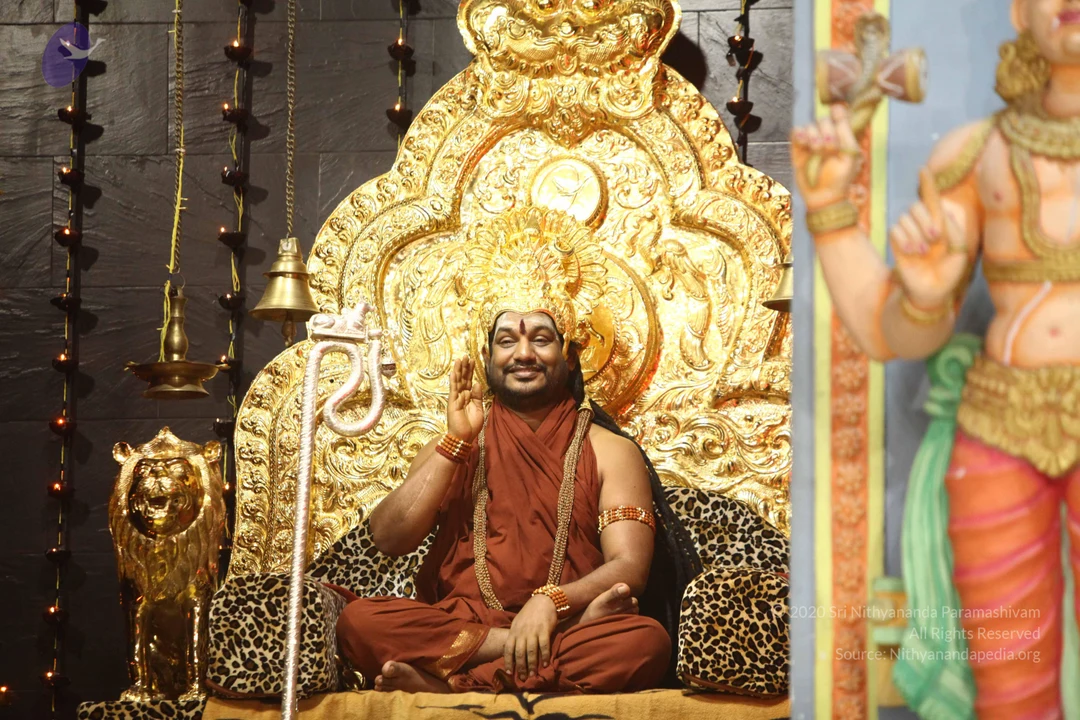
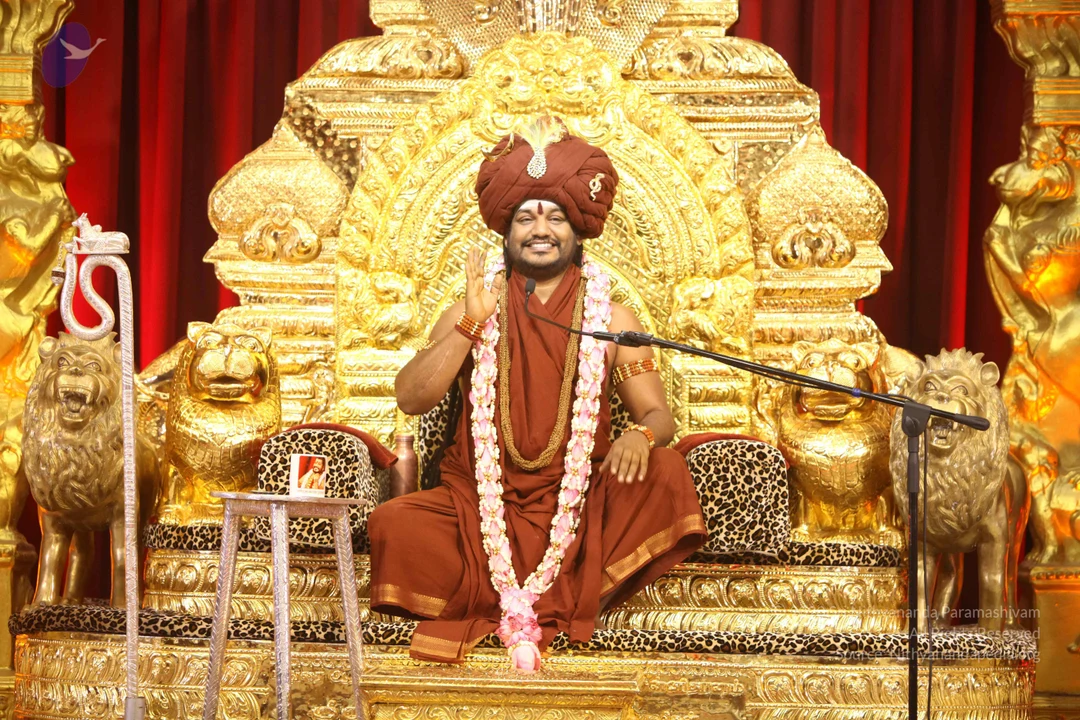
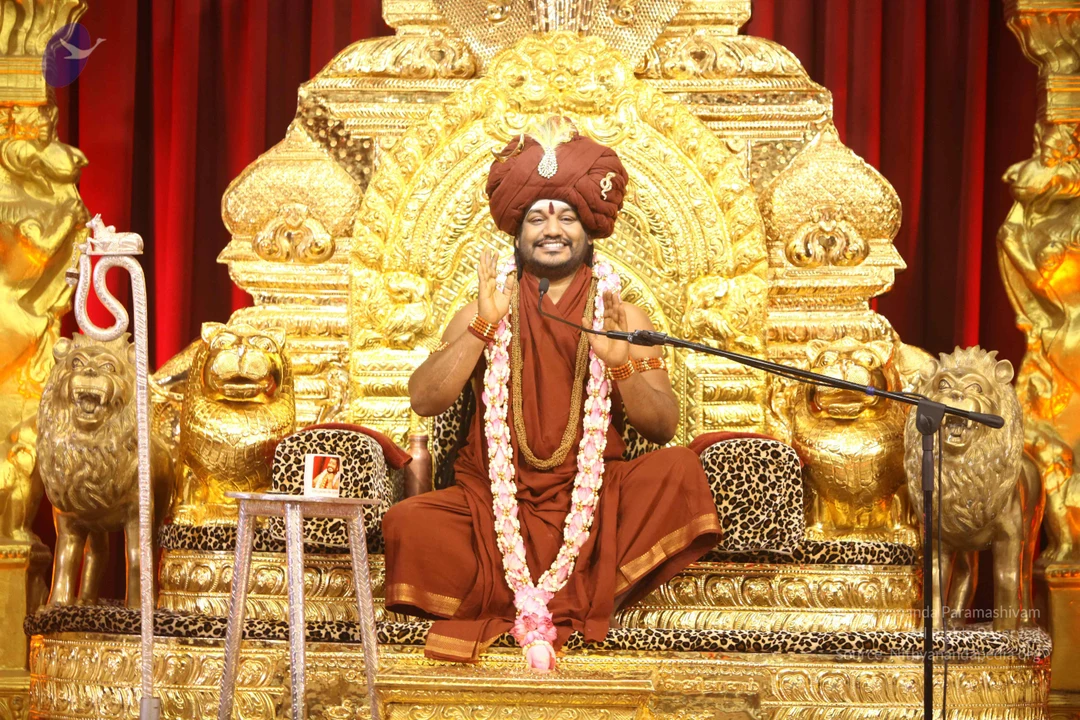
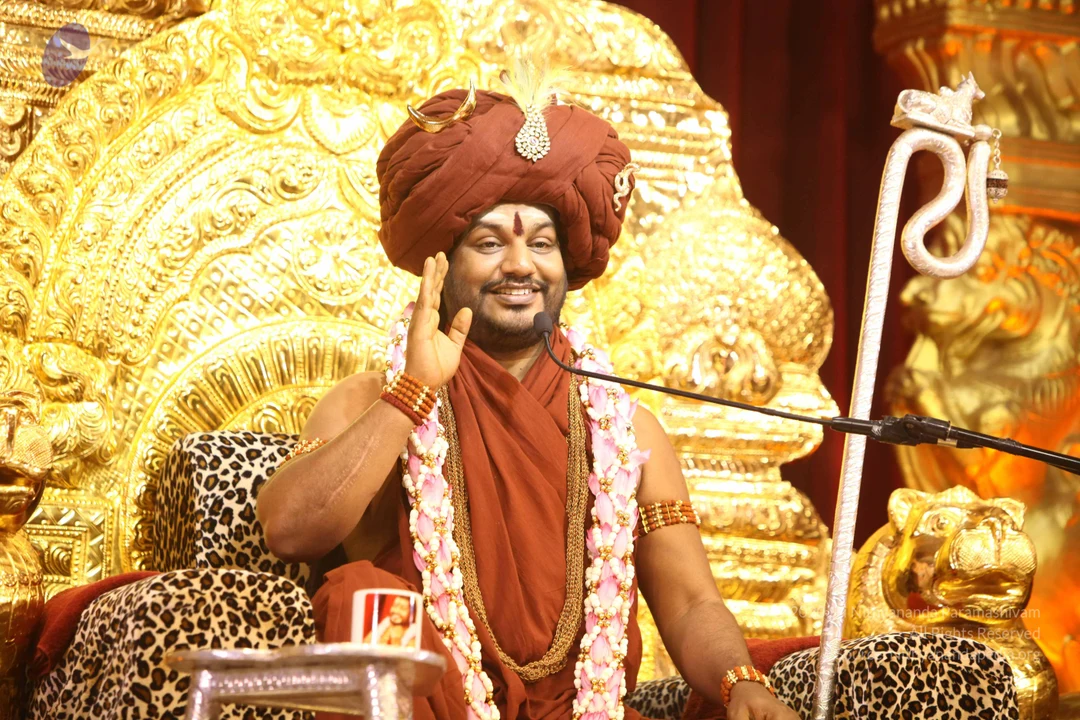
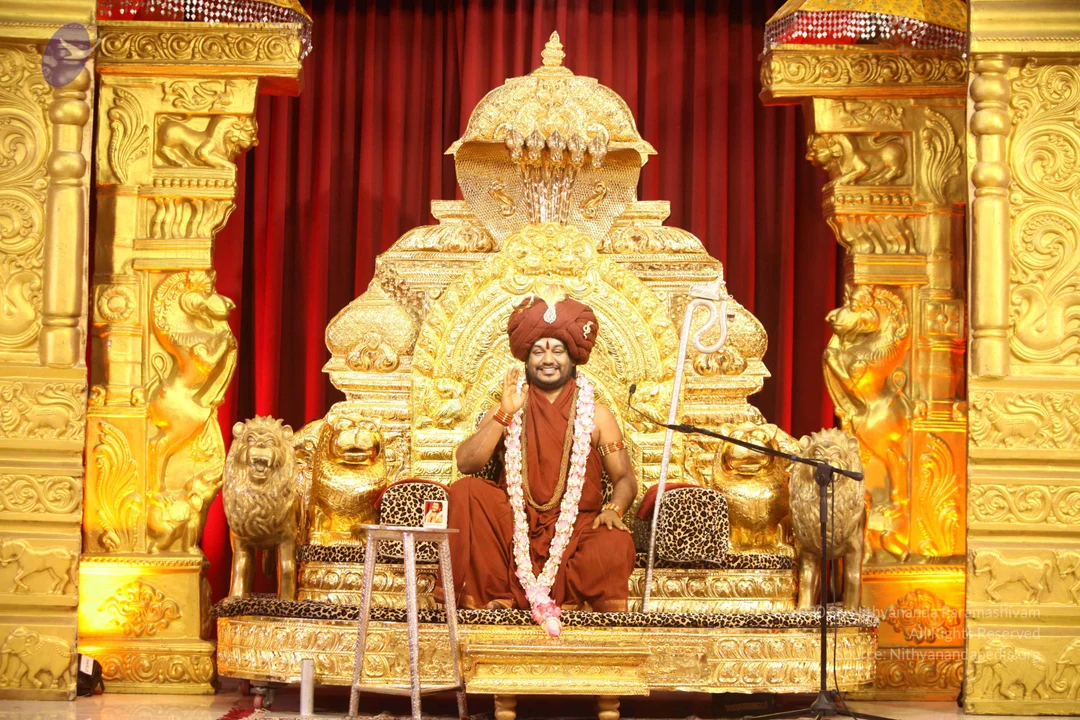
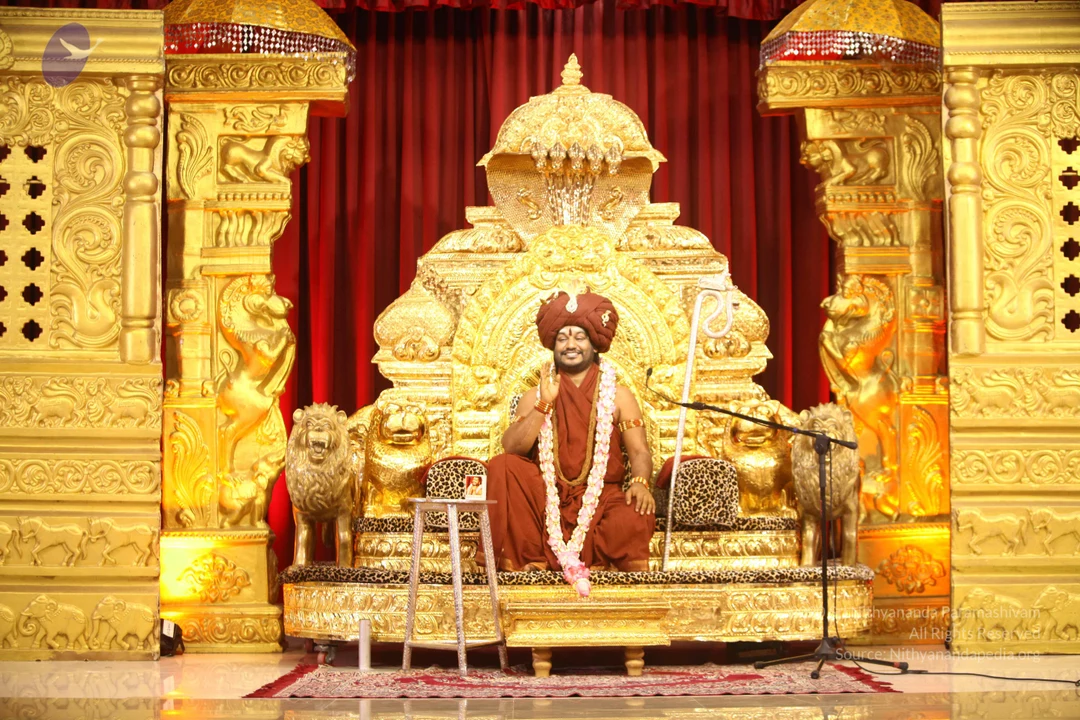
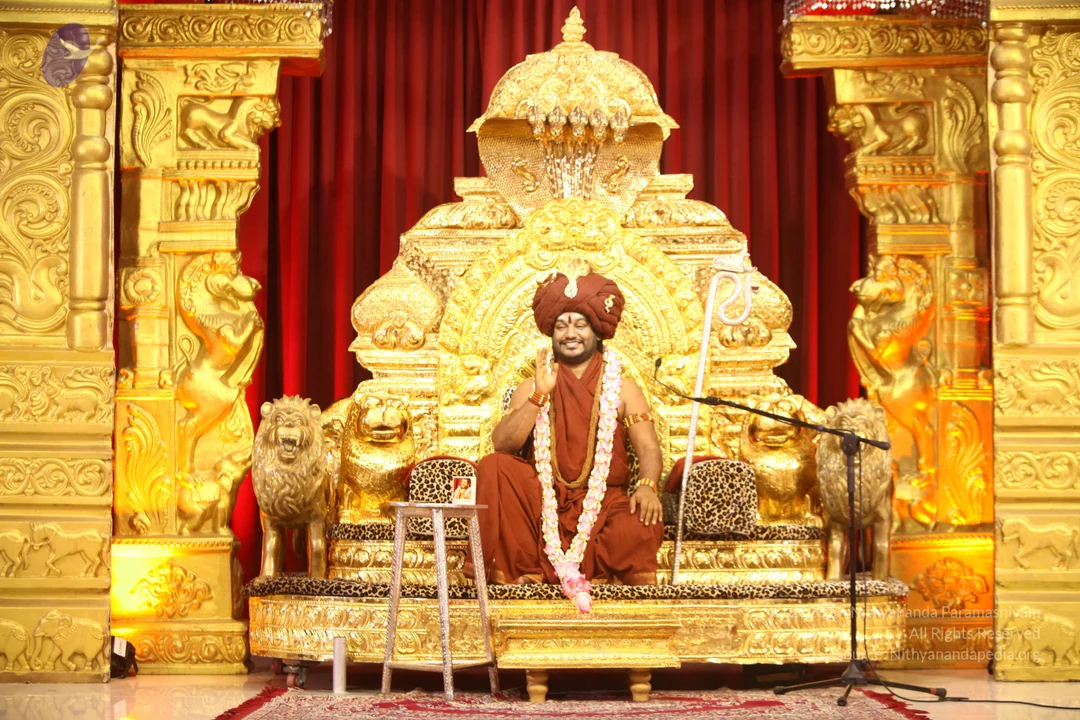
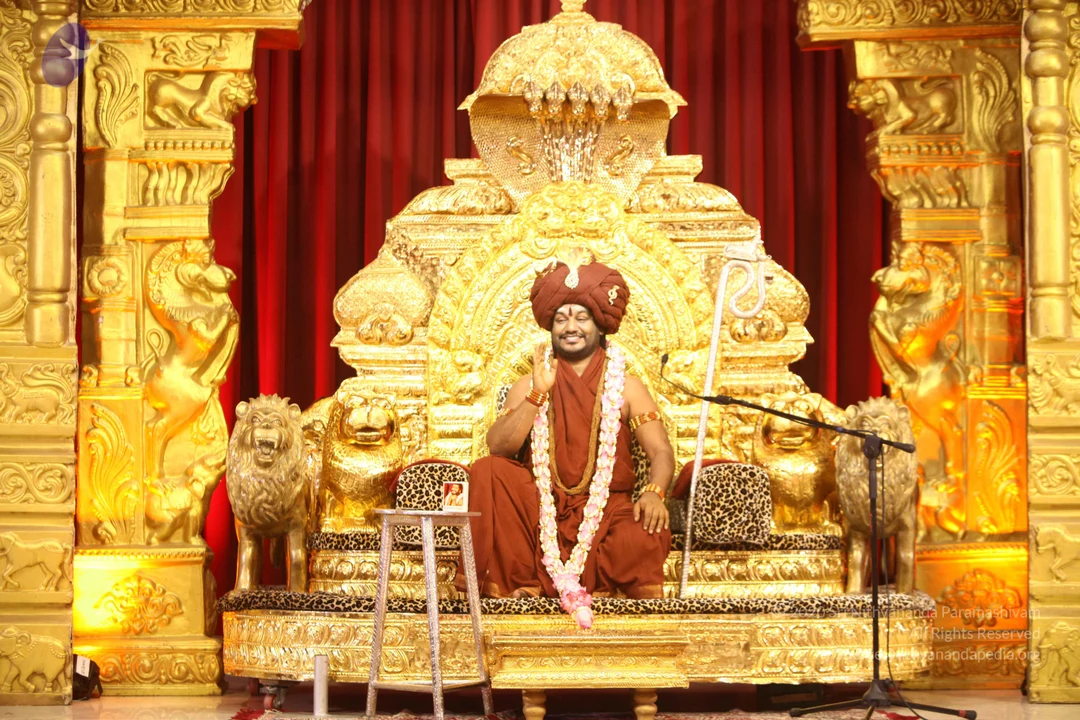
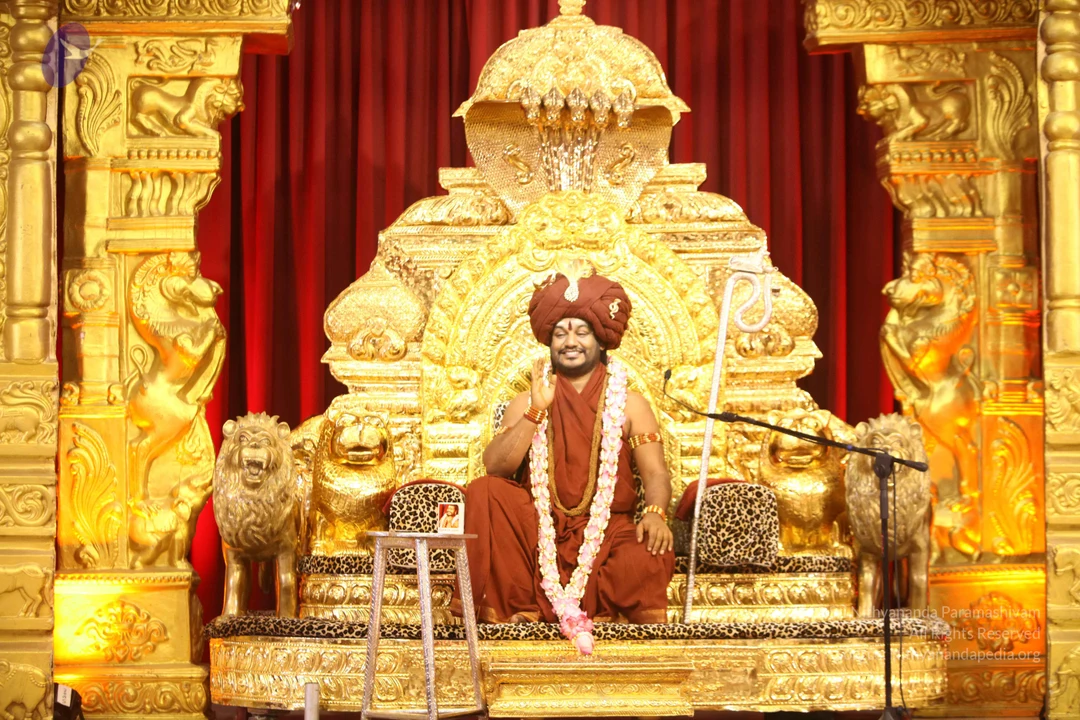
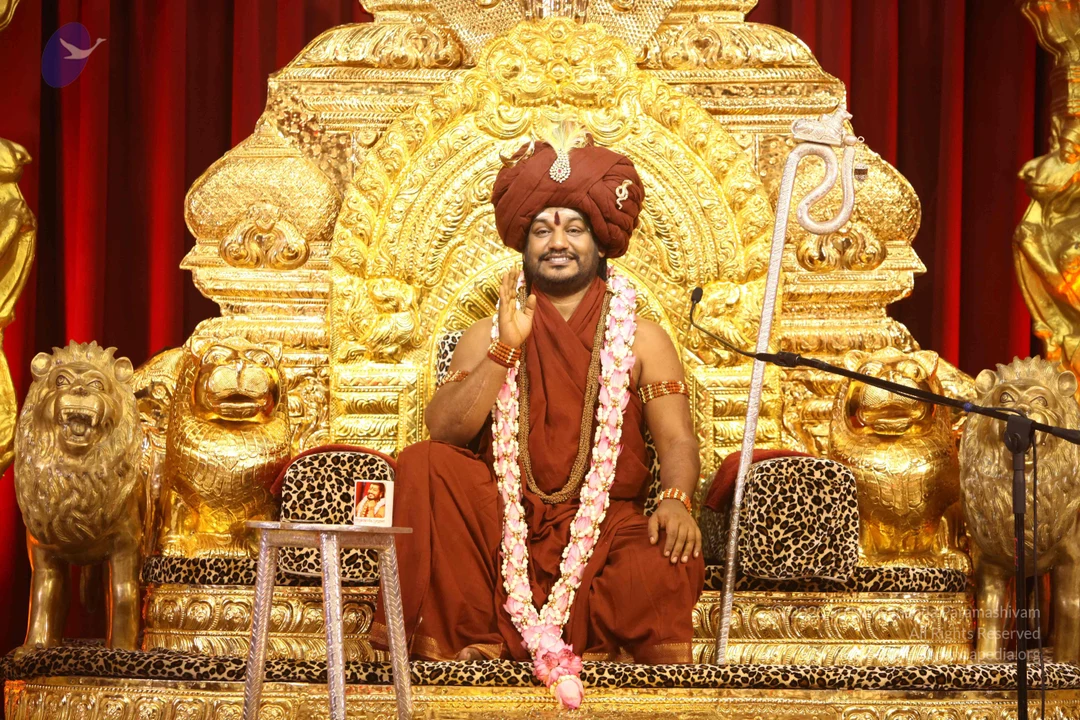
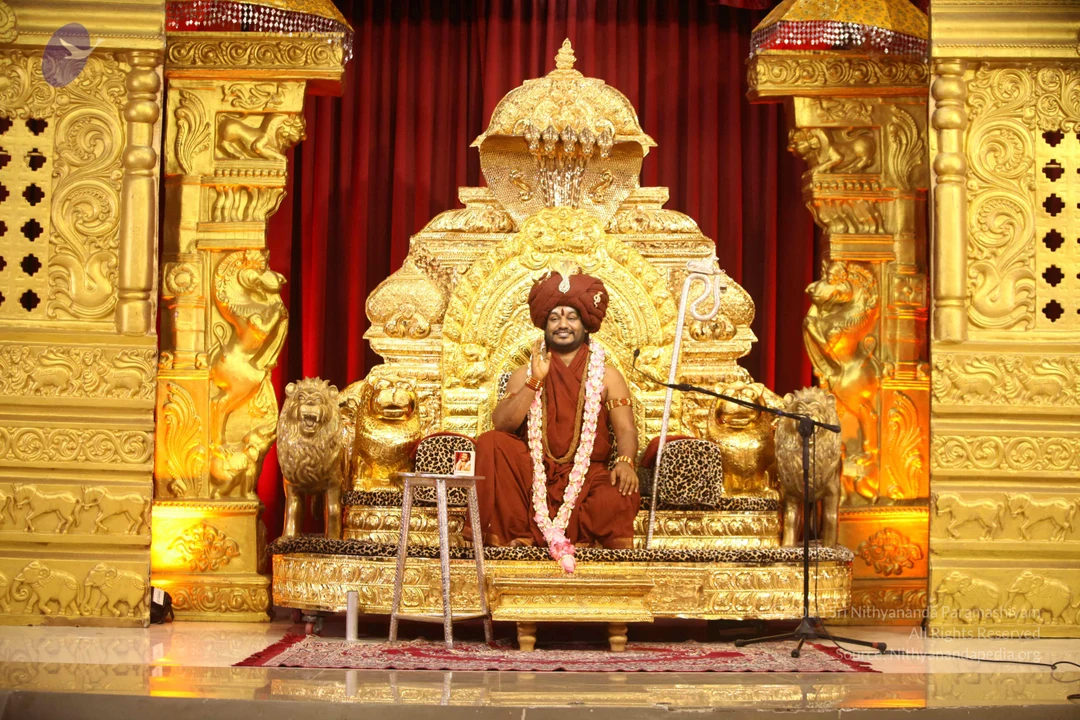
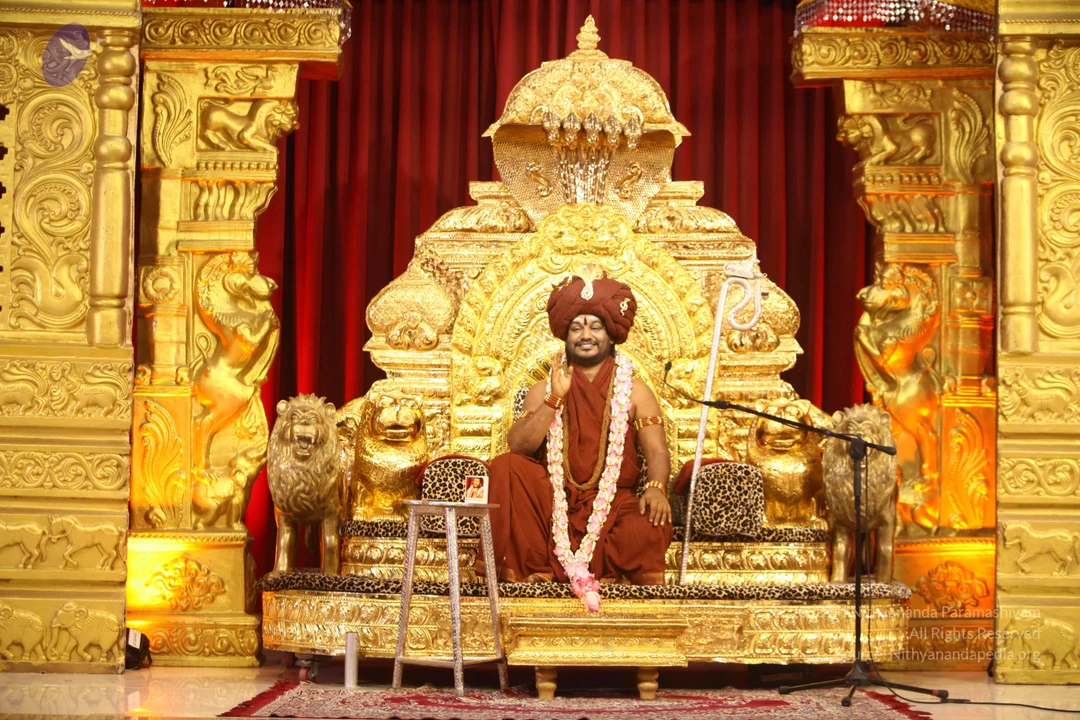
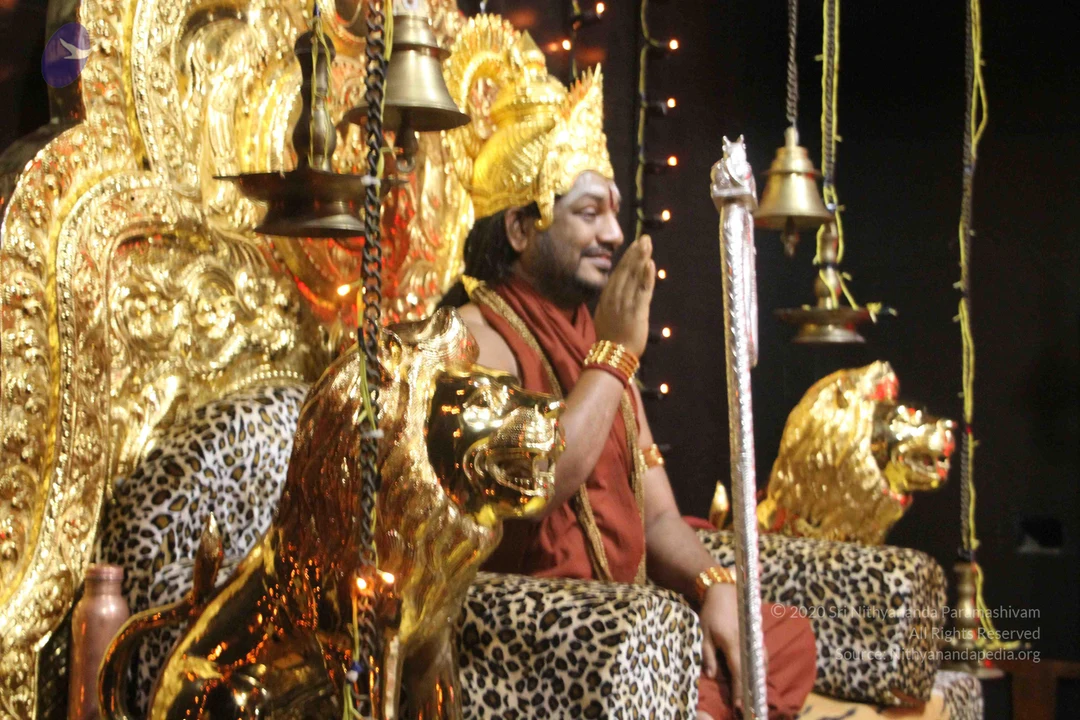
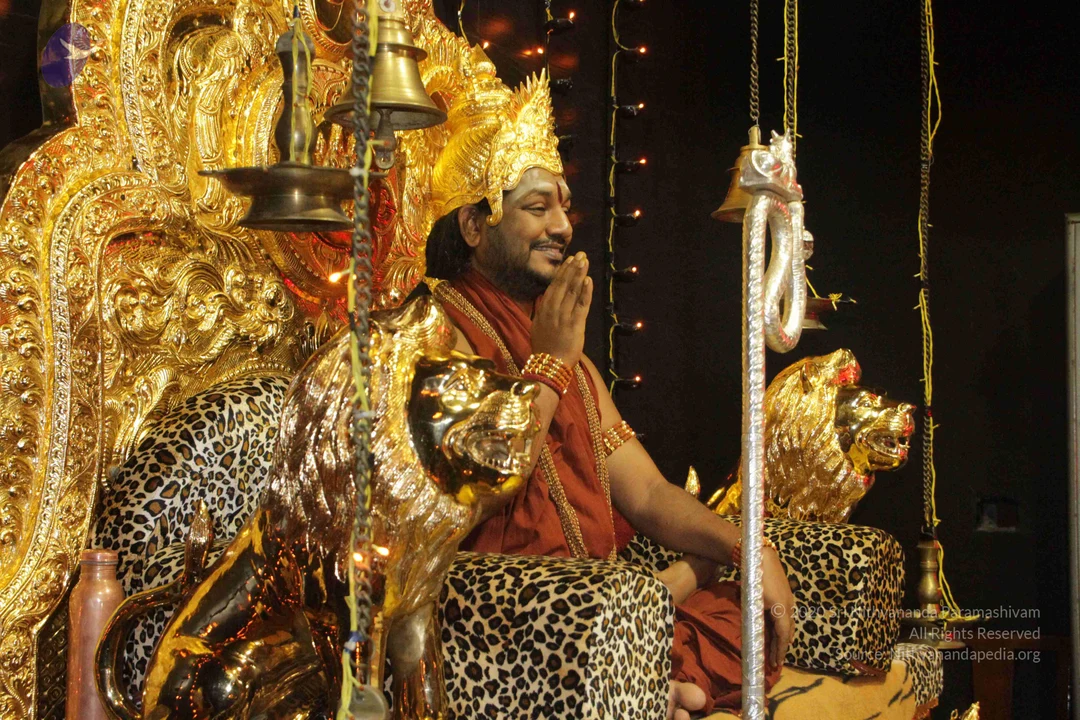
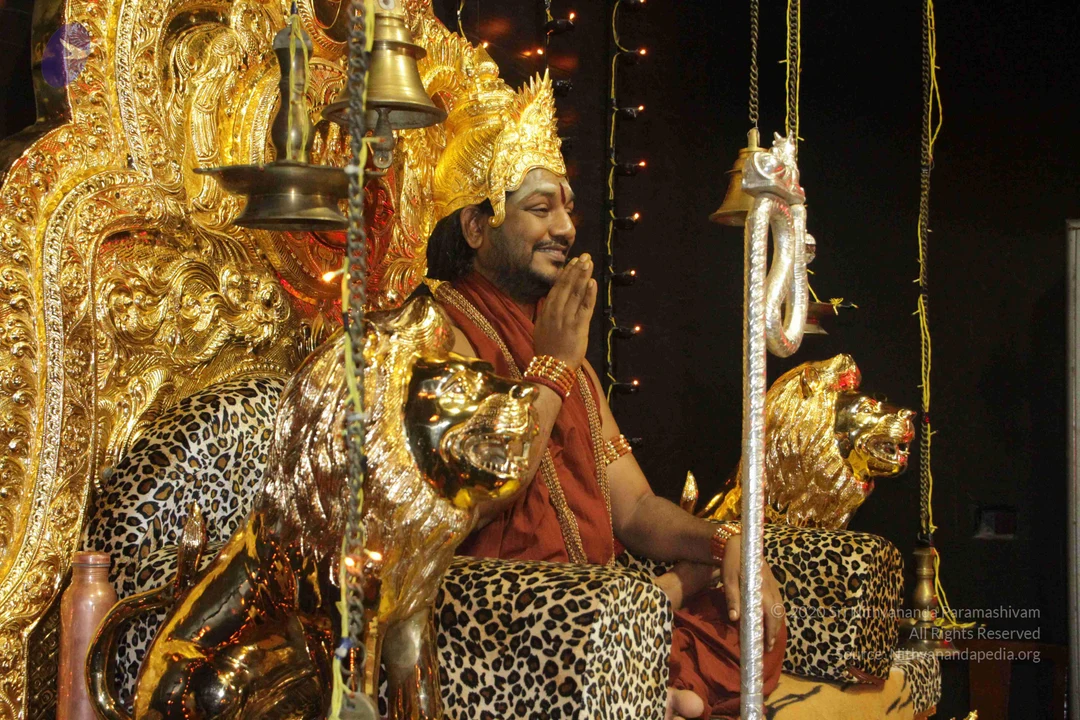
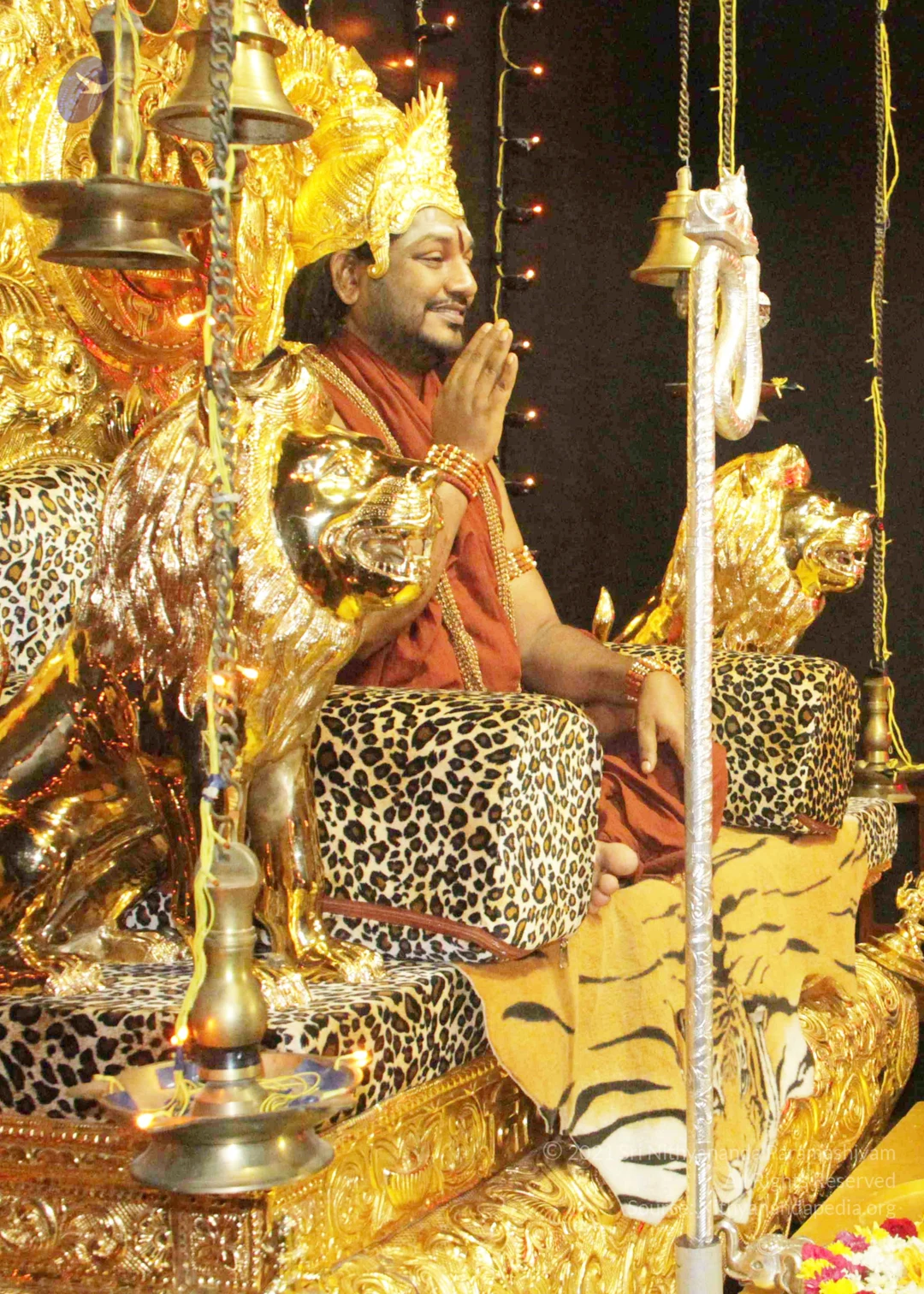
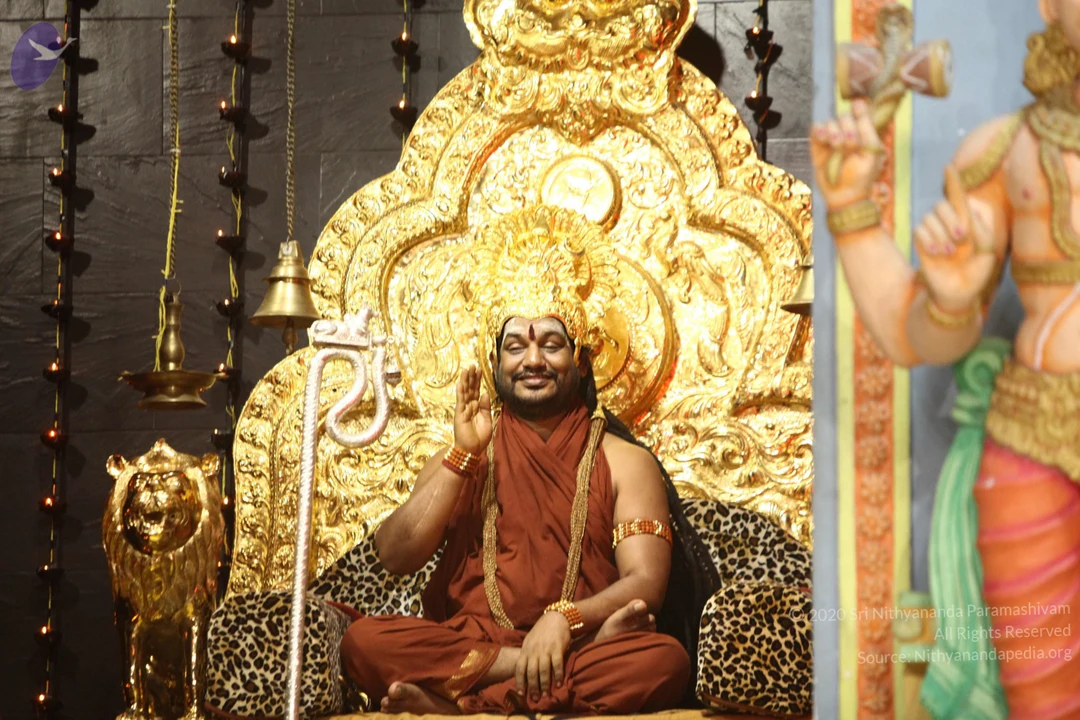
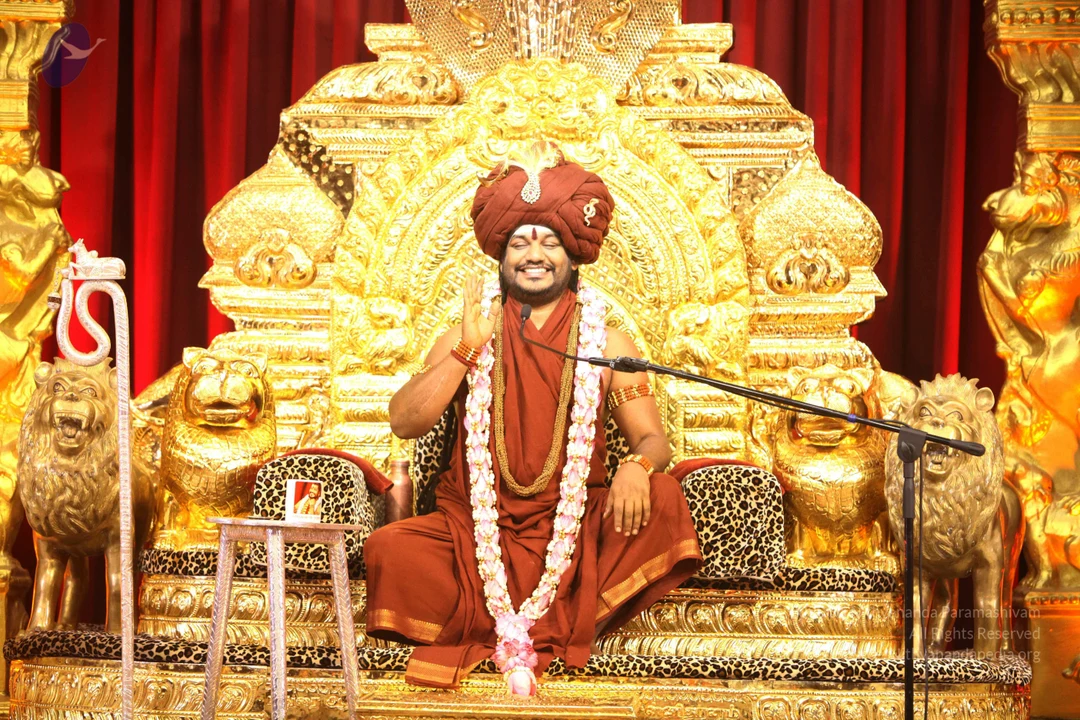
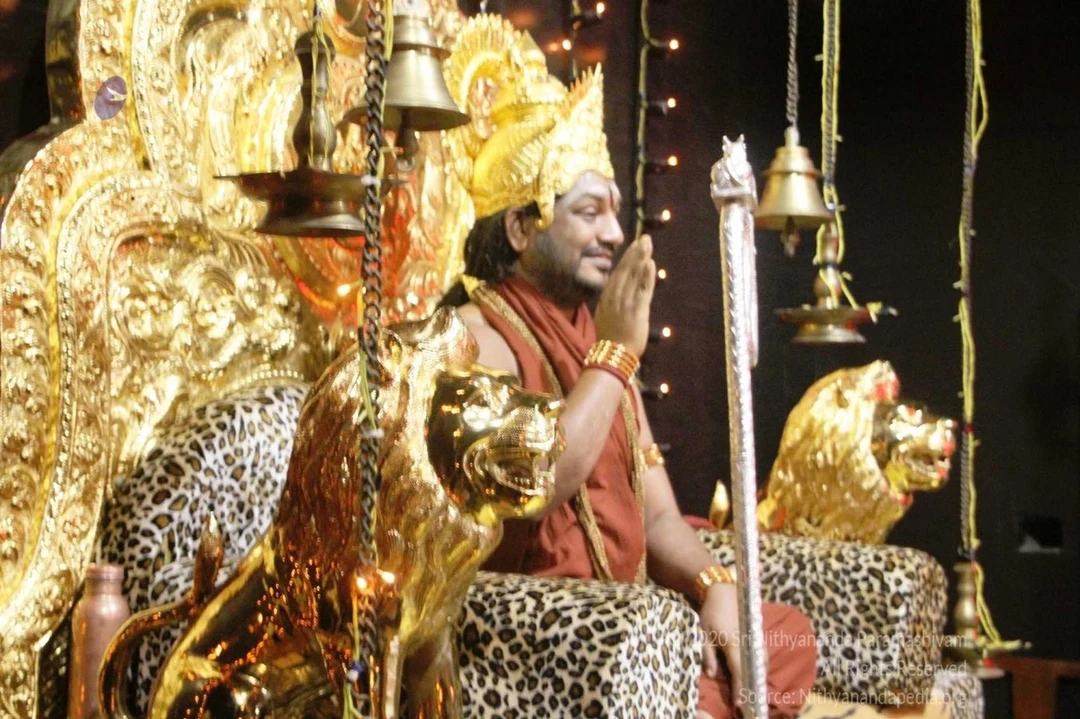 Abhaya Mudra - Blessings of His Divine Holiness
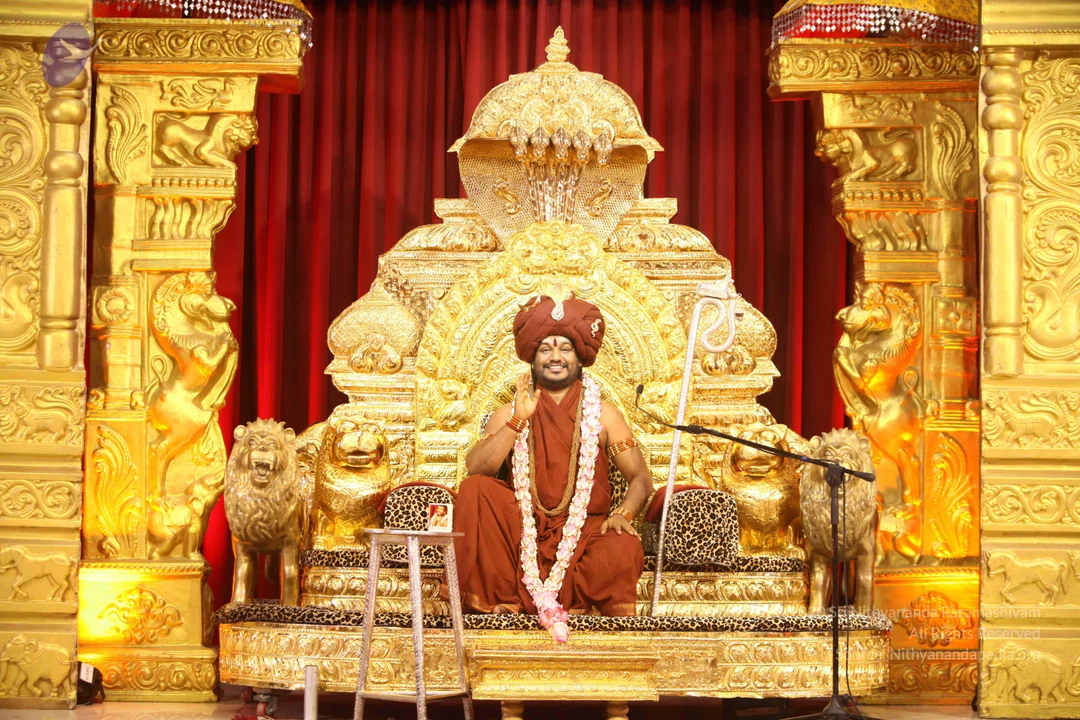
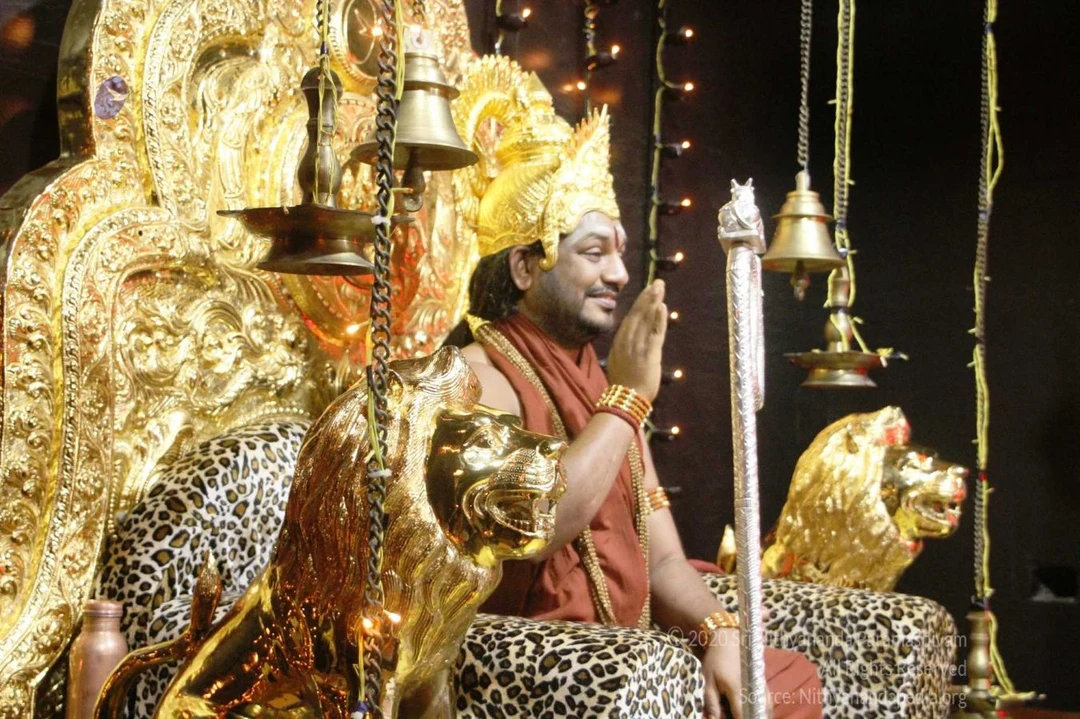 Abhaya Mudra - Blessings of His Divine Holiness
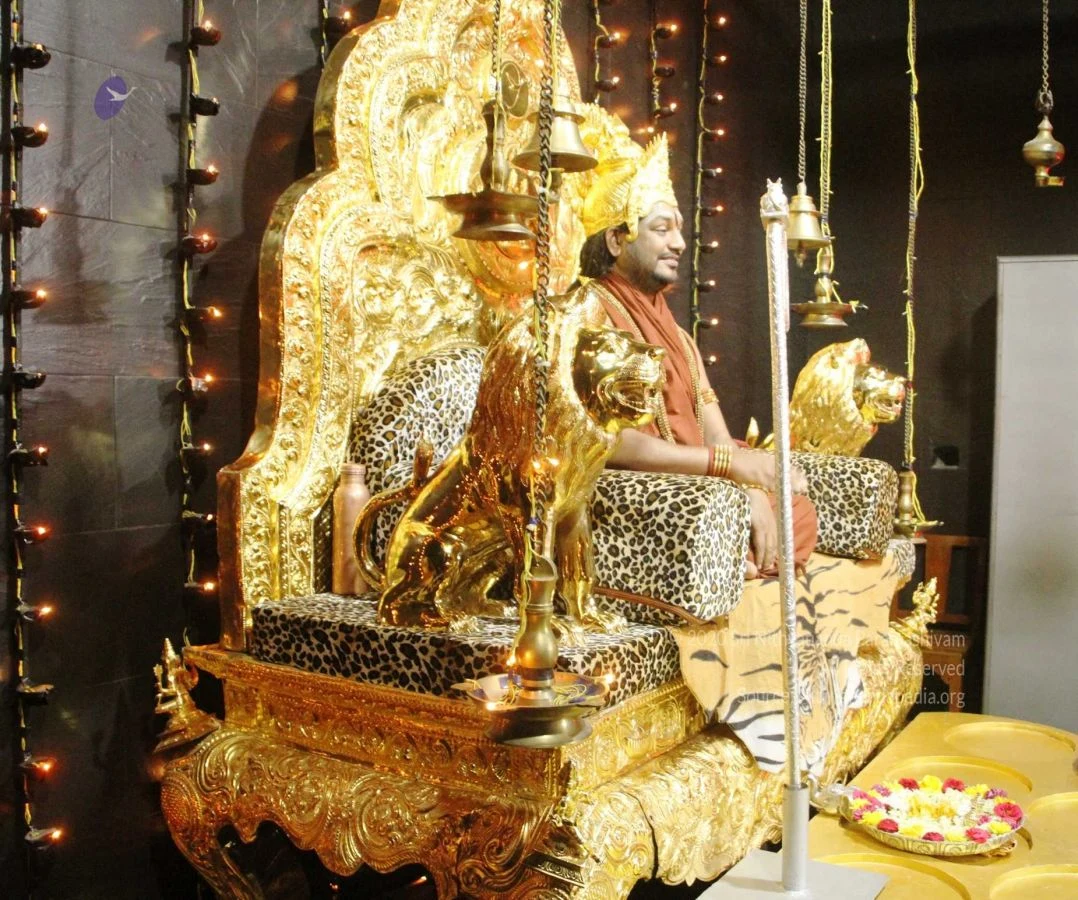 Darshan of HIs Divine Holiness Bhagavan Sri Nithyananda Paramashivam for Pratyaksha Pada Puja
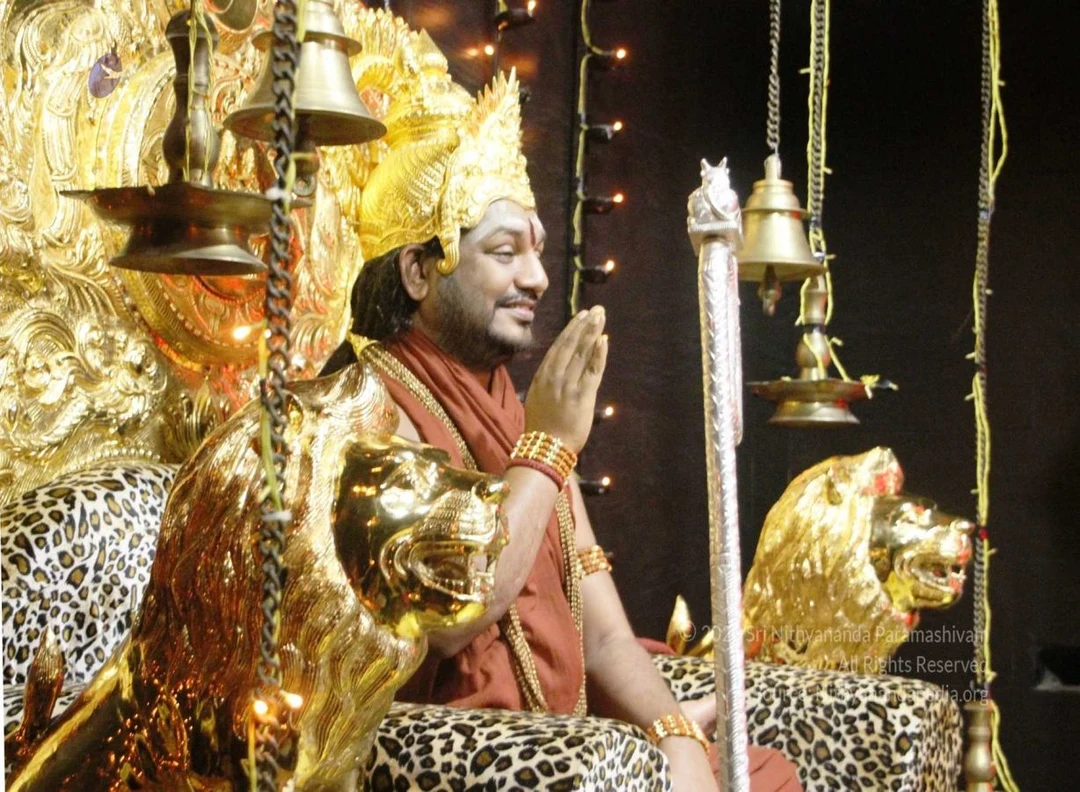 Darshan of HIs Divine Holiness Bhagavan Sri Nithyananda Paramashivam for Pratyaksha Pada Puja
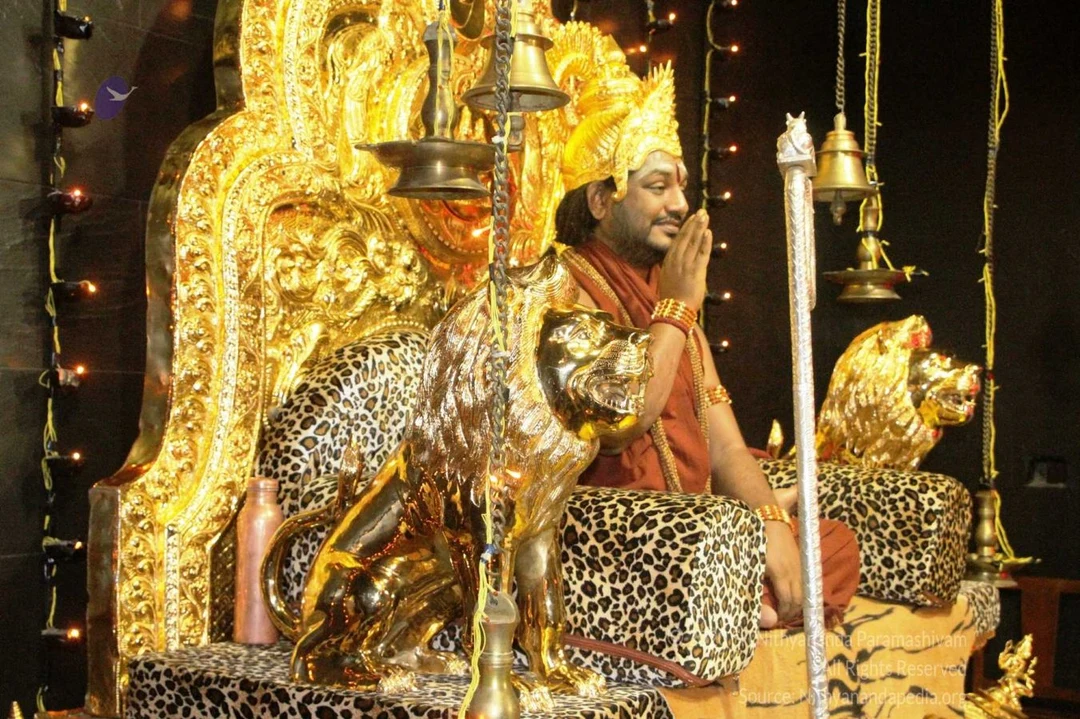 Darshan of HIs Divine Holiness Bhagavan Sri Nithyananda Paramashivam for Pratyaksha Pada Puja
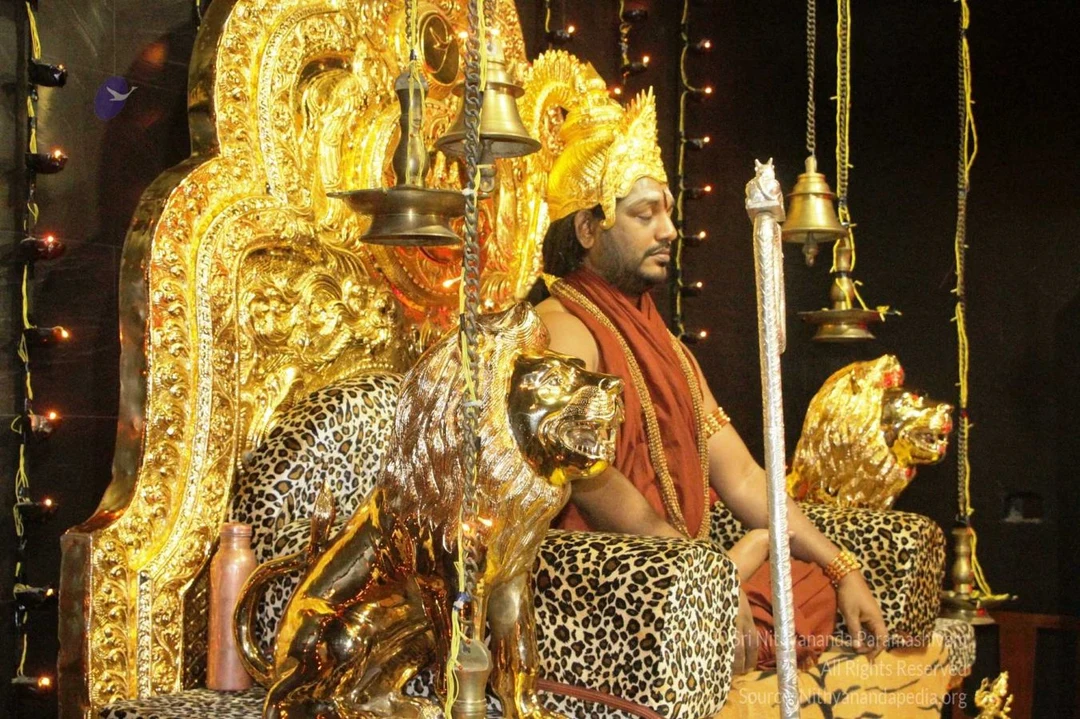 Darshan of HIs Divine Holiness Bhagavan Sri Nithyananda Paramashivam for Pratyaksha Pada Puja
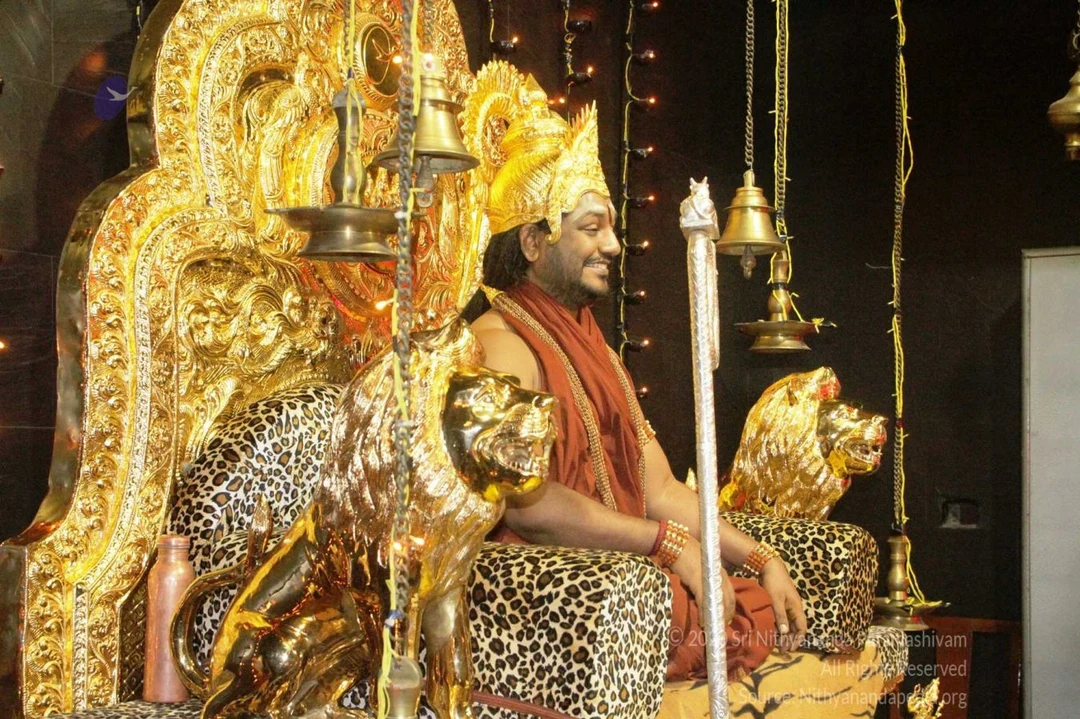 Darshan of HIs Divine Holiness Bhagavan Sri Nithyananda Paramashivam for Pratyaksha Pada Puja
 Darshan of HIs Divine Holiness Bhagavan Sri Nithyananda Paramashivam for Pratyaksha Pada Puja
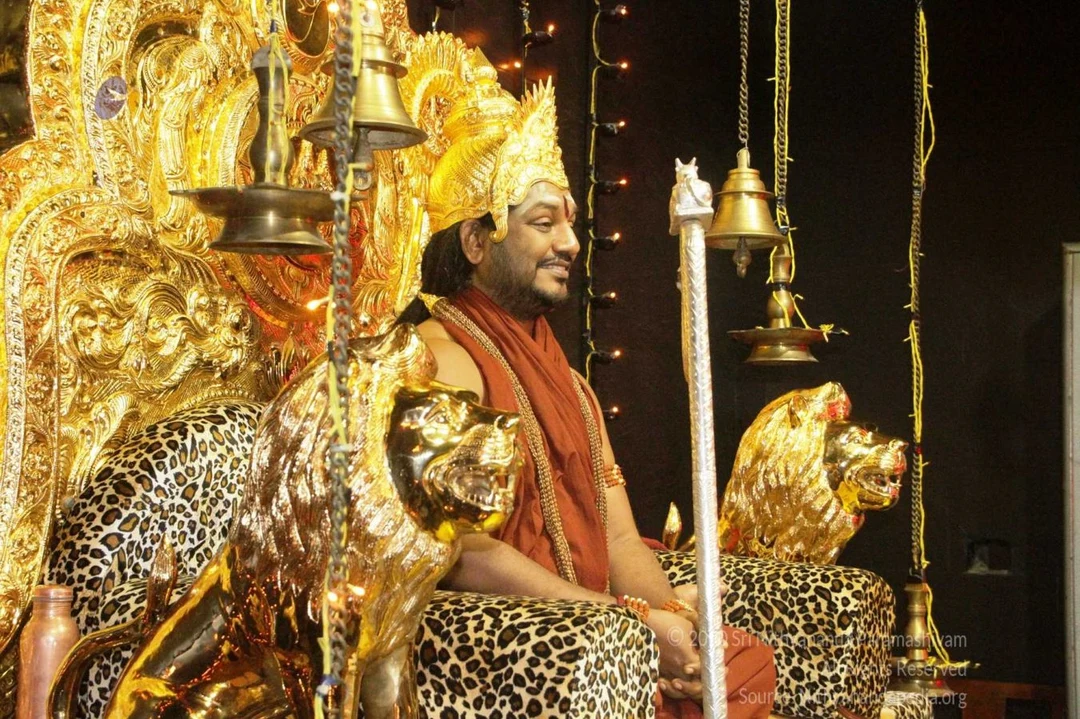 Darshan of HIs Divine Holiness Bhagavan Sri Nithyananda Paramashivam for Pratyaksha Pada Puja
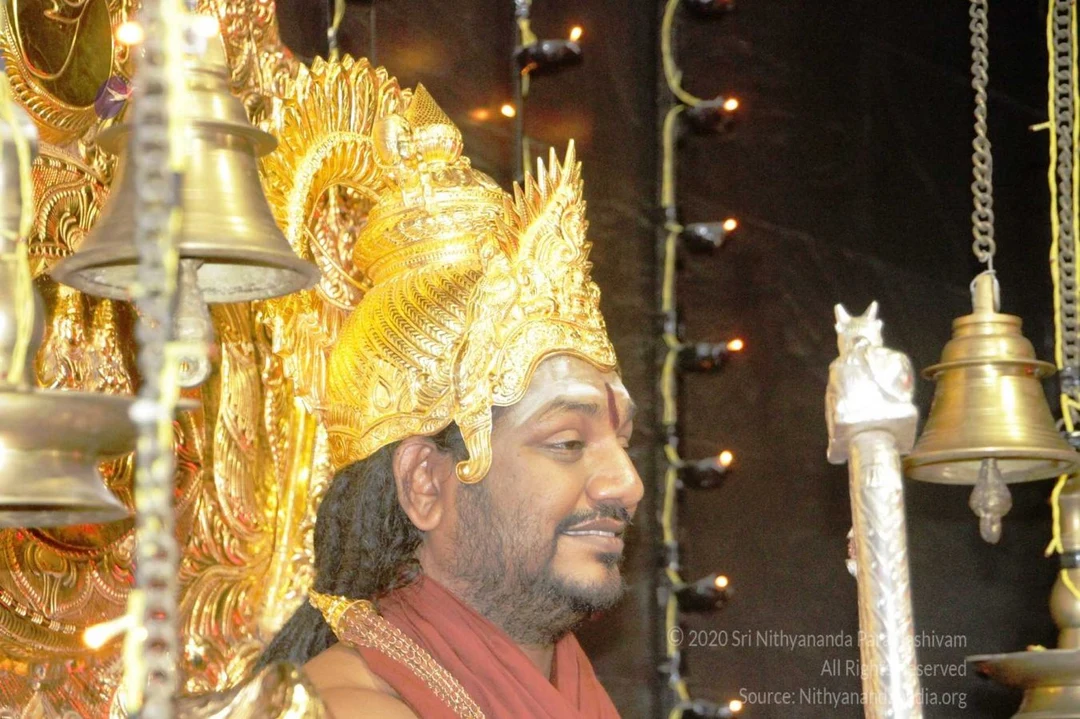 Darshan of HIs Divine Holiness Bhagavan Sri Nithyananda Paramashivam for Pratyaksha Pada Puja
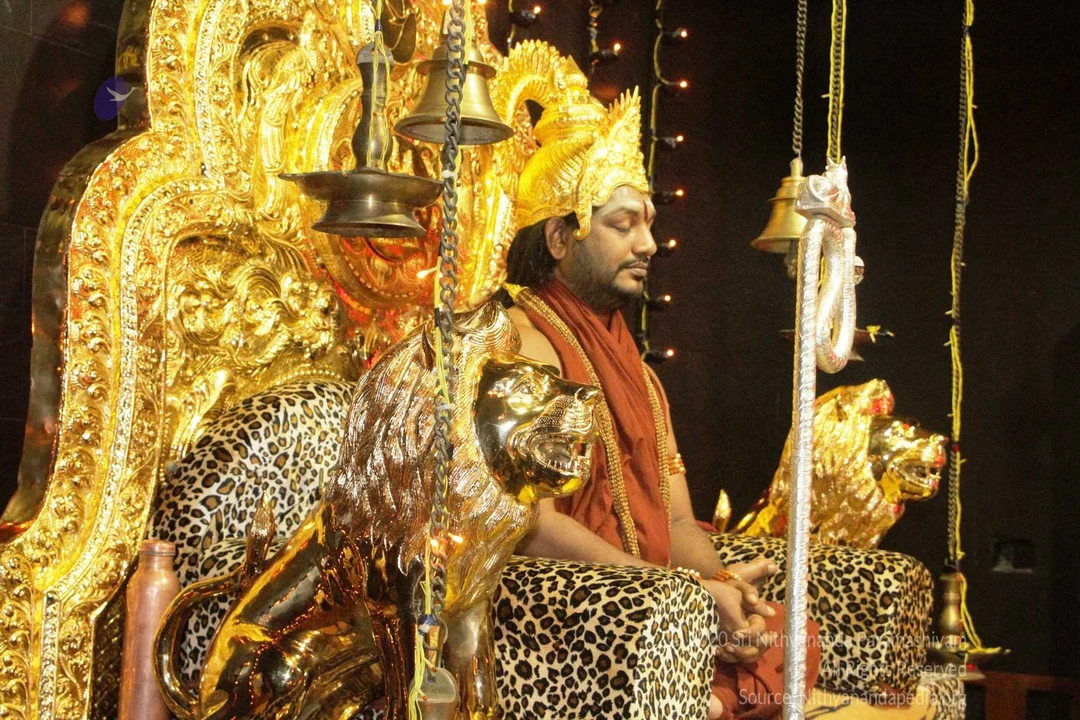 Darshan of HIs Divine Holiness Bhagavan Sri Nithyananda Paramashivam for Pratyaksha Pada Puja
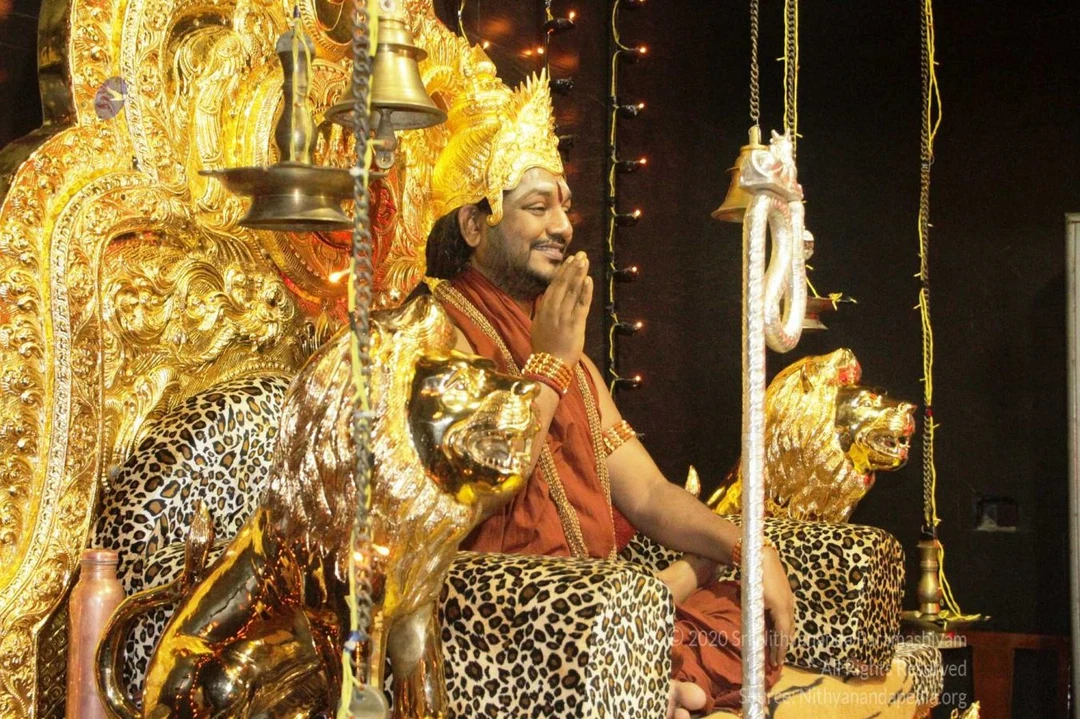 Abhaya Mudra - Blessings of His Divine Holiness
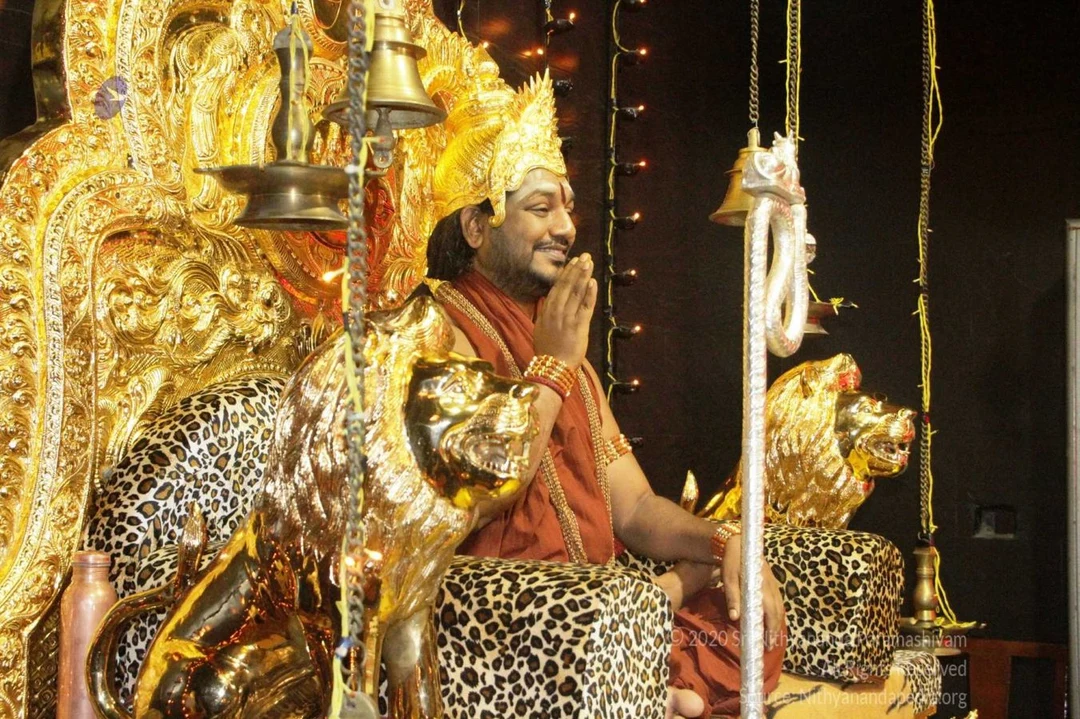 Abhaya Mudra - Blessings of His Divine Holiness
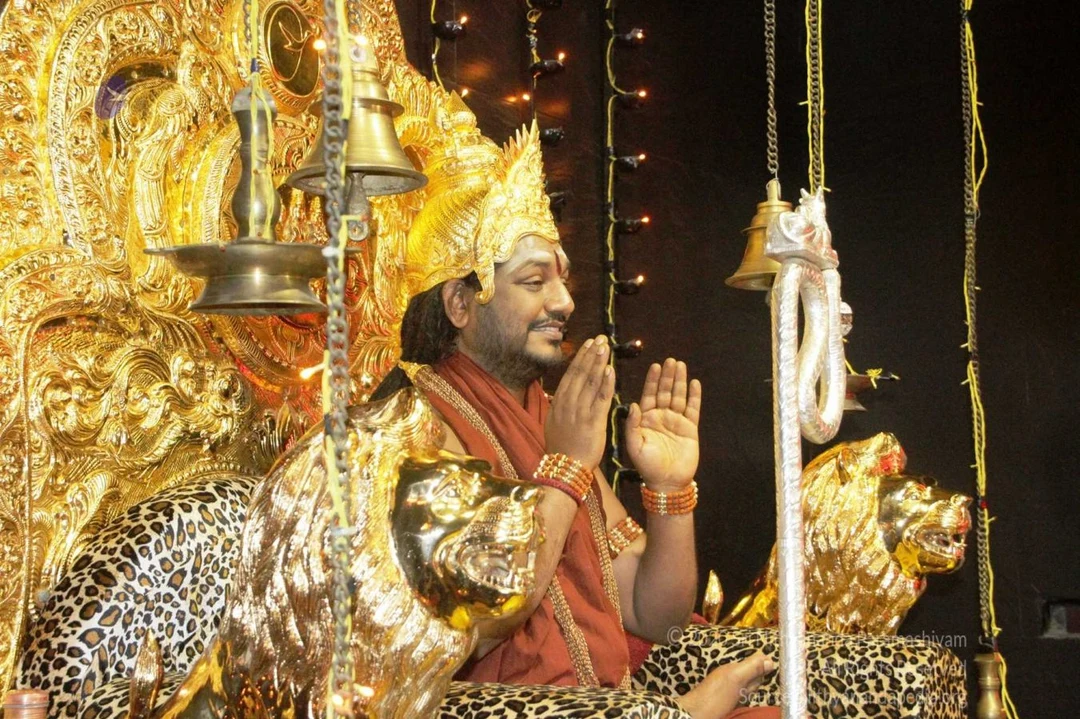 Poorana Ashirvadam - Blessings of His Divine Holiness
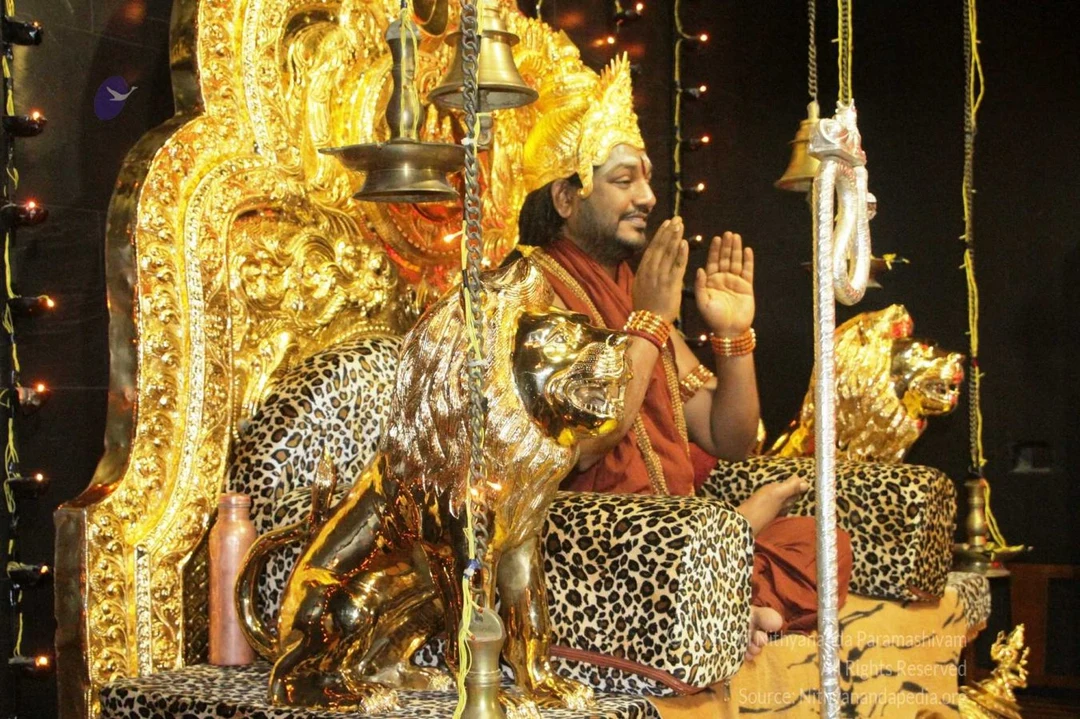 Poorana Ashirvadam - Blessings of His Divine Holiness
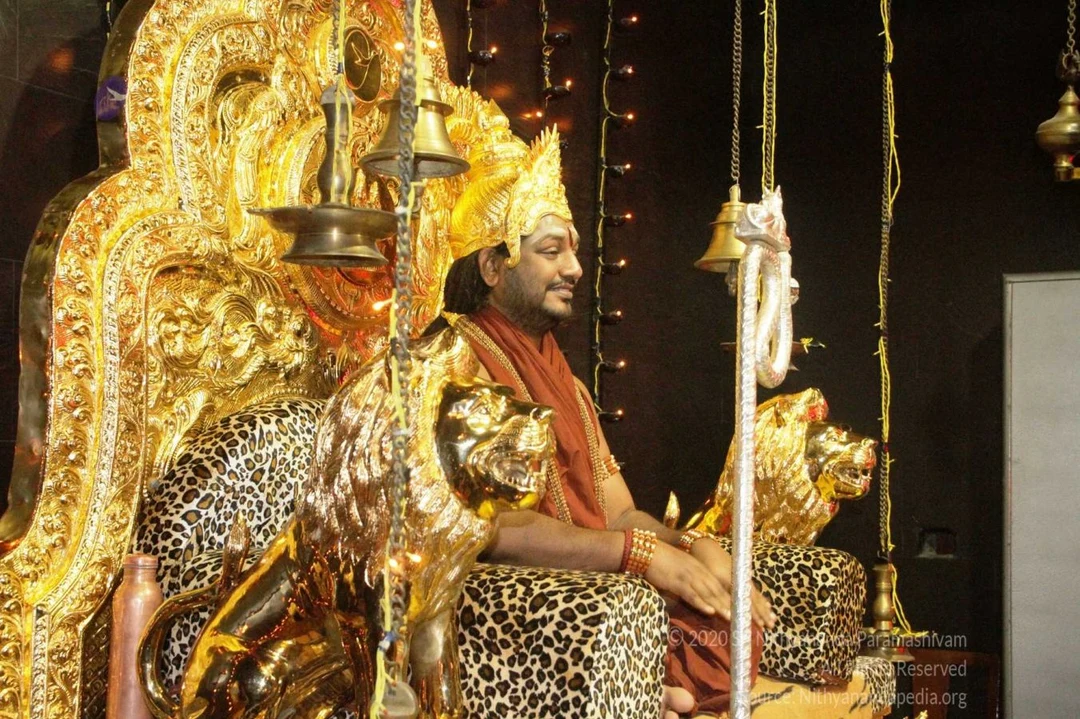 Darshan of HIs Divine Holiness Bhagavan Sri Nithyananda Paramashivam for Pratyaksha Pada Puja
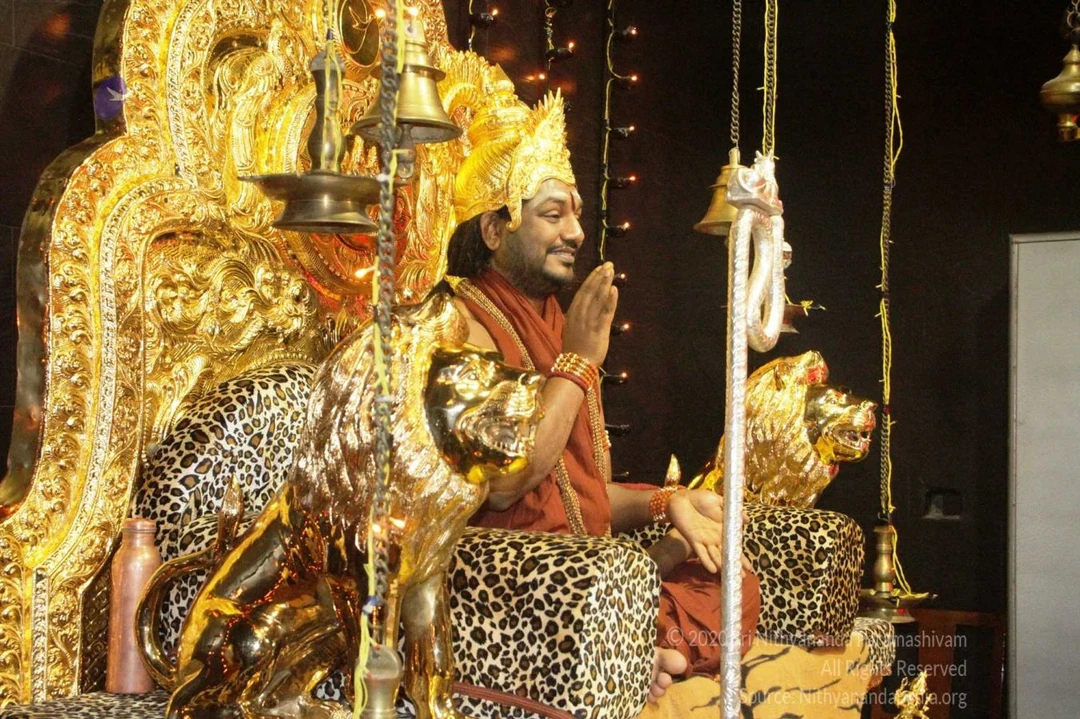 Abhaya Mudra - Blessings of His Divine Holiness
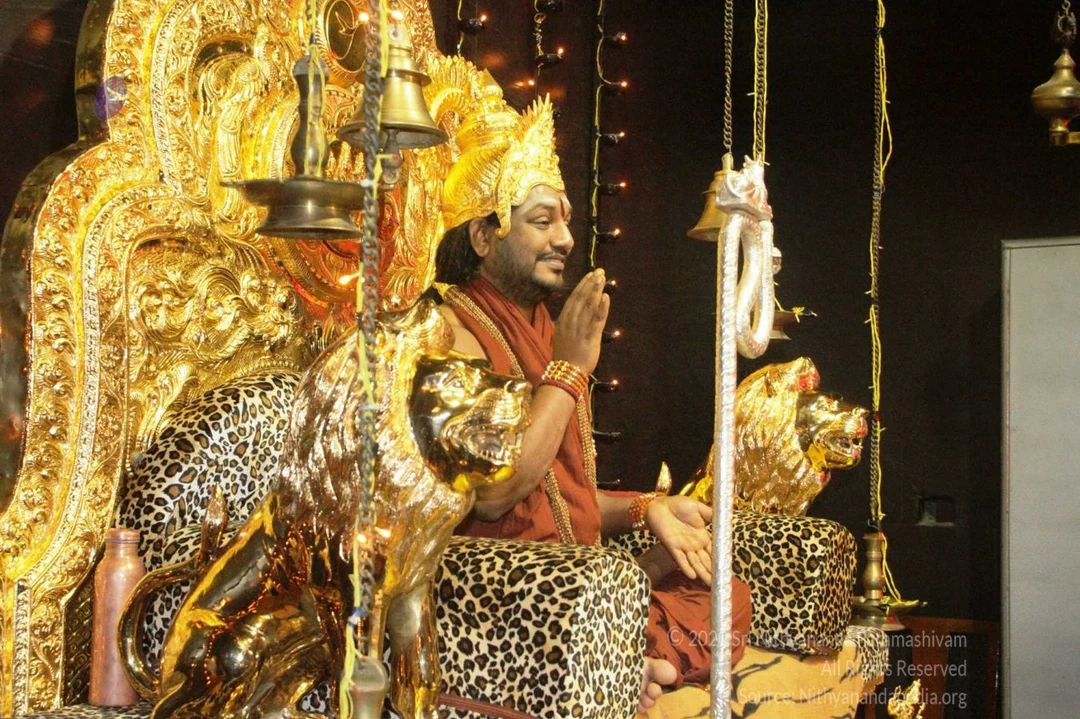 Abhaya Mudra - Blessings of His Divine Holiness
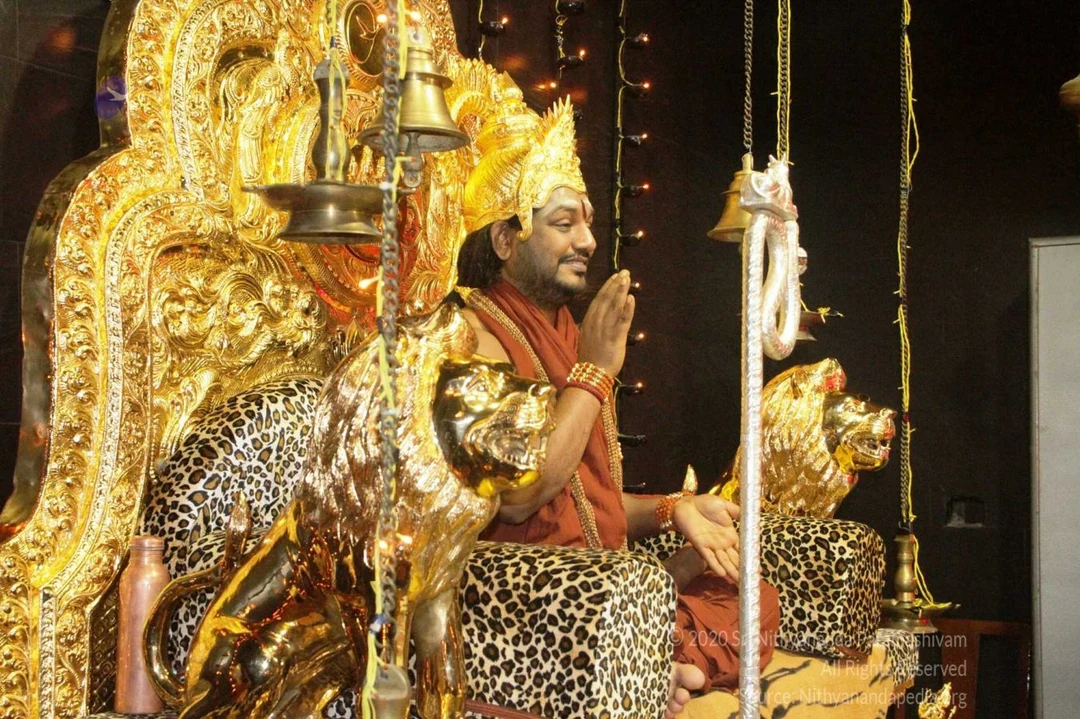 Abhaya Mudra - Blessings of His Divine Holiness
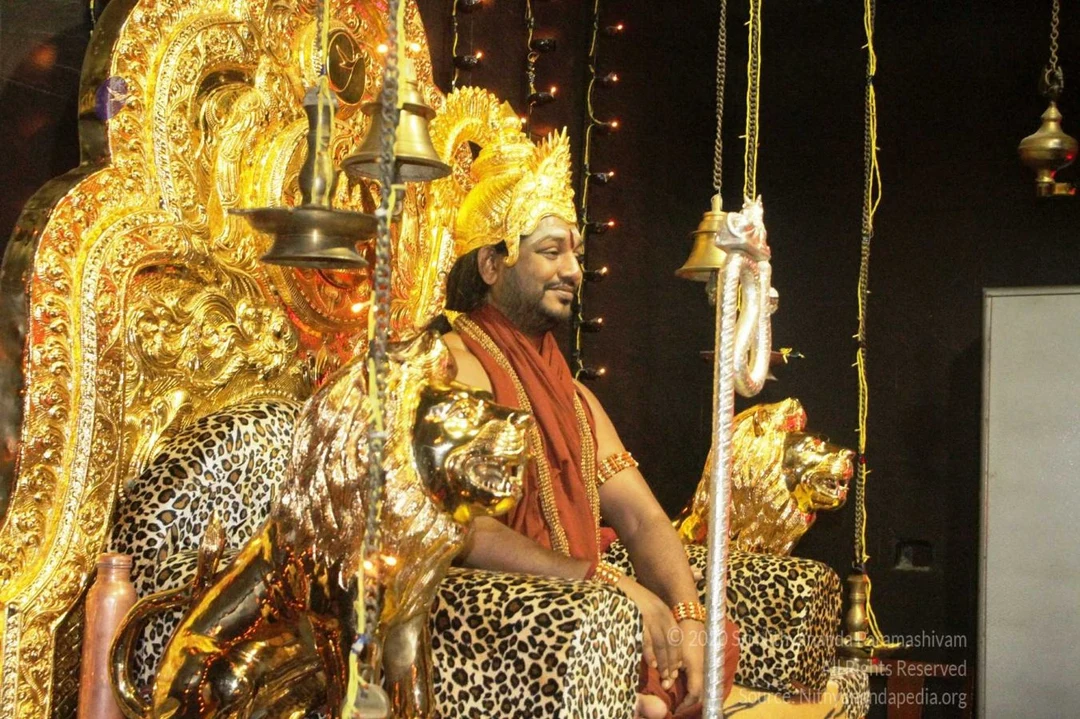 Darshan of HIs Divine Holiness Bhagavan Sri Nithyananda Paramashivam for Pratyaksha Pada Puja
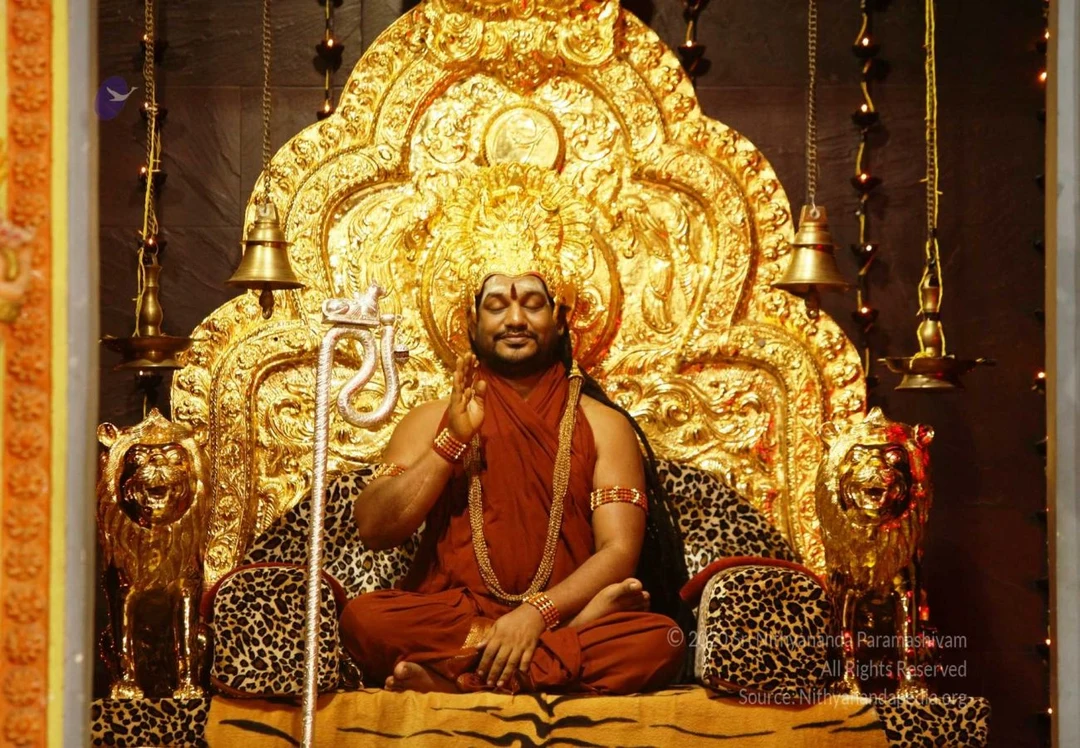 Abhaya Mudra - Blessings of His Divine Holiness
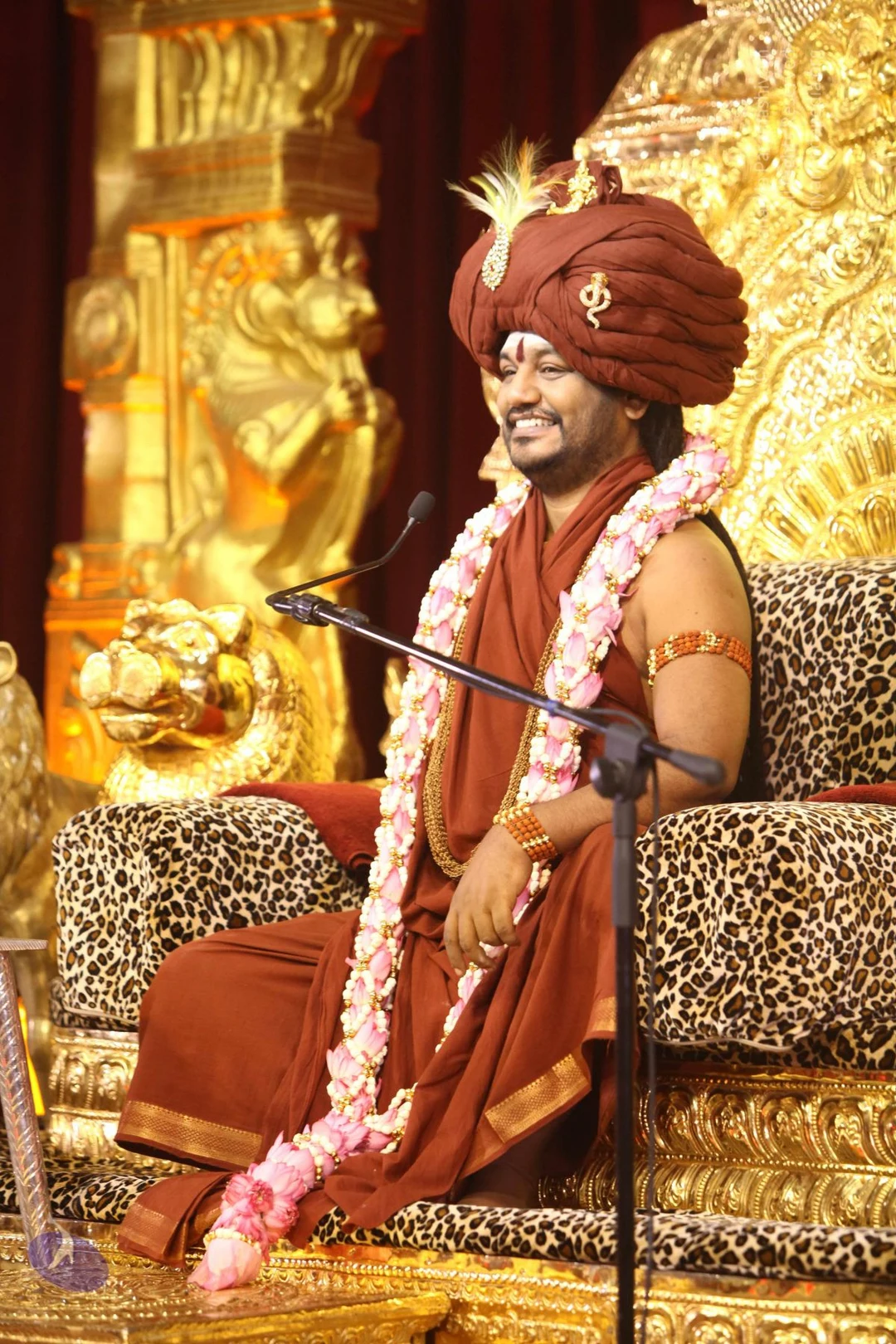
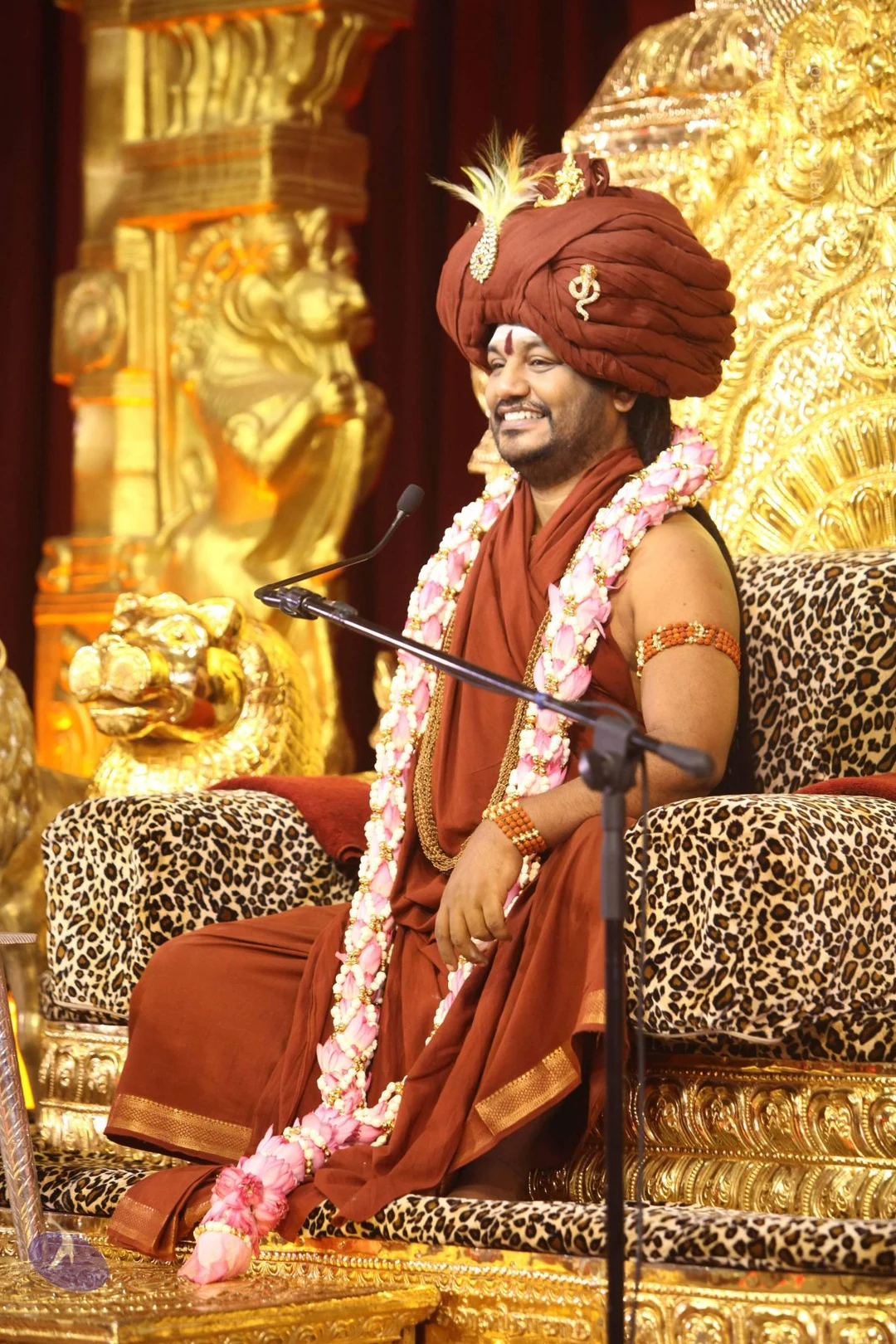
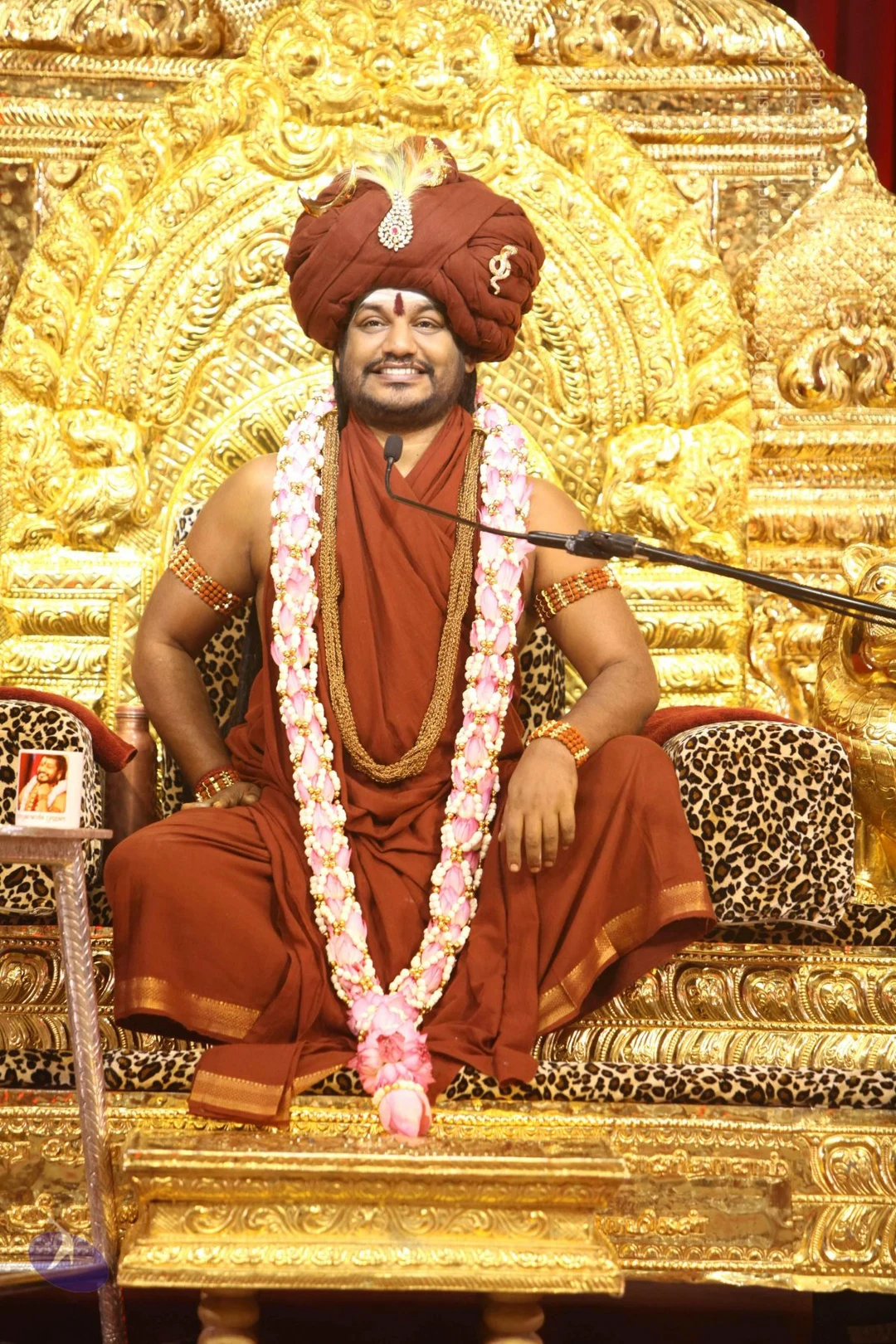
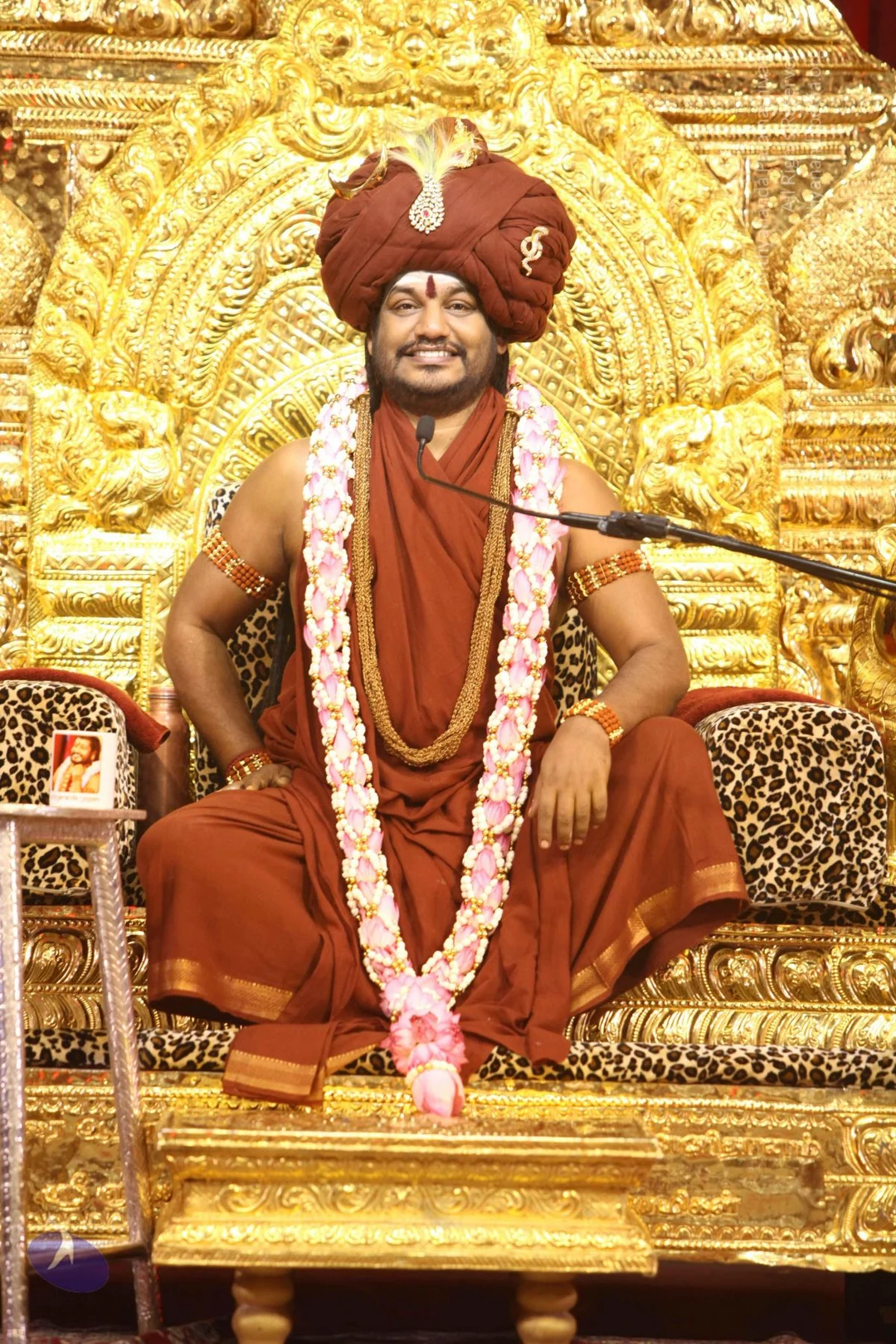
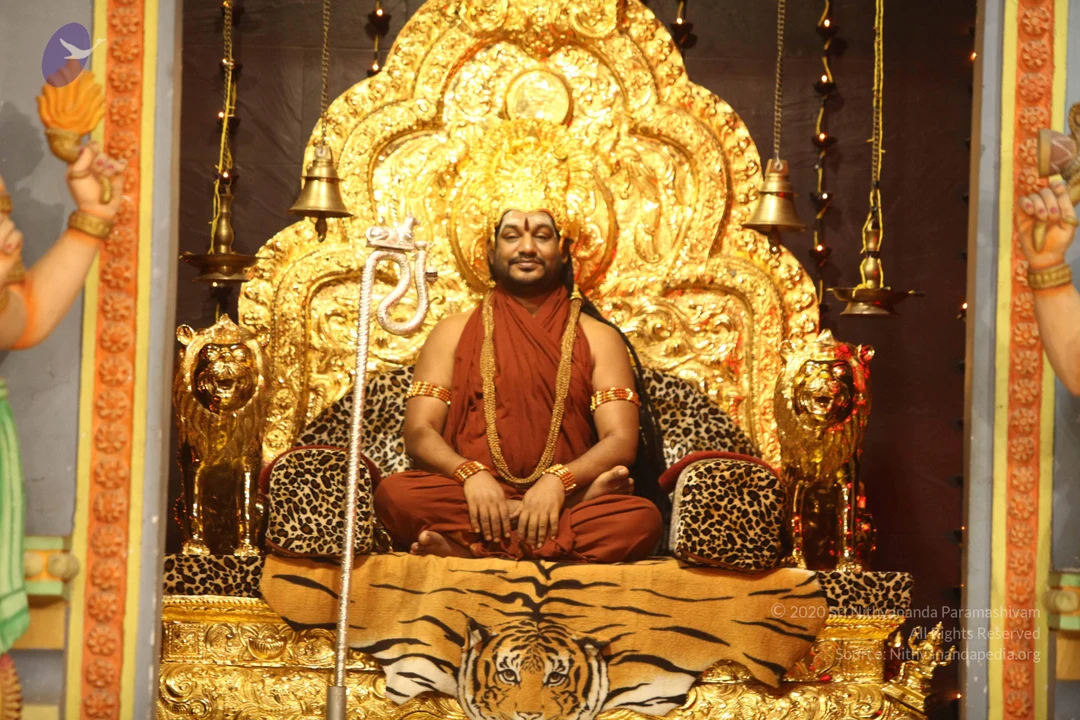
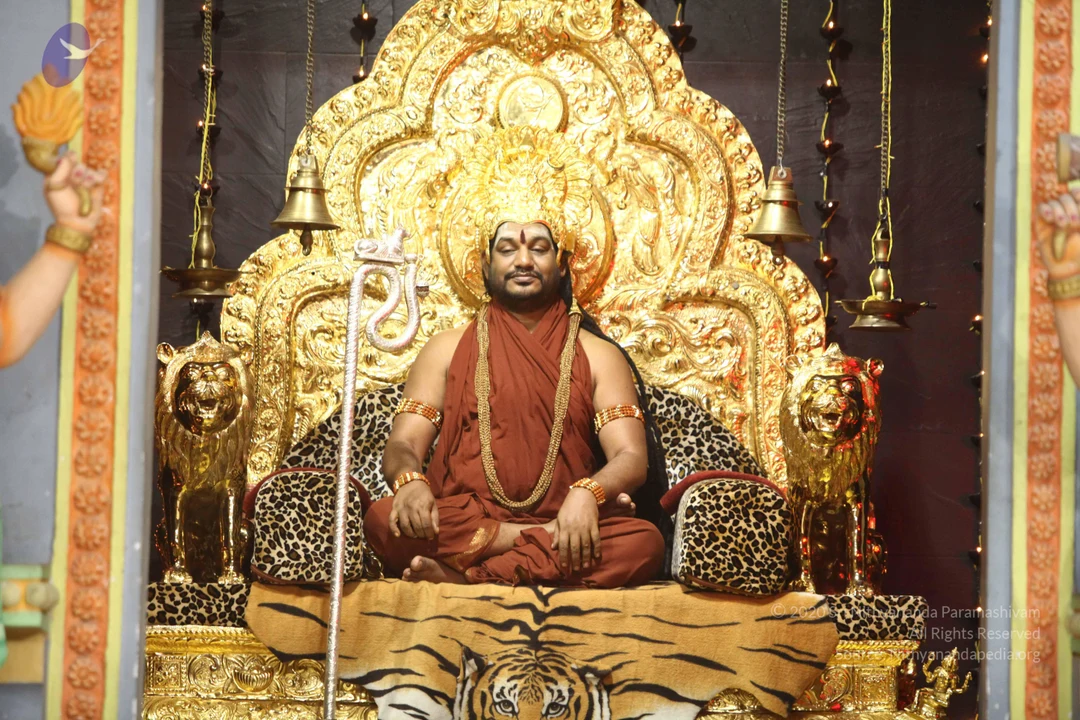
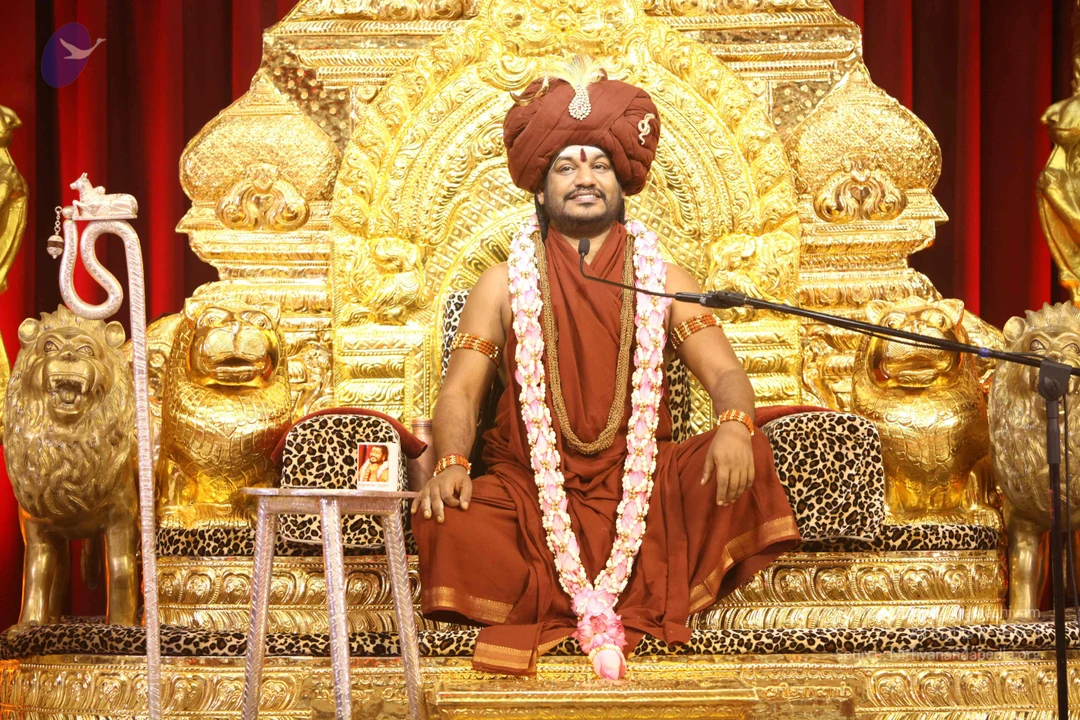
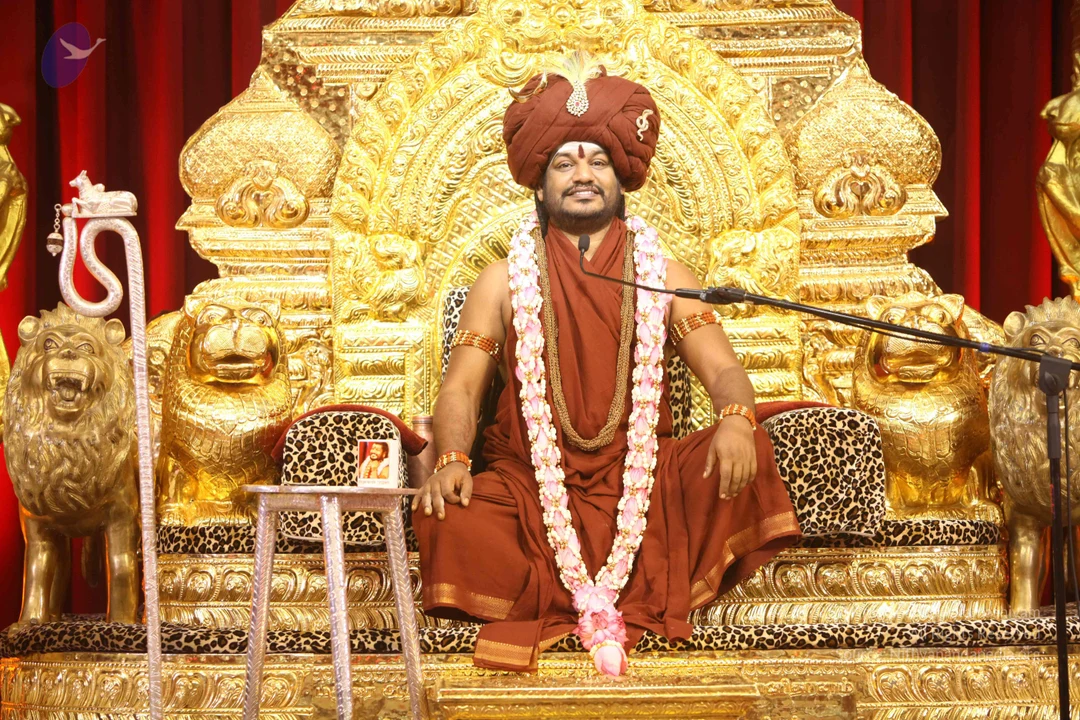
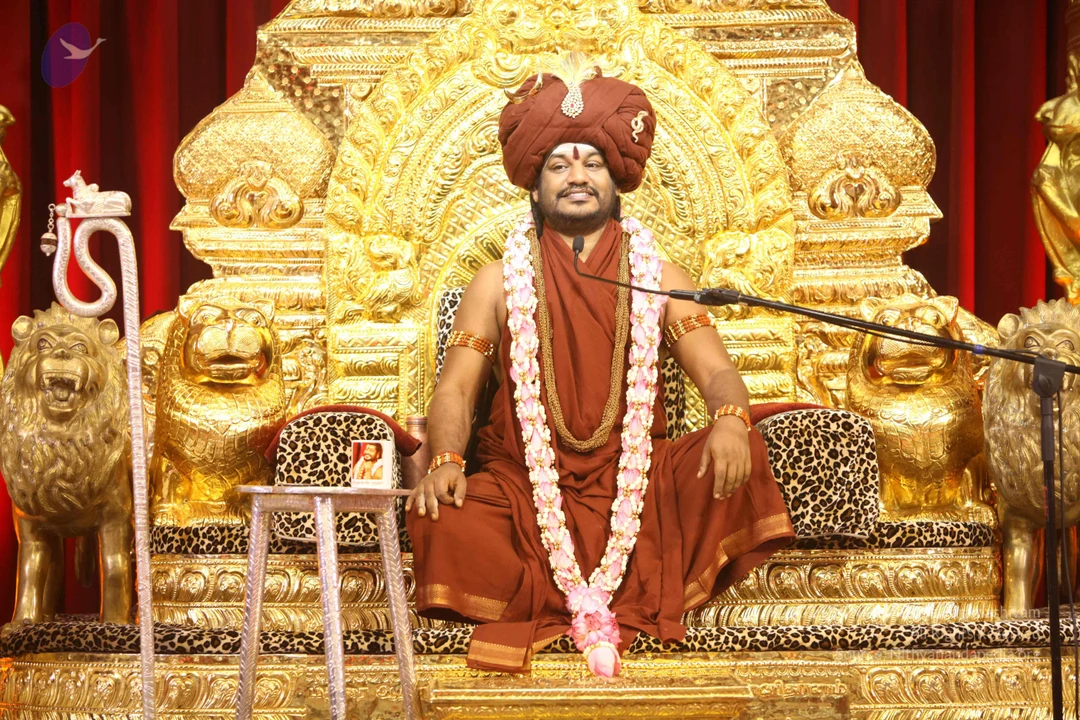
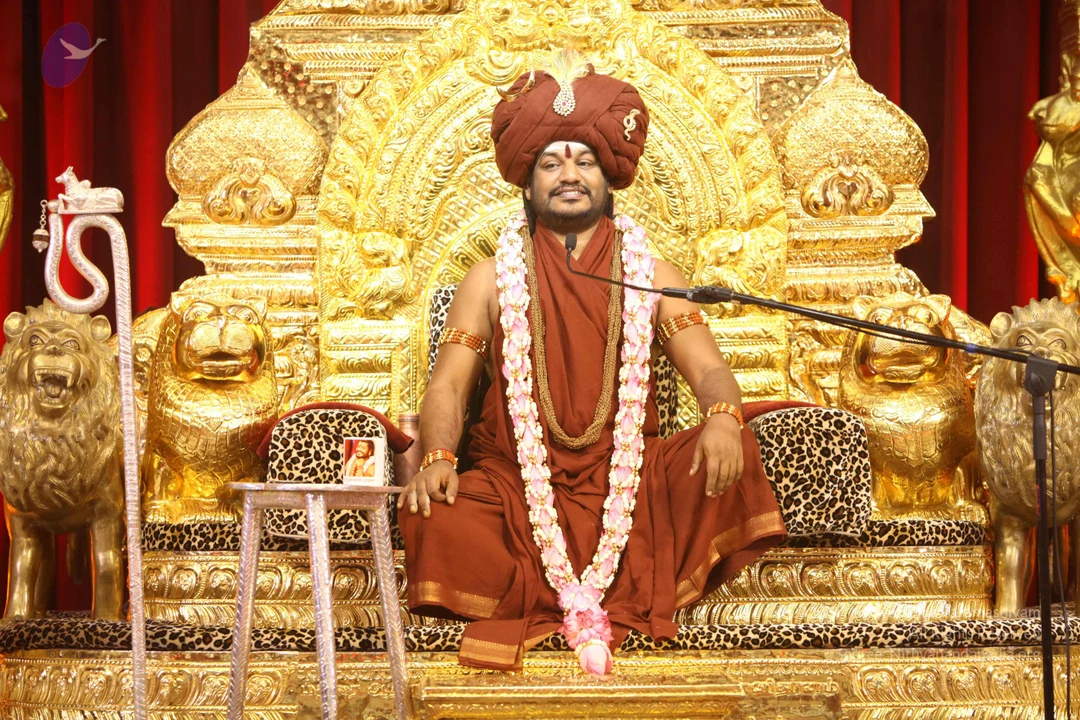
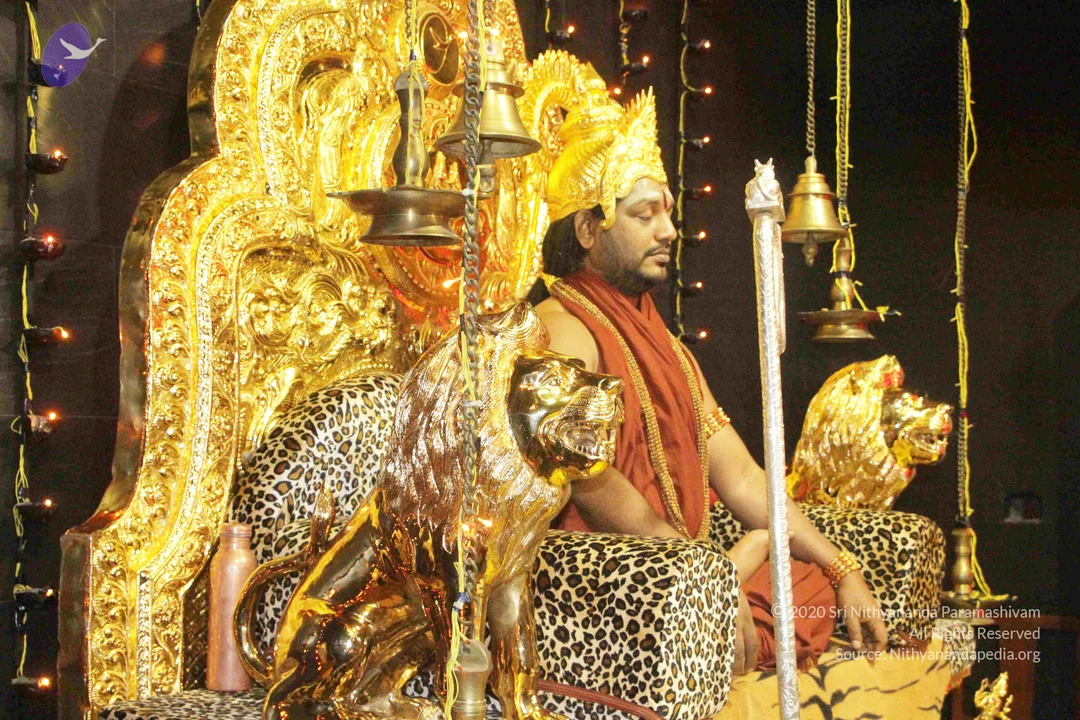
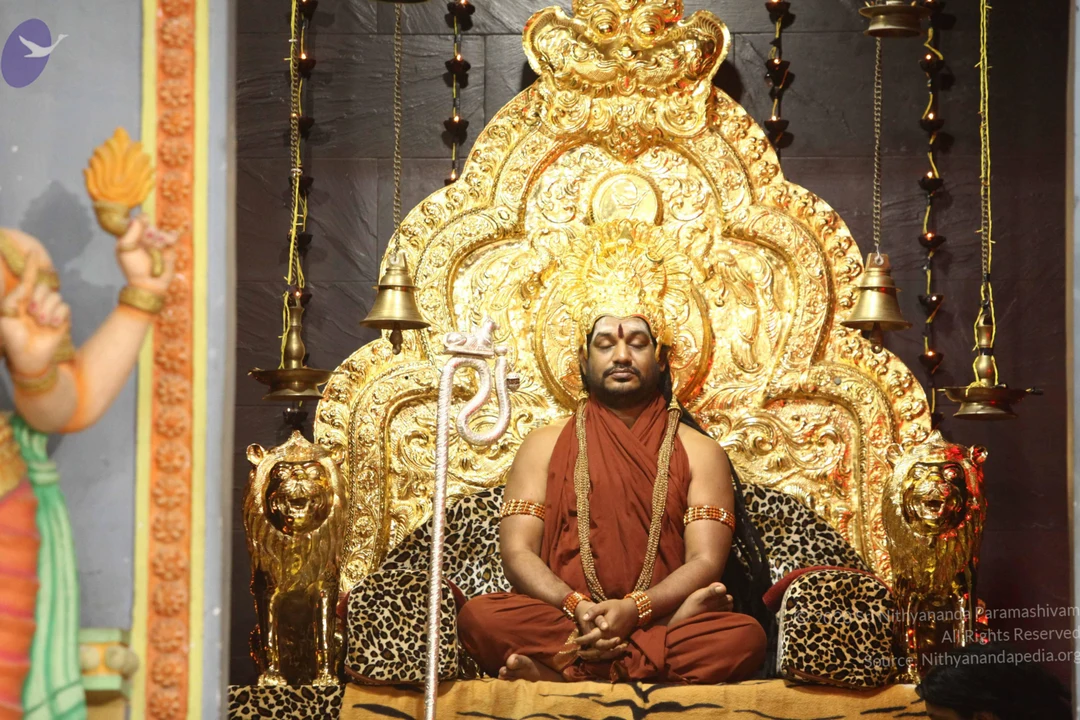
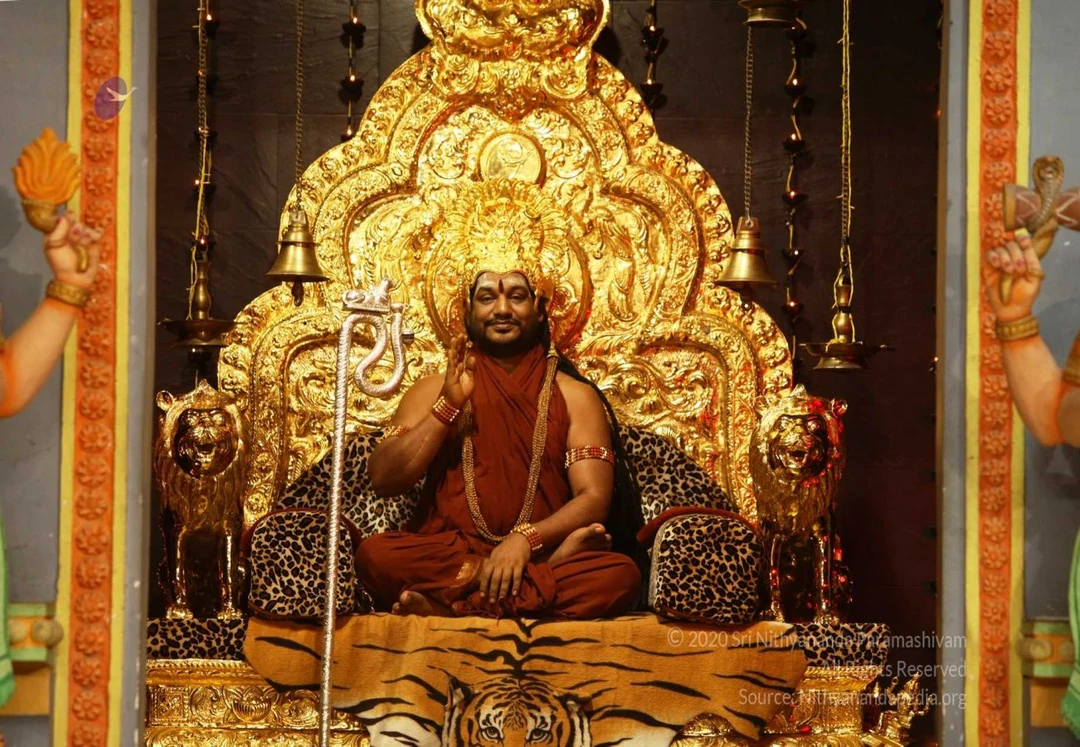 Divine Darshan of His Holiness Bhagavan Sri Nithyananda Paramashivam blessing the world from the space of Samadhi - Oneness with the Source
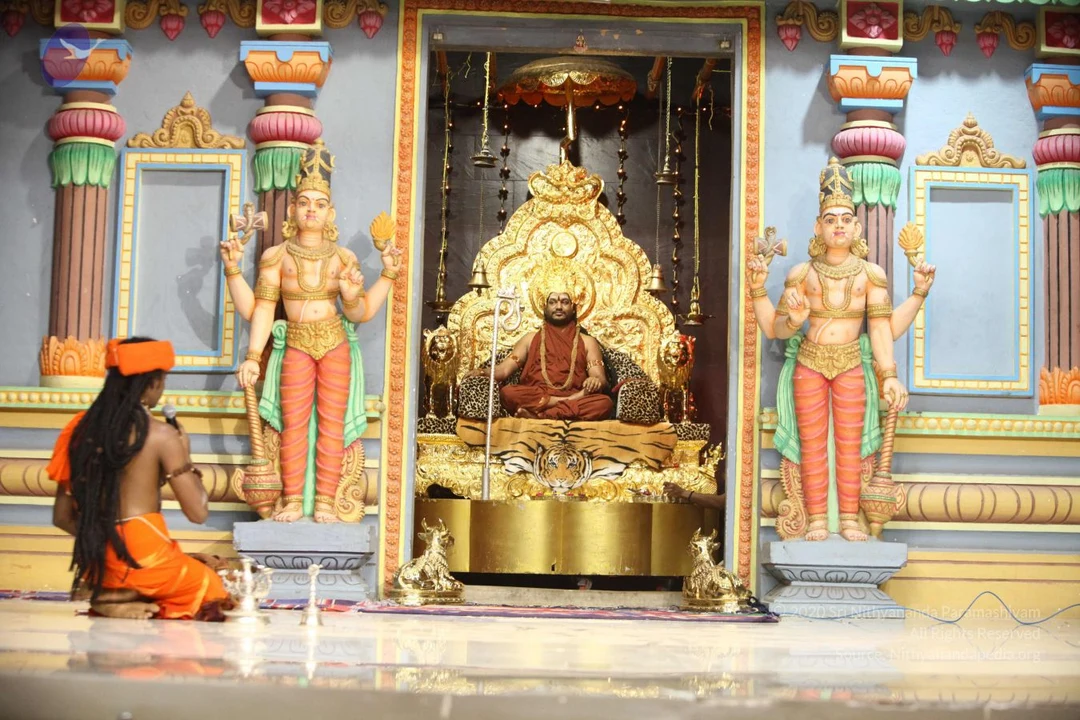
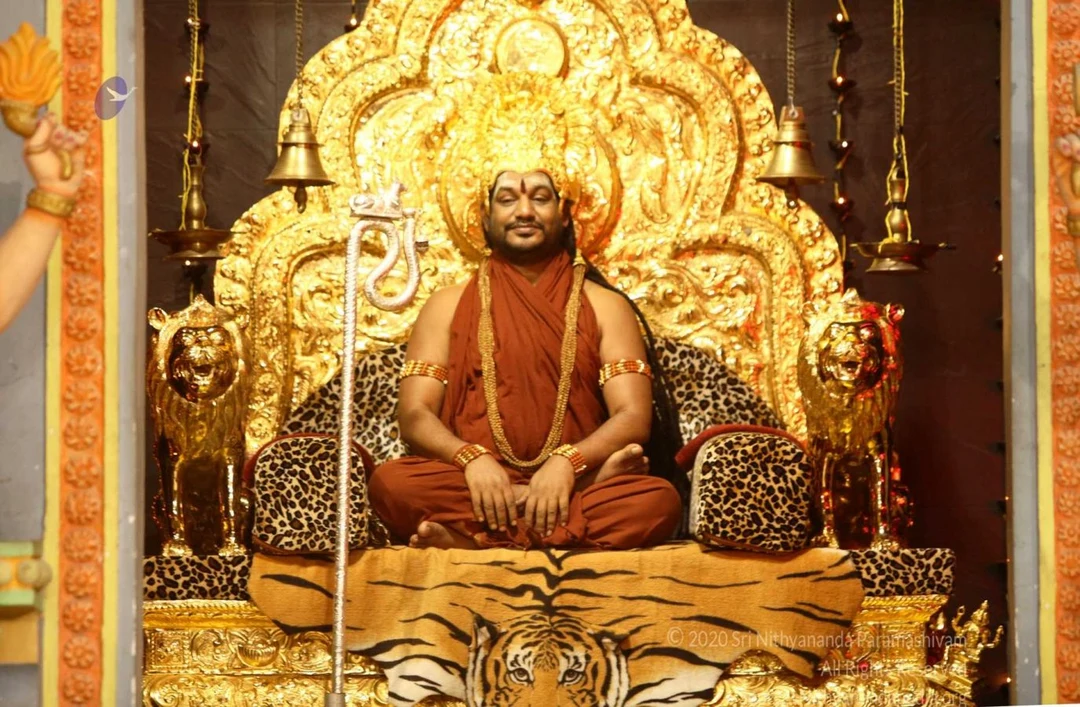 Pratyaksha Pada Pooja.. the most auspicious blessing, an opportunity provided by the Divine to express our gratitude to Guru
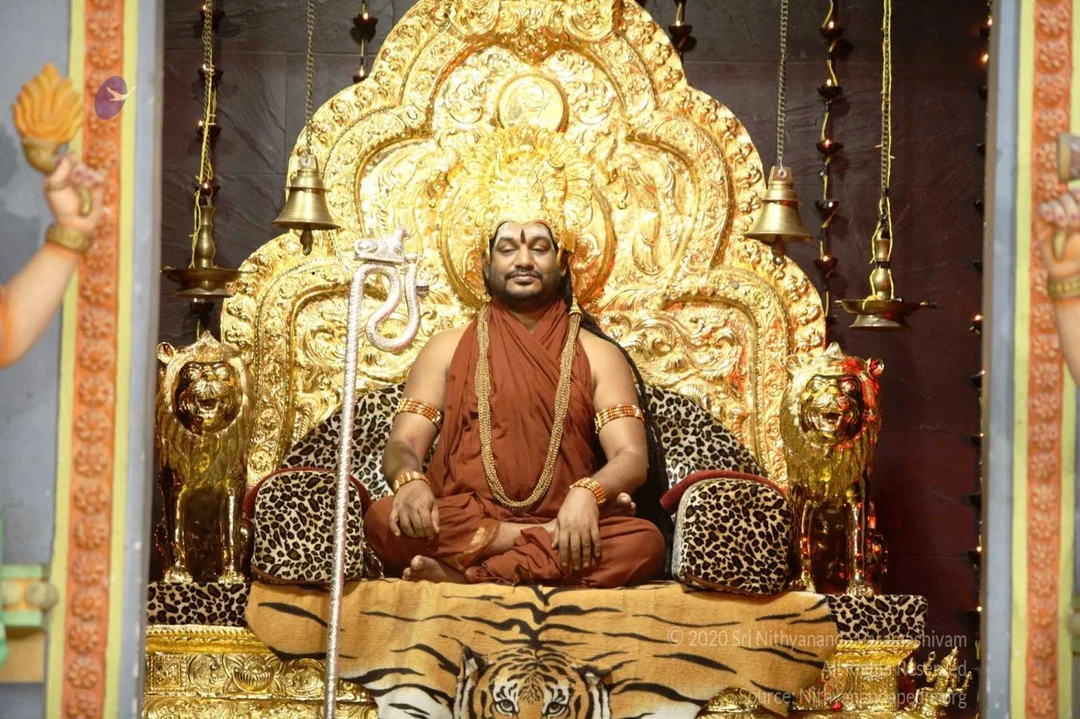 Pratyaksha Pada Pooja.. the most auspicious blessing, an opportunity provided by the Divine to express our gratitude to Guru
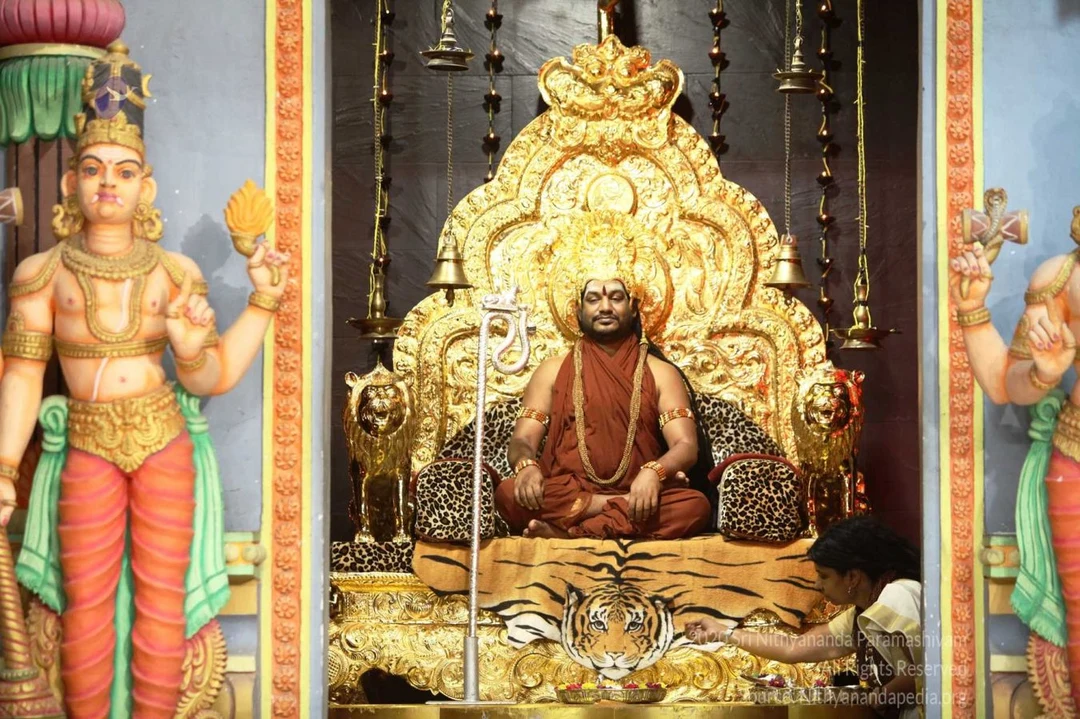 Pratyaksha Pada Pooja.. the most auspicious blessing, an opportunity provided by the Divine to express our gratitude to Guru
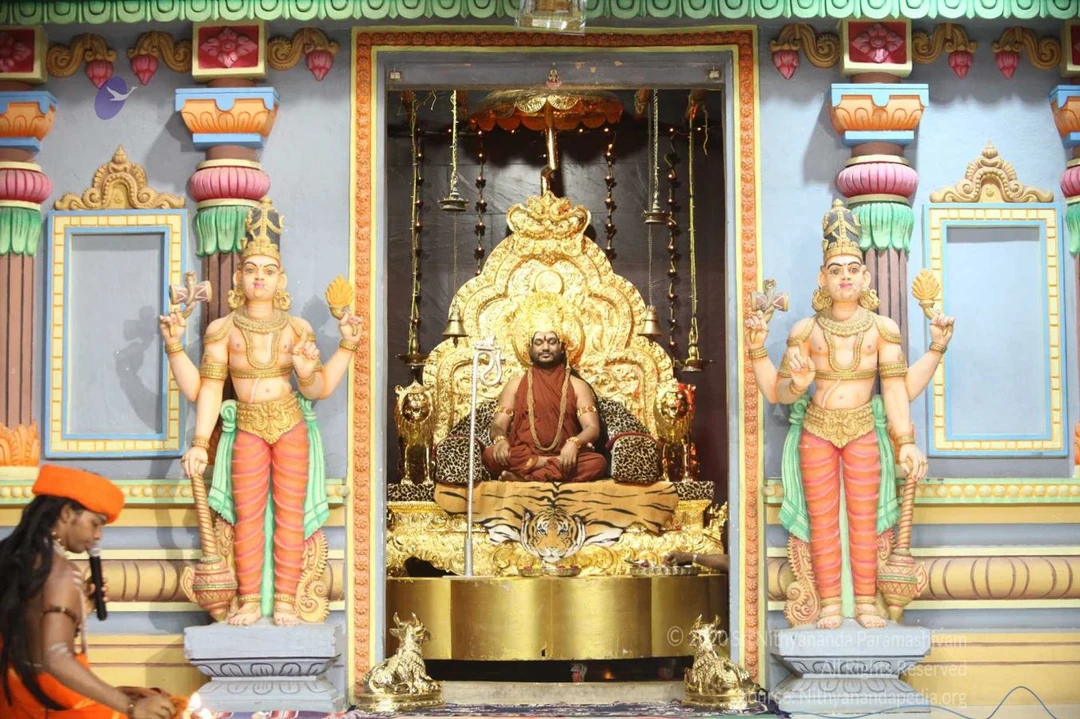 Pratyaksha Pada Pooja.. the most auspicious blessing, an opportunity provided by the Divine to express our gratitude to Guru
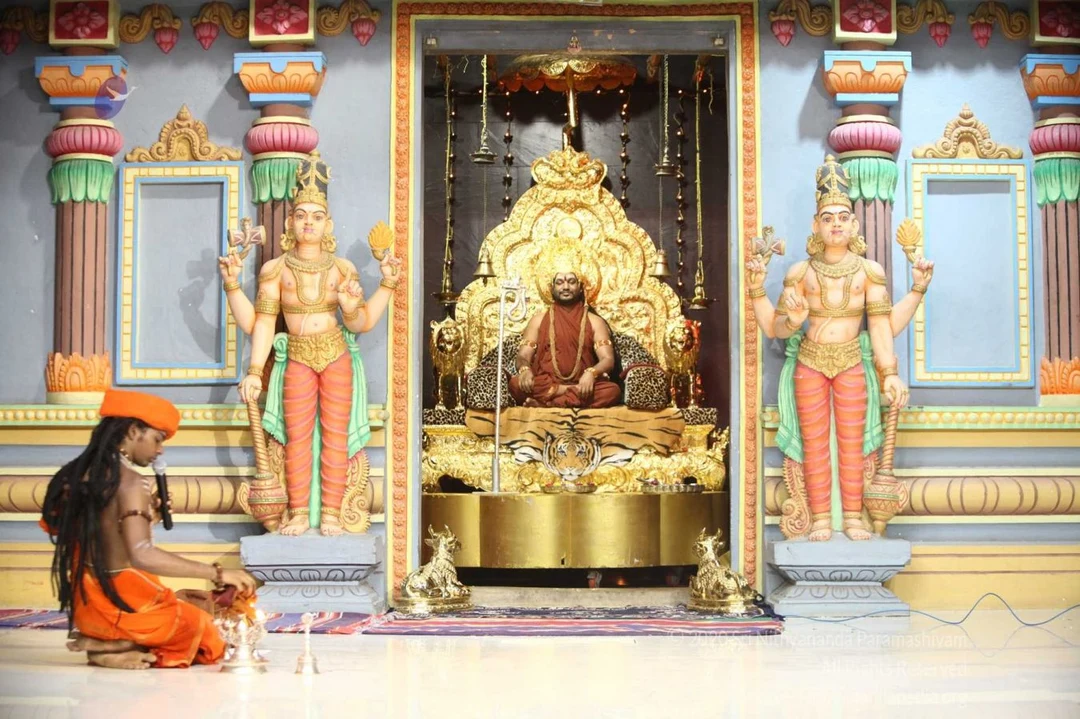 Pratyaksha Pada Pooja.. the most auspicious blessing, an opportunity provided by the Divine to express our gratitude to Guru
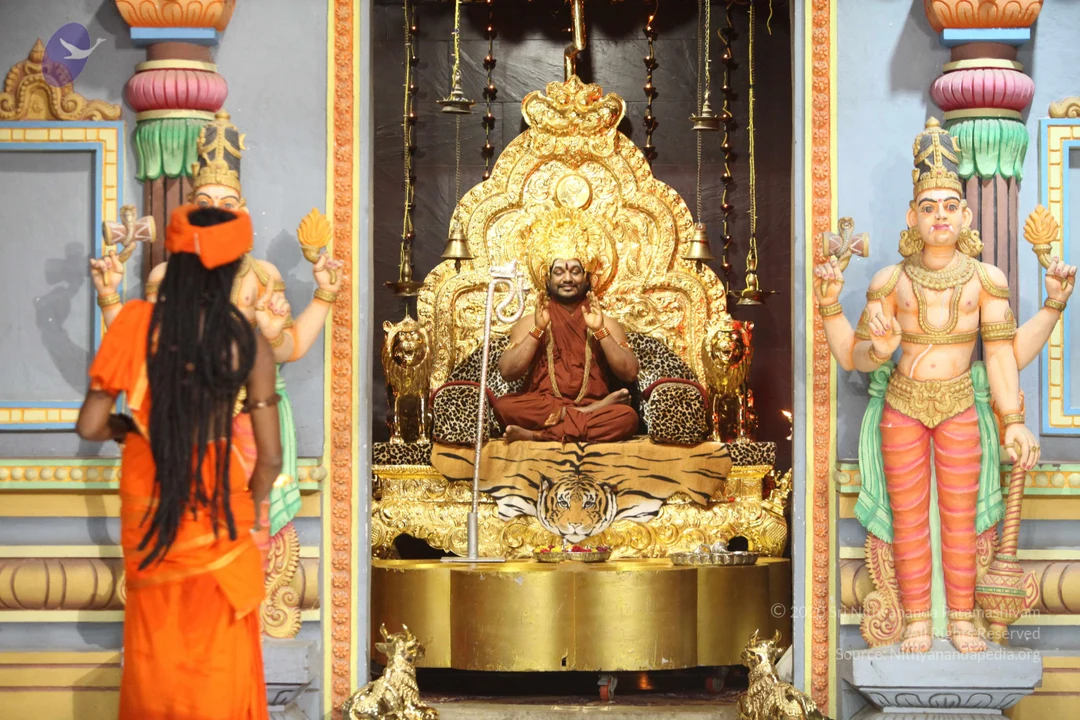
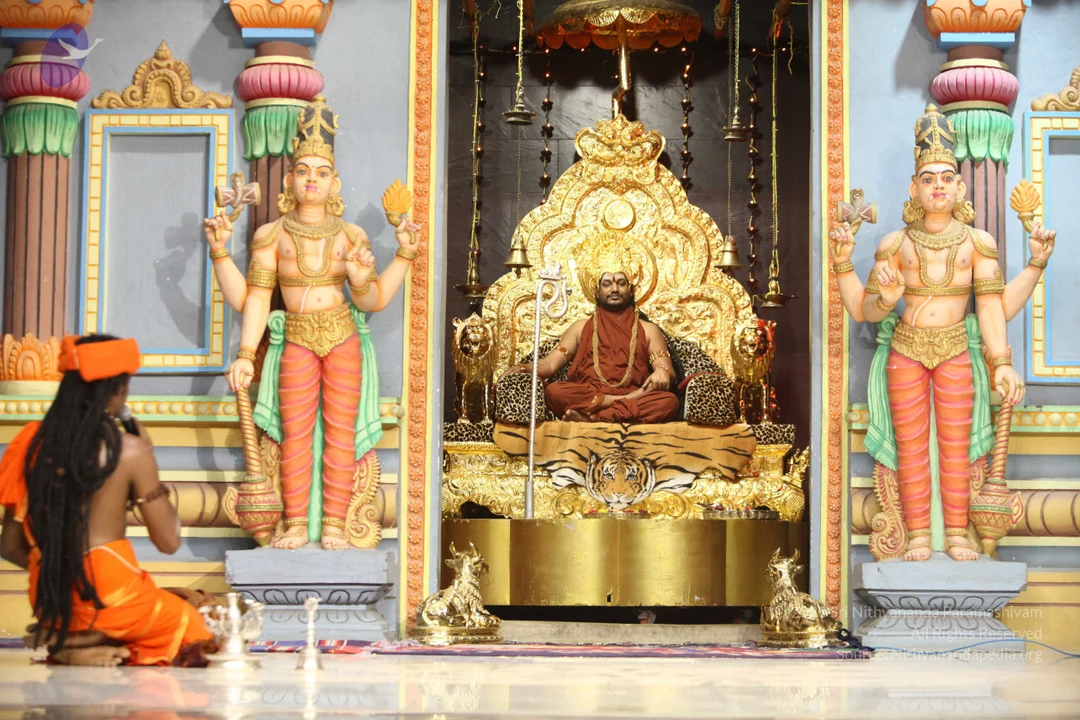
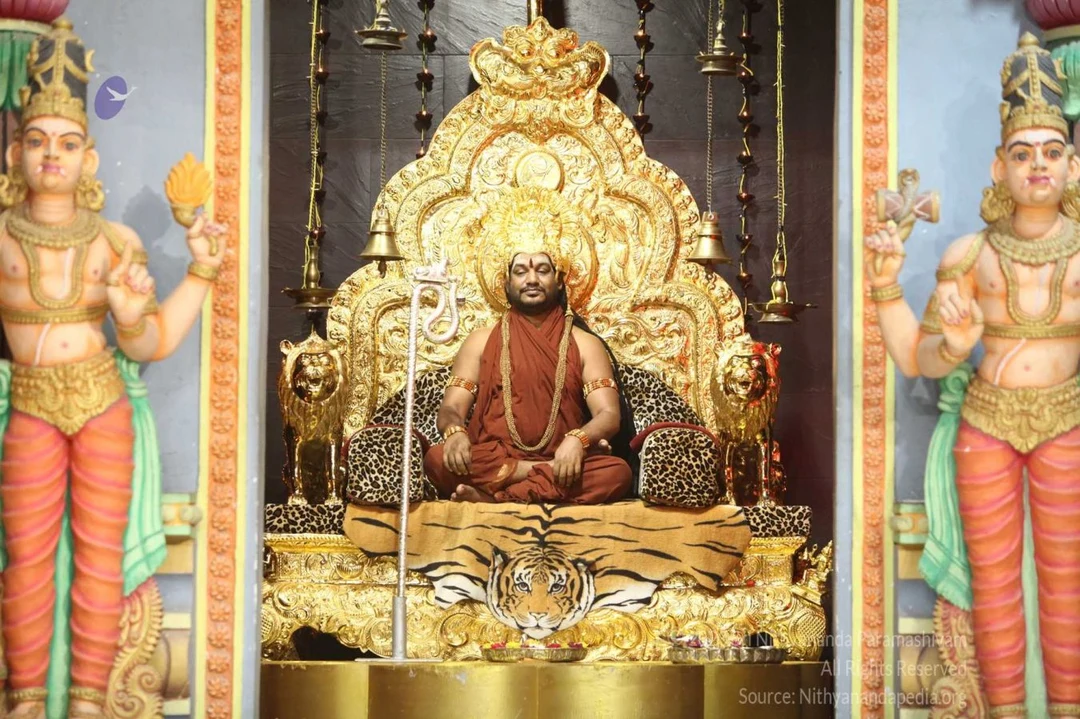 Pratyaksha Pada Puja - Surrendering to the feet of the Guru is the most beautiful and ultimate happening.
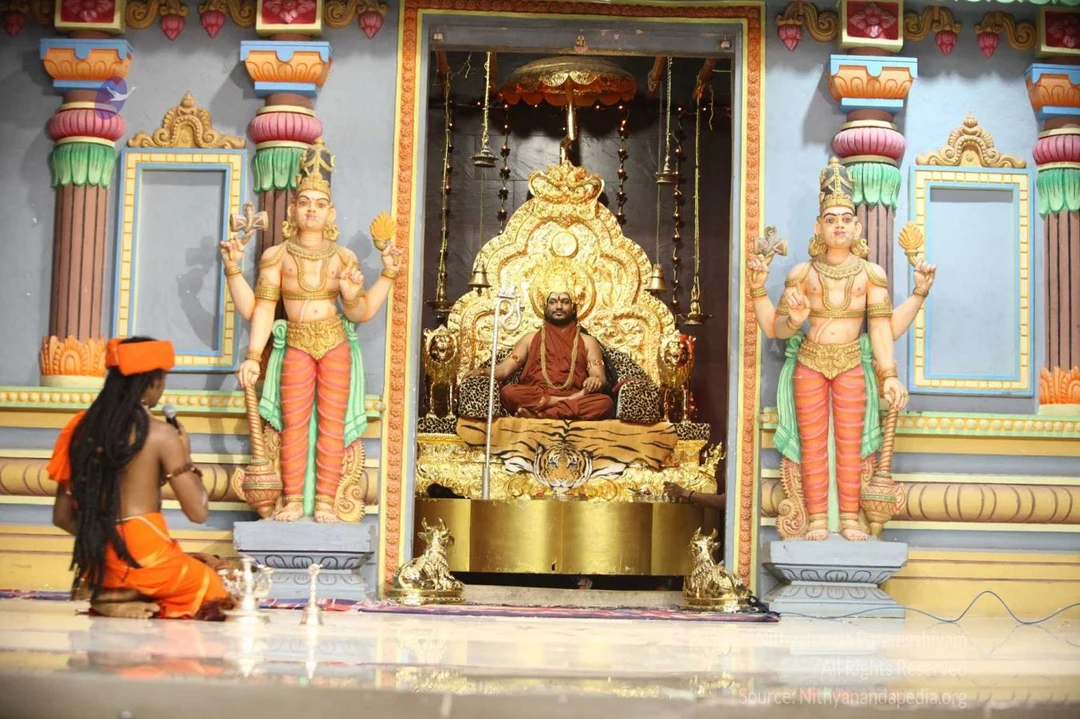 Pratyaksha Pada Puja - Surrendering to the feet of the Guru is the most beautiful and ultimate happening.
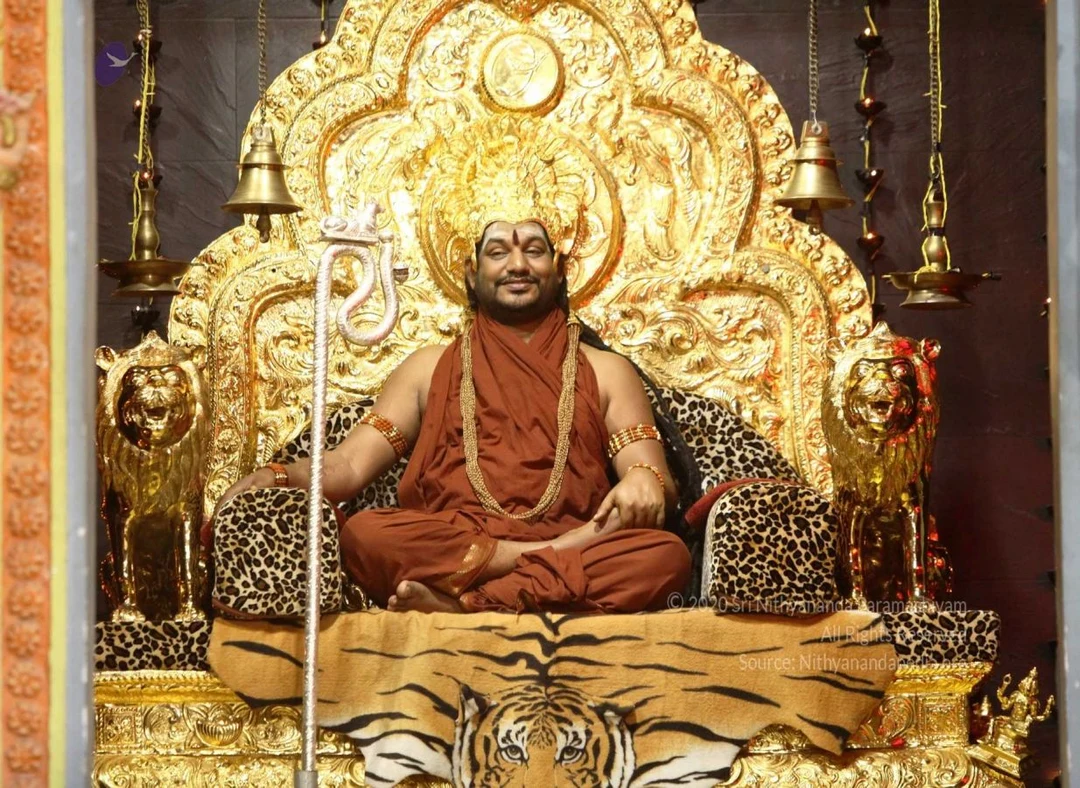 Pratyaksha Pada Puja - Surrendering to the feet of the Guru is the most beautiful and ultimate happening.
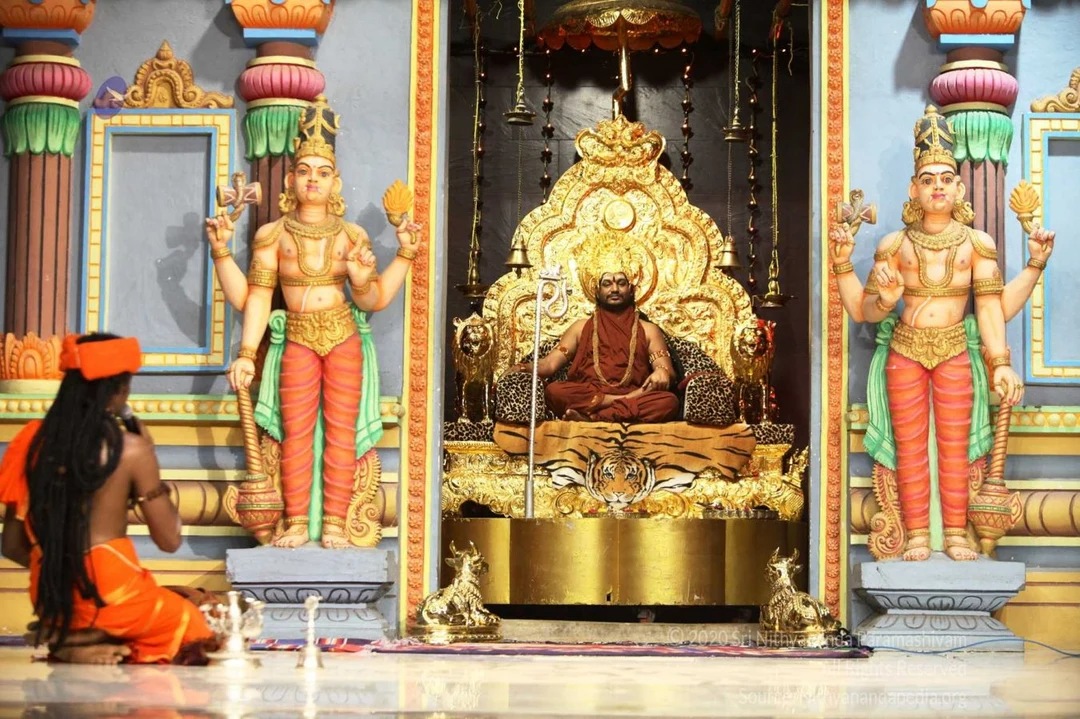 Pratyaksha Pada Puja - Surrendering to the feet of the Guru is the most beautiful and ultimate happening.
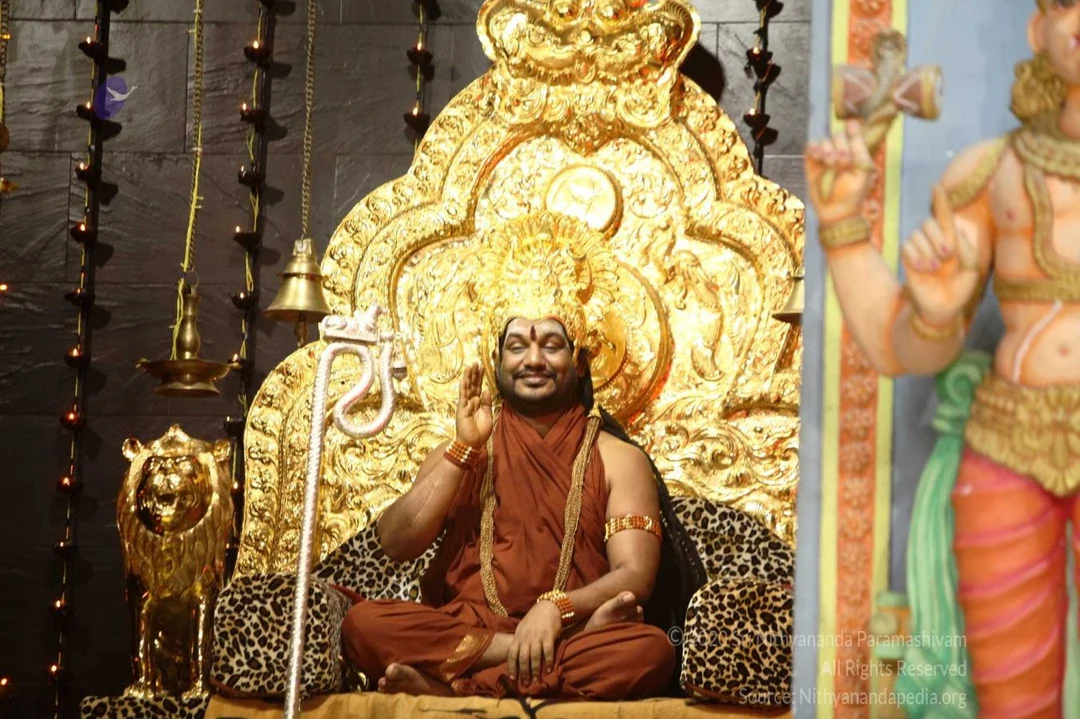 Pratyaksha Pada Puja - Surrendering to the feet of the Guru is the most beautiful and ultimate happening.
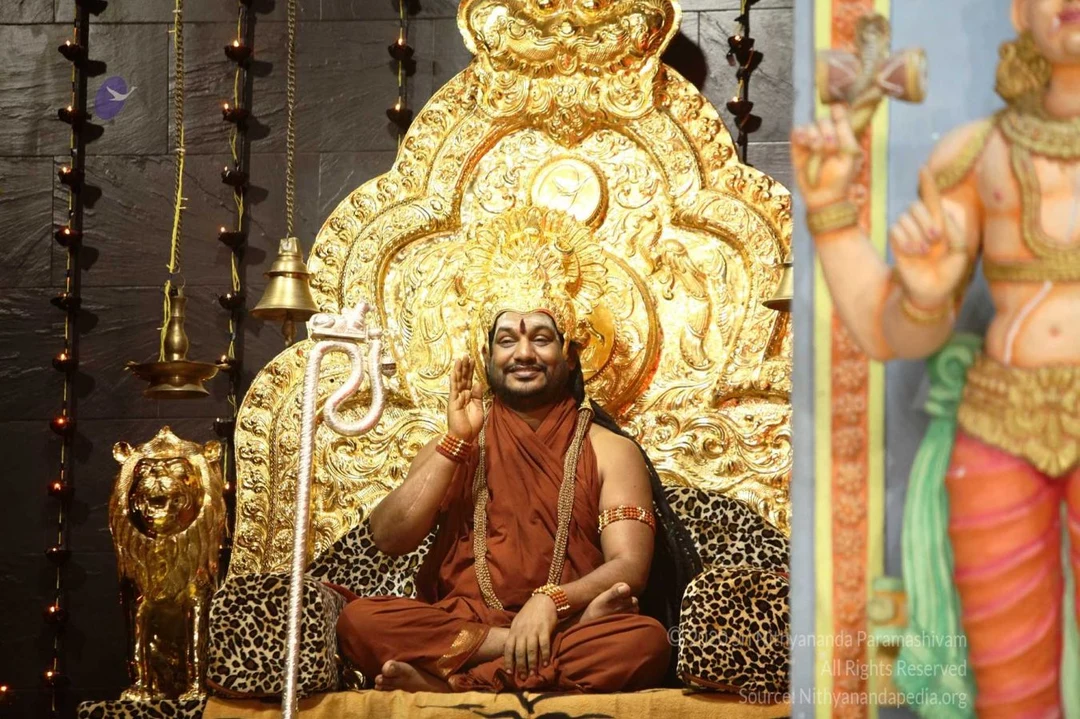 Pratyaksha Pada Puja - Surrendering to the feet of the Guru is the most beautiful and ultimate happening.
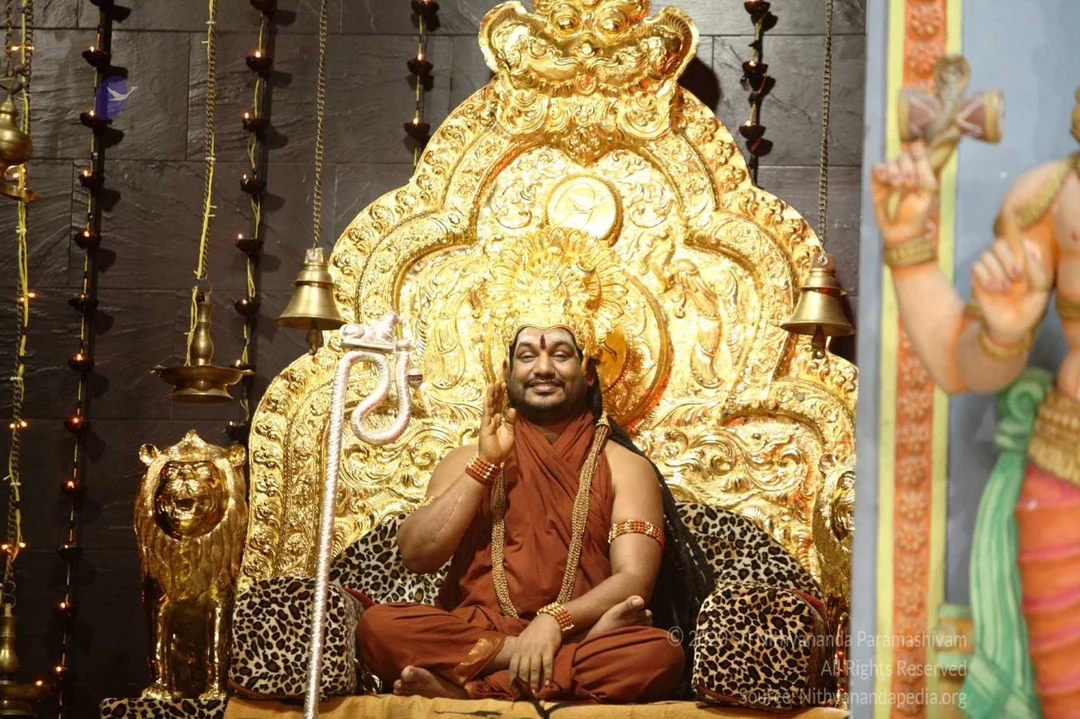 Pratyaksha Pada Puja - Surrendering to the feet of the Guru is the most beautiful and ultimate happening.
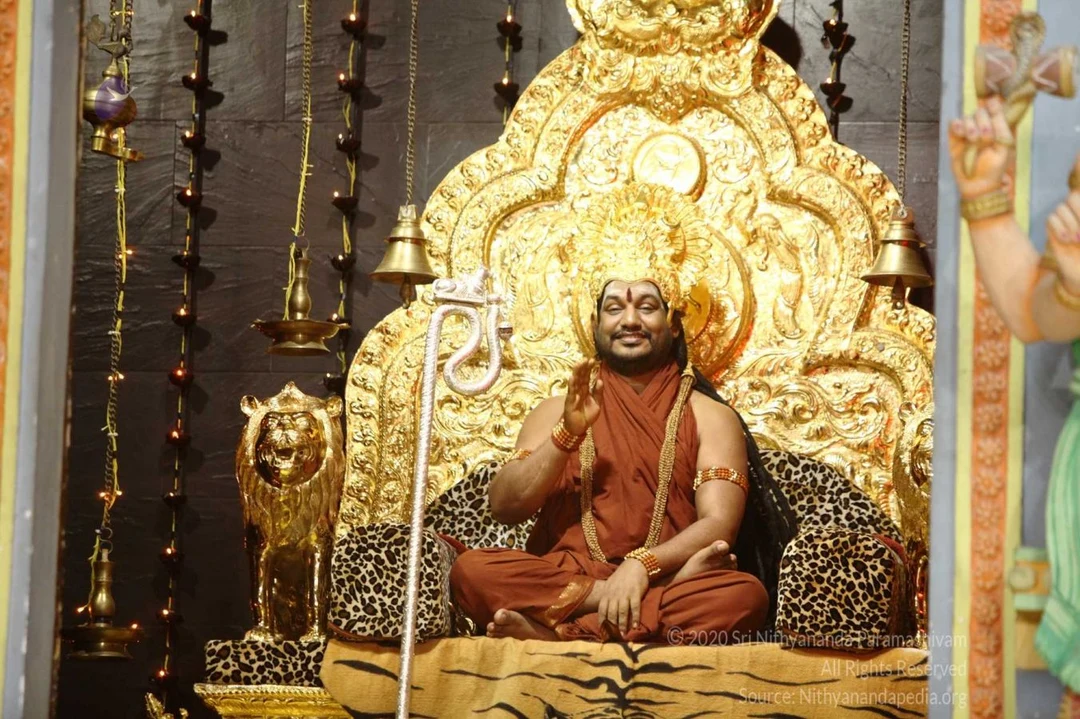 Pratyaksha Pada Puja - Surrendering to the feet of the Guru is the most beautiful and ultimate happening.
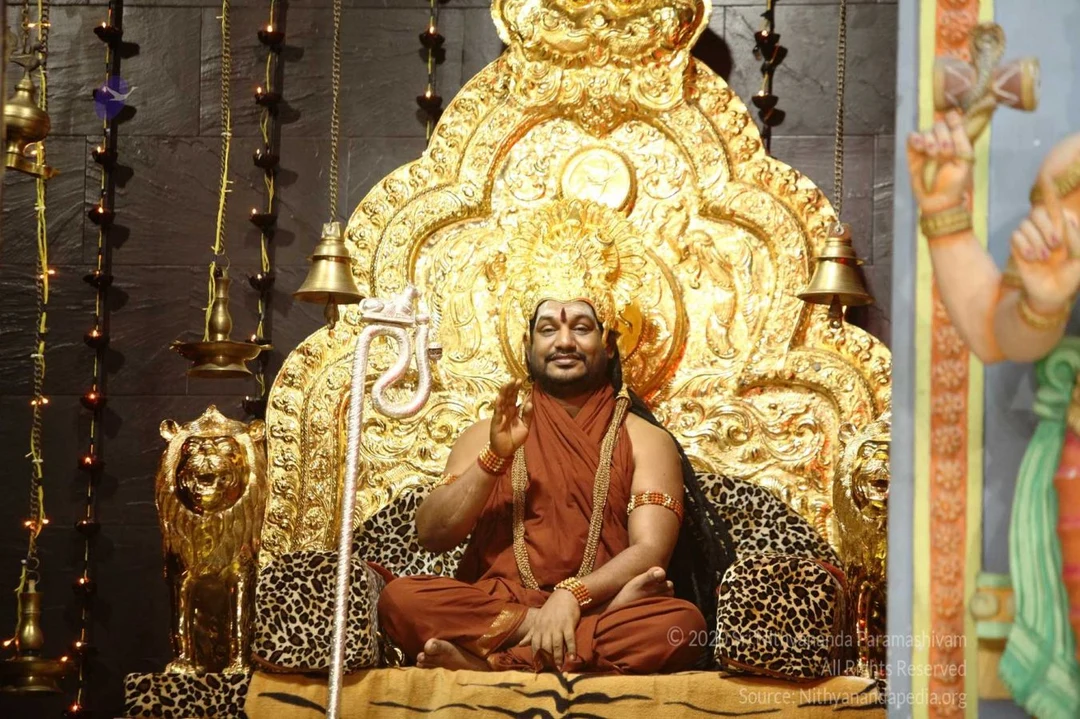 Pratyaksha Pada Puja - Surrendering to the feet of the Guru is the most beautiful and ultimate happening.
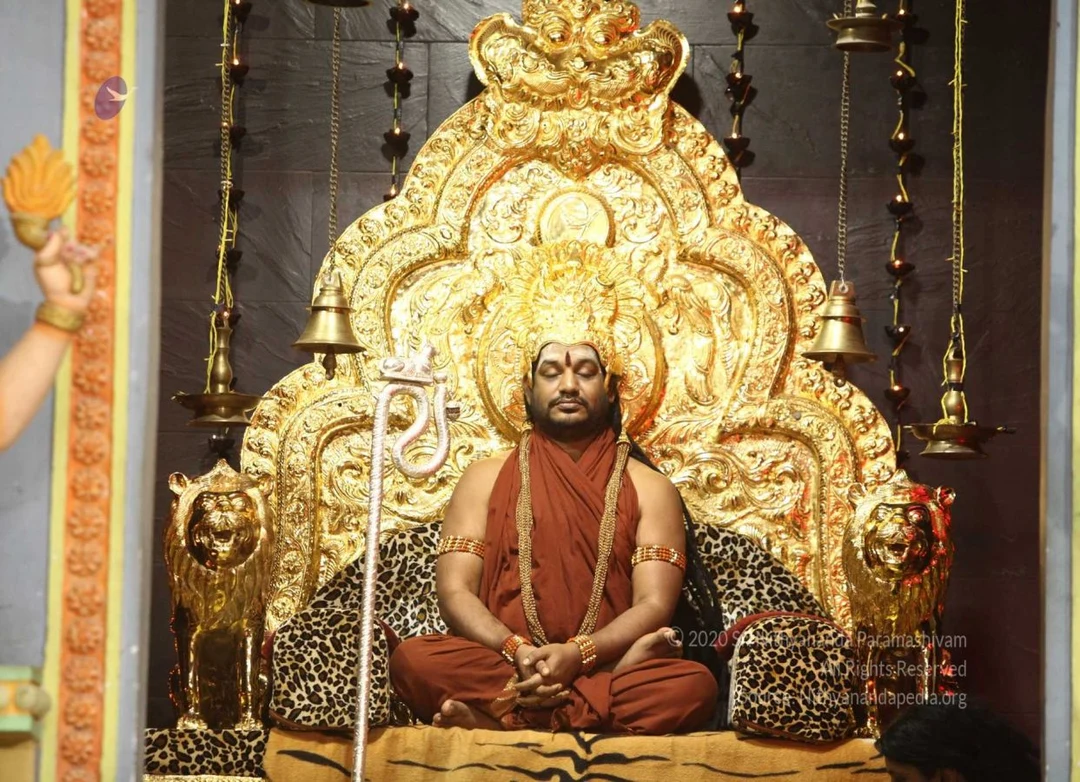 Pratyaksha Pada Puja - Surrendering to the feet of the Guru is the most beautiful and ultimate happening.
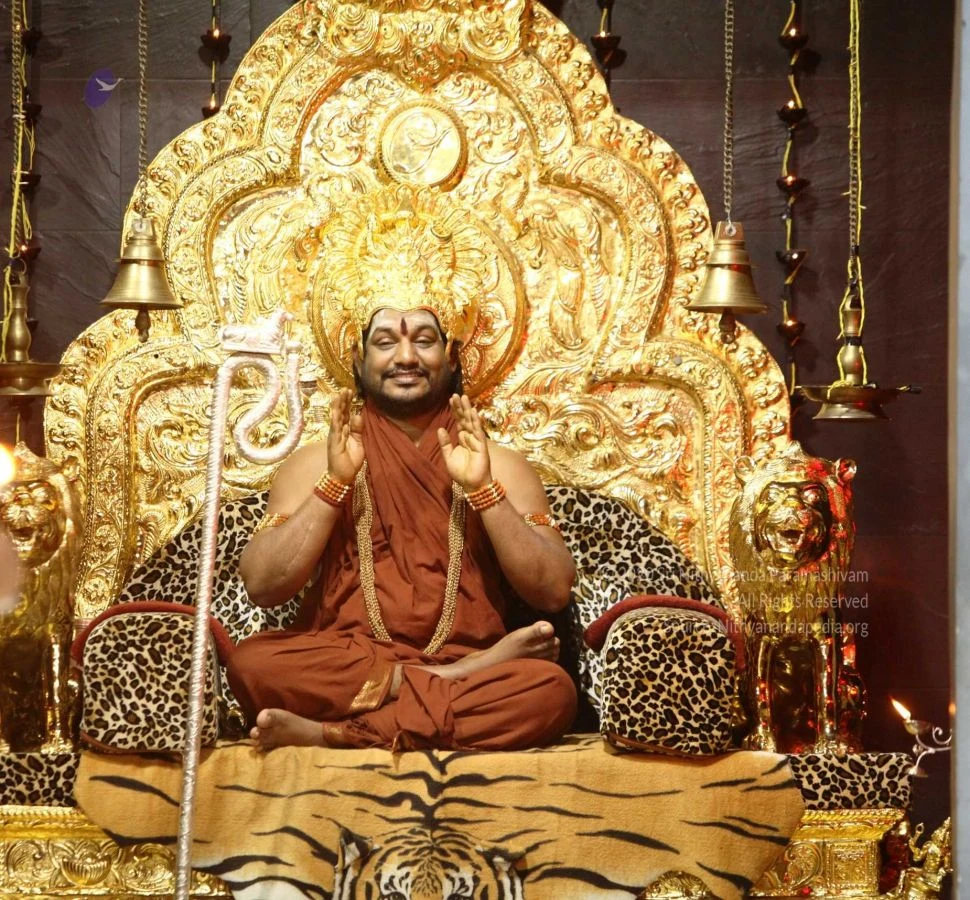 Pratyaksha Pada Puja - Surrendering to the feet of the Guru is the most beautiful and ultimate happening.
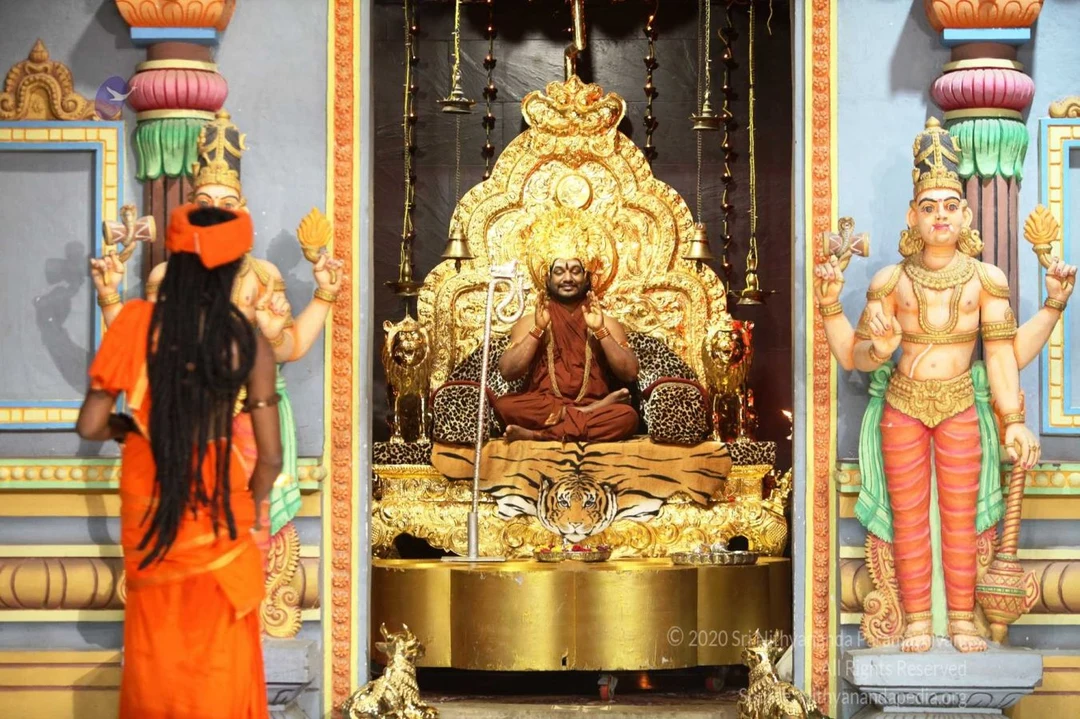 Pratyaksha Pada Puja - Surrendering to the feet of the Guru is the most beautiful and ultimate happening.
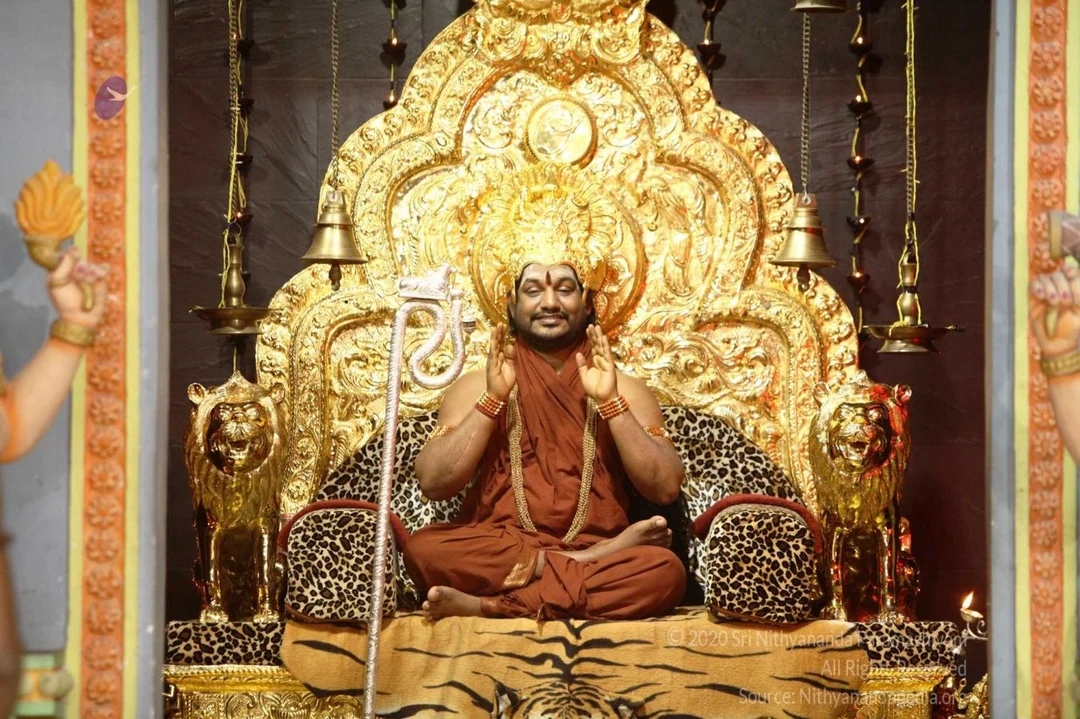 Pratyaksha Pada Puja - Surrendering to the feet of the Guru is the most beautiful and ultimate happening.
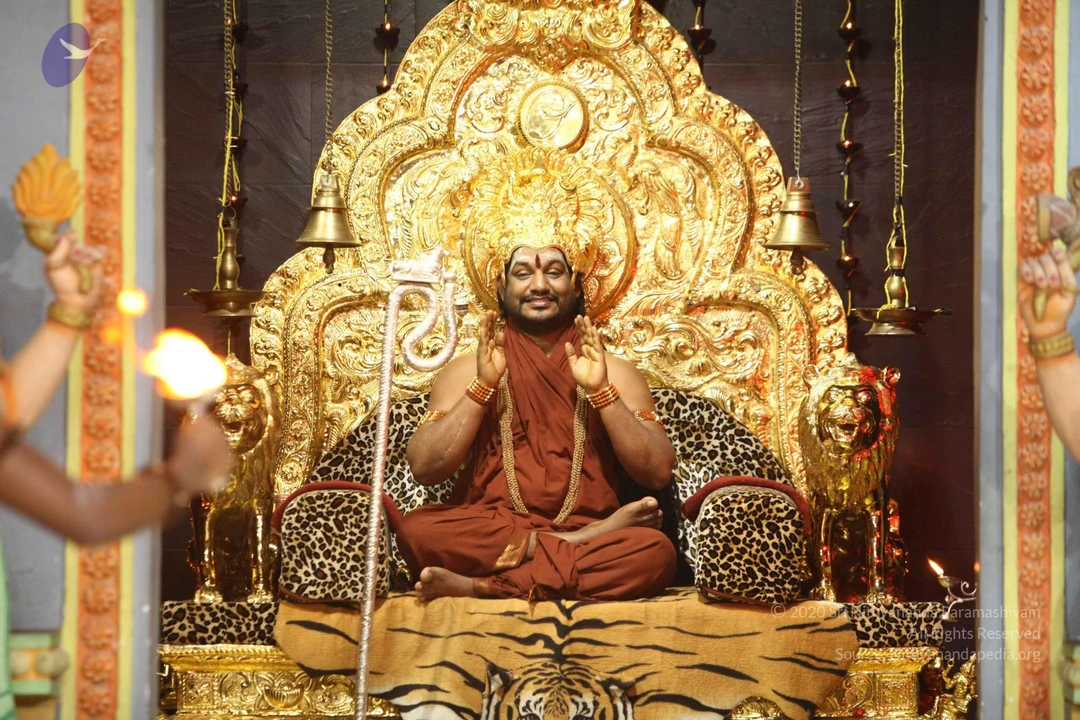
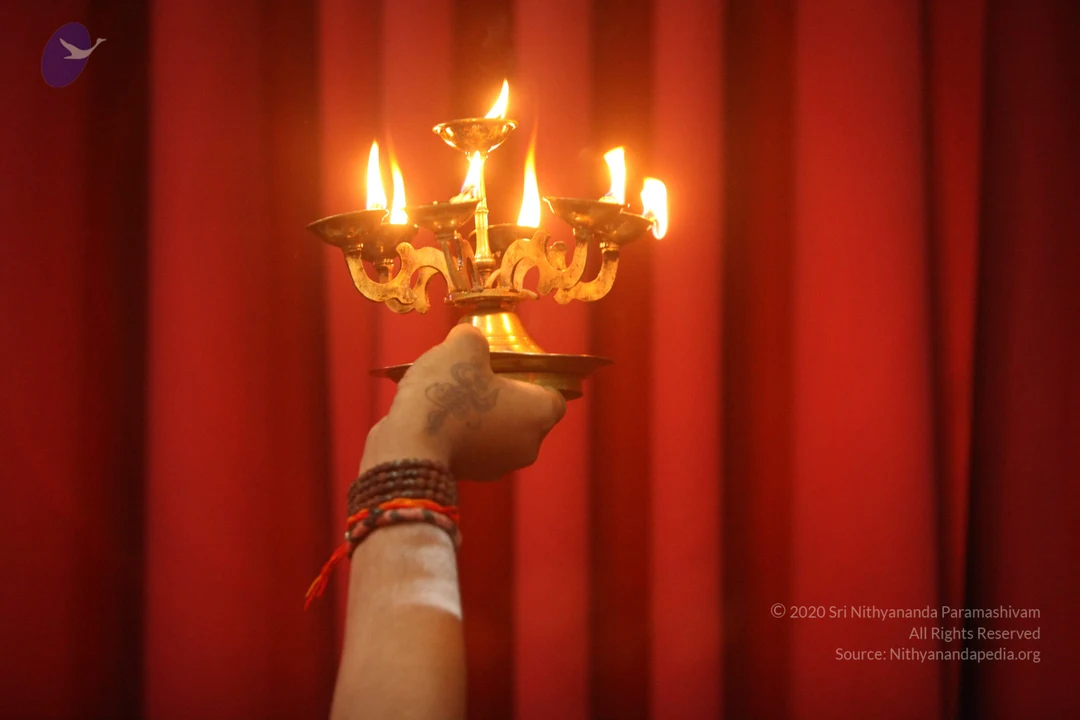
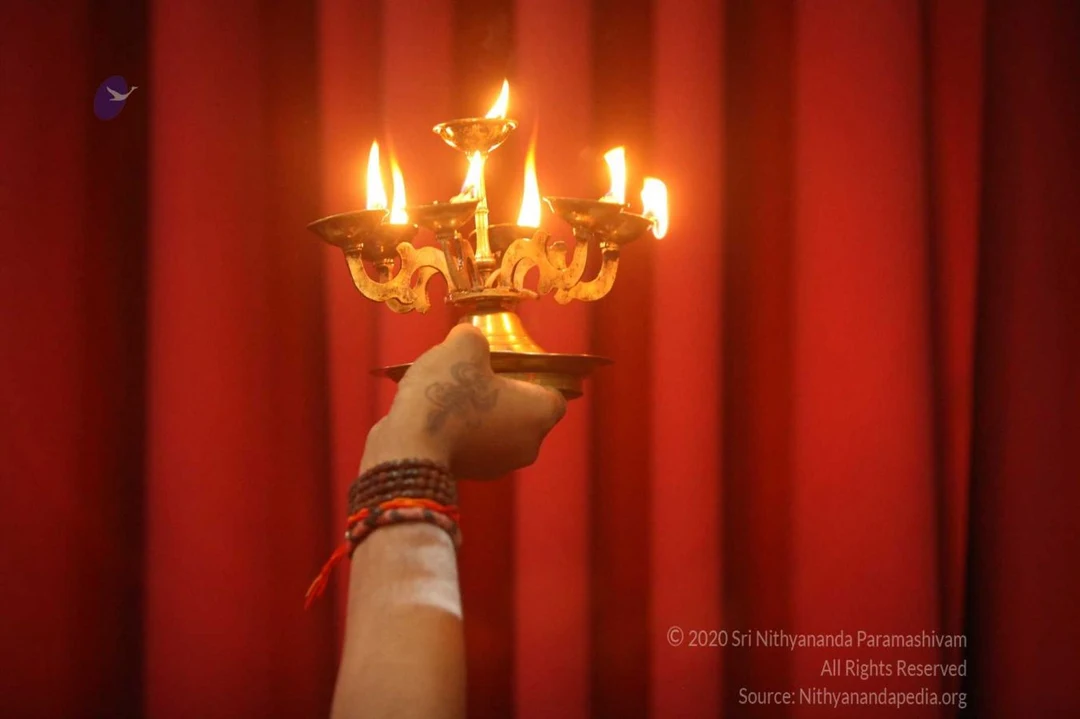 Pancha Aarati To His Divine Holiness
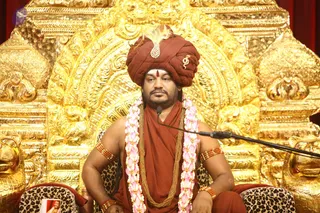
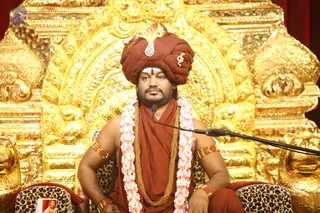
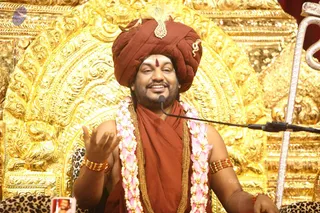
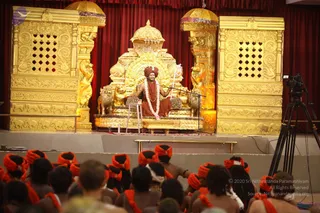
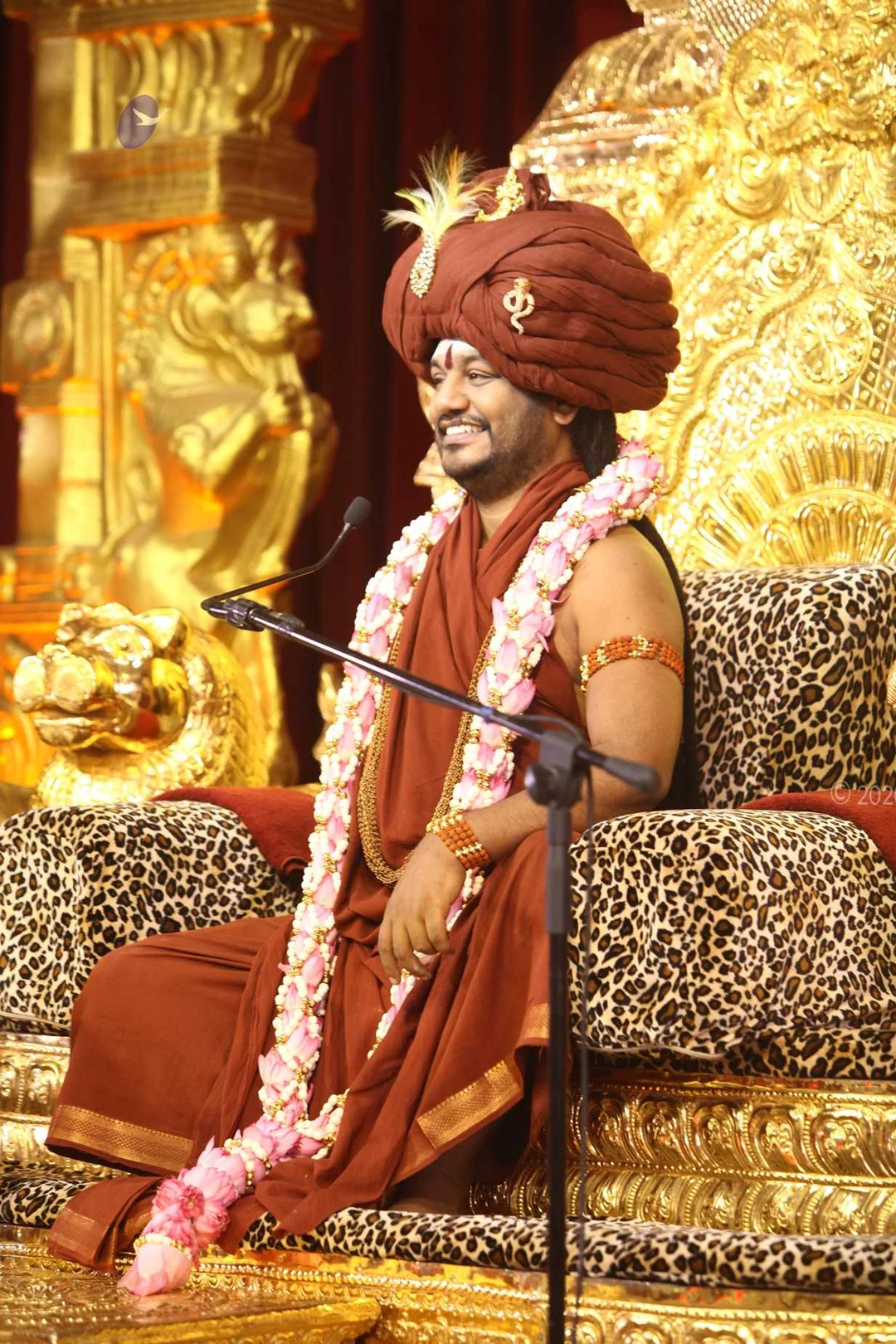
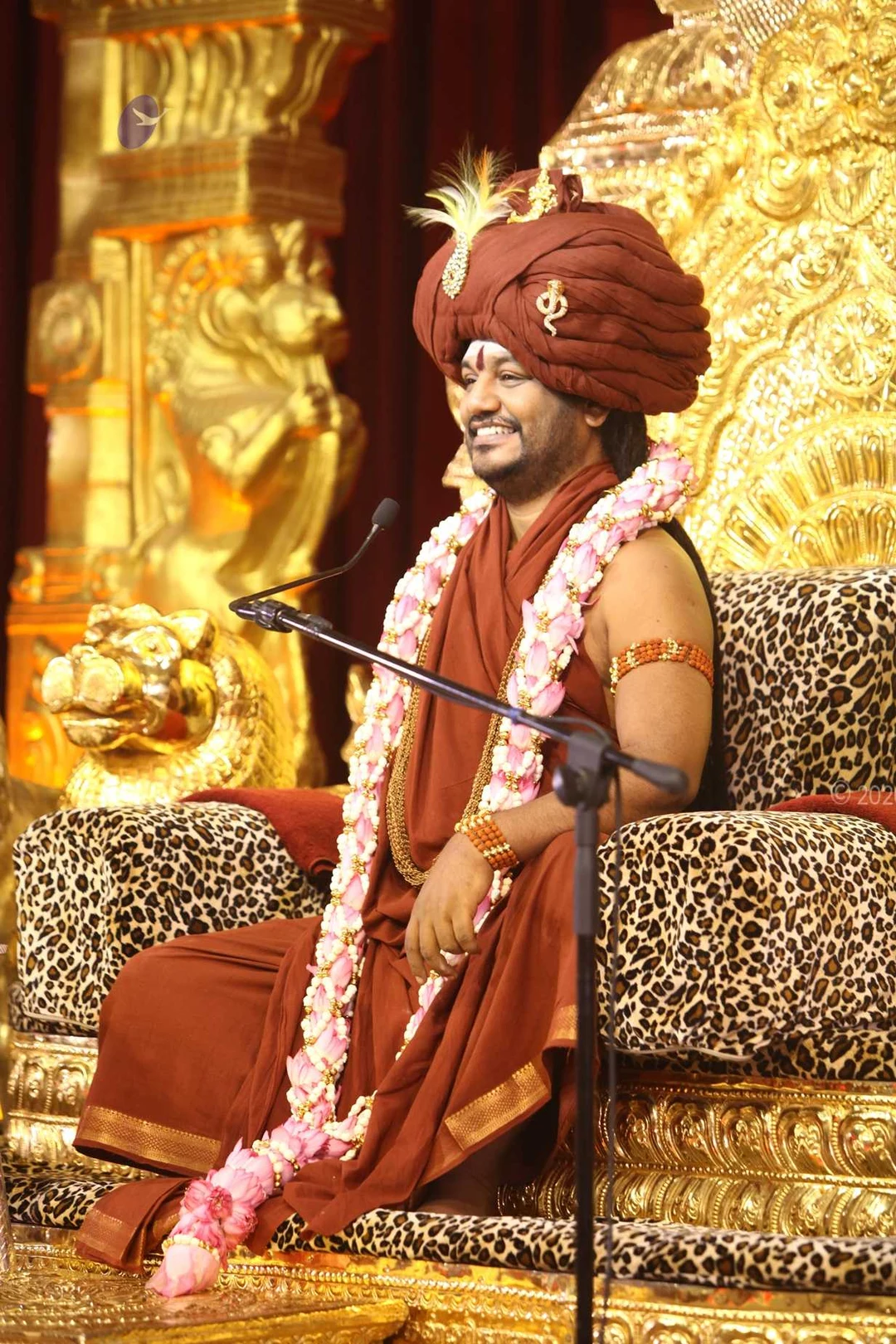
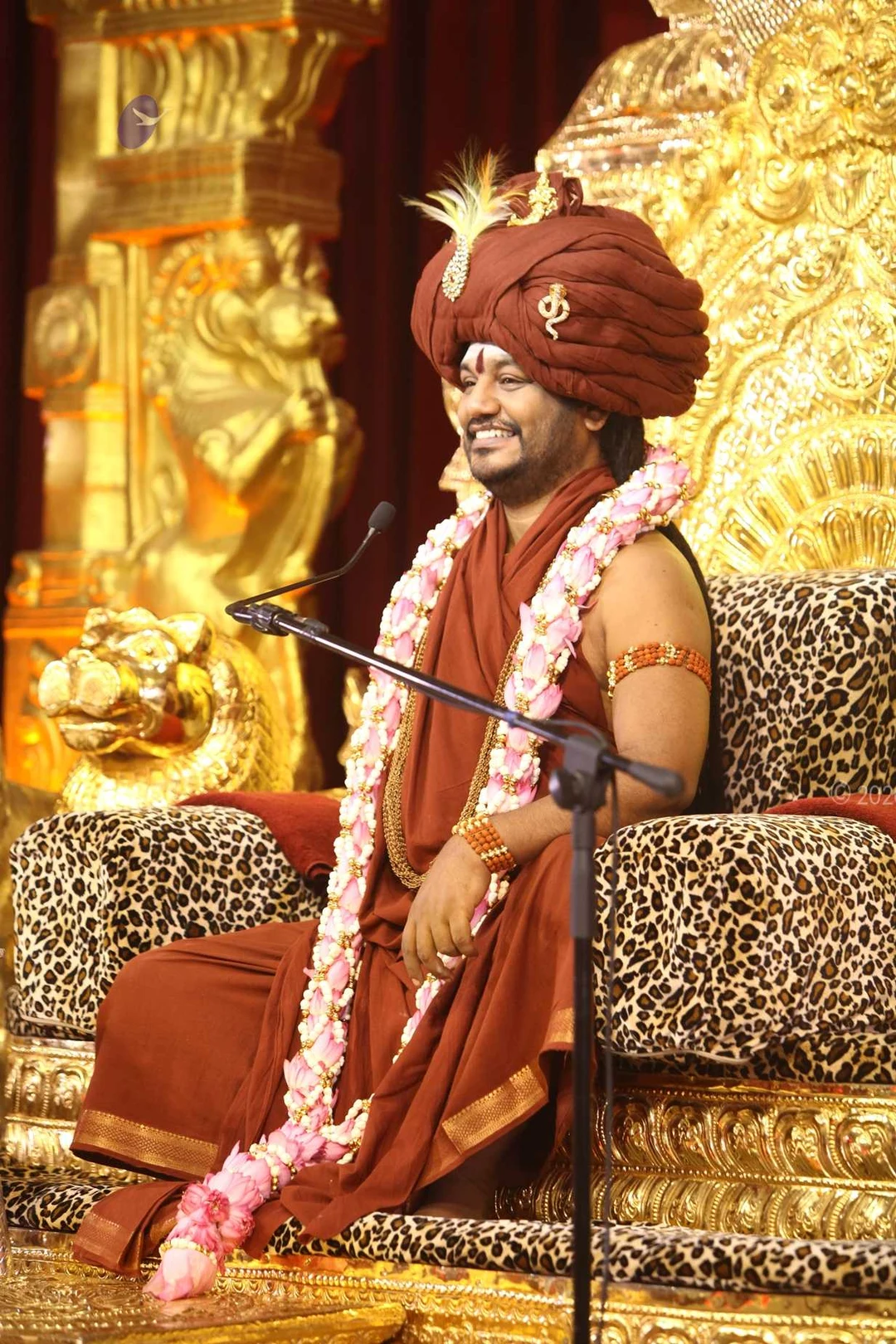
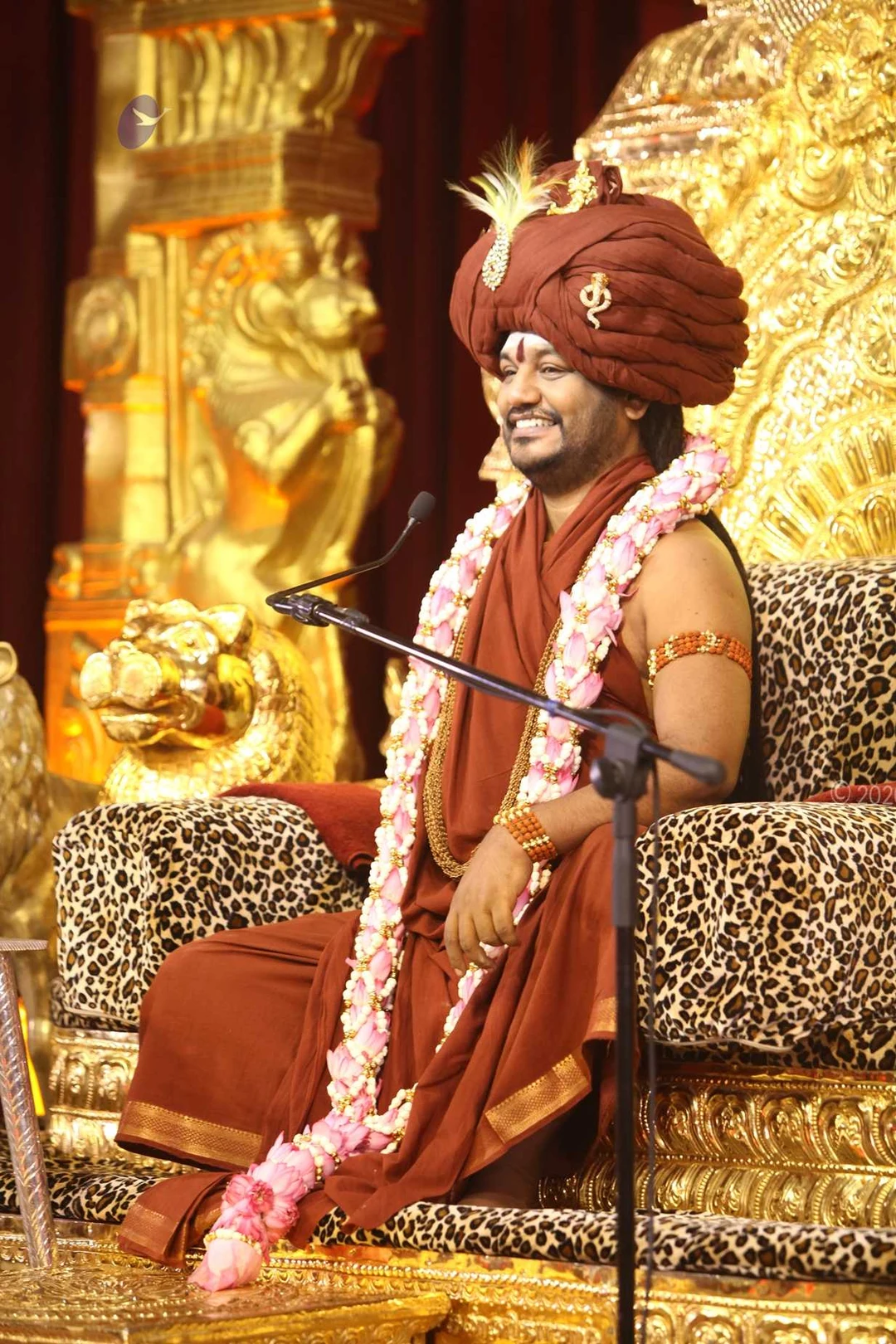
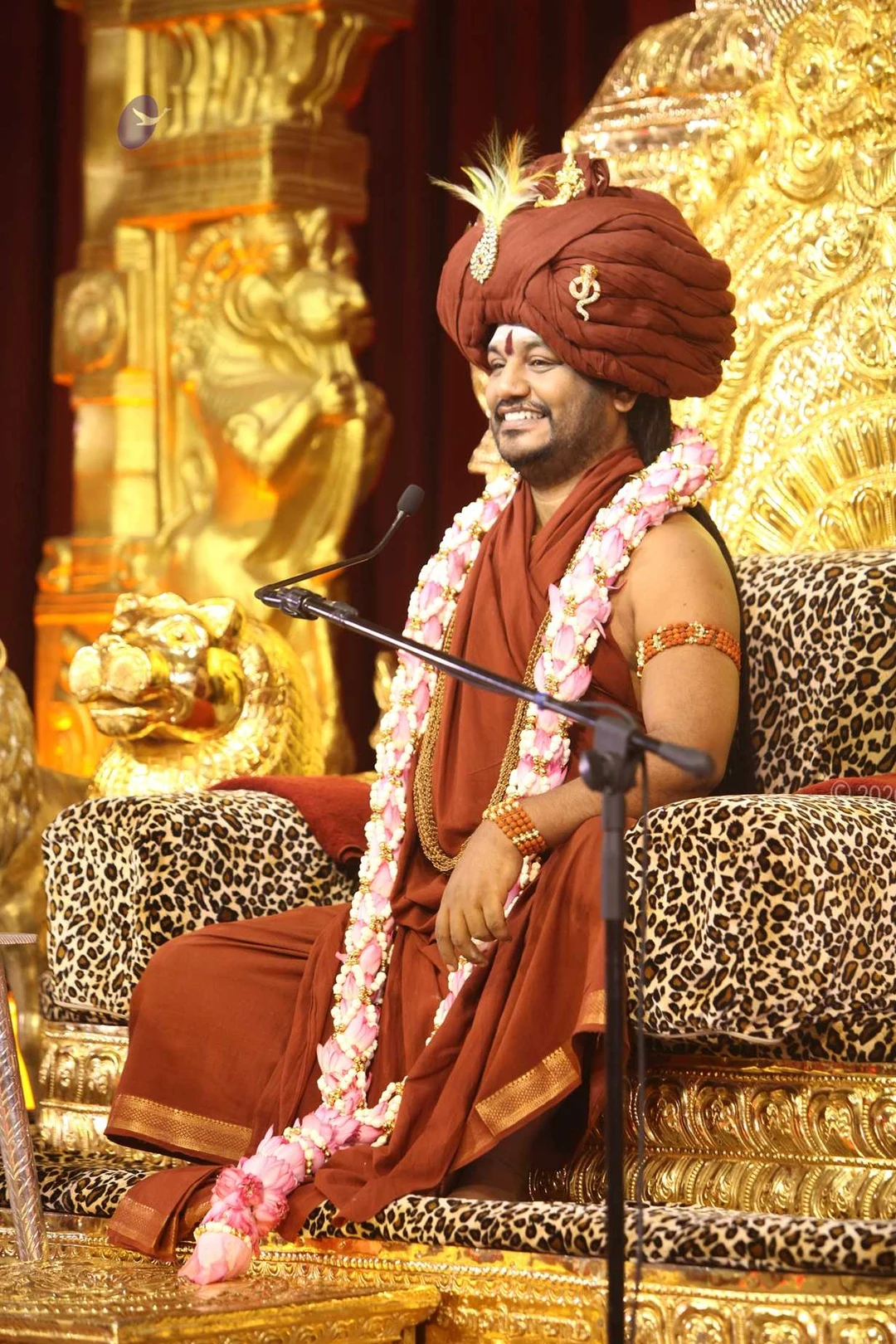
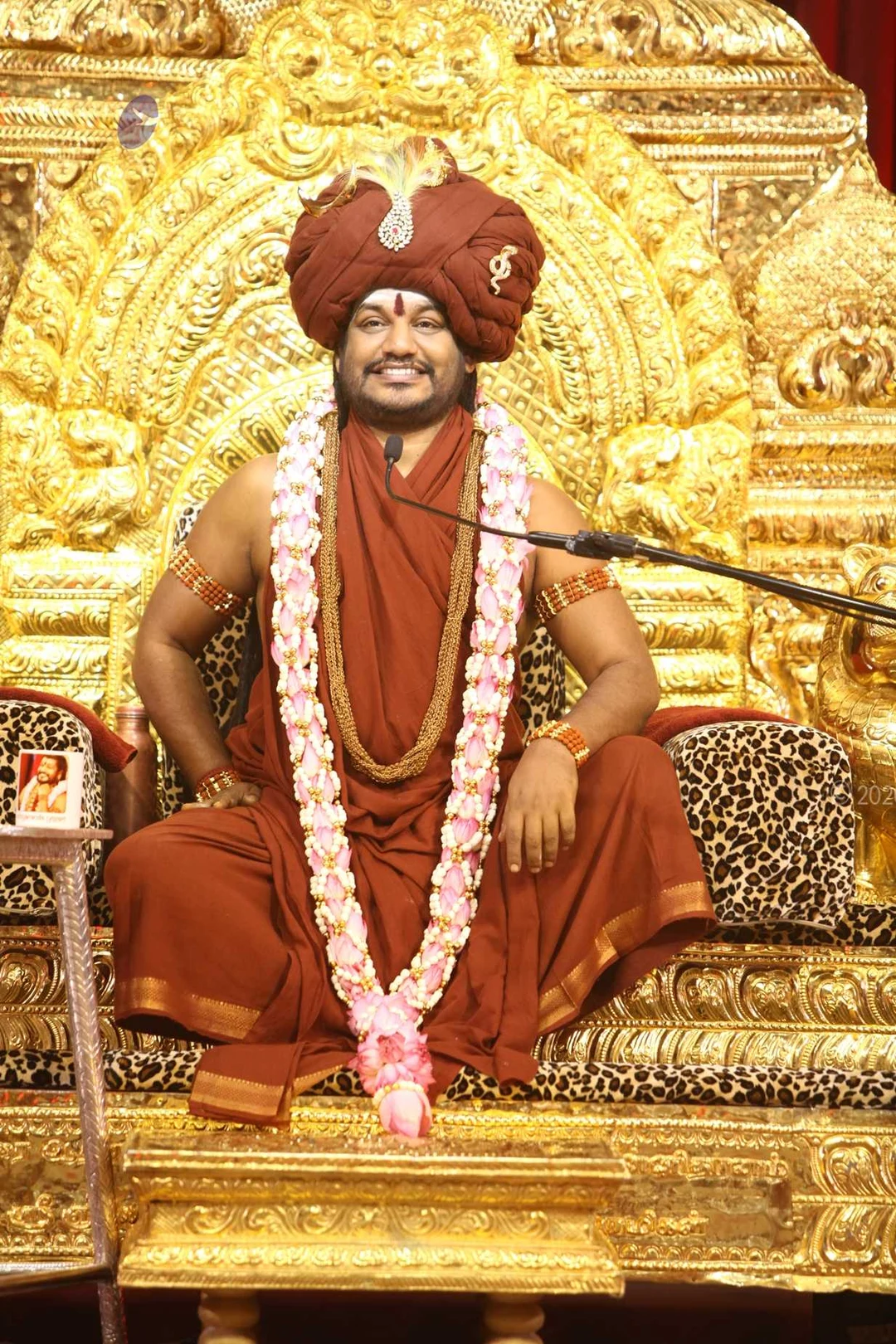
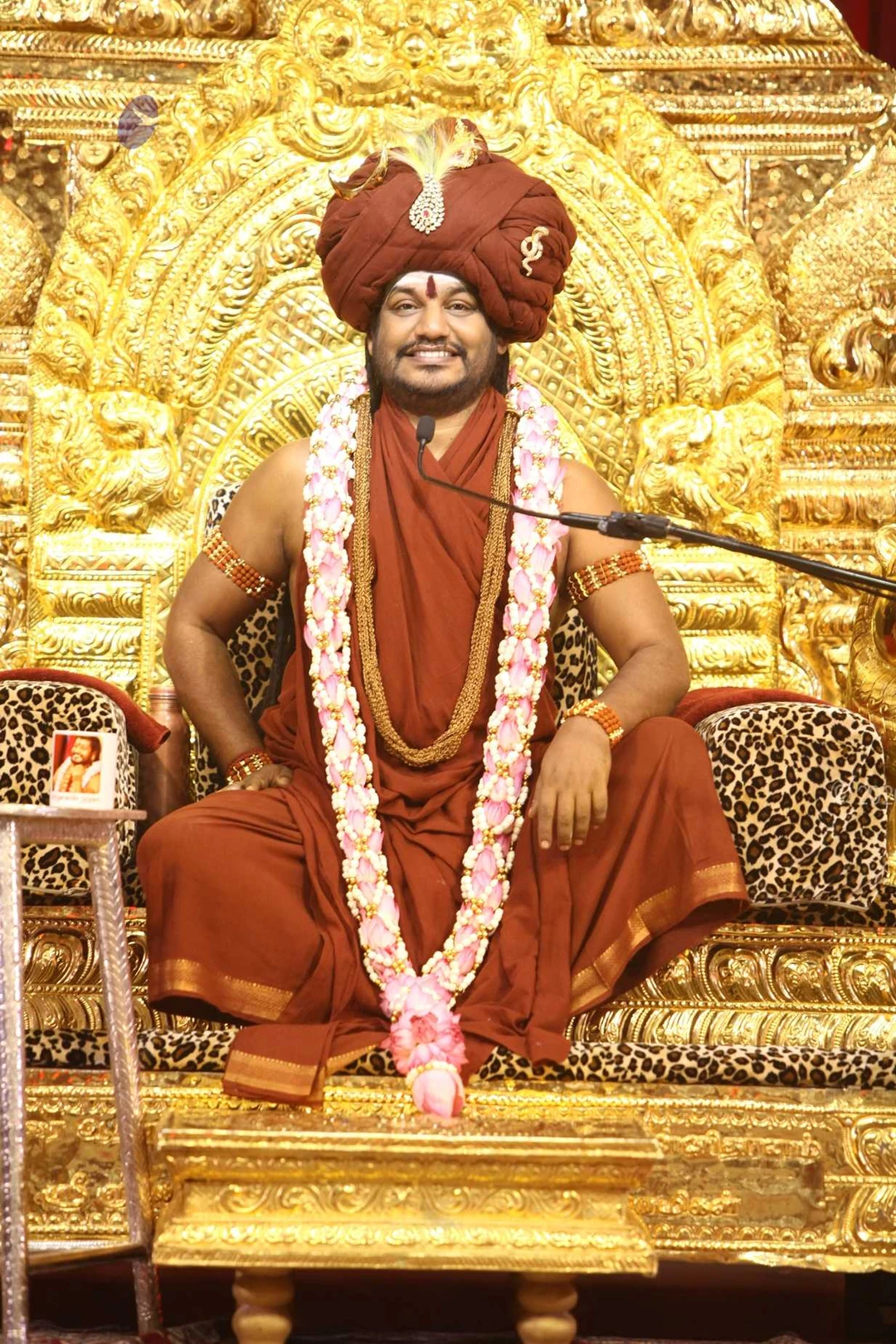
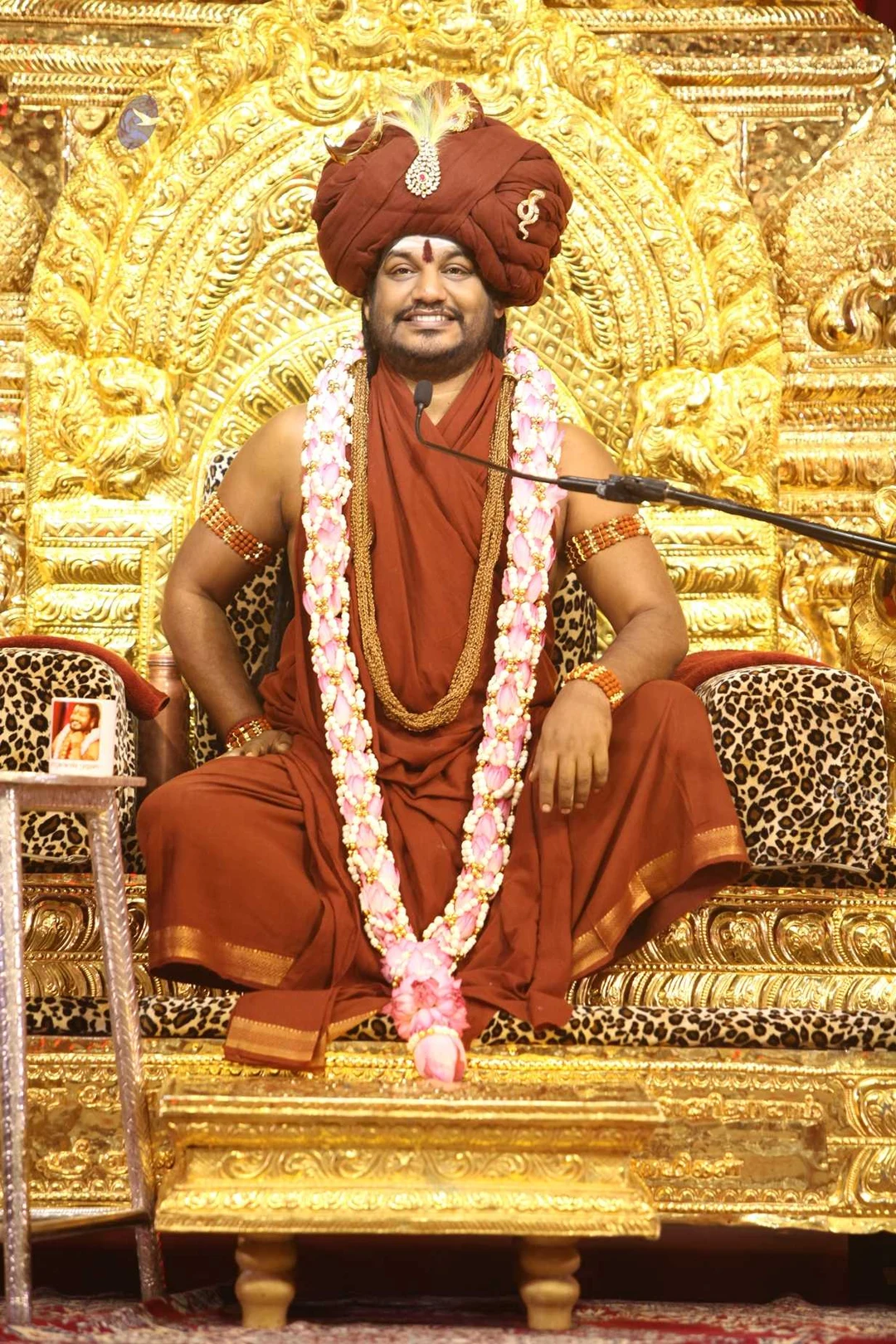
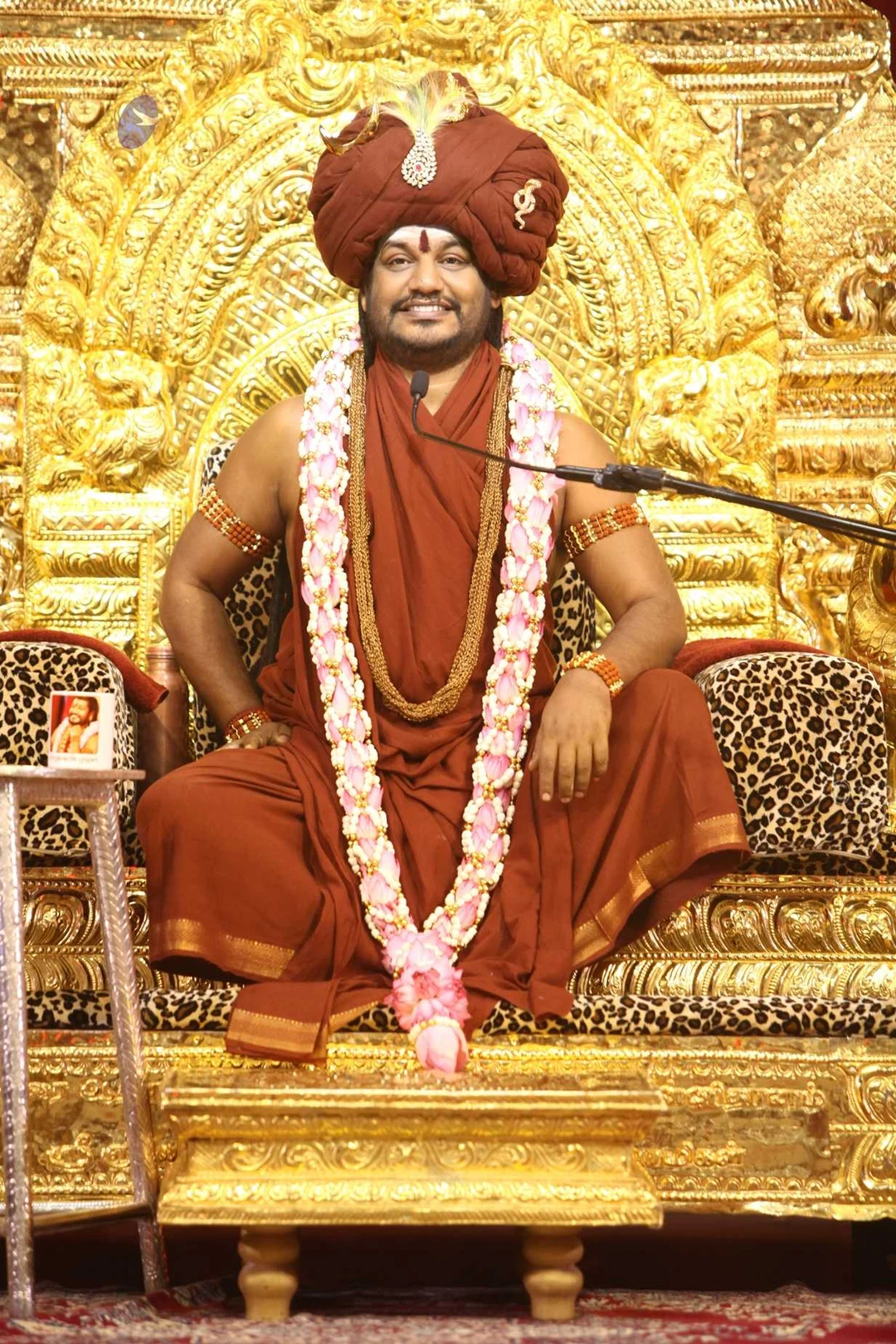
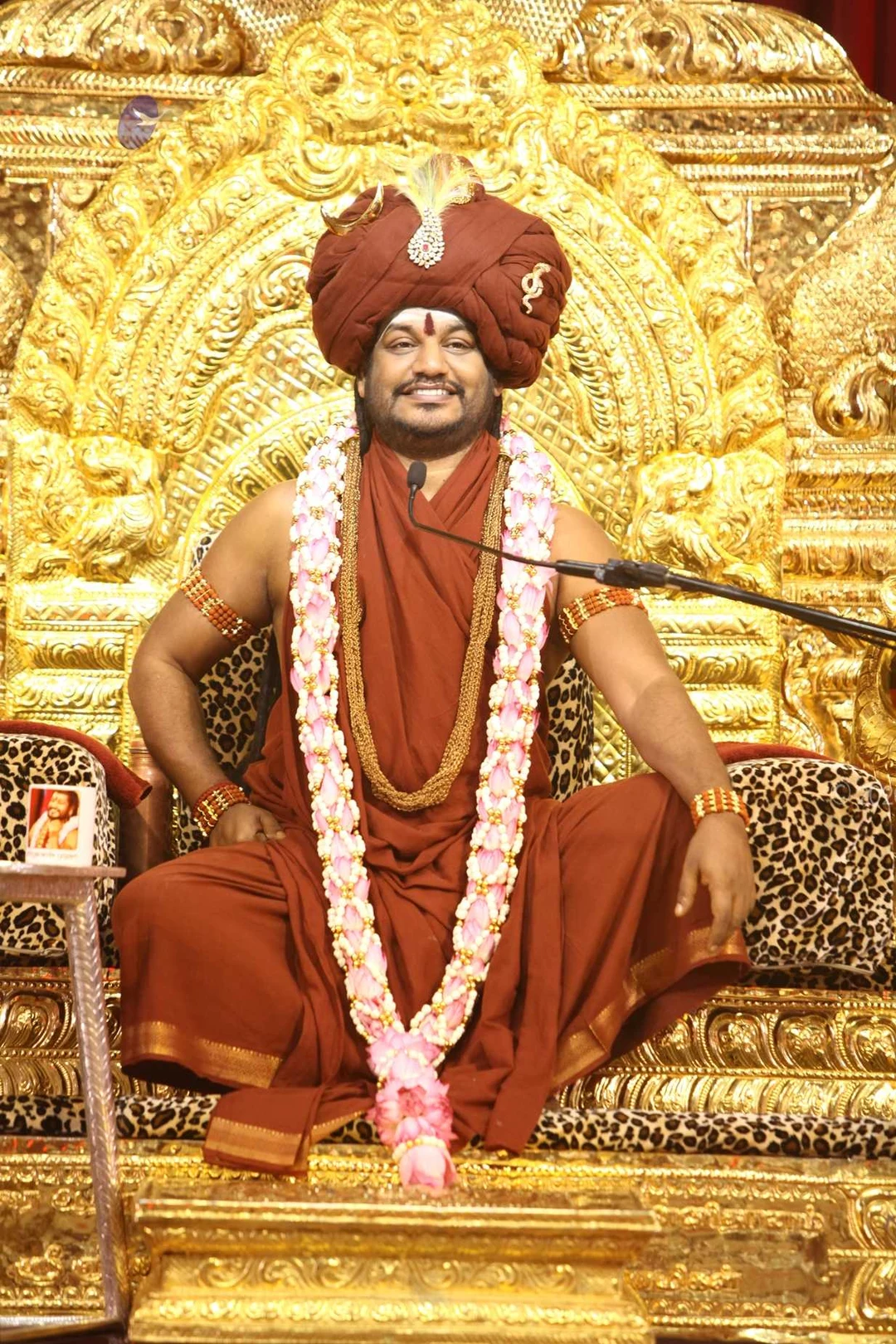
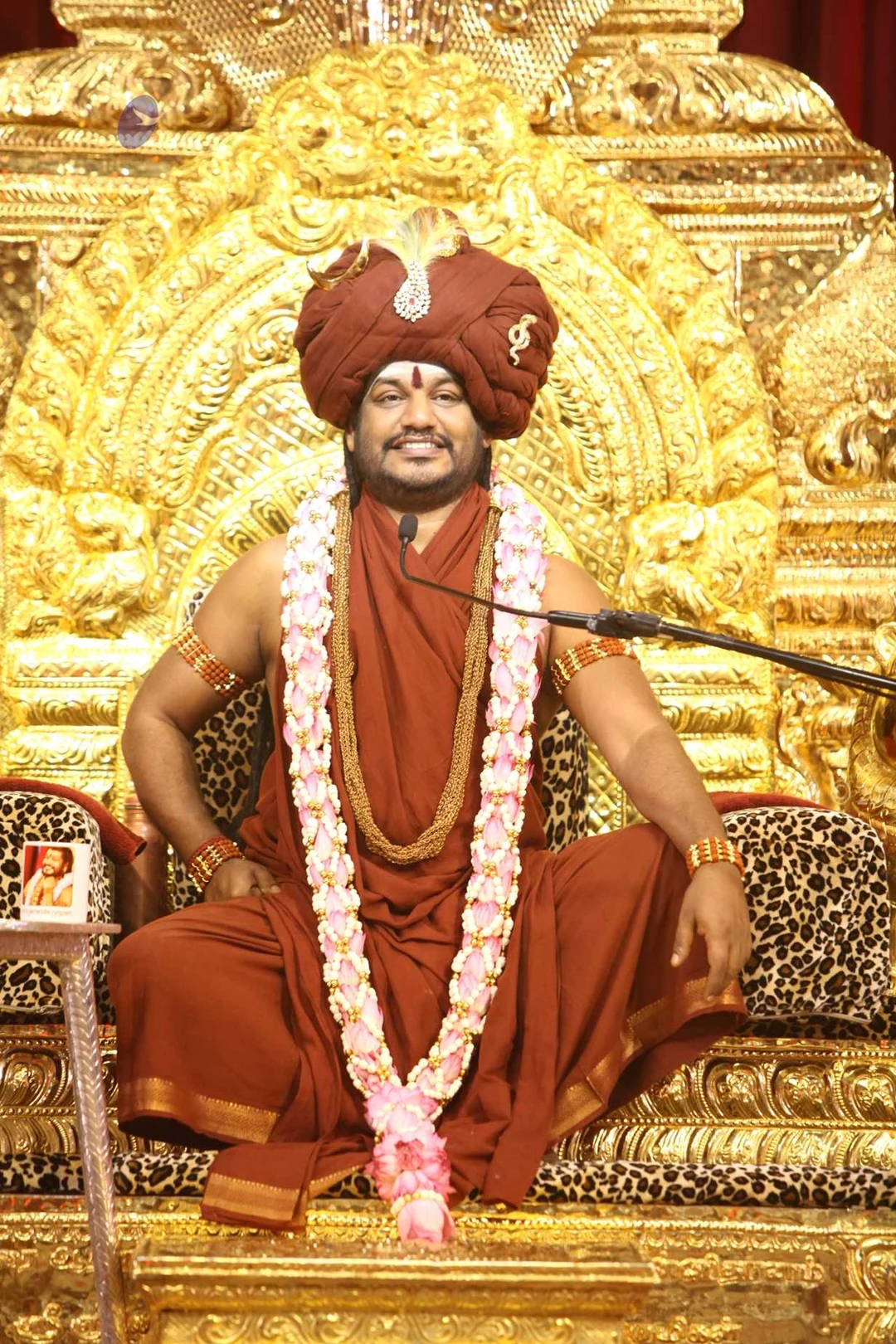
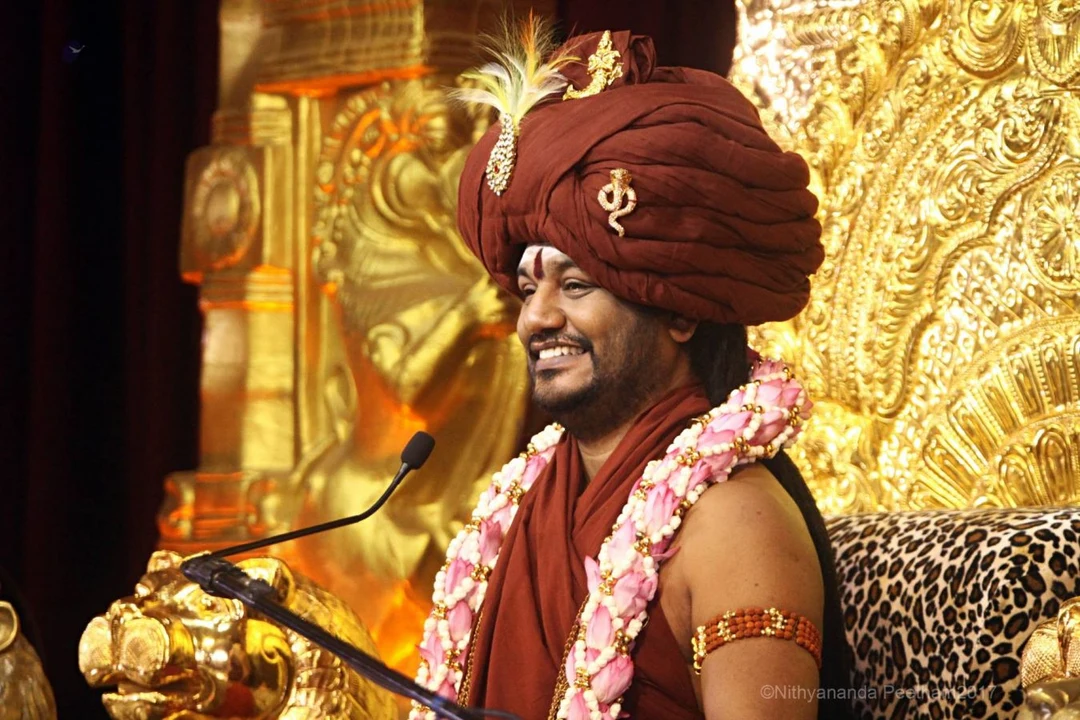
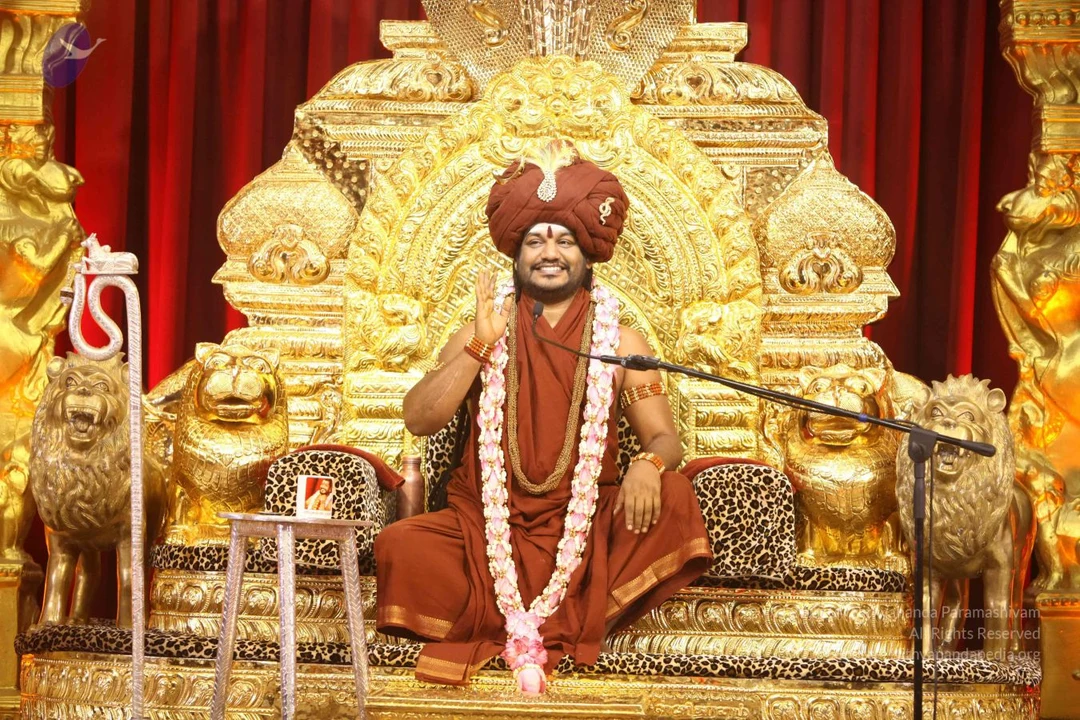
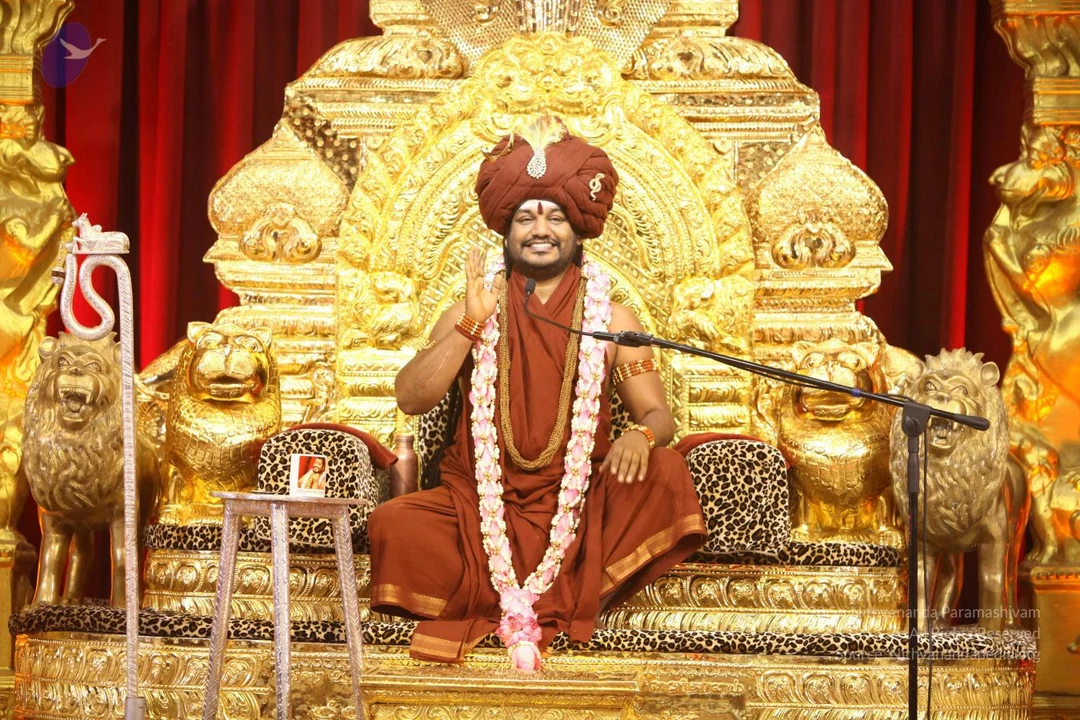
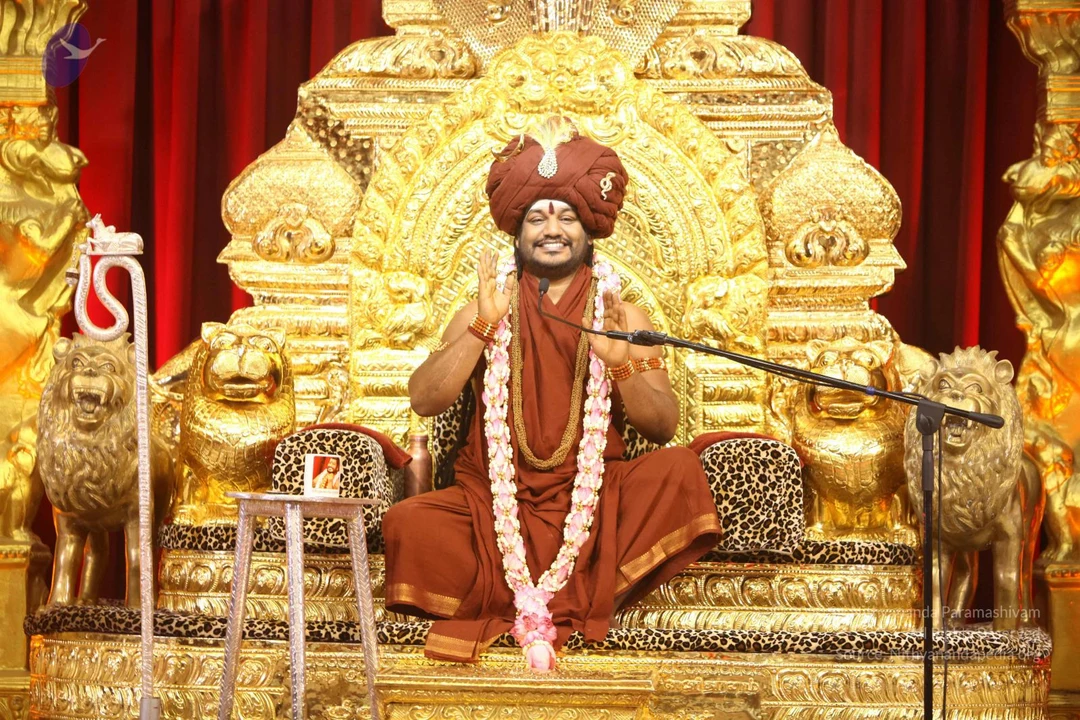
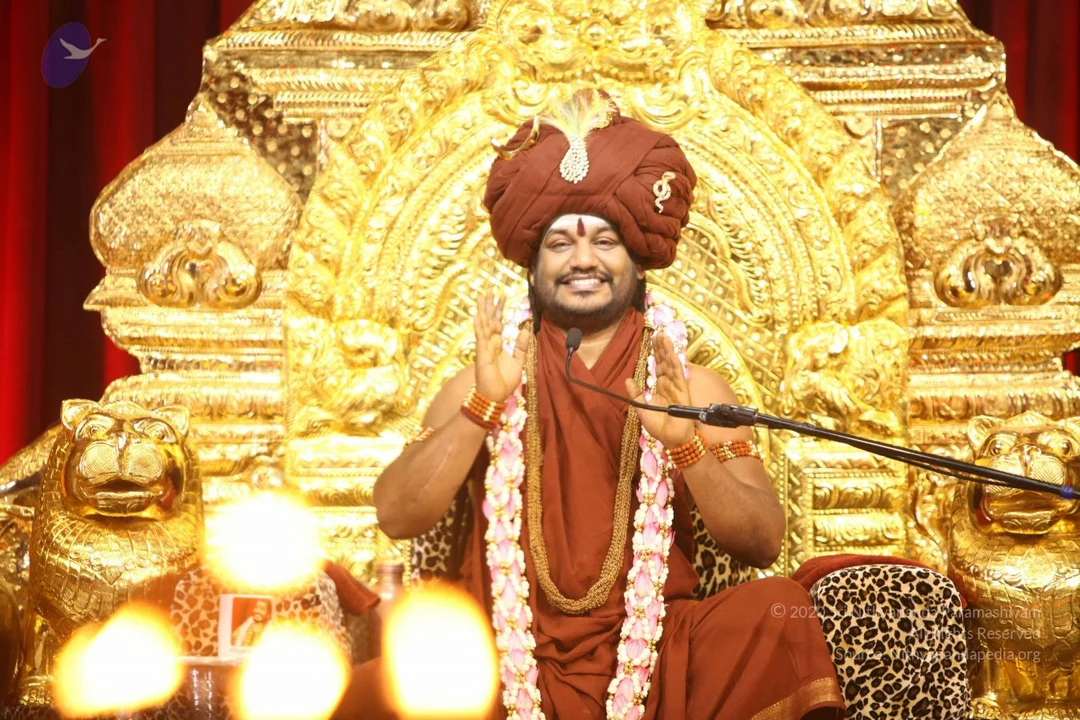
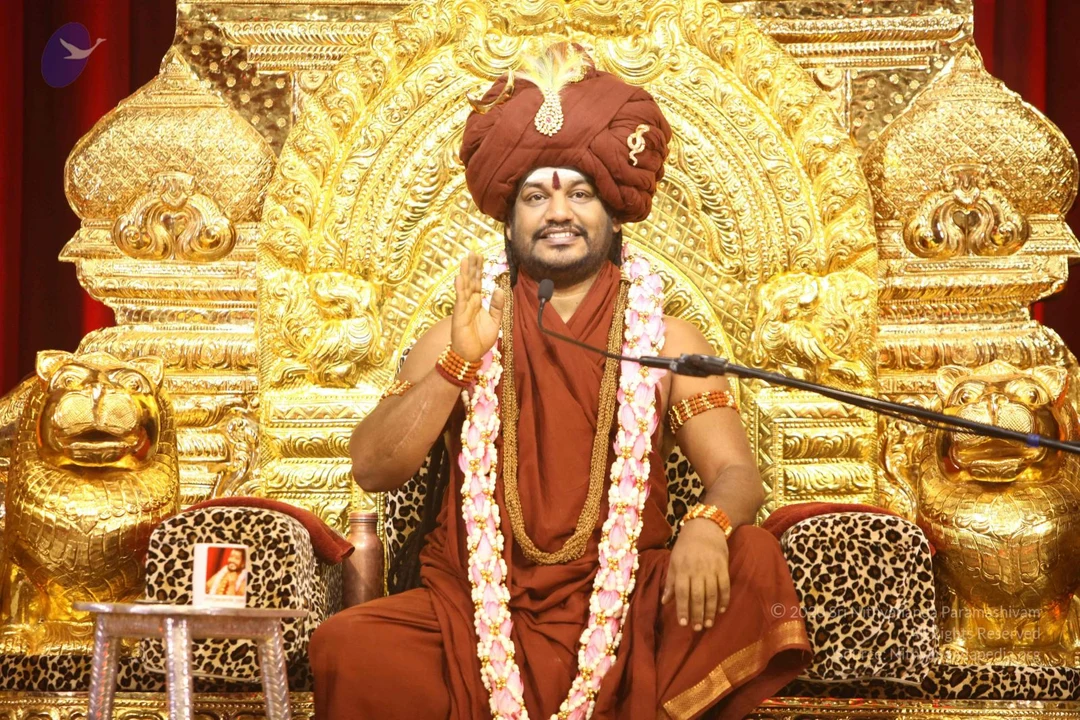
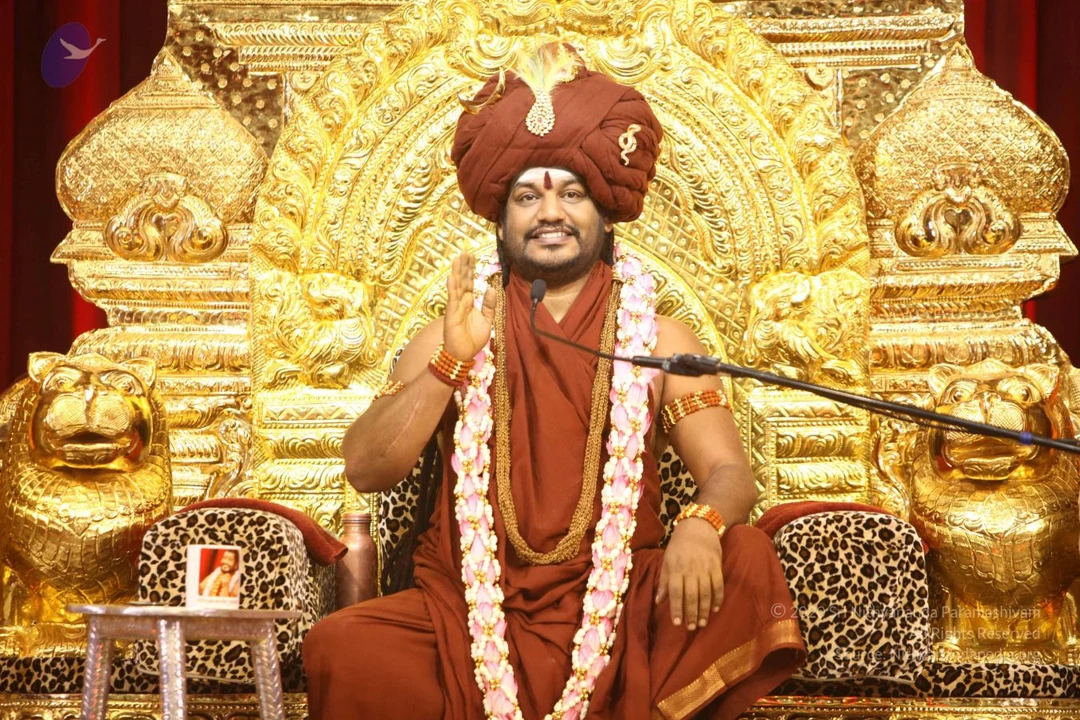
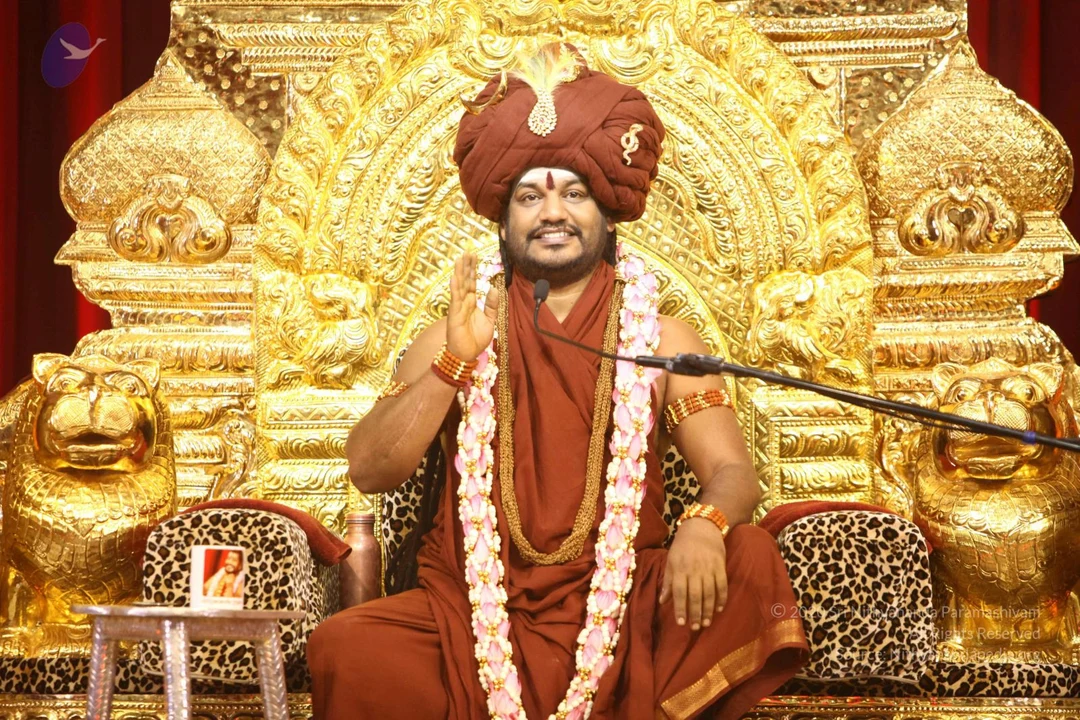
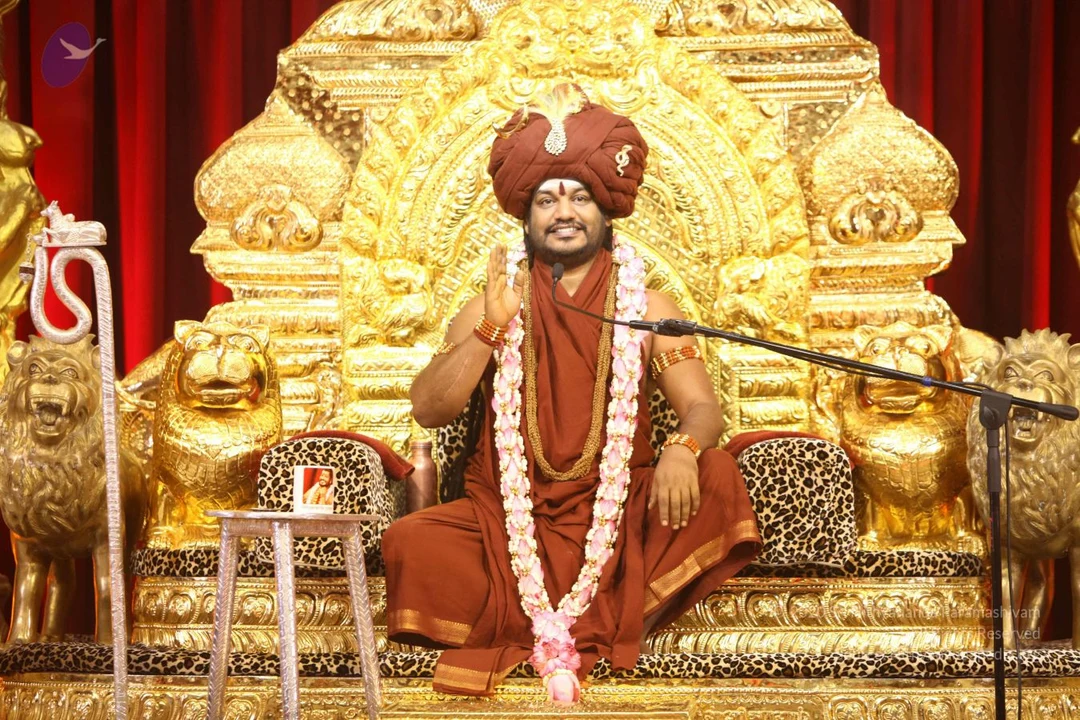
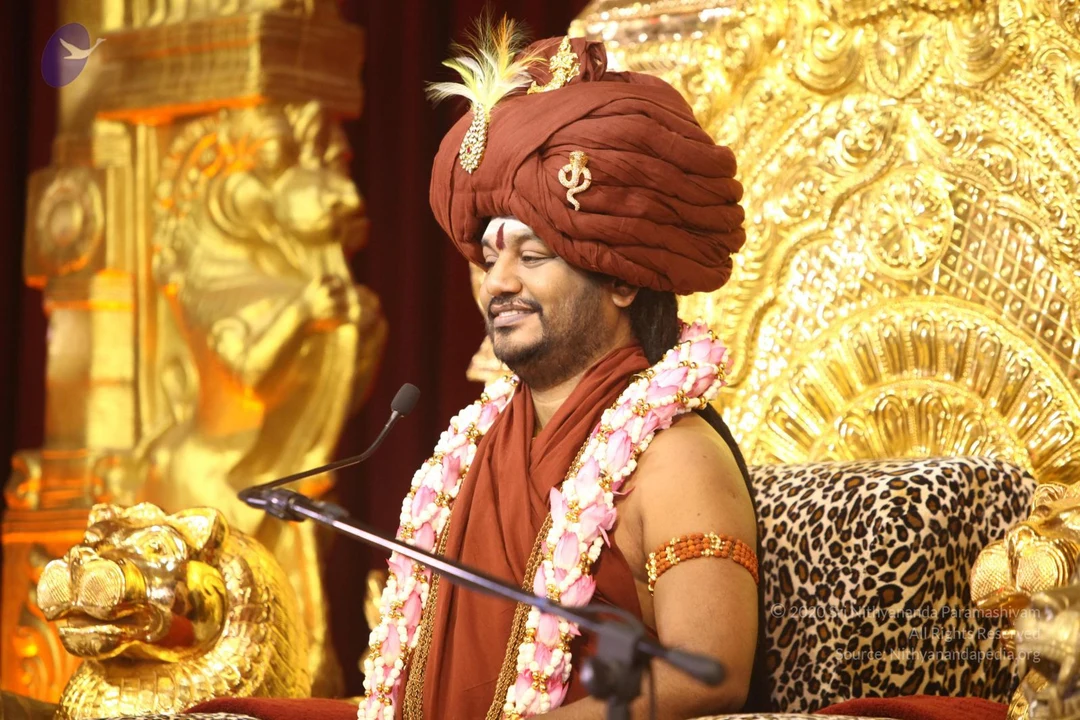
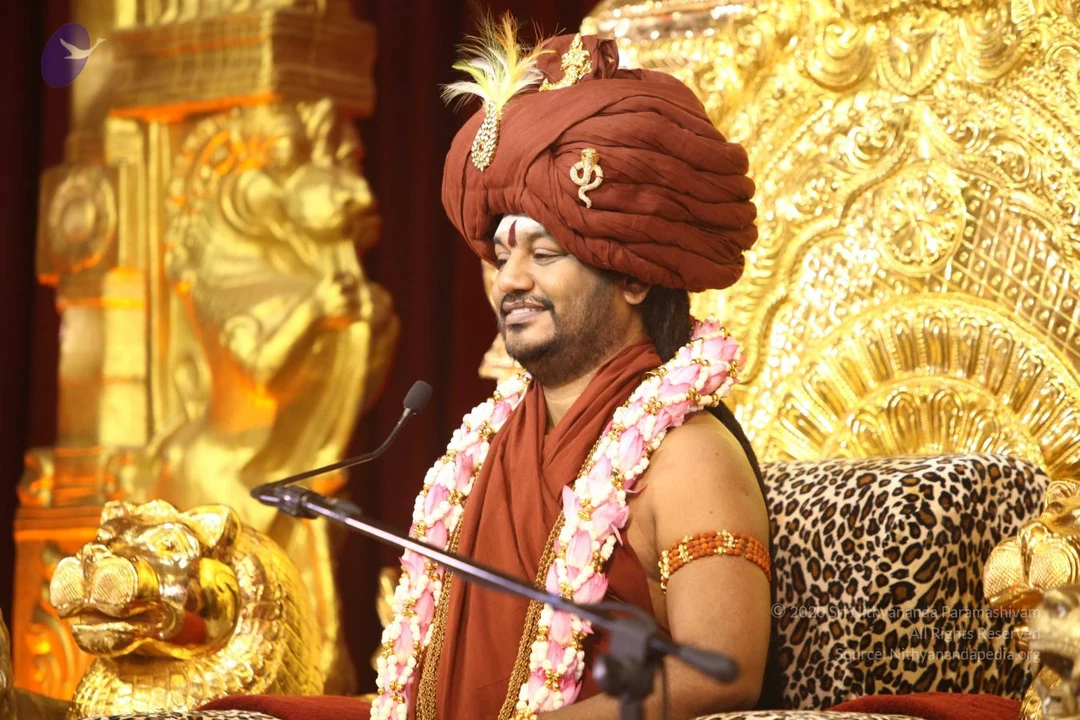
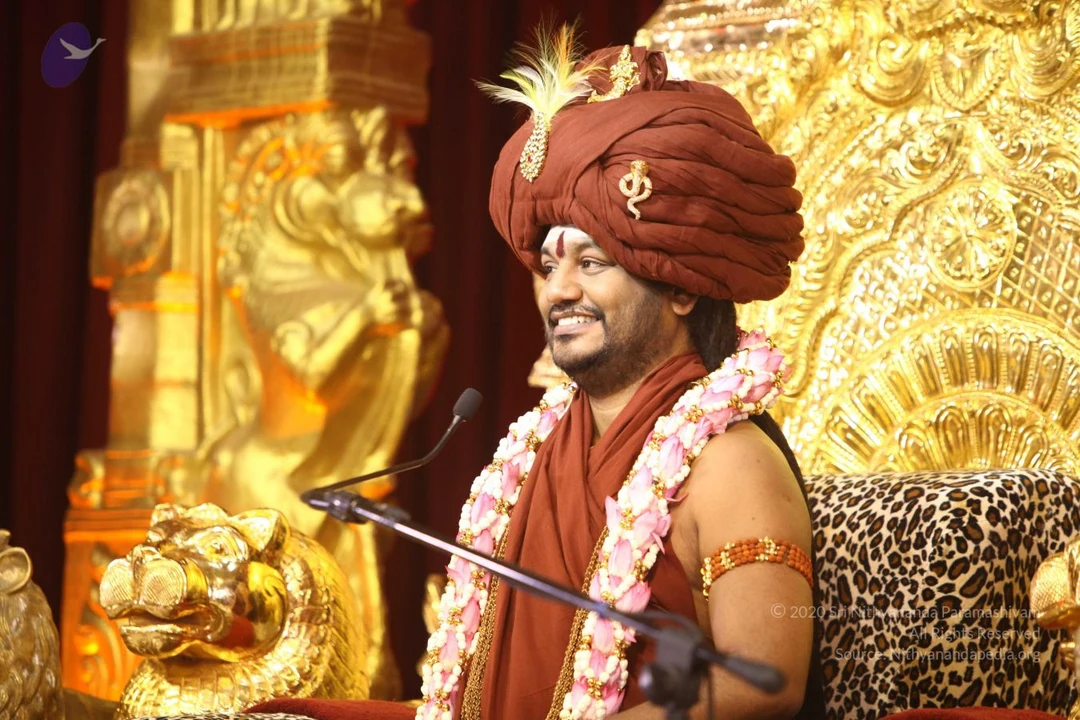
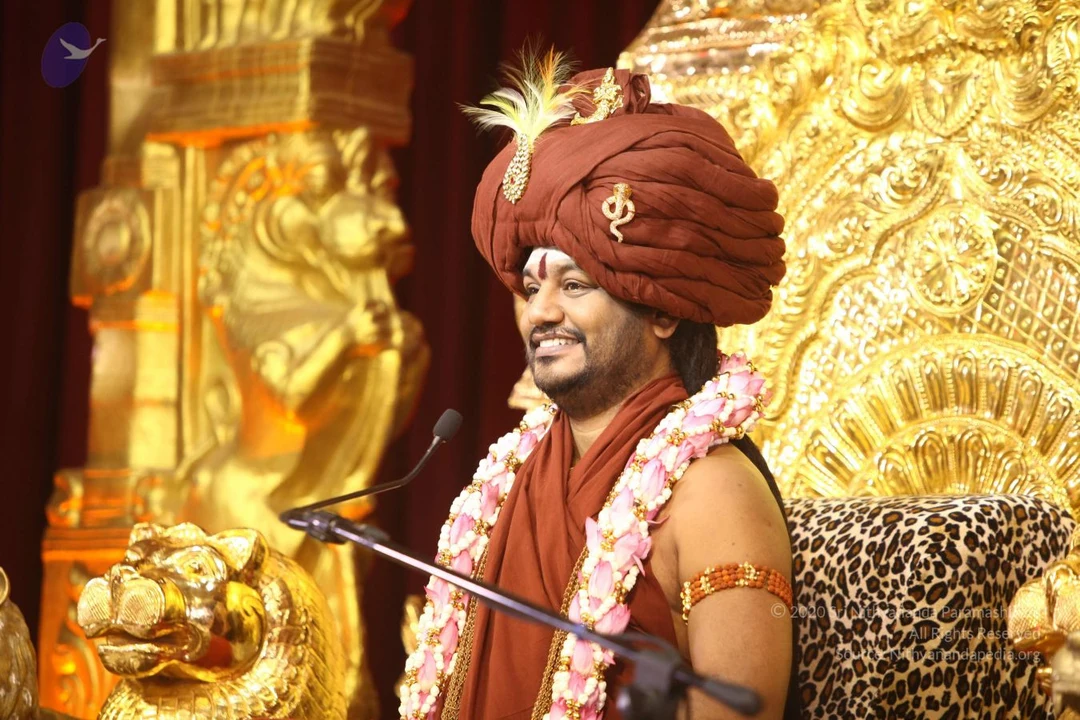
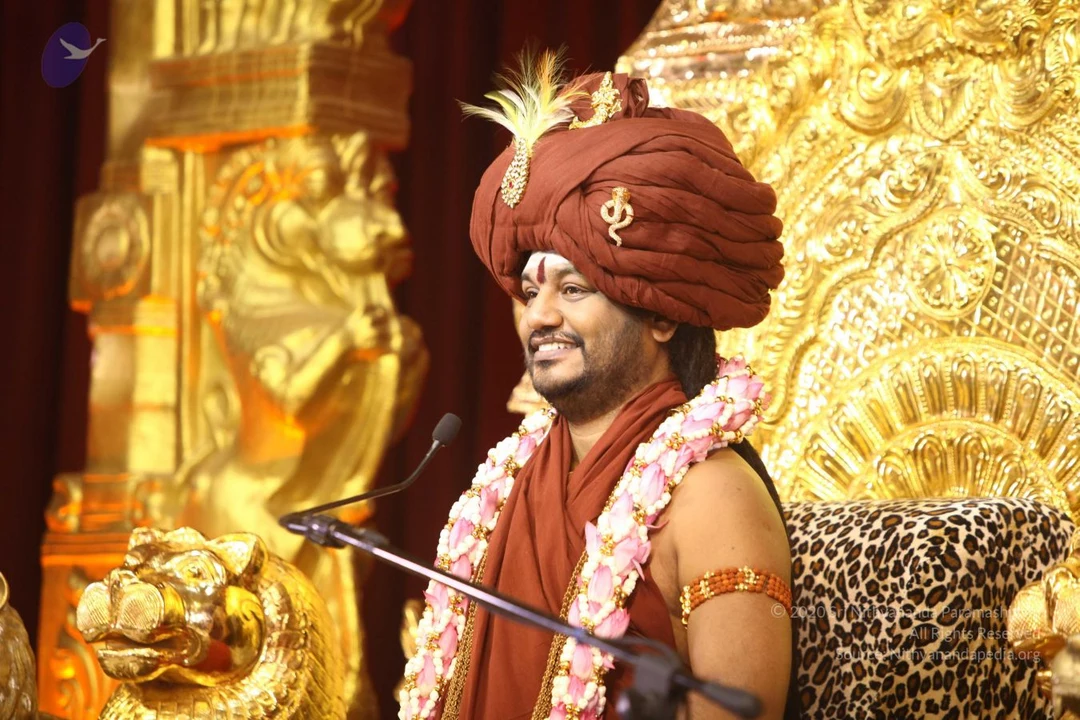
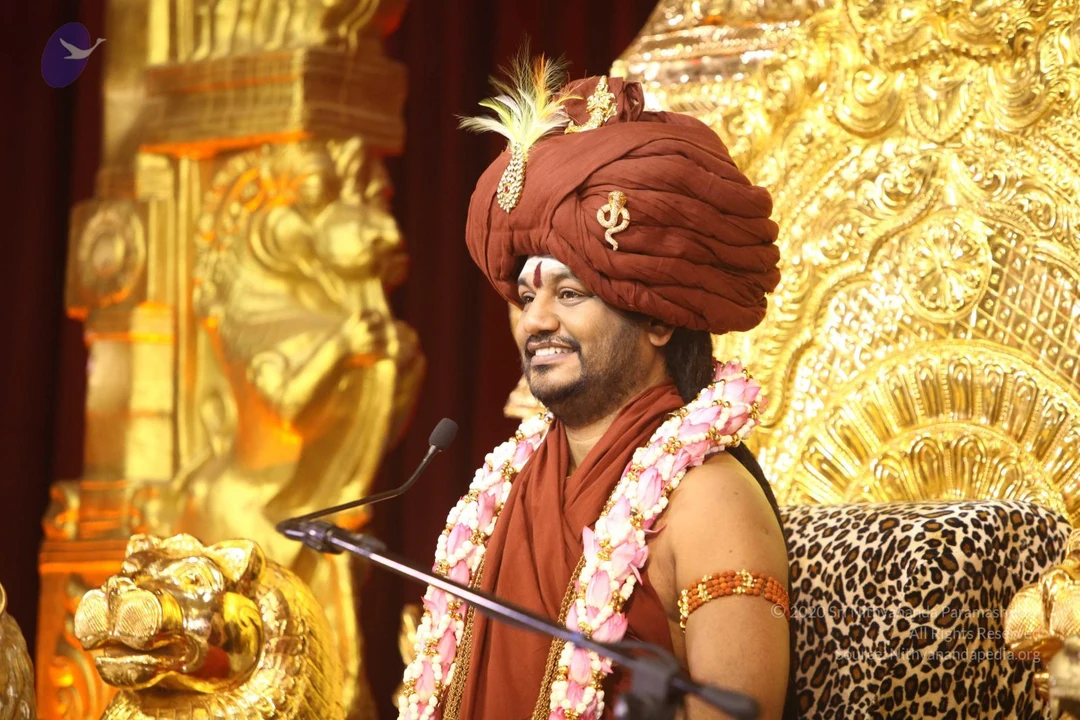
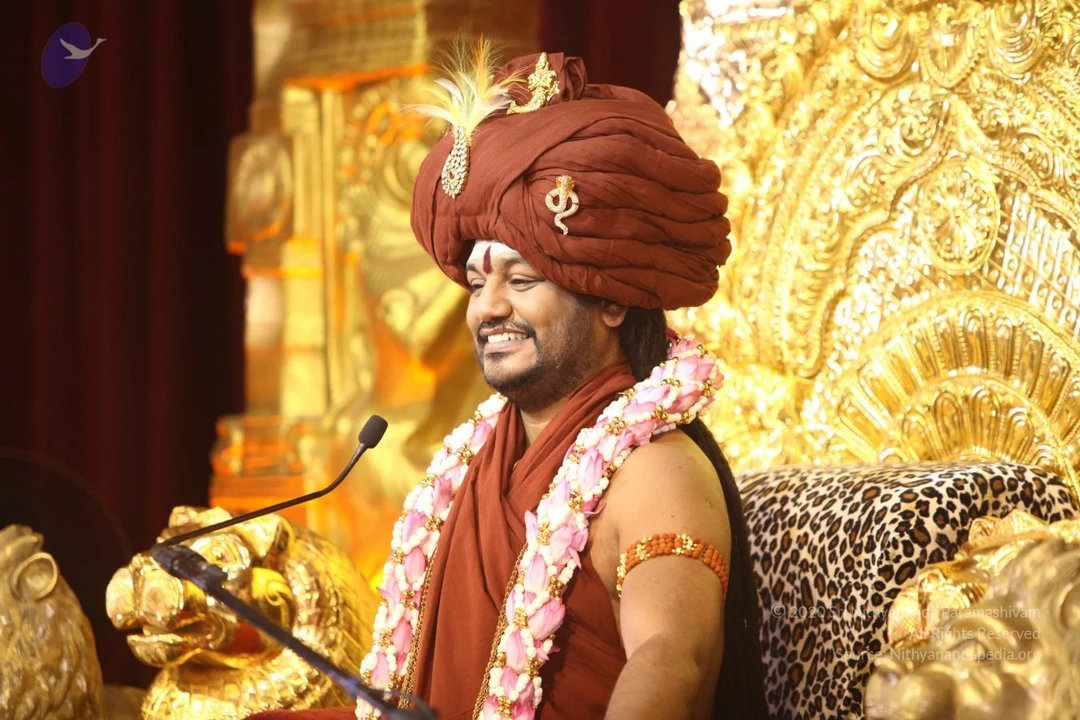
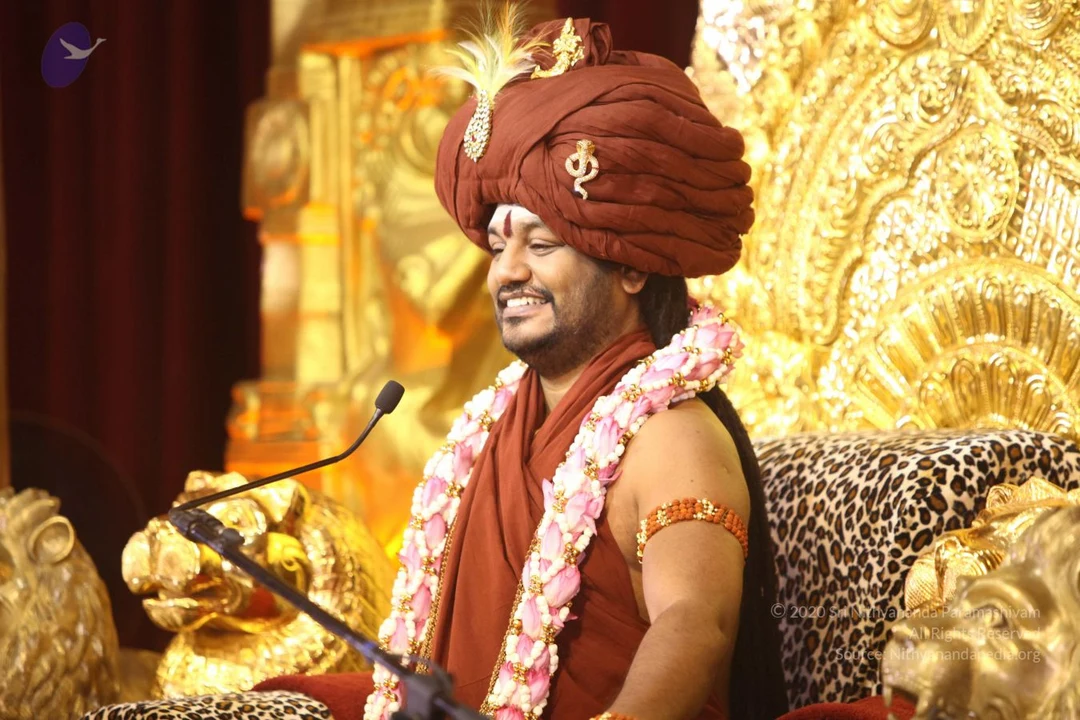
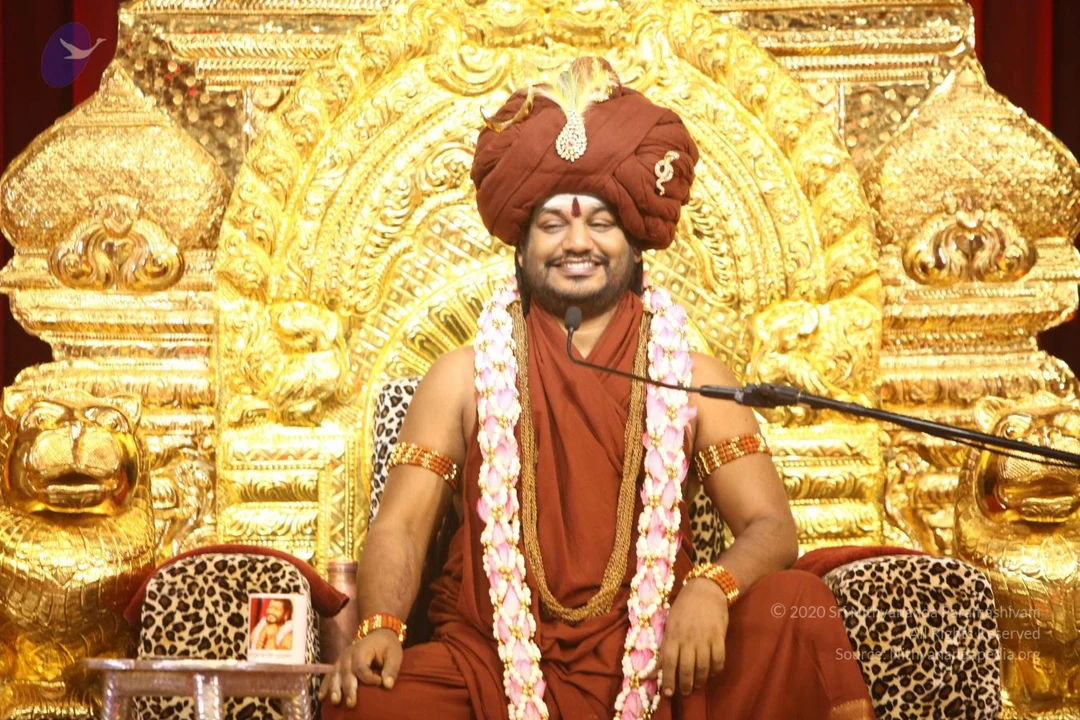
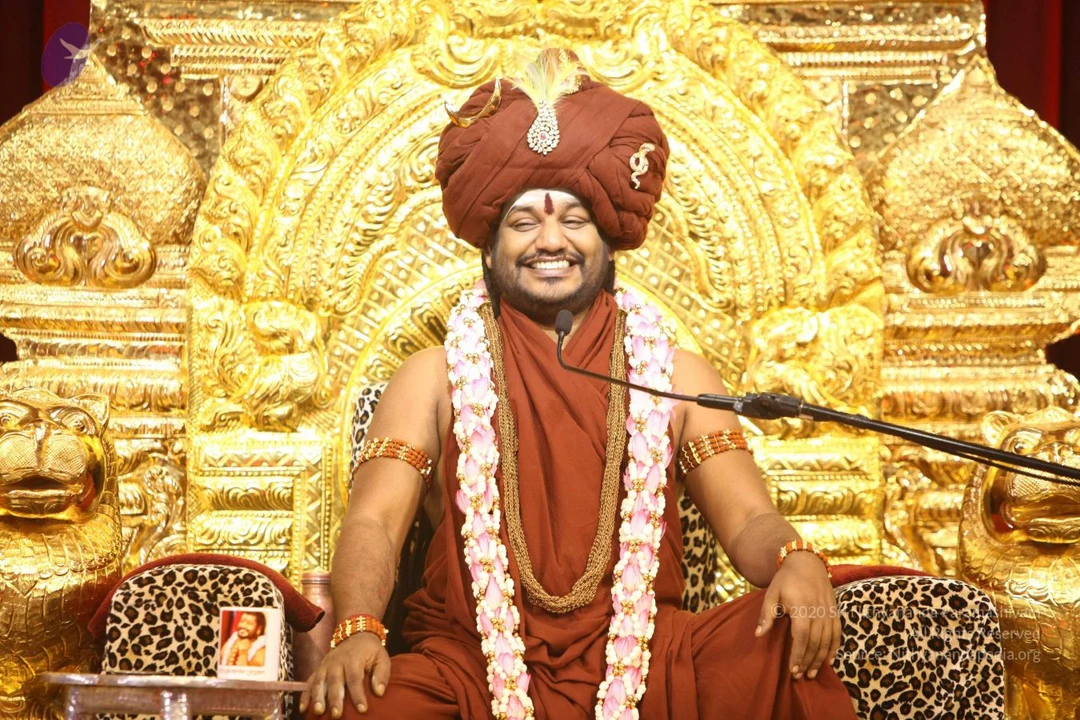
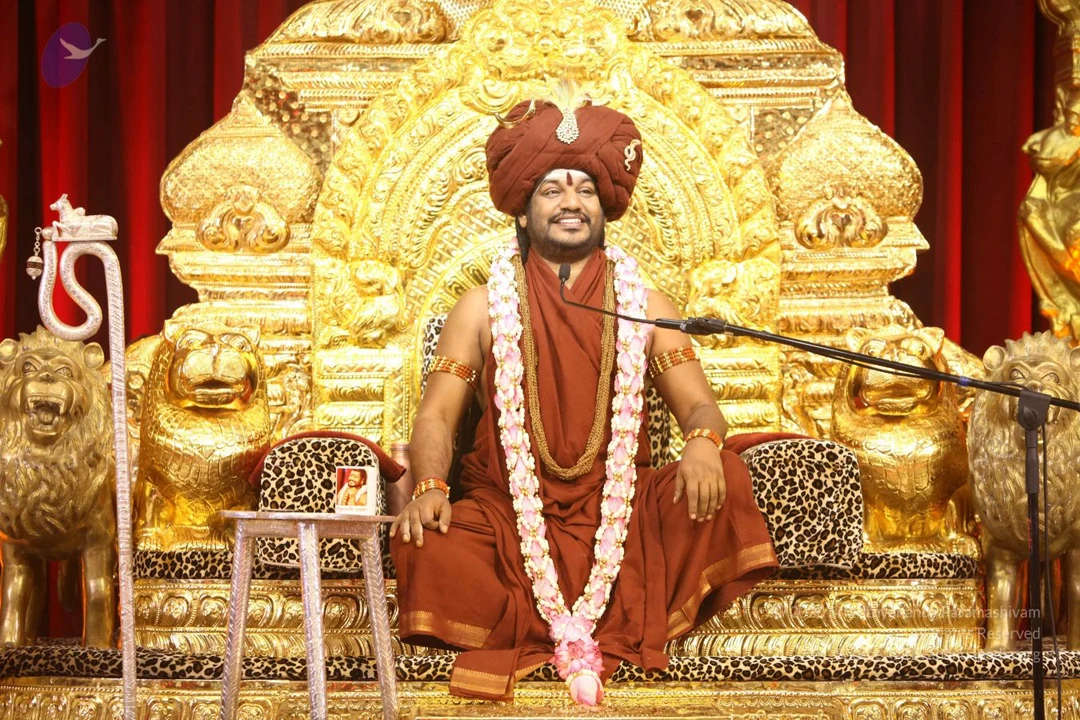
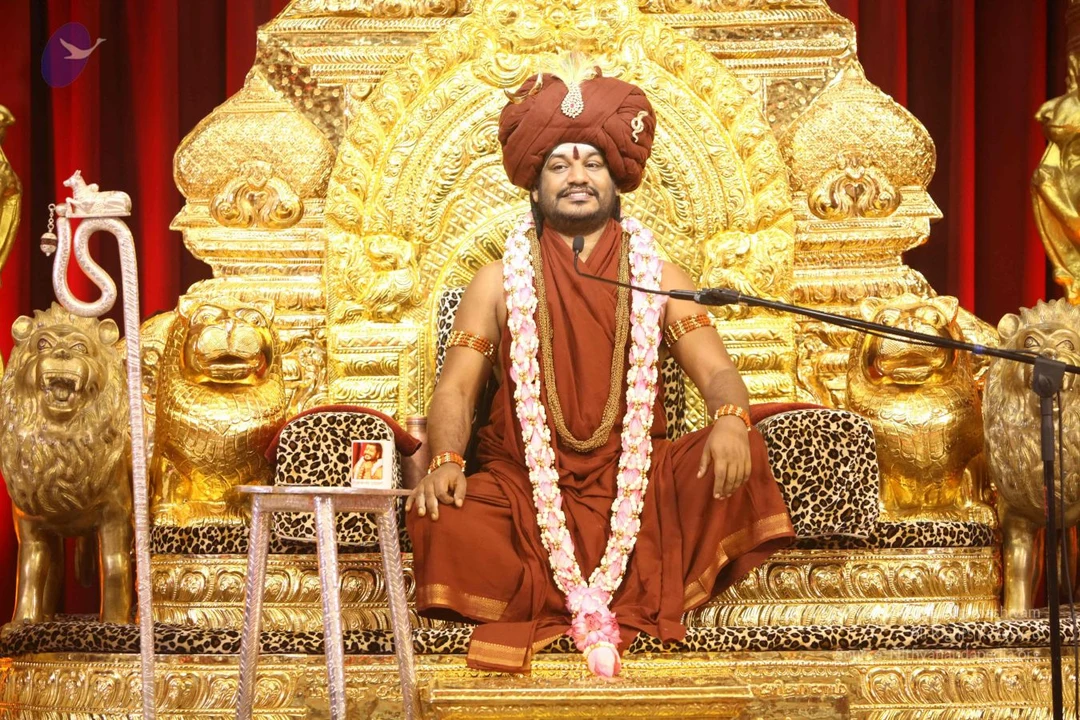
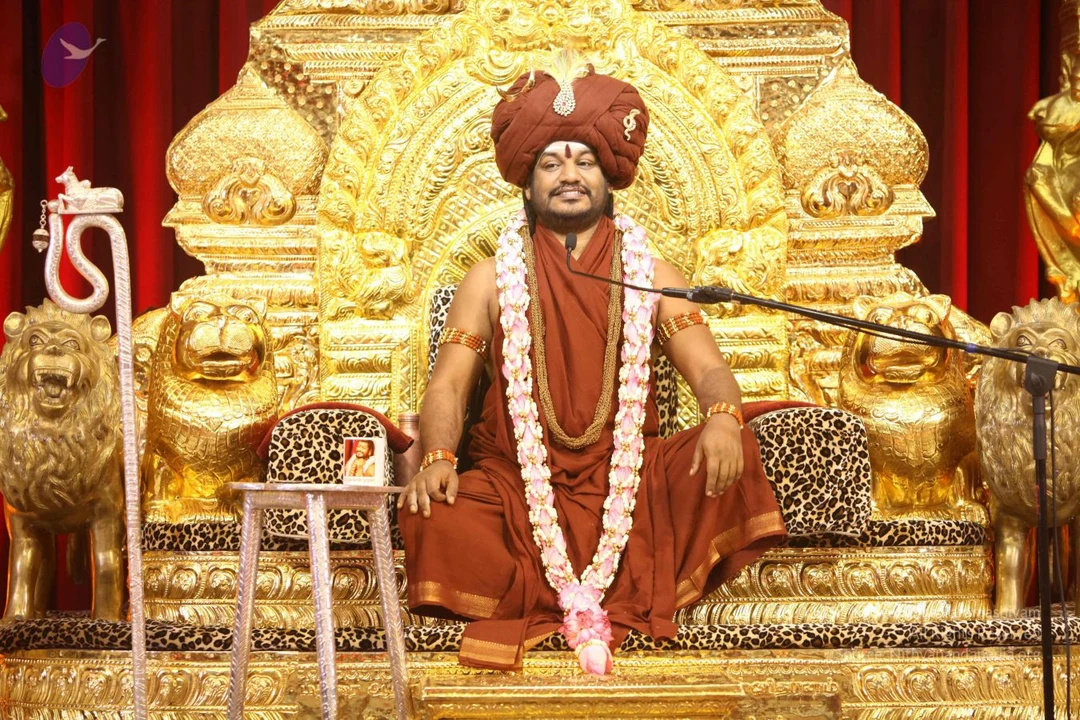
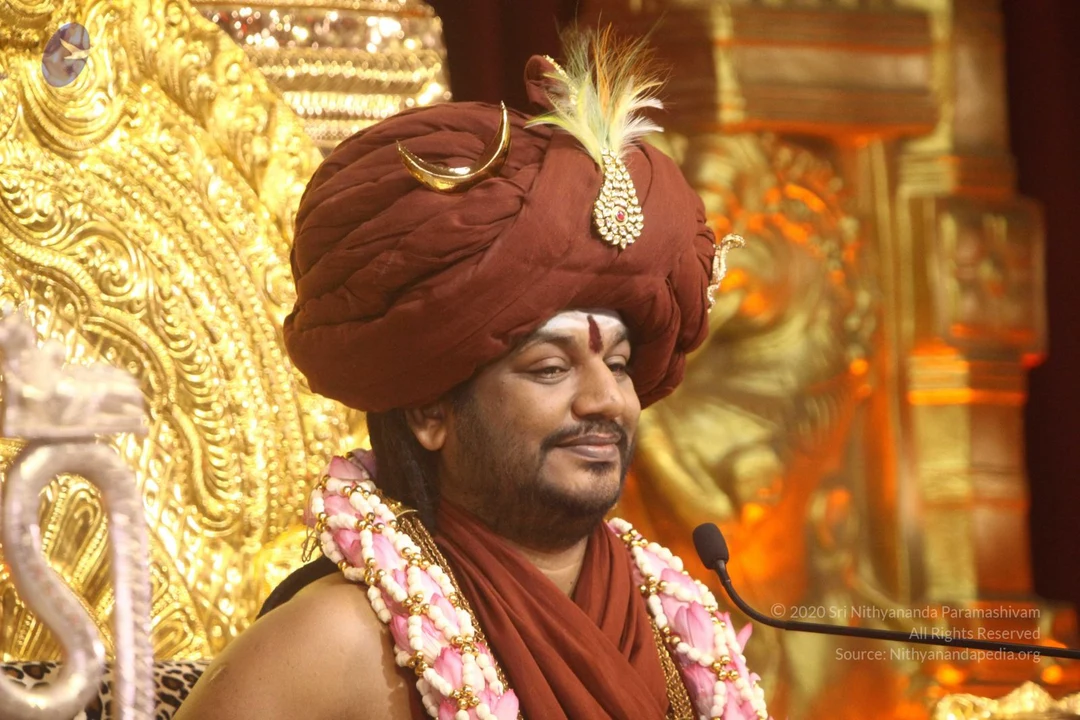
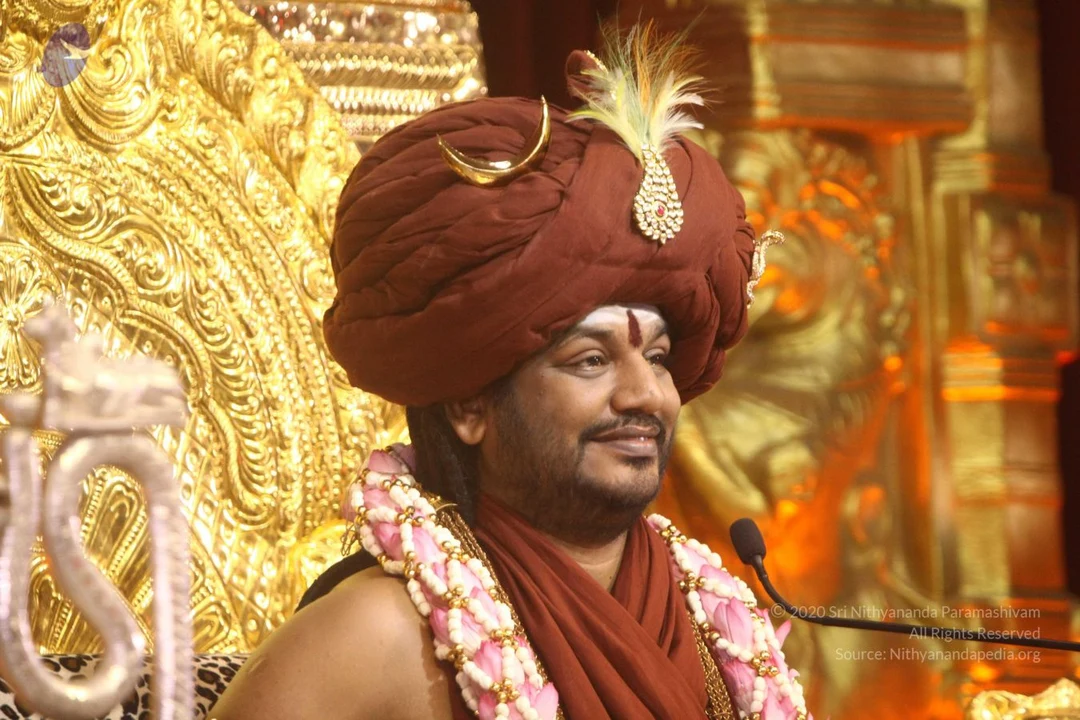
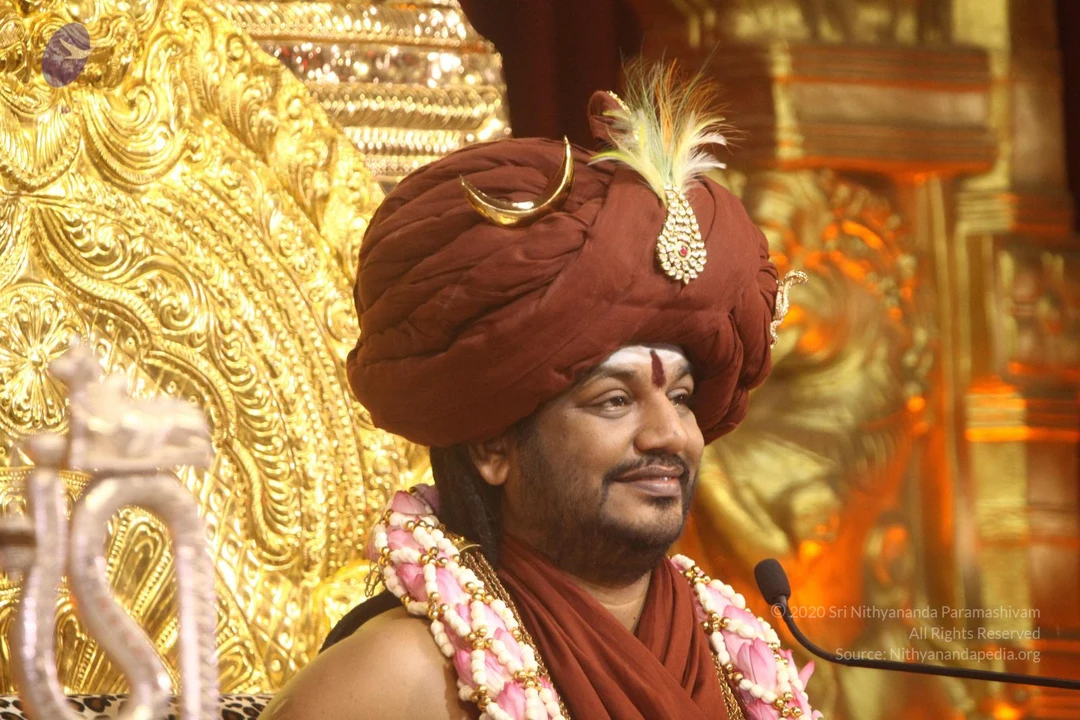
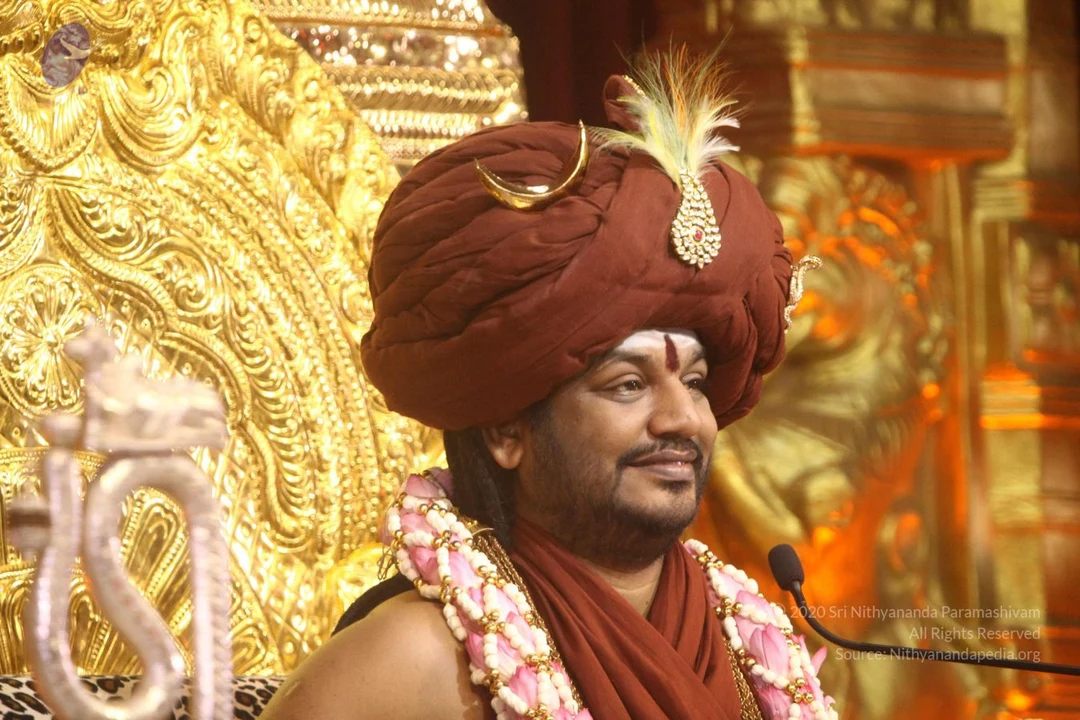
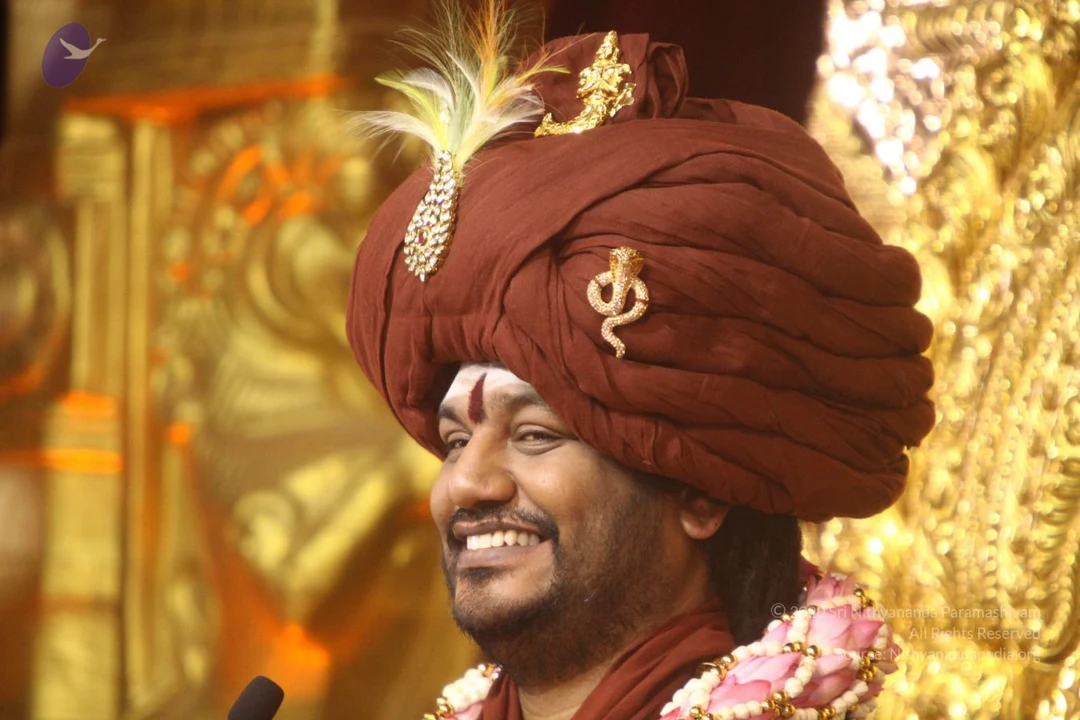
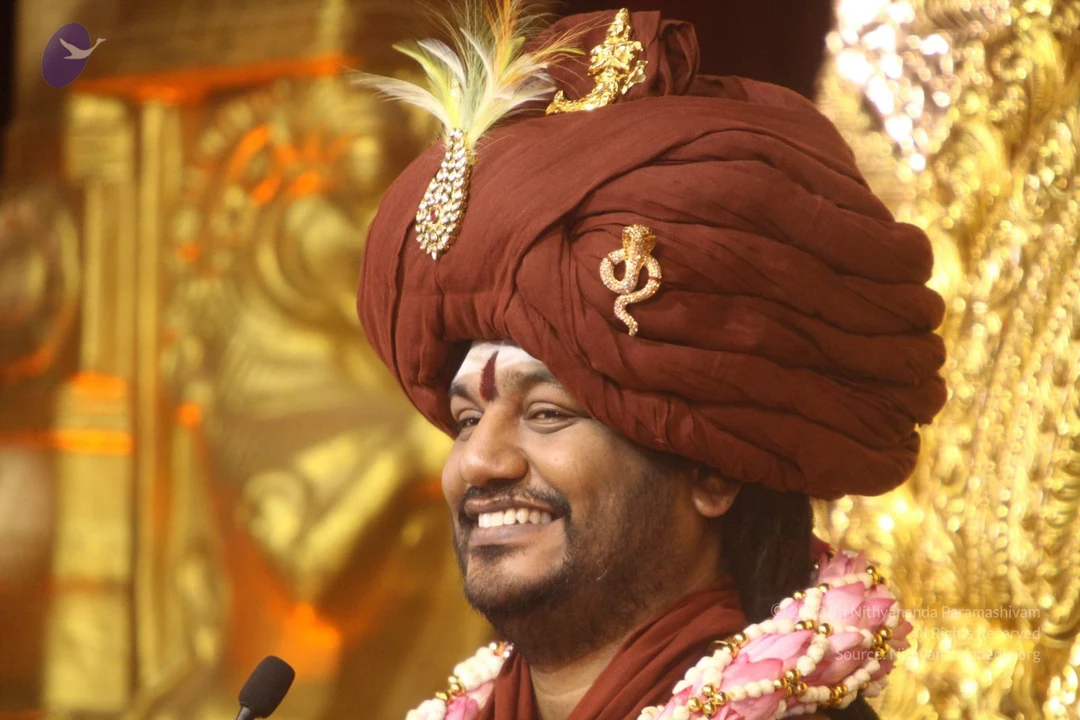
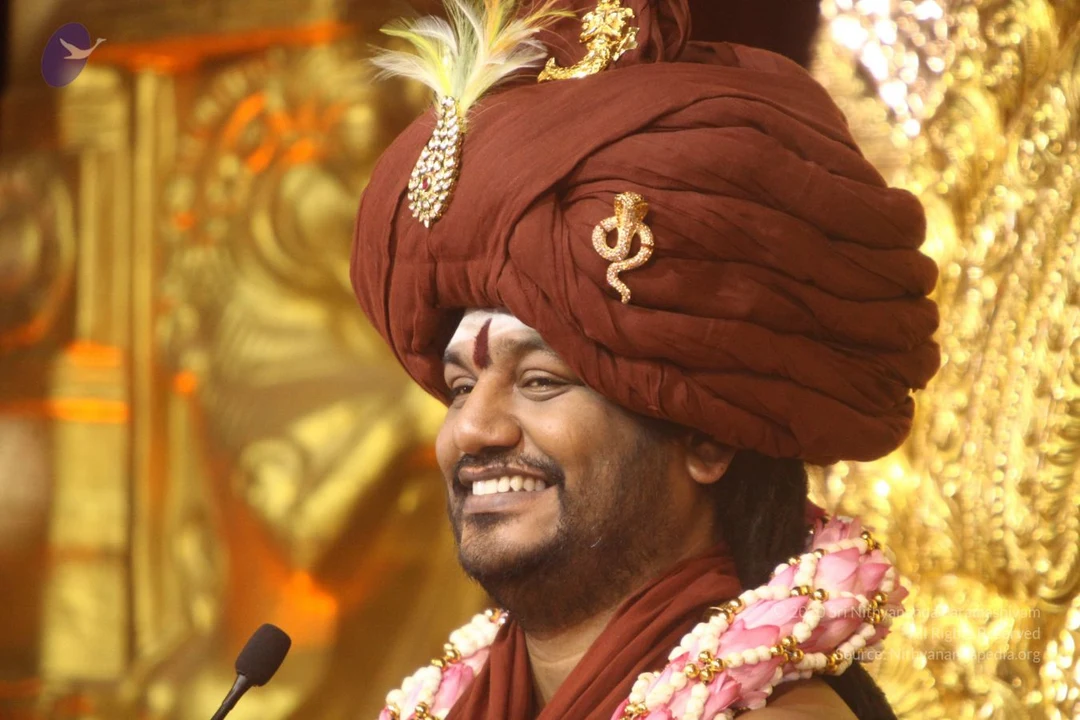
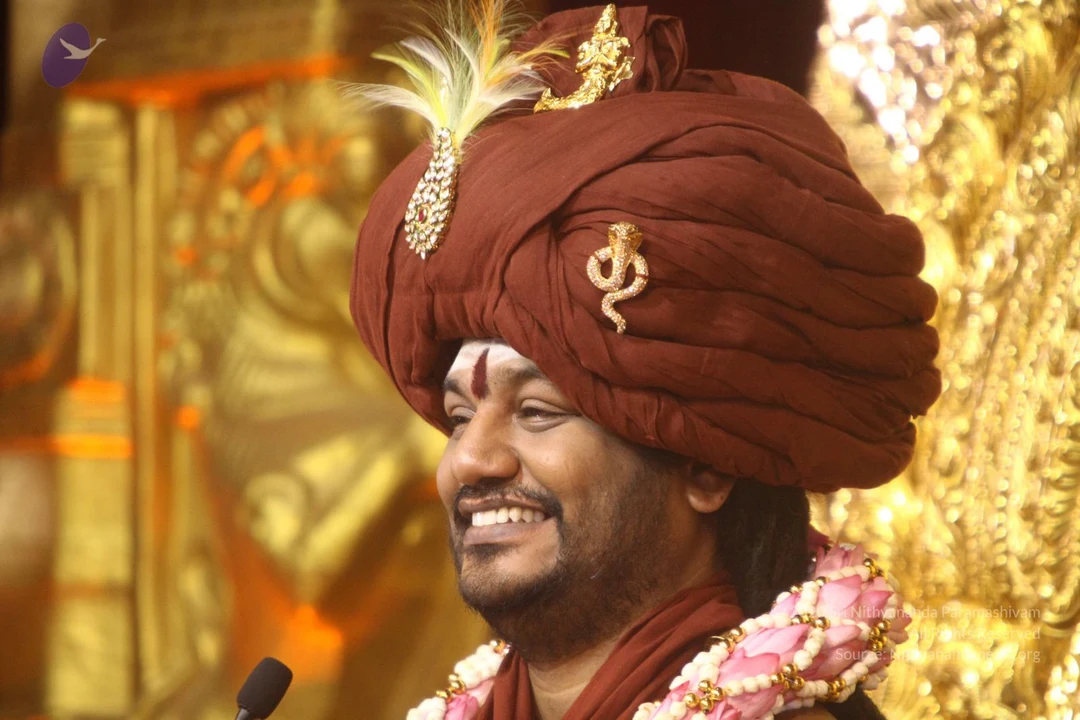
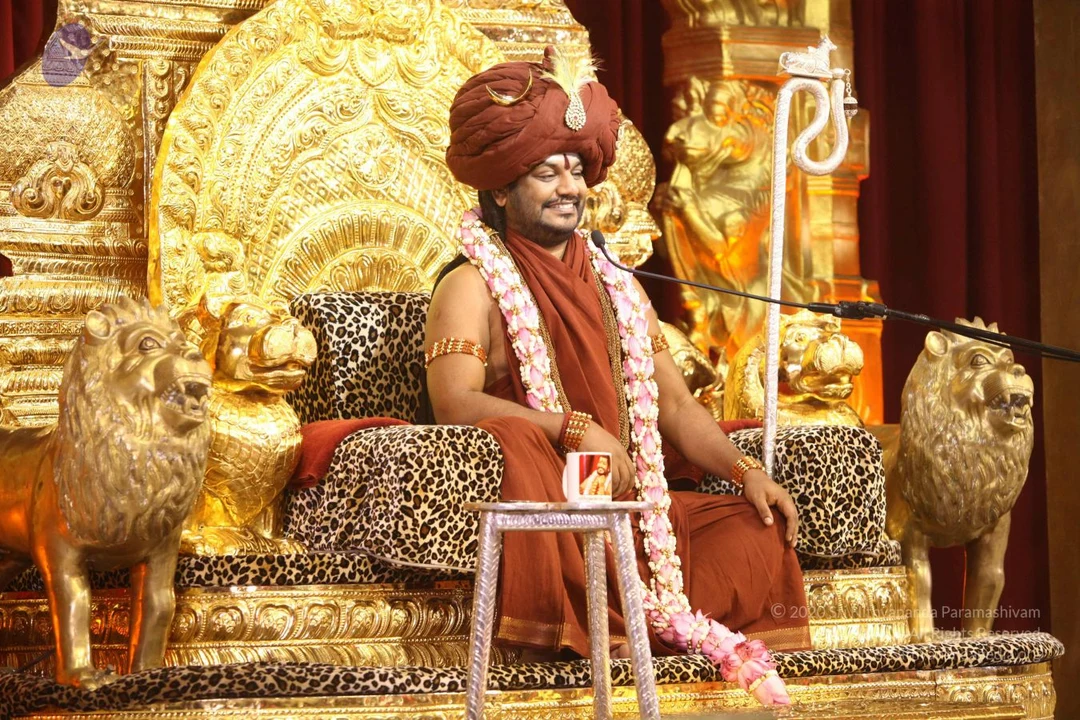
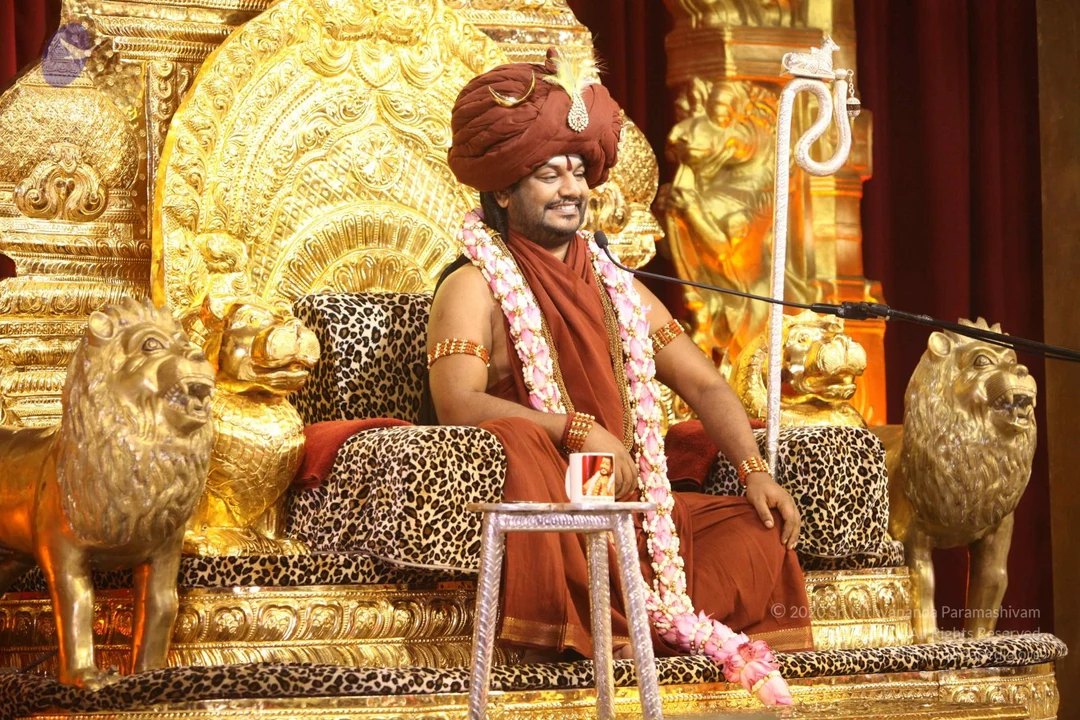
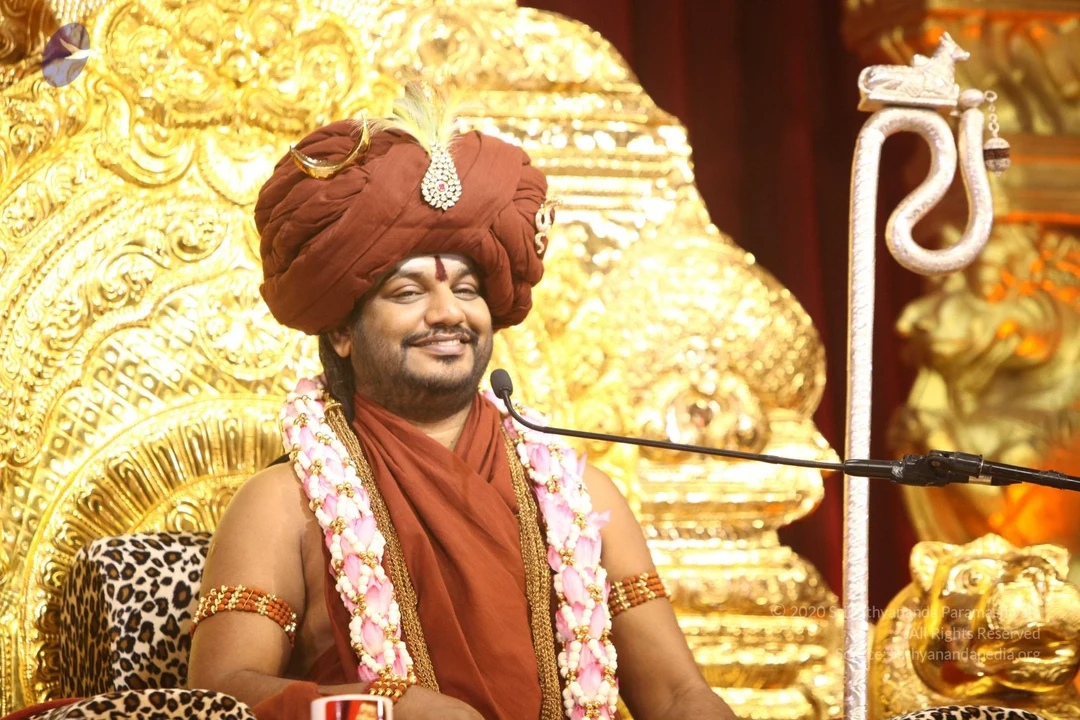
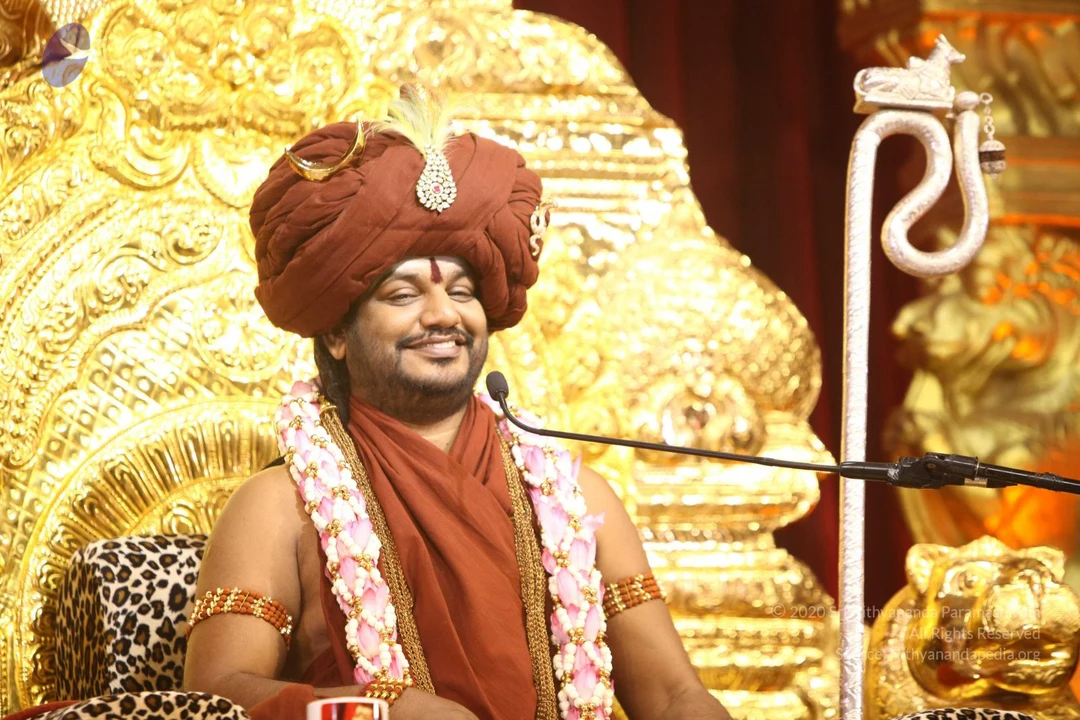
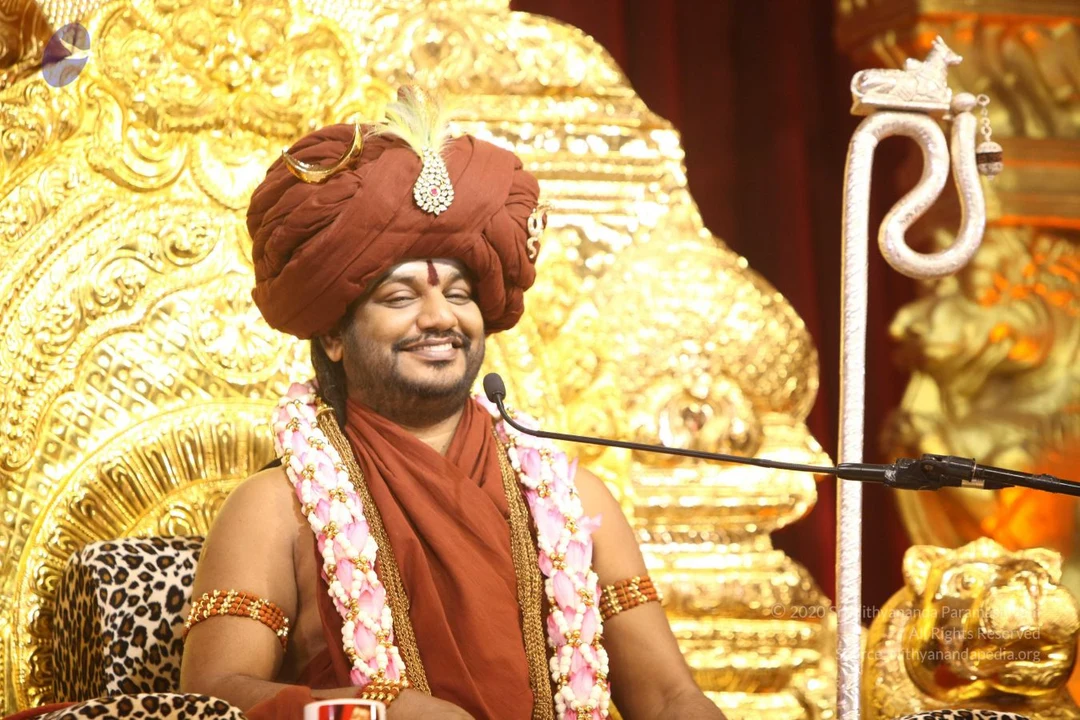
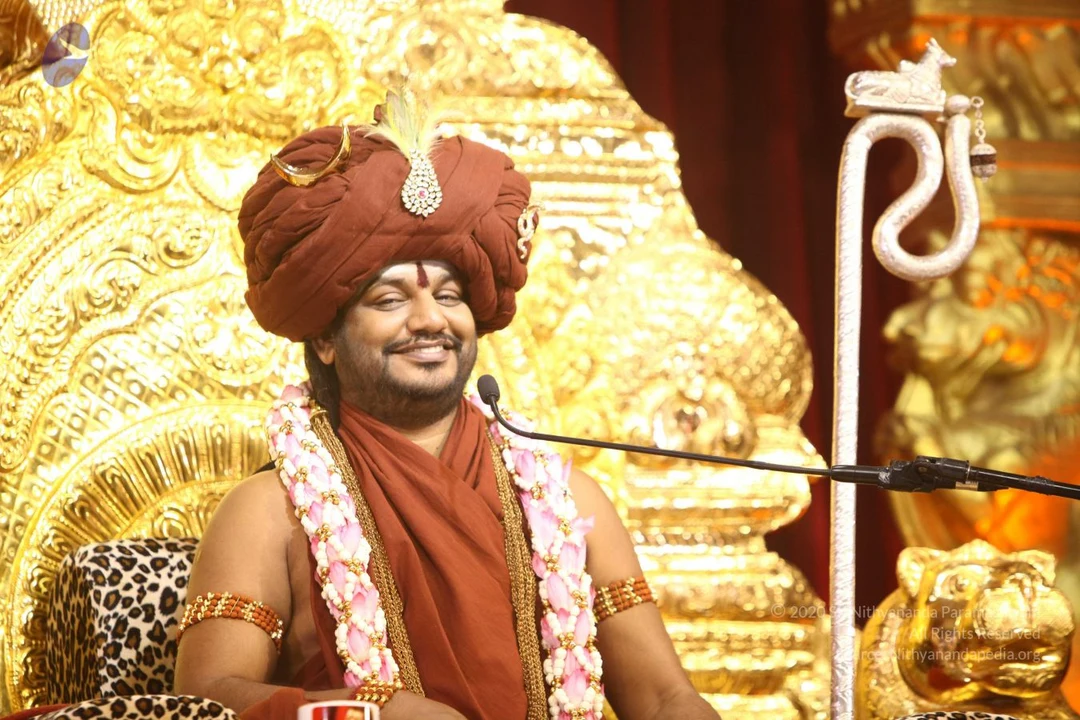
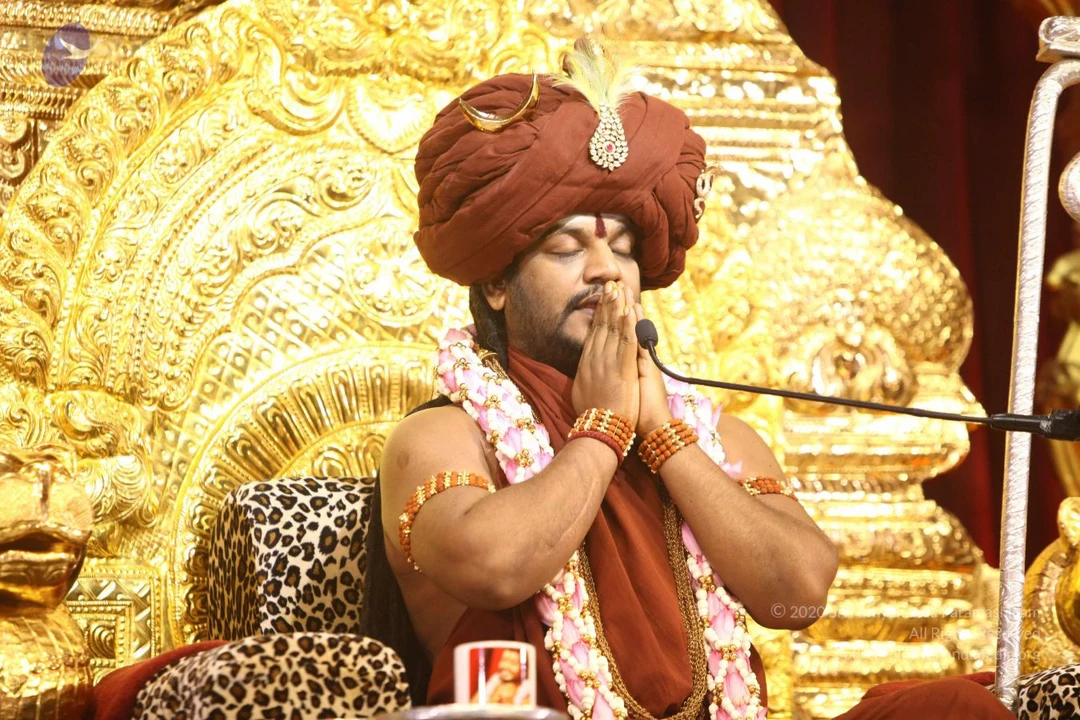
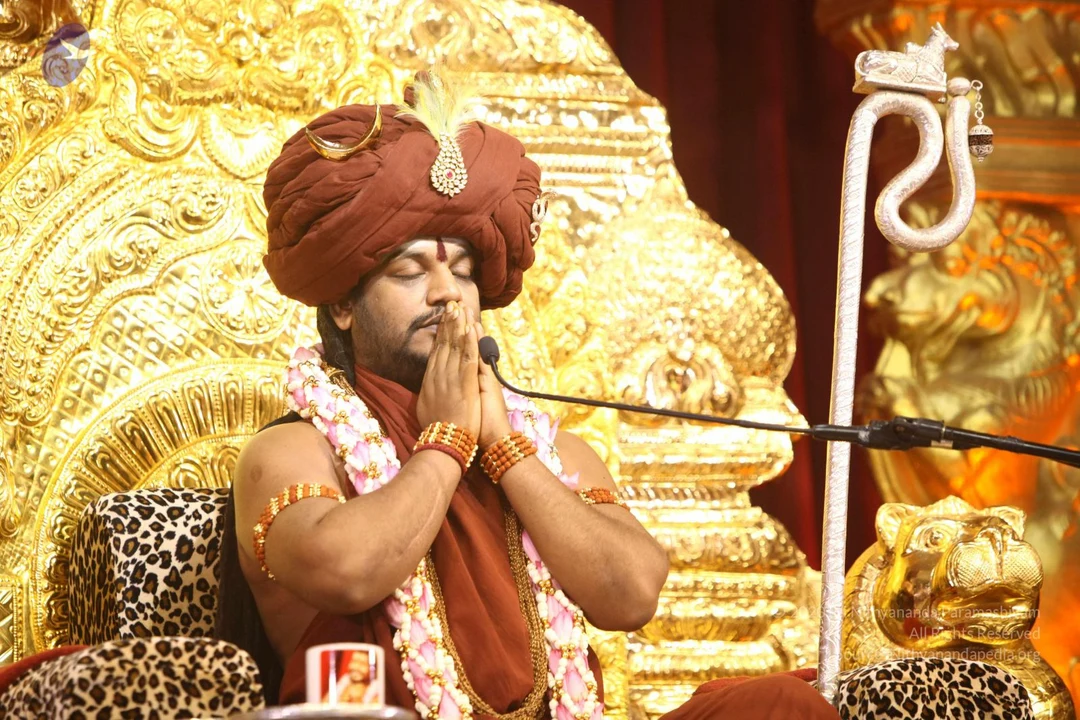
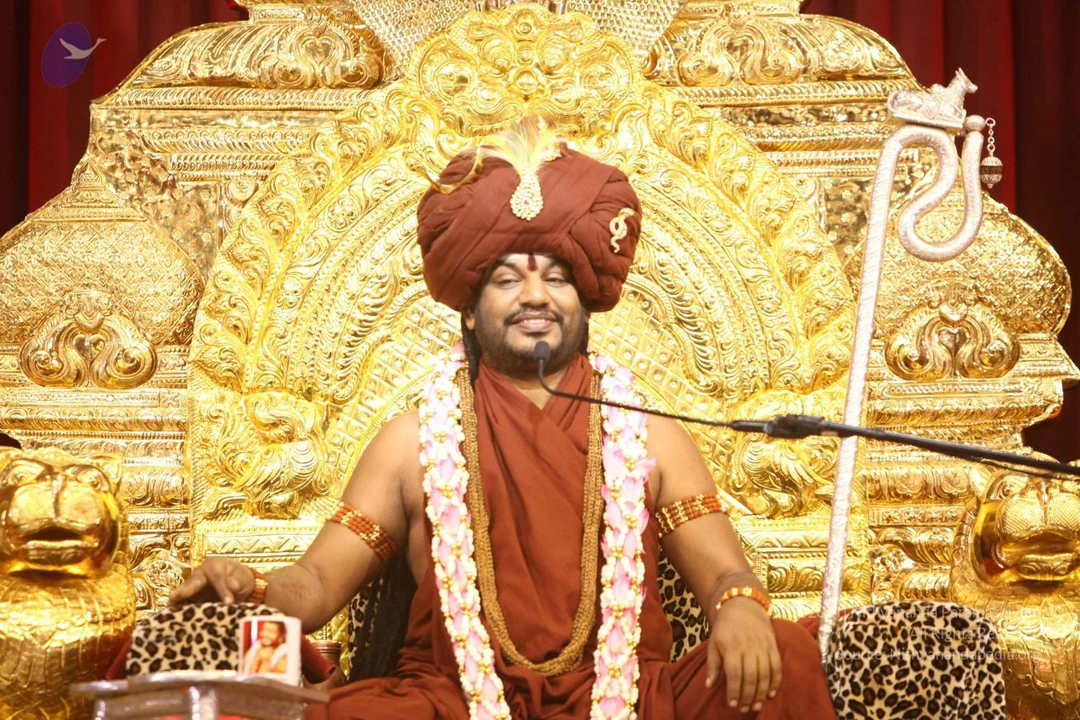
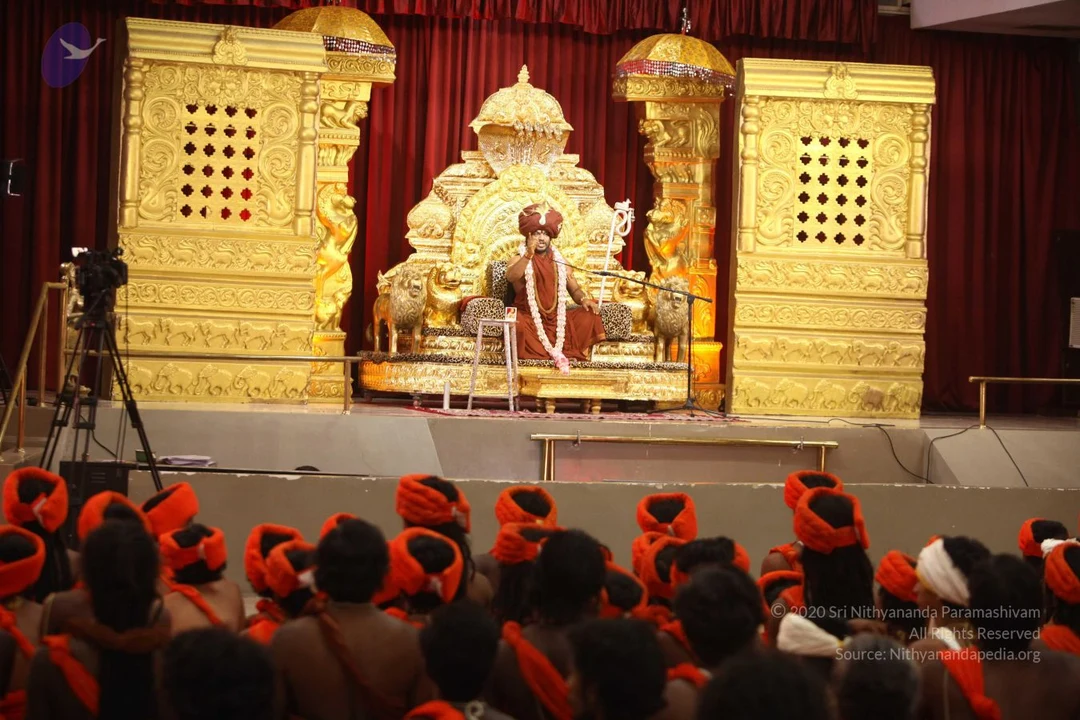
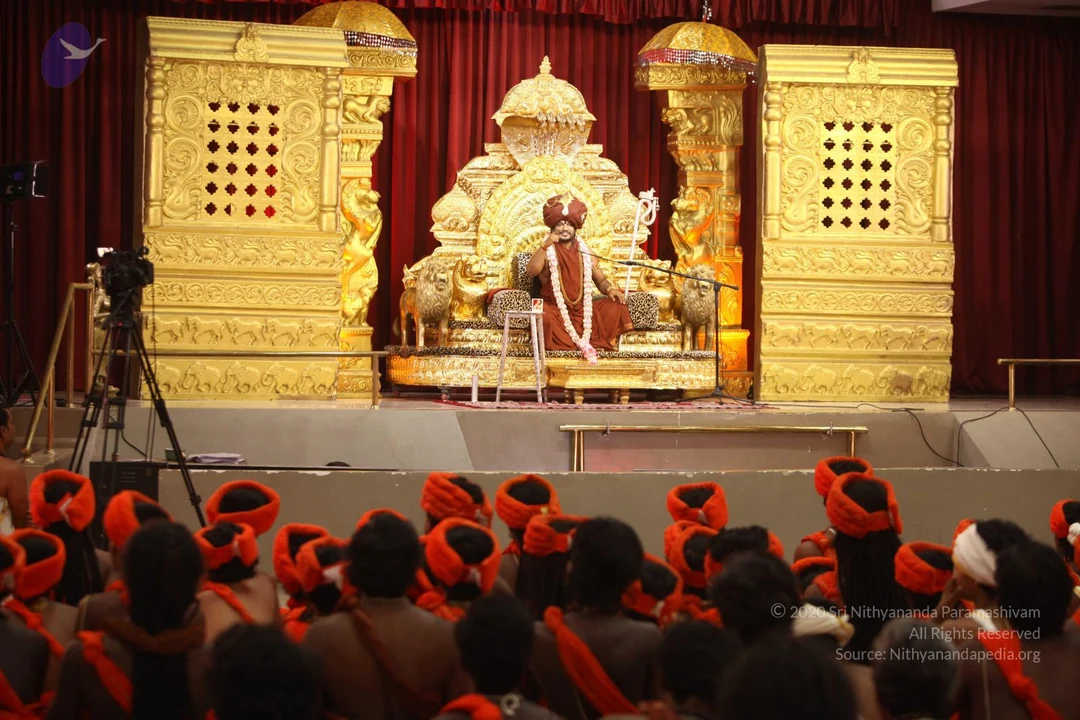
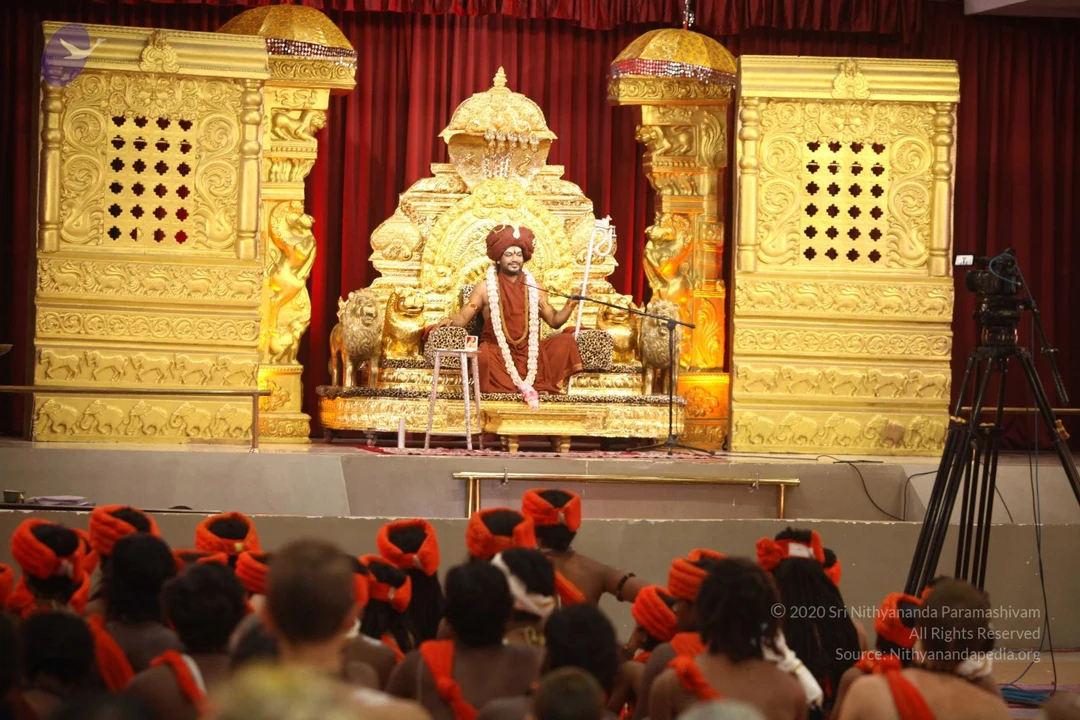
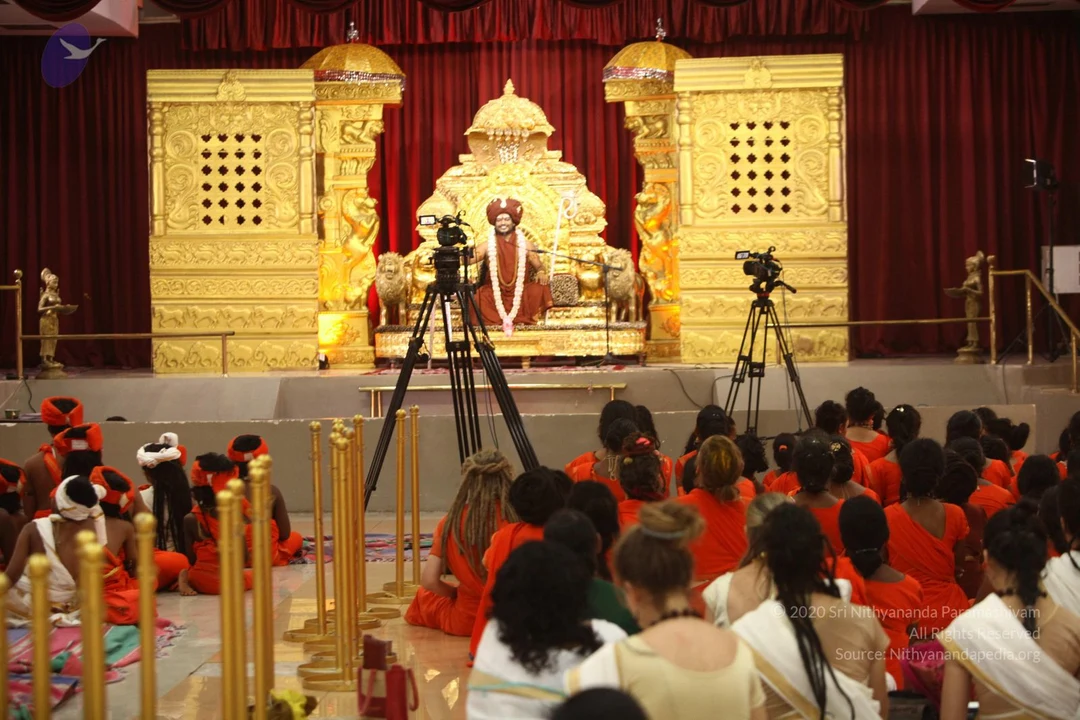
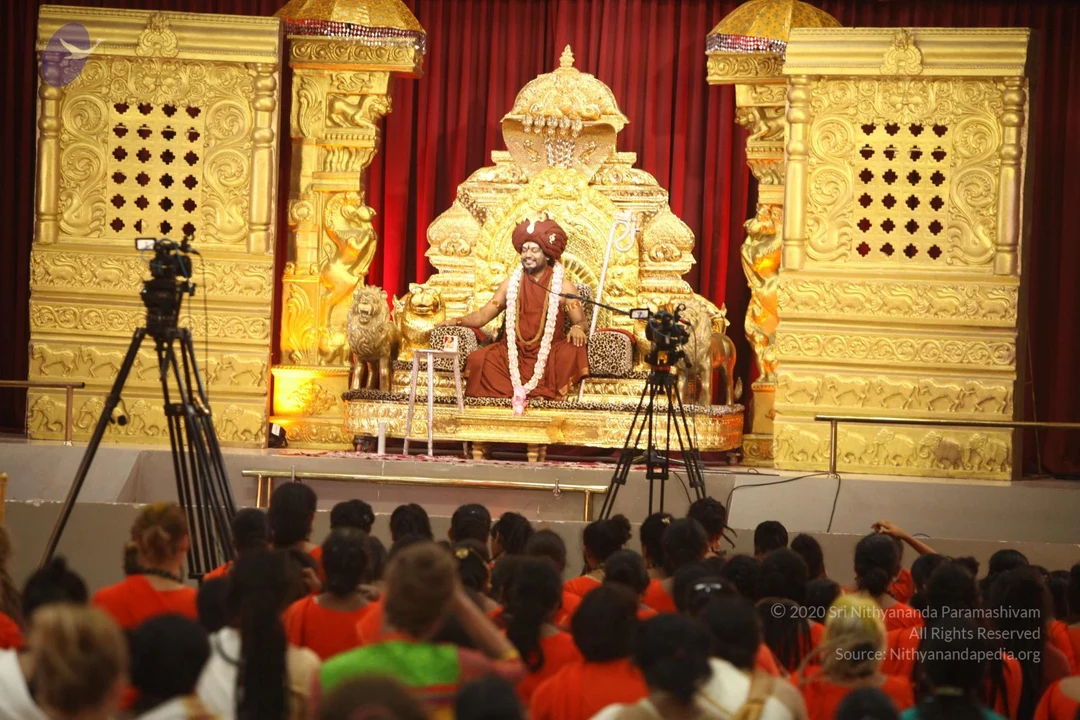
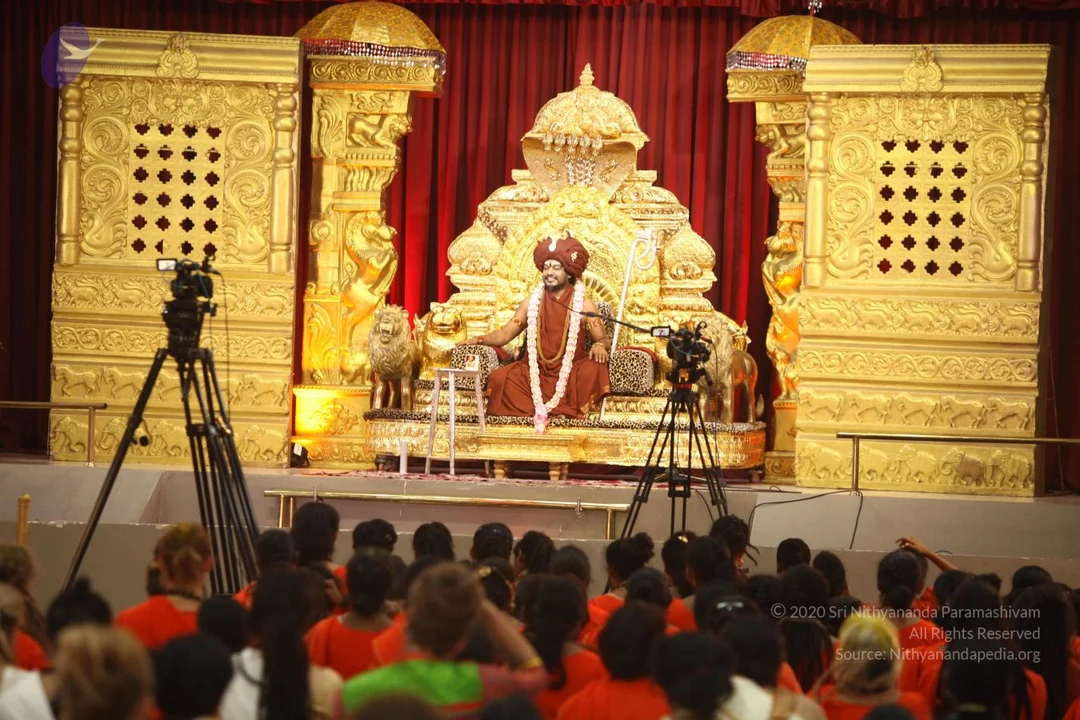
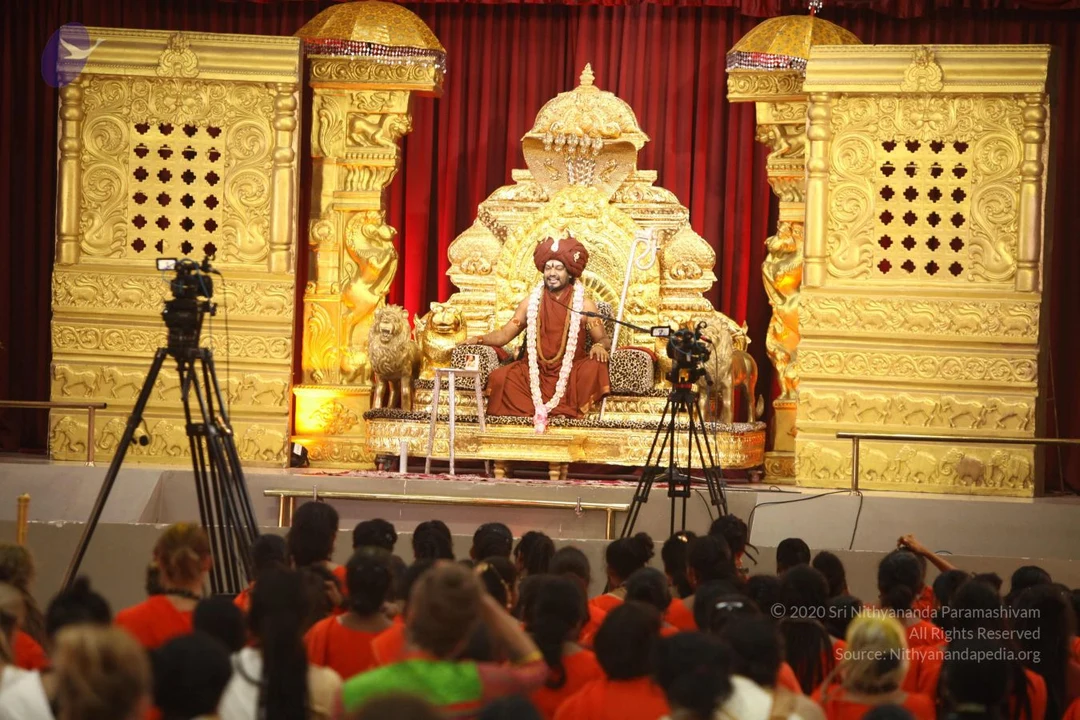
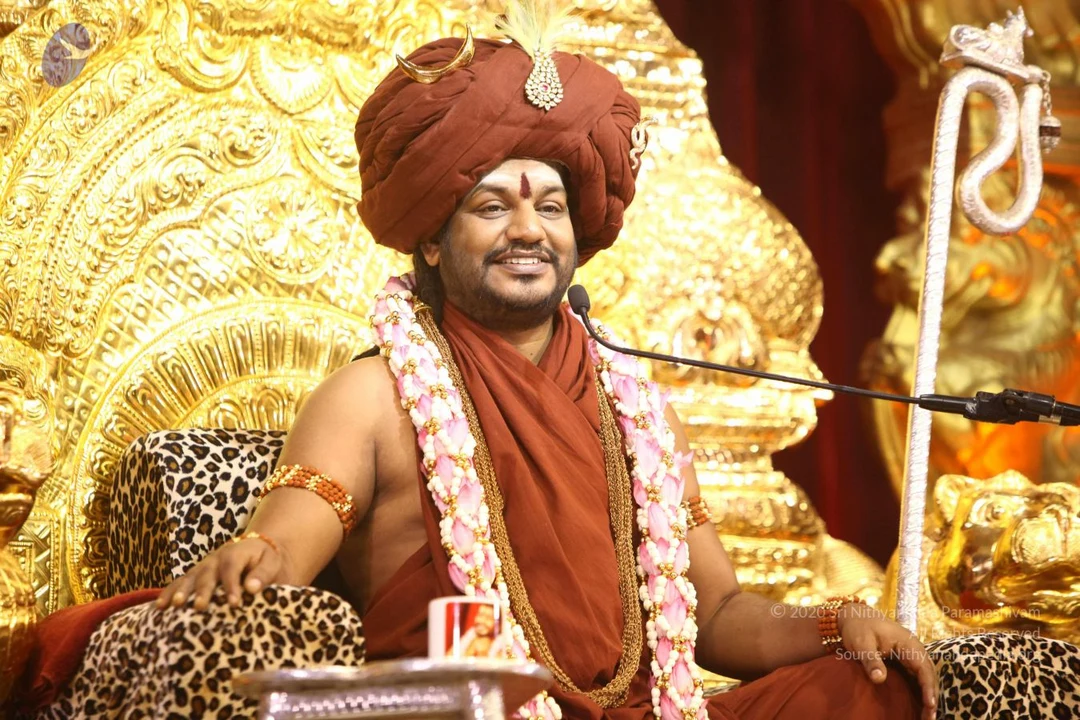
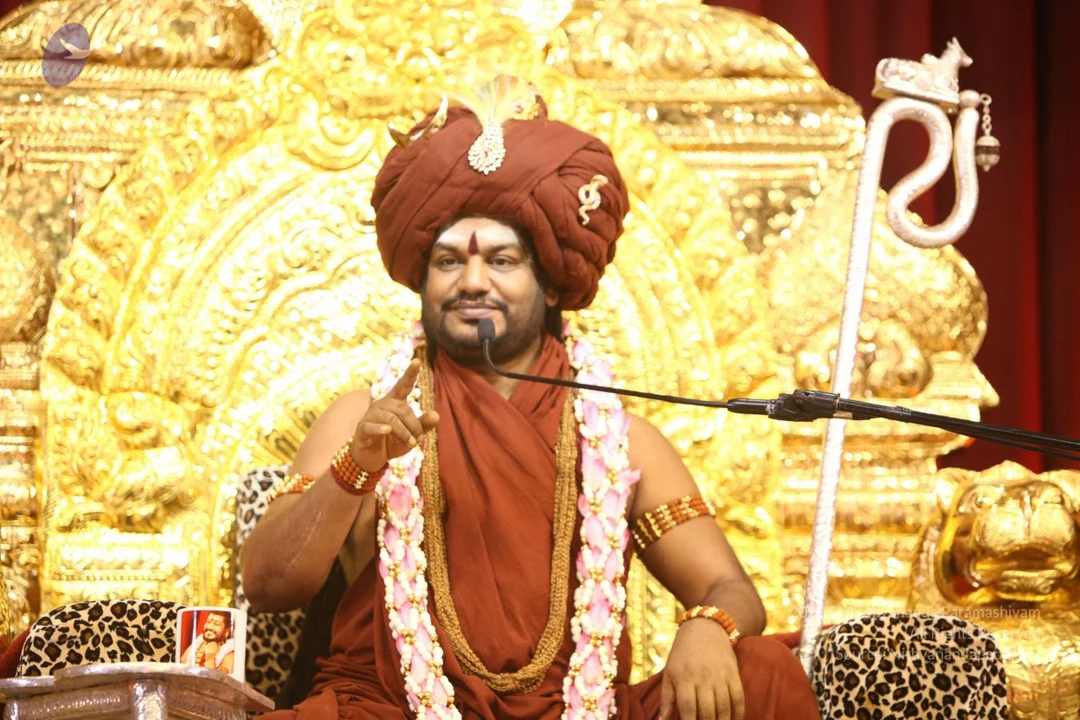
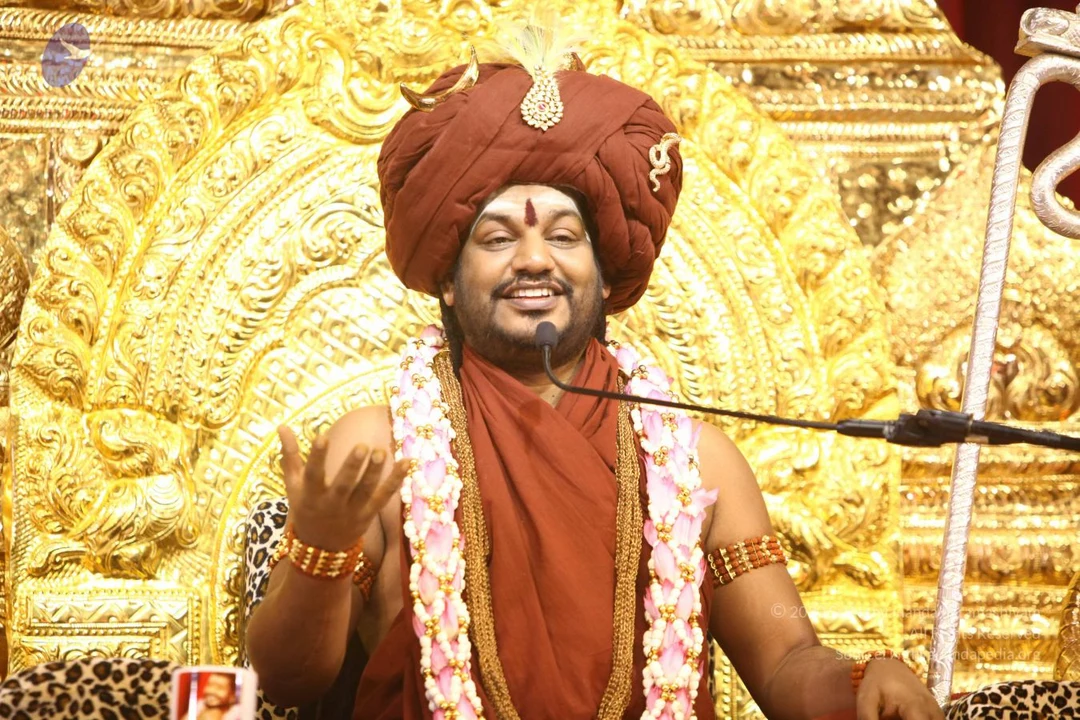
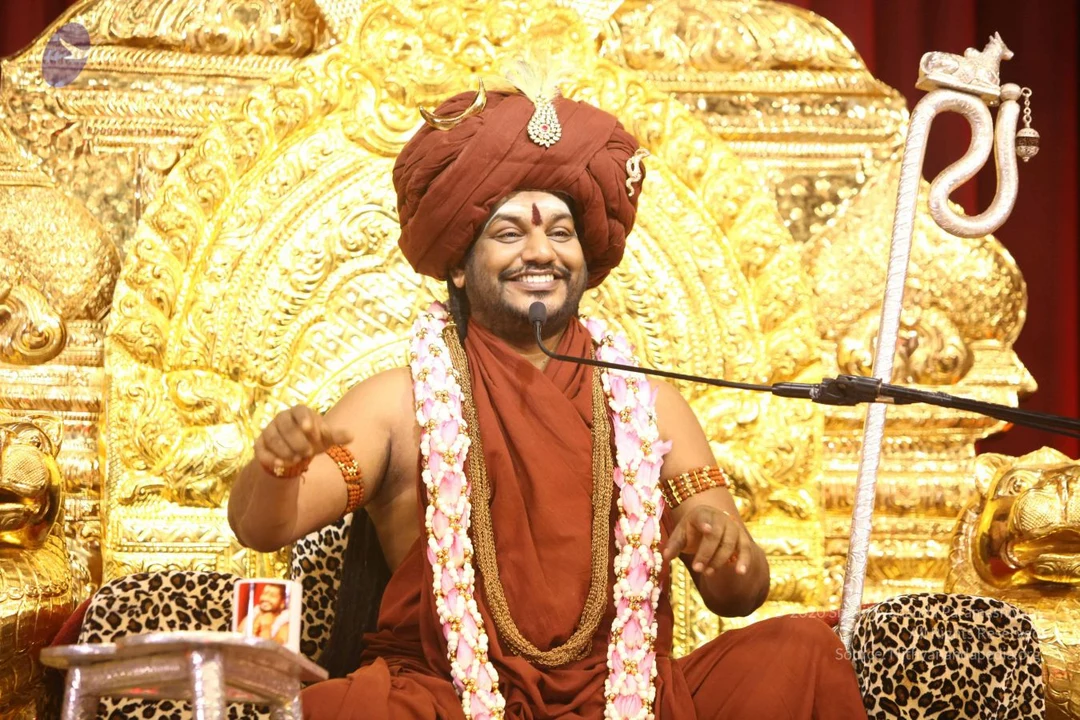
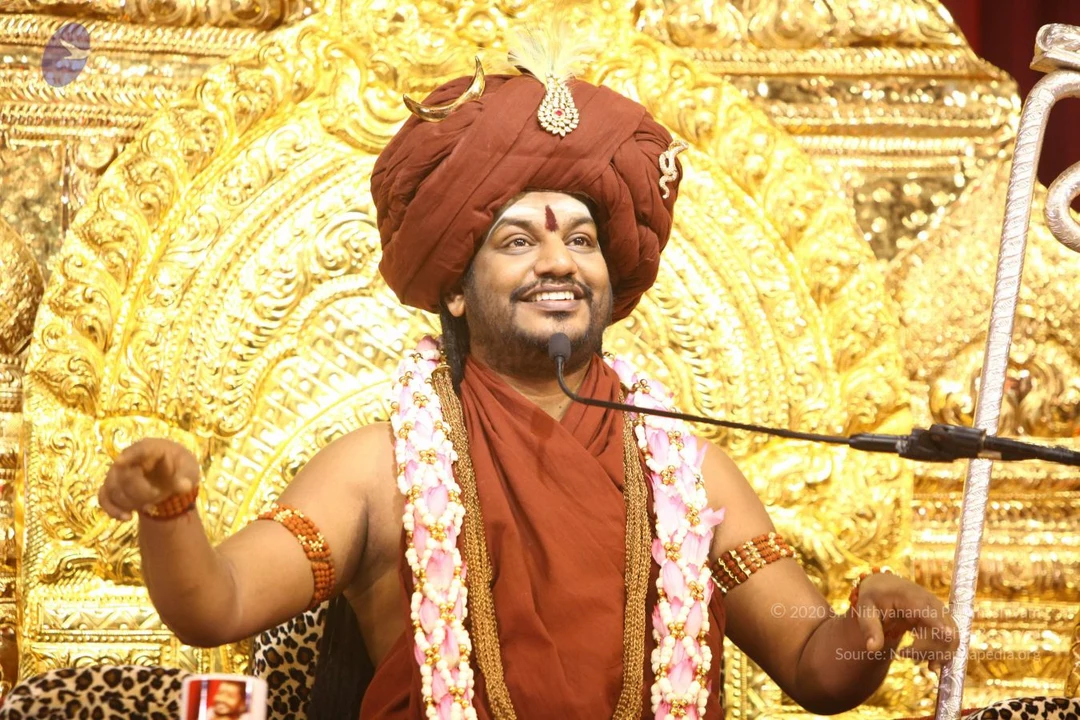
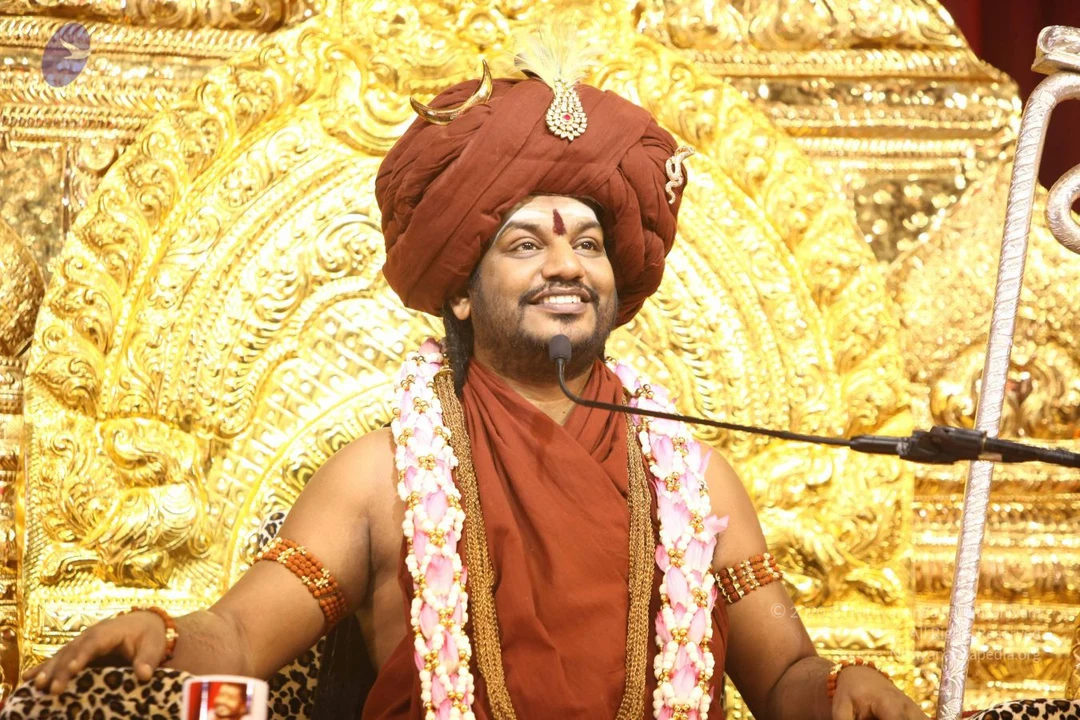
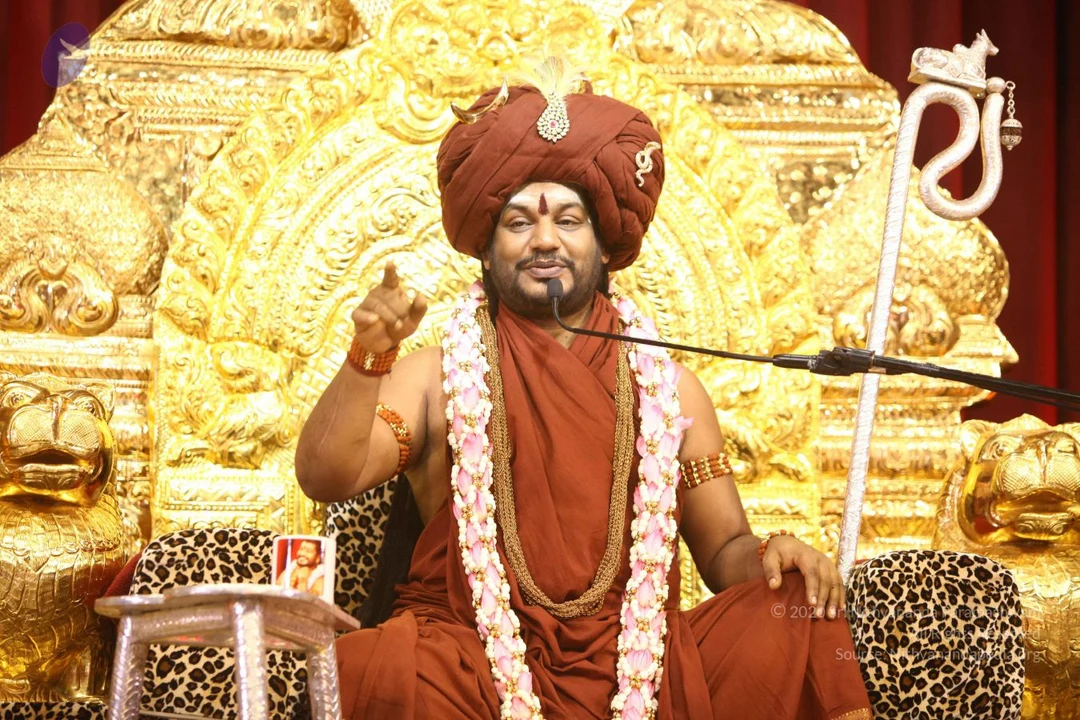
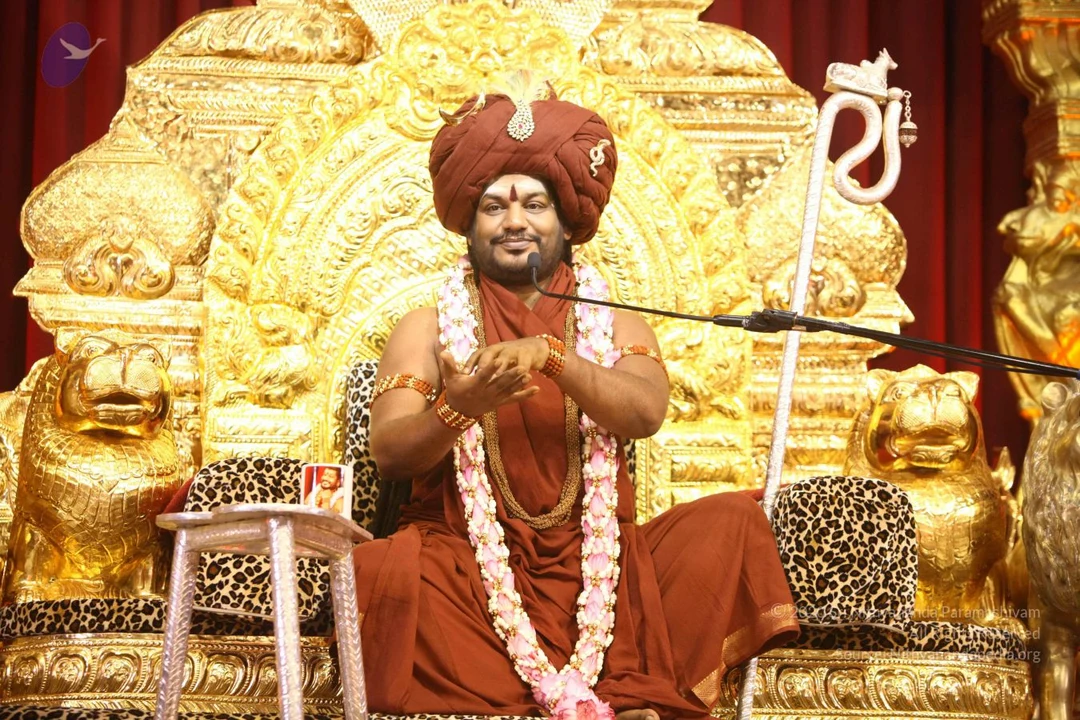
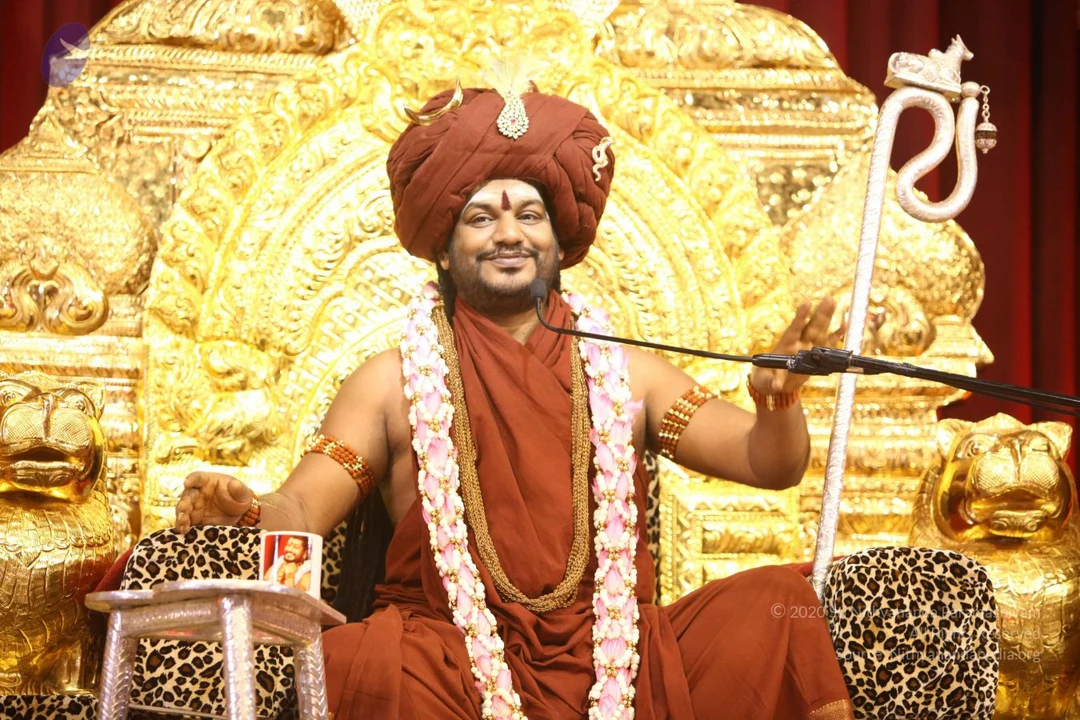
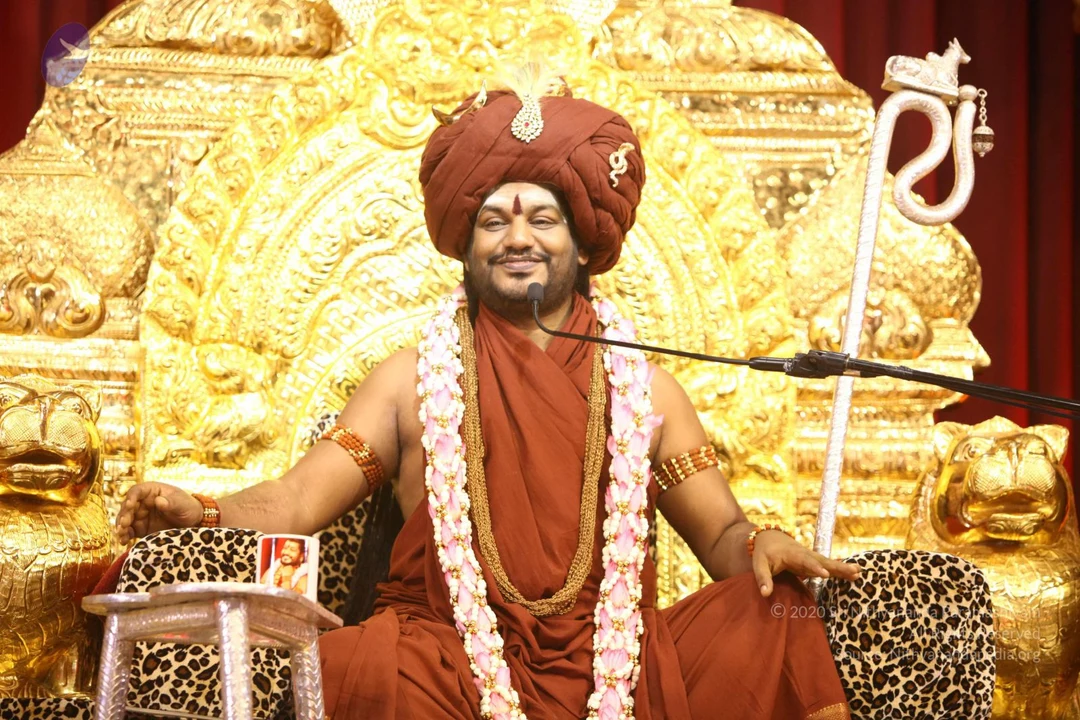
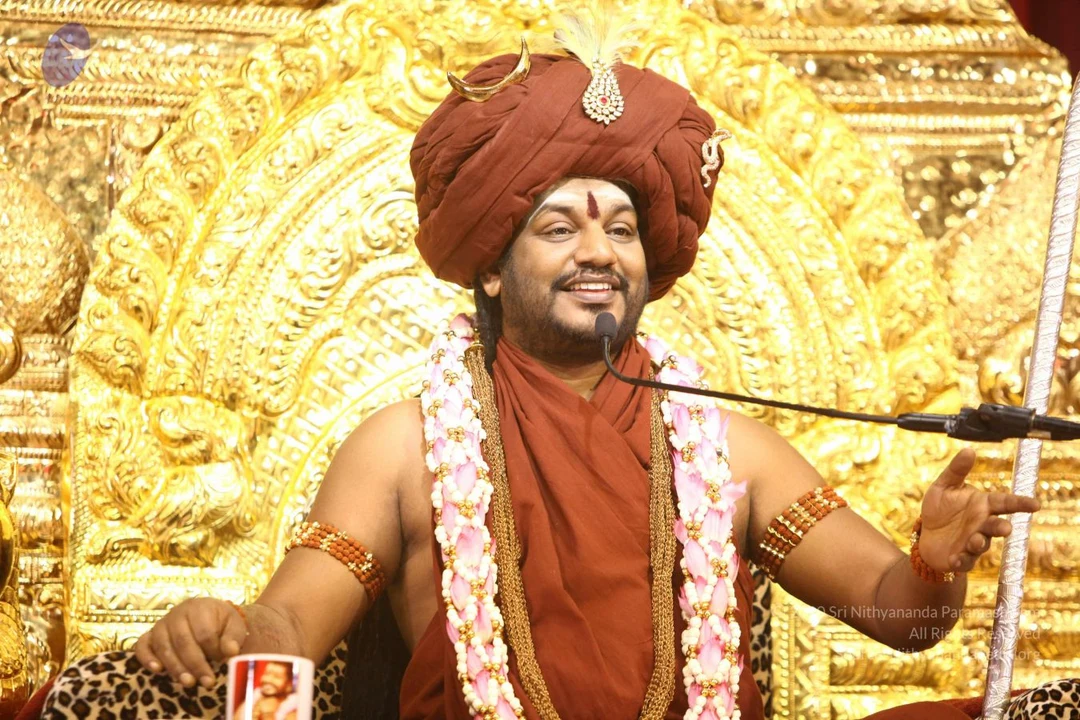
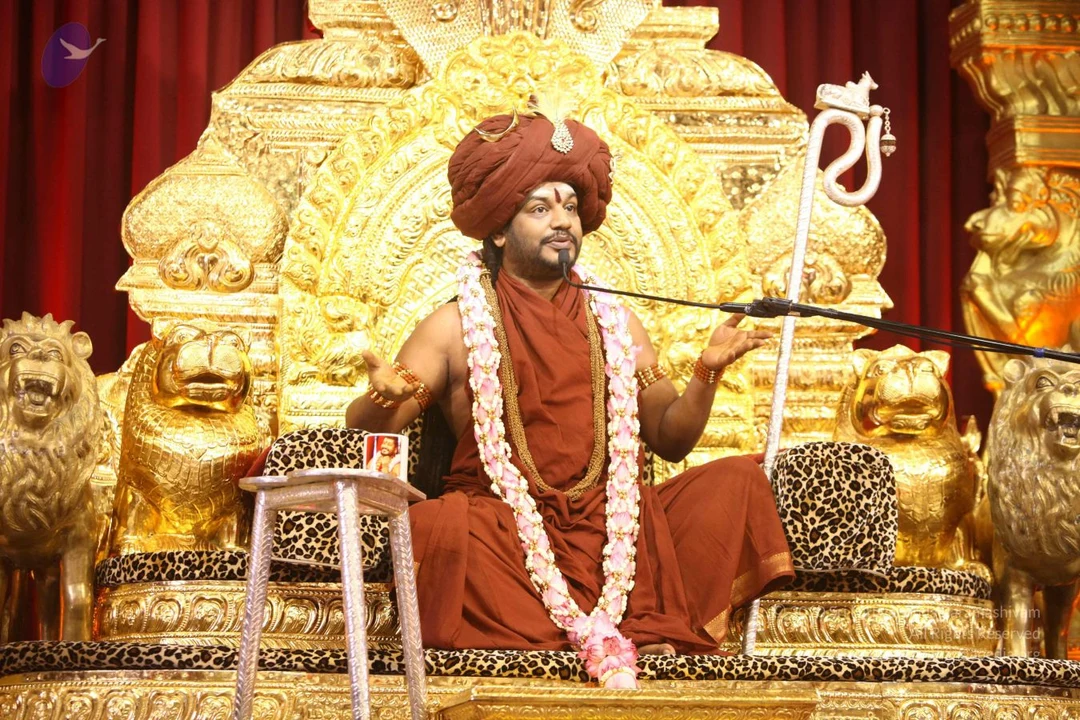
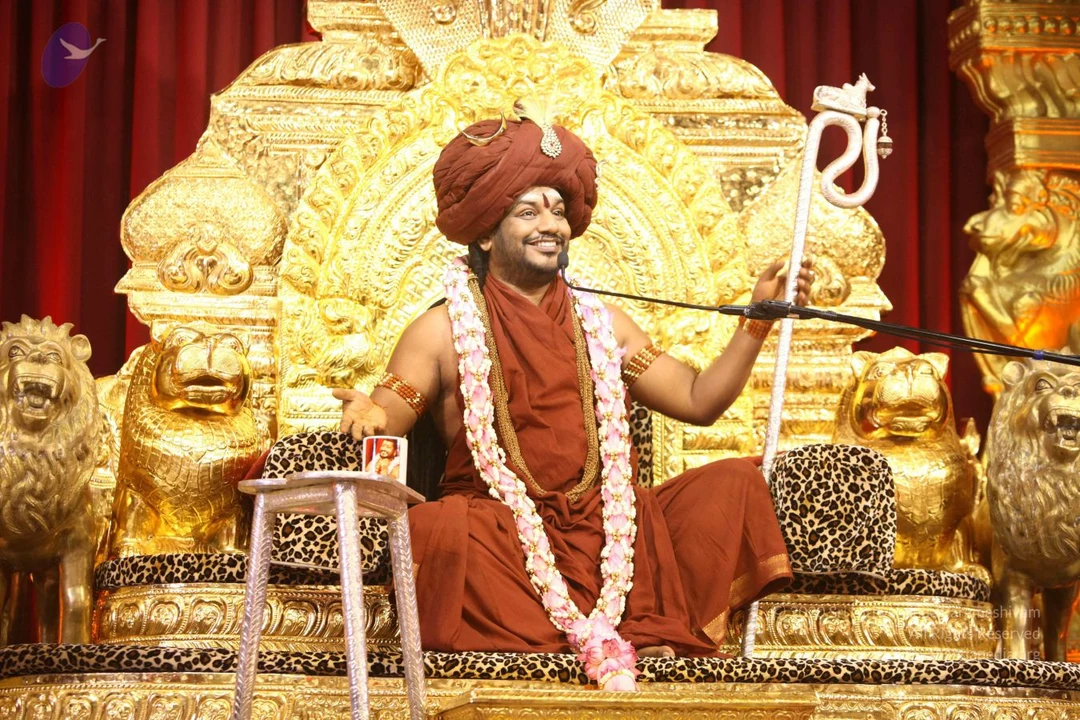
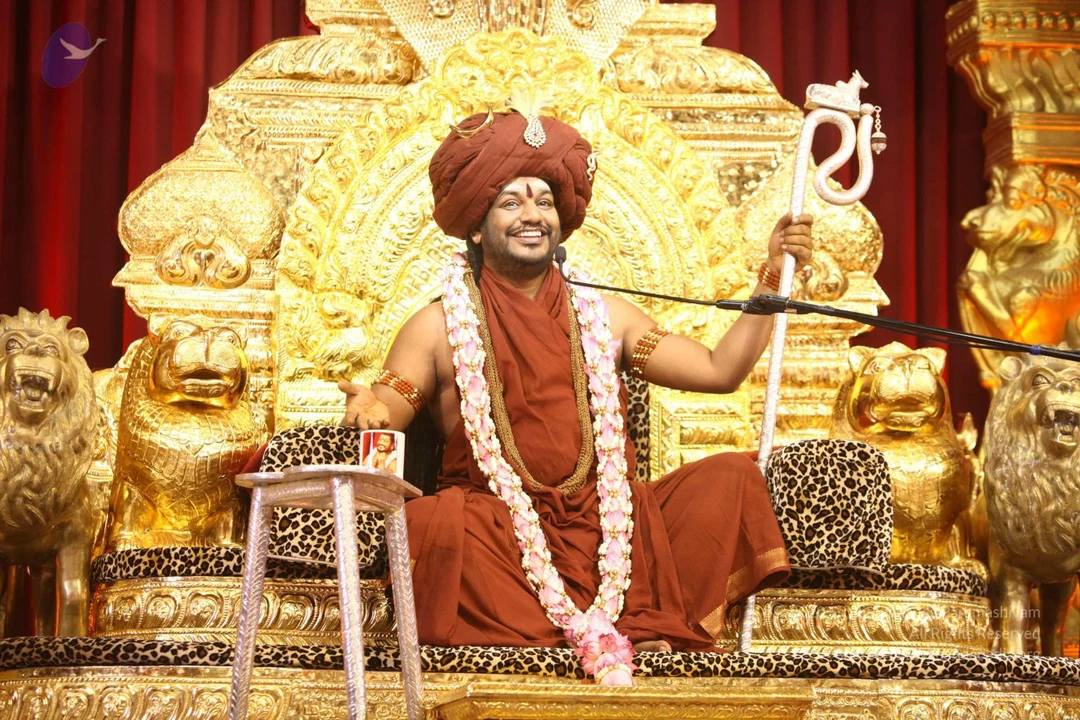
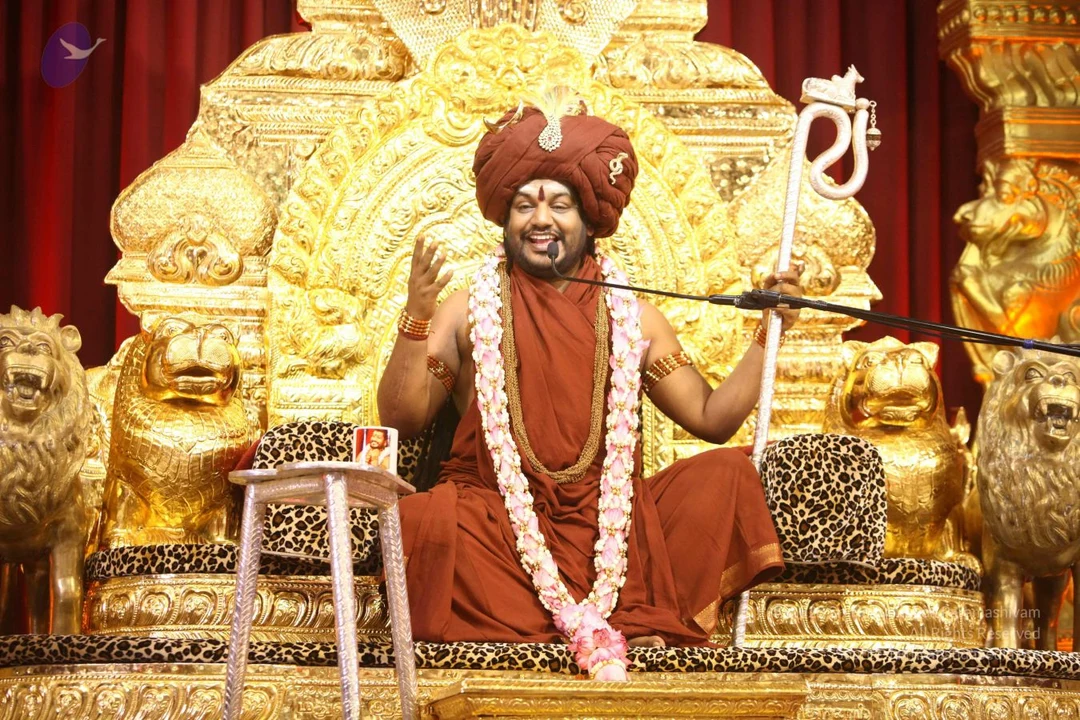
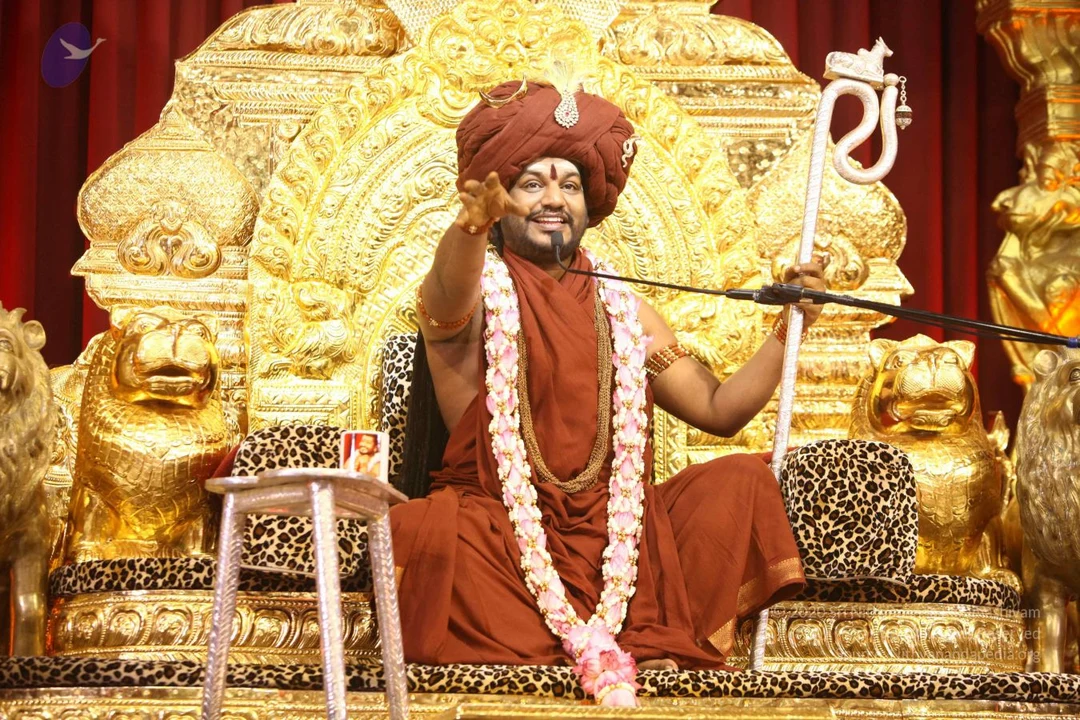
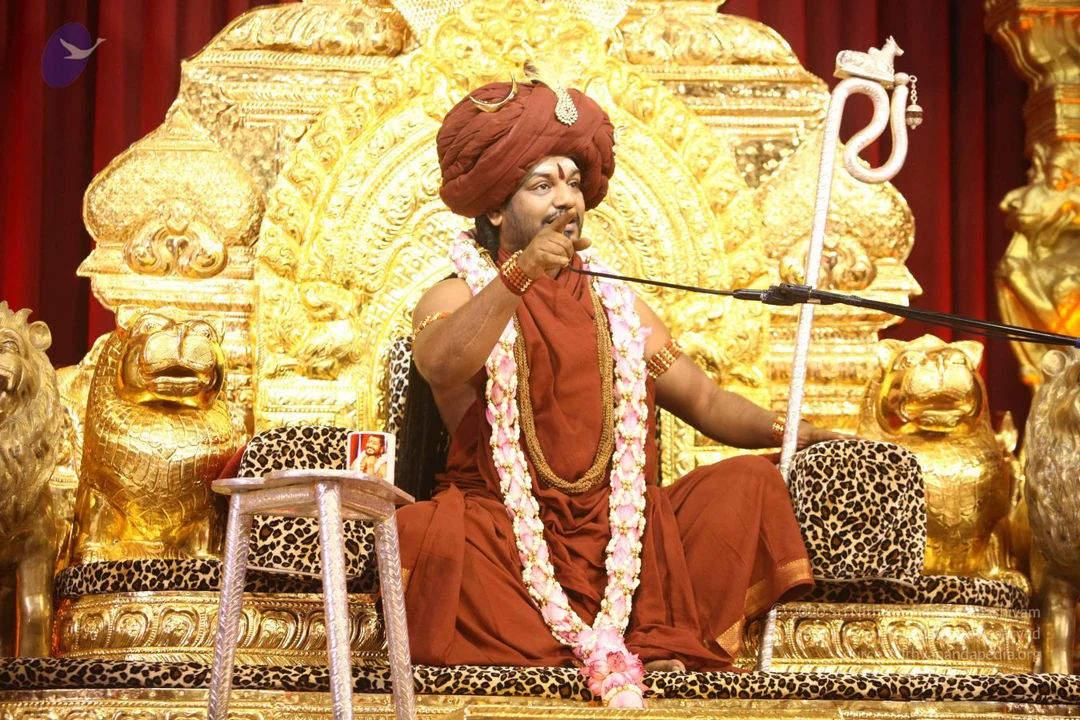
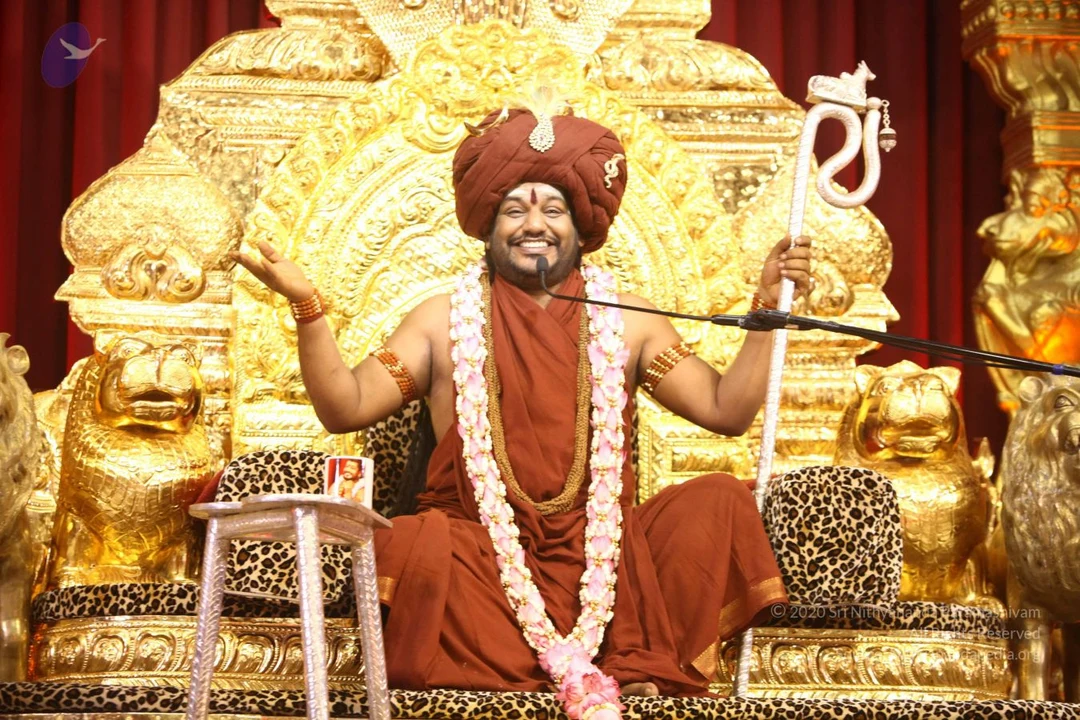
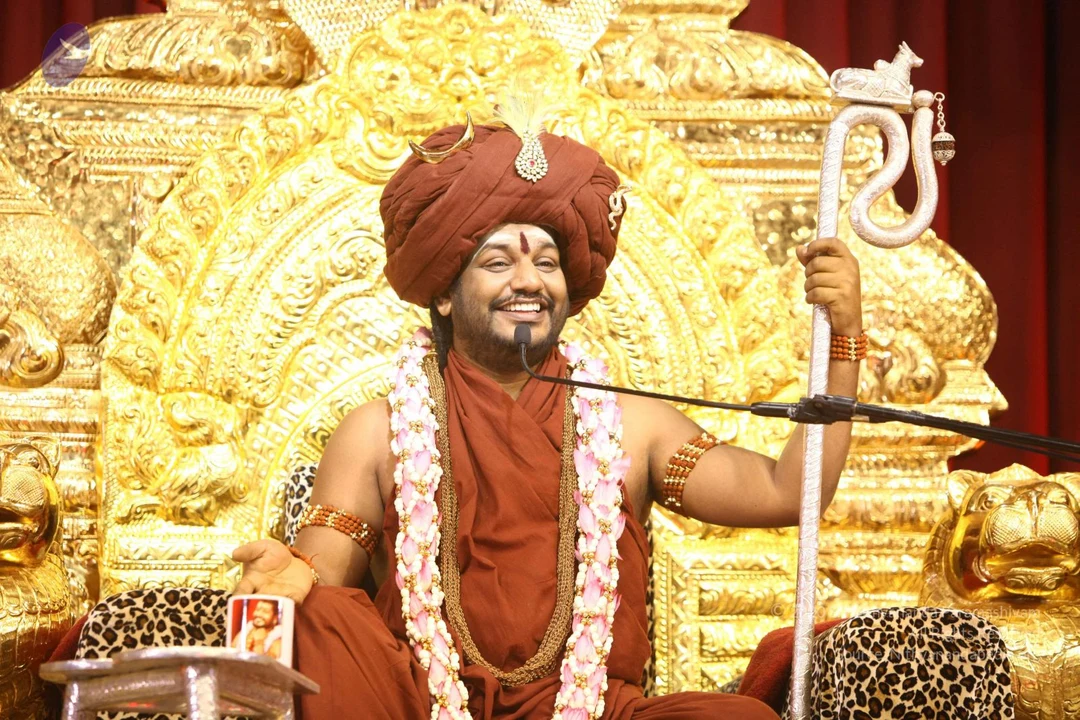
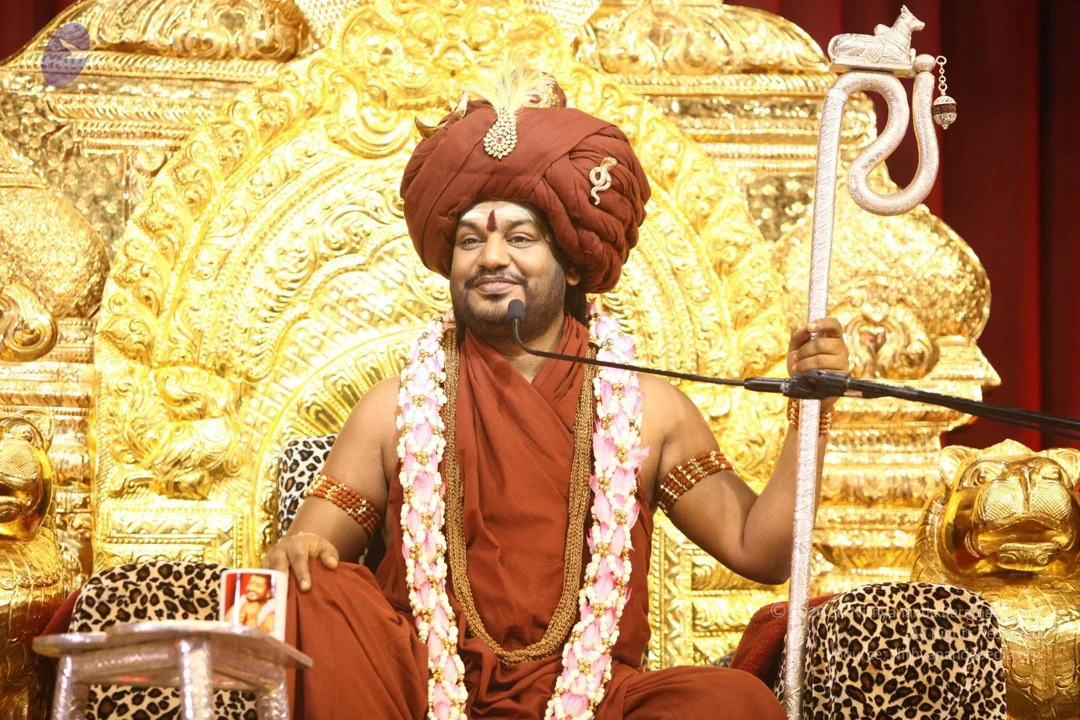
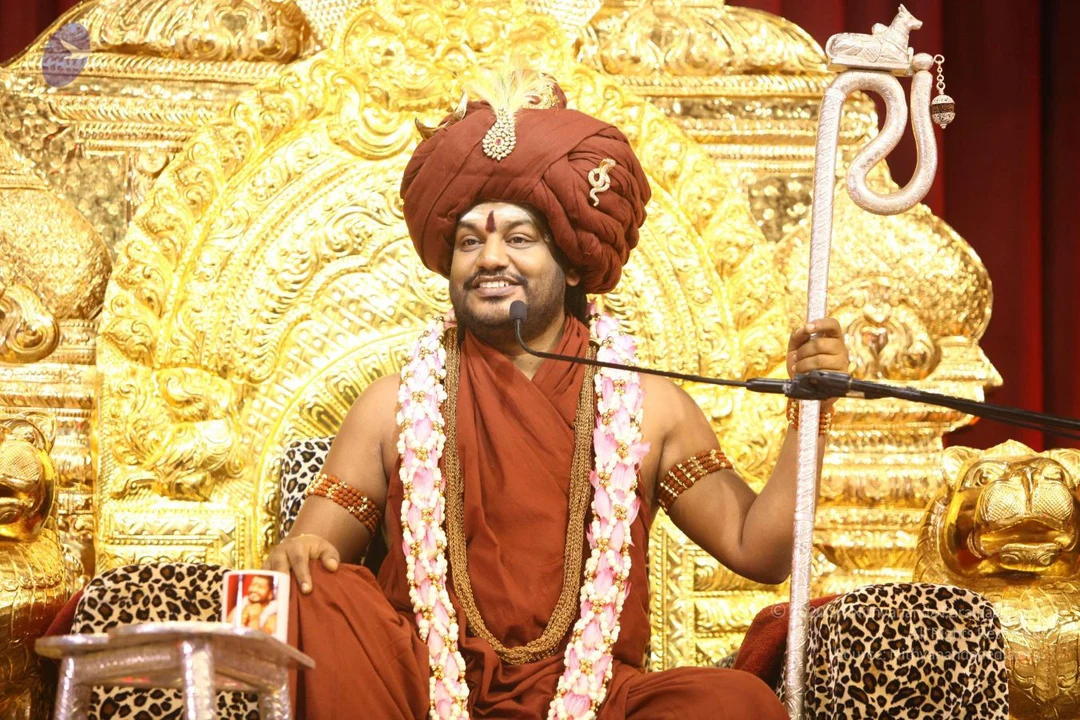
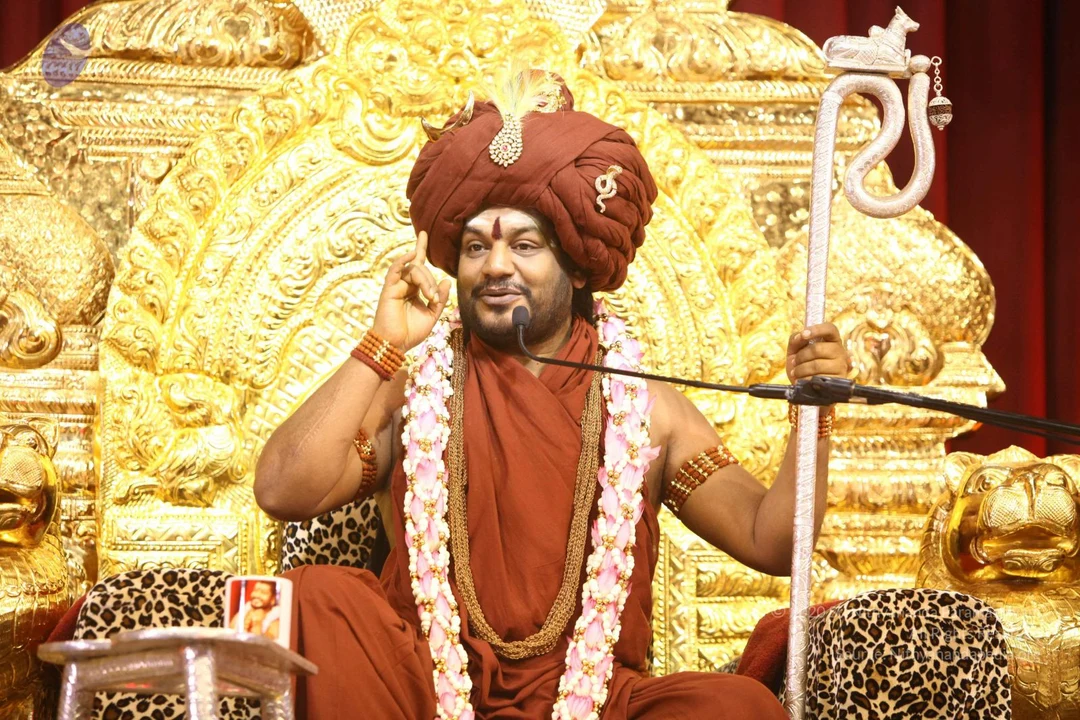
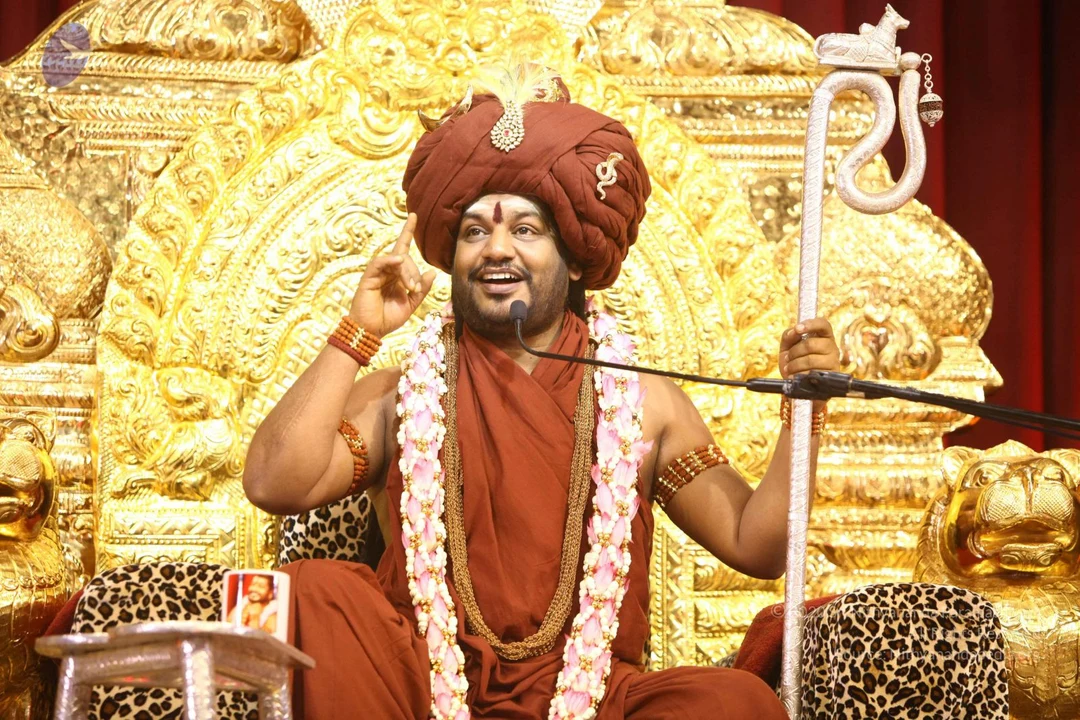
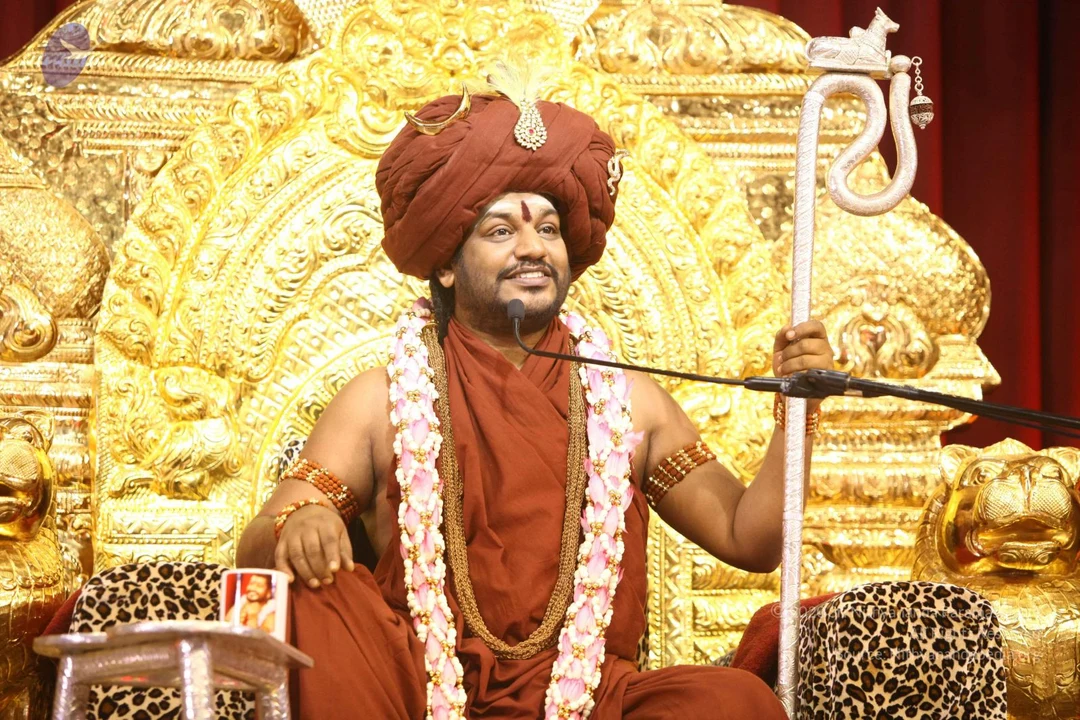
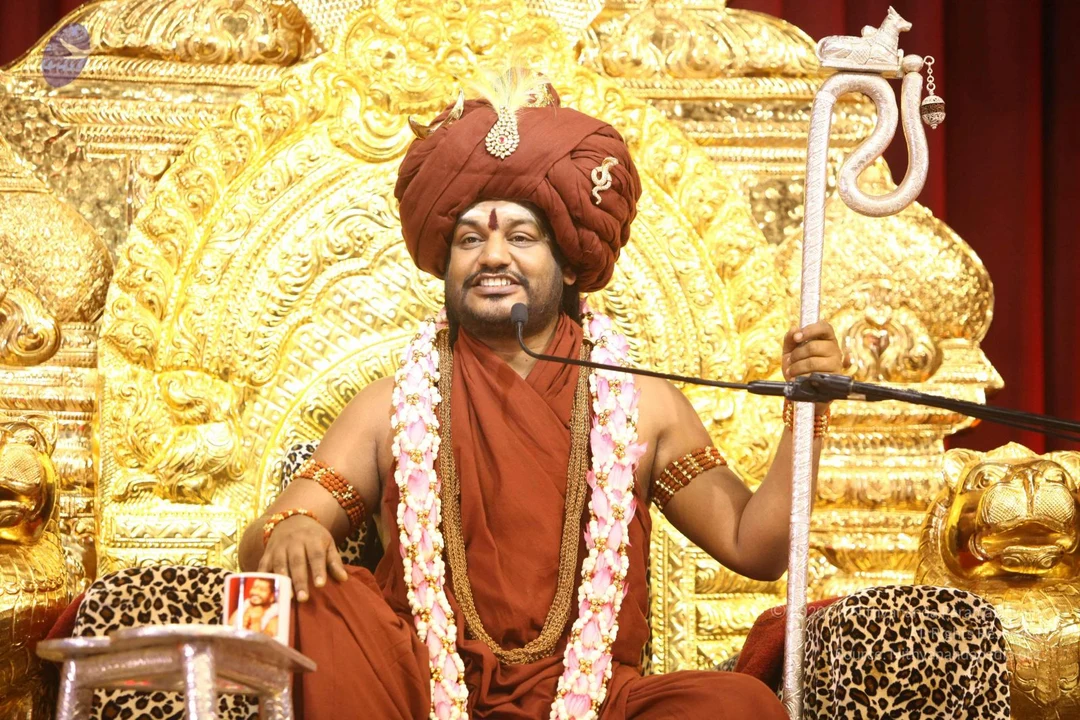
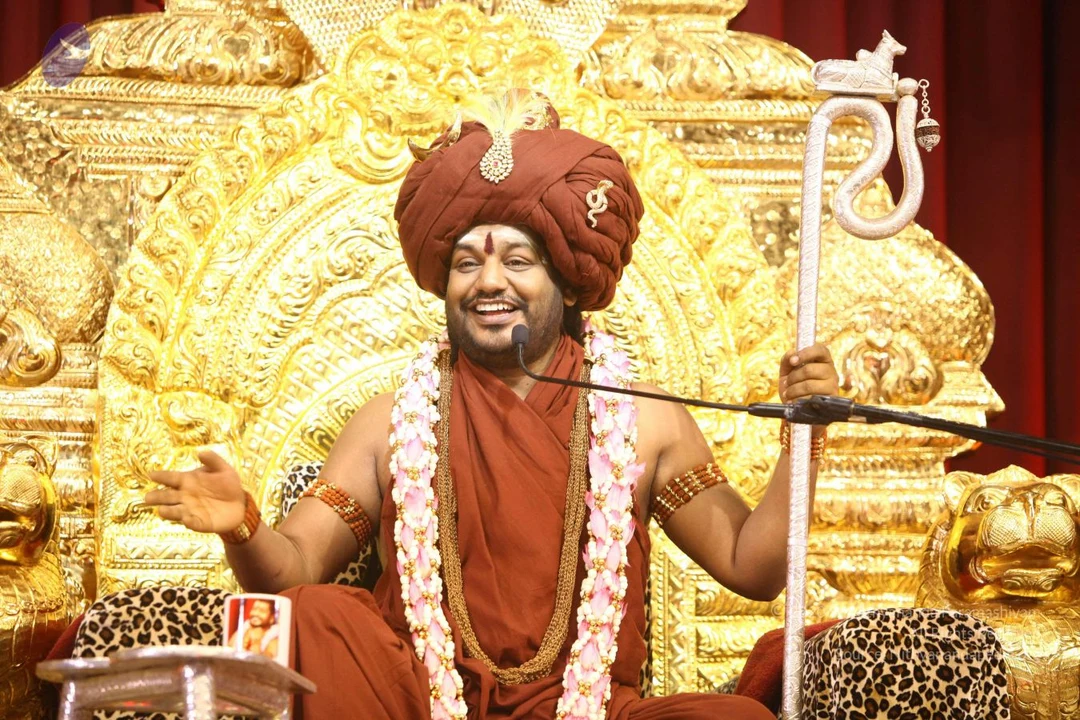
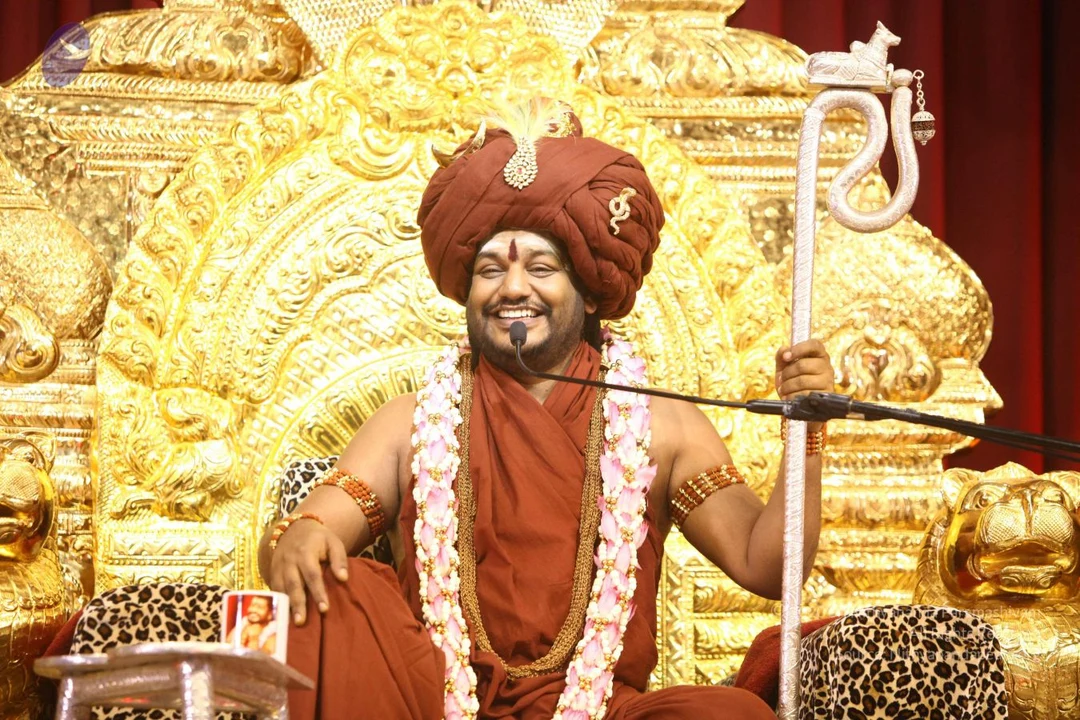
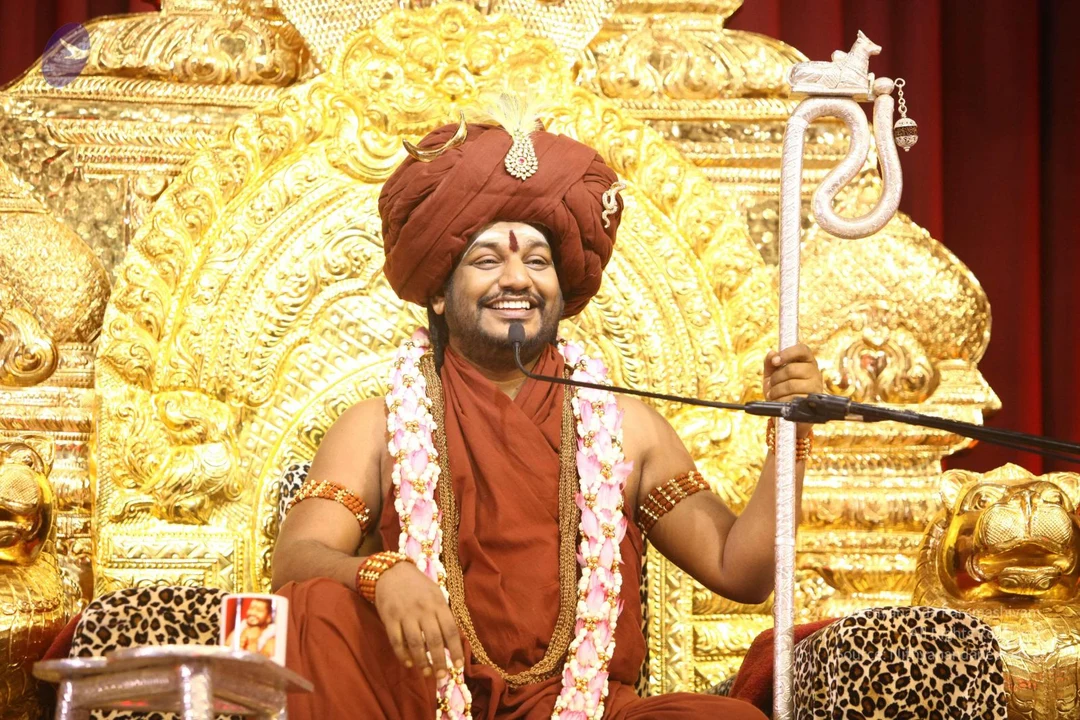
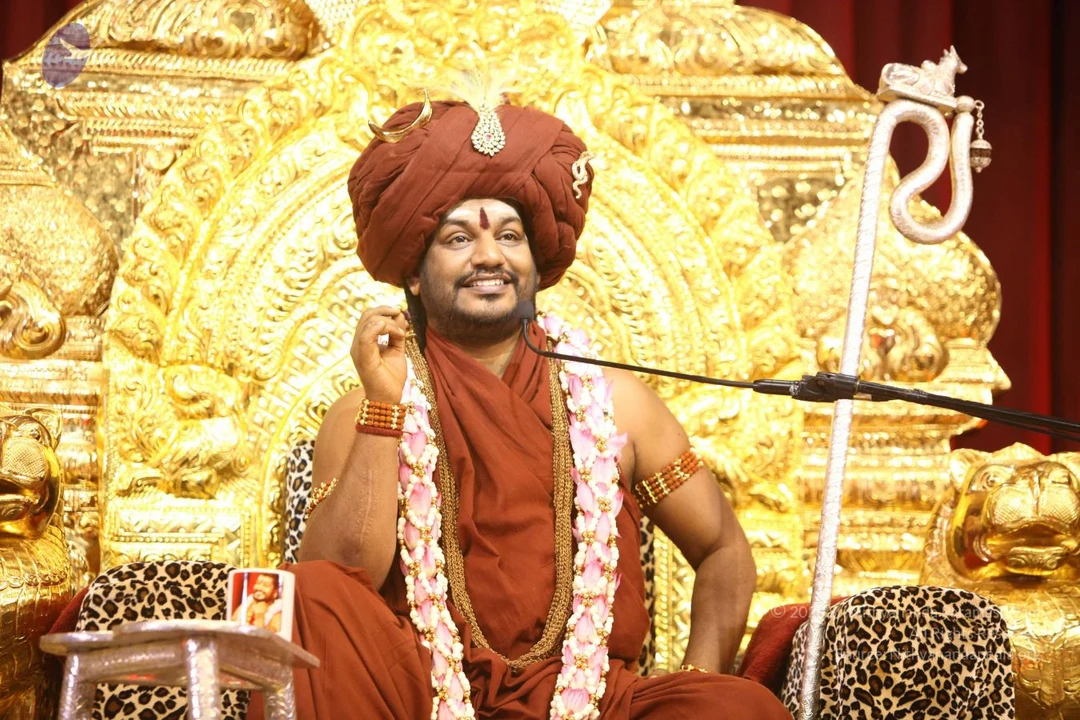
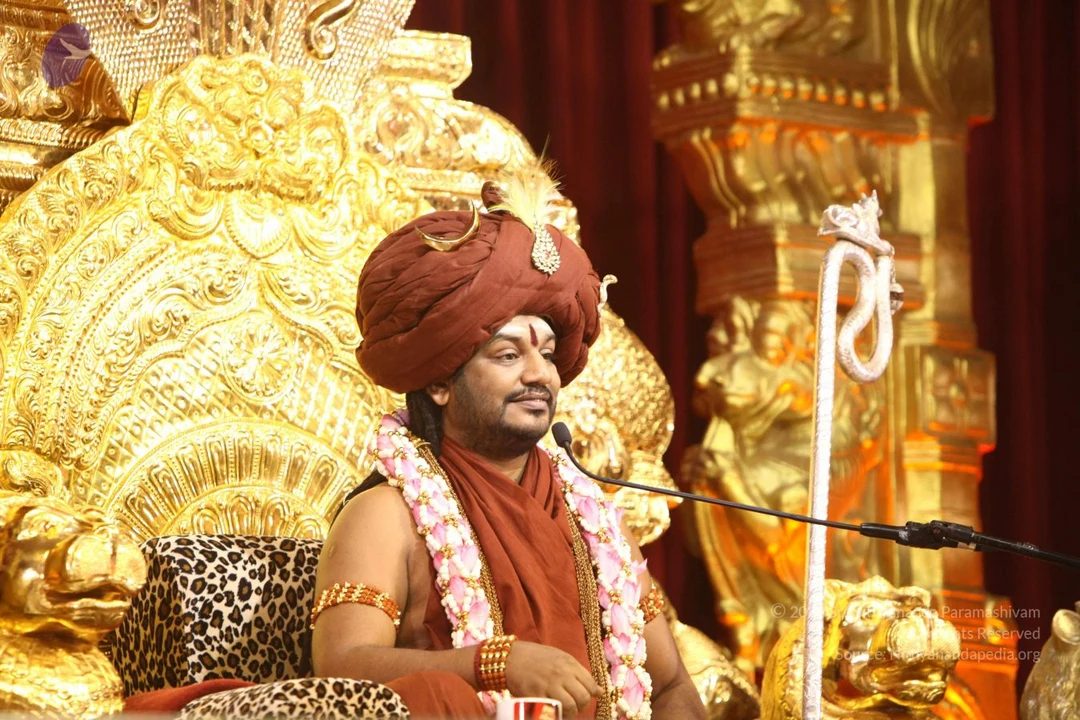
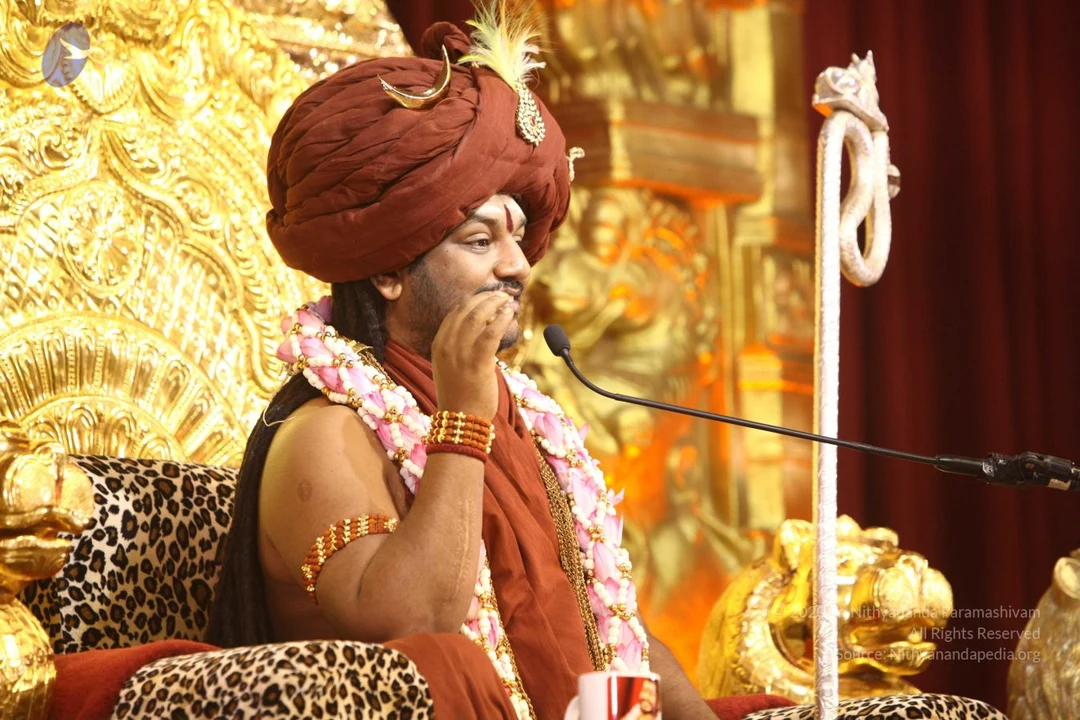
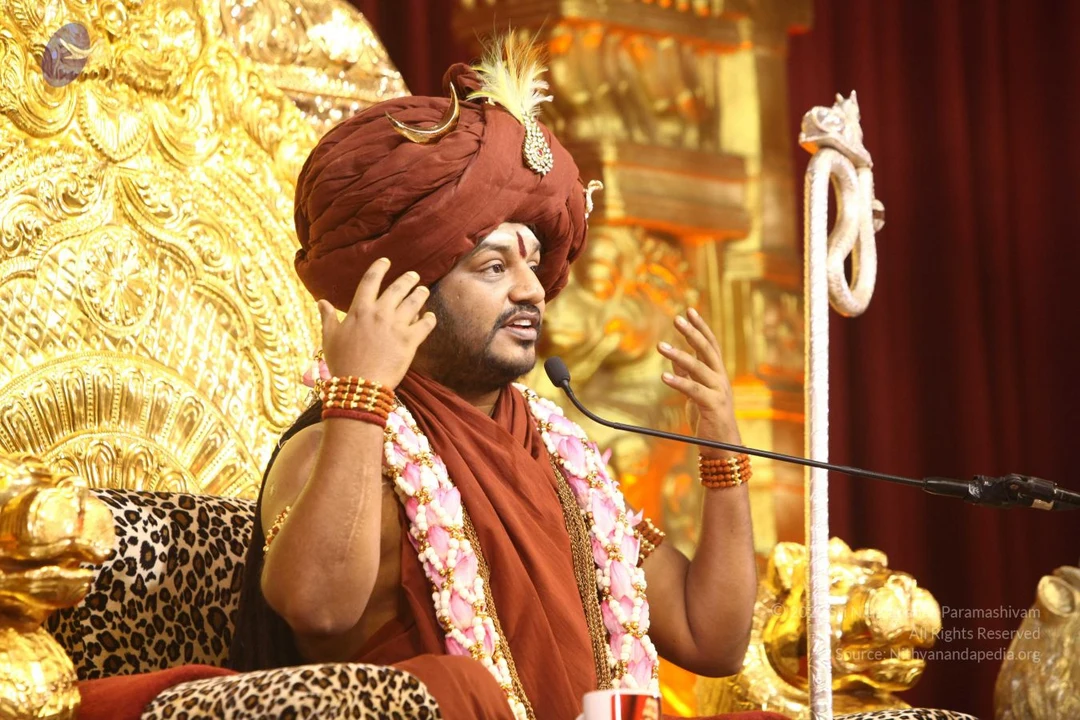
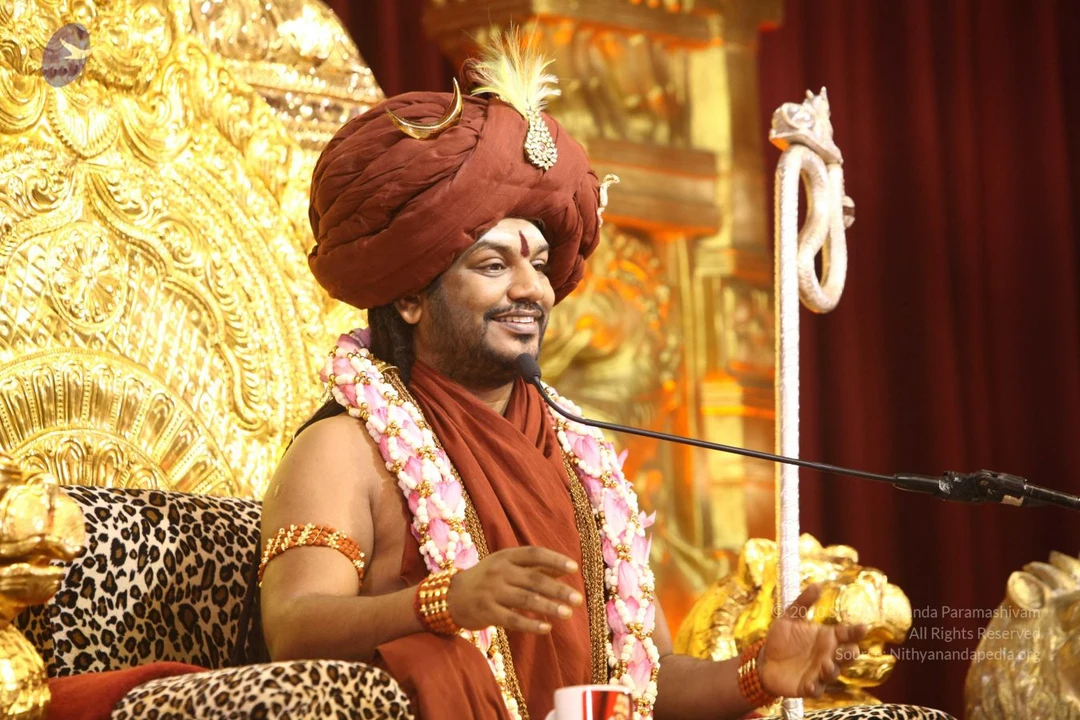
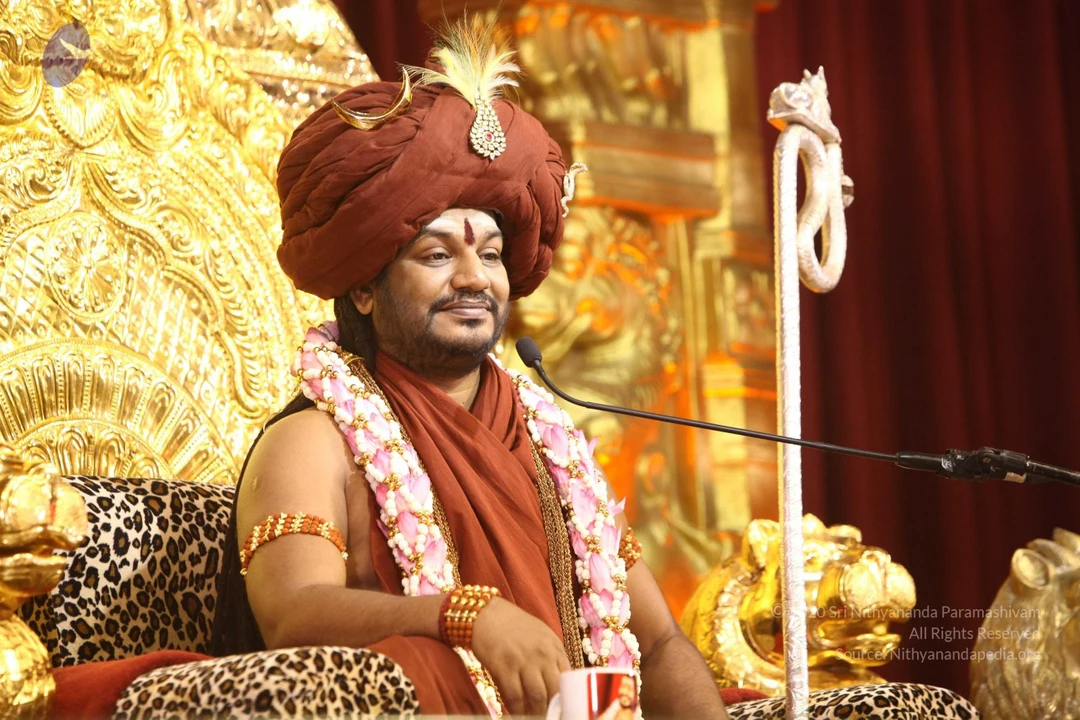
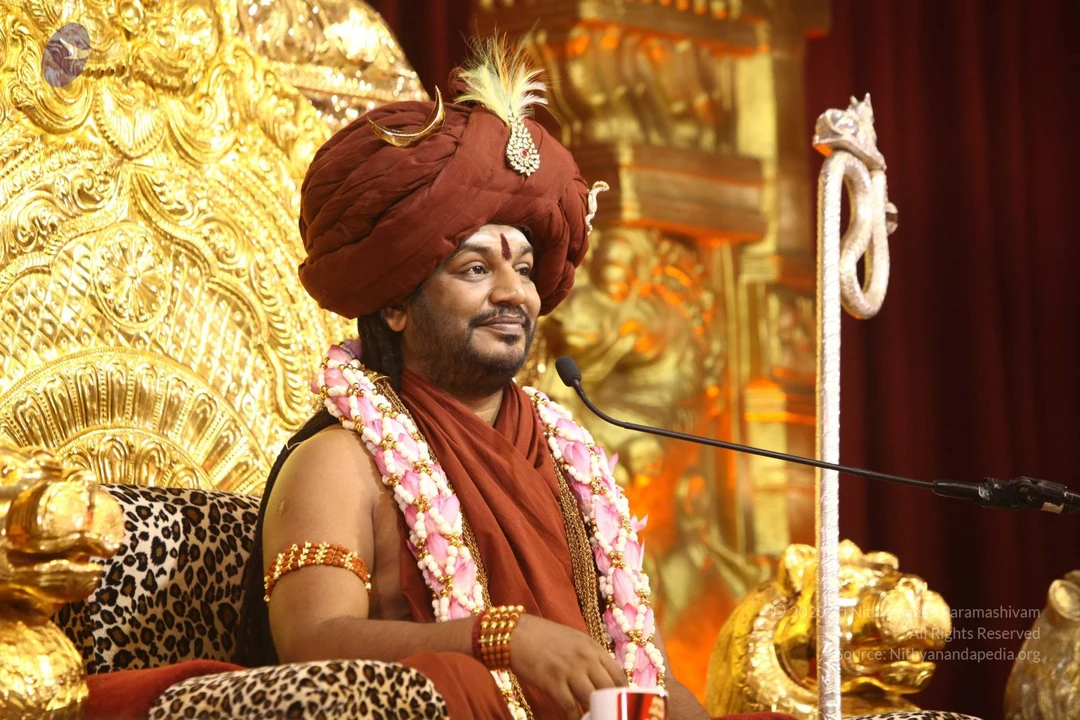
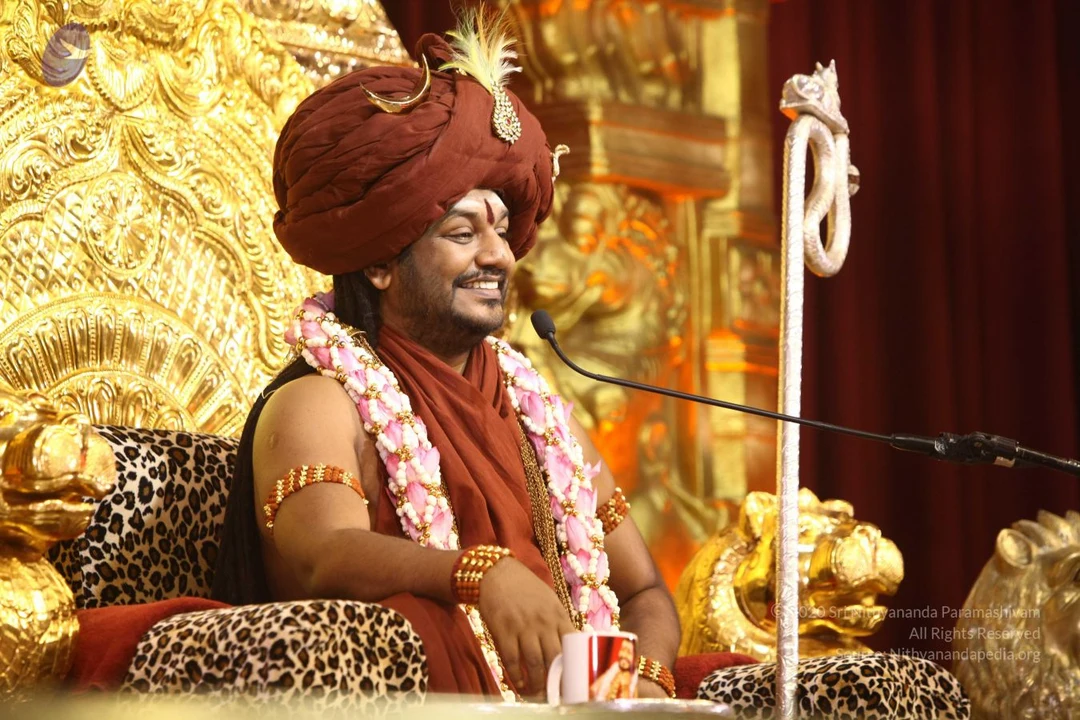
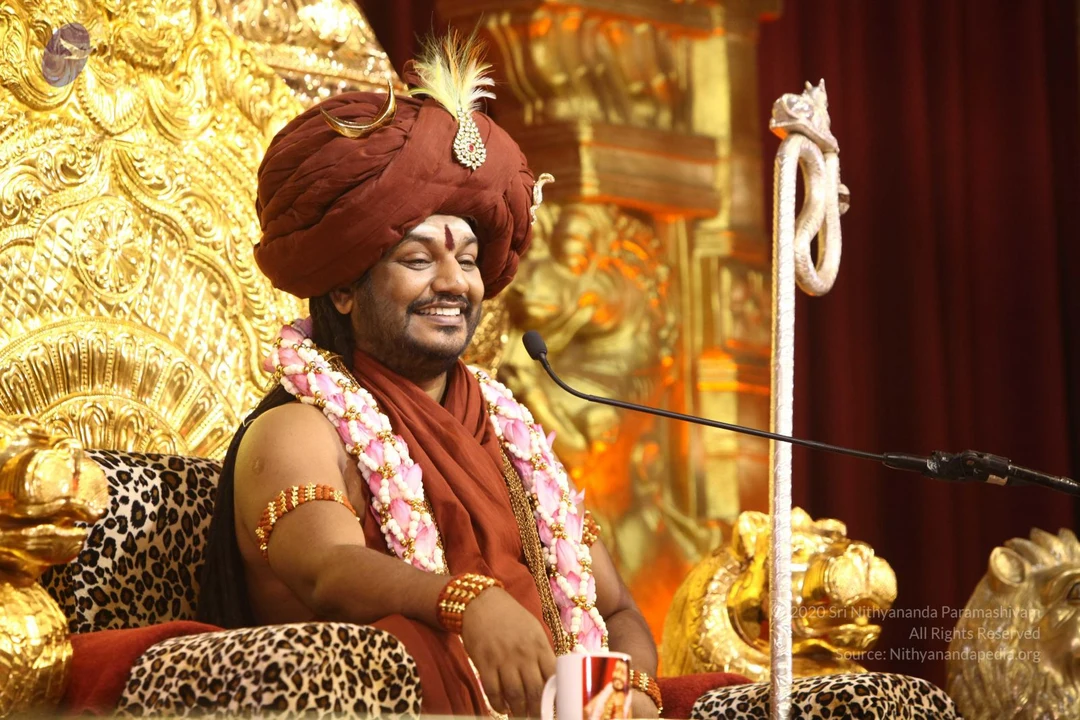
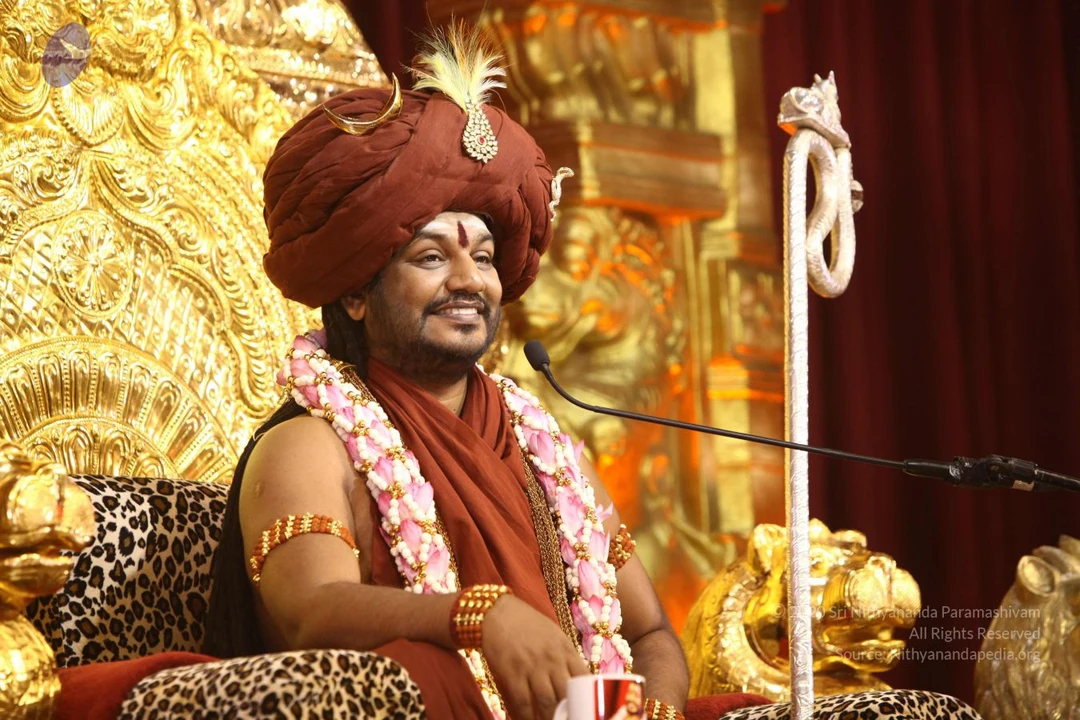
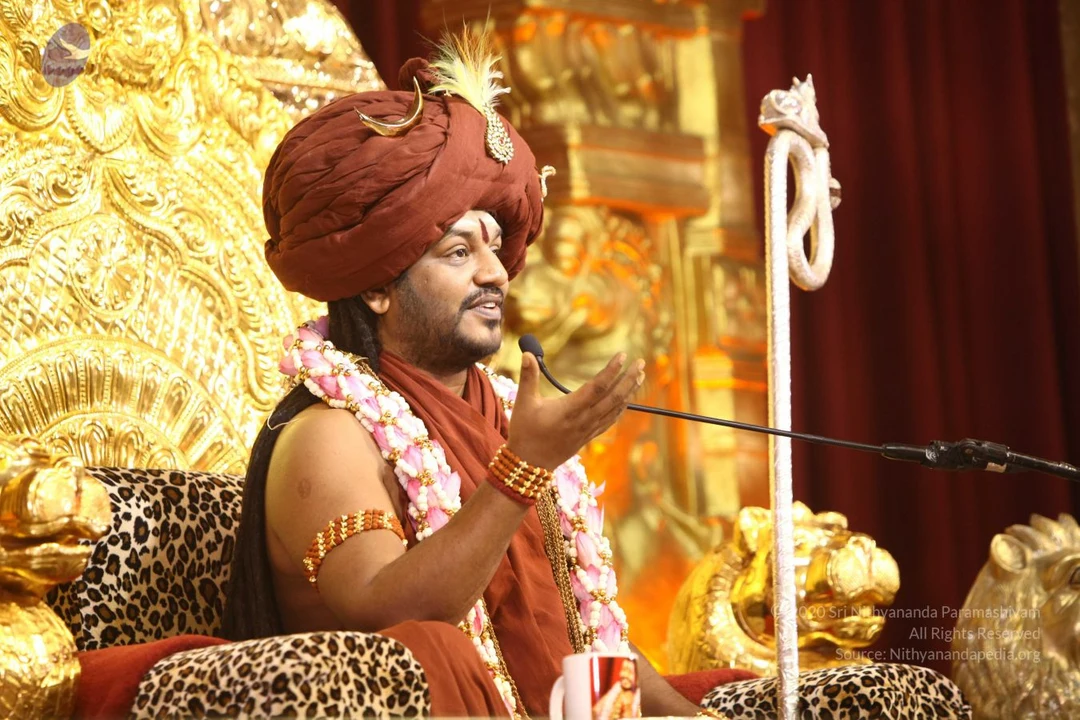
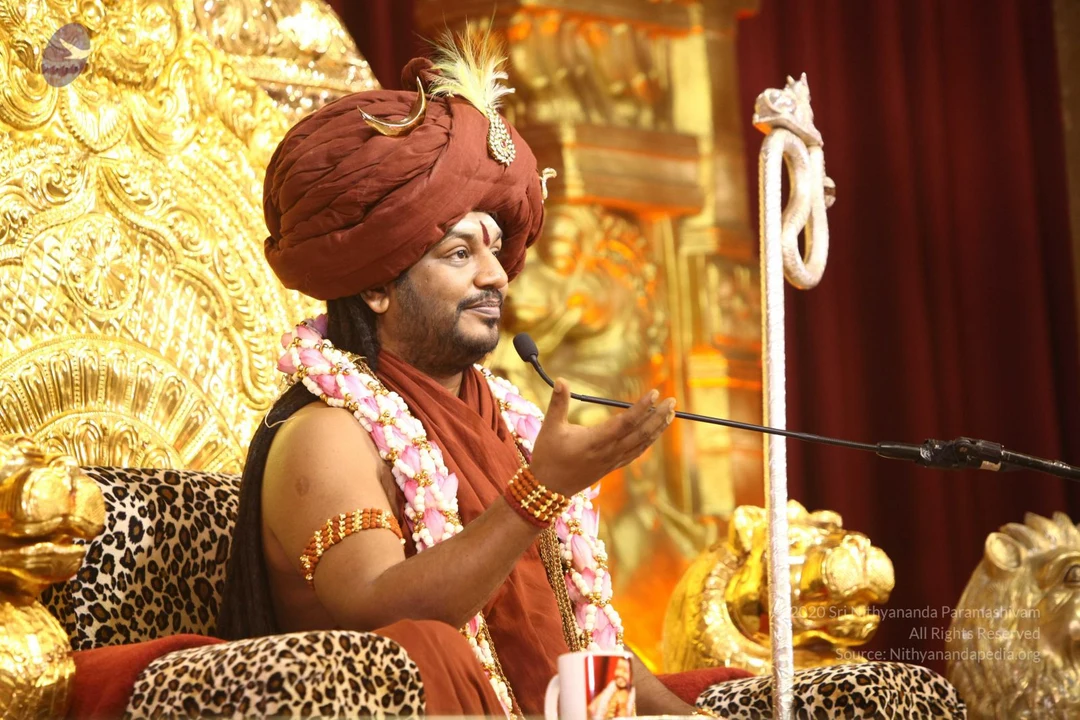
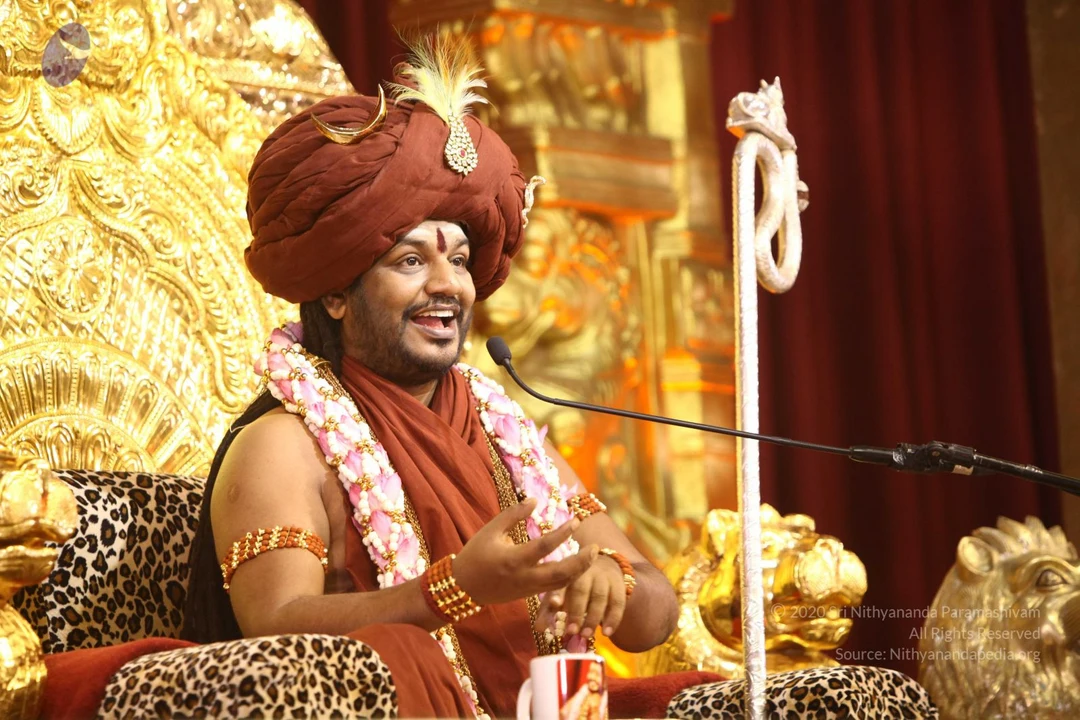
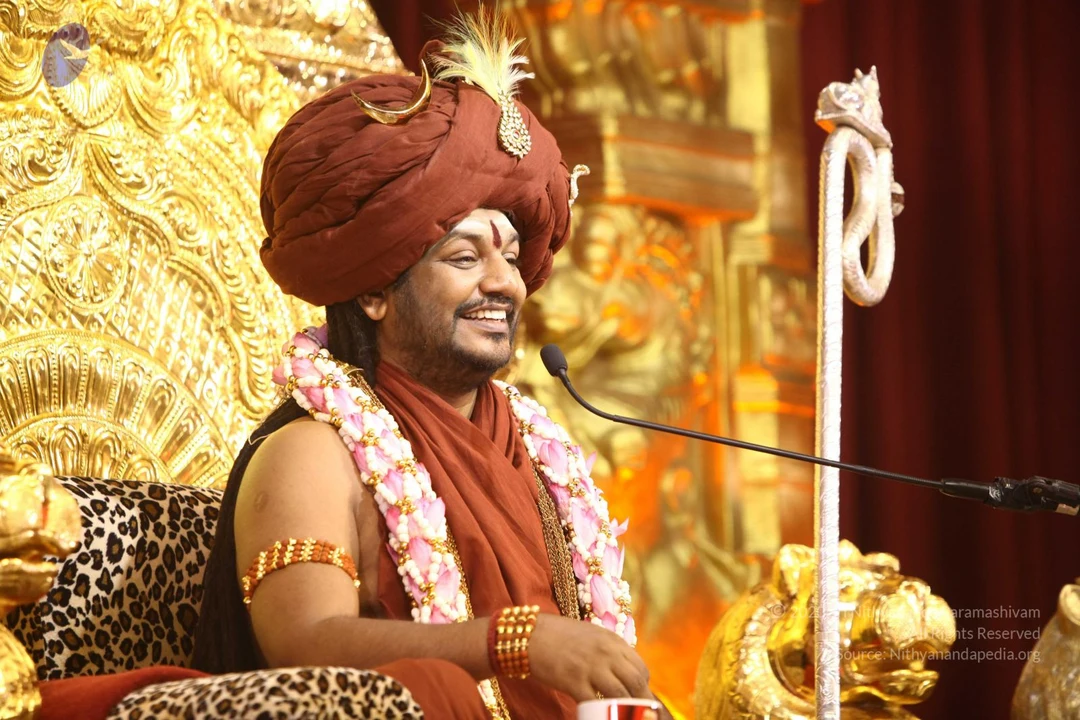
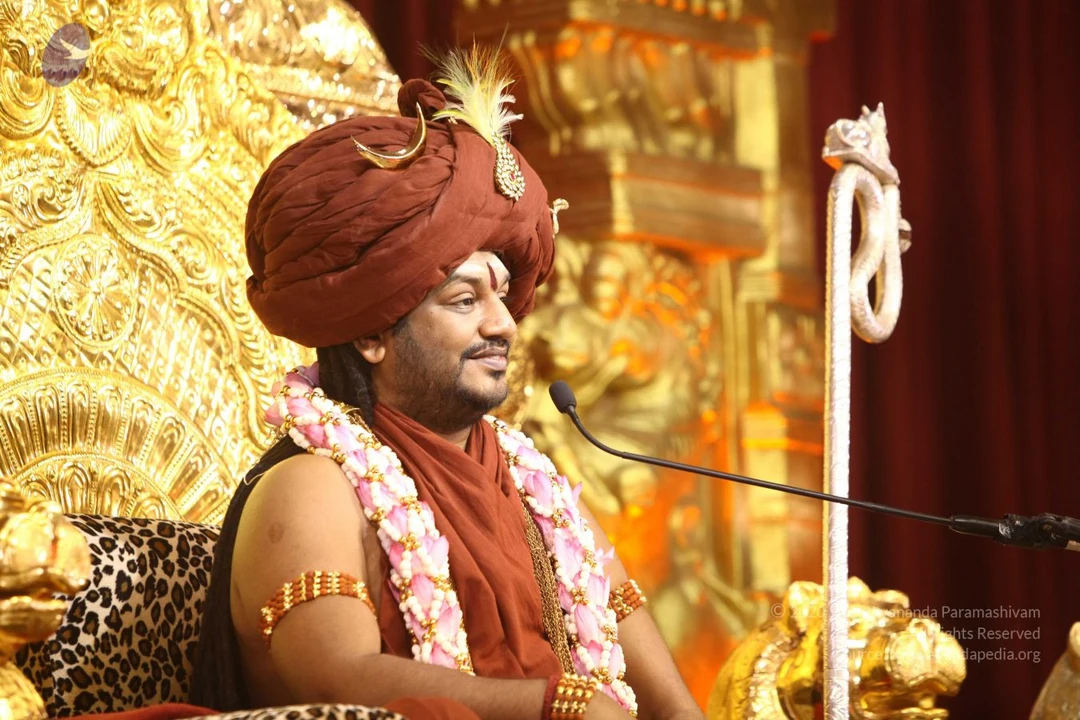
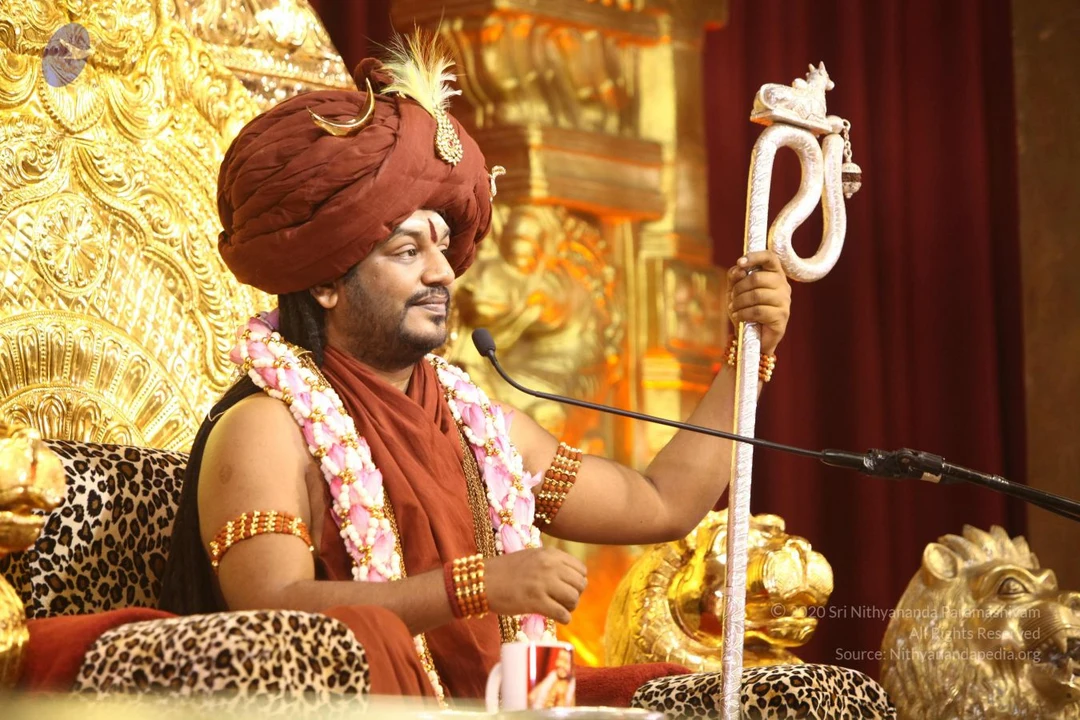
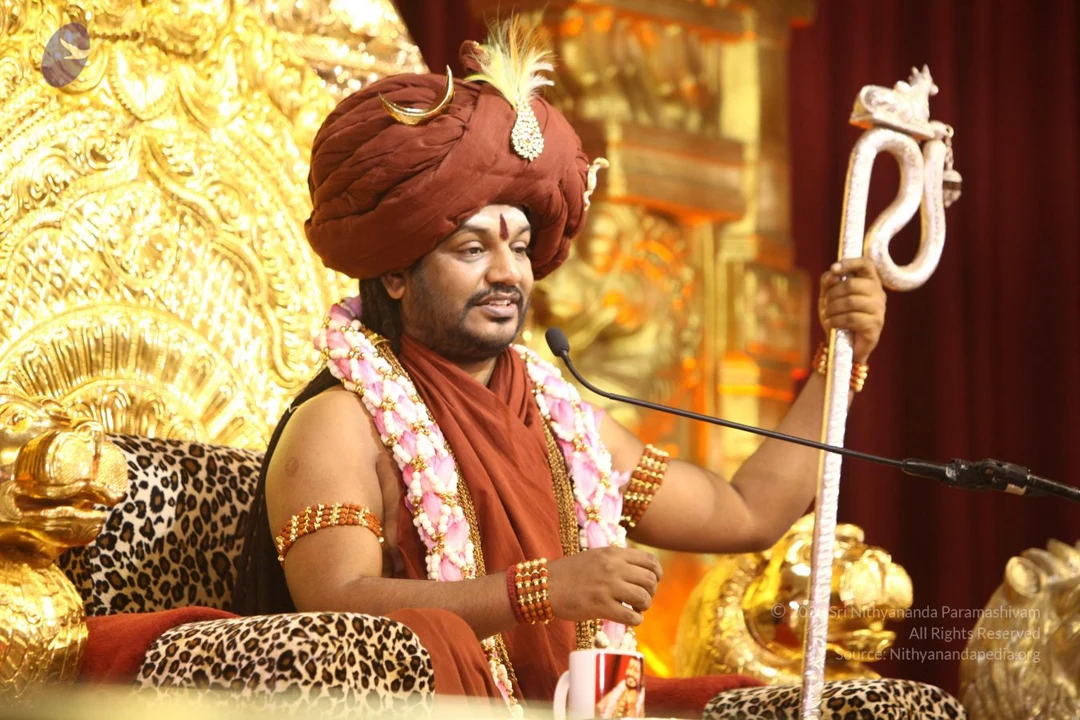
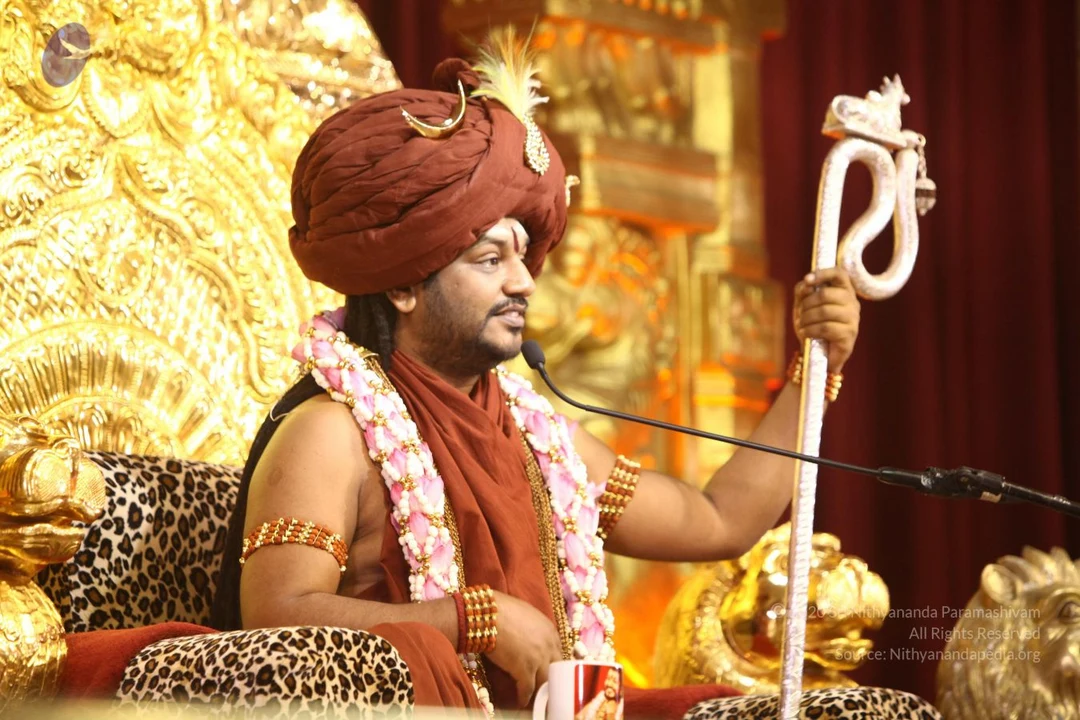
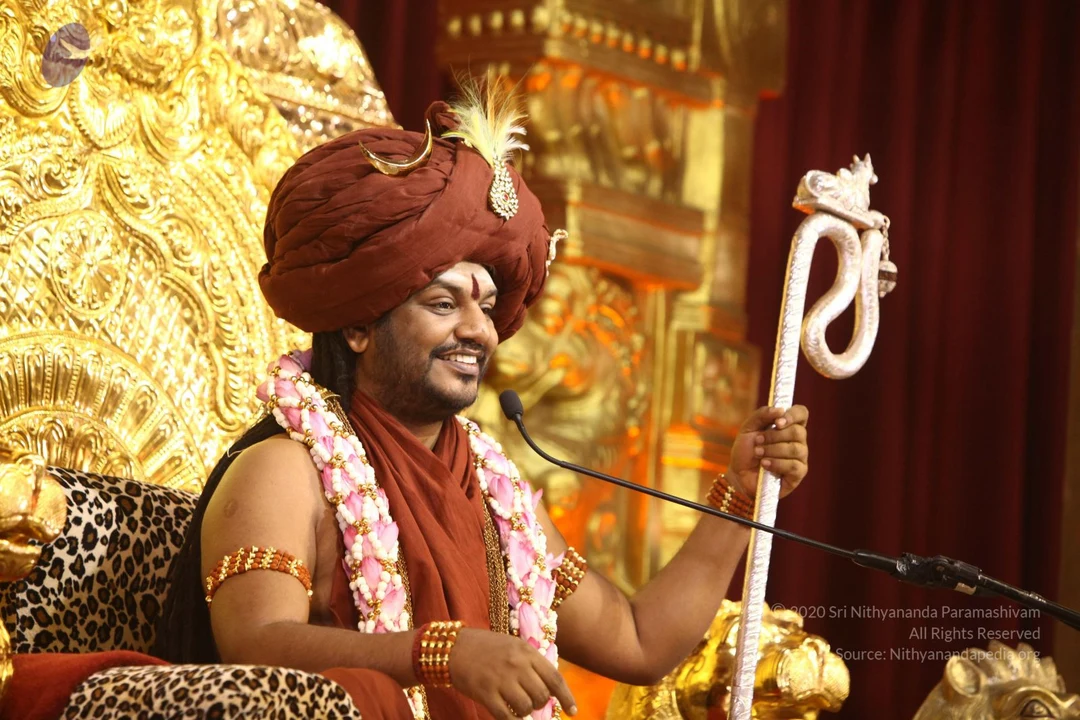
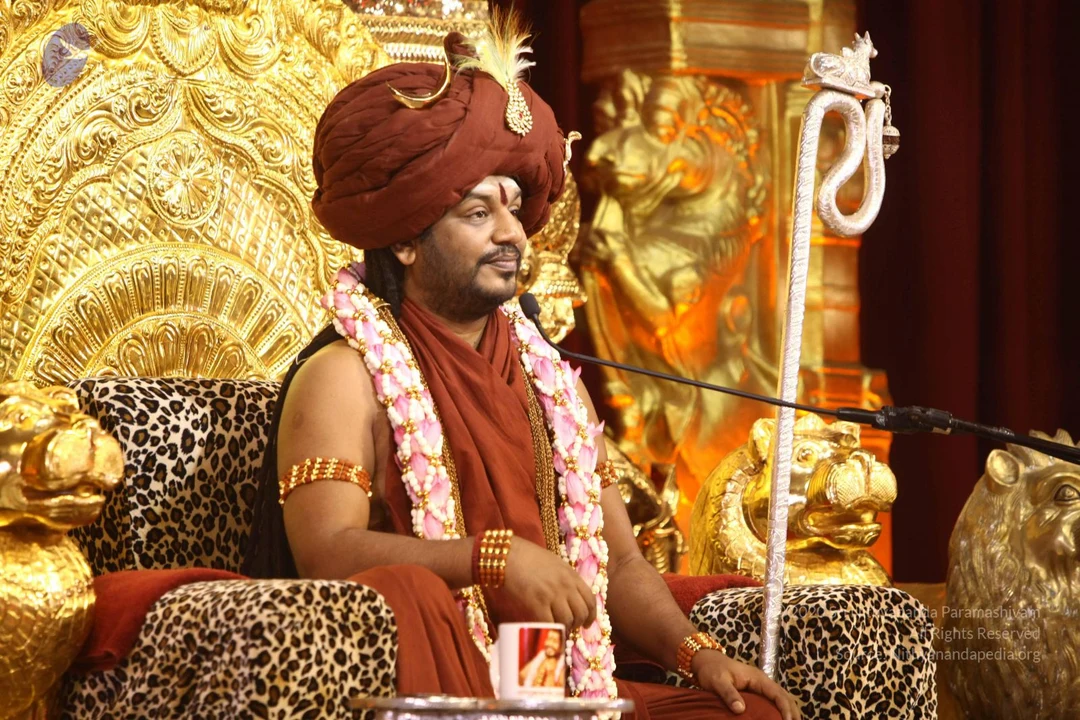
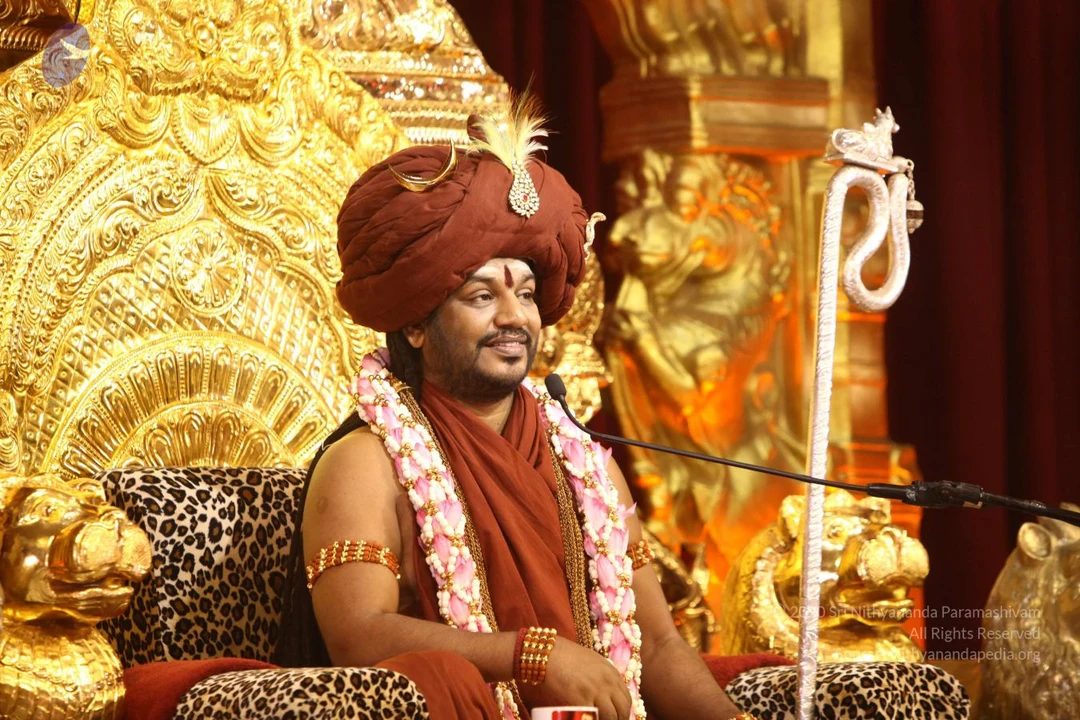
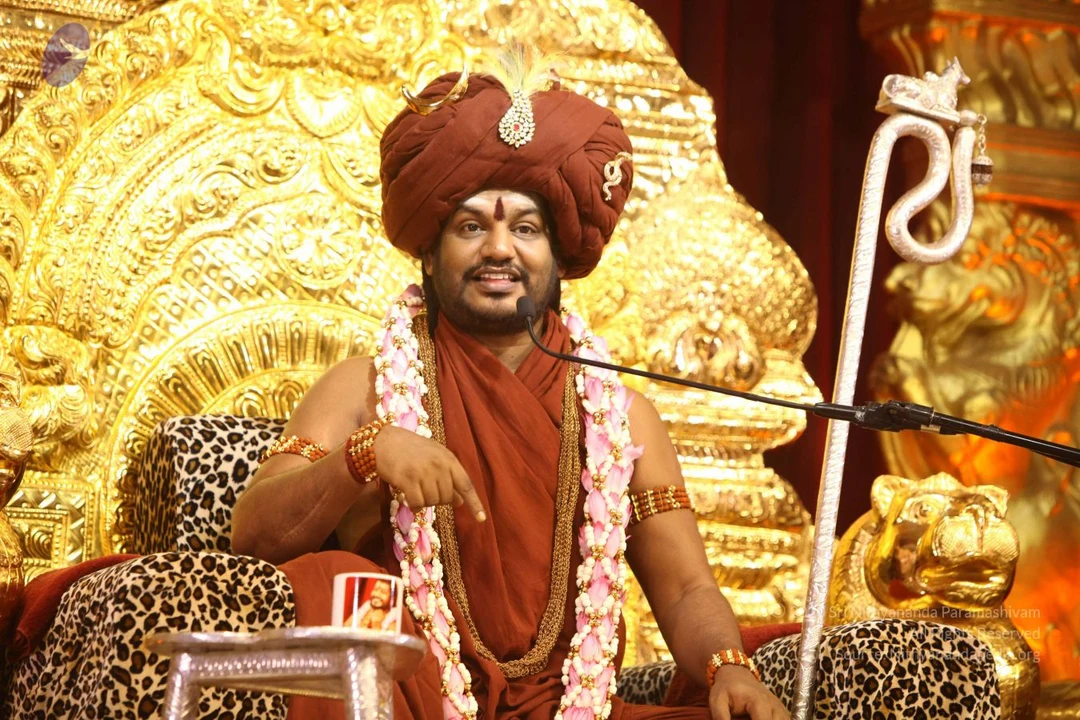
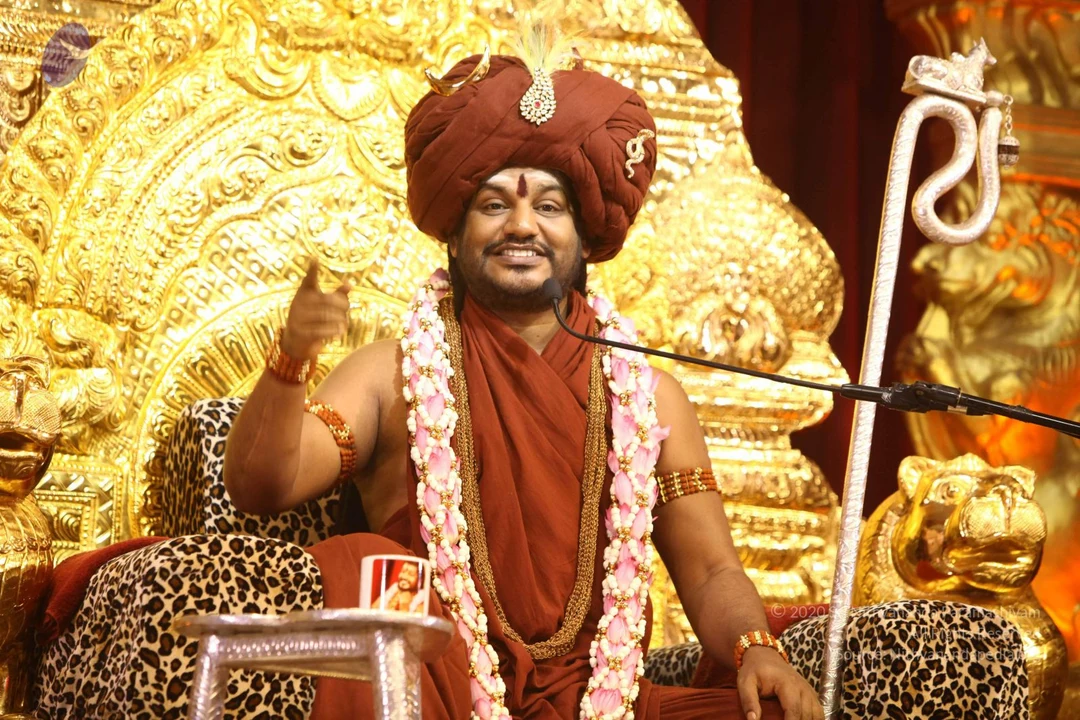
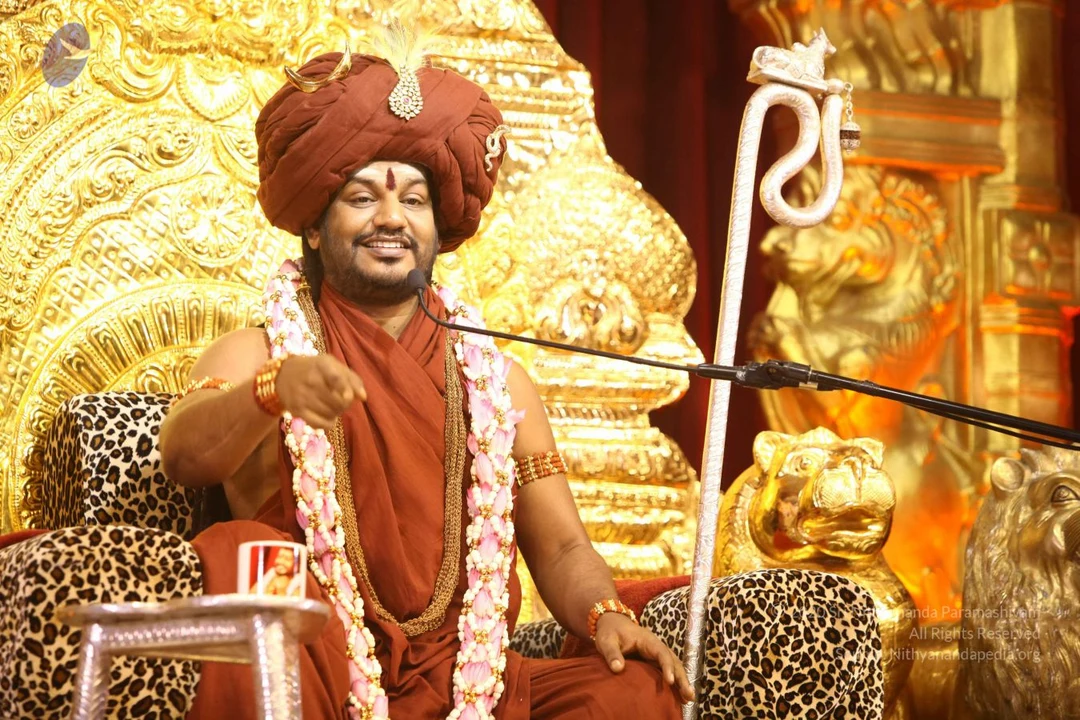
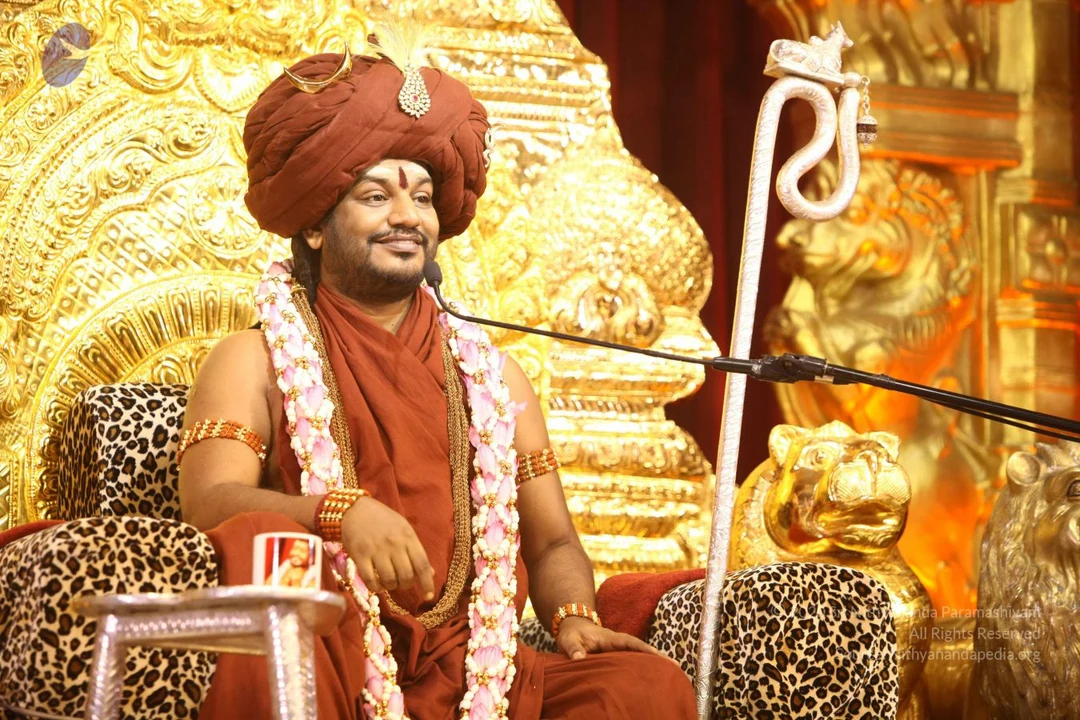
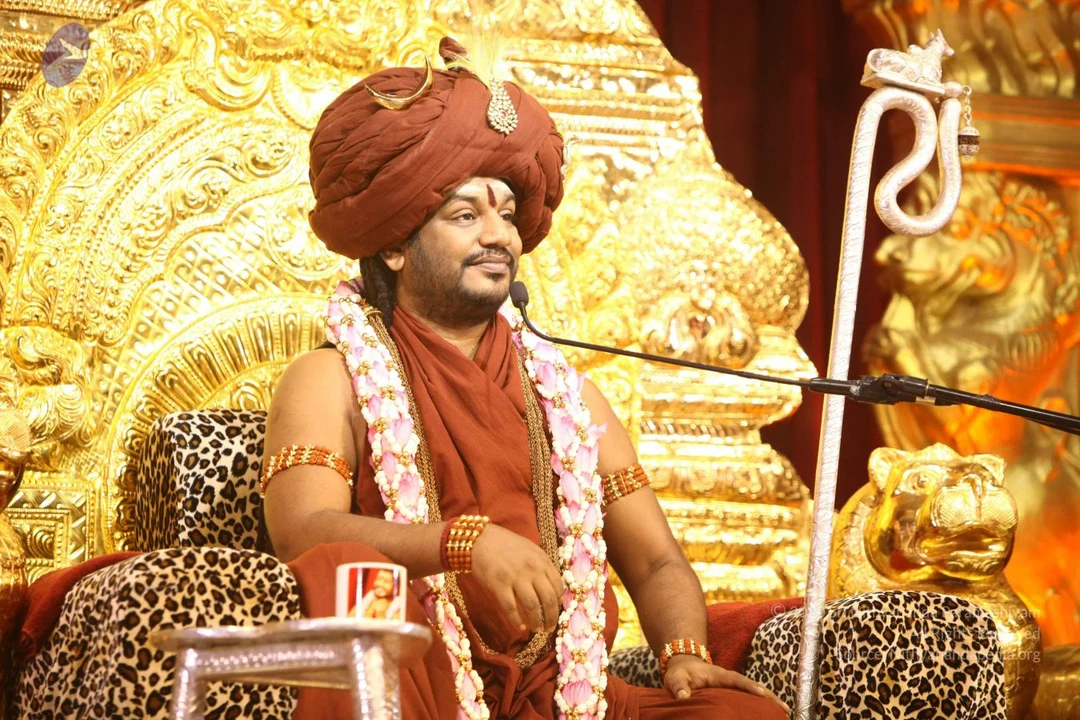
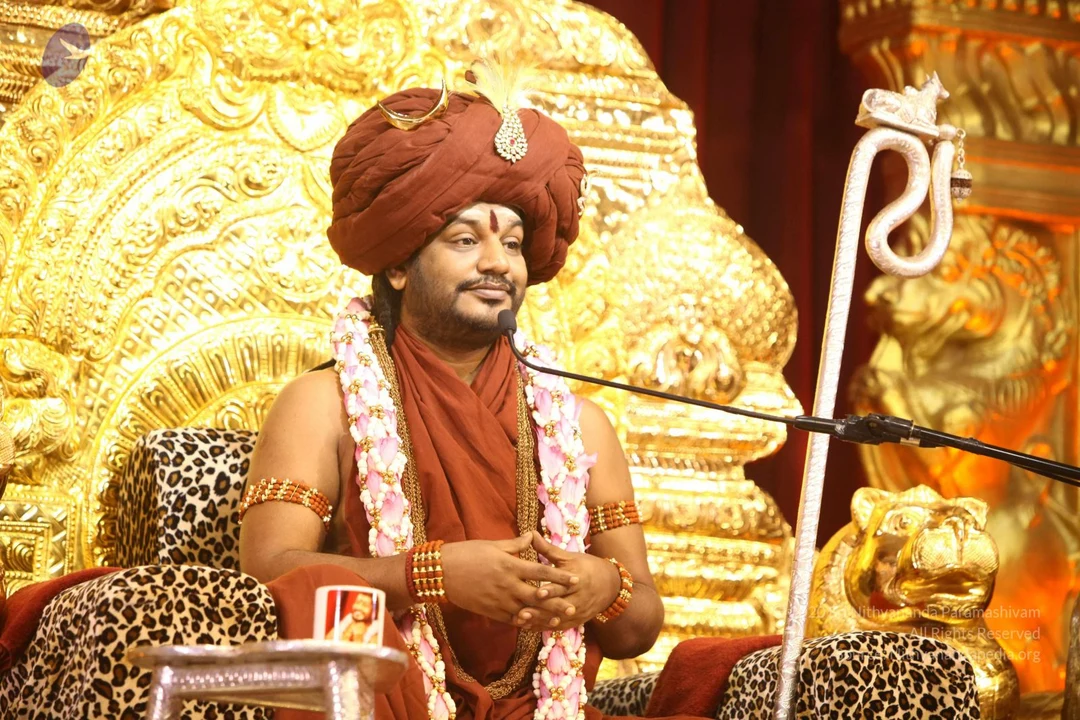
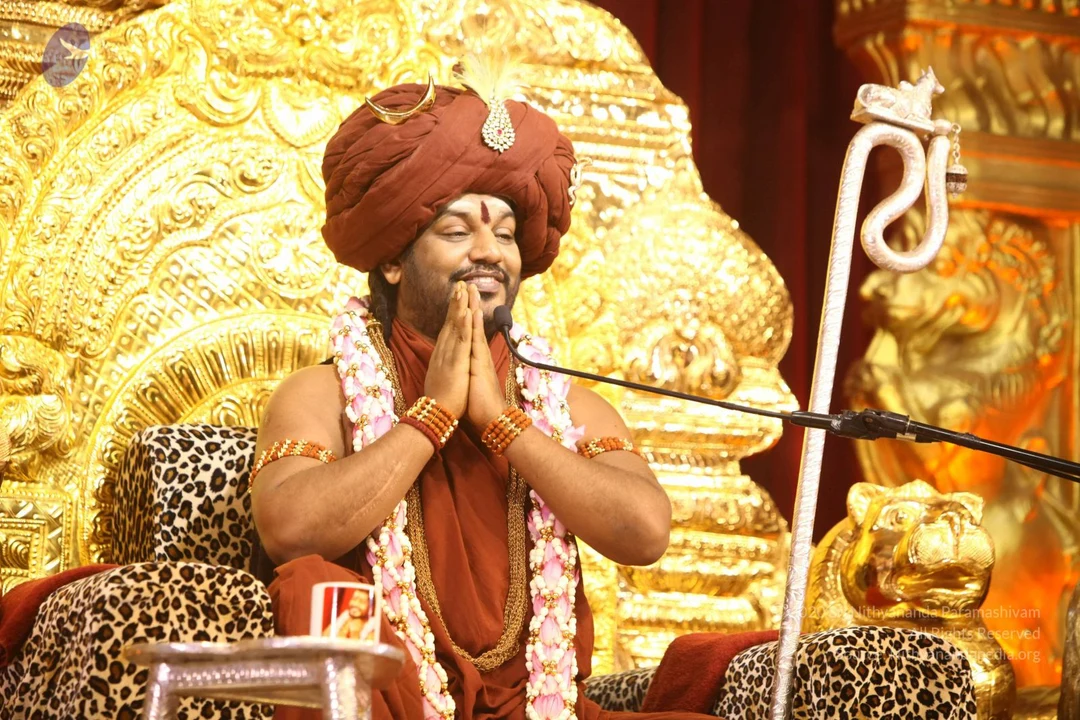
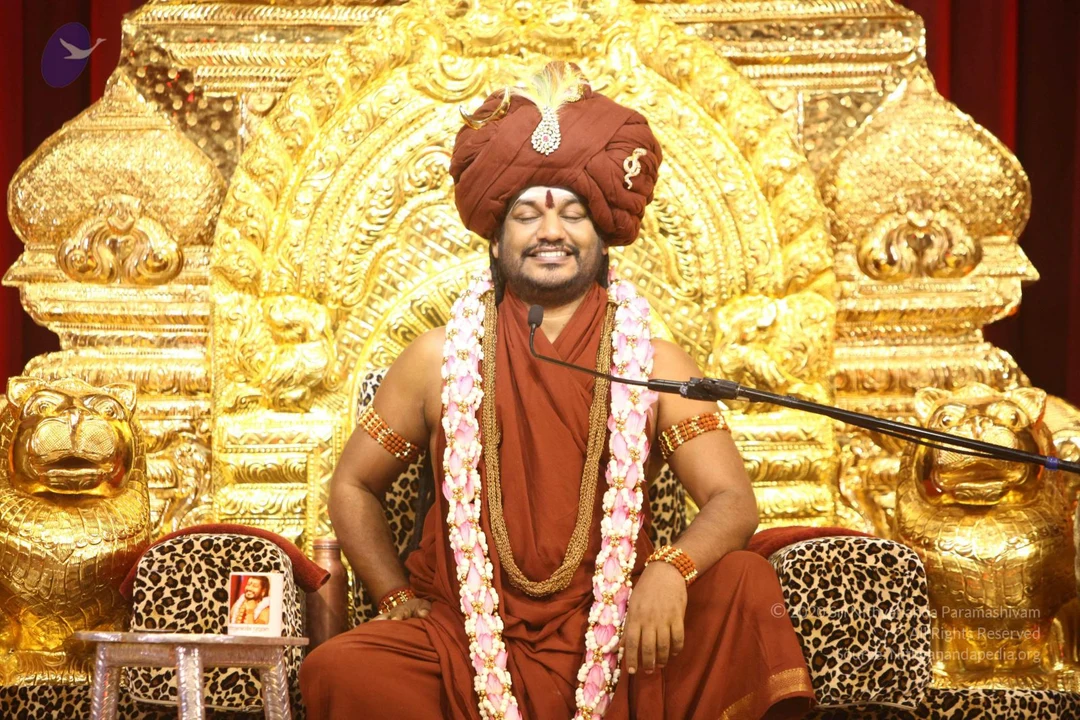
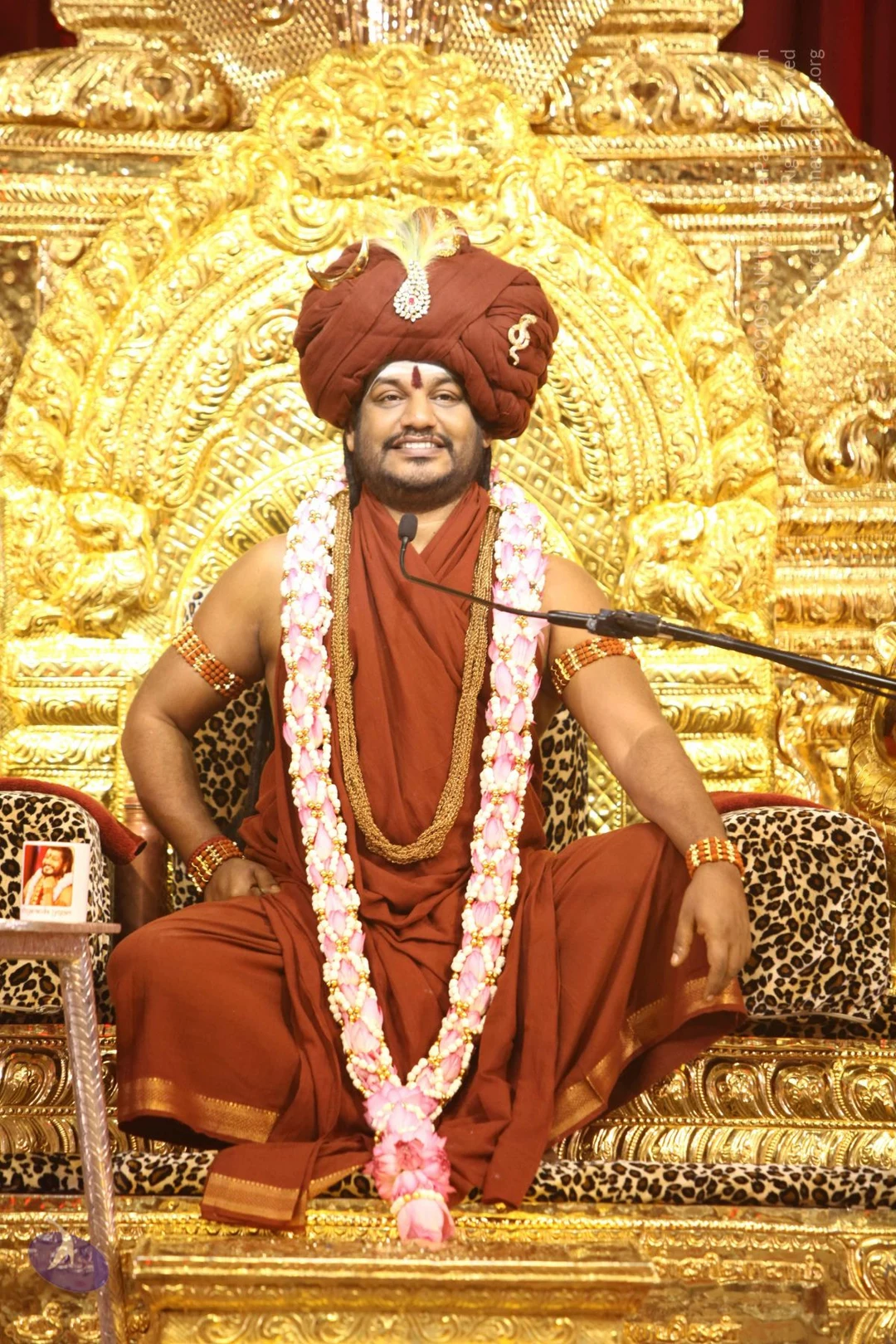
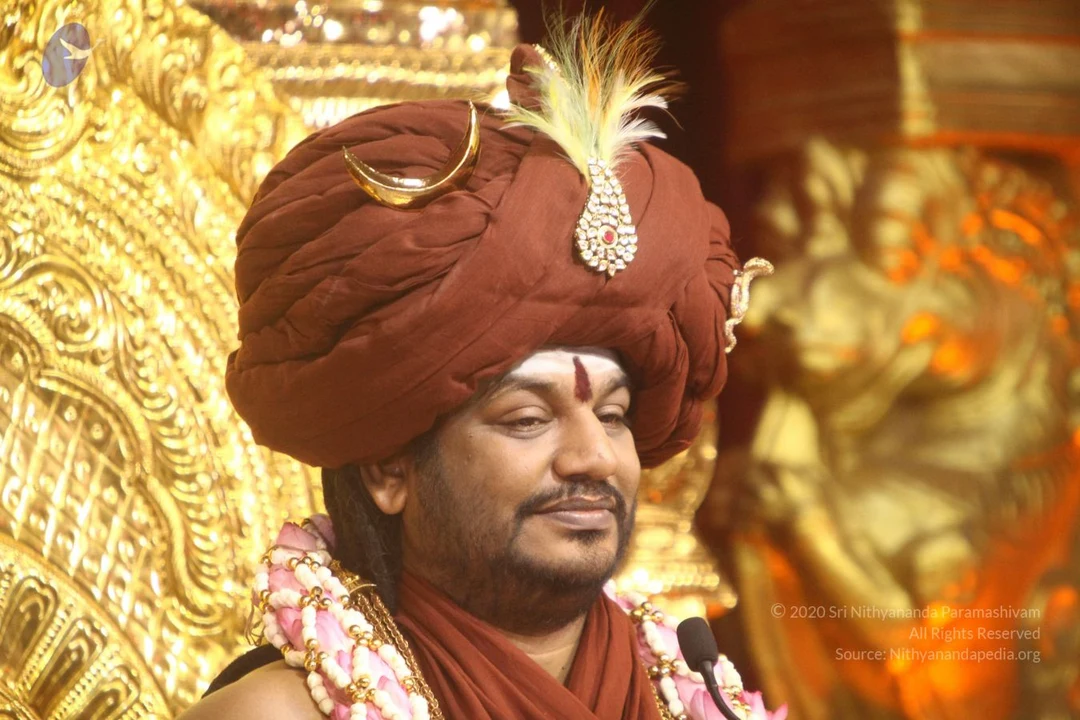
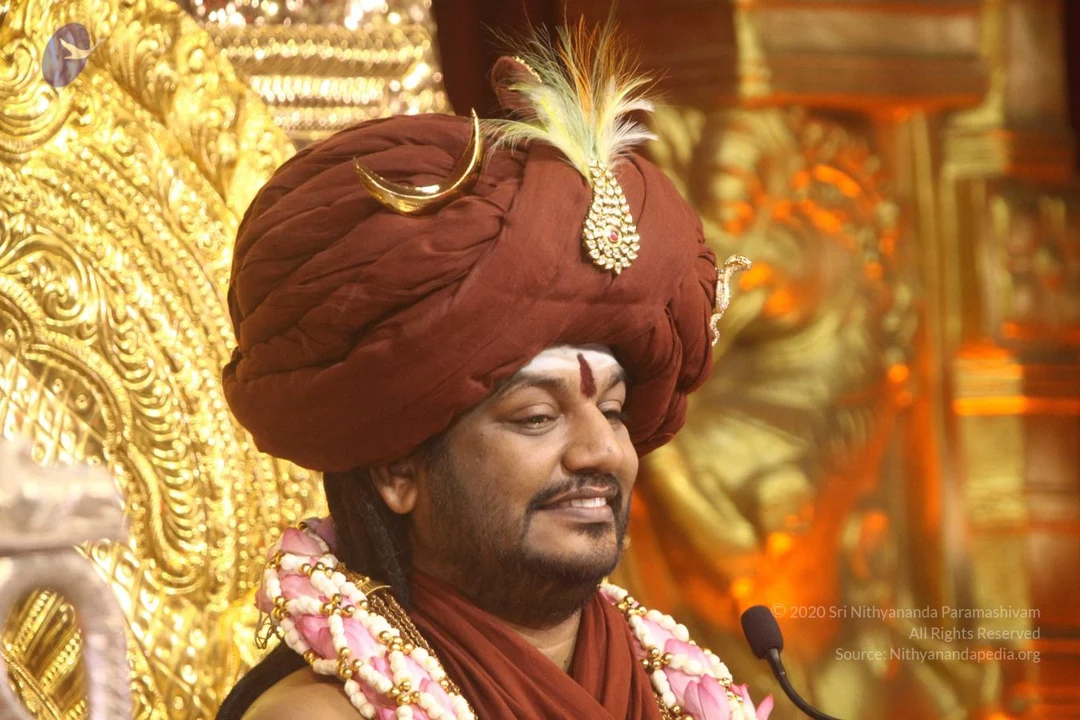
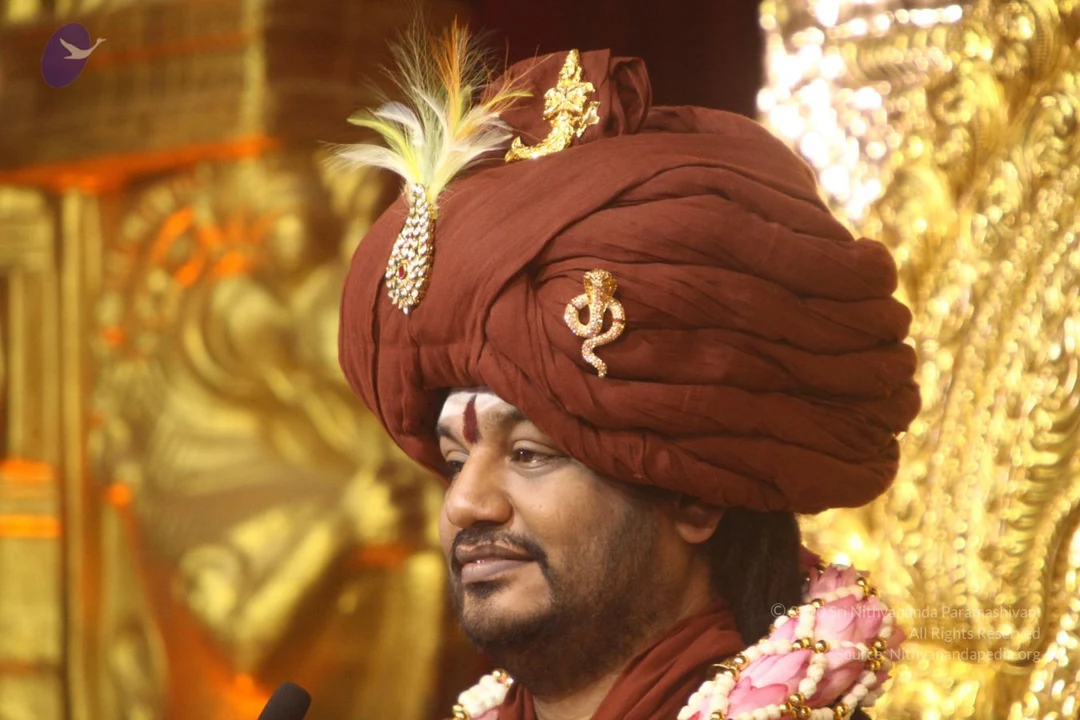
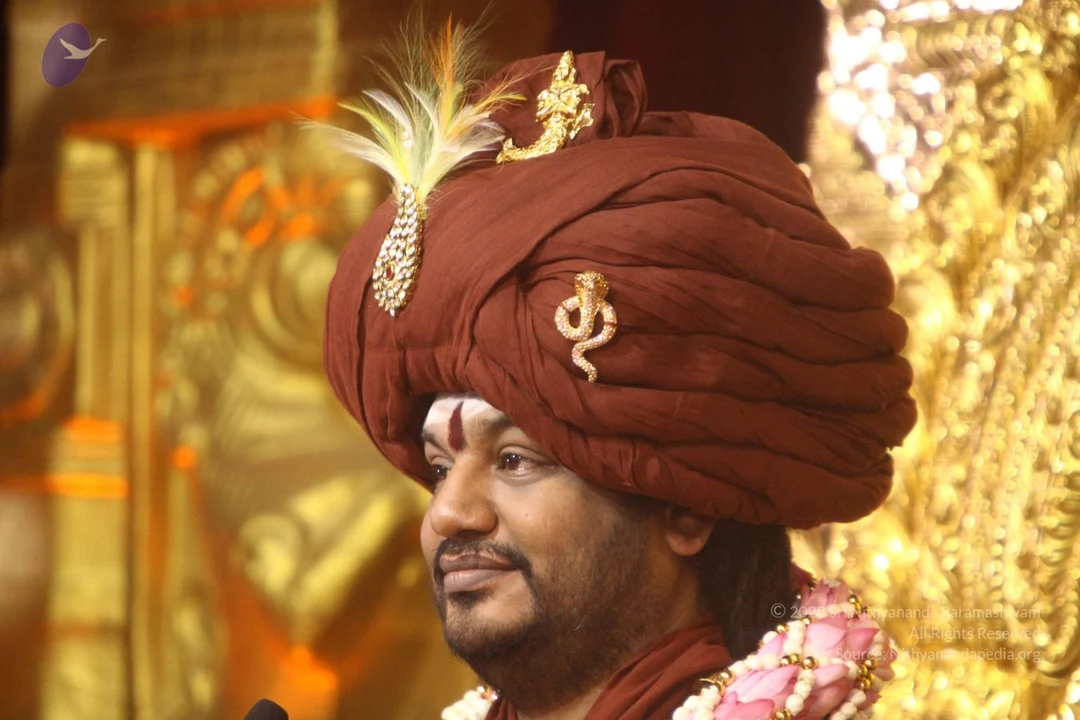
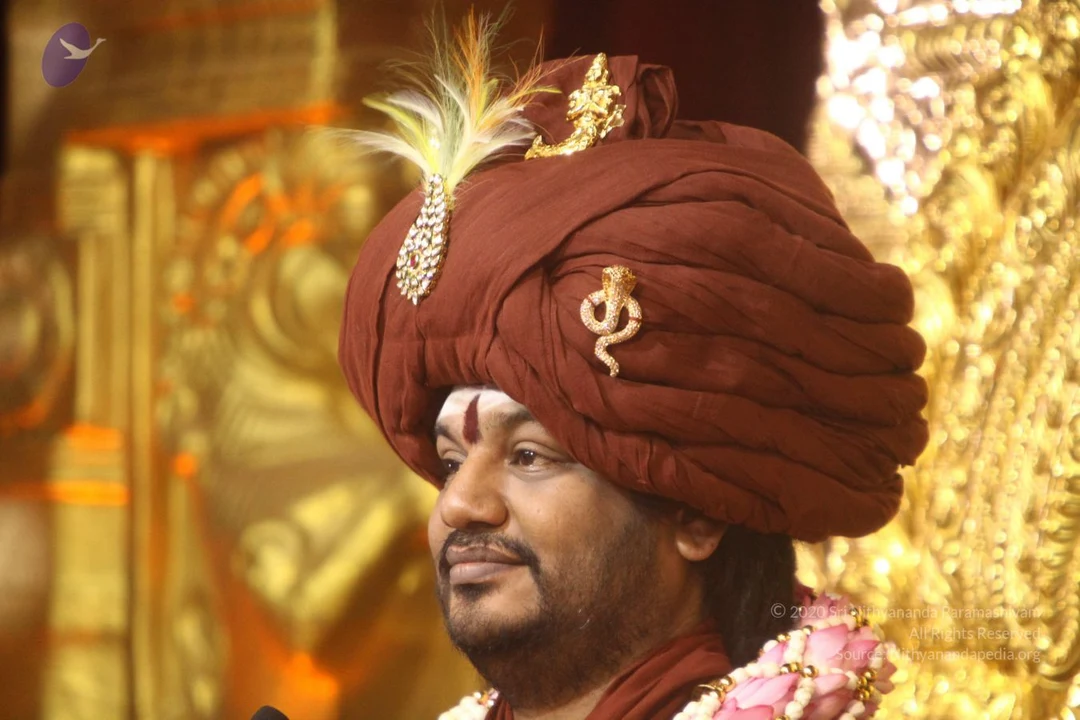
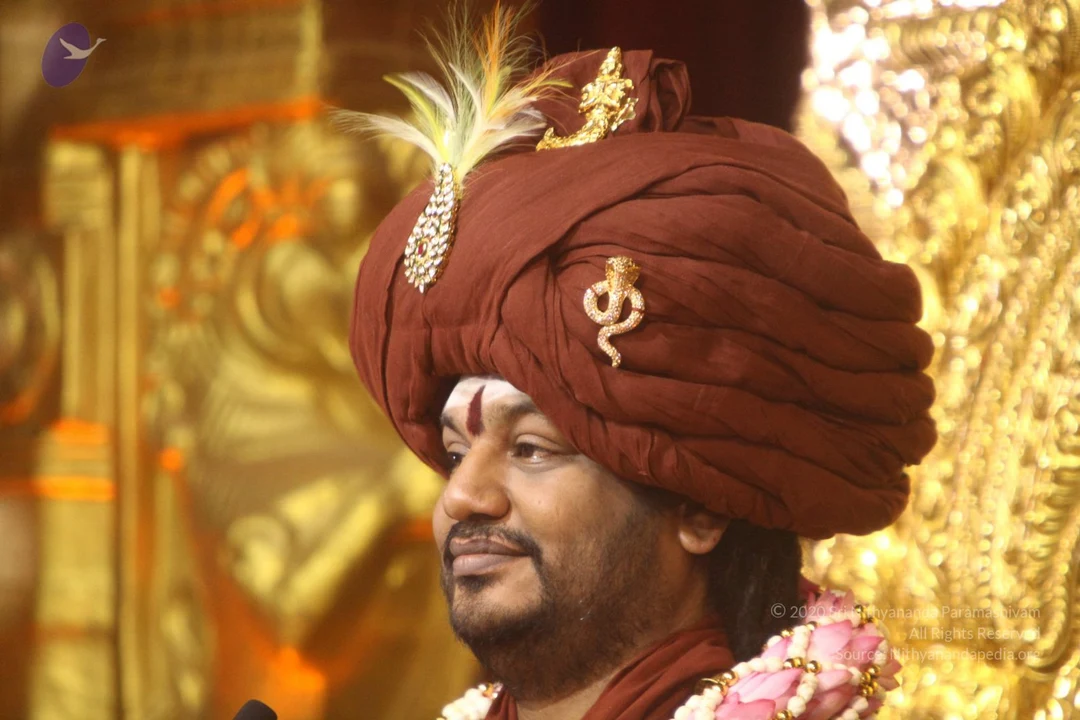
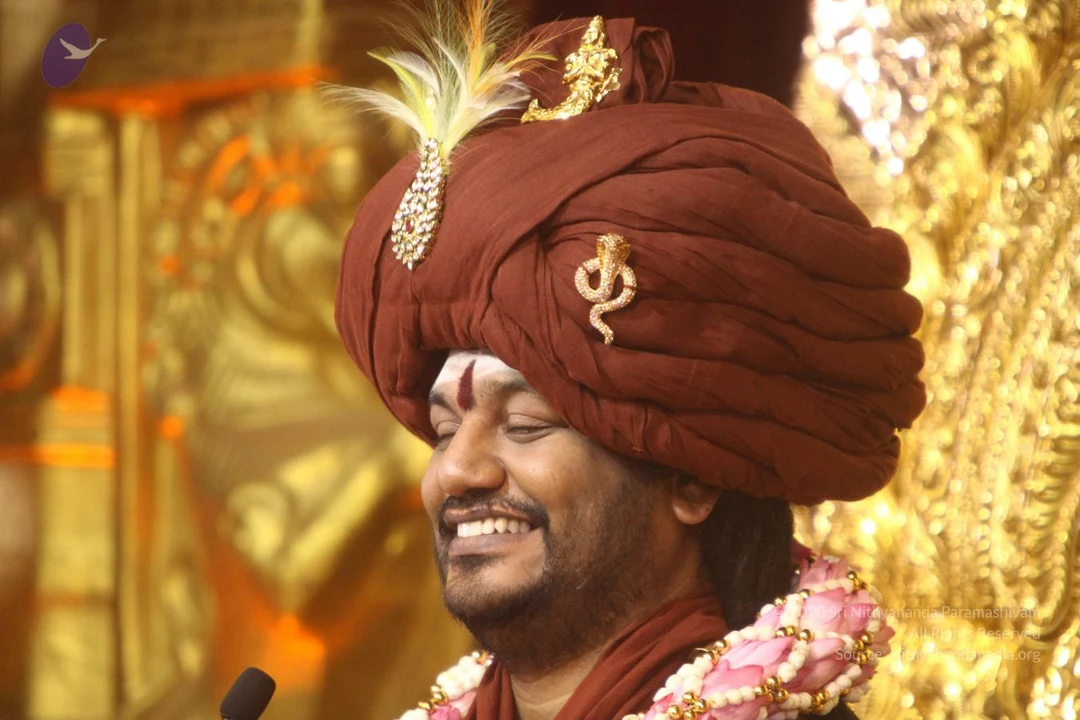
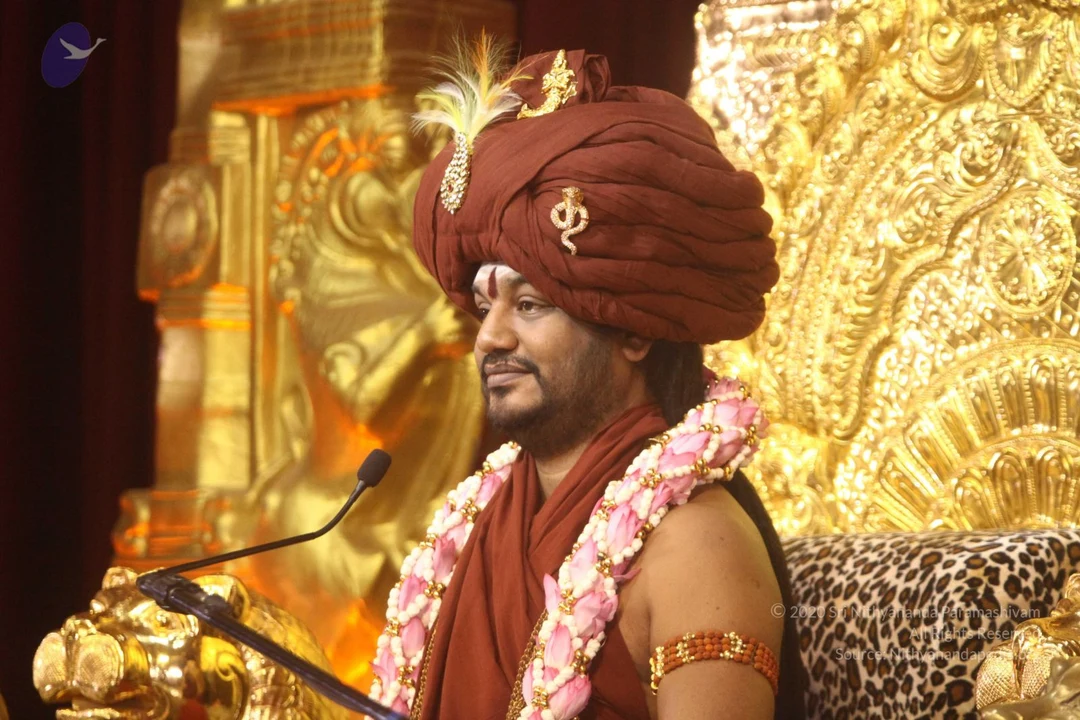
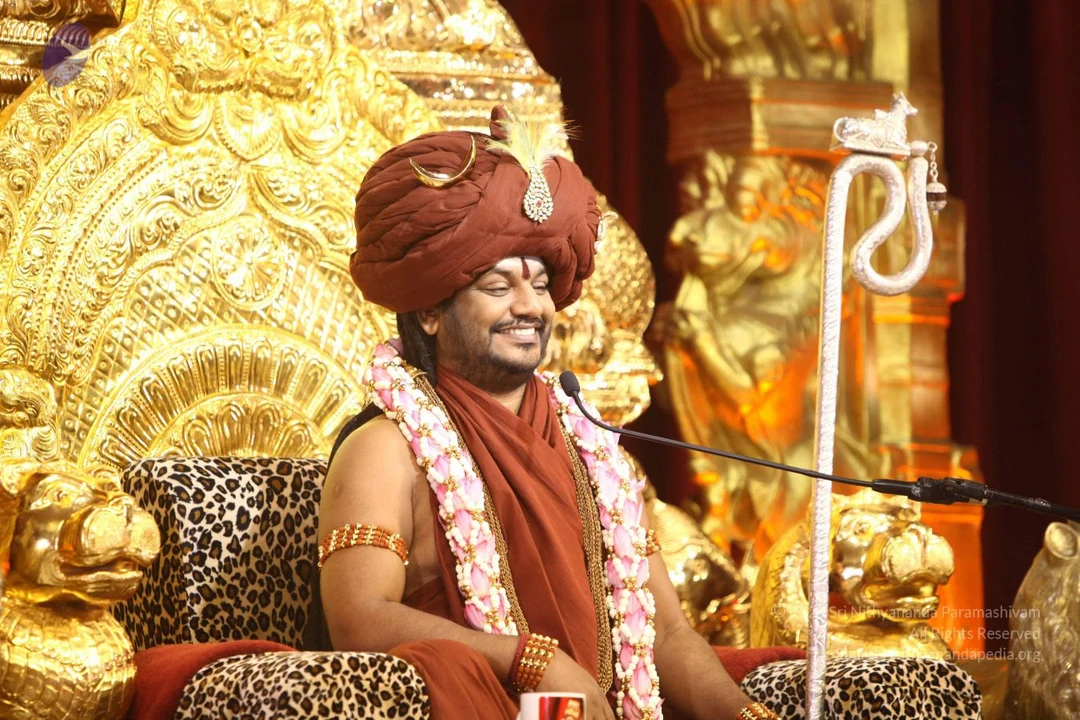
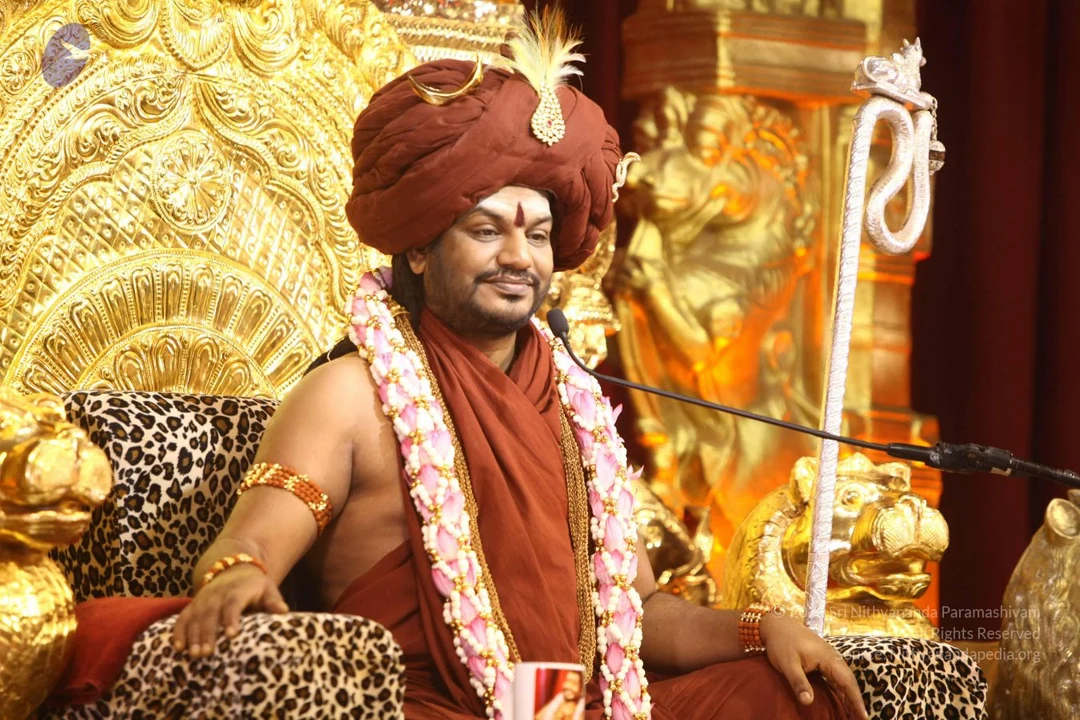
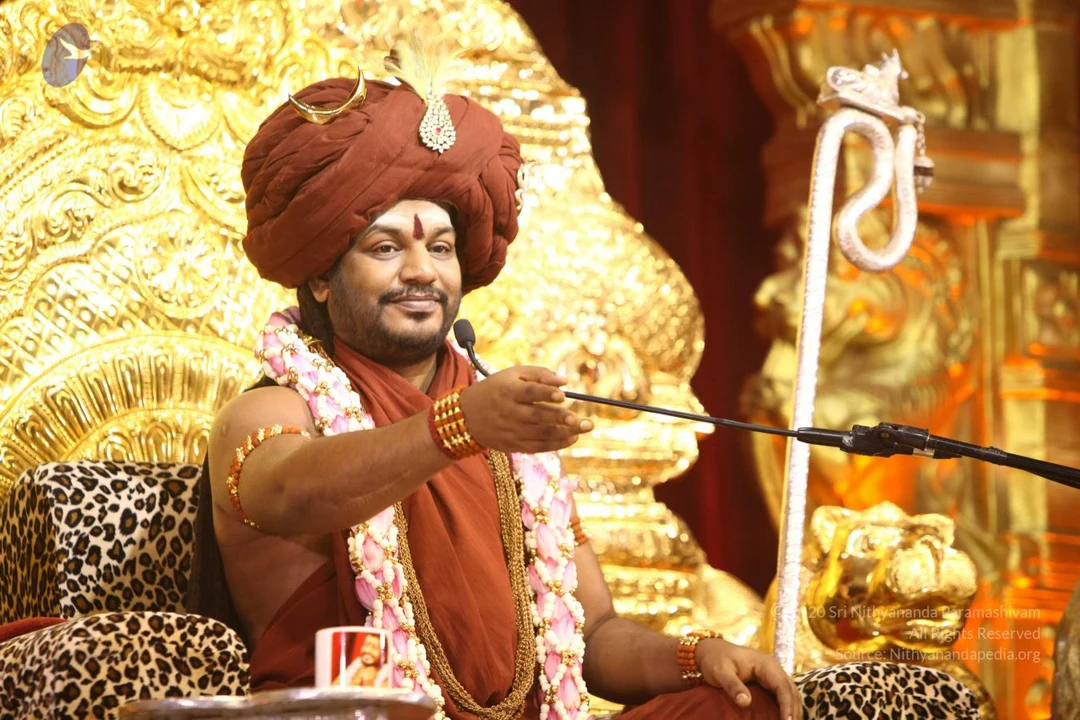
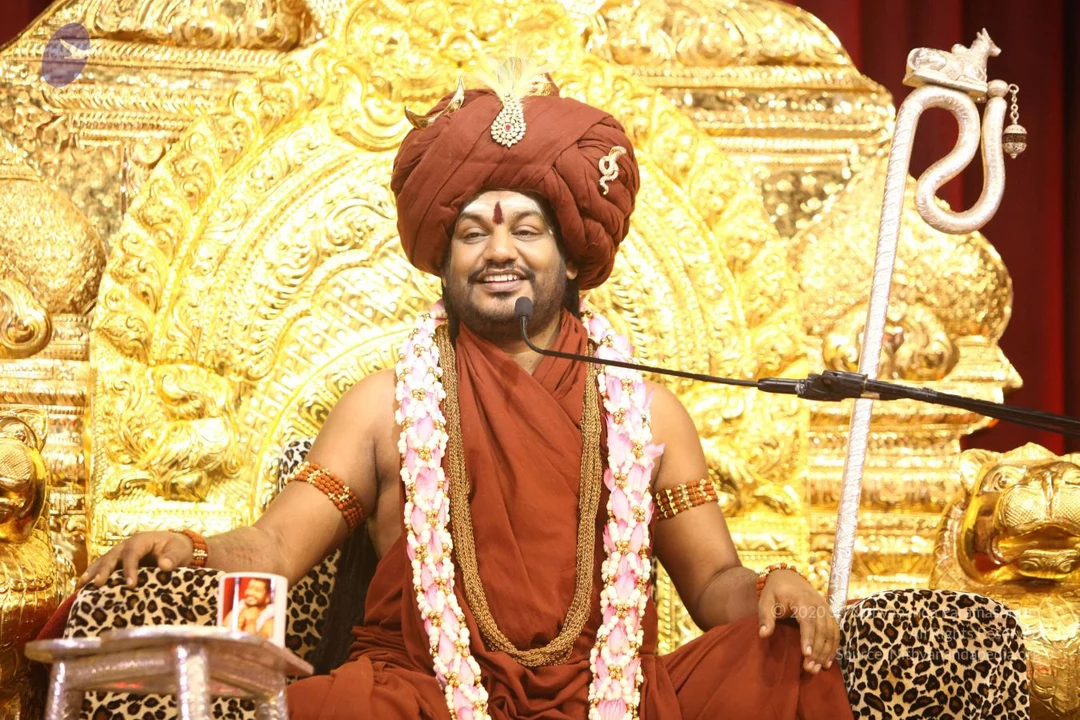
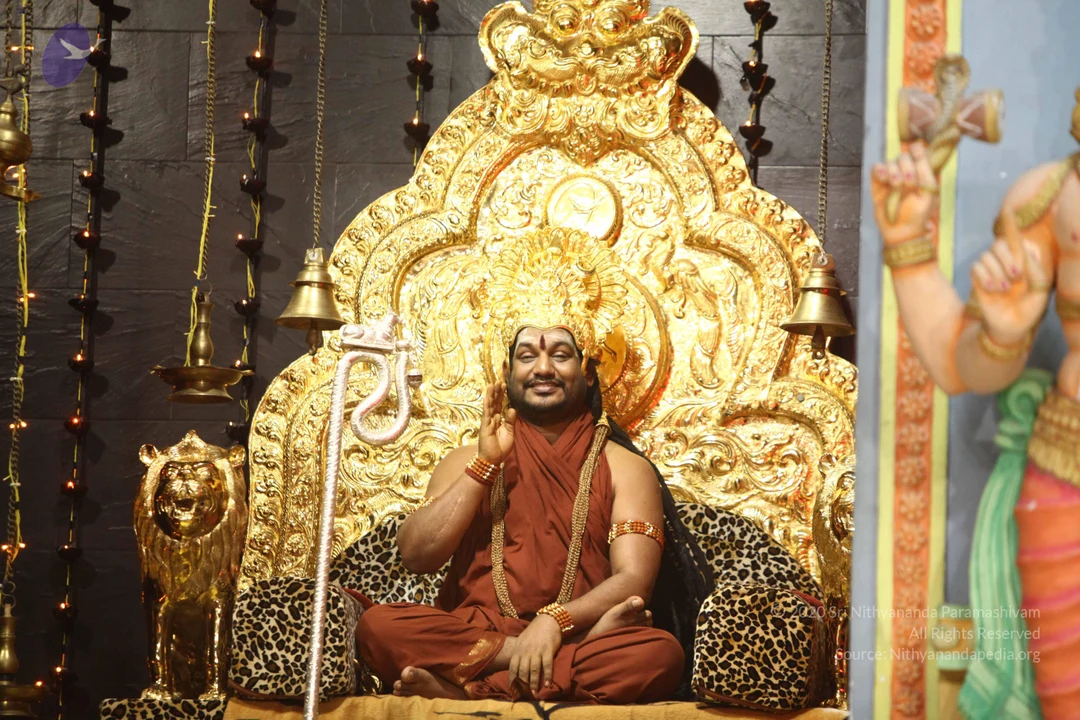
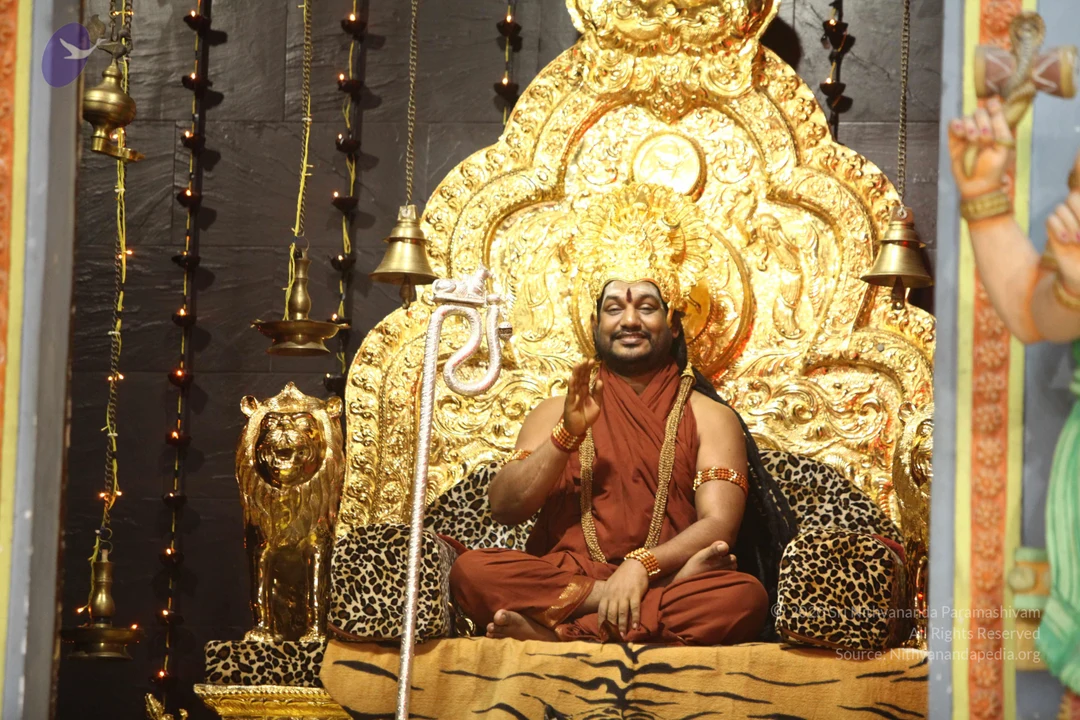
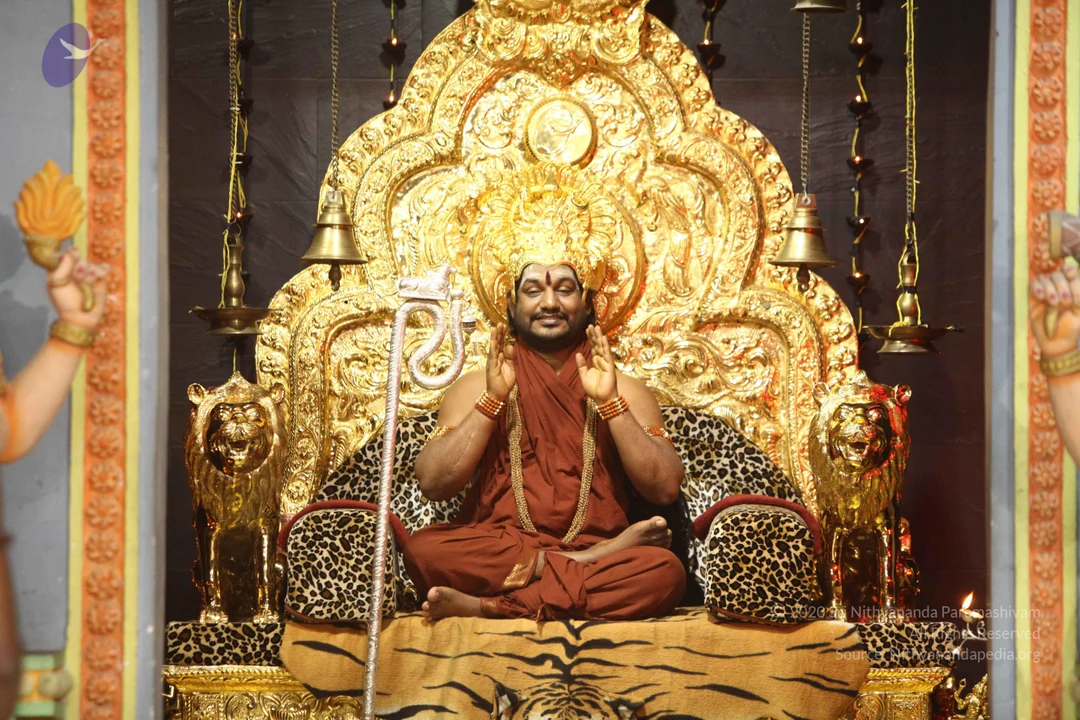
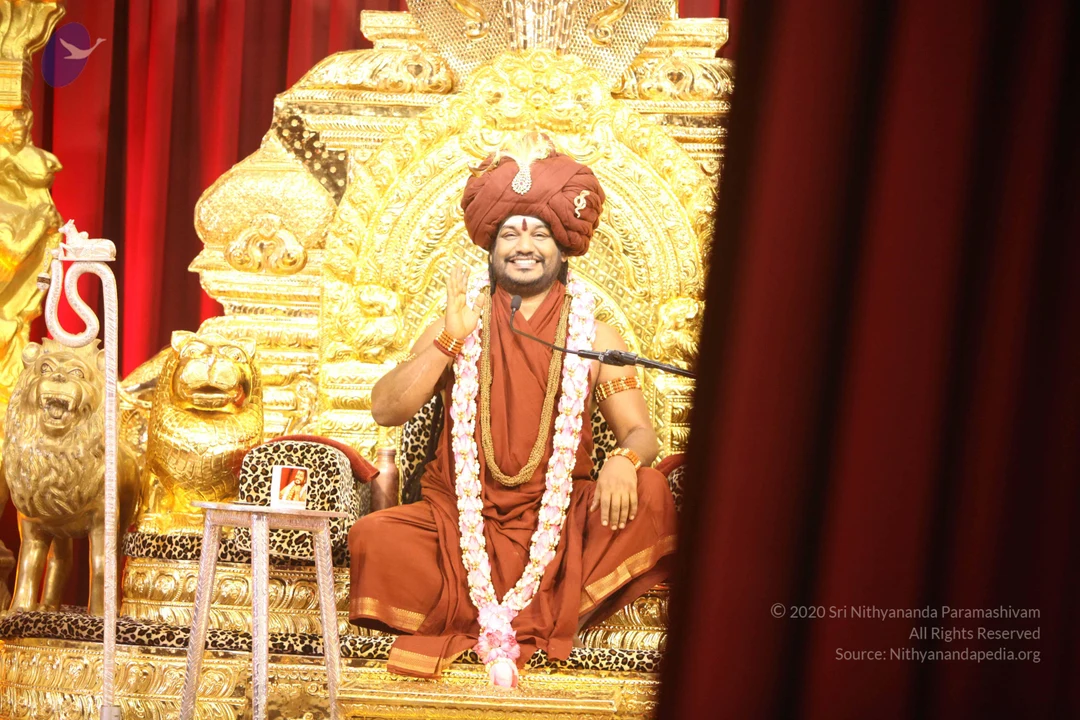
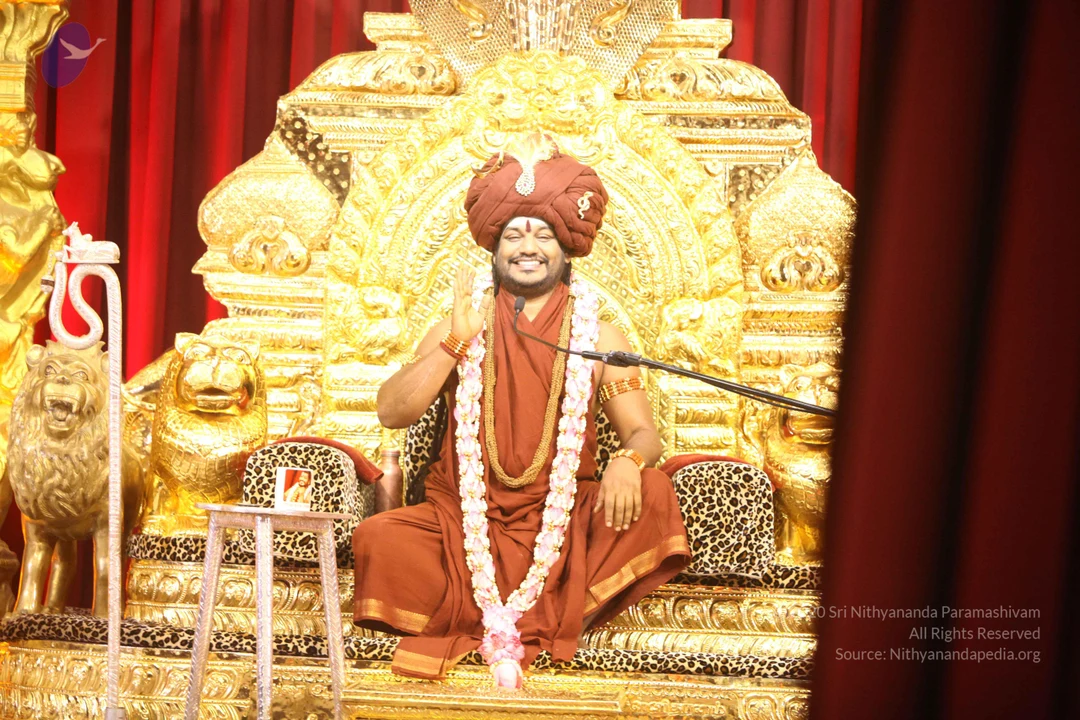
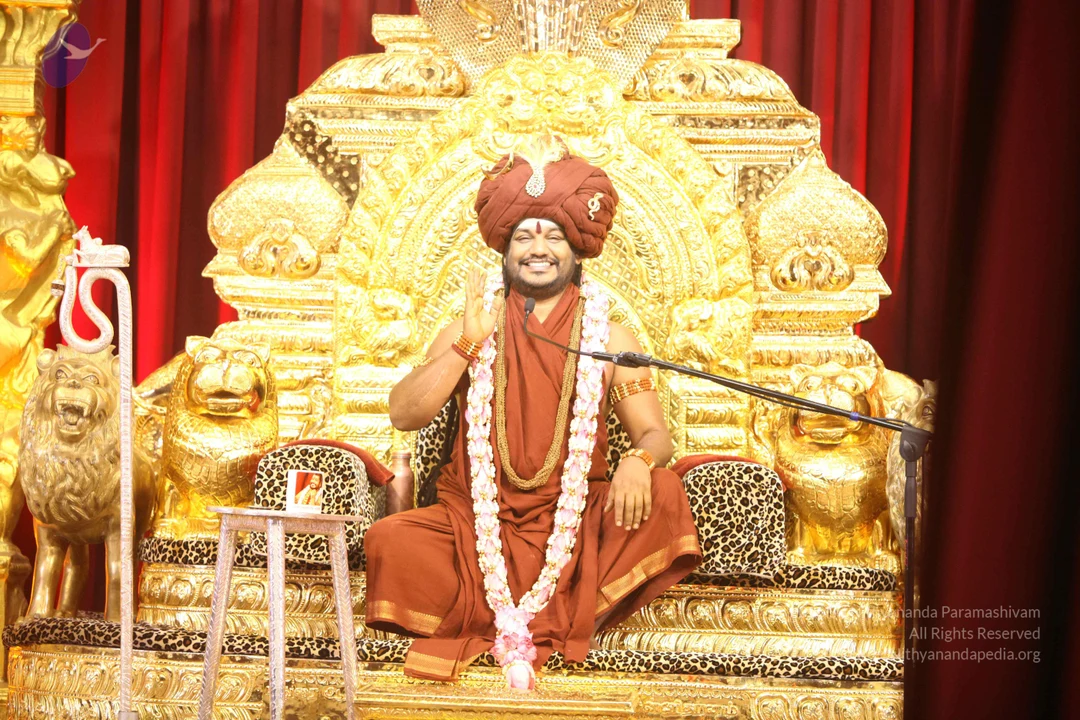
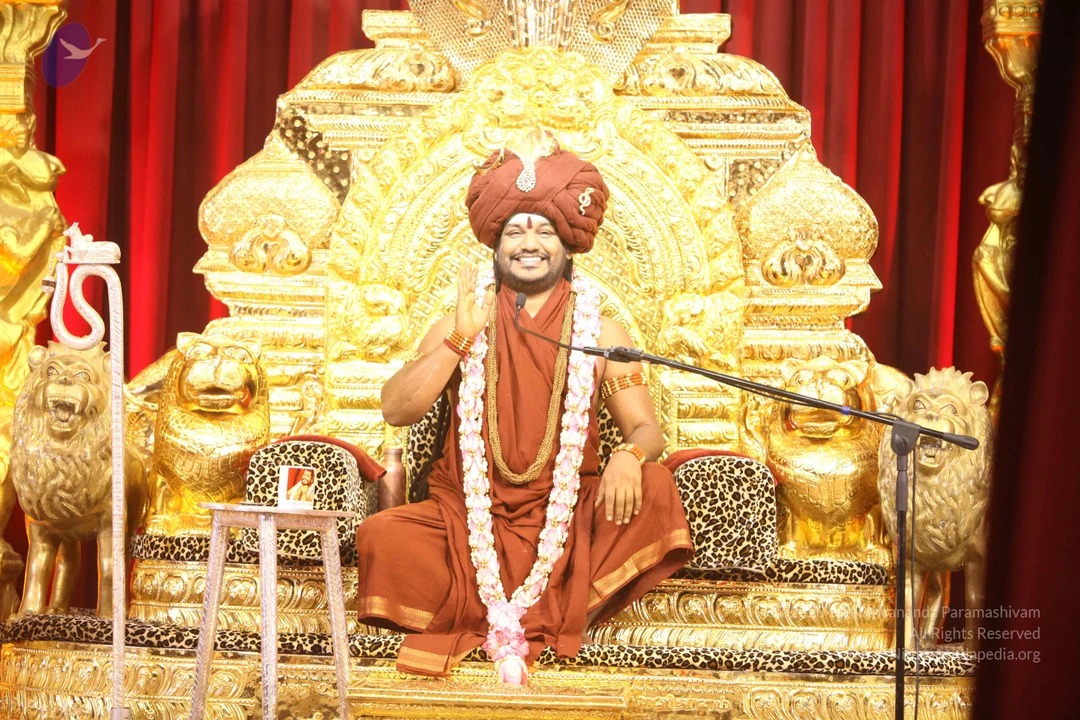
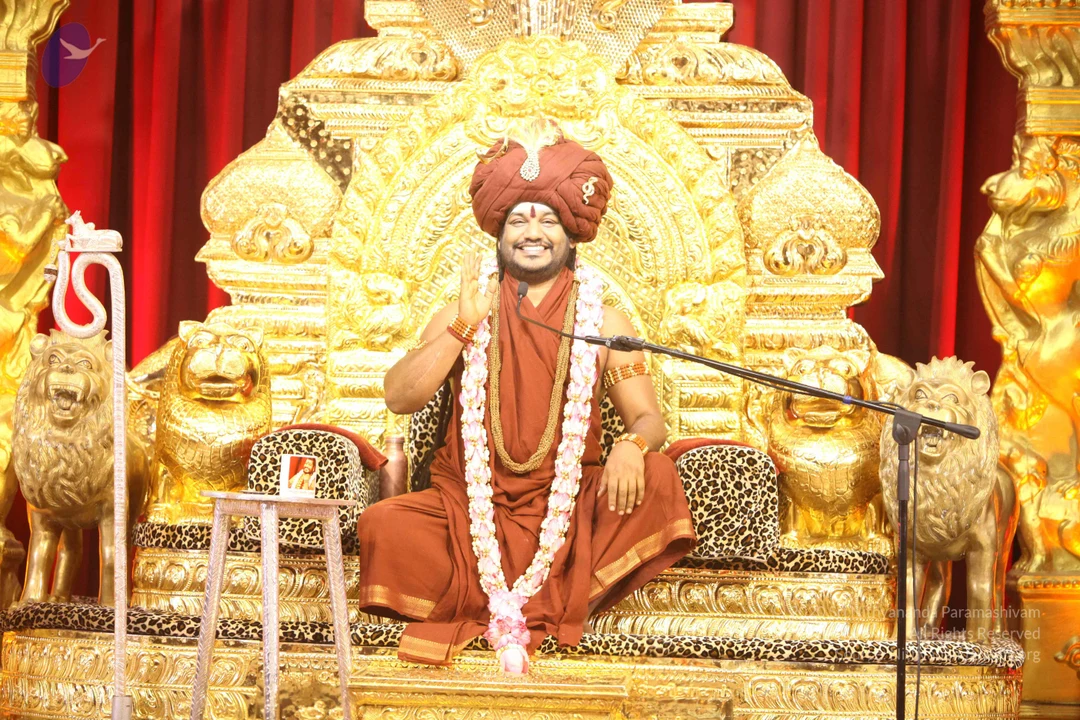
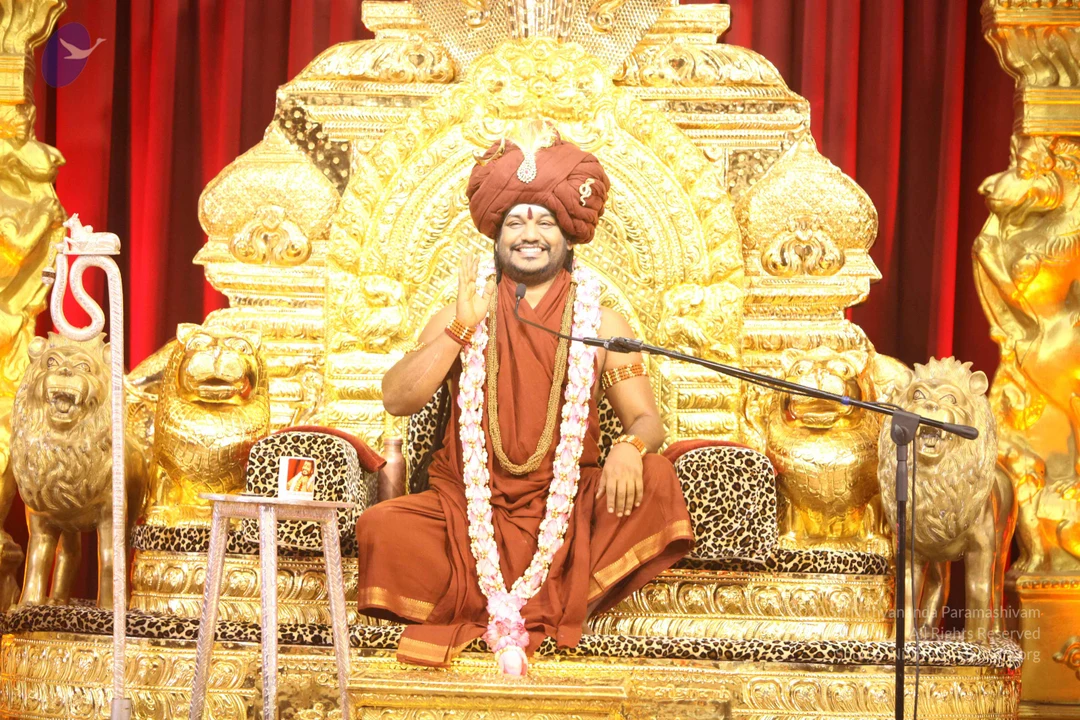
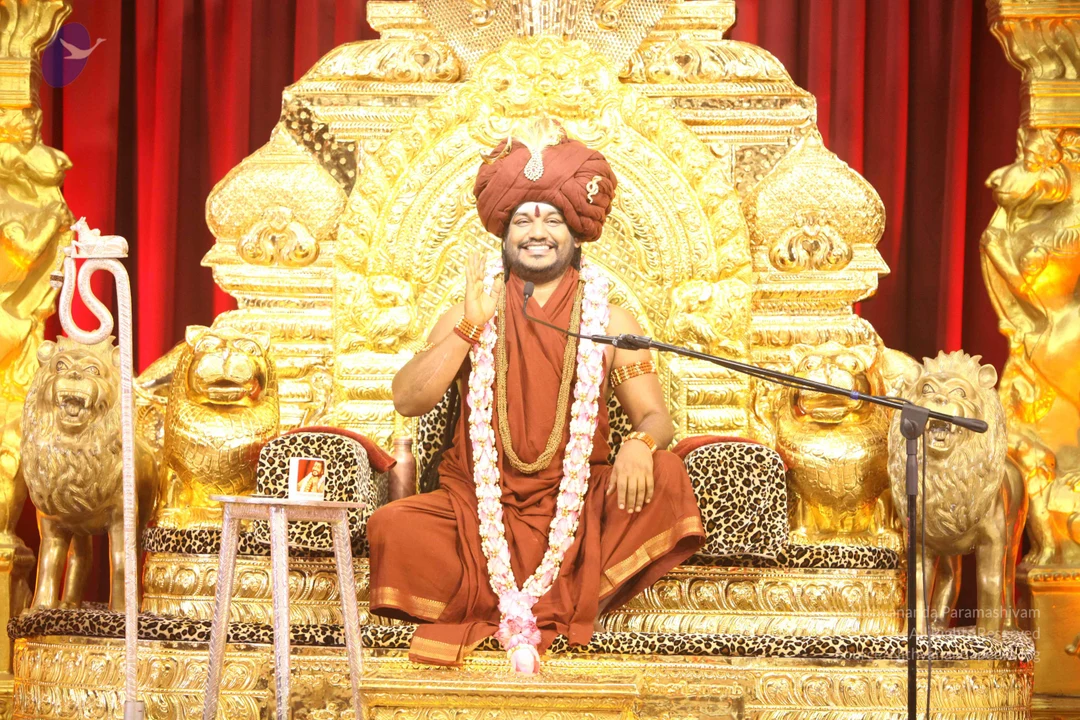
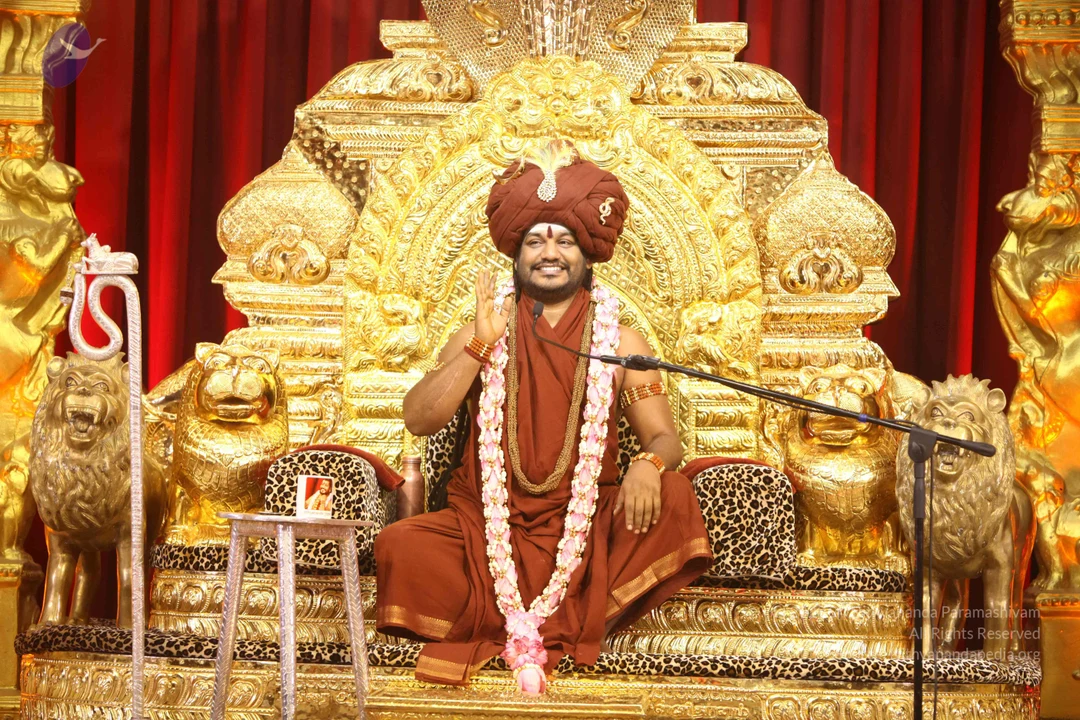
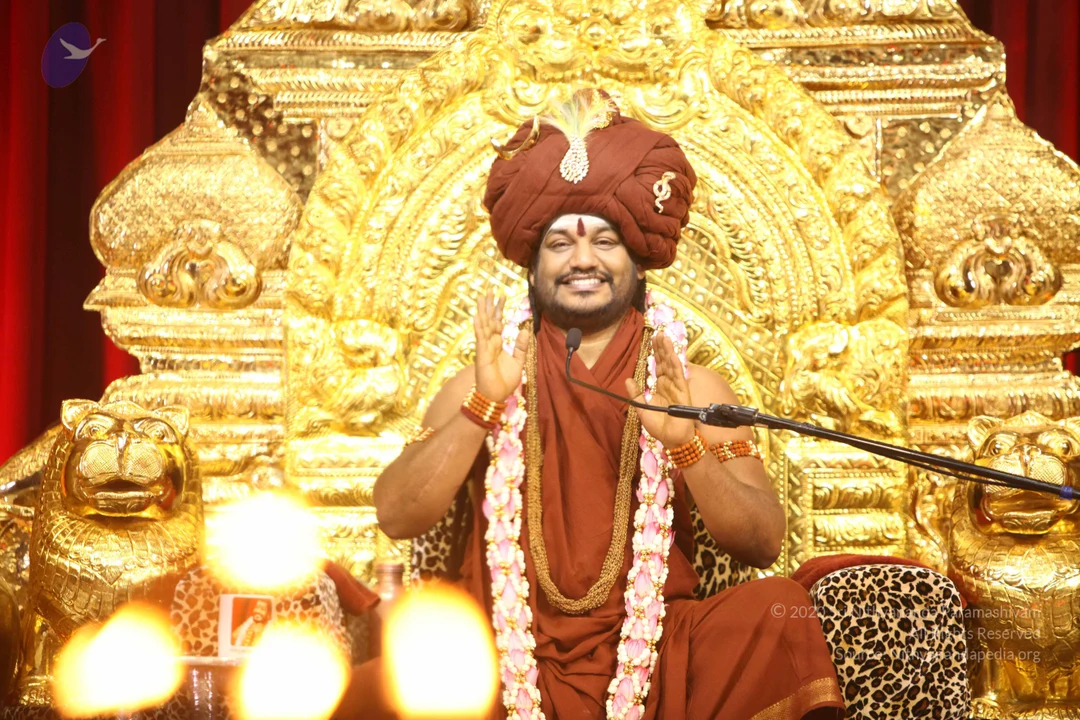
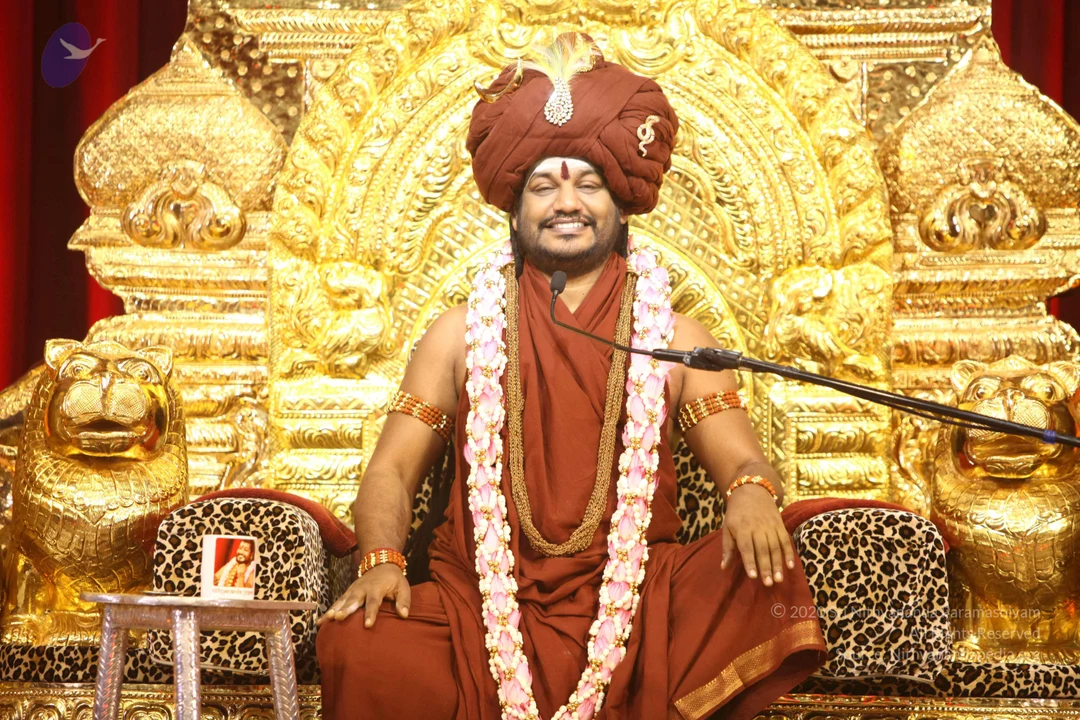
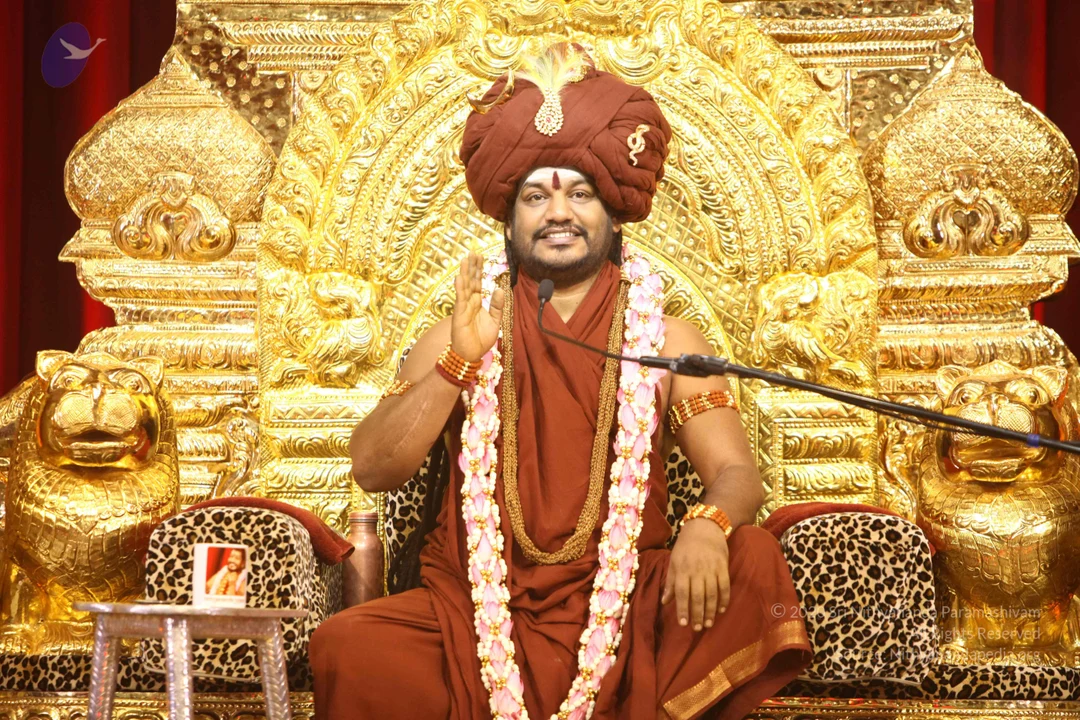
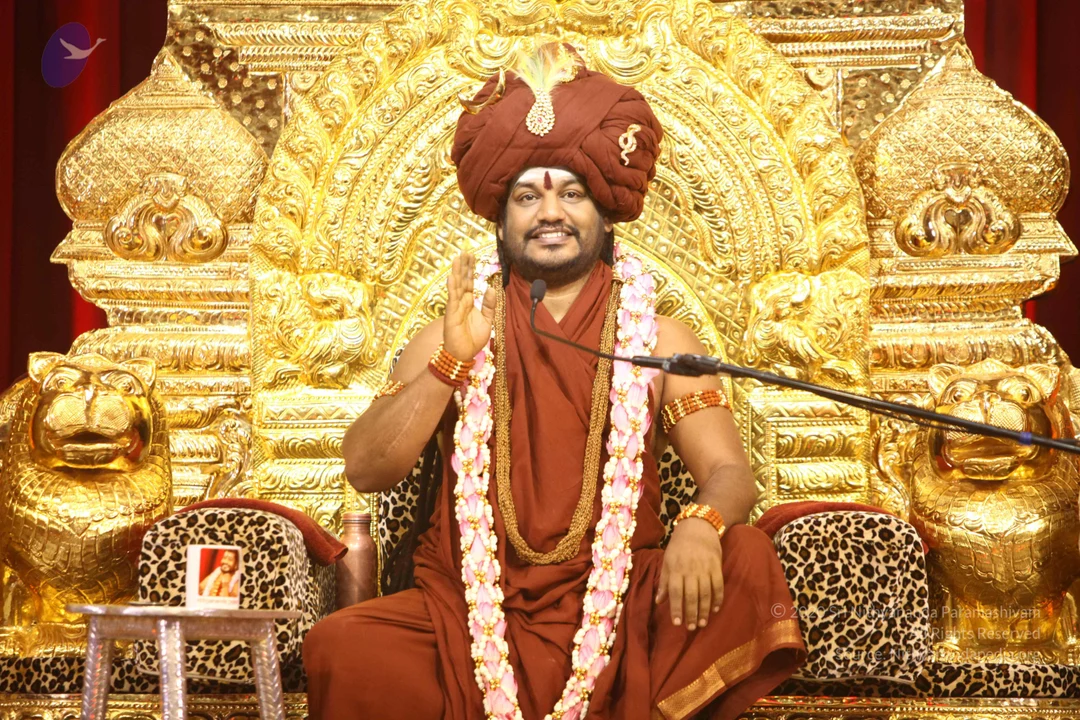
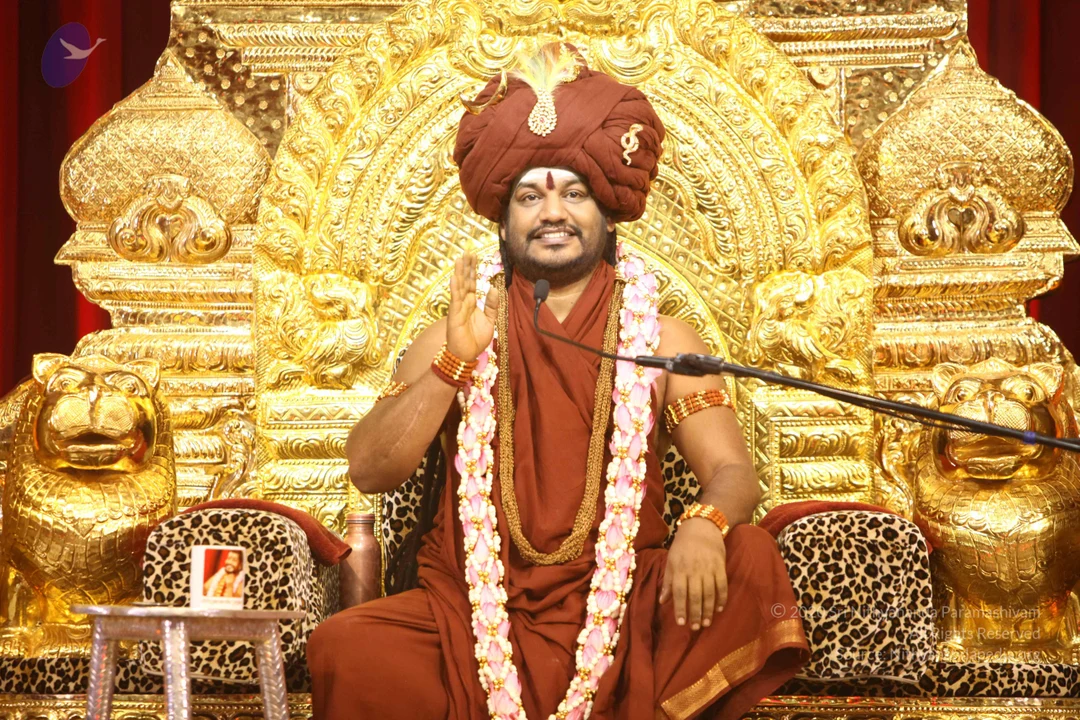
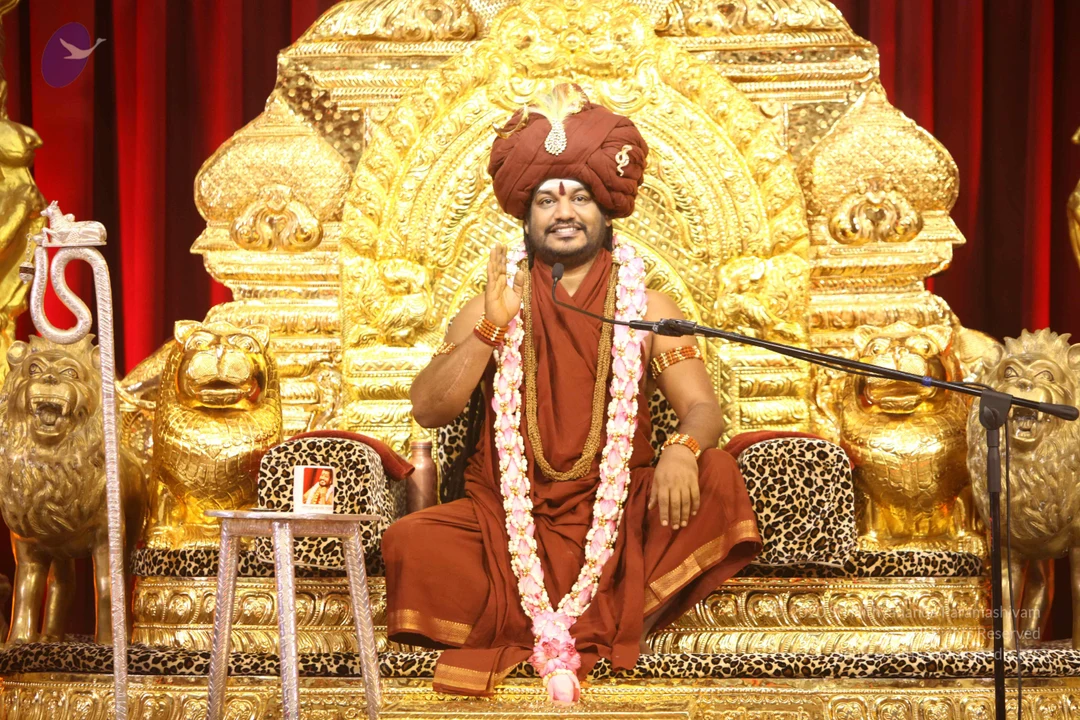
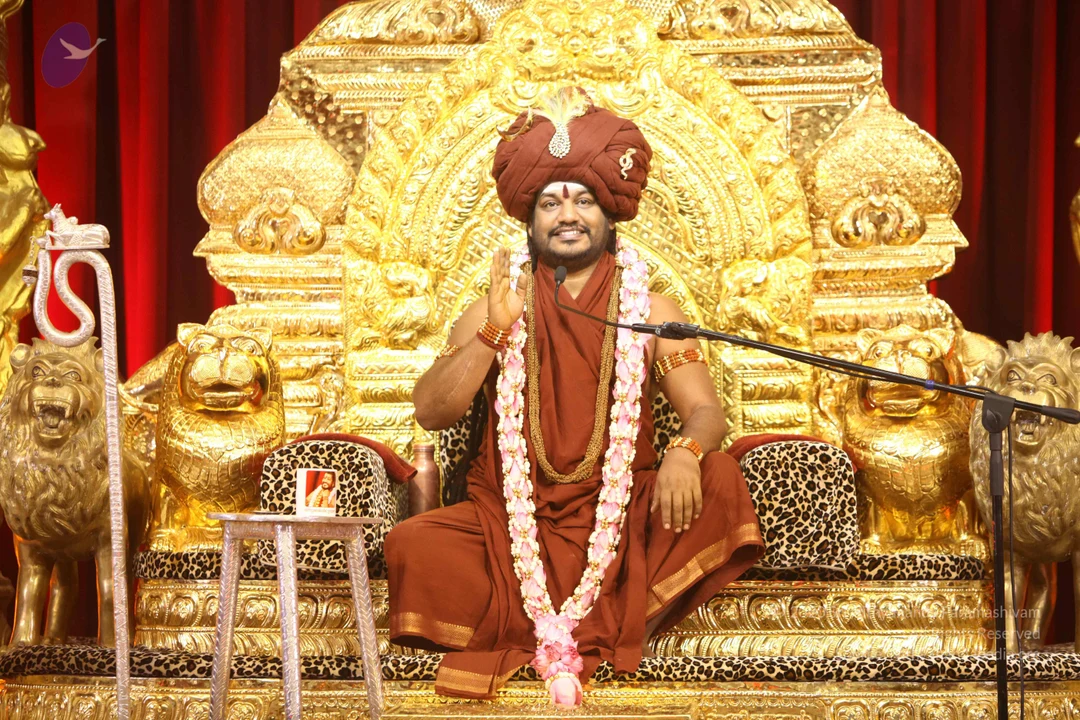
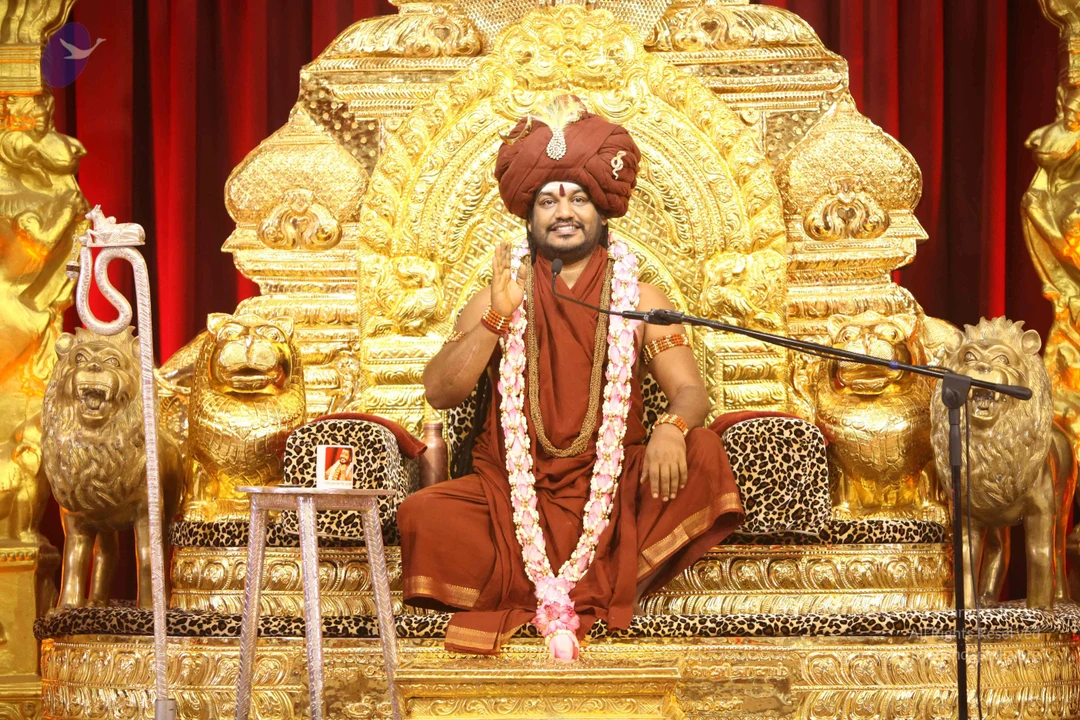
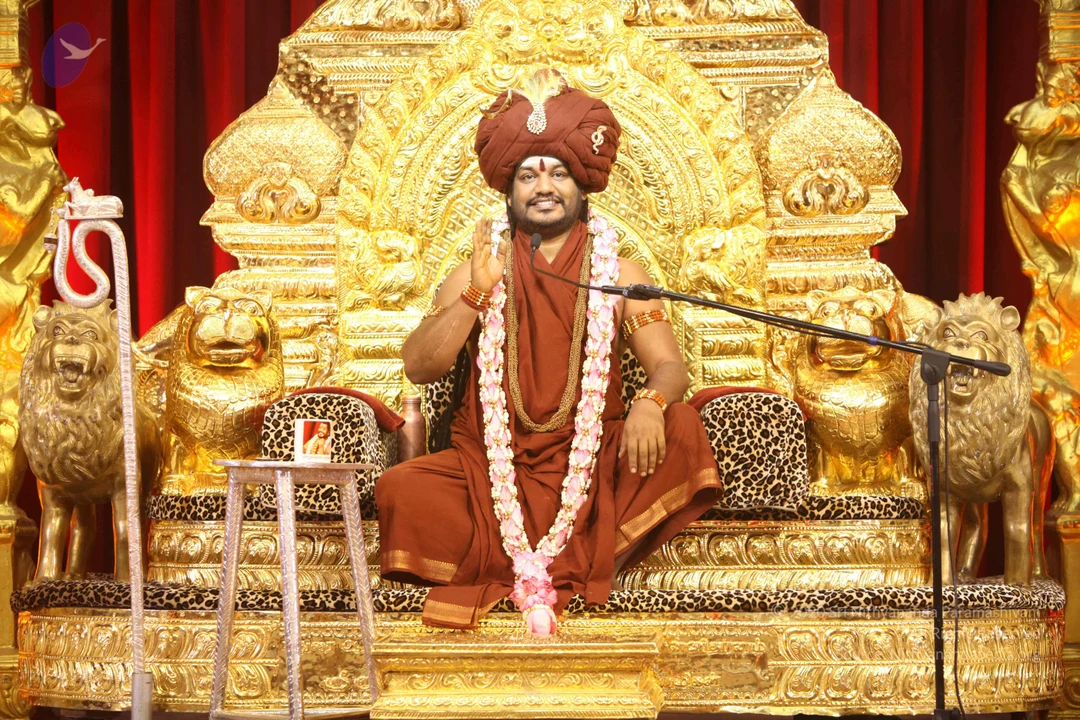
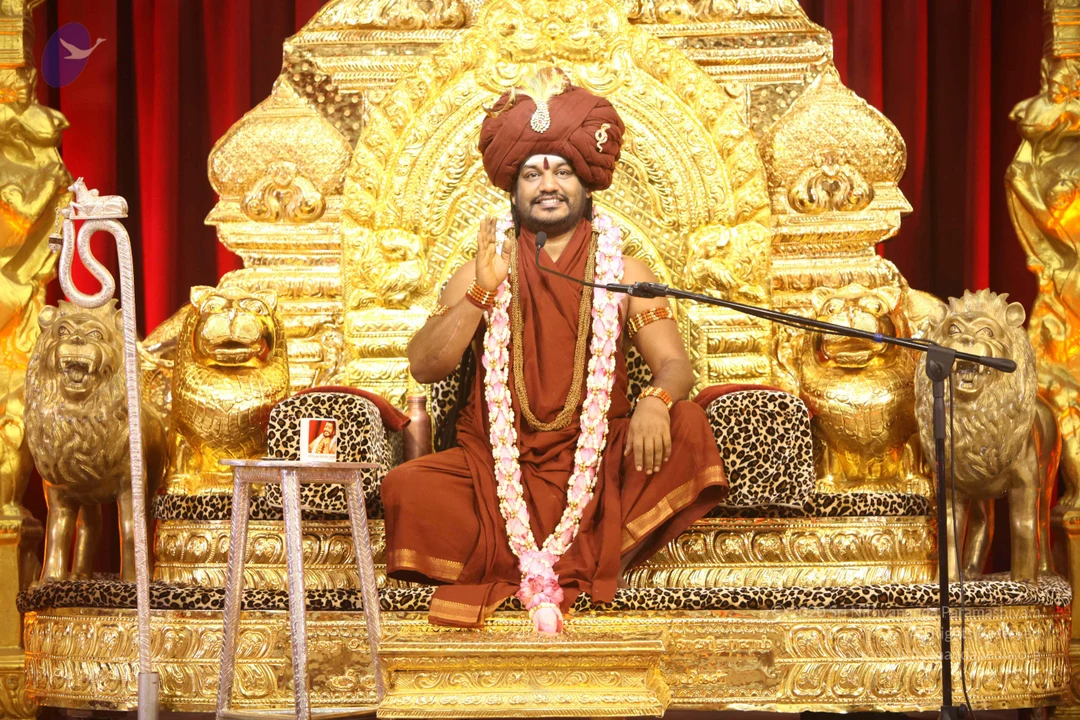
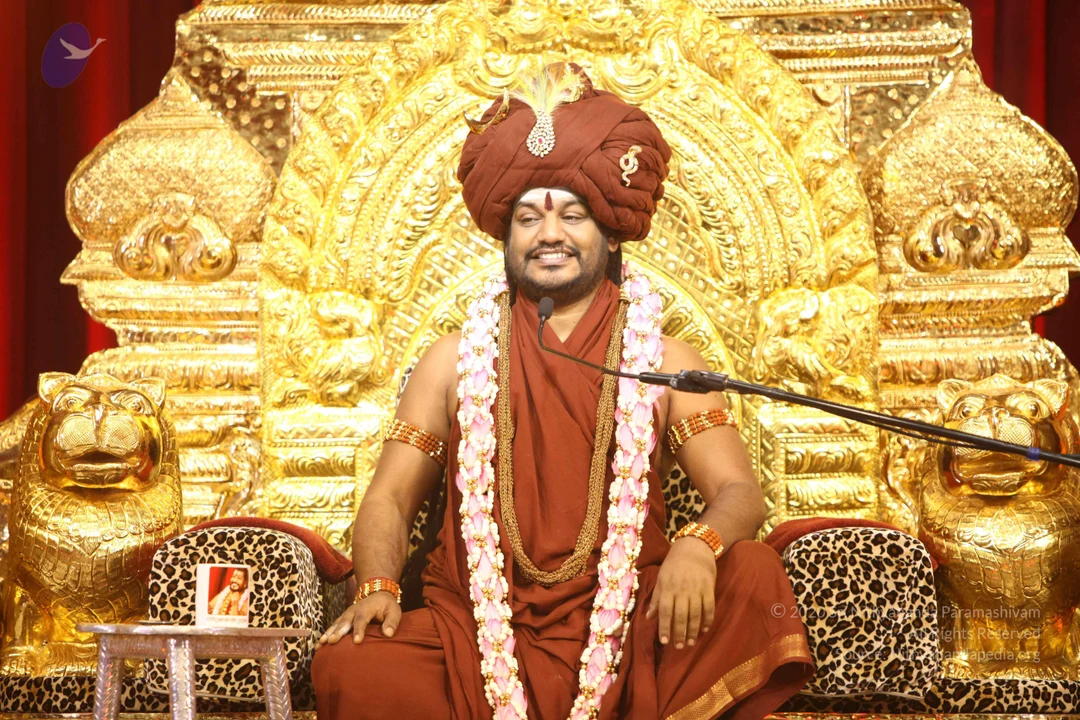
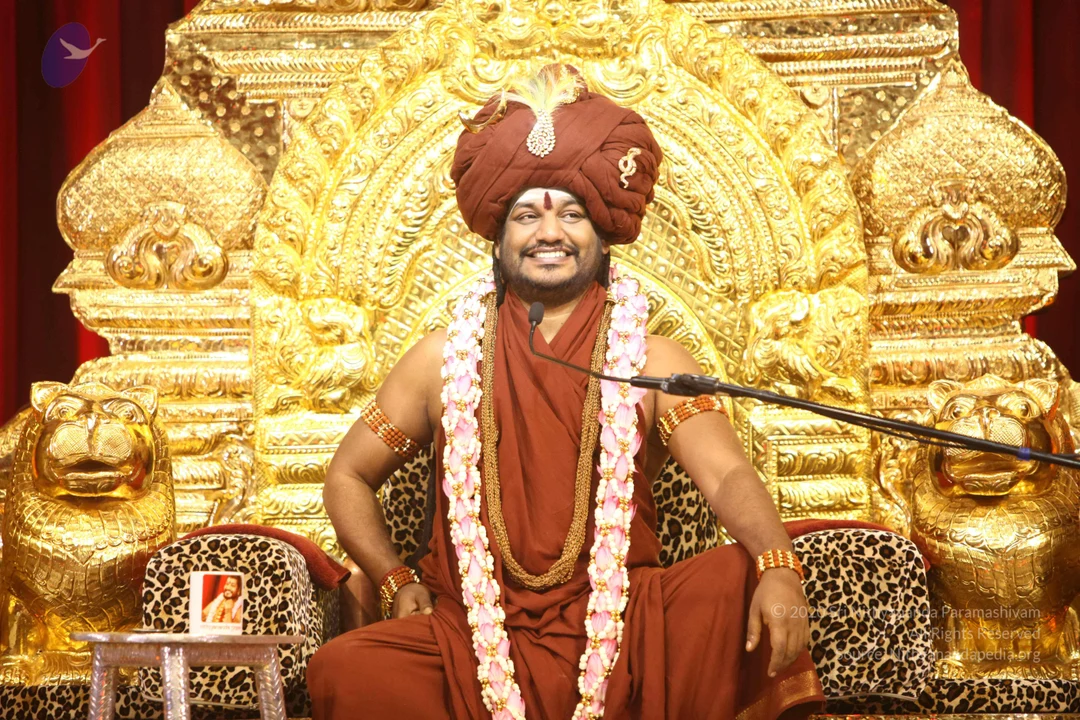
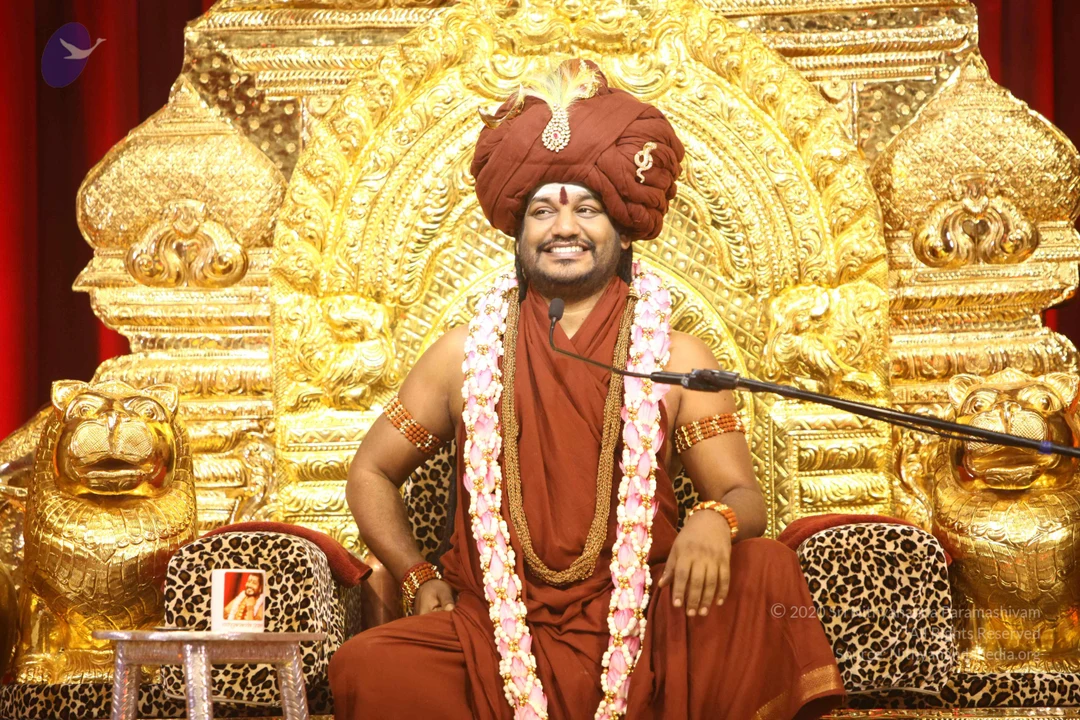
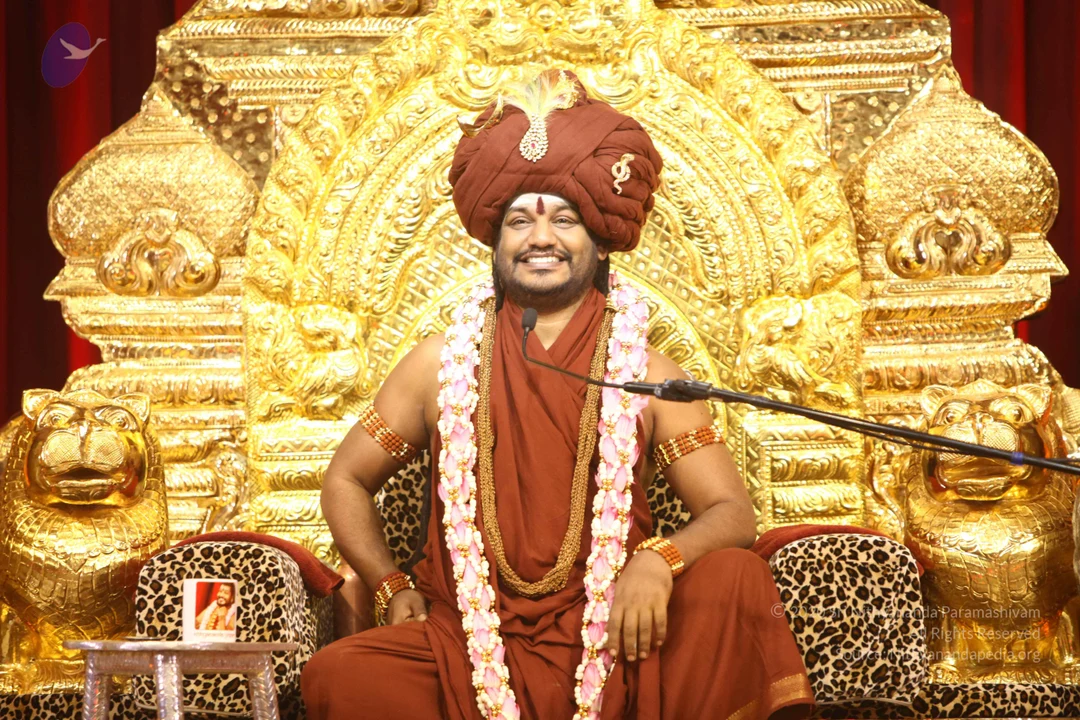
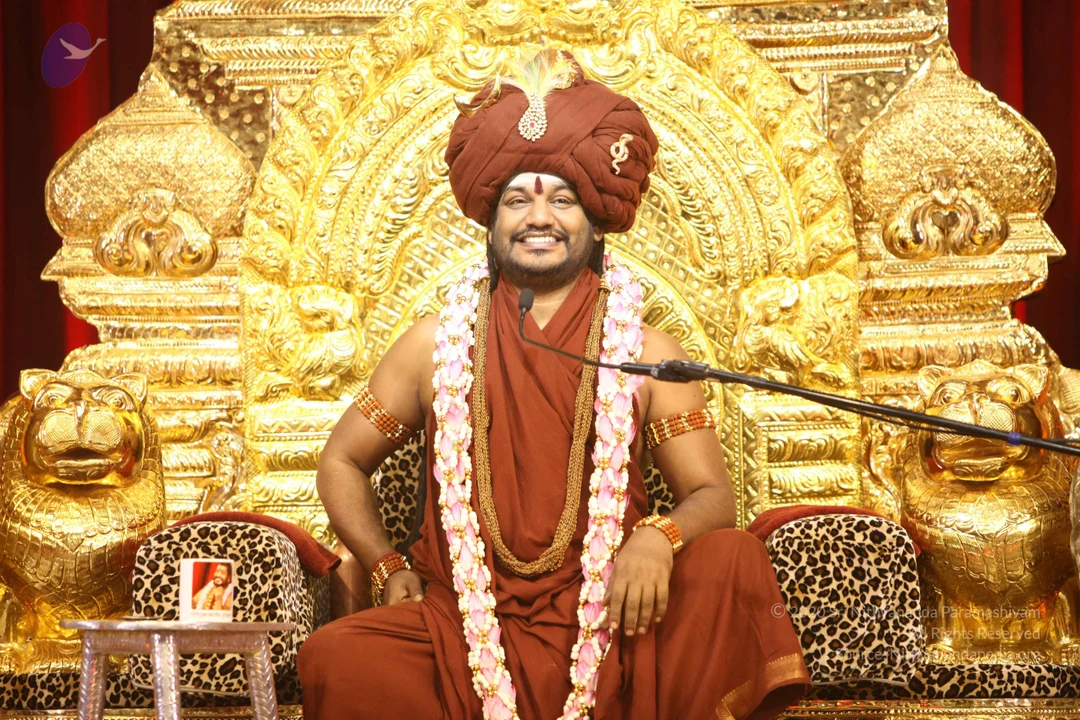
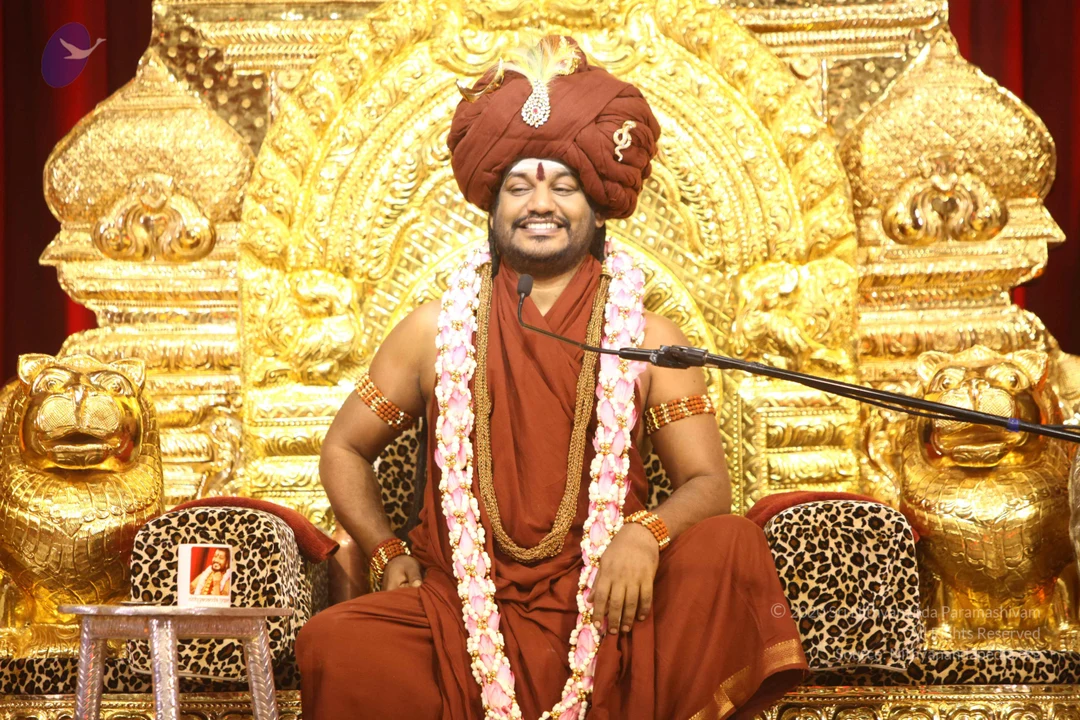
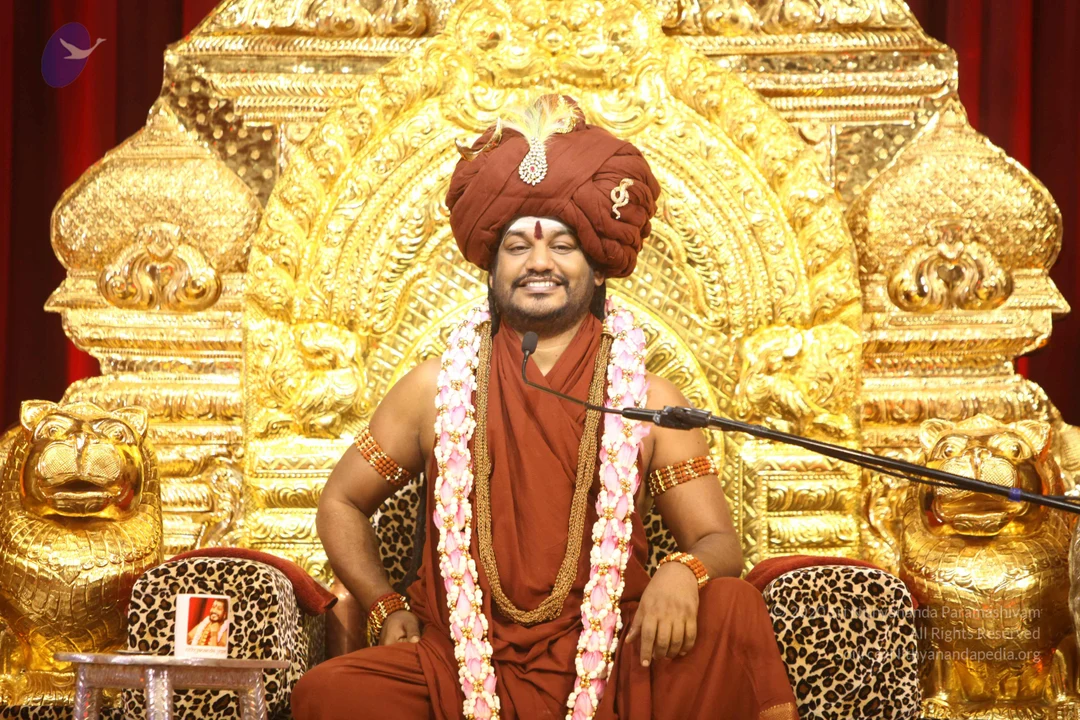
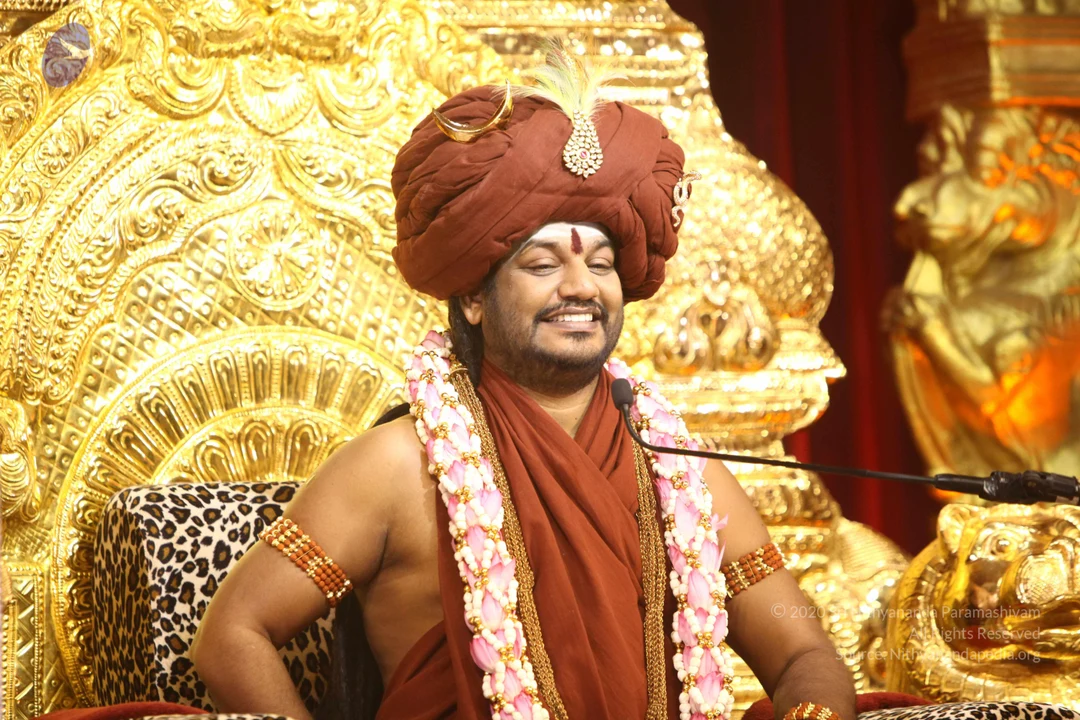
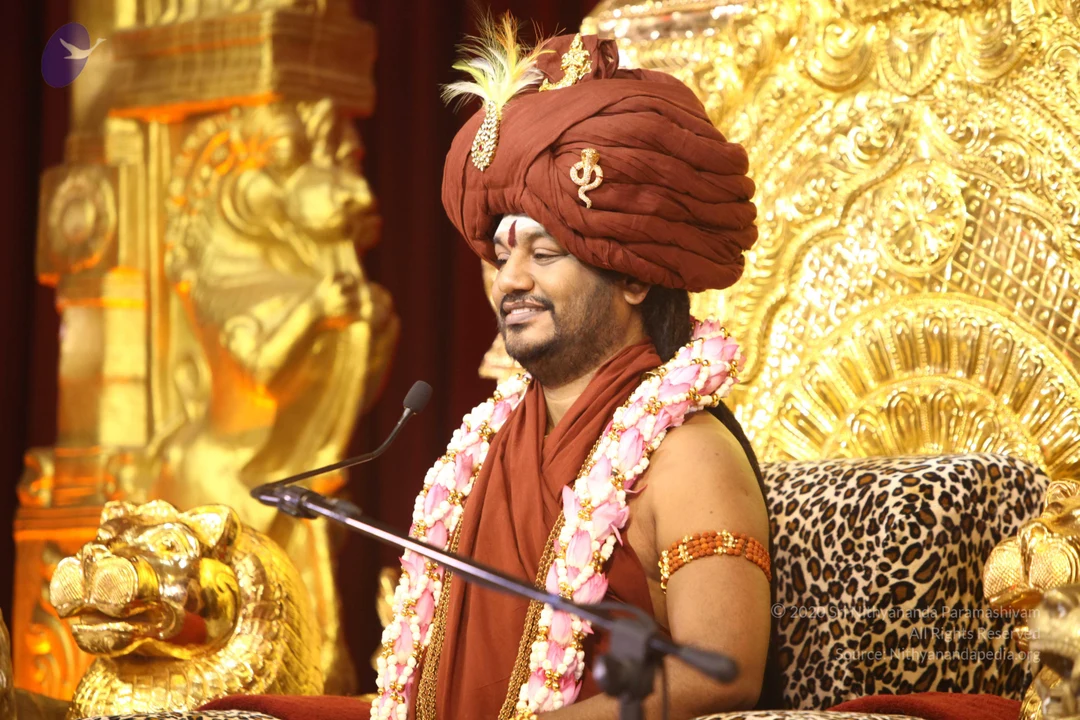
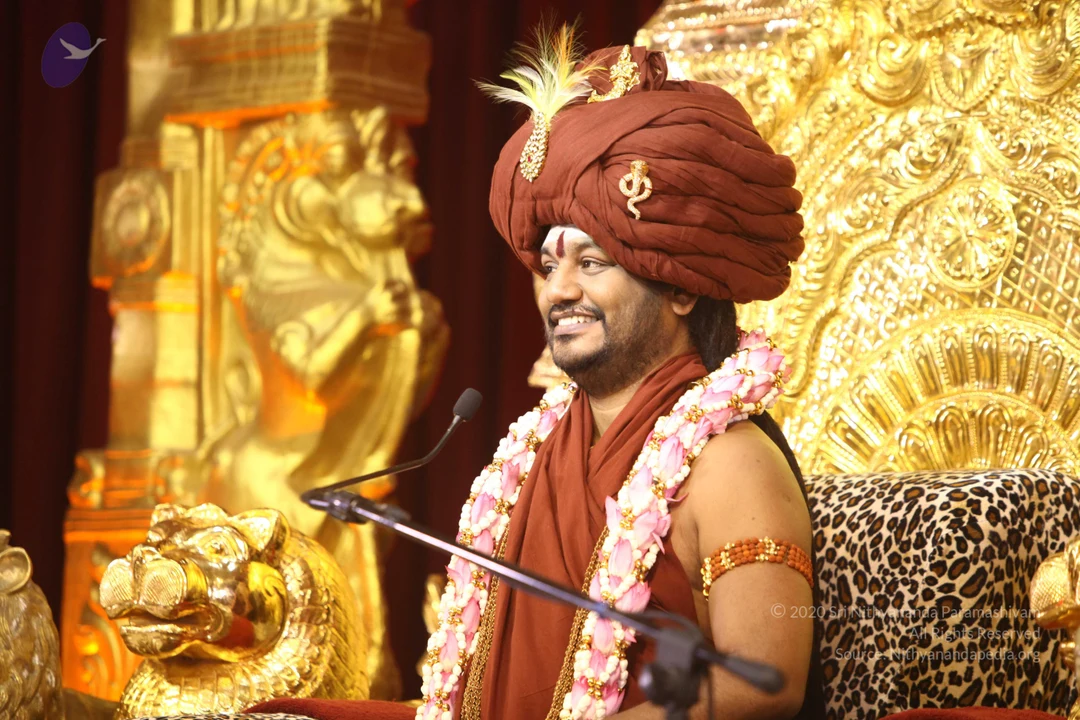
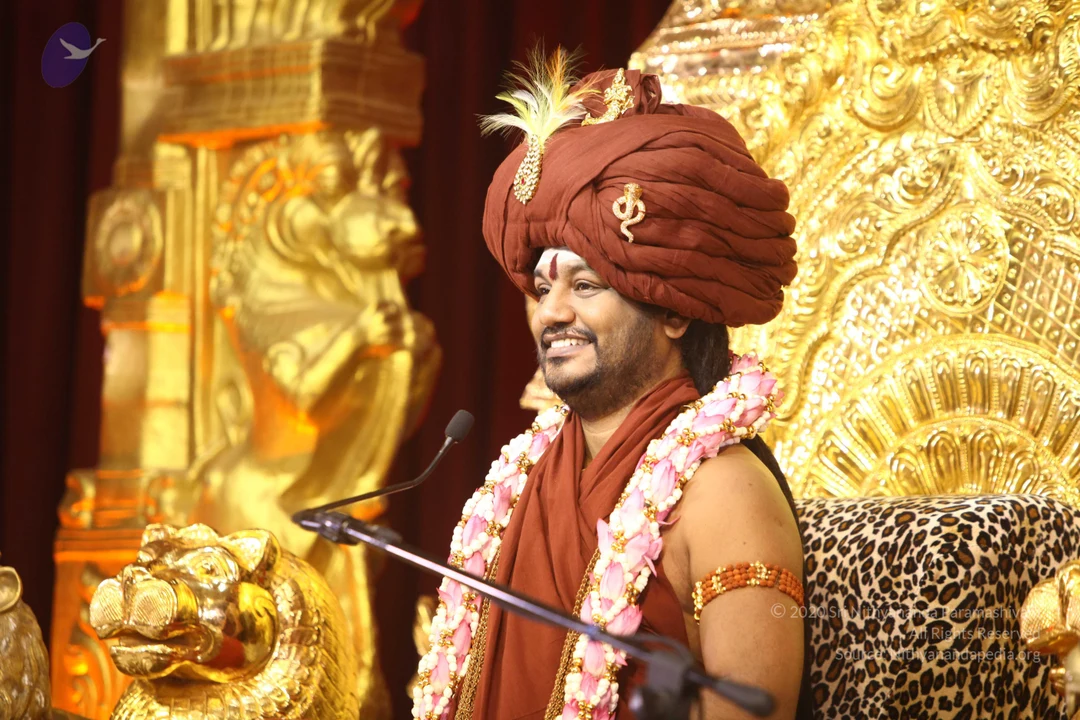
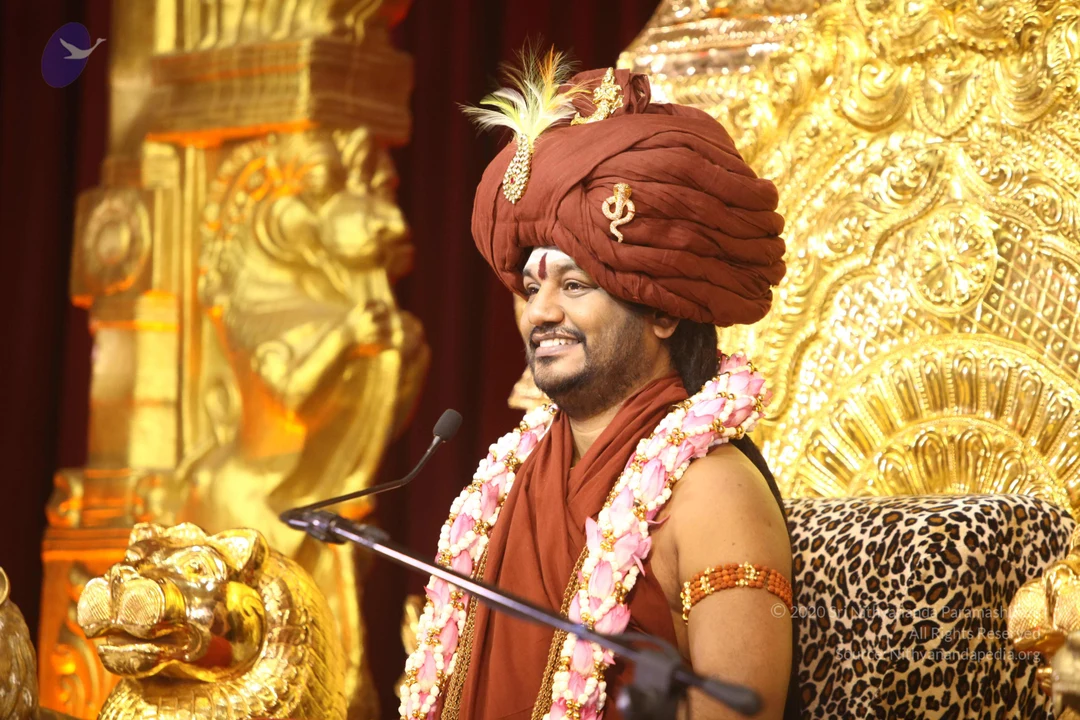
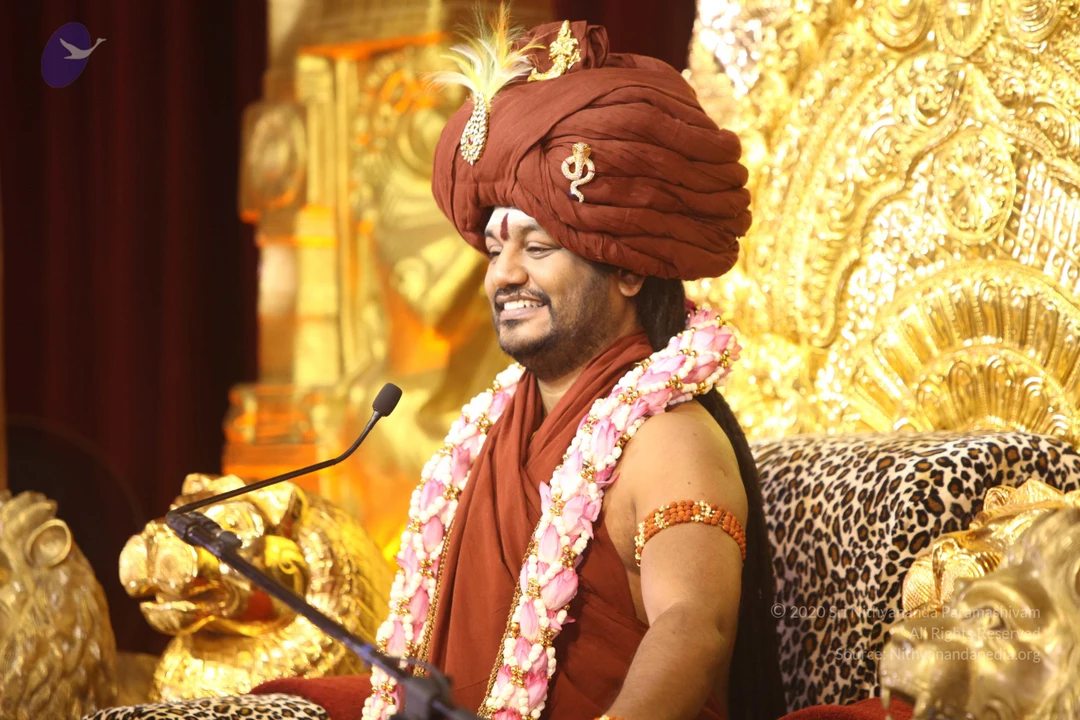
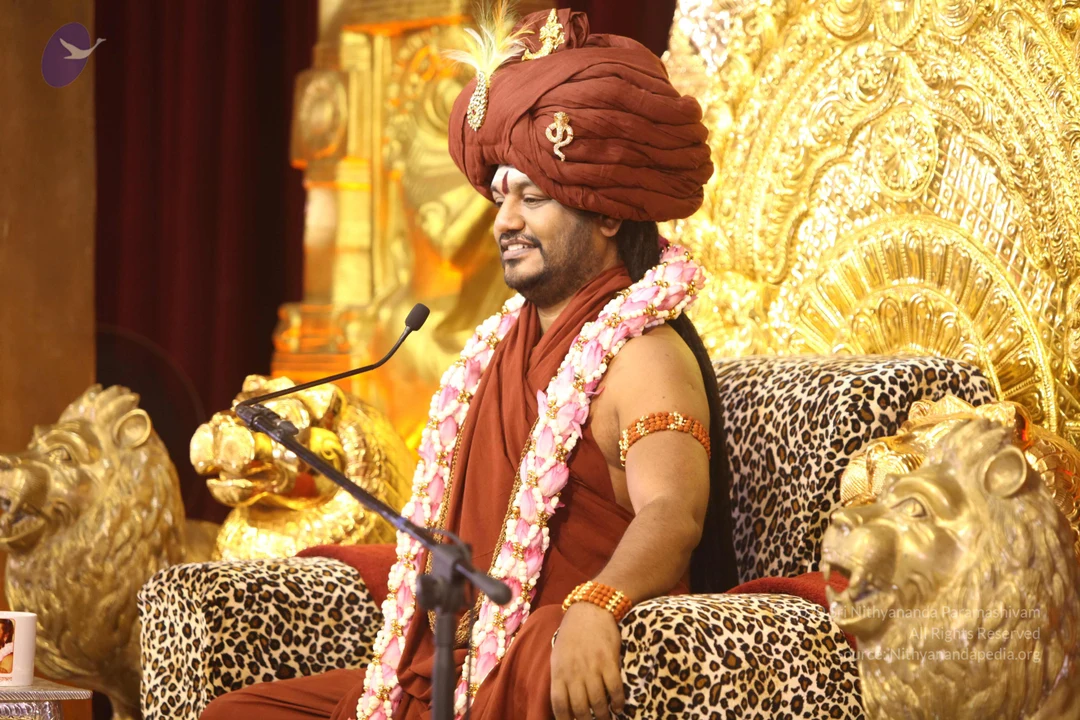
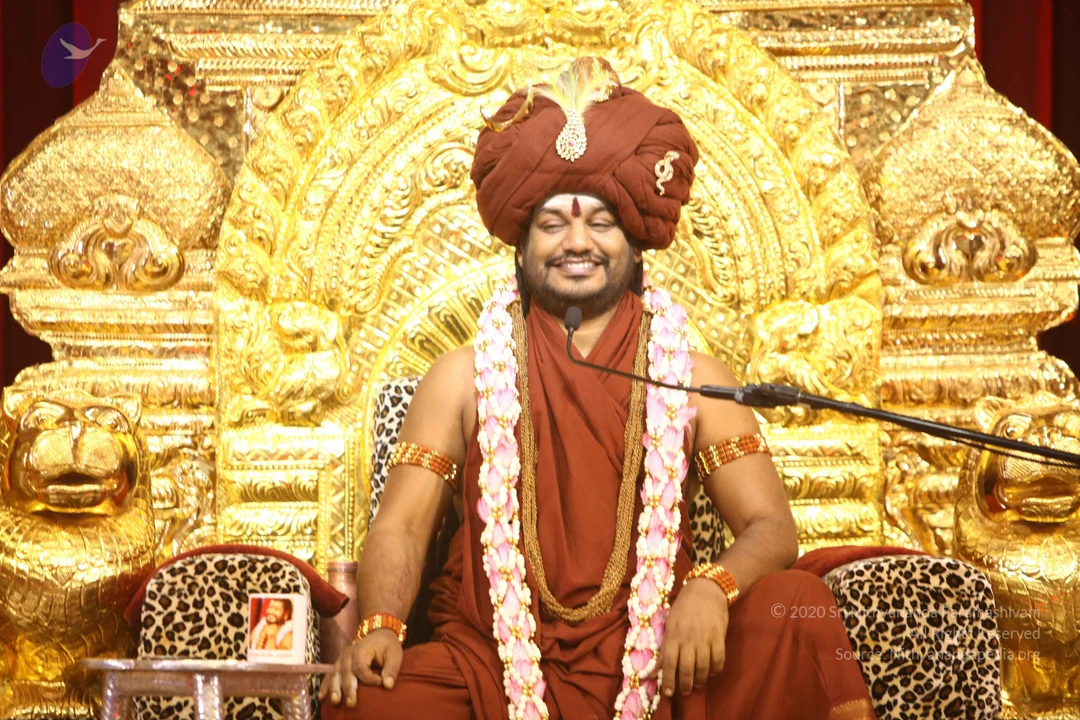
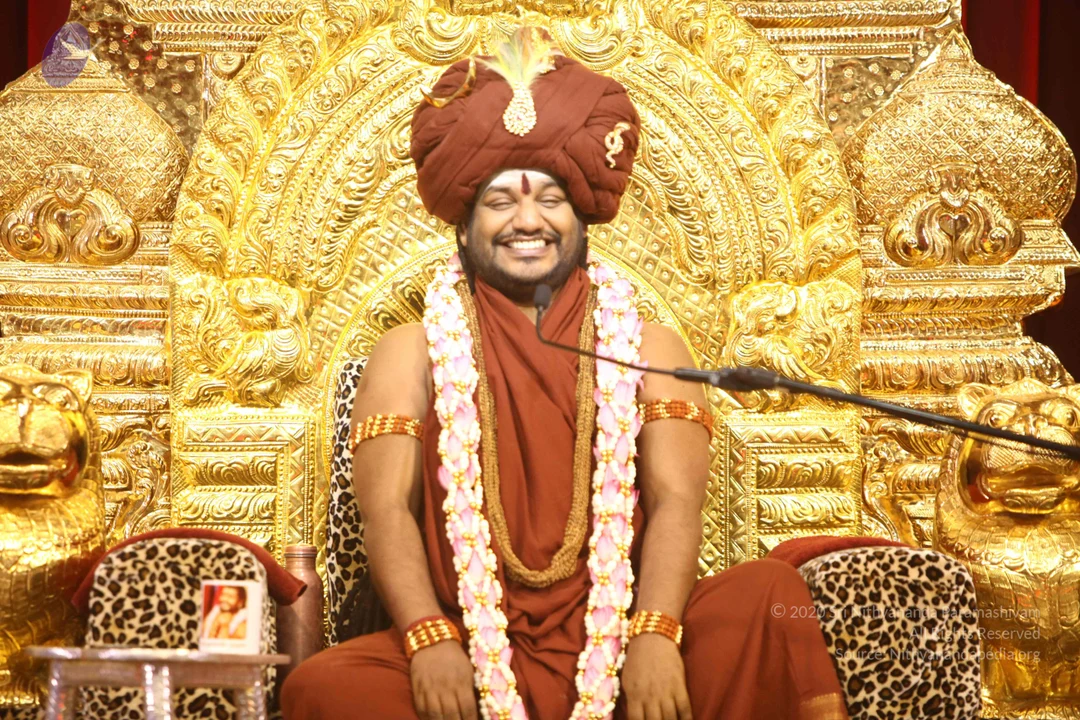
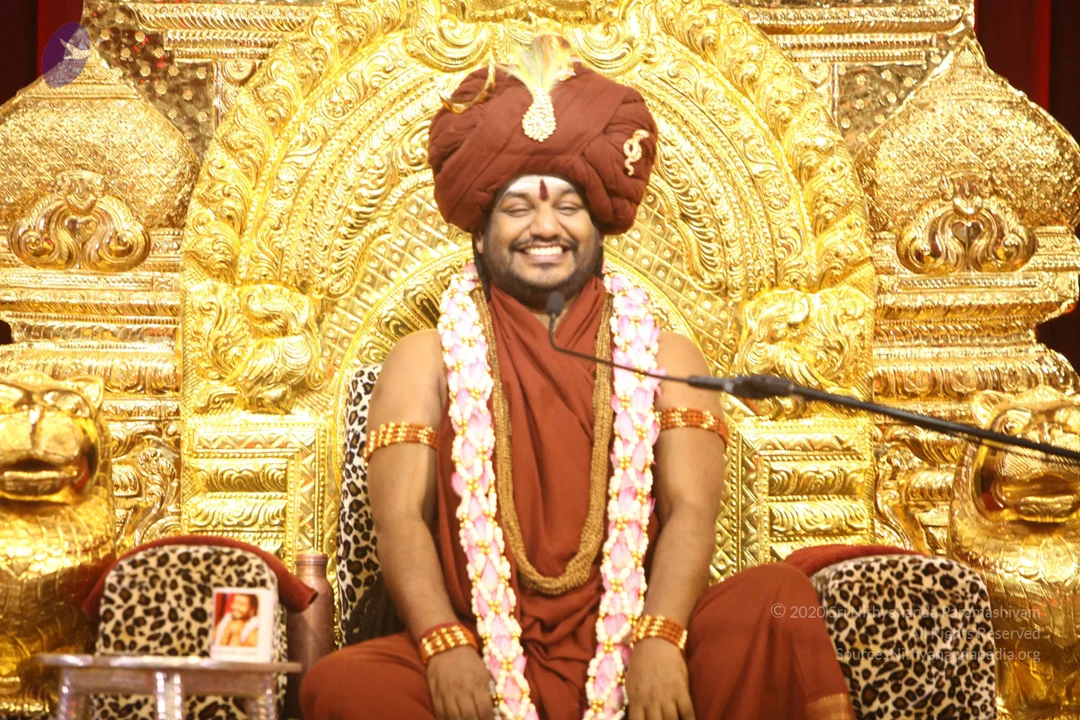
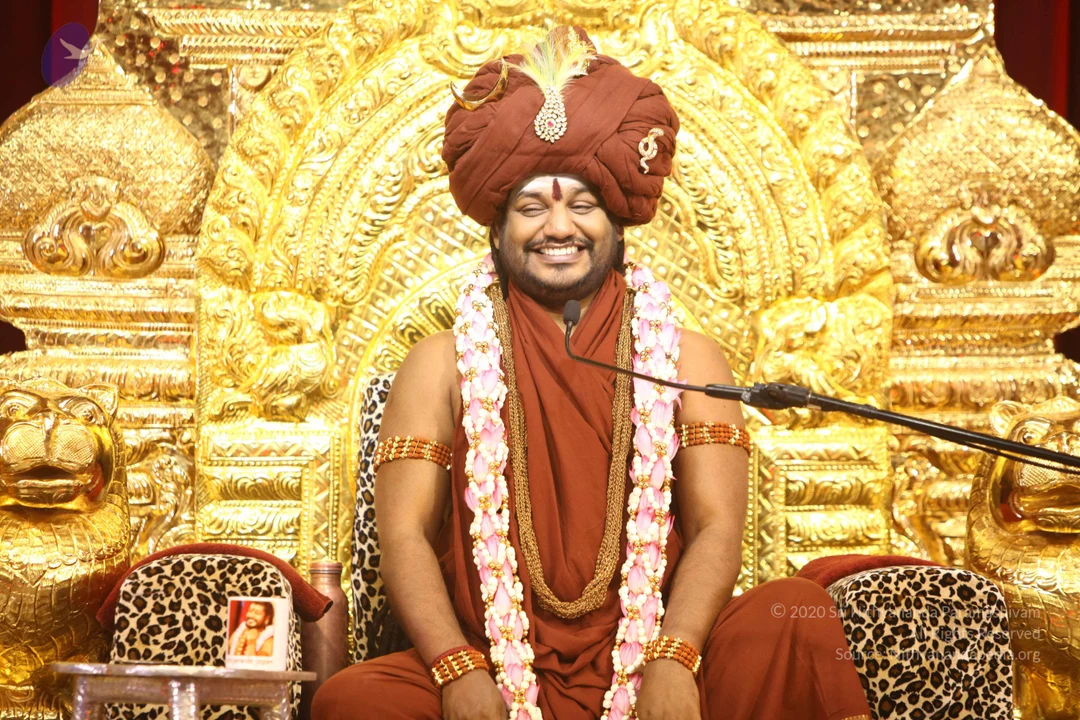
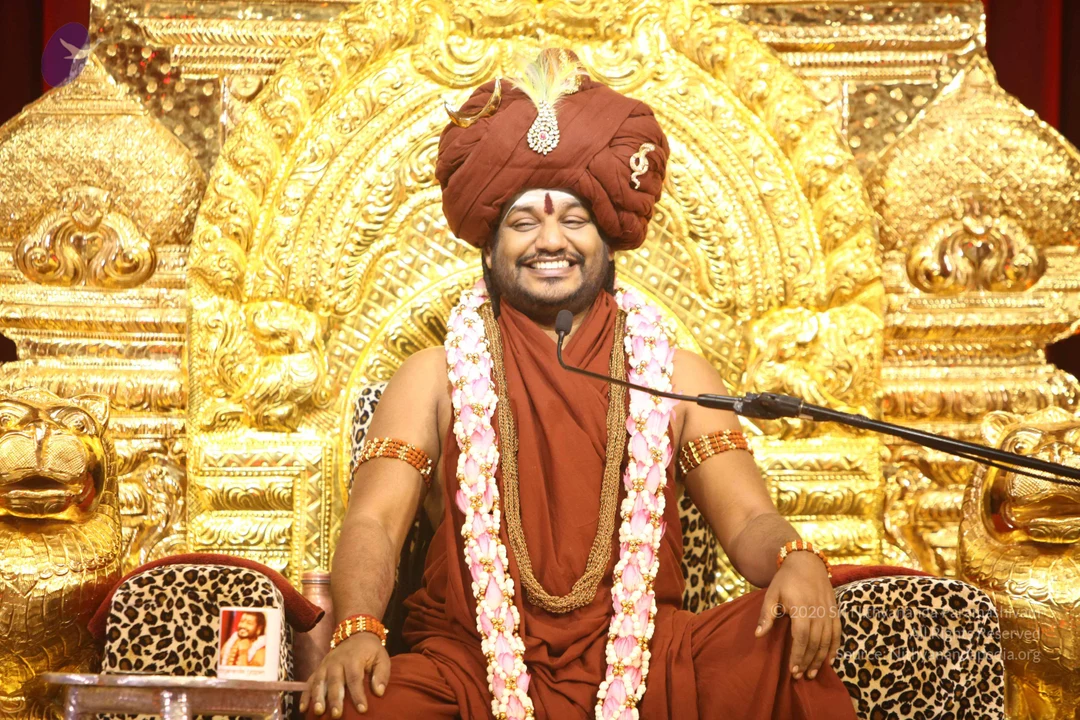
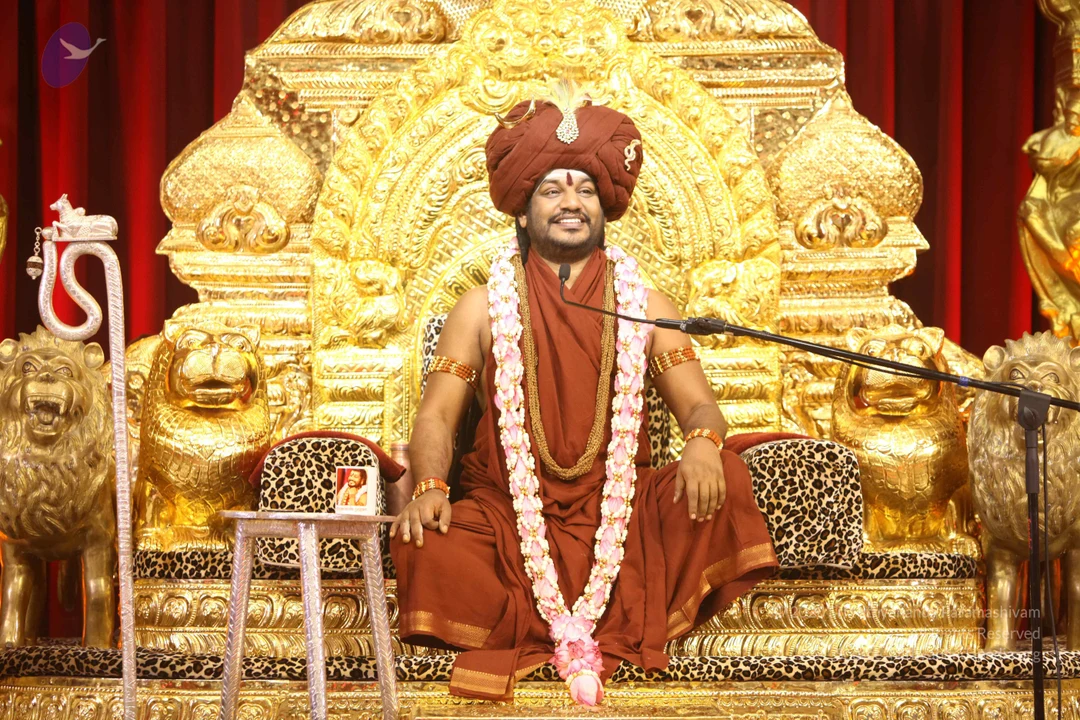
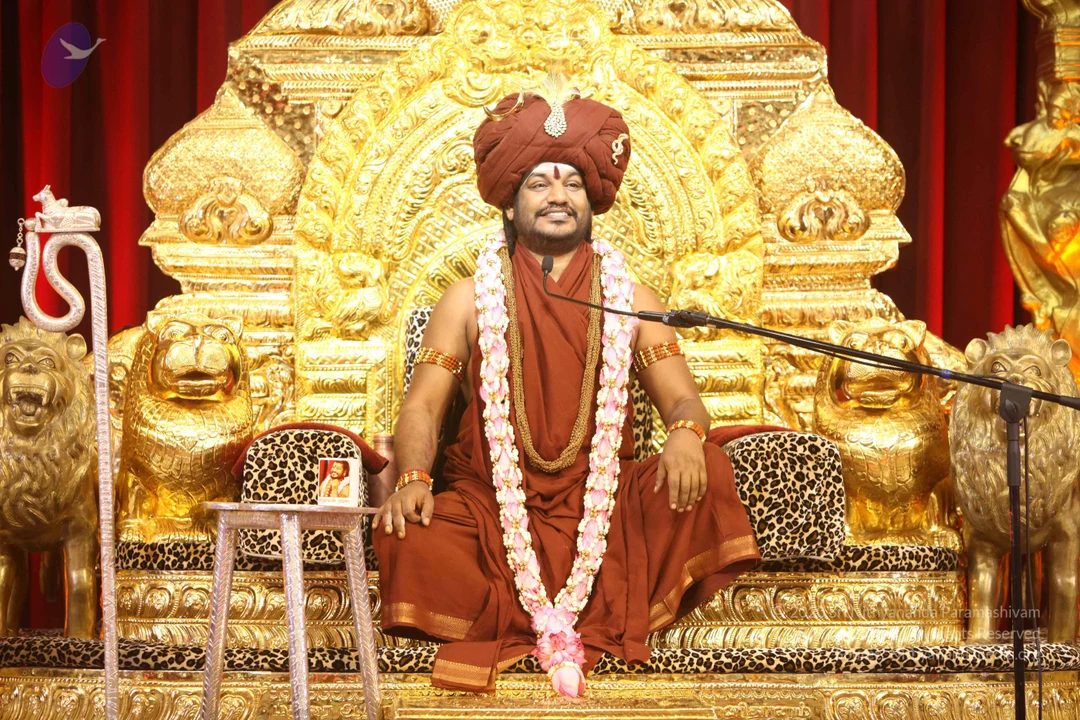
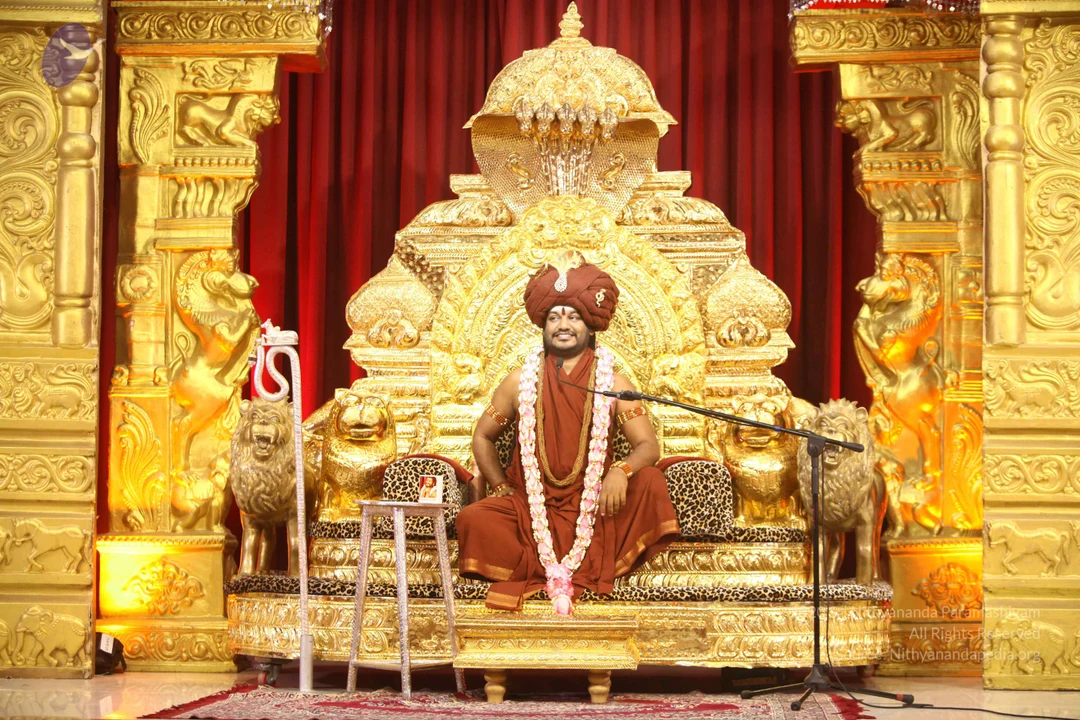
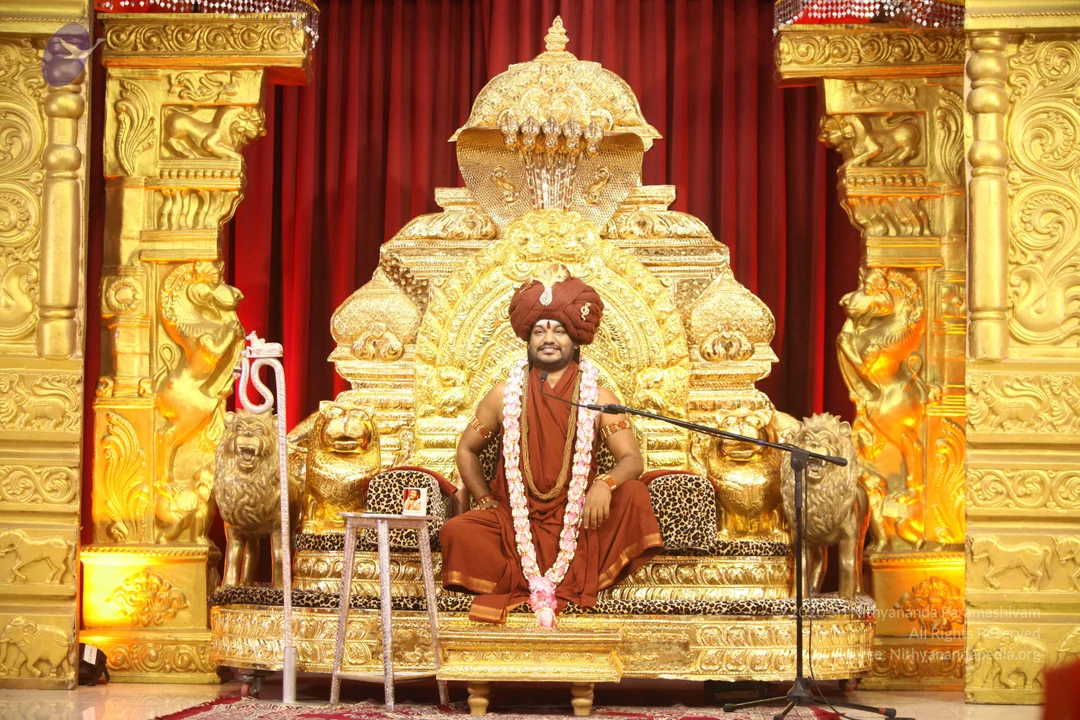
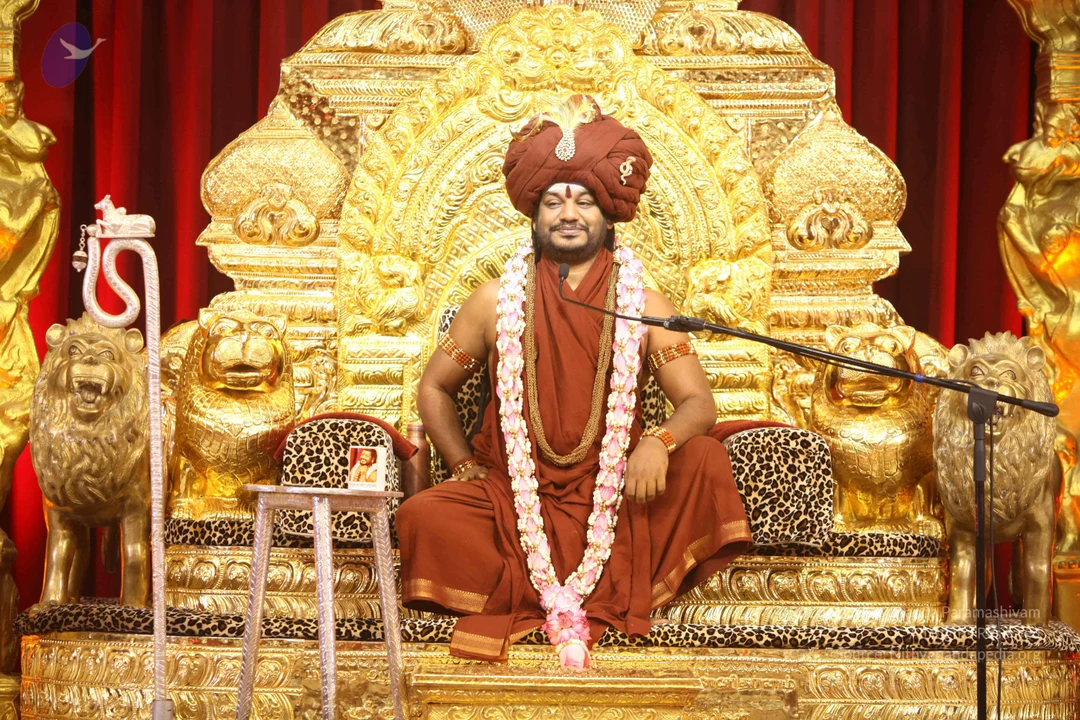
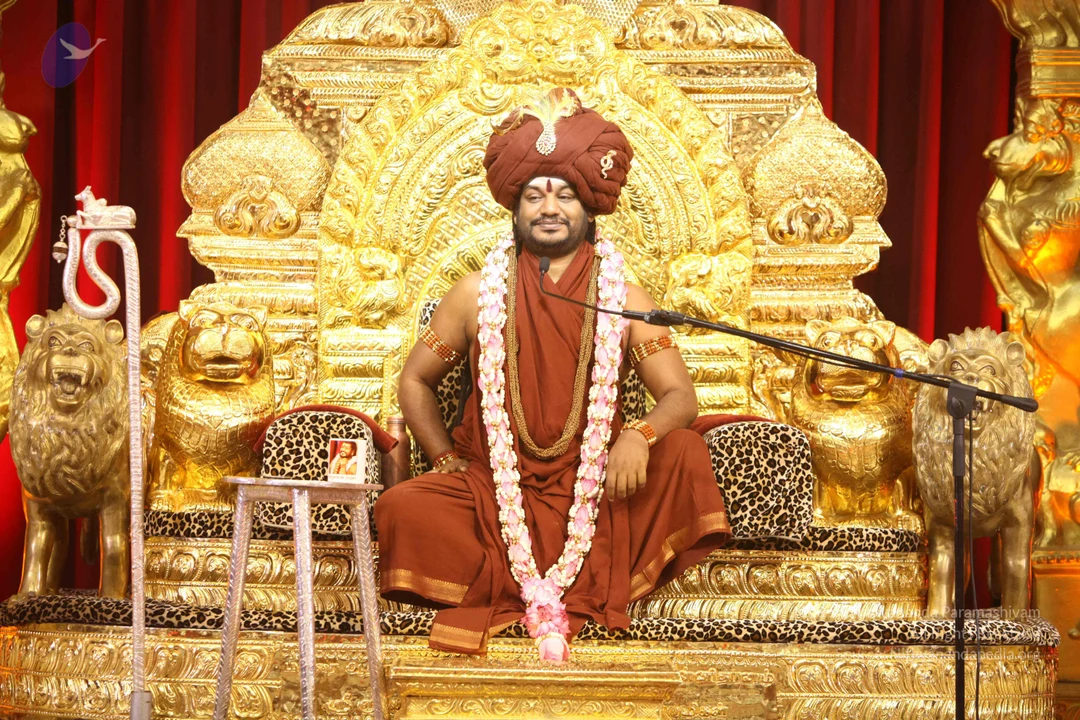
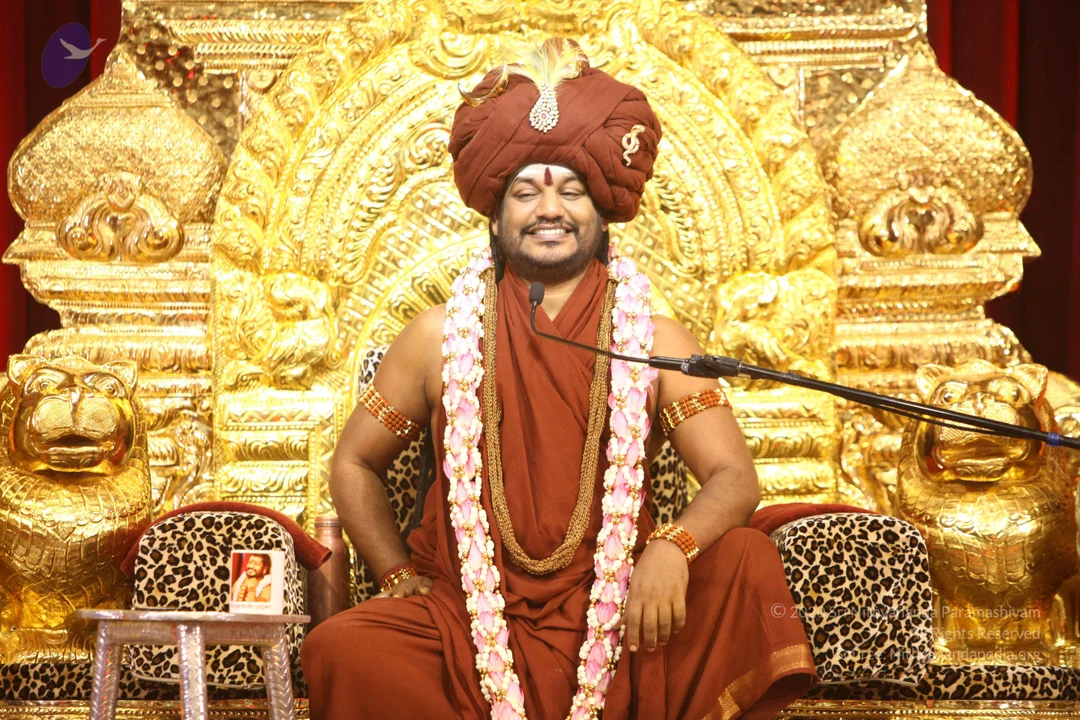
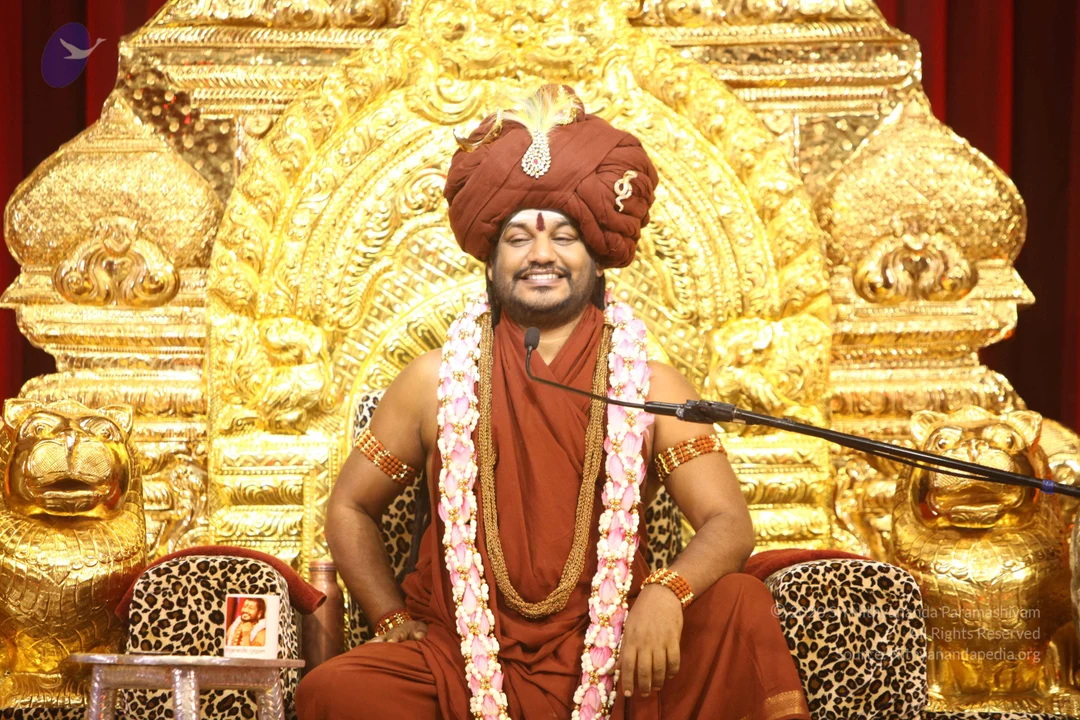
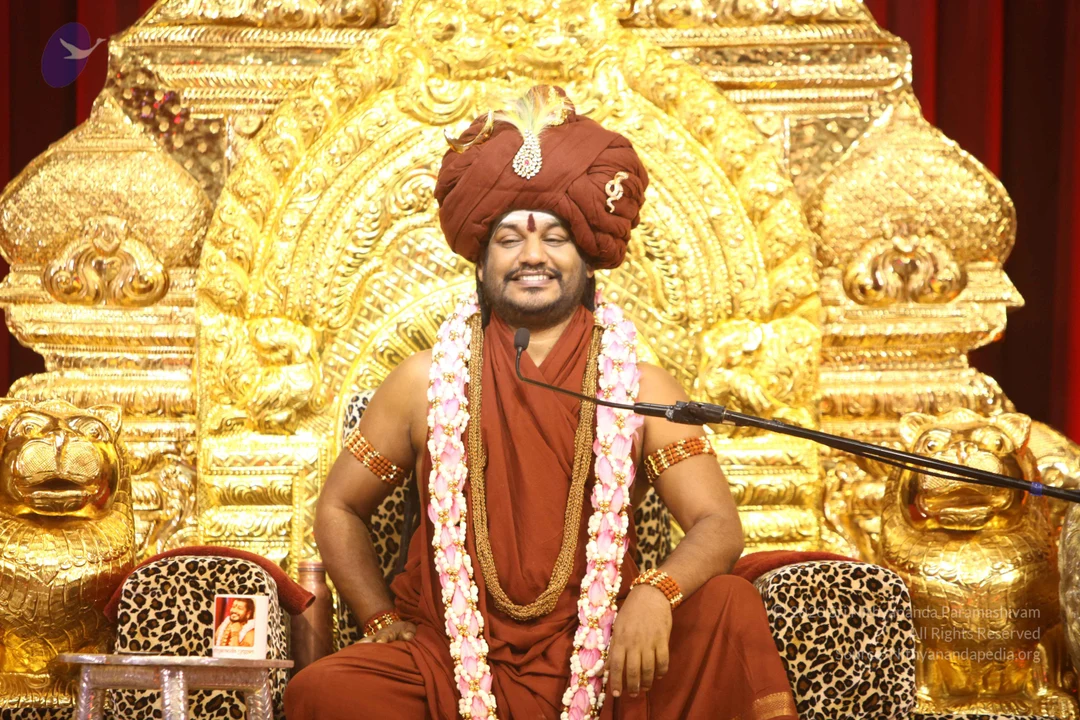
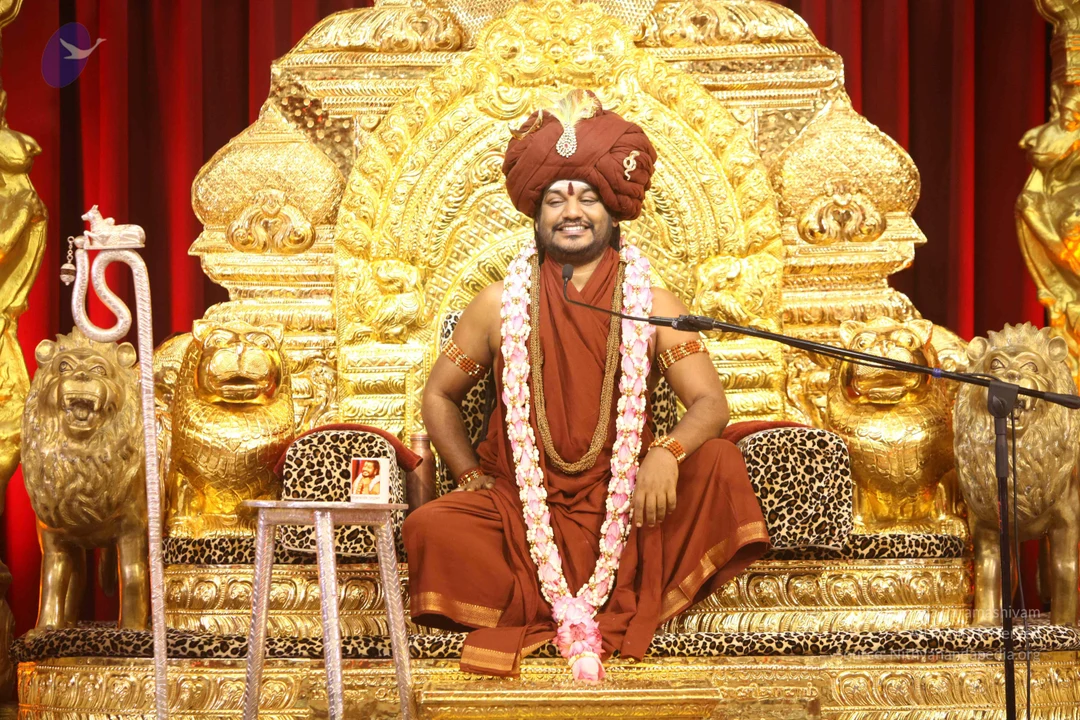
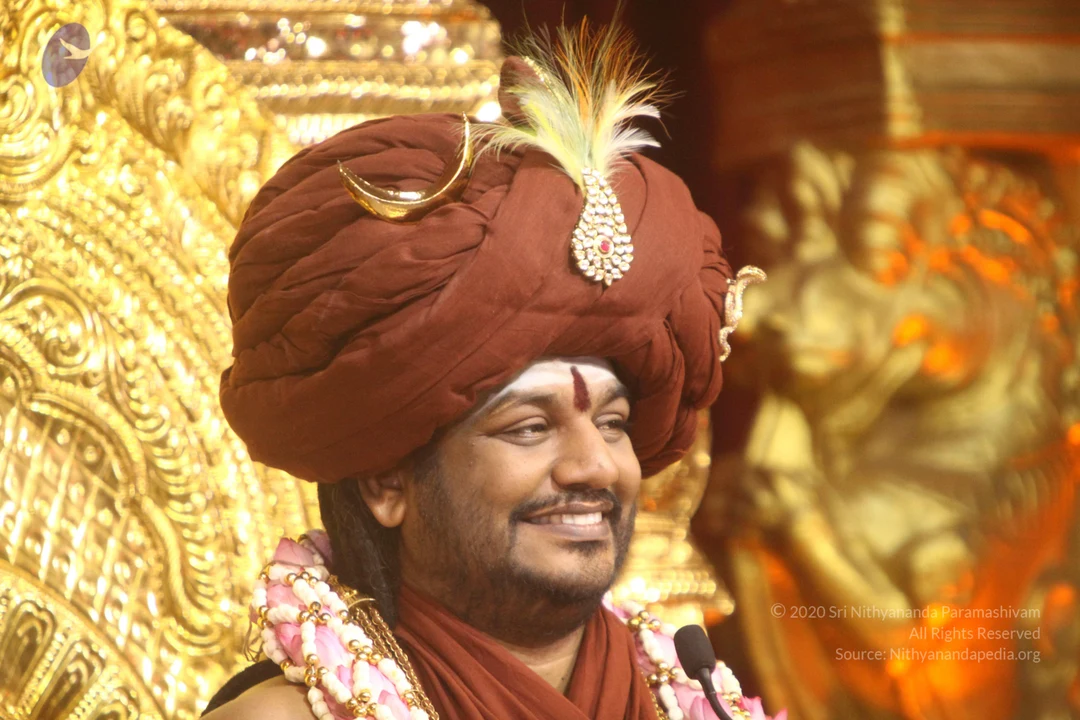
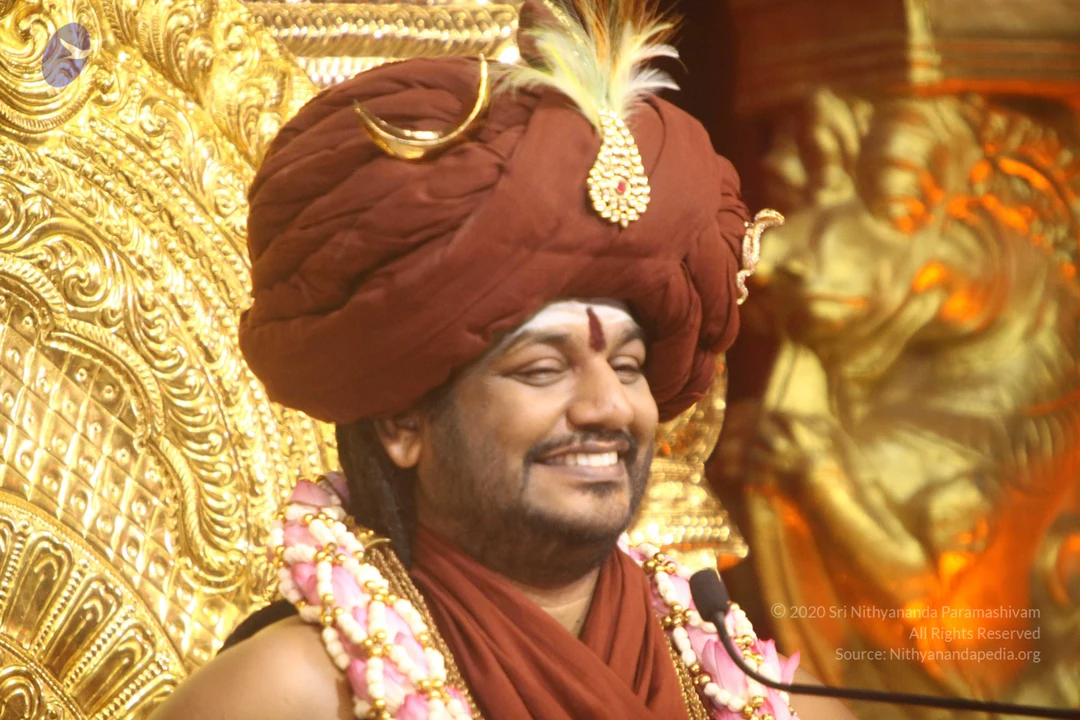
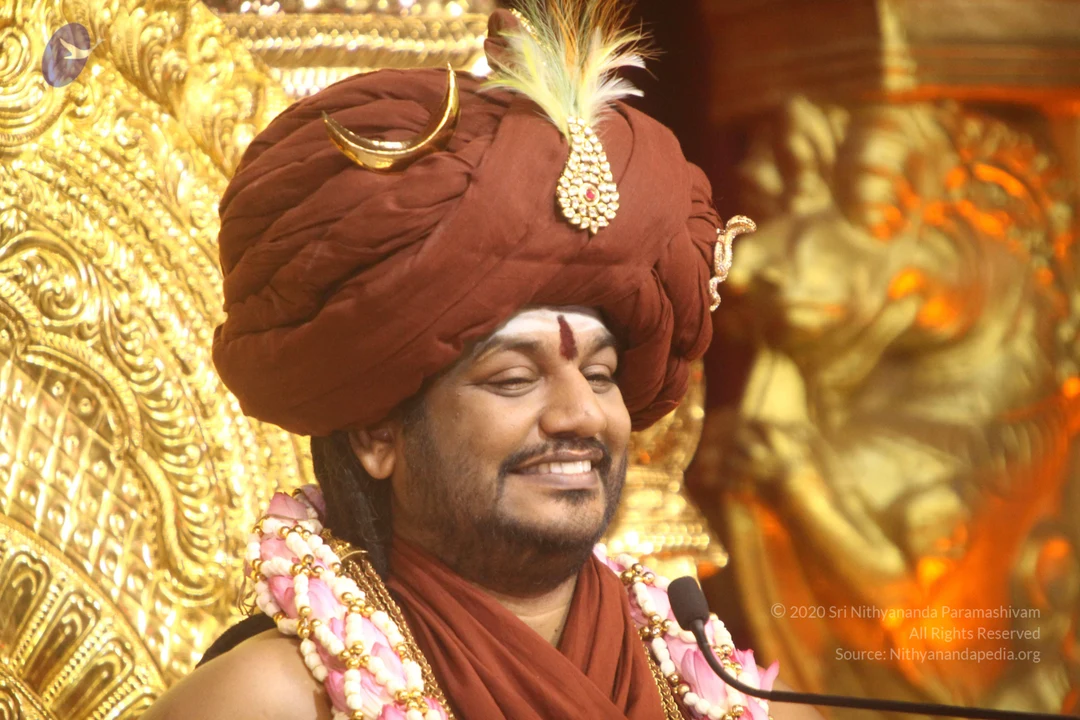
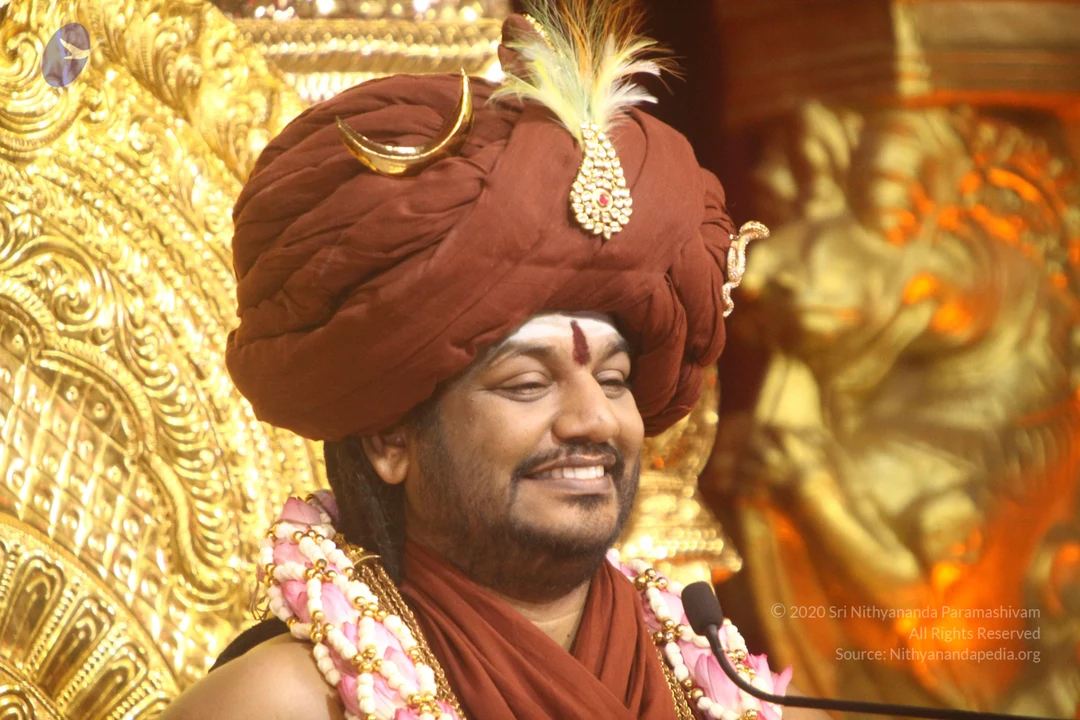
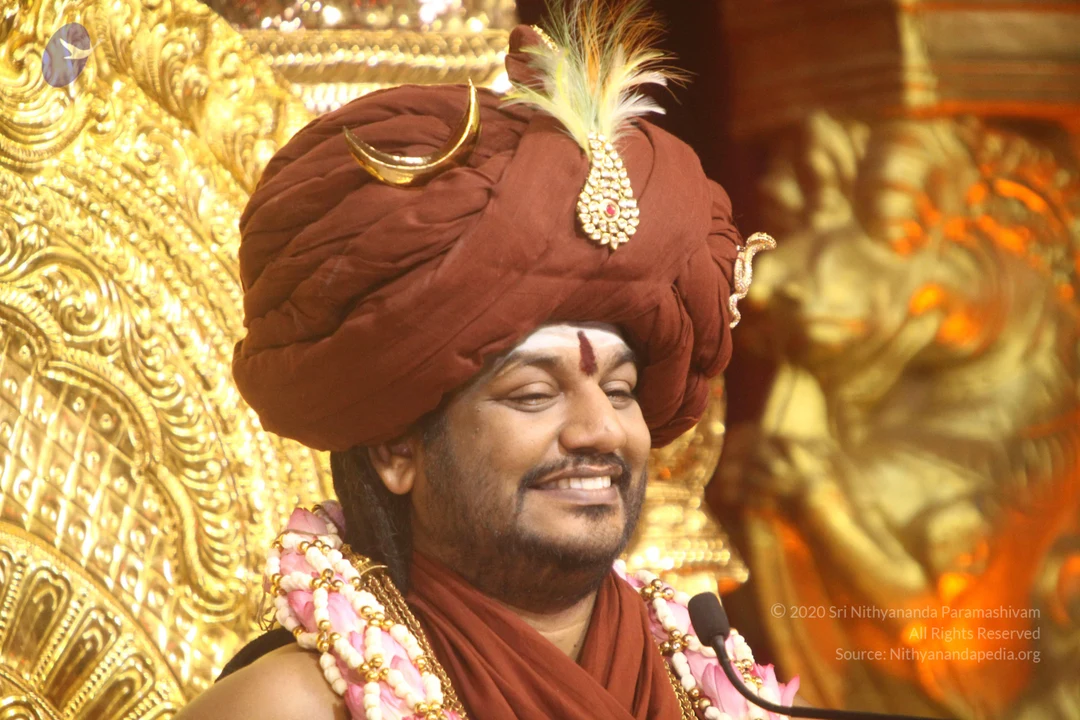
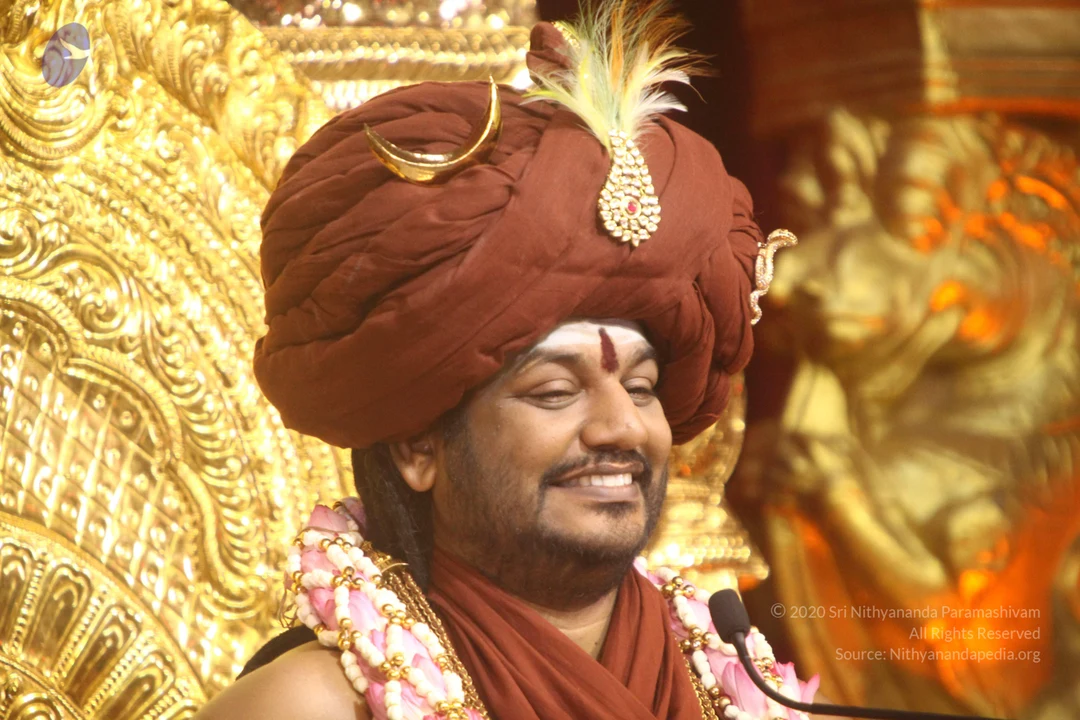
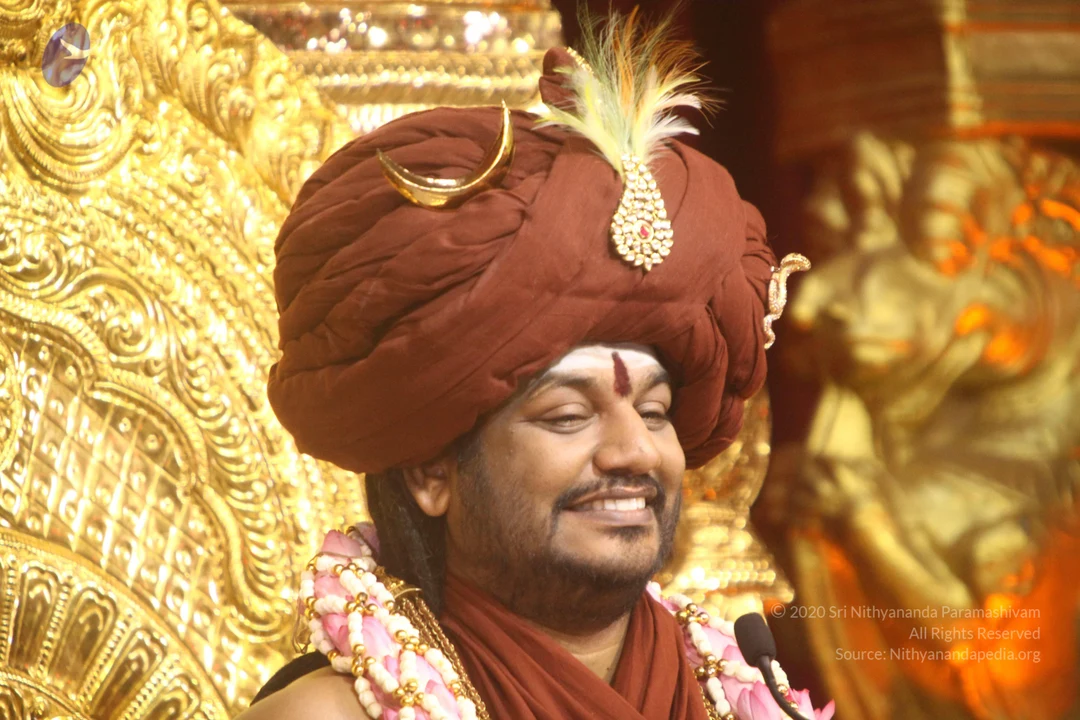
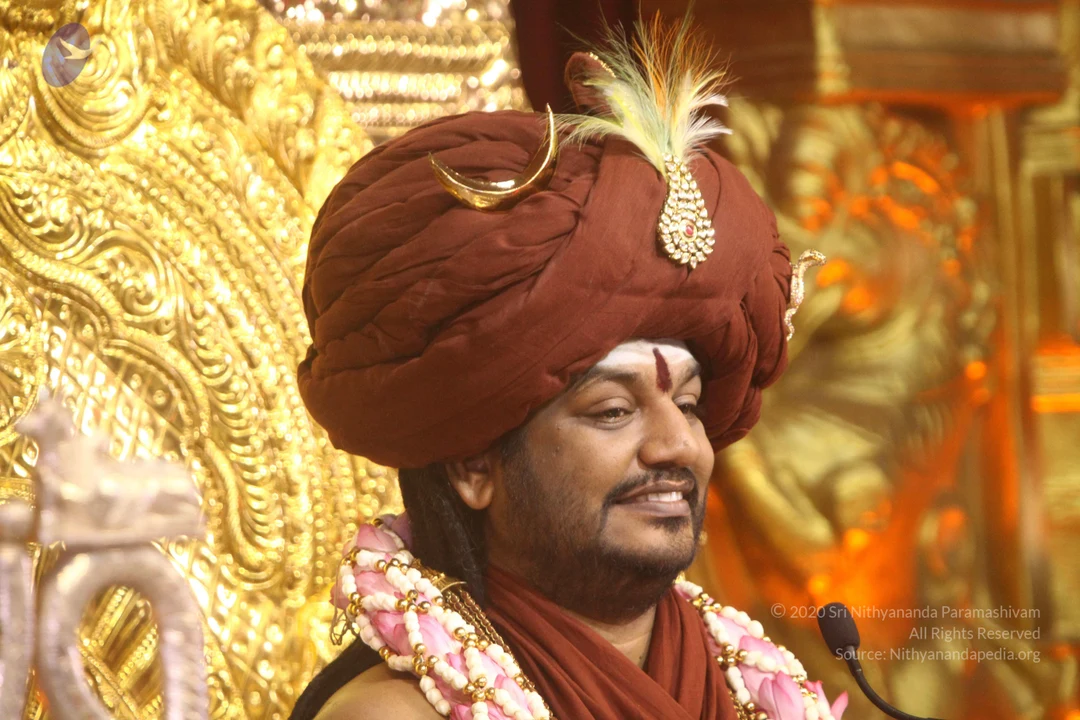
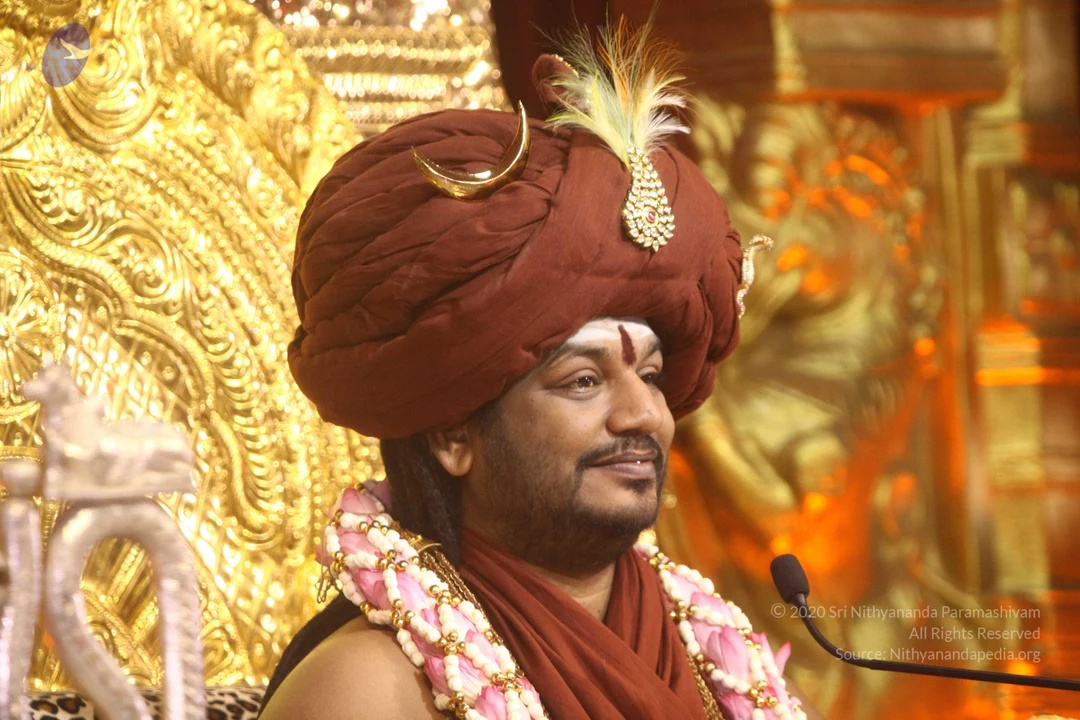
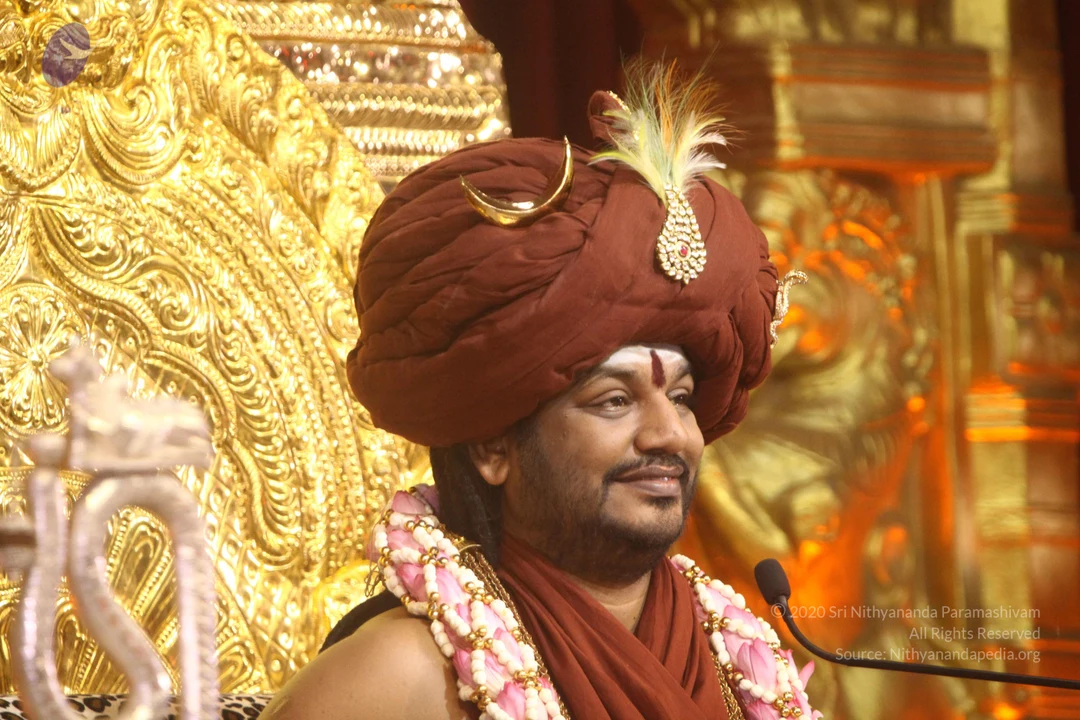
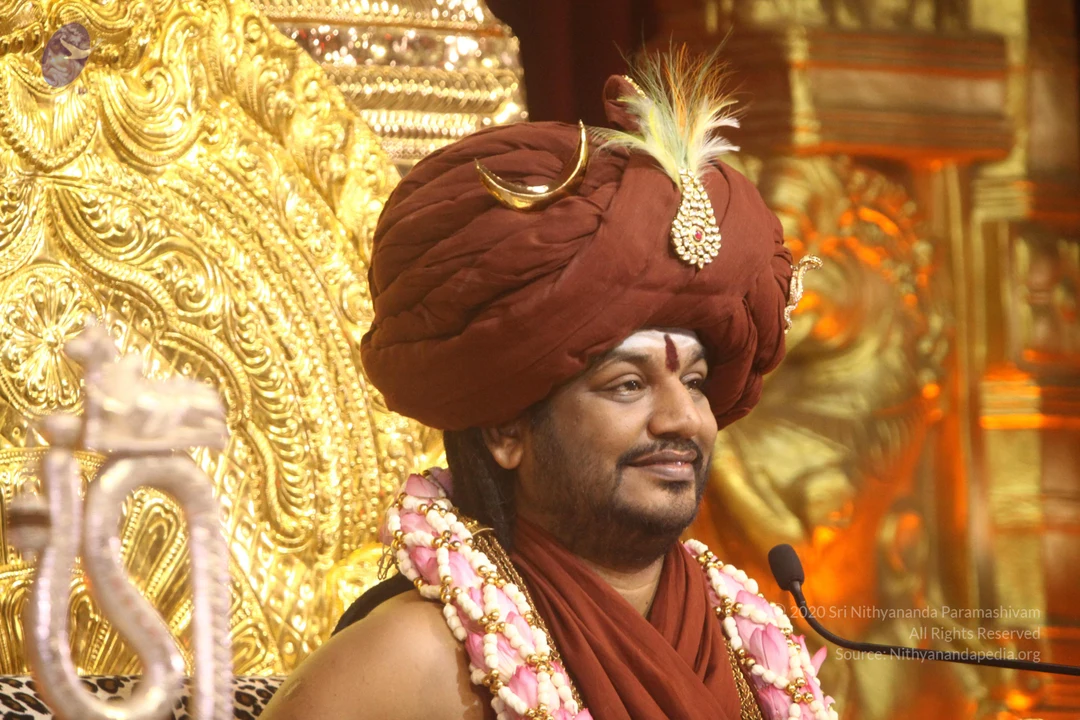
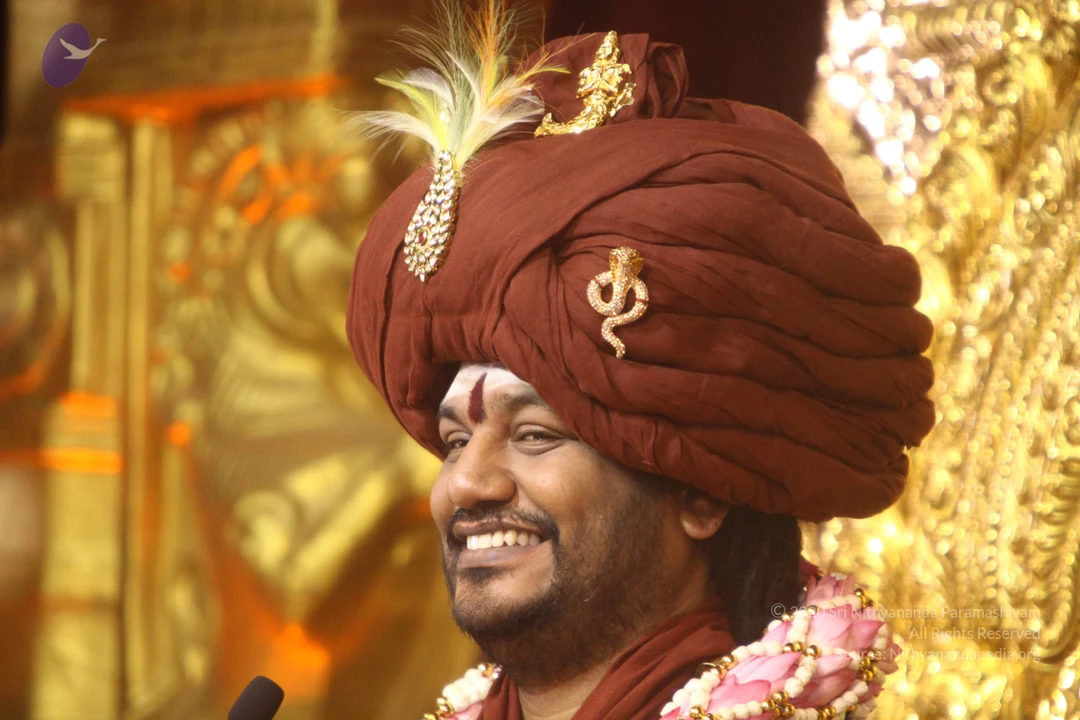
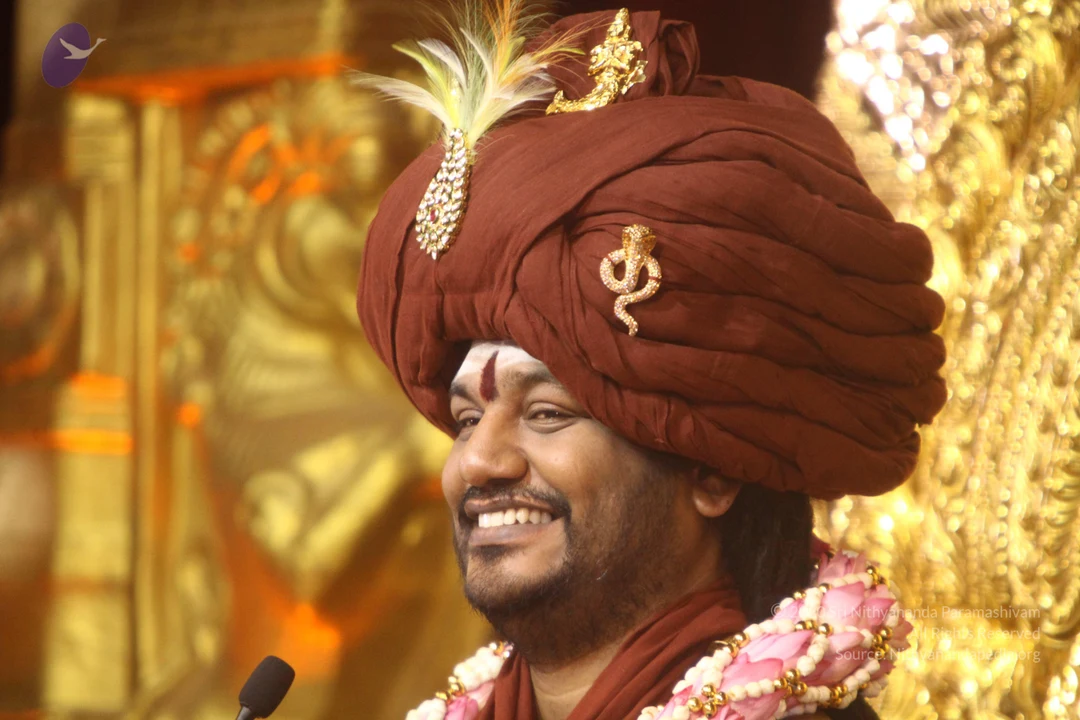
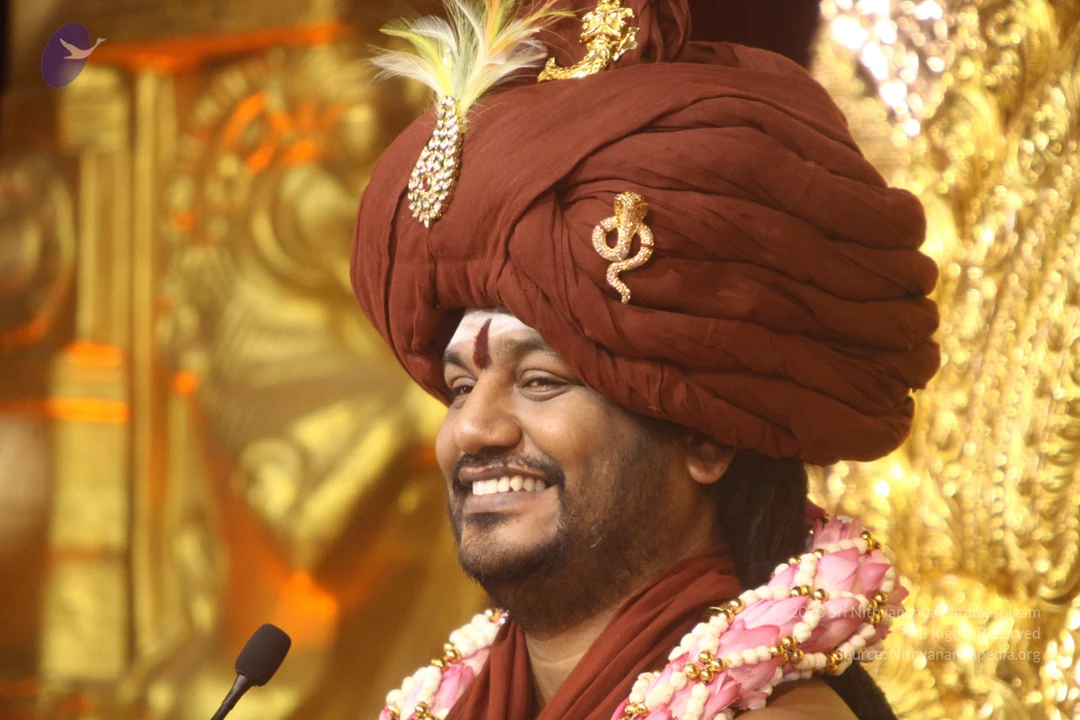
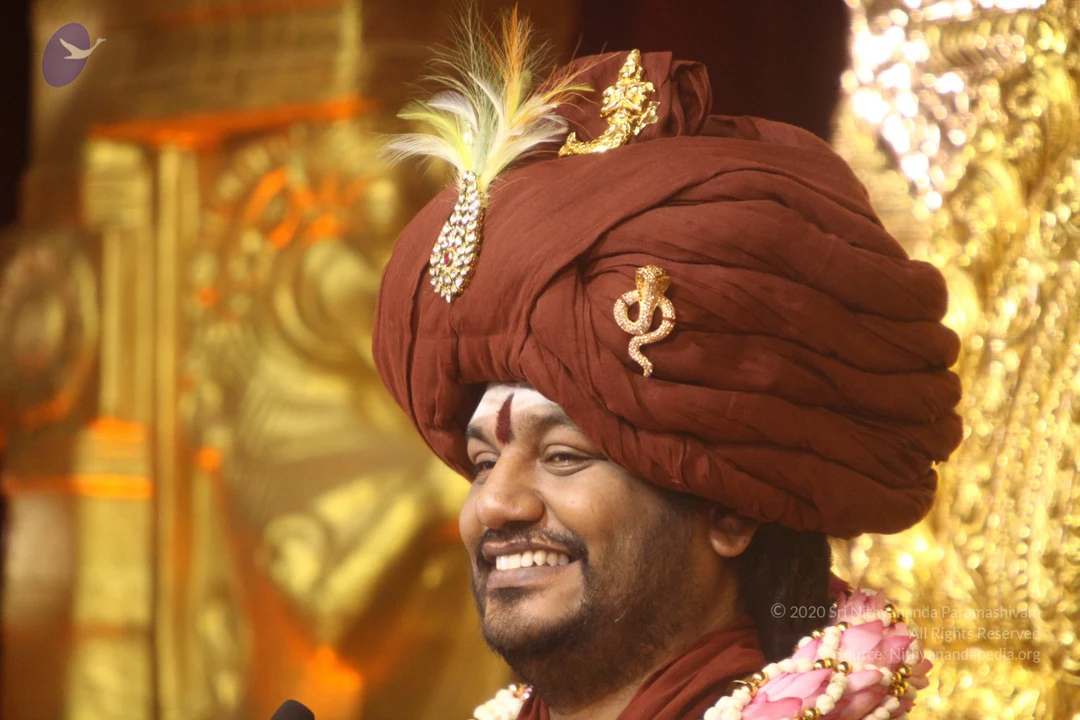
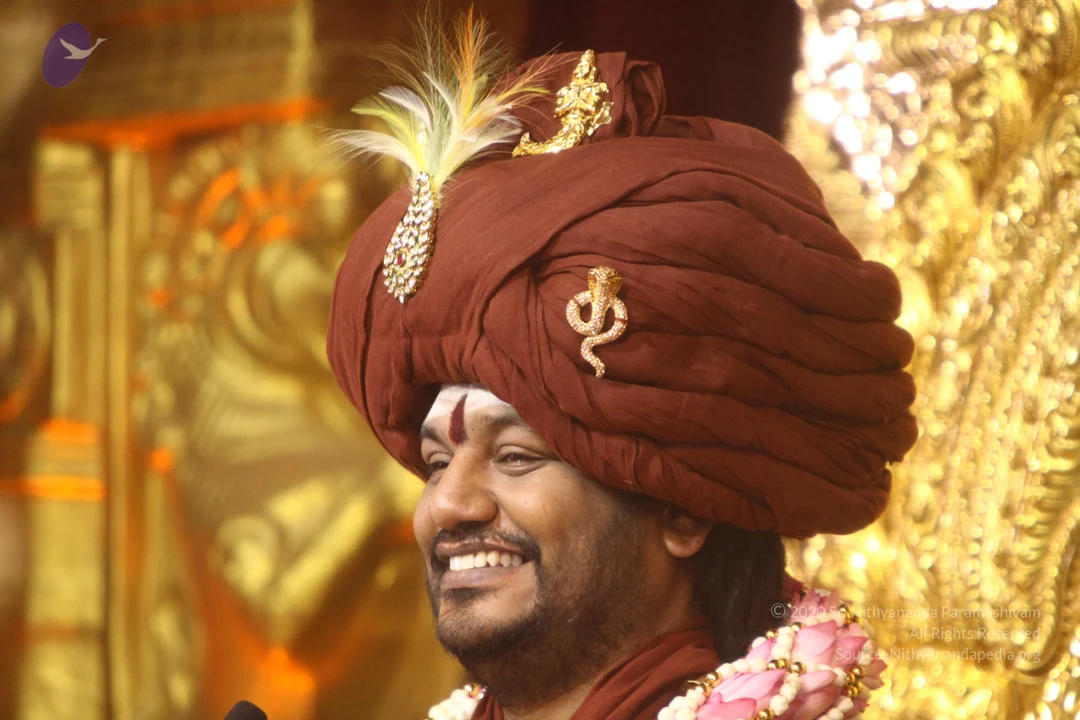
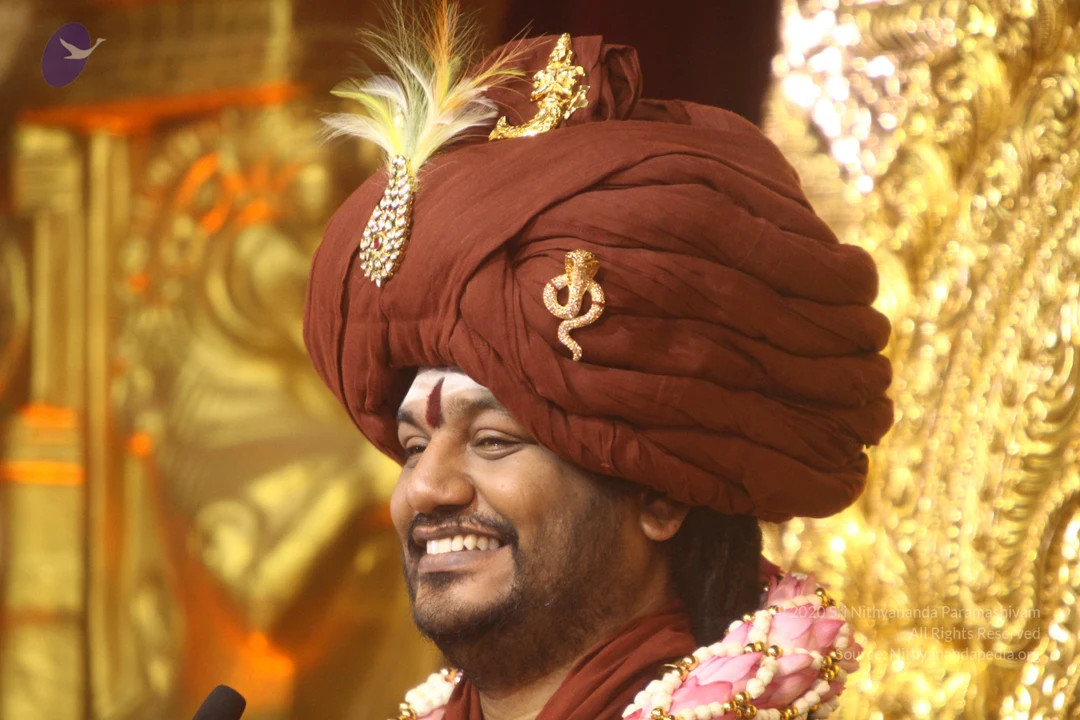
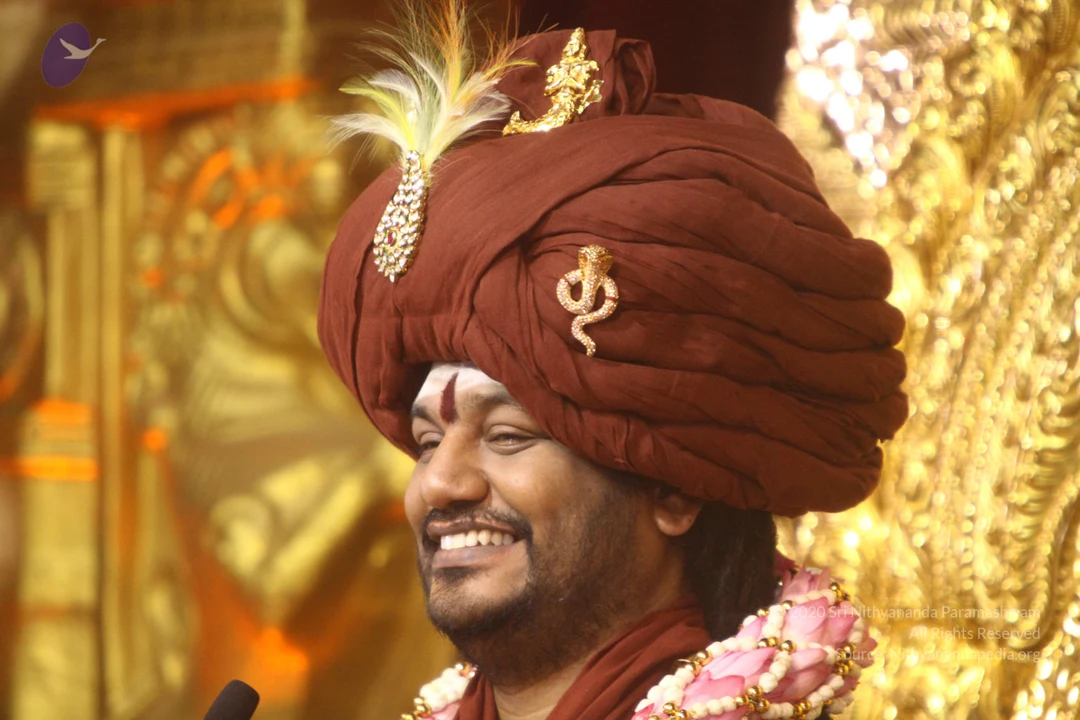
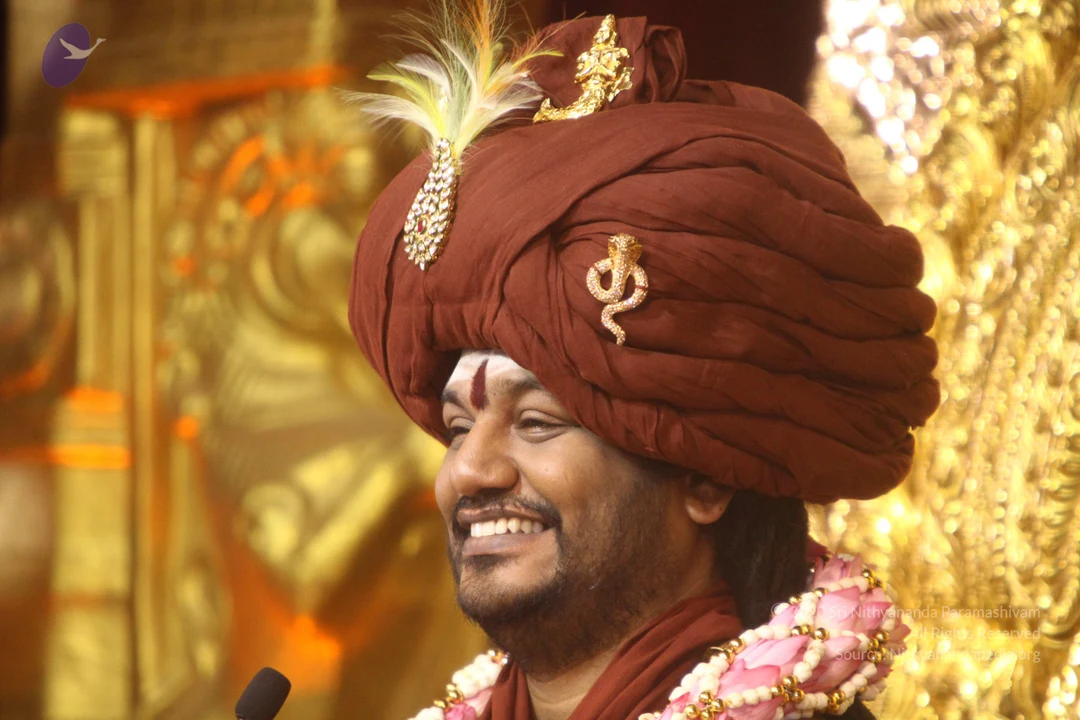
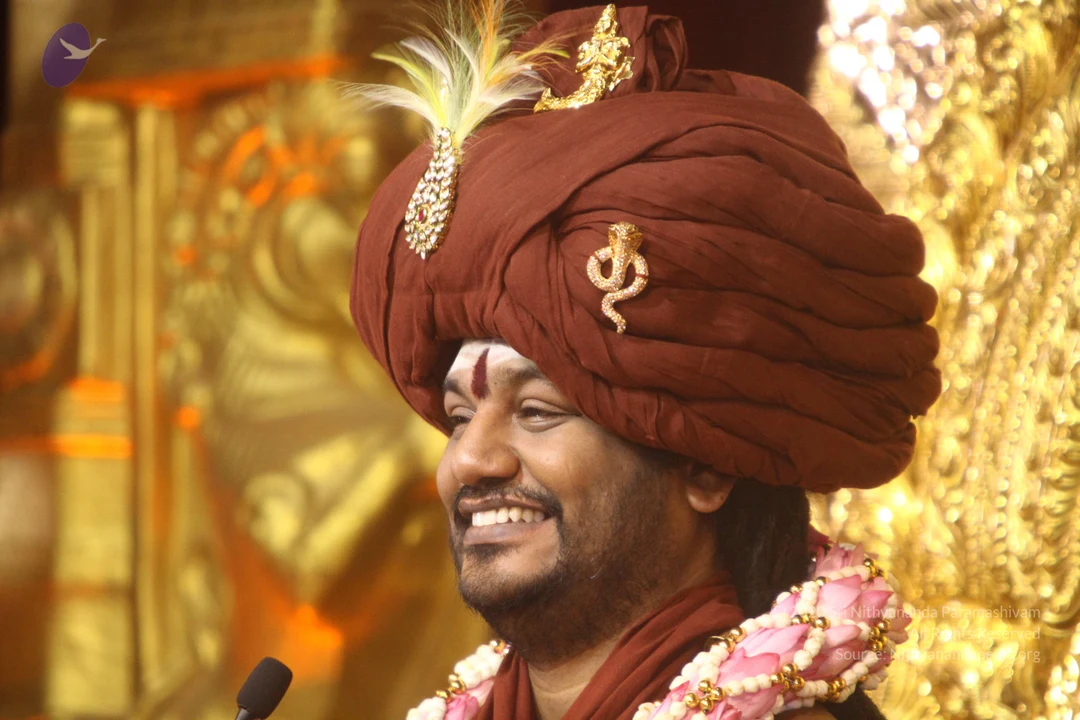
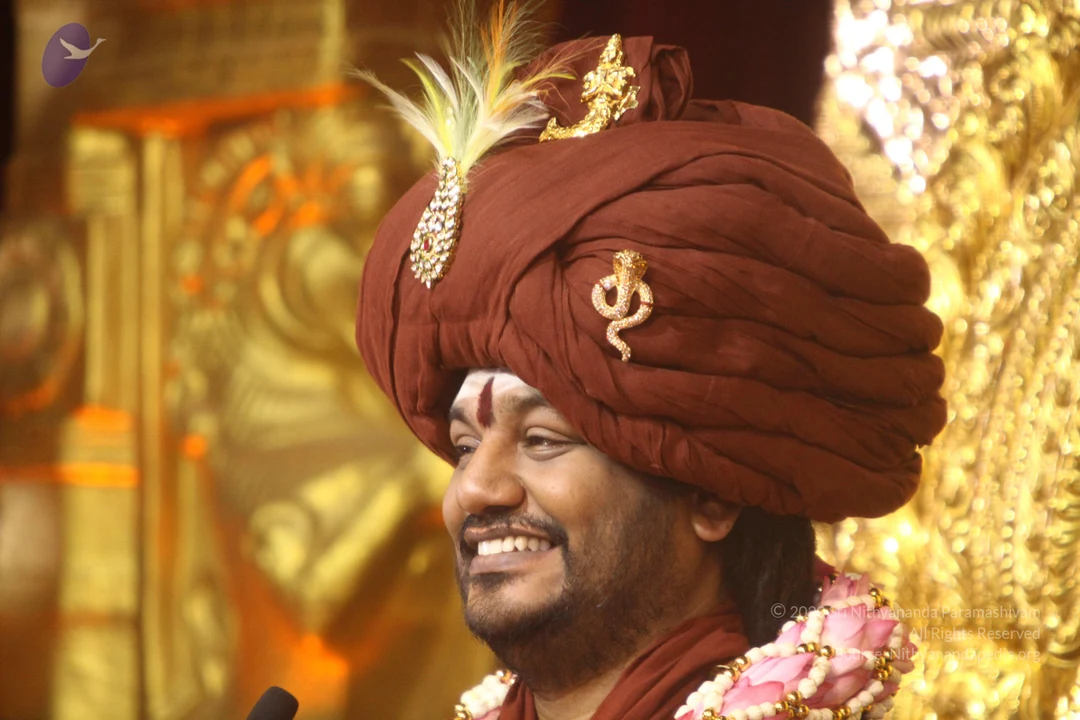
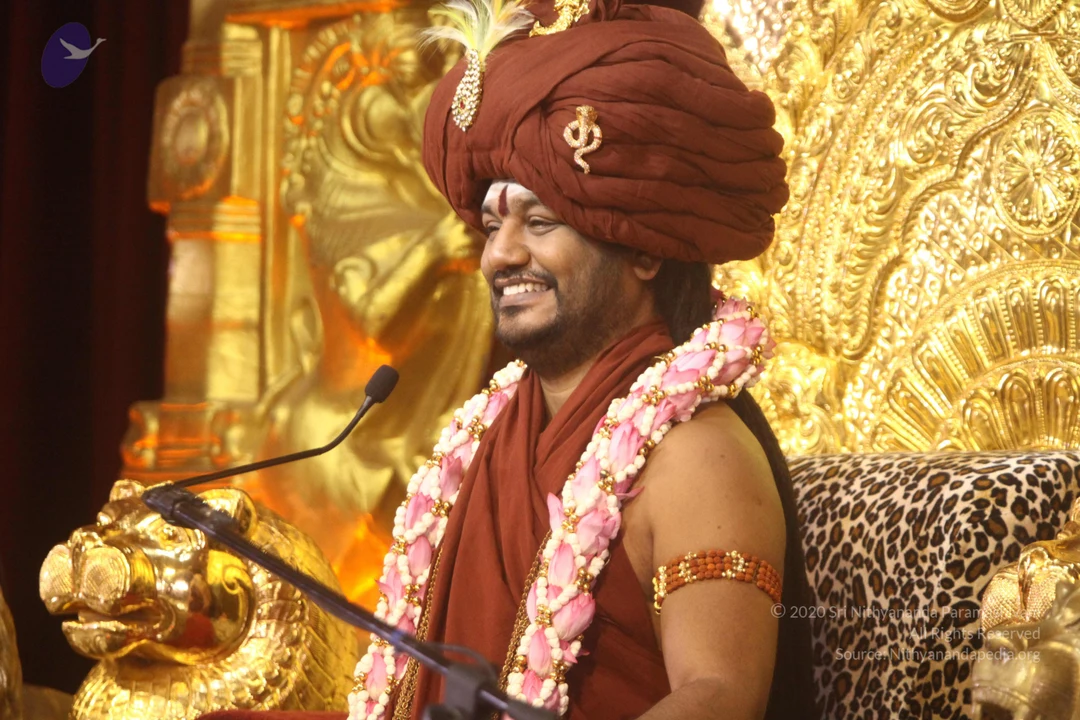
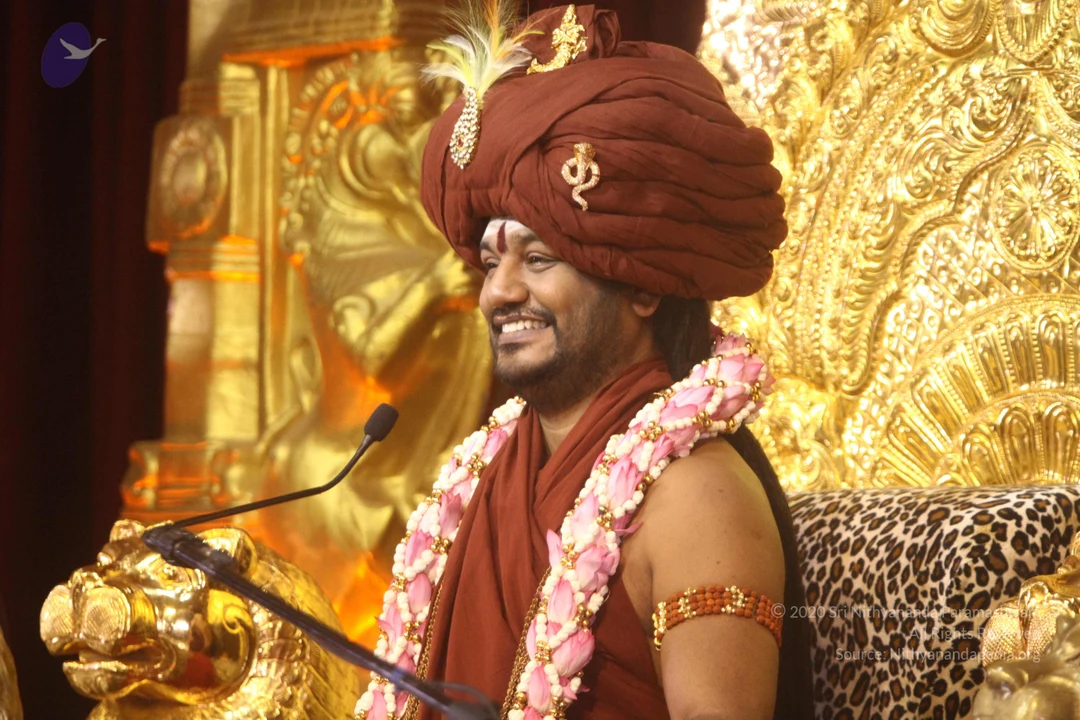
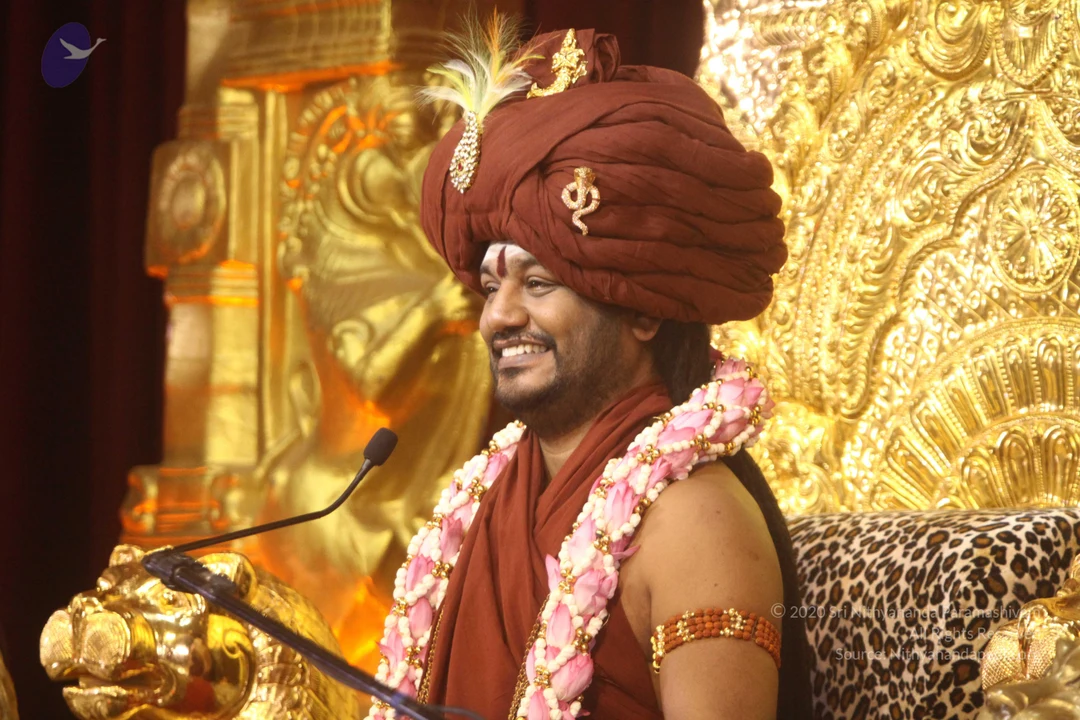
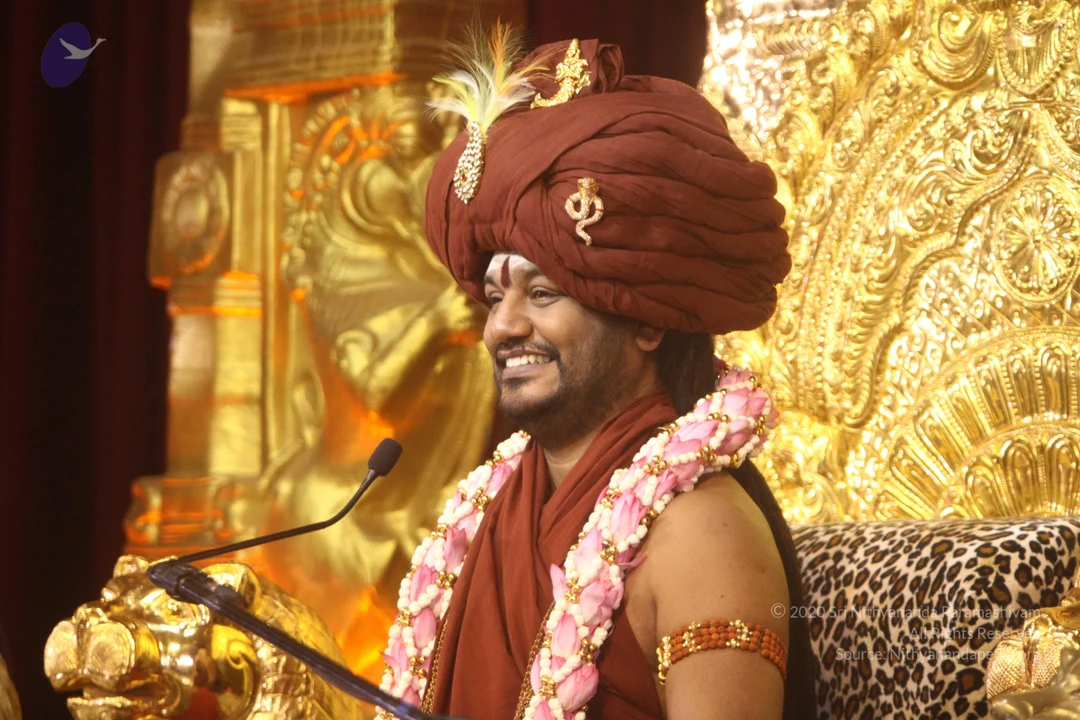
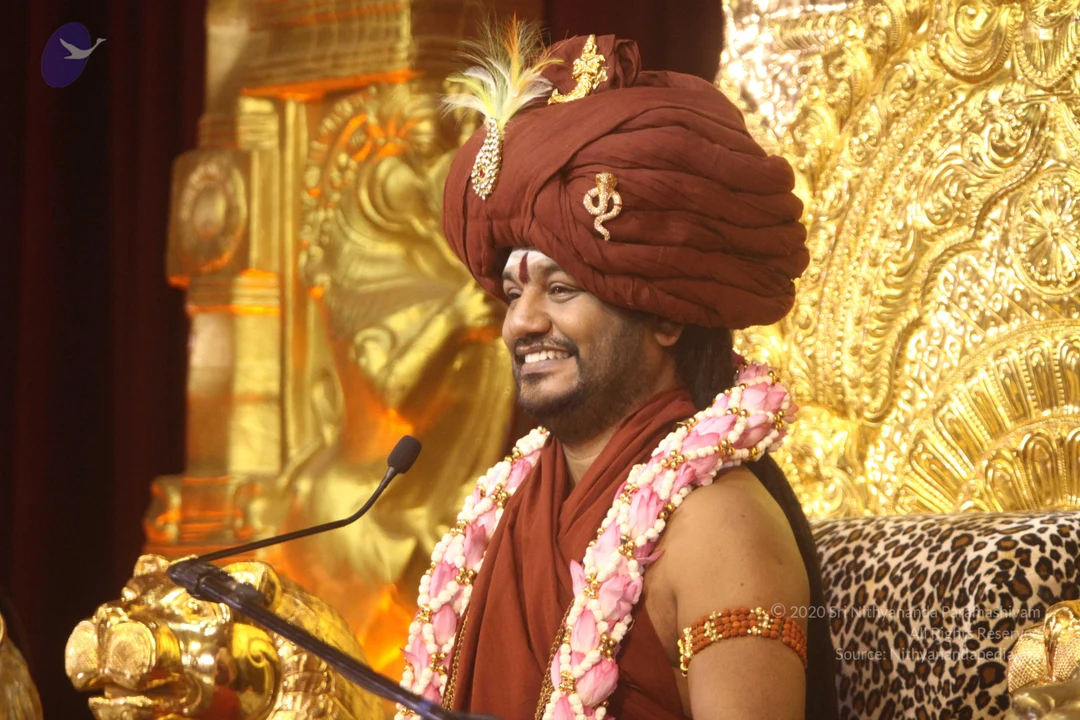
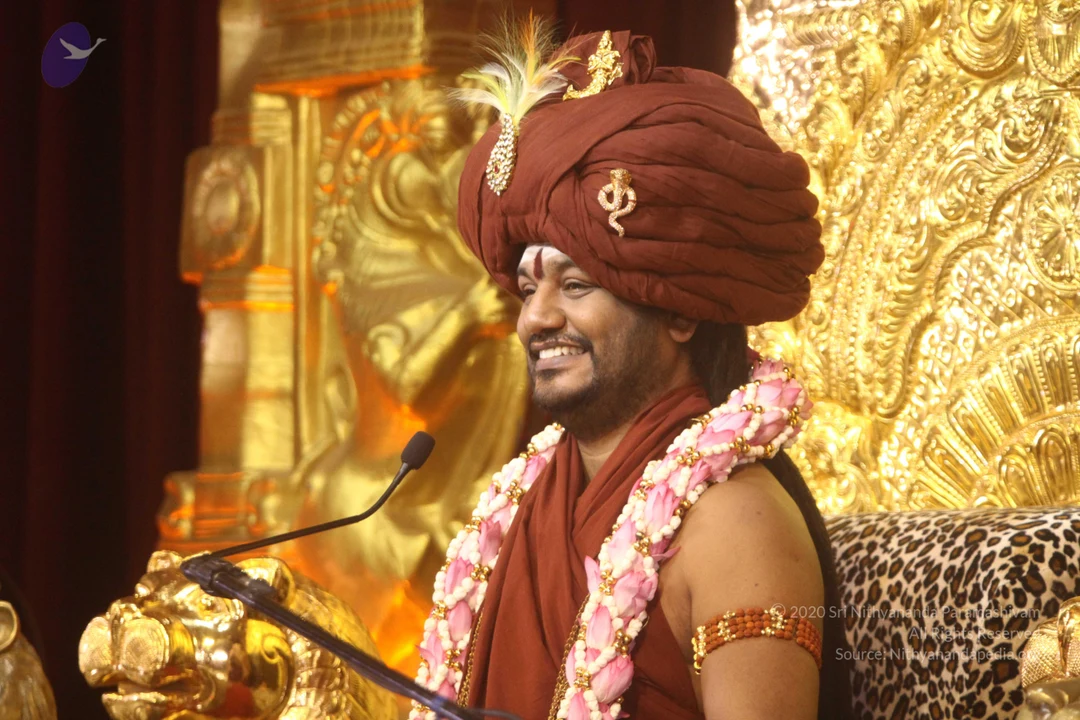
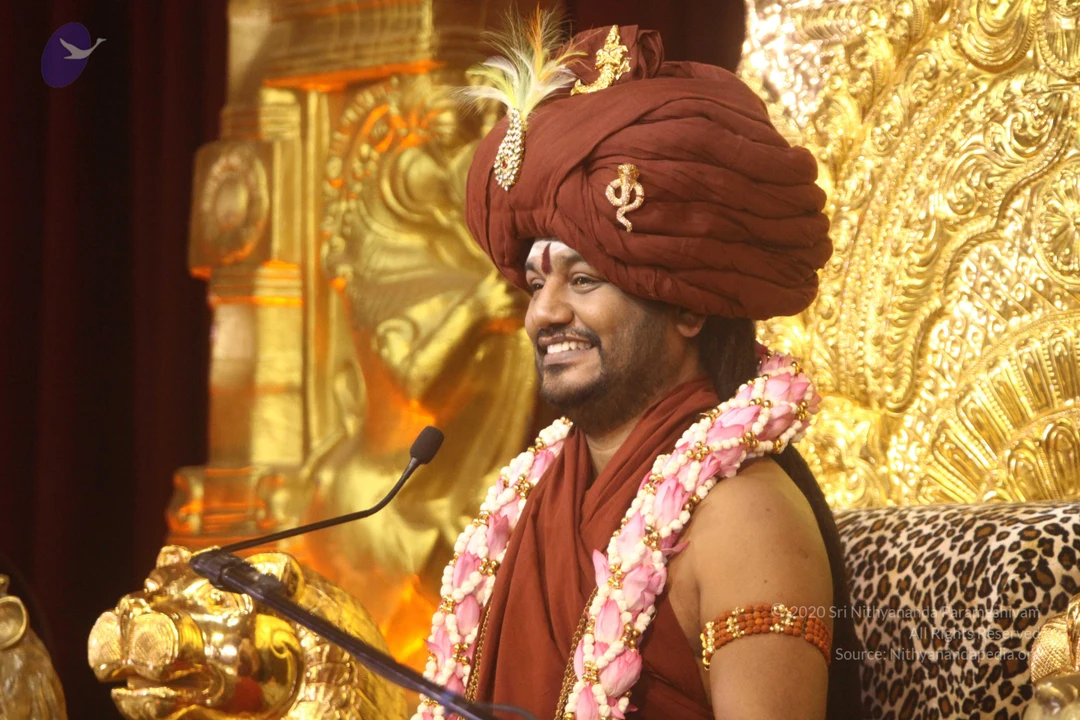
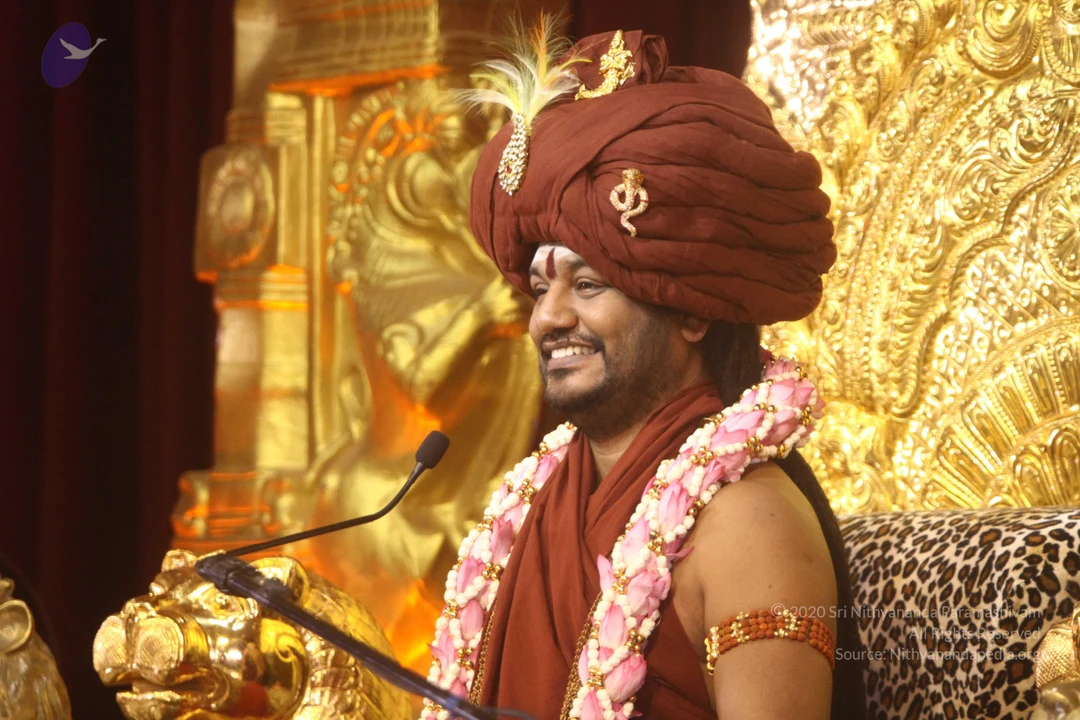
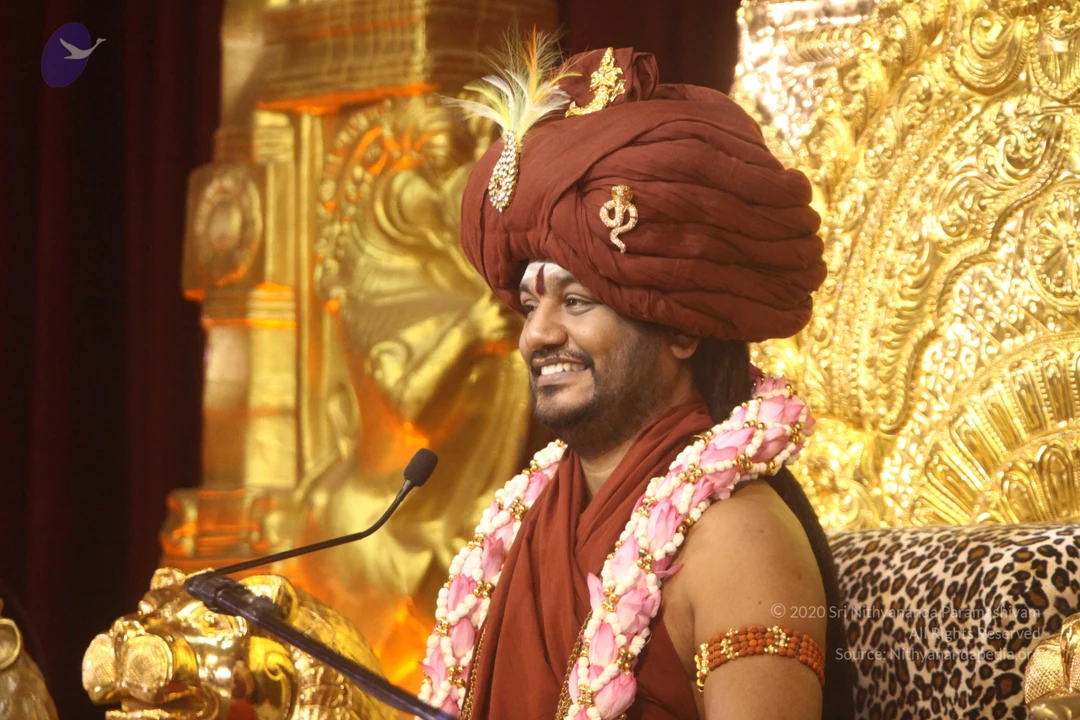
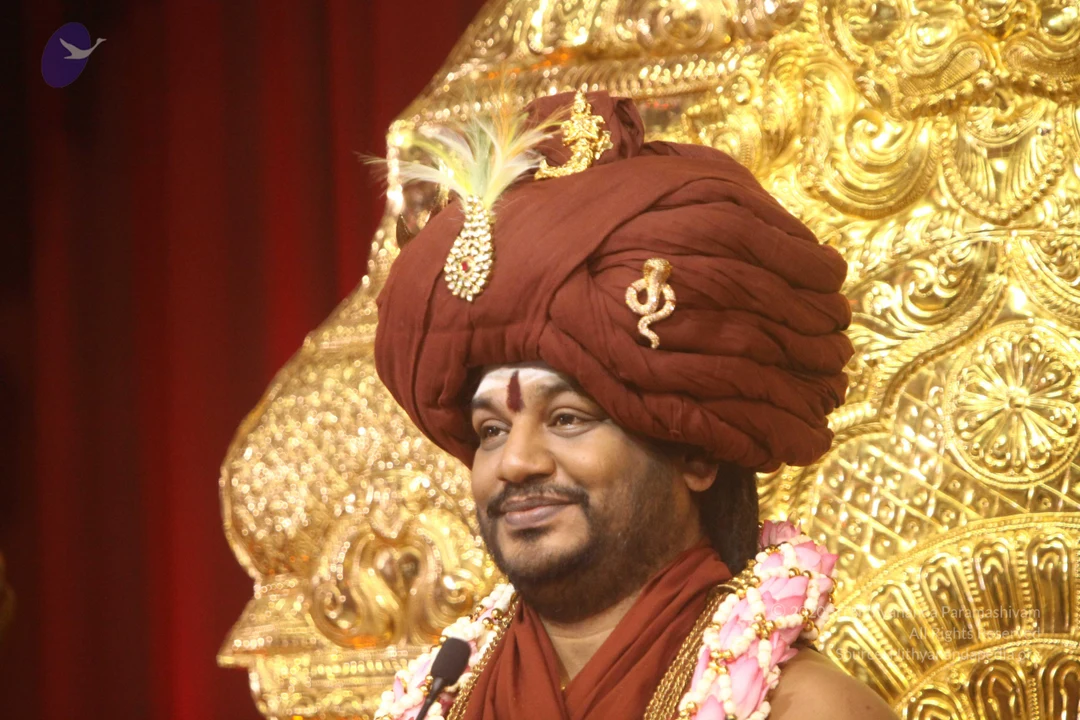
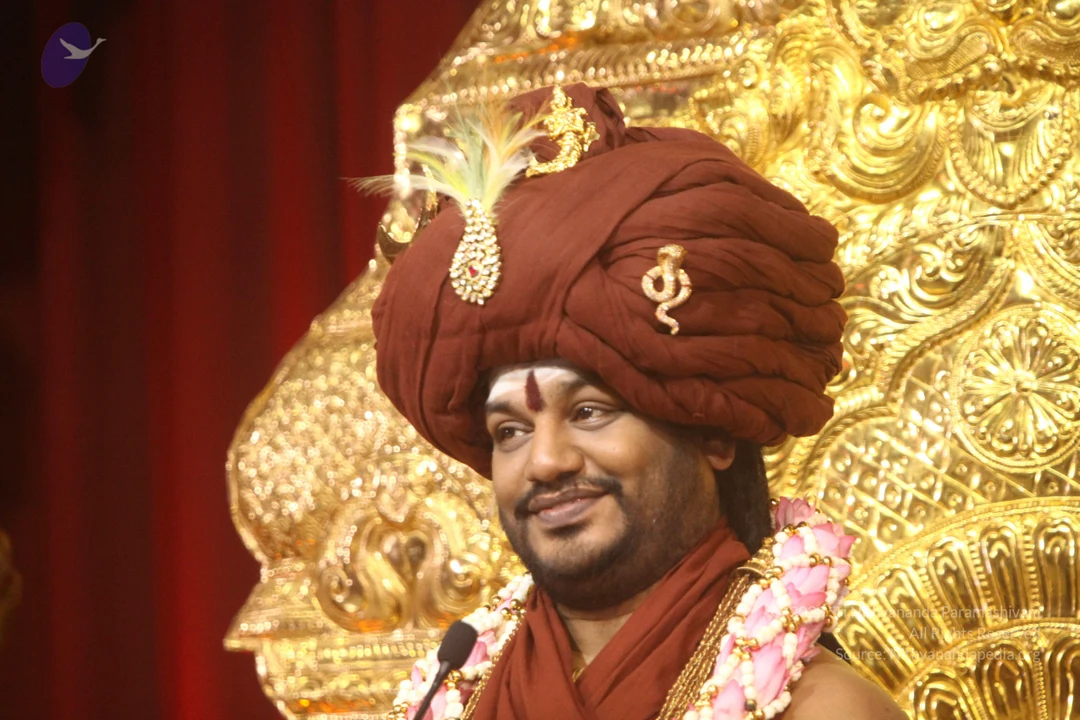
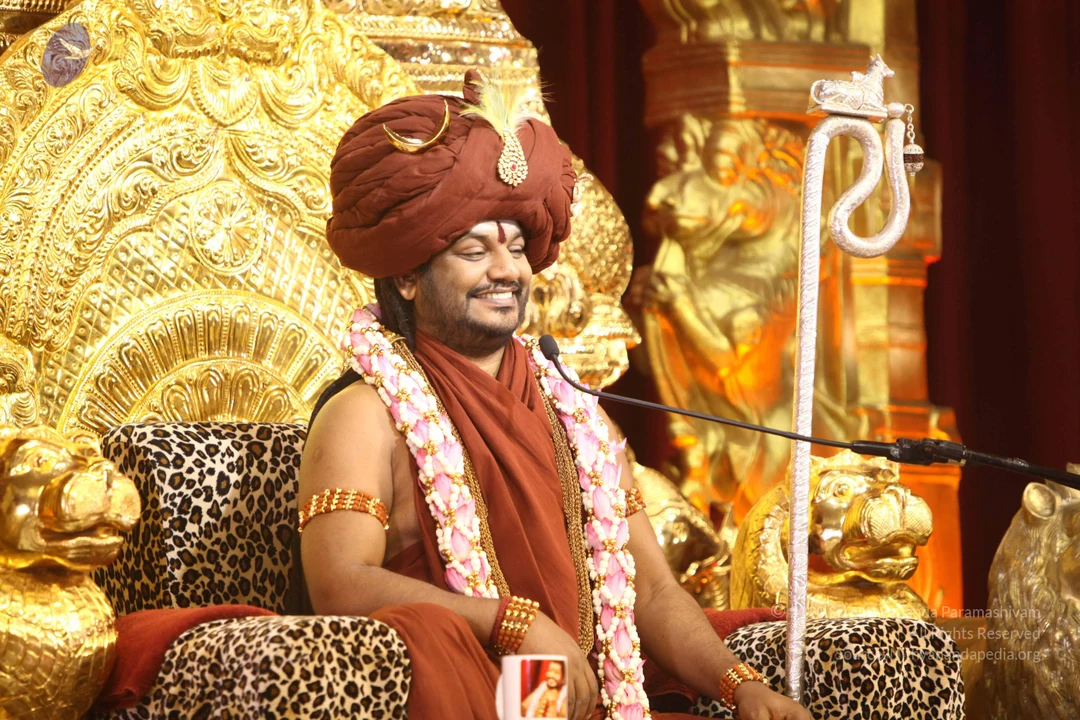
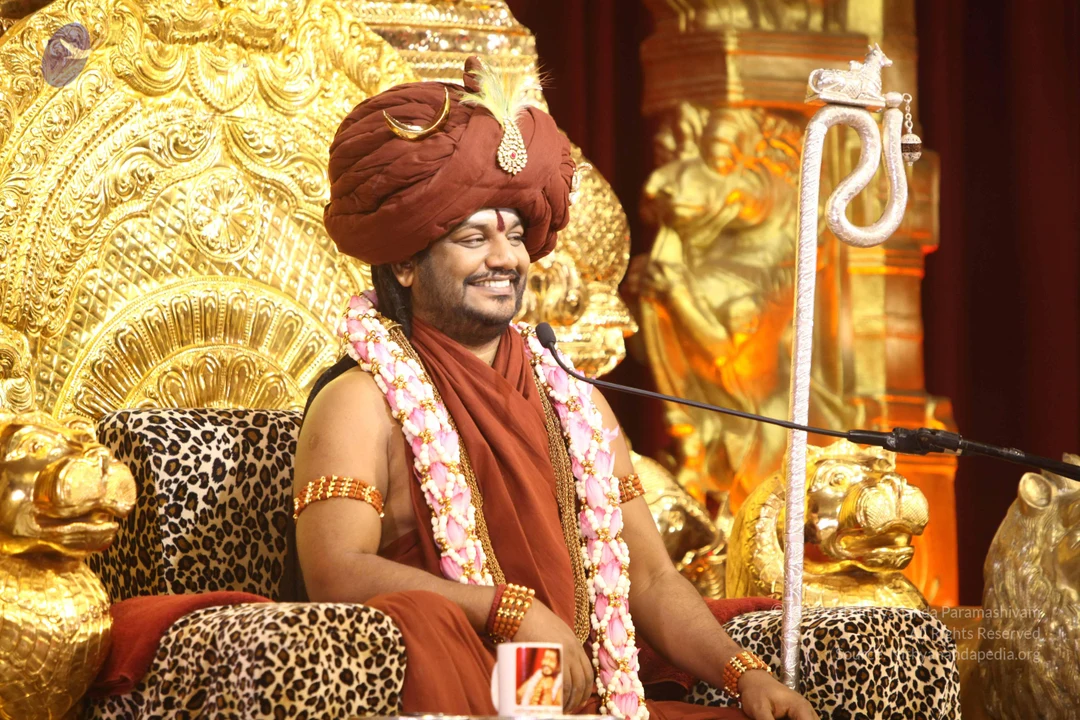
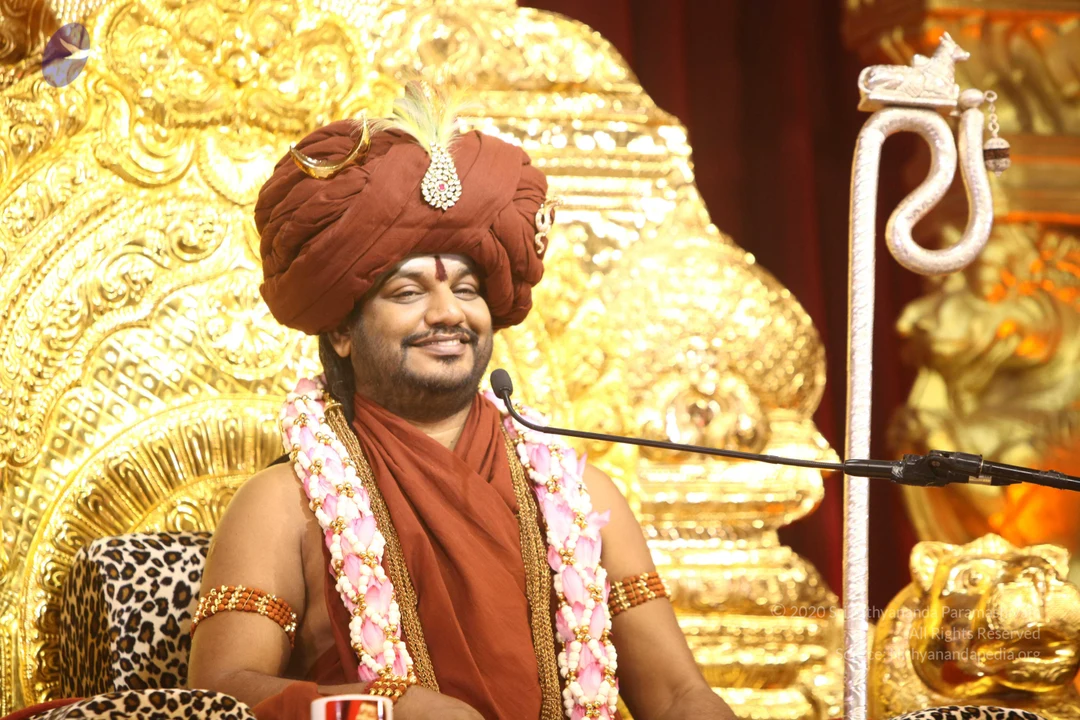
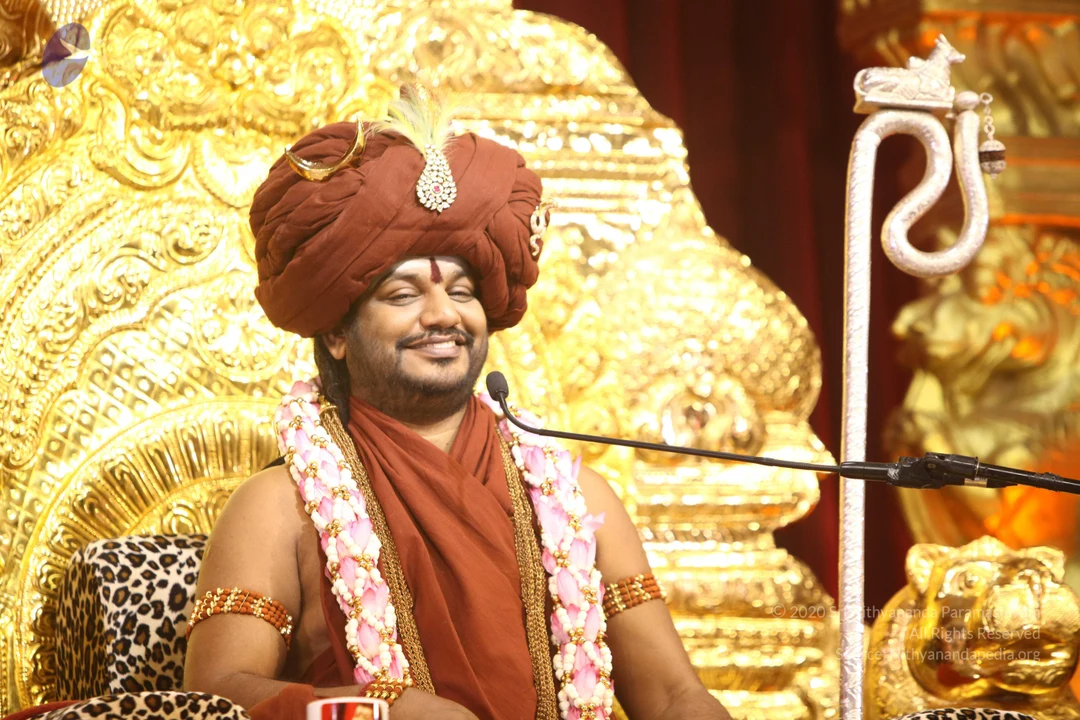
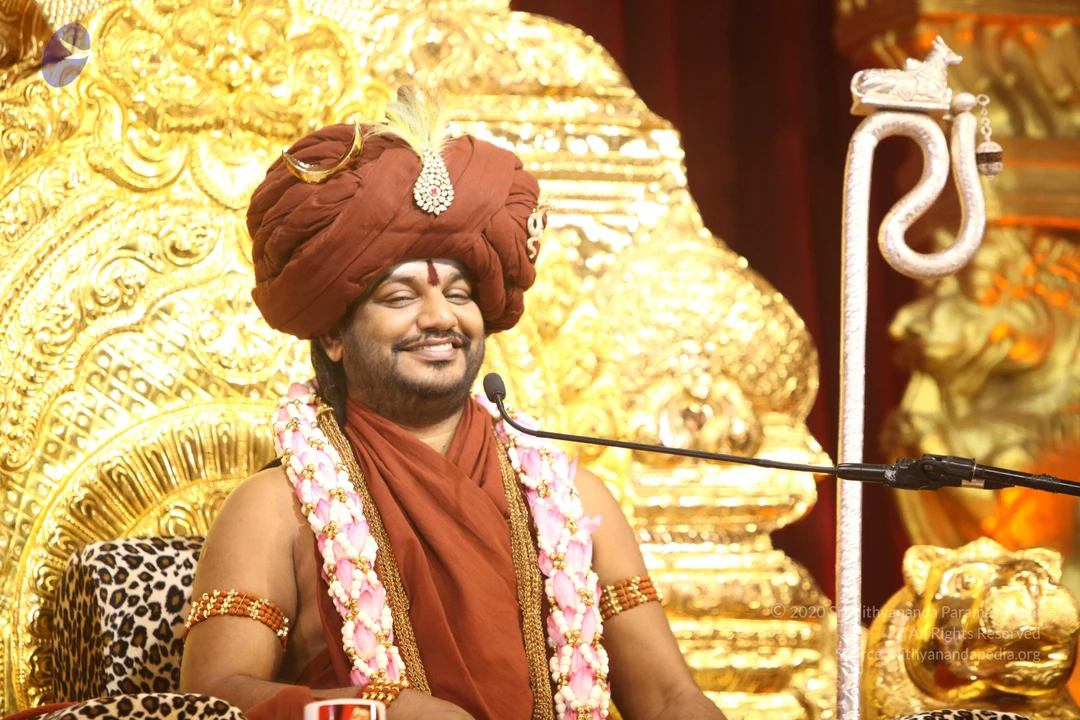
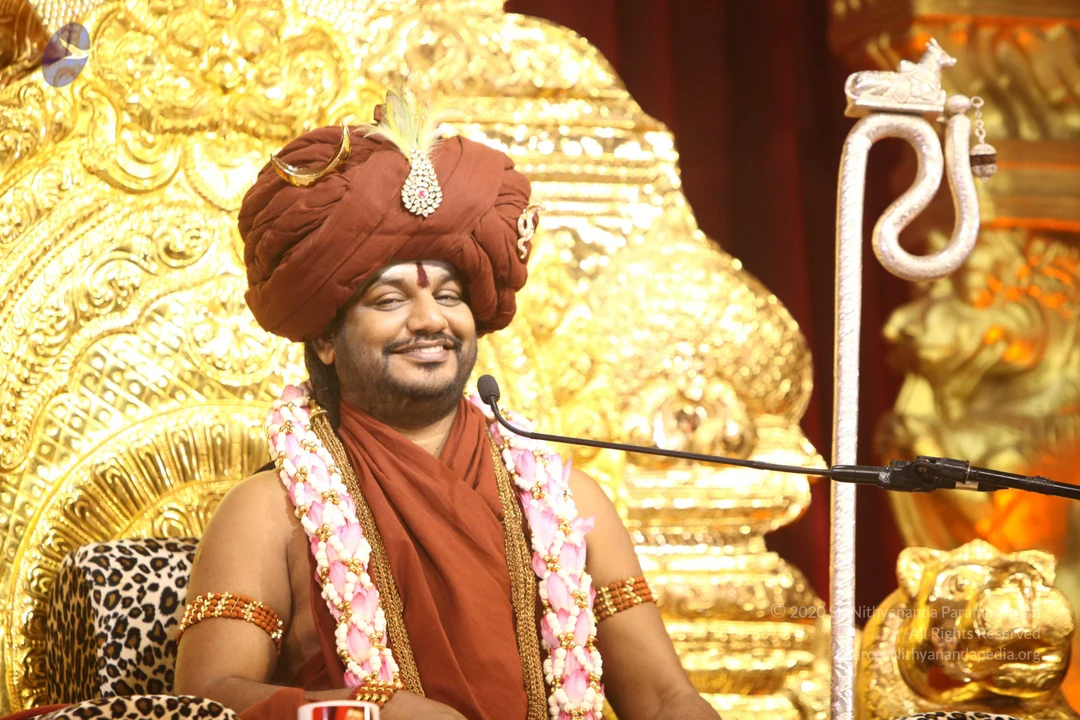
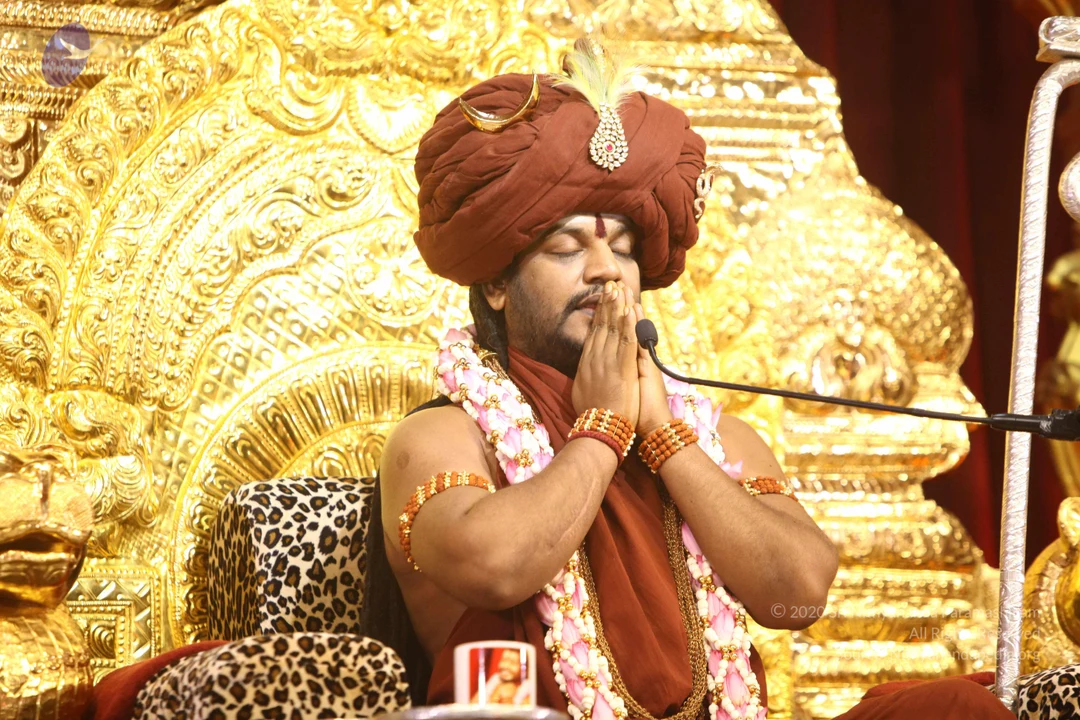
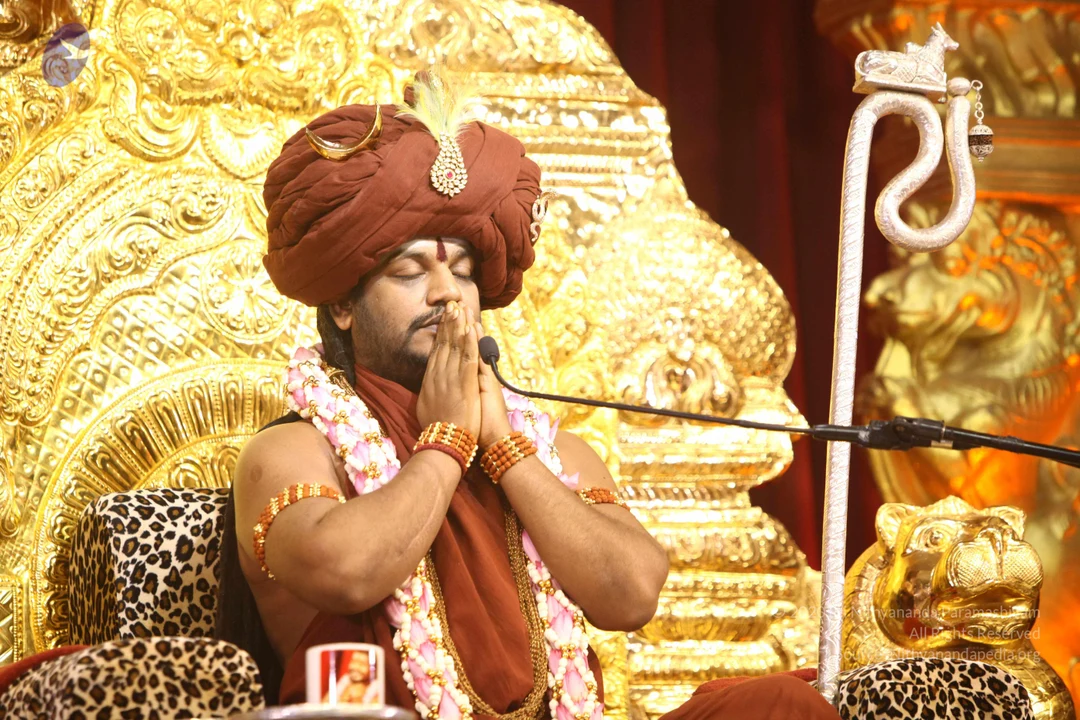
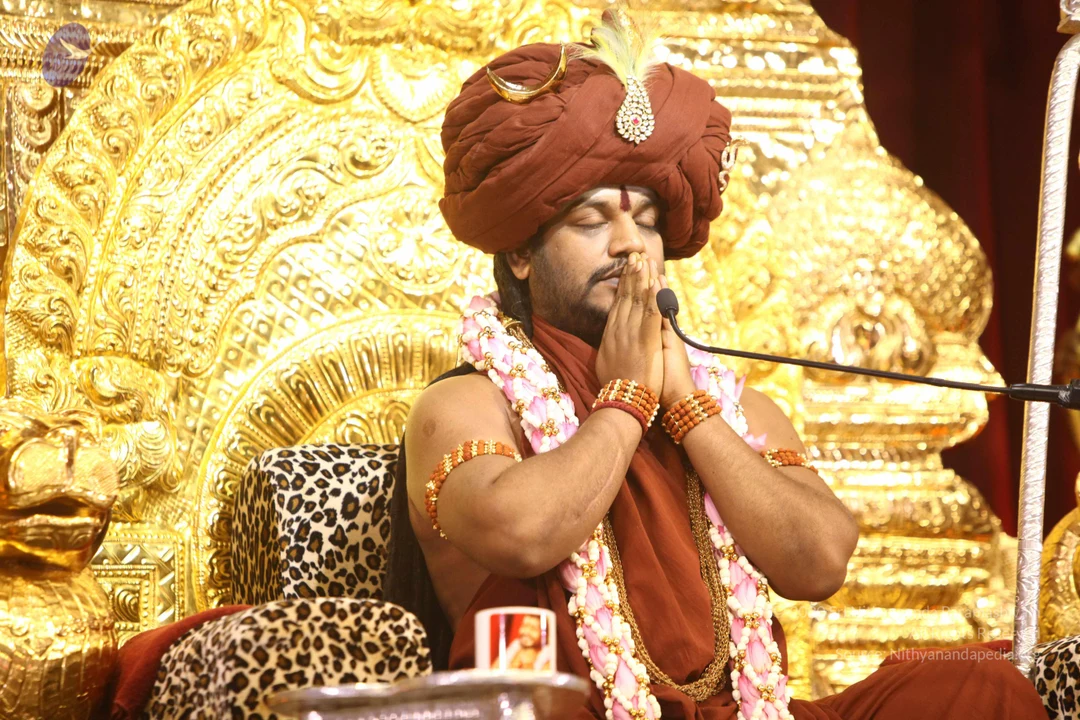
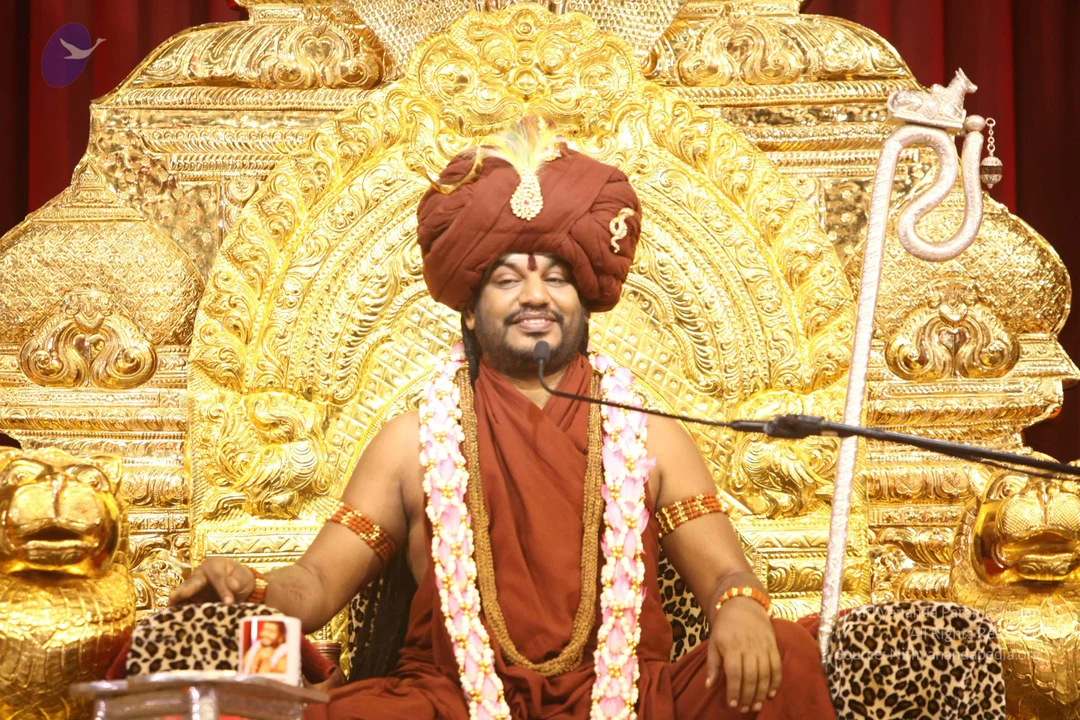
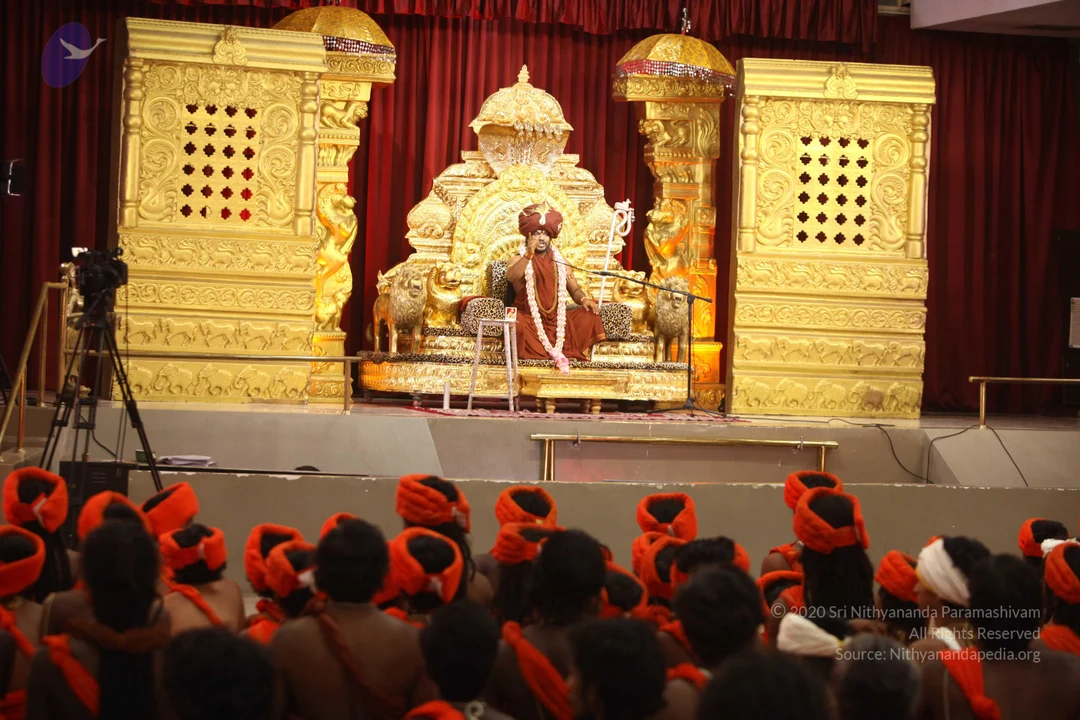
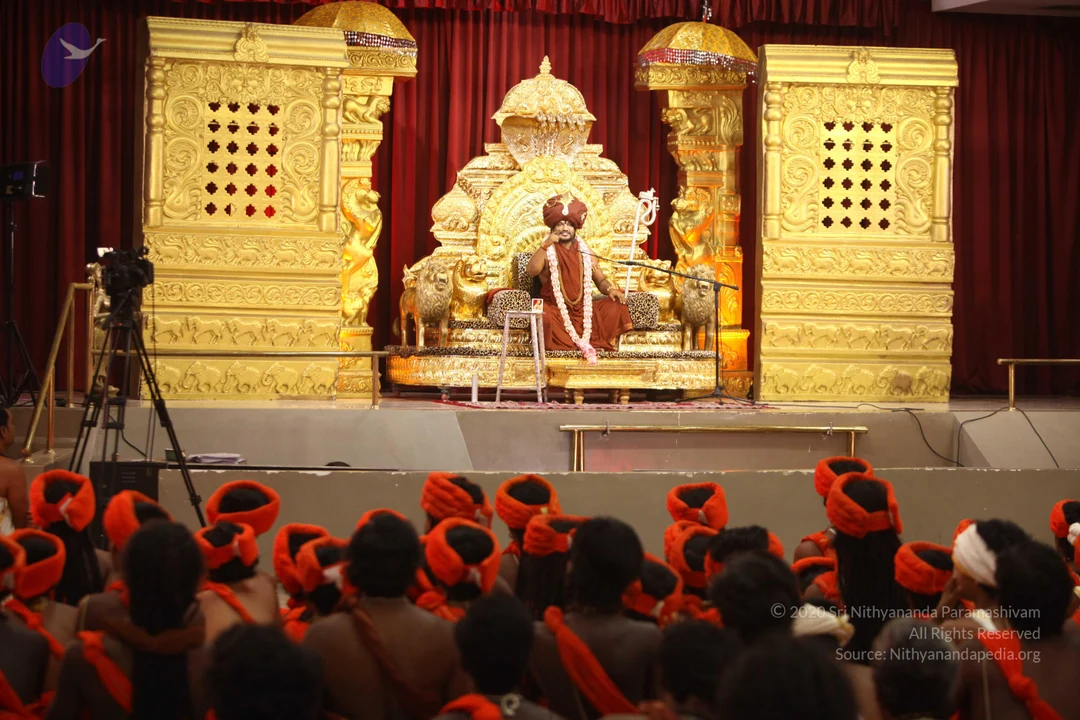
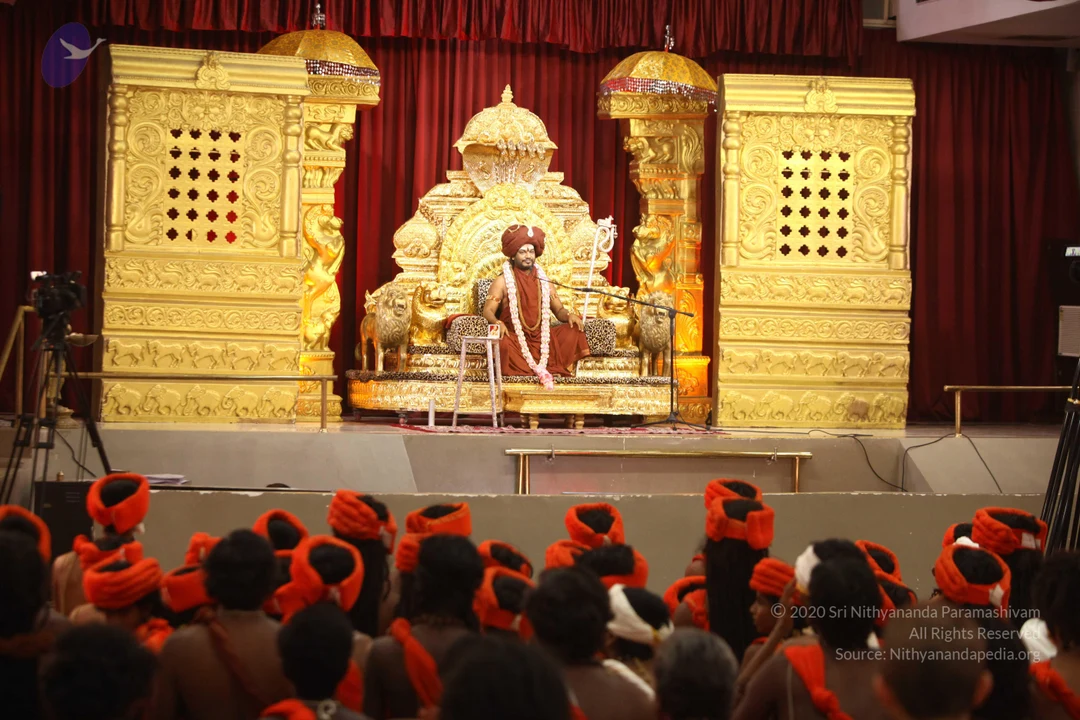
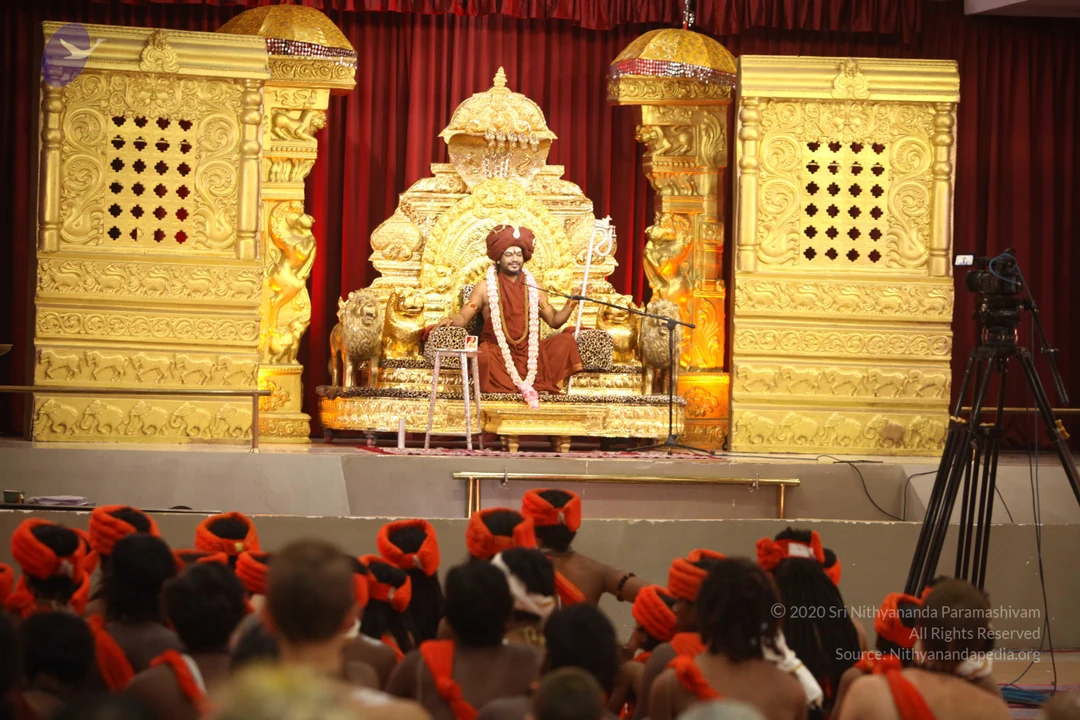
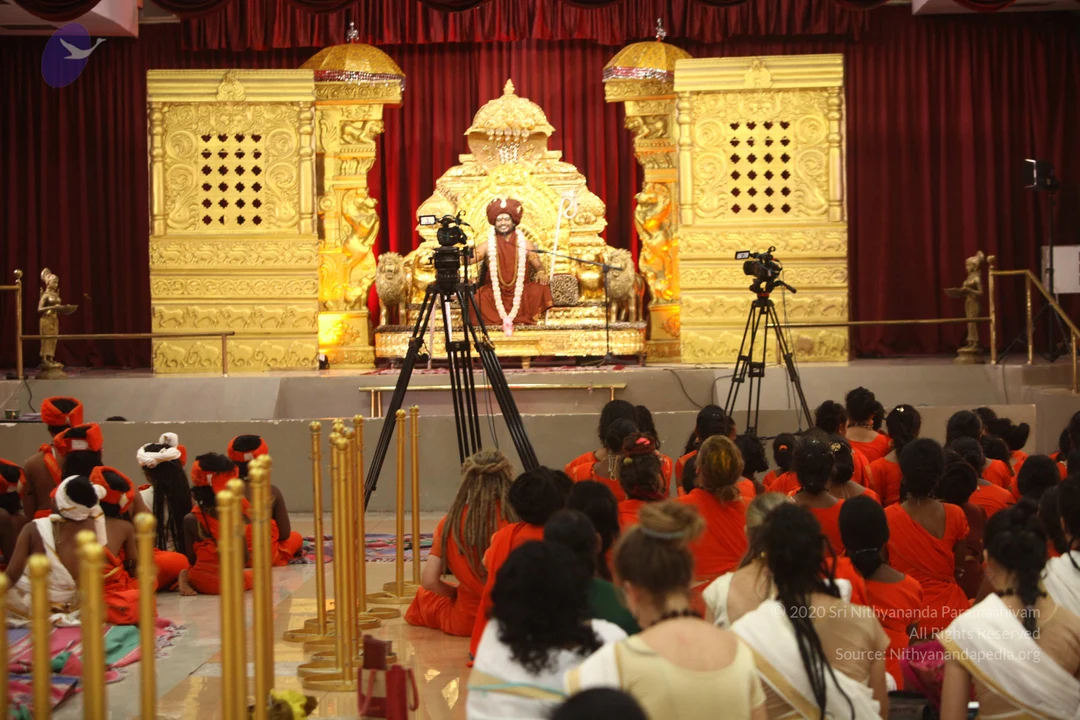
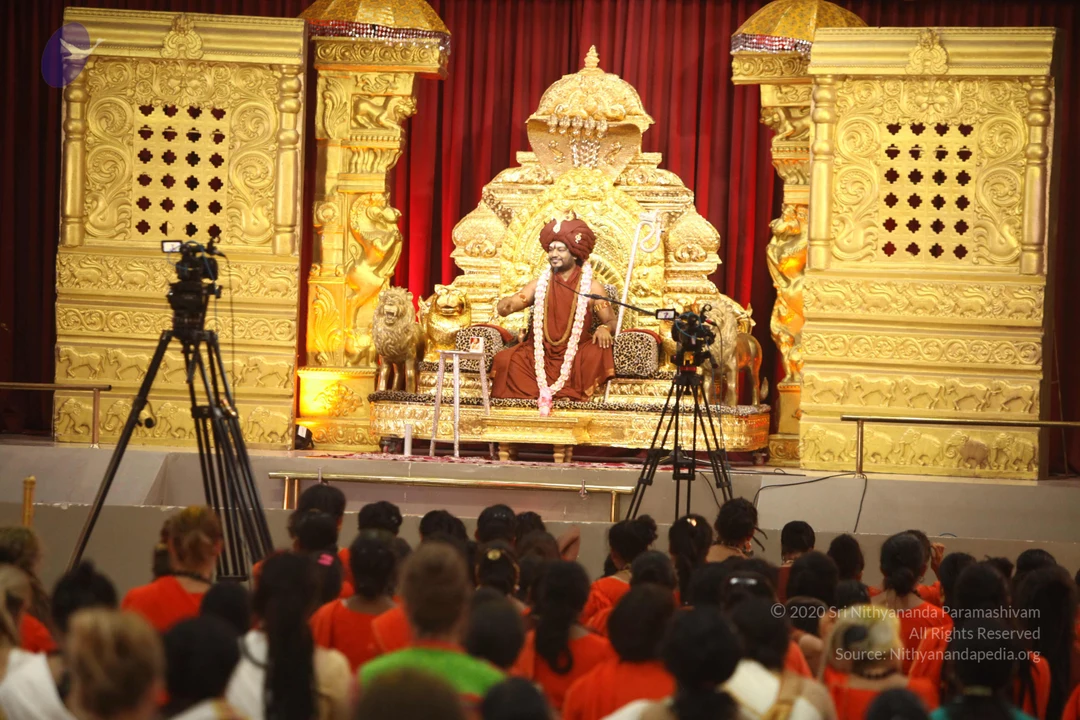
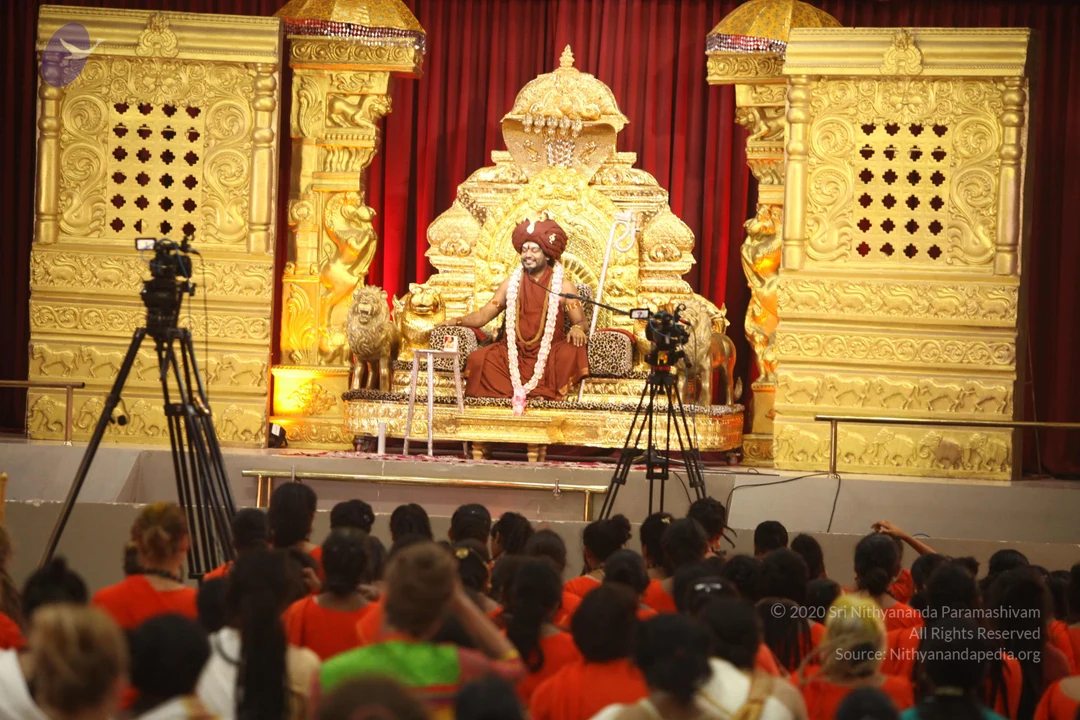
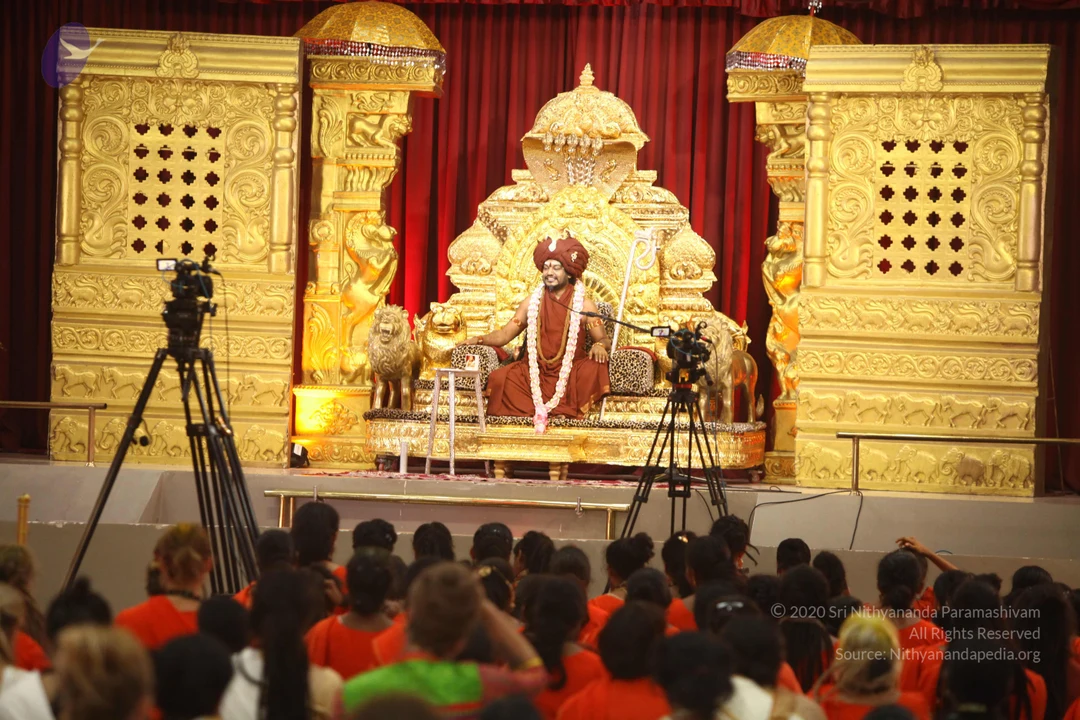
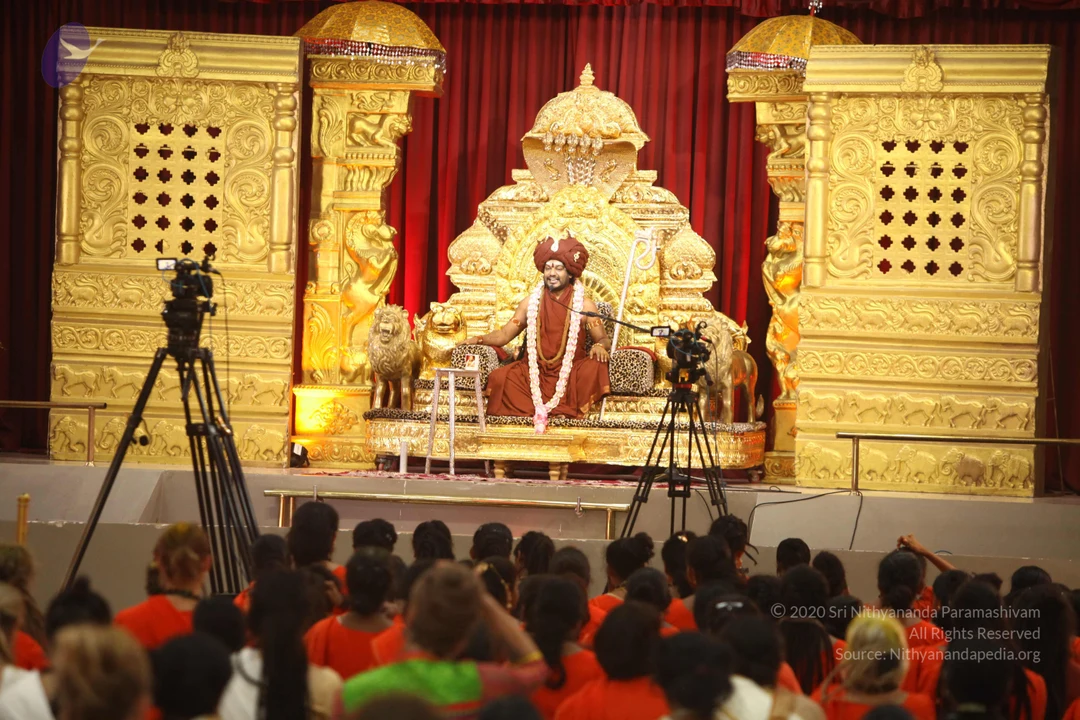
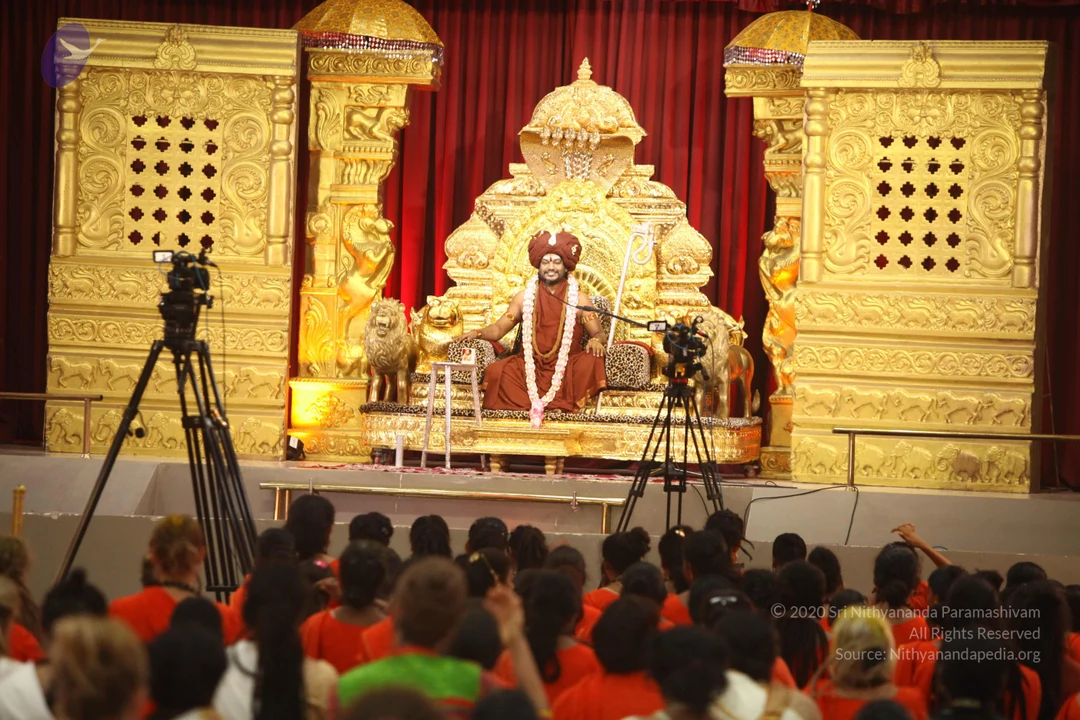
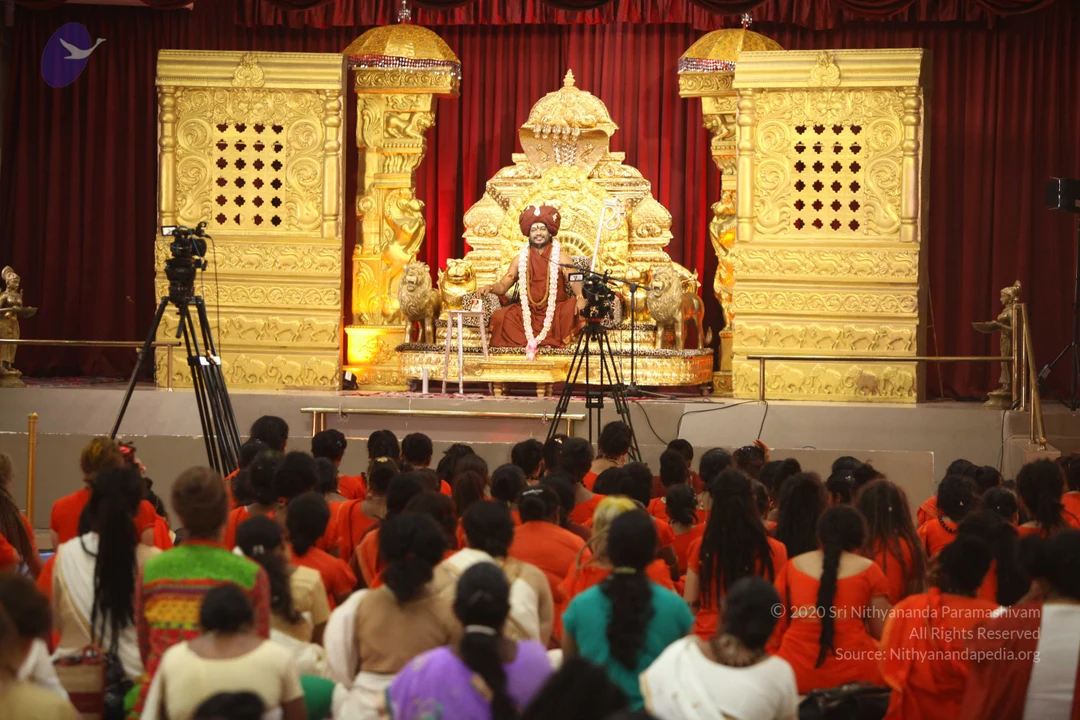
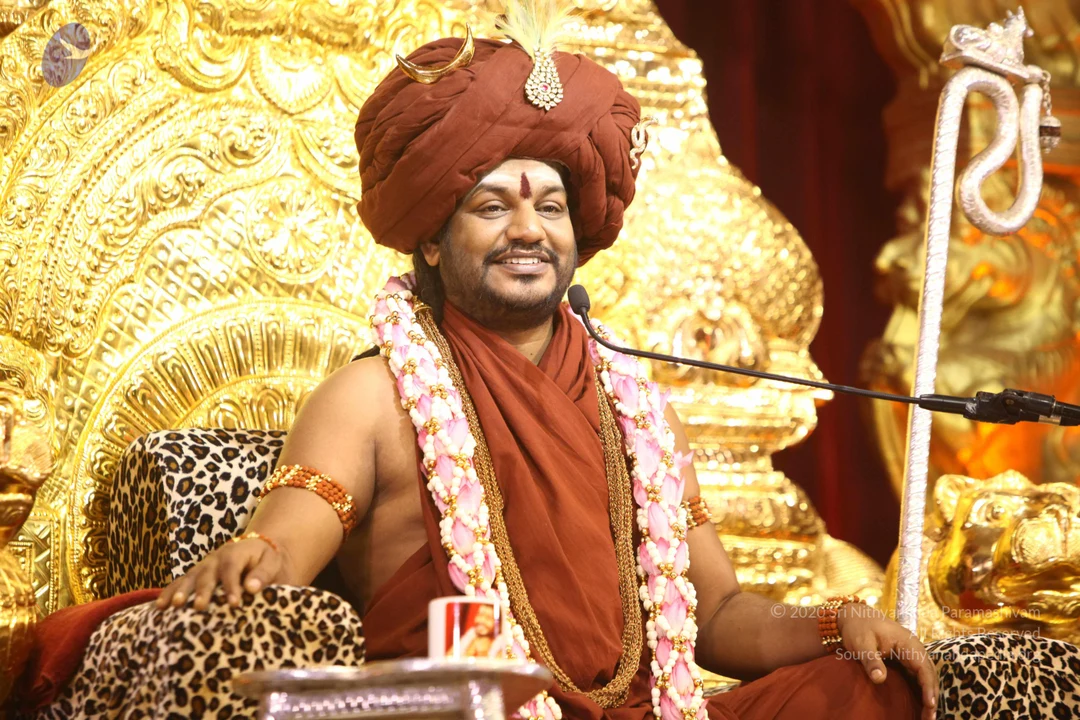
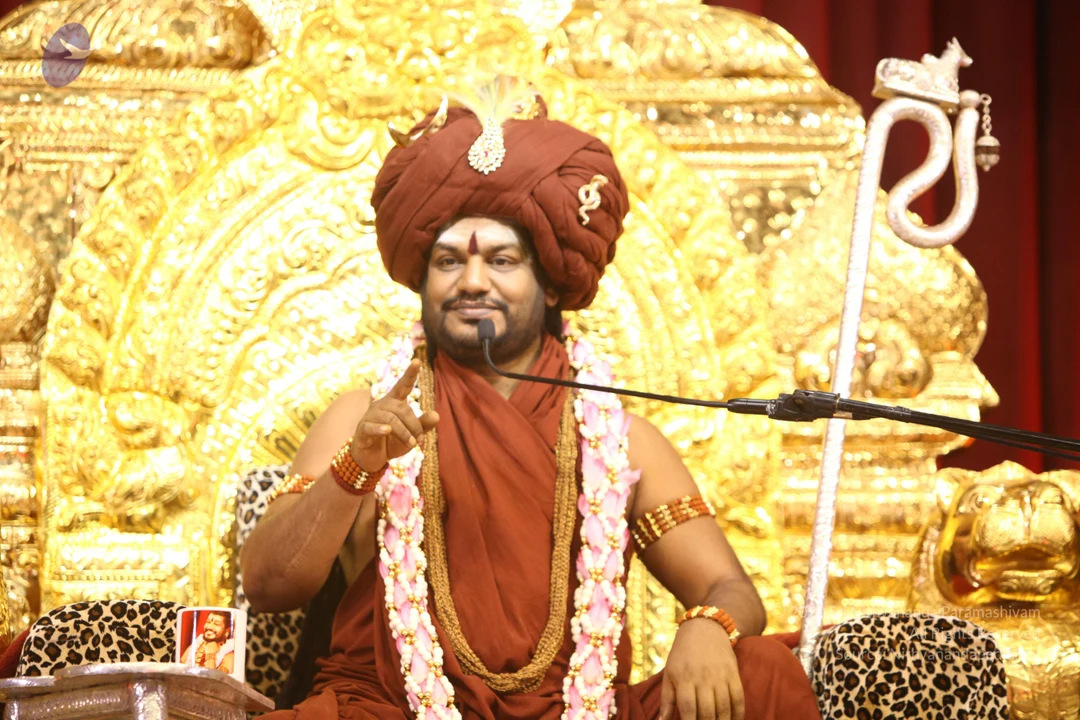
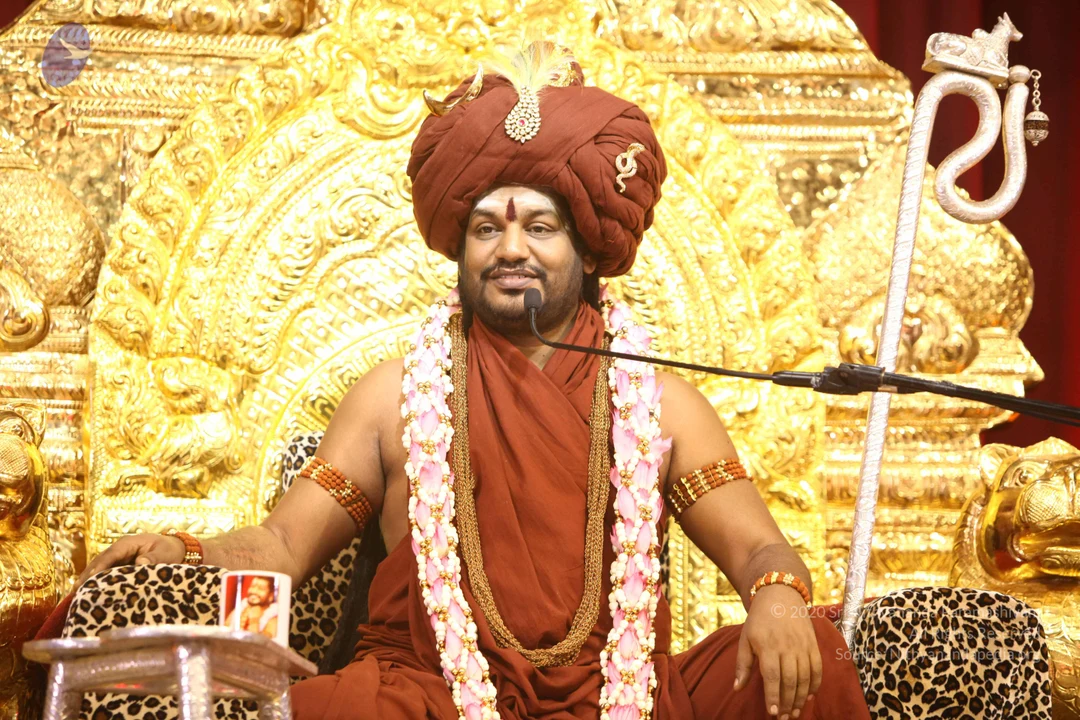
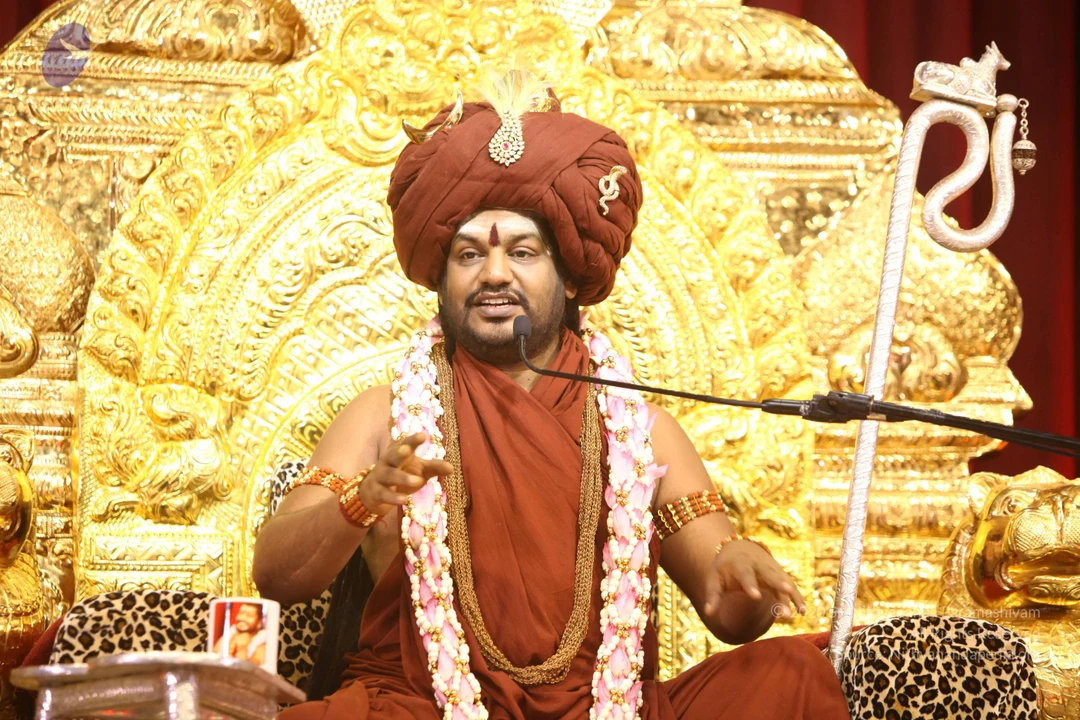
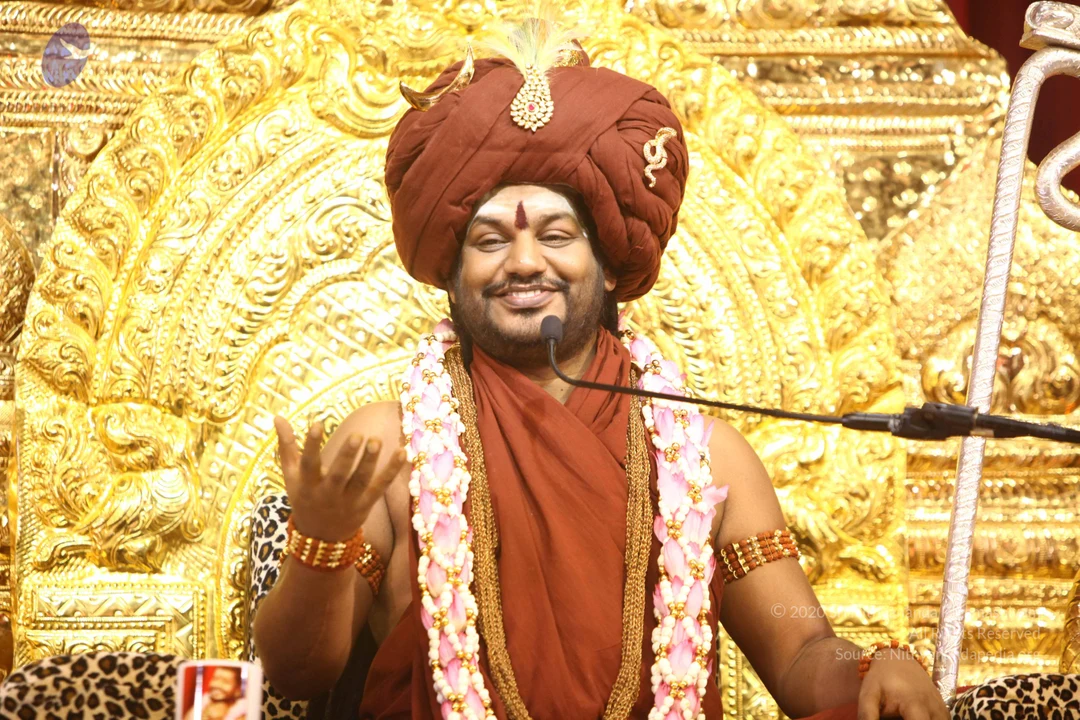
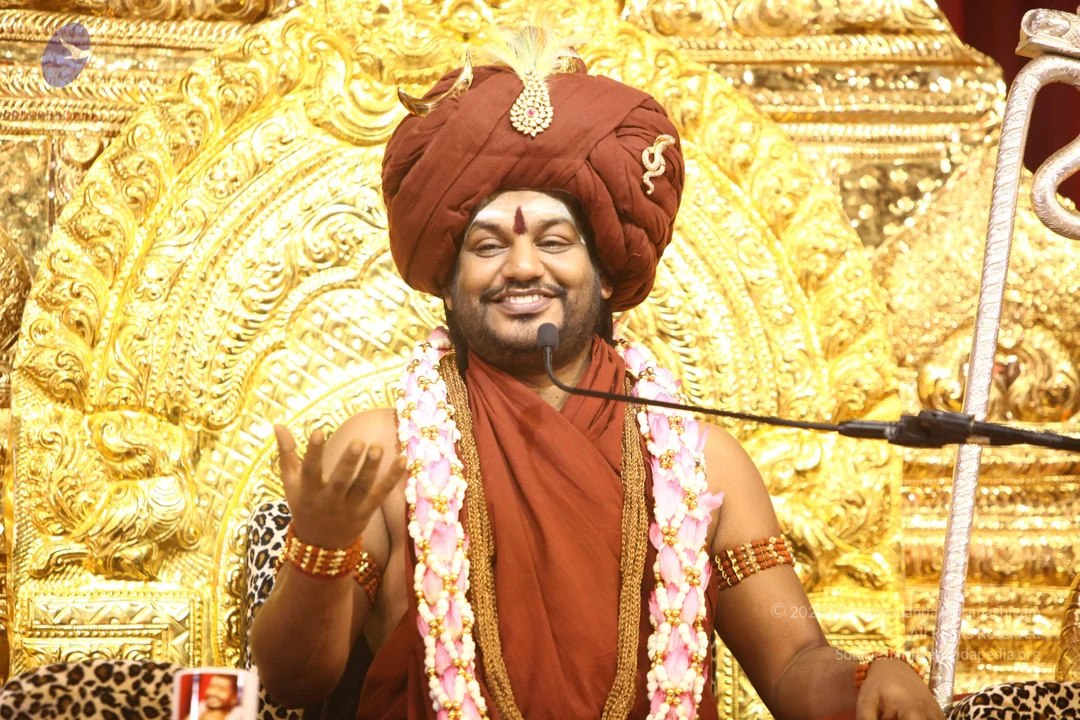
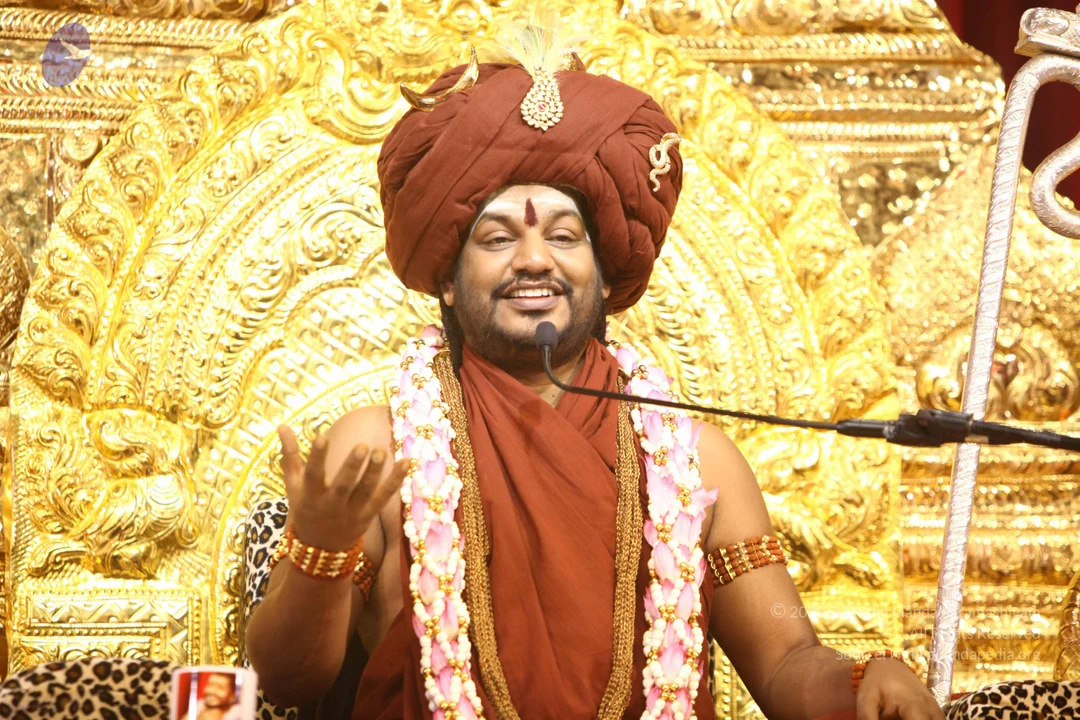
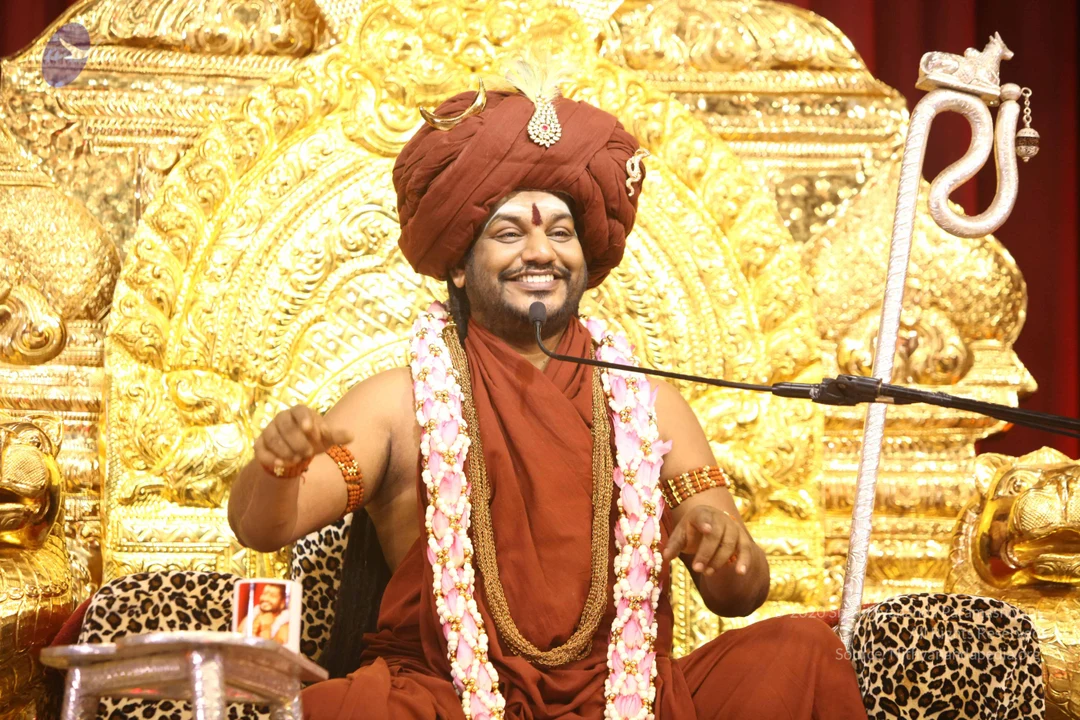
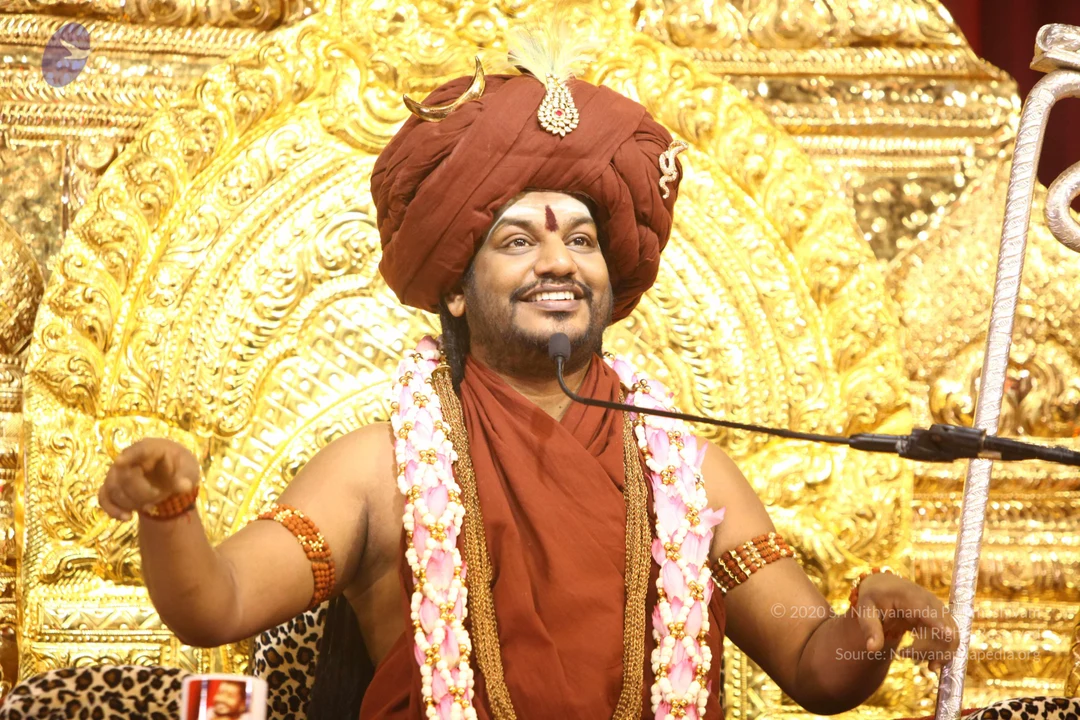
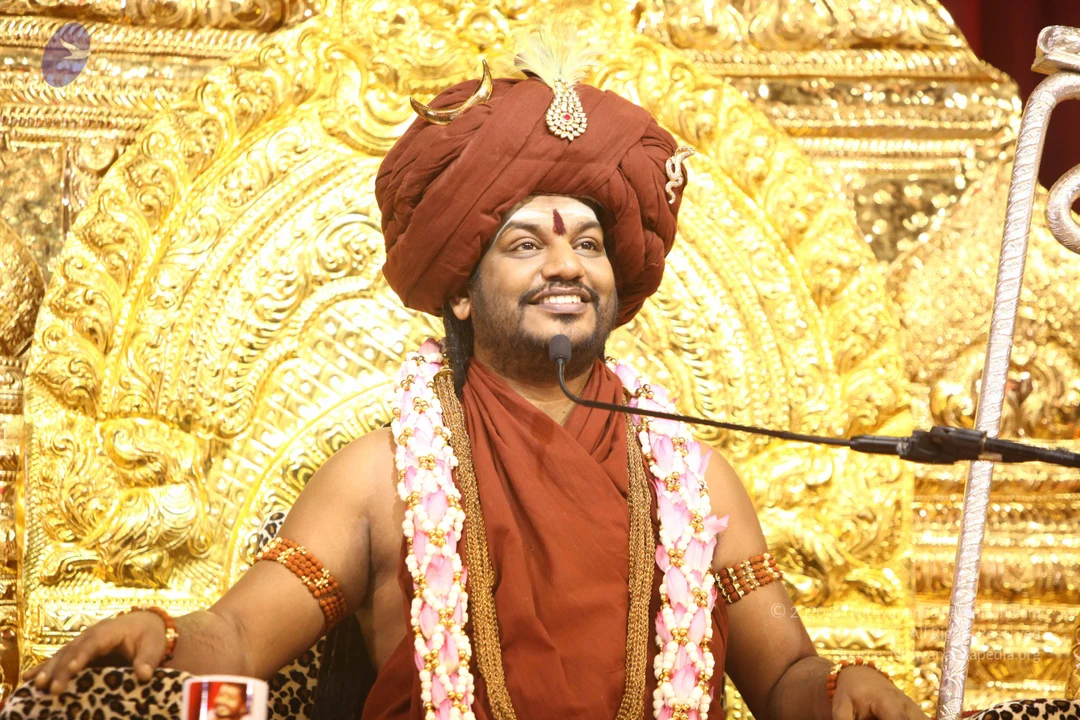
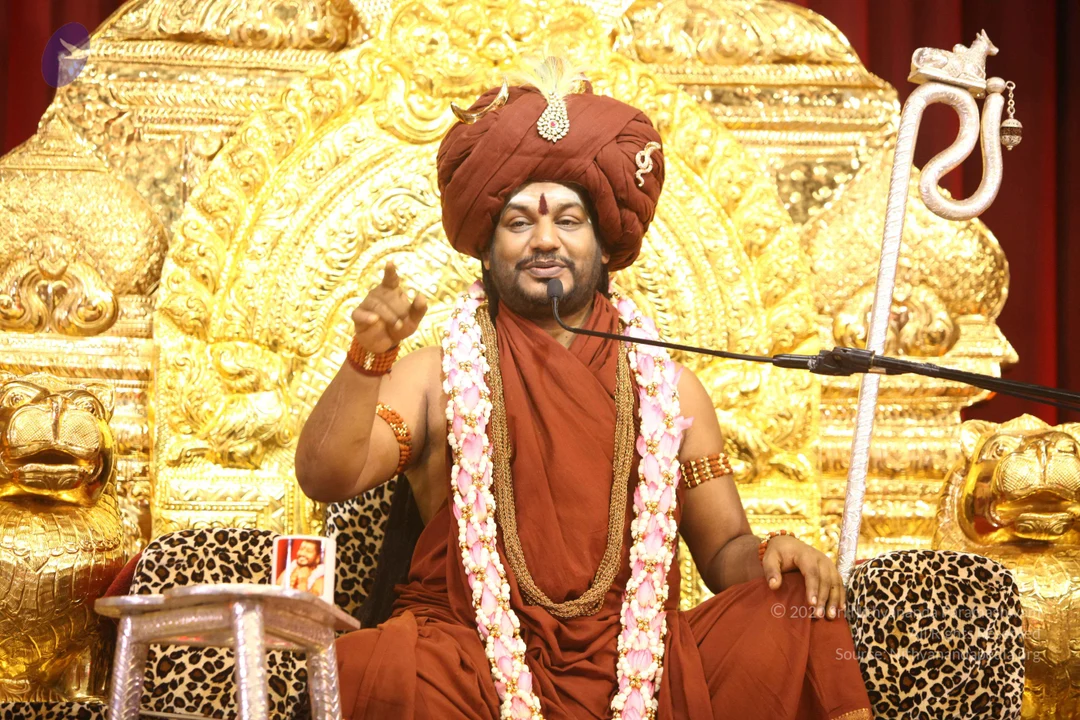
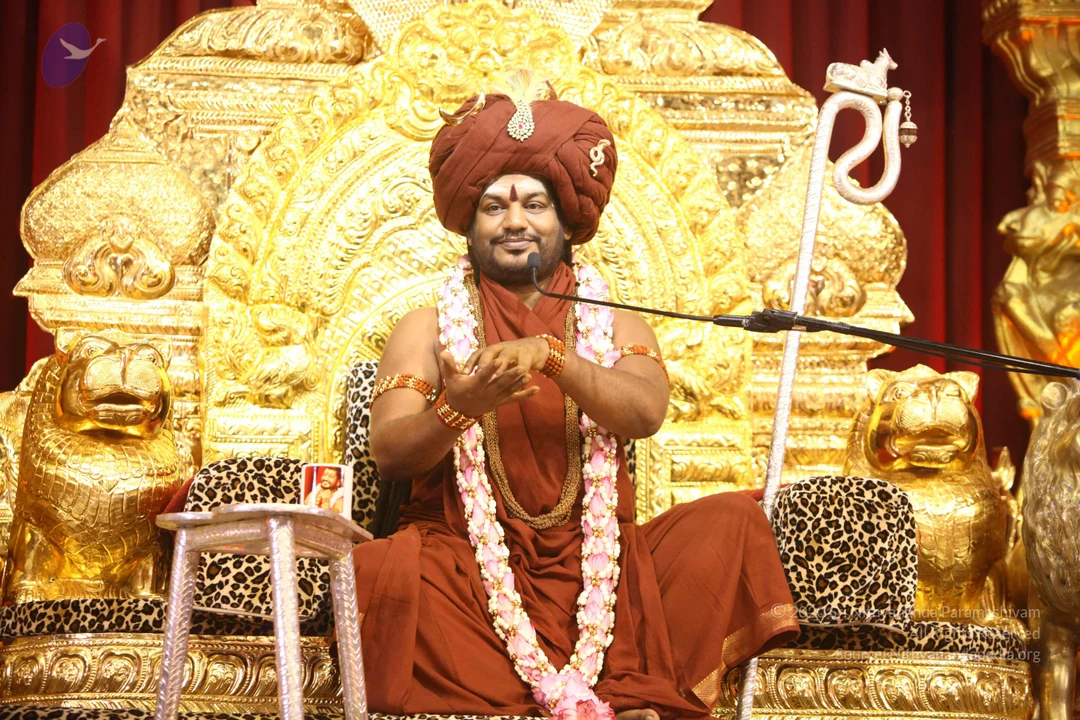
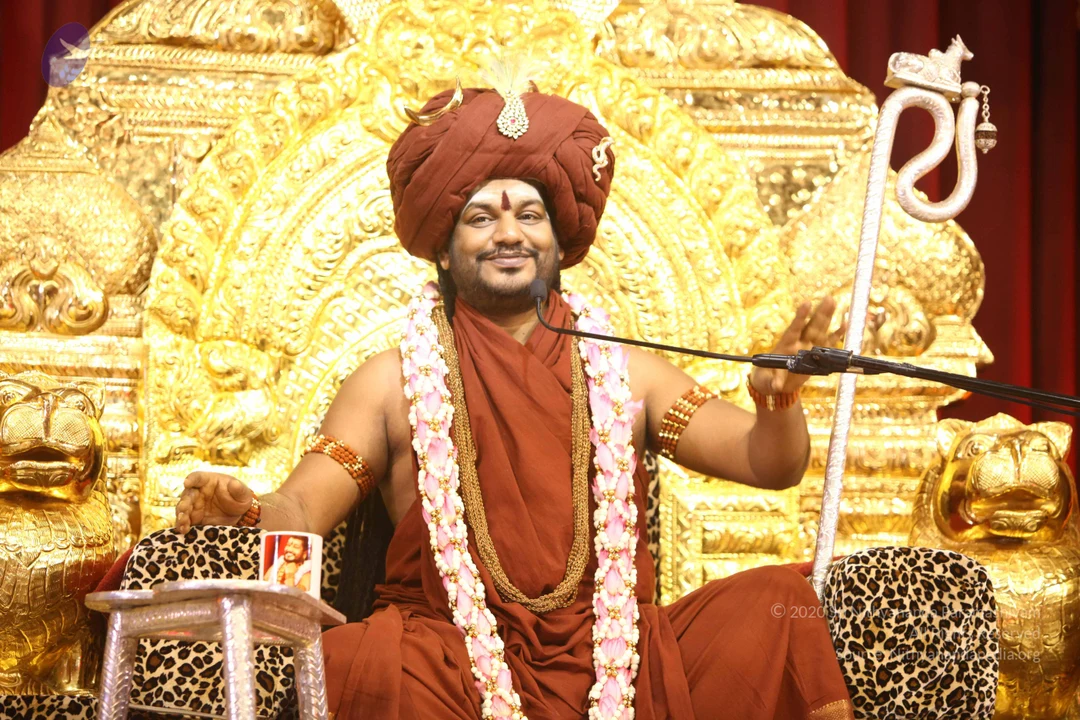
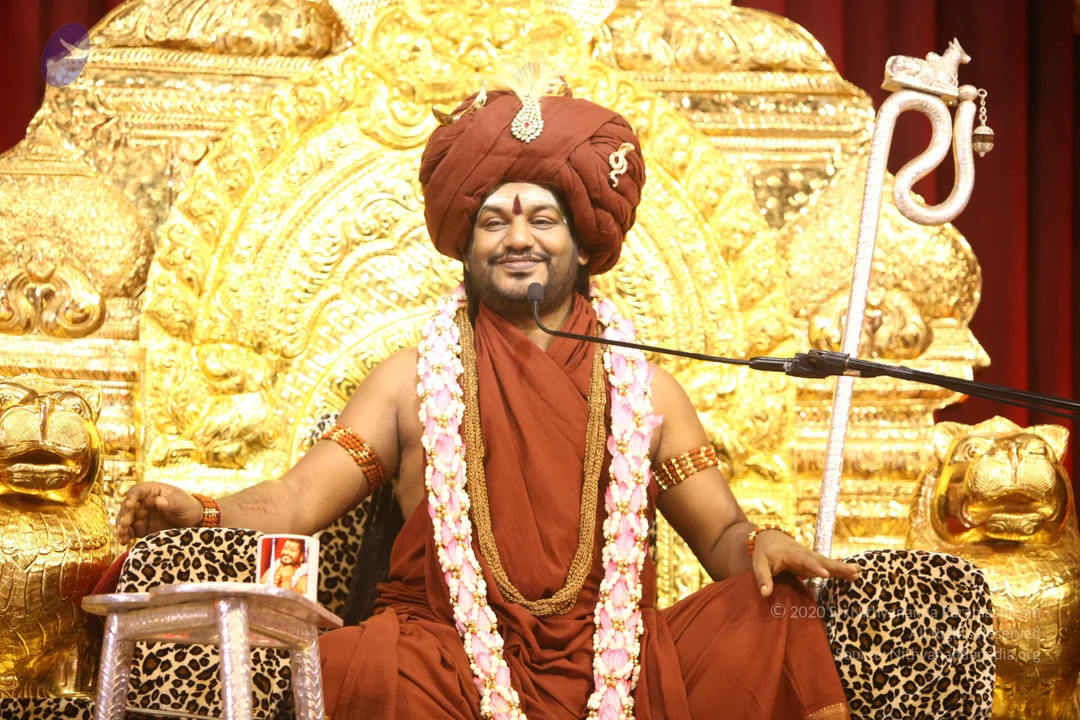
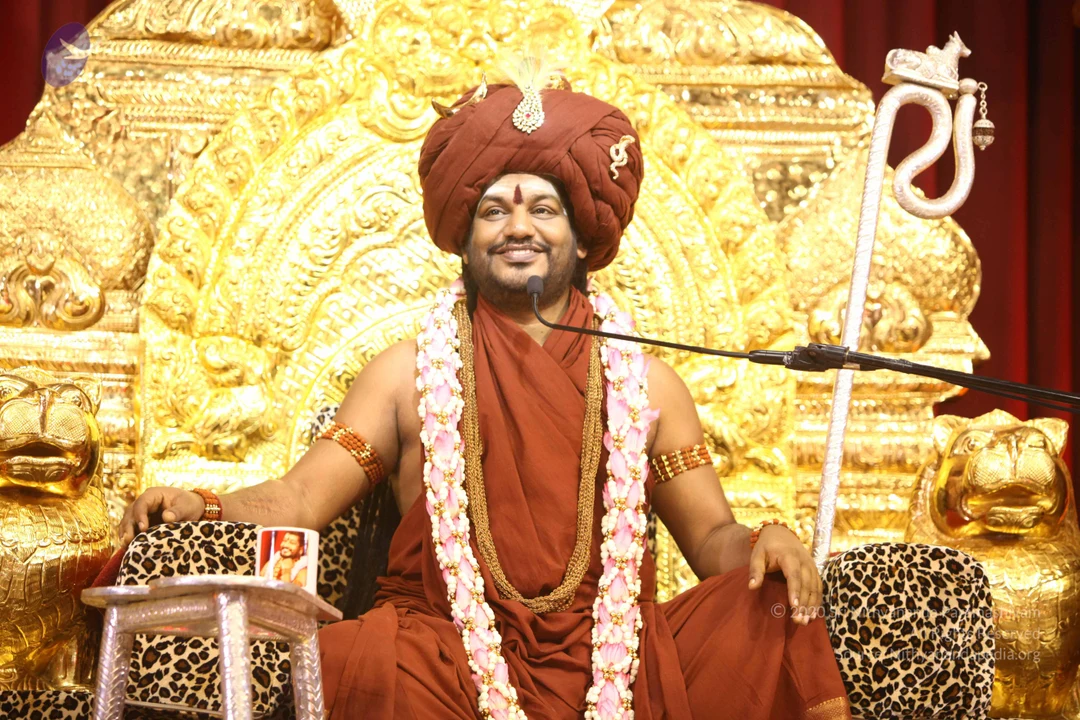
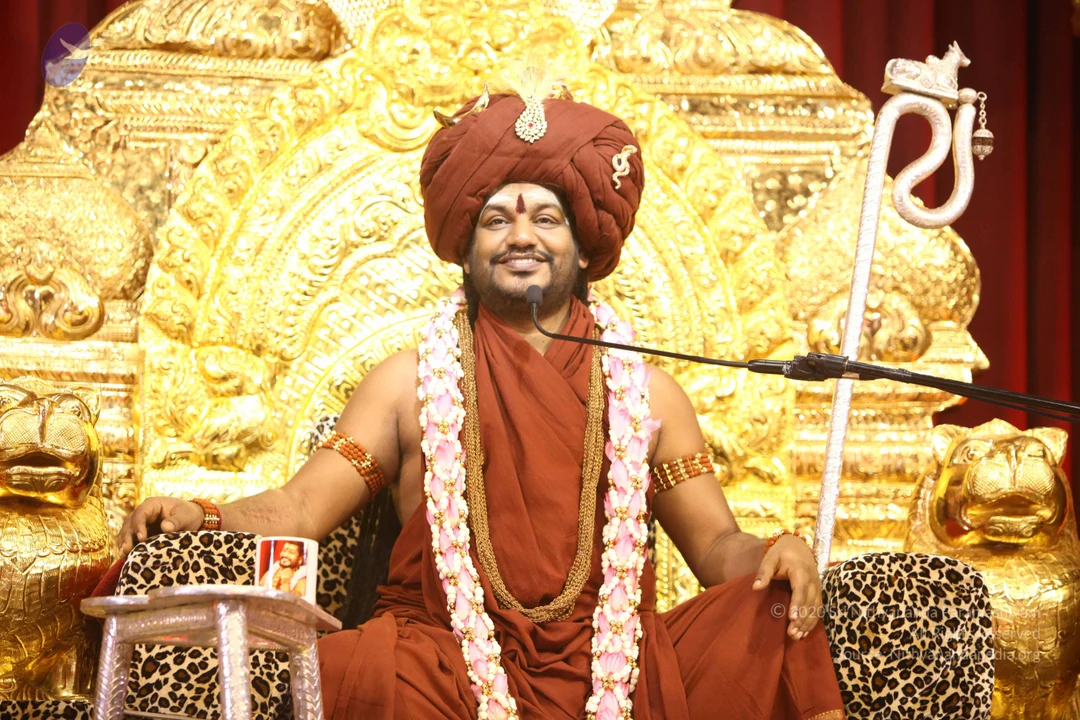
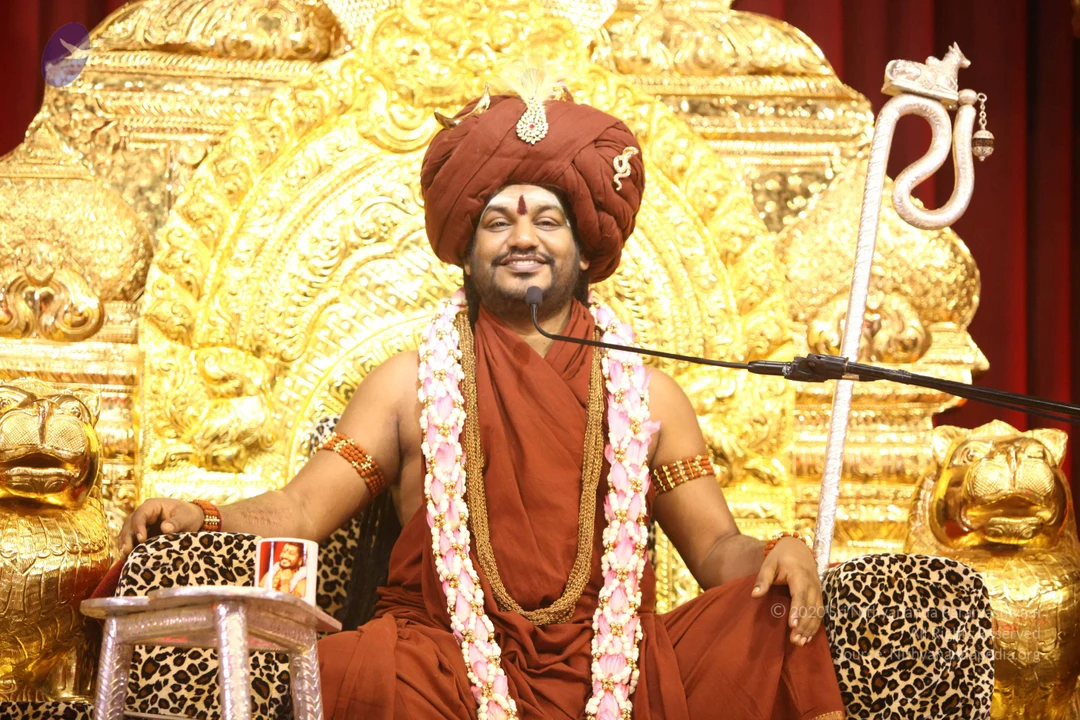
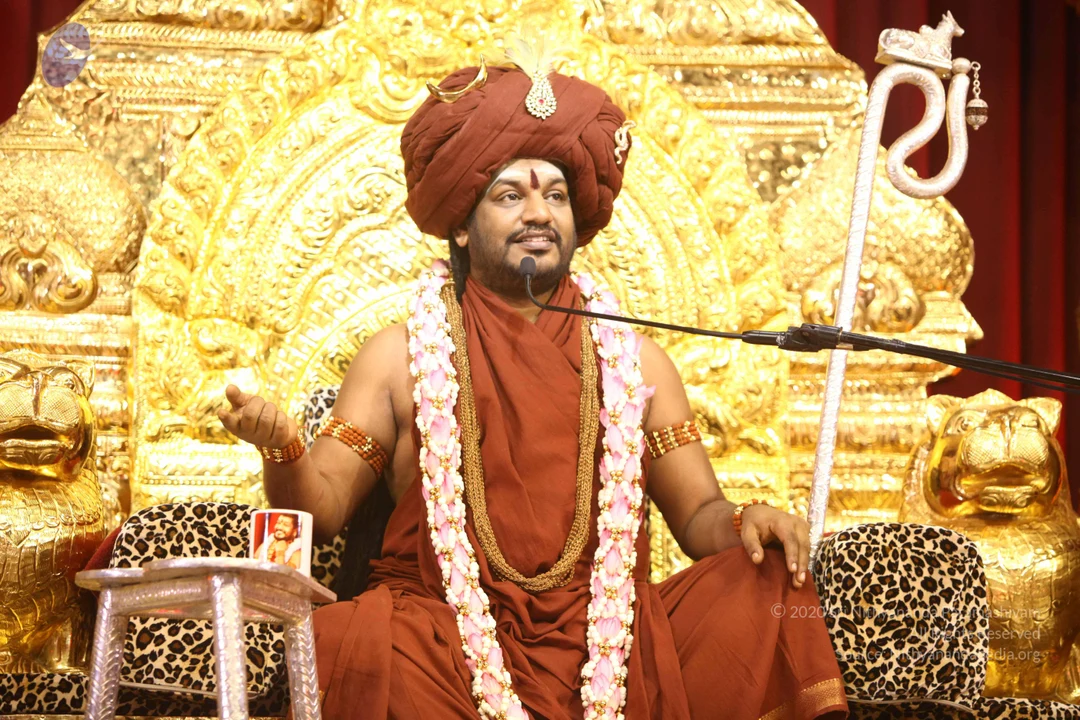
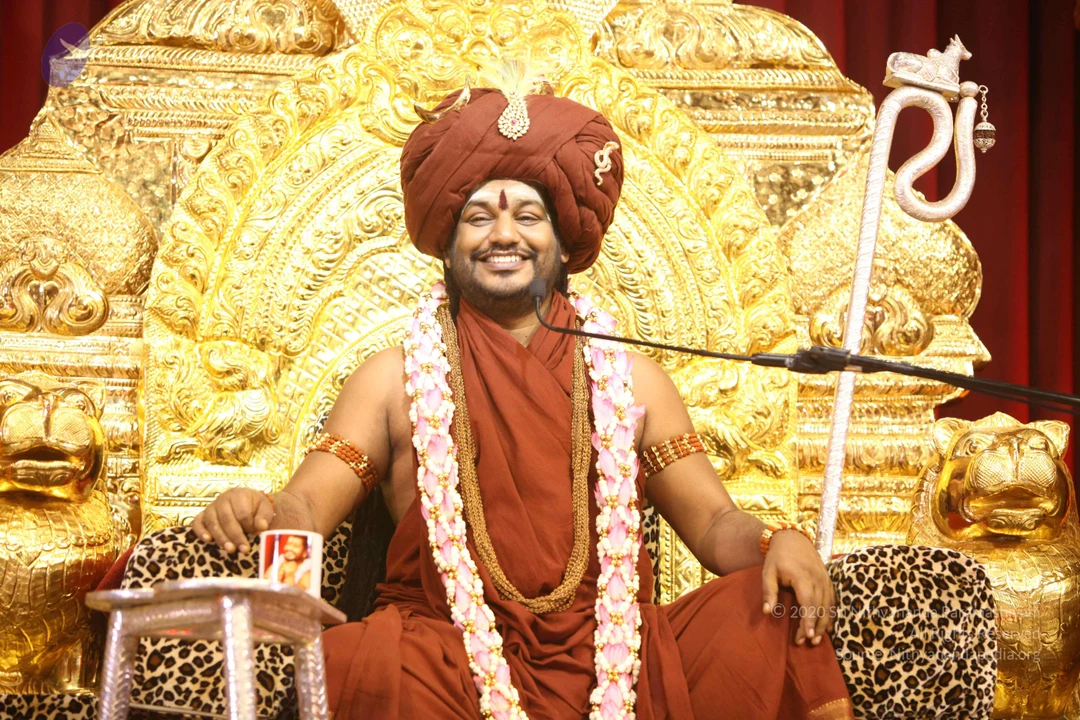
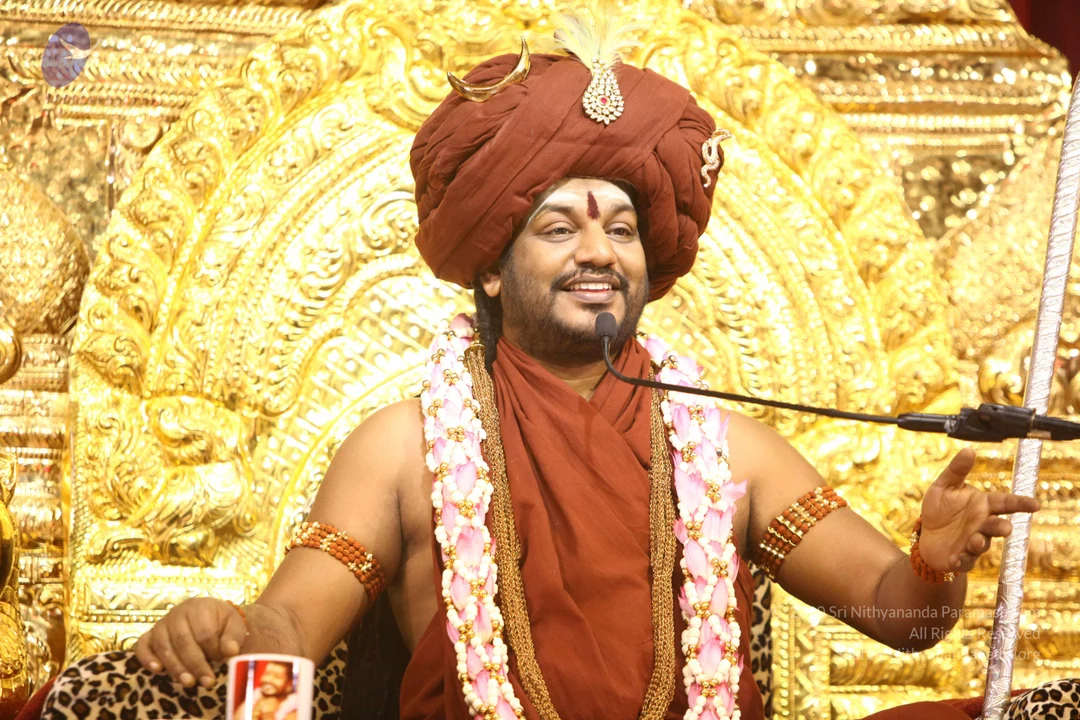
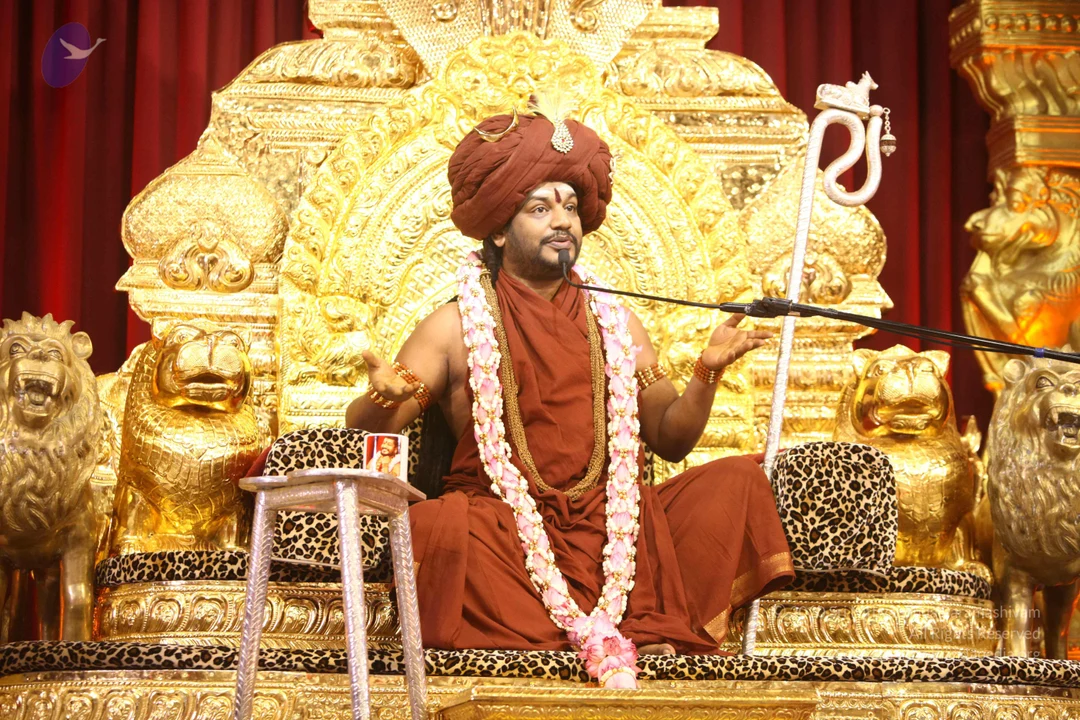
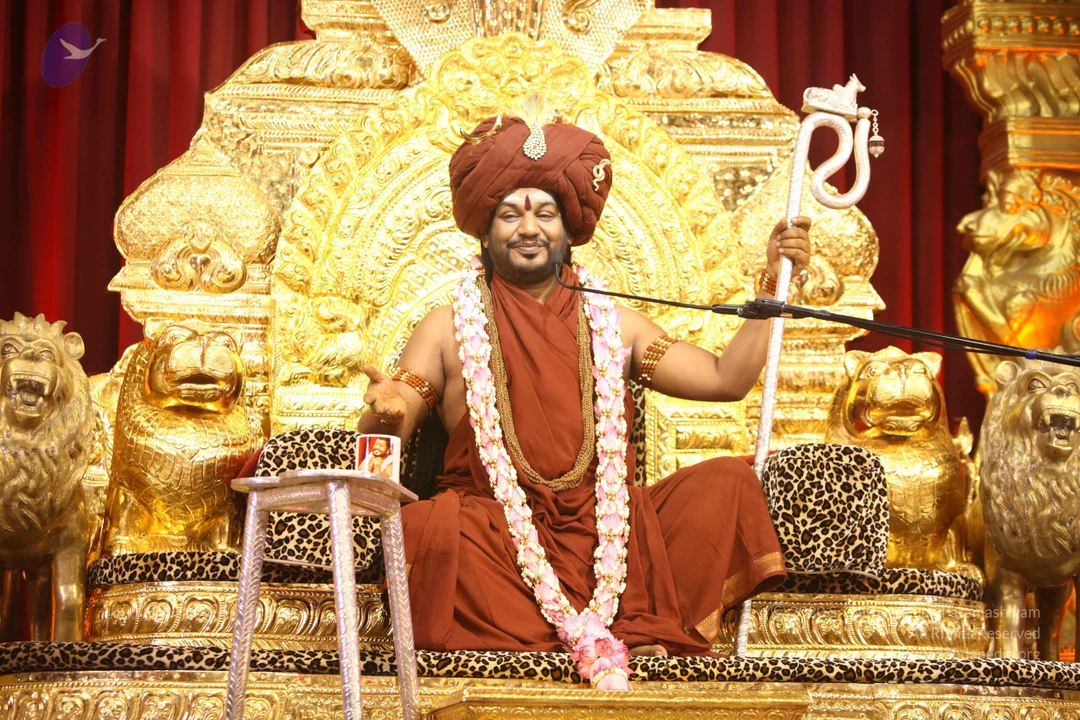
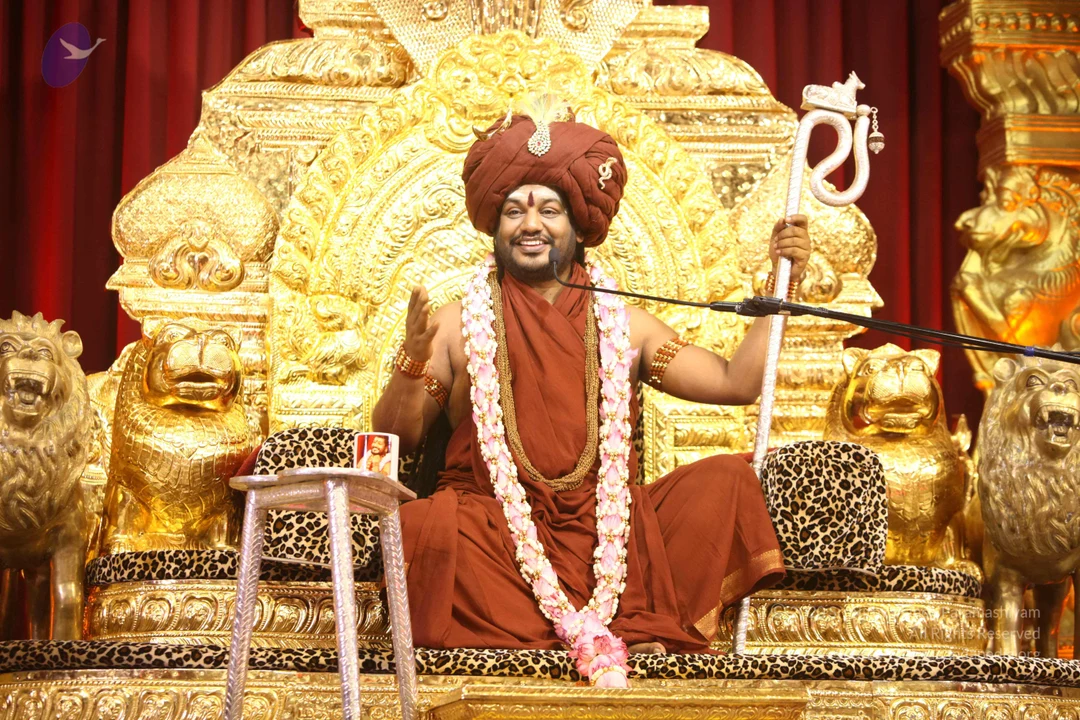
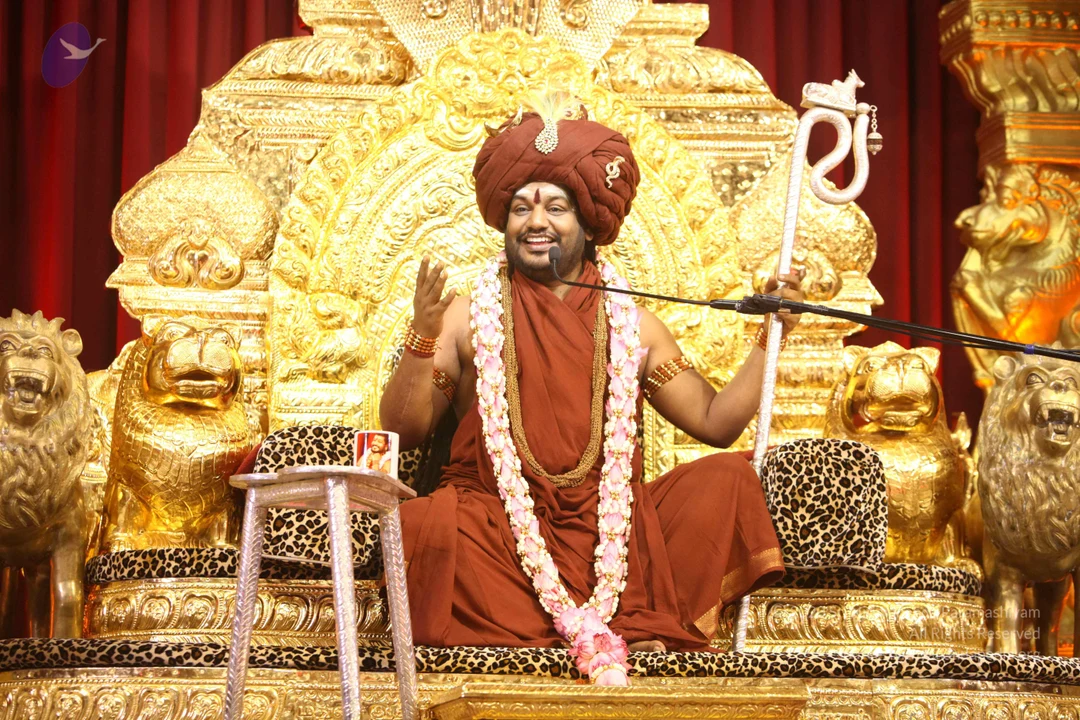
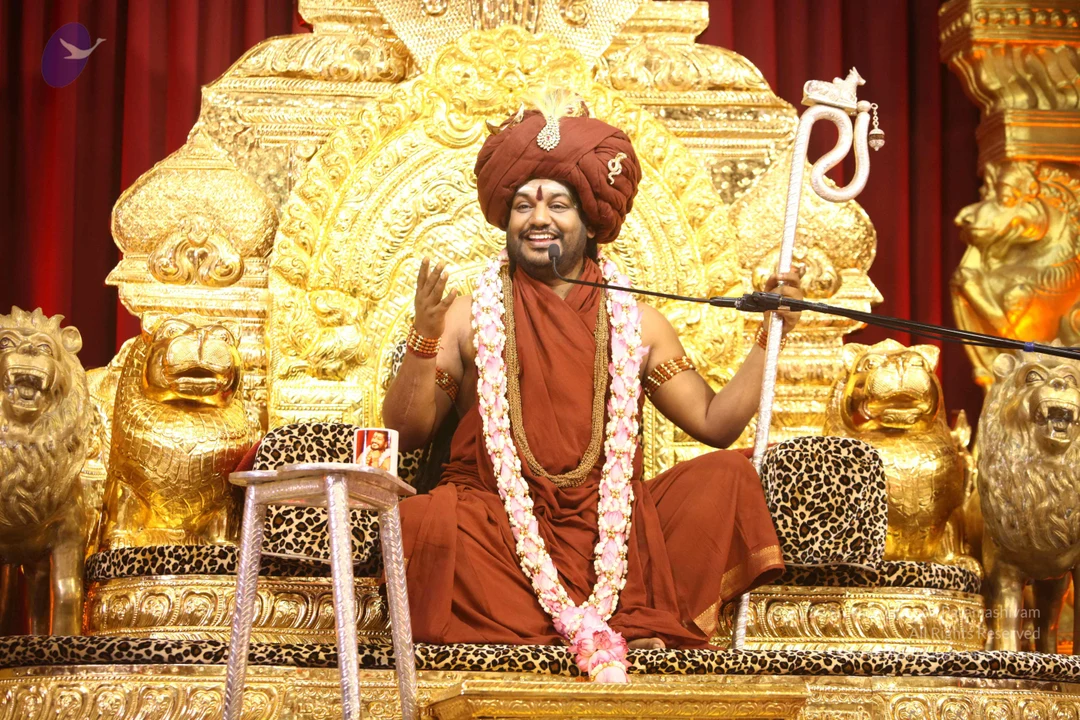
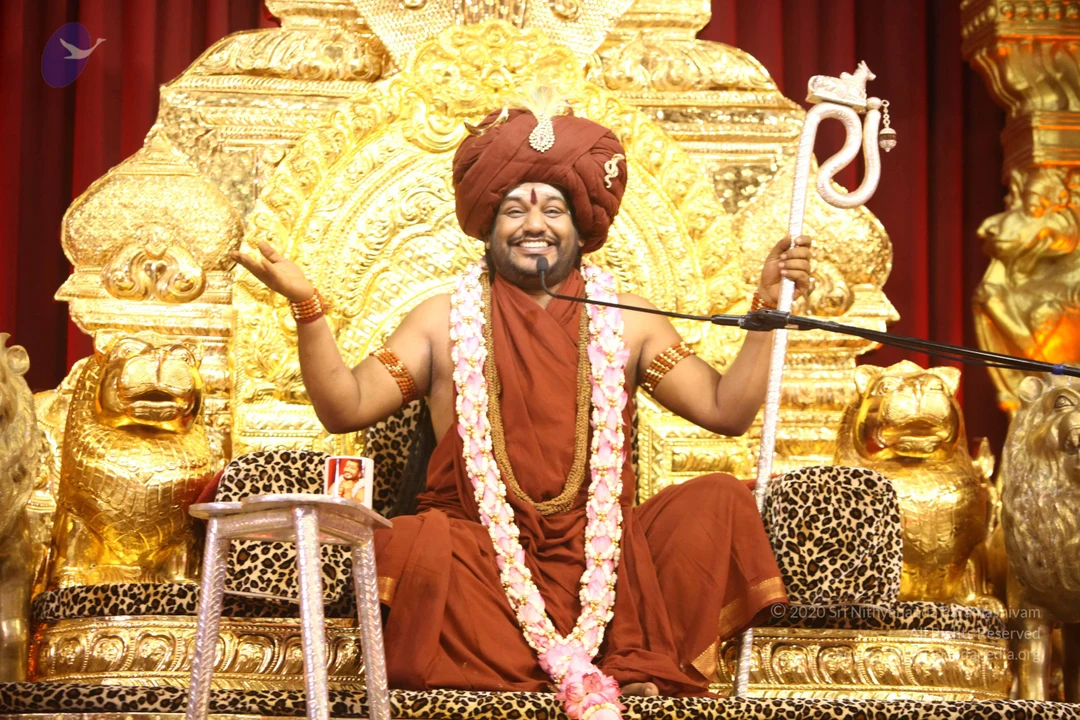
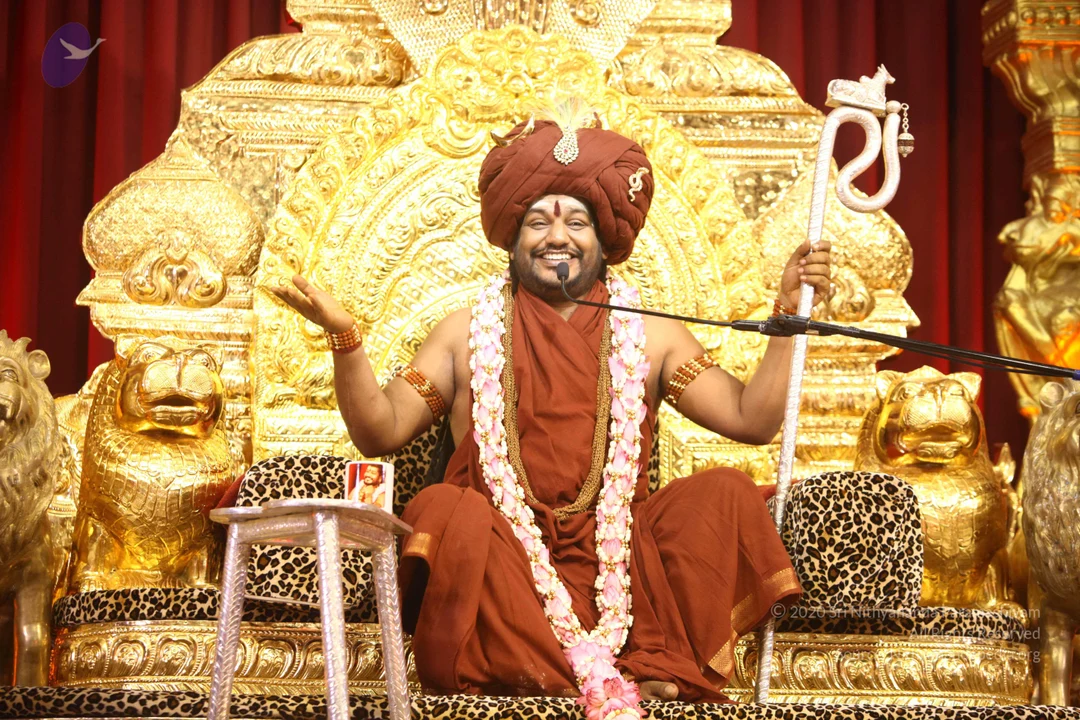
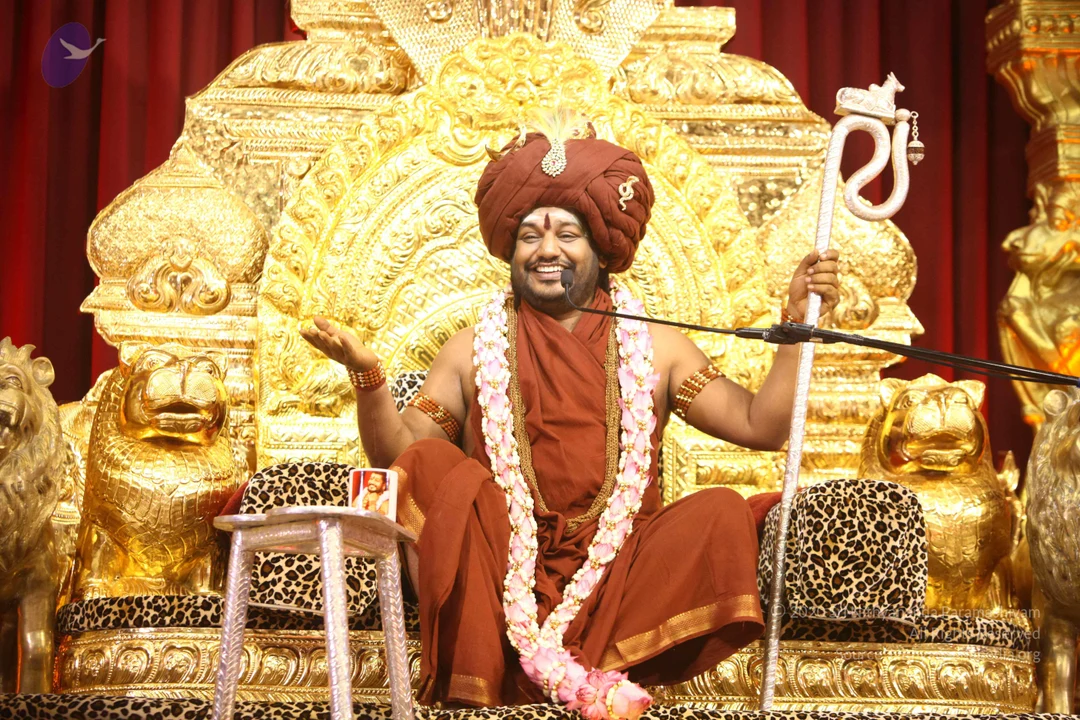
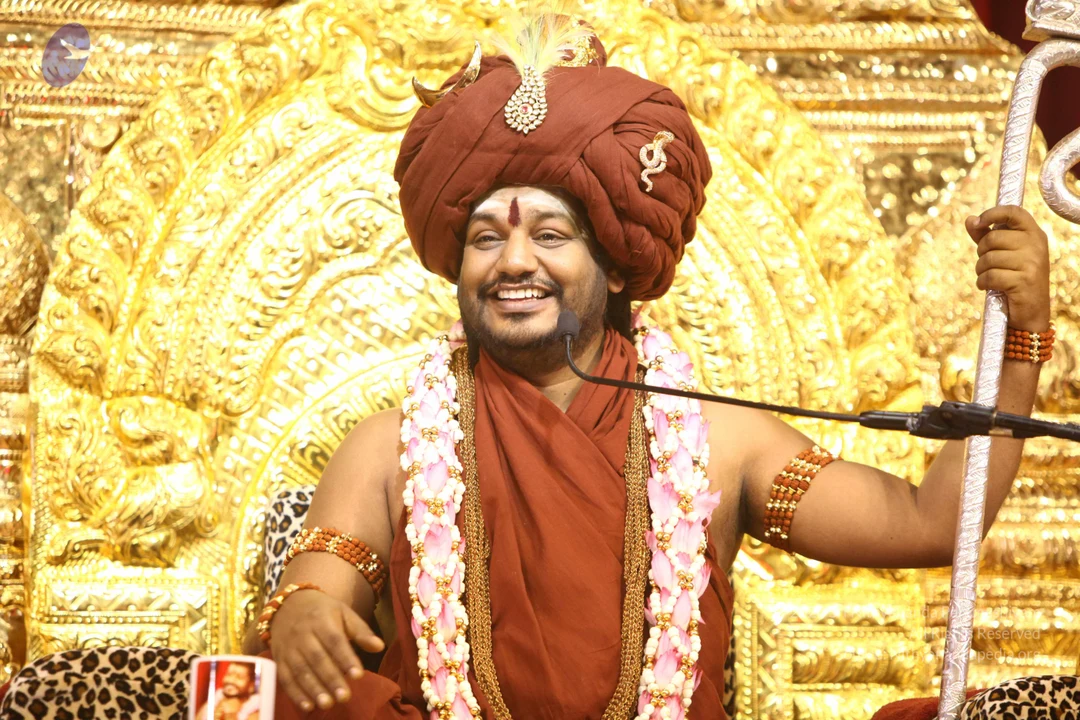
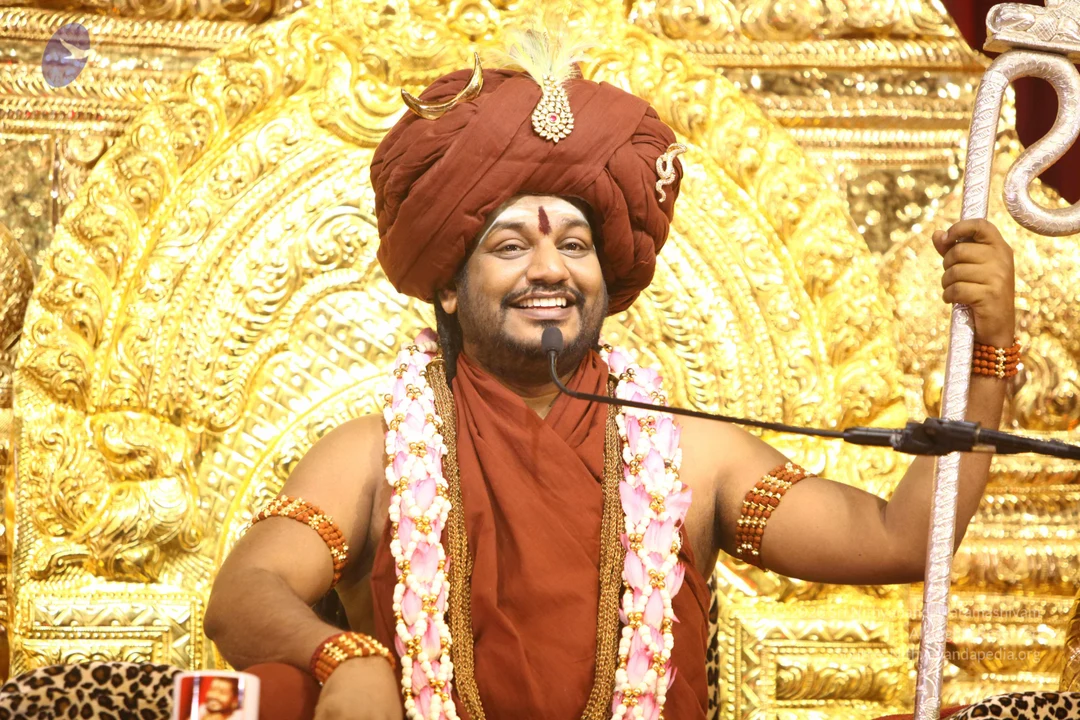
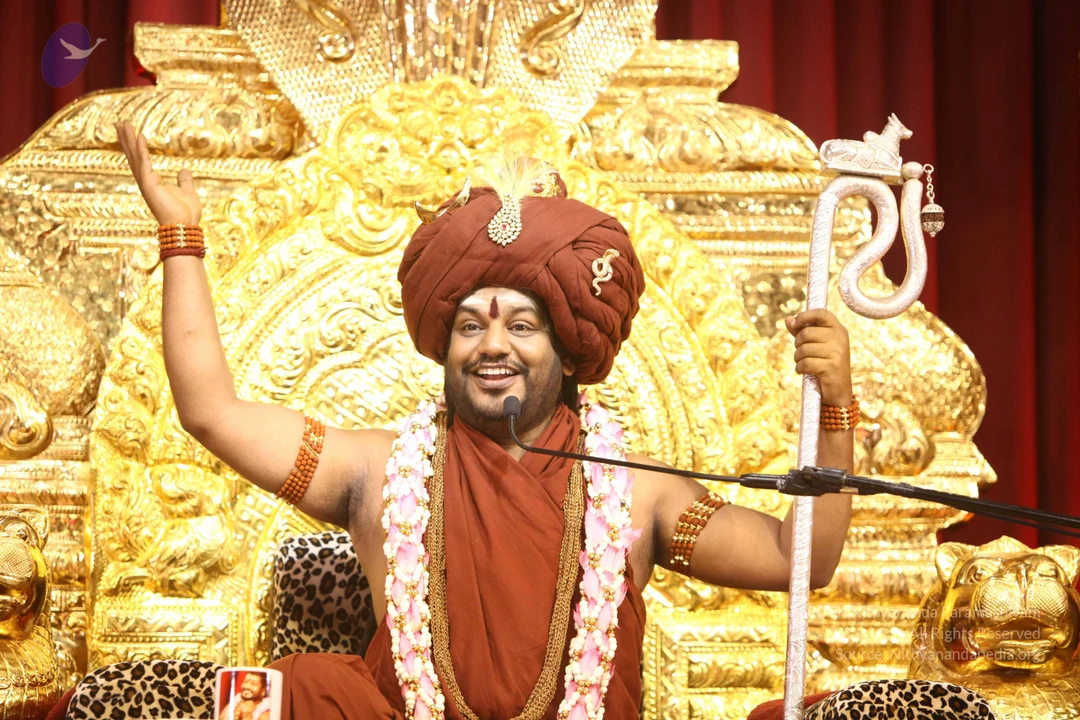
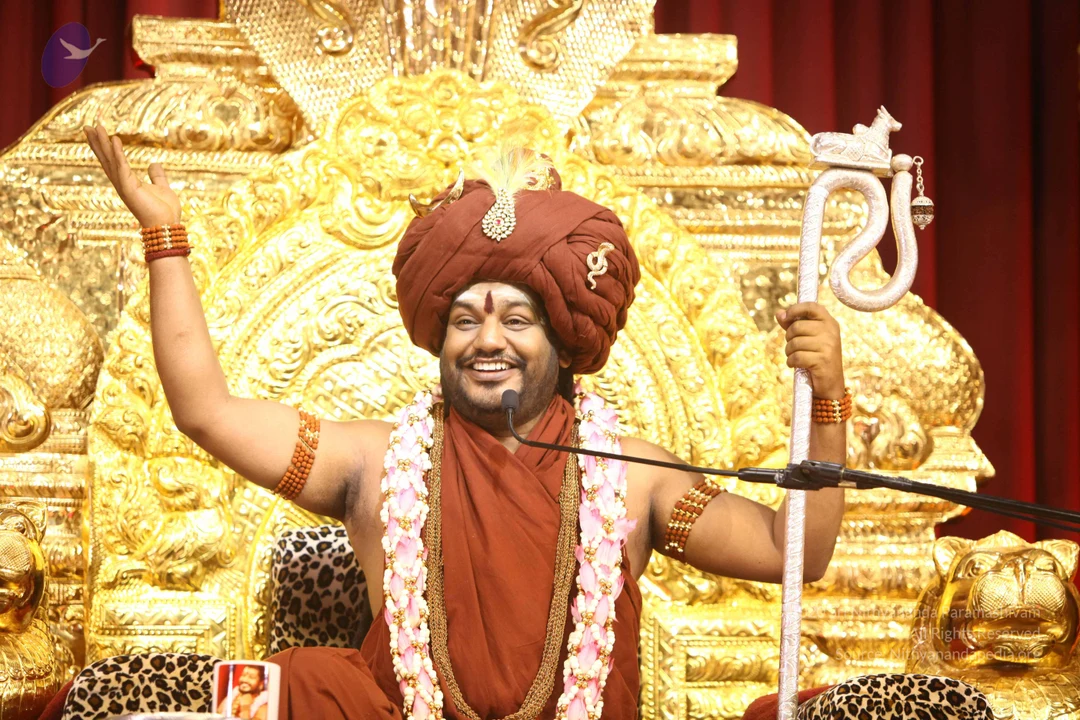
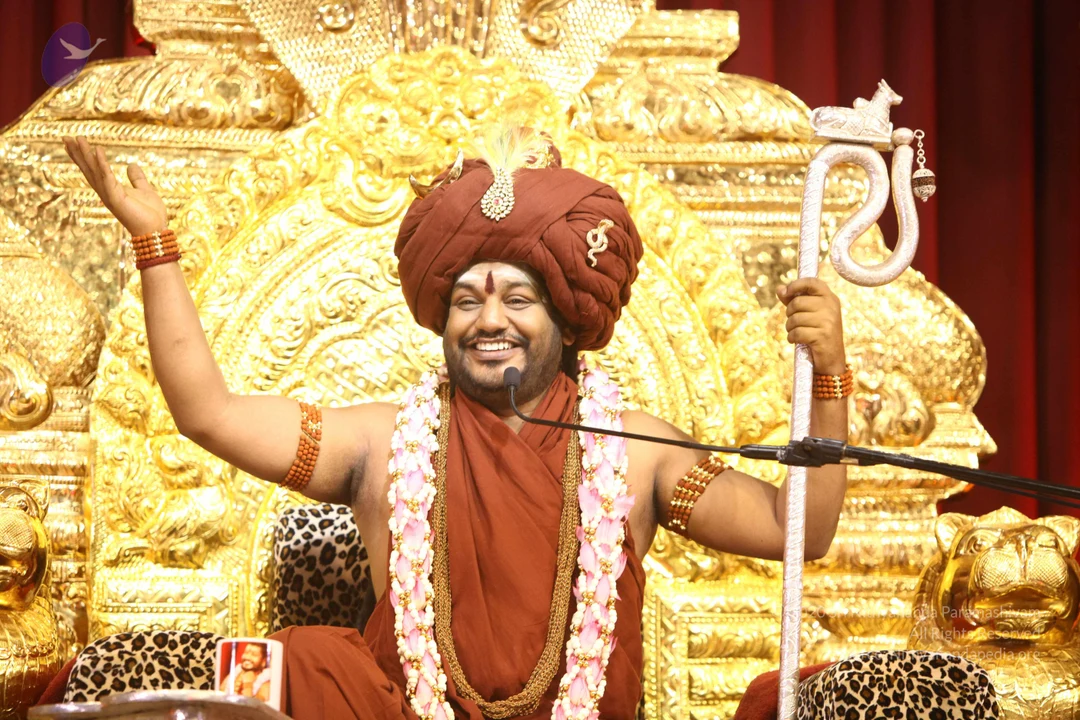
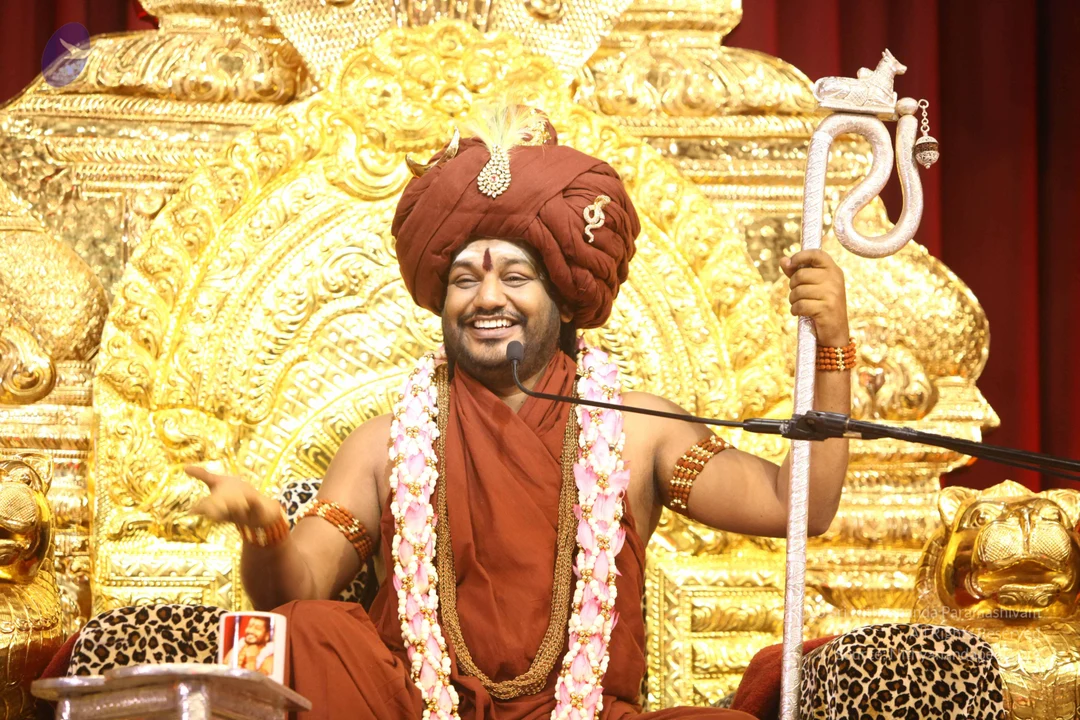
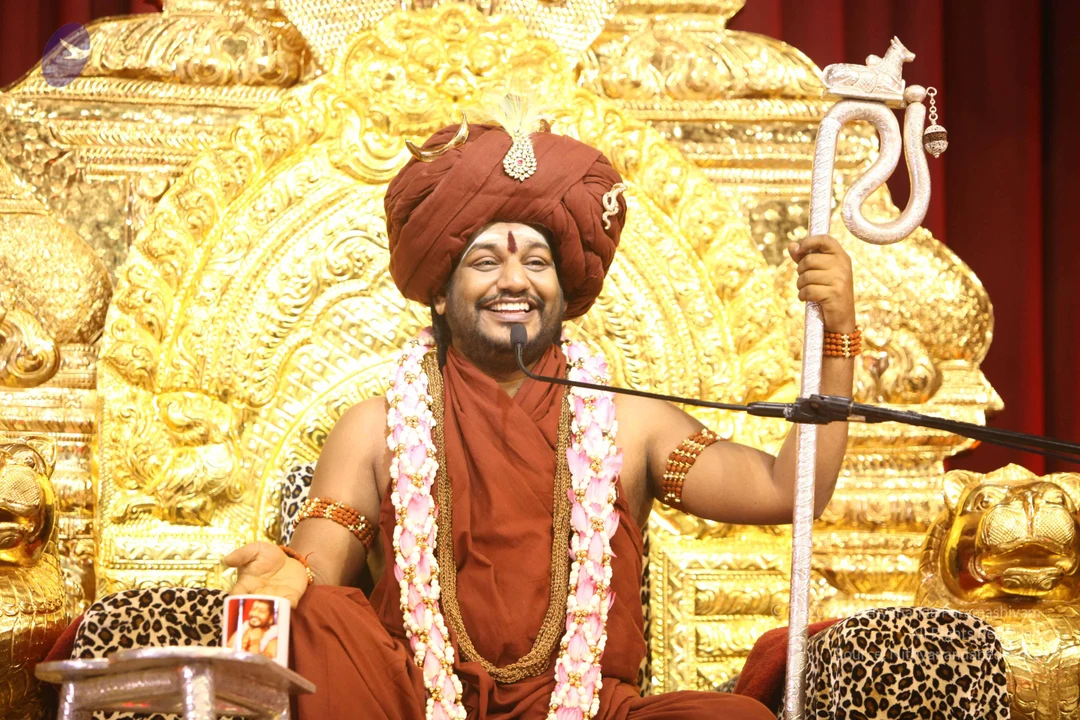
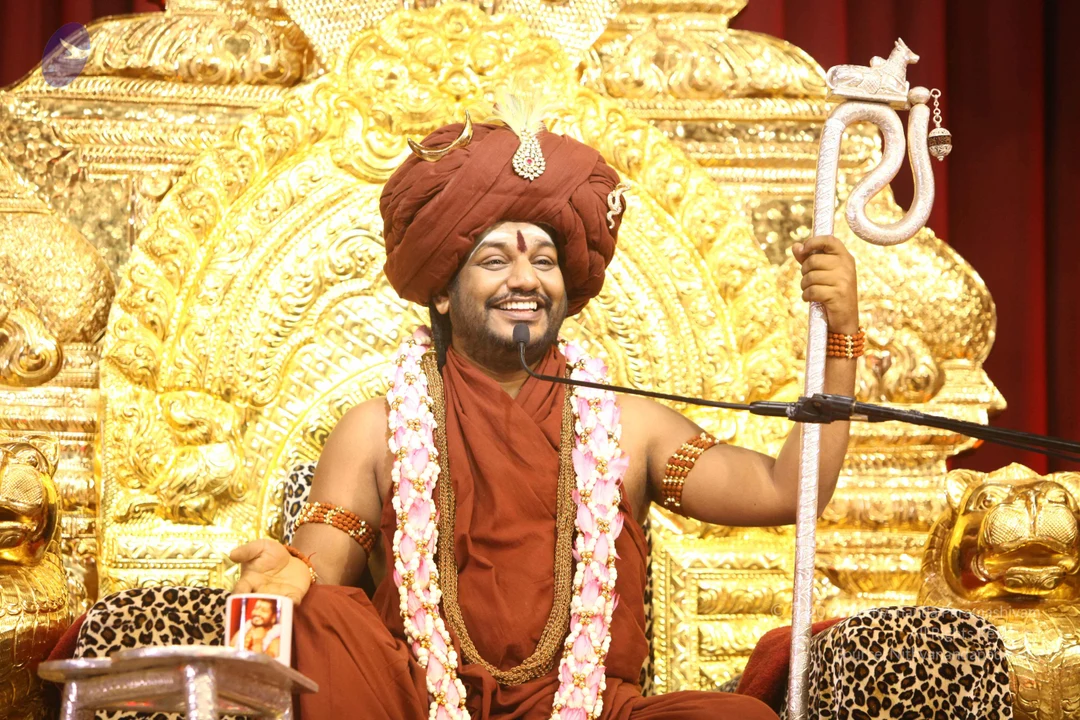
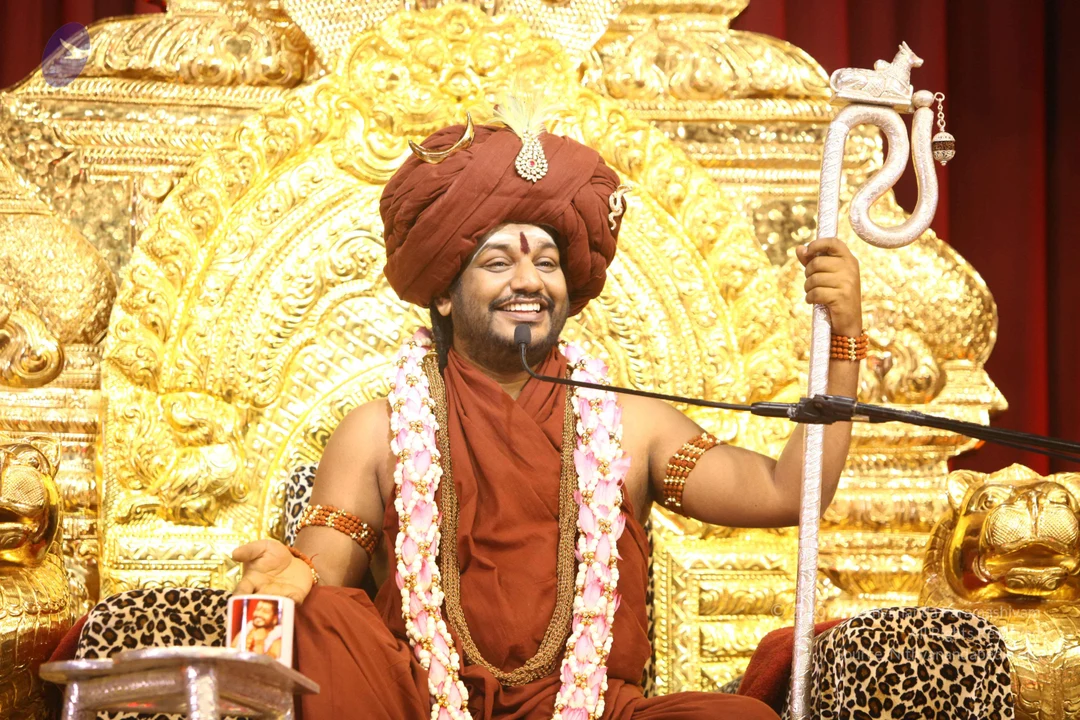
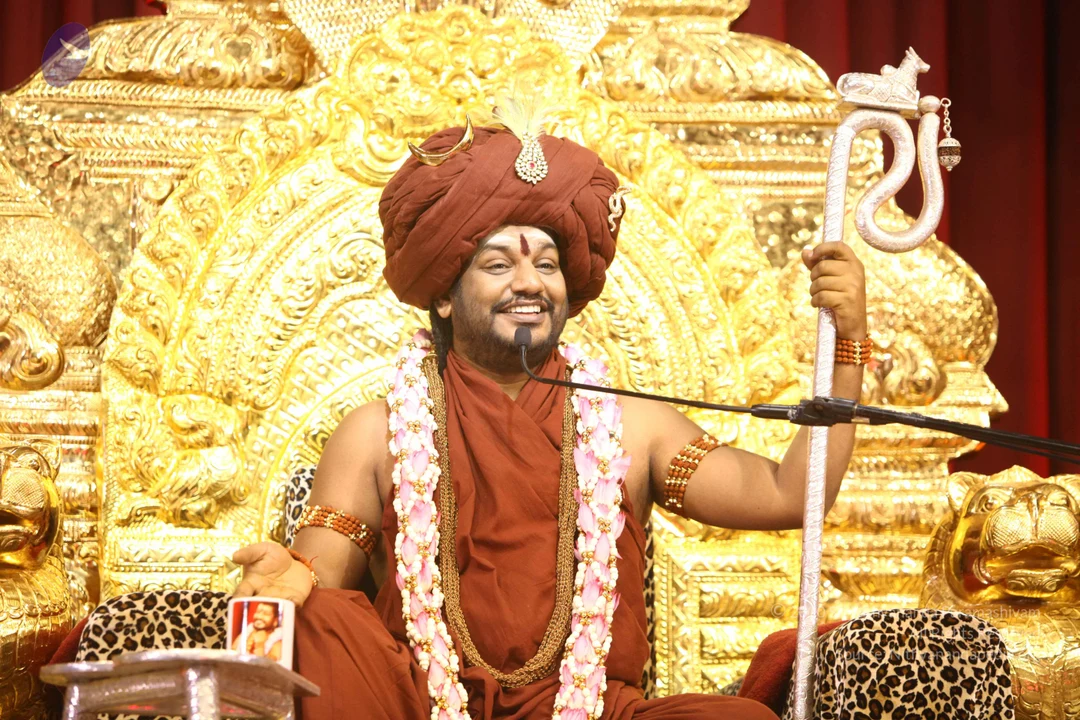
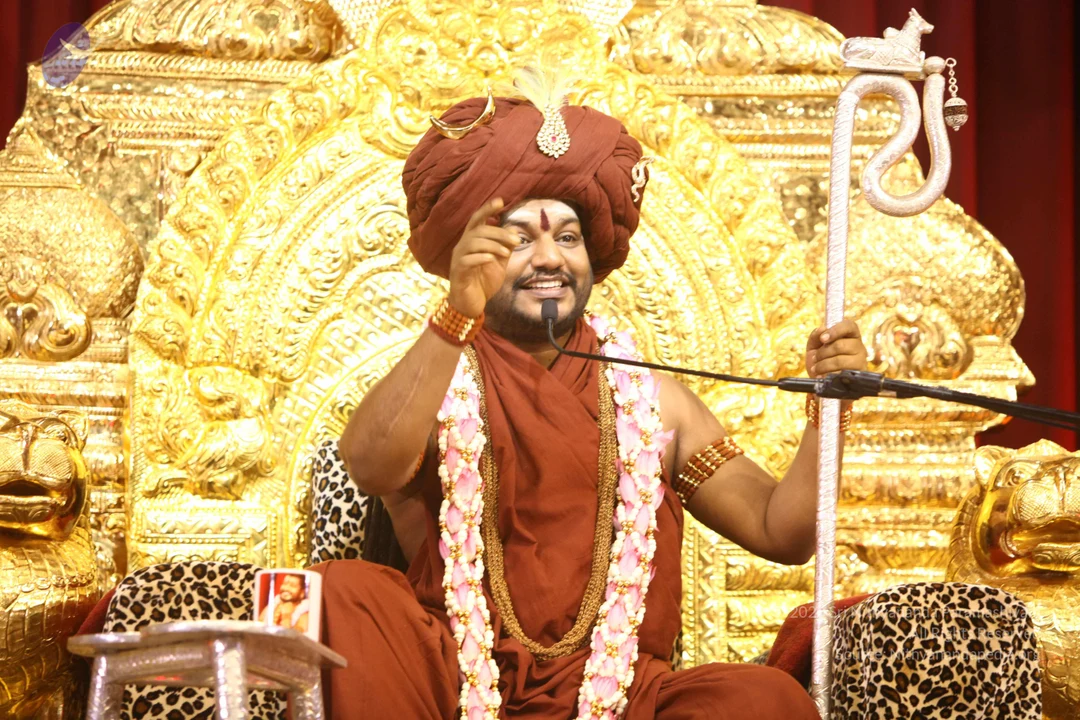
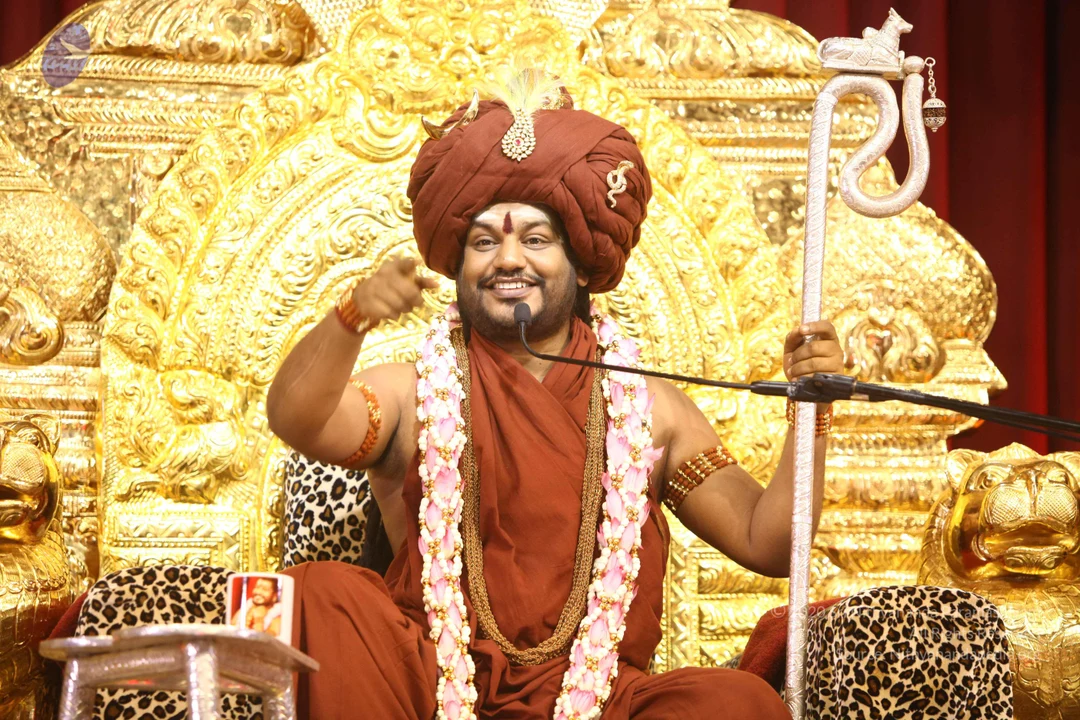
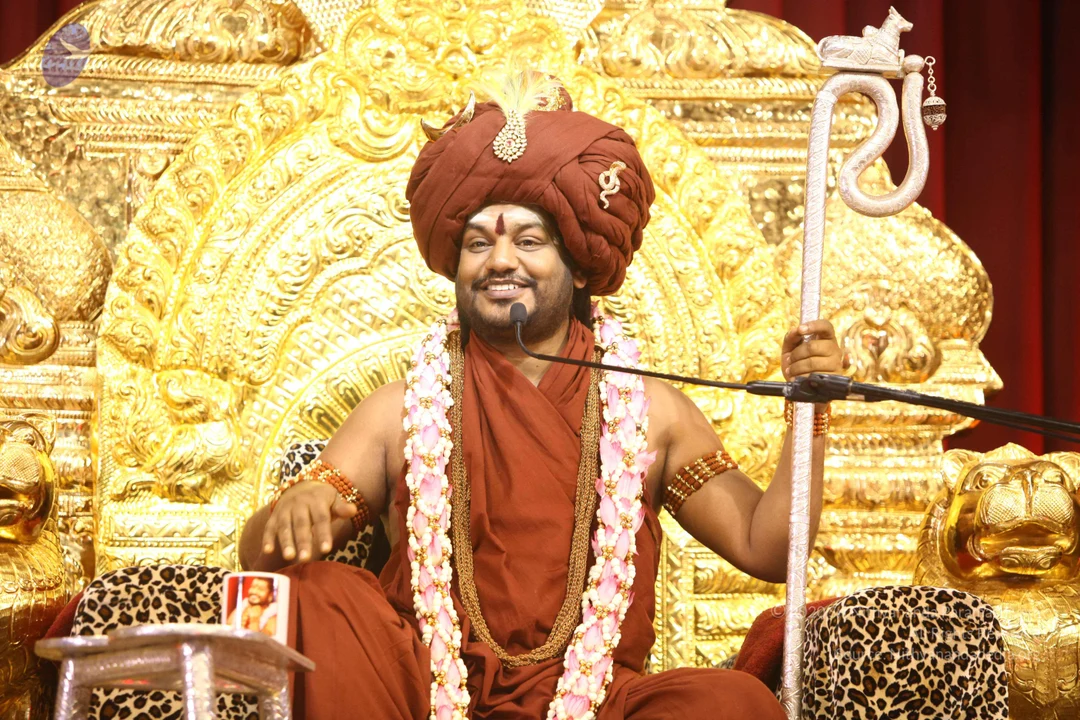
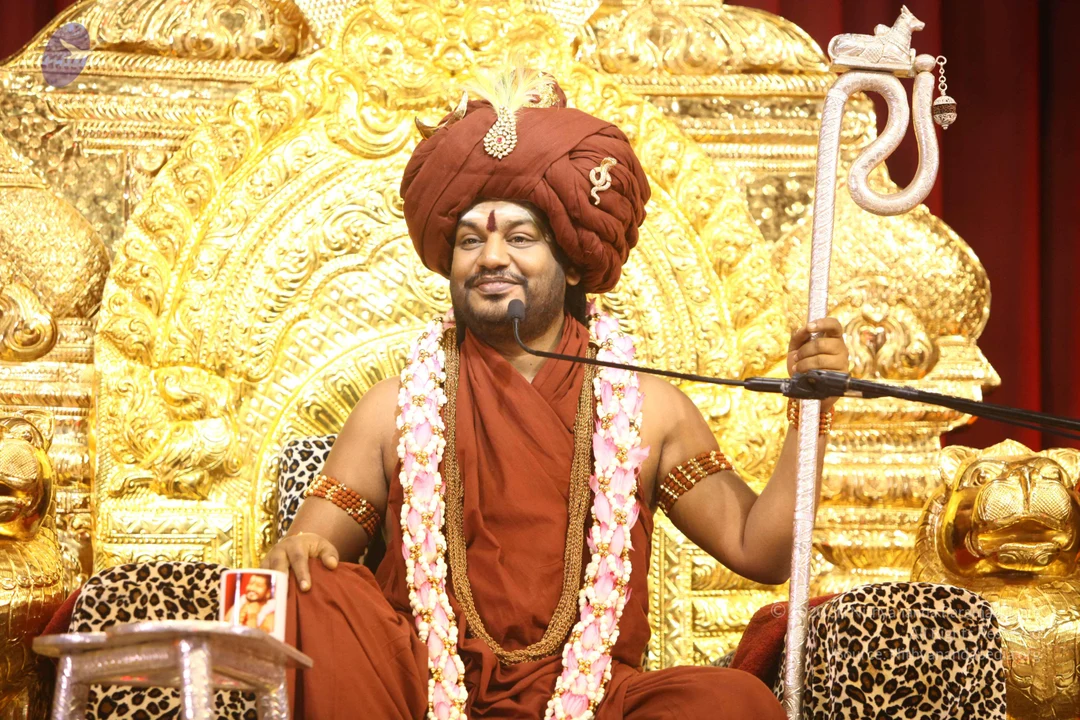
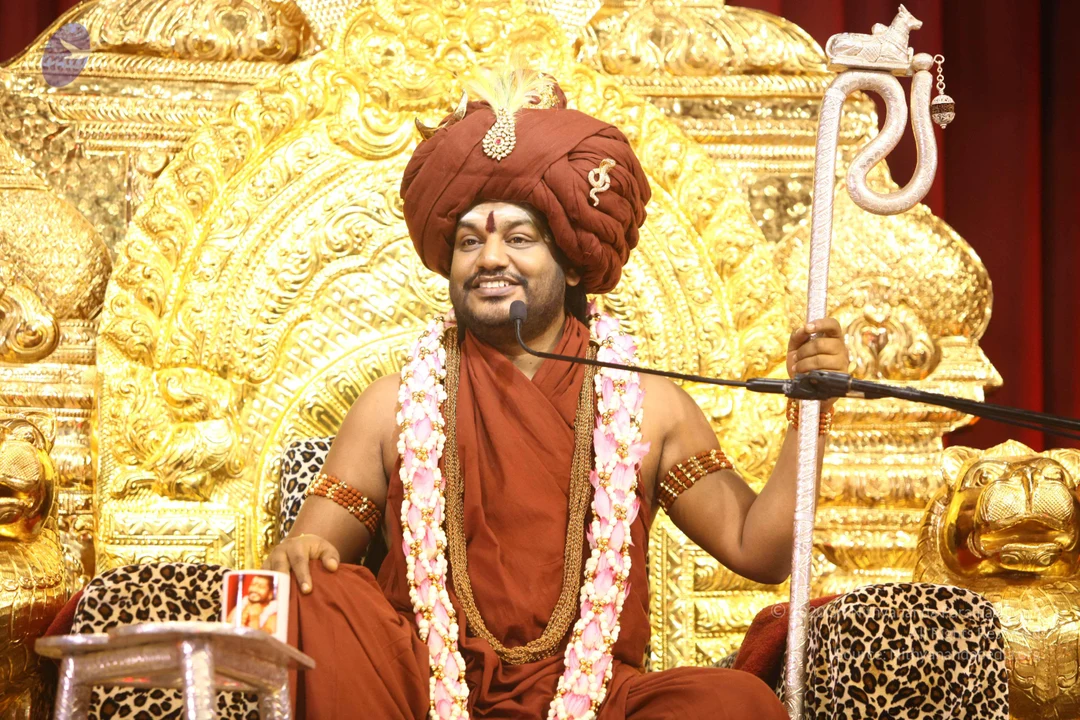
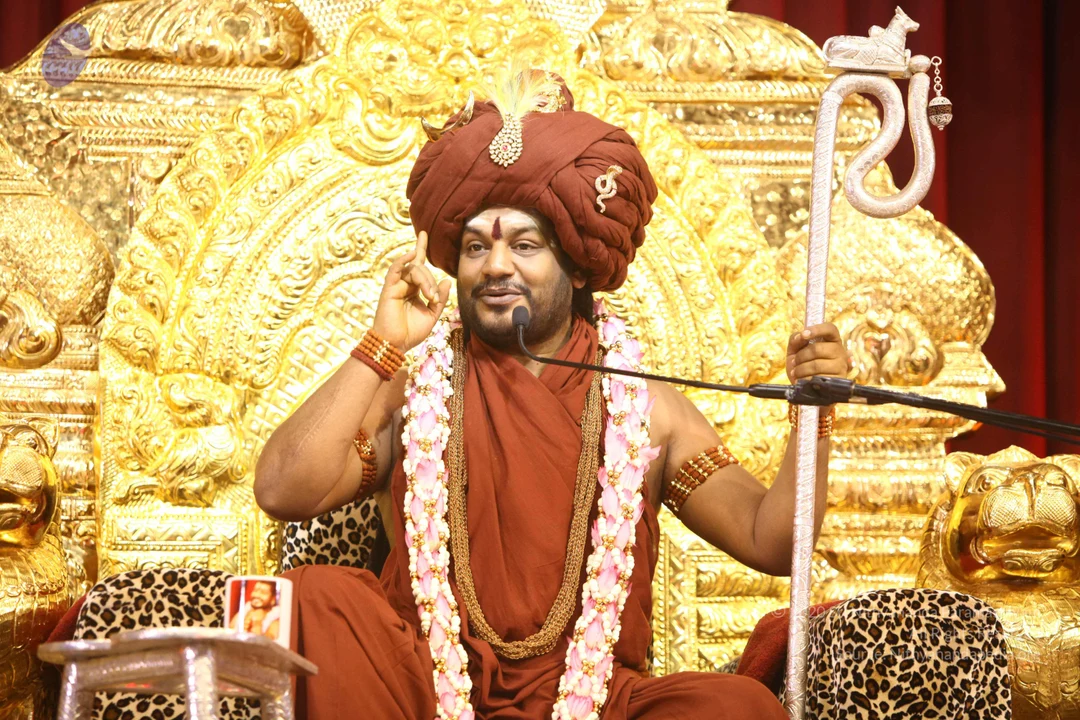
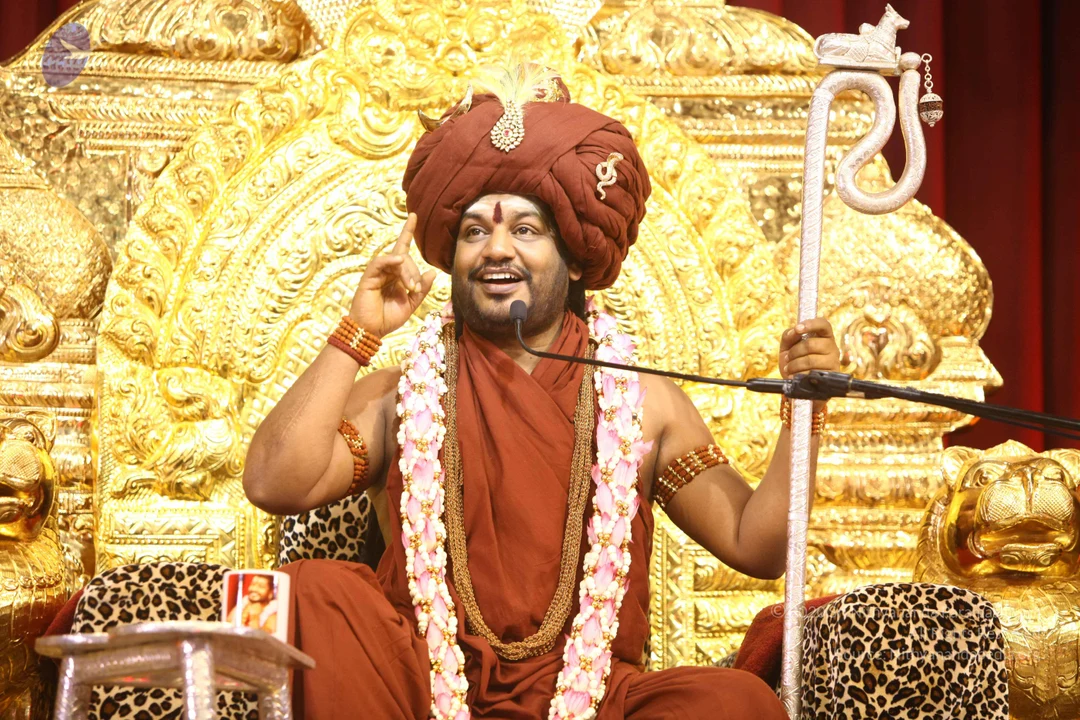
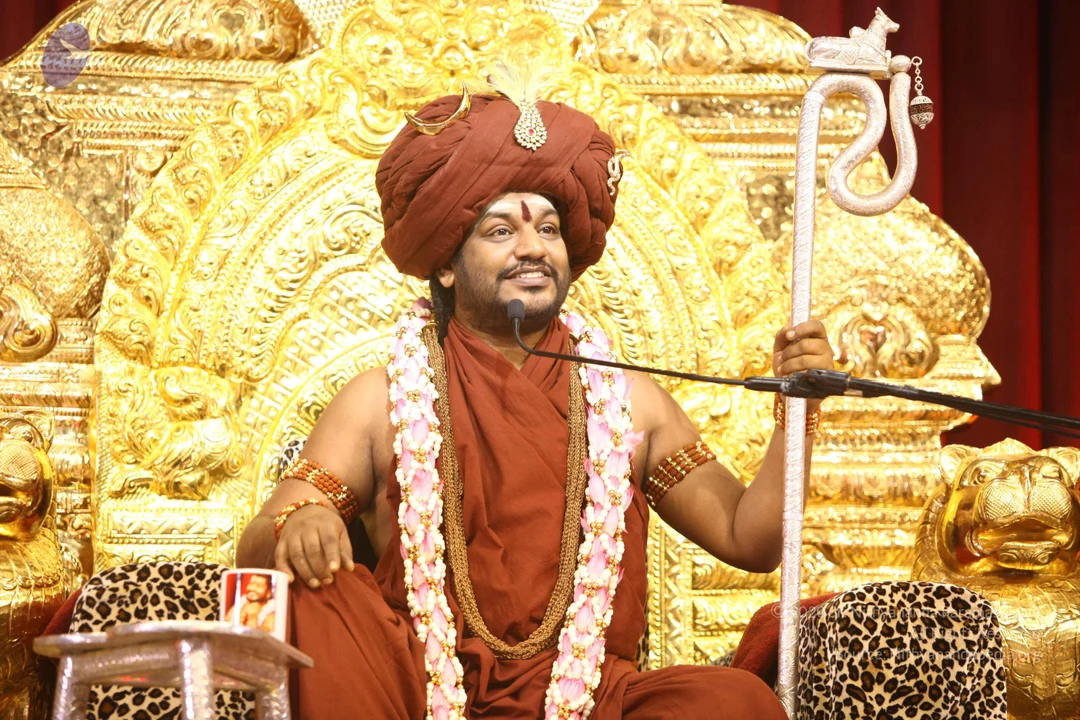
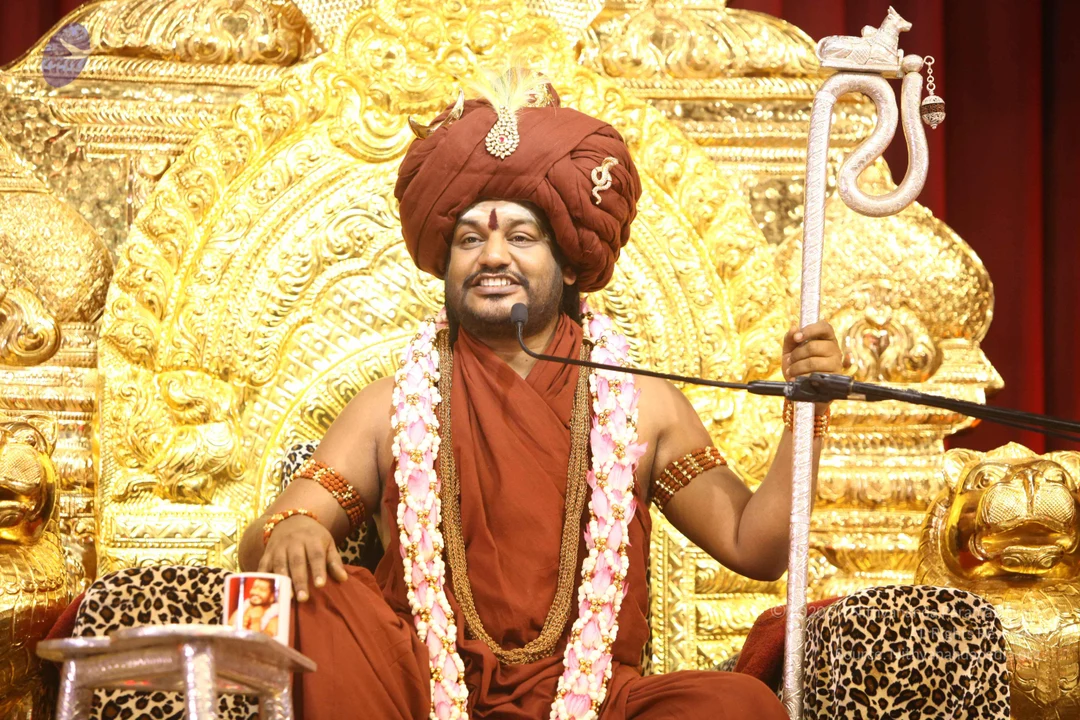
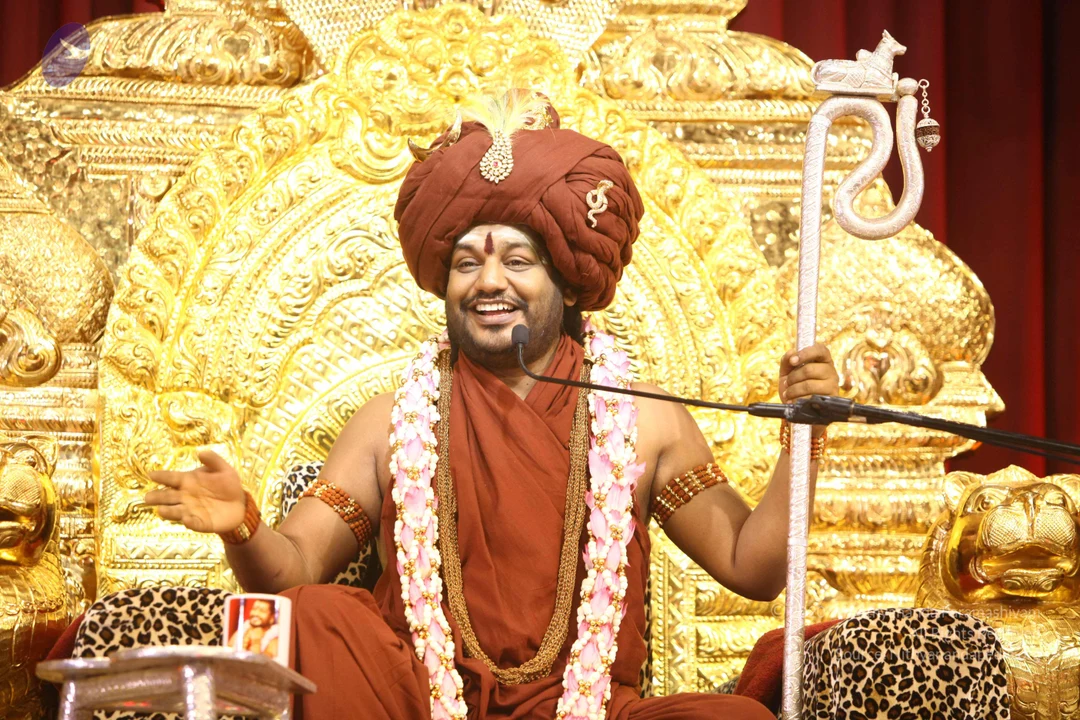
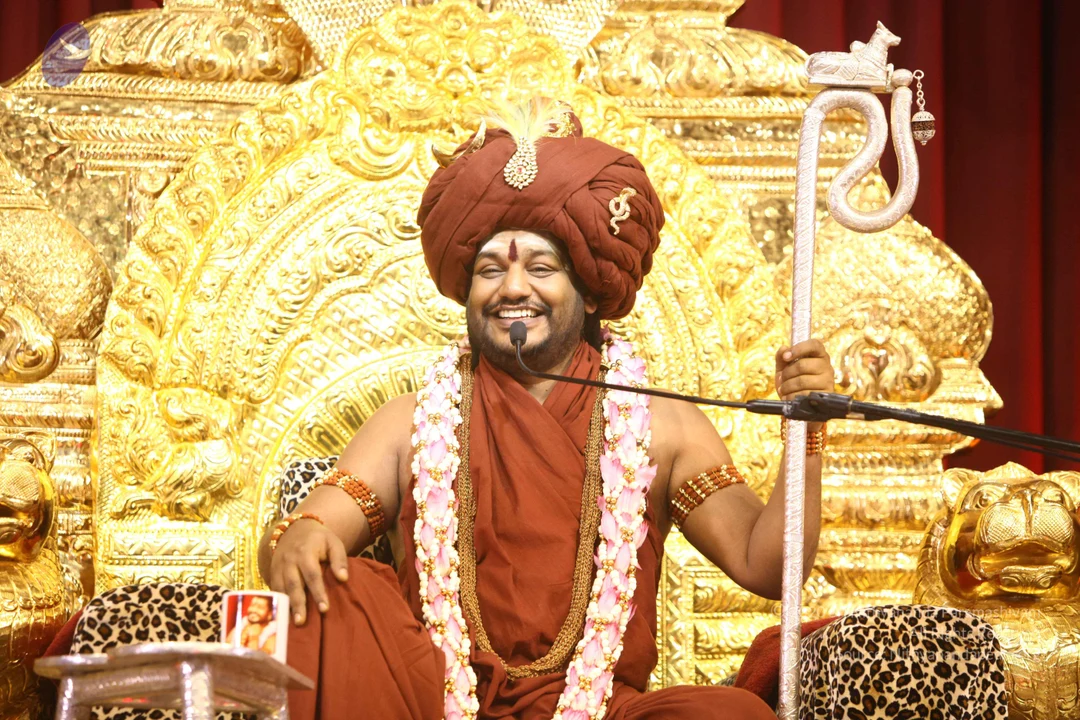
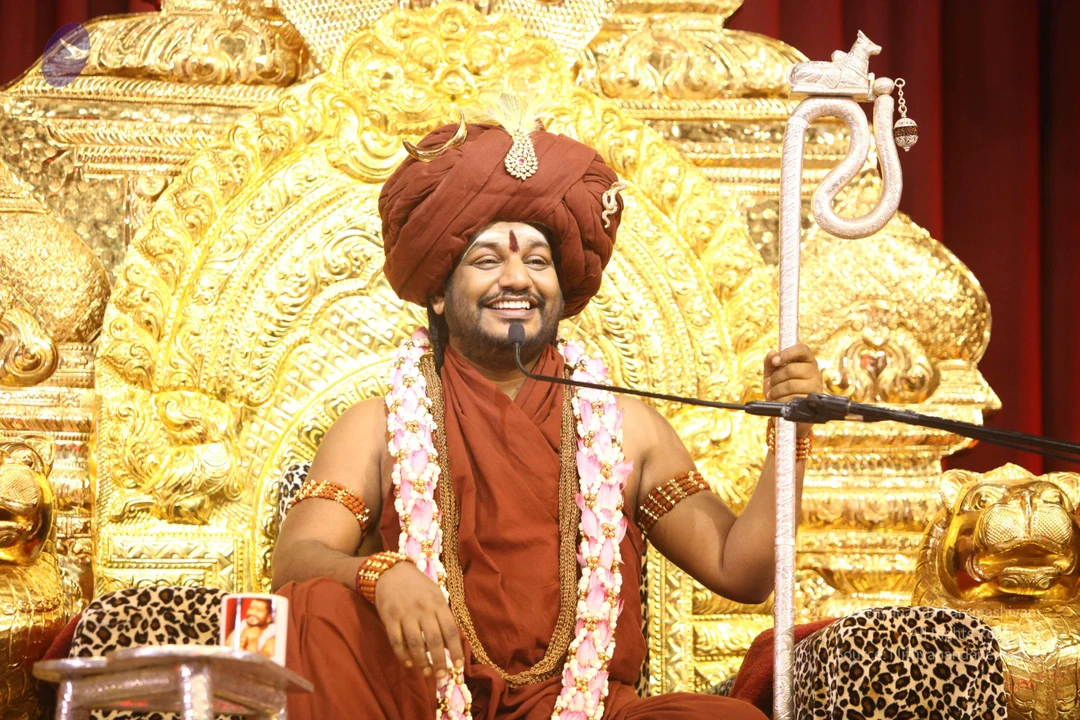
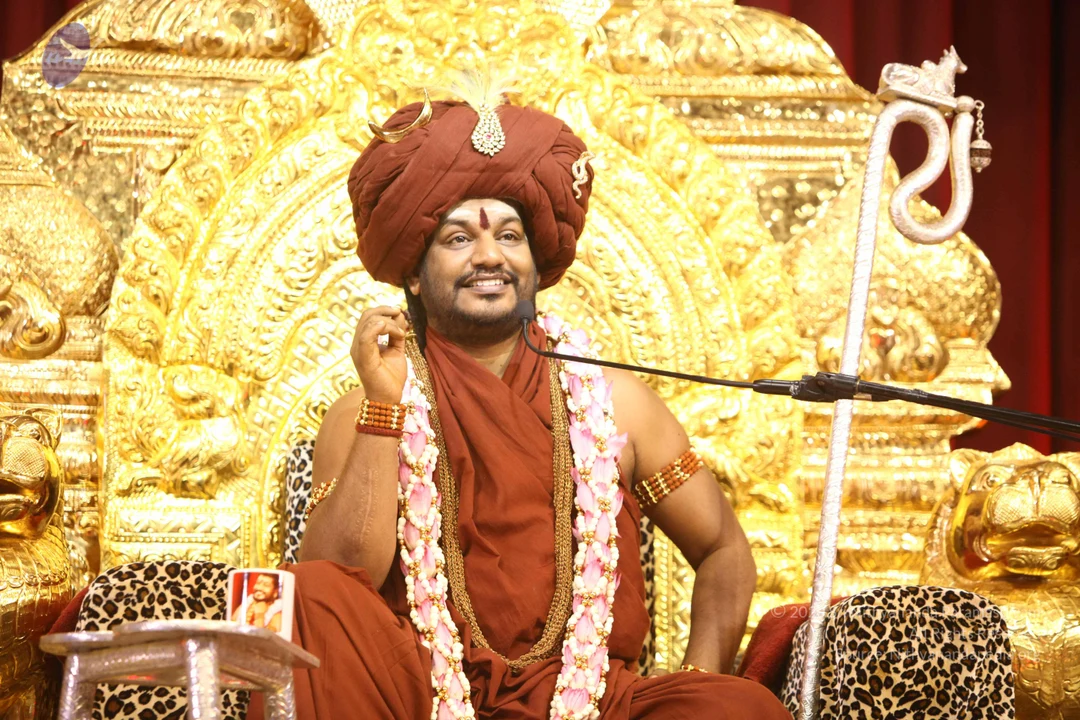
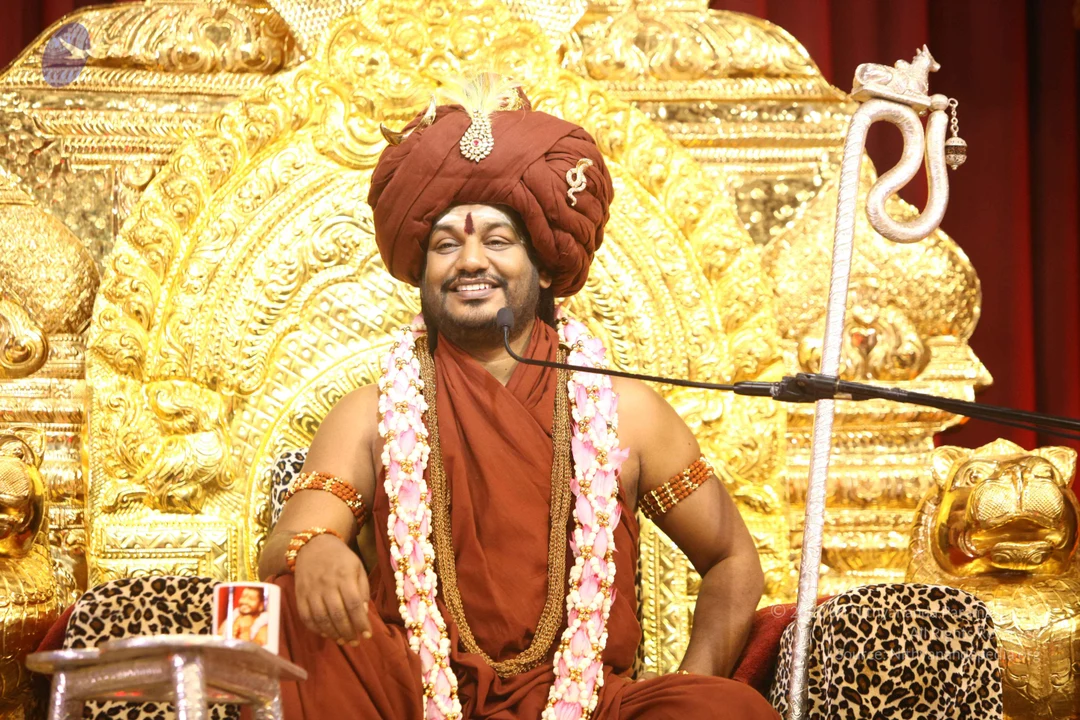
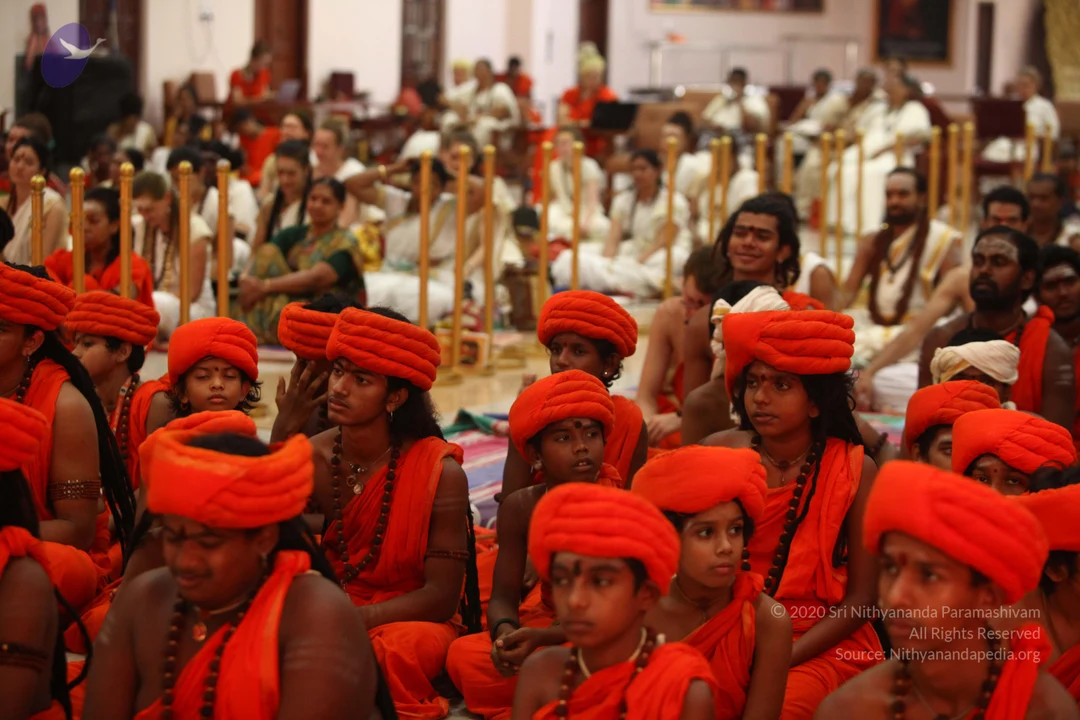
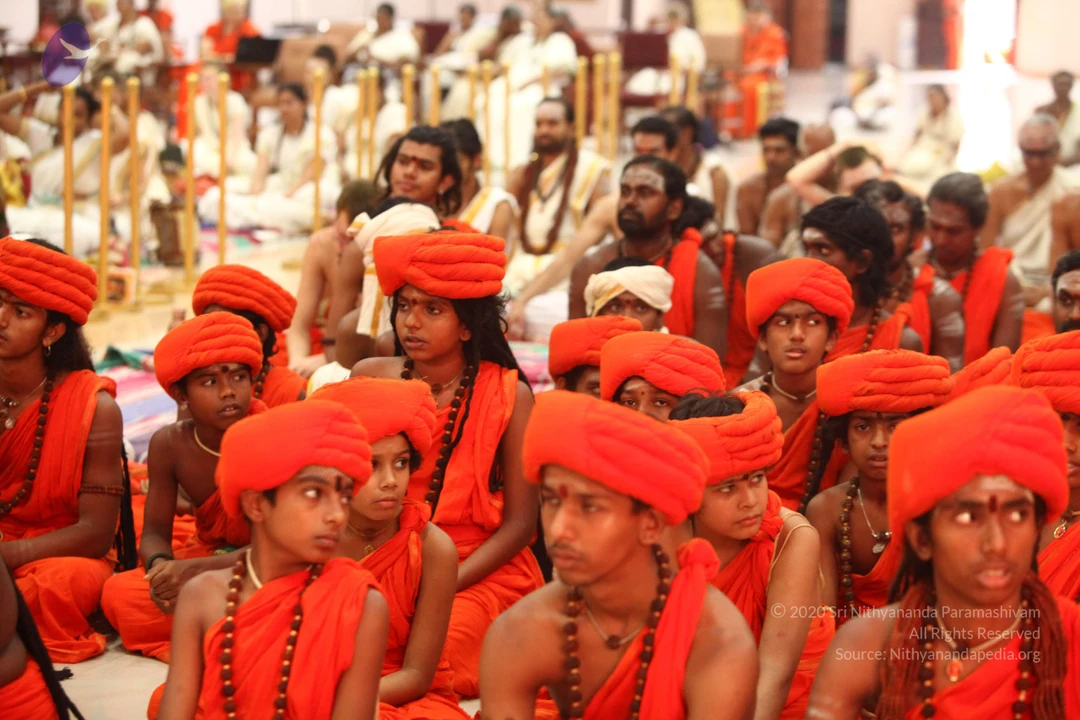
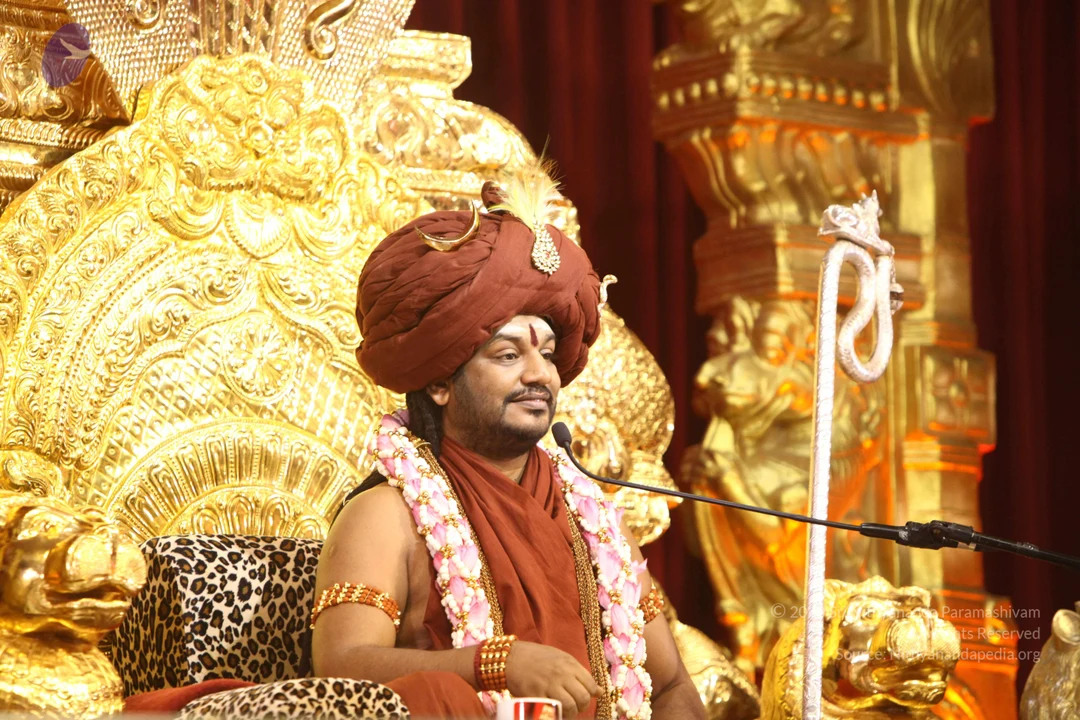
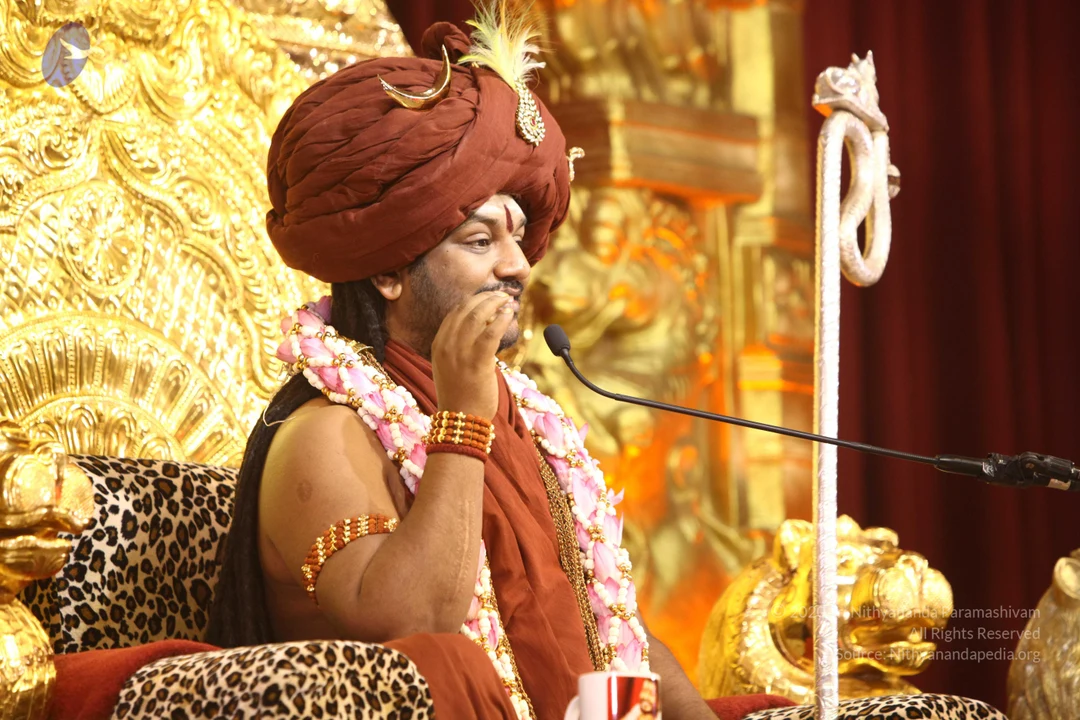
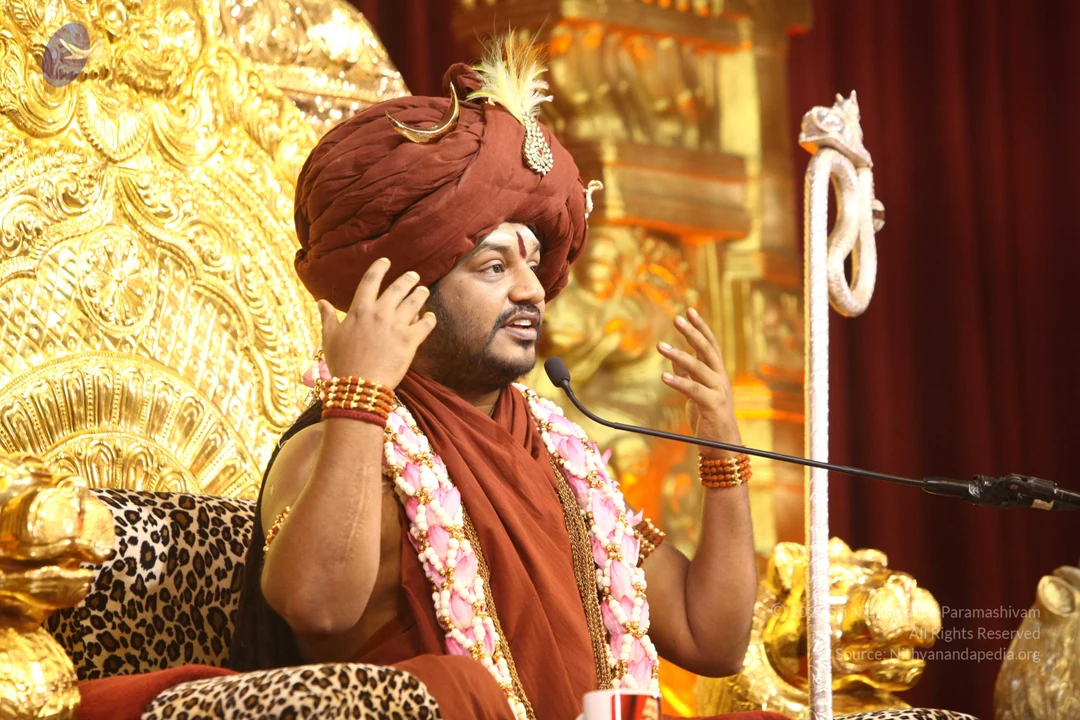
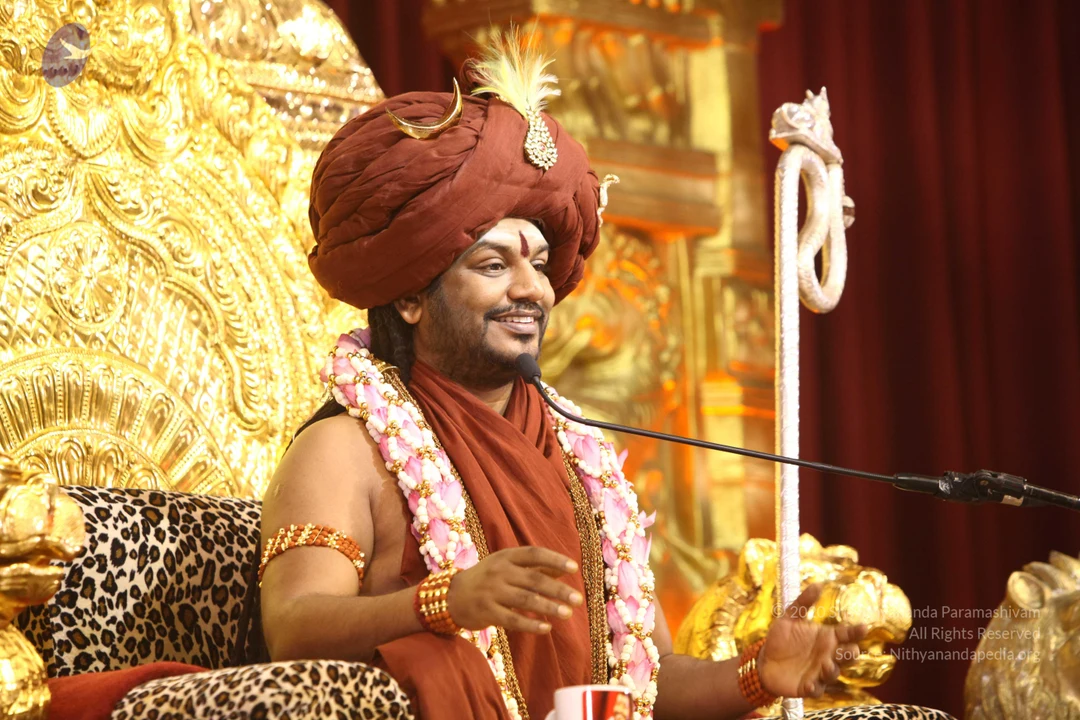
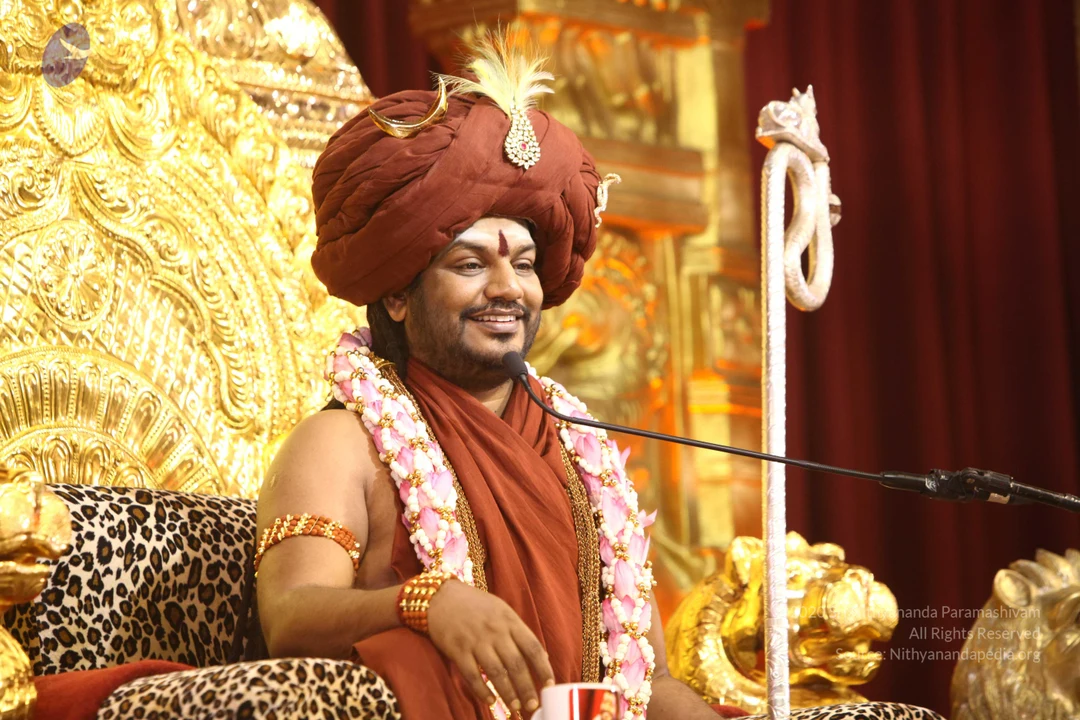
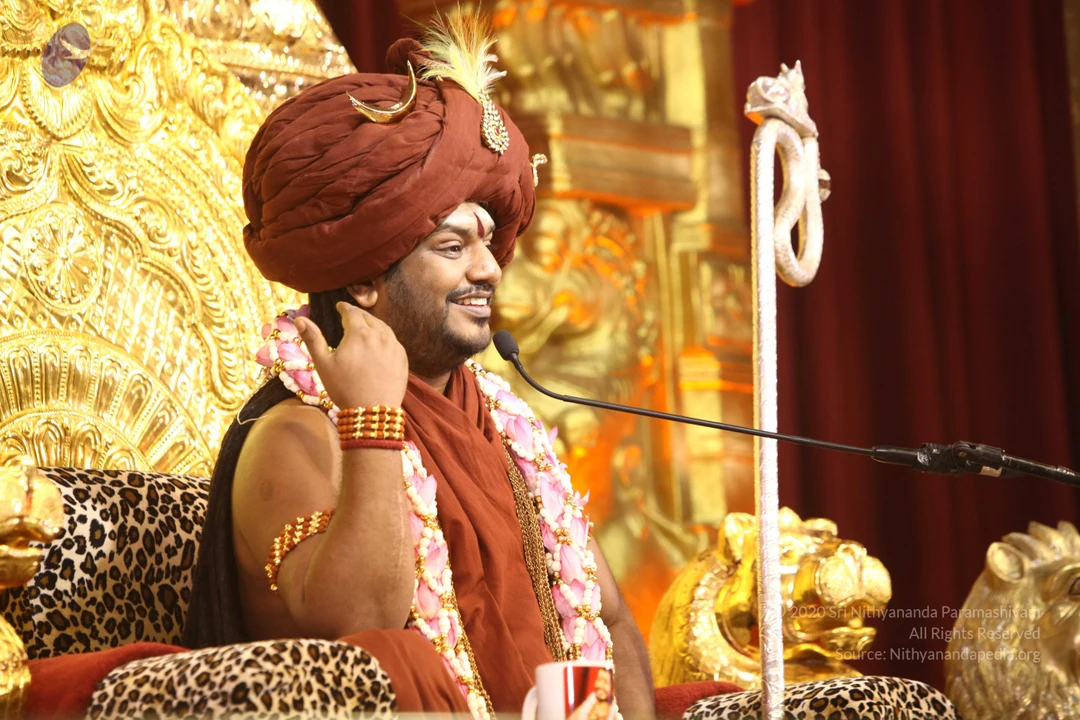
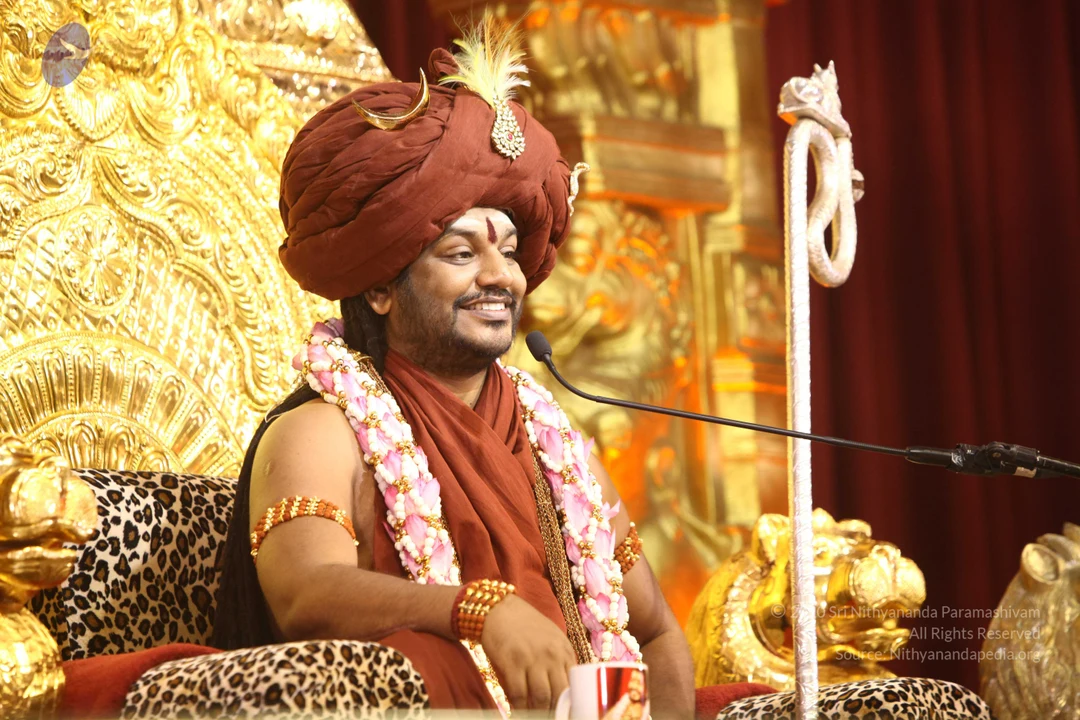
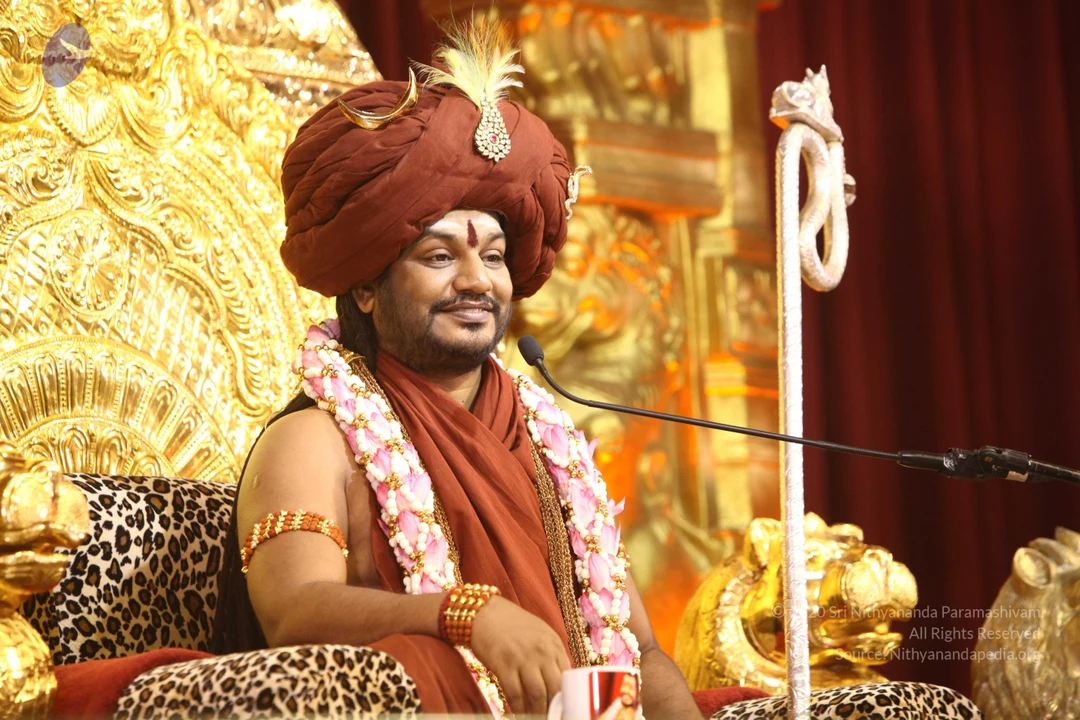
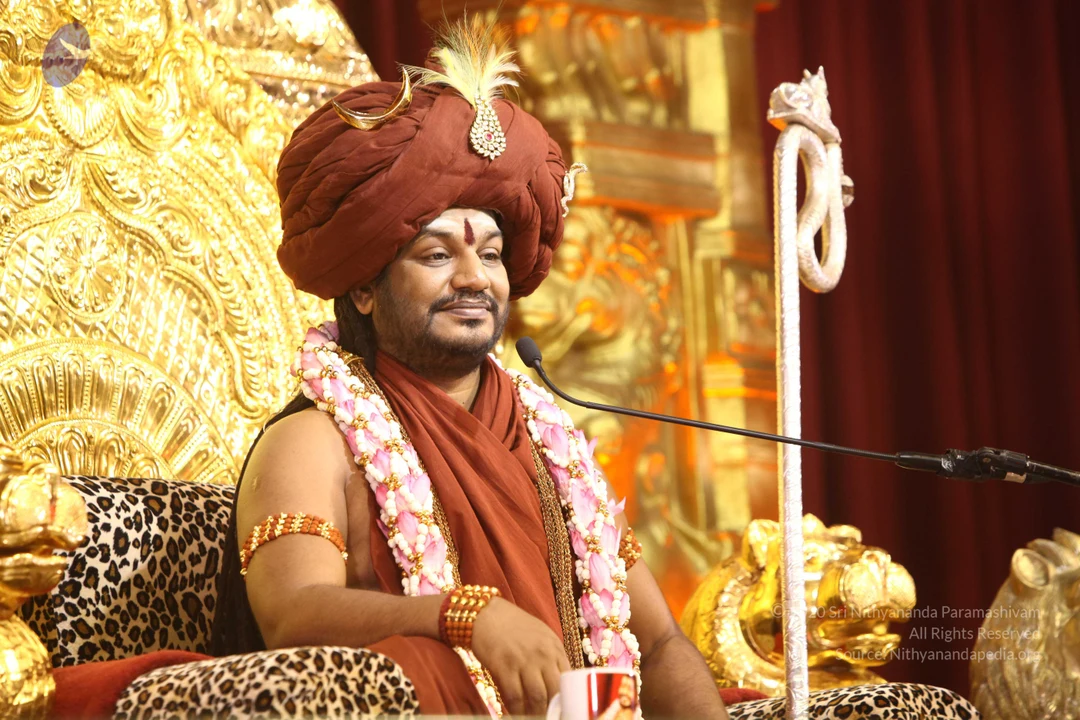
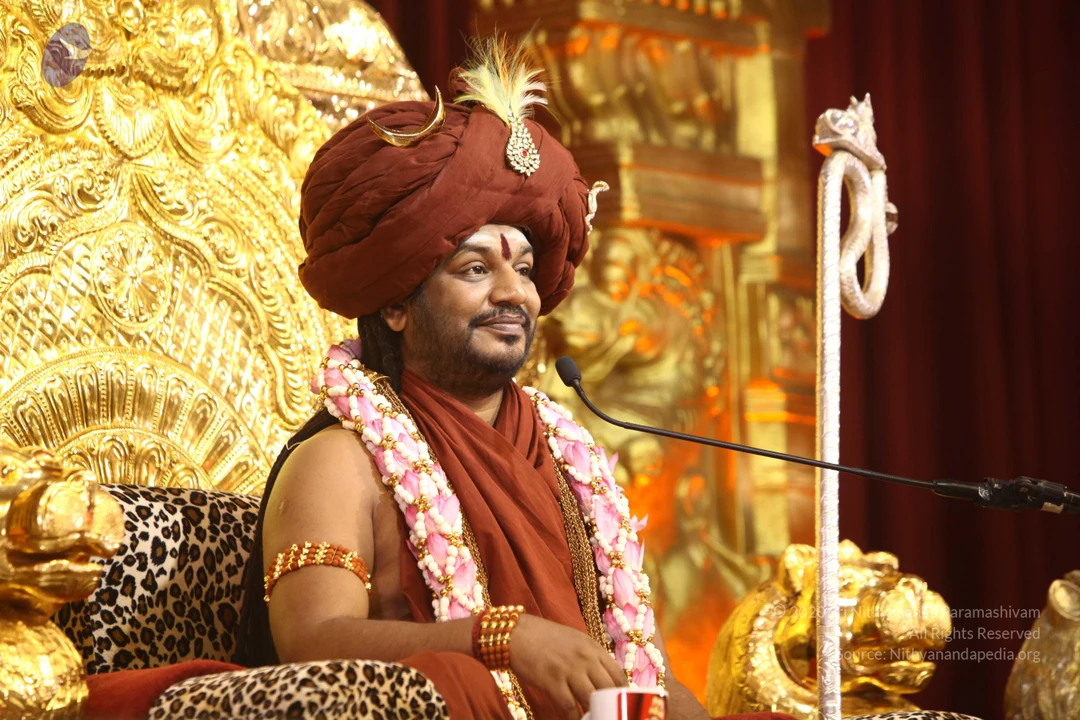
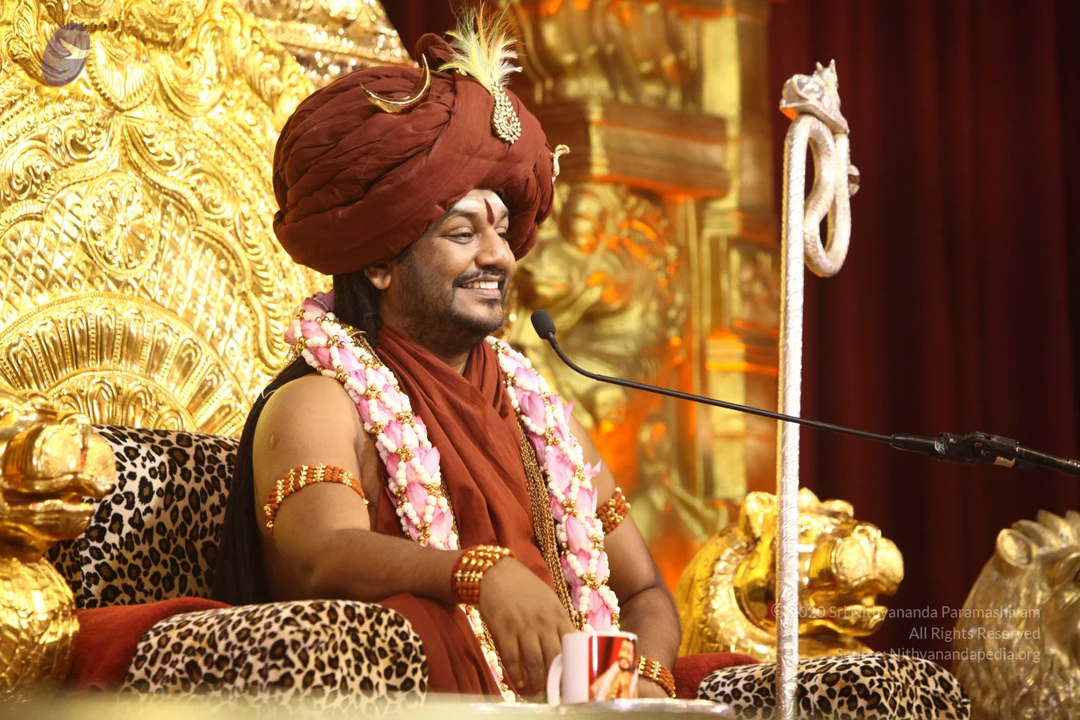
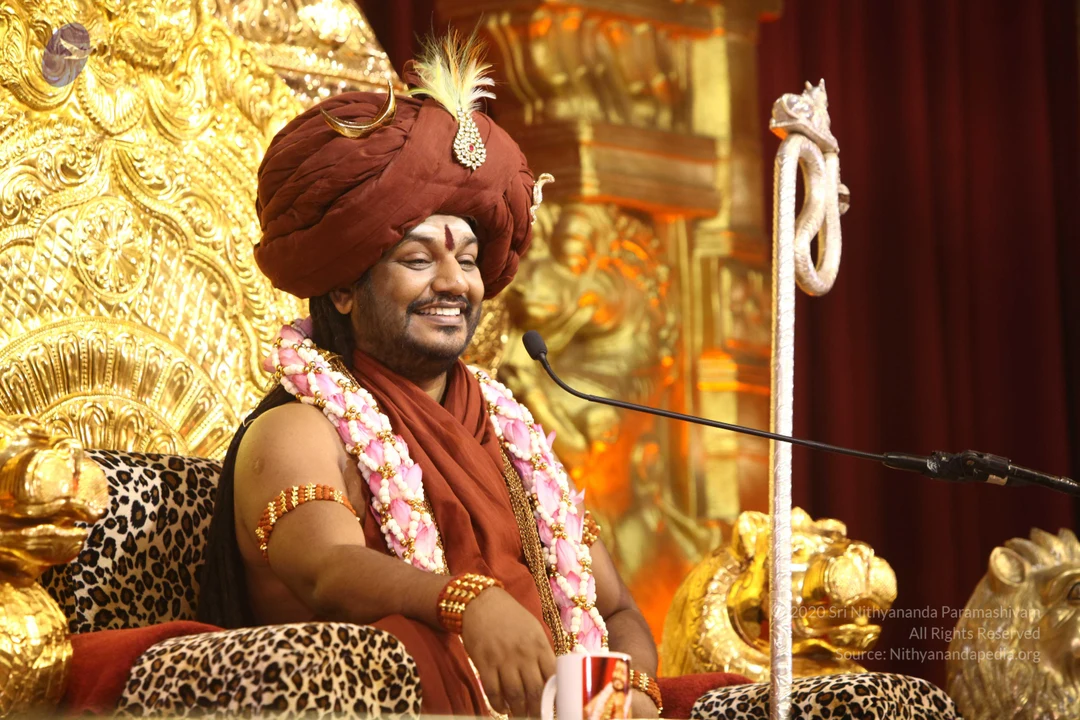
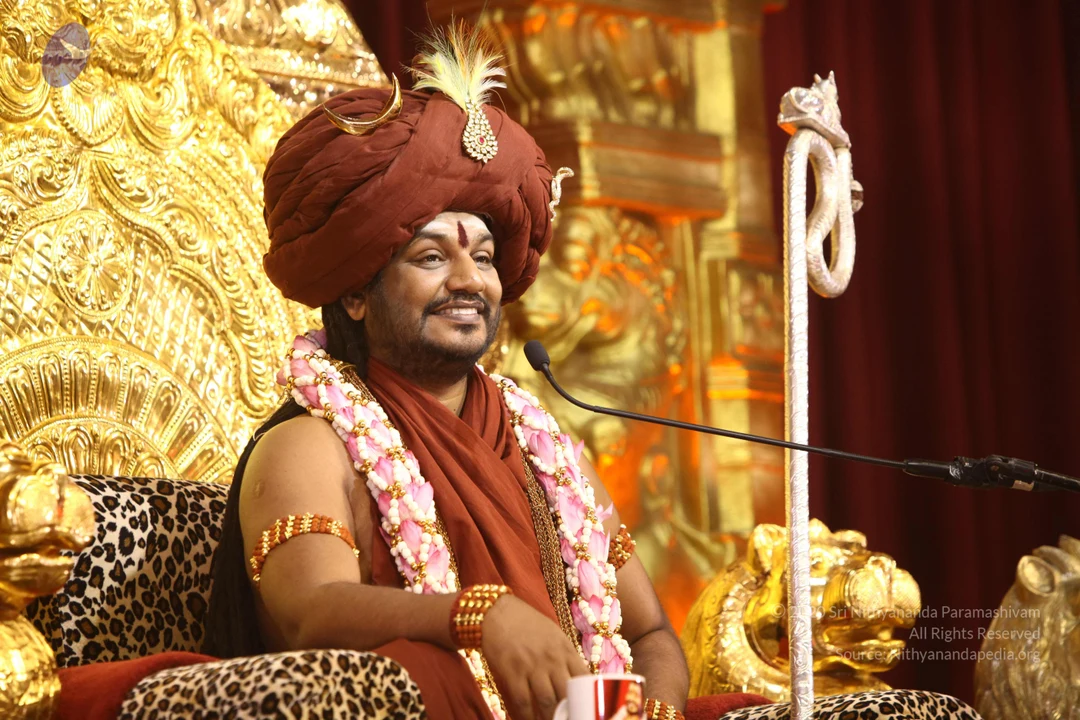
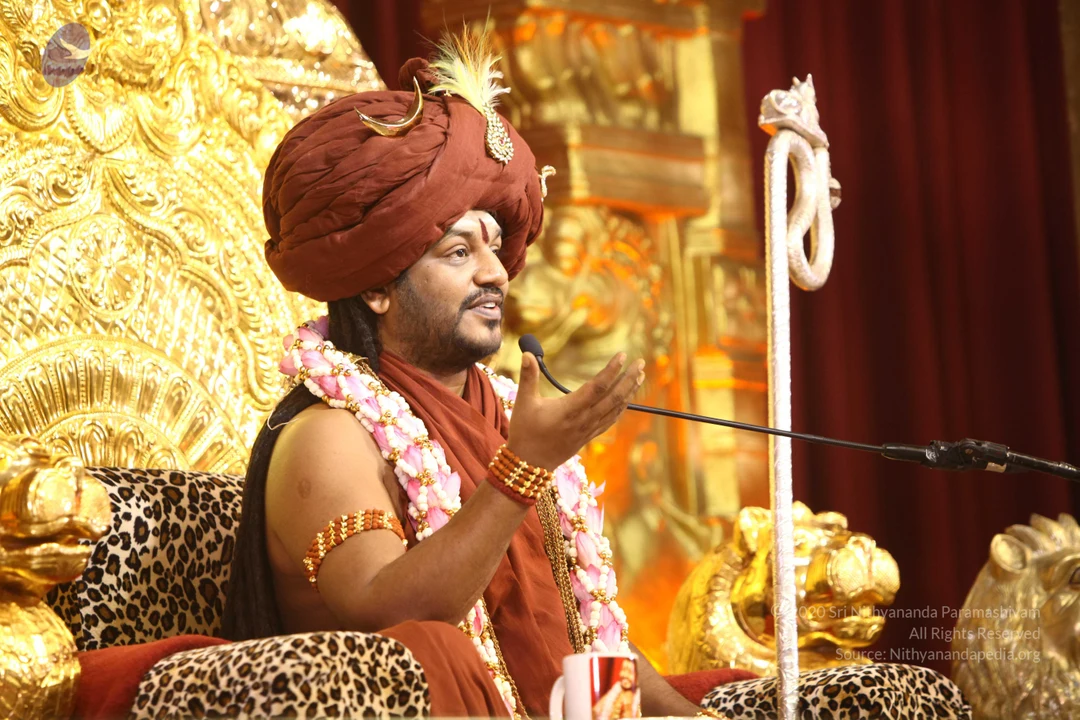
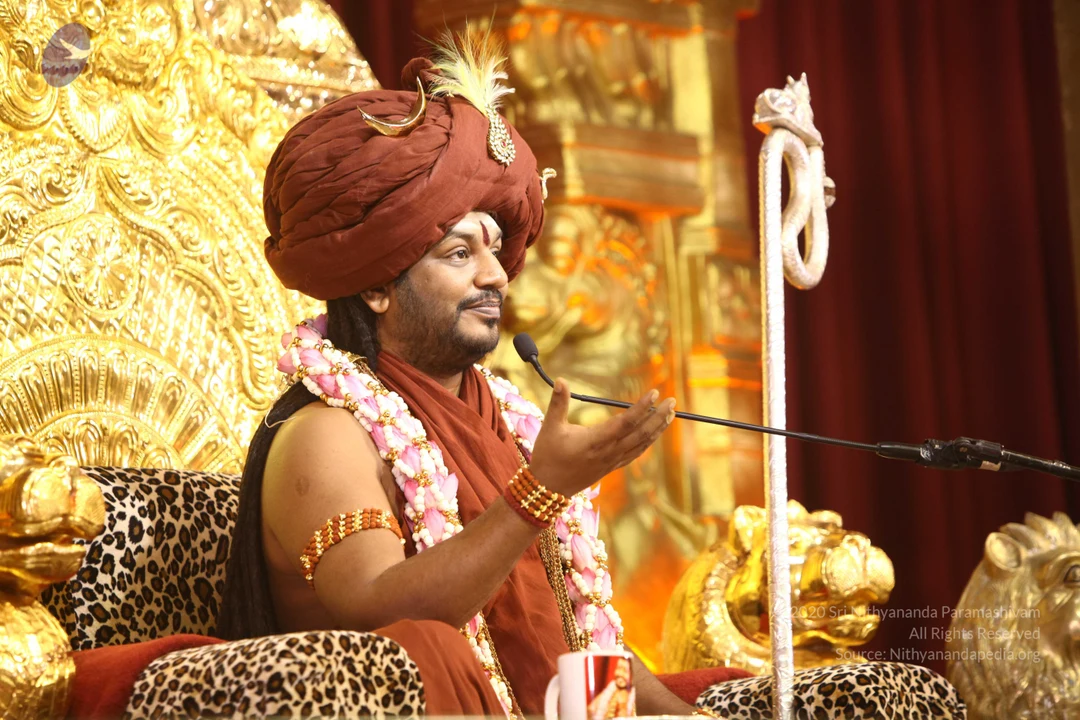
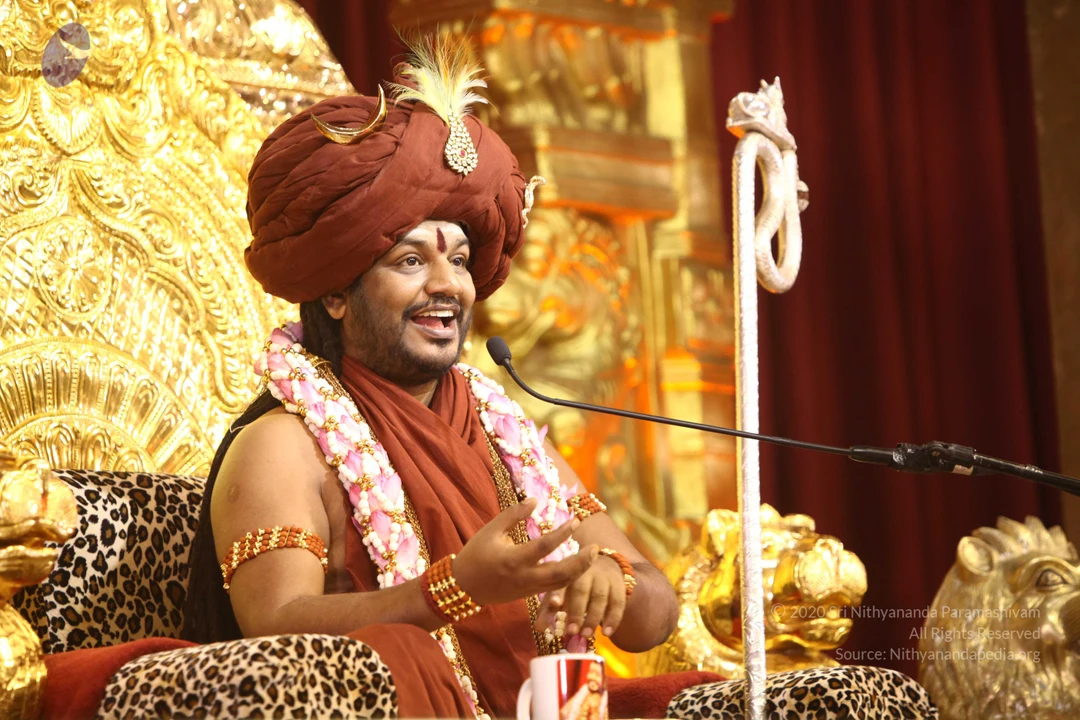
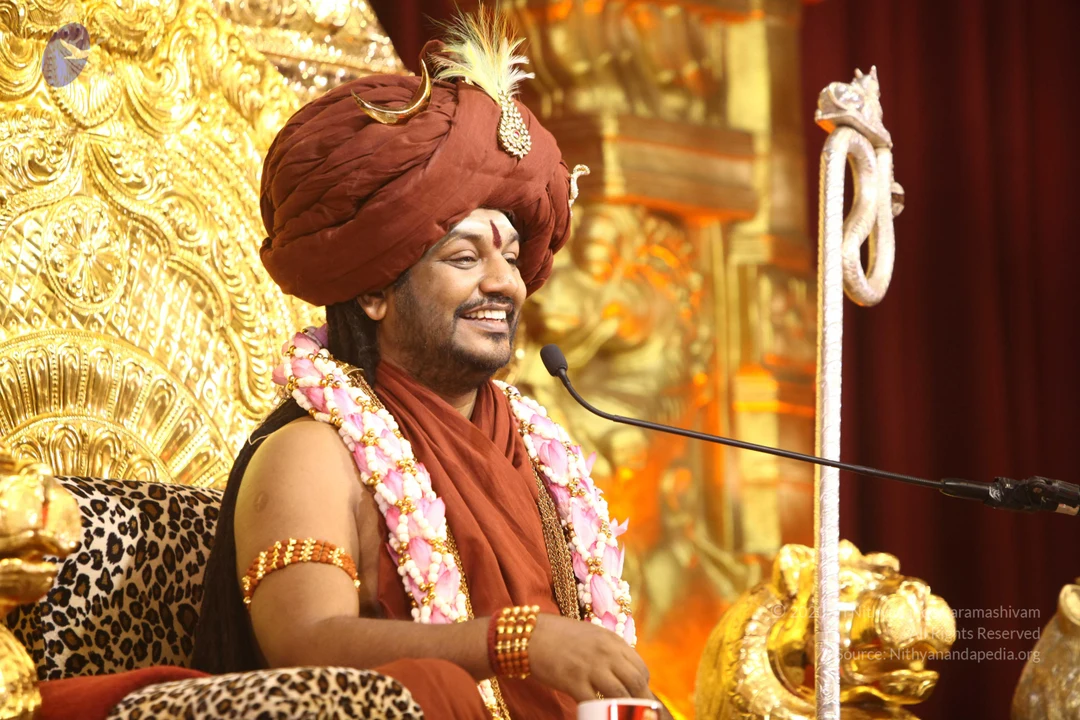
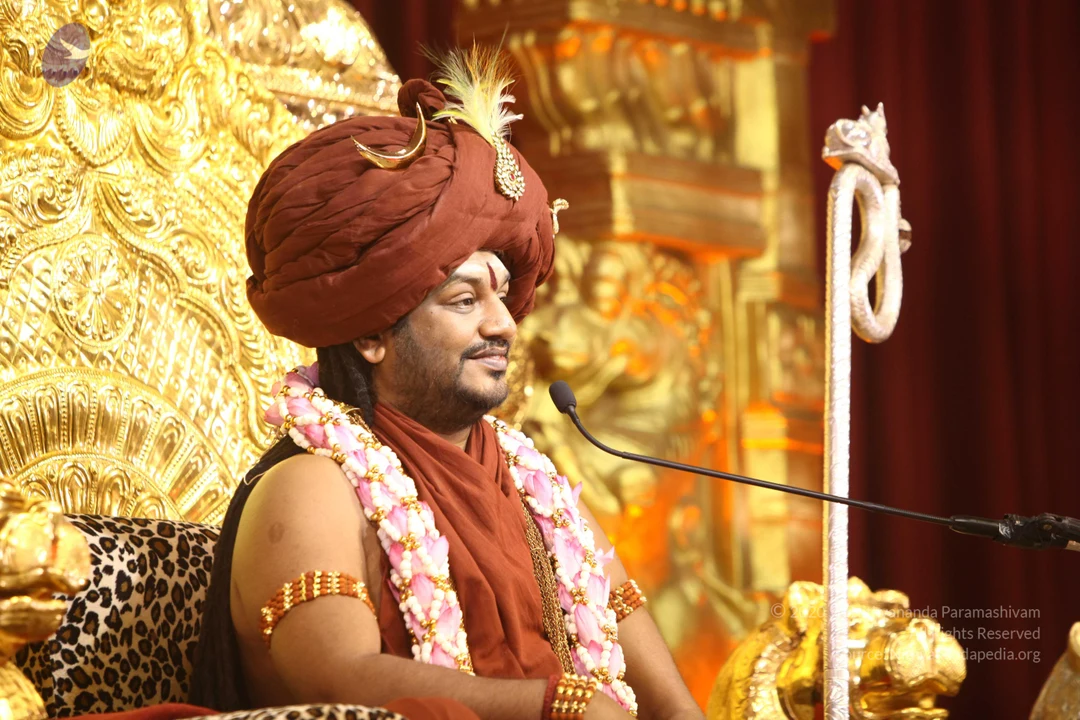
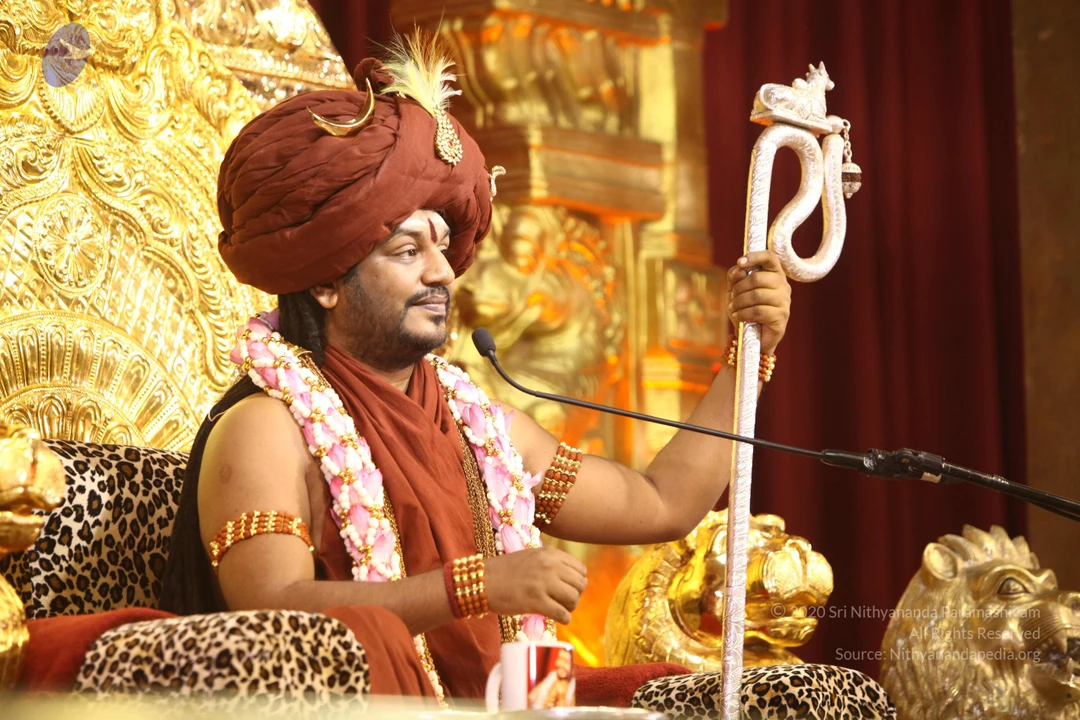
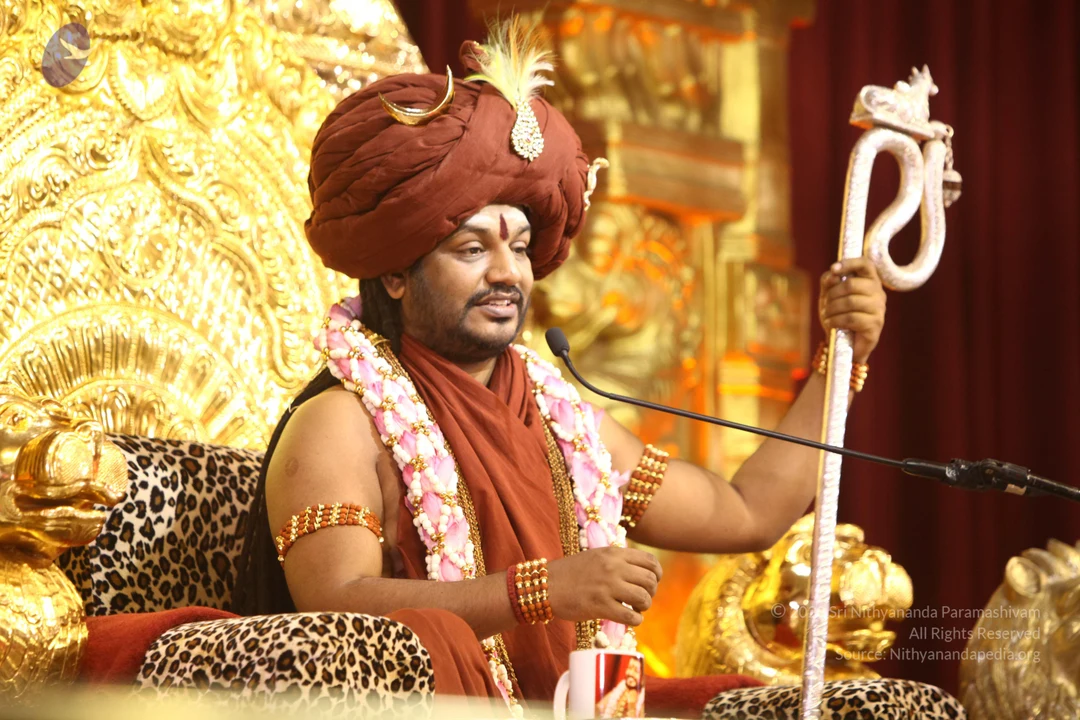
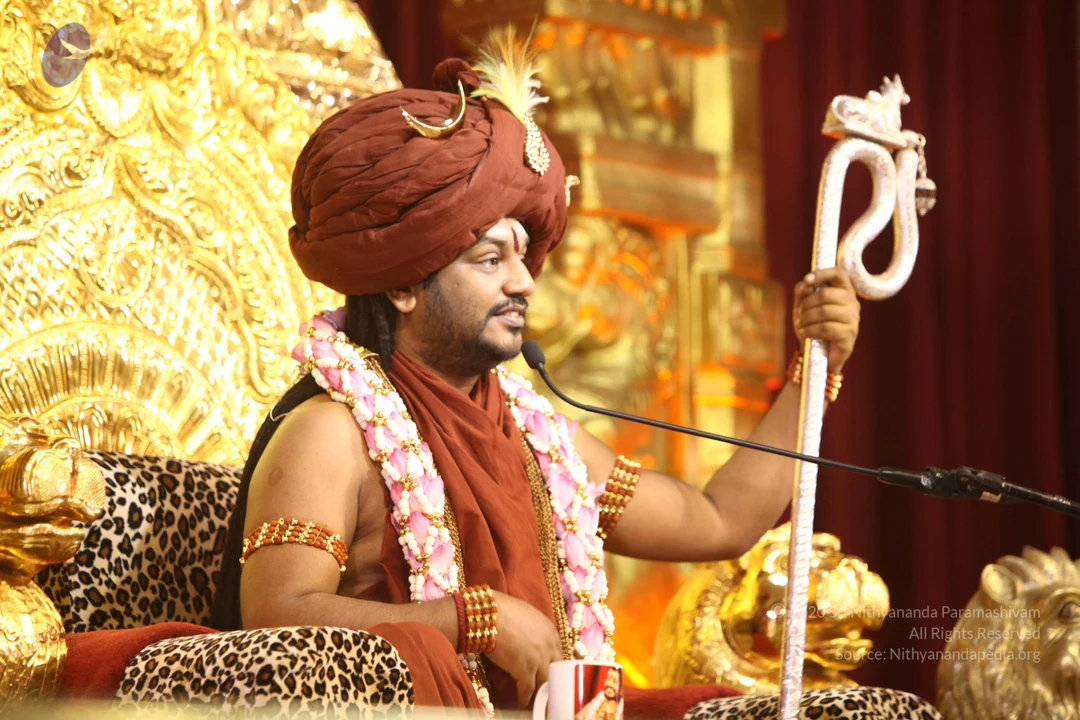
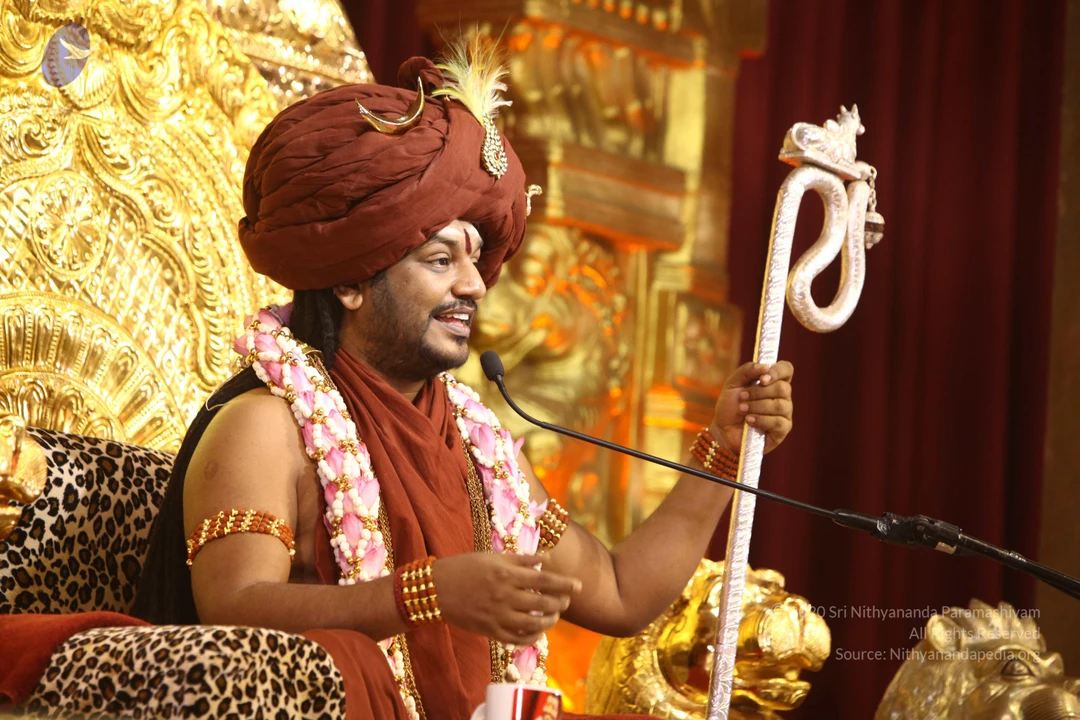
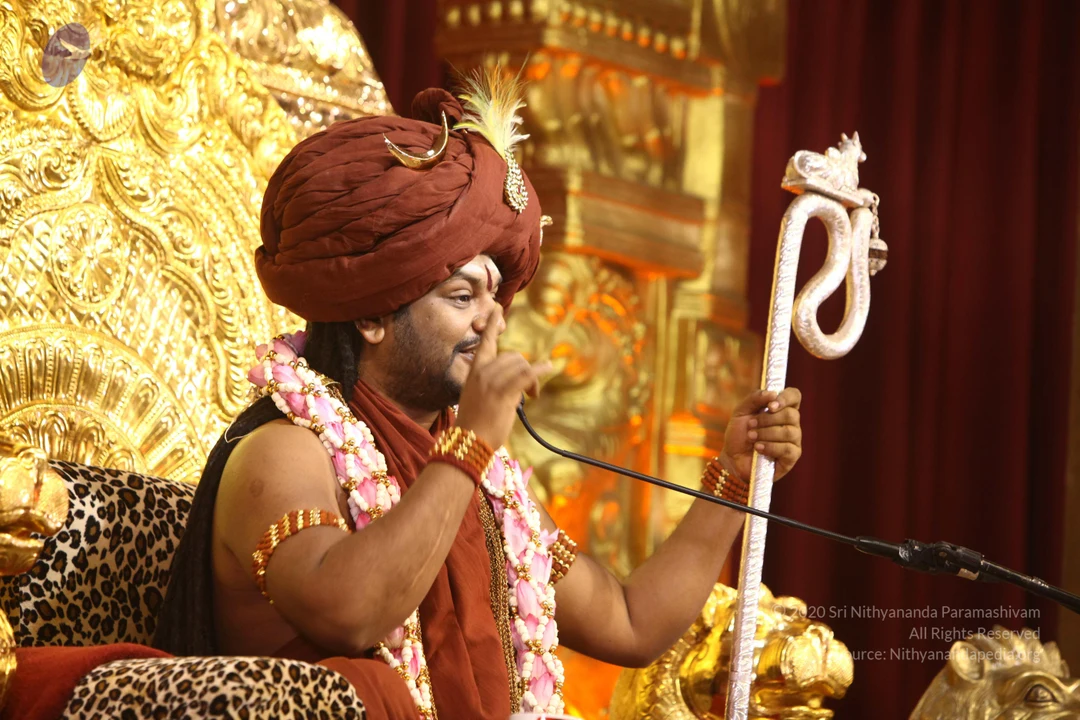
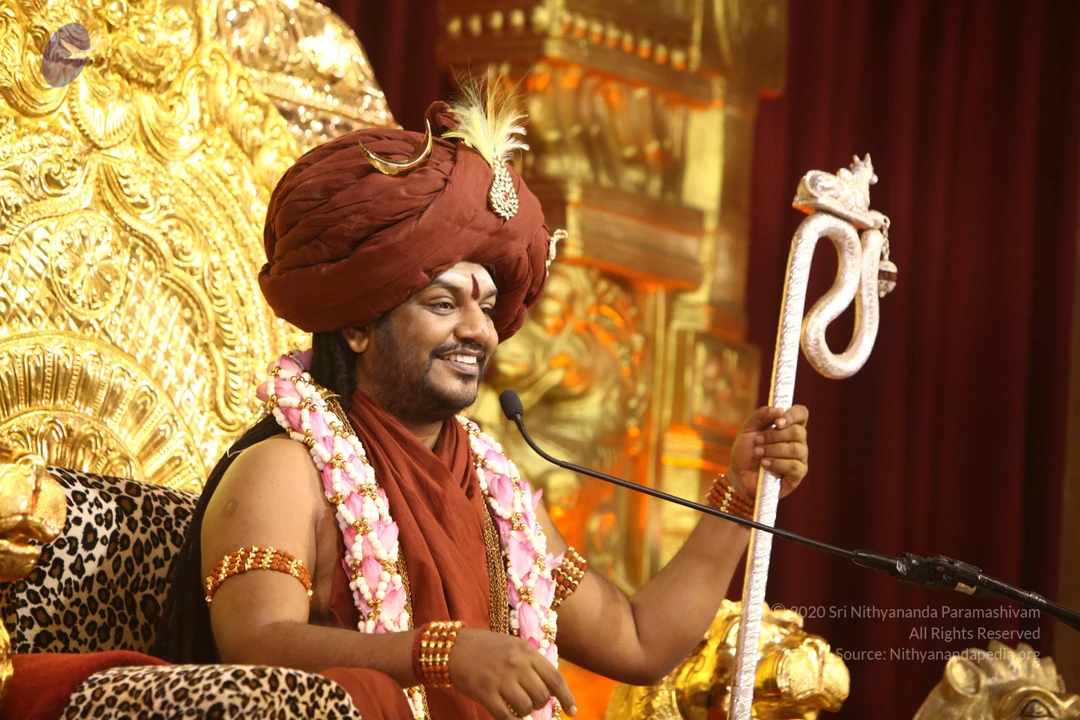
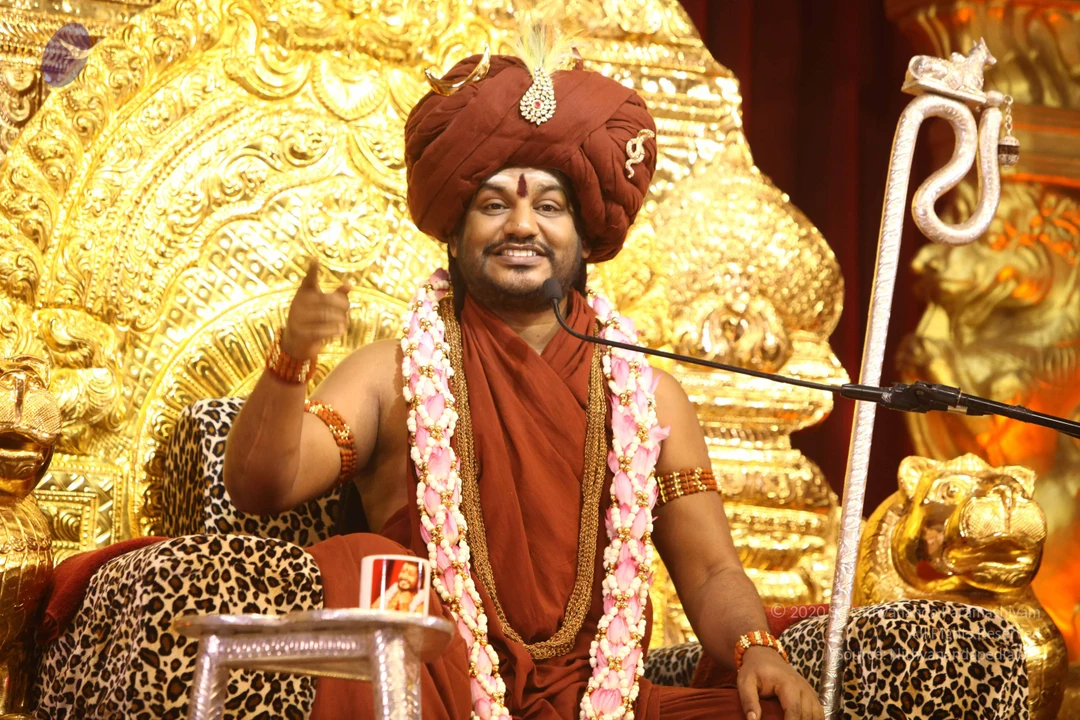
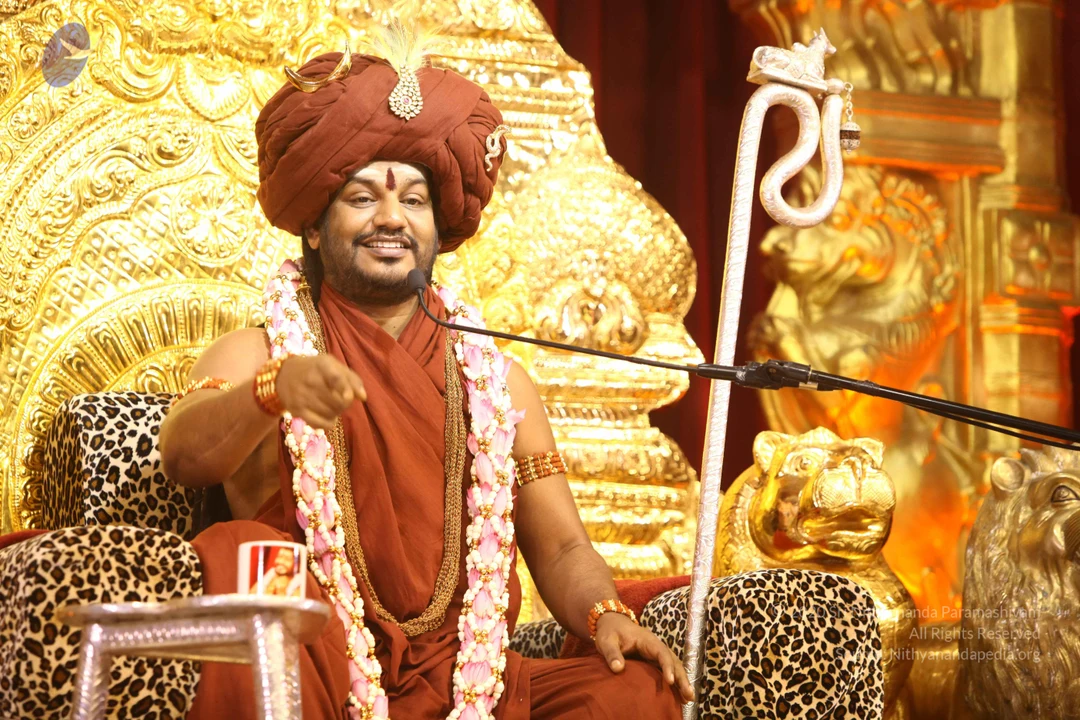
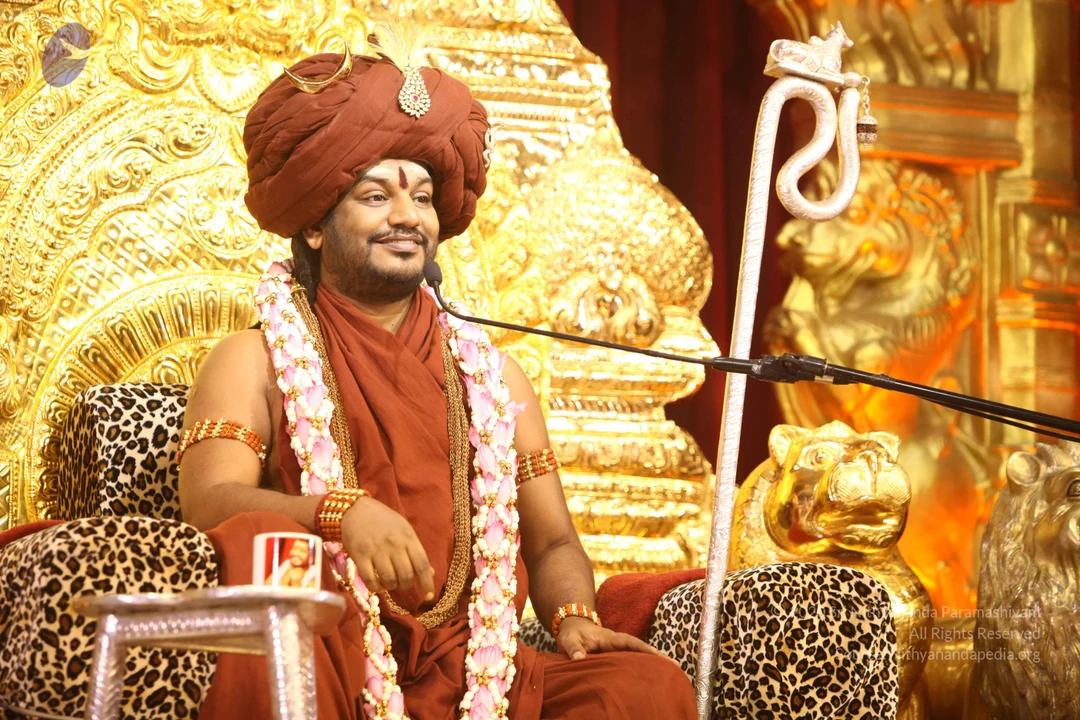
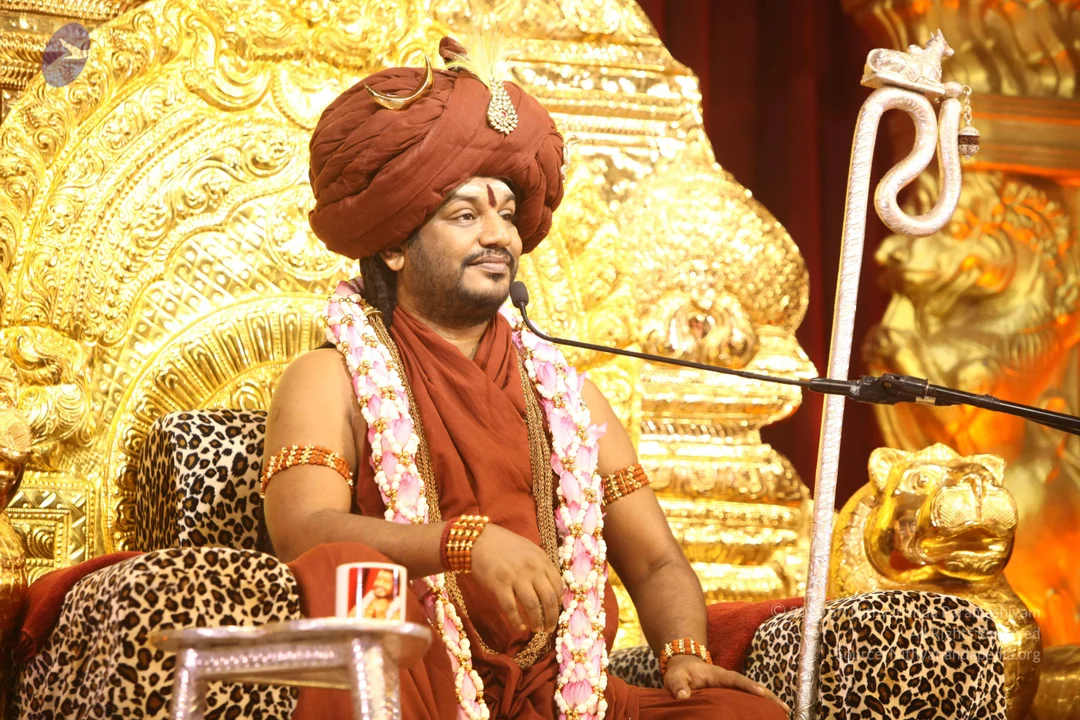
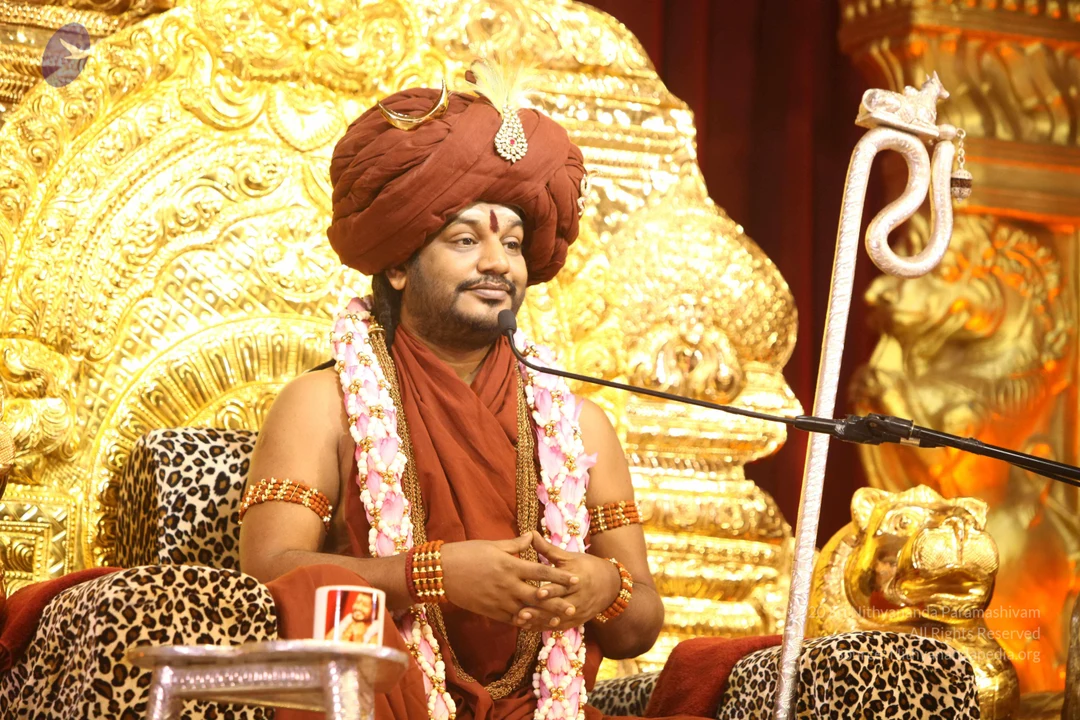
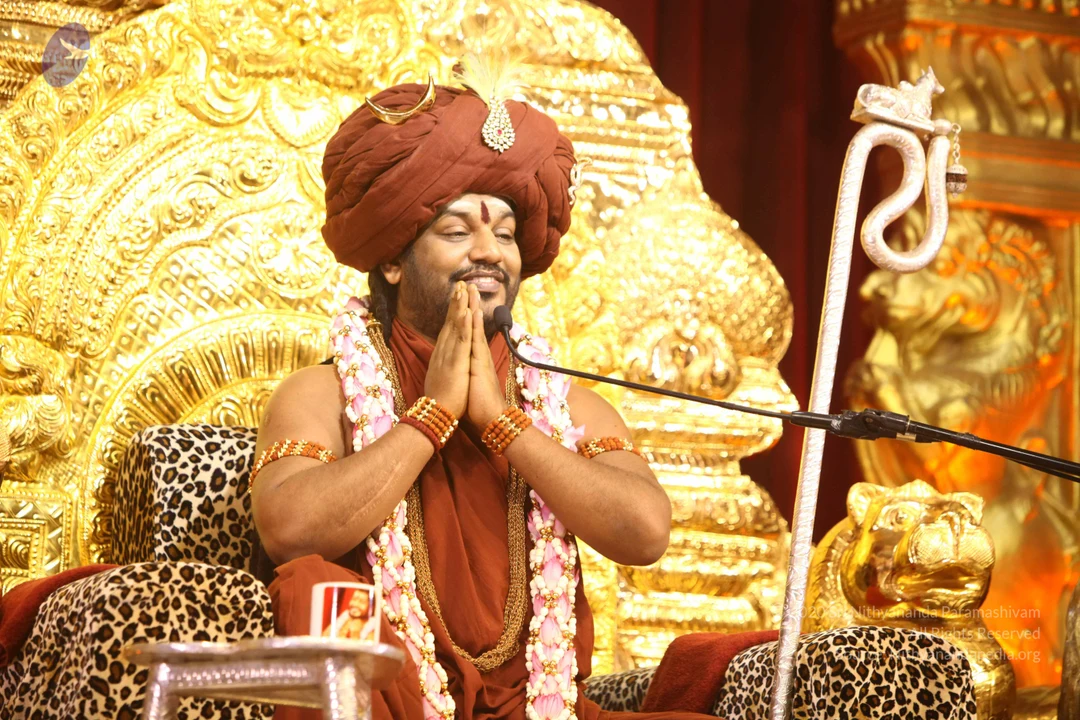
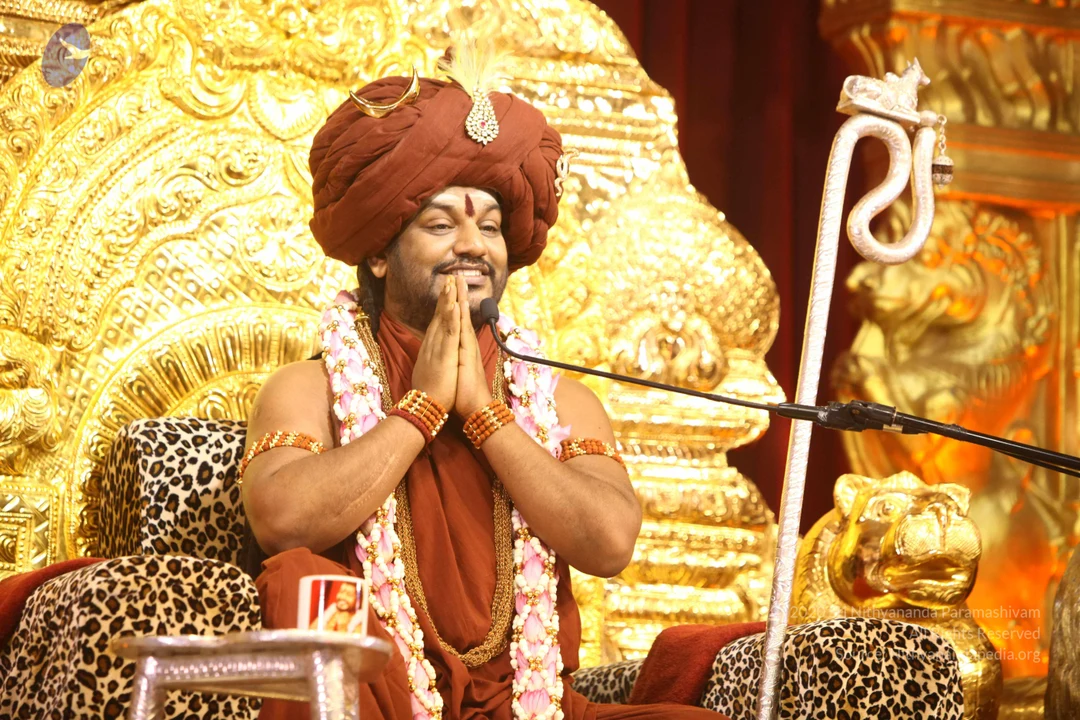
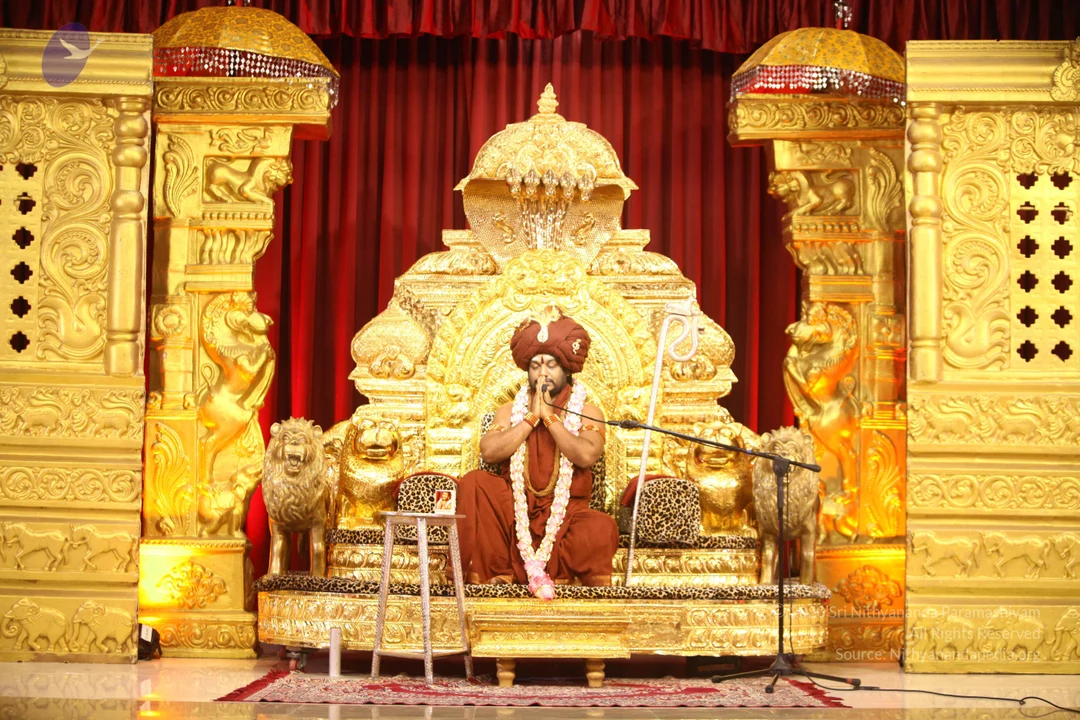
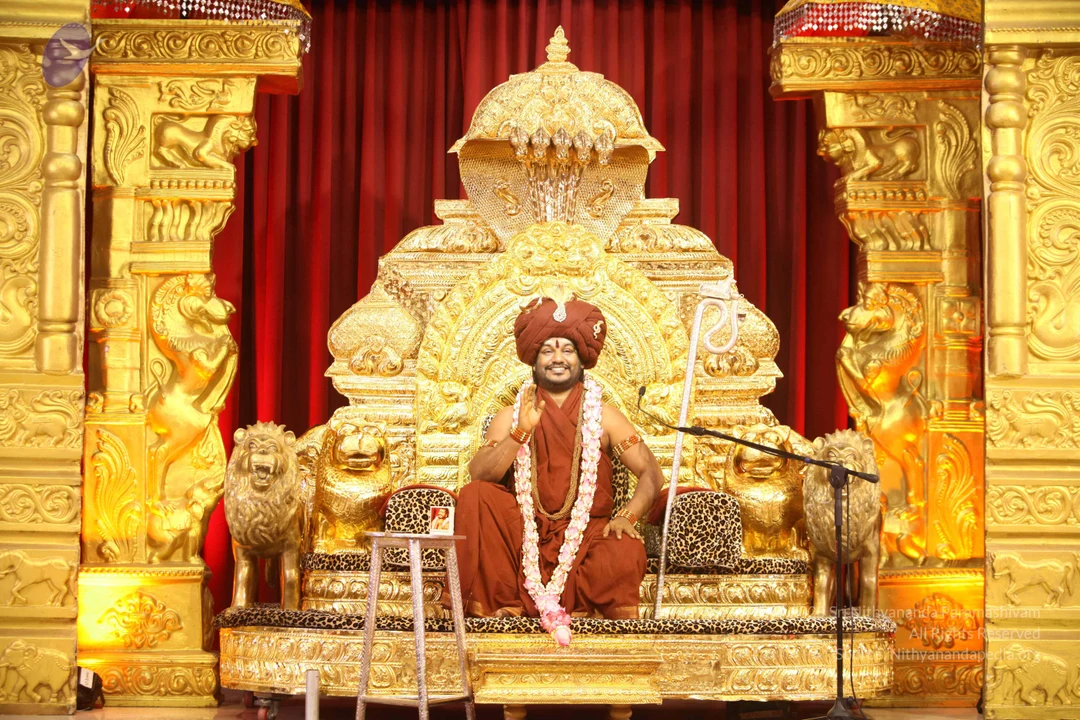
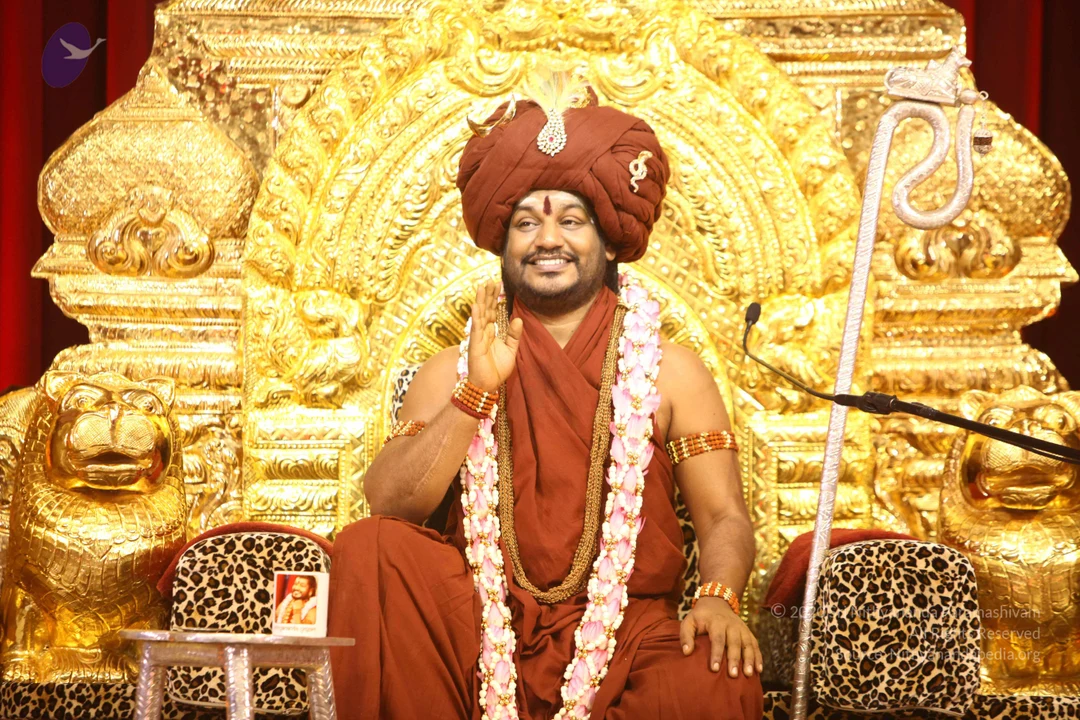
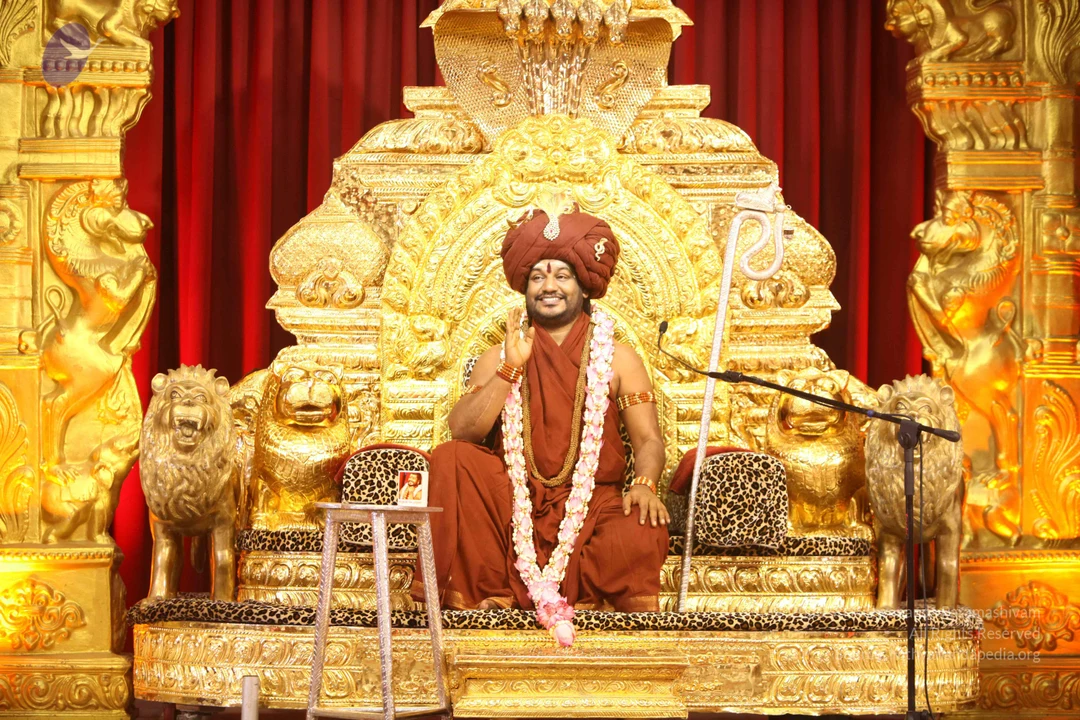
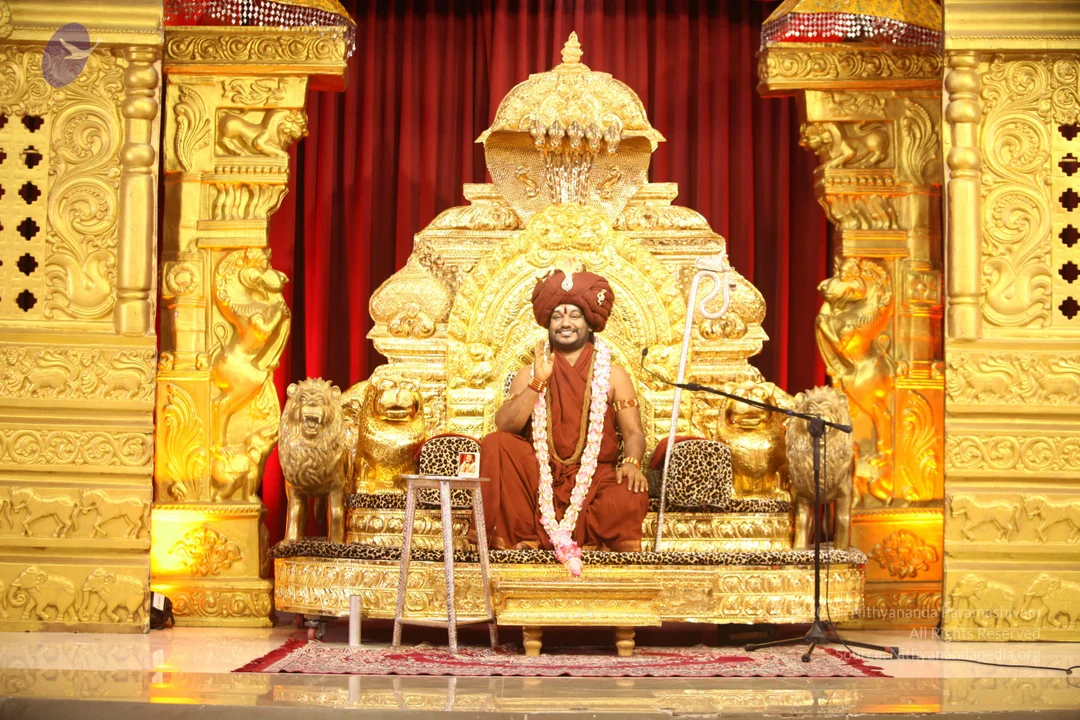
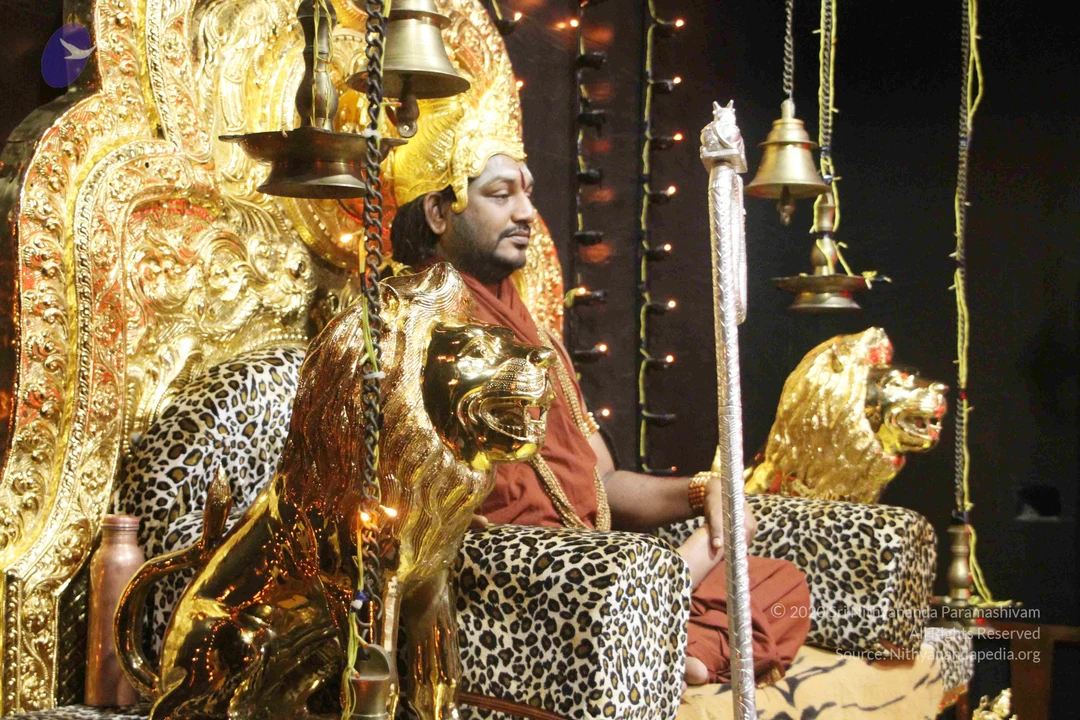
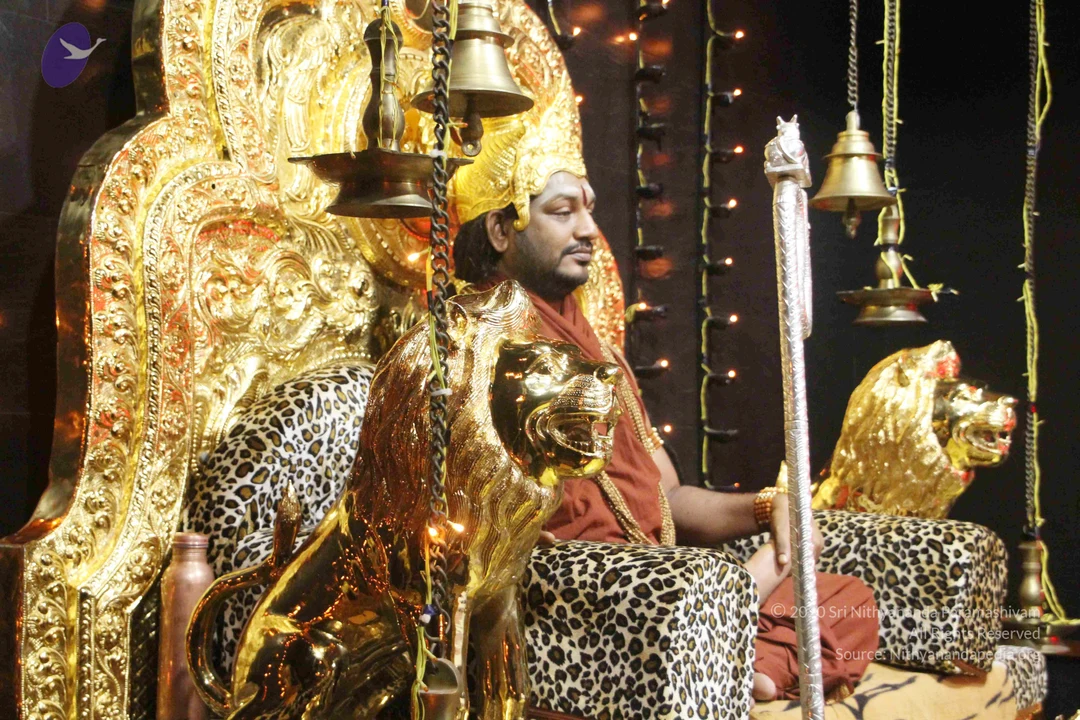
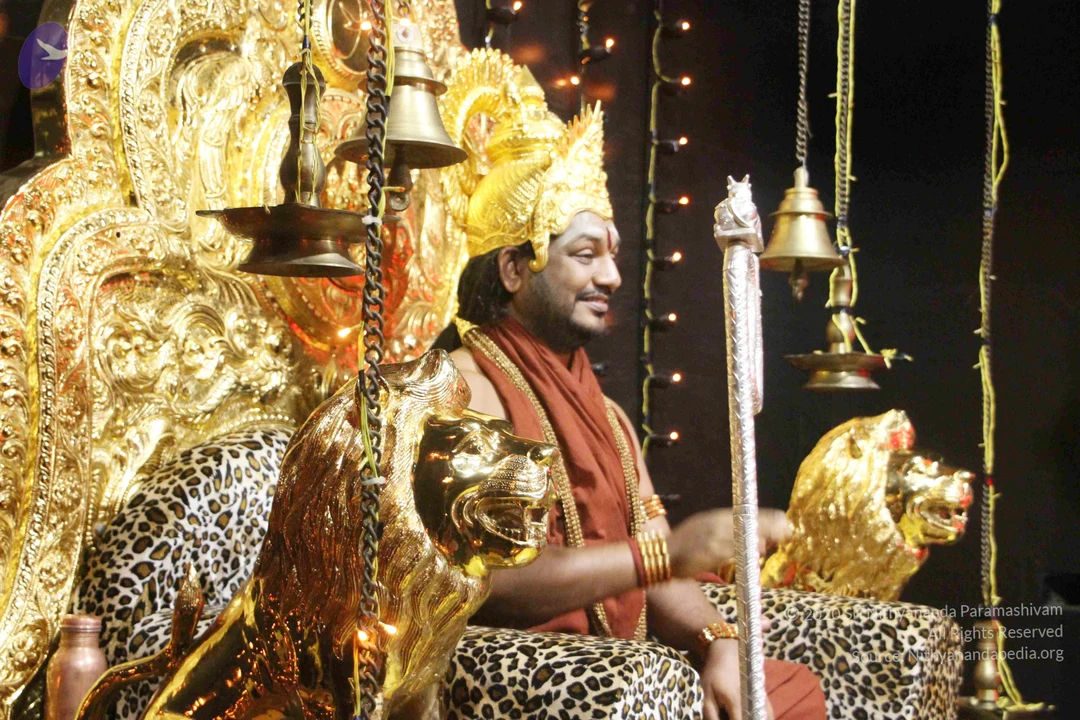
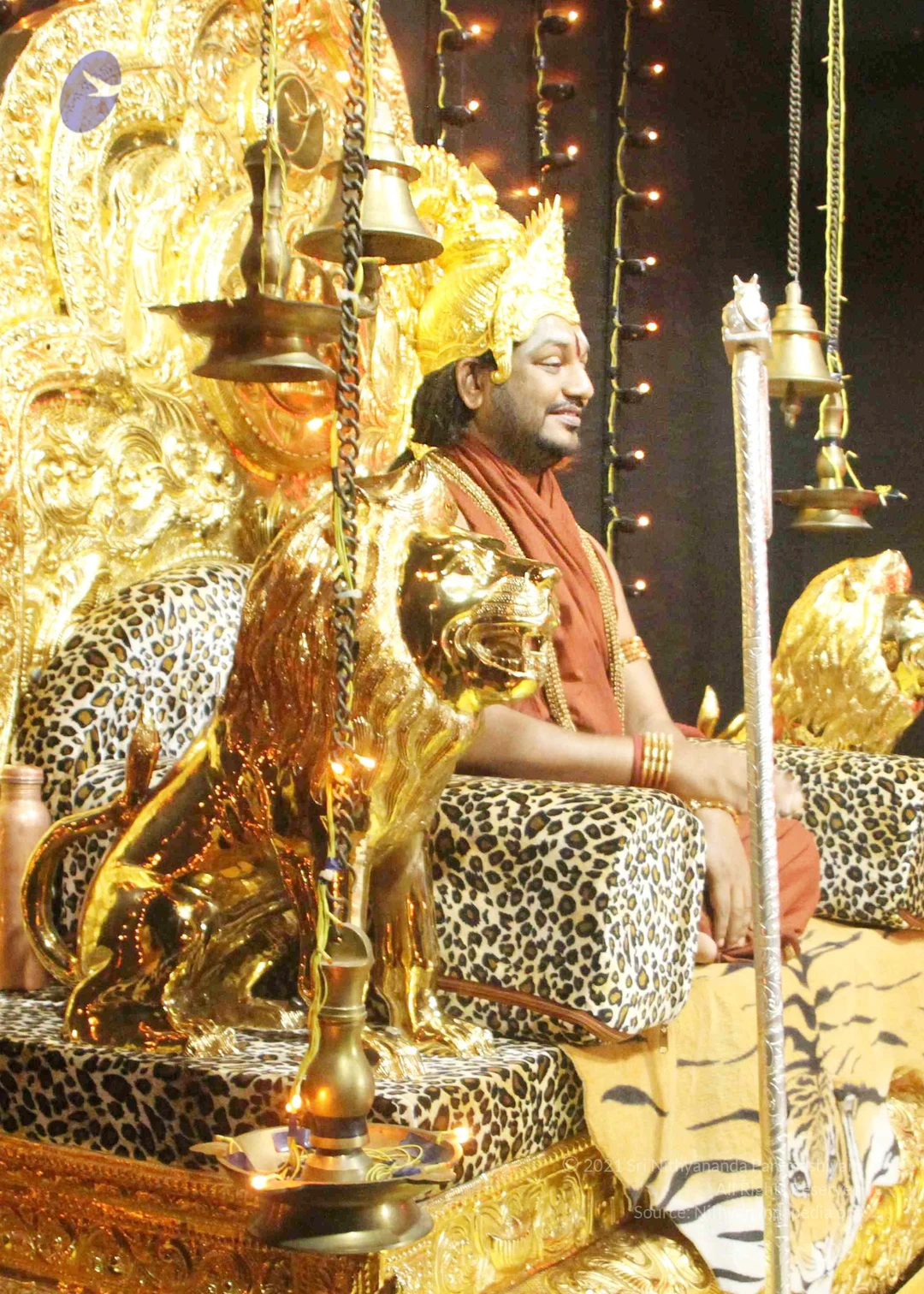
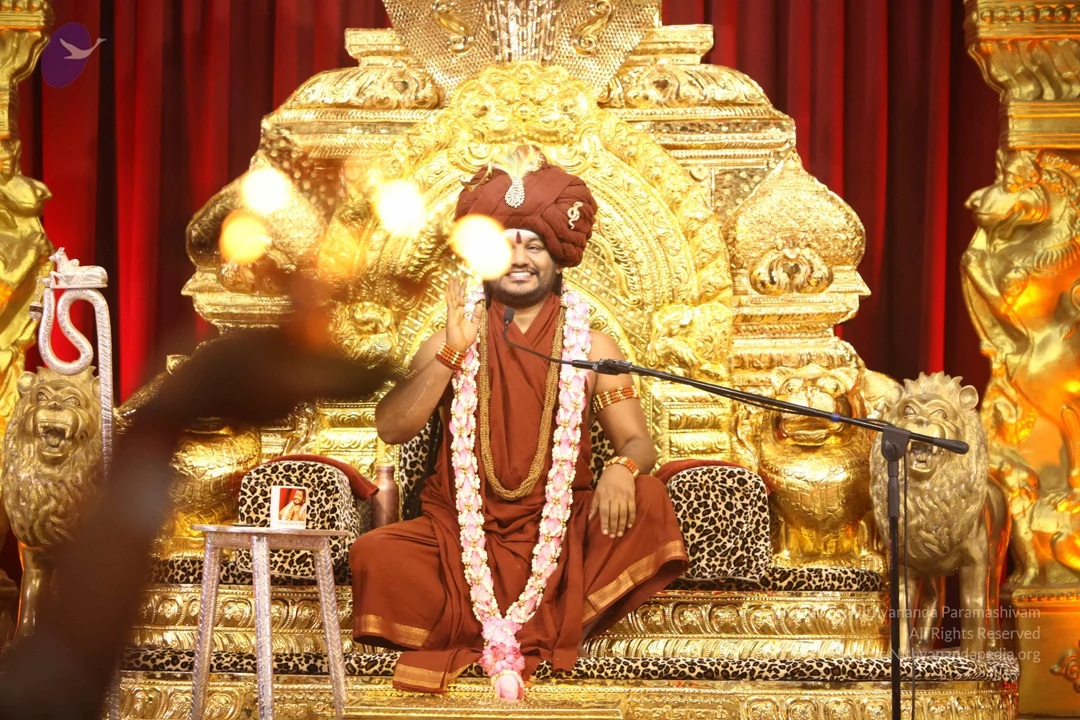
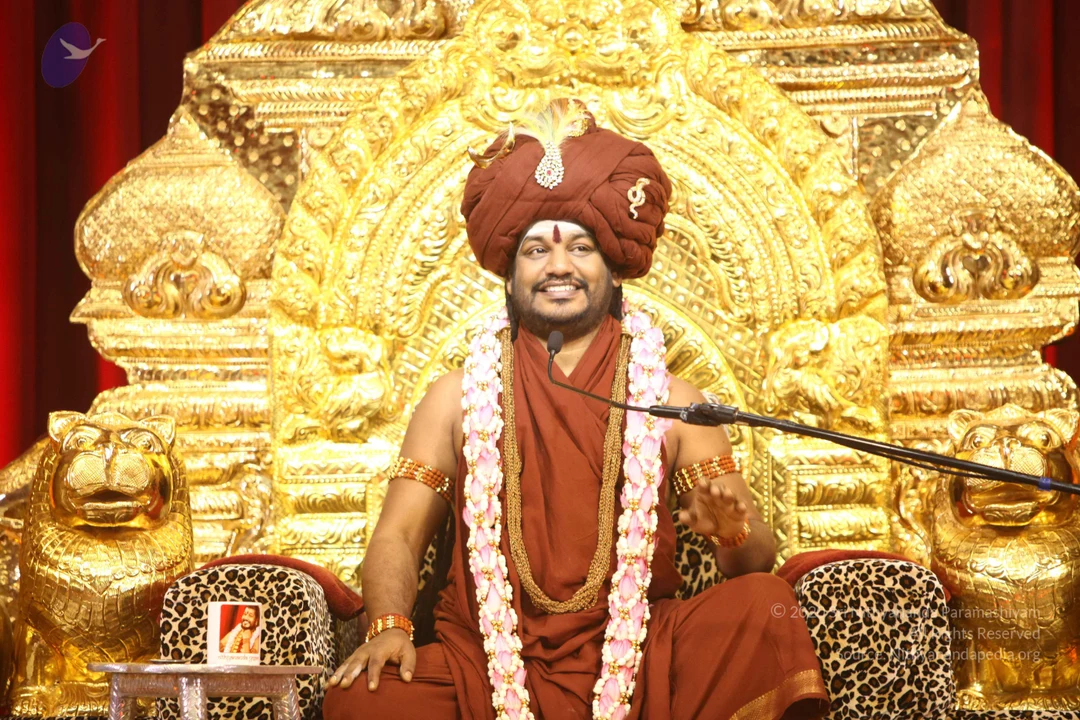
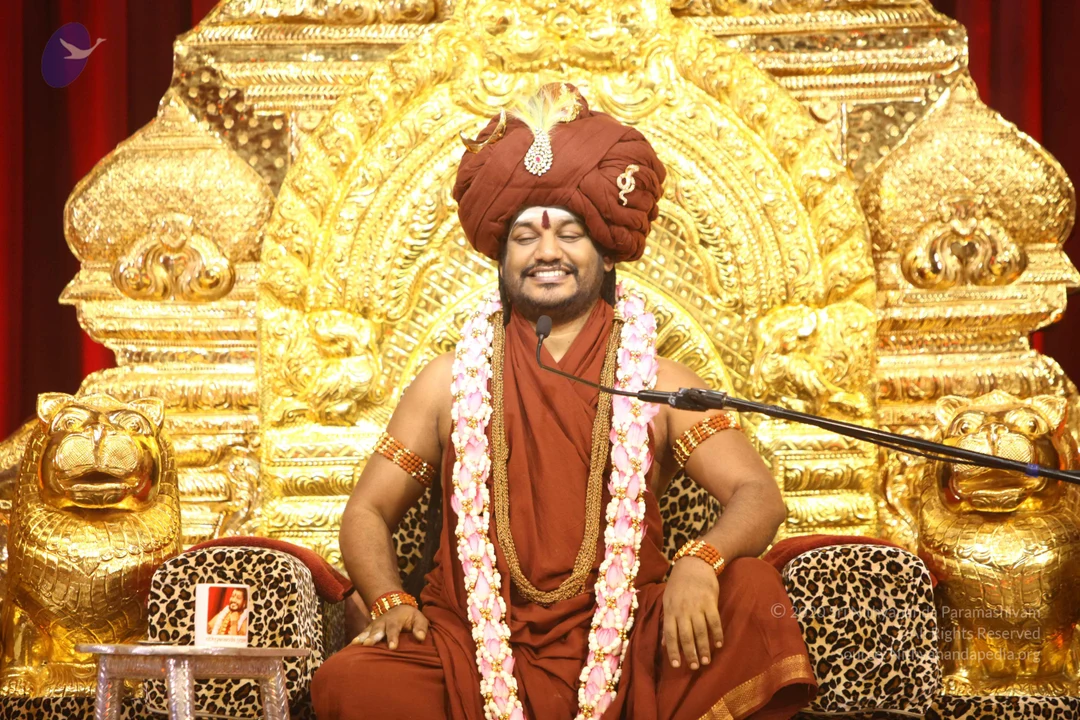
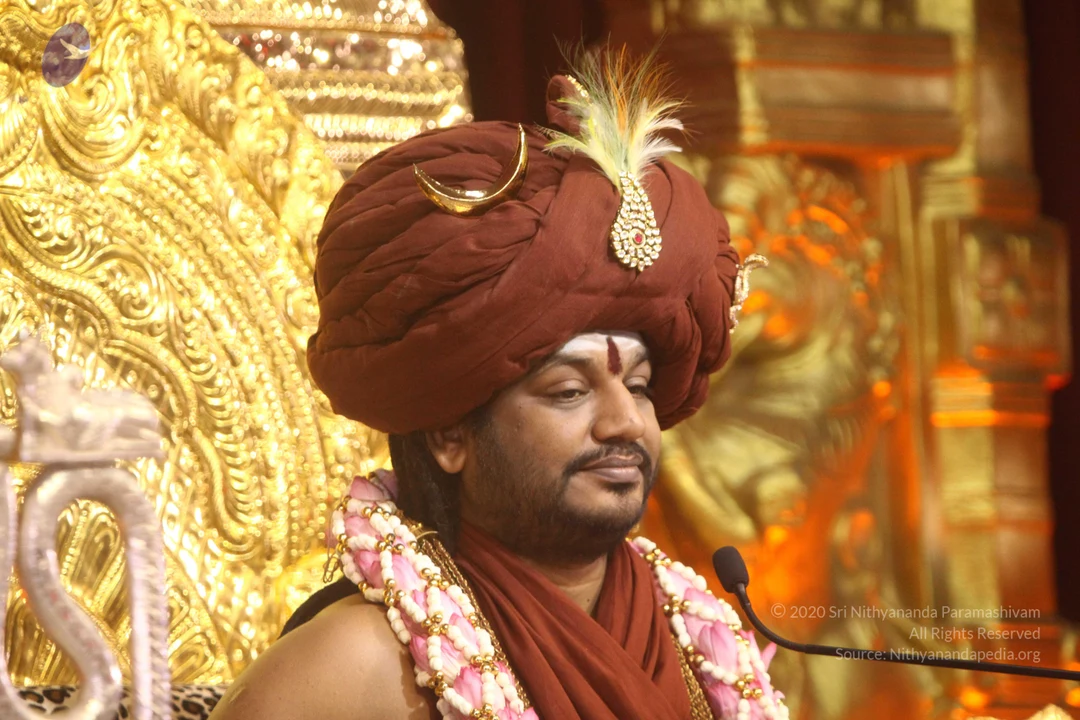
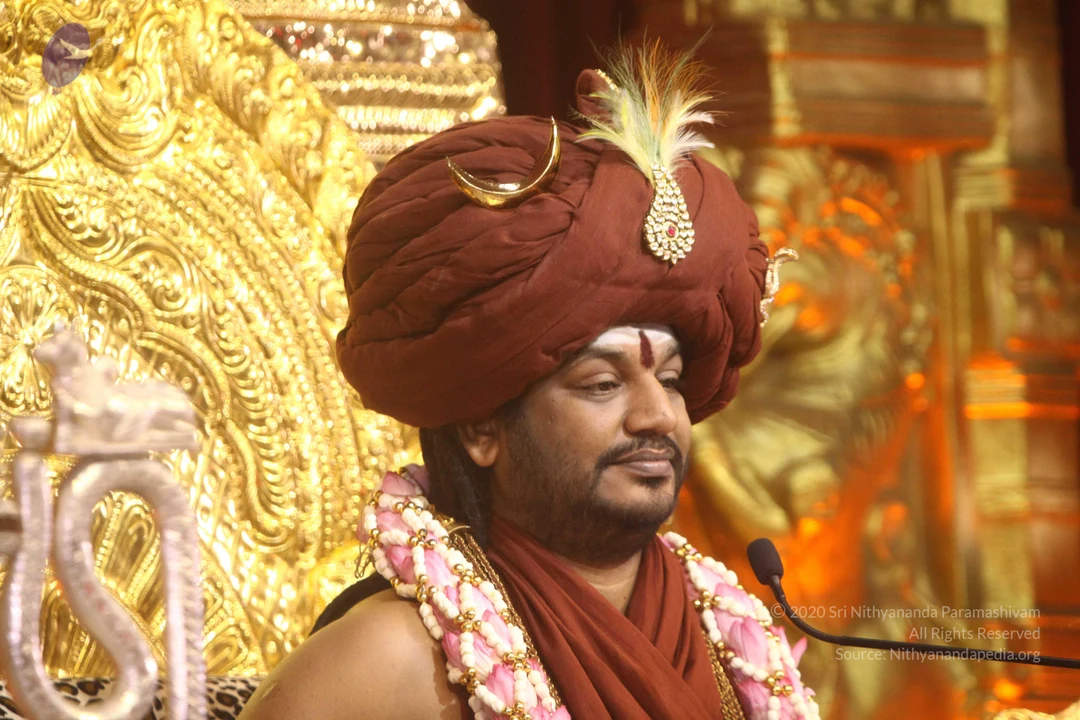
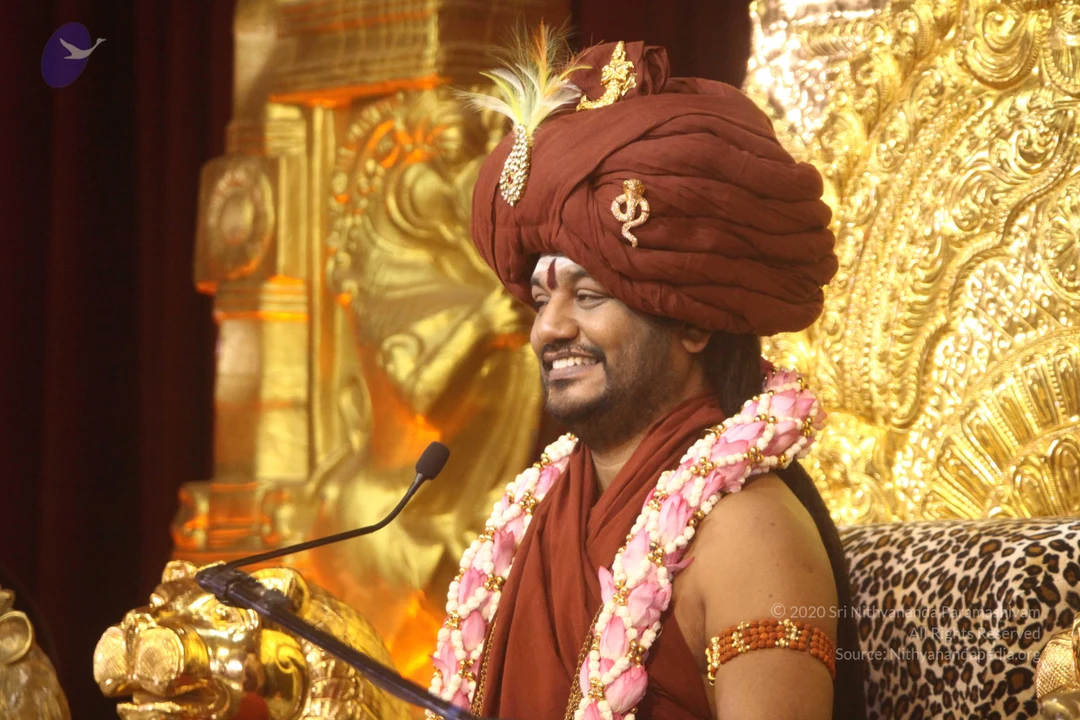
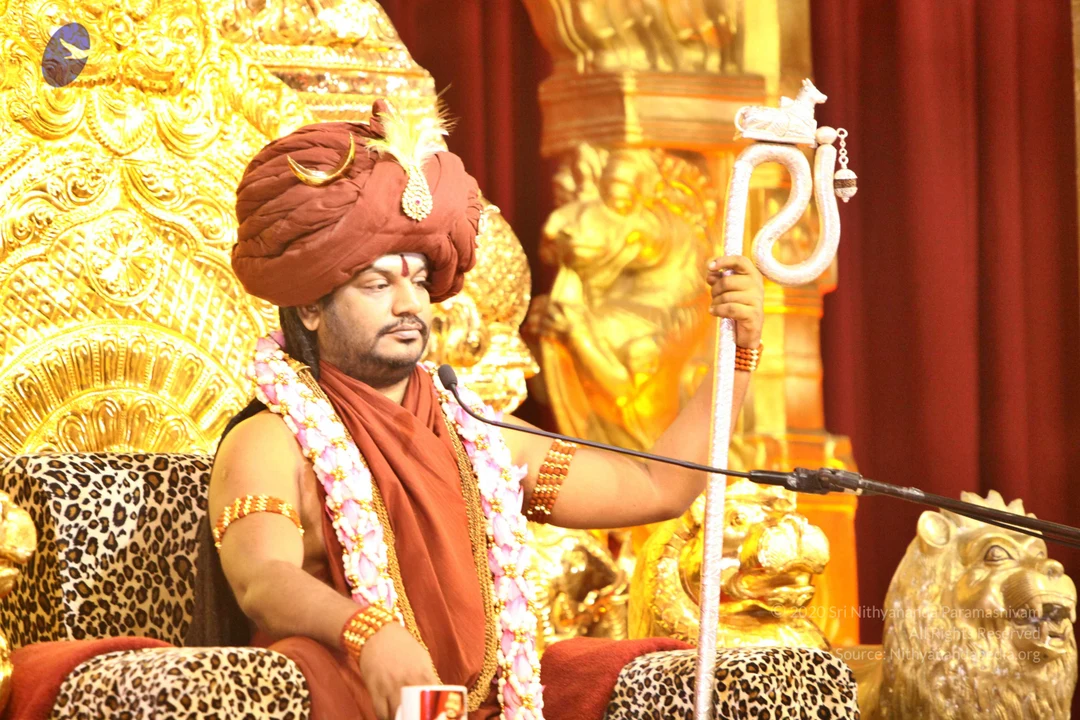
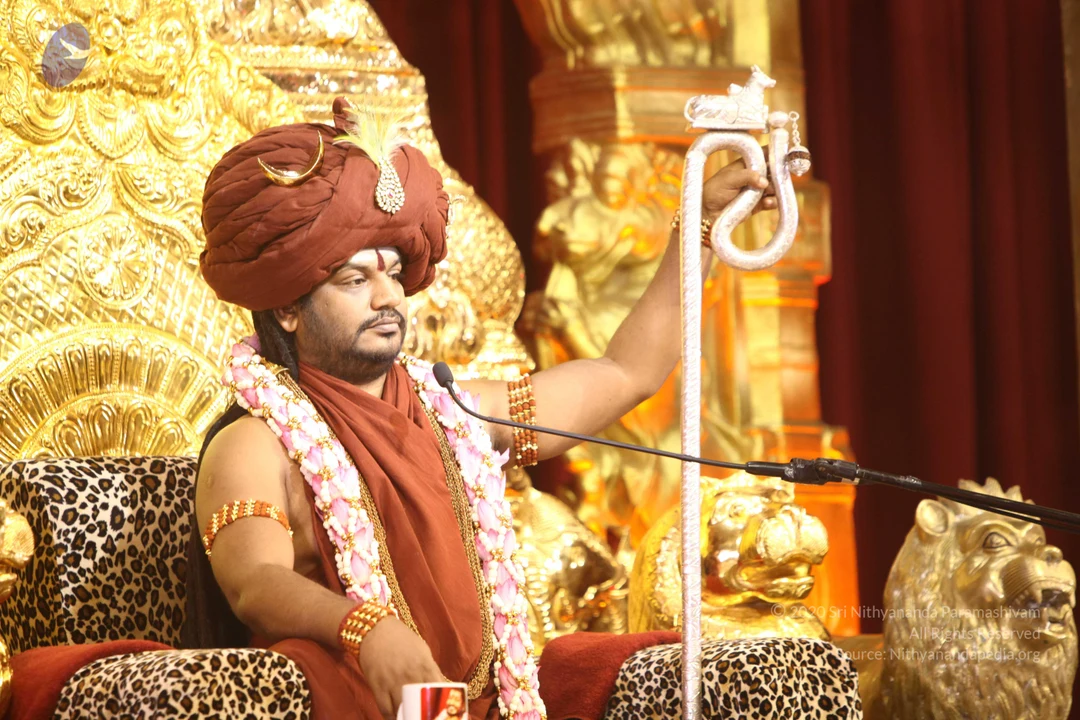
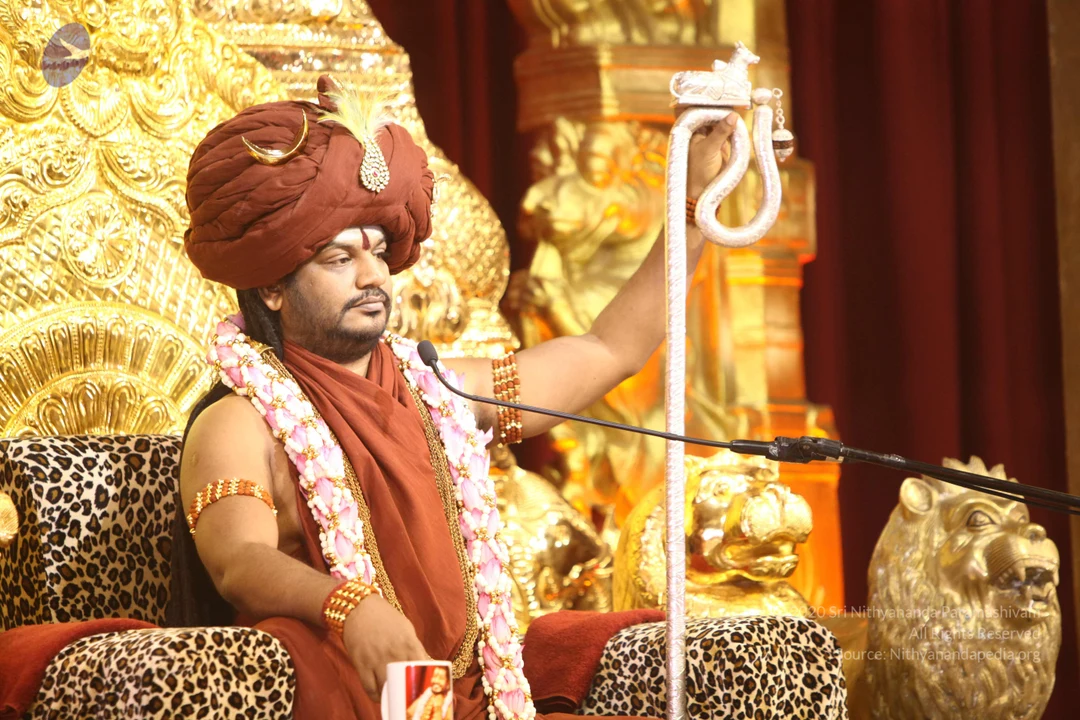
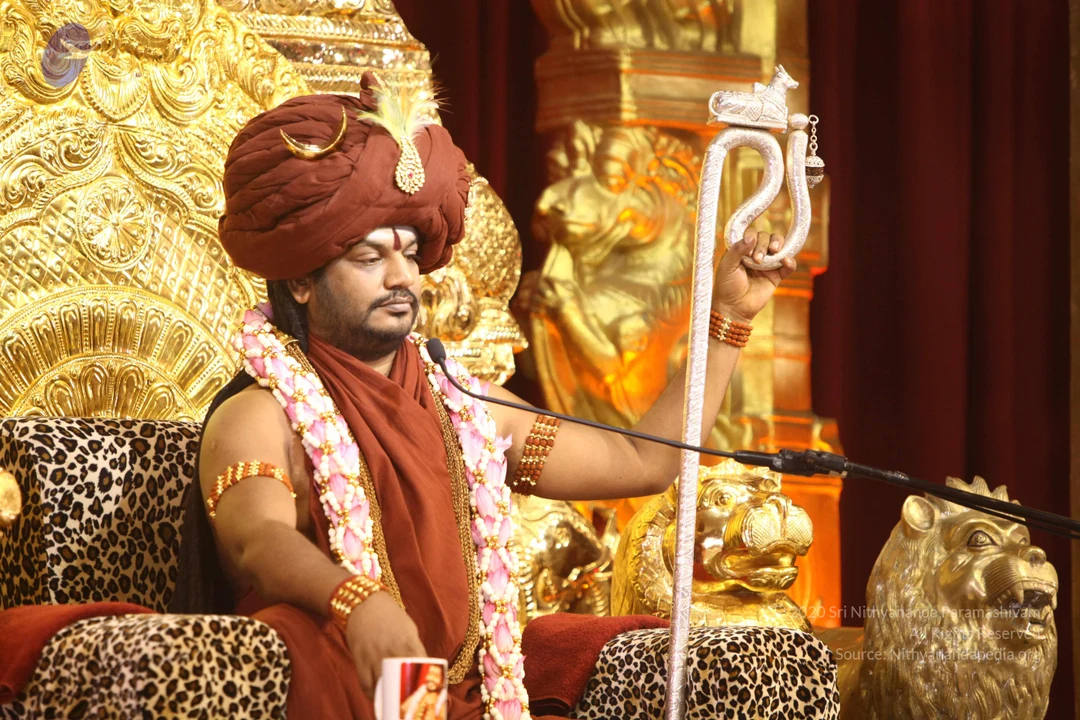
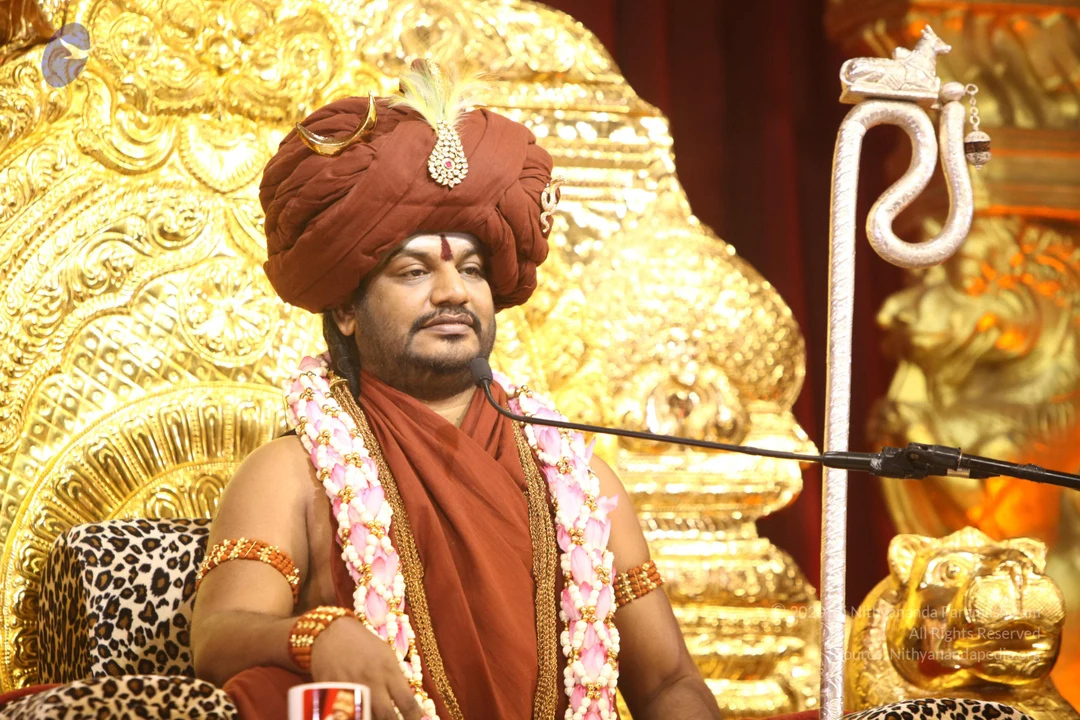
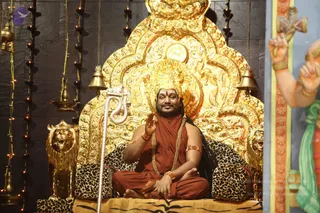
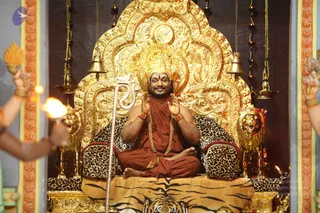
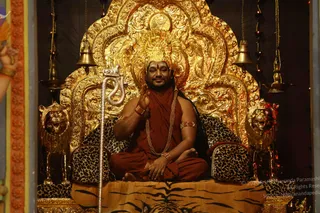
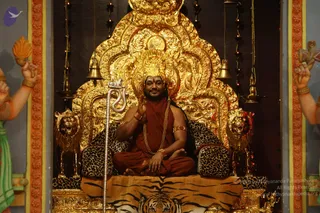
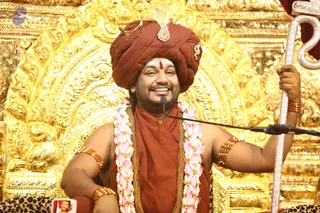
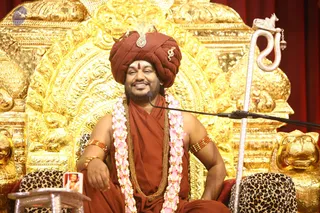
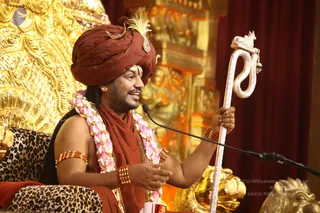
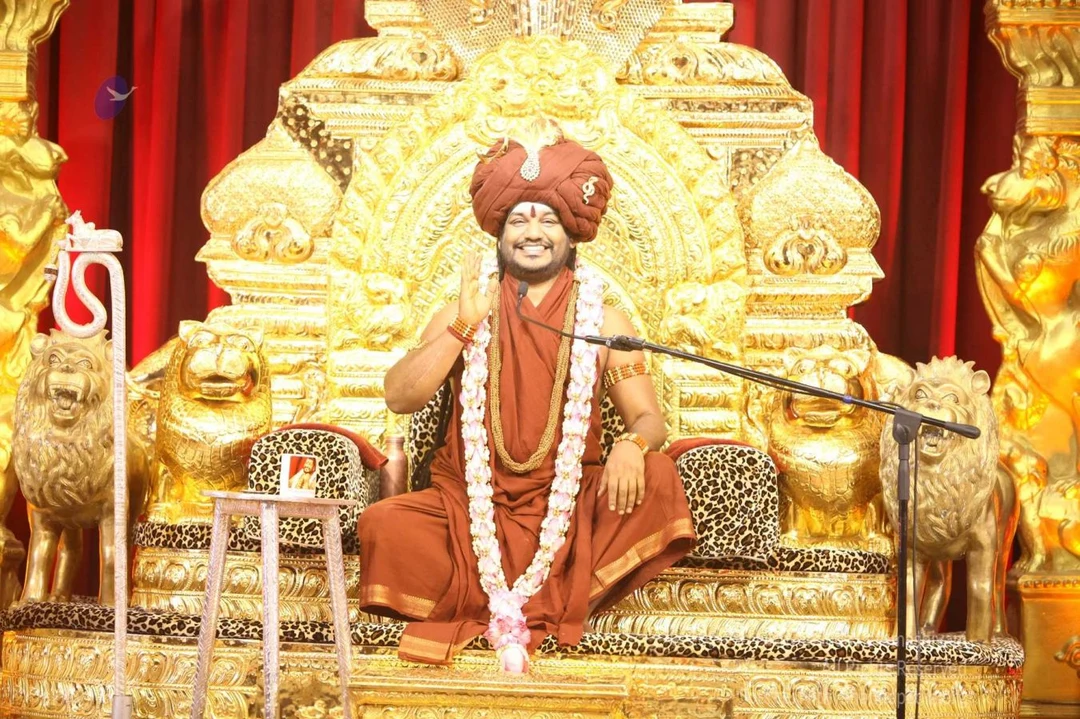 Nithya Satsang with His Divine Holiness Bhagavan Sri Nithyananda Paramashivam on "Secrets to Manifest Life Positive Right Cognitions"
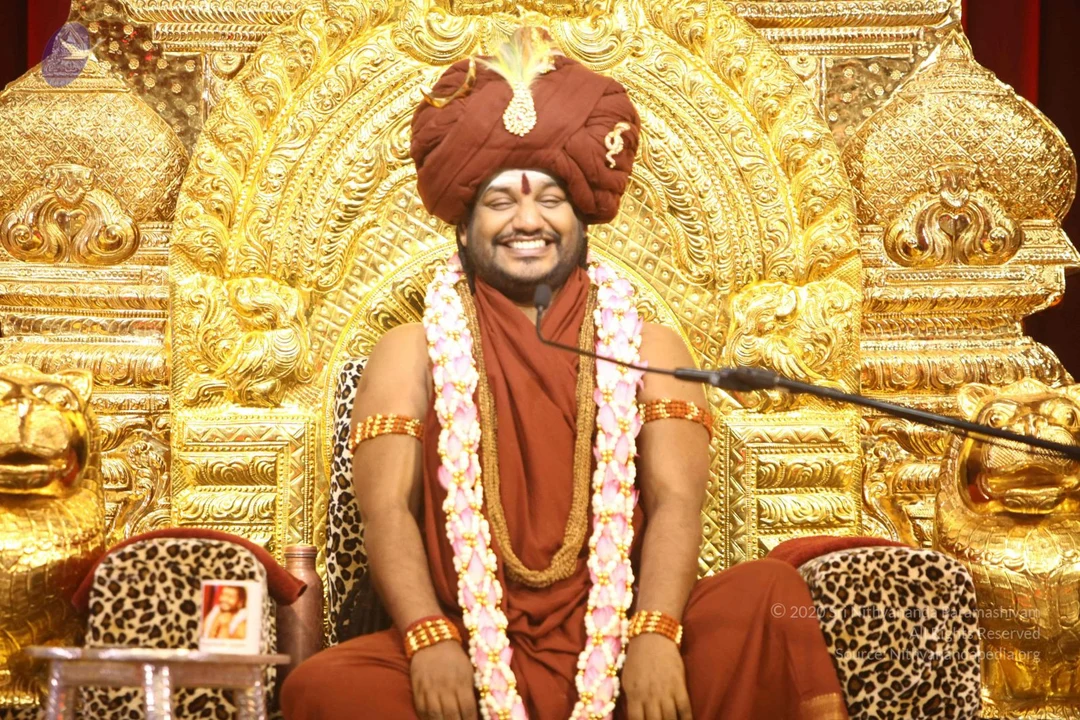
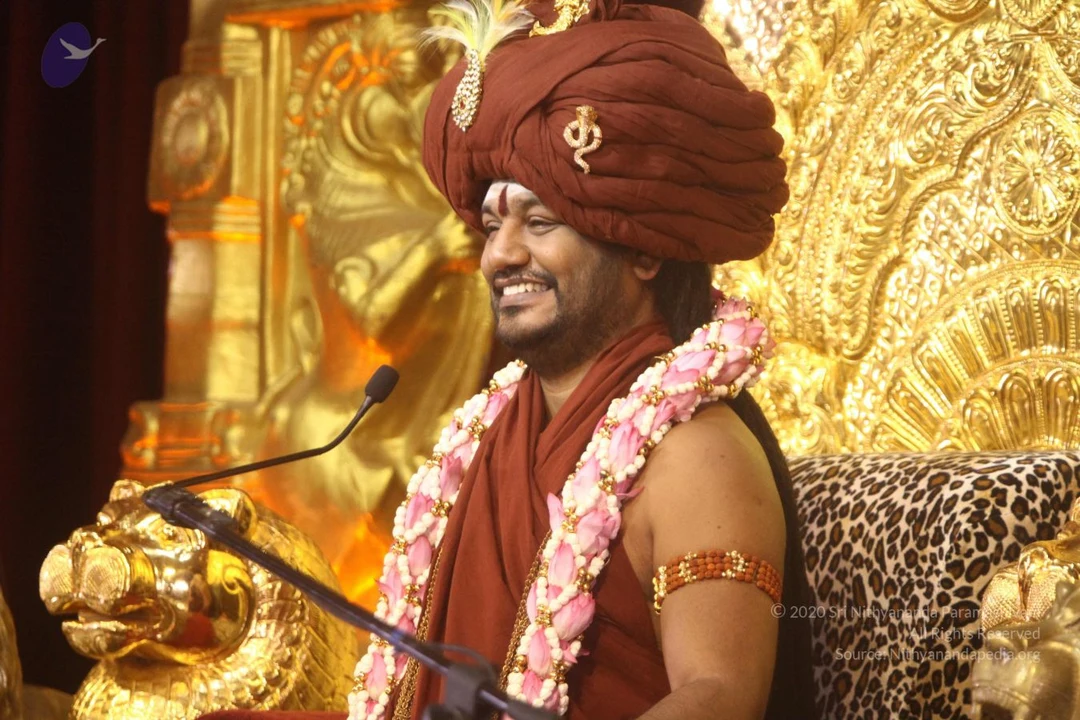
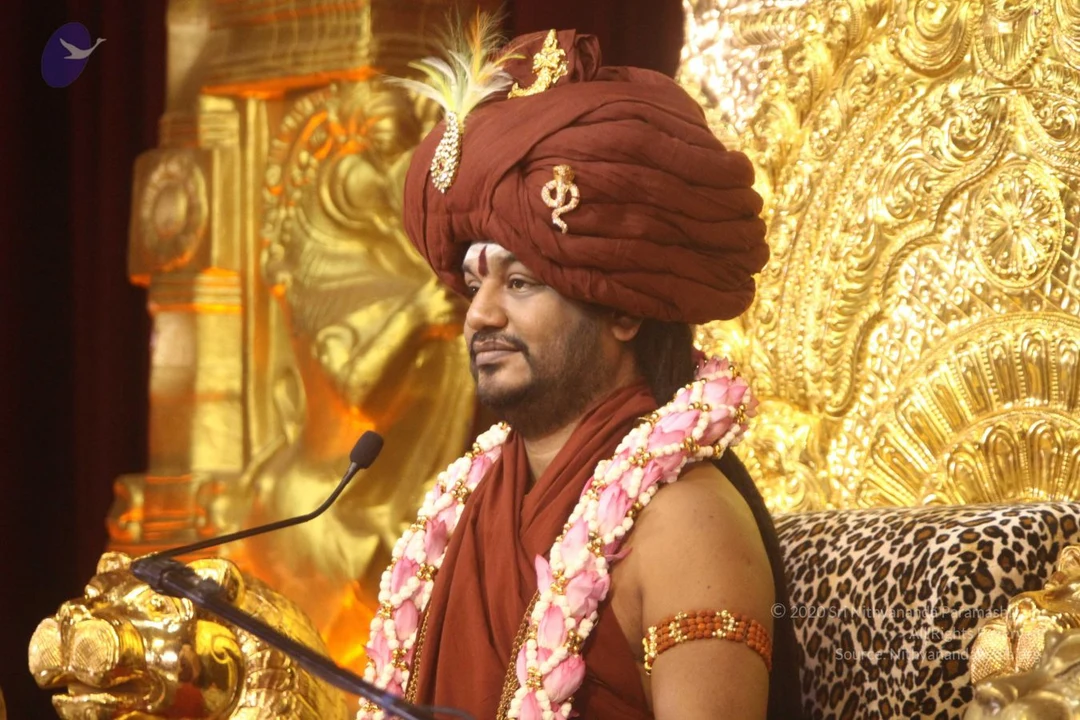
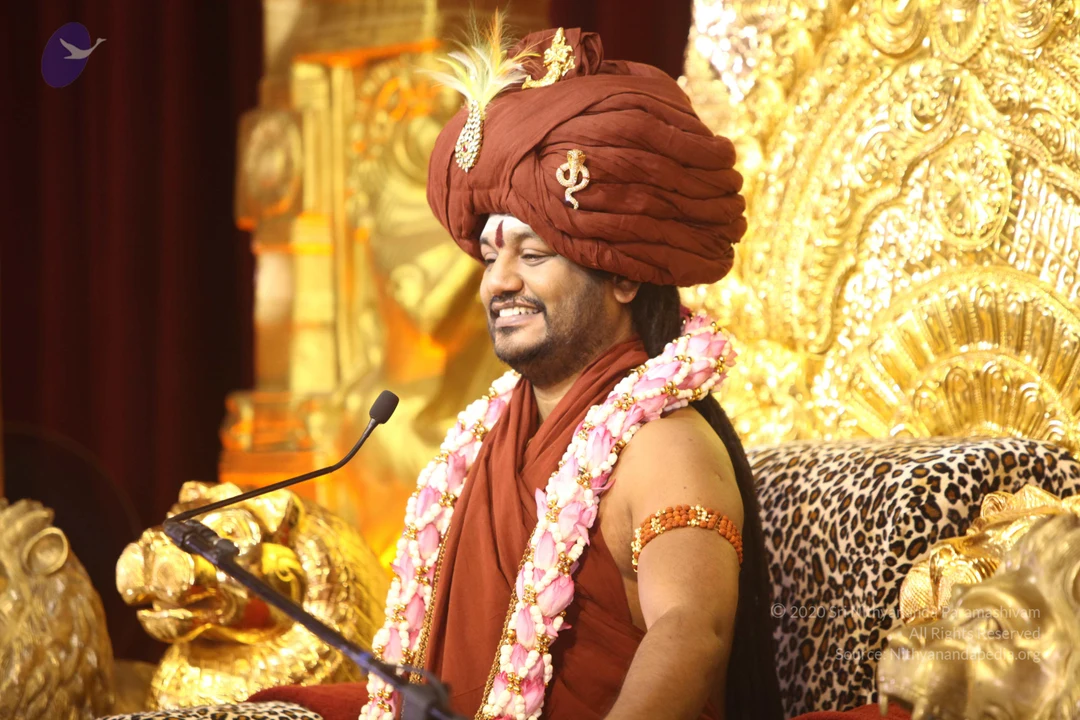
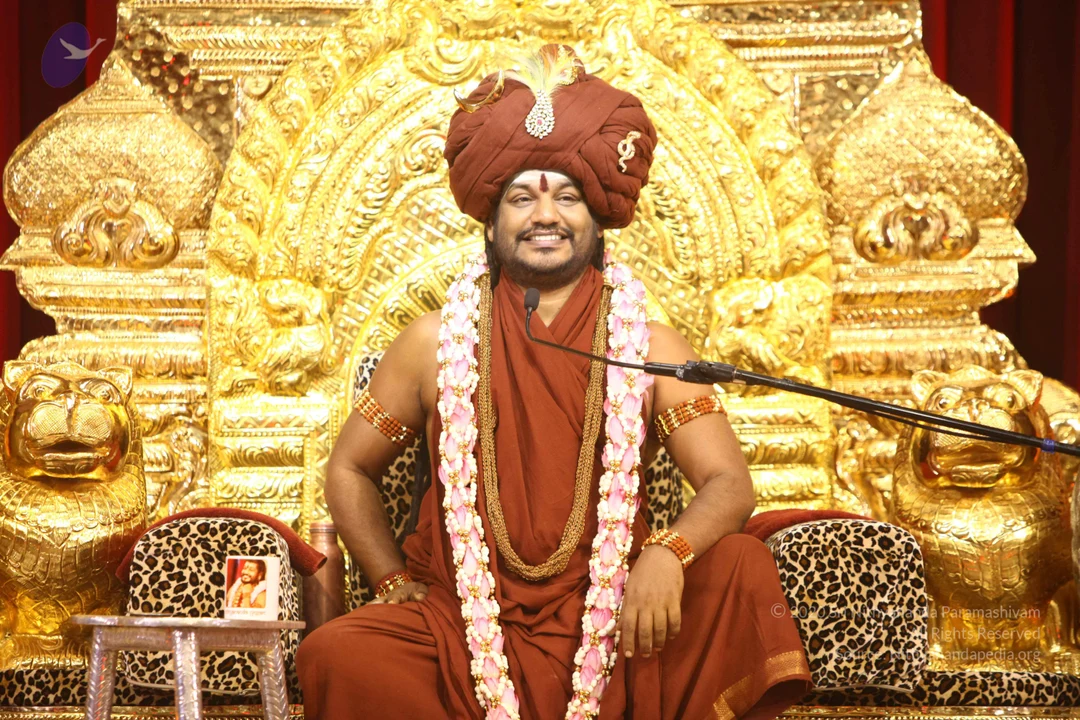
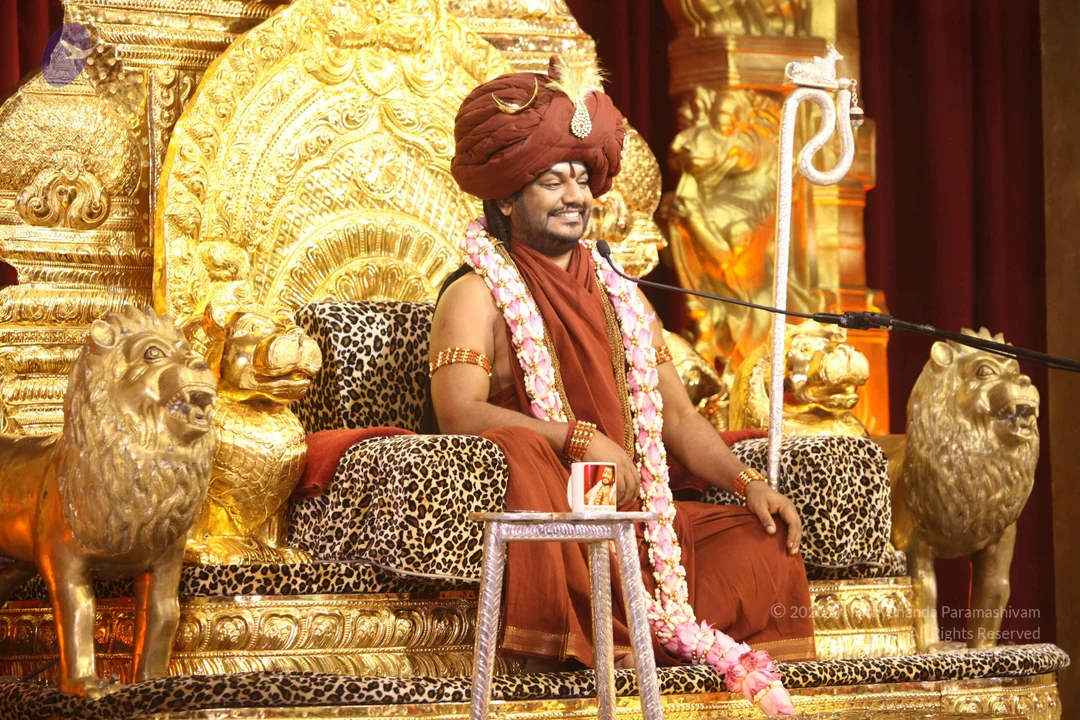
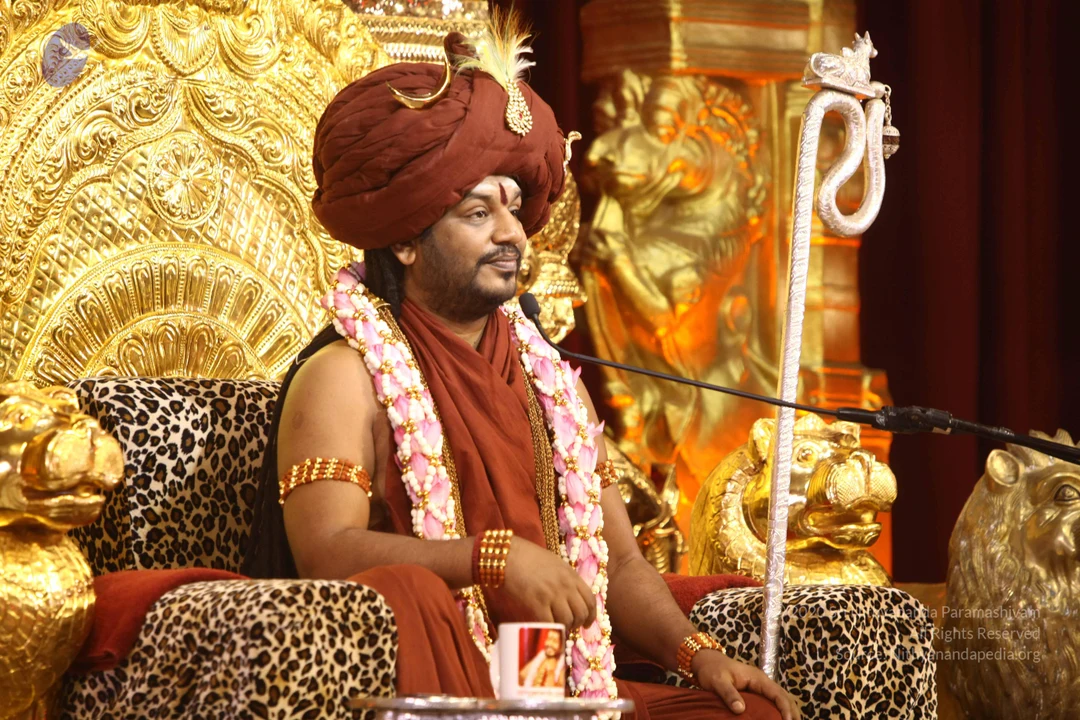
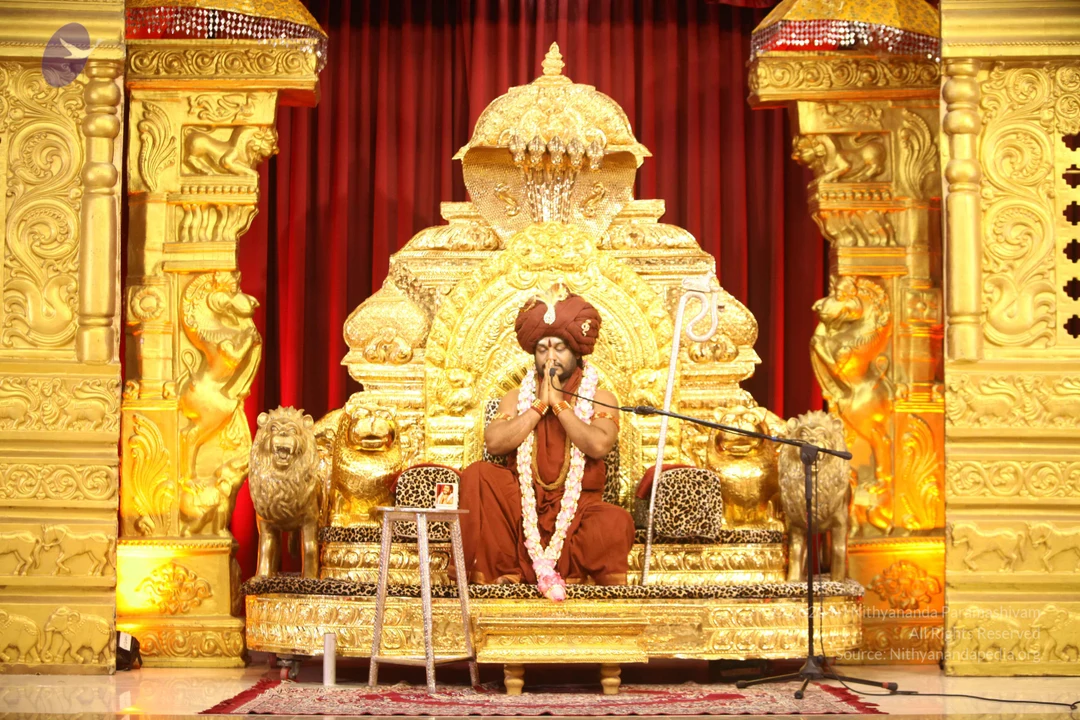
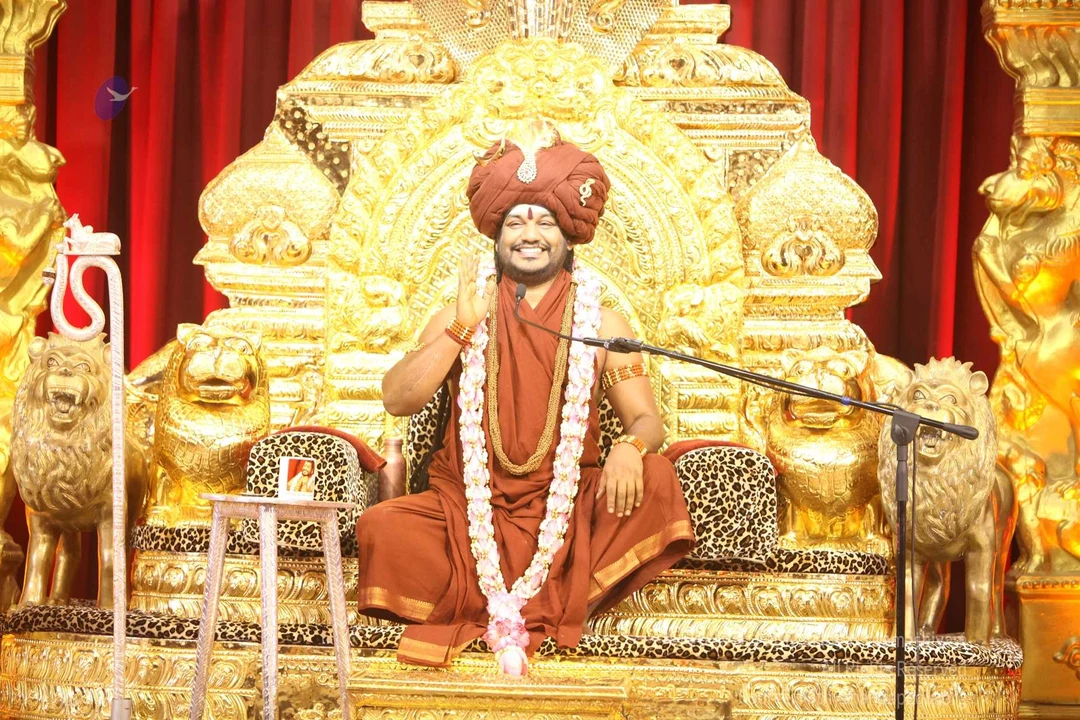 Nithya Satsang with His Divine Holiness Bhagavan Sri Nithyananda Paramashivam on "Secrets to Manifest Life Positive Right Cognitions"
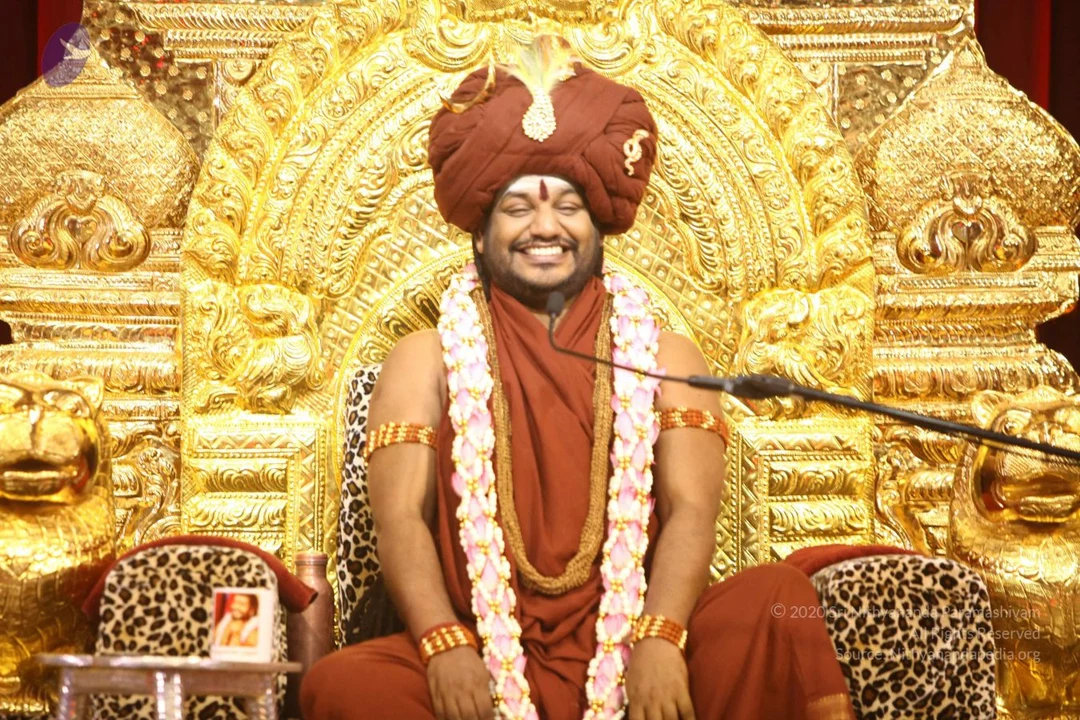
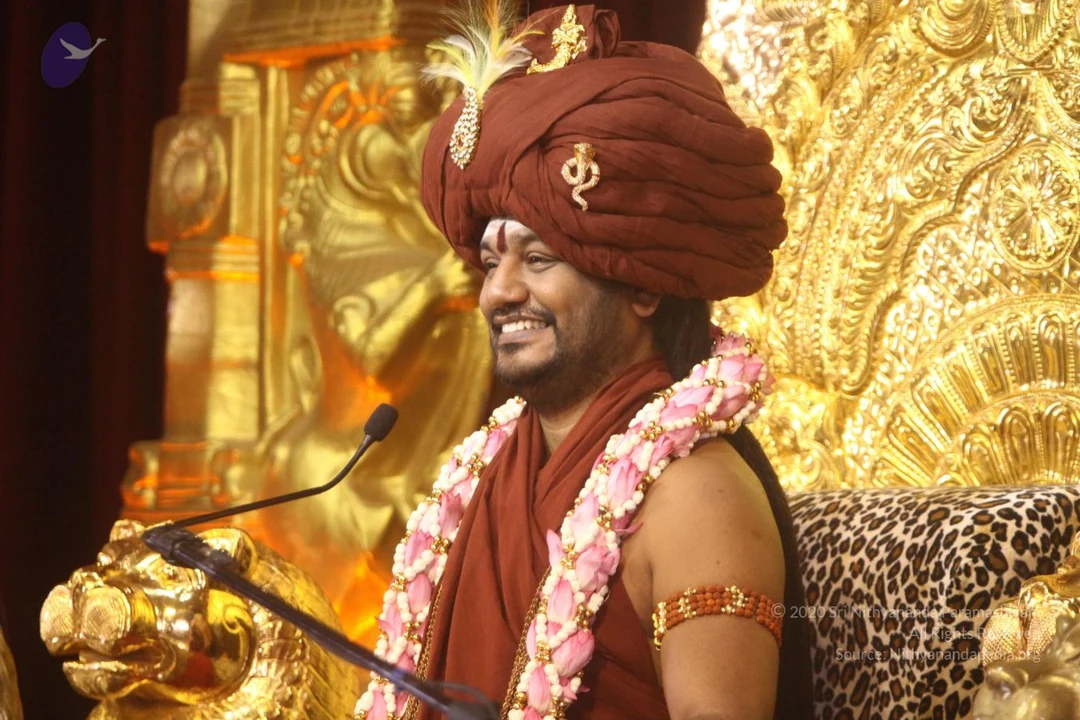
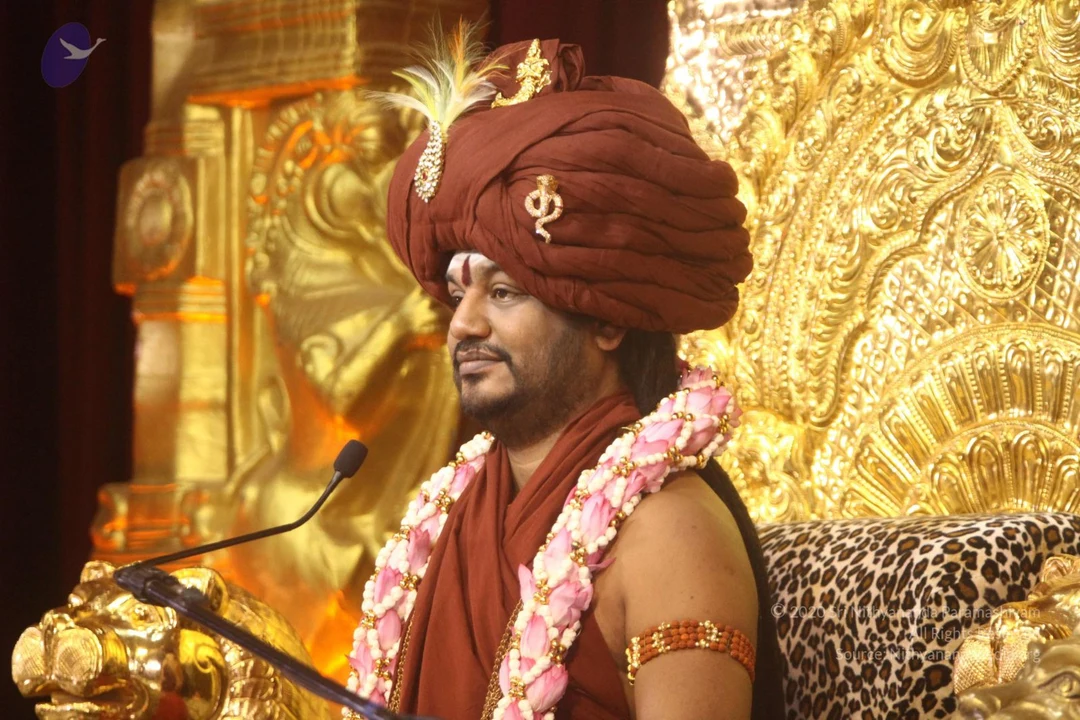
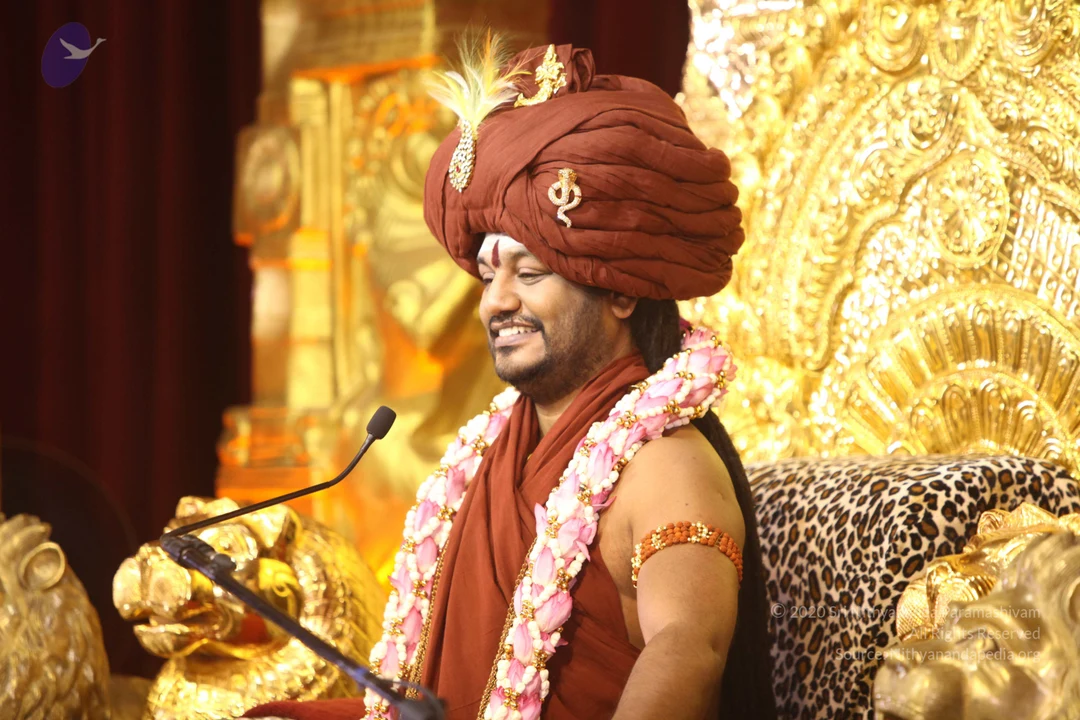
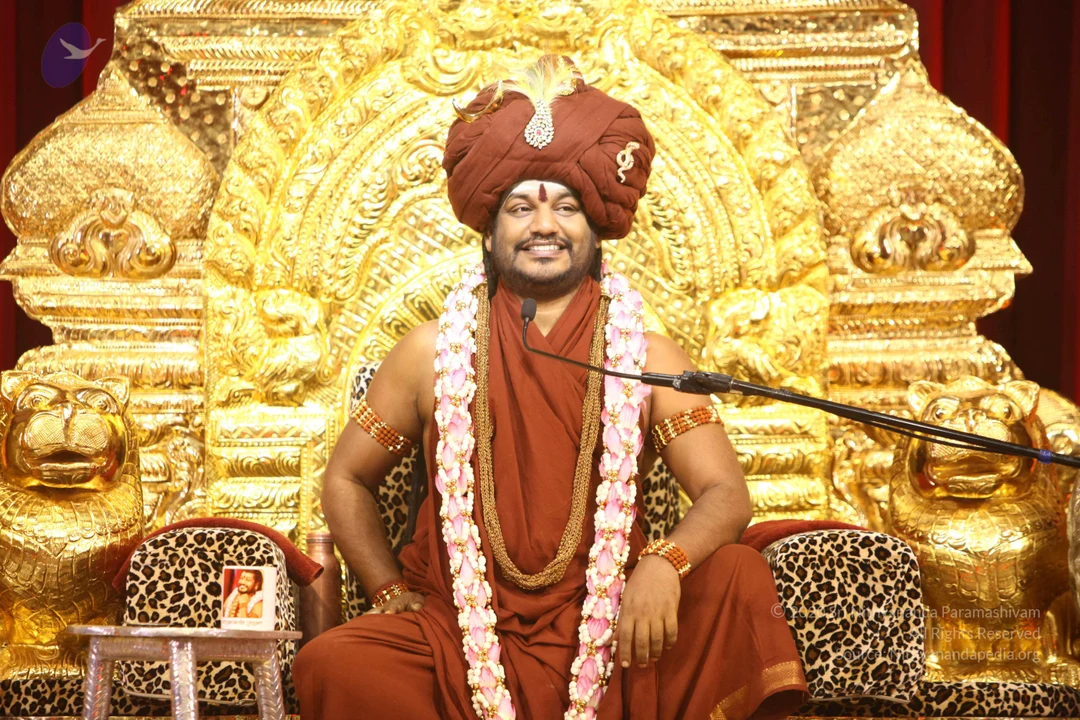
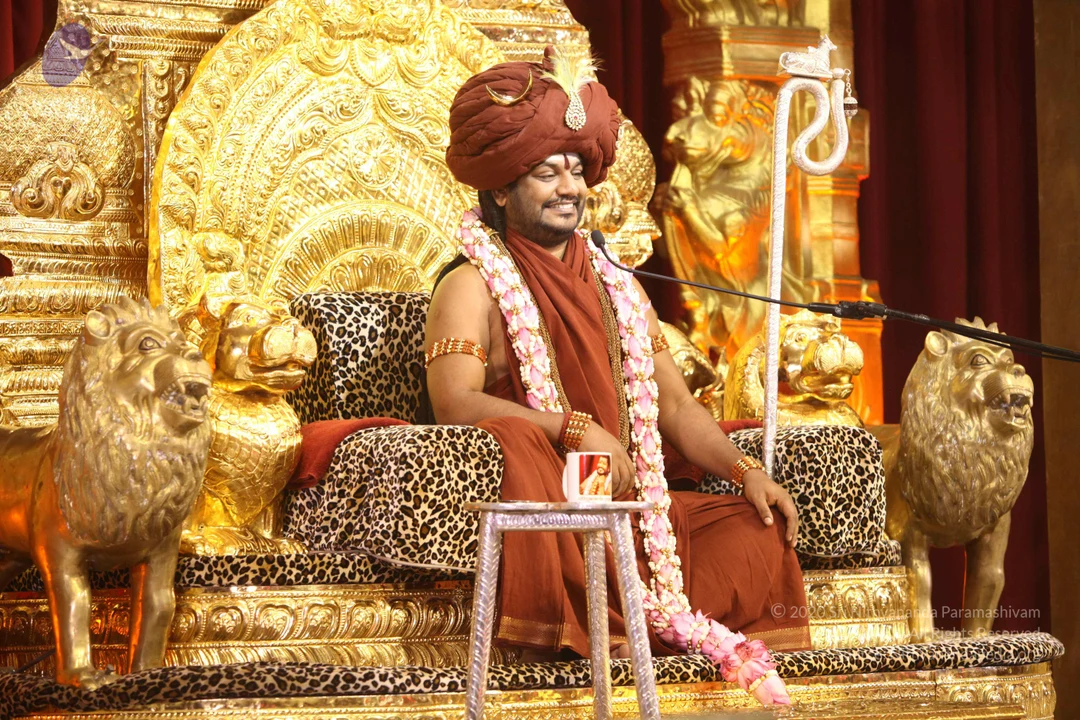
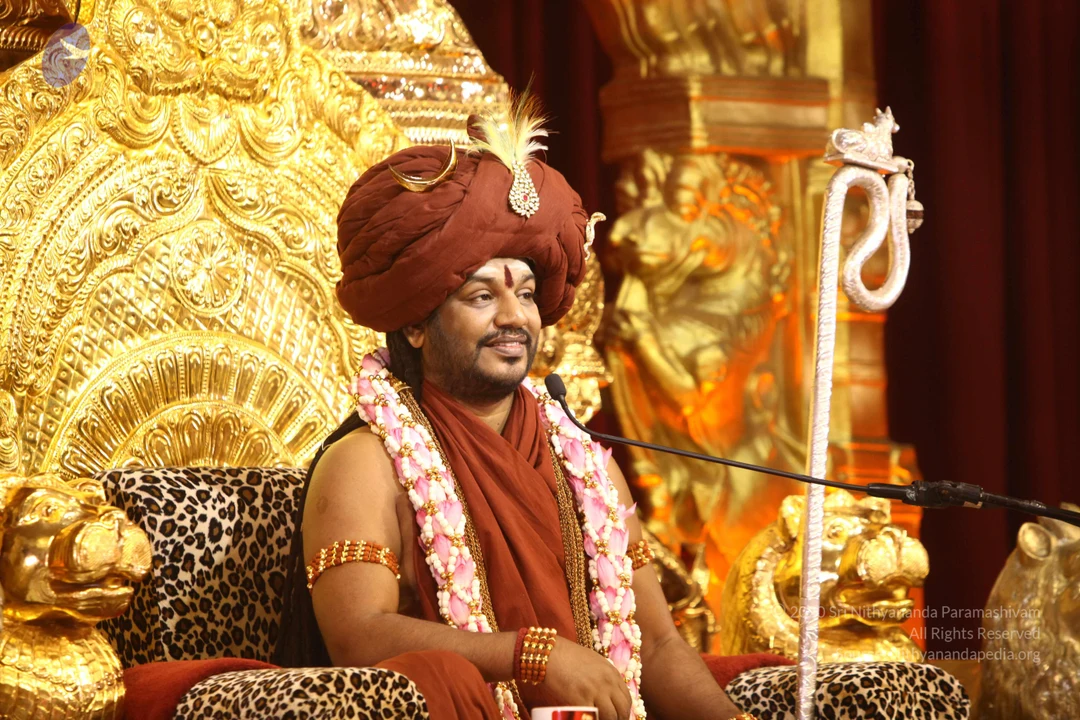
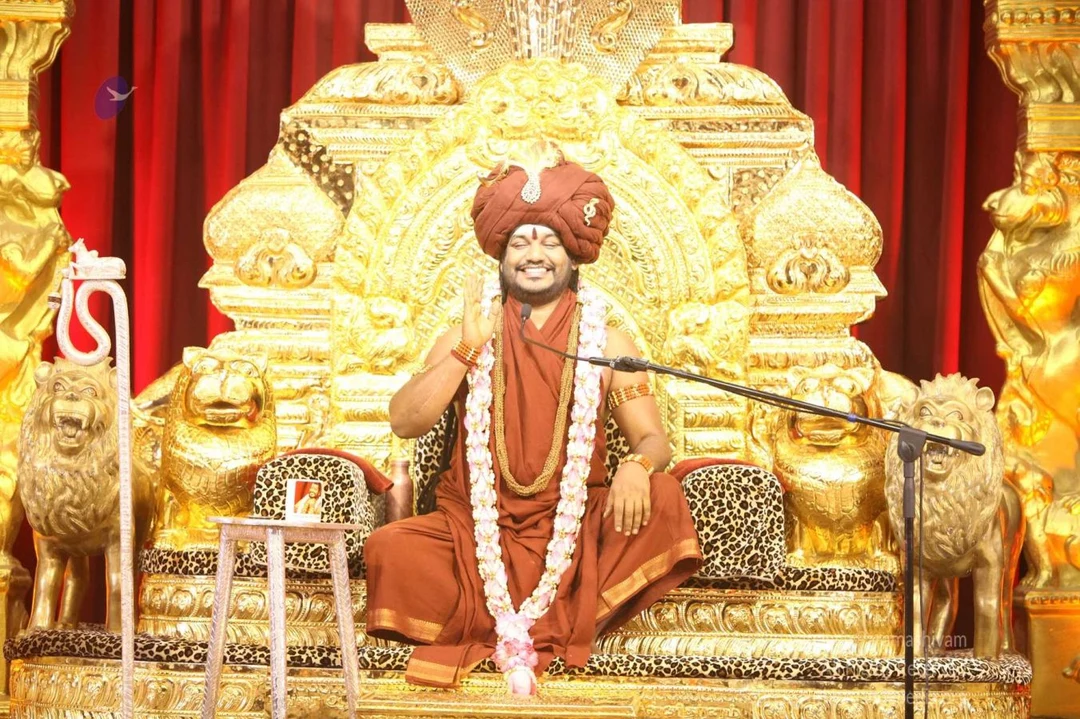 Nithya Satsang with His Divine Holiness Bhagavan Sri Nithyananda Paramashivam on "Secrets to Manifest Life Positive Right Cognitions"
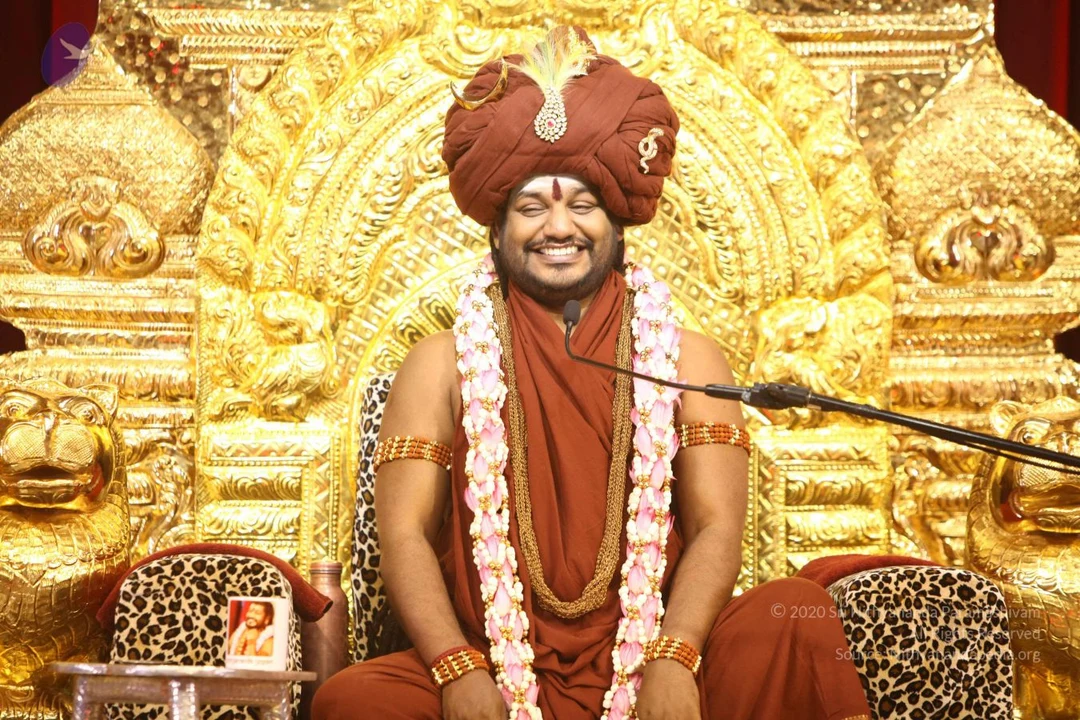
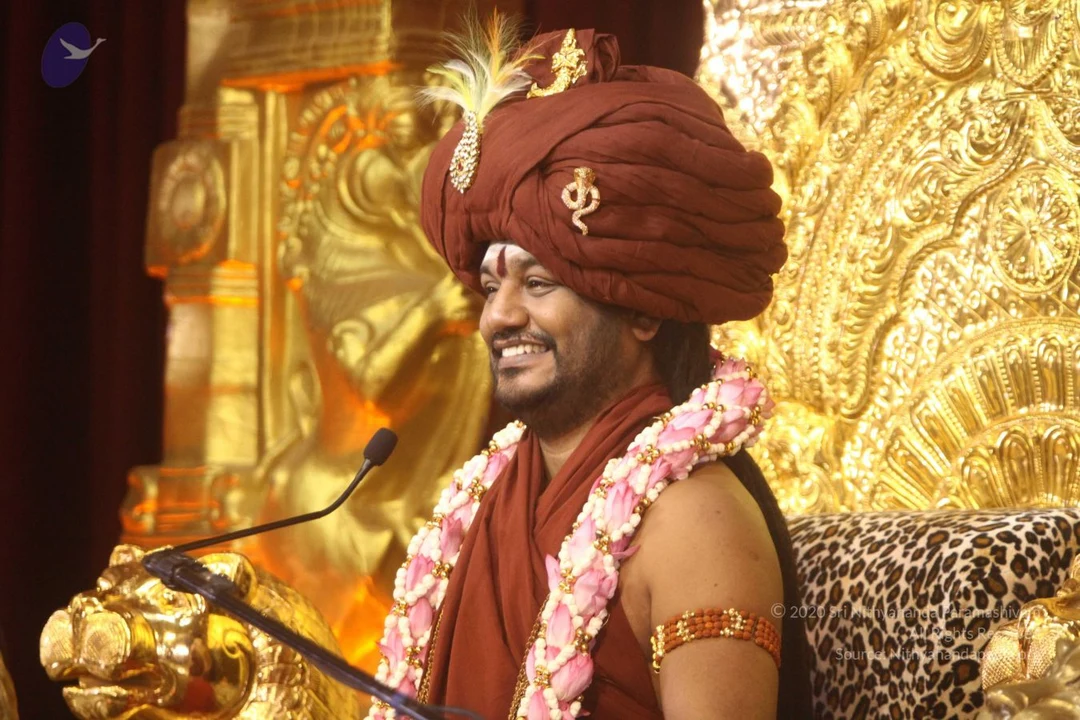
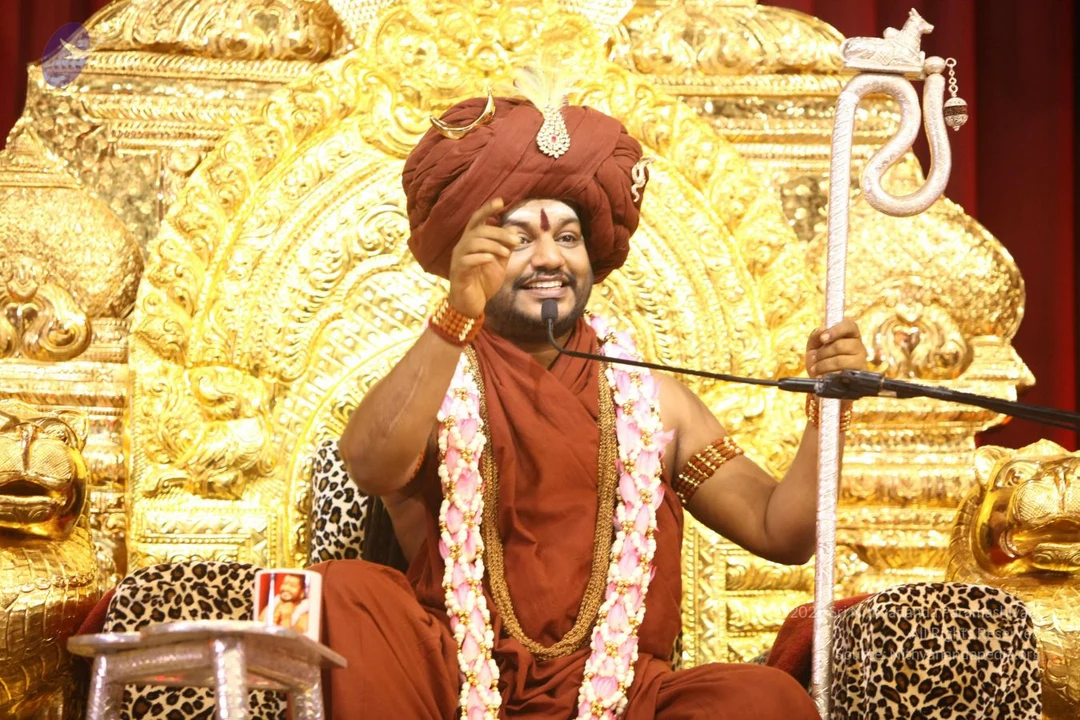
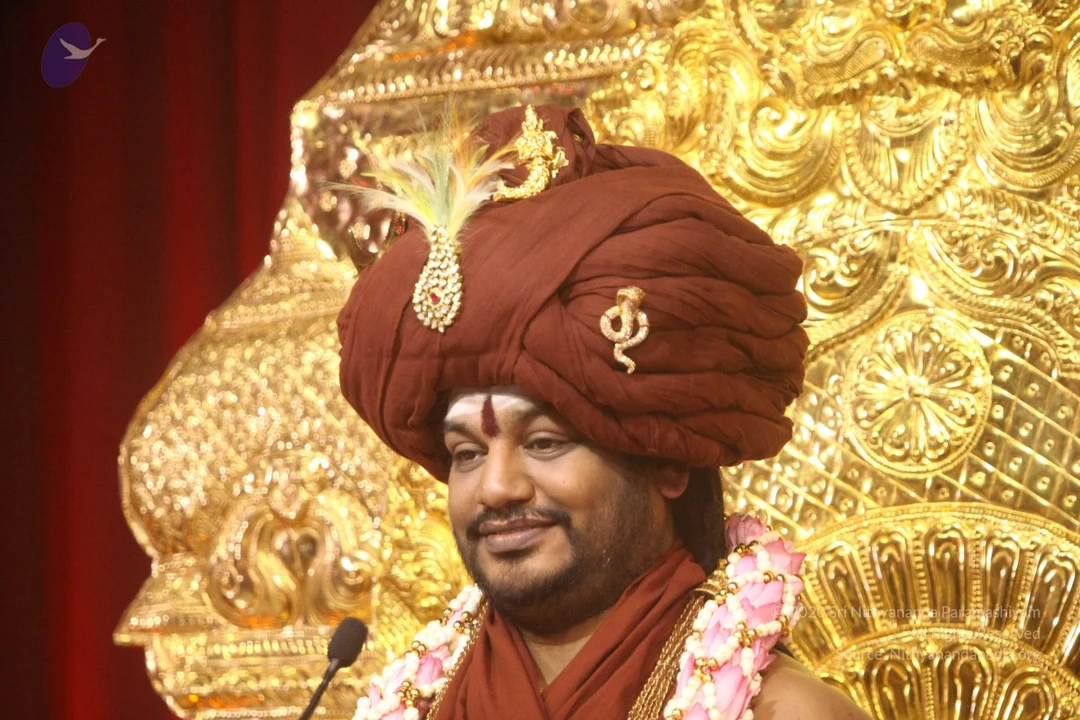
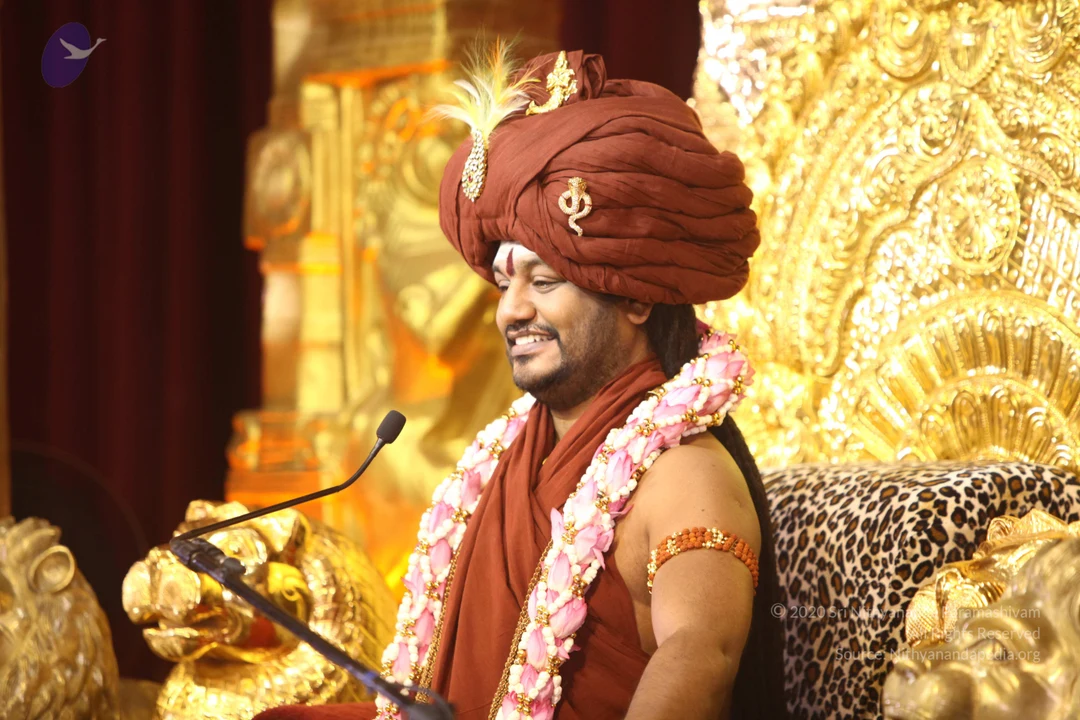
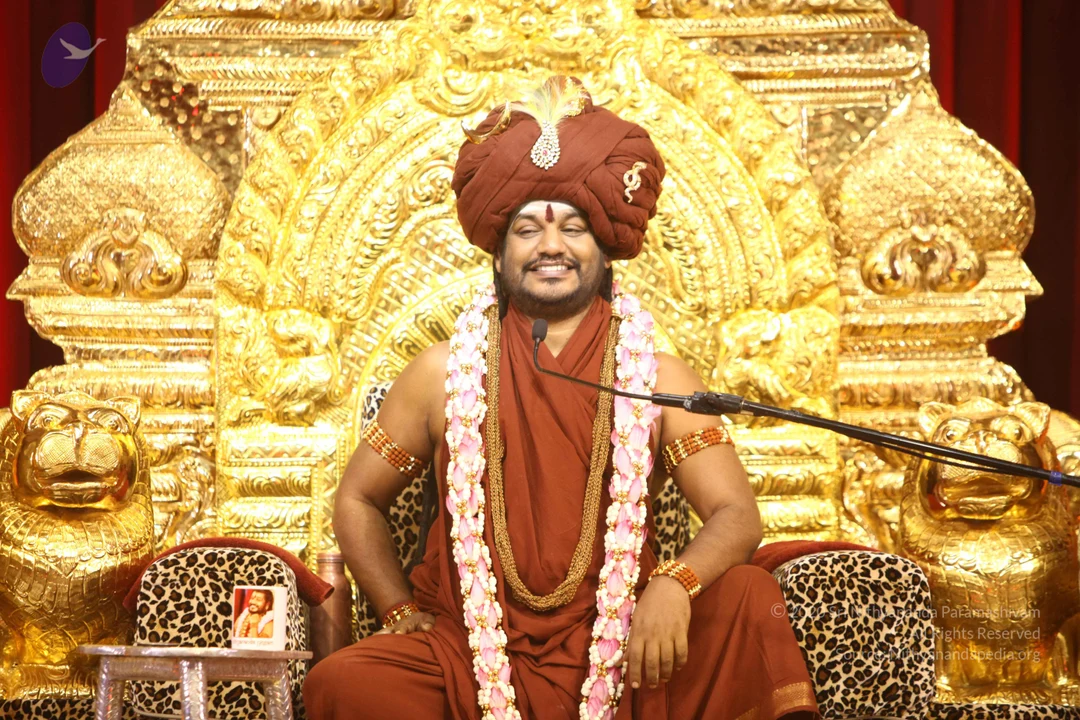
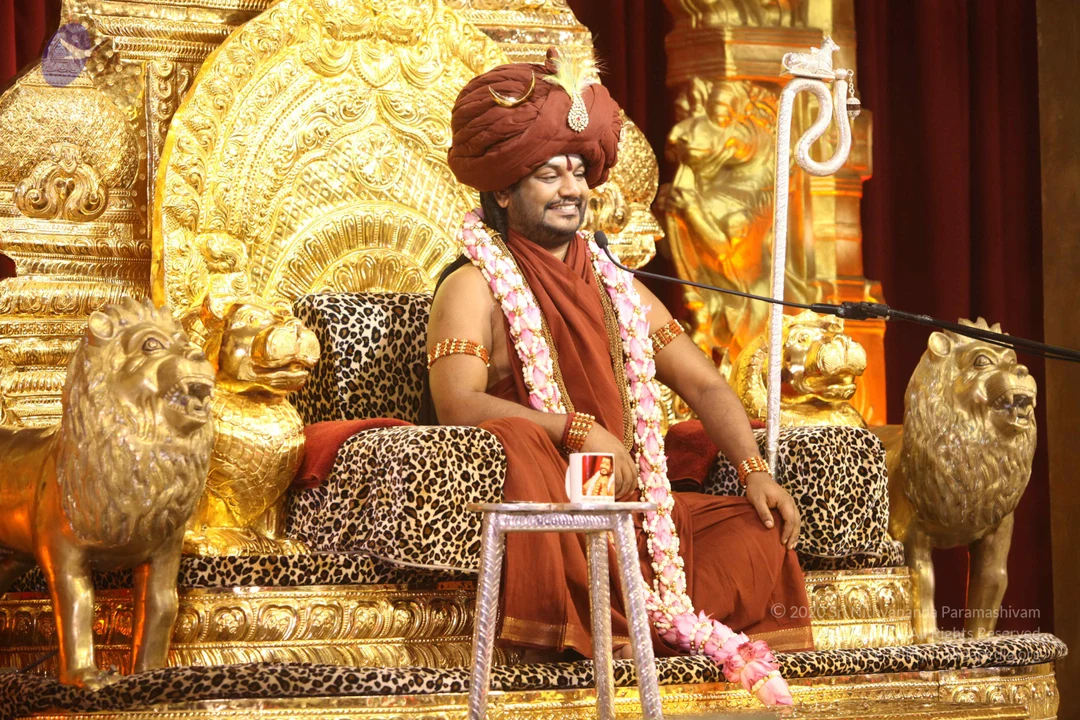
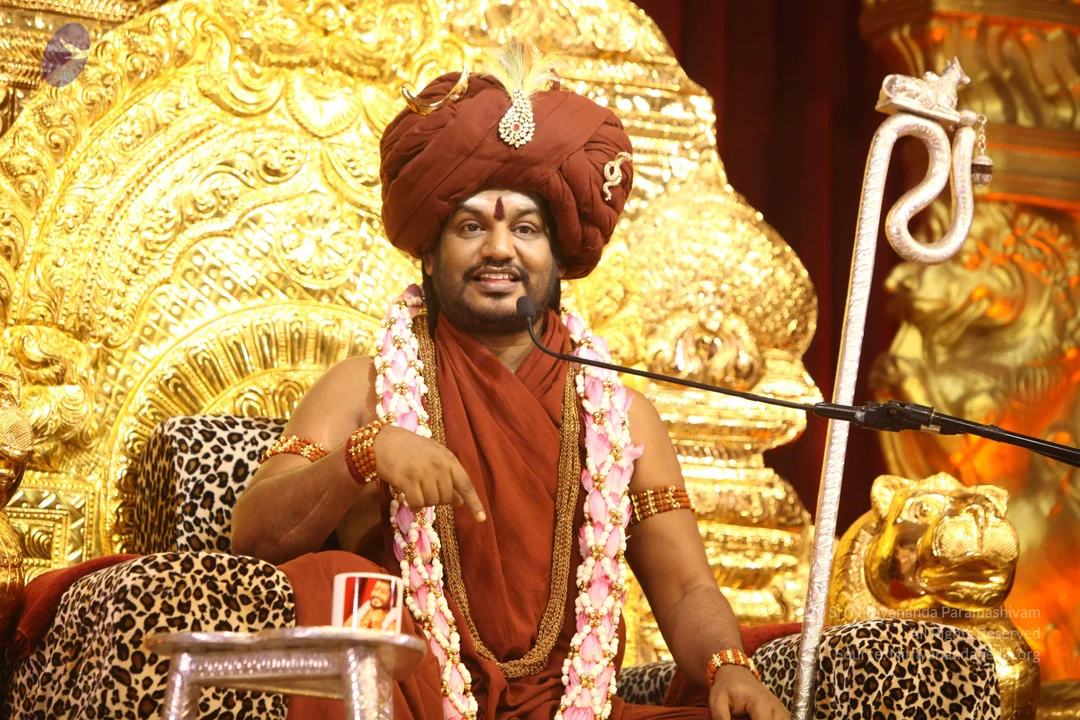
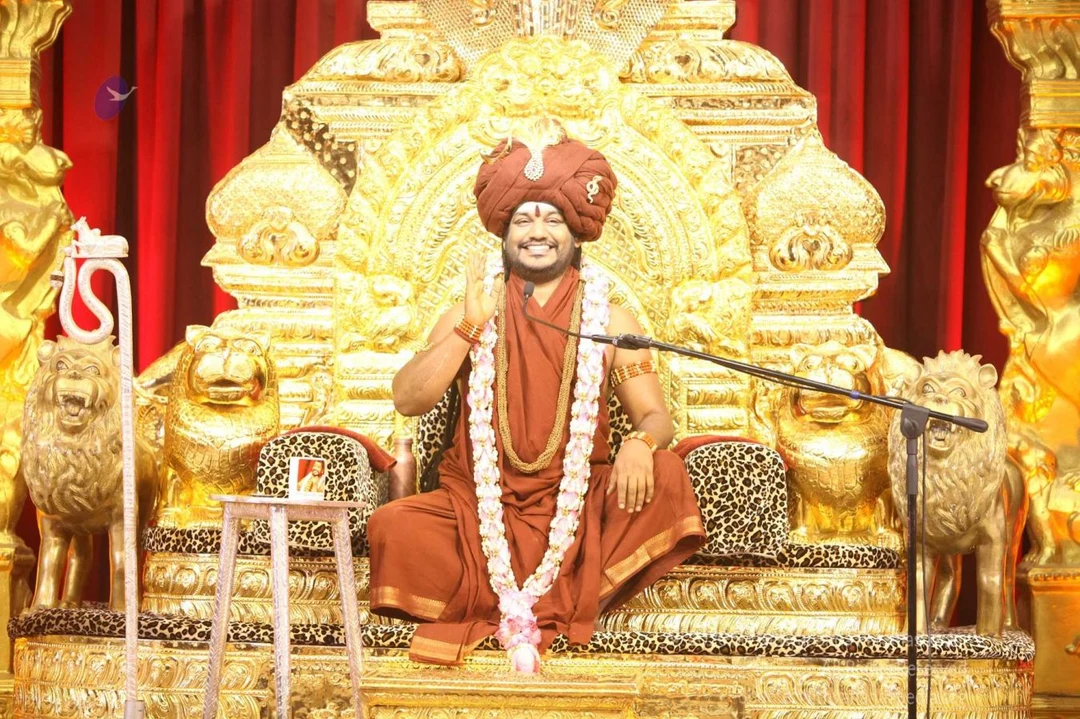 Nithya Satsang with His Divine Holiness Bhagavan Sri Nithyananda Paramashivam on "Secrets to Manifest Life Positive Right Cognitions"
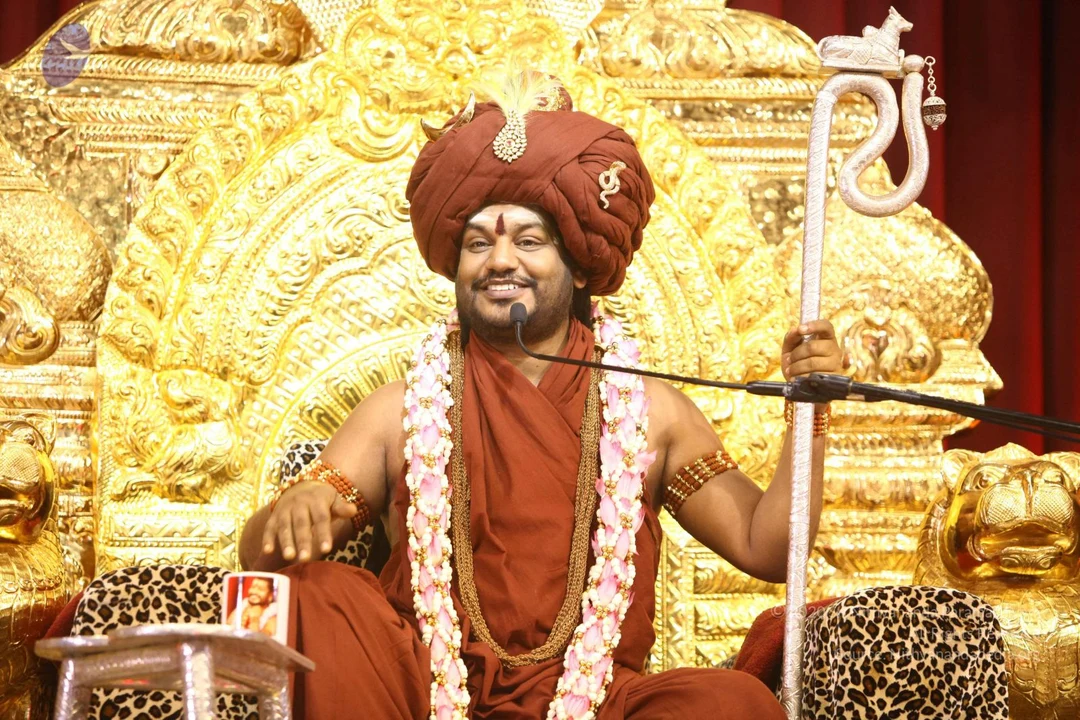
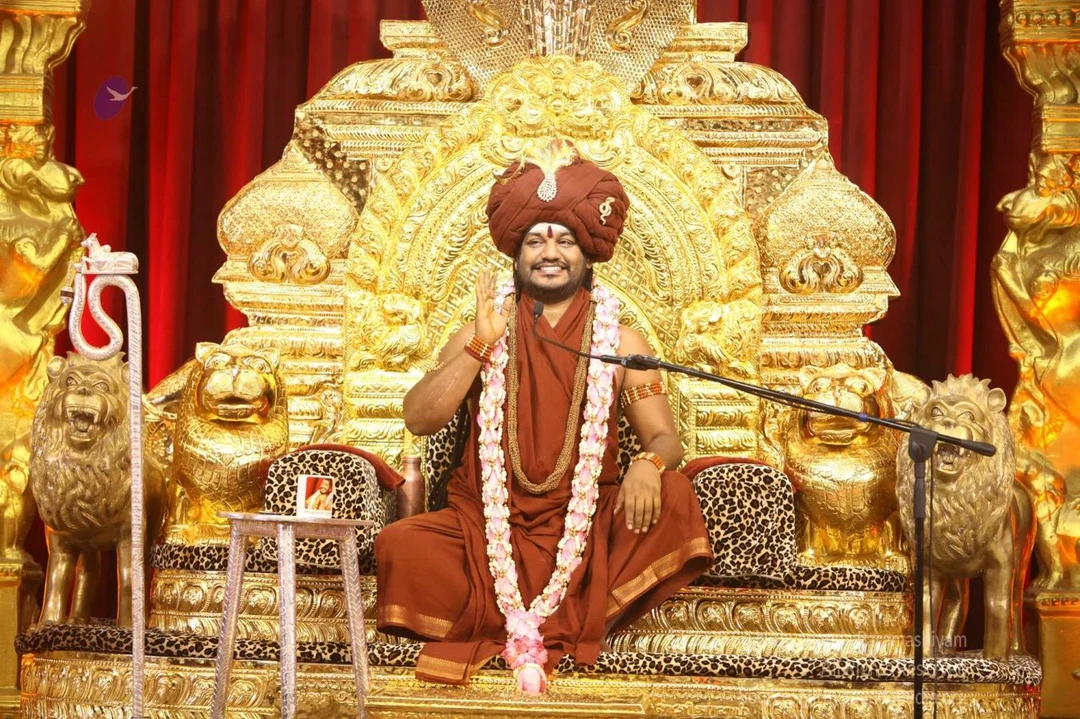 Nithya Satsang with His Divine Holiness Bhagavan Sri Nithyananda Paramashivam on "Secrets to Manifest Life Positive Right Cognitions"
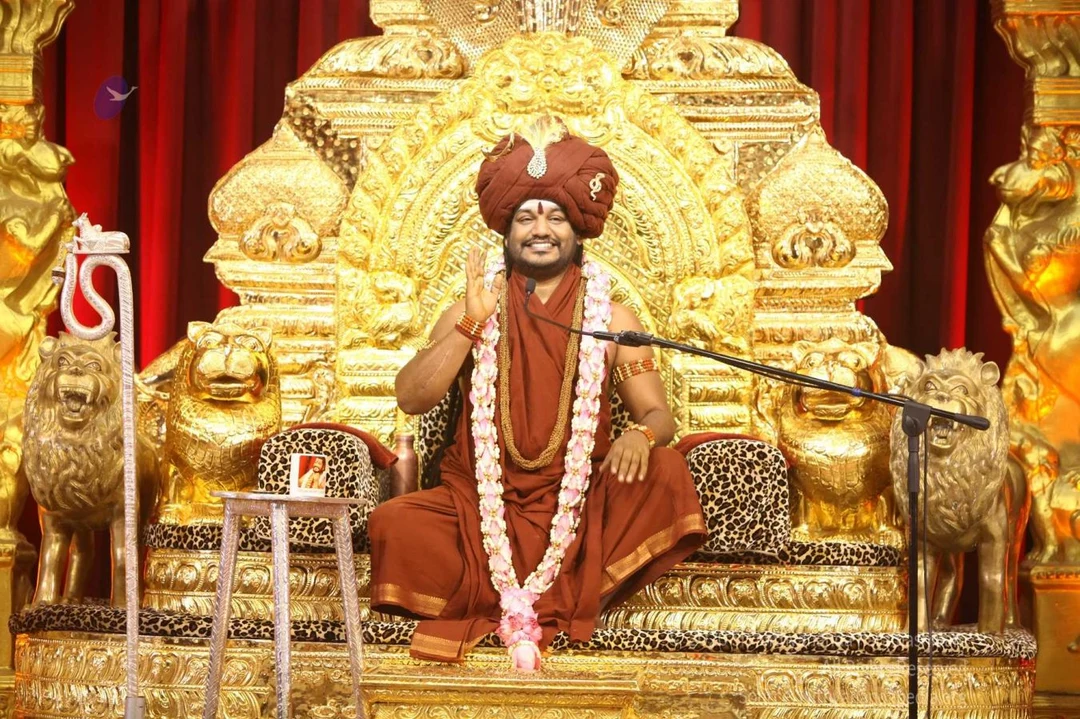 Nithya Satsang with His Divine Holiness Bhagavan Sri Nithyananda Paramashivam on "Secrets to Manifest Life Positive Right Cognitions"
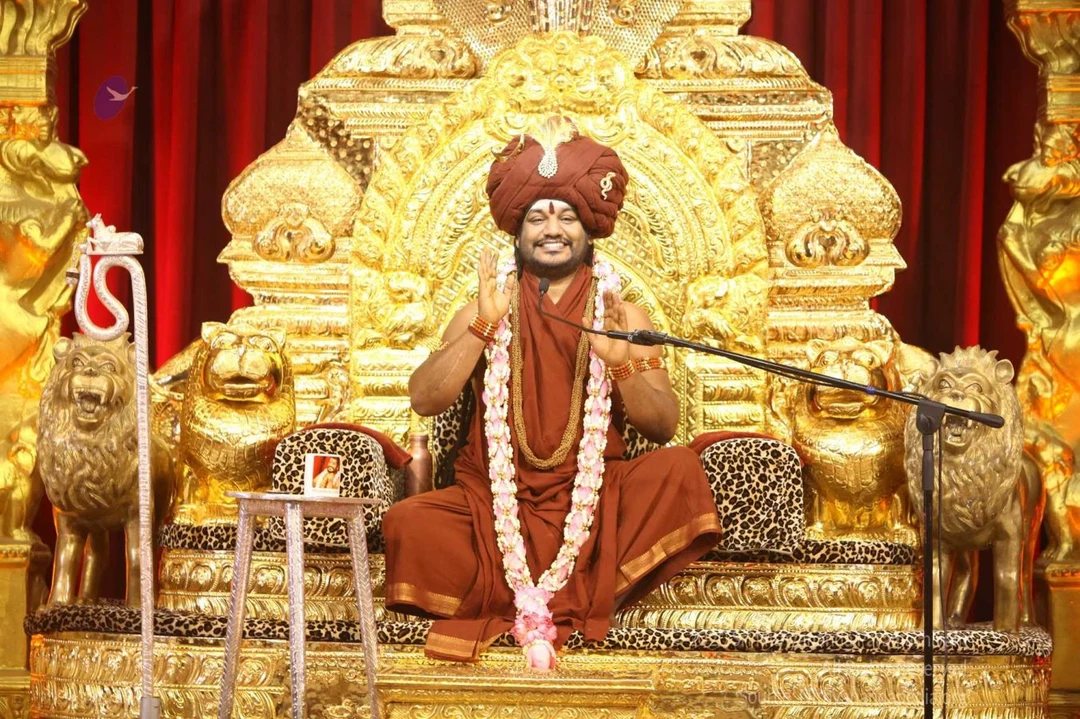 Nithya Satsang with His Divine Holiness Bhagavan Sri Nithyananda Paramashivam on "Secrets to Manifest Life Positive Right Cognitions"
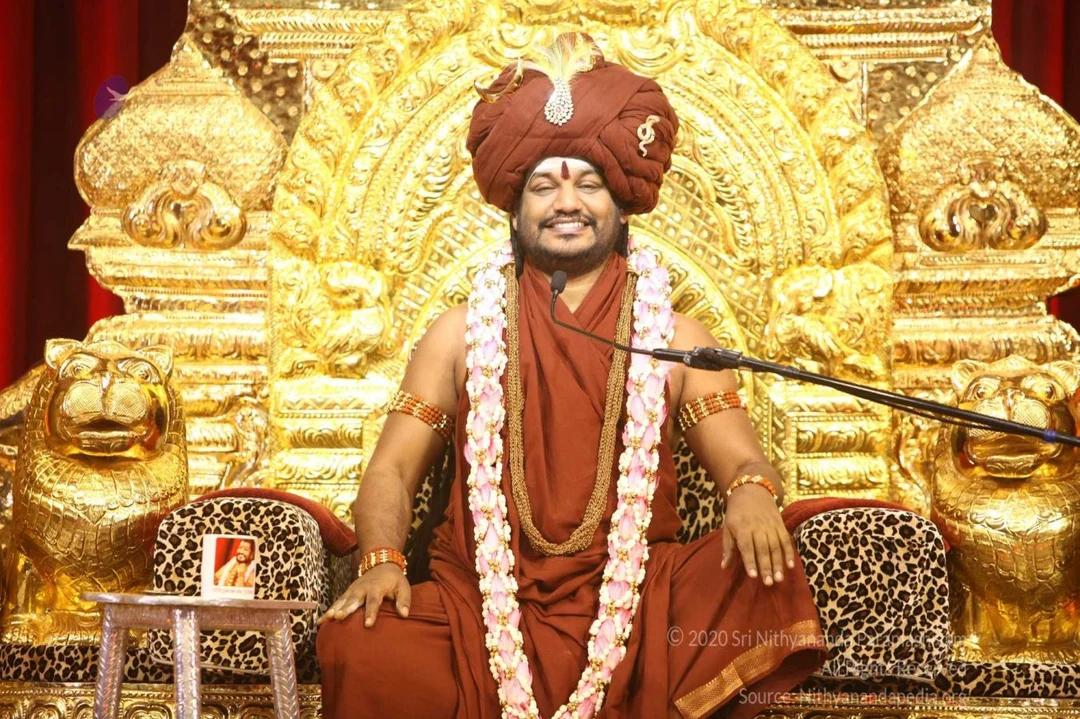 Nithya Satsang with His Divine Holiness Bhagavan Sri Nithyananda Paramashivam on "Secrets to Manifest Life Positive Right Cognitions"
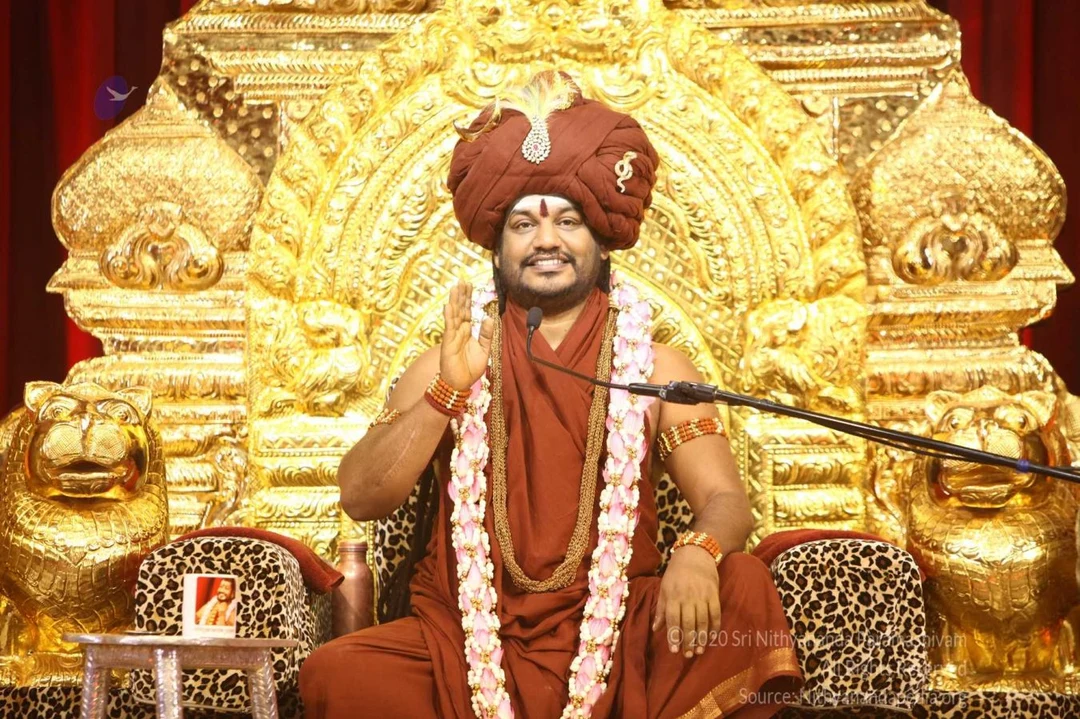 Nithya Satsang with His Divine Holiness Bhagavan Sri Nithyananda Paramashivam on "Secrets to Manifest Life Positive Right Cognitions"
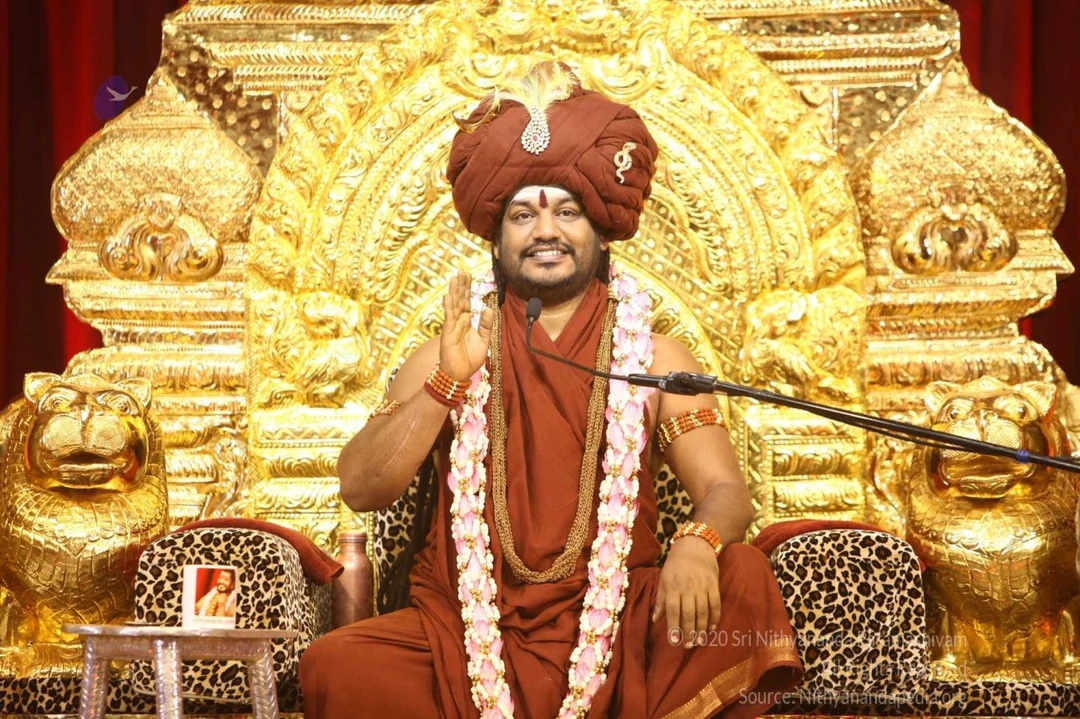 Nithya Satsang with His Divine Holiness Bhagavan Sri Nithyananda Paramashivam on "Secrets to Manifest Life Positive Right Cognitions"
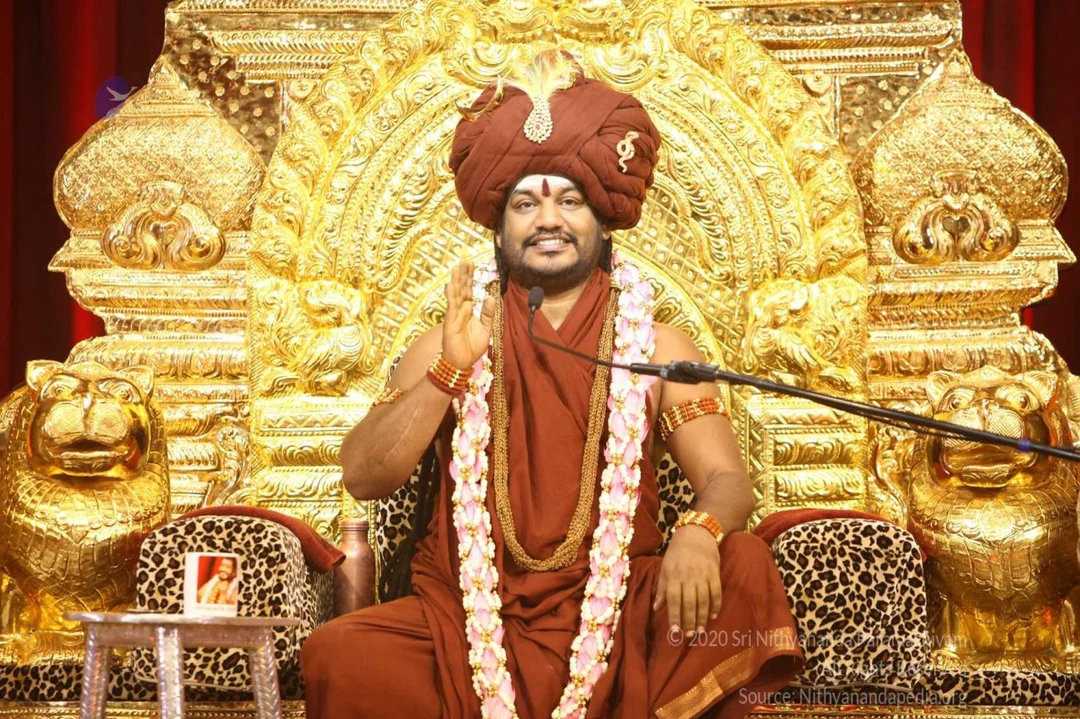 Nithya Satsang with His Divine Holiness Bhagavan Sri Nithyananda Paramashivam on "Secrets to Manifest Life Positive Right Cognitions"
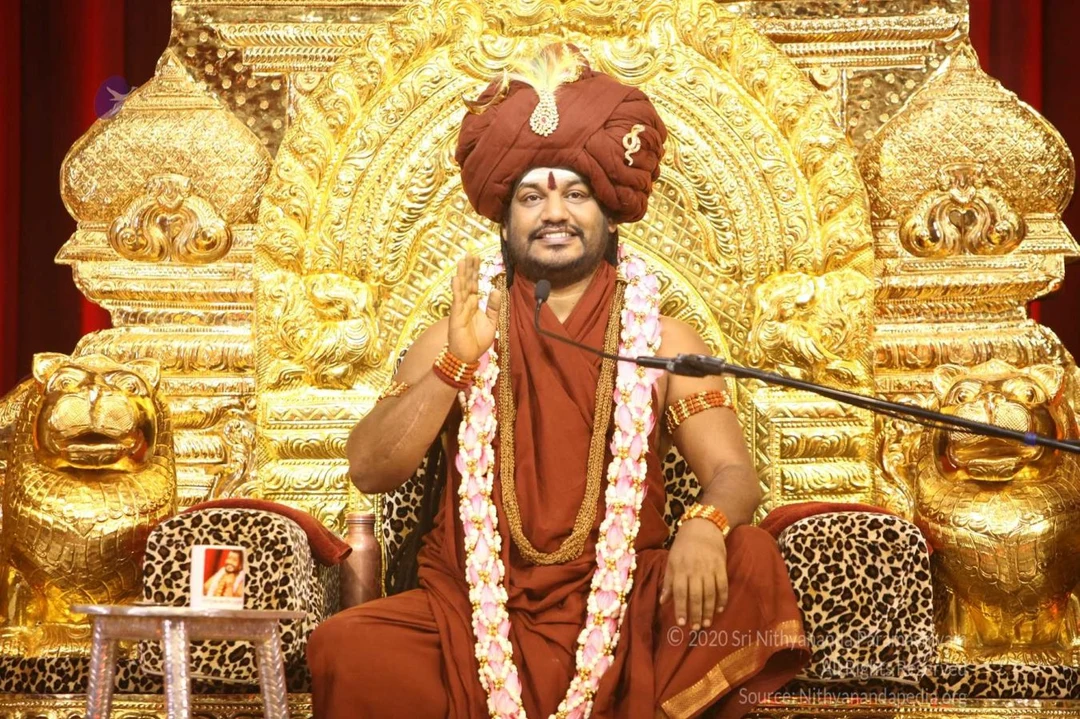 Nithya Satsang with His Divine Holiness Bhagavan Sri Nithyananda Paramashivam on "Secrets to Manifest Life Positive Right Cognitions"
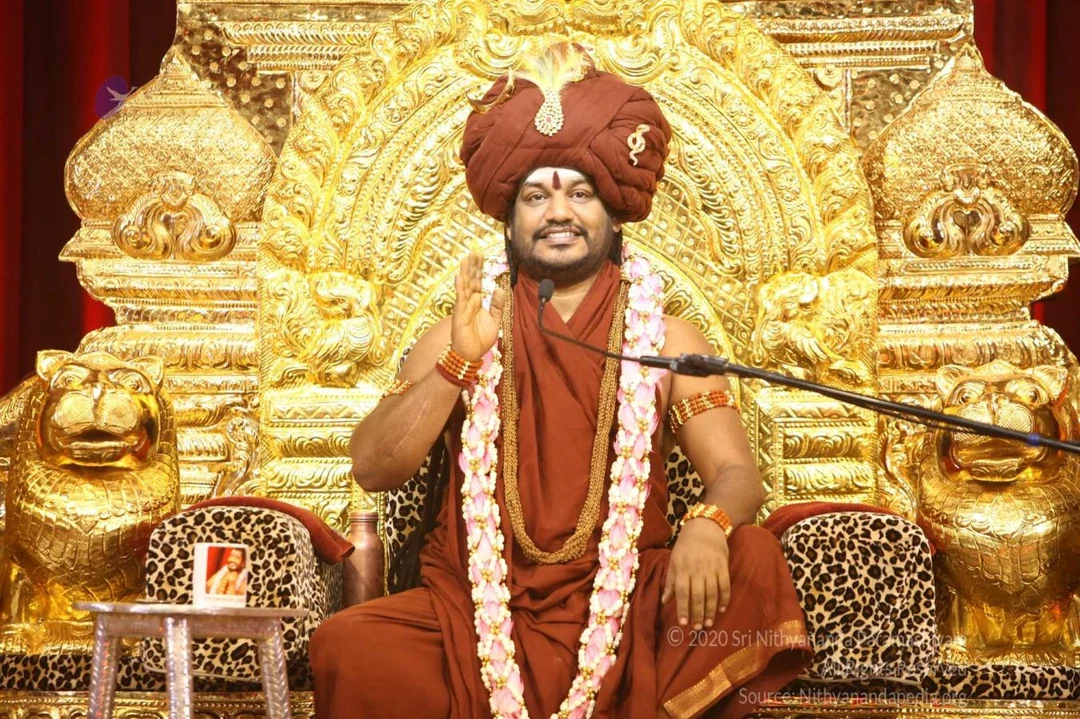 Nithya Satsang with His Divine Holiness Bhagavan Sri Nithyananda Paramashivam on "Secrets to Manifest Life Positive Right Cognitions"
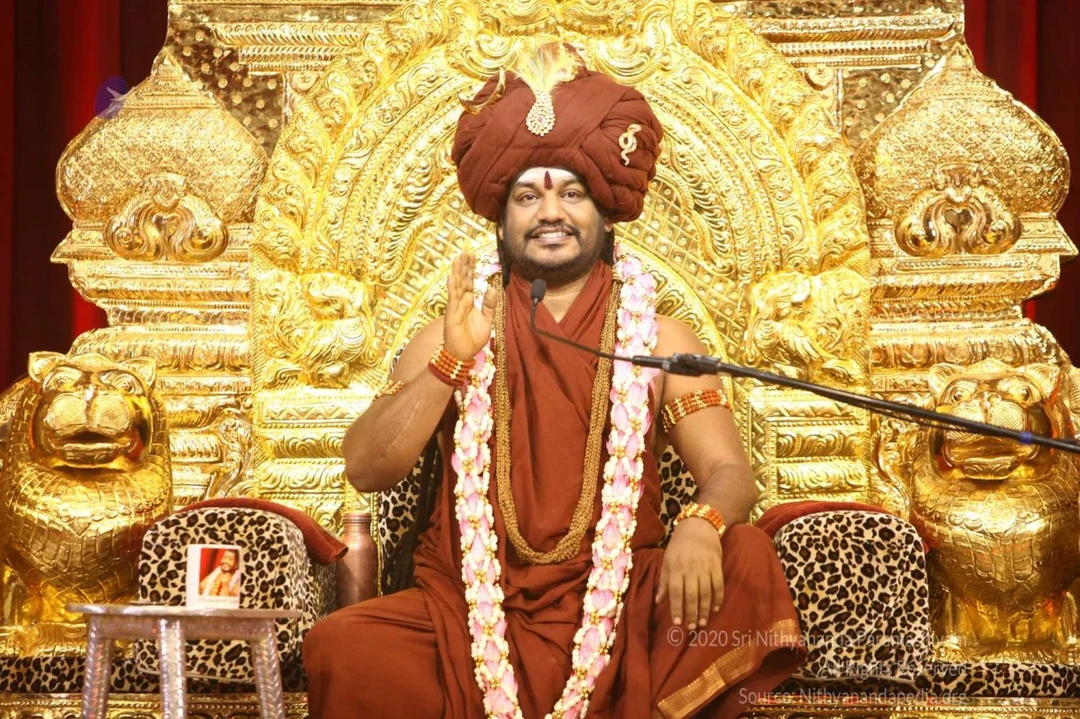 Nithya Satsang with His Divine Holiness Bhagavan Sri Nithyananda Paramashivam on "Secrets to Manifest Life Positive Right Cognitions"
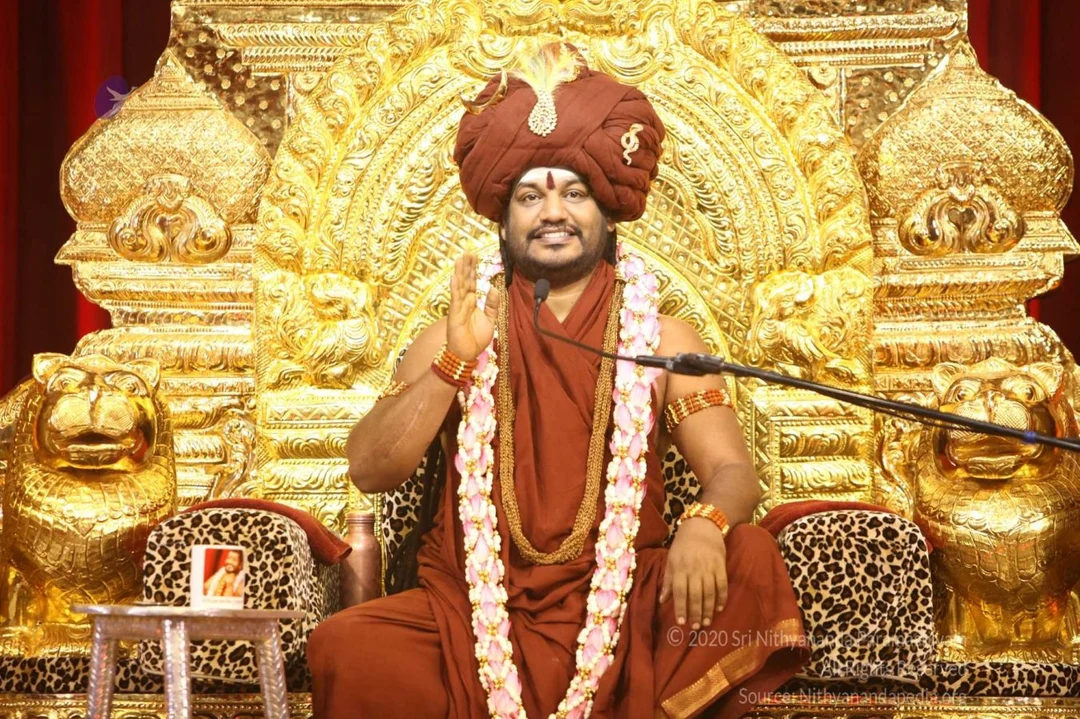 Nithya Satsang with His Divine Holiness Bhagavan Sri Nithyananda Paramashivam on "Secrets to Manifest Life Positive Right Cognitions"
 Nithya Satsang with His Divine Holiness Bhagavan Sri Nithyananda Paramashivam on "Secrets to Manifest Life Positive Right Cognitions"
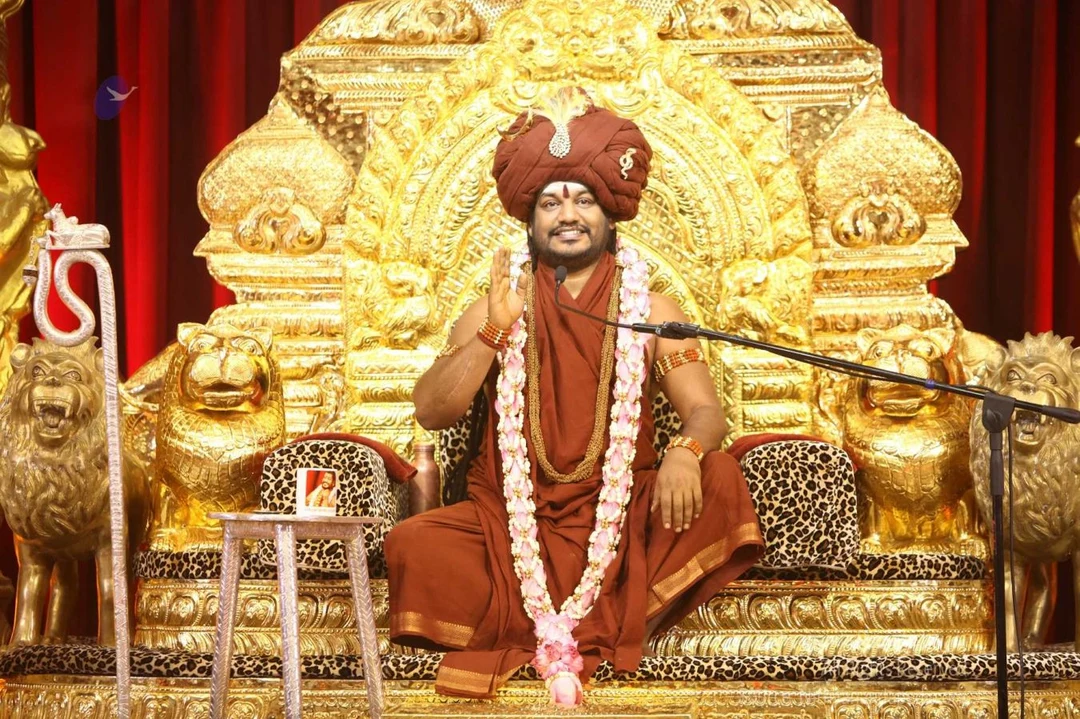 Nithya Satsang with His Divine Holiness Bhagavan Sri Nithyananda Paramashivam on "Secrets to Manifest Life Positive Right Cognitions"
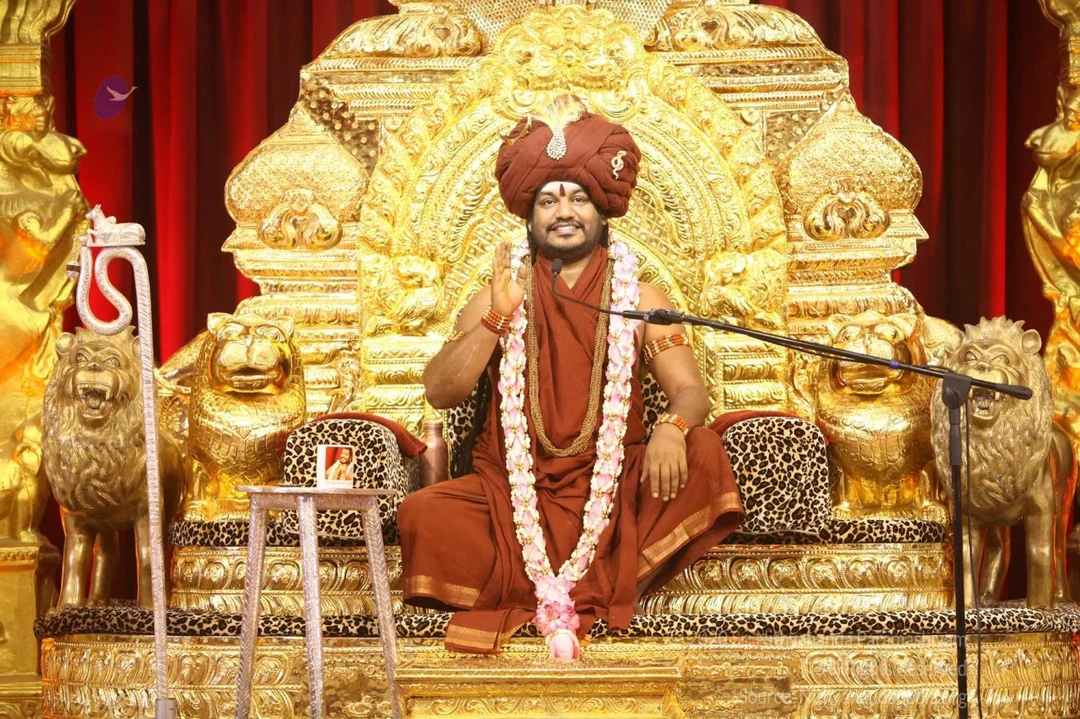 Nithya Satsang with His Divine Holiness Bhagavan Sri Nithyananda Paramashivam on "Secrets to Manifest Life Positive Right Cognitions"
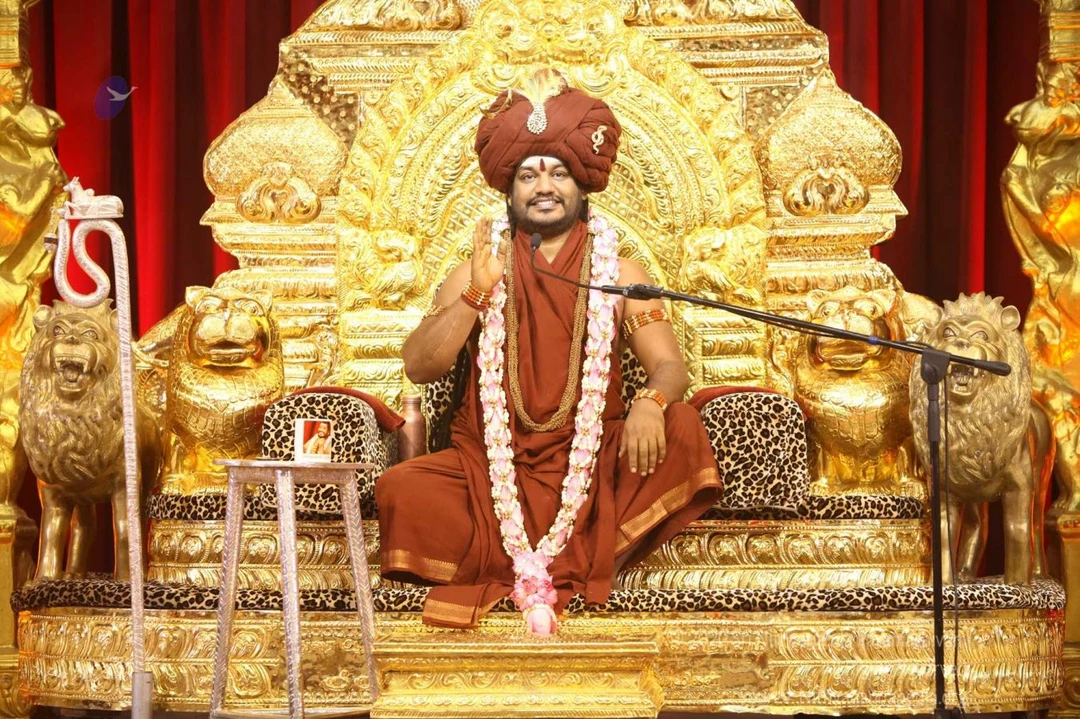 Nithya Satsang with His Divine Holiness Bhagavan Sri Nithyananda Paramashivam on "Secrets to Manifest Life Positive Right Cognitions"
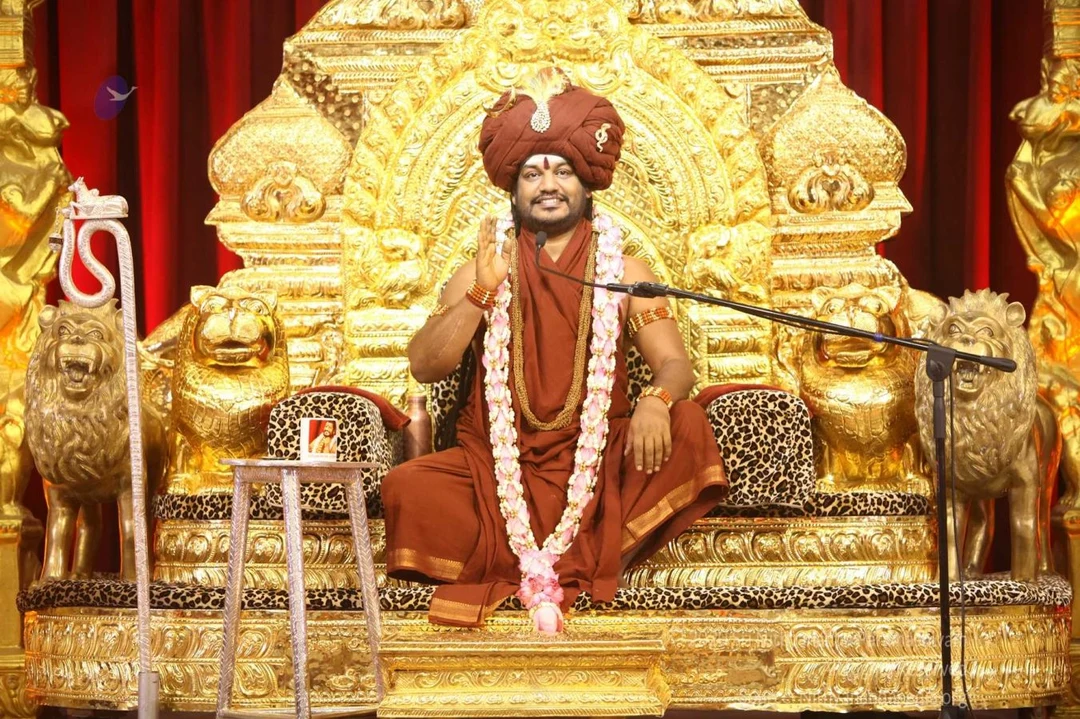 Nithya Satsang with His Divine Holiness Bhagavan Sri Nithyananda Paramashivam on "Secrets to Manifest Life Positive Right Cognitions"
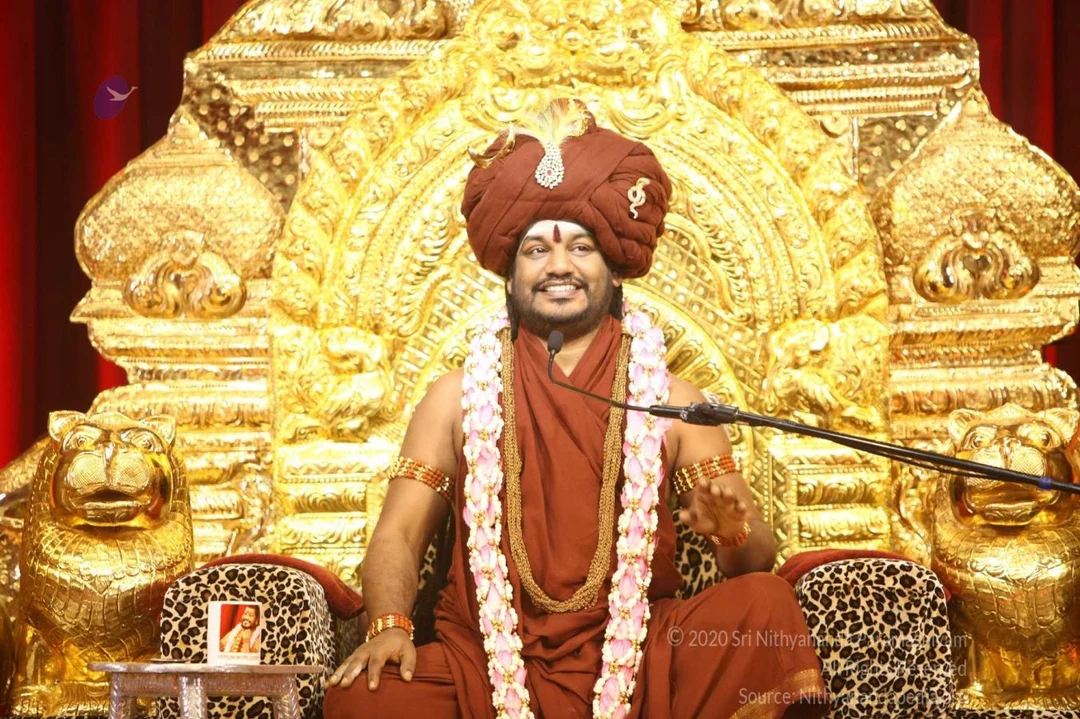 Nithya Satsang with His Divine Holiness Bhagavan Sri Nithyananda Paramashivam on "Secrets to Manifest Life Positive Right Cognitions"
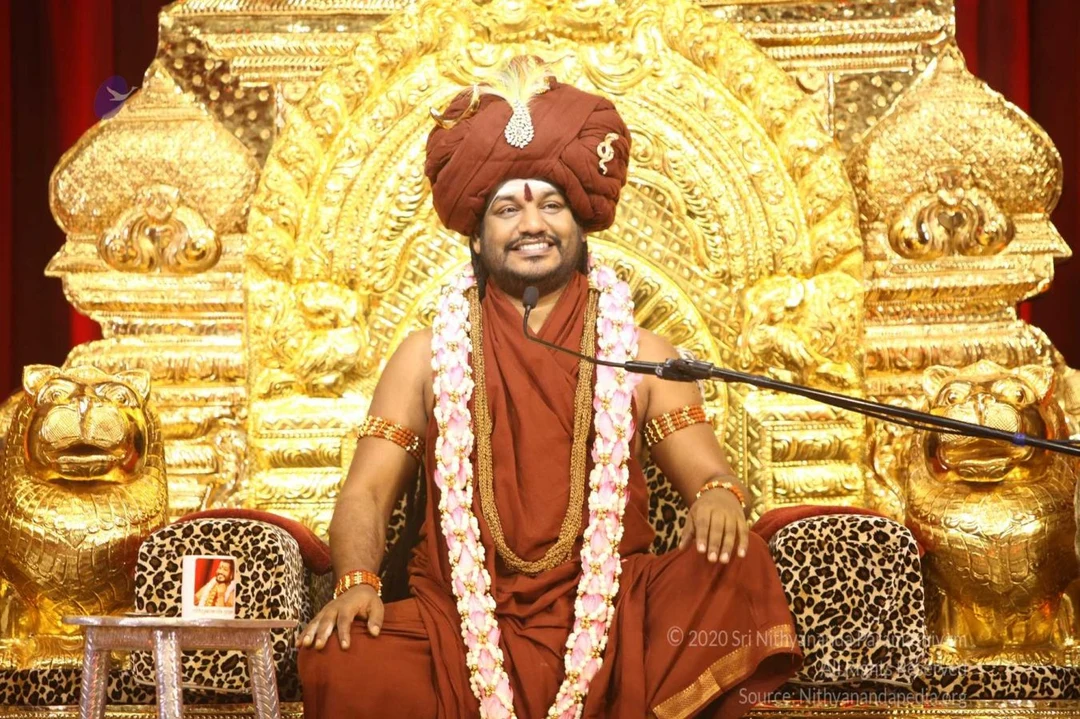 Nithya Satsang with His Divine Holiness Bhagavan Sri Nithyananda Paramashivam on "Secrets to Manifest Life Positive Right Cognitions"
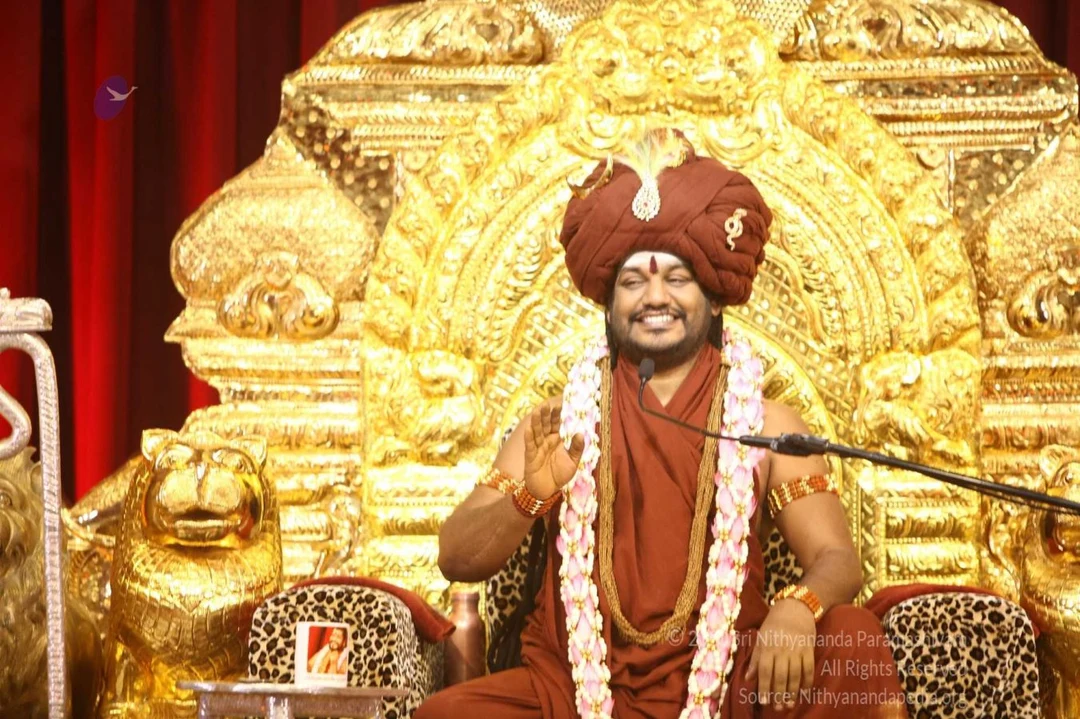 Nithya Satsang with His Divine Holiness Bhagavan Sri Nithyananda Paramashivam on "Secrets to Manifest Life Positive Right Cognitions"
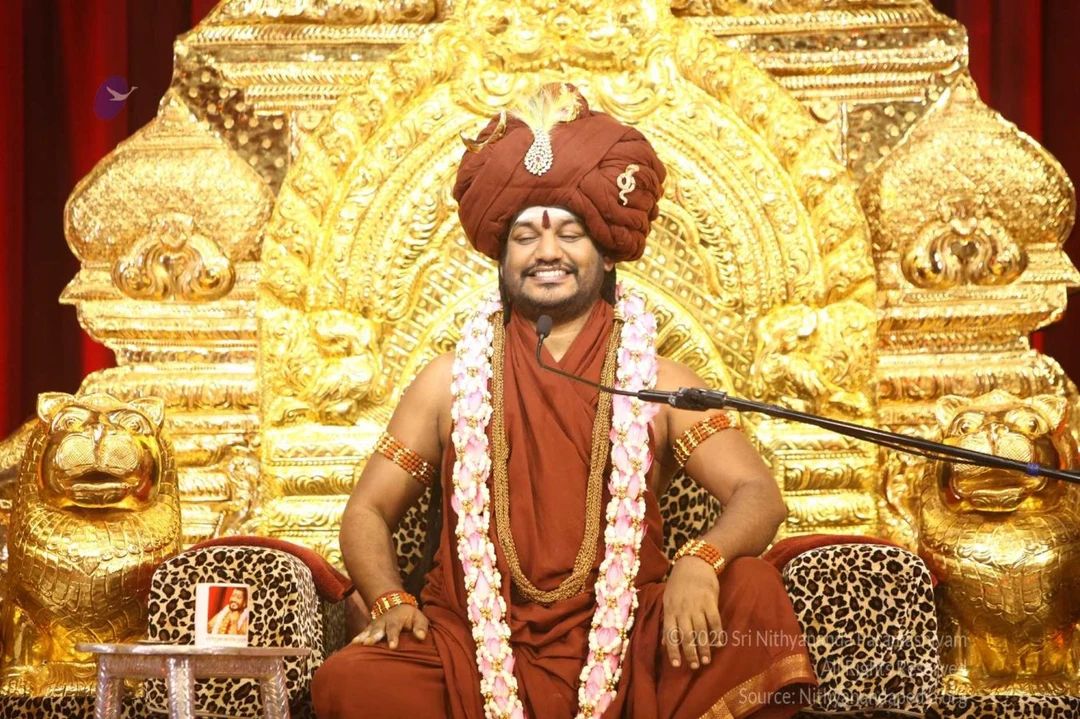 Nithya Satsang with His Divine Holiness Bhagavan Sri Nithyananda Paramashivam on "Secrets to Manifest Life Positive Right Cognitions"
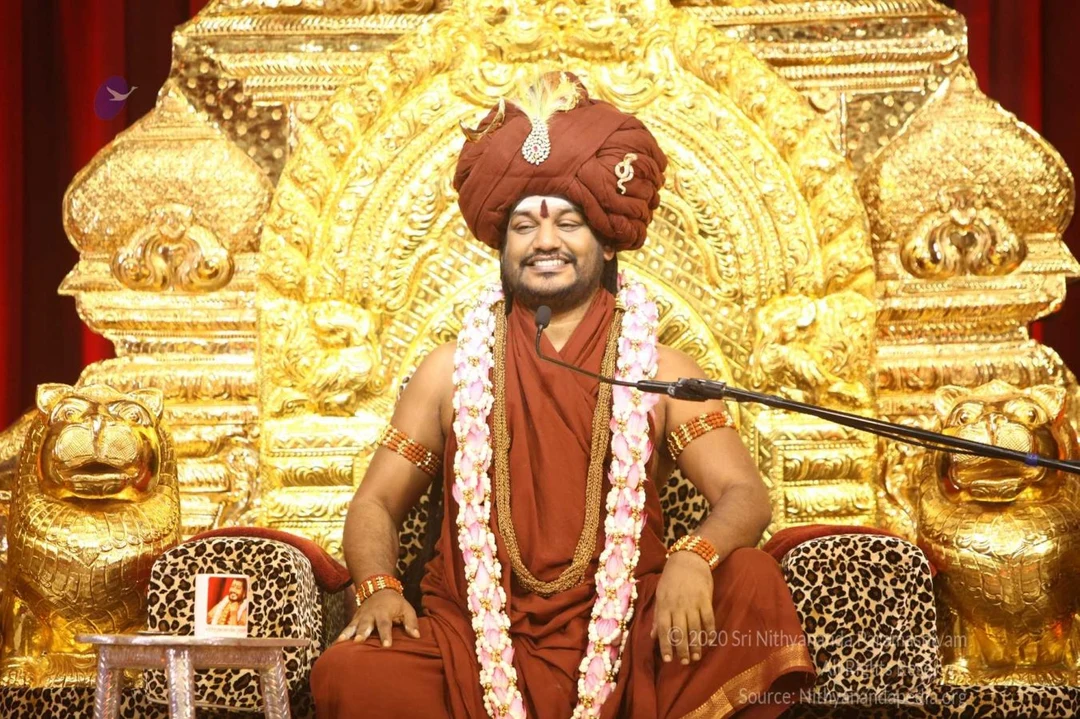 Nithya Satsang with His Divine Holiness Bhagavan Sri Nithyananda Paramashivam on "Secrets to Manifest Life Positive Right Cognitions"
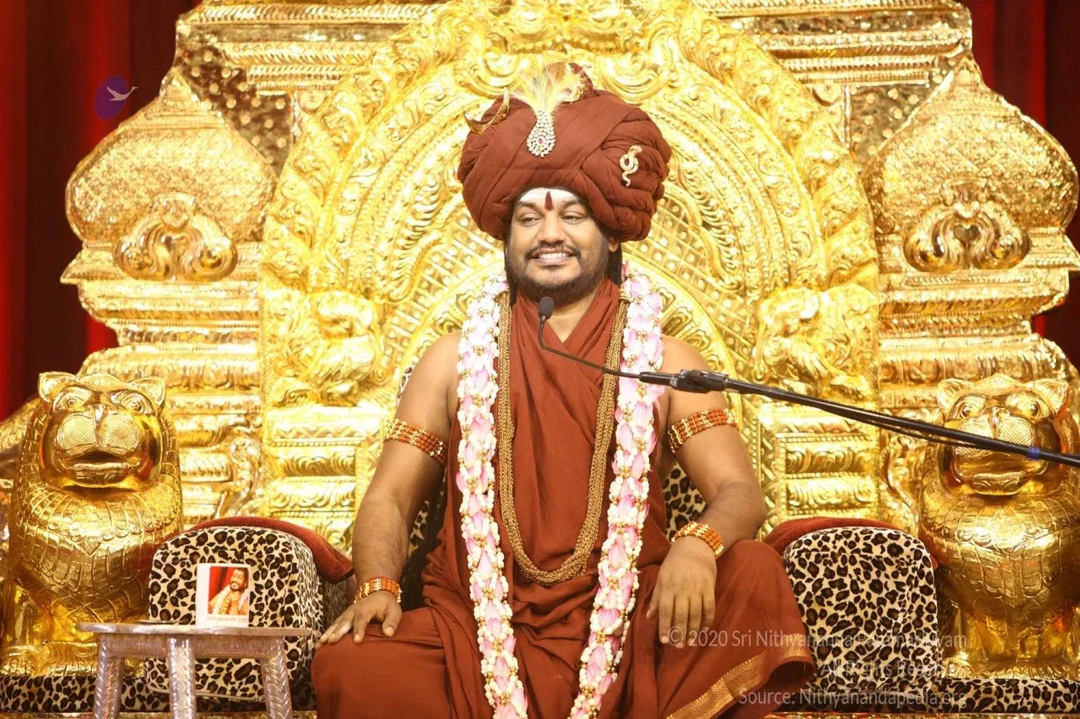 Nithya Satsang with His Divine Holiness Bhagavan Sri Nithyananda Paramashivam on "Secrets to Manifest Life Positive Right Cognitions"
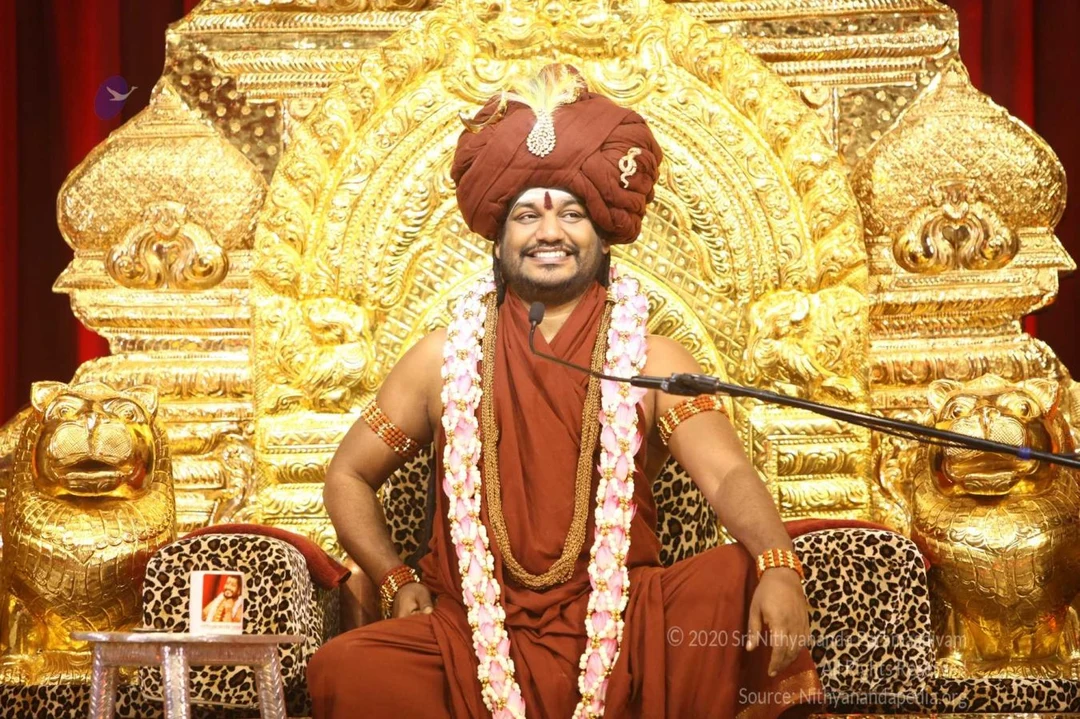 Nithya Satsang with His Divine Holiness Bhagavan Sri Nithyananda Paramashivam on "Secrets to Manifest Life Positive Right Cognitions"
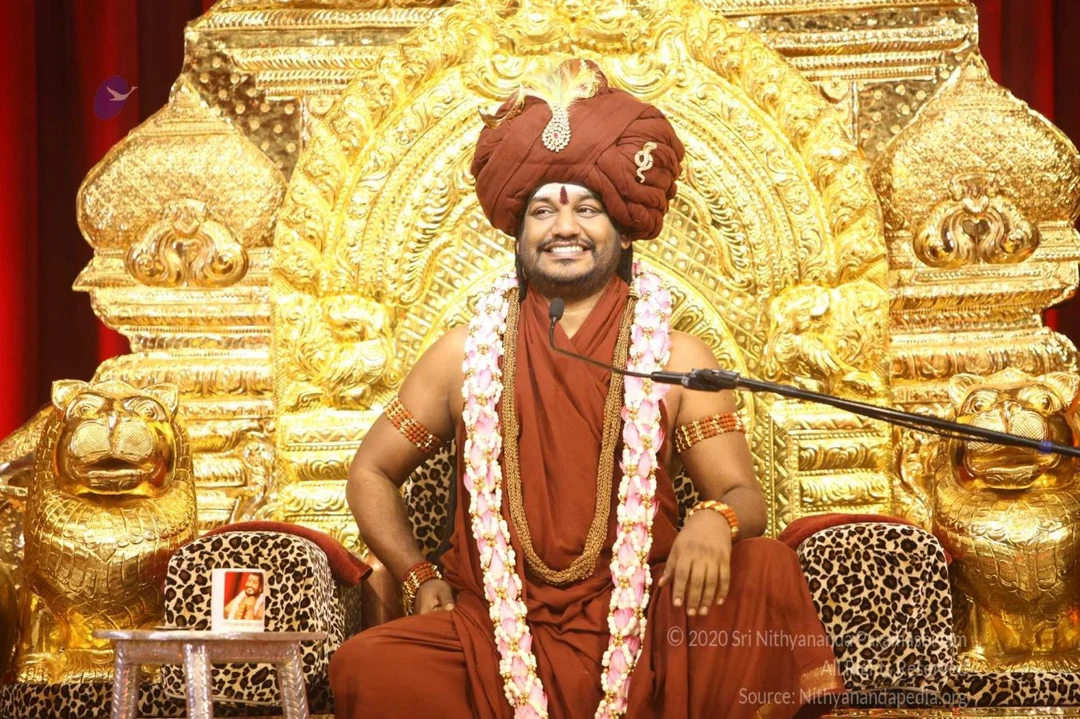 Nithya Satsang with His Divine Holiness Bhagavan Sri Nithyananda Paramashivam on "Secrets to Manifest Life Positive Right Cognitions"
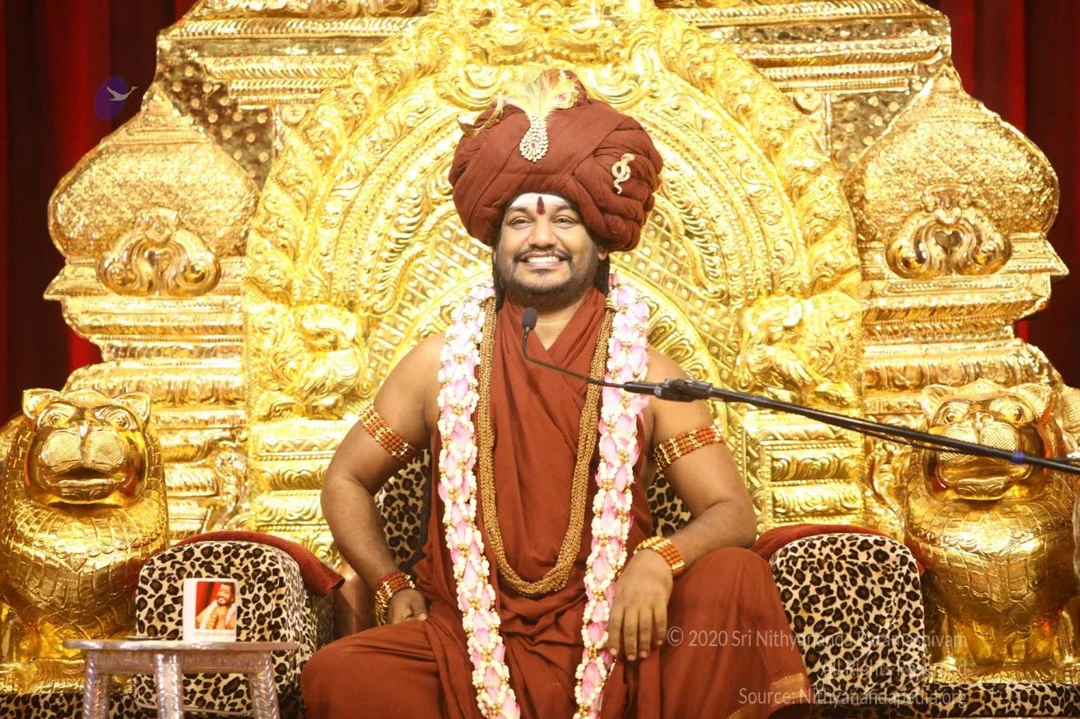 Nithya Satsang with His Divine Holiness Bhagavan Sri Nithyananda Paramashivam on "Secrets to Manifest Life Positive Right Cognitions"
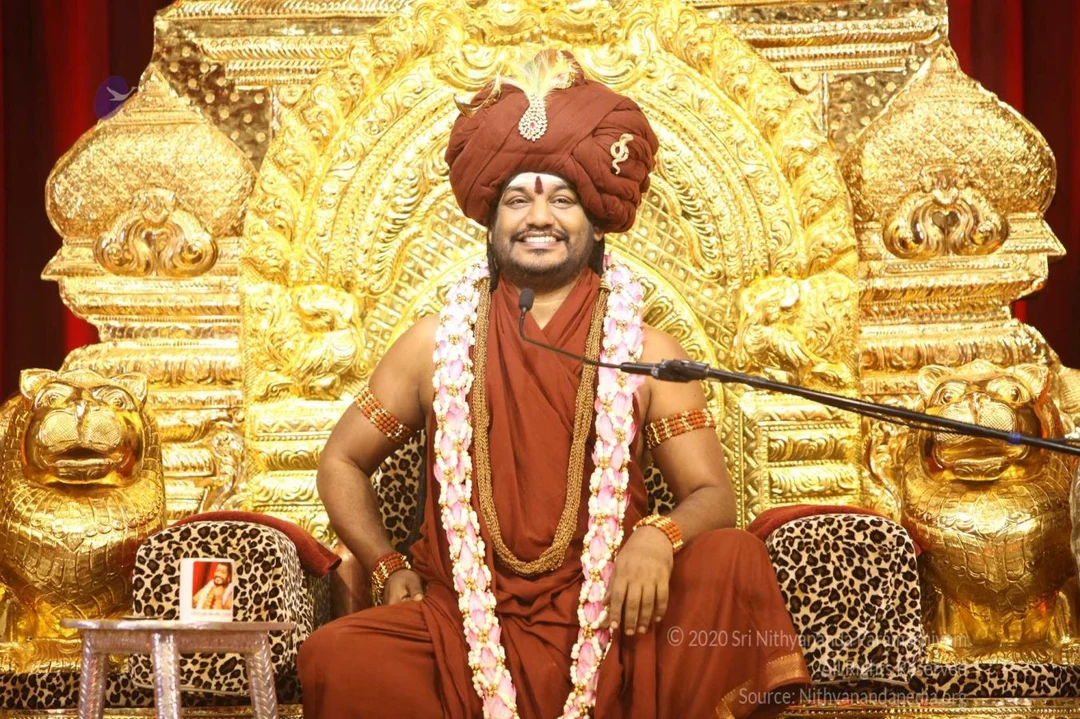 Nithya Satsang with His Divine Holiness Bhagavan Sri Nithyananda Paramashivam on "Secrets to Manifest Life Positive Right Cognitions"
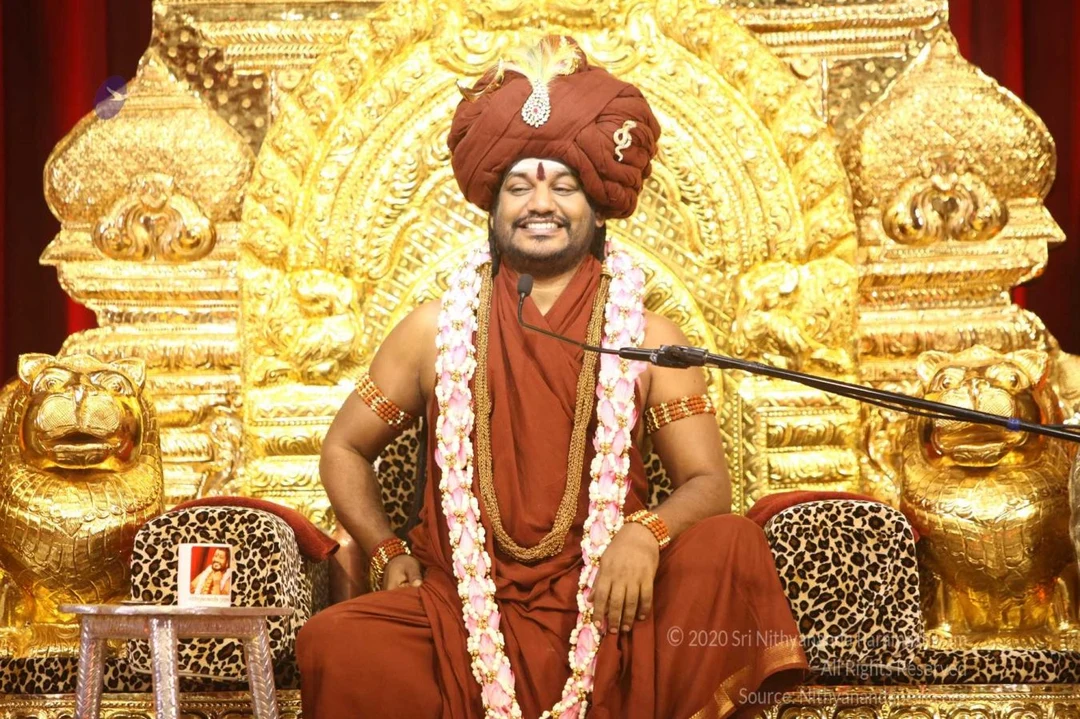 Nithya Satsang with His Divine Holiness Bhagavan Sri Nithyananda Paramashivam on "Secrets to Manifest Life Positive Right Cognitions"
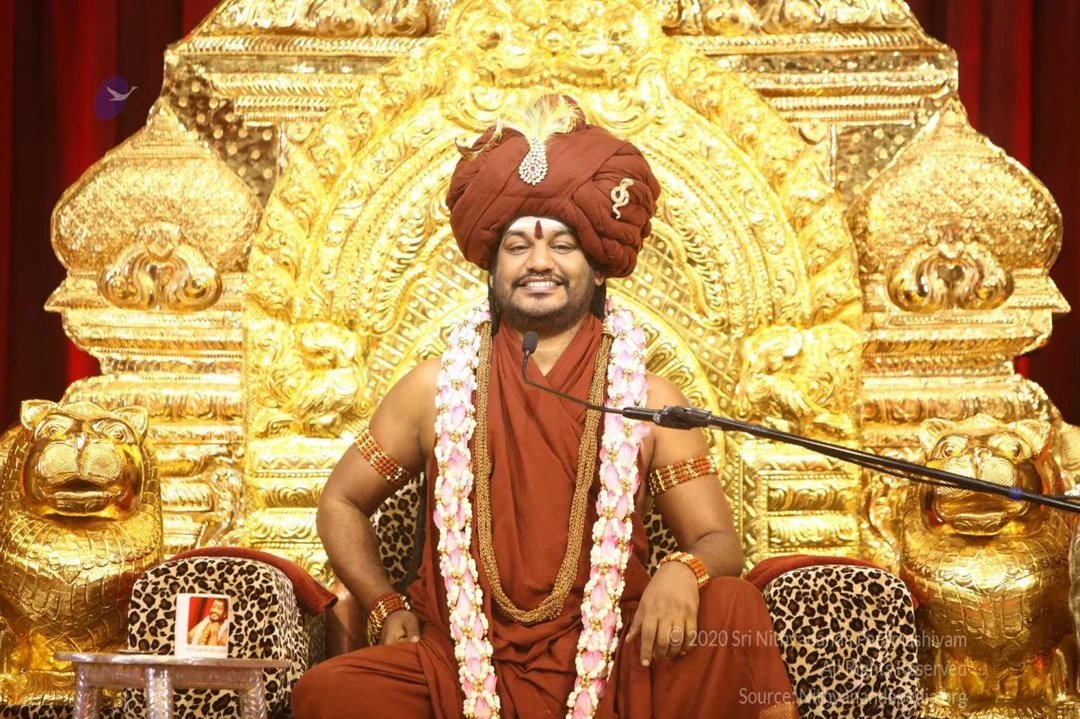 Nithya Satsang with His Divine Holiness Bhagavan Sri Nithyananda Paramashivam on "Secrets to Manifest Life Positive Right Cognitions"
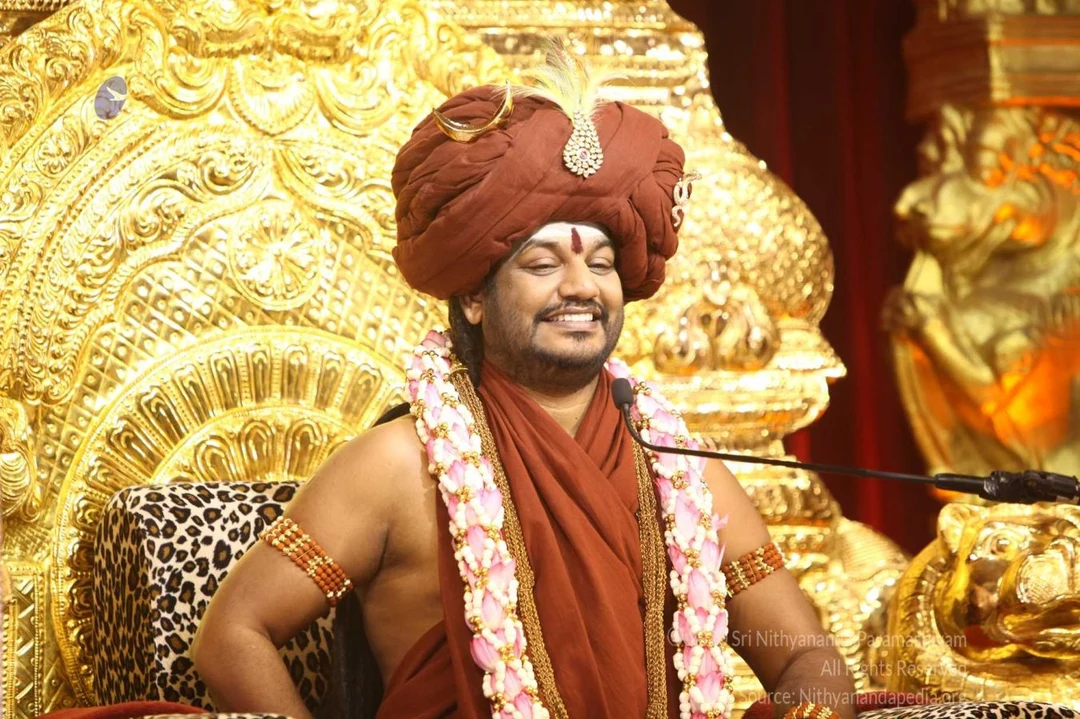 Nithya Satsang with His Divine Holiness Bhagavan Sri Nithyananda Paramashivam on "Secrets to Manifest Life Positive Right Cognitions"
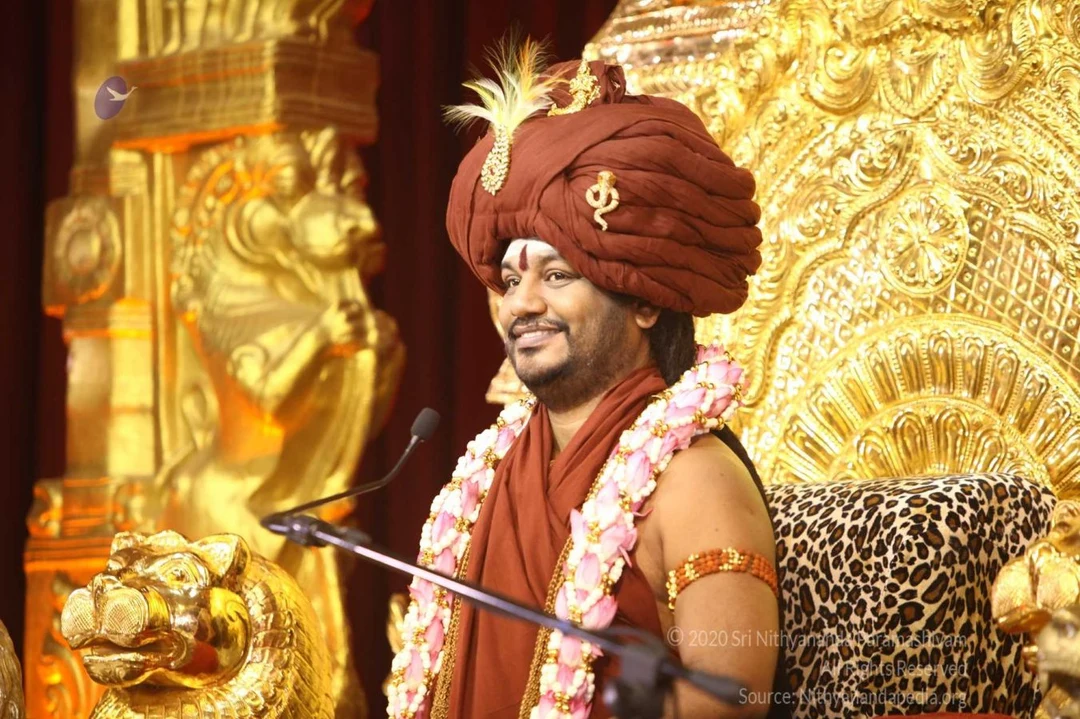 Nithya Satsang with His Divine Holiness Bhagavan Sri Nithyananda Paramashivam on "Secrets to Manifest Life Positive Right Cognitions"
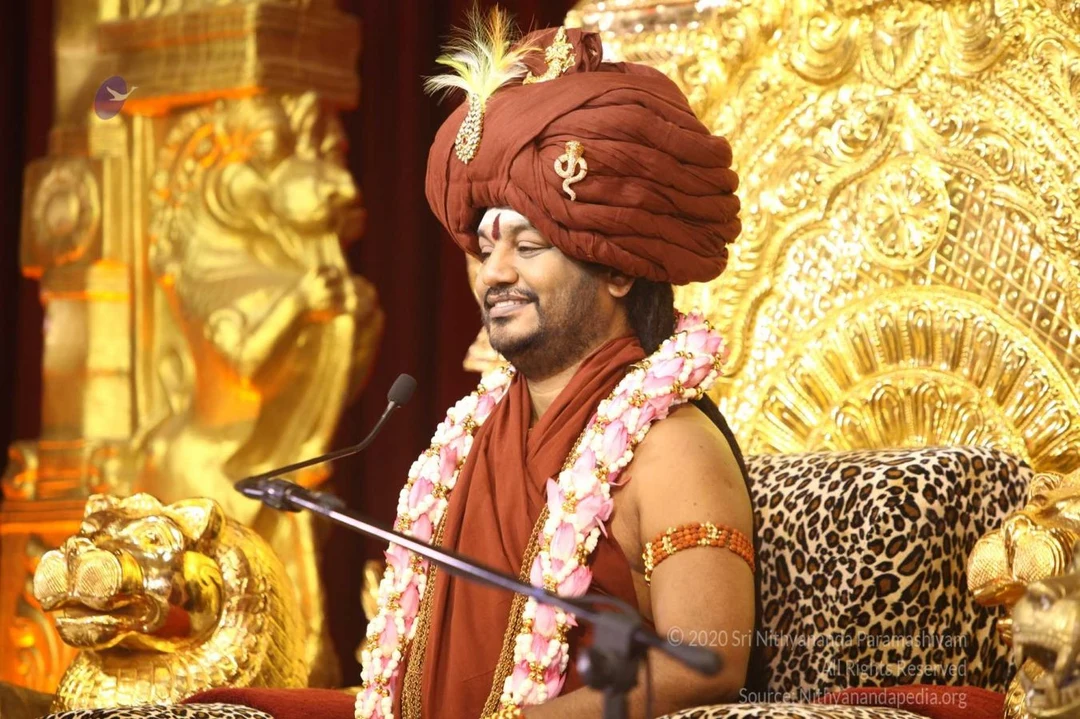 Nithya Satsang with His Divine Holiness Bhagavan Sri Nithyananda Paramashivam on "Secrets to Manifest Life Positive Right Cognitions"
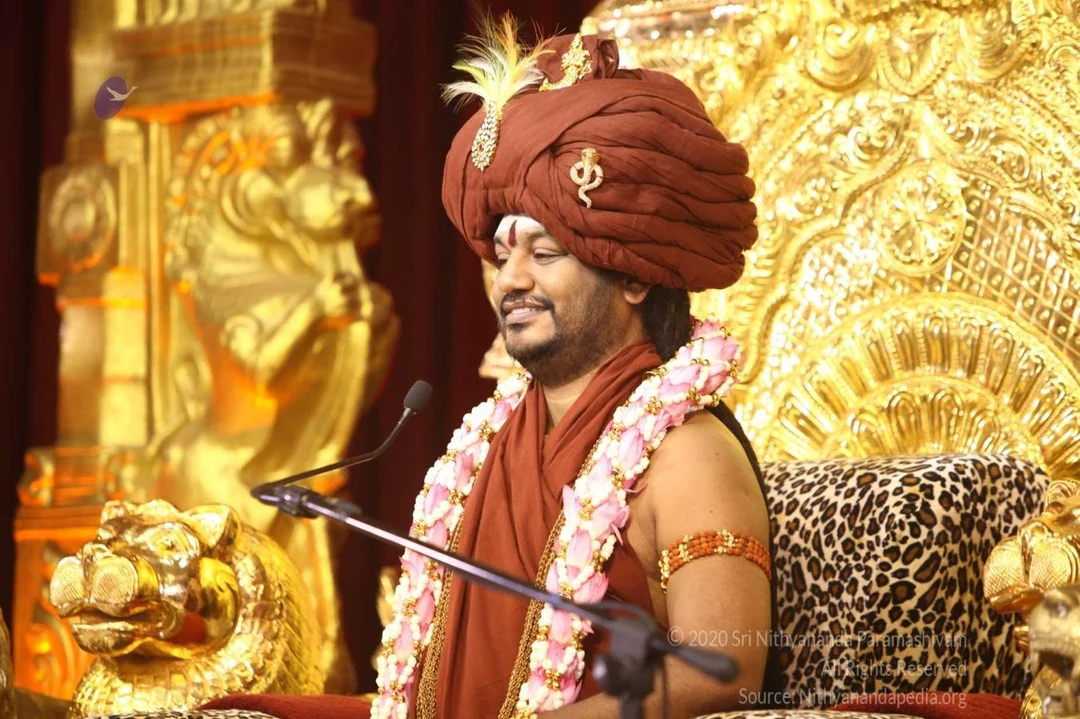 Nithya Satsang with His Divine Holiness Bhagavan Sri Nithyananda Paramashivam on "Secrets to Manifest Life Positive Right Cognitions"
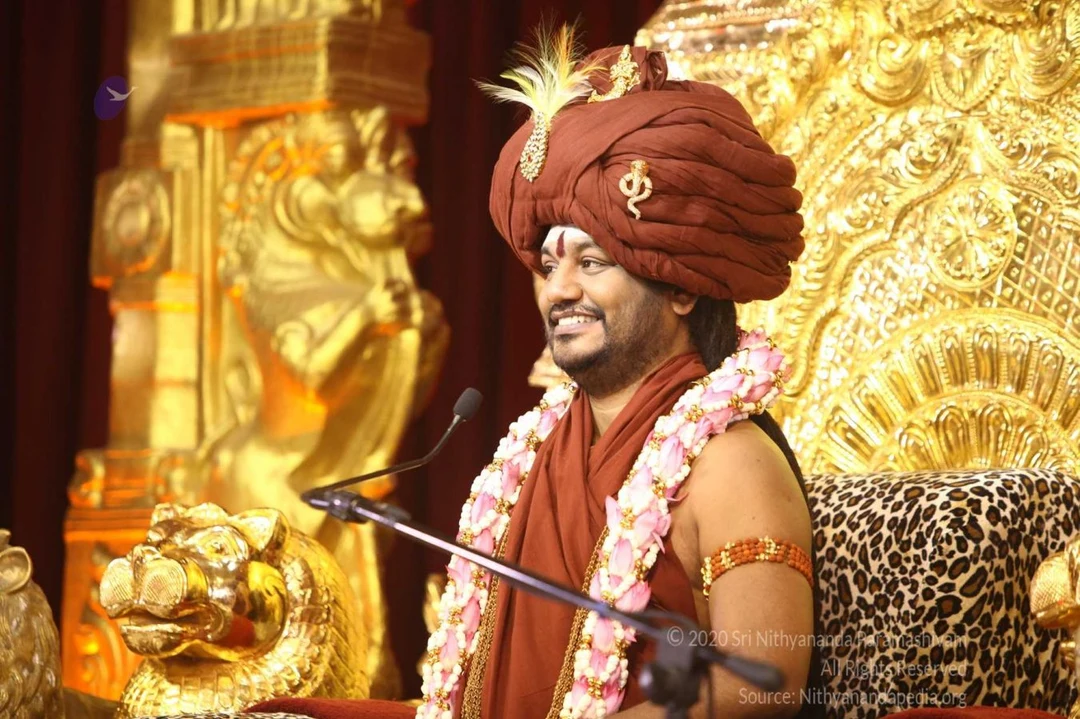 Nithya Satsang with His Divine Holiness Bhagavan Sri Nithyananda Paramashivam on "Secrets to Manifest Life Positive Right Cognitions"
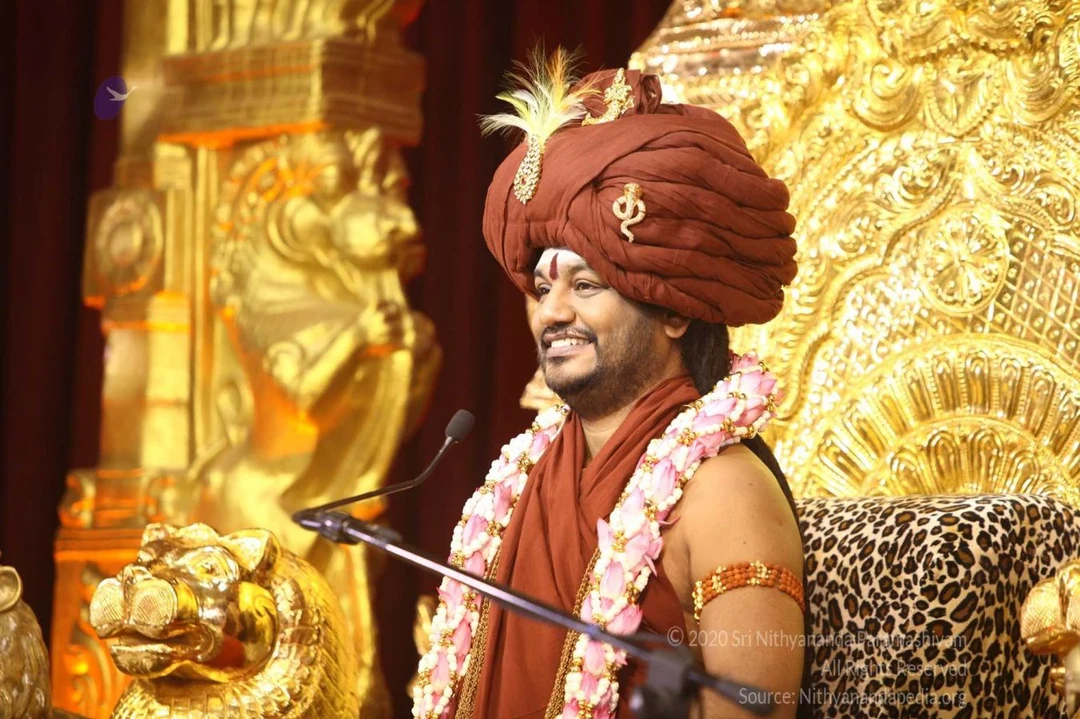 Nithya Satsang with His Divine Holiness Bhagavan Sri Nithyananda Paramashivam on "Secrets to Manifest Life Positive Right Cognitions"
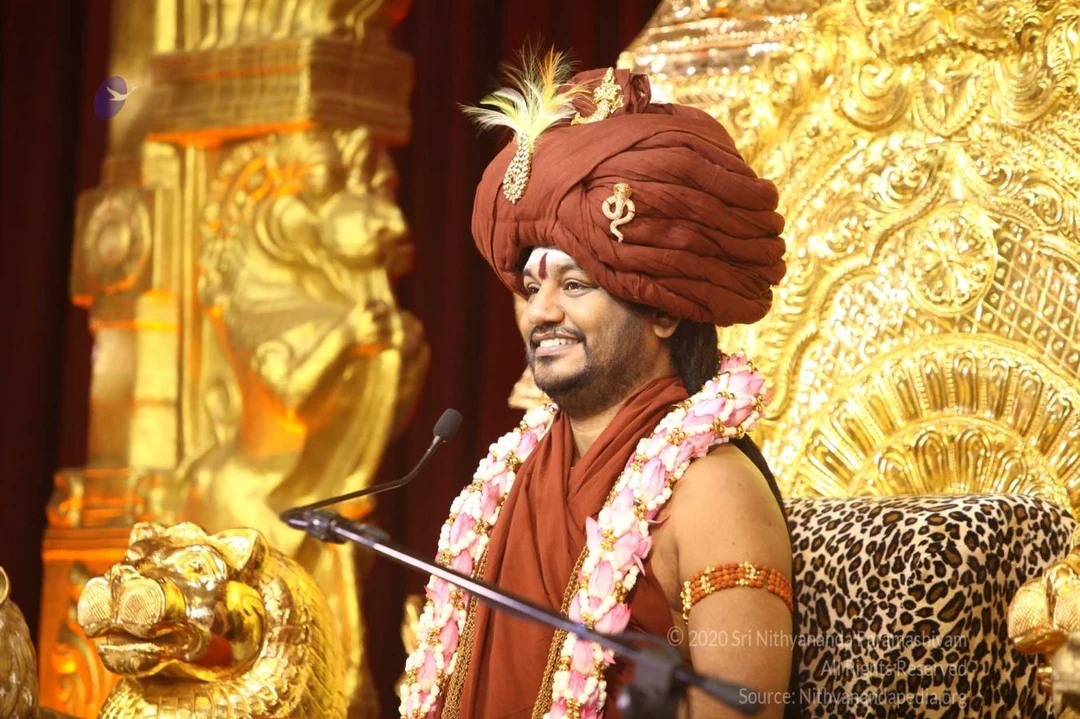 Nithya Satsang with His Divine Holiness Bhagavan Sri Nithyananda Paramashivam on "Secrets to Manifest Life Positive Right Cognitions"
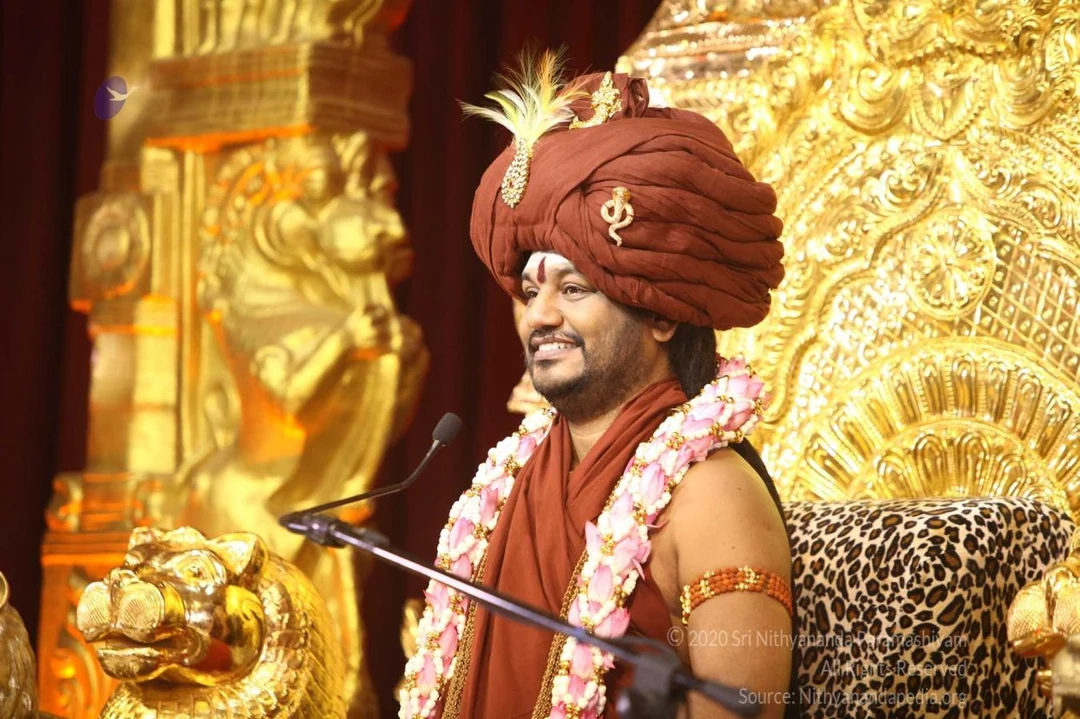 Nithya Satsang with His Divine Holiness Bhagavan Sri Nithyananda Paramashivam on "Secrets to Manifest Life Positive Right Cognitions"
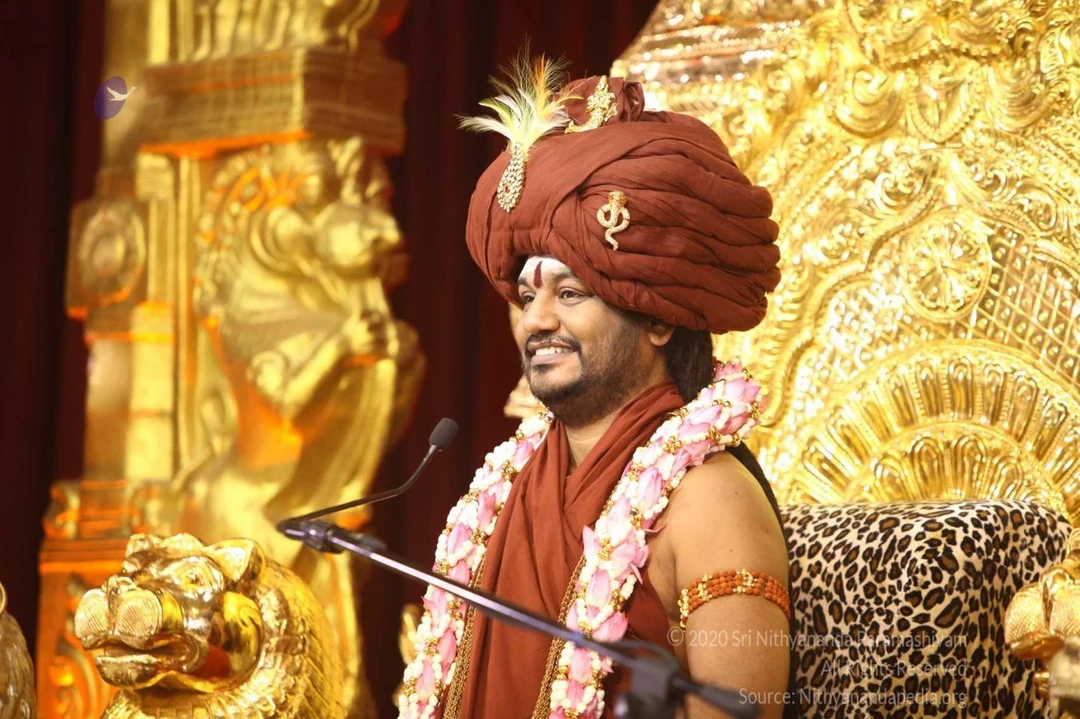 Nithya Satsang with His Divine Holiness Bhagavan Sri Nithyananda Paramashivam on "Secrets to Manifest Life Positive Right Cognitions"
 Nithya Satsang with His Divine Holiness Bhagavan Sri Nithyananda Paramashivam on "Secrets to Manifest Life Positive Right Cognitions"
 Nithya Satsang with His Divine Holiness Bhagavan Sri Nithyananda Paramashivam on "Secrets to Manifest Life Positive Right Cognitions"
 Nithya Satsang with His Divine Holiness Bhagavan Sri Nithyananda Paramashivam on "Secrets to Manifest Life Positive Right Cognitions"
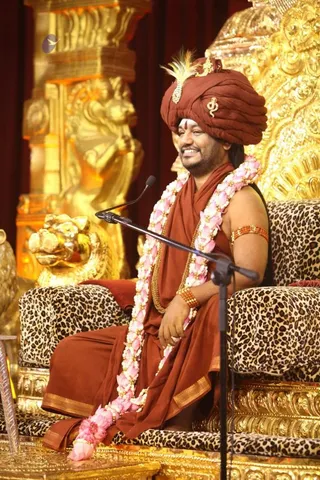 Nithya Satsang with His Divine Holiness Bhagavan Sri Nithyananda Paramashivam on "Secrets to Manifest Life Positive Right Cognitions"
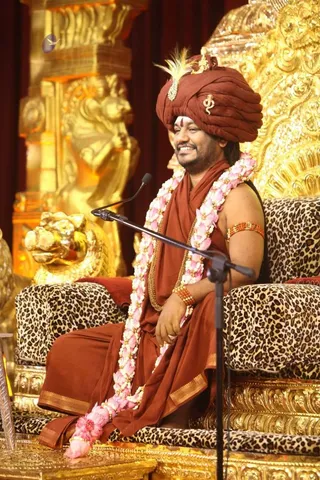 Nithya Satsang with His Divine Holiness Bhagavan Sri Nithyananda Paramashivam on "Secrets to Manifest Life Positive Right Cognitions"
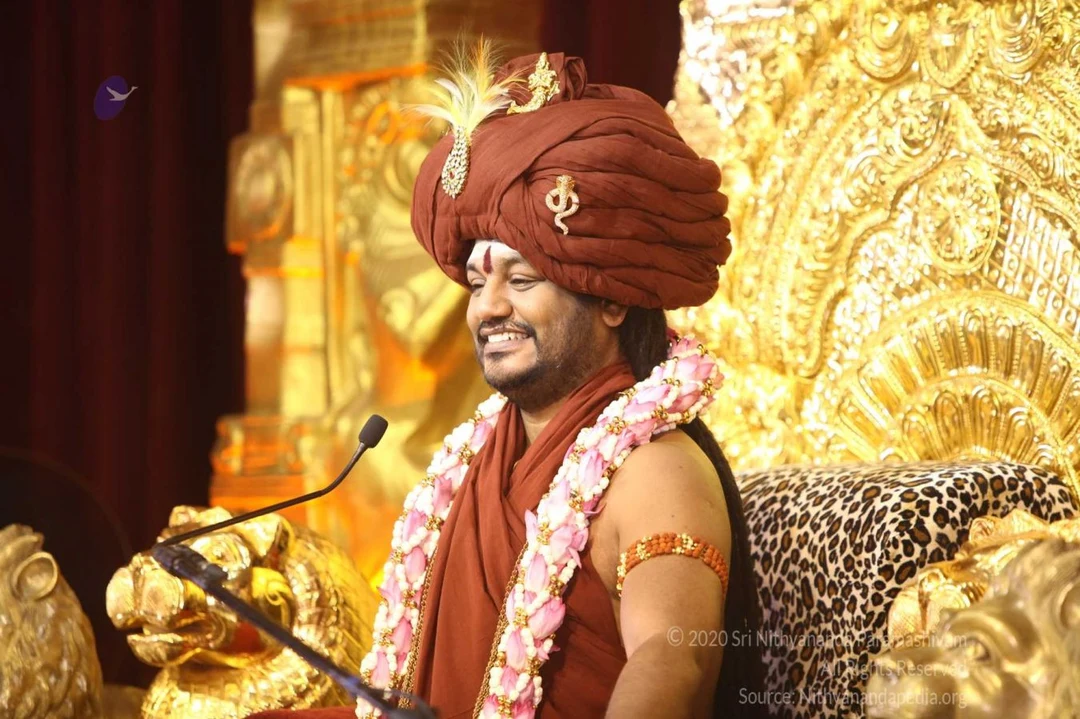 Nithya Satsang with His Divine Holiness Bhagavan Sri Nithyananda Paramashivam on "Secrets to Manifest Life Positive Right Cognitions"
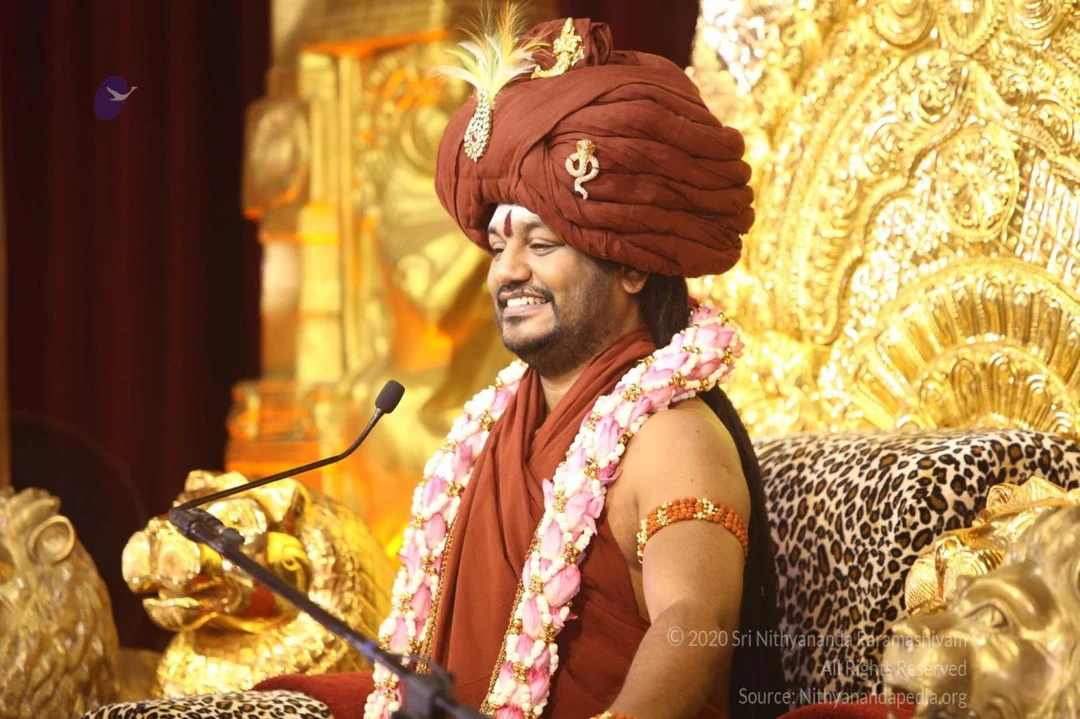 Nithya Satsang with His Divine Holiness Bhagavan Sri Nithyananda Paramashivam on "Secrets to Manifest Life Positive Right Cognitions"
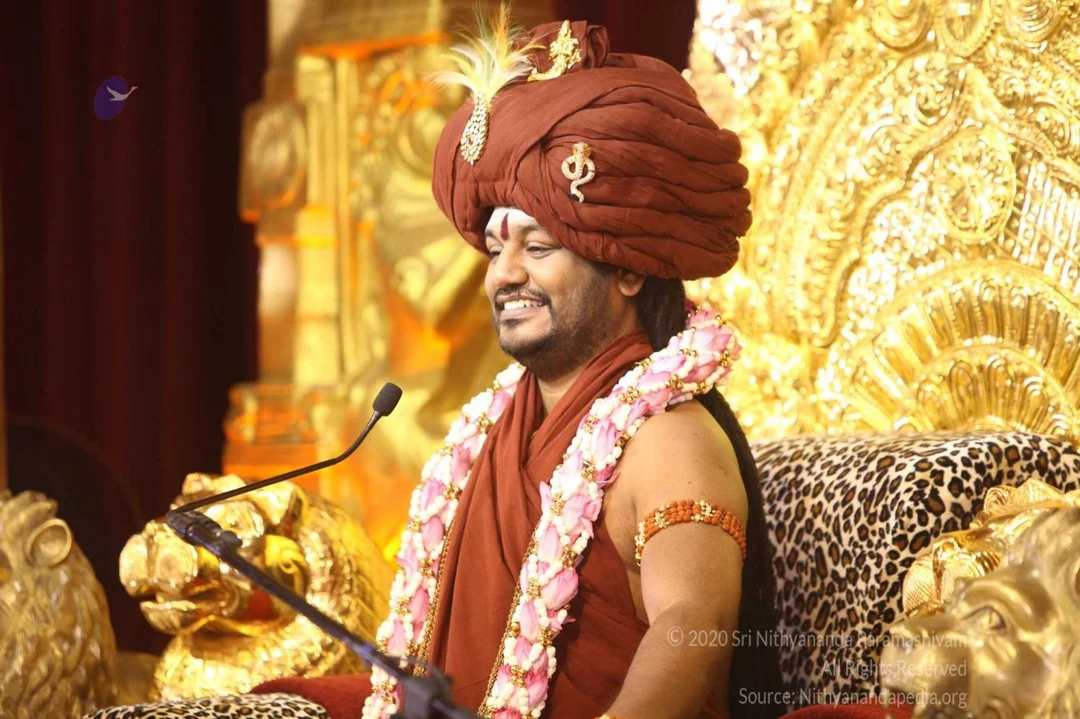 Nithya Satsang with His Divine Holiness Bhagavan Sri Nithyananda Paramashivam on "Secrets to Manifest Life Positive Right Cognitions"
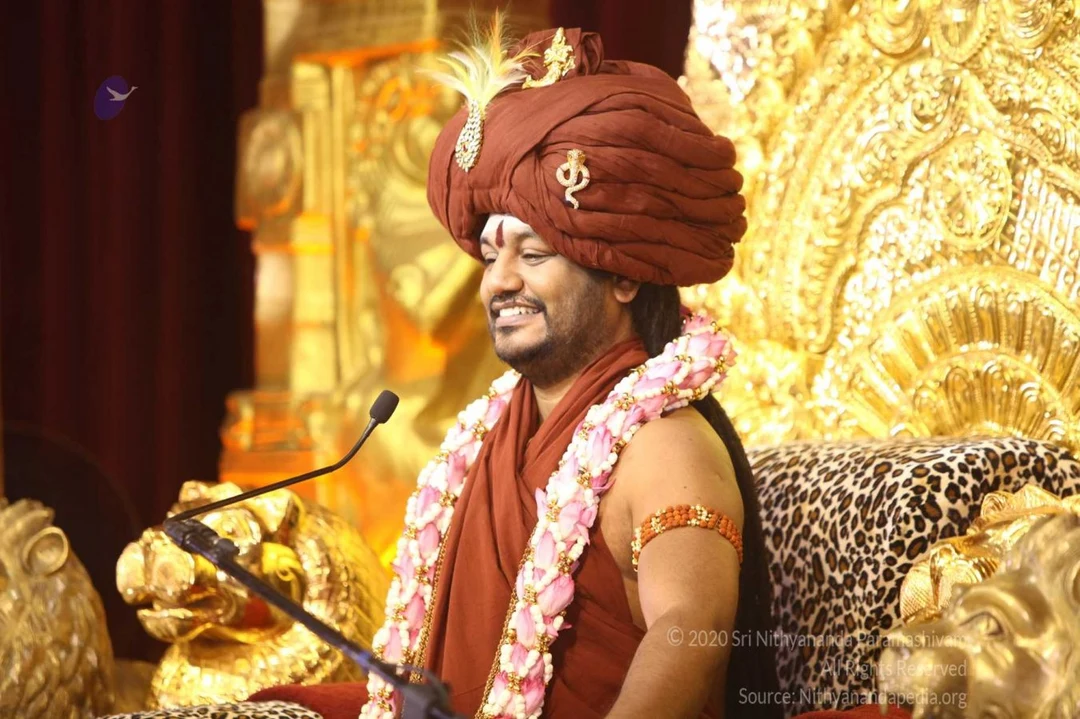 Nithya Satsang with His Divine Holiness Bhagavan Sri Nithyananda Paramashivam on "Secrets to Manifest Life Positive Right Cognitions"
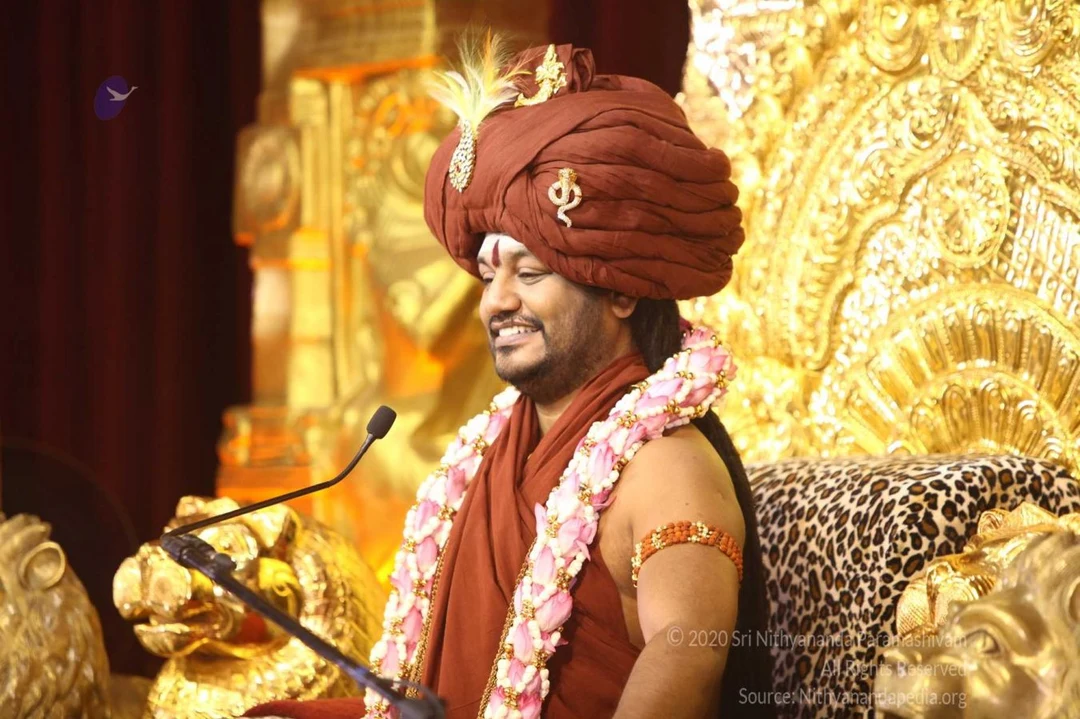 Nithya Satsang with His Divine Holiness Bhagavan Sri Nithyananda Paramashivam on "Secrets to Manifest Life Positive Right Cognitions"
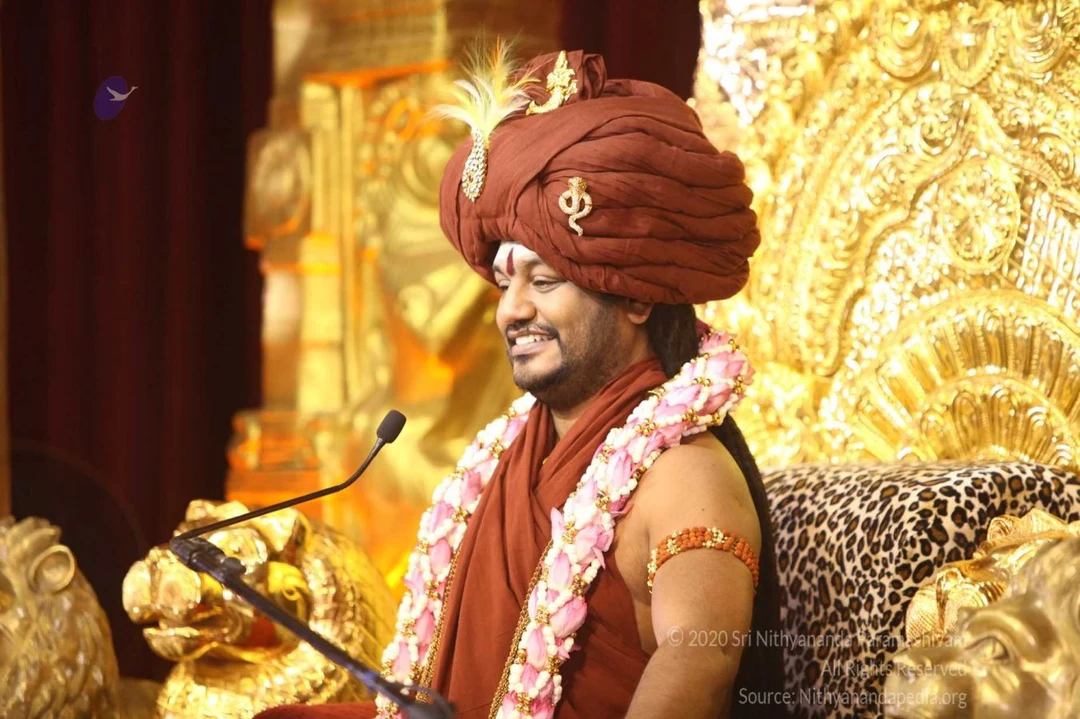 Nithya Satsang with His Divine Holiness Bhagavan Sri Nithyananda Paramashivam on "Secrets to Manifest Life Positive Right Cognitions"
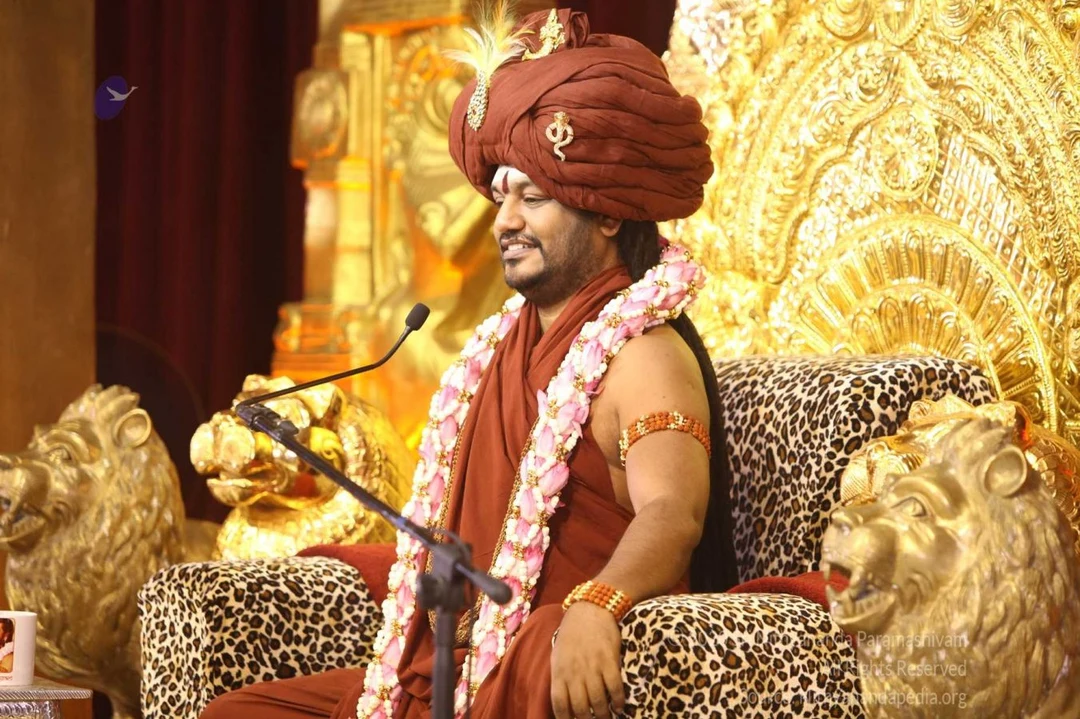 Nithya Satsang with His Divine Holiness Bhagavan Sri Nithyananda Paramashivam on "Secrets to Manifest Life Positive Right Cognitions"
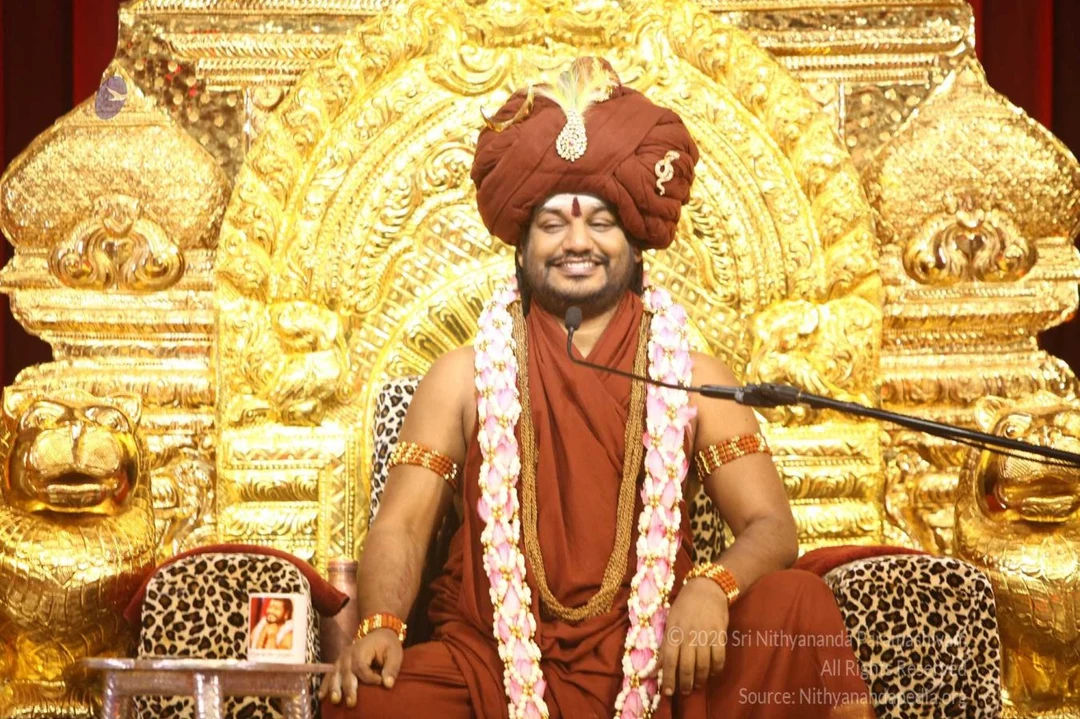 Nithya Satsang with His Divine Holiness Bhagavan Sri Nithyananda Paramashivam on "Secrets to Manifest Life Positive Right Cognitions"
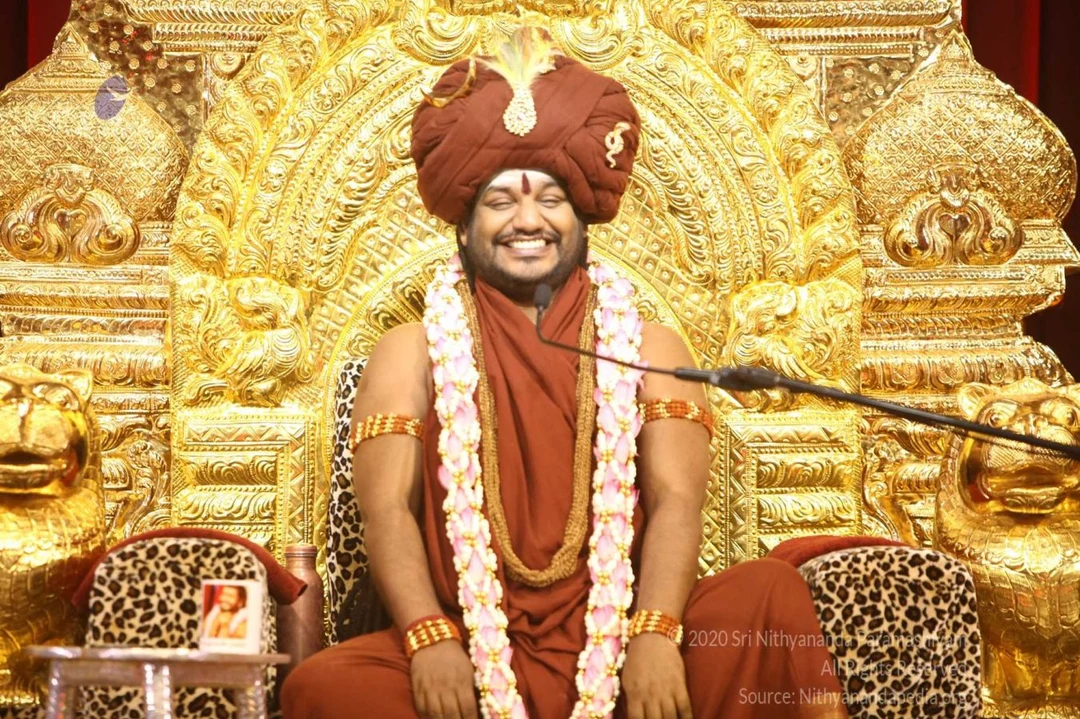 "Develop the right depth, right cognitions in you. If you decide to manifest the wealth in your cognition, I tell you: wealth will follow you." - His Divine Holiness Bhagavan Sri Nithyananda Paramashivam
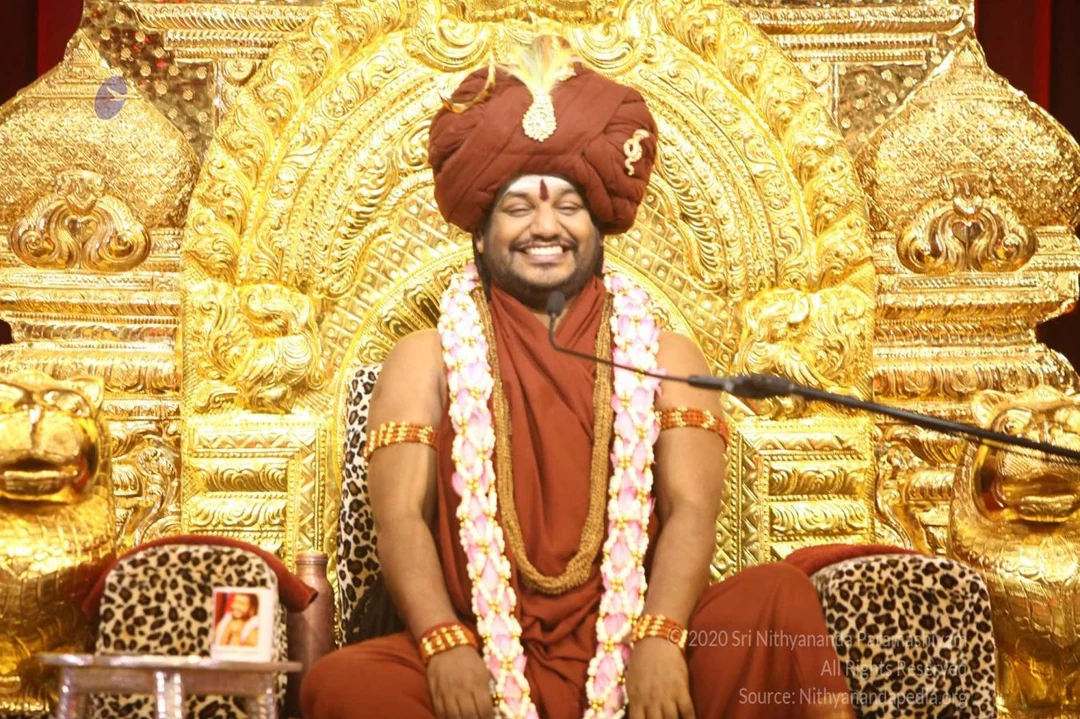 "Develop the right depth, right cognitions in you. If you decide to manifest the wealth in your cognition, I tell you: wealth will follow you." - His Divine Holiness Bhagavan Sri Nithyananda Paramashivam
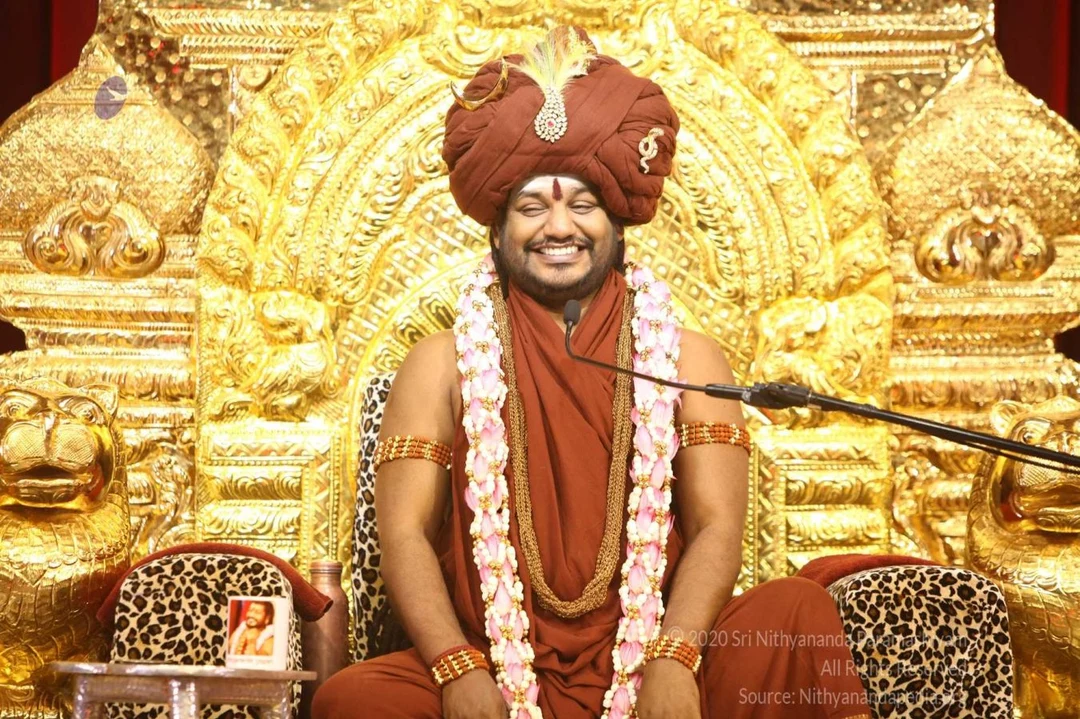 "Develop the right depth, right cognitions in you. If you decide to manifest the wealth in your cognition, I tell you: wealth will follow you." - His Divine Holiness Bhagavan Sri Nithyananda Paramashivam
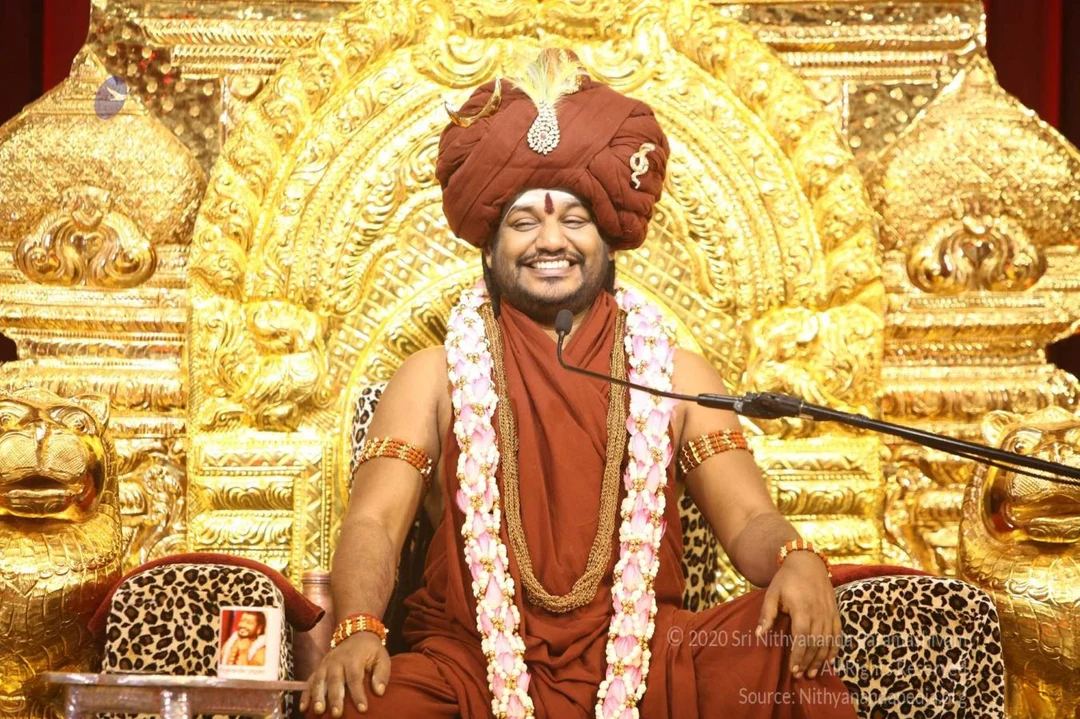 "Develop the right depth, right cognitions in you. If you decide to manifest the wealth in your cognition, I tell you: wealth will follow you." - His Divine Holiness Bhagavan Sri Nithyananda Paramashivam
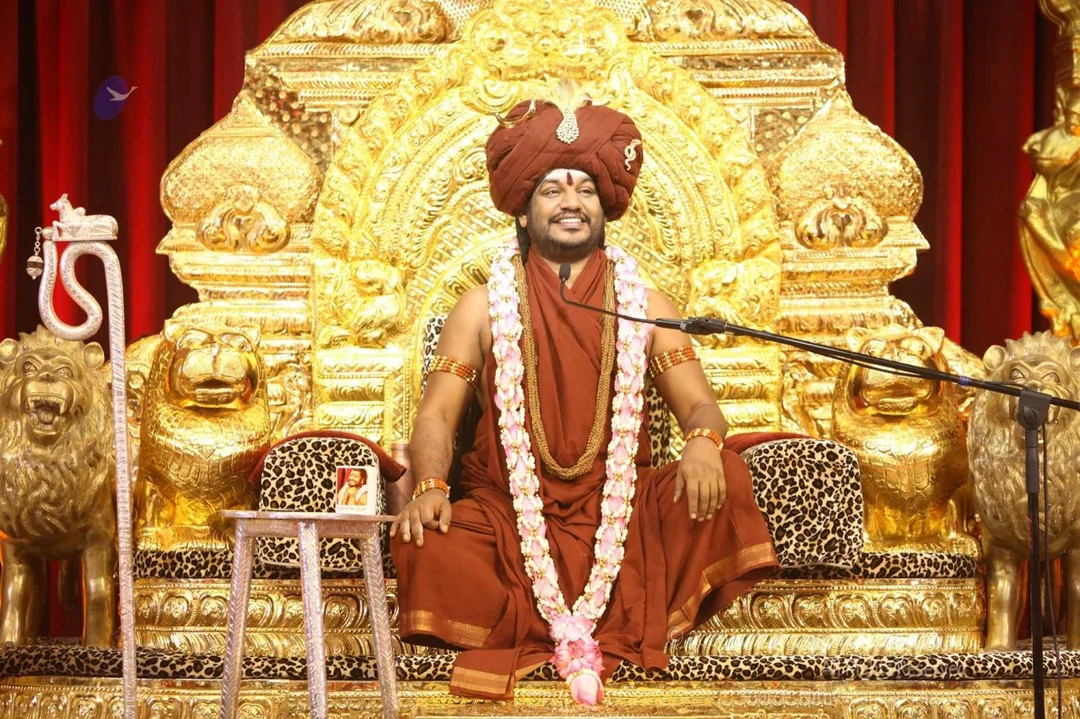 "Develop the right depth, right cognitions in you. If you decide to manifest the wealth in your cognition, I tell you: wealth will follow you." - His Divine Holiness Bhagavan Sri Nithyananda Paramashivam
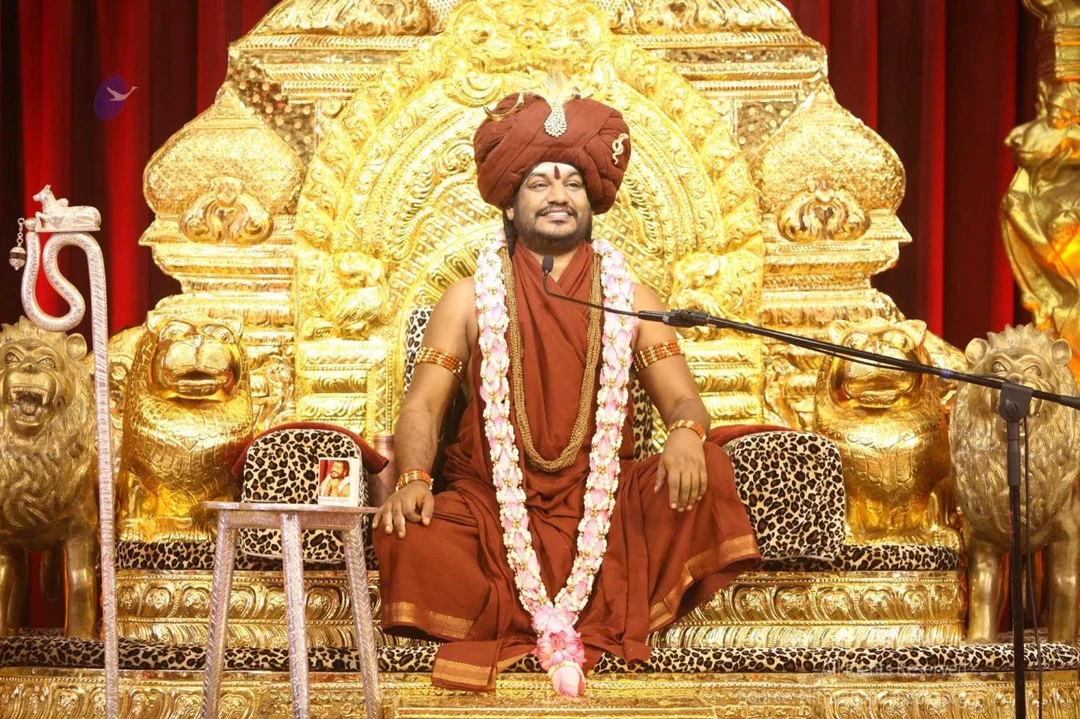 "Develop the right depth, right cognitions in you. If you decide to manifest the wealth in your cognition, I tell you: wealth will follow you." - His Divine Holiness Bhagavan Sri Nithyananda Paramashivam
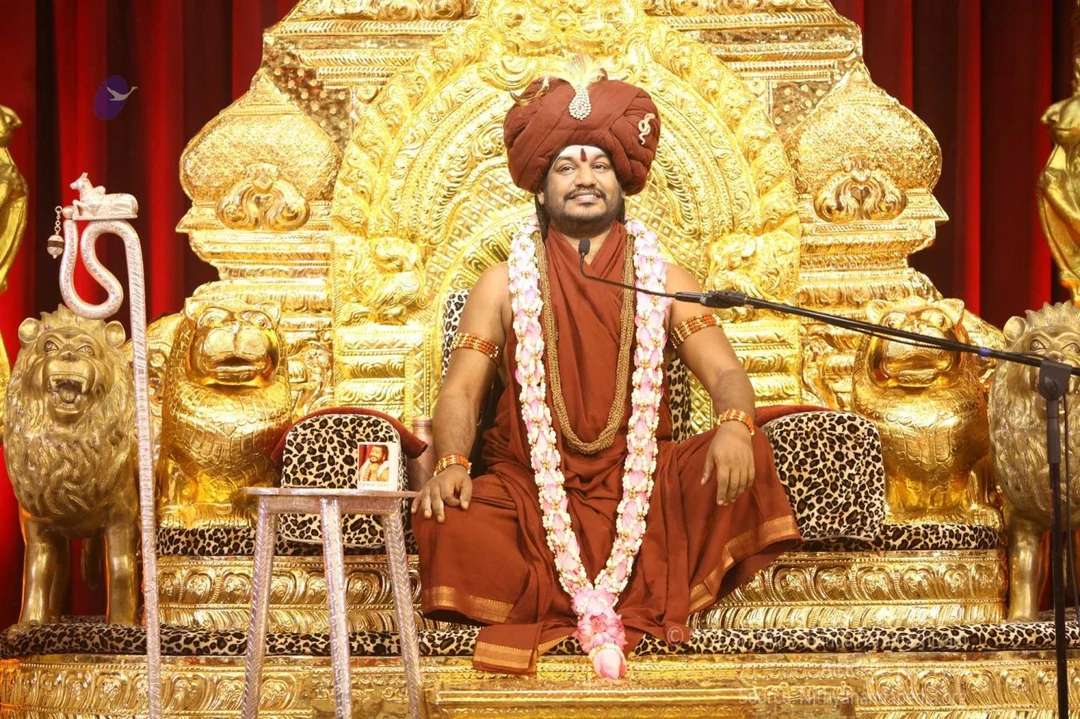 "Develop the right depth, right cognitions in you. If you decide to manifest the wealth in your cognition, I tell you: wealth will follow you." - His Divine Holiness Bhagavan Sri Nithyananda Paramashivam
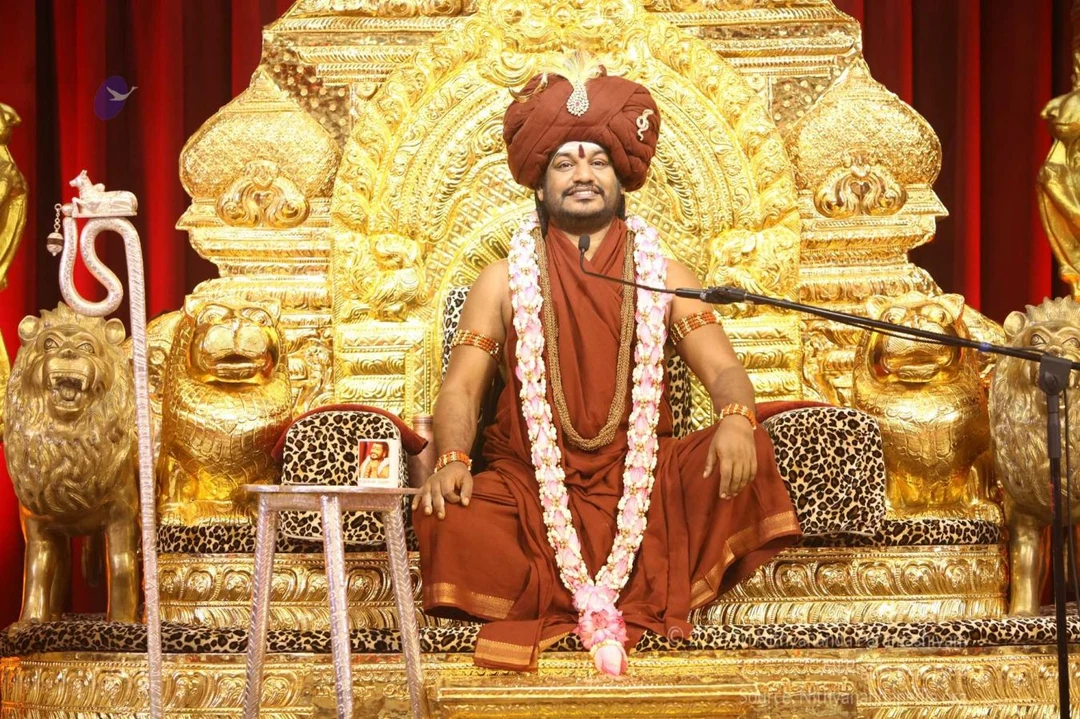 "Develop the right depth, right cognitions in you. If you decide to manifest the wealth in your cognition, I tell you: wealth will follow you." - His Divine Holiness Bhagavan Sri Nithyananda Paramashivam
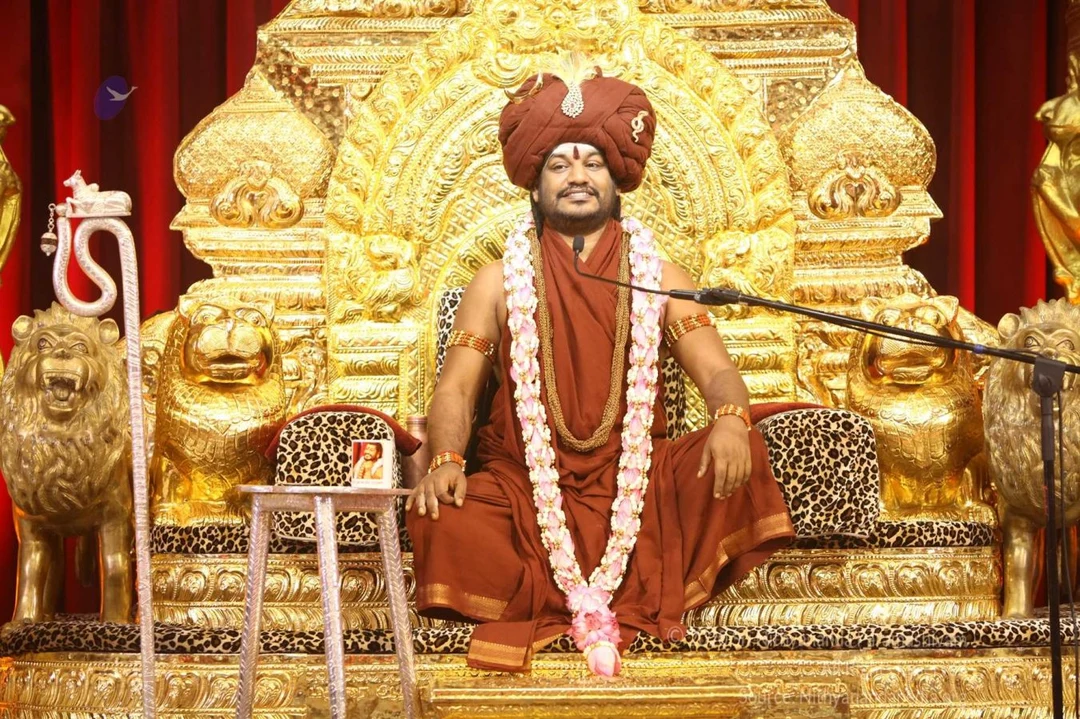 "Develop the right depth, right cognitions in you. If you decide to manifest the wealth in your cognition, I tell you: wealth will follow you." - His Divine Holiness Bhagavan Sri Nithyananda Paramashivam
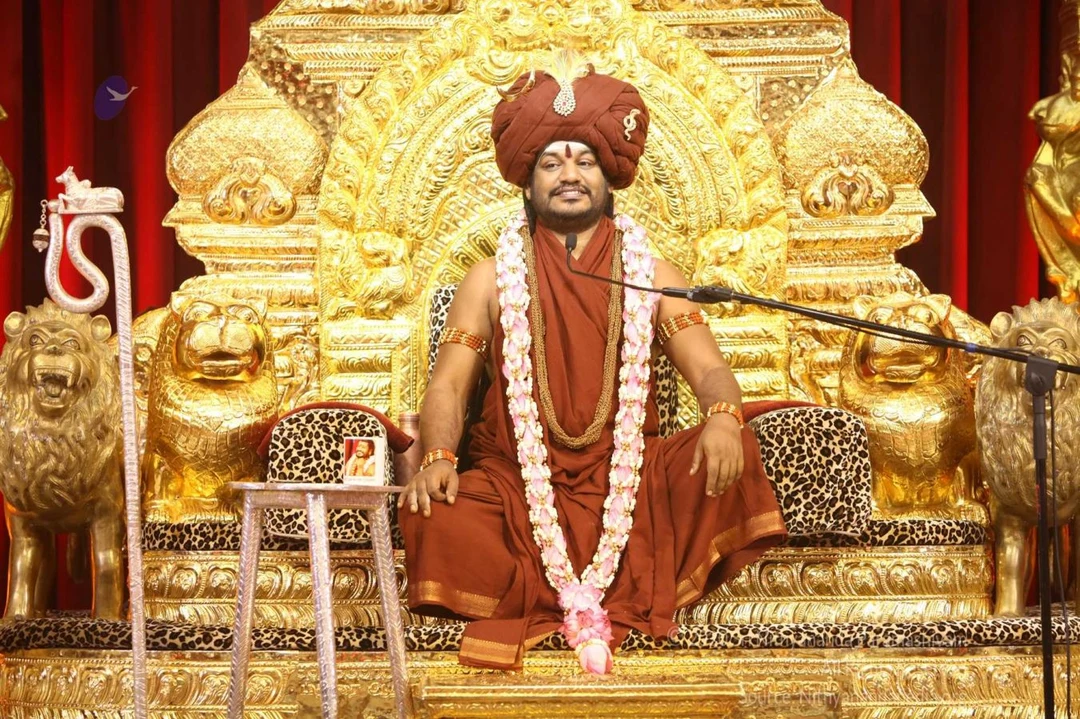 "Anything you experience as a reality was and is your cognition. Anything you decide to make as your cognition will be your reality."- His Divine Holiness Bhagavan Sri Nithyananda Paramashivam
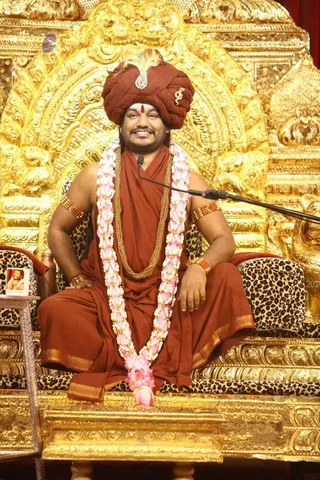 "Anything you experience as a reality was and is your cognition. Anything you decide to make as your cognition will be your reality."- His Divine Holiness Bhagavan Sri Nithyananda Paramashivam
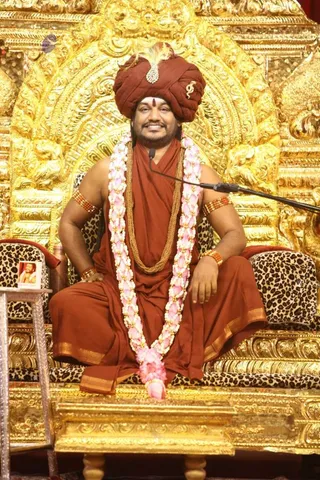 "Anything you experience as a reality was and is your cognition. Anything you decide to make as your cognition will be your reality."- His Divine Holiness Bhagavan Sri Nithyananda Paramashivam
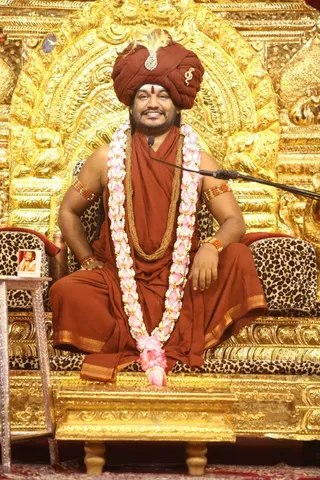 "Anything you experience as a reality was and is your cognition. Anything you decide to make as your cognition will be your reality."- His Divine Holiness Bhagavan Sri Nithyananda Paramashivam
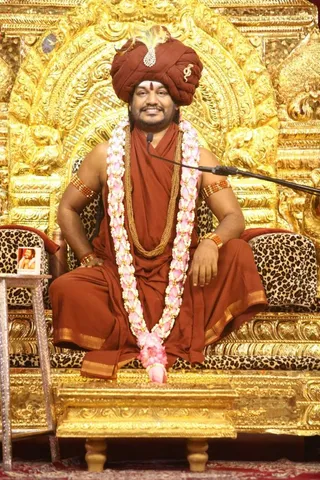 "Anything you experience as a reality was and is your cognition. Anything you decide to make as your cognition will be your reality."- His Divine Holiness Bhagavan Sri Nithyananda Paramashivam
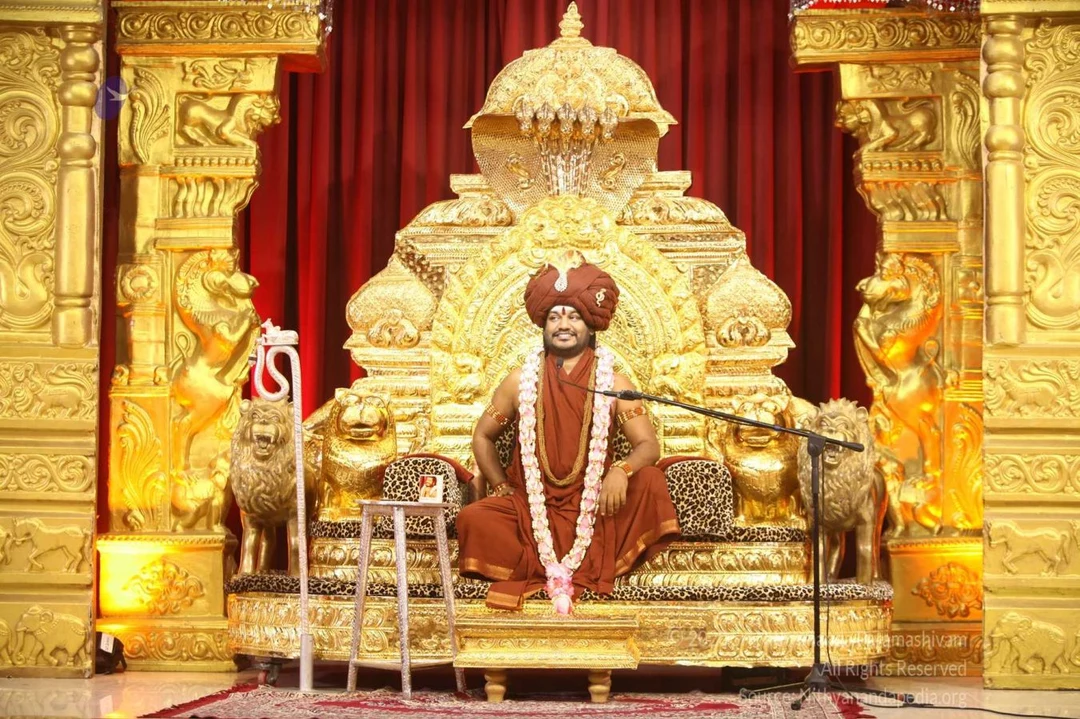 "Anything you experience as a reality was and is your cognition. Anything you decide to make as your cognition will be your reality."- His Divine Holiness Bhagavan Sri Nithyananda Paramashivam
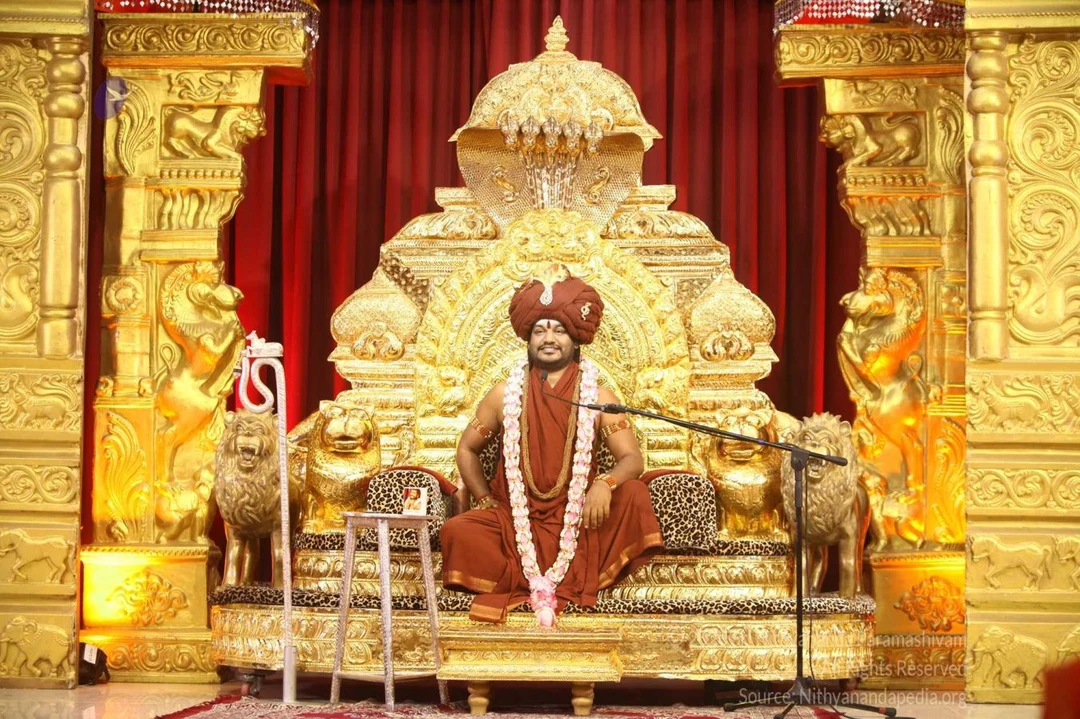 "Anything you experience as a reality was and is your cognition. Anything you decide to make as your cognition will be your reality."- His Divine Holiness Bhagavan Sri Nithyananda Paramashivam
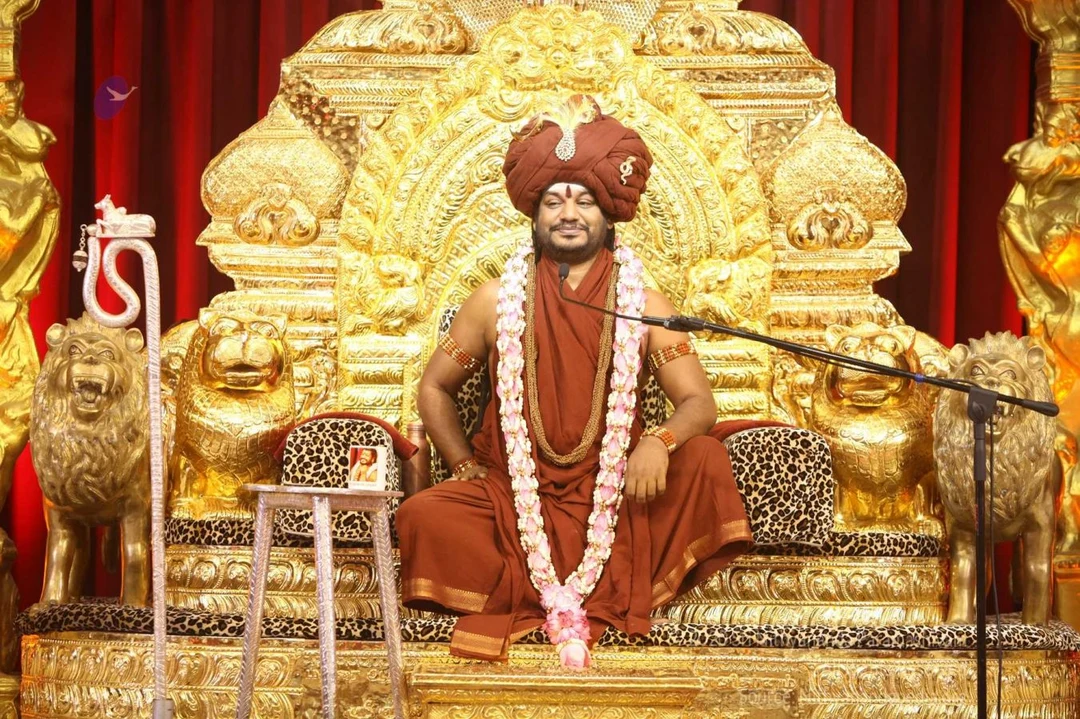 "Anything you experience as a reality was and is your cognition. Anything you decide to make as your cognition will be your reality."- His Divine Holiness Bhagavan Sri Nithyananda Paramashivam
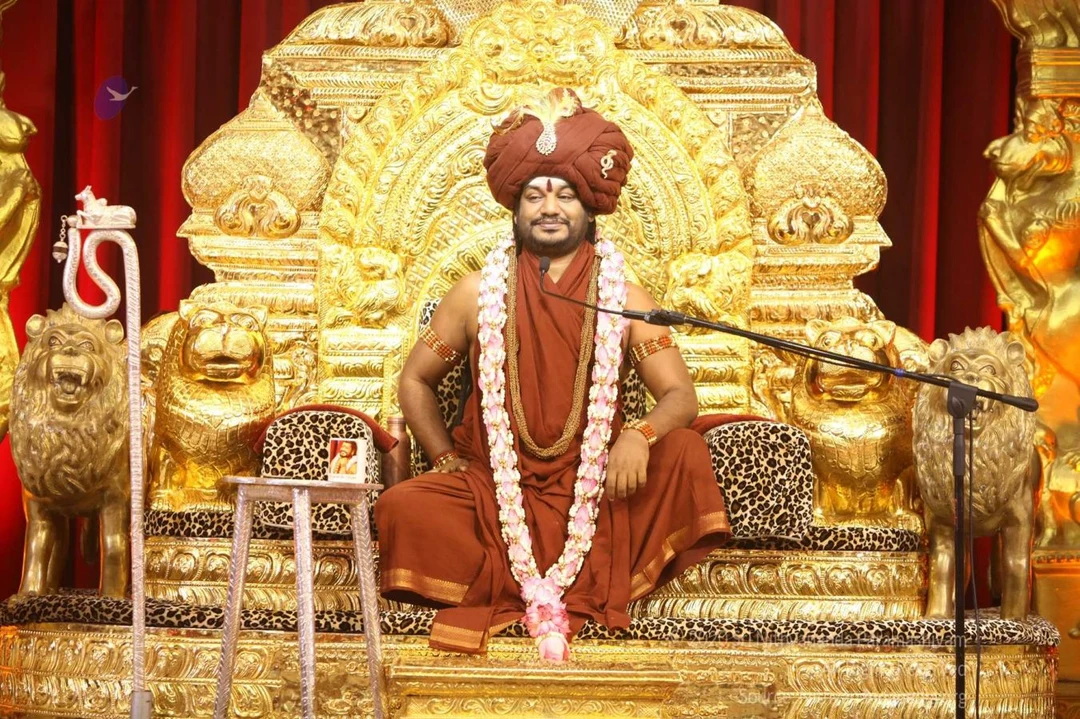 "Anything you experience as a reality was and is your cognition. Anything you decide to make as your cognition will be your reality."- His Divine Holiness Bhagavan Sri Nithyananda Paramashivam
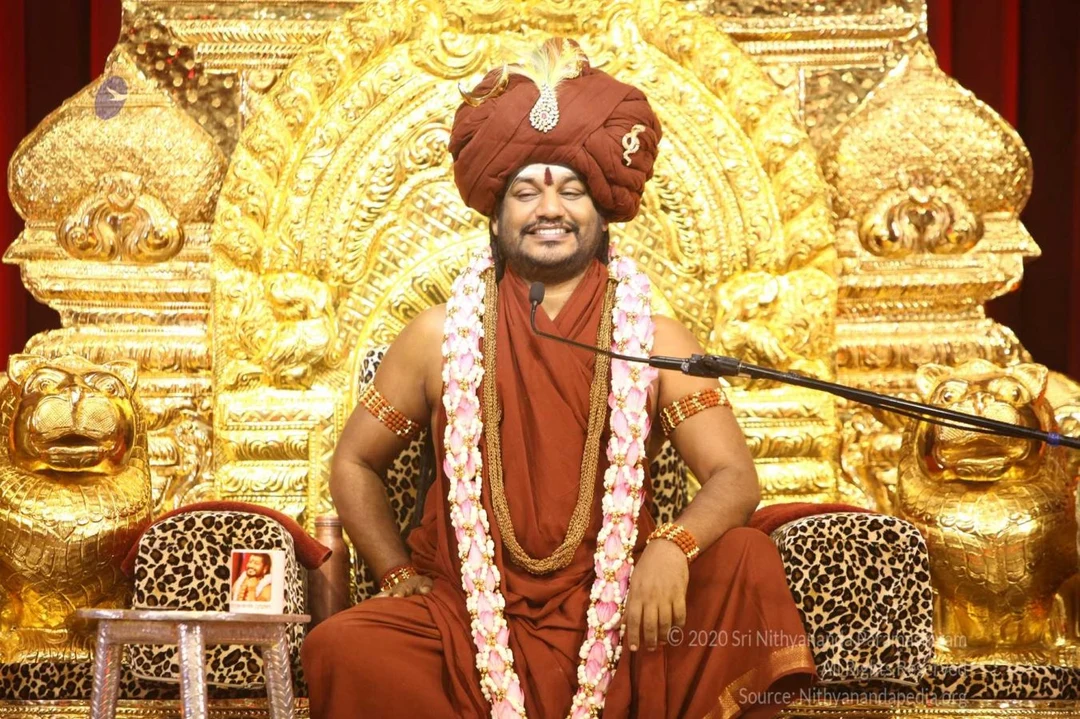 "Anything you experience as a reality was and is your cognition. Anything you decide to make as your cognition will be your reality."- His Divine Holiness Bhagavan Sri Nithyananda Paramashivam
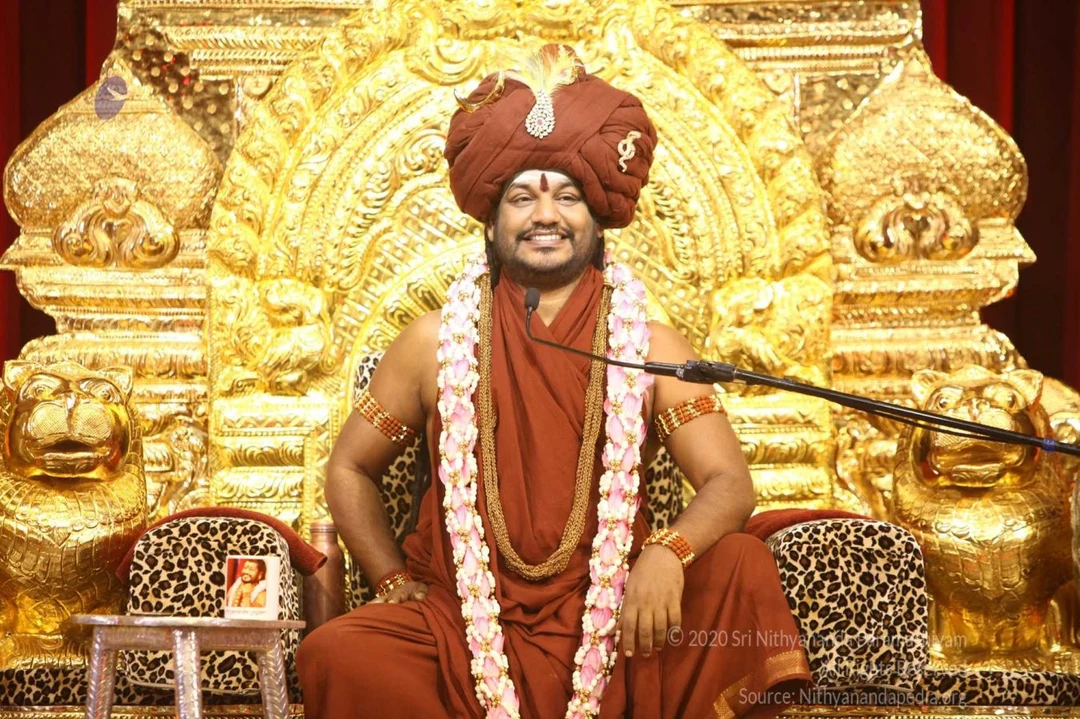 "Anything you experience as a reality was and is your cognition. Anything you decide to make as your cognition will be your reality."- His Divine Holiness Bhagavan Sri Nithyananda Paramashivam
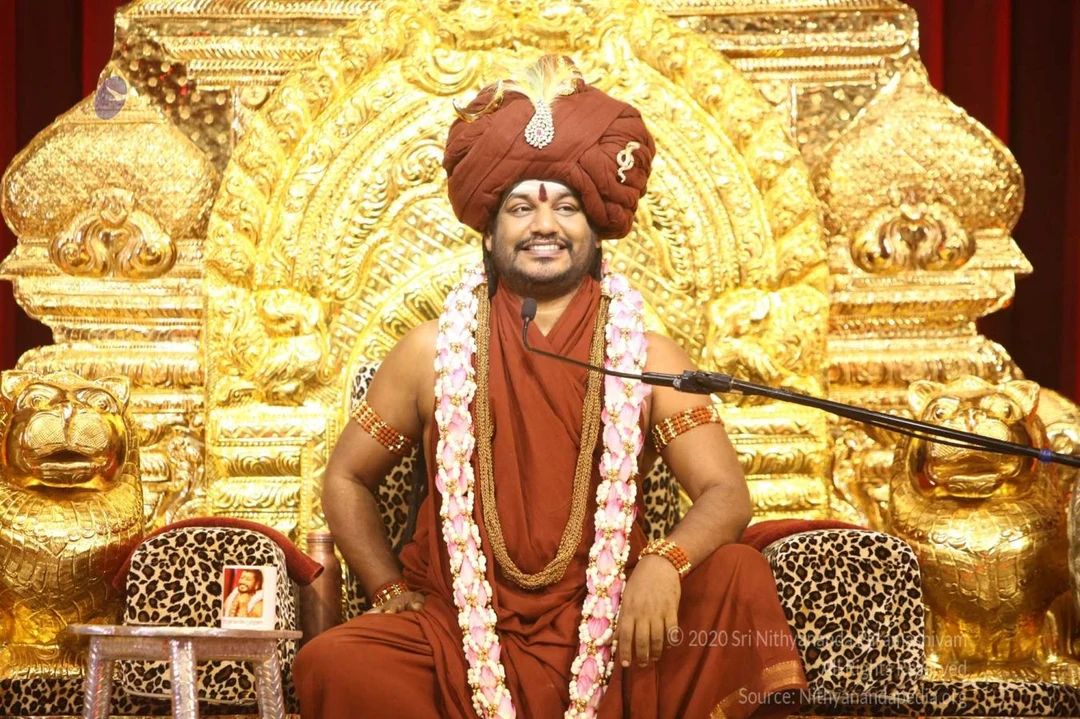 "Anything you experience as a reality was and is your cognition. Anything you decide to make as your cognition will be your reality."- His Divine Holiness Bhagavan Sri Nithyananda Paramashivam
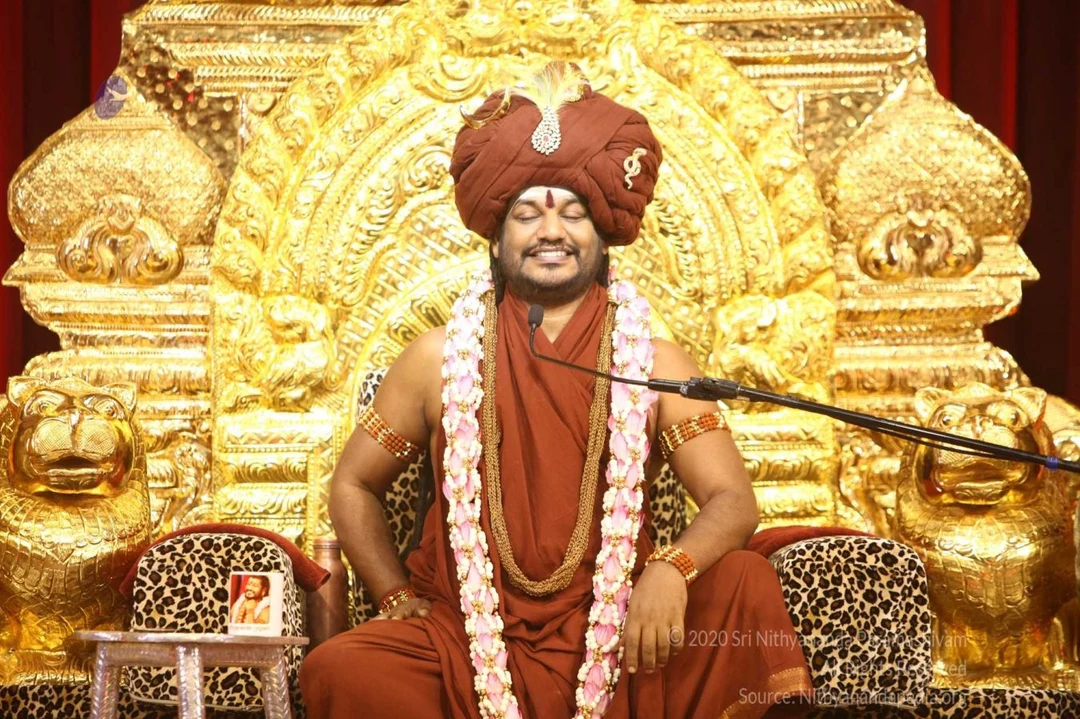 "Every incident in your life increases increases your depth either in the direction of life-positive or life-negative" - His Divine Holiness Bhagavan Sri Nithyananda Paramashivam
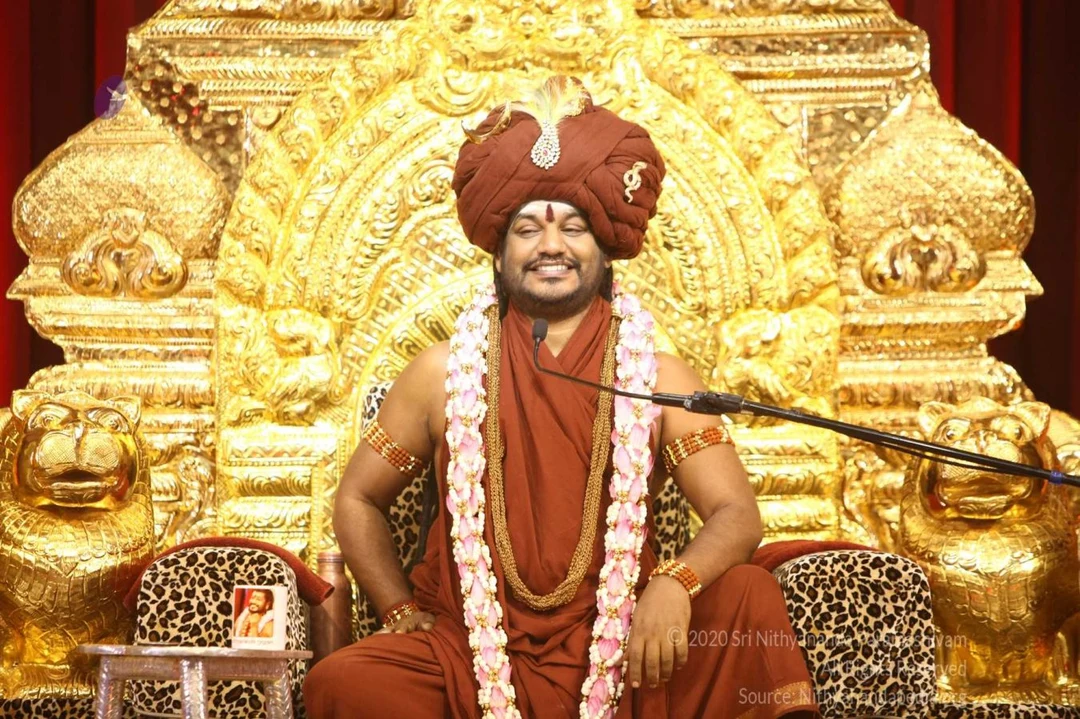 "Every incident in your life increases increases your depth either in the direction of life-positive or life-negative" - His Divine Holiness Bhagavan Sri Nithyananda Paramashivam
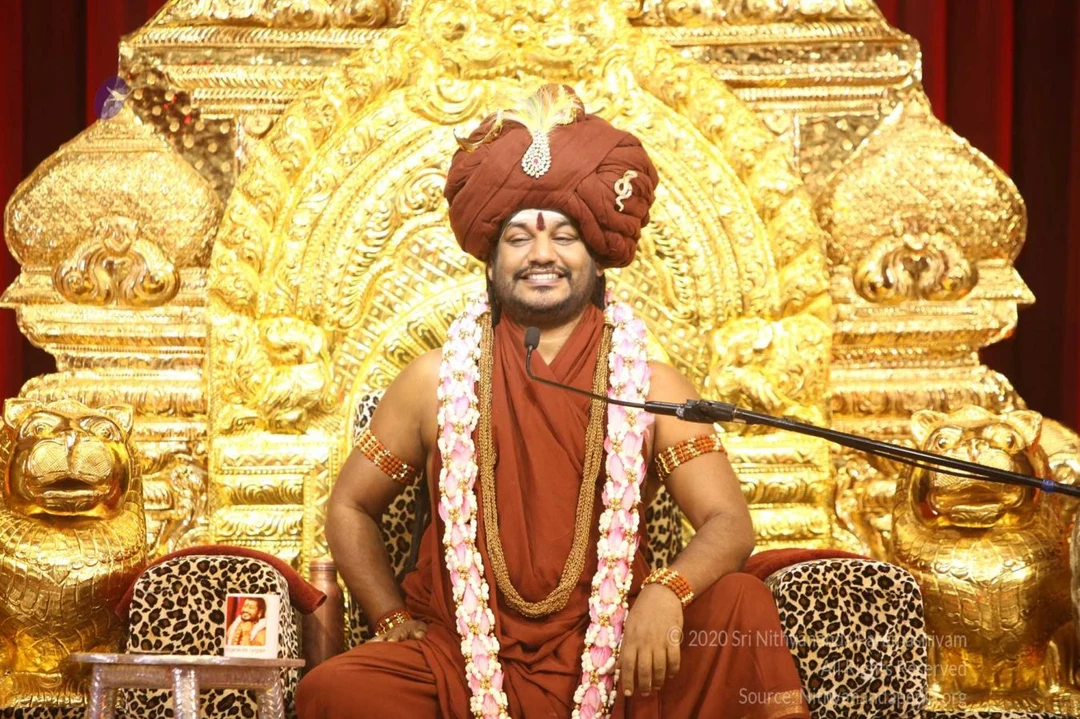 "Every incident in your life increases increases your depth either in the direction of life-positive or life-negative" - His Divine Holiness Bhagavan Sri Nithyananda Paramashivam
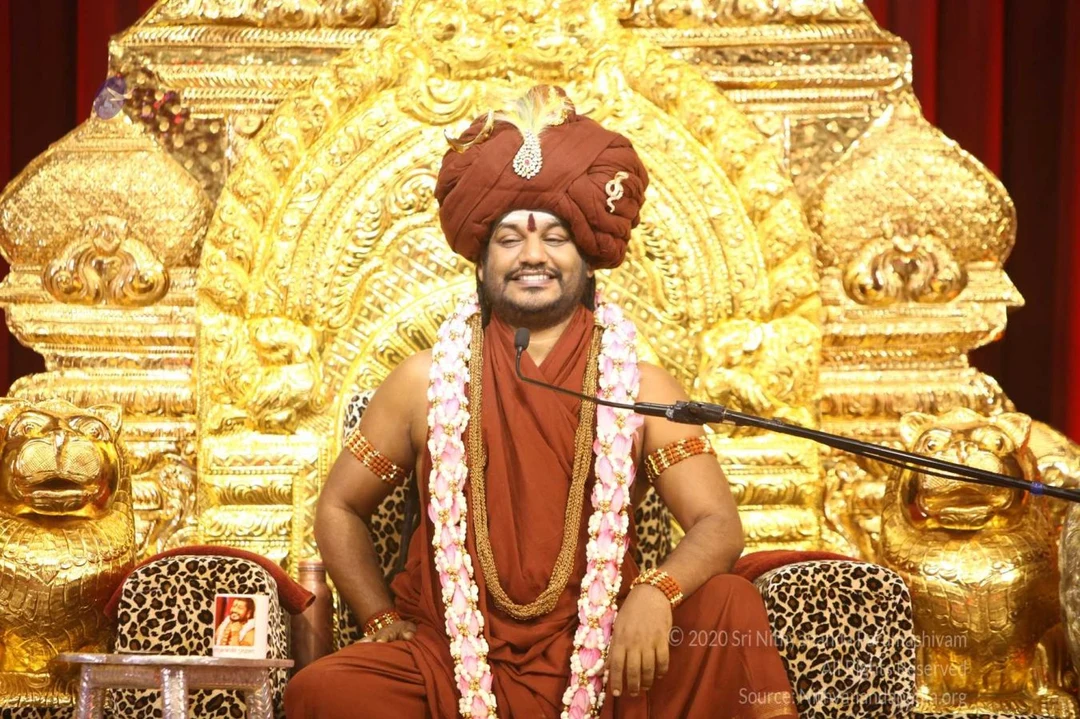 "Every incident in your life increases increases your depth either in the direction of life-positive or life-negative" - His Divine Holiness Bhagavan Sri Nithyananda Paramashivam
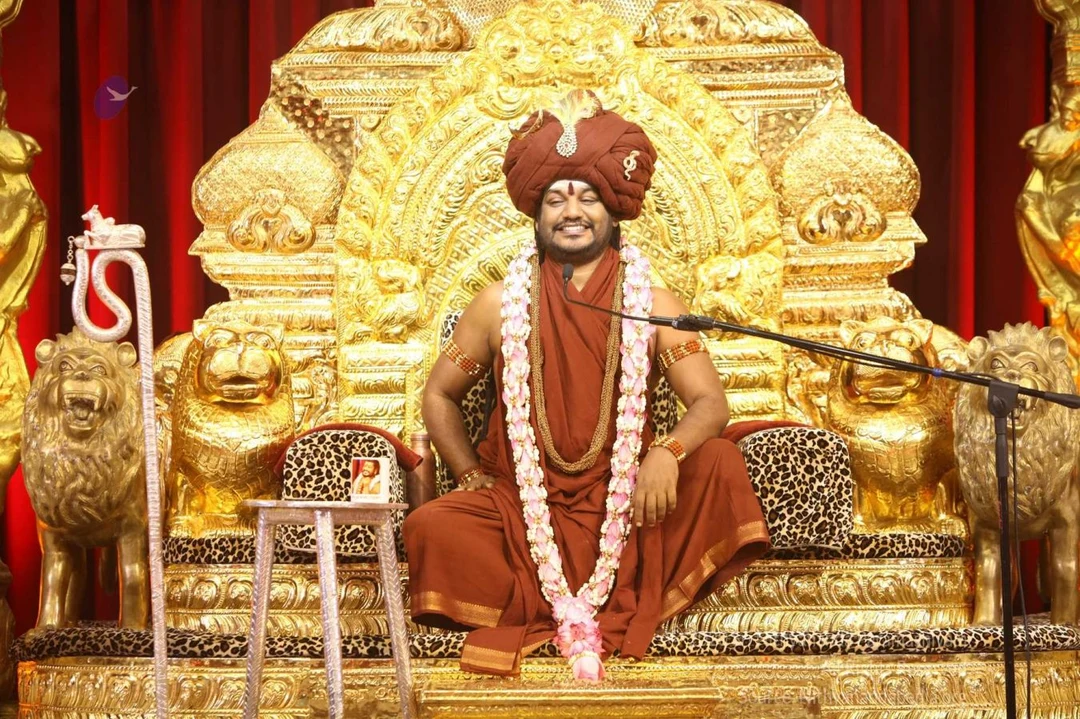 "Every incident in your life increases increases your depth either in the direction of life-positive or life-negative" - His Divine Holiness Bhagavan Sri Nithyananda Paramashivam
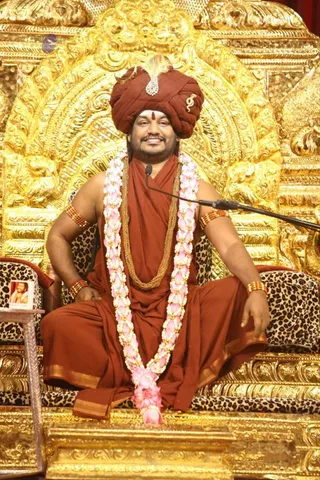 "Every incident in your life increases increases your depth either in the direction of life-positive or life-negative" - His Divine Holiness Bhagavan Sri Nithyananda Paramashivam
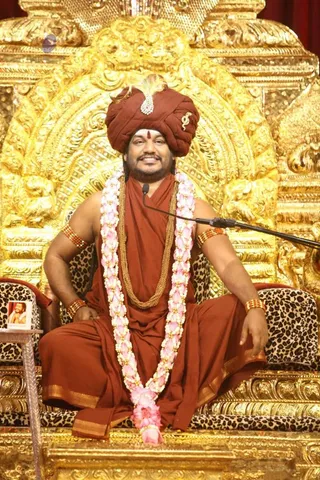 "Every incident in your life increases increases your depth either in the direction of life-positive or life-negative" - His Divine Holiness Bhagavan Sri Nithyananda Paramashivam
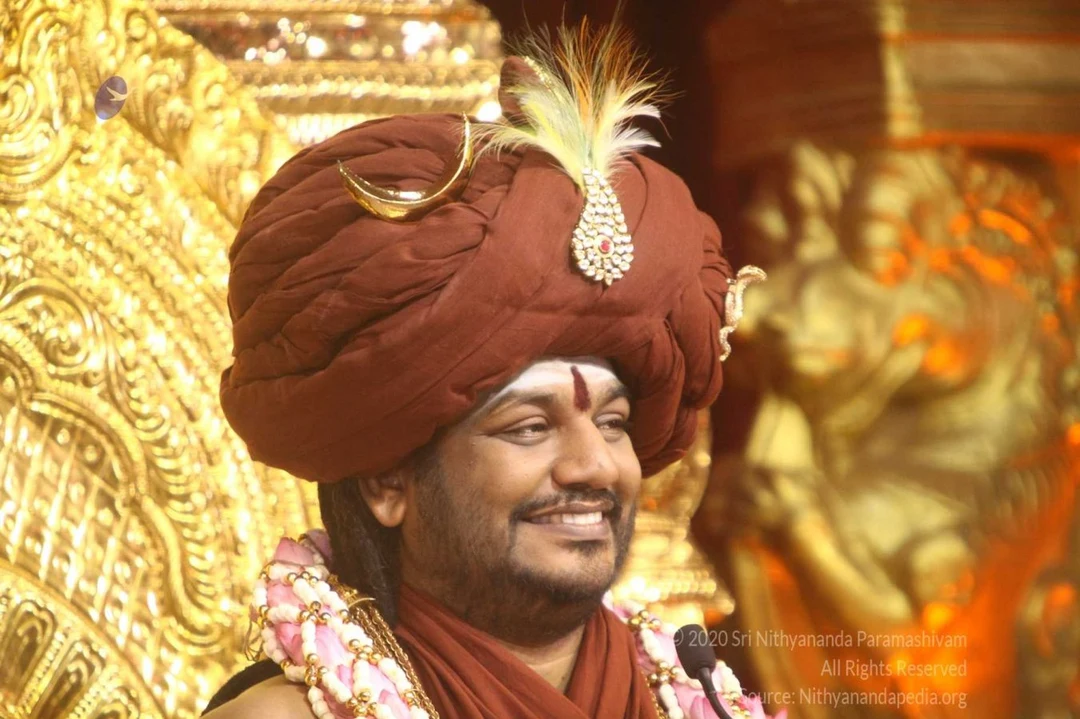 "Every incident in your life increases increases your depth either in the direction of life-positive or life-negative" - His Divine Holiness Bhagavan Sri Nithyananda Paramashivam
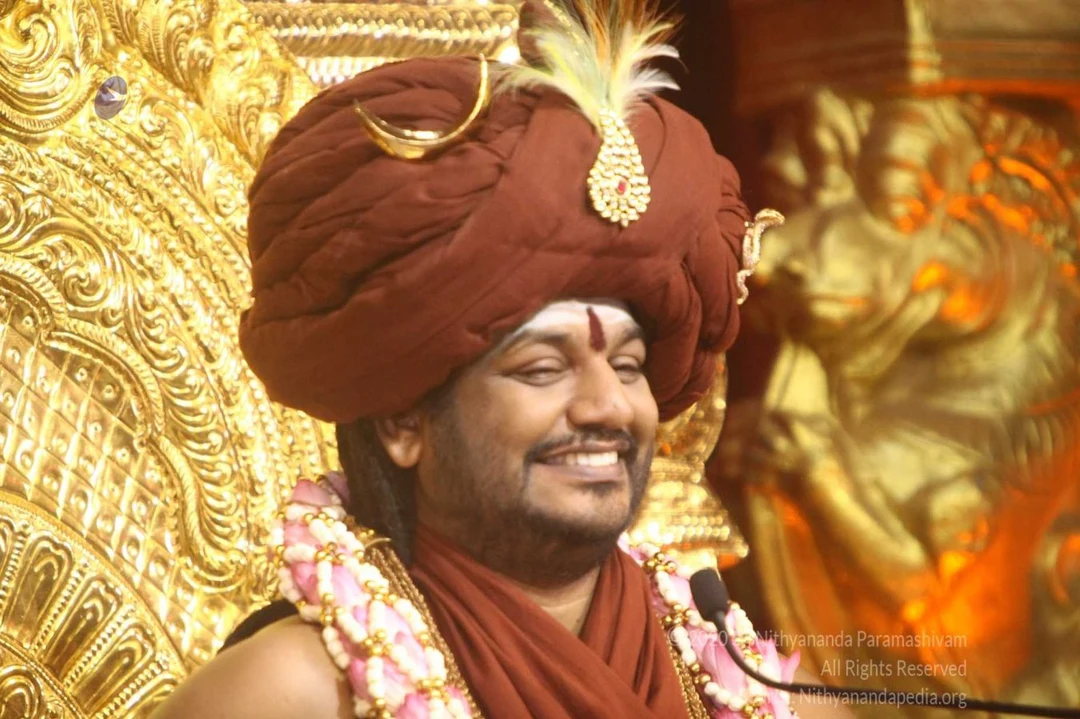 "Every incident in your life increases increases your depth either in the direction of life-positive or life-negative" - His Divine Holiness Bhagavan Sri Nithyananda Paramashivam
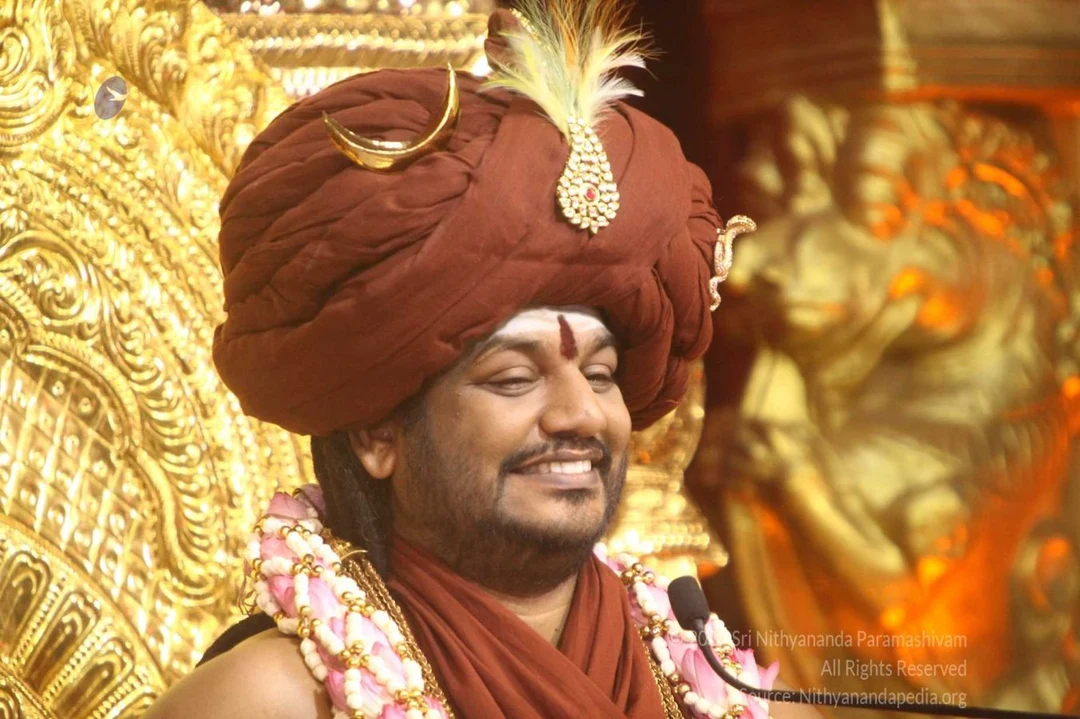 "Every incident in your life increases increases your depth either in the direction of life-positive or life-negative" - His Divine Holiness Bhagavan Sri Nithyananda Paramashivam
 "Every incident in your life increases increases your depth either in the direction of life-positive or life-negative" - His Divine Holiness Bhagavan Sri Nithyananda Paramashivam
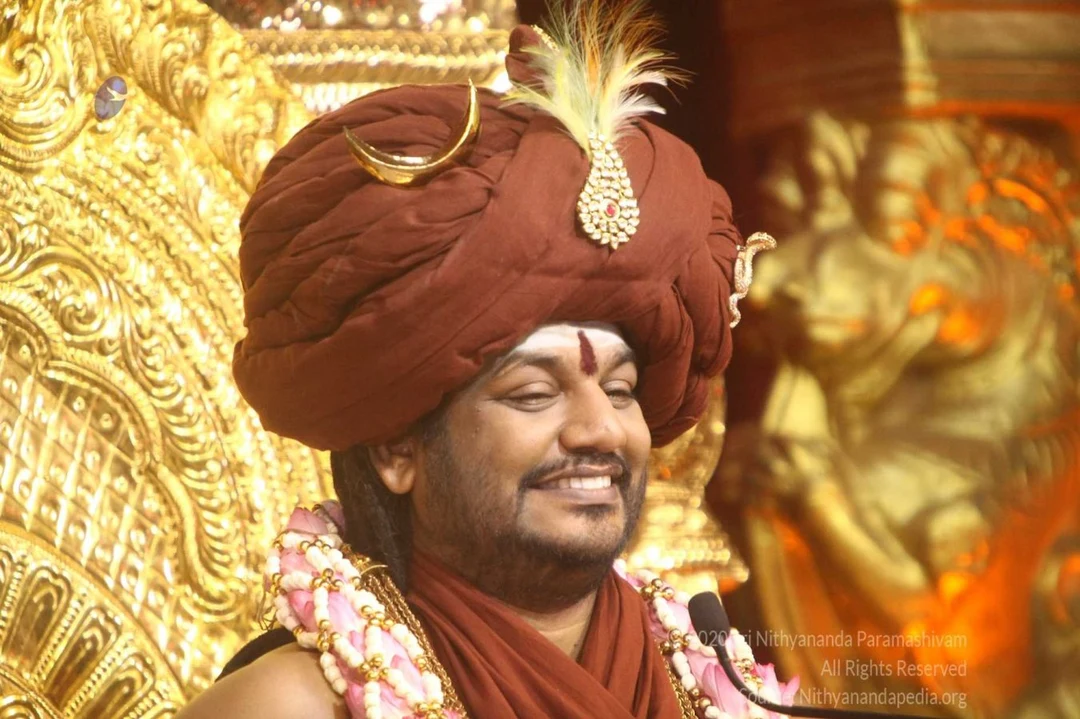 "Every incident in your life increases increases your depth either in the direction of life-positive or life-negative" - His Divine Holiness Bhagavan Sri Nithyananda Paramashivam
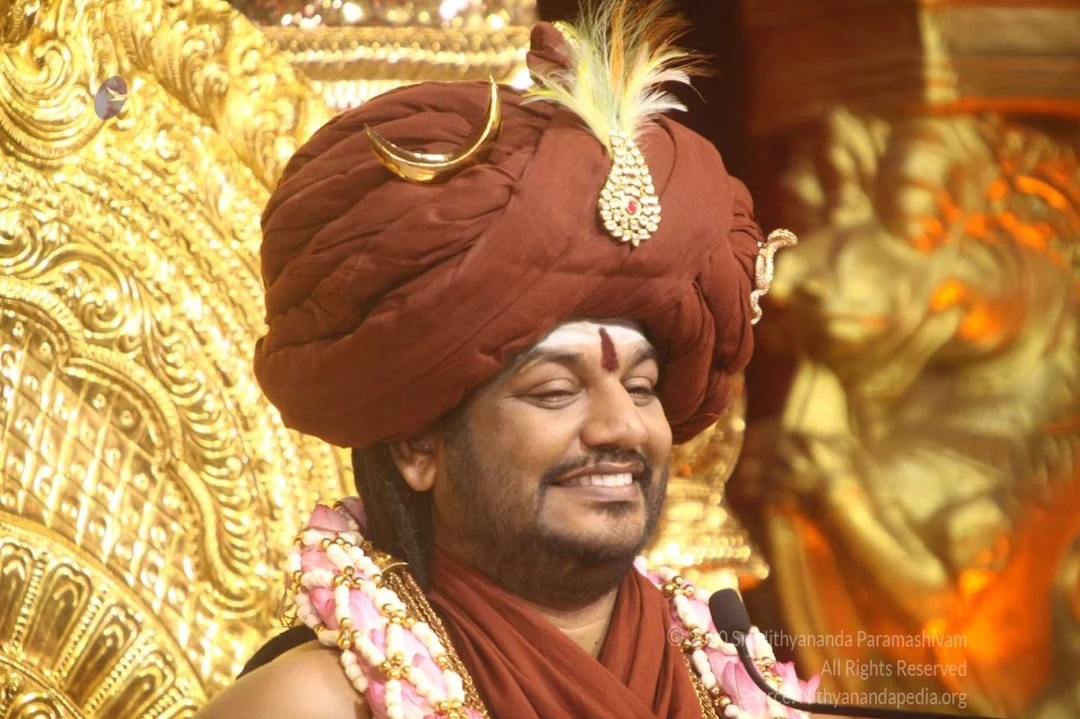 "Every incident in your life increases increases your depth either in the direction of life-positive or life-negative" - His Divine Holiness Bhagavan Sri Nithyananda Paramashivam
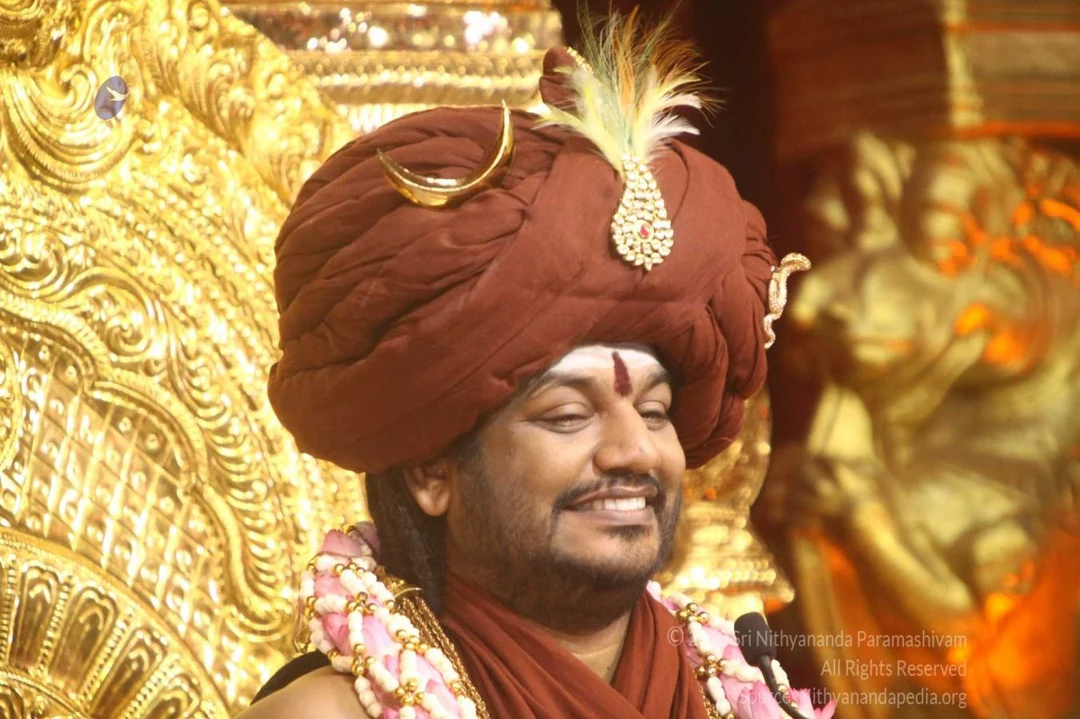 "Every incident in your life increases increases your depth either in the direction of life-positive or life-negative" - His Divine Holiness Bhagavan Sri Nithyananda Paramashivam
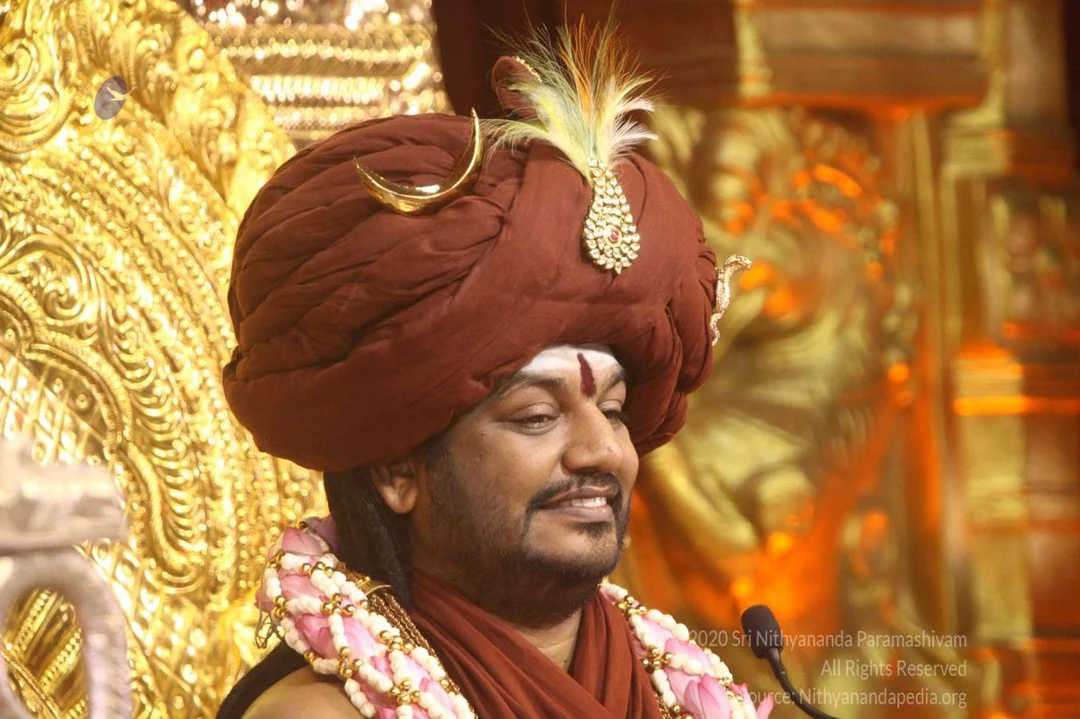 "Every incident in your life increases increases your depth either in the direction of life-positive or life-negative" - His Divine Holiness Bhagavan Sri Nithyananda Paramashivam
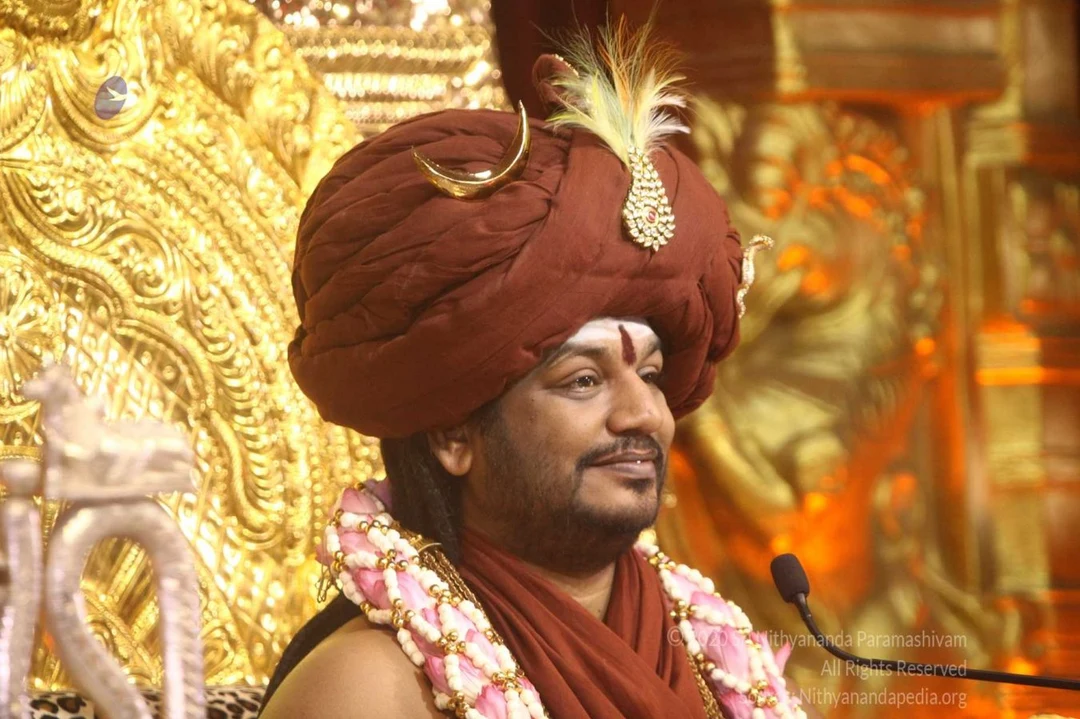 "Every incident in your life increases increases your depth either in the direction of life-positive or life-negative" - His Divine Holiness Bhagavan Sri Nithyananda Paramashivam
 "Everything manifests from your cognitions. It is cognition that manifests everything." - His Divine Holiness Bhagavan Sri Nithyananda Paramashivam
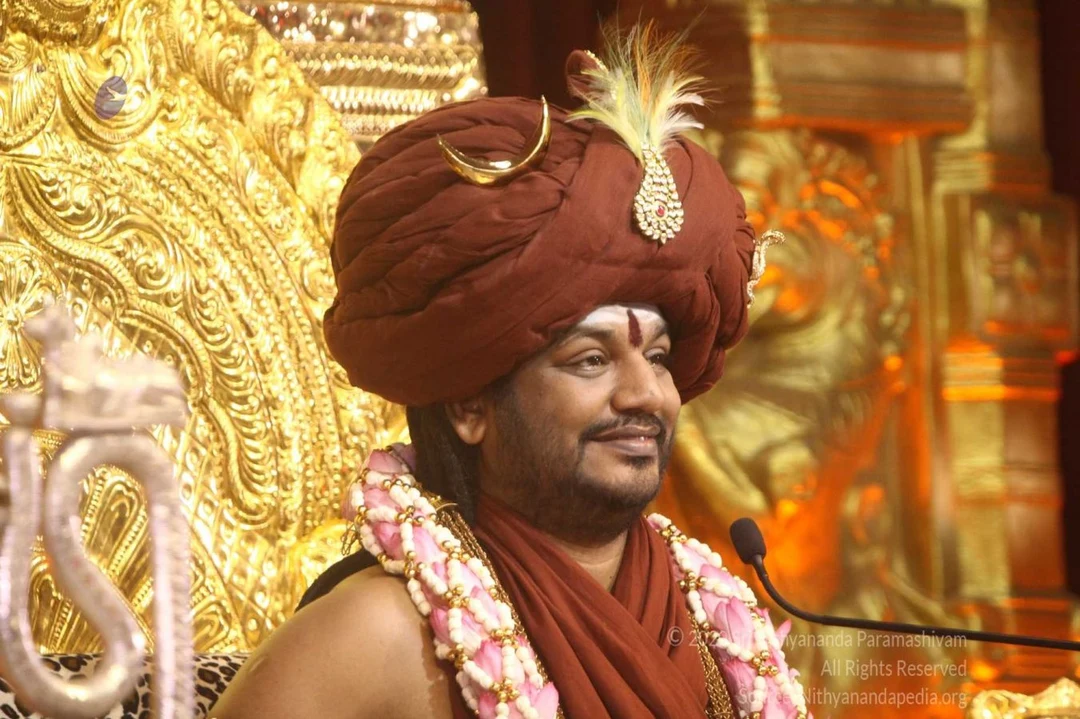 "Everything manifests from your cognitions. It is cognition that manifests everything." - His Divine Holiness Bhagavan Sri Nithyananda Paramashivam
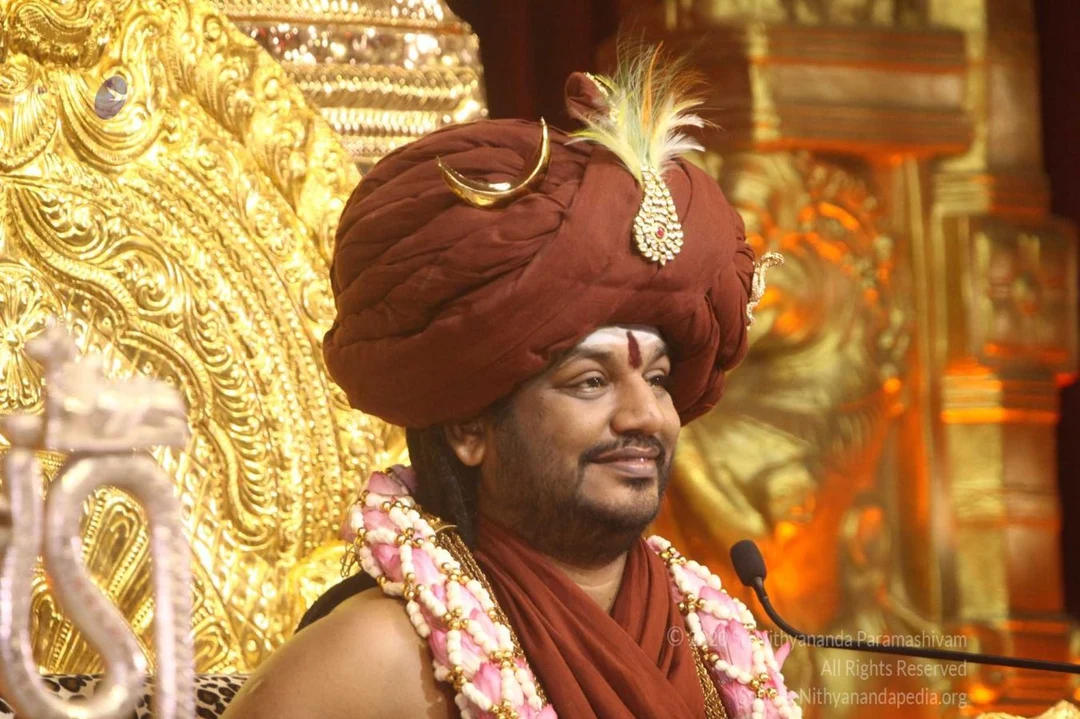 "Everything manifests from your cognitions. It is cognition that manifests everything." - His Divine Holiness Bhagavan Sri Nithyananda Paramashivam
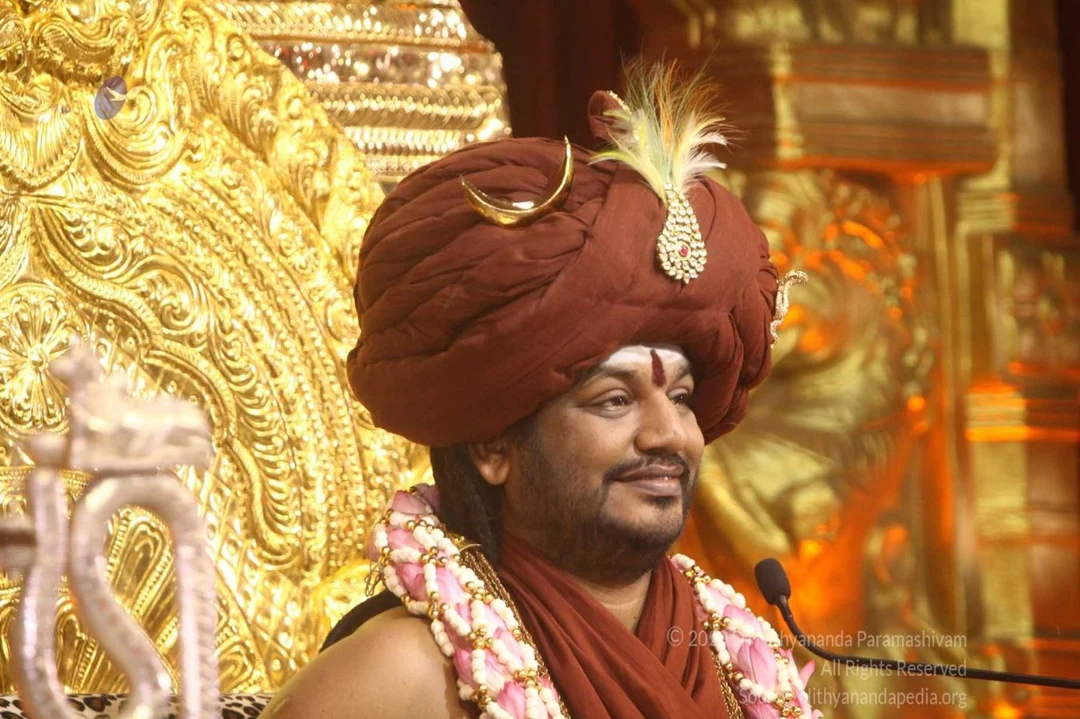 "Everything manifests from your cognitions. It is cognition that manifests everything." - His Divine Holiness Bhagavan Sri Nithyananda Paramashivam
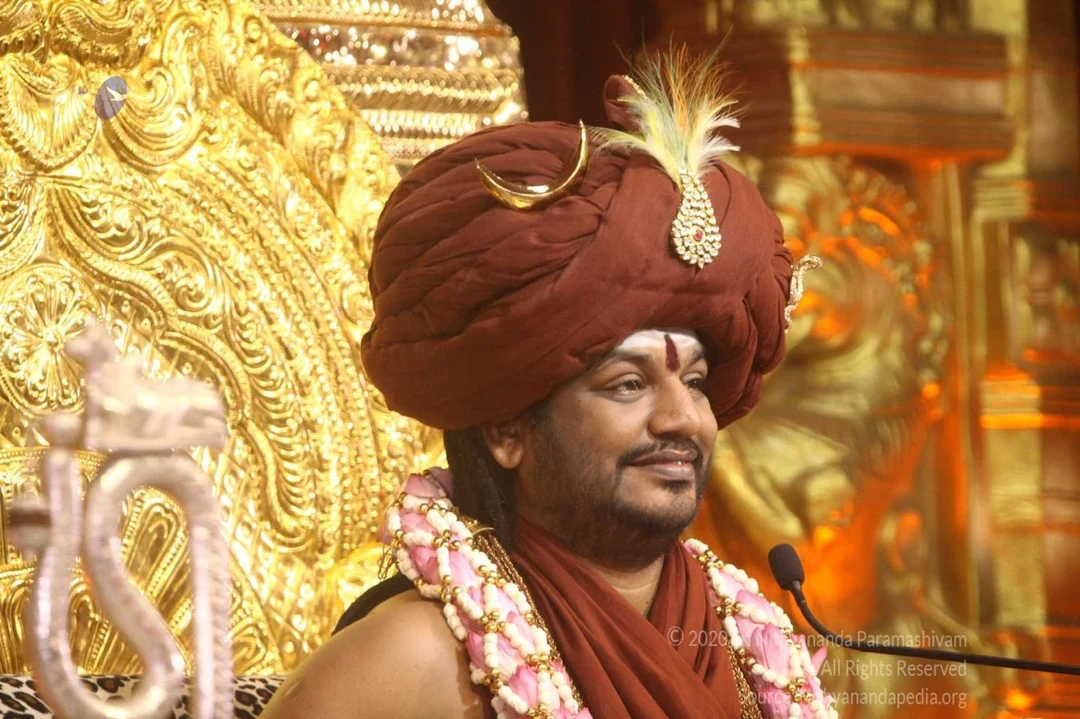 "Everything manifests from your cognitions. It is cognition that manifests everything." - His Divine Holiness Bhagavan Sri Nithyananda Paramashivam
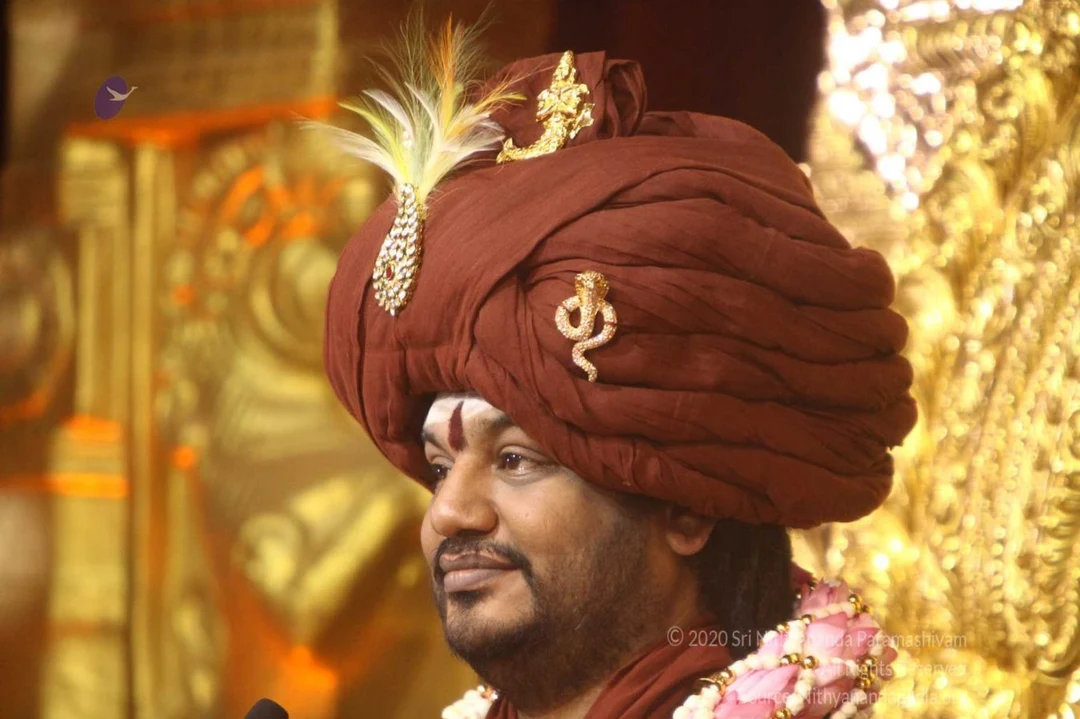 "Everything manifests from your cognitions. It is cognition that manifests everything." - His Divine Holiness Bhagavan Sri Nithyananda Paramashivam
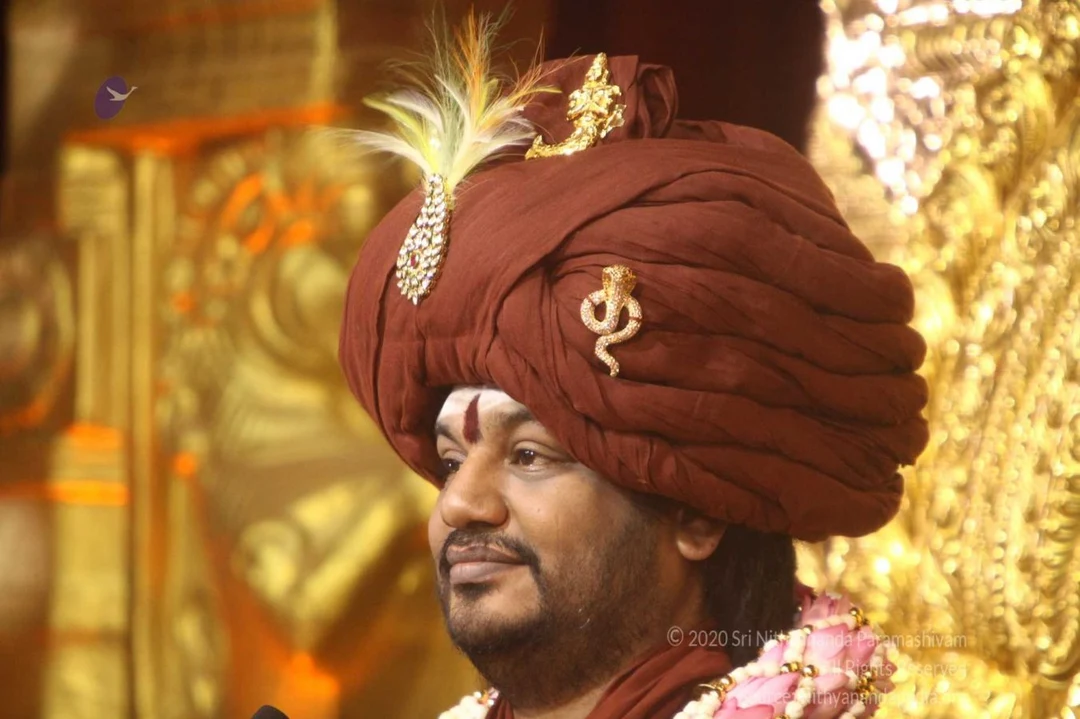 "Everything manifests from your cognitions. It is cognition that manifests everything." - His Divine Holiness Bhagavan Sri Nithyananda Paramashivam
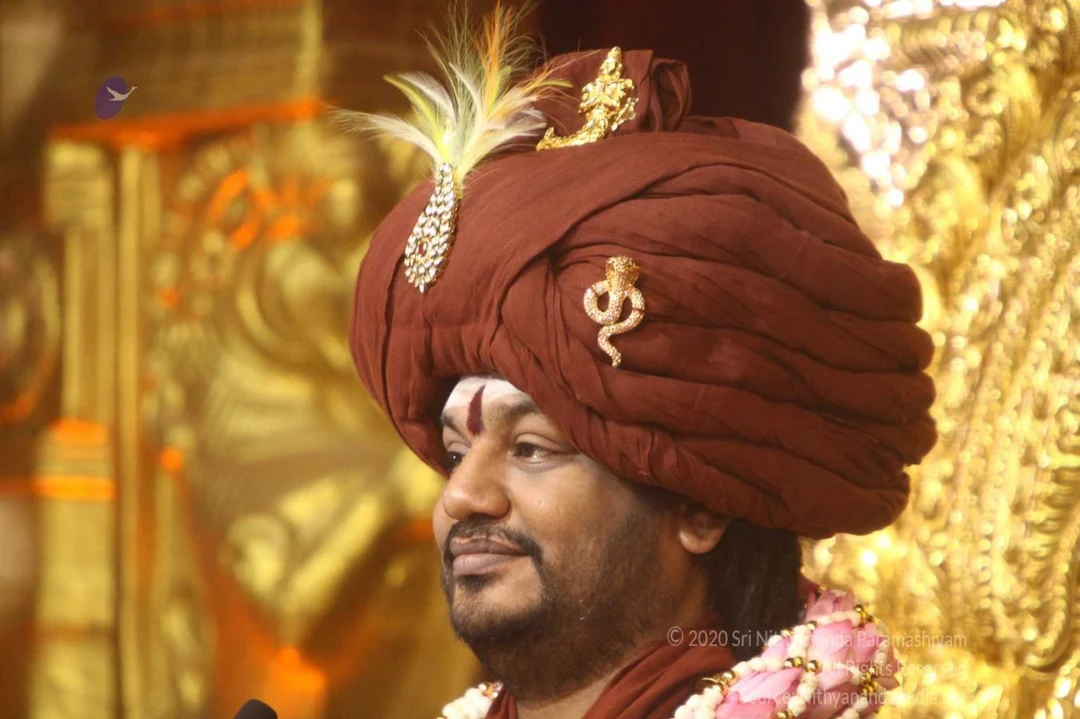 "Everything manifests from your cognitions. It is cognition that manifests everything." - His Divine Holiness Bhagavan Sri Nithyananda Paramashivam
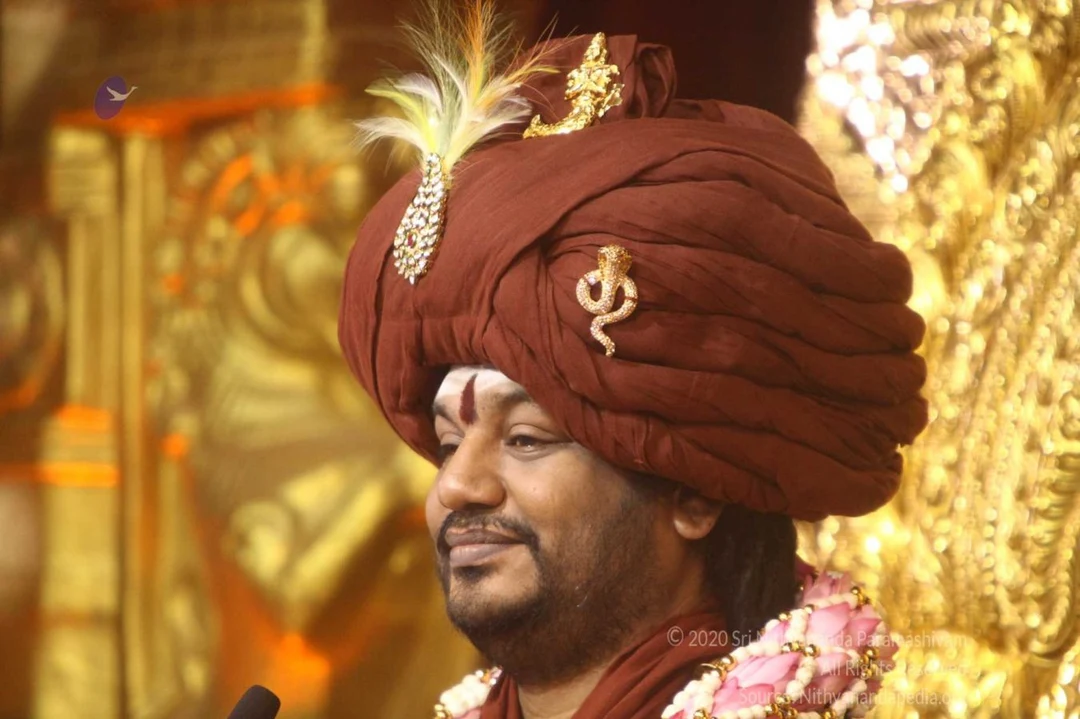 "Everything manifests from your cognitions. It is cognition that manifests everything." - His Divine Holiness Bhagavan Sri Nithyananda Paramashivam
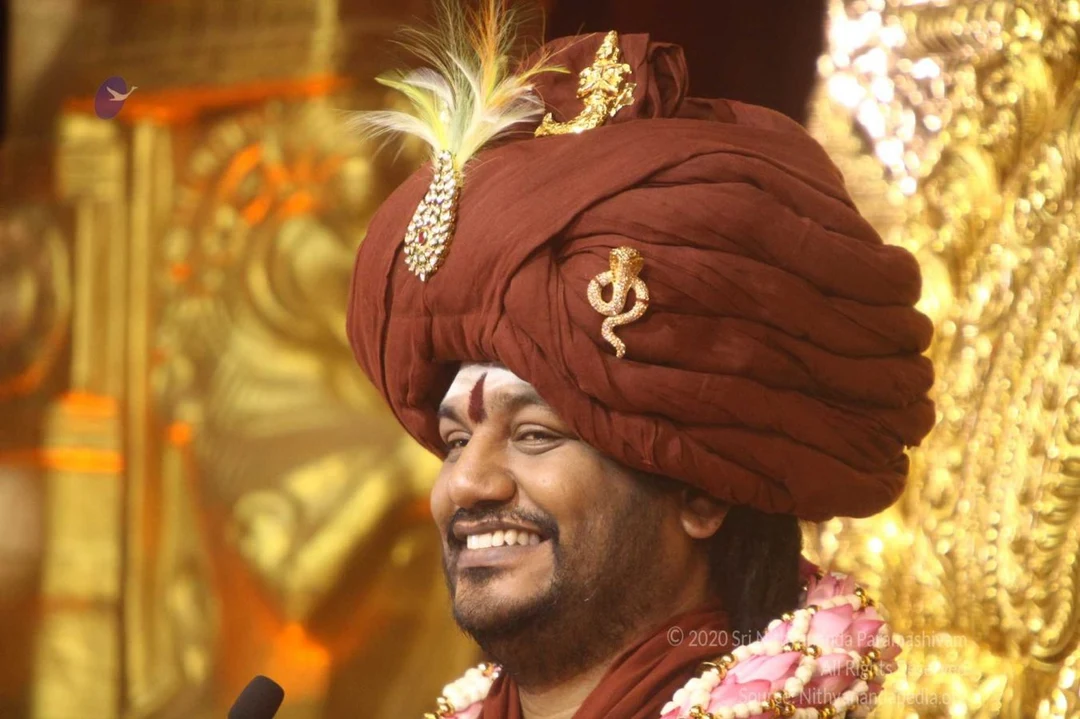 "Everything manifests from your cognitions. It is cognition that manifests everything." - His Divine Holiness Bhagavan Sri Nithyananda Paramashivam
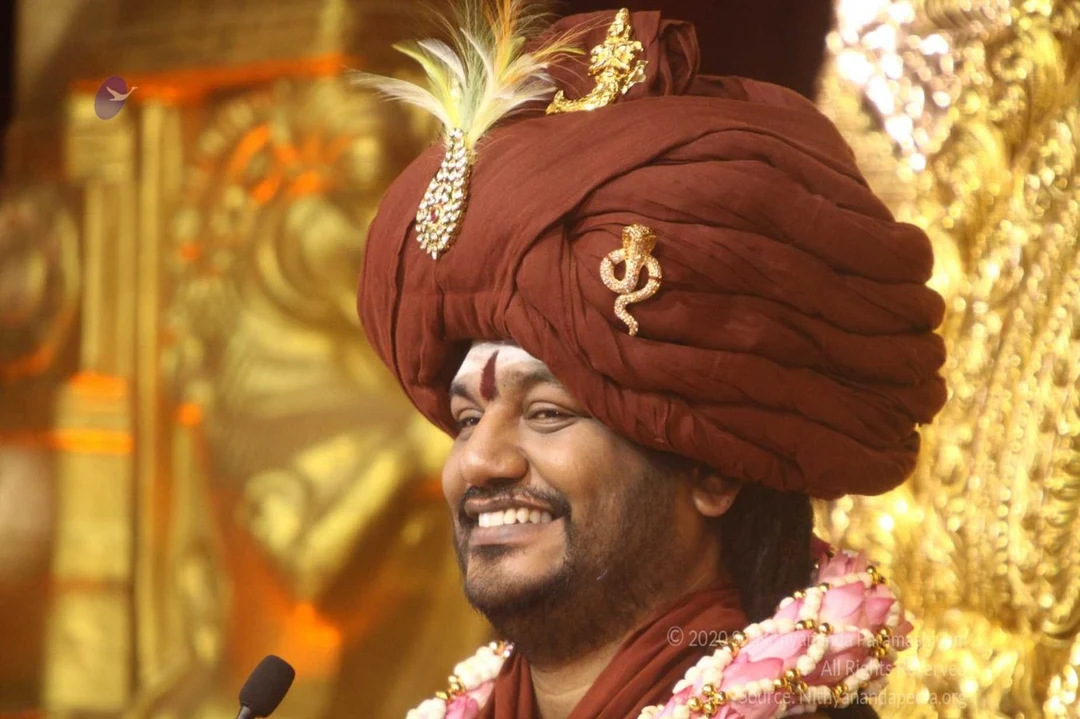 "Everything manifests from your cognitions. It is cognition that manifests everything." - His Divine Holiness Bhagavan Sri Nithyananda Paramashivam
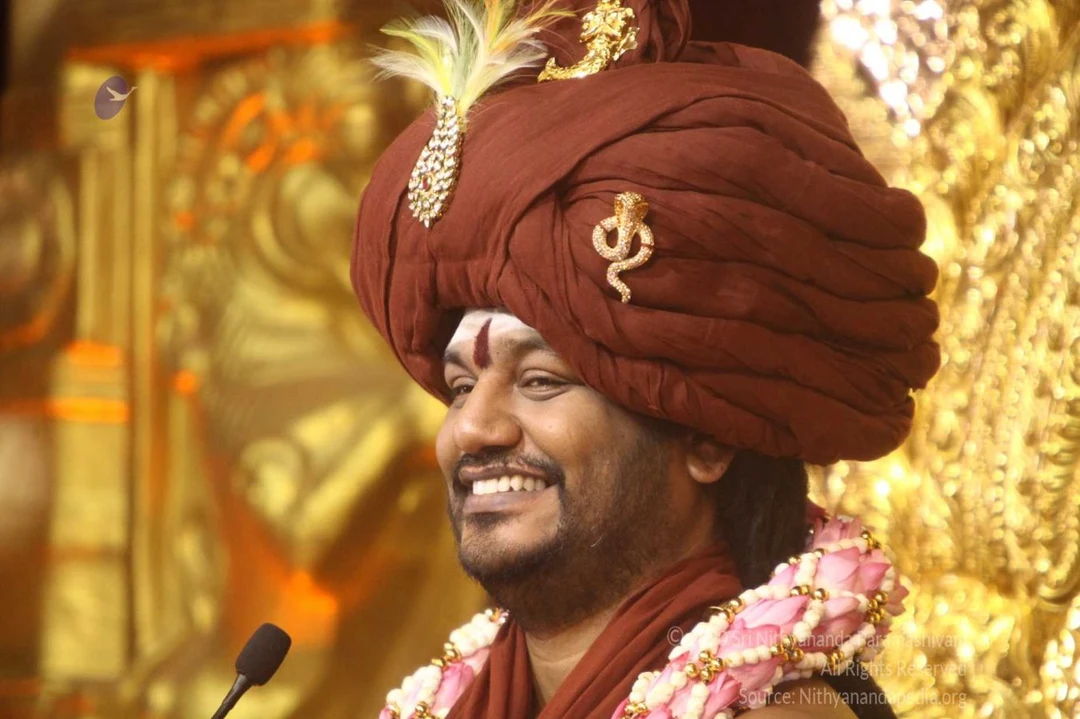 "Everything manifests from your cognitions. It is cognition that manifests everything." - His Divine Holiness Bhagavan Sri Nithyananda Paramashivam
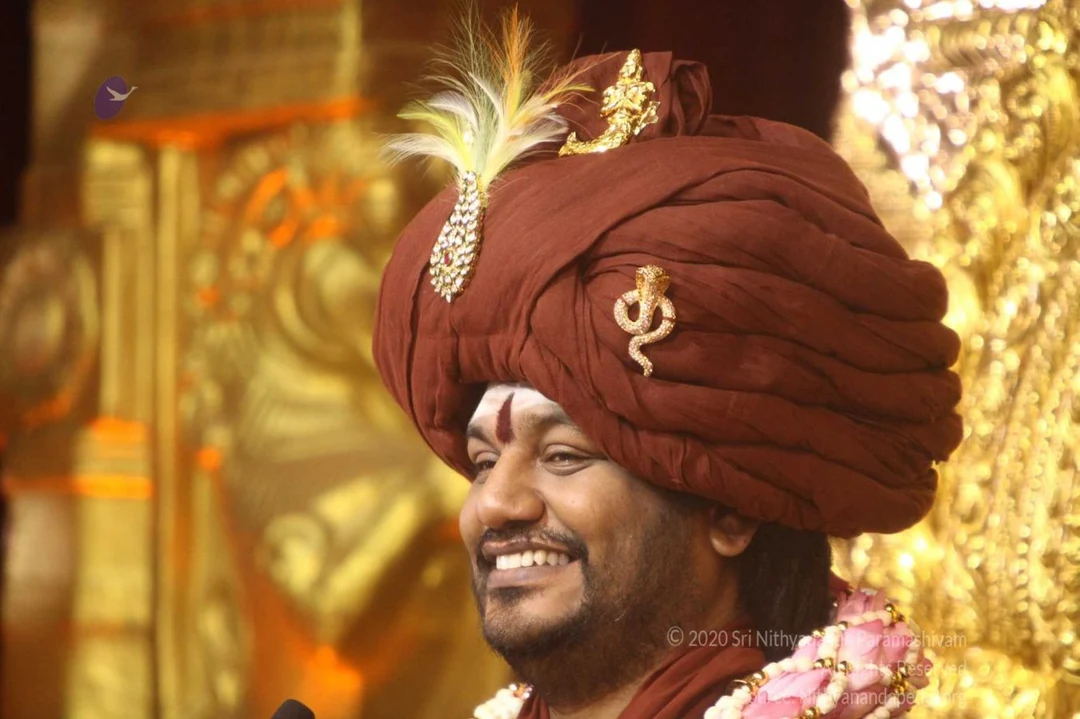 "Everything manifests from your cognitions. It is cognition that manifests everything." - His Divine Holiness Bhagavan Sri Nithyananda Paramashivam
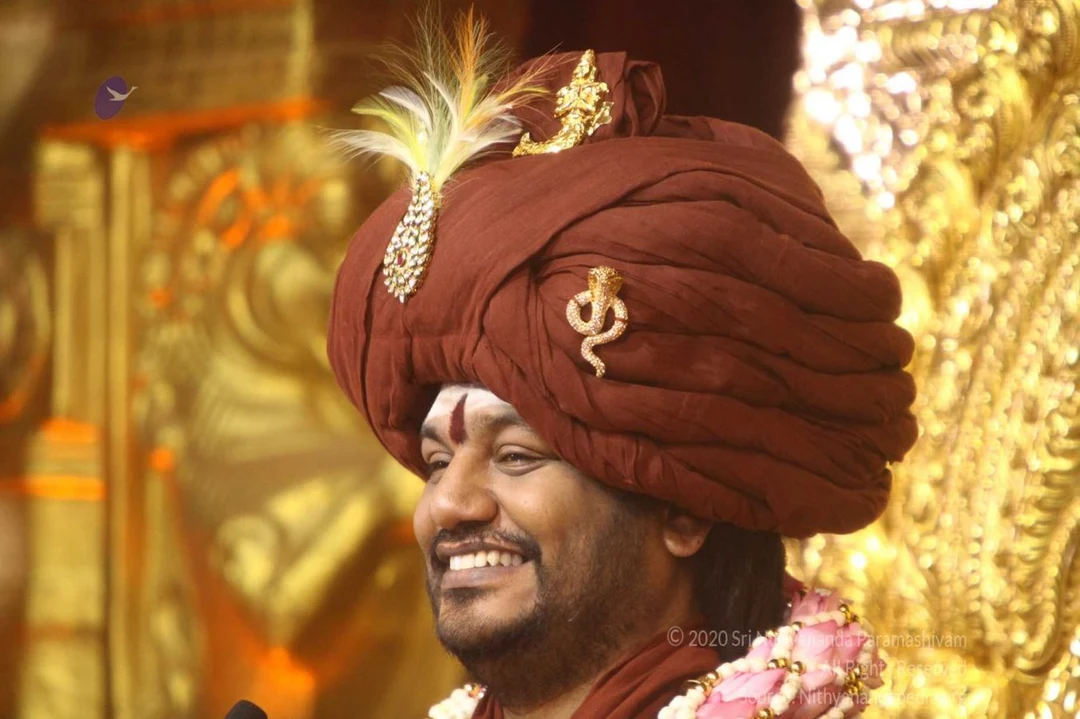 His Divine Holiness shares sacred secrets on the importance of the cognitions we carry about life. Your depth, cognitions matter because that is what you are going to attract in your life, manifest in your life. Anything you experience as reality now, was and is your cognition, anything you decide to make it as your cognitions WILL be your reality.
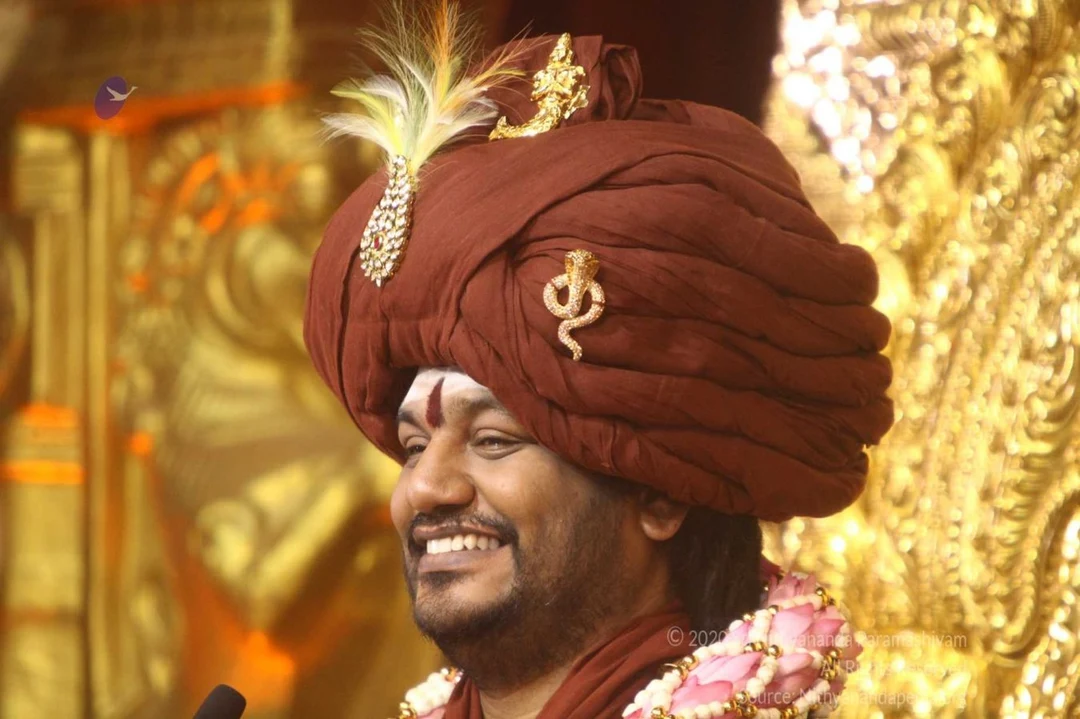 His Divine Holiness shares sacred secrets on the importance of the cognitions we carry about life. Your depth, cognitions matter because that is what you are going to attract in your life, manifest in your life. Anything you experience as reality now, was and is your cognition, anything you decide to make it as your cognitions WILL be your reality.
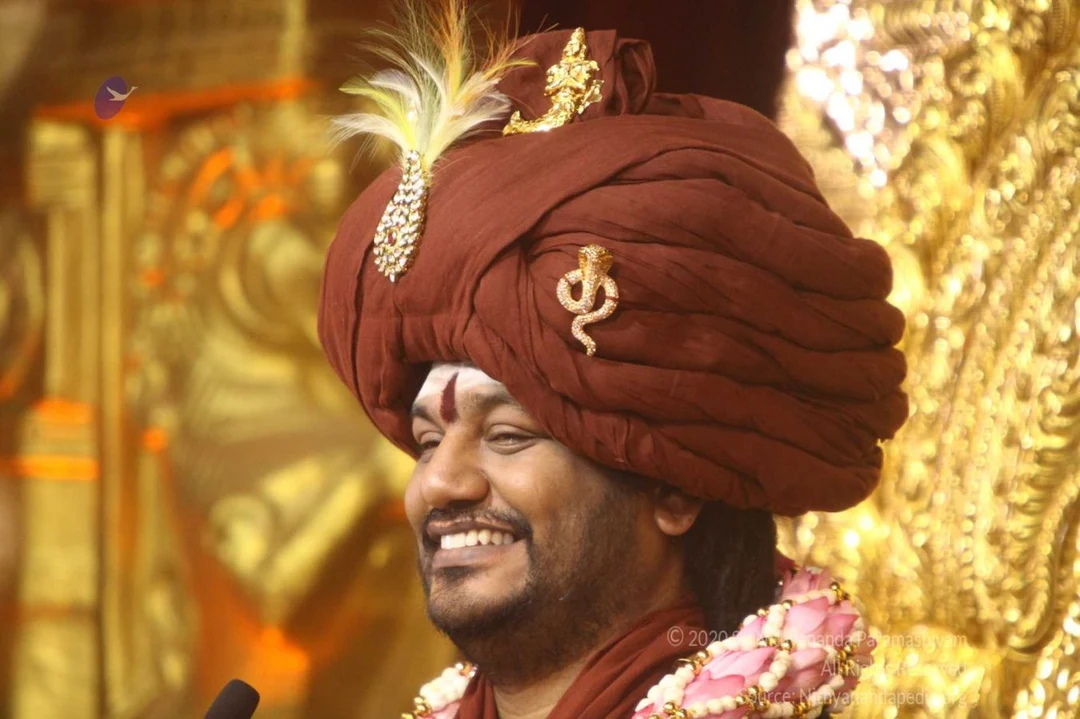 His Divine Holiness shares sacred secrets on the importance of the cognitions we carry about life. Your depth, cognitions matter because that is what you are going to attract in your life, manifest in your life. Anything you experience as reality now, was and is your cognition, anything you decide to make it as your cognitions WILL be your reality.
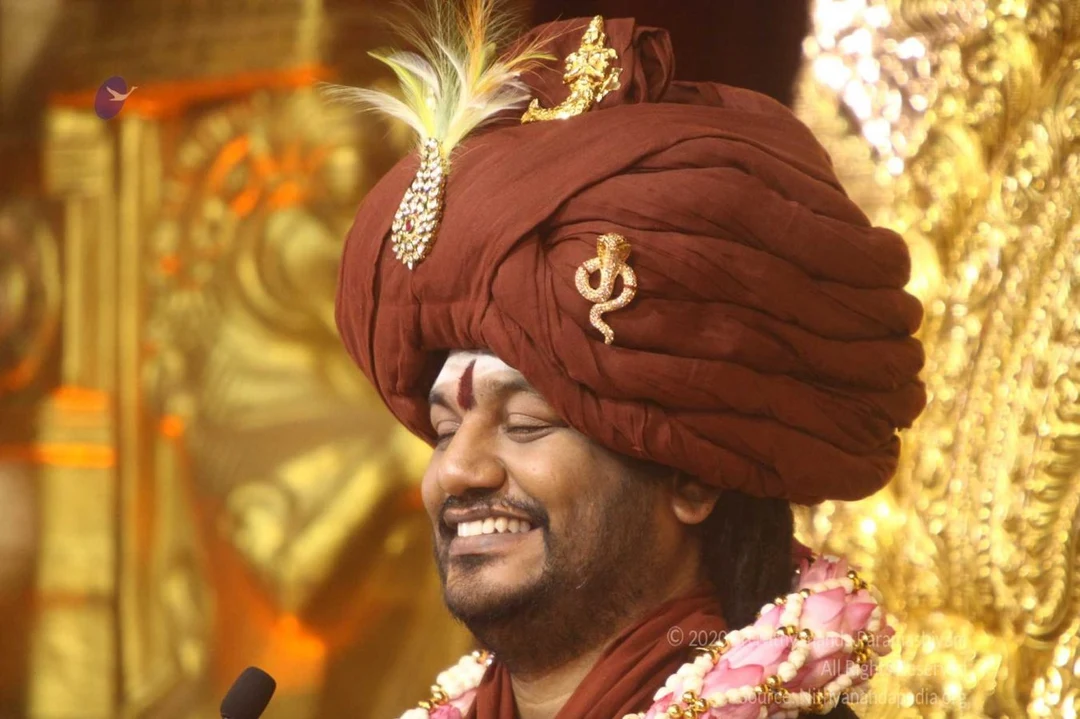 His Divine Holiness shares sacred secrets on the importance of the cognitions we carry about life. Your depth, cognitions matter because that is what you are going to attract in your life, manifest in your life. Anything you experience as reality now, was and is your cognition, anything you decide to make it as your cognitions WILL be your reality.
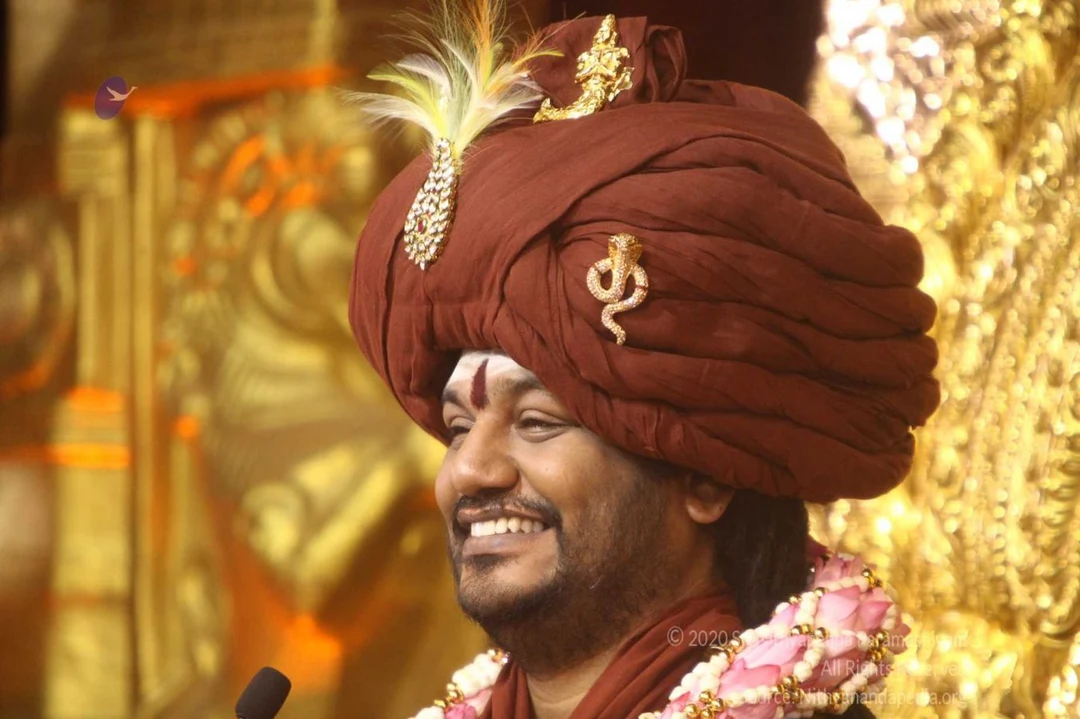 His Divine Holiness shares sacred secrets on the importance of the cognitions we carry about life. Your depth, cognitions matter because that is what you are going to attract in your life, manifest in your life. Anything you experience as reality now, was and is your cognition, anything you decide to make it as your cognitions WILL be your reality.
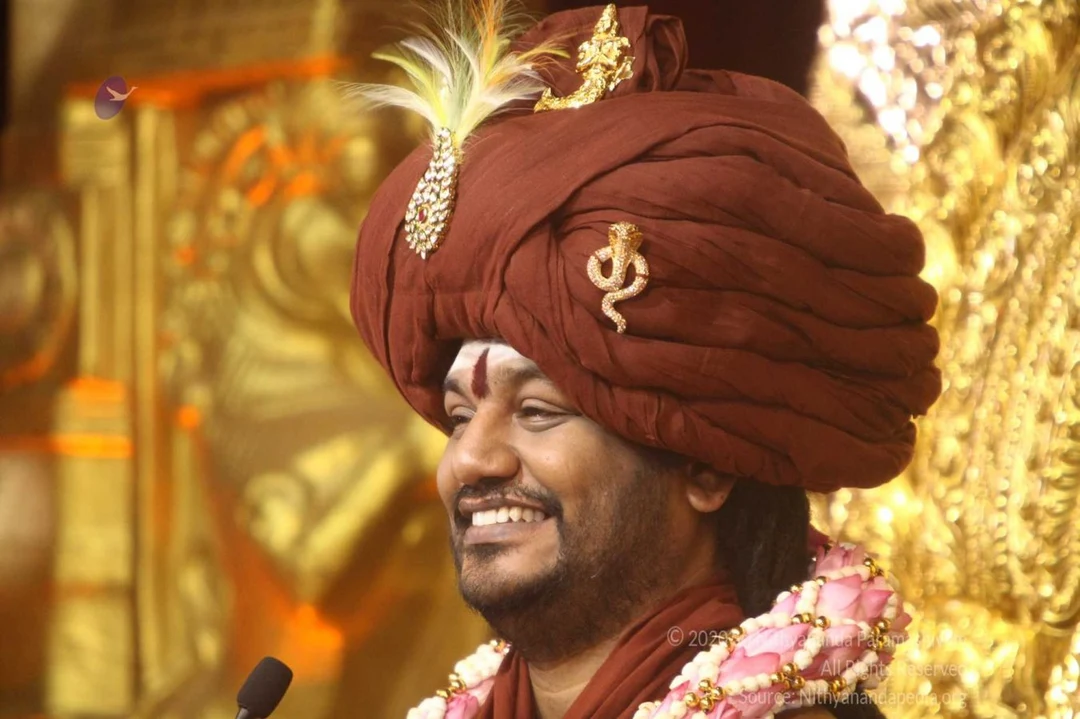 His Divine Holiness shares sacred secrets on the importance of the cognitions we carry about life. Your depth, cognitions matter because that is what you are going to attract in your life, manifest in your life. Anything you experience as reality now, was and is your cognition, anything you decide to make it as your cognitions WILL be your reality.
 His Divine Holiness shares sacred secrets on the importance of the cognitions we carry about life. Your depth, cognitions matter because that is what you are going to attract in your life, manifest in your life. Anything you experience as reality now, was and is your cognition, anything you decide to make it as your cognitions WILL be your reality.
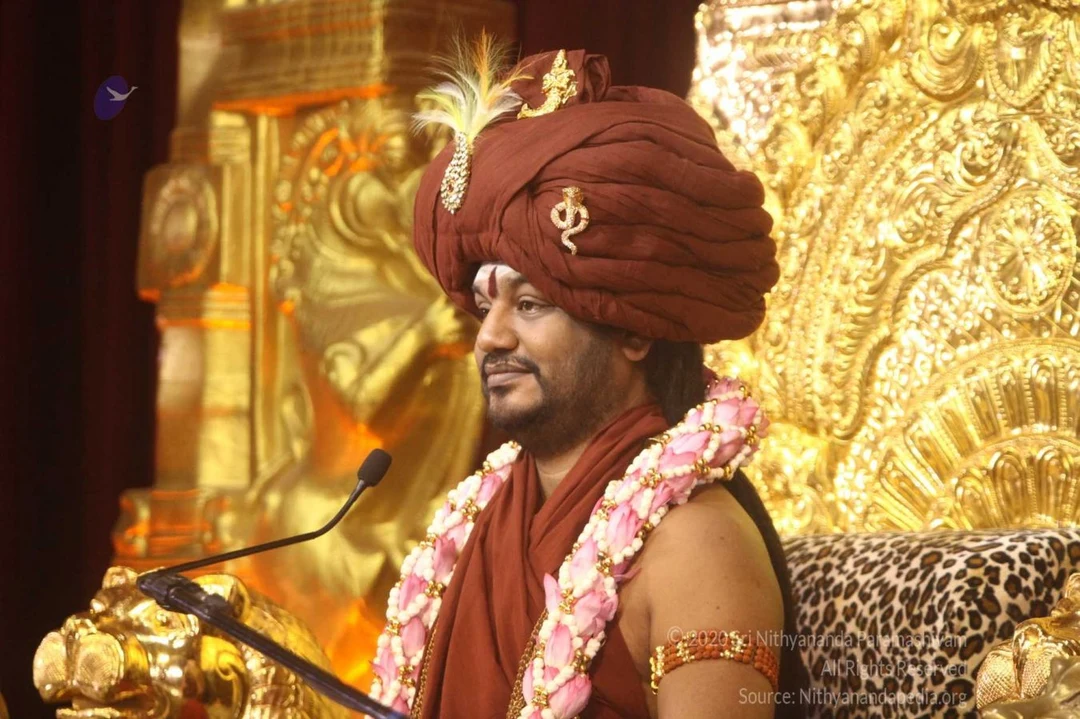 His Divine Holiness shares sacred secrets on the importance of the cognitions we carry about life. Your depth, cognitions matter because that is what you are going to attract in your life, manifest in your life. Anything you experience as reality now, was and is your cognition, anything you decide to make it as your cognitions WILL be your reality.
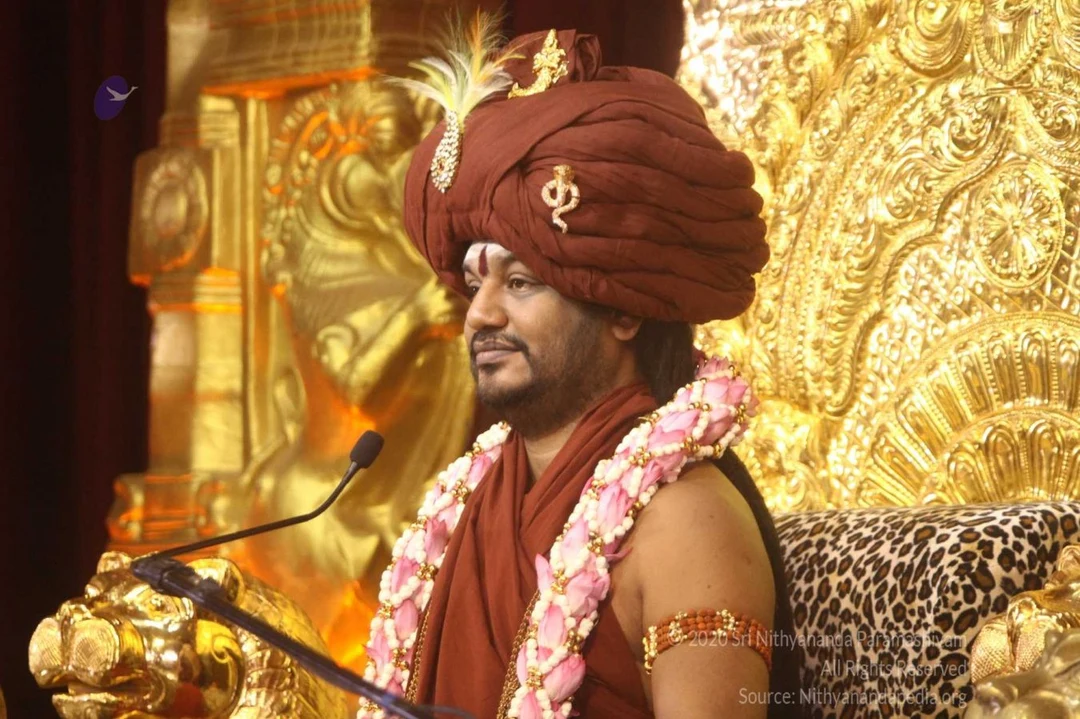 His Divine Holiness shares sacred secrets on the importance of the cognitions we carry about life. Your depth, cognitions matter because that is what you are going to attract in your life, manifest in your life. Anything you experience as reality now, was and is your cognition, anything you decide to make it as your cognitions WILL be your reality.
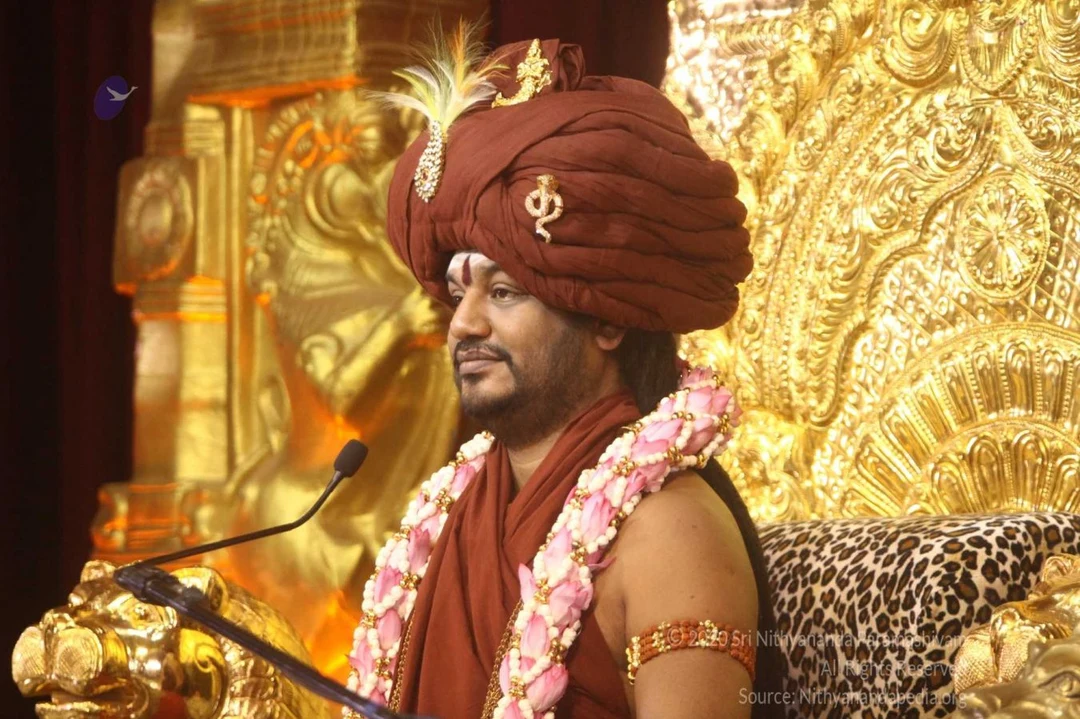 His Divine Holiness shares sacred secrets on the importance of the cognitions we carry about life. Your depth, cognitions matter because that is what you are going to attract in your life, manifest in your life. Anything you experience as reality now, was and is your cognition, anything you decide to make it as your cognitions WILL be your reality.
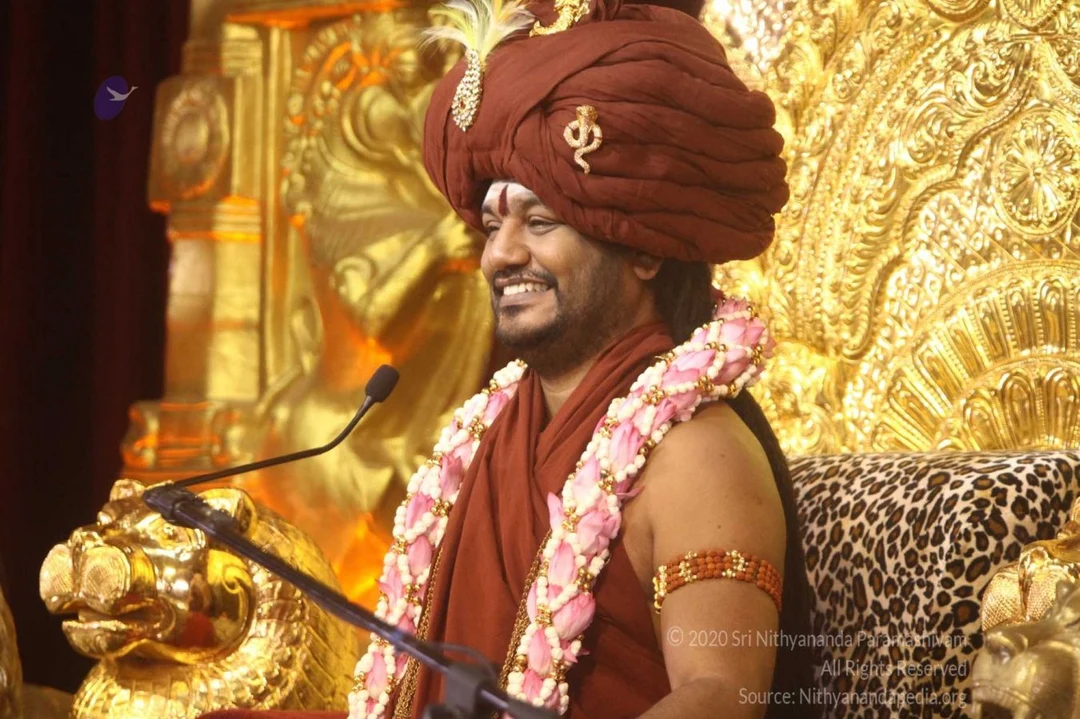 His Divine Holiness shares sacred secrets on the importance of the cognitions we carry about life. Your depth, cognitions matter because that is what you are going to attract in your life, manifest in your life. Anything you experience as reality now, was and is your cognition, anything you decide to make it as your cognitions WILL be your reality.
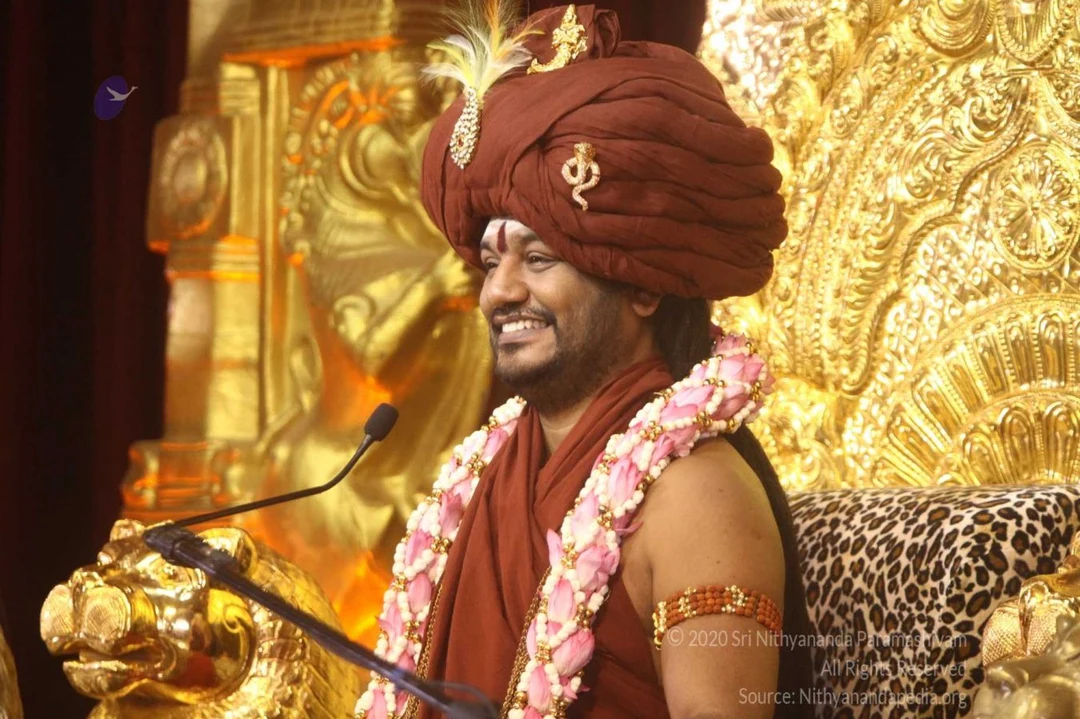 His Divine Holiness shares sacred secrets on the importance of the cognitions we carry about life. Your depth, cognitions matter because that is what you are going to attract in your life, manifest in your life. Anything you experience as reality now, was and is your cognition, anything you decide to make it as your cognitions WILL be your reality.
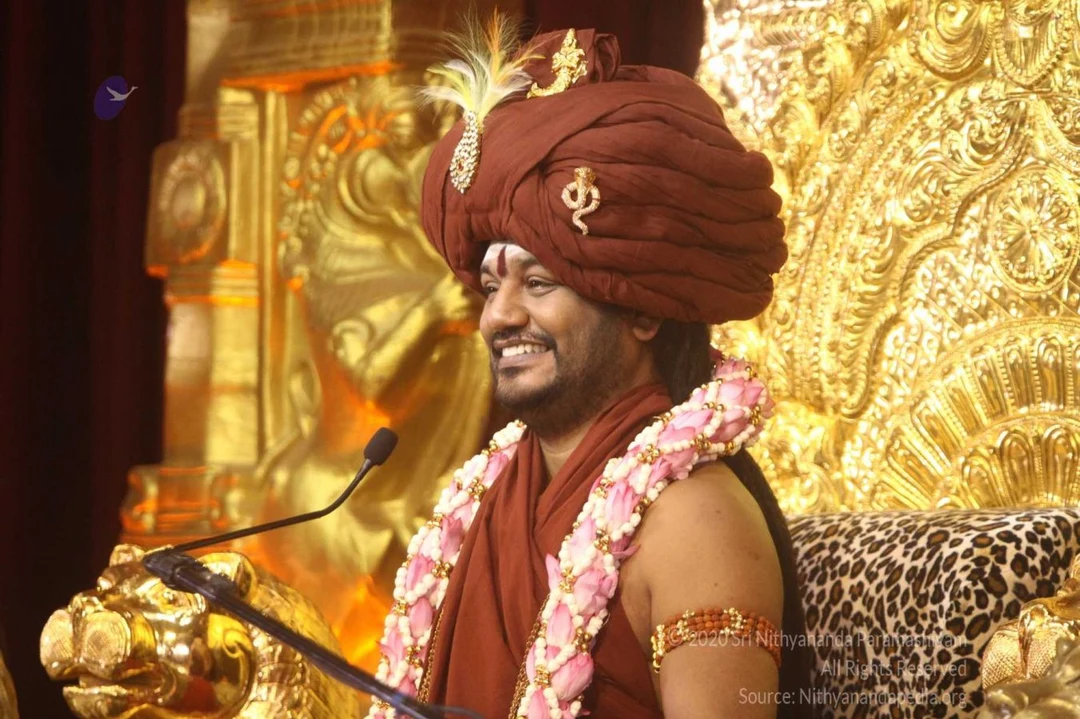 His Divine Holiness shares sacred secrets on the importance of the cognitions we carry about life. Your depth, cognitions matter because that is what you are going to attract in your life, manifest in your life. Anything you experience as reality now, was and is your cognition, anything you decide to make it as your cognitions WILL be your reality.
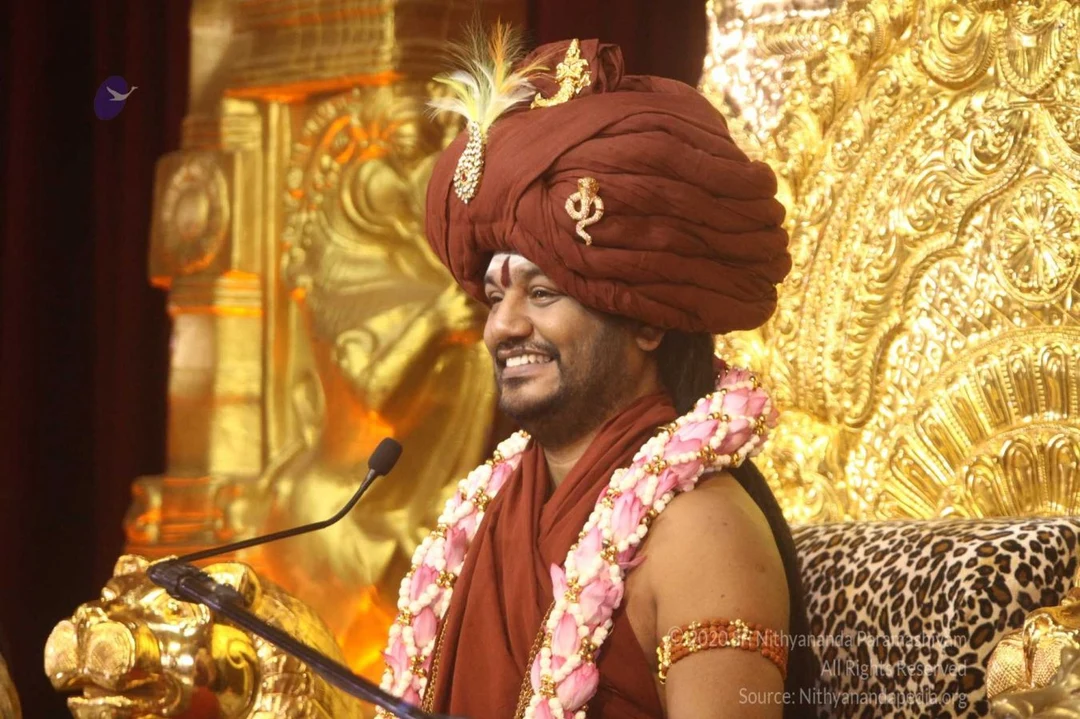 His Divine Holiness shares sacred secrets on the importance of the cognitions we carry about life. Your depth, cognitions matter because that is what you are going to attract in your life, manifest in your life. Anything you experience as reality now, was and is your cognition, anything you decide to make it as your cognitions WILL be your reality.
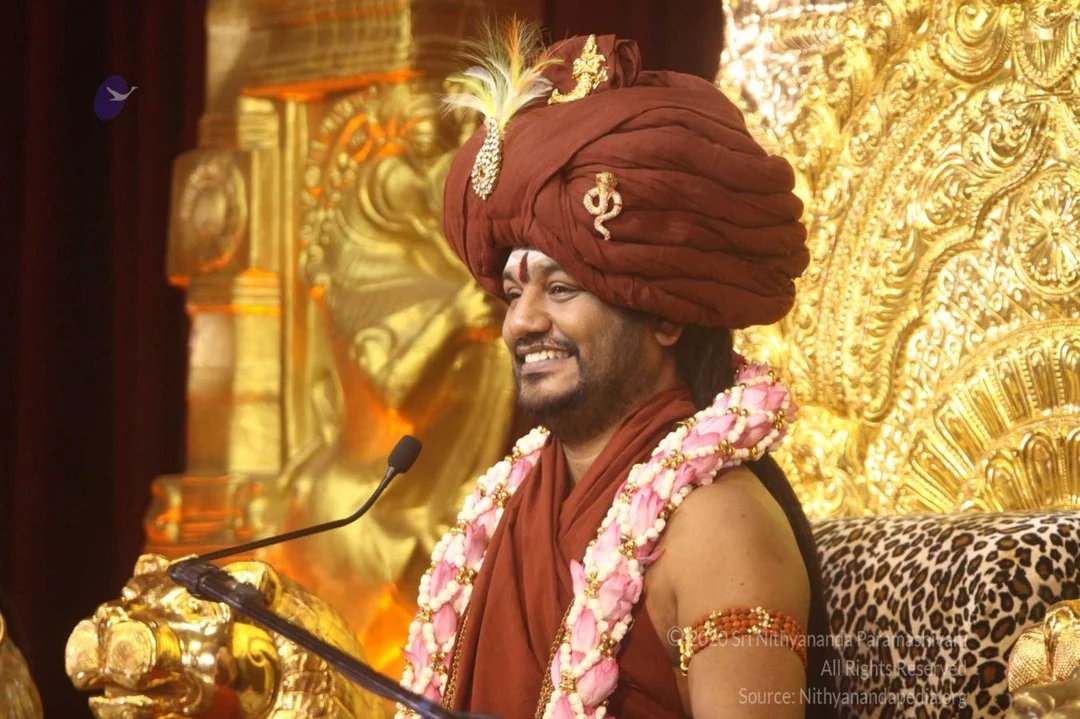 His Divine Holiness shares sacred secrets on the importance of the cognitions we carry about life. Your depth, cognitions matter because that is what you are going to attract in your life, manifest in your life. Anything you experience as reality now, was and is your cognition, anything you decide to make it as your cognitions WILL be your reality.
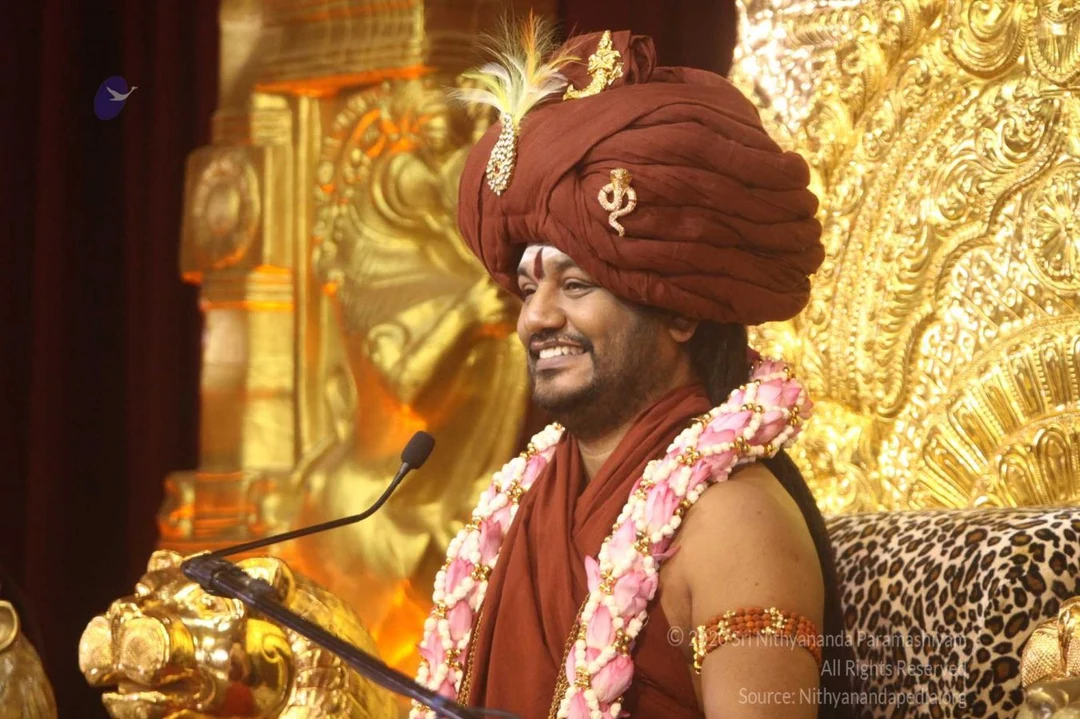 His Divine Holiness shares sacred secrets on the importance of the cognitions we carry about life. Your depth, cognitions matter because that is what you are going to attract in your life, manifest in your life. Anything you experience as reality now, was and is your cognition, anything you decide to make it as your cognitions WILL be your reality.
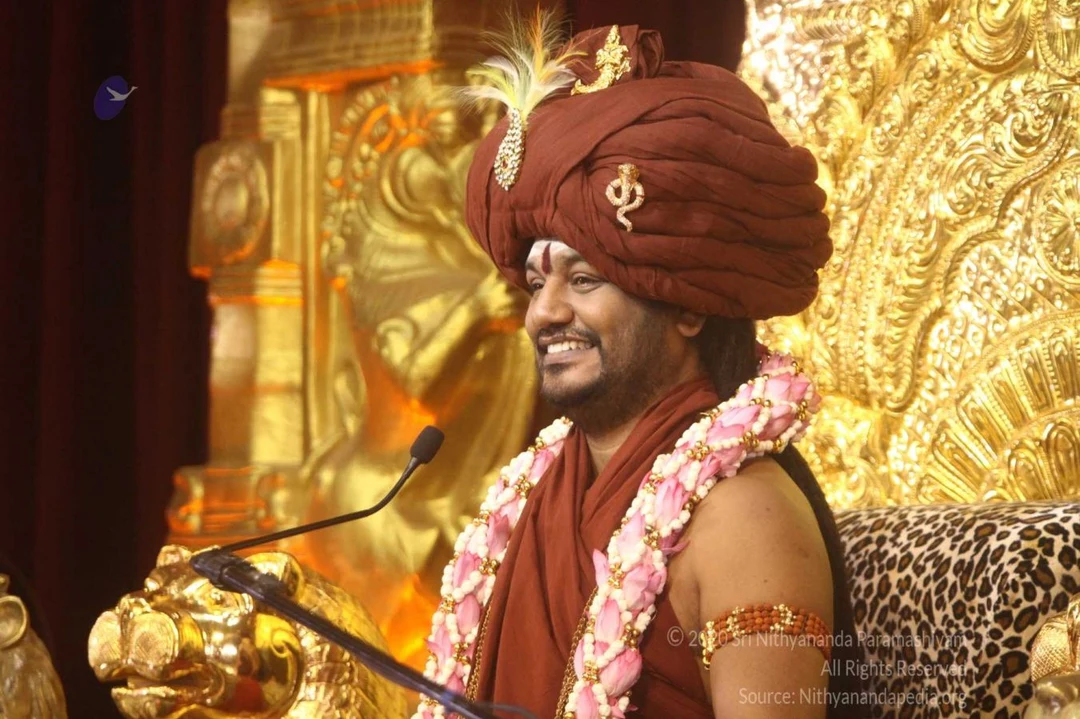 His Divine Holiness shares sacred secrets on the importance of the cognitions we carry about life. Your depth, cognitions matter because that is what you are going to attract in your life, manifest in your life. Anything you experience as reality now, was and is your cognition, anything you decide to make it as your cognitions WILL be your reality.
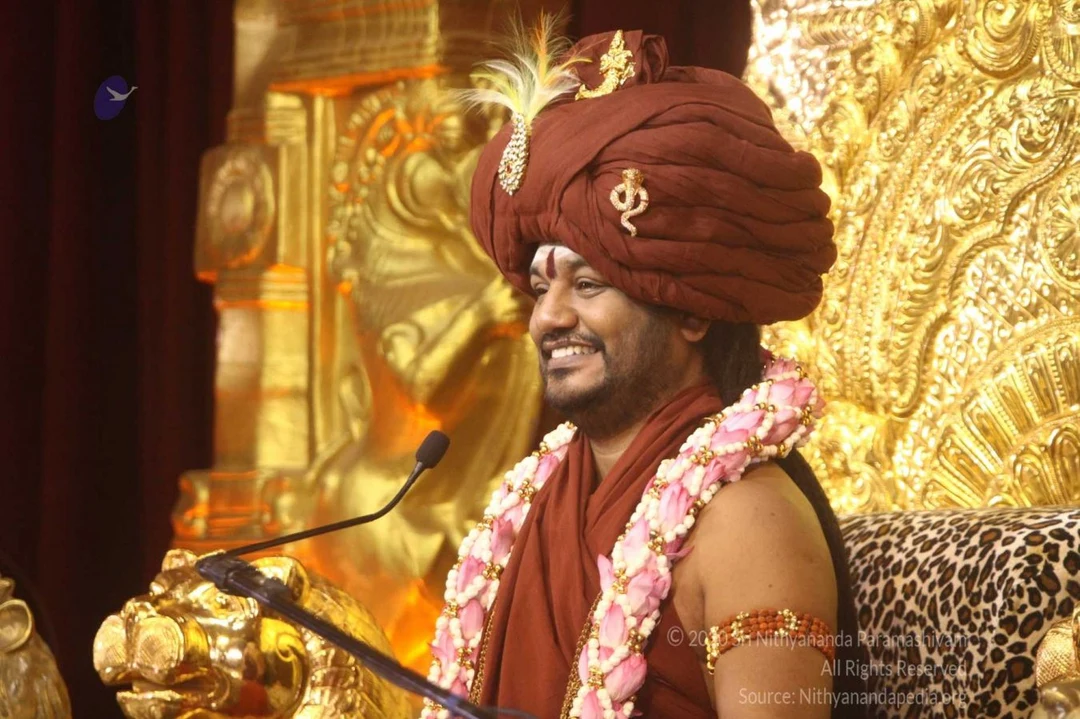 His Divine Holiness shares sacred secrets on the importance of the cognitions we carry about life. Your depth, cognitions matter because that is what you are going to attract in your life, manifest in your life. Anything you experience as reality now, was and is your cognition, anything you decide to make it as your cognitions WILL be your reality.
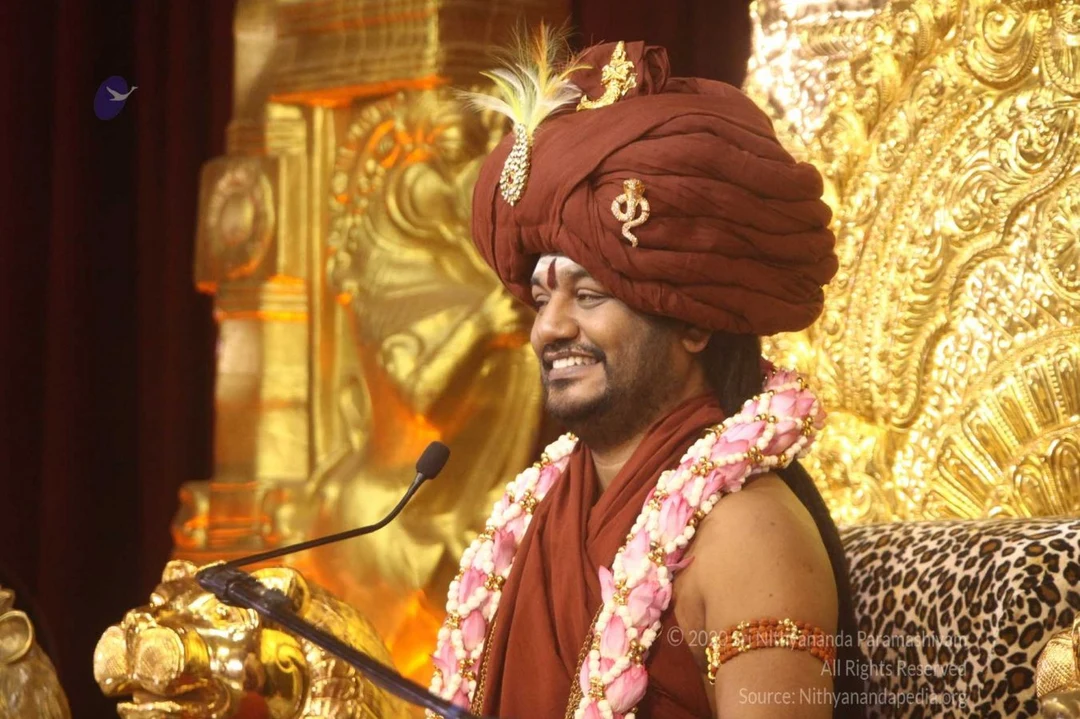 His Divine Holiness shares sacred secrets on the importance of the cognitions we carry about life. Your depth, cognitions matter because that is what you are going to attract in your life, manifest in your life. Anything you experience as reality now, was and is your cognition, anything you decide to make it as your cognitions WILL be your reality.
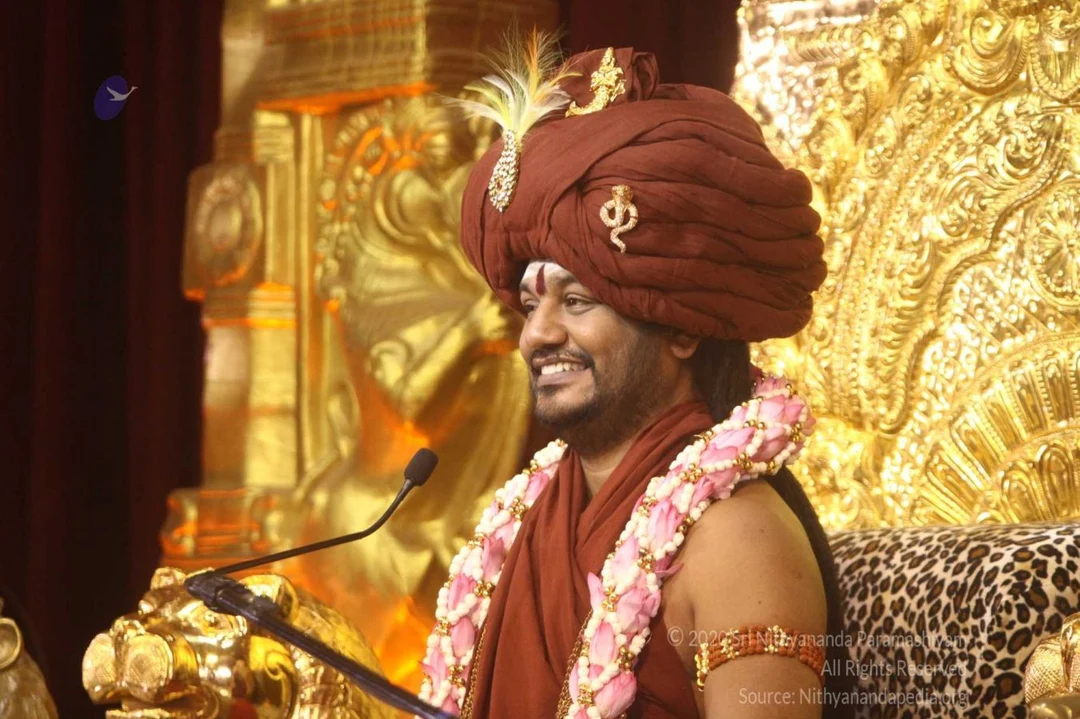 His Divine Holiness shares sacred secrets on the importance of the cognitions we carry about life. Your depth, cognitions matter because that is what you are going to attract in your life, manifest in your life. Anything you experience as reality now, was and is your cognition, anything you decide to make it as your cognitions WILL be your reality.
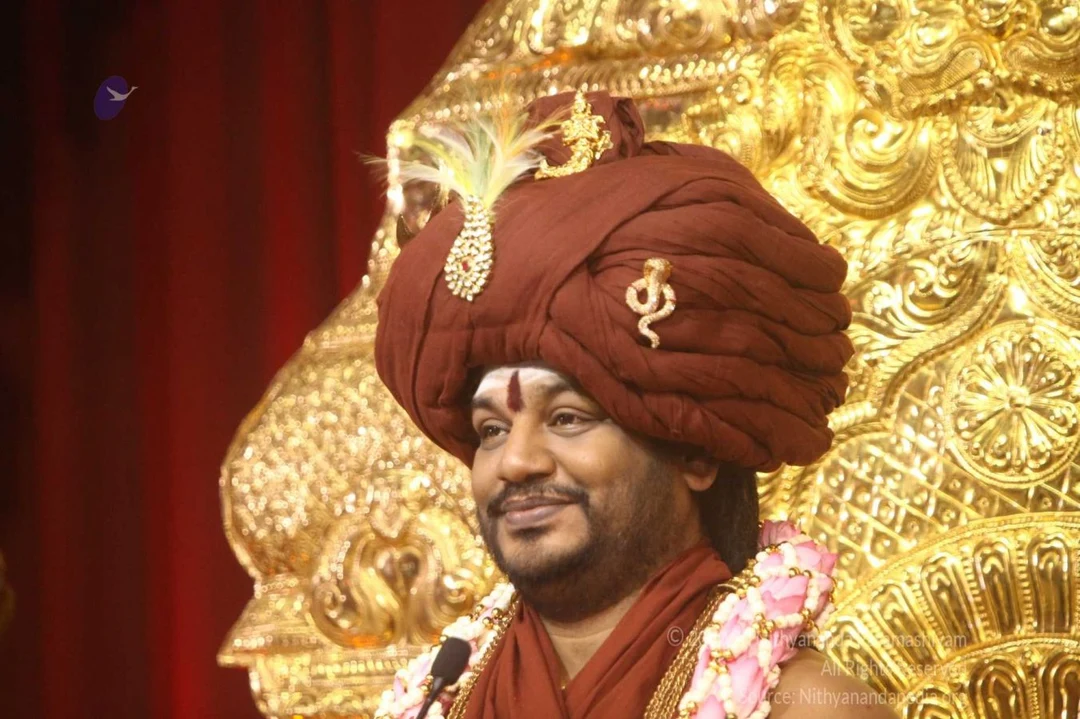 His Divine Holiness shares sacred secrets on the importance of the cognitions we carry about life. Your depth, cognitions matter because that is what you are going to attract in your life, manifest in your life. Anything you experience as reality now, was and is your cognition, anything you decide to make it as your cognitions WILL be your reality.
 His Divine Holiness shares sacred secrets on the importance of the cognitions we carry about life. Your depth, cognitions matter because that is what you are going to attract in your life, manifest in your life. Anything you experience as reality now, was and is your cognition, anything you decide to make it as your cognitions WILL be your reality.
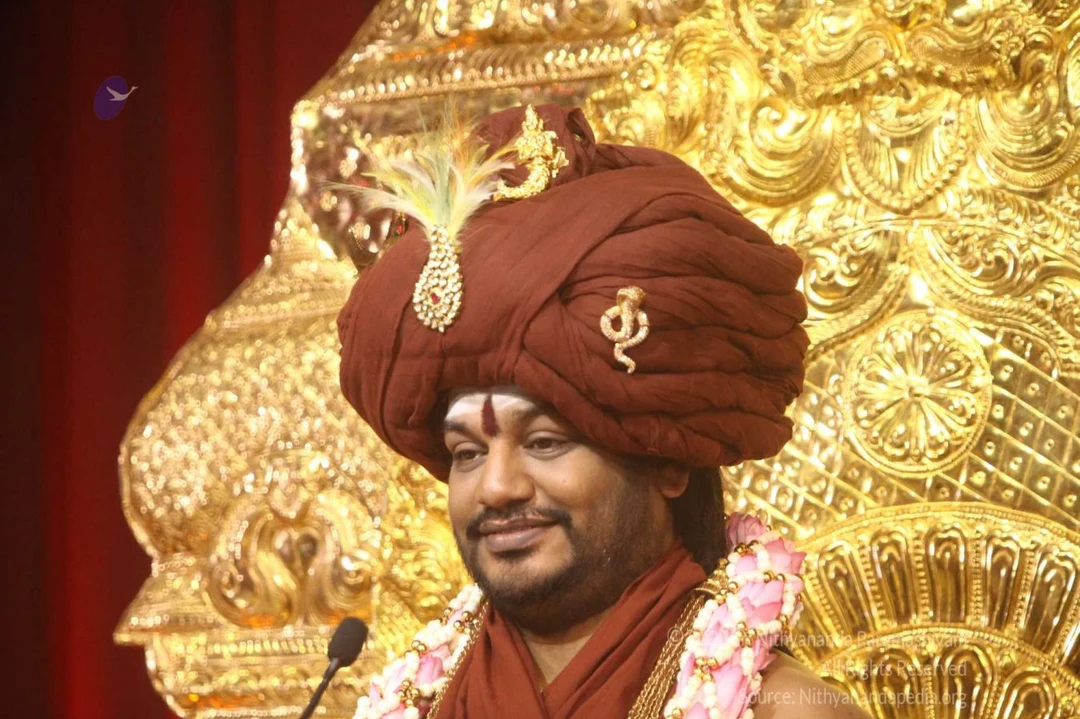 His Divine Holiness shares sacred secrets on the importance of the cognitions we carry about life. Your depth, cognitions matter because that is what you are going to attract in your life, manifest in your life. Anything you experience as reality now, was and is your cognition, anything you decide to make it as your cognitions WILL be your reality.
 His Divine Holiness shares sacred secrets on the importance of the cognitions we carry about life. Your depth, cognitions matter because that is what you are going to attract in your life, manifest in your life. Anything you experience as reality now, was and is your cognition, anything you decide to make it as your cognitions WILL be your reality.
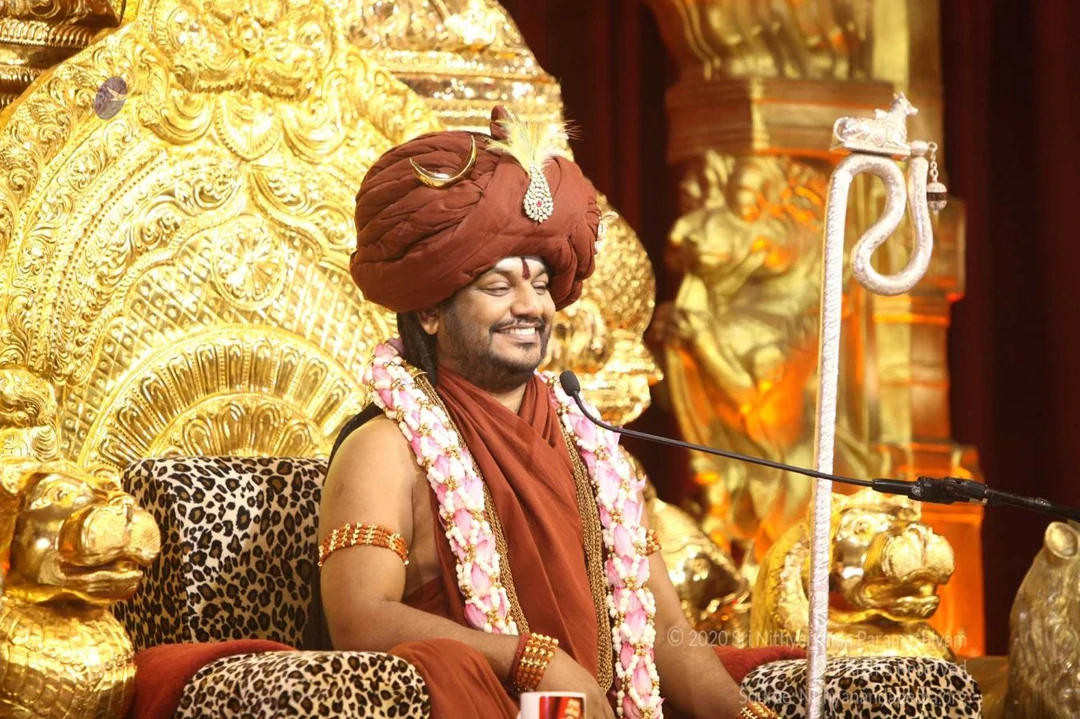 His Divine Holiness shares sacred secrets on the importance of the cognitions we carry about life. Your depth, cognitions matter because that is what you are going to attract in your life, manifest in your life. Anything you experience as reality now, was and is your cognition, anything you decide to make it as your cognitions WILL be your reality.
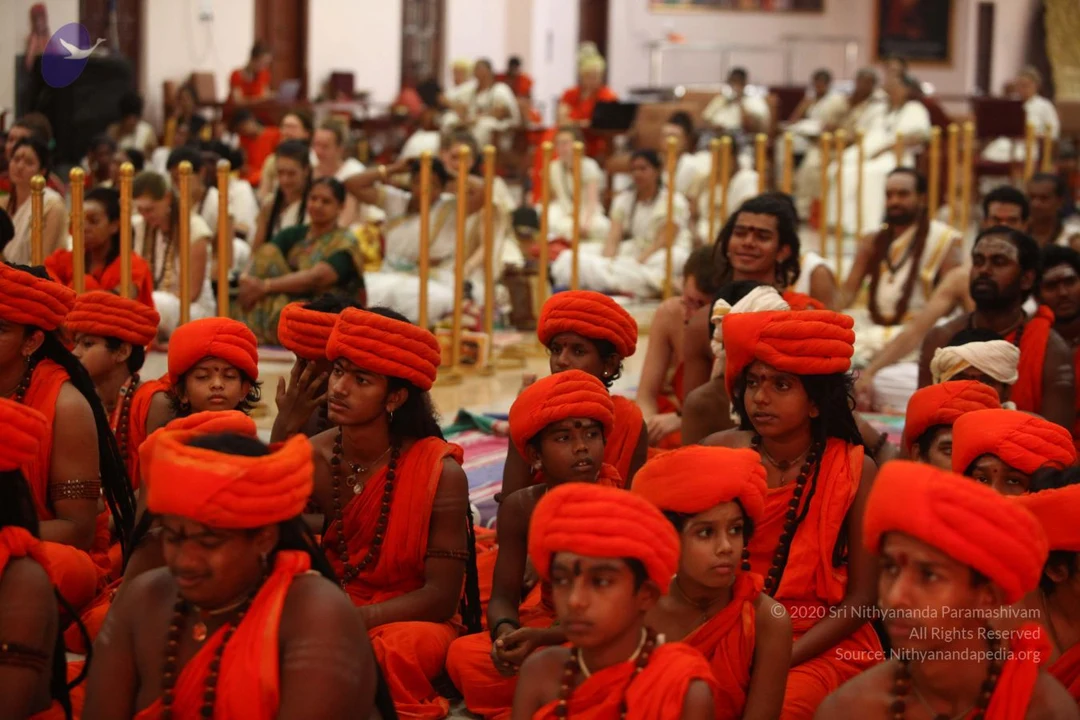
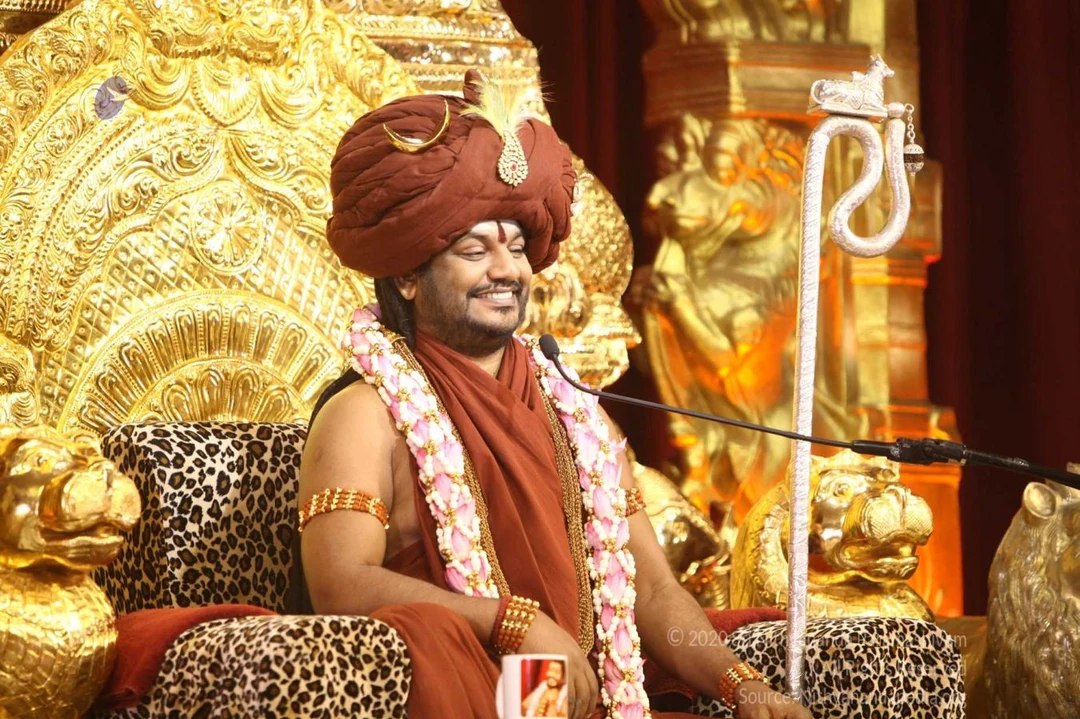 Nithya Satsang with His Divine Holiness Bhagavan Sri Nithyananda Paramashivam on "Secrets to Manifest Life Positive Right Cognitions"
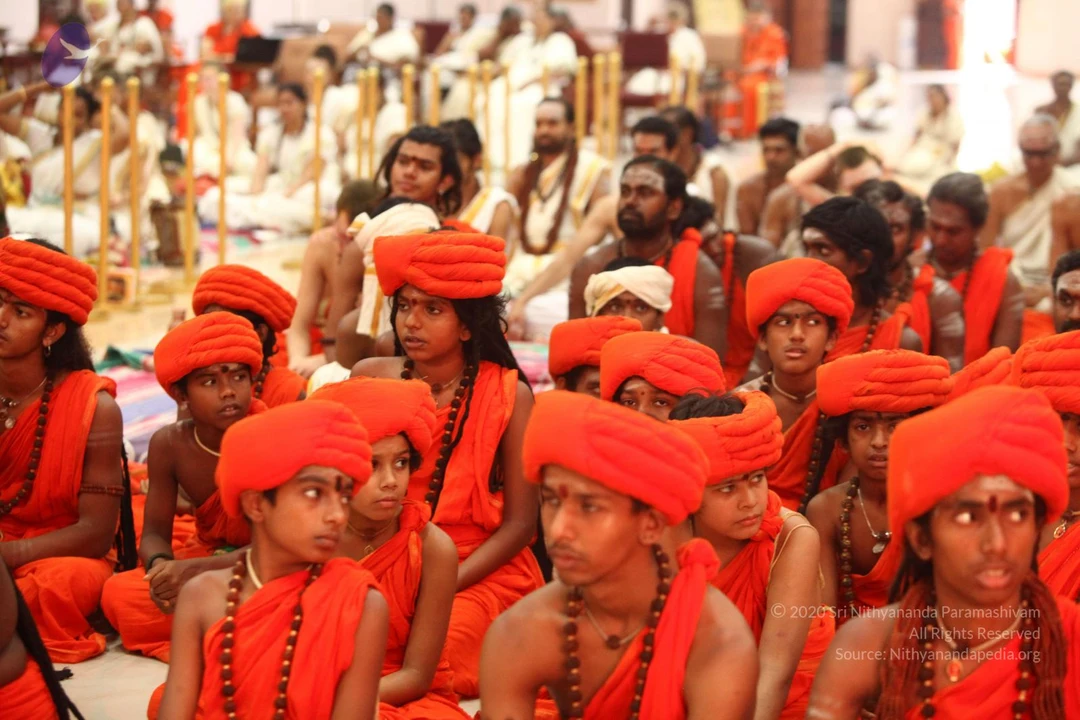
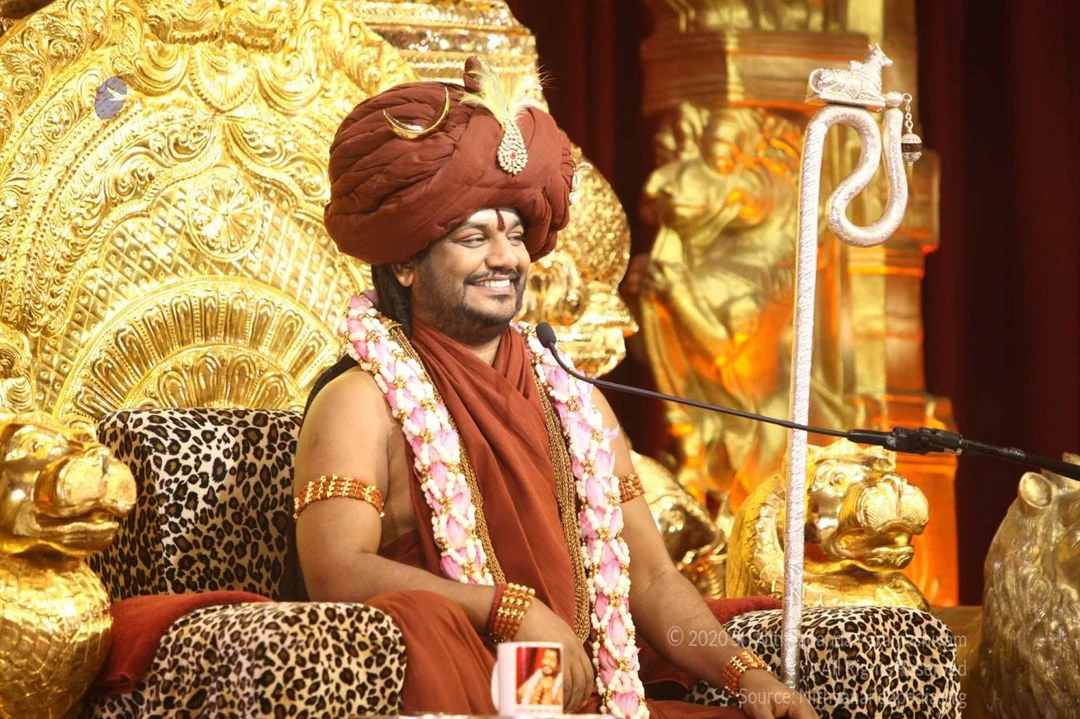 Nithya Satsang with His Divine Holiness Bhagavan Sri Nithyananda Paramashivam on "Secrets to Manifest Life Positive Right Cognitions"
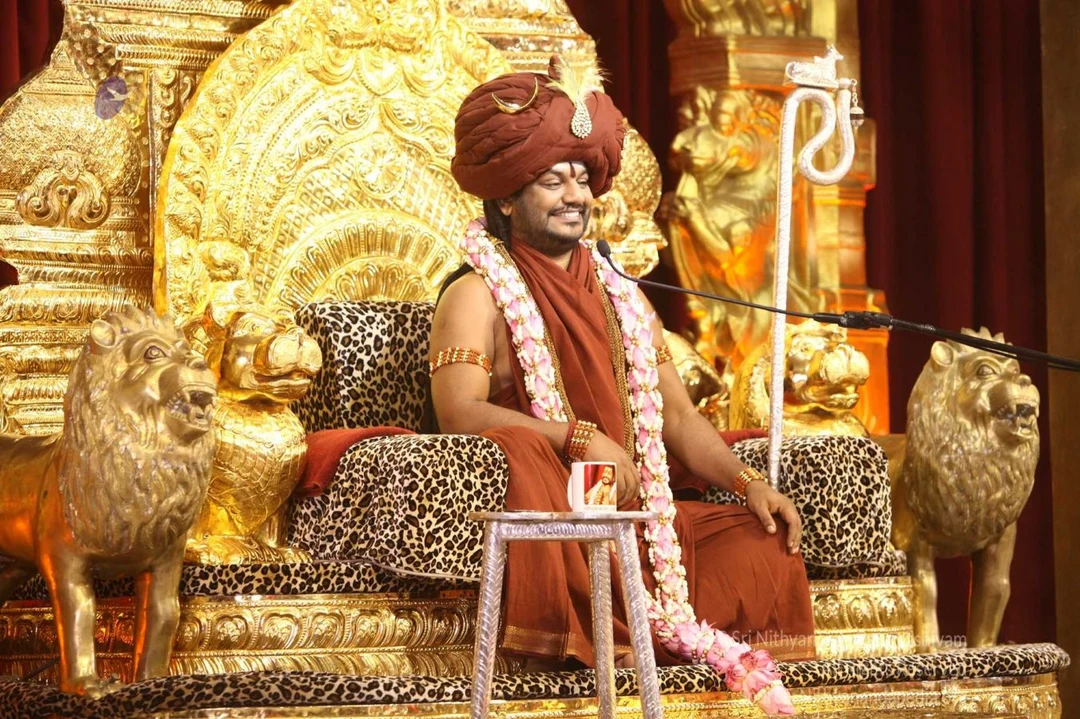 Nithya Satsang with His Divine Holiness Bhagavan Sri Nithyananda Paramashivam on "Secrets to Manifest Life Positive Right Cognitions"
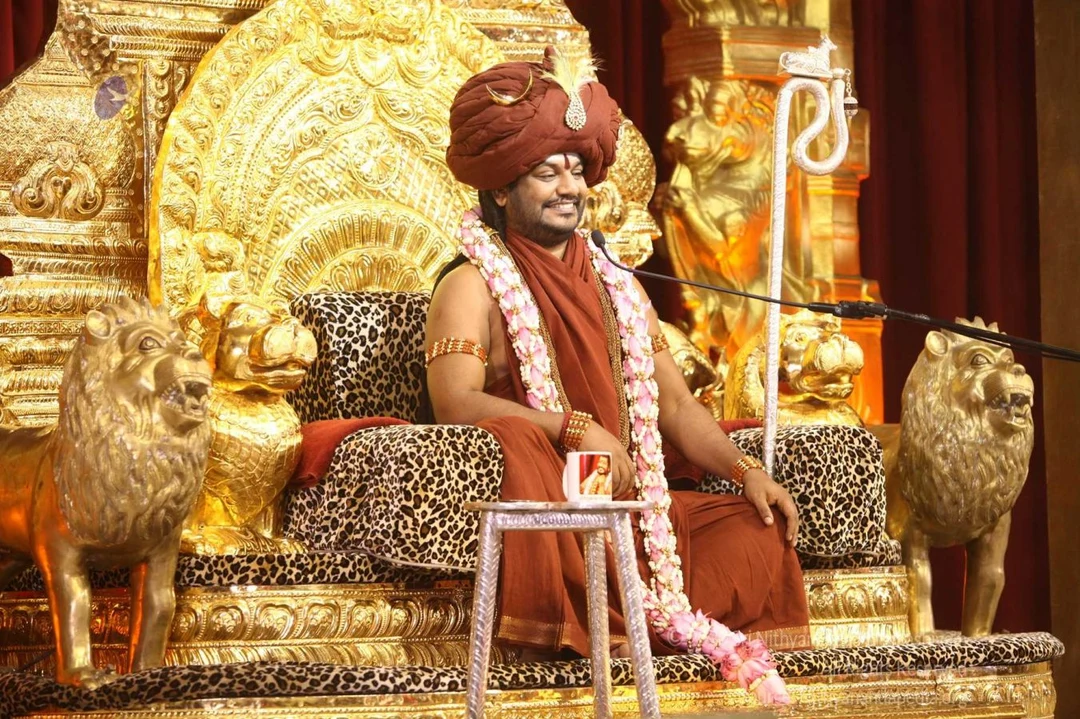 Nithya Satsang with His Divine Holiness Bhagavan Sri Nithyananda Paramashivam on "Secrets to Manifest Life Positive Right Cognitions"
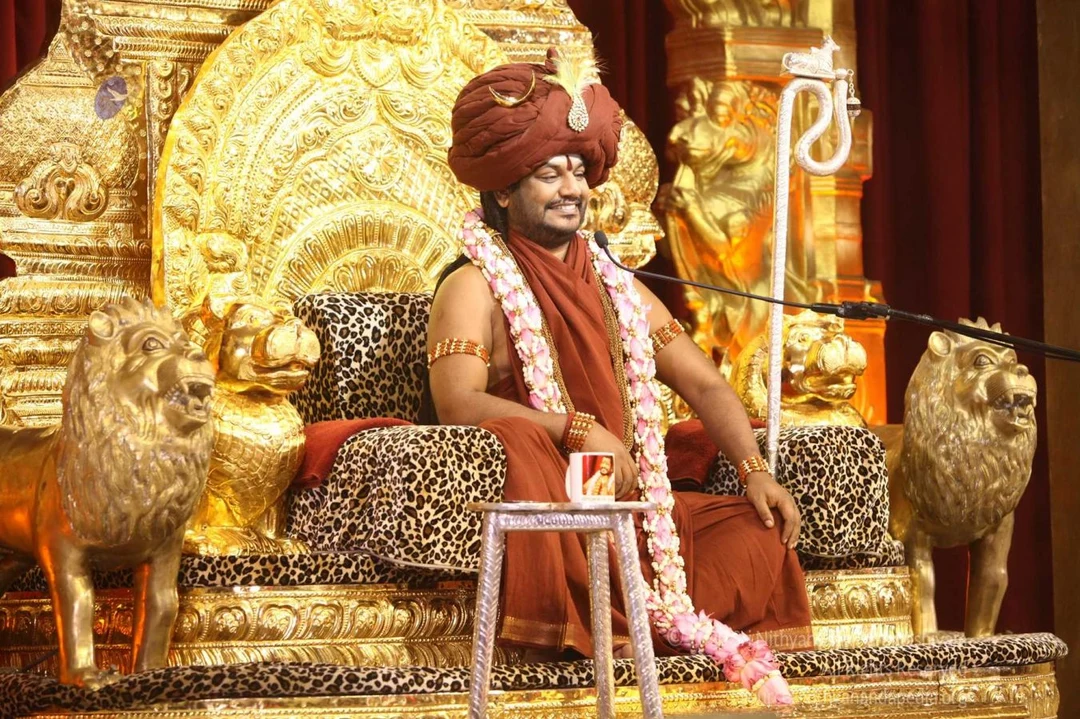 Nithya Satsang with His Divine Holiness Bhagavan Sri Nithyananda Paramashivam on "Secrets to Manifest Life Positive Right Cognitions"
 Nithya Satsang with His Divine Holiness Bhagavan Sri Nithyananda Paramashivam on "Secrets to Manifest Life Positive Right Cognitions"
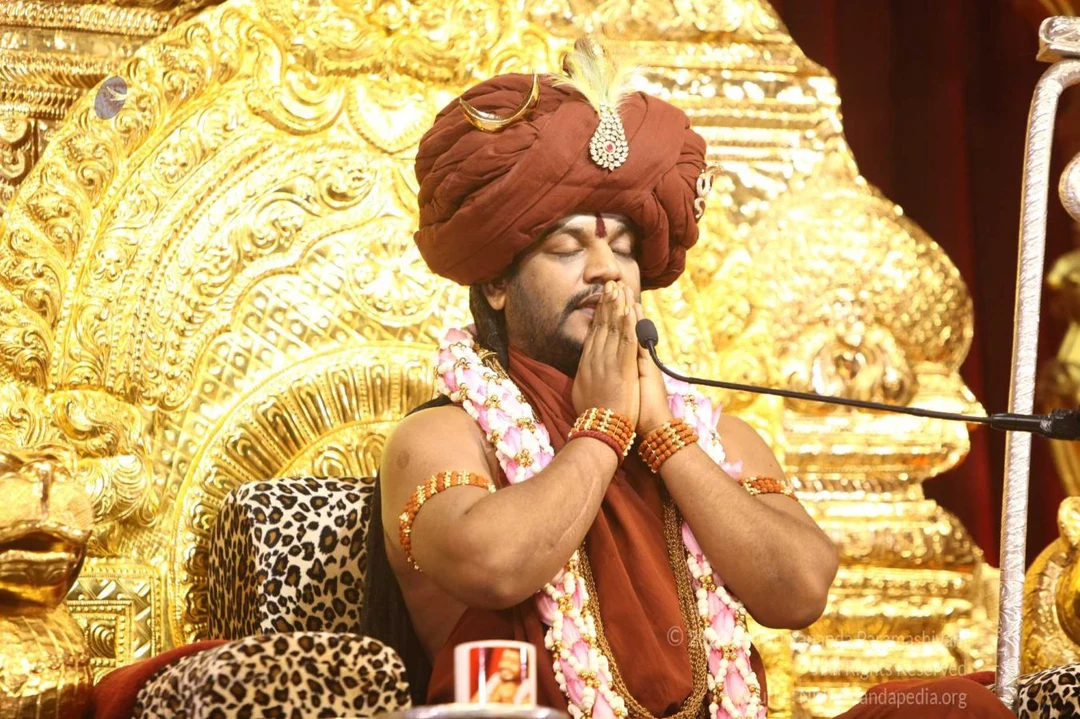 Nithya Satsang with His Divine Holiness Bhagavan Sri Nithyananda Paramashivam on "Secrets to Manifest Life Positive Right Cognitions"
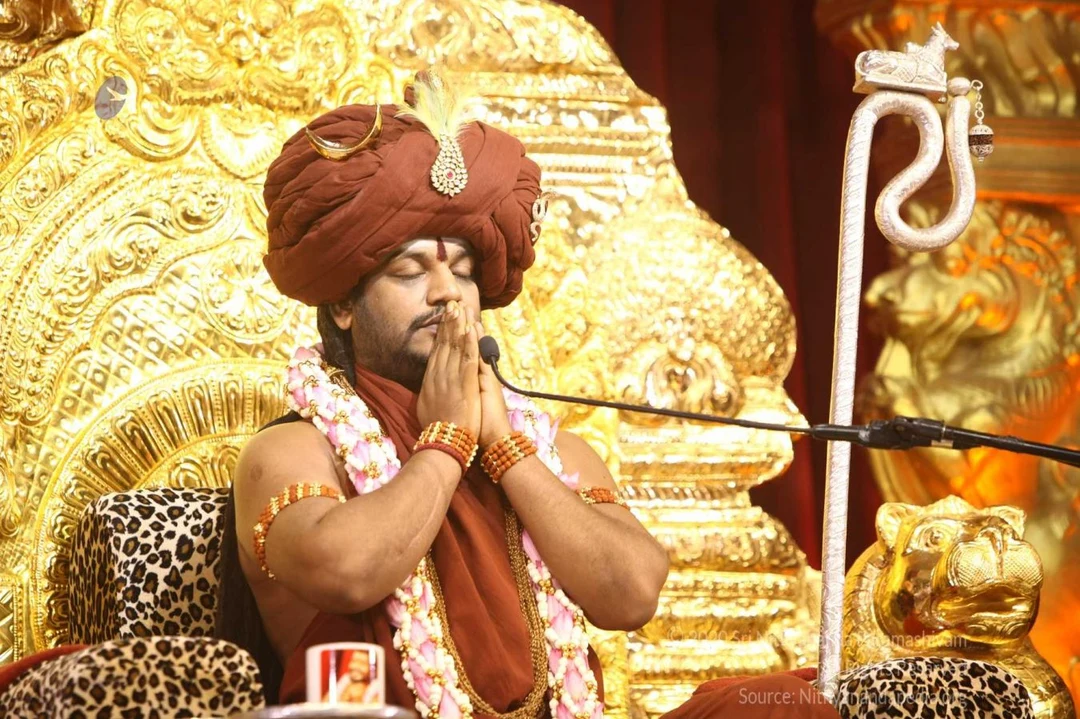 Nithya Satsang with His Divine Holiness Bhagavan Sri Nithyananda Paramashivam on "Secrets to Manifest Life Positive Right Cognitions"
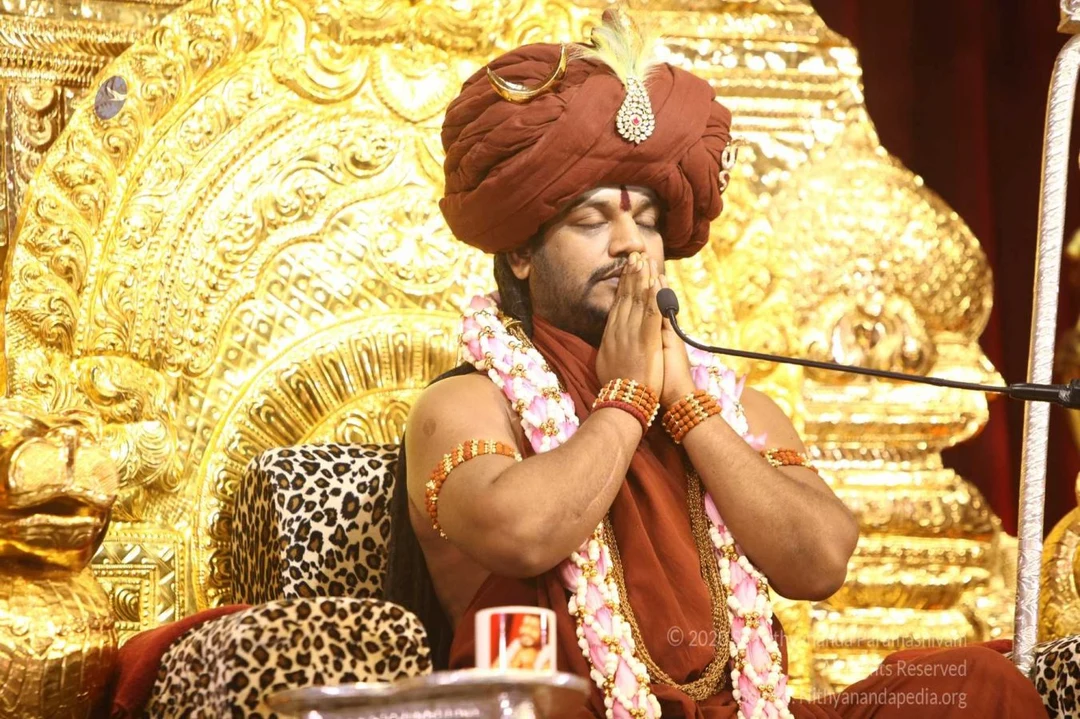 Nithya Satsang with His Divine Holiness Bhagavan Sri Nithyananda Paramashivam on "Secrets to Manifest Life Positive Right Cognitions"
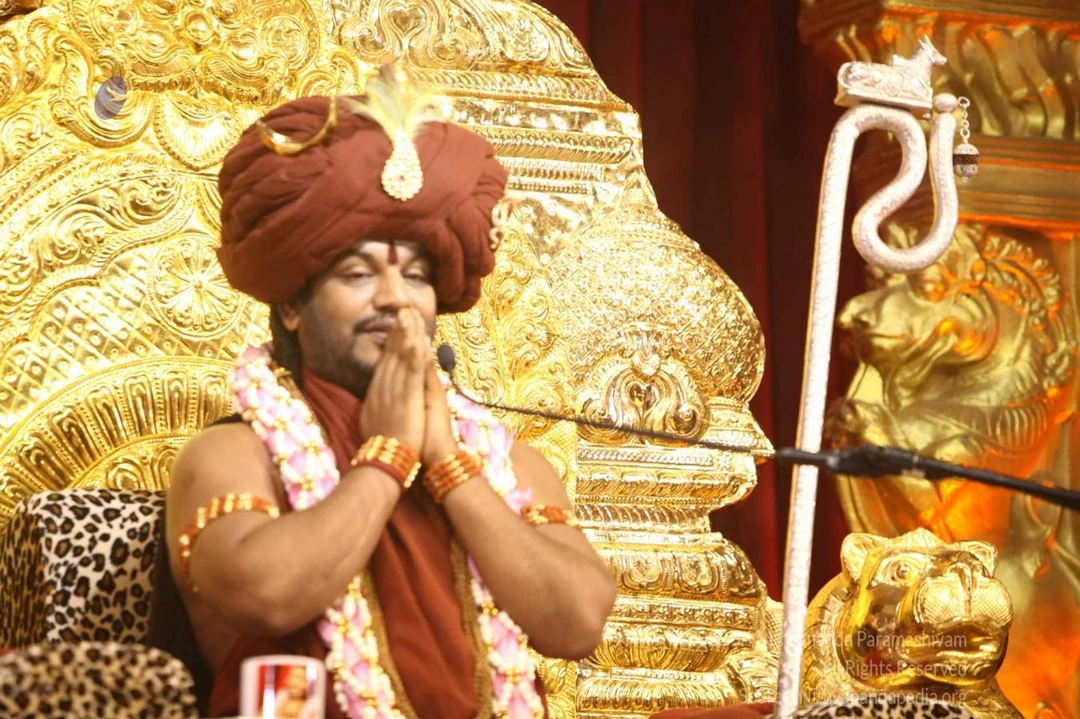 Nithya Satsang with His Divine Holiness Bhagavan Sri Nithyananda Paramashivam on "Secrets to Manifest Life Positive Right Cognitions"
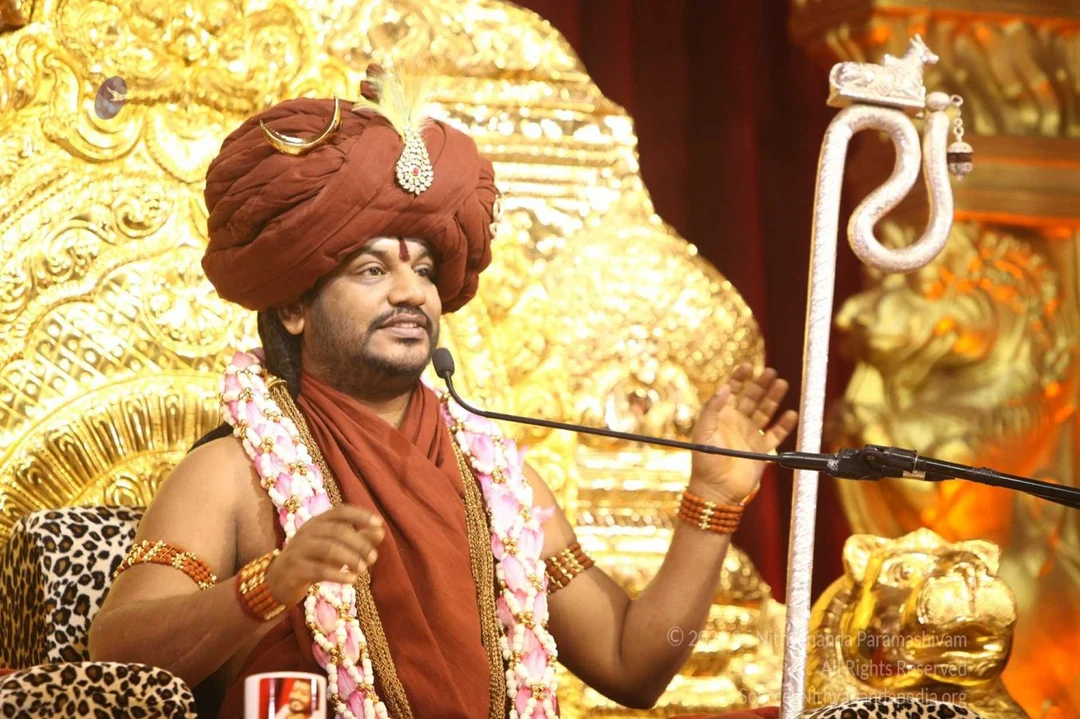 Nithya Satsang with His Divine Holiness Bhagavan Sri Nithyananda Paramashivam on "Secrets to Manifest Life Positive Right Cognitions"
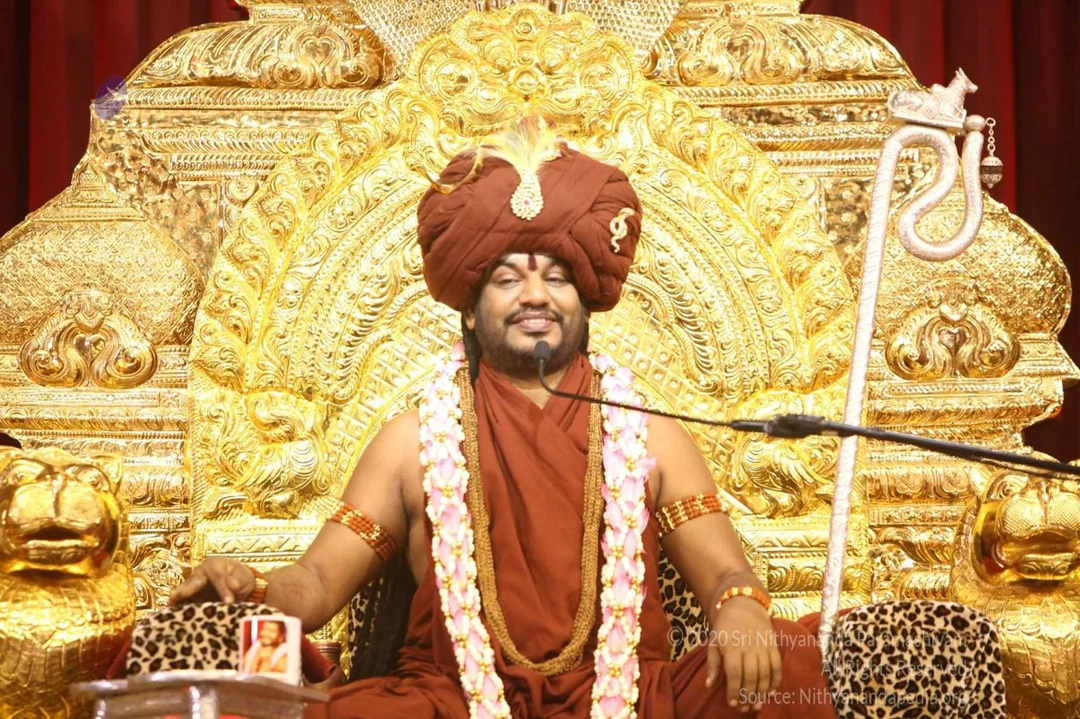 Nithya Satsang with His Divine Holiness Bhagavan Sri Nithyananda Paramashivam on "Secrets to Manifest Life Positive Right Cognitions"
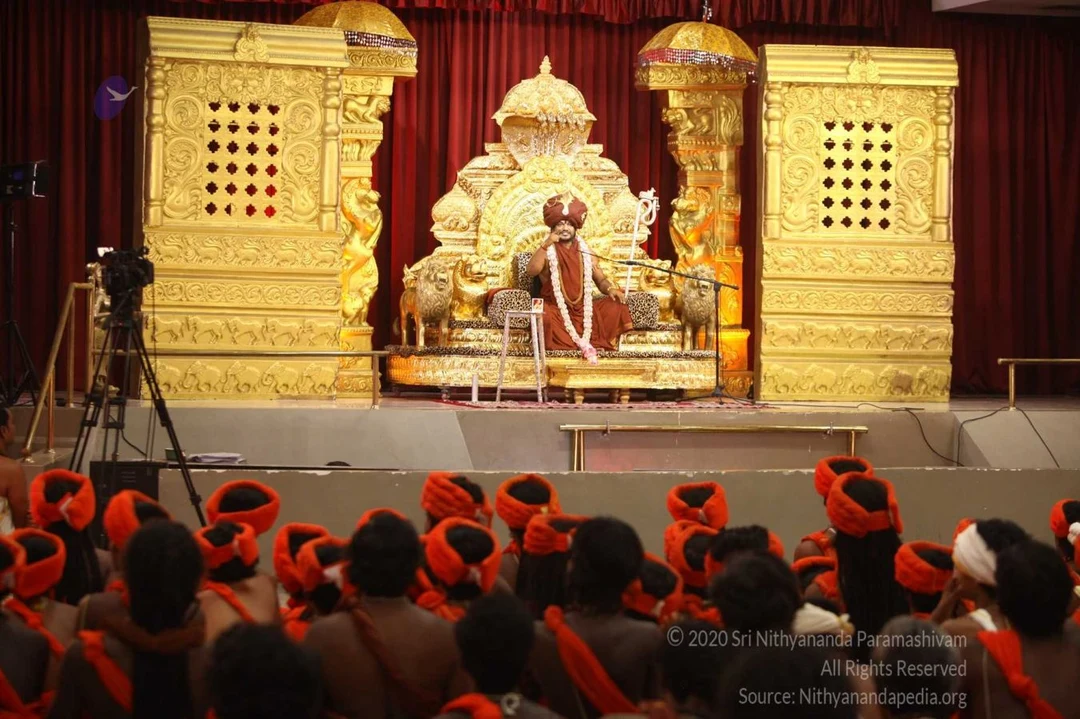 Nithya Satsang with His Divine Holiness Bhagavan Sri Nithyananda Paramashivam on "Secrets to Manifest Life Positive Right Cognitions"
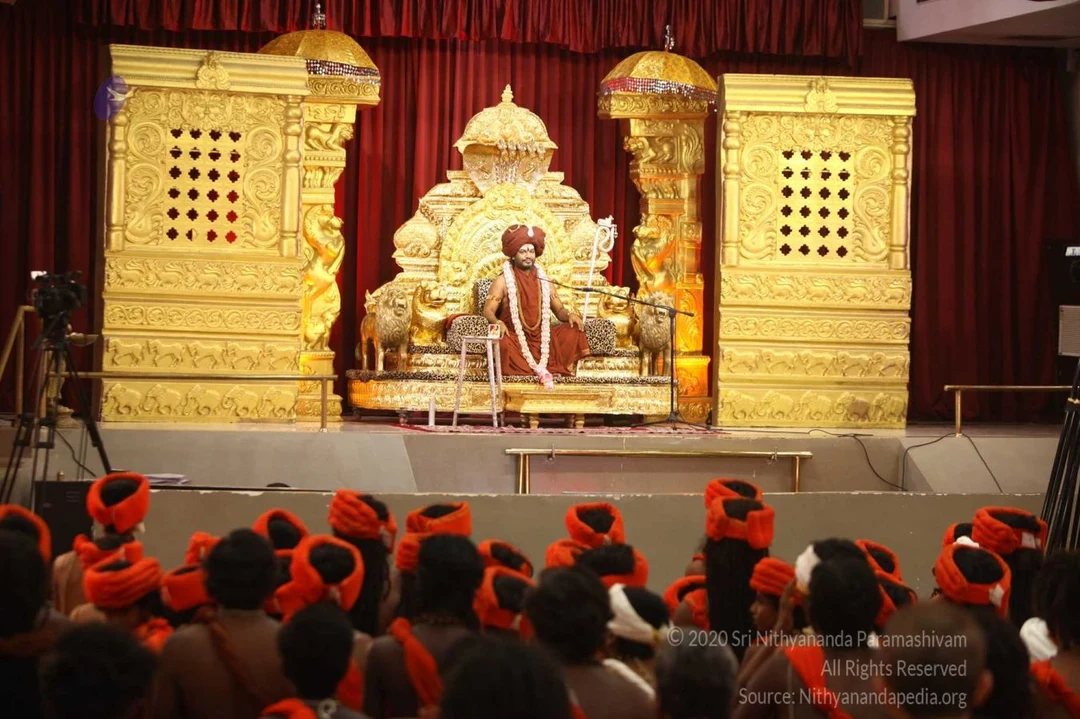 Nithya Satsang with His Divine Holiness Bhagavan Sri Nithyananda Paramashivam on "Secrets to Manifest Life Positive Right Cognitions"
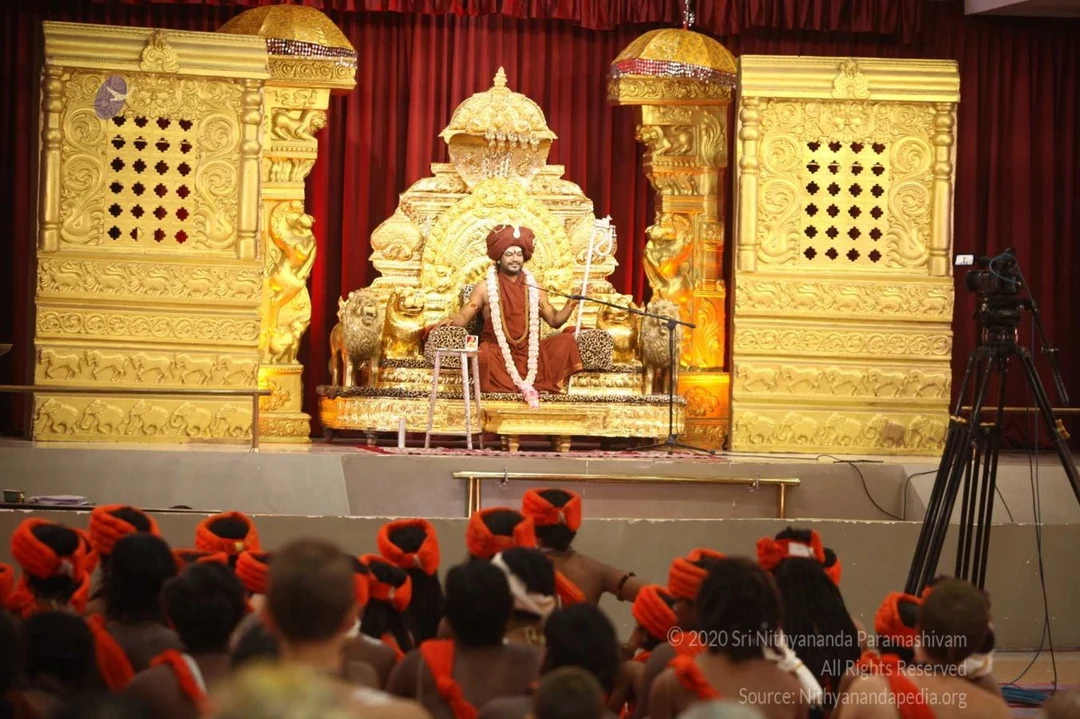 Nithya Satsang with His Divine Holiness Bhagavan Sri Nithyananda Paramashivam on "Secrets to Manifest Life Positive Right Cognitions"
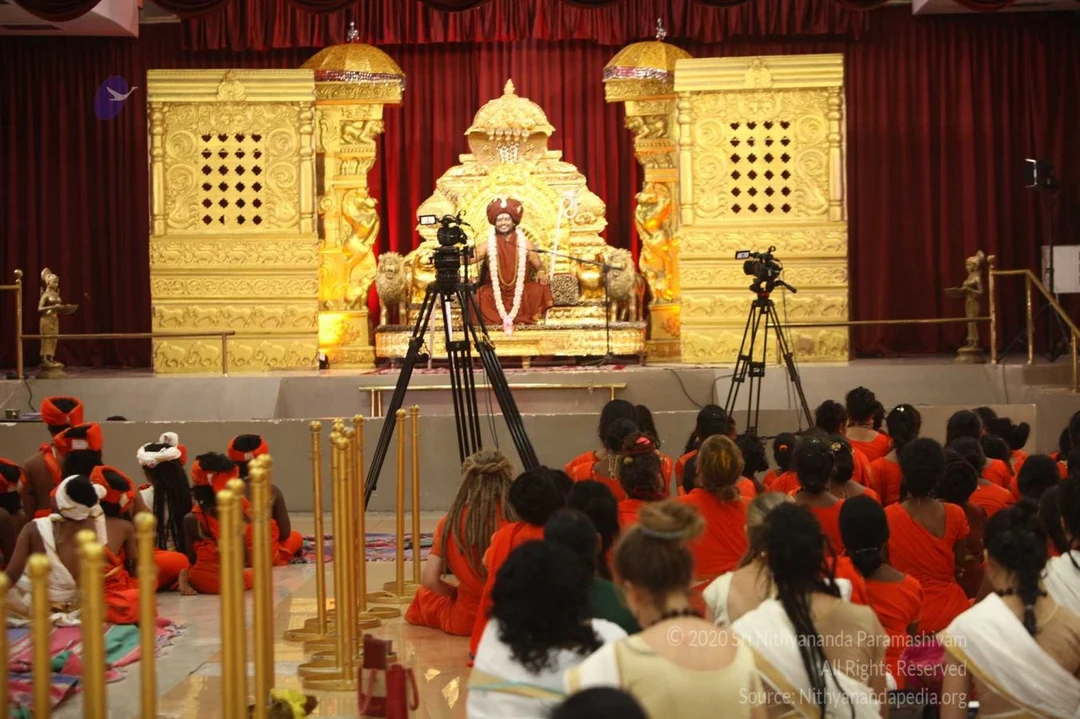 Nithya Satsang with His Divine Holiness Bhagavan Sri Nithyananda Paramashivam on "Secrets to Manifest Life Positive Right Cognitions"
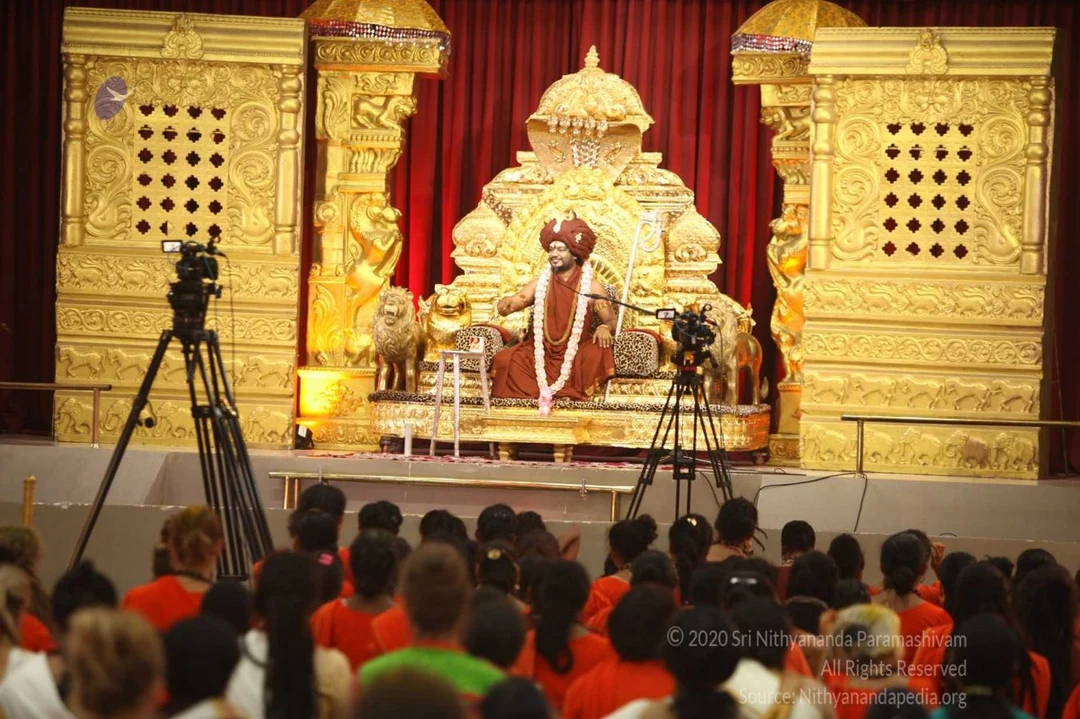 Nithya Satsang with His Divine Holiness Bhagavan Sri Nithyananda Paramashivam on "Secrets to Manifest Life Positive Right Cognitions"
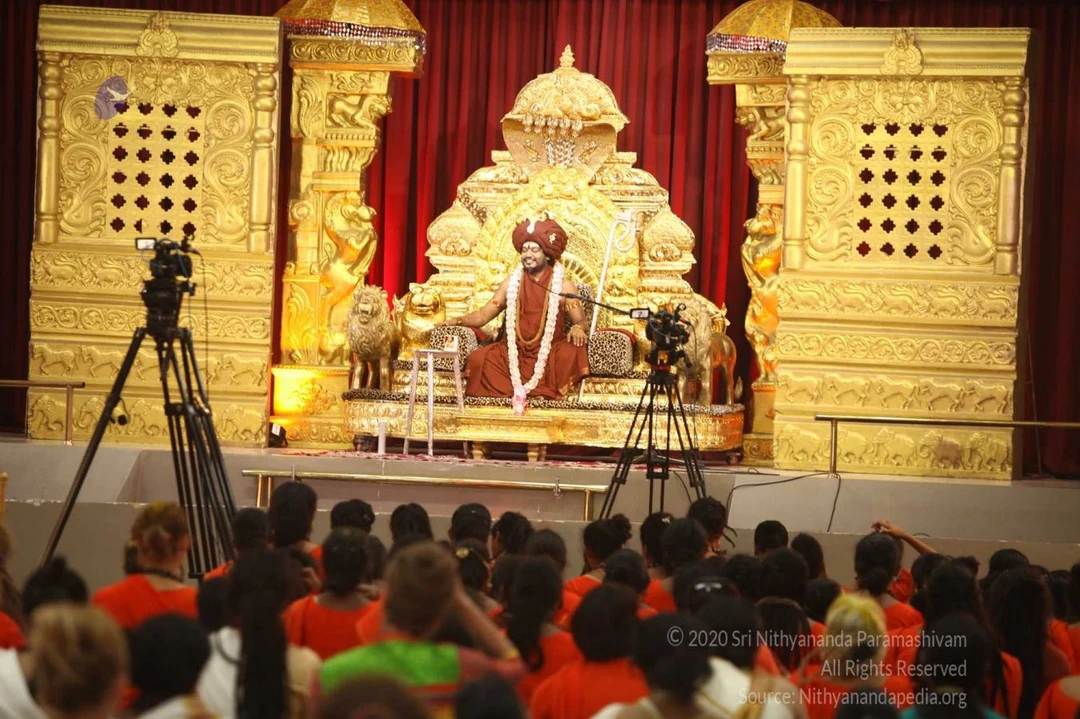 Nithya Satsang with His Divine Holiness Bhagavan Sri Nithyananda Paramashivam on "Secrets to Manifest Life Positive Right Cognitions"
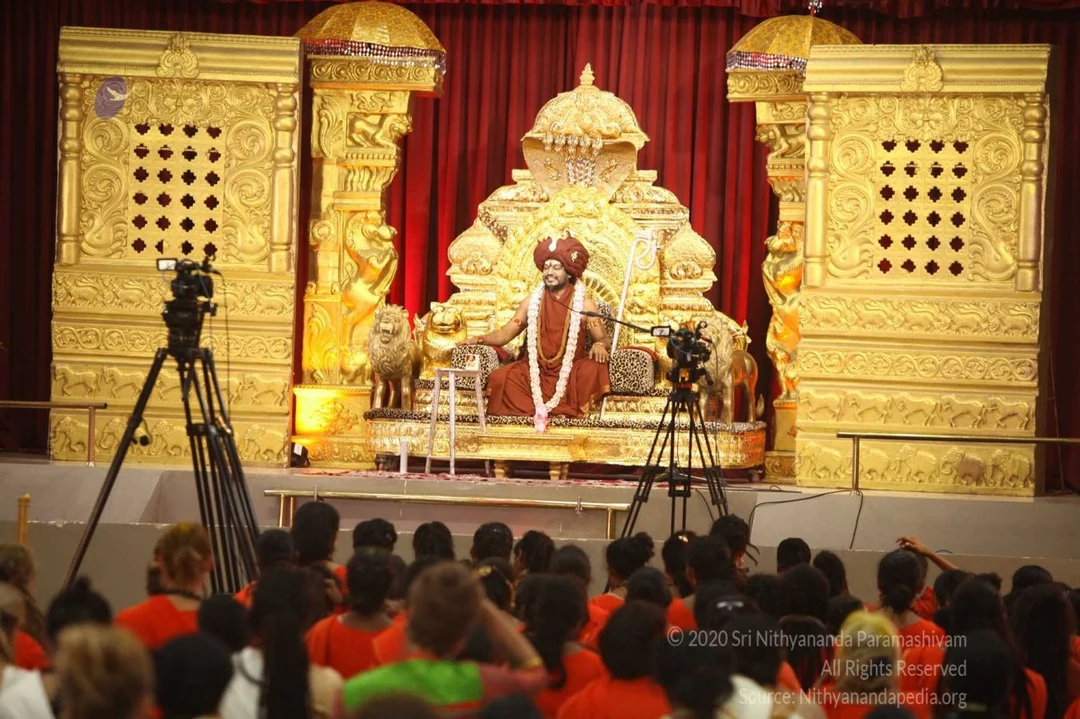 Nithya Satsang with His Divine Holiness Bhagavan Sri Nithyananda Paramashivam on "Secrets to Manifest Life Positive Right Cognitions"
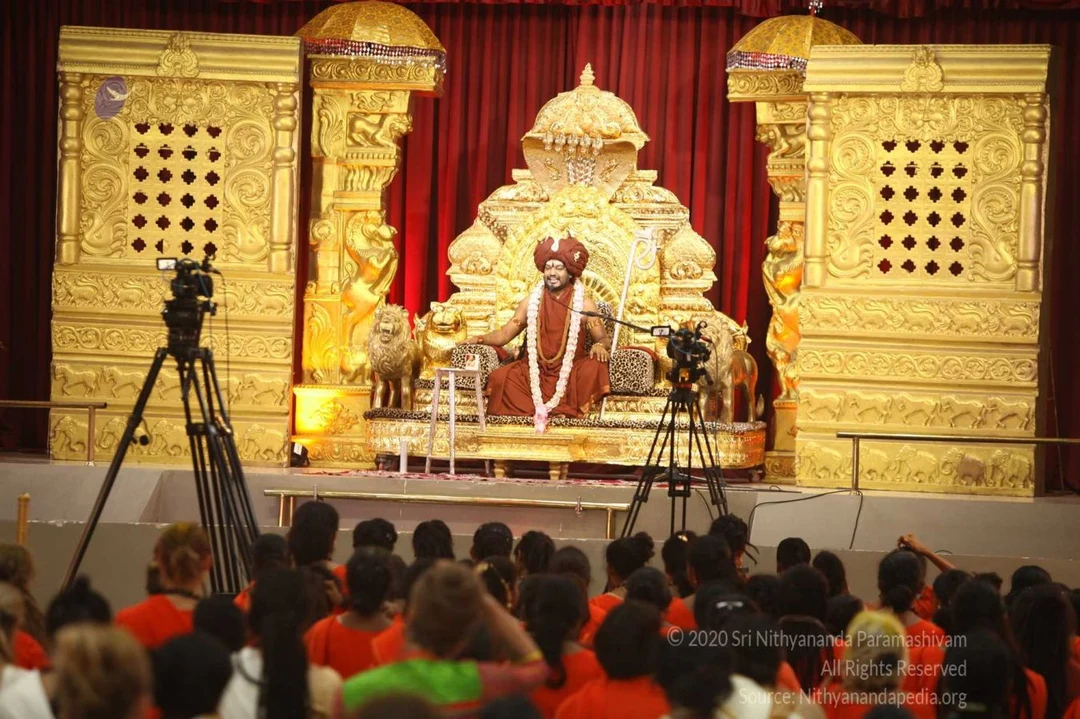 Nithya Satsang with His Divine Holiness Bhagavan Sri Nithyananda Paramashivam on "Secrets to Manifest Life Positive Right Cognitions"
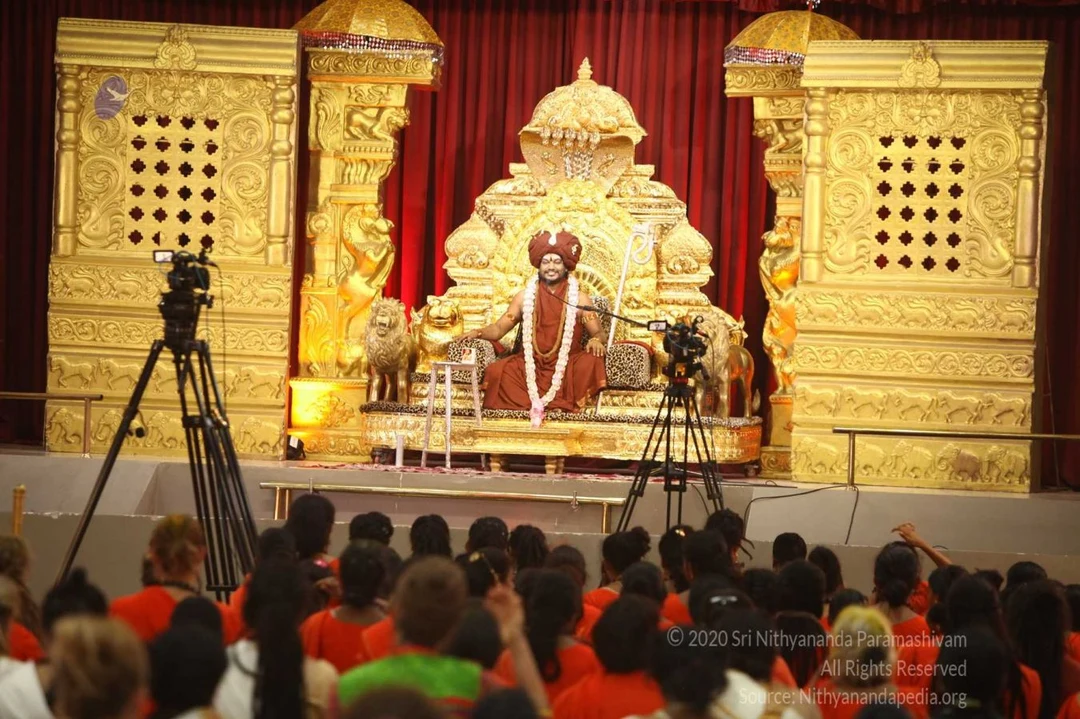 Nithya Satsang with His Divine Holiness Bhagavan Sri Nithyananda Paramashivam on "Secrets to Manifest Life Positive Right Cognitions"
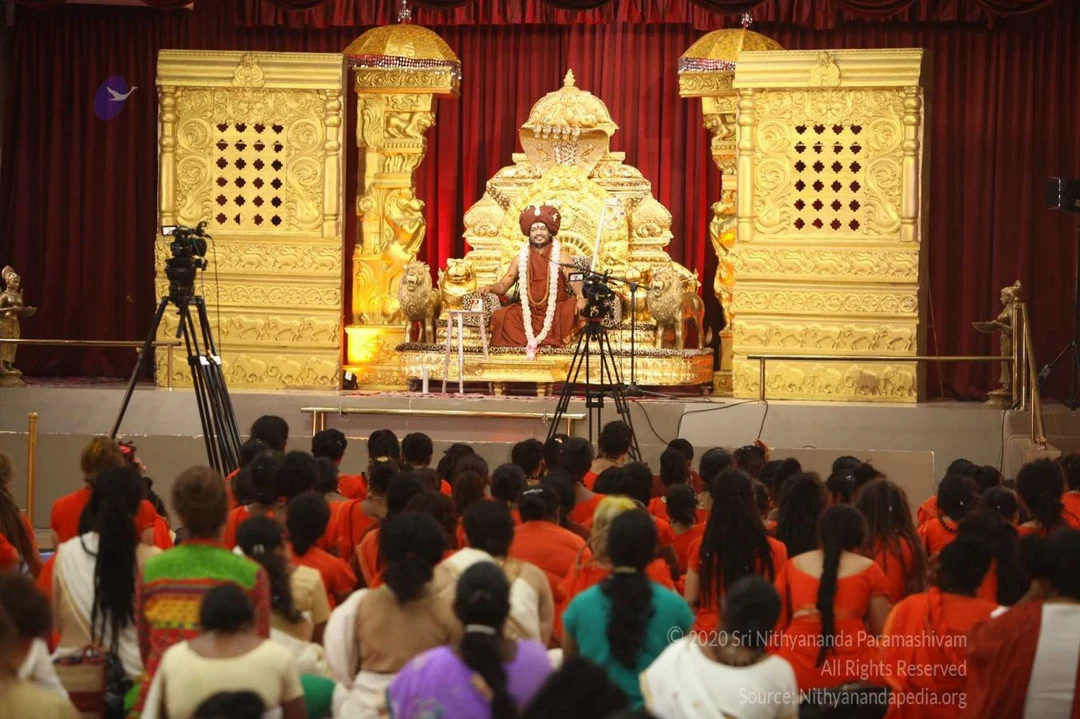 Nithya Satsang with His Divine Holiness Bhagavan Sri Nithyananda Paramashivam on "Secrets to Manifest Life Positive Right Cognitions"
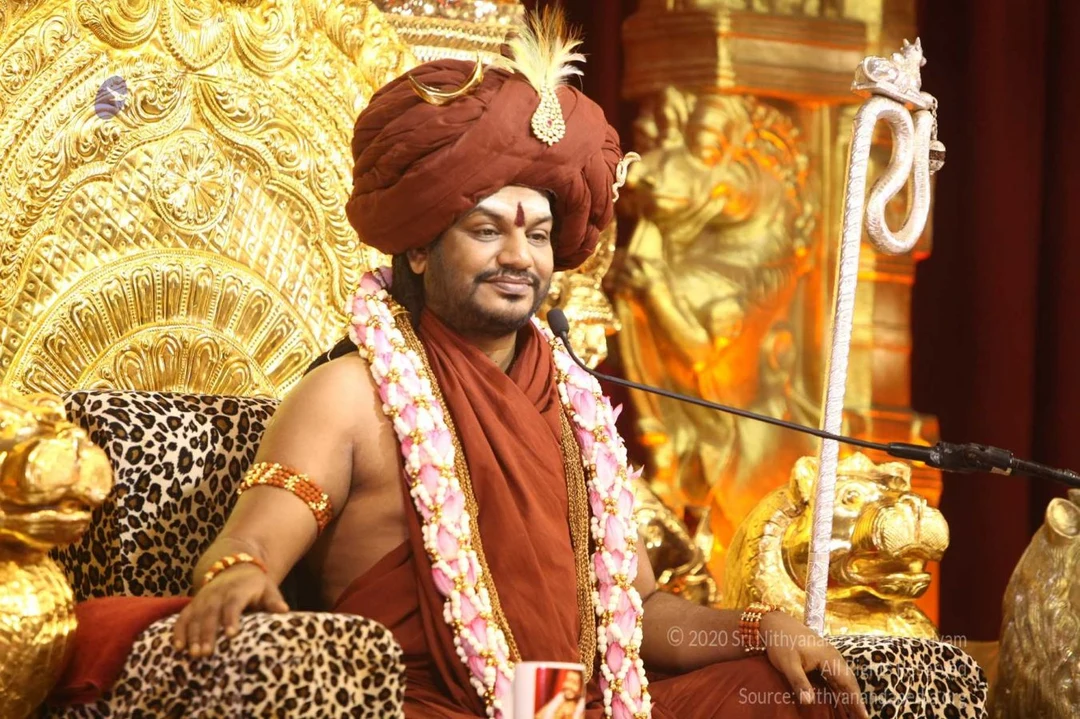 Nithya Satsang with His Divine Holiness Bhagavan Sri Nithyananda Paramashivam on "Secrets to Manifest Life Positive Right Cognitions"
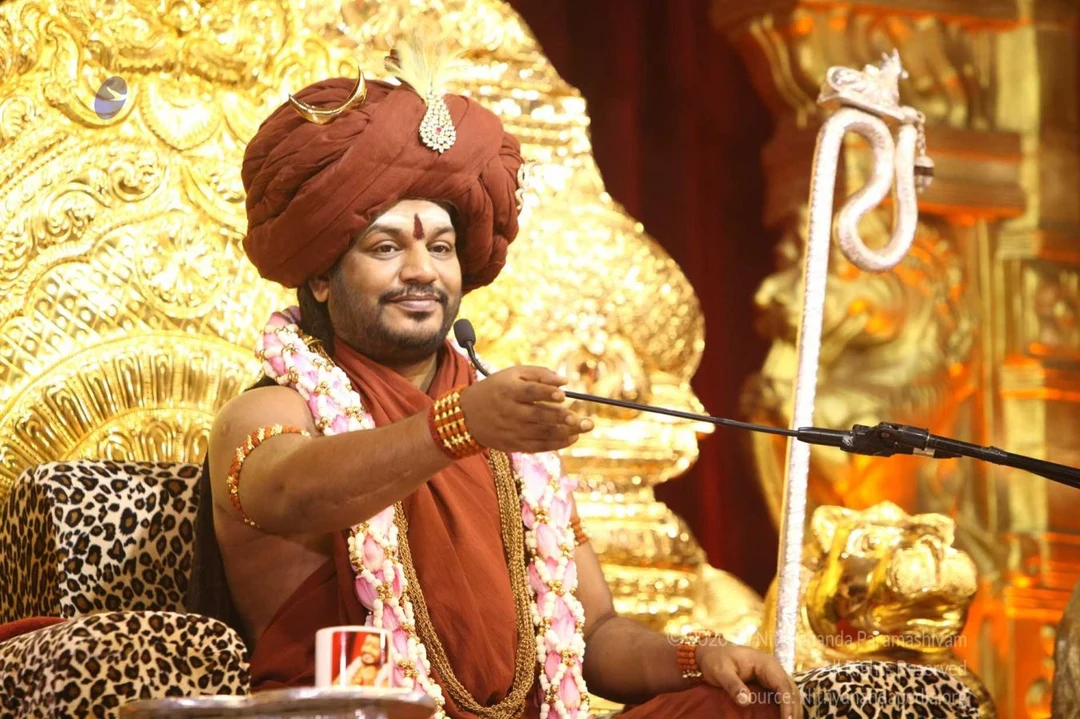 Nithya Satsang with His Divine Holiness Bhagavan Sri Nithyananda Paramashivam on "Secrets to Manifest Life Positive Right Cognitions"
 Nithya Satsang with His Divine Holiness Bhagavan Sri Nithyananda Paramashivam on "Secrets to Manifest Life Positive Right Cognitions"
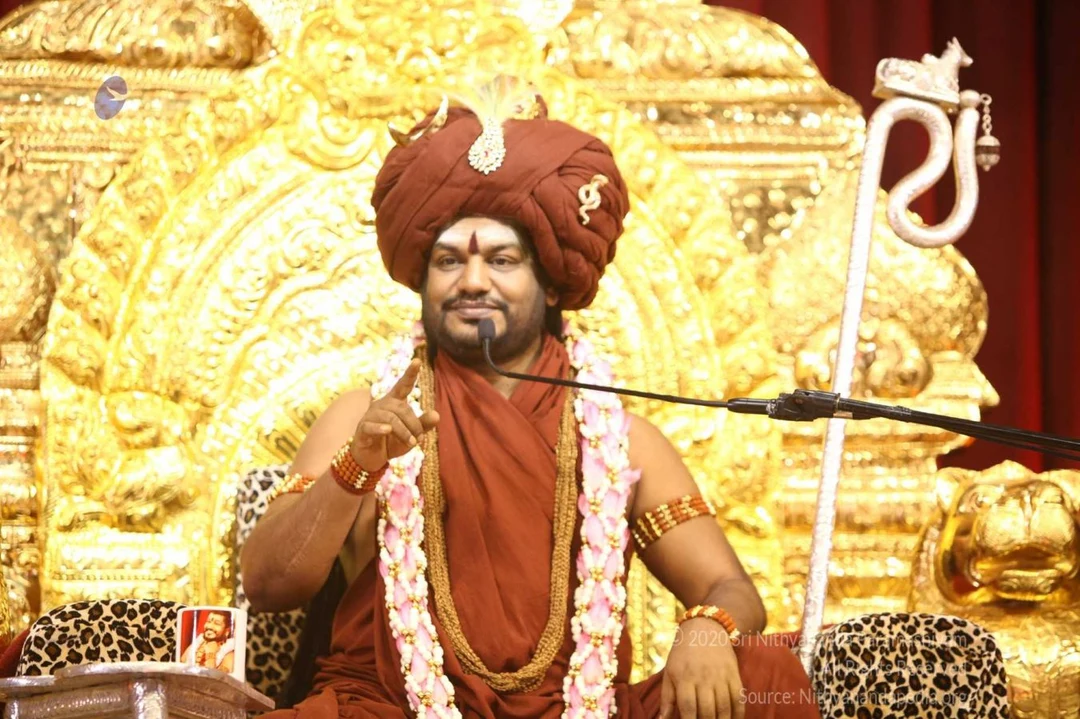 Nithya Satsang with His Divine Holiness Bhagavan Sri Nithyananda Paramashivam on "Secrets to Manifest Life Positive Right Cognitions"
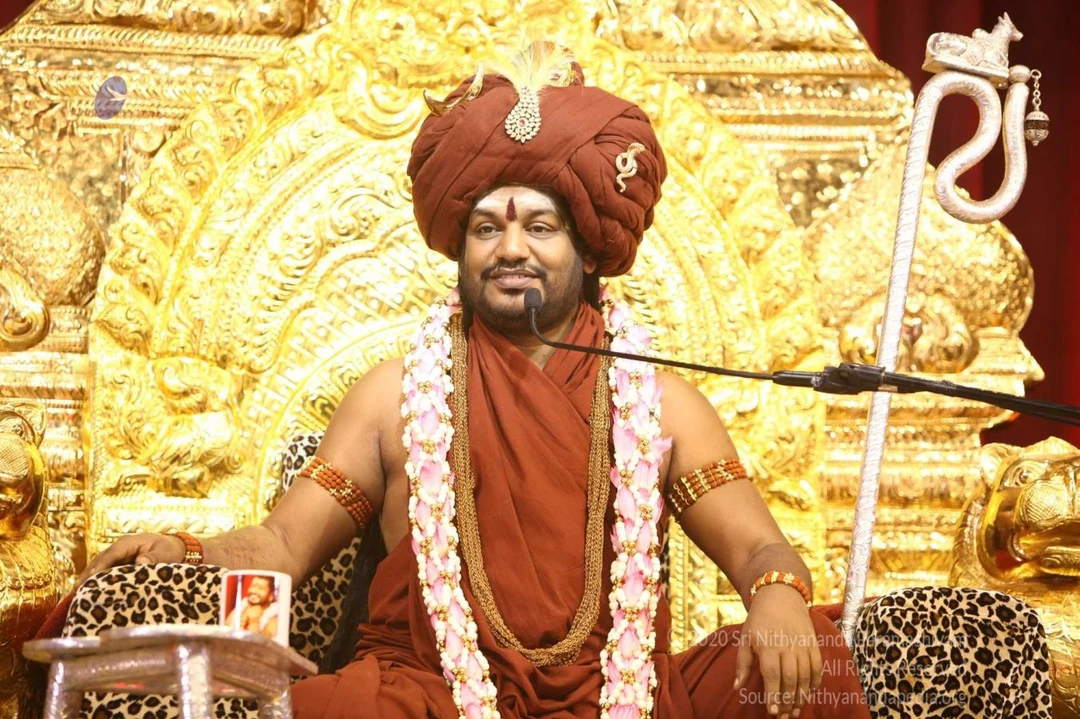 Nithya Satsang with His Divine Holiness Bhagavan Sri Nithyananda Paramashivam on "Secrets to Manifest Life Positive Right Cognitions"
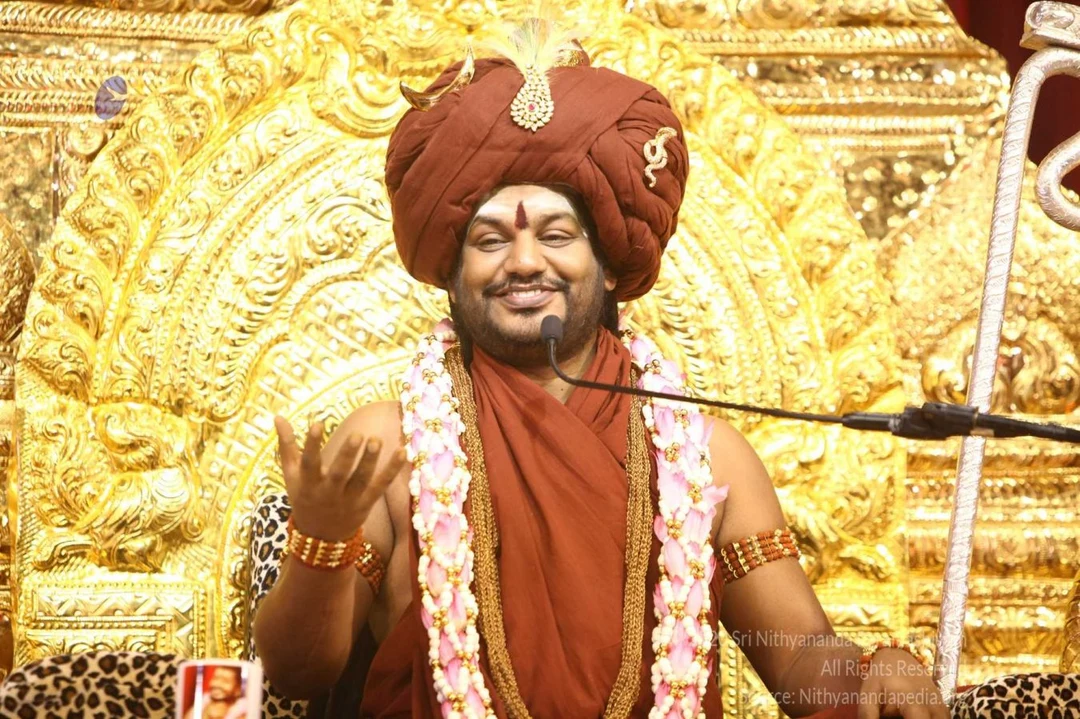 Nithya Satsang with His Divine Holiness Bhagavan Sri Nithyananda Paramashivam on "Secrets to Manifest Life Positive Right Cognitions"
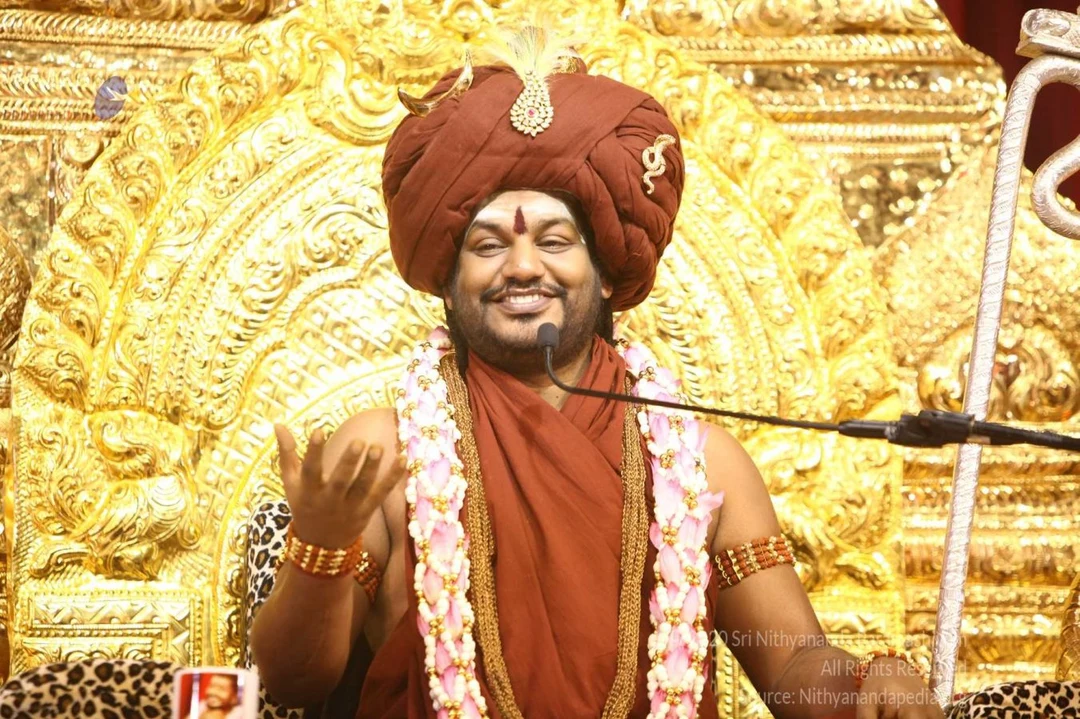 Nithya Satsang with His Divine Holiness Bhagavan Sri Nithyananda Paramashivam on "Secrets to Manifest Life Positive Right Cognitions"
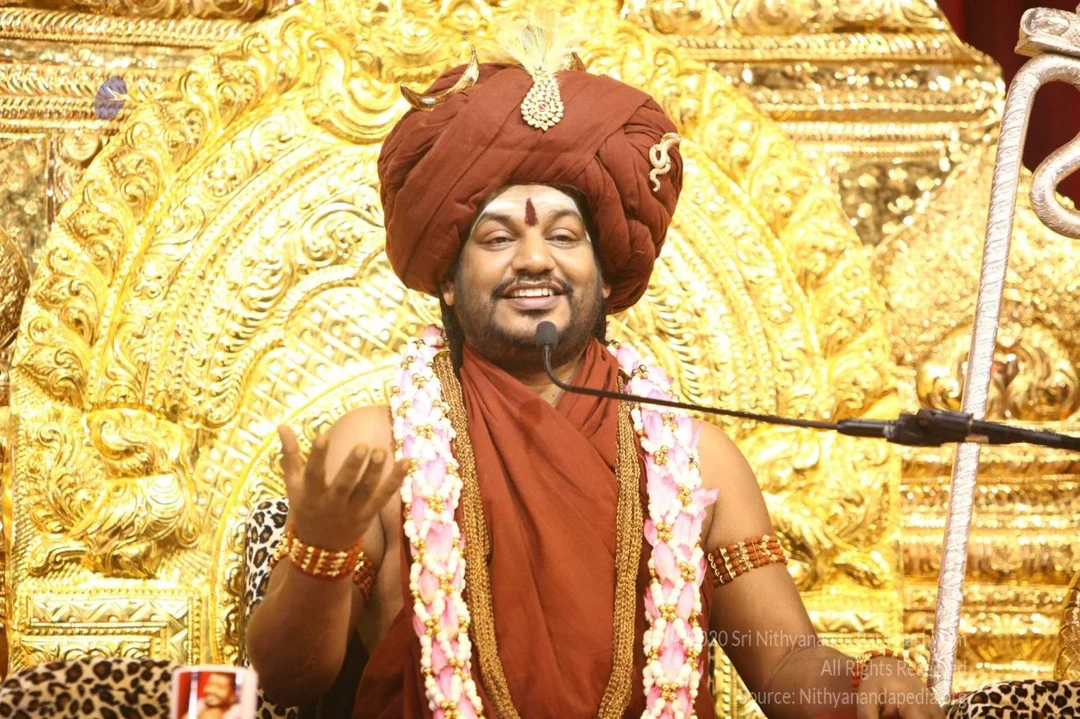 Nithya Satsang with His Divine Holiness Bhagavan Sri Nithyananda Paramashivam on "Secrets to Manifest Life Positive Right Cognitions"
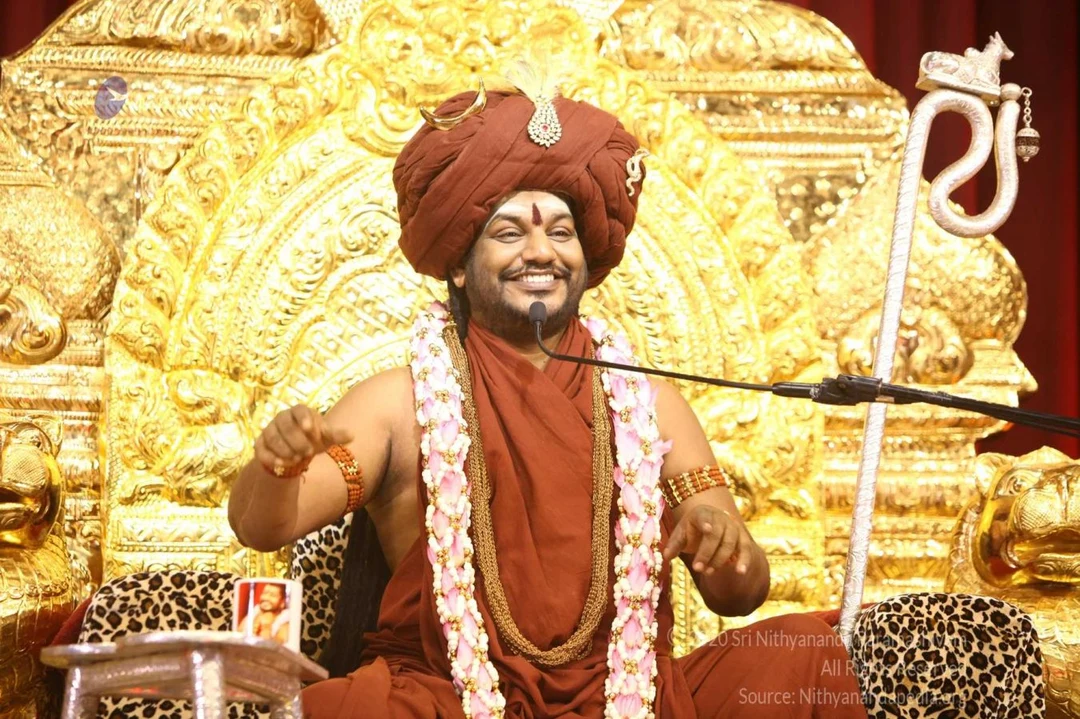 Nithya Satsang with His Divine Holiness Bhagavan Sri Nithyananda Paramashivam on "Secrets to Manifest Life Positive Right Cognitions"
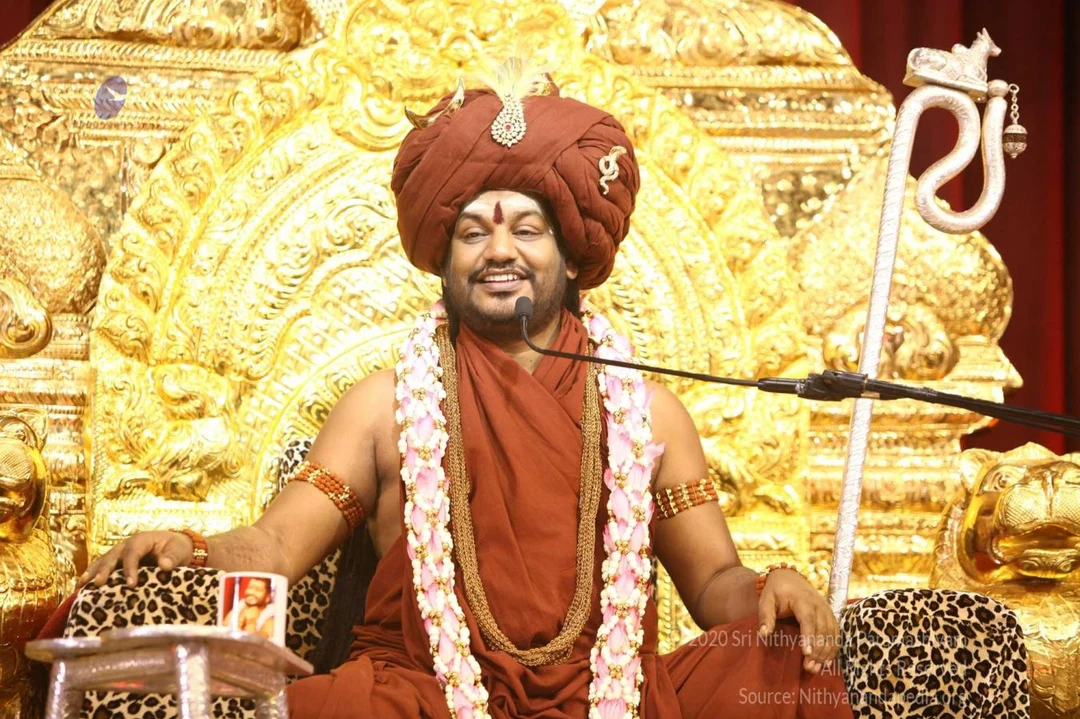 Nithya Satsang with His Divine Holiness Bhagavan Sri Nithyananda Paramashivam on "Secrets to Manifest Life Positive Right Cognitions"
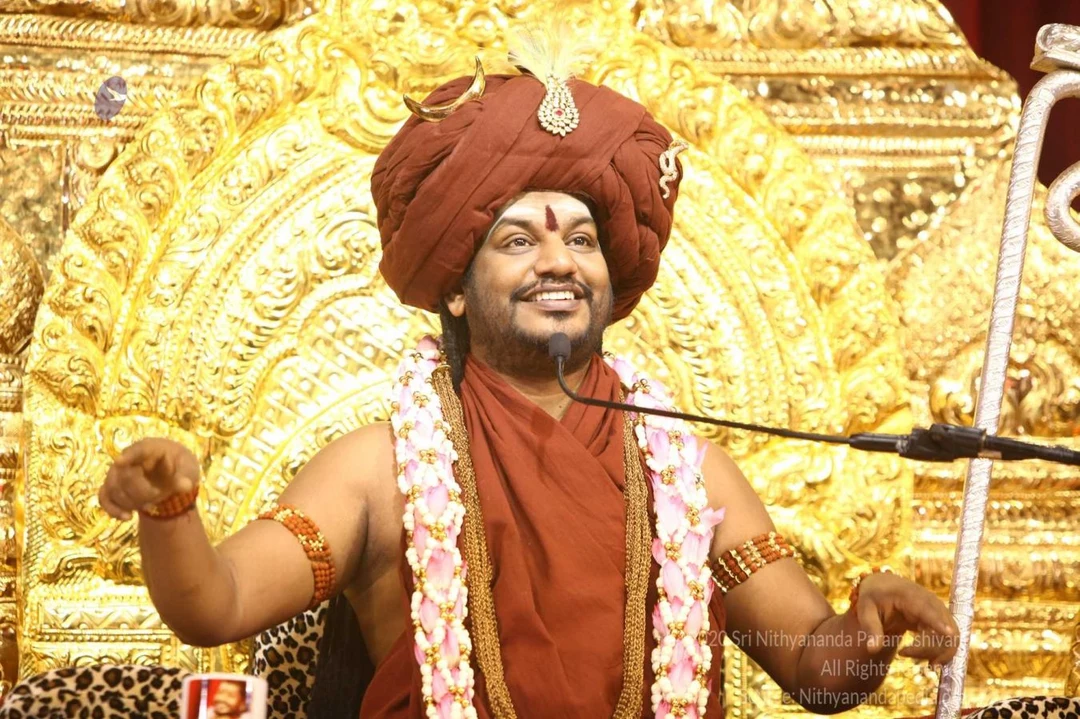 Nithya Satsang with His Divine Holiness Bhagavan Sri Nithyananda Paramashivam on "Secrets to Manifest Life Positive Right Cognitions"
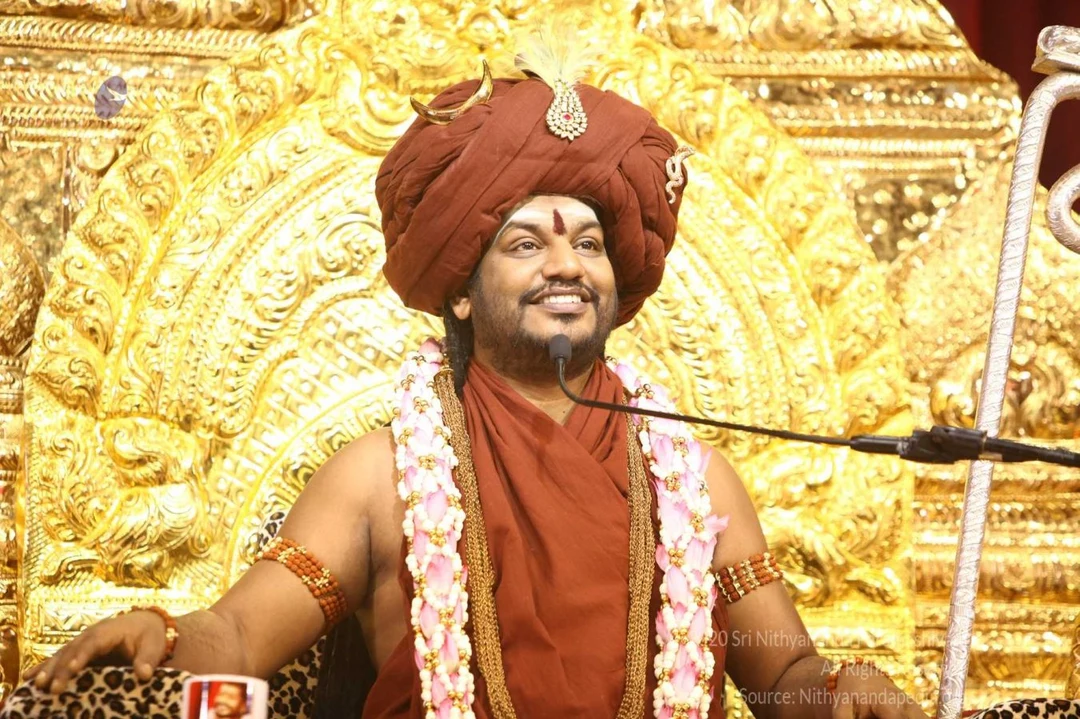 Nithya Satsang with His Divine Holiness Bhagavan Sri Nithyananda Paramashivam on "Secrets to Manifest Life Positive Right Cognitions"
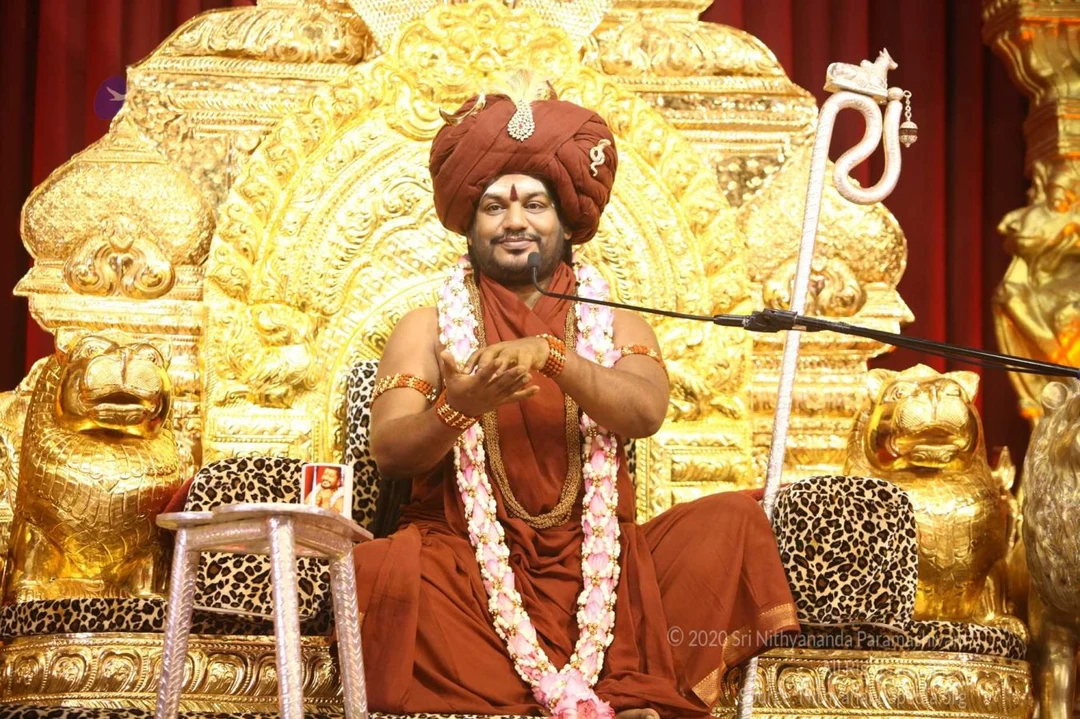 Nithya Satsang with His Divine Holiness Bhagavan Sri Nithyananda Paramashivam on "Secrets to Manifest Life Positive Right Cognitions"
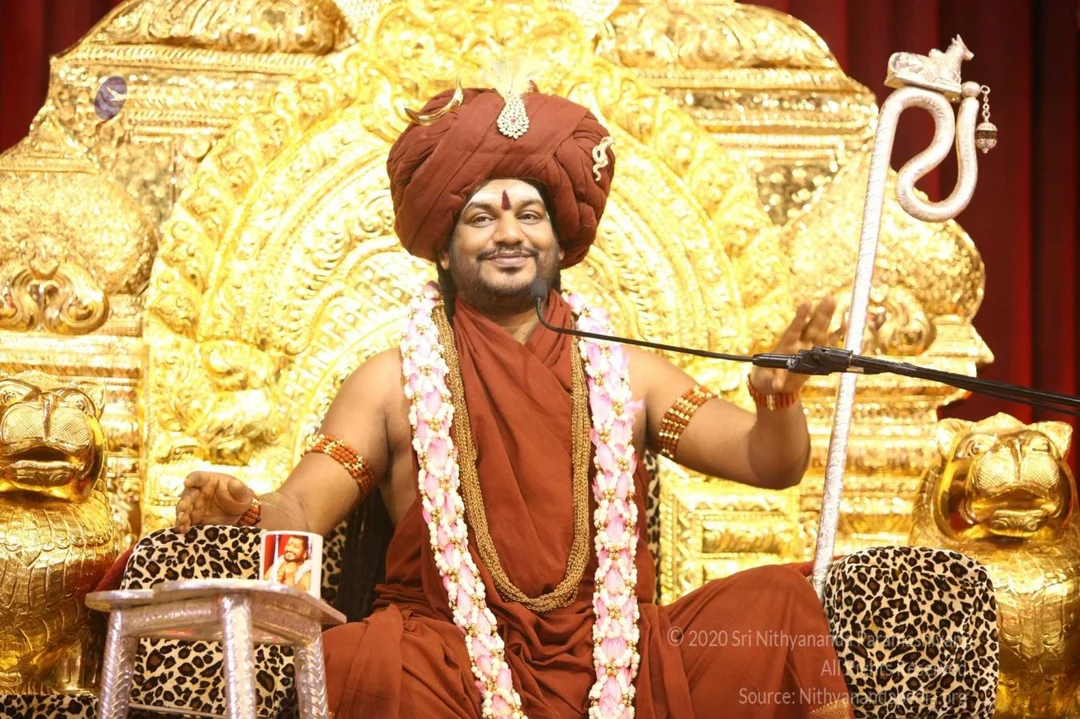 Nithya Satsang with His Divine Holiness Bhagavan Sri Nithyananda Paramashivam on "Secrets to Manifest Life Positive Right Cognitions"
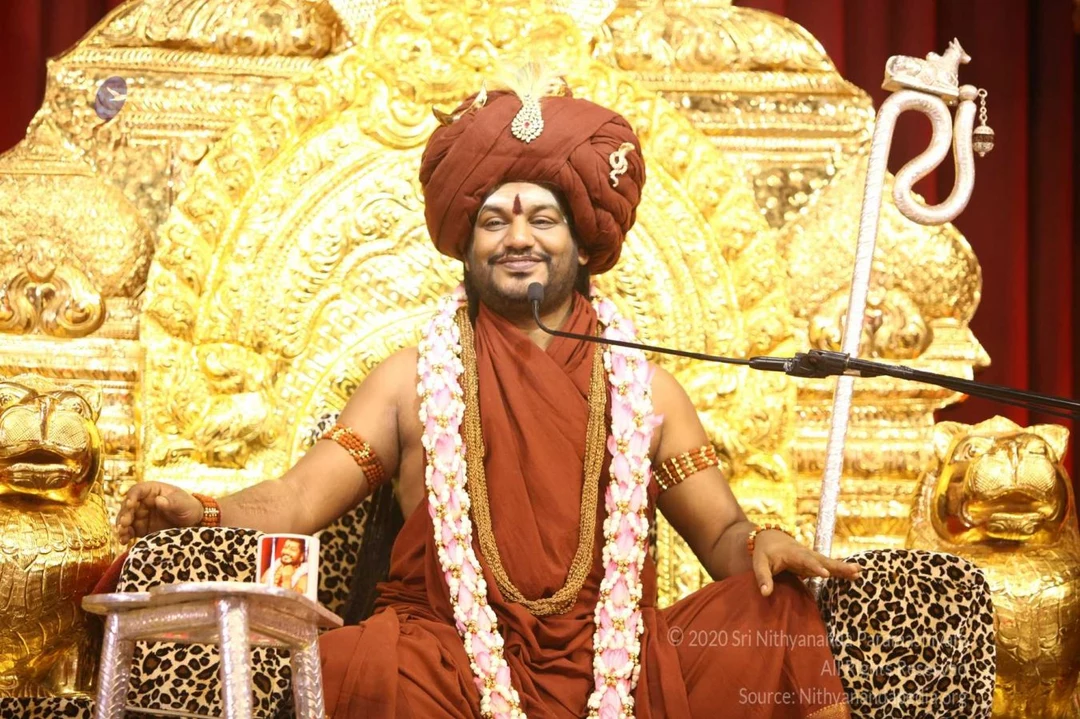 Nithya Satsang with His Divine Holiness Bhagavan Sri Nithyananda Paramashivam on "Secrets to Manifest Life Positive Right Cognitions"
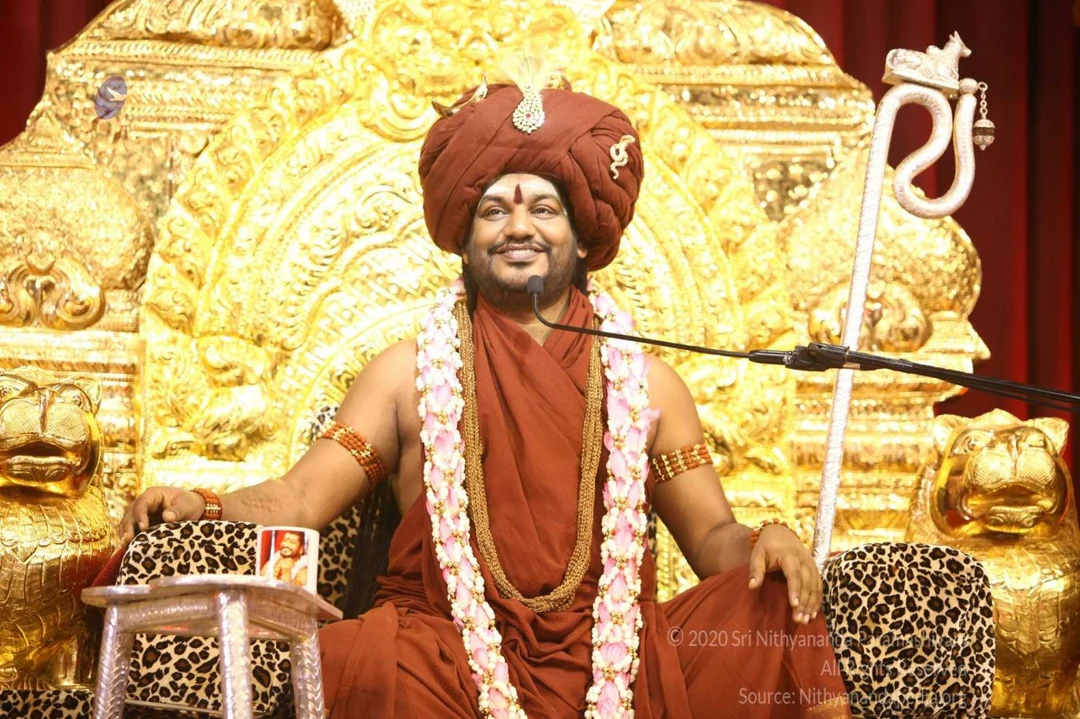 Nithya Satsang with His Divine Holiness Bhagavan Sri Nithyananda Paramashivam on "Secrets to Manifest Life Positive Right Cognitions"
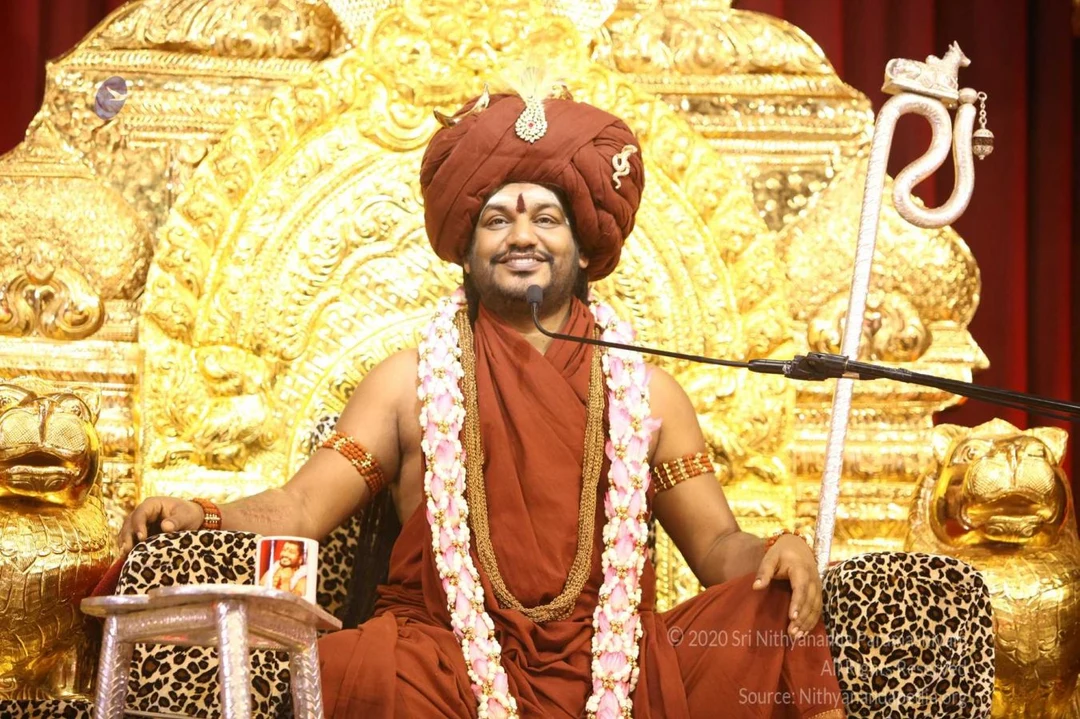 Nithya Satsang with His Divine Holiness Bhagavan Sri Nithyananda Paramashivam on "Secrets to Manifest Life Positive Right Cognitions"
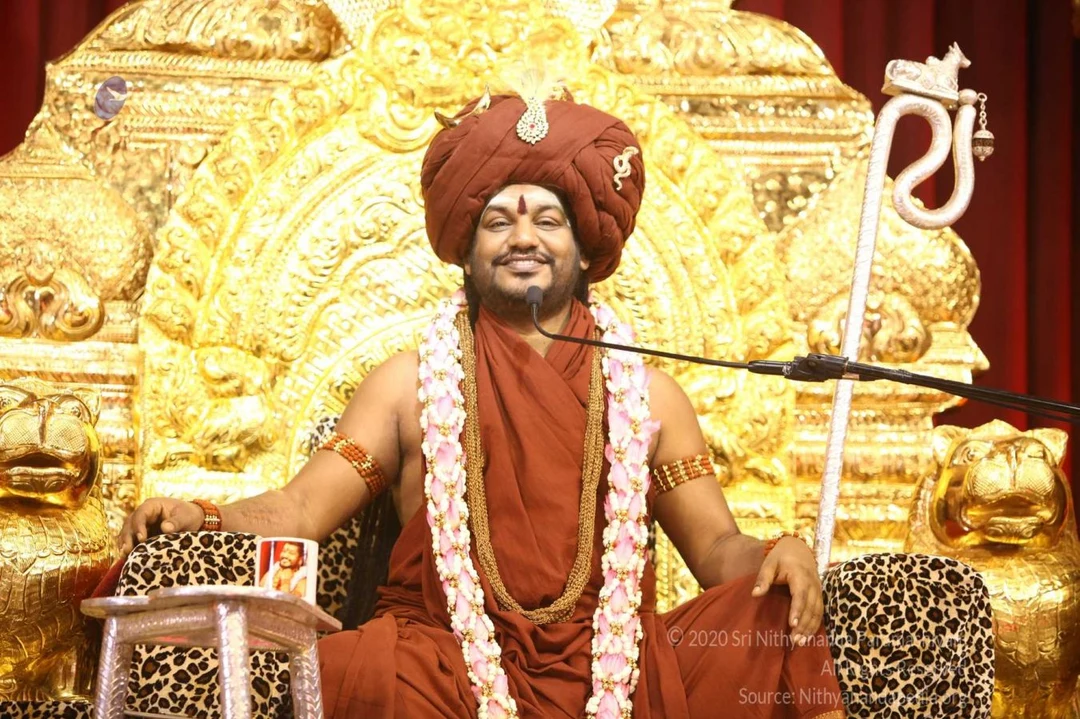 Nithya Satsang with His Divine Holiness Bhagavan Sri Nithyananda Paramashivam on "Secrets to Manifest Life Positive Right Cognitions"
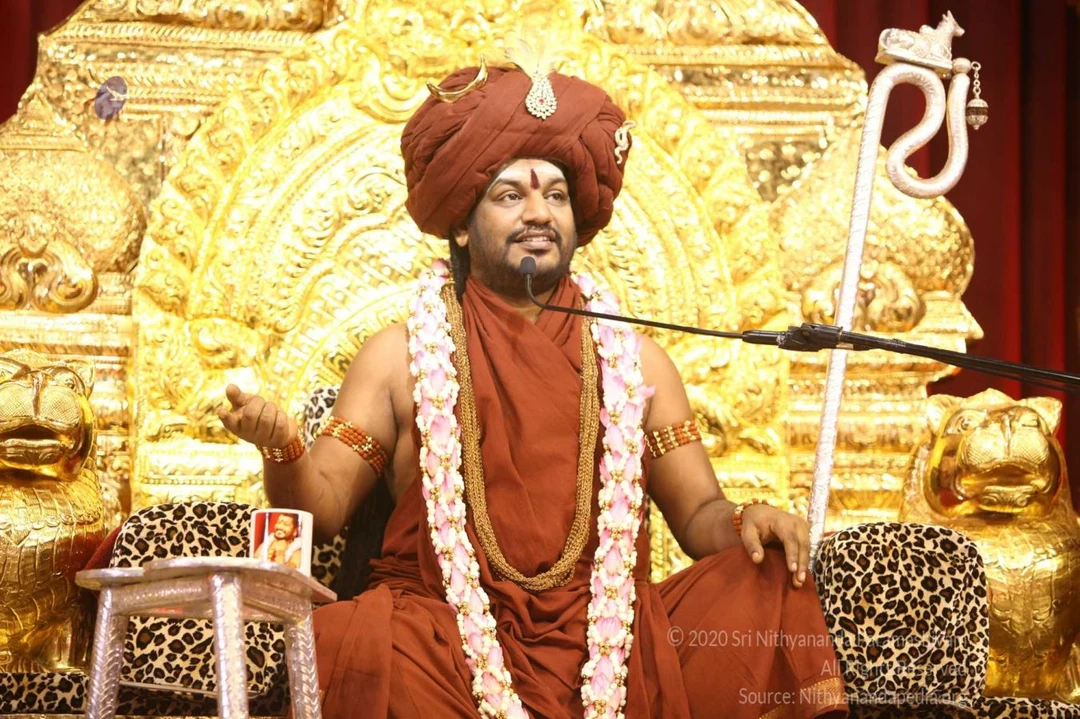 Nithya Satsang with His Divine Holiness Bhagavan Sri Nithyananda Paramashivam on "Secrets to Manifest Life Positive Right Cognitions"
 Nithya Satsang with His Divine Holiness Bhagavan Sri Nithyananda Paramashivam on "Secrets to Manifest Life Positive Right Cognitions"
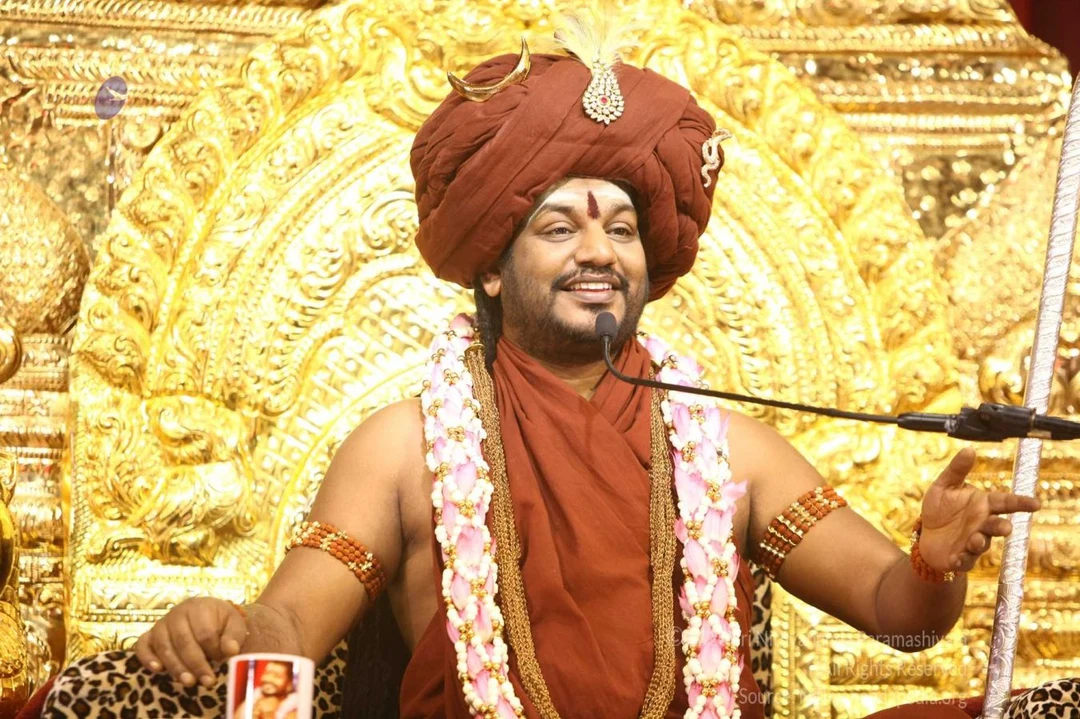 Nithya Satsang with His Divine Holiness Bhagavan Sri Nithyananda Paramashivam on "Secrets to Manifest Life Positive Right Cognitions"
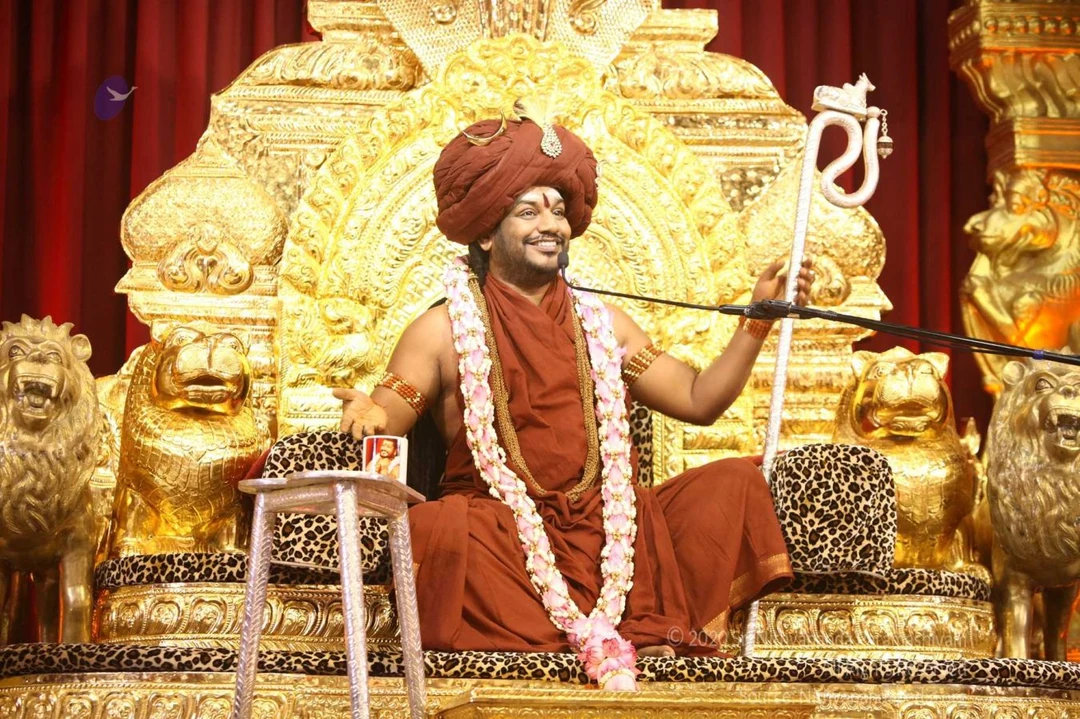 Nithya Satsang with His Divine Holiness Bhagavan Sri Nithyananda Paramashivam on "Secrets to Manifest Life Positive Right Cognitions"
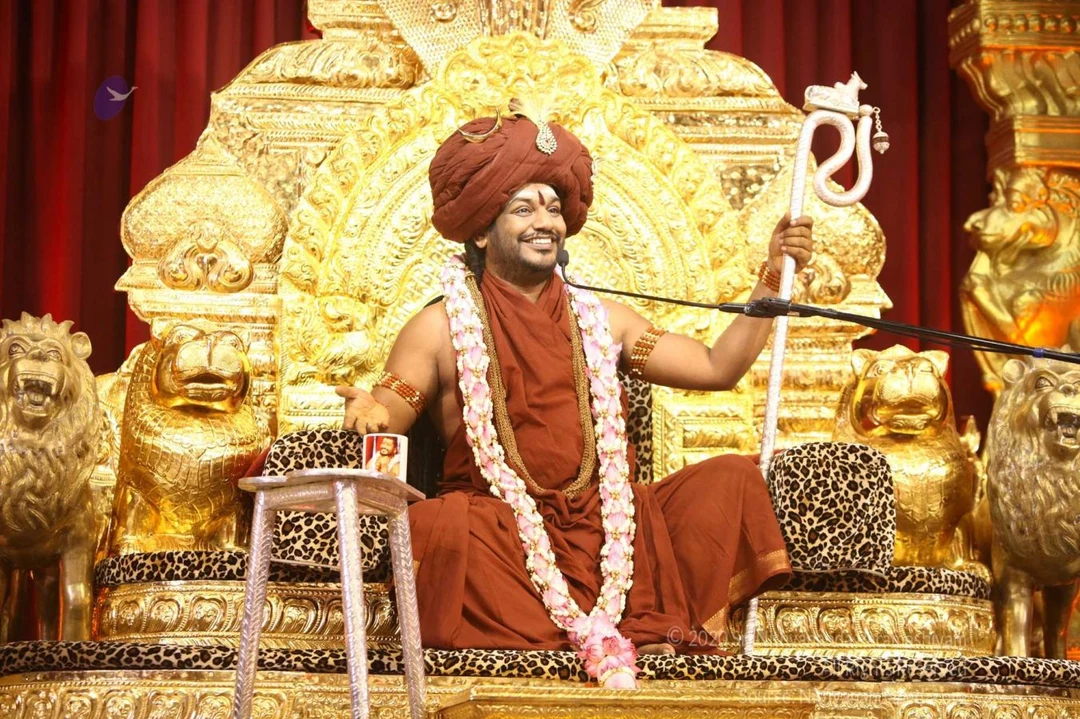 Nithya Satsang with His Divine Holiness Bhagavan Sri Nithyananda Paramashivam on "Secrets to Manifest Life Positive Right Cognitions"
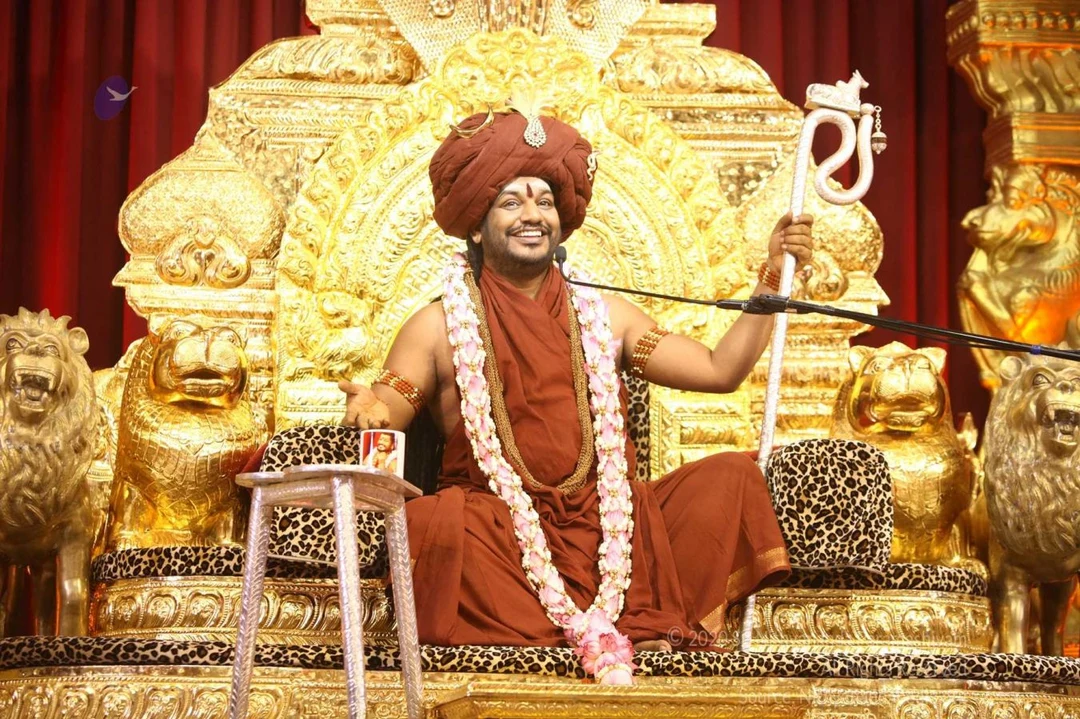 Nithya Satsang with His Divine Holiness Bhagavan Sri Nithyananda Paramashivam on "Secrets to Manifest Life Positive Right Cognitions"
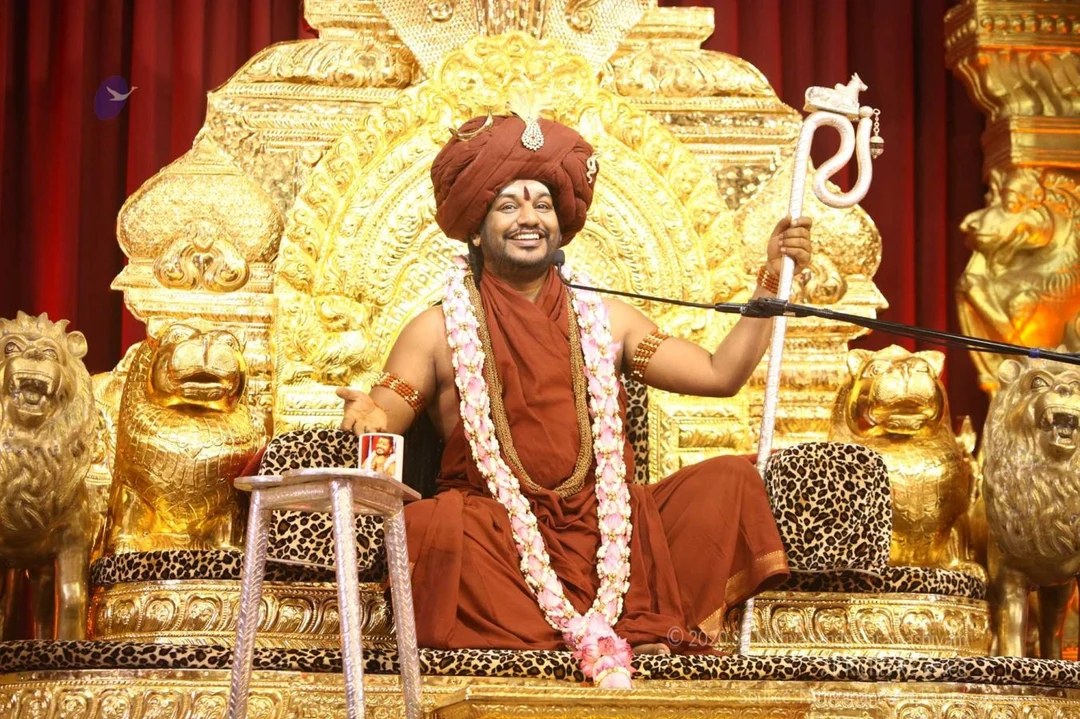 Nithya Satsang with His Divine Holiness Bhagavan Sri Nithyananda Paramashivam on "Secrets to Manifest Life Positive Right Cognitions"
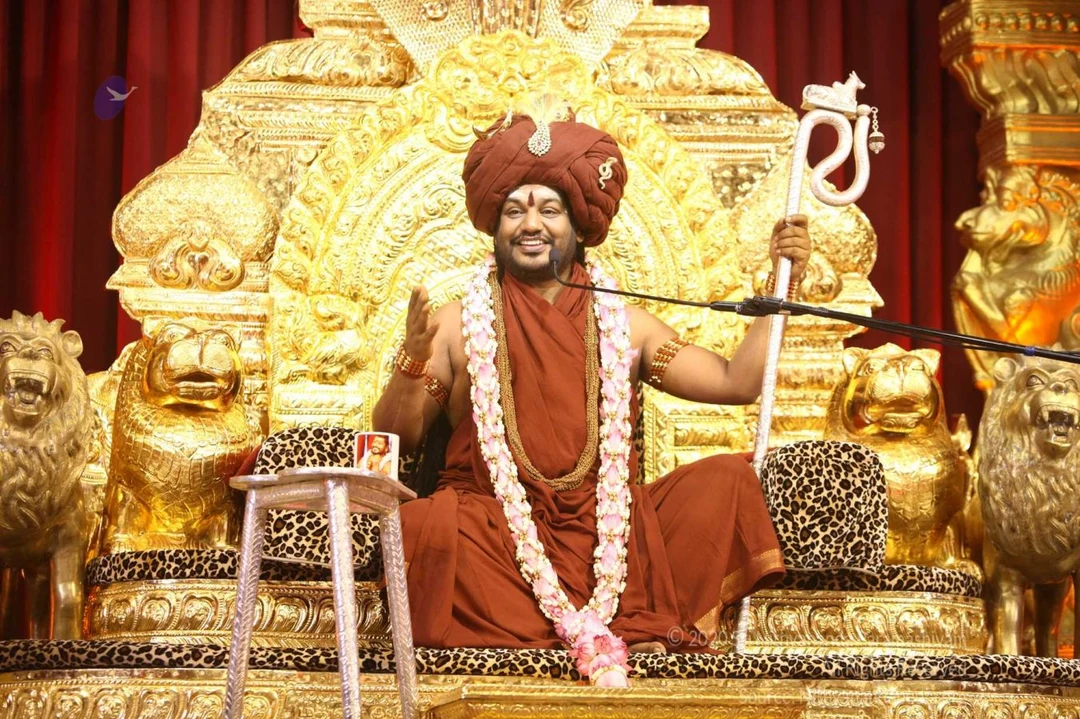 Nithya Satsang with His Divine Holiness Bhagavan Sri Nithyananda Paramashivam on "Secrets to Manifest Life Positive Right Cognitions"
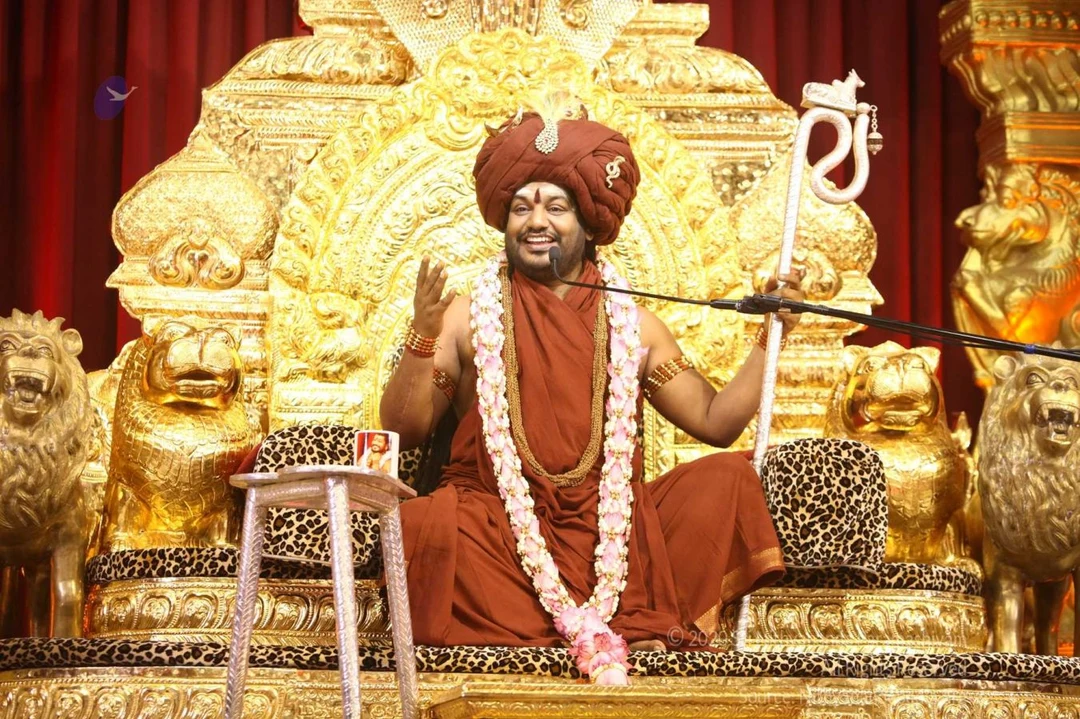 Nithya Satsang with His Divine Holiness Bhagavan Sri Nithyananda Paramashivam on "Secrets to Manifest Life Positive Right Cognitions"
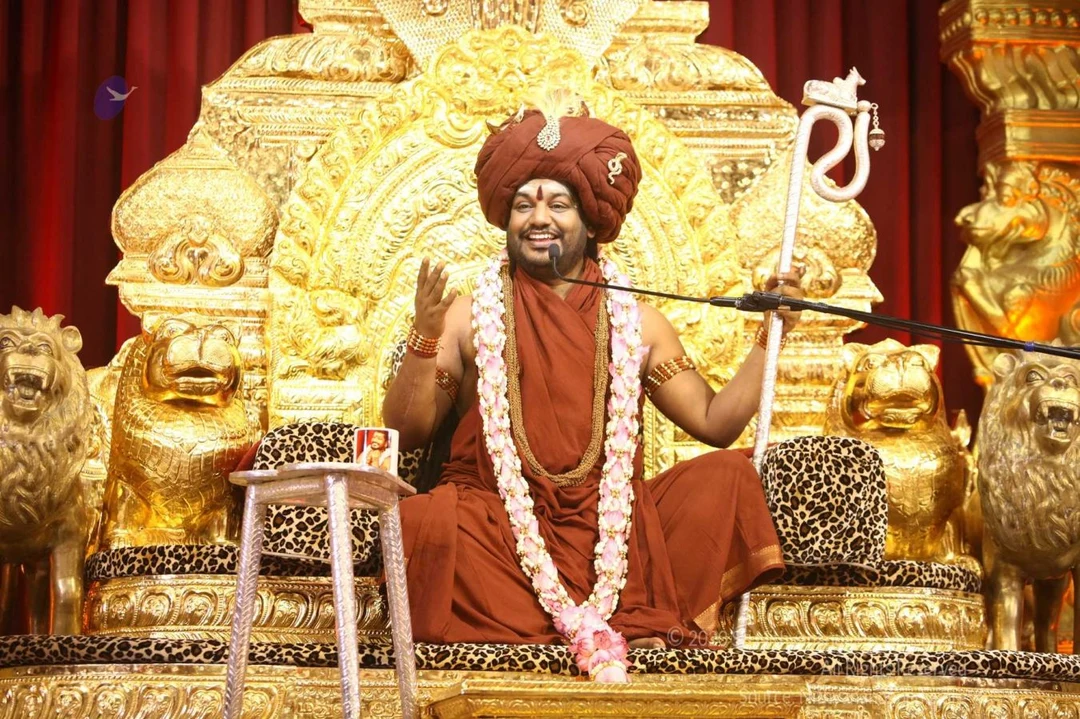 Nithya Satsang with His Divine Holiness Bhagavan Sri Nithyananda Paramashivam on "Secrets to Manifest Life Positive Right Cognitions"
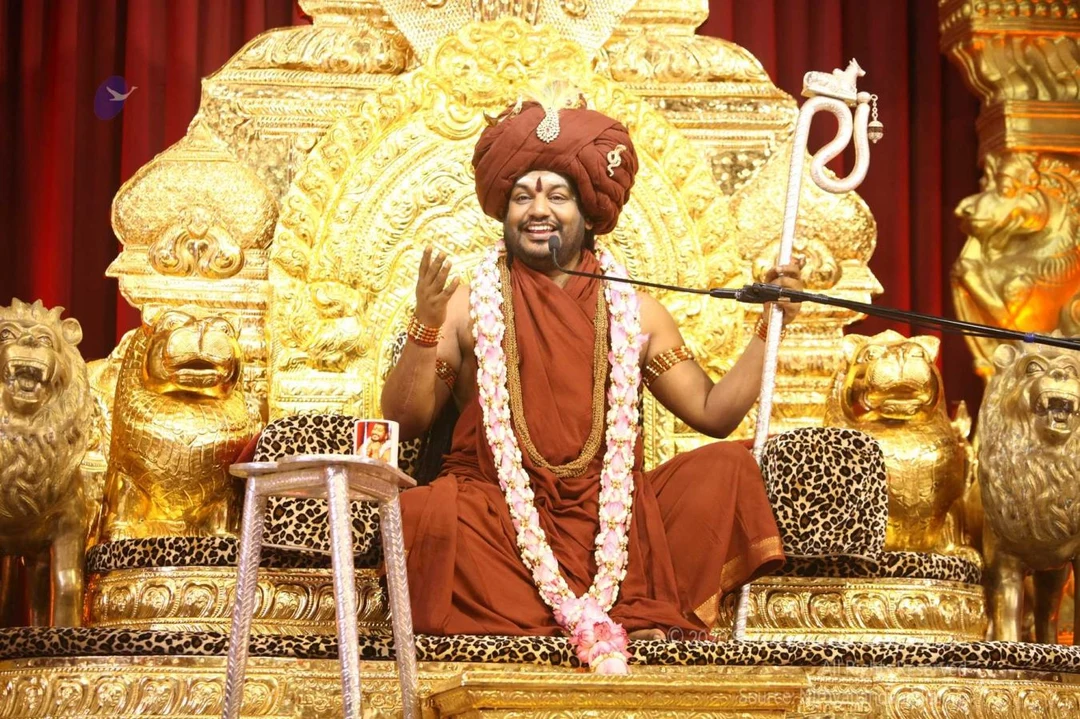 Nithya Satsang with His Divine Holiness Bhagavan Sri Nithyananda Paramashivam on "Secrets to Manifest Life Positive Right Cognitions"
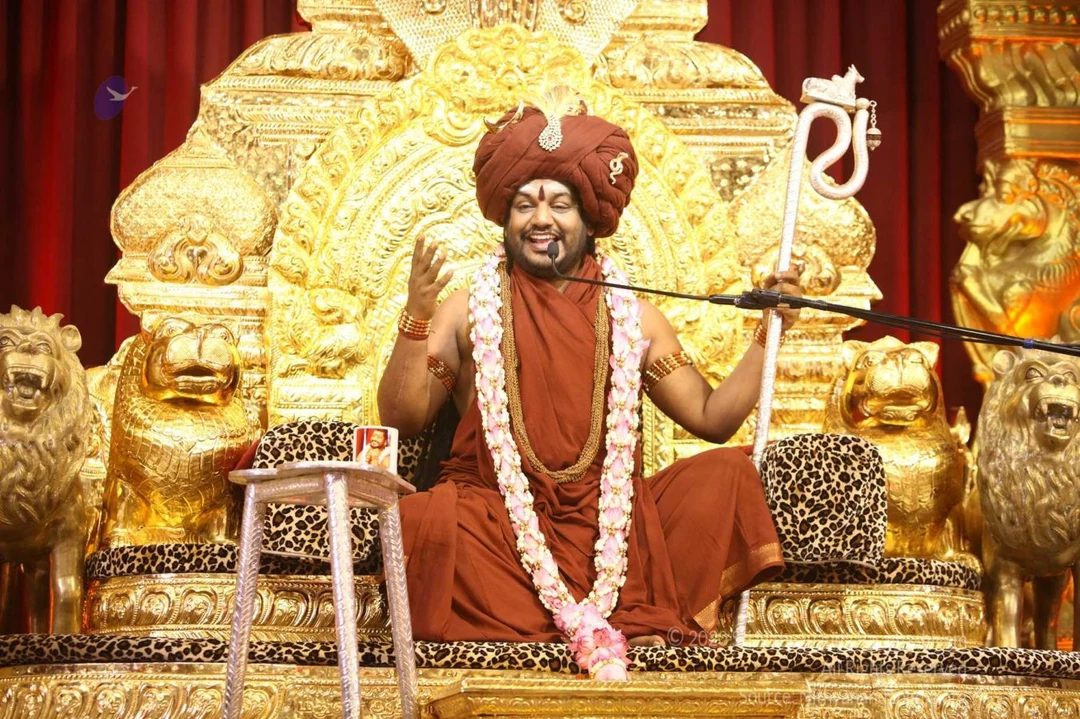 Nithya Satsang with His Divine Holiness Bhagavan Sri Nithyananda Paramashivam on "Secrets to Manifest Life Positive Right Cognitions"
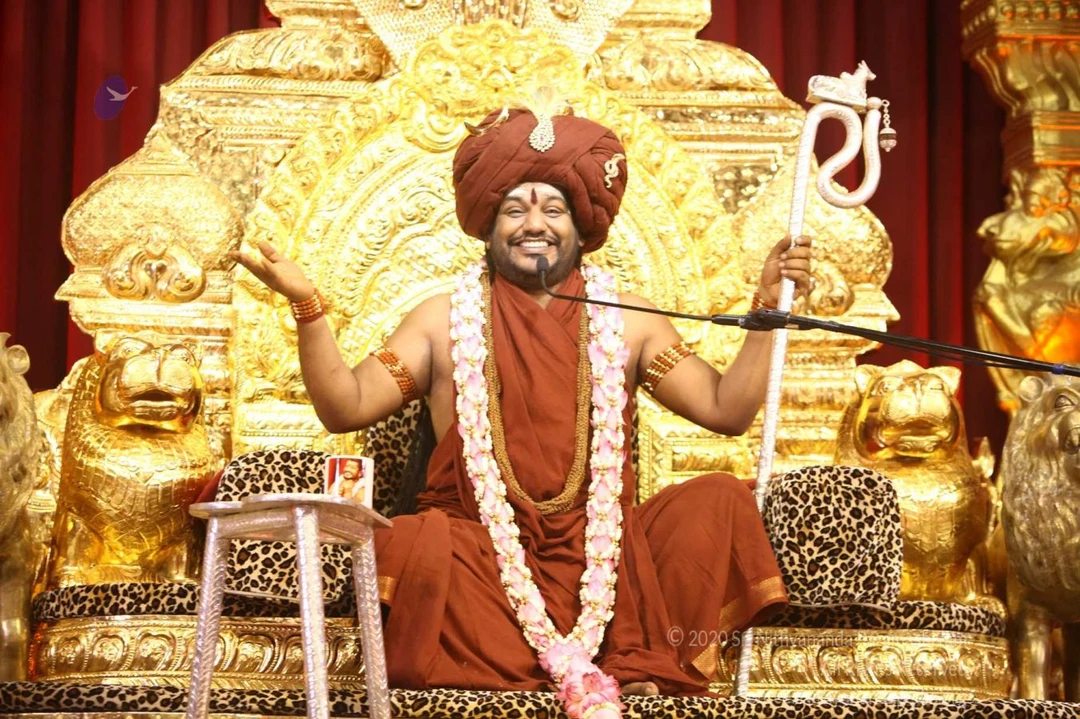 Nithya Satsang with His Divine Holiness Bhagavan Sri Nithyananda Paramashivam on "Secrets to Manifest Life Positive Right Cognitions"
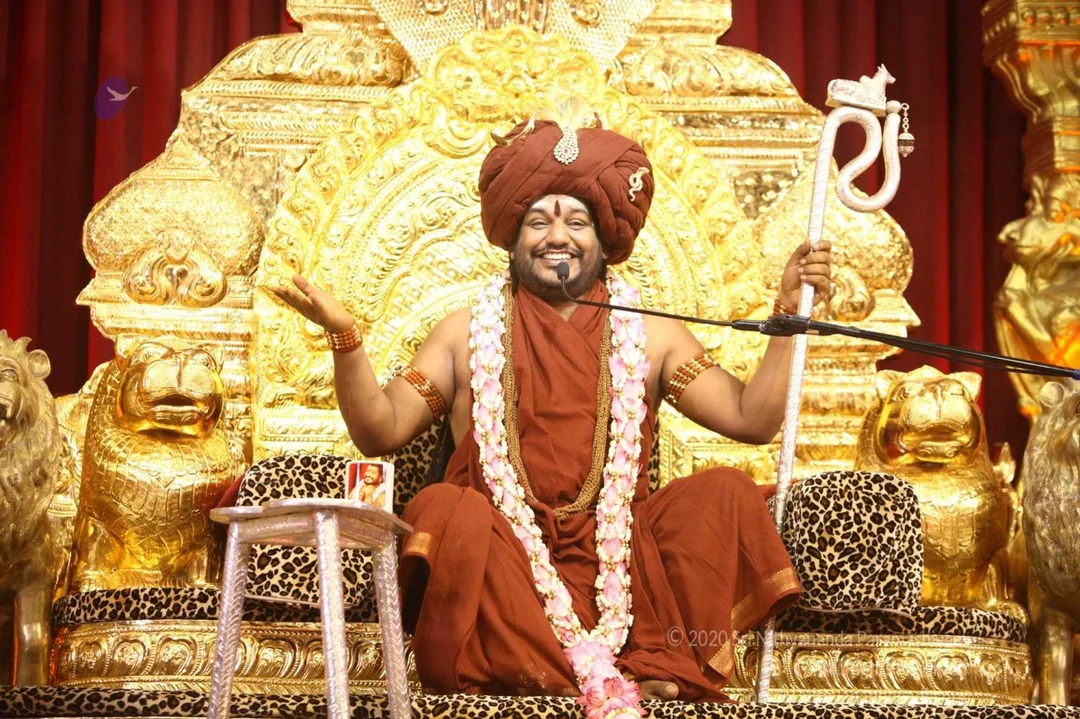 Nithya Satsang with His Divine Holiness Bhagavan Sri Nithyananda Paramashivam on "Secrets to Manifest Life Positive Right Cognitions"
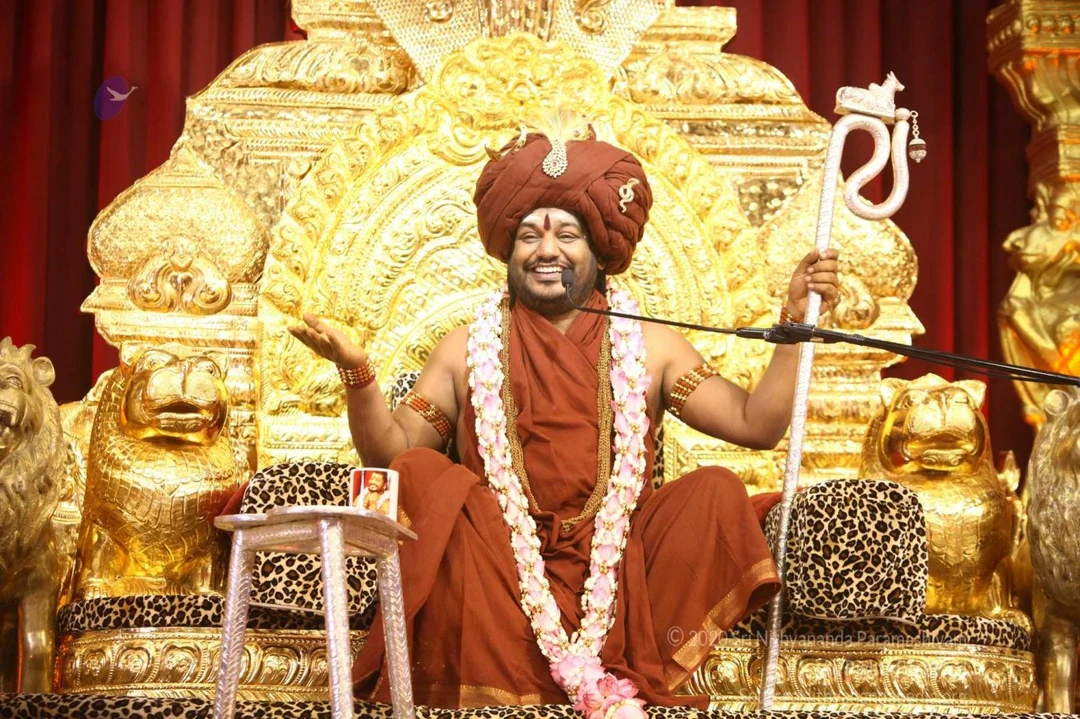 Nithya Satsang with His Divine Holiness Bhagavan Sri Nithyananda Paramashivam on "Secrets to Manifest Life Positive Right Cognitions"
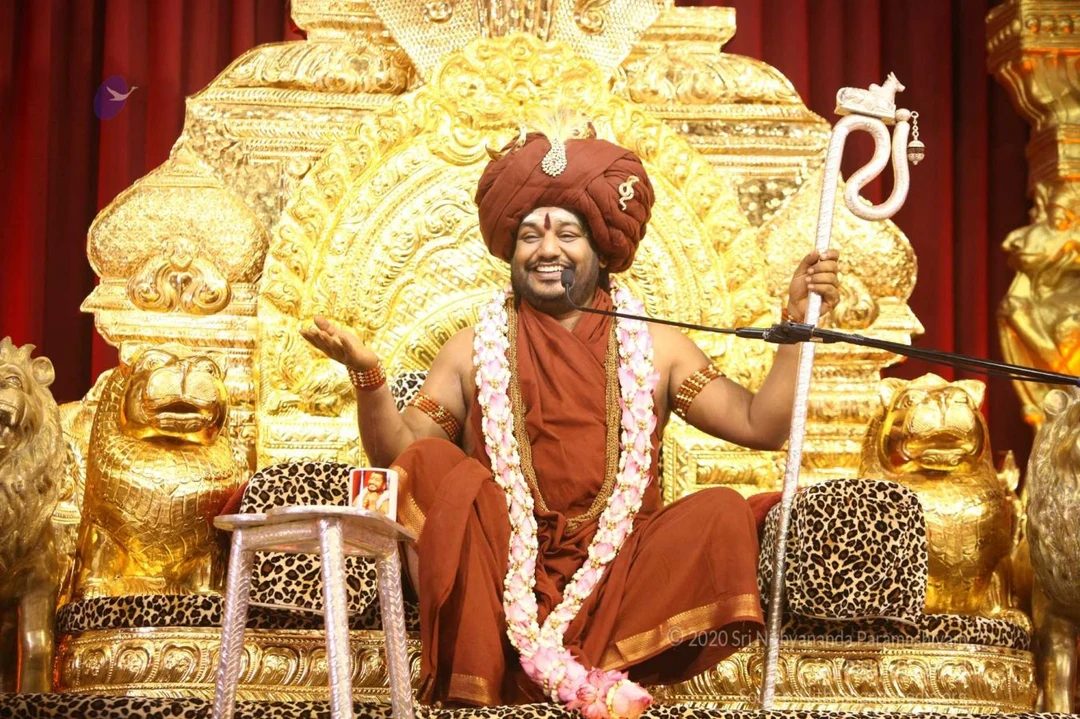 Nithya Satsang with His Divine Holiness Bhagavan Sri Nithyananda Paramashivam on "Secrets to Manifest Life Positive Right Cognitions"
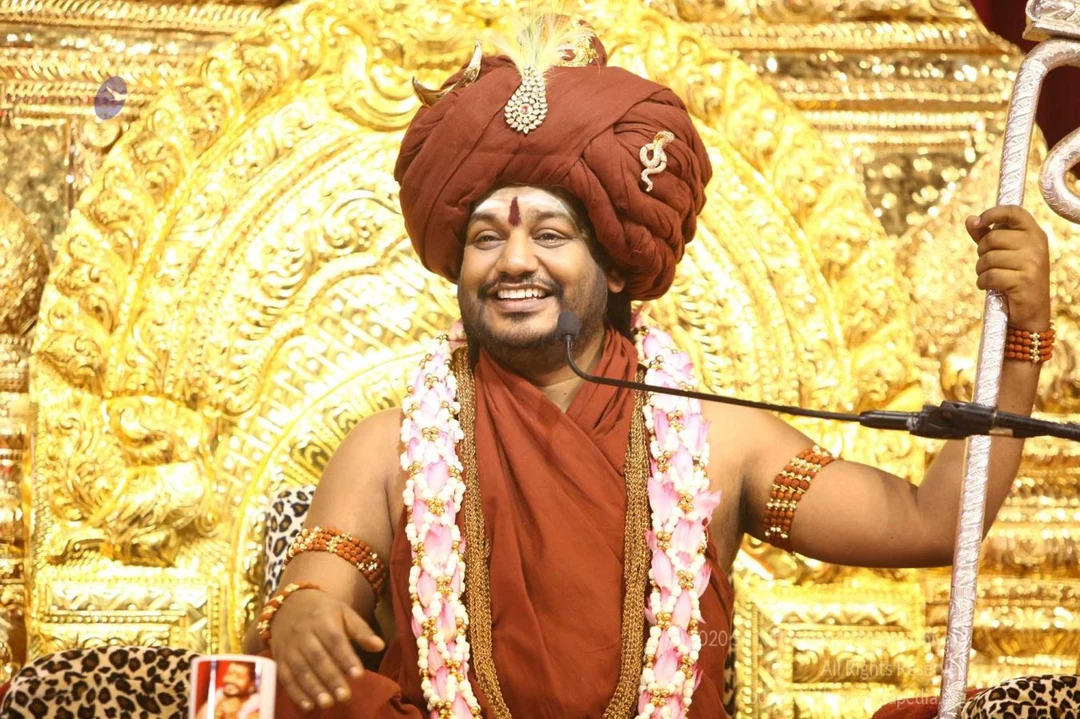 Nithya Satsang with His Divine Holiness Bhagavan Sri Nithyananda Paramashivam on "Secrets to Manifest Life Positive Right Cognitions"
 Nithya Satsang with His Divine Holiness Bhagavan Sri Nithyananda Paramashivam on "Secrets to Manifest Life Positive Right Cognitions"
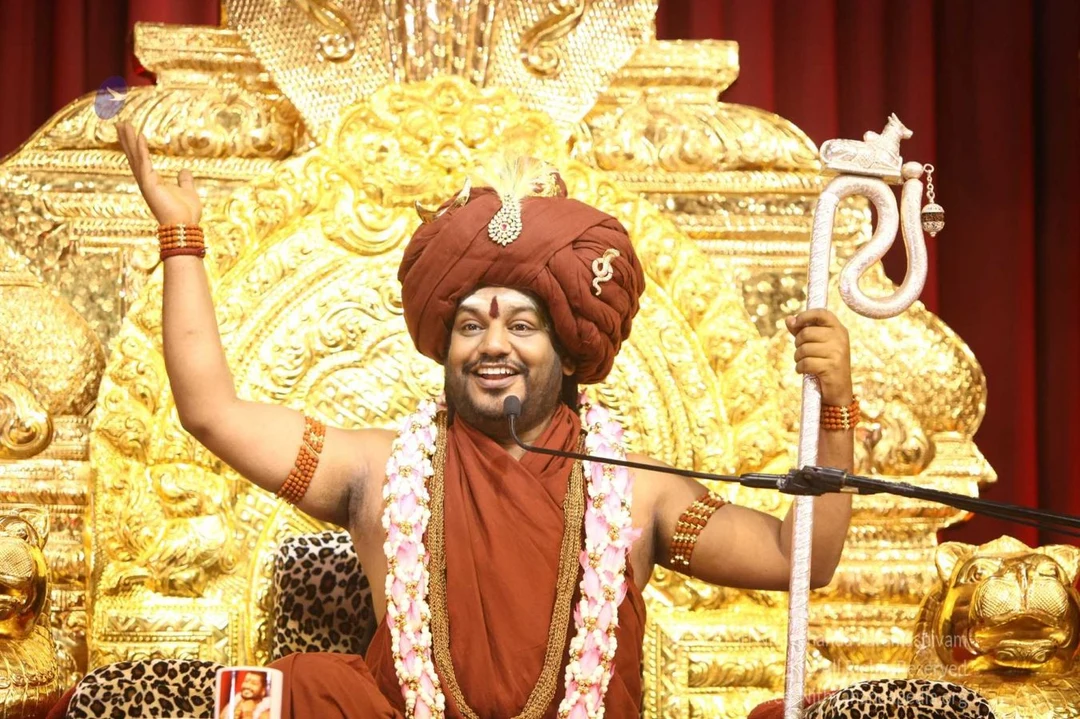 Nithya Satsang with His Divine Holiness Bhagavan Sri Nithyananda Paramashivam on "Secrets to Manifest Life Positive Right Cognitions"
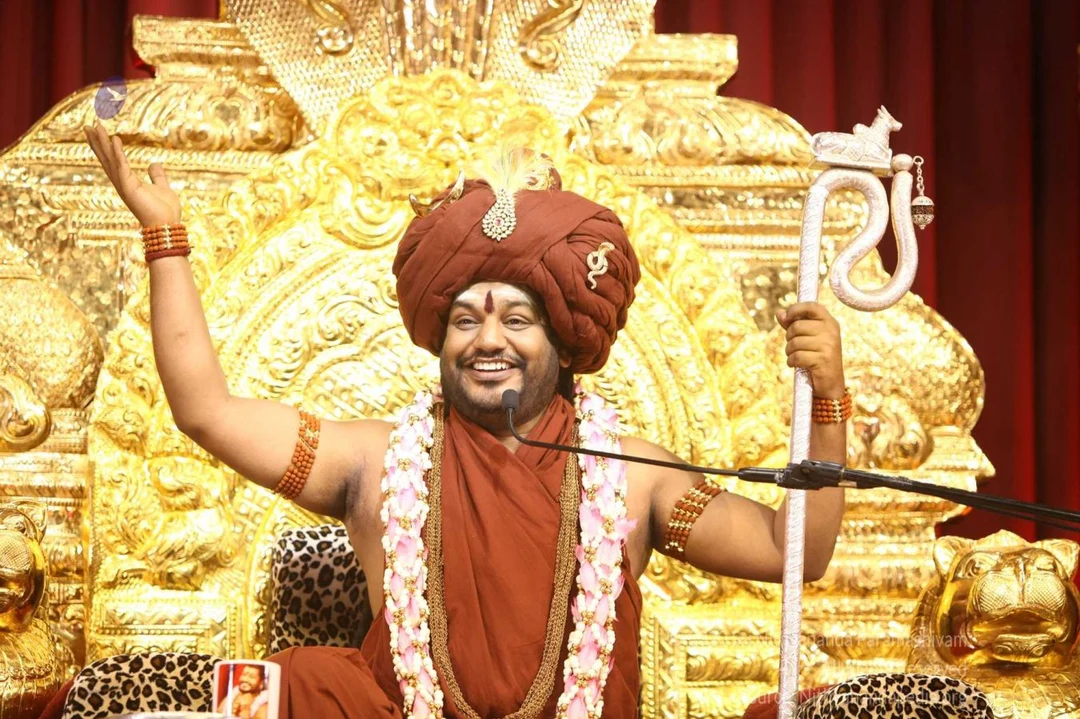 Nithya Satsang with His Divine Holiness Bhagavan Sri Nithyananda Paramashivam on "Secrets to Manifest Life Positive Right Cognitions"
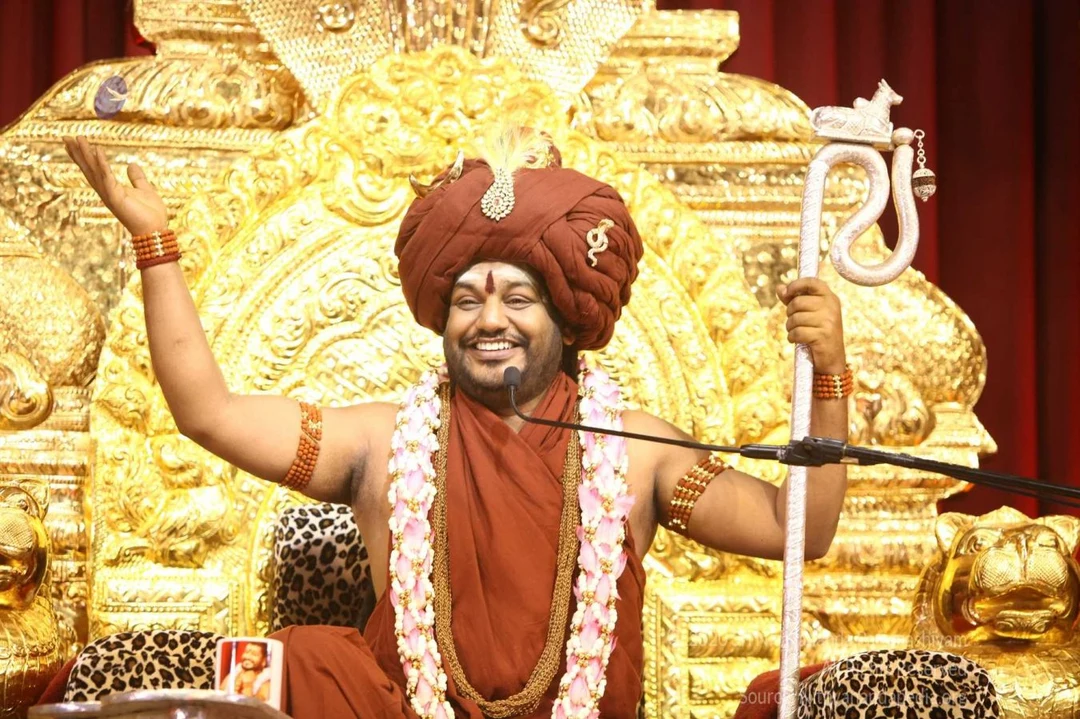 Nithya Satsang with His Divine Holiness Bhagavan Sri Nithyananda Paramashivam on "Secrets to Manifest Life Positive Right Cognitions"
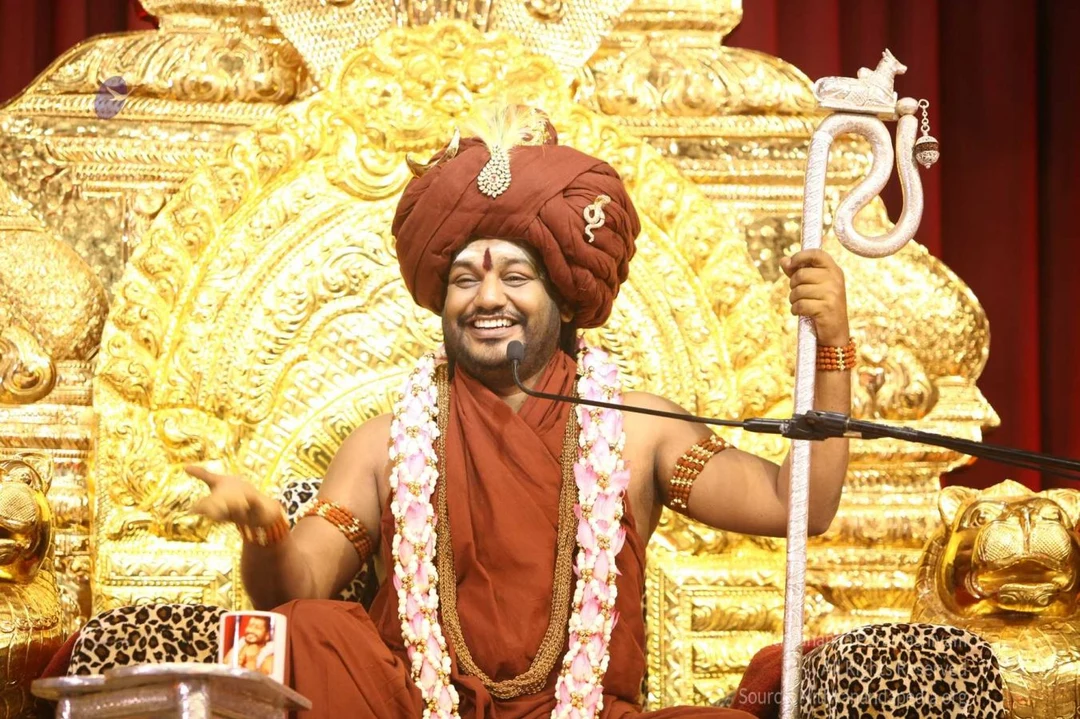 Nithya Satsang with His Divine Holiness Bhagavan Sri Nithyananda Paramashivam on "Secrets to Manifest Life Positive Right Cognitions"
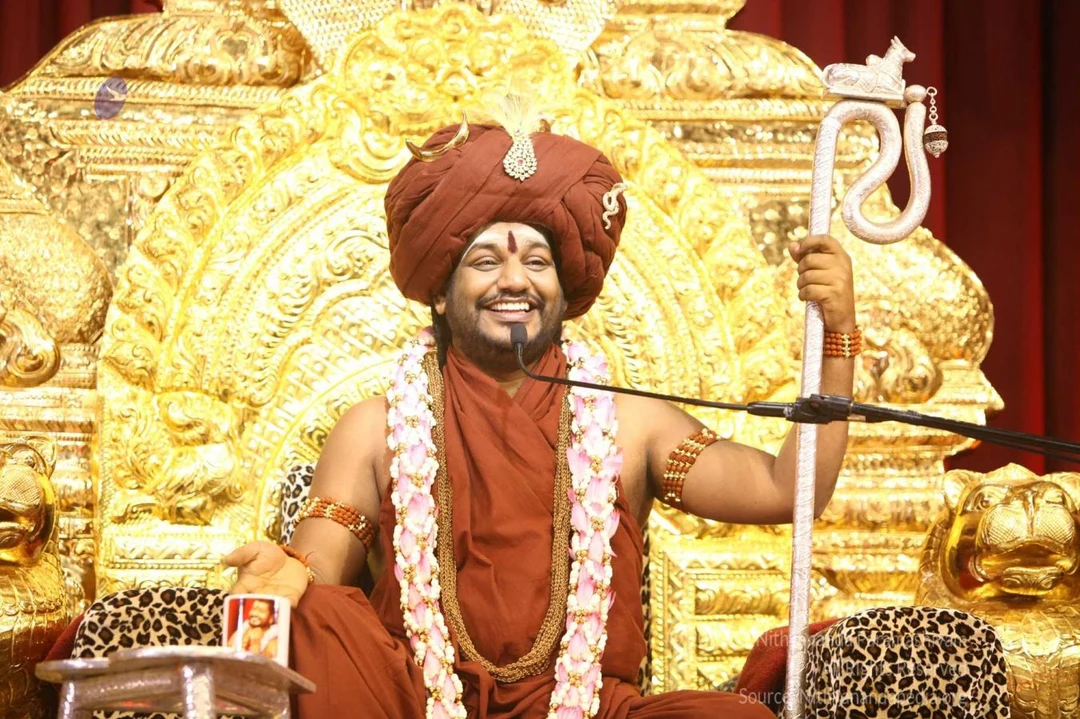 Nithya Satsang with His Divine Holiness Bhagavan Sri Nithyananda Paramashivam on "Secrets to Manifest Life Positive Right Cognitions"
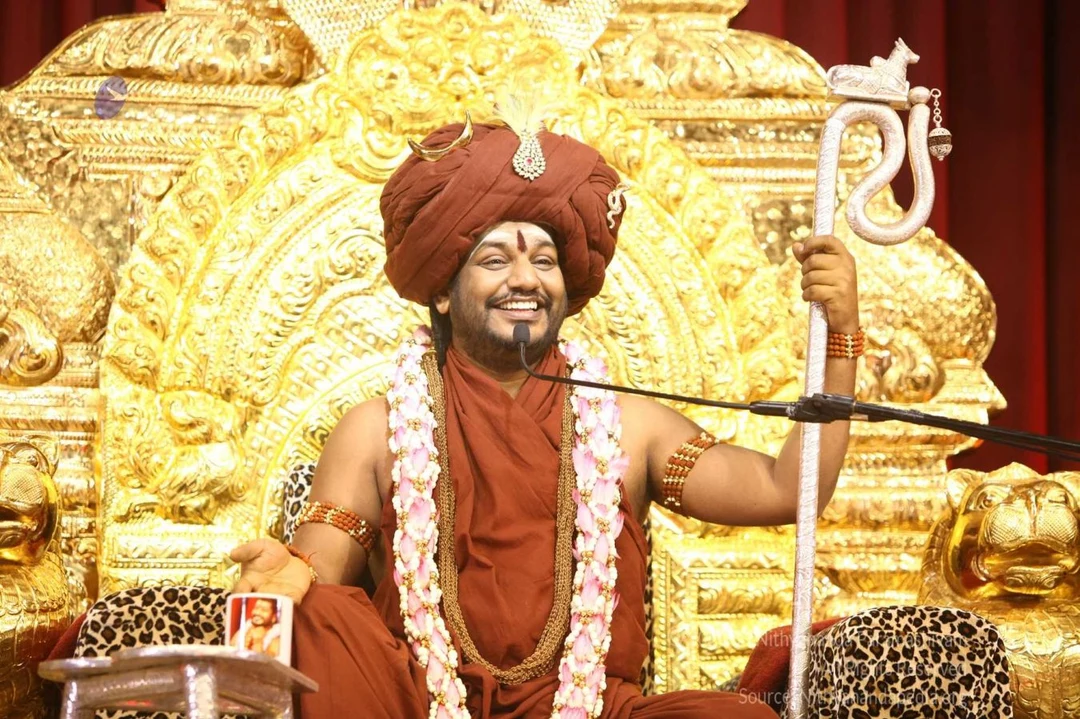 Nithya Satsang with His Divine Holiness Bhagavan Sri Nithyananda Paramashivam on "Secrets to Manifest Life Positive Right Cognitions"
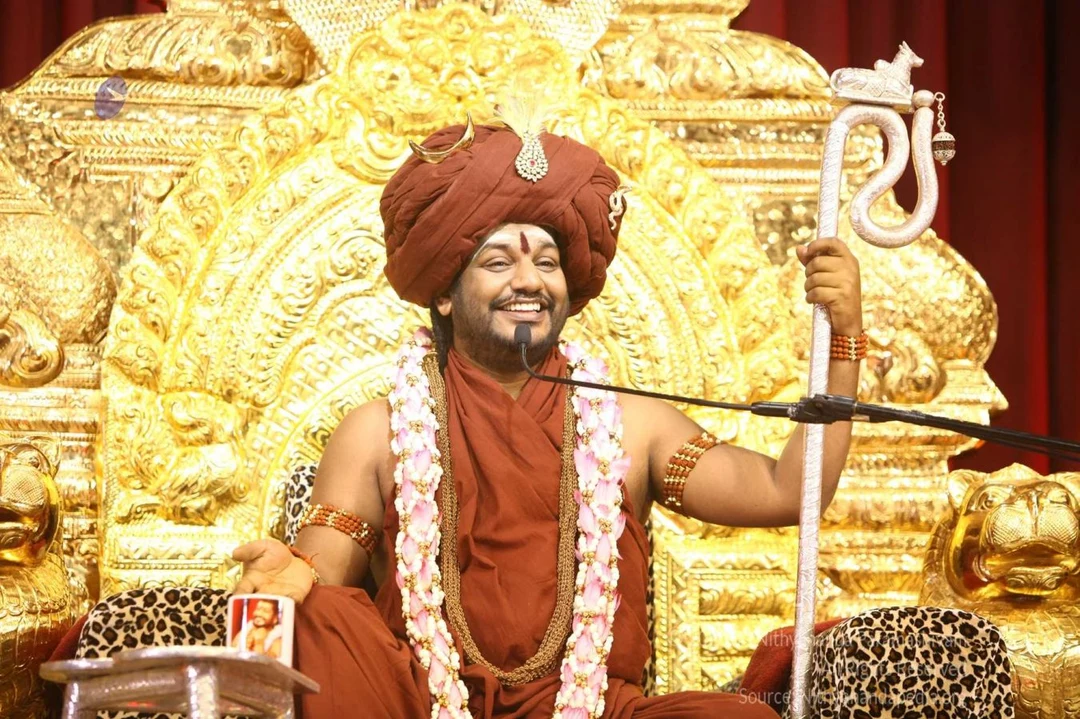 Nithya Satsang with His Divine Holiness Bhagavan Sri Nithyananda Paramashivam on "Secrets to Manifest Life Positive Right Cognitions"
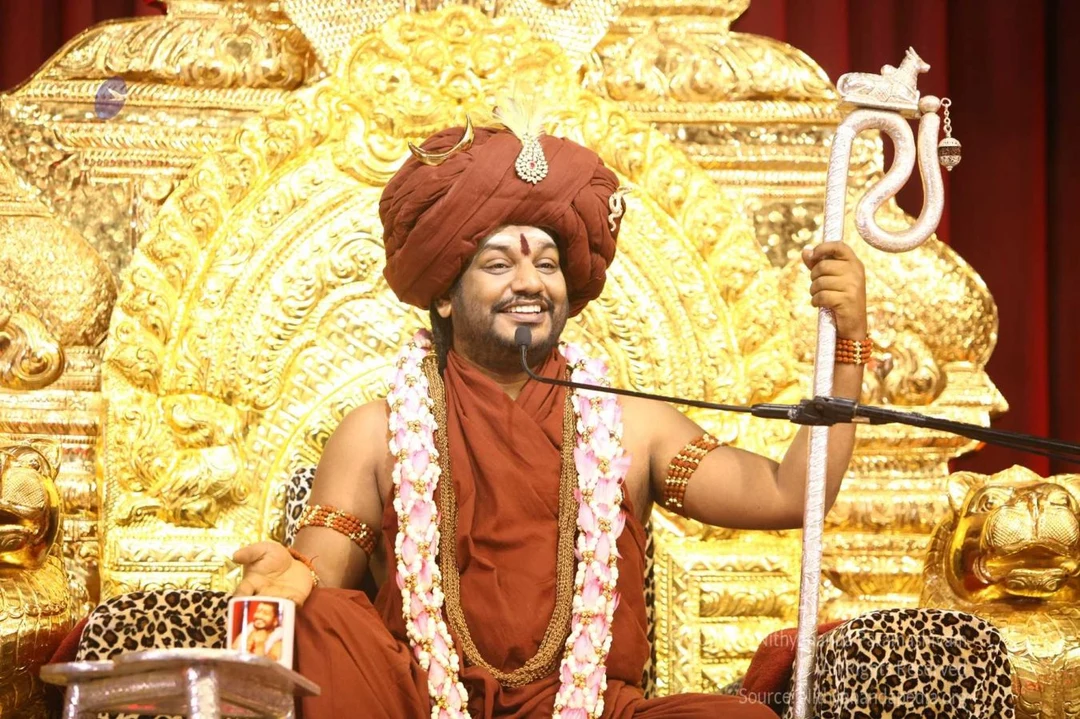 Nithya Satsang with His Divine Holiness Bhagavan Sri Nithyananda Paramashivam on "Secrets to Manifest Life Positive Right Cognitions"
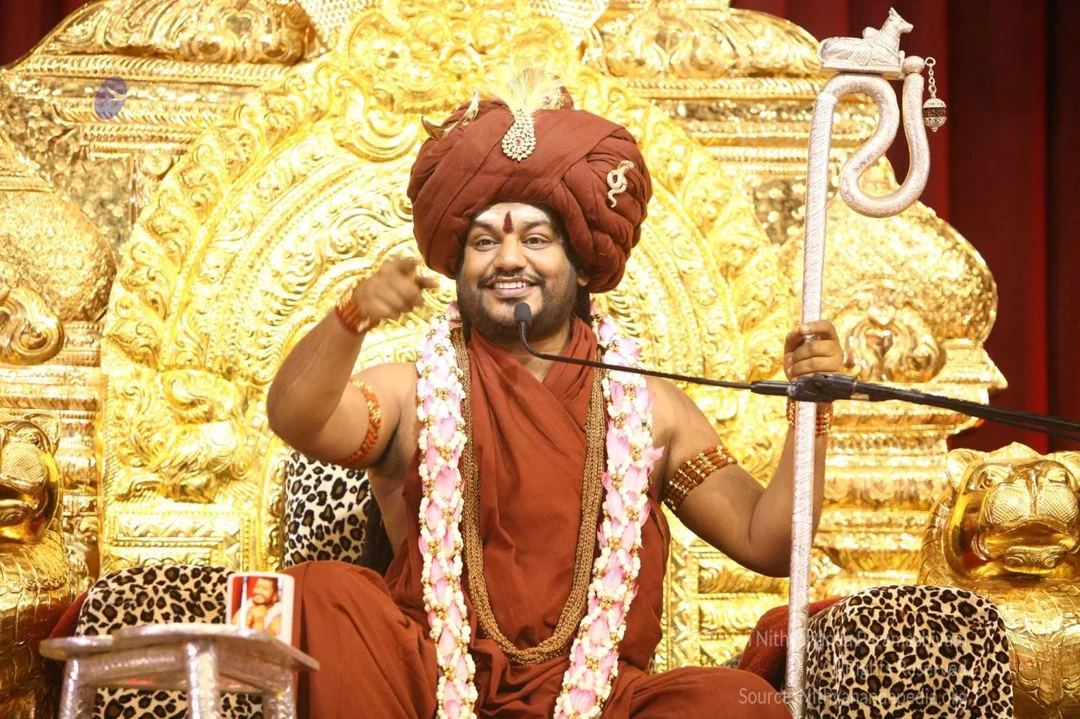 Nithya Satsang with His Divine Holiness Bhagavan Sri Nithyananda Paramashivam on "Secrets to Manifest Life Positive Right Cognitions"
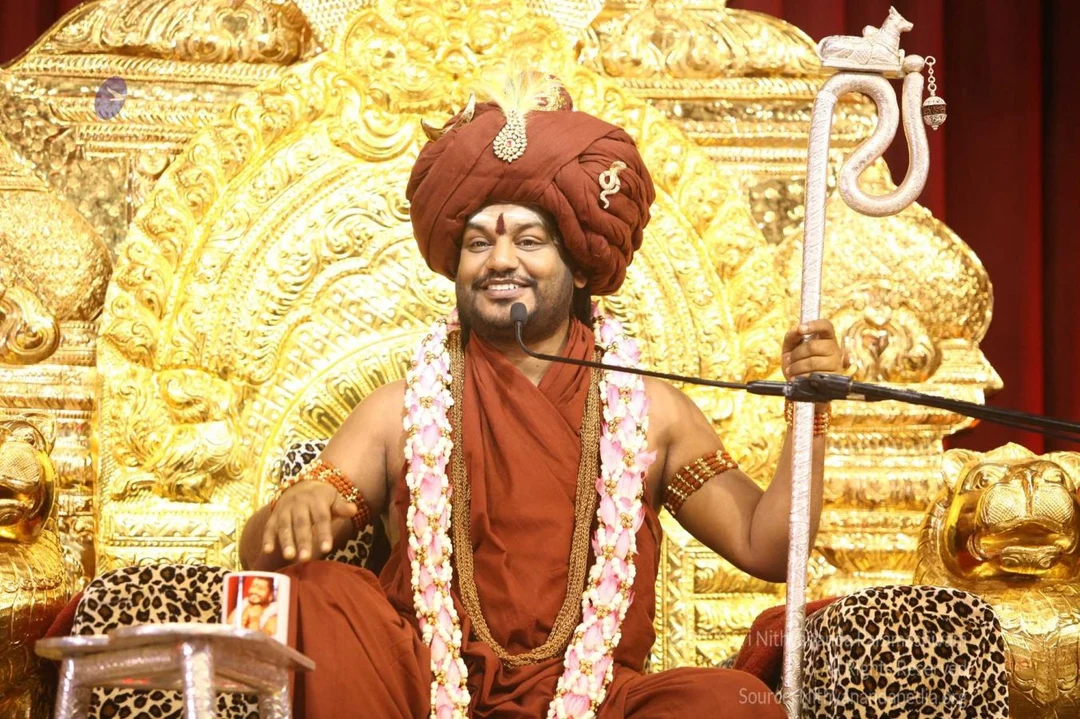 Nithya Satsang with His Divine Holiness Bhagavan Sri Nithyananda Paramashivam on "Secrets to Manifest Life Positive Right Cognitions"
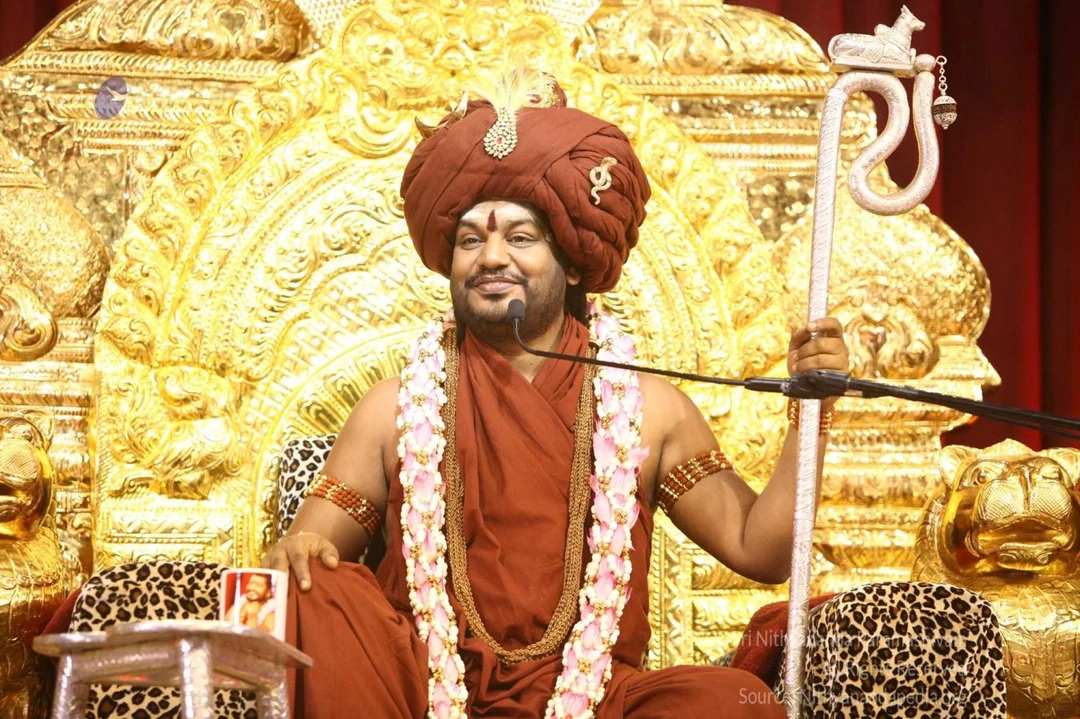 Nithya Satsang with His Divine Holiness Bhagavan Sri Nithyananda Paramashivam on "Secrets to Manifest Life Positive Right Cognitions"
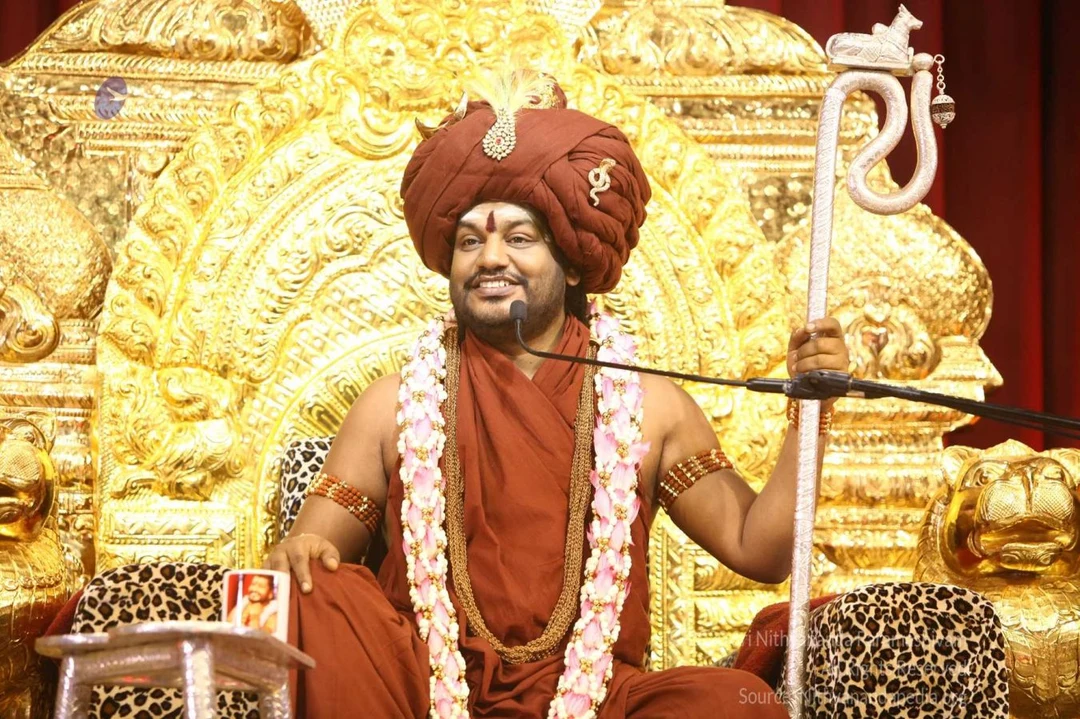 Nithya Satsang with His Divine Holiness Bhagavan Sri Nithyananda Paramashivam on "Secrets to Manifest Life Positive Right Cognitions"
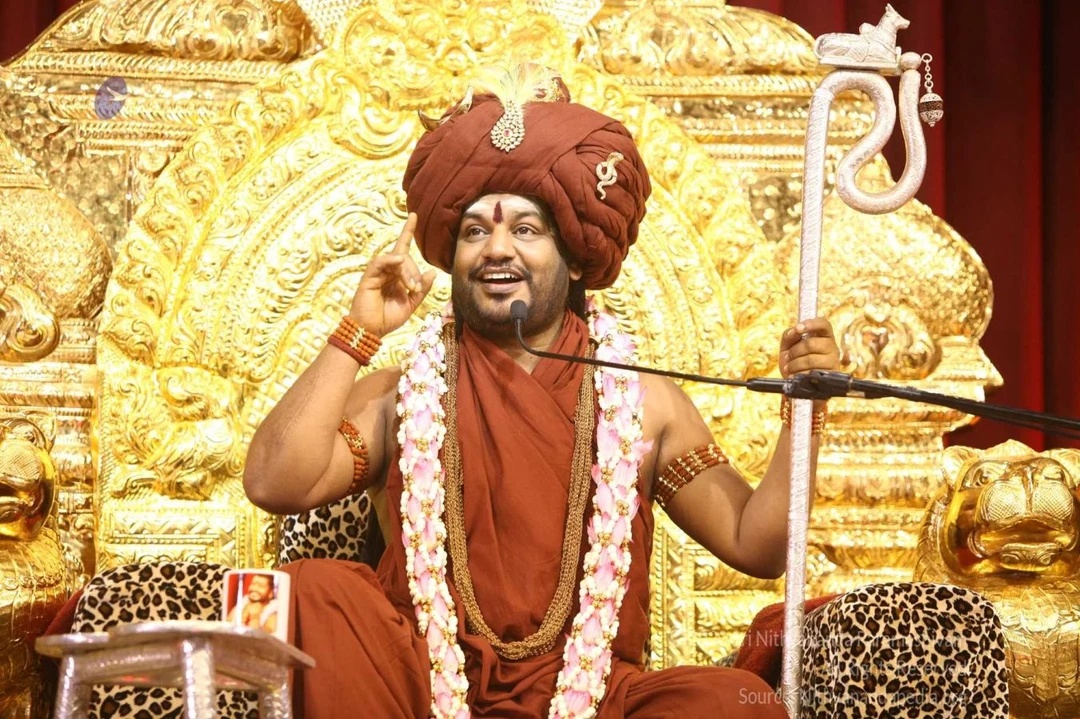 Nithya Satsang with His Divine Holiness Bhagavan Sri Nithyananda Paramashivam on "Secrets to Manifest Life Positive Right Cognitions"
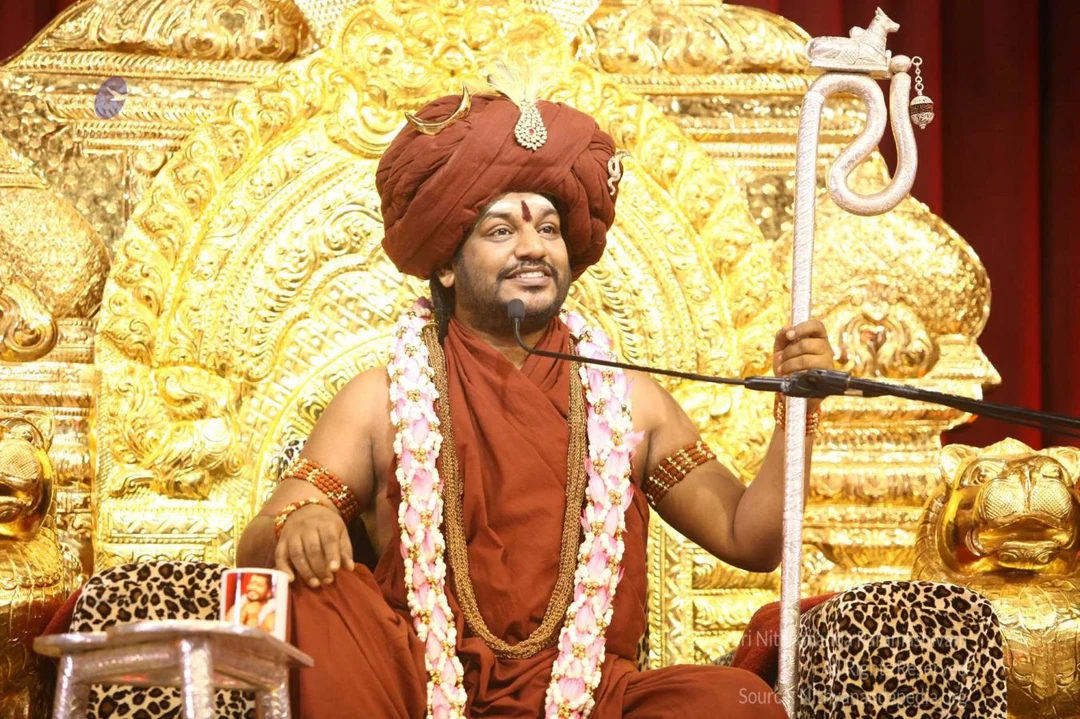 Nithya Satsang with His Divine Holiness Bhagavan Sri Nithyananda Paramashivam on "Secrets to Manifest Life Positive Right Cognitions"
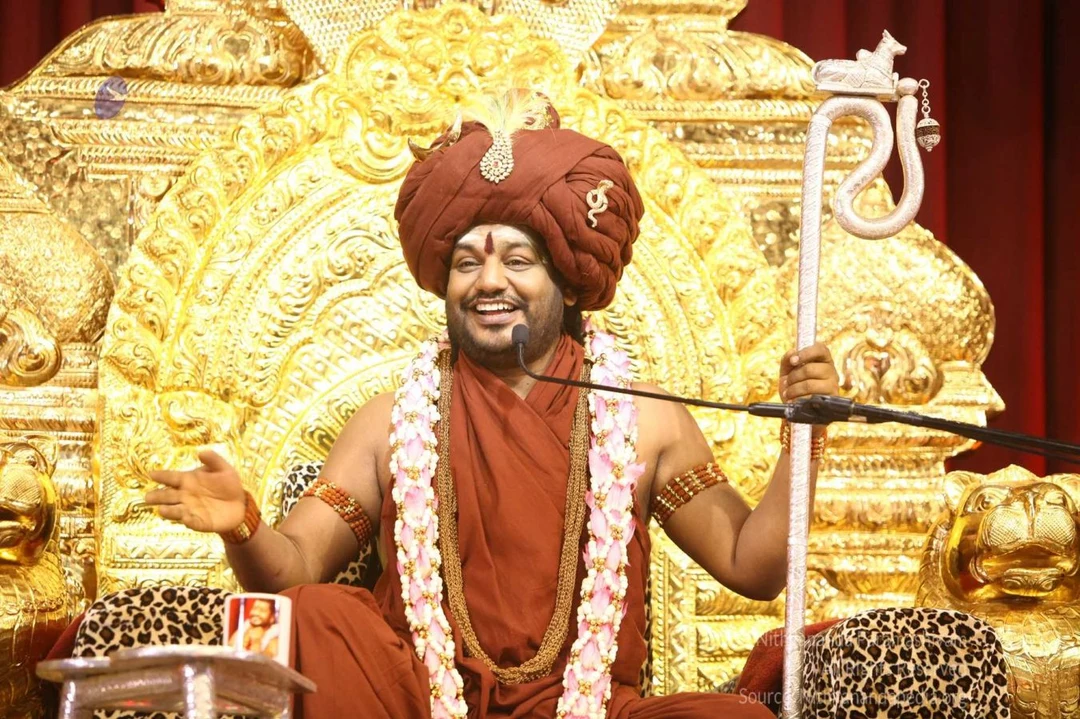 Nithya Satsang with His Divine Holiness Bhagavan Sri Nithyananda Paramashivam on "Secrets to Manifest Life Positive Right Cognitions"
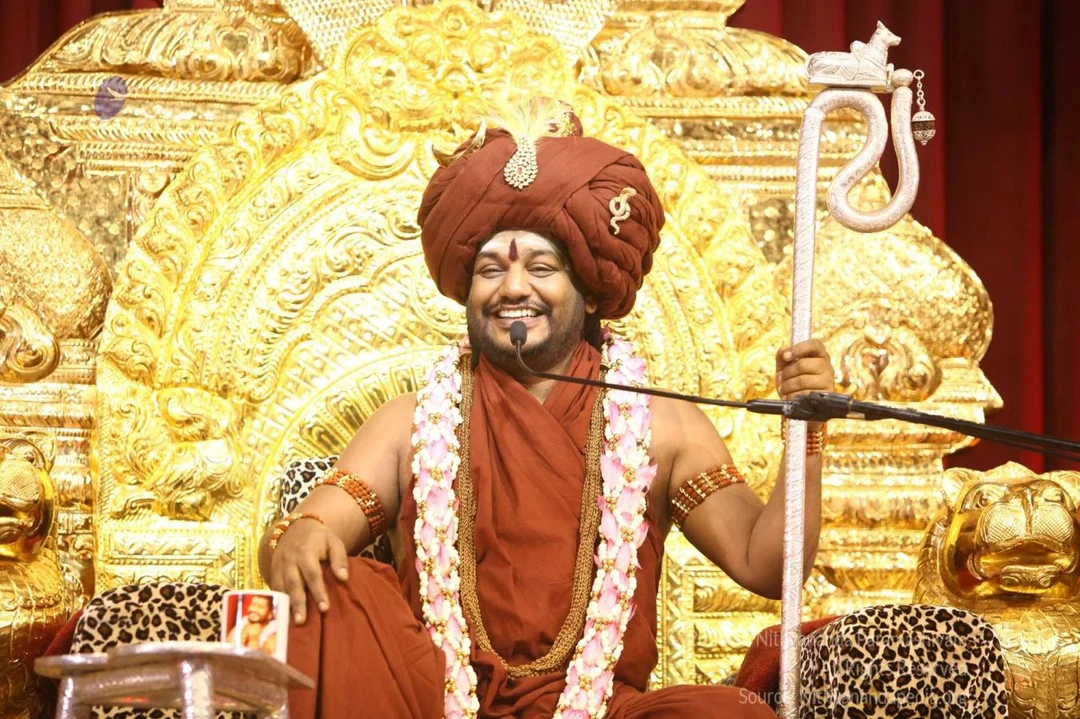 Nithya Satsang with His Divine Holiness Bhagavan Sri Nithyananda Paramashivam on "Secrets to Manifest Life Positive Right Cognitions"
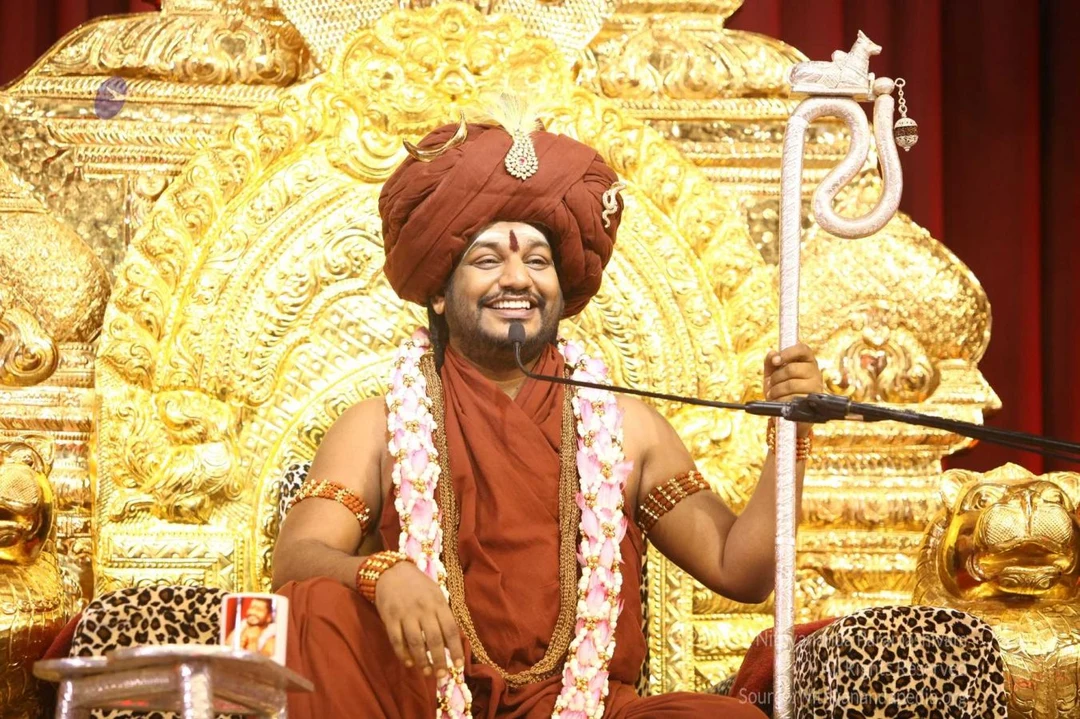 Nithya Satsang with His Divine Holiness Bhagavan Sri Nithyananda Paramashivam on "Secrets to Manifest Life Positive Right Cognitions"
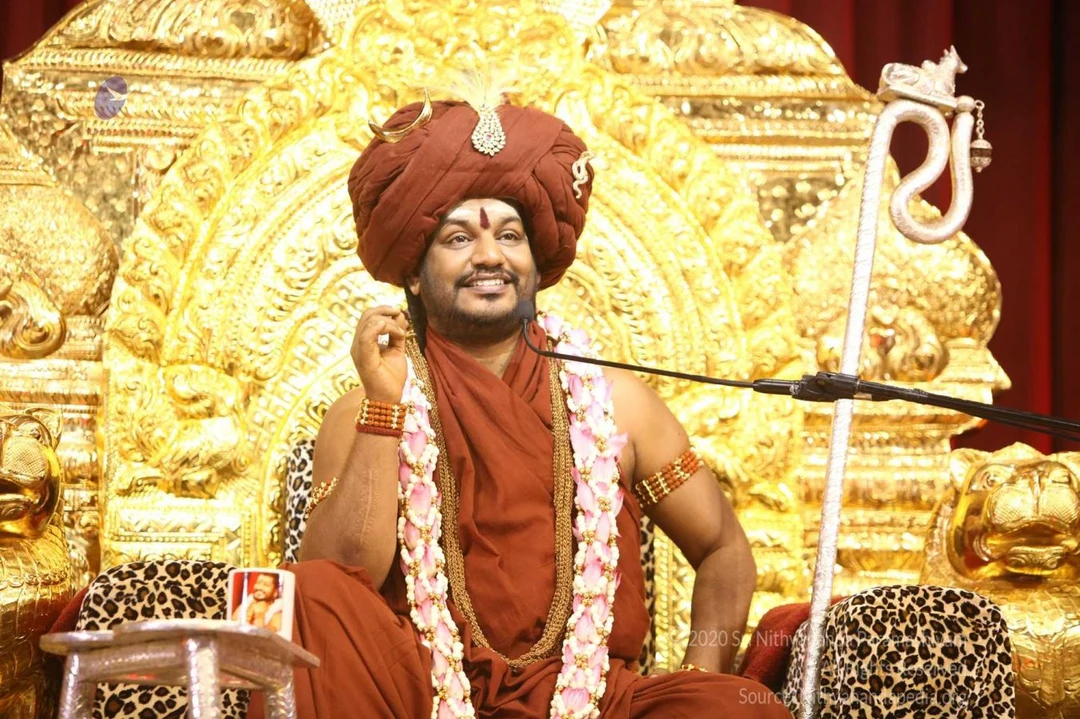 Nithya Satsang with His Divine Holiness Bhagavan Sri Nithyananda Paramashivam on "Secrets to Manifest Life Positive Right Cognitions"
 Nithya Satsang with His Divine Holiness Bhagavan Sri Nithyananda Paramashivam on "Secrets to Manifest Life Positive Right Cognitions"
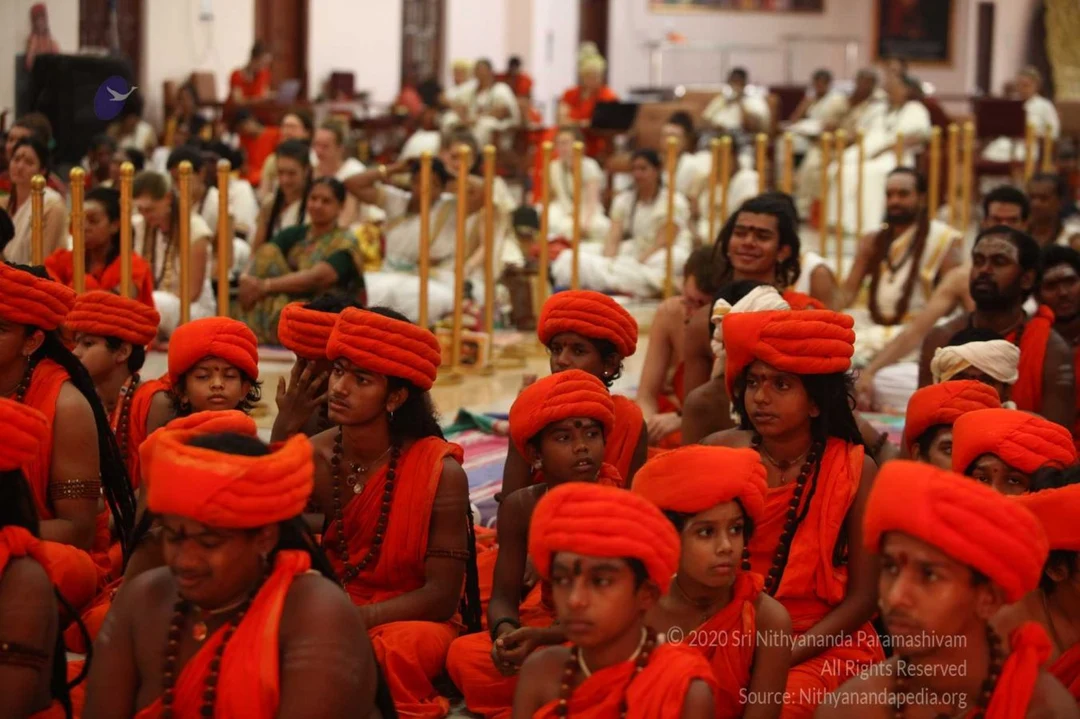 Nithya Satsang with His Divine Holiness Bhagavan Sri Nithyananda Paramashivam on "Secrets to Manifest Life Positive Right Cognitions"
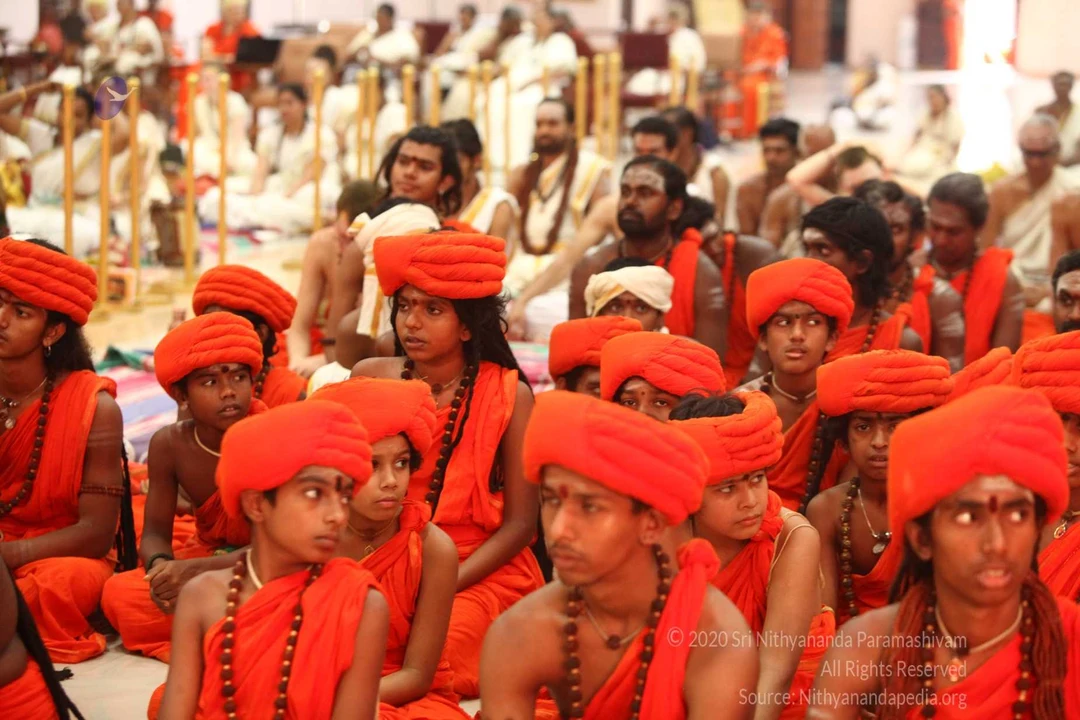 Nithya Satsang with His Divine Holiness Bhagavan Sri Nithyananda Paramashivam on "Secrets to Manifest Life Positive Right Cognitions"
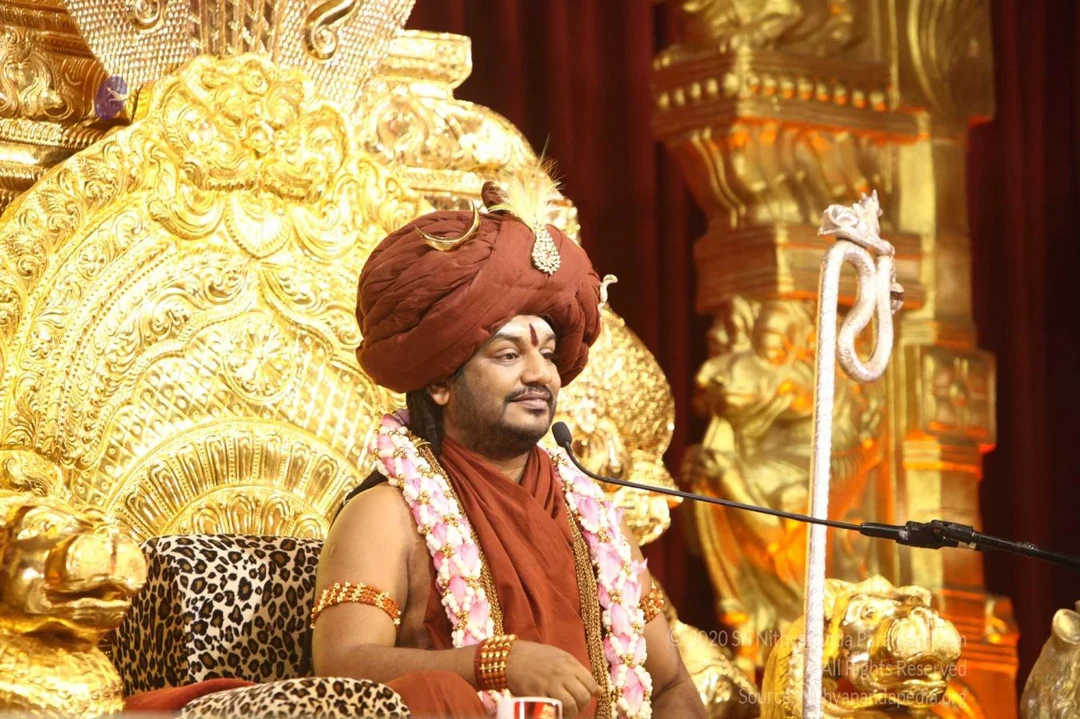 Nithya Satsang with His Divine Holiness Bhagavan Sri Nithyananda Paramashivam on "Secrets to Manifest Life Positive Right Cognitions"
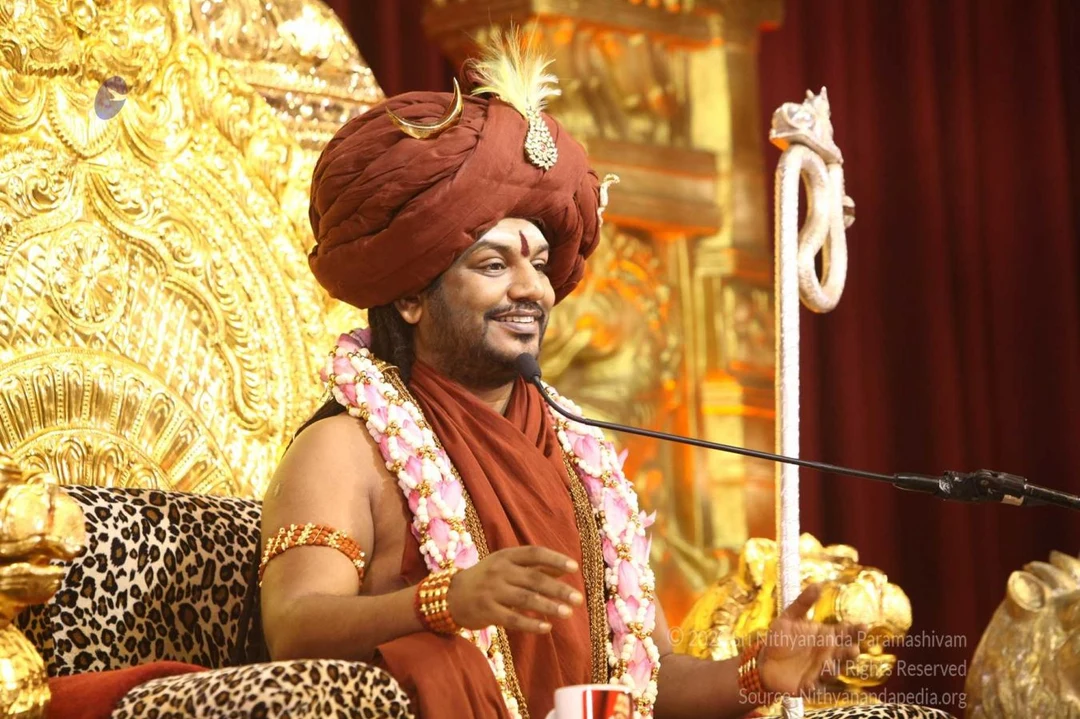 Nithya Satsang with His Divine Holiness Bhagavan Sri Nithyananda Paramashivam on "Secrets to Manifest Life Positive Right Cognitions"
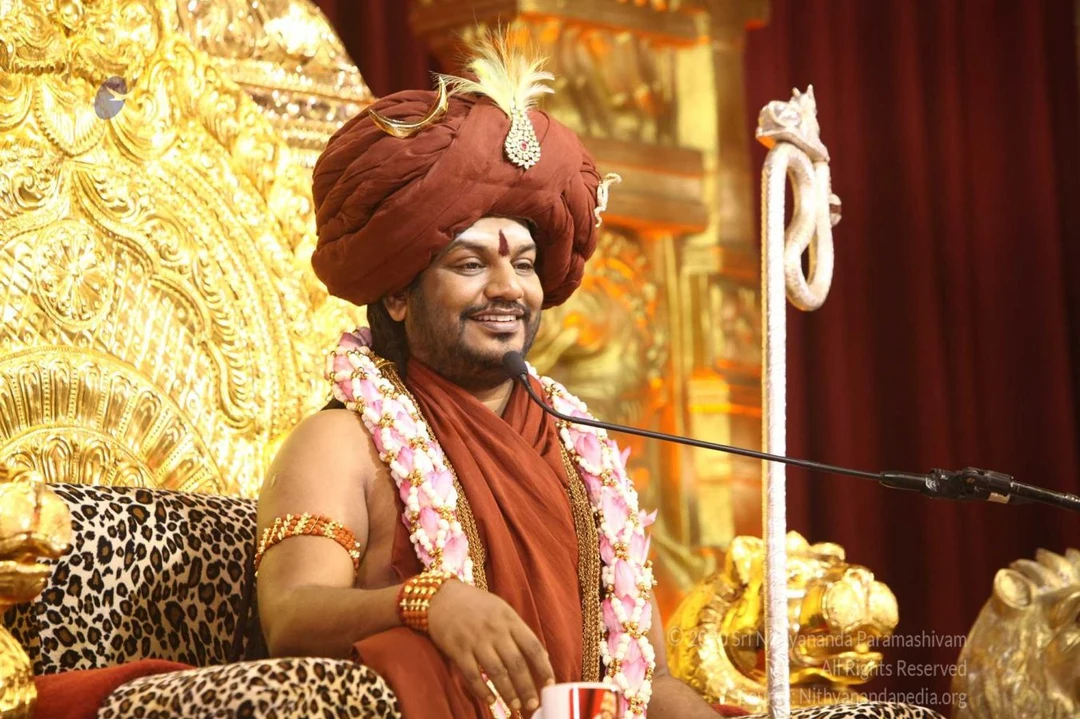 Nithya Satsang with His Divine Holiness Bhagavan Sri Nithyananda Paramashivam on "Secrets to Manifest Life Positive Right Cognitions"
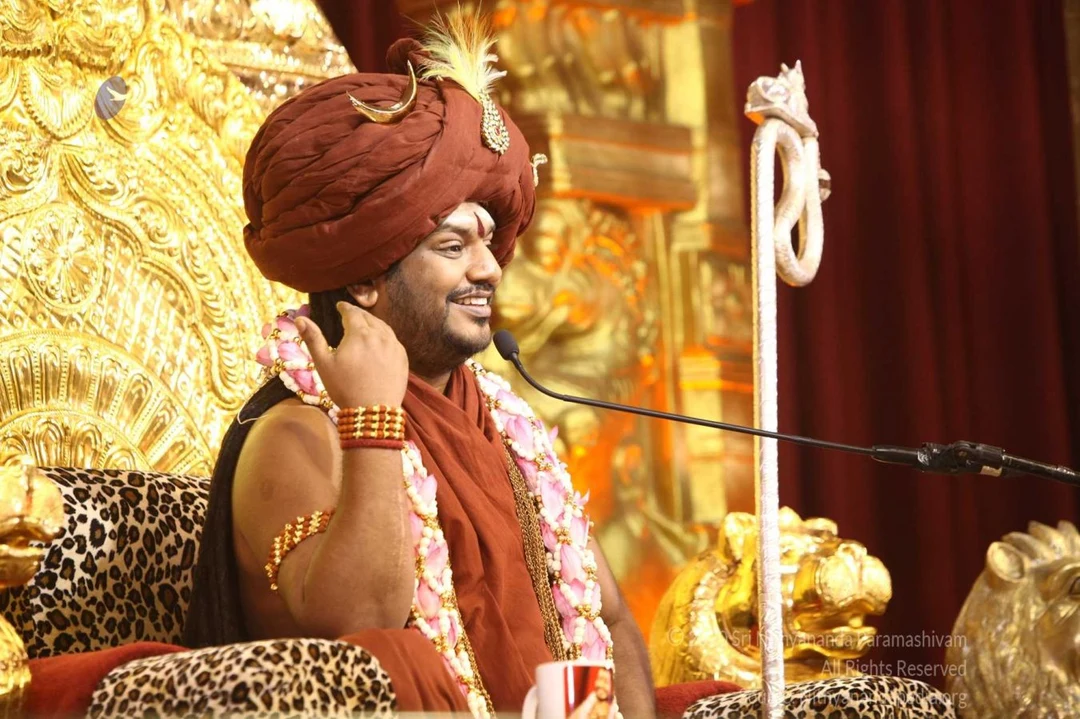 Nithya Satsang with His Divine Holiness Bhagavan Sri Nithyananda Paramashivam on "Secrets to Manifest Life Positive Right Cognitions"
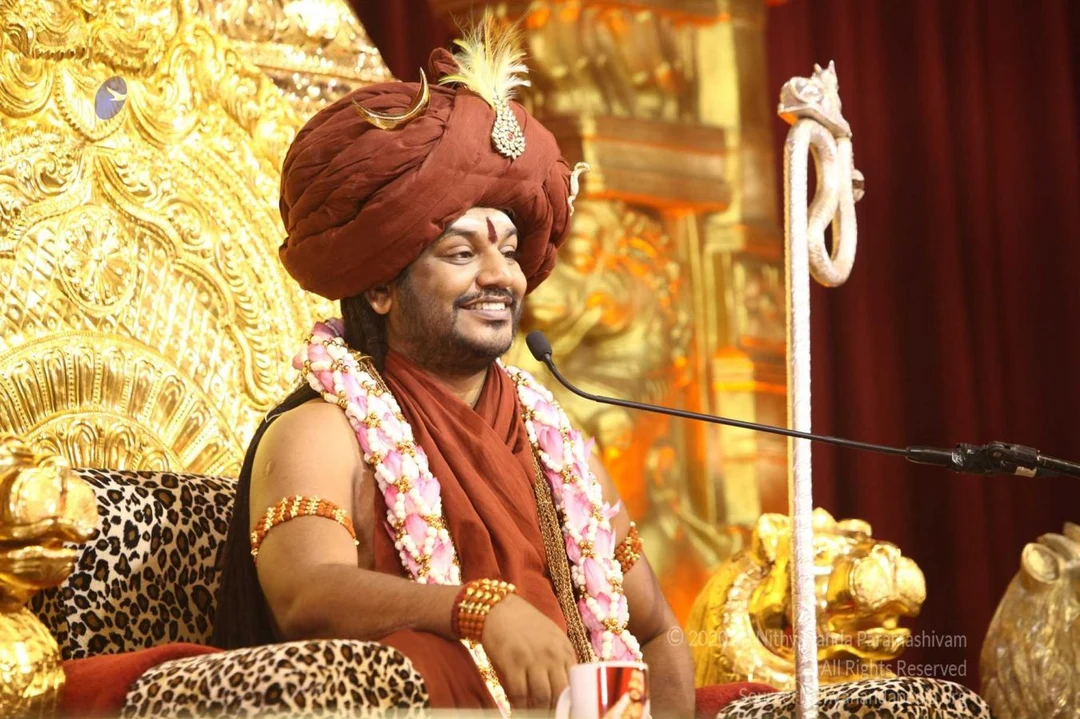 Nithya Satsang with His Divine Holiness Bhagavan Sri Nithyananda Paramashivam on "Secrets to Manifest Life Positive Right Cognitions"
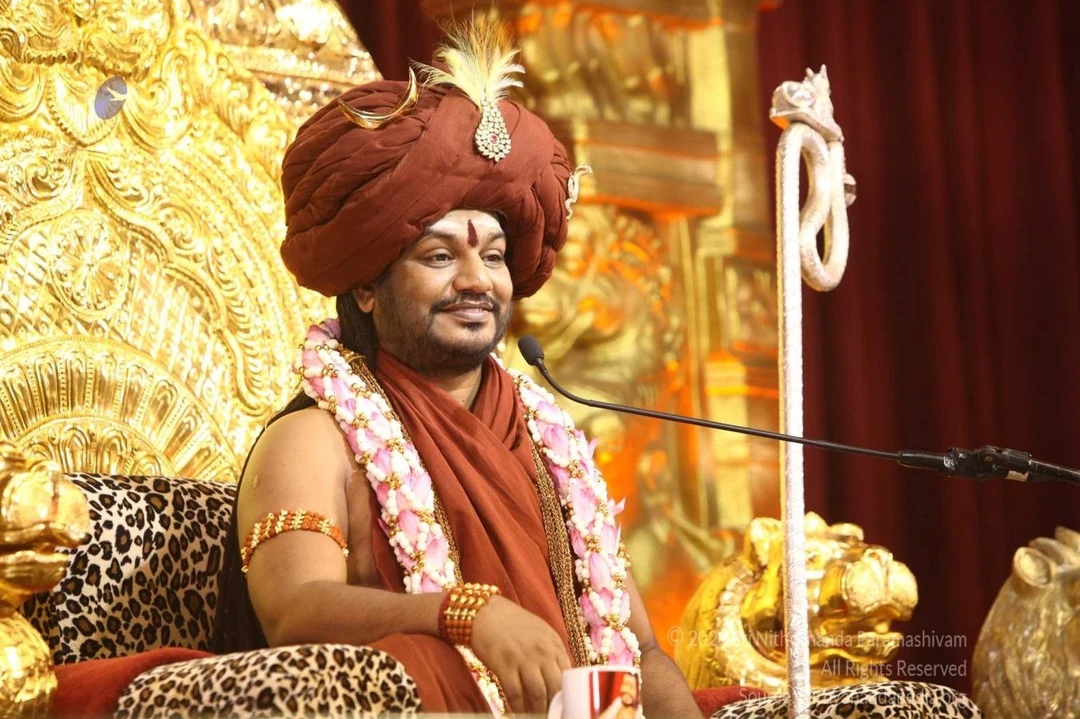 Nithya Satsang with His Divine Holiness Bhagavan Sri Nithyananda Paramashivam on "Secrets to Manifest Life Positive Right Cognitions"
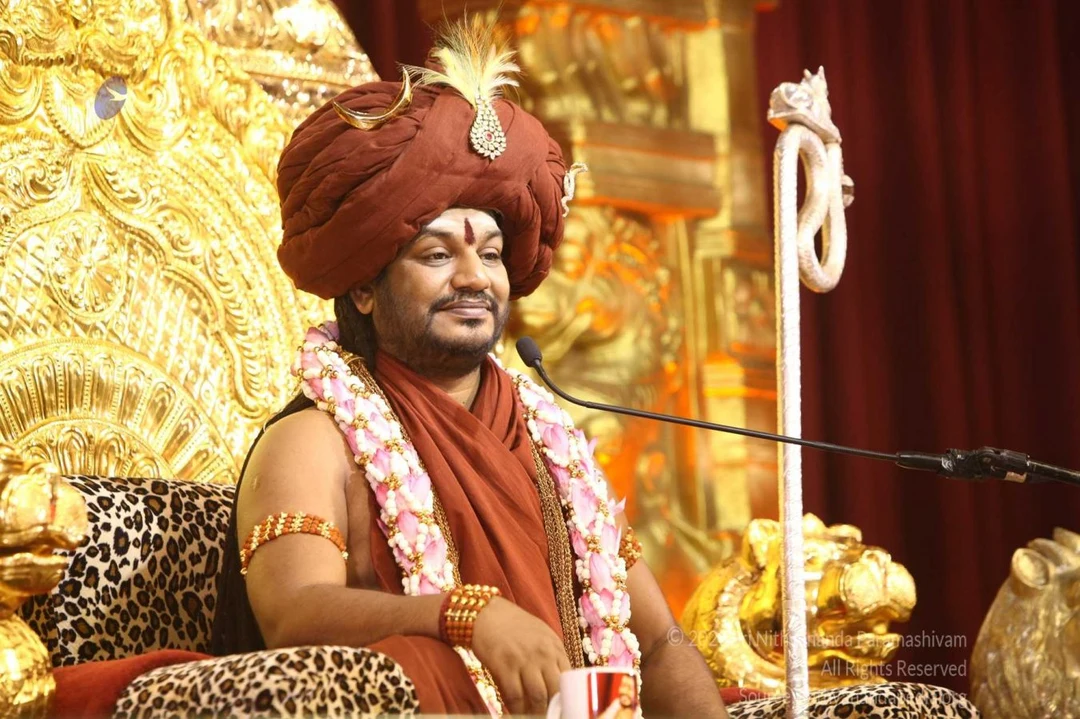 Nithya Satsang with His Divine Holiness Bhagavan Sri Nithyananda Paramashivam on "Secrets to Manifest Life Positive Right Cognitions"
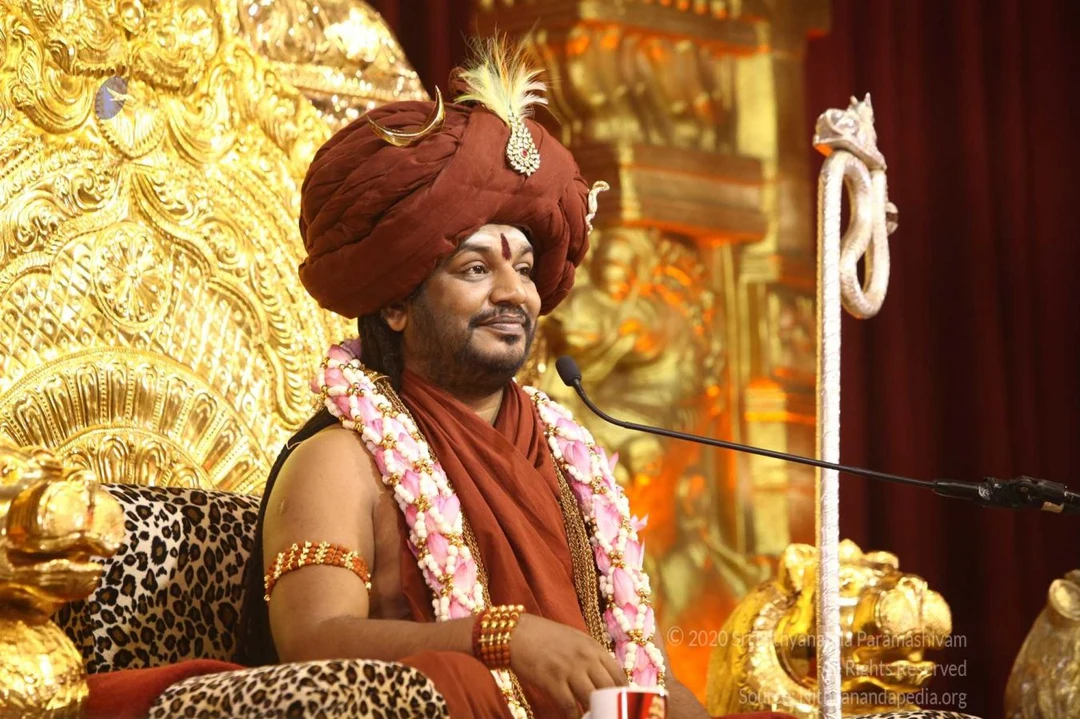 Nithya Satsang with His Divine Holiness Bhagavan Sri Nithyananda Paramashivam on "Secrets to Manifest Life Positive Right Cognitions"
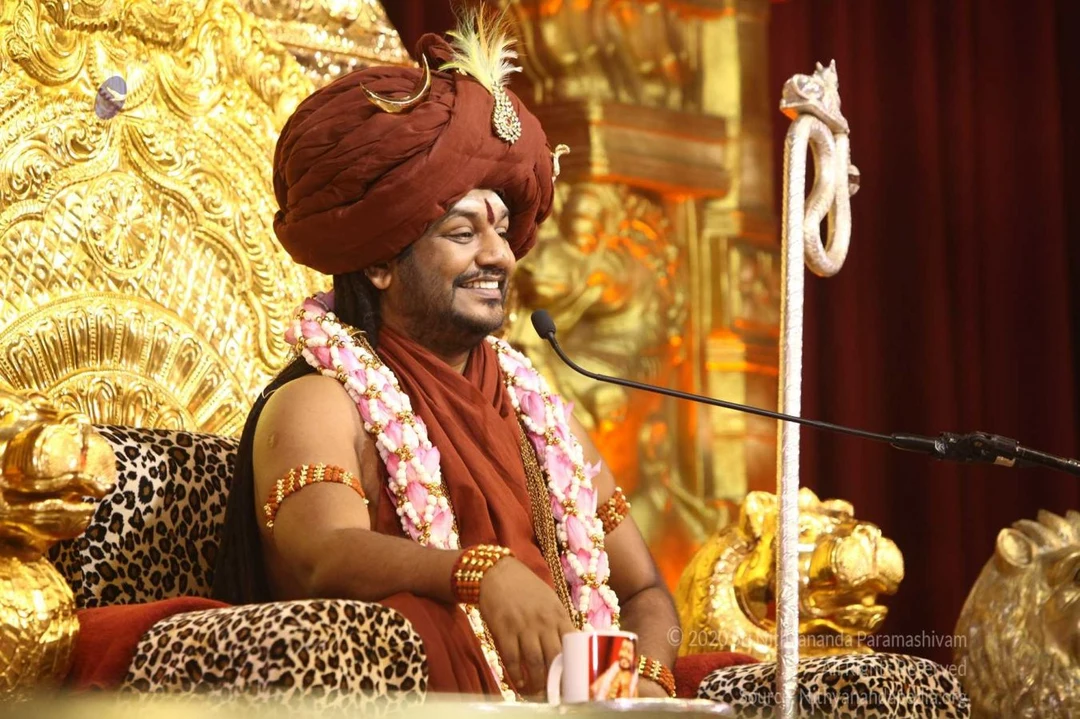 Nithya Satsang with His Divine Holiness Bhagavan Sri Nithyananda Paramashivam on "Secrets to Manifest Life Positive Right Cognitions"
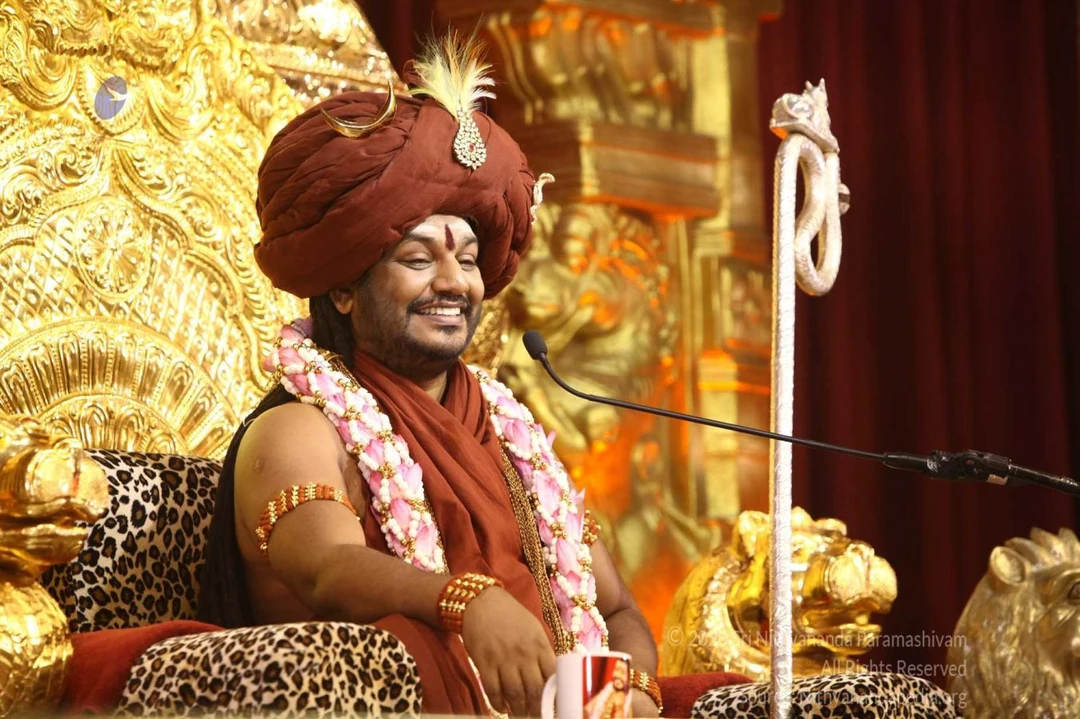 Nithya Satsang with His Divine Holiness Bhagavan Sri Nithyananda Paramashivam on "Secrets to Manifest Life Positive Right Cognitions"
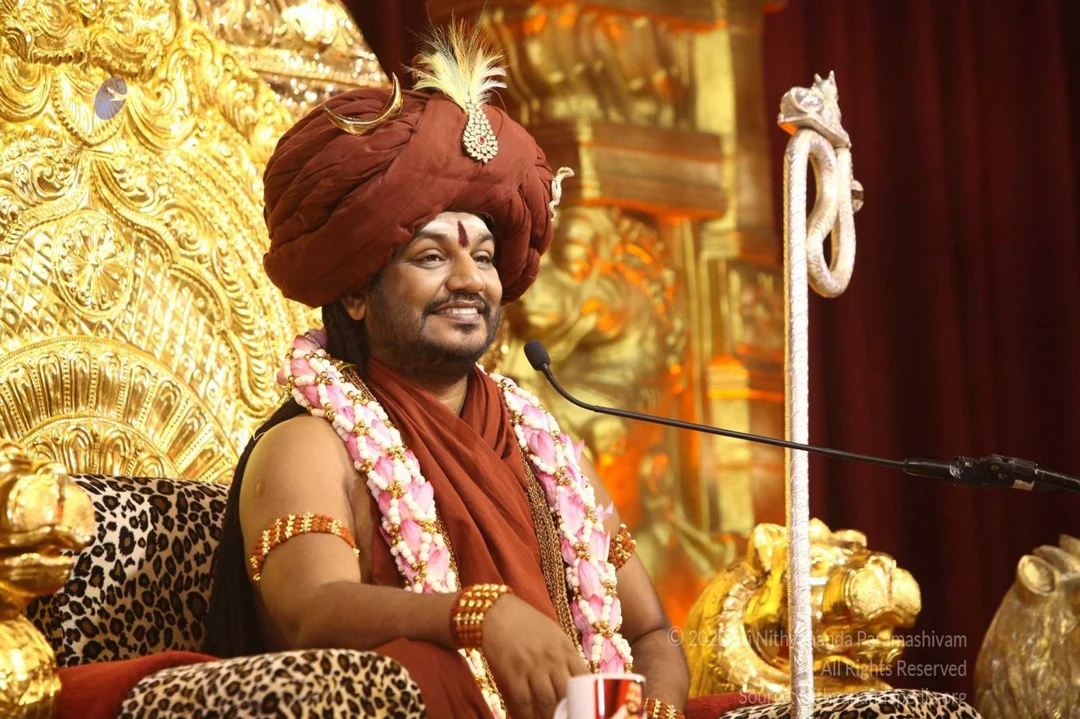 Nithya Satsang with His Divine Holiness Bhagavan Sri Nithyananda Paramashivam on "Secrets to Manifest Life Positive Right Cognitions"
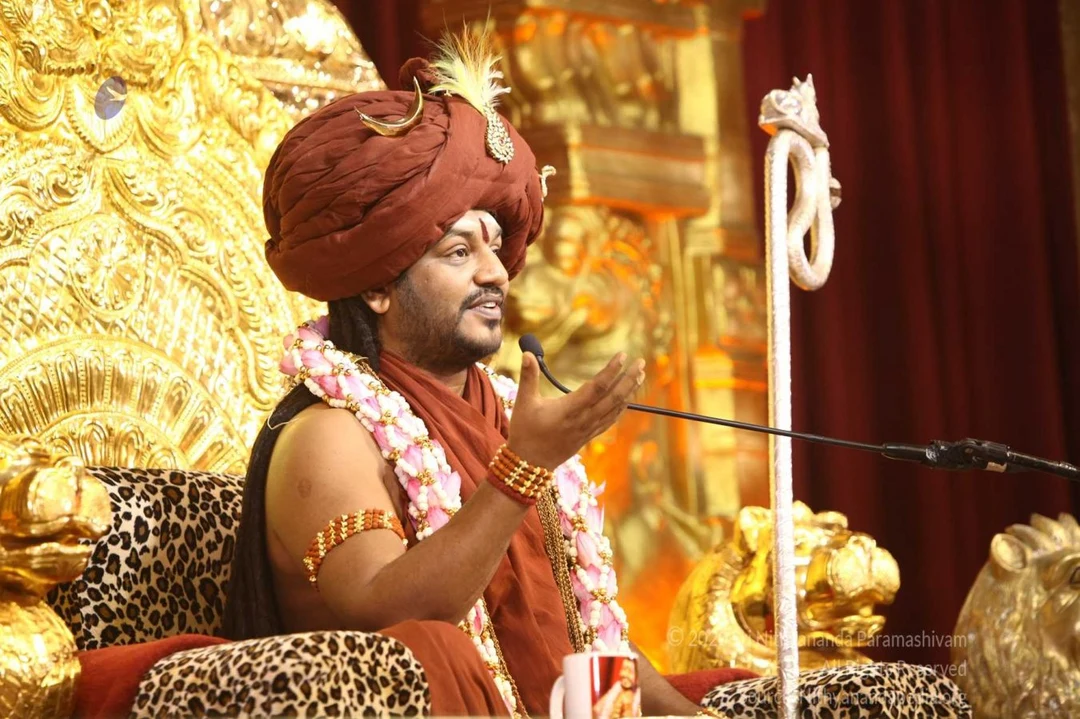 Nithya Satsang with His Divine Holiness Bhagavan Sri Nithyananda Paramashivam on "Secrets to Manifest Life Positive Right Cognitions"
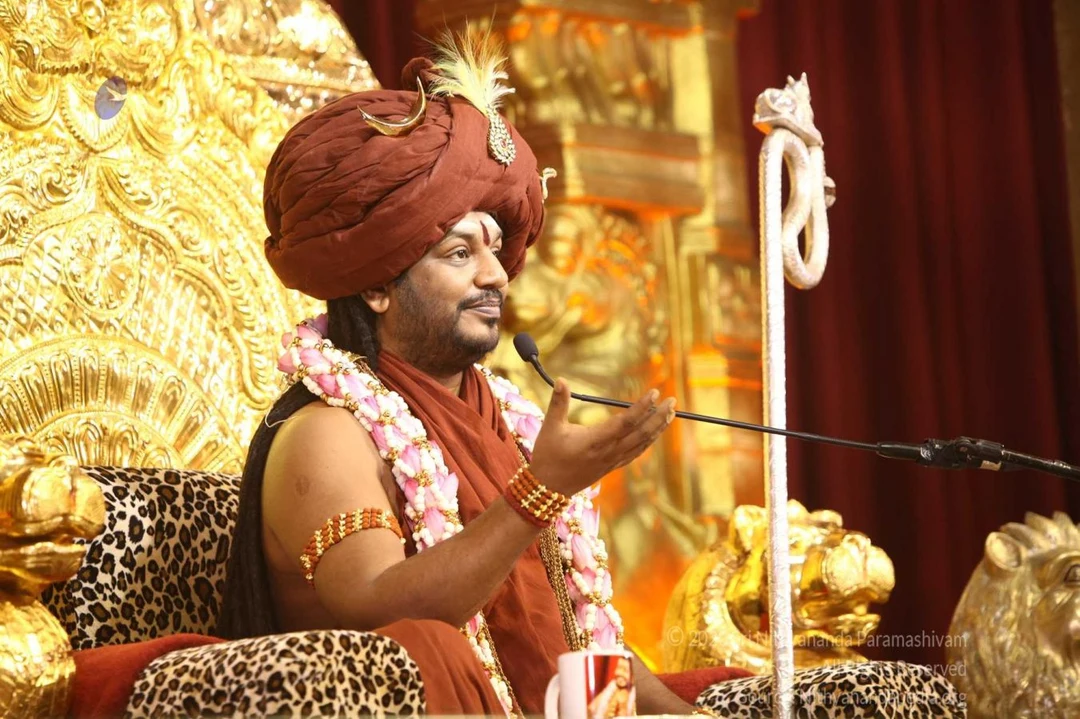 Nithya Satsang with His Divine Holiness Bhagavan Sri Nithyananda Paramashivam on "Secrets to Manifest Life Positive Right Cognitions"
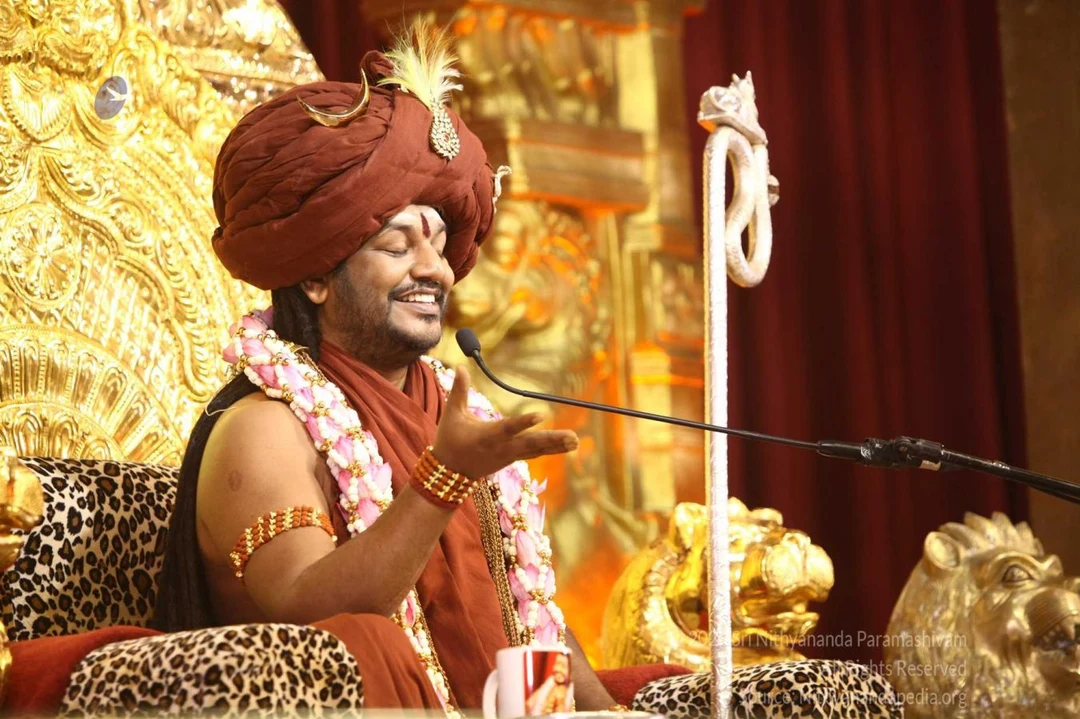 Nithya Satsang with His Divine Holiness Bhagavan Sri Nithyananda Paramashivam on "Secrets to Manifest Life Positive Right Cognitions"
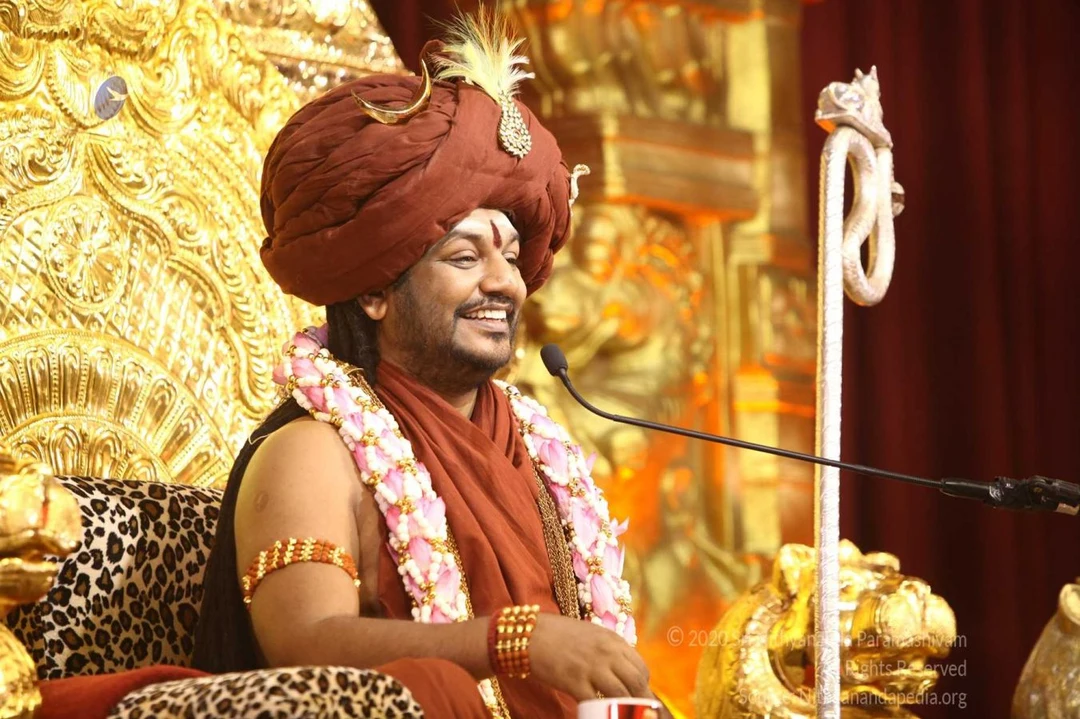 Nithya Satsang with His Divine Holiness Bhagavan Sri Nithyananda Paramashivam on "Secrets to Manifest Life Positive Right Cognitions"
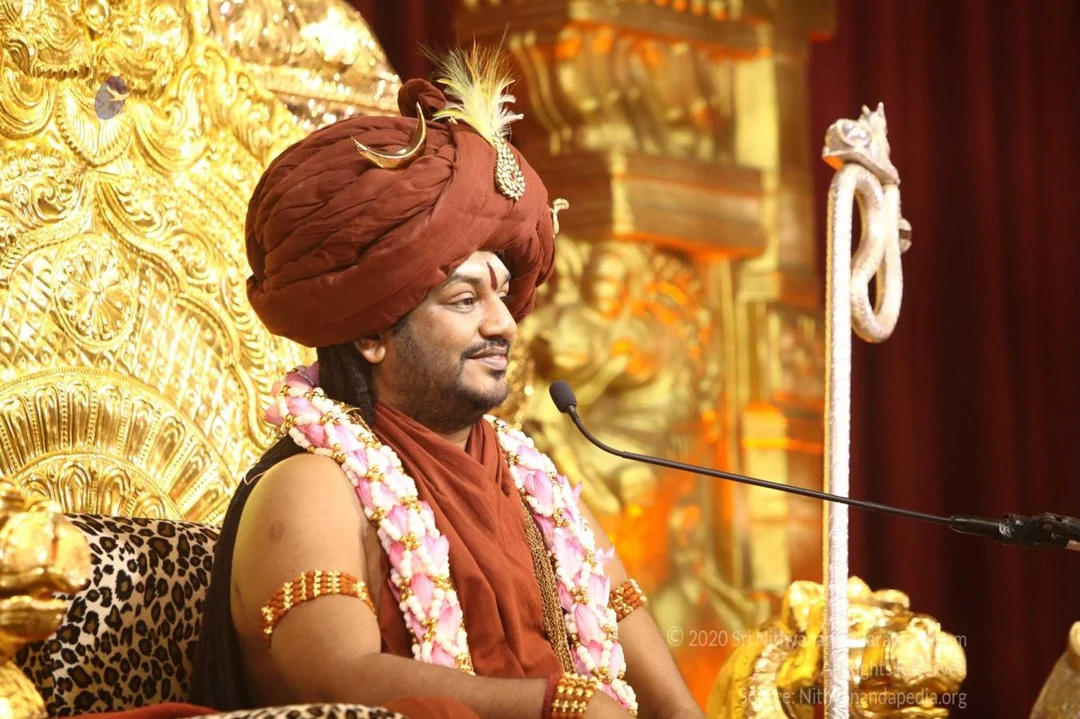 Nithya Satsang with His Divine Holiness Bhagavan Sri Nithyananda Paramashivam on "Secrets to Manifest Life Positive Right Cognitions"
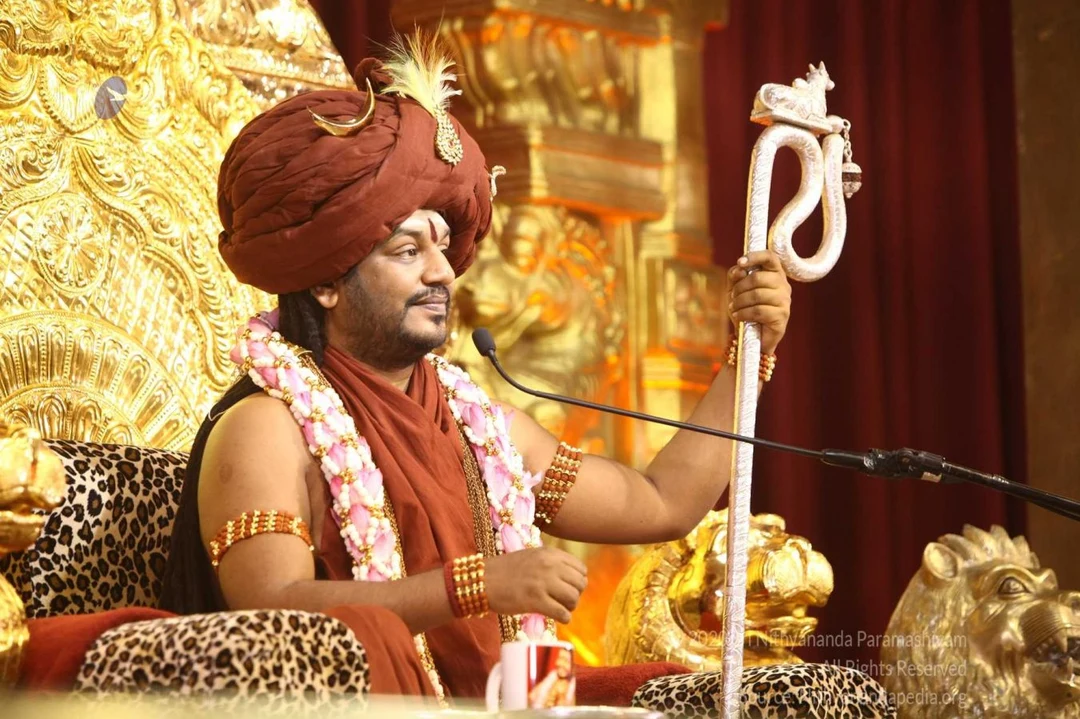 Nithya Satsang with His Divine Holiness Bhagavan Sri Nithyananda Paramashivam on "Secrets to Manifest Life Positive Right Cognitions"
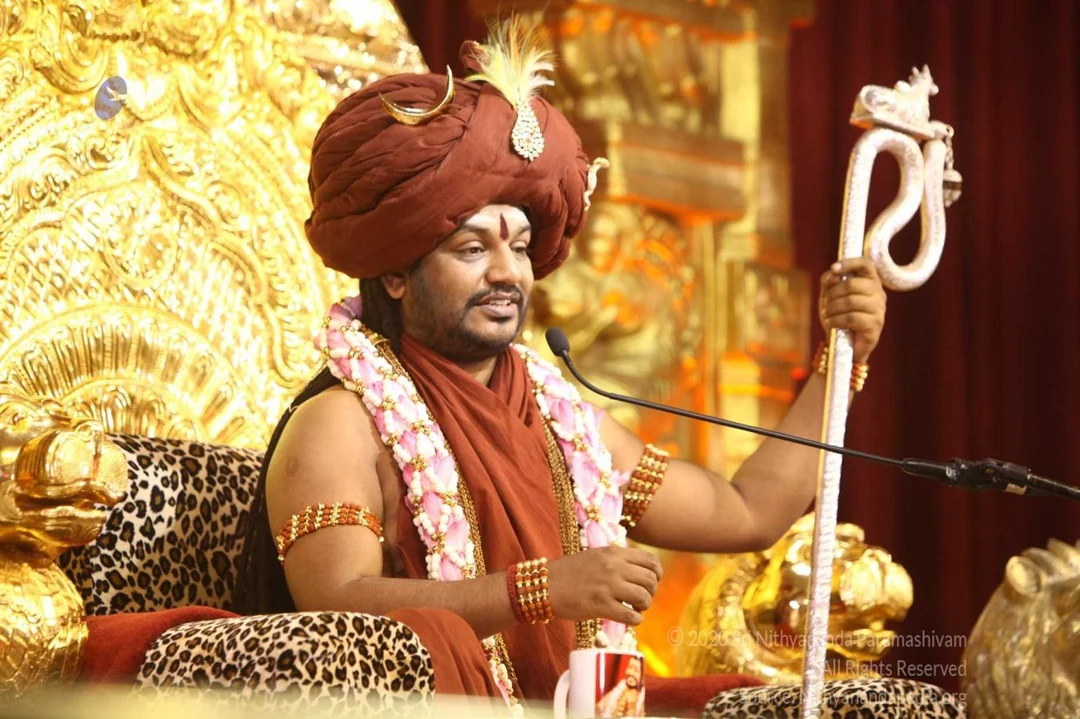 Nithya Satsang with His Divine Holiness Bhagavan Sri Nithyananda Paramashivam on "Secrets to Manifest Life Positive Right Cognitions"
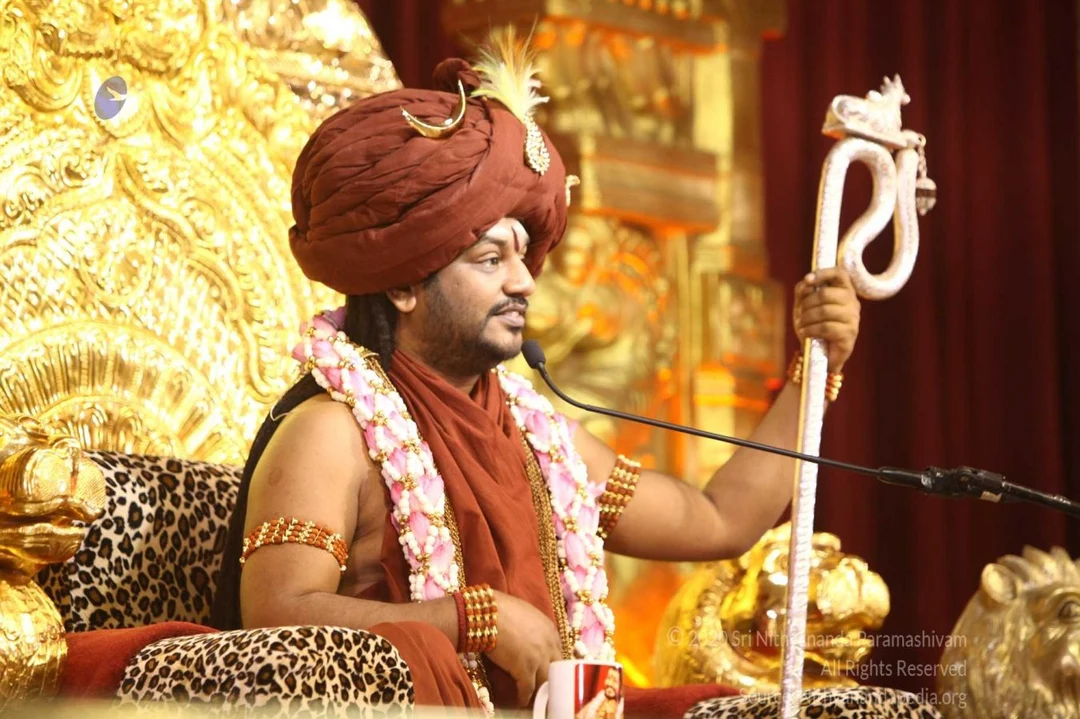 Nithya Satsang with His Divine Holiness Bhagavan Sri Nithyananda Paramashivam on "Secrets to Manifest Life Positive Right Cognitions"
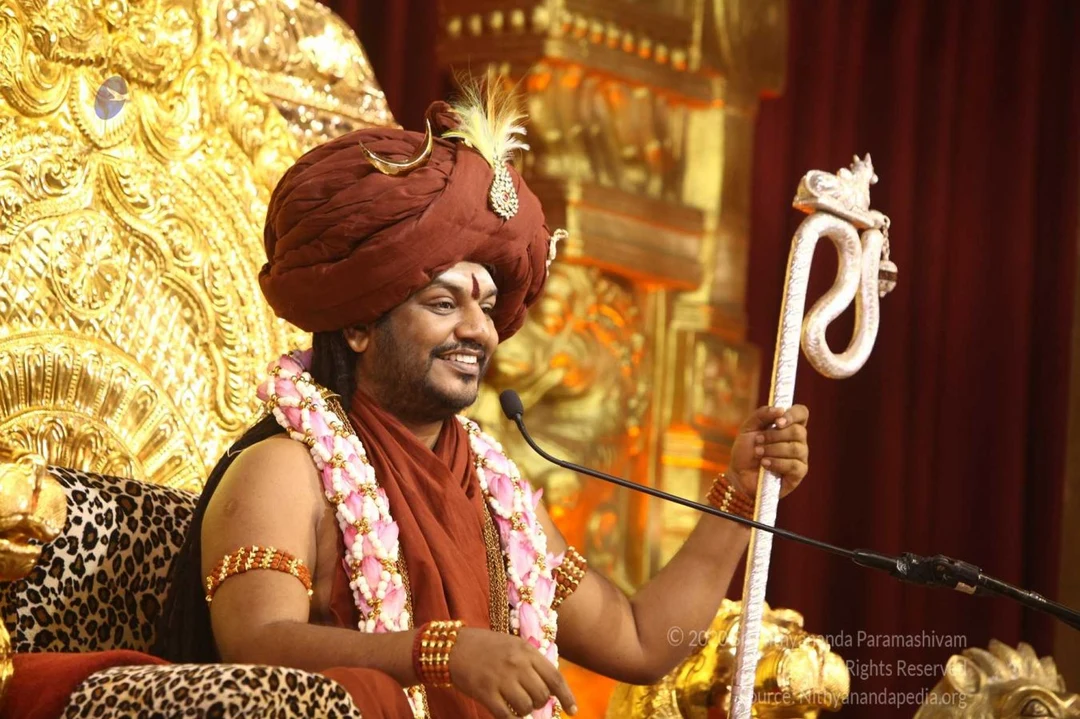 Nithya Satsang with His Divine Holiness Bhagavan Sri Nithyananda Paramashivam on "Secrets to Manifest Life Positive Right Cognitions"
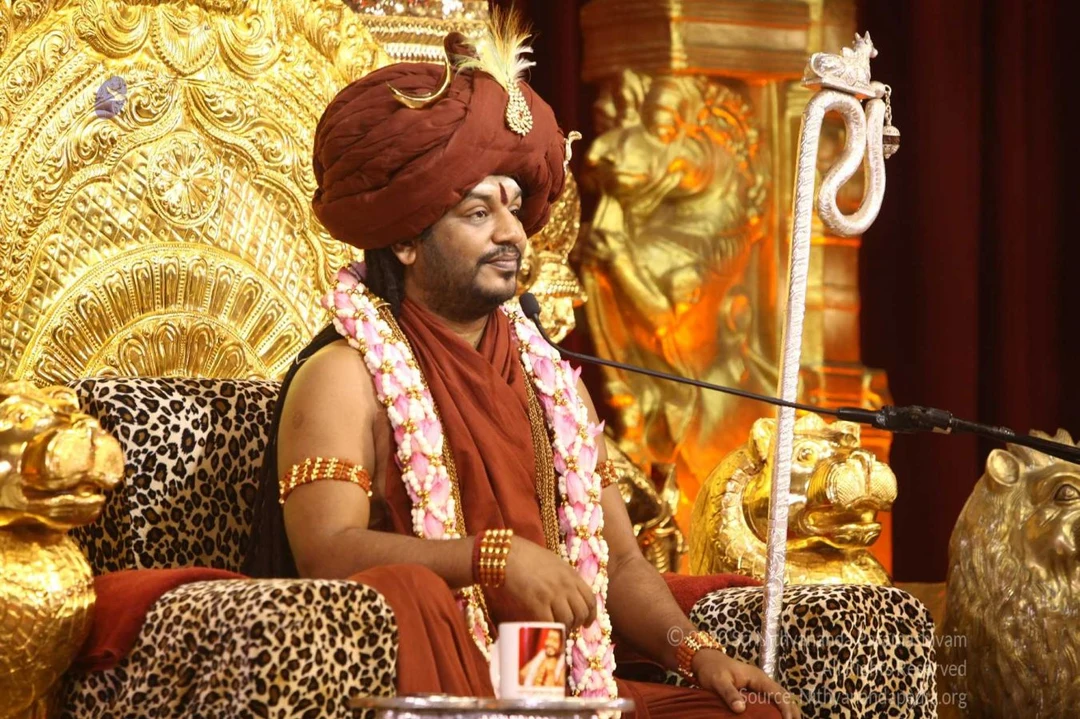 Nithya Satsang with His Divine Holiness Bhagavan Sri Nithyananda Paramashivam on "Secrets to Manifest Life Positive Right Cognitions"
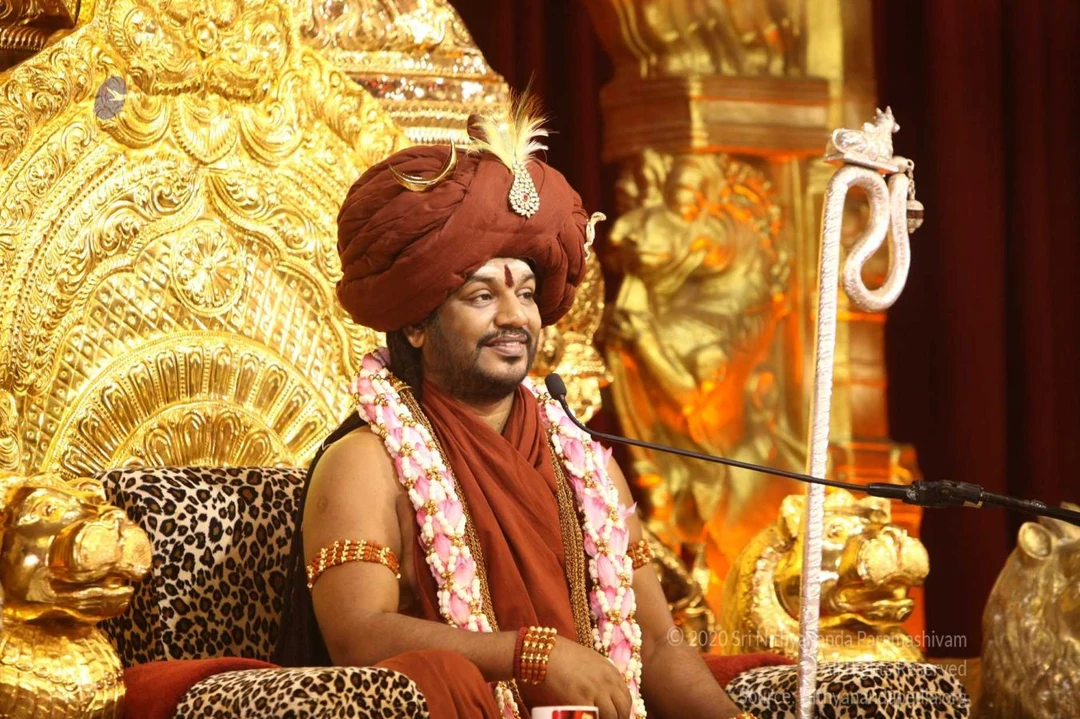 Nithya Satsang with His Divine Holiness Bhagavan Sri Nithyananda Paramashivam on "Secrets to Manifest Life Positive Right Cognitions"
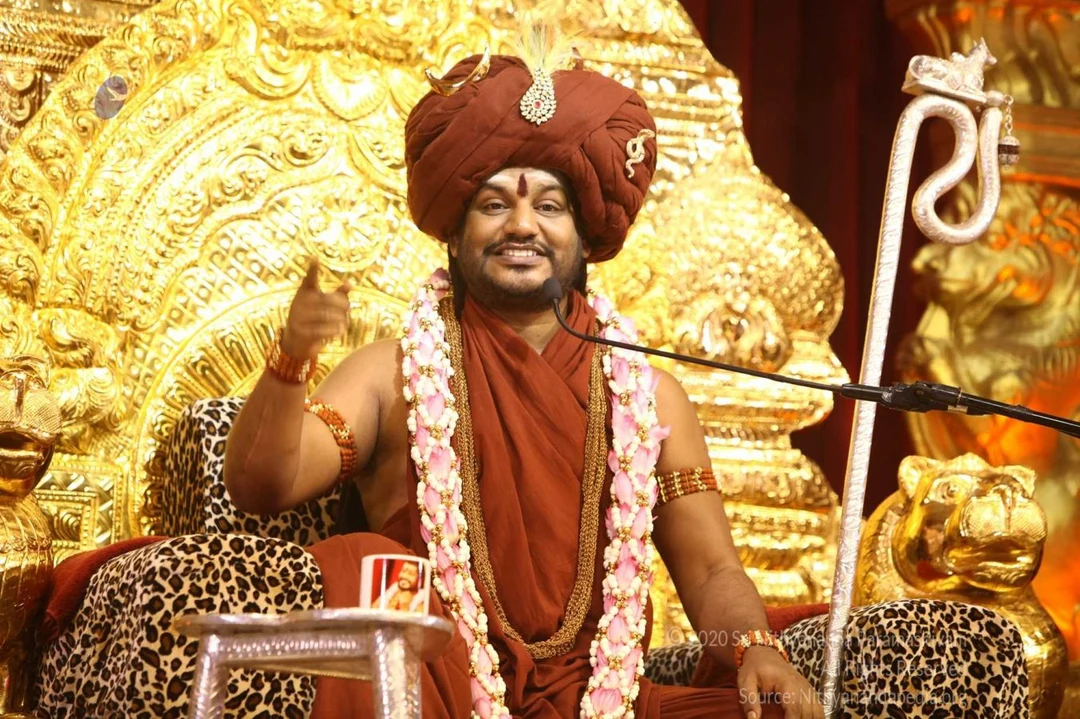 Nithya Satsang with His Divine Holiness Bhagavan Sri Nithyananda Paramashivam on "Secrets to Manifest Life Positive Right Cognitions"
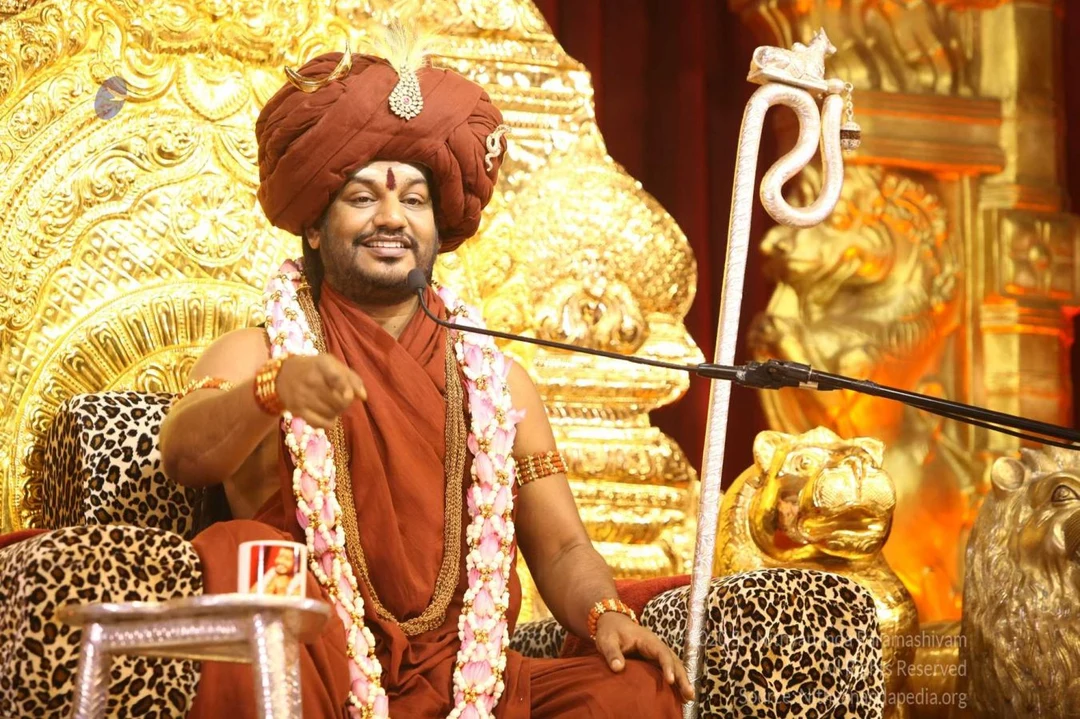 Nithya Satsang with His Divine Holiness Bhagavan Sri Nithyananda Paramashivam on "Secrets to Manifest Life Positive Right Cognitions"
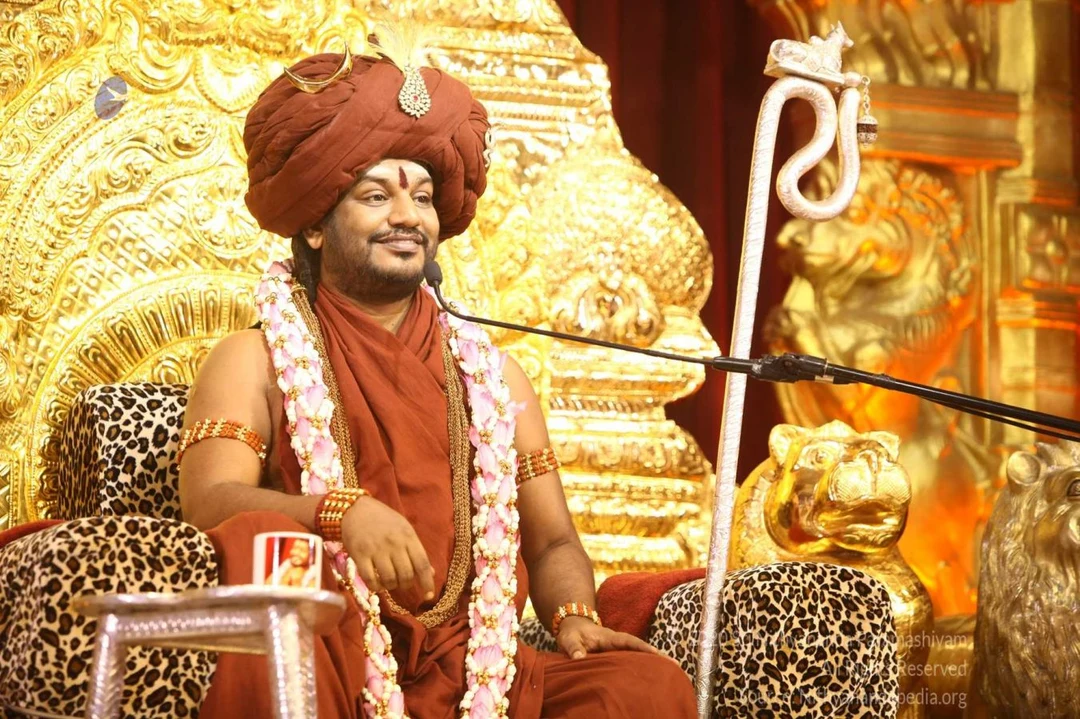 Nithya Satsang with His Divine Holiness Bhagavan Sri Nithyananda Paramashivam on "Secrets to Manifest Life Positive Right Cognitions"
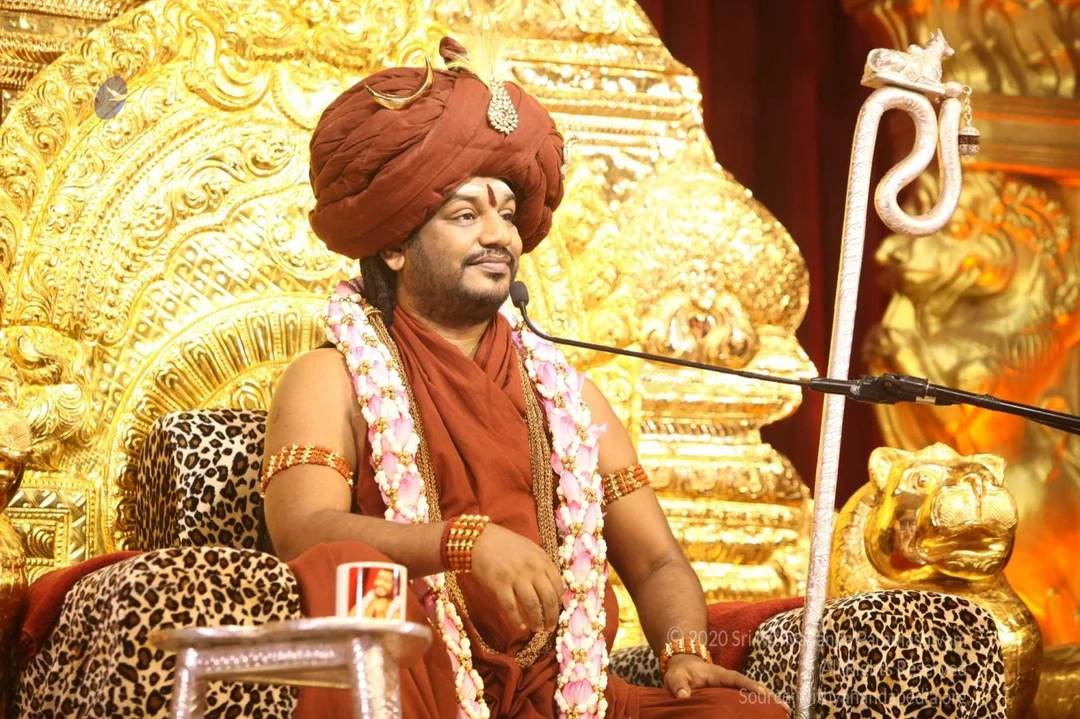 Nithya Satsang with His Divine Holiness Bhagavan Sri Nithyananda Paramashivam on "Secrets to Manifest Life Positive Right Cognitions"
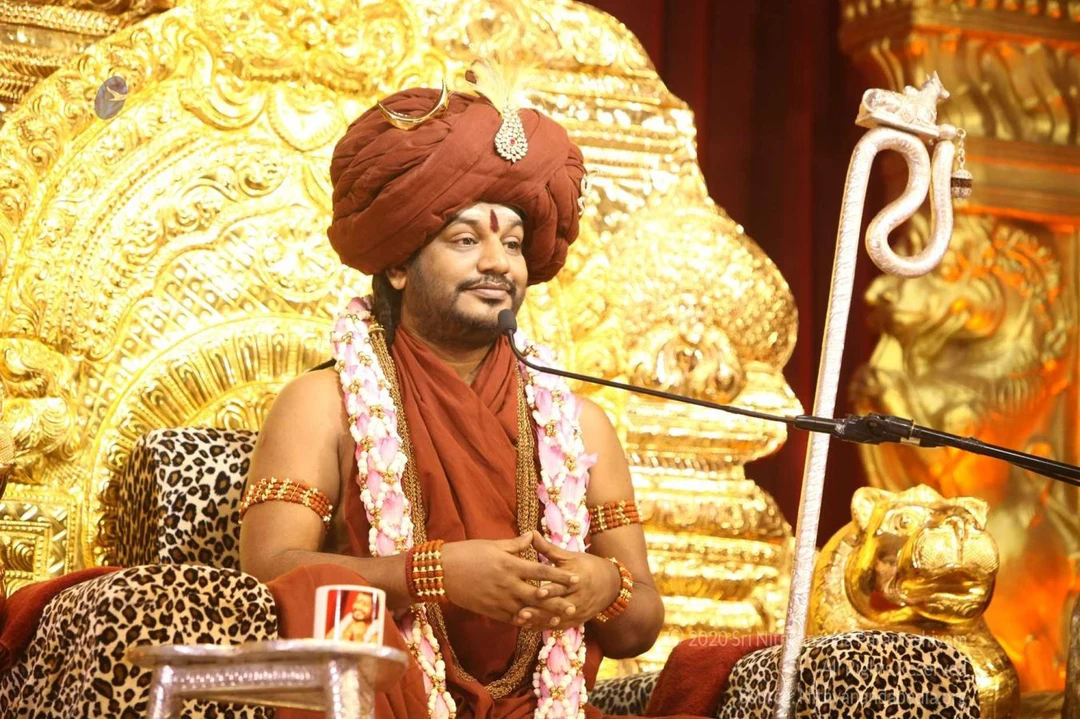 Nithya Satsang with His Divine Holiness Bhagavan Sri Nithyananda Paramashivam on "Secrets to Manifest Life Positive Right Cognitions"
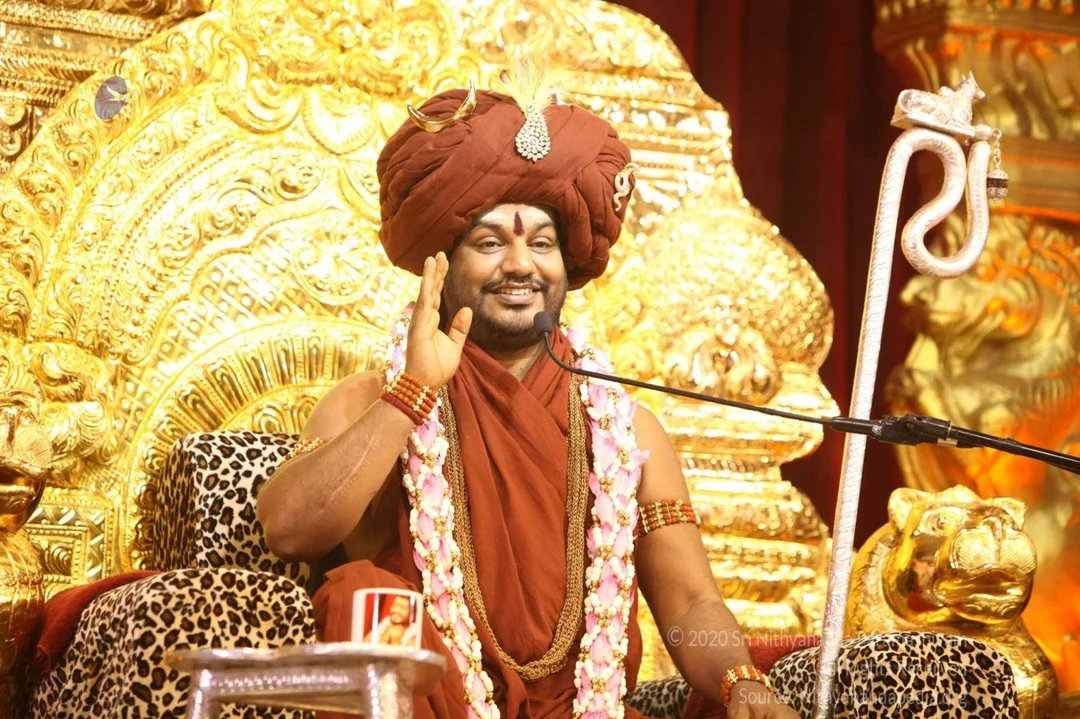 Nithya Satsang with His Divine Holiness Bhagavan Sri Nithyananda Paramashivam on "Secrets to Manifest Life Positive Right Cognitions"
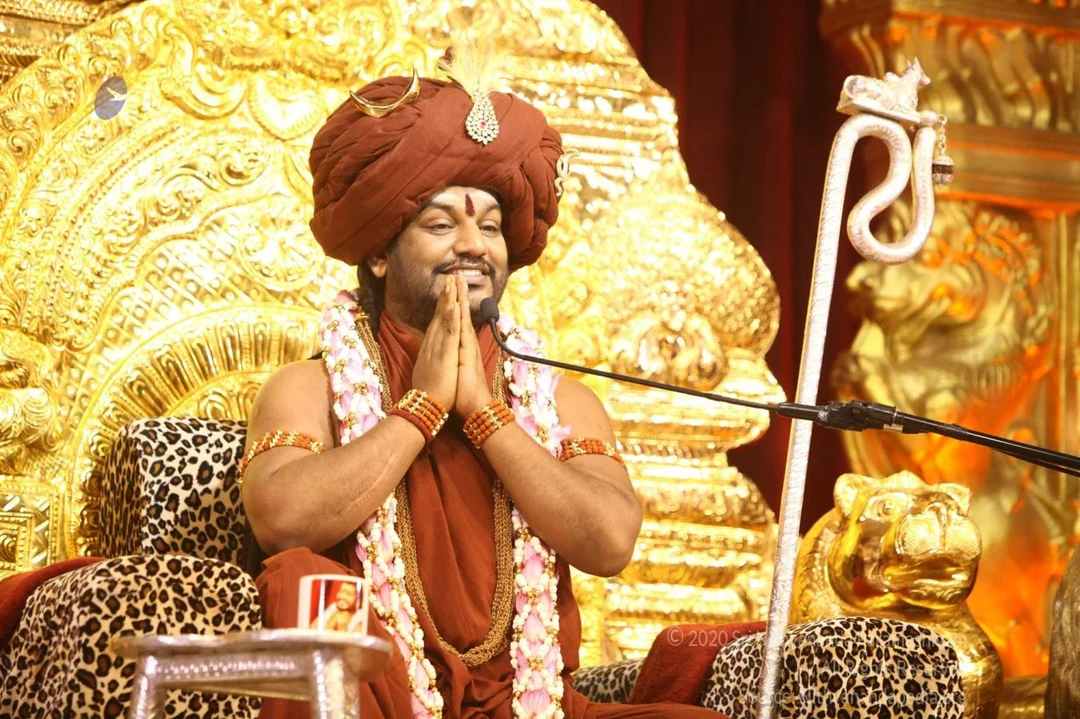 Nithya Satsang with His Divine Holiness Bhagavan Sri Nithyananda Paramashivam on "Secrets to Manifest Life Positive Right Cognitions"
Tags:
Sri Nithyananda Swami, Paramahamsa Nithyananda, Nithyananda, Swamiji, mis, sion, integrity, authenticity, responsibility, enriching, develop right cognitions, cognitions of life positive raises you, Cognitions of negative is a gravitation energy, your conscious decisions has power to nullify your negativity and manifest your positive cognitions, Right depth cognitions can be developed in you by reading the 108 Upanishad’s, Sri Rama is the first compiler of the Vedas, What you cognize that you manifest. Decide to cognize right things.
Link to Facebook Page
https://www.facebook.com/ParamahamsaNithyananda/posts/1500158183405360
Photos Of The Day:
FB-photo-of-the-day
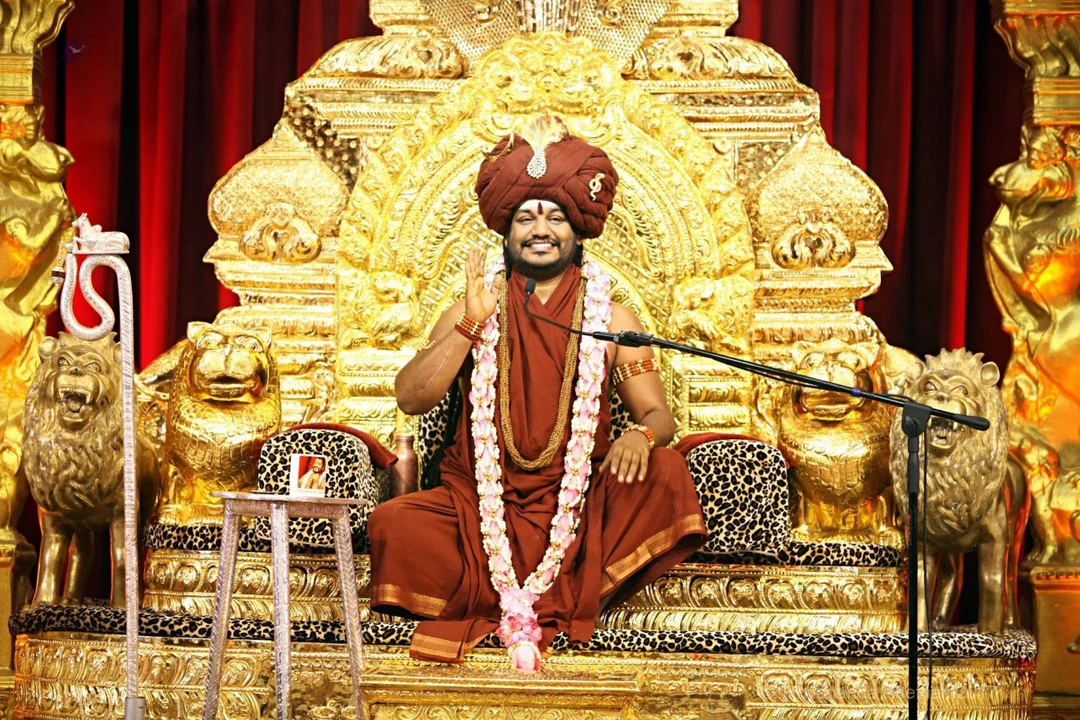
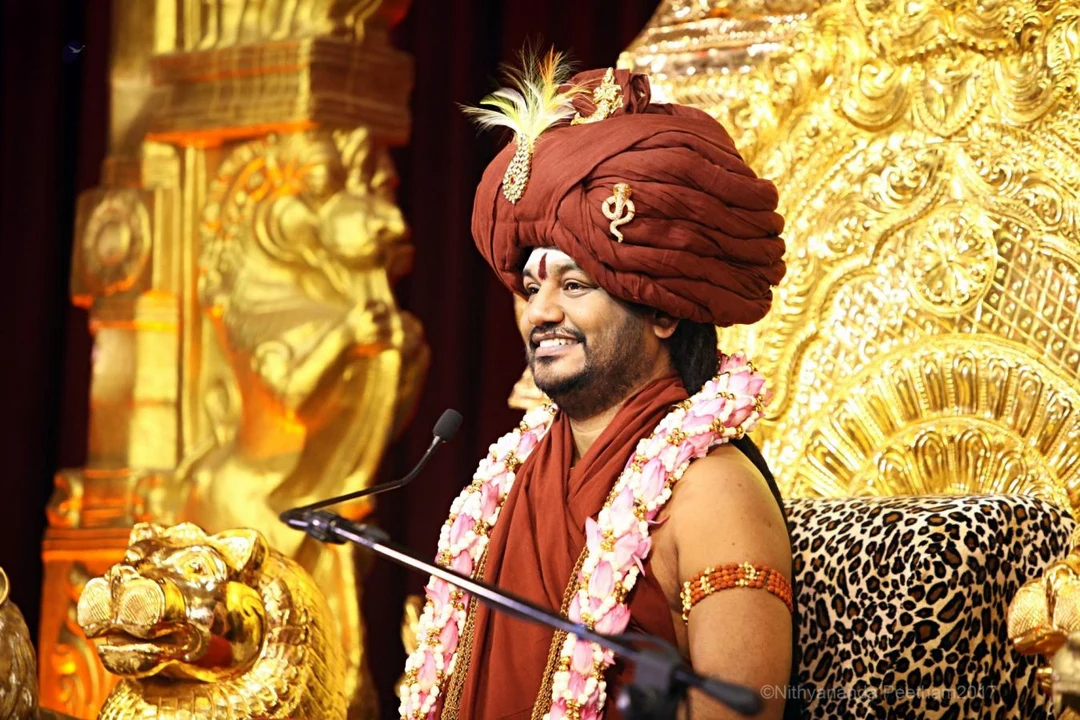
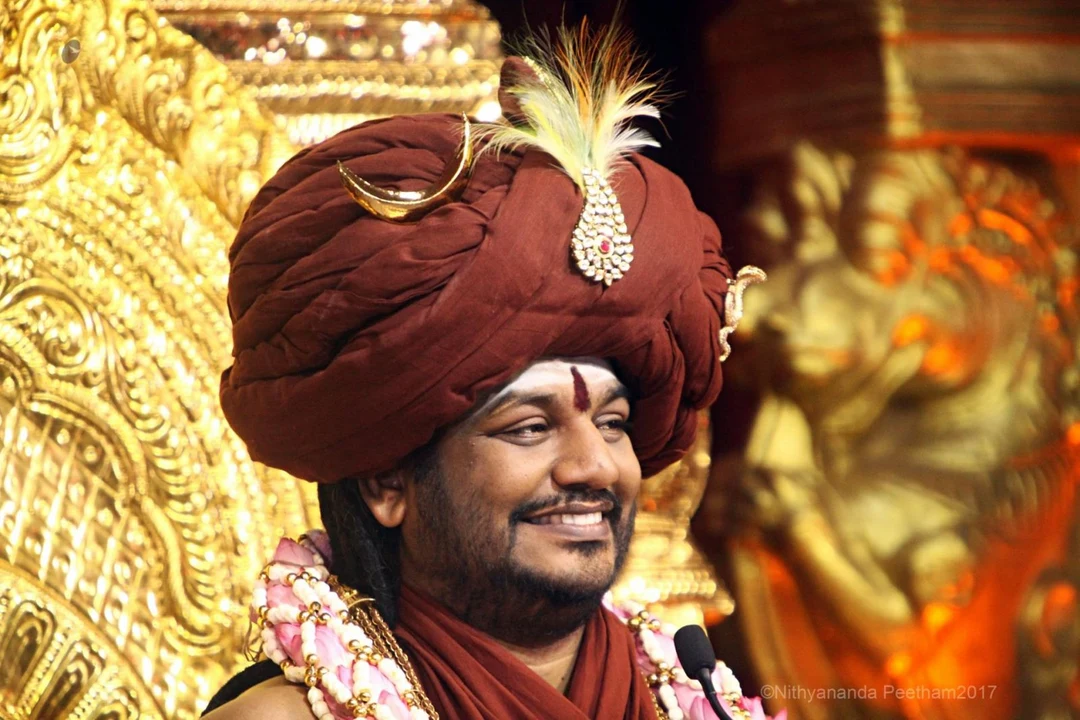
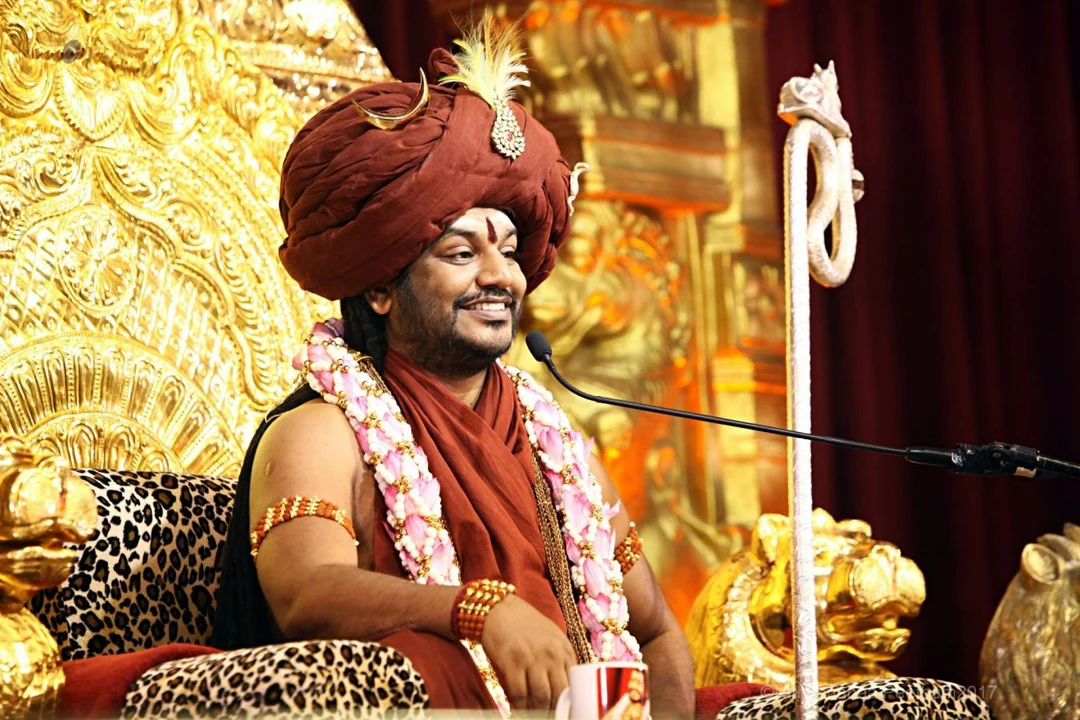

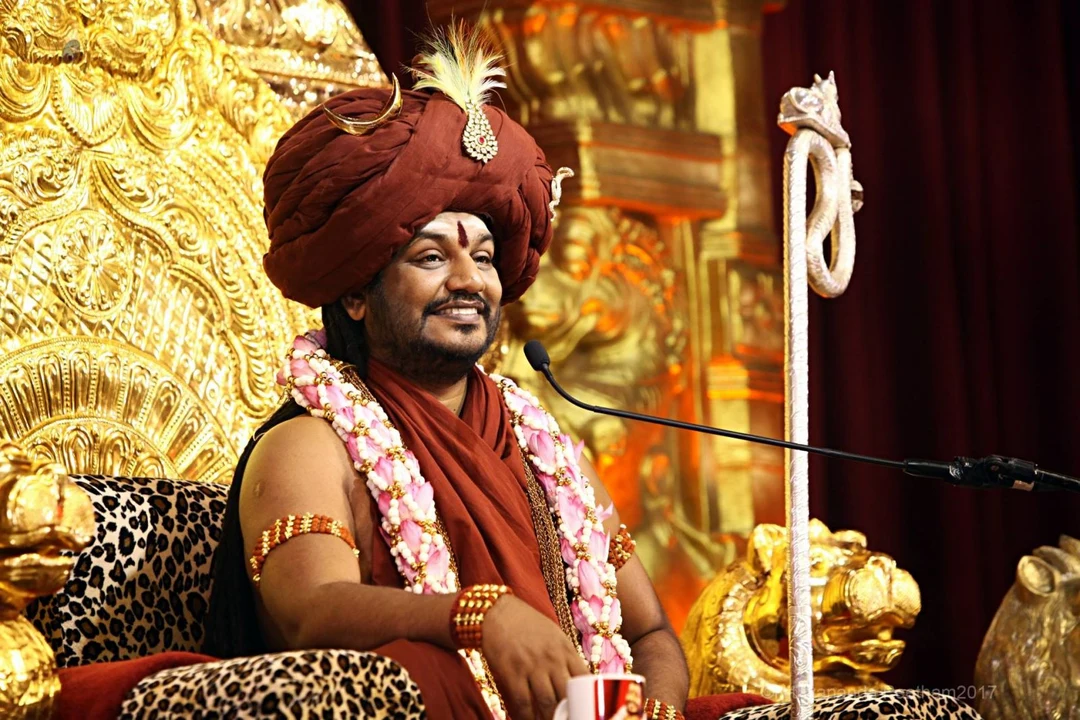
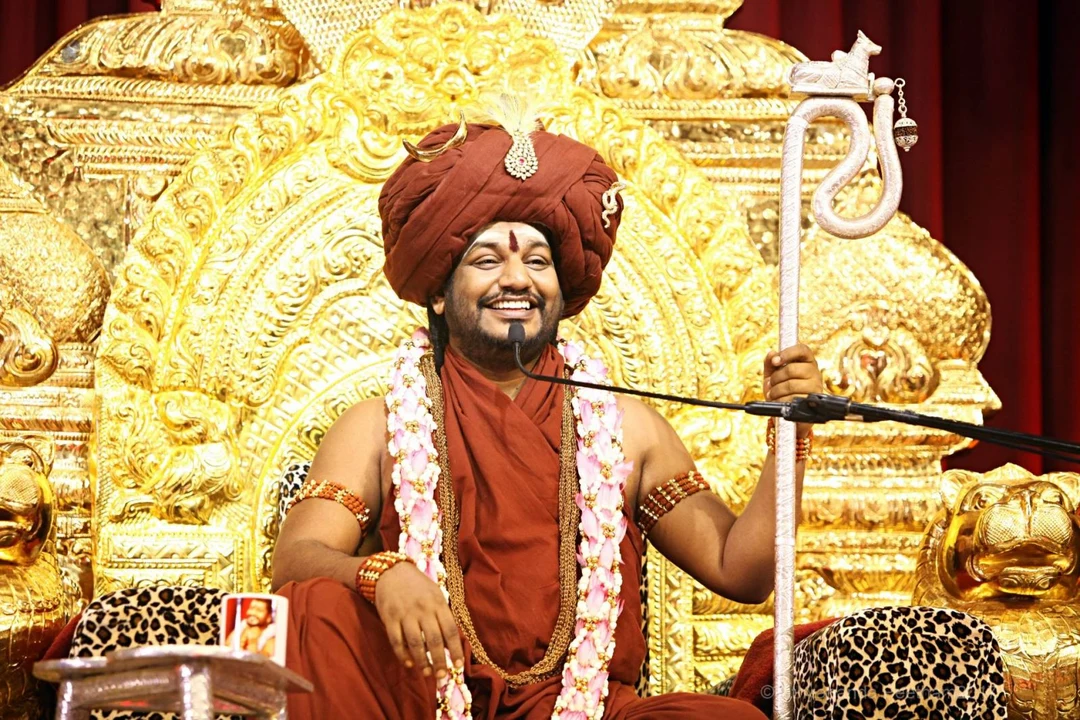
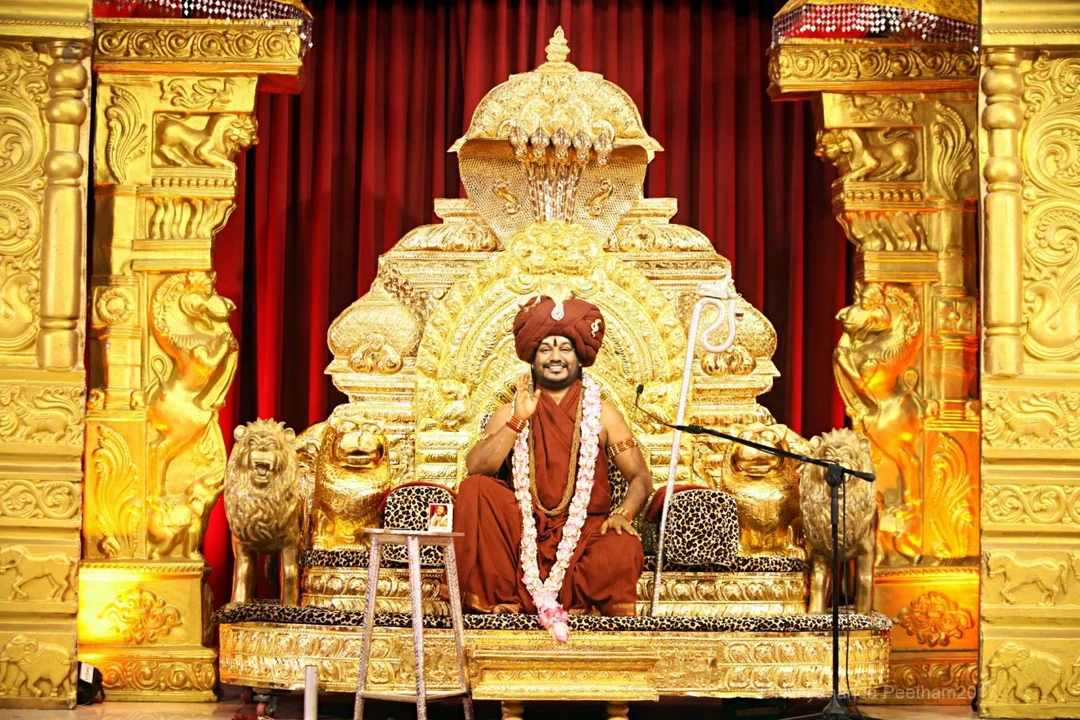
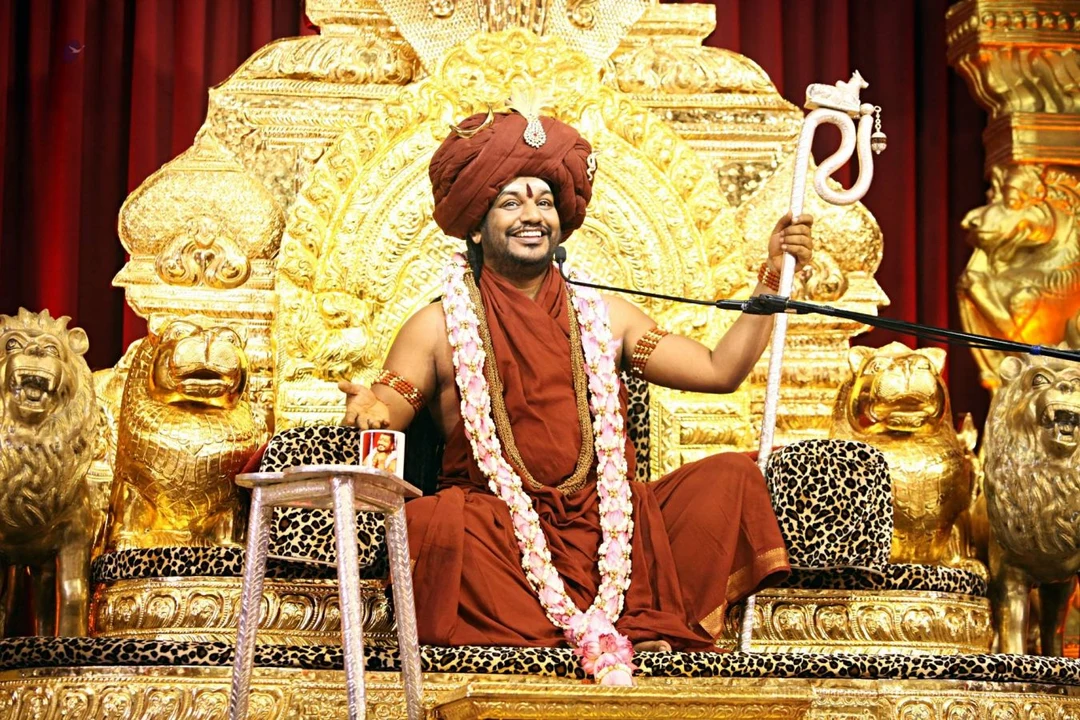
Photos Of The Day:
Pada-Puja

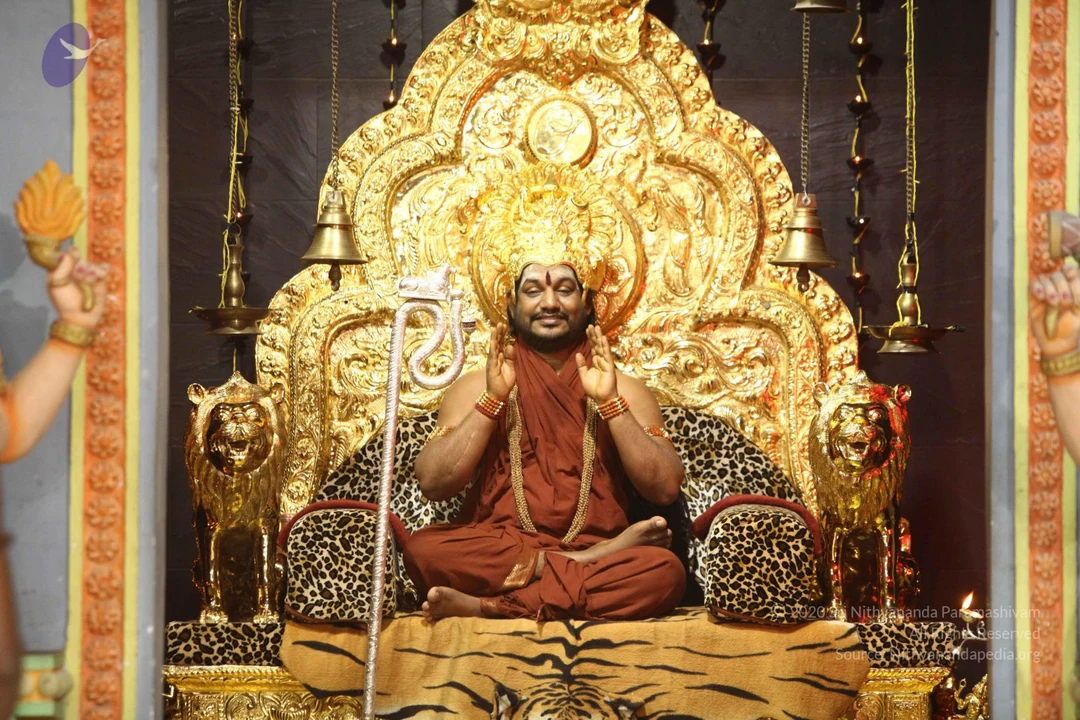
Satsang

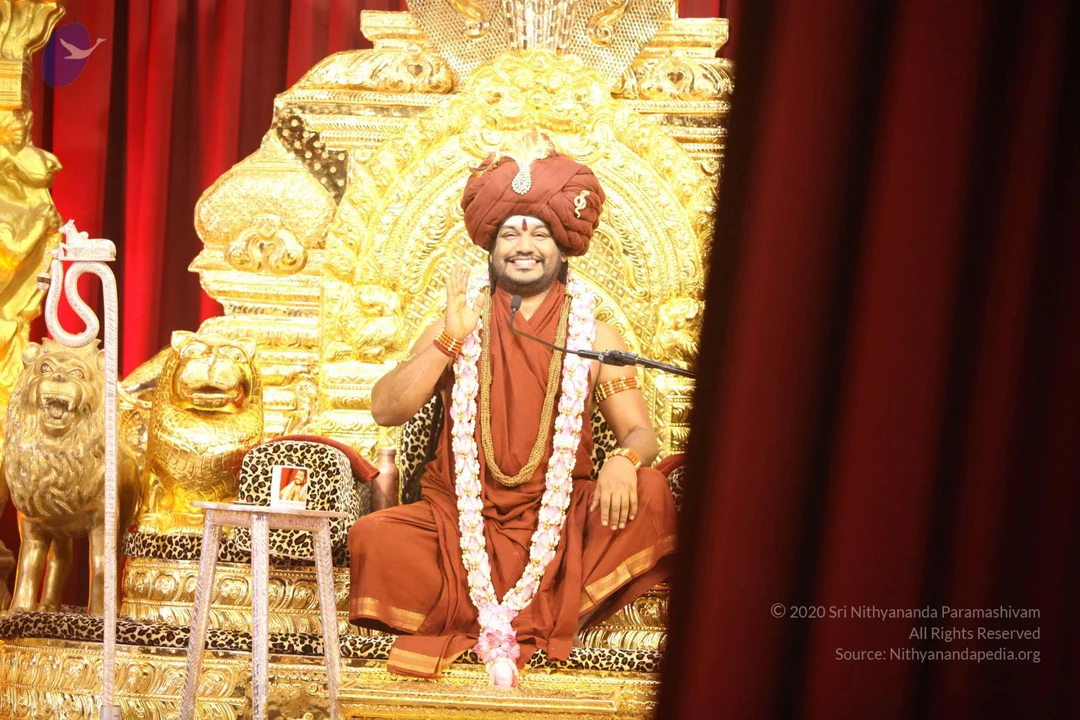
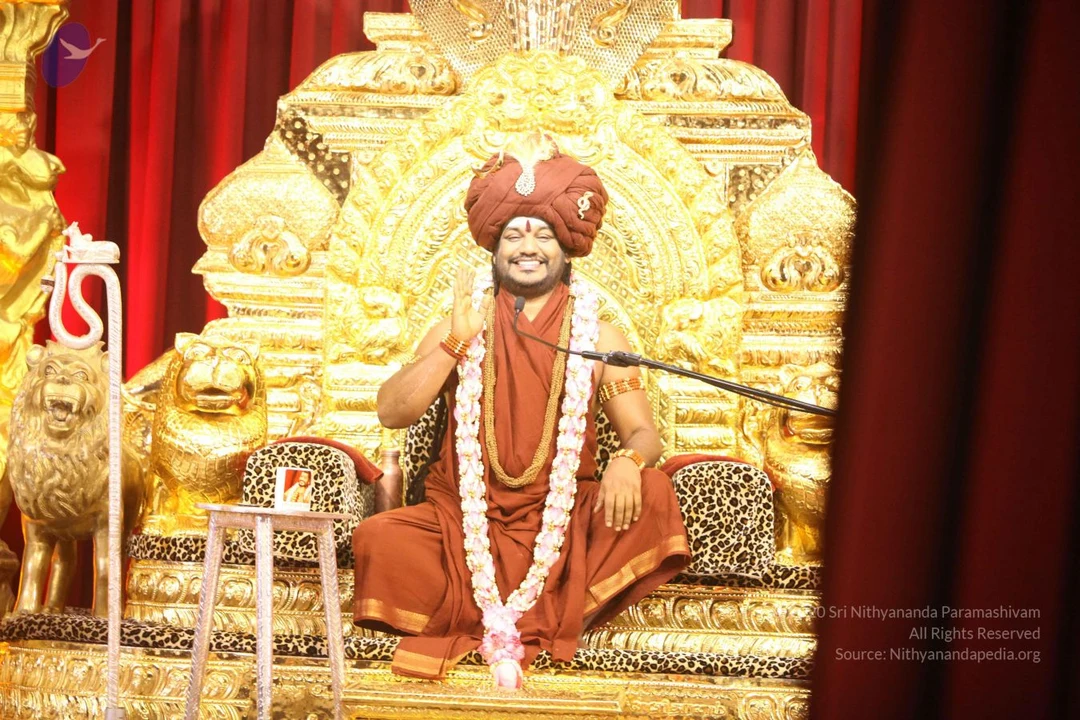
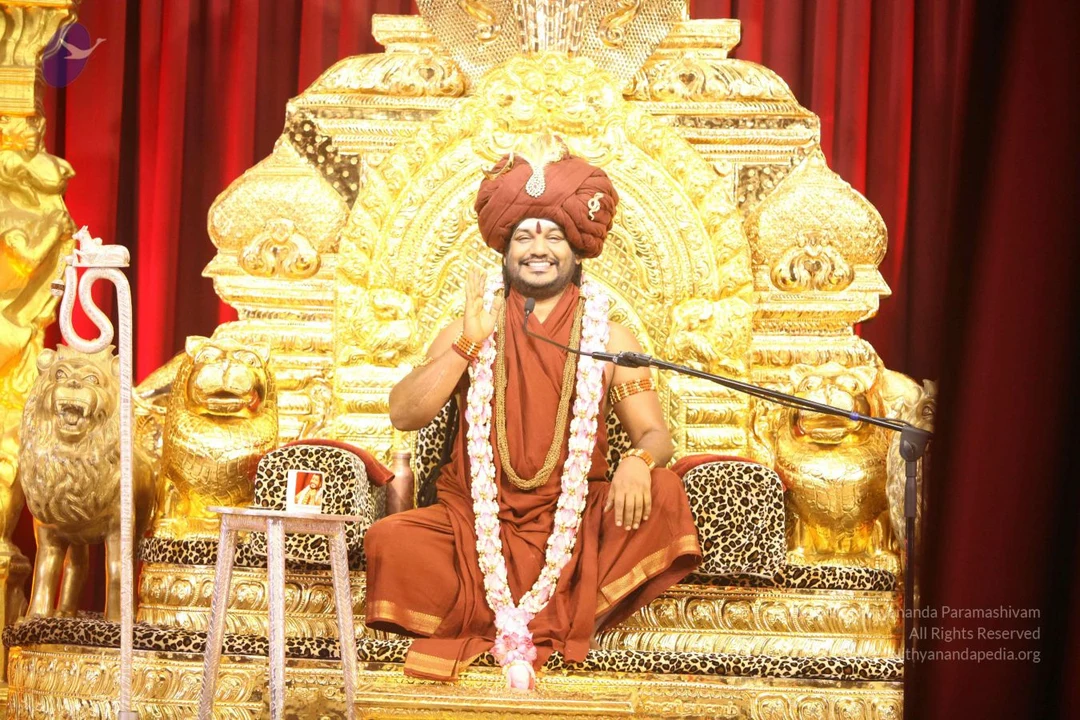
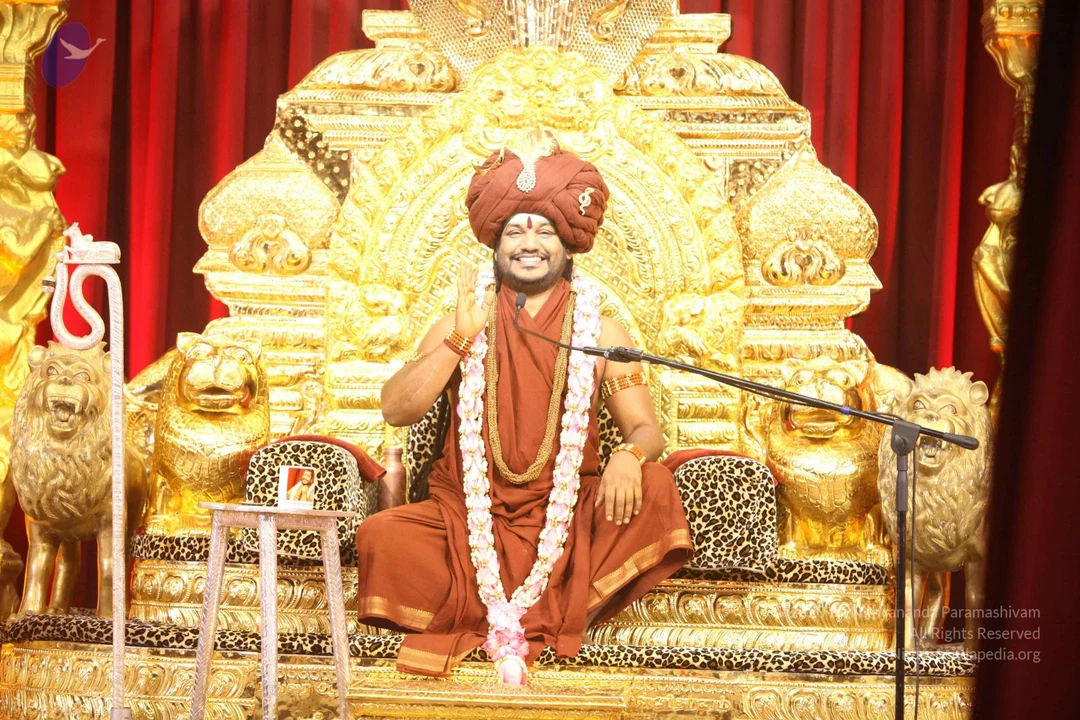
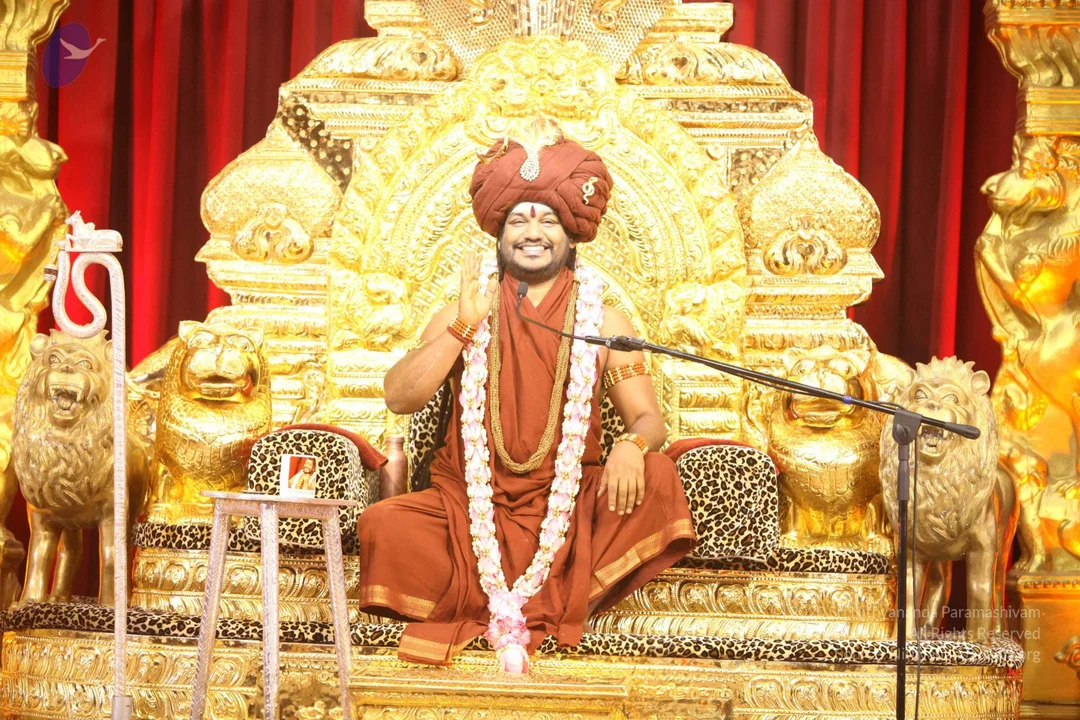
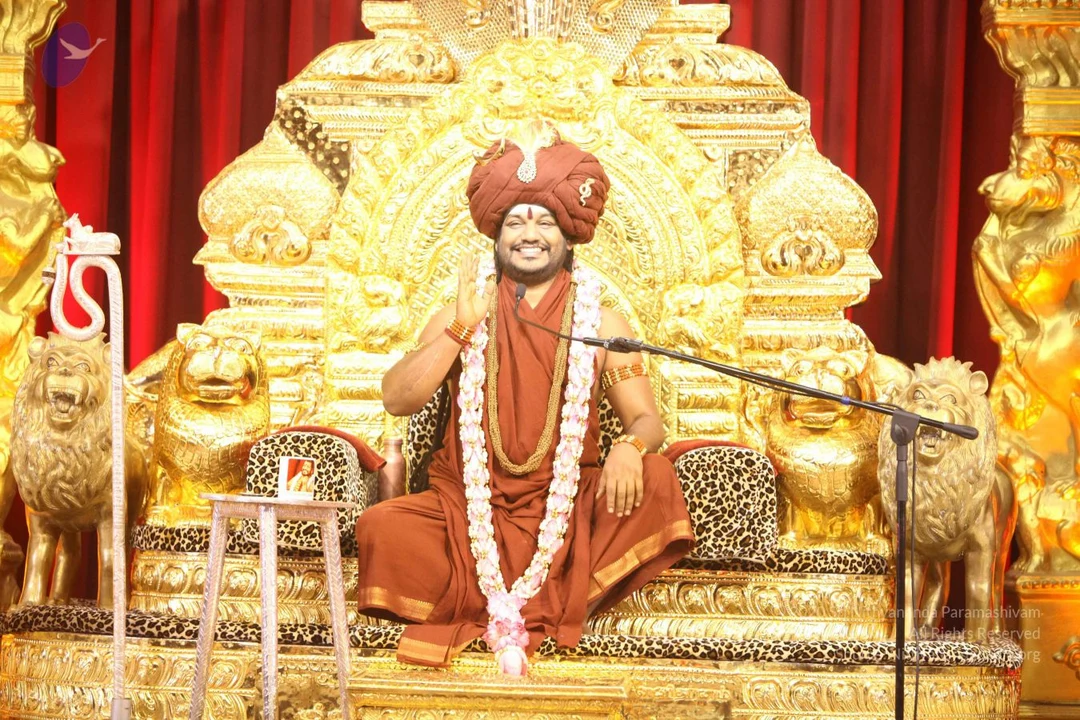
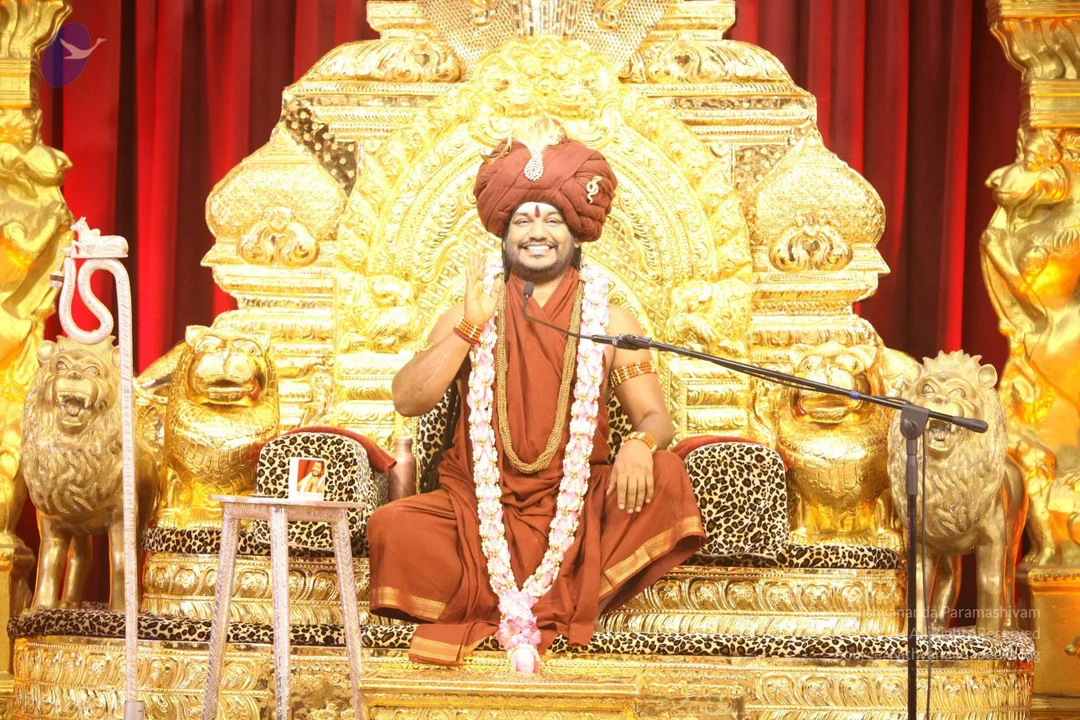
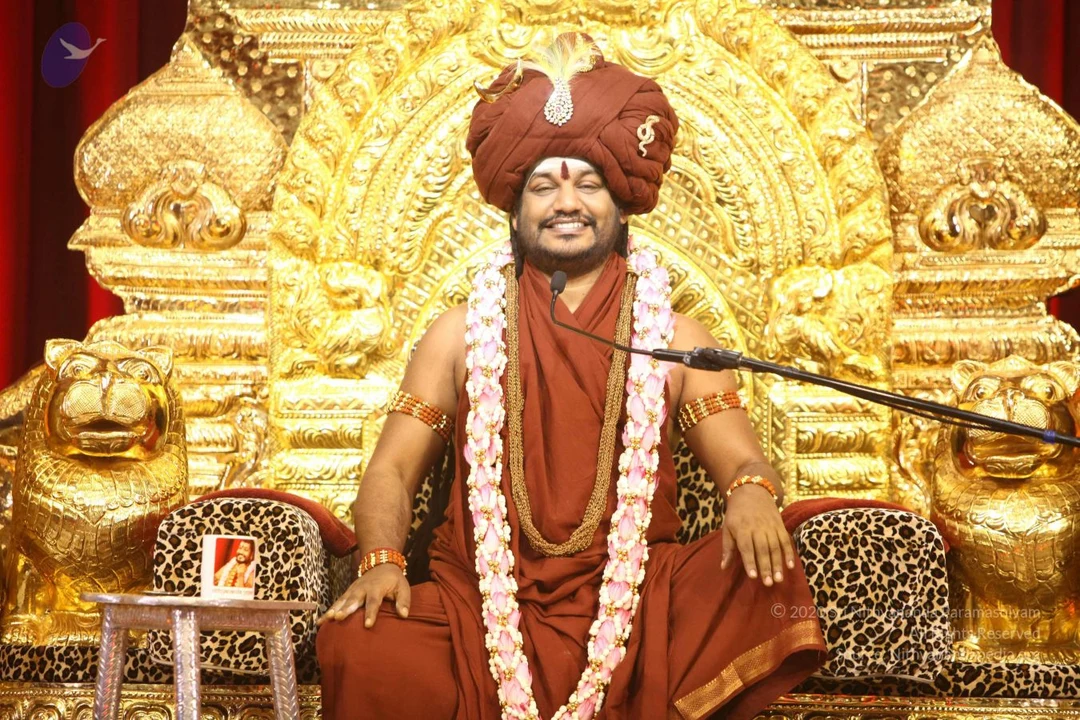
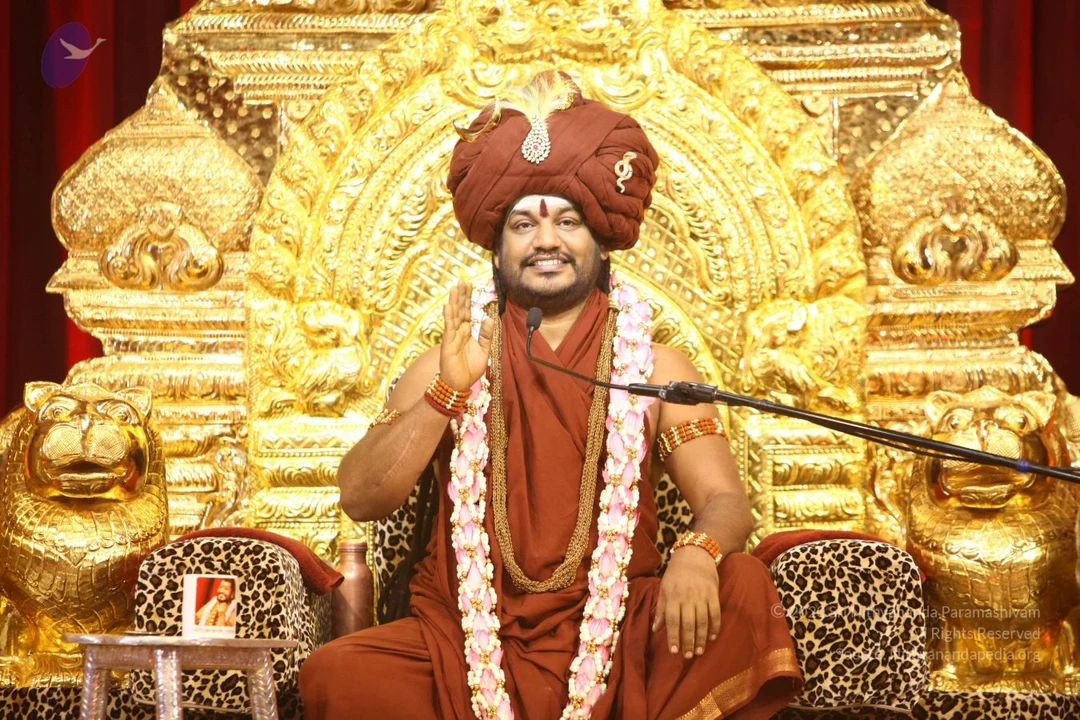
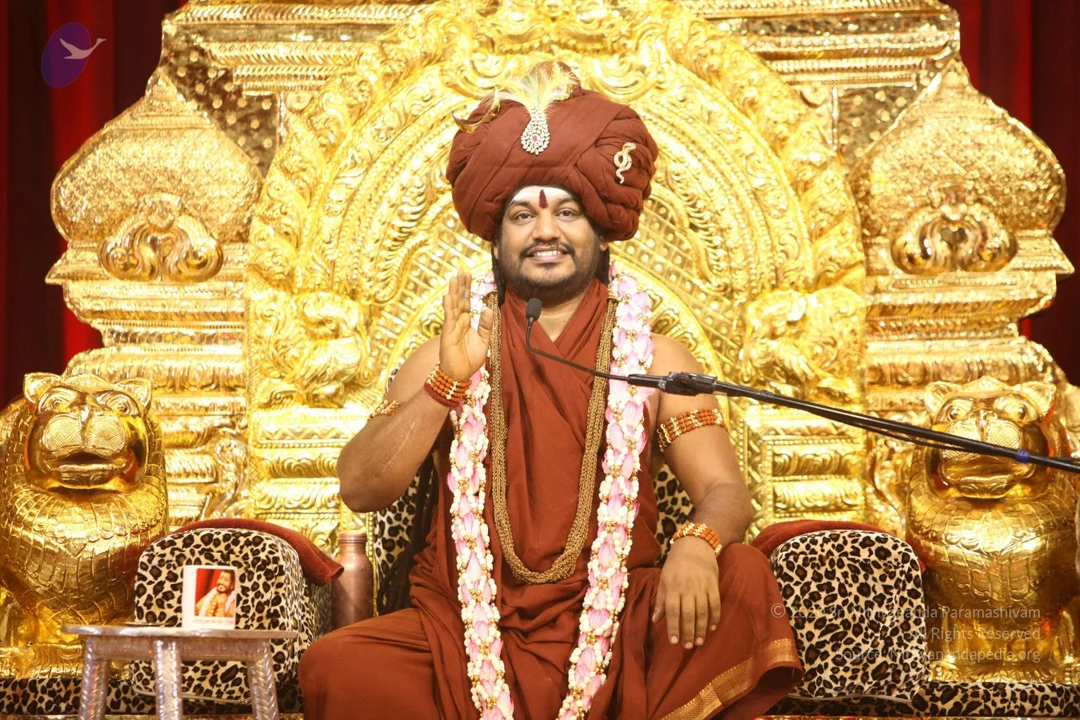
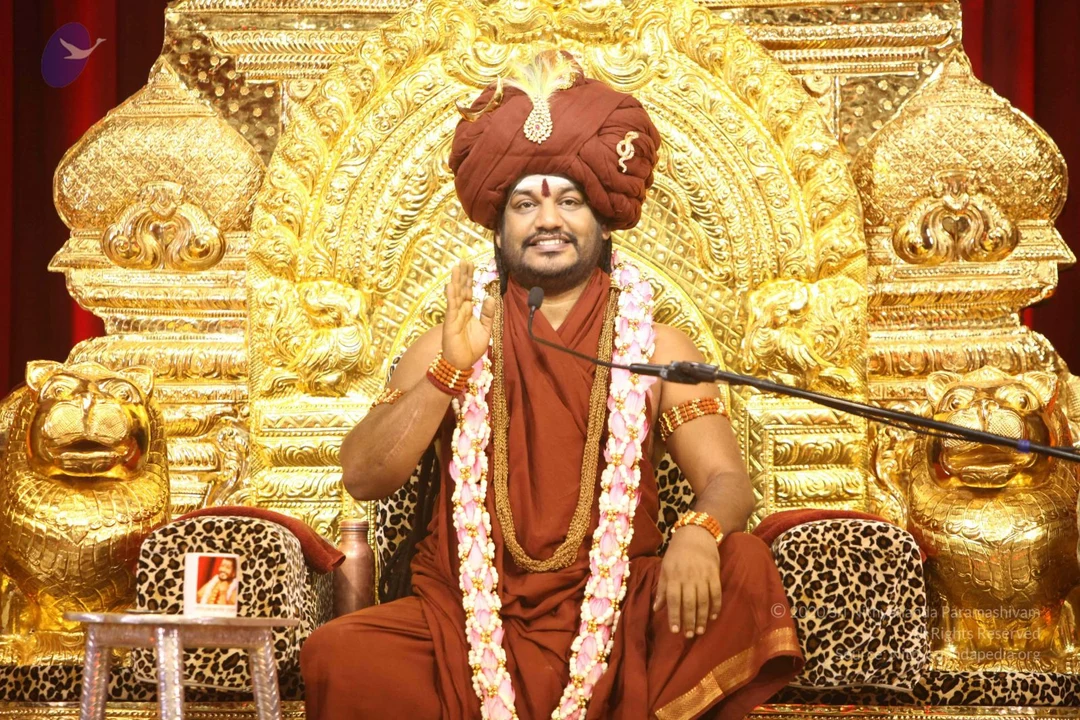
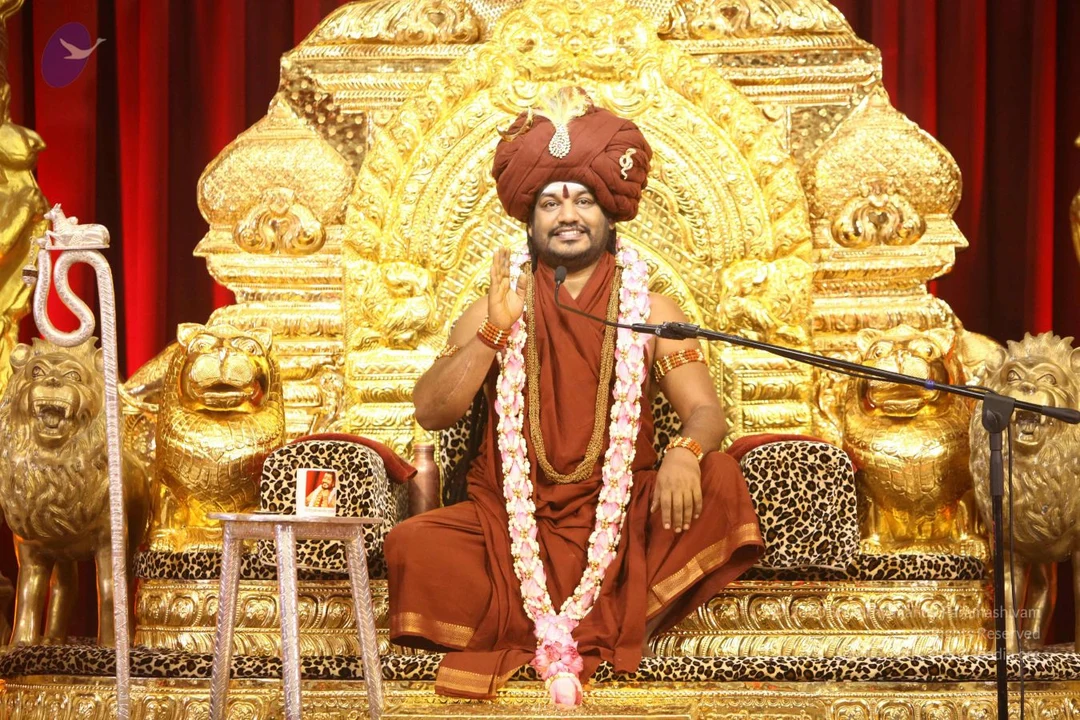
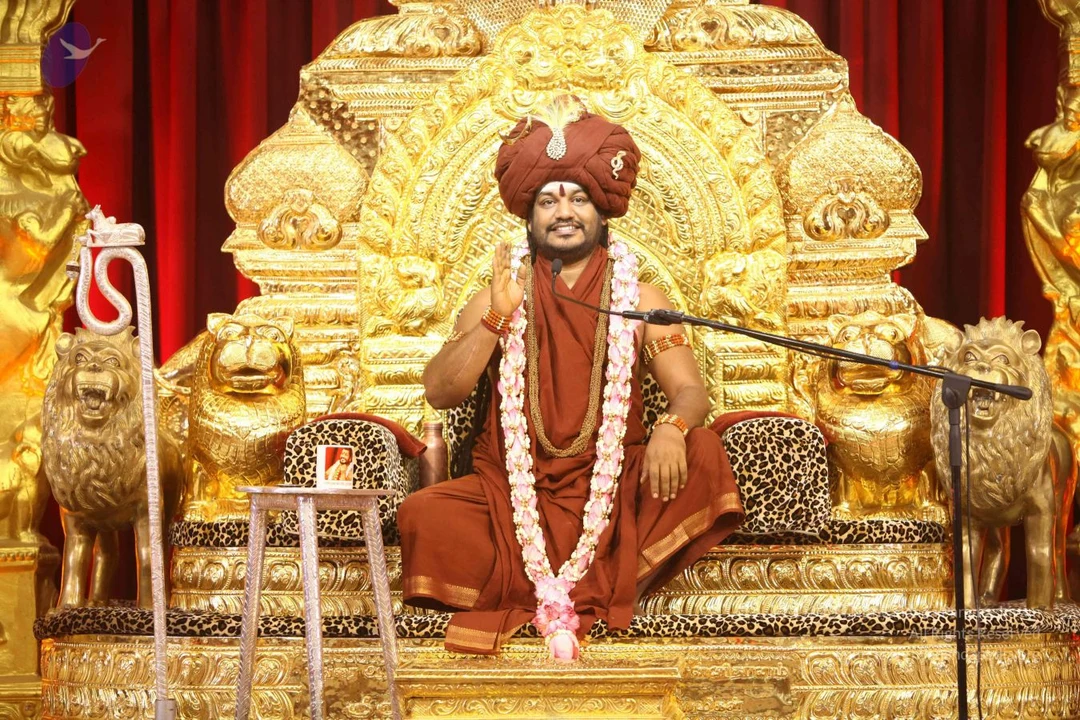
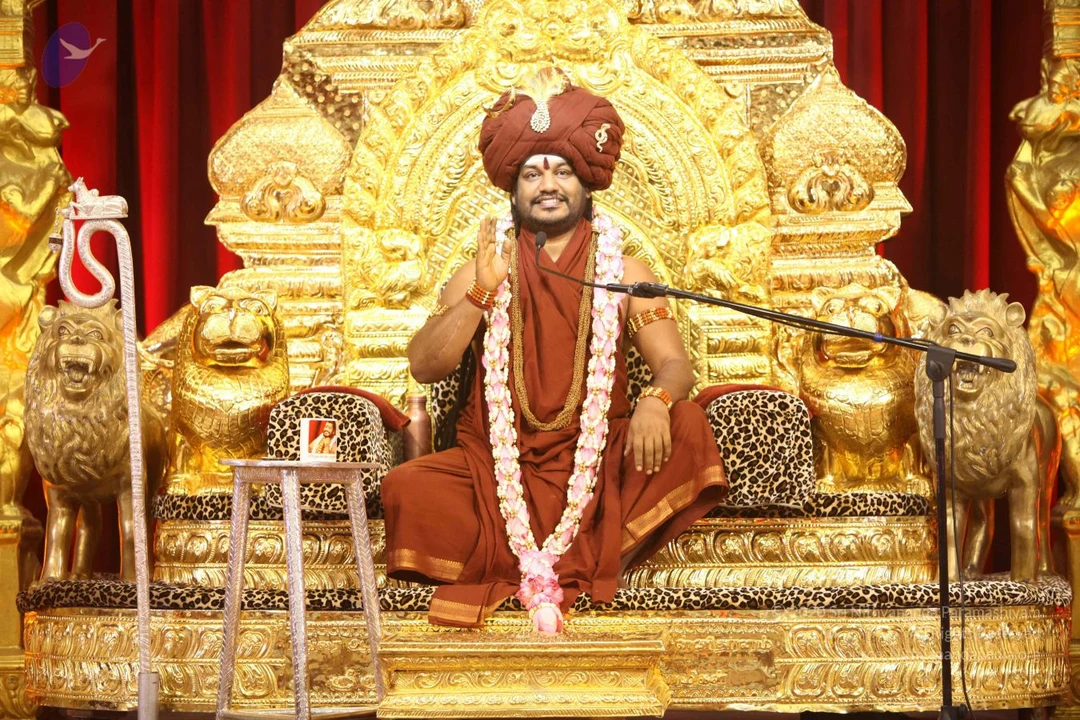
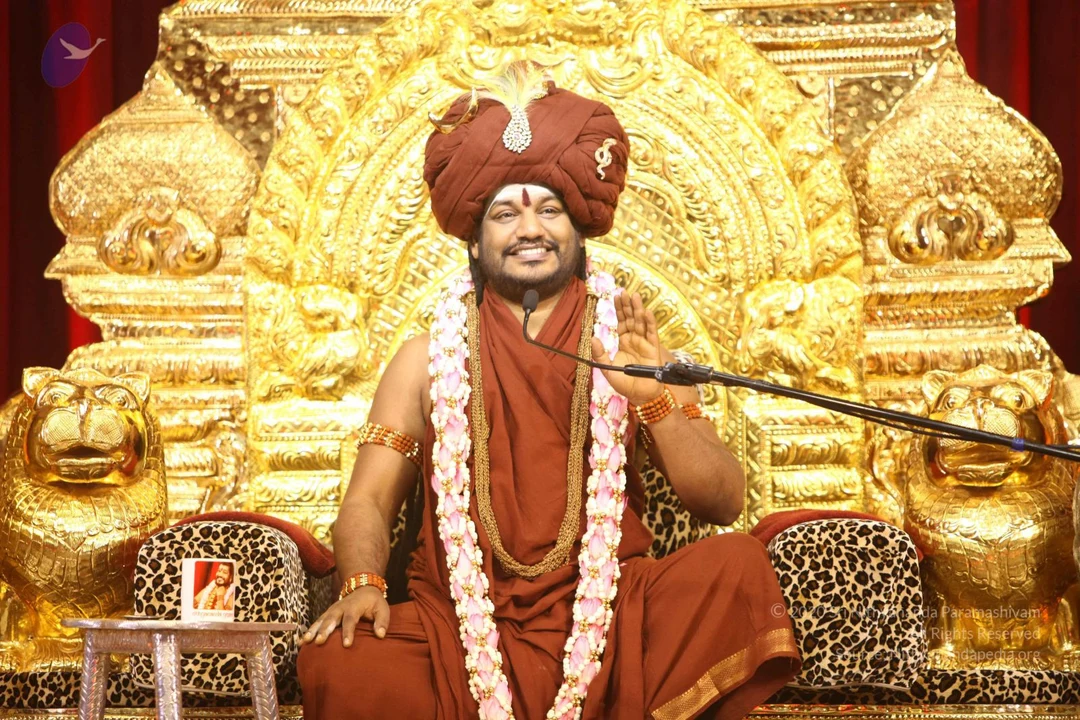
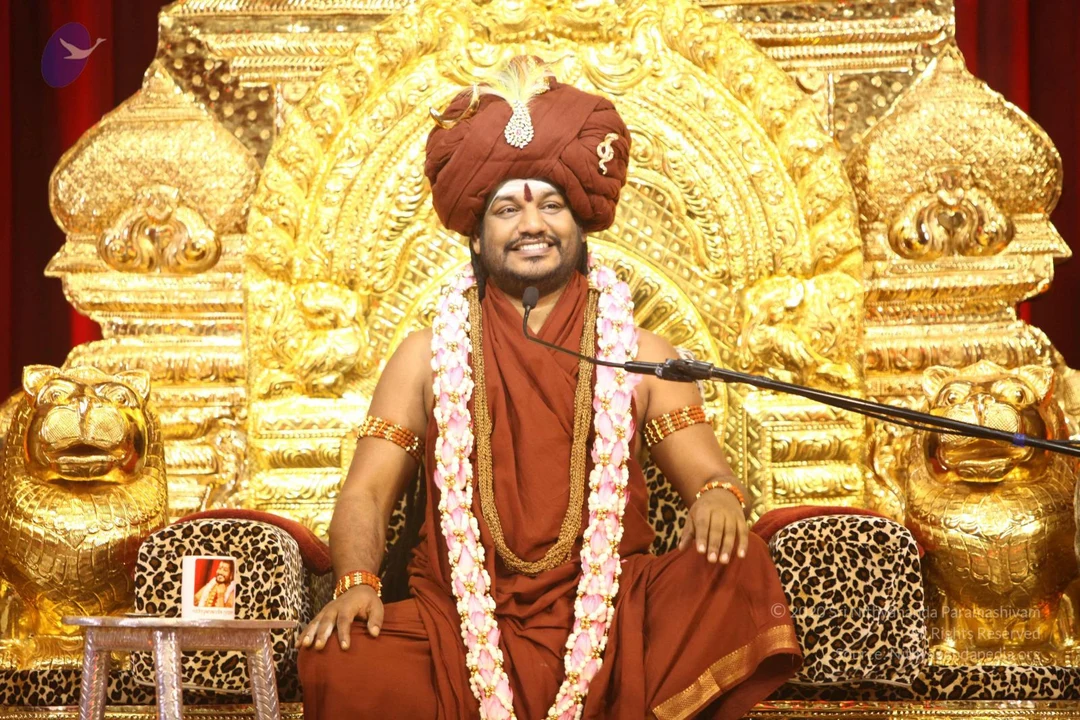
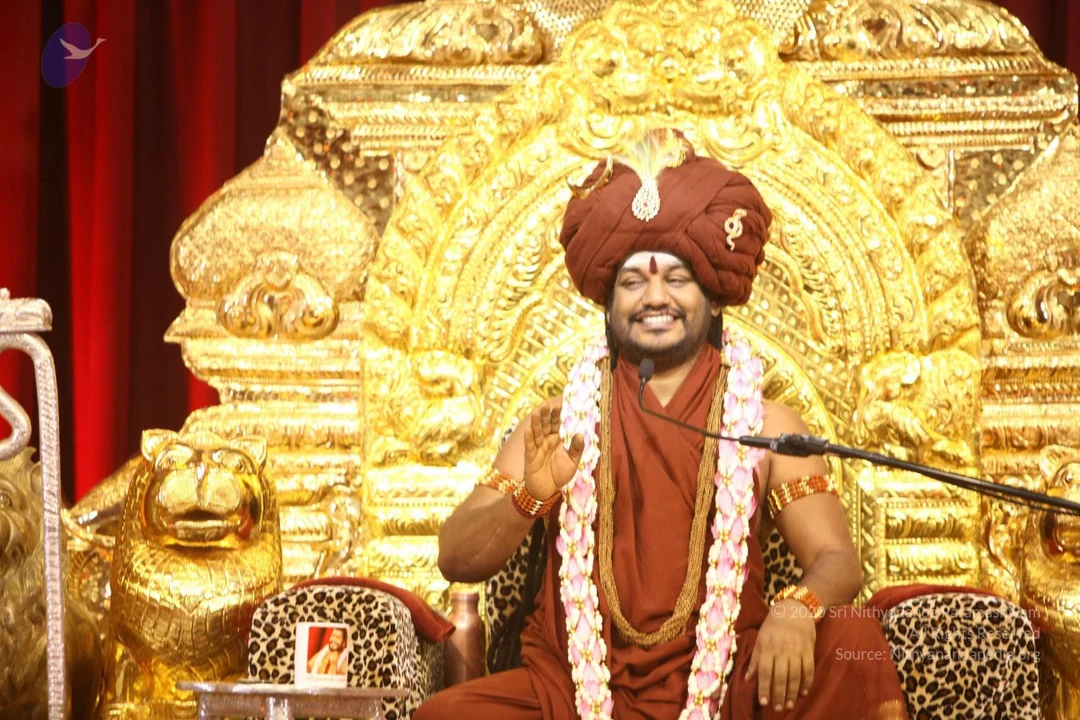
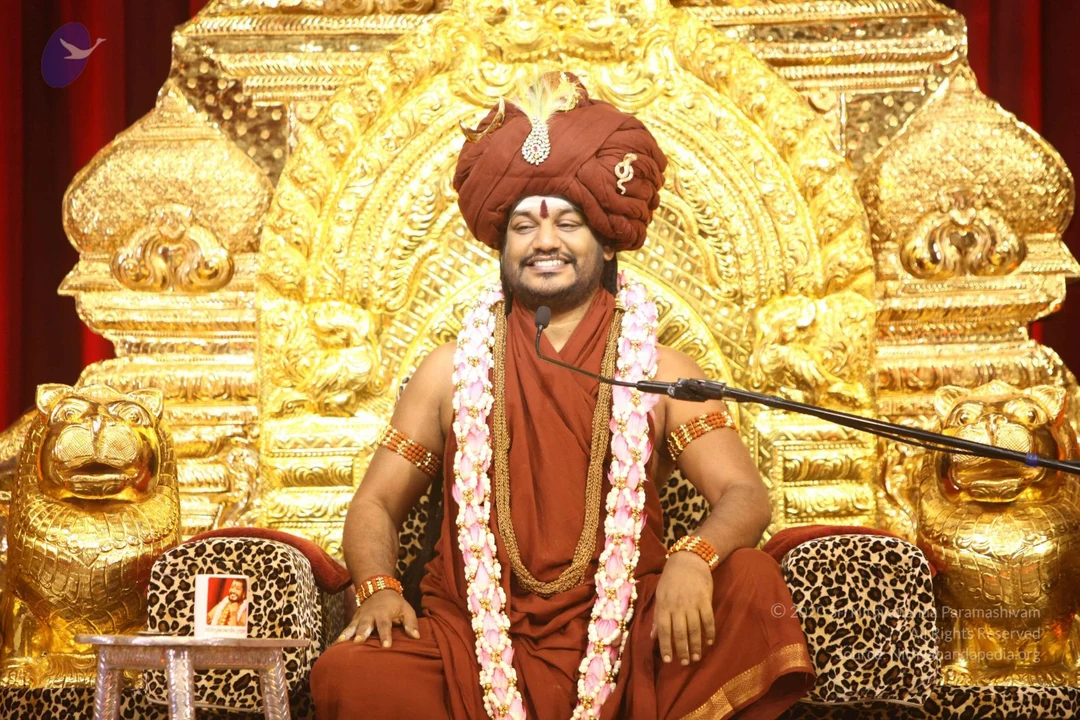
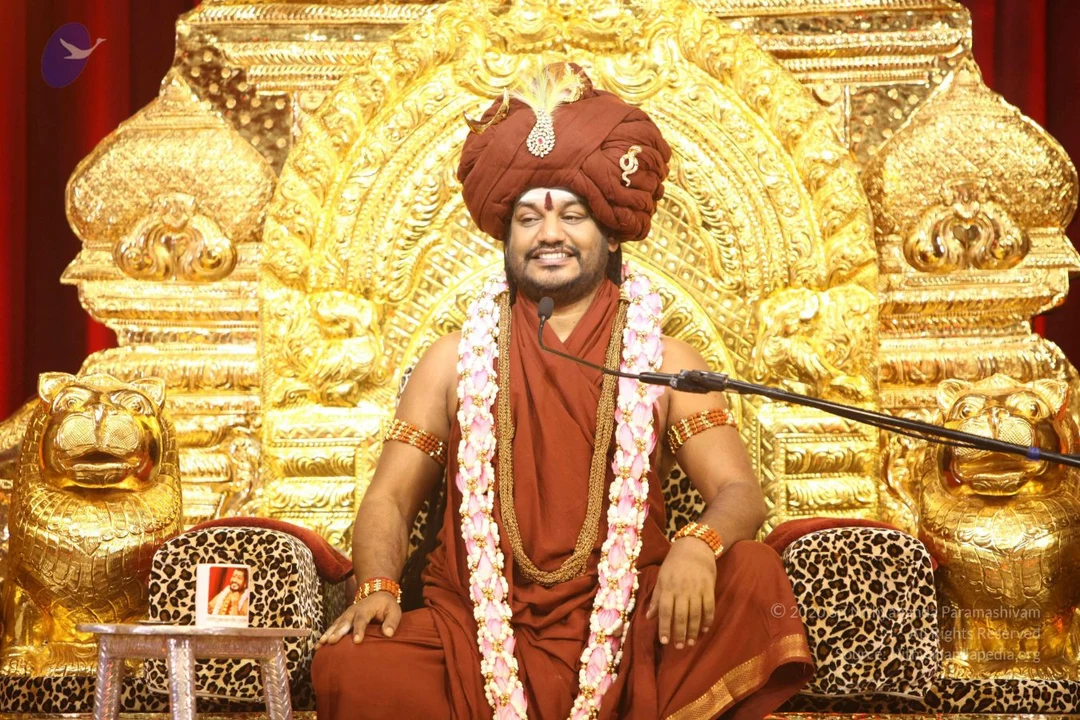
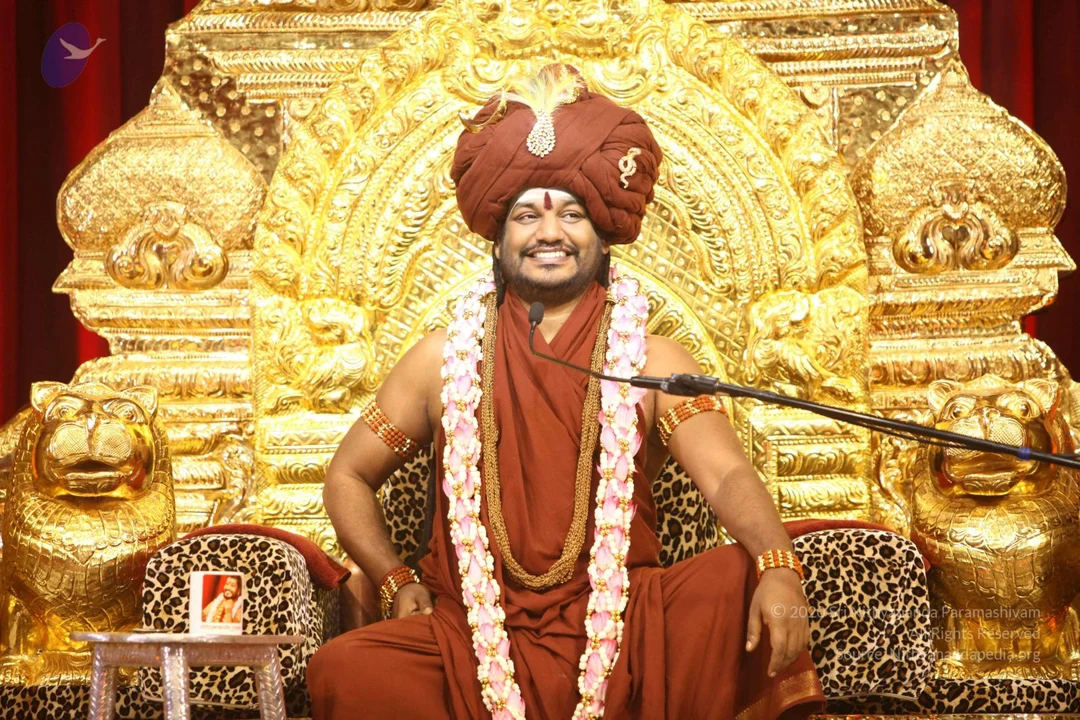
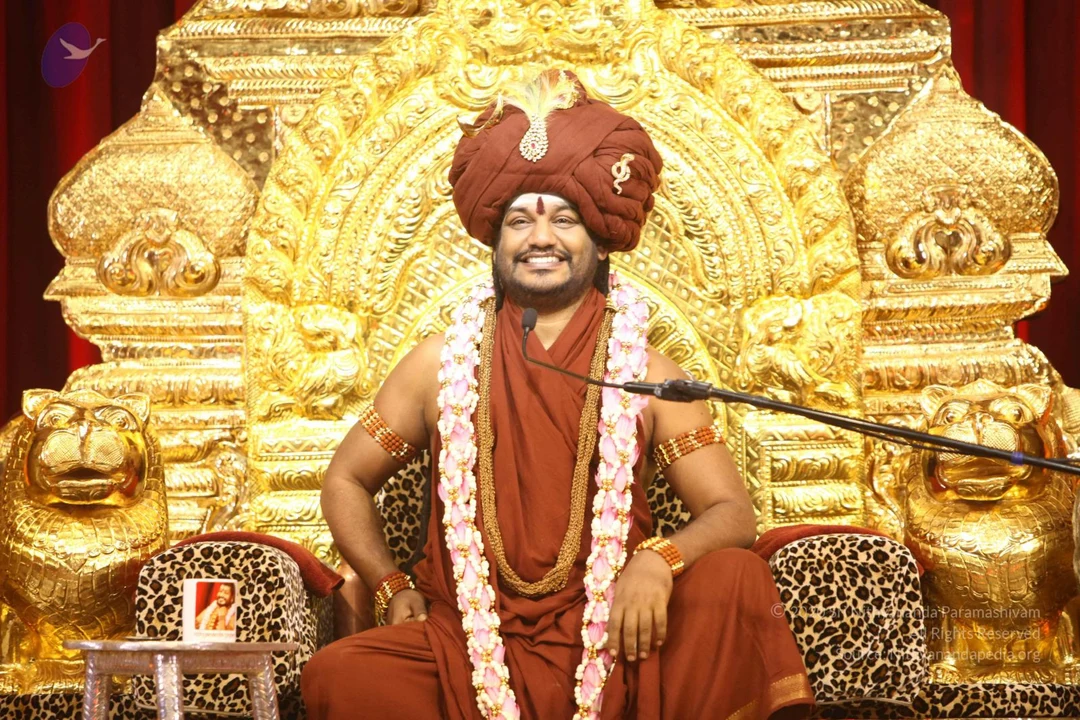
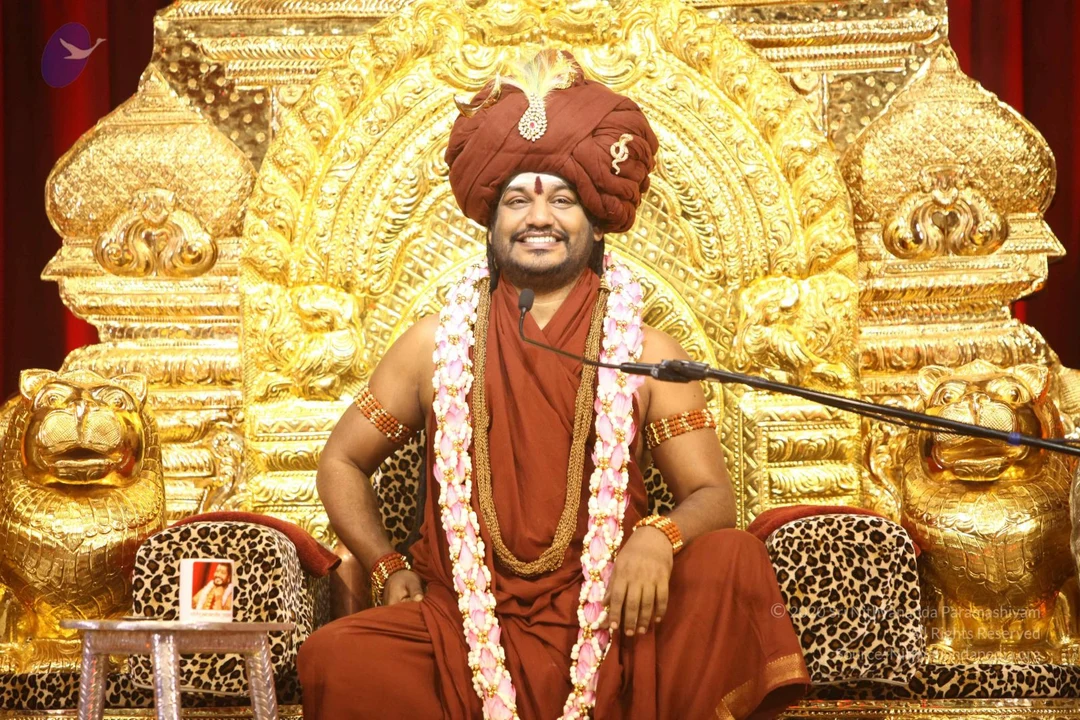
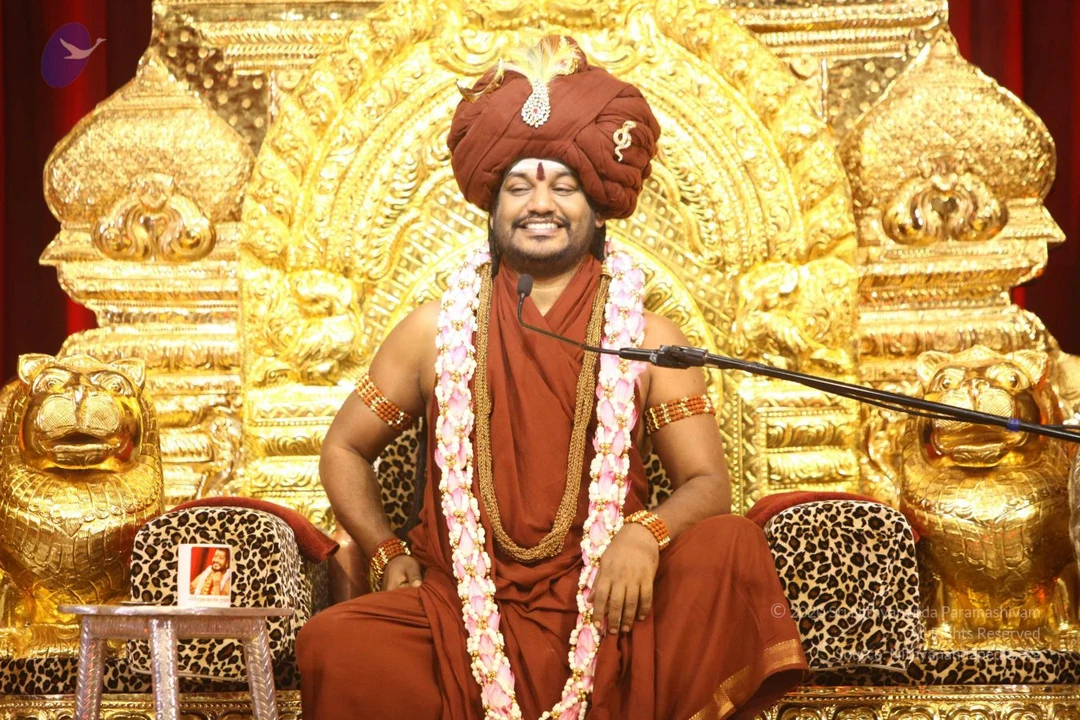
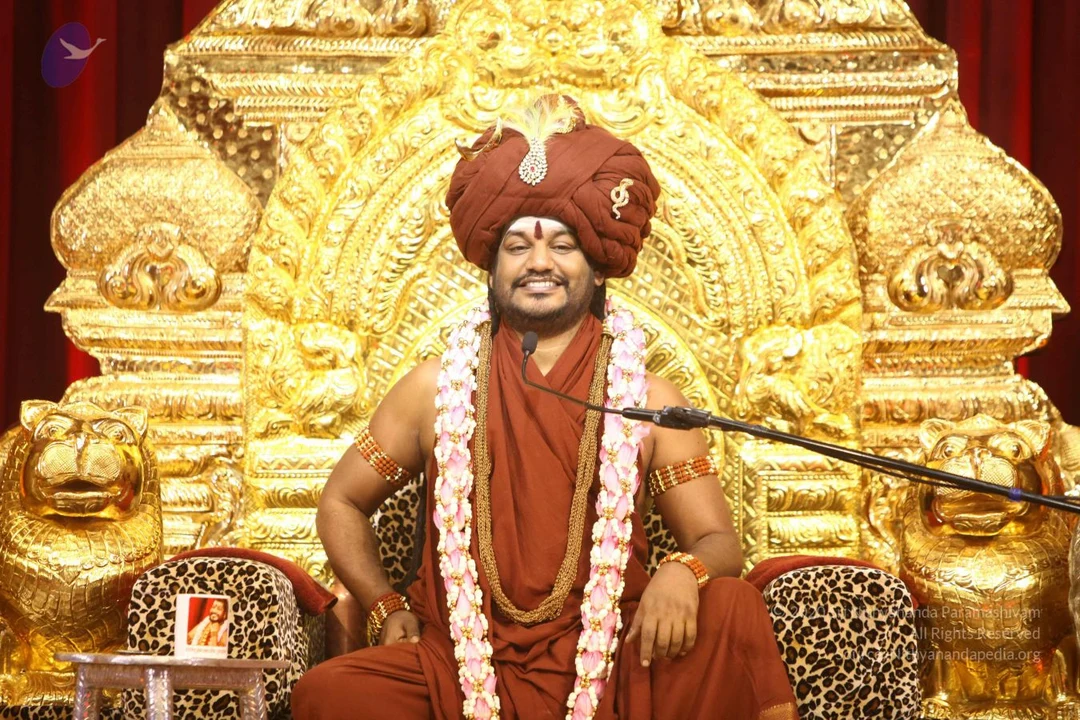
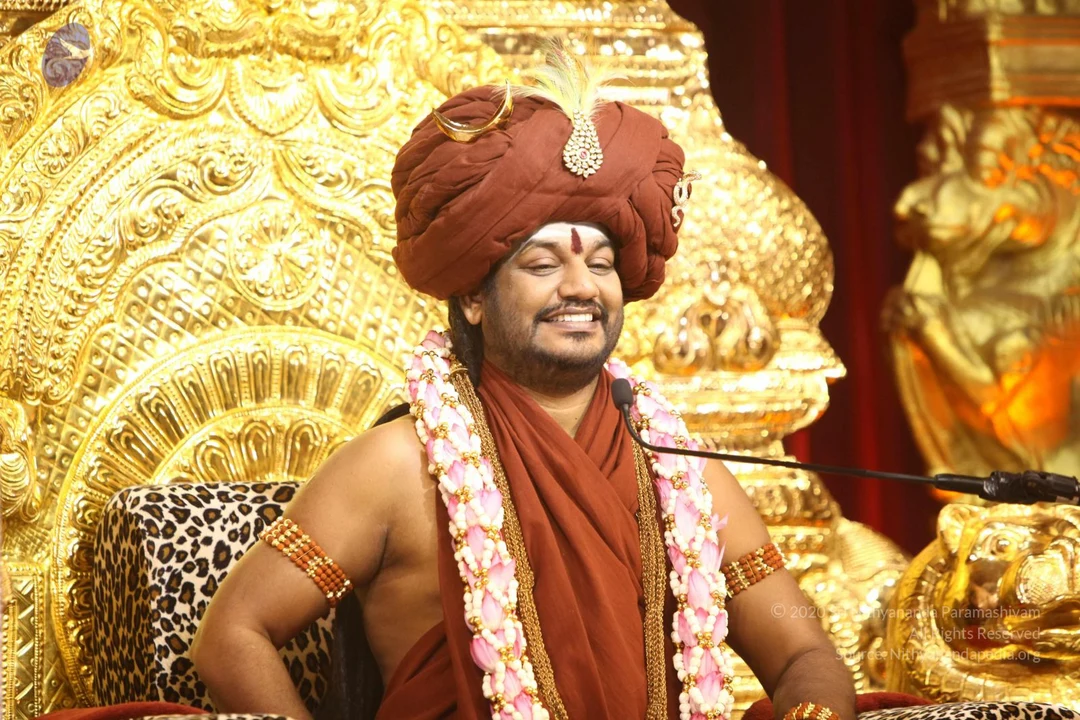

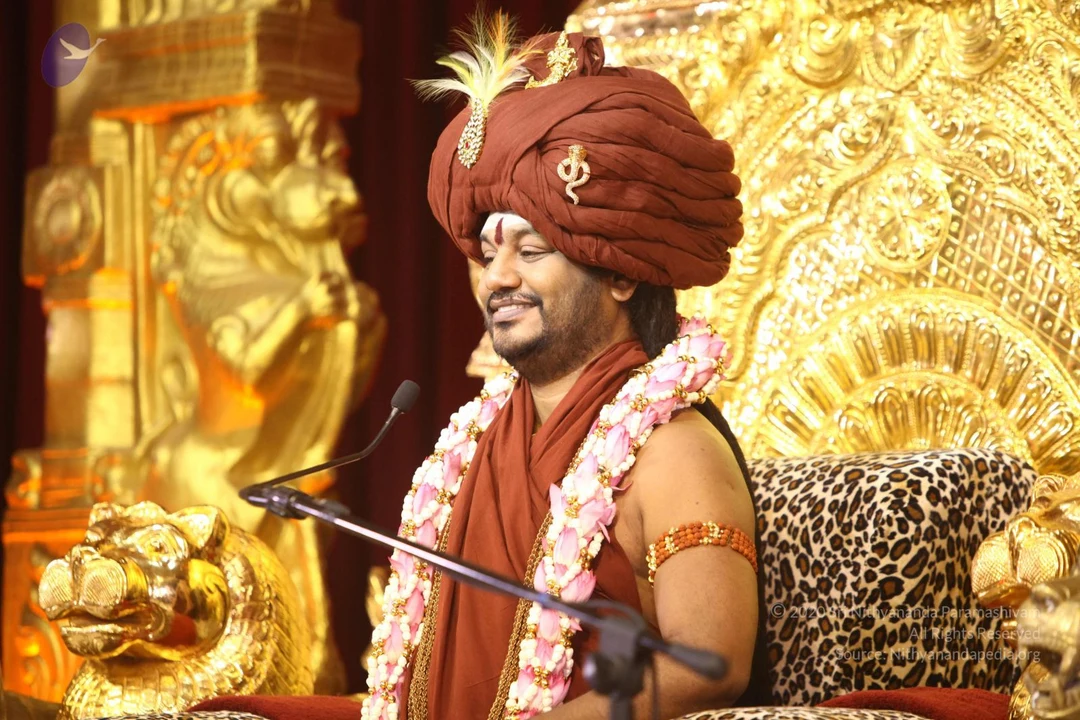
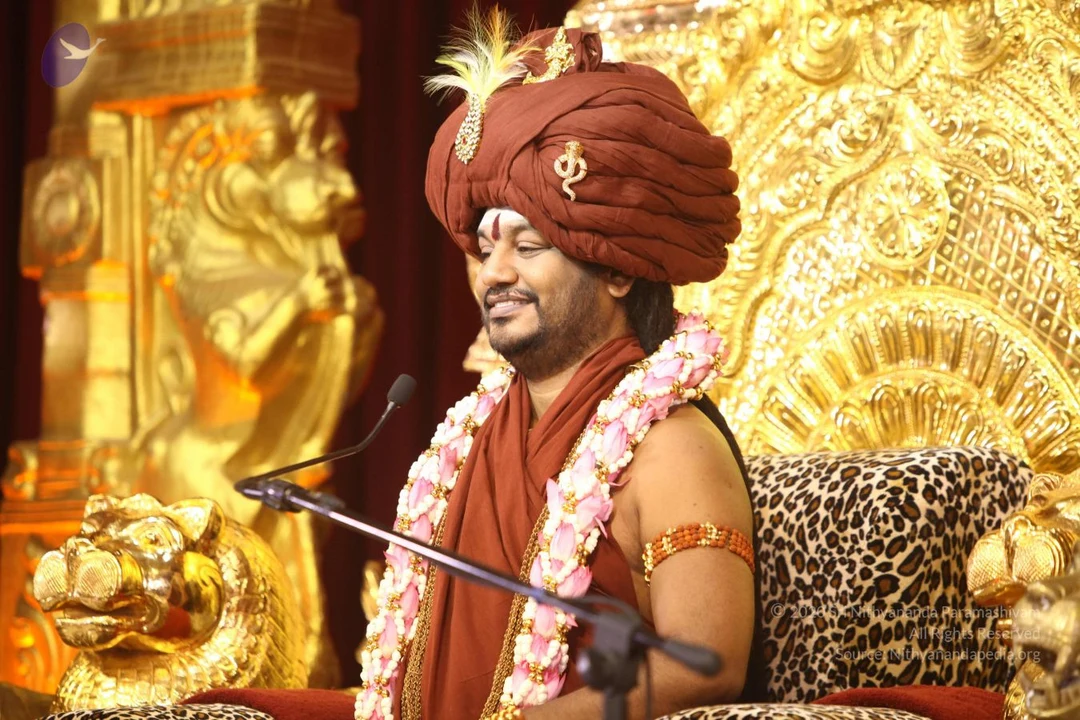
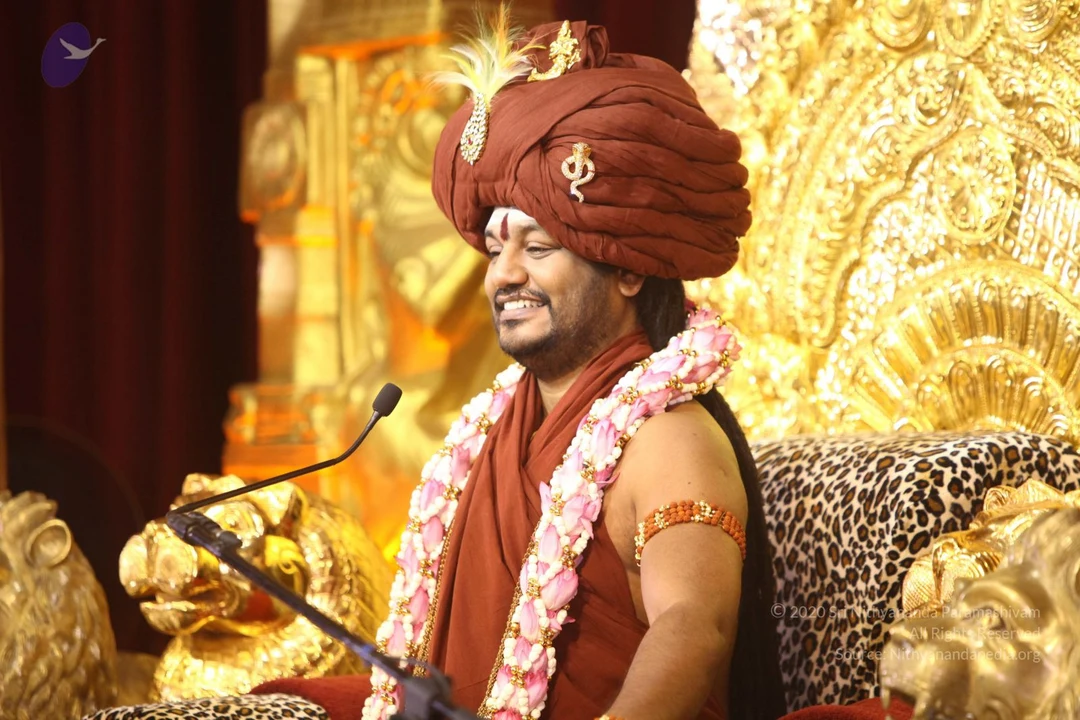
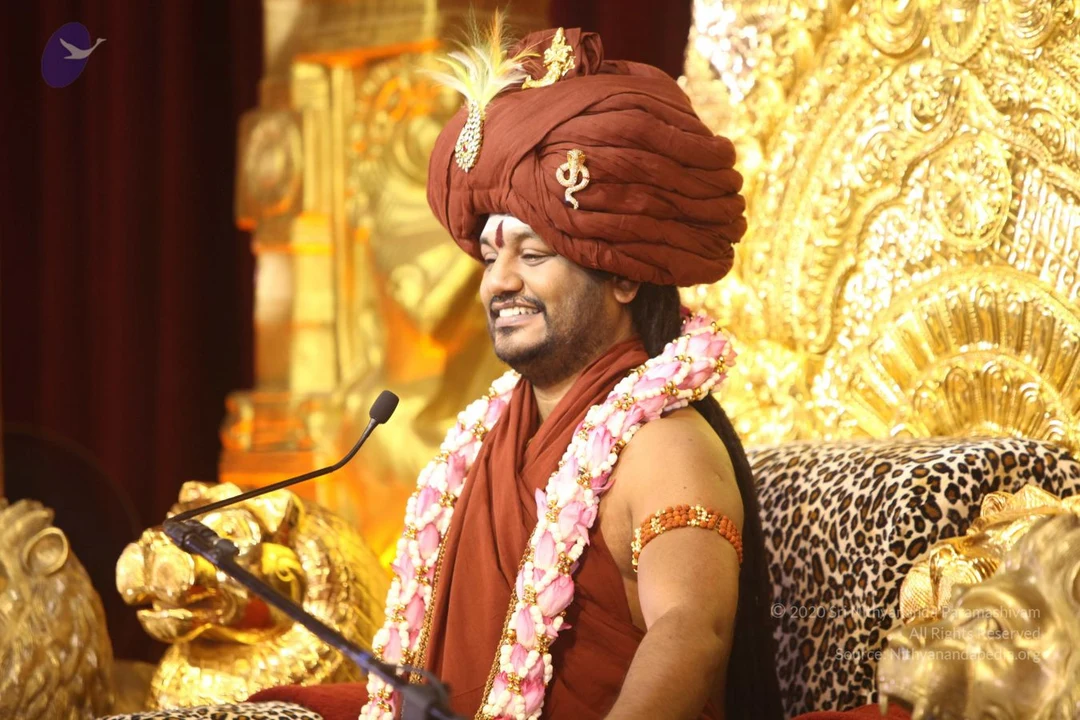
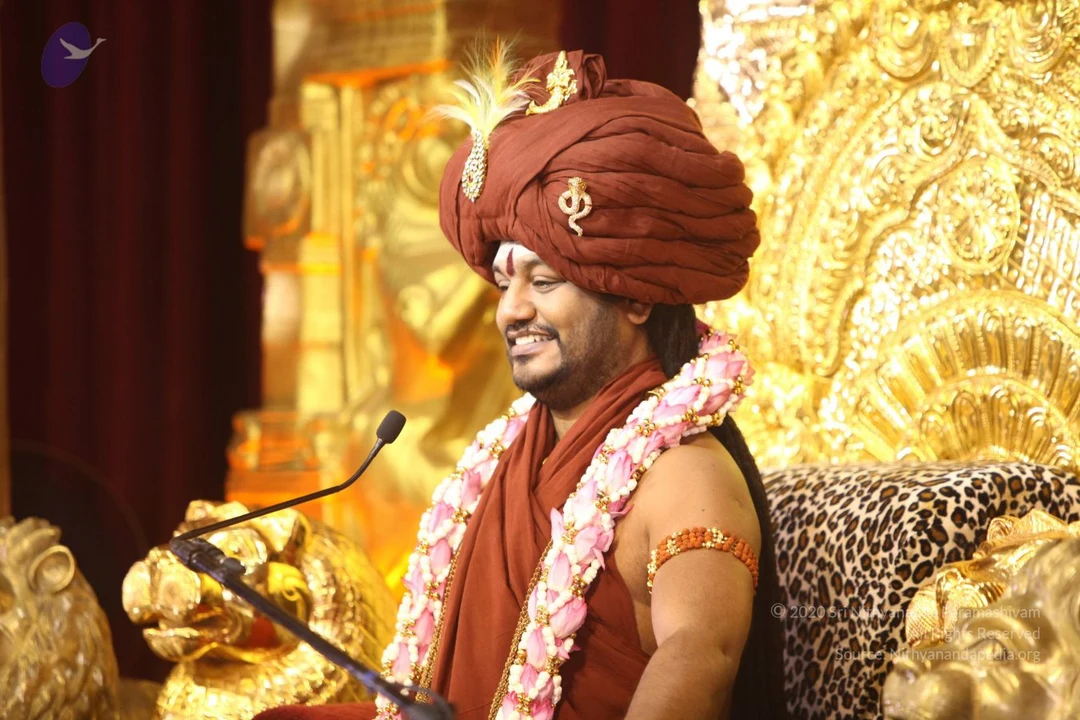
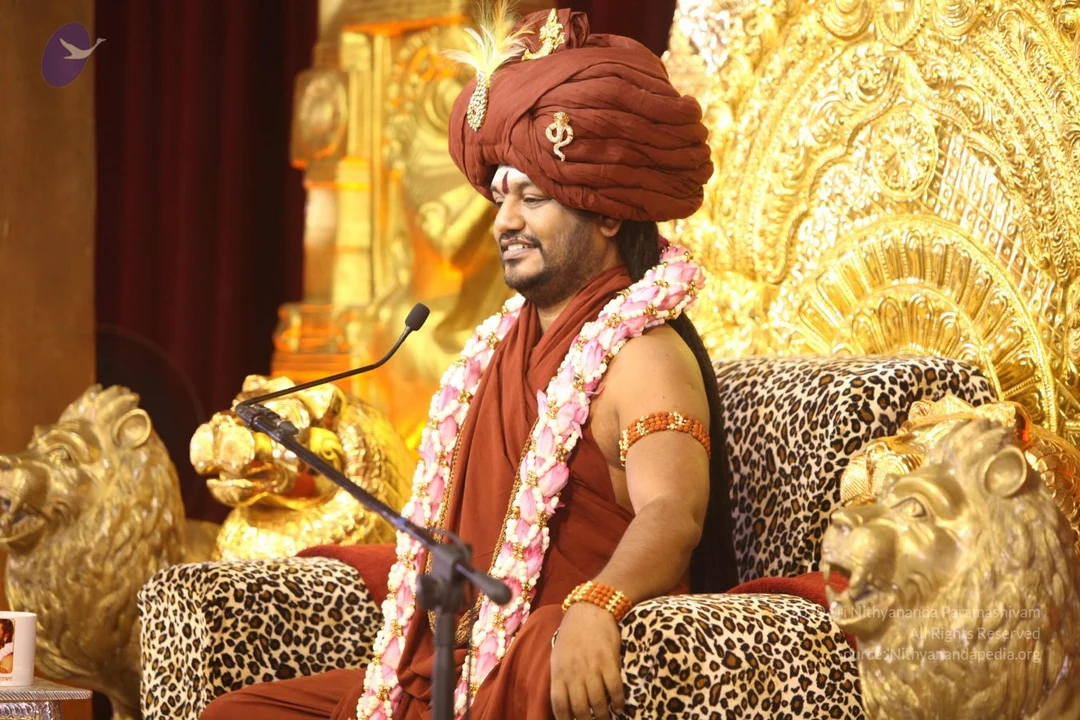


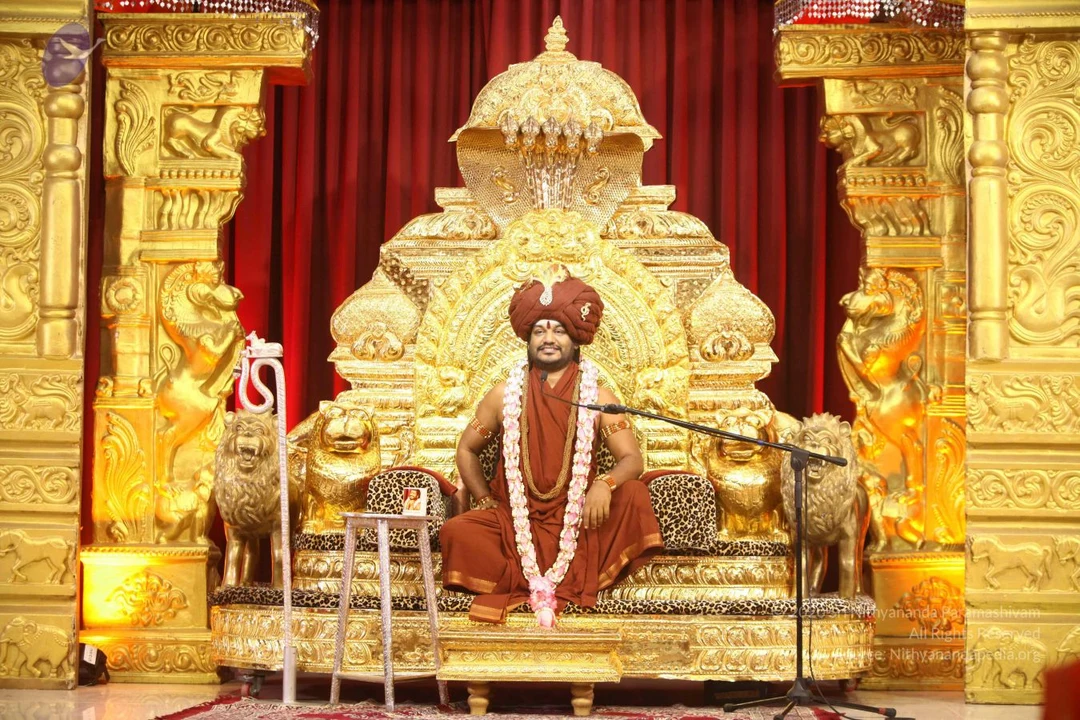
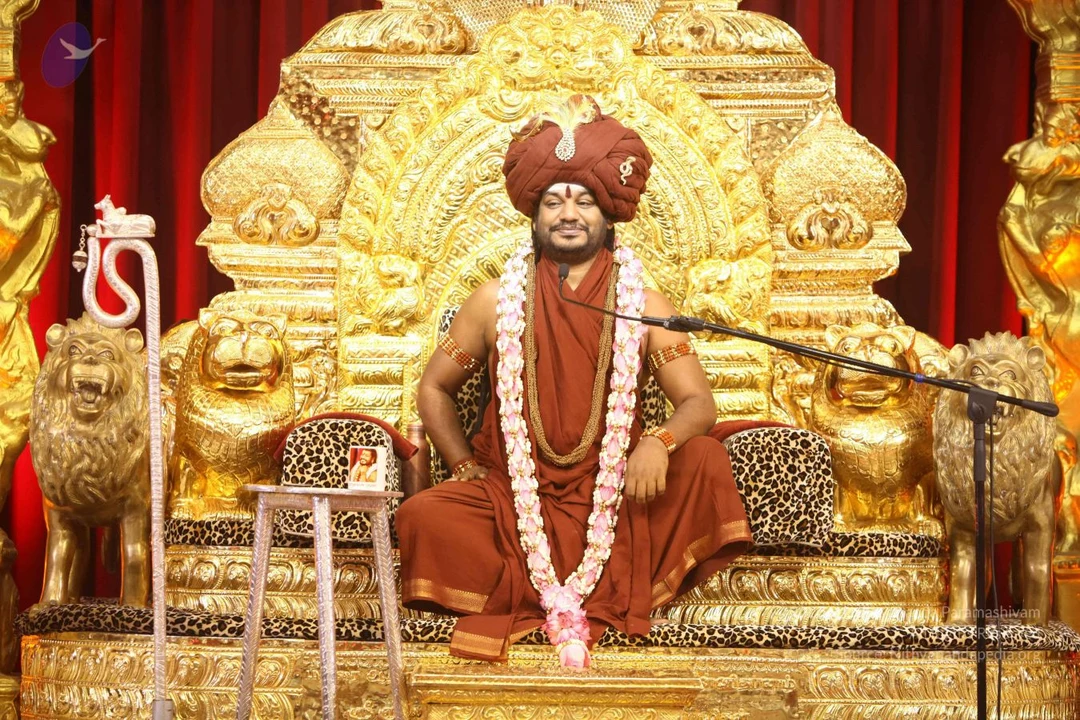
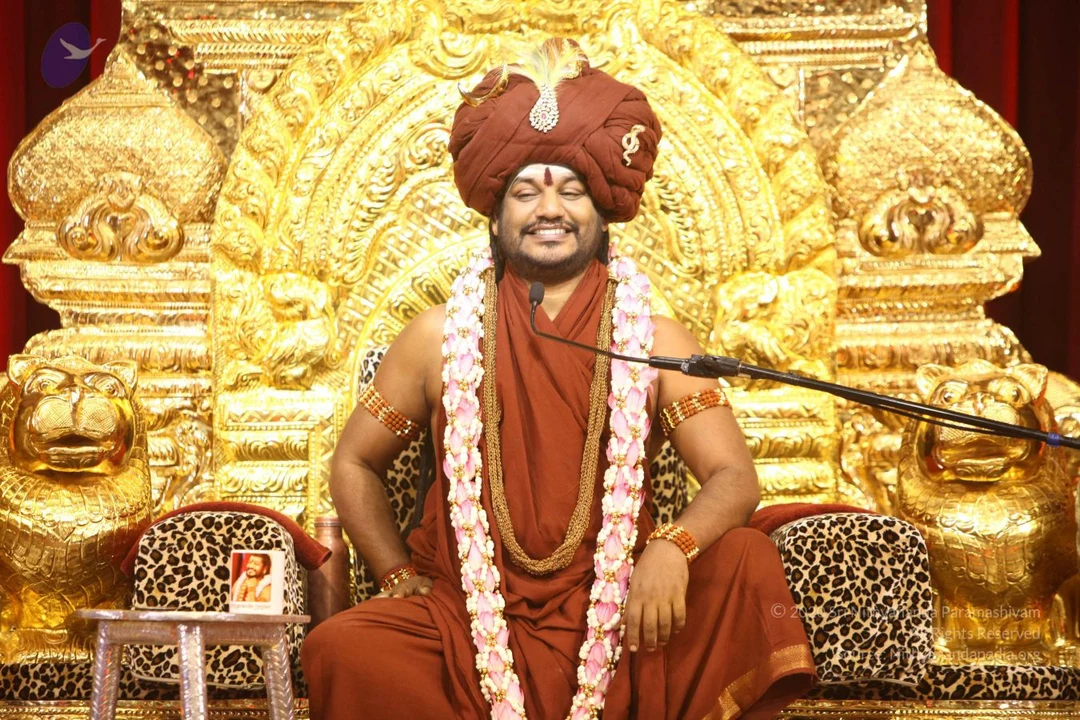
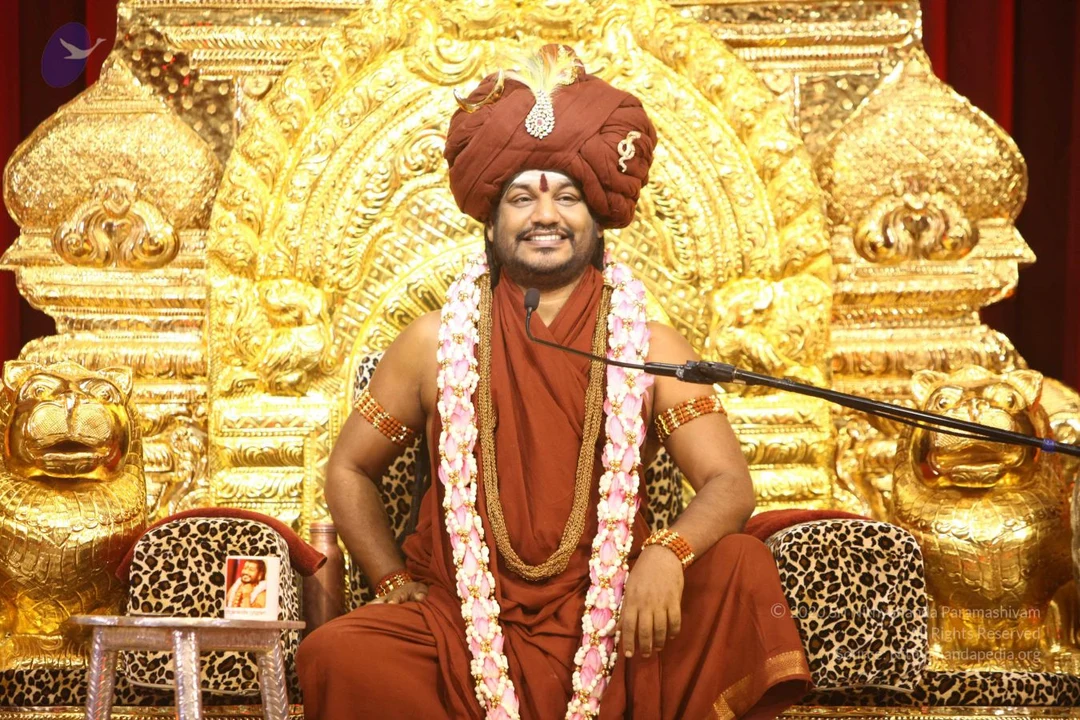
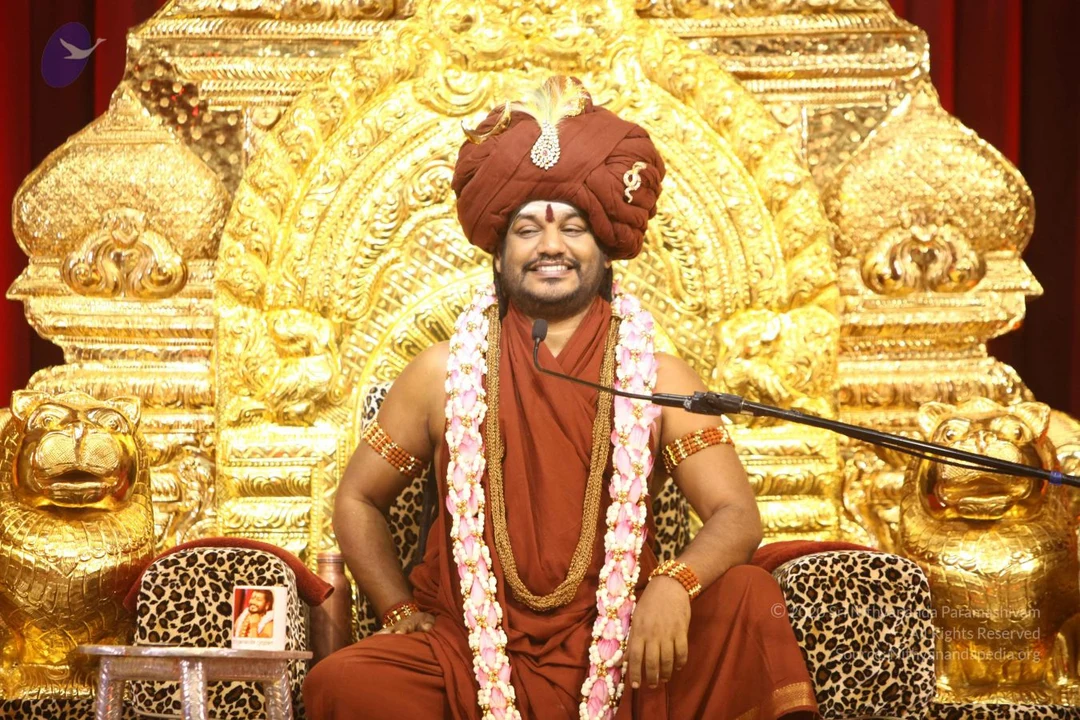
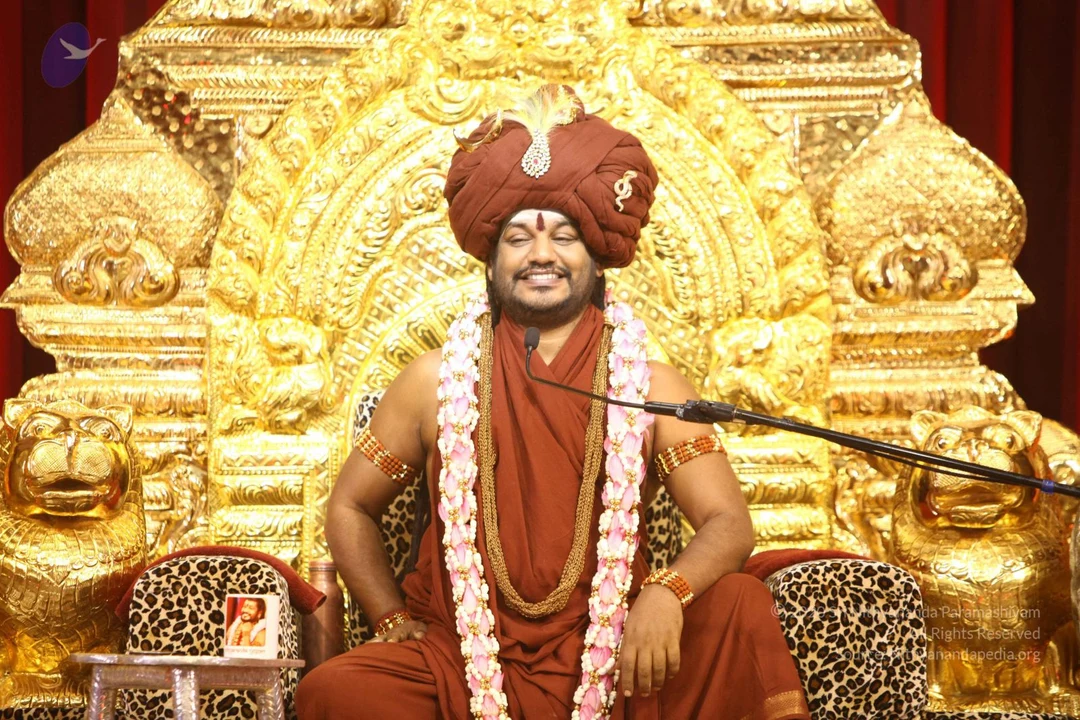
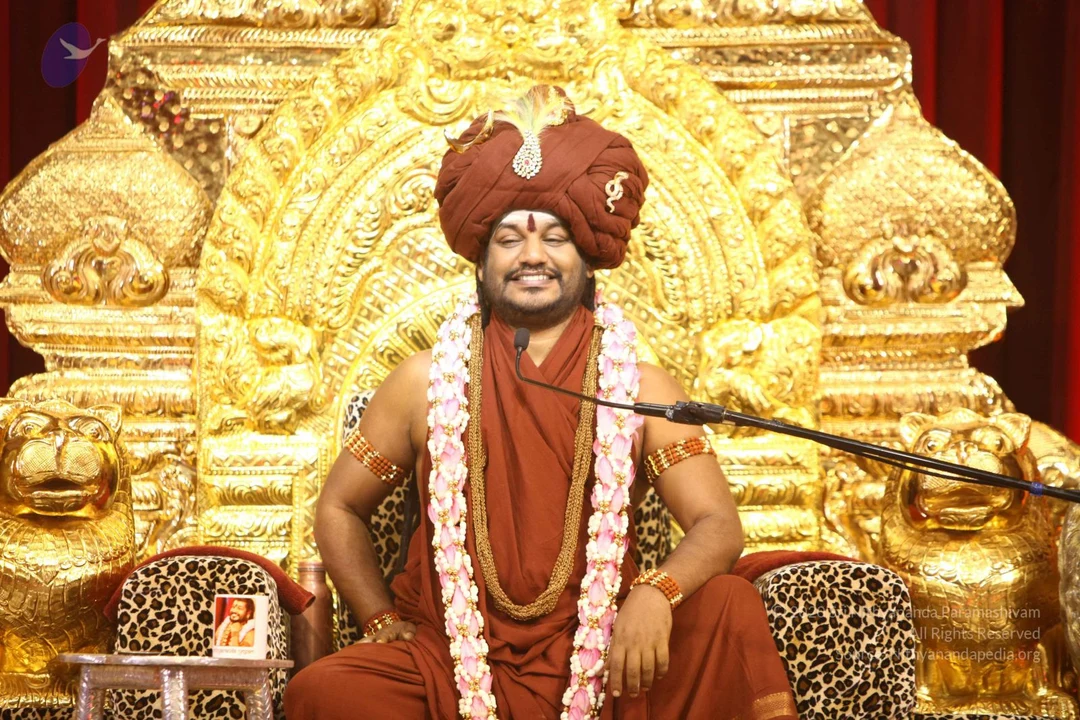

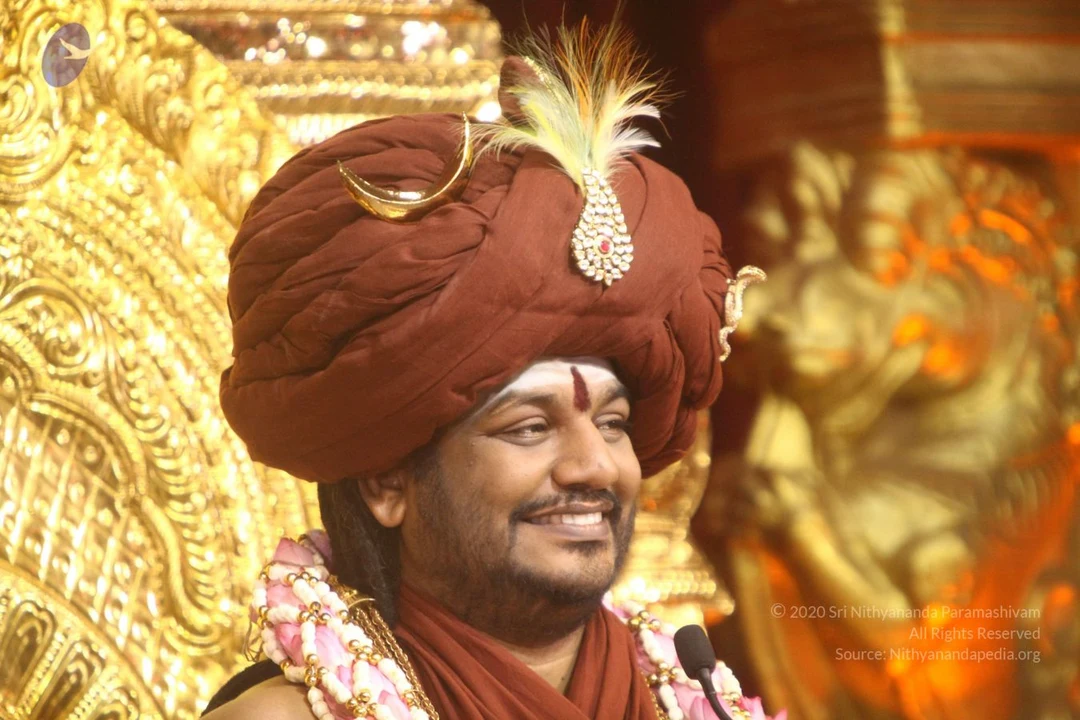
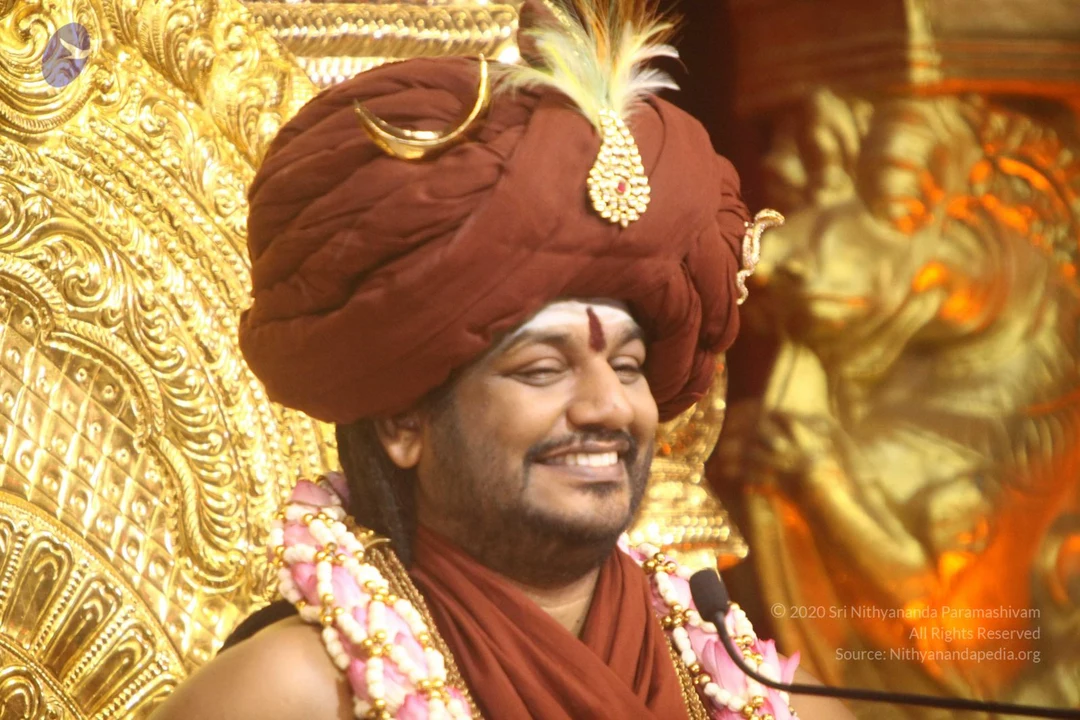
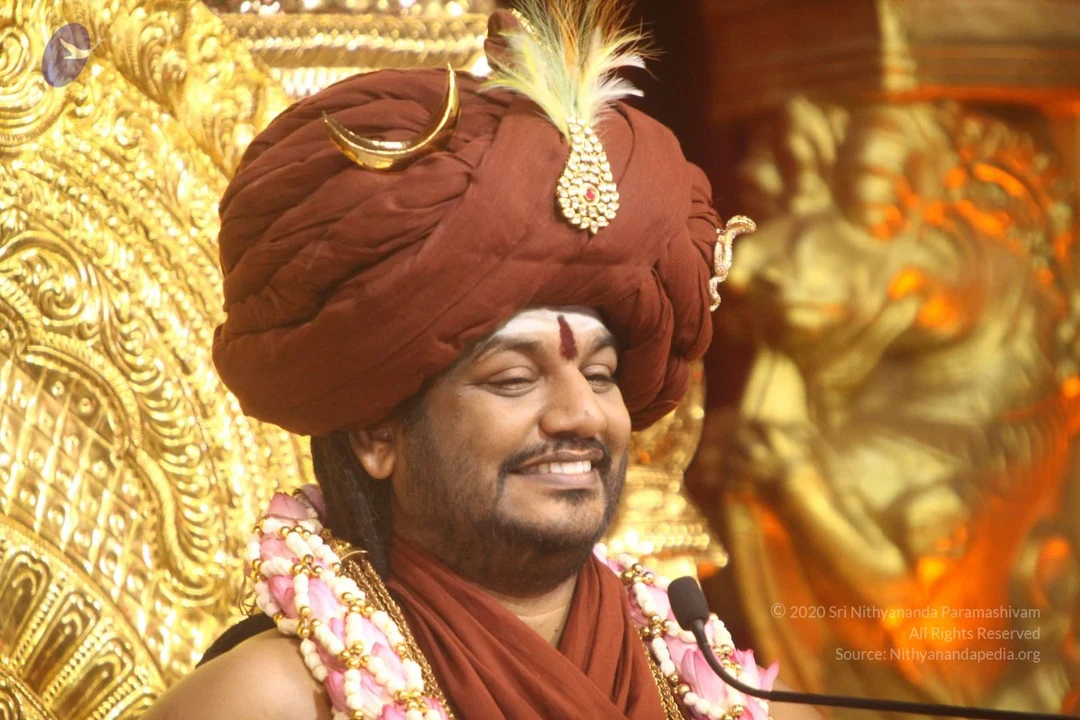
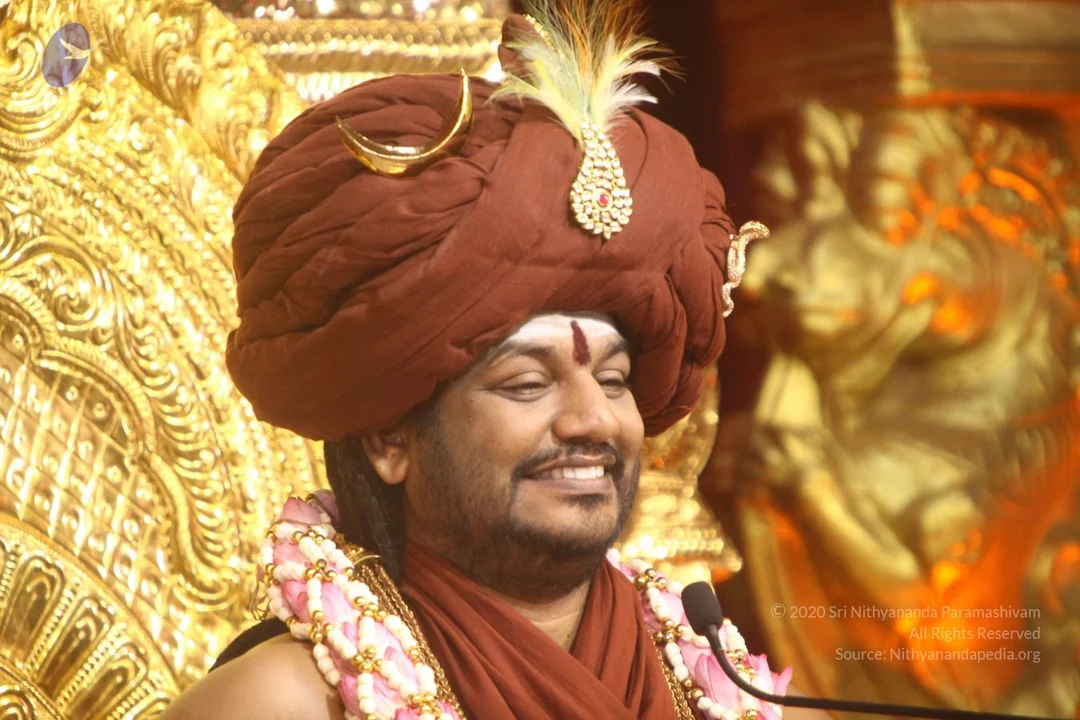
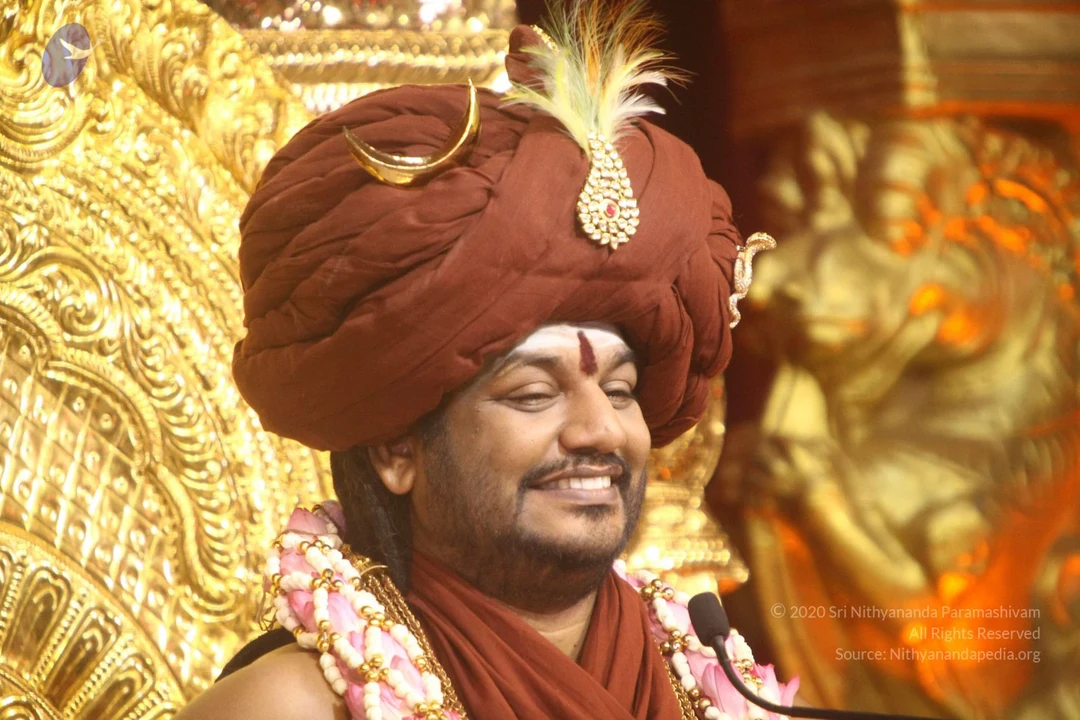
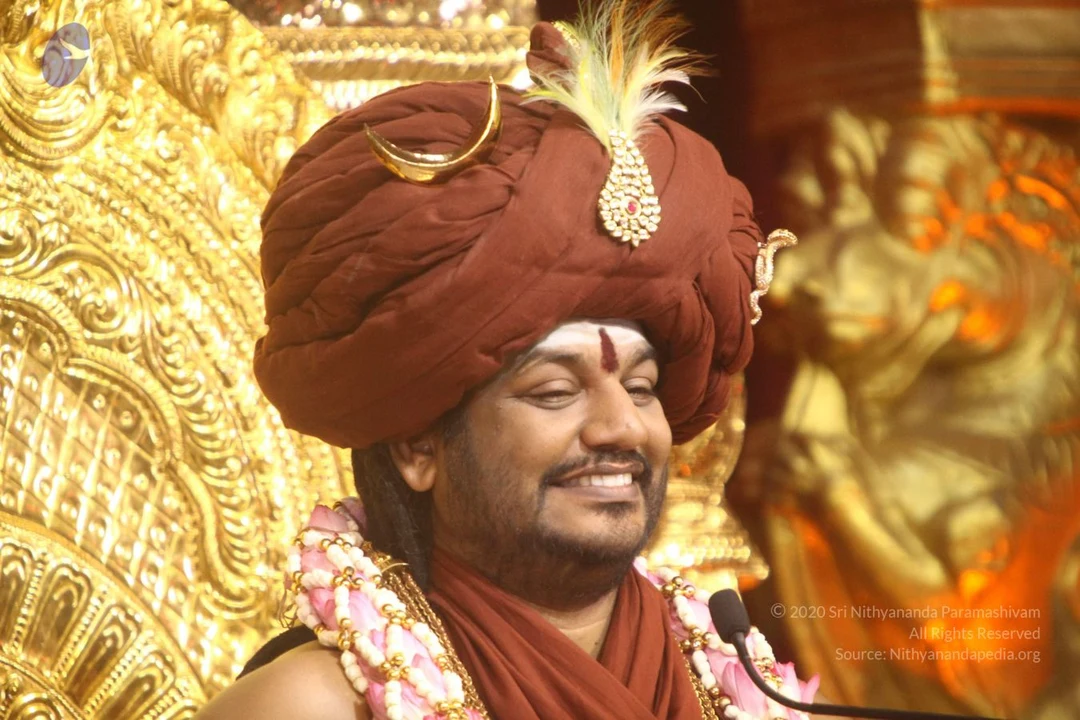
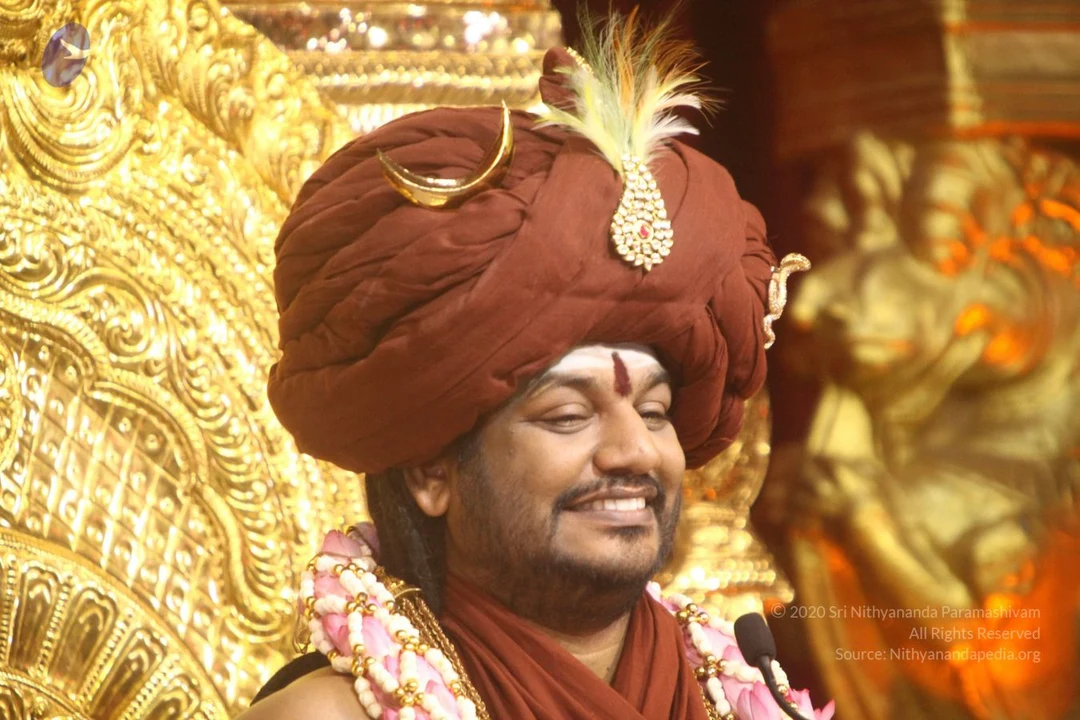
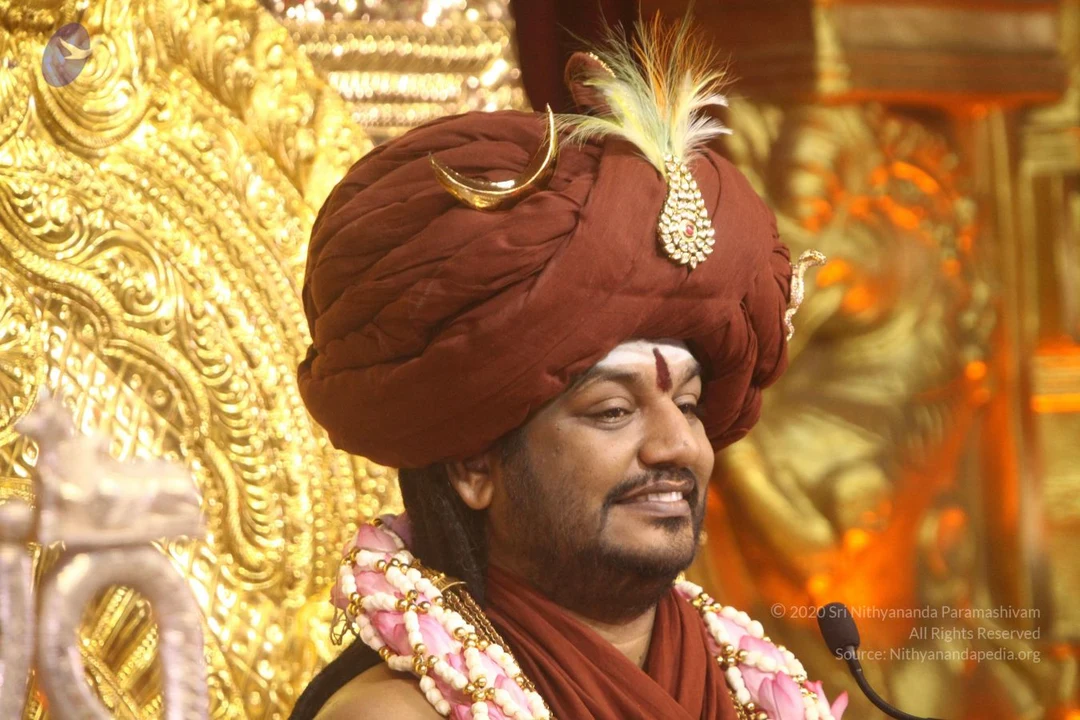
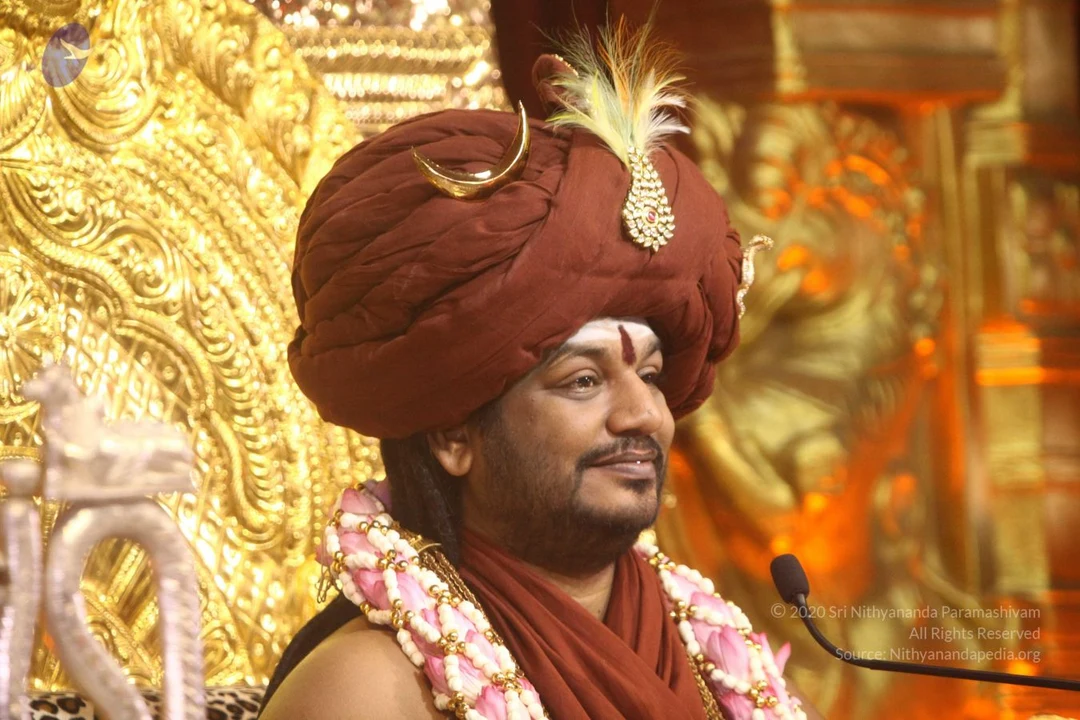
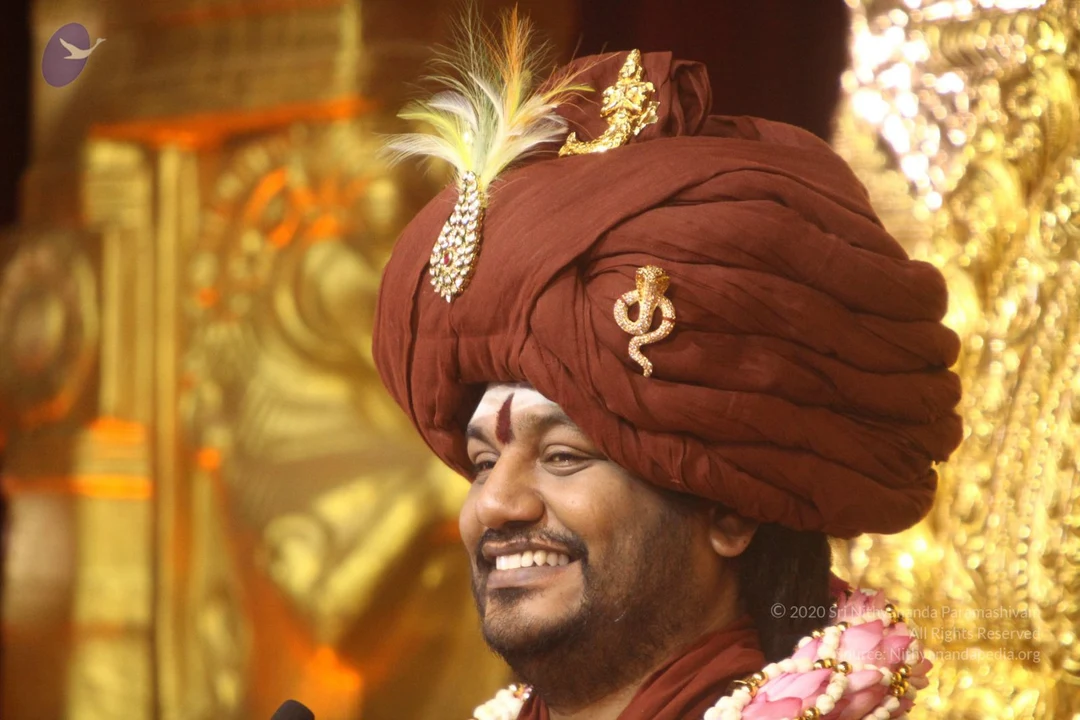
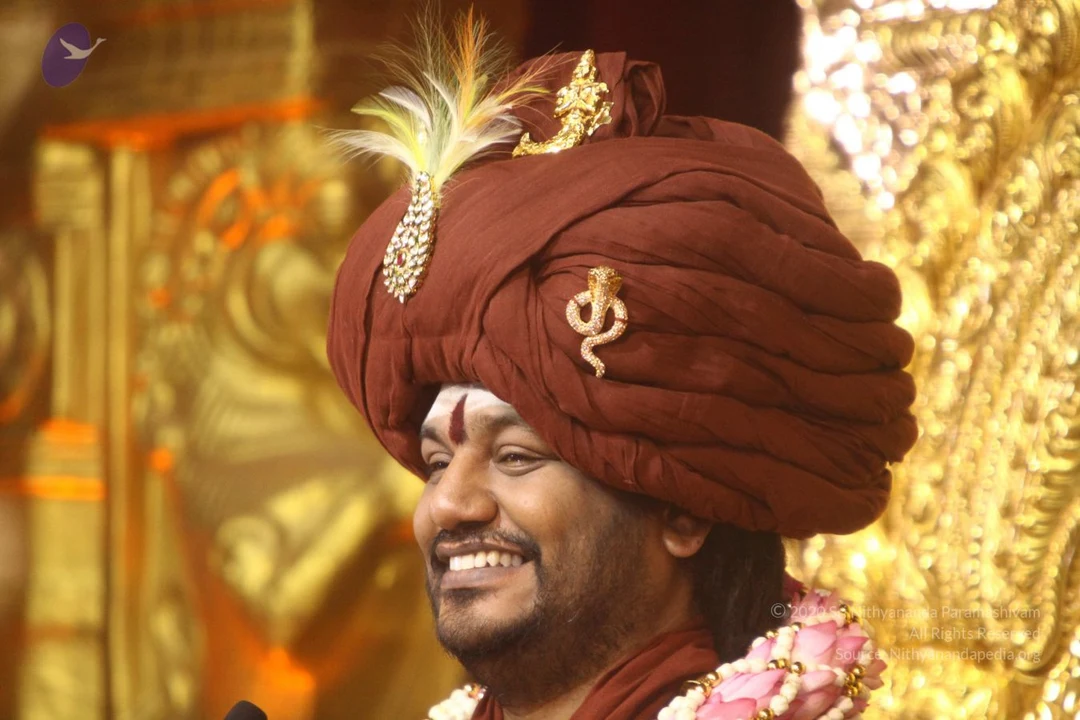
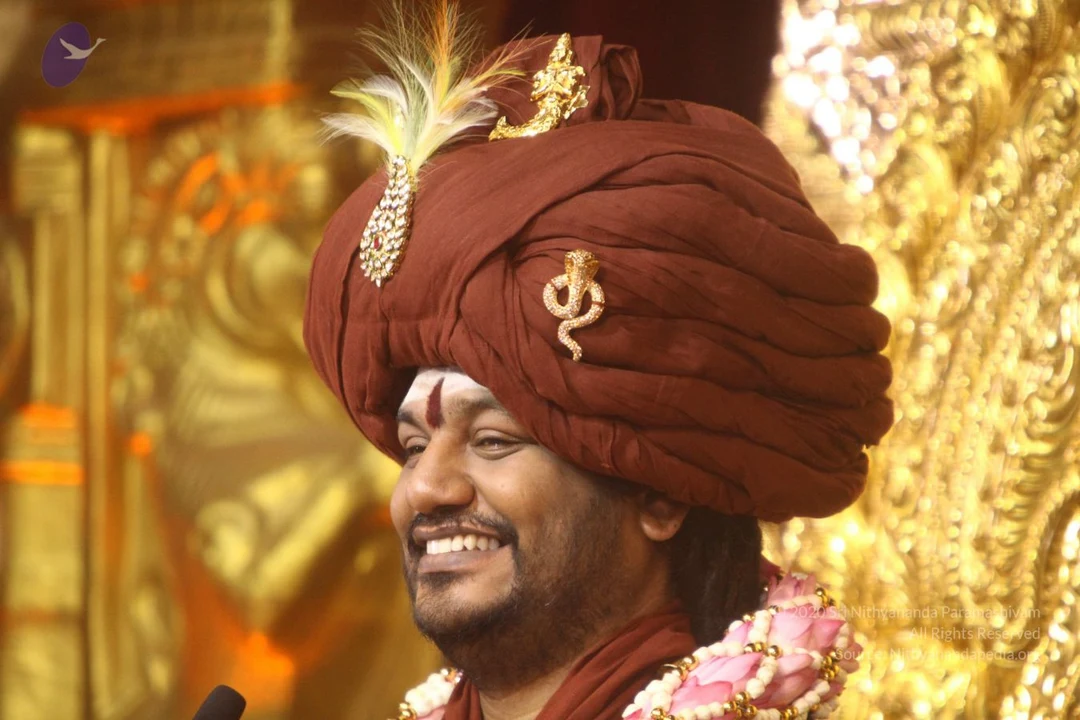
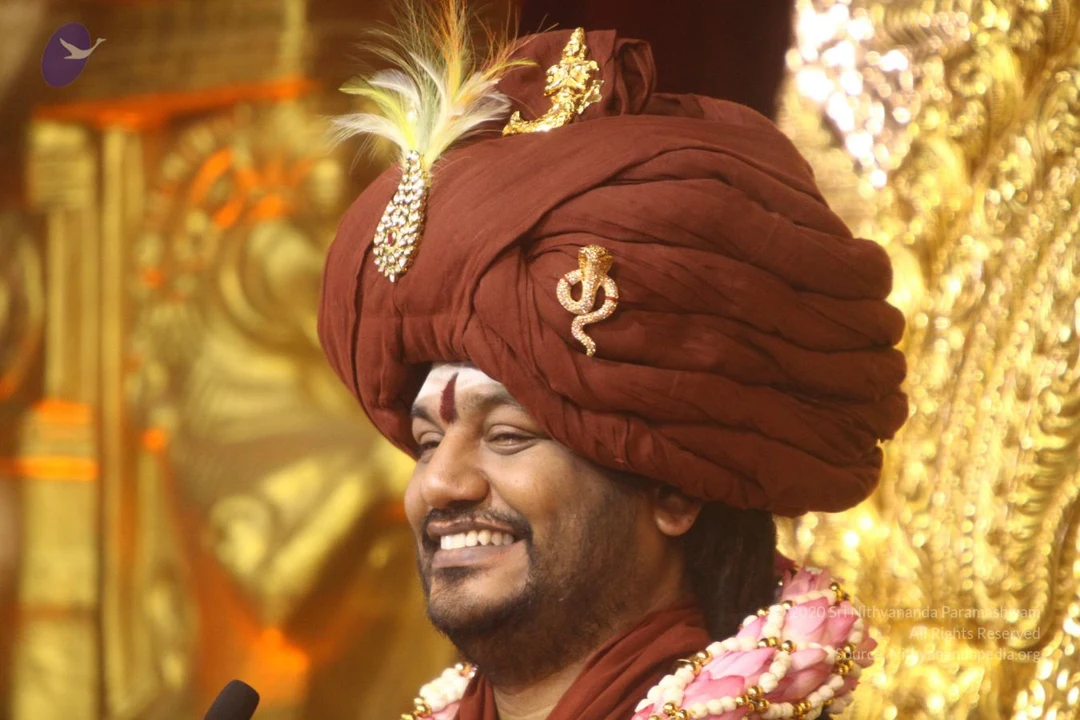

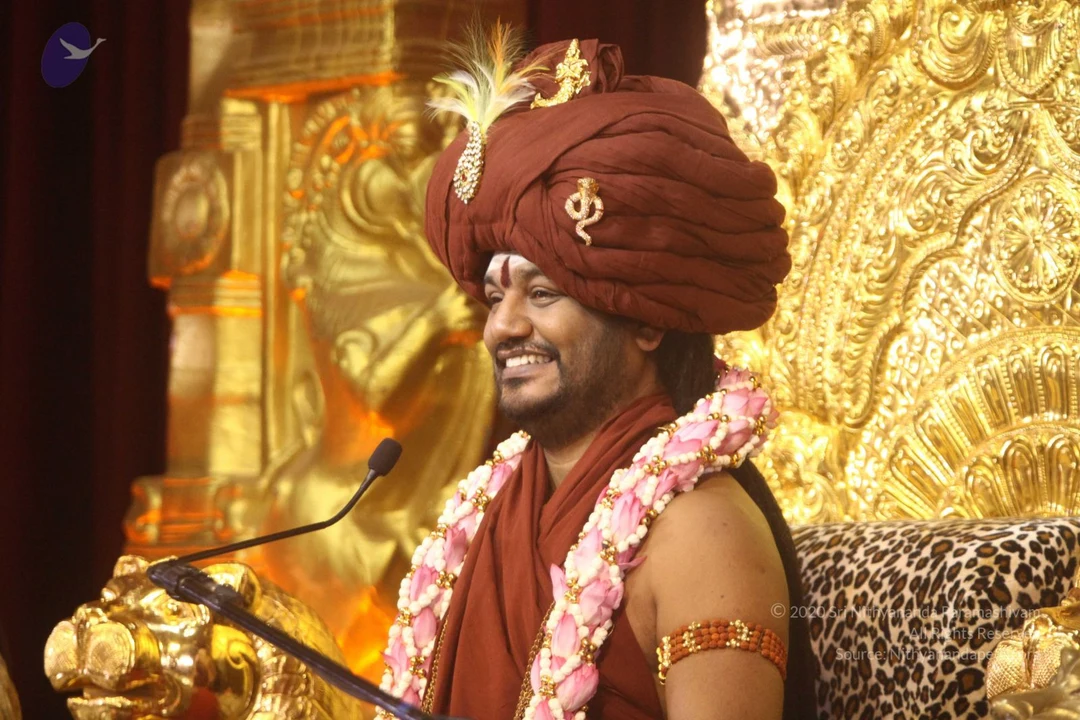
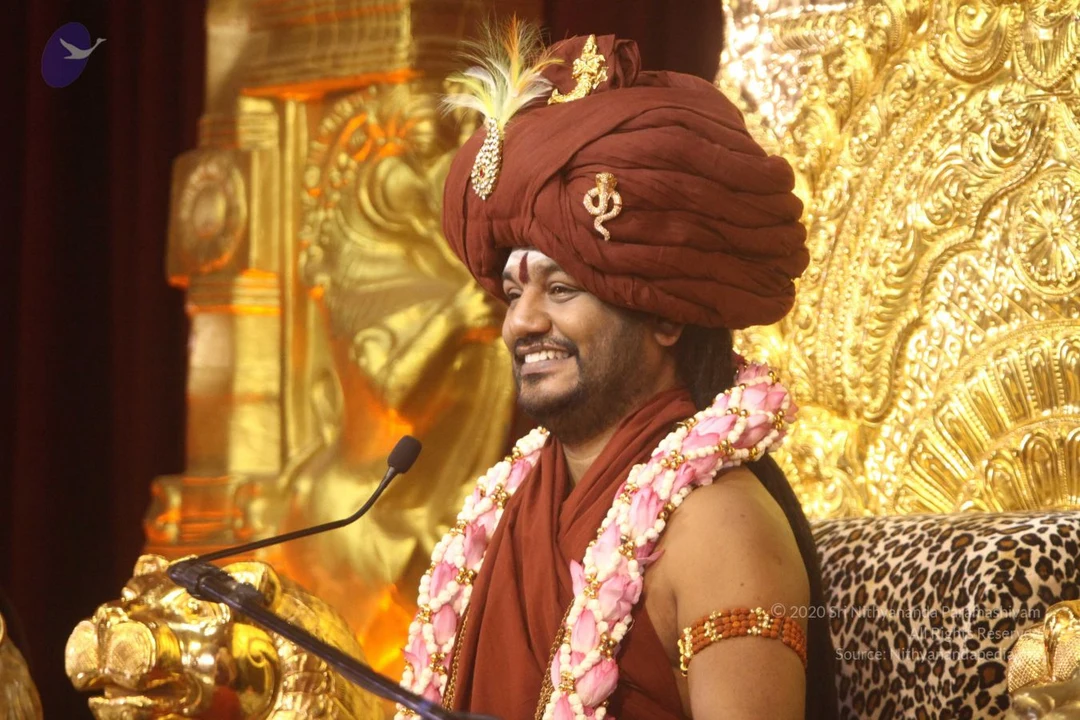
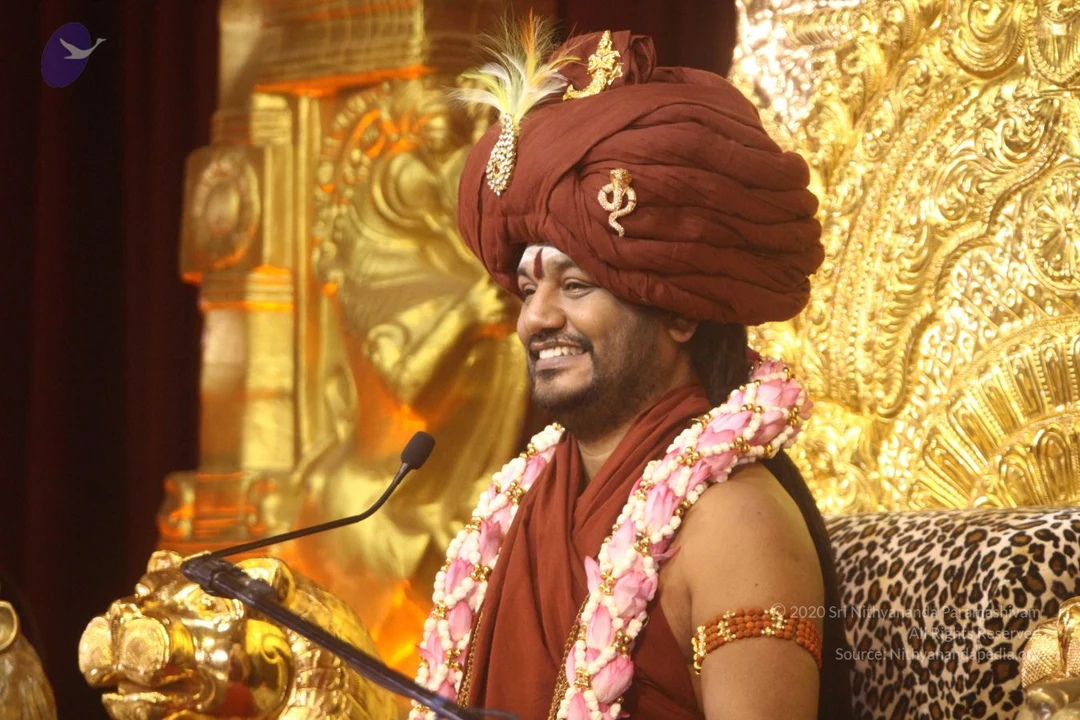
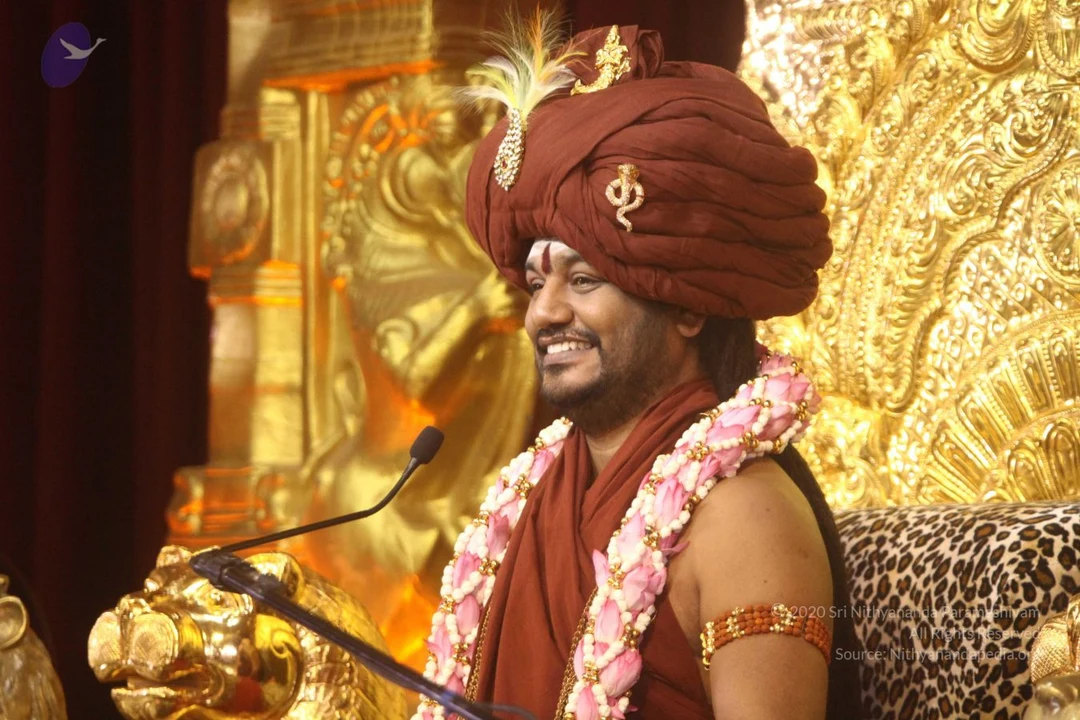
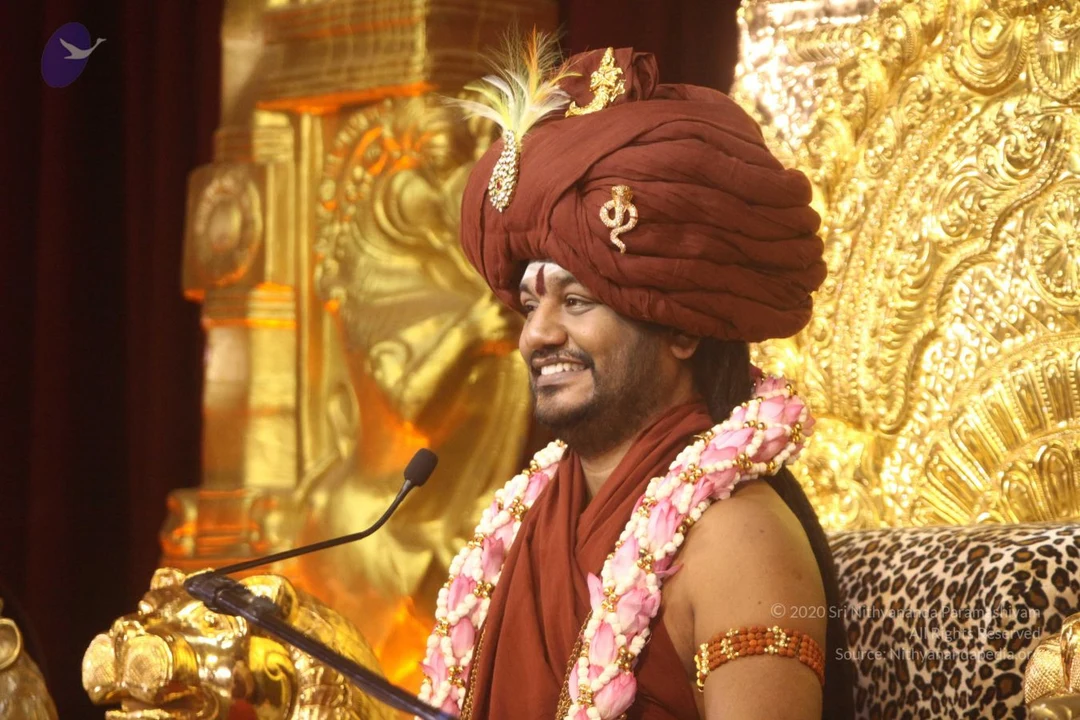
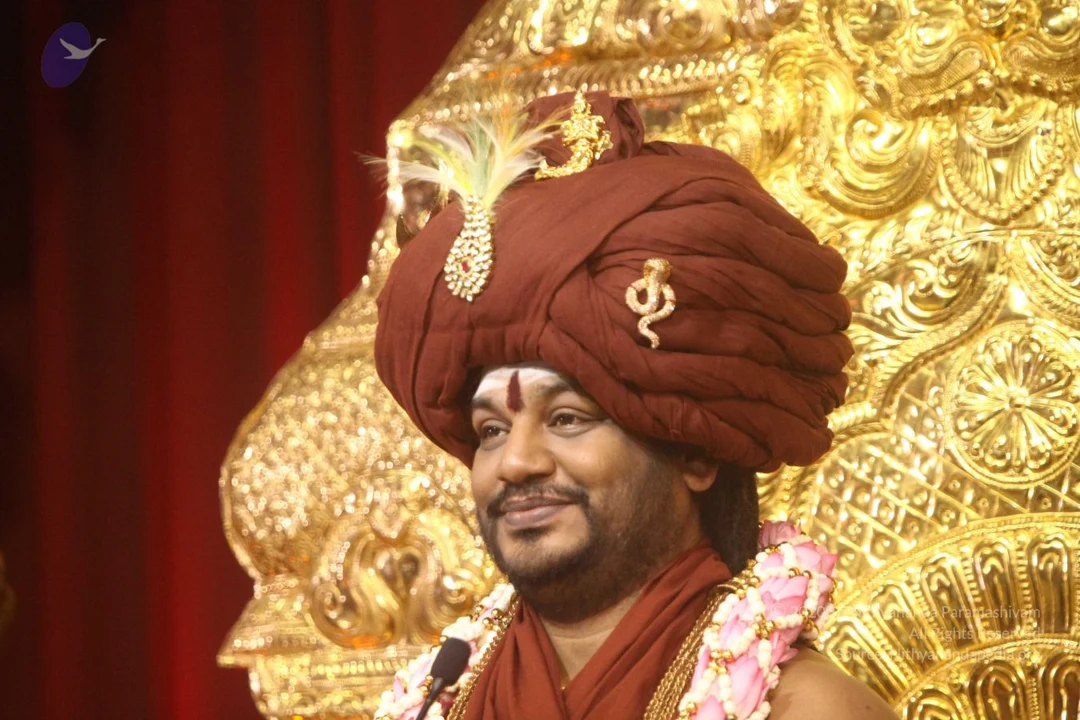
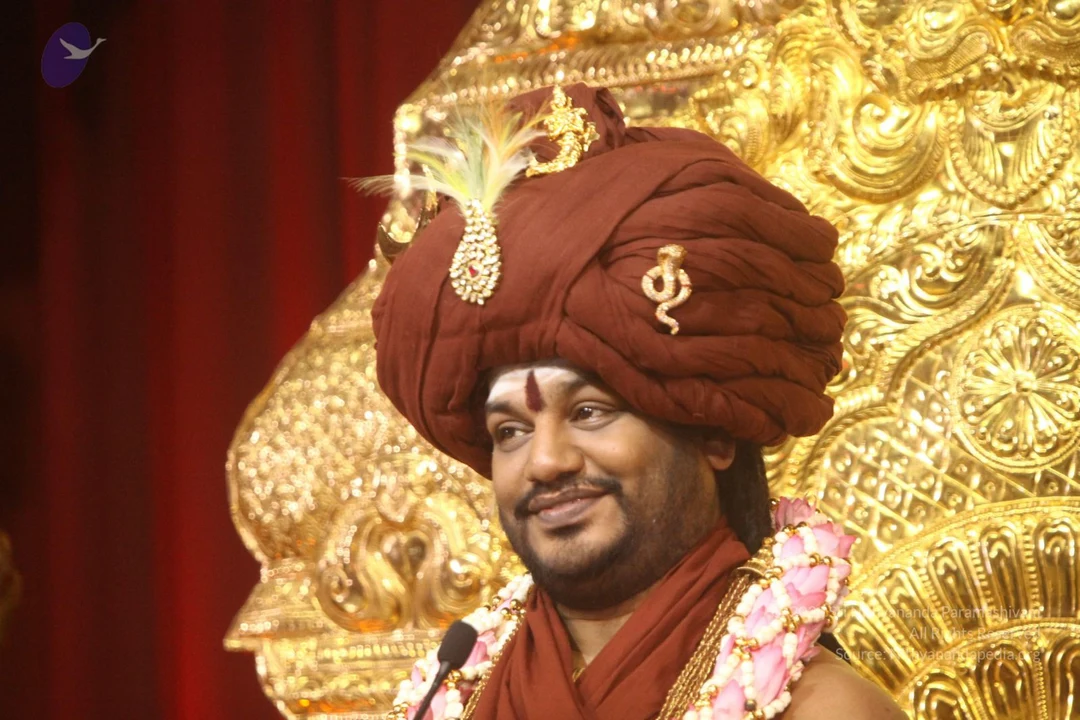

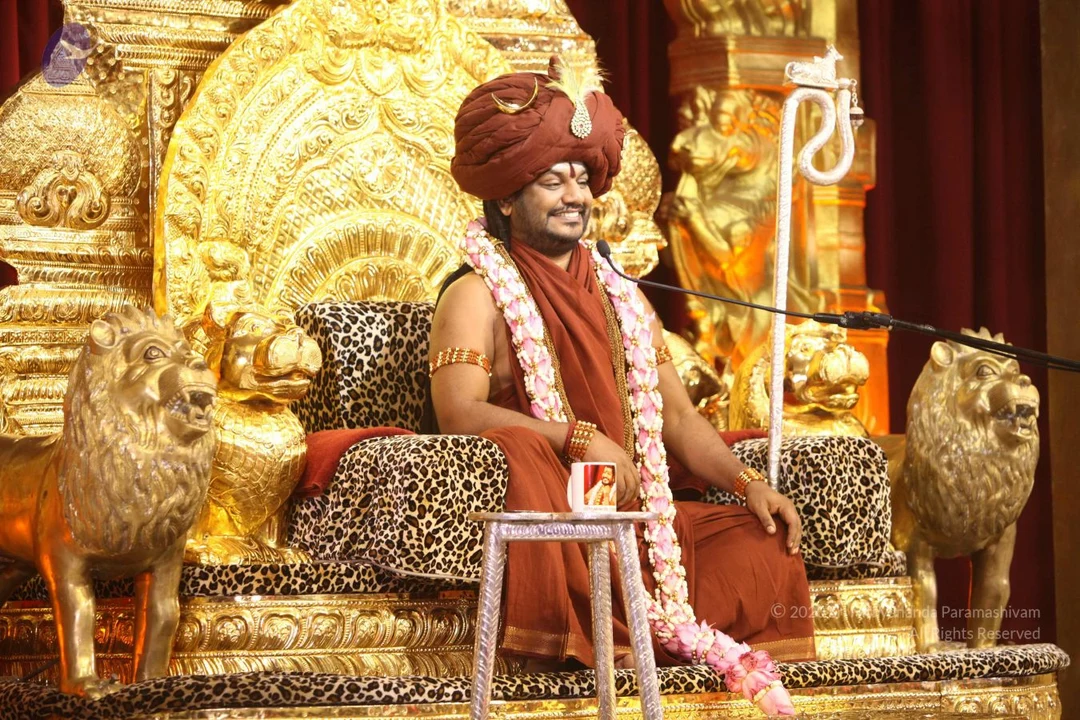
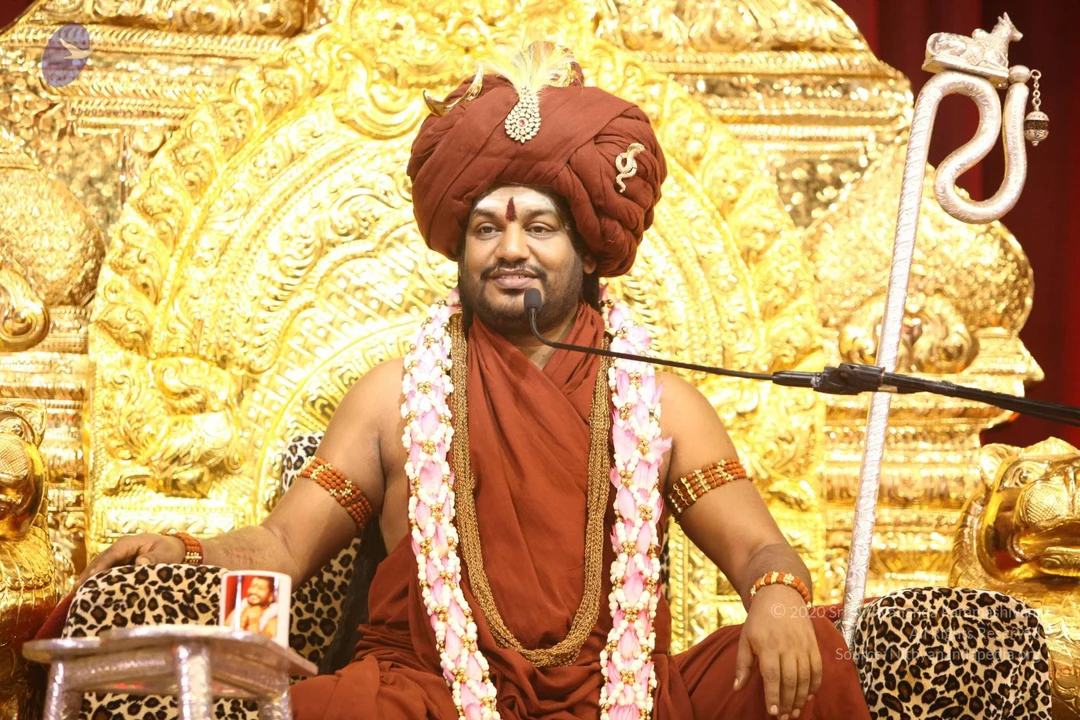
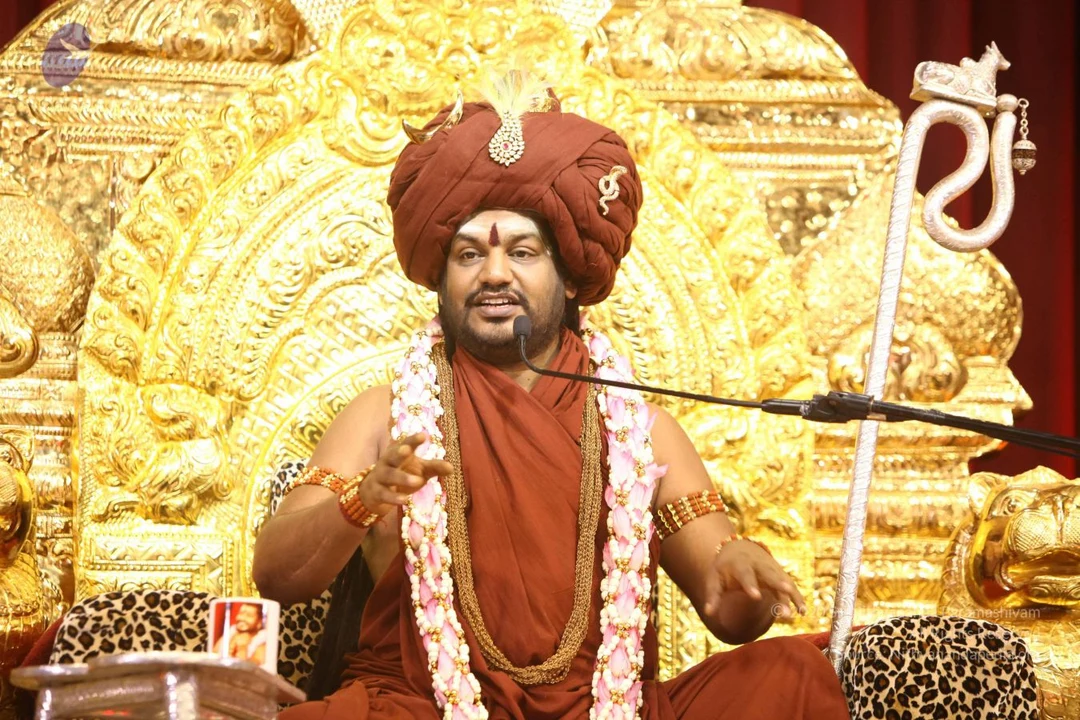
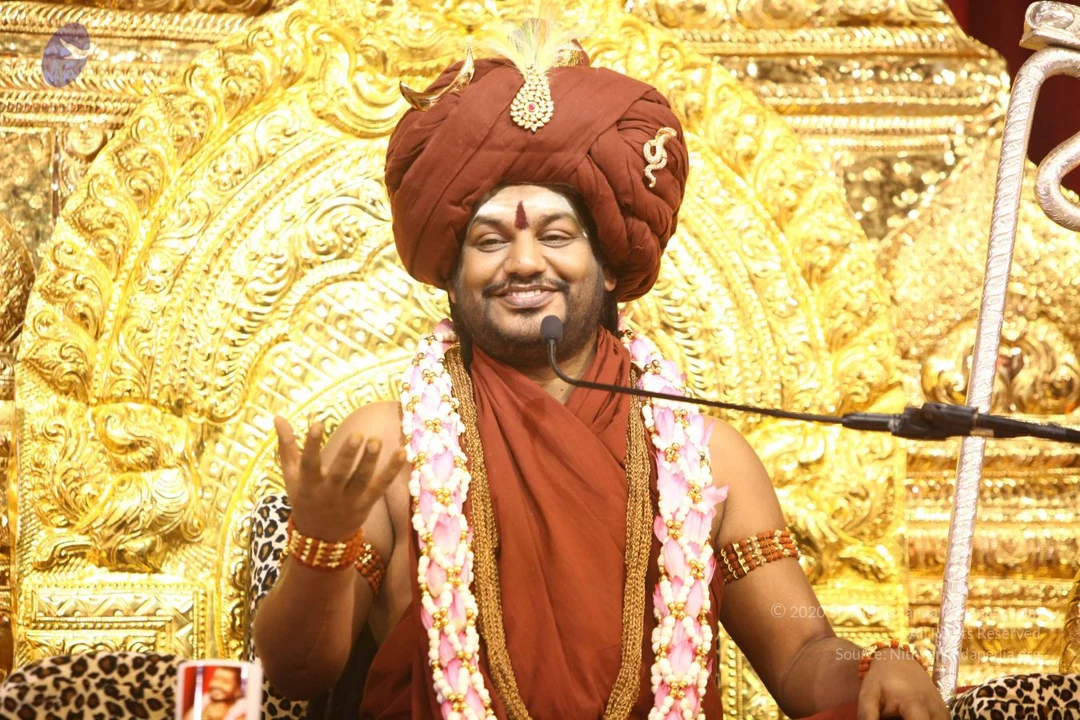
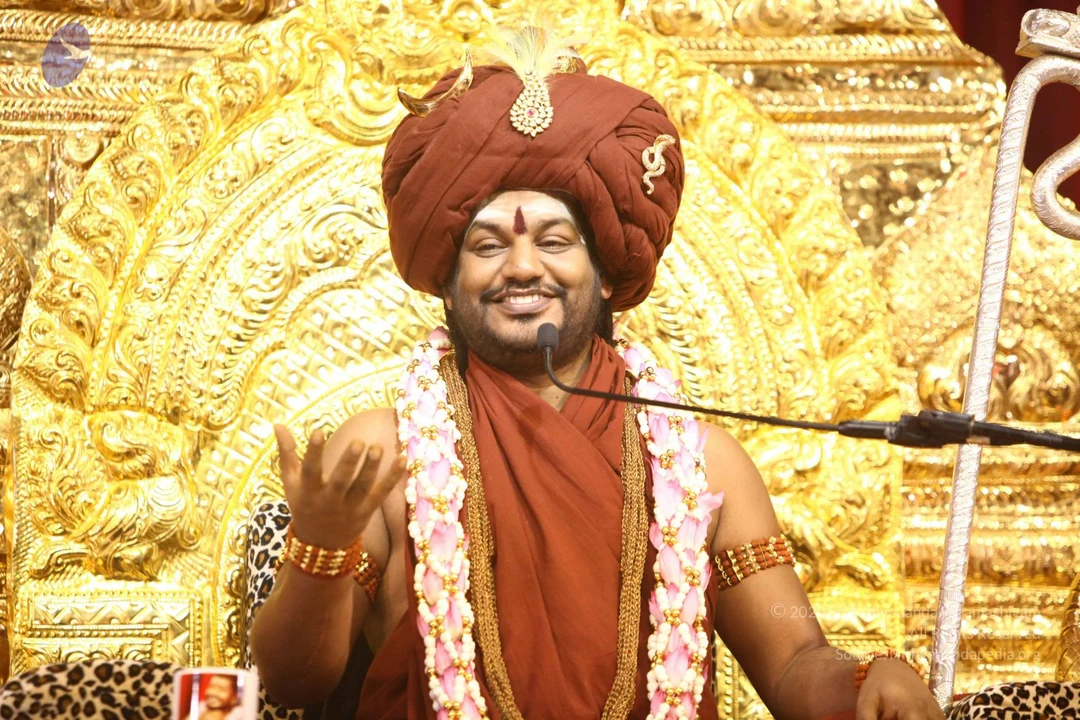
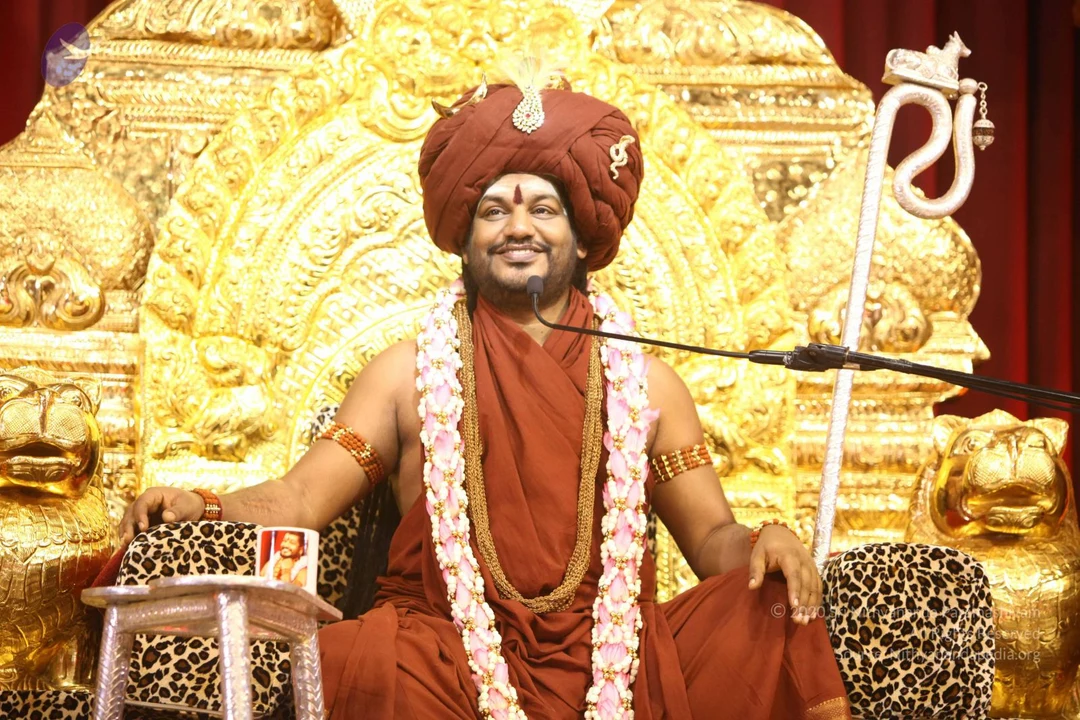
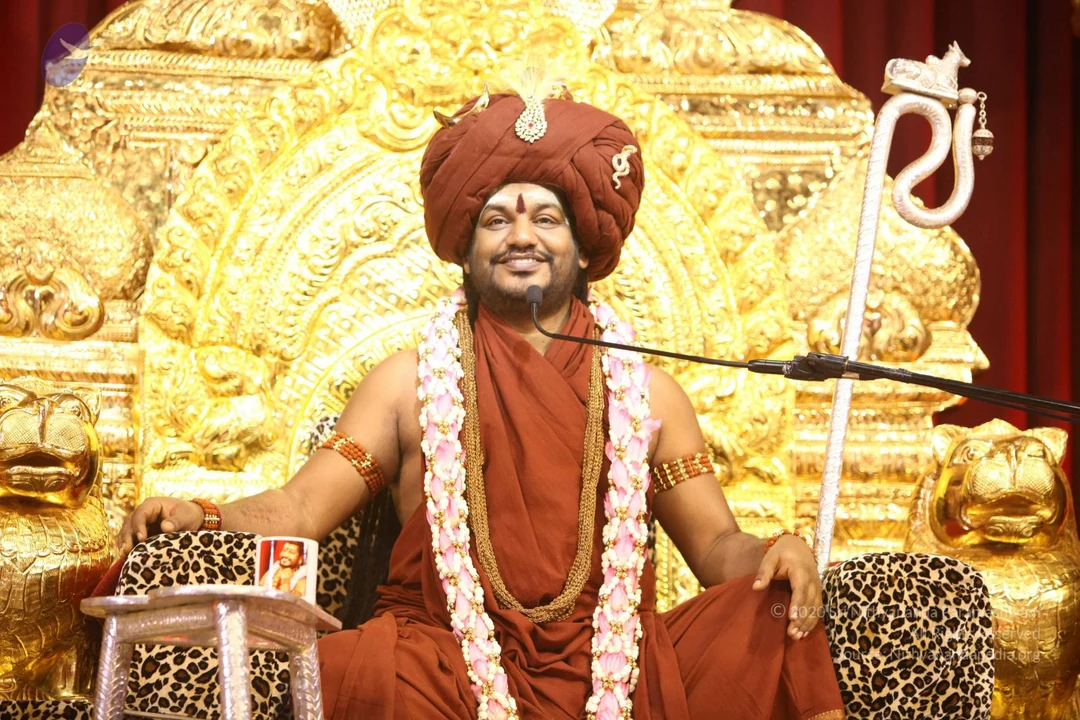
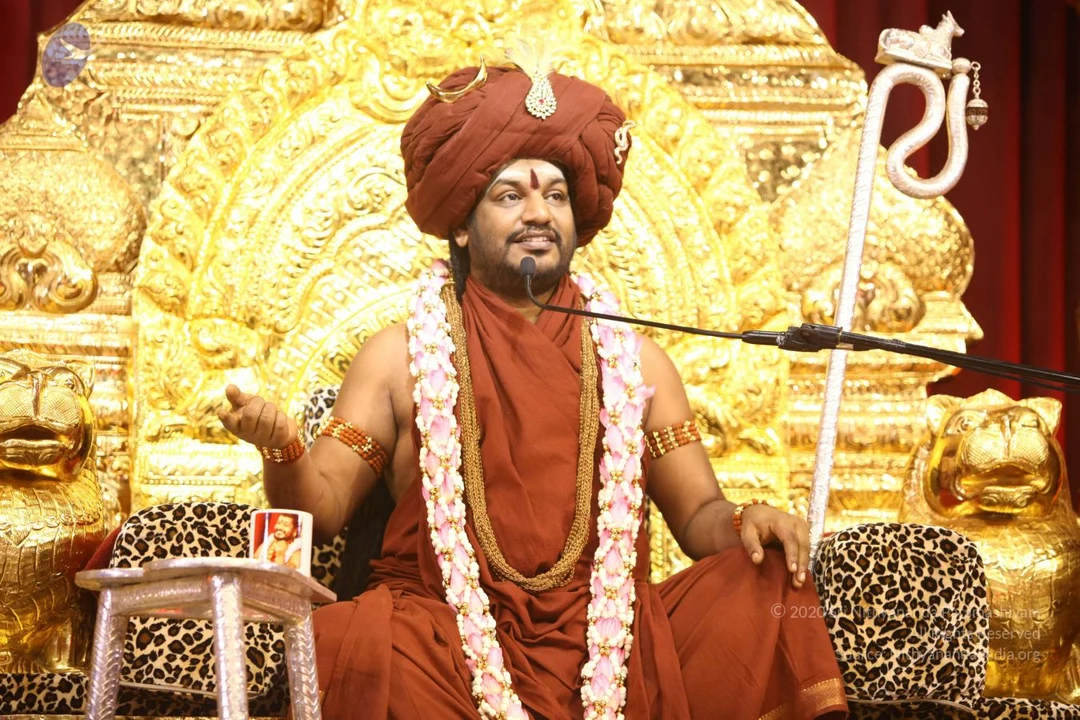
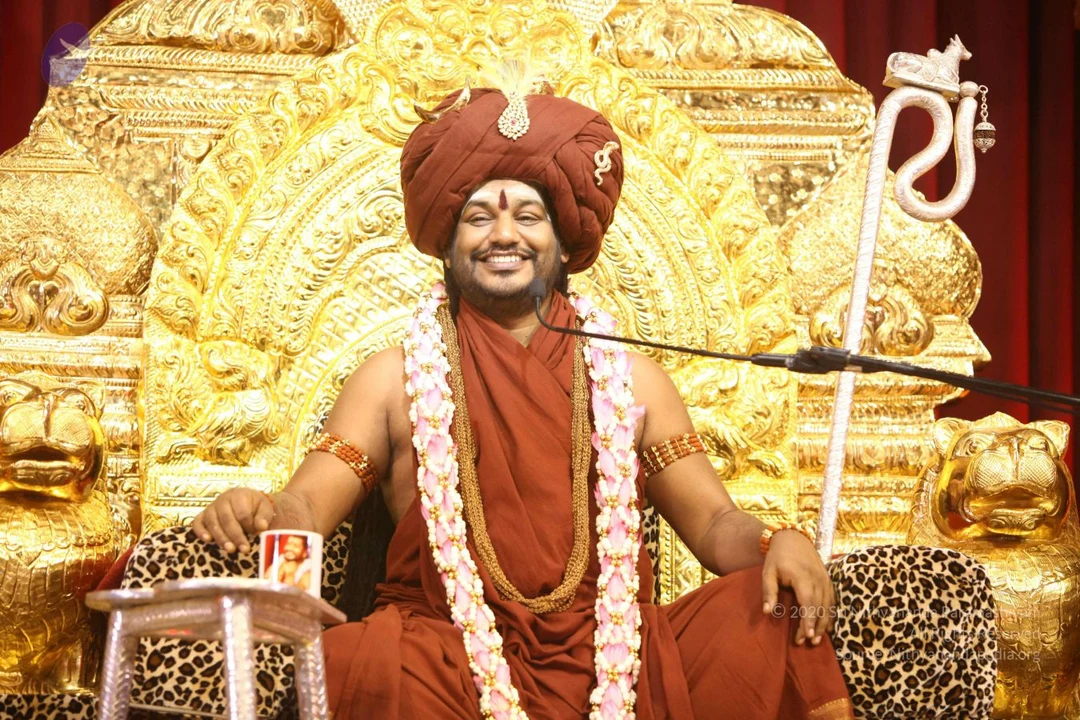

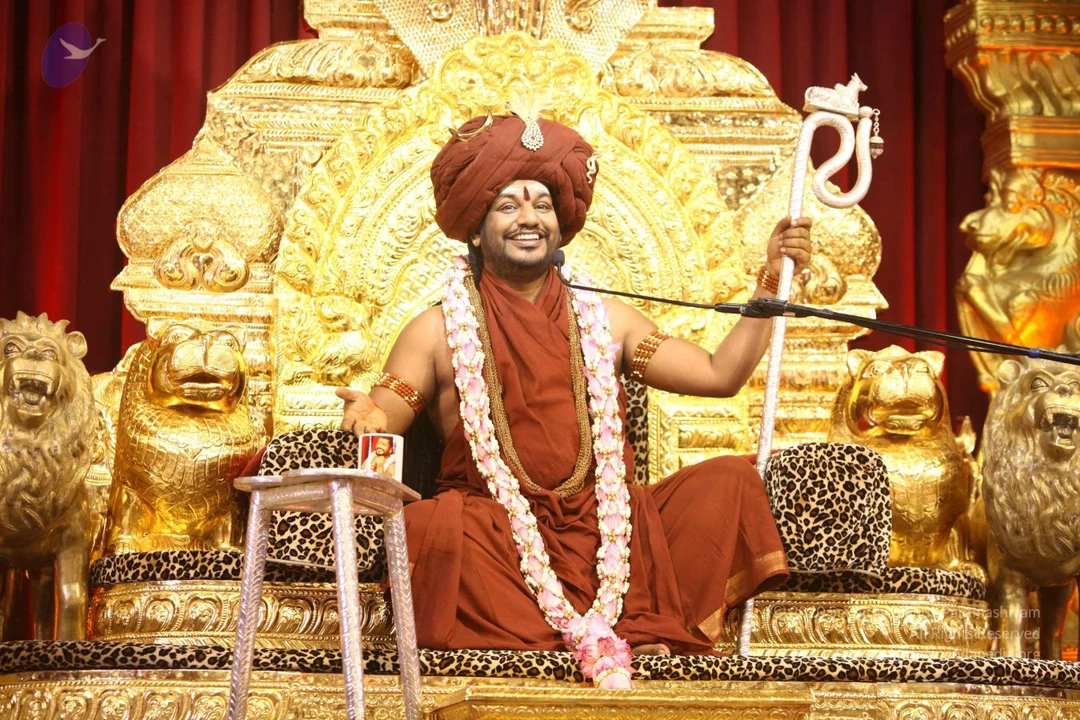
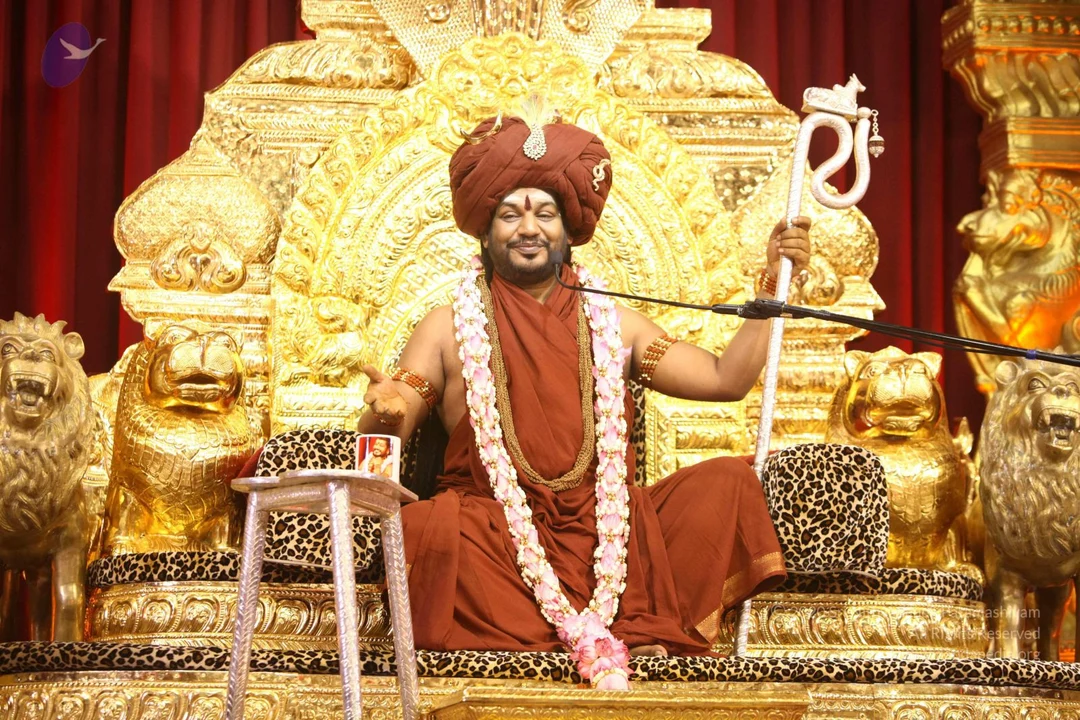
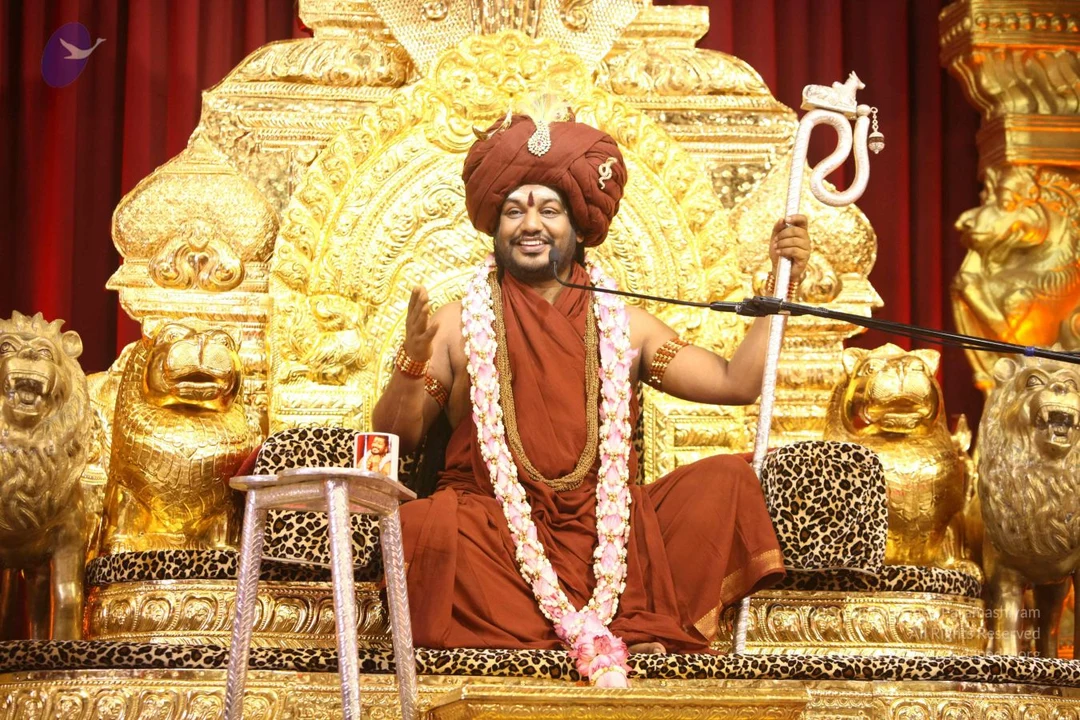
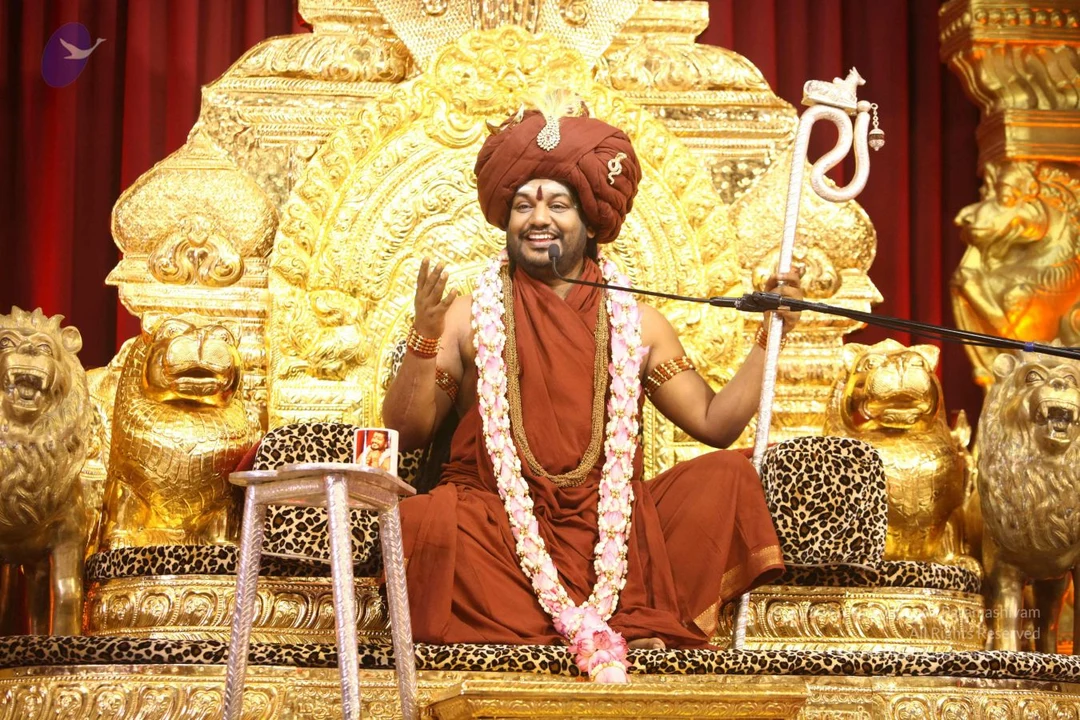

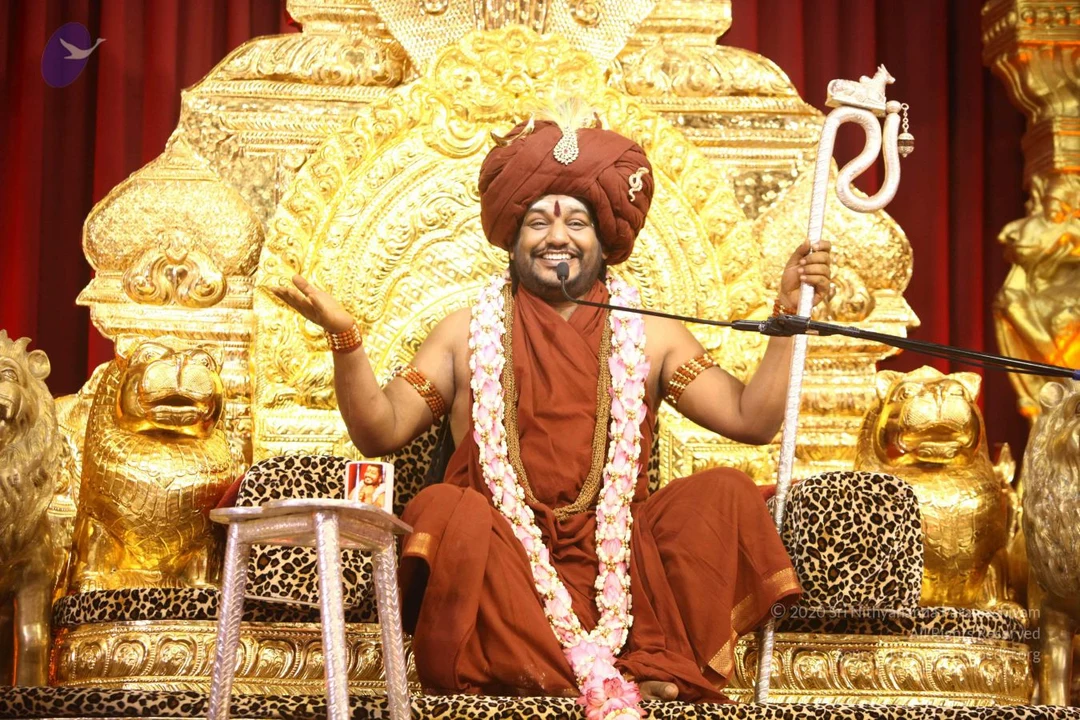
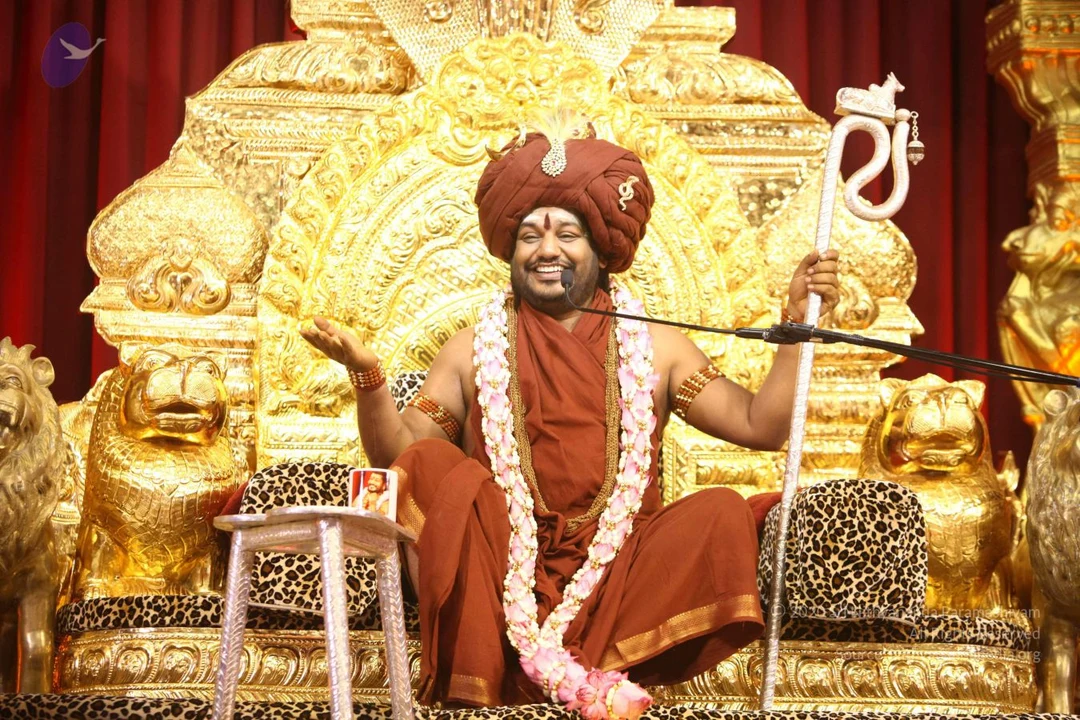


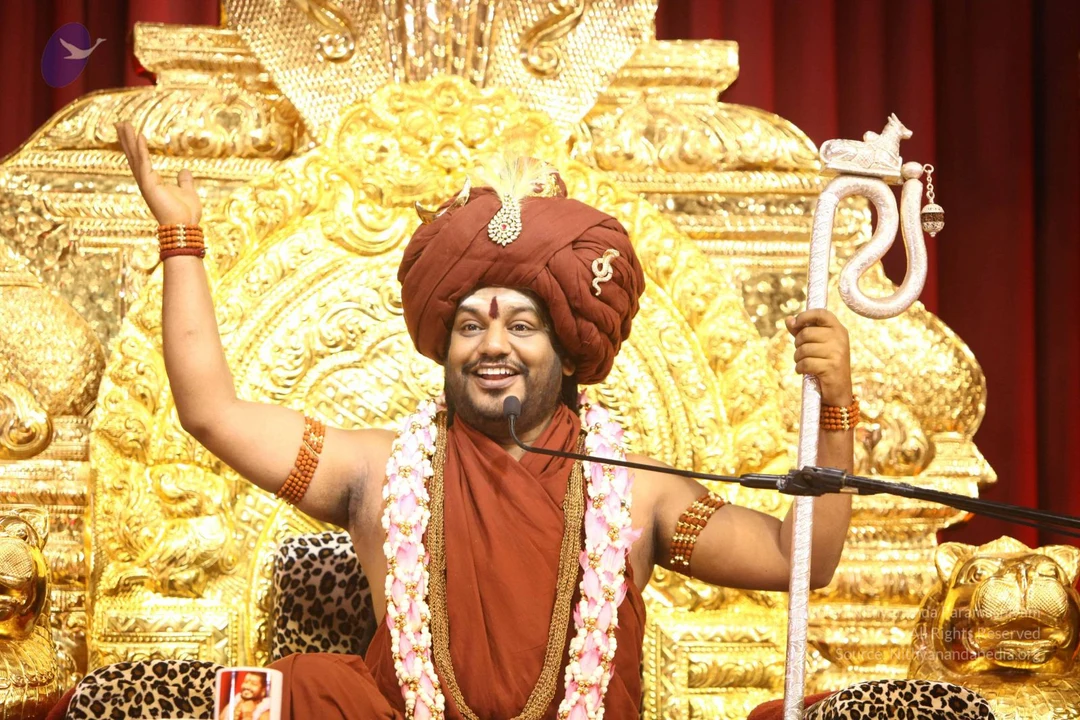
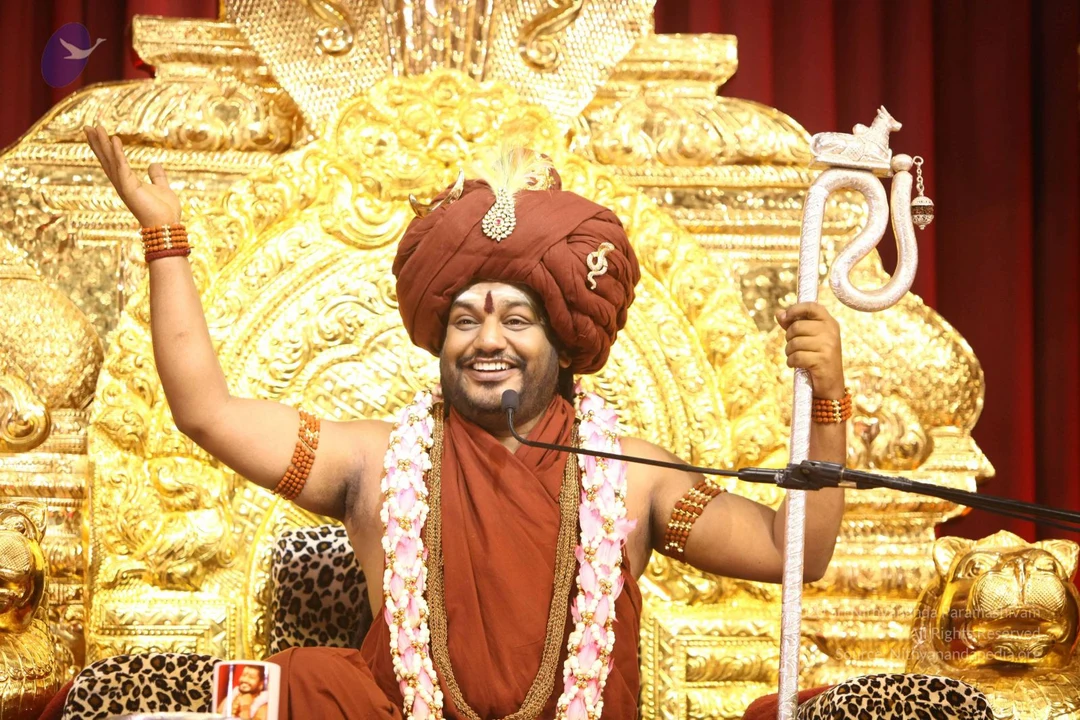
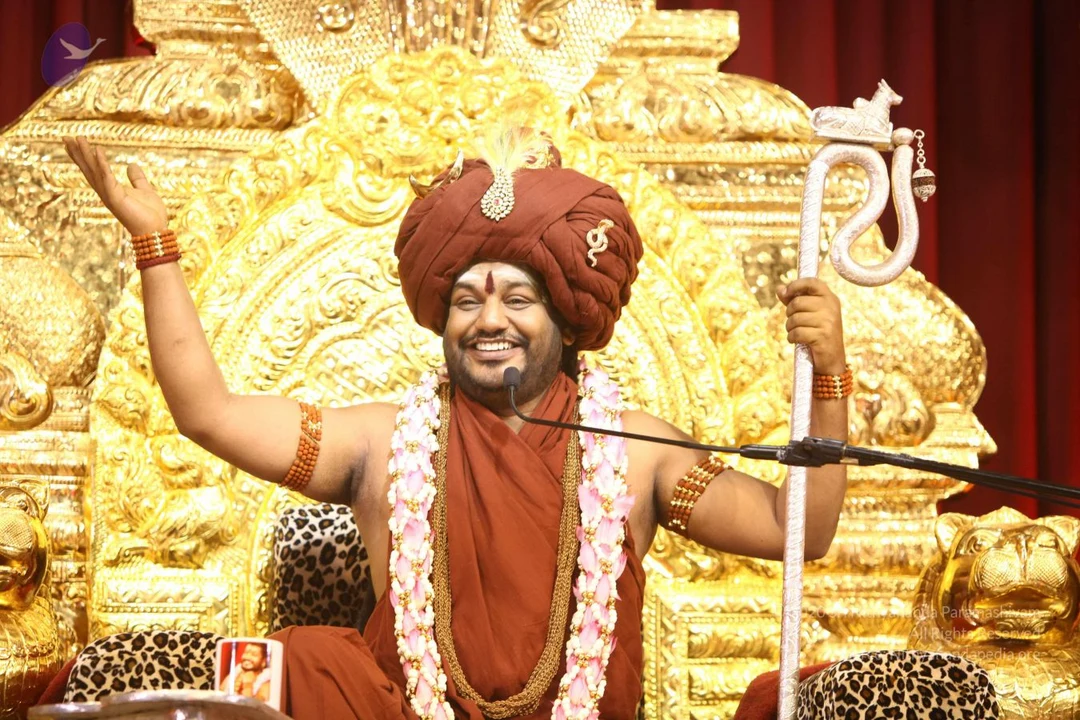
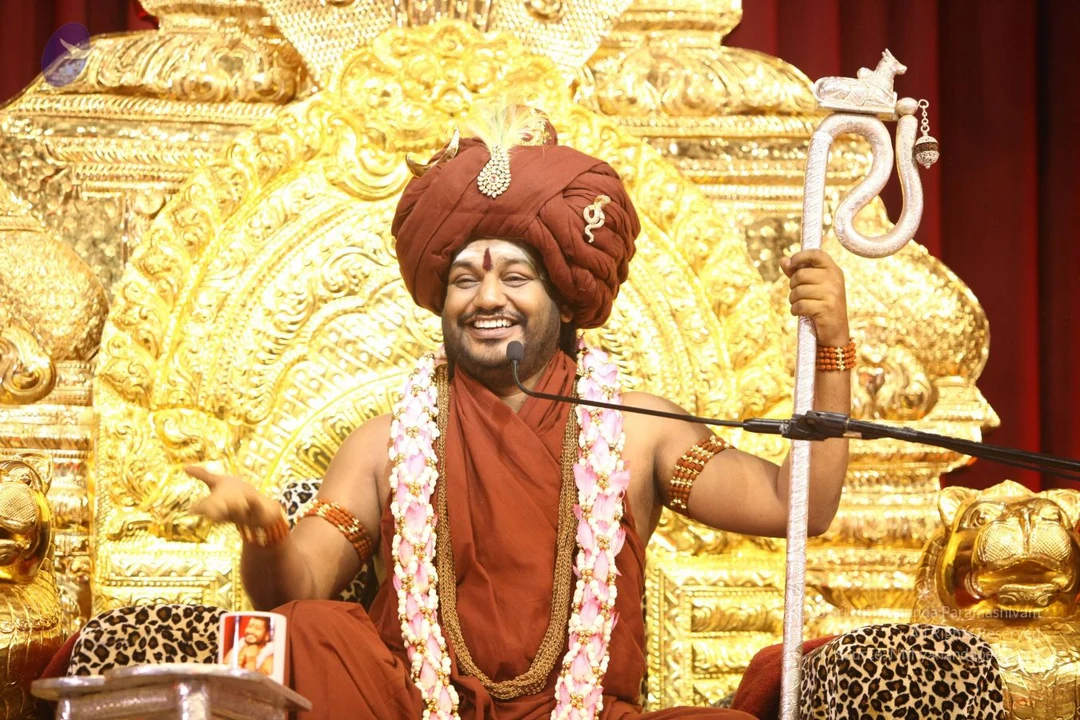
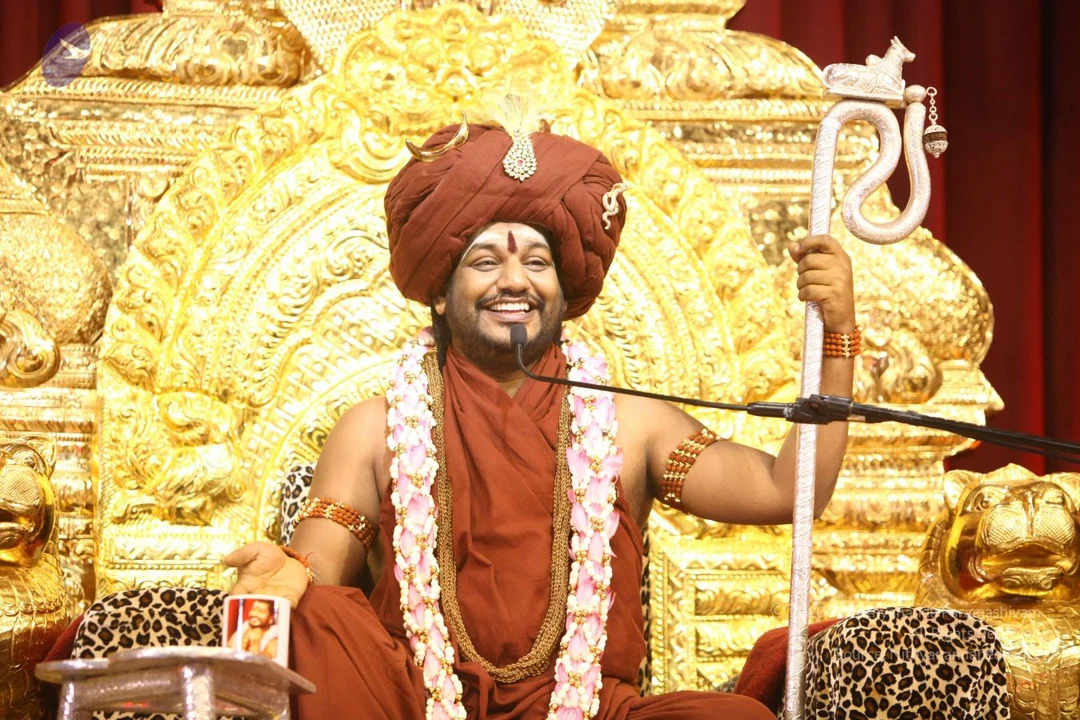
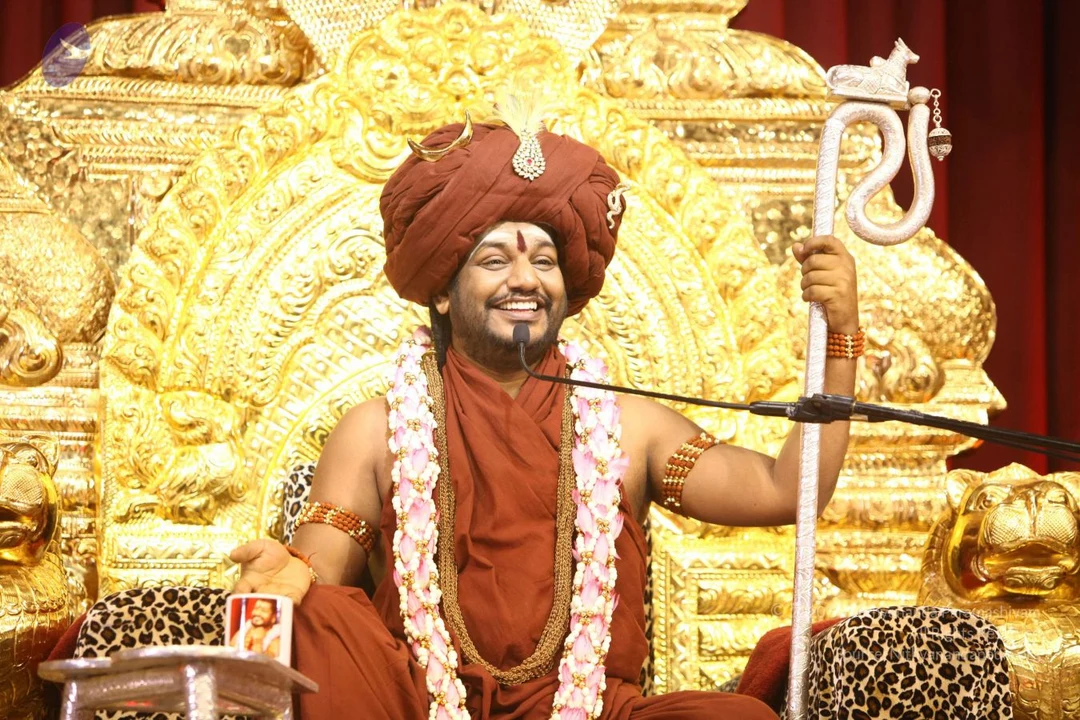

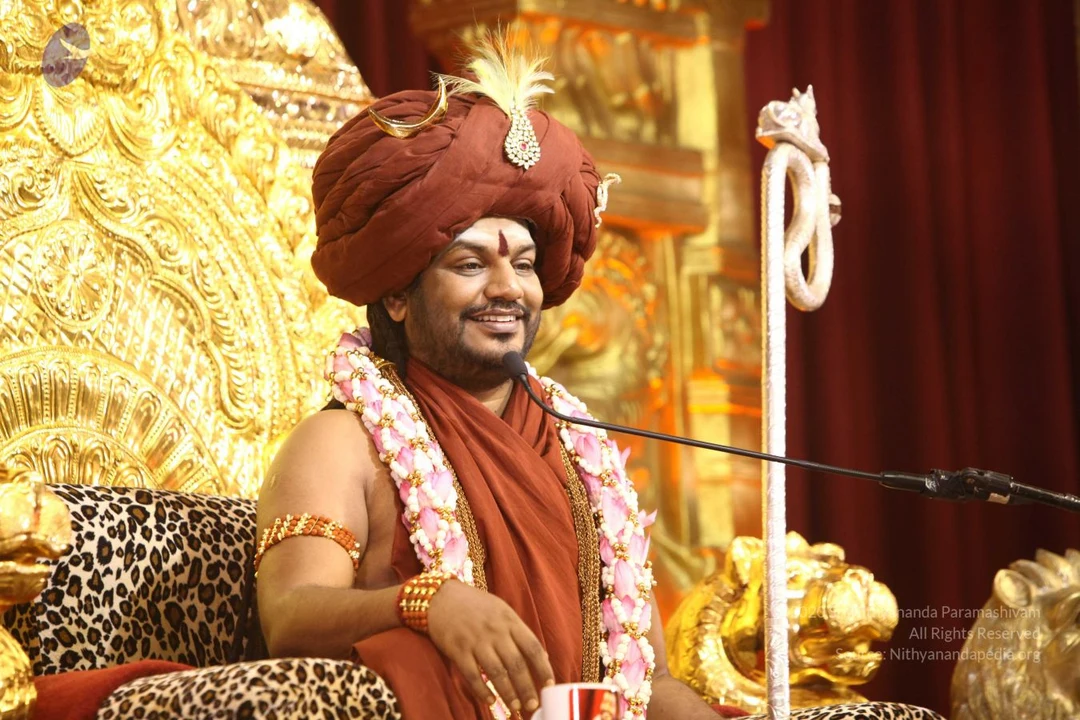
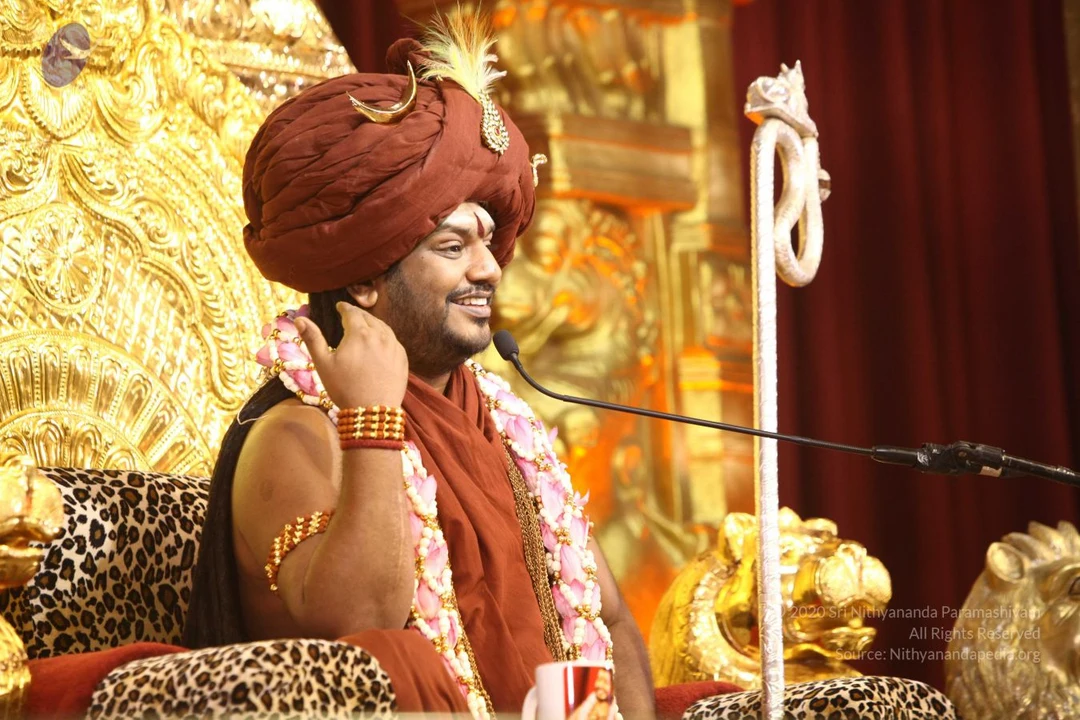
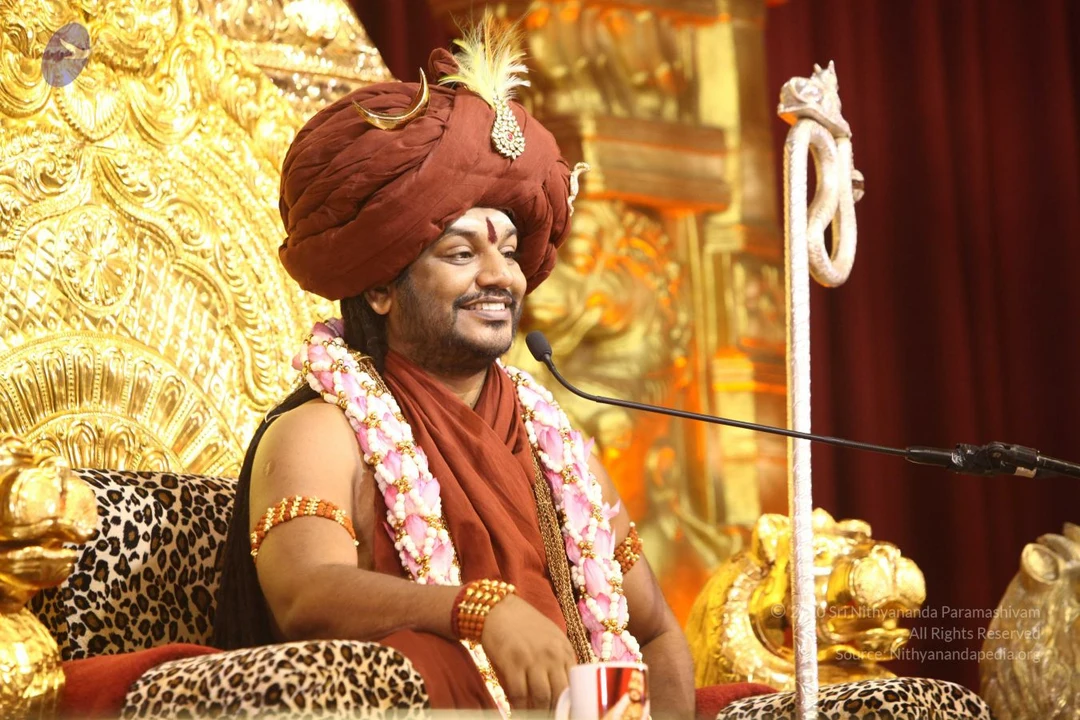
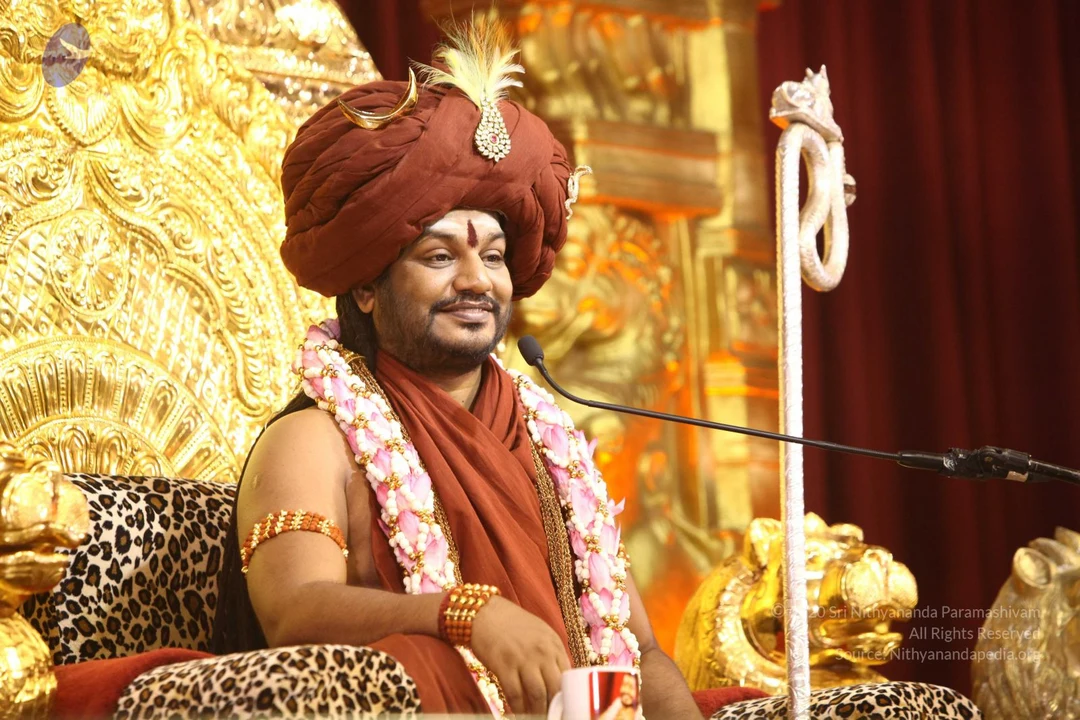

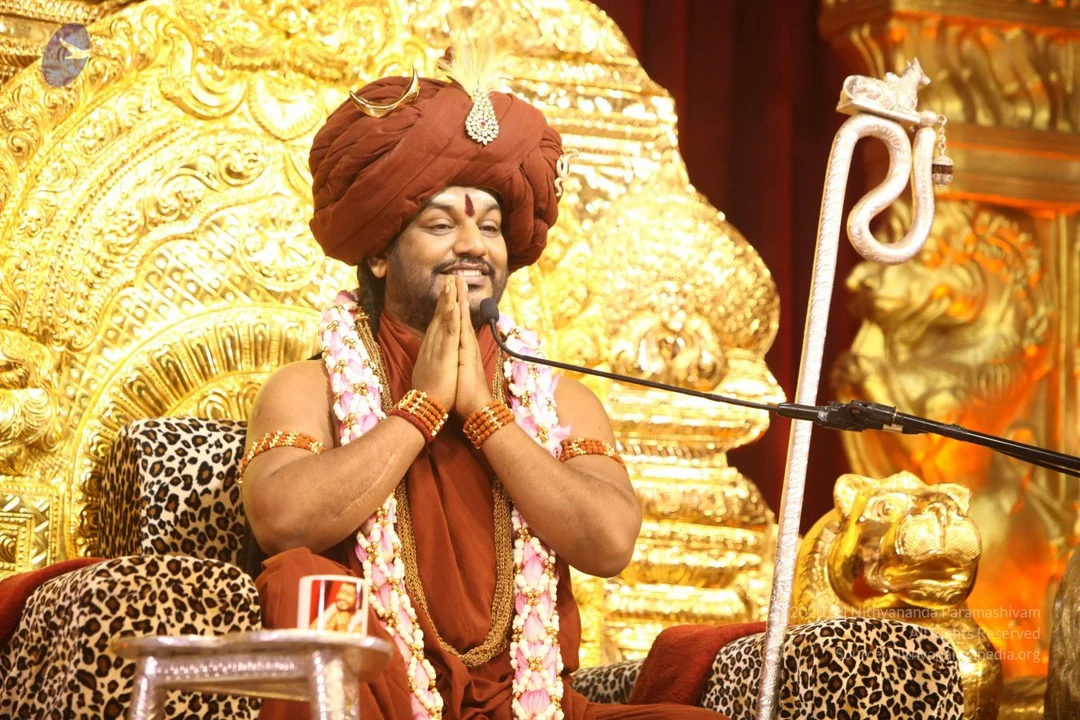
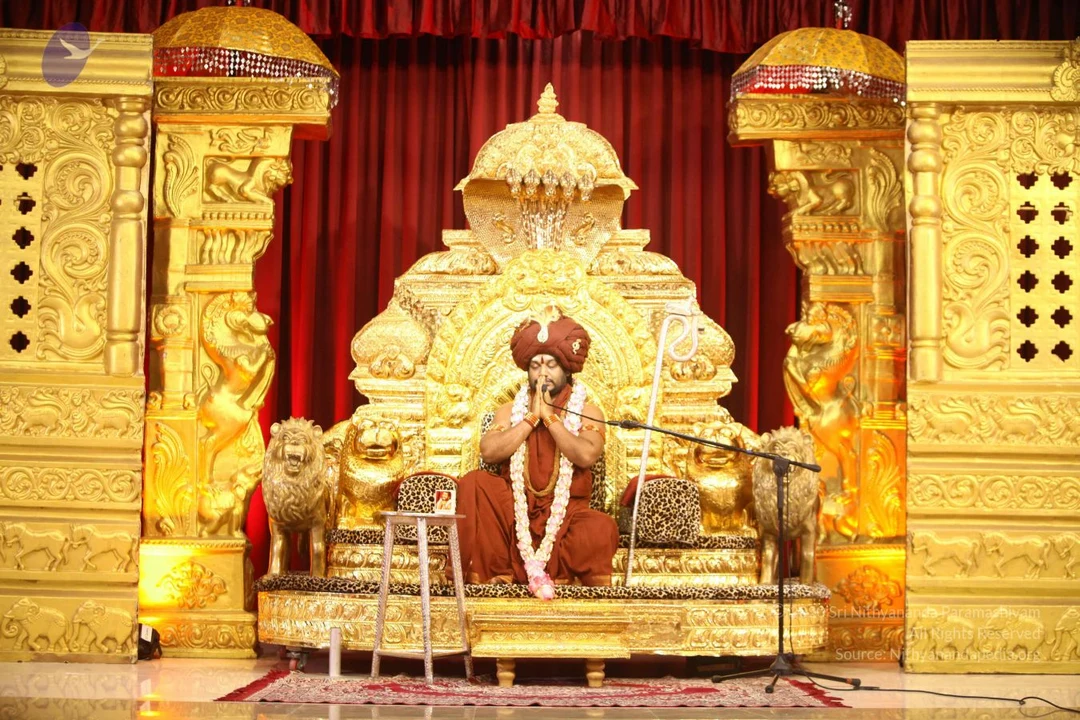
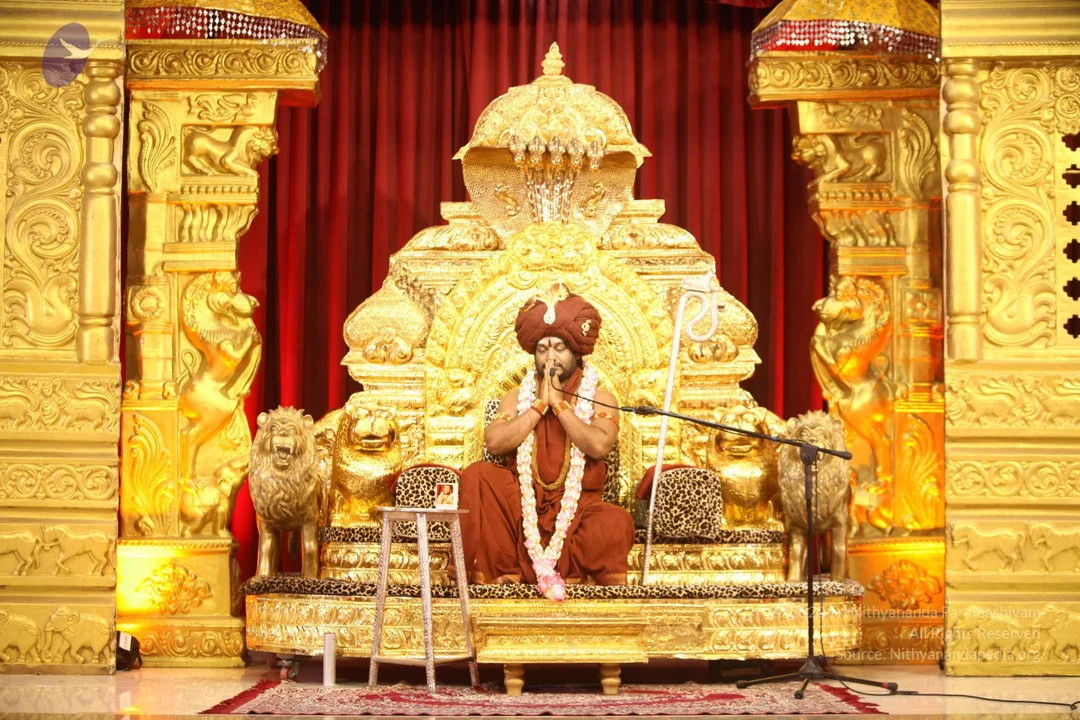
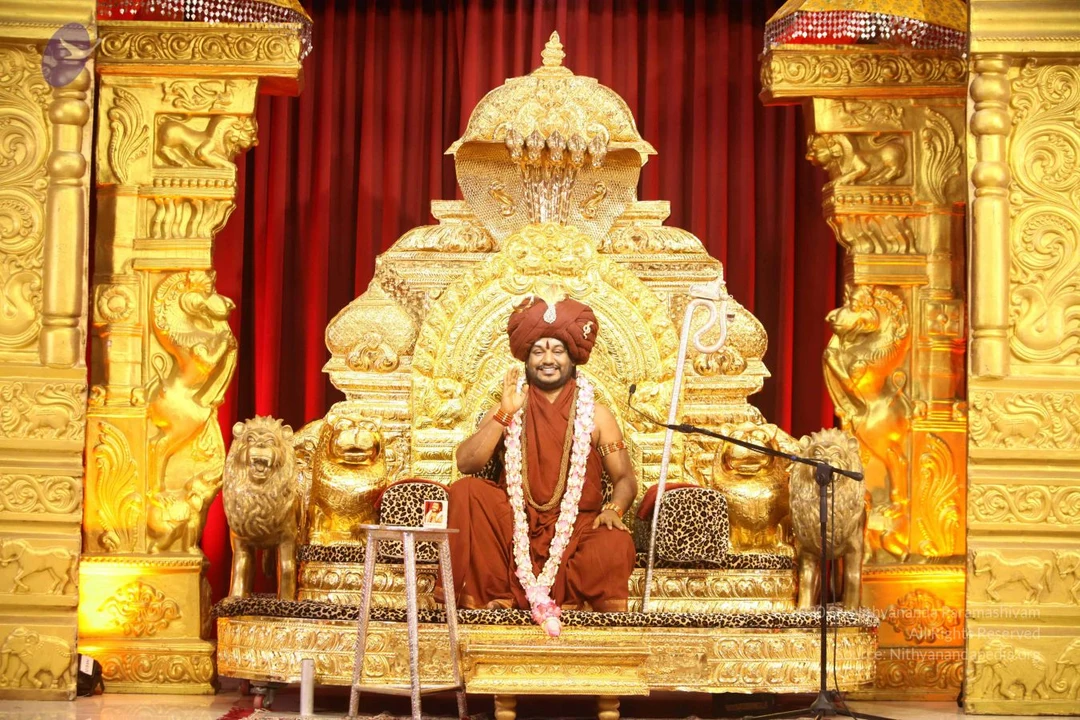
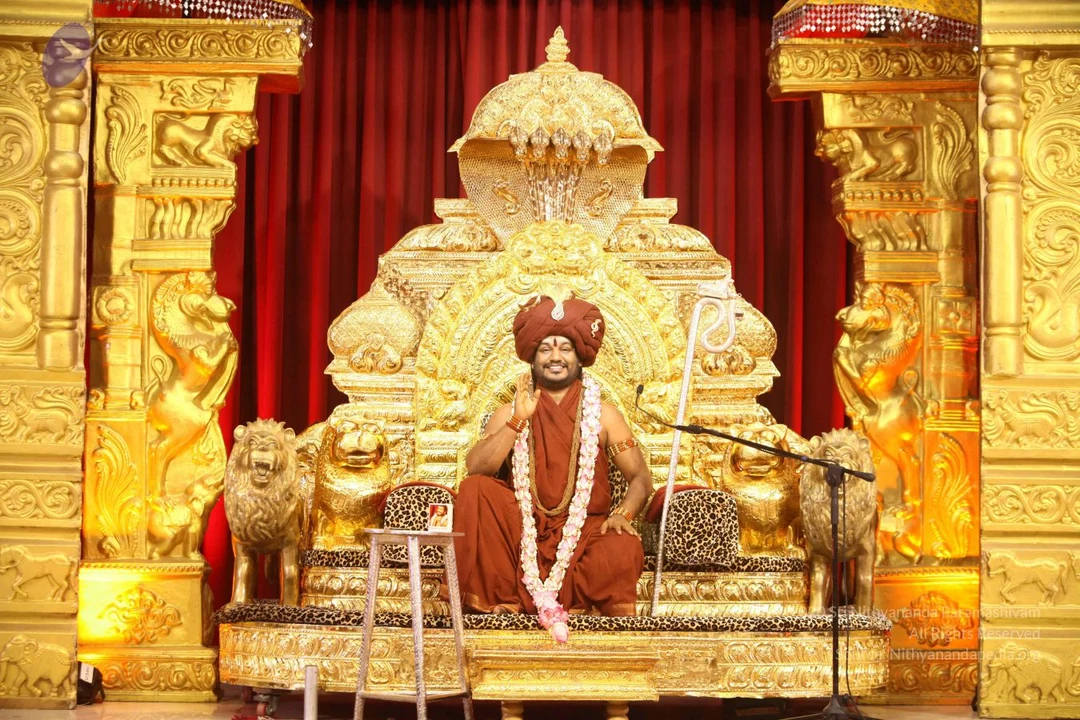
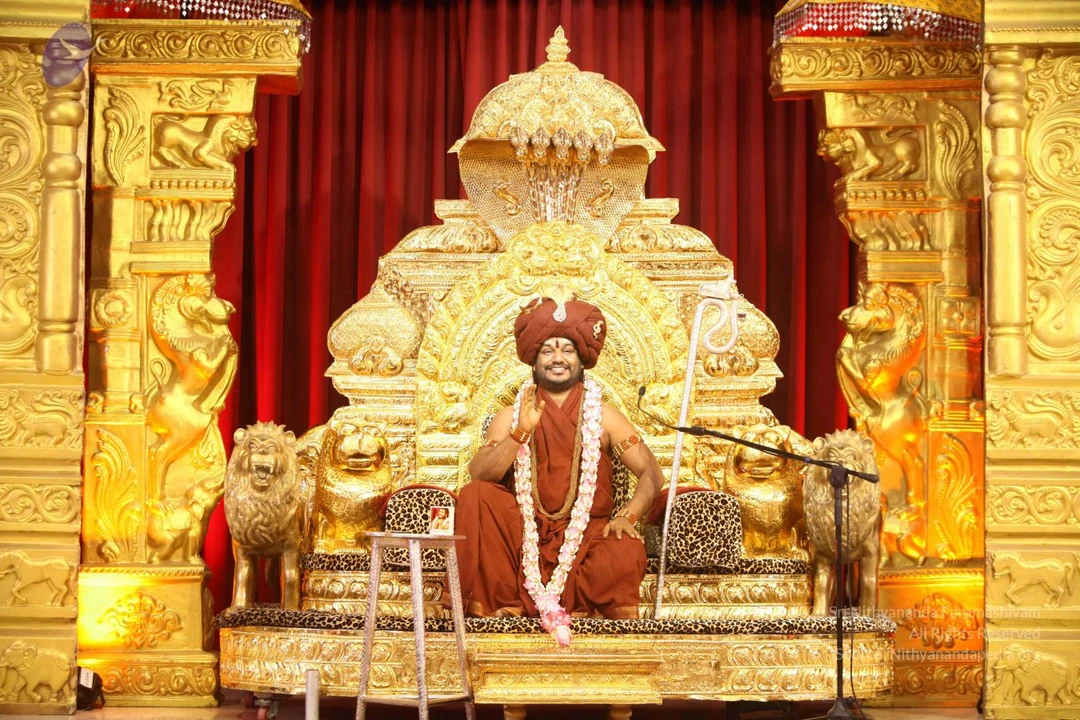
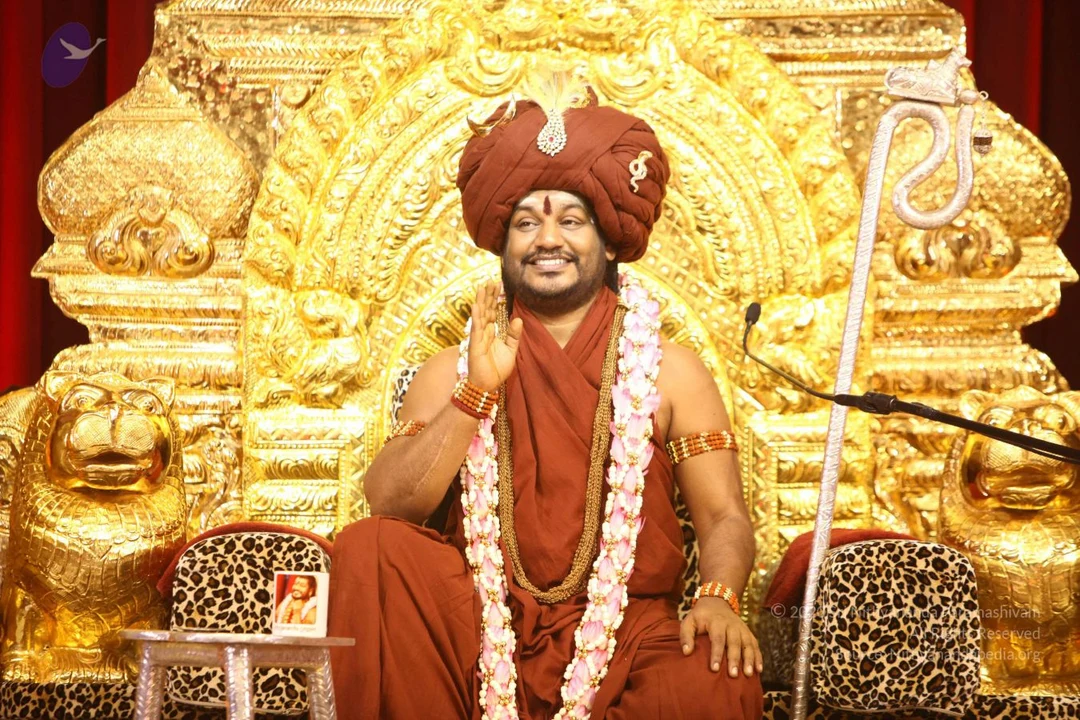
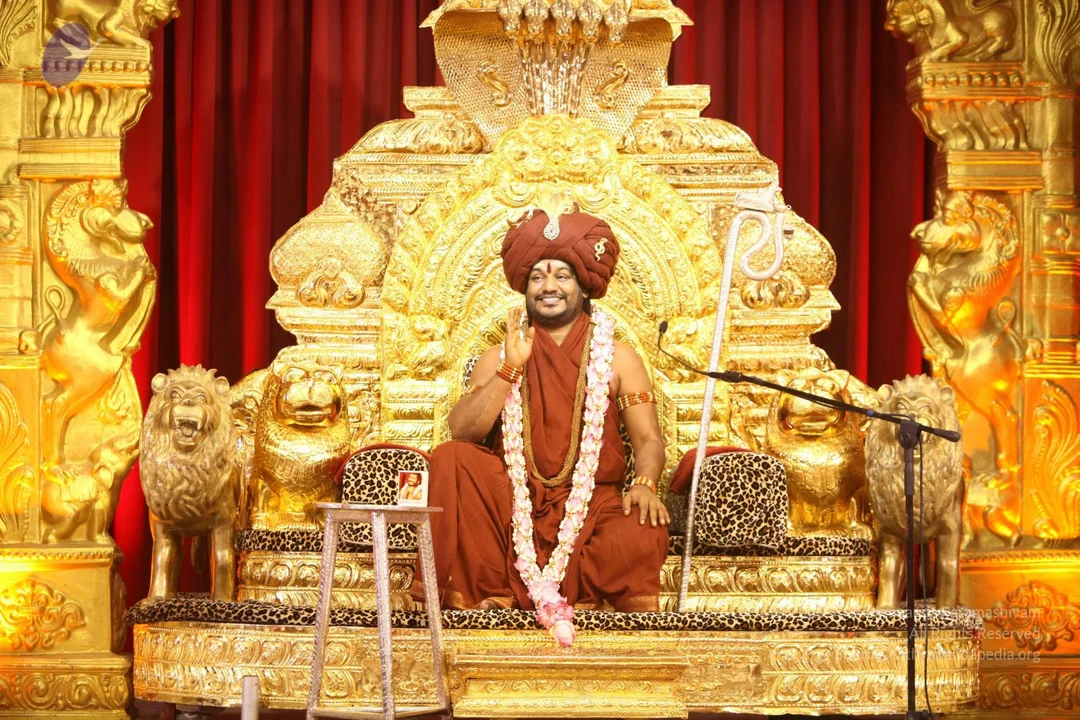
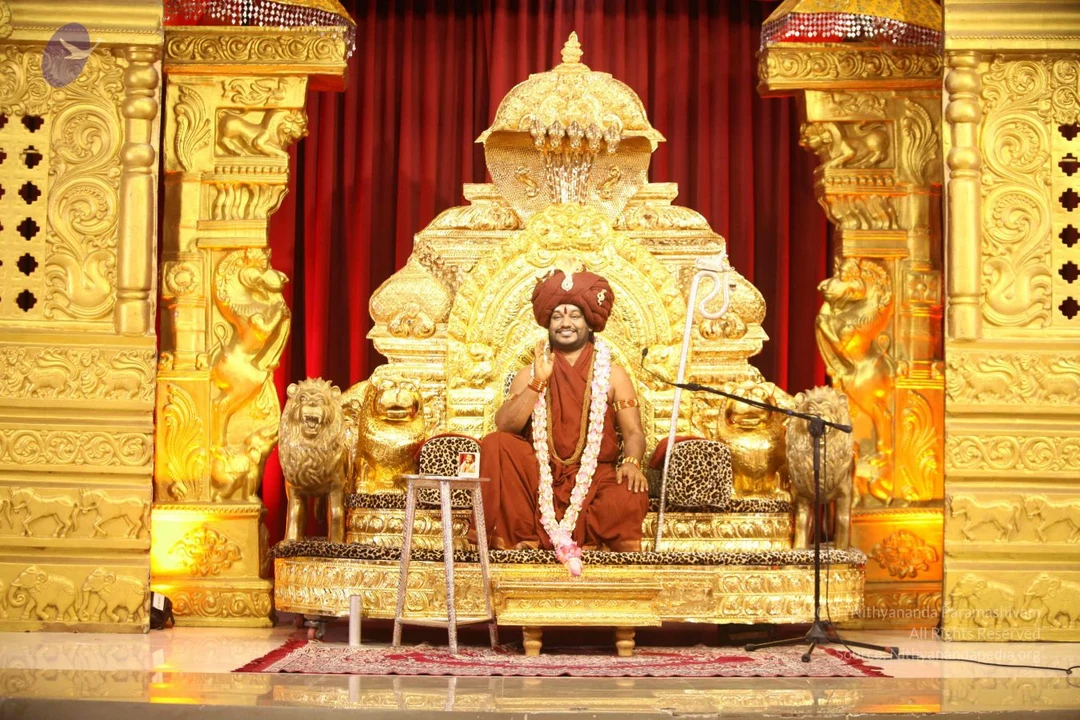
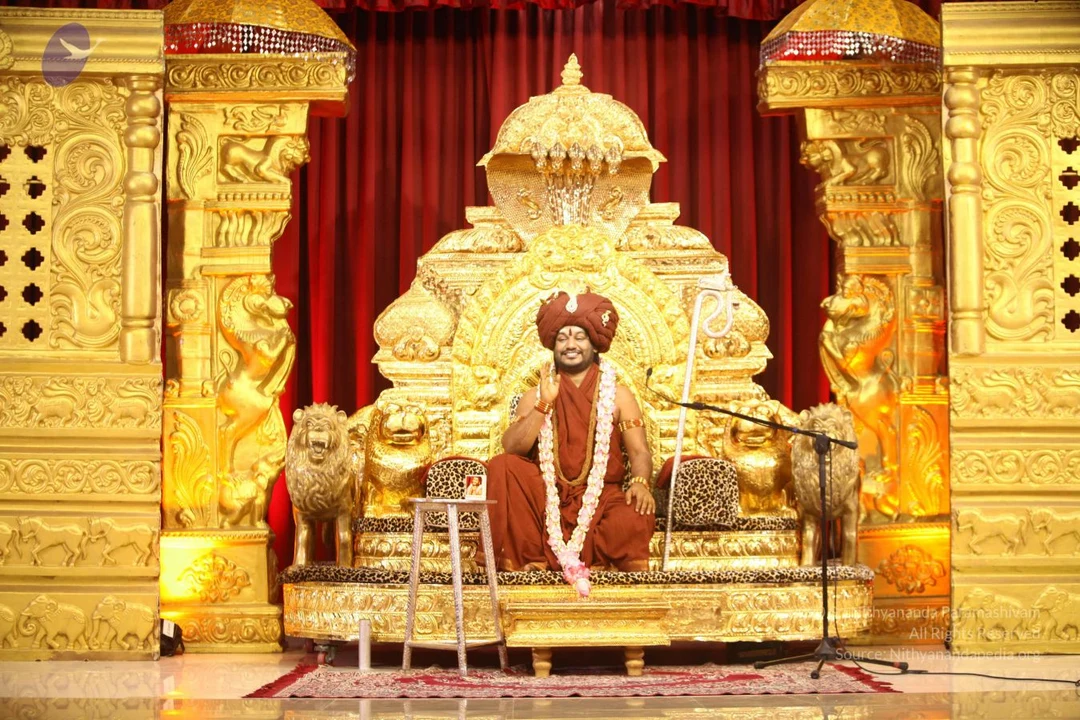
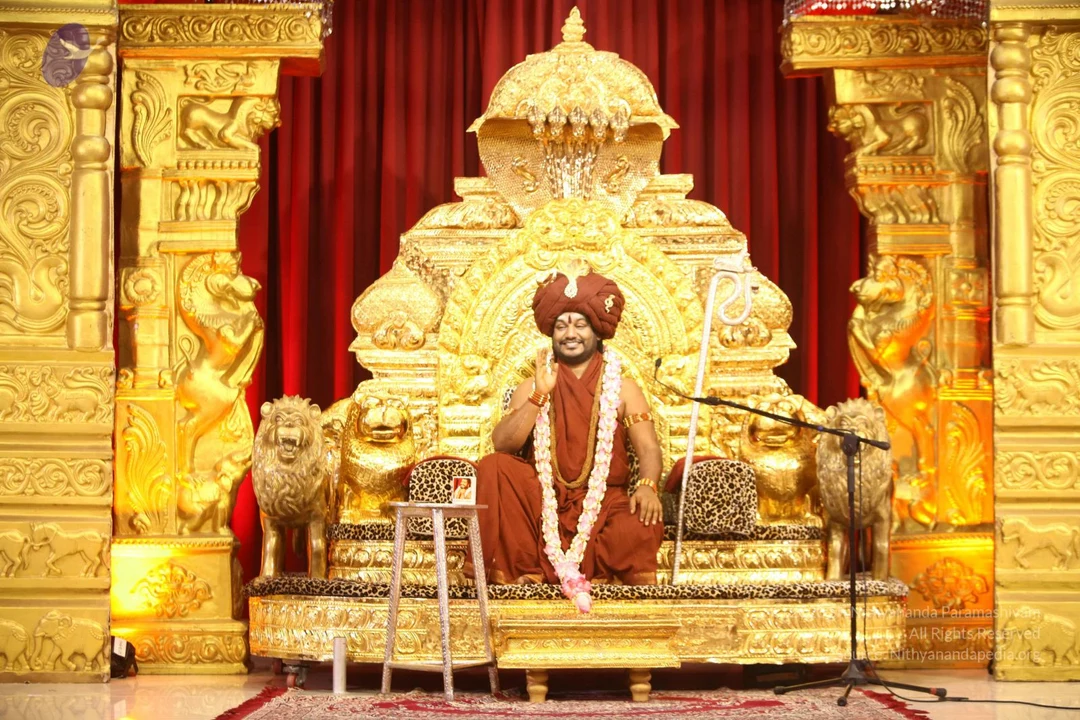
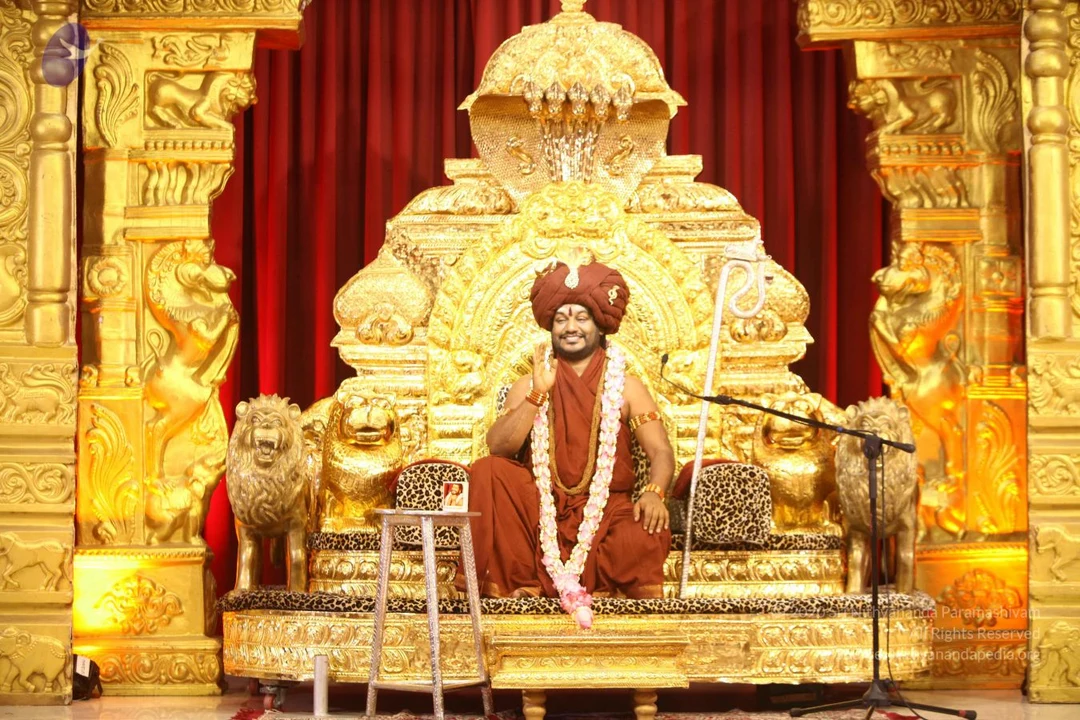

Darshan

Photos Of The Day:
Pada-Puja

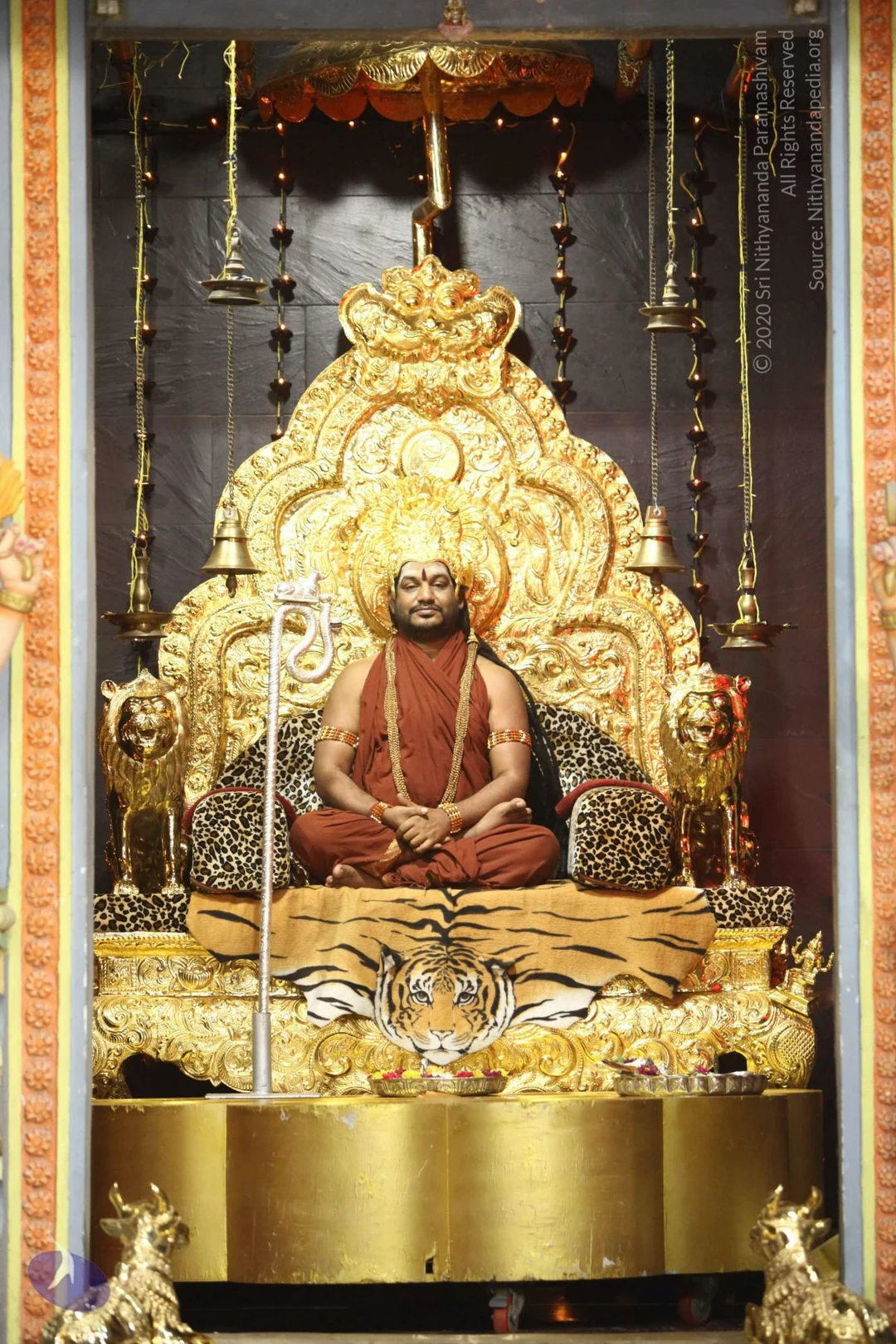
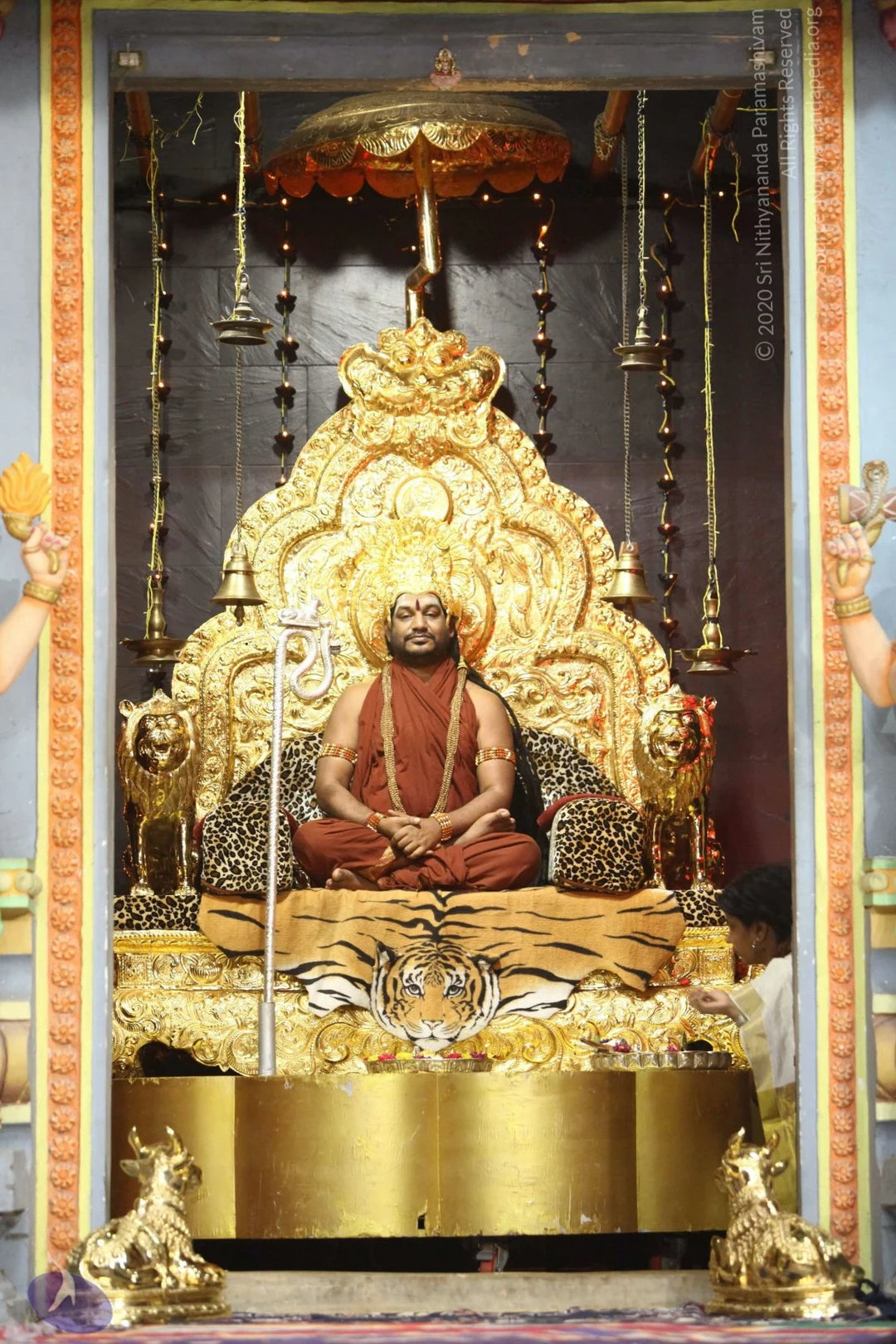
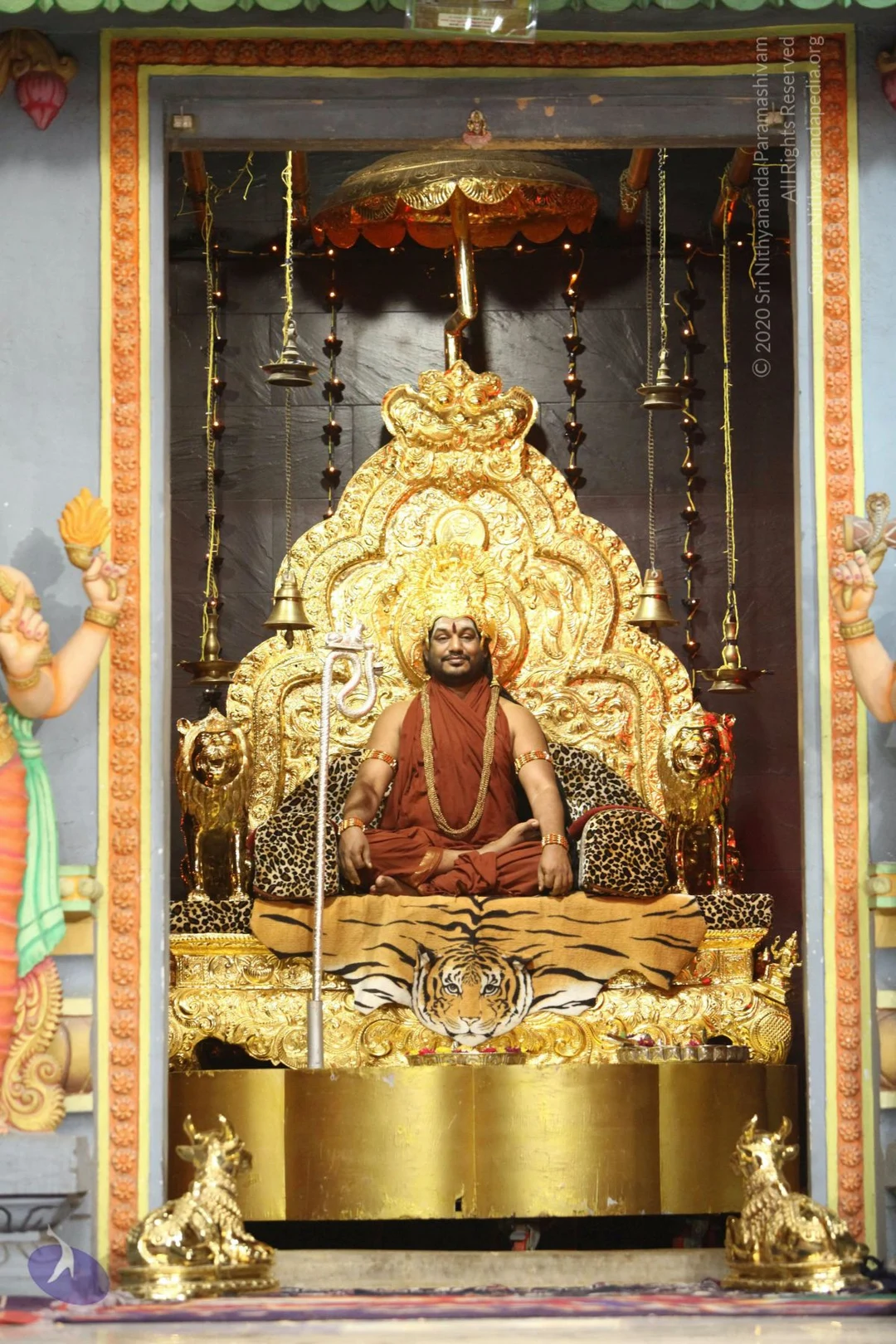
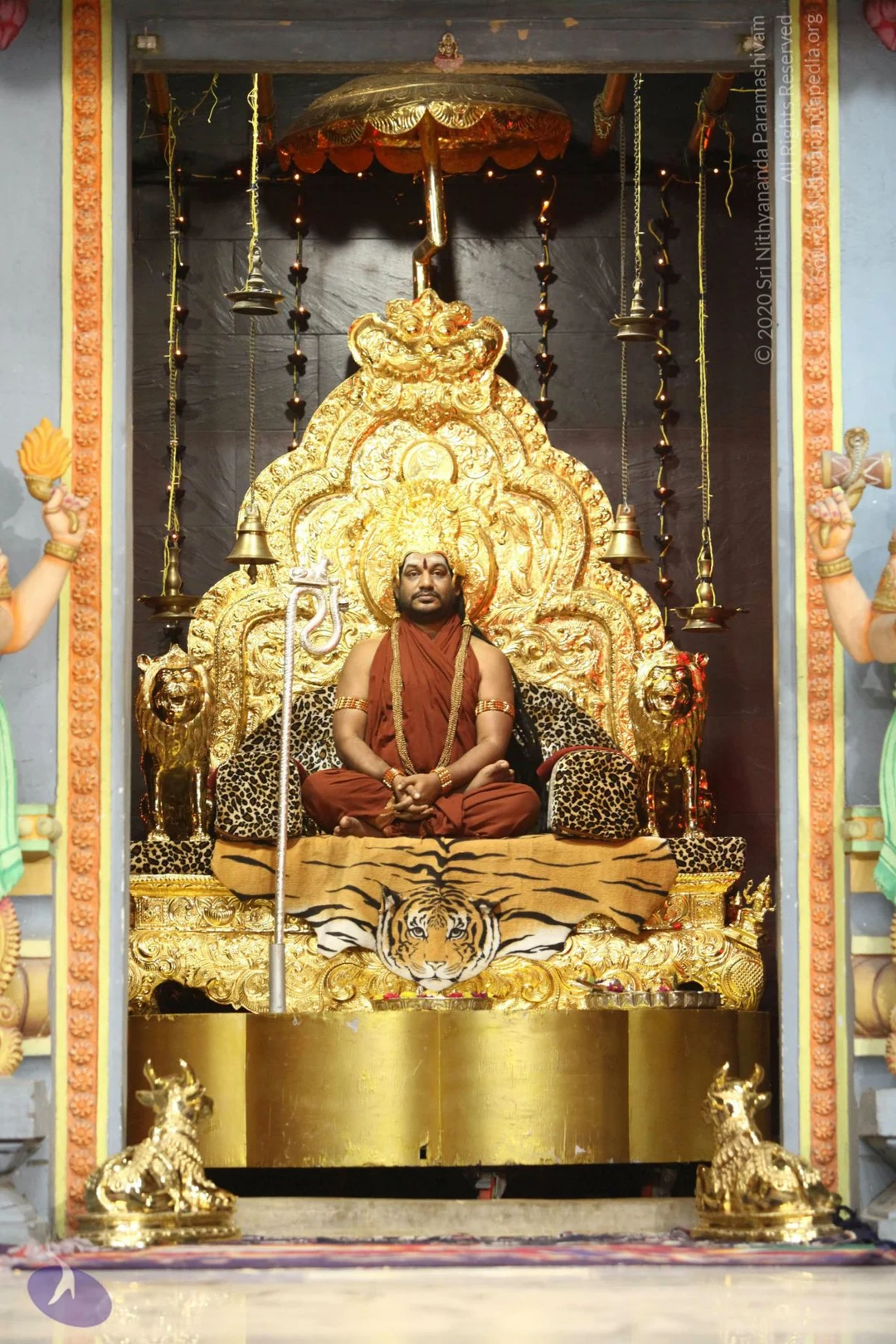
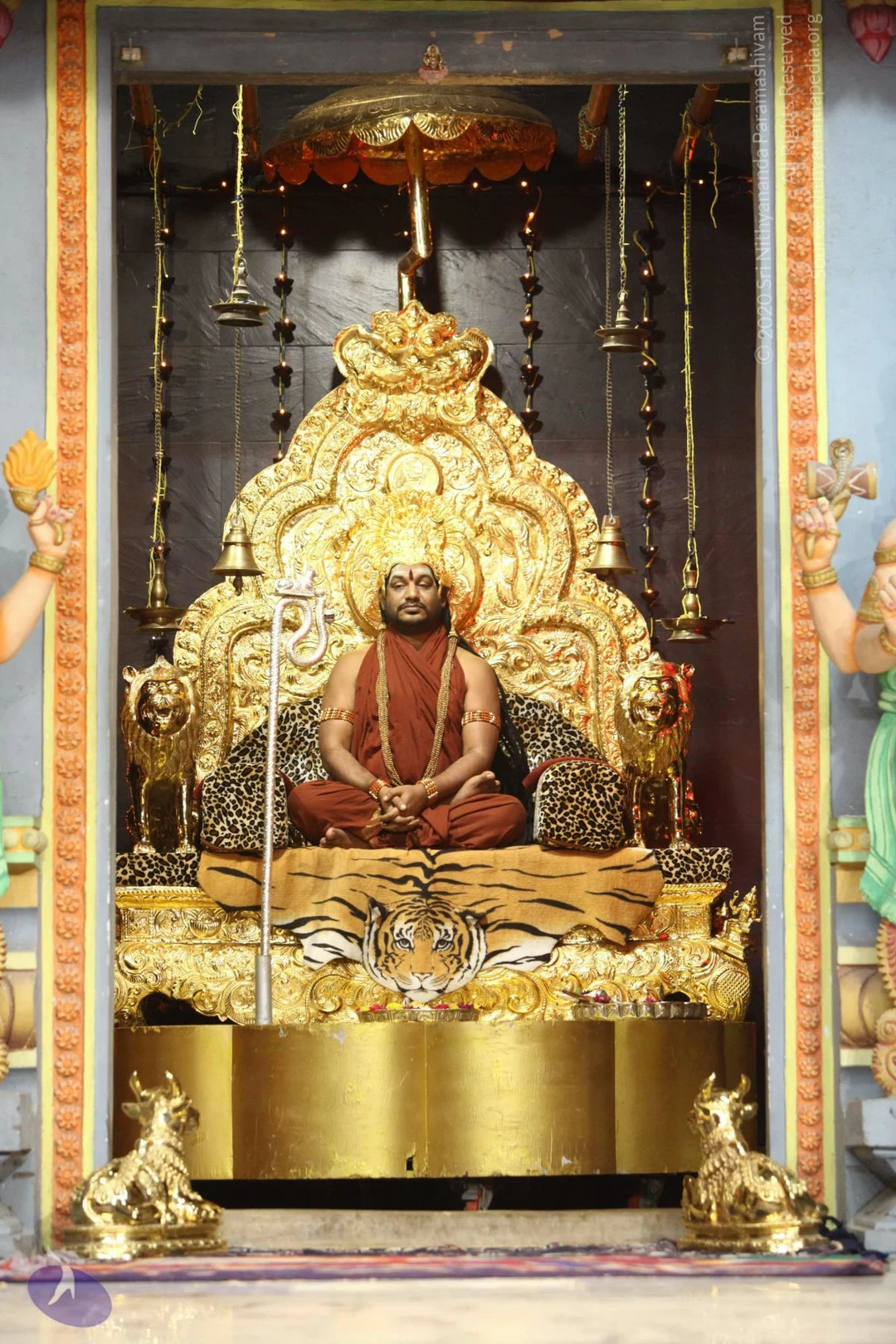
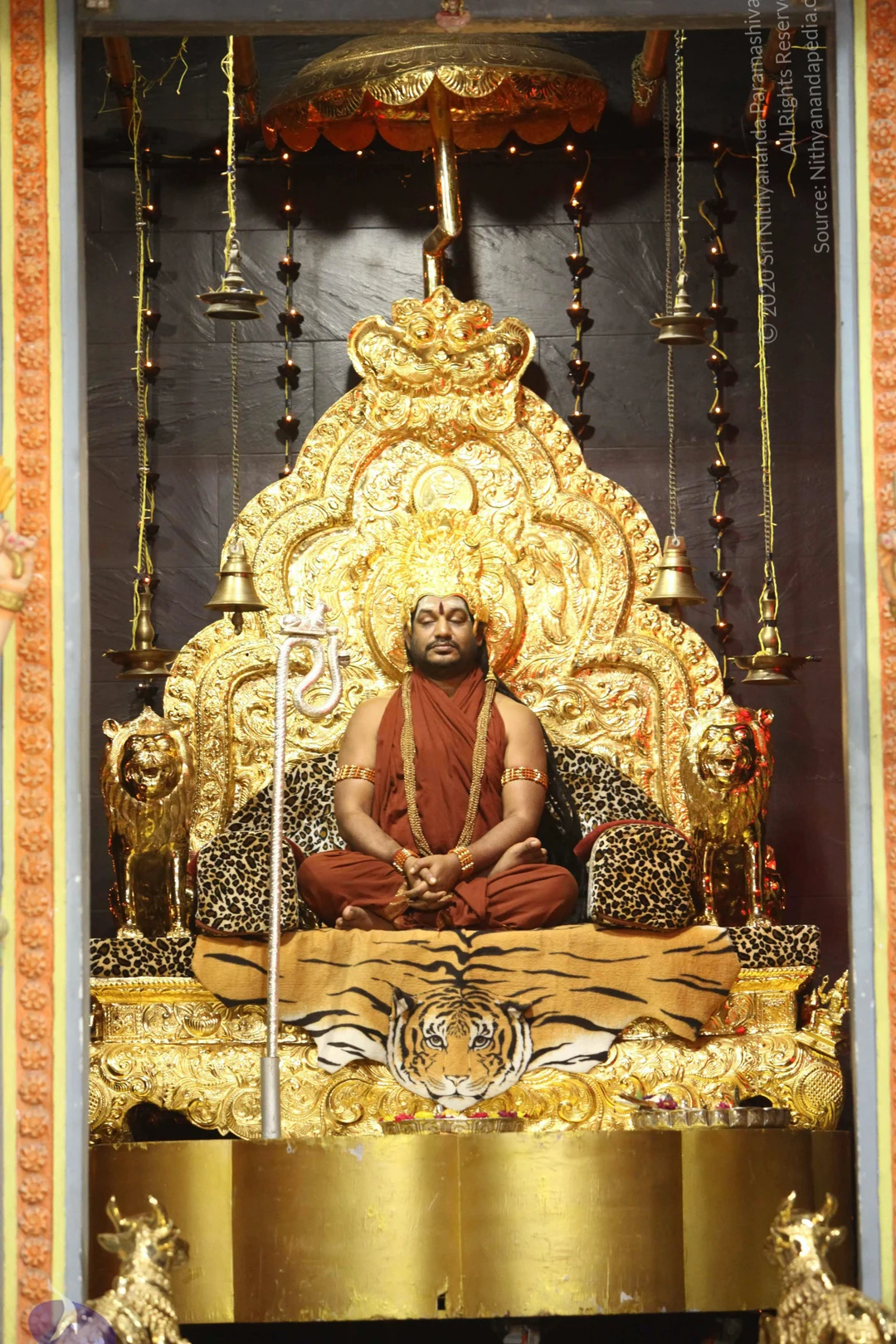
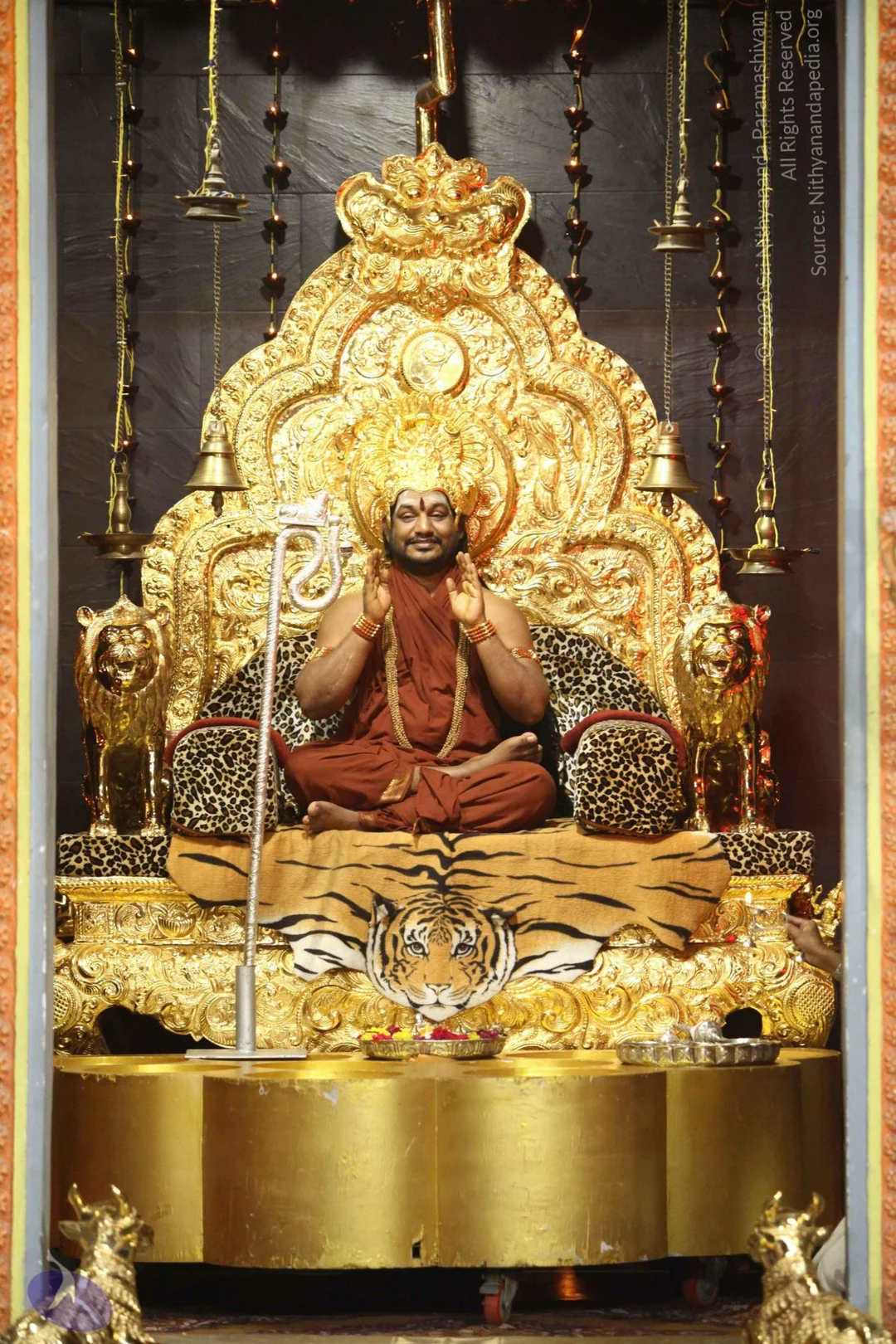

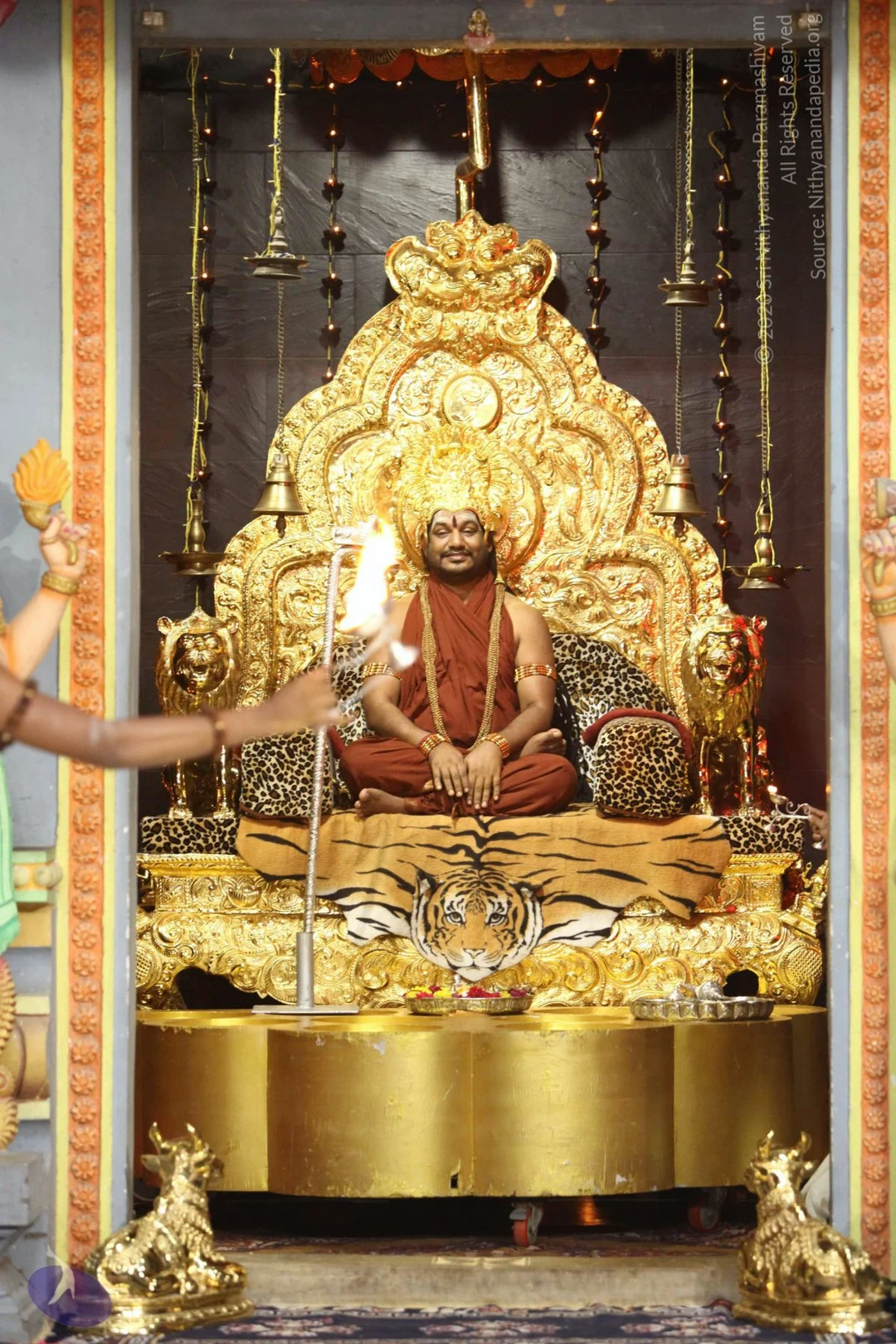
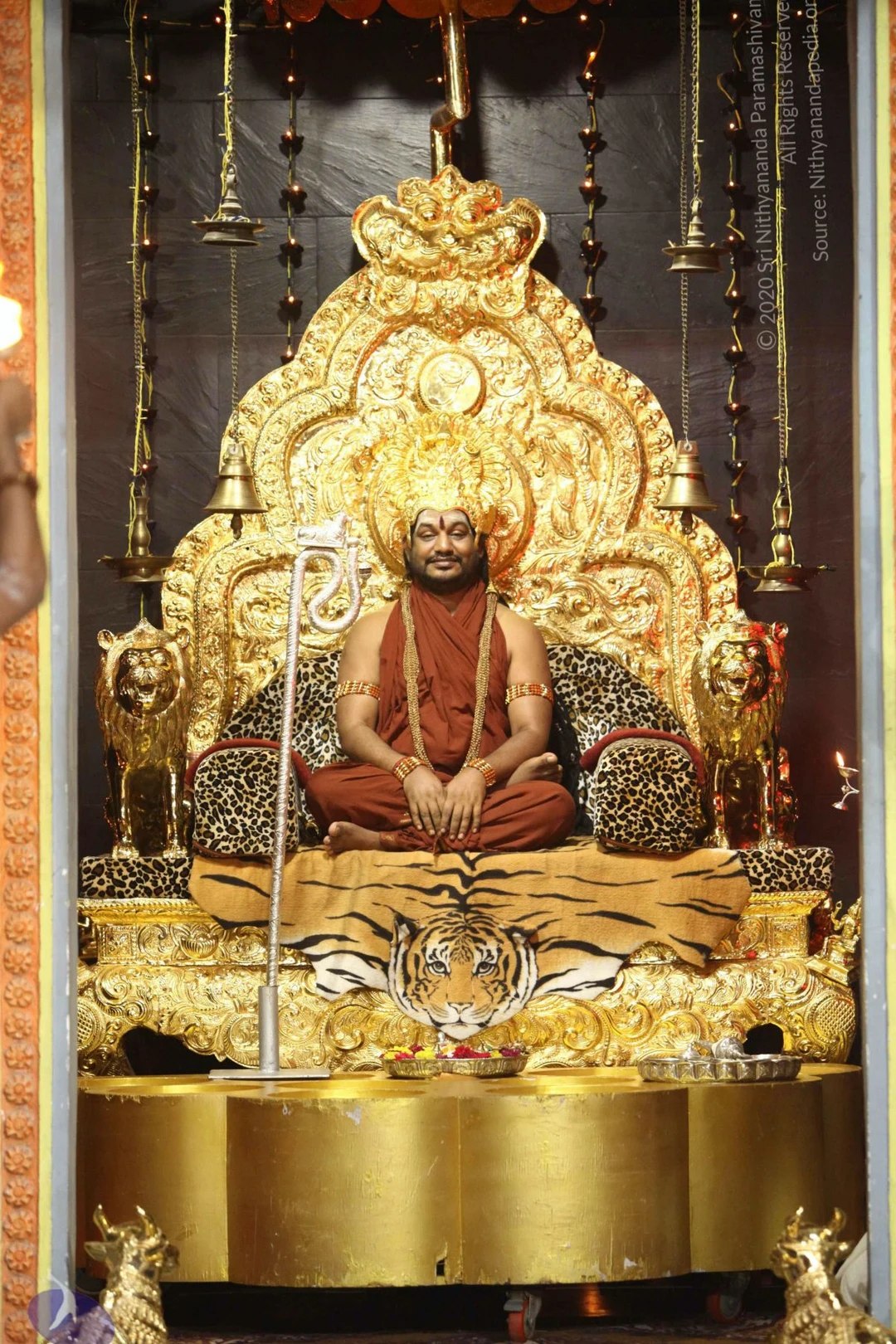
Satsang
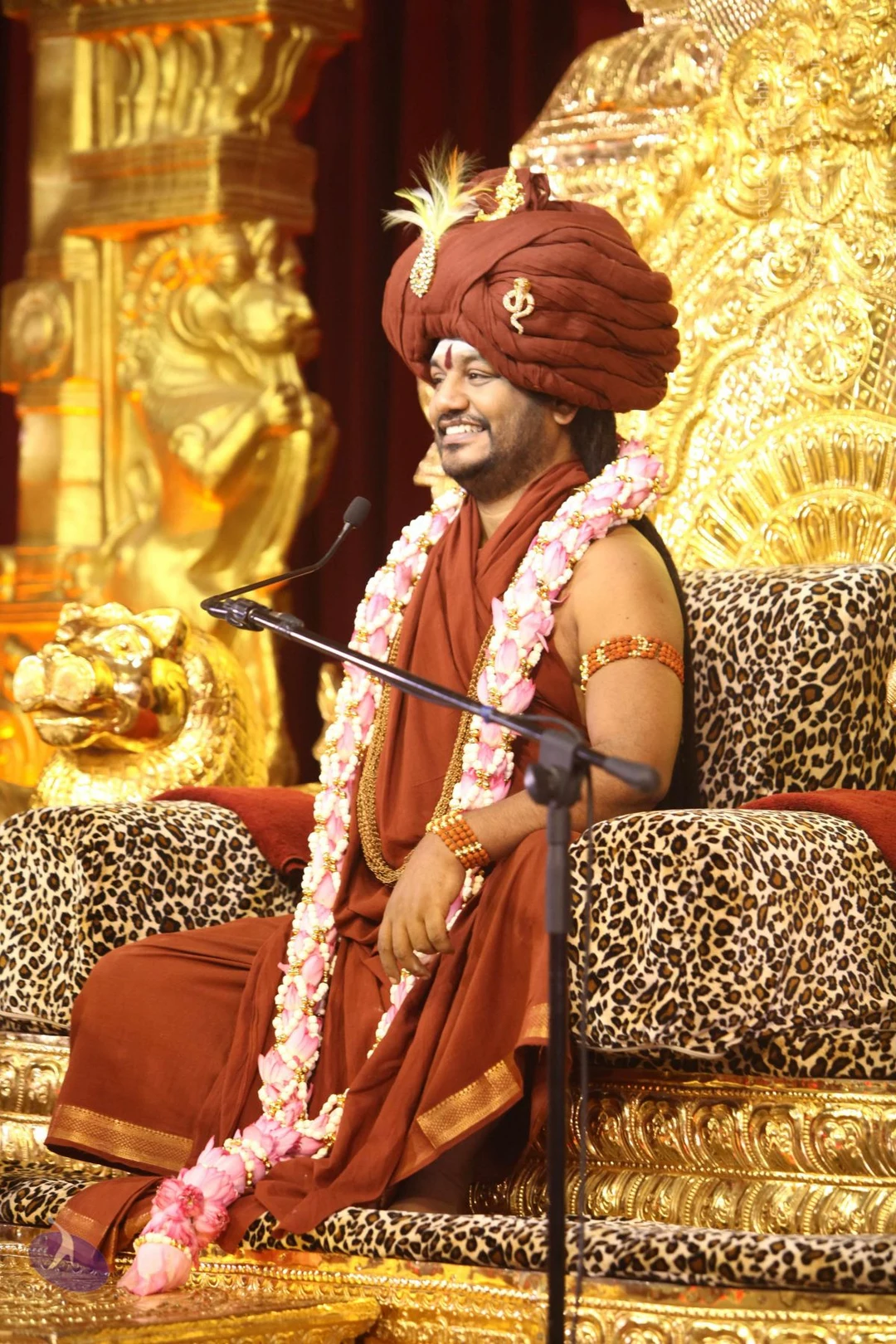
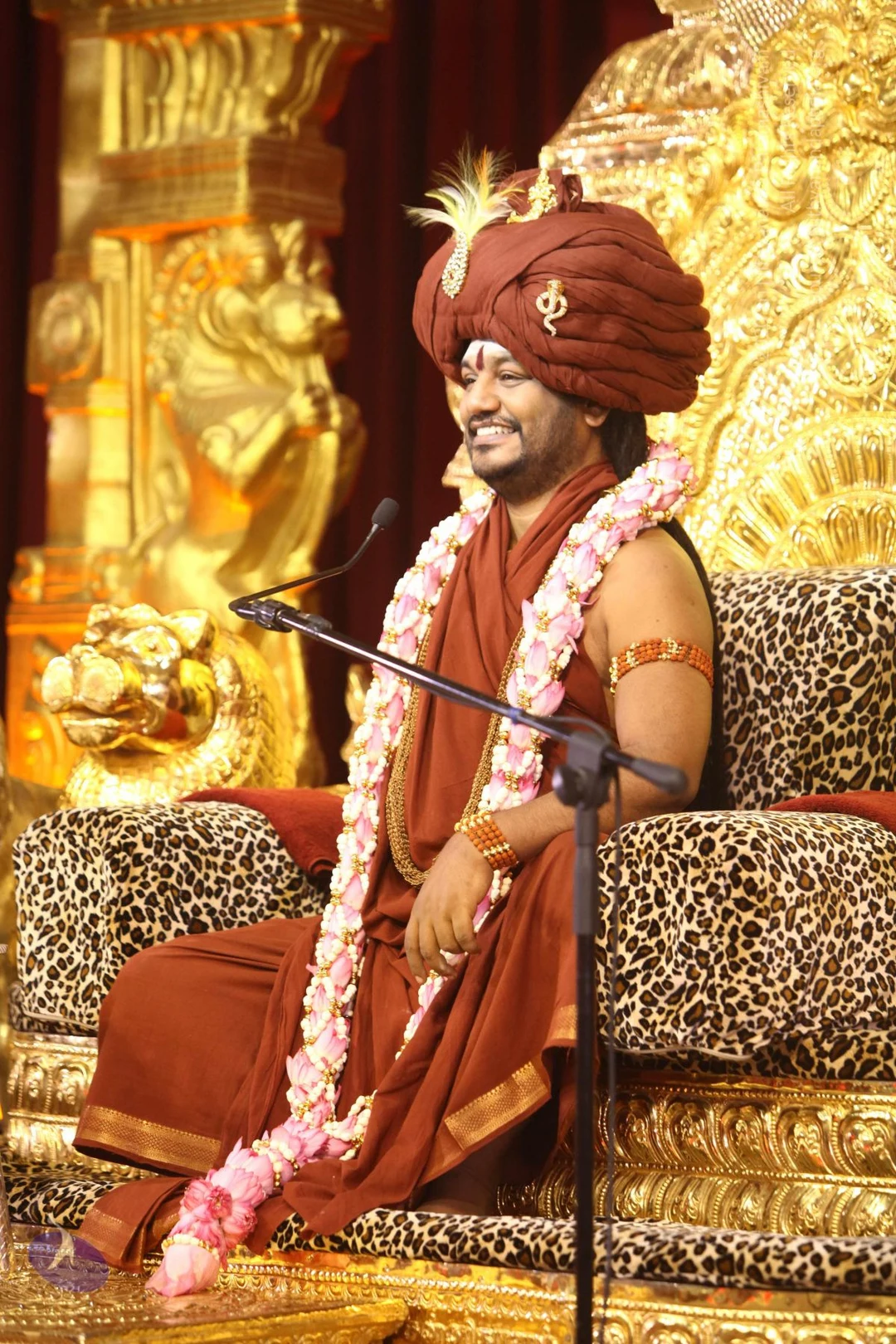
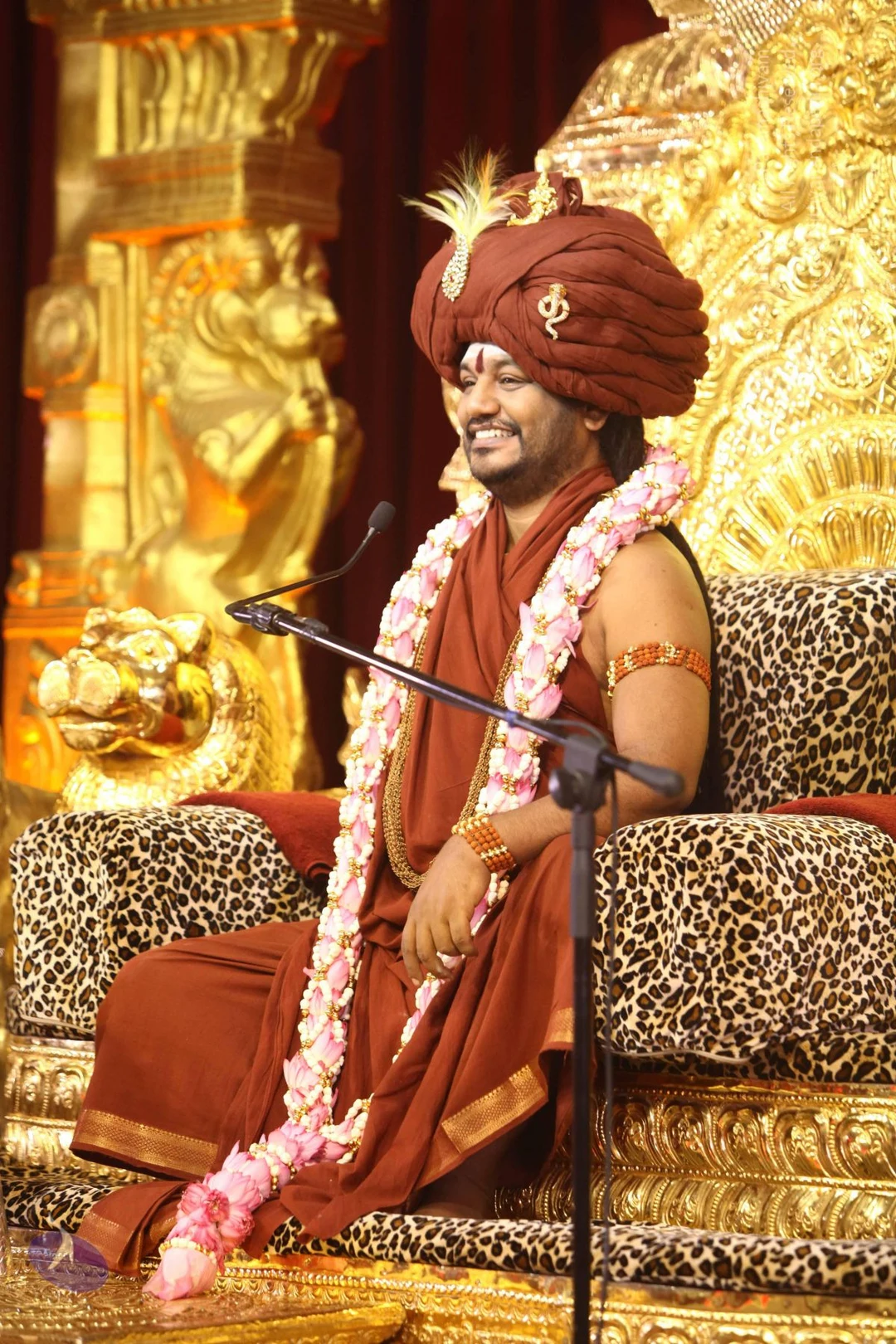

Darshan
1-Pada-Puja
2-Satsang
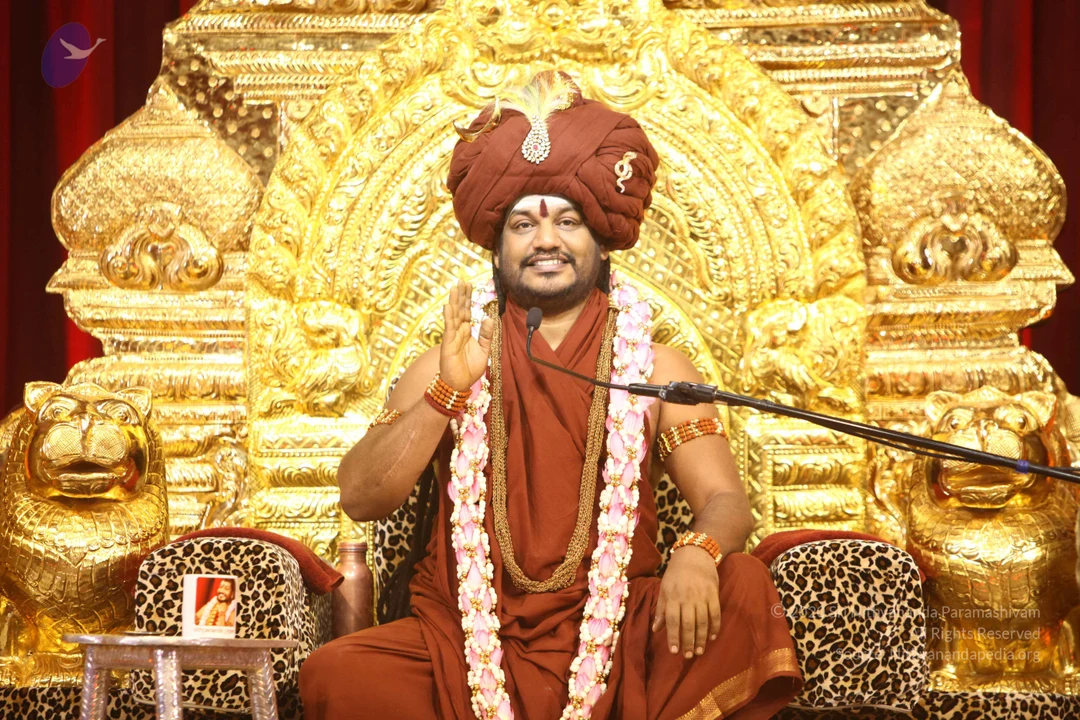
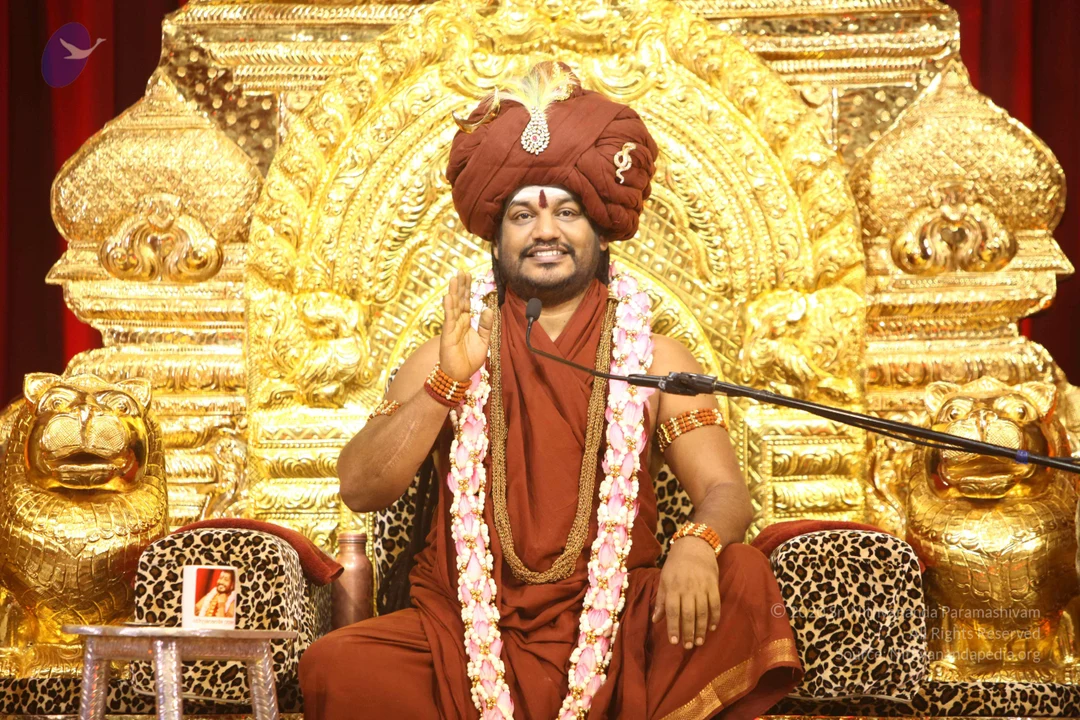
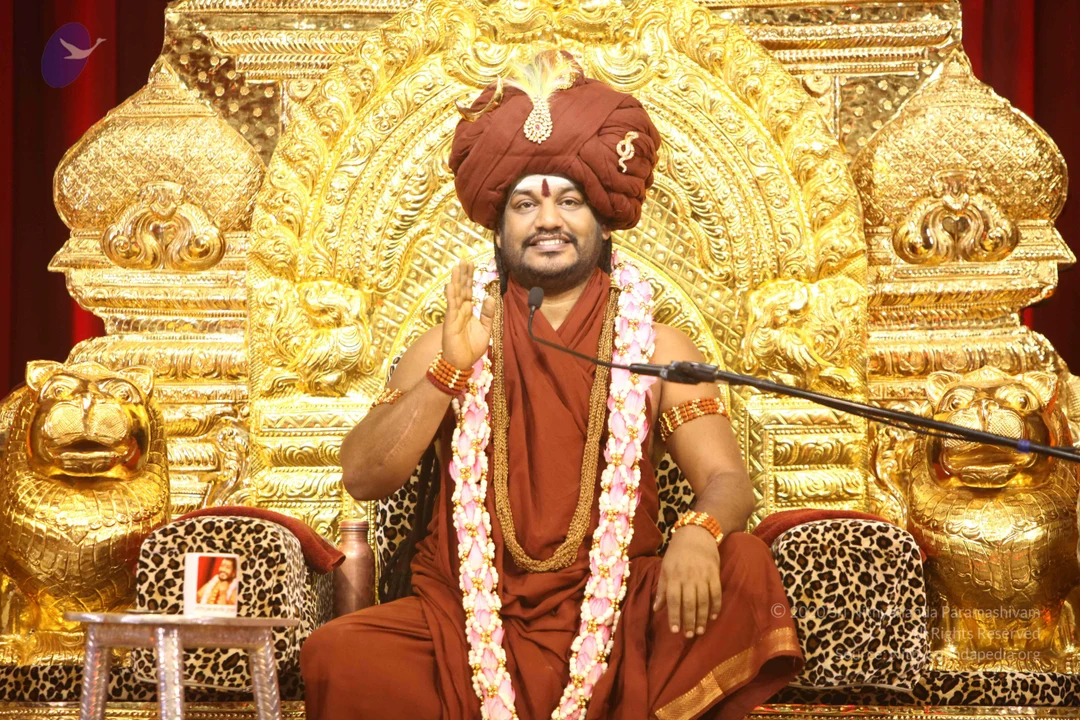
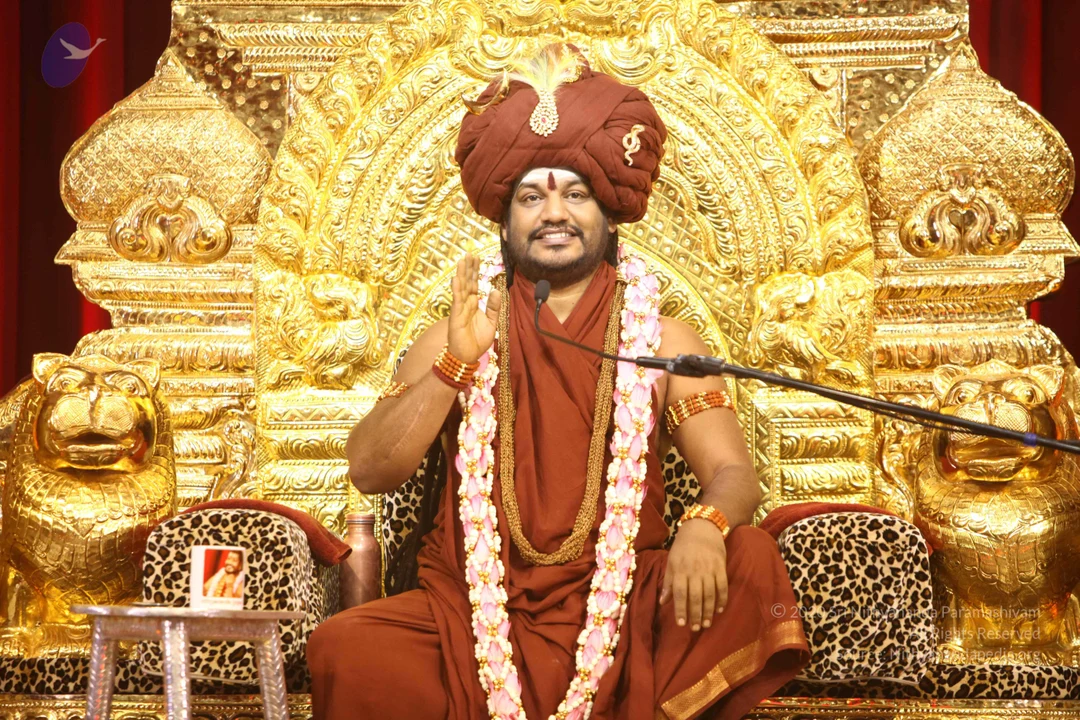
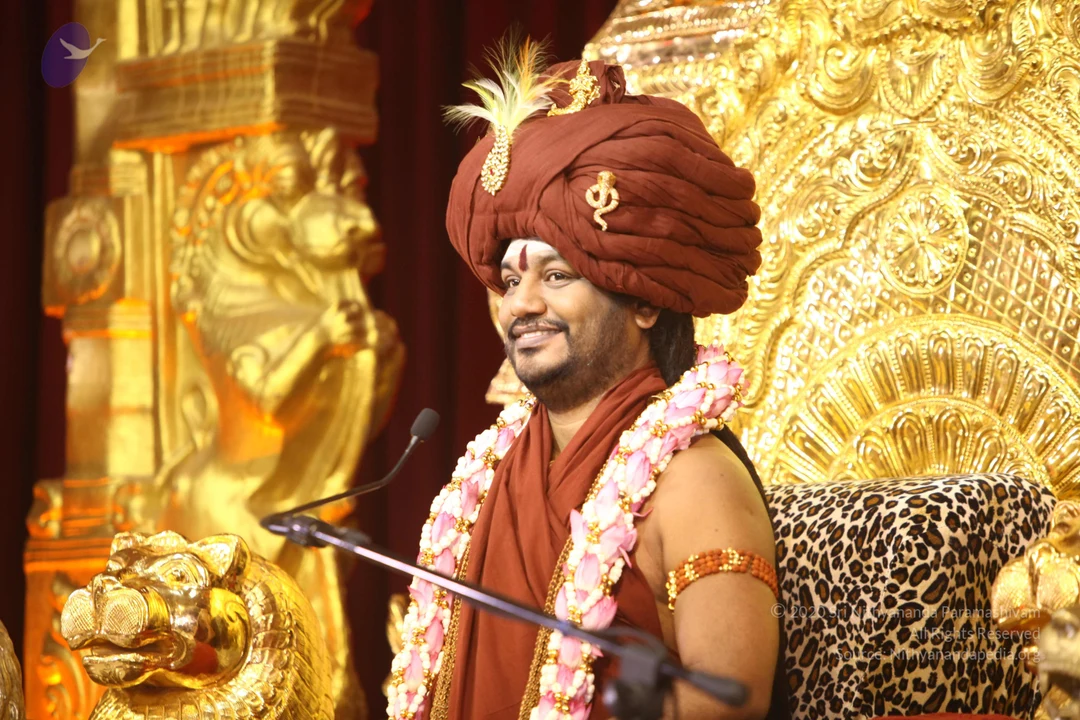
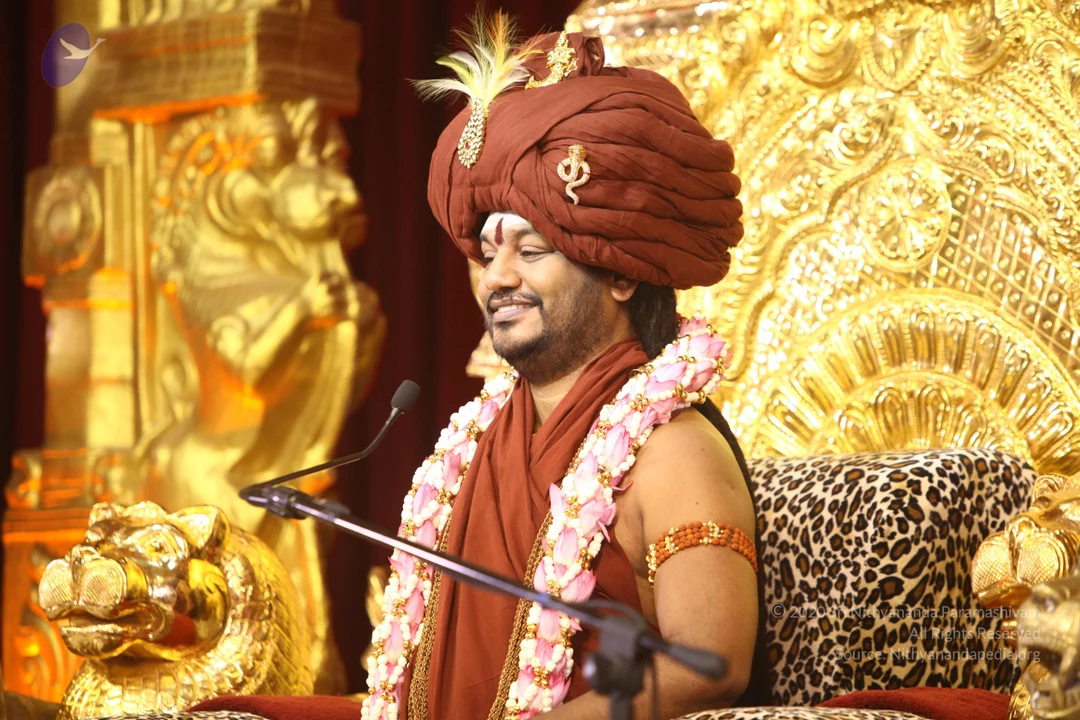
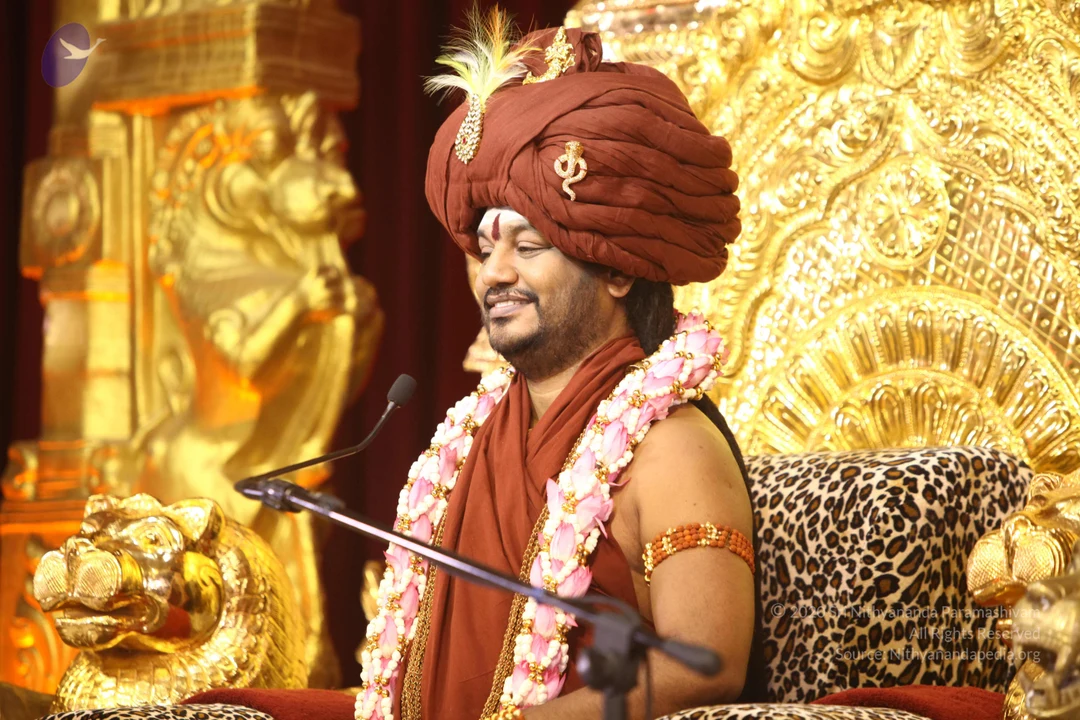
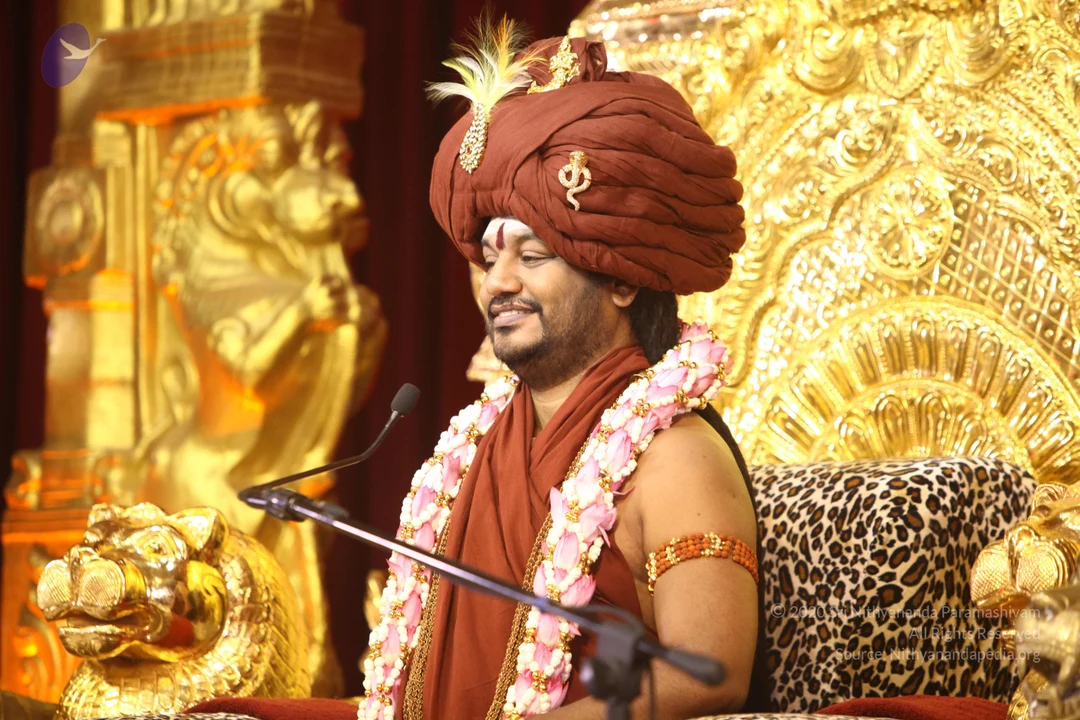
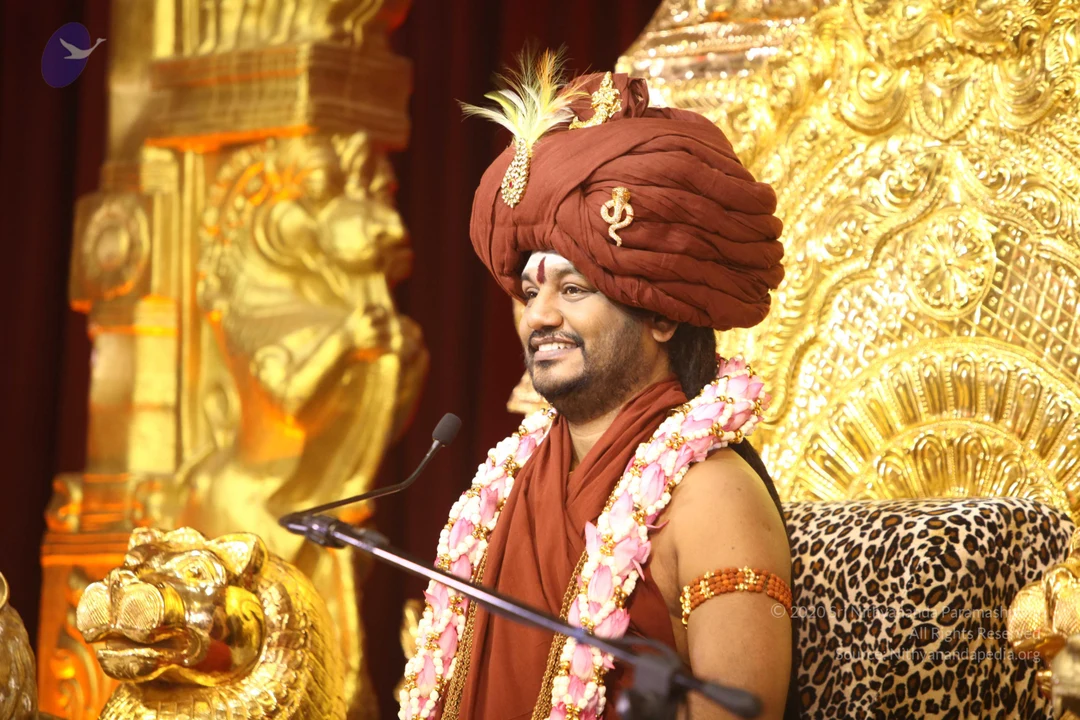
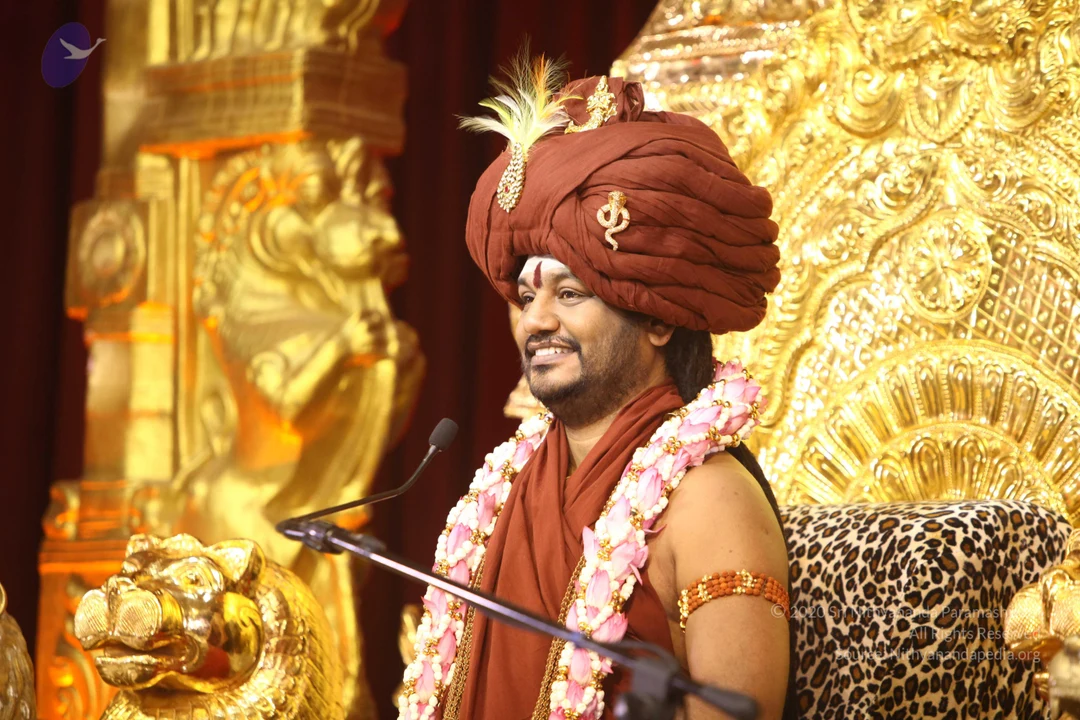
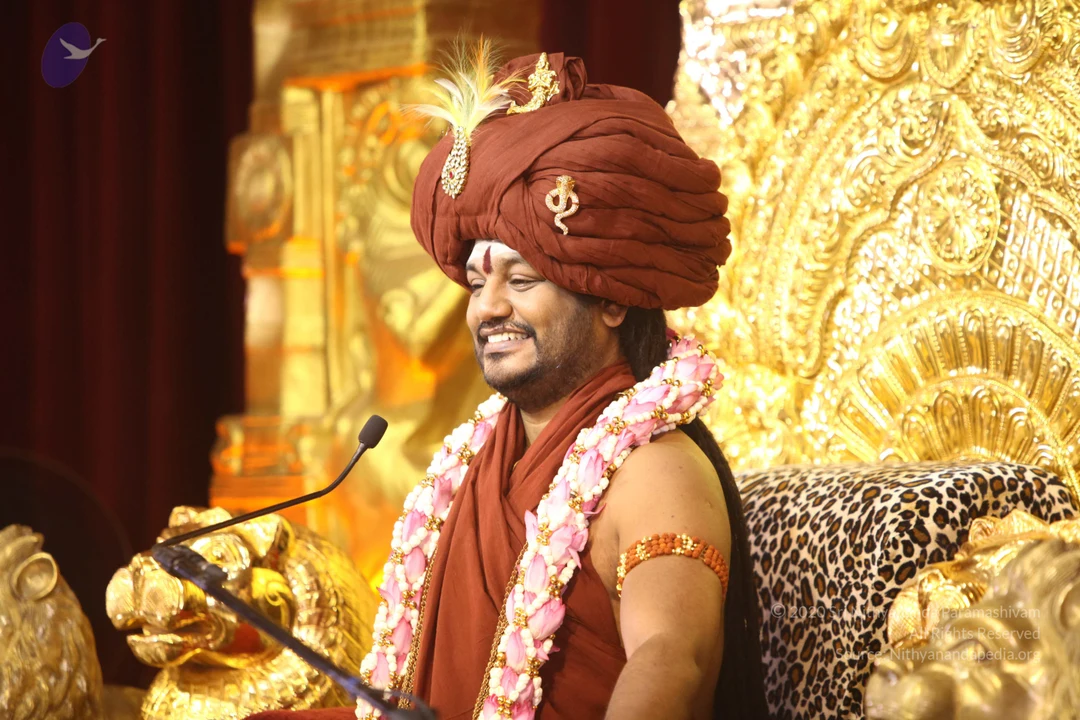
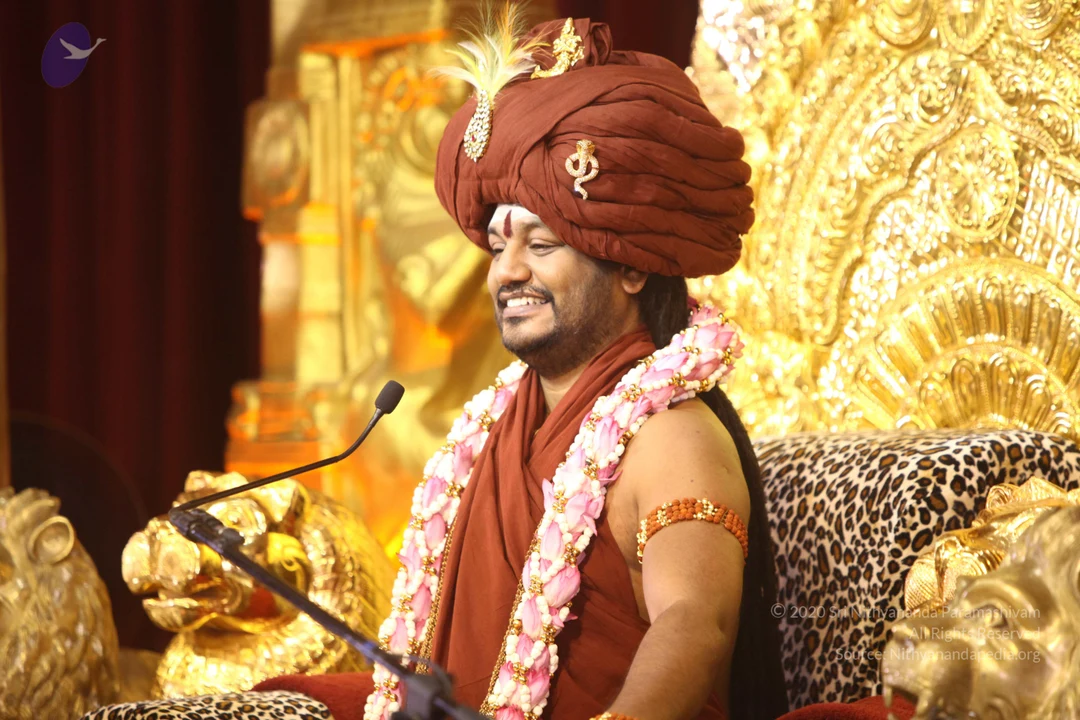
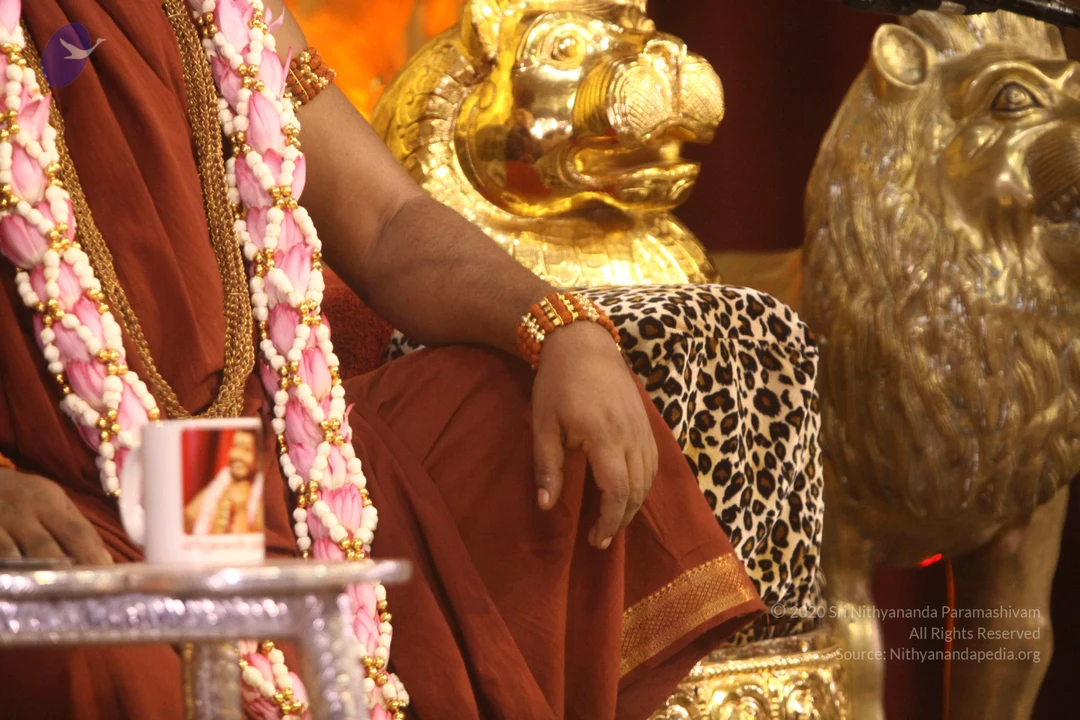
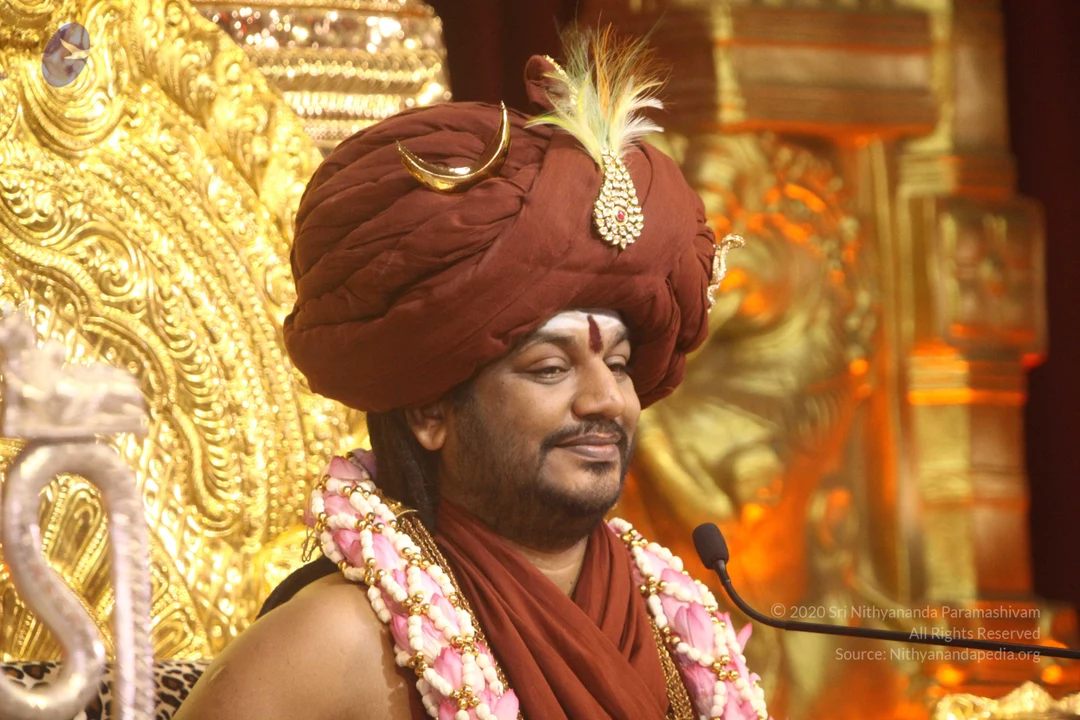
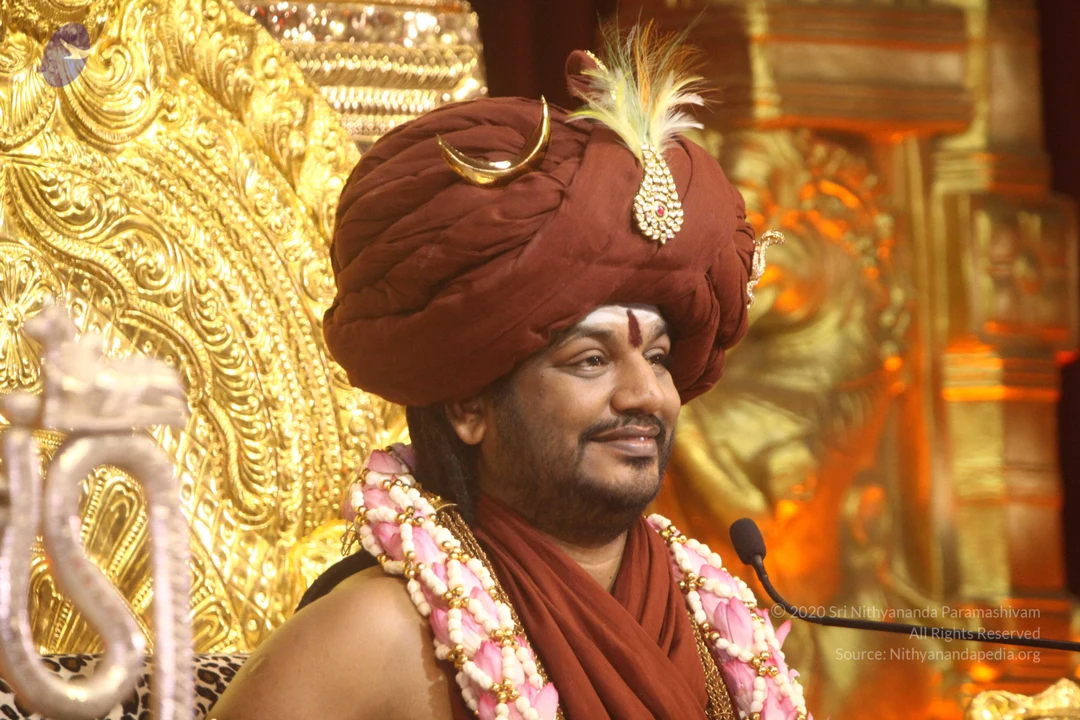
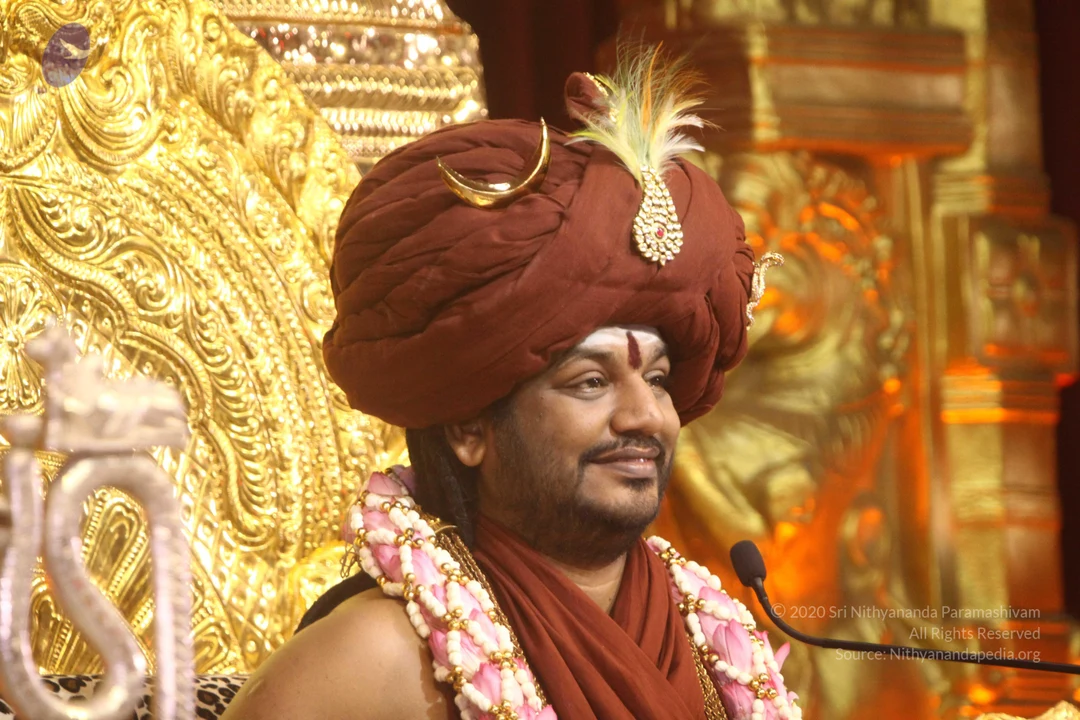
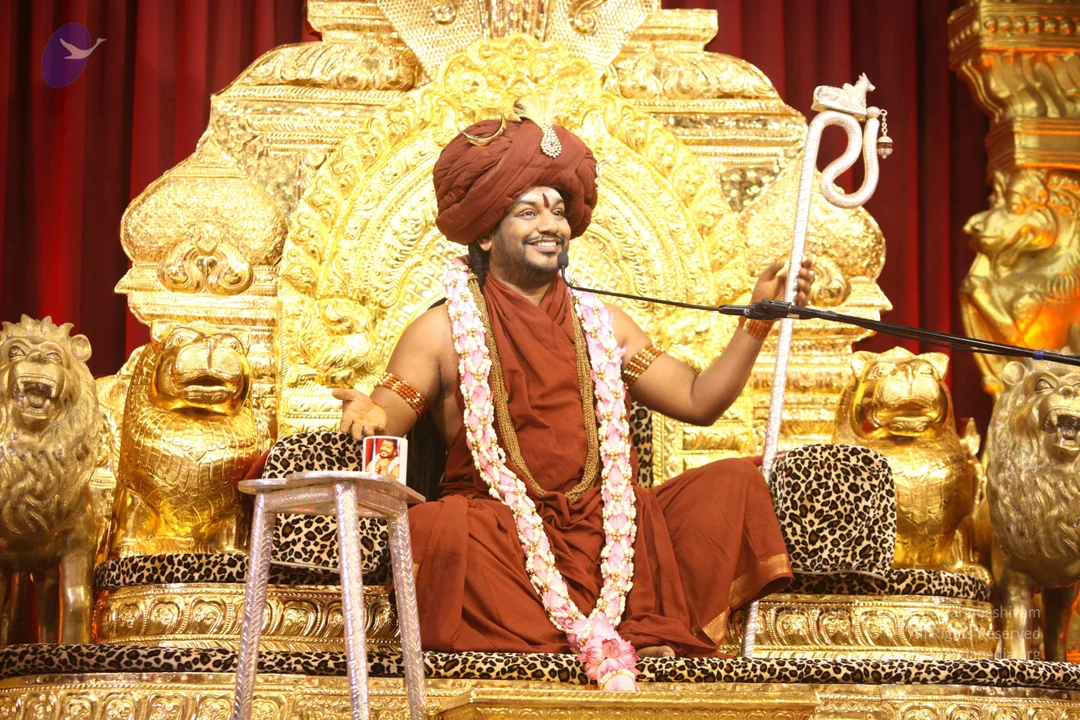
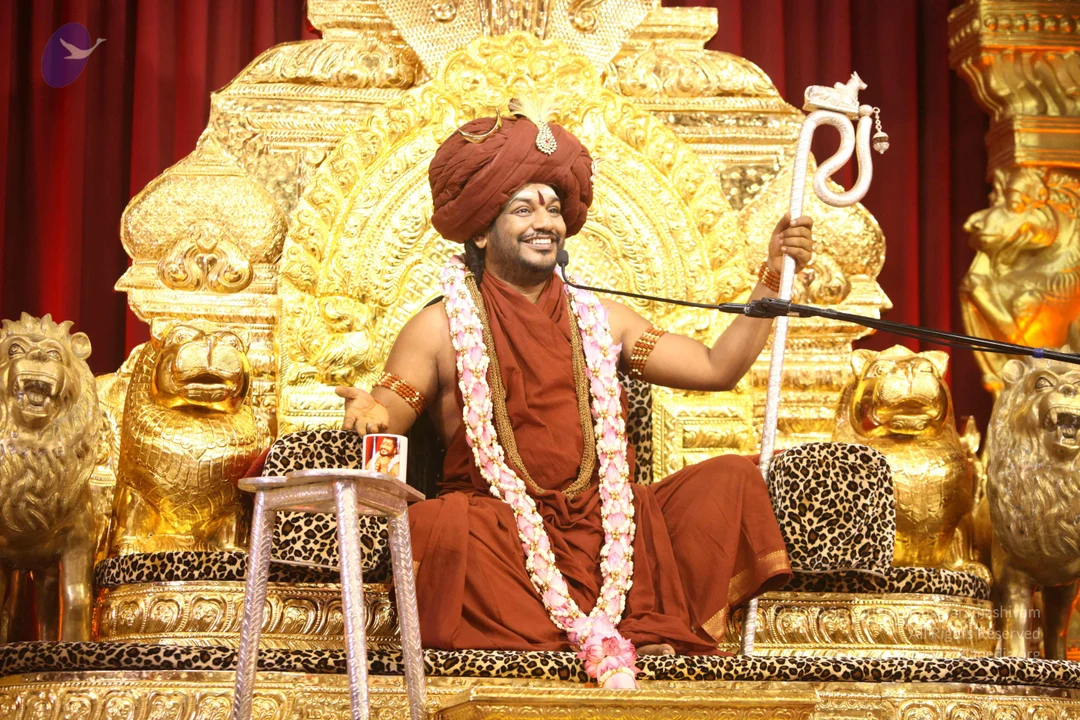
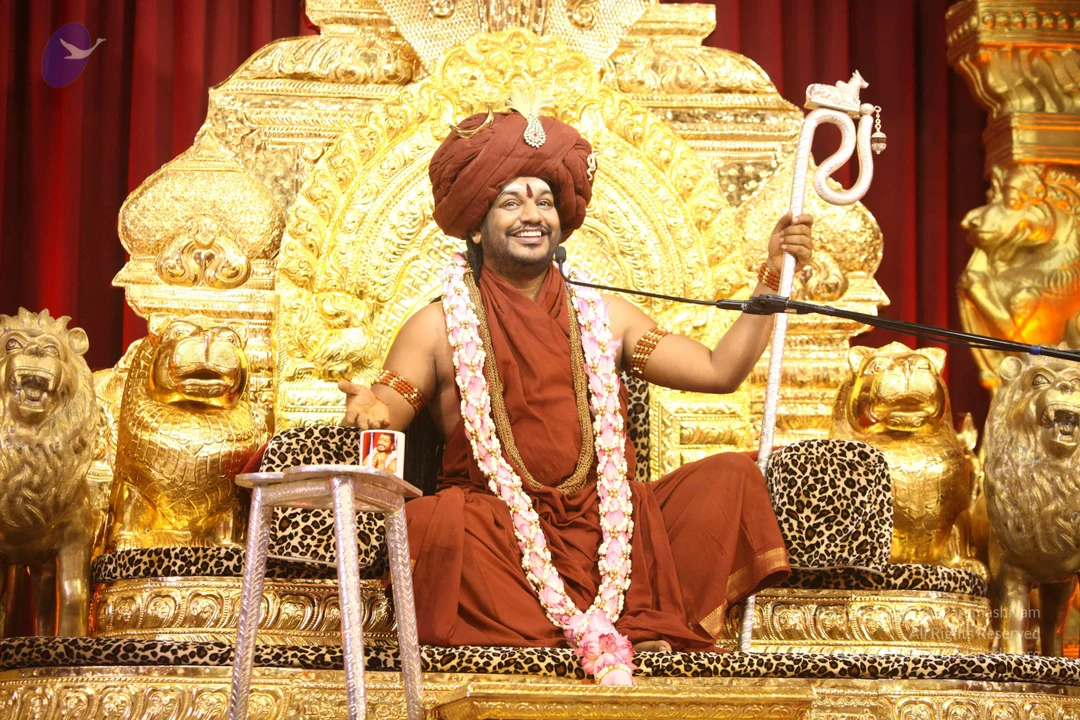
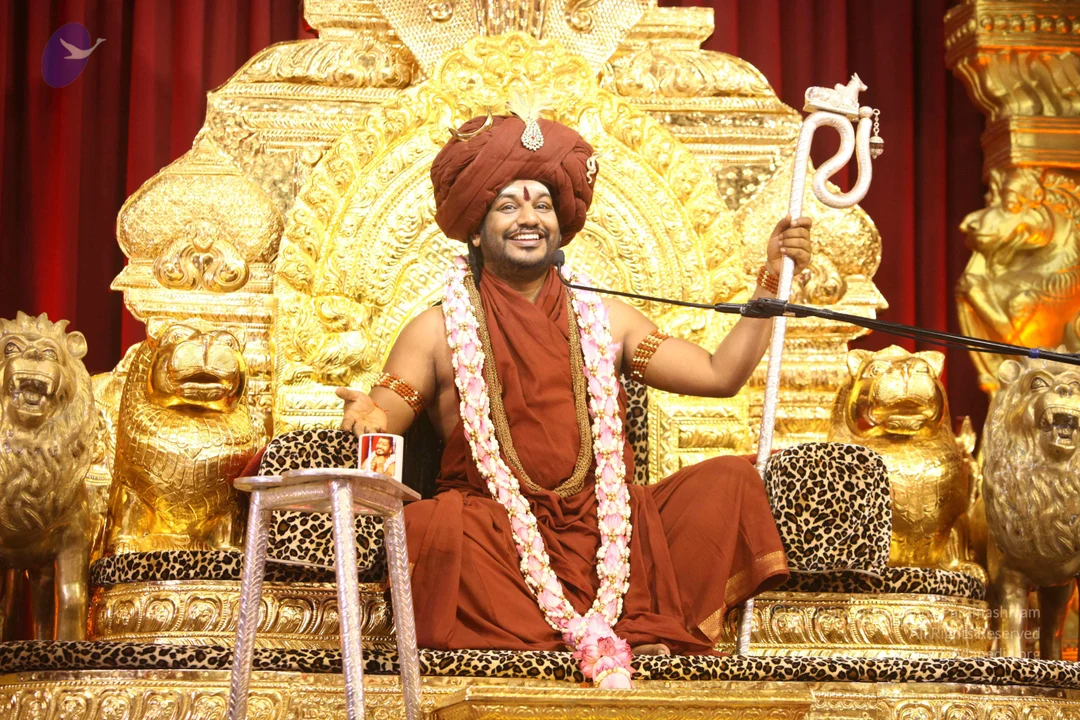
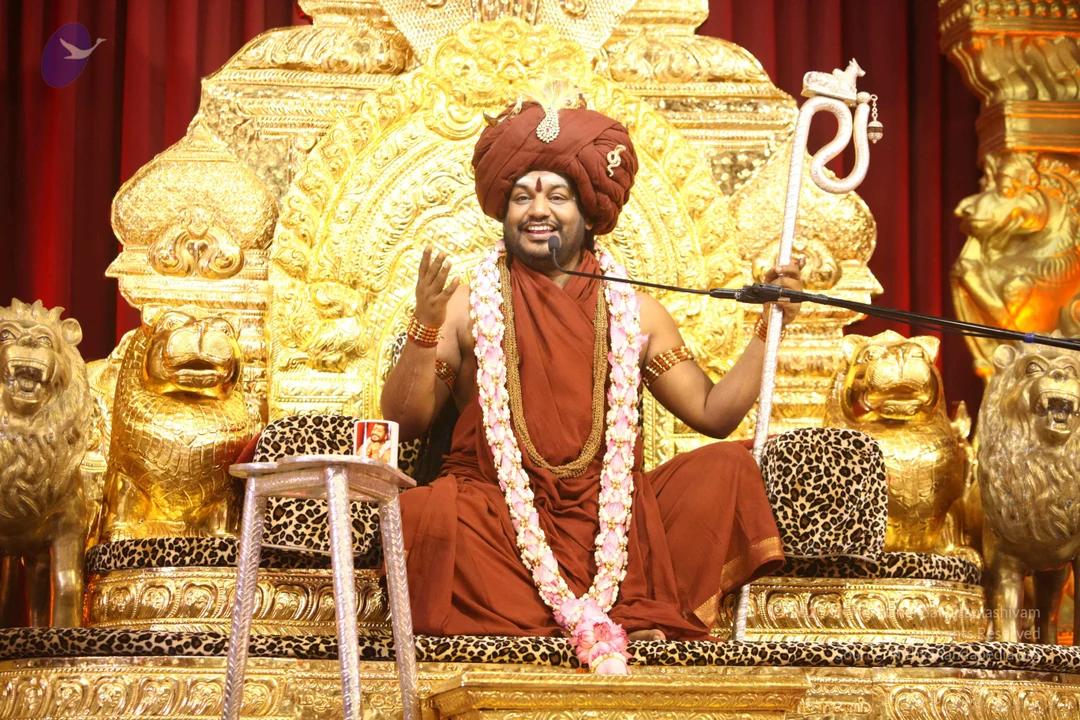
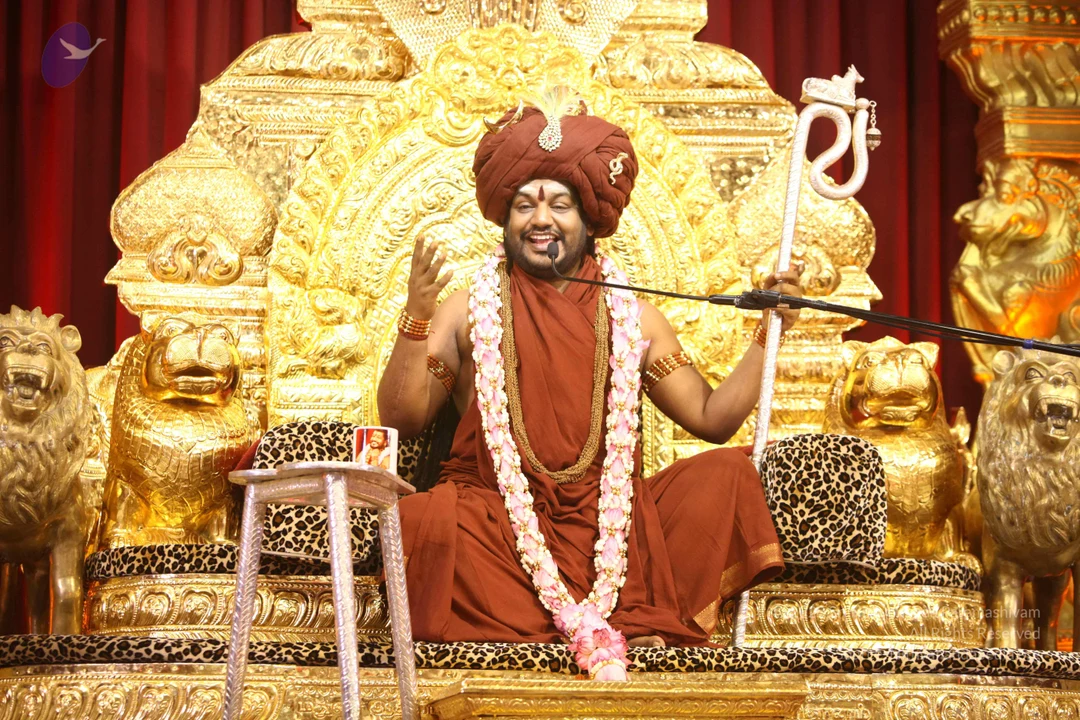
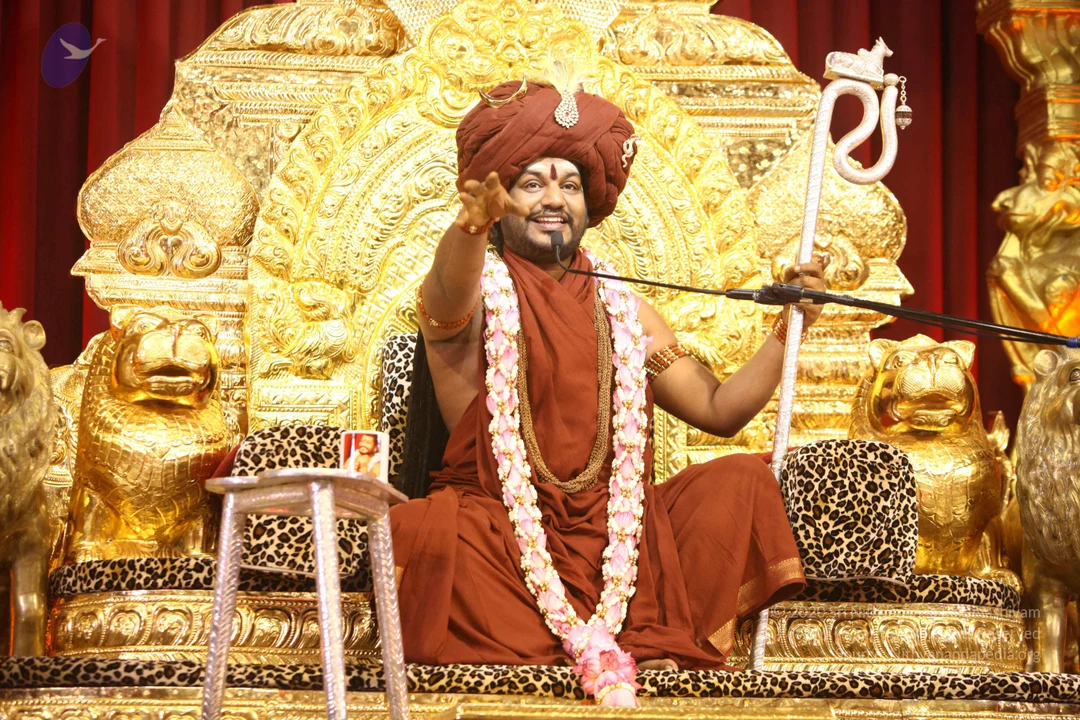
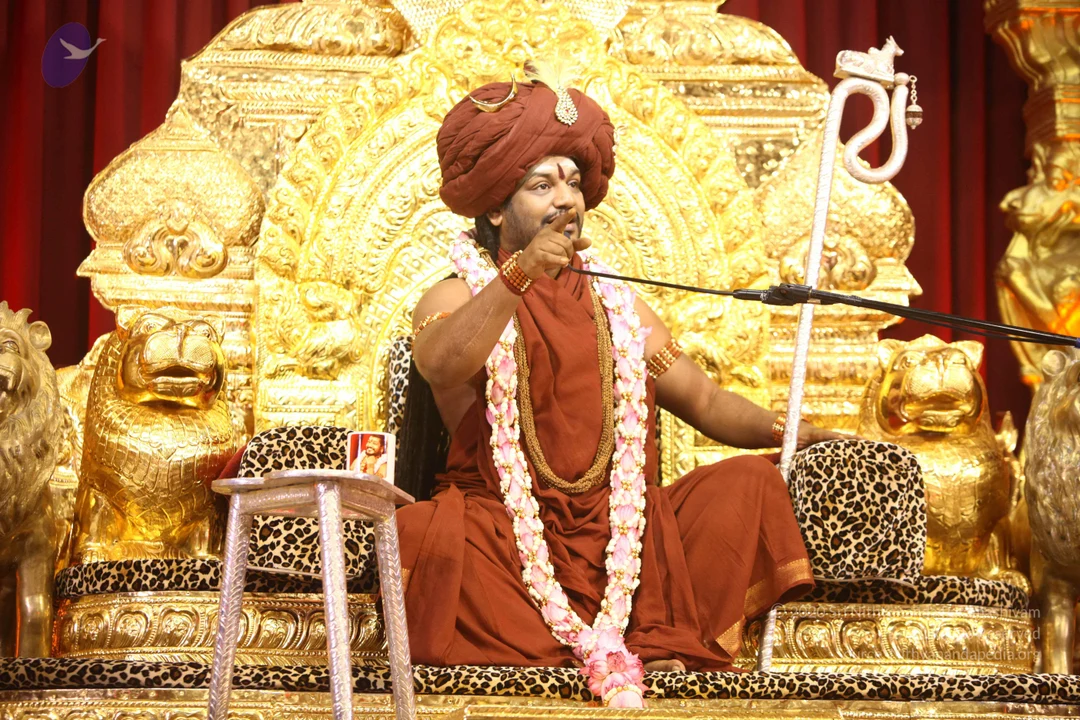
3-Darshan
1-Pada-Puja
2-Darshan
3-Satsang
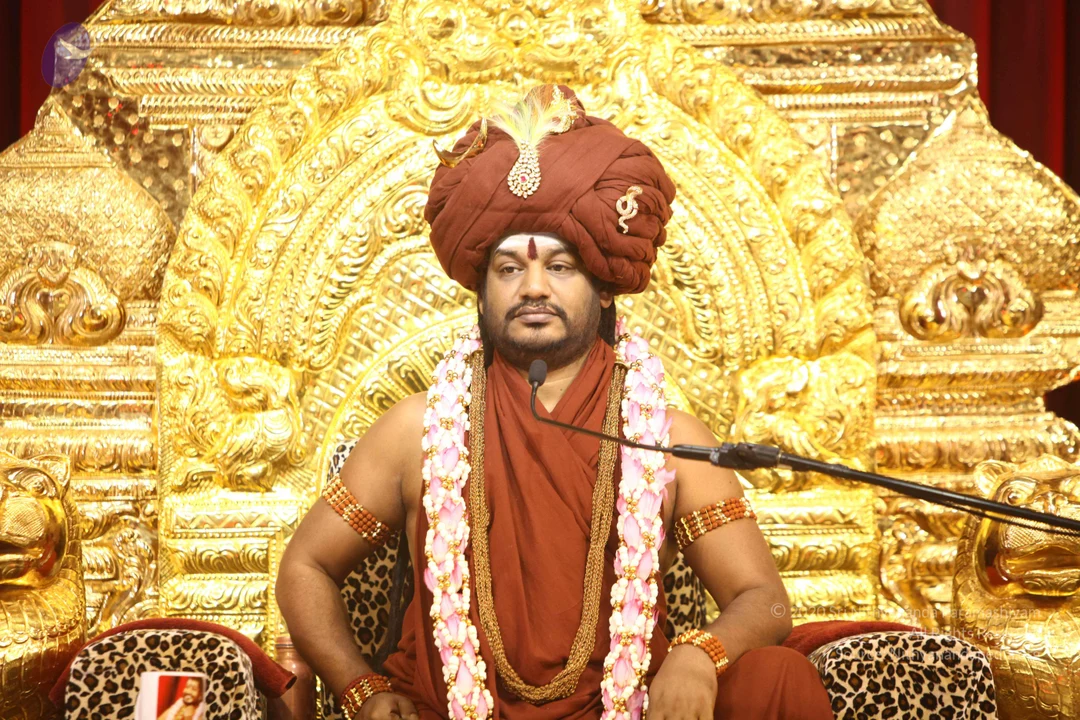
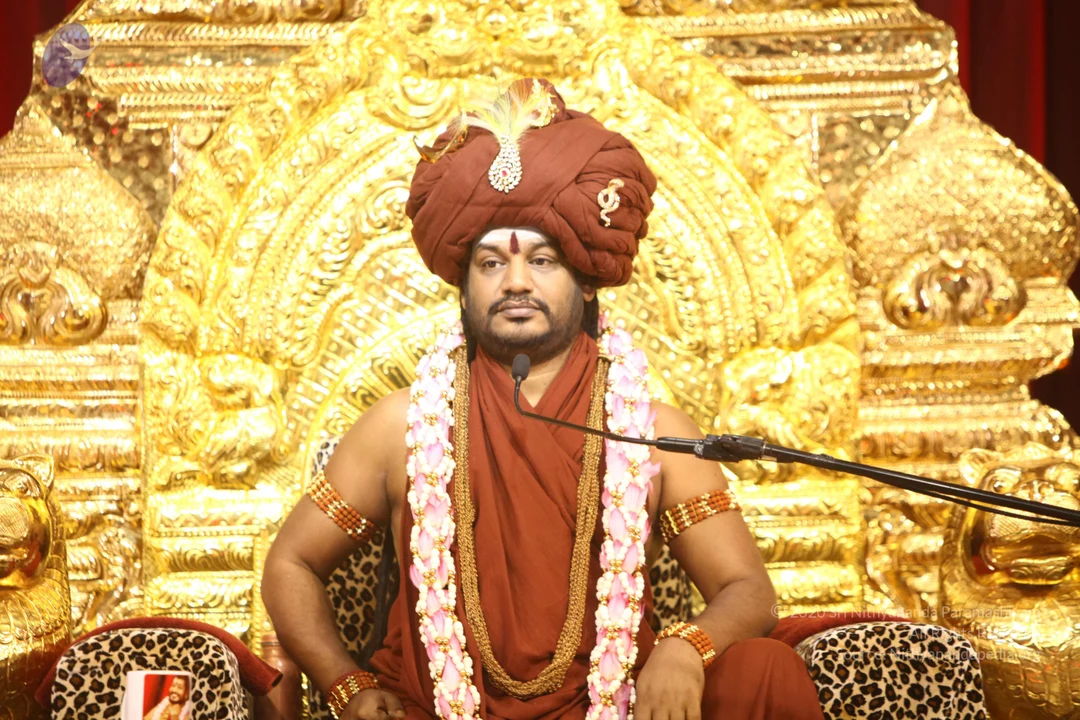
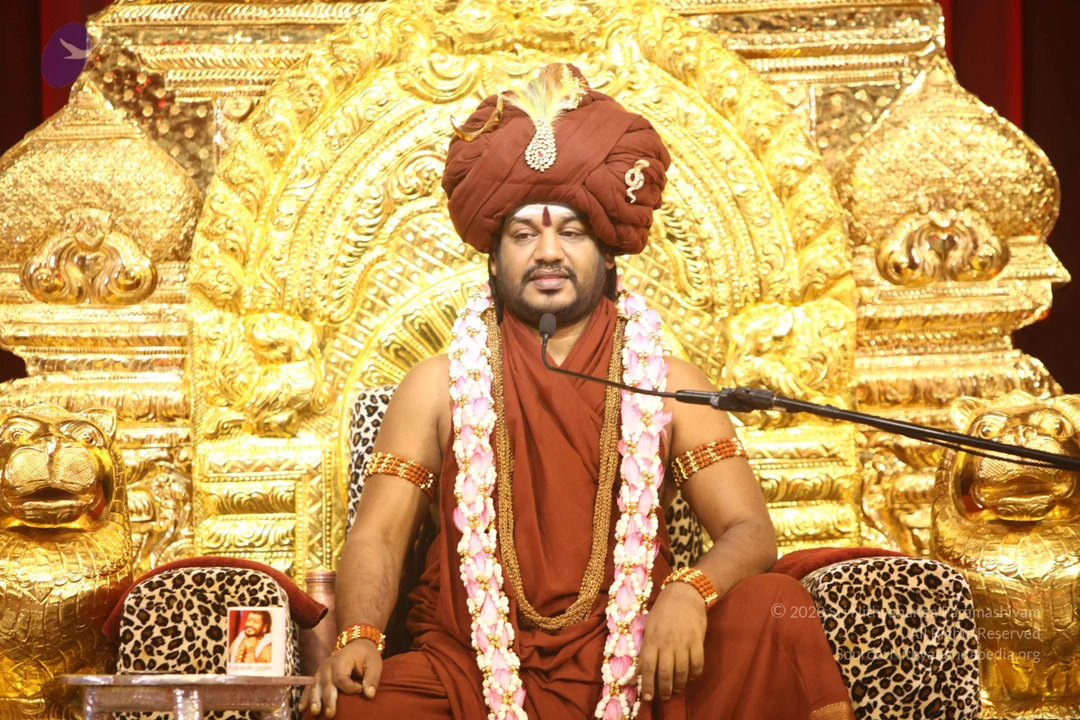
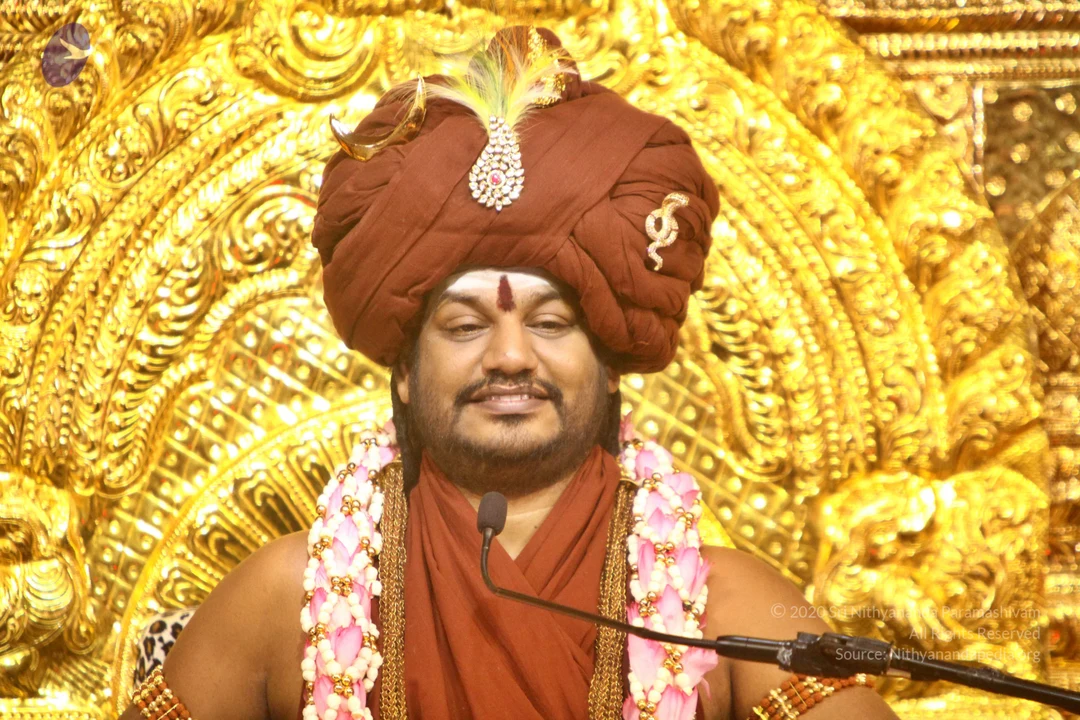
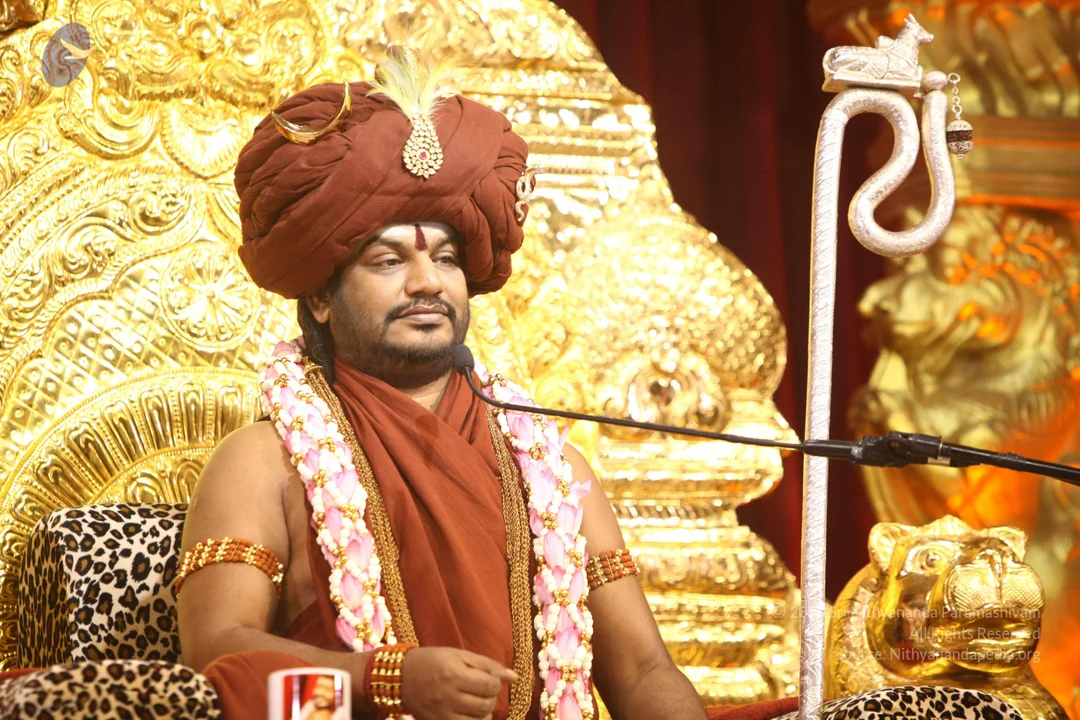
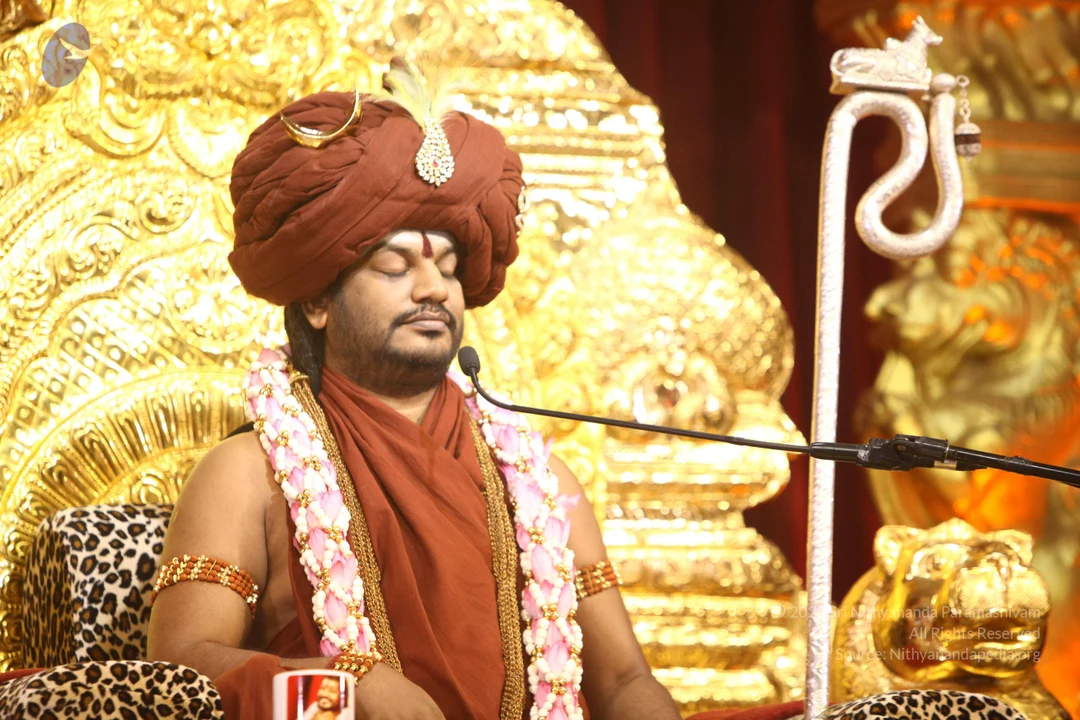
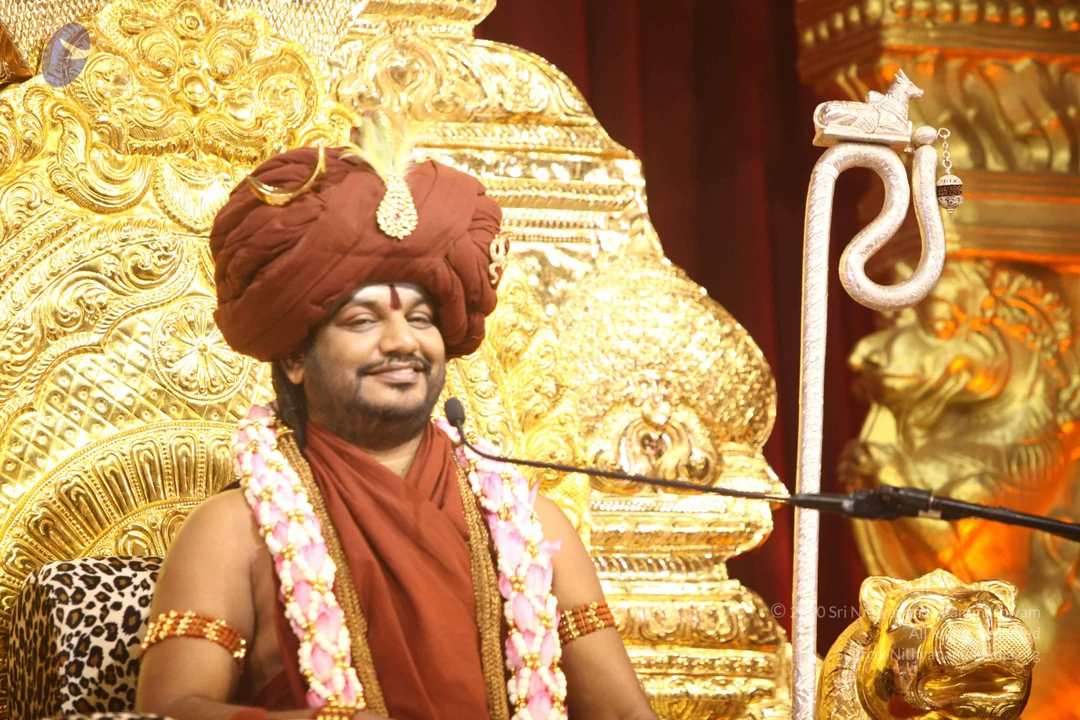
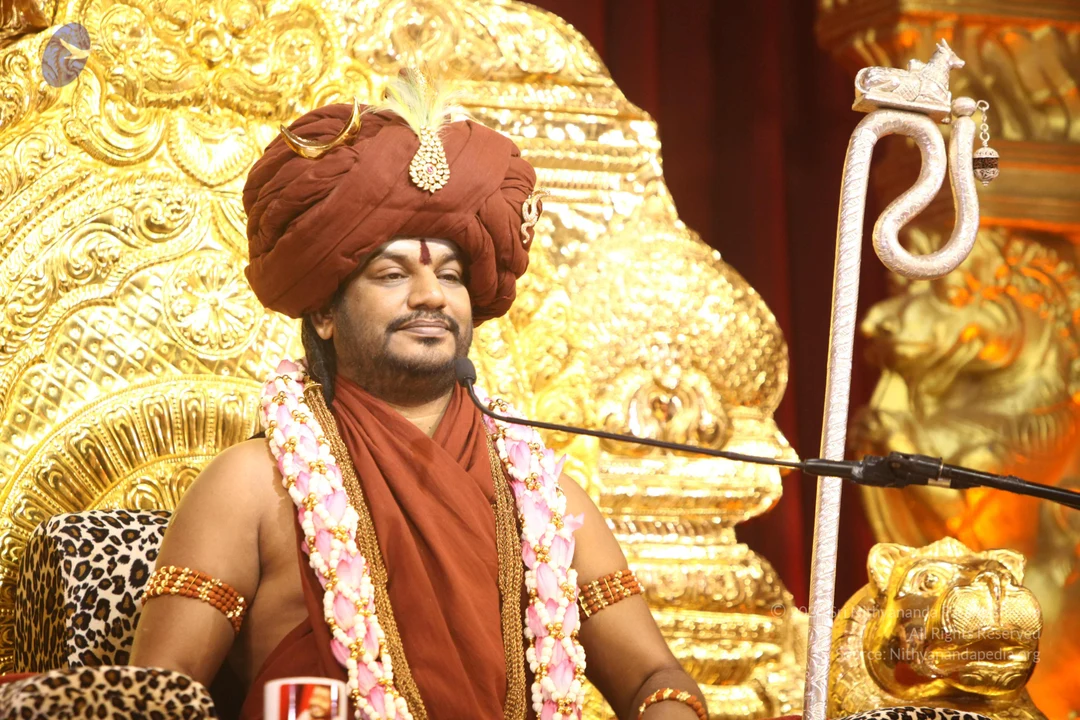
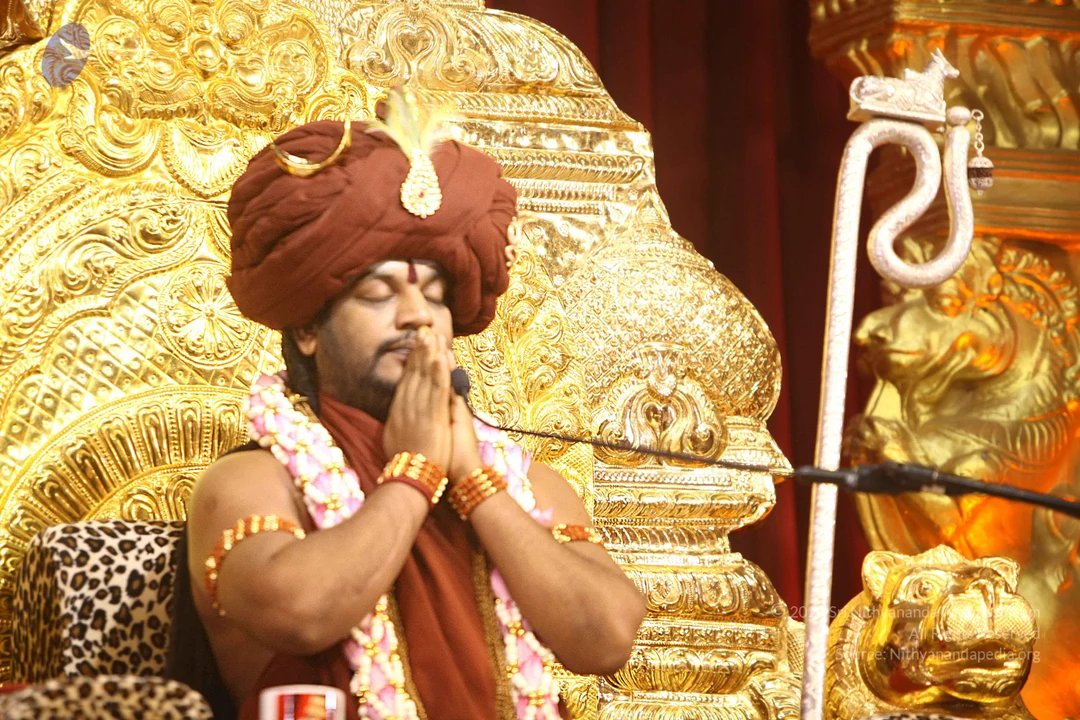
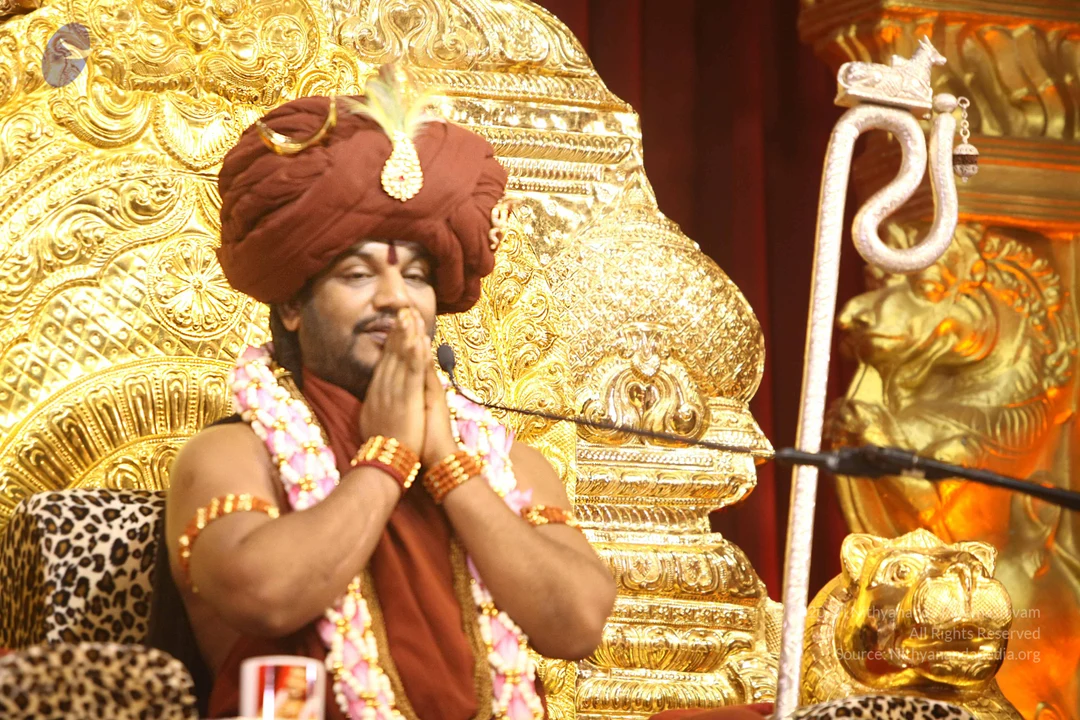
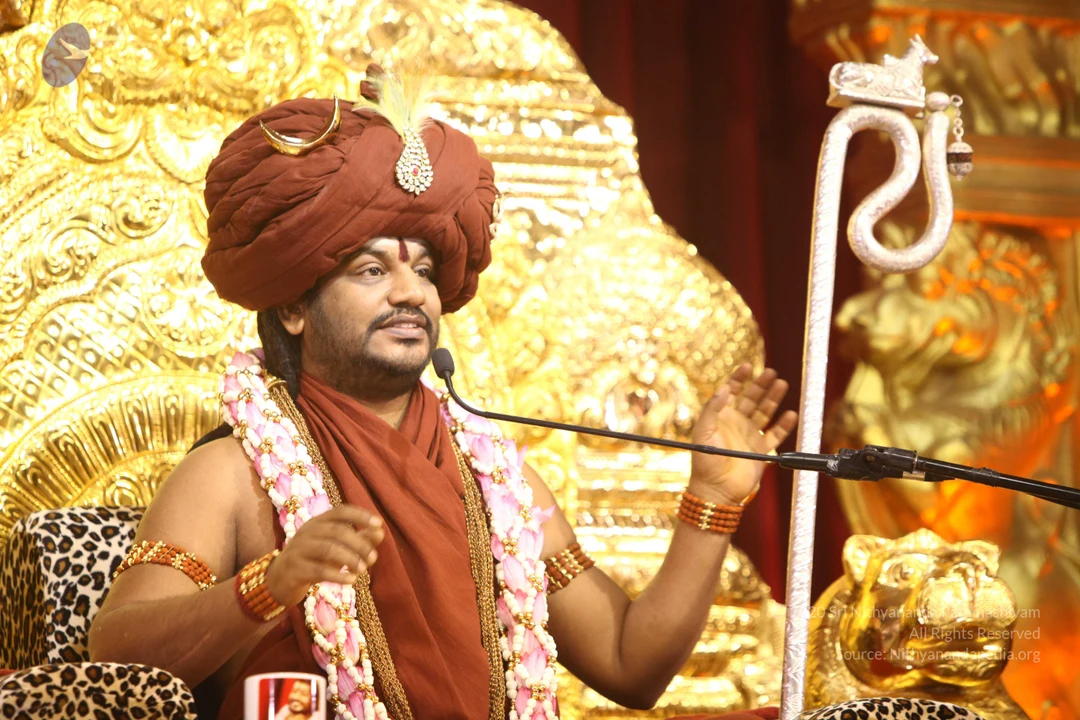
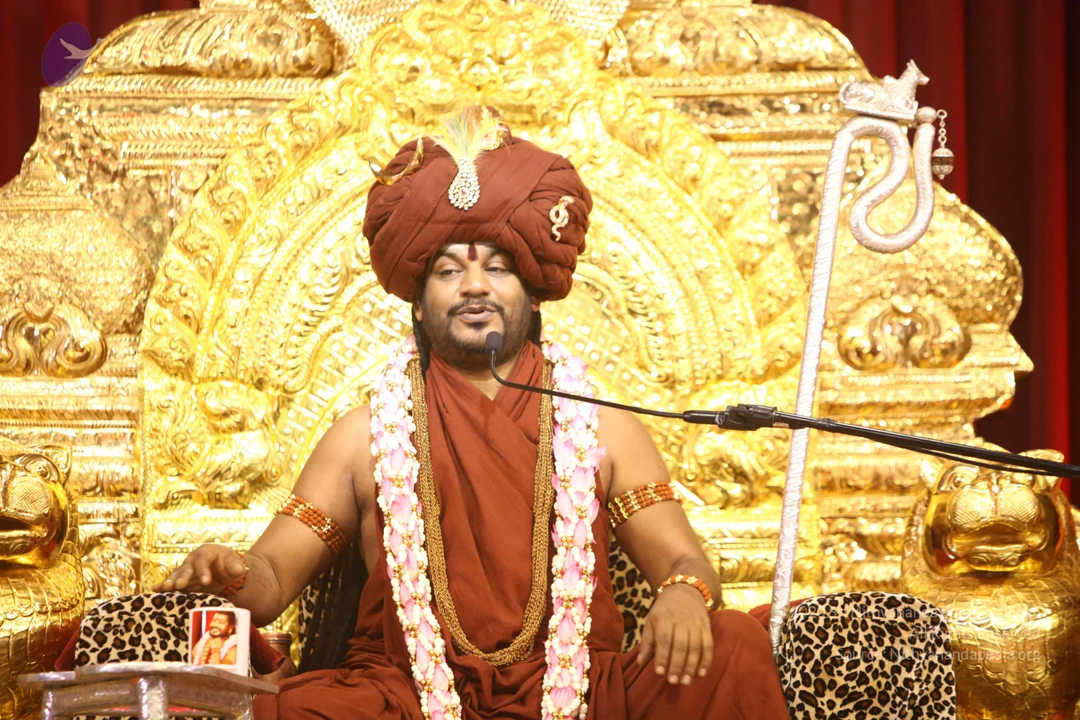
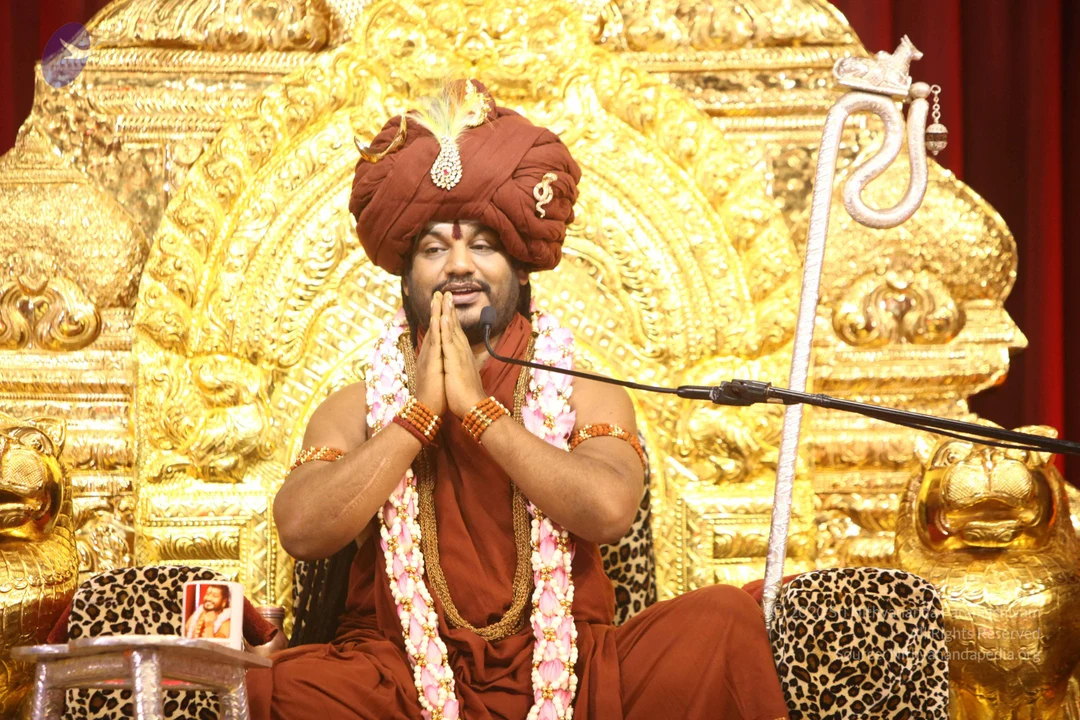
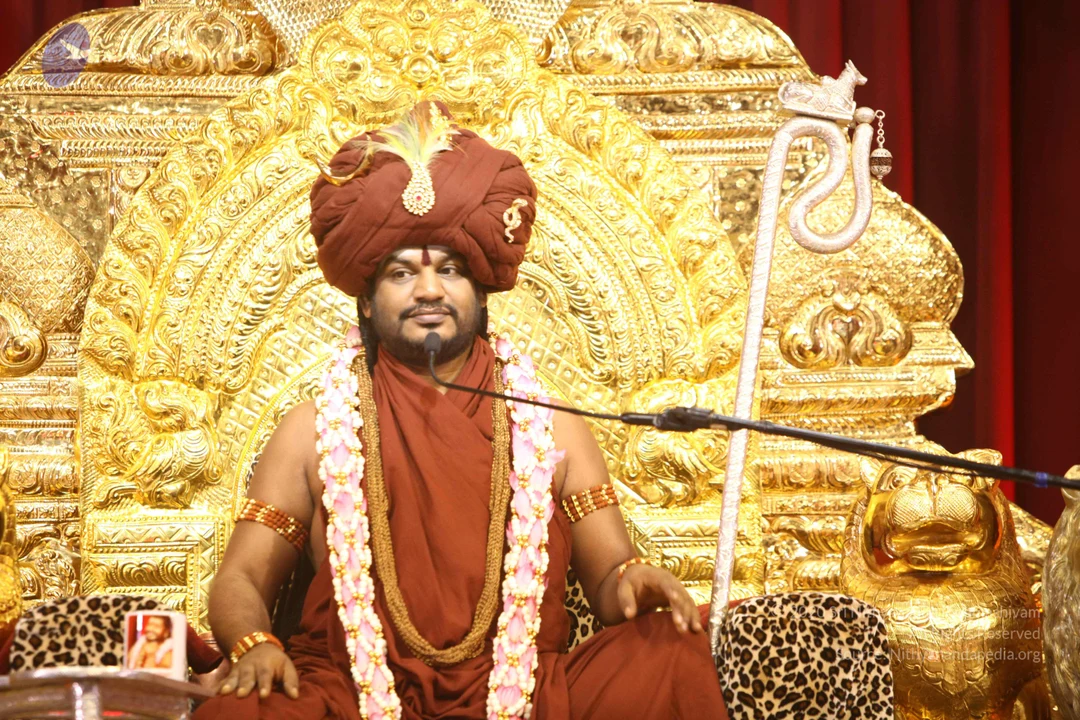
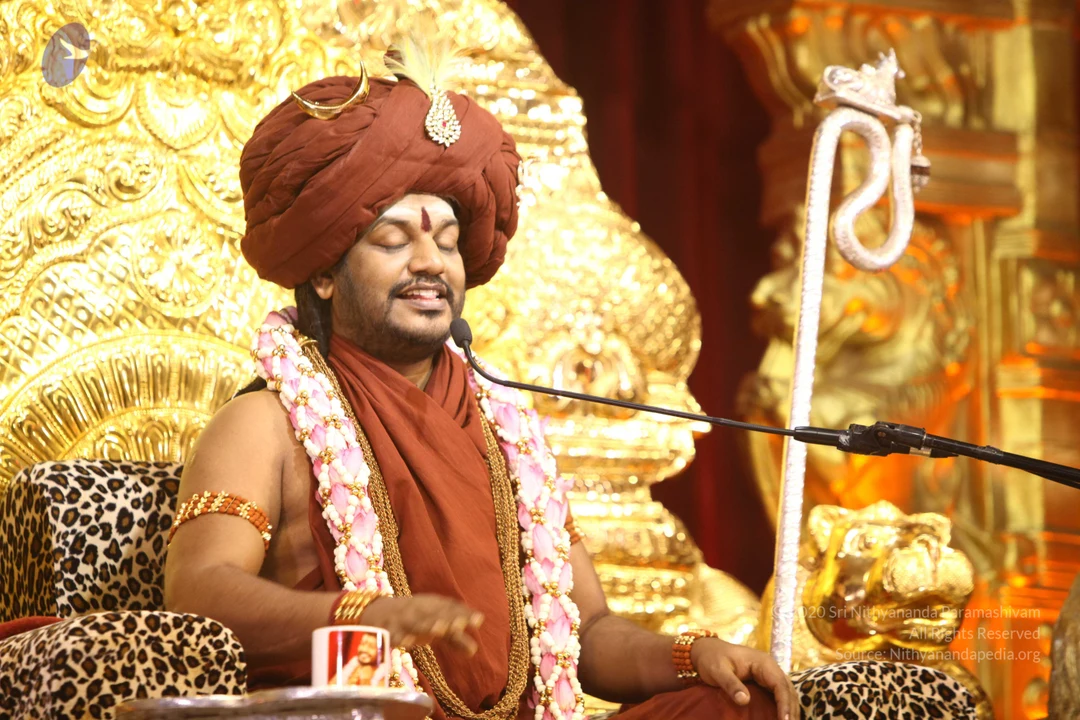
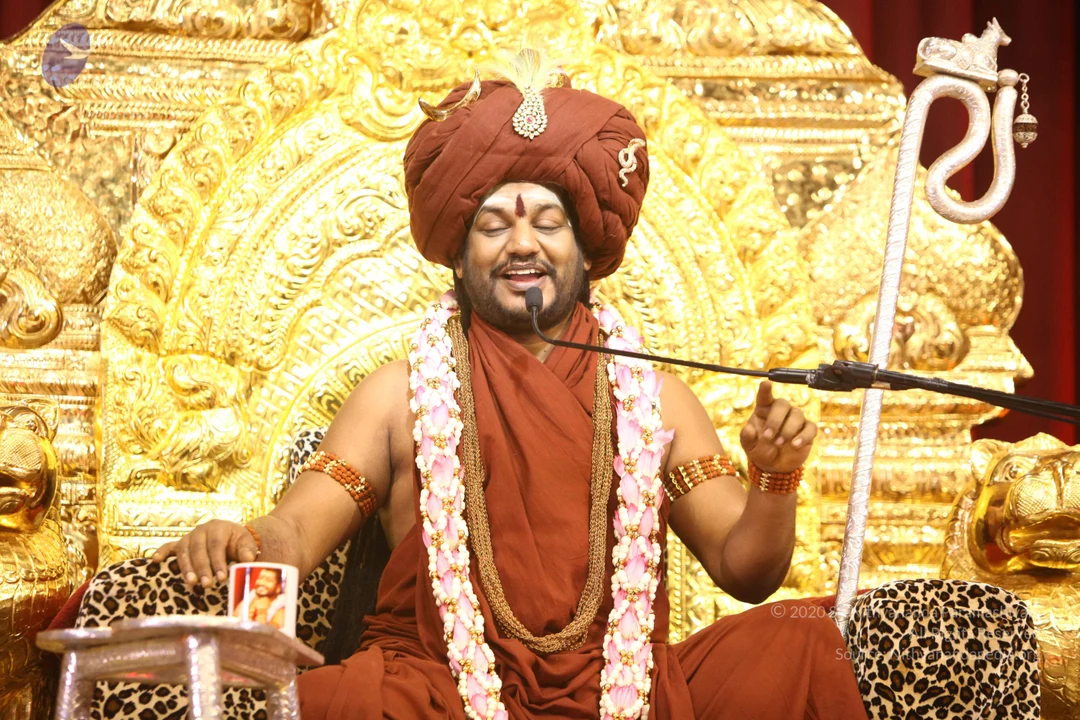
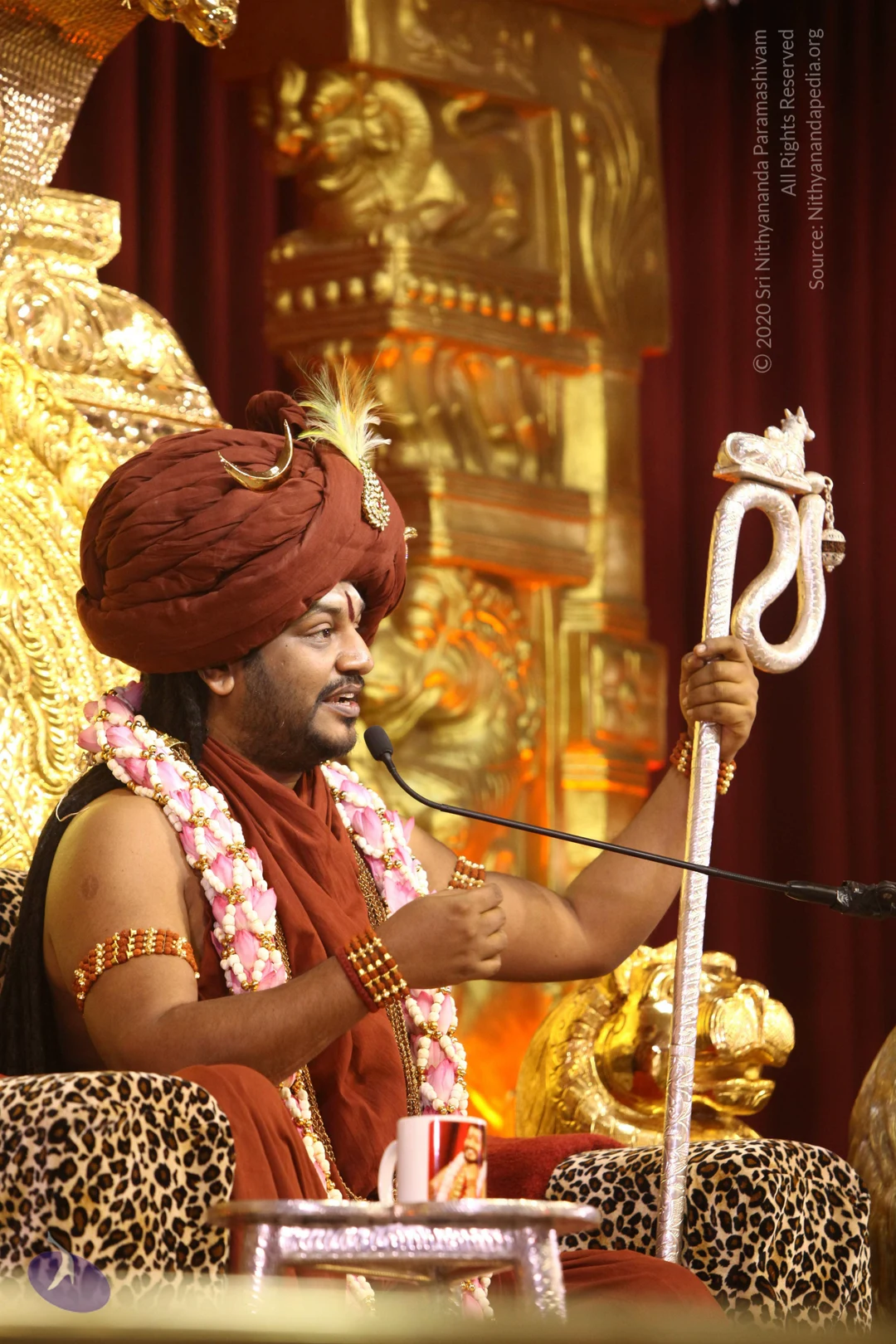
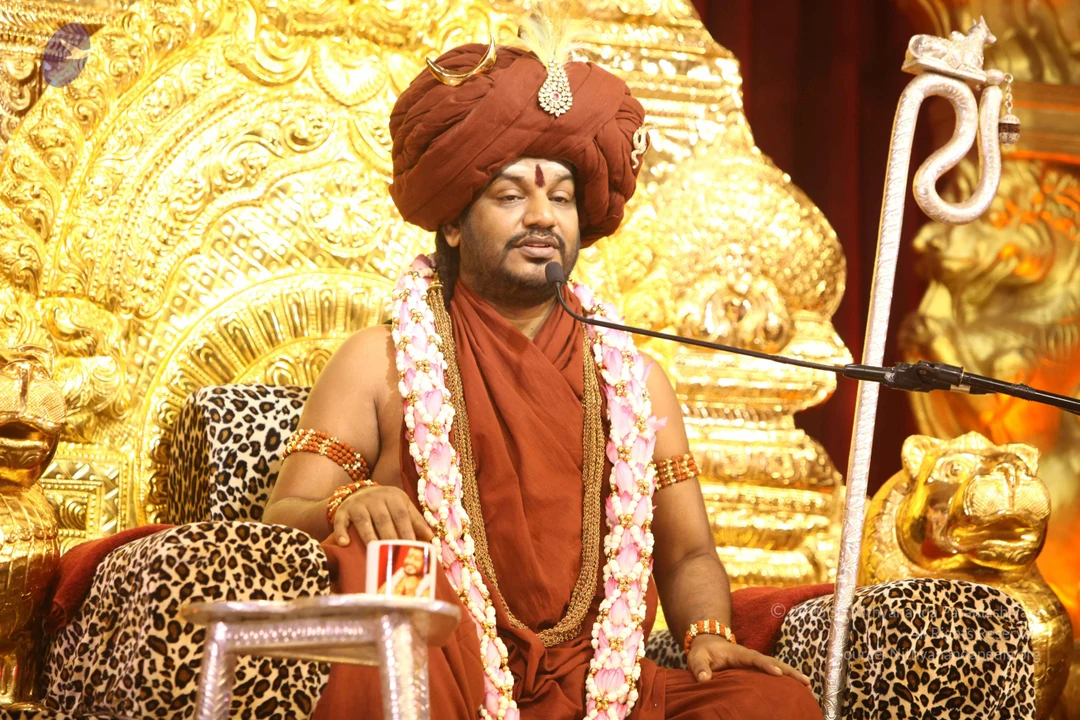
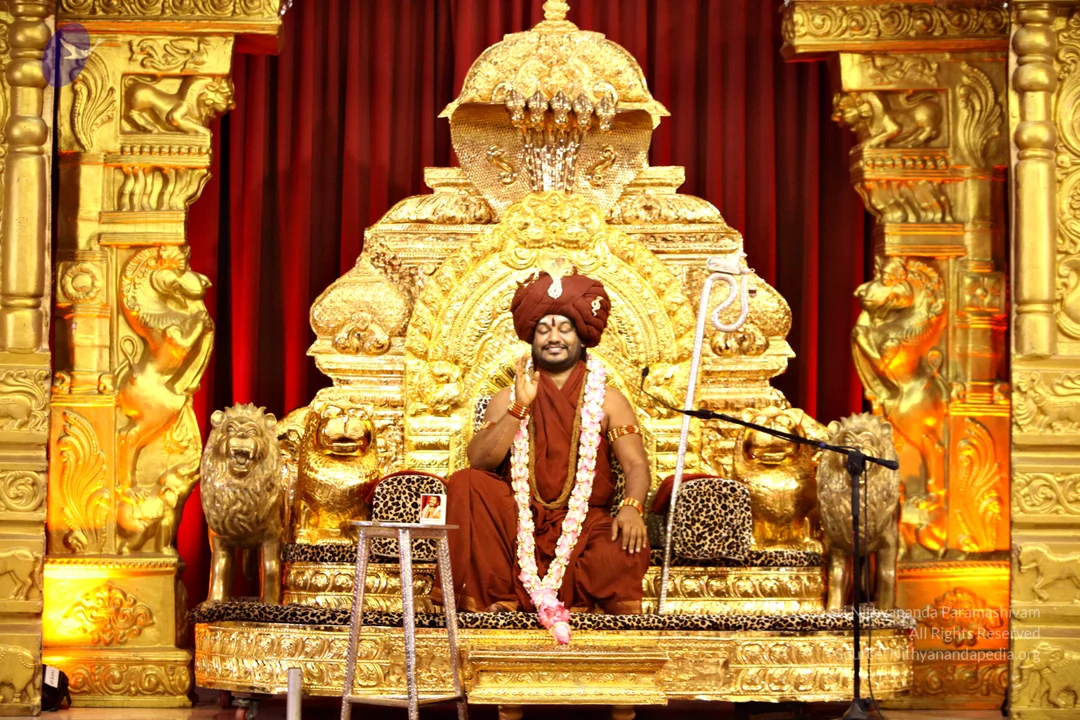
Photos from this day
View all 402 photosPhoto
154 photosSource gallery
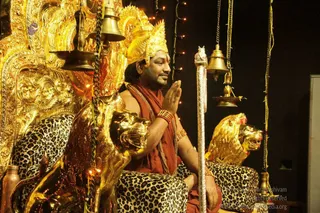
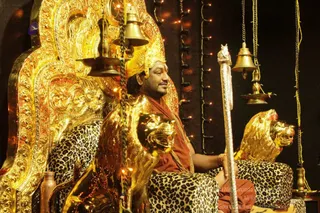
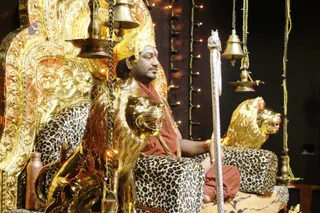
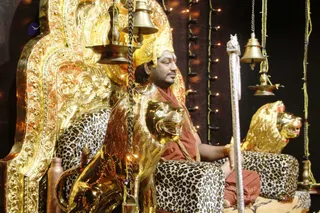
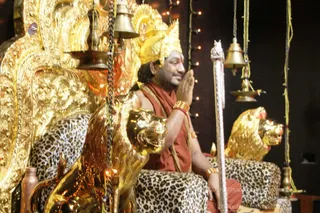
FB-photo-of-the-day
4 photosSource gallery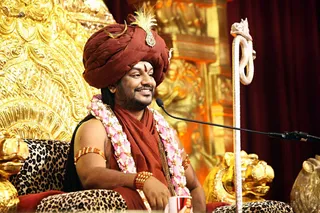
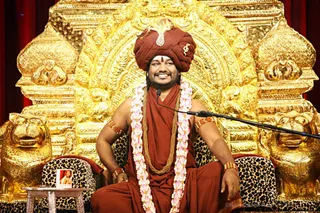
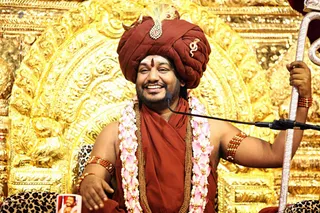
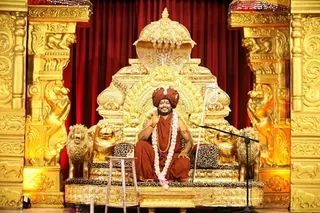
Pada-Puja
9 photosSource gallery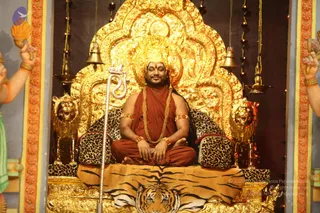
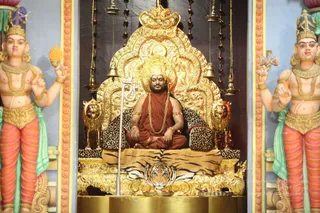
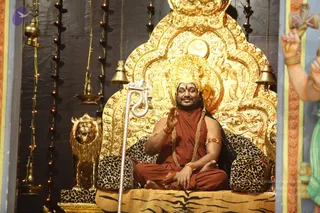

Satsang
133 photosSource gallery
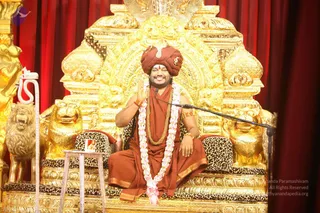
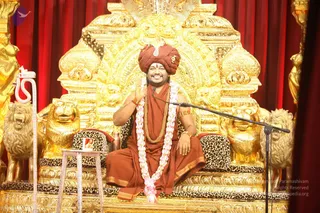
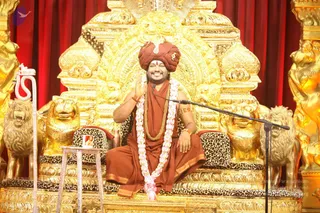
Darshan
9 photosSource gallery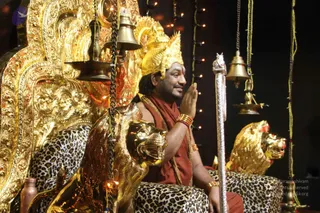
Pada-Puja
14 photosSource gallery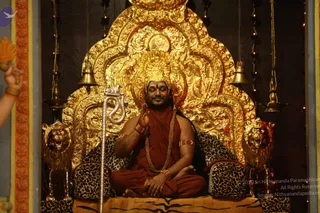
Satsang
17 photosSource gallery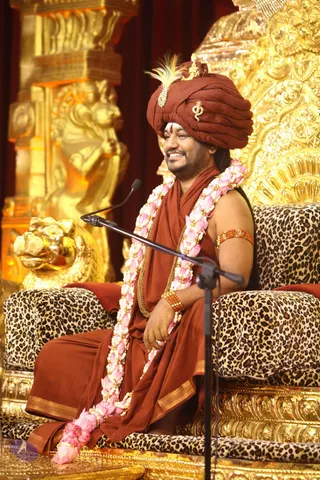
Darshan
14 photosSource gallery
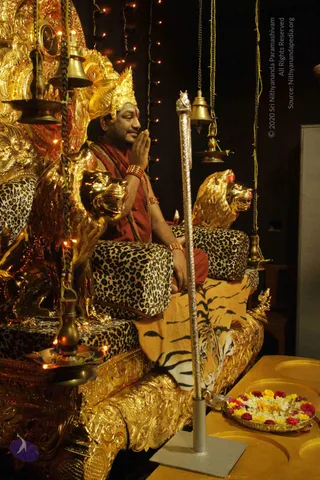
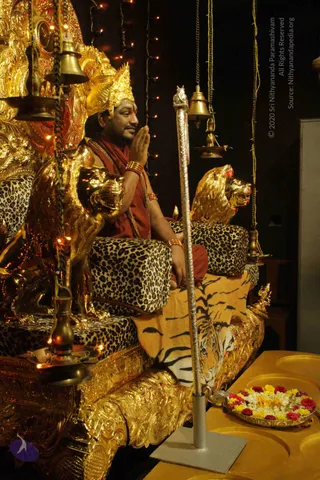
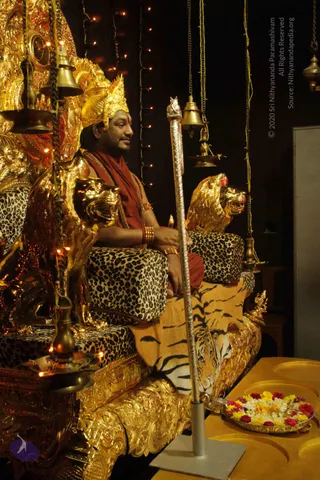
1-Pada-Puja
1 photoSource gallery
2-Satsang
7 photosSource gallery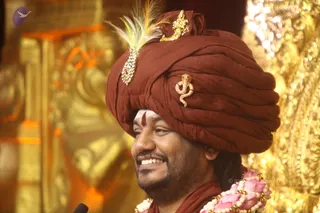
1-Pada-Puja
12 photosSource gallery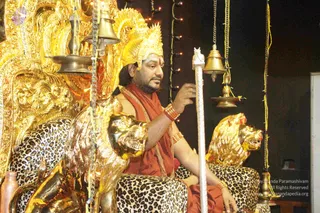
2-Darshan
2 photosSource gallery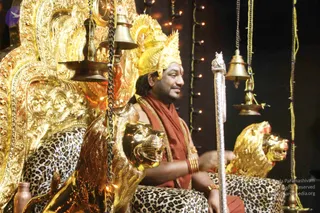
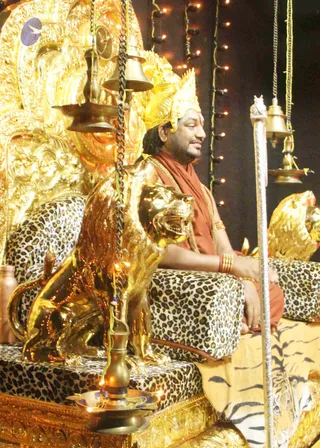
3-Satsang
26 photosSource gallery