Thursday
8 September 2016
Third Eye Science Neither Mysticism Nor Occultism
- Dated photos
- 301
- Source pages
- 1
- Media
- 2

September 08 2016
Original wiki pageTitle
Third Eye Science Neither Mysticism Nor Occultism
Description:
Paramahamsa Nithyananda continues expressing the Sacred Secret Science of Third Eye. He spells out the differences between mysticism and occultism explaining how neither one of these words can encompass the sacred science of manifesting our original state of Sadashiva. Only realising our oneness with Sadashiva can easily make us manifest the Shaktis or powers as revealed by Sadashiva Himself in the Agamas.
Link to Video:
| Video | Audio |
Transcript:
Nithyānandeśvara samārambhām Nithyānandeśvari madhyamām |
Asmadāchārya paryantām vande Guru paramparām ||
I welcome all of you with My love and respects.
I welcome all the Devotees, Disciples, Samajis, Satsanghis, Sri Mahants, Mahants, Kotharis, Thanedars, Visitors, Viewers, sitting with us, all over the world through Nithyananda TV, two way video conferencing, Facebook Live, YouTube Live.
I welcome all of you, with My love and respects.
(1:41)
I’ll continue to expand on the Sacred Secrets Science of Third Eye and clear lot of stupidities, wrong understandings, ignorance. And please understand, ignorance is at least tolerable, ignorance coupled with arrogance, abusive nature is not tolerable. Lot of ignorance, coupled with arrogance about this Sacred Secrets Science of Third Eye is going all over the Internet, Facebook, YouTube..dudu… dudu… Social Media and what not. First of all, I wanted to clear some of the wrong ideas.
(3:16)
Somebody asked Me, “the Sacred Secrets Science of Third eye which you are revealing to the world, experientially, is it mysticism or occultism?”
Please understand the question. The question is somebody is asking Me, “The Sacred Secrets Science which you are revealing about the third eye, experientially to all of us, is it mysticism or occultism?”
First of all, I wanted to give the definition of mysticism, occultism.
Wikipedia says, “Mysticism means….mysticism is popularly known as becoming one with God or the Absolute, but may refer to any kind of ecstasy or altered state of Consciousness, which is given a religious or spiritual meaning. It may also refer to the attainment of insight in ultimate or hidden truths and to human transformations, supported by various practices and experiences.” This is what Wikipedia says about mysticism. The Oxford Dictionary meaning of the word ‘mysticism’ is: believe that union with or absorption into the Deity or the Absolute or the spiritual apprehension of knowledge, inaccessible to the intellect, may be attained through contemplation and self-surrender.” And about occult, Oxford Dictionary’s definition of occult: mystical, supernatural or magical powers, practices or phenomena, a secret society to study alchemy and the occult, involving or relating to mystical, supernatural or magical powers, practices or phenomena. And Webster’s definition of occult is: matters regarded as involving the actions or influence of supernatural or supernormal powers or some secret knowledge of them.
(5:26)
Now listen. I am making it very clear.
The Sacred Secrets Science I am revealing about the Third Eye, experientially, to the whole Universe is neither mysticism nor occultism.
First of all, I wanted to make it very clear, mysticism and occultism, even those very words and the scope of those words, definition of those words are handicapped, mentally retarded version of the word – Shakti and Siddhi.
Listen, what I am revealing as the Sacred Secrets Science of Third Eye is neither mysticism nor occultism. It does not come under any of these definitions. It is a very clear Sacred Secrets Science of Shaktis described directly by Sadāshiva, the Ādiguru, the ultimate source in Agamas very elaborately, eloquently, without any ambiguity, without any doubt, step by step science, applied science, technology, the whole thing is clearly presented in Agamas.
All I request everyone out there, please for the sake of Sadāshiva read Agamas. Understand, I wanted to be very clear. The word ‘God’ itself does not translate Sadāshiva. Please listen, what Vedas describe as Brahman, Agamas describe as Sadāshiva is not what English word ‘god’ means. God means generator, operator, destroyer. Three! Very clearly Agamas says, “Sadāshiva does pancha-kritya [five divine actions]’, not three!”
(8:34)
Pancha-kritya means creation, protection, destruction, delusion, liberation – shristi, sthiti, vināsha, trodana [tirobhāva], anugraha. Even, the word ‘shristi’ is not equivalent to creation. Even the word ‘sthiti’ is not equivalent to ‘operation’. Even the word, ‘vināsha’ is not equivalent to destruction. Even that is a mentally retarded, handicapped version. The word ‘god’ is not equivalent to Sadāshiva. The very scope, West does not understand something called delusion and liberation. It understands only creation, operation and destruction. What they understand from their scope, they created their god. Understand, what they could grasp based on that, they created their concept of god. What we experienced from that we expressed Brahman and Sadāshiva. So, the Brahman in Vedas, Sadāshiva in Agamas is not described, presented properly by the word ‘god’. I am first, making this statement clear. So, the moment, I’ve discarded even the word ‘god’, where is the question of getting absorbed into that god? Understand, supernatural, paranormal, magical all these words no way relates with what Agama describes, Upanishad describes as Shaktis.
(11:23)
Nothing is supernatural for us. Nature itself is super or super is nature. Please understand, in Agama, there is nothing called natural and supernatural. For example, an ordinary kid, may not know how to do surgery. But when he grows and gets into medical school and learns, he performs surgery. That does not mean you call that ordinary kid as natural and the doctor kid as a supernatural. No! When there is a clear science, there is nothing called natural, supernatural.
Understand, Sadāshiva is very clear – He programmed all of us with His own inner space. In this human frame you can manifest easily, simply by realizing your Oneness with Sadāshiva. Around 460 Shaktis, listen, these Shaktis are neither supernatural nor magical or paranormal or alchemy based or occult or mystical. These are very clearly, the Sacred Science of manifesting your original state of Sadāshivatva. Somebody says it is difficult, somebody says it is easy, I say it is neither difficult nor easy, it is simple Reality. For Reality, you can’t even use the word, ‘easy’. Understand, if this coffee is there in the kitchen, getting it and putting it in the mouth is difficult. If it is there just next to me, in the table, getting it and putting it in the mouth is easy, but the coffee is already sitting in the mouth. Is it difficult or easy? It is simple reality. The coffee which is already in the mouth, for that you can’t even use the word, ‘difficult’ or ‘easy’. It’s reality.
(14:23)
So understand, the science I am revealing is neither mystical nor occult, it is Sacred Secrets Science of Shaktis. For the Sadāshiva’s sake, please read Agama, before teaching to the world. Lot of people go on abusing the Hindu tradition, by trying to equate Siddhi to occult, Shakti to mysticism. Please listen, first of all ‘god’ itself cannot be equated to Sadāshiva. How can you equate any of these other words – ‘mysticism, occultism, all that to the great Vedic Agamic tradition? First thing, people who don’t understand something called delusion and liberation, they can only see the superficial creation, operation, and destruction. Please understand, creation, operation, destruction is the superficial dimensions of the Universe. You don’t even know the deeper dimensions of the Universe. Because you only know this three, superficial, you call somebody who does this three as God and then you go on building your whole theory on, “getting absorbed into the God”. It’s mysticism? For the sake of Sadāshiva, I declare I don’t want to get absorbed into God. I don’t want to do anything with God. I want everything to do with only Sadāshiva.
And I am categorically declaring – God is not equivalent word for Sadāshiva.
Now the next, somebody…….was asking me, “Swamiji, Swamiji, in those days, we did not have a cell phone, IPad, internet, so we needed to develop, all the extraordinary powers, Shakti, so that through the Third Eye we can send message, receive information. Nowadays, we have all these equipments, what is the use of Third Eye, extraordinary powers and everything? We can talk through cell phones itself, show through video itself.”
(17:50)
Fool, Fool, Fools! Stupid, Stupid, Stupid! What a third rate logic? Listen, all the equipments you already developed, technology you already developed and going to develop will always be able to communicate, transmit only the informations of this waking state, which is already deluded and less informed. But the powers of Third Eye, when you see through Third Eye, you transmit, send, receive, exact Reality. Okay Facebook is there, how many fellows chatting and building a relationship, only when they see each other, one is seventy two and one is thirty two? Profile picture is not real picture. Cell phone, Facebook, any technology developed, can only the trans……..can only transmit, relate, the informations, of this waking state. Waking state itself, is less informed and misinformed. Third eye may do the job of cell phone and video call, but it is not limited to that purpose. This shows very clearly, the fellows who are creating this kind of a stupid logic, stupidos….stupid logic. No, it was a…. one of the very serious discussion. “If I am there, you are here in those days, you coming here, me going there will be very difficult, so you may need to develop the power to communicate remotely, now a days the cell phones has come, we don’t need all this, we don’t need to develop all this, it will be all redundant, irrelevant.”
(21:03)
Understand, all the technology you developed can be used only the facts and half facts. In various level like a…..you yourself don’t communicate completely or you yourself don’t know completely. All these misinformed, less informed level only, the transactions can happen with all the modern technology and gadgets. Third eye is not all about what is generated, operated, destroyed. It is all about, what is delusion and liberation. Understand, all the gadgets, operate in the realm of God, generated, operated, destroyed. Third eye, operates in the realm of Sadāshiva, what is deluded and liberated. Understand, God is not equivalent to Sadāshiva. Occultism is not equivalent to Siddhi. Mysticism is not equivalent to Shakti. Sad Gurus are not equivalent to Nithyananda. Let us stop this civilizational clash. Let us stop this civilizational clash. I wanted to tell all My Disciples and followers – do not worry, you are properly guided, directly by the original scriptures. Understand, there will always be confusions and fights, ‘what they say is right or what I say is right’, then what is the scale to measure? Naturally the earliest revelations. Vedas and Agamas, the most authentic, most sacred, most powerful, most complete, compilations and revelations, compilations of revelations. Let’s go there! Why waste our time here. God is not equivalent to Sadāshiva, because the very, even conceptual level, explanation, Vedas and Agamas provide is ‘Sadāshiva does pancha-kritya - creation…Shrishti, Sthiti, Vināsha, Trobhava, Anugraha, all these five also, only through the Vyatka [manifest] component of him not the avyakta [unmanifest] component of Him. There is a manifest component of him, that does all this five. There is a unmanifest component of him, which is not described.
(25:28)
So, God is not equivalent word for Sadāshiva. For Sadāshiva’s sake, I request all the great Hindu leaders not to use the word ‘god’ to equate Brahman or Sadāshiva. In Upanishad, what is described as Brahman, in the Agamas what is described as Sadāshiva, please do not translate as ‘god’. It is not even a rough equivalent word. For the sake of Sadāshiva, read little Sanskrit, read little Agama, before commenting on the great Vedic Agamic traditions. I wanted to assure, reassure all My disciples, followers, be very clear, whatever you are practicing, you are being taught is verified, re-verified, by Āpta Pramāṇa, the ancient great authentic, time tested, full proof, compilations of revelations of the great Gurus from AdiGuru Sadāshiva and all his direct disciples and followers and descendants, like Saptarishis, like all these great beings, compilations of their revelations, that is what I call Āpta Pramāṇa, it is directly verified thoroughly by Āpta Pramāṇa. Every line you are taught, every technique you are taught, the original verse is available. In Āpta Pramāṇa, that’s first. Second, Ātma Pramāṇa, I myself experienced it, realized it. Third, whatever I heard from my Gurus, whatever I learnt from them, even those things, I thoroughly did acid wash with Shāstra Pramāṇa again. So, My own Āpta Pramāṇa, My Guru’s words, My own experience, My Ātma Pramāṇa and Shāstra Pramāṇa, the great compilations of sacred revelations, by the great Masters. With all this verifications and quality control pass, only after that, it is presented to all of you, as sākshi pramāṇa. The authentic experiential science. I tell you, this Sacred Secrets Science which I am revealing, so authentically, is making many shiver -rrrrrr…...and do one, two, three in jeans.
(29:45)
All of you listen, do not ever compare the word ‘mysticism’ or ‘occultism’ to the great Vedic Agamic science of Shaktis and Siddhis. The very foundation is different in Vedic Agamic tradition. As I said, the foundation of any religious tradition is god, the very concept of god, the experience of god, depths of understanding of god, and the experience and expression of god, is totally different in Vedic Agamic tradition. So, the Brahman of Vedas should not be translated as absolute. Sadāshiva of Agamas should not be translated as god. More than generating, operating, destroying, the dimension of putting in delusion and liberation need to be understood. That forms the core basis, understanding about Universe, Life. The clash between the people who talk in the language of mysticism, occultism and the people who talk in the language of Shaktis and Siddhis is the civilizational clash. It is not individuals clash. It is not you and me, it is mine and yours. It is not you and me It is ‘mine’ and ‘yours’. It is between My civilization and your adopted civilization. Fortunately, I have roots in My civilization, unfortunately you have only adopted the civilization, for which you are standing. I have a lot more to say about it in further satsangs.
(33:16)
I bless you all, let’s all radiate with Integrity, Authenticity, Responsibility, Enriching, Causing, Living Shuddhadvaita Shaivam, the Eternal Bliss - Nithyananda. Thank you.
Be Blissful
Photos
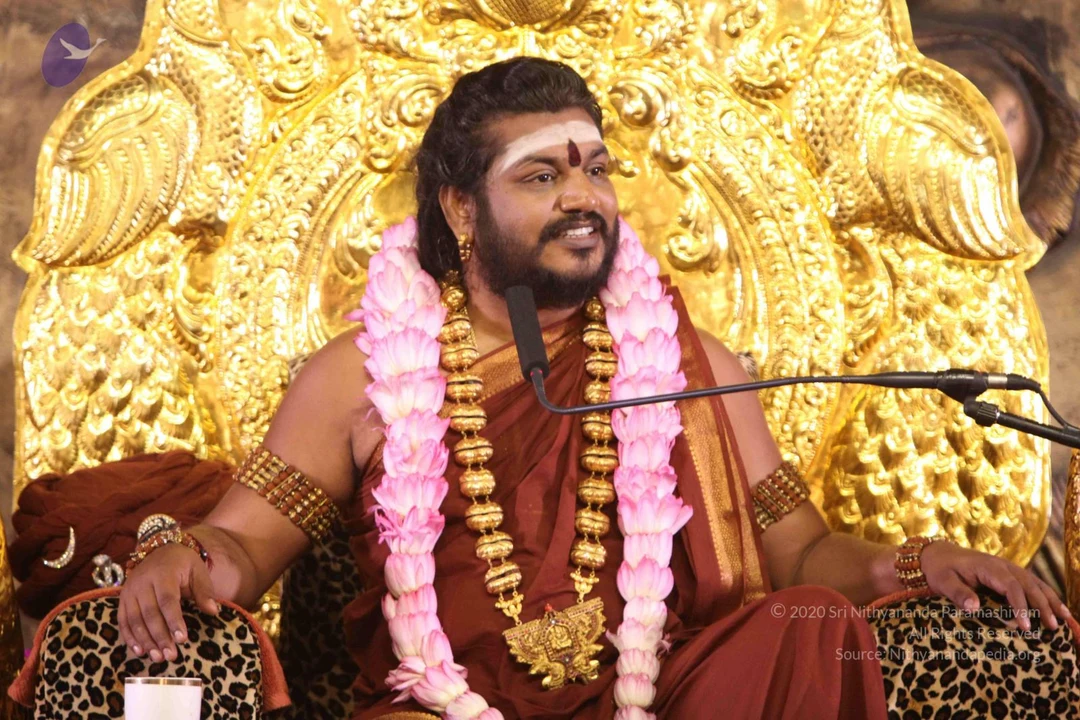
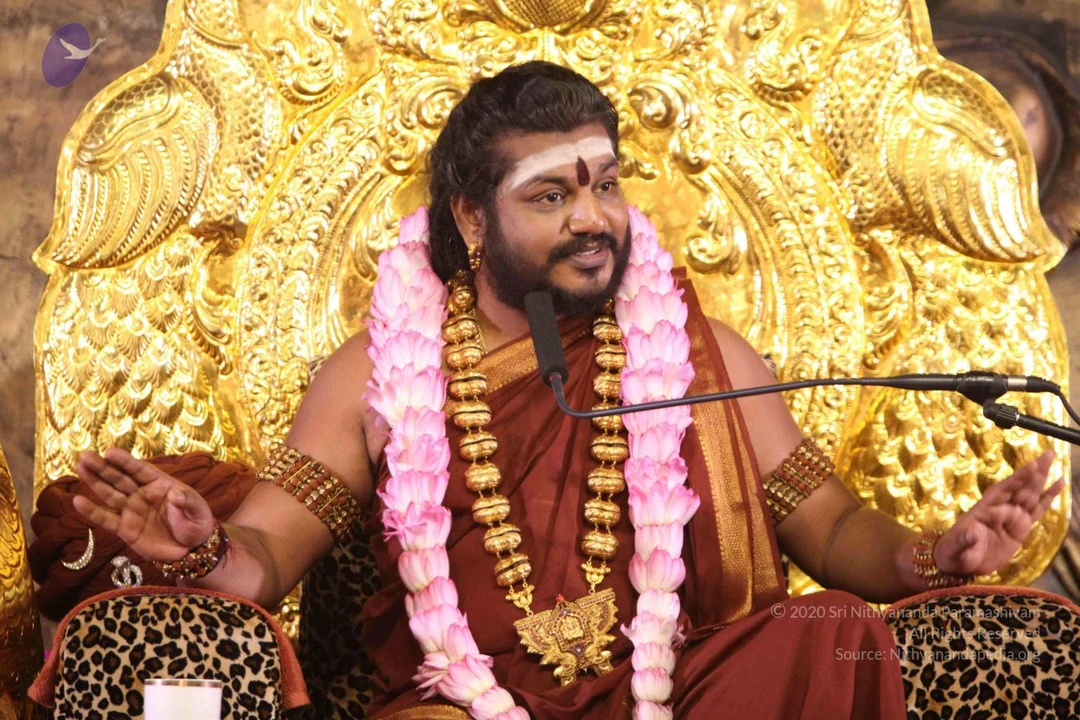
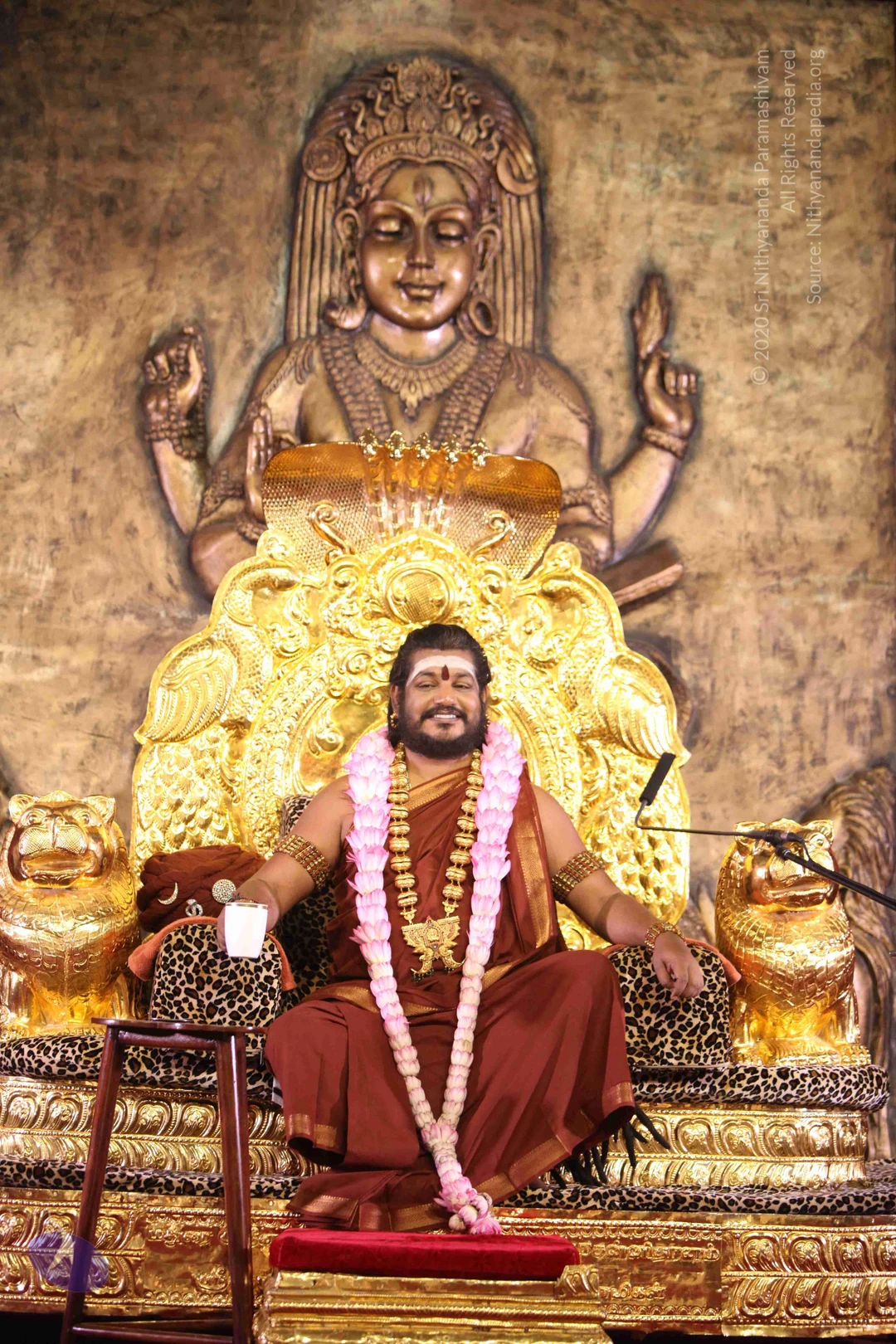
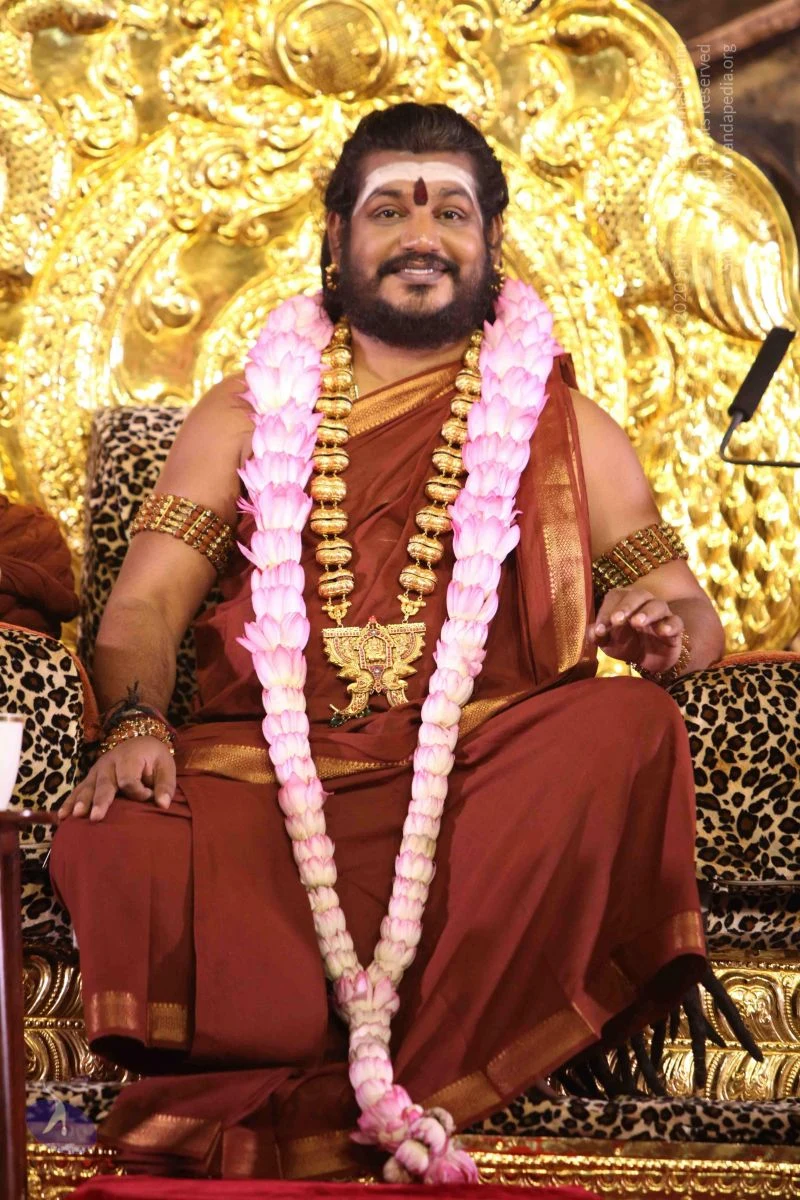
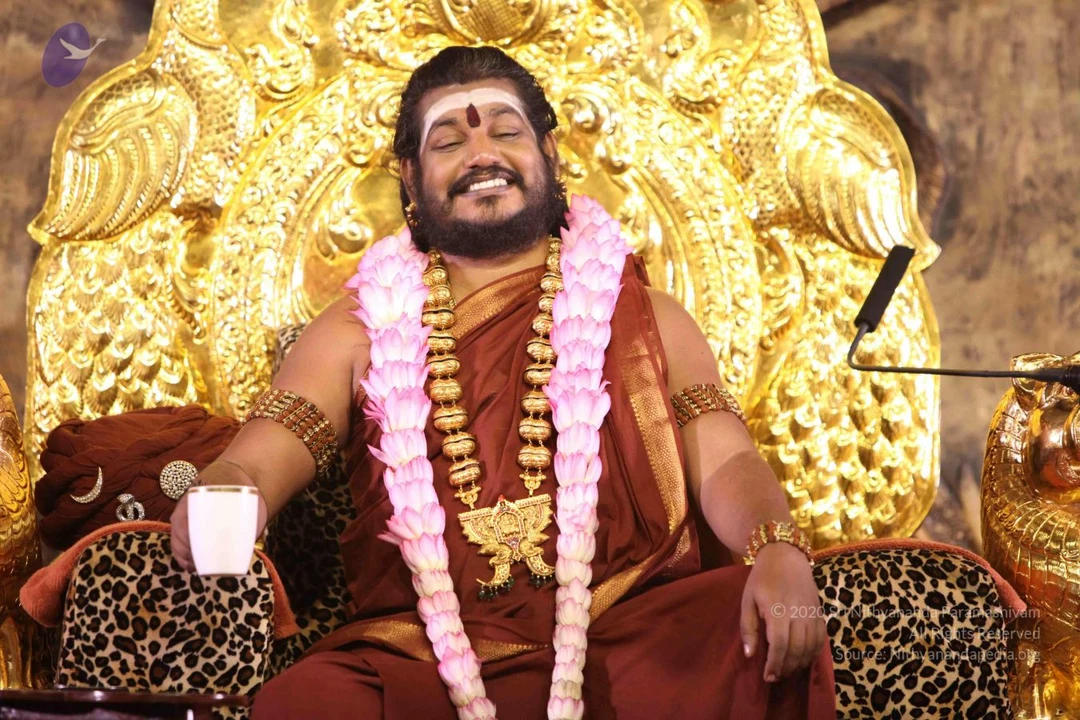
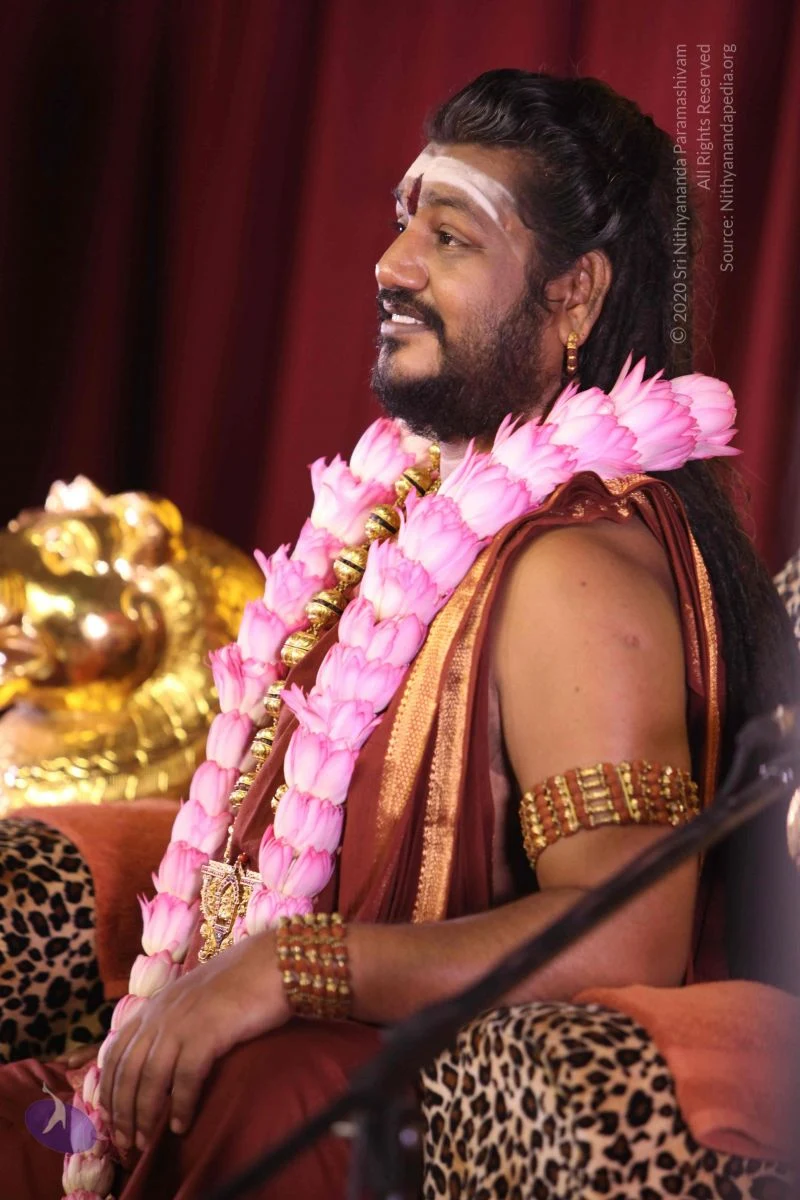
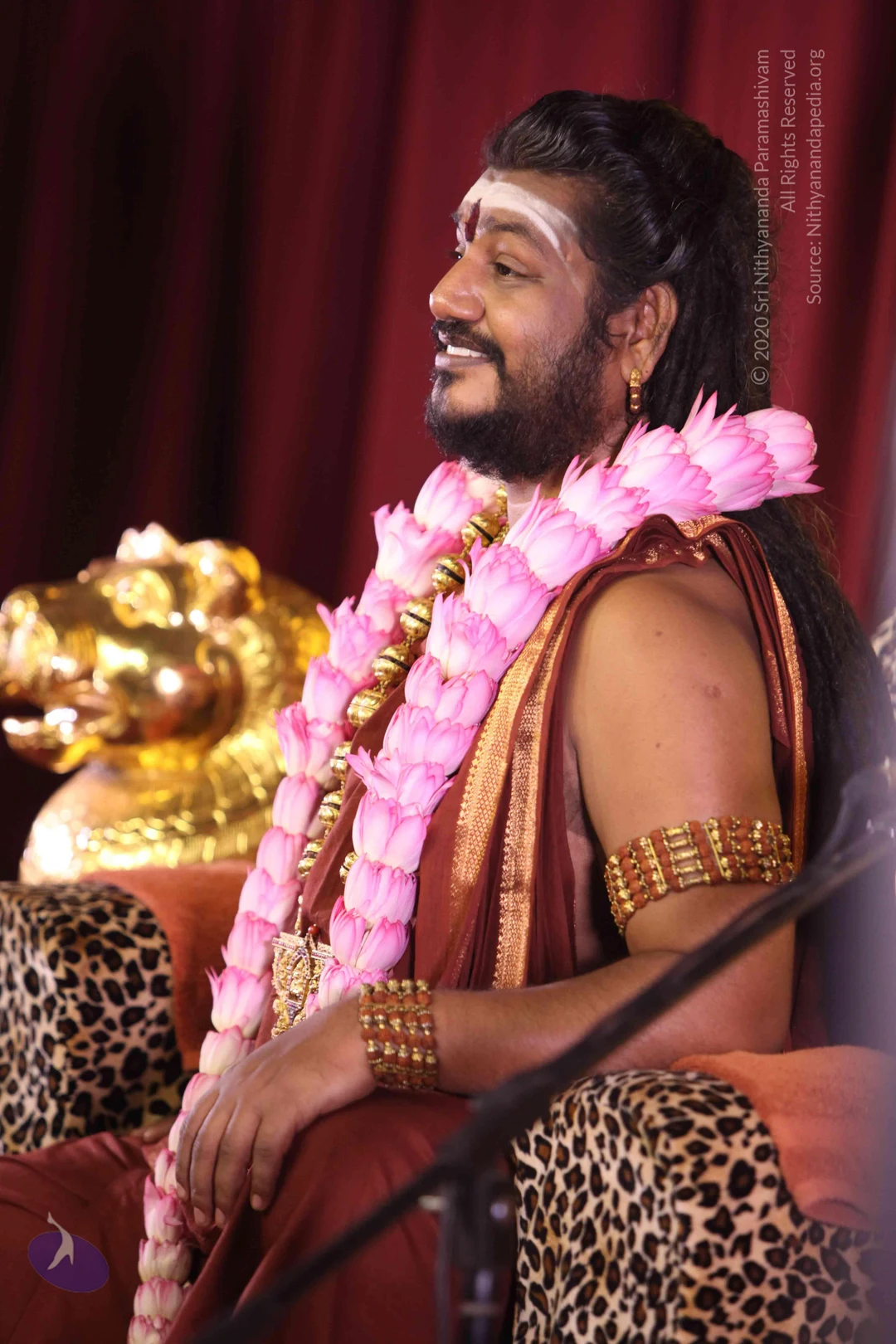
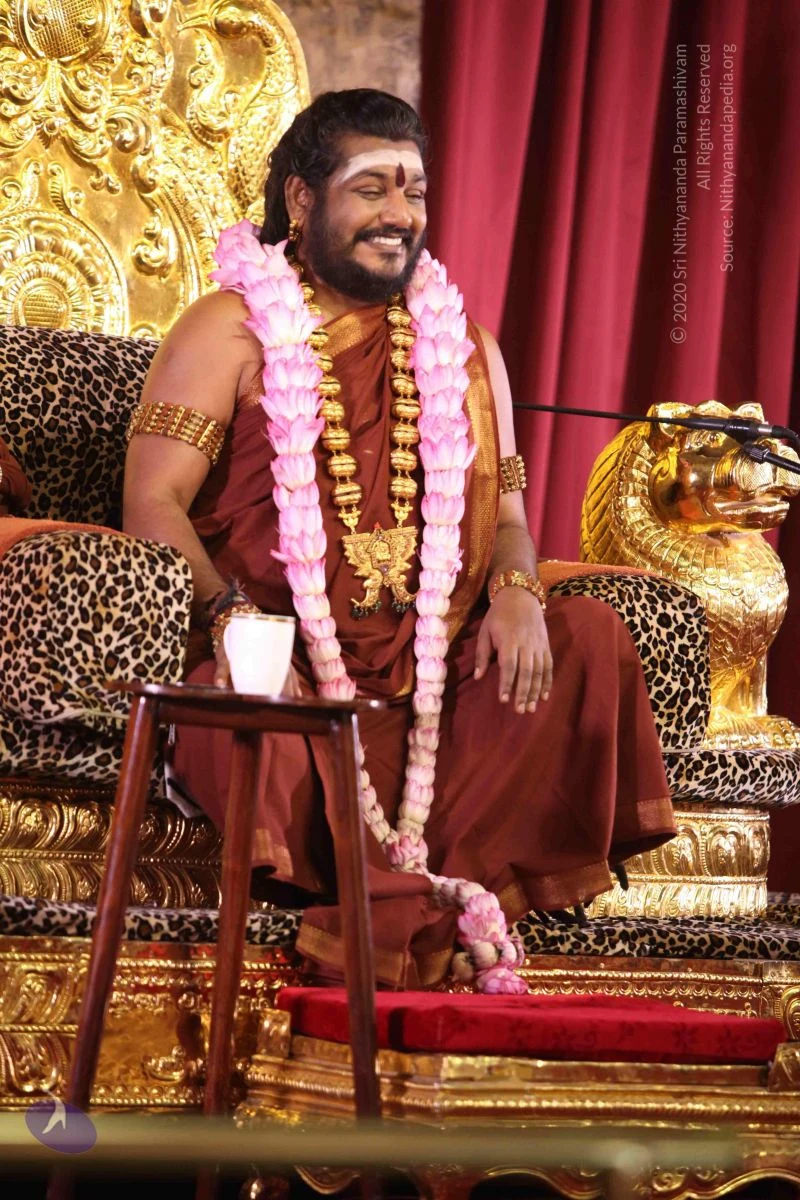
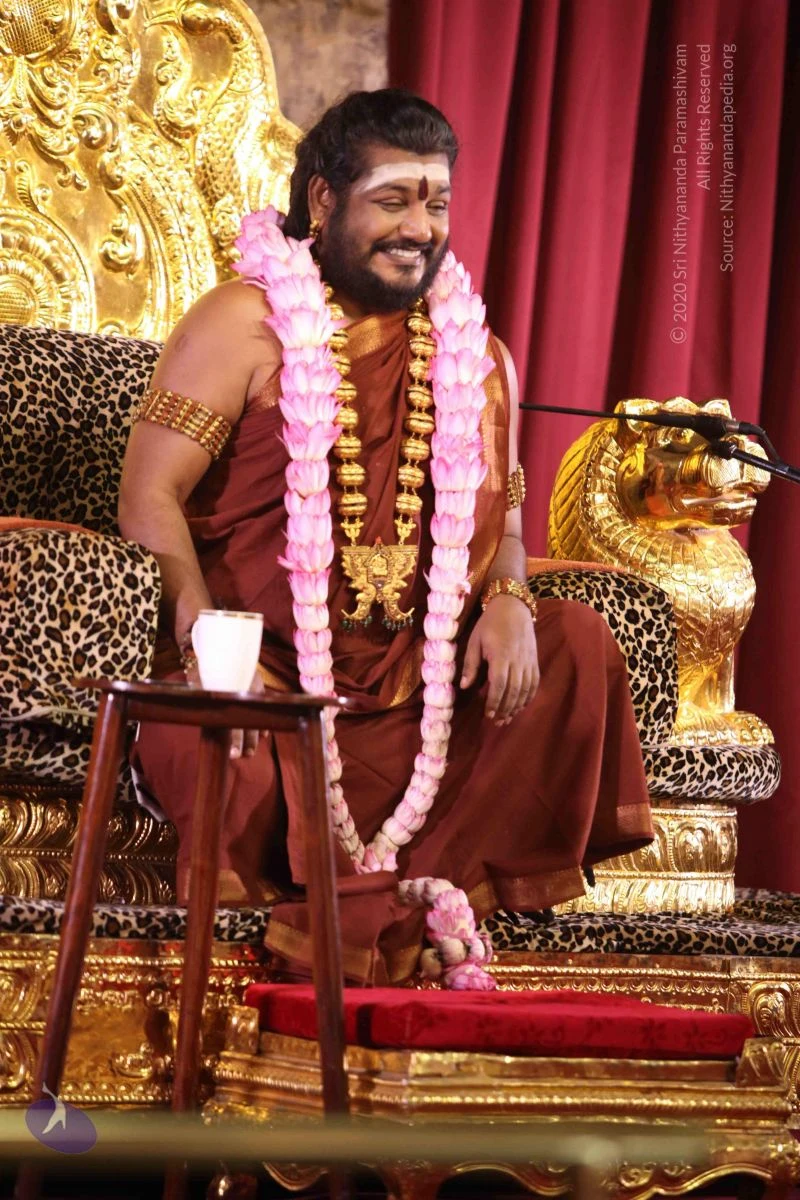
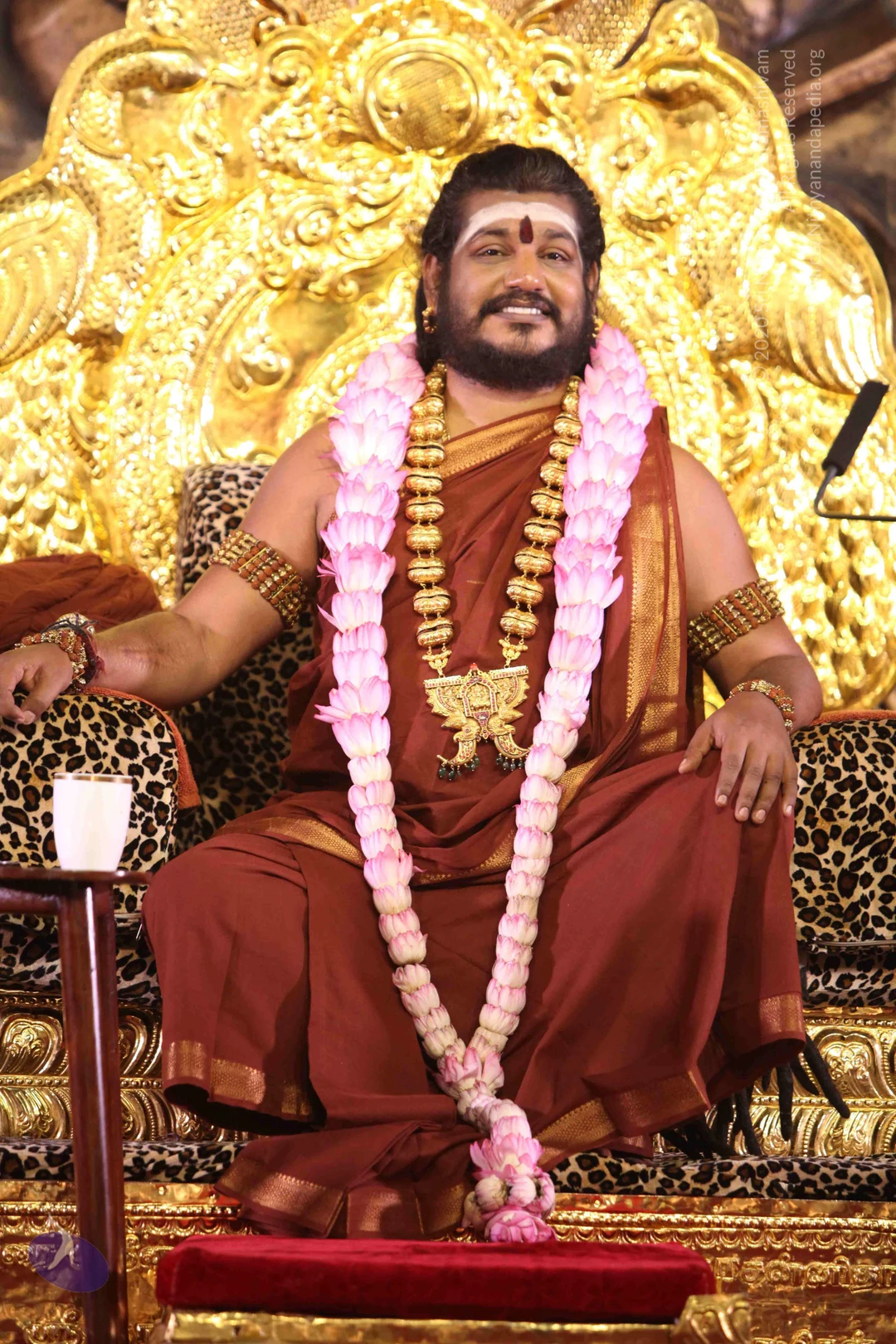
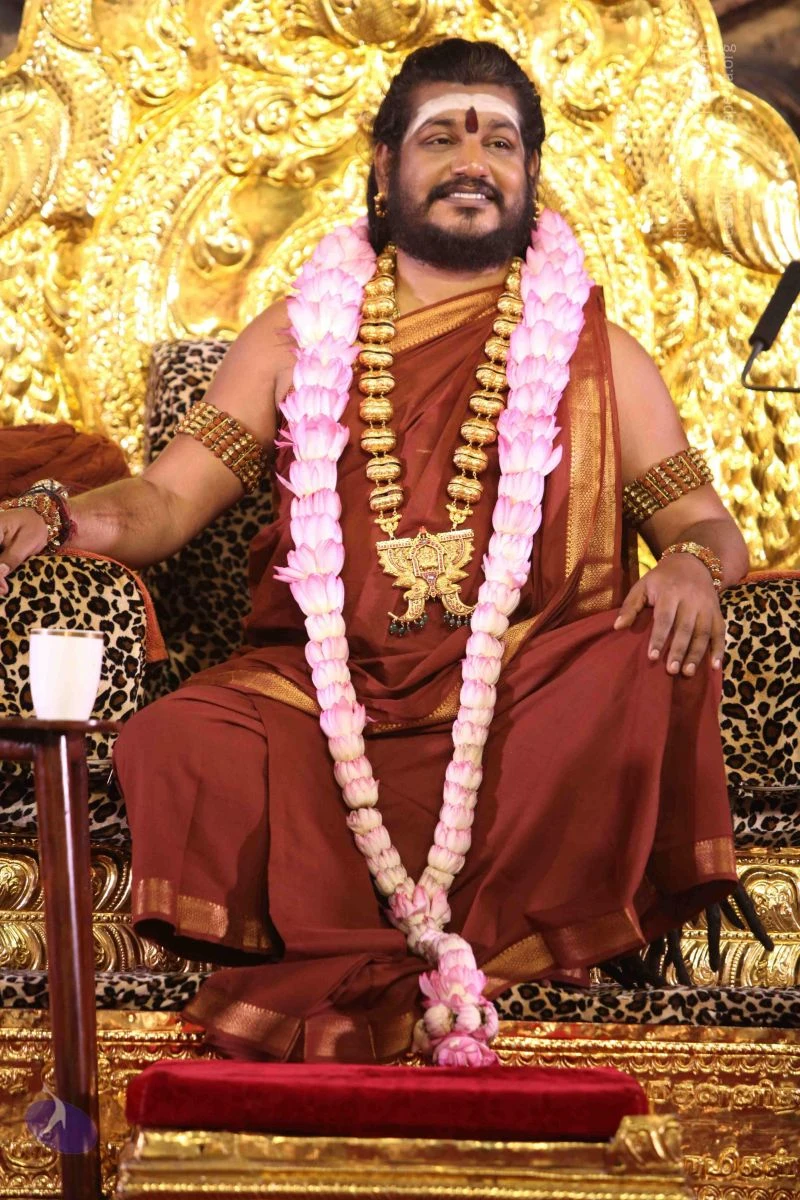
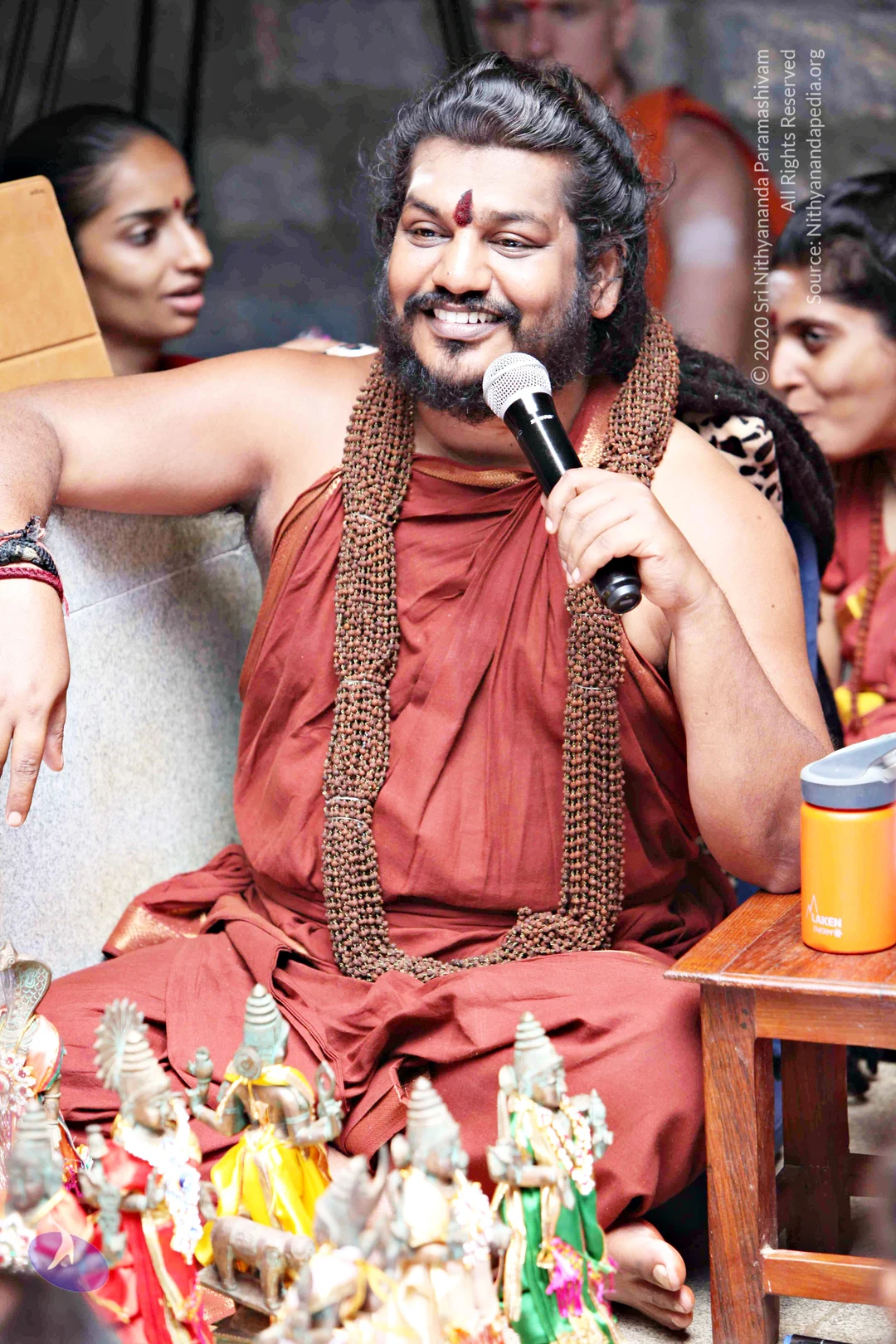
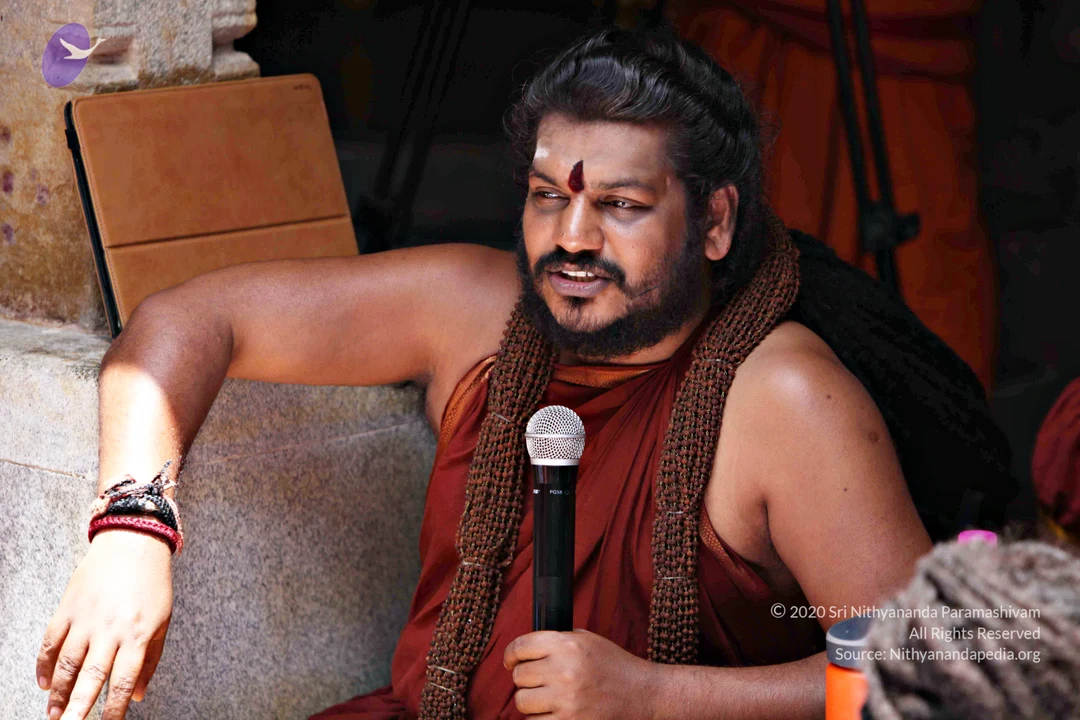
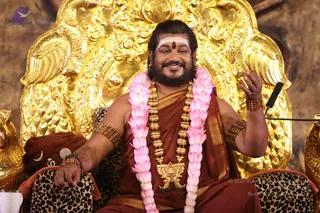
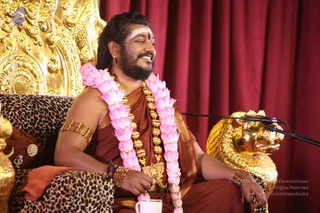
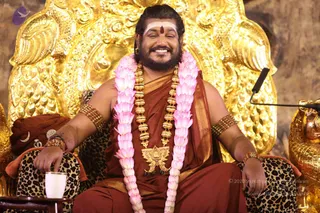
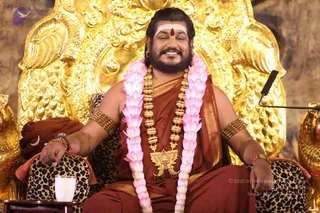
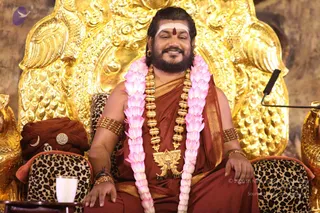
Darshan of His Holiness Bhagavan Sri Nithyananda Paramashivam
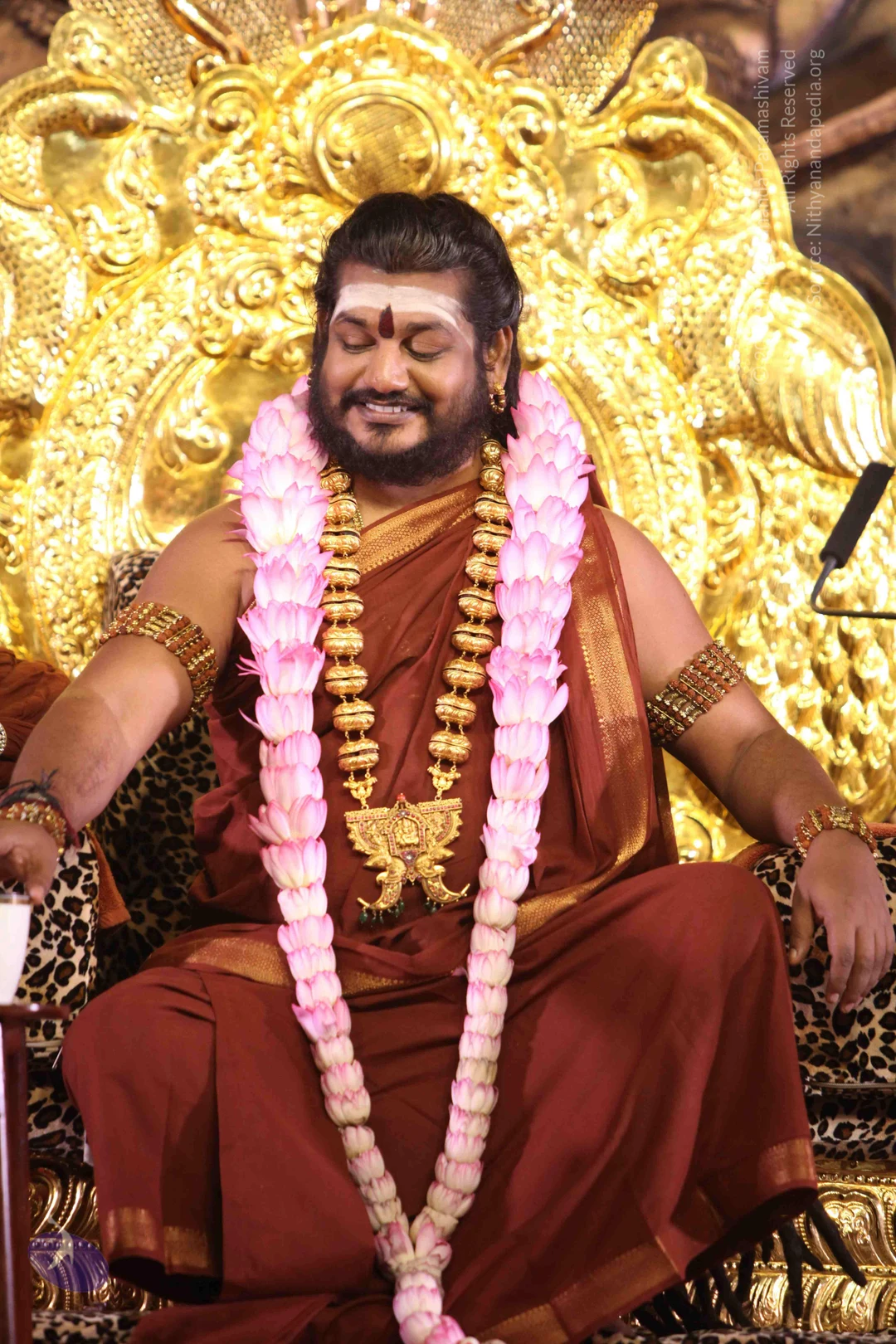
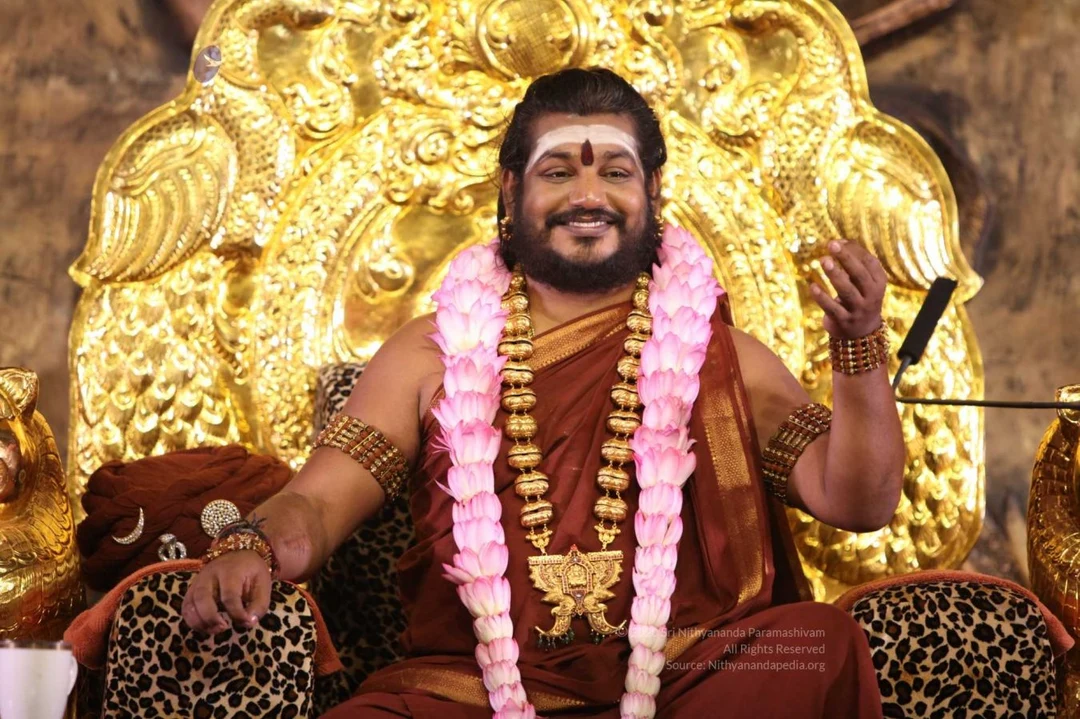 Darshan of His Divine Holiness Bhagavan Sri Nithyananda Paramashivam
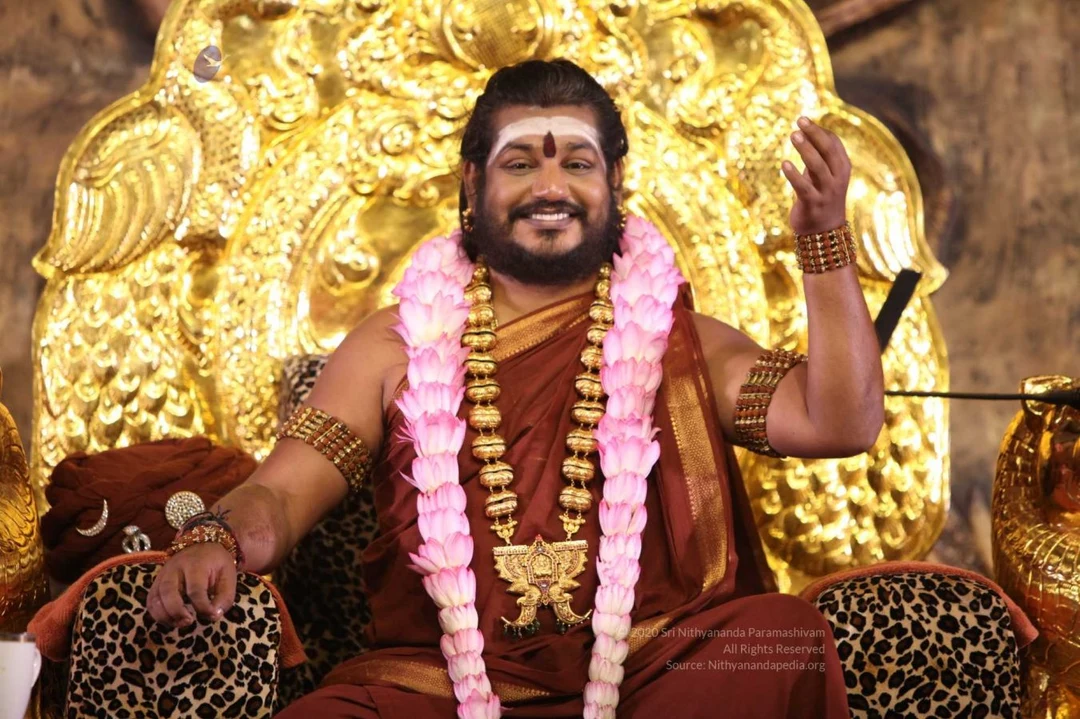 Darshan of His Divine Holiness Bhagavan Sri Nithyananda Paramashivam
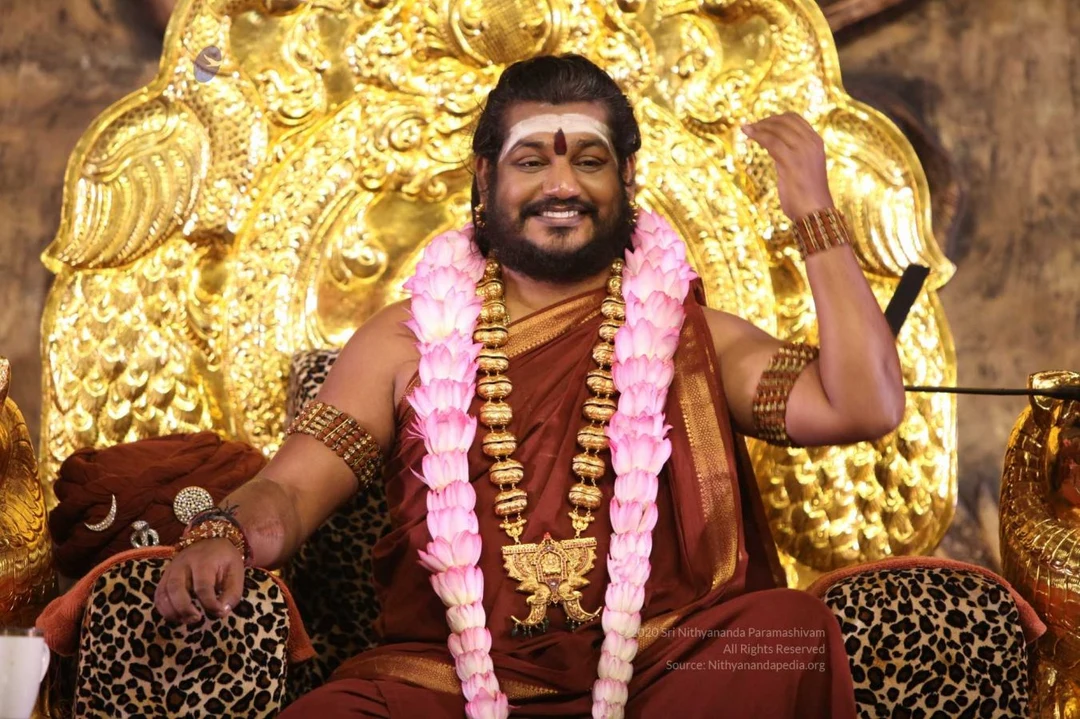 Darshan of His Divine Holiness Bhagavan Sri Nithyananda Paramashivam
 Darshan of His Divine Holiness Bhagavan Sri Nithyananda Paramashivam
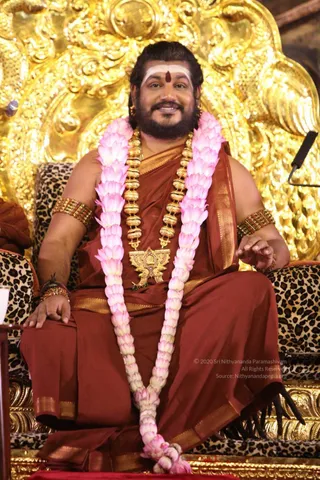 Darshan of His Divine Holiness Bhagavan Sri Nithyananda Paramashivam
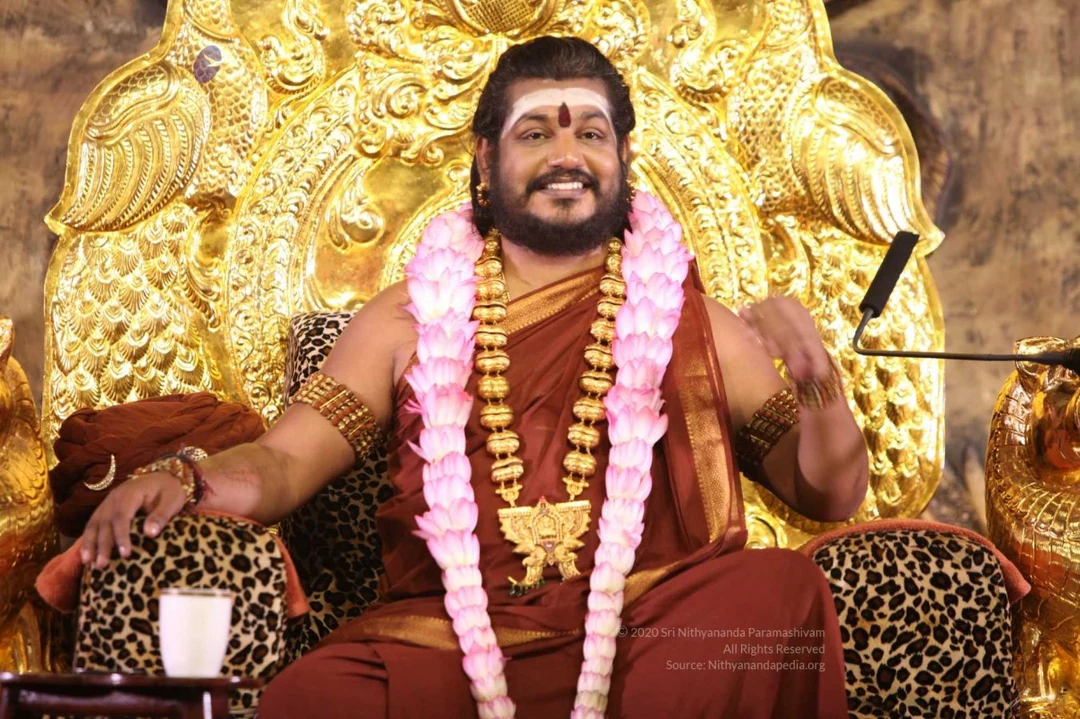 Darshan of His Divine Holiness Bhagavan Sri Nithyananda Paramashivam
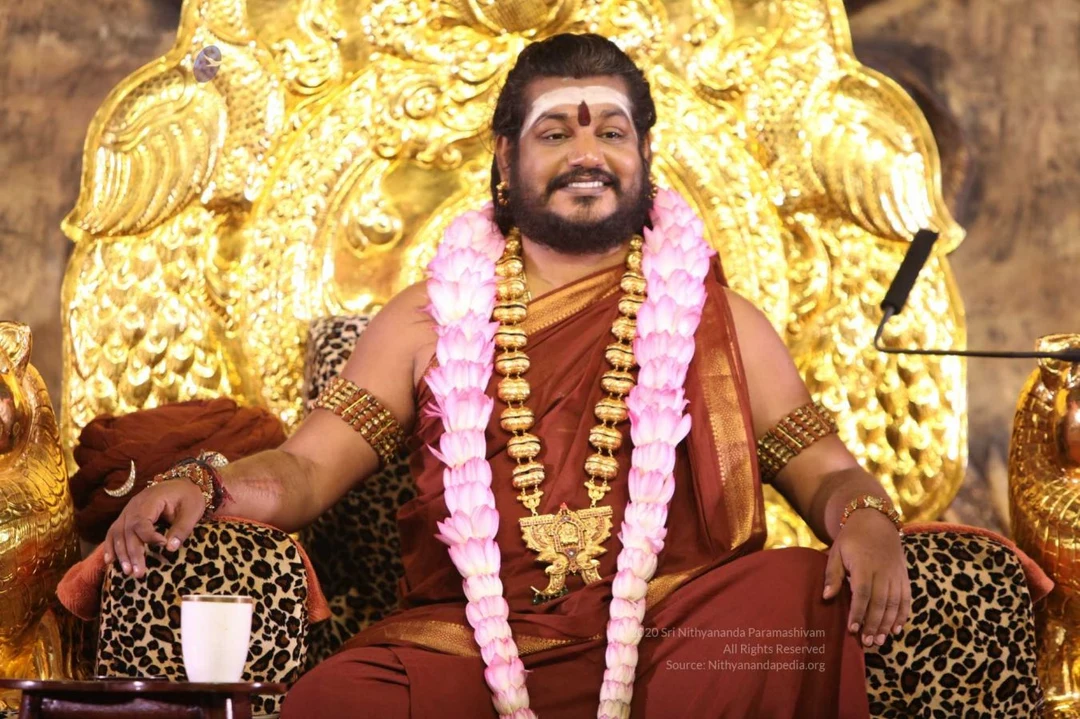 Darshan of His Divine Holiness Bhagavan Sri Nithyananda Paramashivam
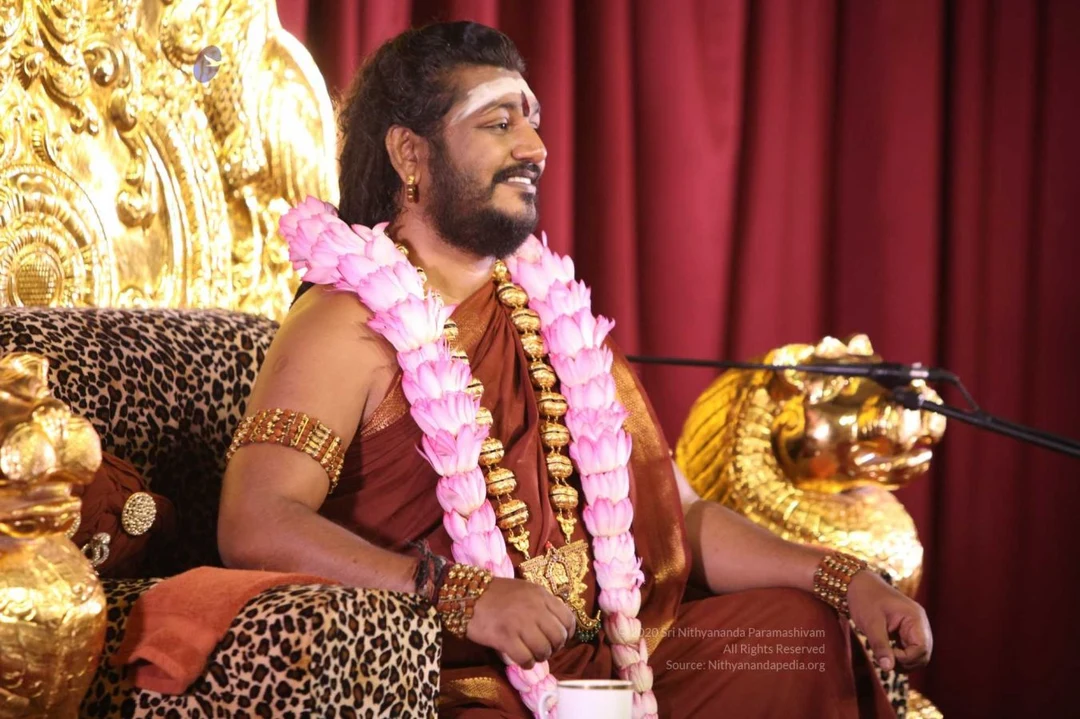 Darshan of His Divine Holiness Bhagavan Sri Nithyananda Paramashivam
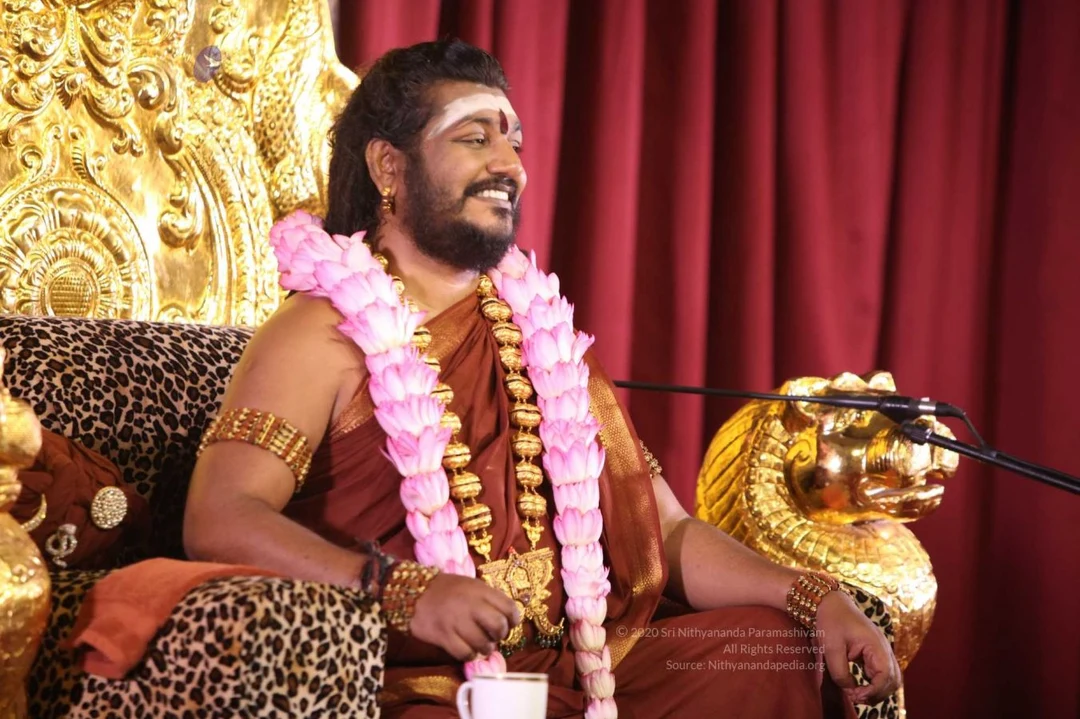 Darshan of His Divine Holiness Bhagavan Sri Nithyananda Paramashivam
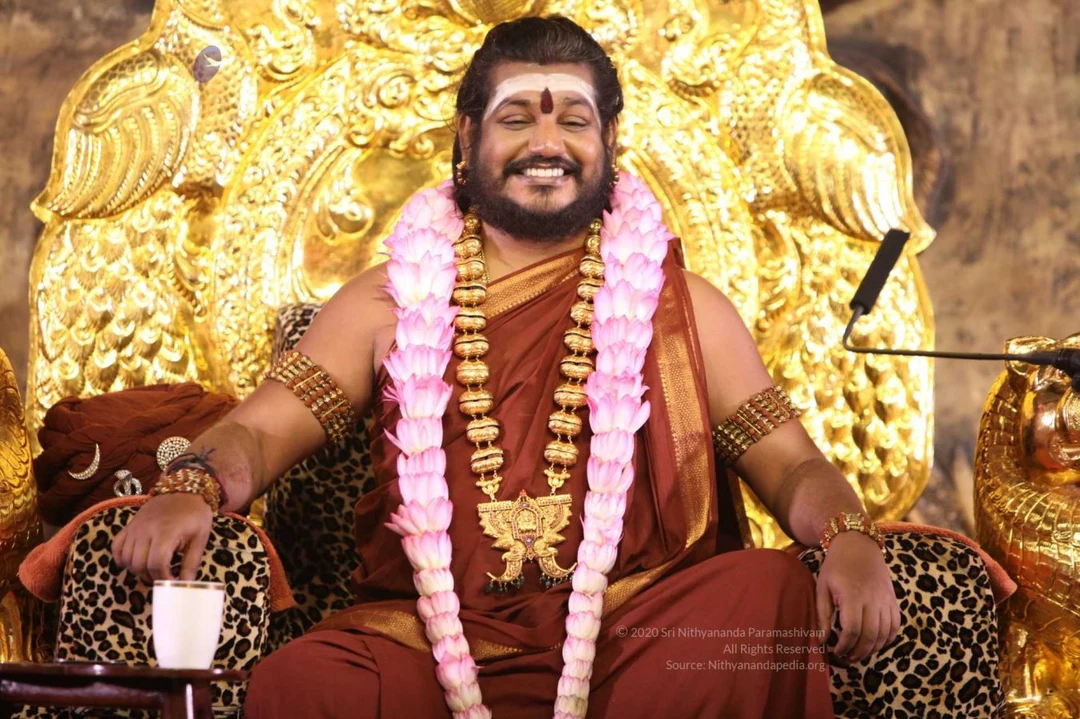 Darshan of His Divine Holiness Bhagavan Sri Nithyananda Paramashivam
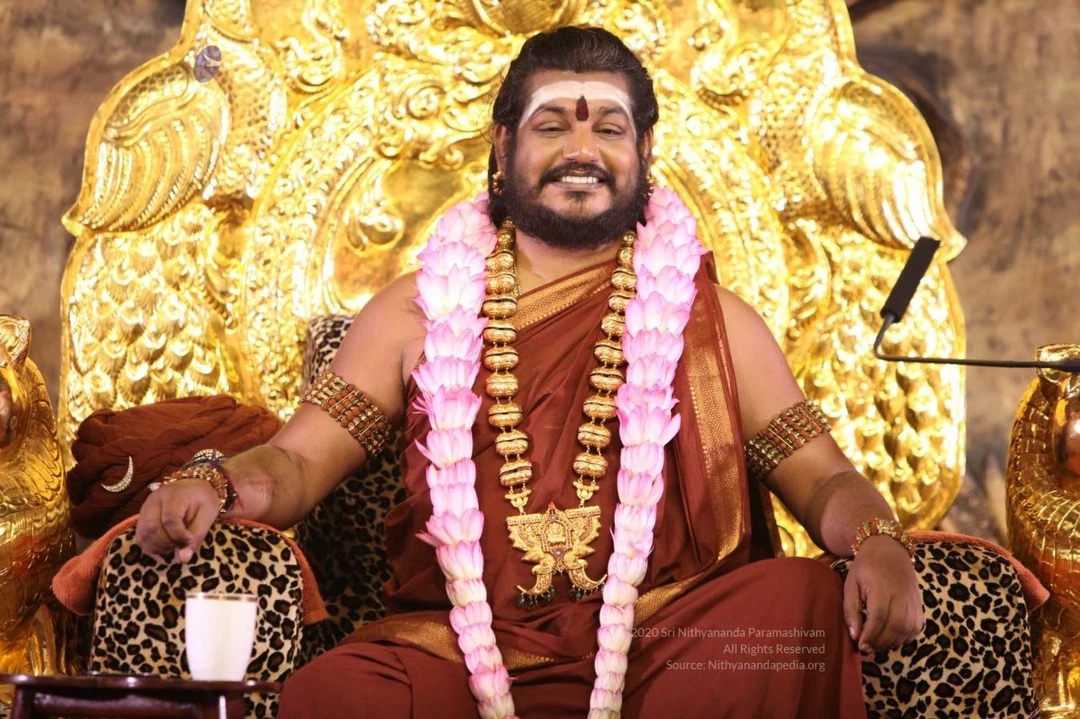 Darshan of His Divine Holiness Bhagavan Sri Nithyananda Paramashivam
 Darshan of His Divine Holiness Bhagavan Sri Nithyananda Paramashivam
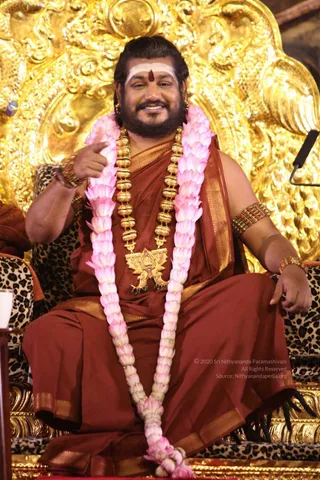 Darshan of His Divine Holiness Bhagavan Sri Nithyananda Paramashivam
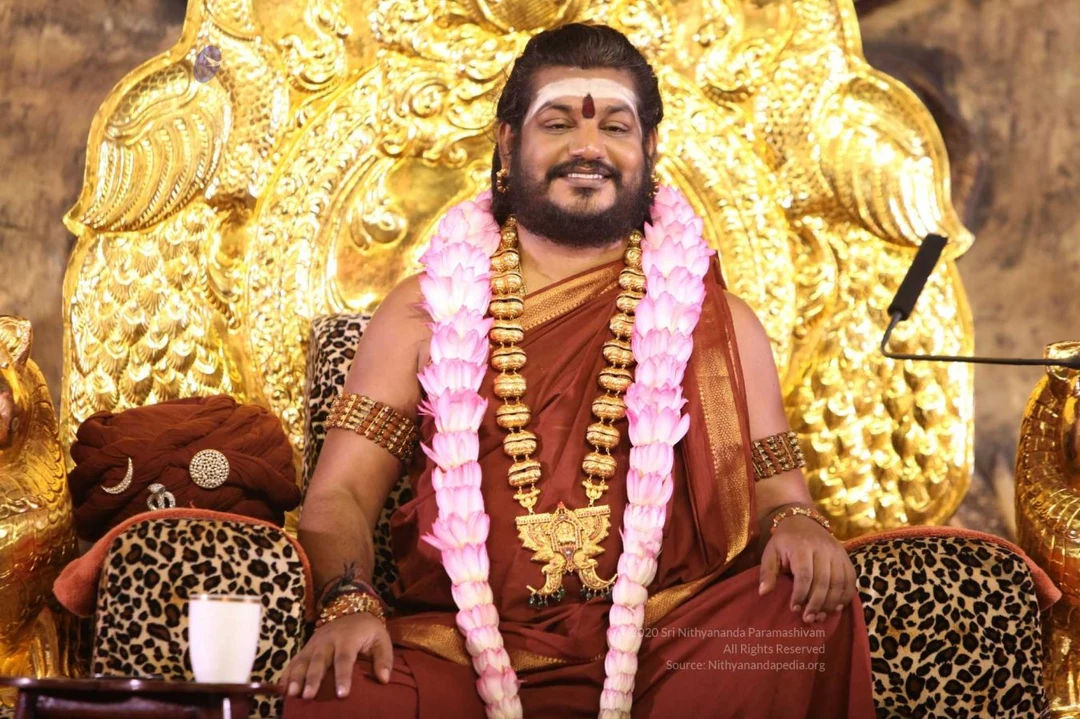 Darshan of His Divine Holiness Bhagavan Sri Nithyananda Paramashivam
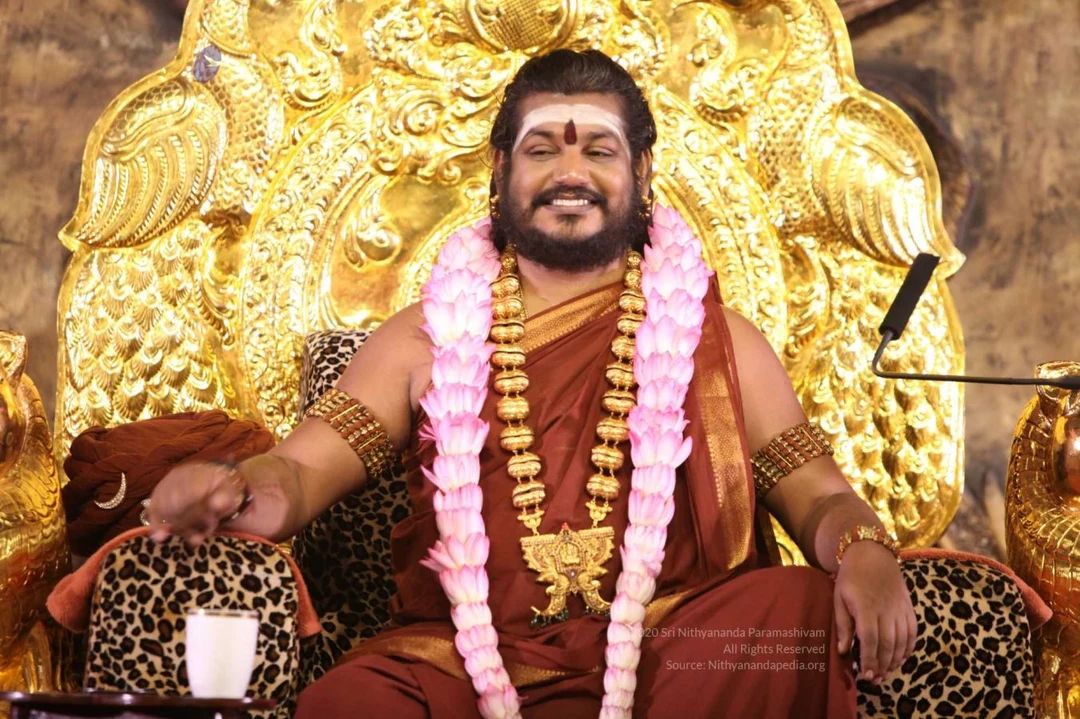 Darshan of His Divine Holiness Bhagavan Sri Nithyananda Paramashivam
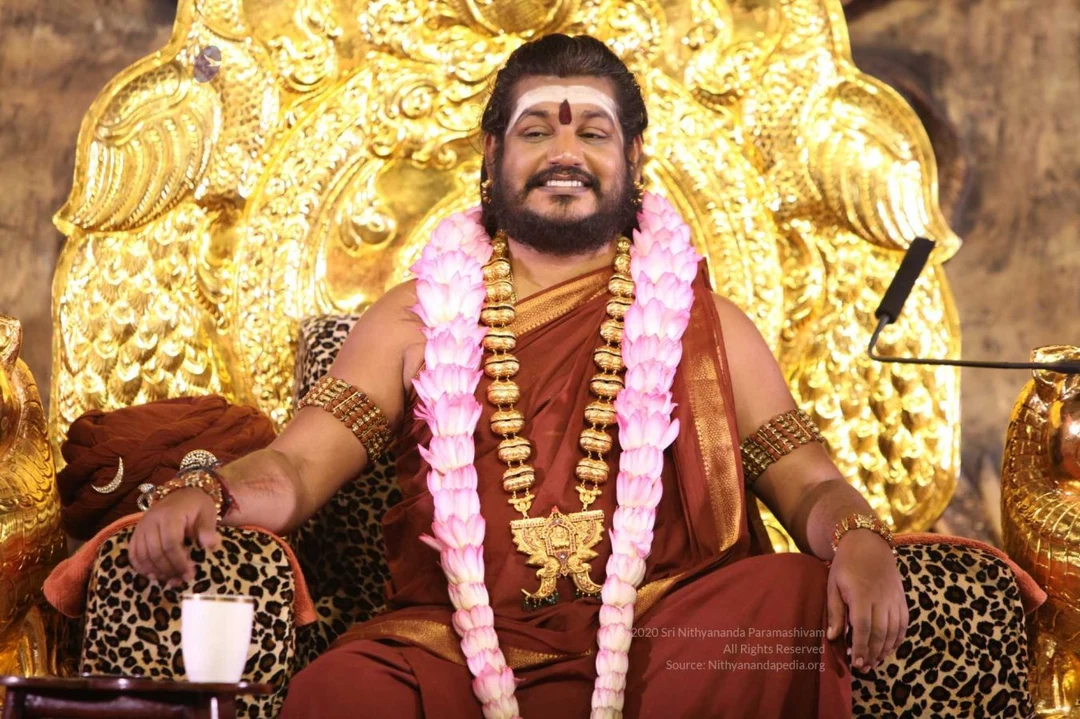 Darshan of His Divine Holiness Bhagavan Sri Nithyananda Paramashivam
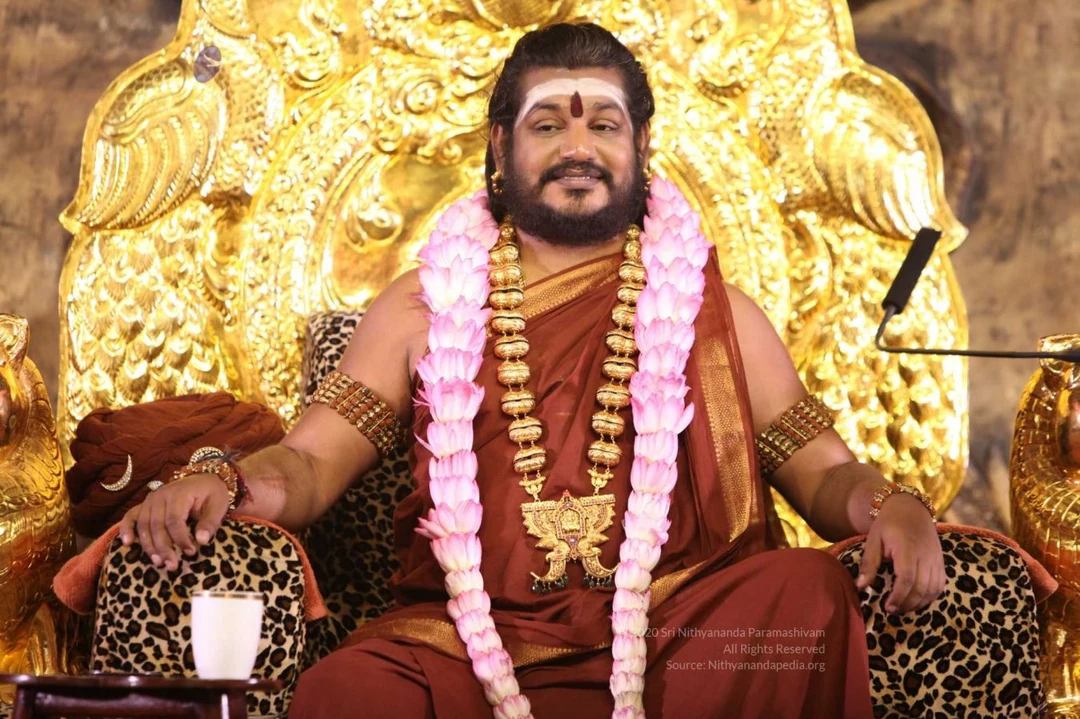 Darshan of His Divine Holiness Bhagavan Sri Nithyananda Paramashivam
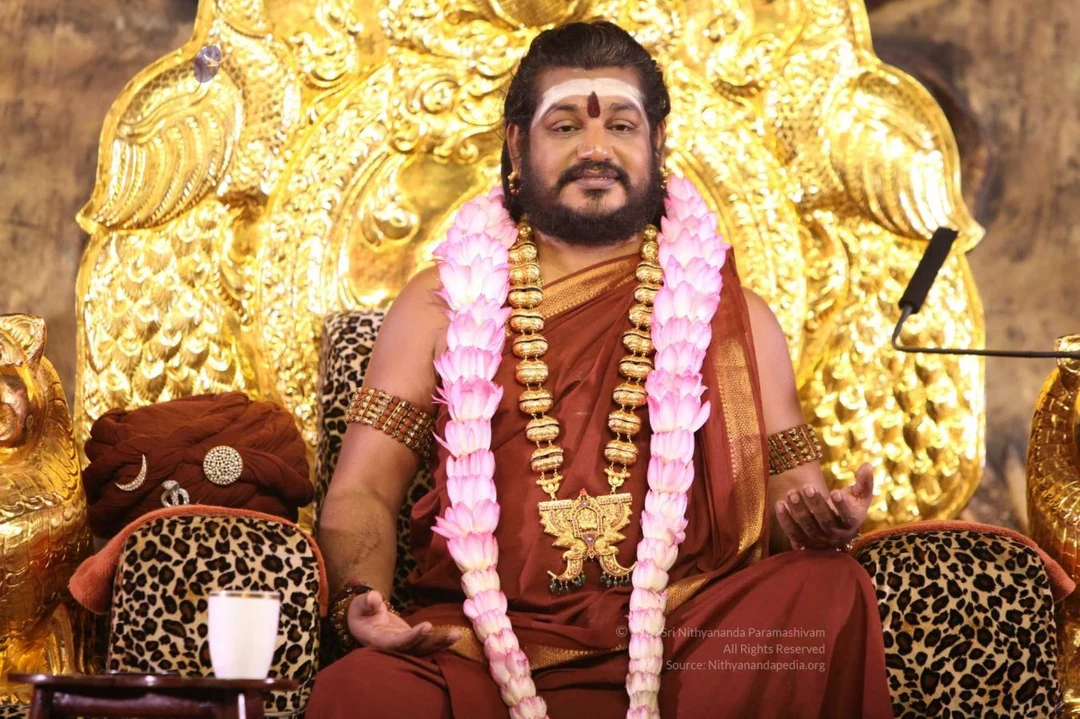 Darshan of His Divine Holiness Bhagavan Sri Nithyananda Paramashivam
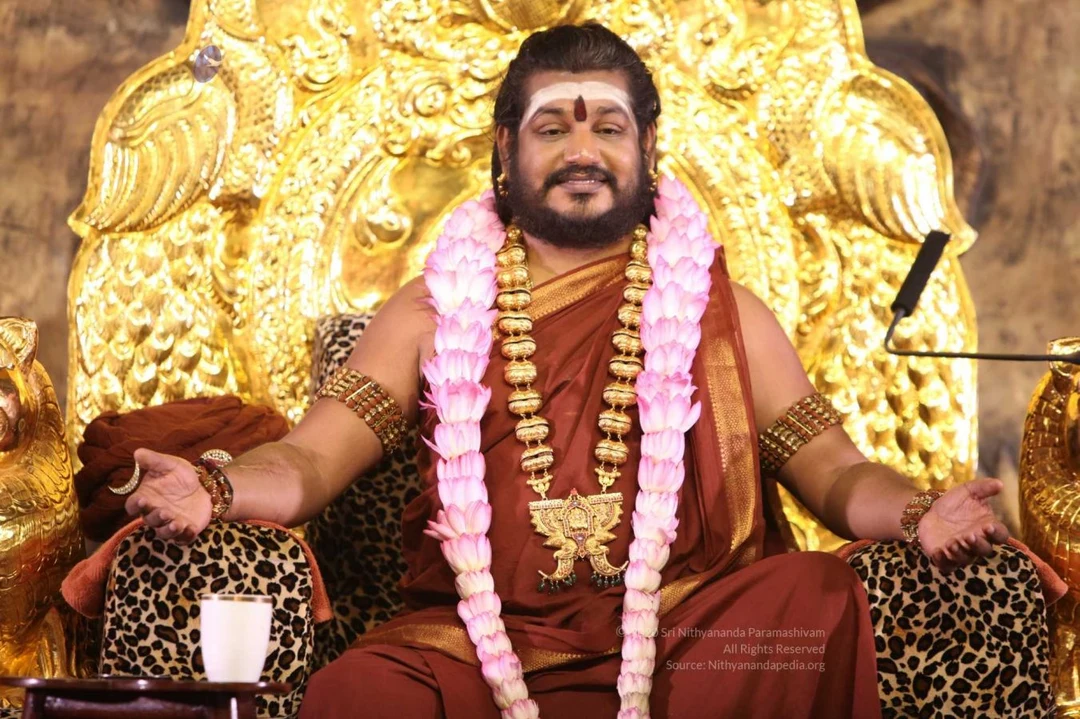 Darshan of His Divine Holiness Bhagavan Sri Nithyananda Paramashivam
 Darshan of His Divine Holiness Bhagavan Sri Nithyananda Paramashivam
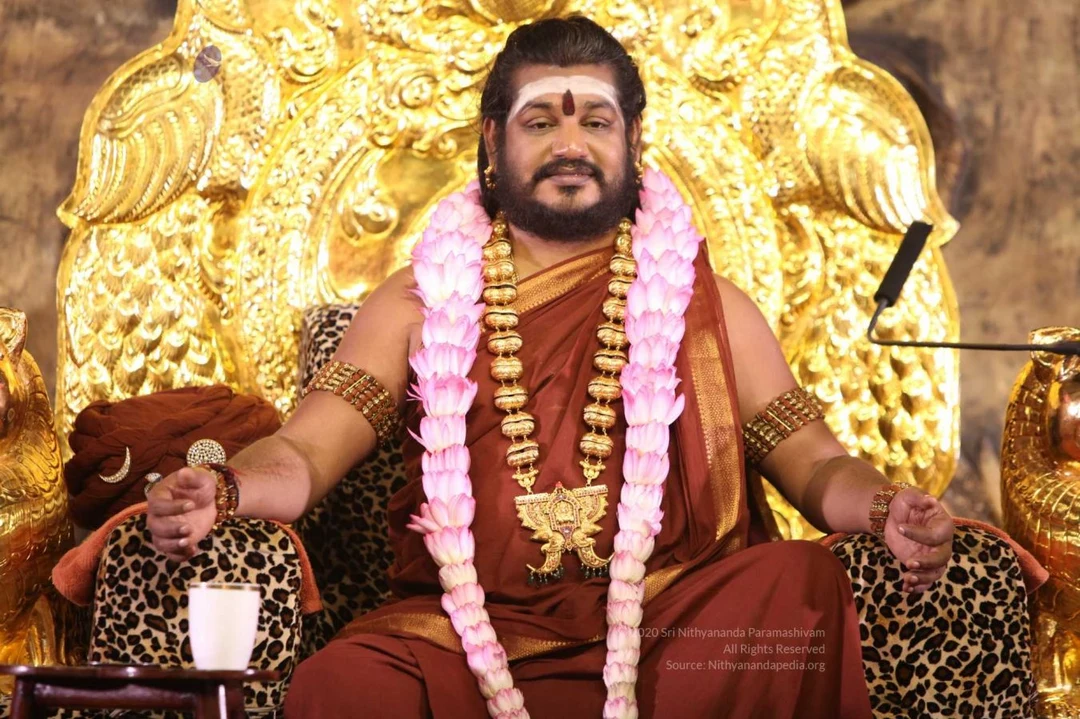 Darshan of His Divine Holiness Bhagavan Sri Nithyananda Paramashivam
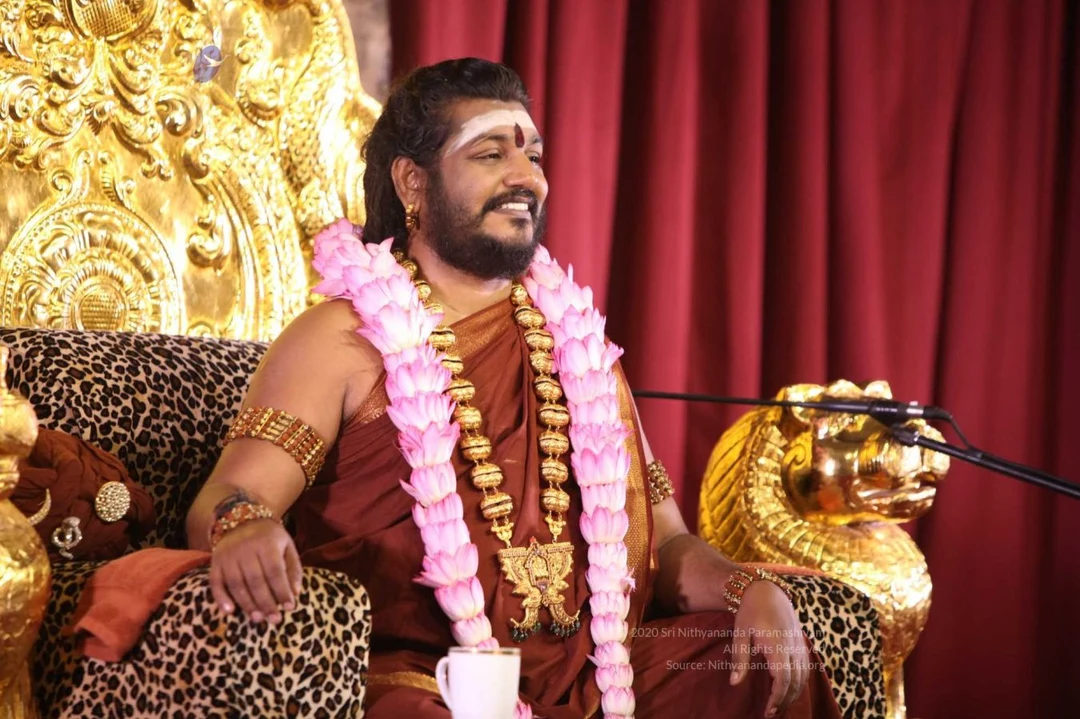 Darshan of His Divine Holiness Bhagavan Sri Nithyananda Paramashivam
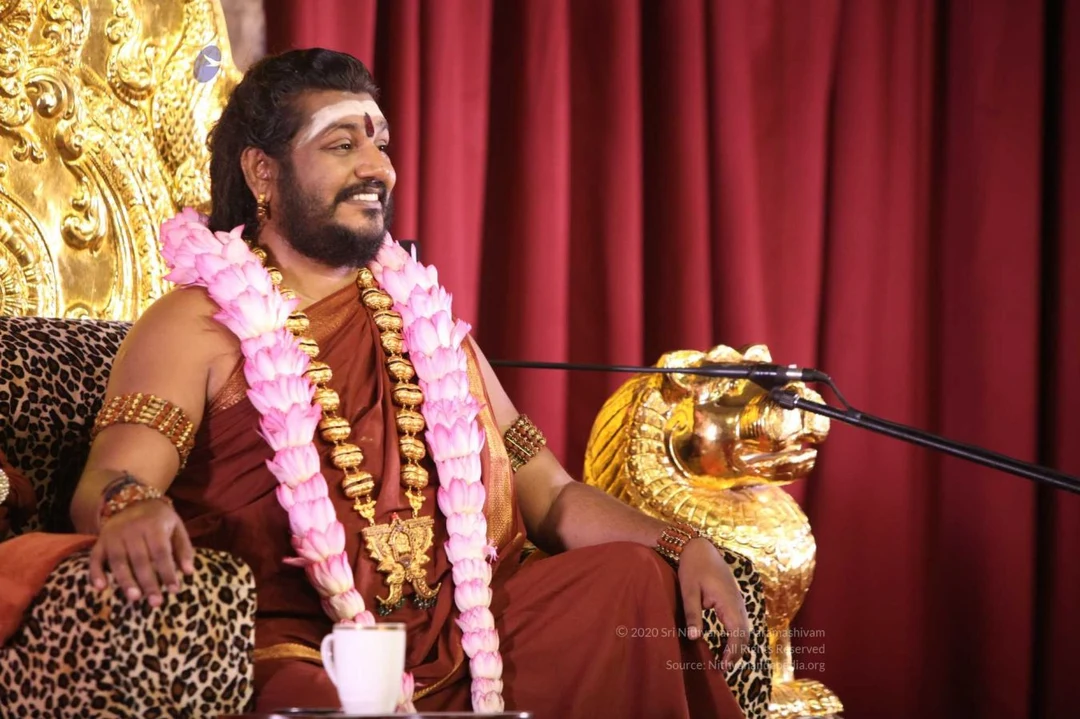 Darshan of His Divine Holiness Bhagavan Sri Nithyananda Paramashivam
 Balasanths celebrate his Divine Holiness Presence with Nithya Kirtans
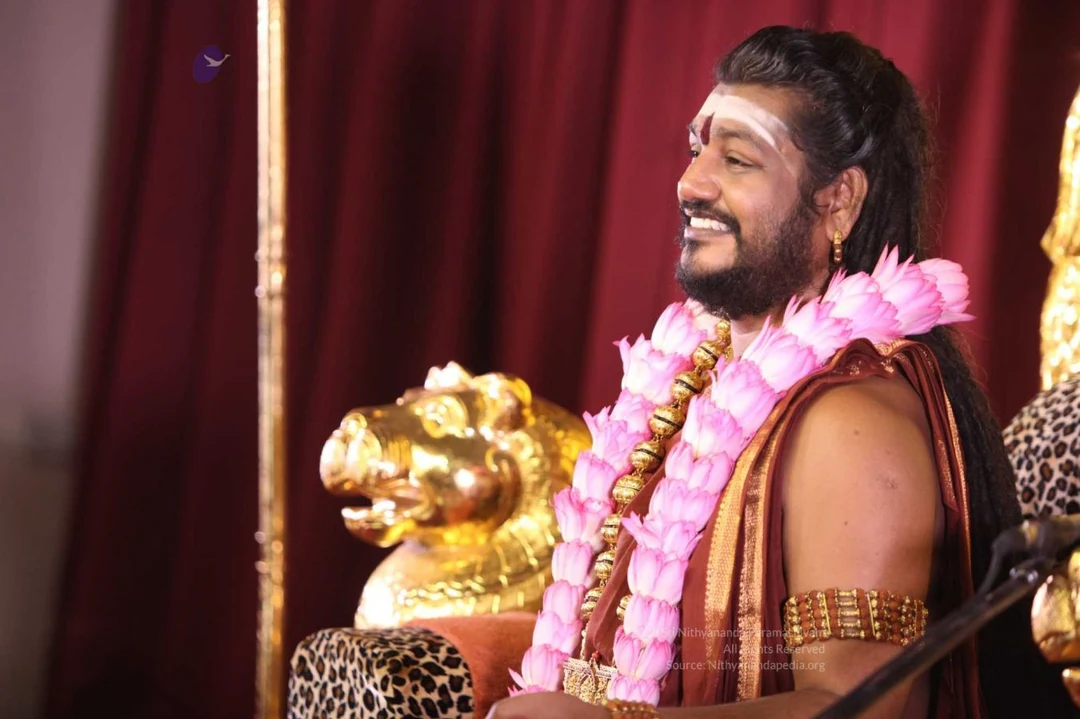 Darshan of His Divine Holiness Bhagavan Sri Nithyananda Paramashivam
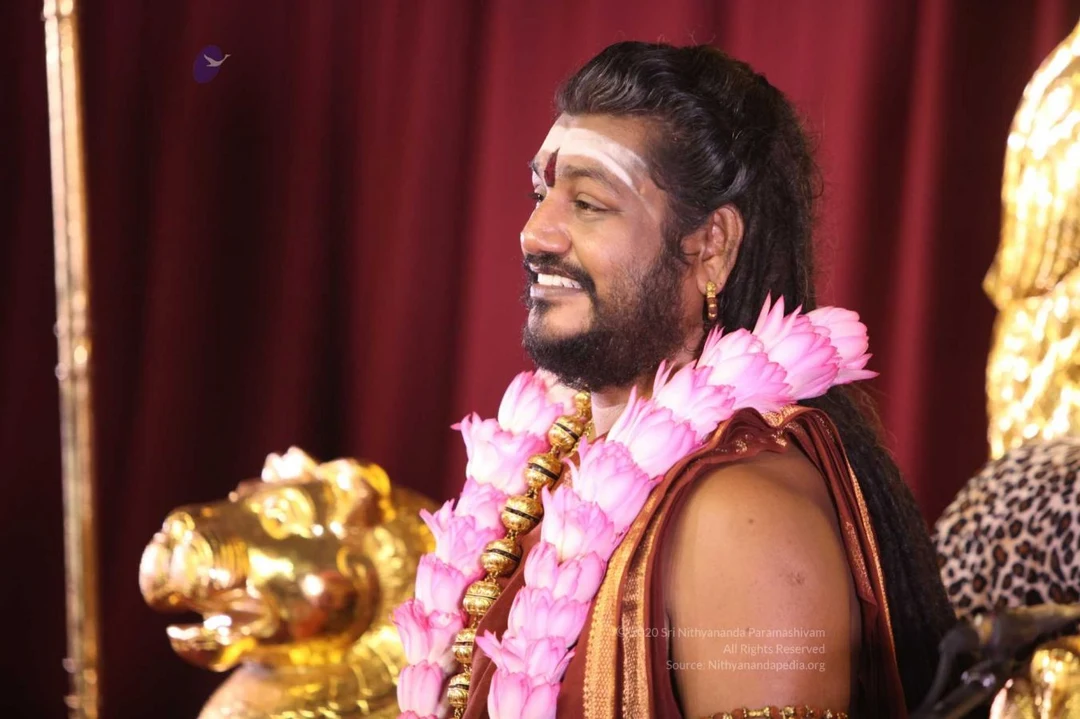 Darshan of His Divine Holiness Bhagavan Sri Nithyananda Paramashivam
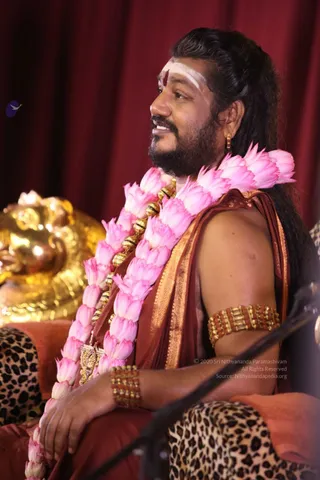 Darshan of His Divine Holiness Bhagavan Sri Nithyananda Paramashivam
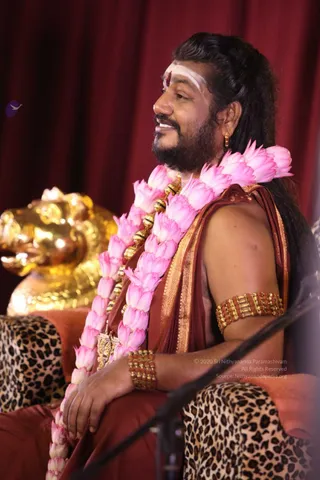 Darshan of His Divine Holiness Bhagavan Sri Nithyananda Paramashivam
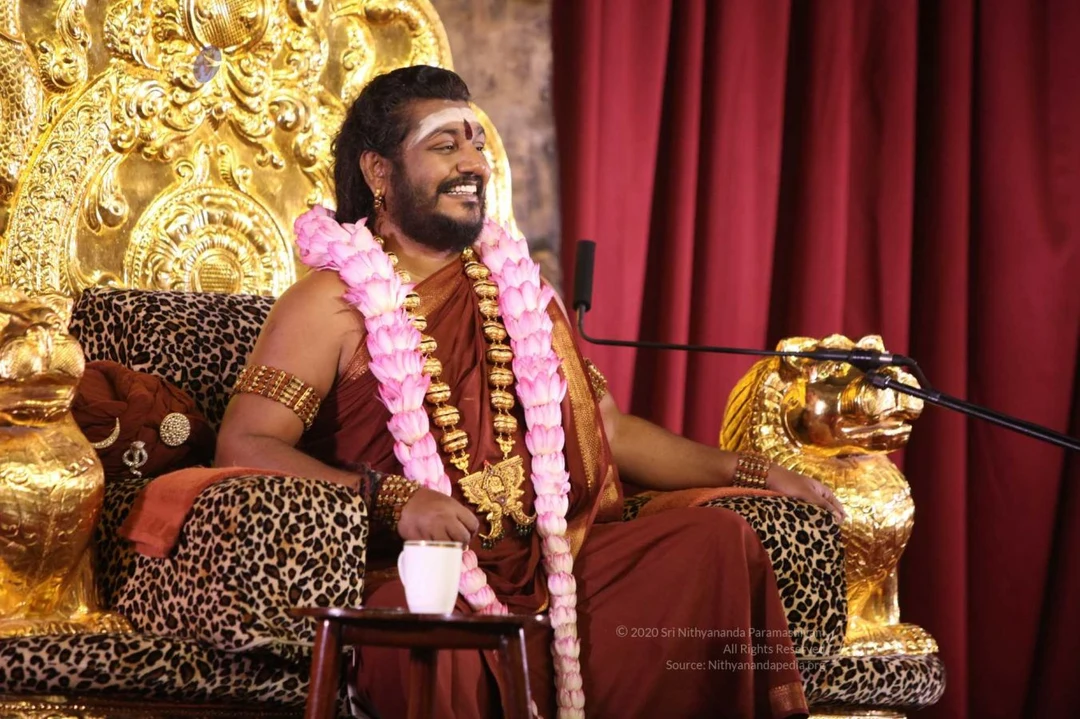 Darshan of His Divine Holiness Bhagavan Sri Nithyananda Paramashivam
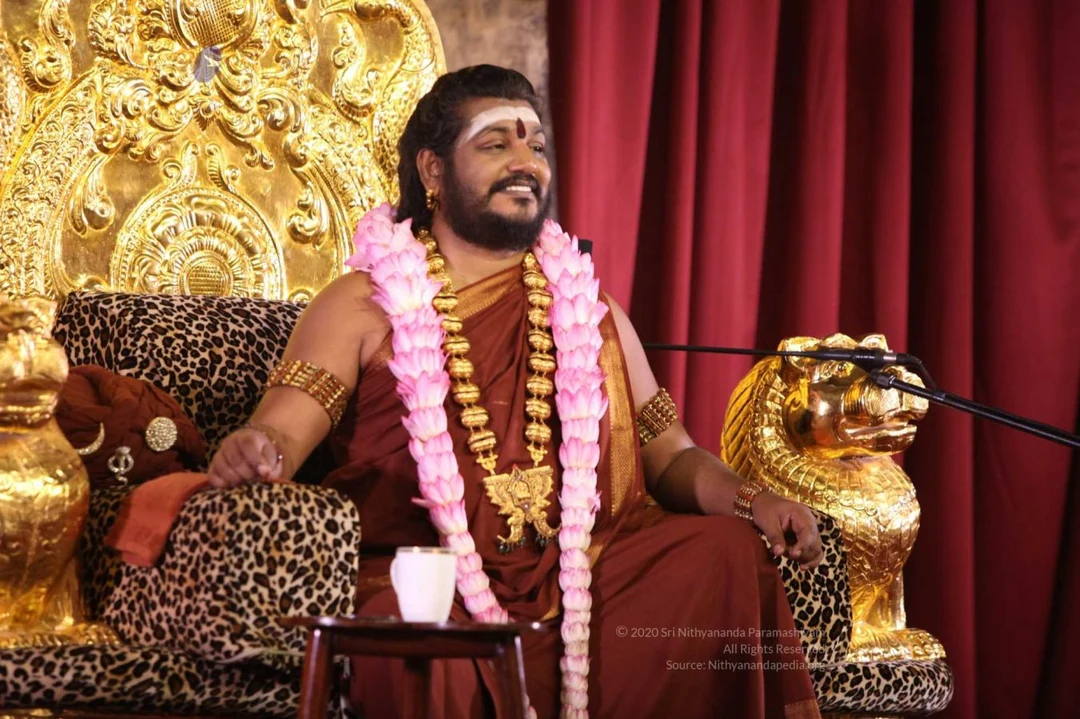 Darshan of His Divine Holiness Bhagavan Sri Nithyananda Paramashivam
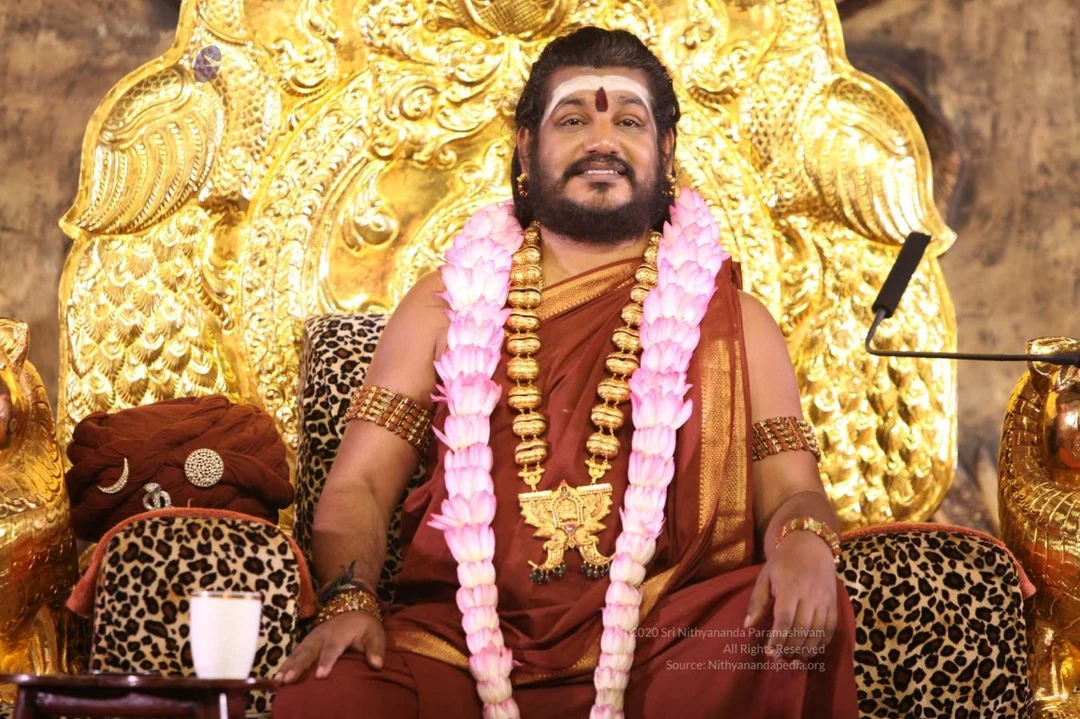 Darshan of His Divine Holiness Bhagavan Sri Nithyananda Paramashivam
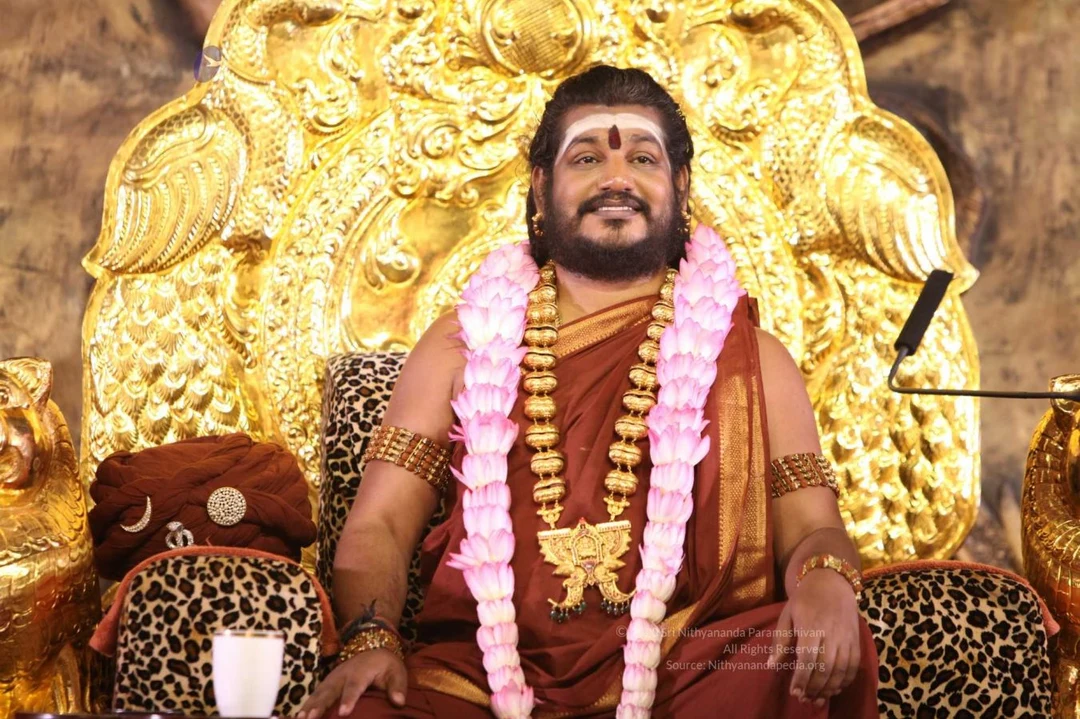 Darshan of His Divine Holiness Bhagavan Sri Nithyananda Paramashivam
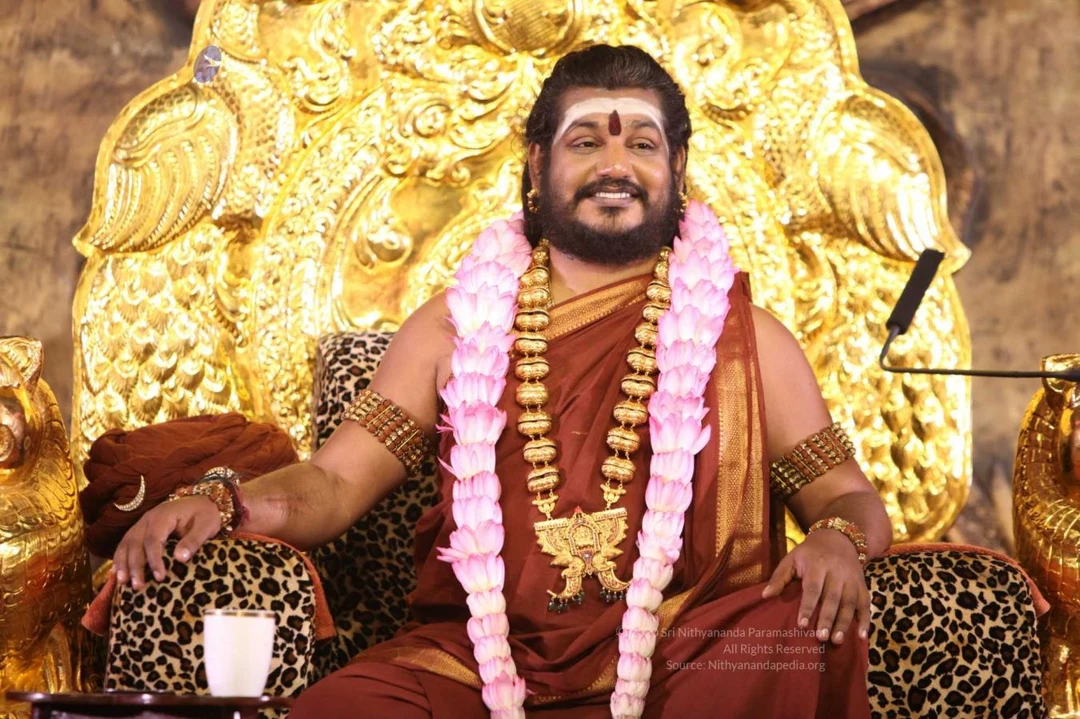 Darshan of His Divine Holiness Bhagavan Sri Nithyananda Paramashivam
 Darshan of His Divine Holiness Bhagavan Sri Nithyananda Paramashivam
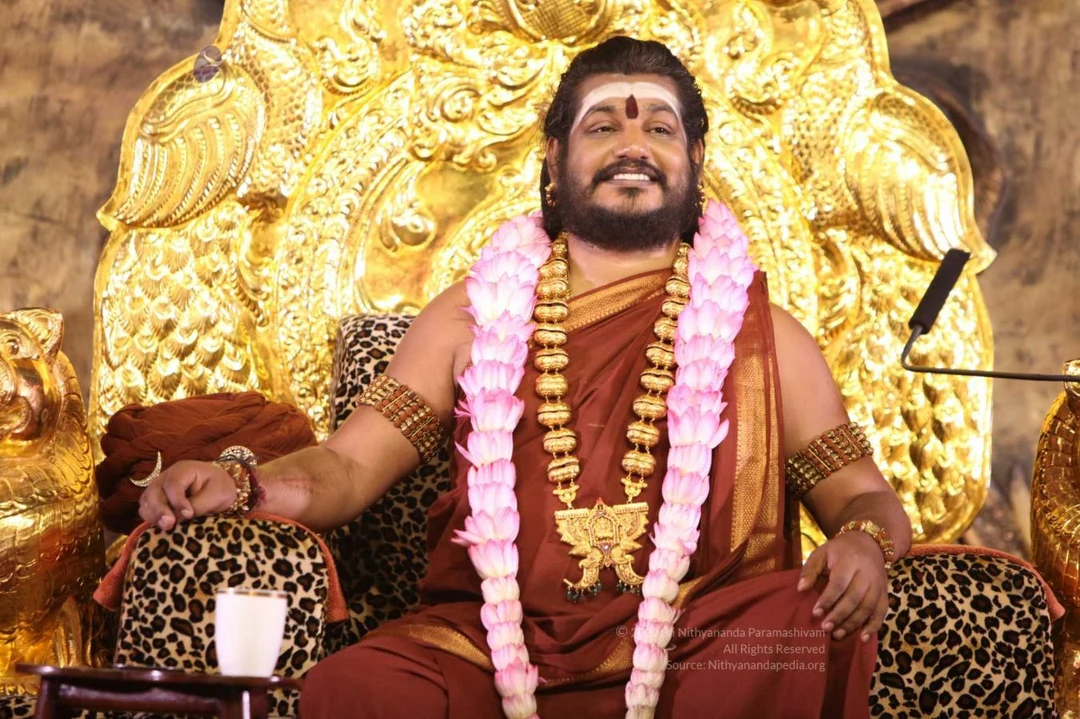 Darshan of His Divine Holiness Bhagavan Sri Nithyananda Paramashivam
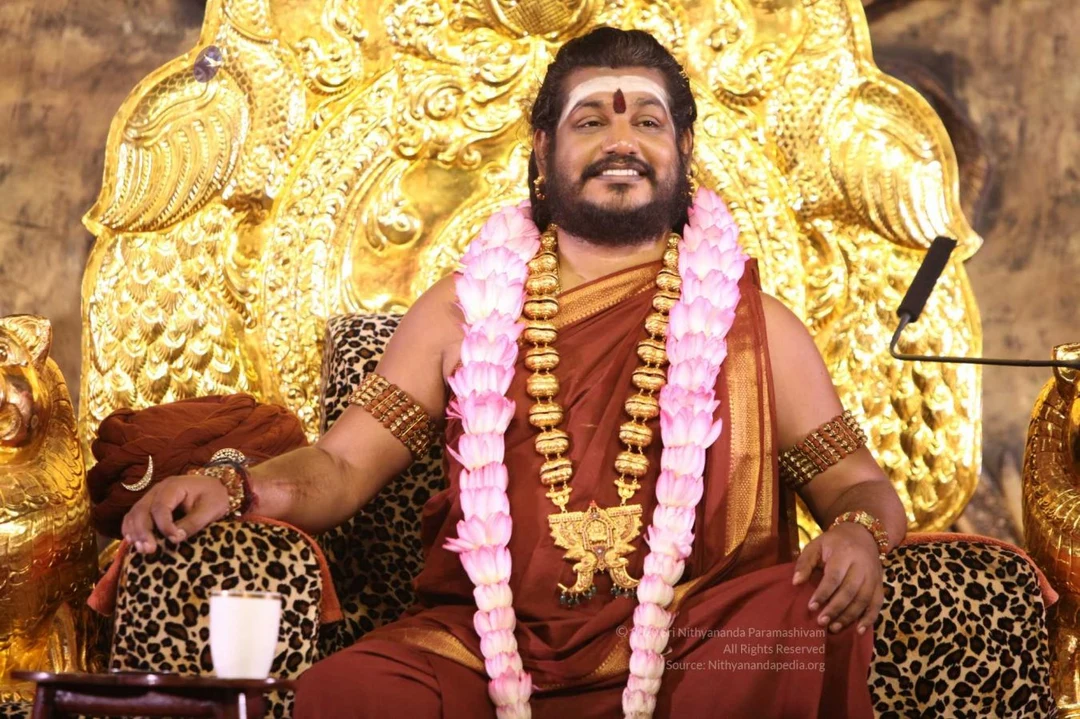 Darshan of His Divine Holiness Bhagavan Sri Nithyananda Paramashivam
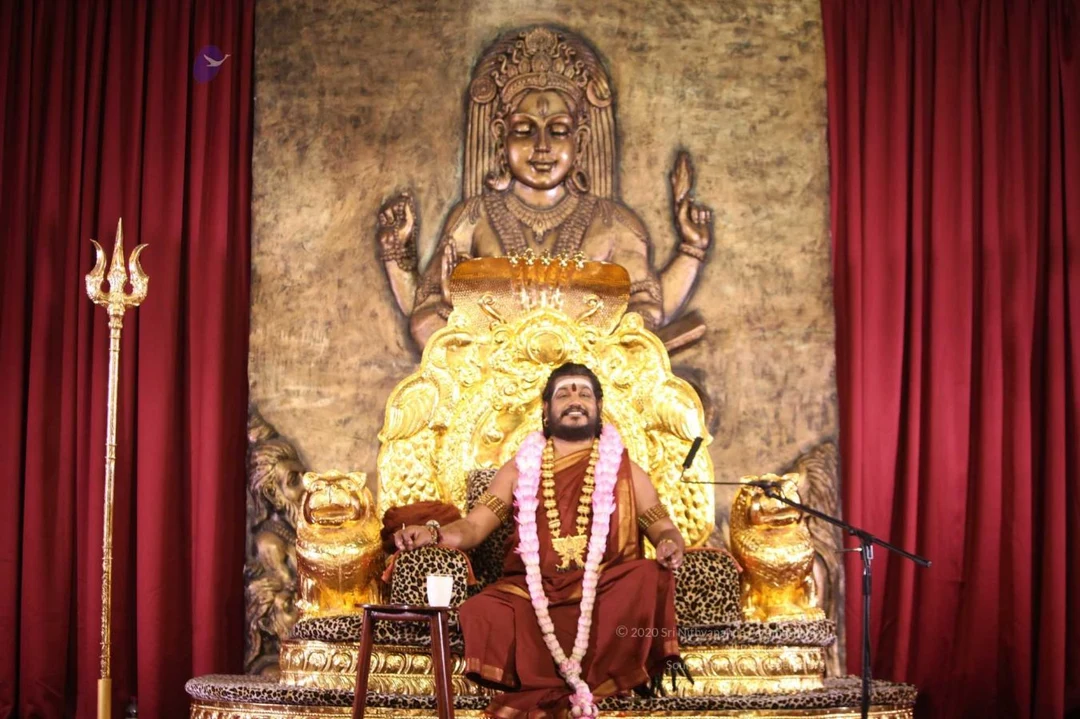 Darshan of His Divine Holiness Bhagavan Sri Nithyananda Paramashivam
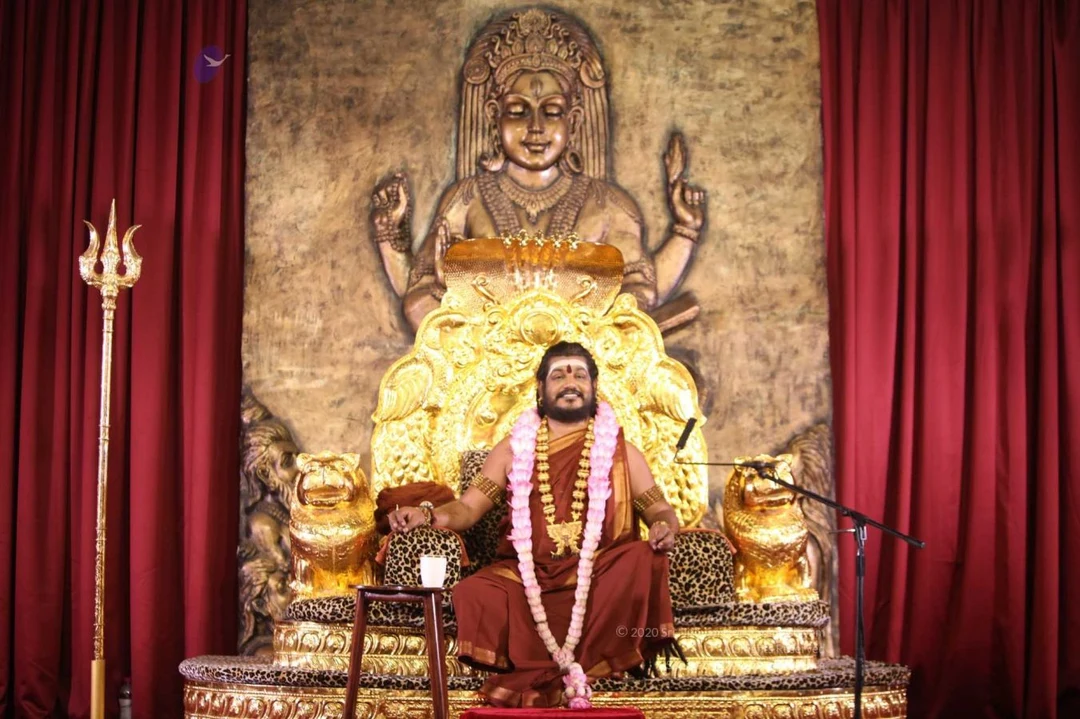 Darshan of His Divine Holiness Bhagavan Sri Nithyananda Paramashivam
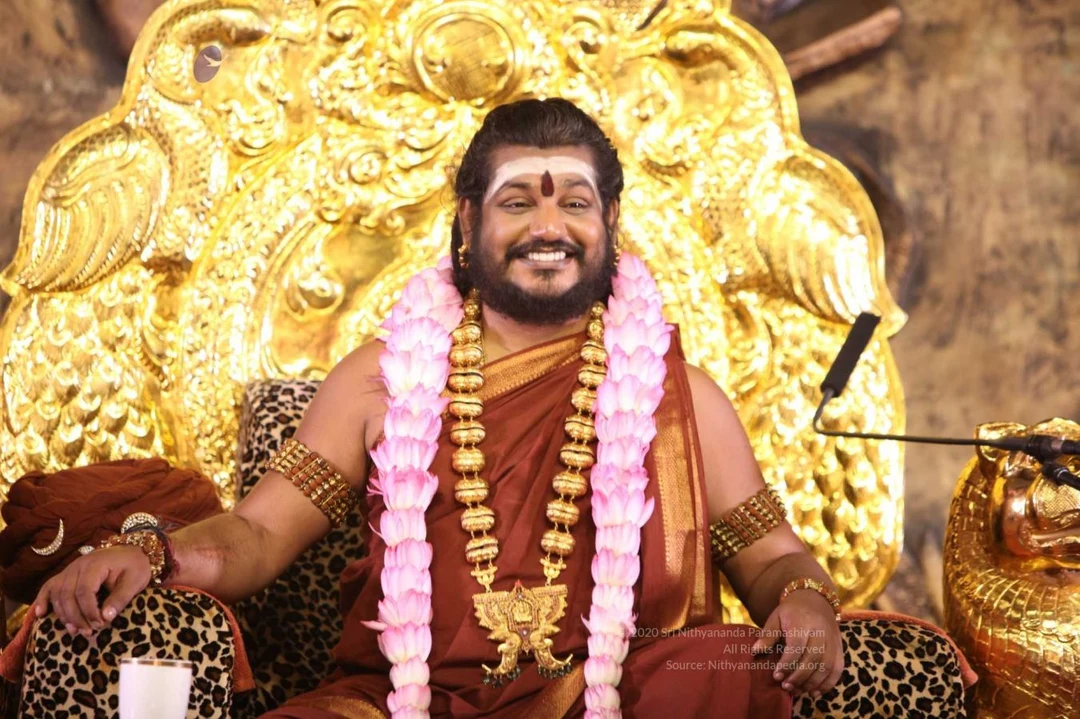 Darshan of His Divine Holiness Bhagavan Sri Nithyananda Paramashivam
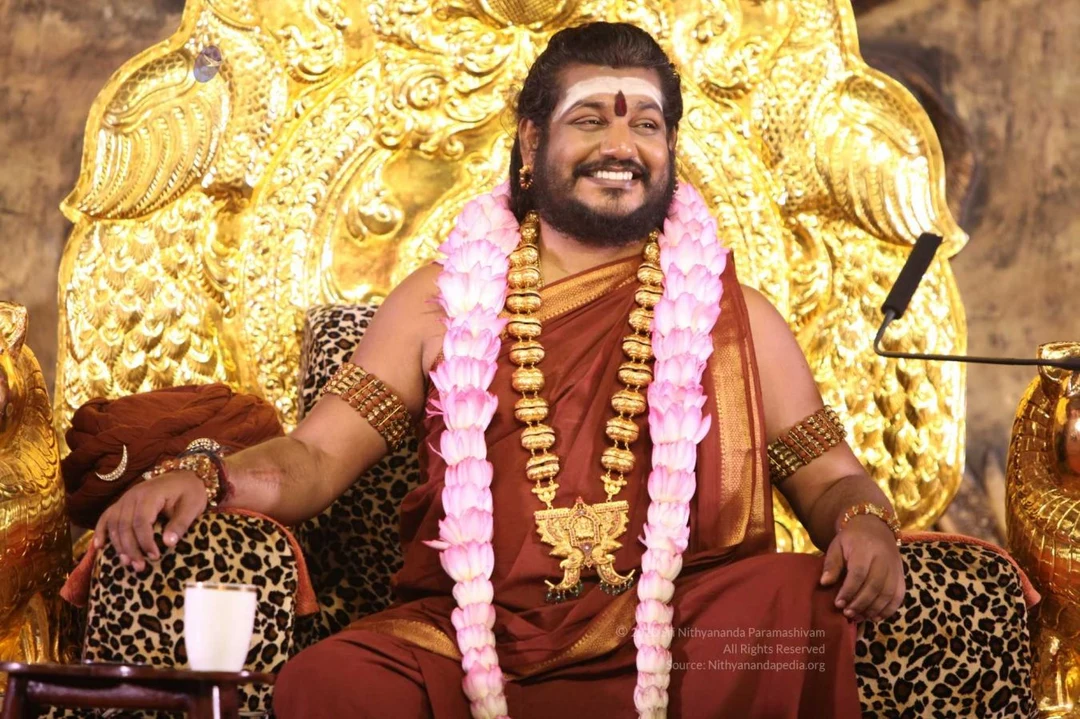 Darshan of His Divine Holiness Bhagavan Sri Nithyananda Paramashivam
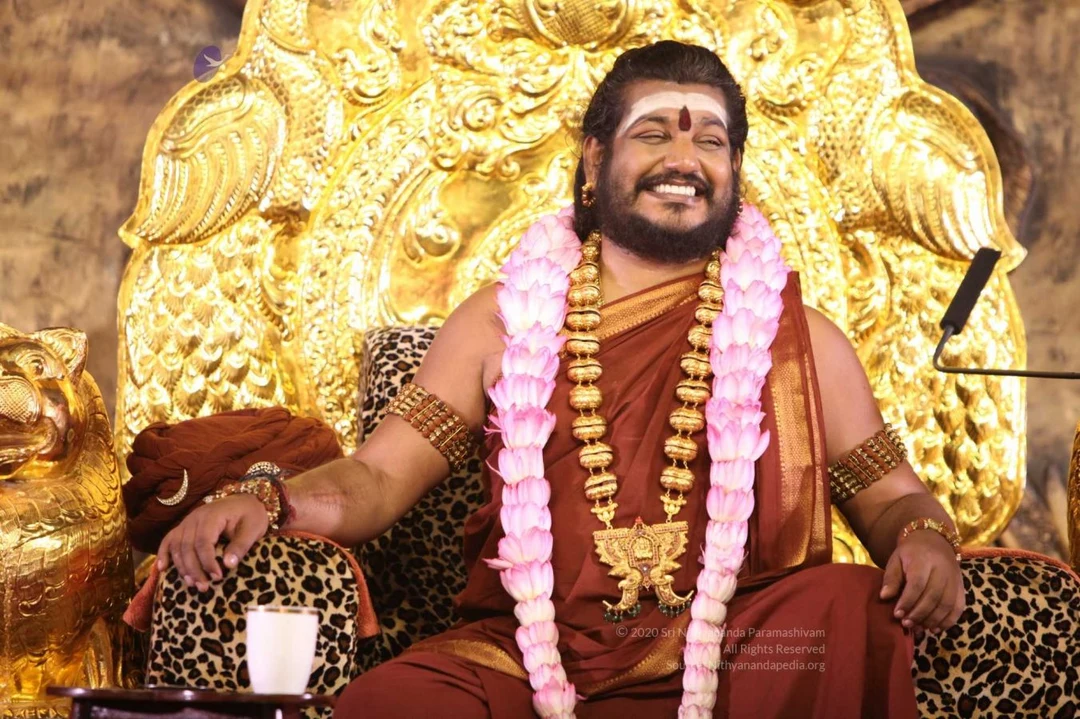 Darshan of His Divine Holiness Bhagavan Sri Nithyananda Paramashivam
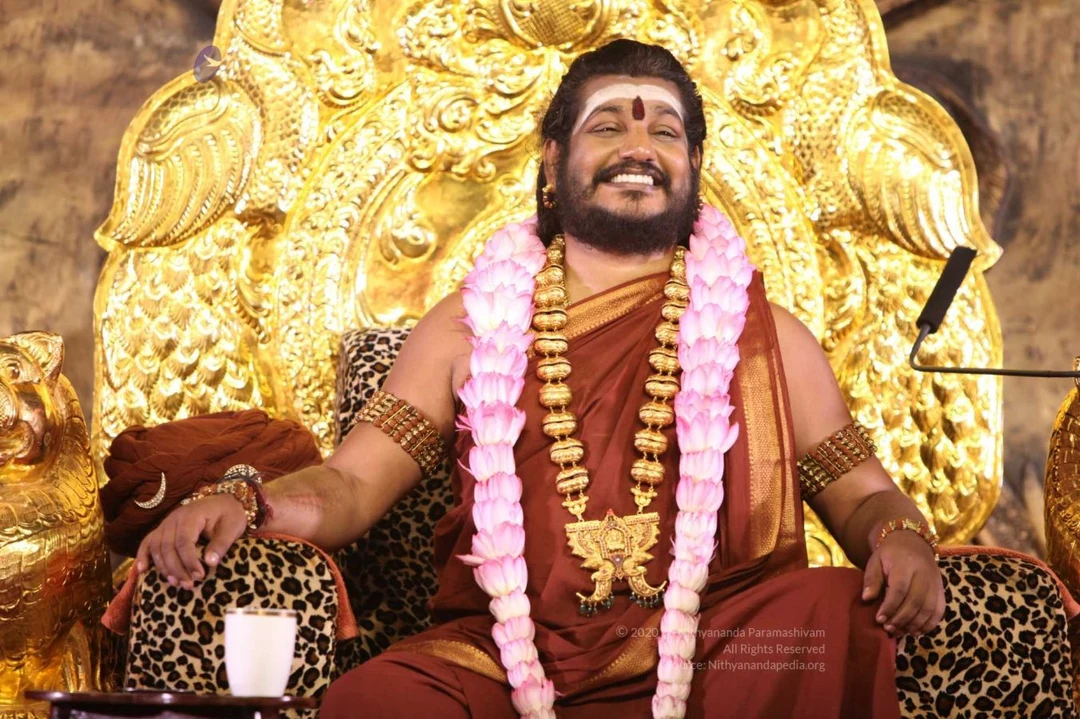 Darshan of His Divine Holiness Bhagavan Sri Nithyananda Paramashivam
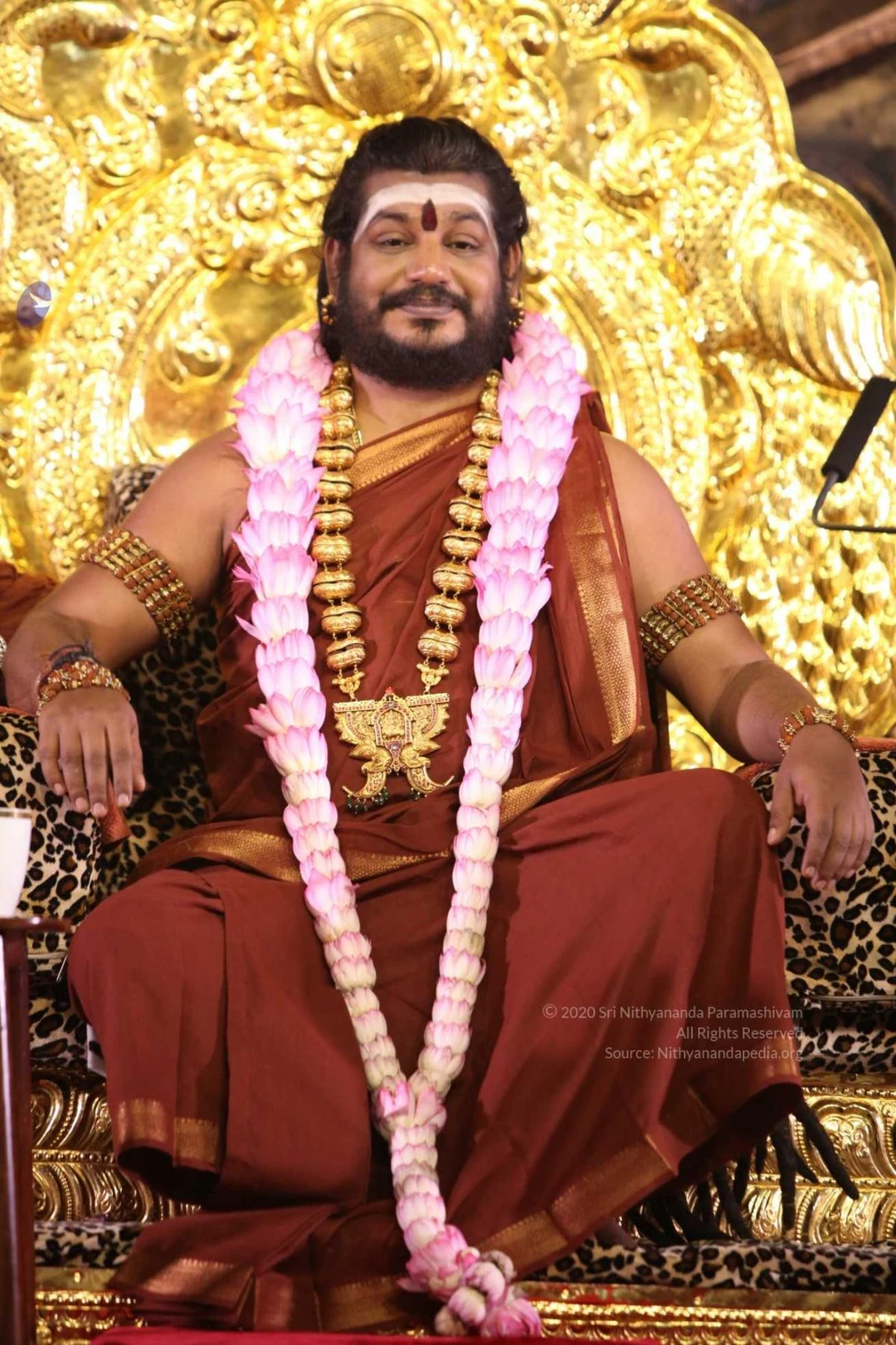
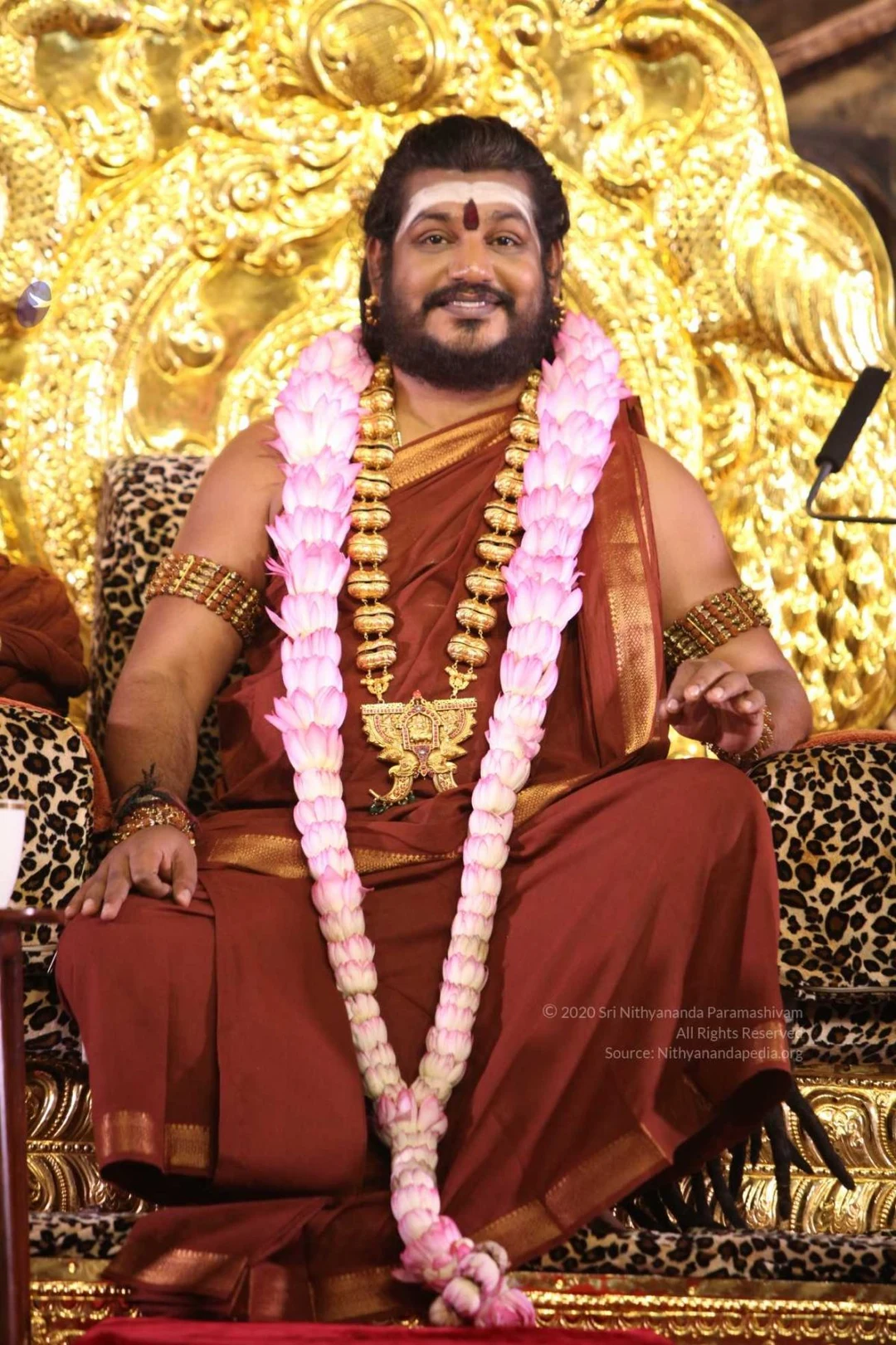
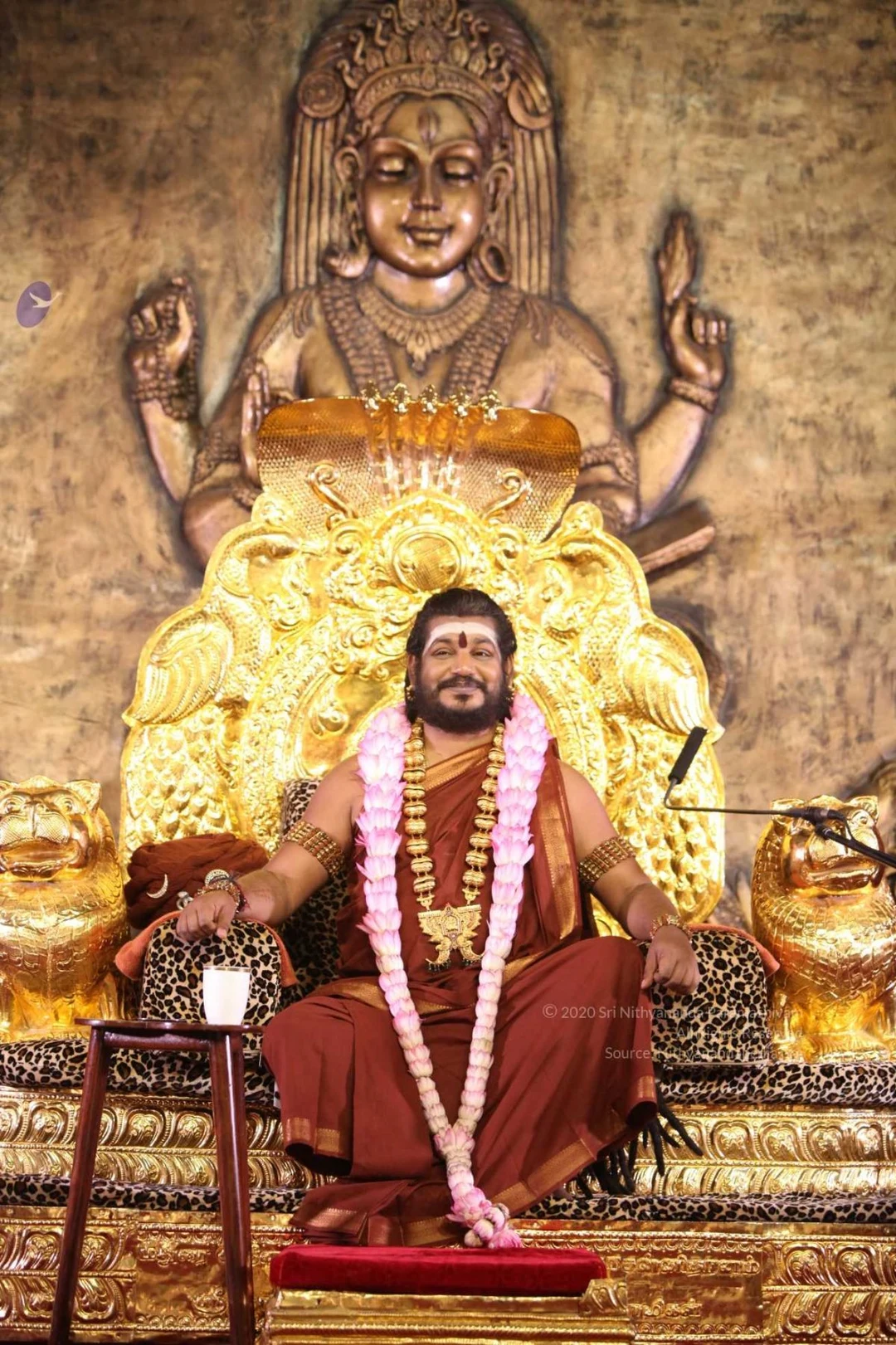
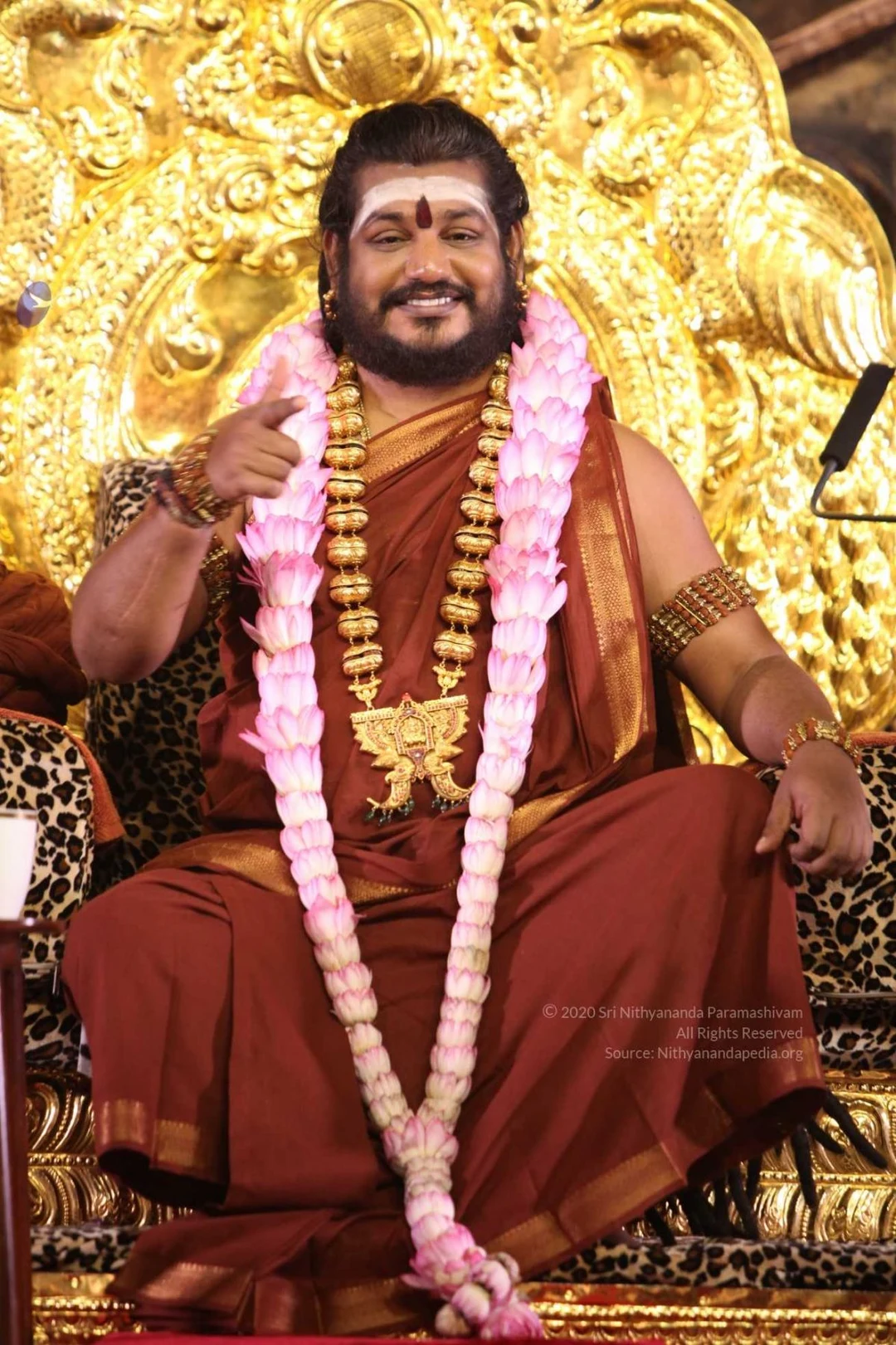
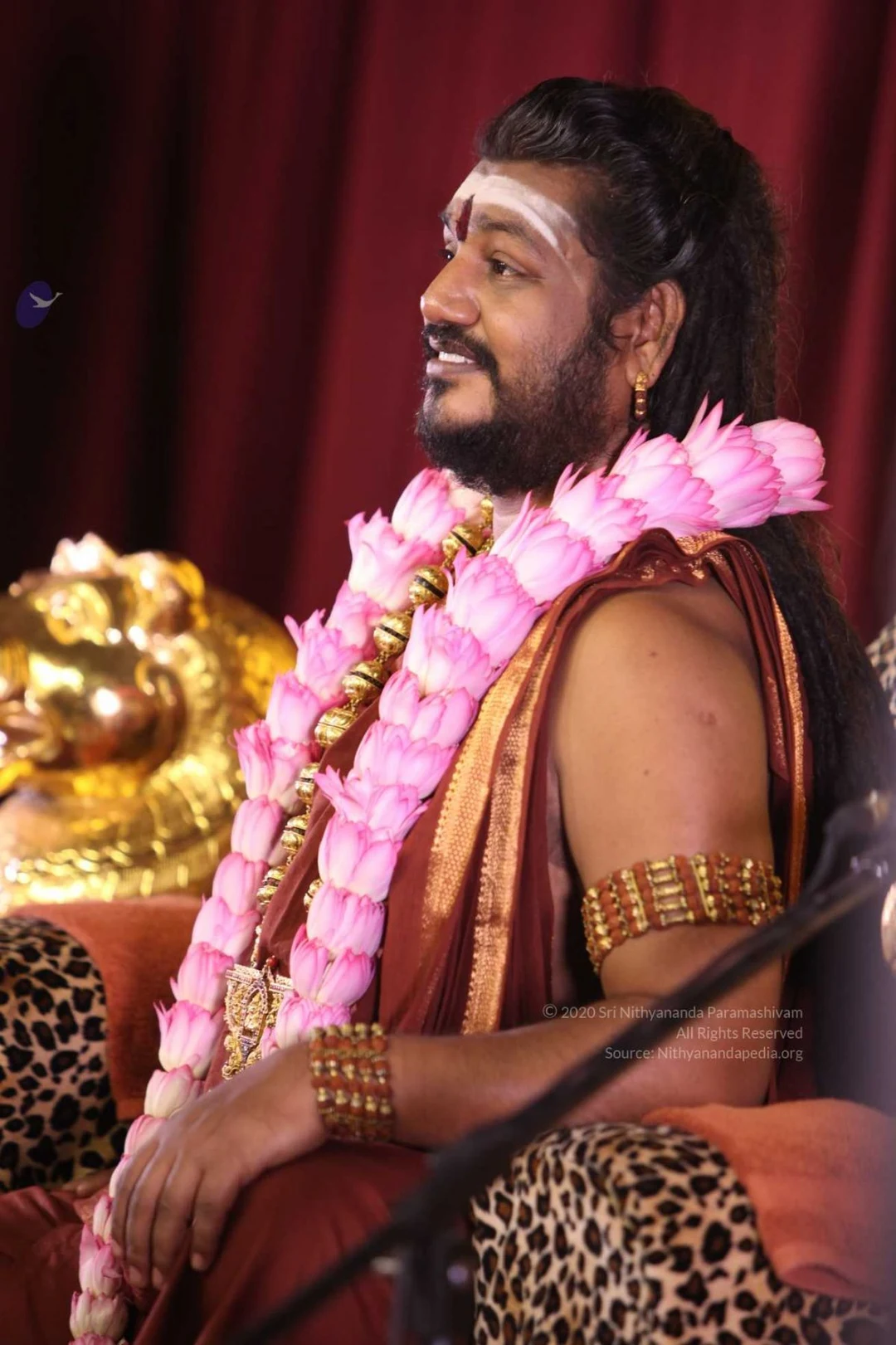
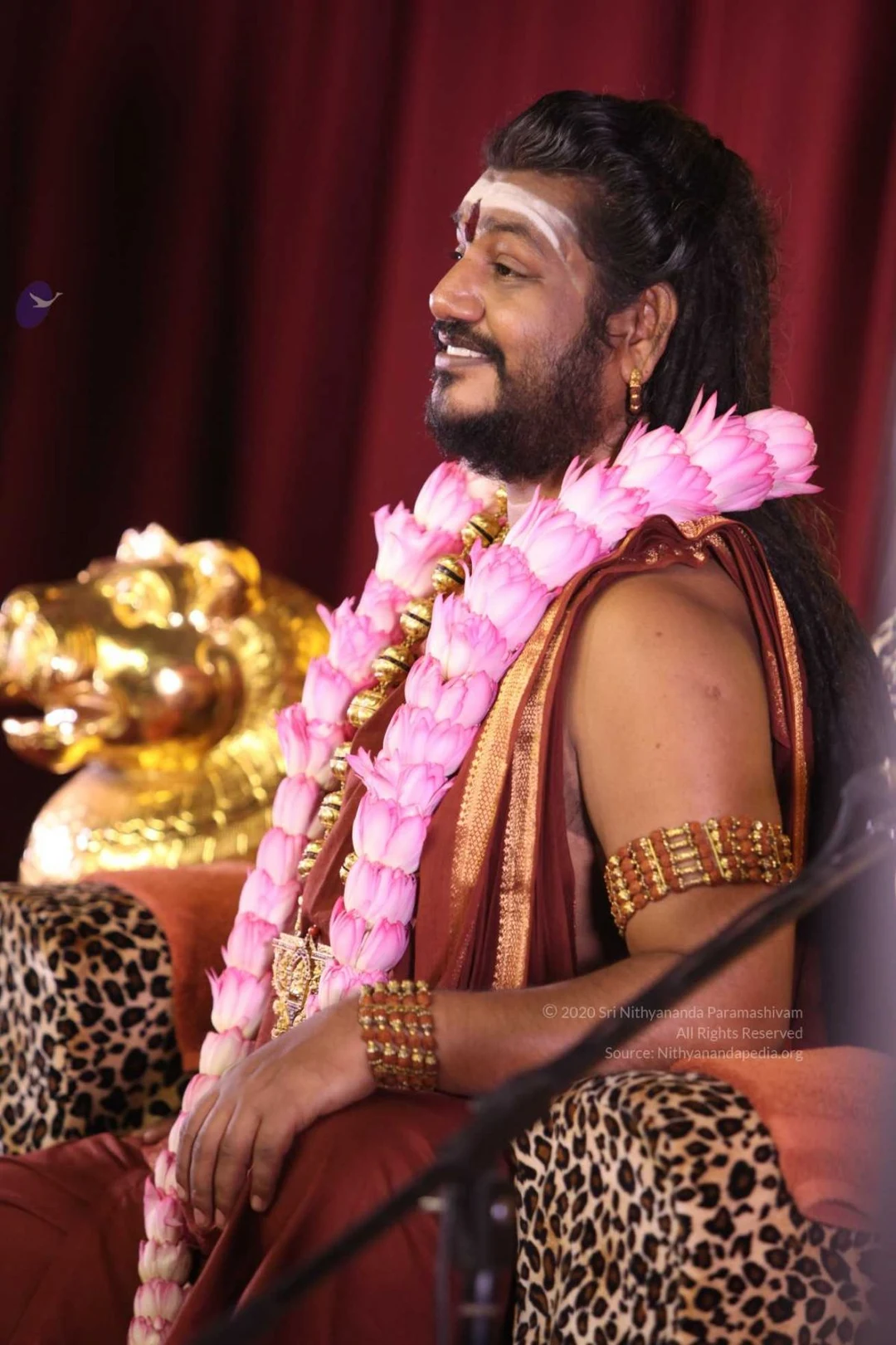
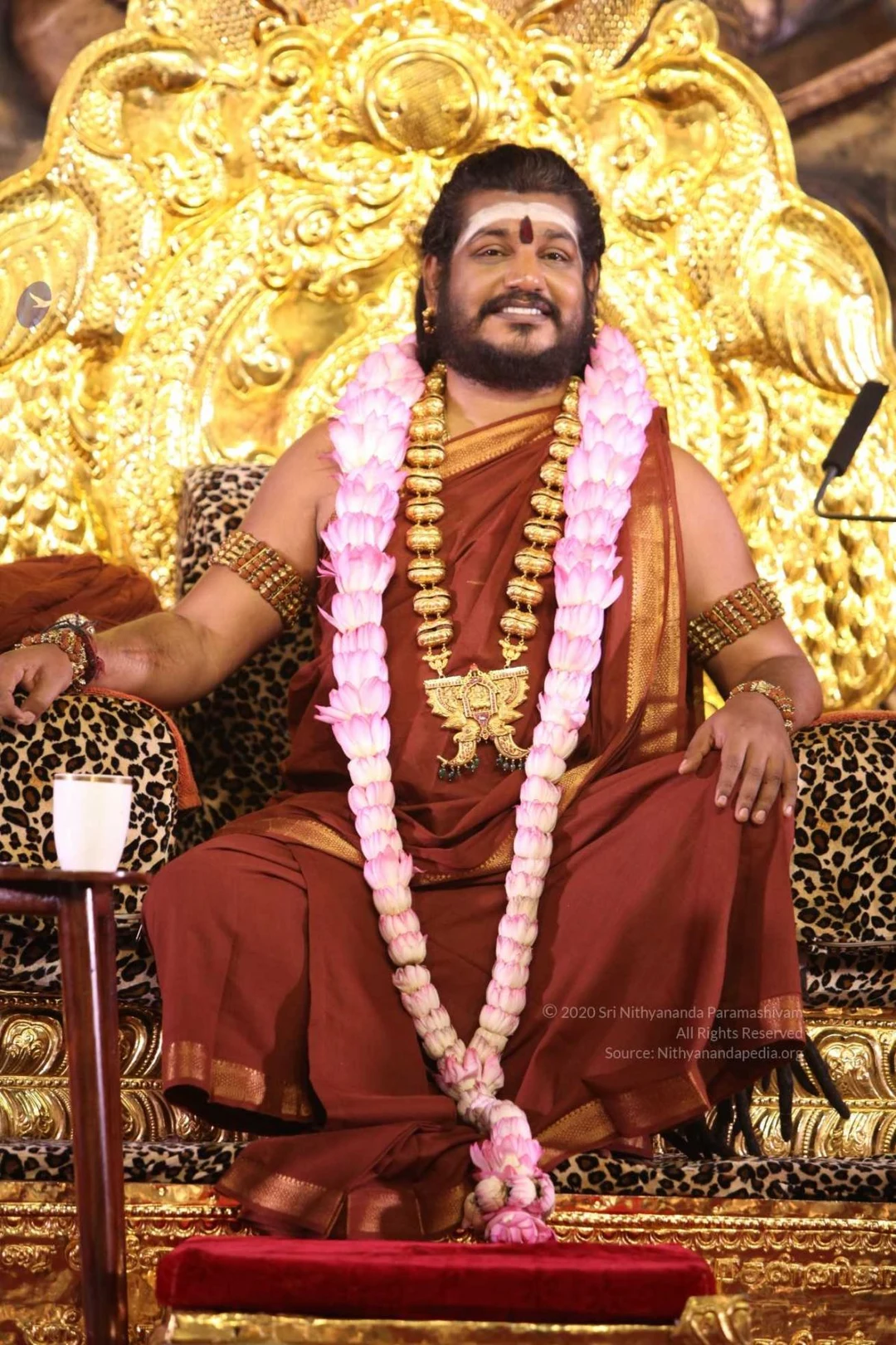
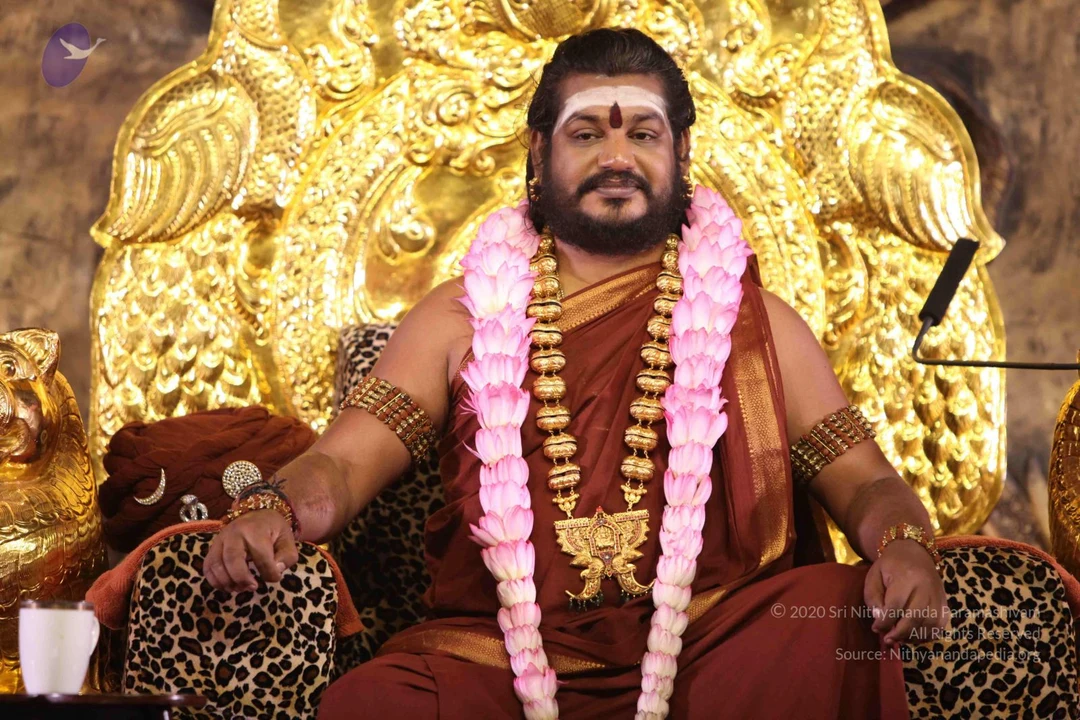
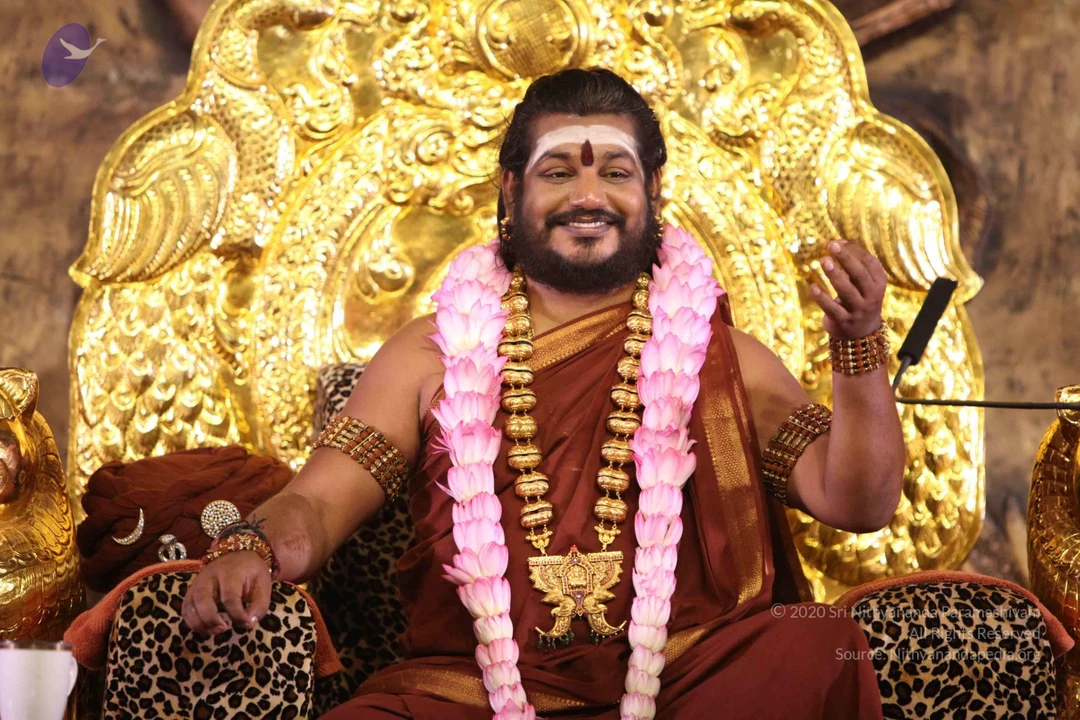
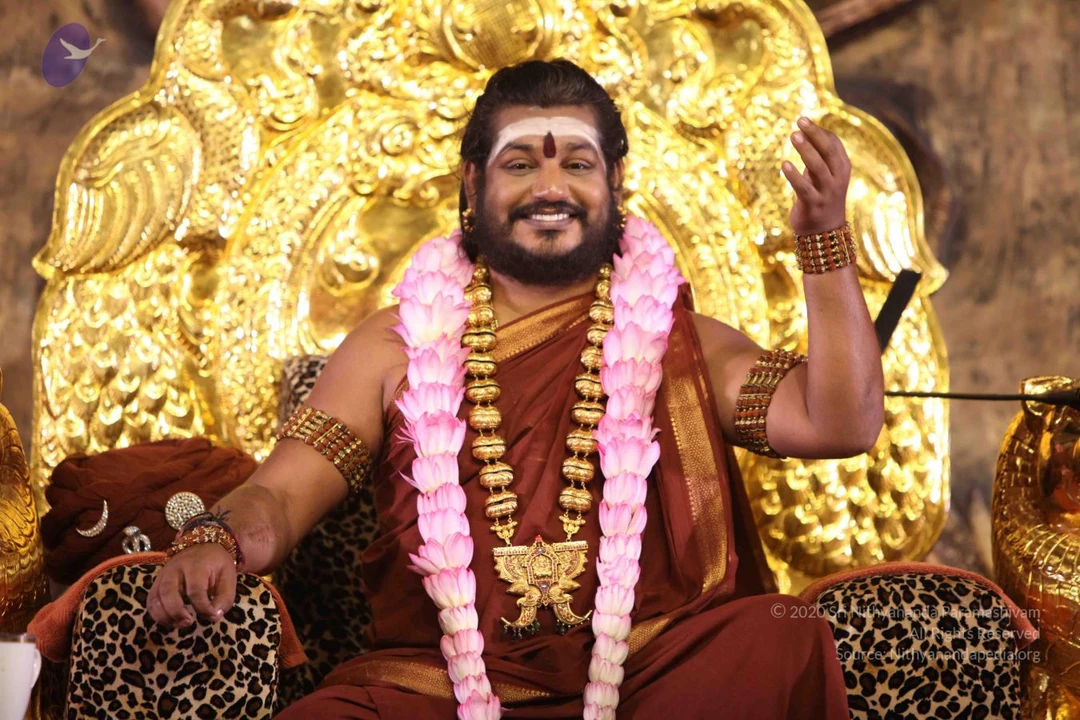
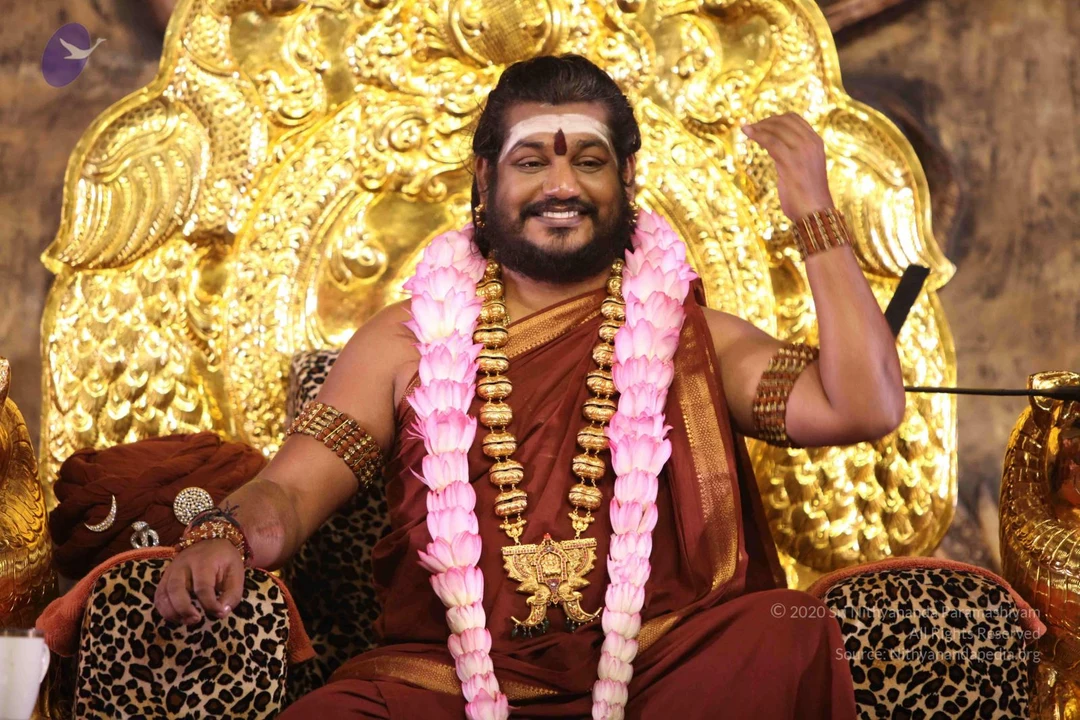
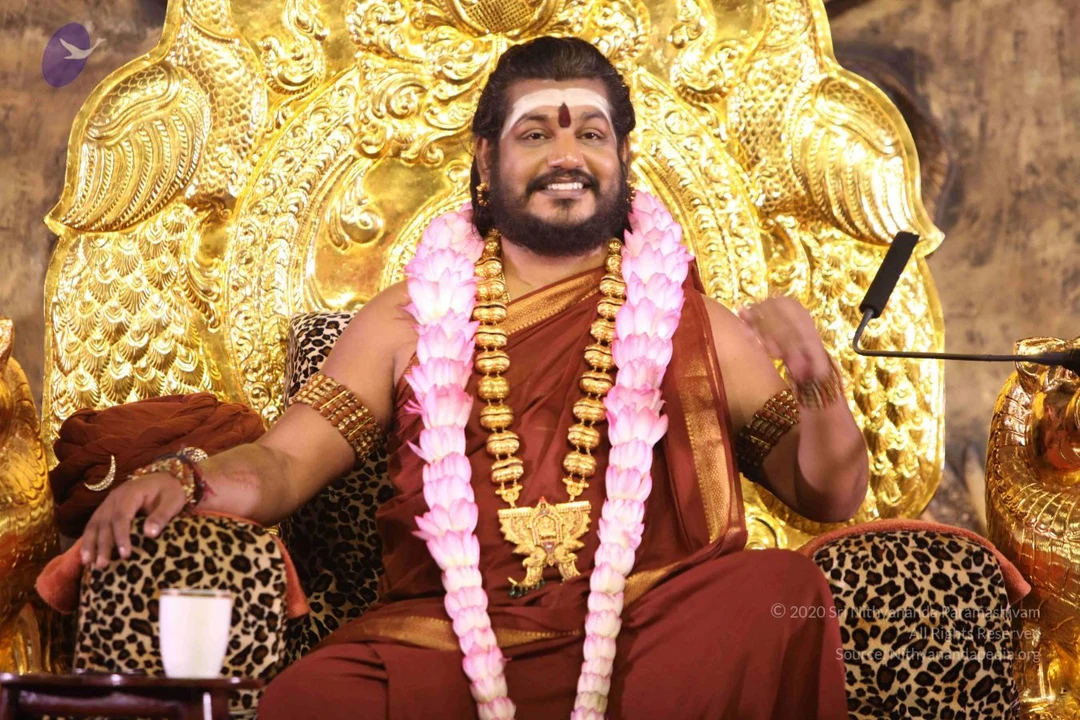
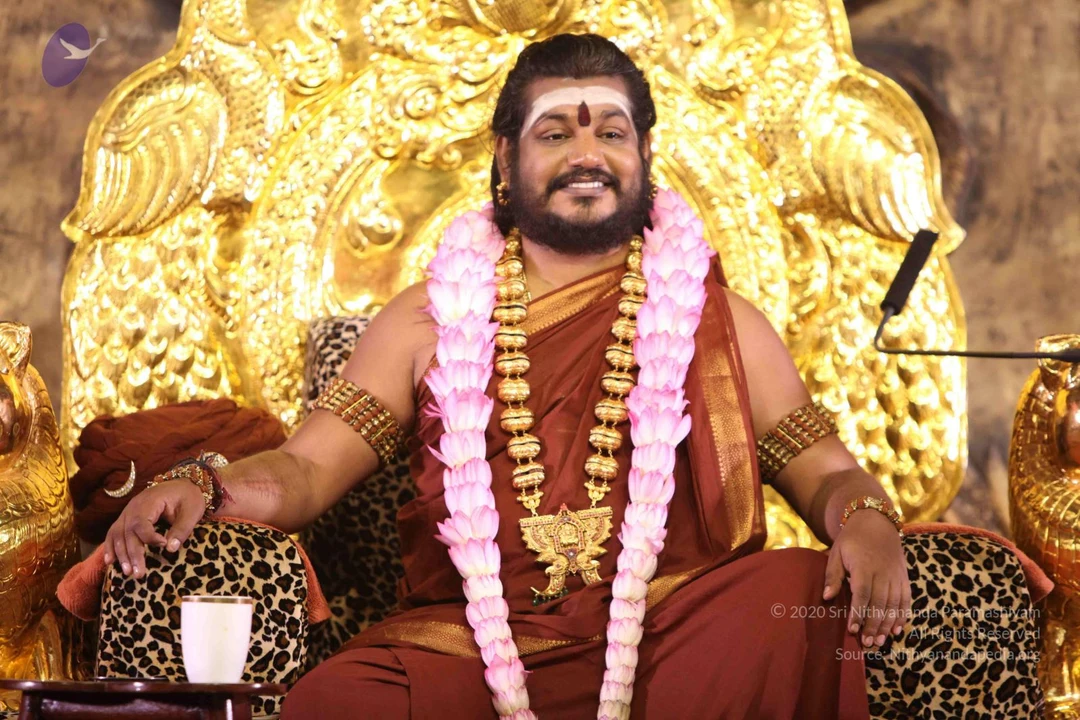
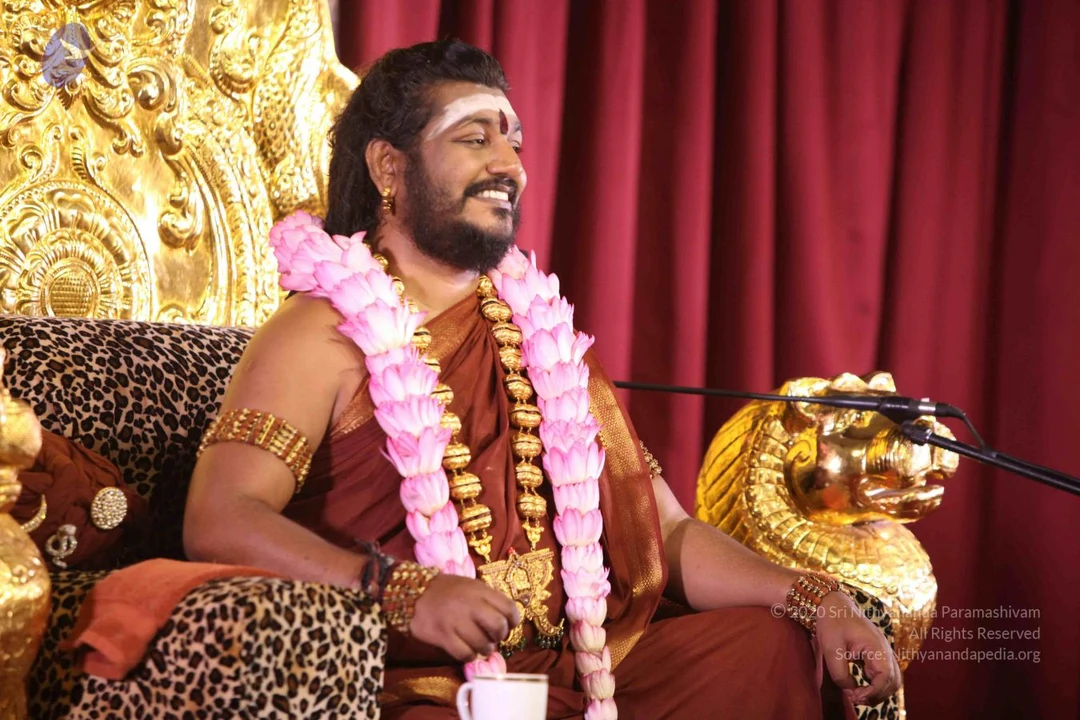
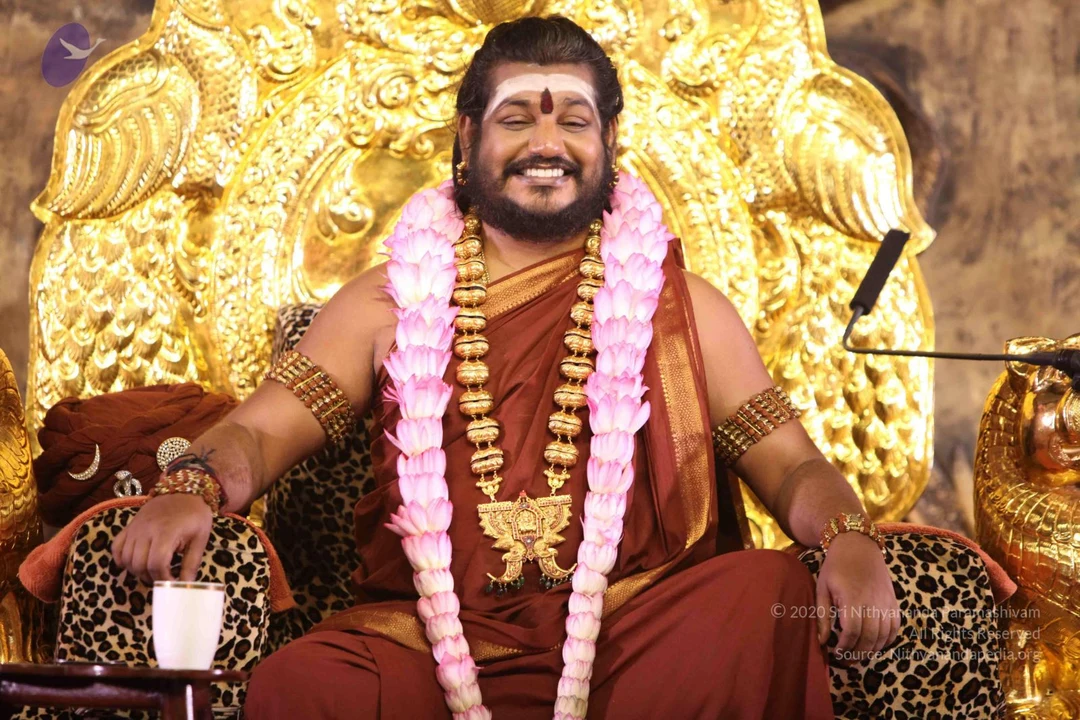
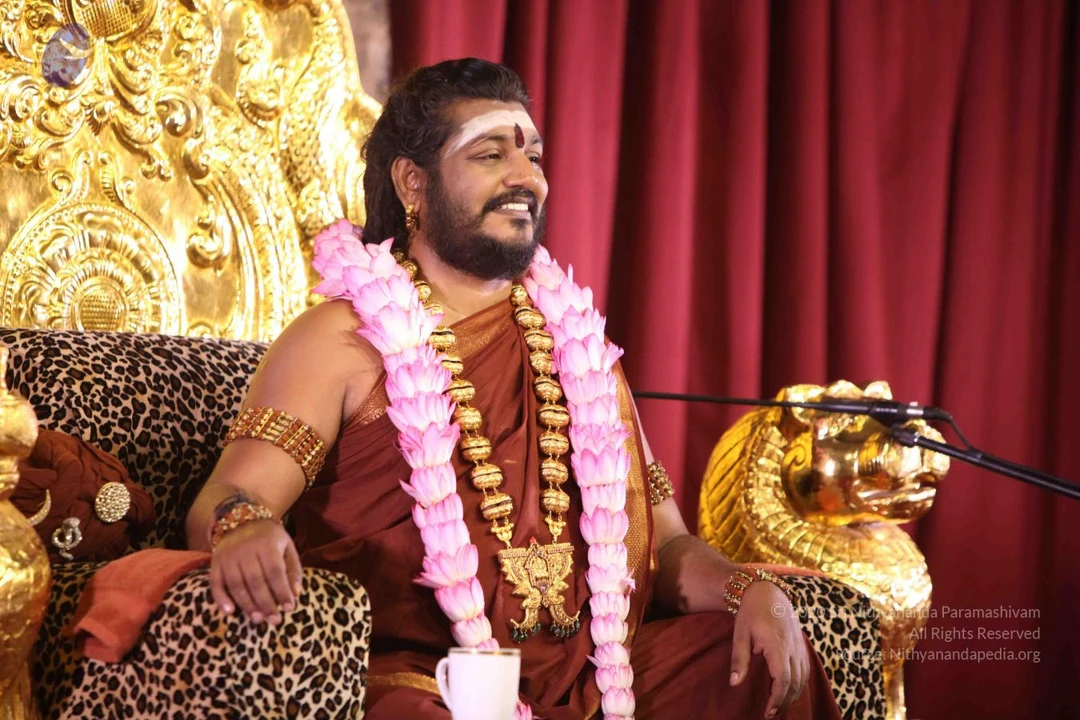
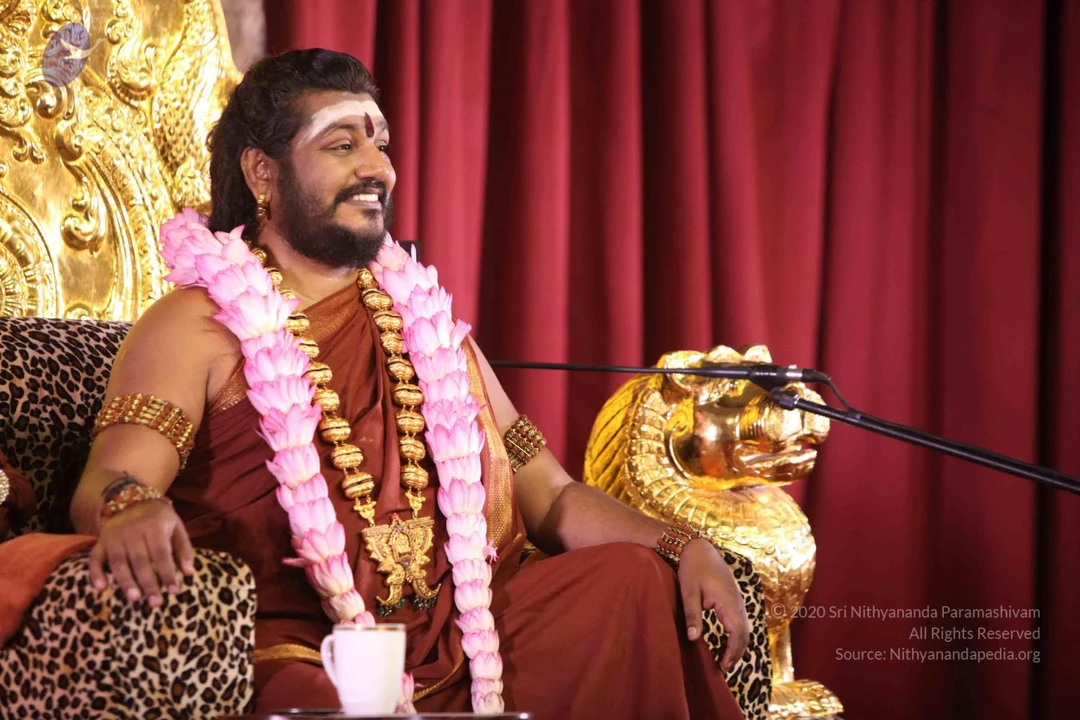
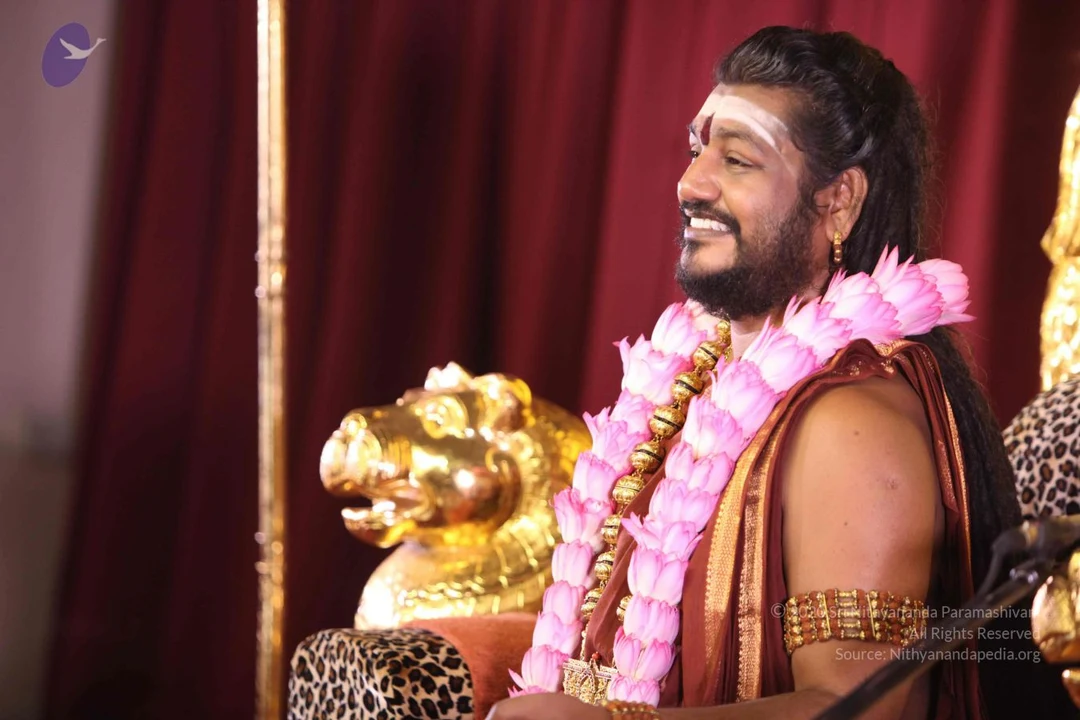
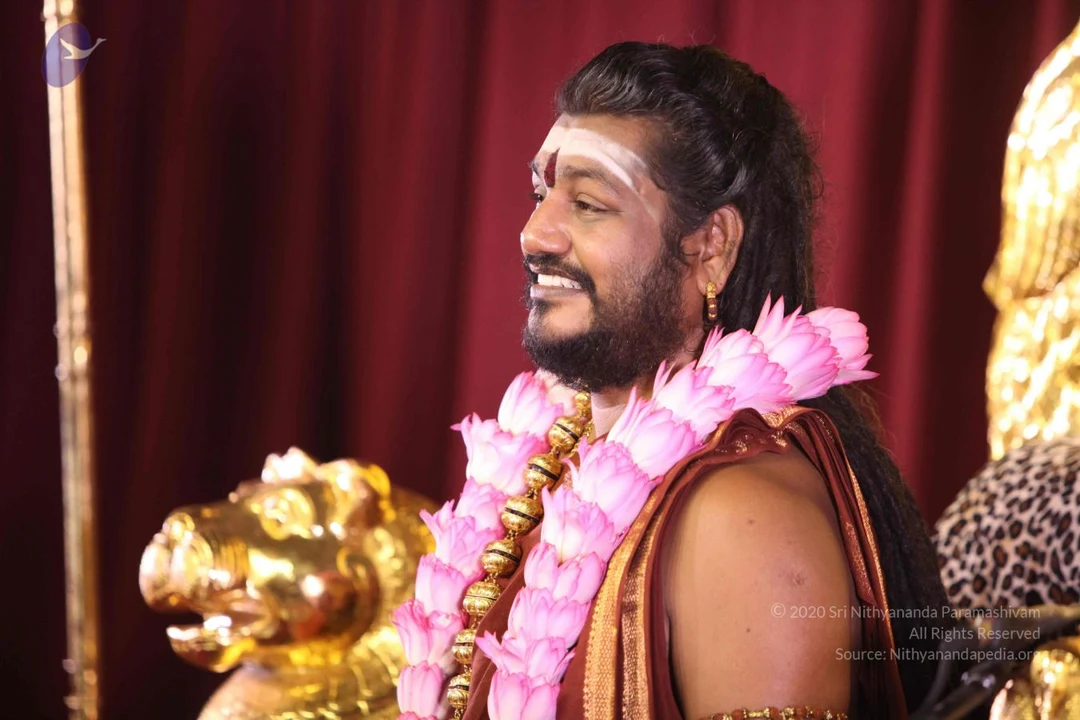
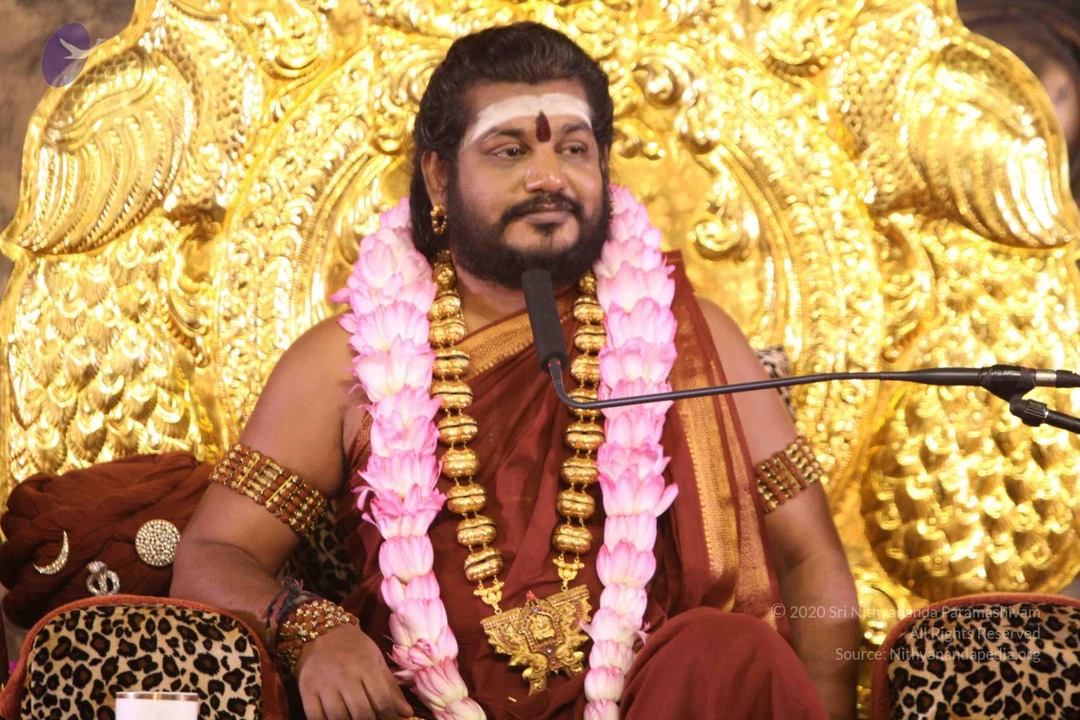
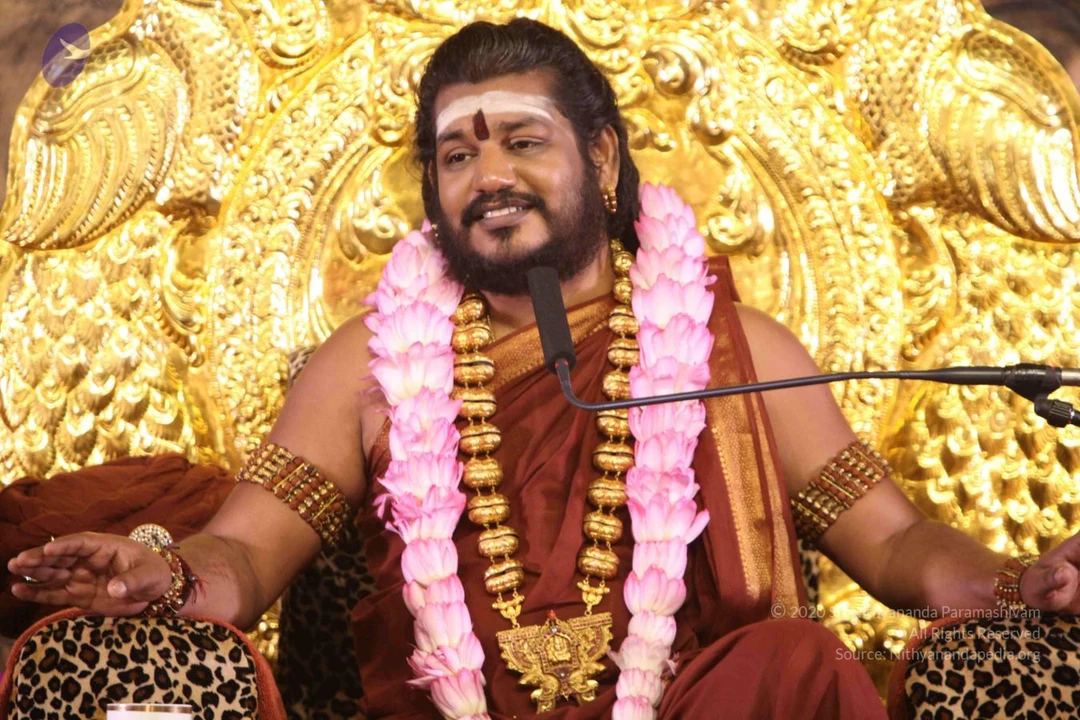
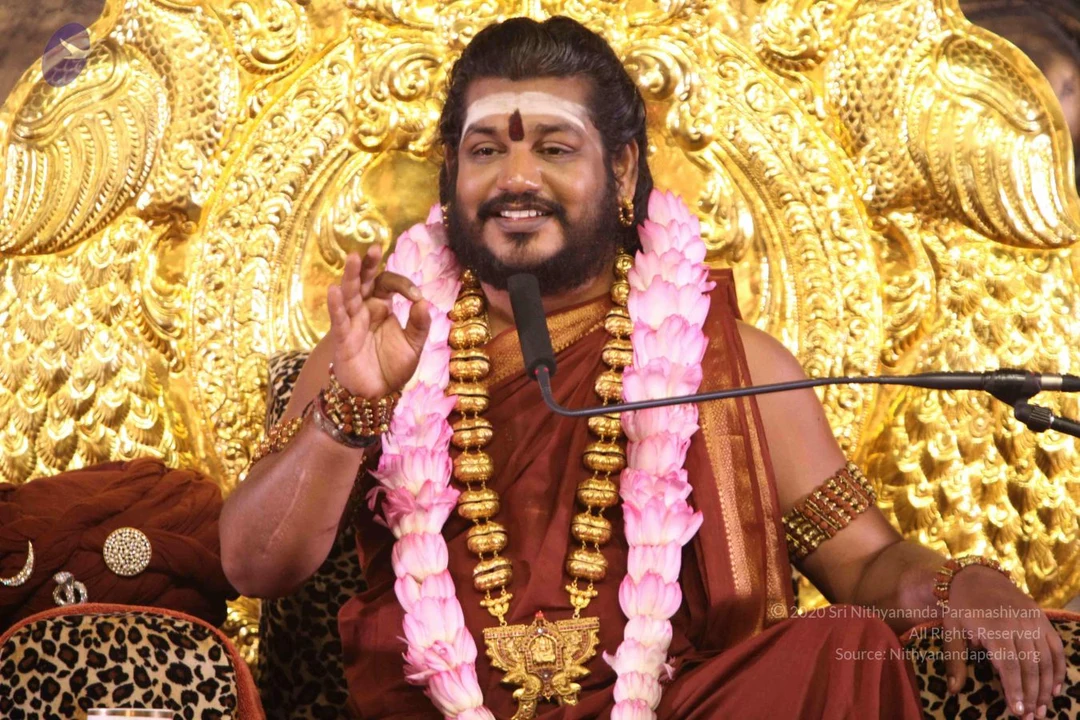
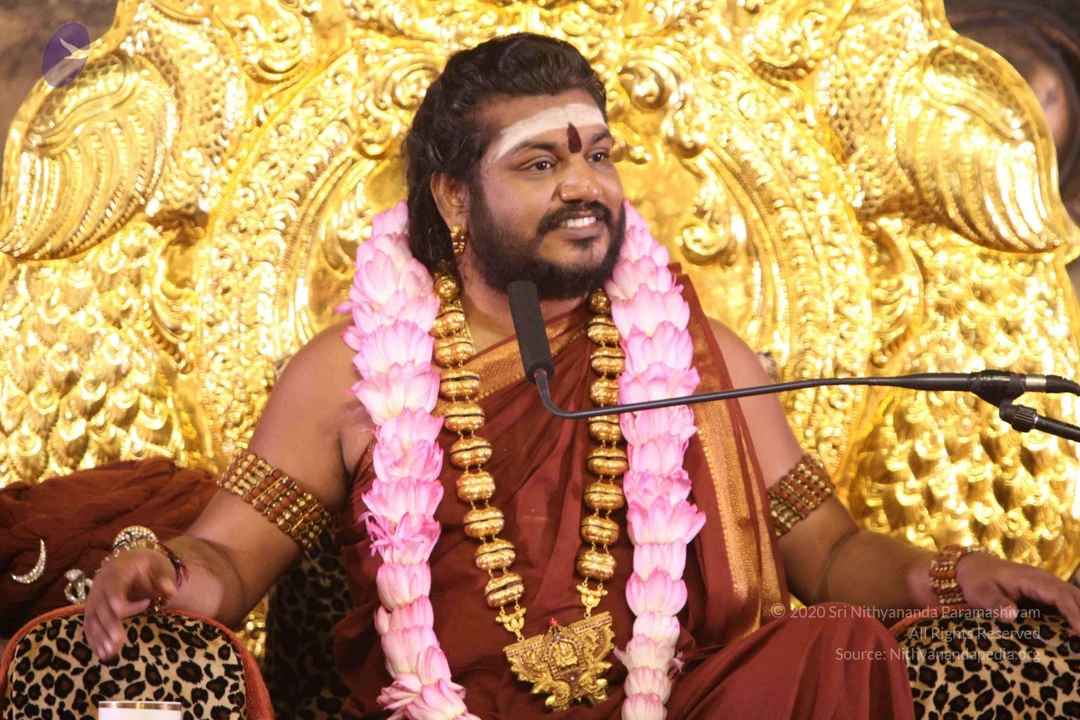
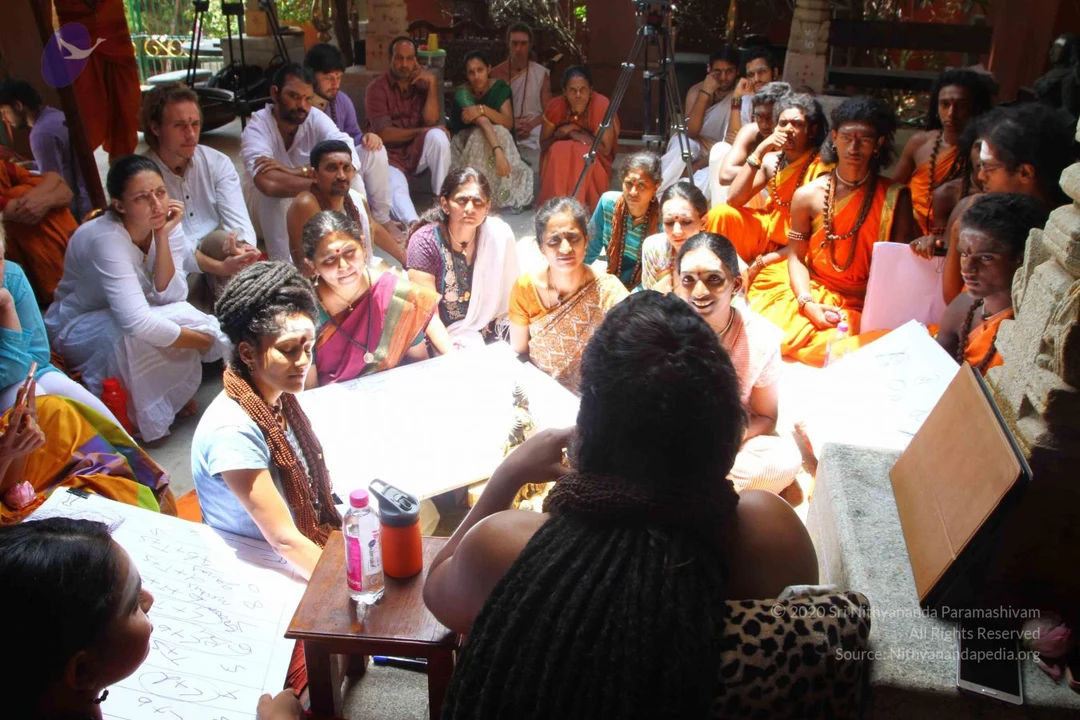
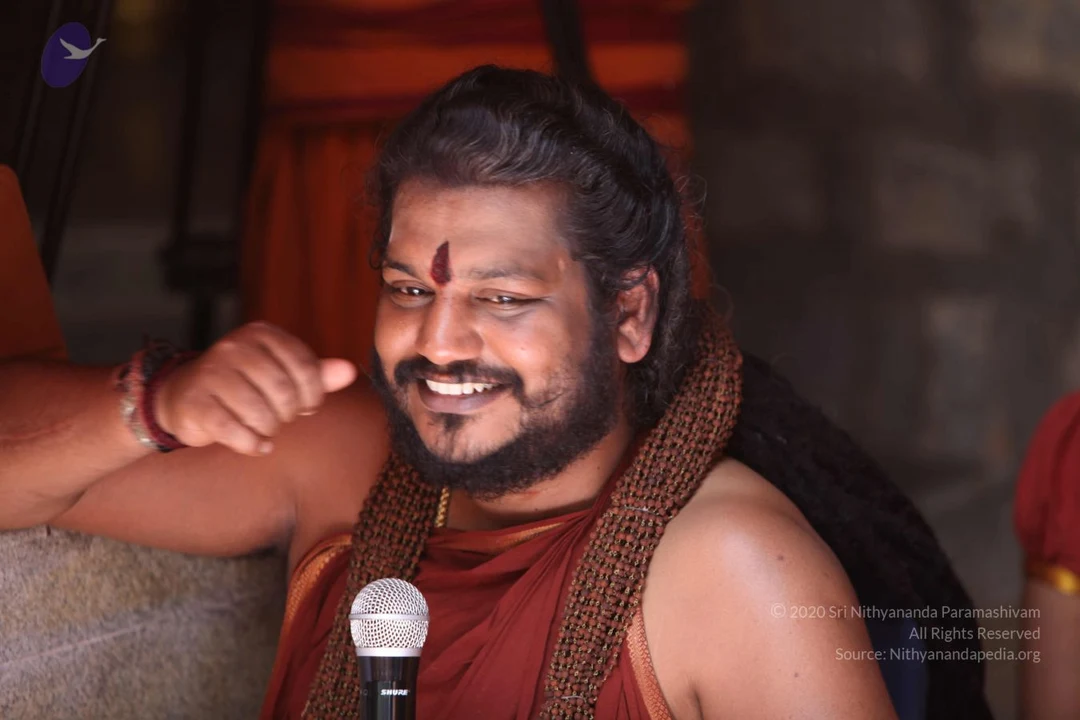
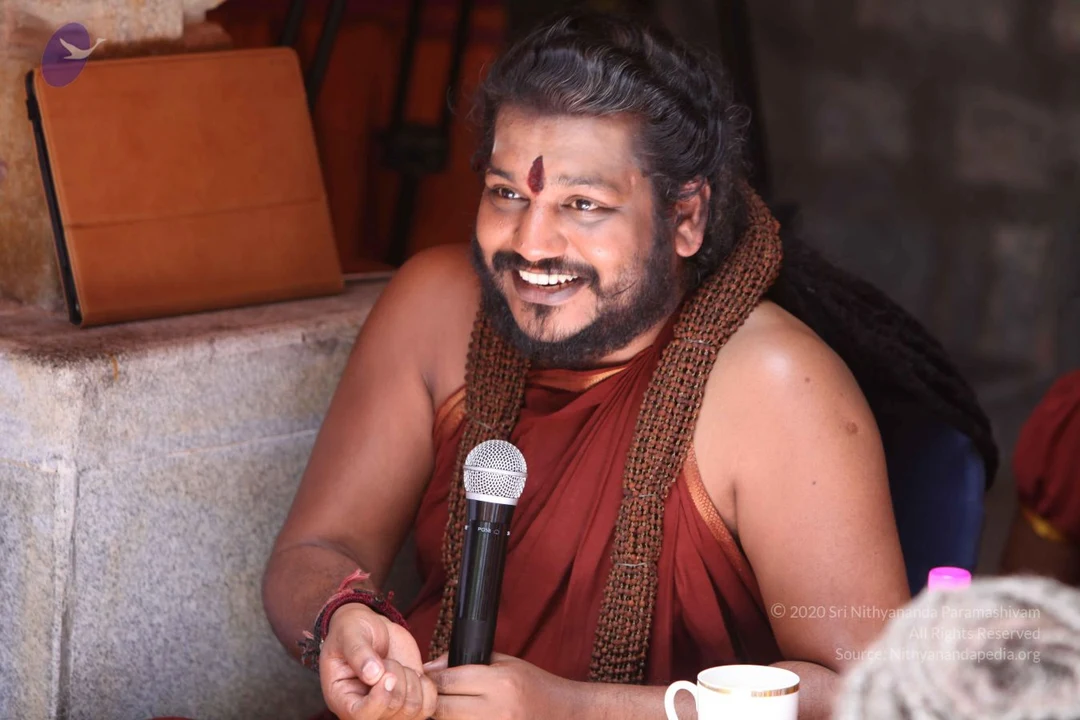
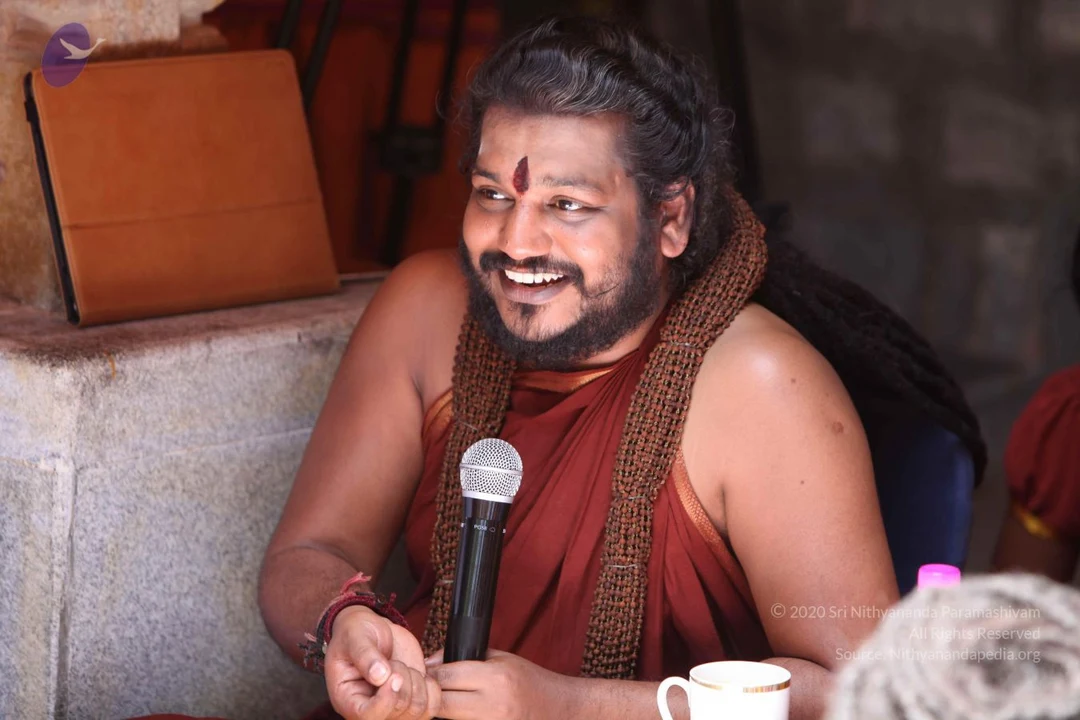
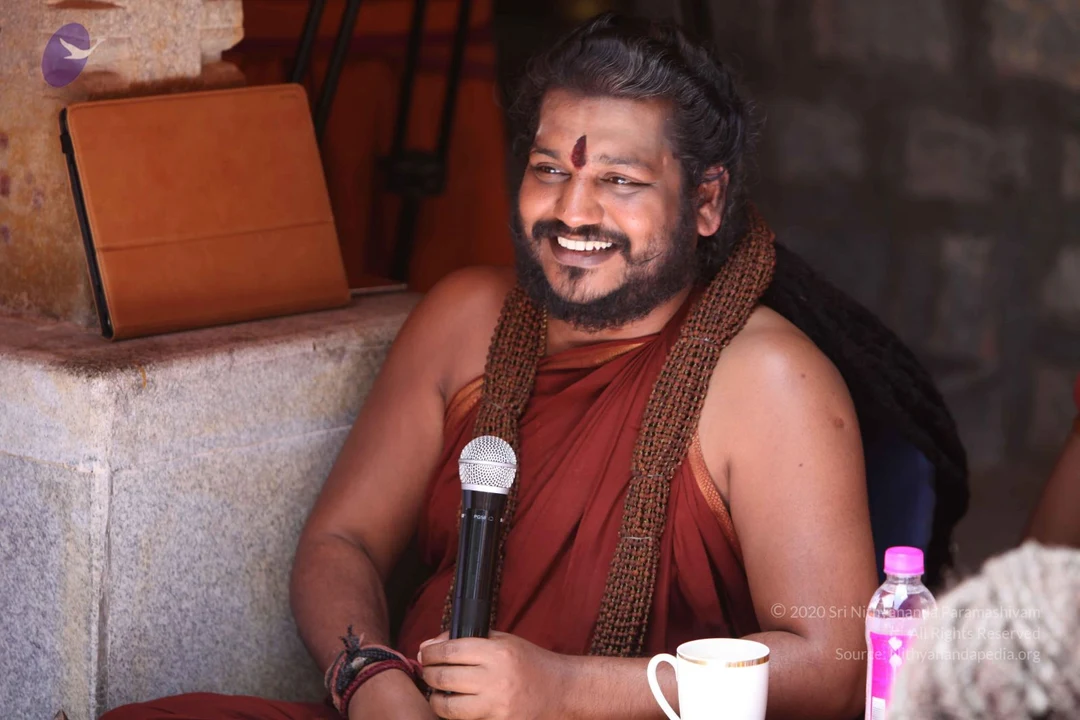
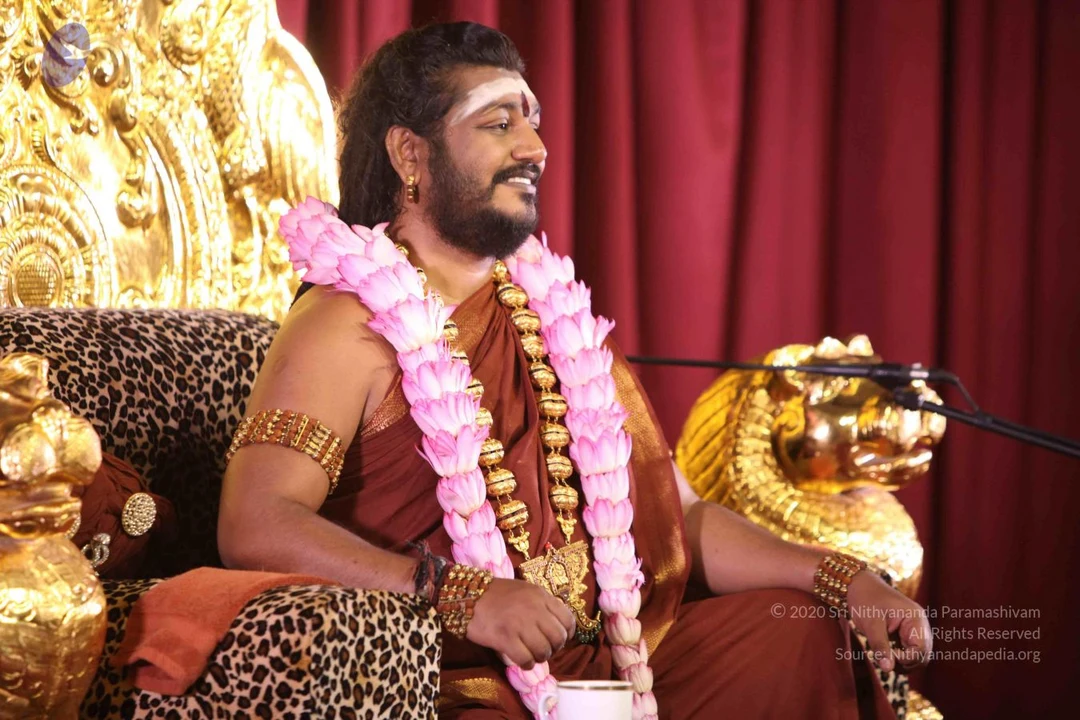
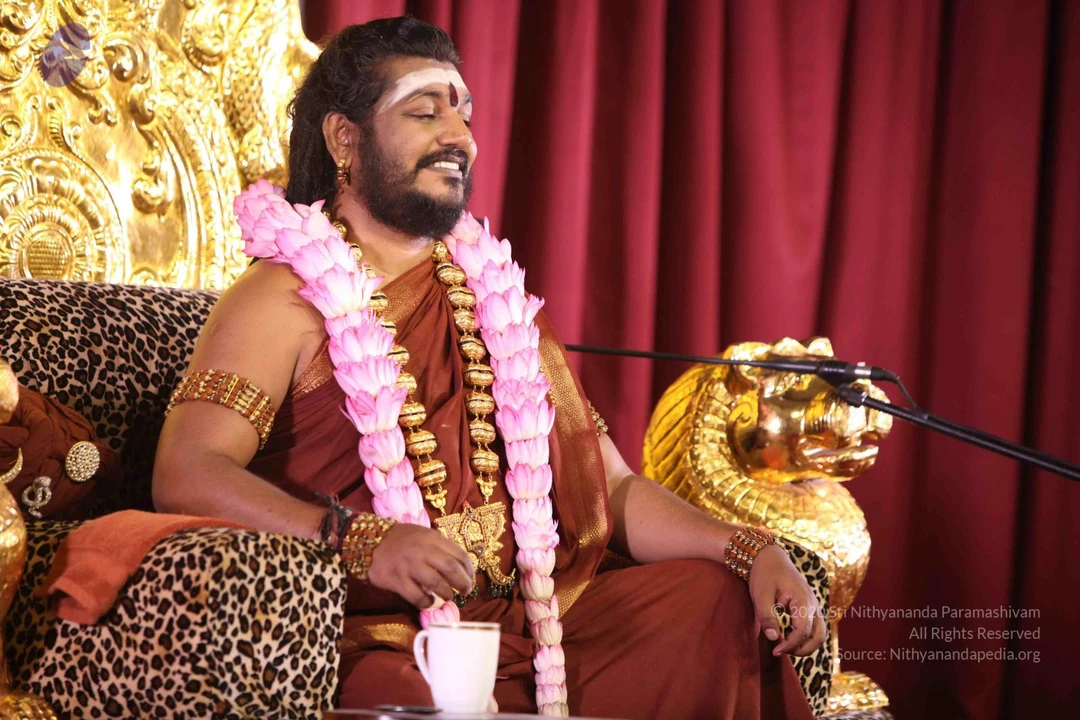
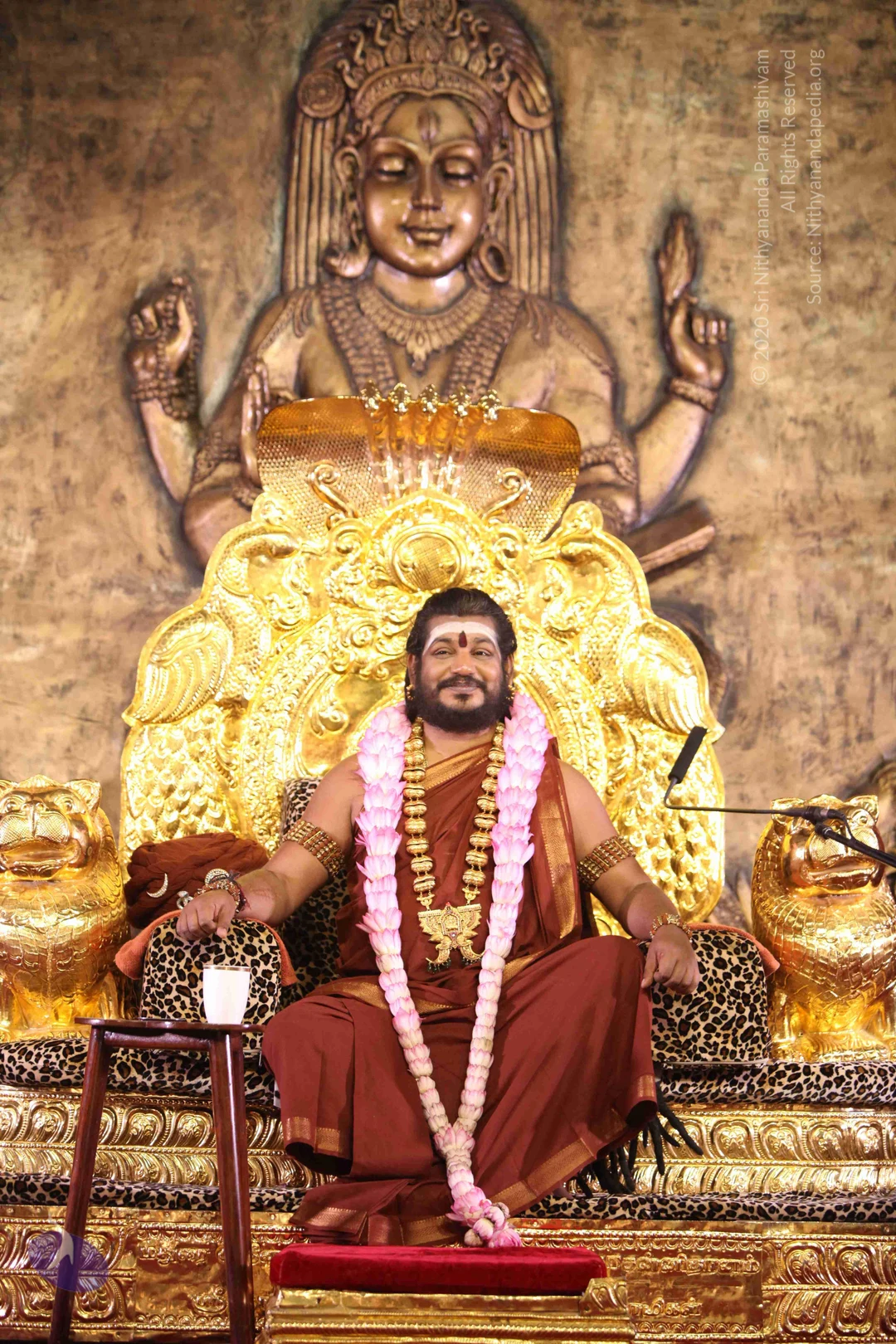
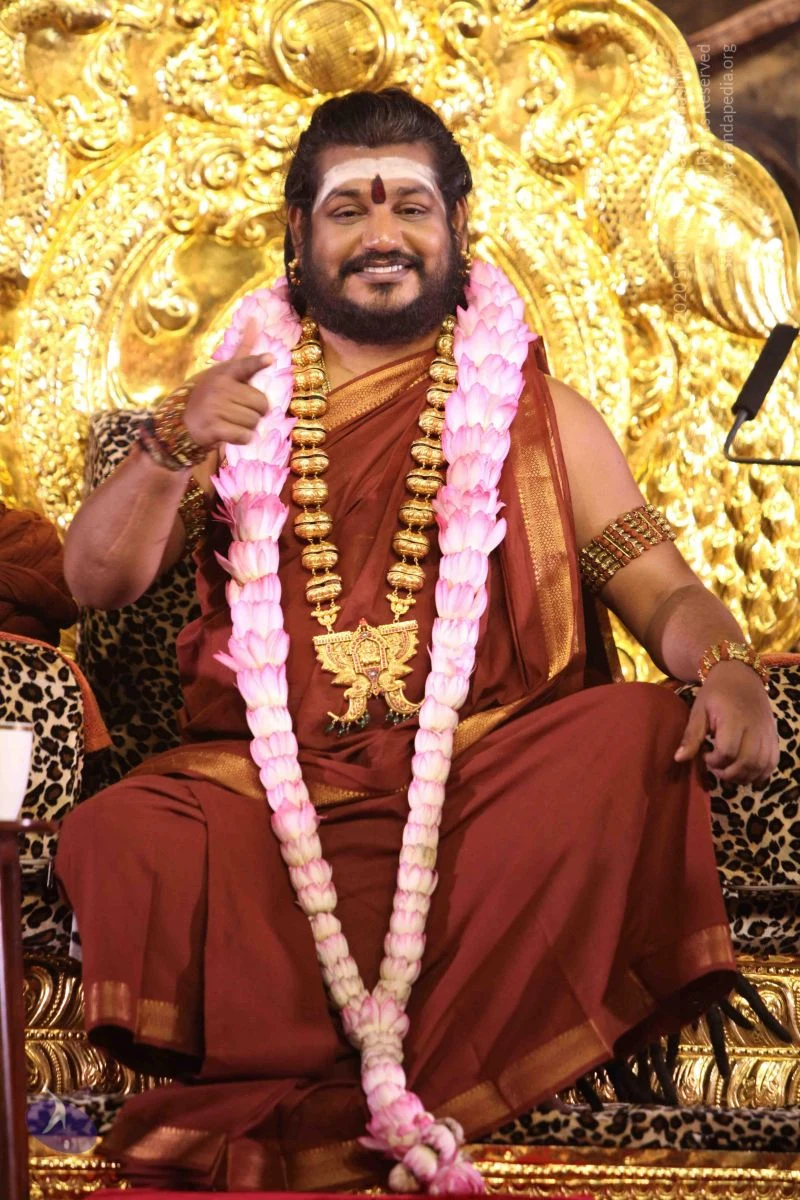
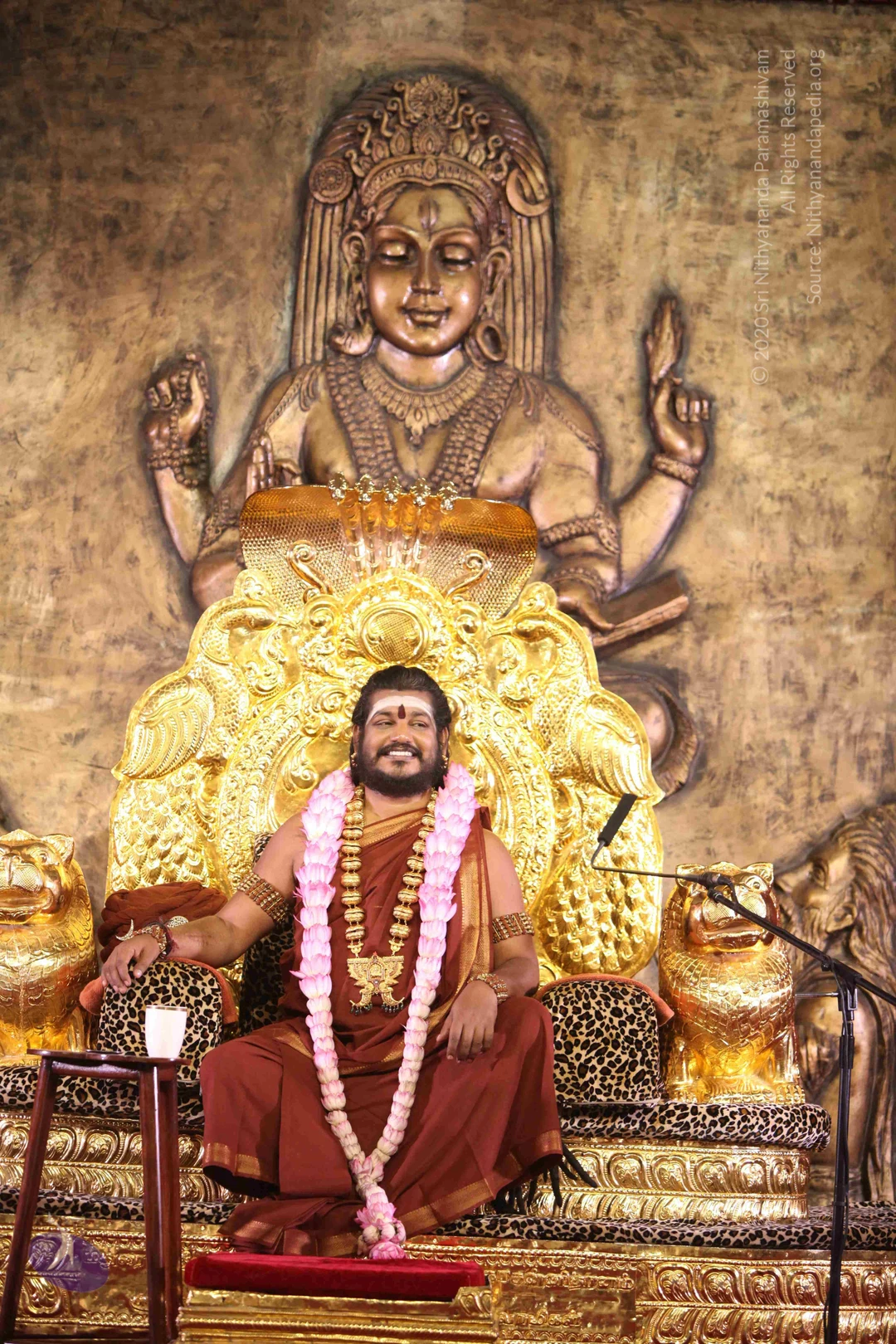
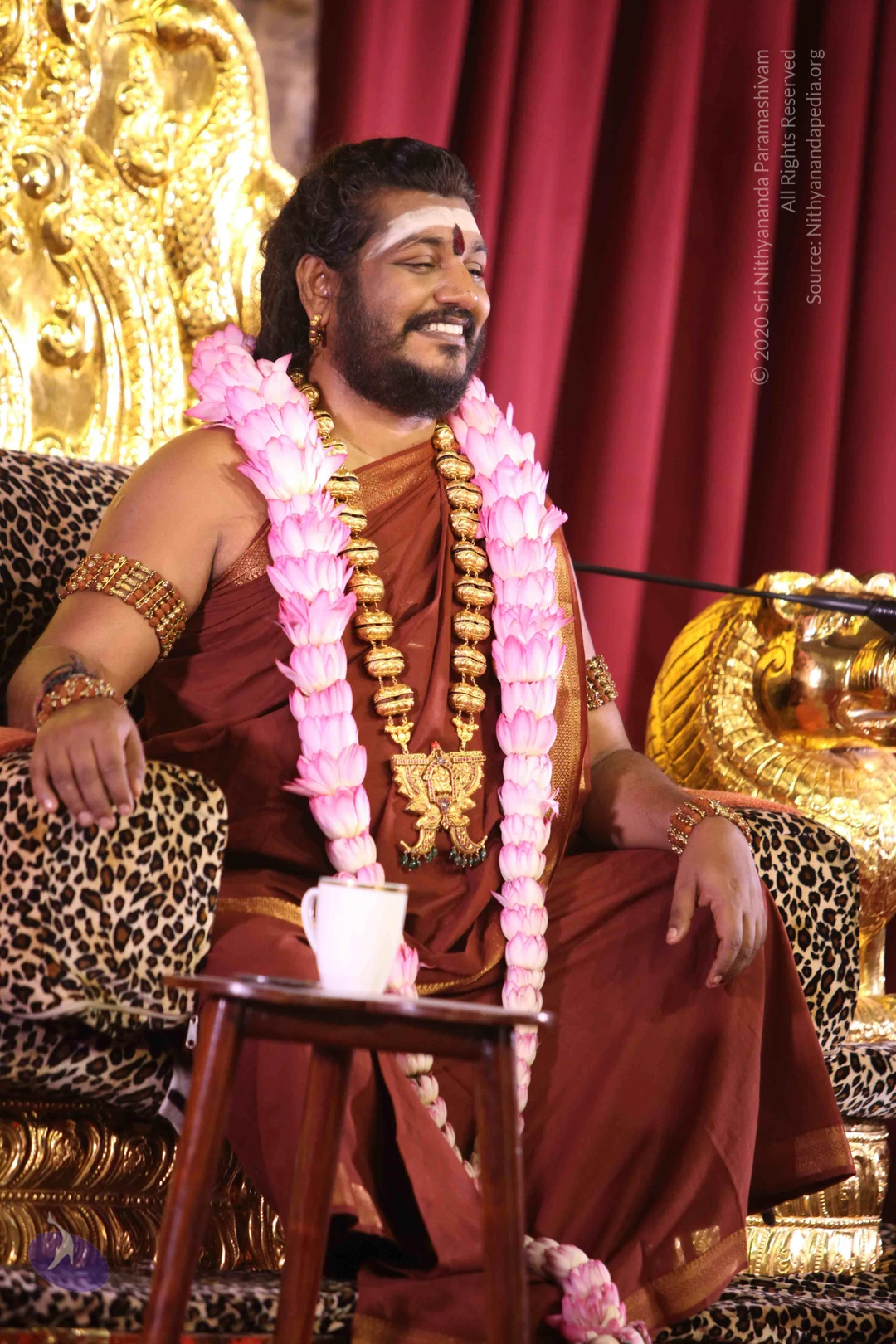
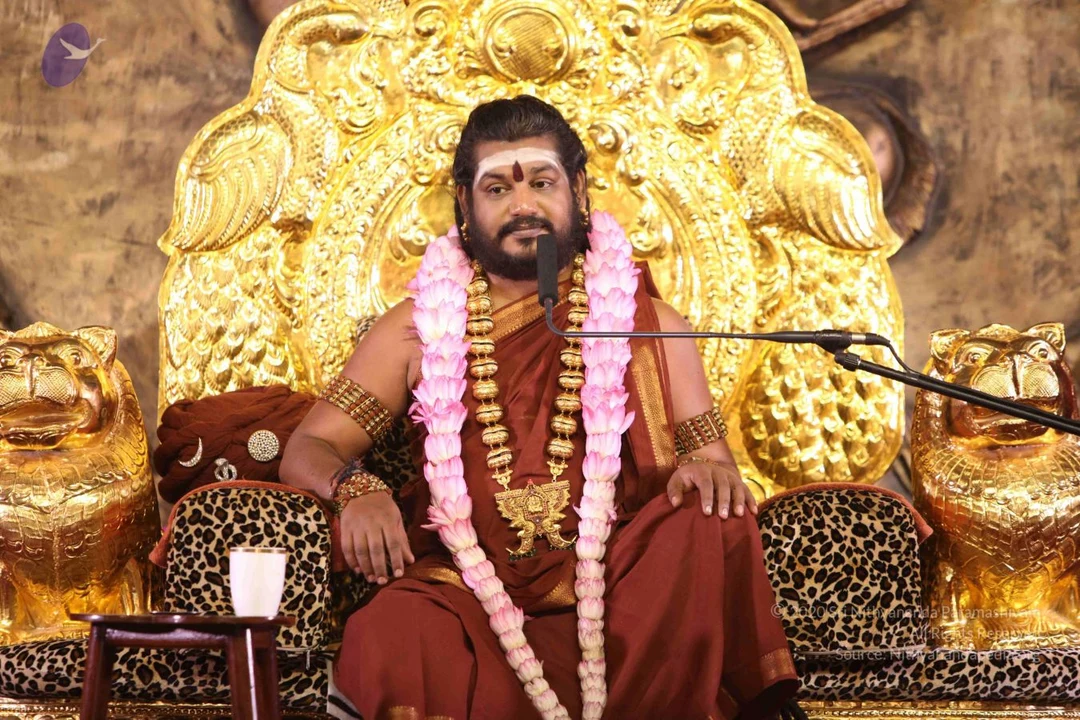
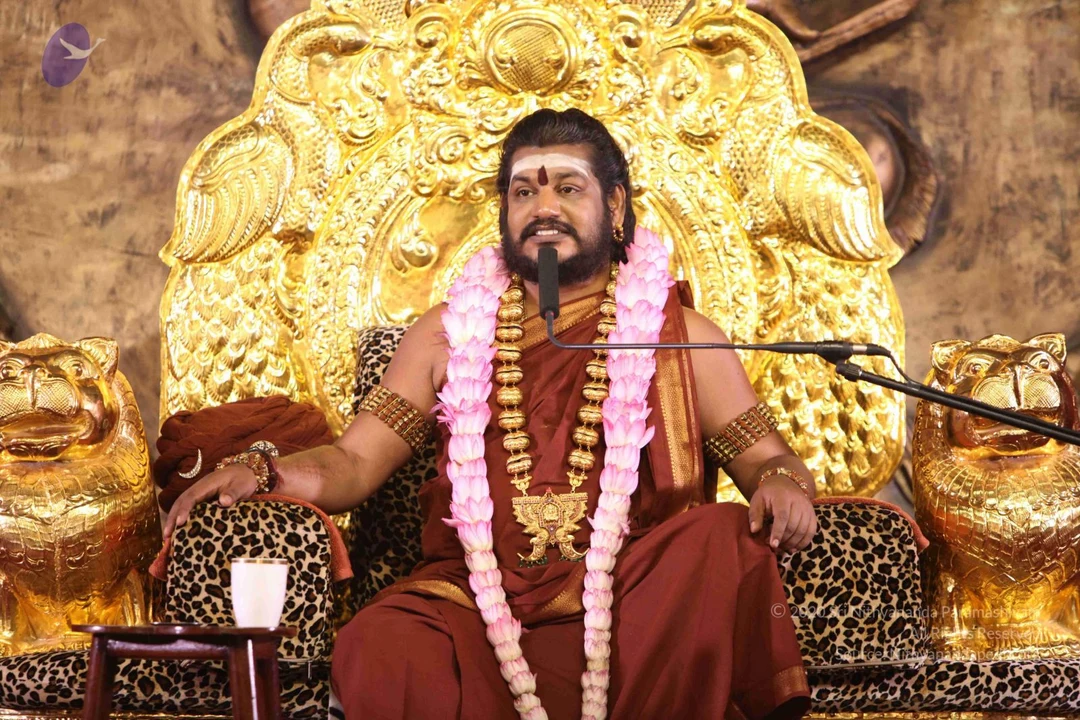
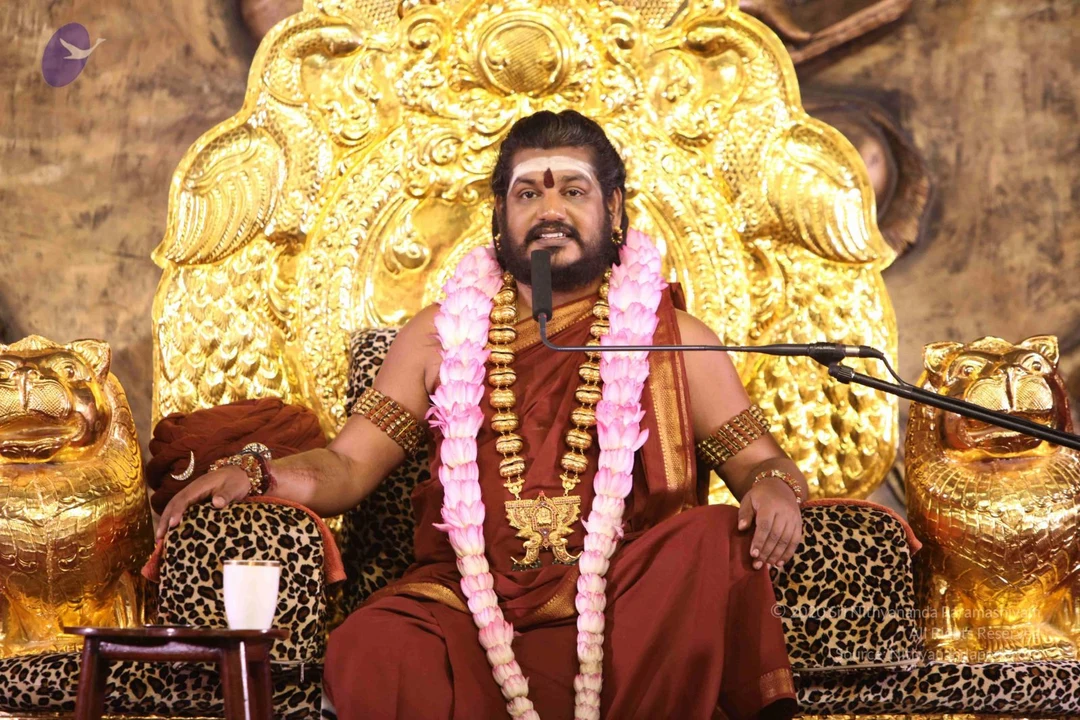
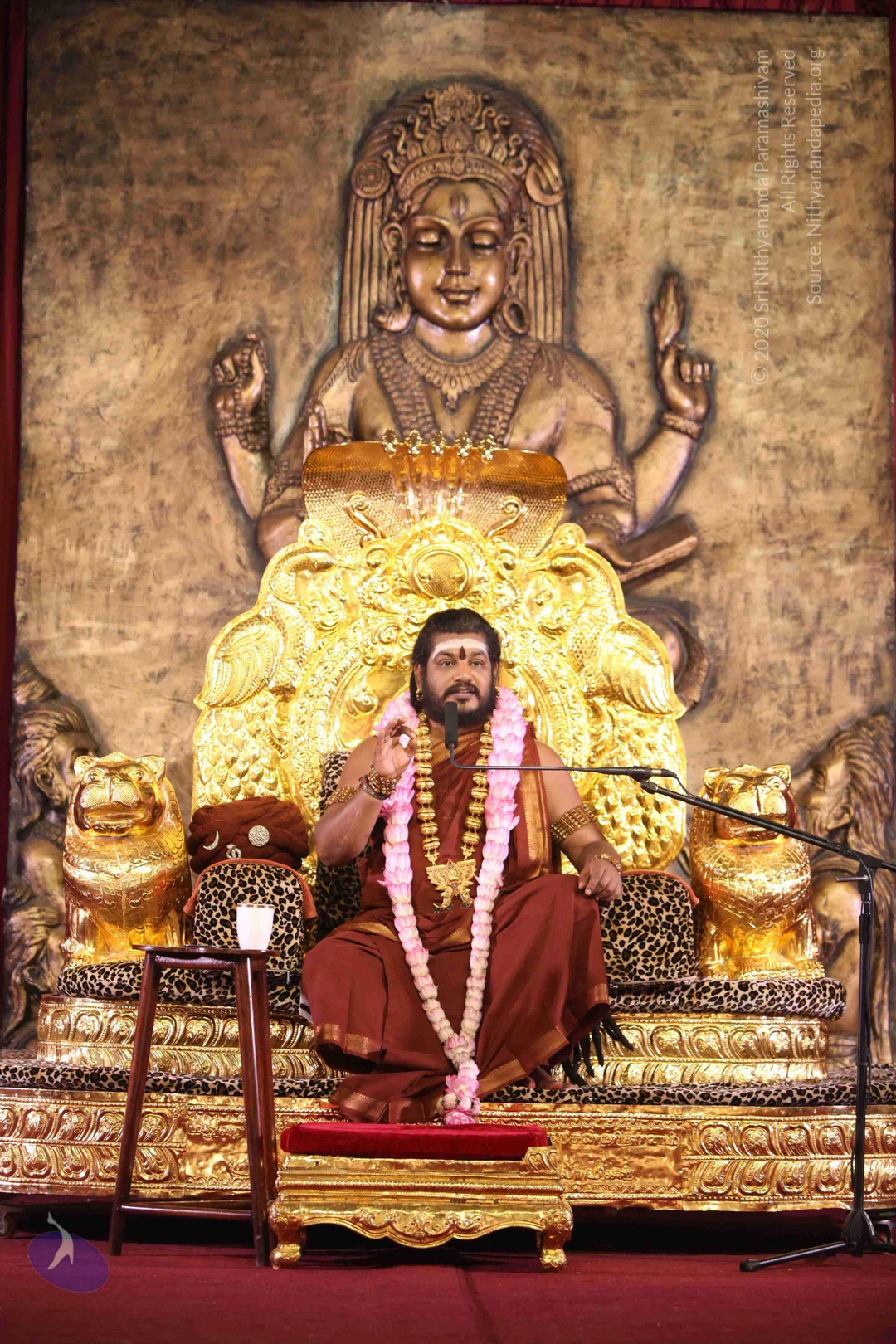
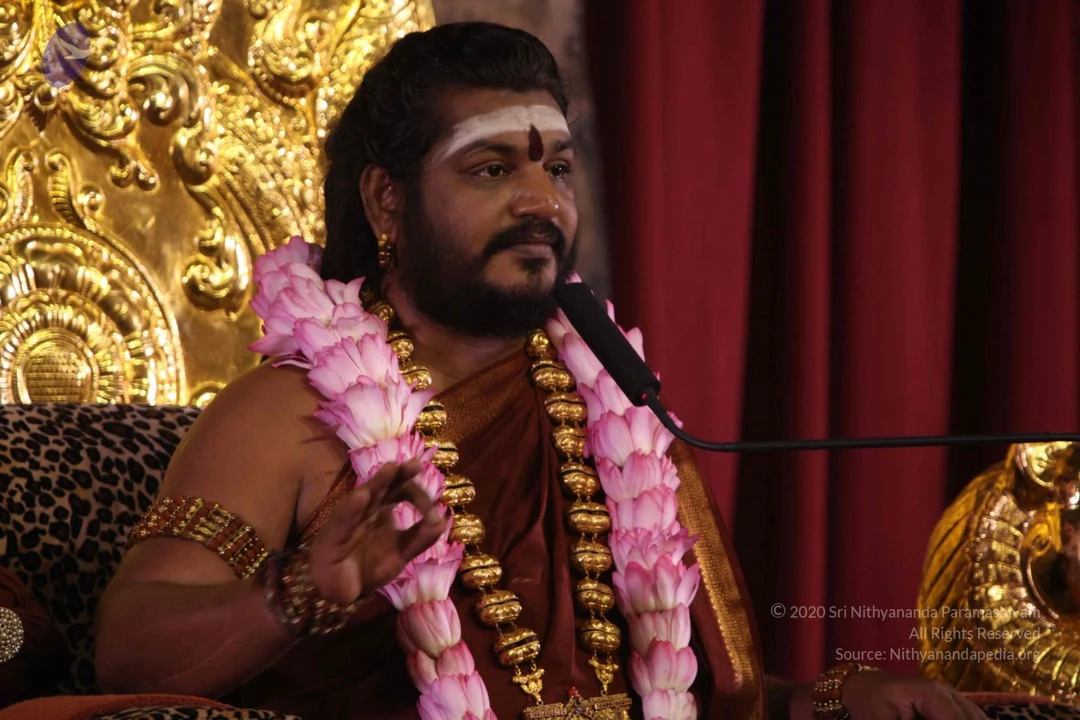
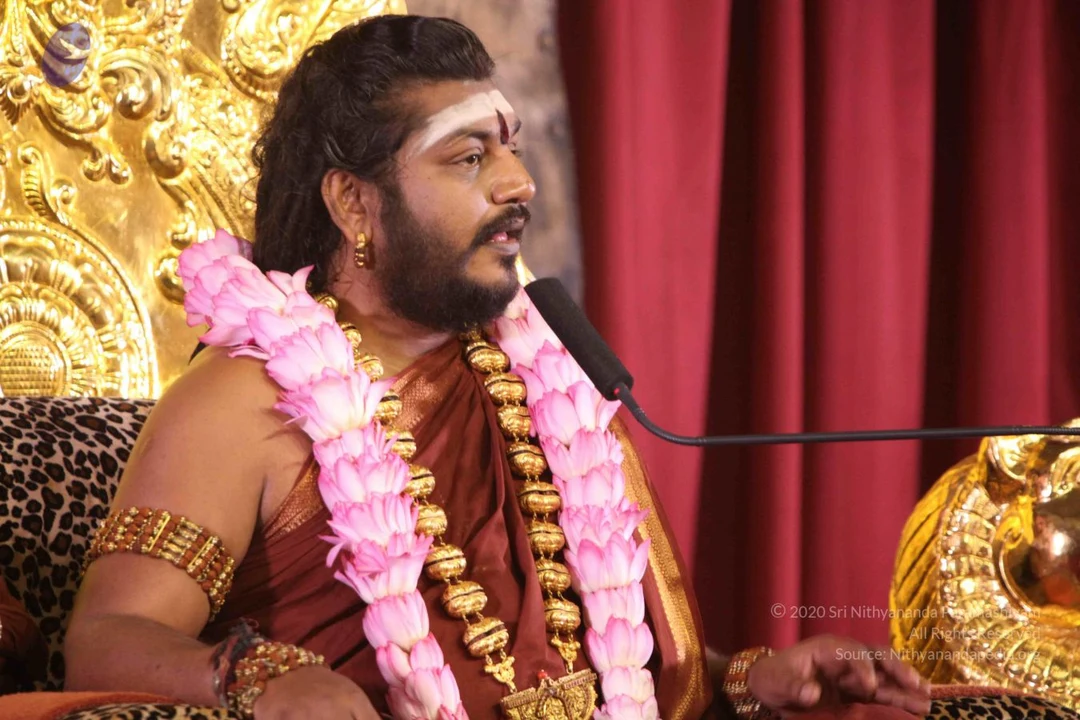
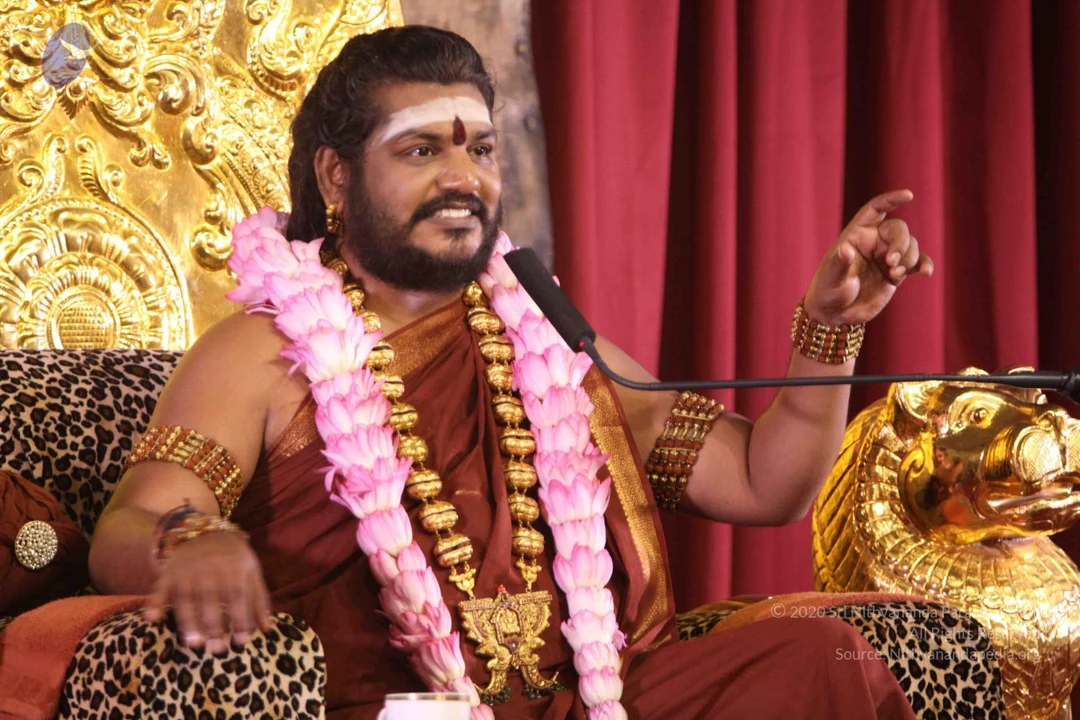
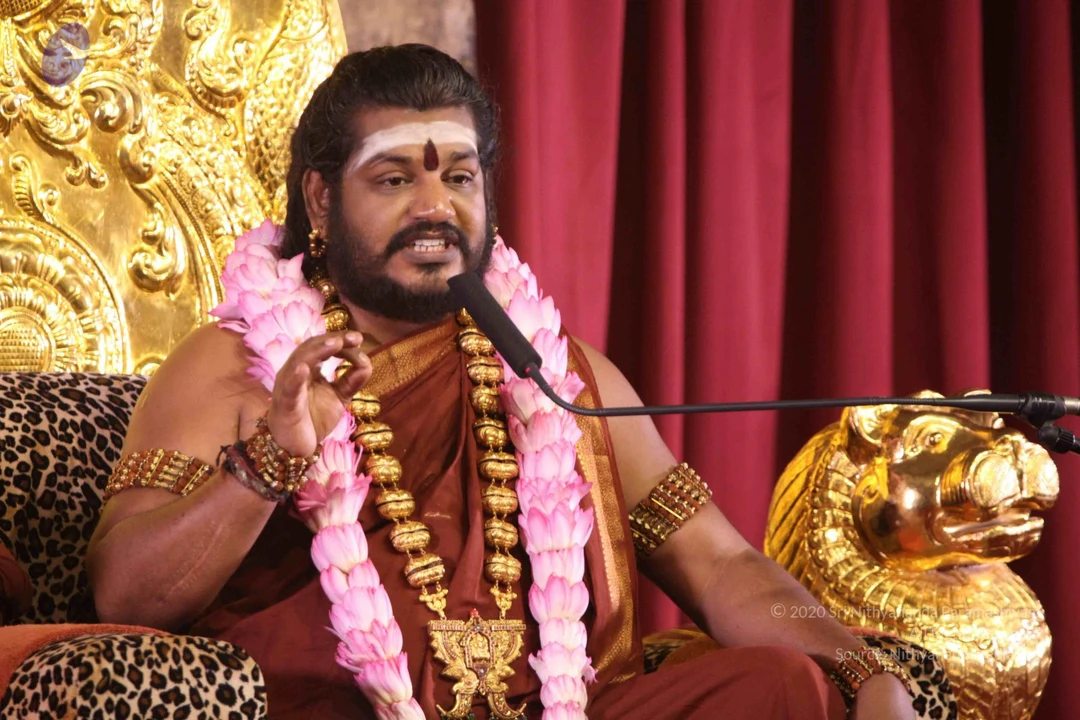
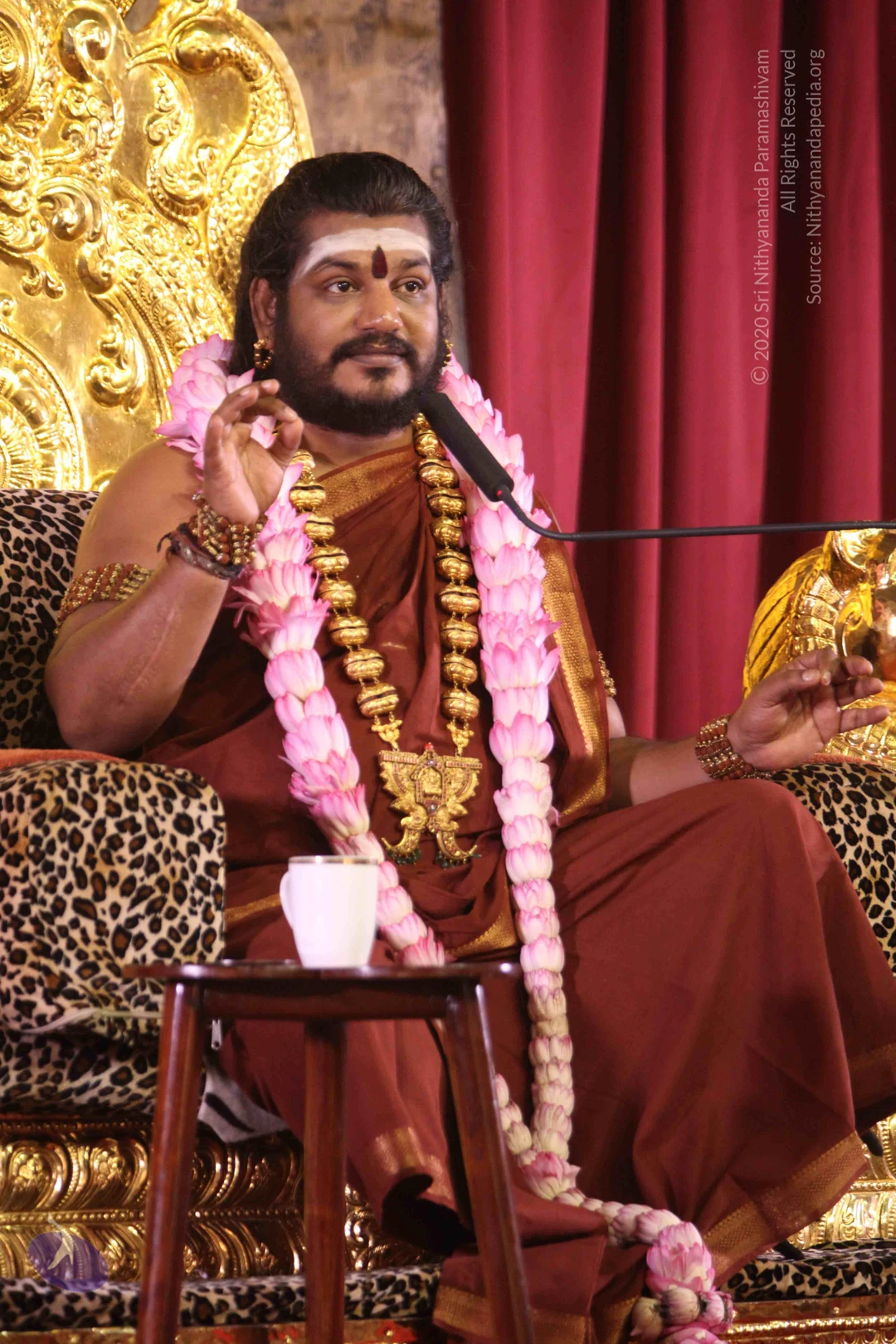
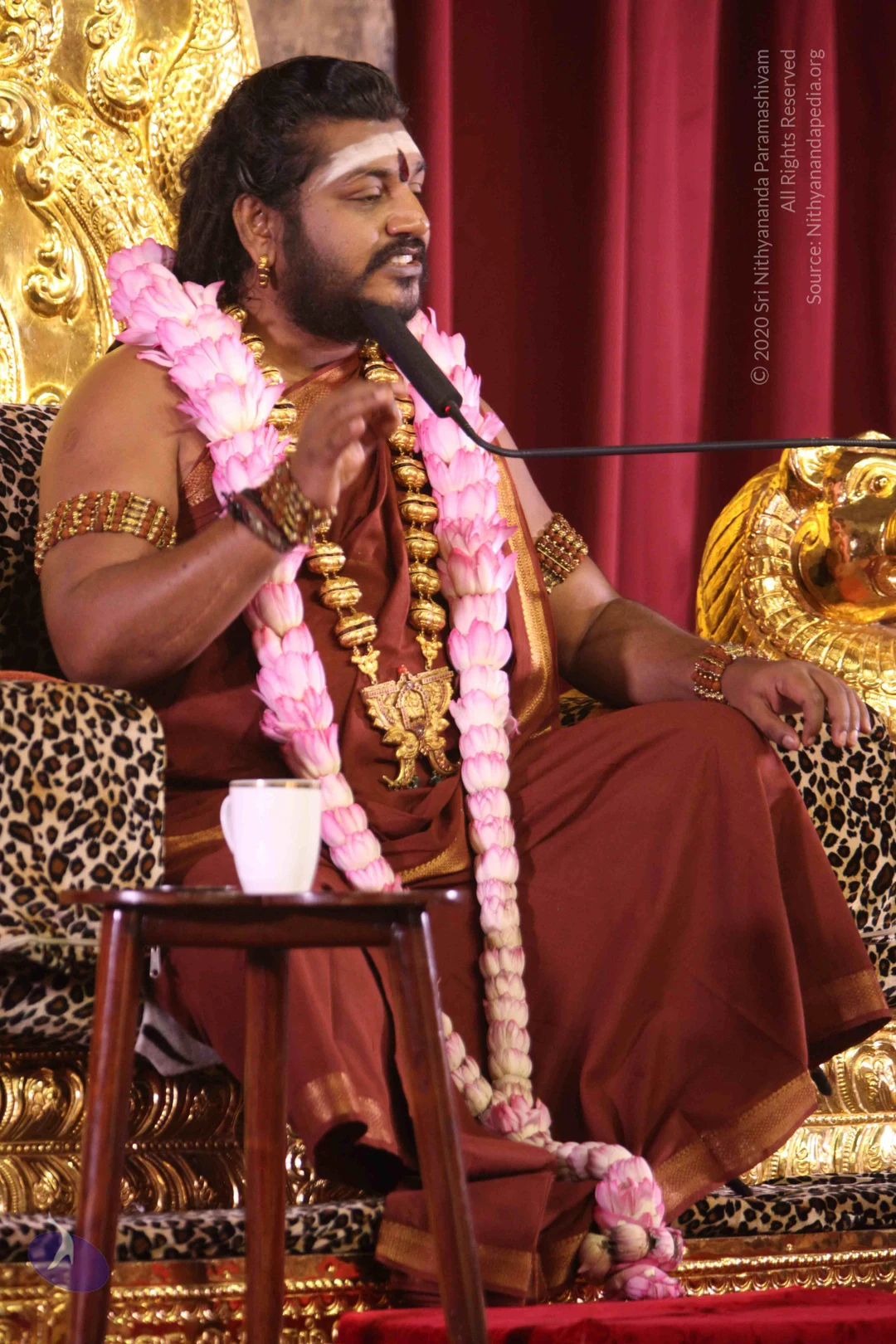
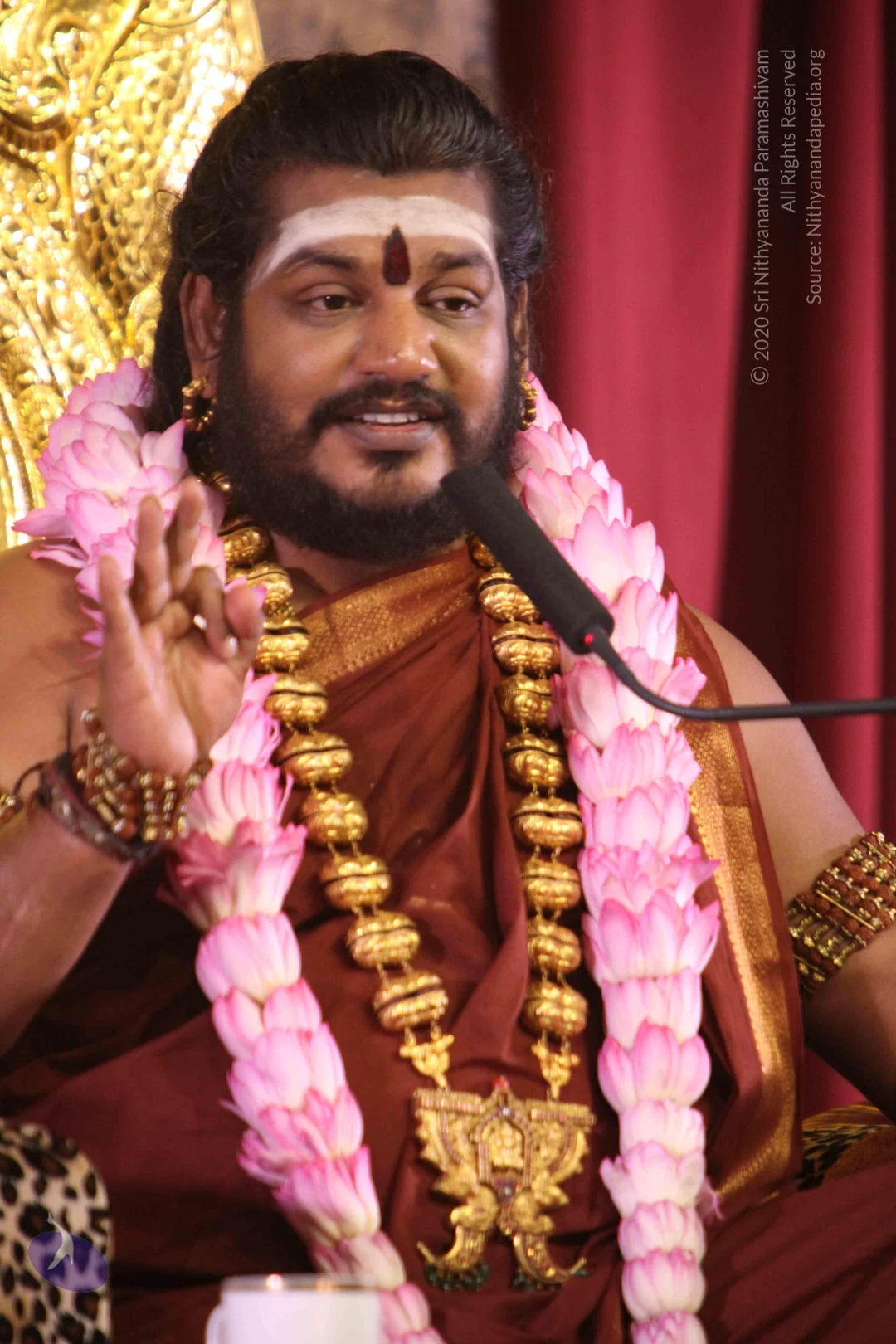
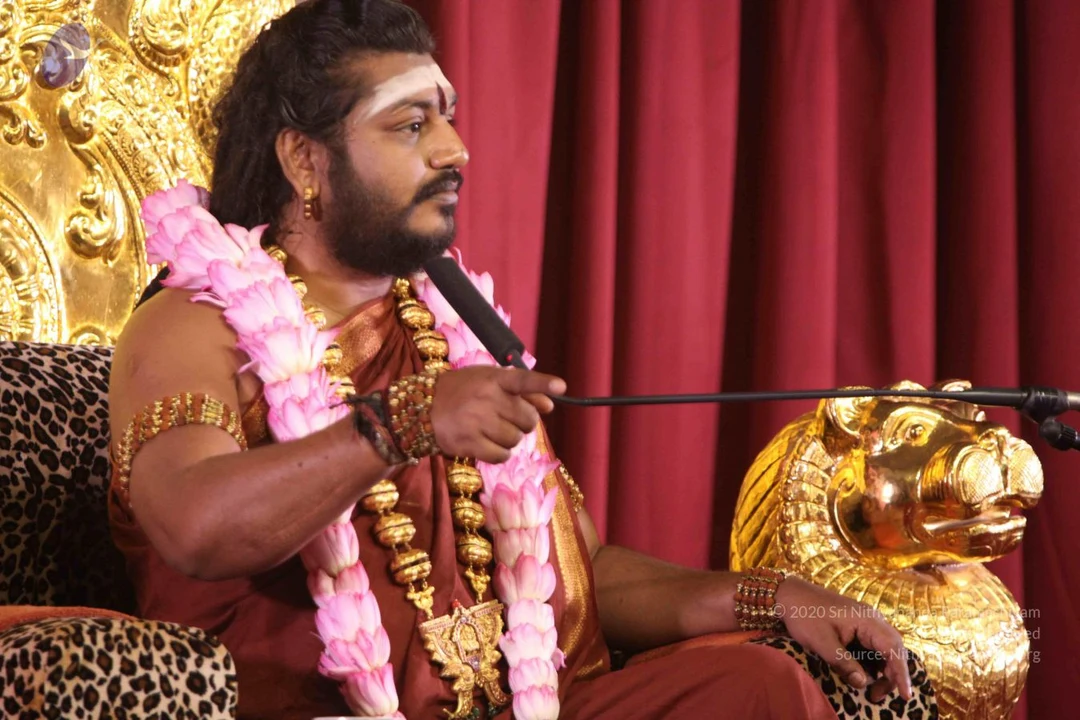
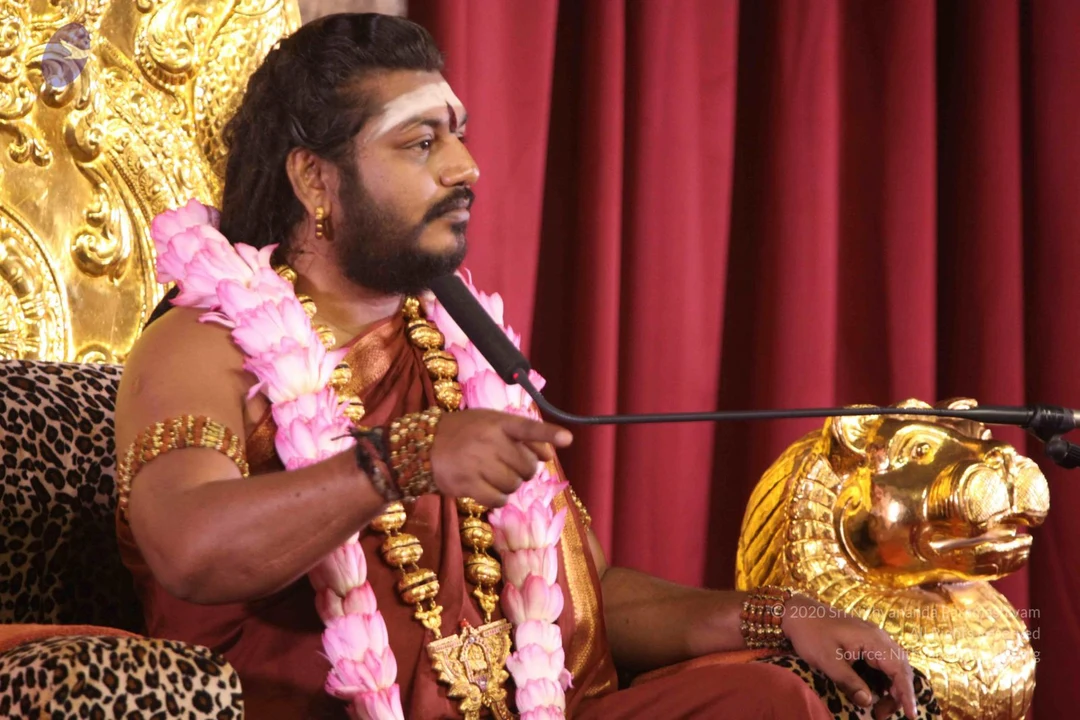
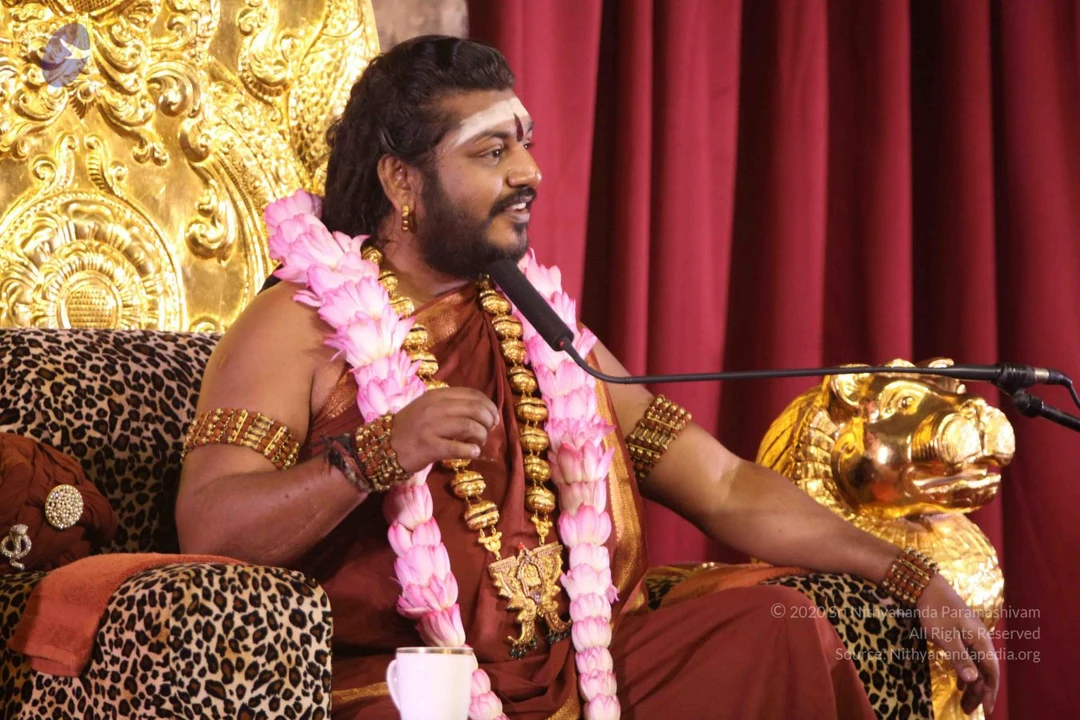
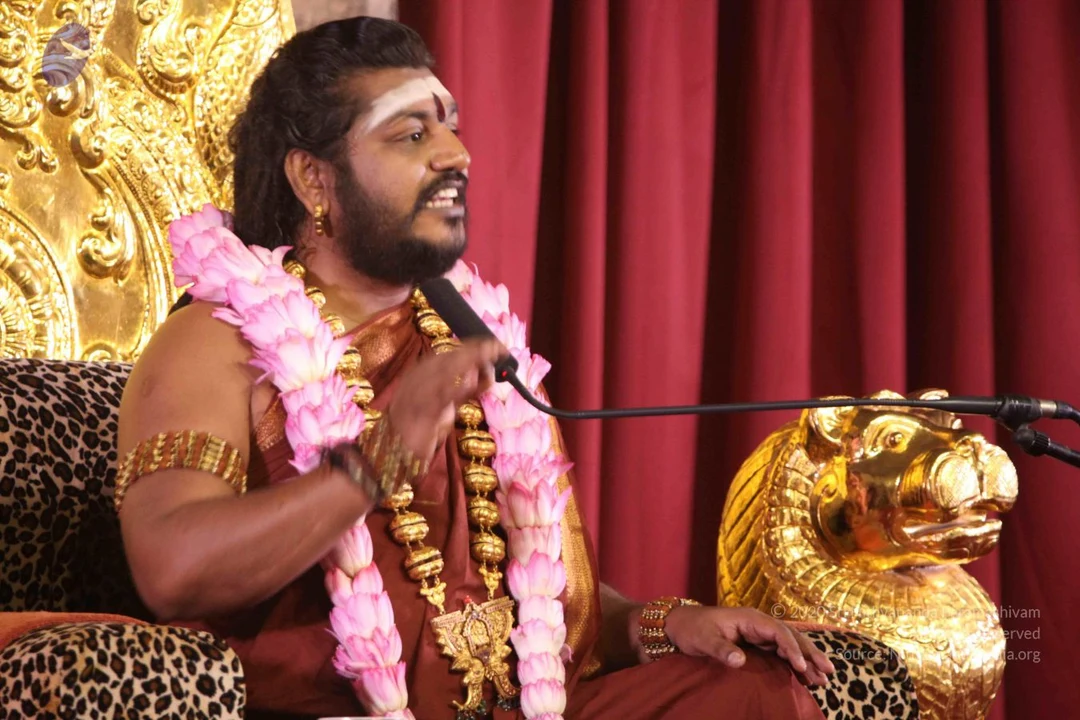
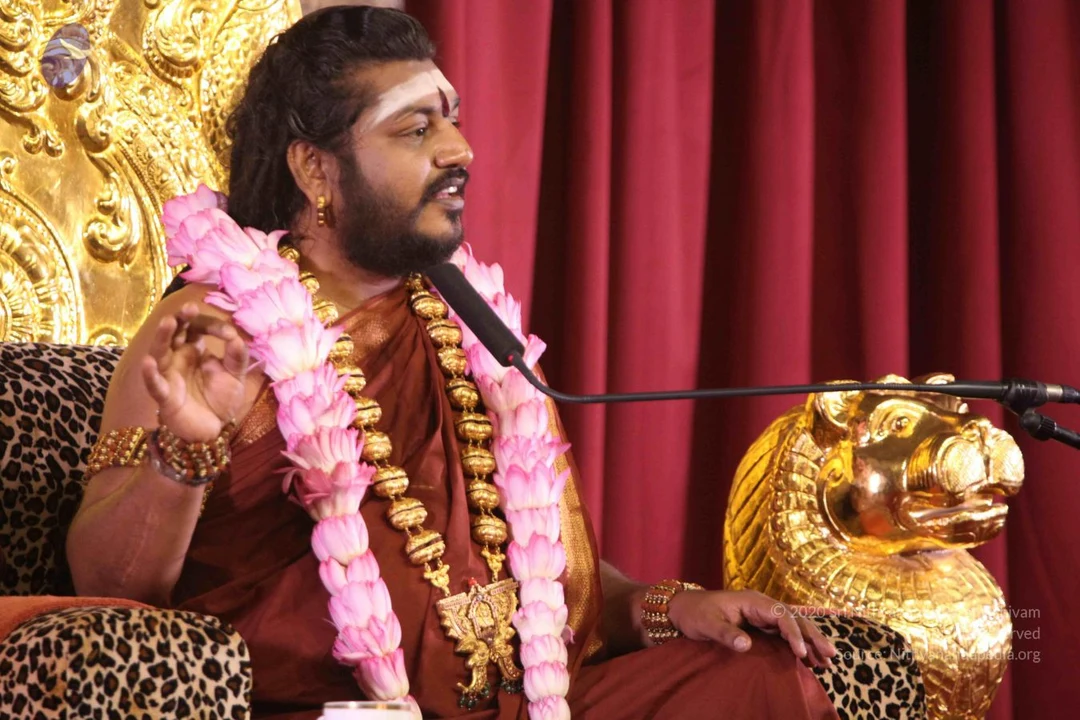
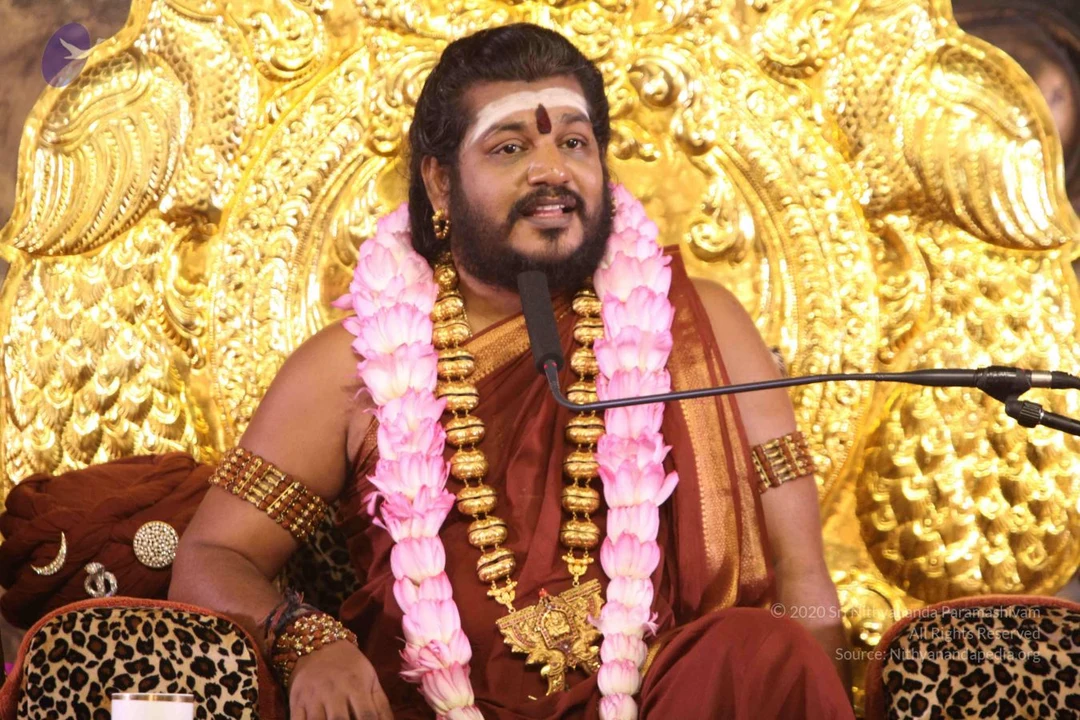
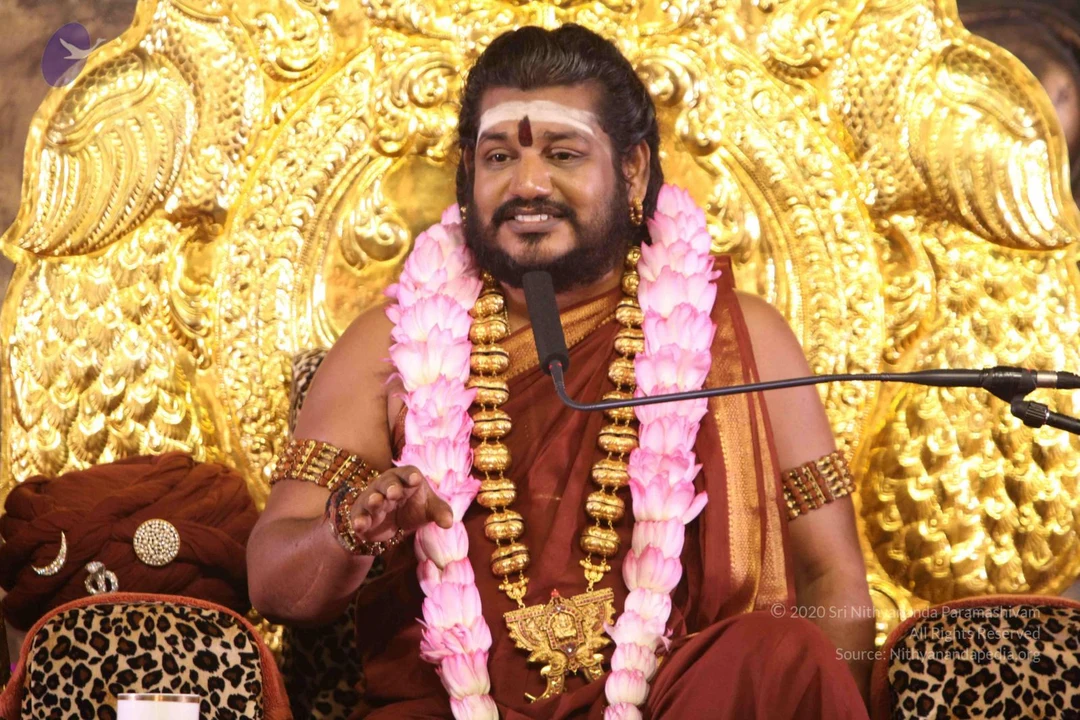
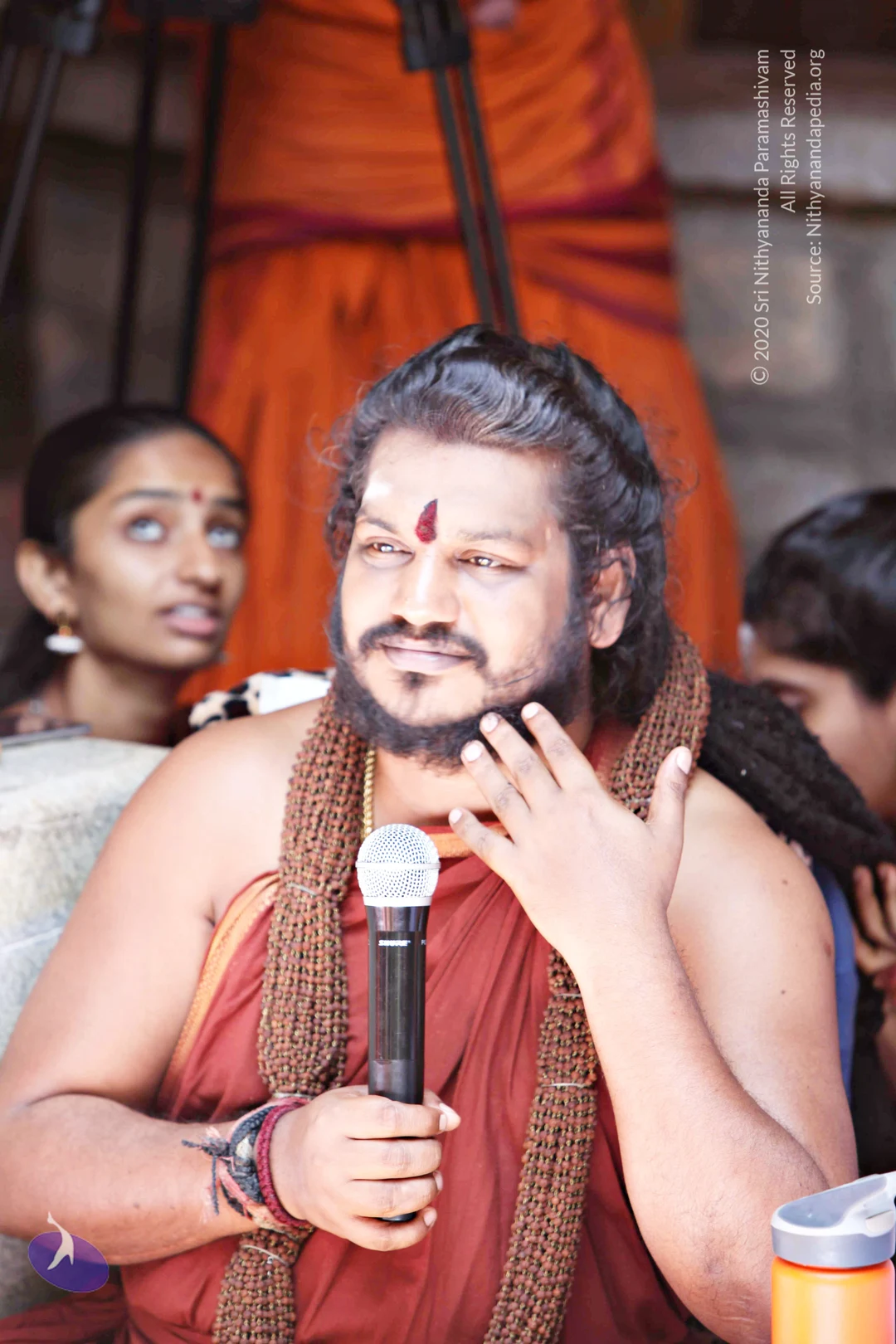
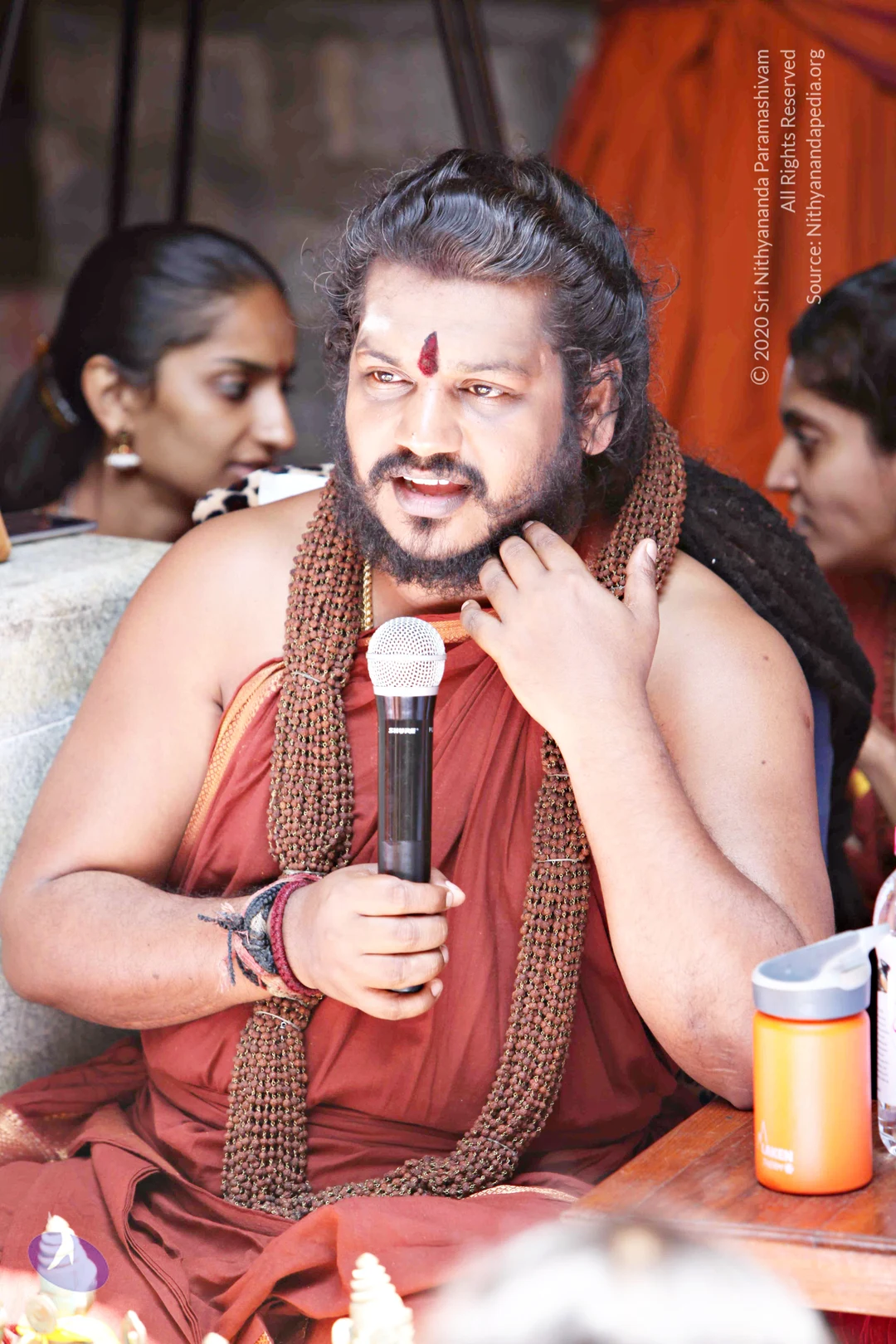
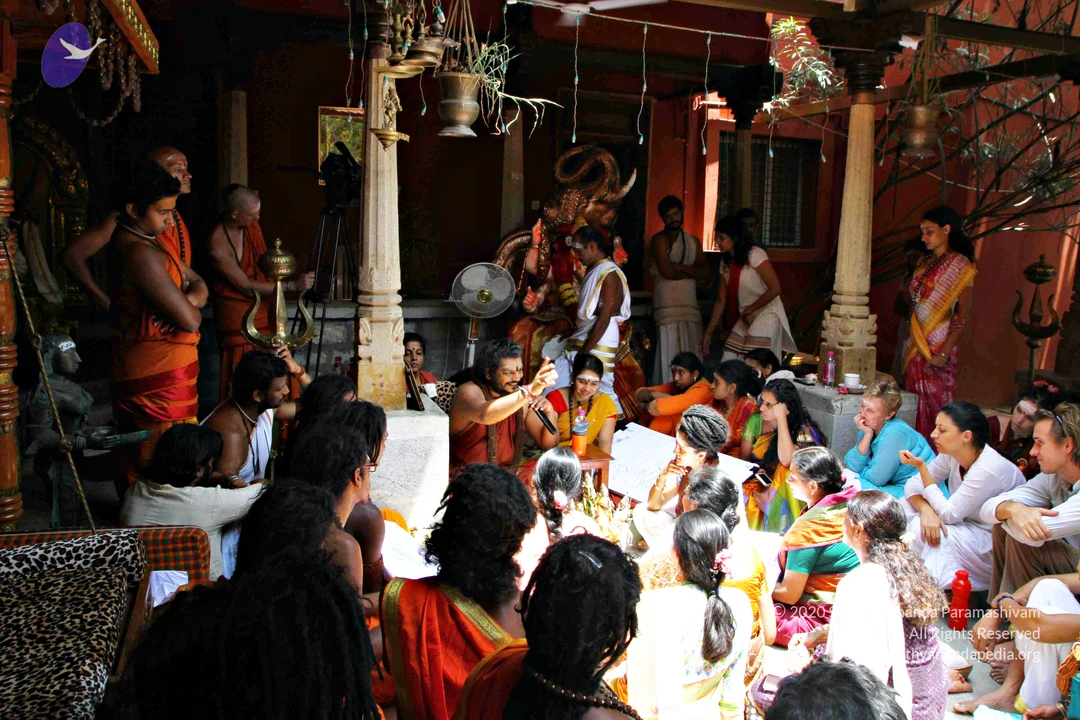
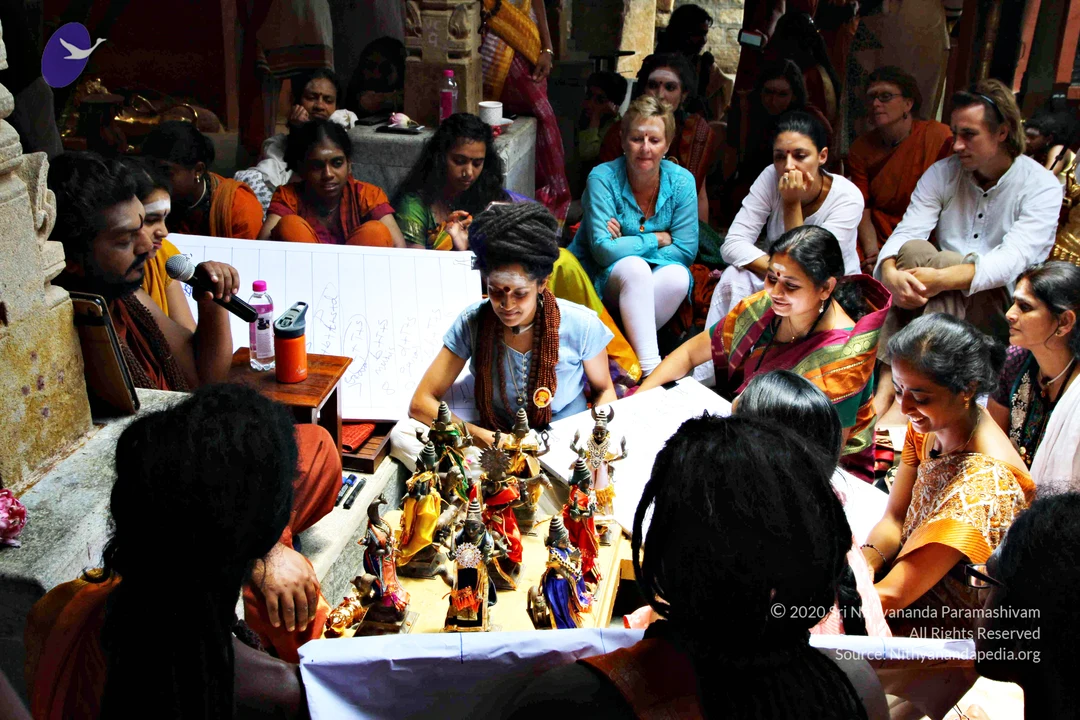
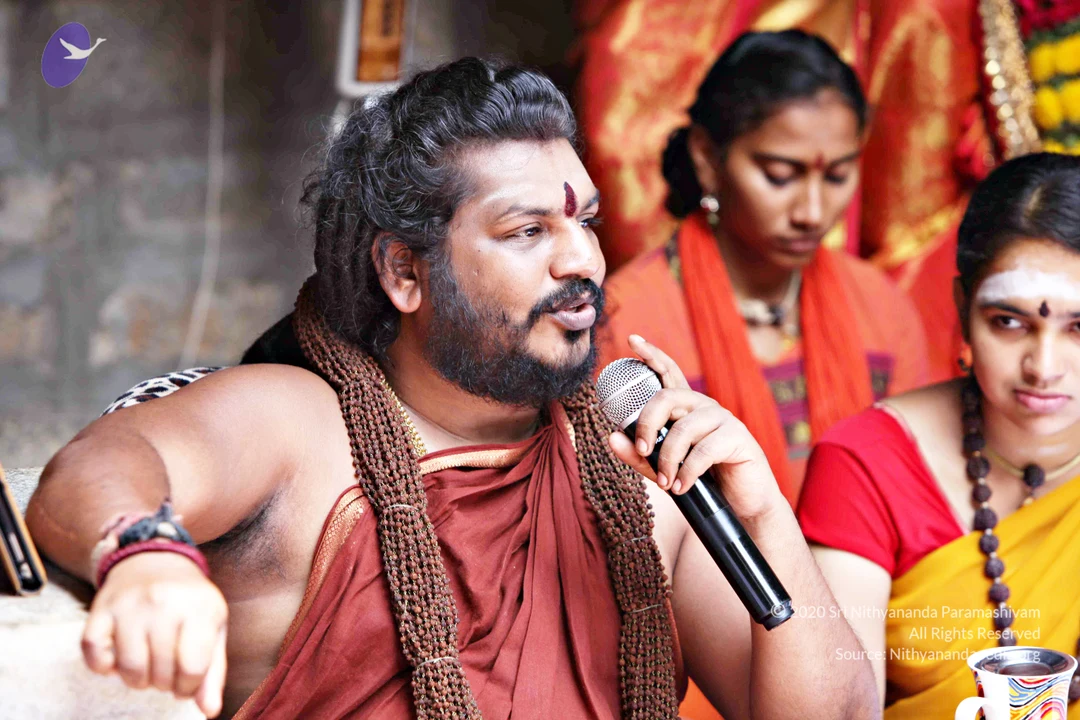
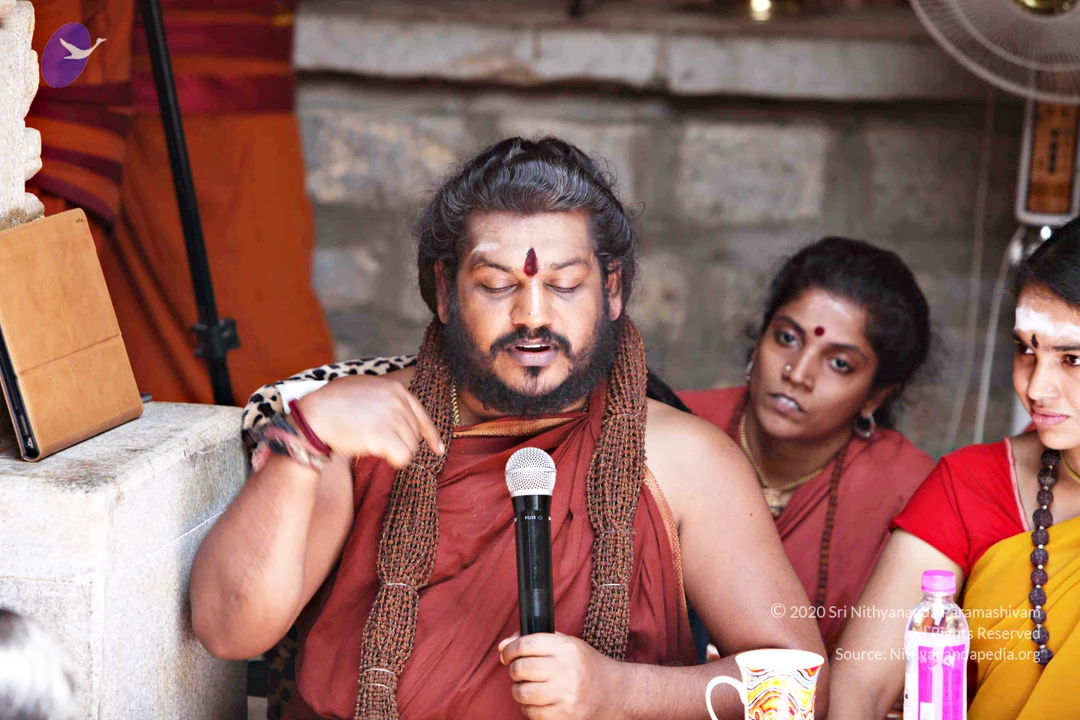
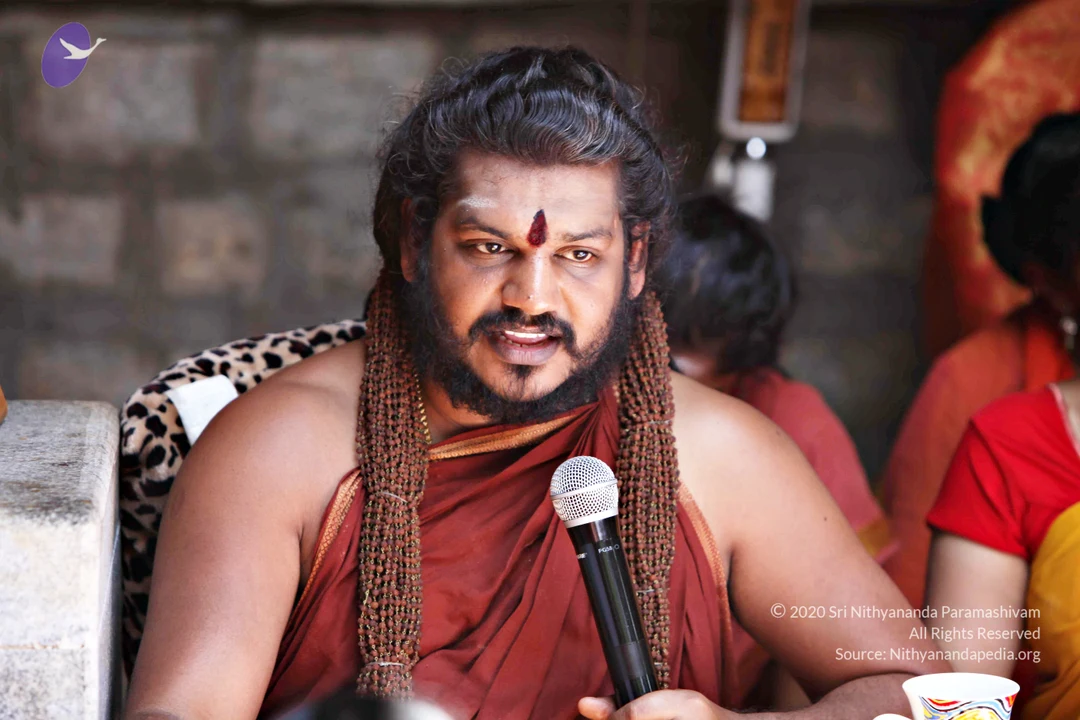
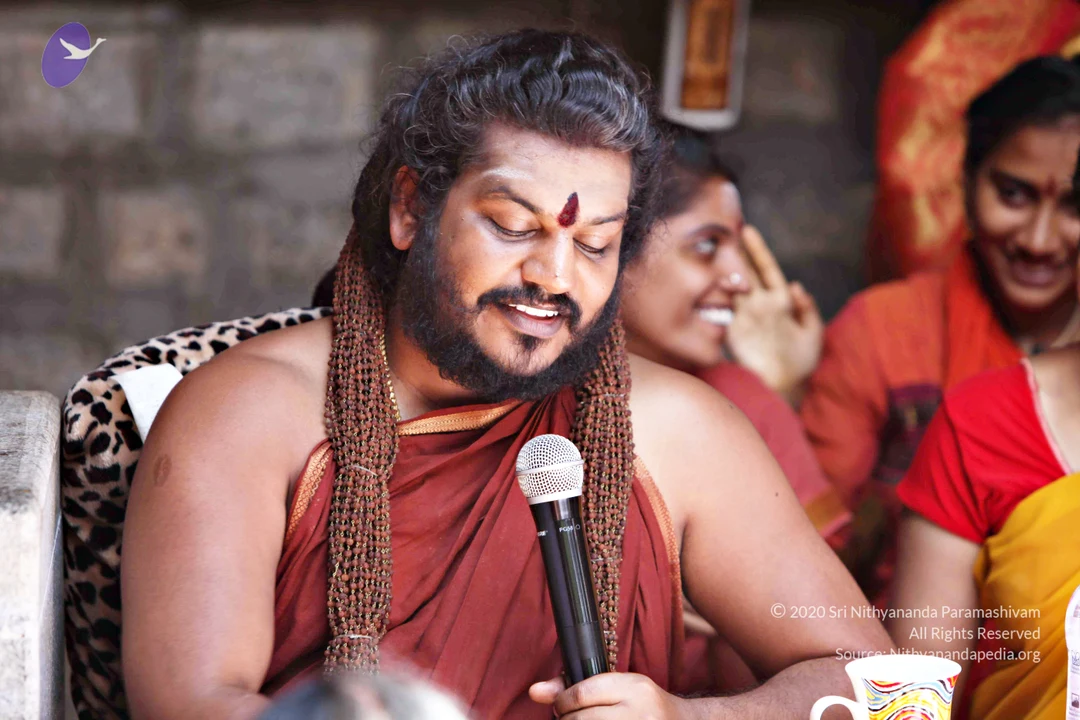
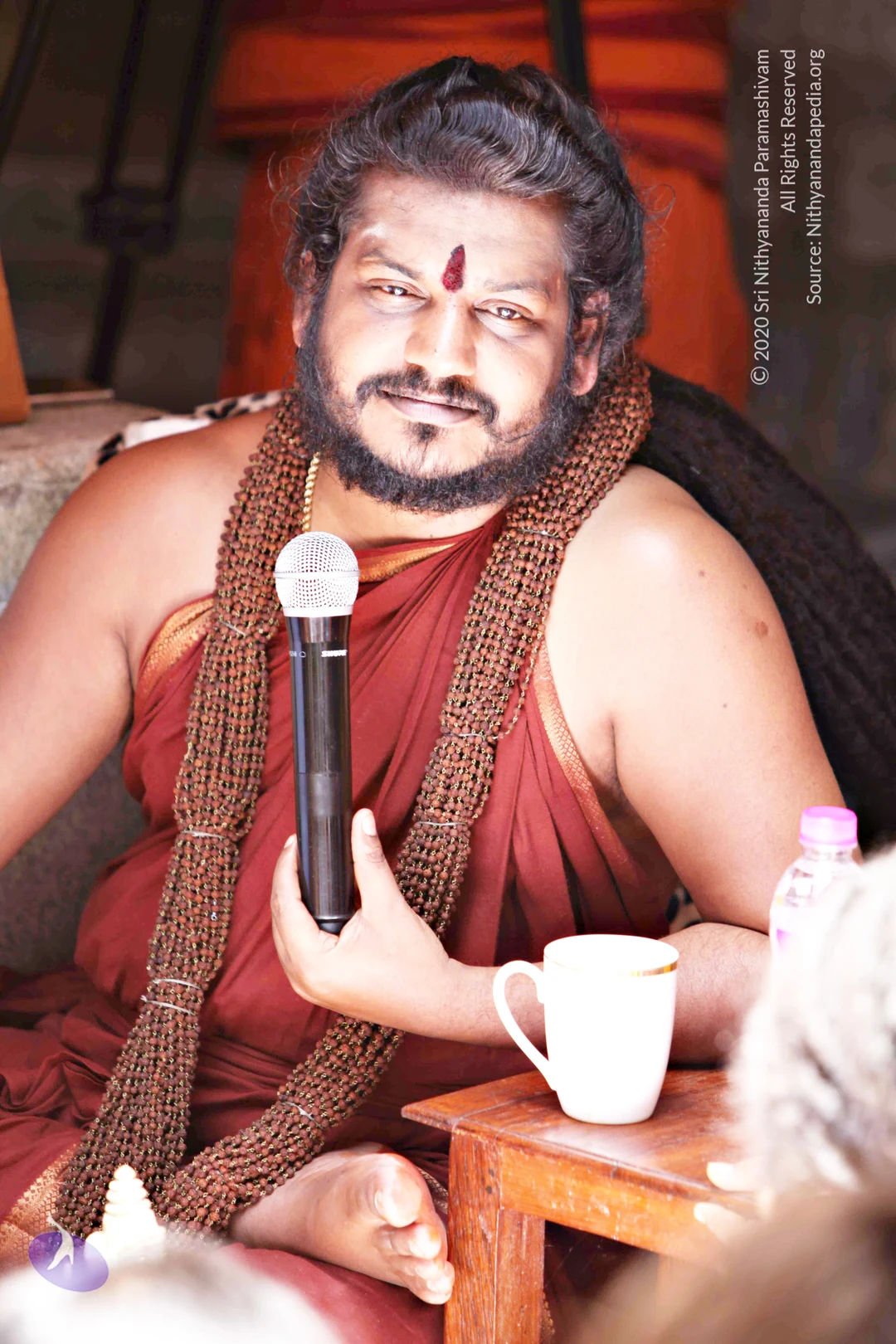
Morning Nithya Satsang - Third Eye Science, neither Mysticism nor Occultism
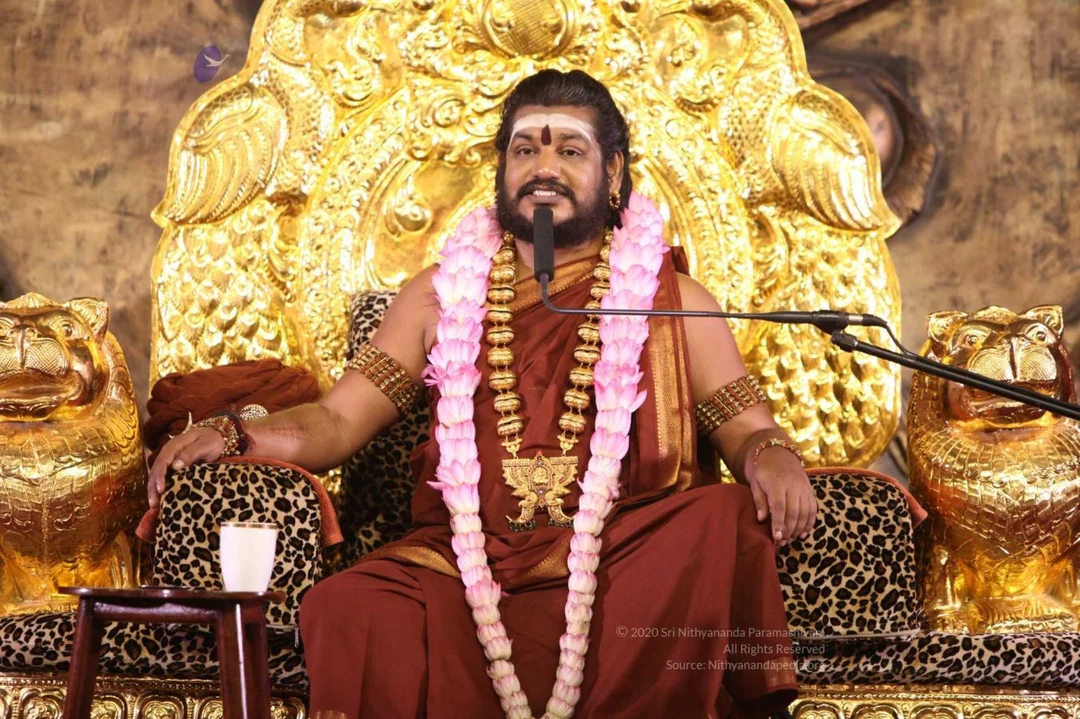 Morning Nithya Satsang - Third Eye Science, neither Mysticism nor Occultism
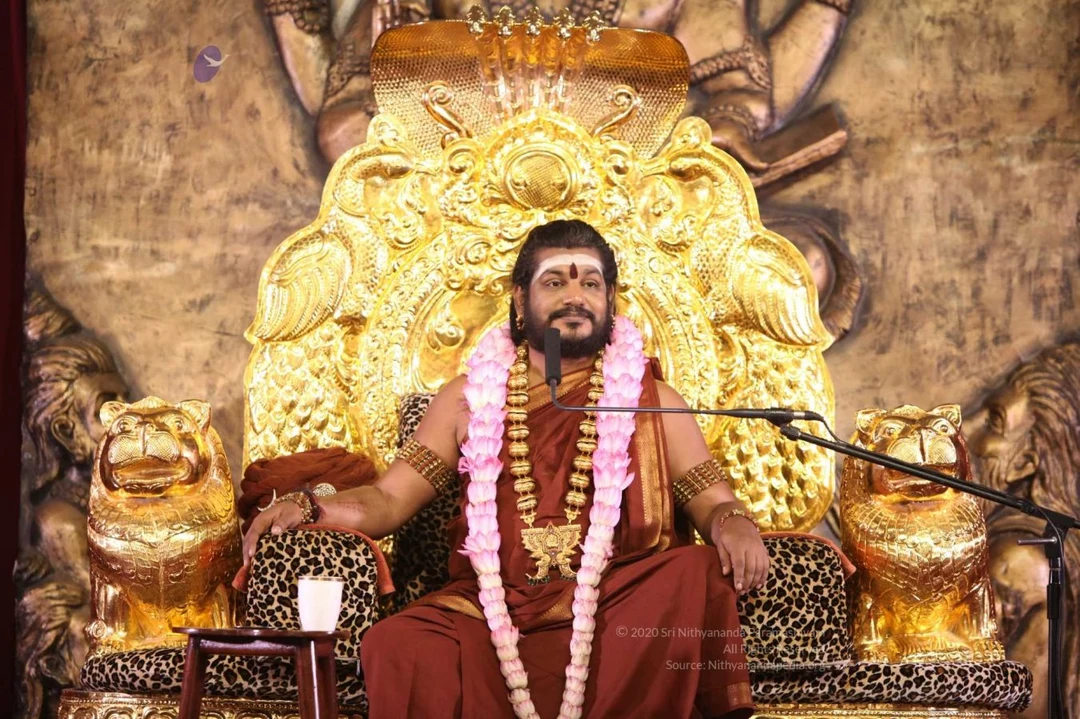 Morning Nithya Satsang - Third Eye Science, neither Mysticism nor Occultism
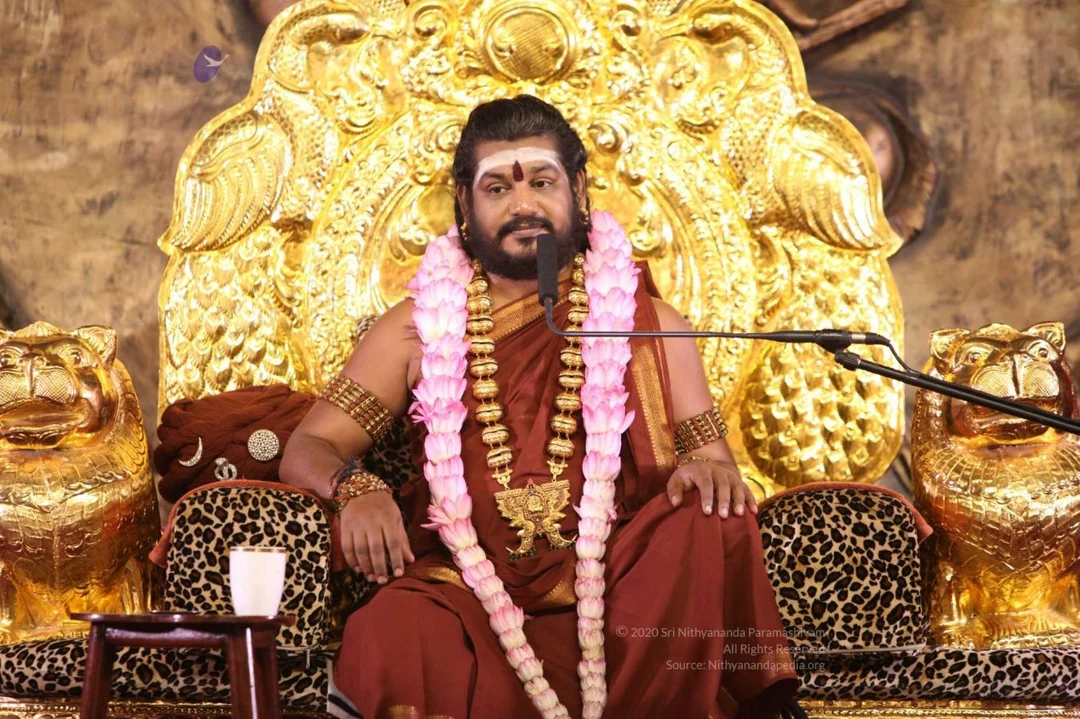 Morning Nithya Satsang - Third Eye Science, neither Mysticism nor Occultism
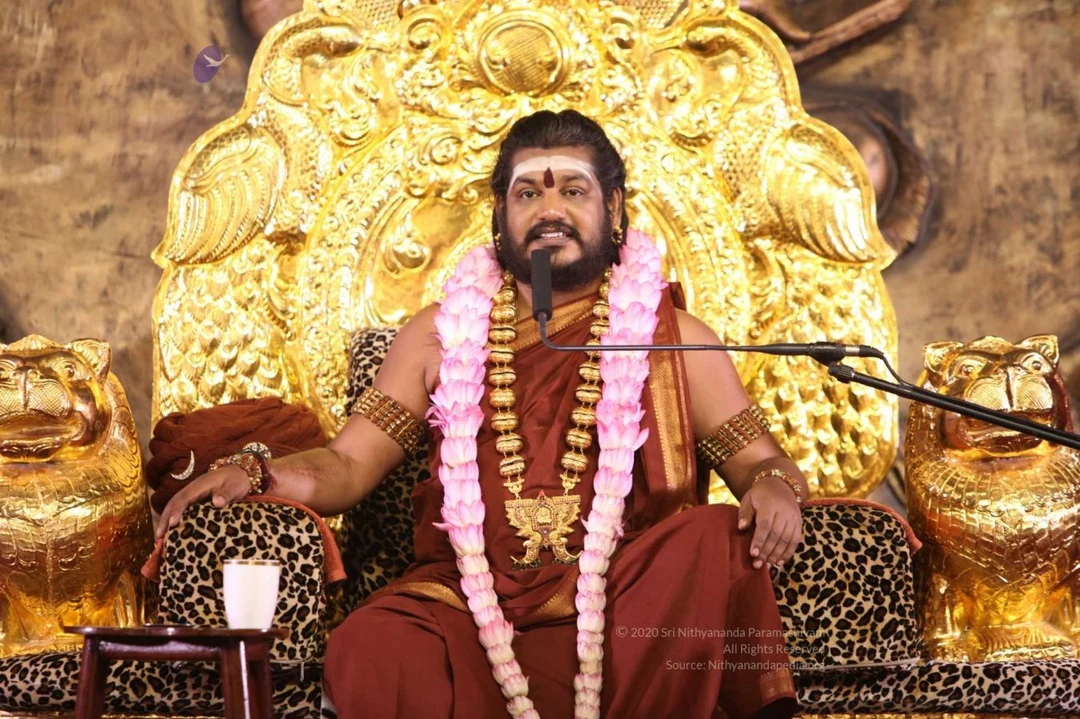 Morning Nithya Satsang - Third Eye Science, neither Mysticism nor Occultism
 Morning Nithya Satsang - Third Eye Science, neither Mysticism nor Occultism
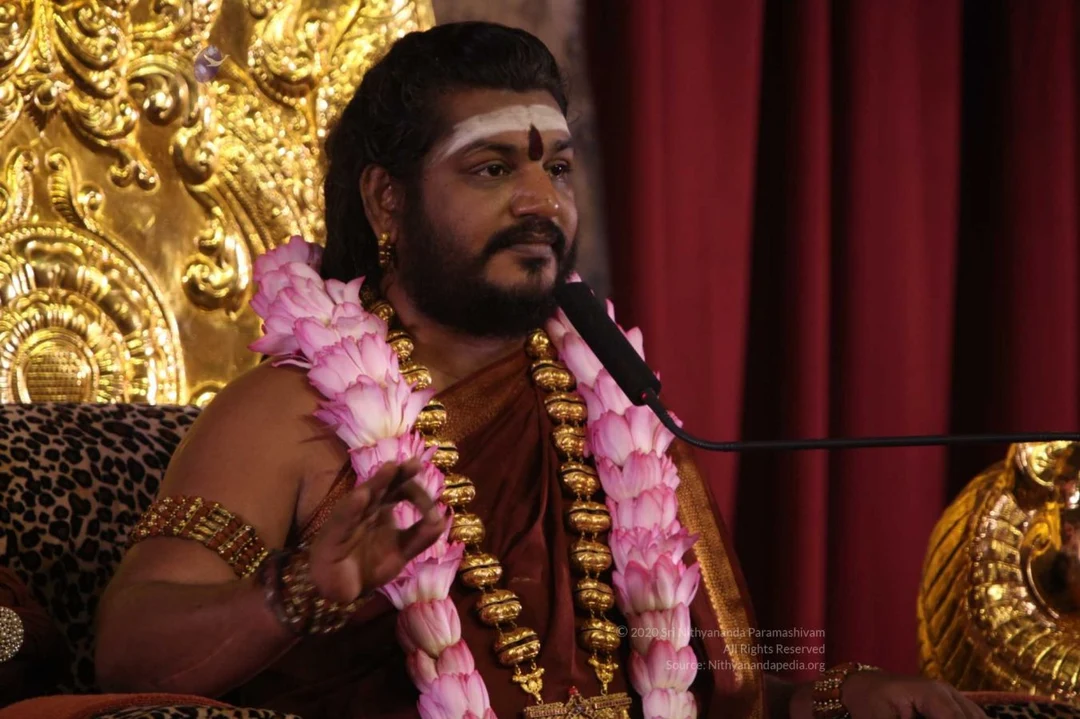 Morning Nithya Satsang - Third Eye Science, neither Mysticism nor Occultism
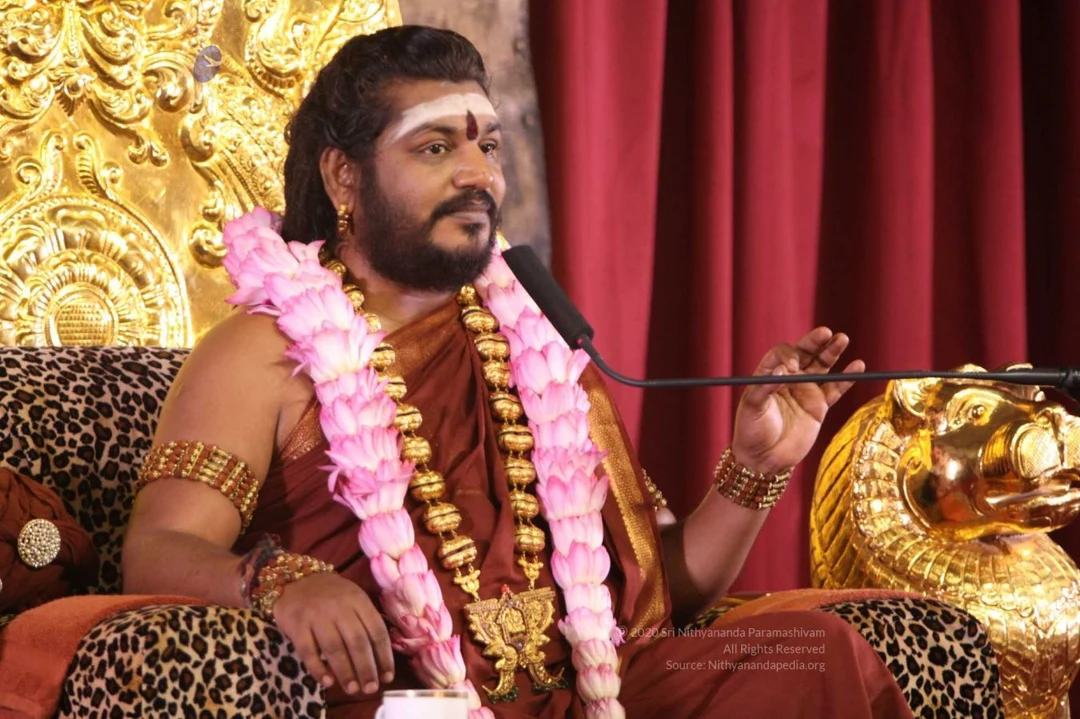 Morning Nithya Satsang - Third Eye Science, neither Mysticism nor Occultism
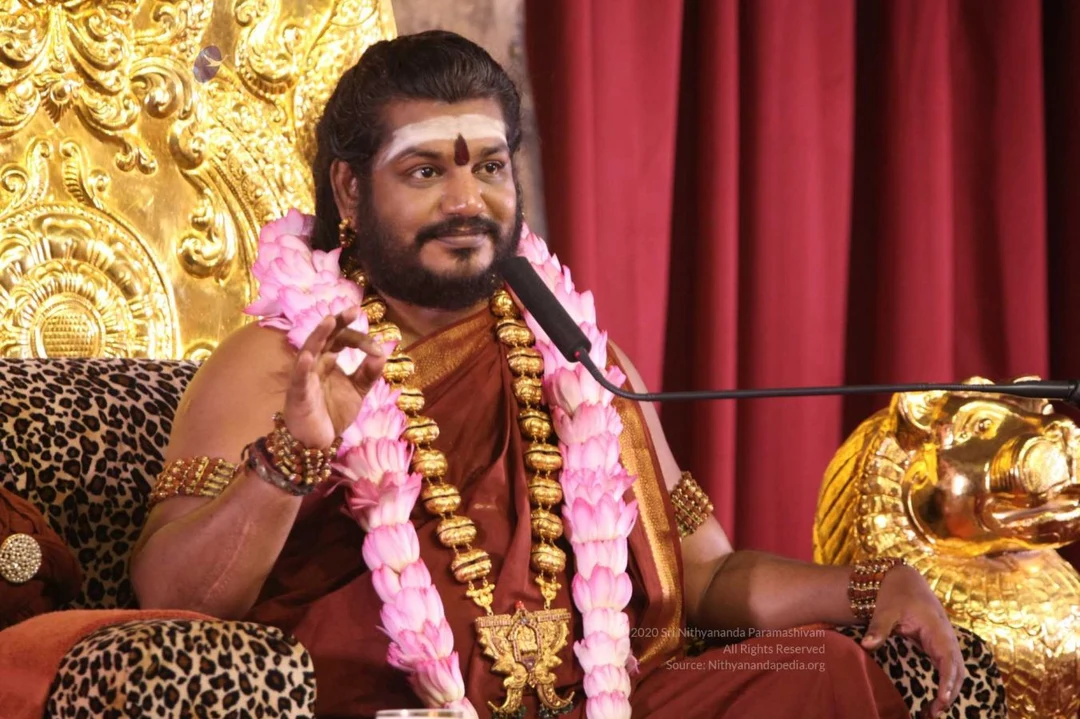 Morning Nithya Satsang - Third Eye Science, neither Mysticism nor Occultism
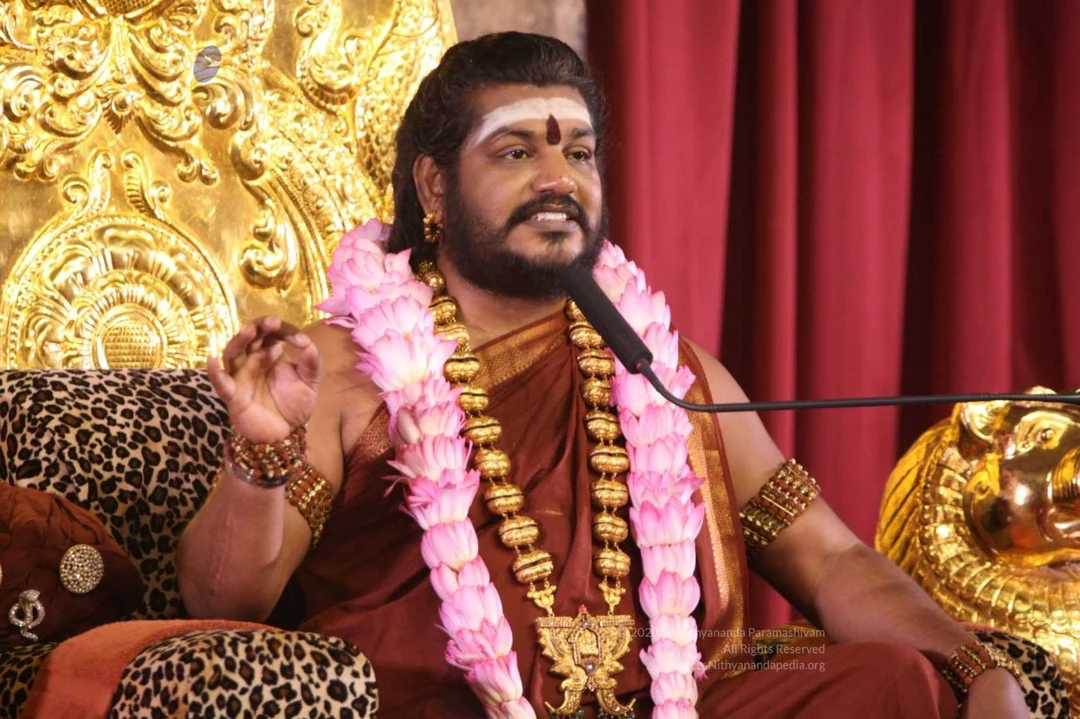 Morning Nithya Satsang - Third Eye Science, neither Mysticism nor Occultism
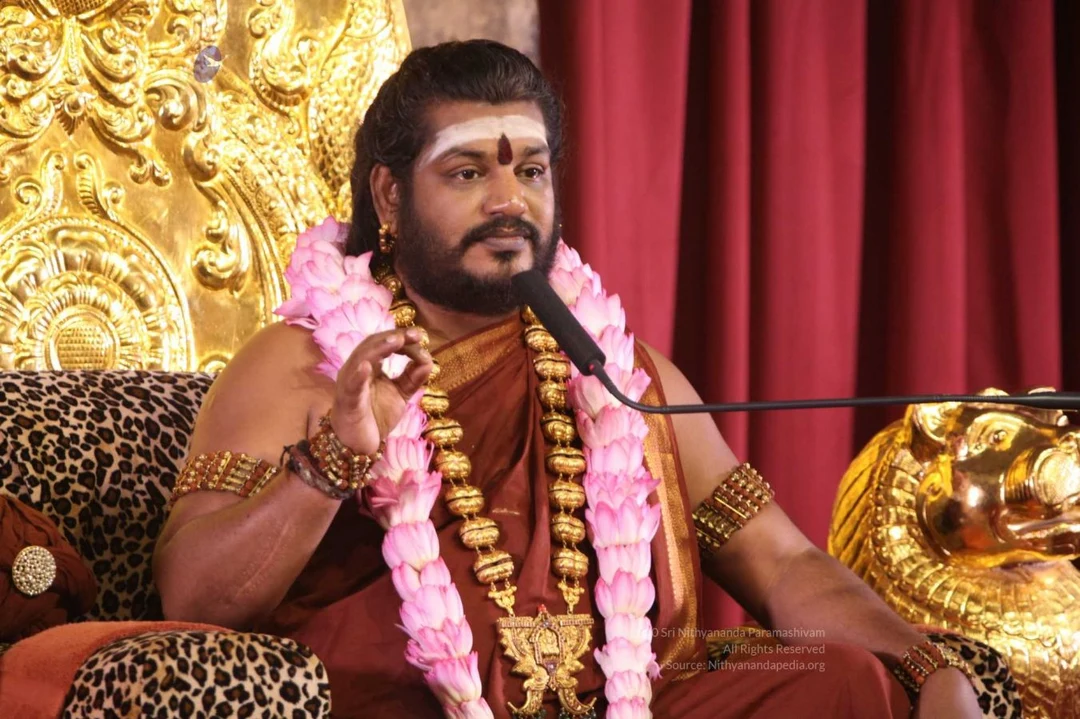 Morning Nithya Satsang - Third Eye Science, neither Mysticism nor Occultism
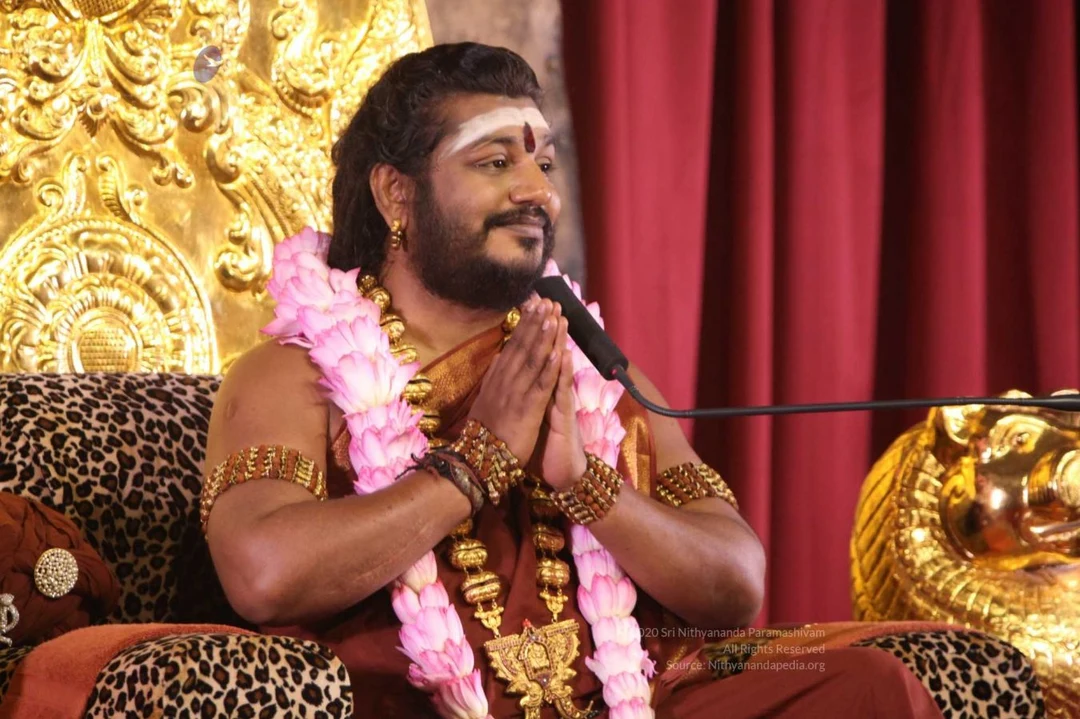 Morning Nithya Satsang - Third Eye Science, neither Mysticism nor Occultism
 Morning Nithya Satsang - Third Eye Science, neither Mysticism nor Occultism
 Morning Nithya Satsang - Third Eye Science, neither Mysticism nor Occultism
 Morning Nithya Satsang - Third Eye Science, neither Mysticism nor Occultism
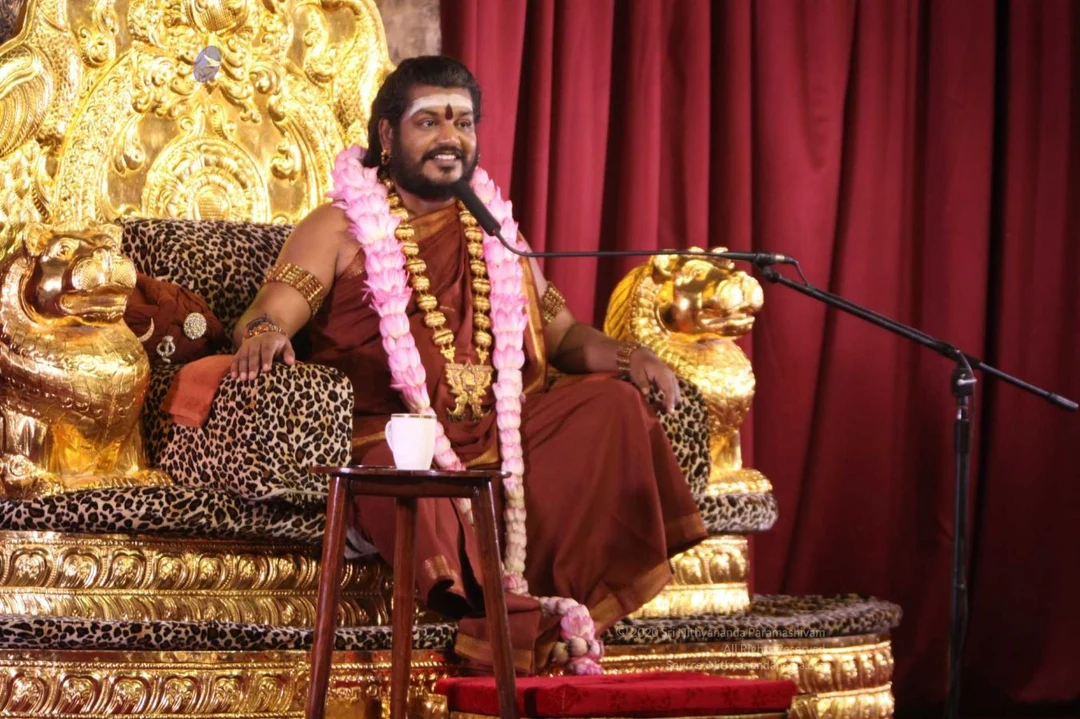 Morning Nithya Satsang - Third Eye Science, neither Mysticism nor Occultism
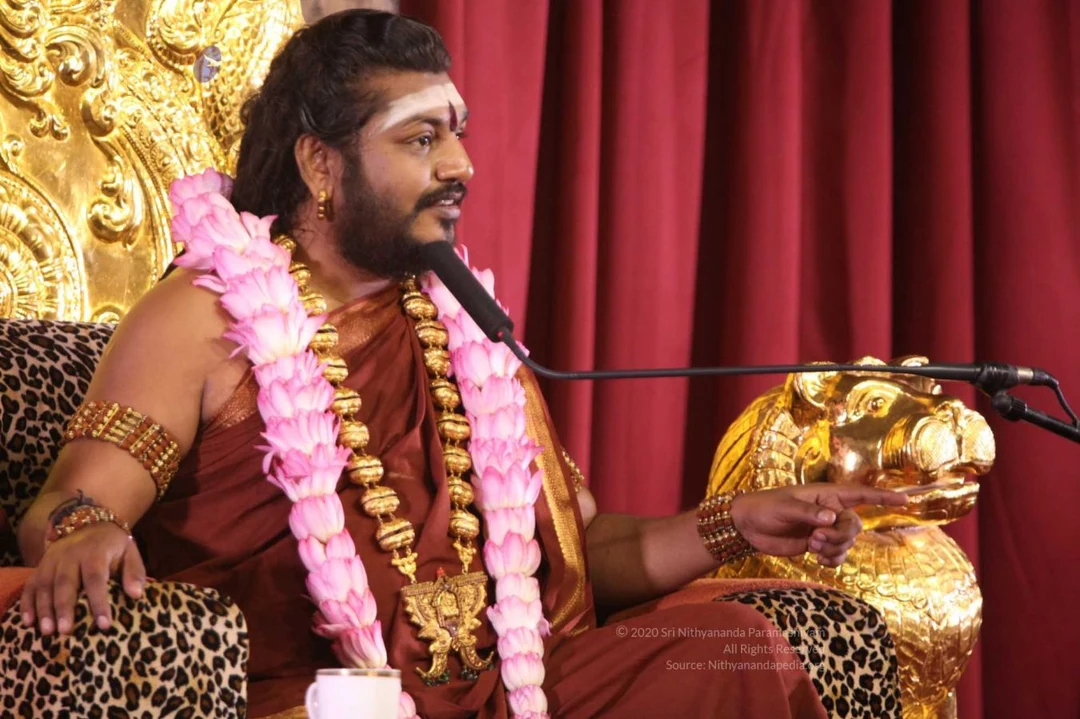 Morning Nithya Satsang - Third Eye Science, neither Mysticism nor Occultism
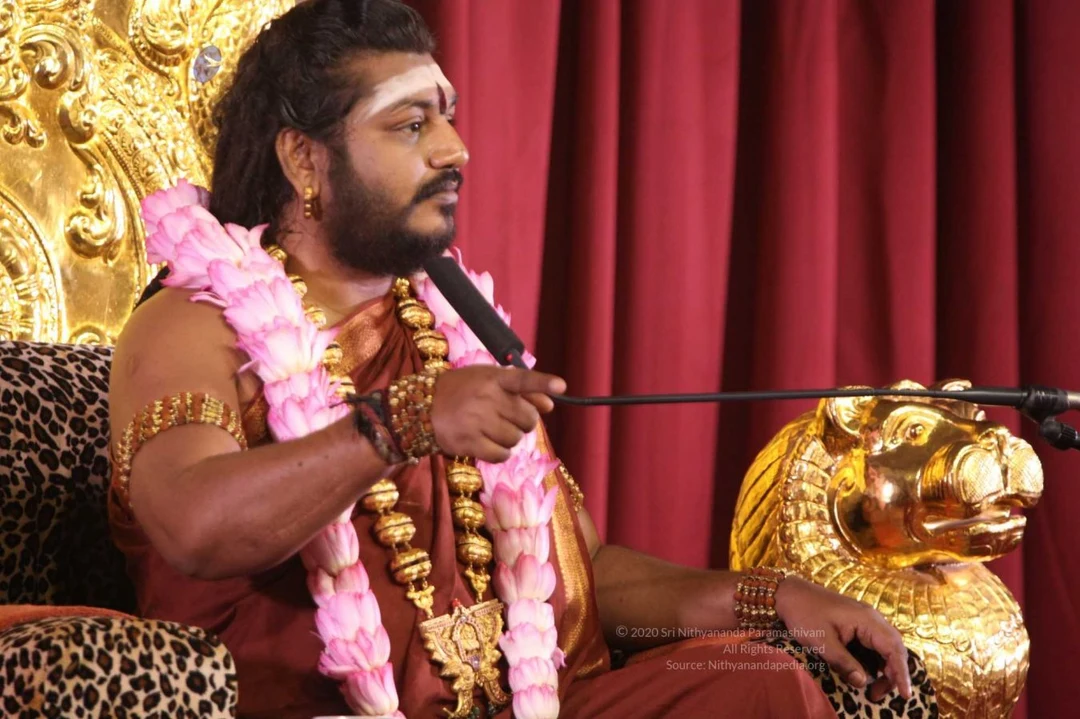 Morning Nithya Satsang - Third Eye Science, neither Mysticism nor Occultism
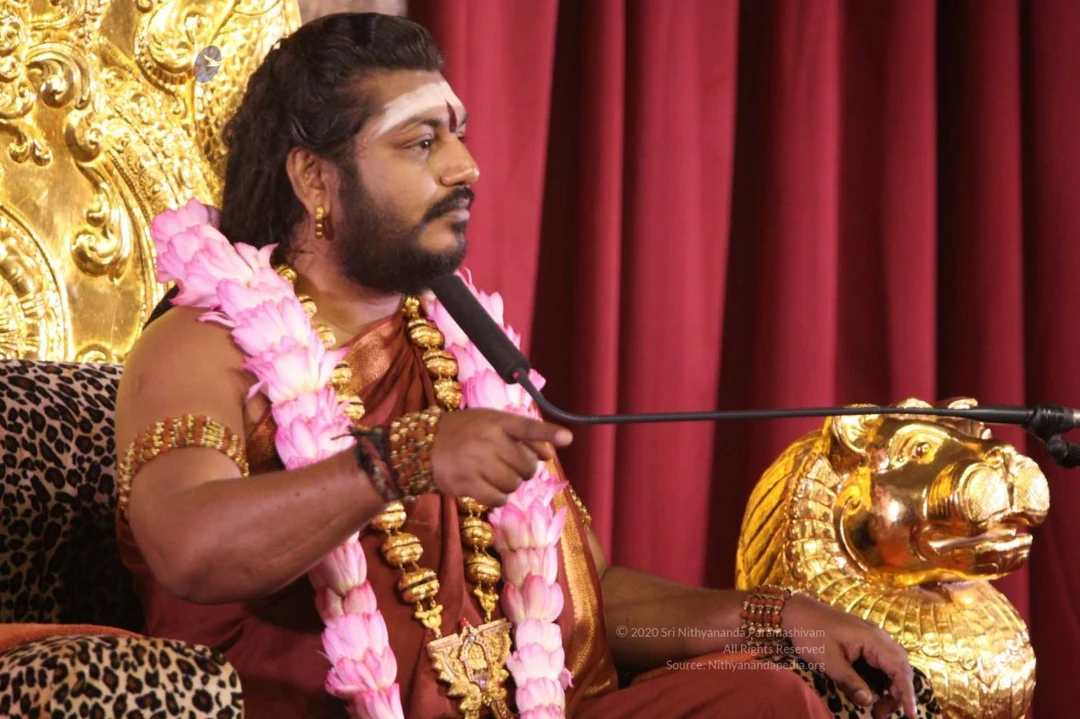 Morning Nithya Satsang - Third Eye Science, neither Mysticism nor Occultism
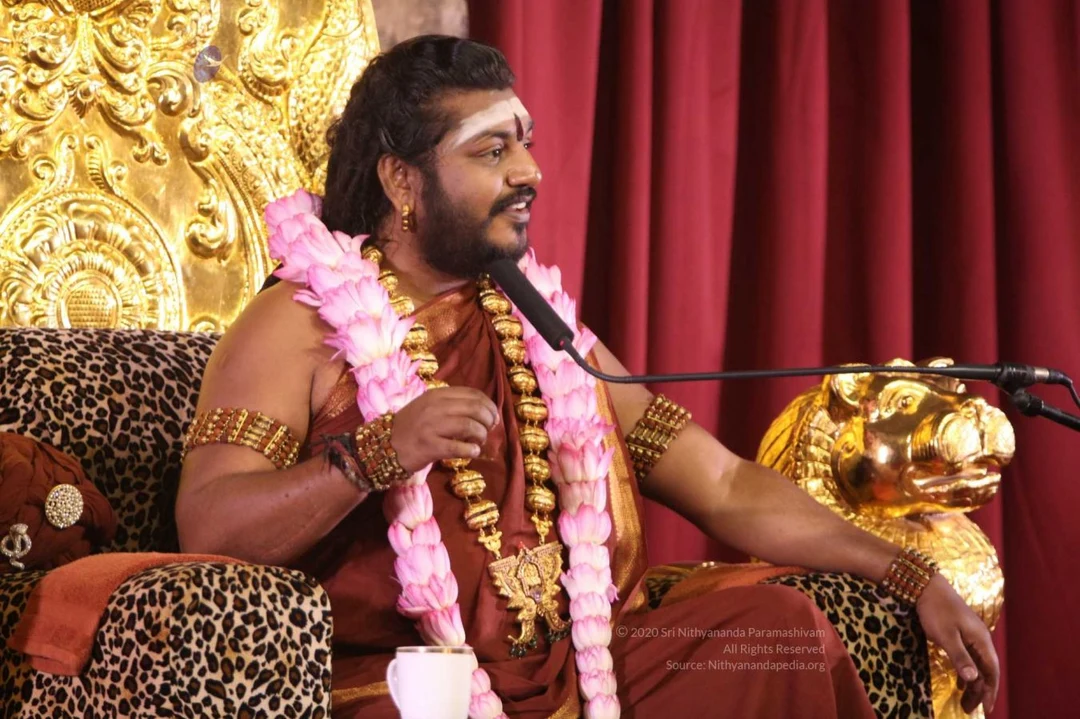 Morning Nithya Satsang - Third Eye Science, neither Mysticism nor Occultism
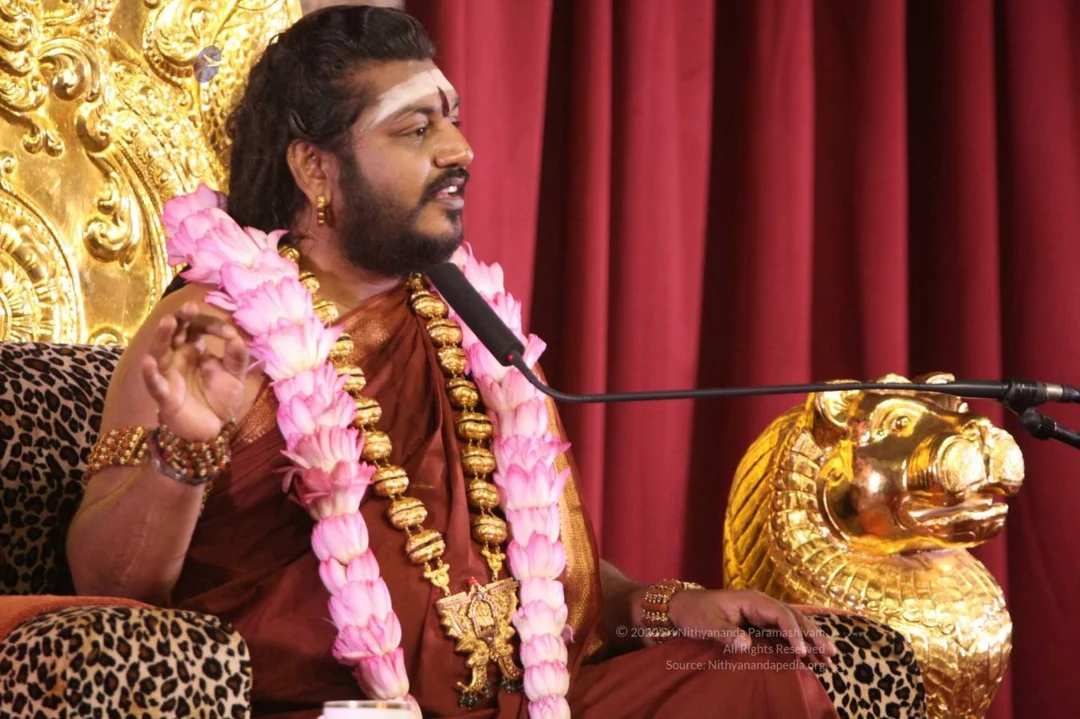 Morning Nithya Satsang - Third Eye Science, neither Mysticism nor Occultism
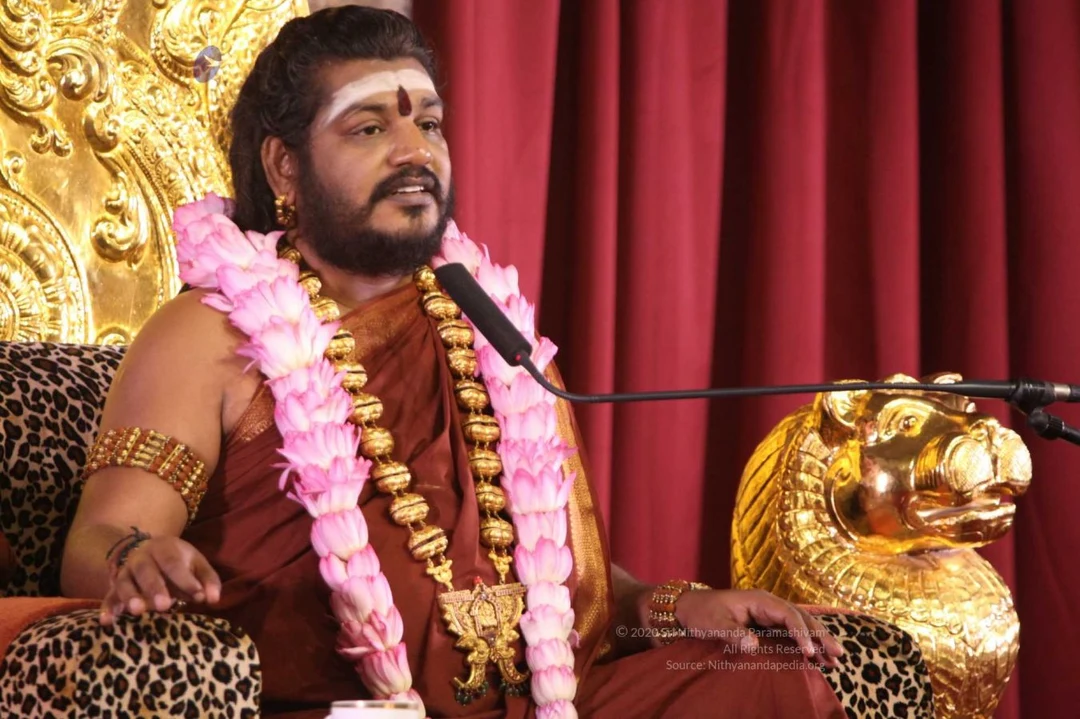 Morning Nithya Satsang - Third Eye Science, neither Mysticism nor Occultism
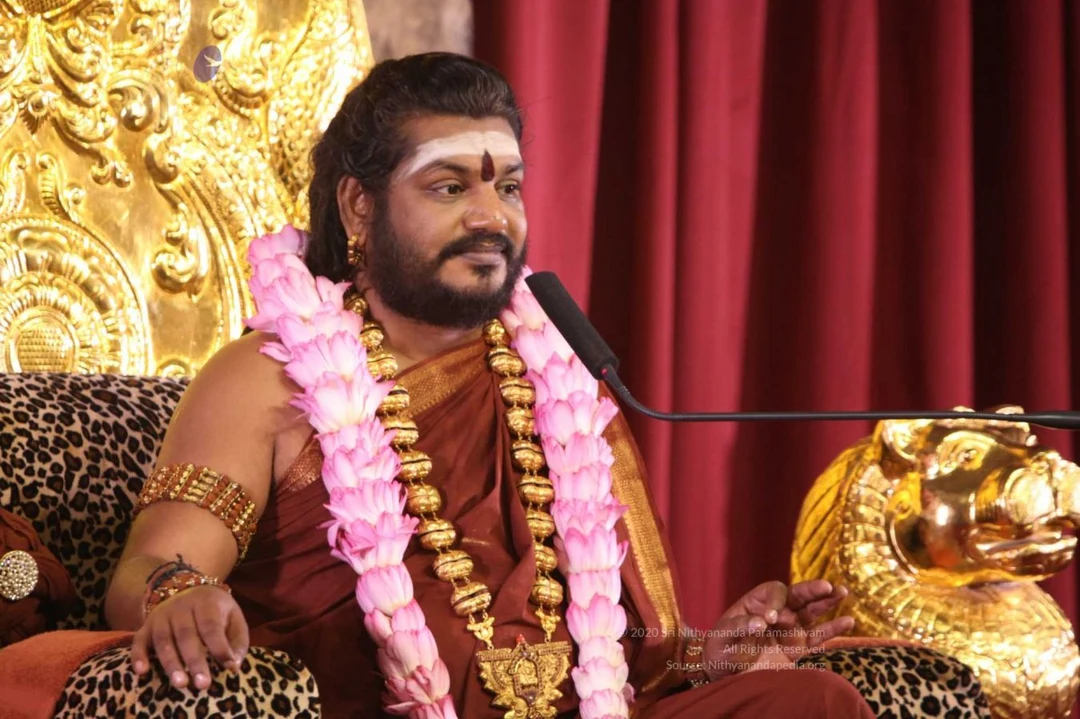 Morning Nithya Satsang - Third Eye Science, neither Mysticism nor Occultism
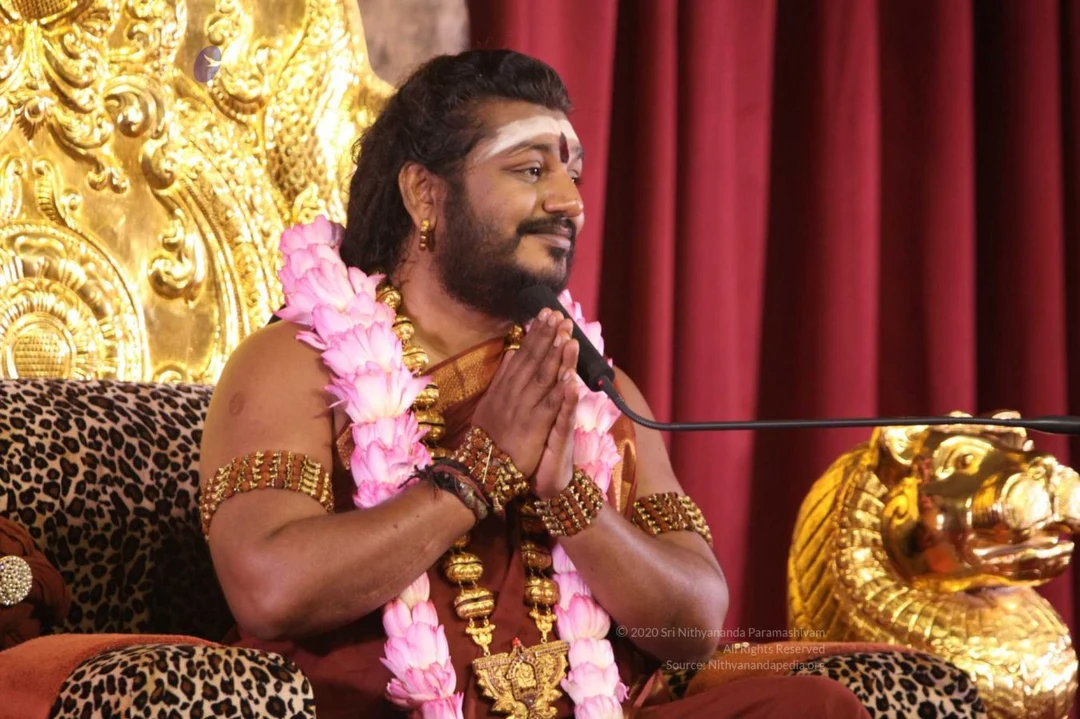 Morning Nithya Satsang - Third Eye Science, neither Mysticism nor Occultism
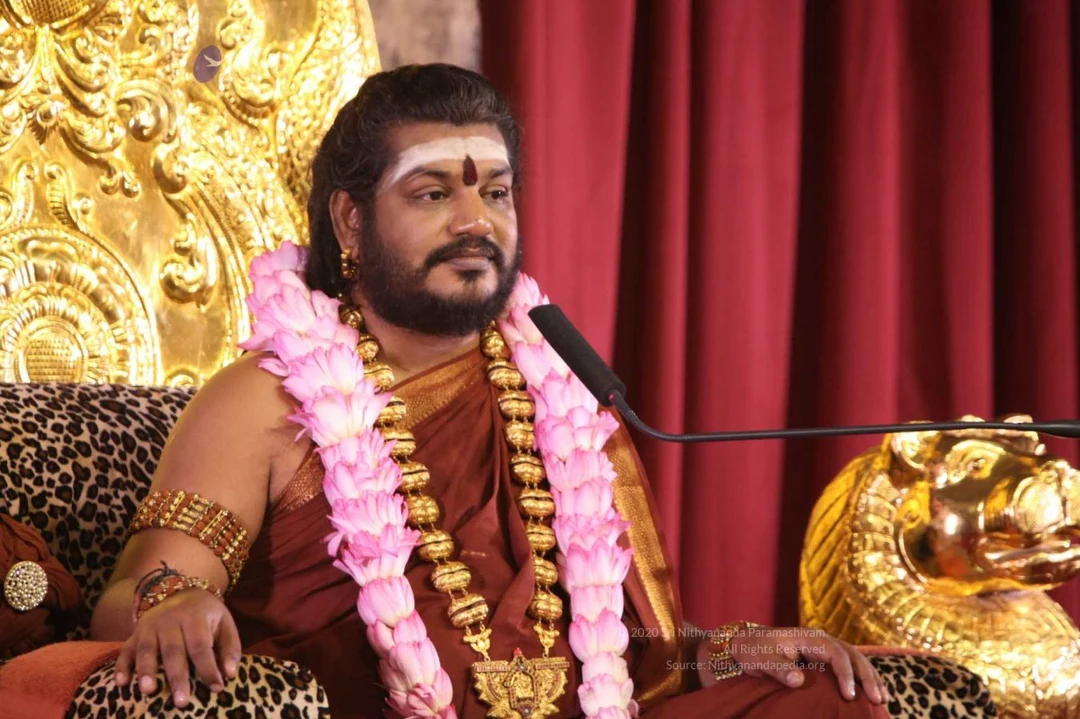 Morning Nithya Satsang - Third Eye Science, neither Mysticism nor Occultism
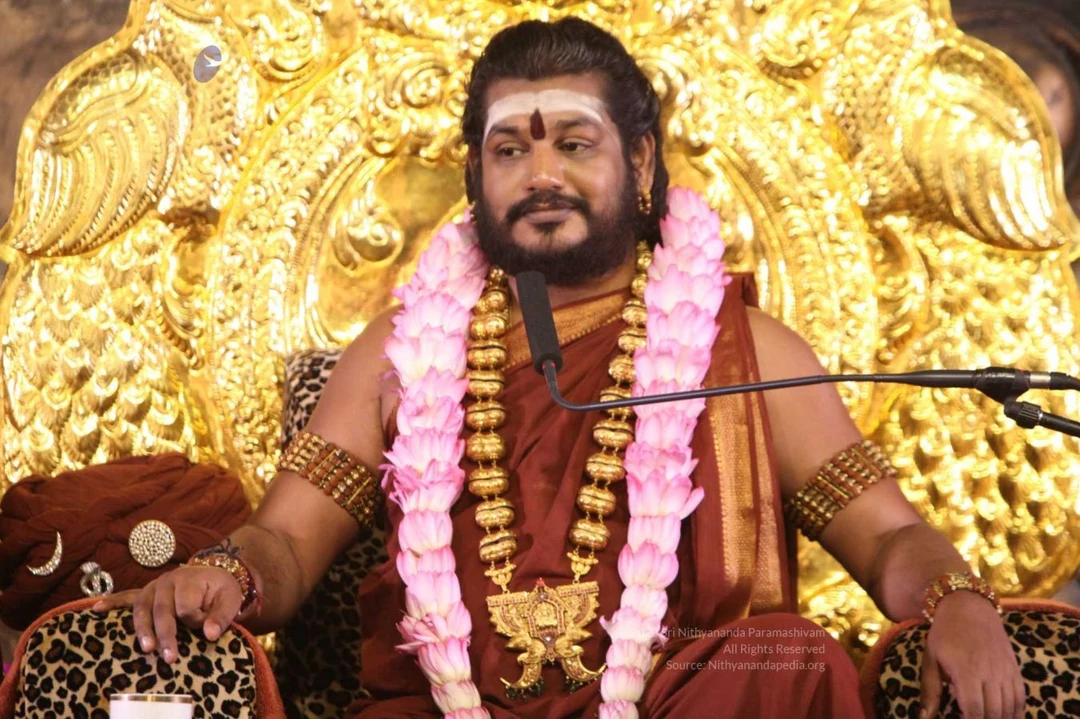 Morning Nithya Satsang - Third Eye Science, neither Mysticism nor Occultism
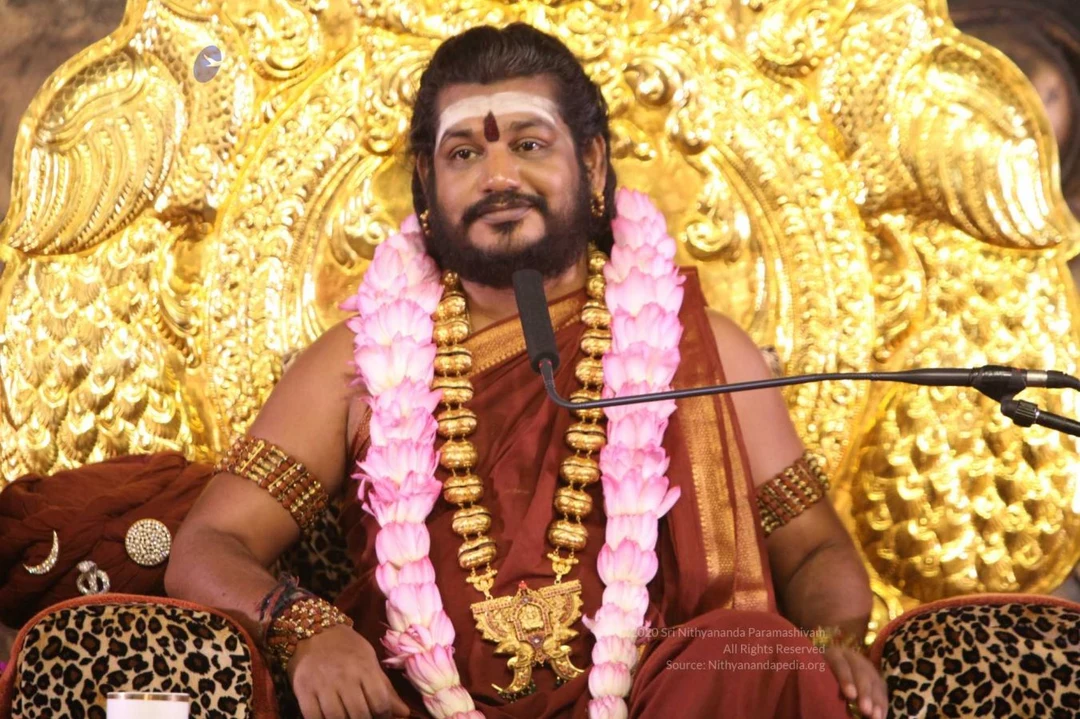 Morning Nithya Satsang - Third Eye Science, neither Mysticism nor Occultism
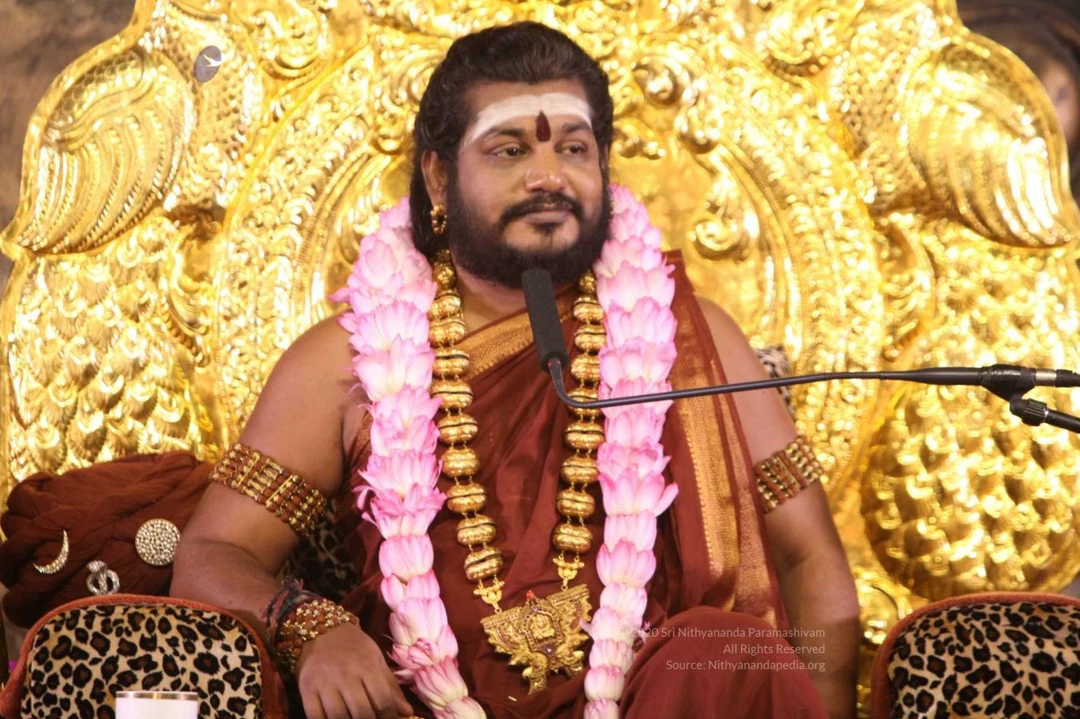 Morning Nithya Satsang - Third Eye Science, neither Mysticism nor Occultism
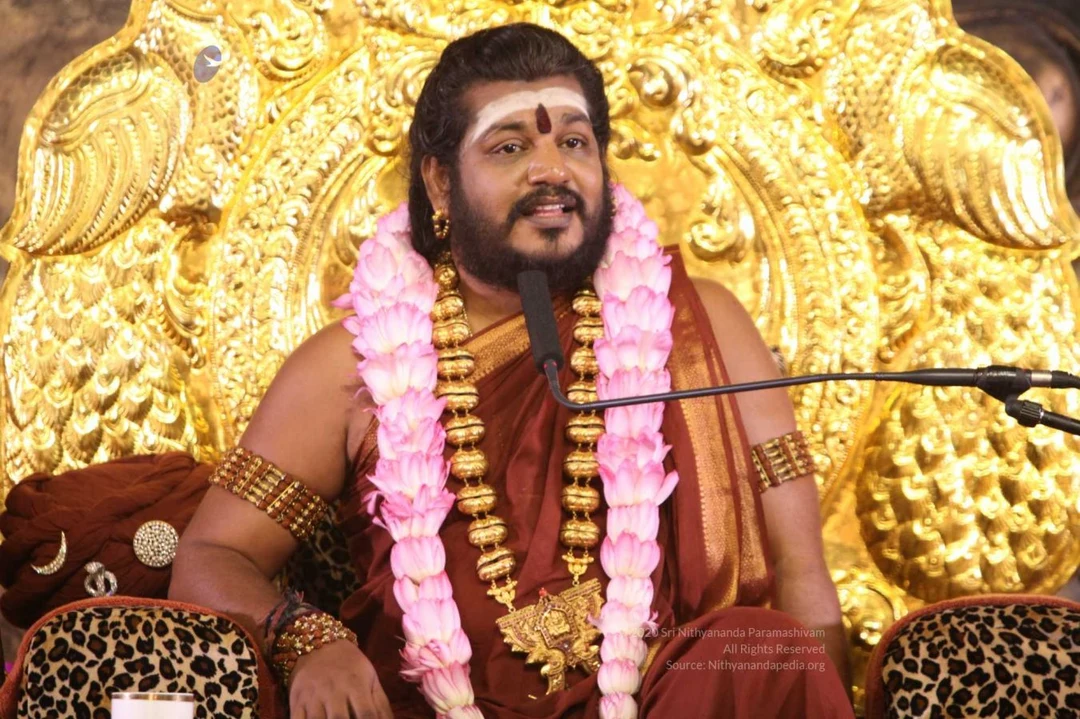 Morning Nithya Satsang - Third Eye Science, neither Mysticism nor Occultism
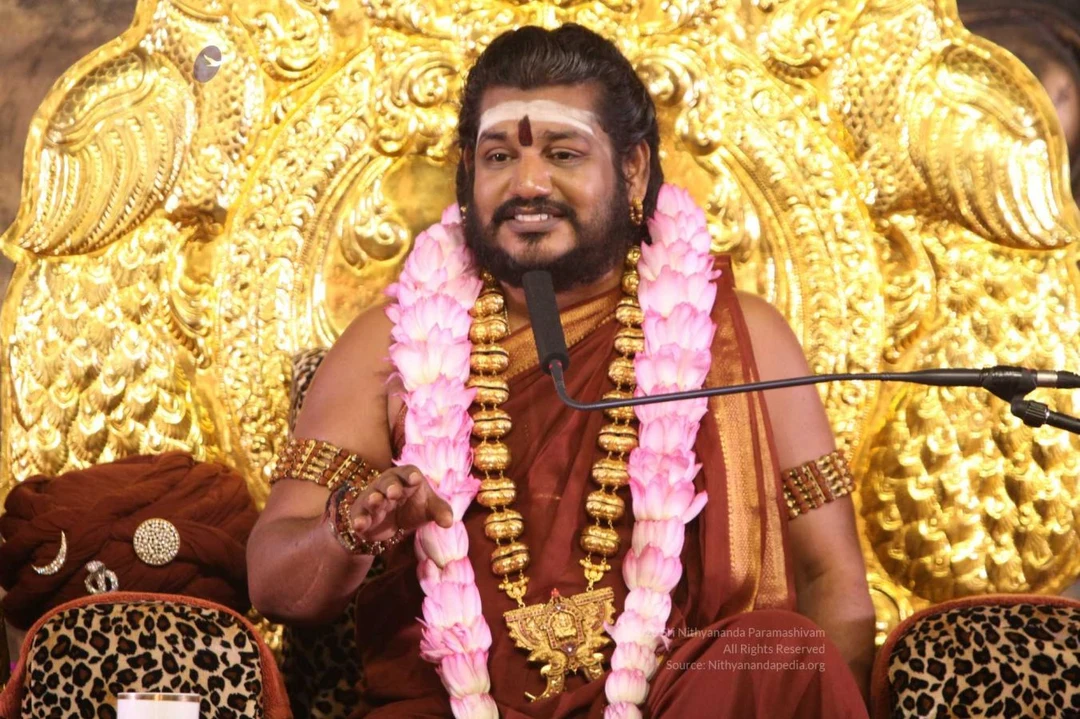 Morning Nithya Satsang - Third Eye Science, neither Mysticism nor Occultism
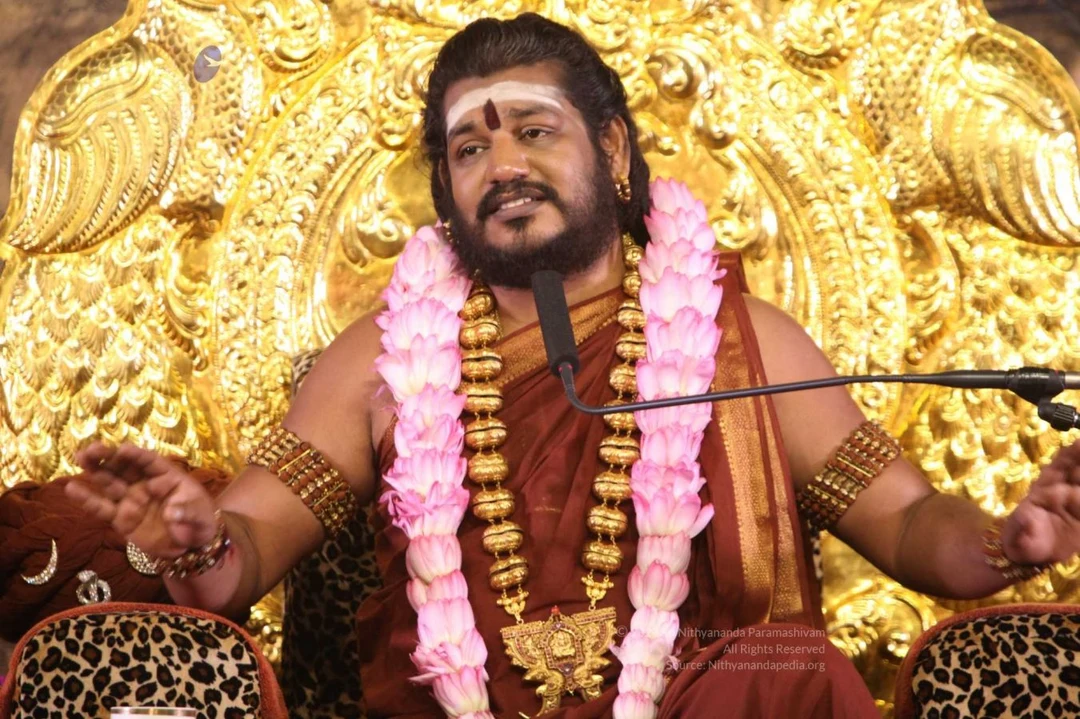 Morning Nithya Satsang - Third Eye Science, neither Mysticism nor Occultism
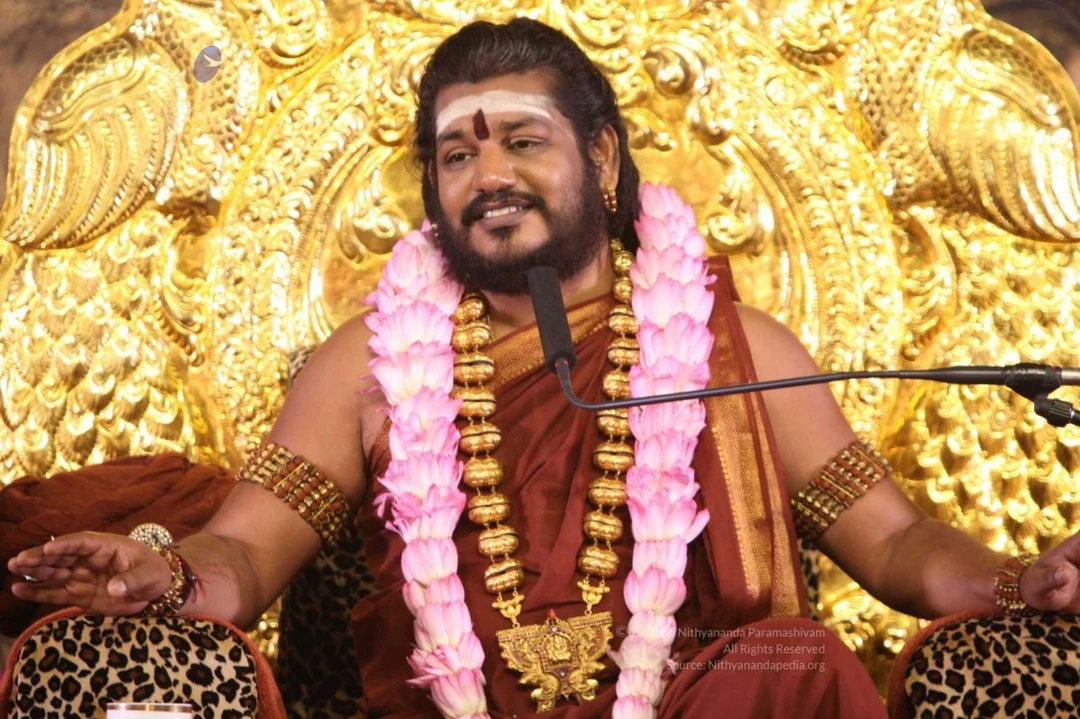 Morning Nithya Satsang - Third Eye Science, neither Mysticism nor Occultism
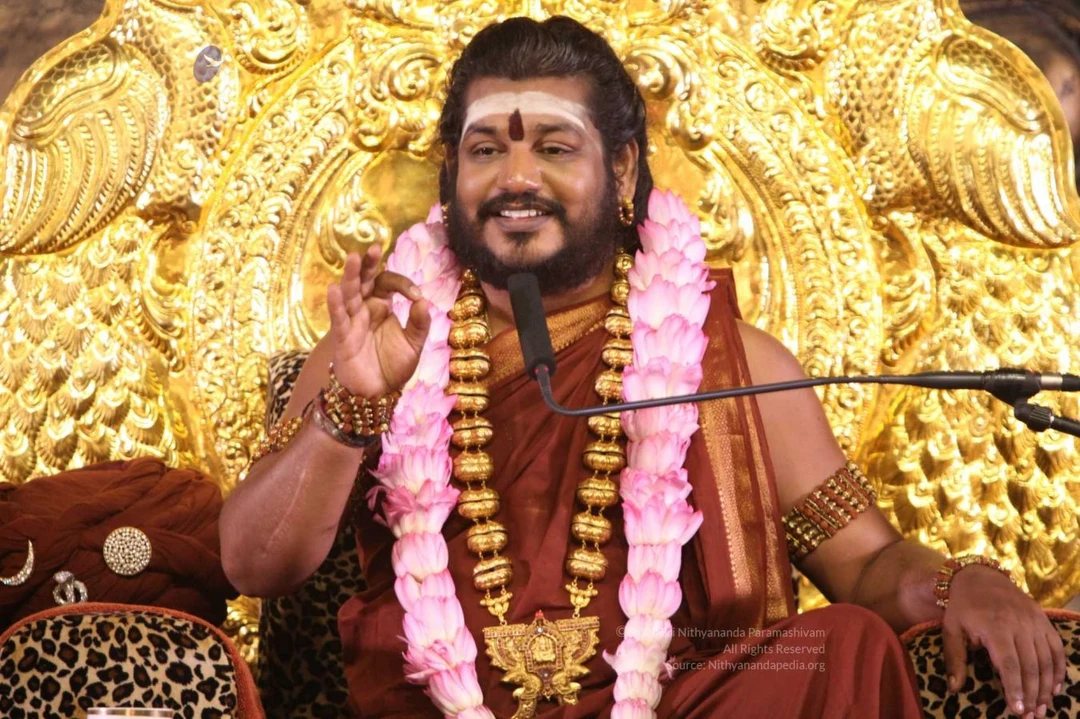 Morning Nithya Satsang - Third Eye Science, neither Mysticism nor Occultism
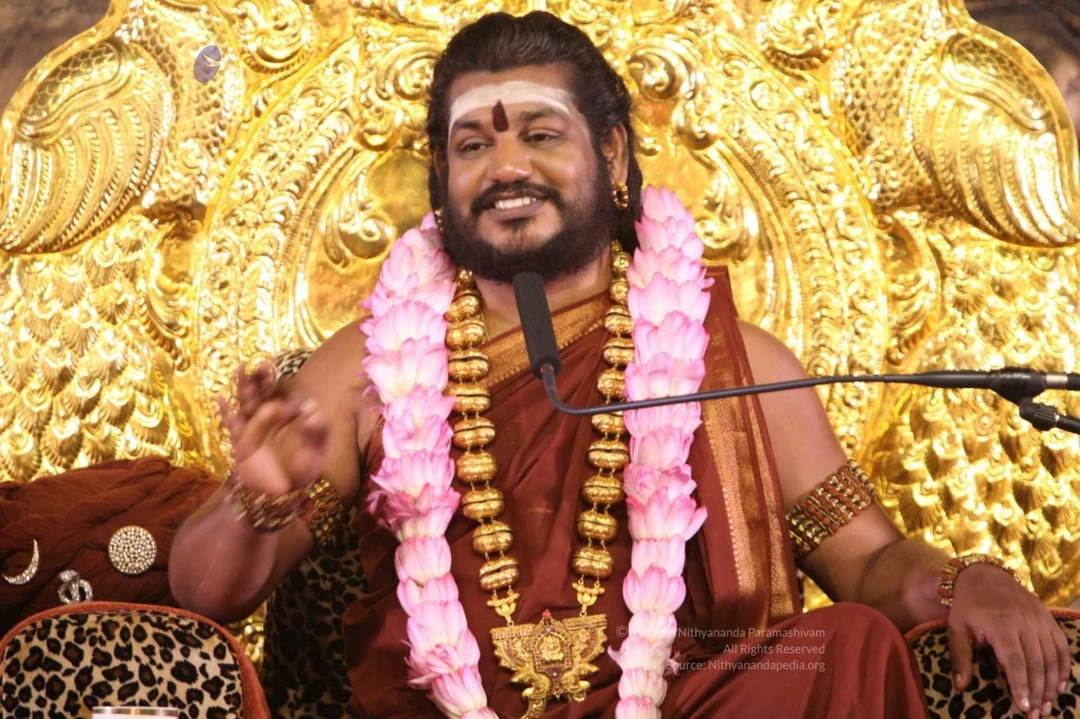 Morning Nithya Satsang - Third Eye Science, neither Mysticism nor Occultism
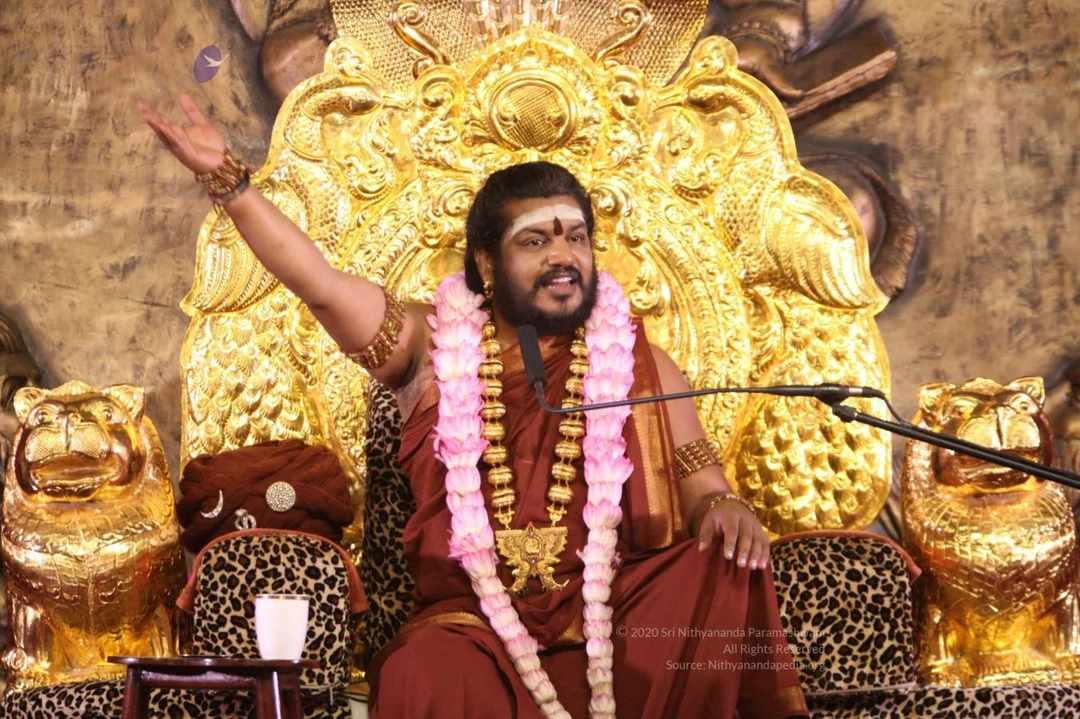 Morning Nithya Satsang - Third Eye Science, neither Mysticism nor Occultism
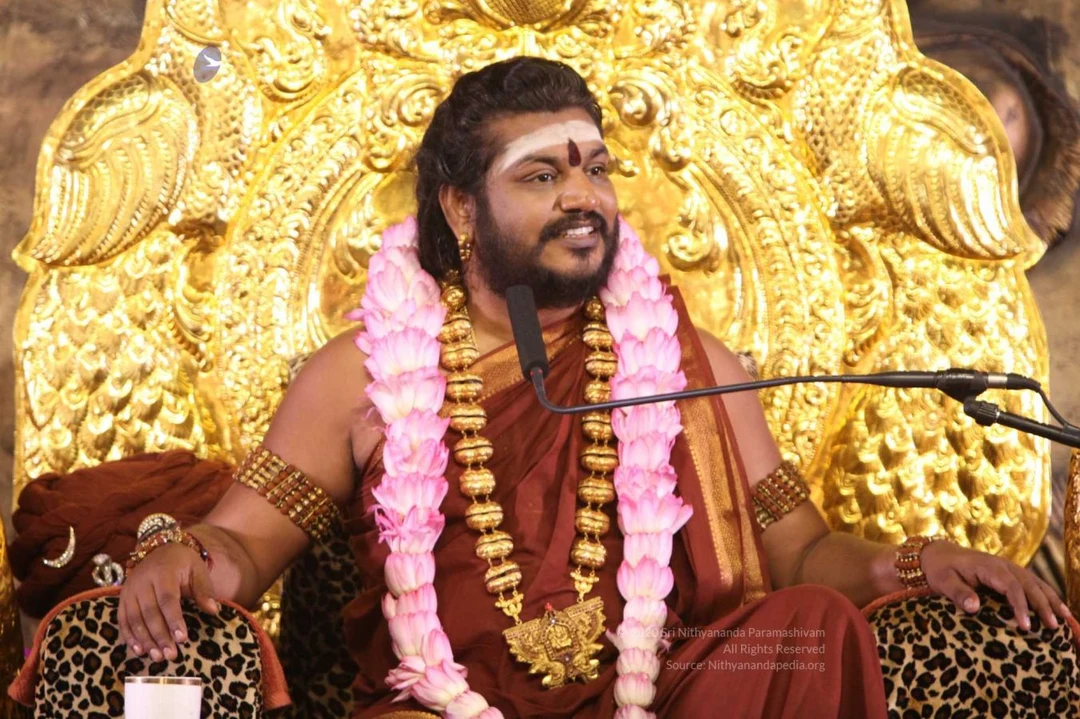 Morning Nithya Satsang - Third Eye Science, neither Mysticism nor Occultism
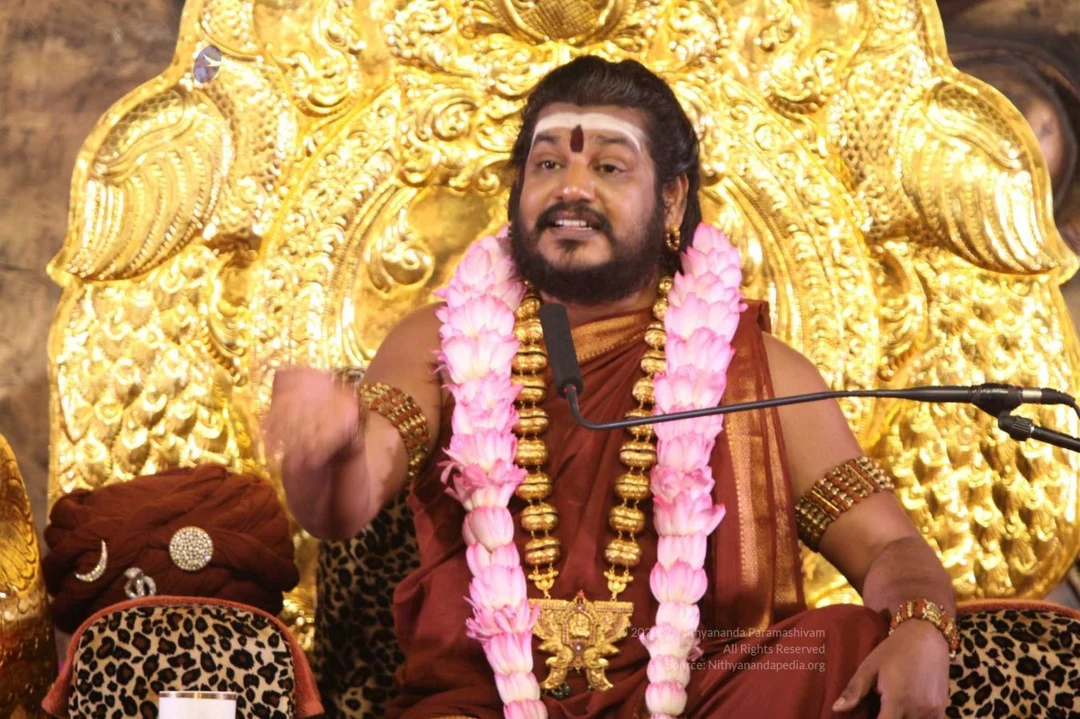 Morning Nithya Satsang - Third Eye Science, neither Mysticism nor Occultism
 Morning Nithya Satsang - Third Eye Science, neither Mysticism nor Occultism
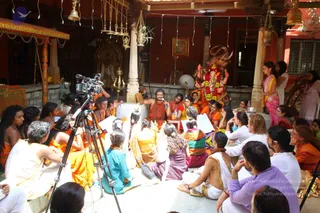
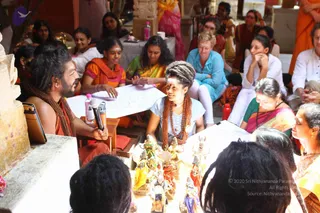
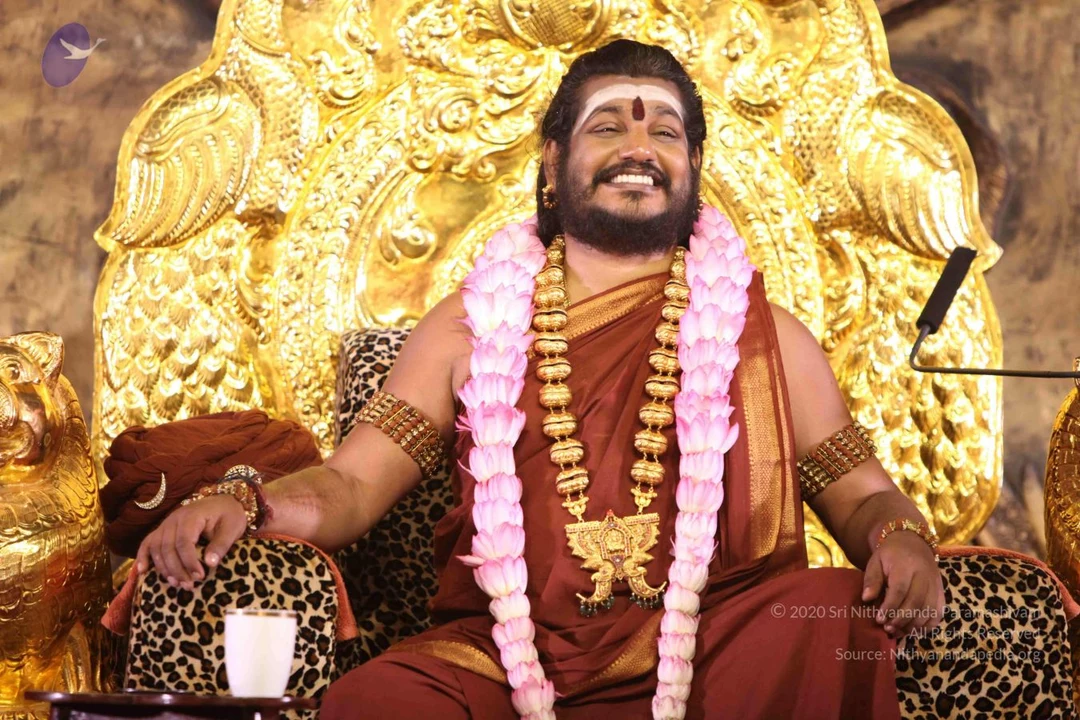
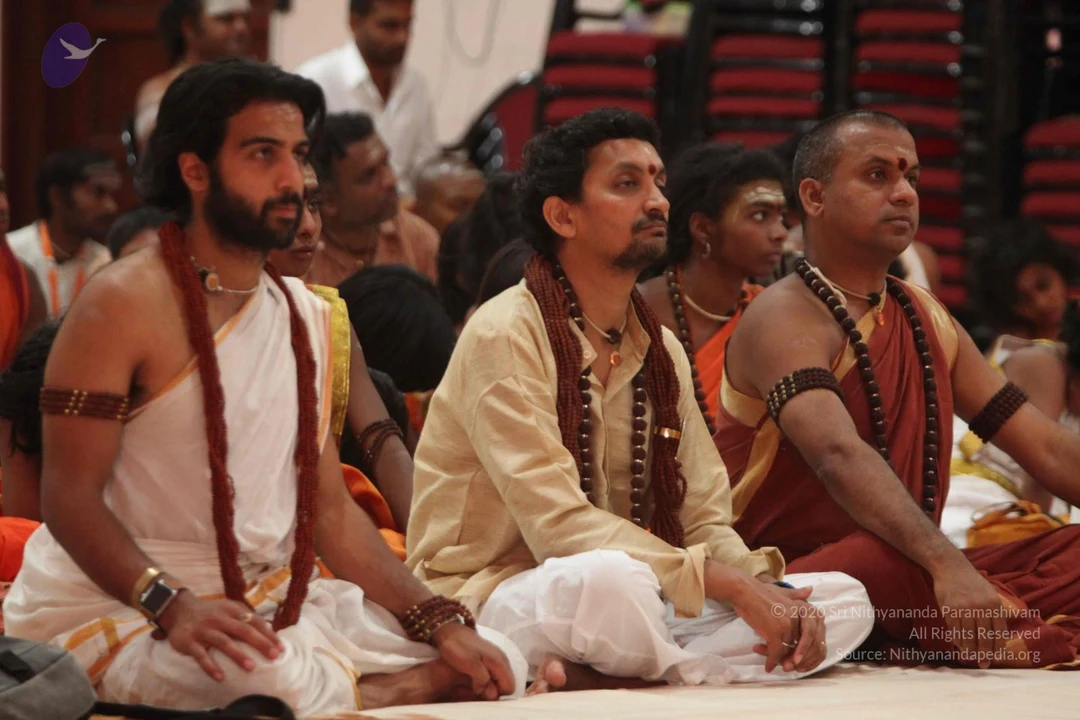
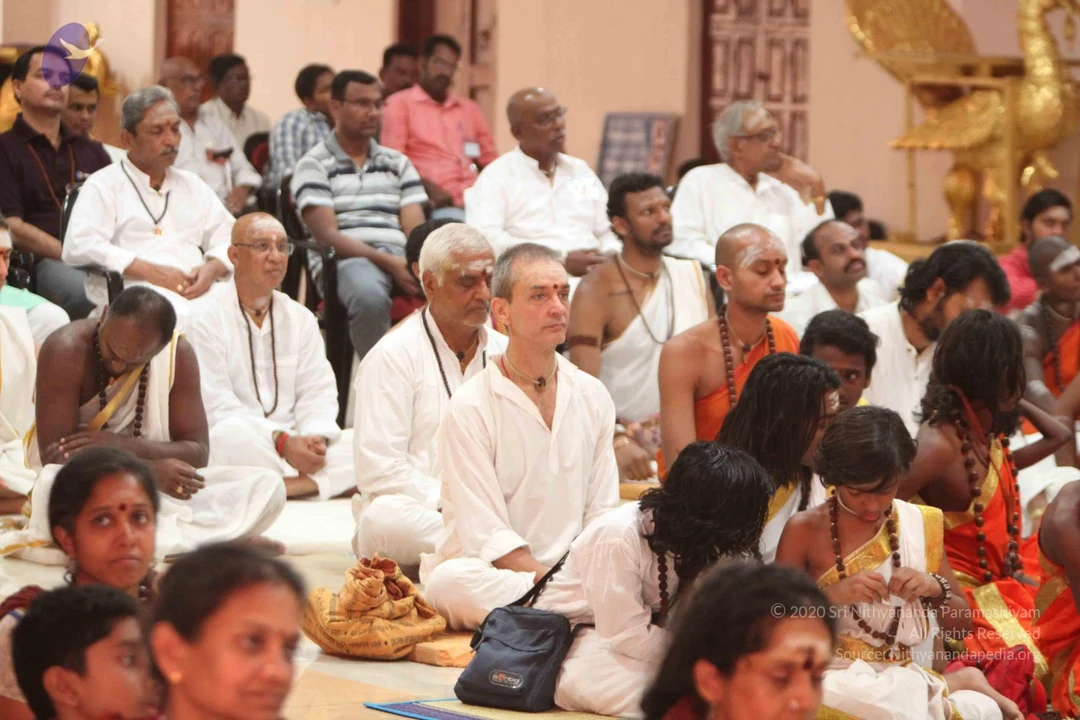
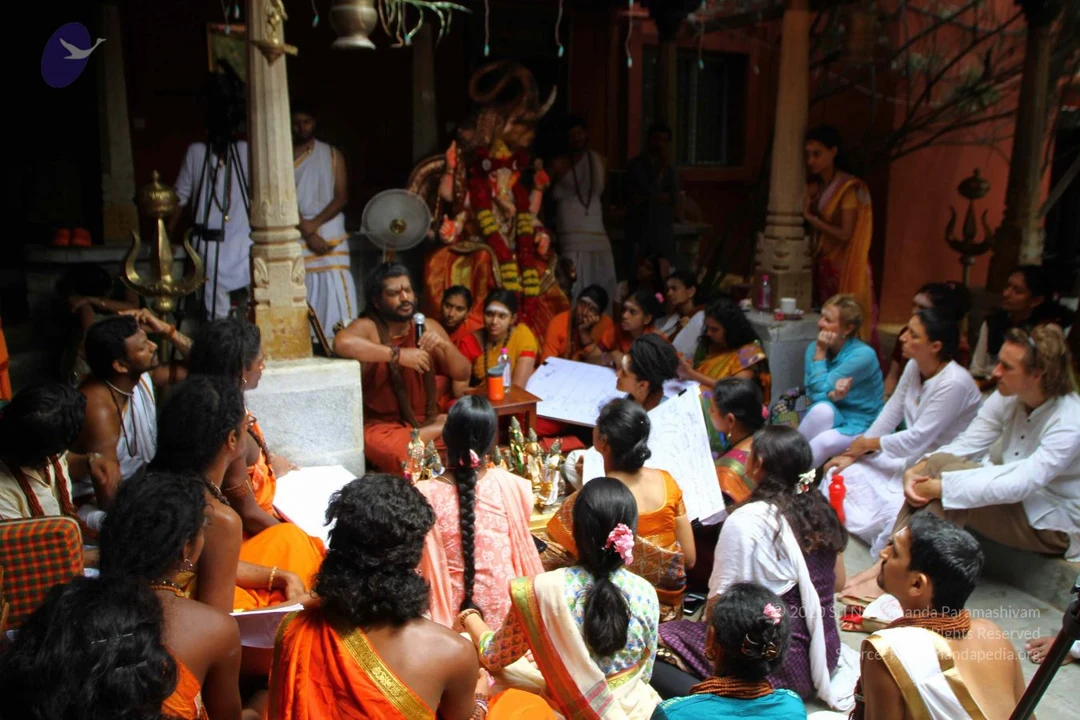
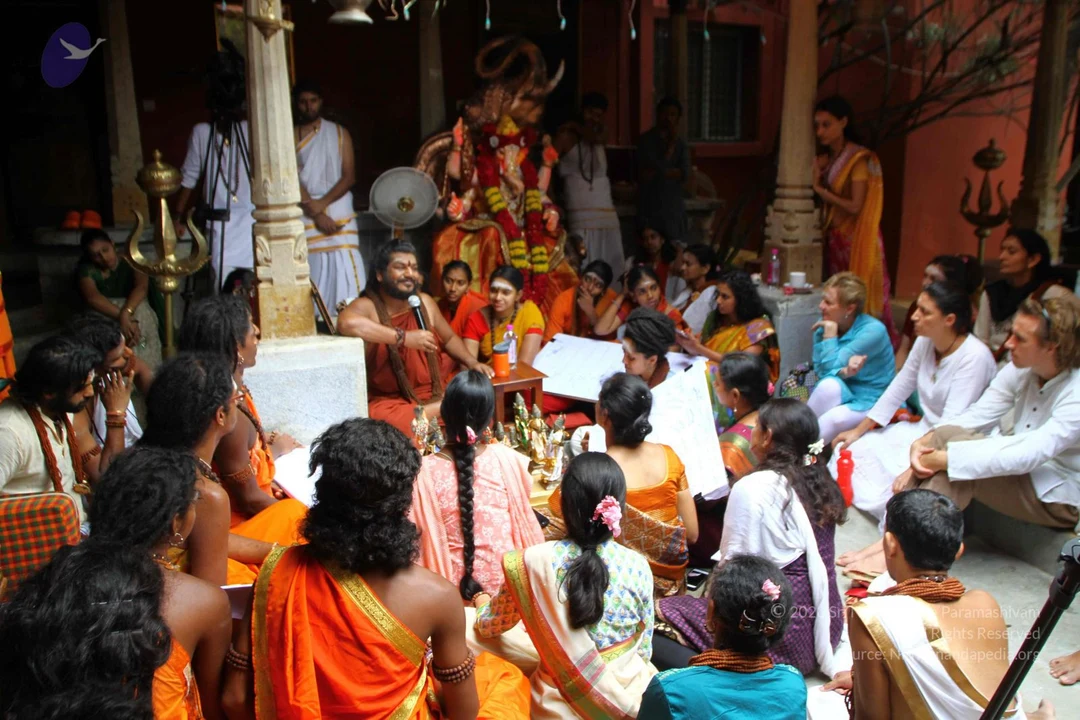
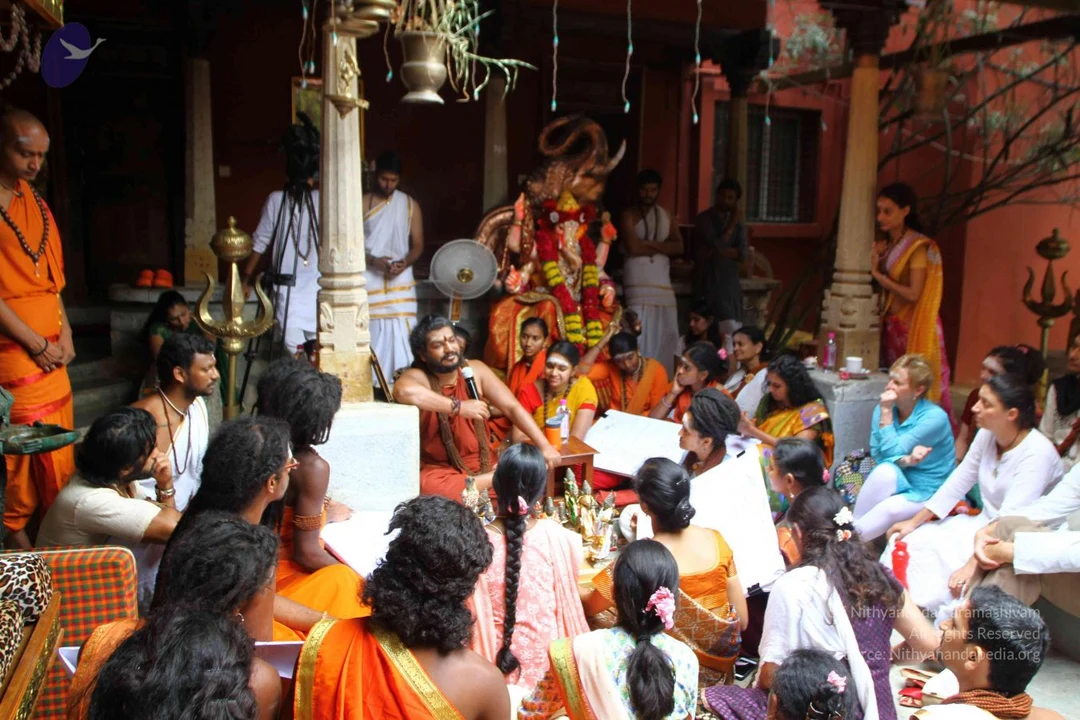
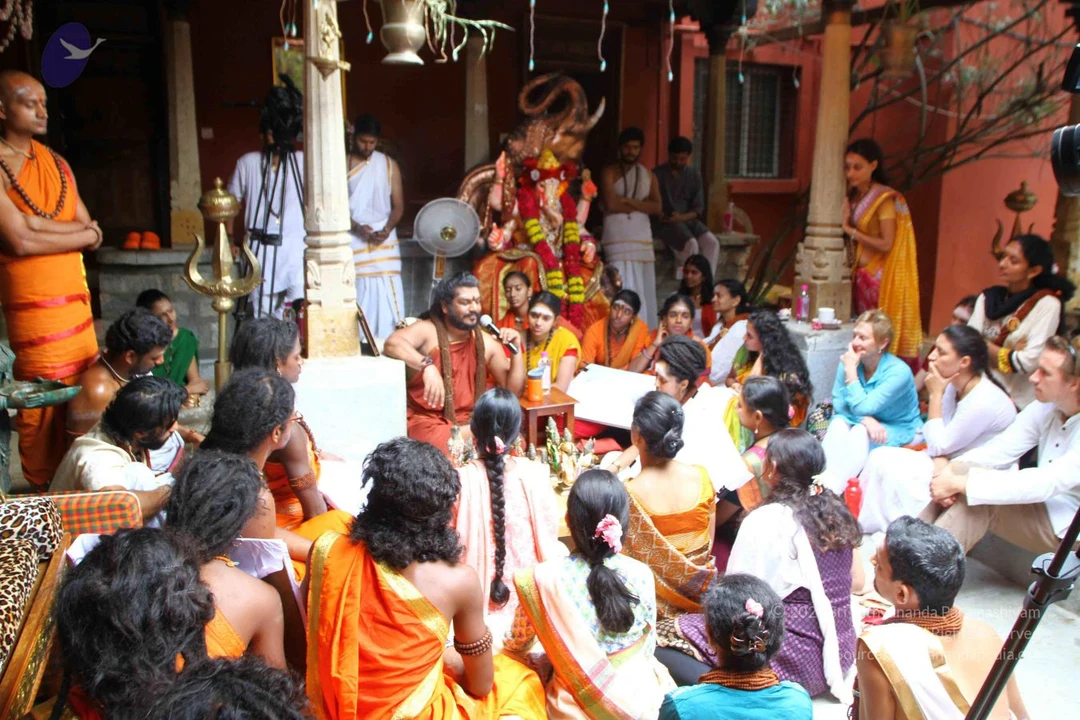
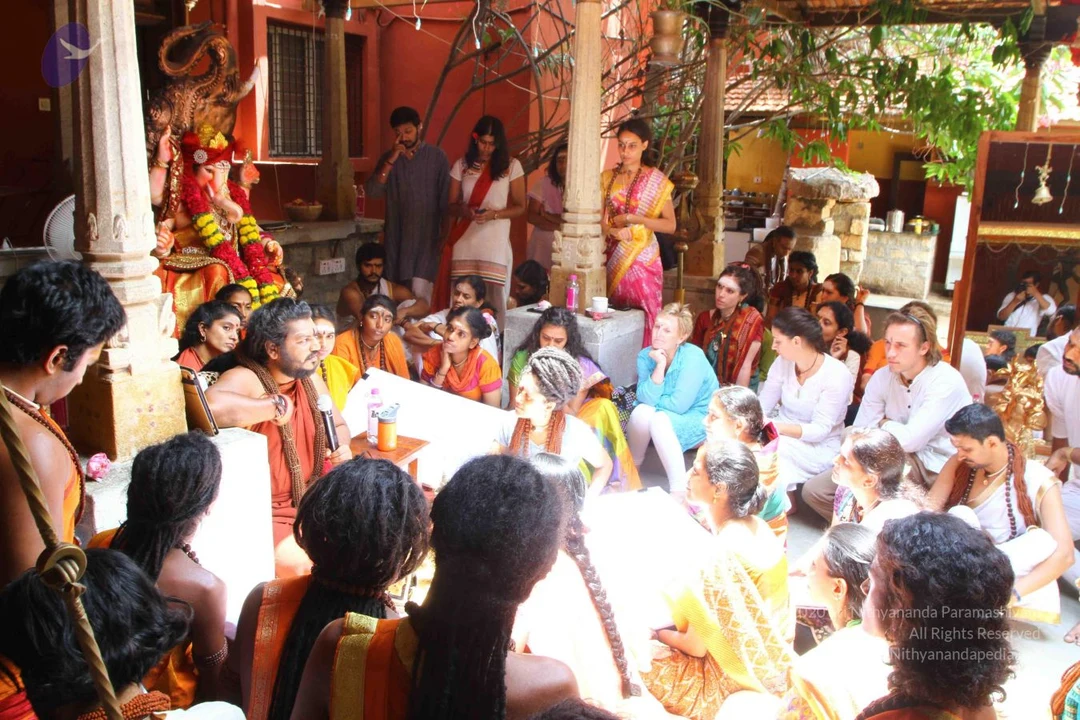
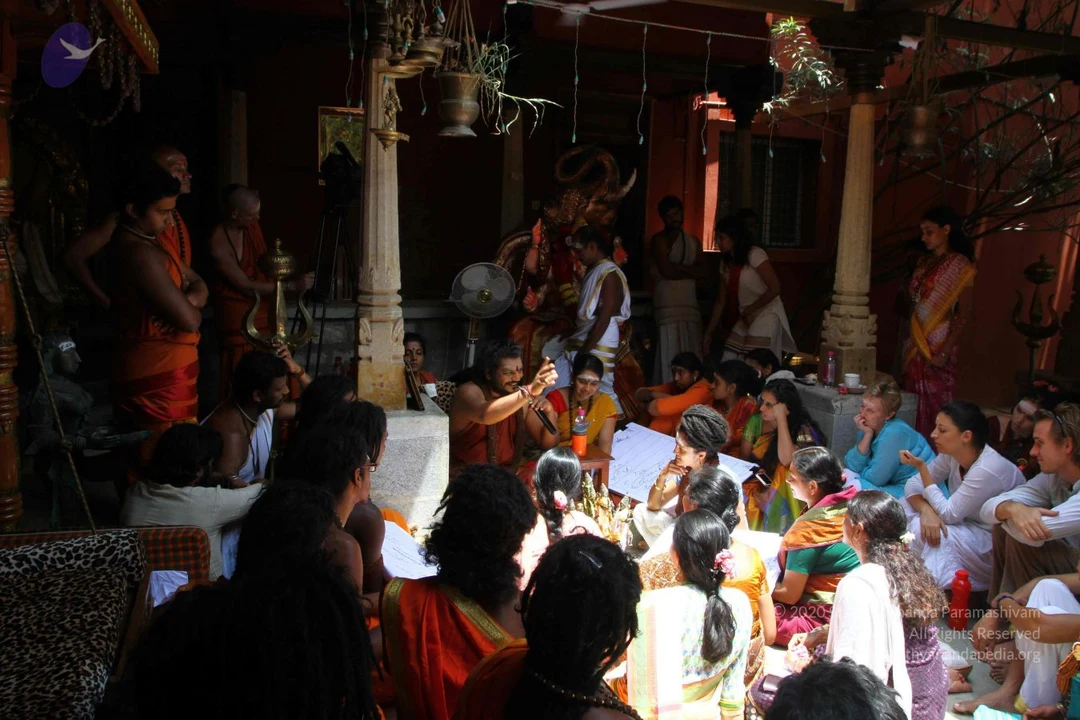
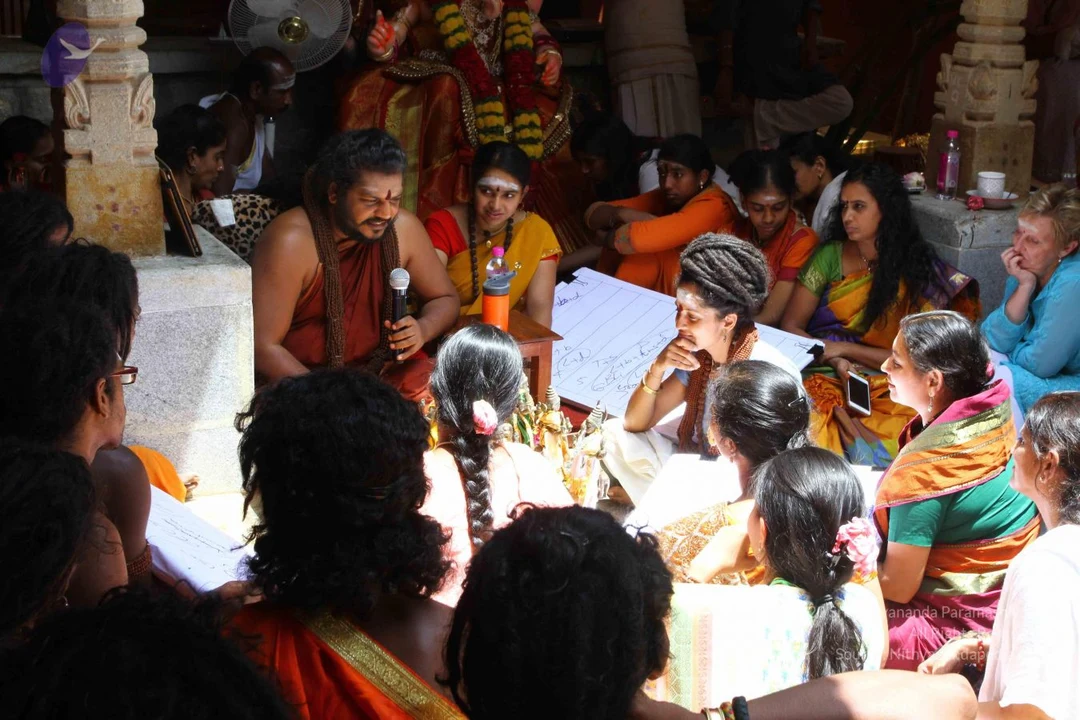
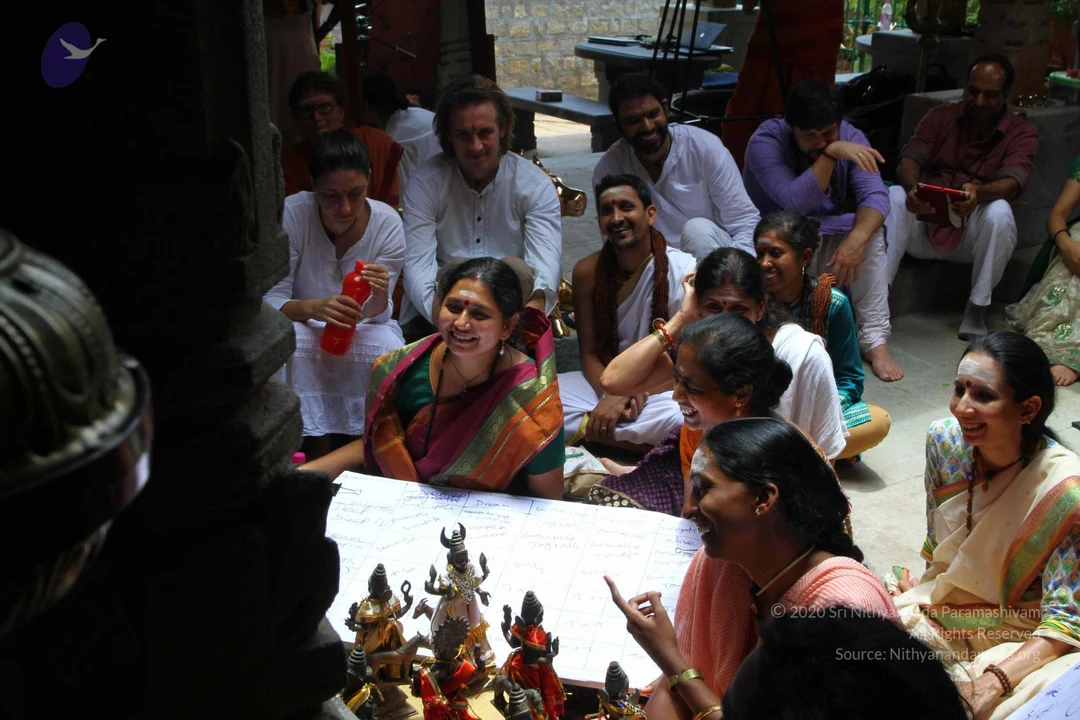
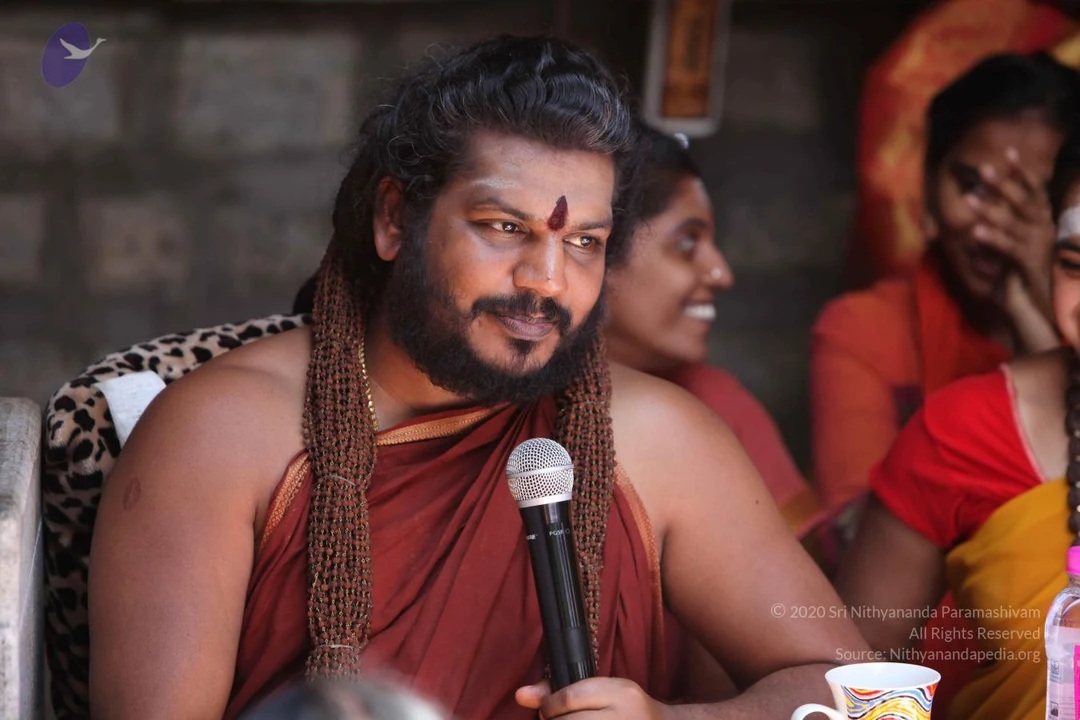
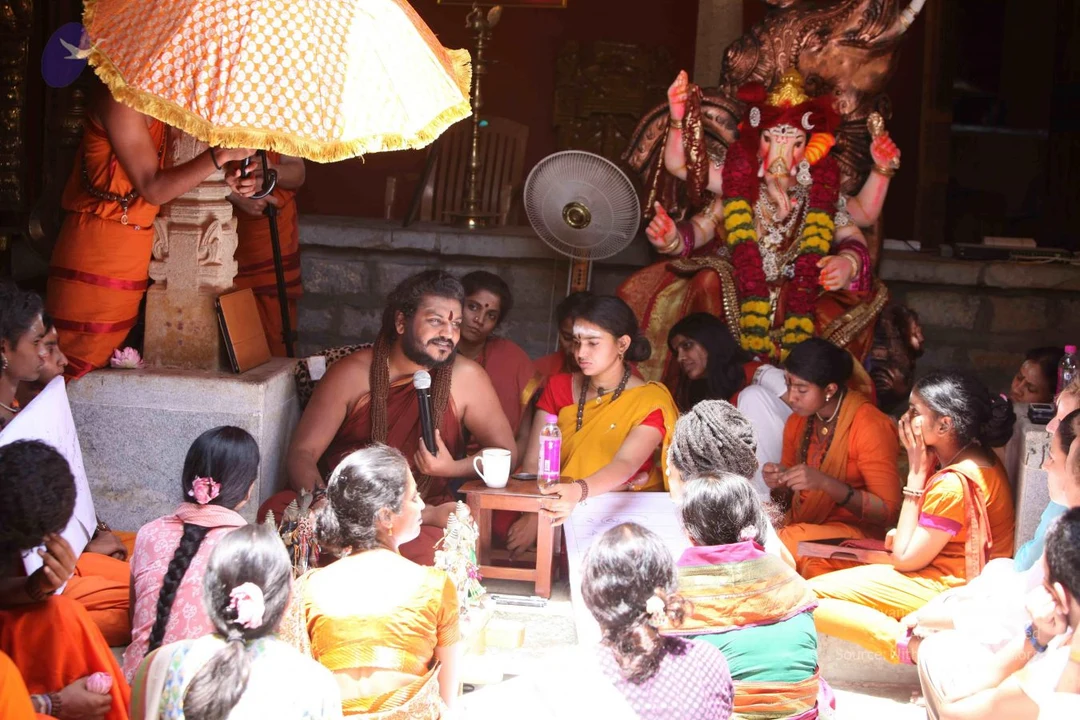
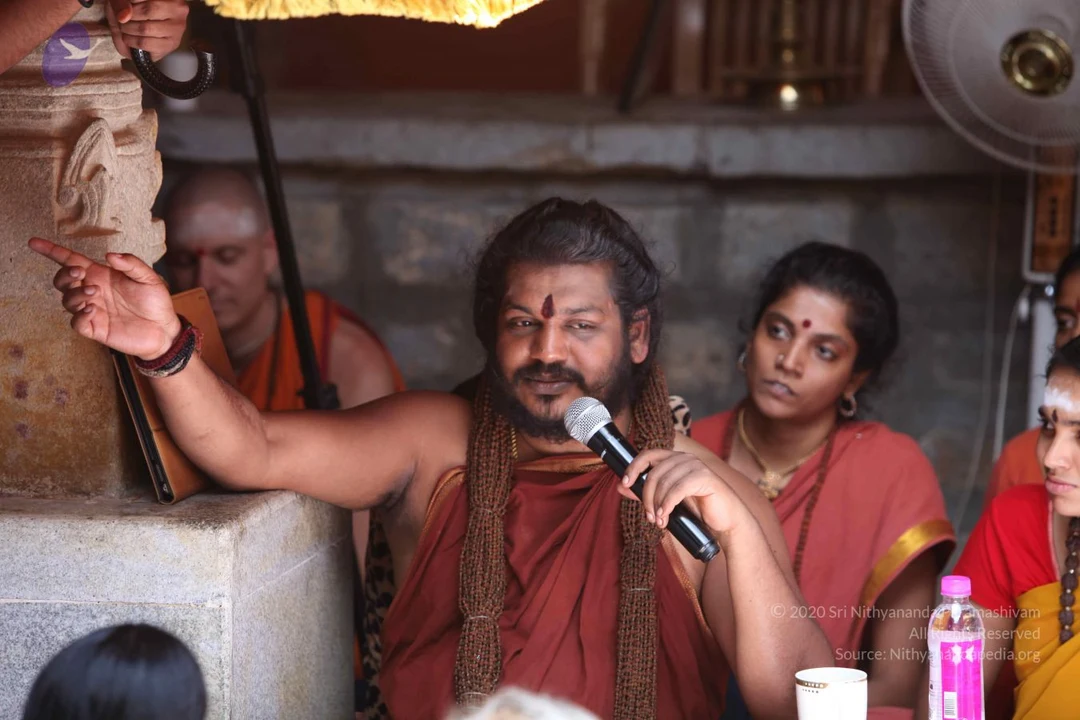
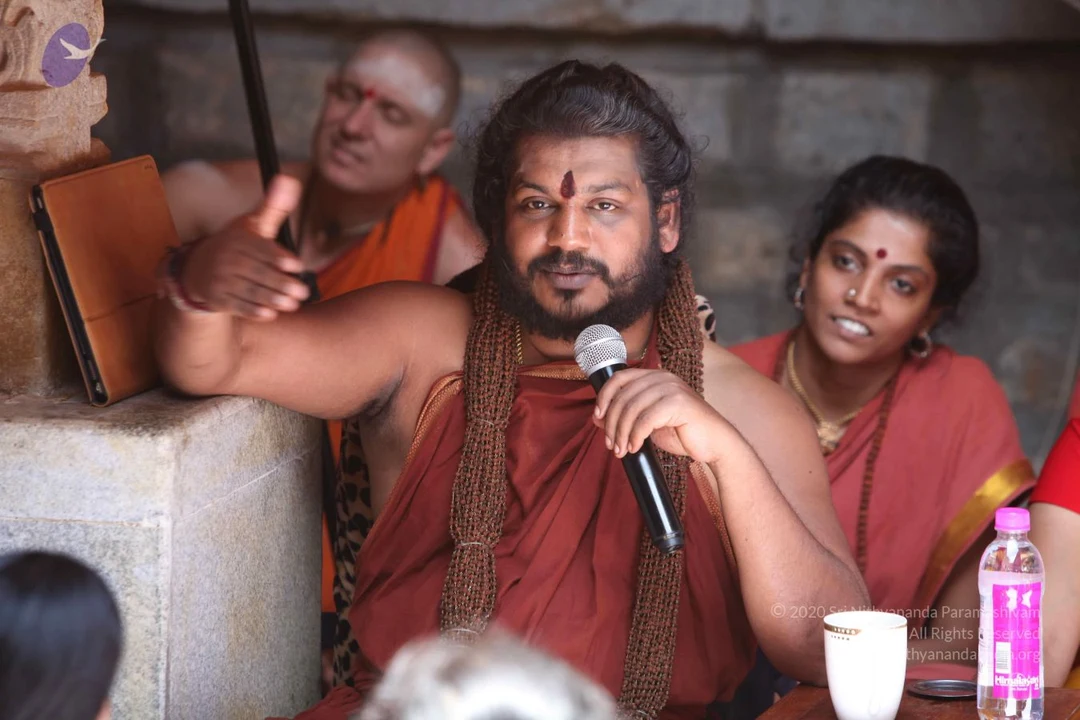
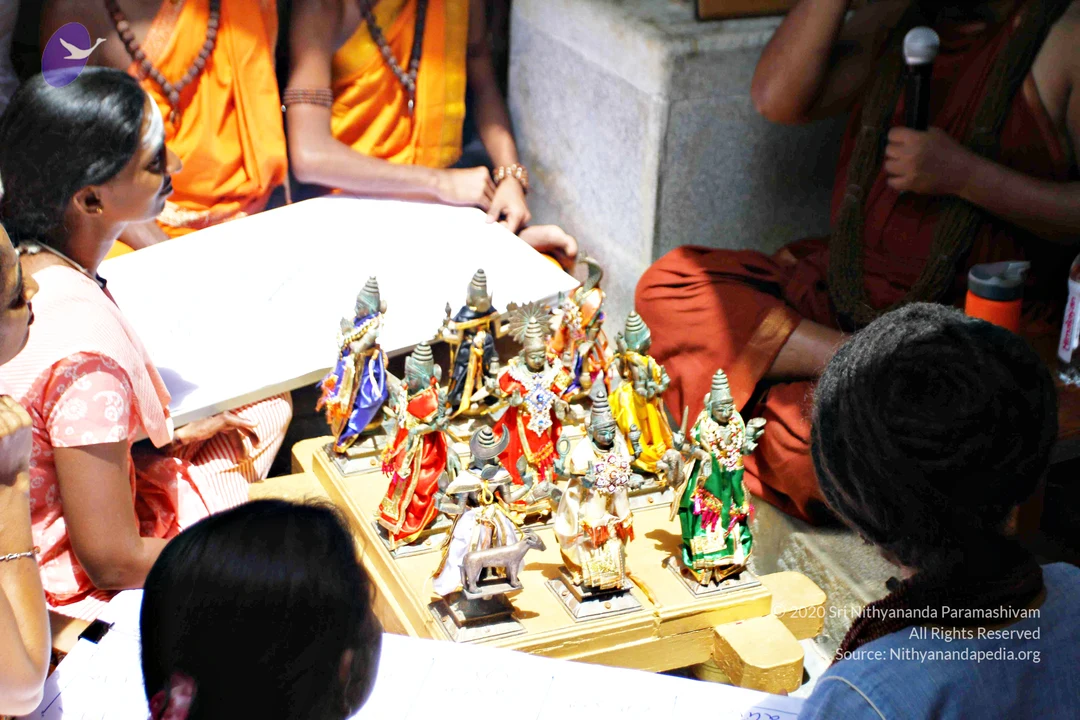
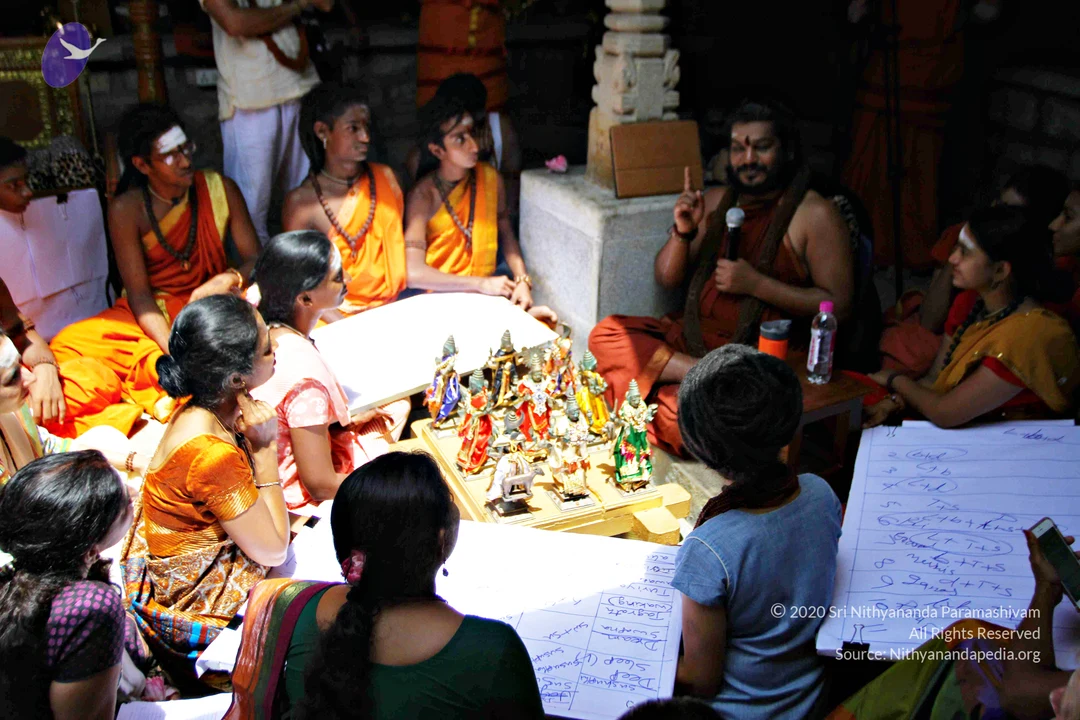
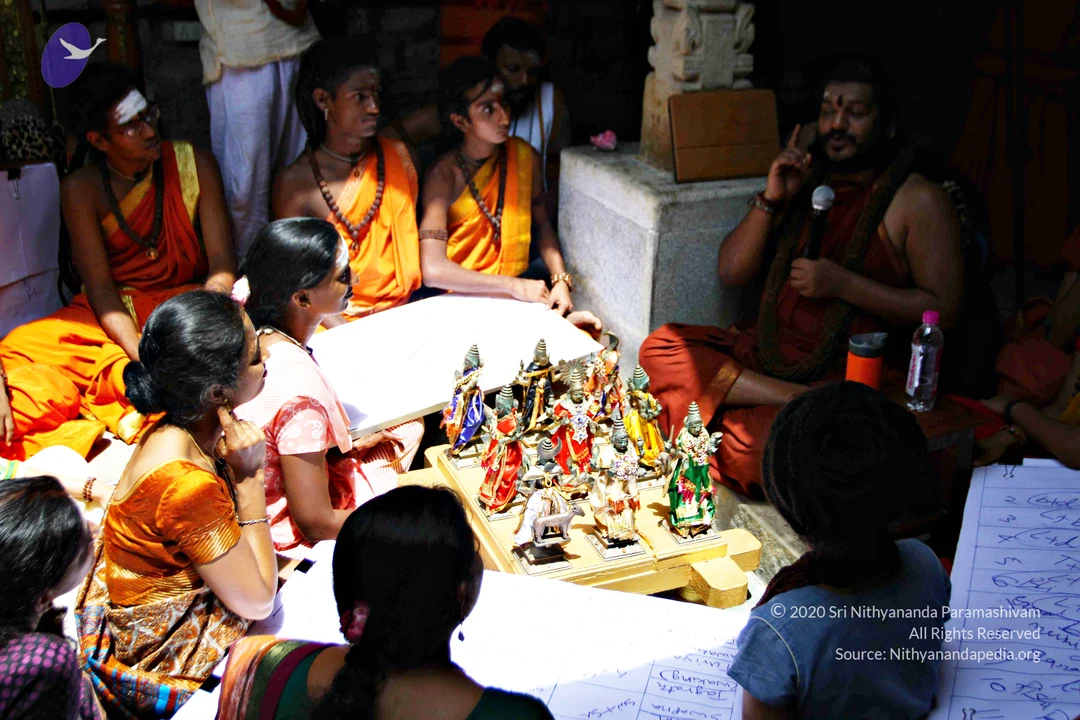
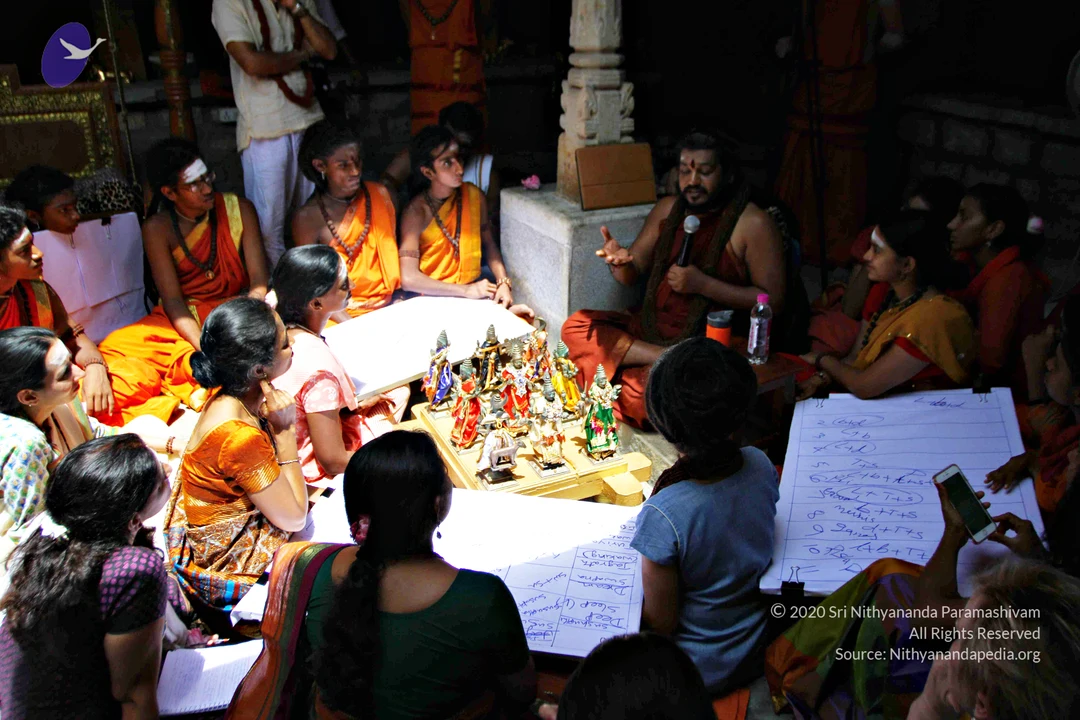
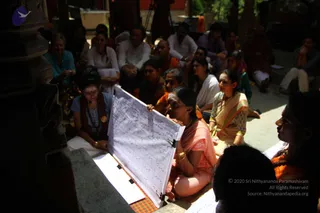
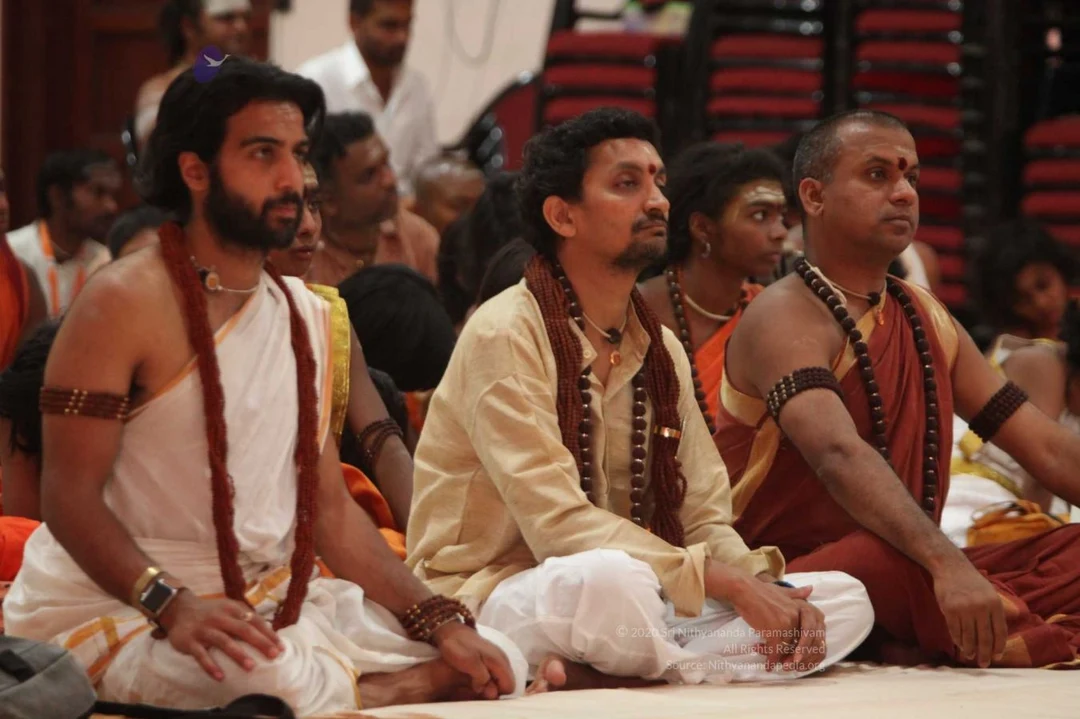 Adheenavasis and Delegates attend Morning Nithya Satsang - Only realising our oneness with Sadashiva can easily make us manifest the Shaktis or powers as revealed by Sadashiva Himself in the Agamas - HDH Bhagavan
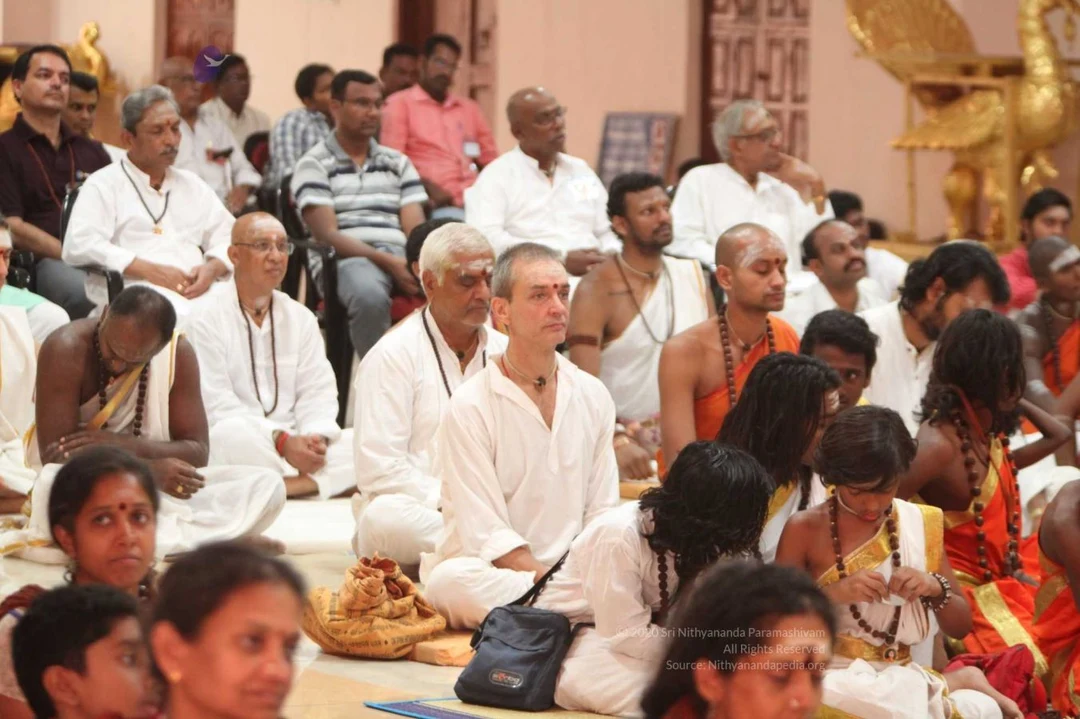 Adheenavasis and Delegates attend Morning Nithya Satsang - Only realising our oneness with Sadashiva can easily make us manifest the Shaktis or powers as revealed by Sadashiva Himself in the Agamas - HDH Bhagavan
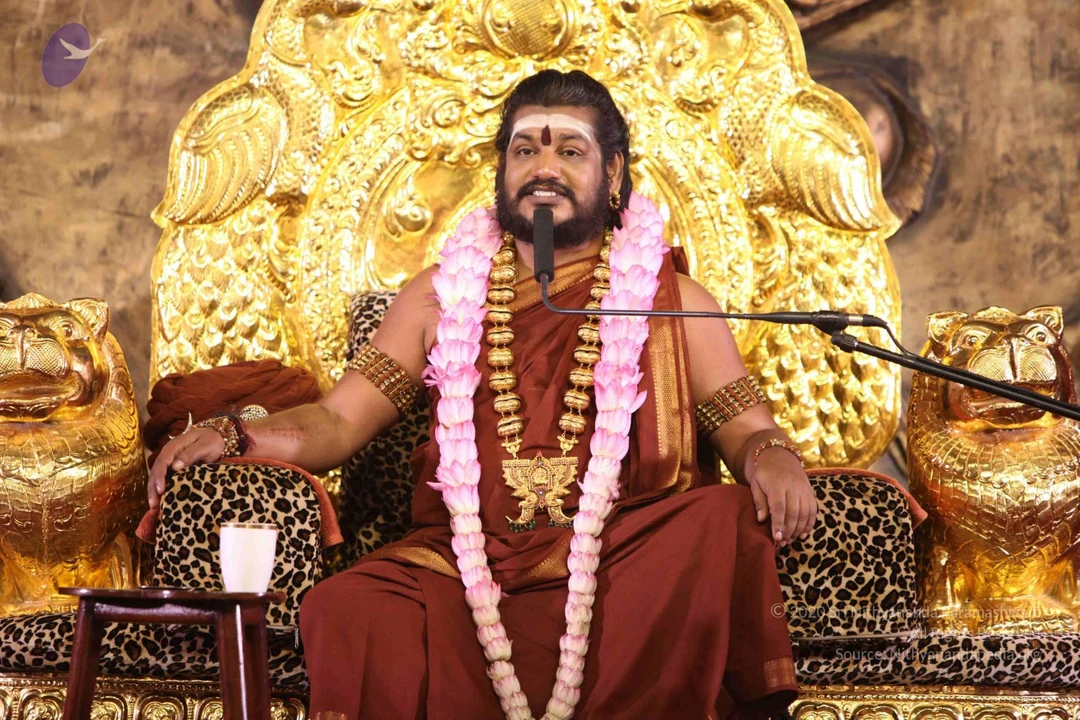
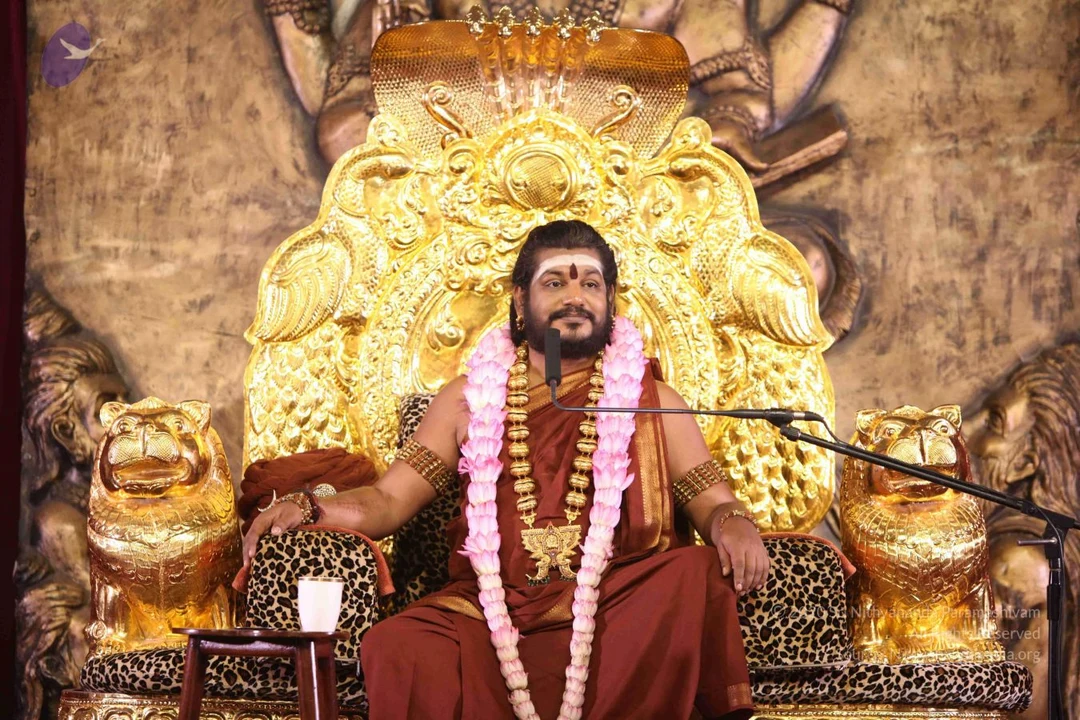
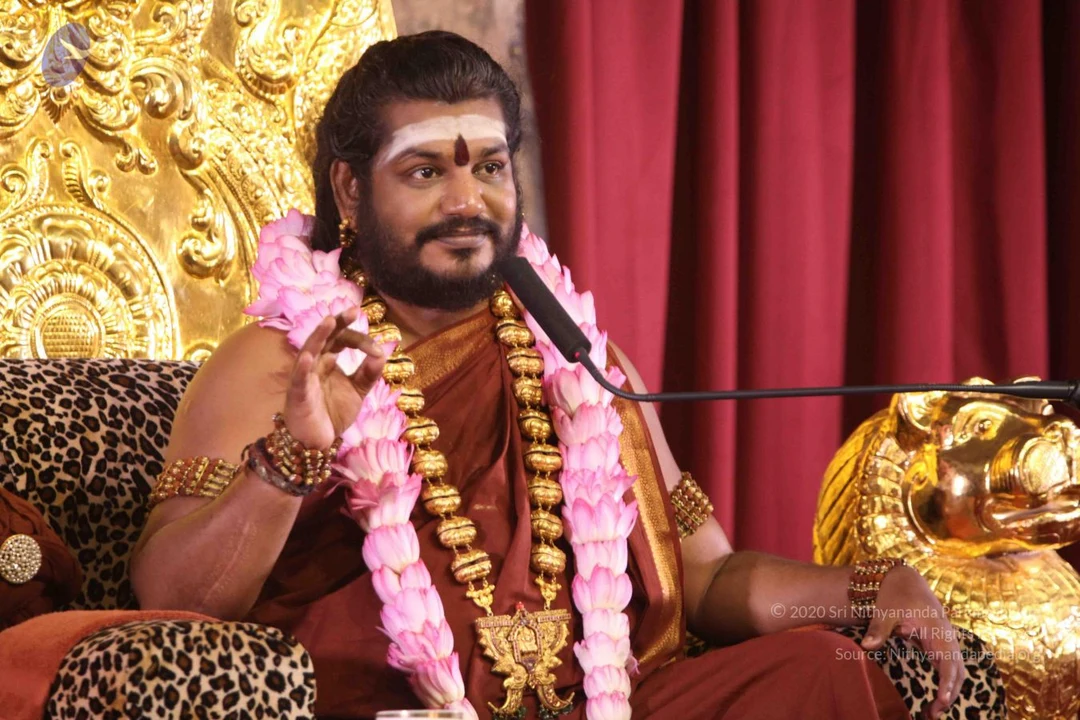
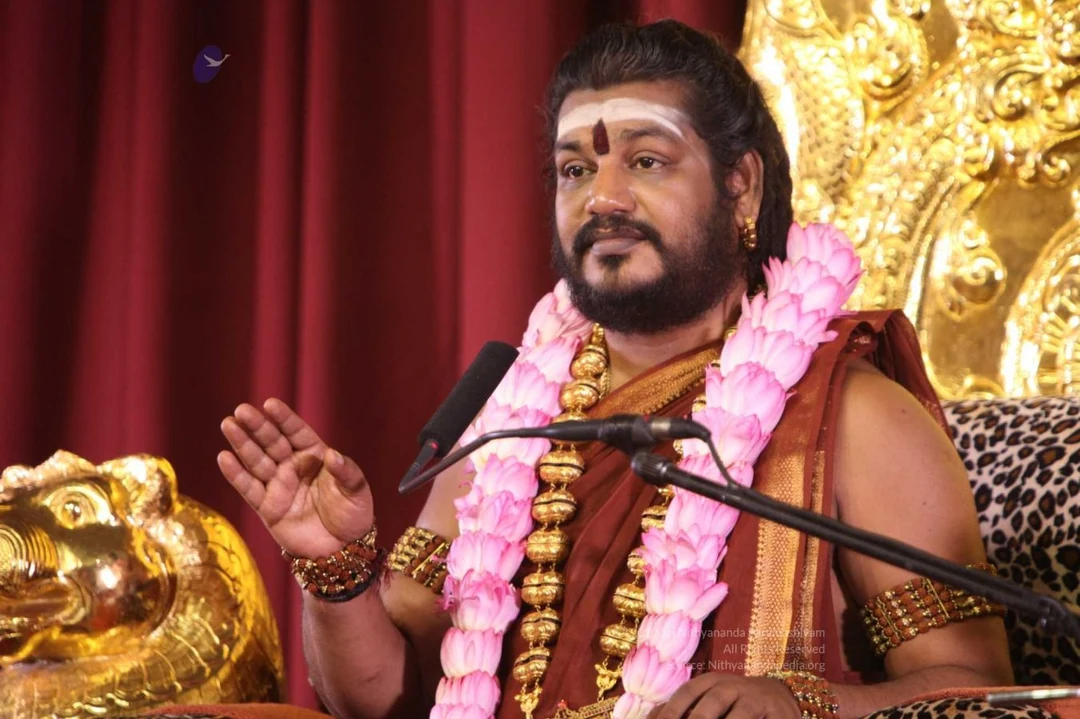 Morning Nithya Satsang - Third Eye Science, neither Mysticism nor Occultism
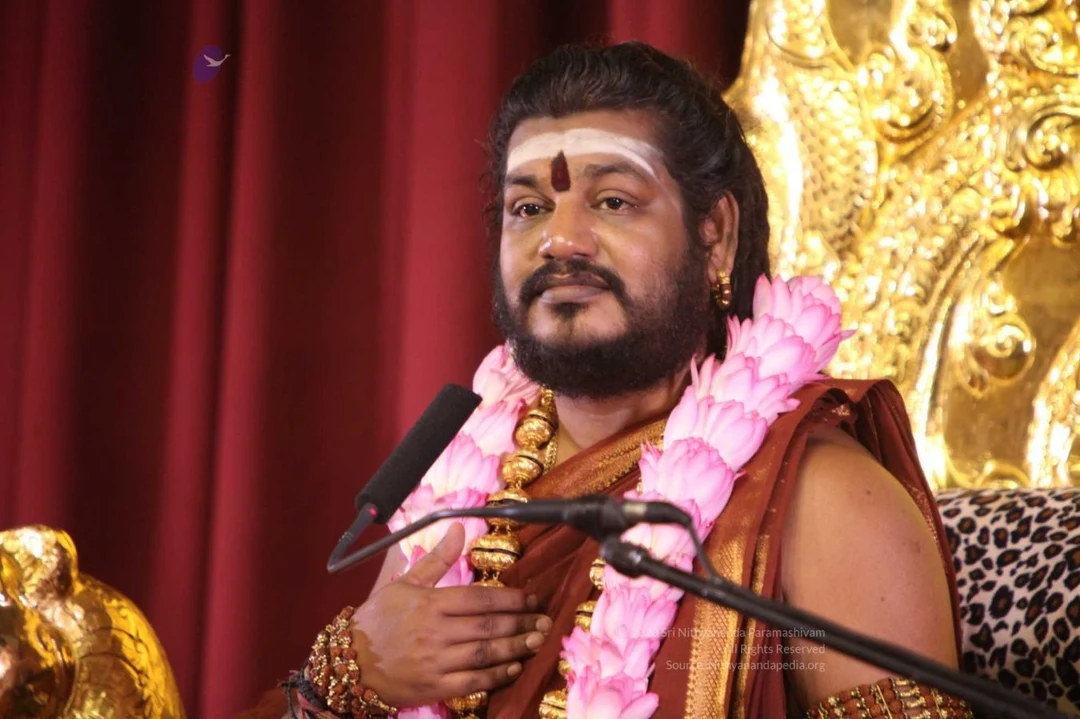 Morning Nithya Satsang - Third Eye Science, neither Mysticism nor Occultism
 Morning Nithya Satsang - Third Eye Science, neither Mysticism nor Occultism
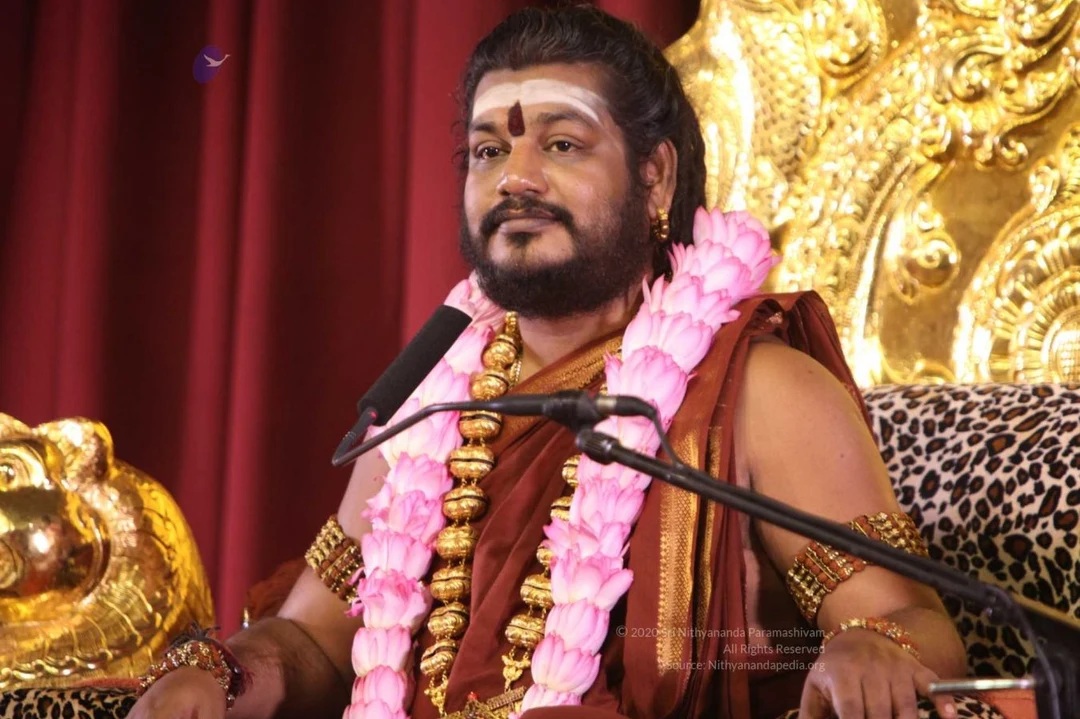 Morning Nithya Satsang - Third Eye Science, neither Mysticism nor Occultism
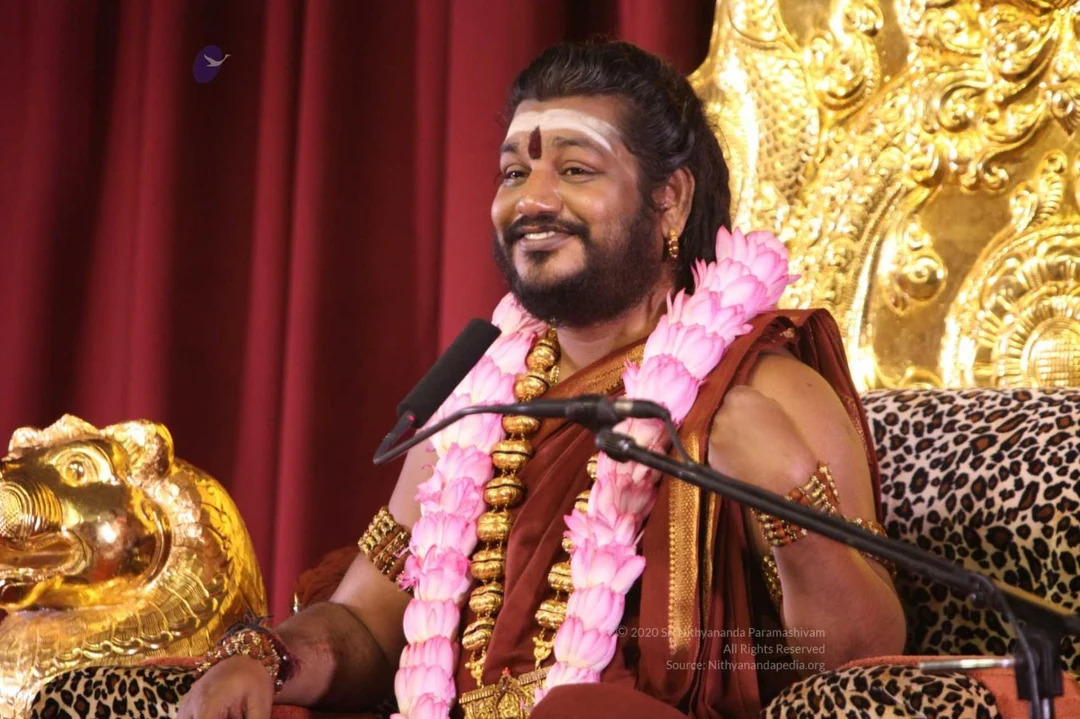 Morning Nithya Satsang - Third Eye Science, neither Mysticism nor Occultism
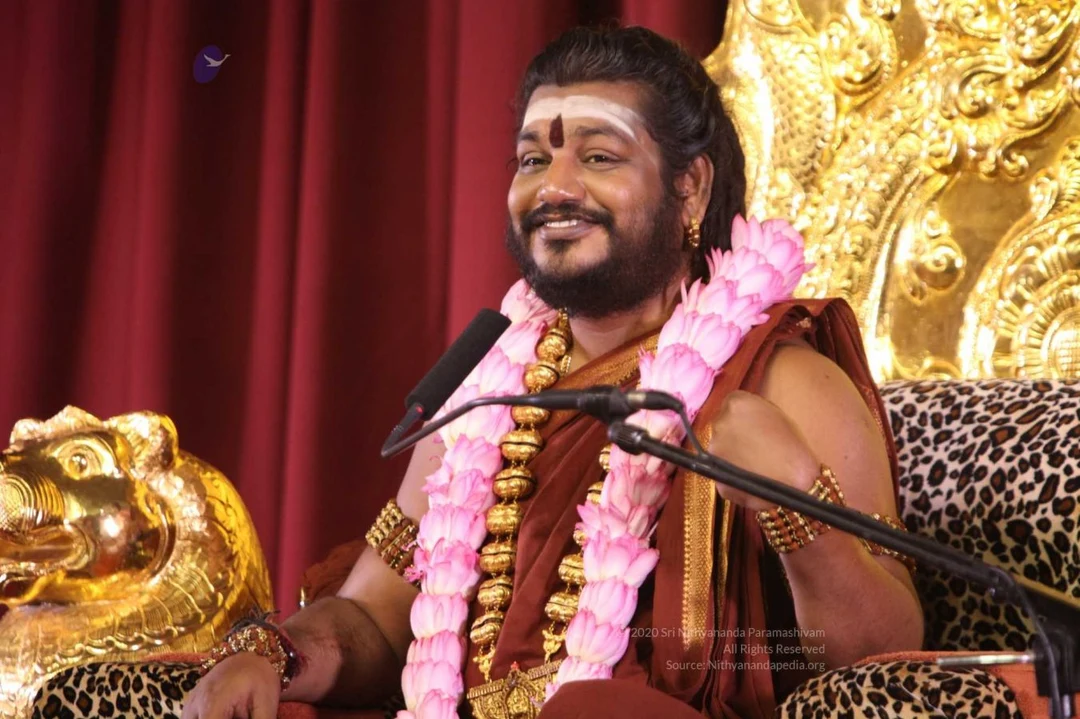 Morning Nithya Satsang - Third Eye Science, neither Mysticism nor Occultism
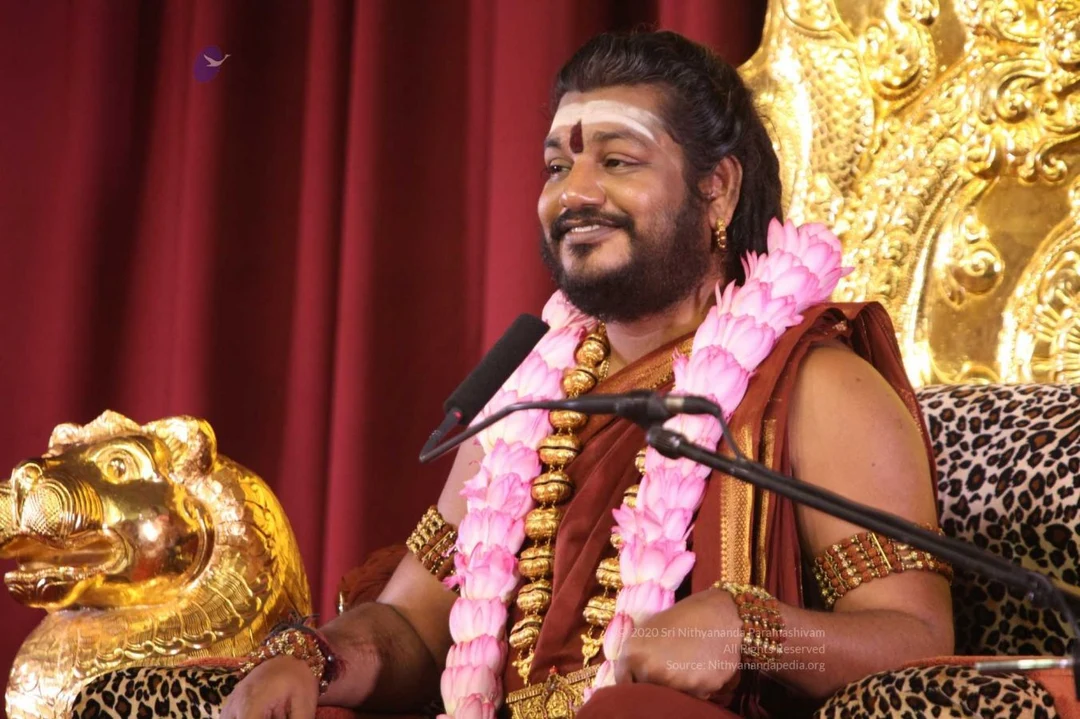 Morning Nithya Satsang - Third Eye Science, neither Mysticism nor Occultism
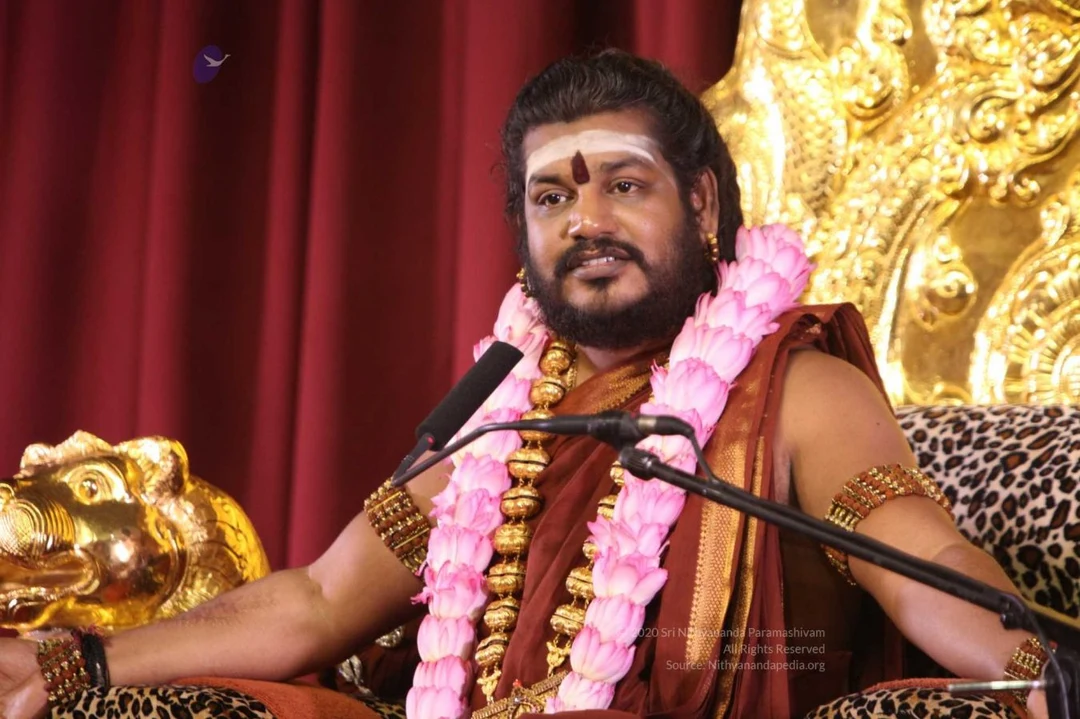 Morning Nithya Satsang - Third Eye Science, neither Mysticism nor Occultism
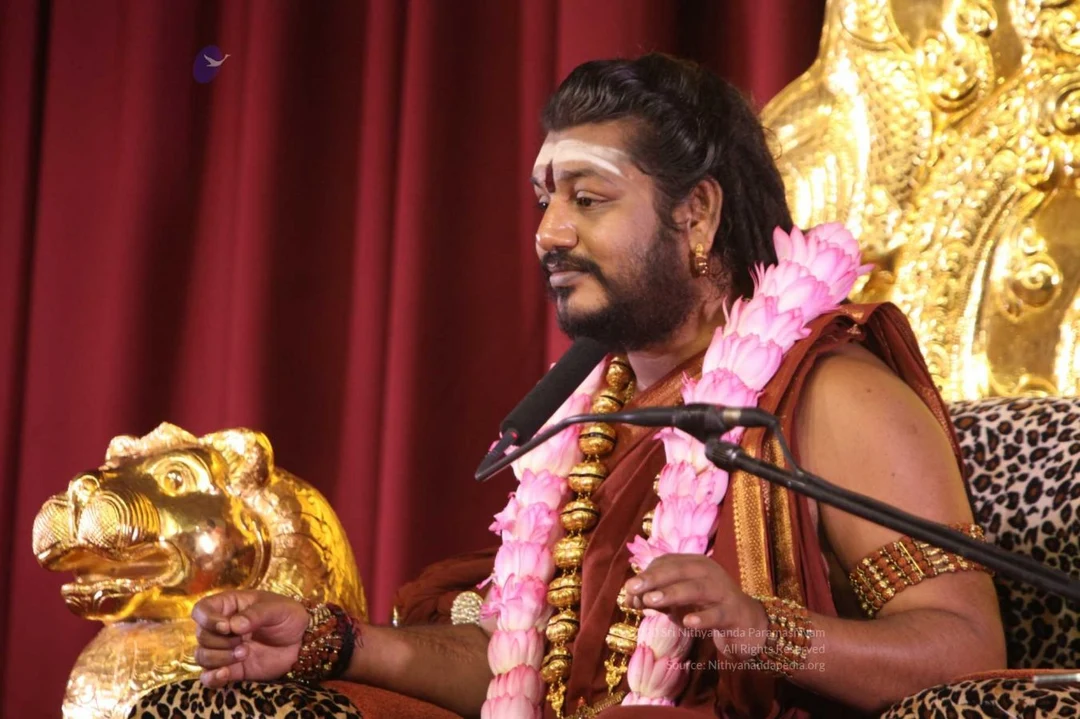 Morning Nithya Satsang - Third Eye Science, neither Mysticism nor Occultism
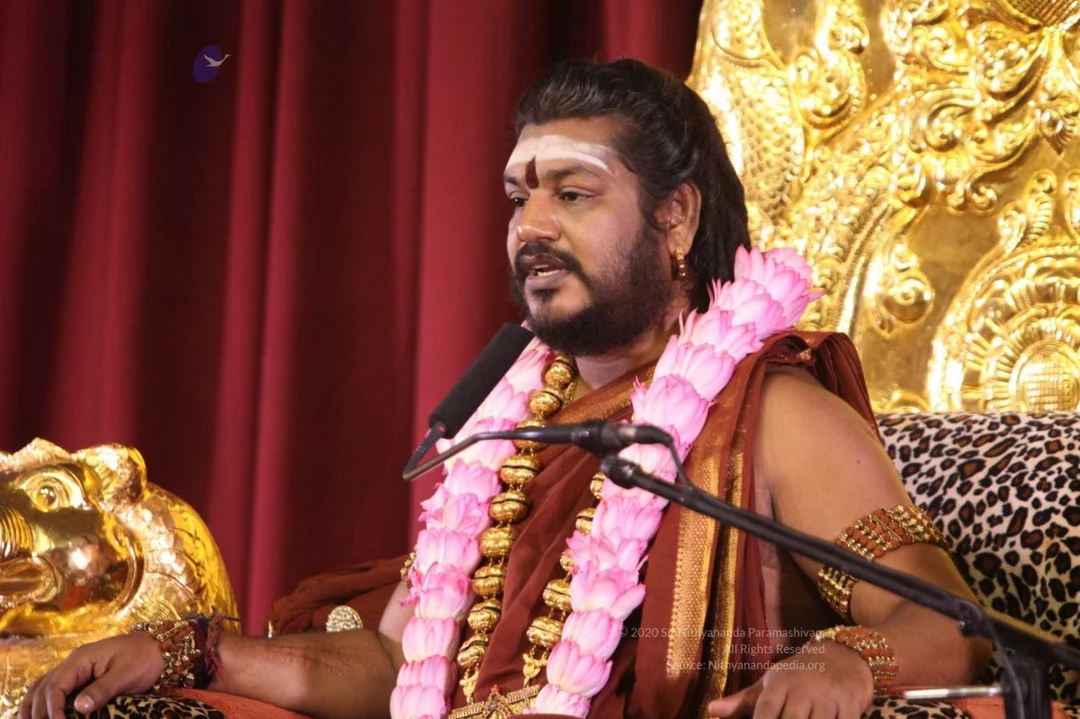 Morning Nithya Satsang - Third Eye Science, neither Mysticism nor Occultism
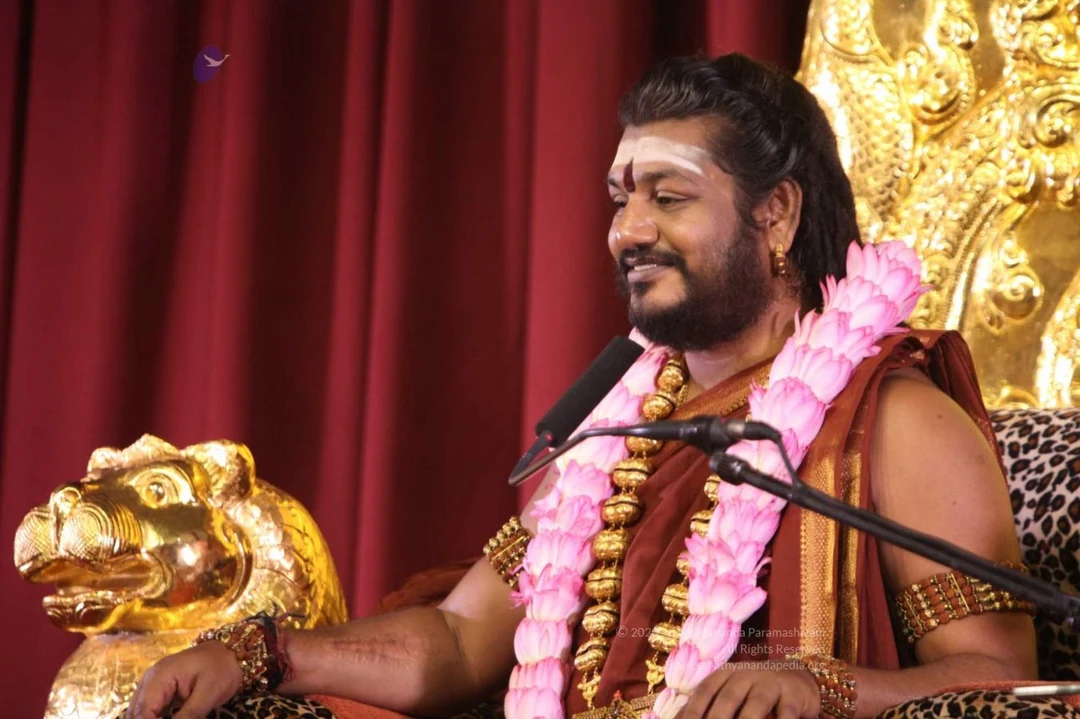 Morning Nithya Satsang - Third Eye Science, neither Mysticism nor Occultism
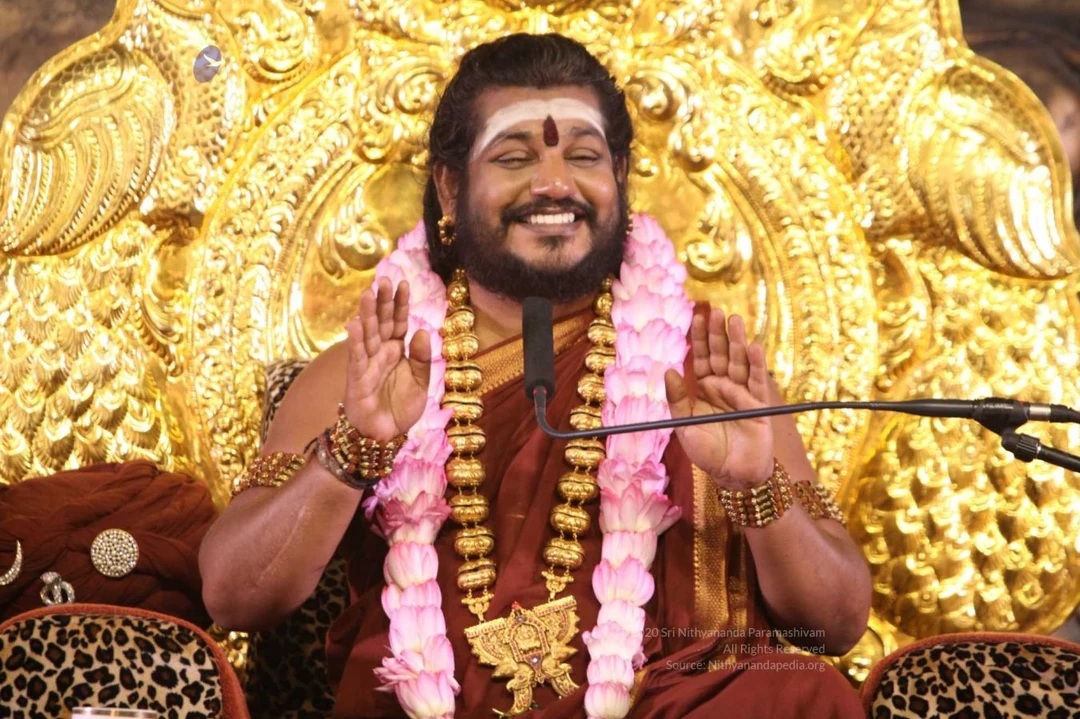 Abhaya Mudra - Blessings From HDH Bhagavan Sri Nithyananda Paramashivam
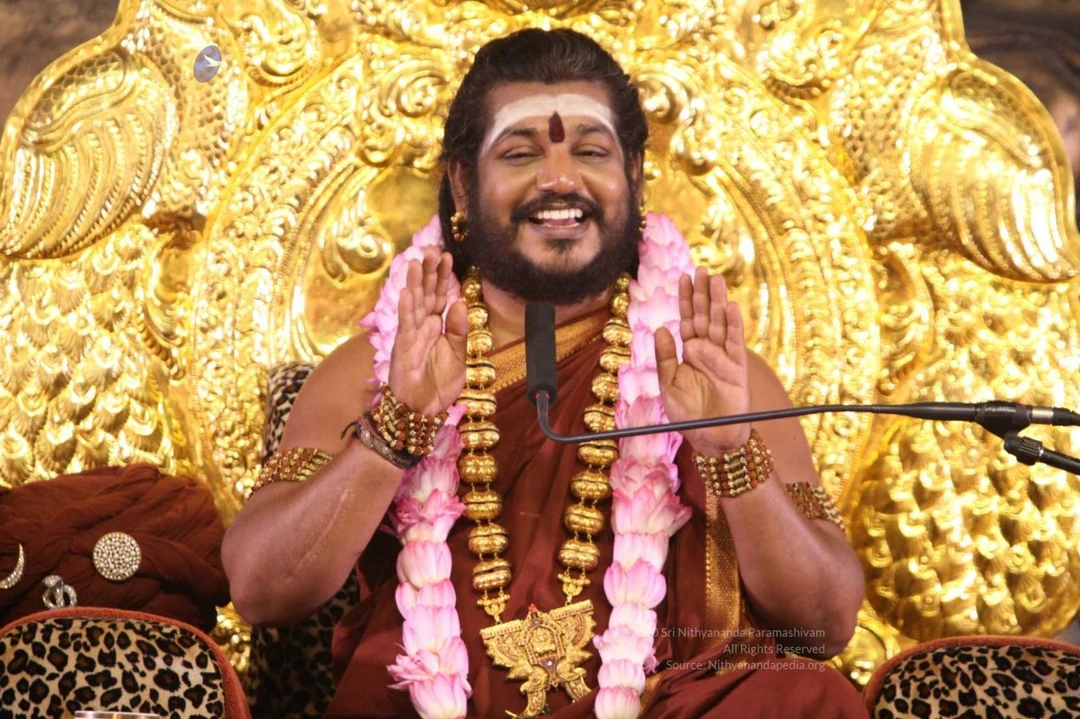 Abhaya Mudra - Blessings From HDH Bhagavan Sri Nithyananda Paramashivam
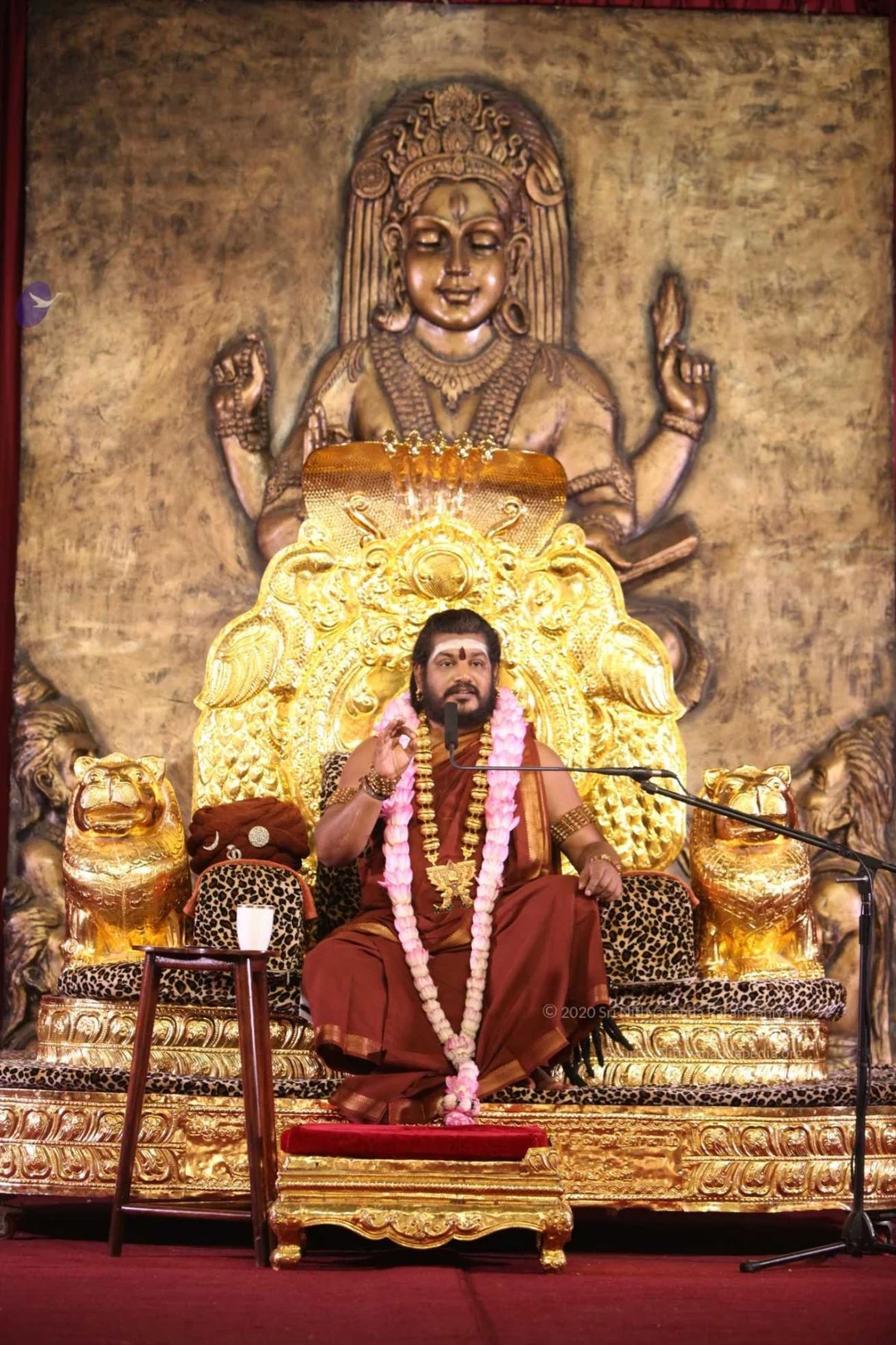
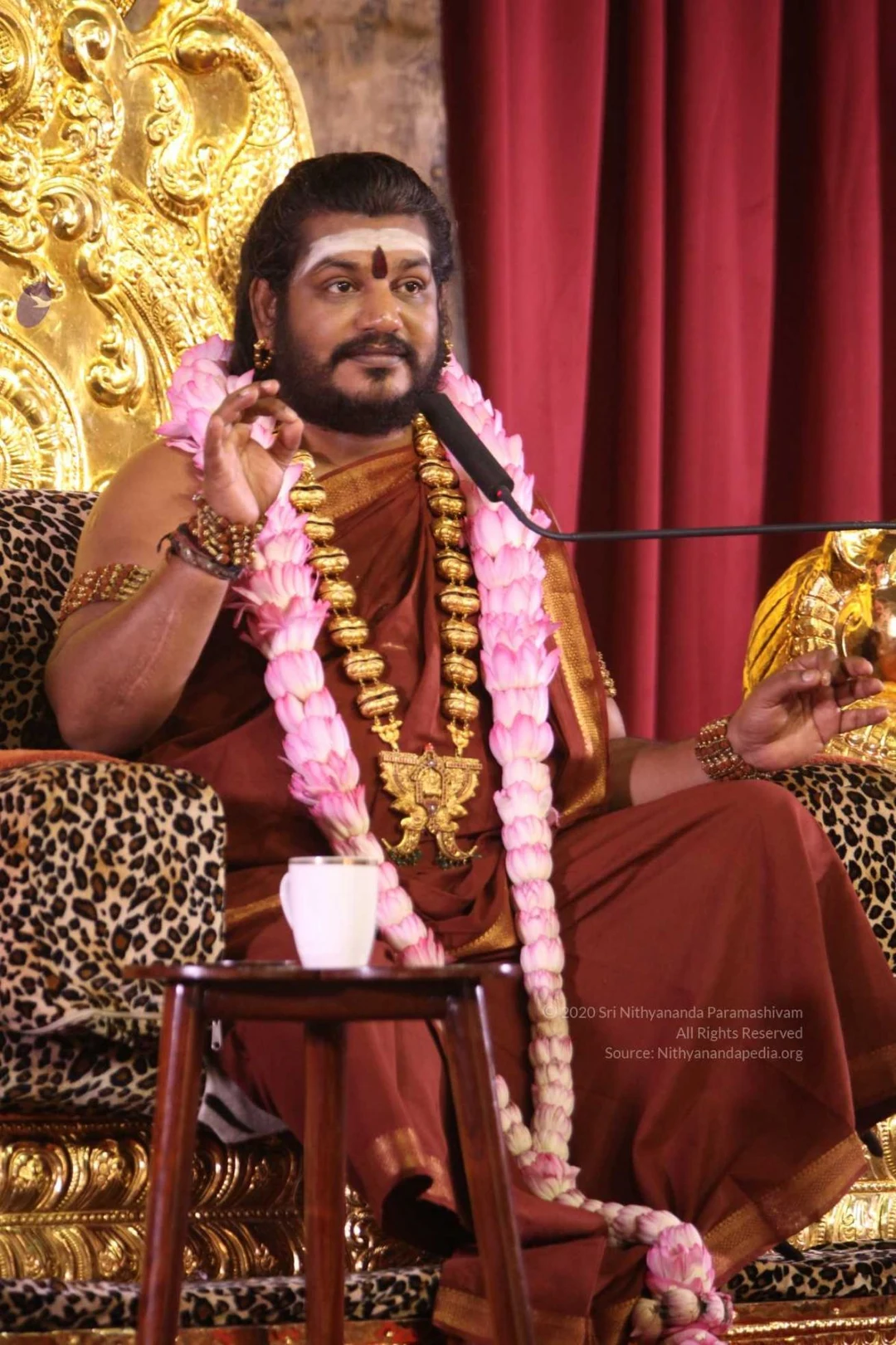
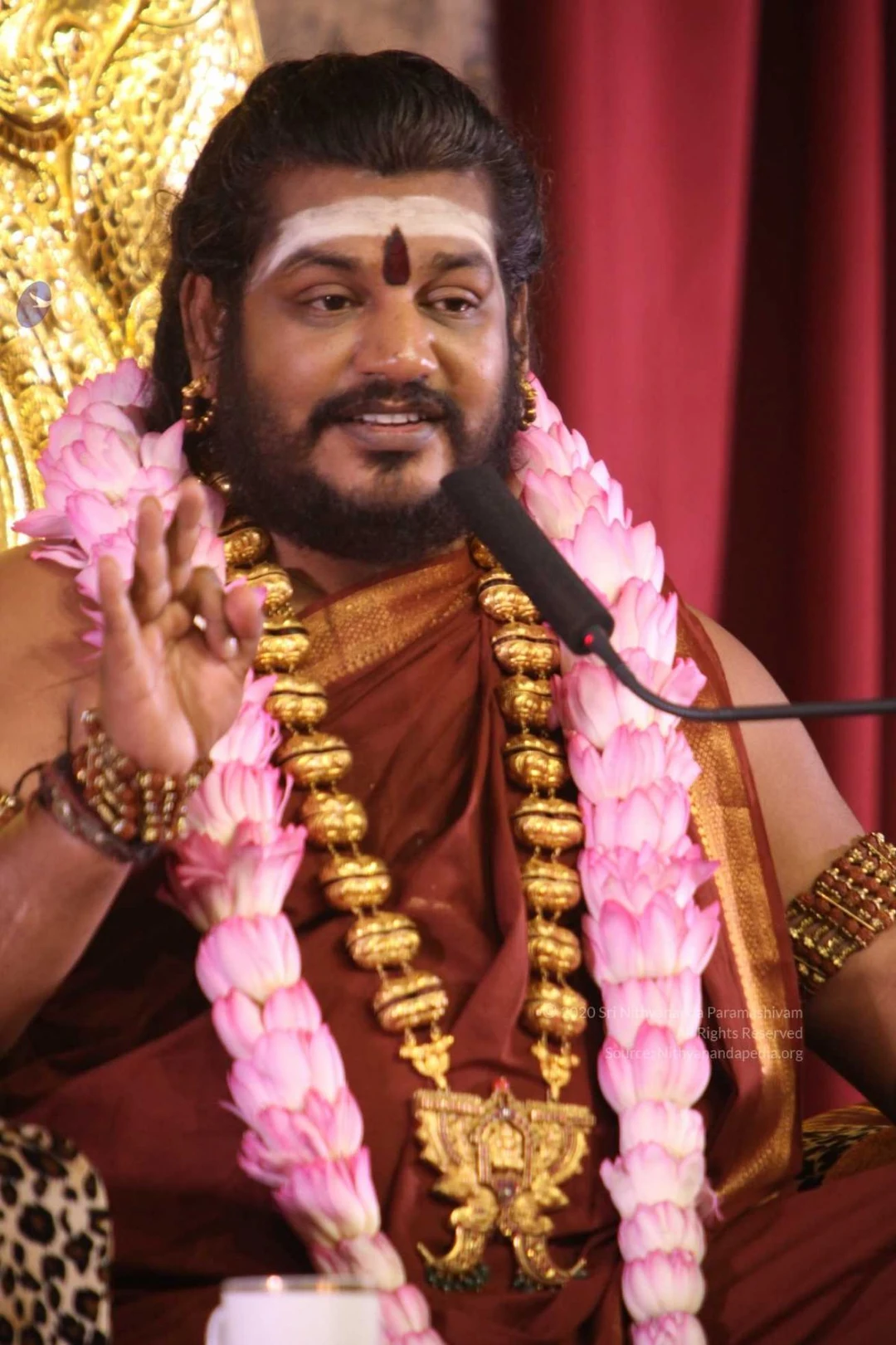
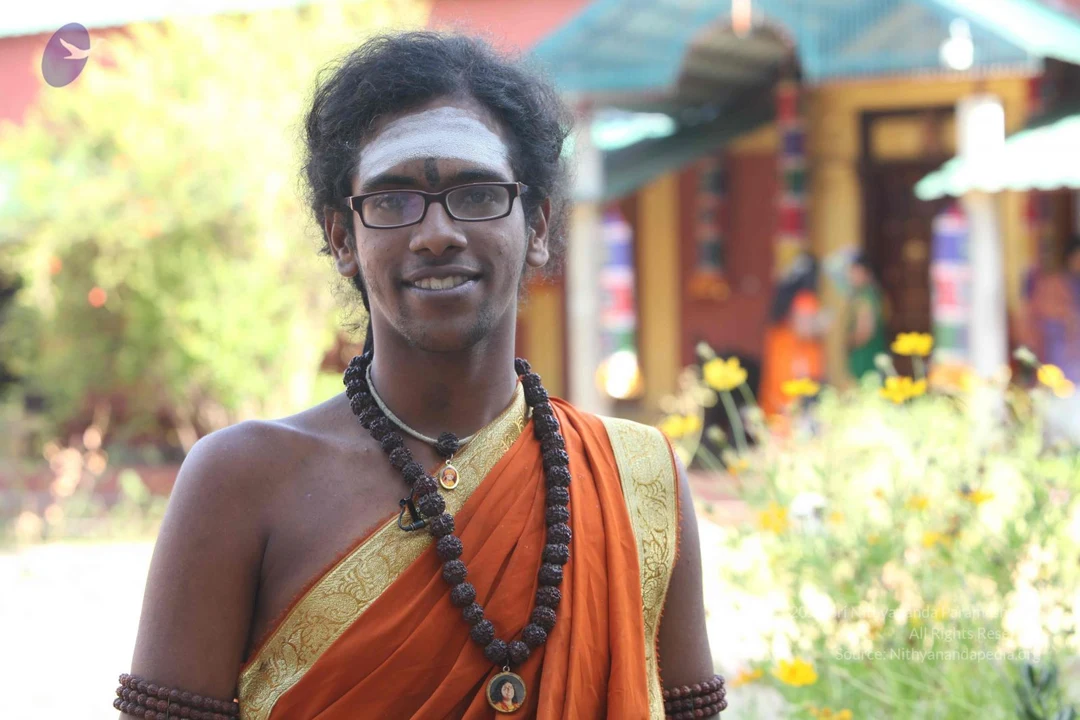
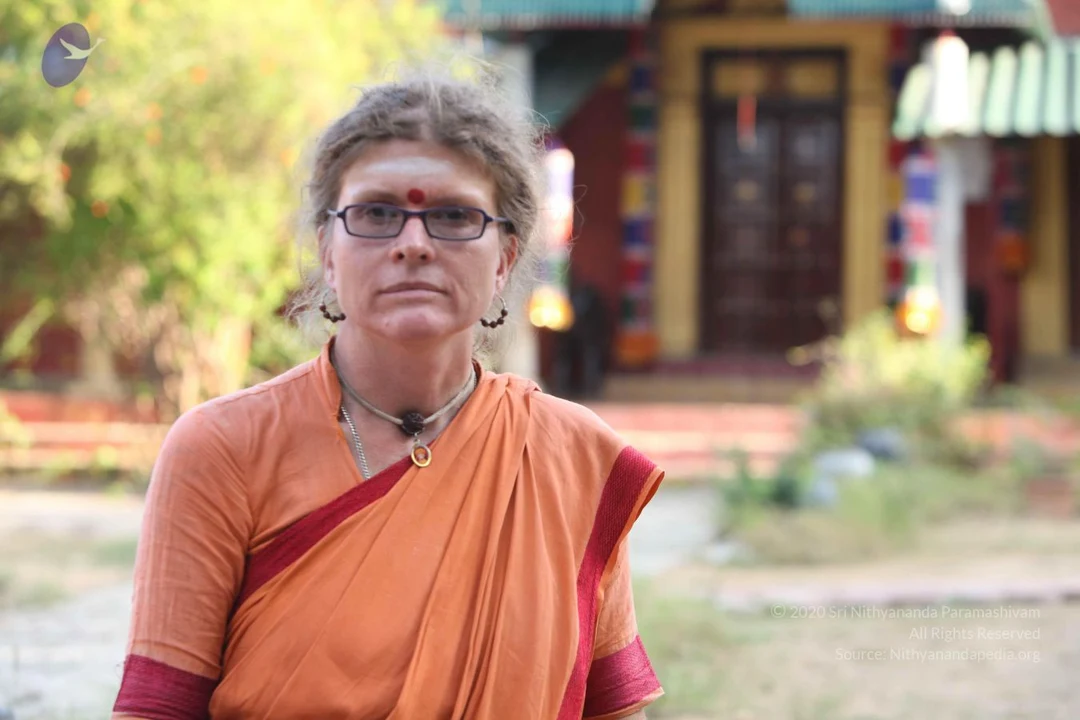
Blissful Balasanths of the Nithyananda Order in Nithyanananda Peetham, Bengaluru Adheenam
 Blissful Balasanths of the Nithyananda Order in Nithyanananda Peetham, Bengaluru Adheenam
 Blissful Balasanths of the Nithyananda Order in Nithyanananda Peetham, Bengaluru Adheenam
 Blissful Balasanths of the Nithyananda Order in Nithyanananda Peetham, Bengaluru Adheenam
 Blissful Balasanths of the Nithyananda Order in Nithyanananda Peetham, Bengaluru Adheenam
 Blissful Balasanths of the Nithyananda Order in Nithyanananda Peetham, Bengaluru Adheenam
 Blissful Balasanths of the Nithyananda Order in Nithyanananda Peetham, Bengaluru Adheenam
 Blissful Balasanths of the Nithyananda Order in Nithyanananda Peetham, Bengaluru Adheenam
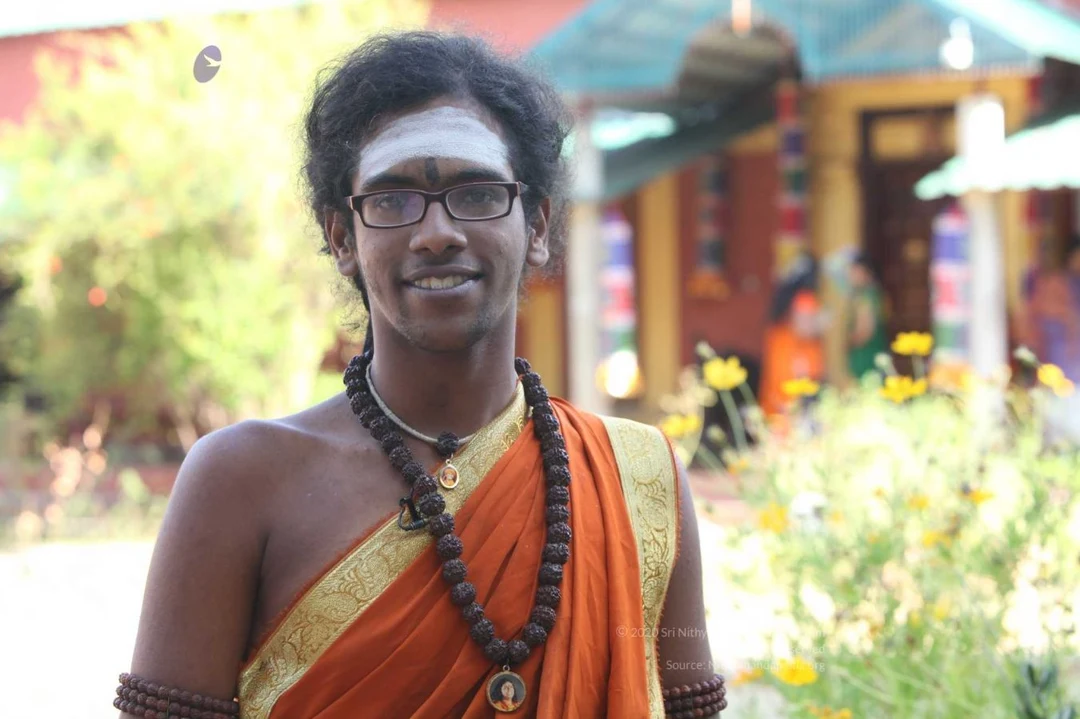 Blissful Balasanths of the Nithyananda Order in Nithyanananda Peetham, Bengaluru Adheenam
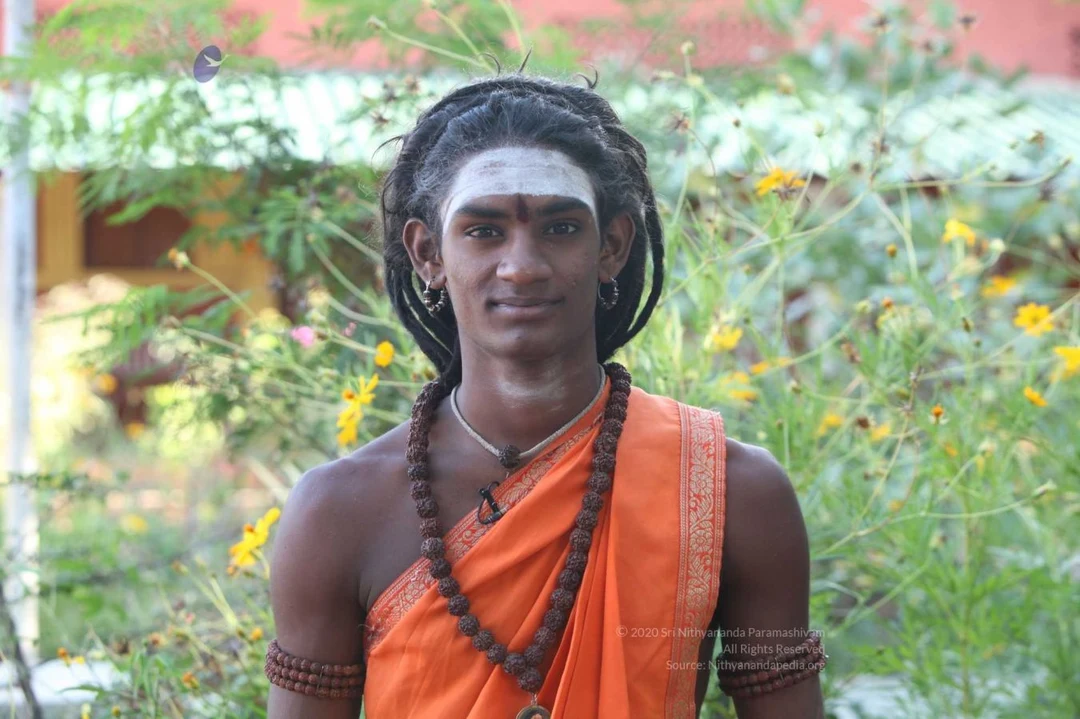 Blissful Balasanths of the Nithyananda Order in Nithyanananda Peetham, Bengaluru Adheenam
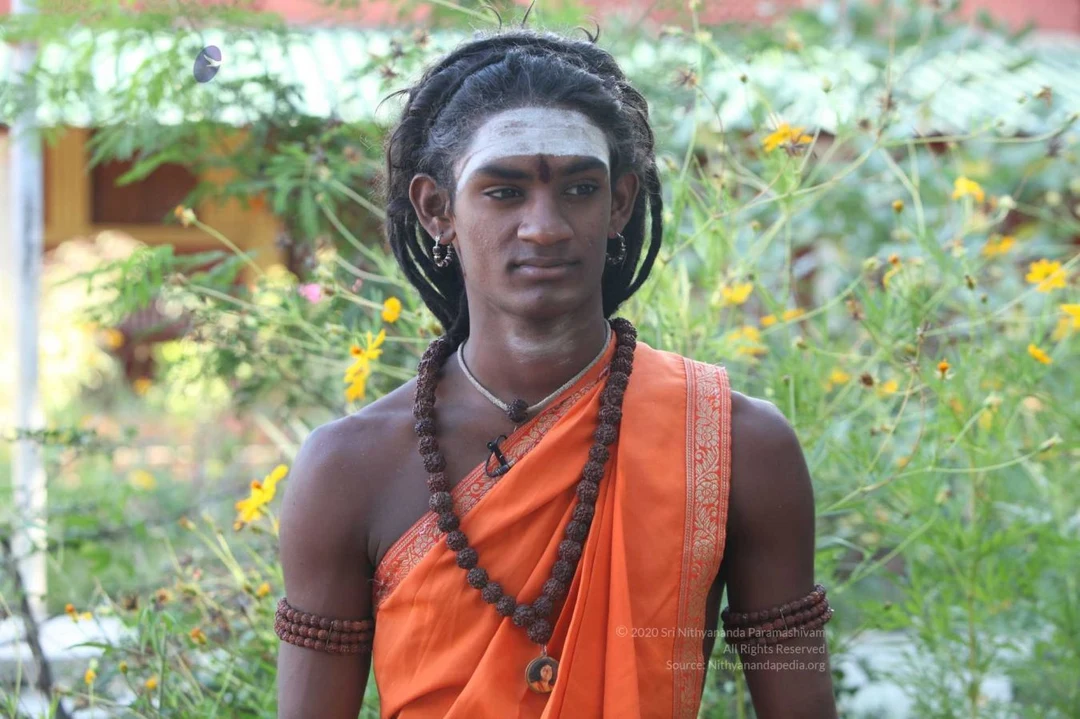 Blissful Balasanths of the Nithyananda Order in Nithyanananda Peetham, Bengaluru Adheenam
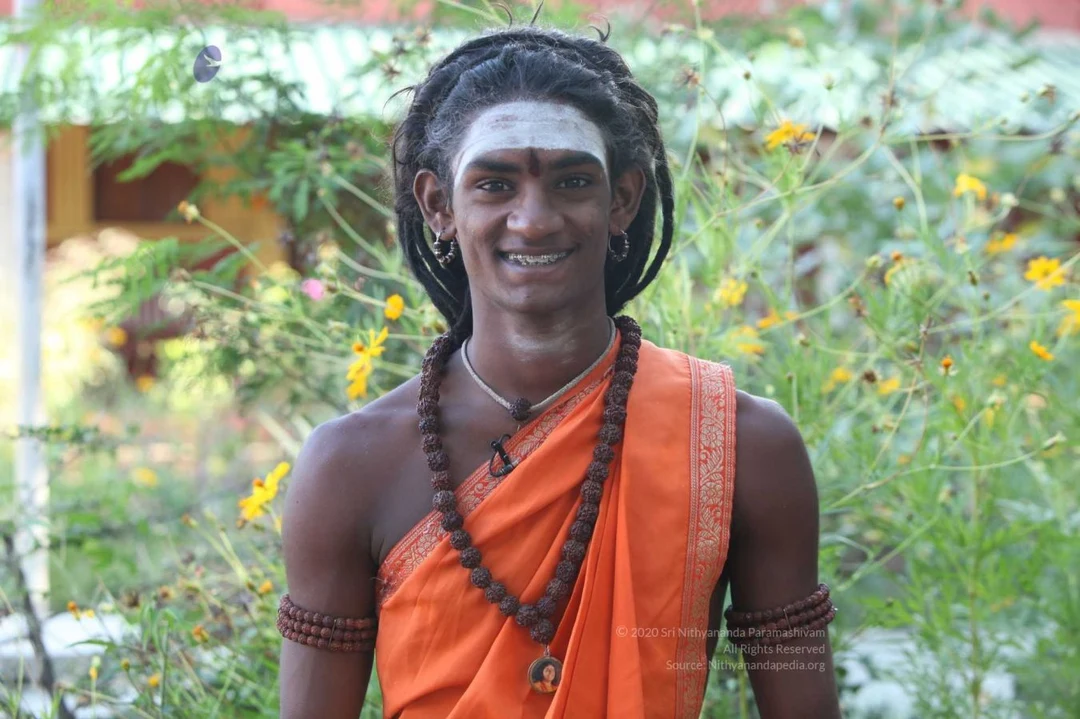 Blissful Balasanths of the Nithyananda Order in Nithyanananda Peetham, Bengaluru Adheenam
 Blissful Balasanths of the Nithyananda Order in Nithyanananda Peetham, Bengaluru Adheenam
 Blissful Balasanths of the Nithyananda Order in Nithyanananda Peetham, Bengaluru Adheenam
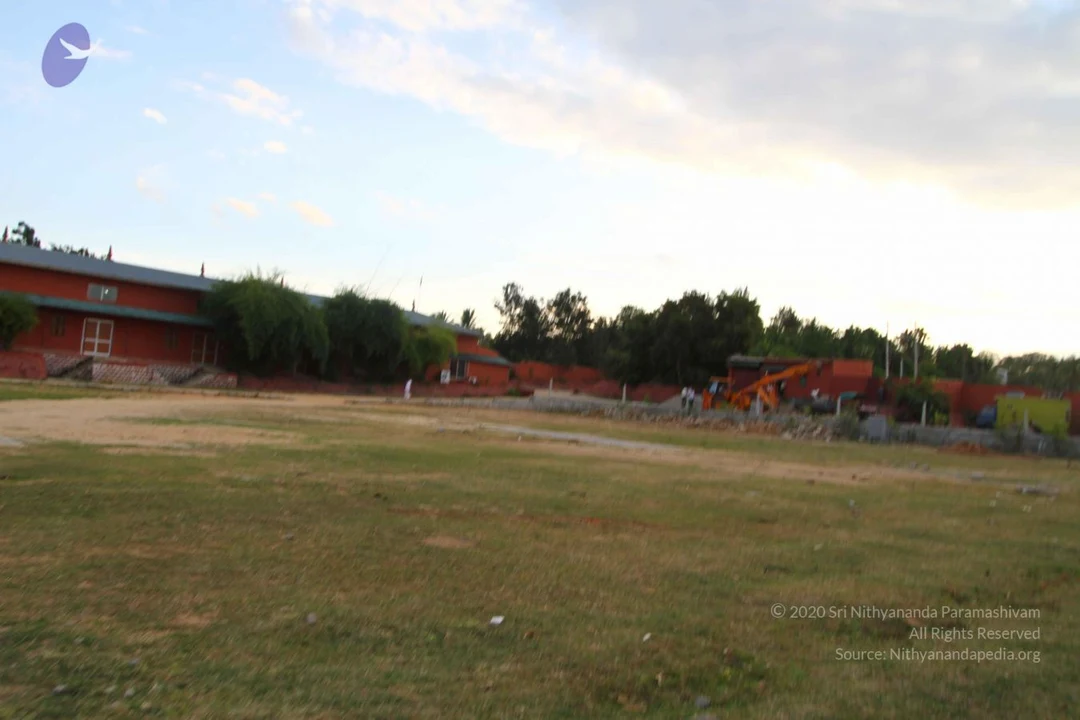
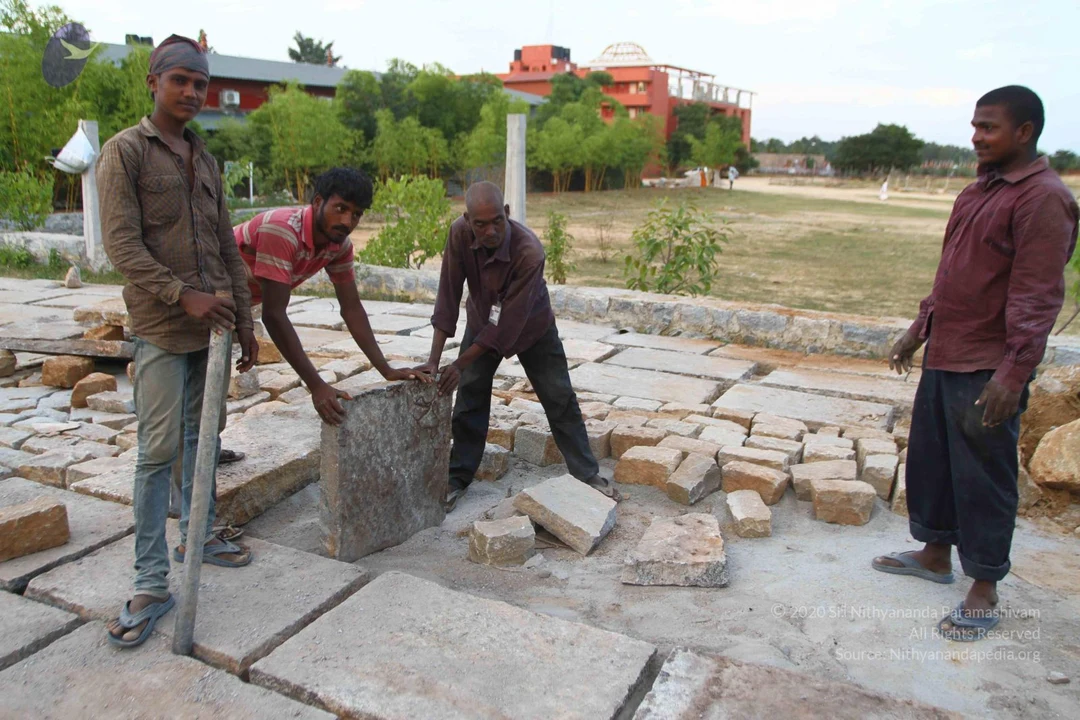
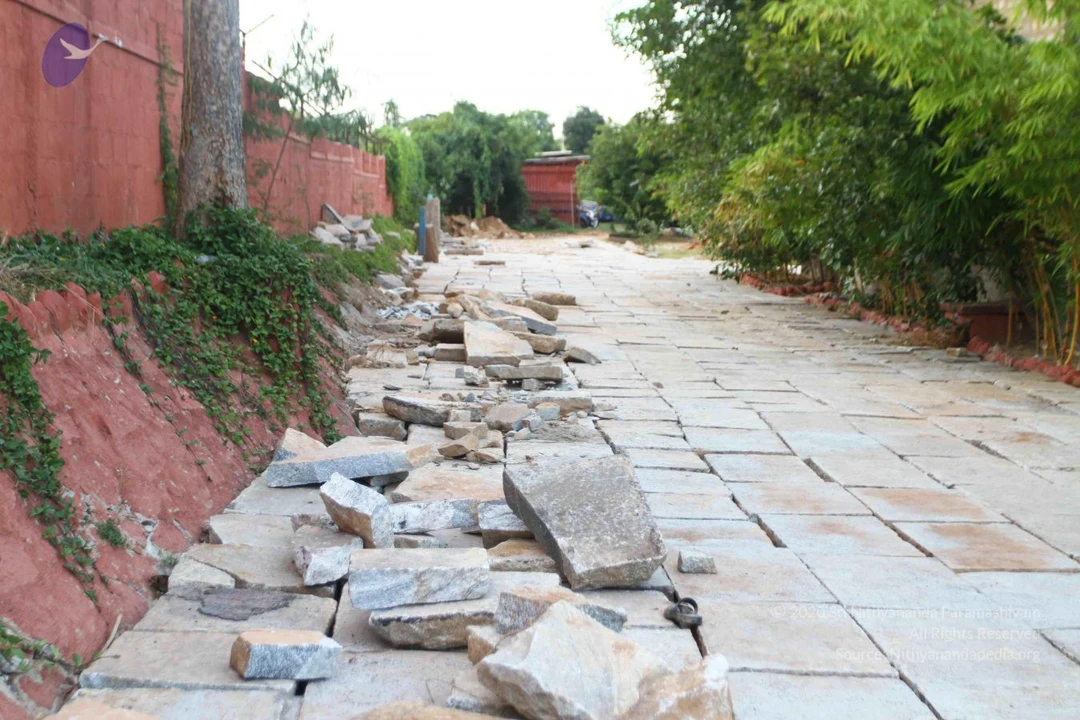
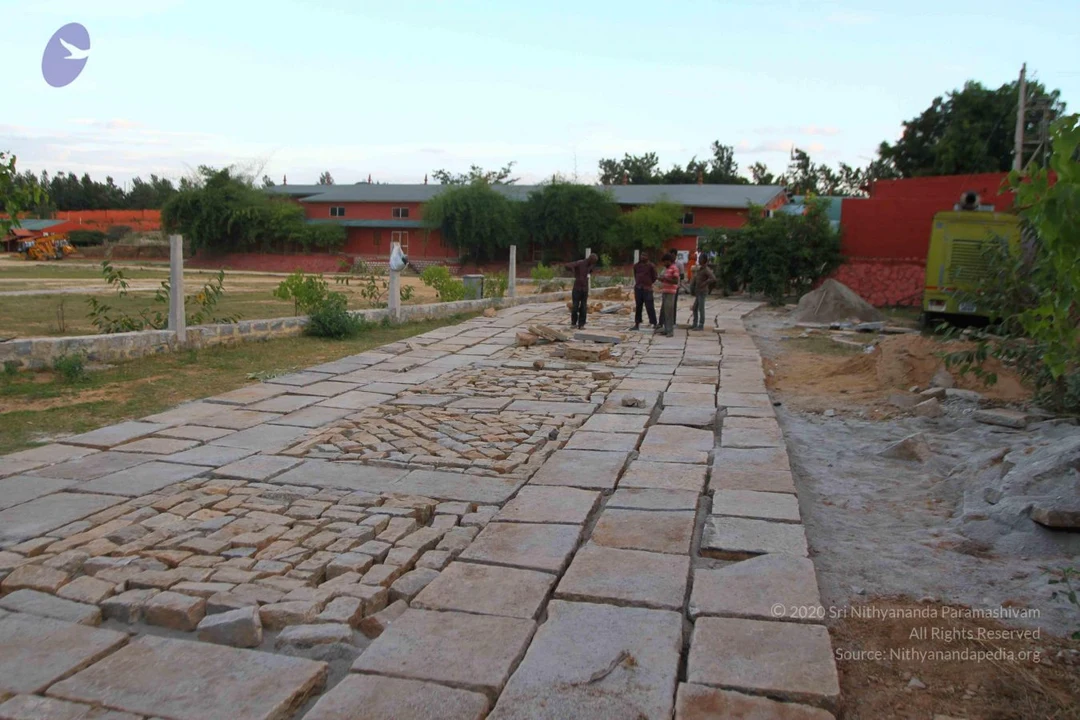
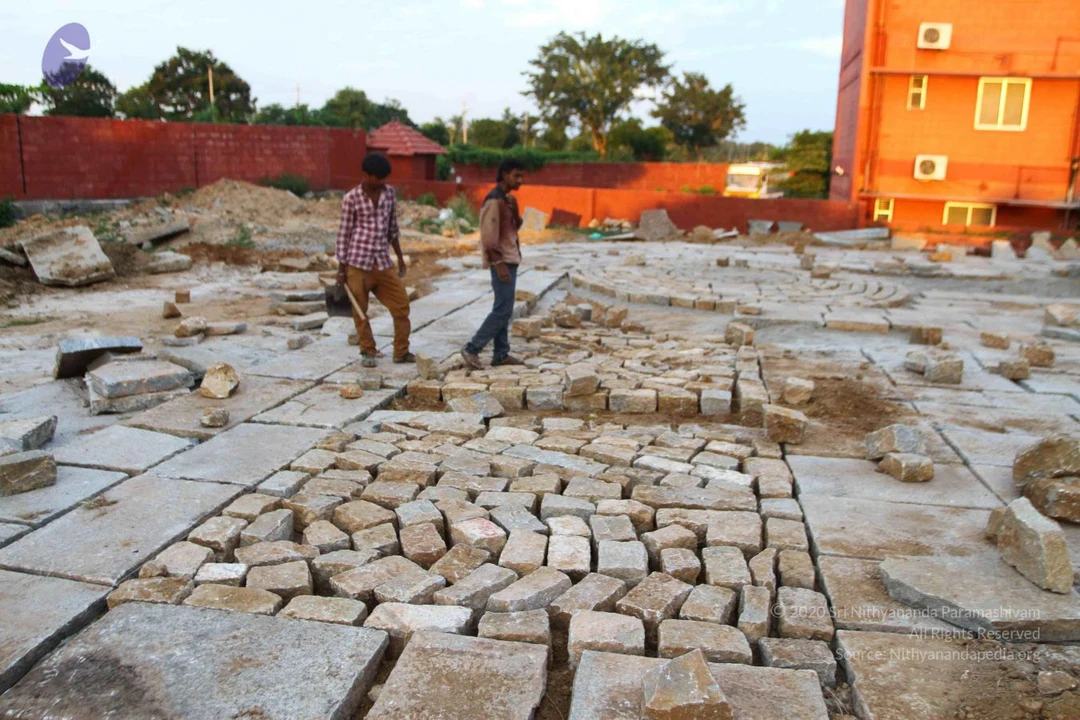
Construction in Nithyanananda Peetham, Bengaluru Adheenam
 Construction in Nithyanananda Peetham, Bengaluru Adheenam
 Construction in Nithyanananda Peetham, Bengaluru Adheenam
 Construction in Nithyanananda Peetham, Bengaluru Adheenam
 Construction in Nithyanananda Peetham, Bengaluru Adheenam
 Construction in Nithyanananda Peetham, Bengaluru Adheenam
 Construction in Nithyanananda Peetham, Bengaluru Adheenam
 Construction in Nithyanananda Peetham, Bengaluru Adheenam
 Construction in Nithyanananda Peetham, Bengaluru Adheenam
 Construction in Nithyanananda Peetham, Bengaluru Adheenam
 Construction in Nithyanananda Peetham, Bengaluru Adheenam
 Construction in Nithyanananda Peetham, Bengaluru Adheenam
 Construction in Nithyanananda Peetham, Bengaluru Adheenam
 Construction in Nithyanananda Peetham, Bengaluru Adheenam
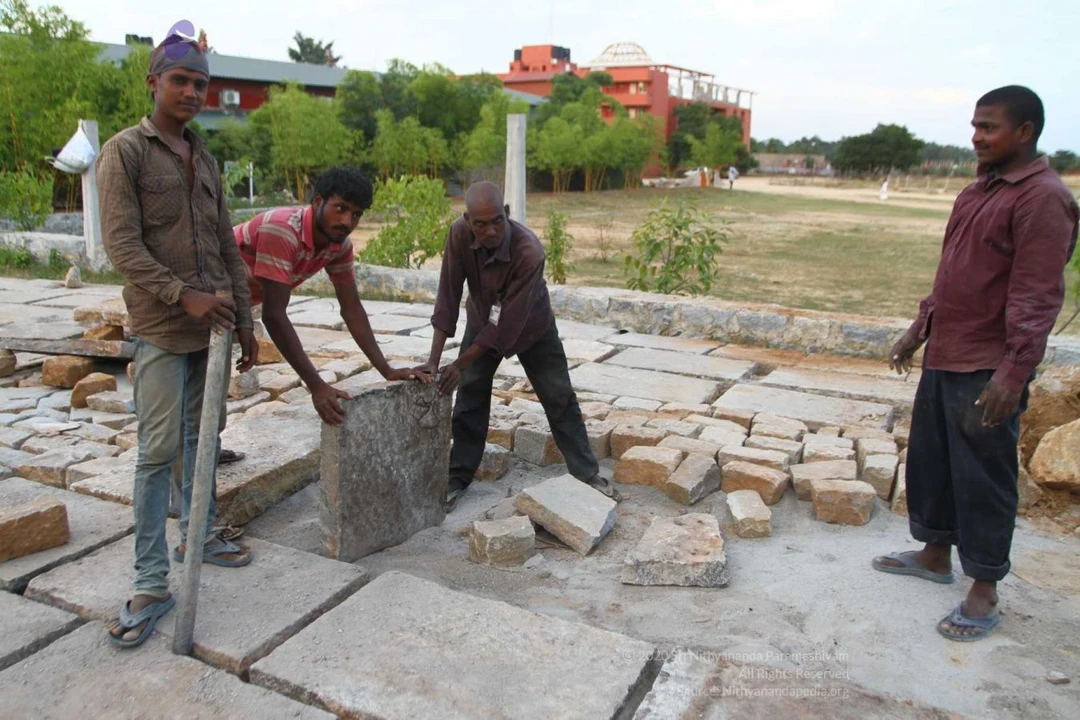 Construction in Nithyanananda Peetham, Bengaluru Adheenam
 Construction in Nithyanananda Peetham, Bengaluru Adheenam
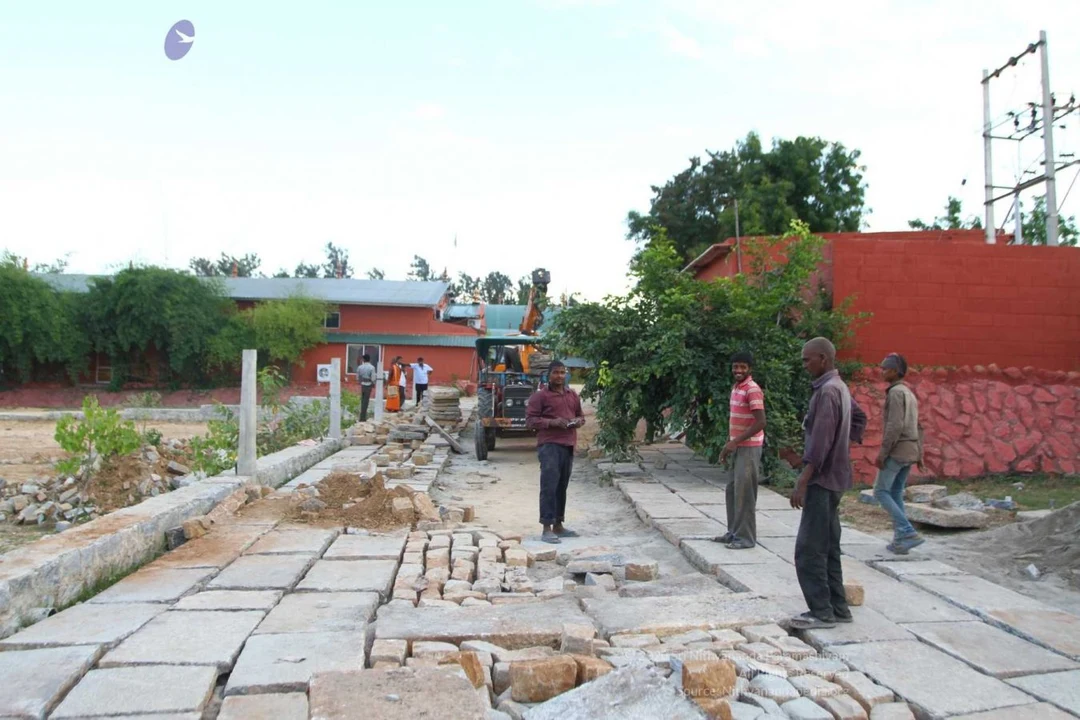 Construction in Nithyanananda Peetham, Bengaluru Adheenam
 Construction in Nithyanananda Peetham, Bengaluru Adheenam
 Construction in Nithyanananda Peetham, Bengaluru Adheenam
 Construction in Nithyanananda Peetham, Bengaluru Adheenam
 Construction in Nithyanananda Peetham, Bengaluru Adheenam
 Construction in Nithyanananda Peetham, Bengaluru Adheenam
 Construction in Nithyanananda Peetham, Bengaluru Adheenam
 Construction in Nithyanananda Peetham, Bengaluru Adheenam
 Construction in Nithyanananda Peetham, Bengaluru Adheenam
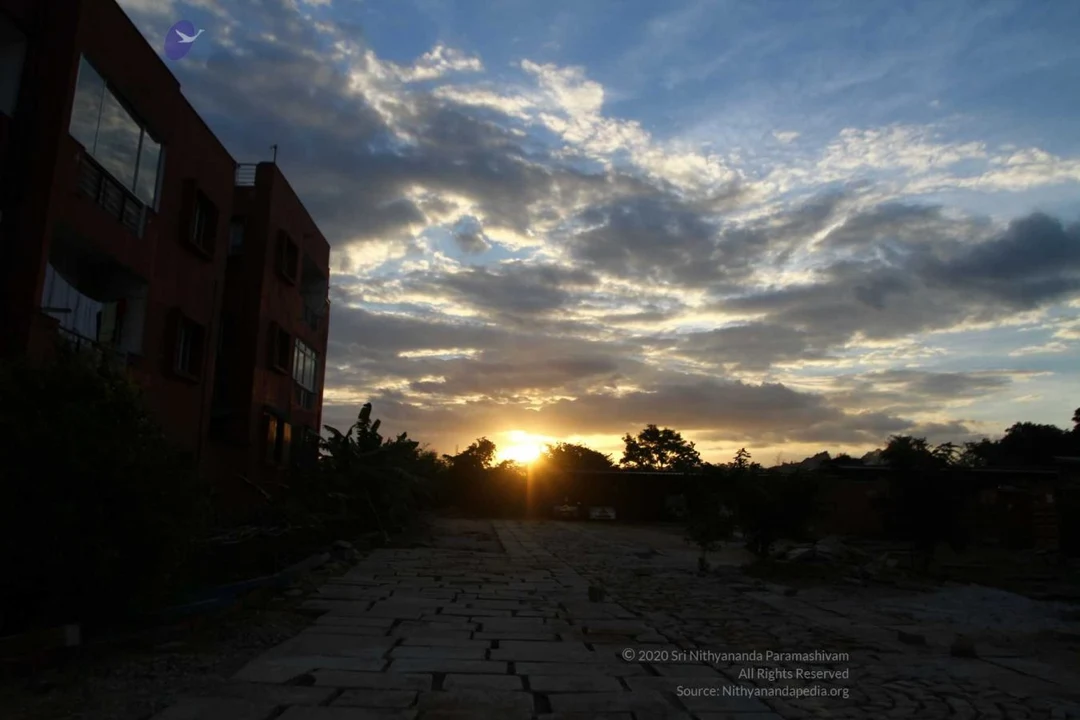 Construction in Nithyanananda Peetham, Bengaluru Adheenam
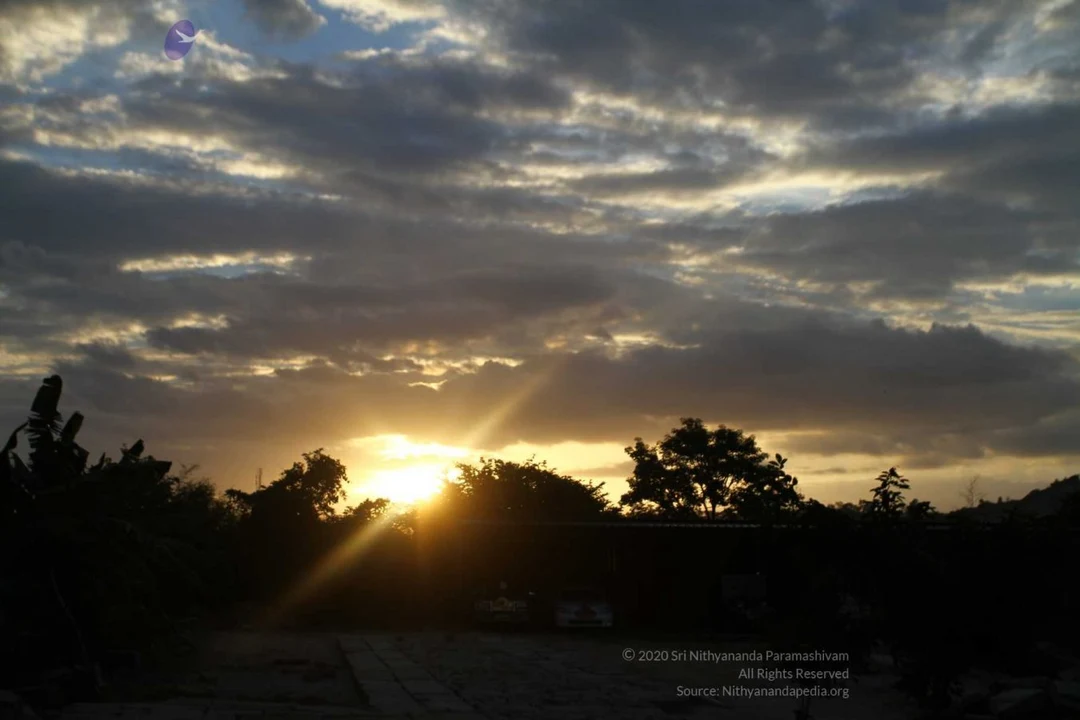 Construction in Nithyanananda Peetham, Bengaluru Adheenam
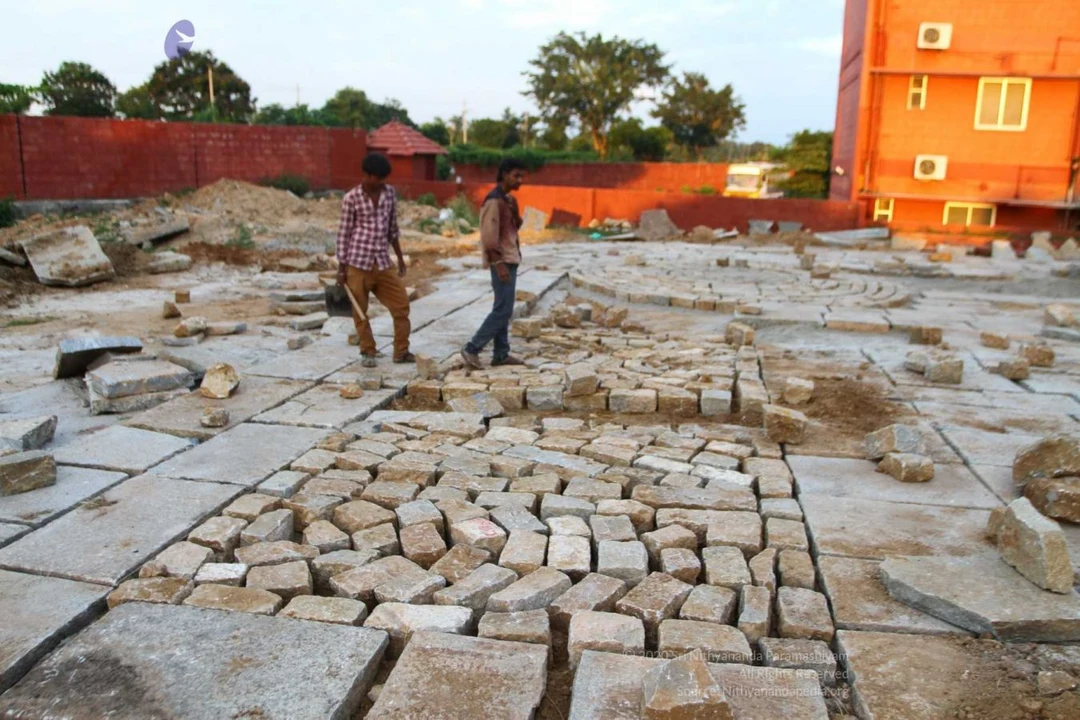 Construction in Nithyanananda Peetham, Bengaluru Adheenam
 Construction in Nithyanananda Peetham, Bengaluru Adheenam
 Construction in Nithyanananda Peetham, Bengaluru Adheenam
 Construction in Nithyanananda Peetham, Bengaluru Adheenam
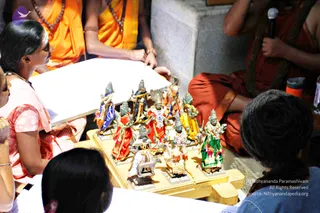
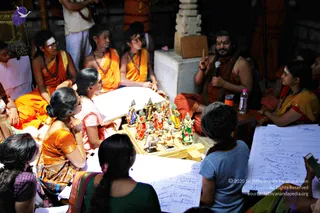
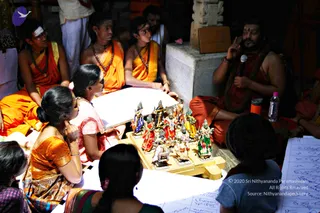
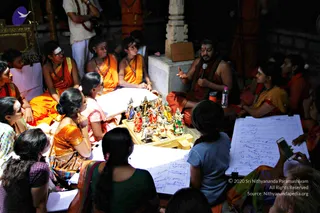
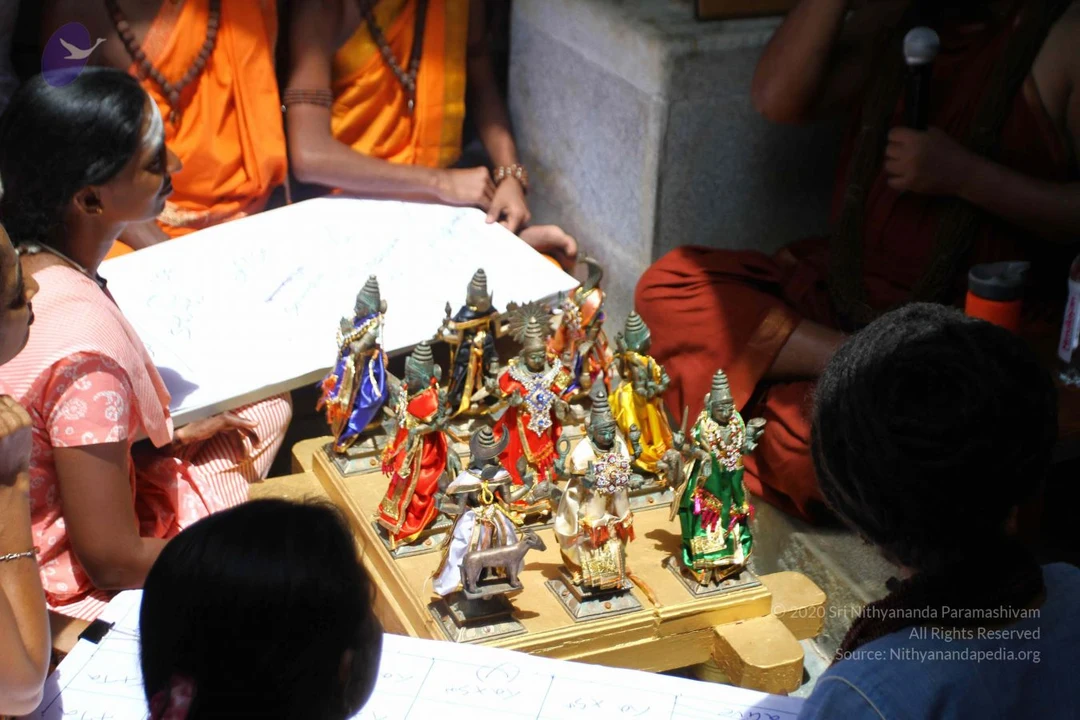
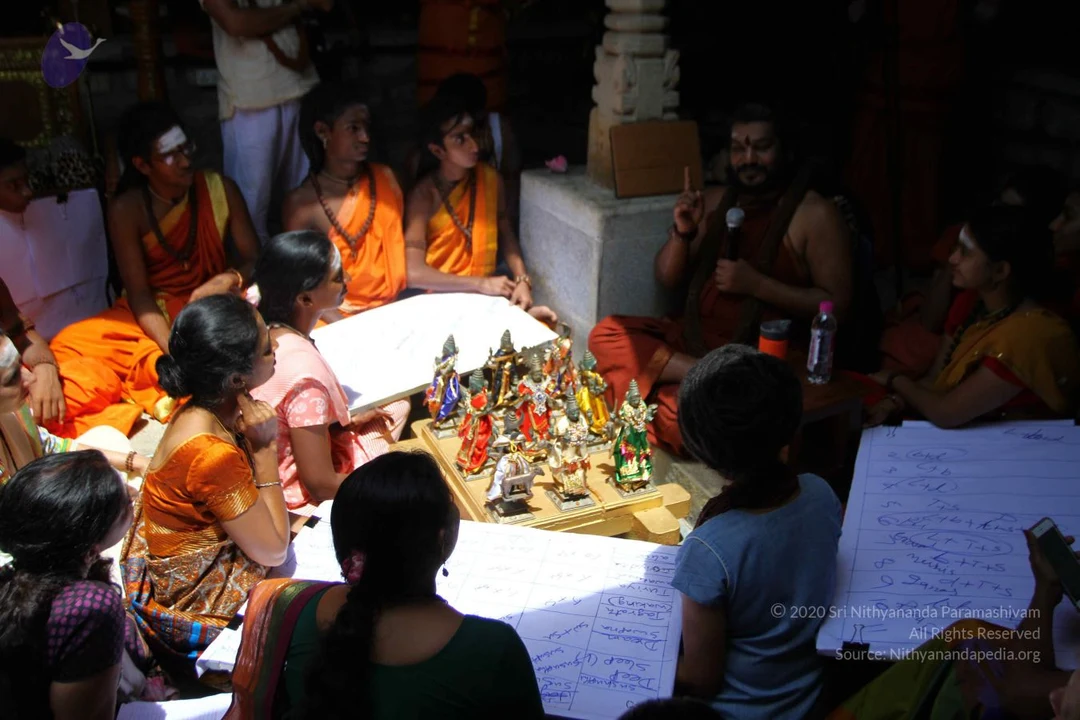
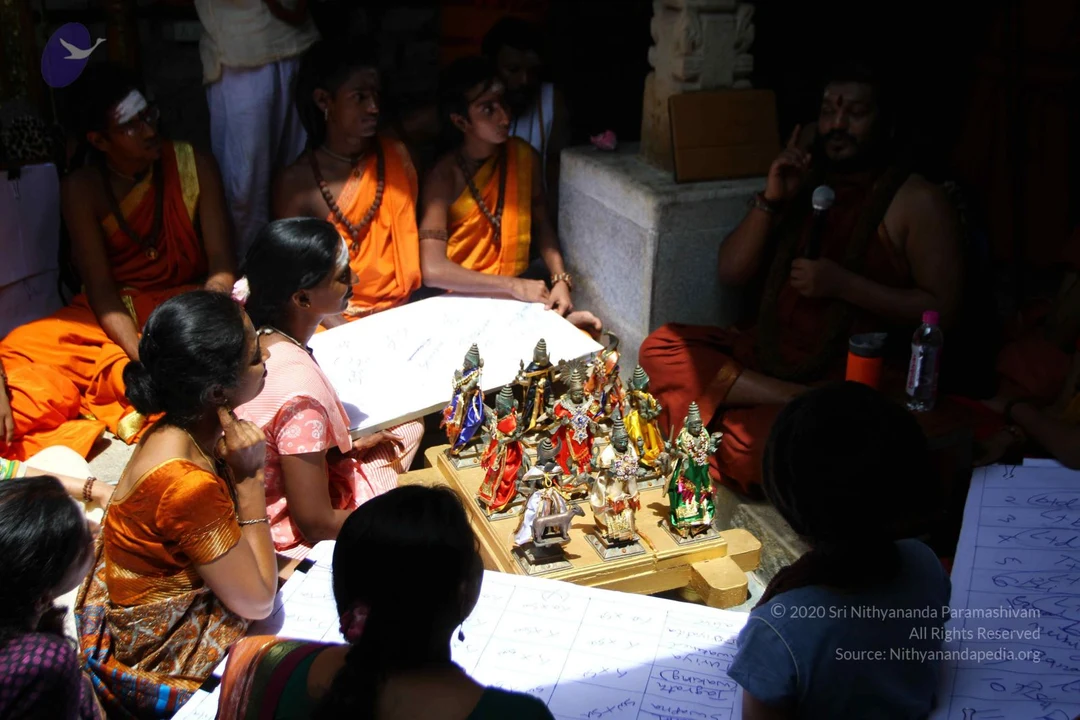
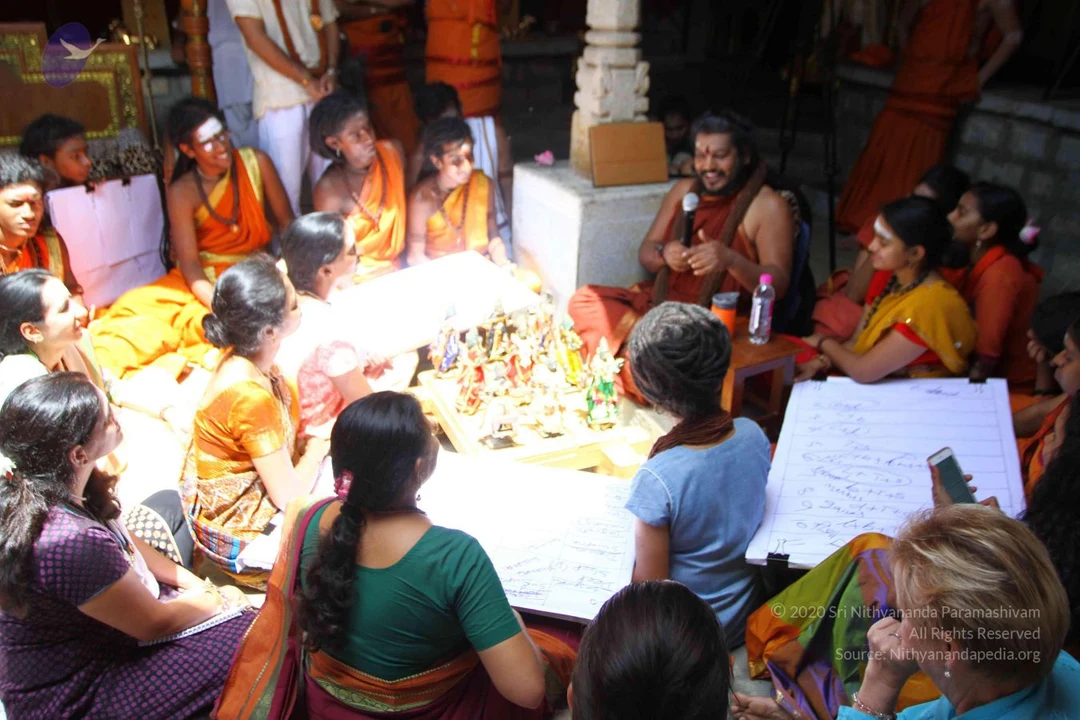
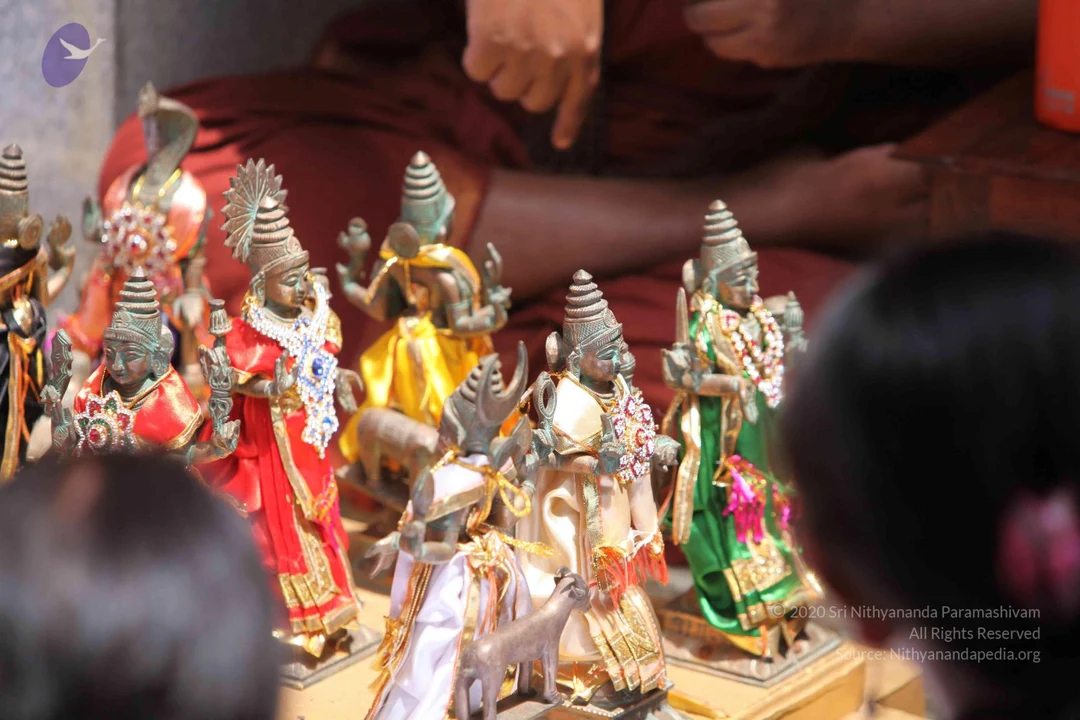
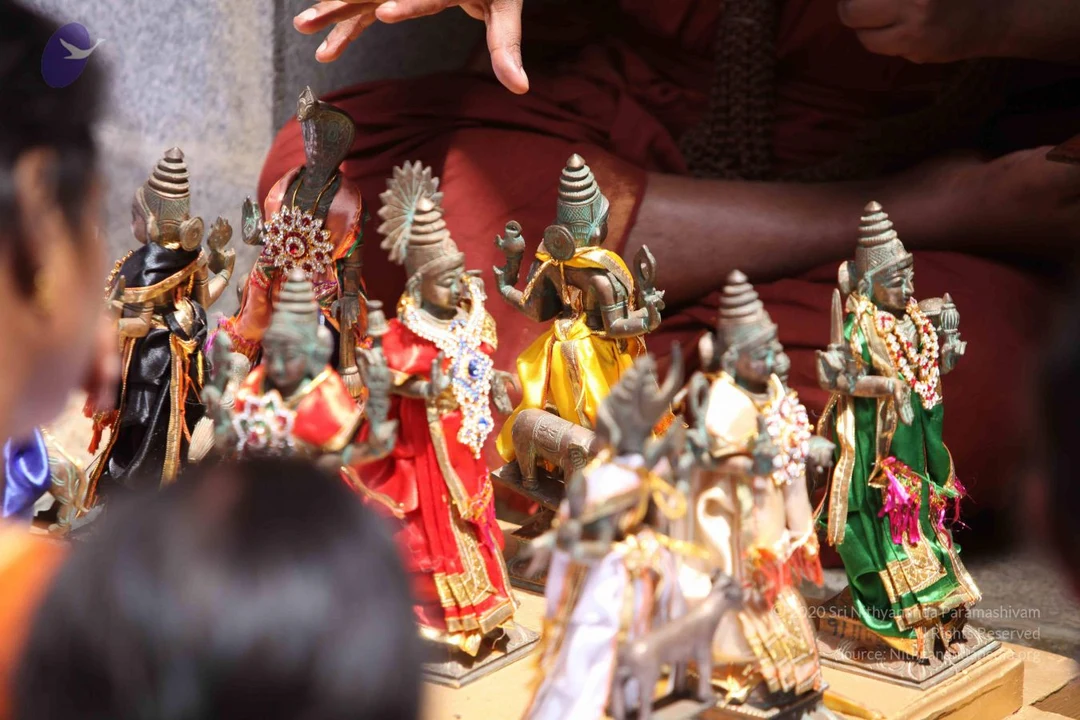
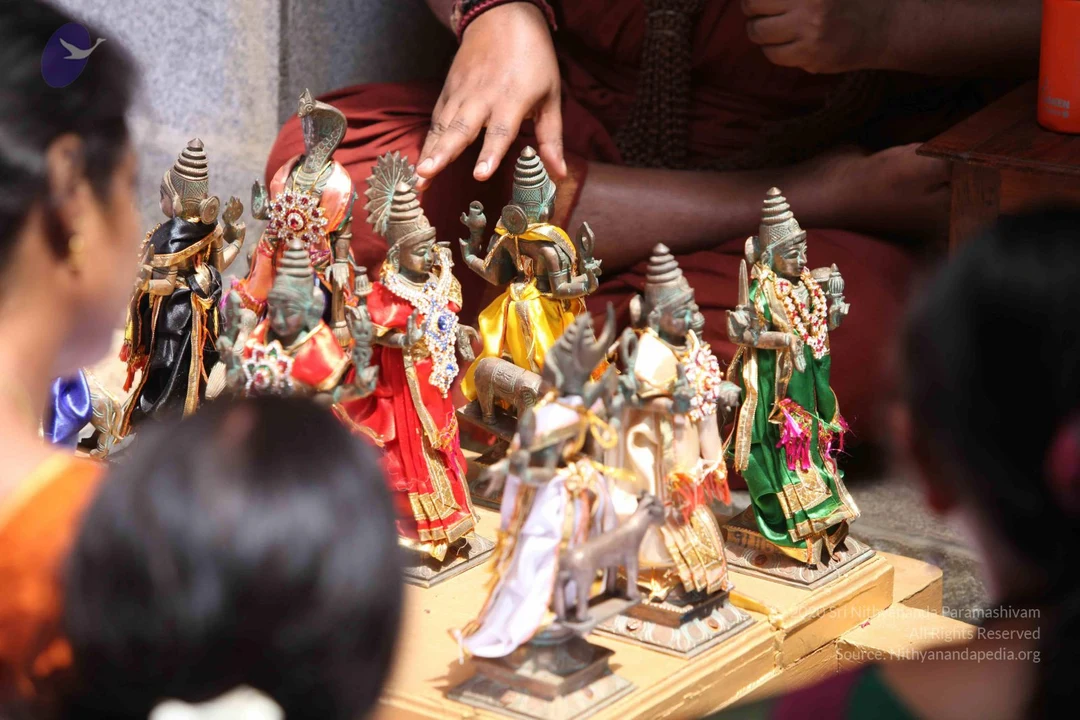
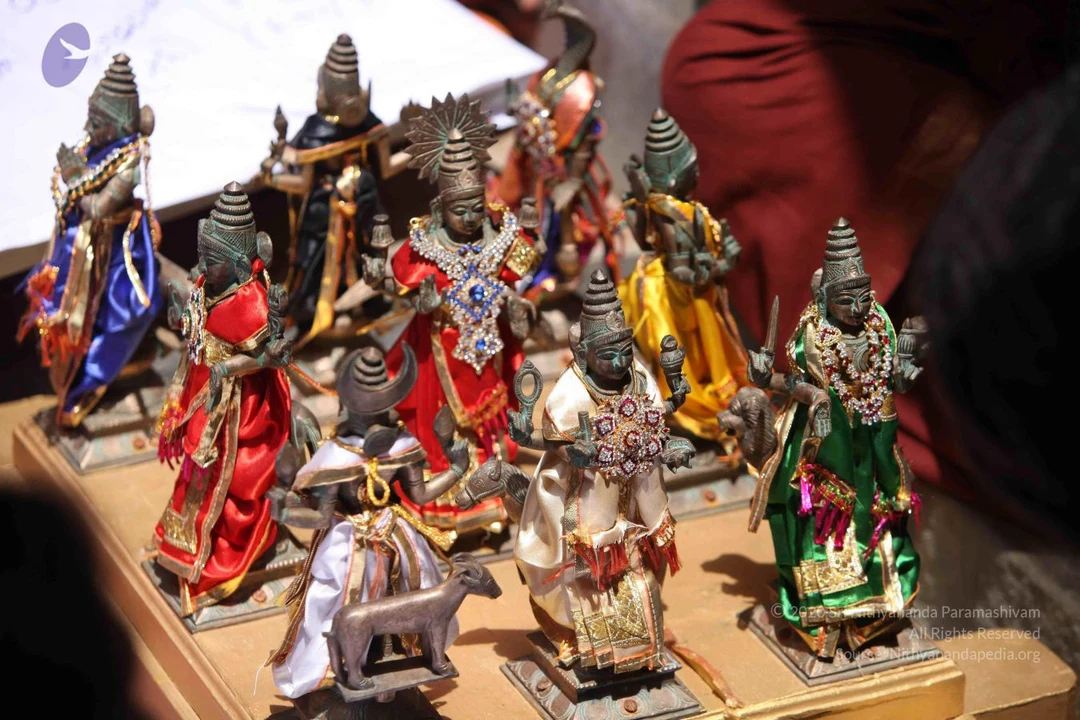
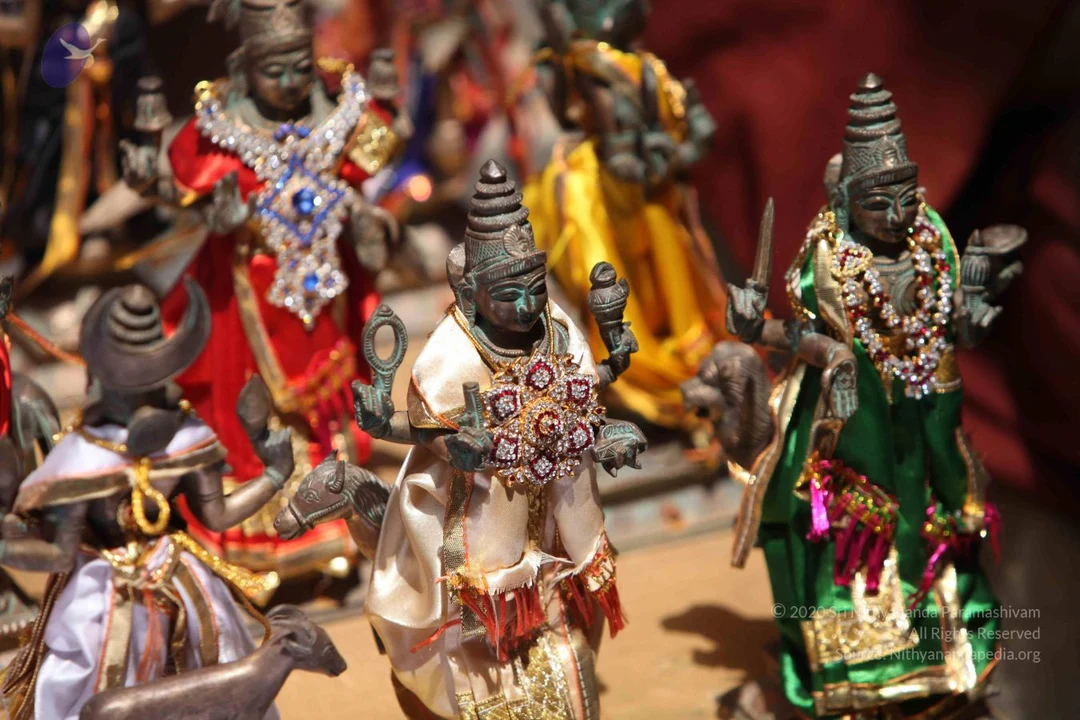
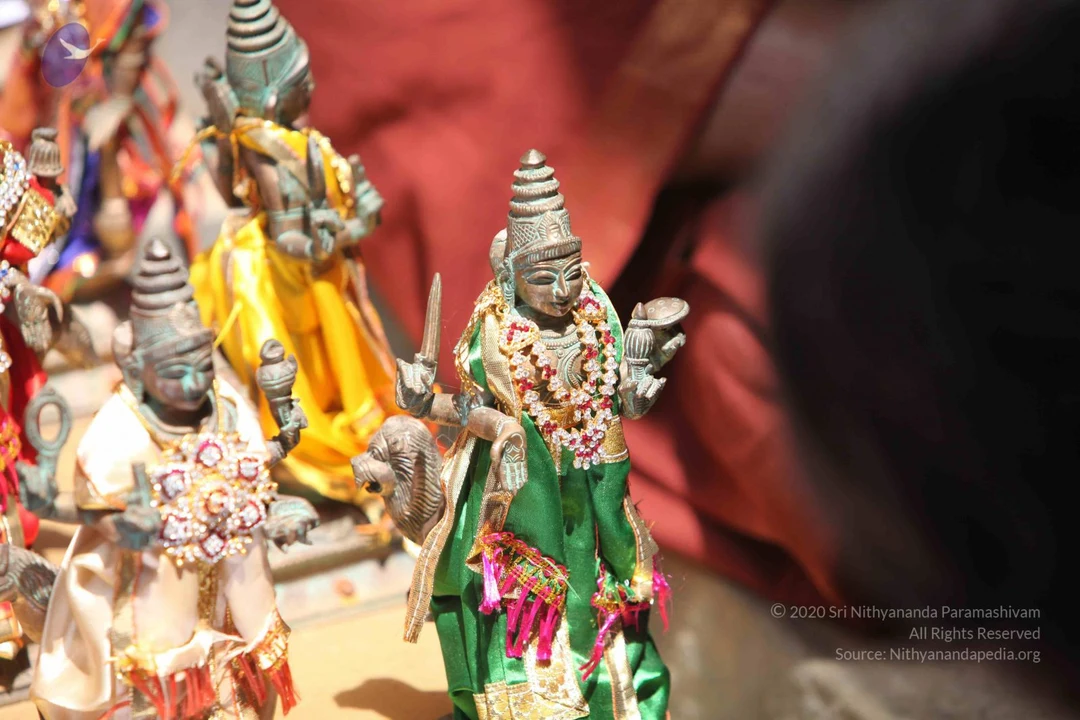
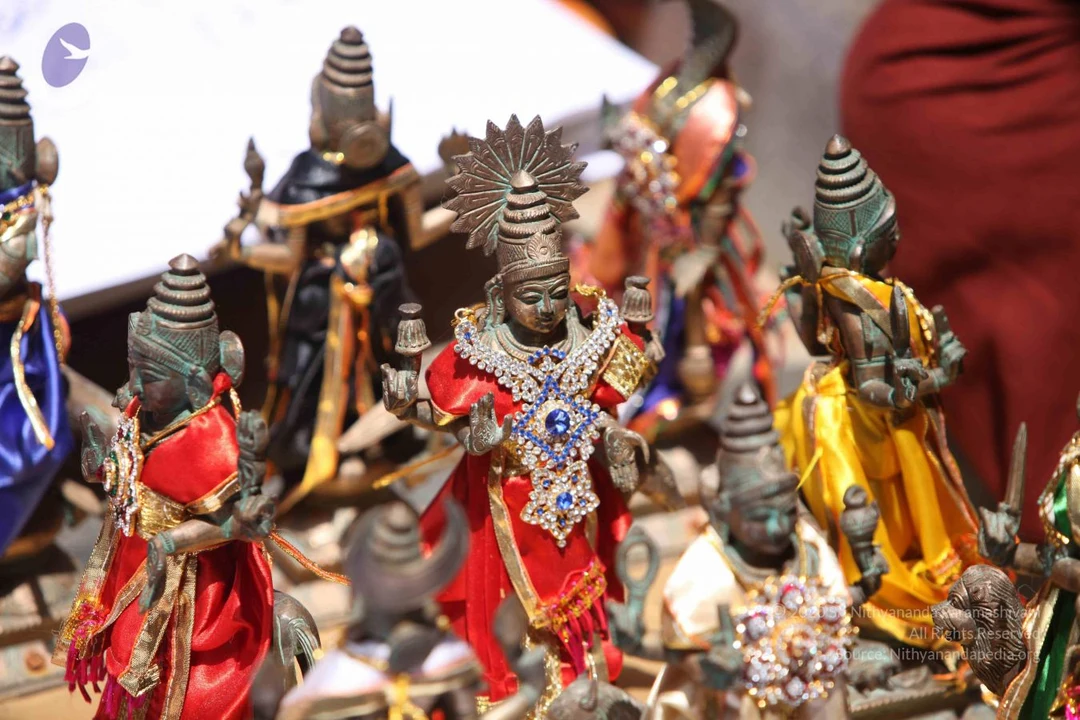
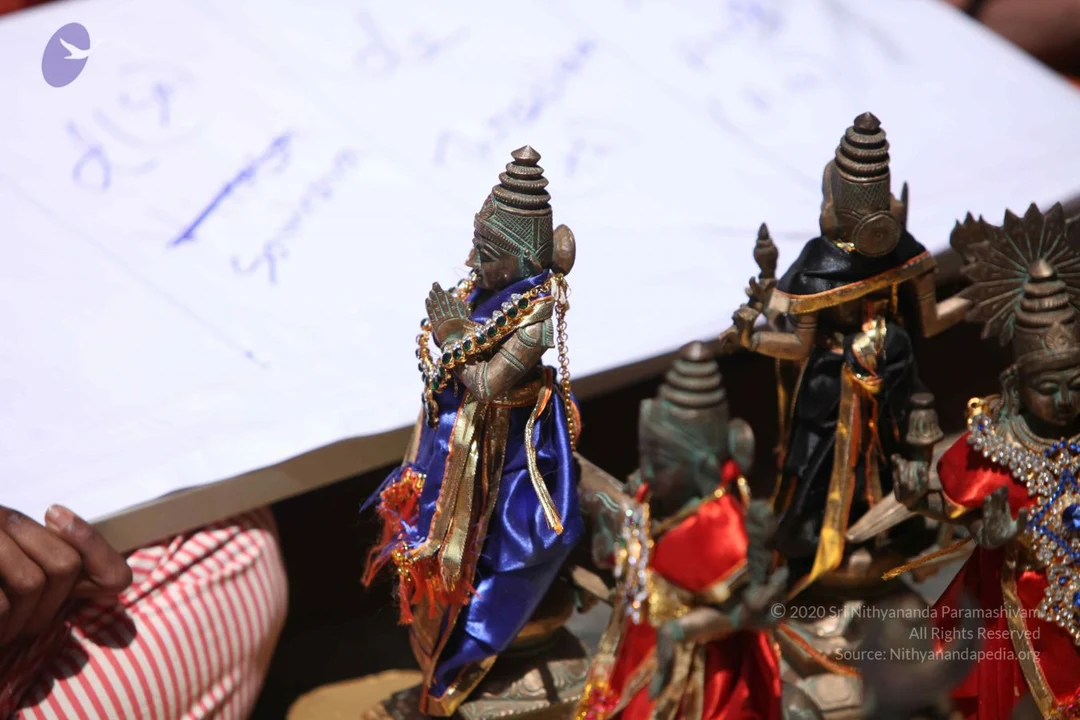
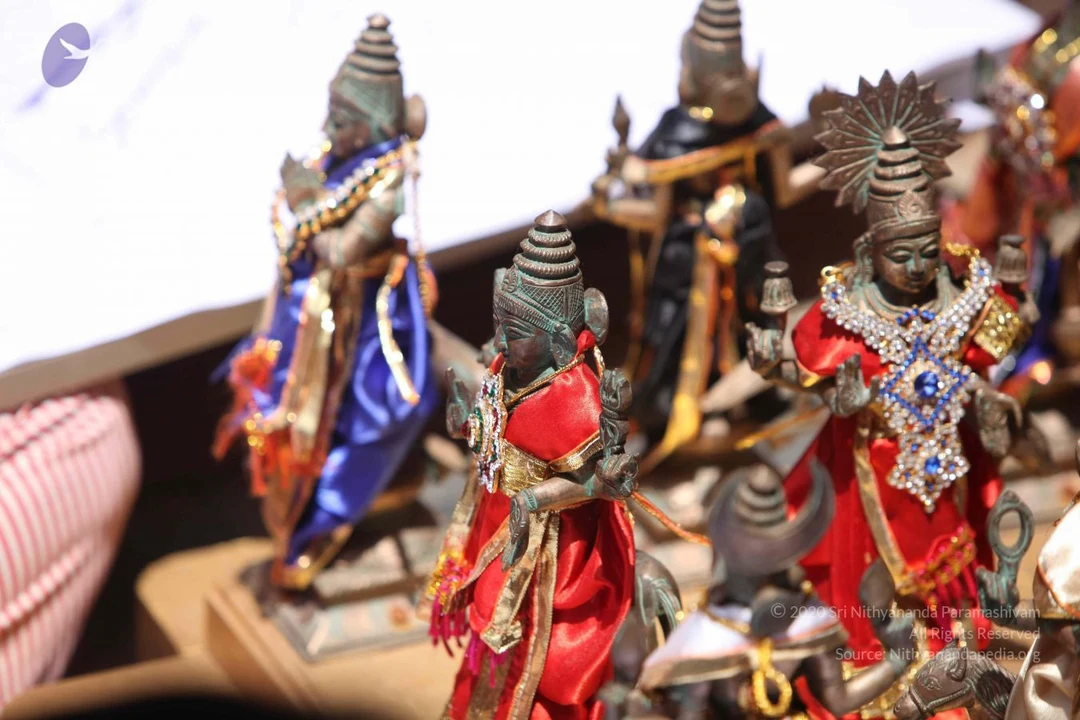
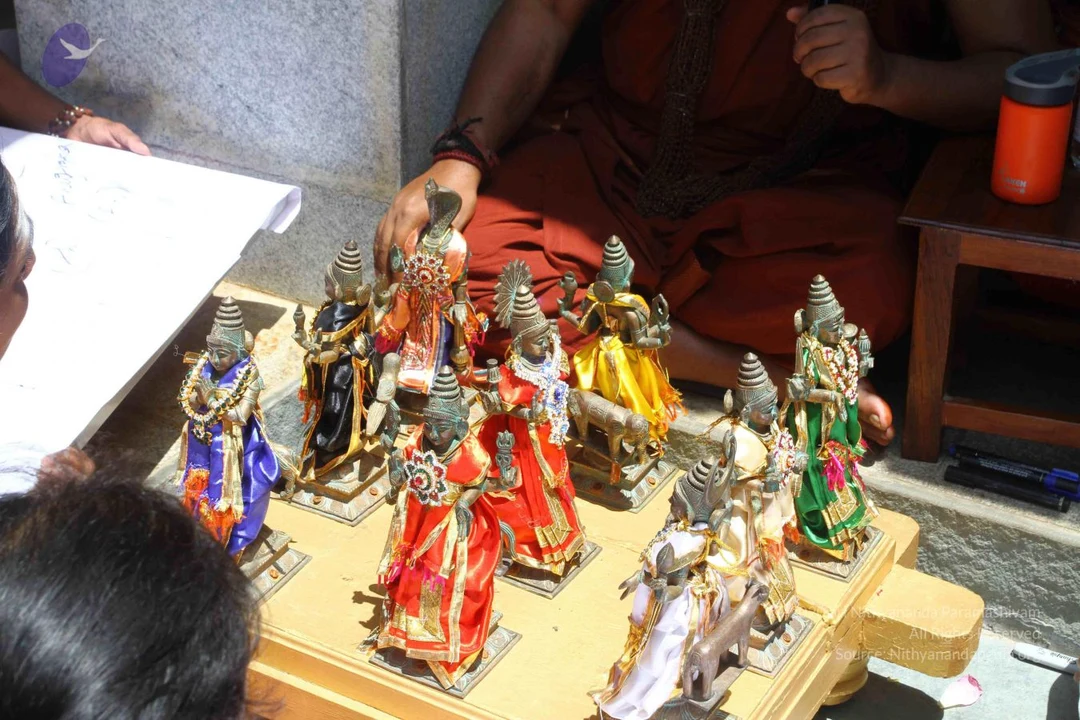
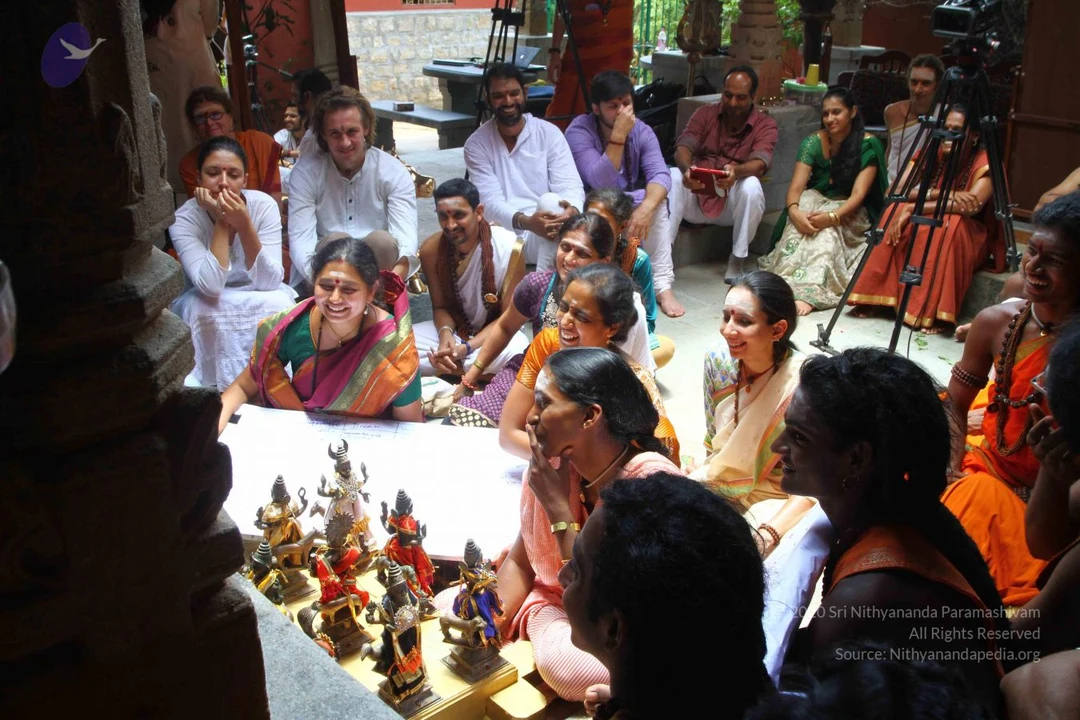
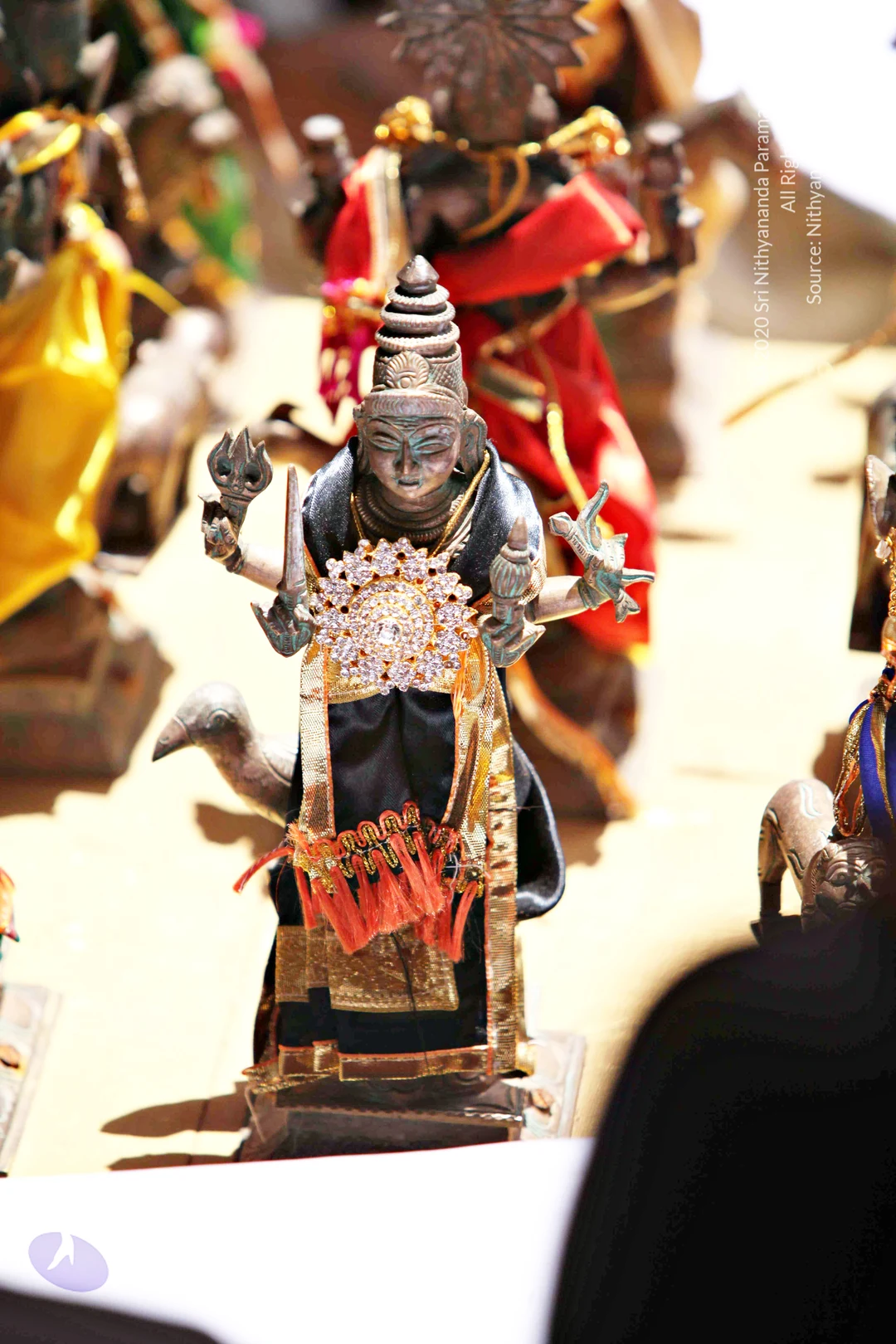
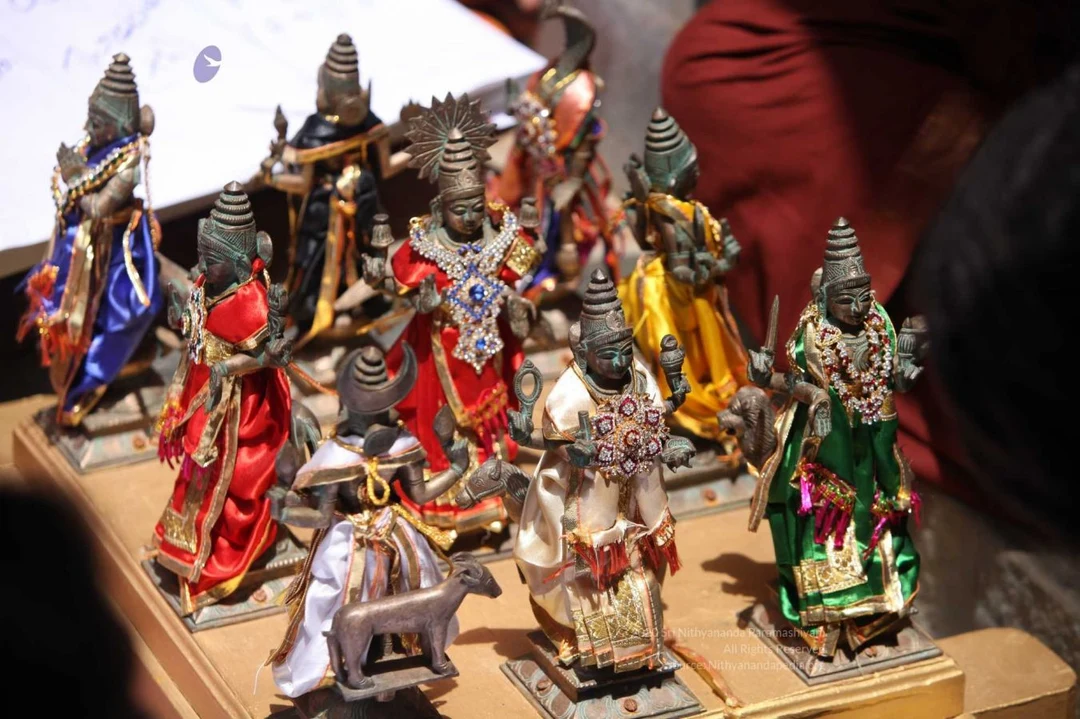 Navagrahas - Nine Major Planetary Energies Which Influence Our Lives
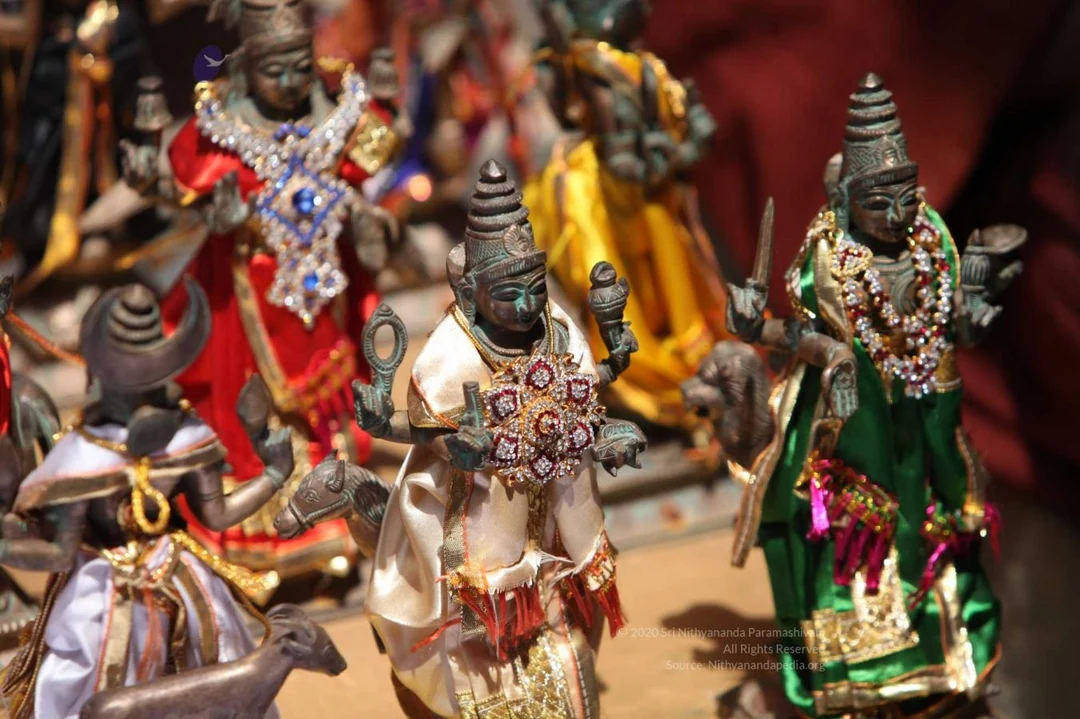 Navagrahas - Nine Major Planetary Energies Which Influence Our Lives
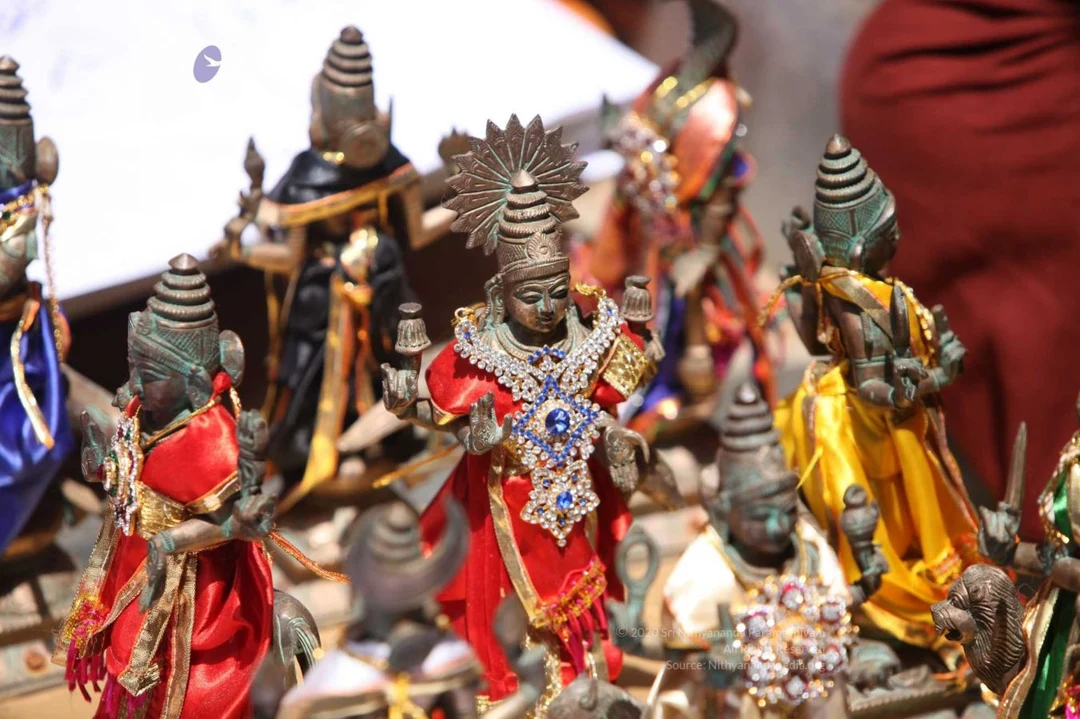 Navagrahas - Nine Major Planetary Energies Which Influence Our Lives
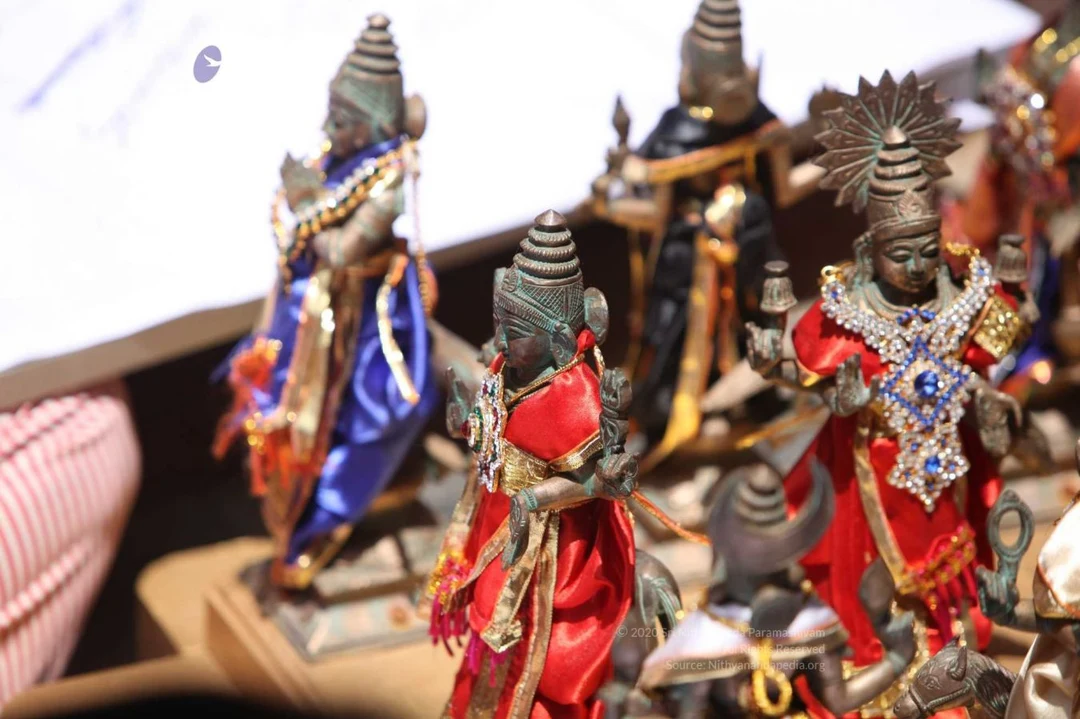 Navagrahas - Nine Major Planetary Energies Which Influence Our Lives
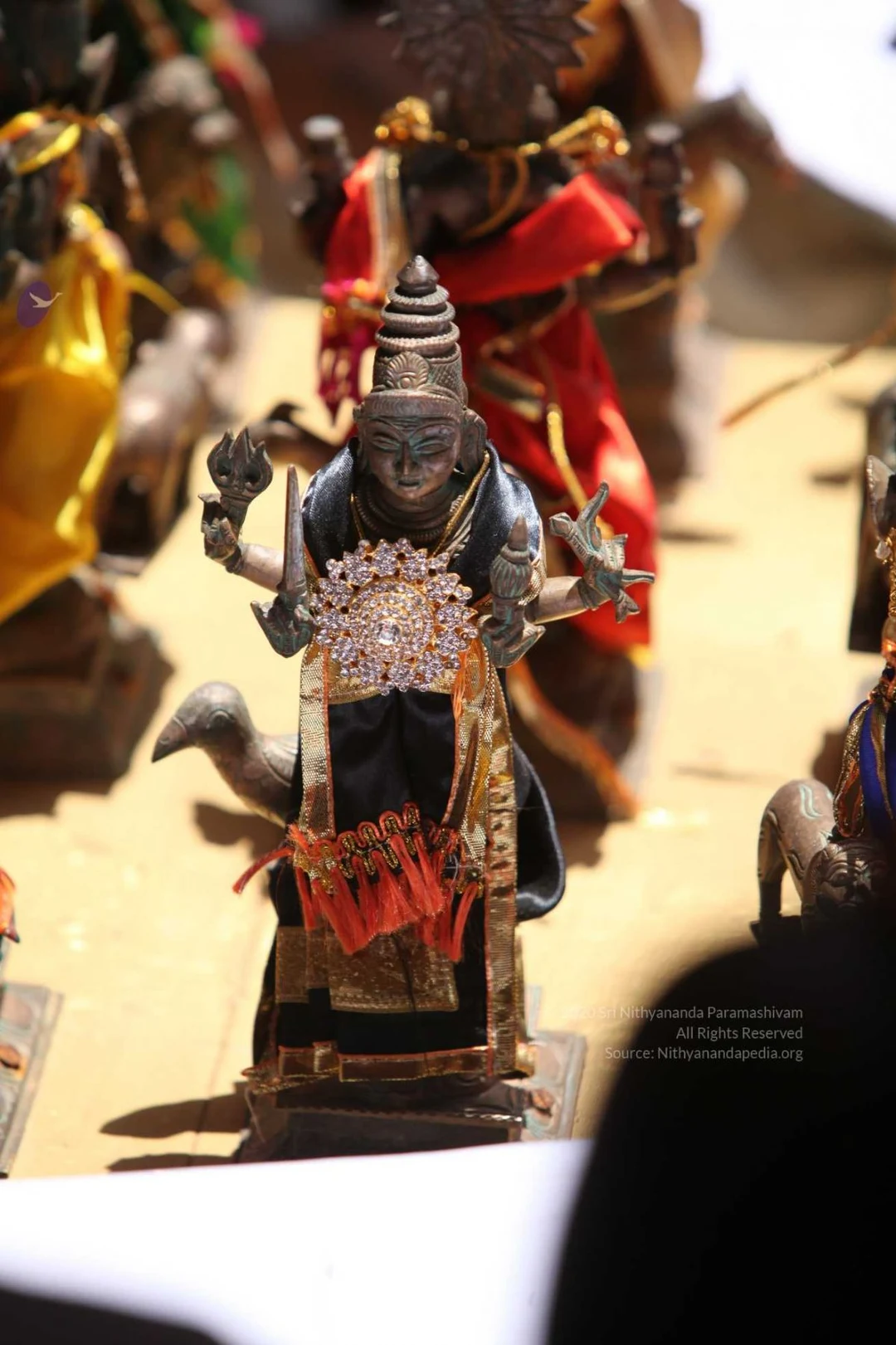
 Navagrahas - Nine Major Planetary Energies Which Influence Our Lives
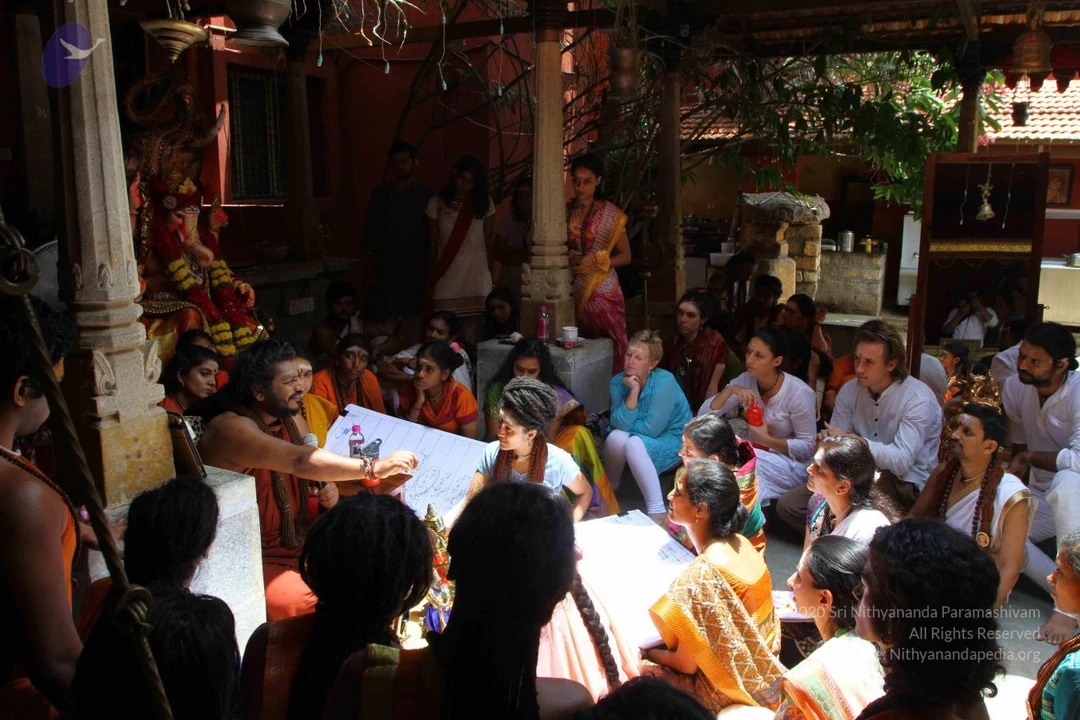
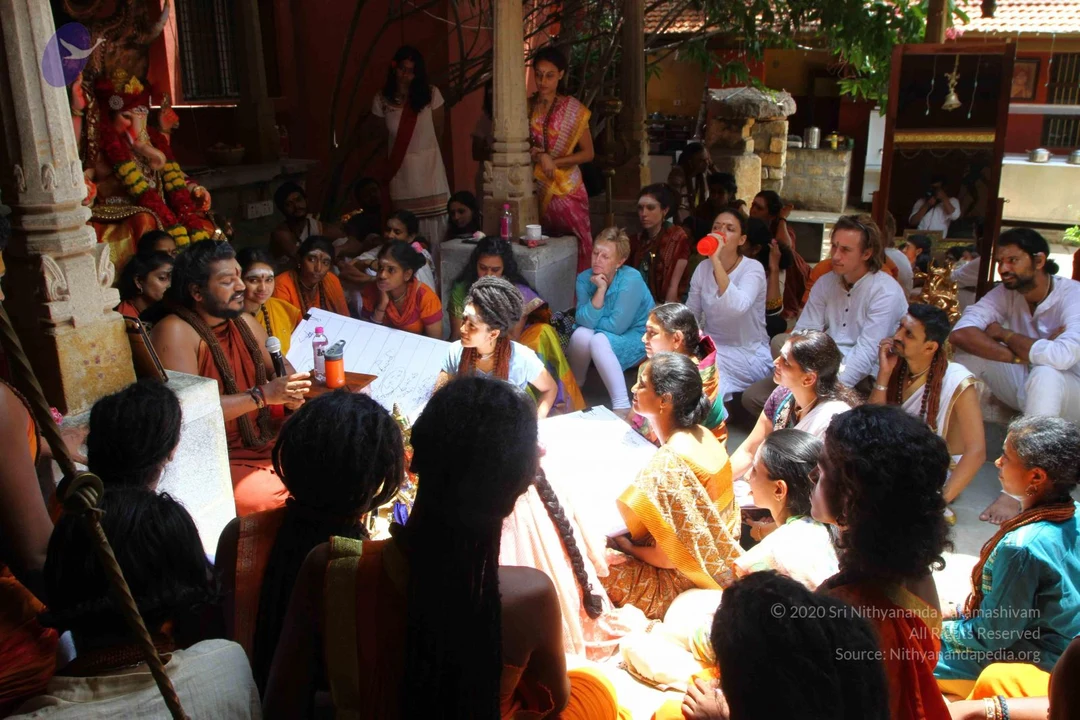
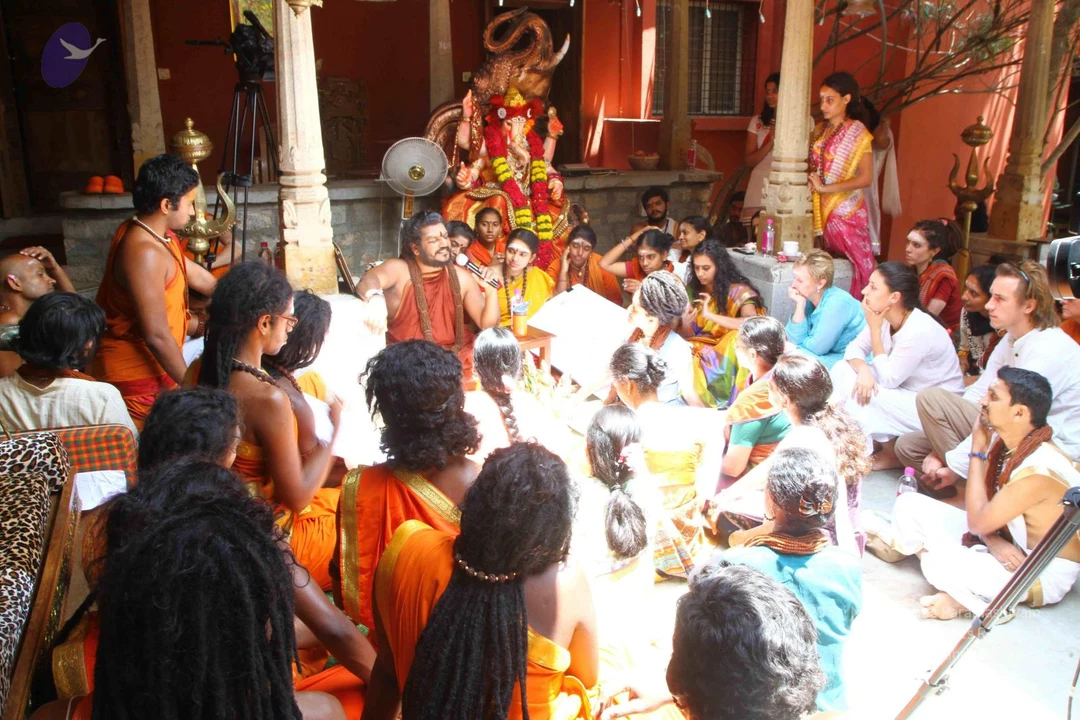
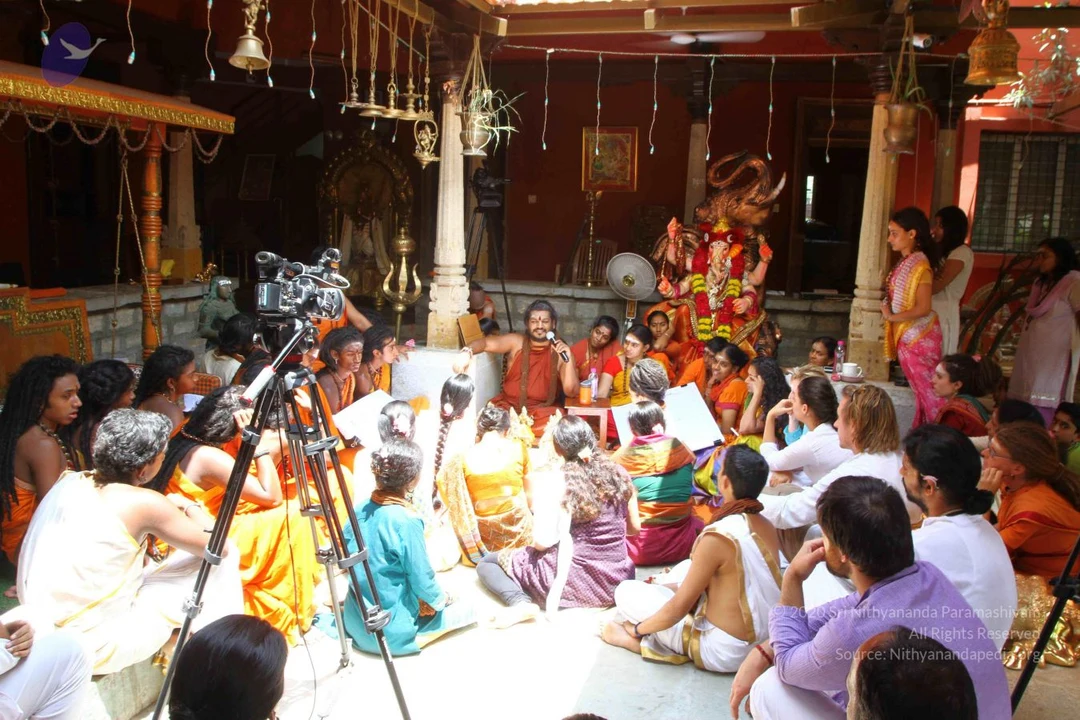
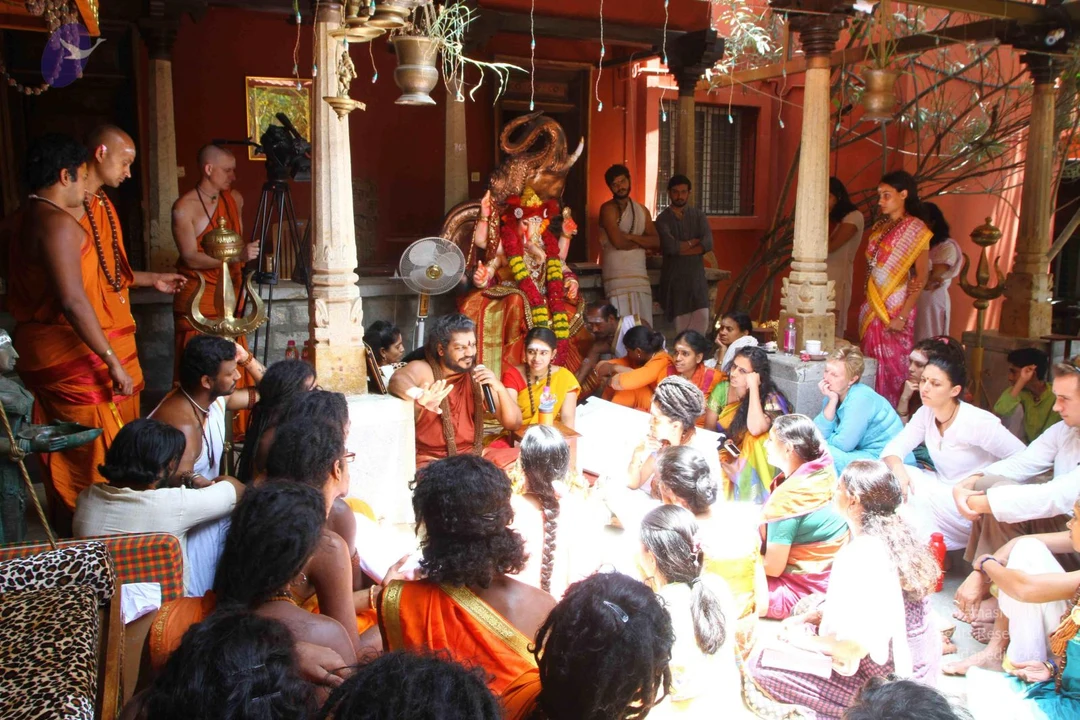
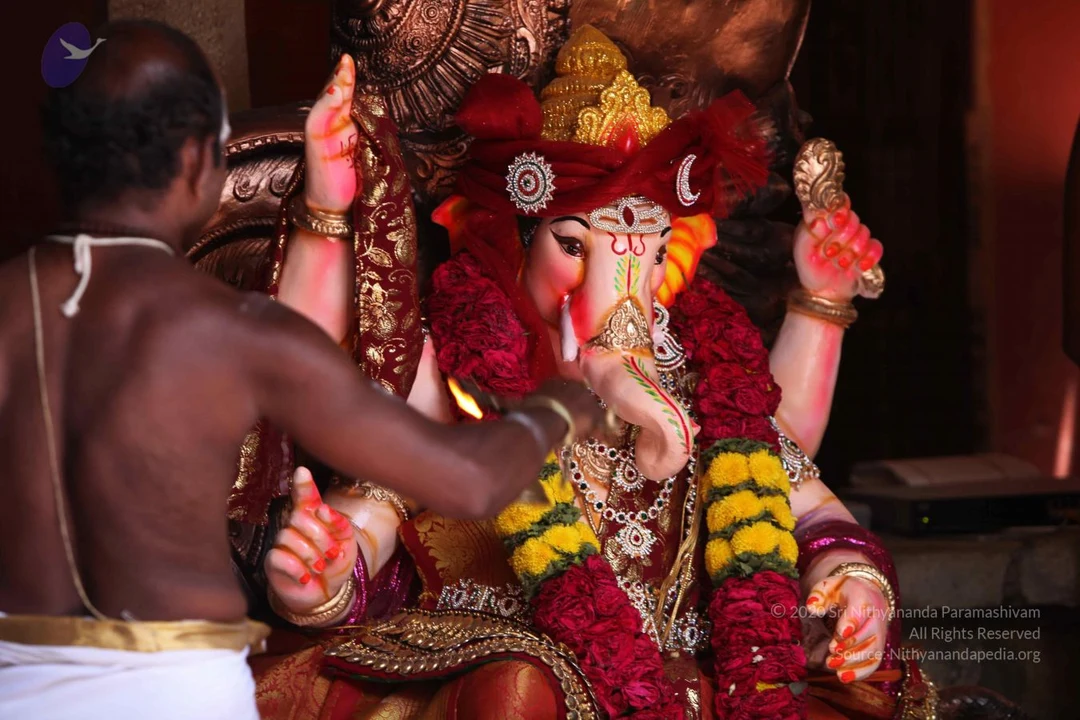
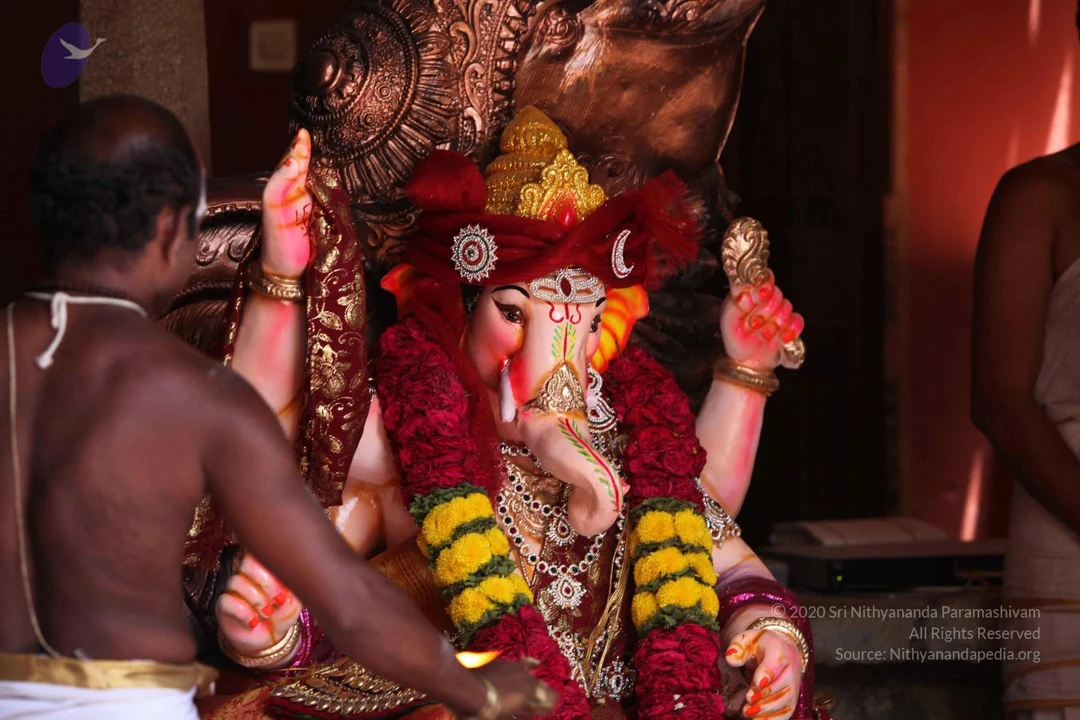
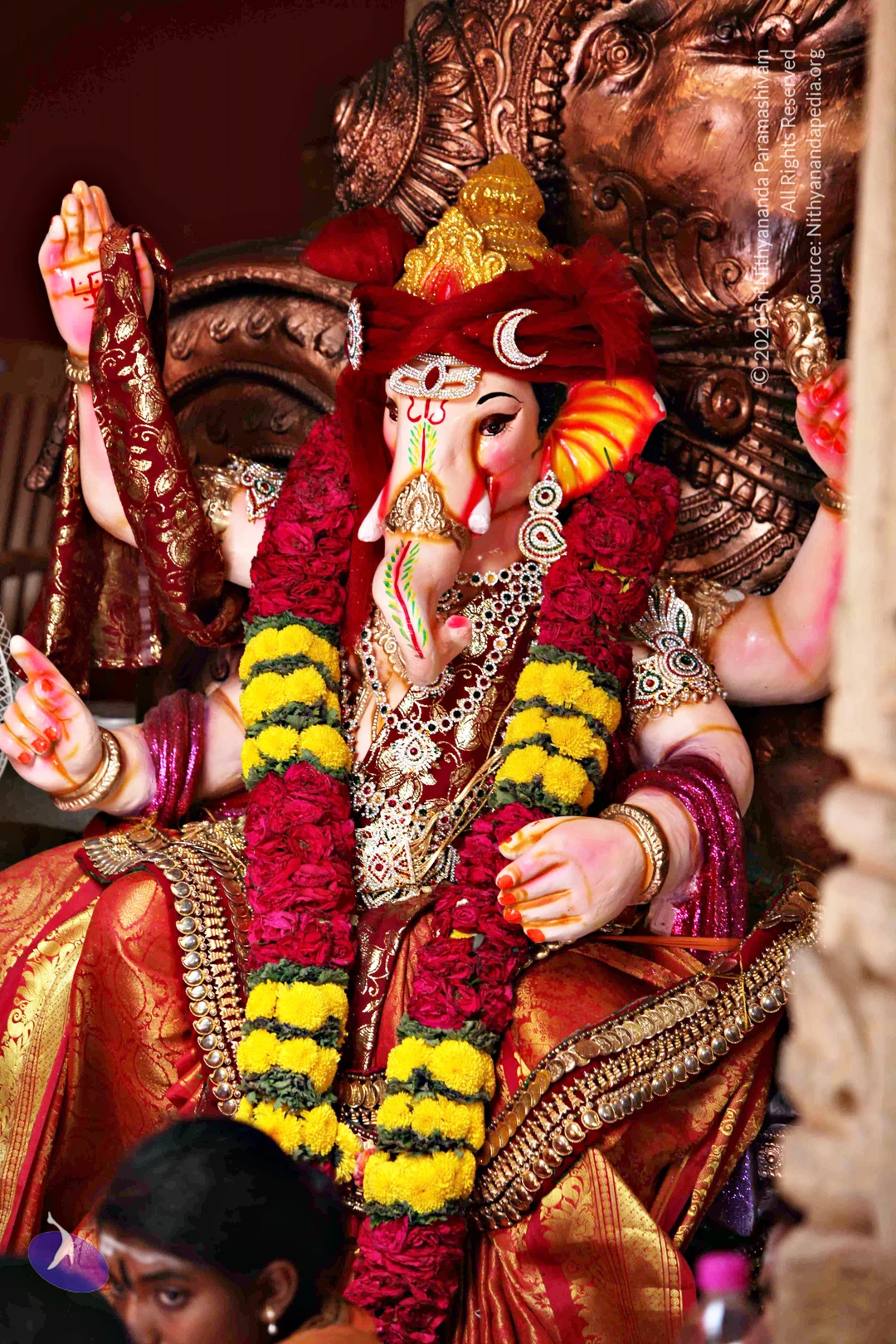
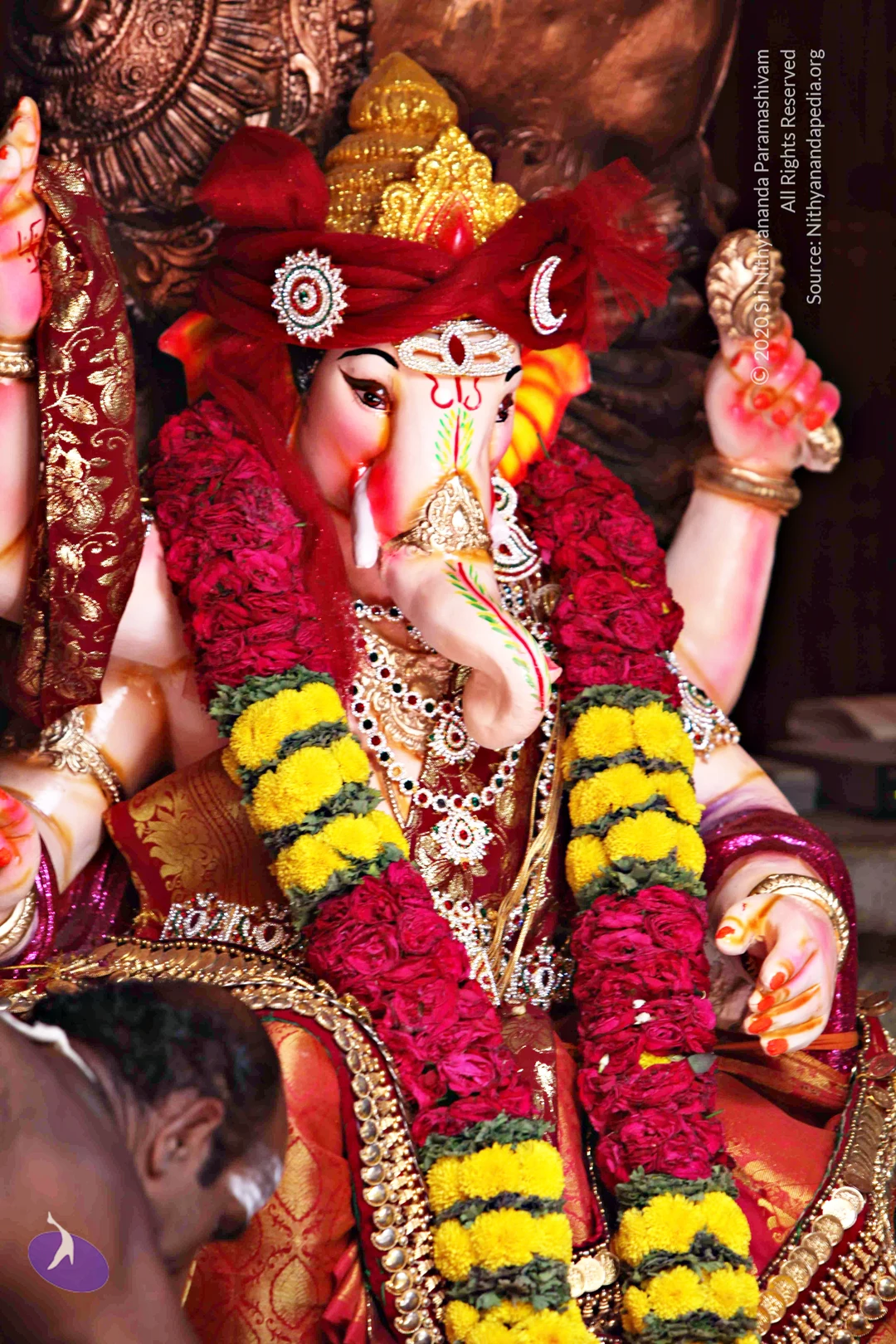
Deity of Lord Ganesha, the Remover of All Obstacles, in the Courtyard of His Divine Holiness
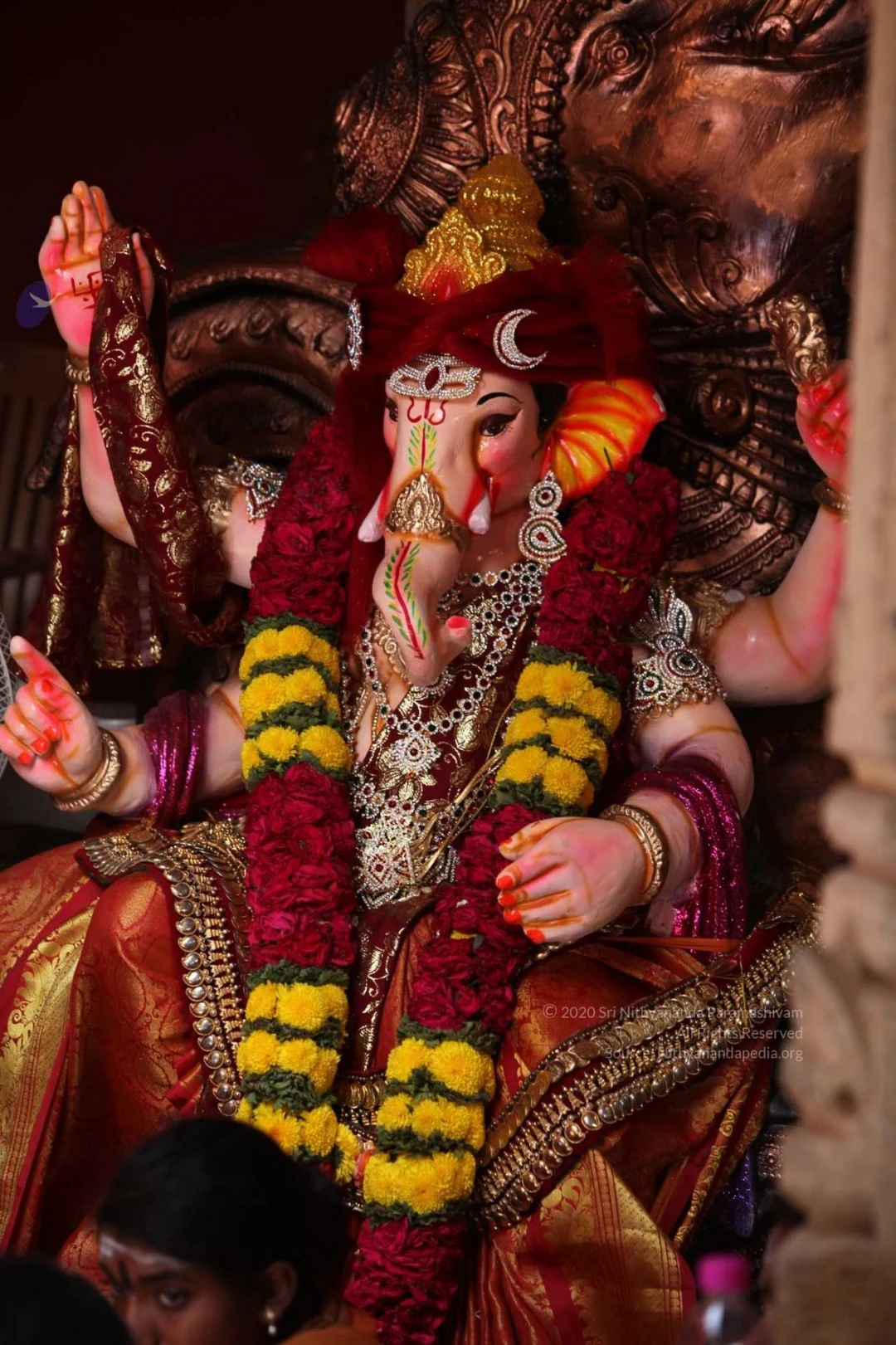
 Deity of Lord Ganesha, the Remover of All Obstacles, in the Courtyard of His Divine Holiness
 Deity of Lord Ganesha, the Remover of All Obstacles, in the Courtyard of His Divine Holiness
Tags:
Nithyananda, Paramahamsa Nithyananda, Sadashiva, God, Third Eye Science, mysticism, occultism, sacred secret science, Five Acts of Sadashiva, Pancha Kritya, Shrishti, Sthiti, Vinasha, Tirobhava, Anugraha, For the sake of Sadashiva, Brahman of Upanishad, Sadashiva of Agama, Shakti not mysticism, Siddhi not occultism, creation, operation, destruction, superficial dimensions of the Universe, oneness with Sadashiva, 460 Shaktis, Sadashivatva, God is not equivalent to Sadashiva, God is Mentally retarded version, Vyakta- manifest, avyakta - unmanifest, apta pramana, atma pramana, sakshi paramana, shastra pramana, Vedic Agamic science of Shaktis and Siddhis, Delusion, Tirobhava and Anugraha, liberation form the core basis understanding about Universe, civilizational clash
Photos Of The Day:
Nithya-Satsang
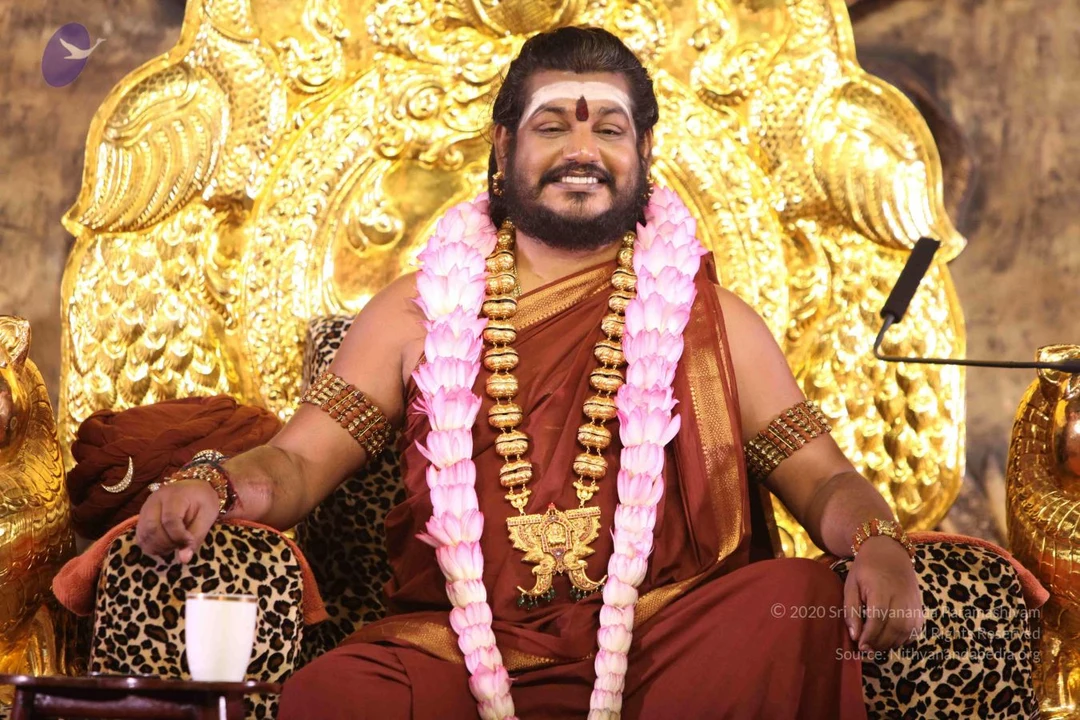
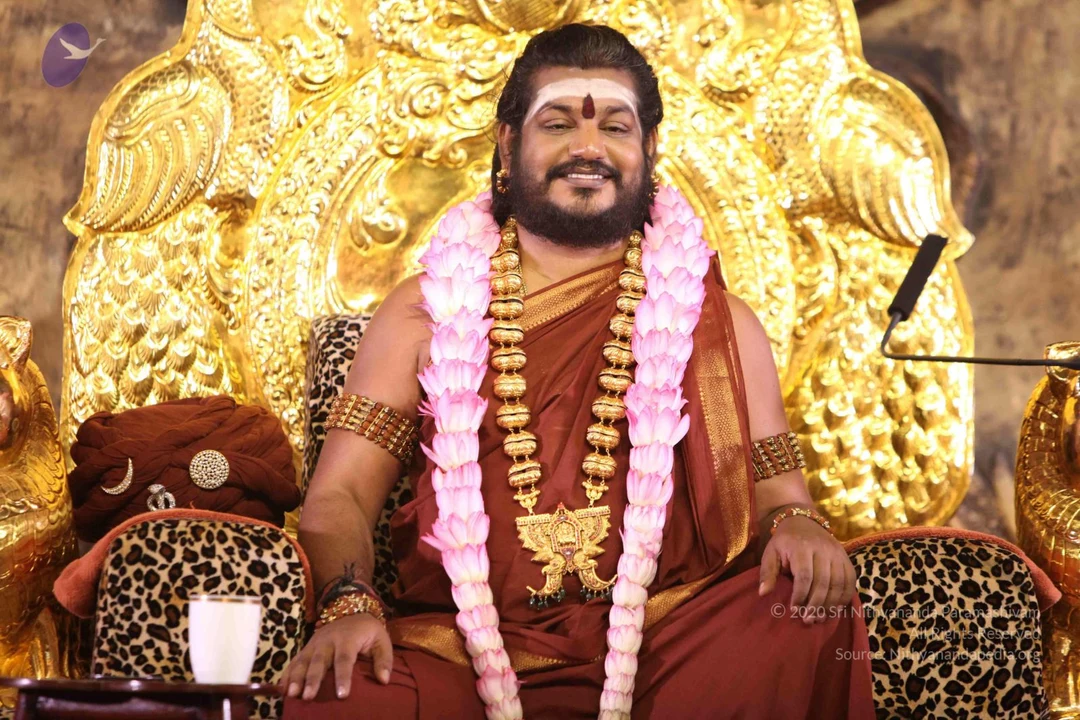
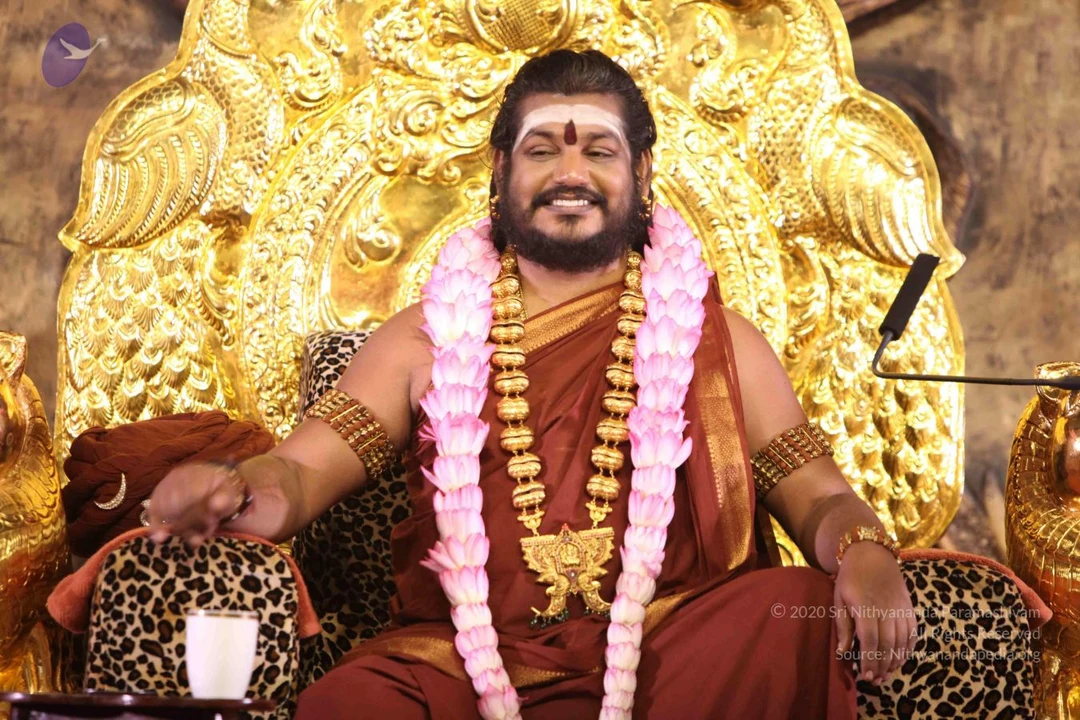
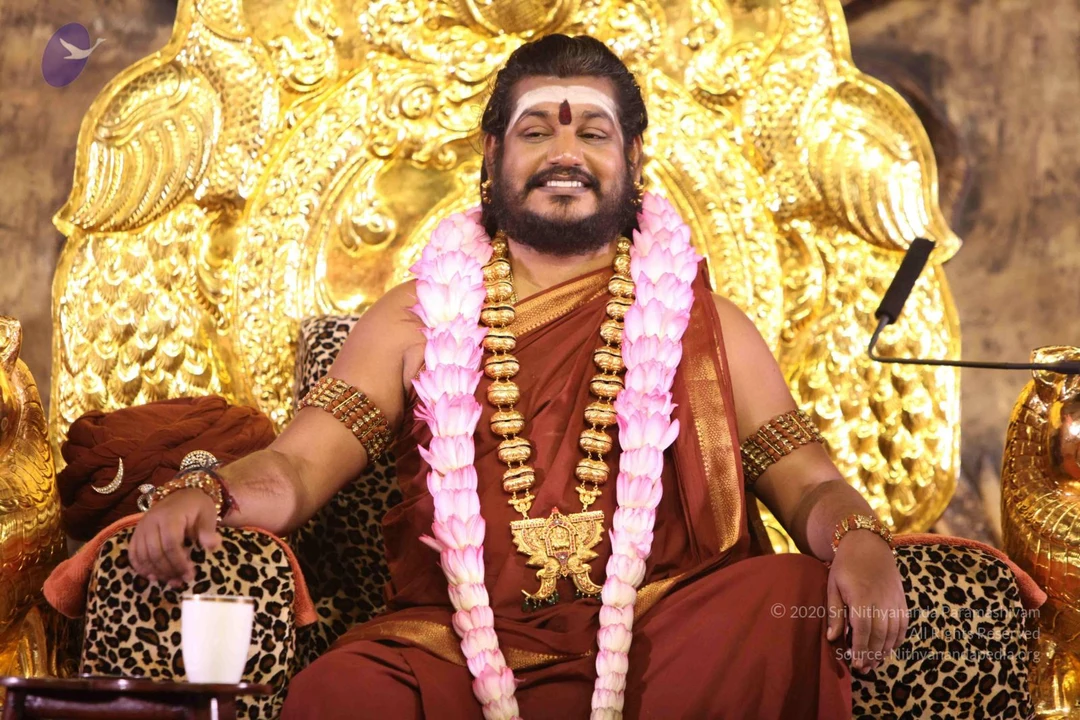
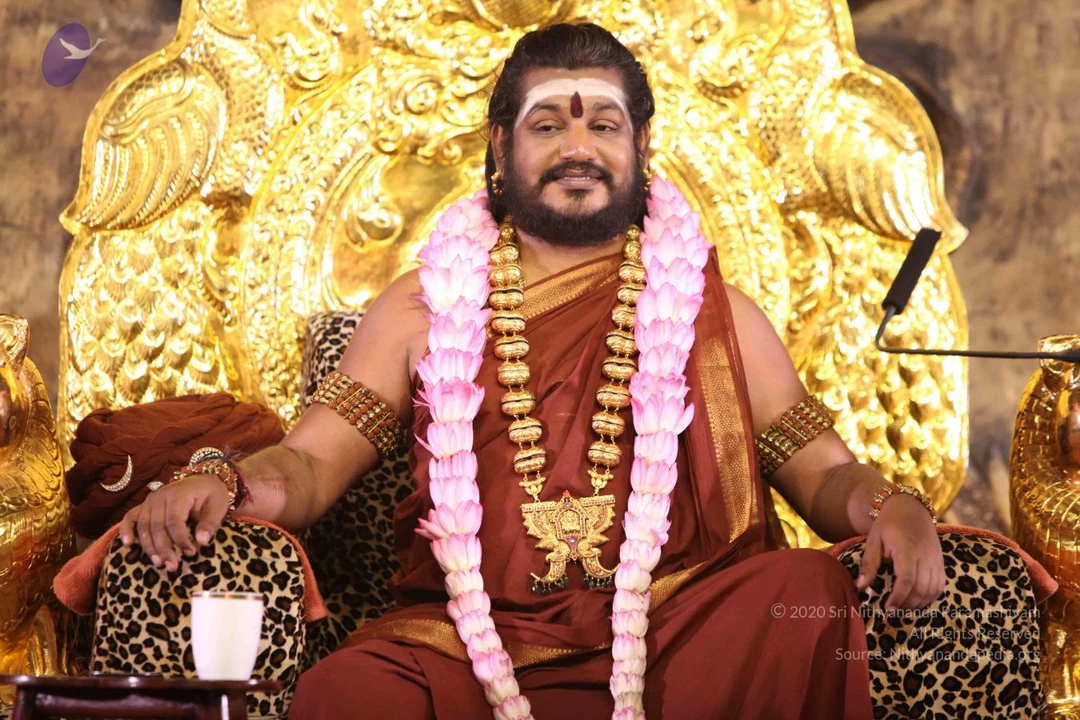
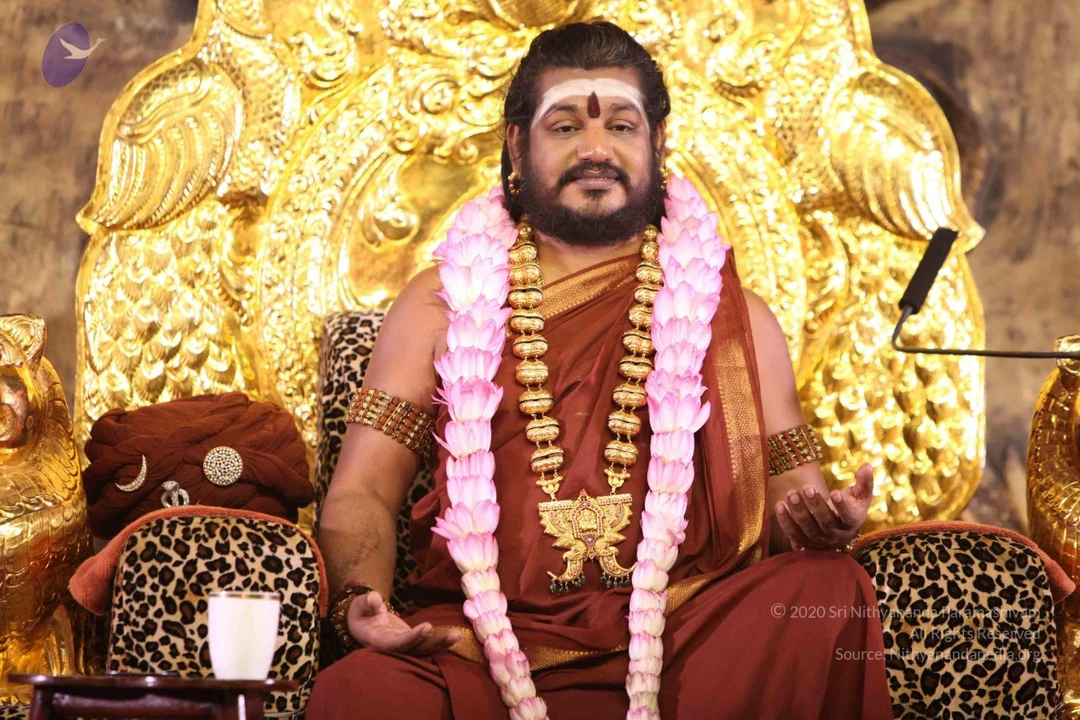

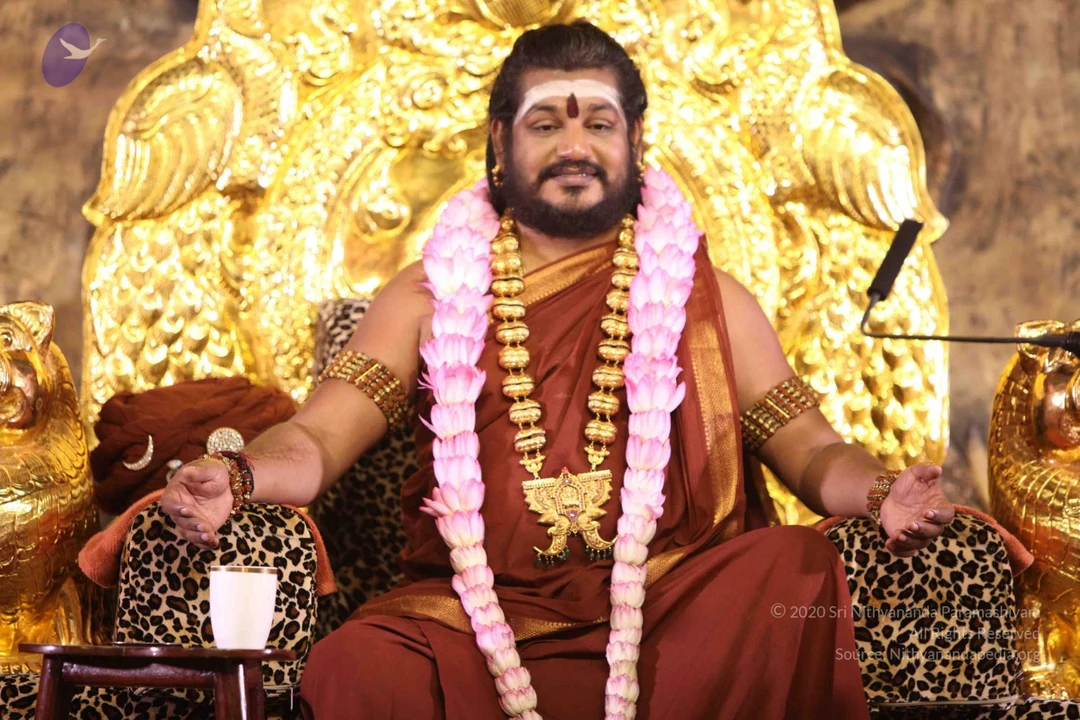
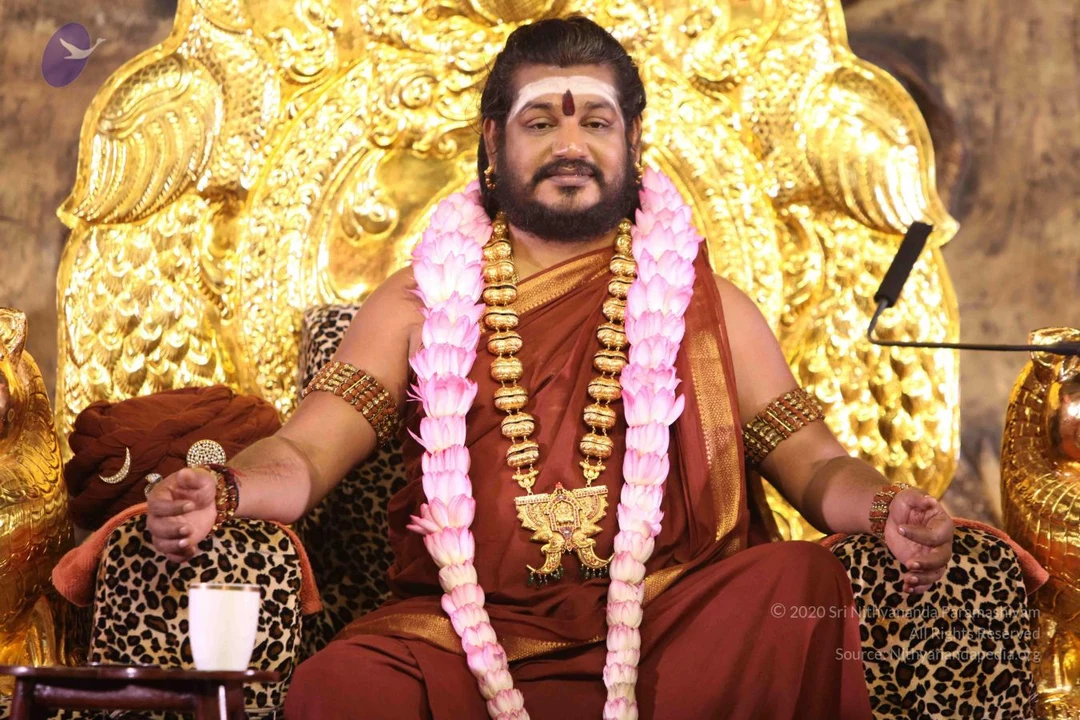
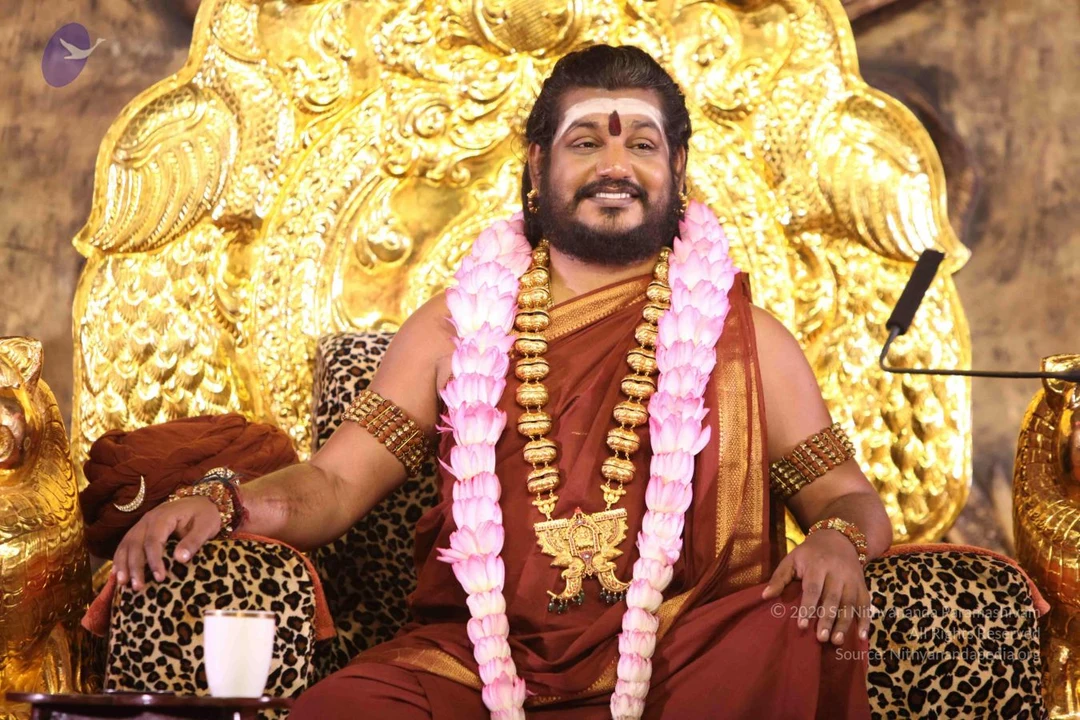
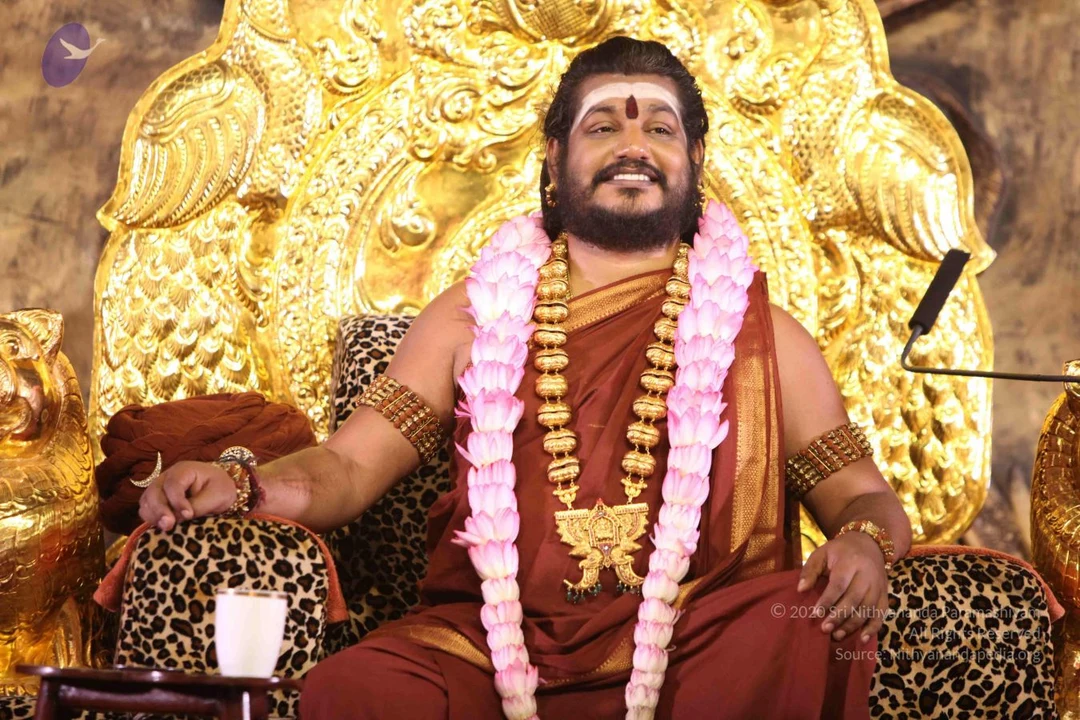
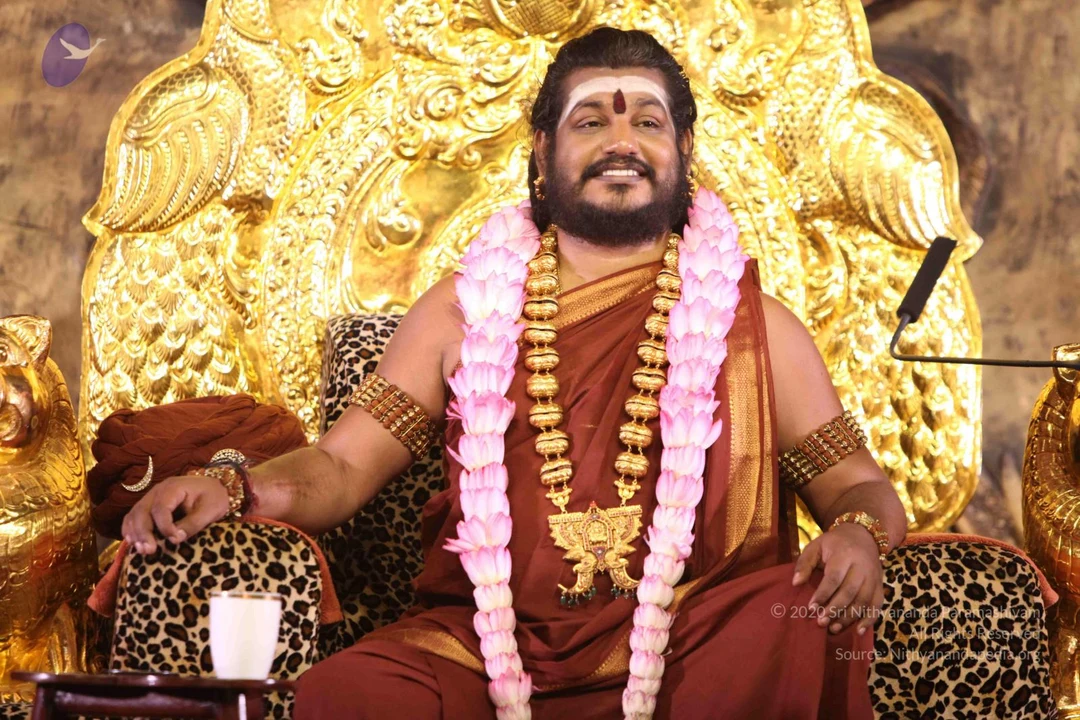
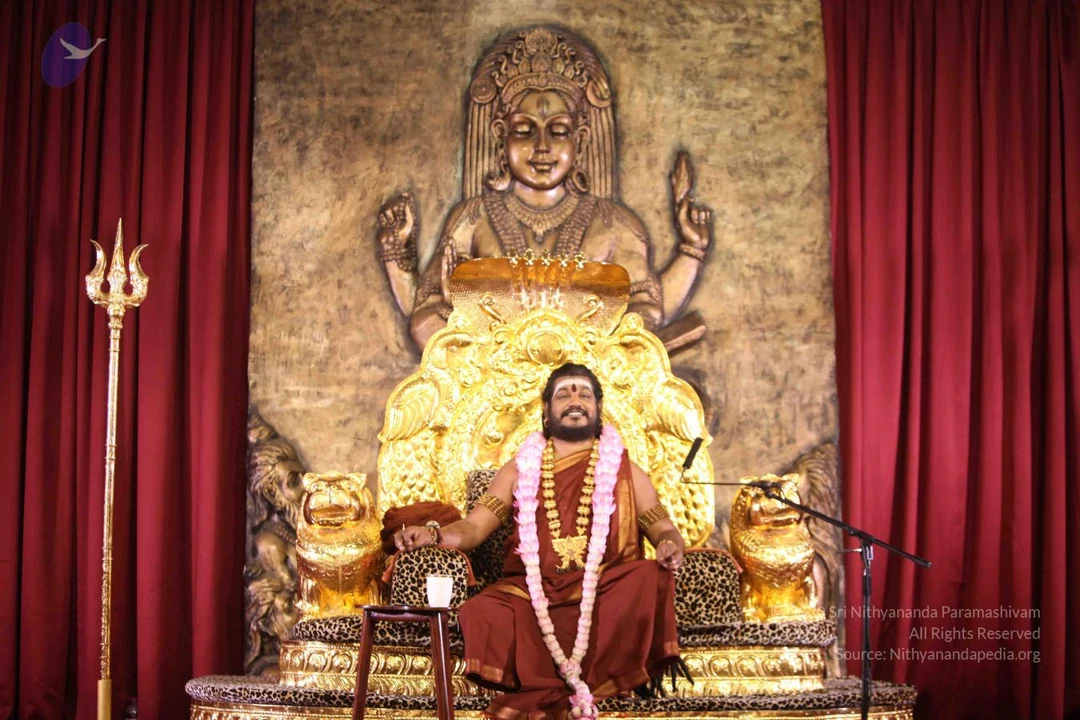
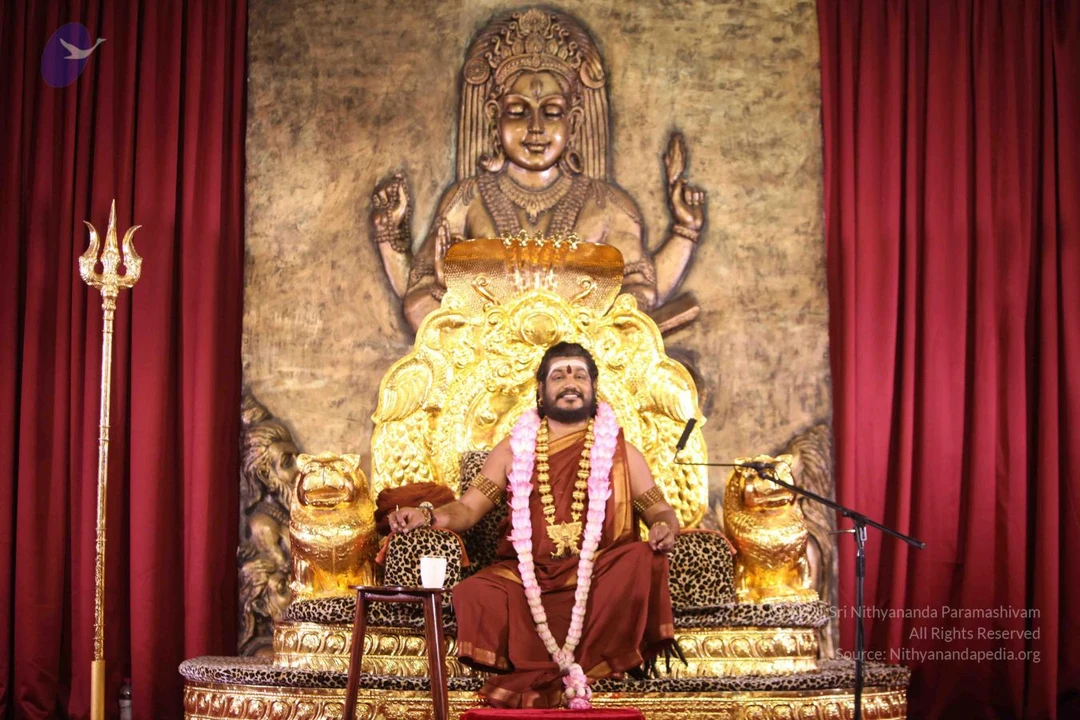
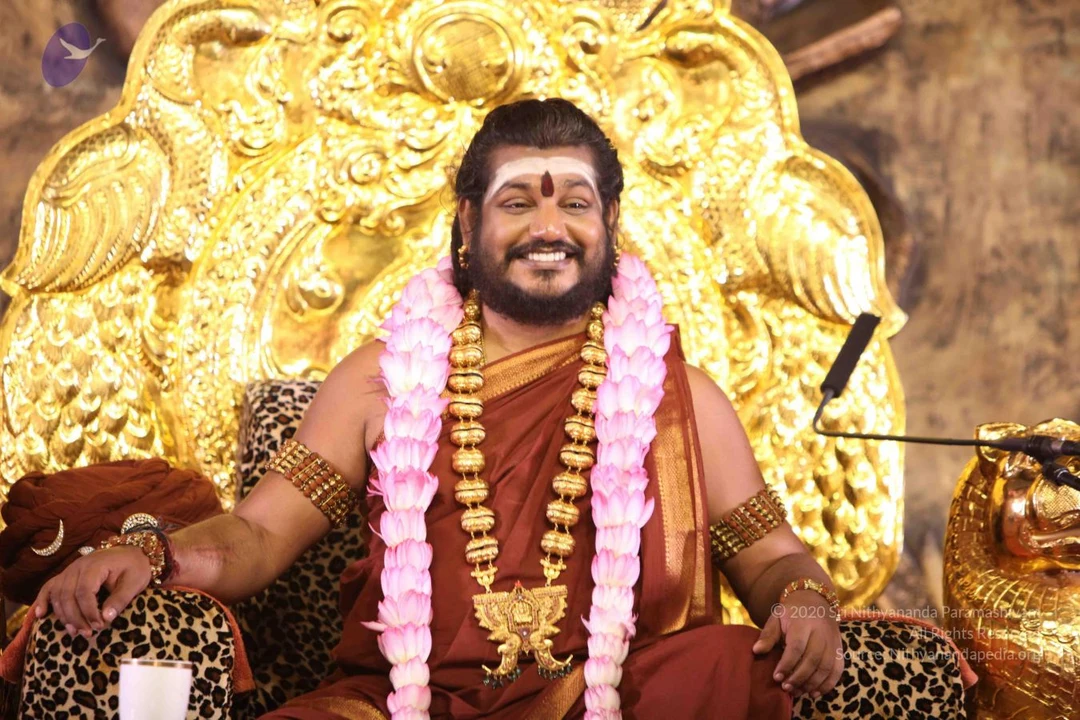
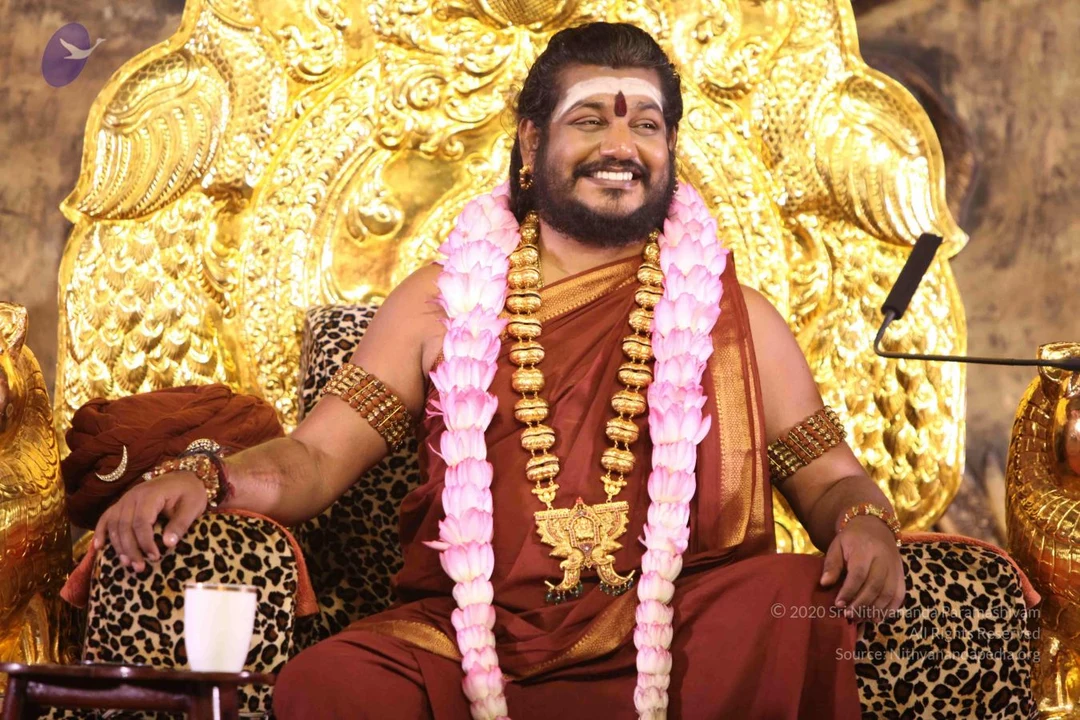
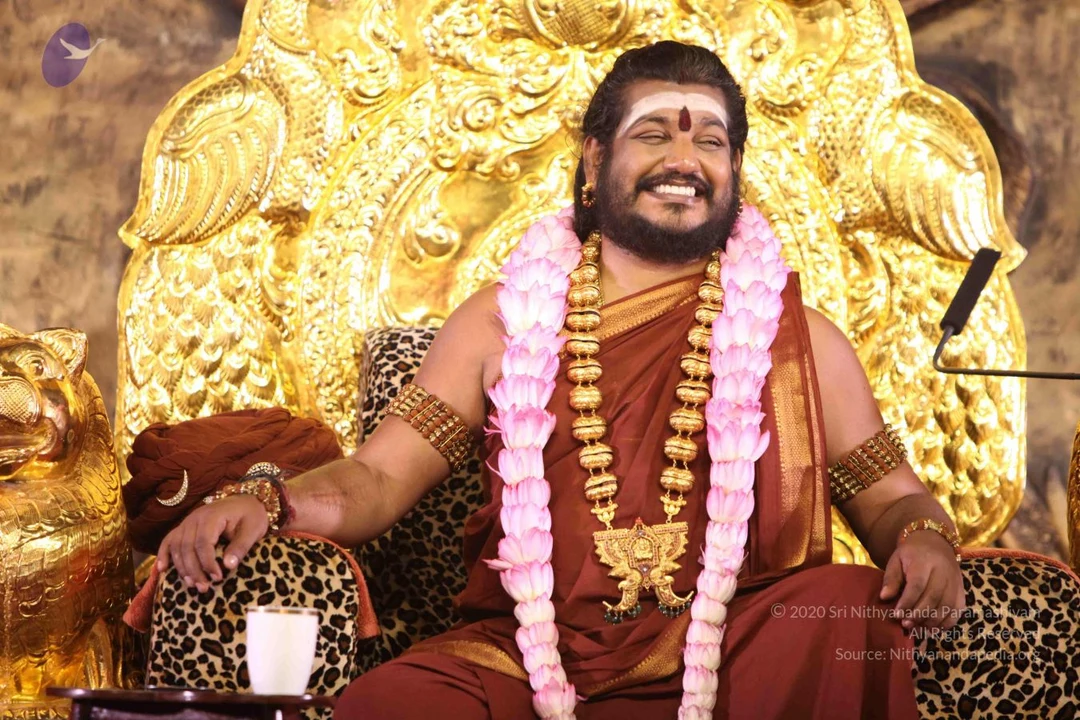

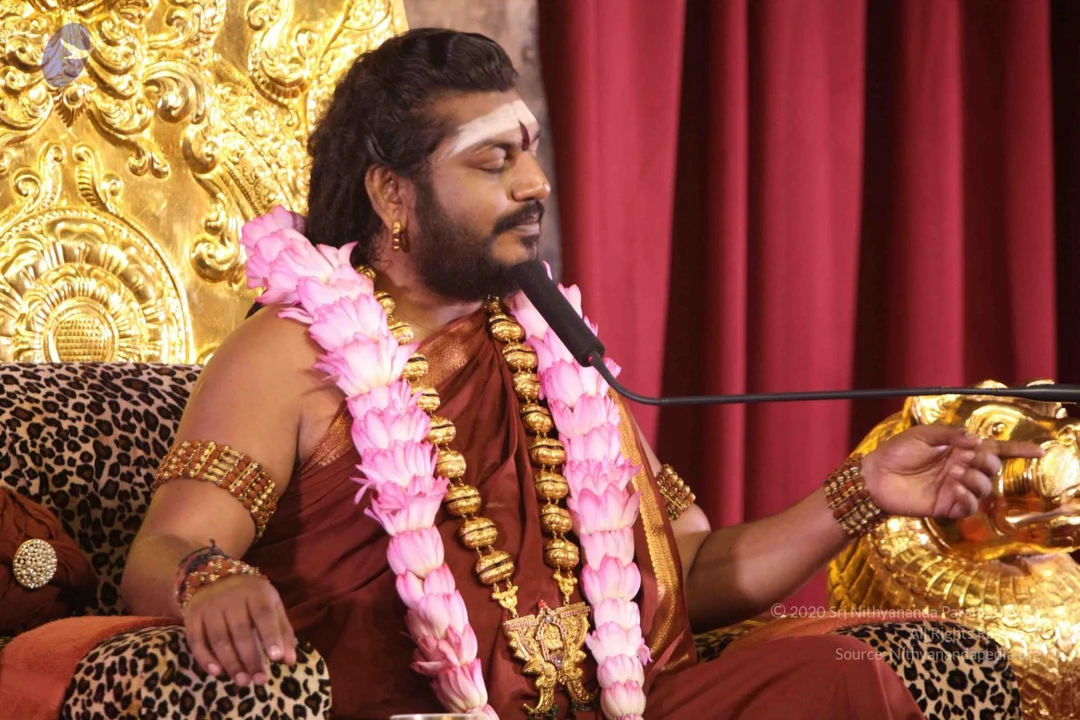
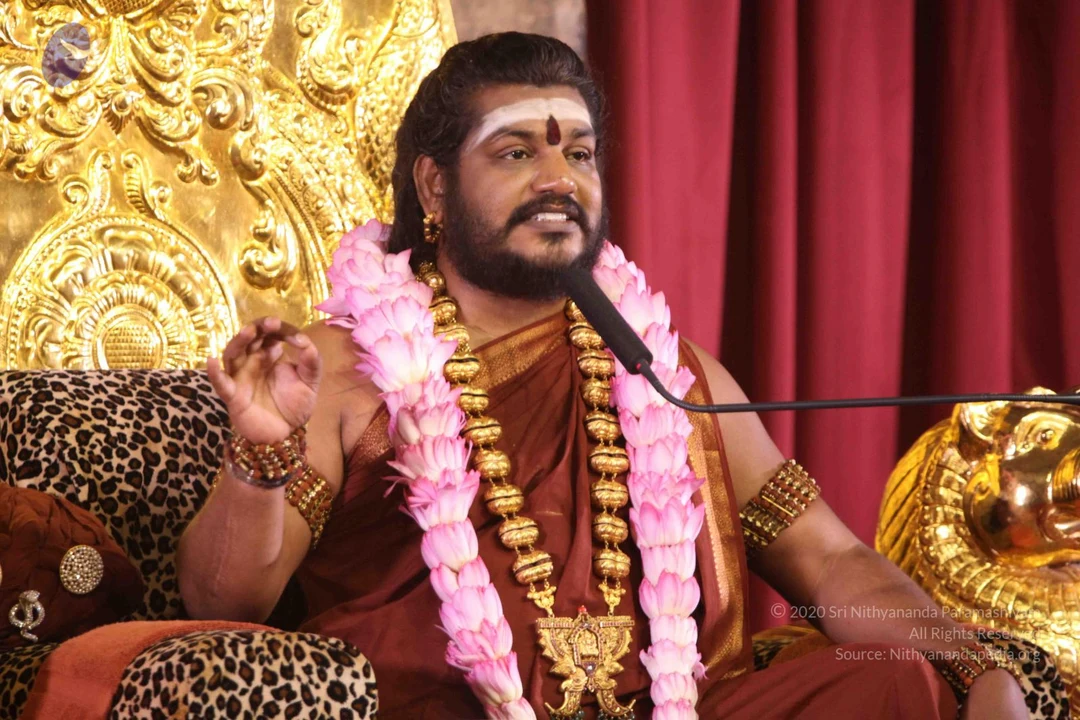

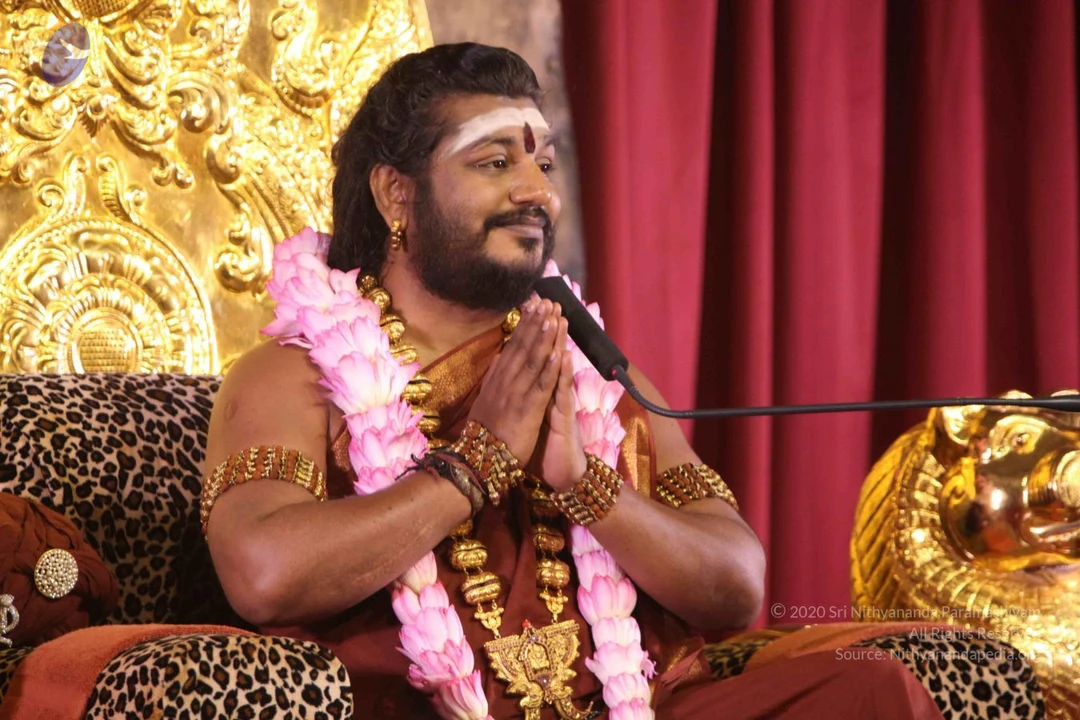
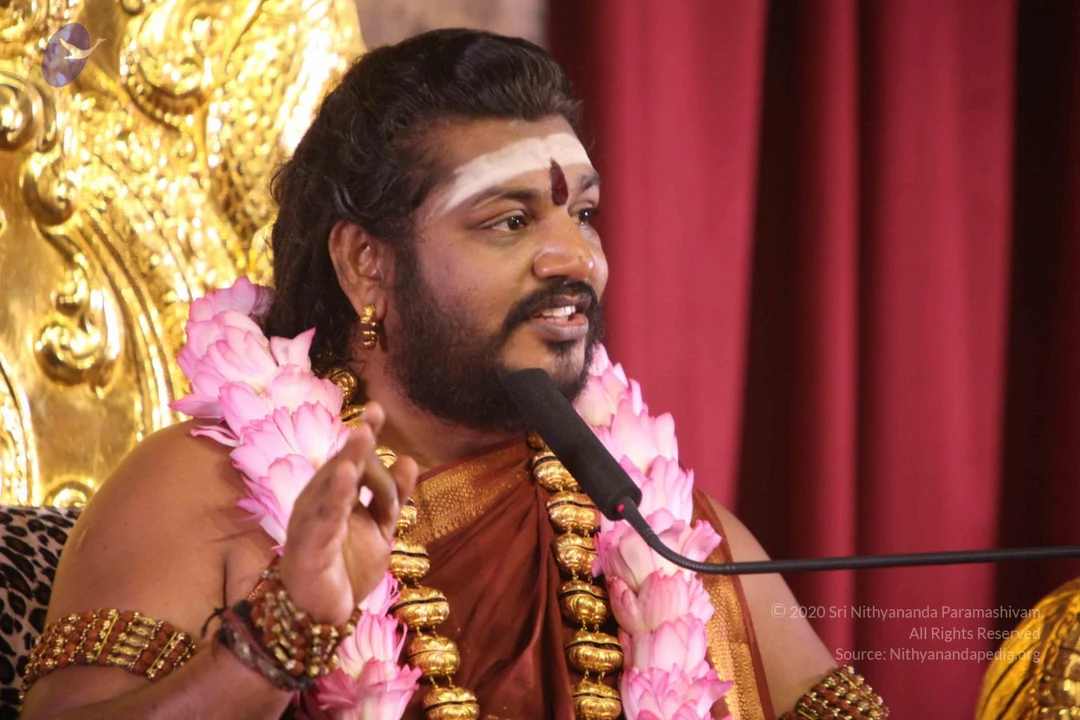
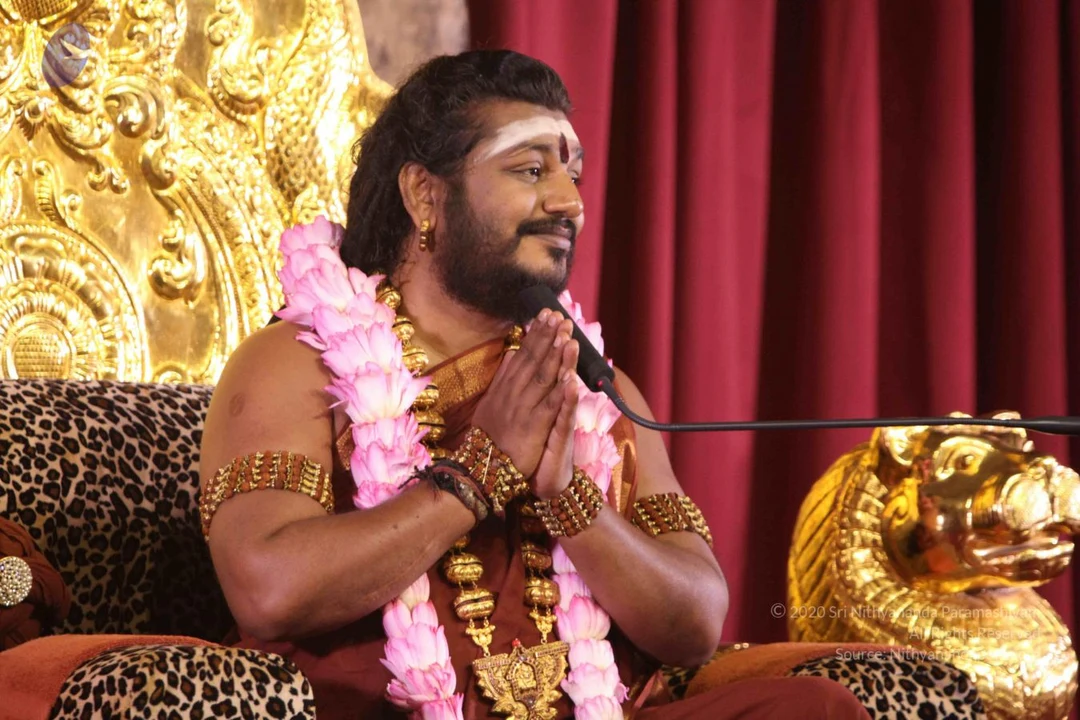
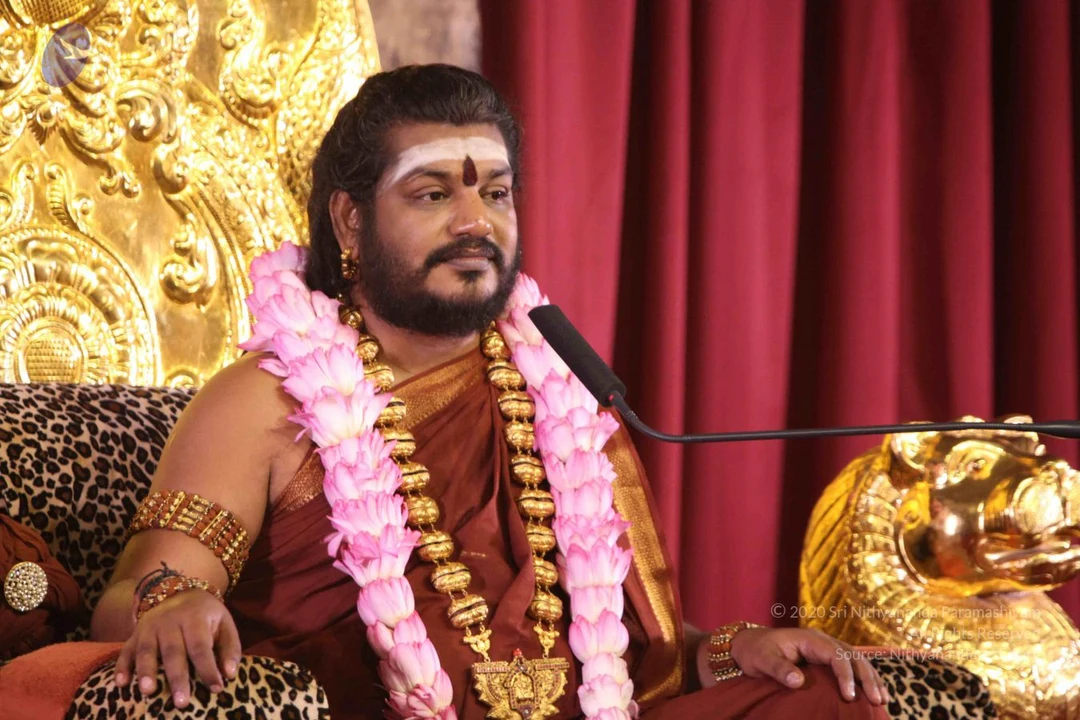
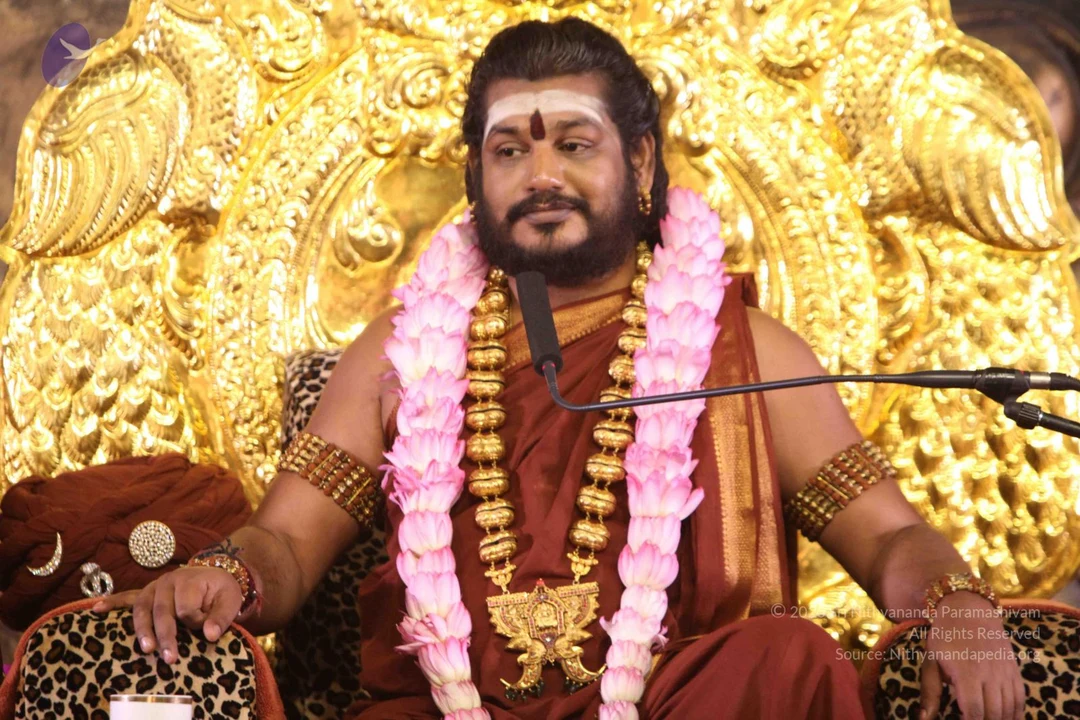
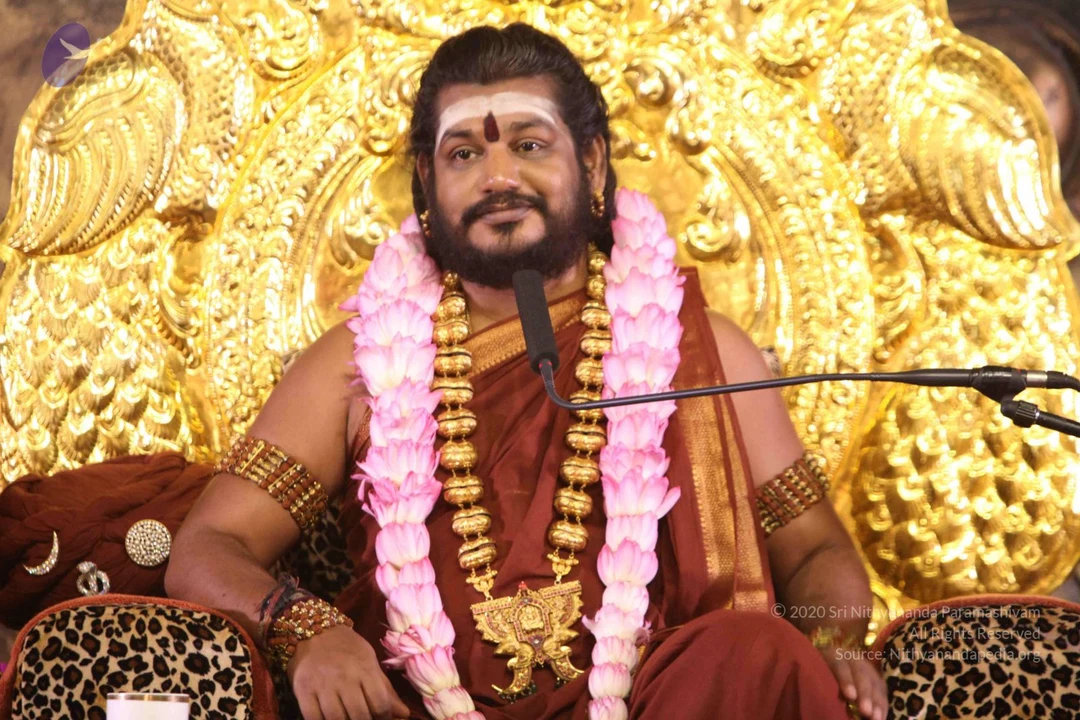
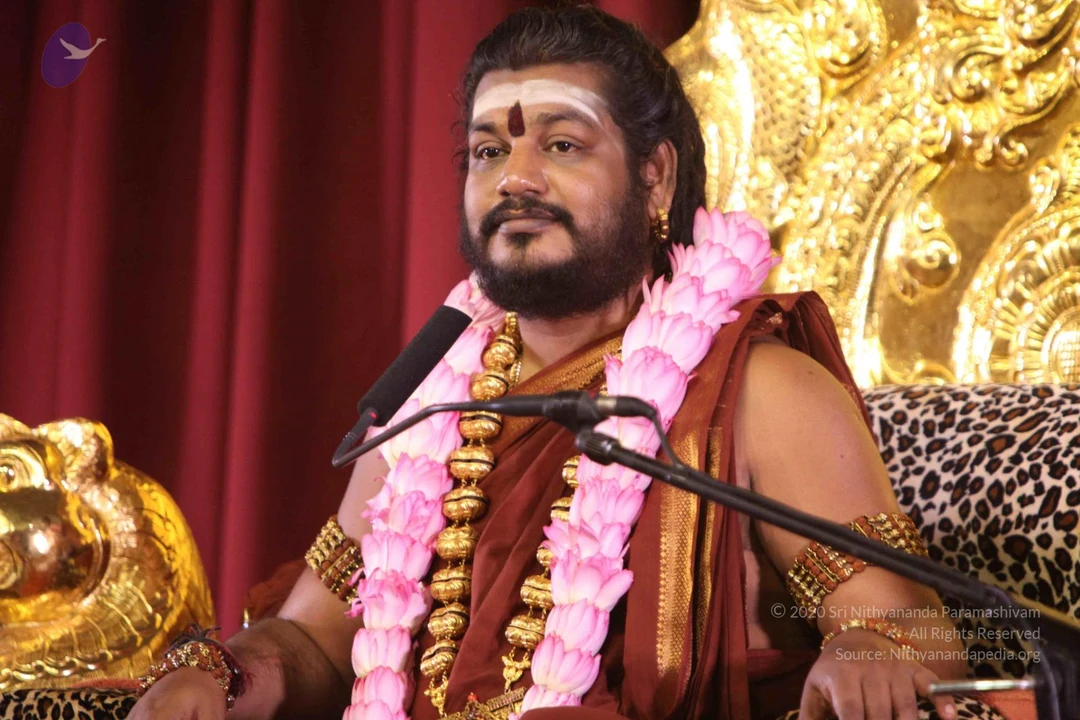
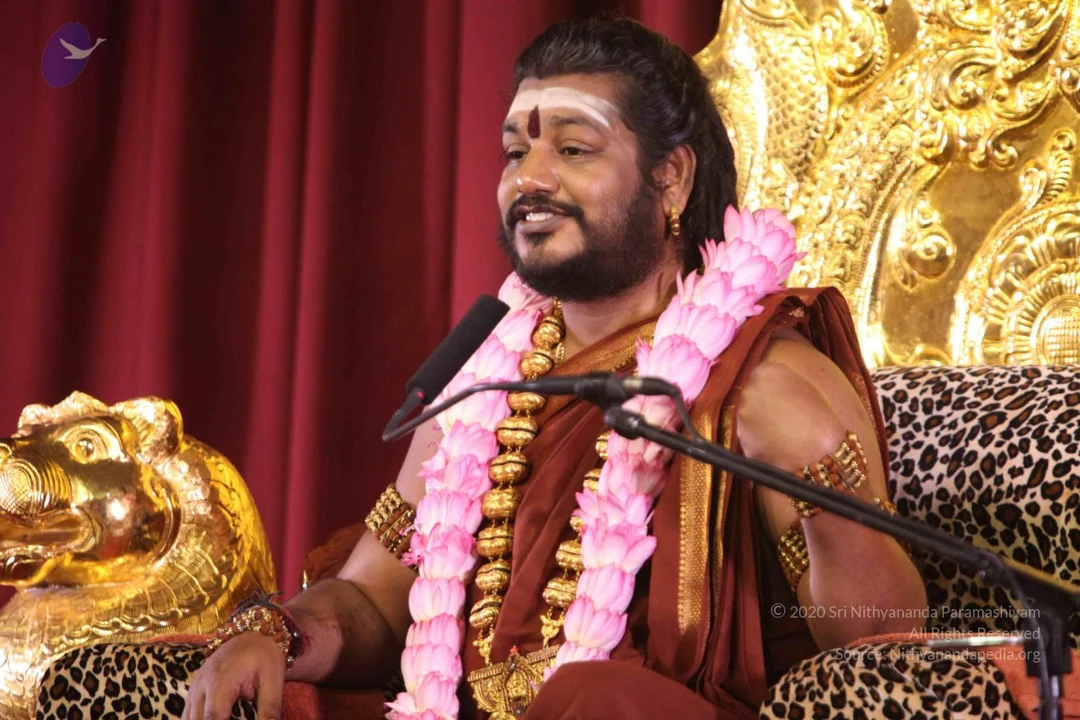
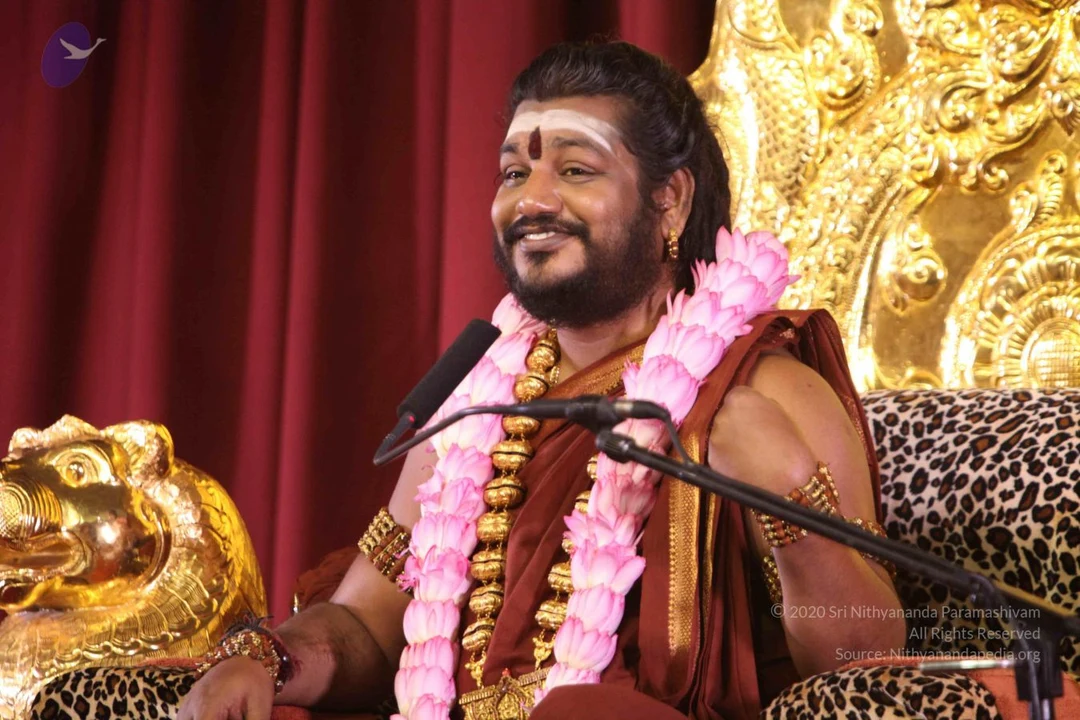
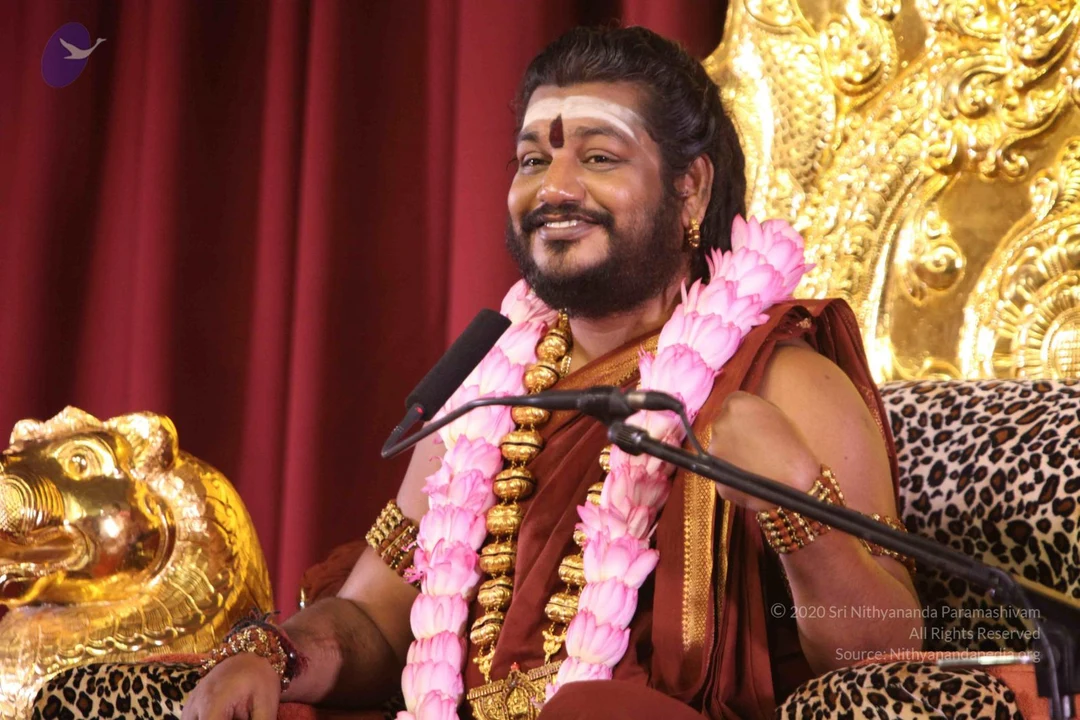
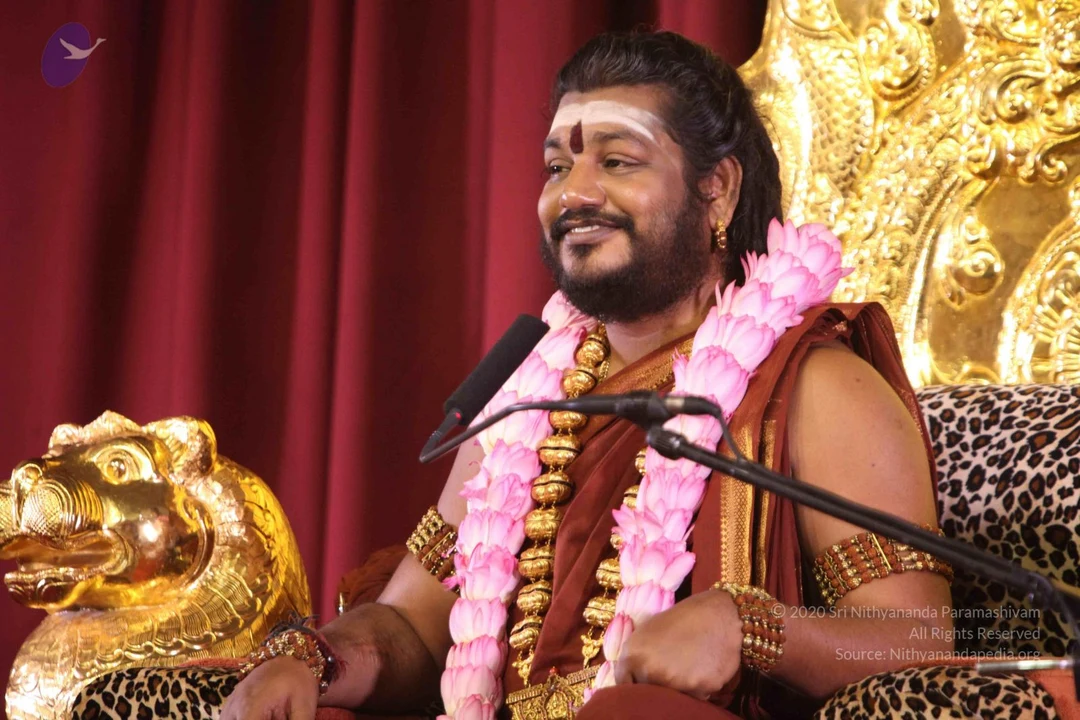
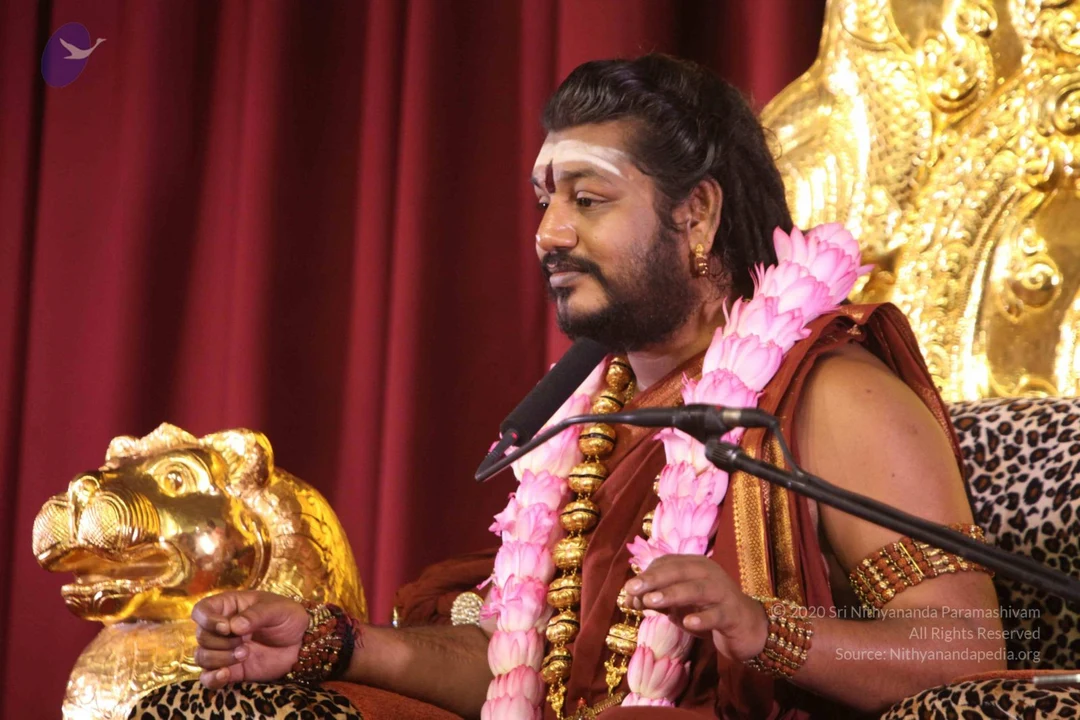
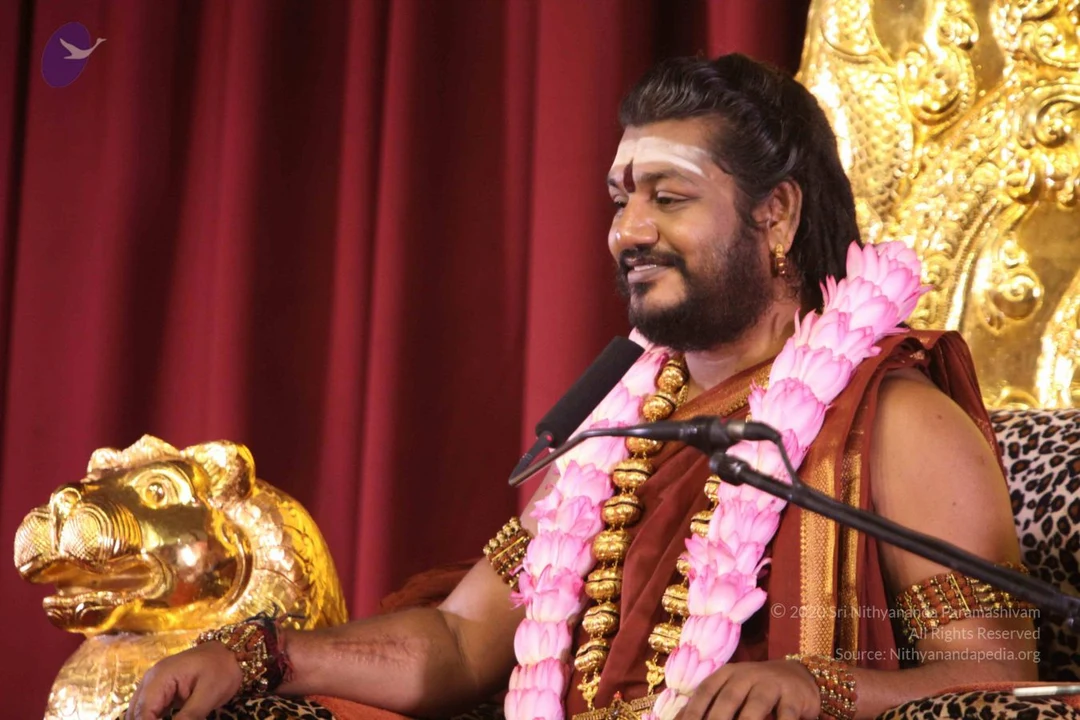
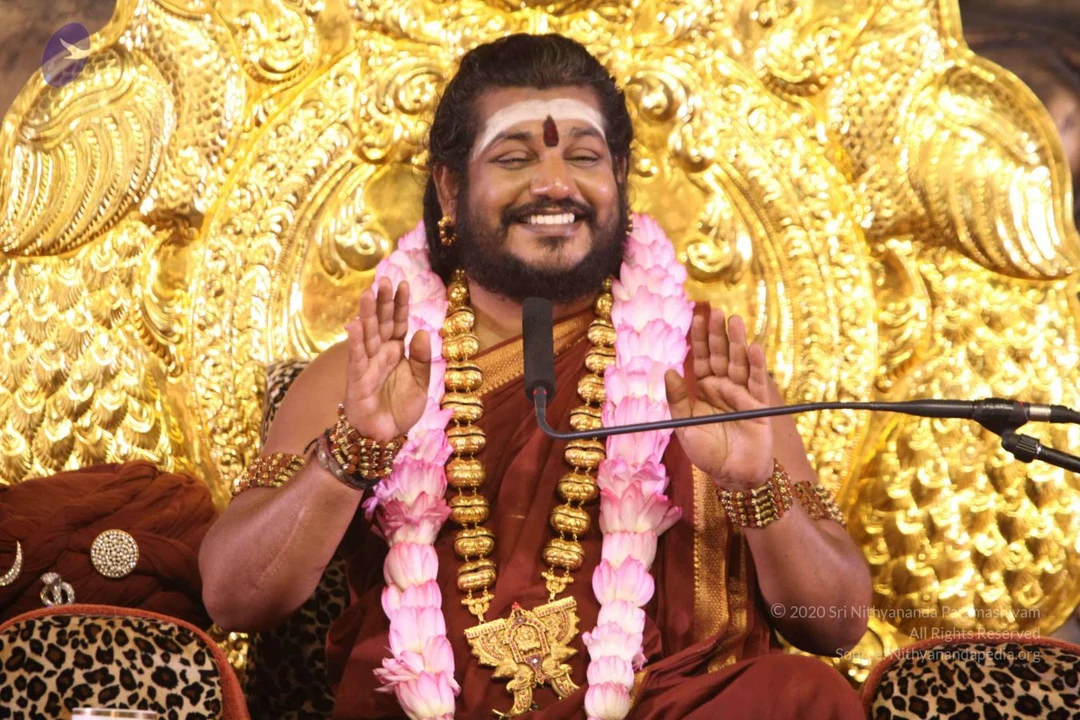
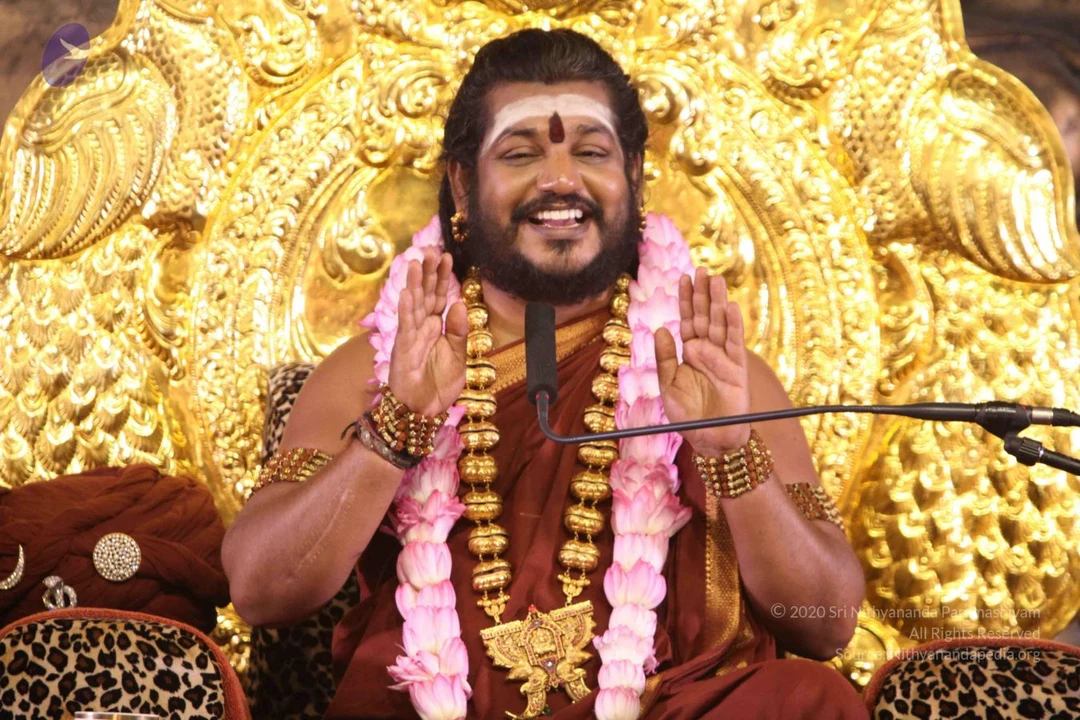
Talk-with-Nithyananda-Yogam-Hindu-Cosmology
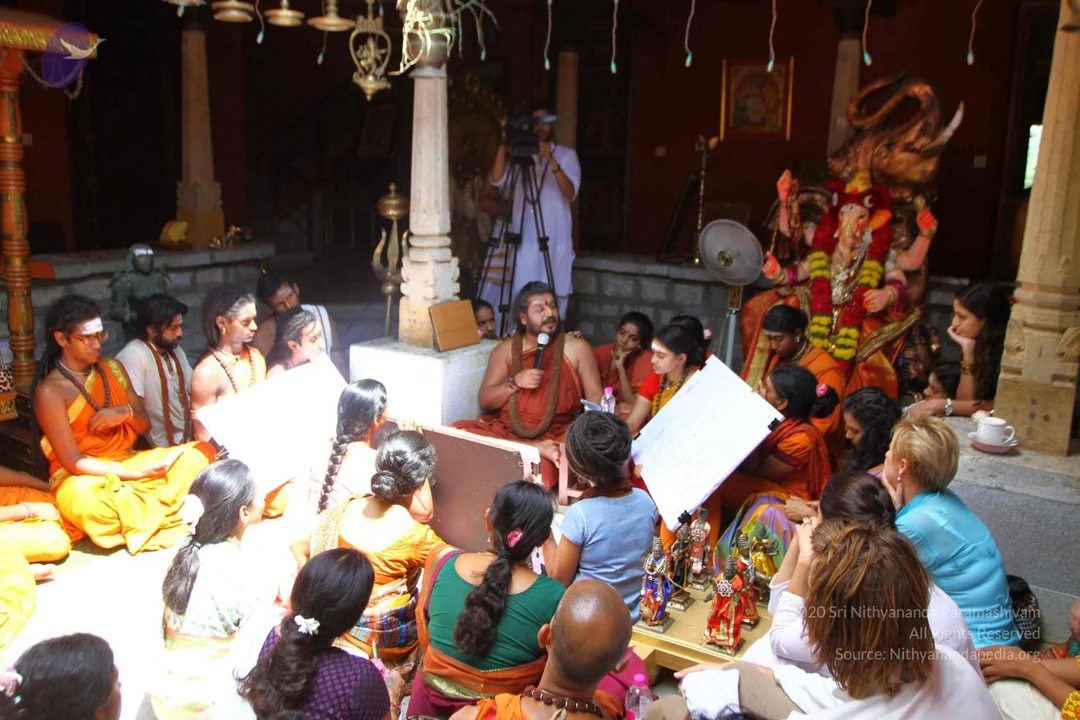
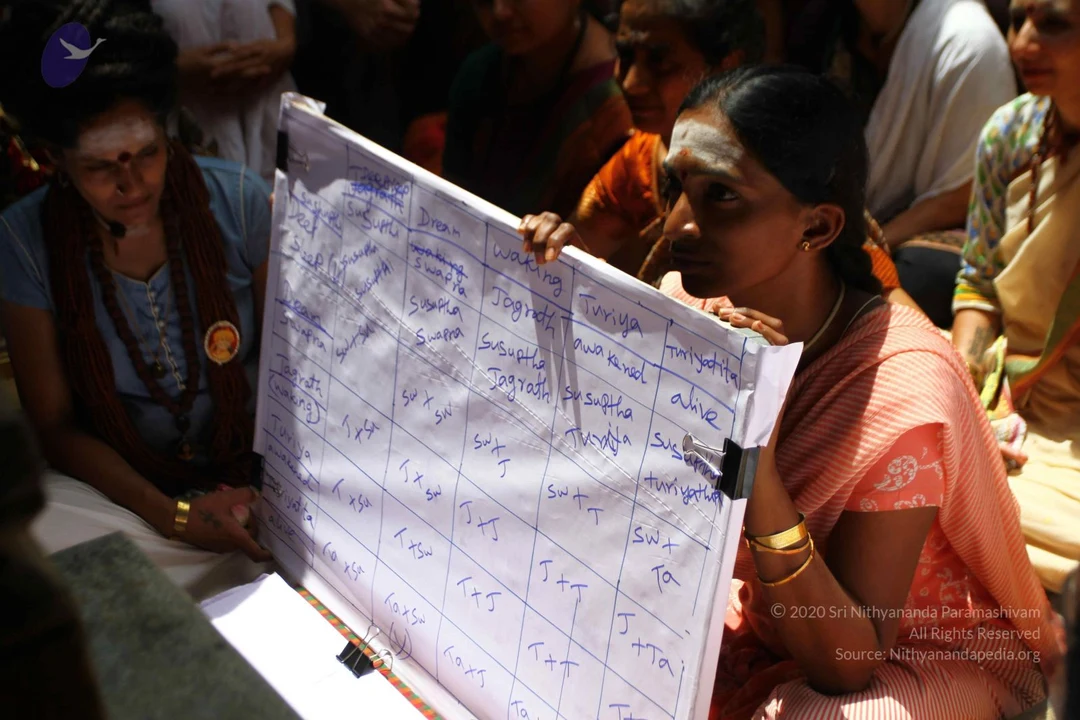
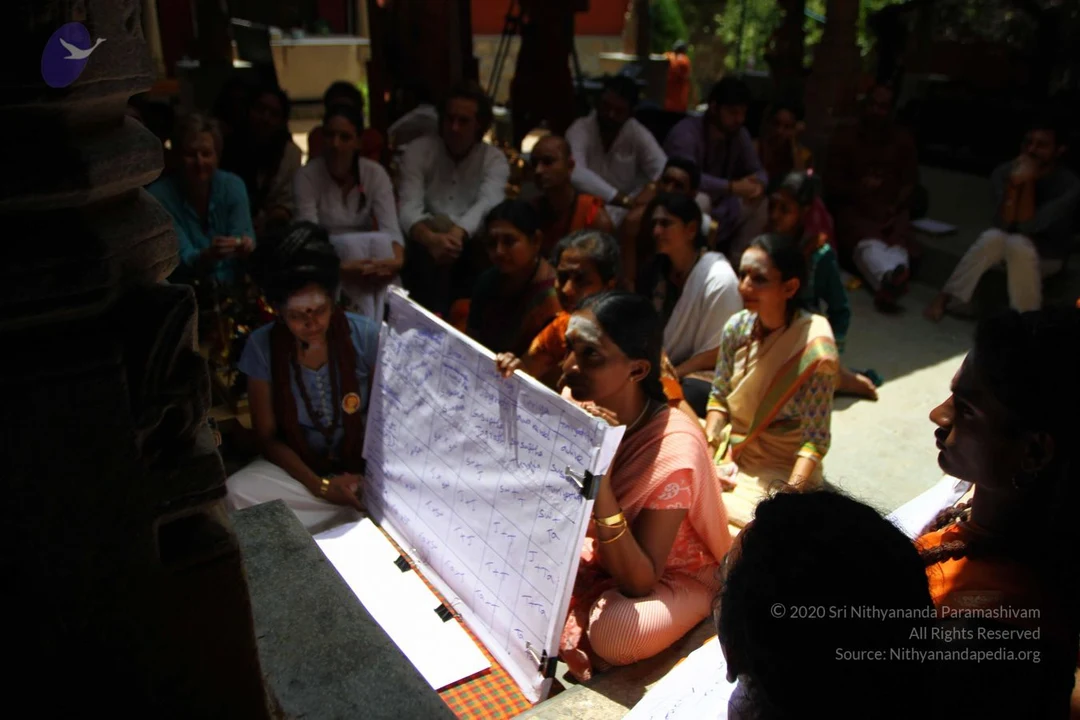
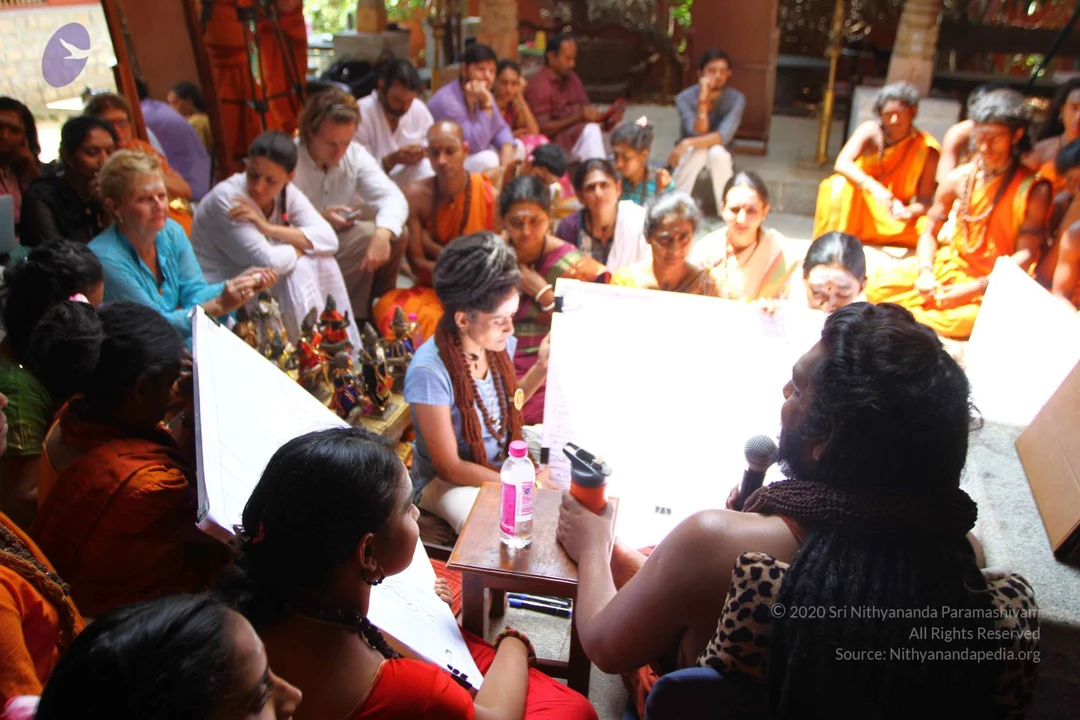

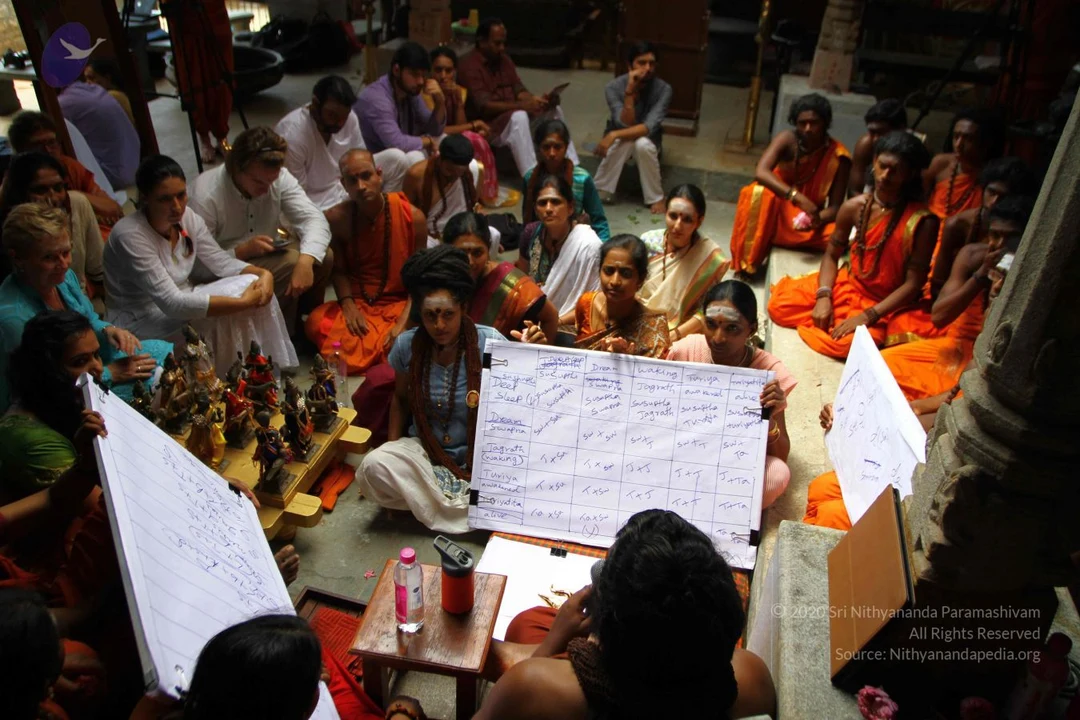
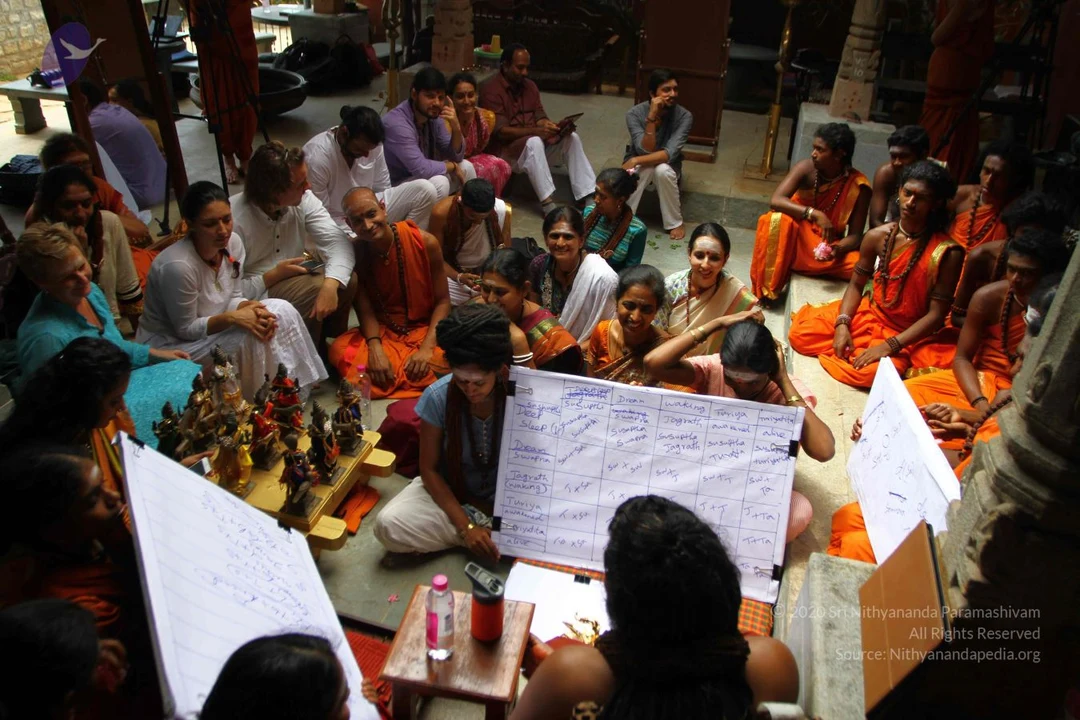
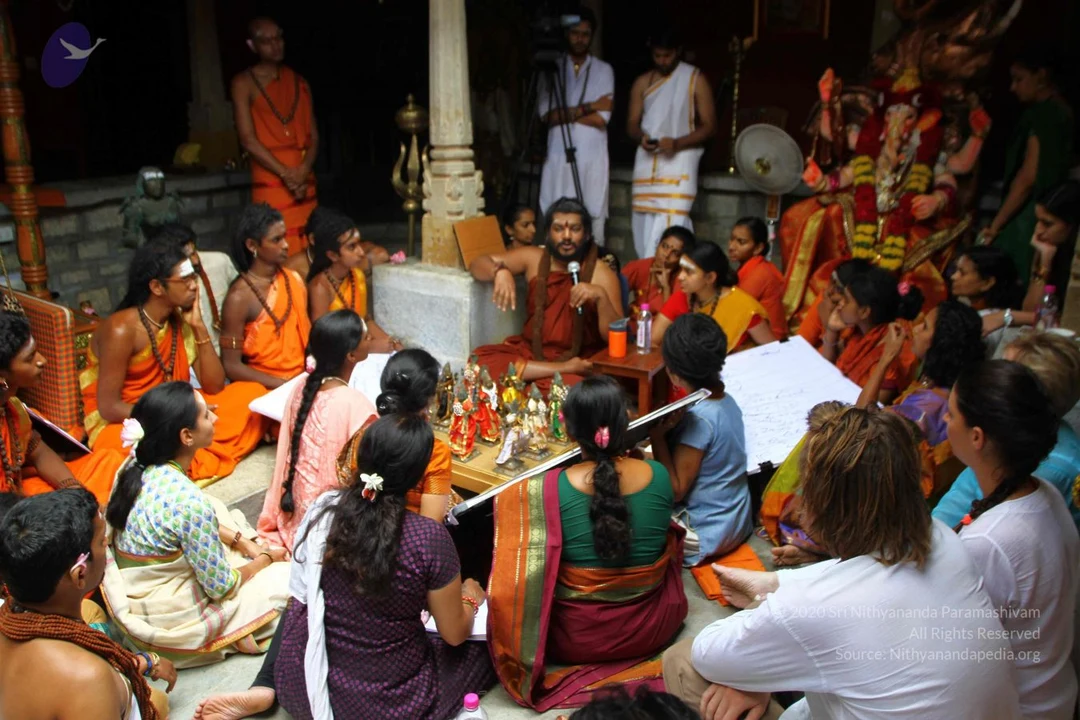
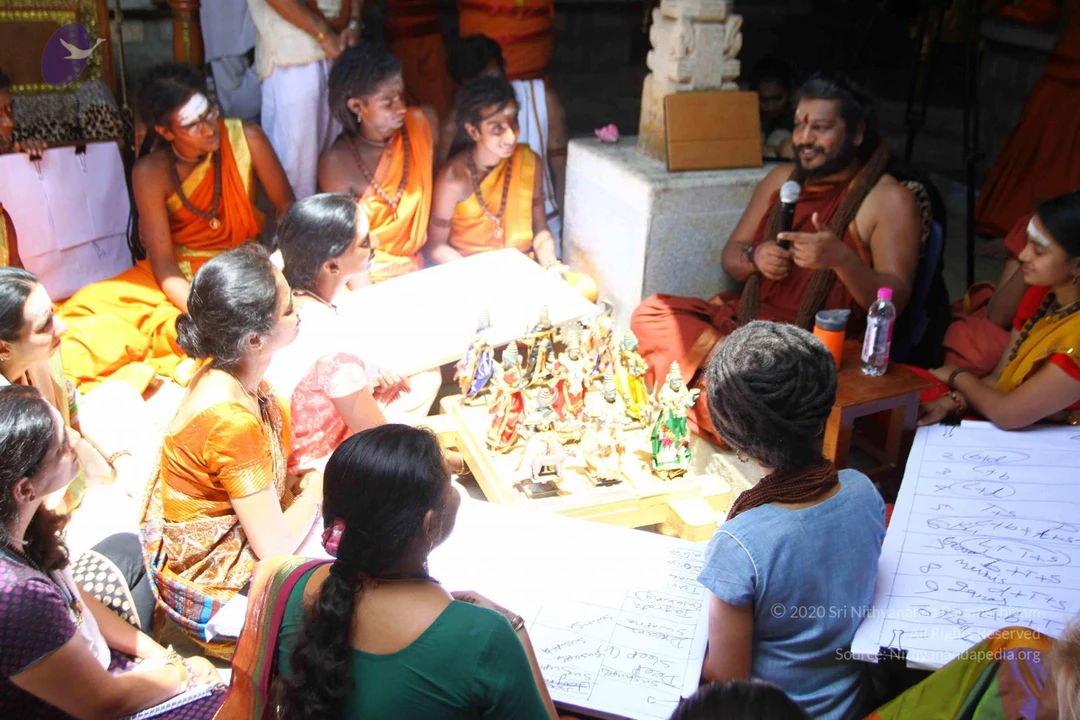
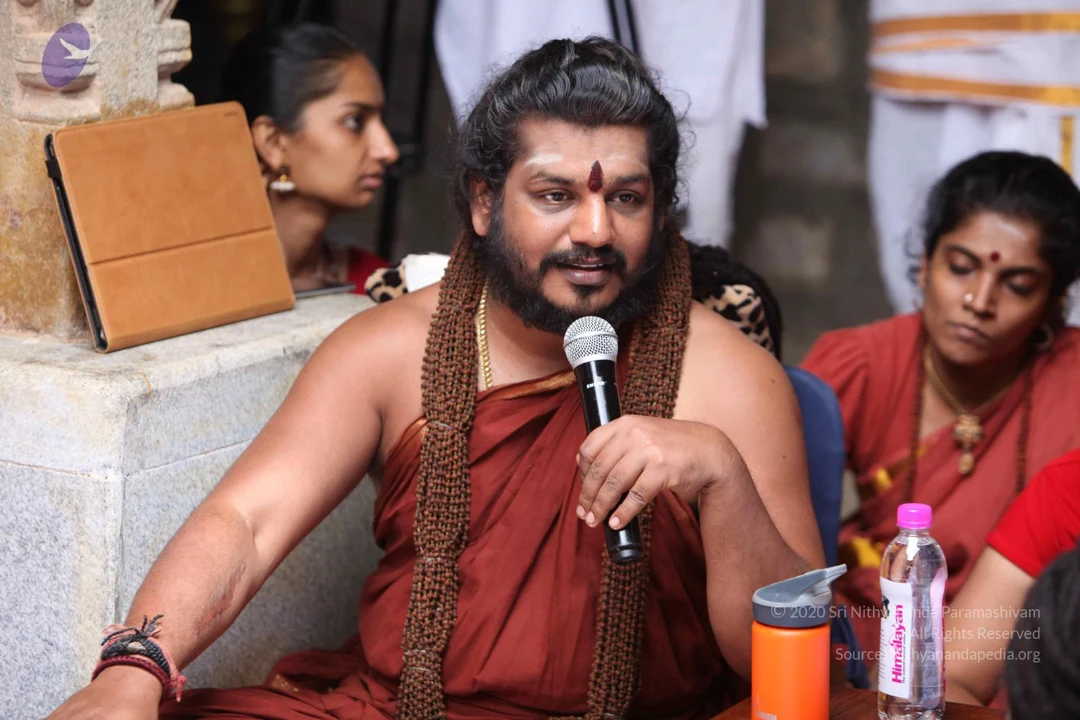
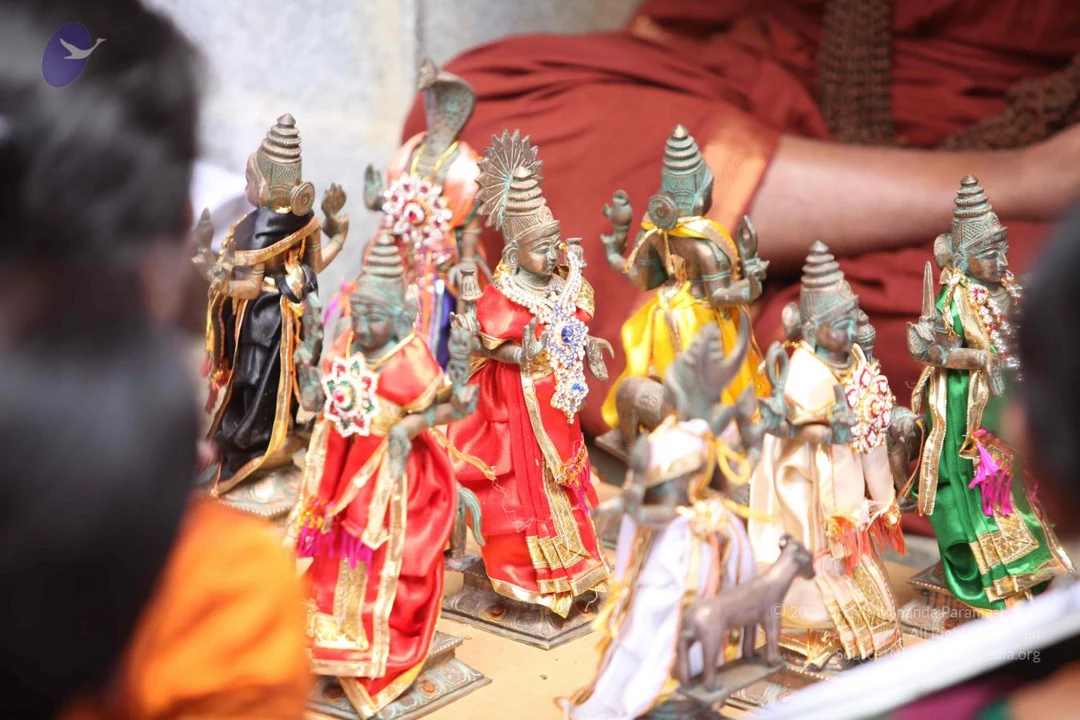
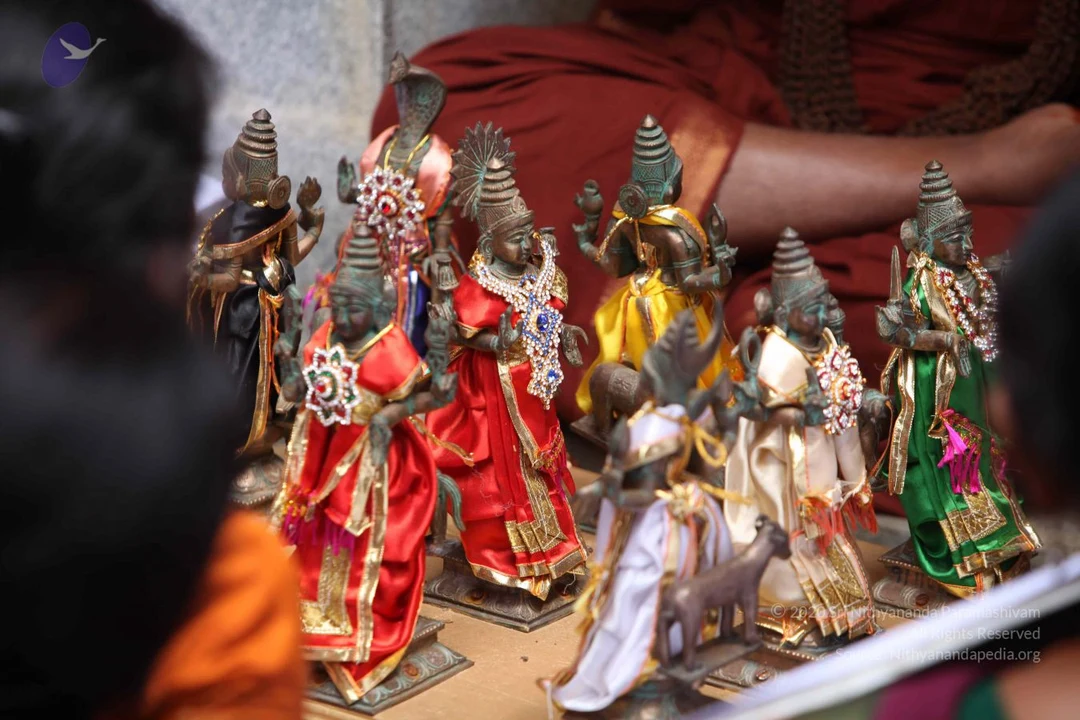
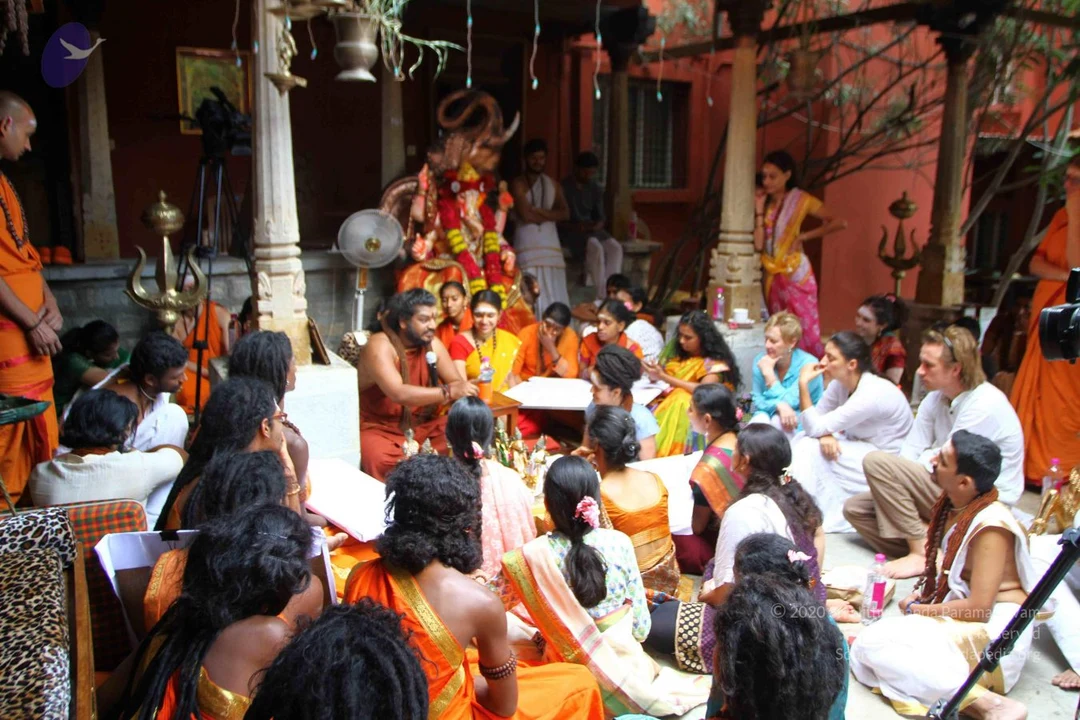
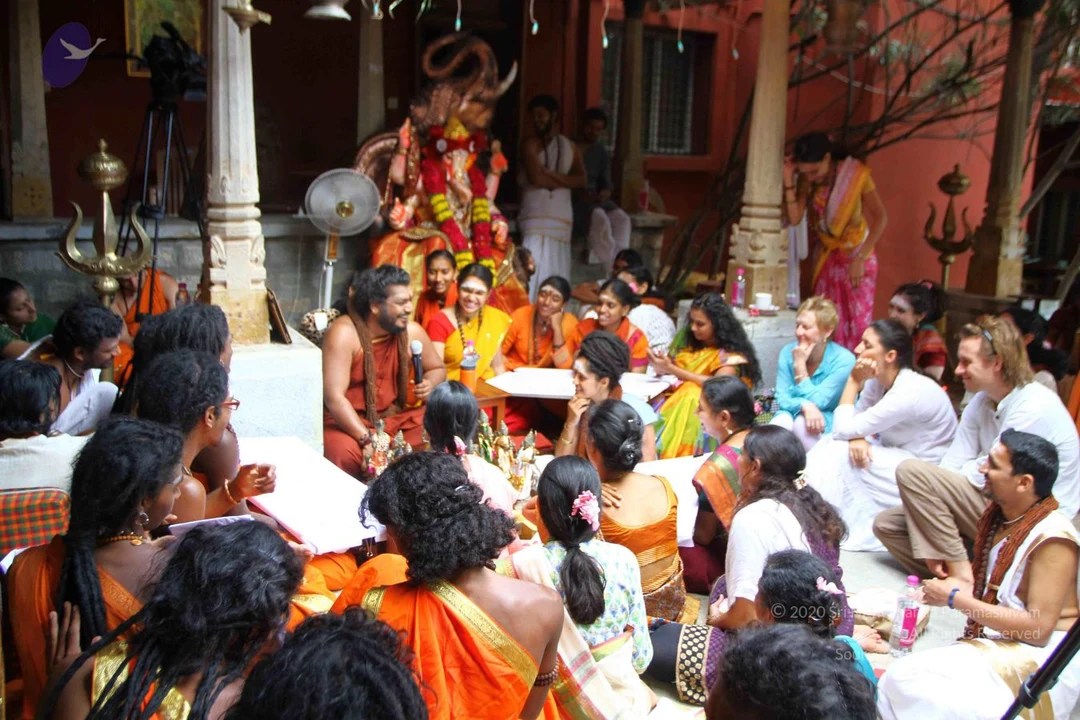
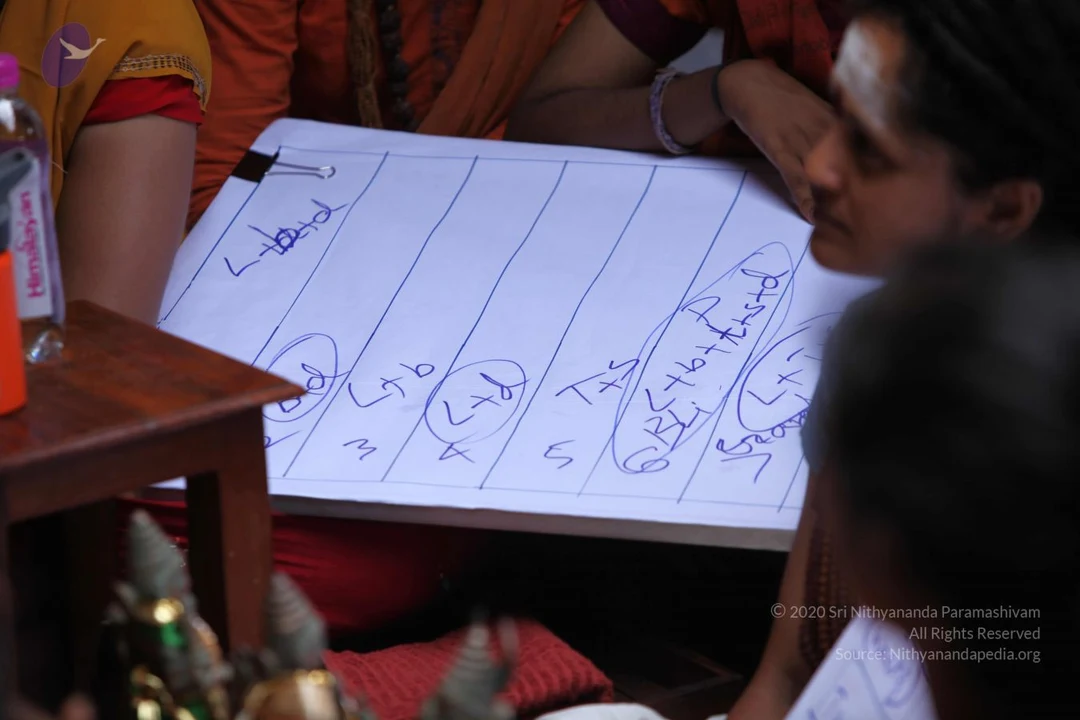
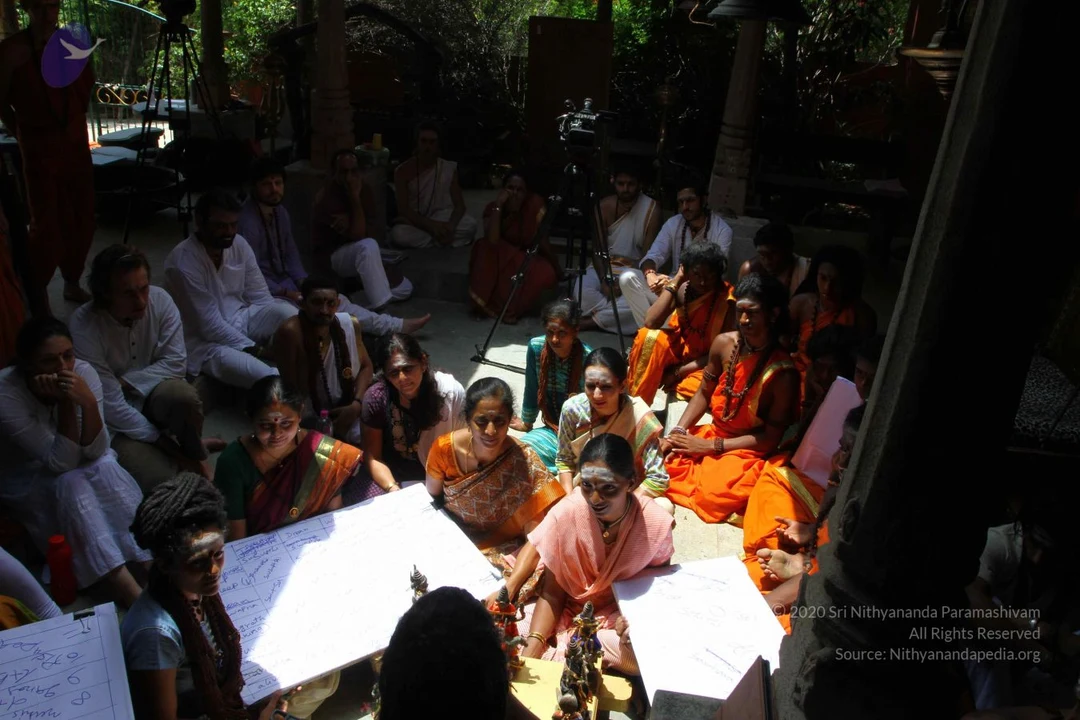
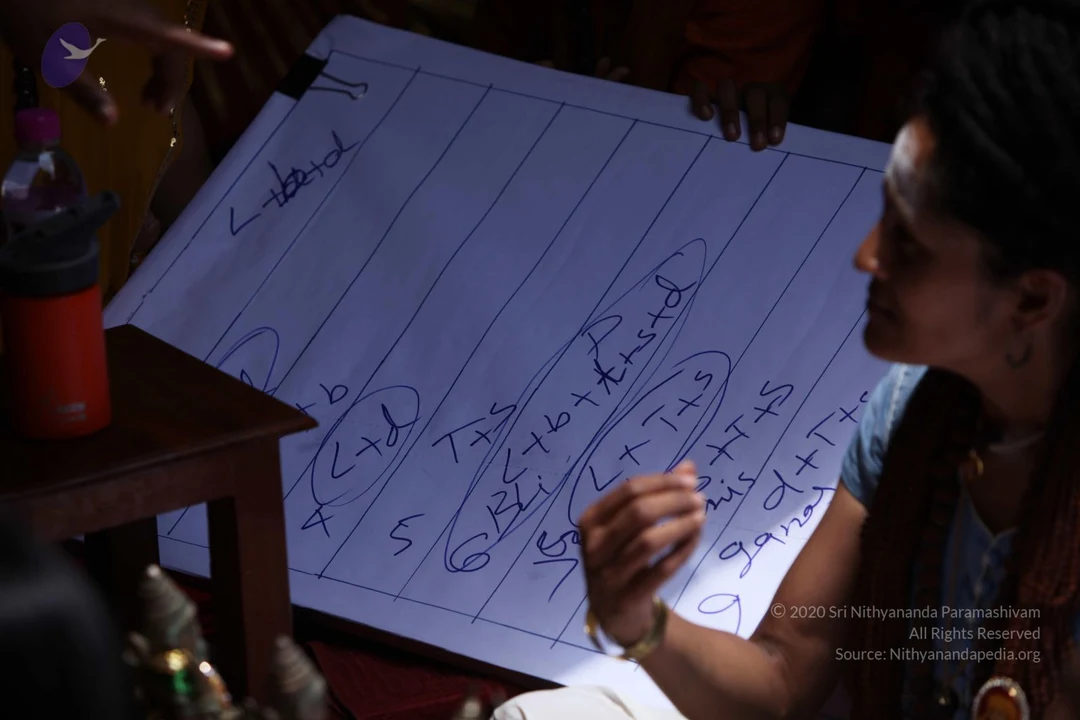
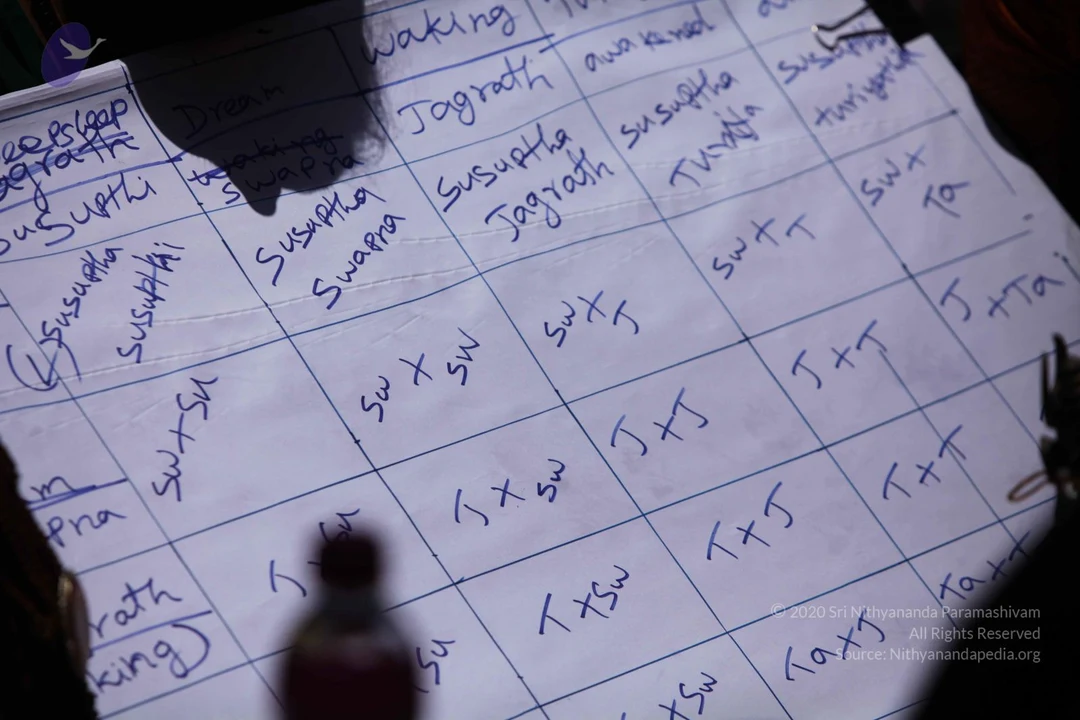

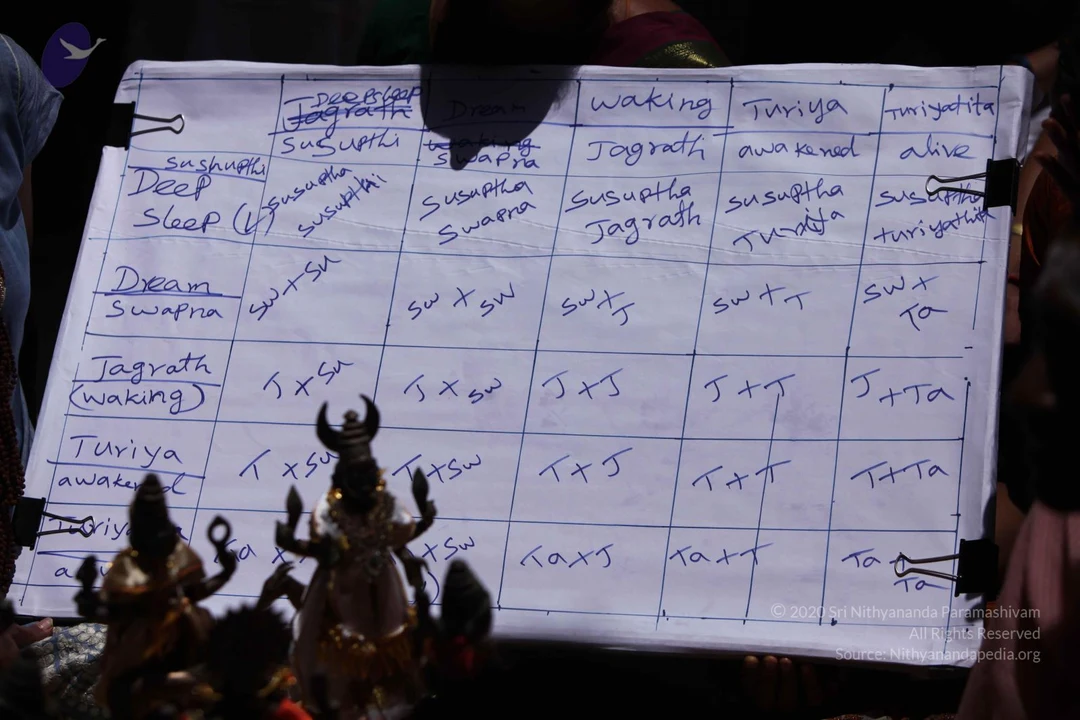
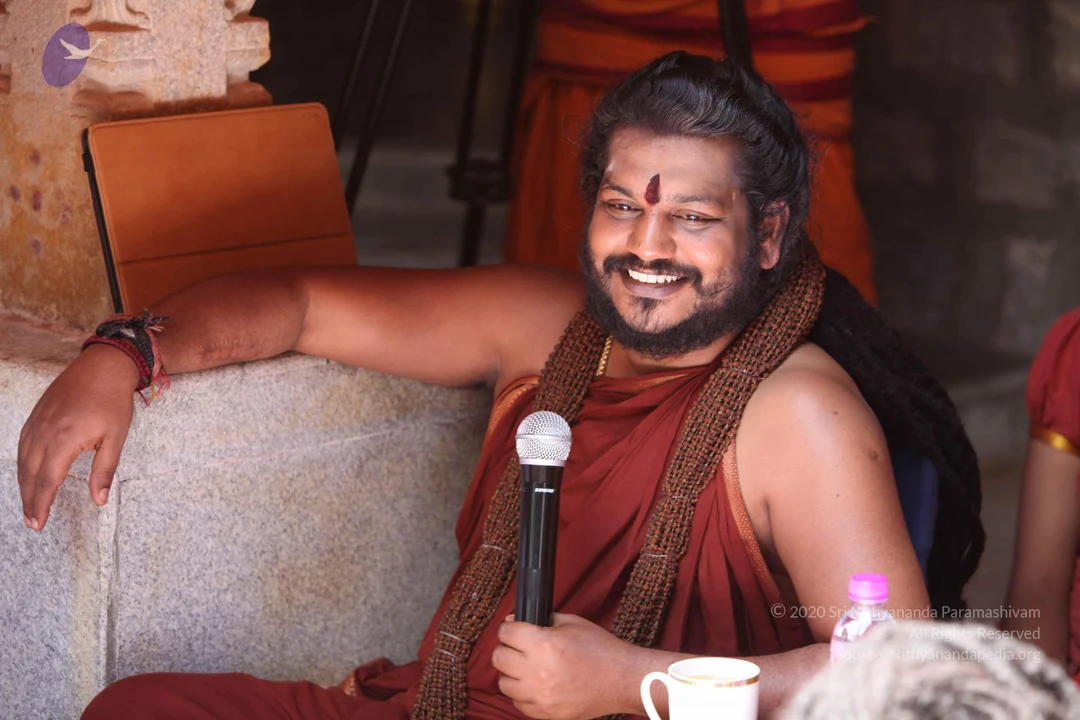
construction





























Photos Of The Day:
Nithyananda-Satsang



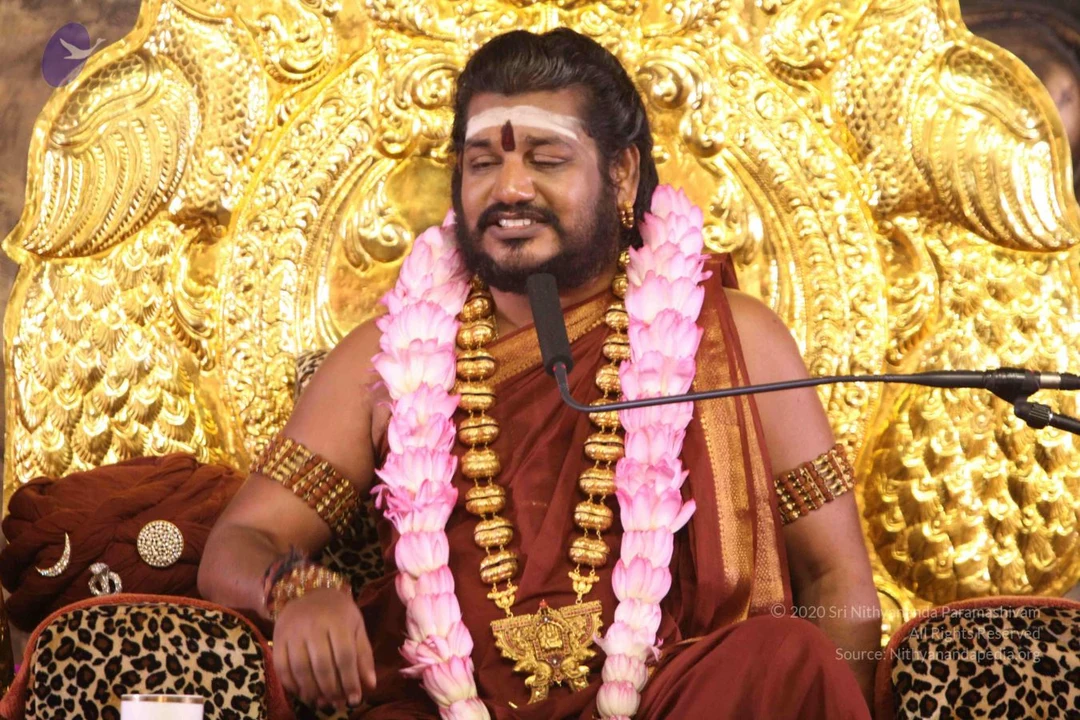
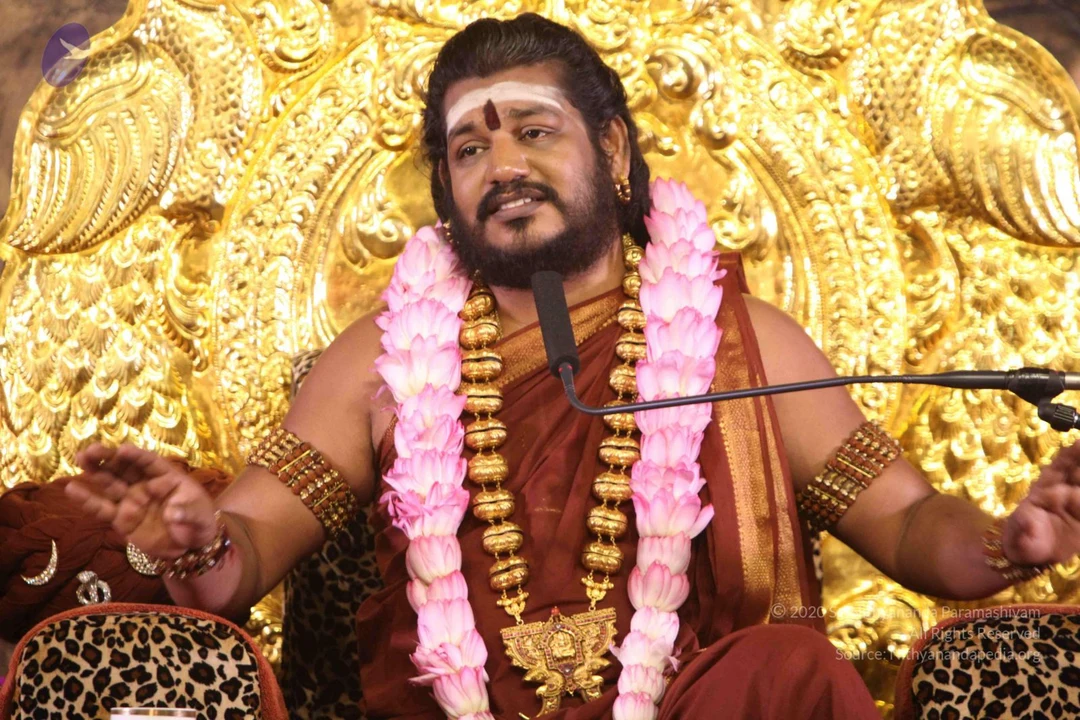
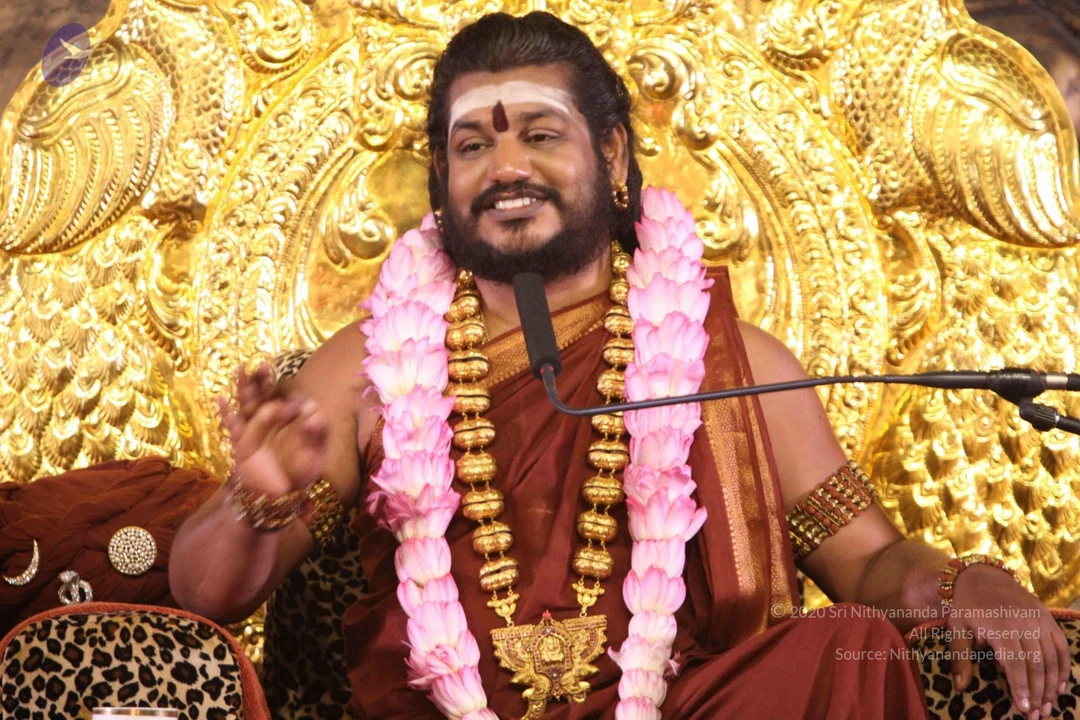
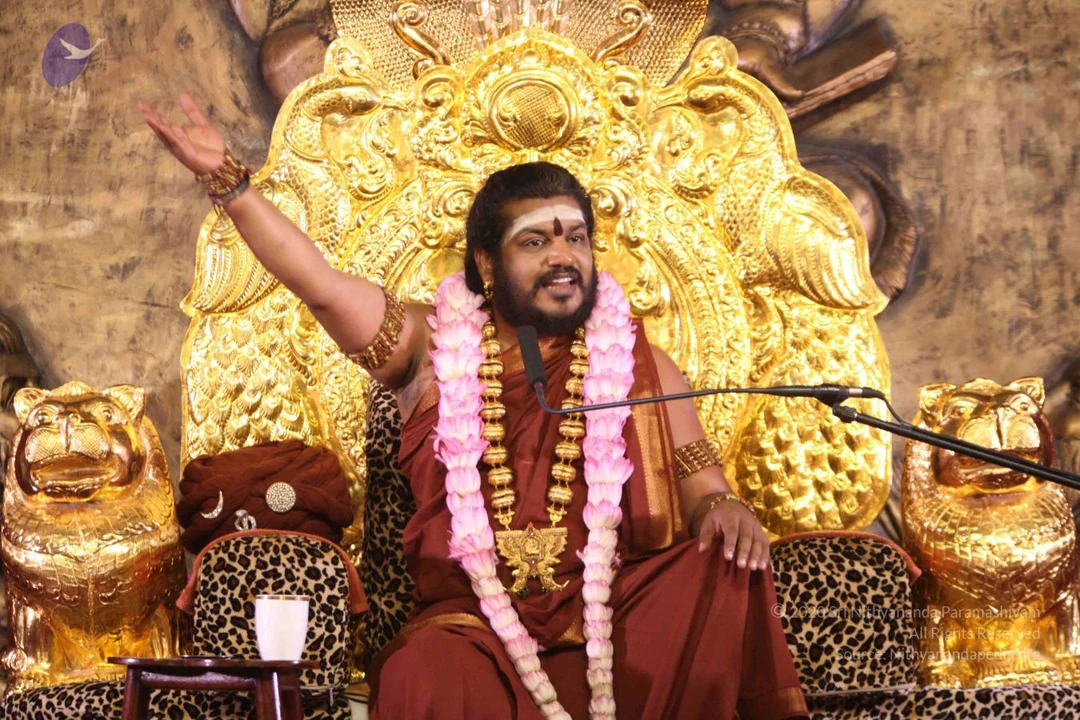
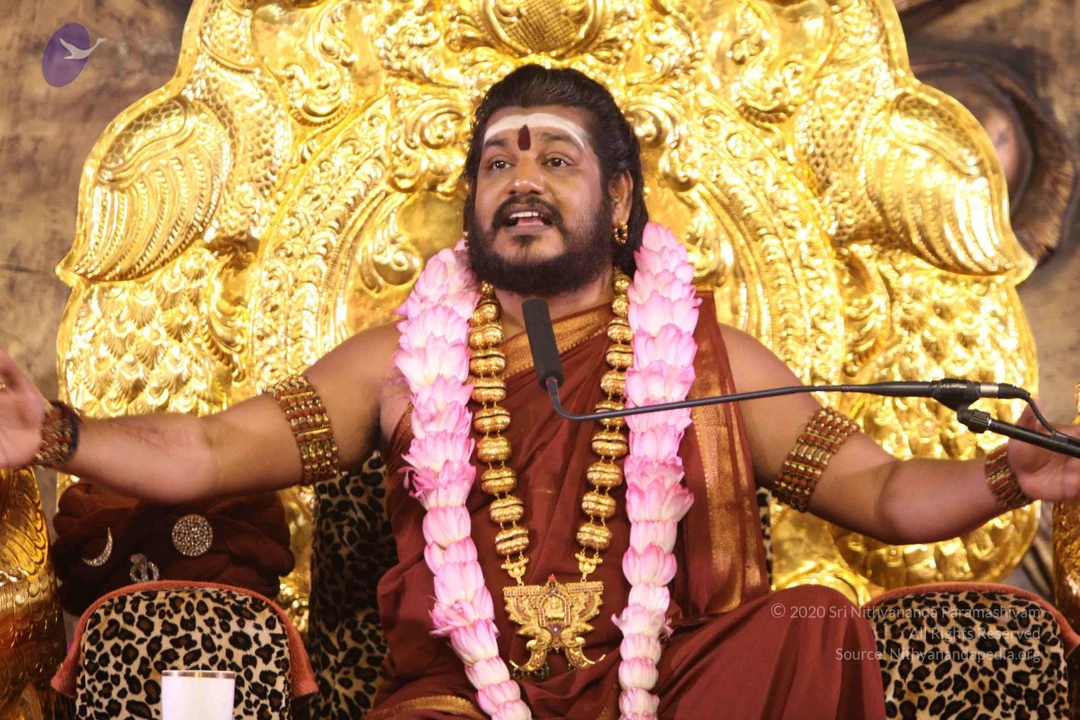

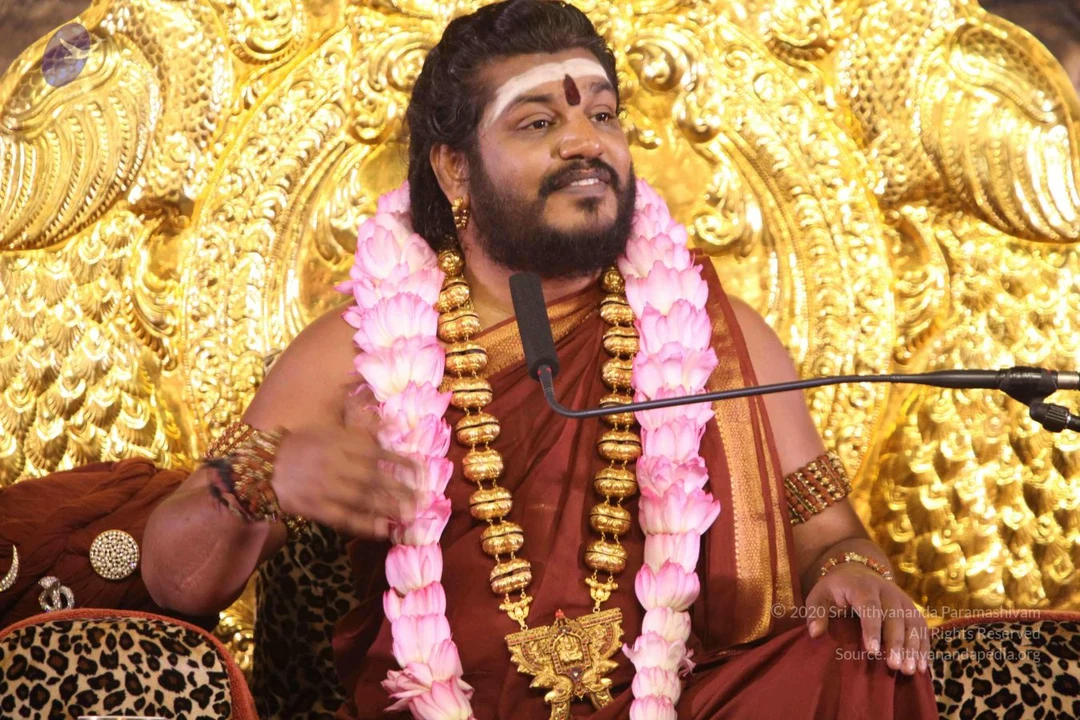
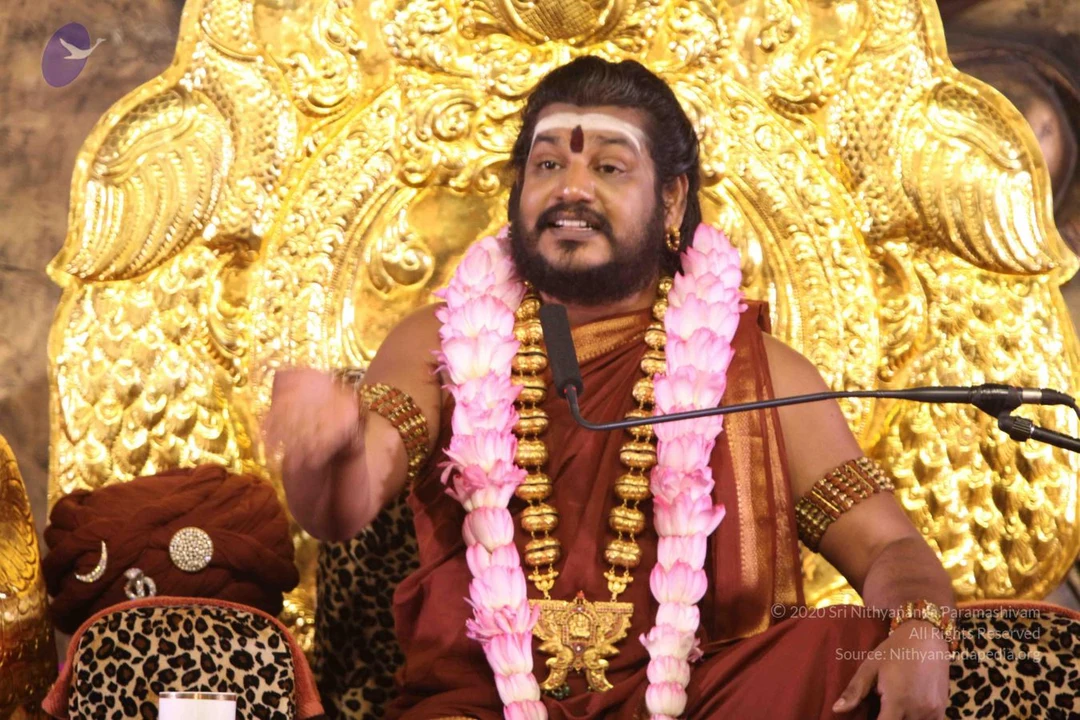
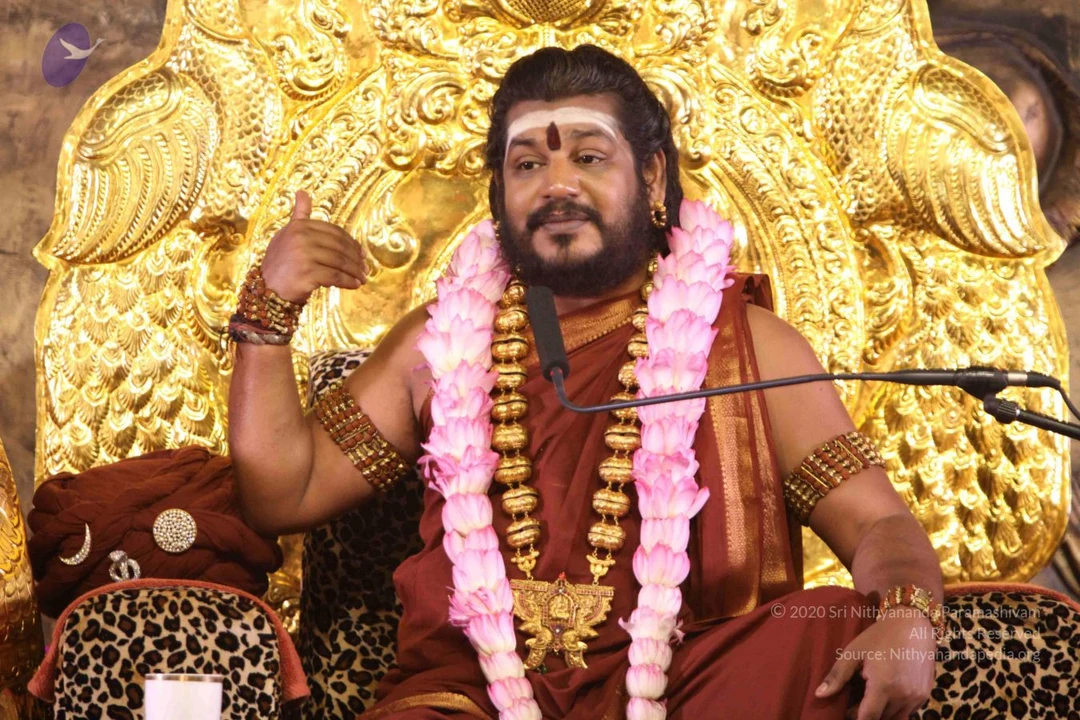
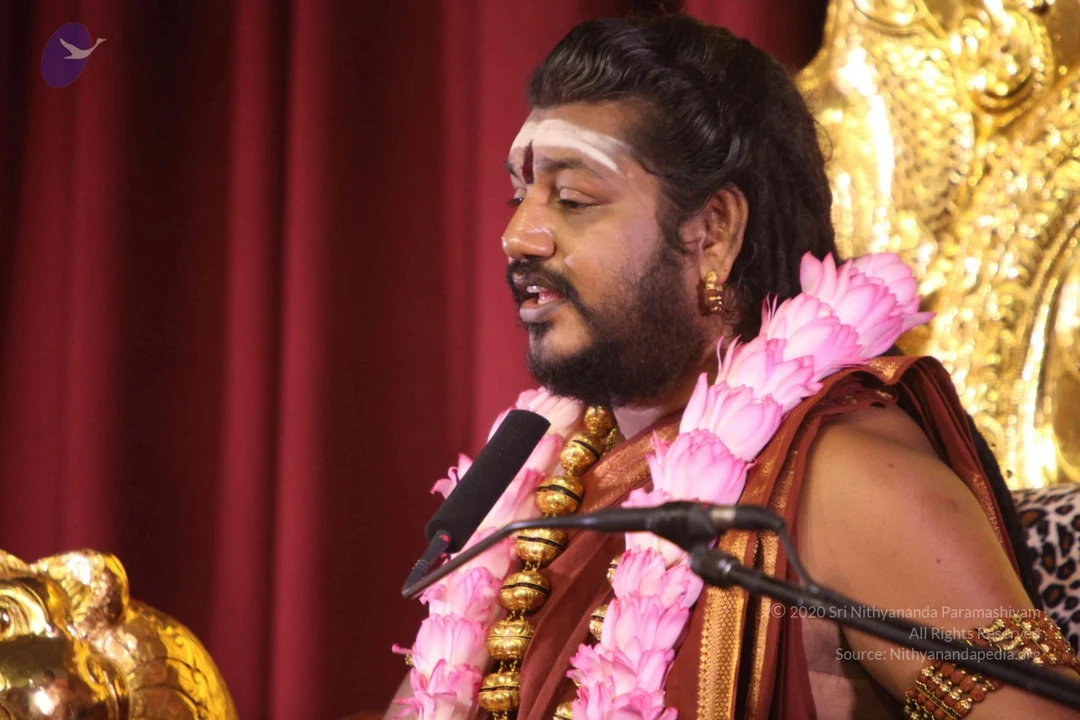
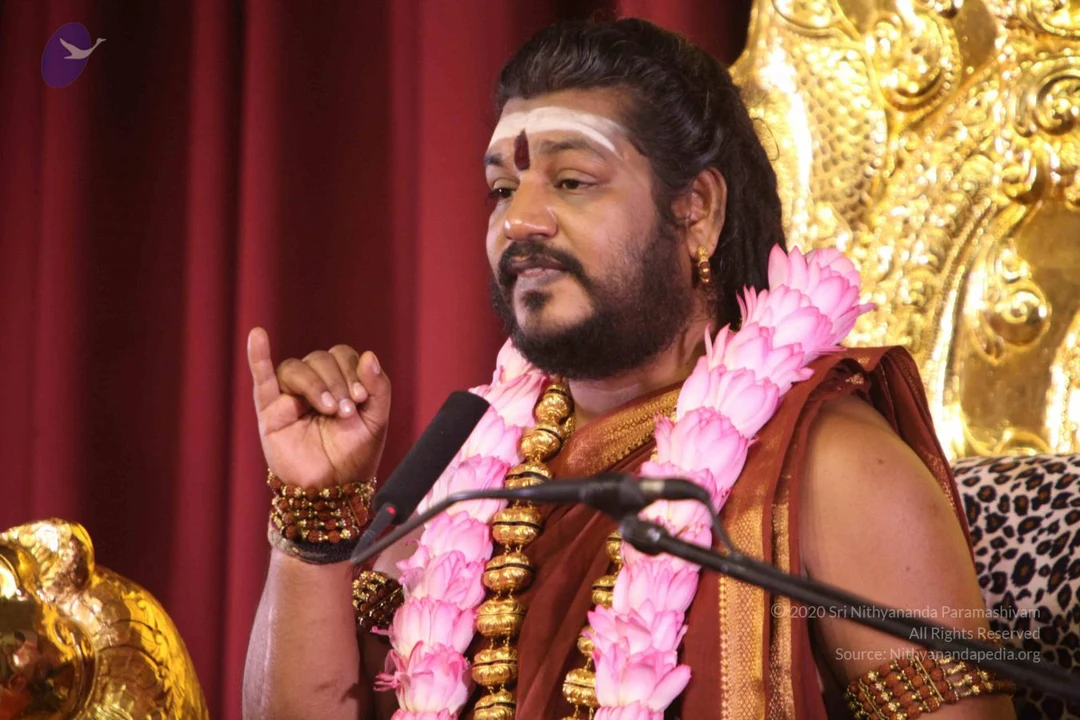
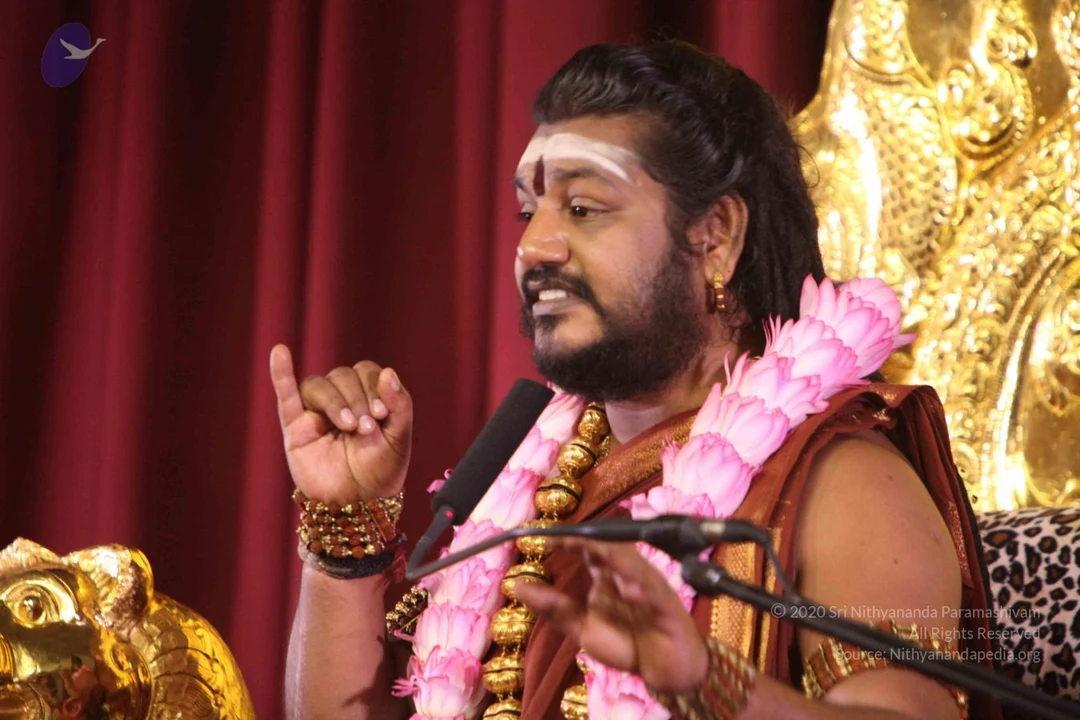
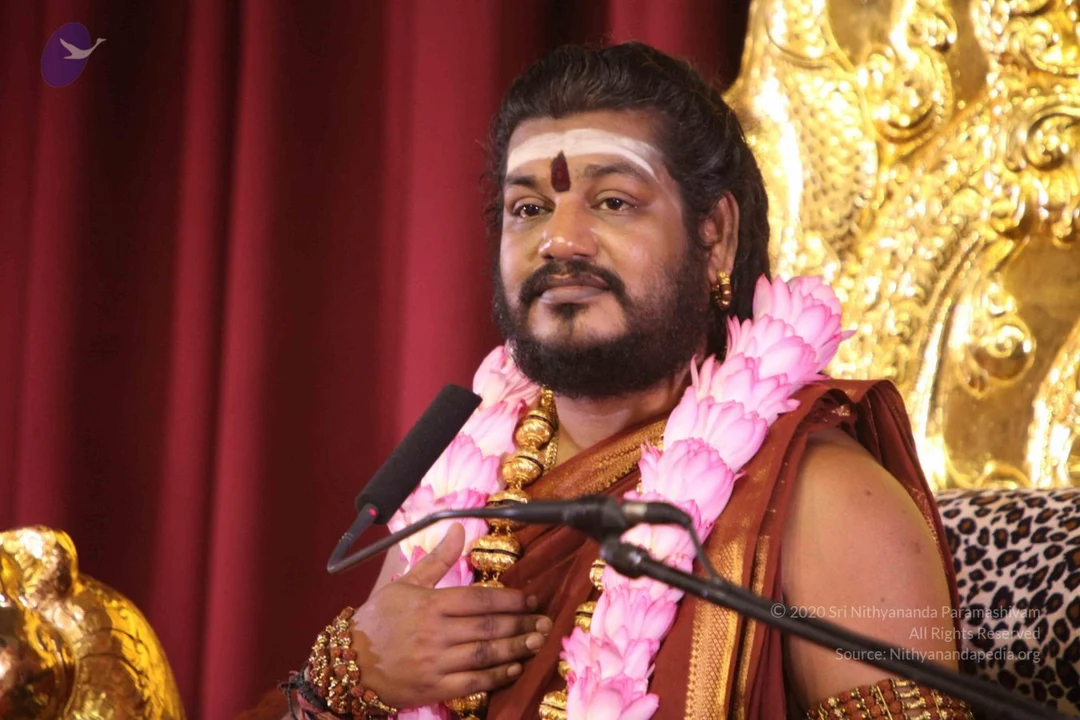
Photos Of The Day:
talk-with-nithyananda-yogam-hindu-cosmology
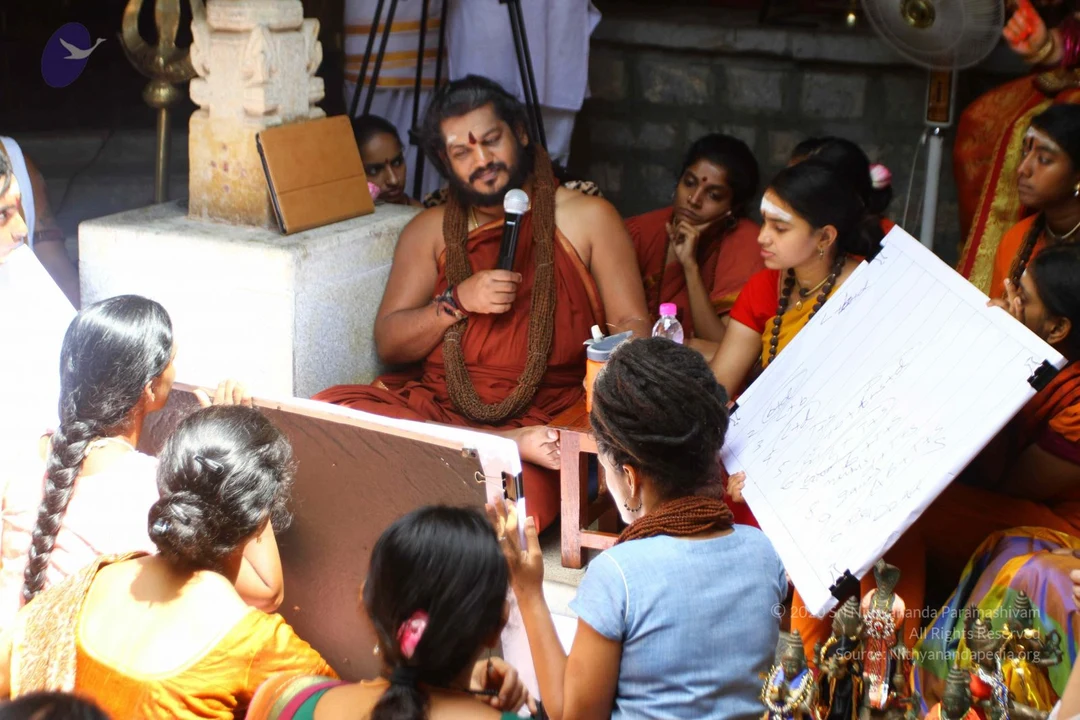
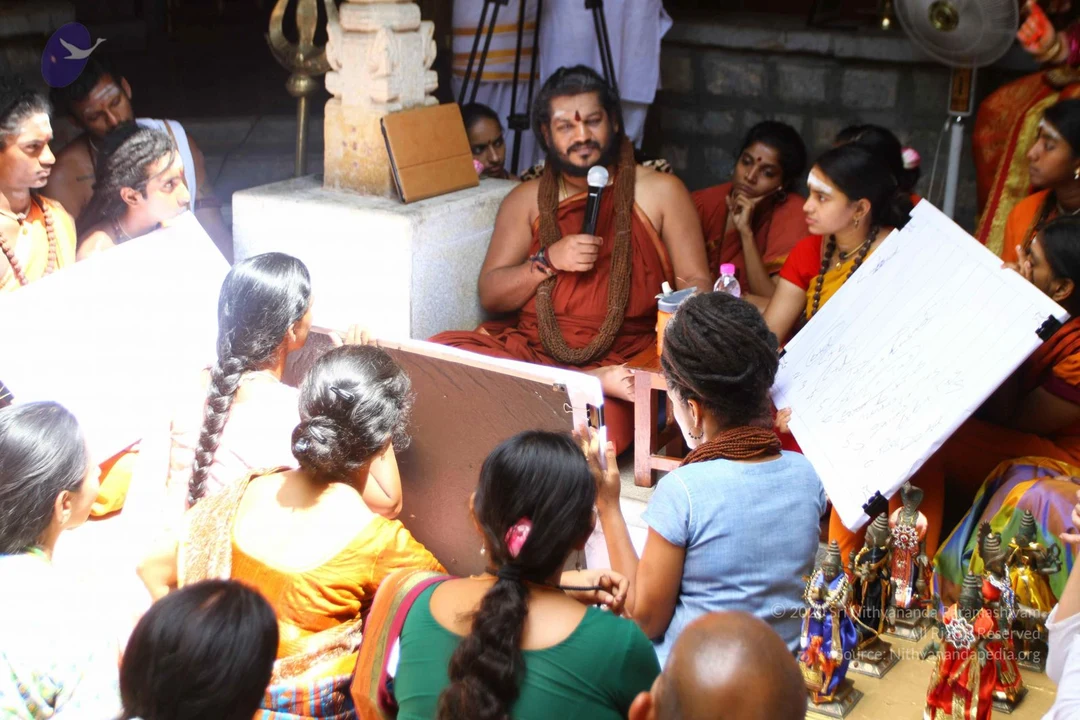
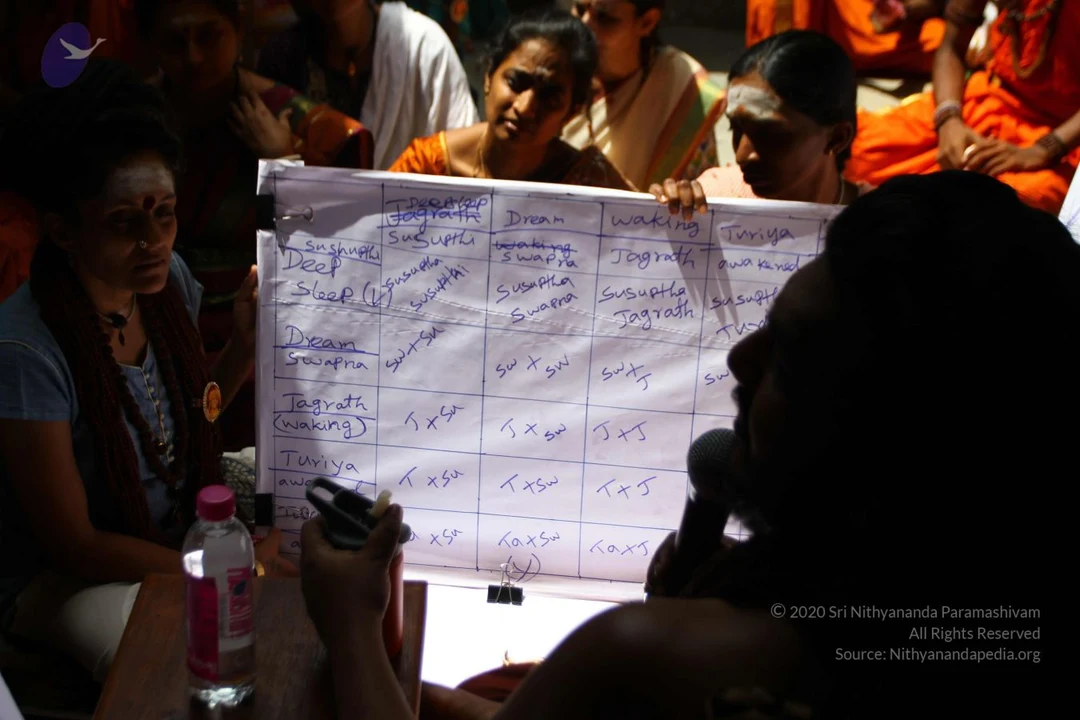


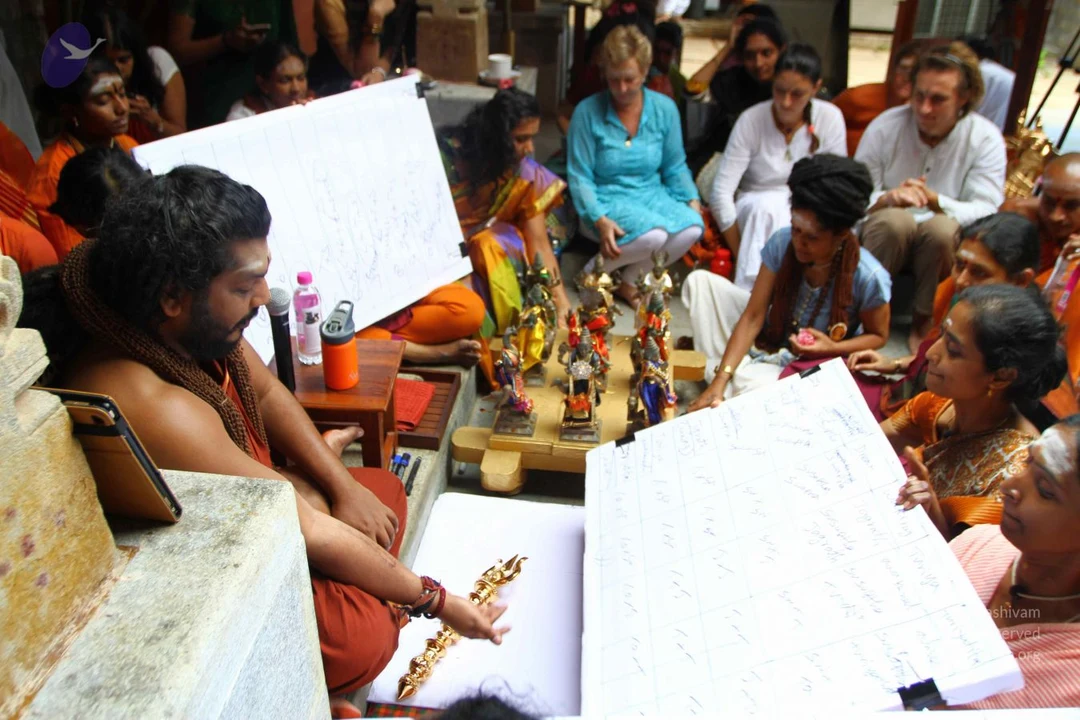
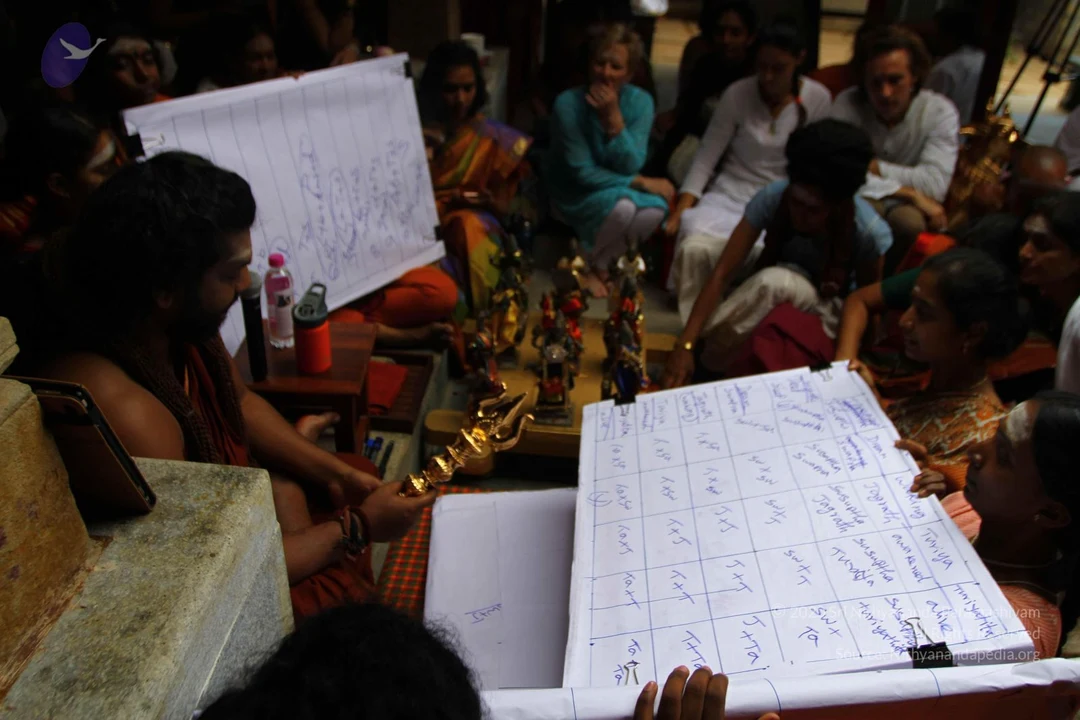
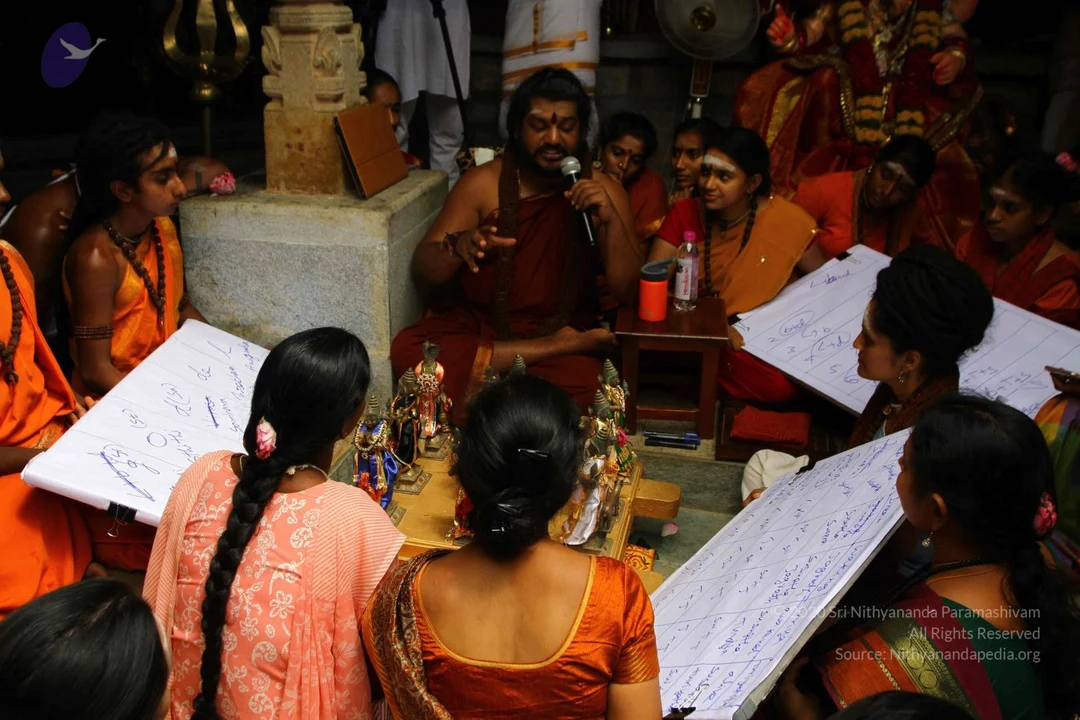
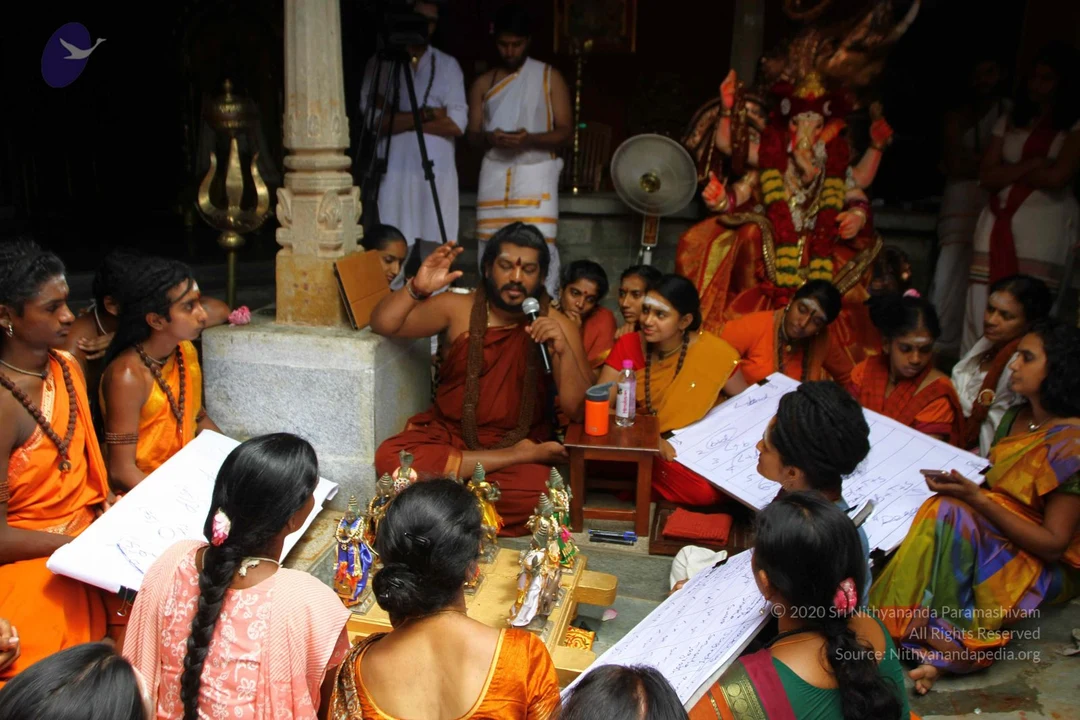
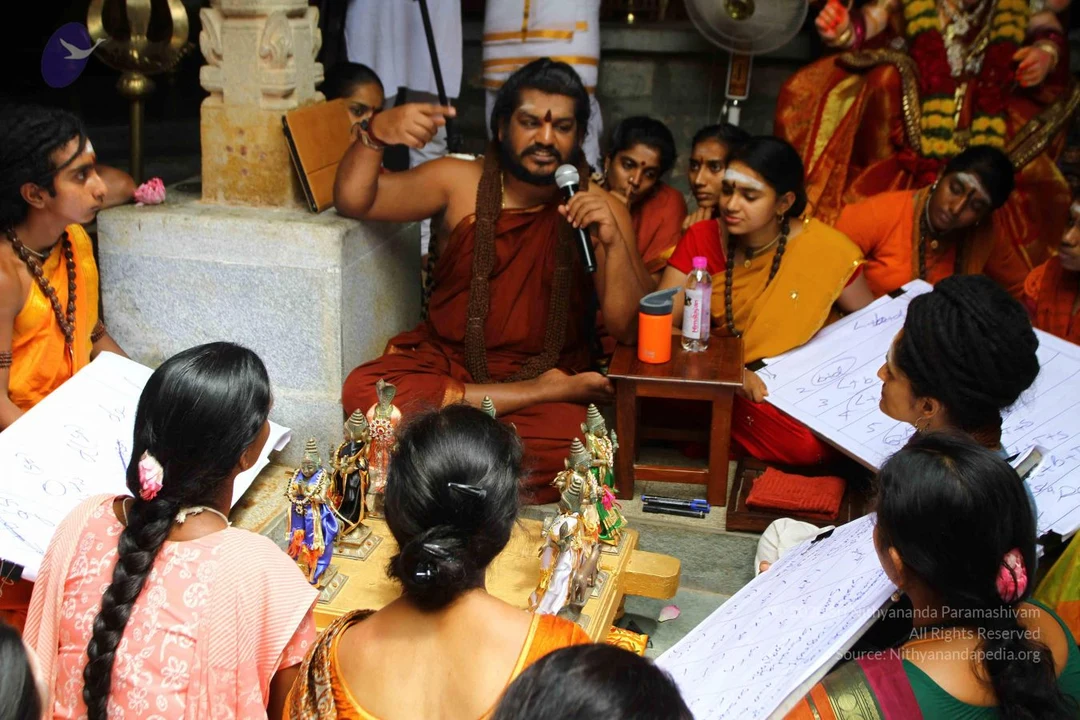

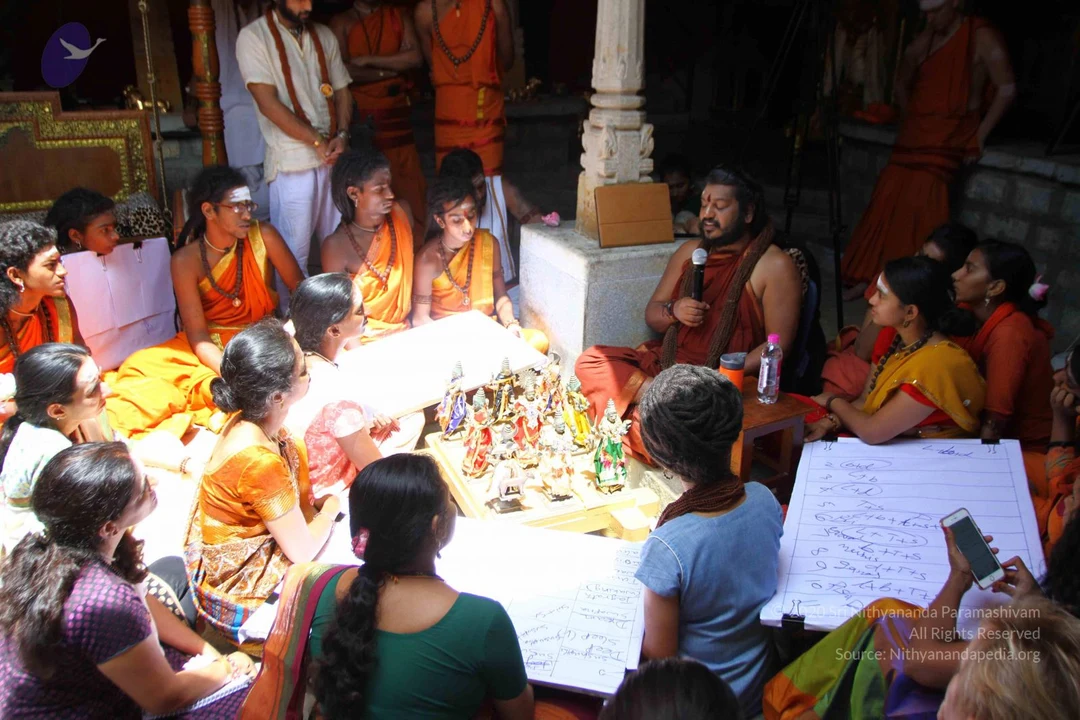
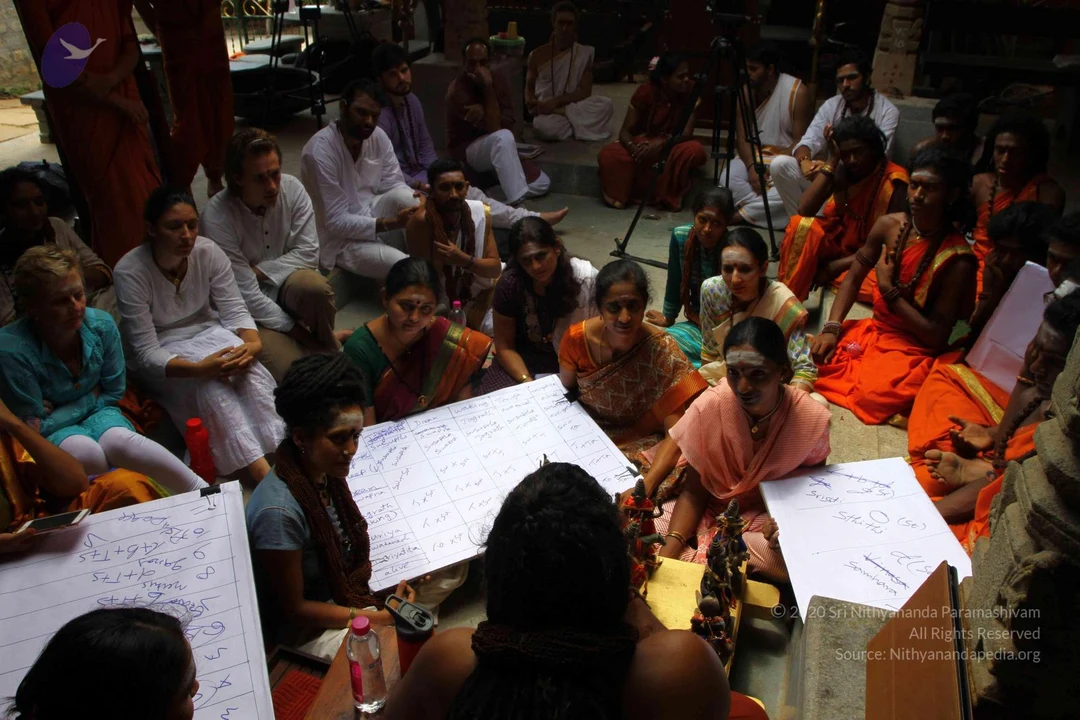
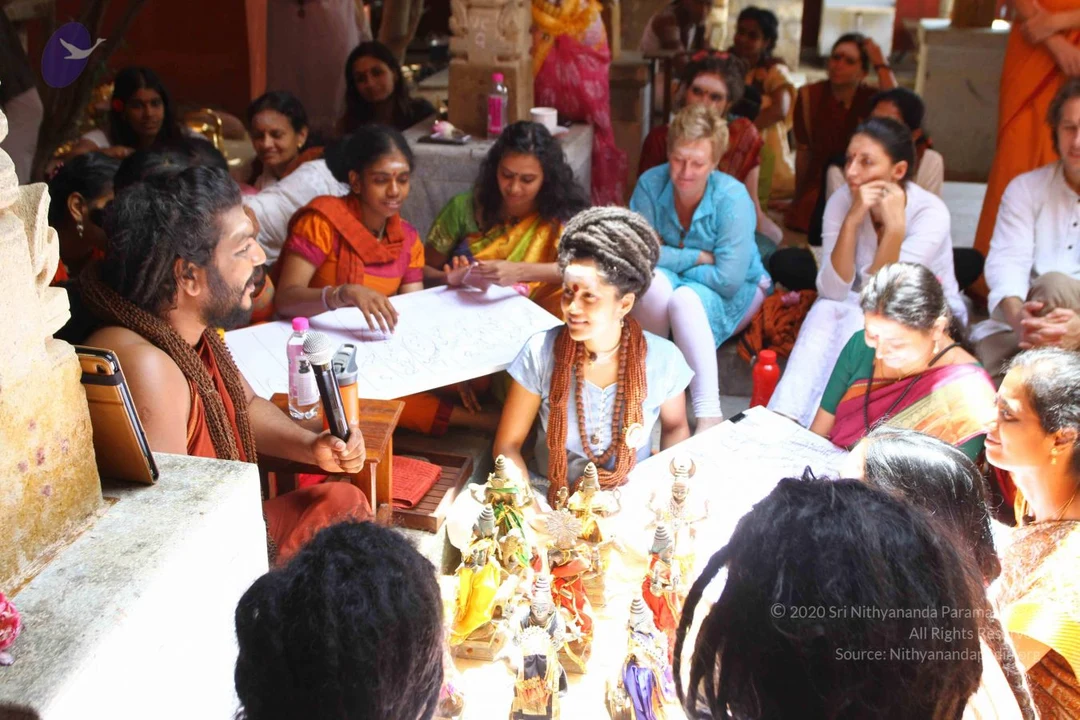
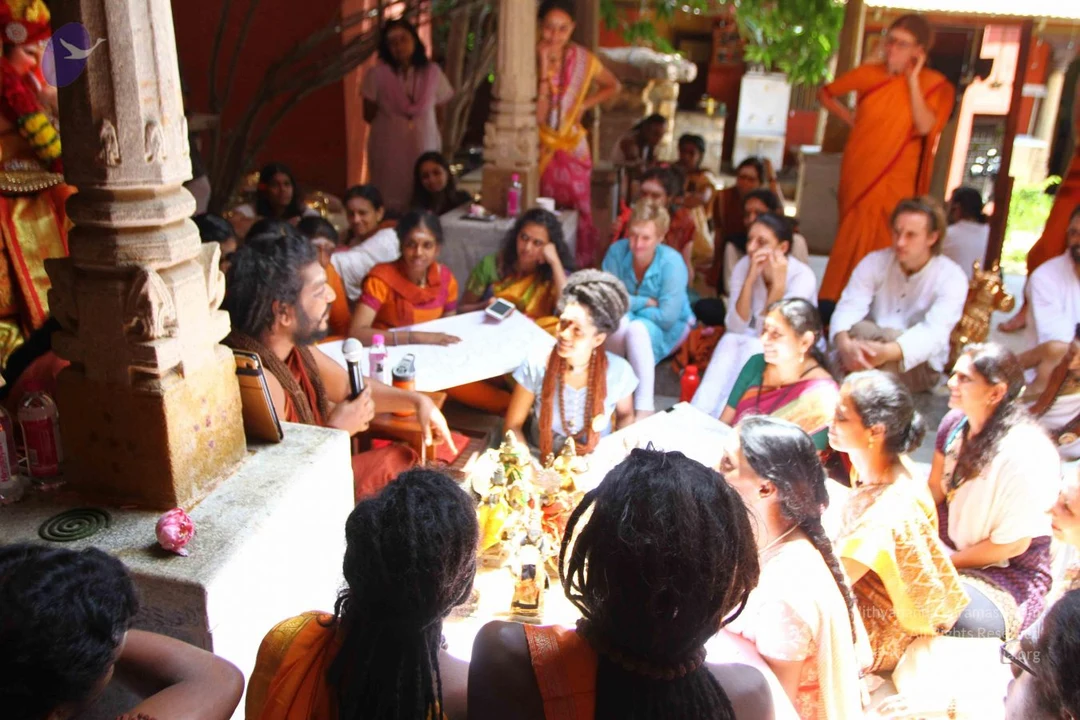
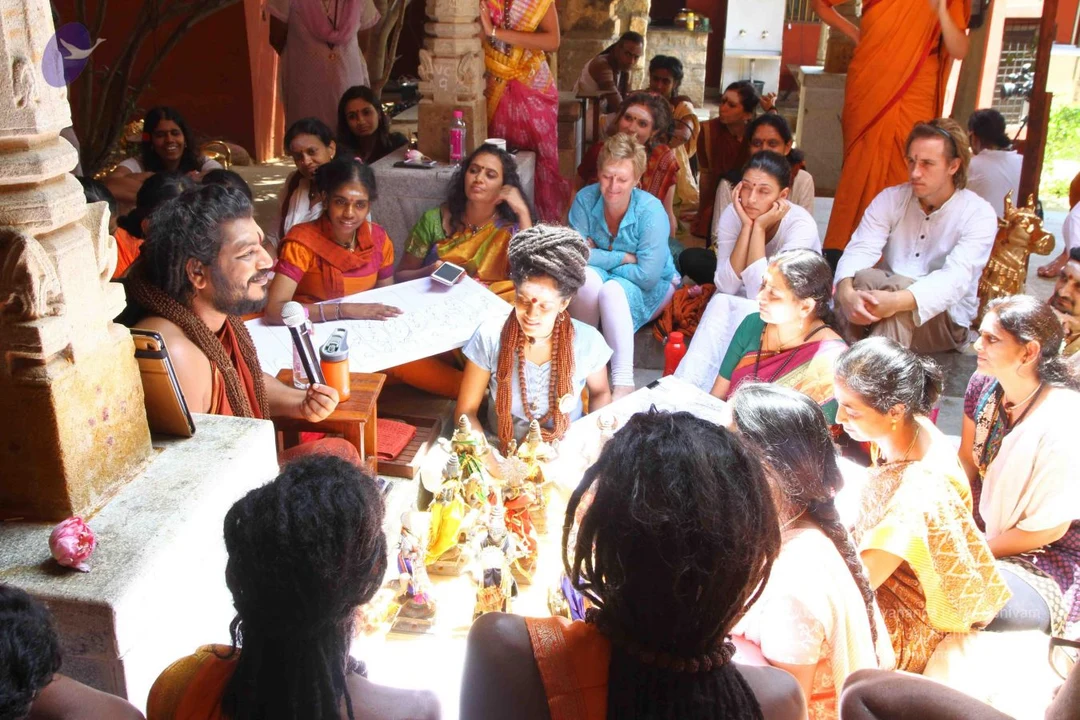
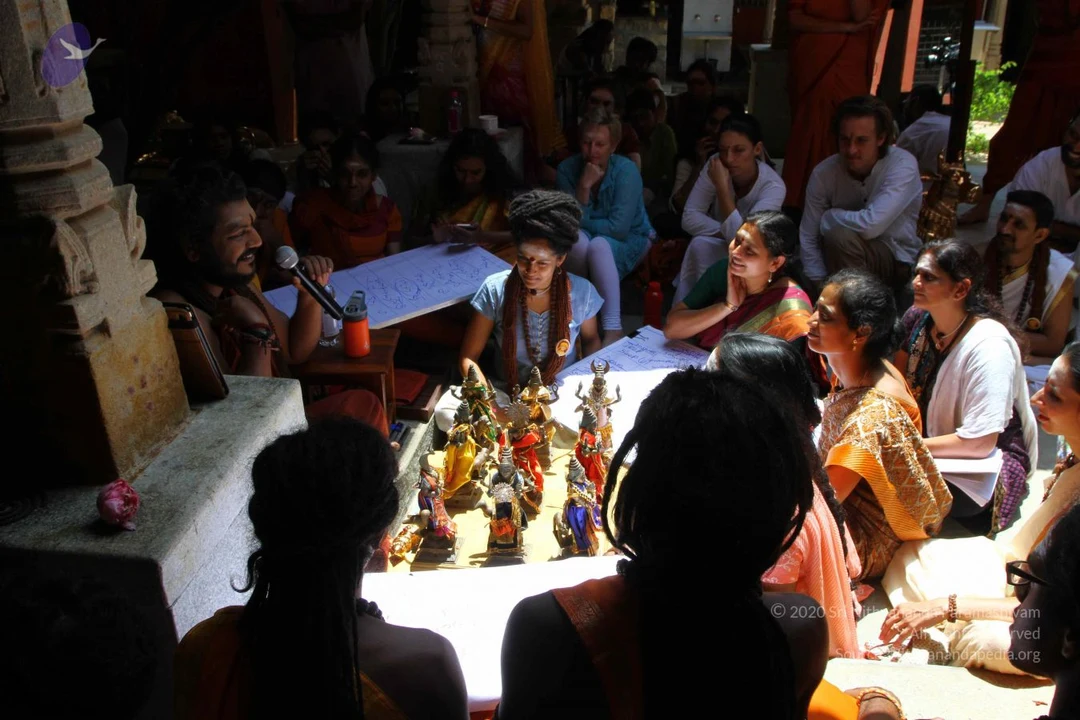
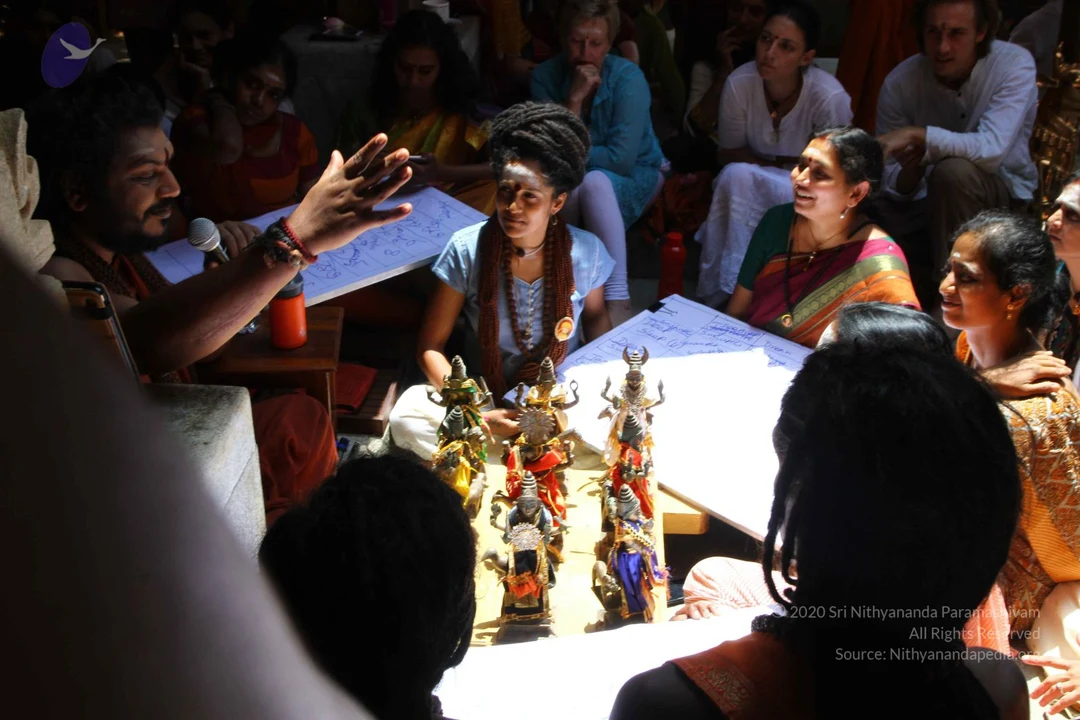
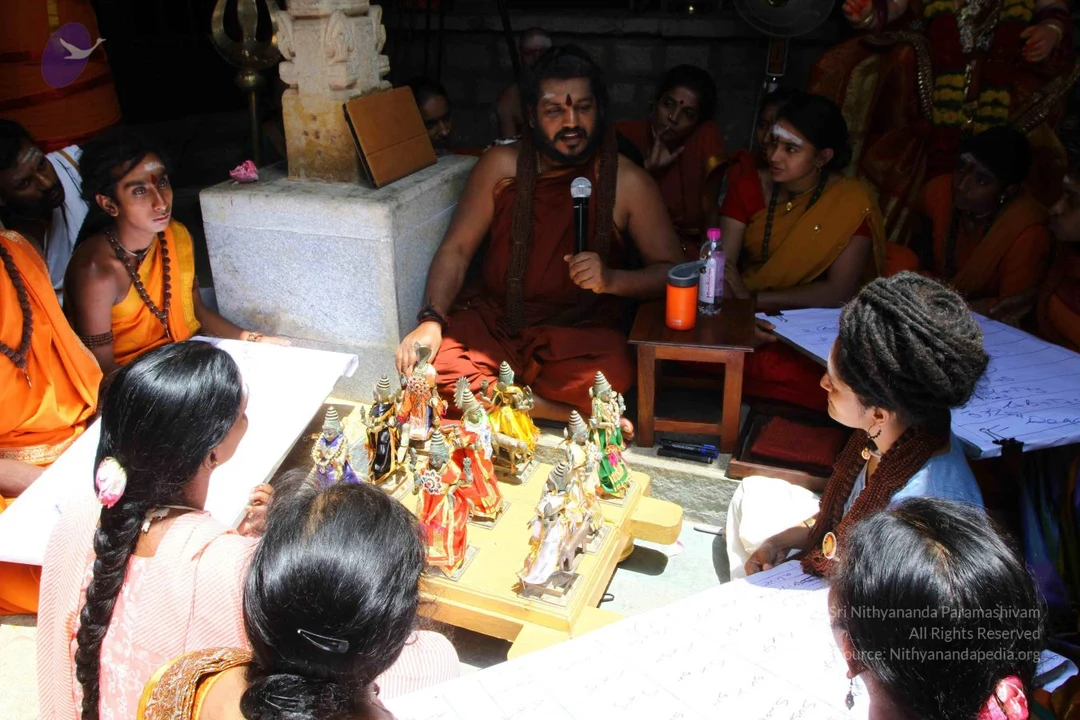
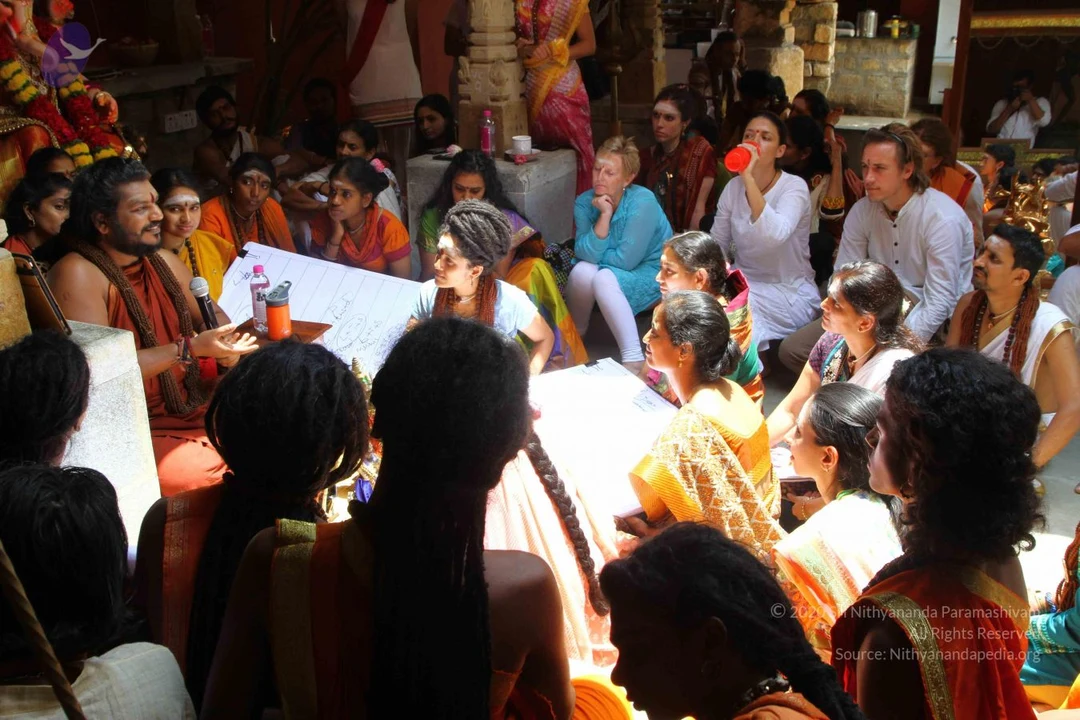

construction
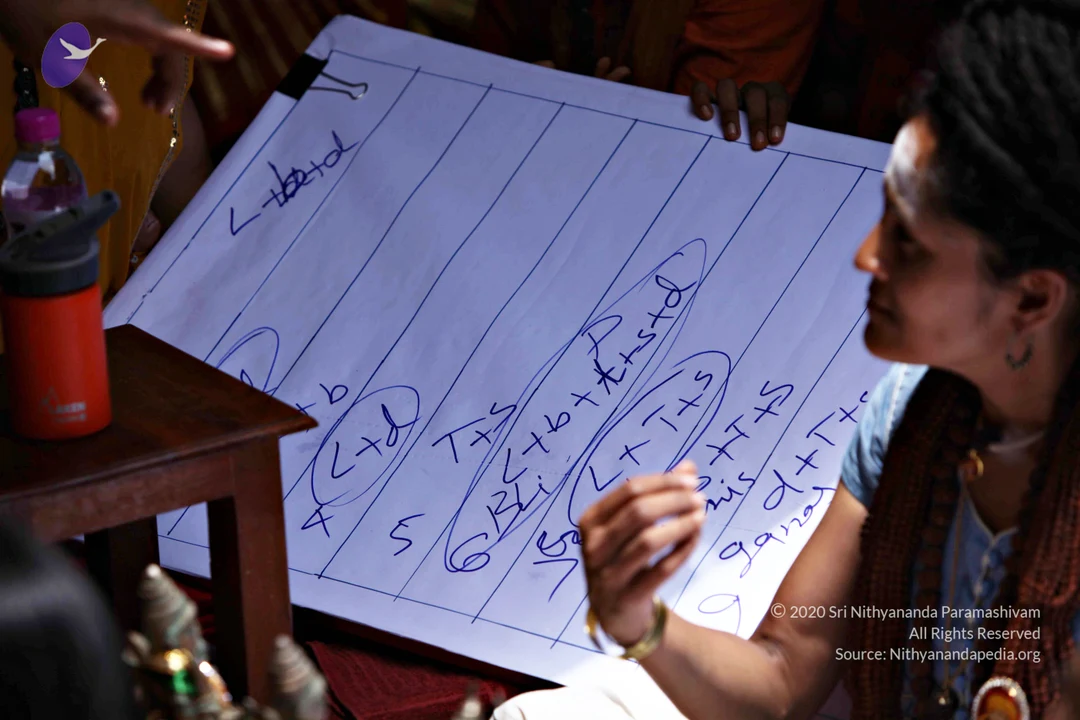
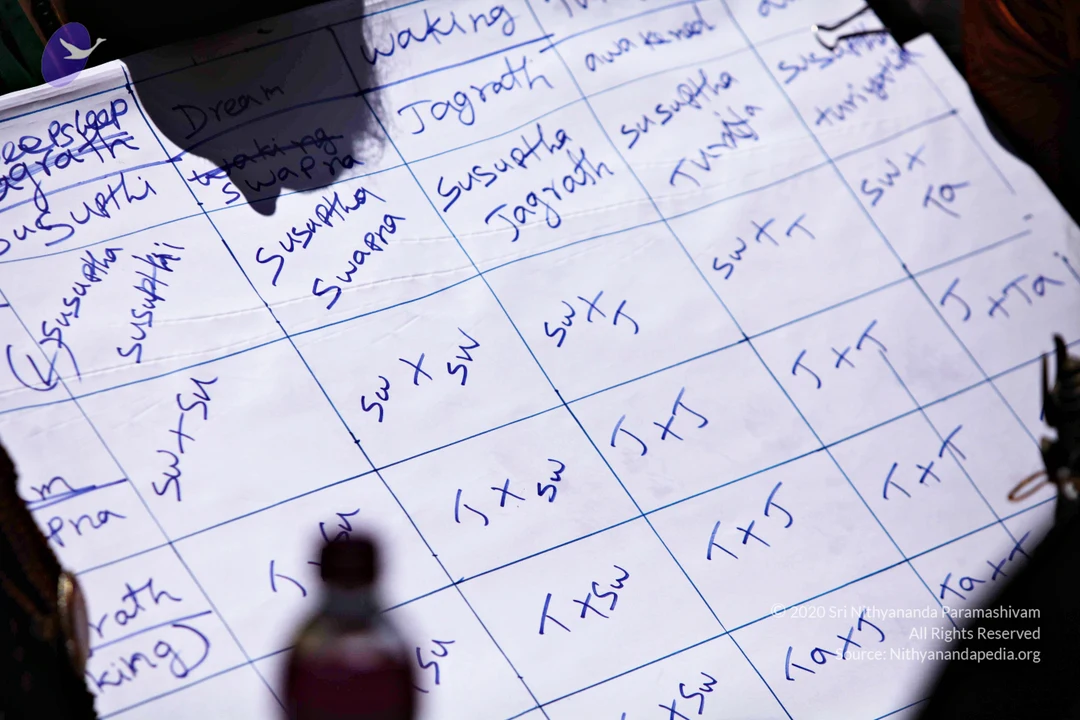
01-SWAMIJI'S-TALK-ON-HINDU-COSMOLOGY
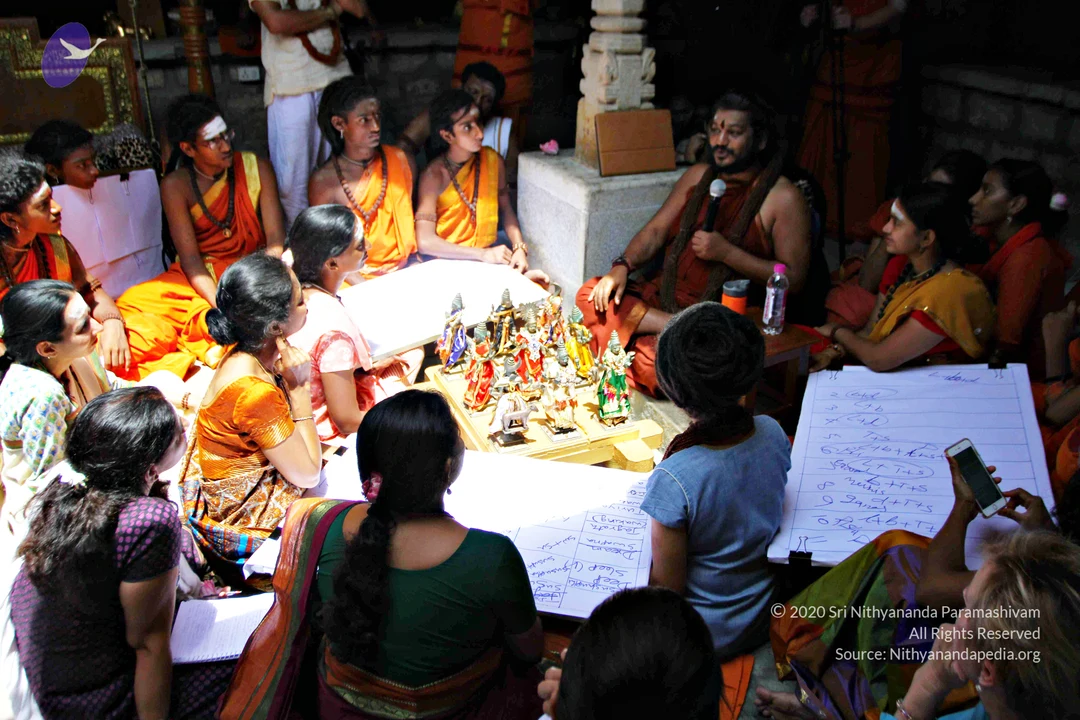
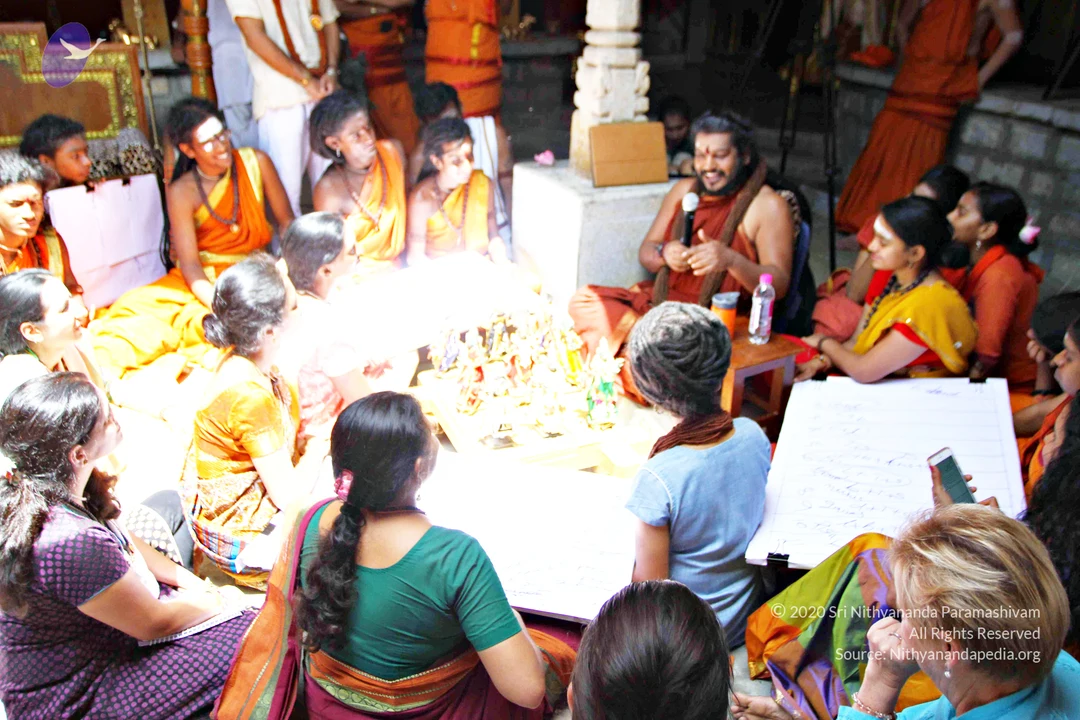
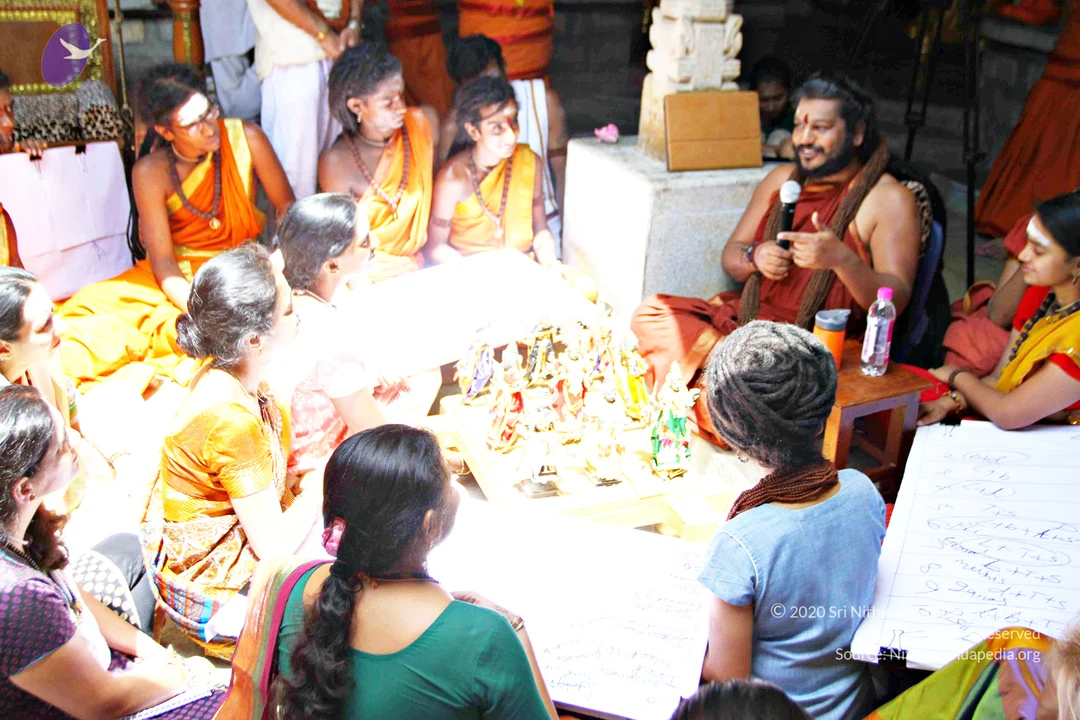
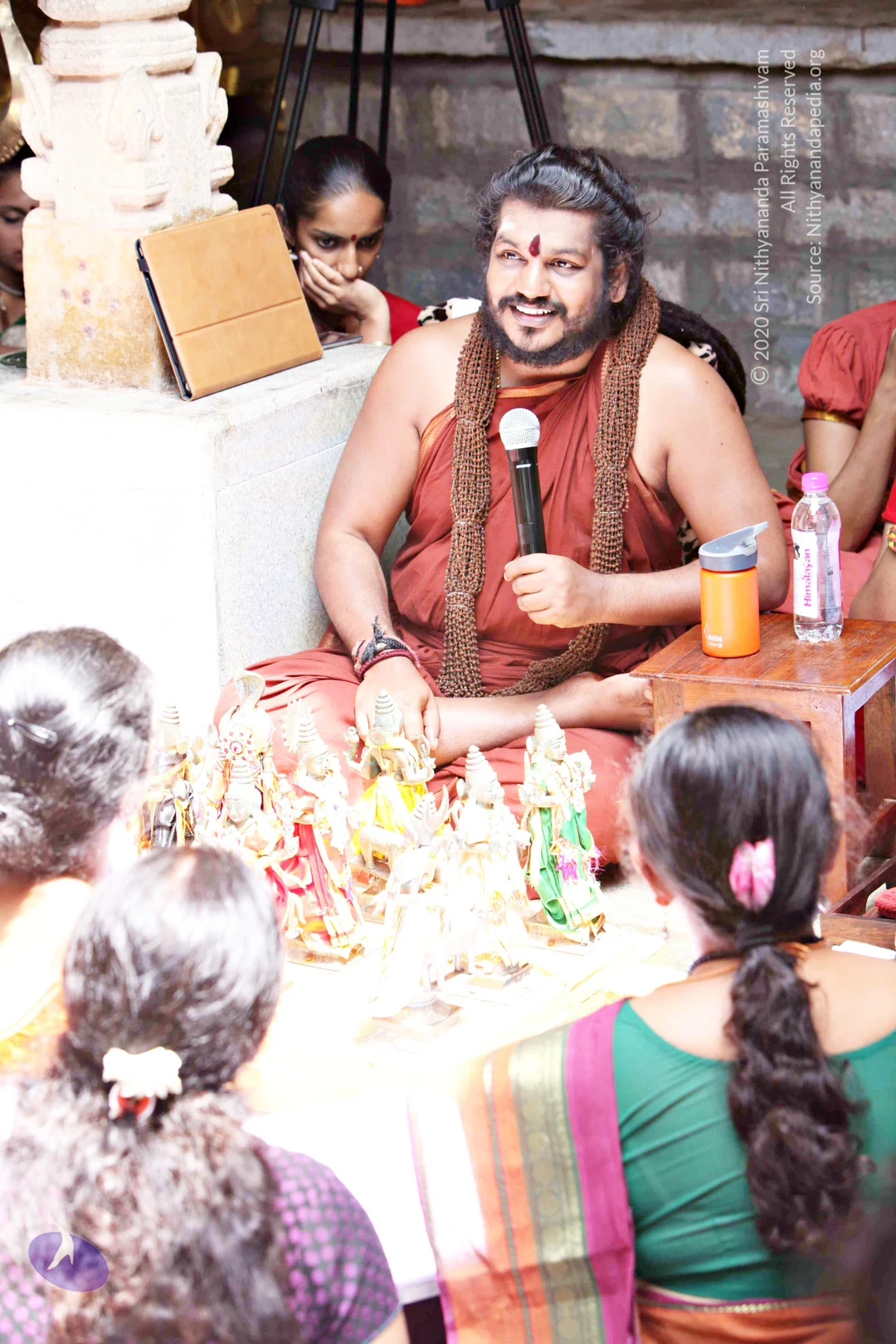

Photos from this day
View all 301 photosDarshan of His Holiness Bhagavan Sri Nithyananda Paramashivam
22 photosSource gallery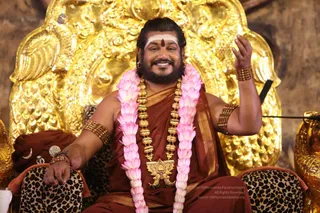
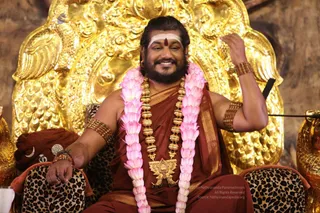
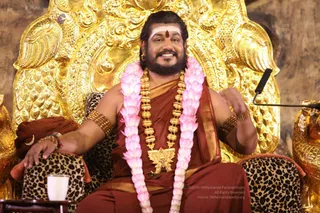
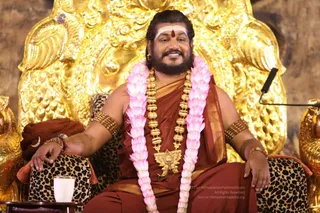
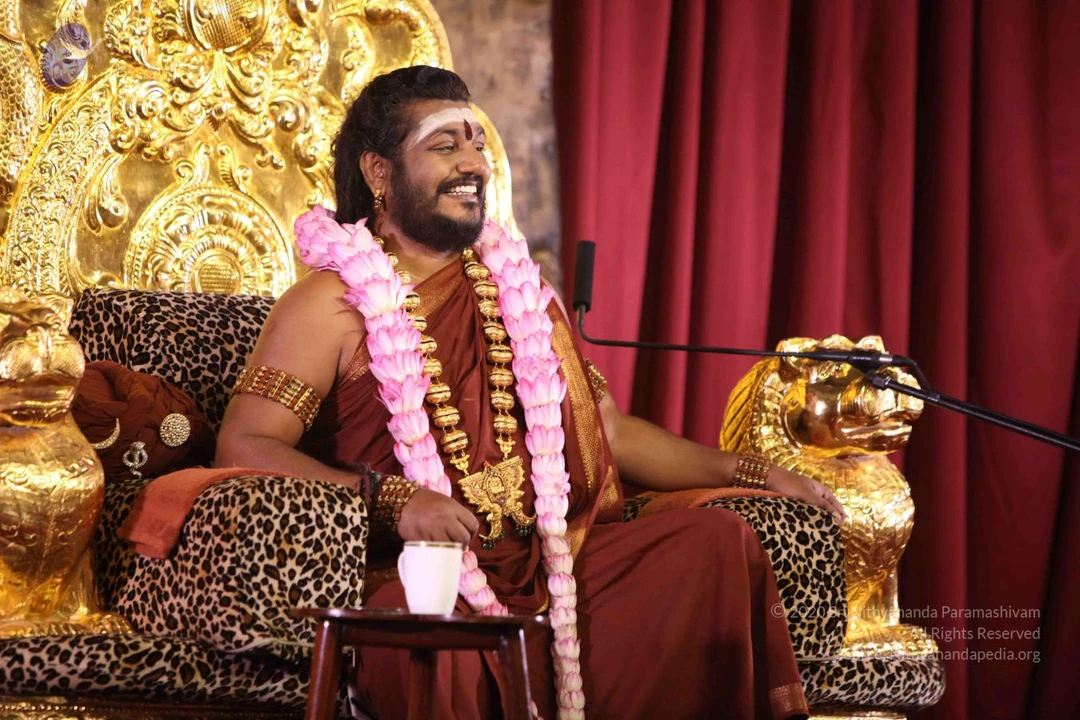
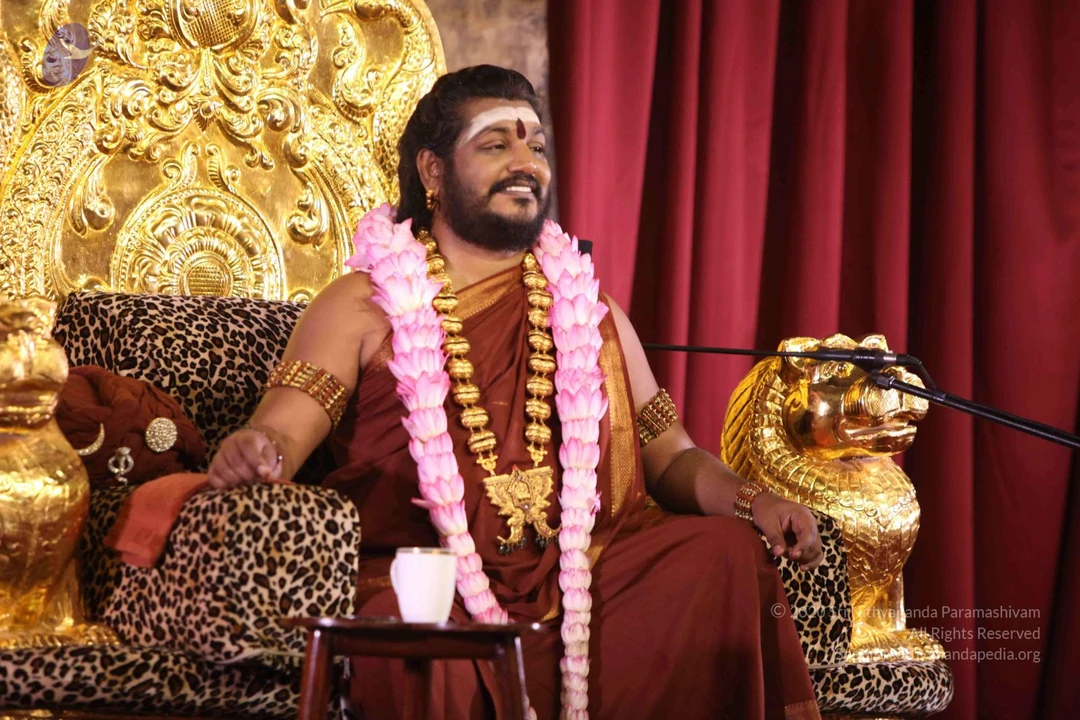
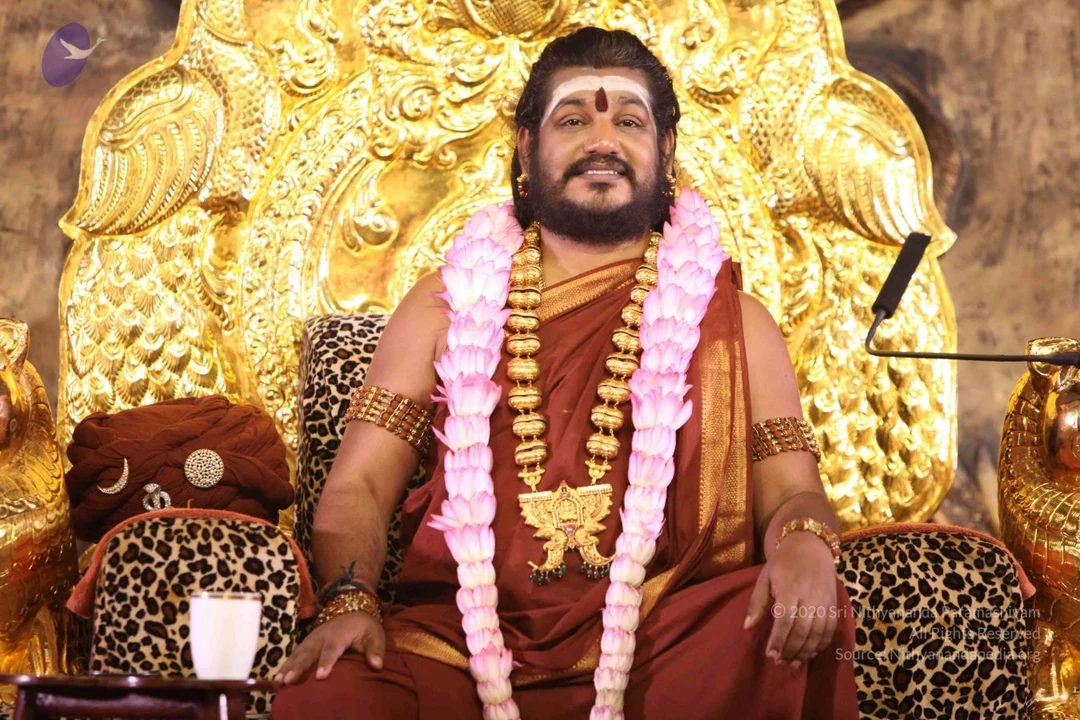
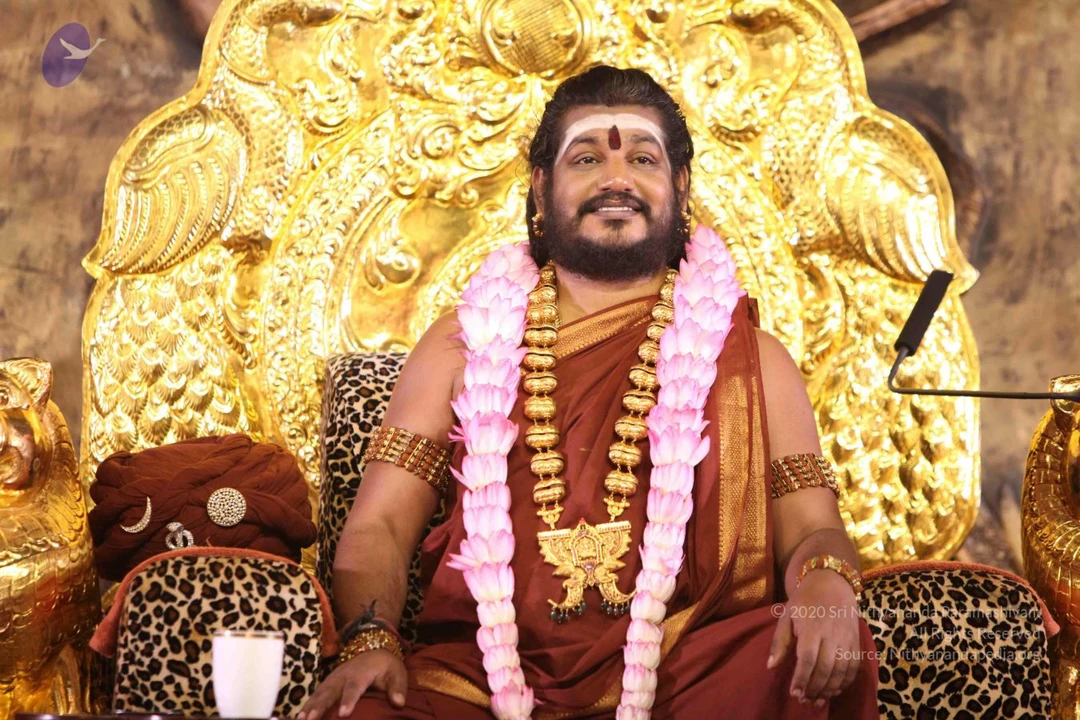
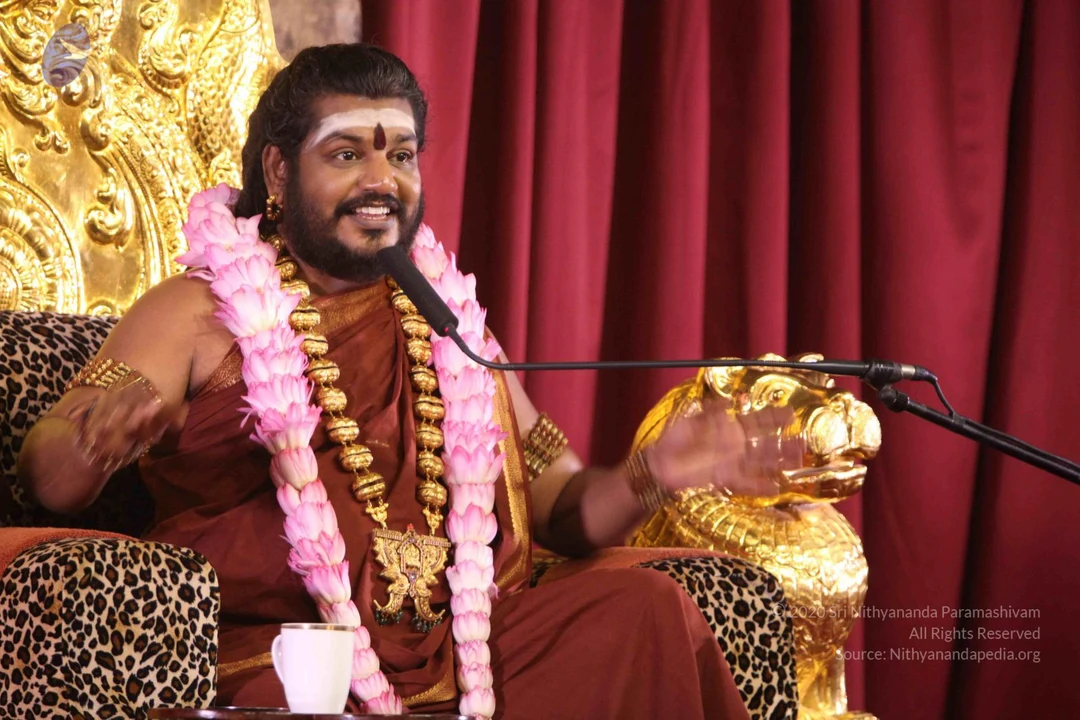
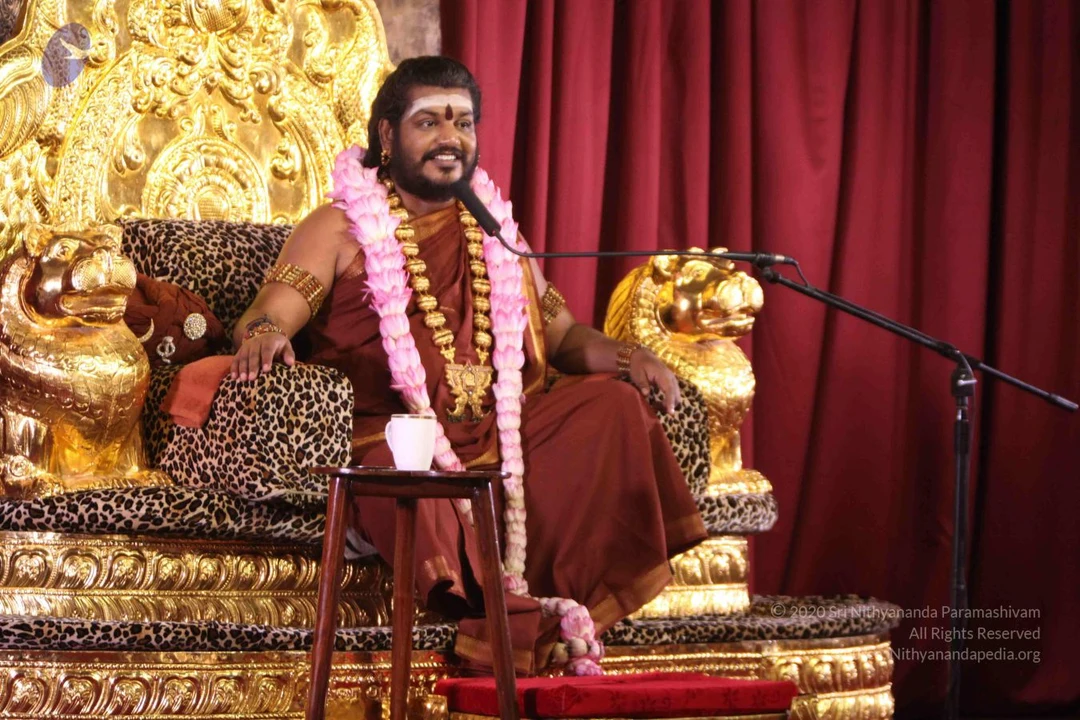
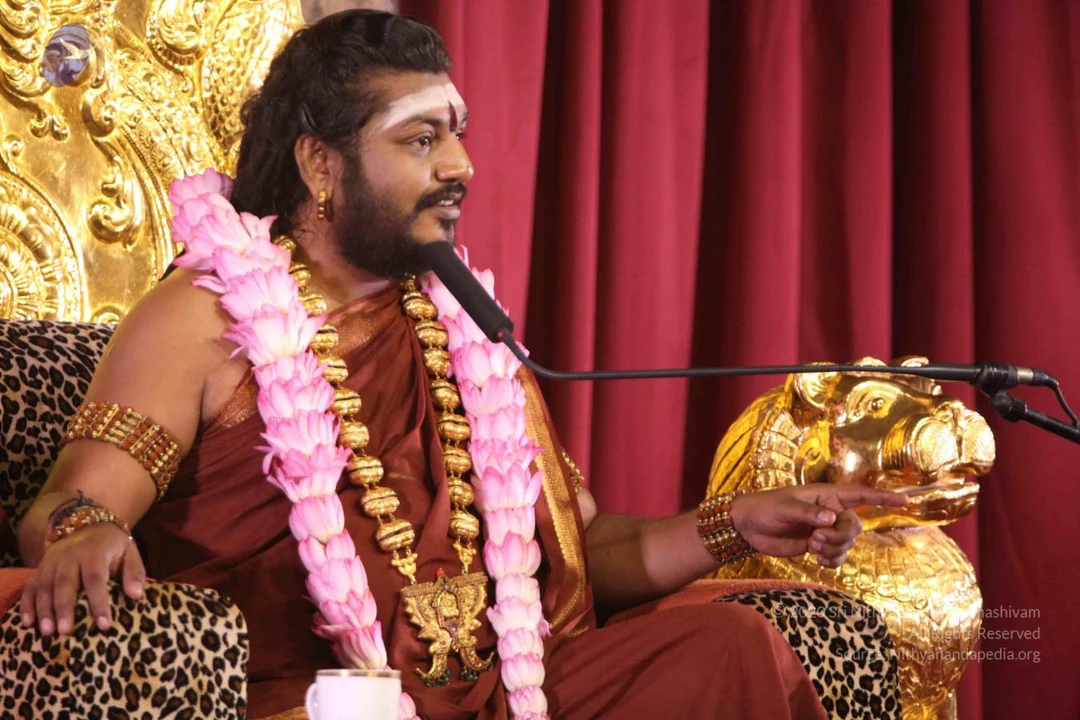
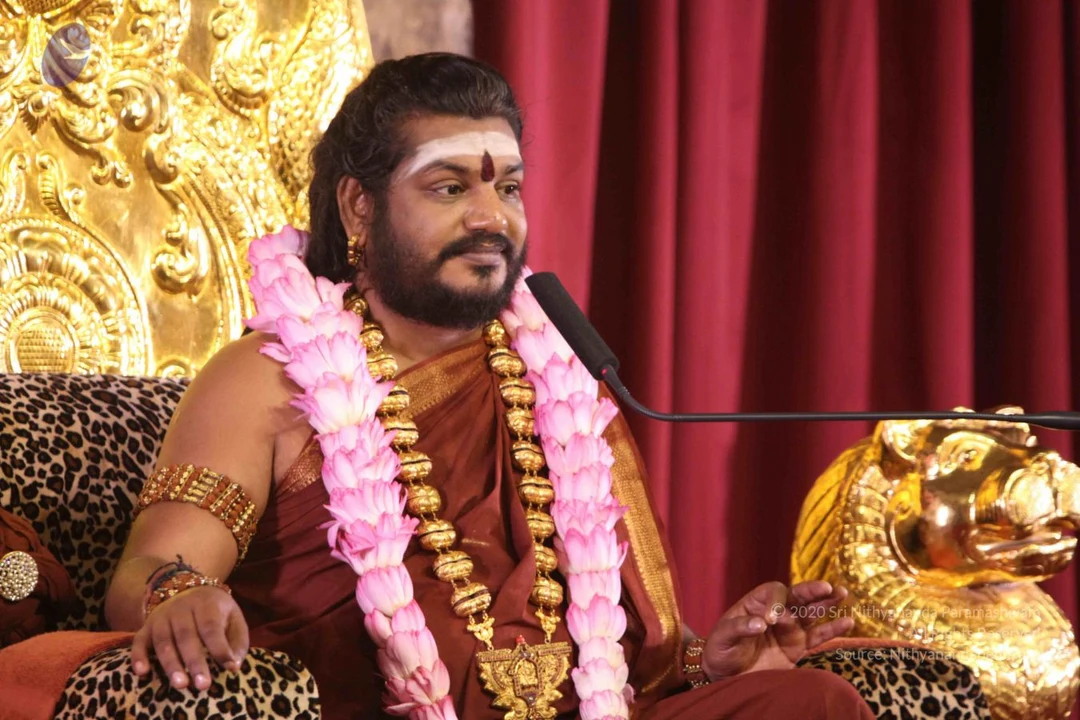
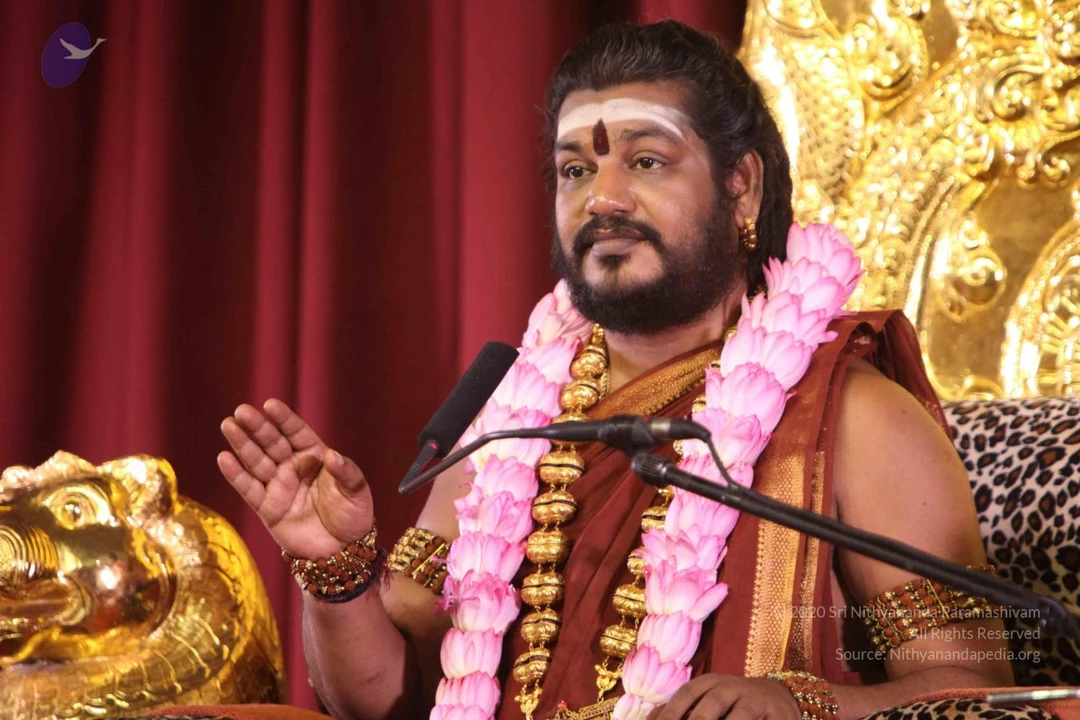
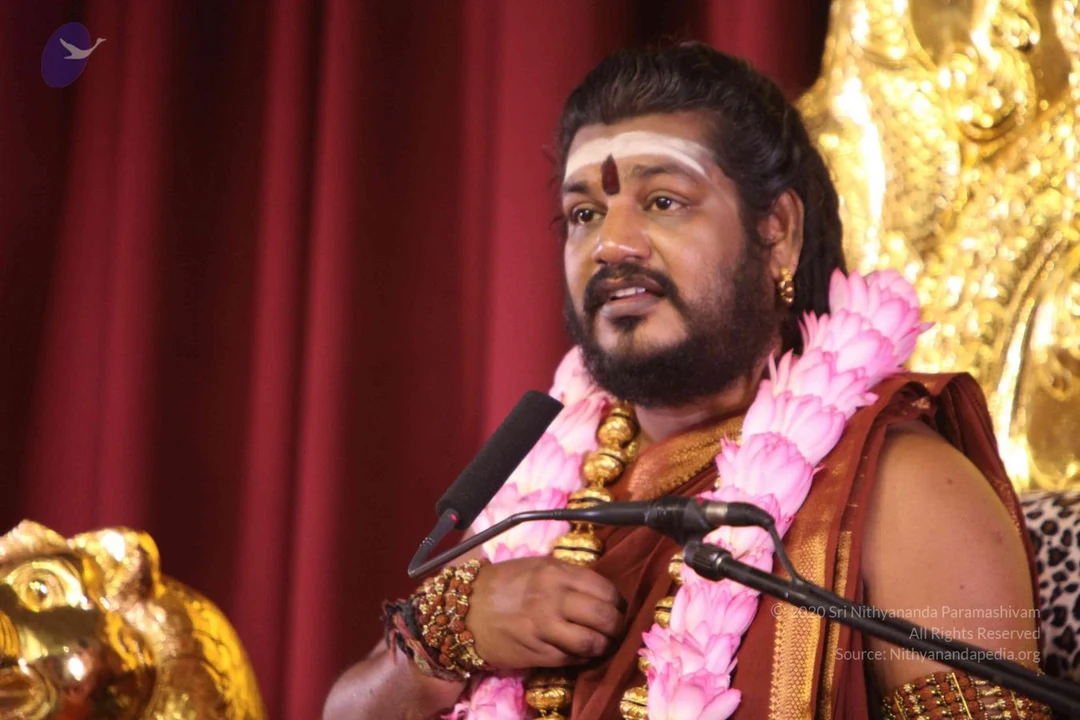
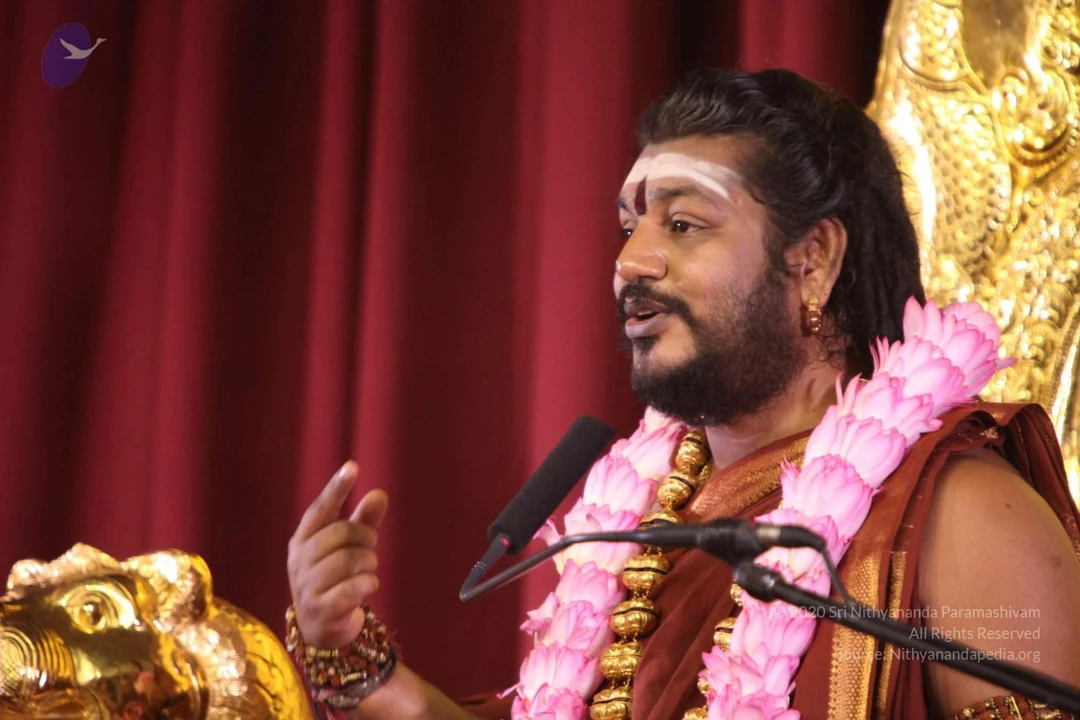
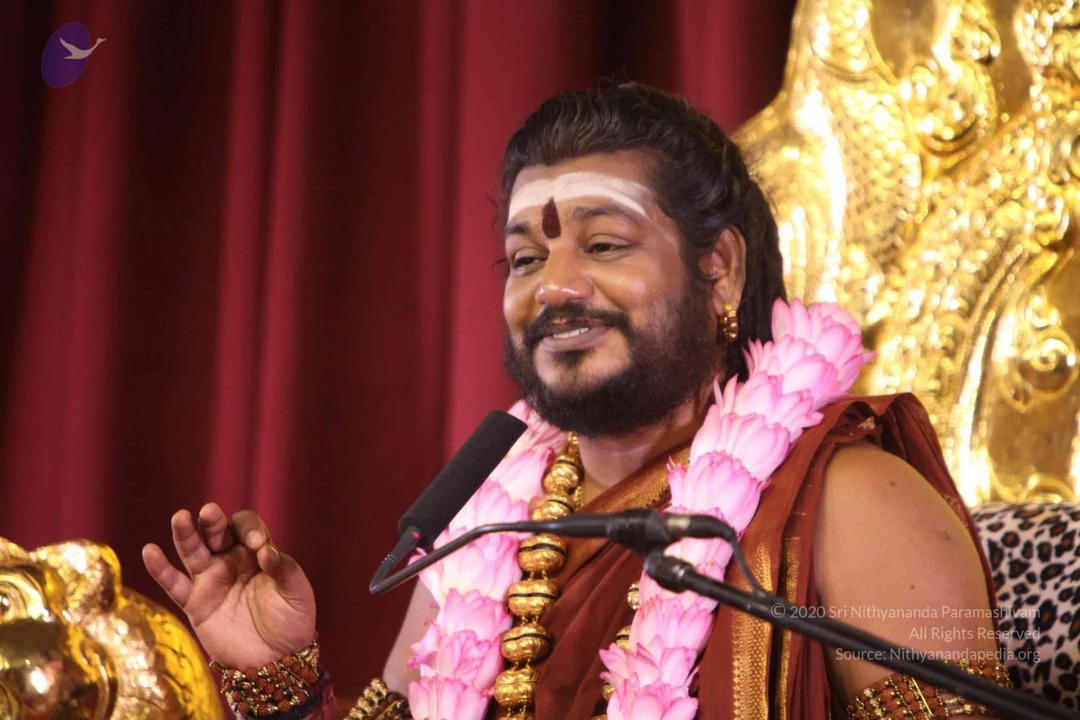
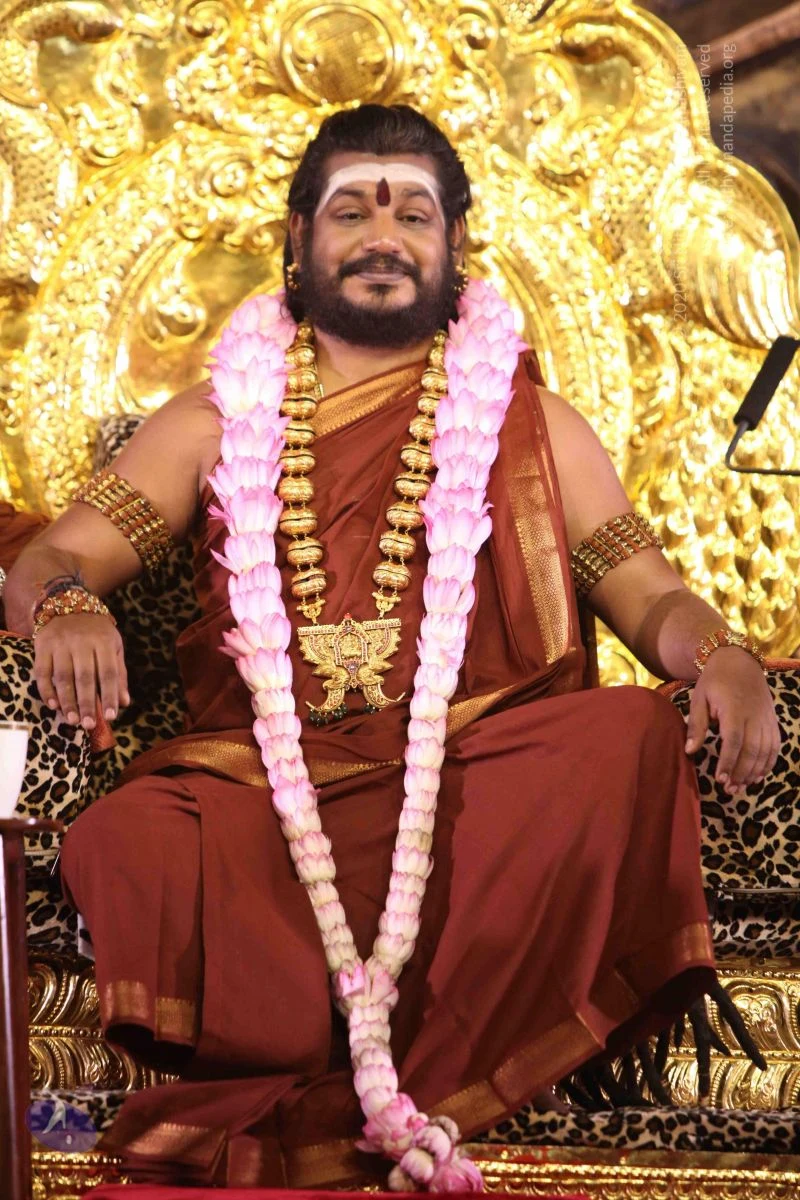
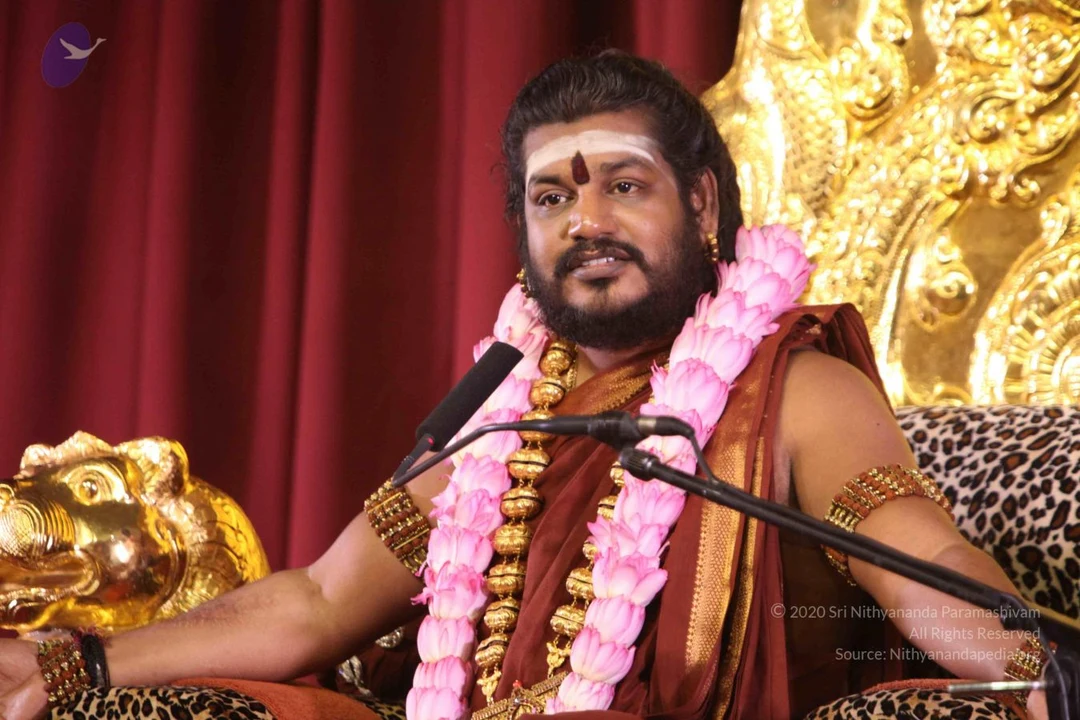
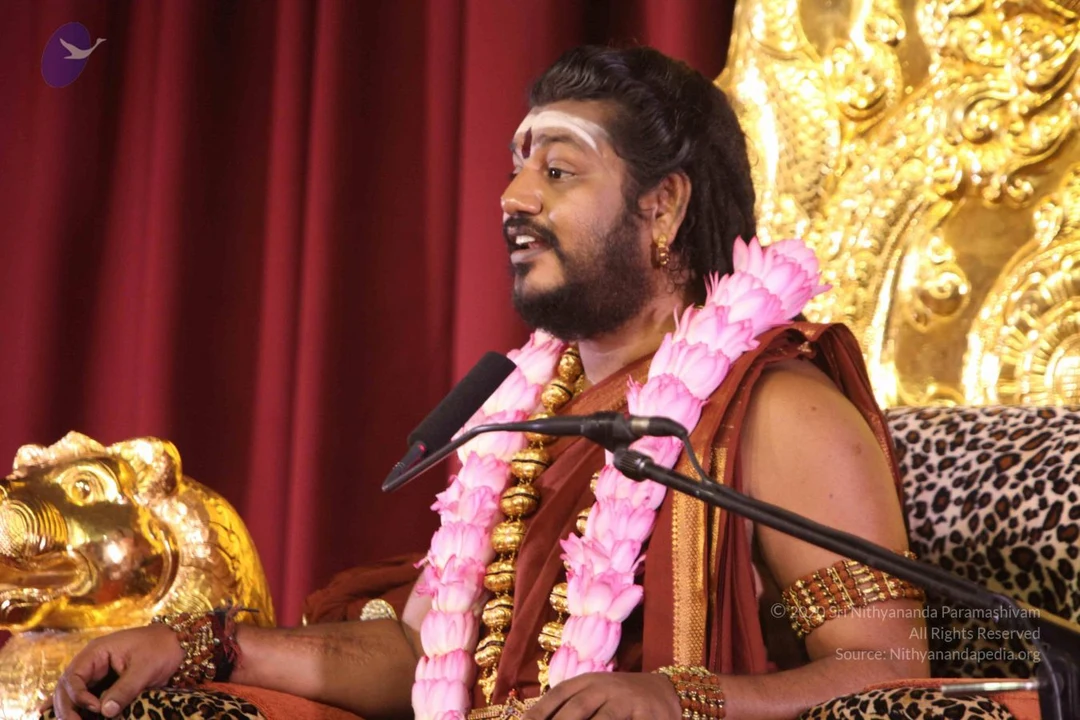
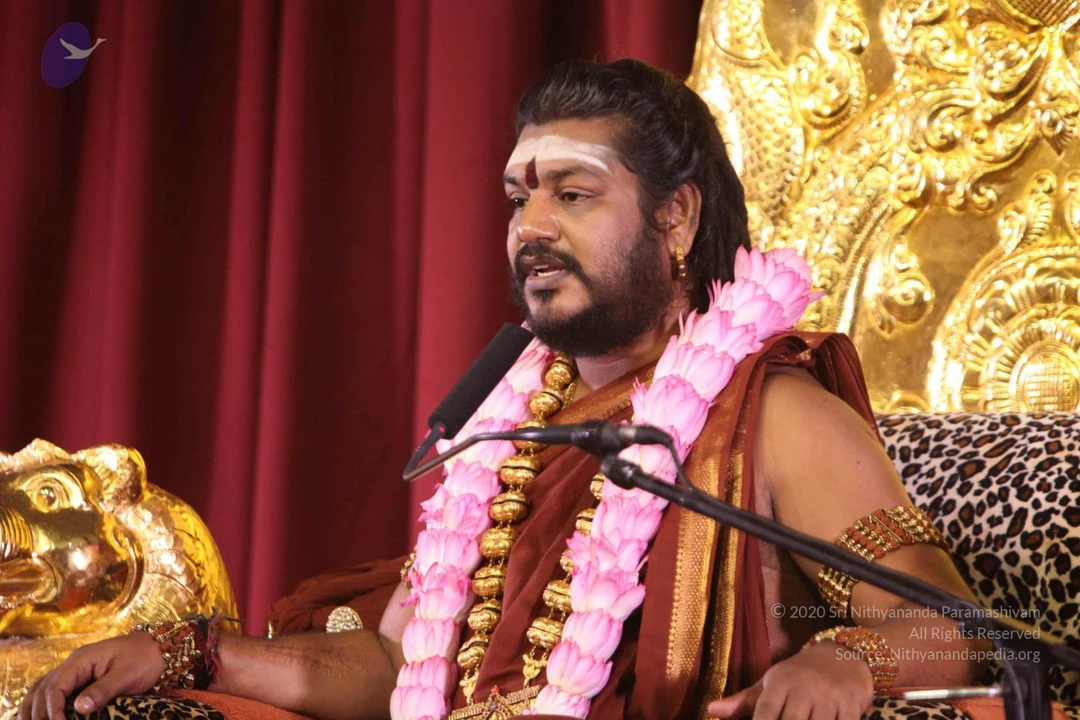
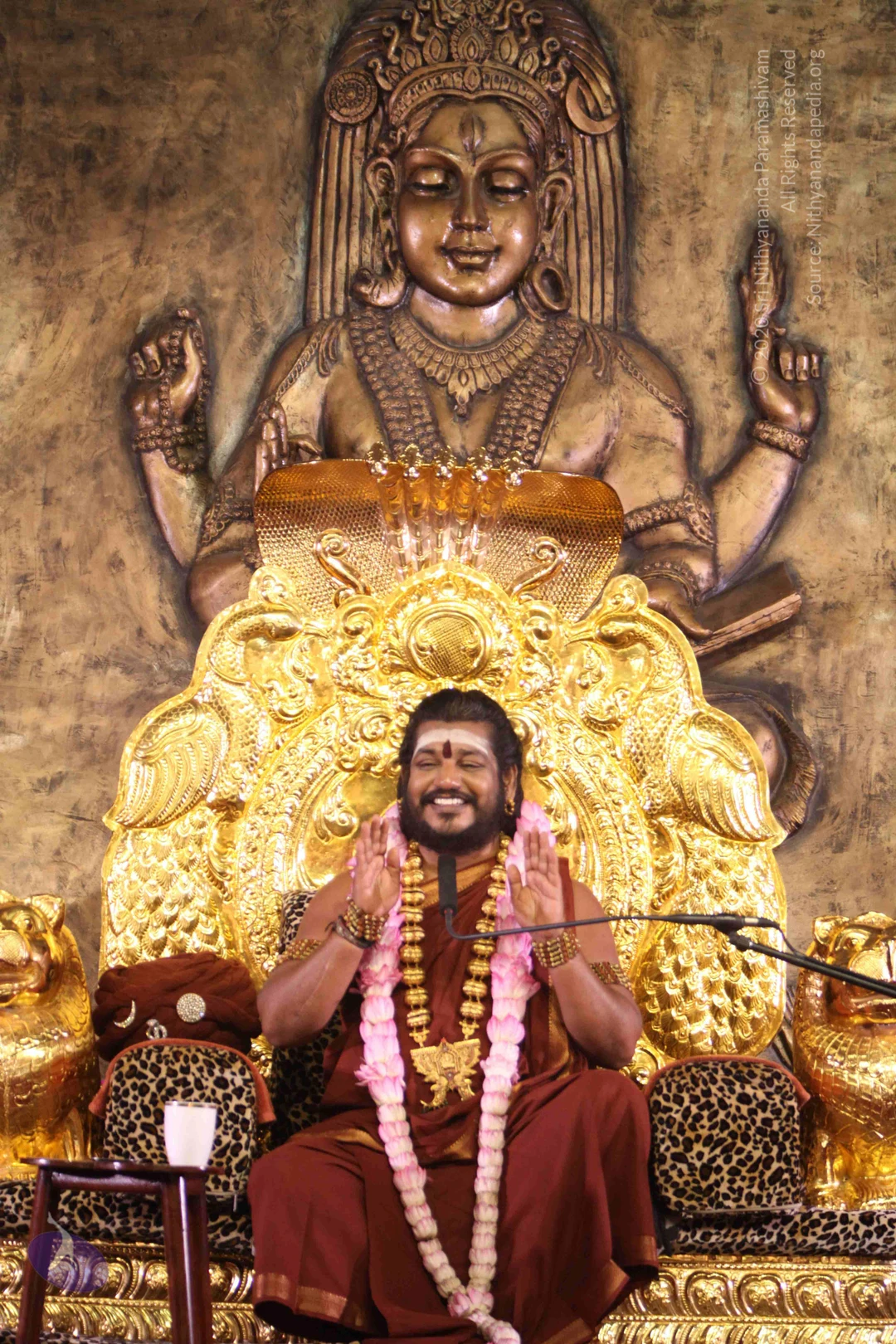
Morning Nithya Satsang - Third Eye Science, neither Mysticism nor Occultism
31 photosSource gallery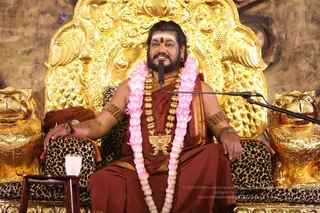
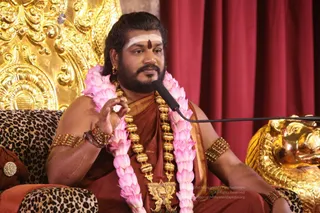
Blissful Balasanths of the Nithyananda Order in Nithyanananda Peetham, Bengaluru Adheenam
9 photosSource gallery





Construction in Nithyanananda Peetham, Bengaluru Adheenam
22 photosSource gallery




Navagrahas - Nine Major Planetary Energies Which Influence Our Lives
4 photosSource gallery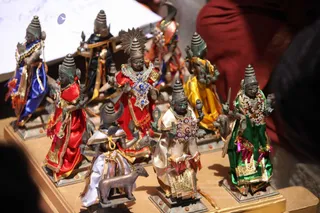
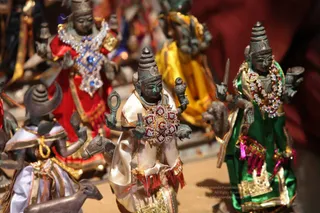
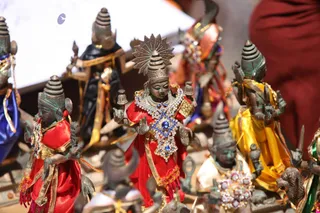
Deity of Lord Ganesha, the Remover of All Obstacles, in the Courtyard of His Divine Holiness
1 photoSource galleryNithya-Satsang
37 photosSource gallery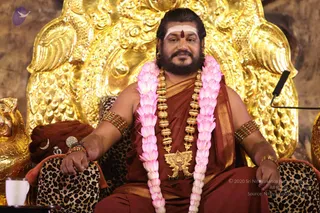
Talk-with-Nithyananda-Yogam-Hindu-Cosmology
50 photosSource gallery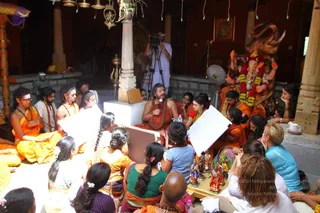


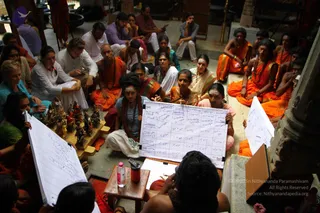
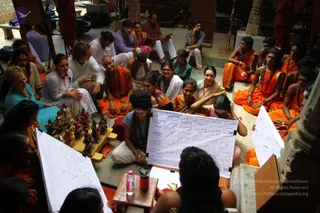
construction
30 photosSource gallery





Nithyananda-Satsang
74 photosSource gallery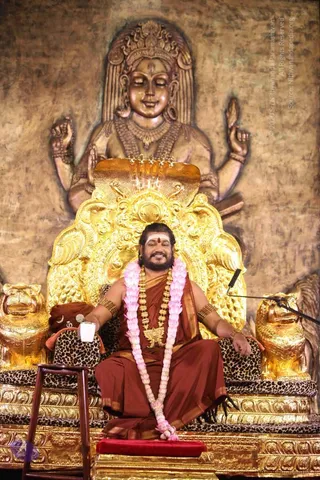
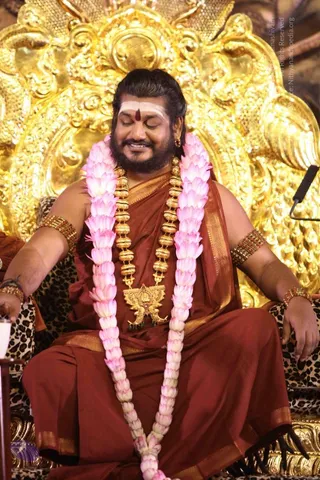
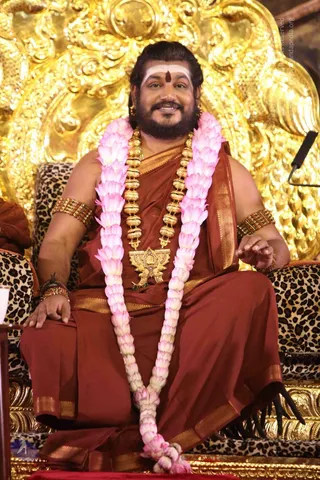
talk-with-nithyananda-yogam-hindu-cosmology
67 photosSource gallery
construction
23 photosSource gallery




01-SWAMIJI'S-TALK-ON-HINDU-COSMOLOGY
25 photosSource gallery