Wednesday
30 August 2017
Experience Aushada
- Dated photos
- 249
- Source pages
- 1
- Media
- 3
August 30 2017
Original wiki pageTitle
Experience Aushada
Narration
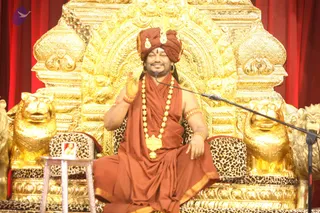
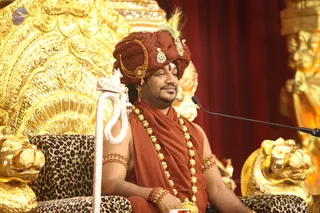
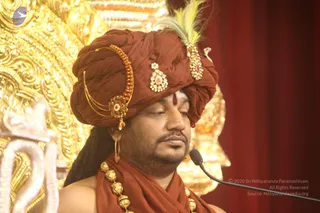
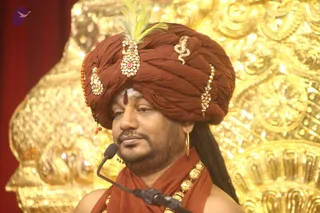
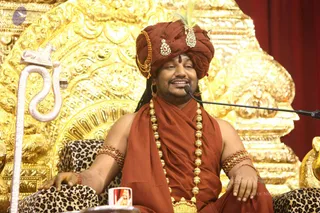
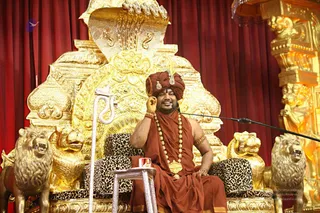
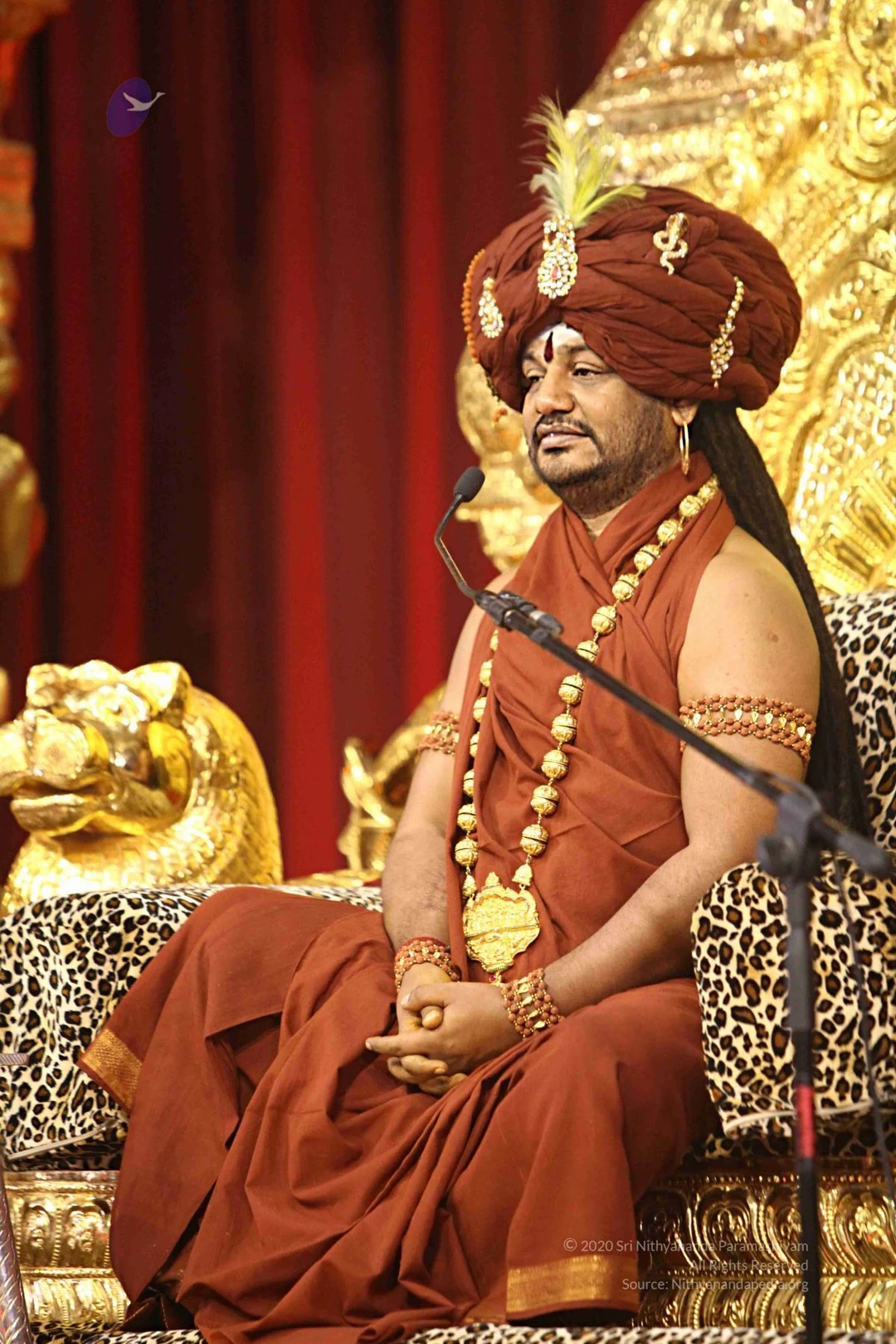
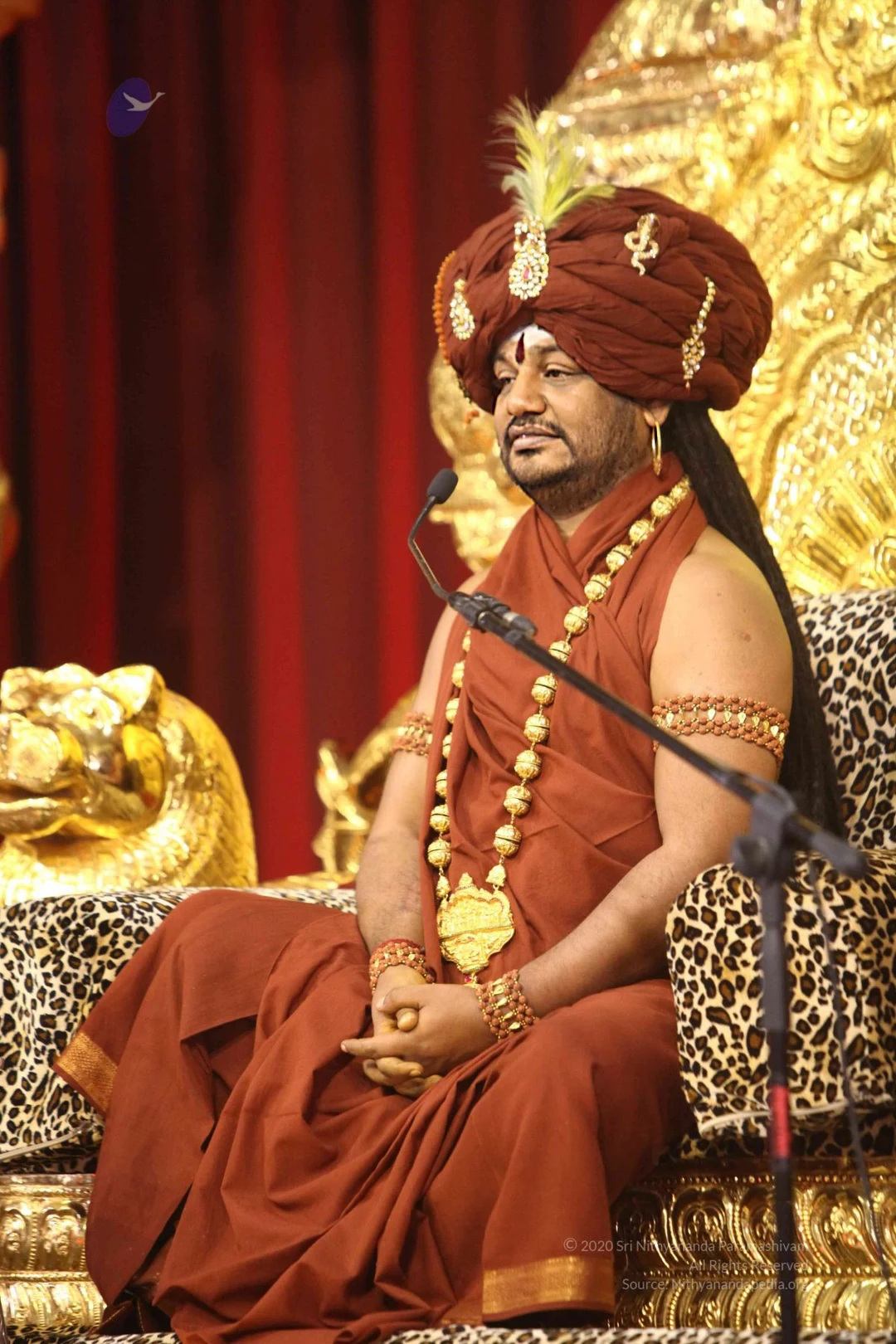
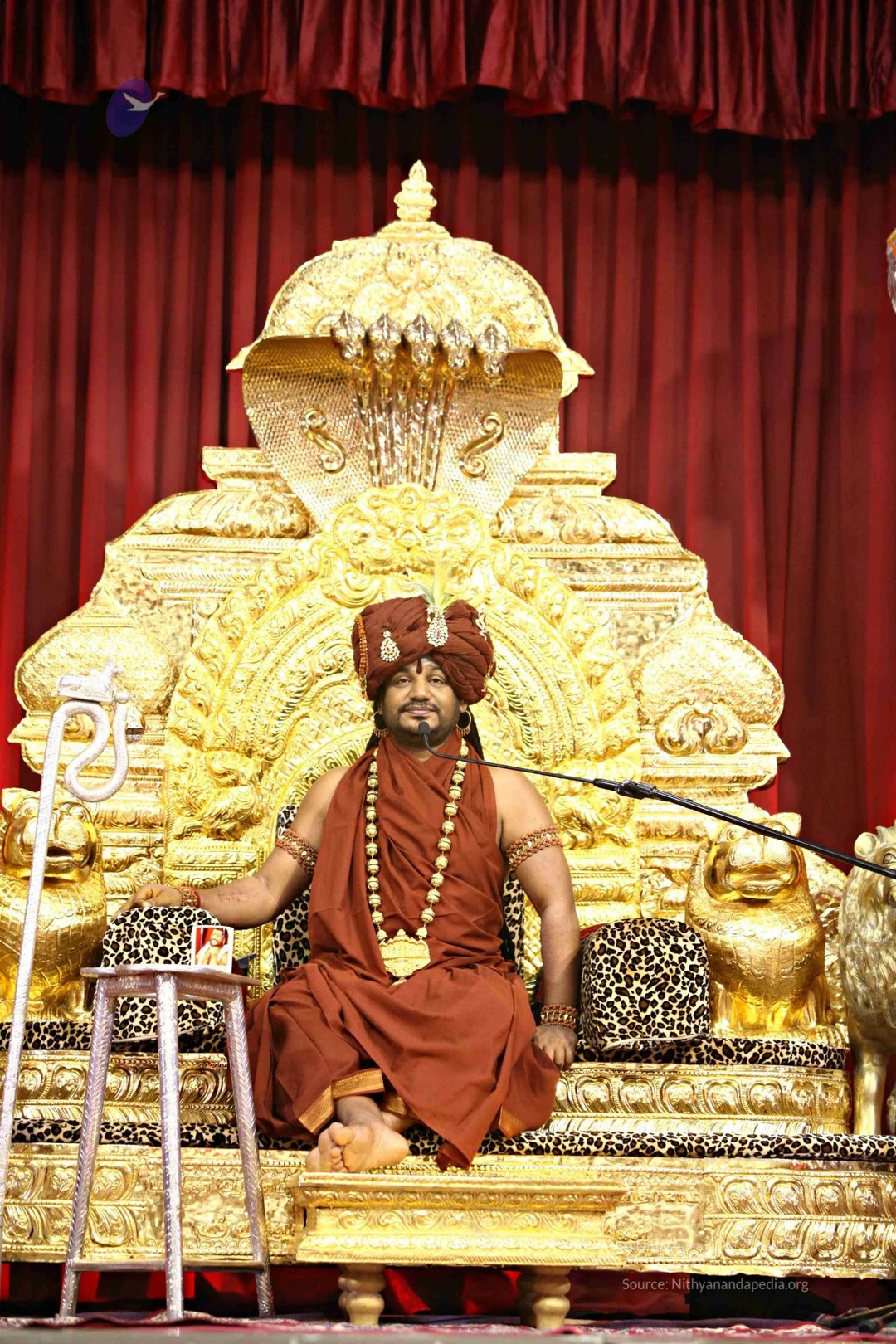
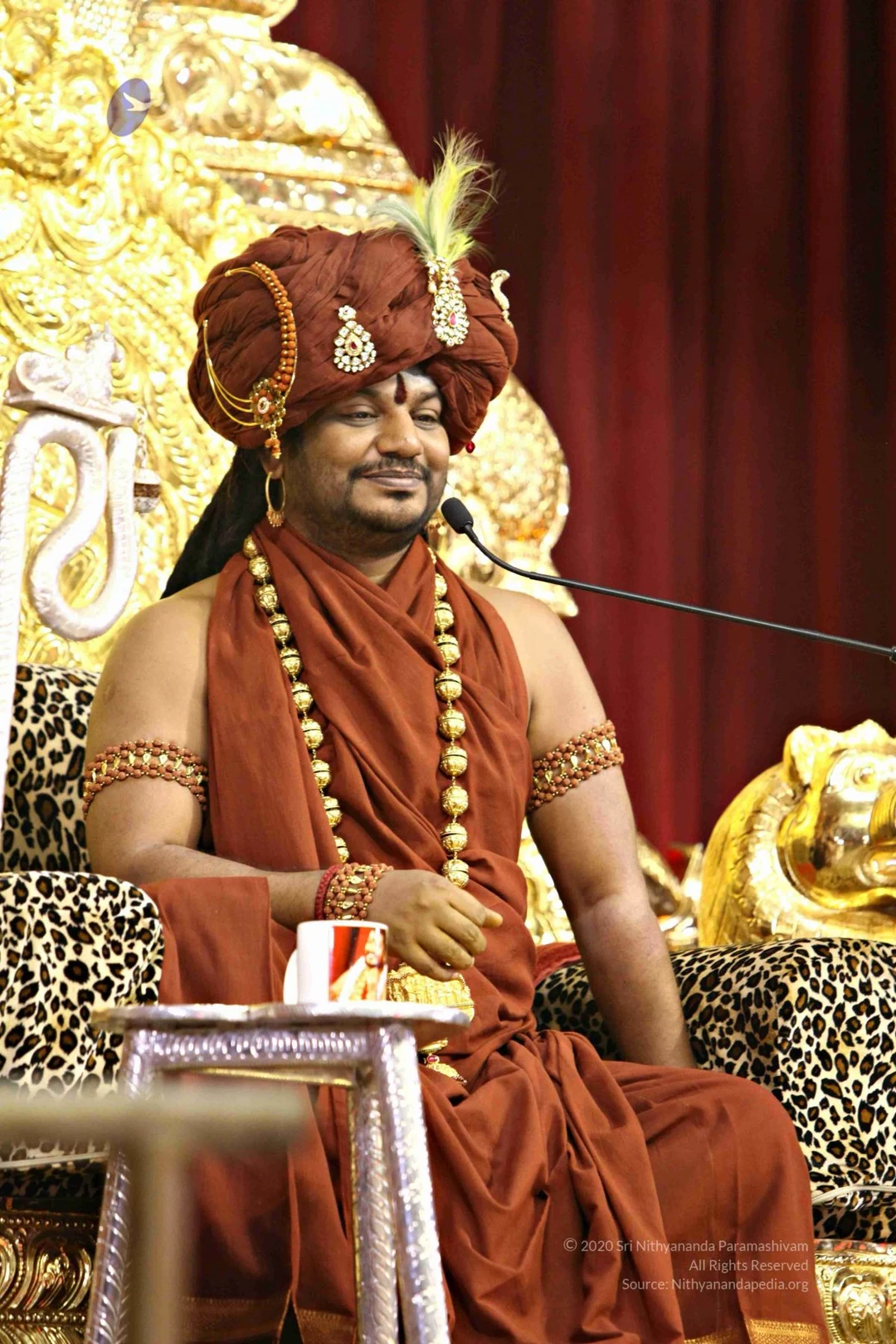
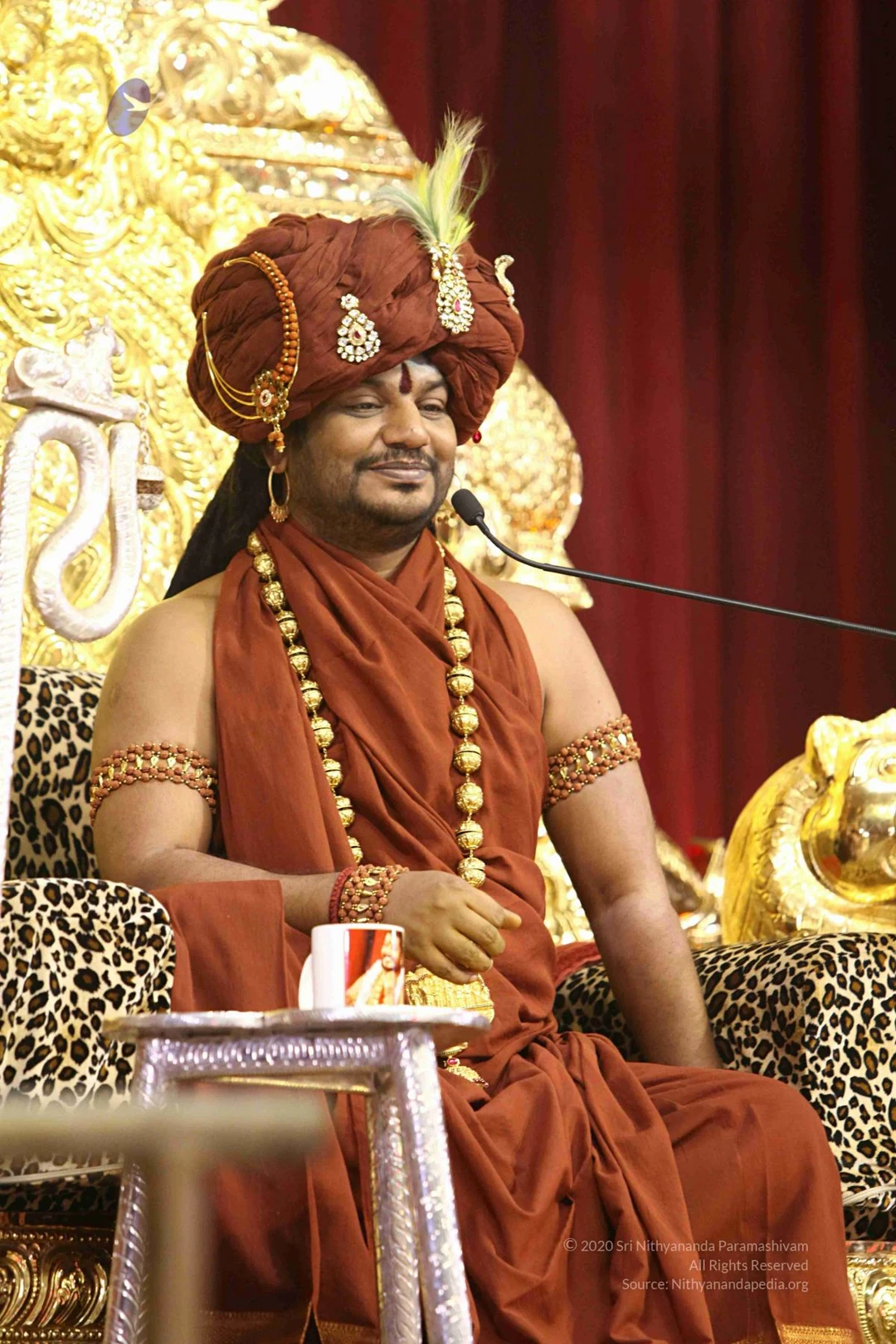
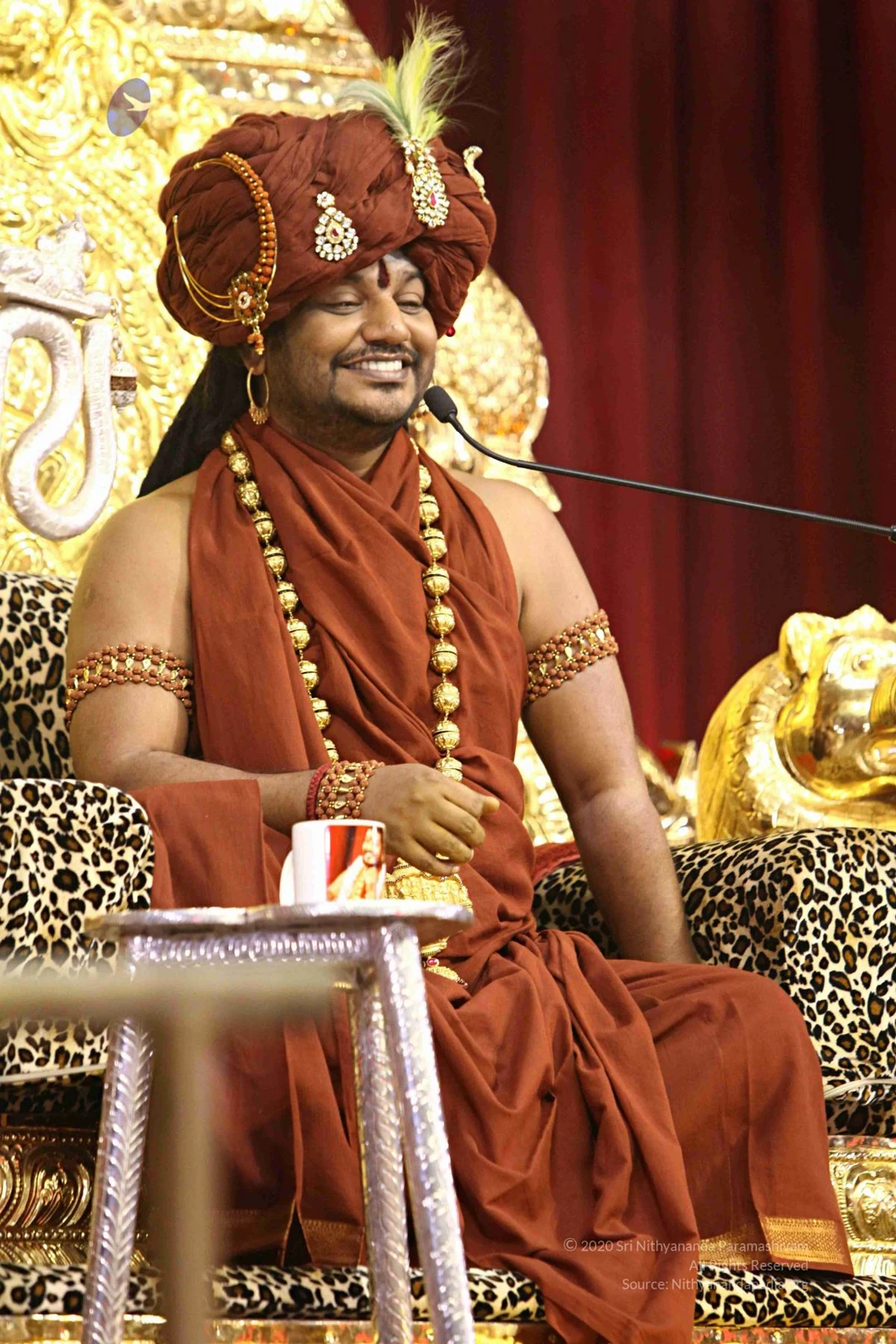
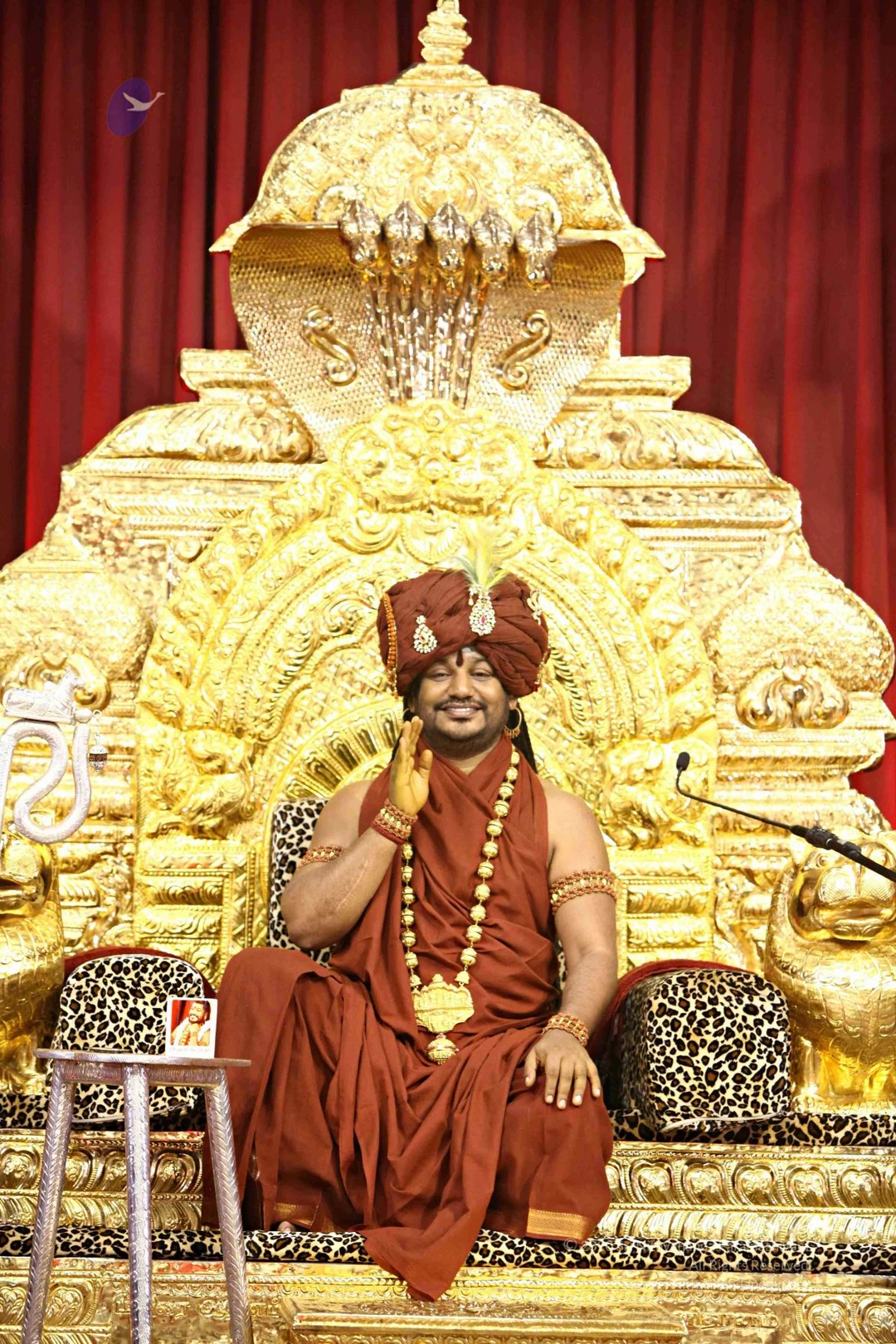
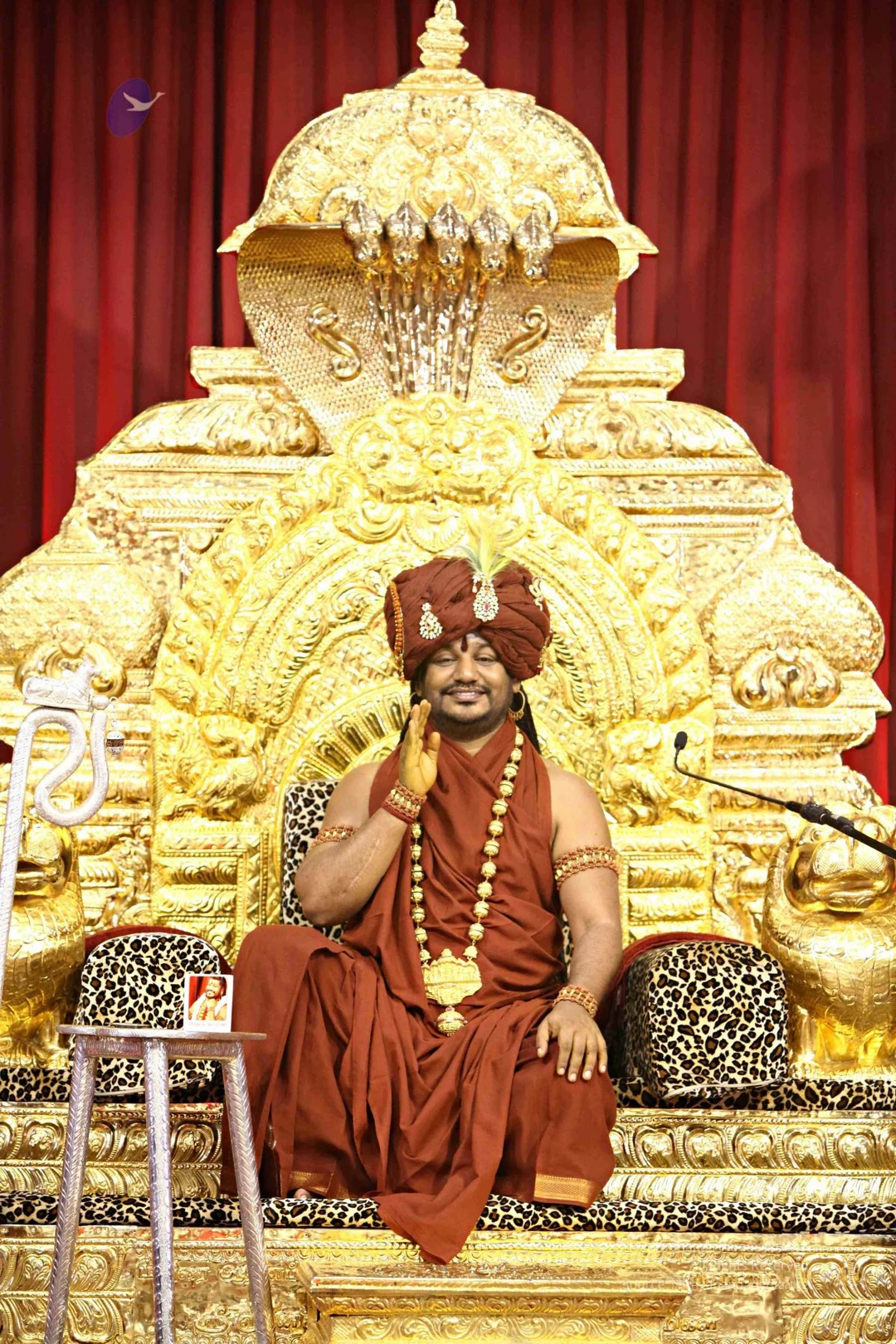
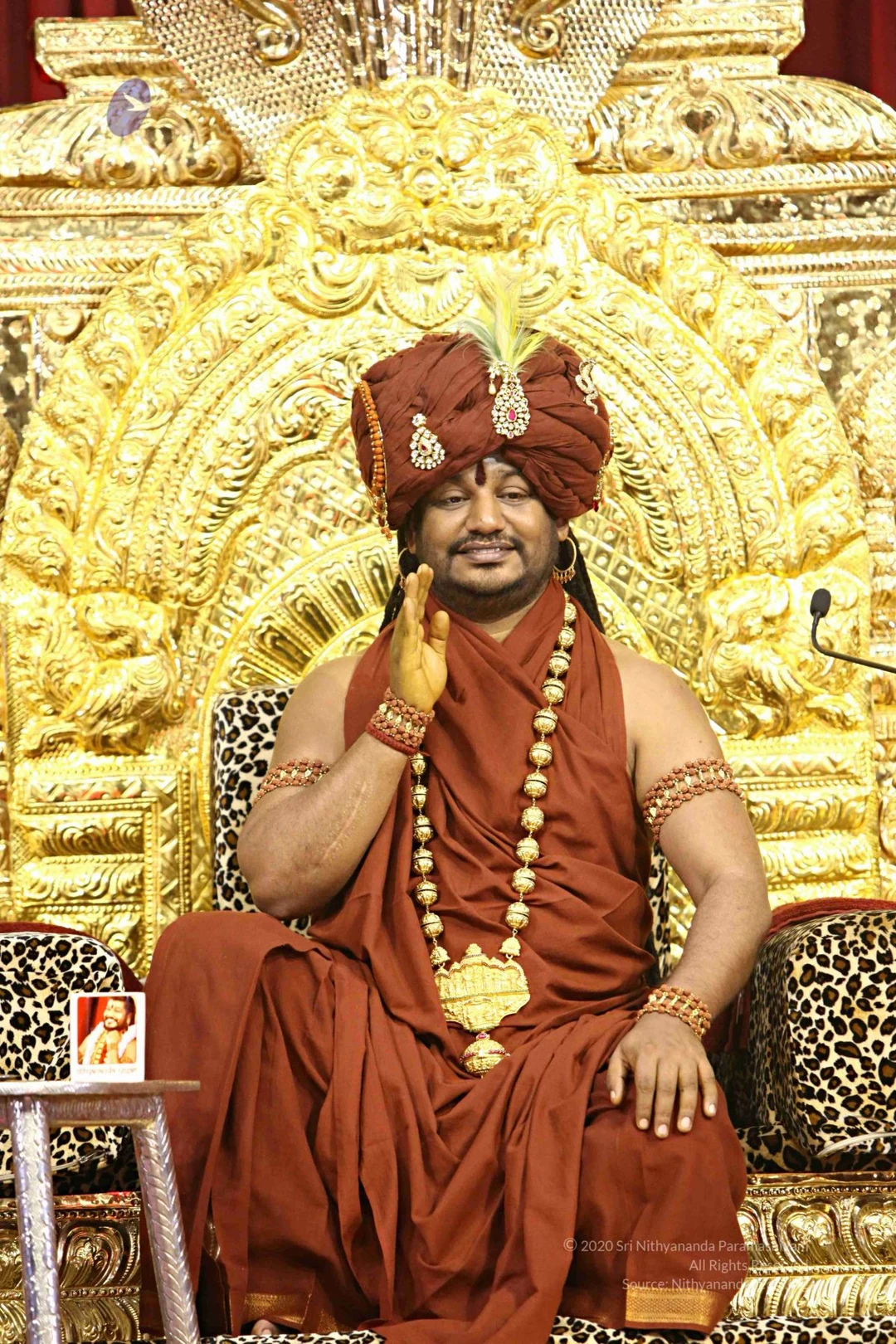
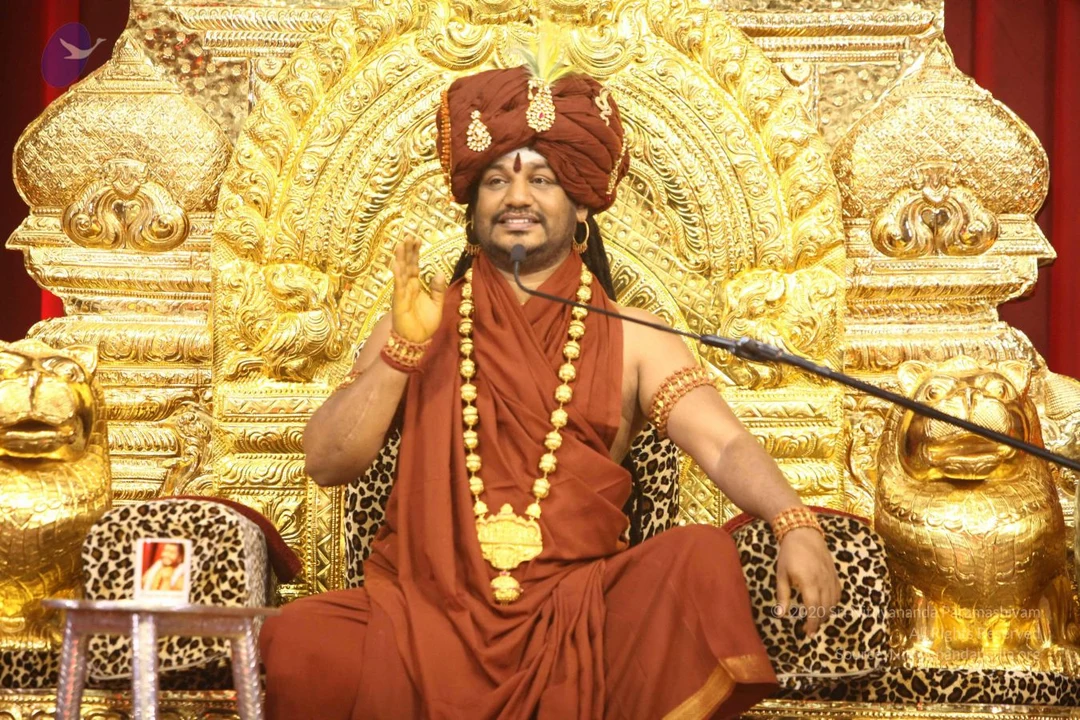
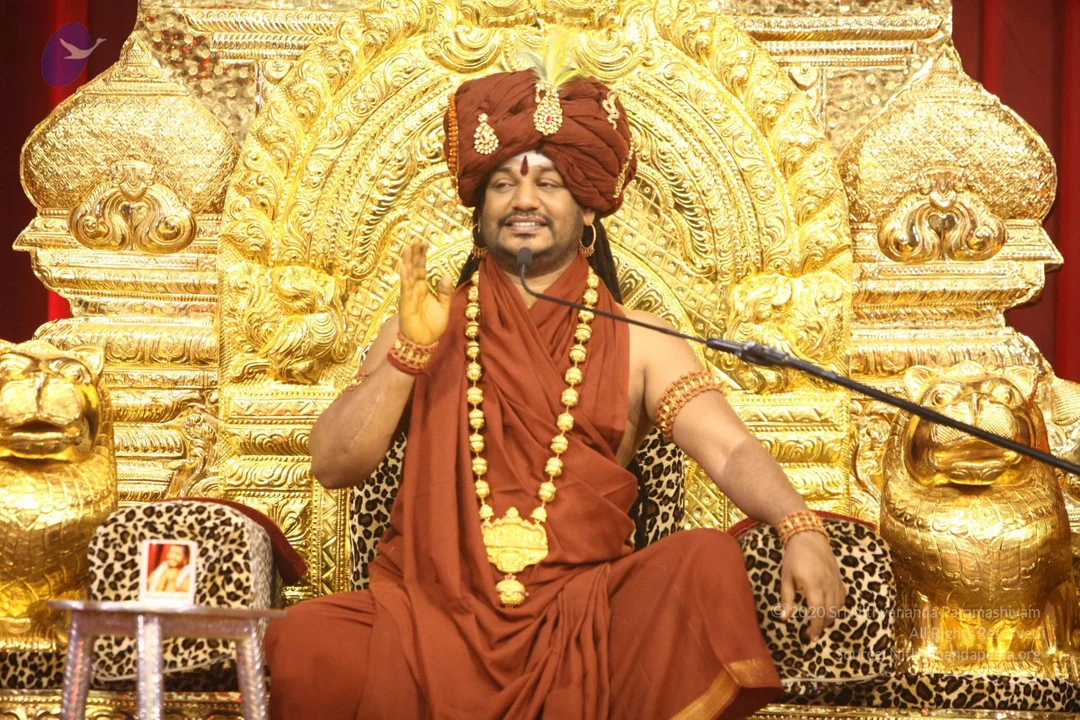
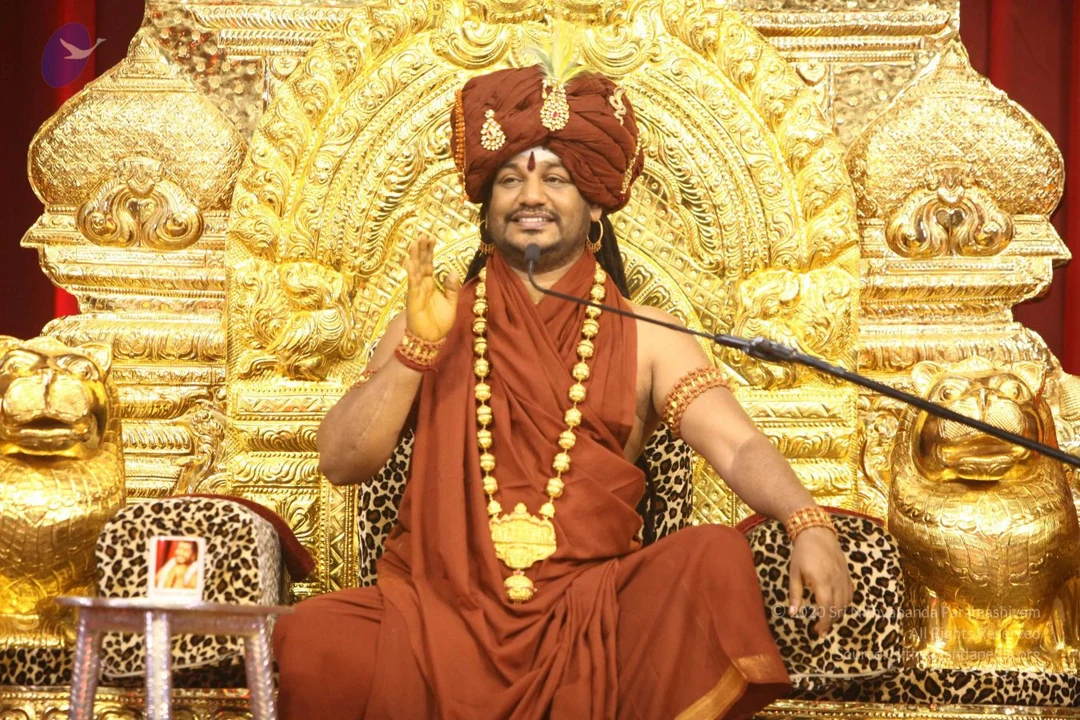
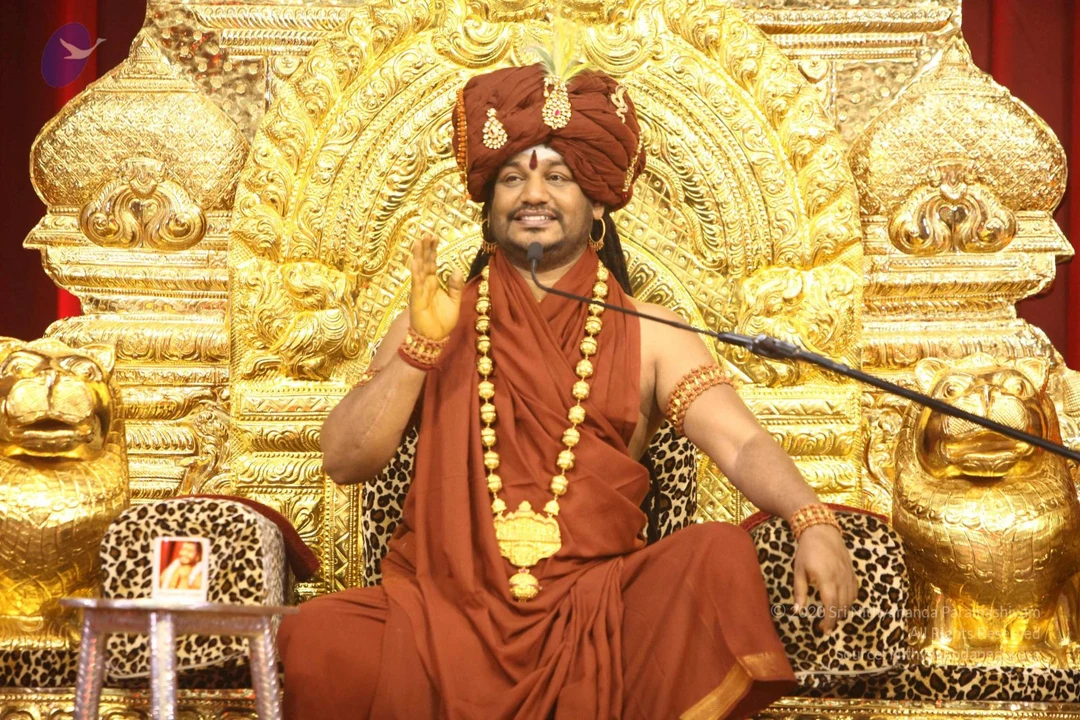
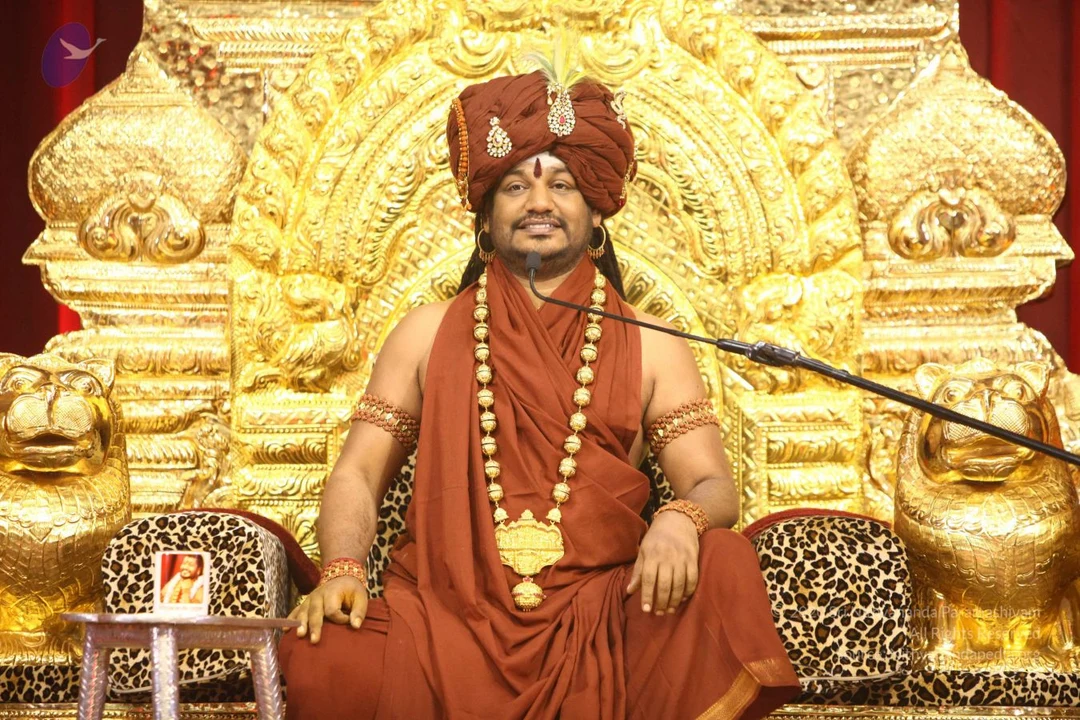
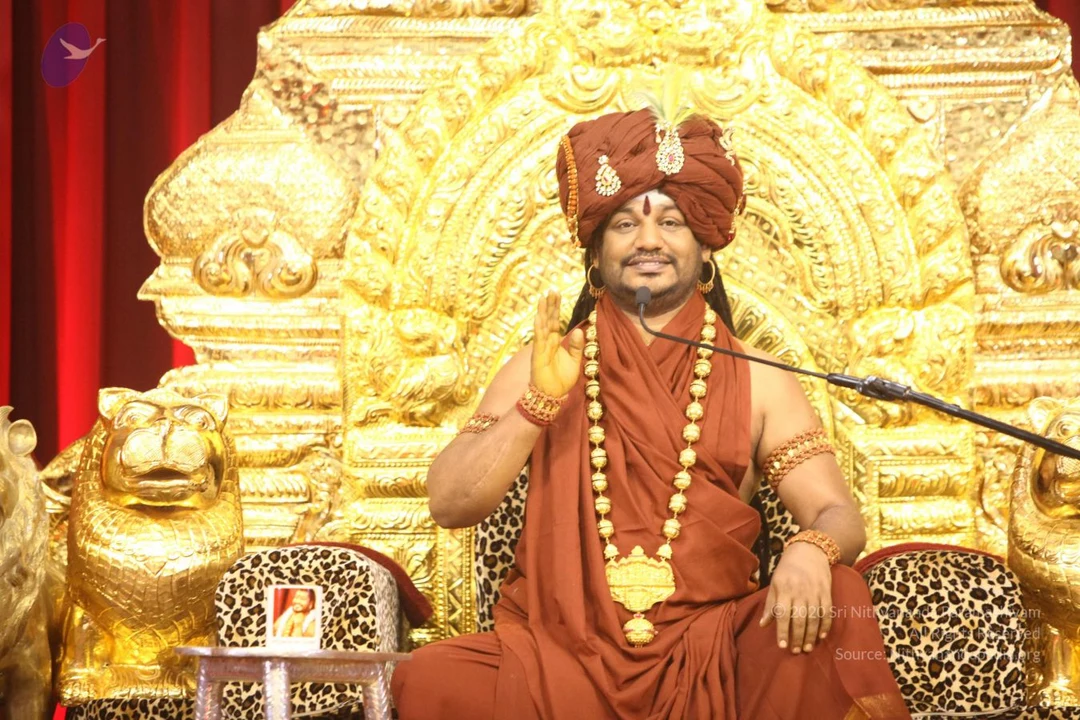
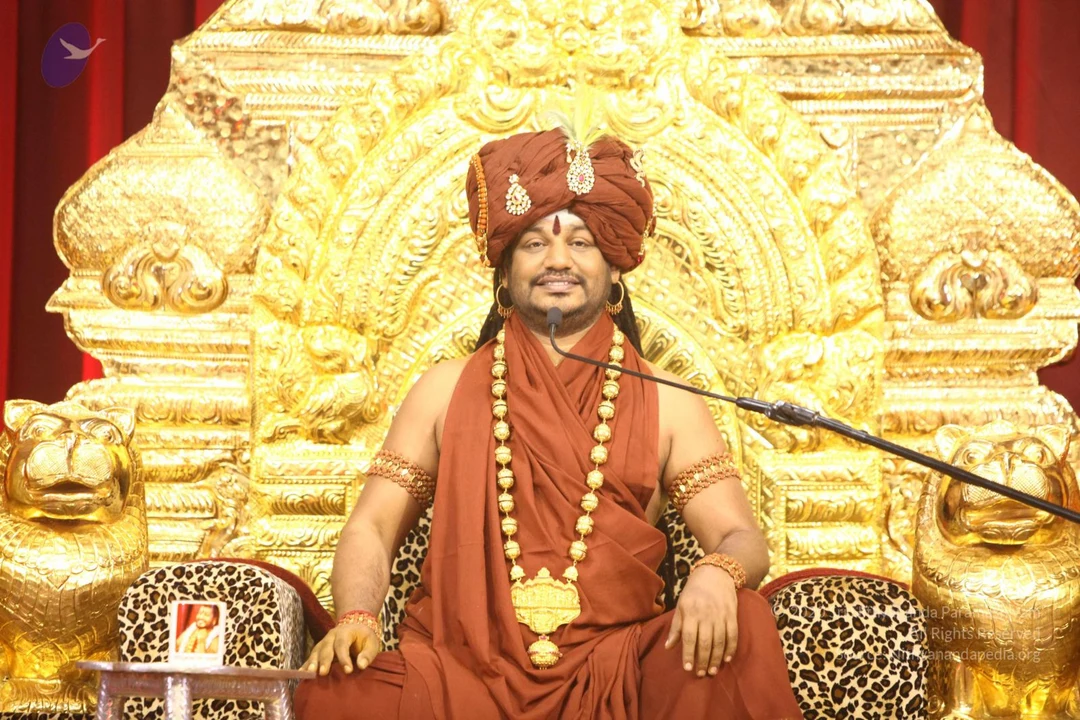
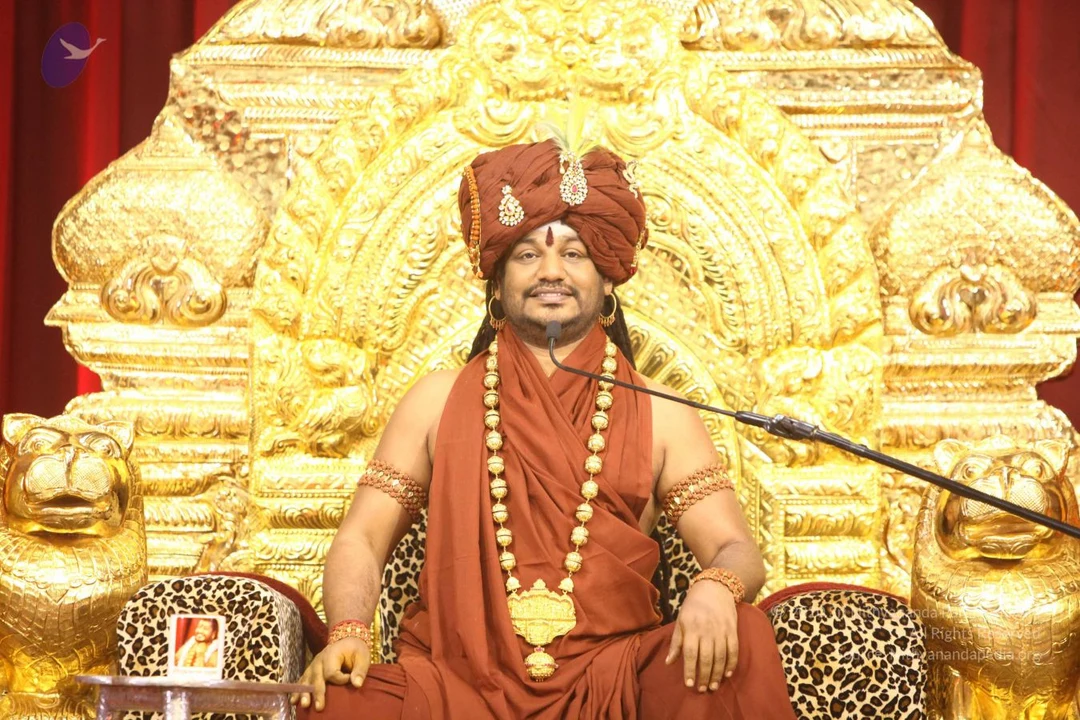
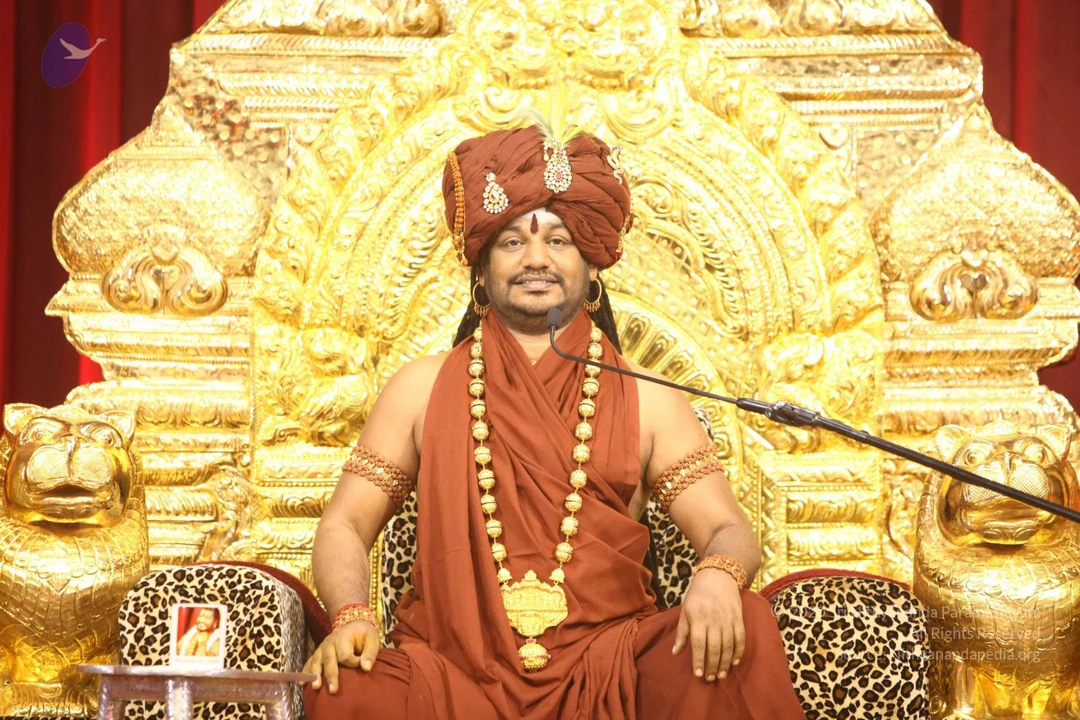
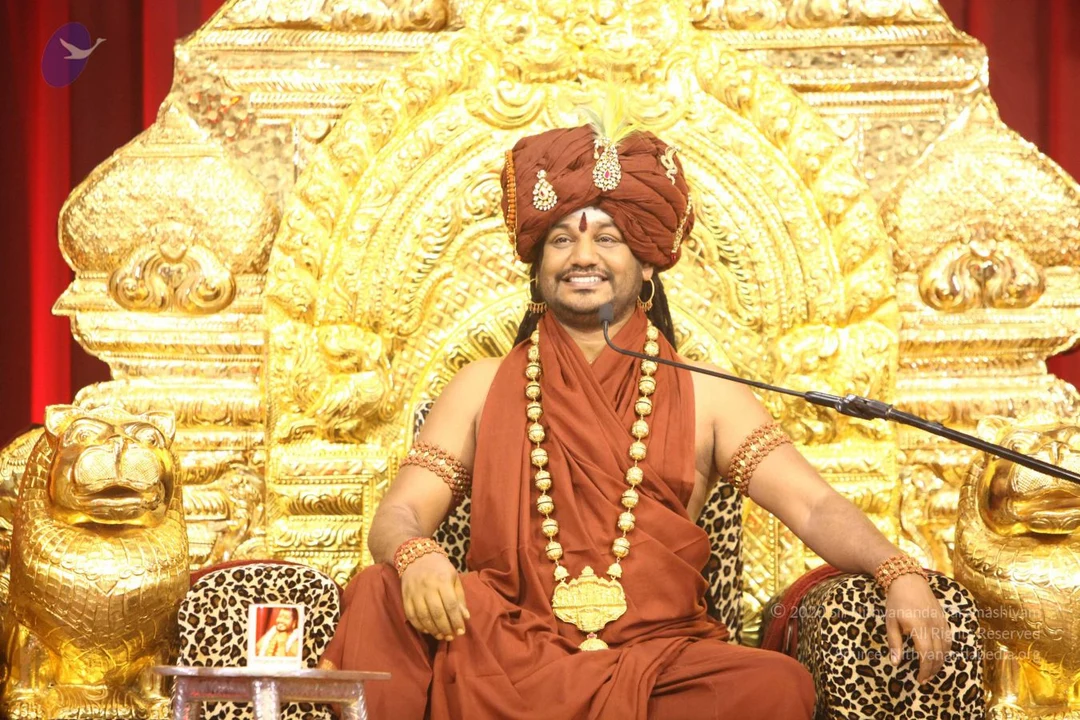
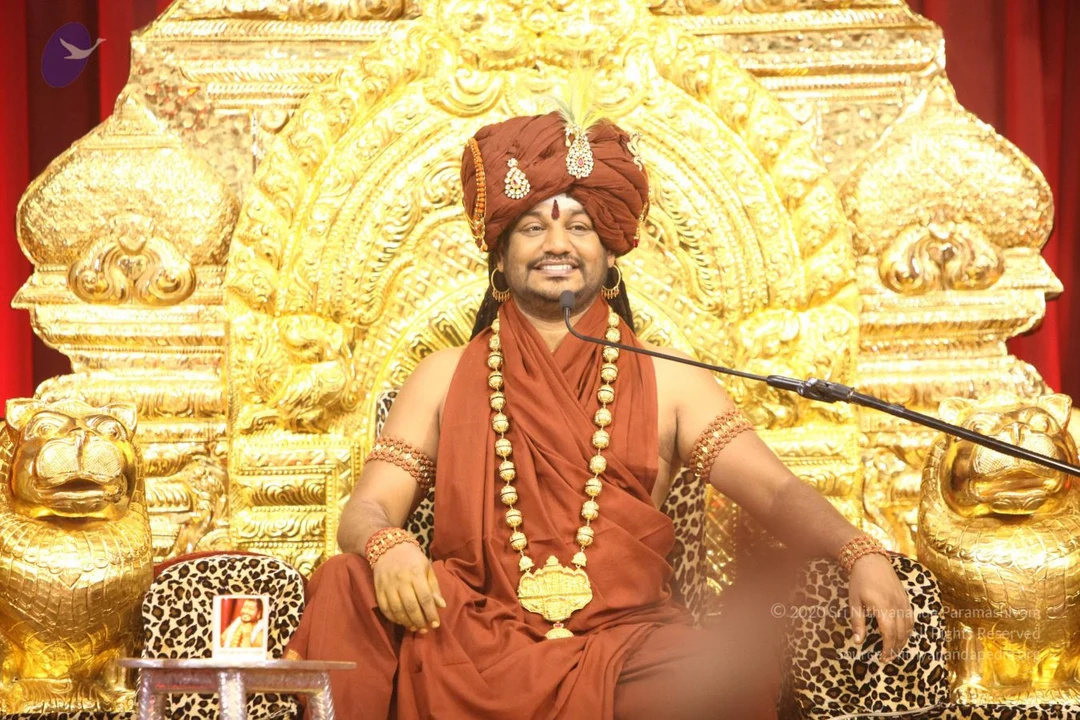
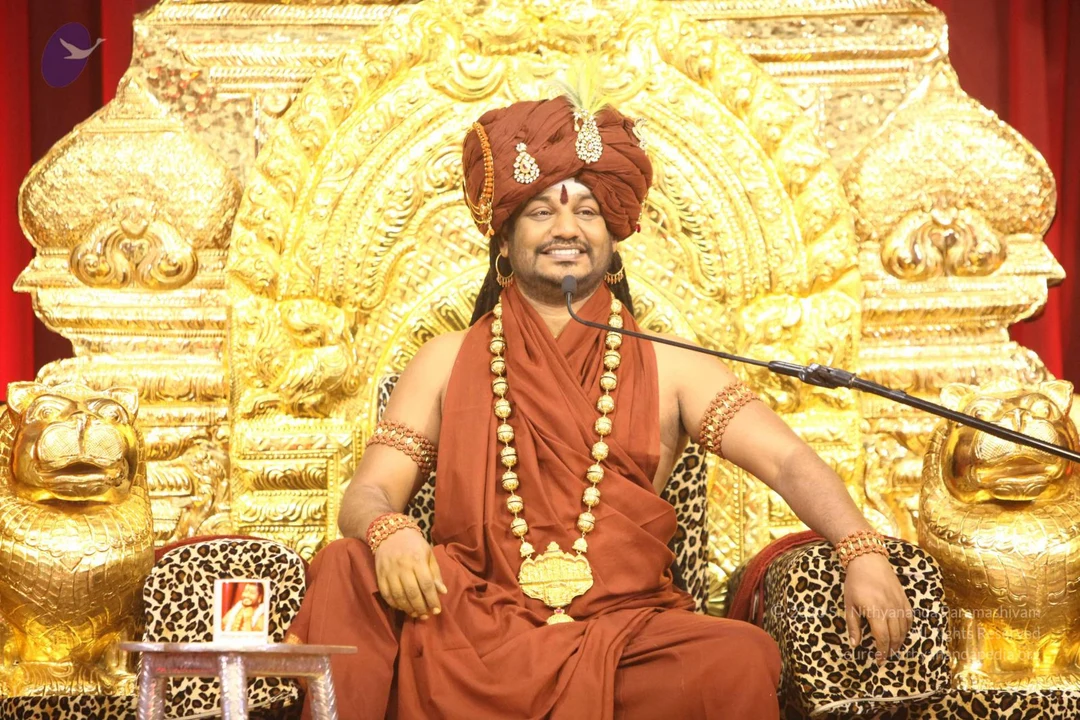
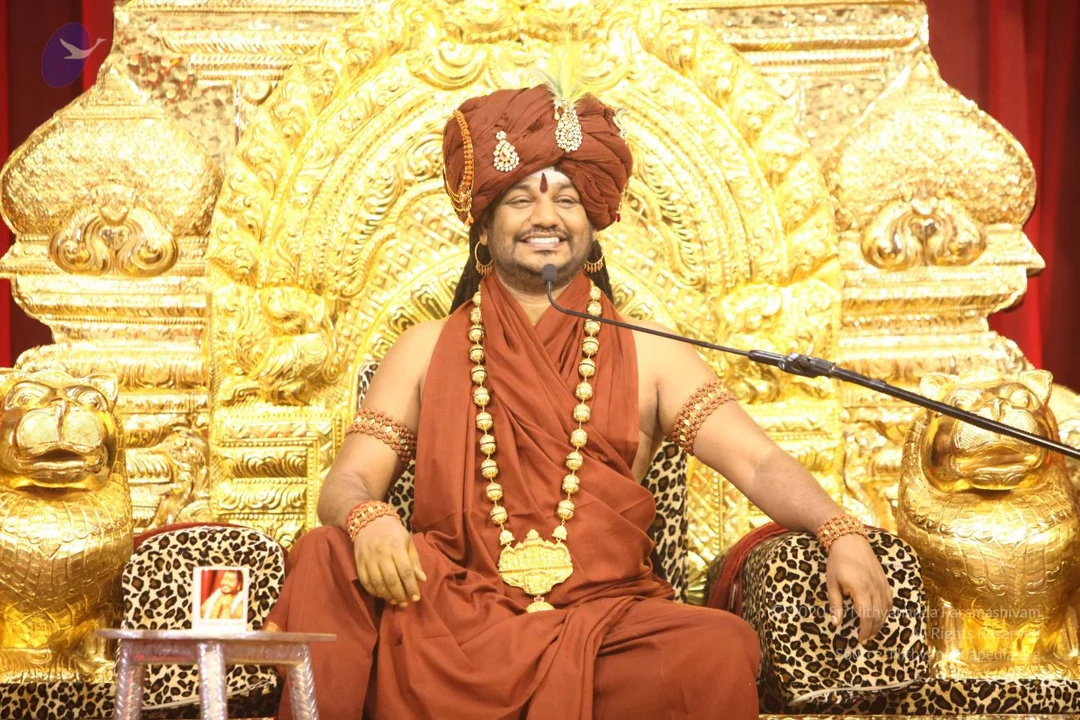
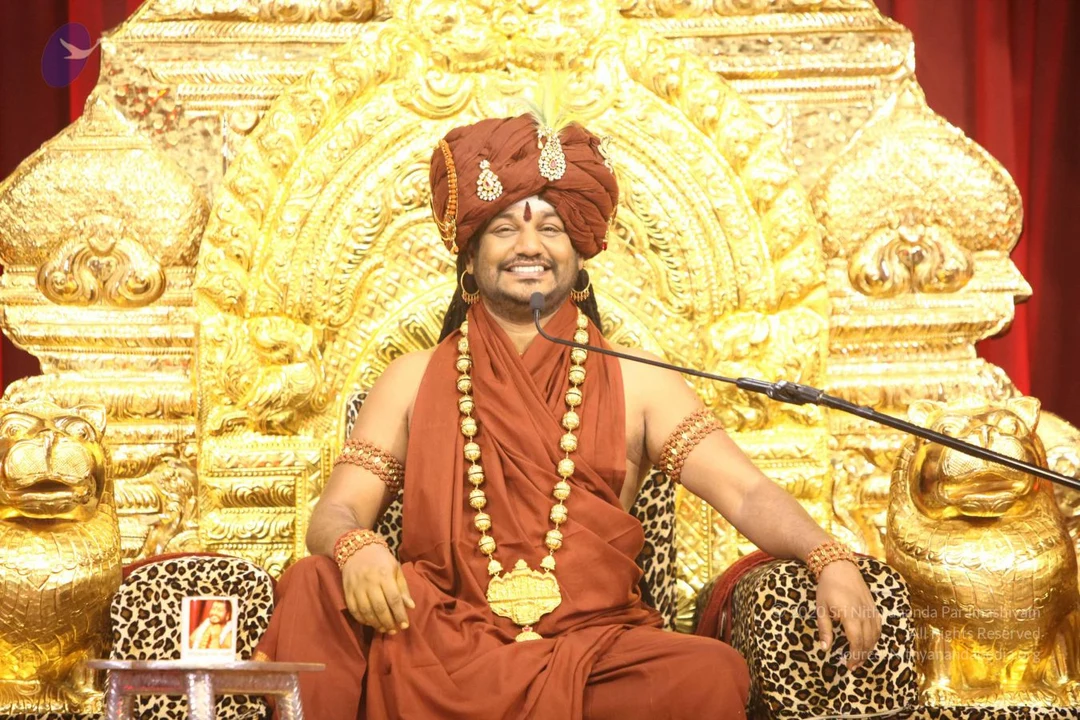
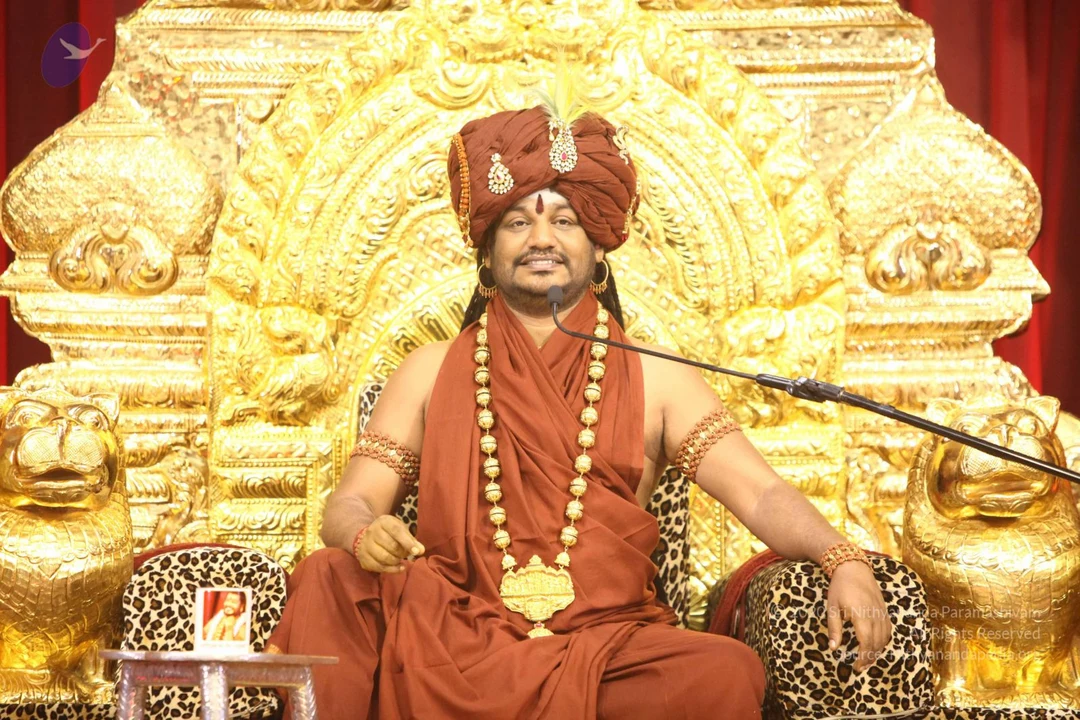
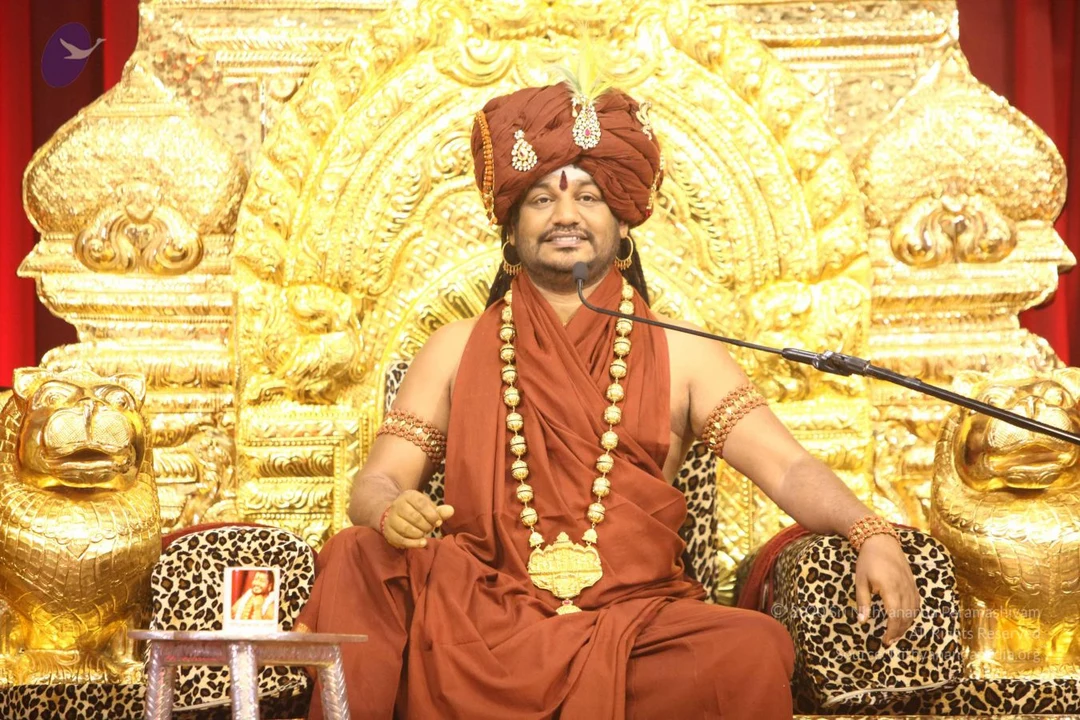
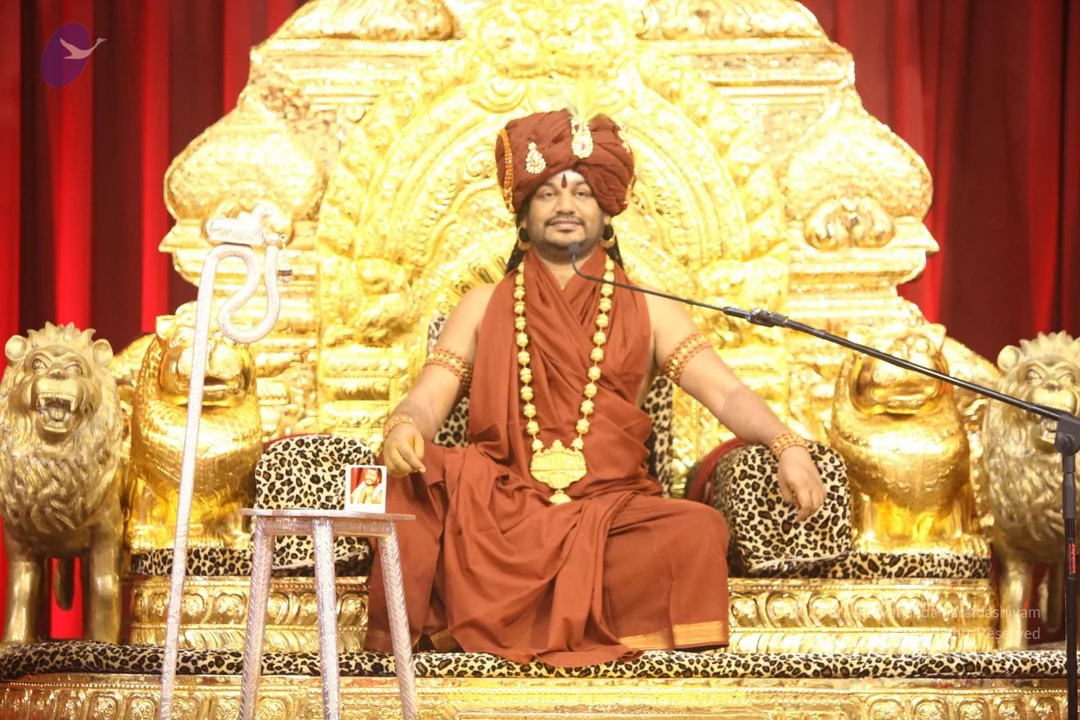
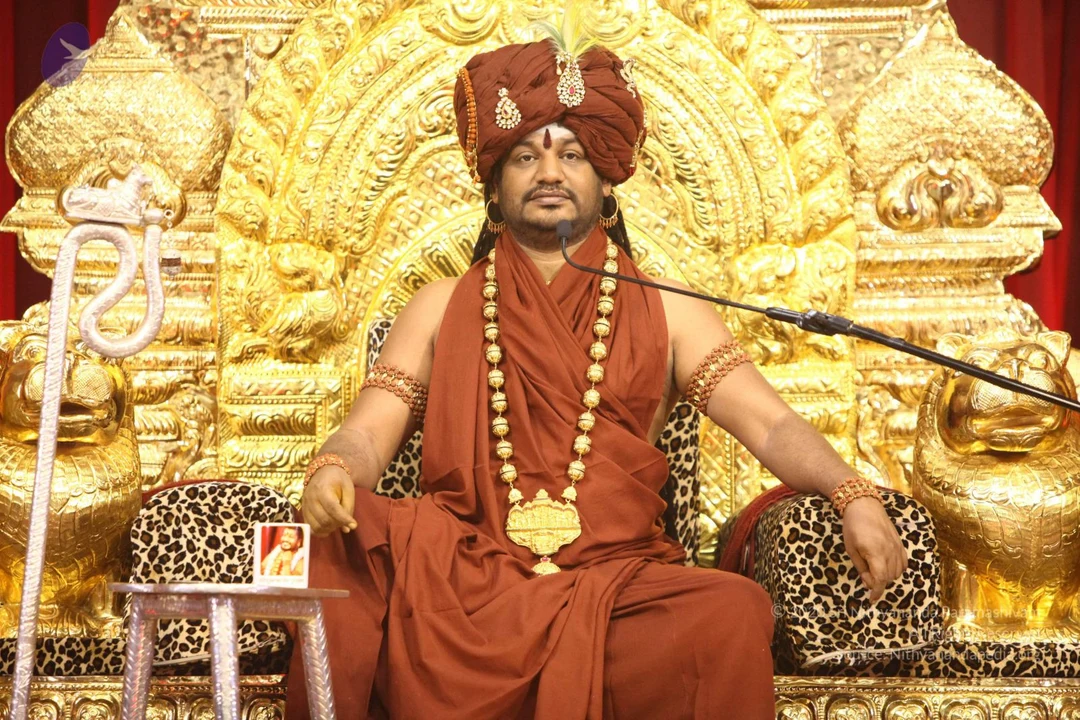
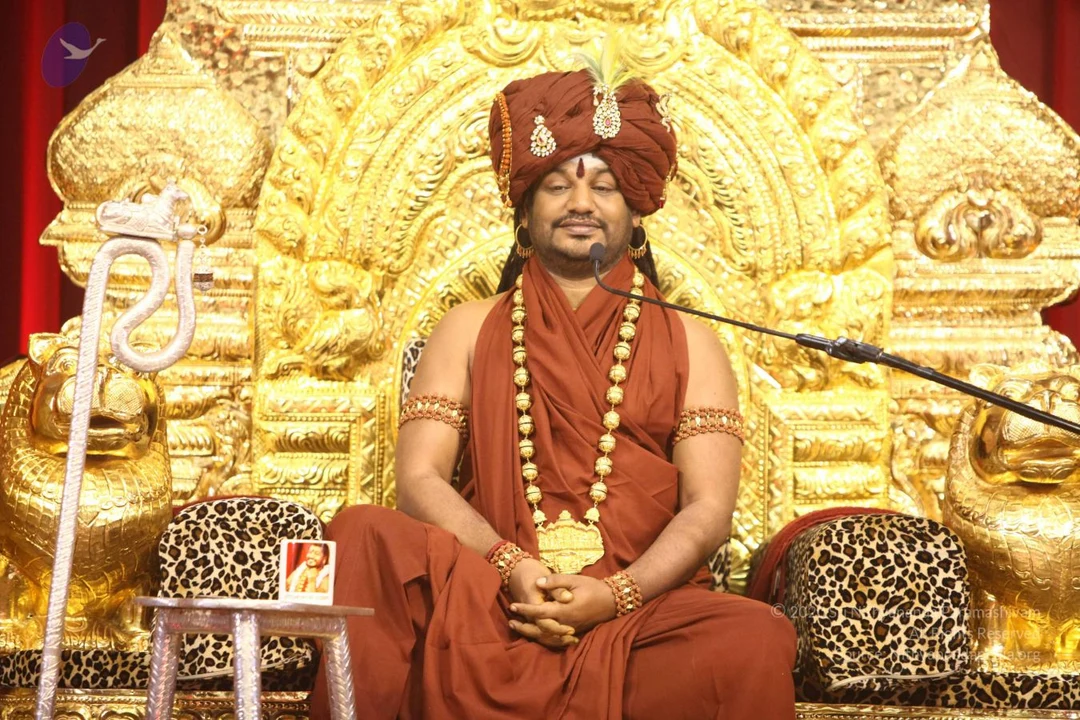
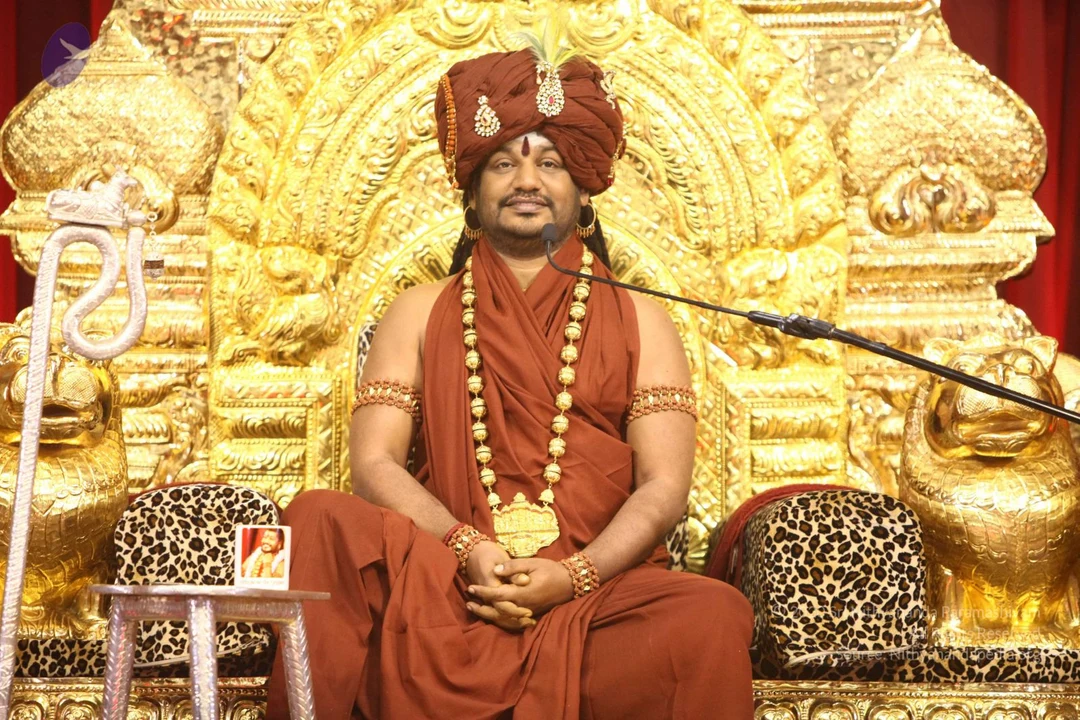
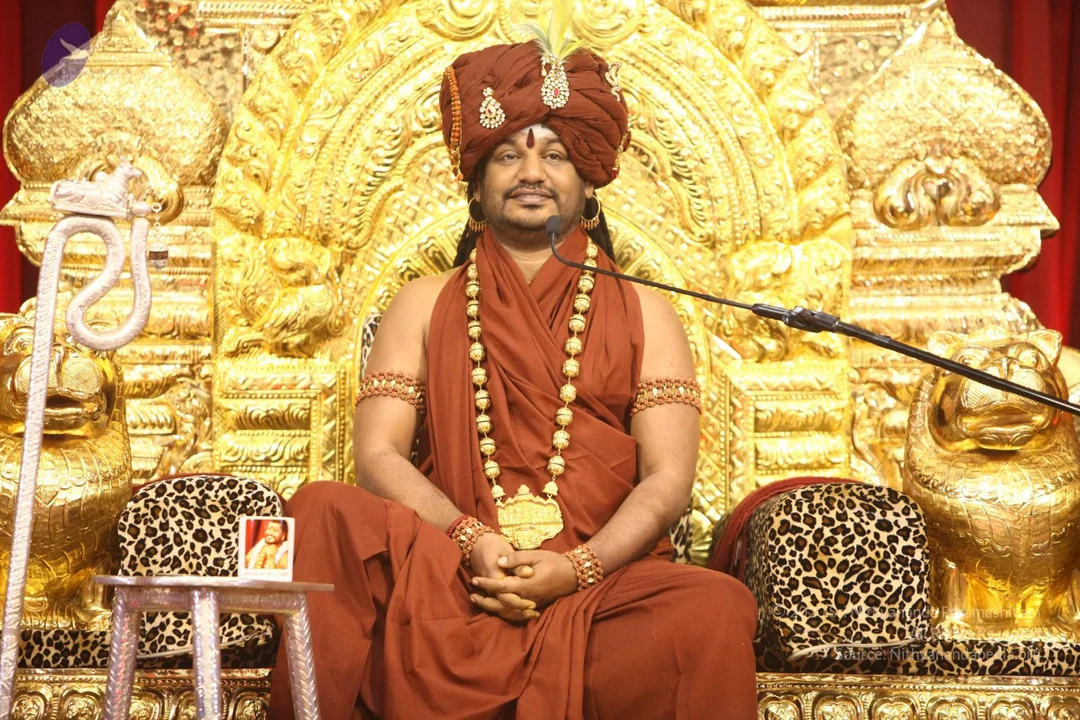
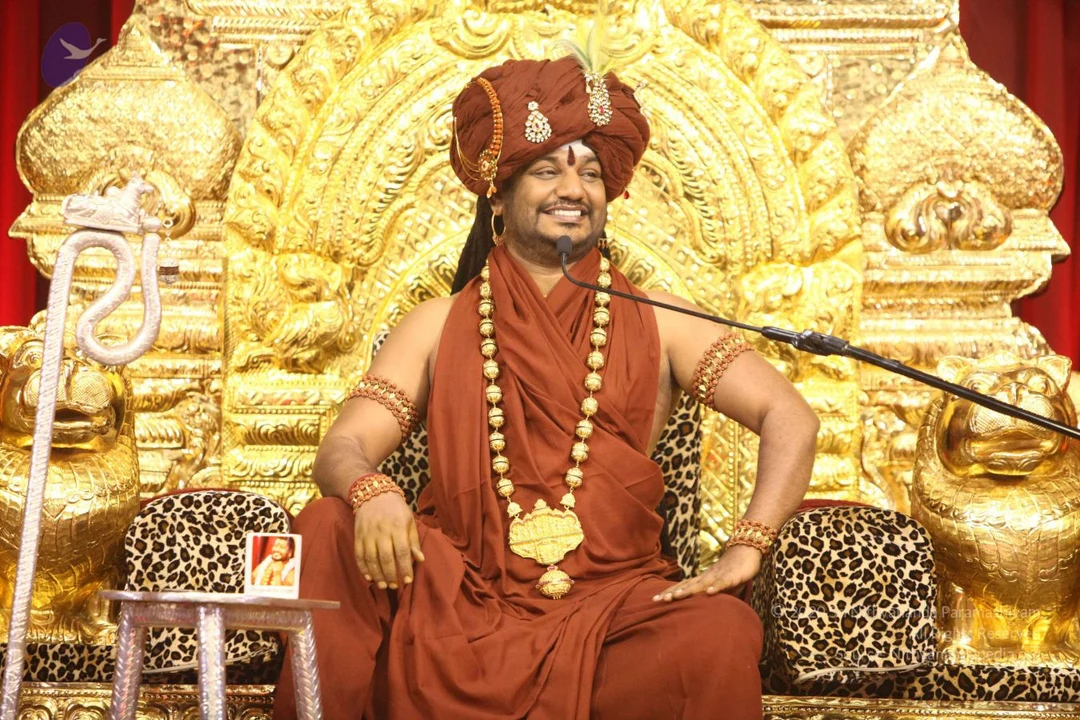
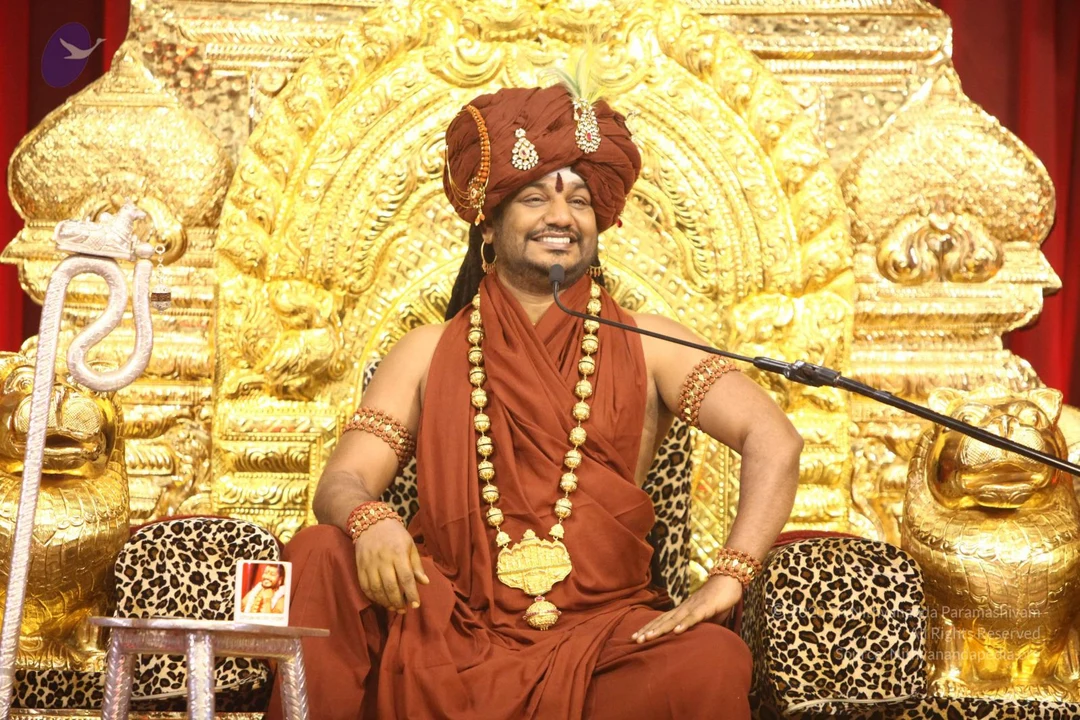
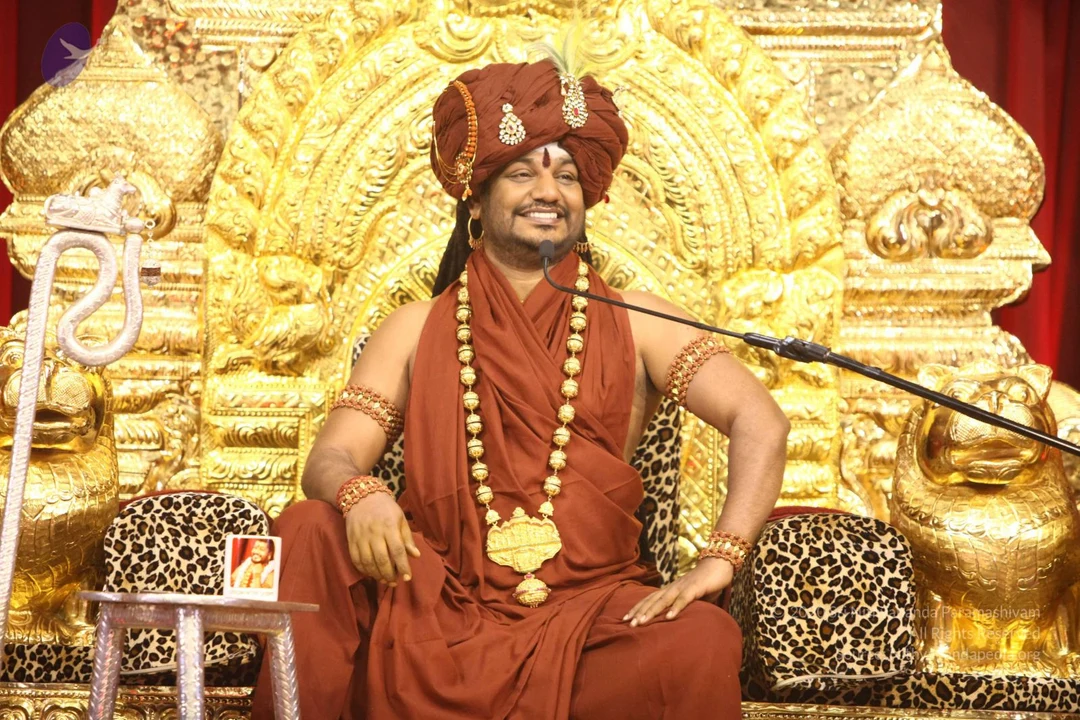
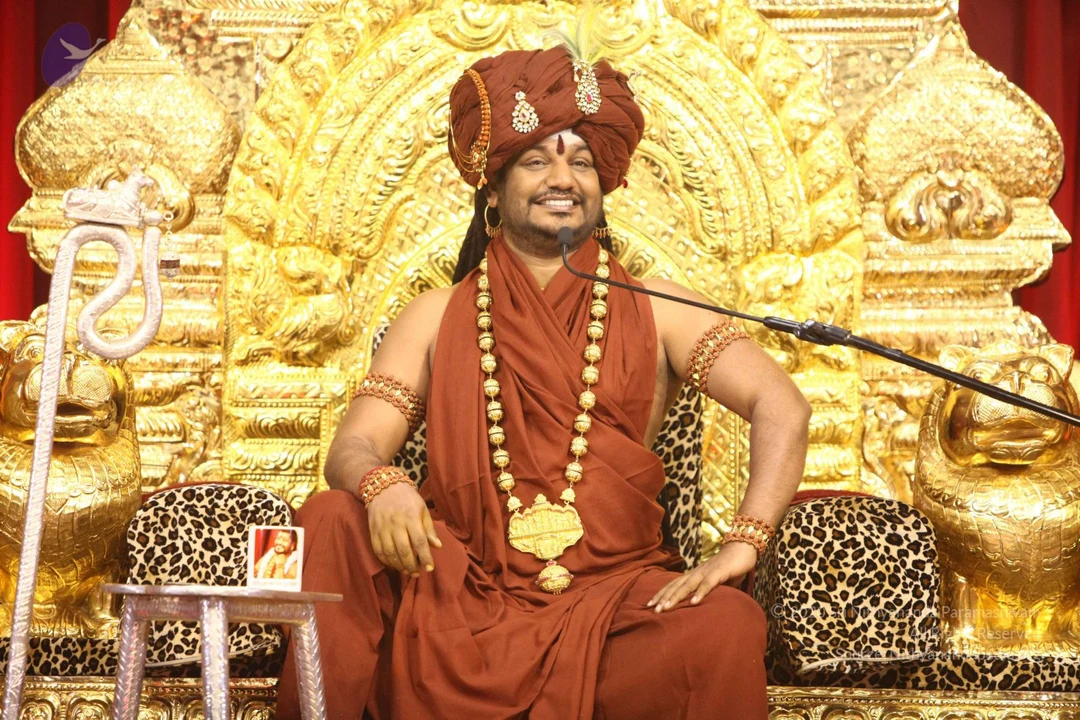
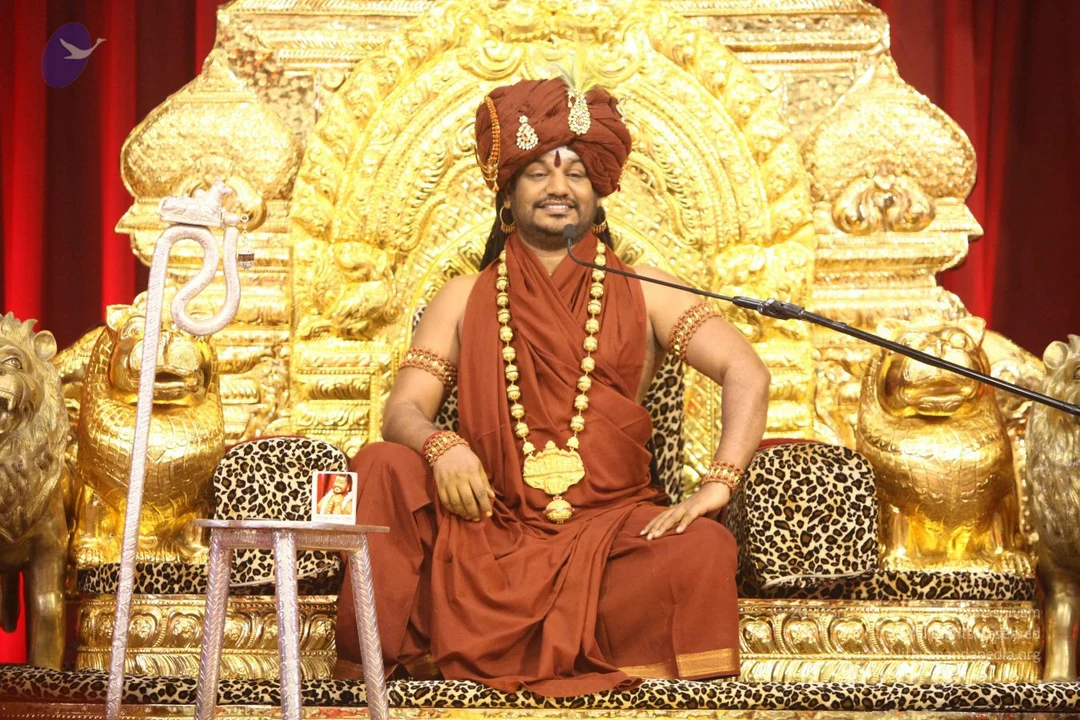
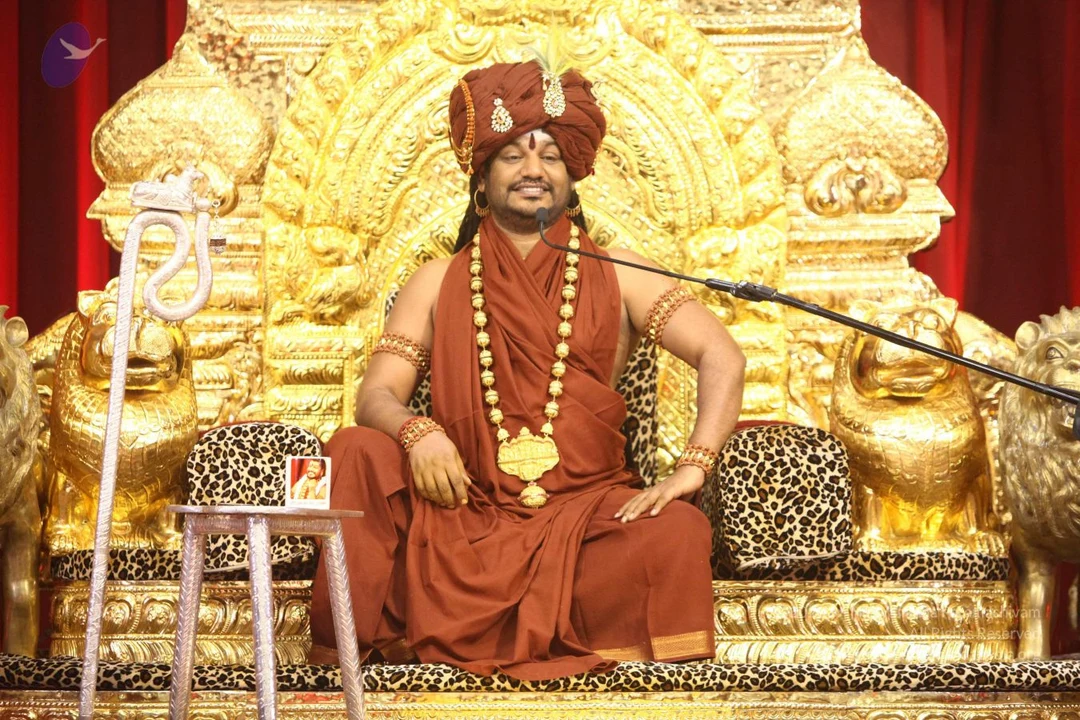
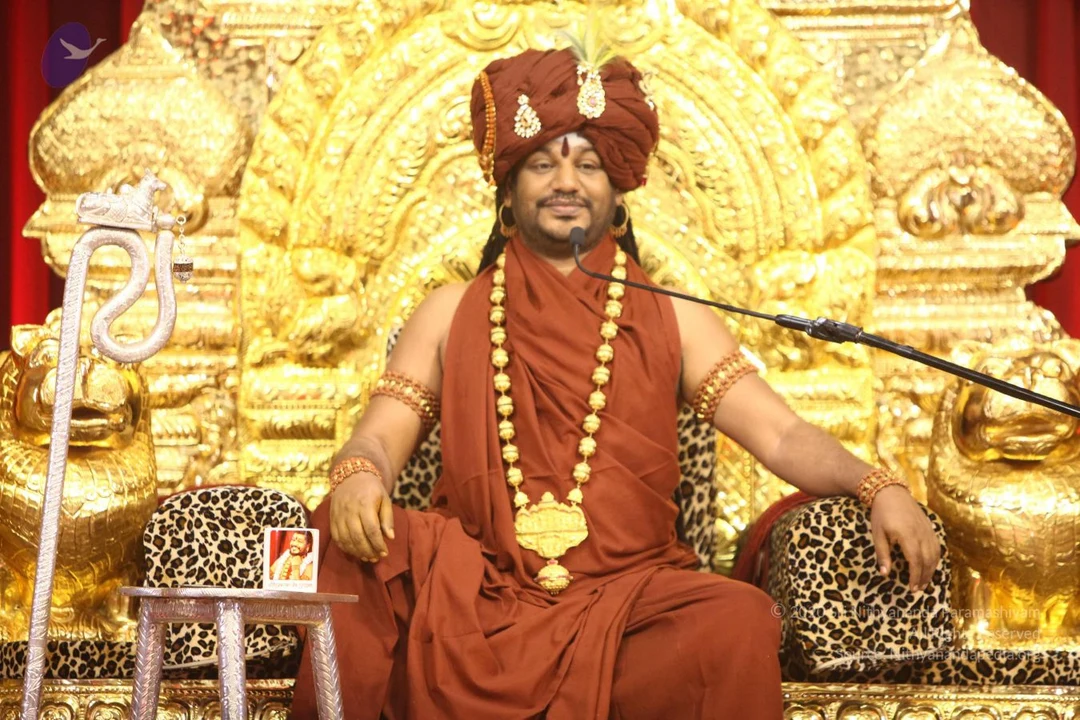
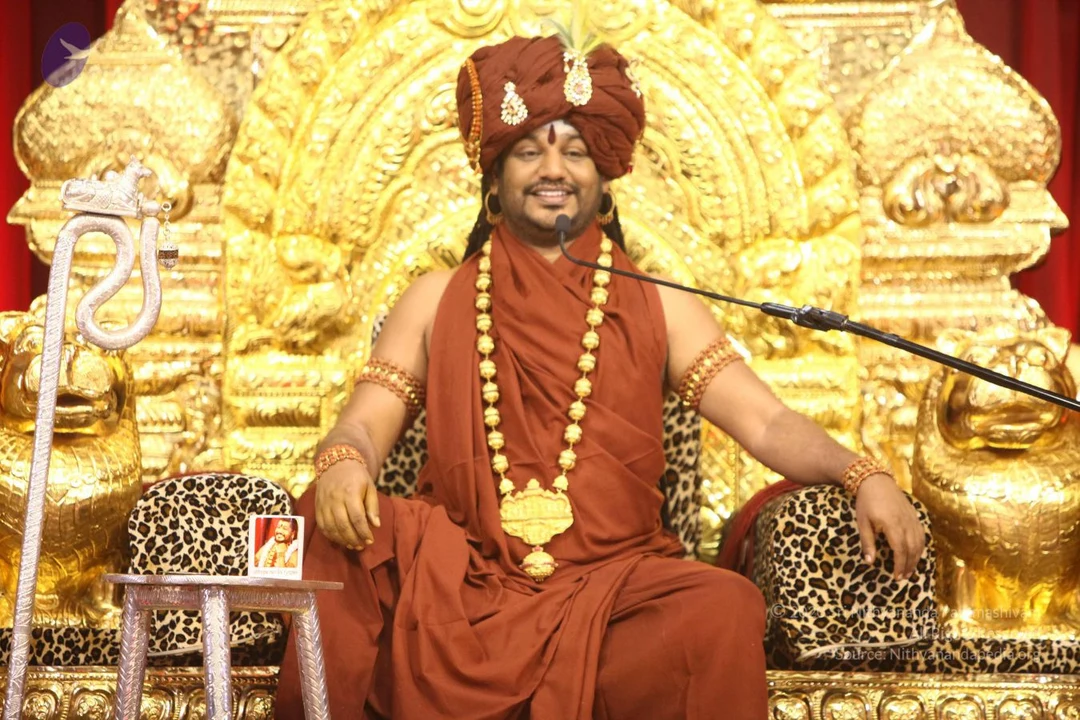
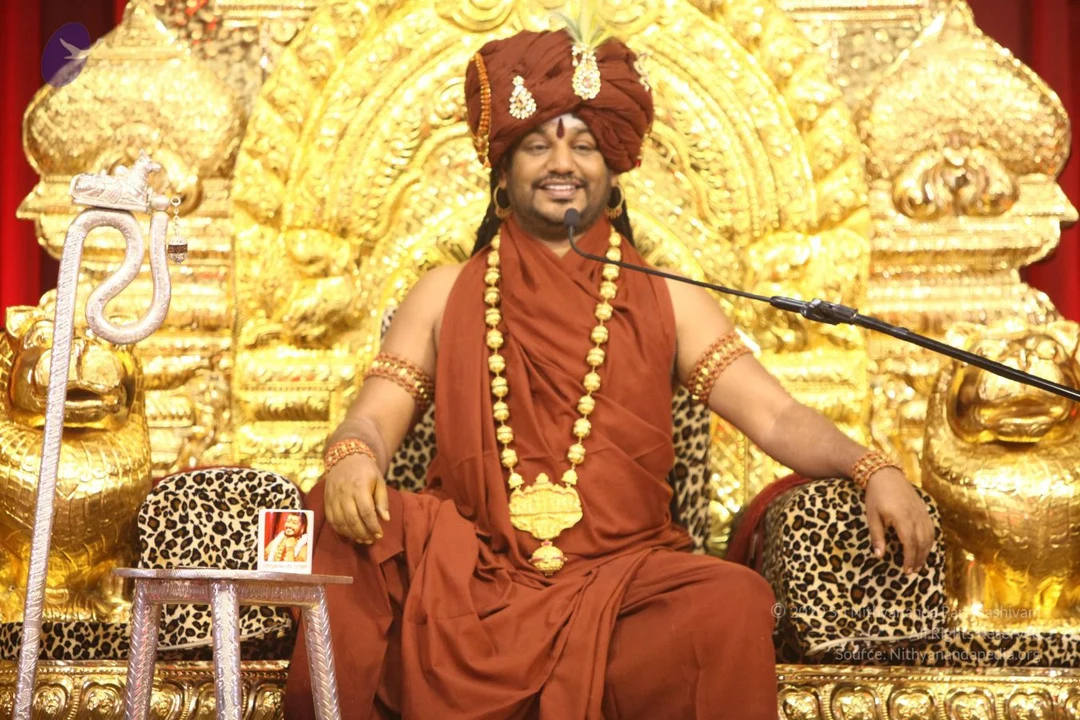
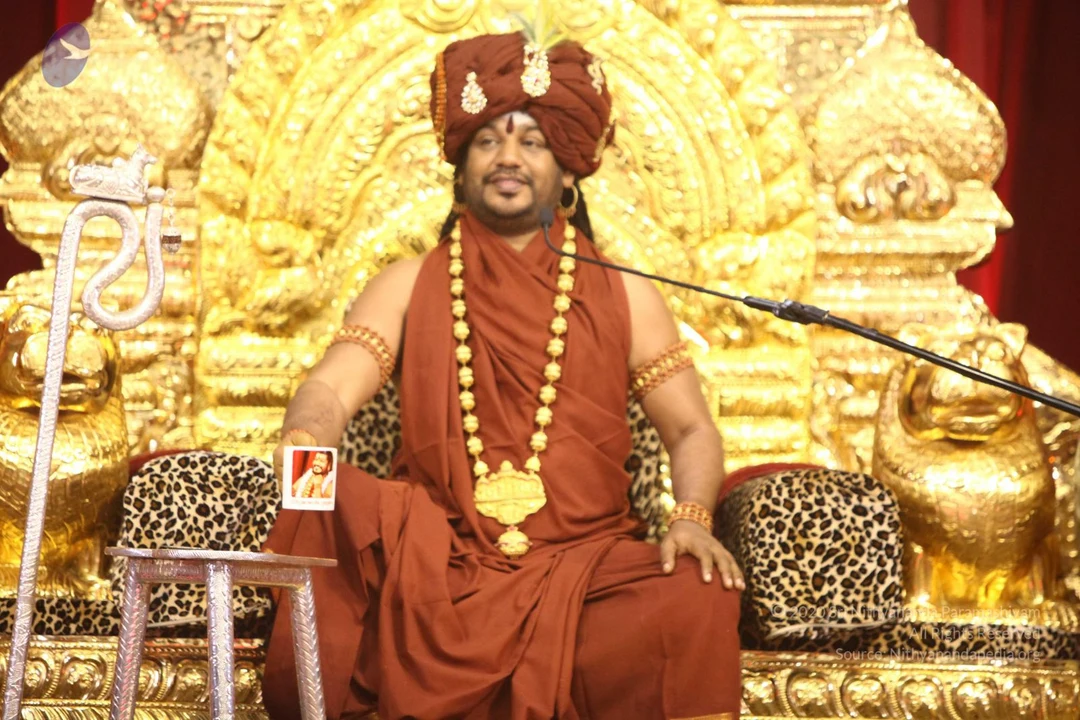
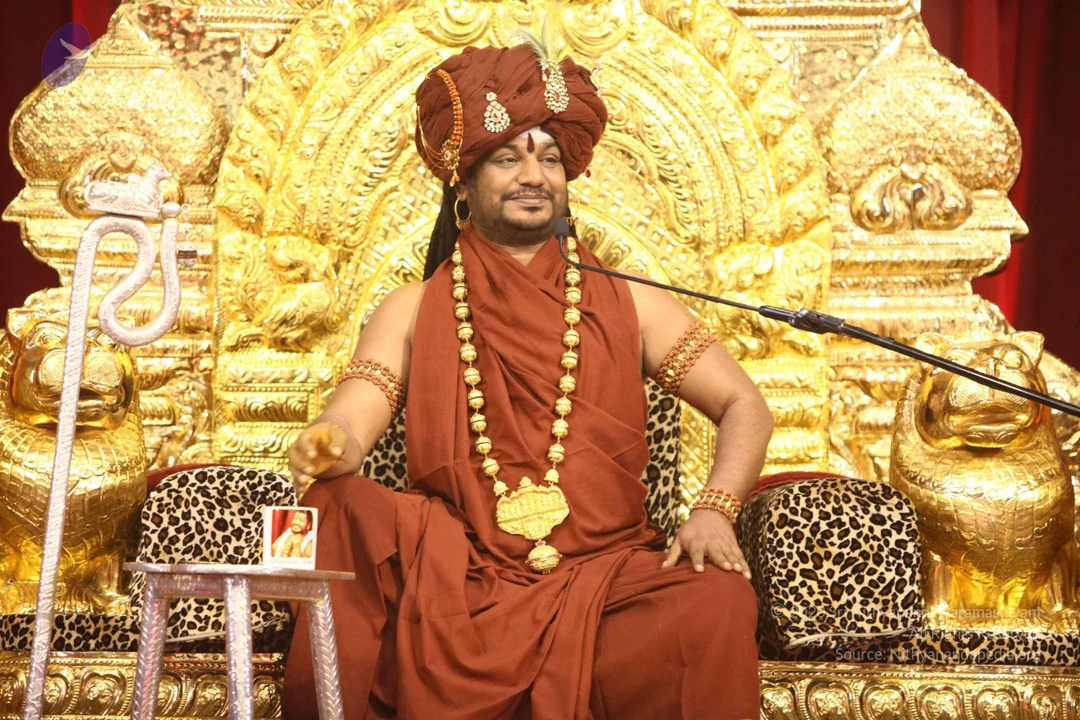
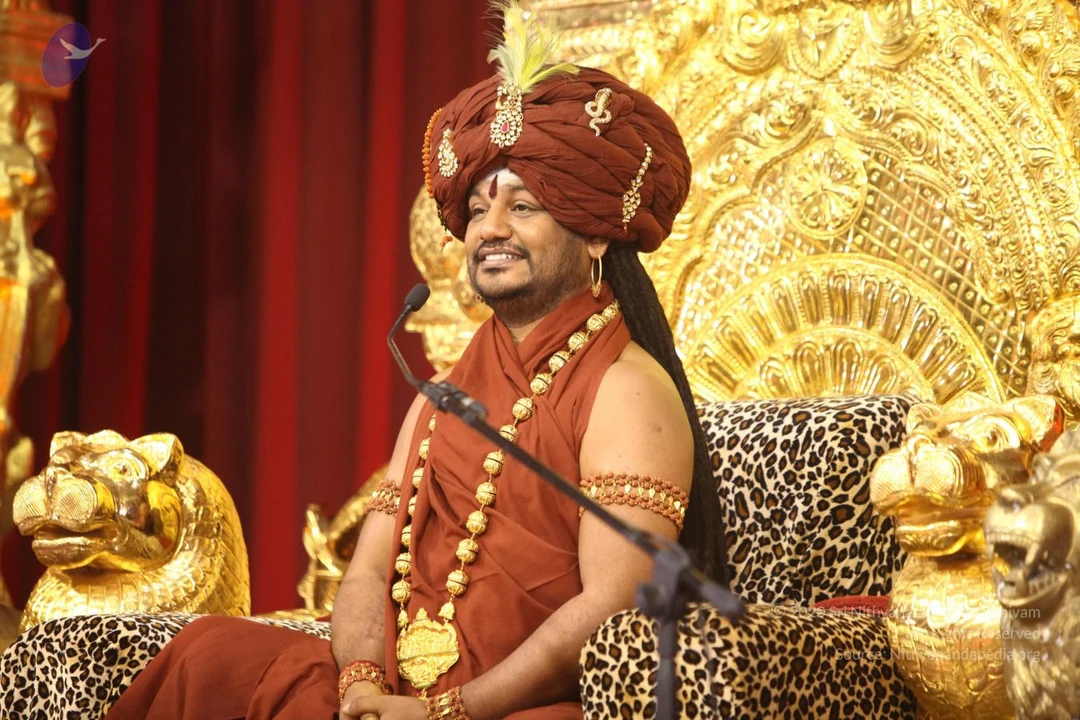
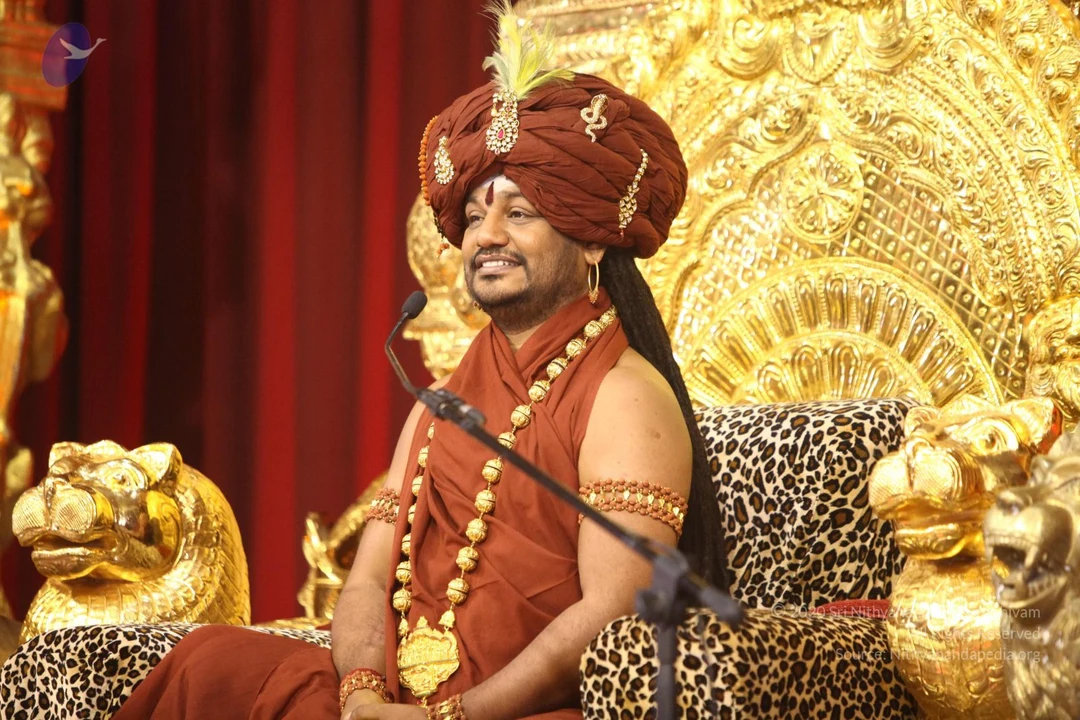
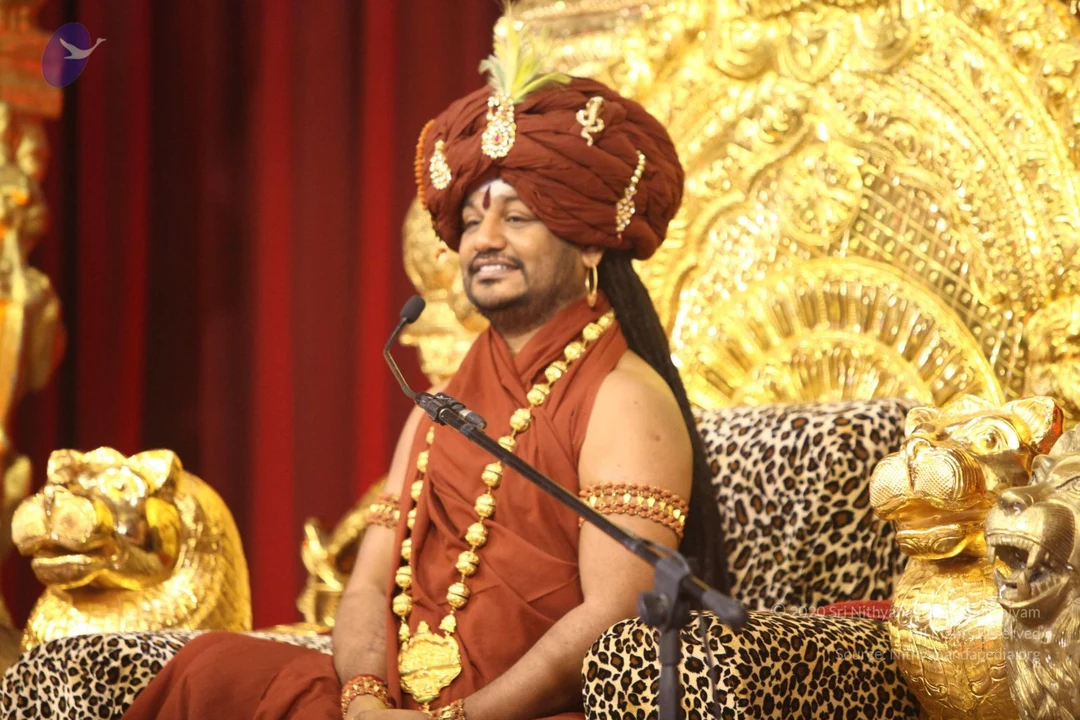
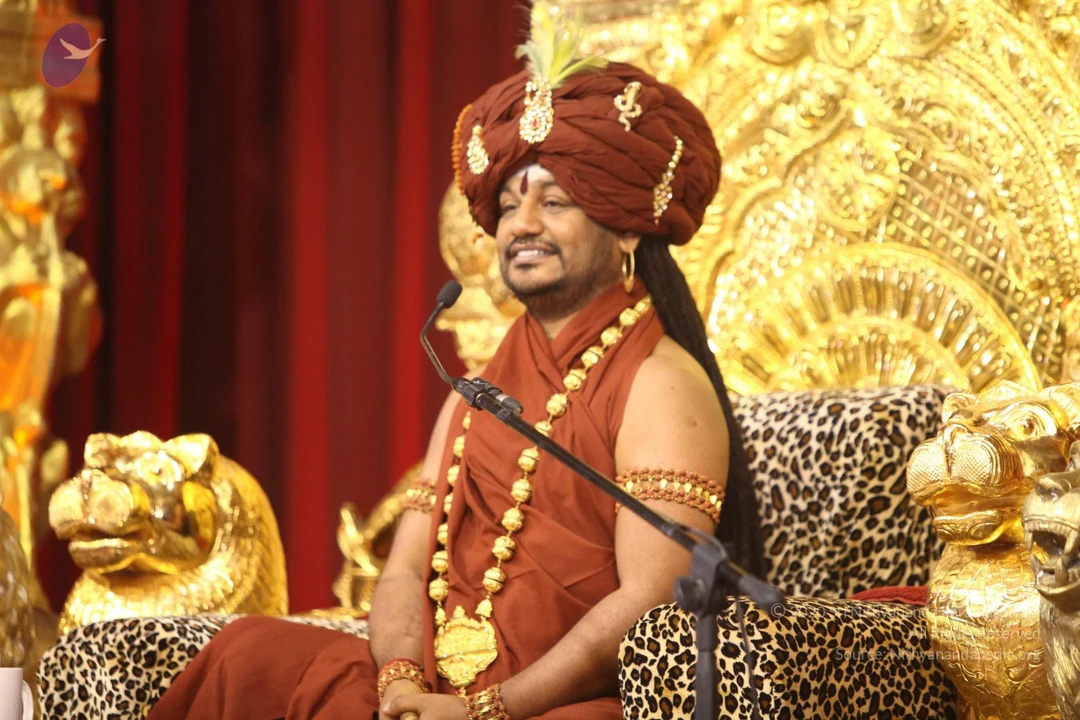
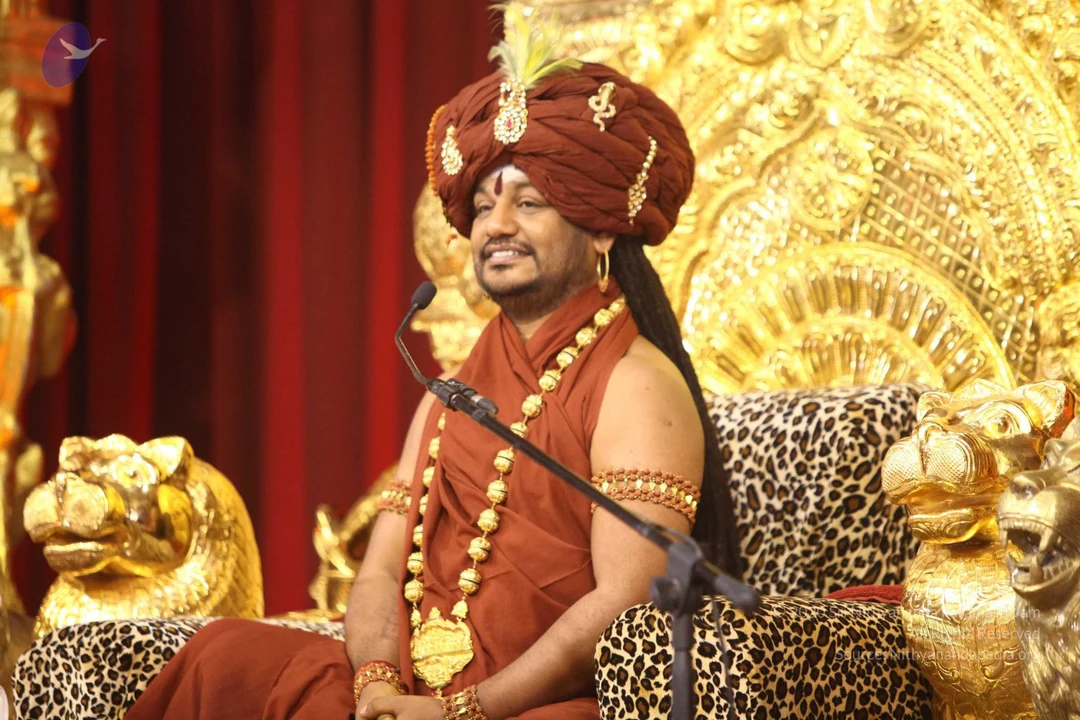
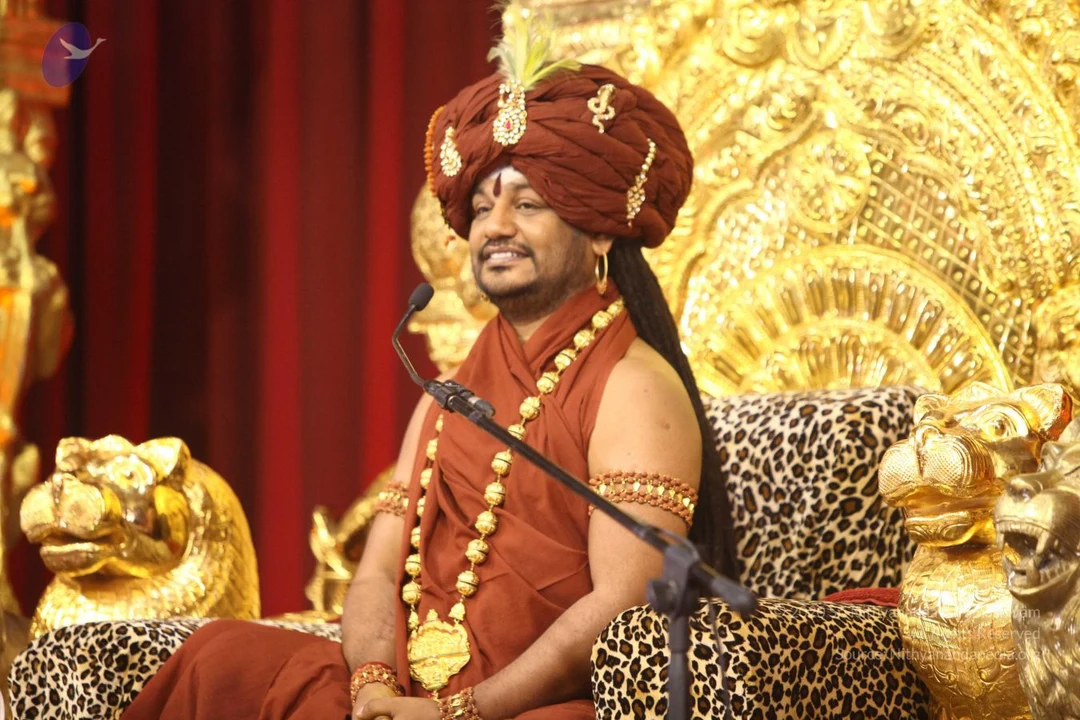
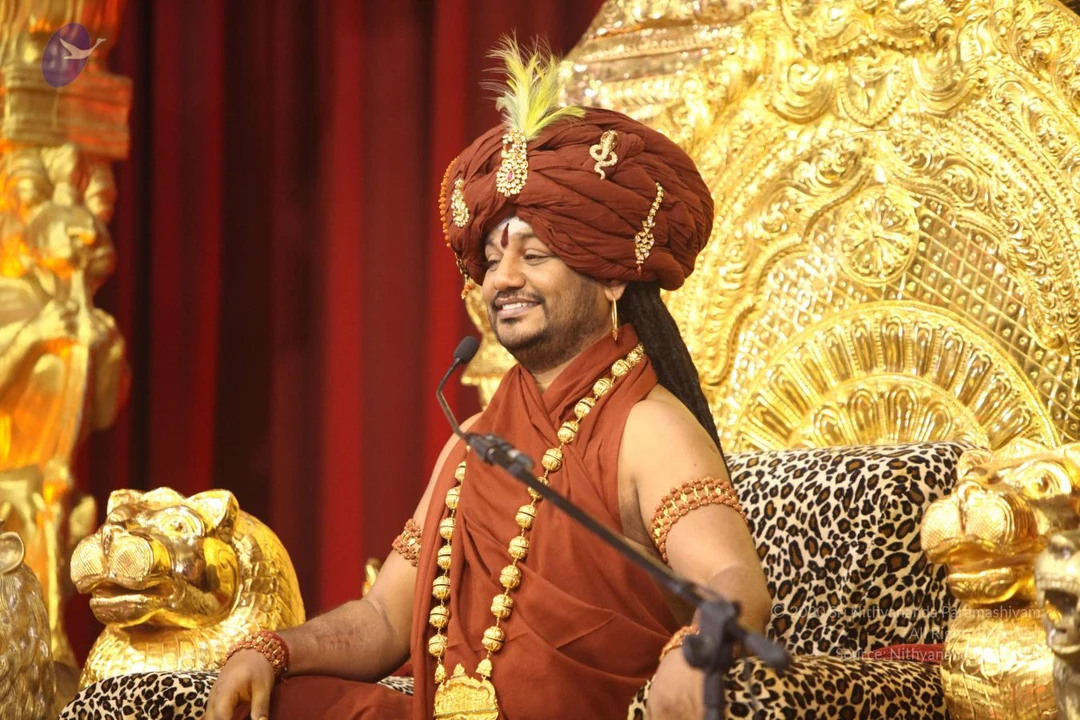
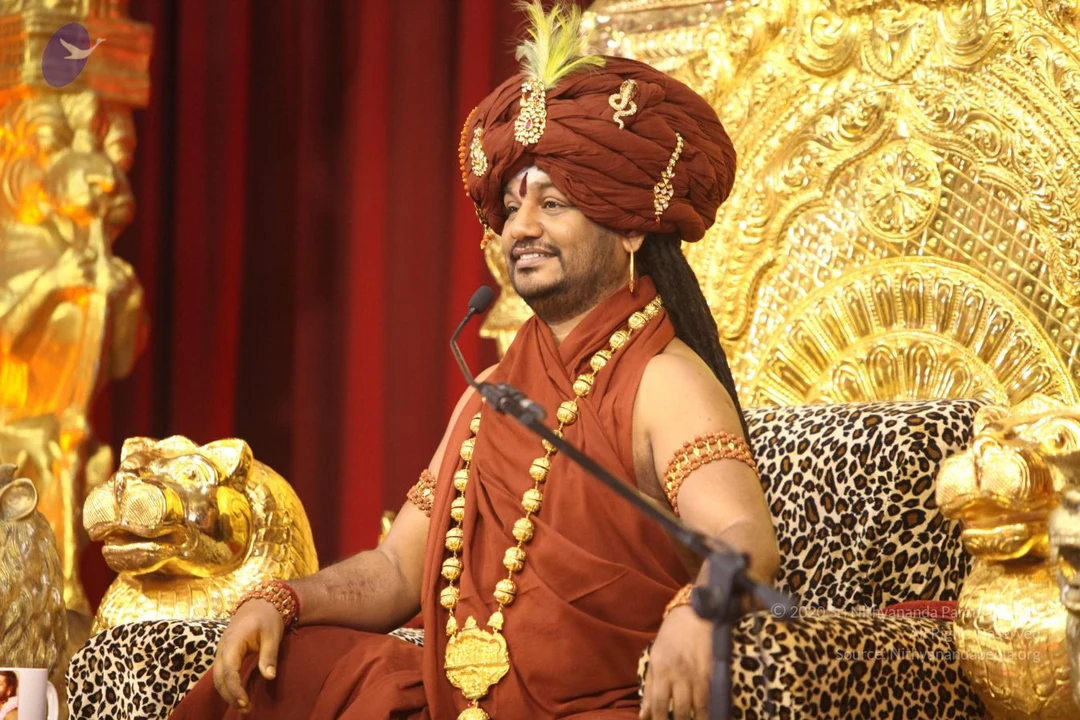
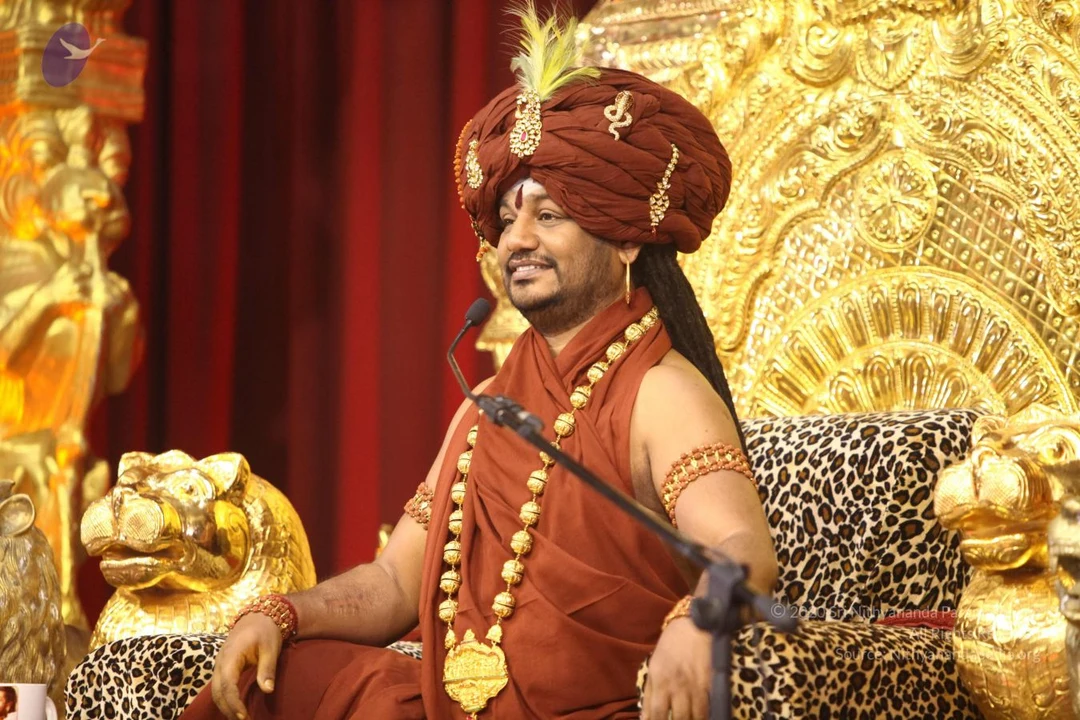
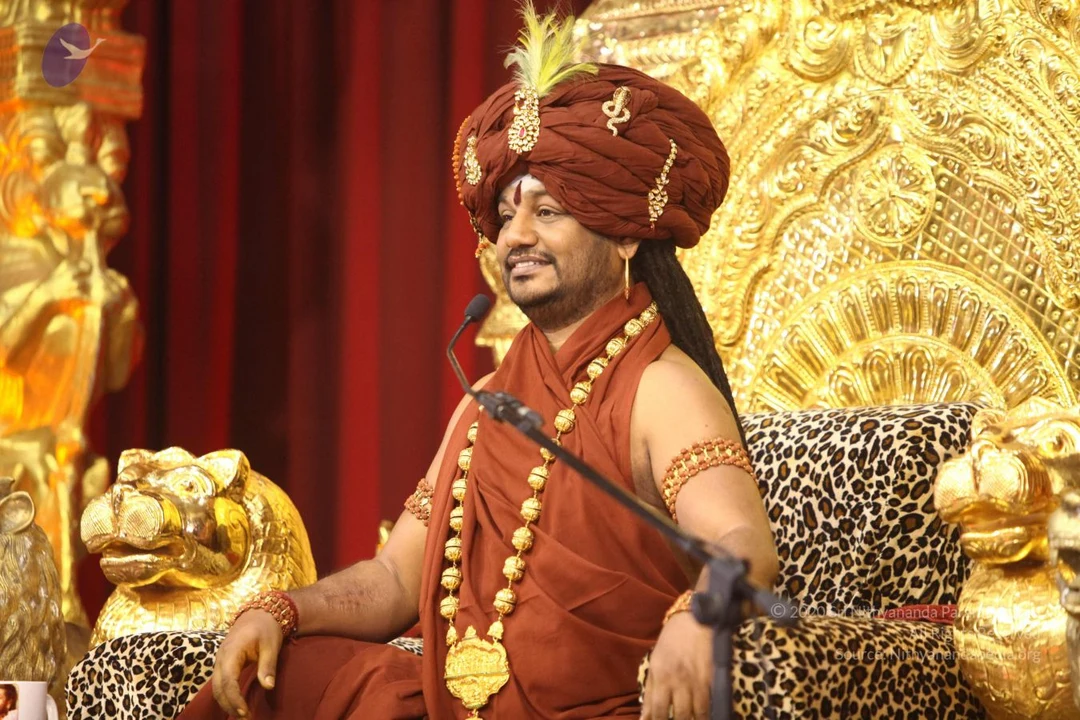
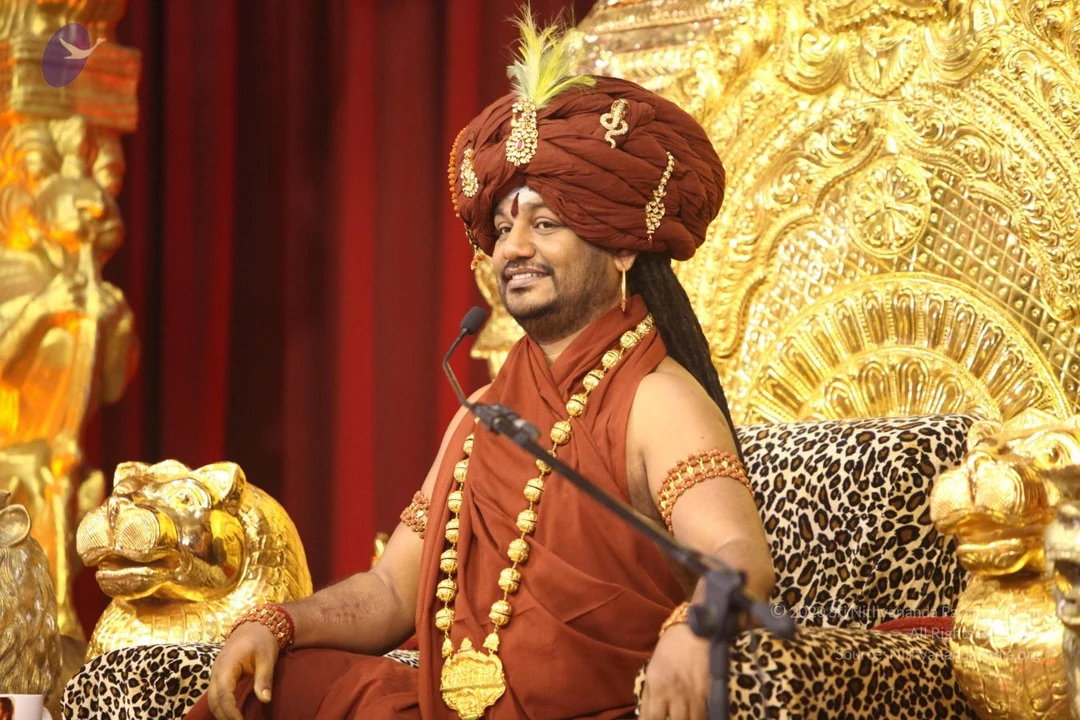
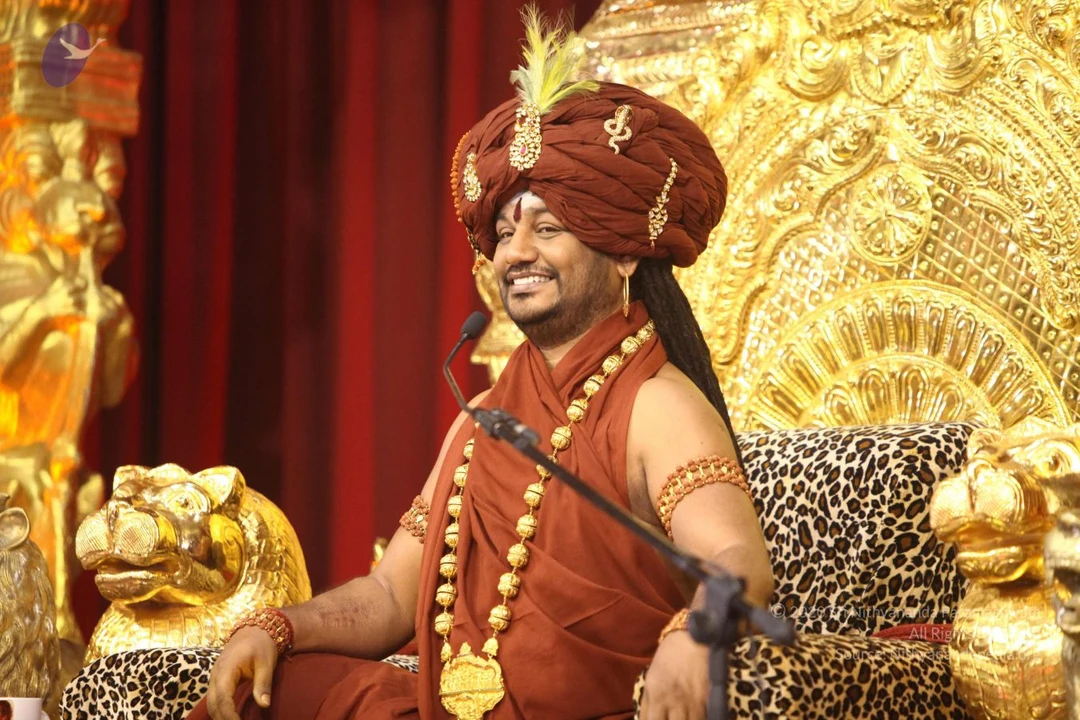
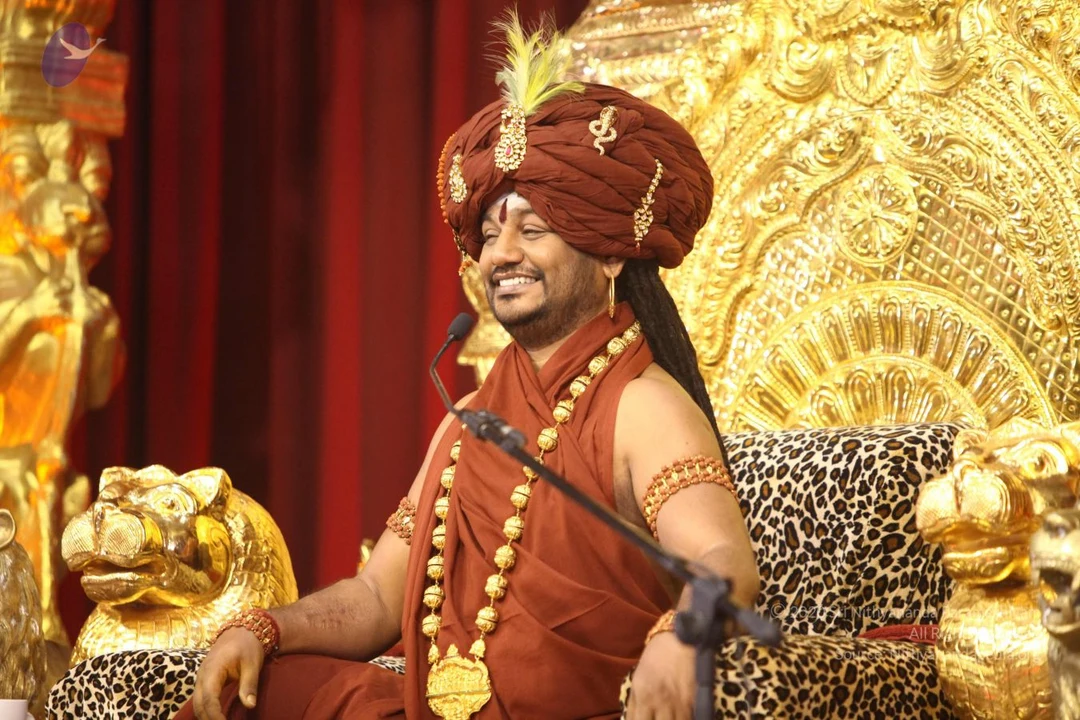
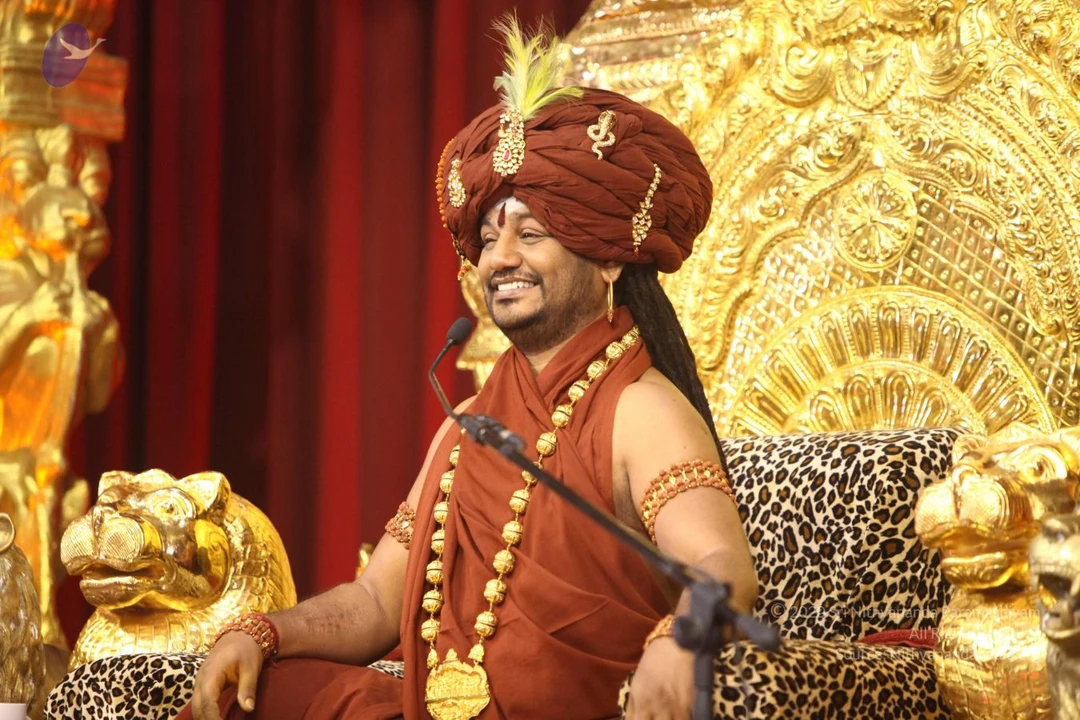
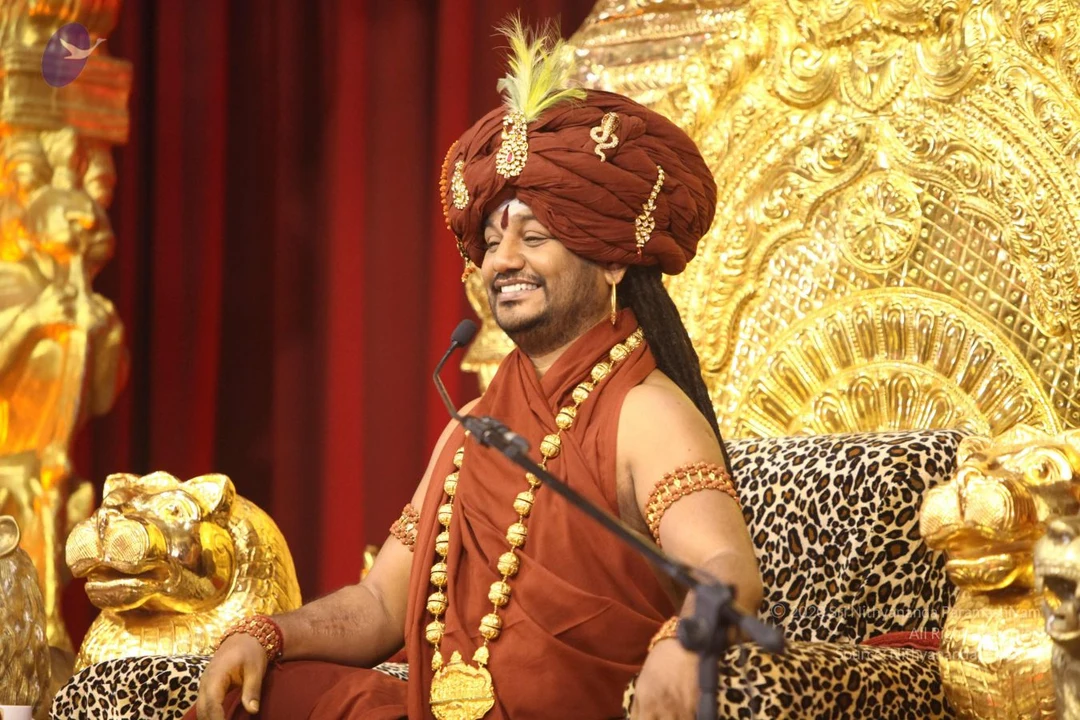
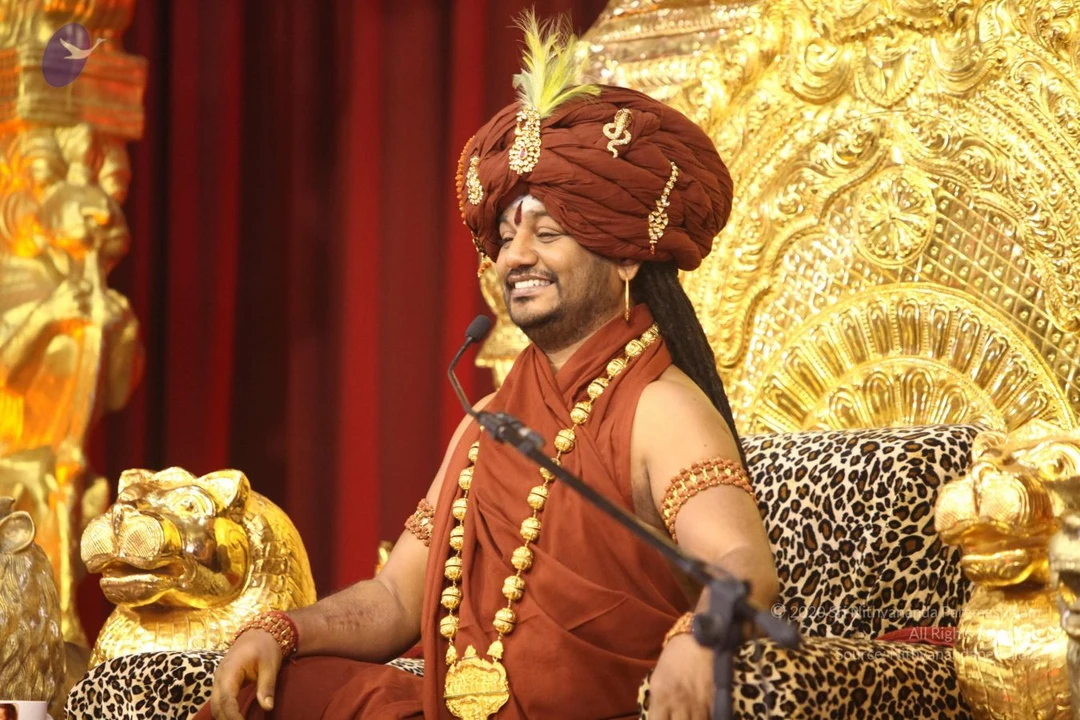
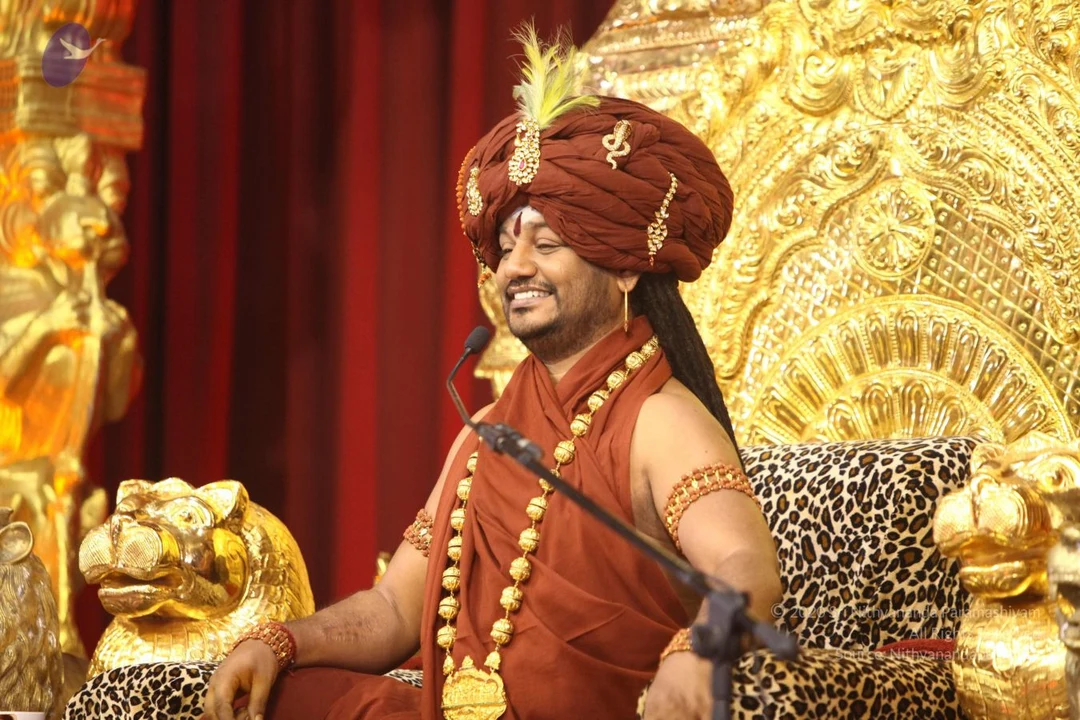
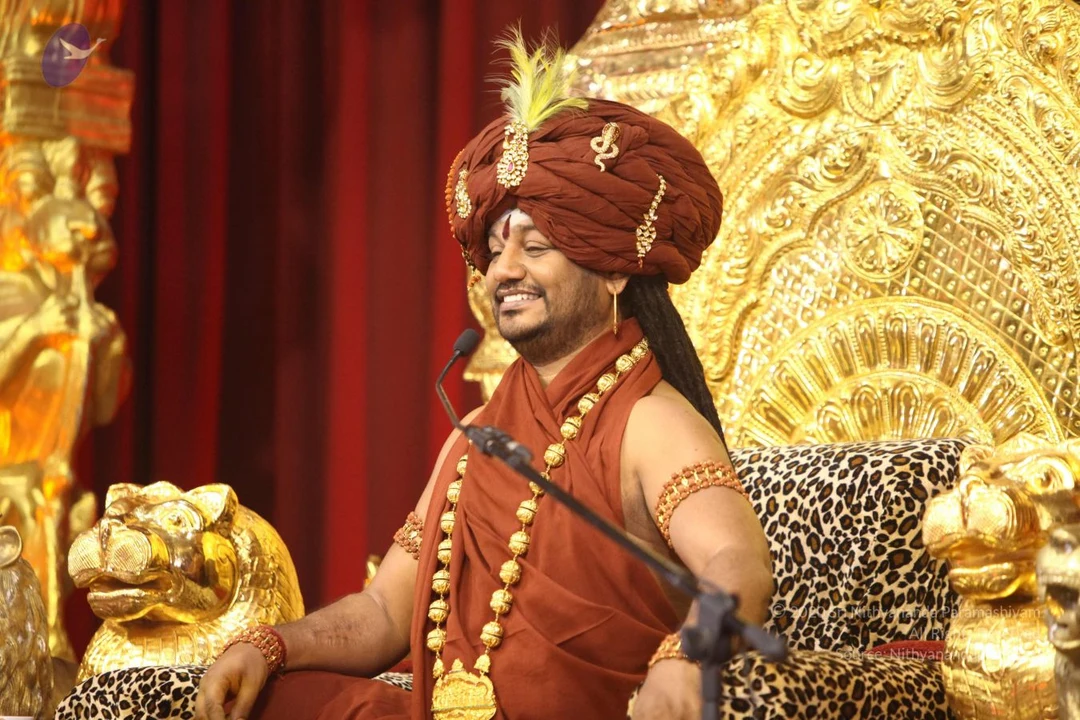
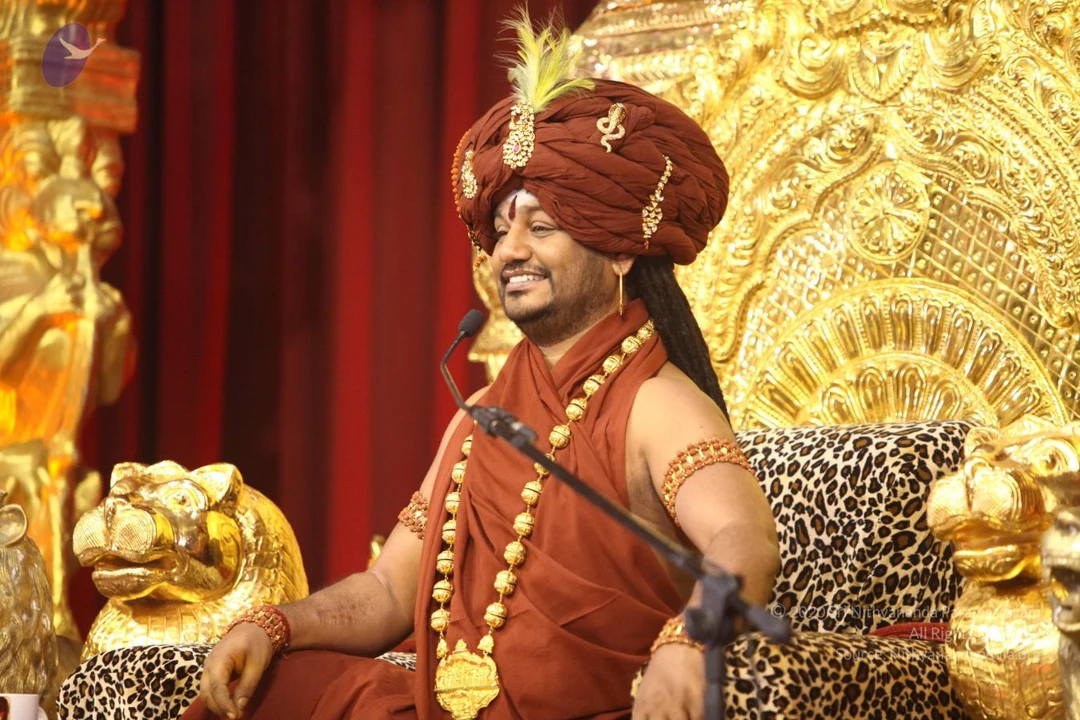
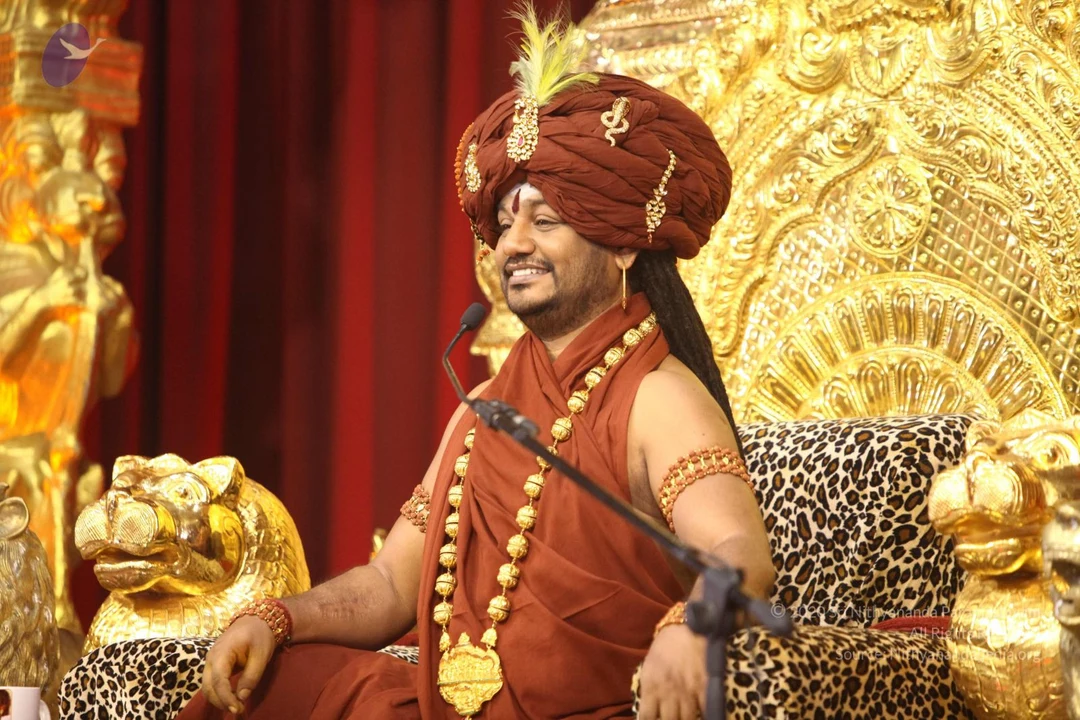
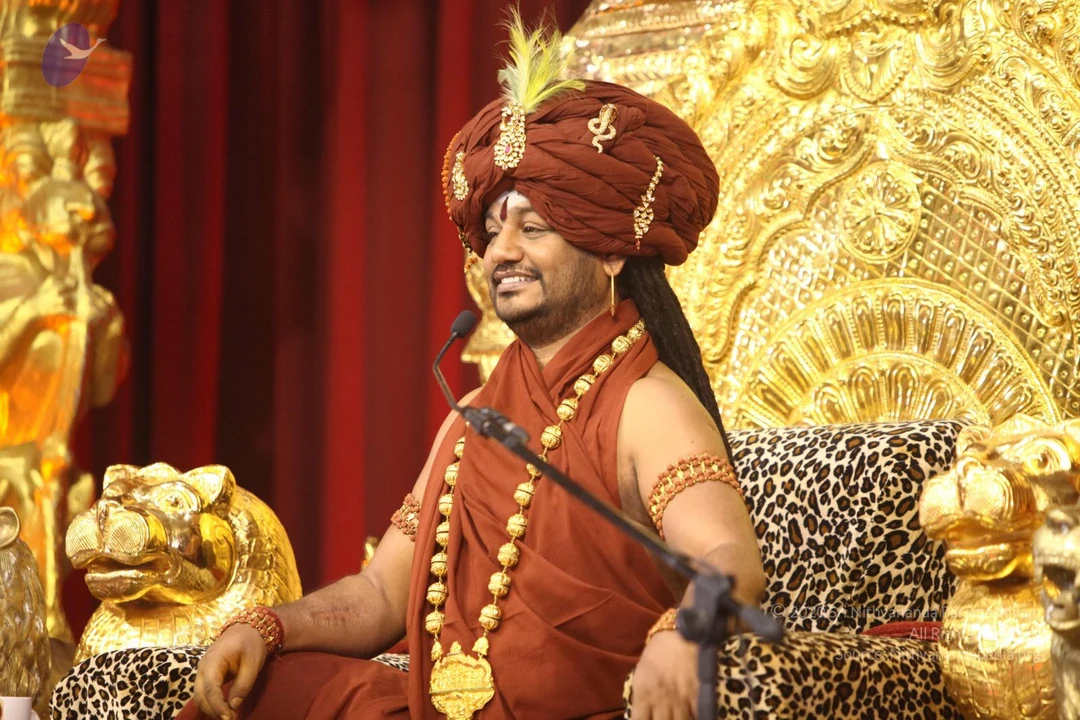
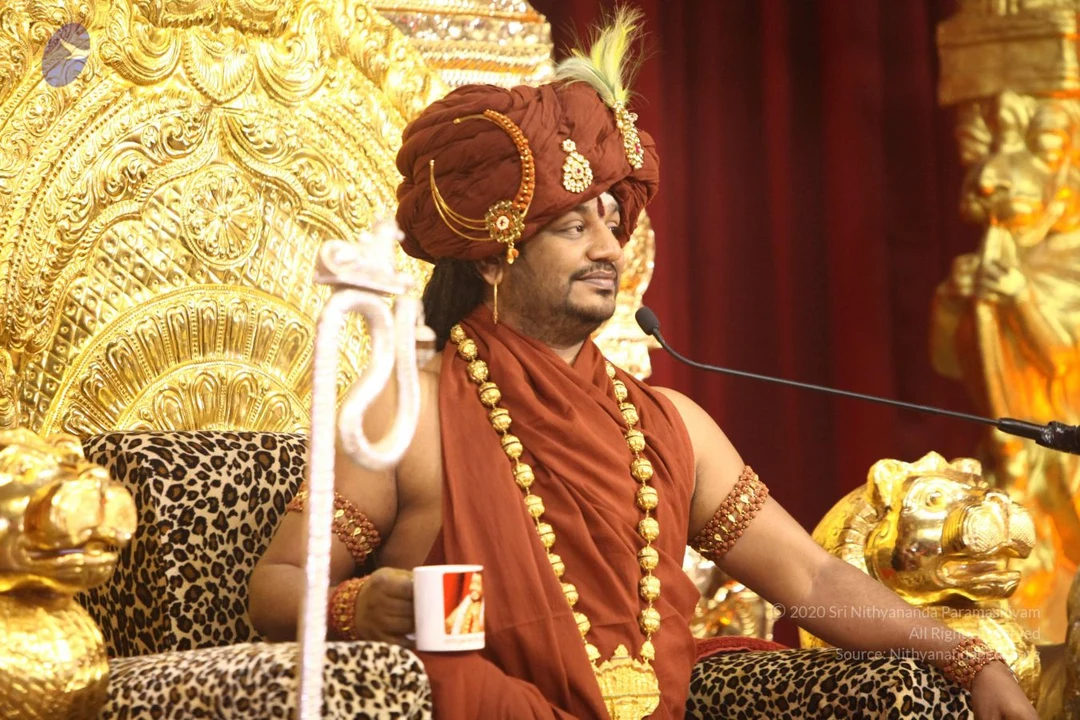
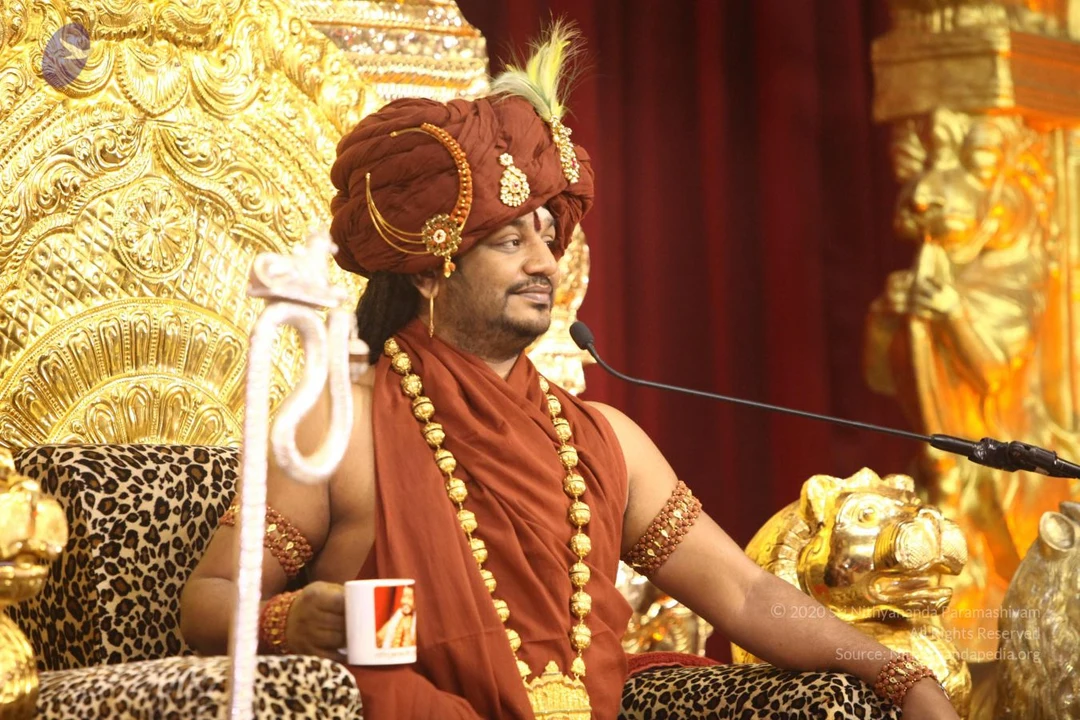
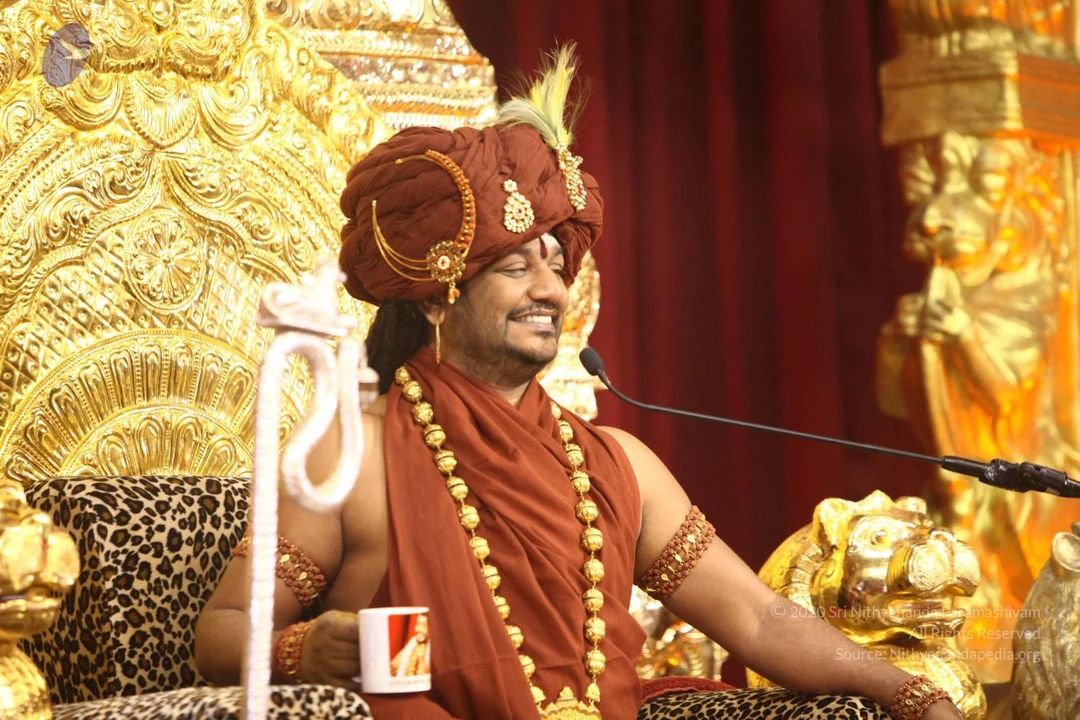
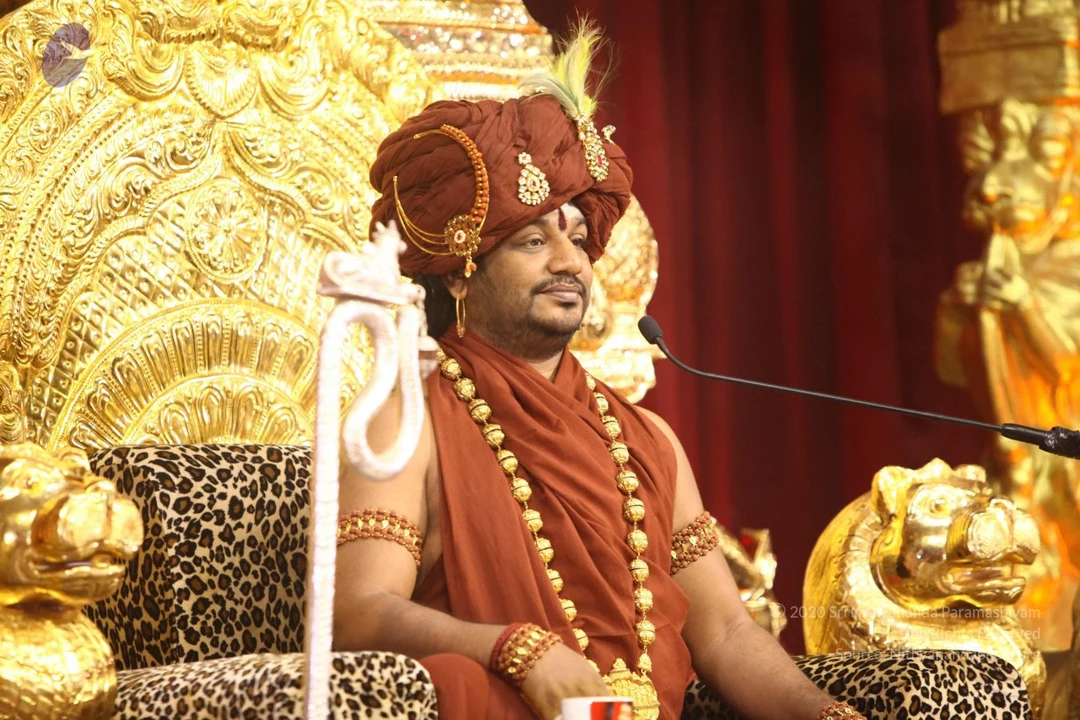
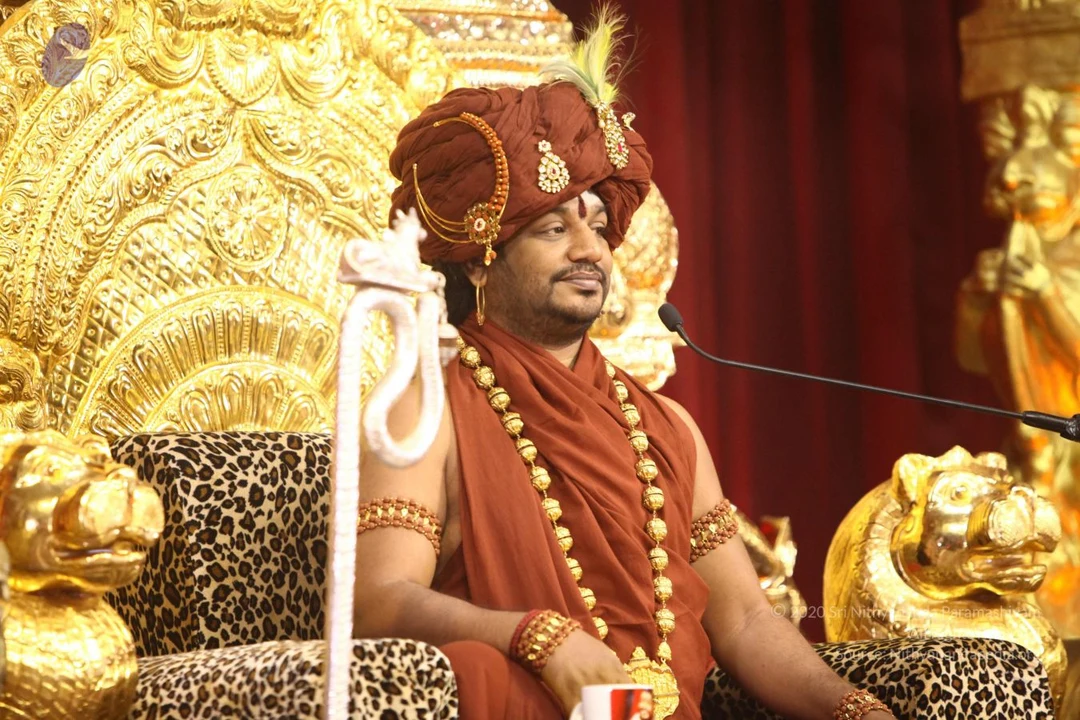
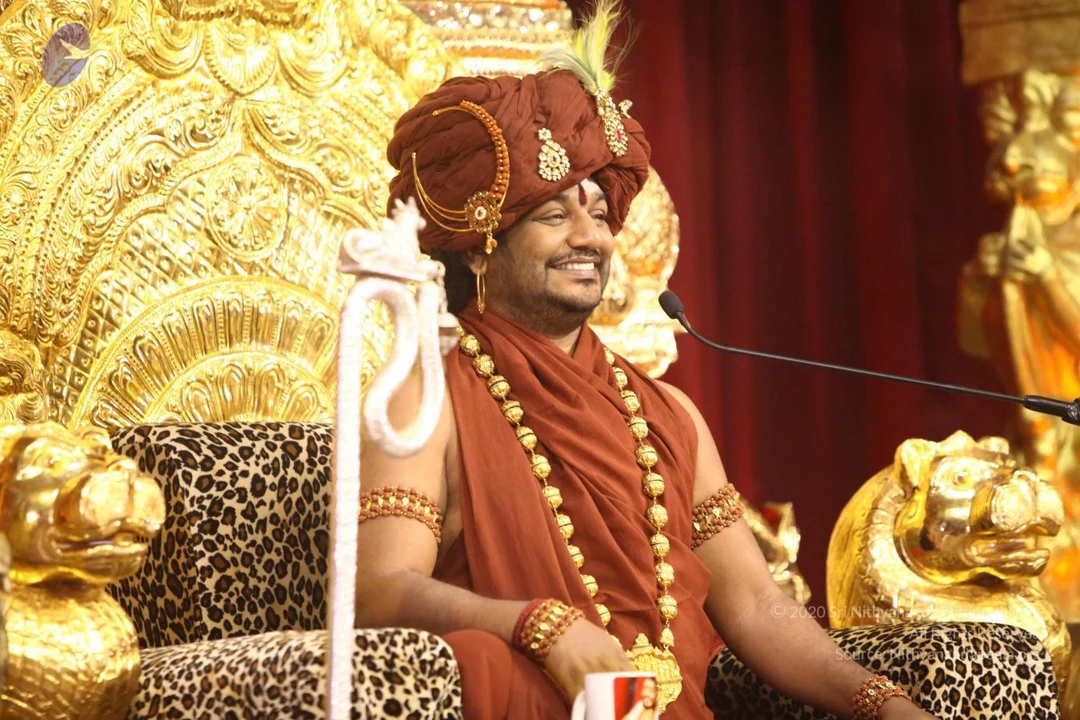
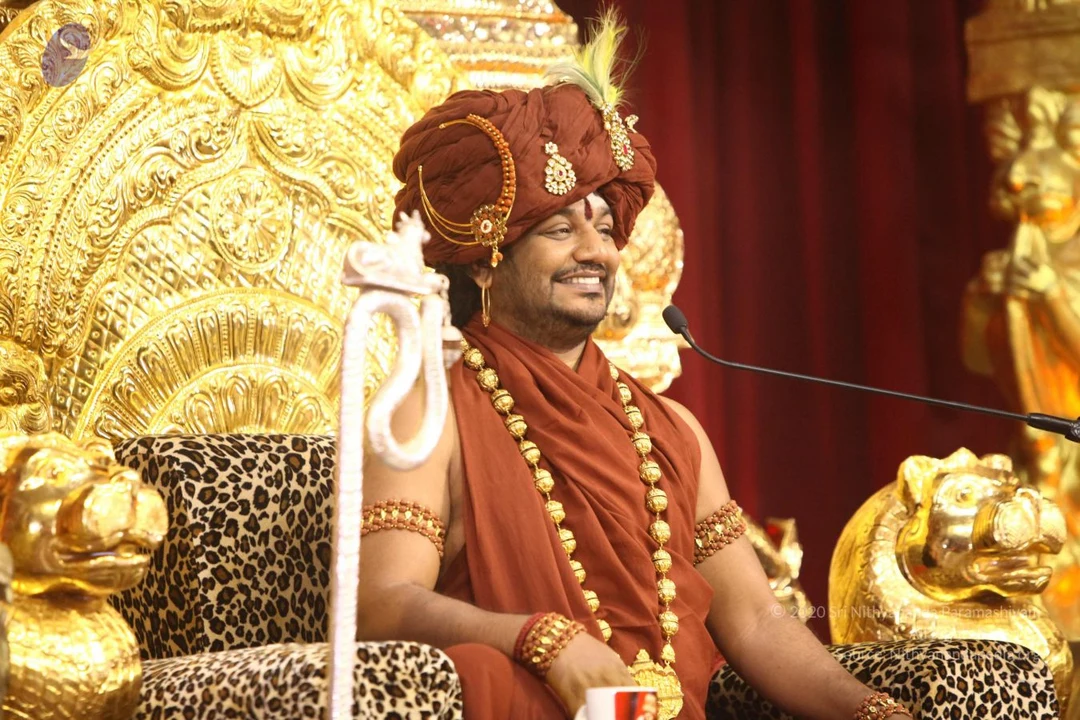
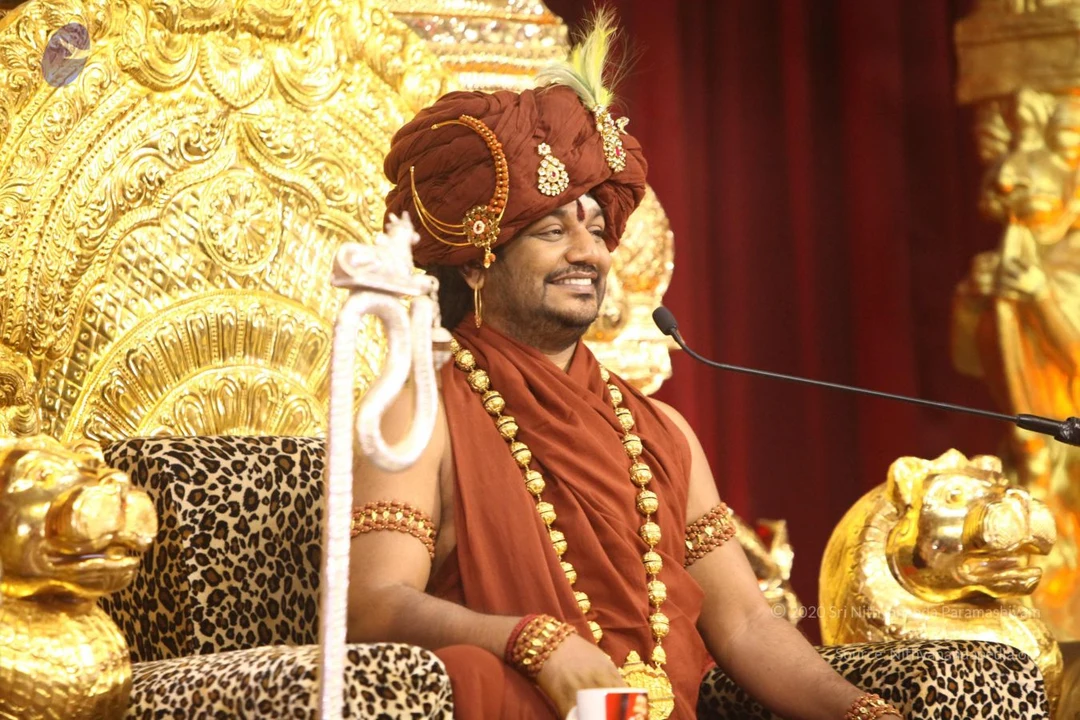
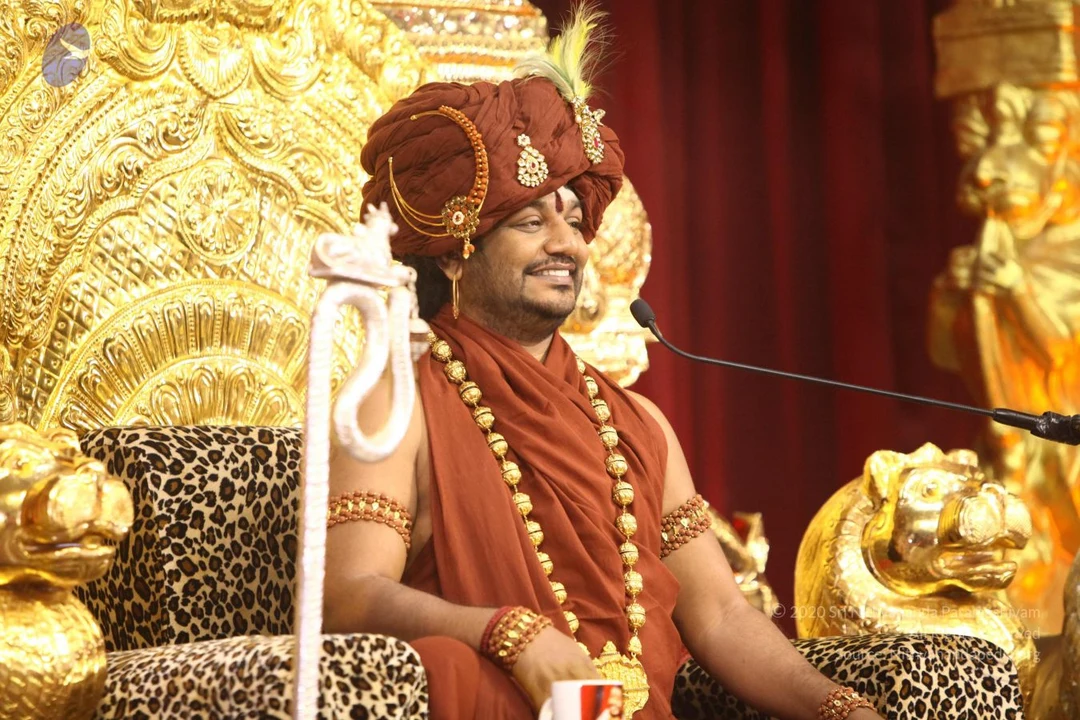
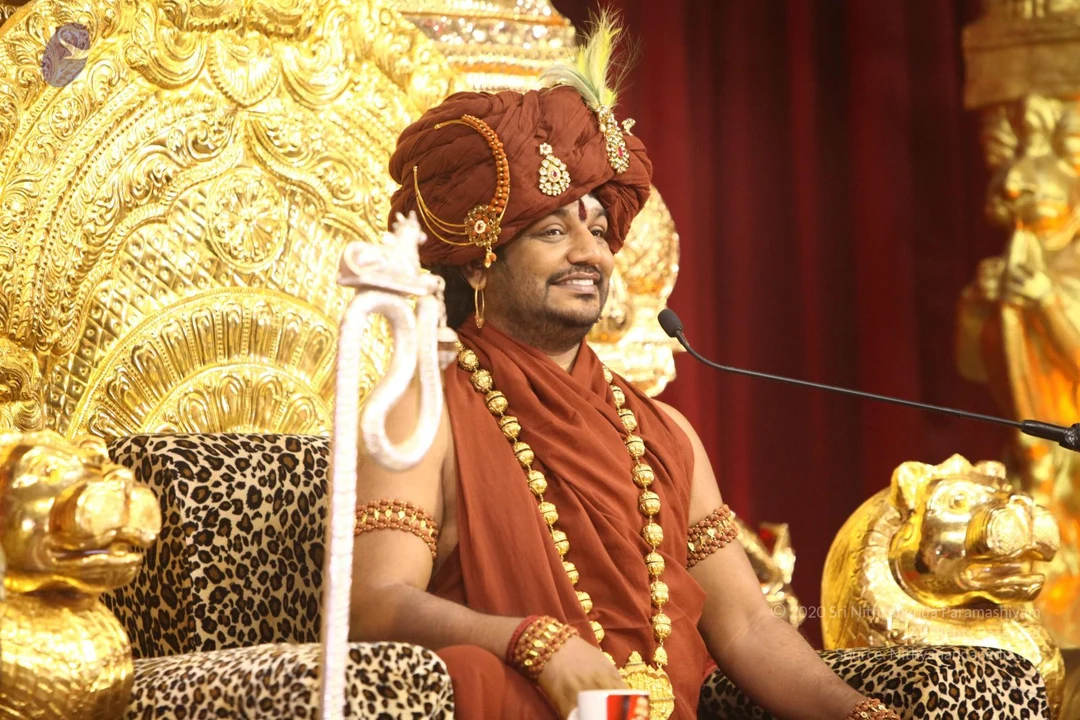
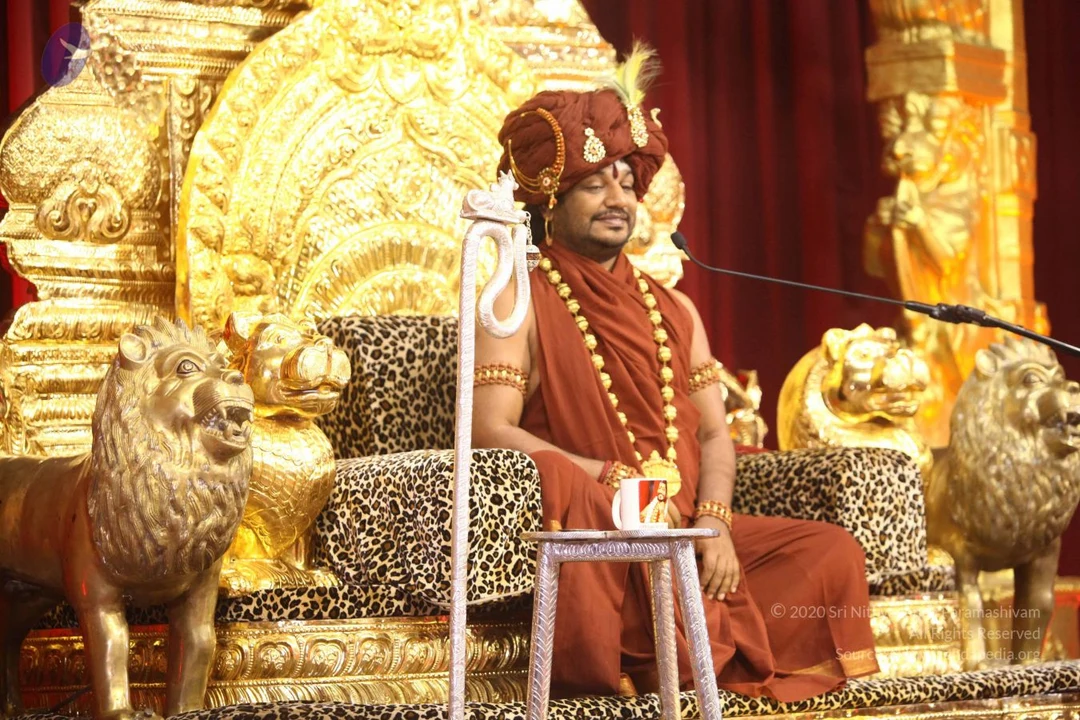
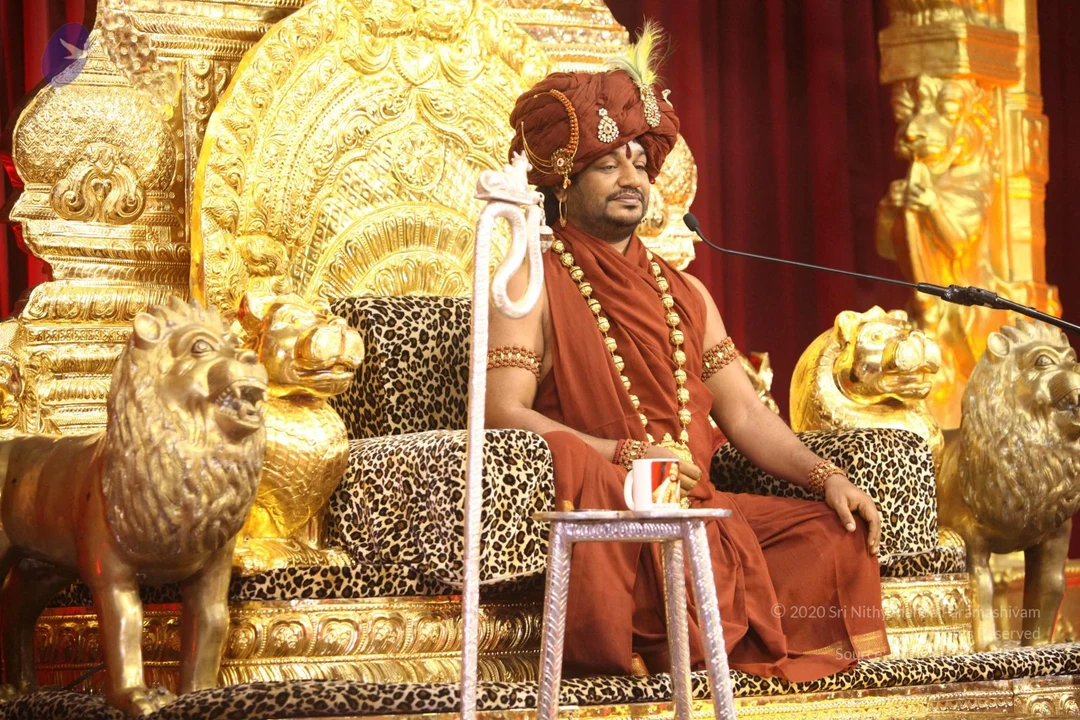
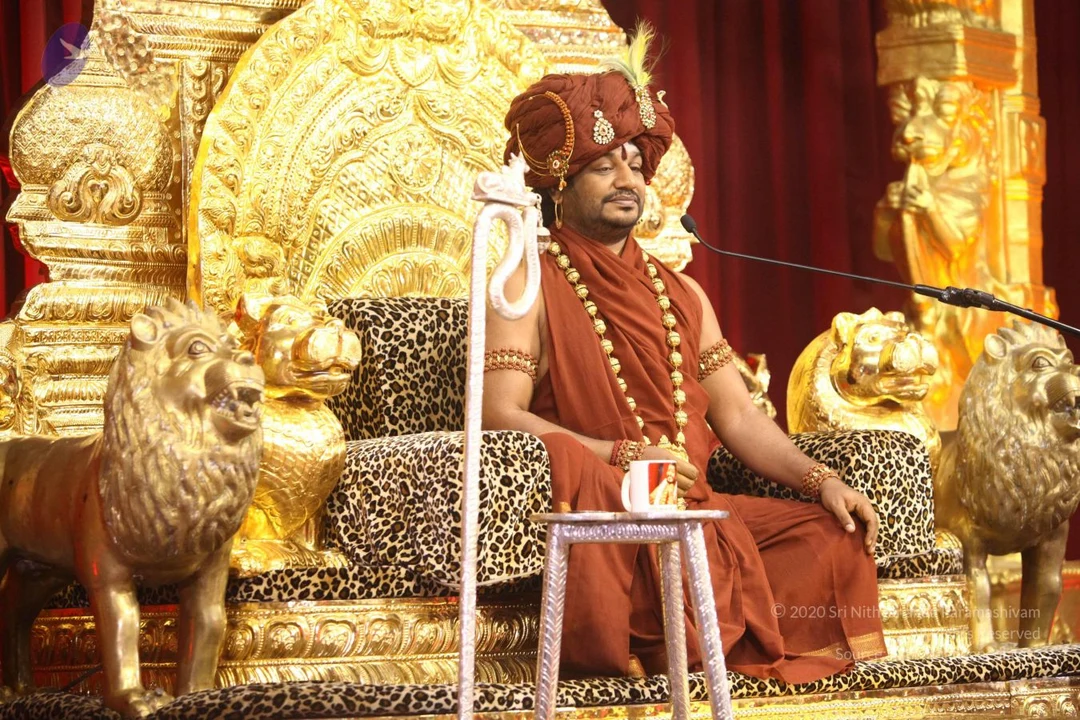
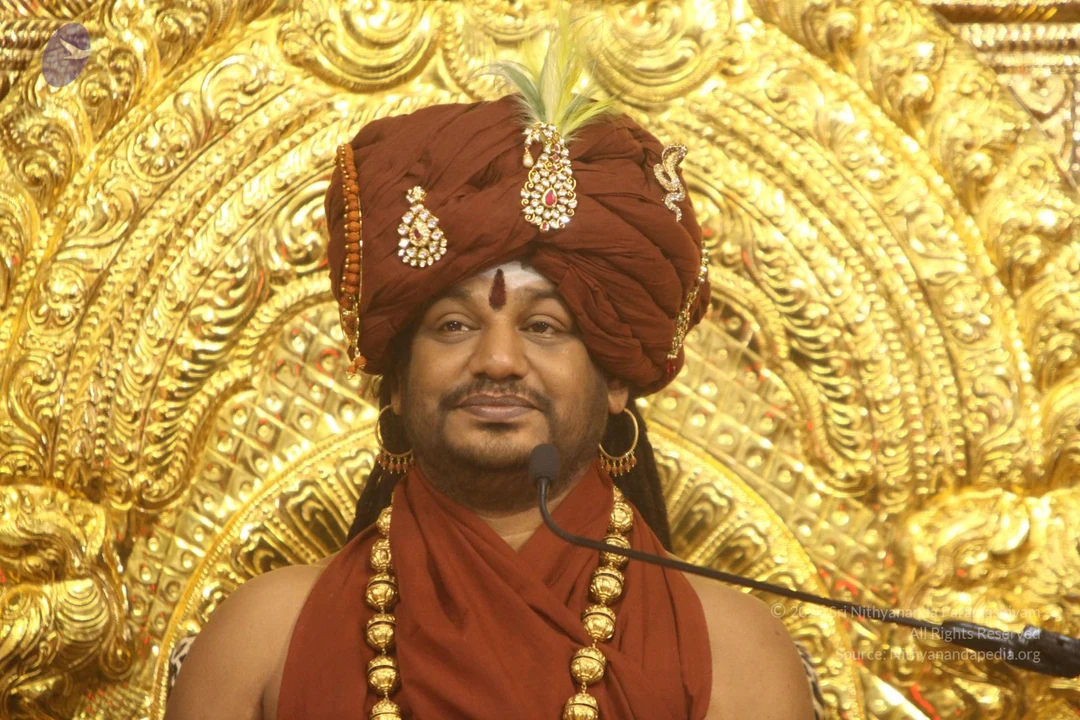
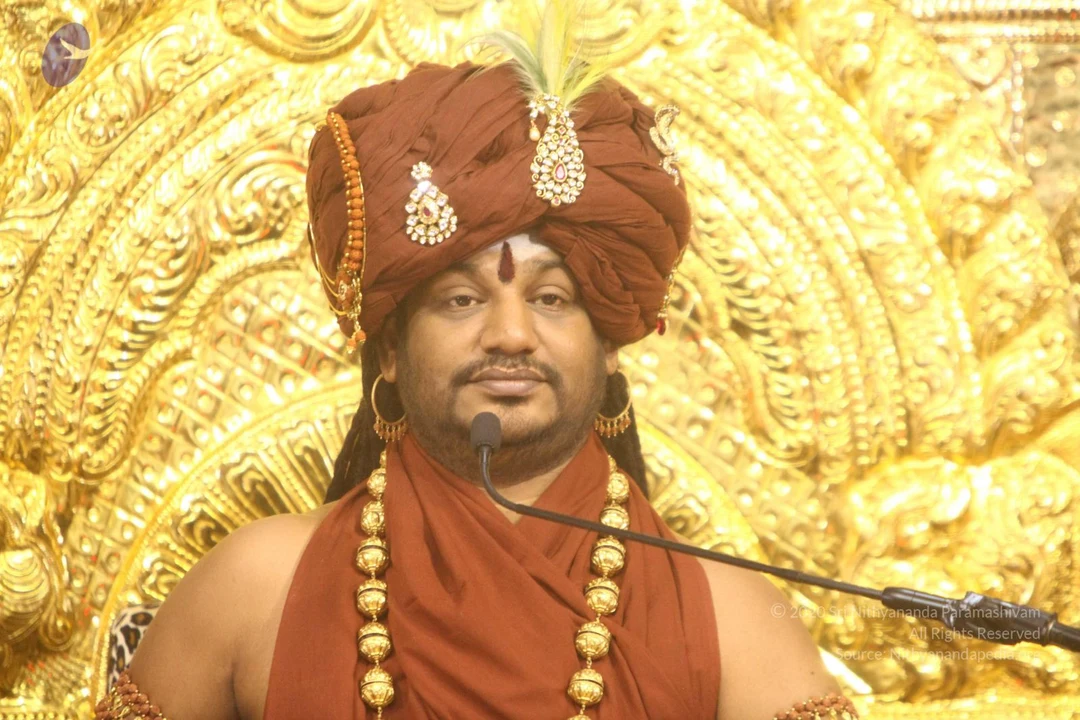
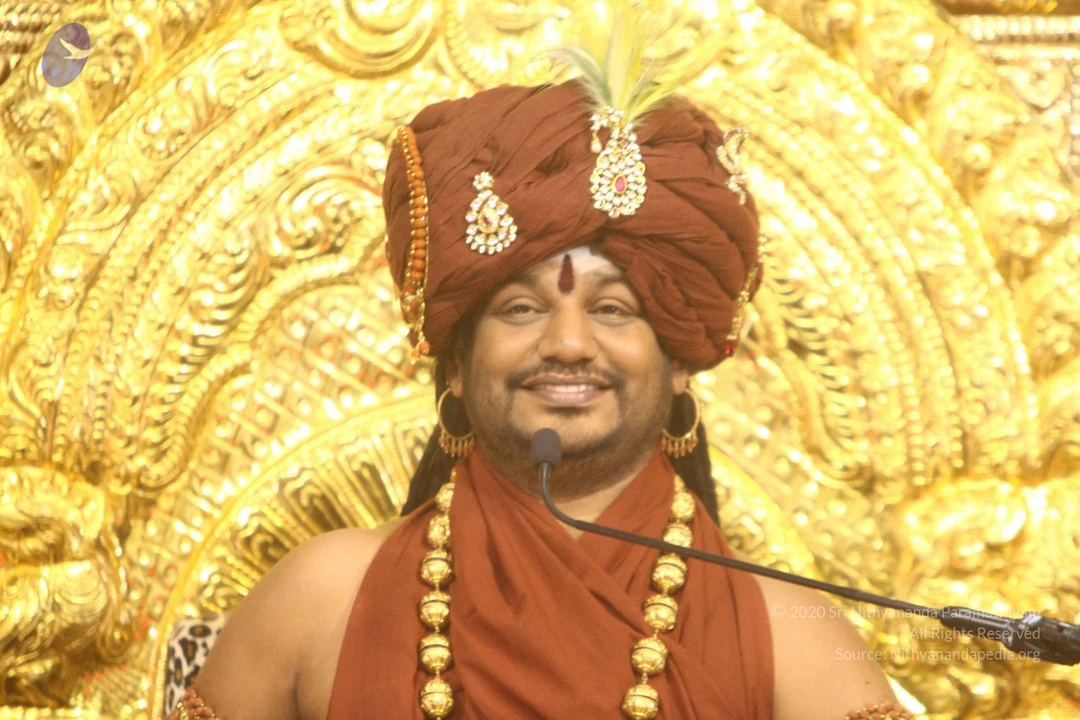
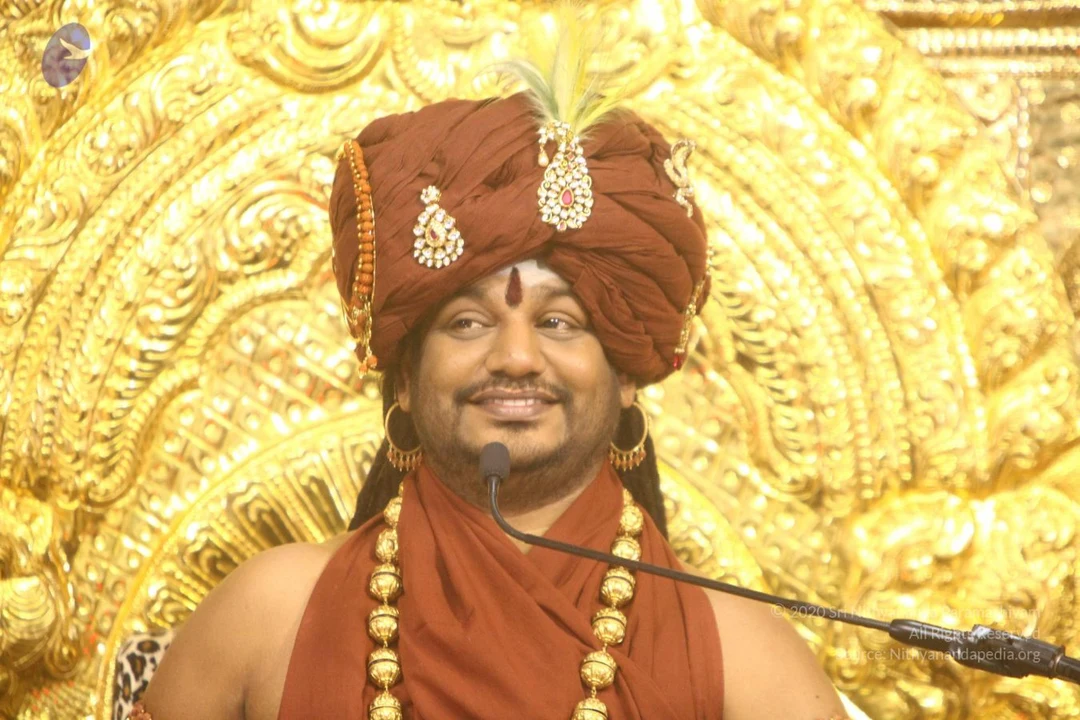
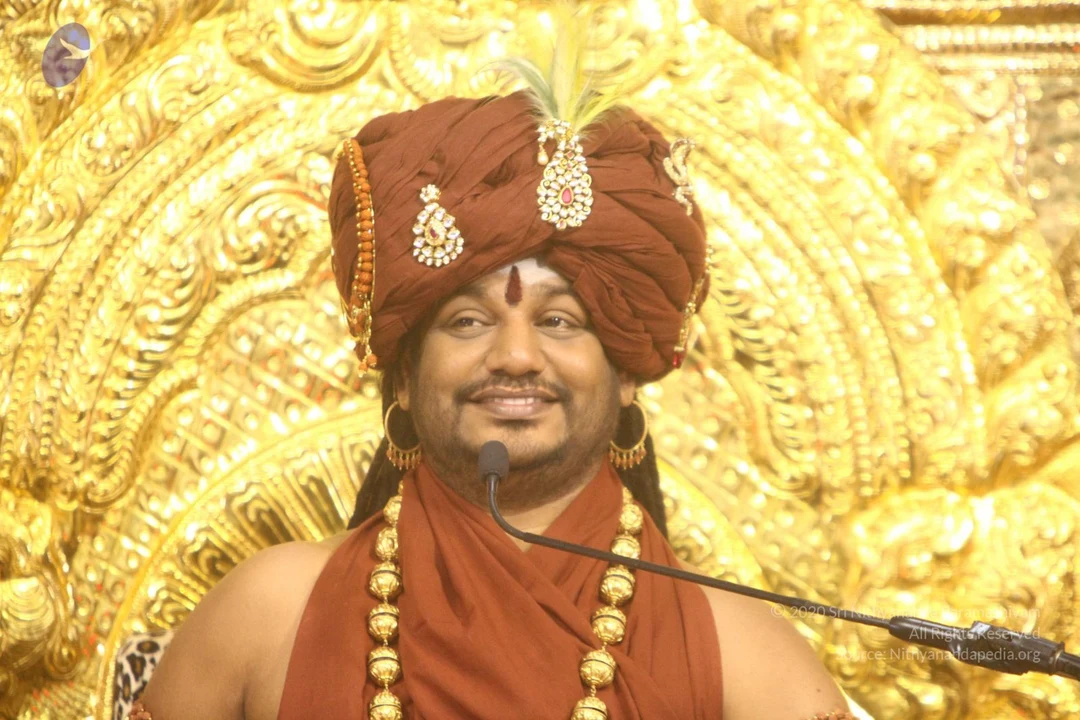
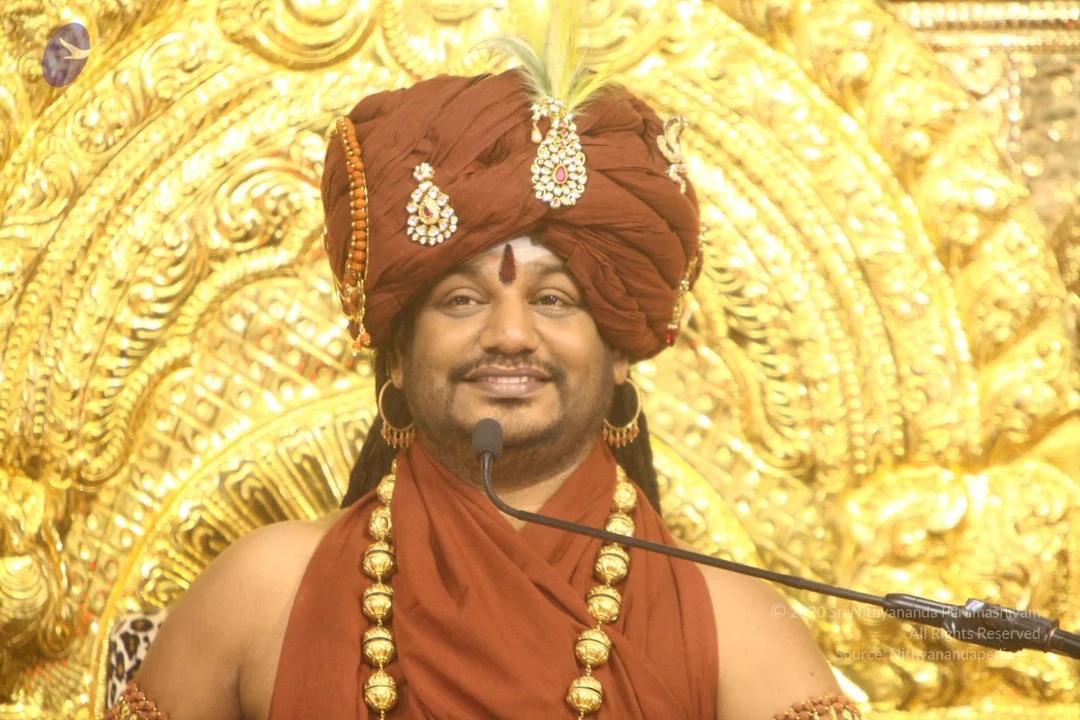
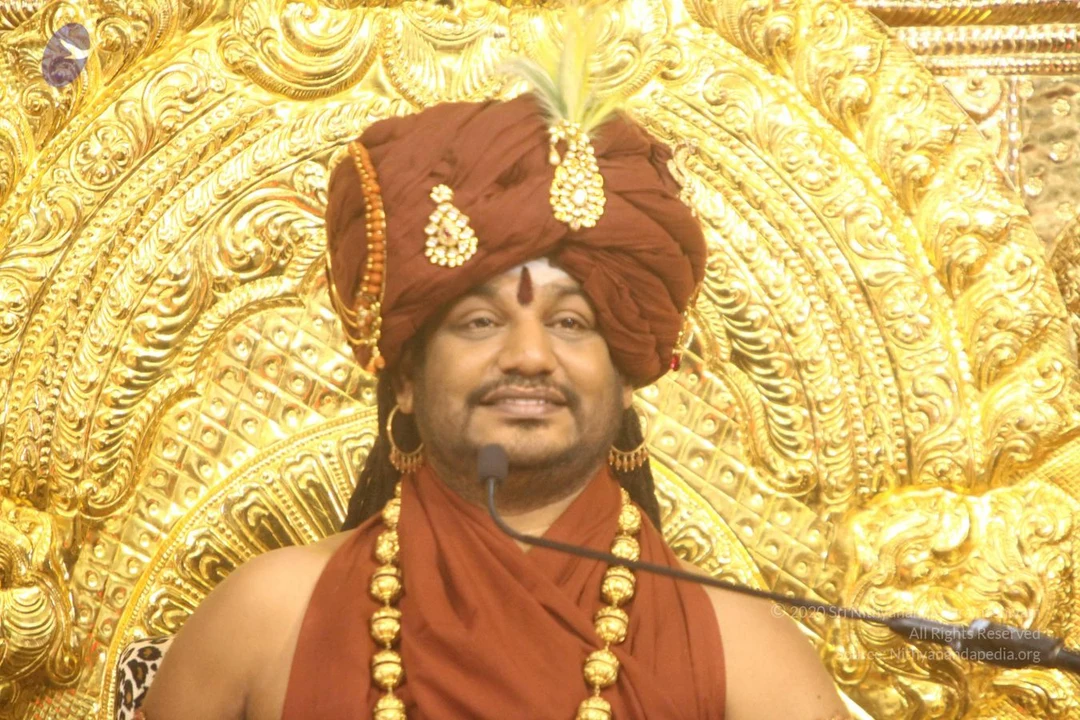
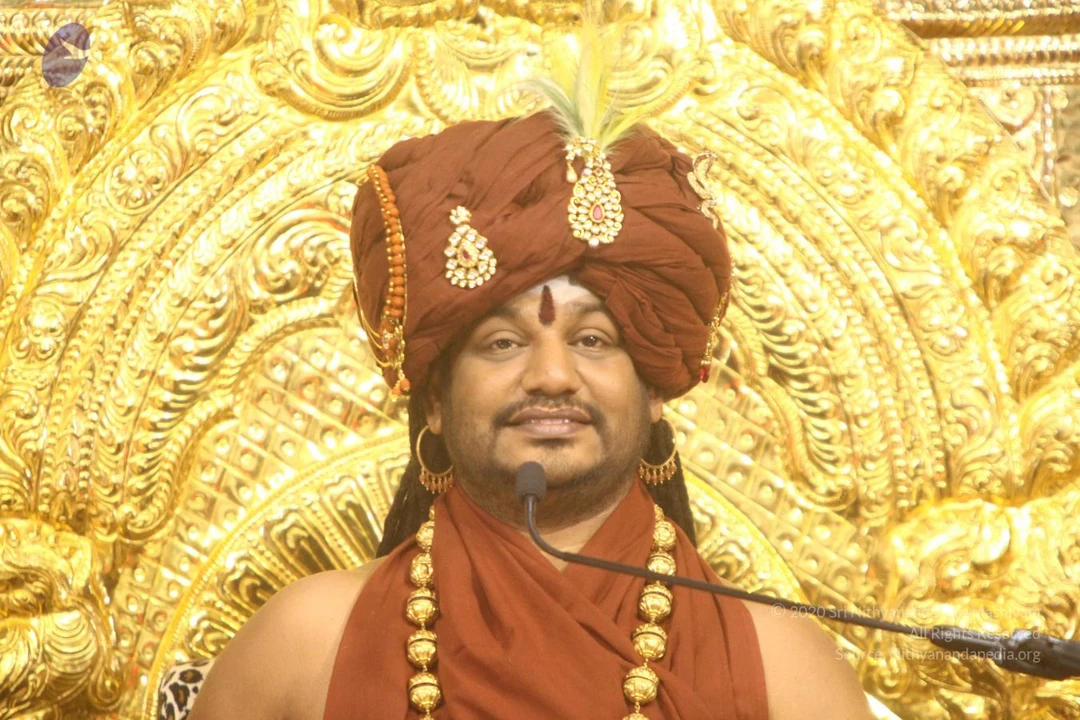
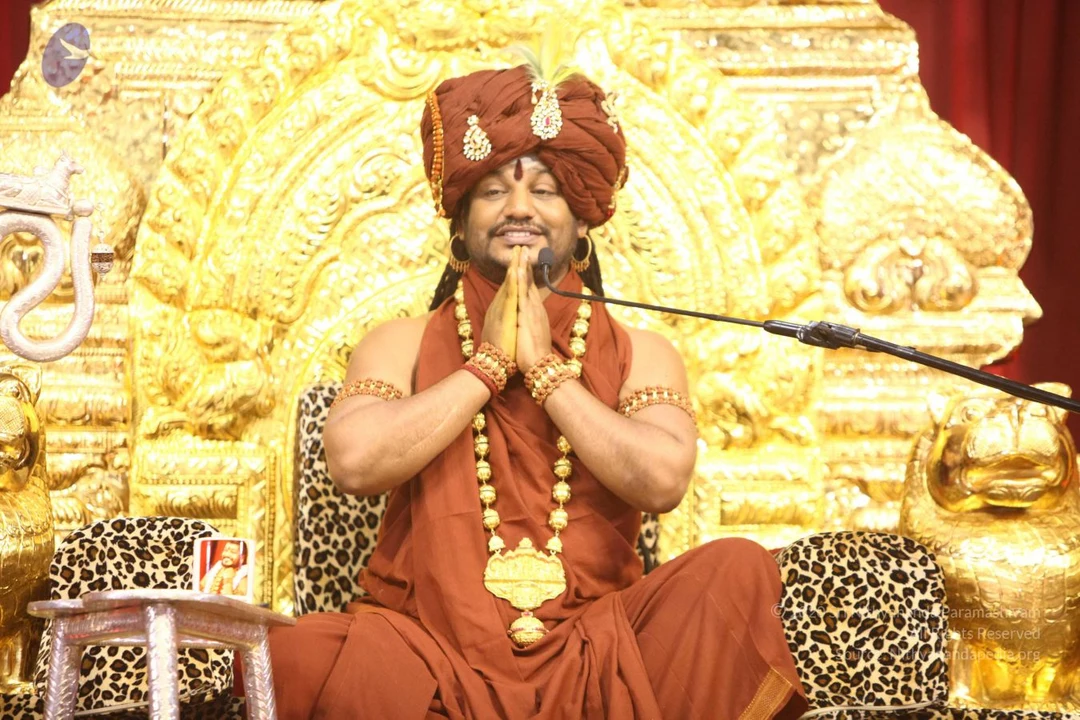
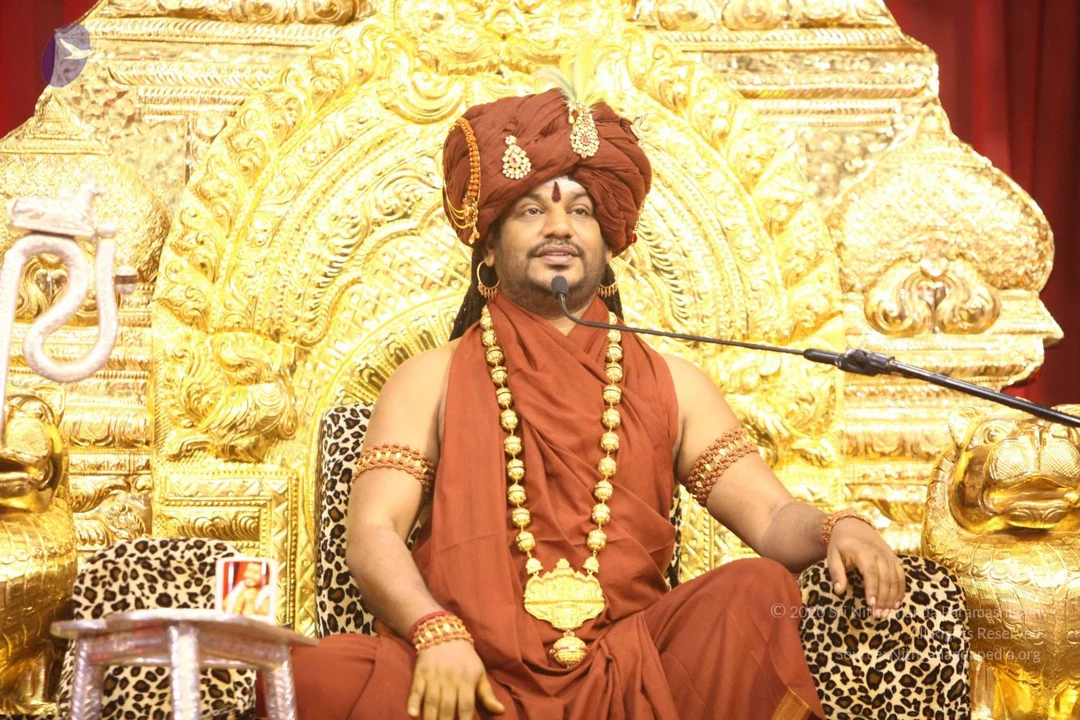
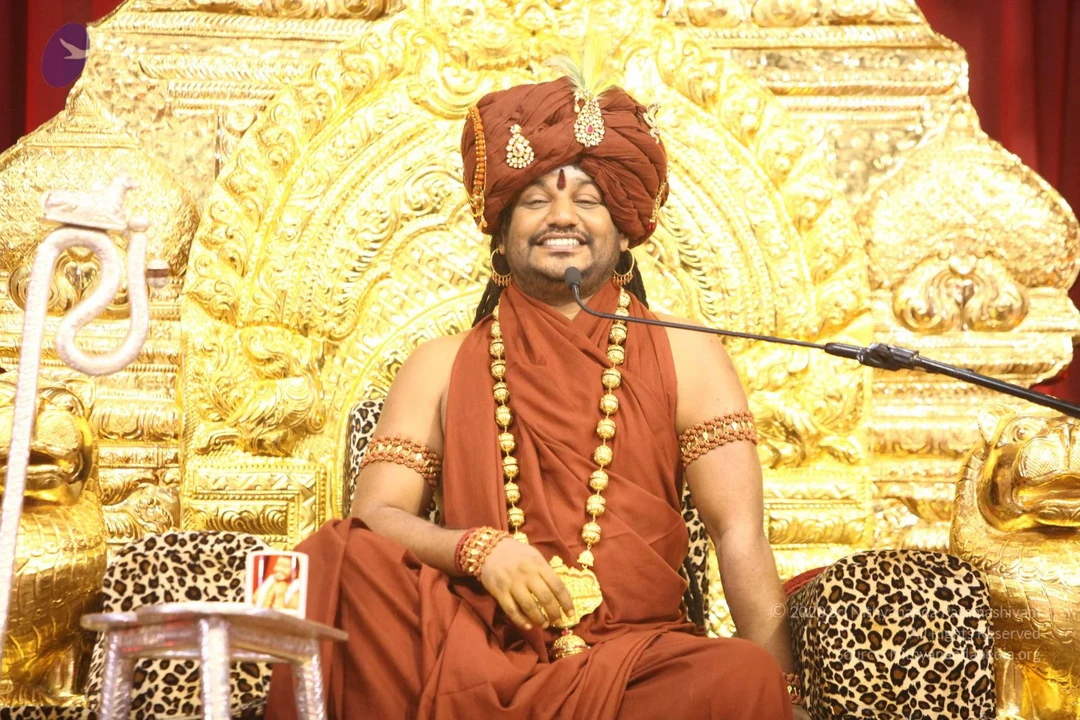
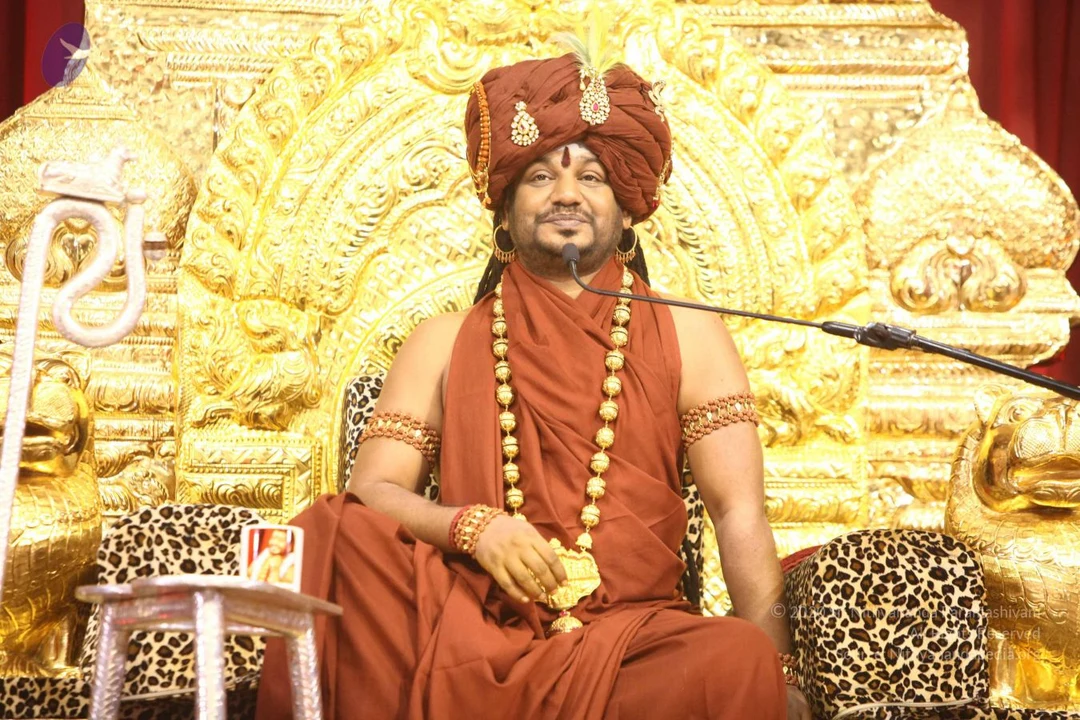
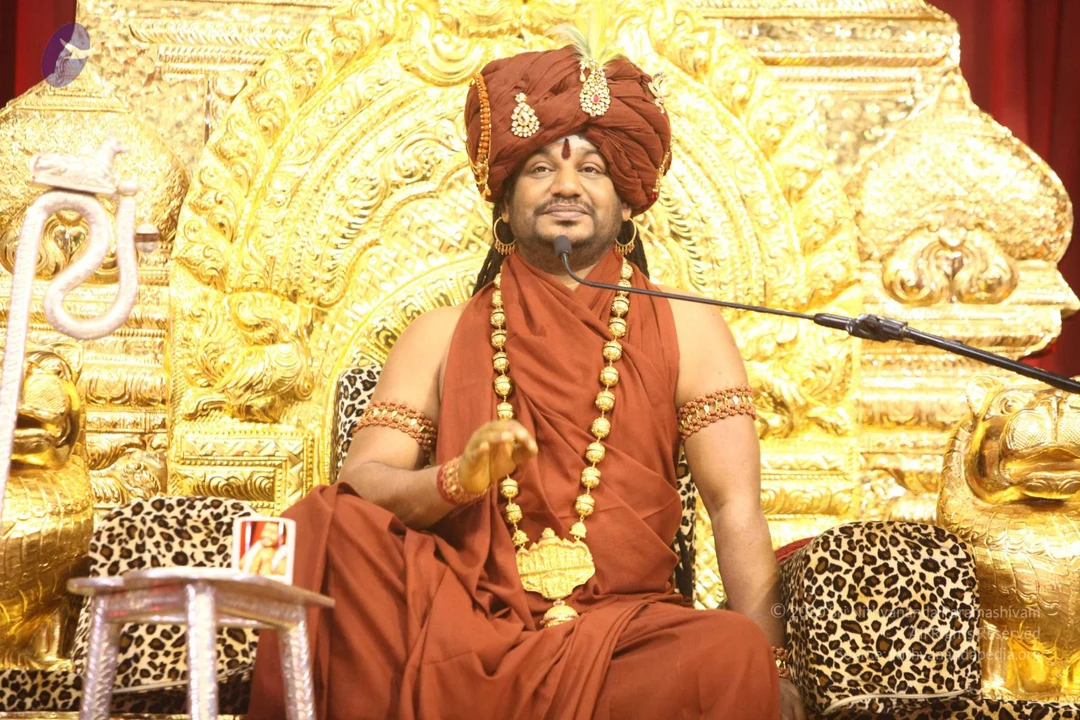
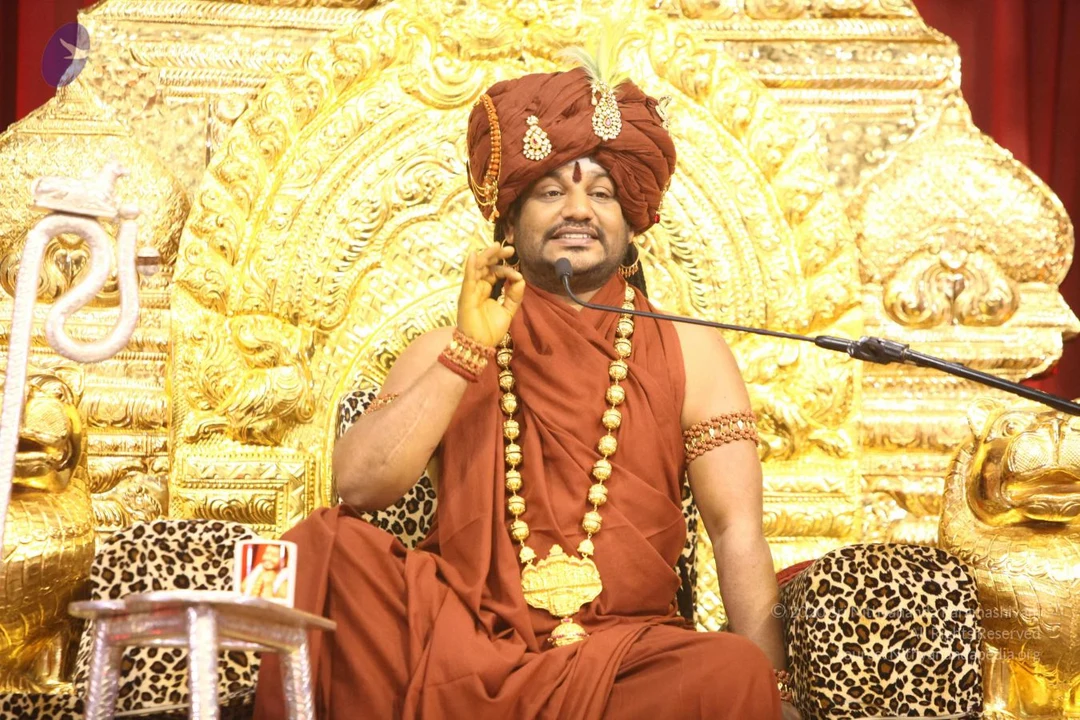
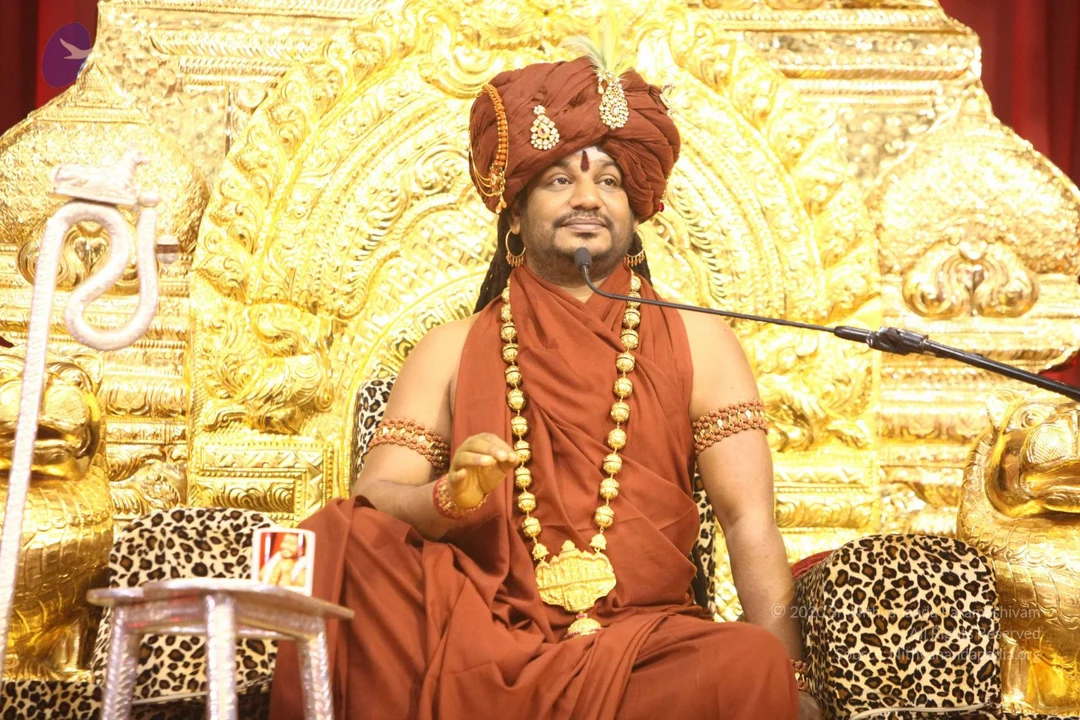
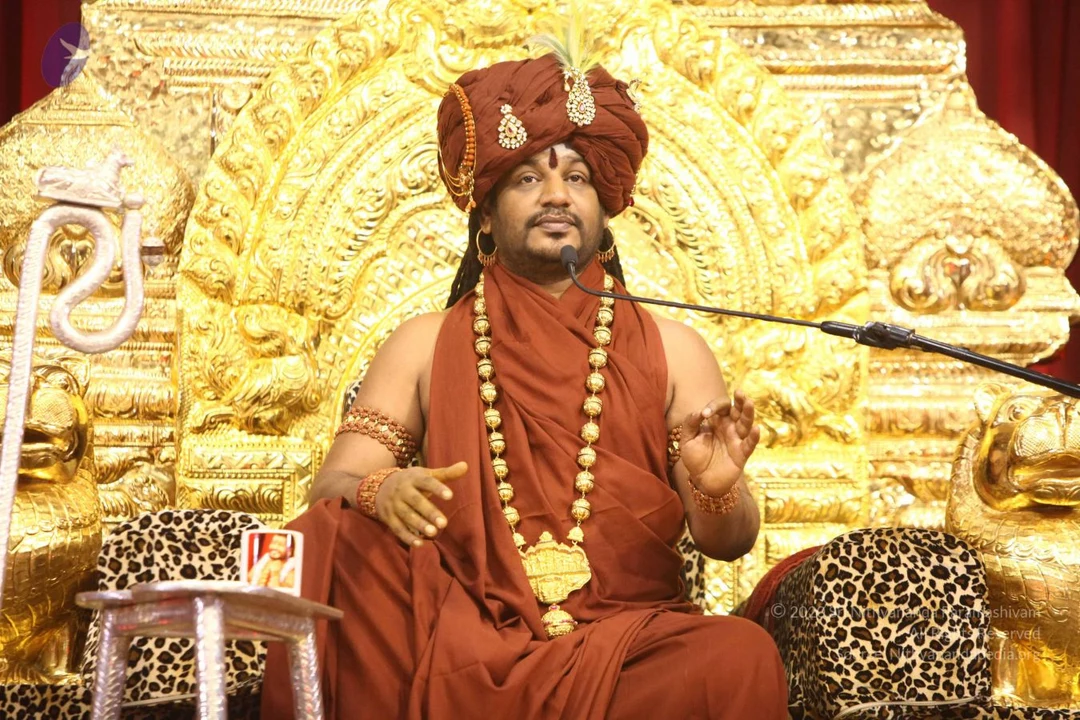
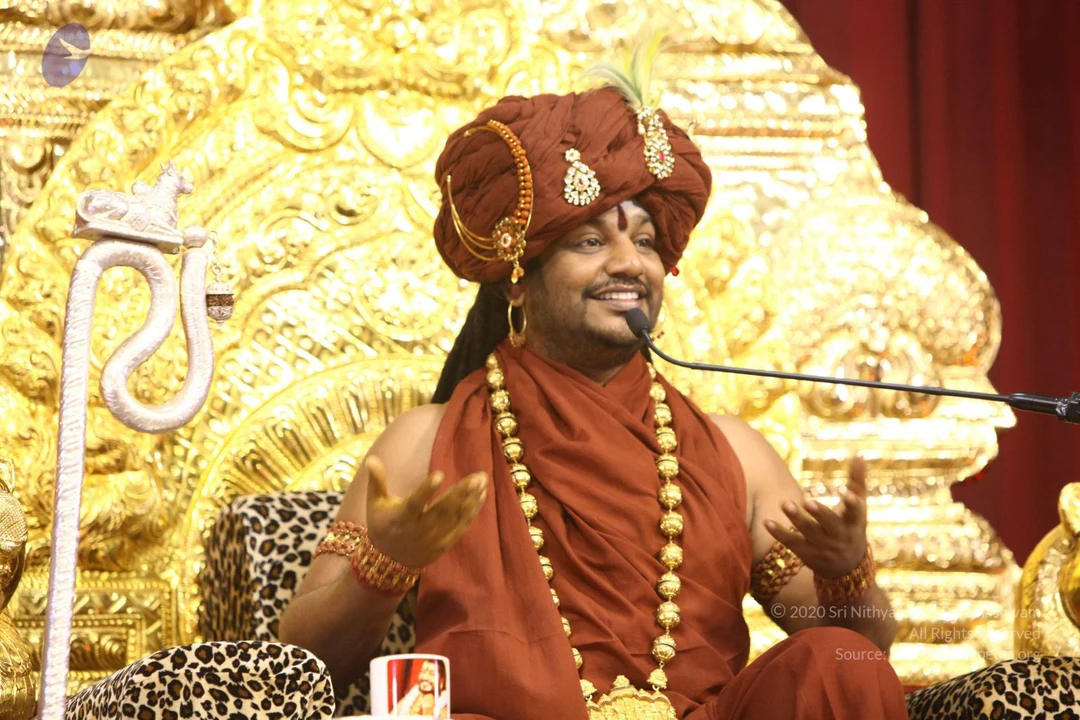
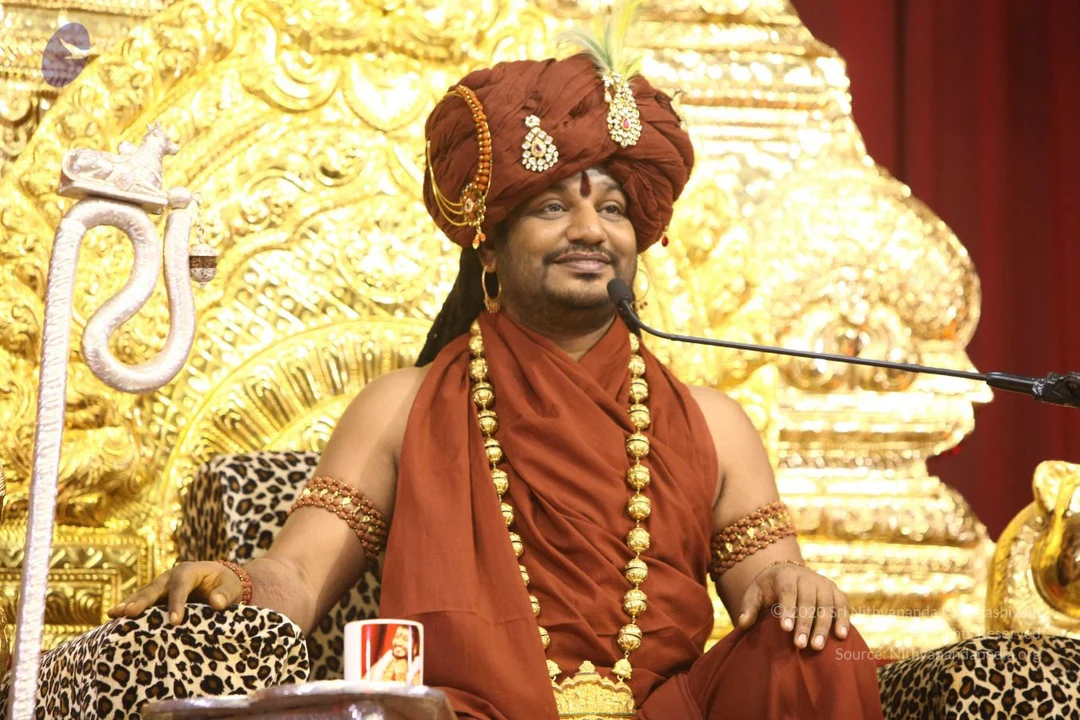
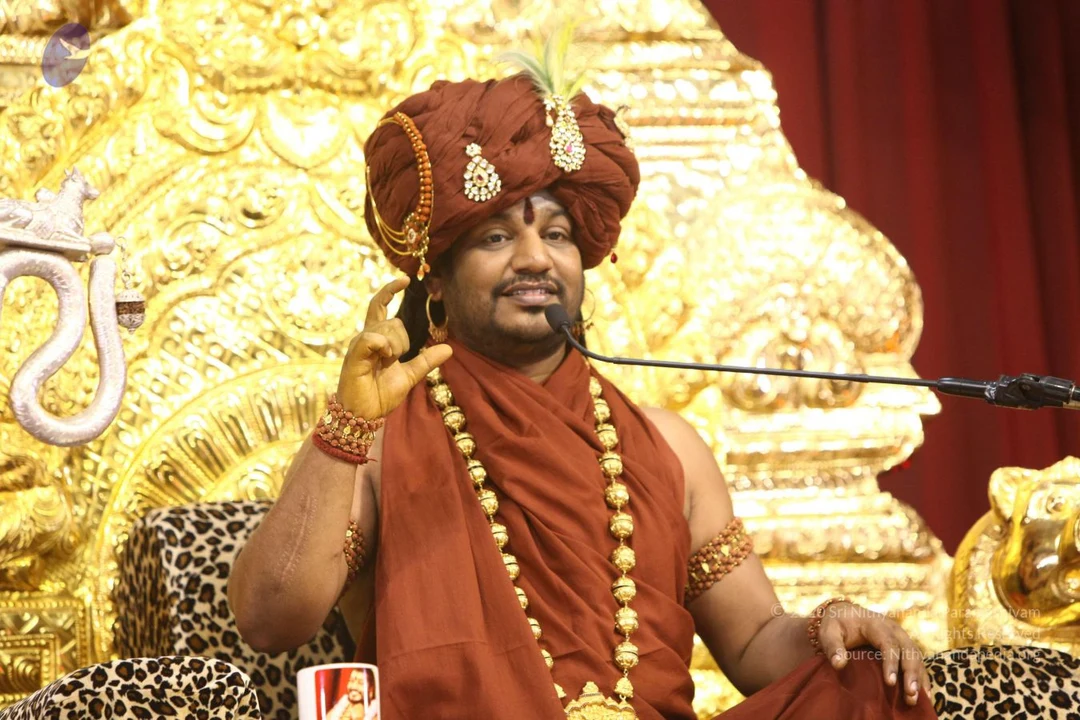
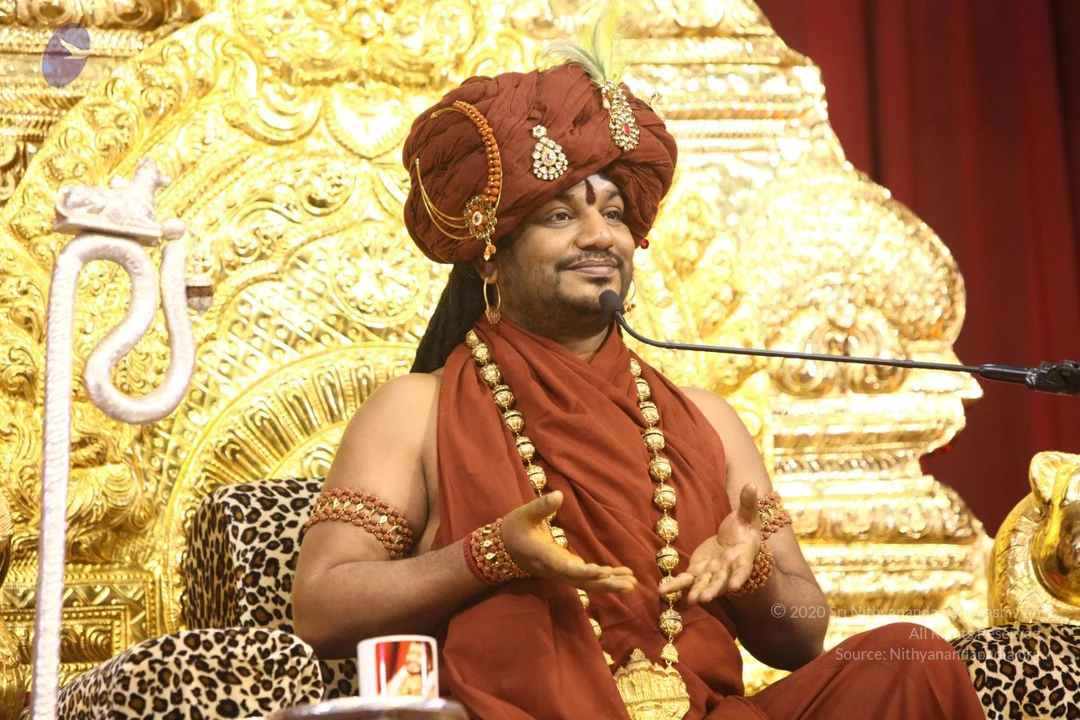
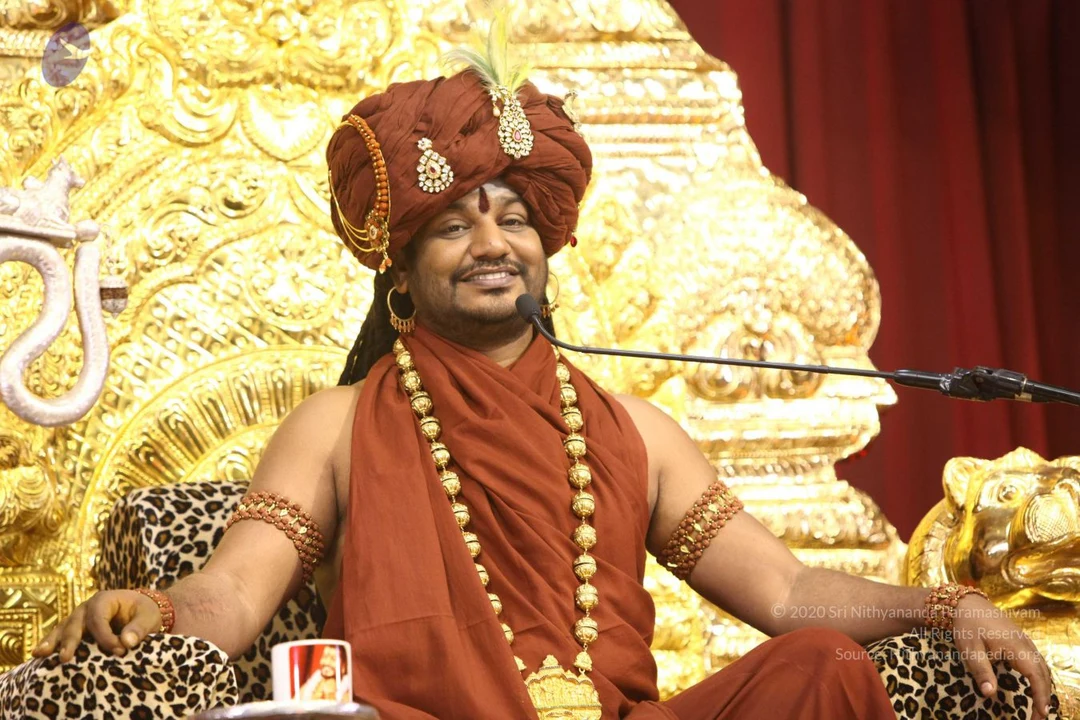
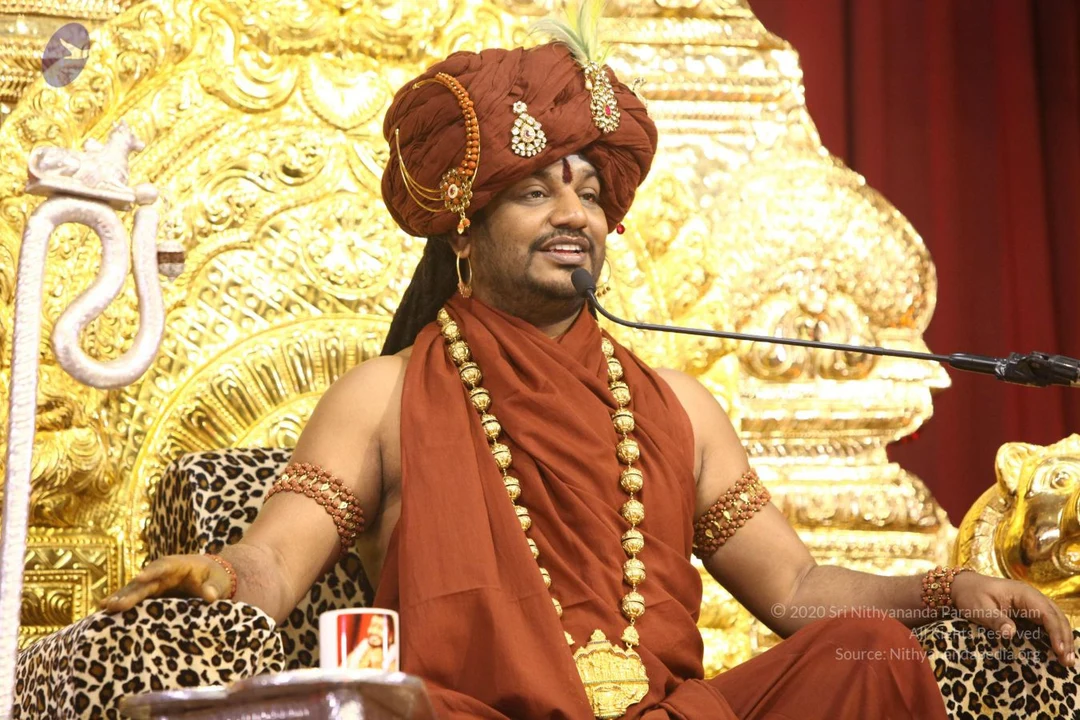
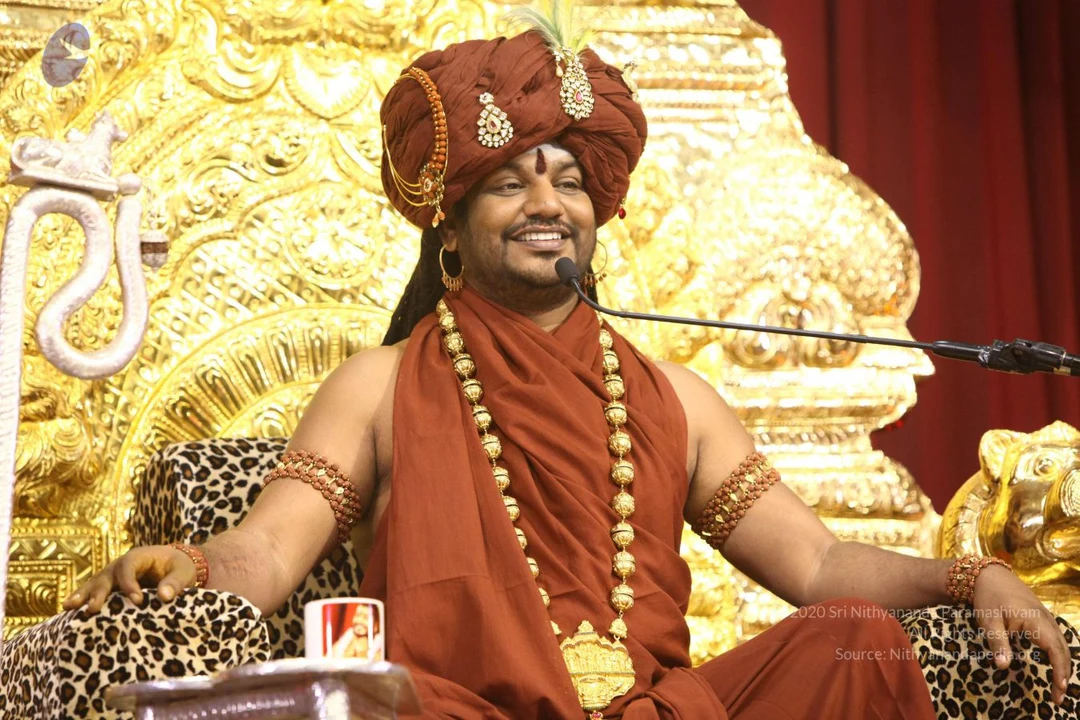
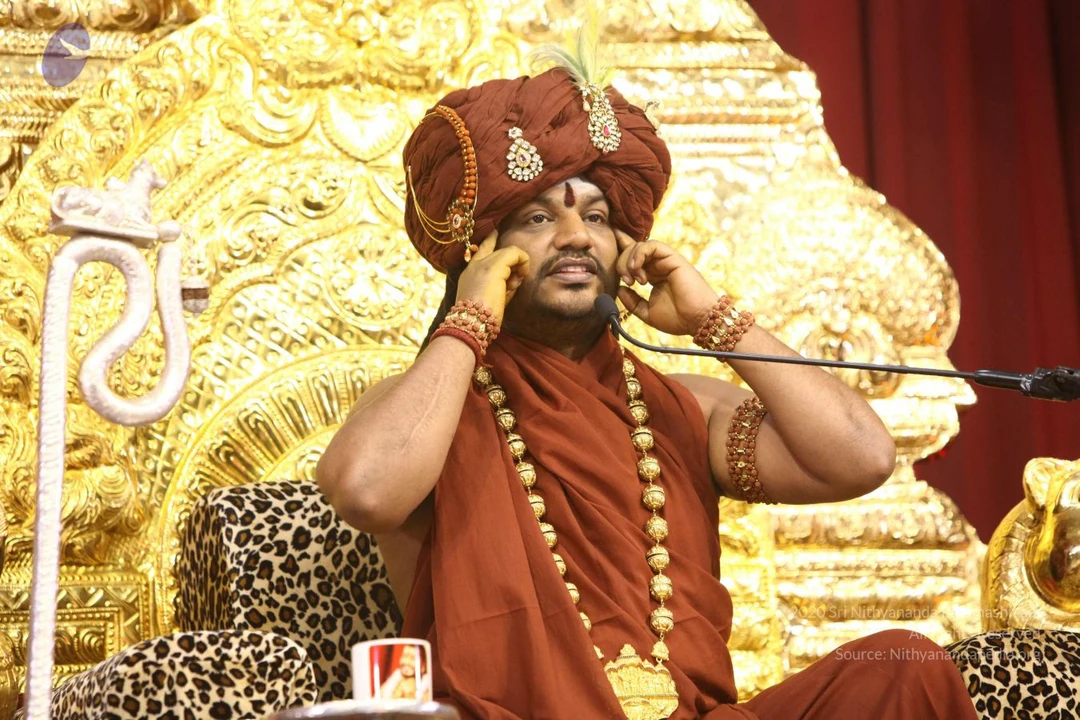
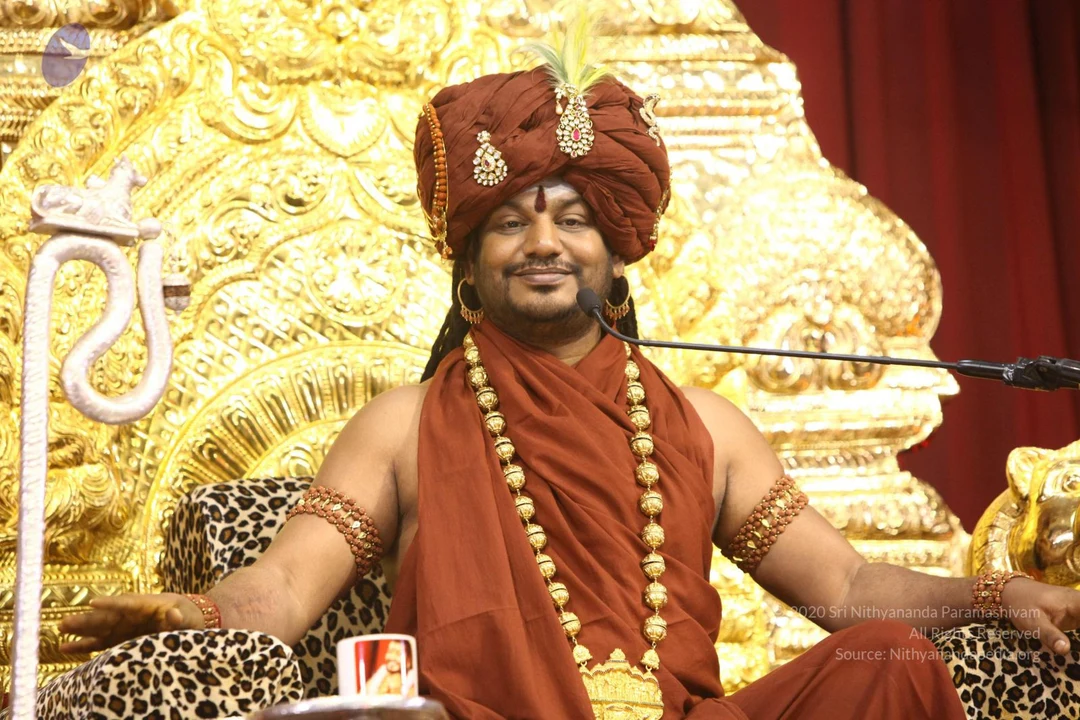
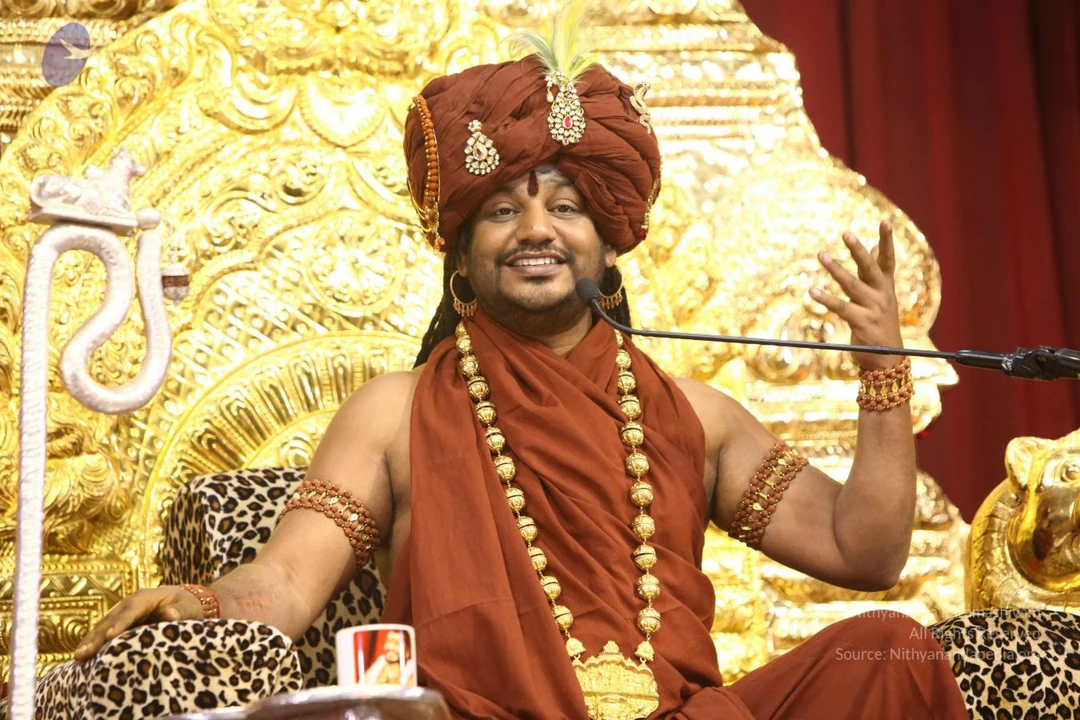
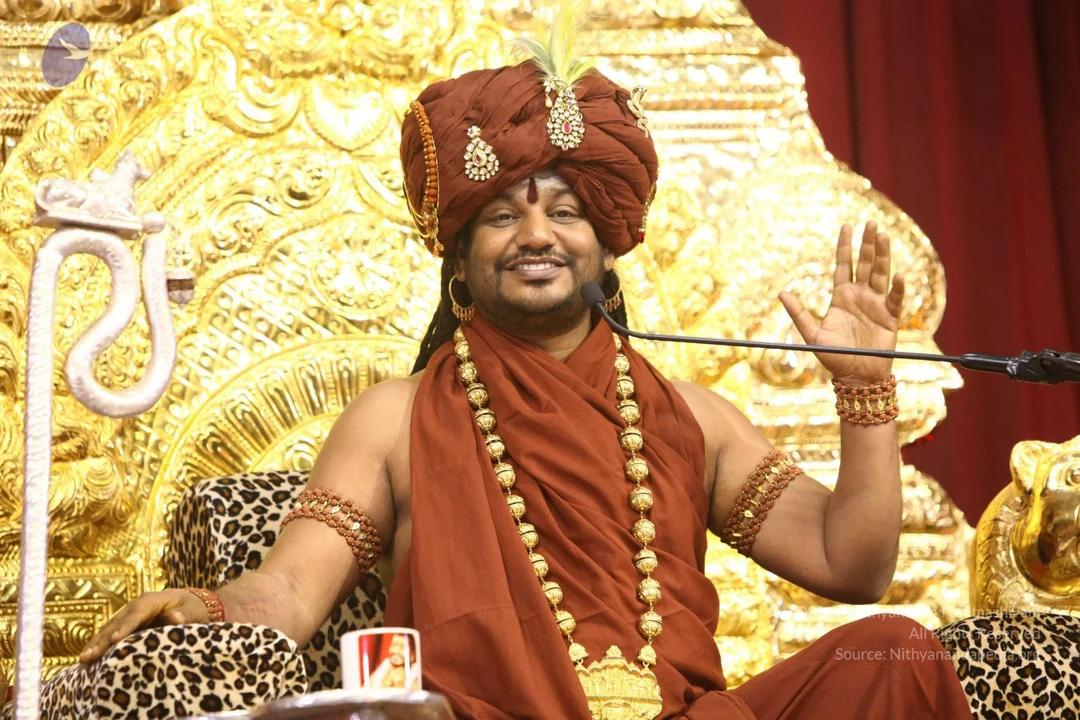
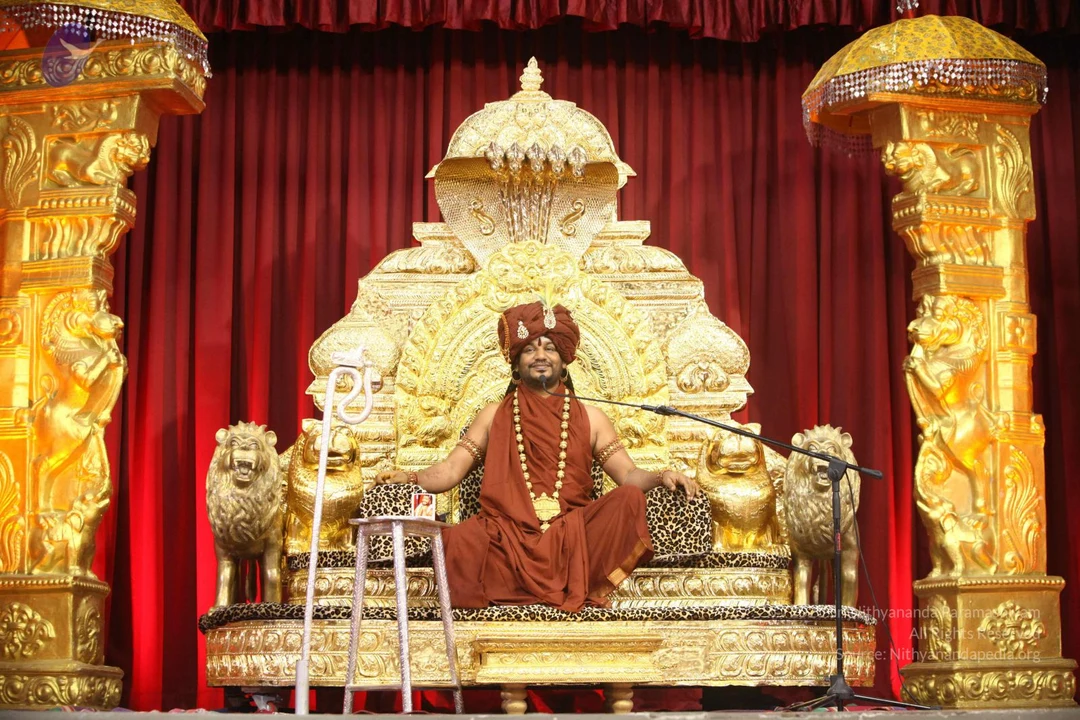
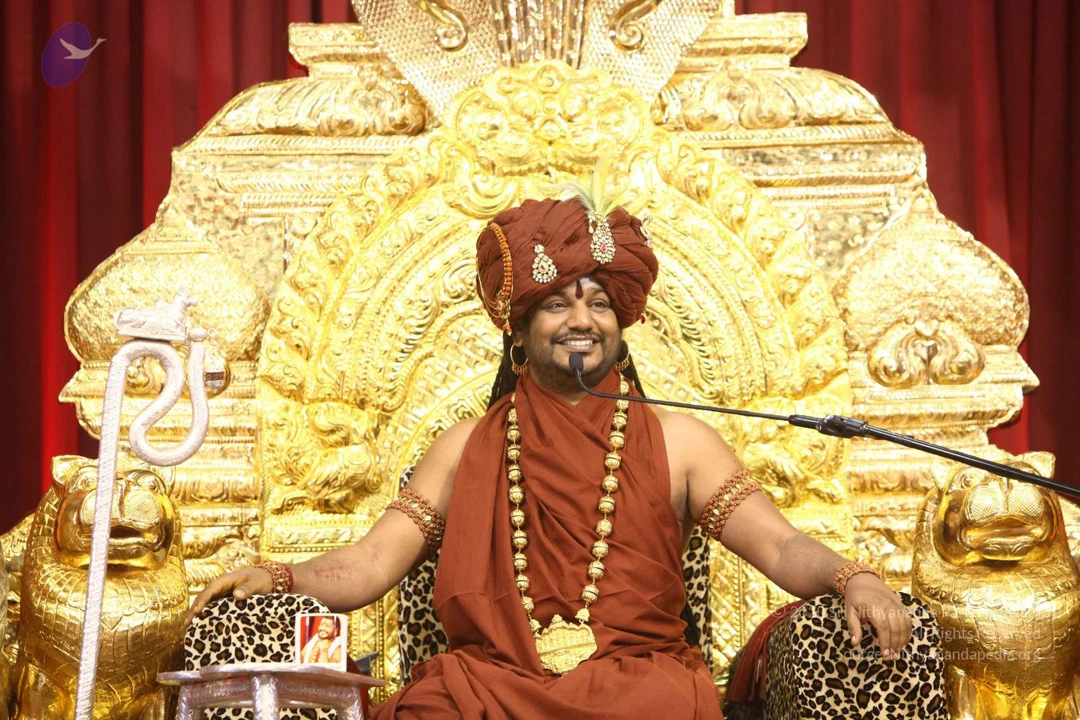
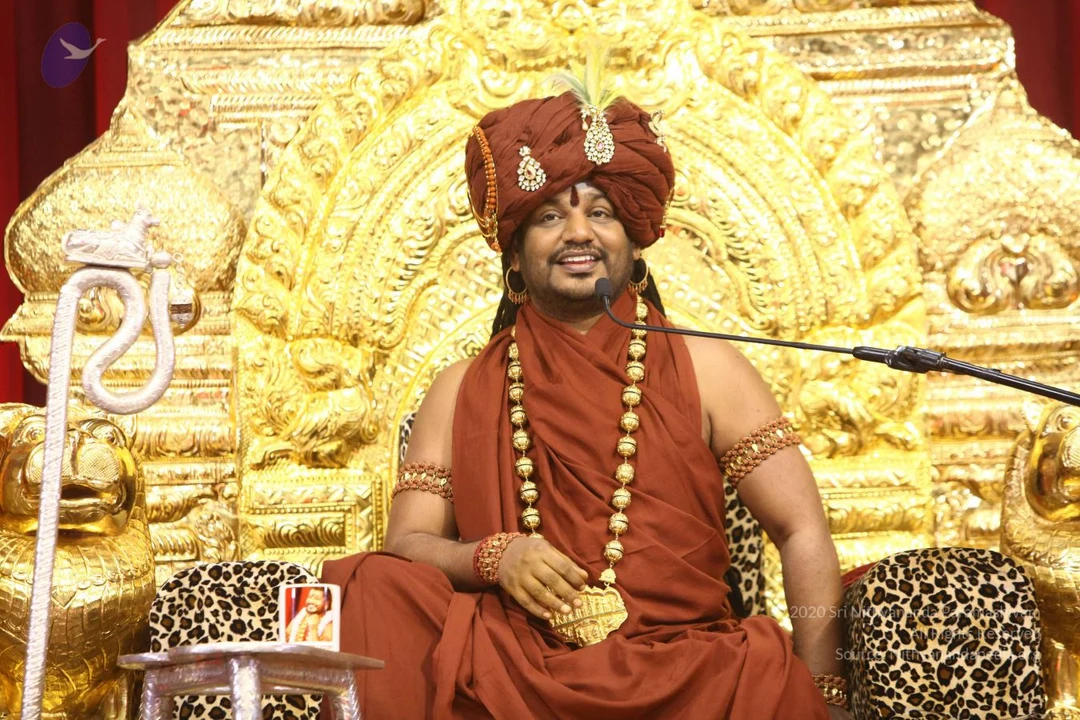
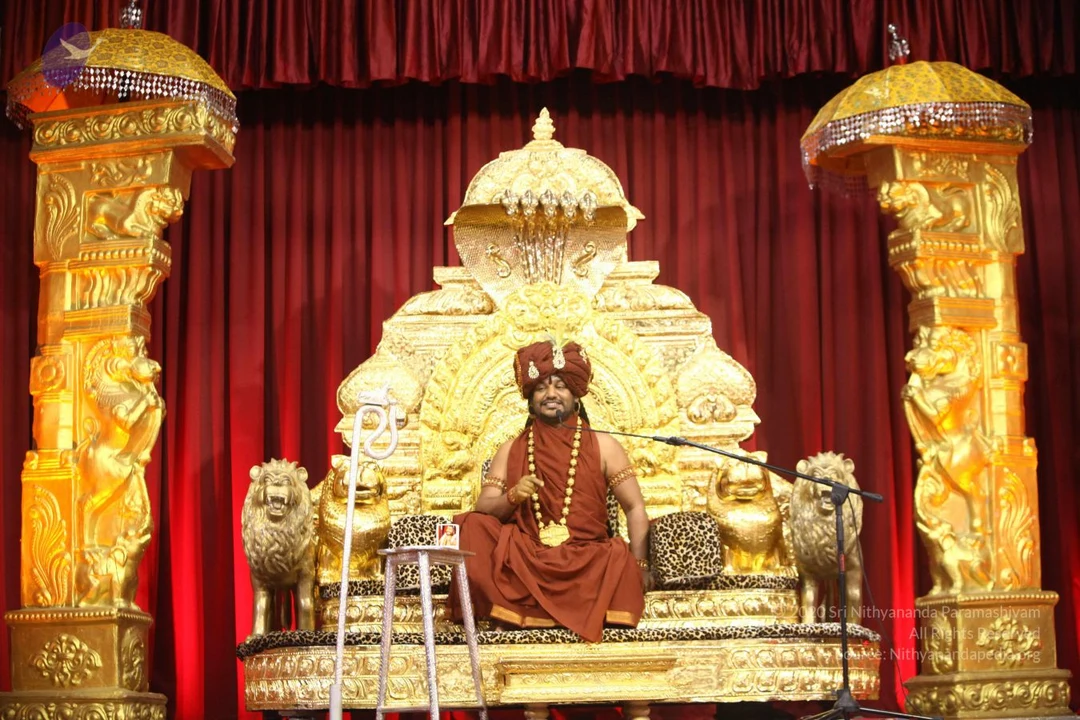
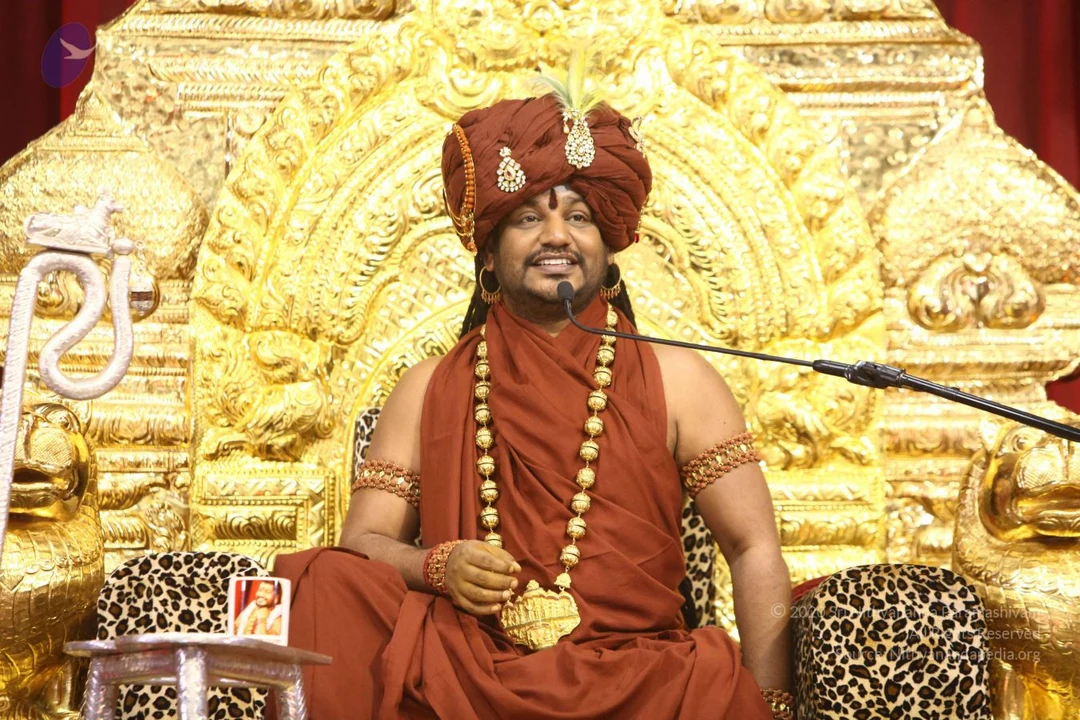
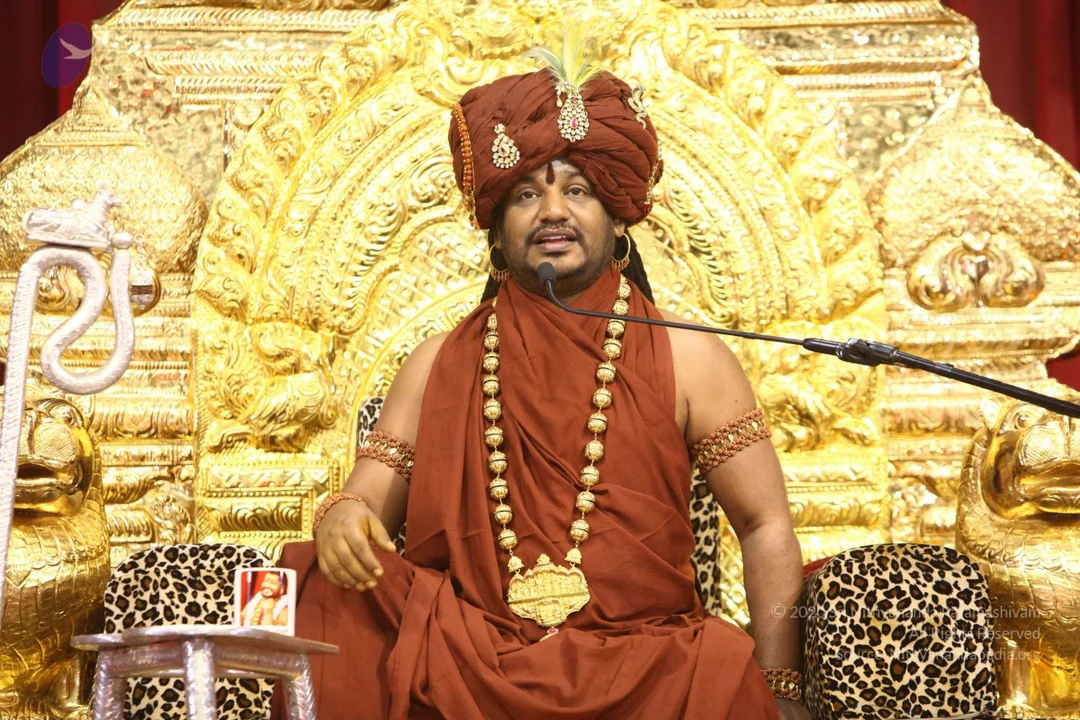
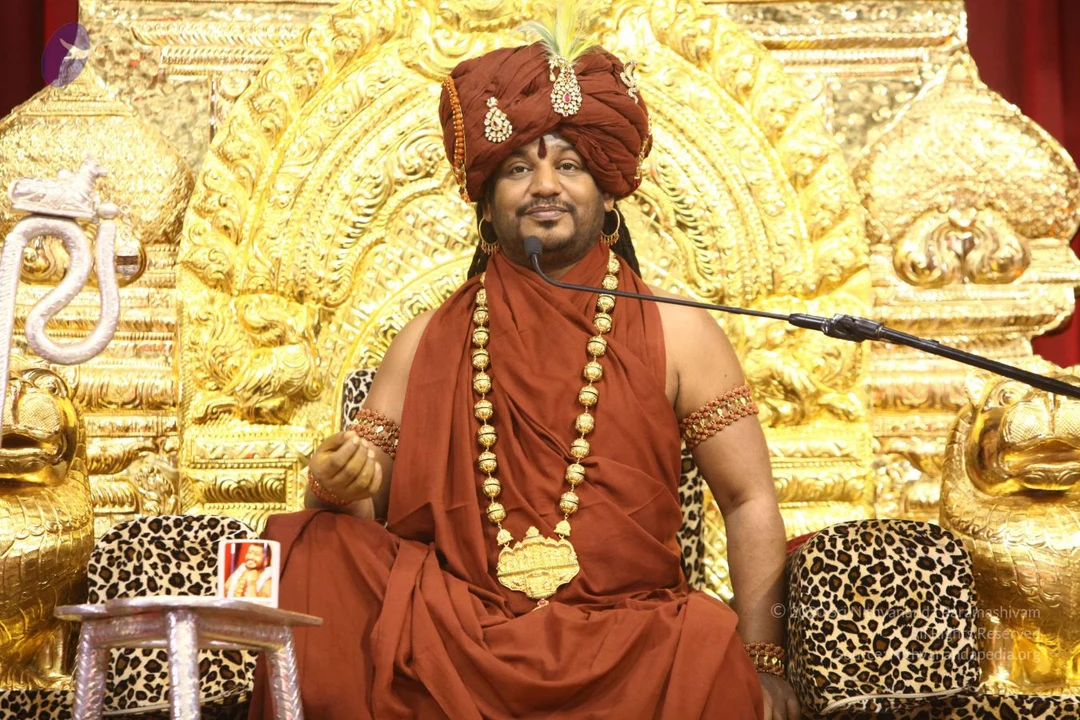
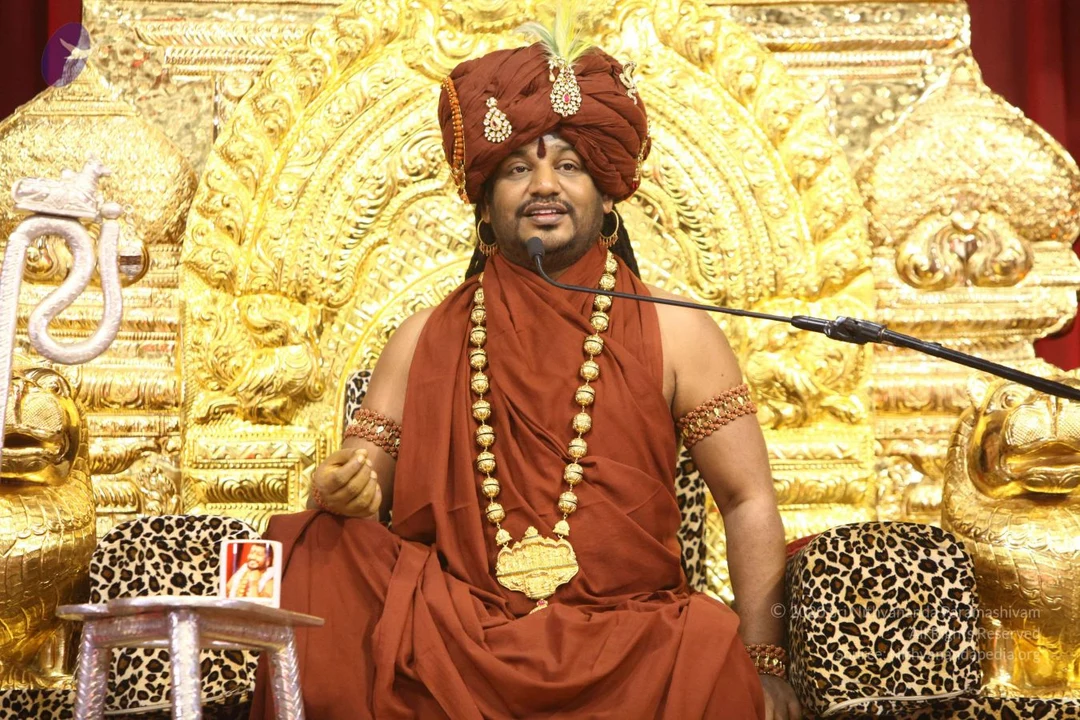
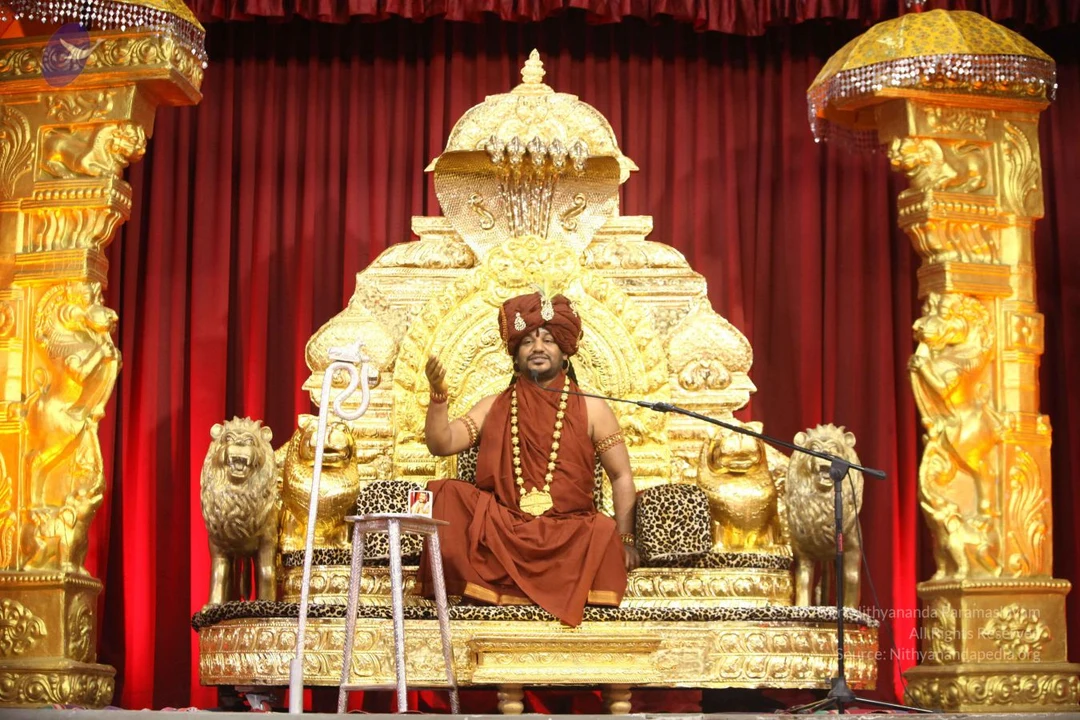
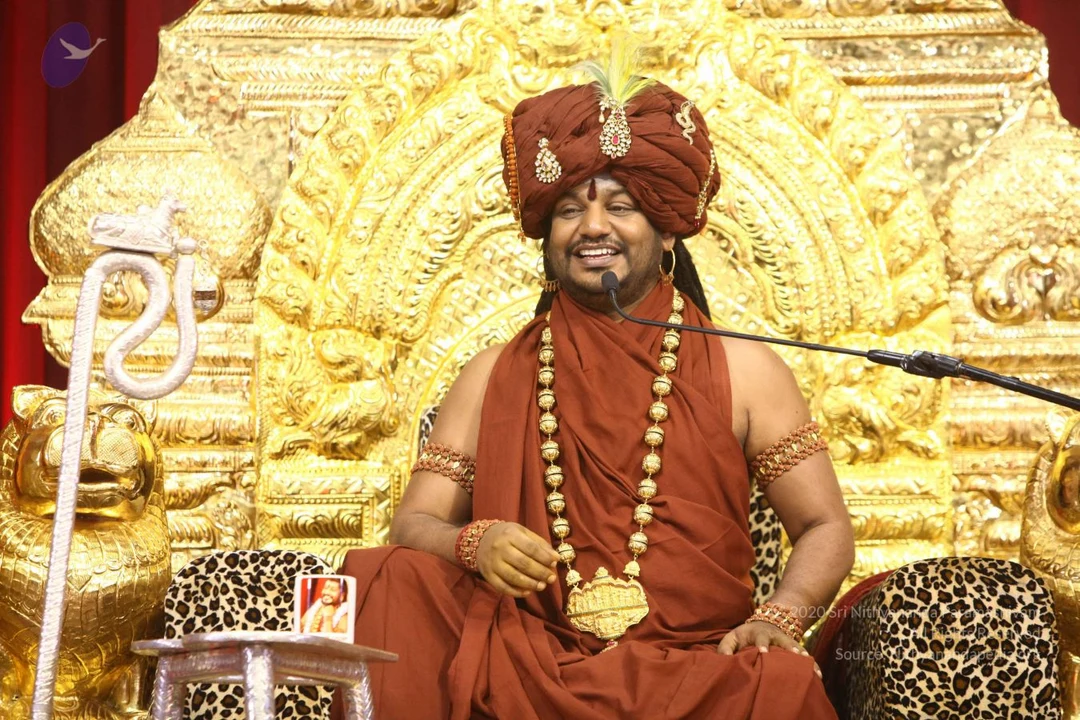
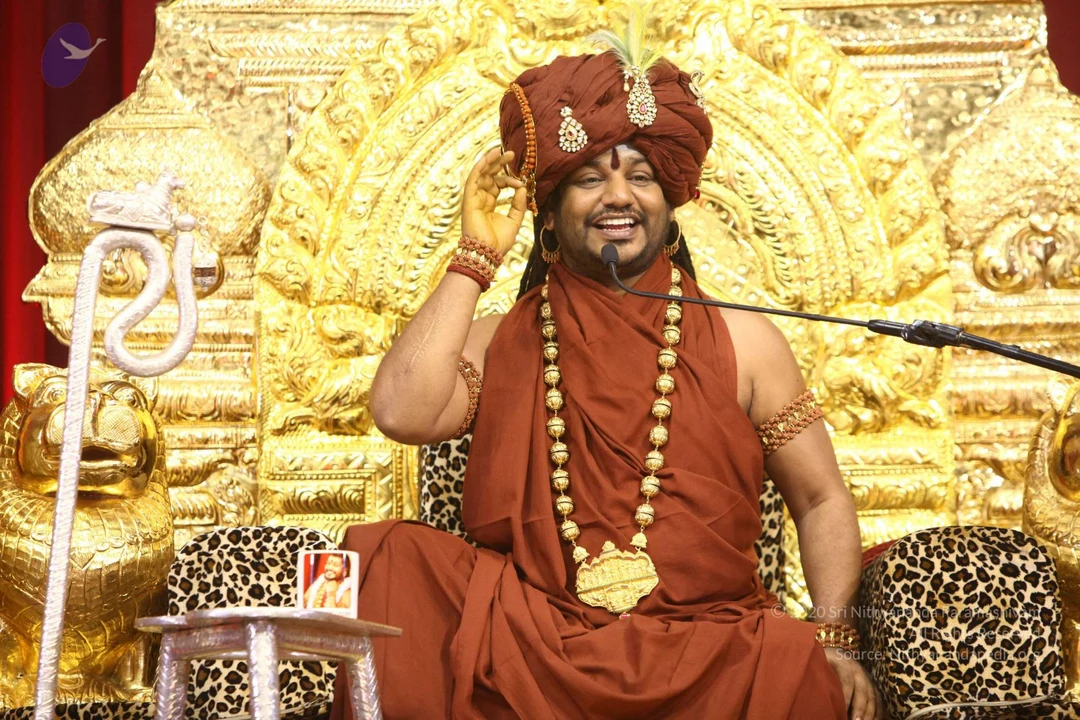
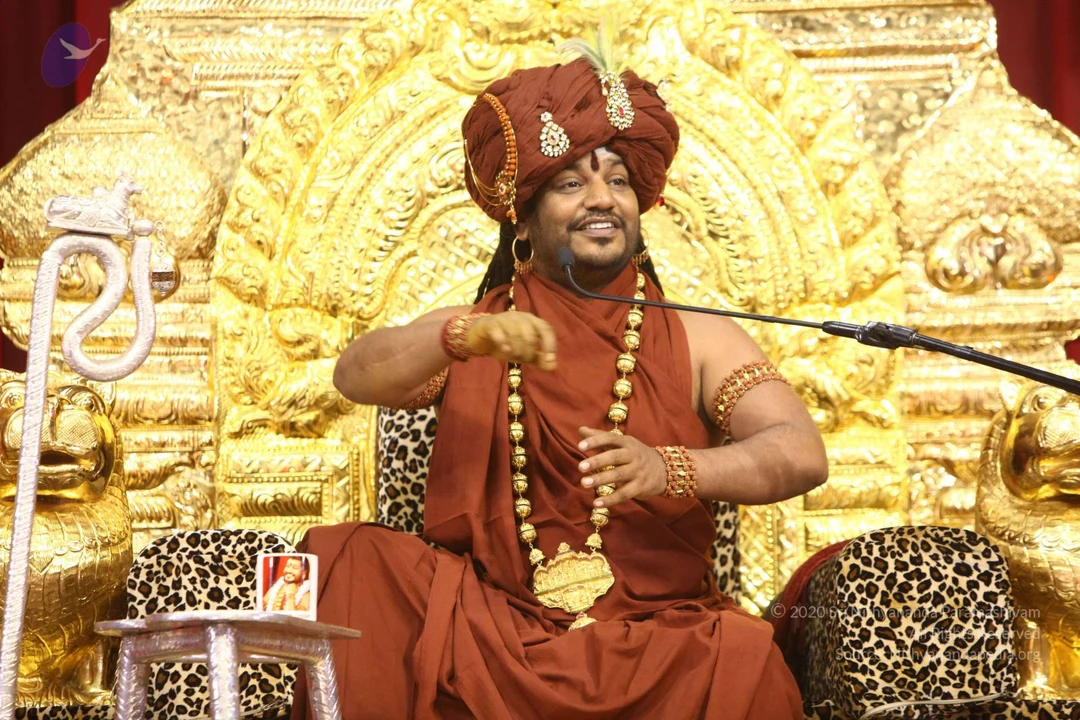
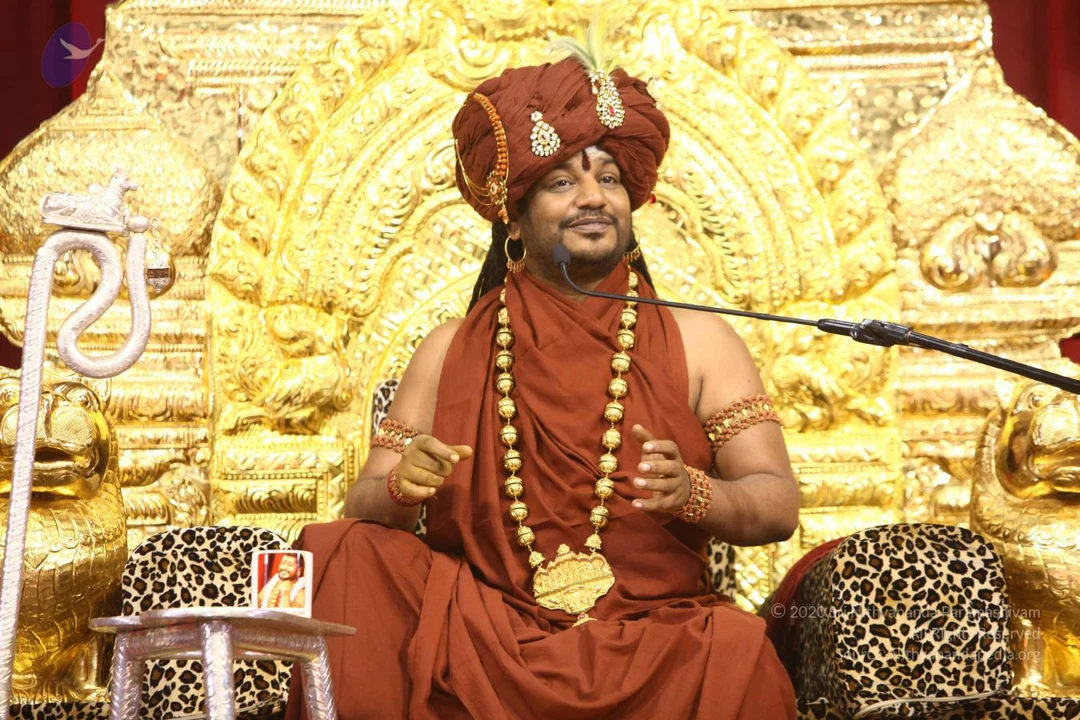
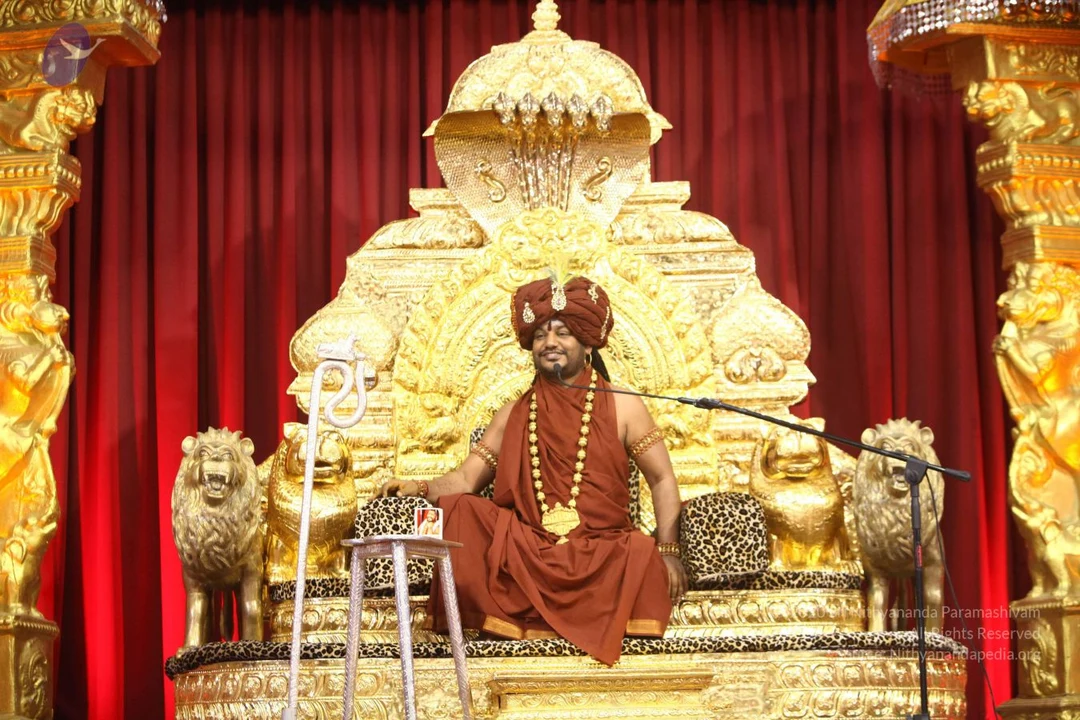
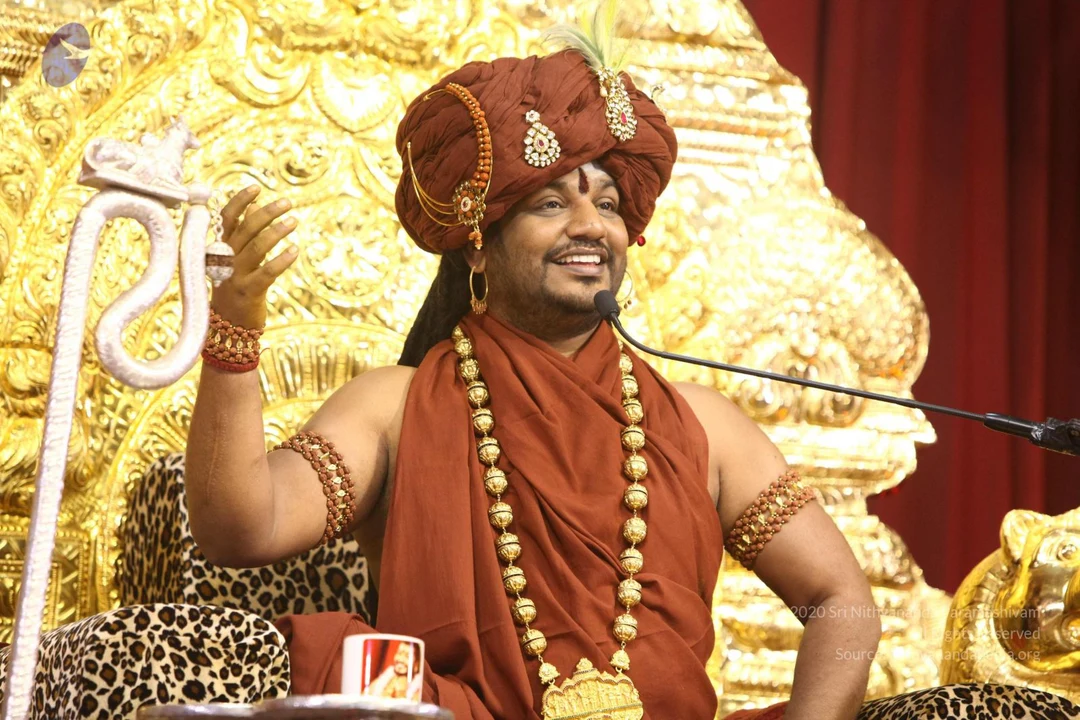
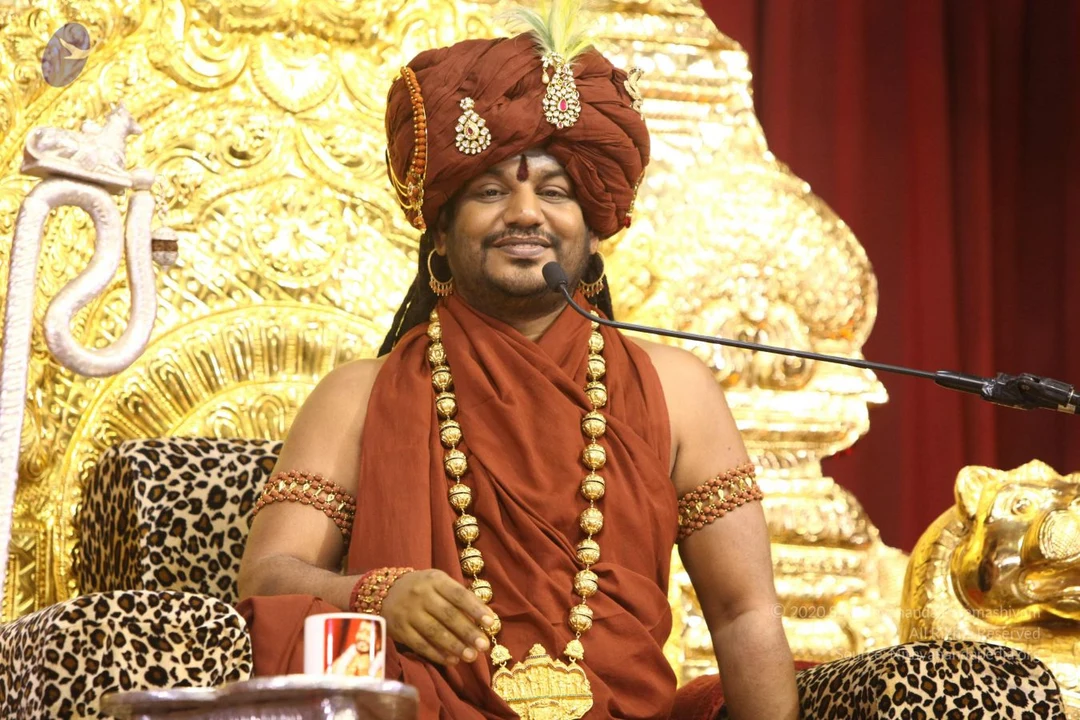
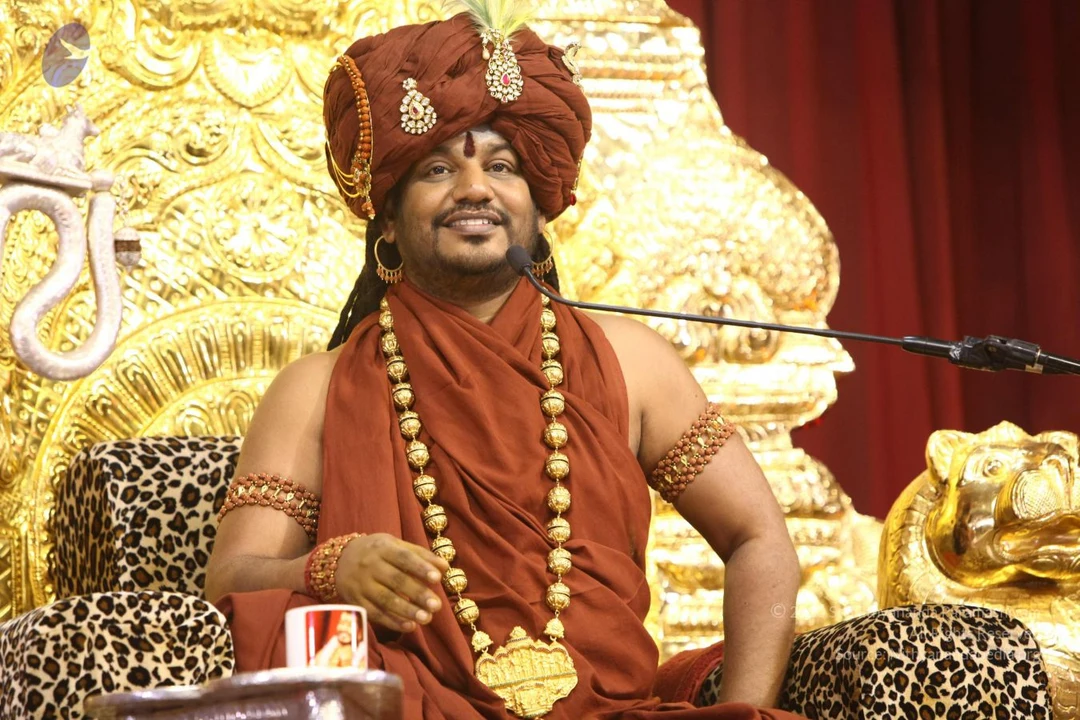
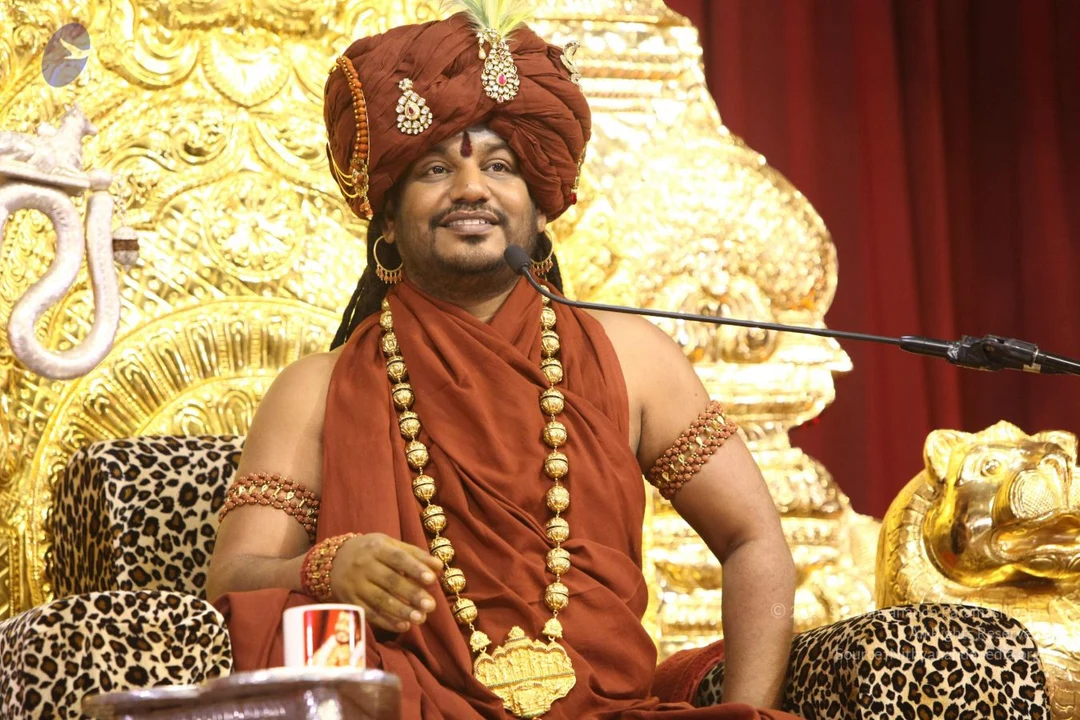
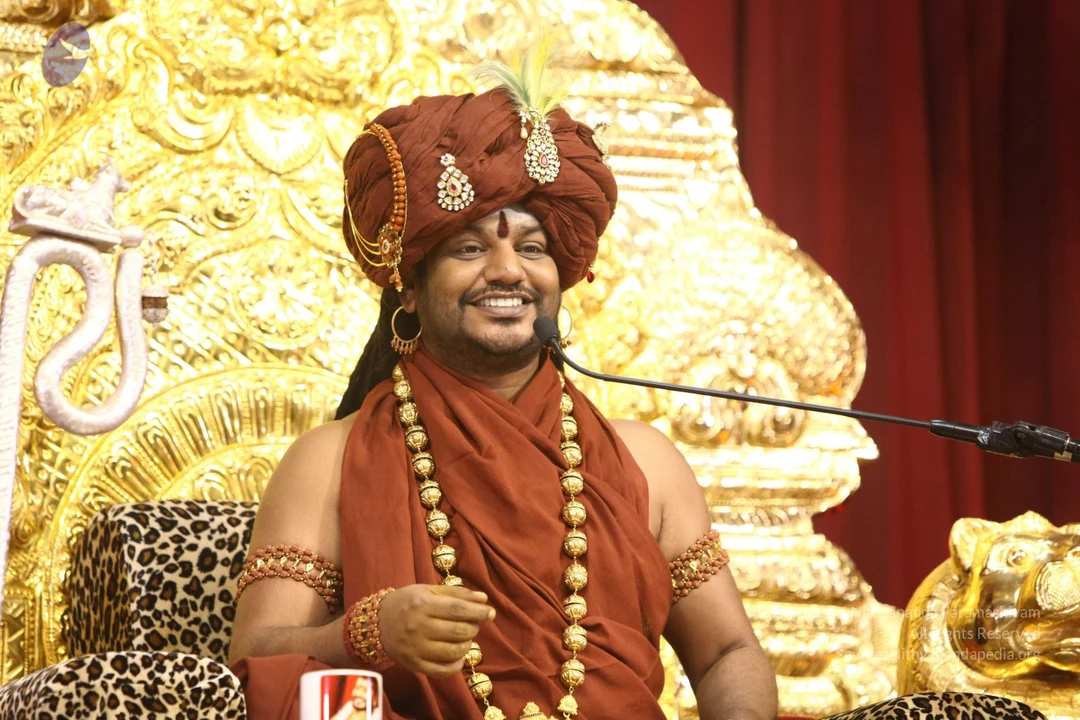
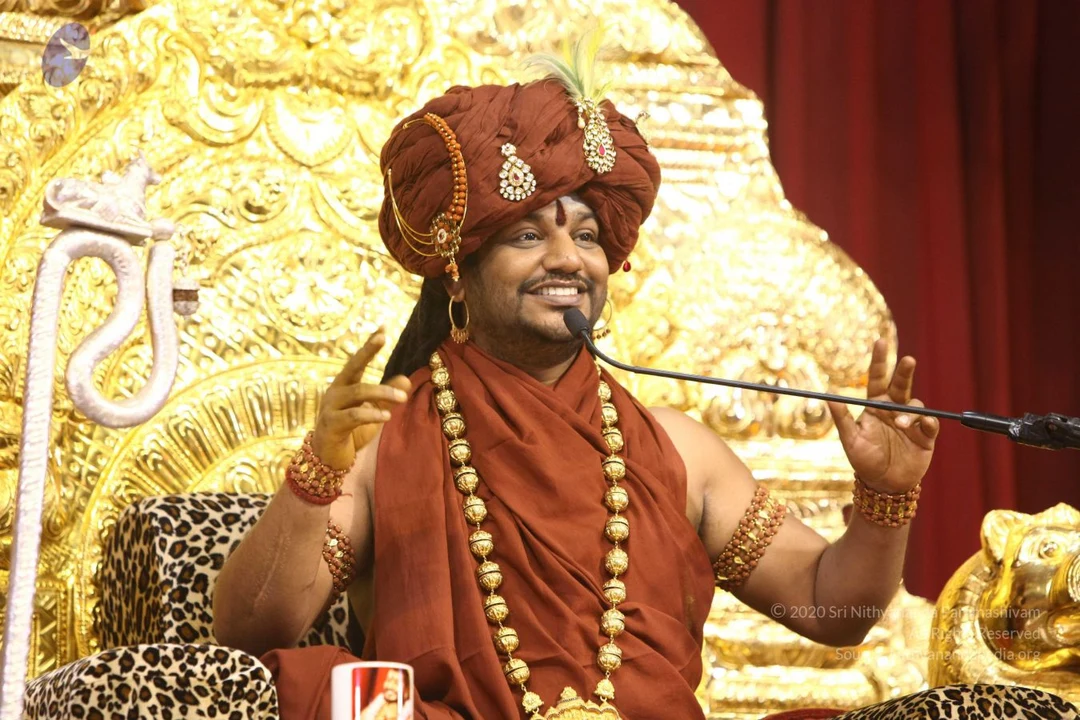
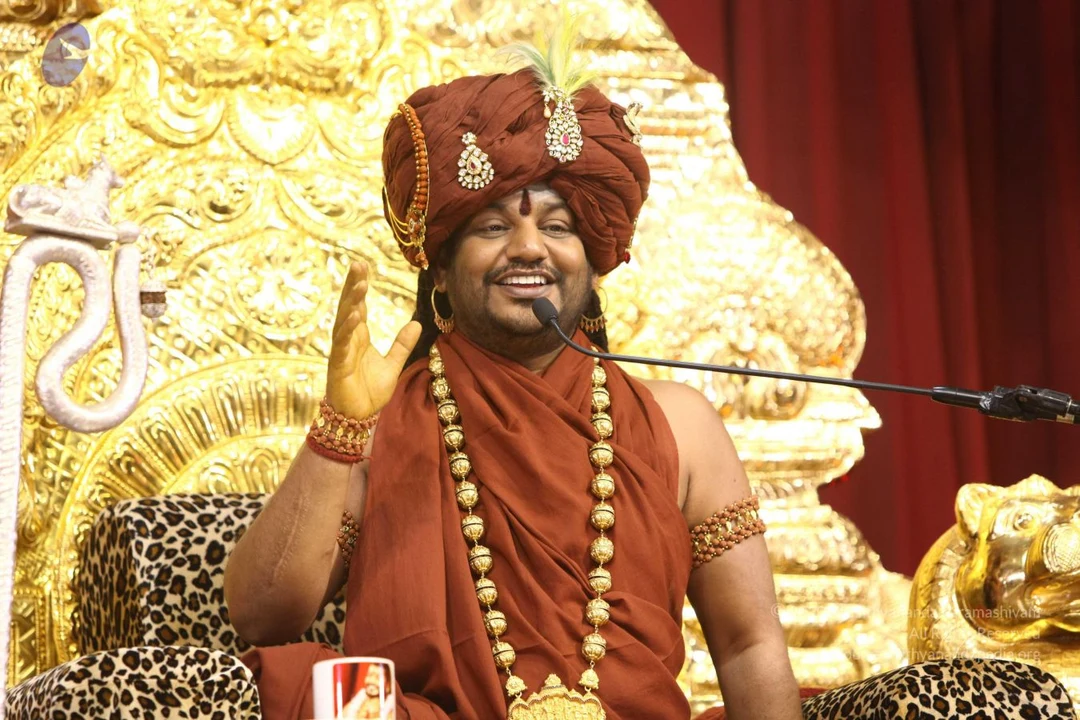
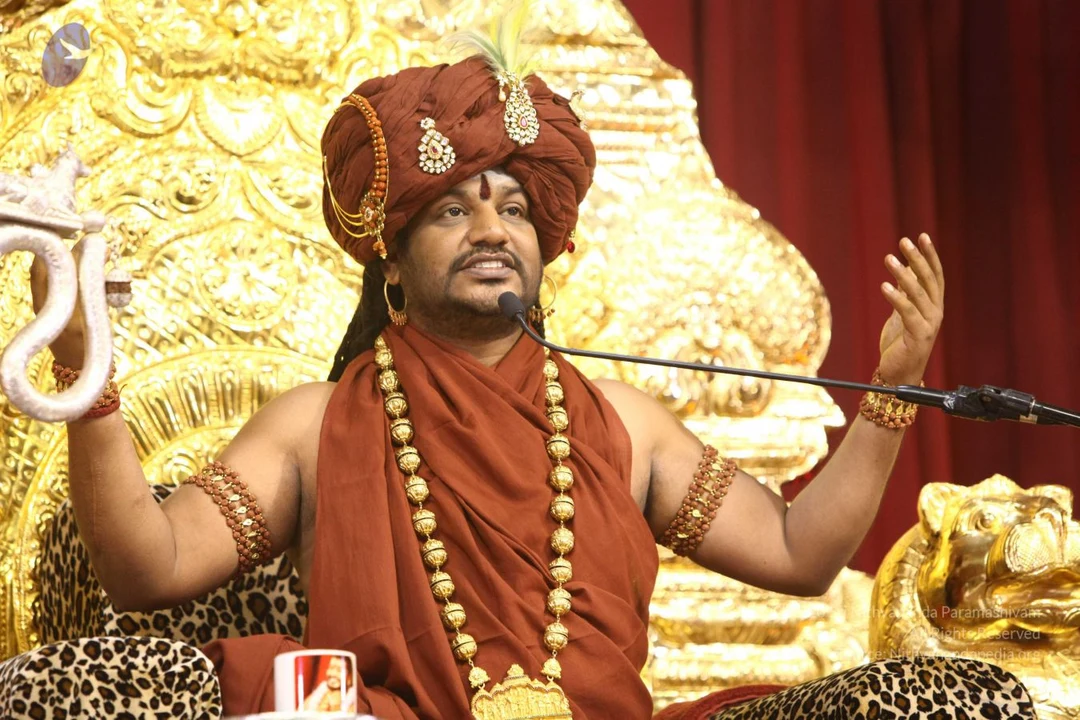
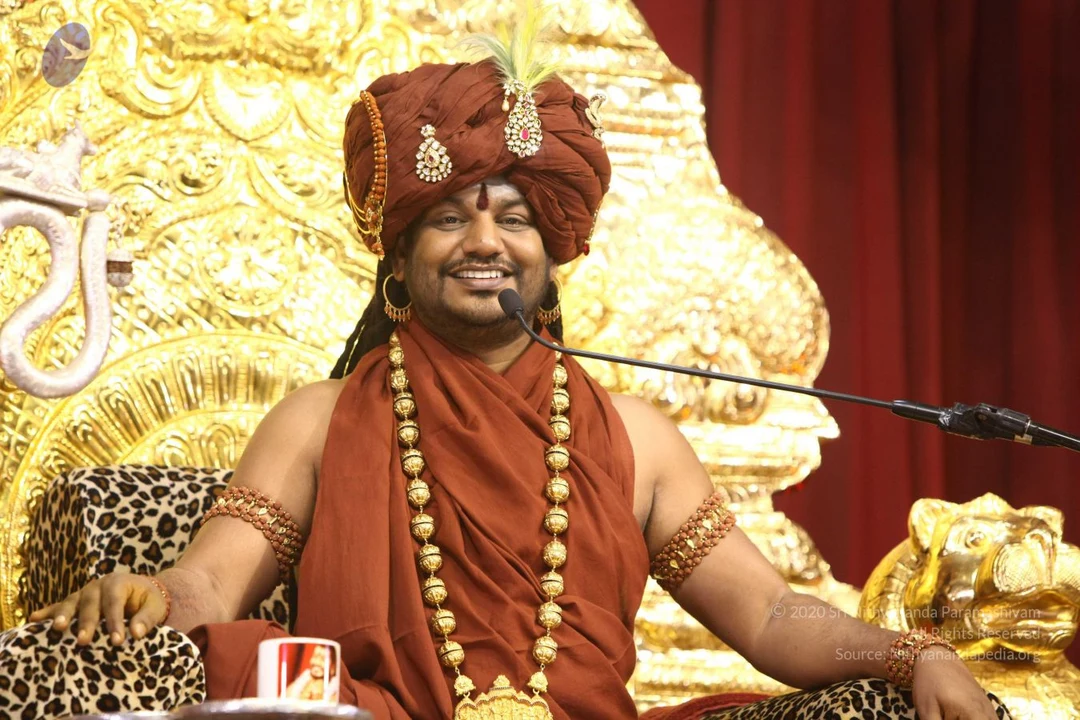
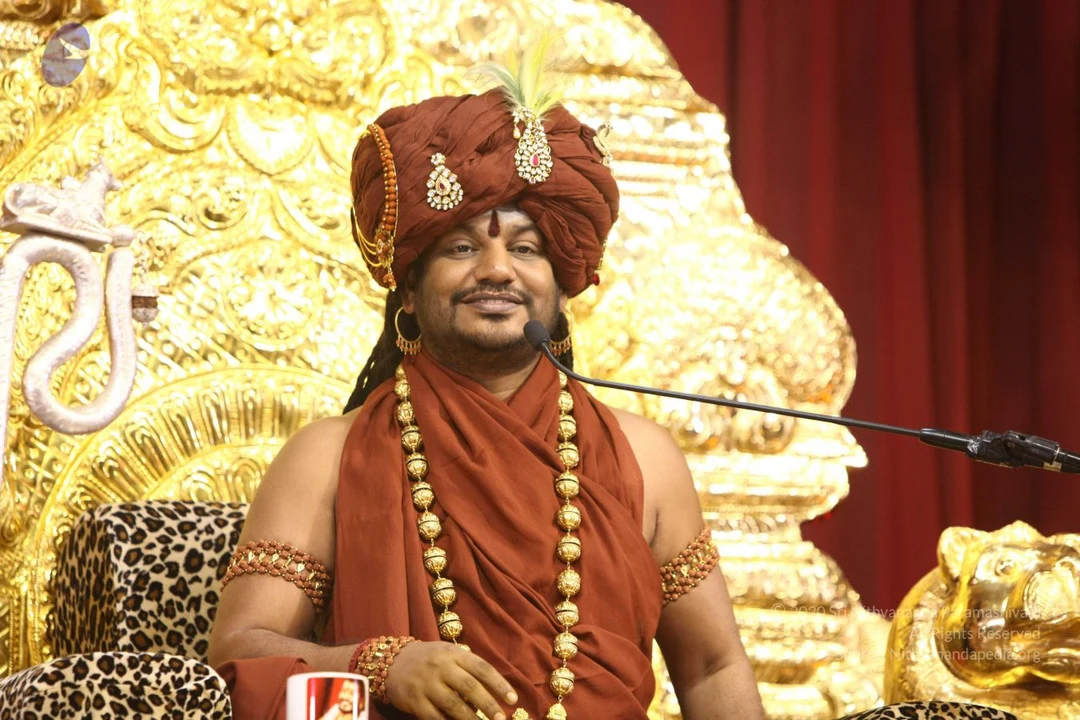
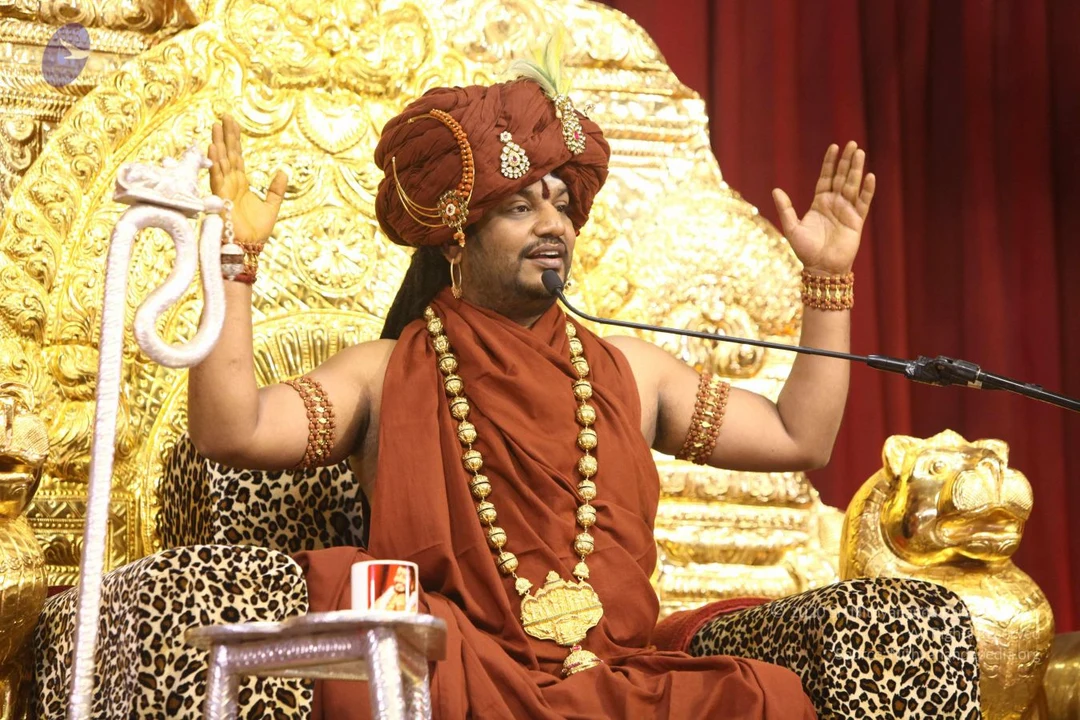
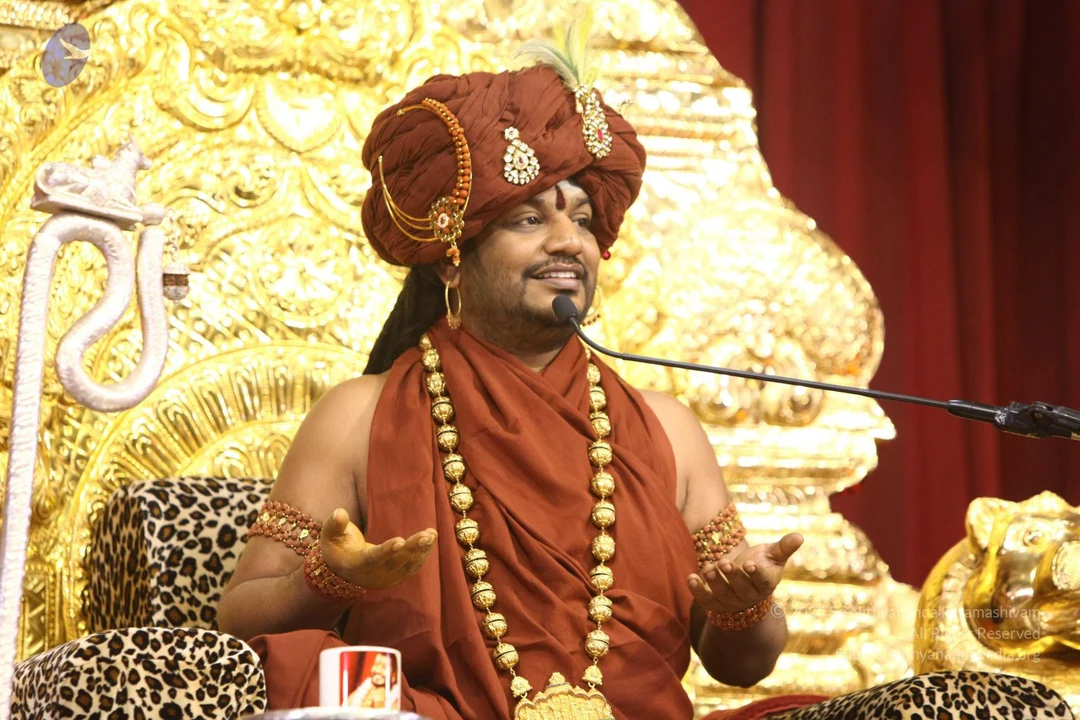
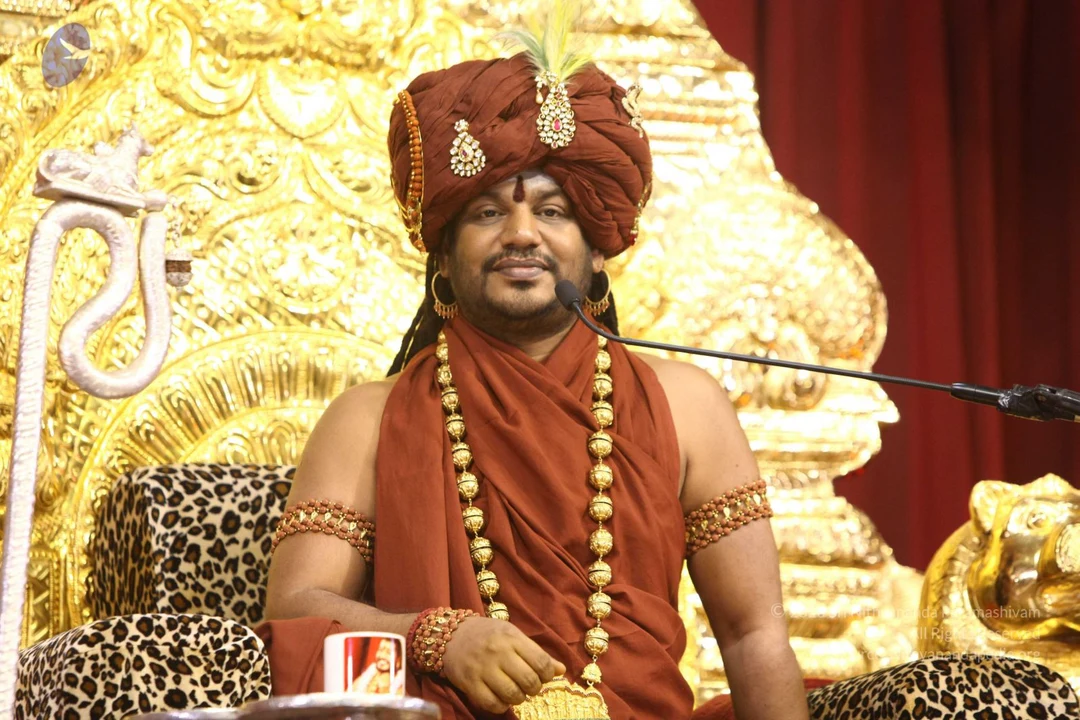
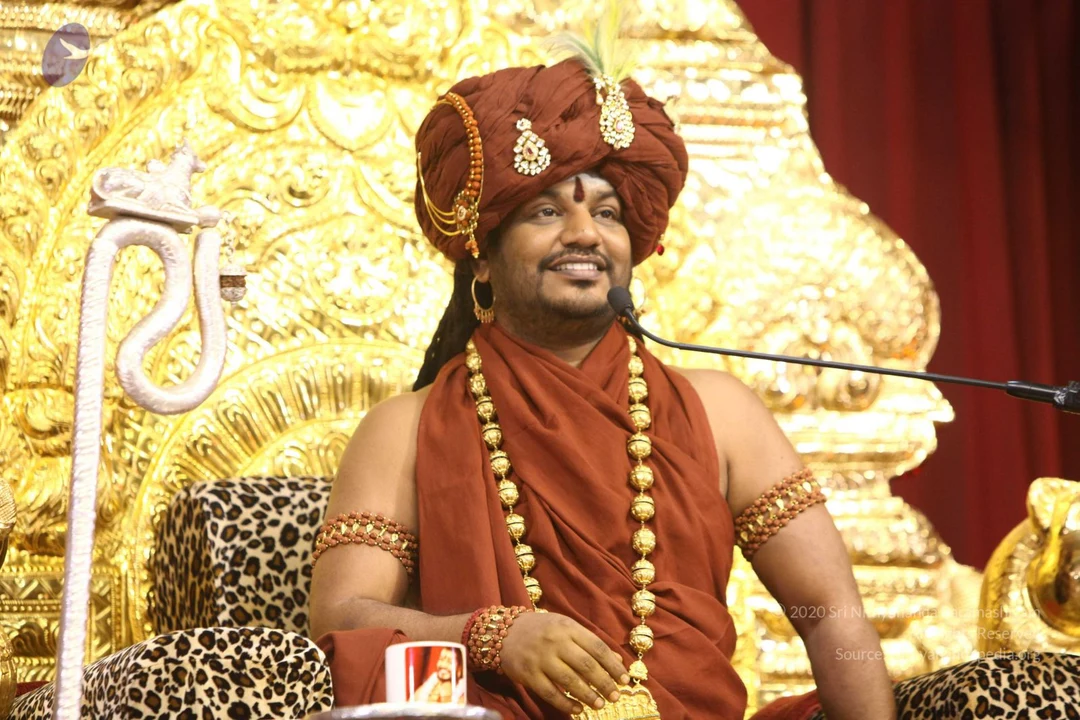
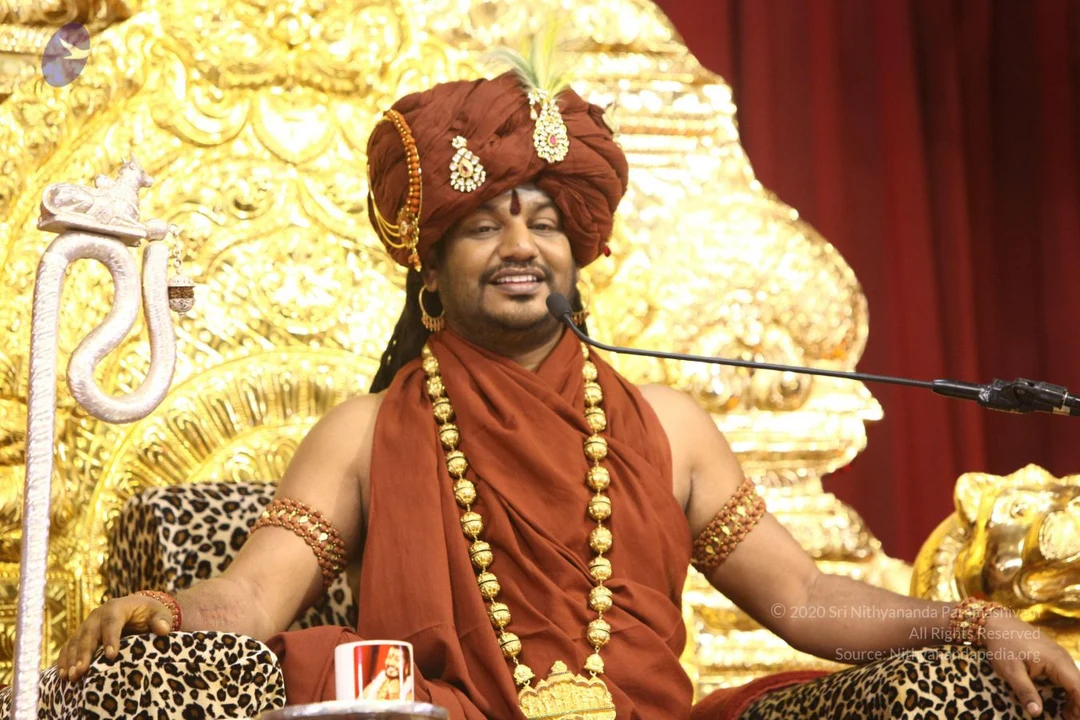
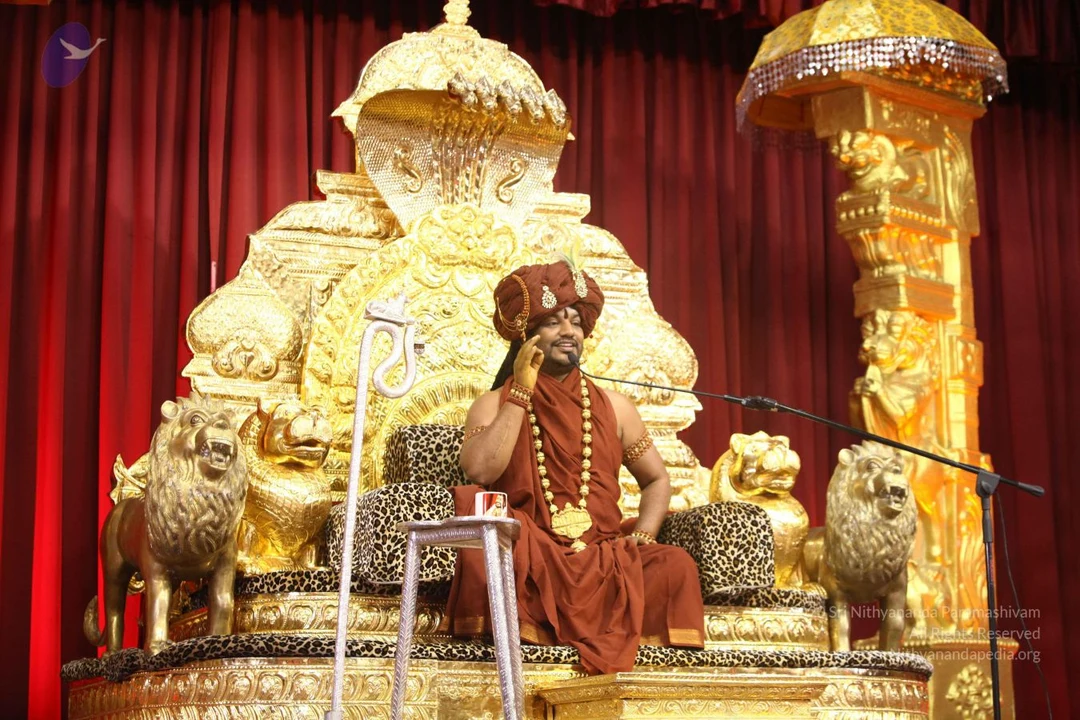
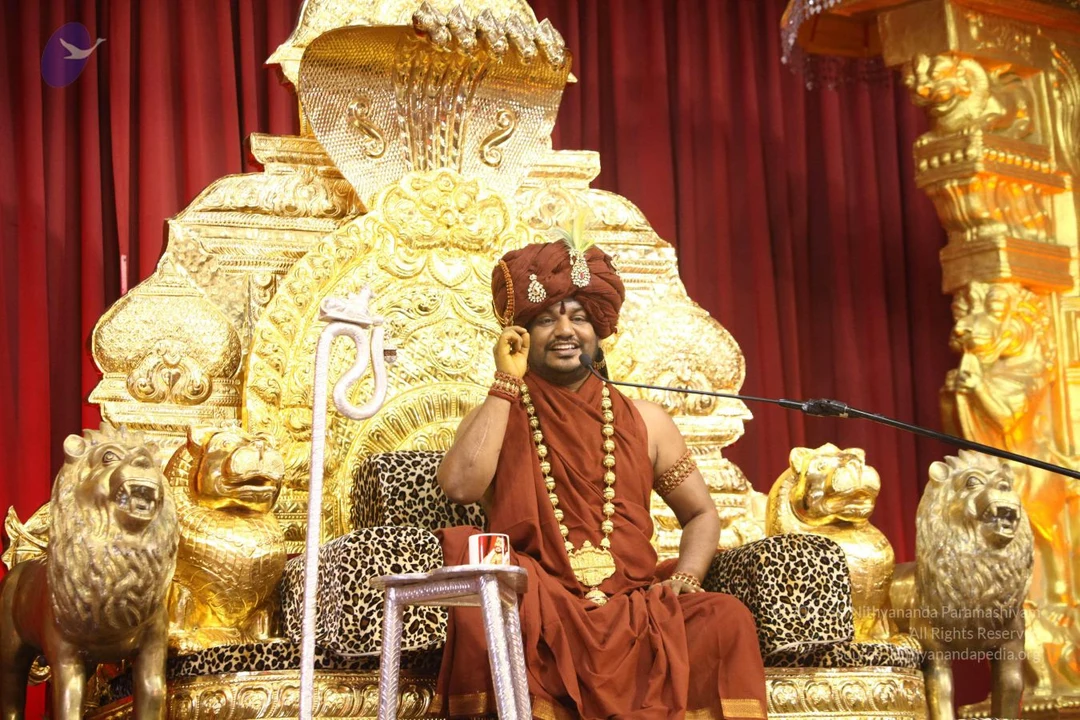
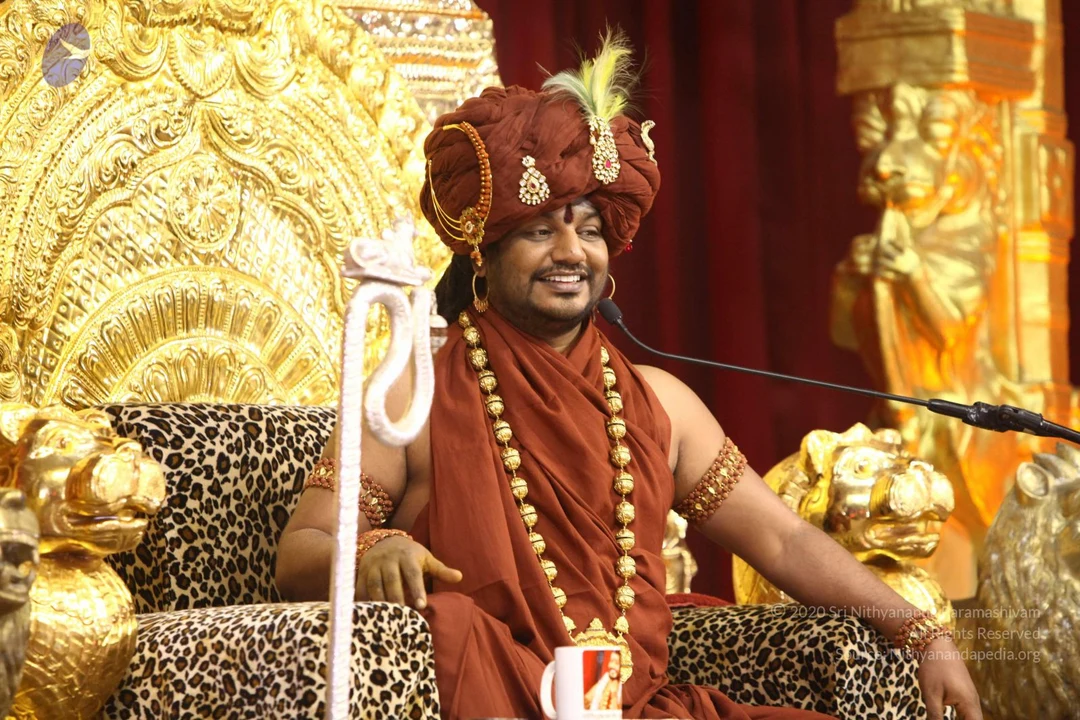
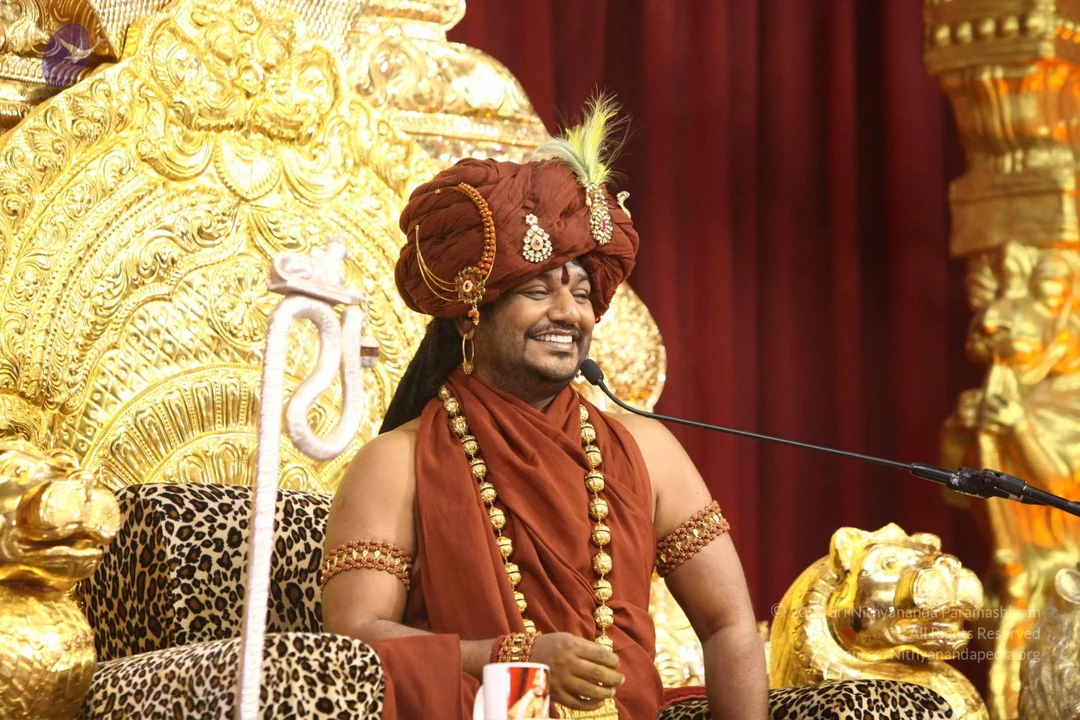
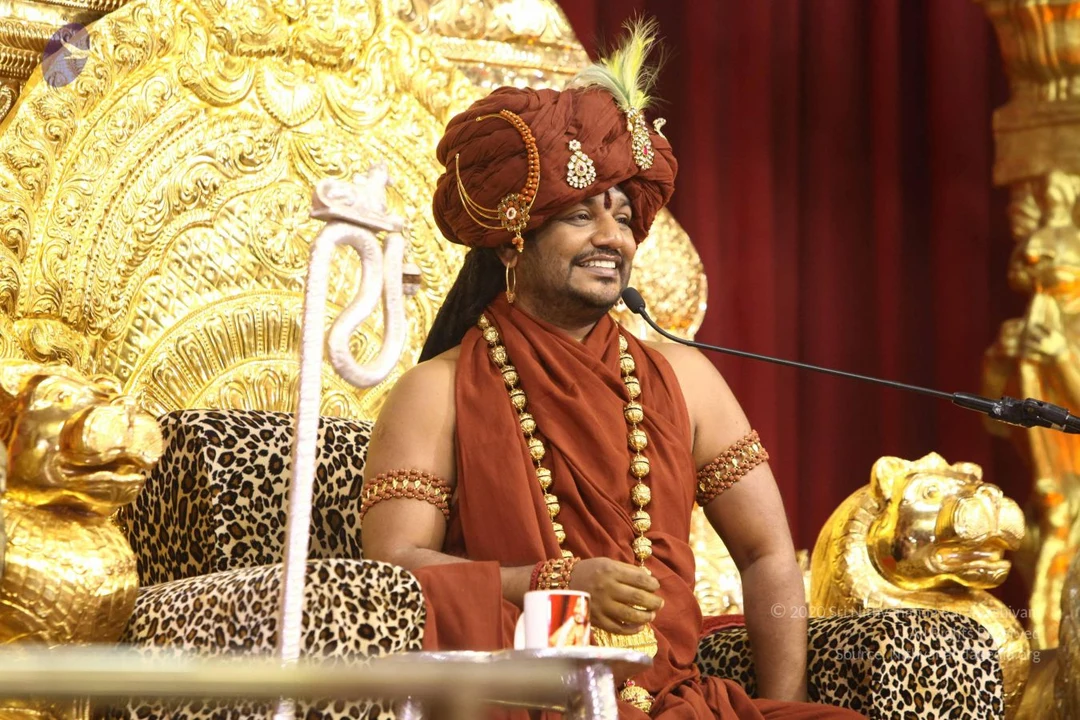
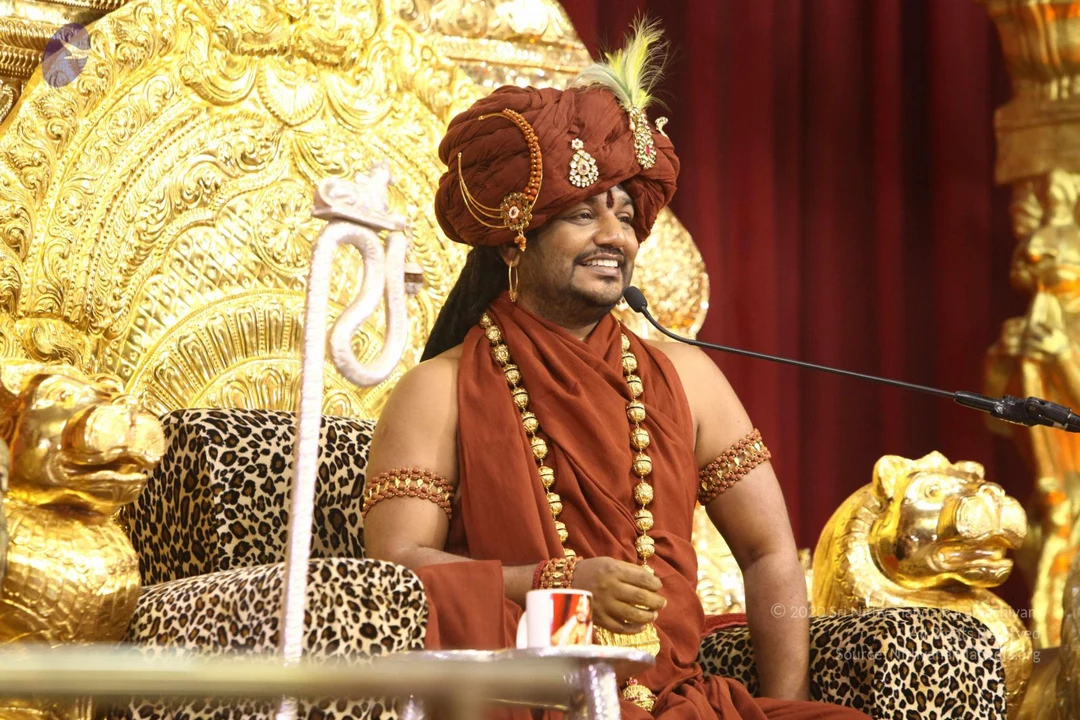
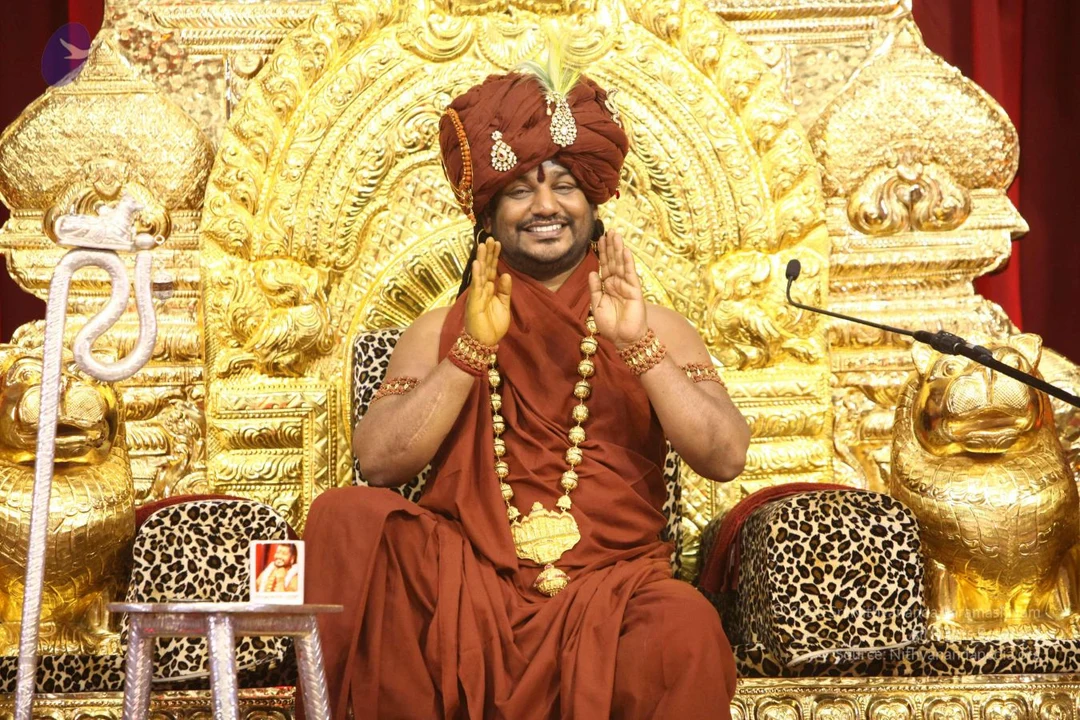
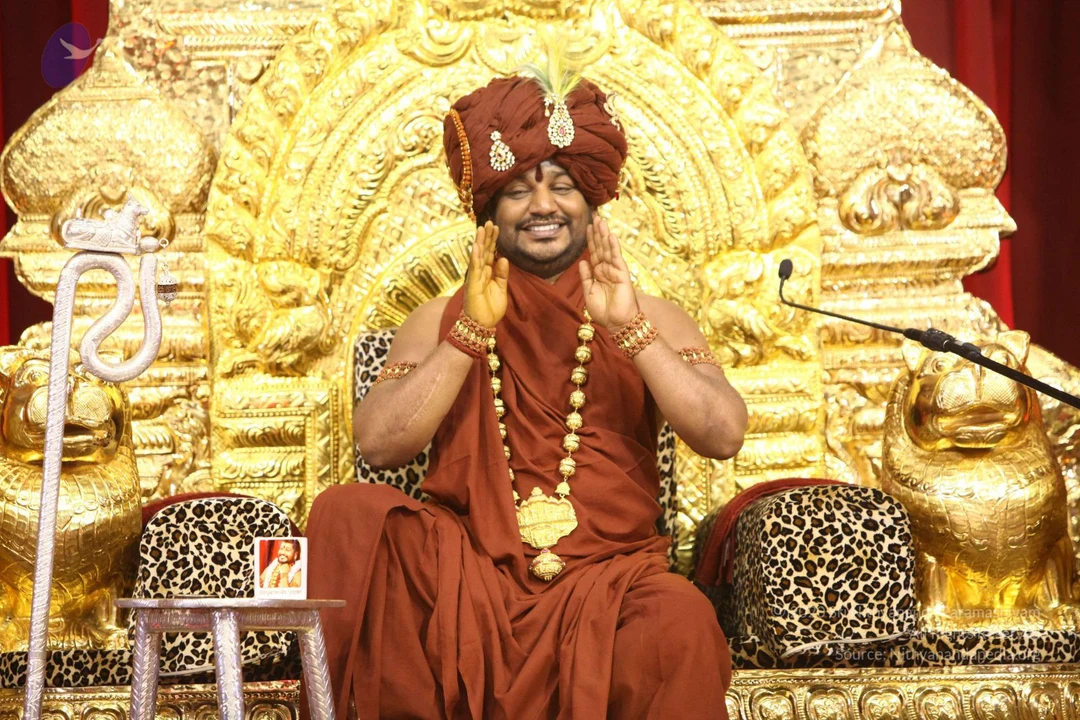
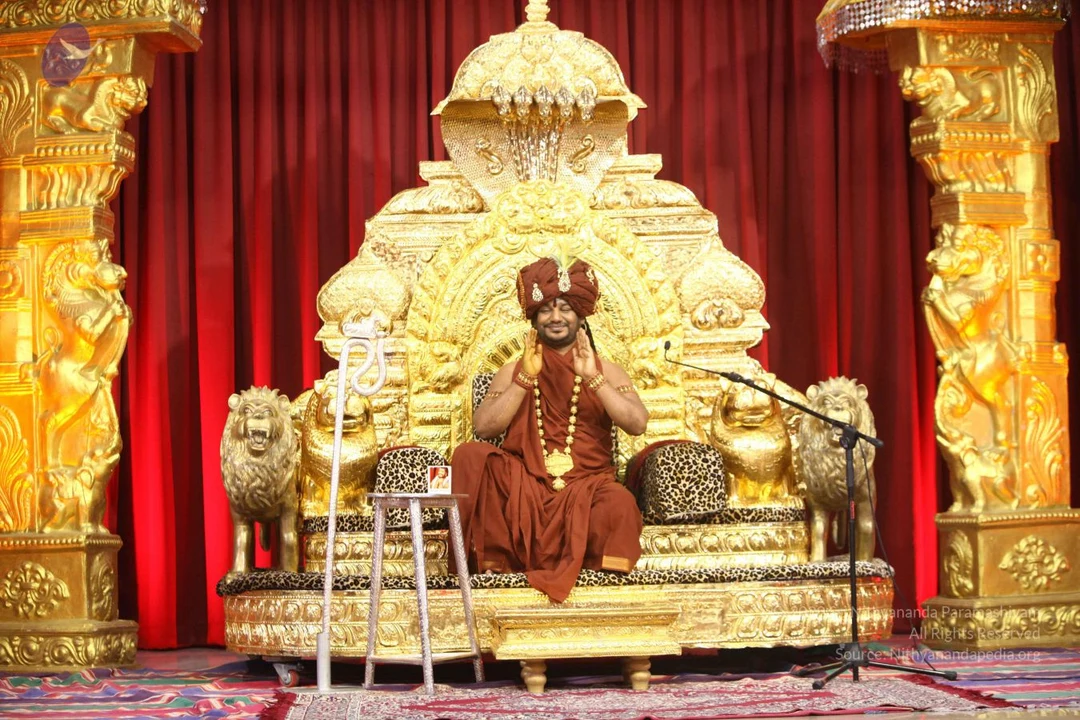
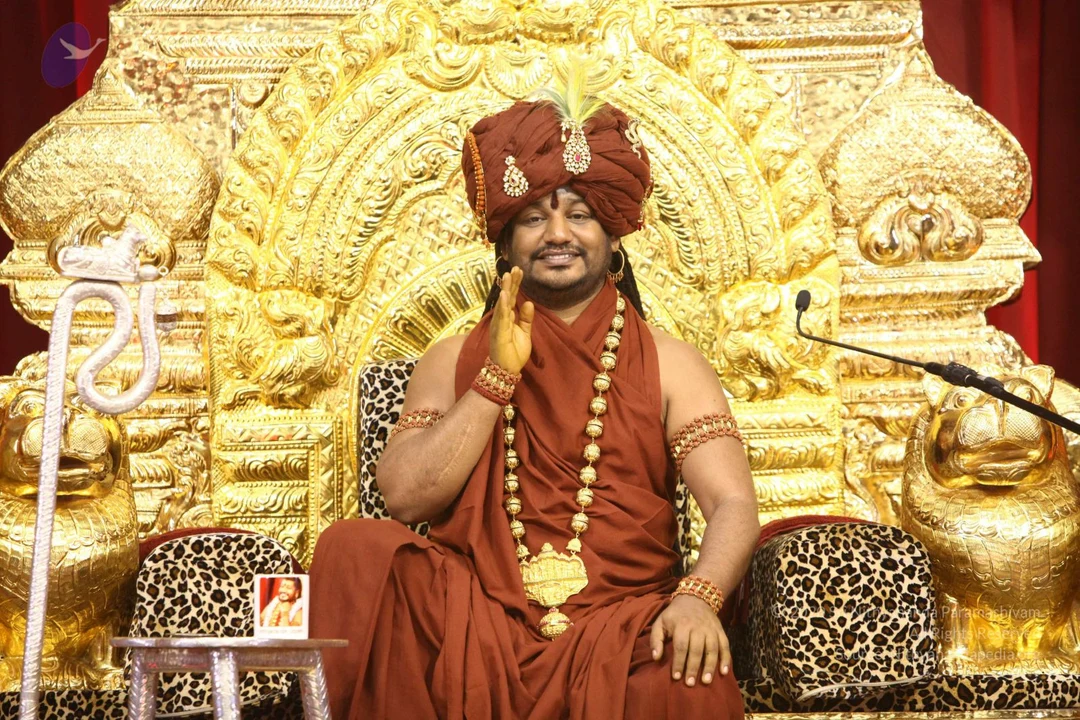
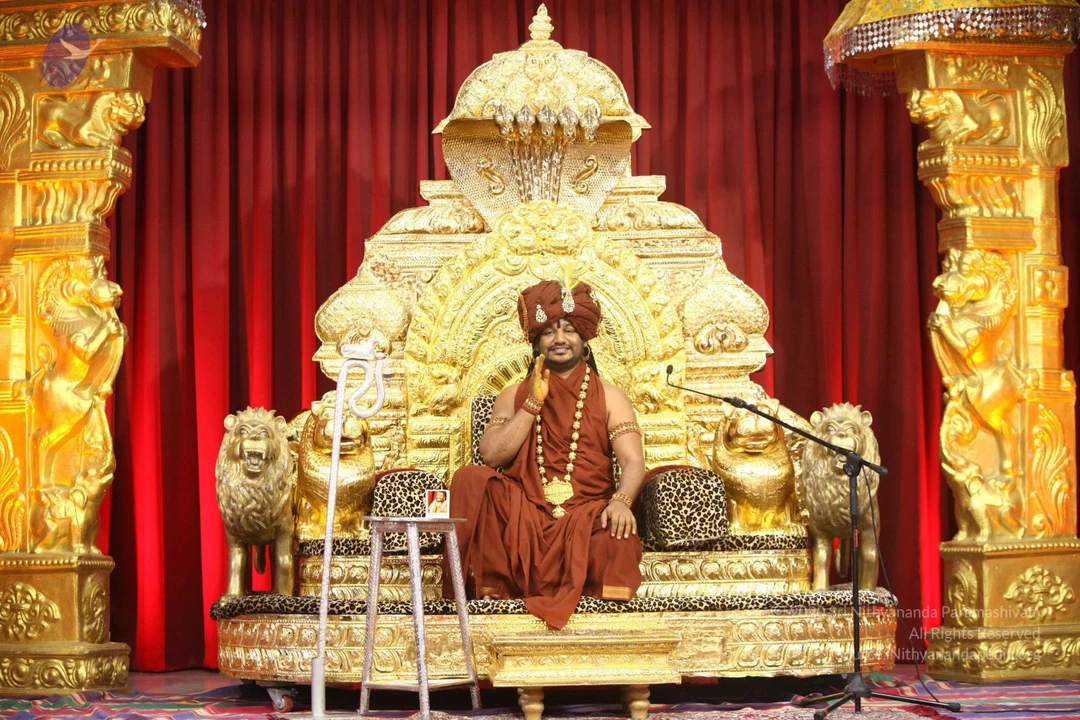
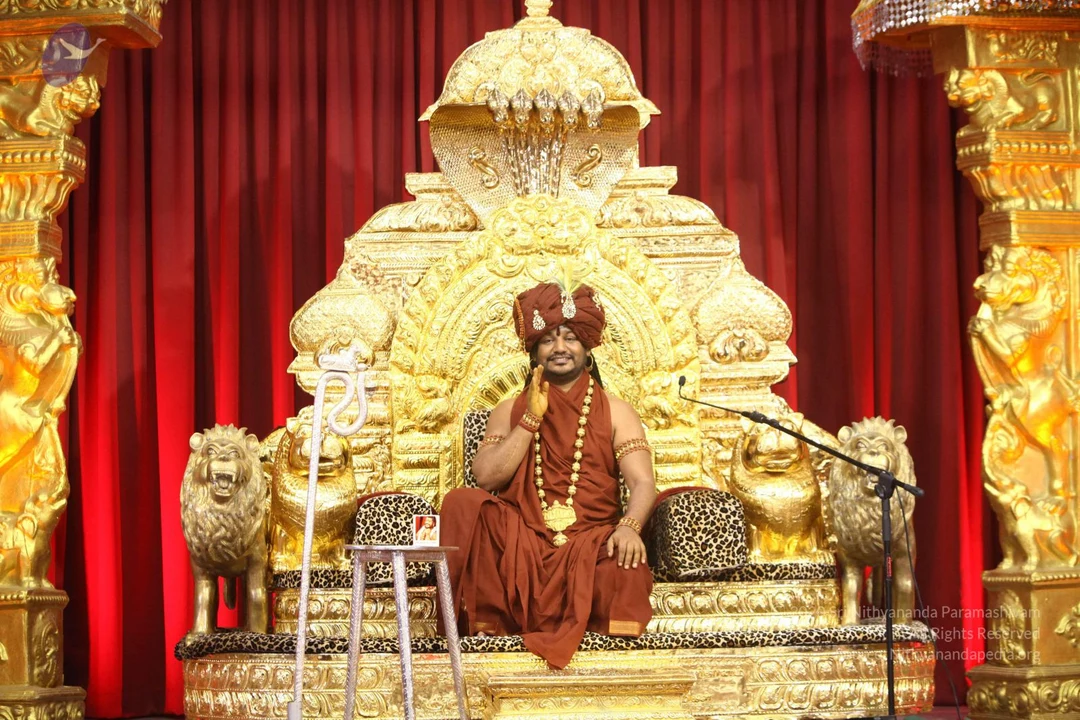
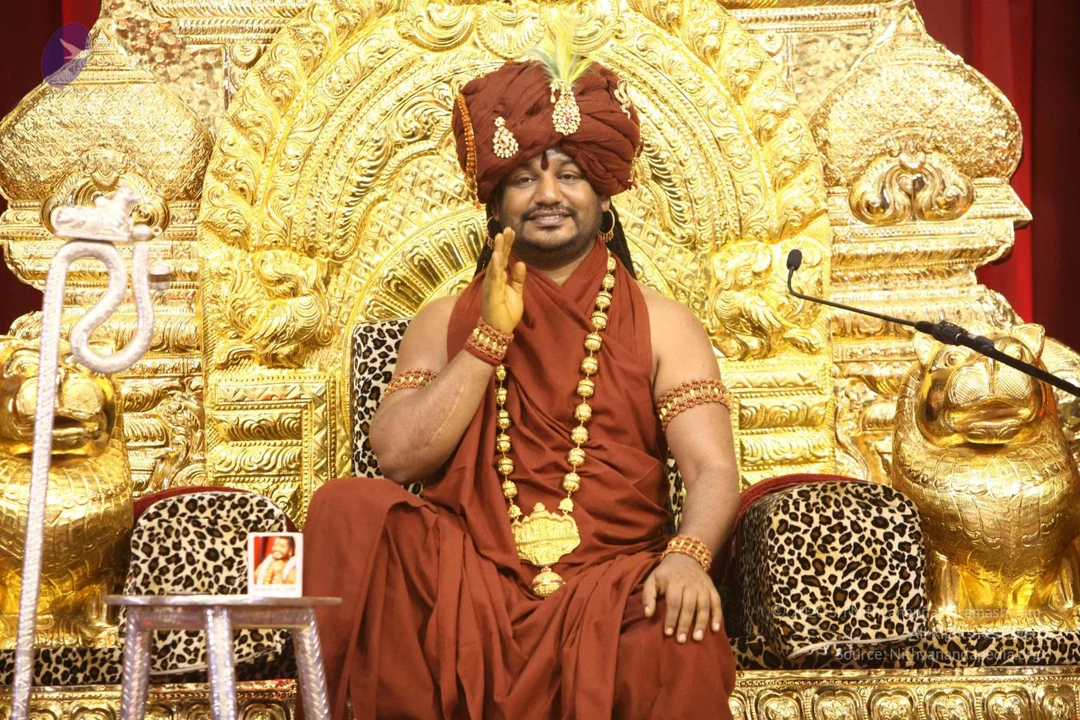
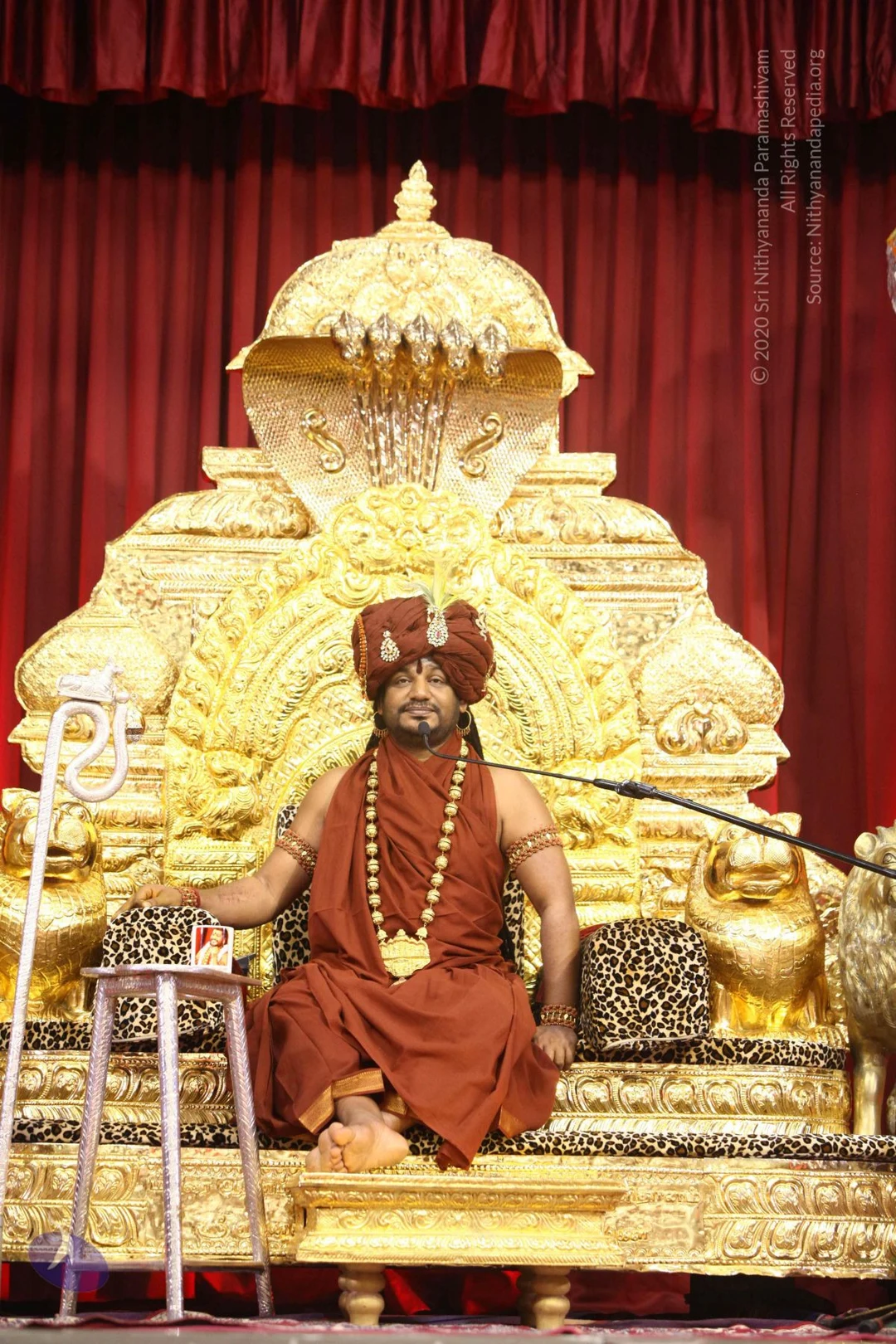
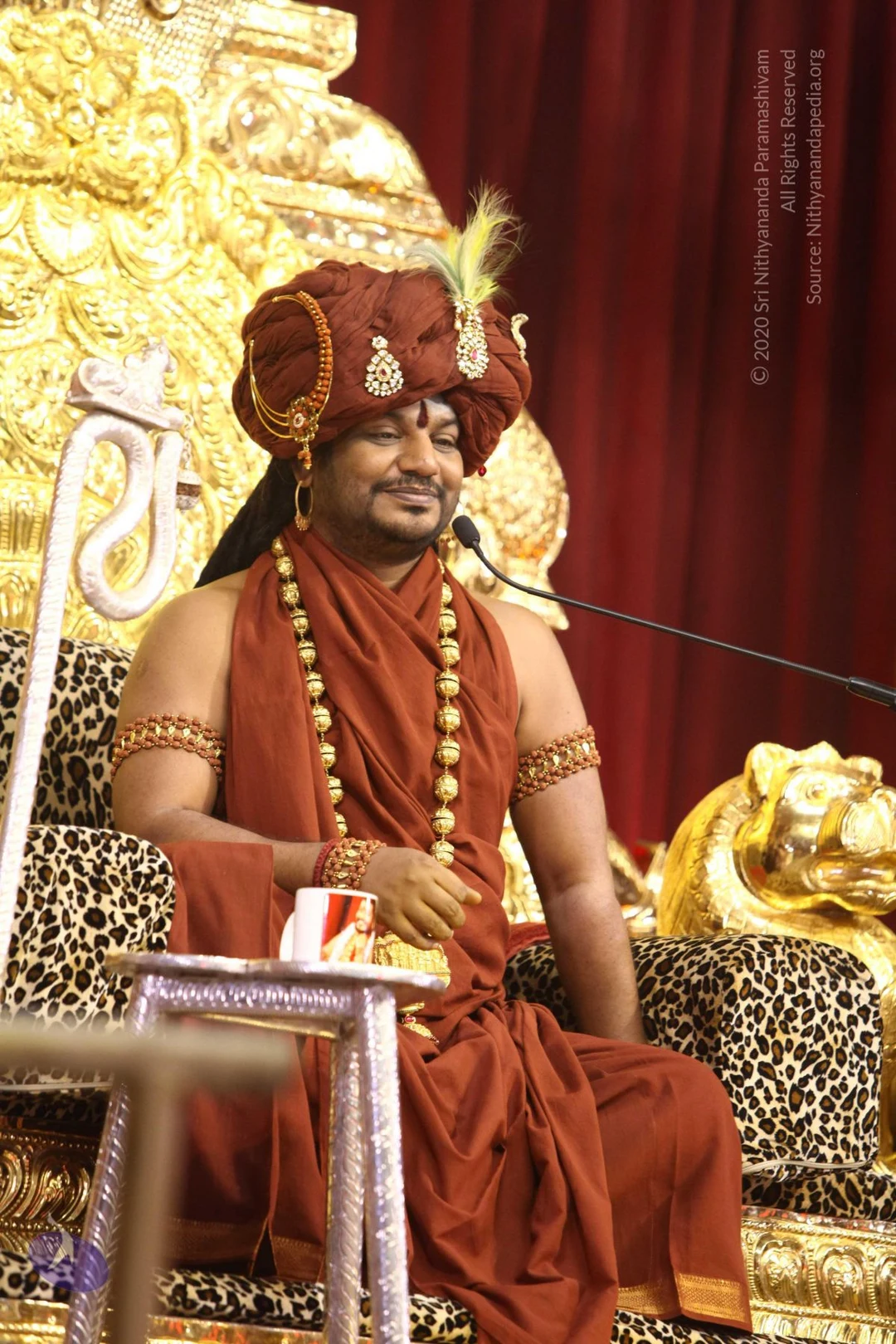
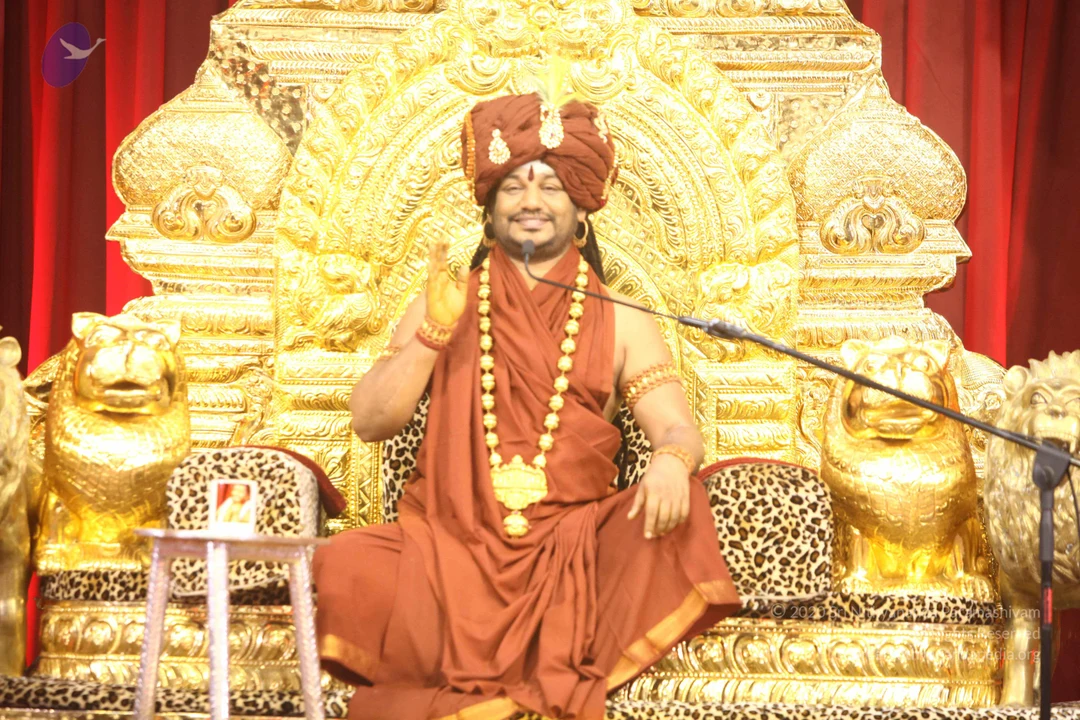
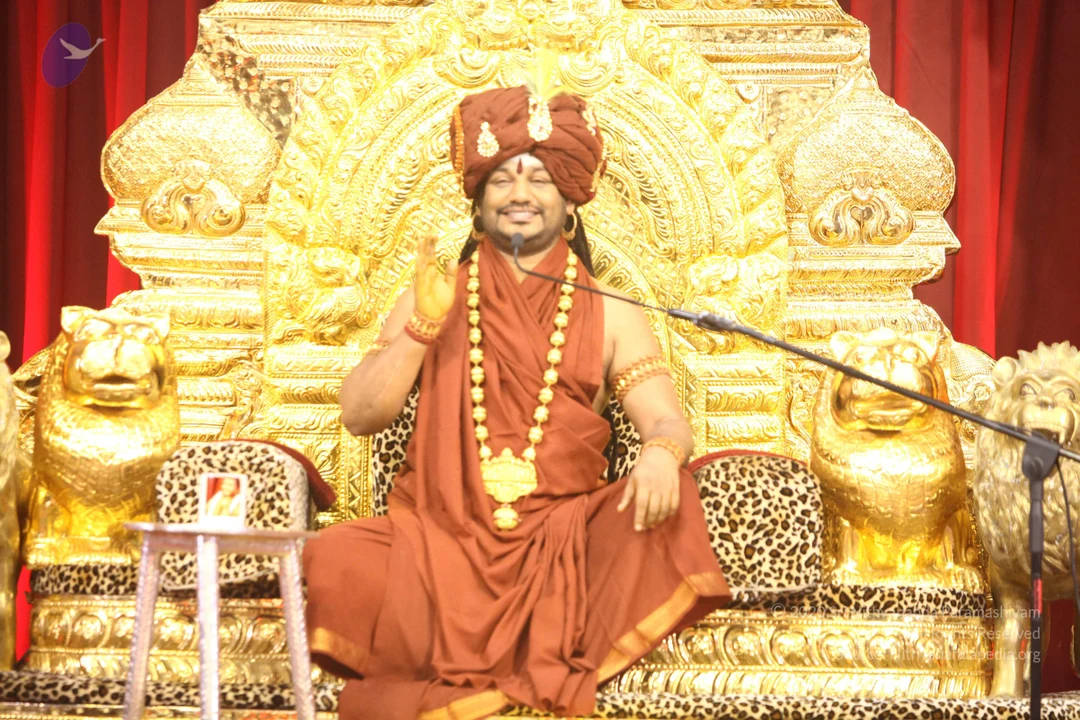
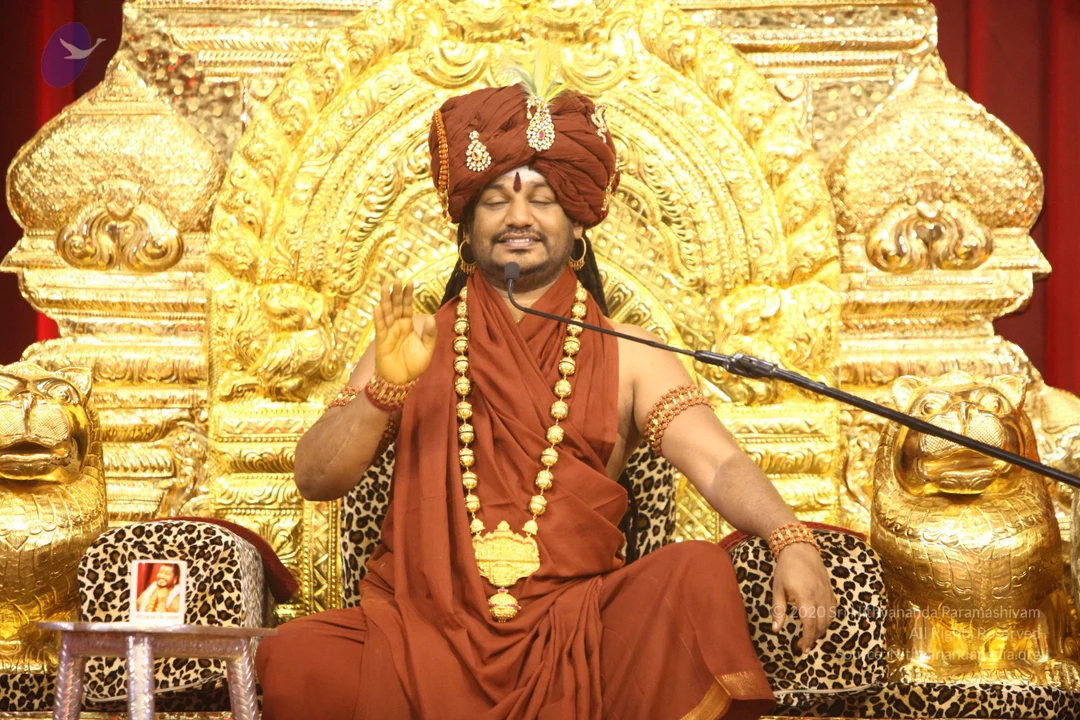
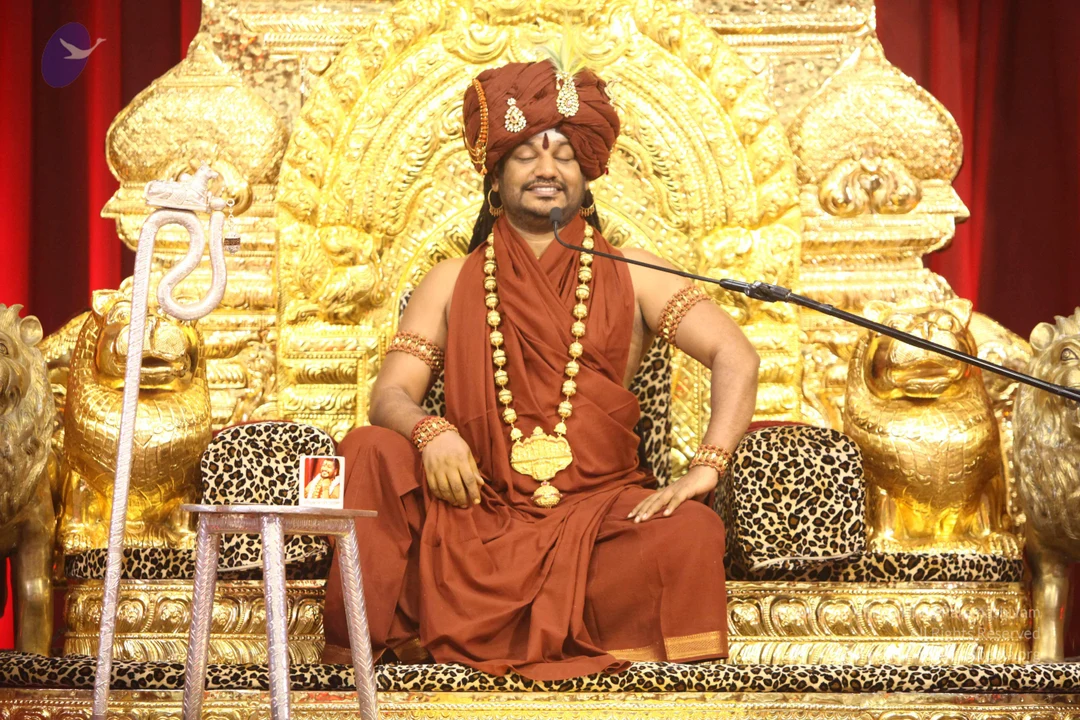
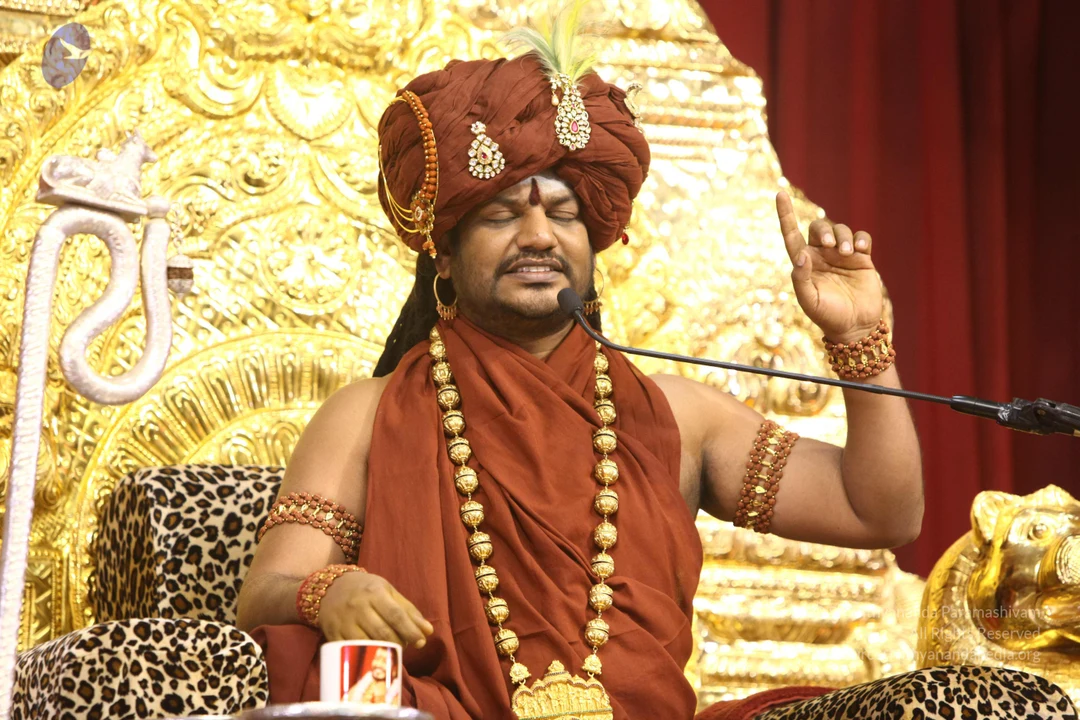
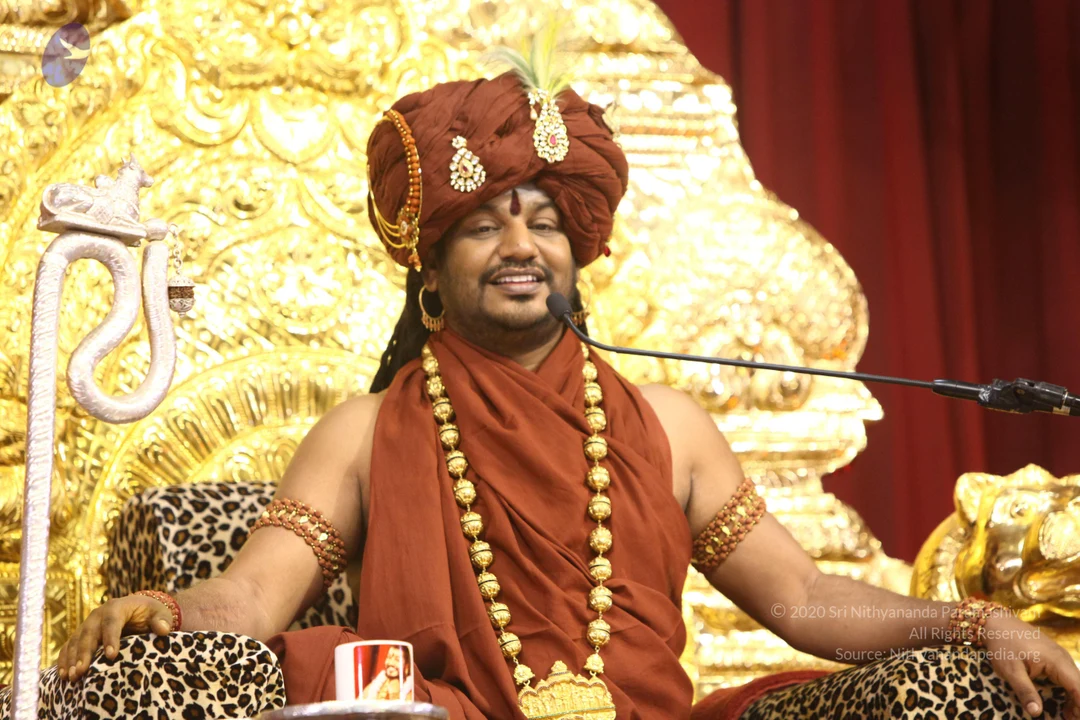
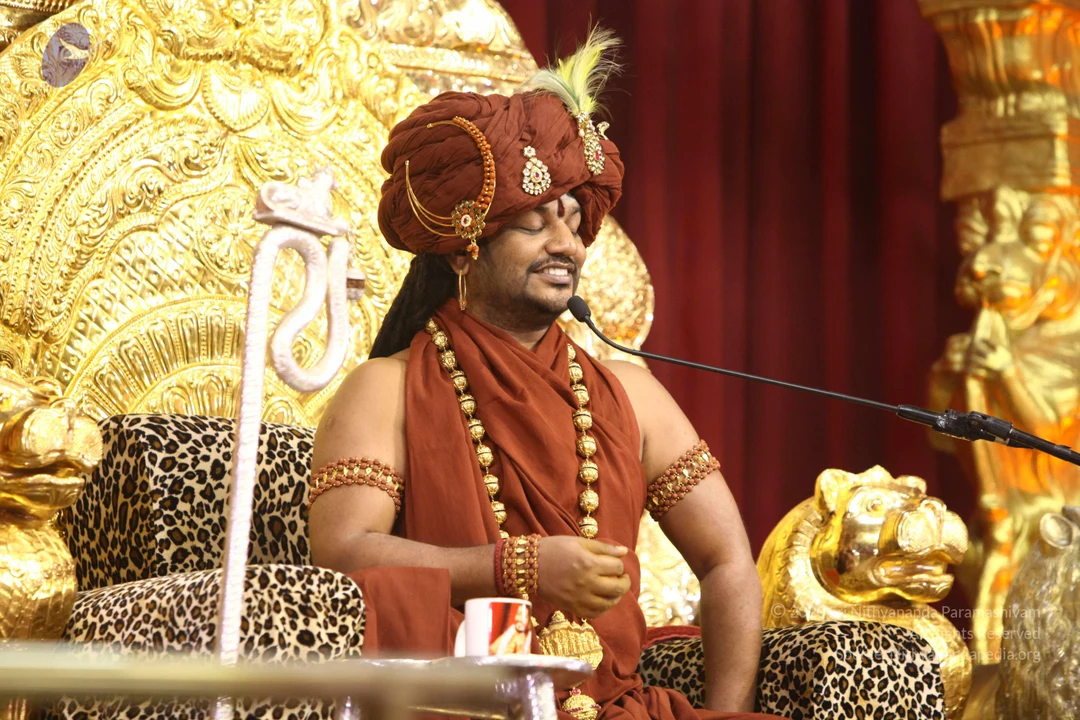
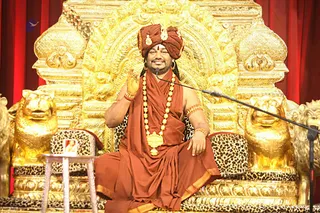
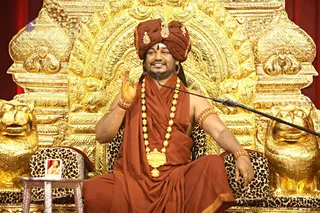
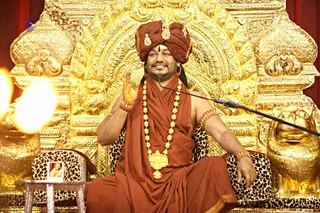
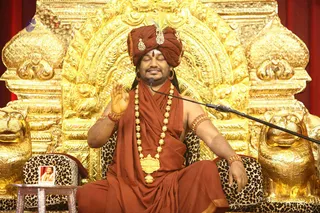
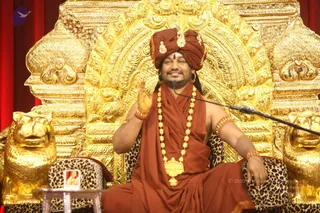
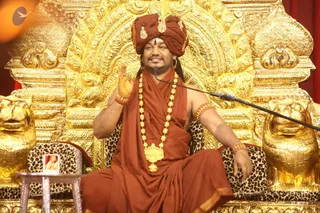
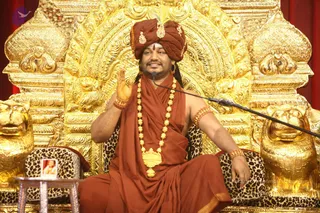
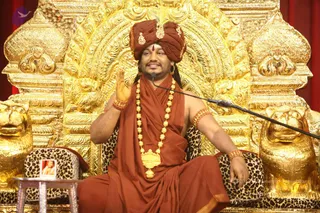
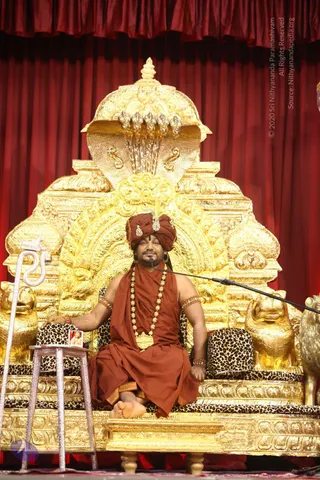
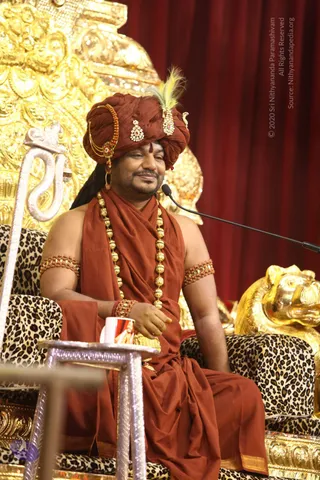
Today, Experience Aushada Program was conducted by the Supreme Pontiff of Hinduism HDH Bhagavan Nithyananda Paramashivam. In Today's Live Satsang, He reveals deeper truths about the Spiritual Alchemy science called 'Aushada'. Aushada is one of the 3 methods through which Sadāshiva opens up the possibilities of manifesting all the powers, manifesting all the states of Consciousness and exploring dimensions of the Universe. Aushada can be herbal combinations; combination of herbs Prana, cosmic force energies, ultimately the Shaktipada of Sadashiva.
Day's Event
"Sun reflecting on the mirror, if the mirror is pure, mirror will reflect the sun as it is. The reflection inside the mirror feels it is sun itself. it is literally the pure reflection but if the mirror is broken, the reflection cannot feel it is pire reflection of the sun, it is the distorted reflection of the sun.
Sun is #Sadashiva - pure superconsciousness. Mirror is the system you are carrying - physical, physiological and psychological all put together.
The moment mirror is broken other distortions are added. The mirror you carry, when it is broken, distorted, disturbed the reflection will not be pure. You need to heal that.
Aushada is the herbal combination; combination of herbs Prana, cosmic force energies, ultimately the #Shaktipada of Sadashiva.
They heal the mirror you are carrying. The more the mirror is healed the more the reflection becomes pure. More reflection becomes pure, more Sadashivatva manifests."
~ Paramahamsa Nithyananda
Essence of the Satsang: #ExperienceAushada
Video - Science Of Aushada Revealed
In this discourse delivered on 30 August 2017, Paramahamsa Nithyananda reveals deeper truths about the Spiritual Alchemy science called 'Aushada'.
| Video | Audio |
Transcript - Science of Aushada Revealed
(0:06)
nithyānandeśvara Sadāshiva samārambhām nithyānandeśvari Adi Shakti madhyamām | asmat āchārya paryantām vande guru paramparām ||
(0:56)
I welcome all of you with My love and respects. I welcome all the Devotees, Disciples, Samaji’s, Satsangi’s, Sri Mahants, Mahants, Thanedar, Kothari, everyone sitting with us all over the world through Nithyananda TV, Facebook Live and YouTube Live, Twitter Live and through 2-way Video Conferencing having Nayana Deeksha. I welcome all of you with My love and respects.
(1:46)
I will expand on aushada. Understand, for example, understand this example: A light, for example: Sun reflecting on the mirror. If the mirror is pure, mirror will reflect the sun as it is. The reflection inside the mirror feels it is sun itself. I will not say it is a crime. It is ok because there is no other damage done to the reflection because of the mirror. It is literally the pure reflection. But if the mirror is broken, the reflection cannot feel it is a pure reflection of the sun. It is a distorted reflection of the sun.
(3:34)
Listen, sun is there and the mirror is there. Sun is Sadashiva, the pure super consciousness. The mirror is the system you are carrying – physical, physiological, psychological all put together. The system you are carrying is the mirror. Sun is the pure consciousness, Sadashiva. If your system is not broken, the reflection feeling it is Sadashiva Himself is not wrong because there is no other component involved. You exist as sun exists. You don’t exist when the sun does not exist. If the sun moves, you move. The sun stays you stay. So, reflection in the pure mirror feeling it is Sadashiva Himself is neither wrong nor completely reality. Surely it is not reality. Only when the reflection goes back to the source it is one and the same. But reflection in the unbroken mirror feeling it is sun is not wrong. The reflection in the broken mirror cannot feel it is sun because the other components are involved. The other components are involved.
(5:32)
Understand, the moment the mirror is broken, reflection is distorted. Sun may be round but the reflection will be – you don’t know. It is dependent on the distortion in the mirror. Understand, most of our body, physical, physiological psychological has become distorted. That is why the integrity seems to be so difficult. And cheating seems to be so easy. The reflection in the distorted mirror; if that reflection starts behaving it is Sadashiva, no, that is not going to work. But the reflection in the pure mirror can behave as Sadashiva; can manifest Sadashivatva; can play the sayujya mukti of Sadashiva; Oneness with Sadashiva because there is no other component involved other than the sun in that. But the moment distortions happen in the mirror, now it’s no more possible. It’s no more possible. Listen, you can see these photographs and try to understand the pure reflection and distorted reflection.
(8:04)
Understand, our body, physical, physiological, psychological. Please listen, not only your blood, flesh, bone are all matter, even your thoughts are matter. Your thoughts do have a weight, maybe micro milligram. But they have weight. They have mass. They are matter. Your body - physical, physiological, psychological. When the mirror you carry, see, your physical, physiological, psychological, all the three put together only I call as the mirror you are carrying. The mirror you carry, when it is broken, distorted, disturbed, the reflection will not be pure. You need to heal that. Aushada is the herbal combination, combination of herbs, prana, cosmic force energies, ultimately the Shaktipada of Sadashiva, combination of all these is aushada. When it is used as prescribed by the Agama’s, shastra pramana and apta pramana and atma pramana, they heal the mirror you are carrying. The more the mirror is healed, the more the reflection becomes pure. More the reflection becomes pure, more Sadashivatva manifests. Understand, it all boils down finally to the integrity to the source. If the mirror is not distorted, it is integrated to the source. More distortion more lack of integrity.
(11:25)
Now. The aushada which I was preparing yesterday; yesterday we had a session, I initiated the process of making aushada. We will be making at least 25. The yesterday’s aushada, it is to infuse nirvikalpa samadhi in you. The three major points of your body, both the side, this (Swamiji pointing to the sides of the forehead), the temple, it is rightly called as temple, because it is temple of your consciousness. Both the temple and the third eye, that region, if this aushada is applied, it straight away puts you in nirvikalpa samadhi, unclutched space, just by will, nothing else is required. Understand, you only need initiation and your decision, that’s it. Suddenly the broken mirror is healed, I should say, it’s almost like a replaced with a new mirror. And the reflection is pure. No, if you use it only then you will even feel like clapping. Not now. I know it’s too big promise. Looks too good to be true. First of all, you can’t even understand it. You will clap because others are clapping. That’s all. You can’t understand it. You can understand only if it is used, if you apply. It’s almost like a enlightenment cream, enlightenment cream. Mahadeva explains at least a few hundred aushada’s and the apta pramana’s exists for at least a thousand types of aushada’s. I am going to do the most safe, no side effect, I should say no bad side effect. Enlightenment is the only side effect. Going to do at least 25 for Maha Sadashivoham. This aushada is specifically getting ready to give you the experience of state of Sadashiva like nirvikalpa samadhi, complete Completion, inner healing, healing all the in-completions. Then, I am making aushada for experiencing the space of Sadashiva where the Ishwaratva, the operational component of Sadashiva comes into existence. We call it prakruti, Adi Shakti, Ishwaratva, all that. Then, I will be making aushada for awakening your ability to have access to all 25 states of consciousness and different dimensions of the universe. I tell you, really I want to tell you, if you experienced the initial push into nirvikalpa samadhi, your integrity, the chastity, your very body will feel chastity is the ultimate pleasure, integrity is the ultimate pleasure.
(16:43)
I tell you, the other day I was defining chastity. The achalatva, immovable component of consciousness. Consciousness has one quality of immovable, achalatva. That quality manifesting through your bio-memory as naturally. Understand, there are some qualities, very comfortably naturally you express. There are some cunning fellows, even after years, years, cannot learn integrity because they feel all the best things of their life is given because of their cunningness. The fools have not seen the best things life can give. See, it is like, a baby steals 2-3 cars, small-small toy cars from his elder brother, from his cousin sister and keeps all that and he thinks because of my stealing capacity see what all I have. And the father, because of this fellows stealing capacity, does not write any of his property in his will to that child. This fool will not know what he lost. He thinks ‘Oh these few things I collected is because of my cleverness of stealing. That’s the best strategy. You see, because of this strategy I have these cars. I secretly play around when nobody is there. See-see what I have.’ Fool, out of your cunningness what you got is not what was reserved for you by cosmos; what you deserved because of your cunningness.
(19:22)
Understand, if your cognition, if your cognition is comfortably flowing with the space of achalatva, I call that as chastity. Achalatva dimension of consciousness manifesting through body and mind is chastity. It is not just for women. Understand, for women chastity is different. For man, the chastity is different. But both have chastity. Listen. The physiology of the male, the physiology of the female works in a different way. It’s completely different. Physiology of the male releases life and male component if there is sex. Physiology of the female releases the female component if there is no sex. See the difference. See the difference. The male component is released if there is sex. Female component is pushed out if there is no sex. So, both the system is different. So, the definition, means the experience and expression of chastity is different for both. Maybe I will have few satsang’s specifically on what is chastity for women and what is chastity for men. Now understand the fundamental definition of chastity. Your consciousness has many glorious dimensions – eternal, pure, whether you are complete mirror or distorted mirror sun cannot be touched by you. Sun cannot be touched by you. You can play with the reflection but not with the sun.
(22:35)
Your consciousness, pure consciousness has many good qualities – eternity, it’s eternal, achalatva stability, pure, self-effulgent, always alive. So all these dimensions are a living cognitions, guna’s of your pure consciousness. In bhakti traditions, the devotion traditions, we call it ananta kalyana guna of Bhagawan, of Lord. Ananta kalyana guna of Lord. This one kalyana guna, one auspicious guna, character of your consciousness, achalatva, that manifesting through your bio memory, muscle memory, consciousness is chastity. In the female physiology, it expresses in a different way. In male physiology, it expresses in a different way. But the fundamental definition of chastity is this – the achalatva dimension of your consciousness manifesting itself through your body and mind is chastity. I will explain, maybe we will have few satsang’s why it is different in female system and male system. The life-giving male component is released from the system if there is sex. The life-giving female component is released from the system if there is no sex. It’s completely different. So, chastity expresses through both in a different way.
(25:59)
Chastity is one of the health of consciousness. Understand the word – chastity demonstrates your consciousness is healthy. Like, only mentally healthy person will be courageous. Understand, sometimes the stupid decisions you take out of cowardness also may be appreciated by others as a bold step. No. That is not courage. Courageousness is health of consciousness. Same way, chastity comes when your consciousness is healthy. Integrity comes when your consciousness is healthy. Understand, the cunning, cunning strategies - you may steal few toy cars and toy houses and keep it secretly, but you will miss what Sadashiva reserved for you. With integrity you will get what He reserved for you. Understand, you deserve what He reserved. But if you think your strategy is more brilliant – then have that few stolen cars and houses you have. Believing non-integrity can pay better things in your life is the worst stupidity can enter into your system. Cognizing integrity pays the best, integrity brings everything Sadashiva reserved for you, as cognition leads you to enjoy the best of life. Understand, healing your inner space, physical, physiological and psychological space is done by this aushada so you become pure mirror to experience the pure reflection. Pure mirror experiencing pure reflection is what I call unclutched space, the space of nirvikalpa samadhi, the space of complete Completion. So, get ready to experience aushada. So today you can see live the next process of aushada. It’s called pudangaatal. There are many things. Pudan means purifying, pudangaatal, pudamodal, pudangaatal means, it’s a Tamil word from Siddha tradition, above the ground the item which is supposed to be purified will be kept and heated up and exposed to the smoke. Pudamodal will be buried underground and heated up and exposed only to the heat temperature, but not to the smoke like brick making process. Brick making is pudamodal. Above the ground if the same thing is done it is pudangaatal. I will explain this Siddha processes. Mahadeva, Sadashiva, Mahasiddha, Adi Siddha, the ultimate, original spiritual alchemist who delivered this science. We are completely adhering with all our integrity to that science of the spiritual alchemy, the aushada making process and I am sure we will be successful. So, essence of today’s satsang – Experience aushada.
(33:02)
So, with this I bless you all. Let’s all radiate with integrity, authenticity, responsibility, enriching, causing, living Shuddhaadvaita Shaivam Sadashivoham, the eternal bliss Nithyananda. Thank You. Be Blissful.
Photo
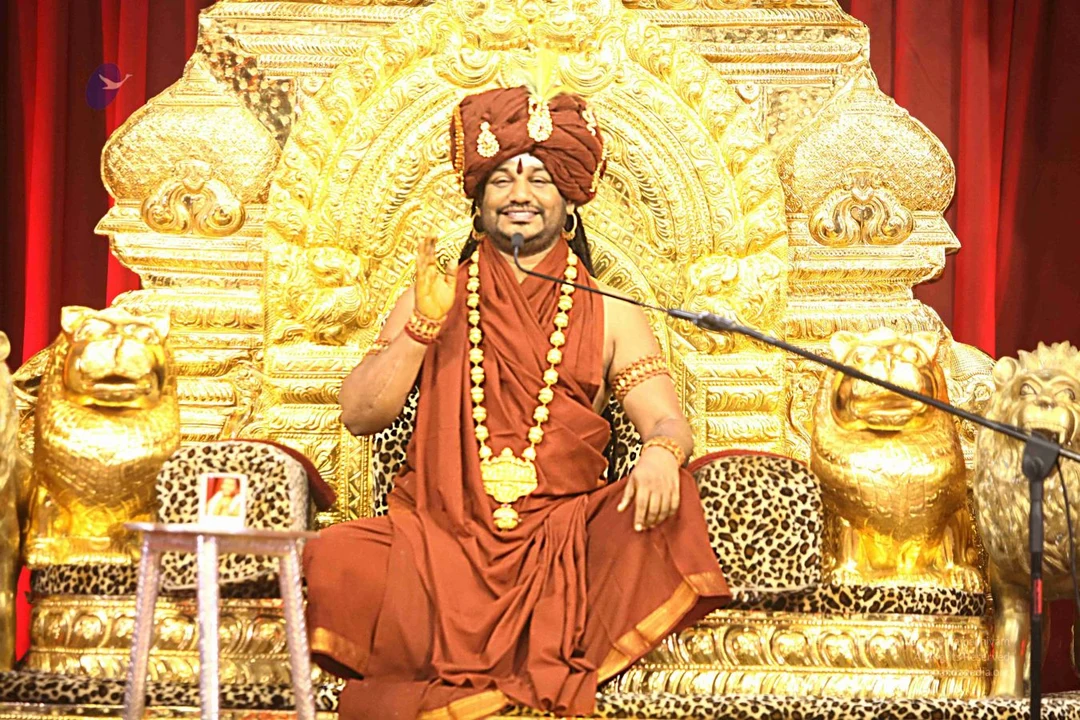 Blessings - HDH Nithyananda Paramashivam
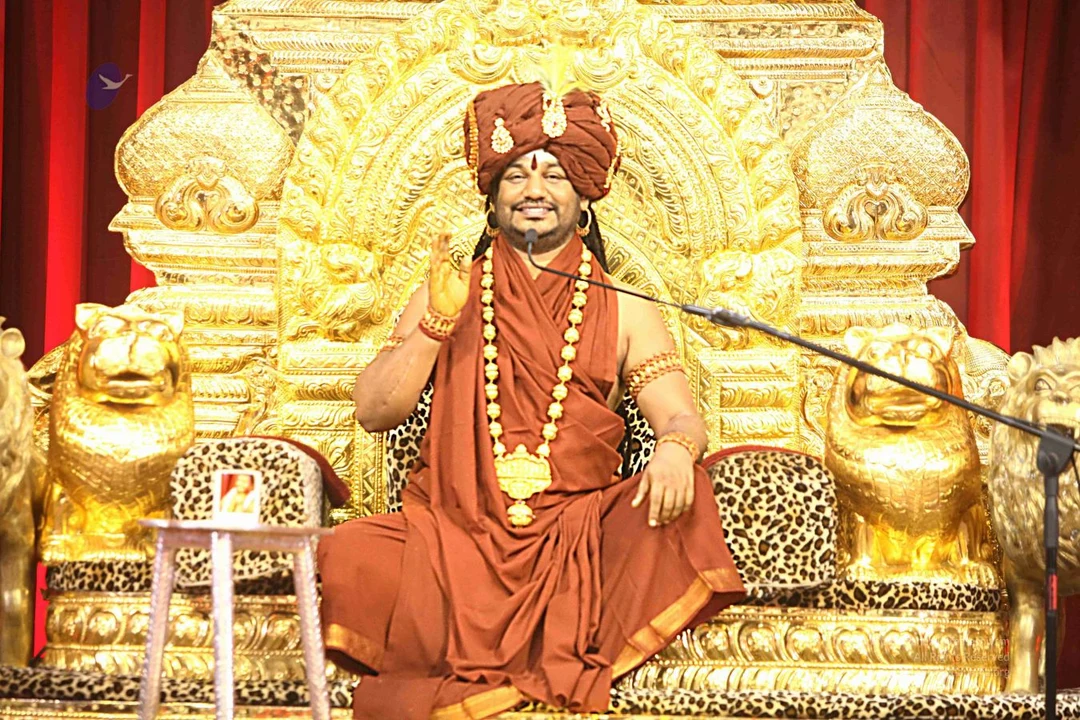 Blessings - HDH Nithyananda Paramashivam
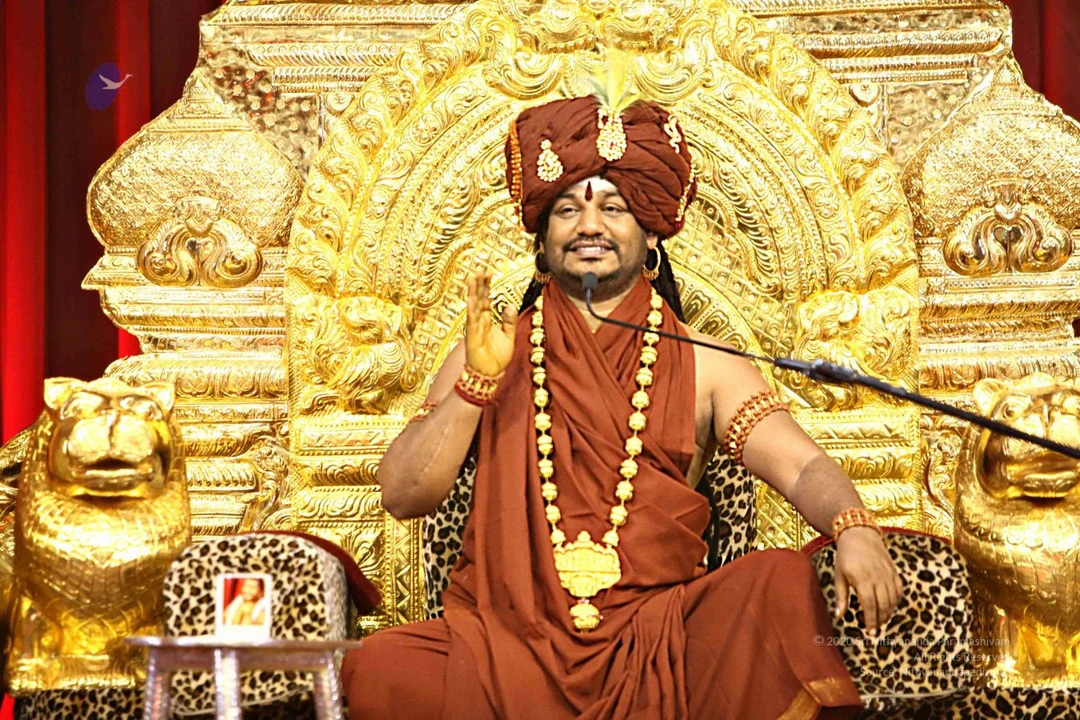 Blessings - HDH Nithyananda Paramashivam
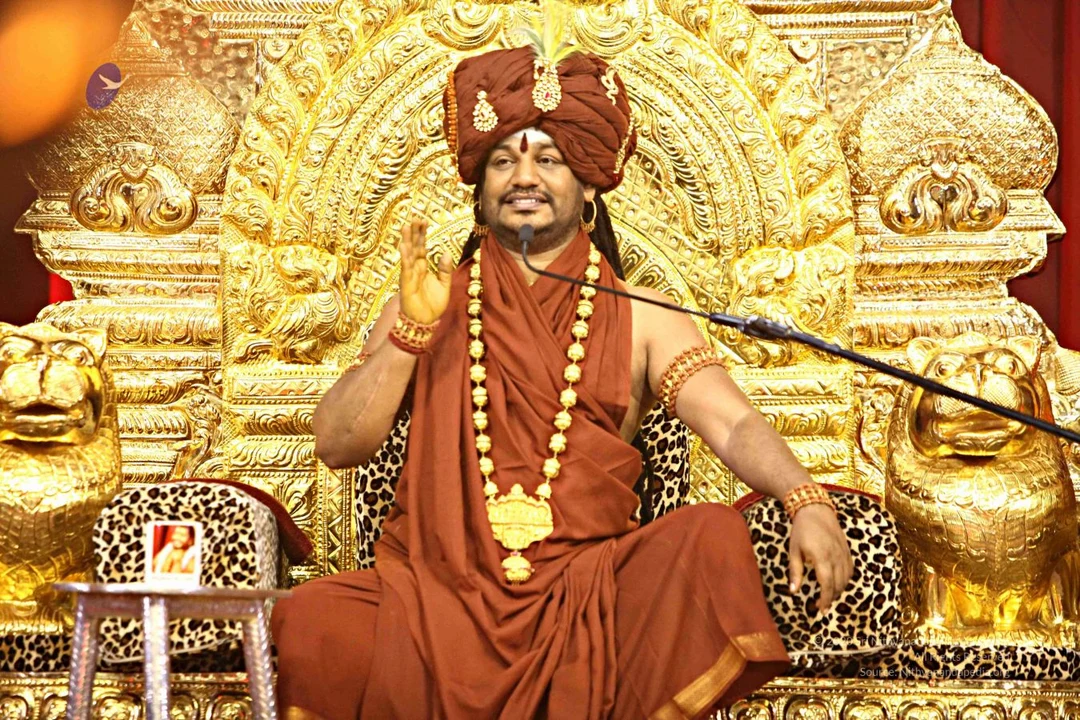 Blessings - HDH Nithyananda Paramashivam
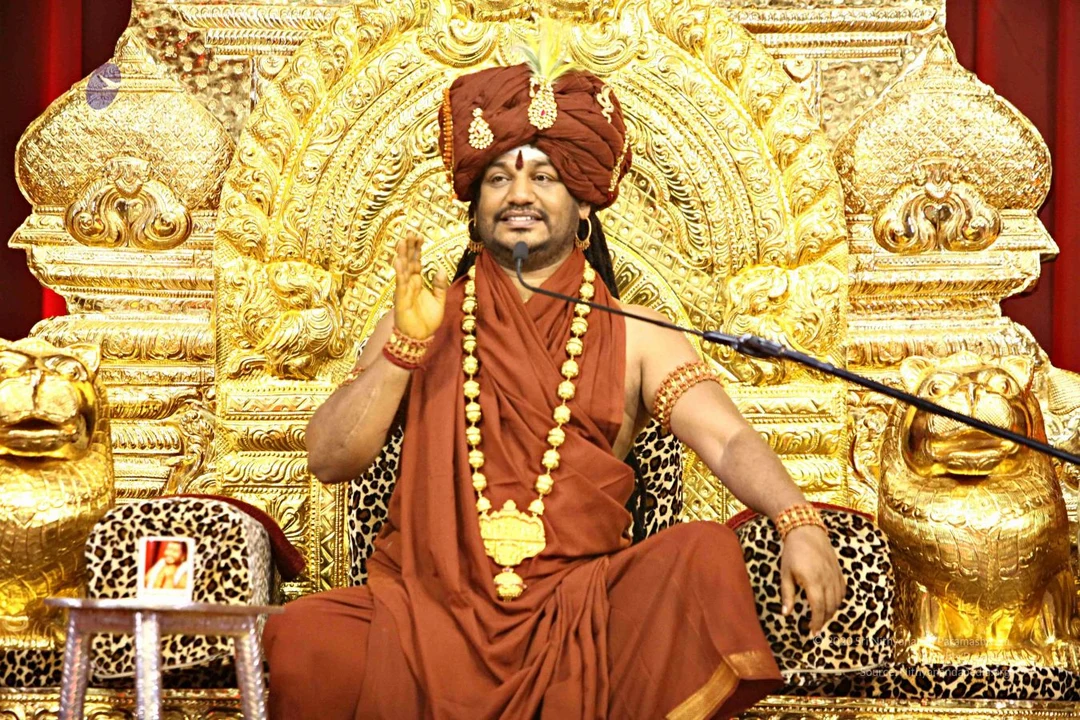 Blessings - HDH Nithyananda Paramashivam
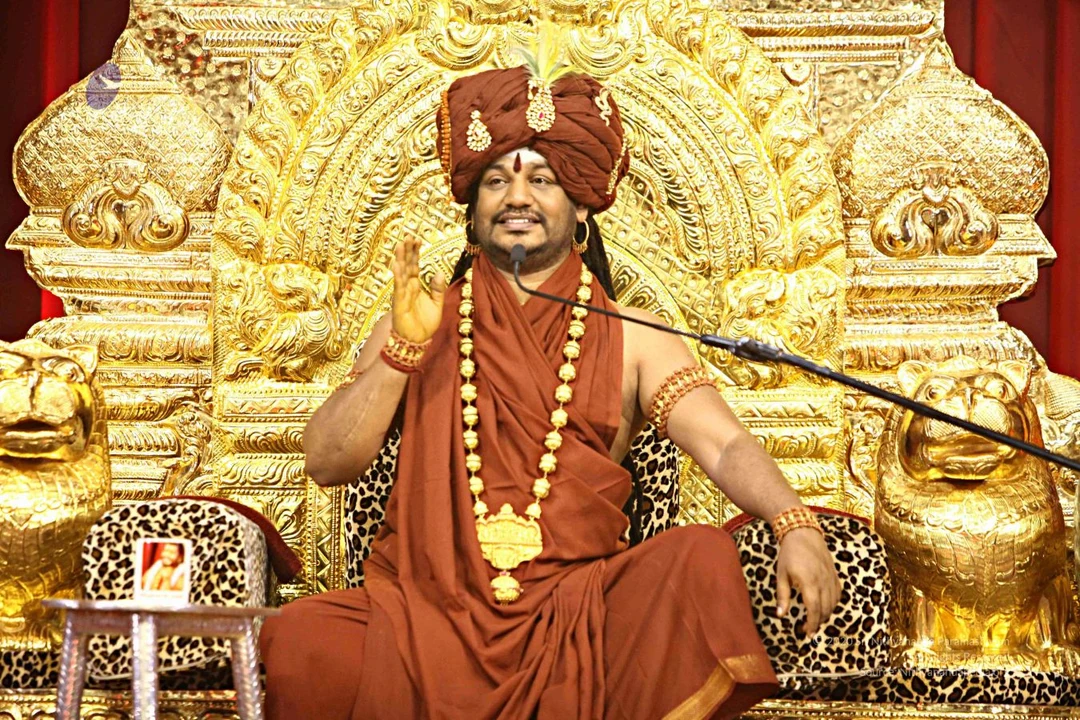 Blessings - HDH Nithyananda Paramashivam
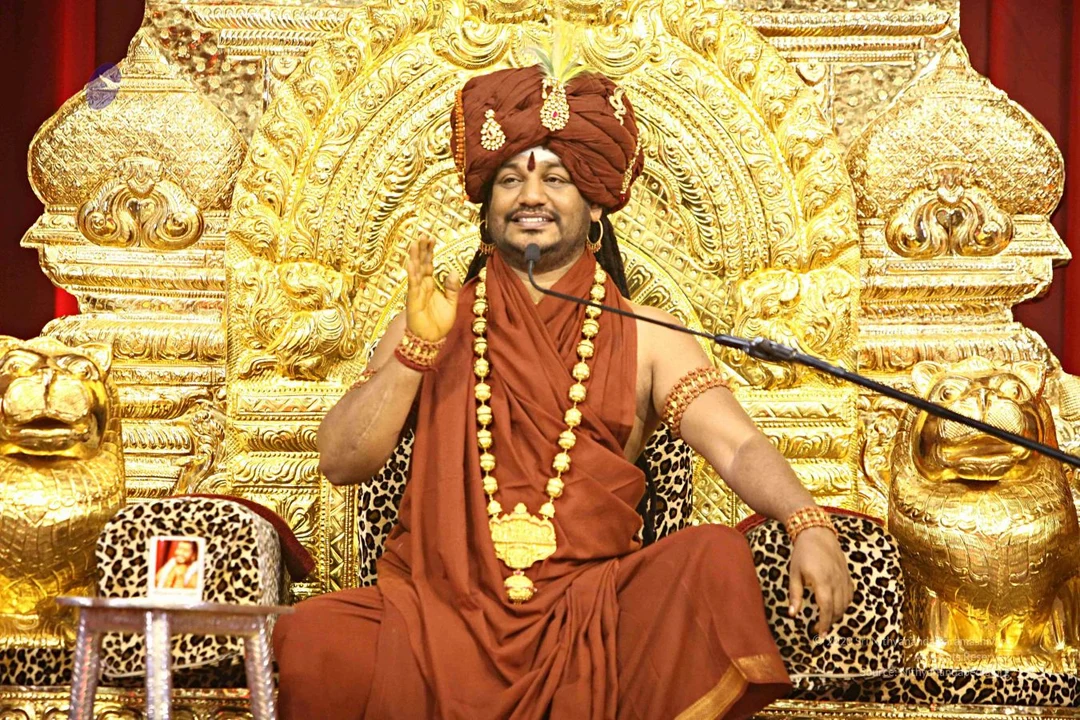 Blessings - HDH Nithyananda Paramashivam
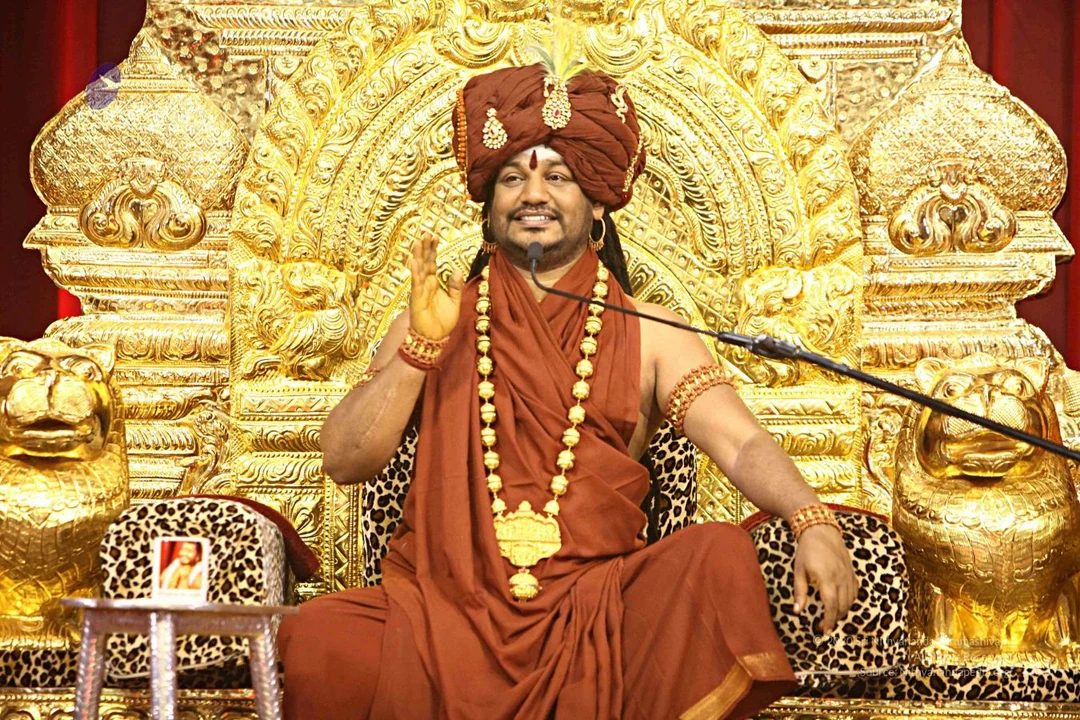 Blessings - HDH Nithyananda Paramashivam
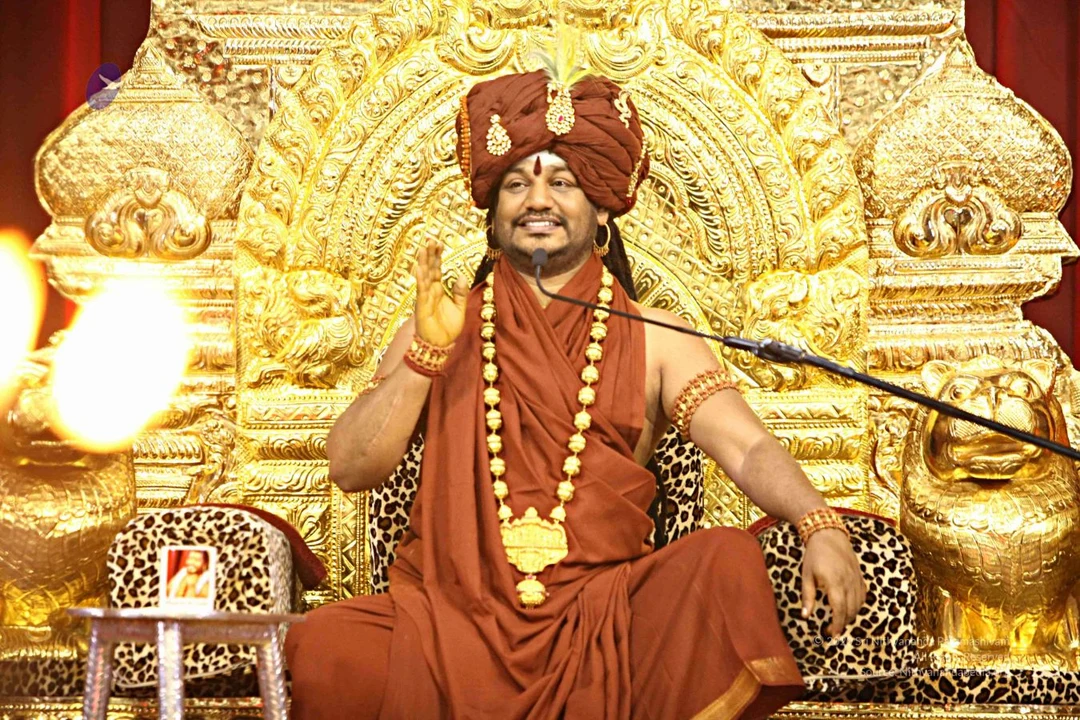 Blessings - HDH Nithyananda Paramashivam
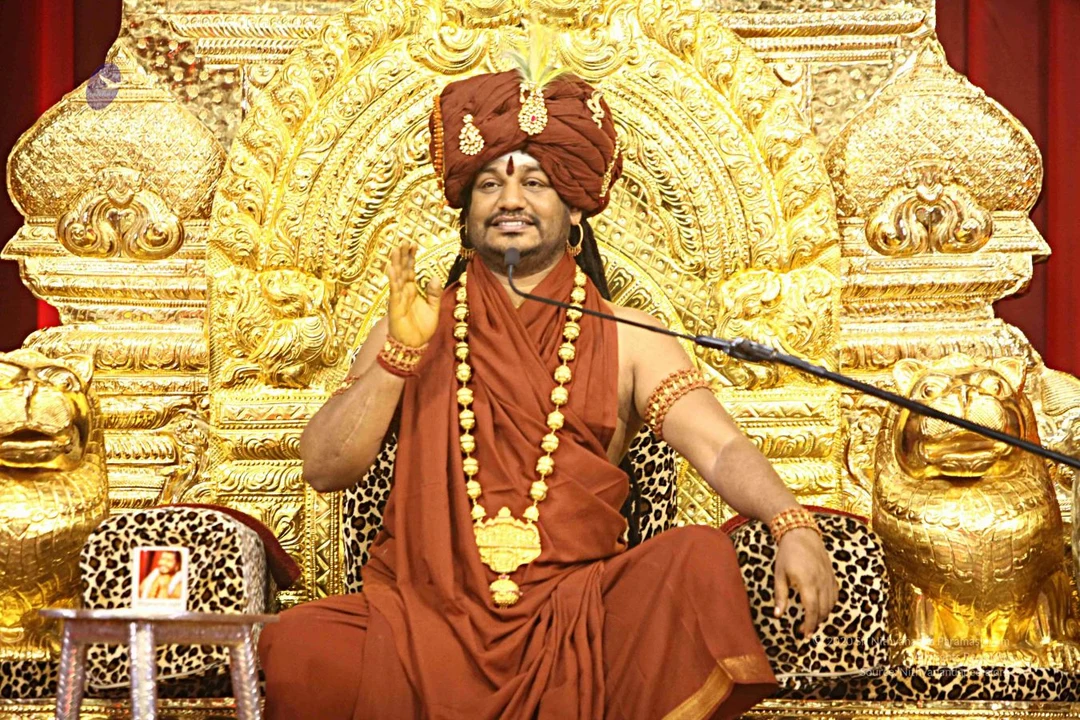 Blessings - HDH Nithyananda Paramashivam
 Blessings - HDH Nithyananda Paramashivam
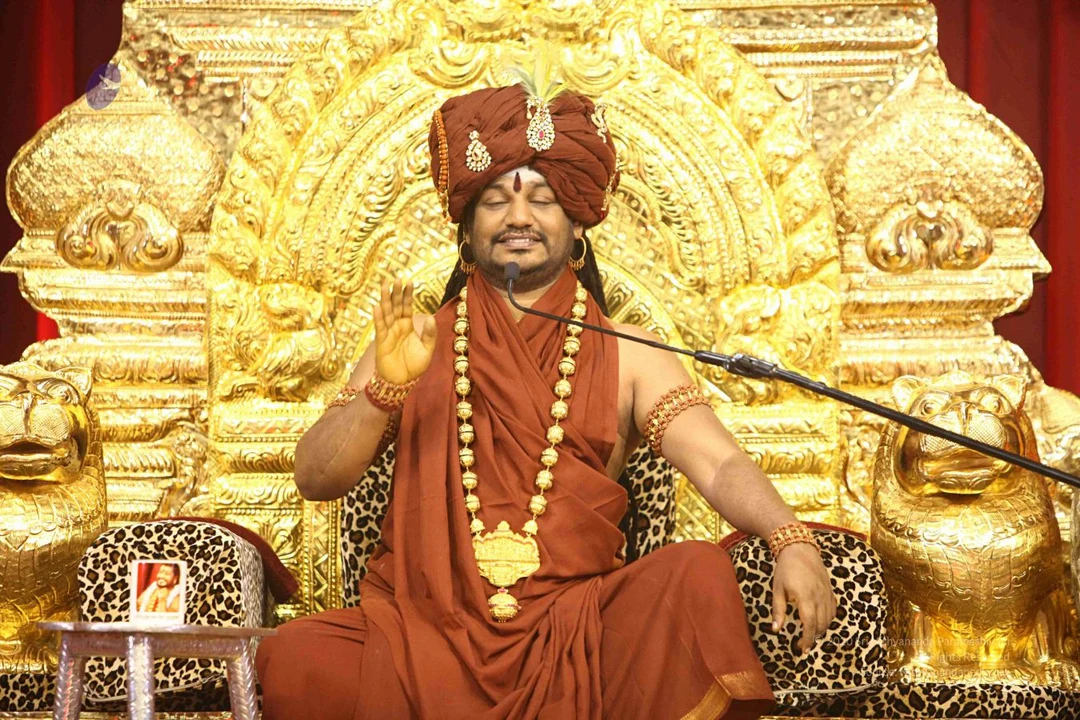 Blessings - HDH Nithyananda Paramashivam
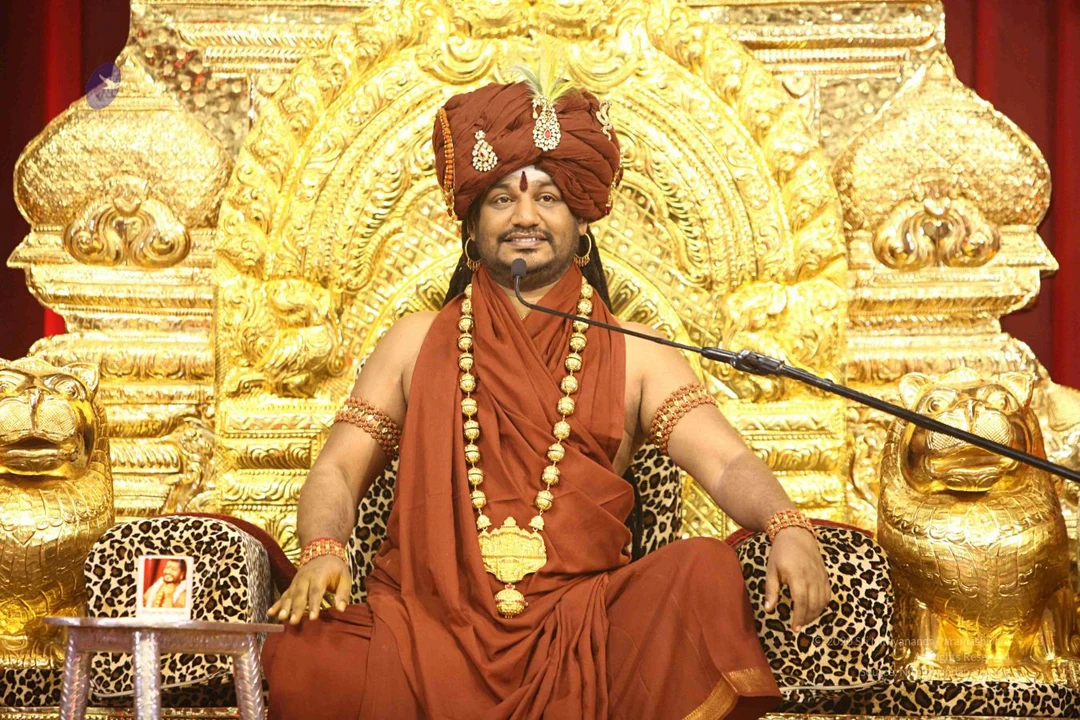 Nithya Satsang - HDH Nithyananda Paramashivam
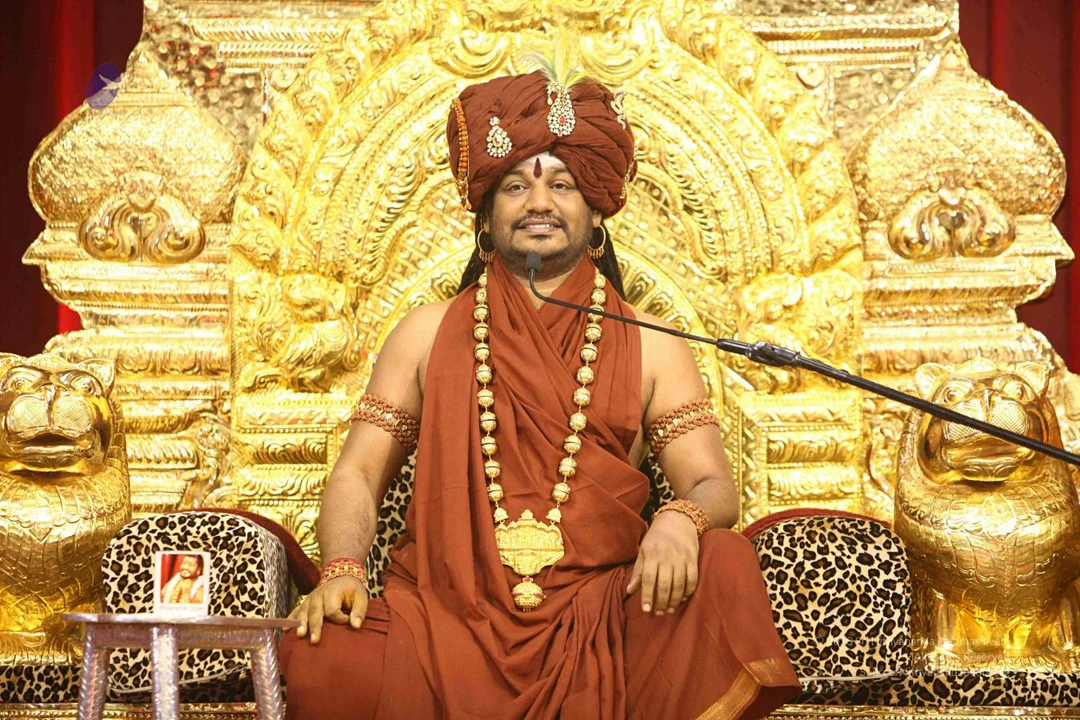 Nithya Satsang - HDH Nithyananda Paramashivam
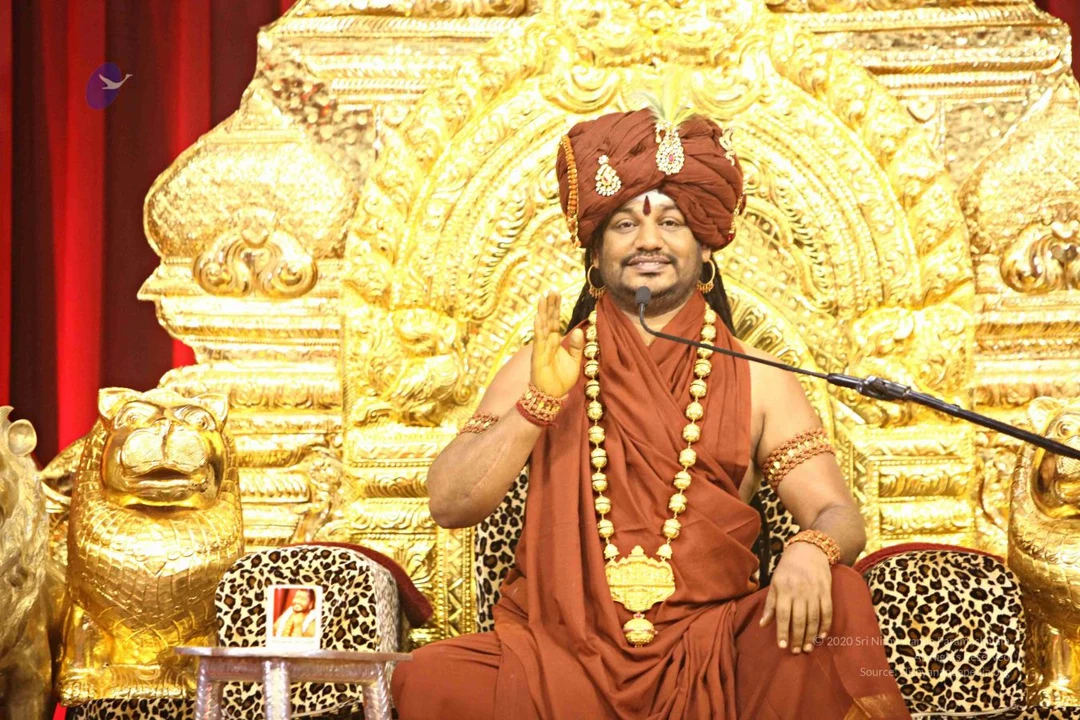 Blessings - HDH Nithyananda Paramashivam
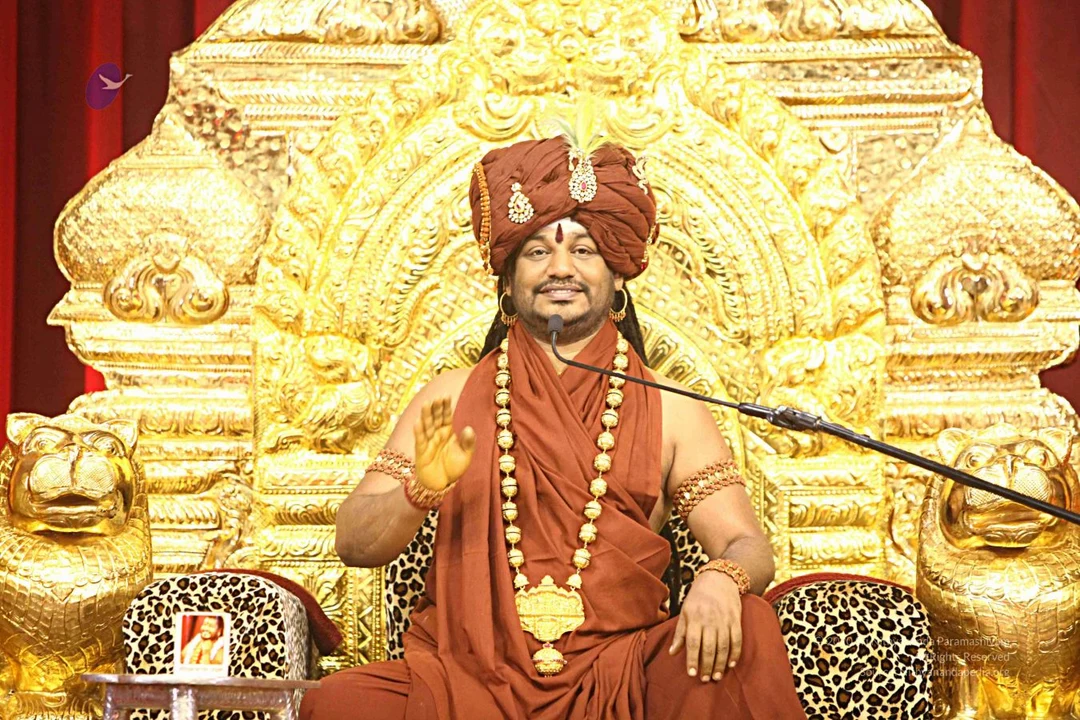 Blessings - HDH Nithyananda Paramashivam
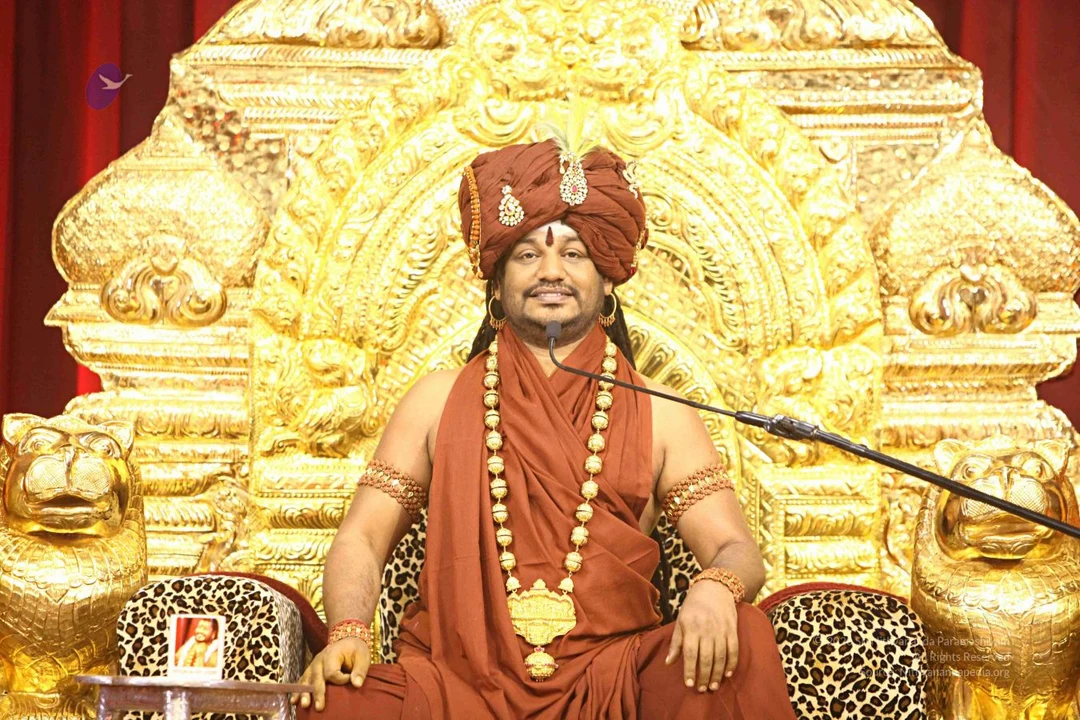 Nithya Satsang - HDH Nithyananda Paramashivam
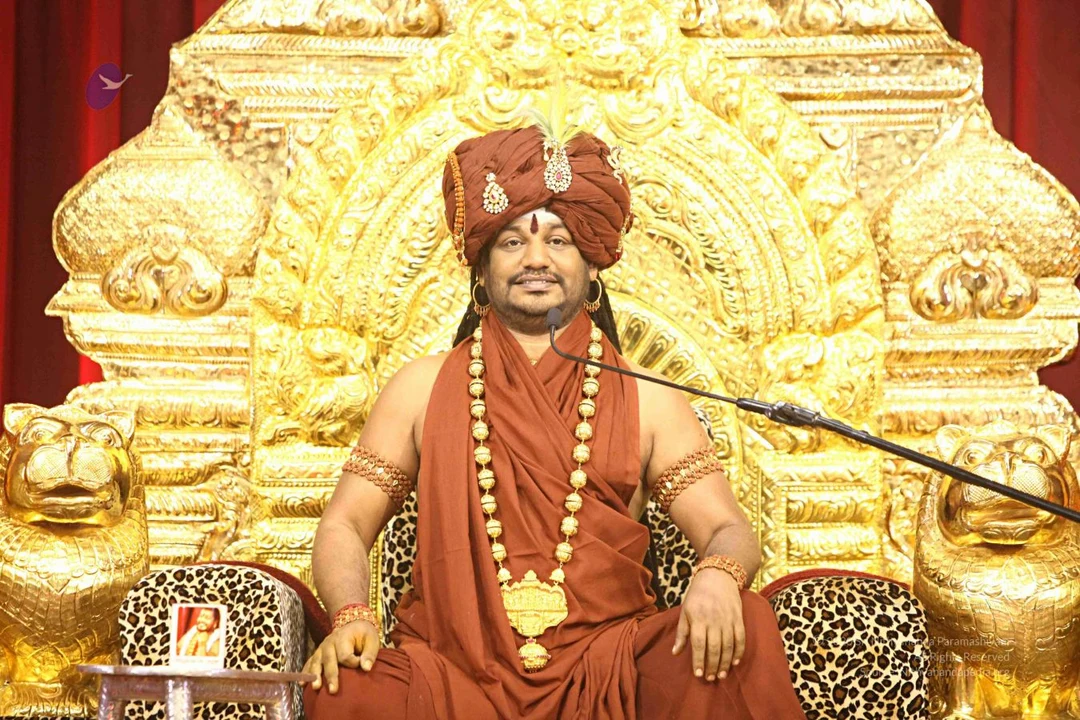 Nithya Satsang - HDH Nithyananda Paramashivam
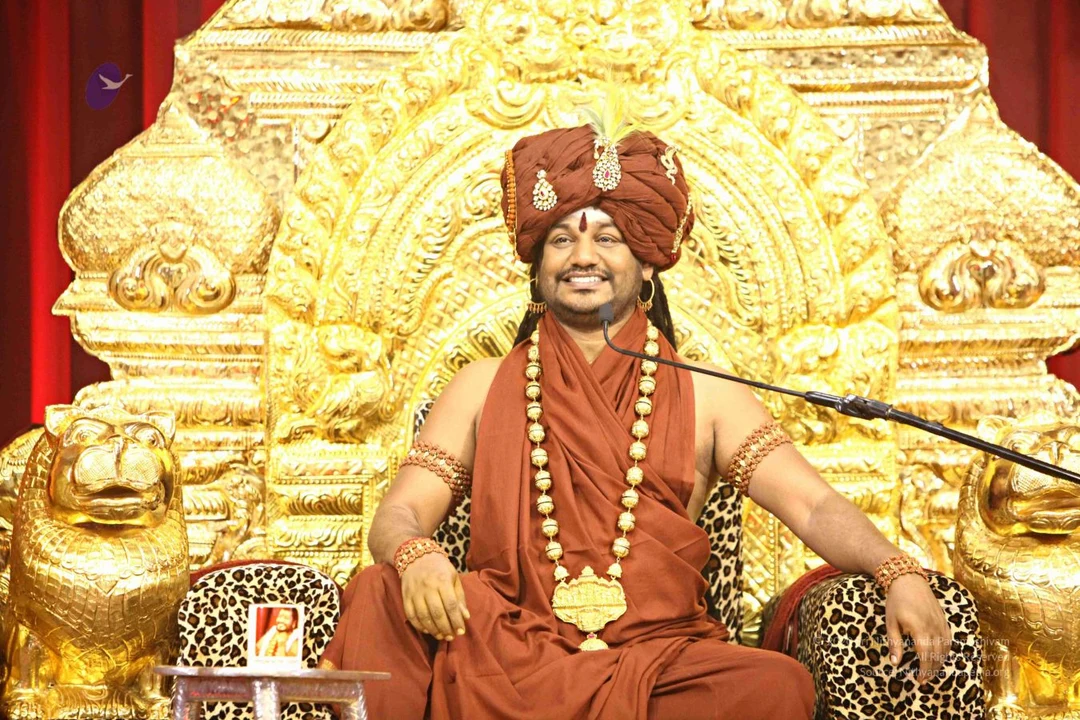 Nithya Satsang - HDH Nithyananda Paramashivam
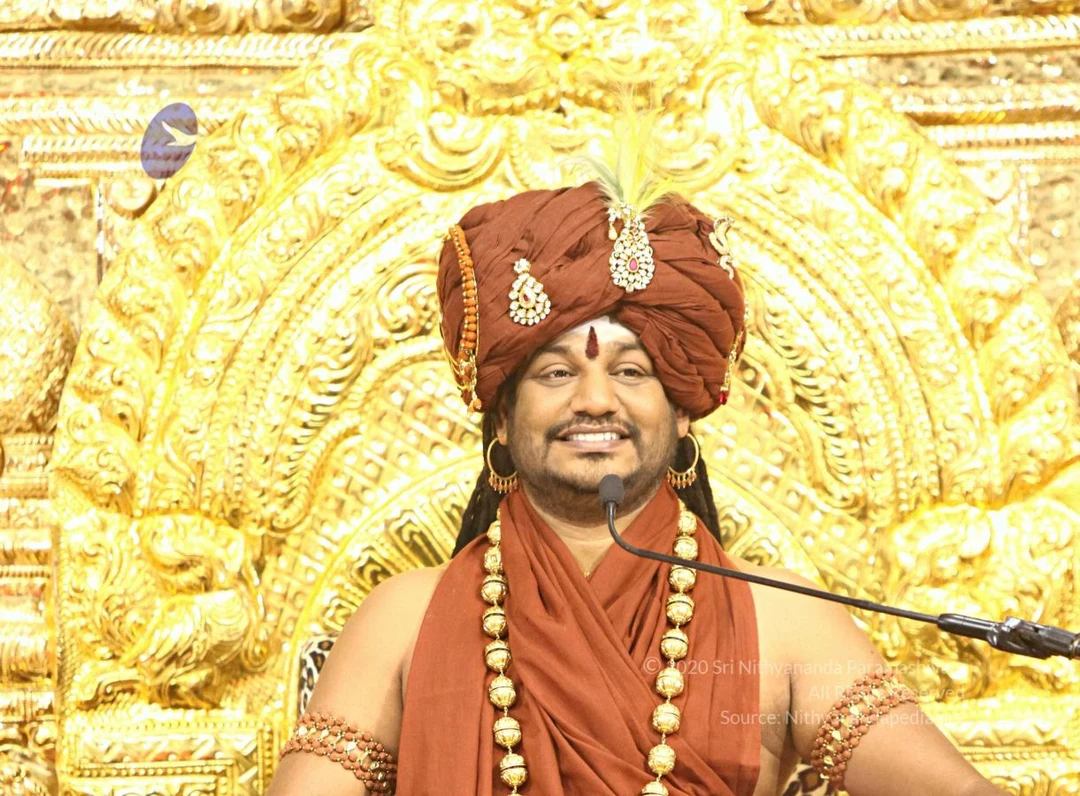 Nithya Satsang - HDH Nithyananda Paramashivam
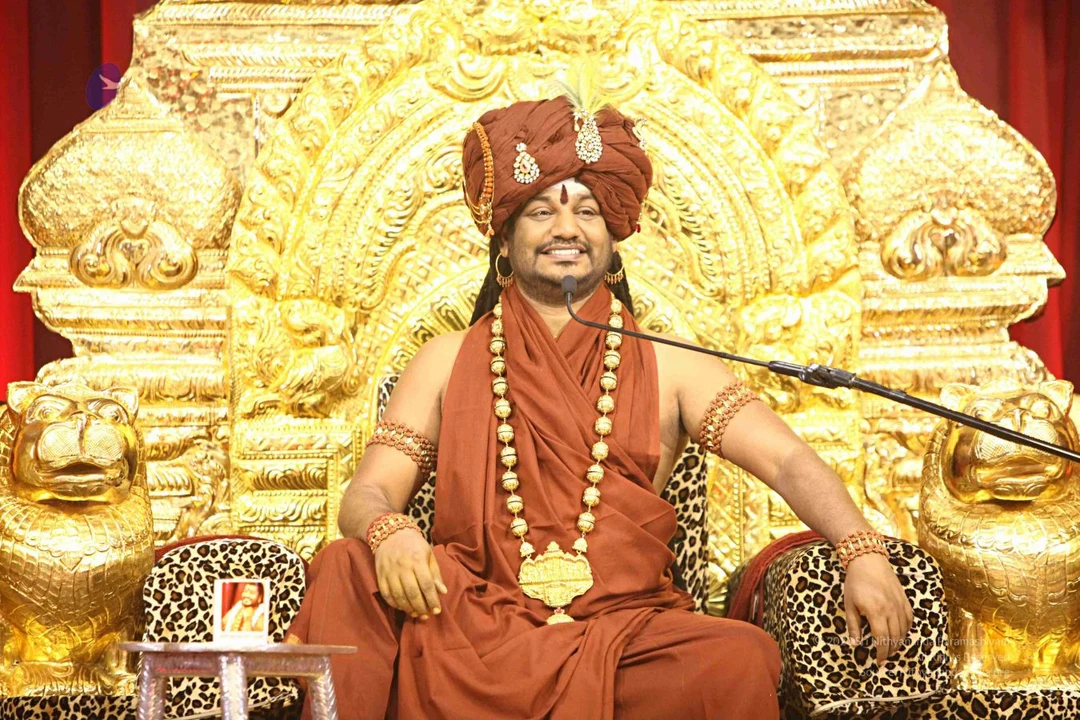 Nithya Satsang - HDH Nithyananda Paramashivam
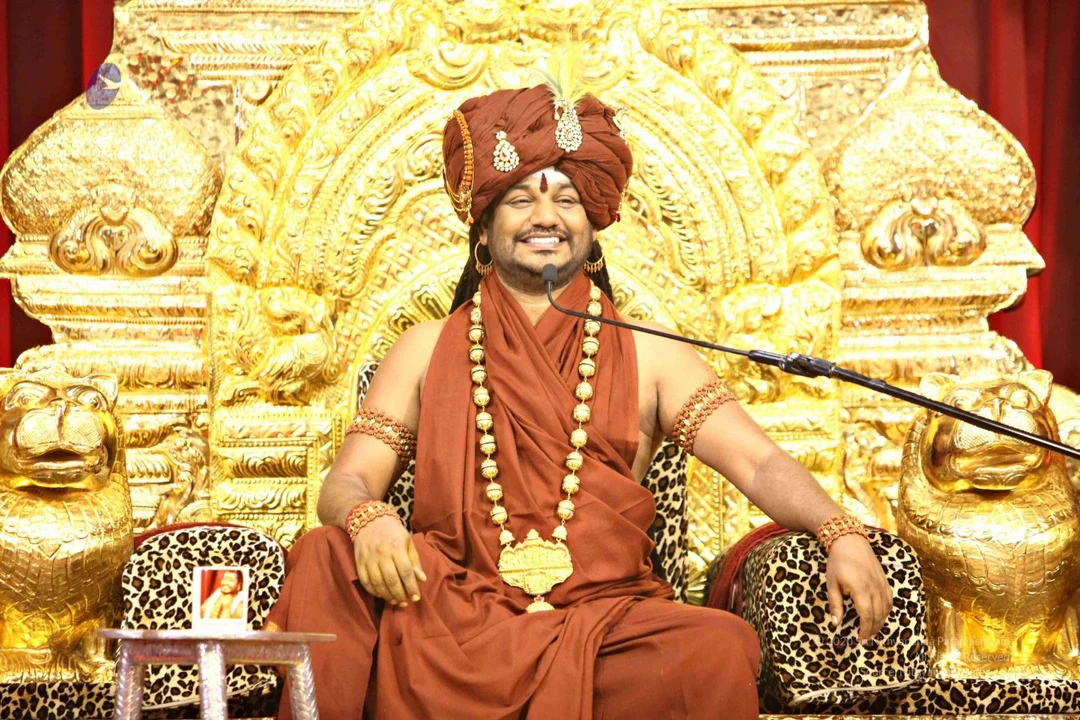 Nithya Satsang - HDH Nithyananda Paramashivam
 Nithya Satsang - HDH Nithyananda Paramashivam
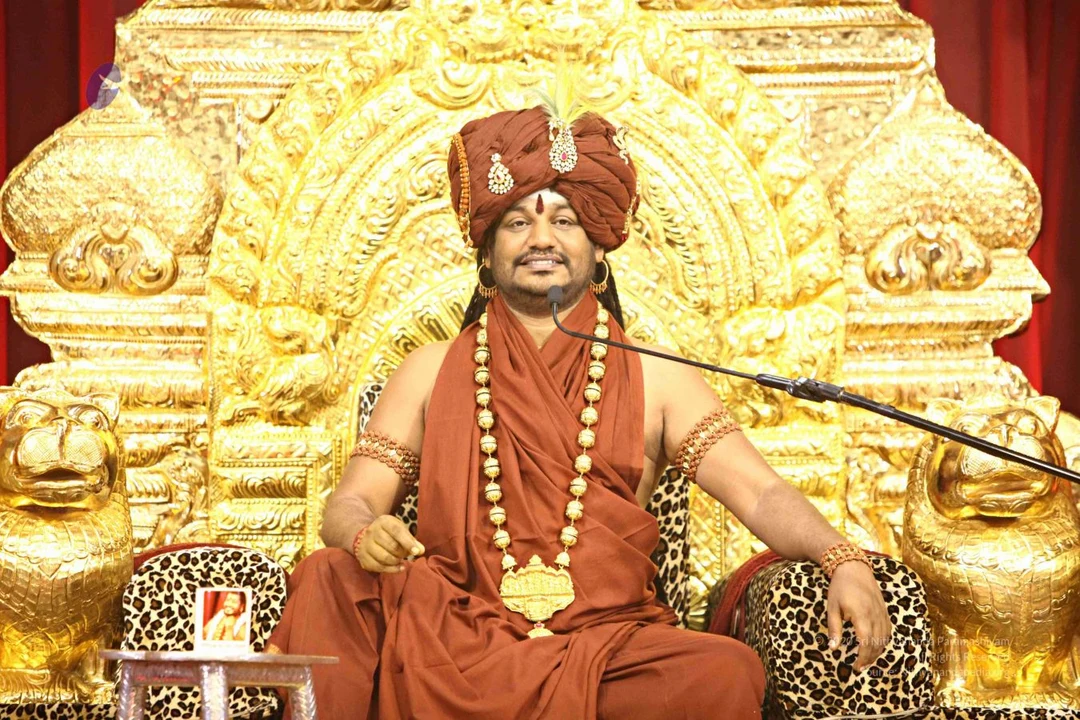 Nithya Satsang - HDH Nithyananda Paramashivam
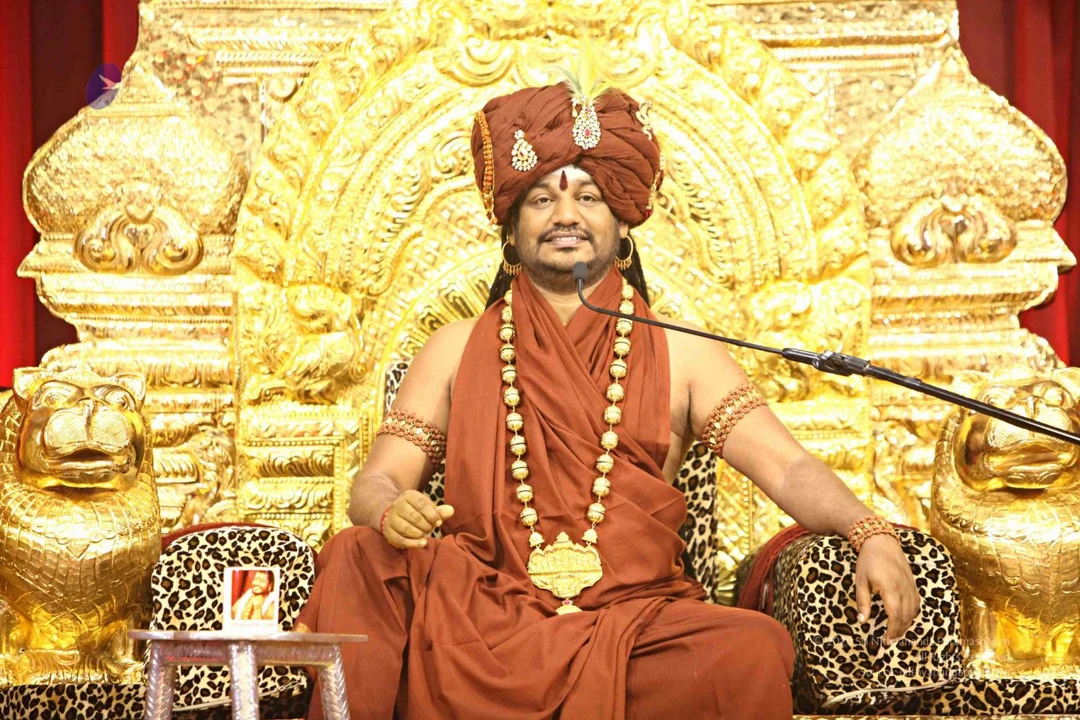 Nithya Satsang - HDH Nithyananda Paramashivam
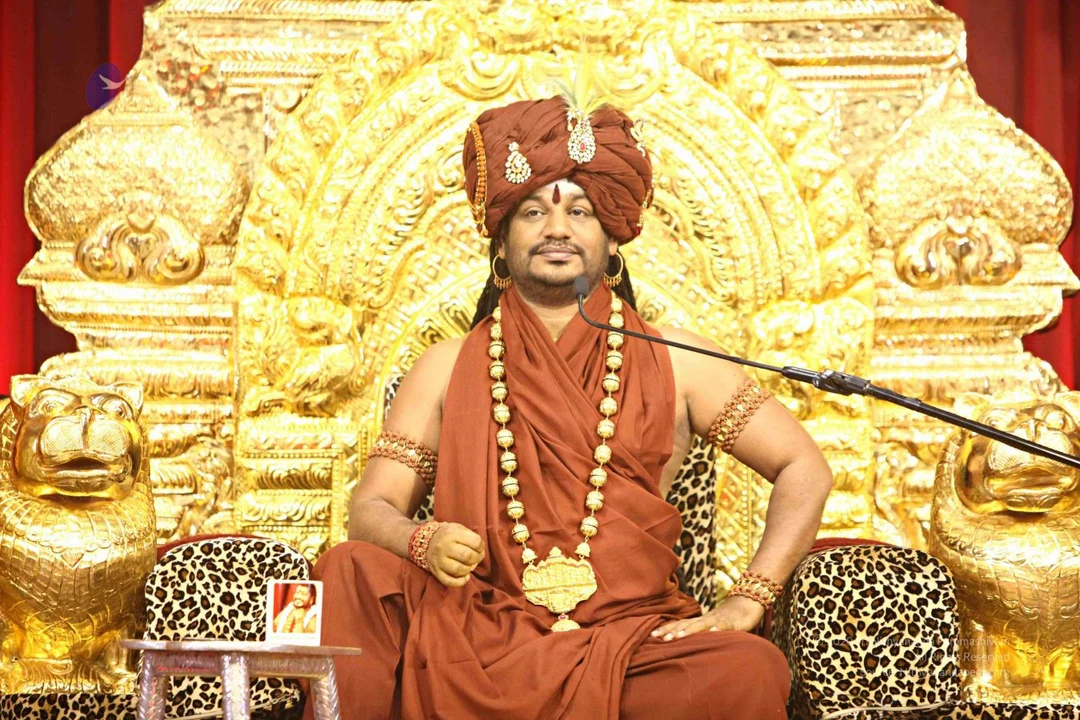 Nithya Satsang - HDH Nithyananda Paramashivam
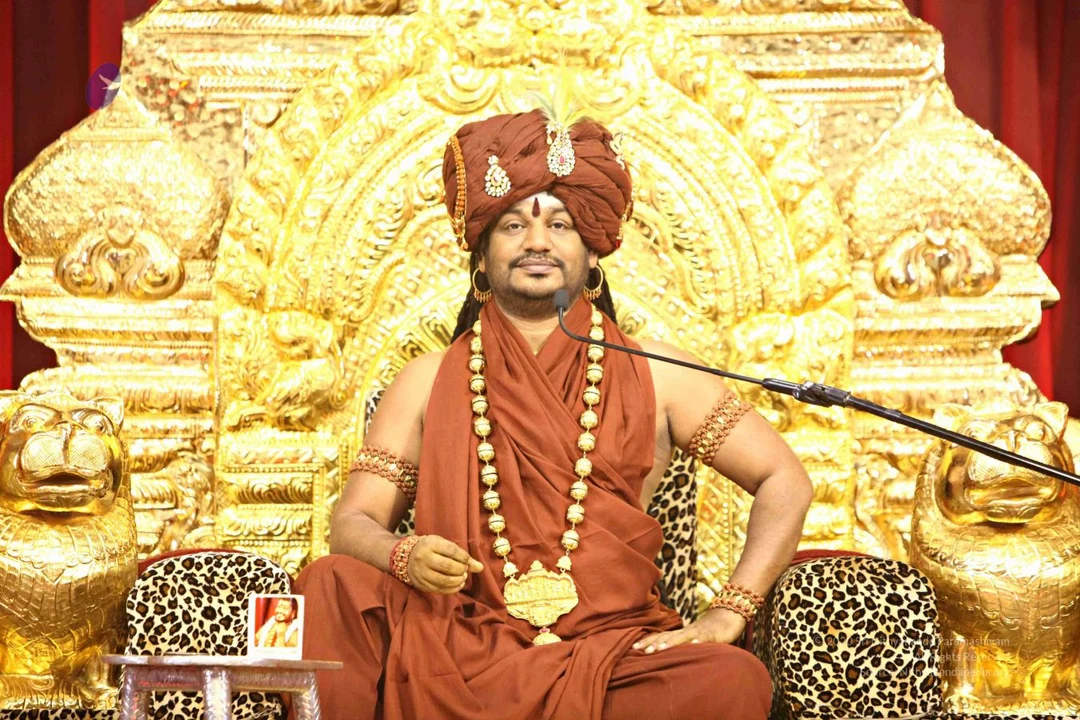 Nithya Satsang - HDH Nithyananda Paramashivam
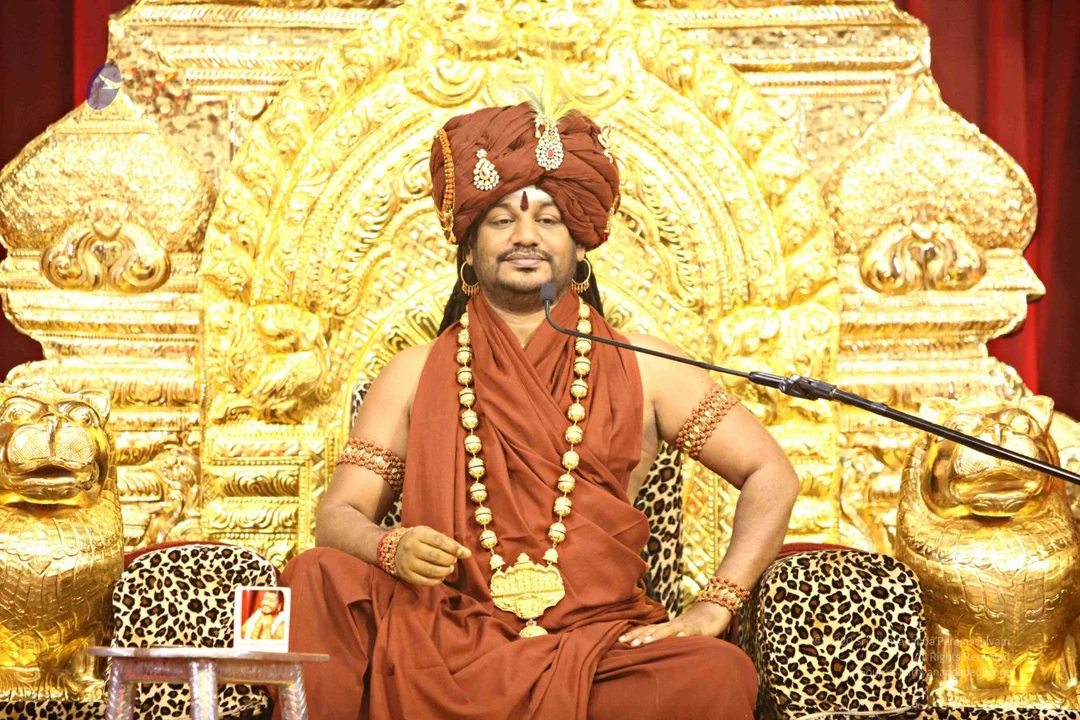 Nithya Satsang - HDH Nithyananda Paramashivam
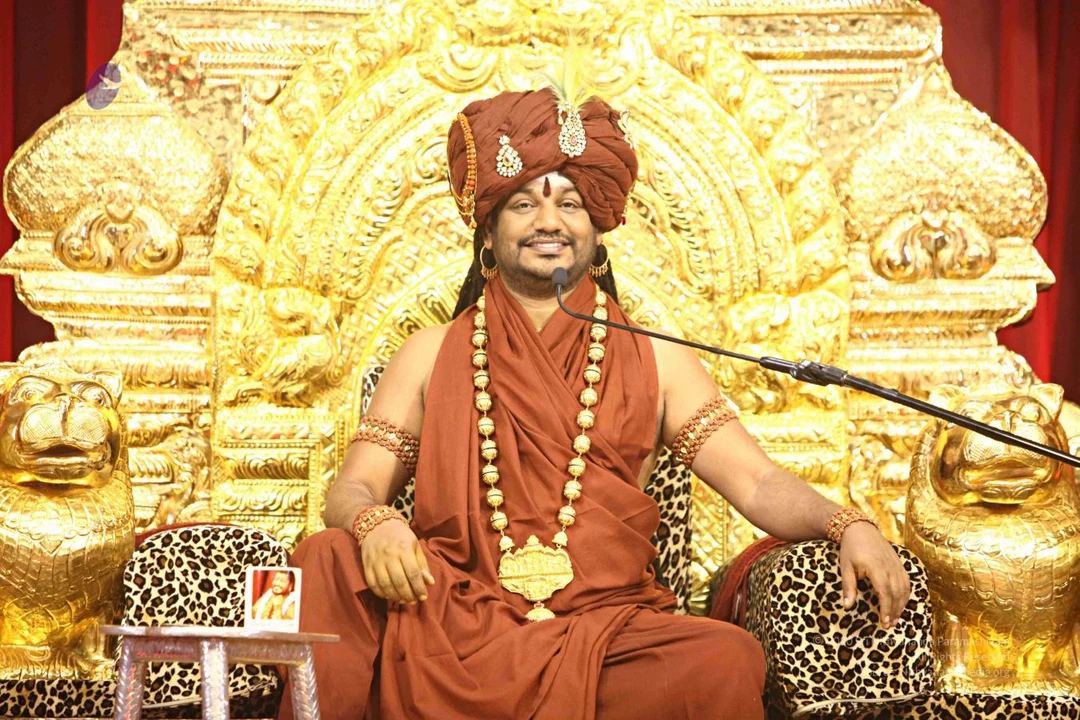 Nithya Satsang - HDH Nithyananda Paramashivam
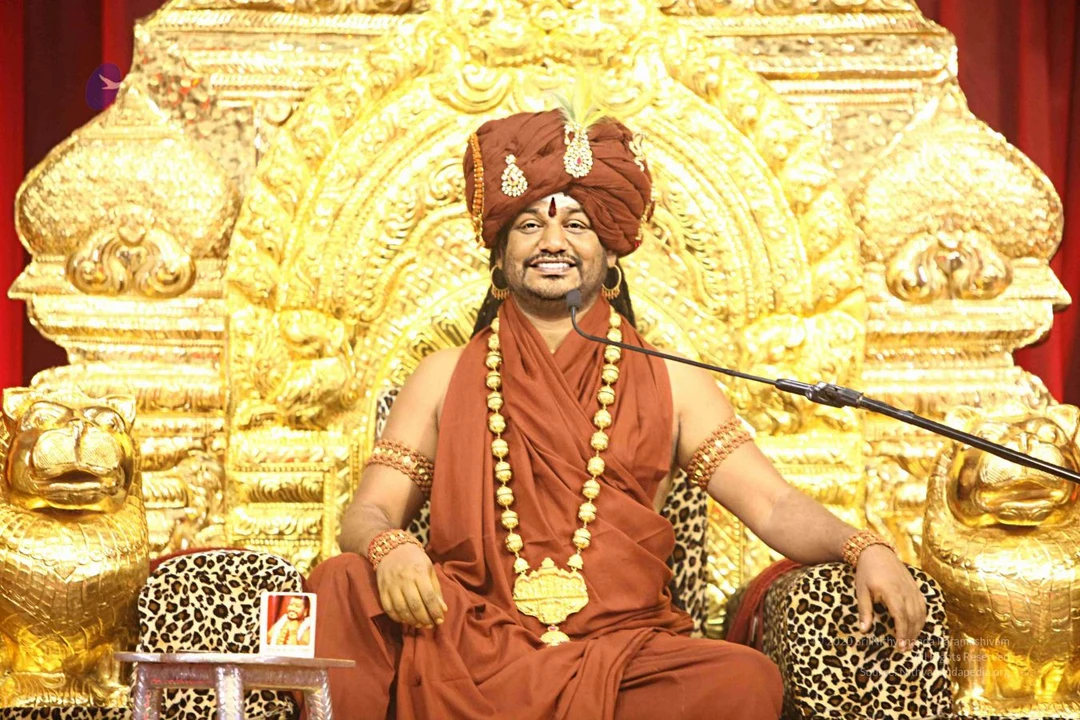 Nithya Satsang - HDH Nithyananda Paramashivam
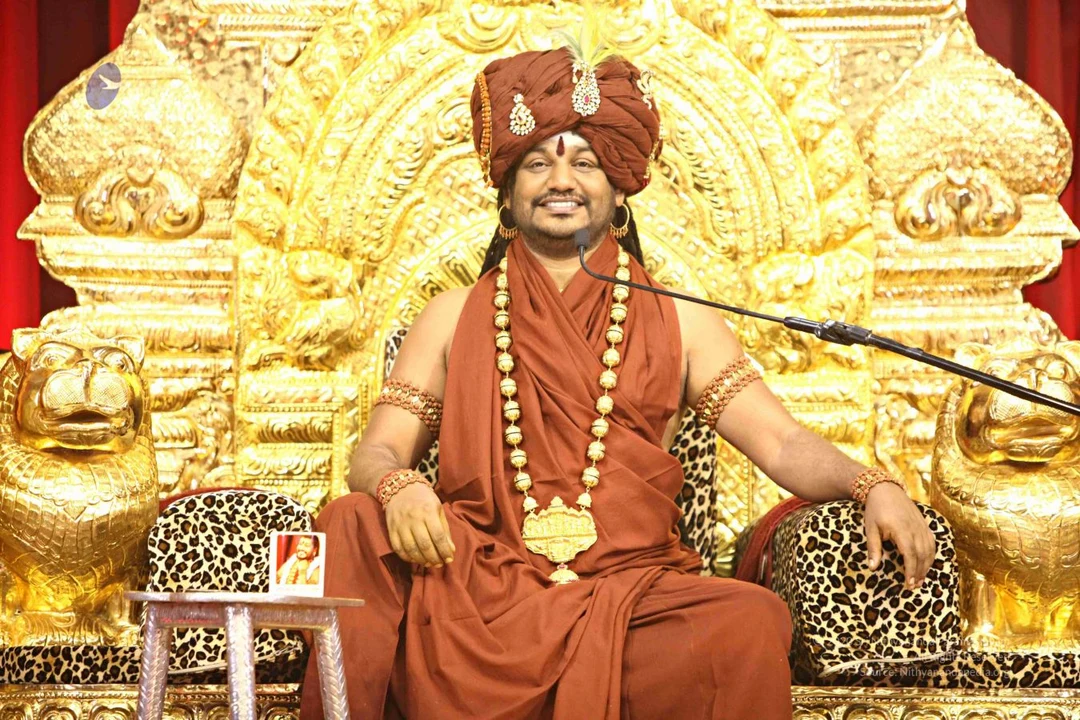 Nithya Satsang - HDH Nithyananda Paramashivam
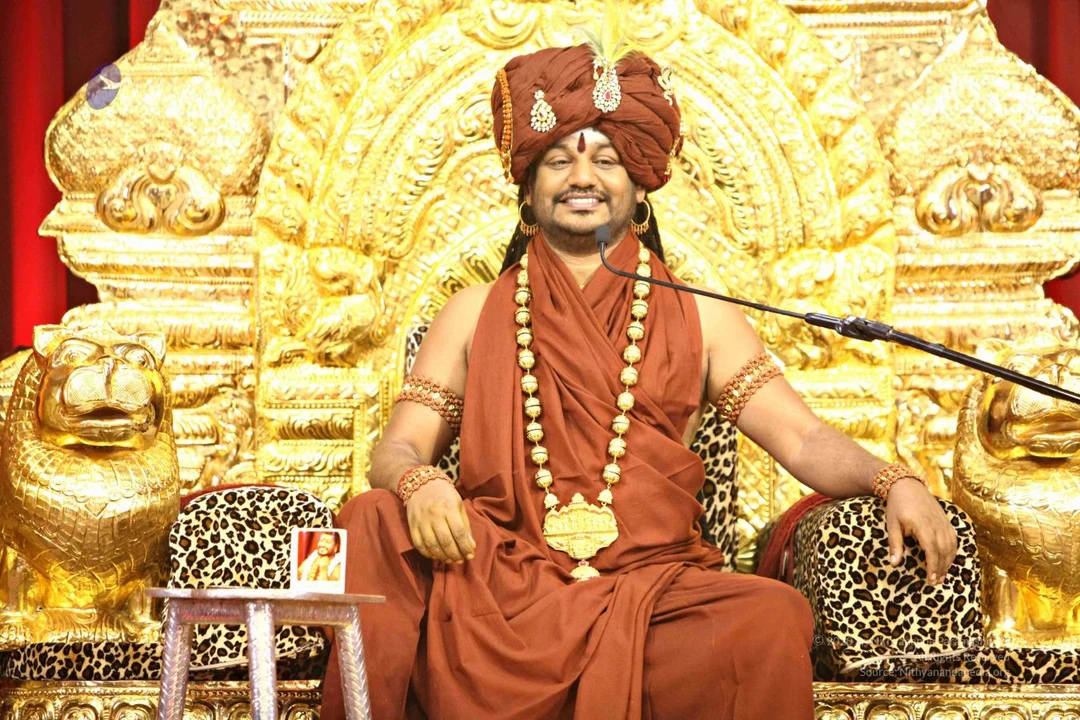 Nithya Satsang - HDH Nithyananda Paramashivam
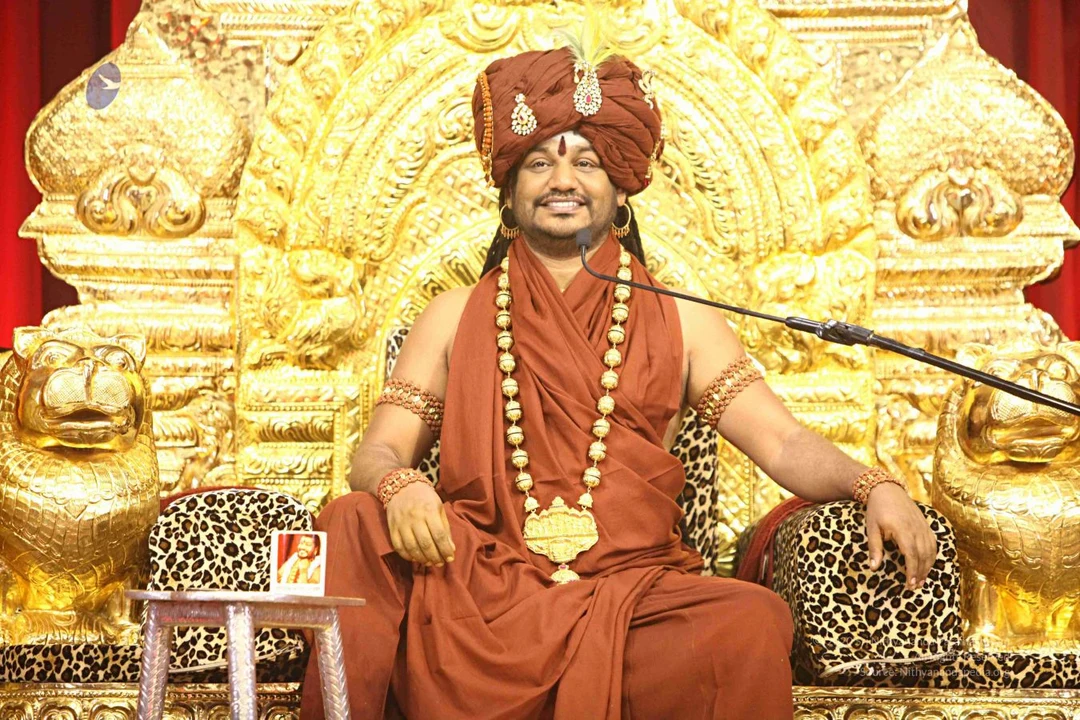 Nithya Satsang - HDH Nithyananda Paramashivam
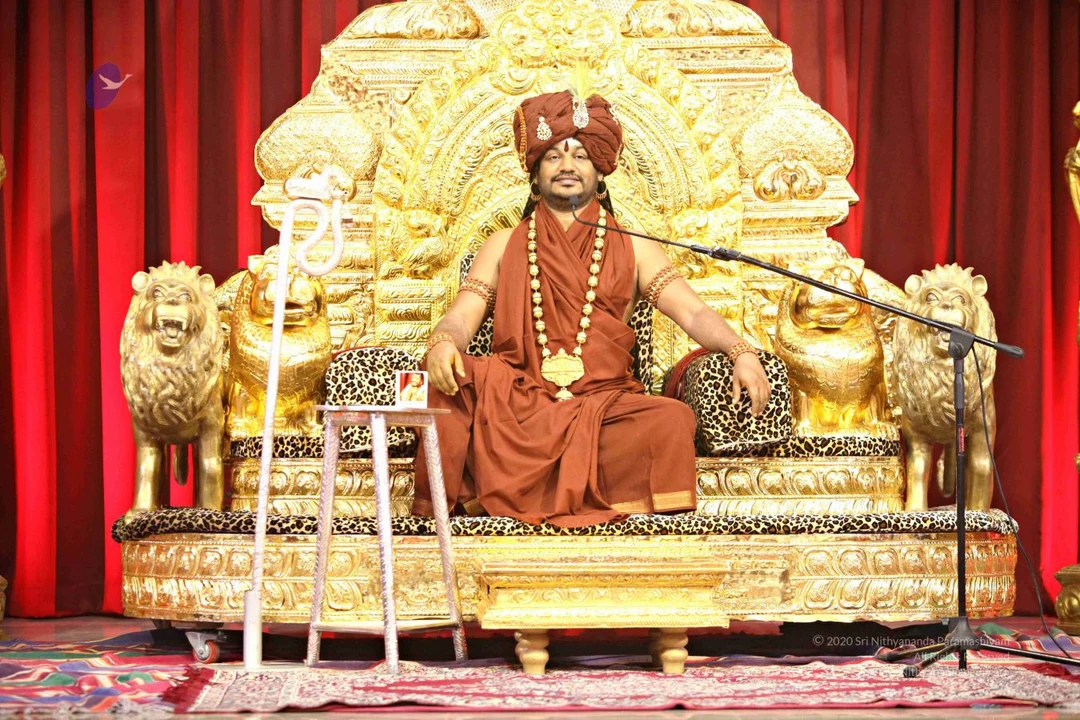 Nithya Satsang - HDH Nithyananda Paramashivam
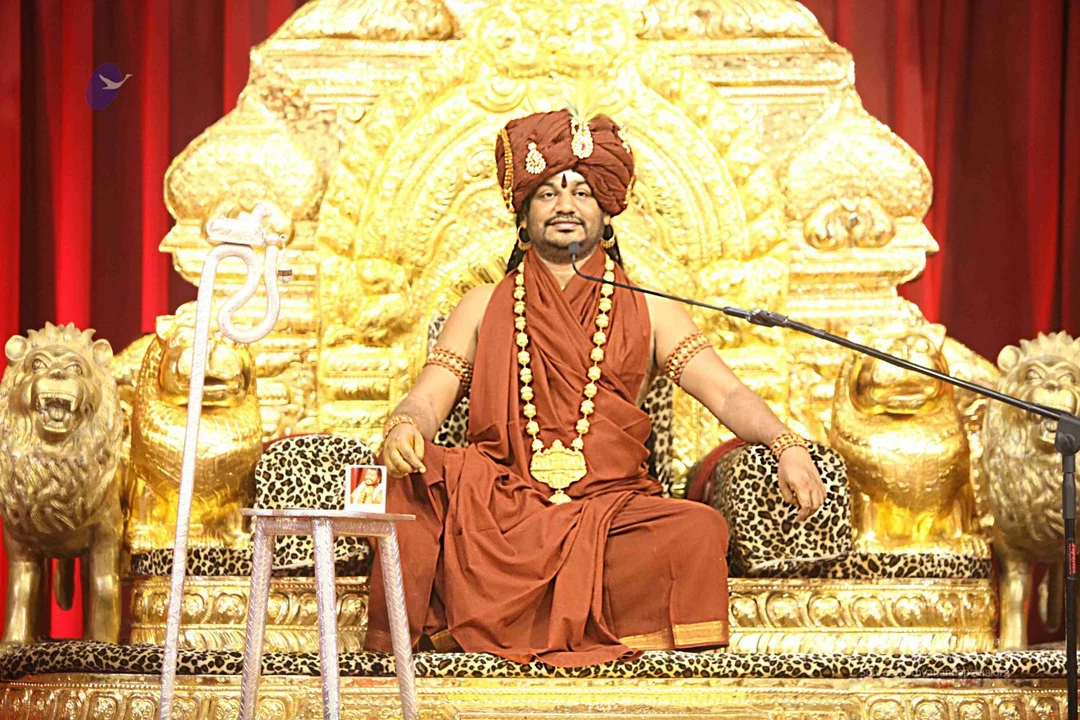 Nithya Satsang - HDH Nithyananda Paramashivam
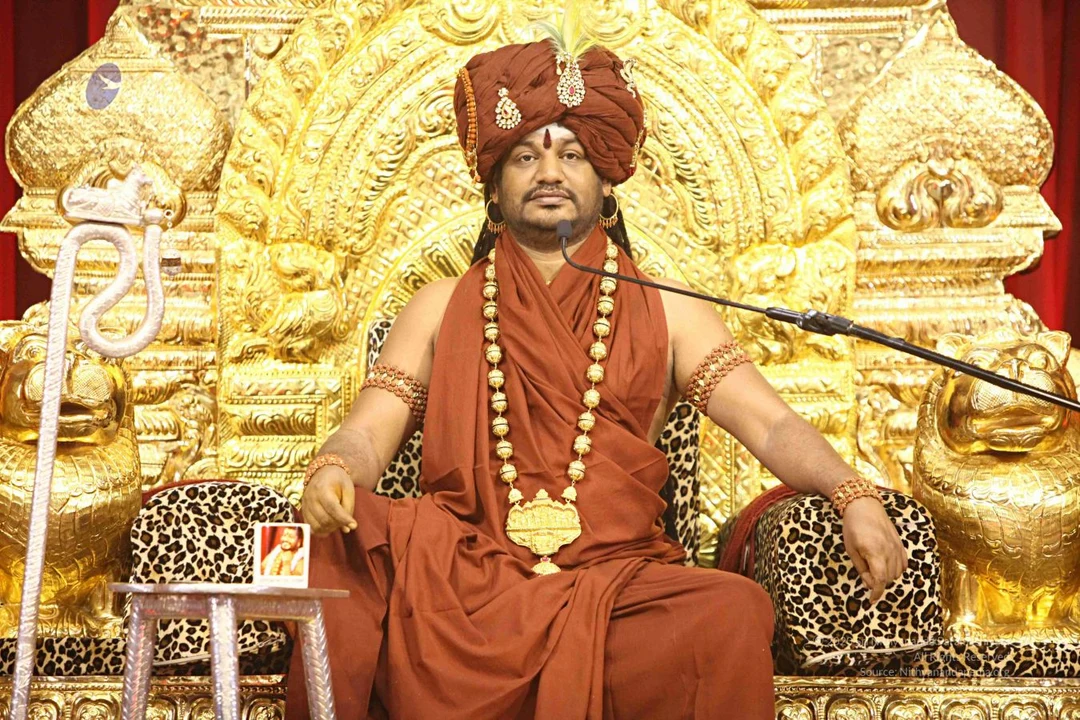 Nithya Satsang - HDH Nithyananda Paramashivam
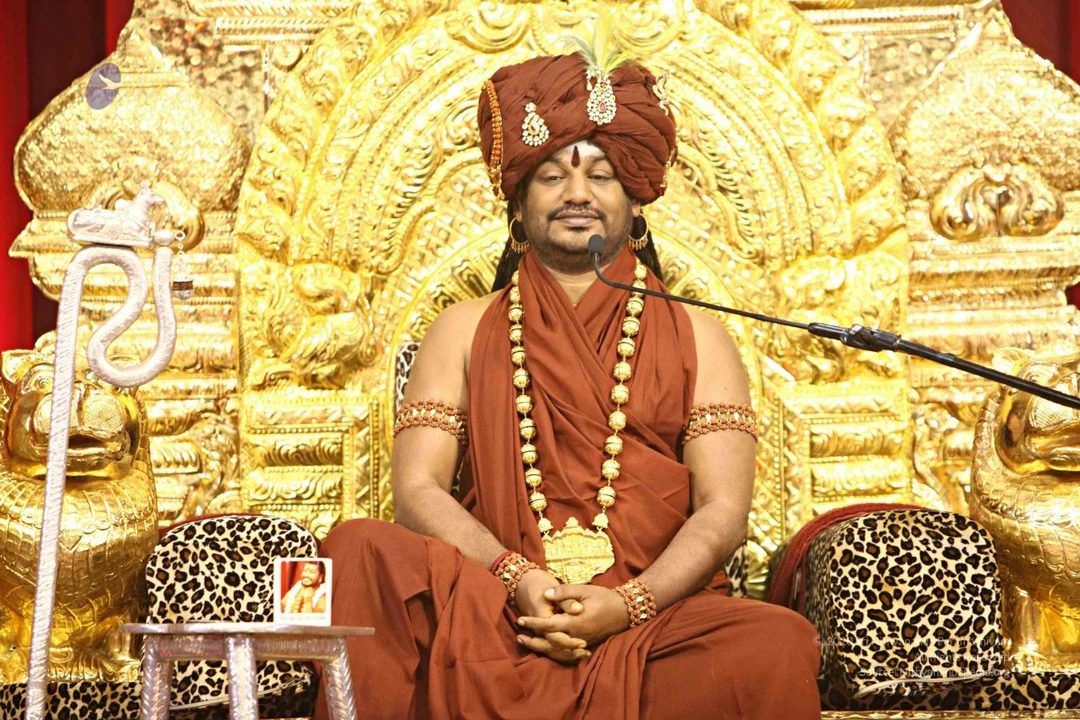 Nithya Satsang - HDH Nithyananda Paramashivam
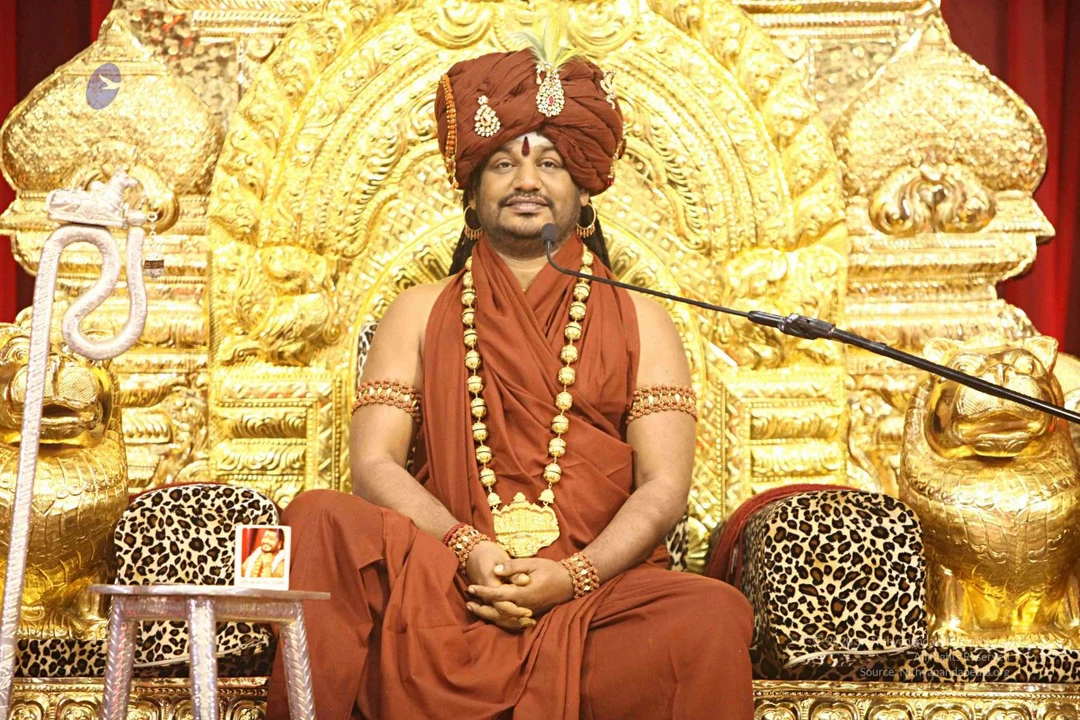 Nithya Satsang - HDH Nithyananda Paramashivam
 Nithya Satsang - HDH Nithyananda Paramashivam
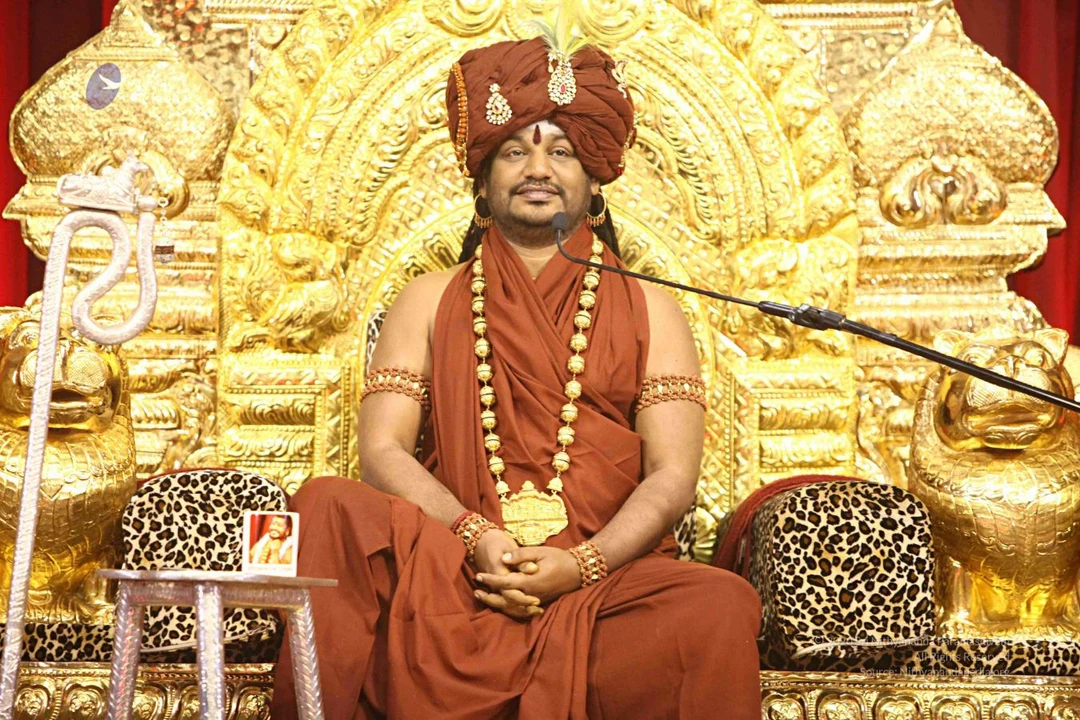 Nithya Satsang - HDH Nithyananda Paramashivam
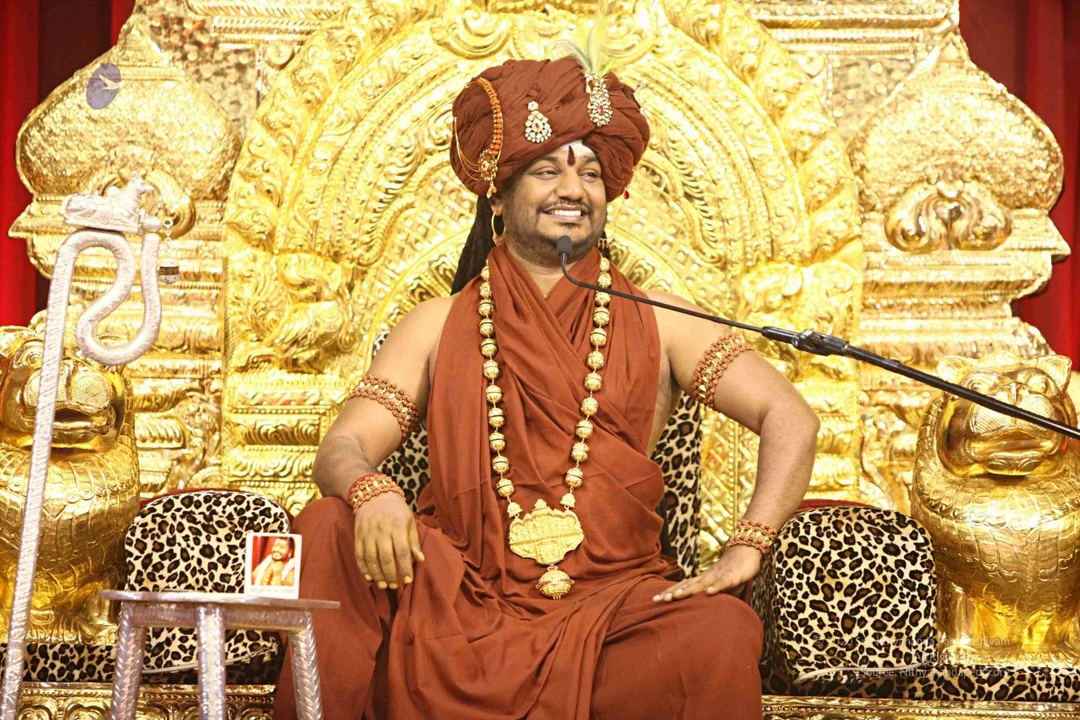 Nithya Satsang - HDH Nithyananda Paramashivam
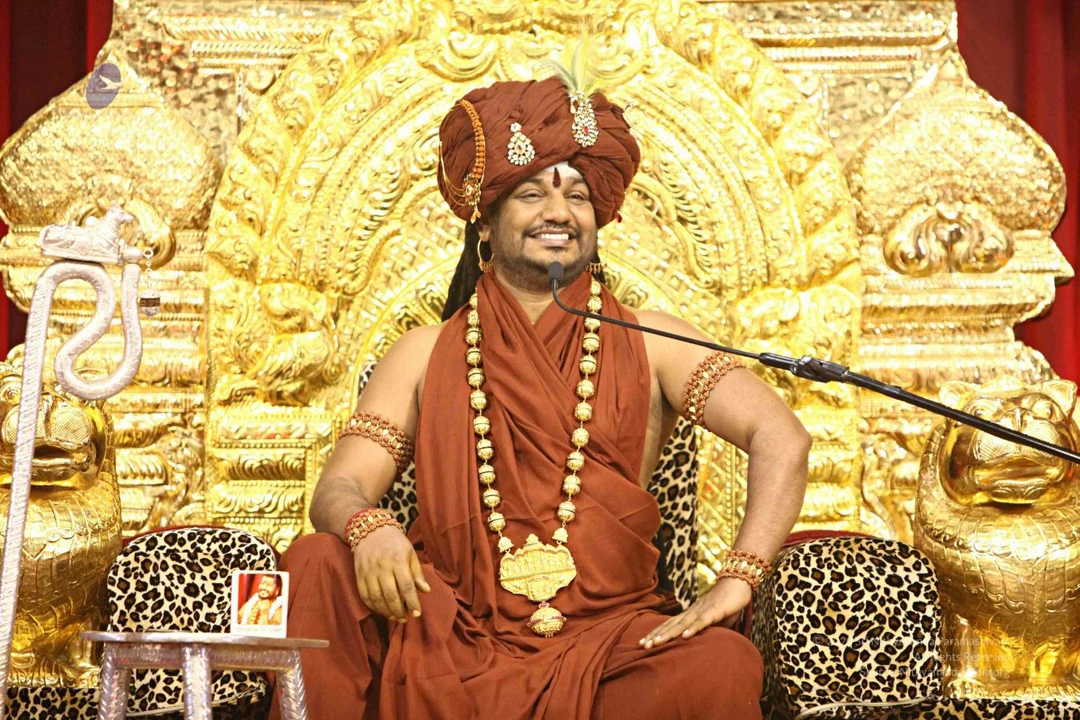 Nithya Satsang - HDH Nithyananda Paramashivam
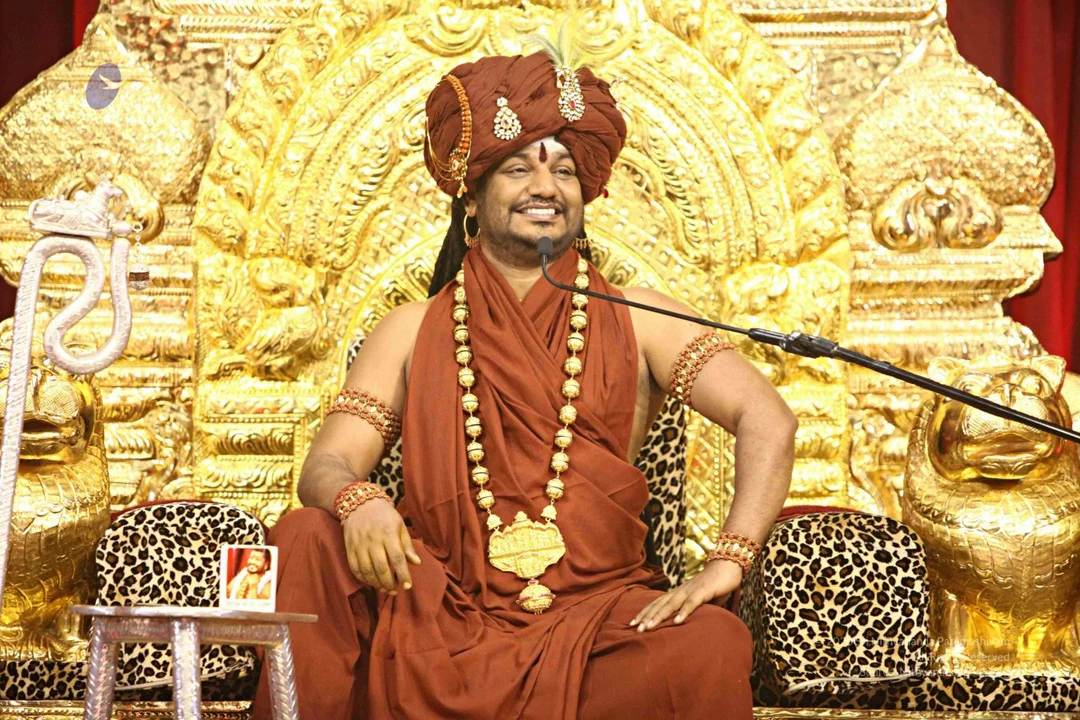 Nithya Satsang - HDH Nithyananda Paramashivam
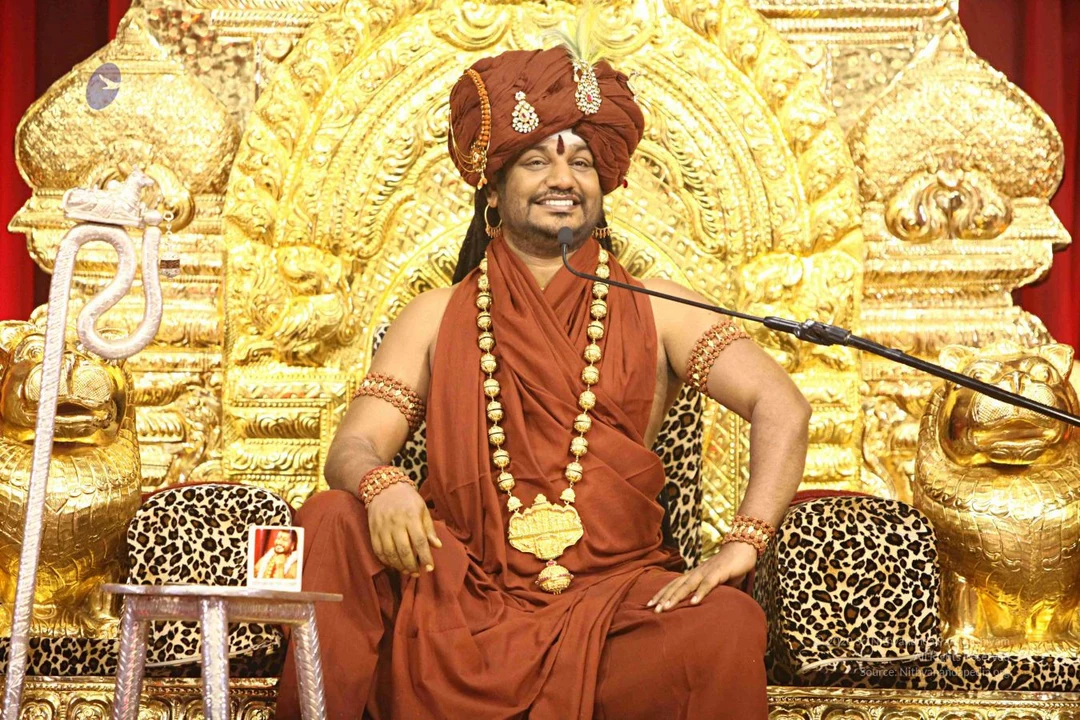 Nithya Satsang - HDH Nithyananda Paramashivam
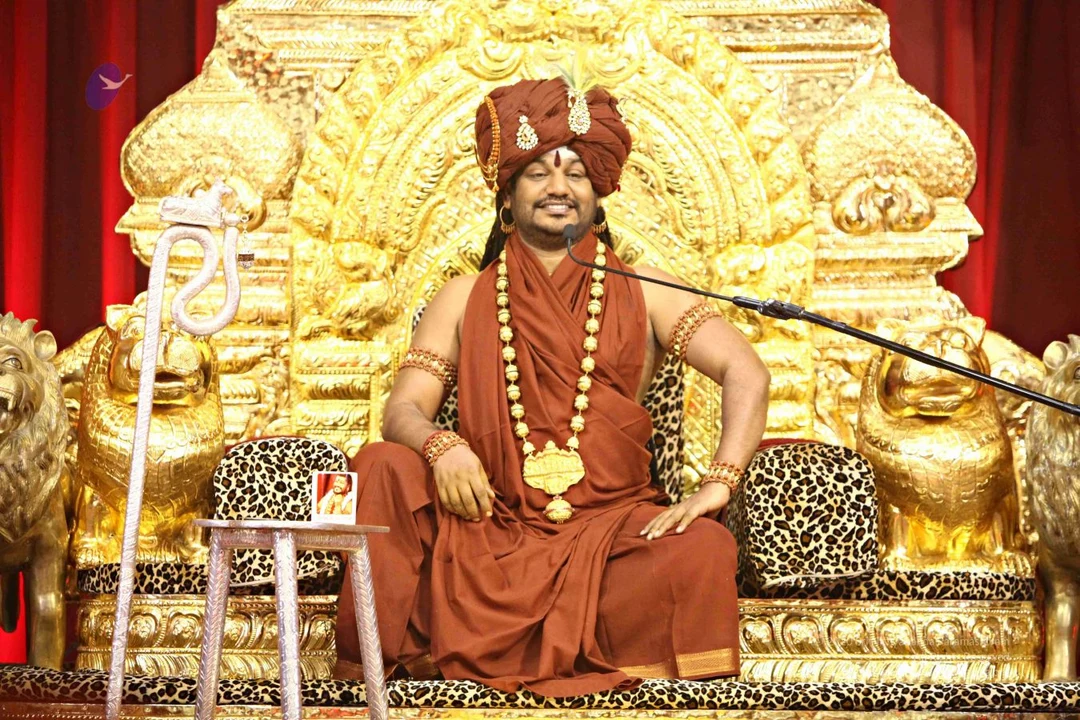 Nithya Satsang - HDH Nithyananda Paramashivam
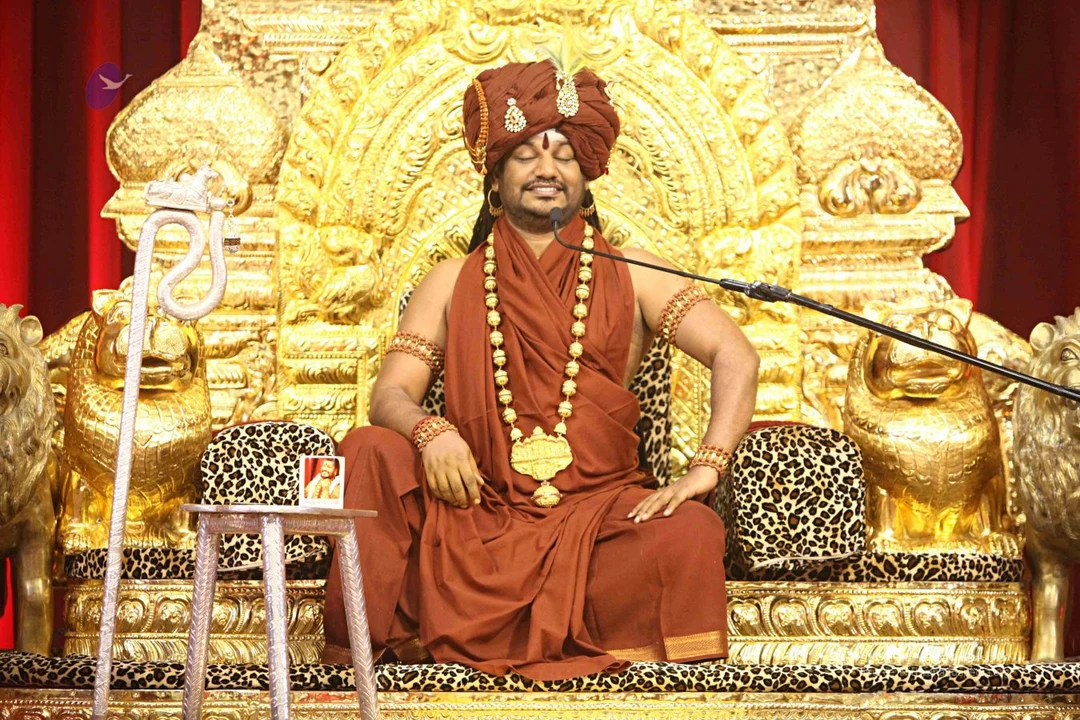 Nithya Satsang - HDH Nithyananda Paramashivam
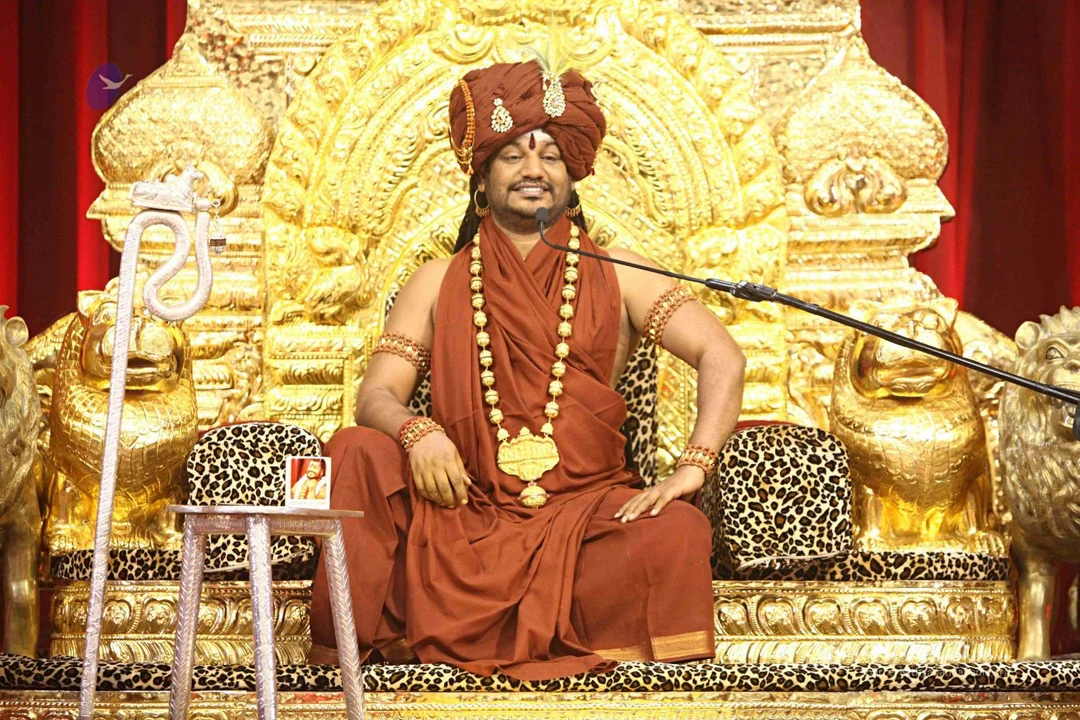 Nithya Satsang - HDH Nithyananda Paramashivam
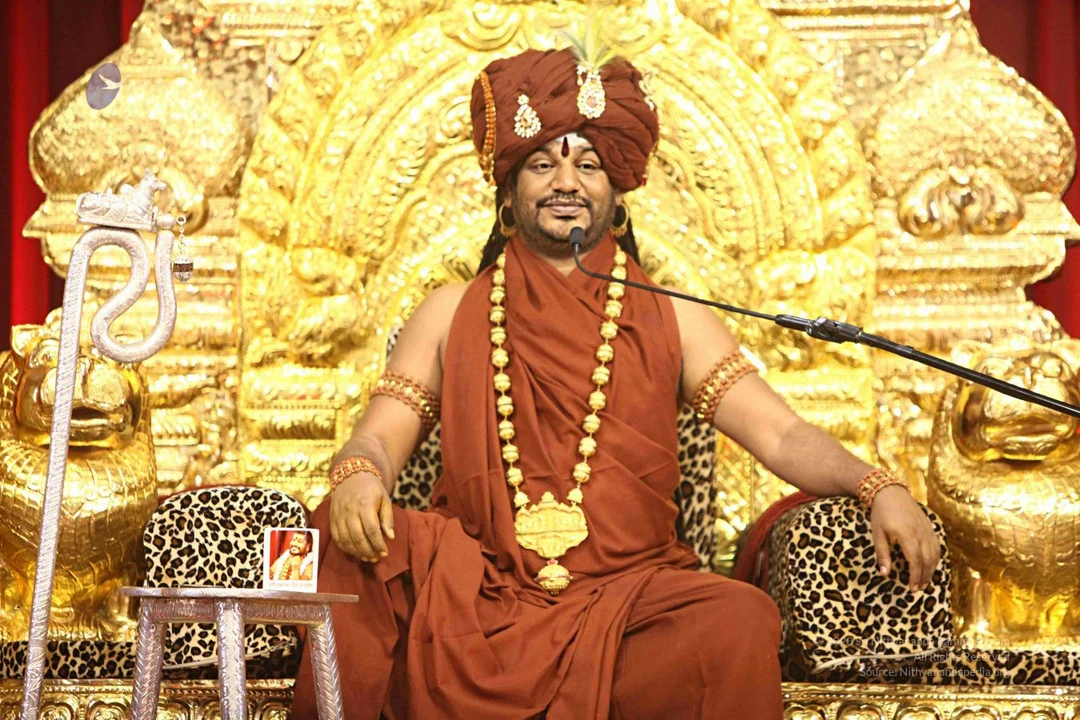 Nithya Satsang - HDH Nithyananda Paramashivam
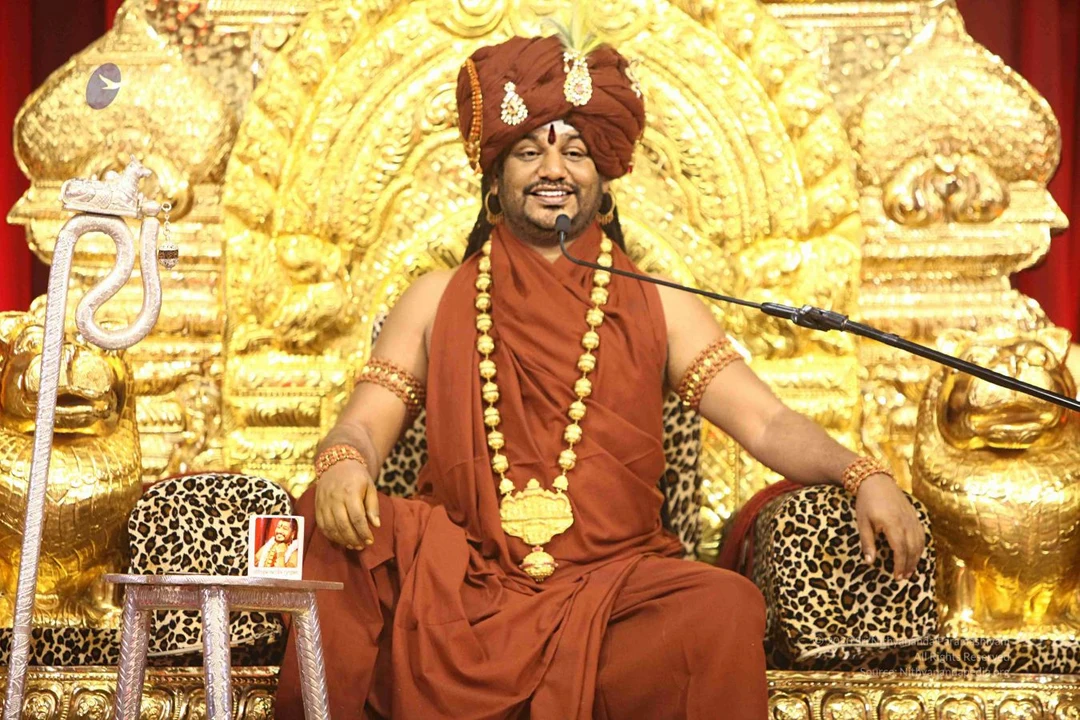 Nithya Satsang - HDH Nithyananda Paramashivam
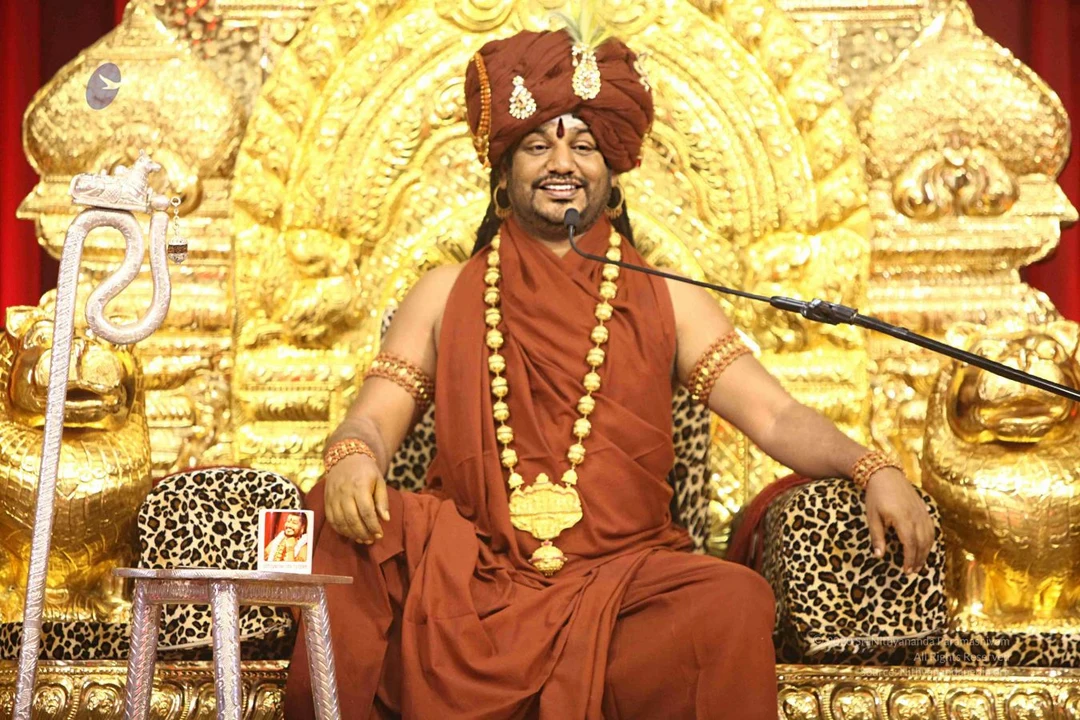 Nithya Satsang - HDH Nithyananda Paramashivam
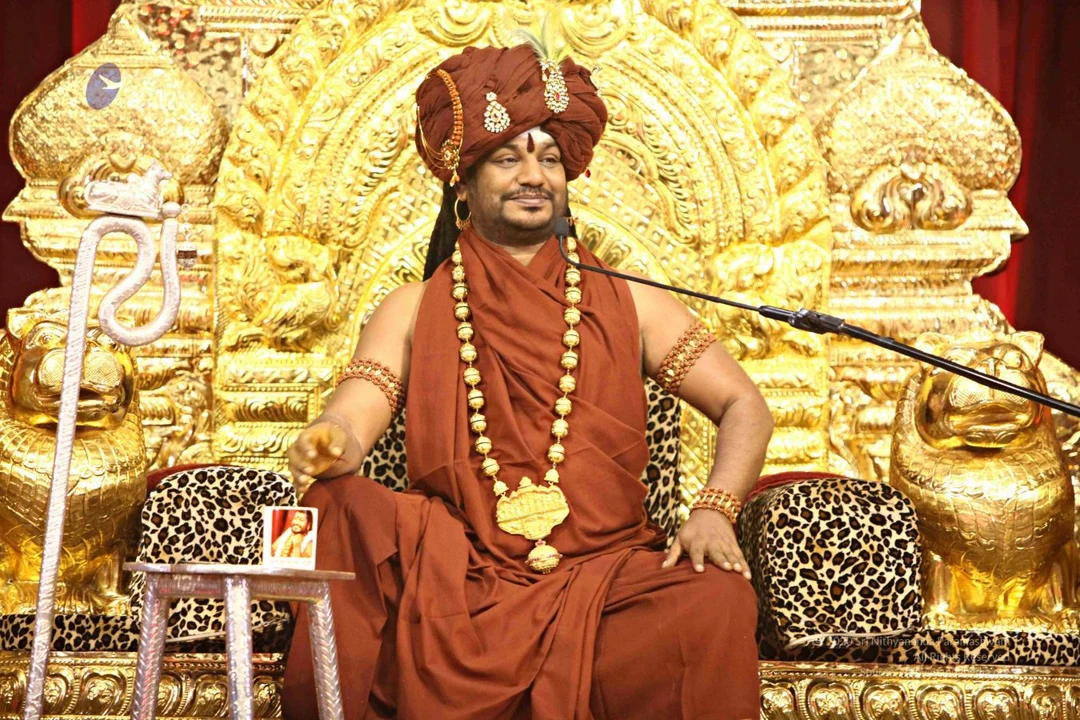 Nithya Satsang - HDH Nithyananda Paramashivam
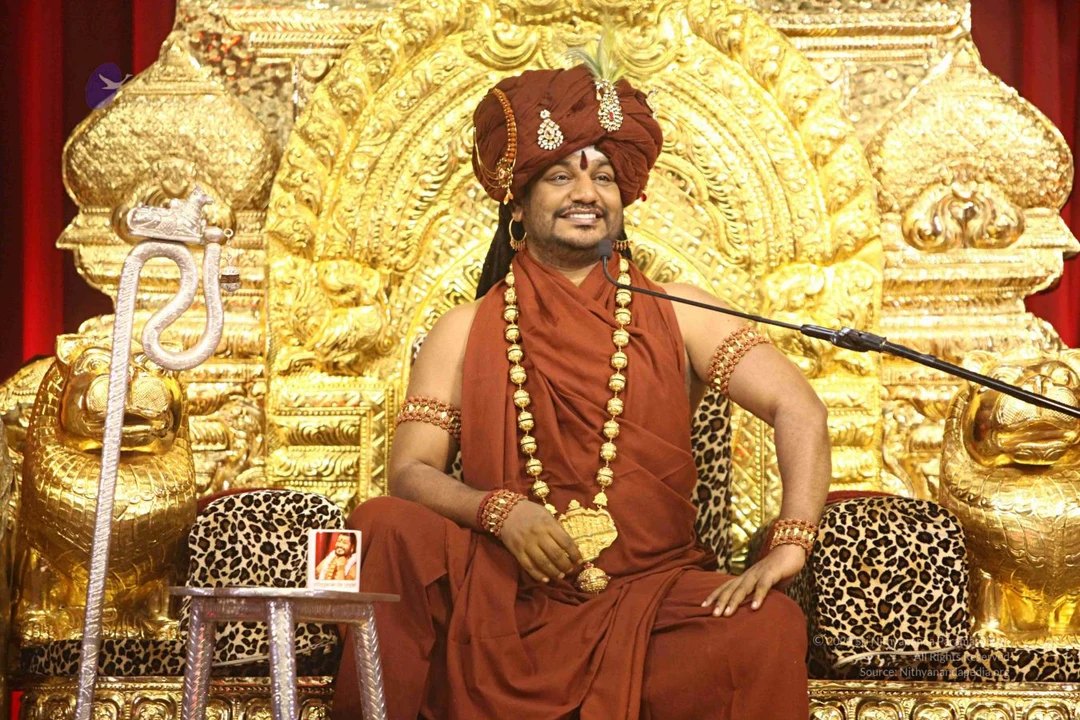 Nithya Satsang - HDH Nithyananda Paramashivam
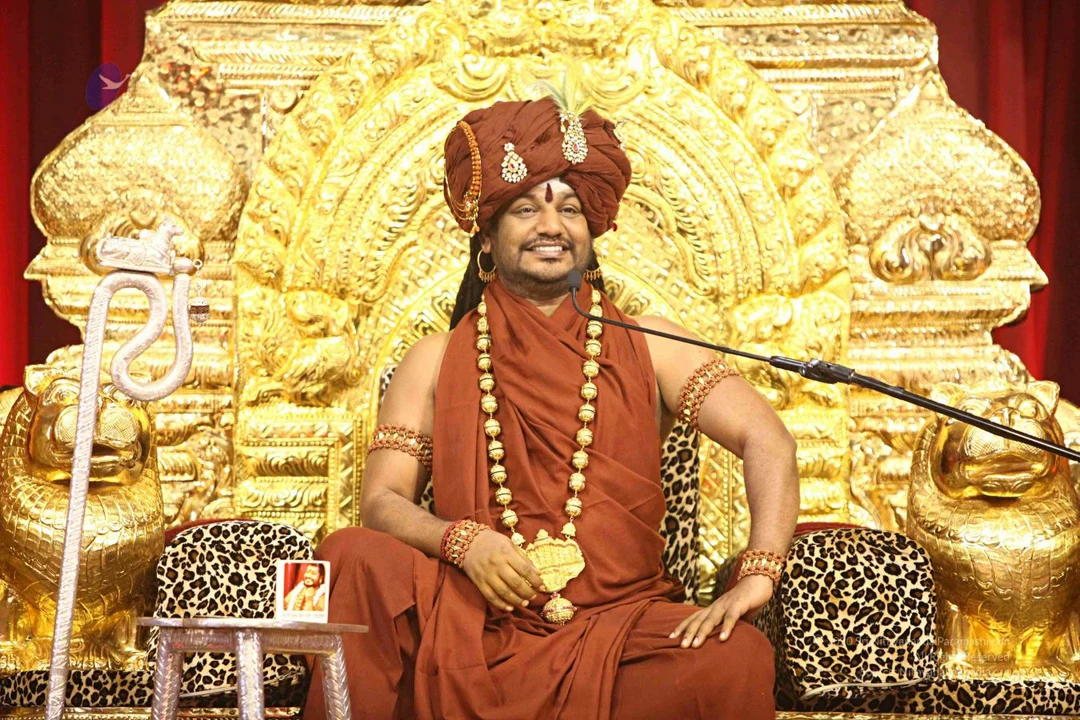 Nithya Satsang - HDH Nithyananda Paramashivam
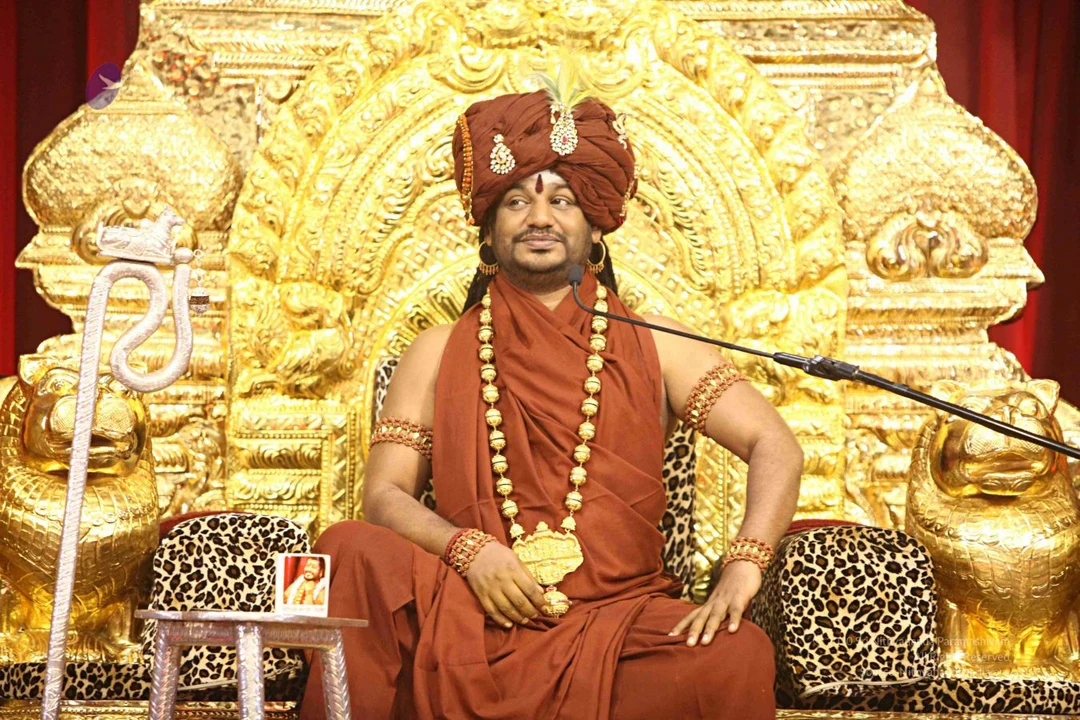 Nithya Satsang - HDH Nithyananda Paramashivam
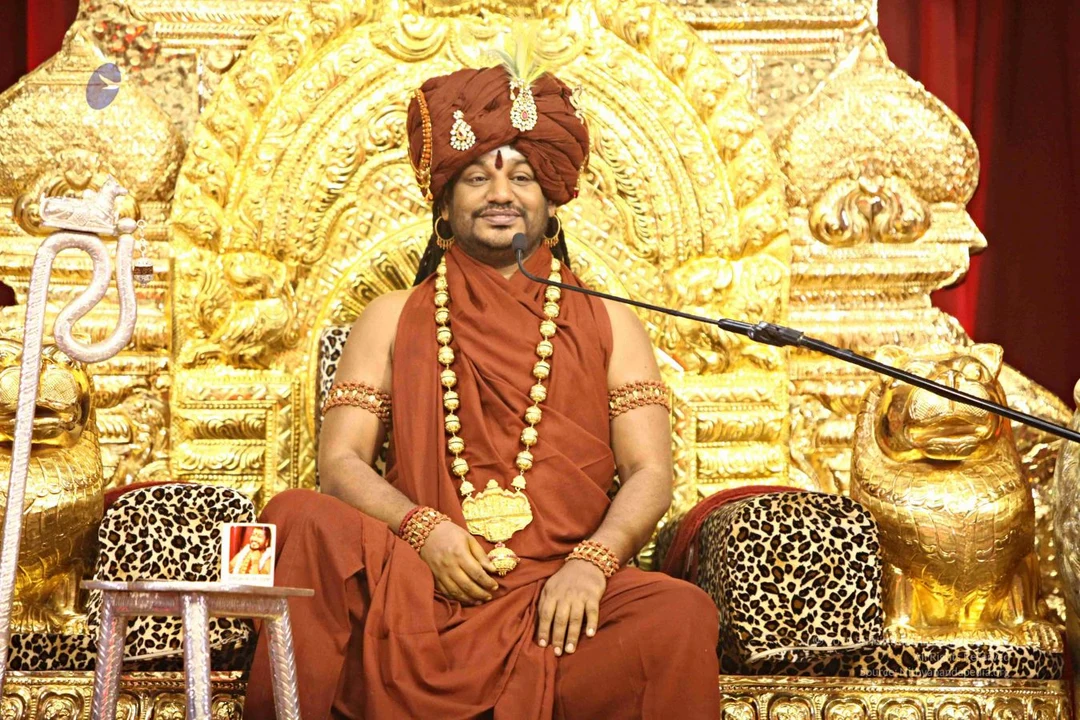 Nithya Satsang - HDH Nithyananda Paramashivam
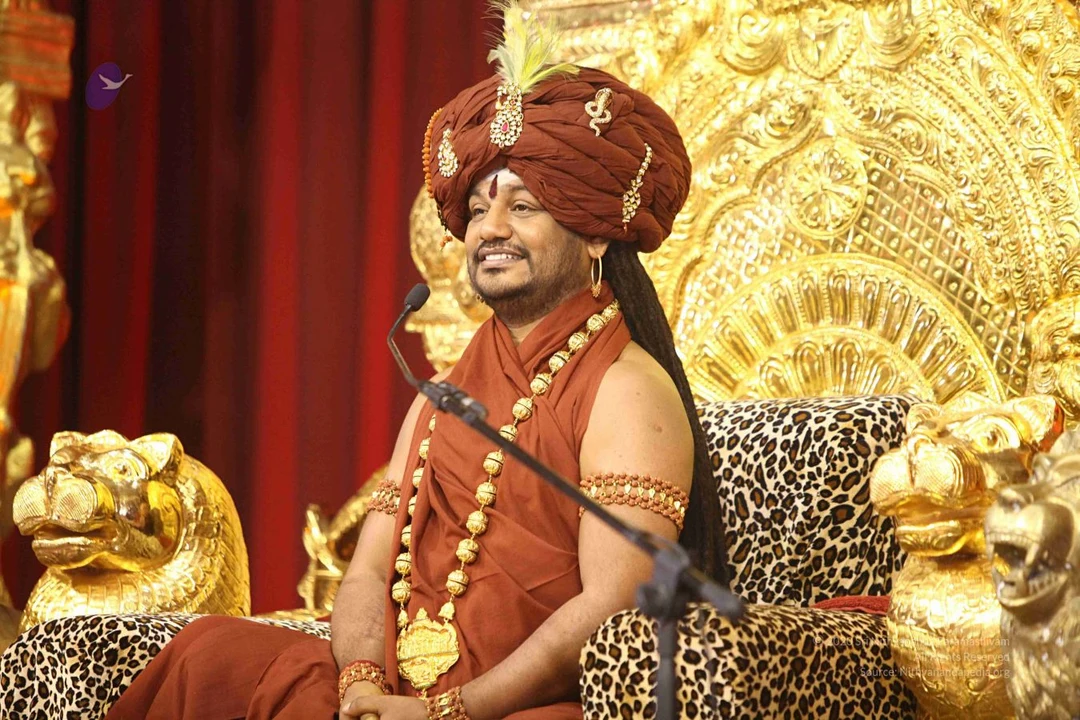 Nithya Satsang - HDH Nithyananda Paramashivam
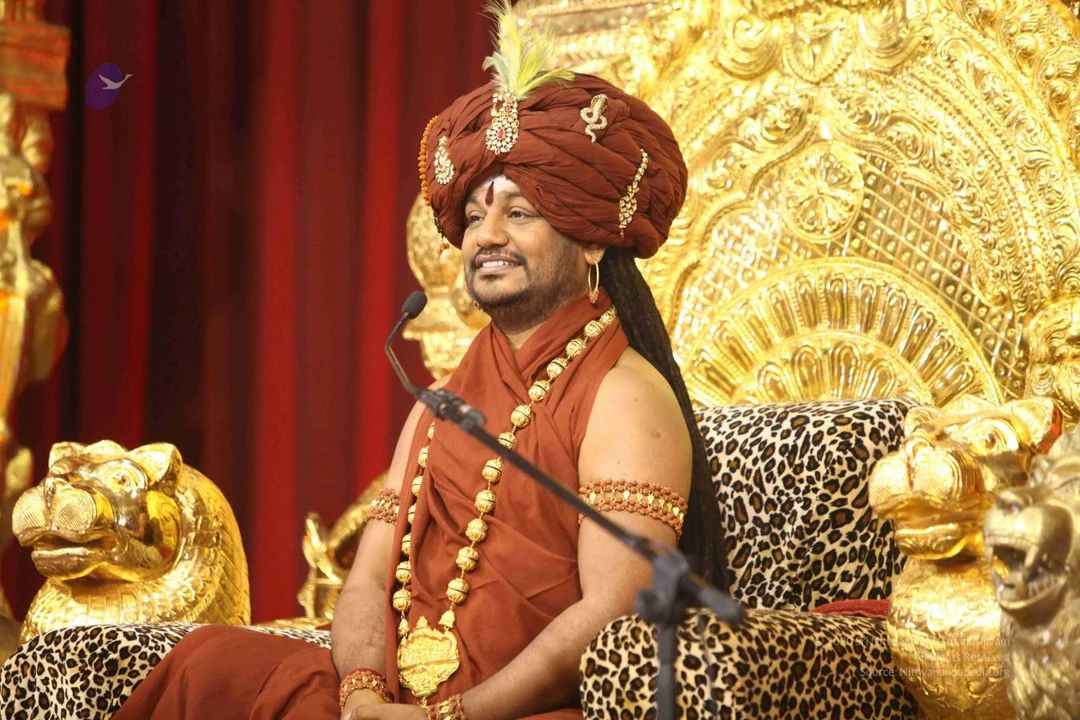 Nithya Satsang - HDH Nithyananda Paramashivam
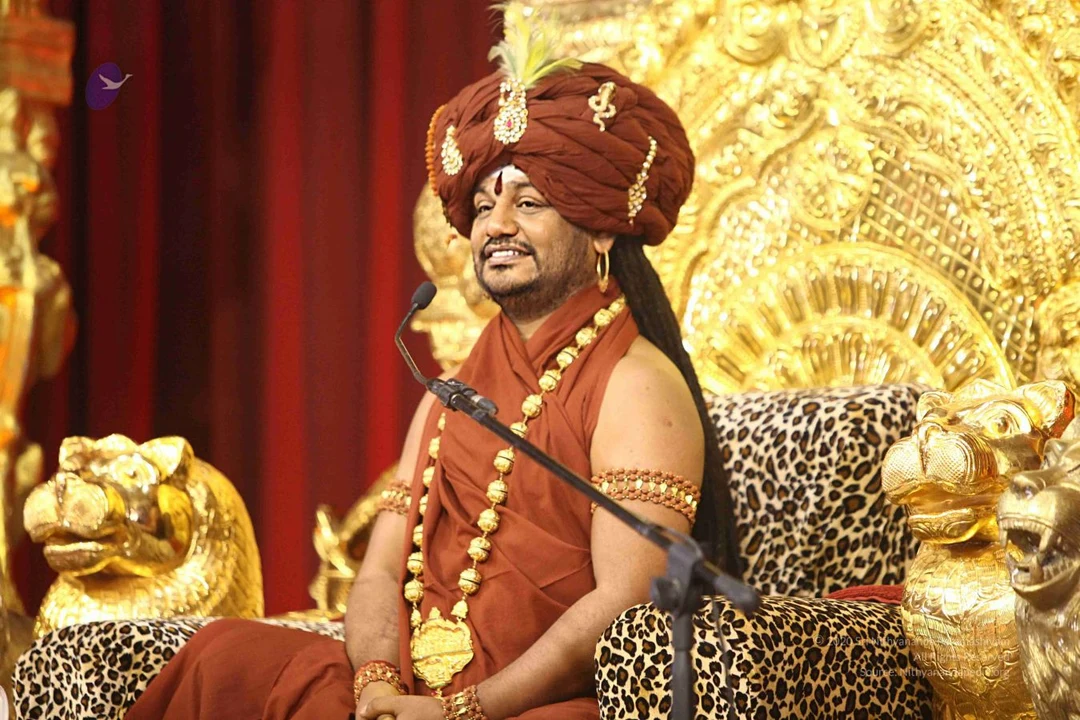 Nithya Satsang - HDH Nithyananda Paramashivam
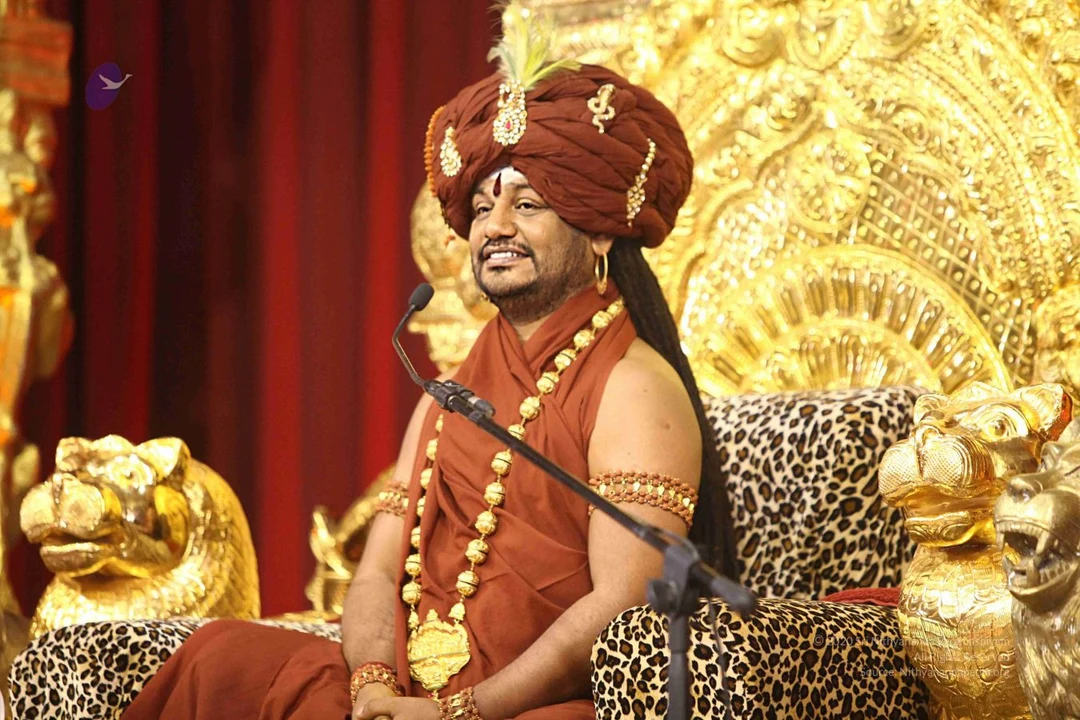 Nithya Satsang - HDH Nithyananda Paramashivam
 Nithya Satsang - HDH Nithyananda Paramashivam
 Nithya Satsang - HDH Nithyananda Paramashivam
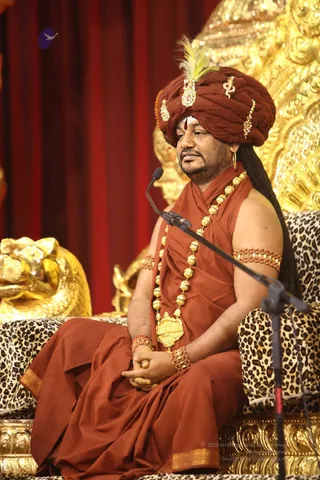 Nithya Satsang - HDH Nithyananda Paramashivam
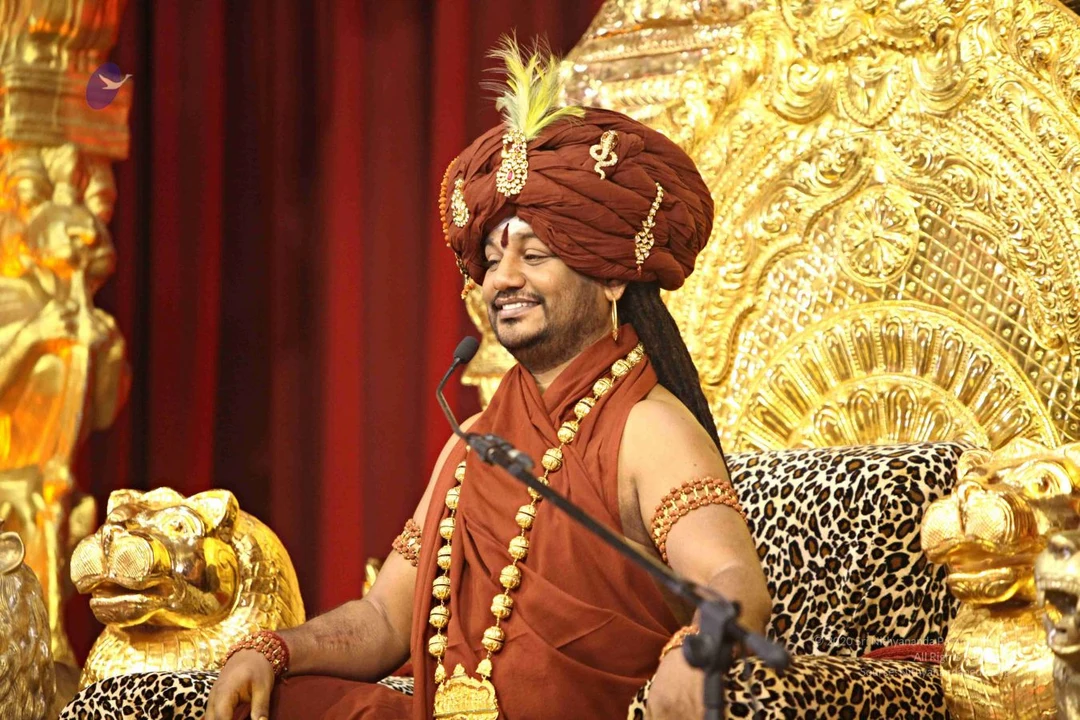 Nithya Satsang - HDH Nithyananda Paramashivam
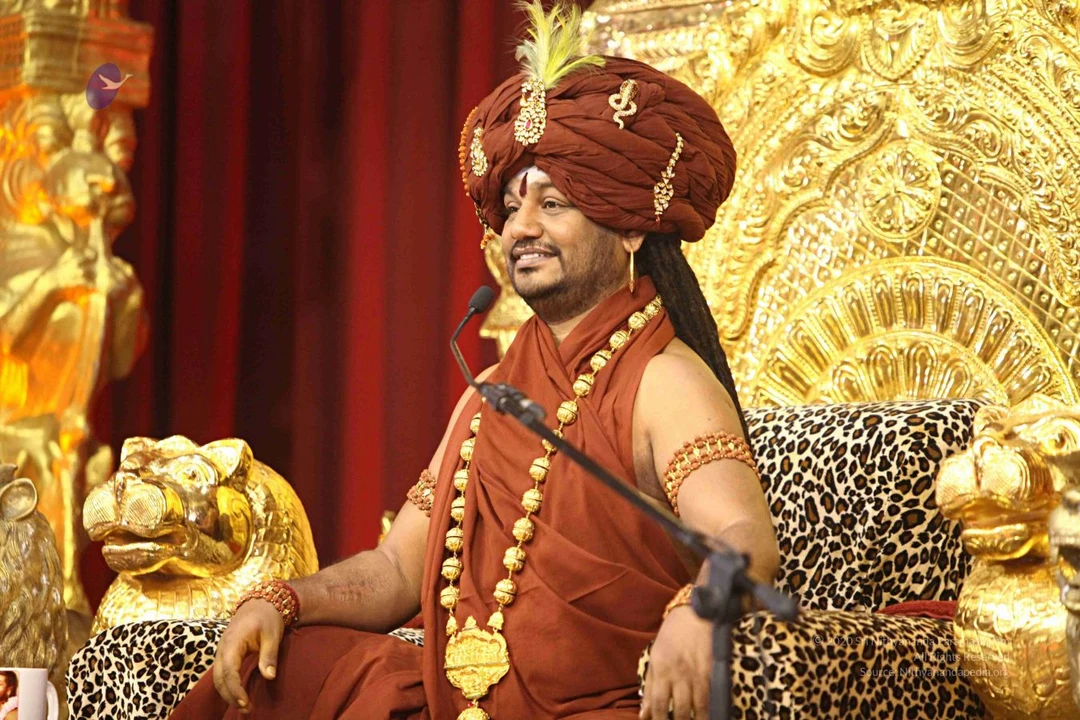 Nithya Satsang - HDH Nithyananda Paramashivam
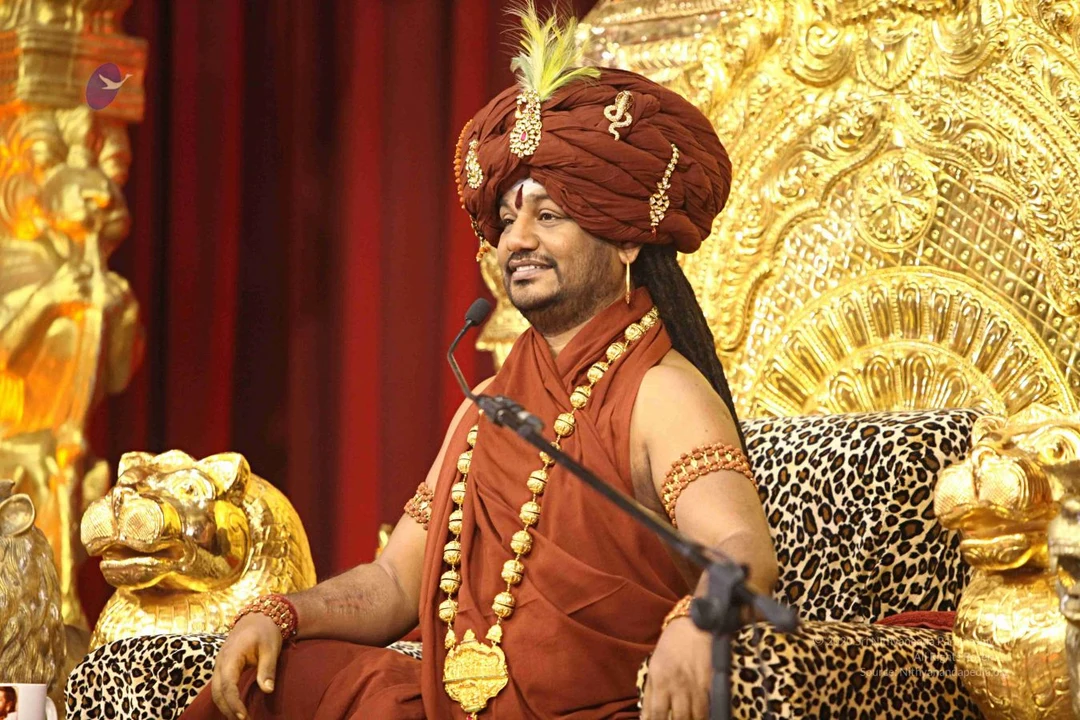 Nithya Satsang - HDH Nithyananda Paramashivam
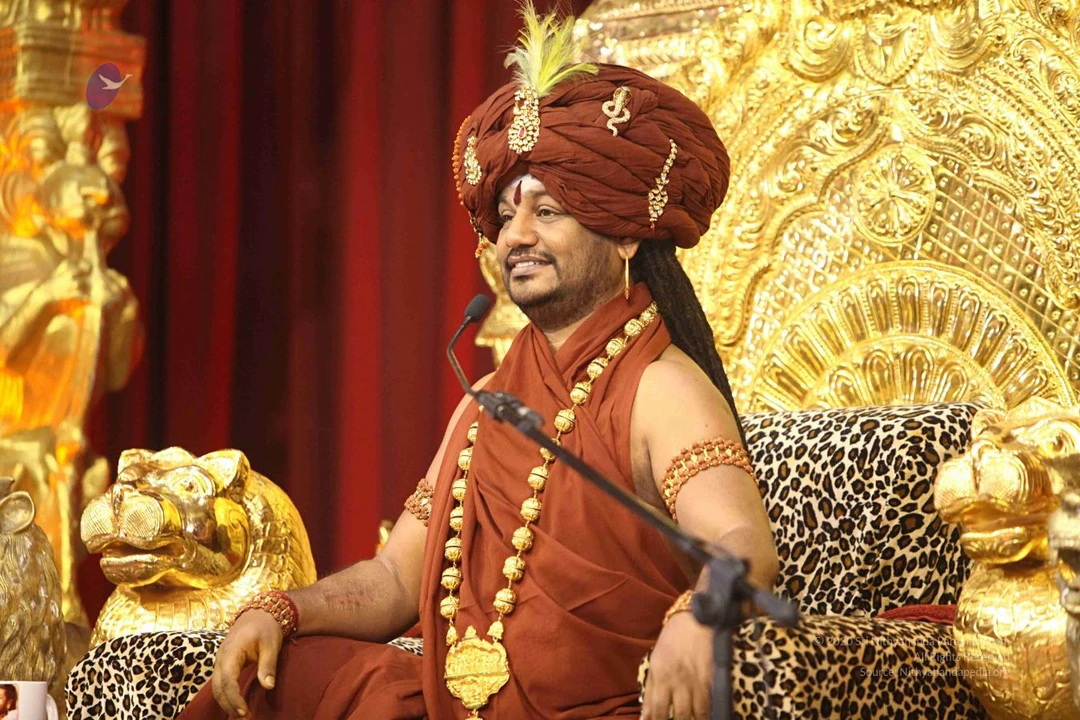 Nithya Satsang - HDH Nithyananda Paramashivam
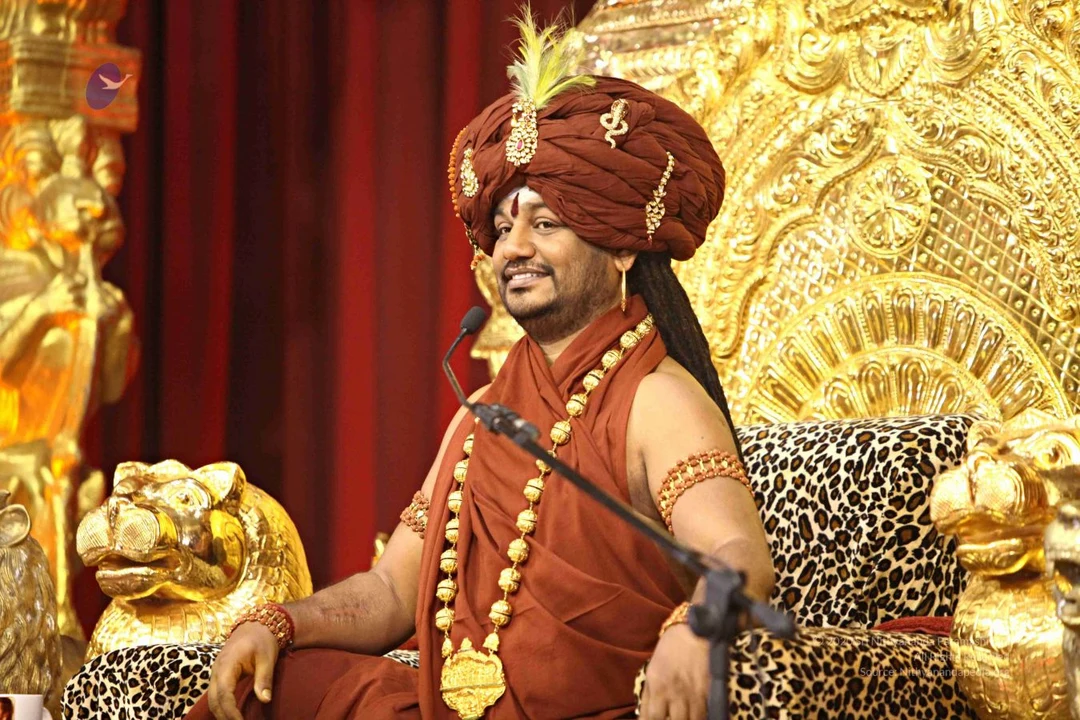 Nithya Satsang - HDH Nithyananda Paramashivam
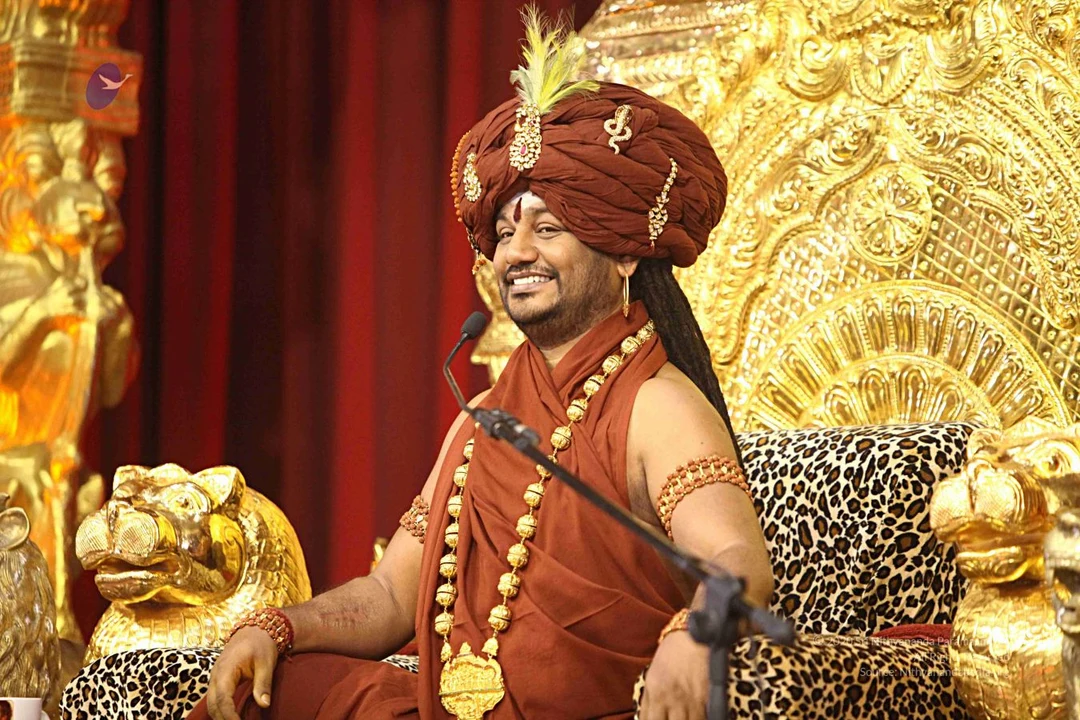 Nithya Satsang - HDH Nithyananda Paramashivam
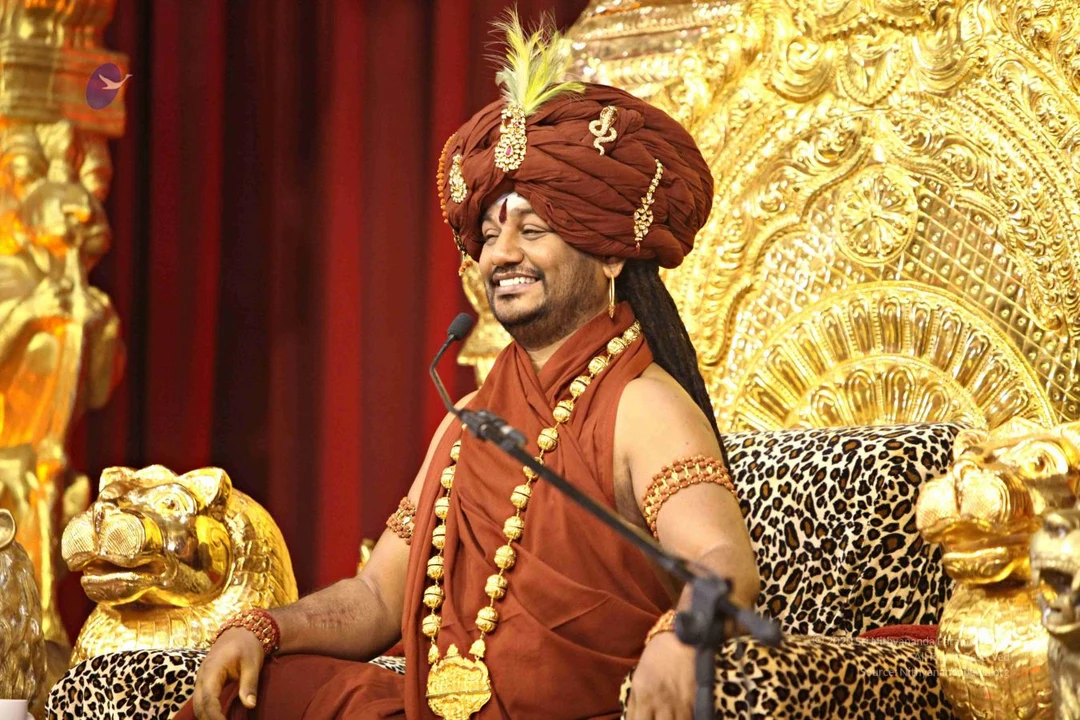 Nithya Satsang - HDH Nithyananda Paramashivam
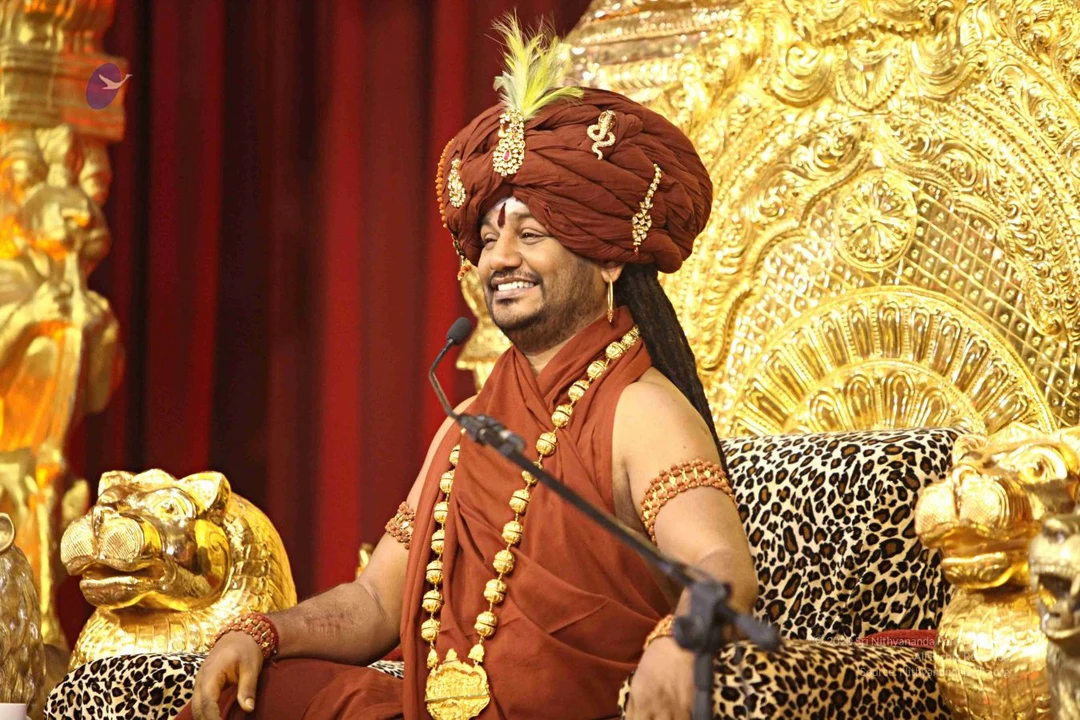 Nithya Satsang - HDH Nithyananda Paramashivam
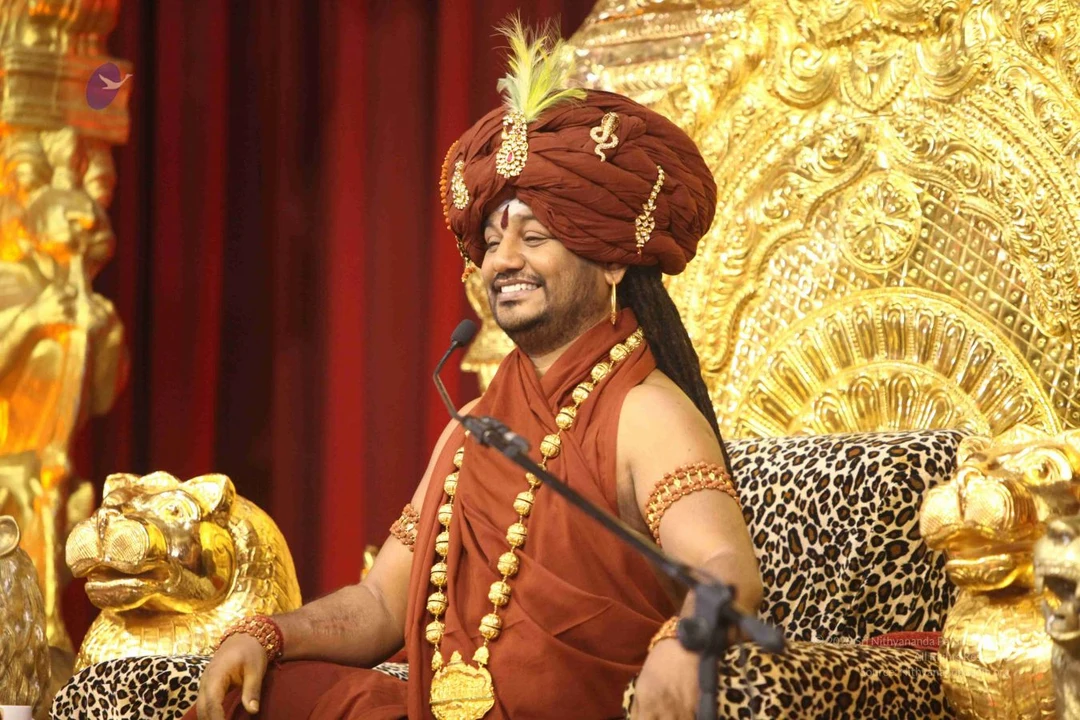 Nithya Satsang - HDH Nithyananda Paramashivam
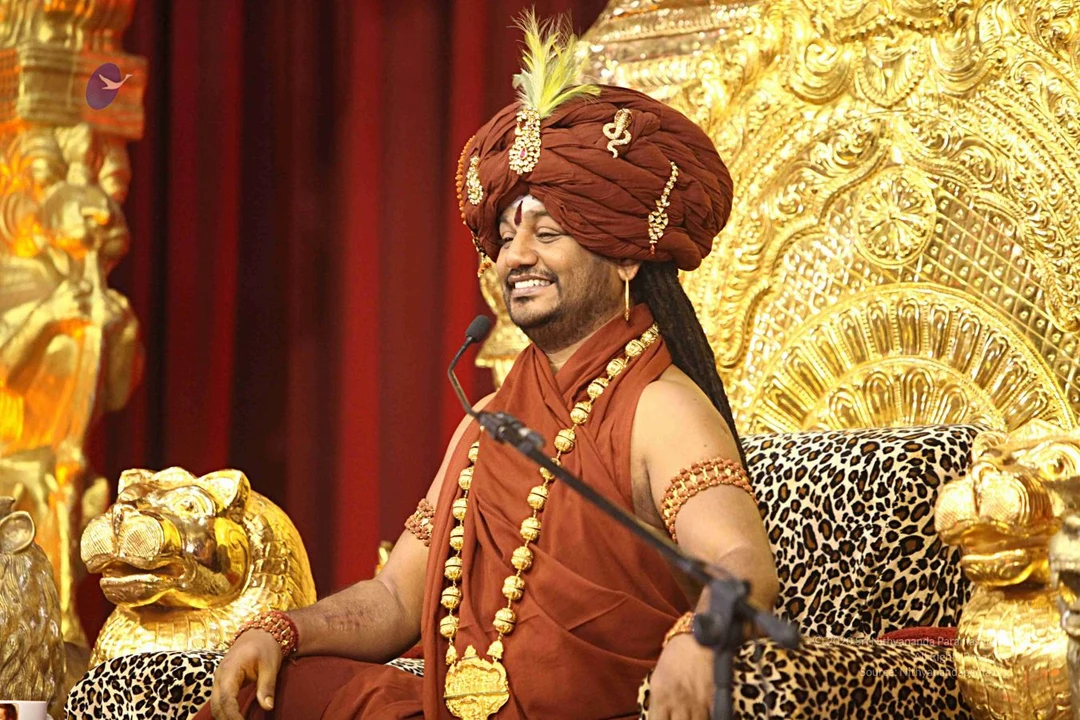 Nithya Satsang - HDH Nithyananda Paramashivam
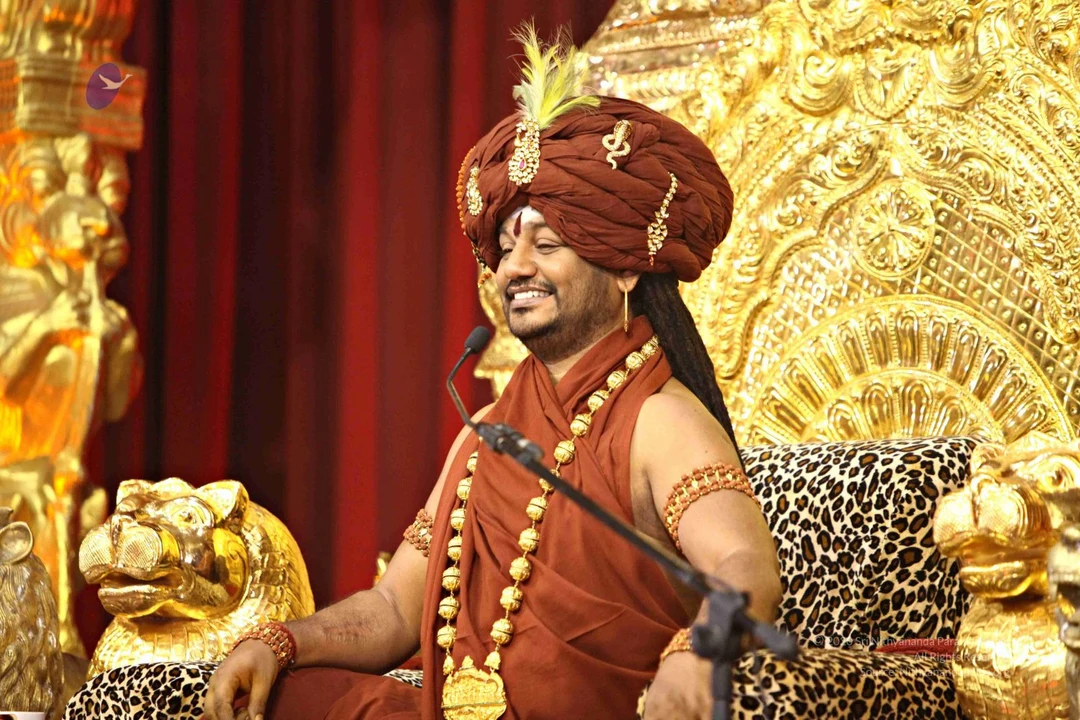 Nithya Satsang - HDH Nithyananda Paramashivam
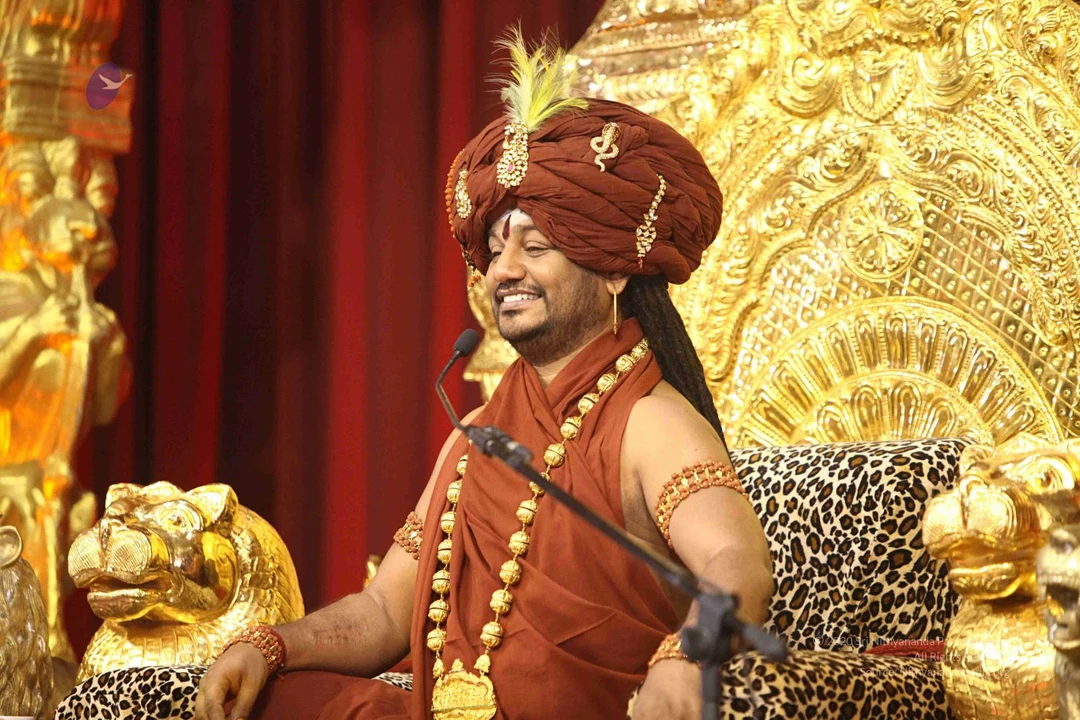 Nithya Satsang - HDH Nithyananda Paramashivam
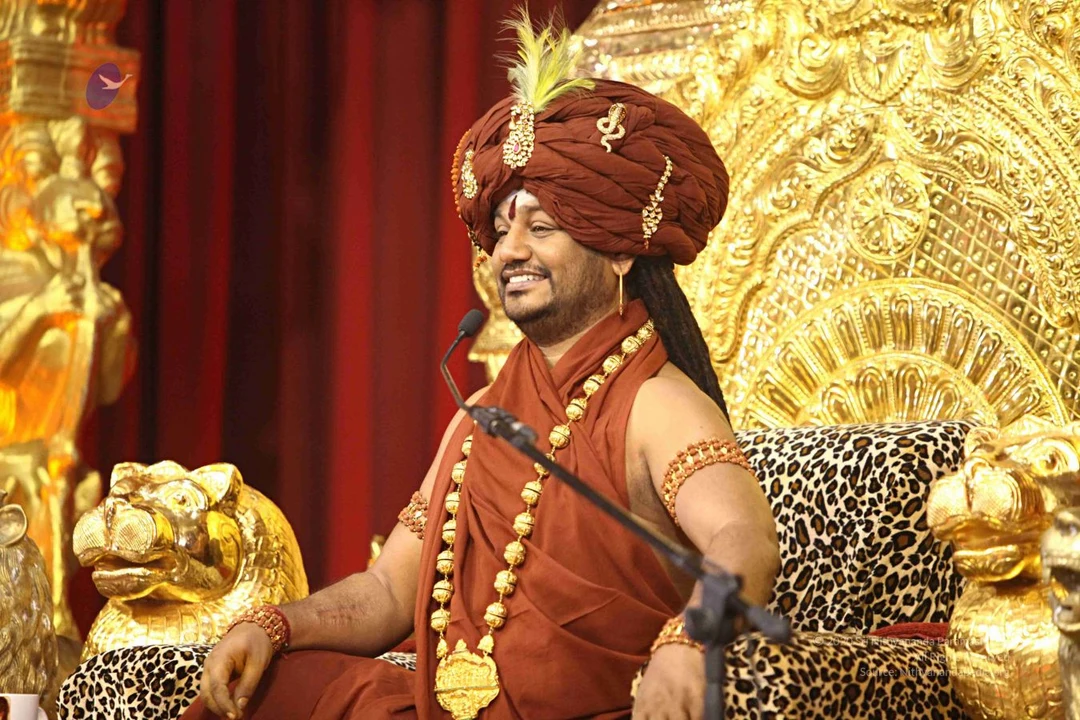 Nithya Satsang - HDH Nithyananda Paramashivam
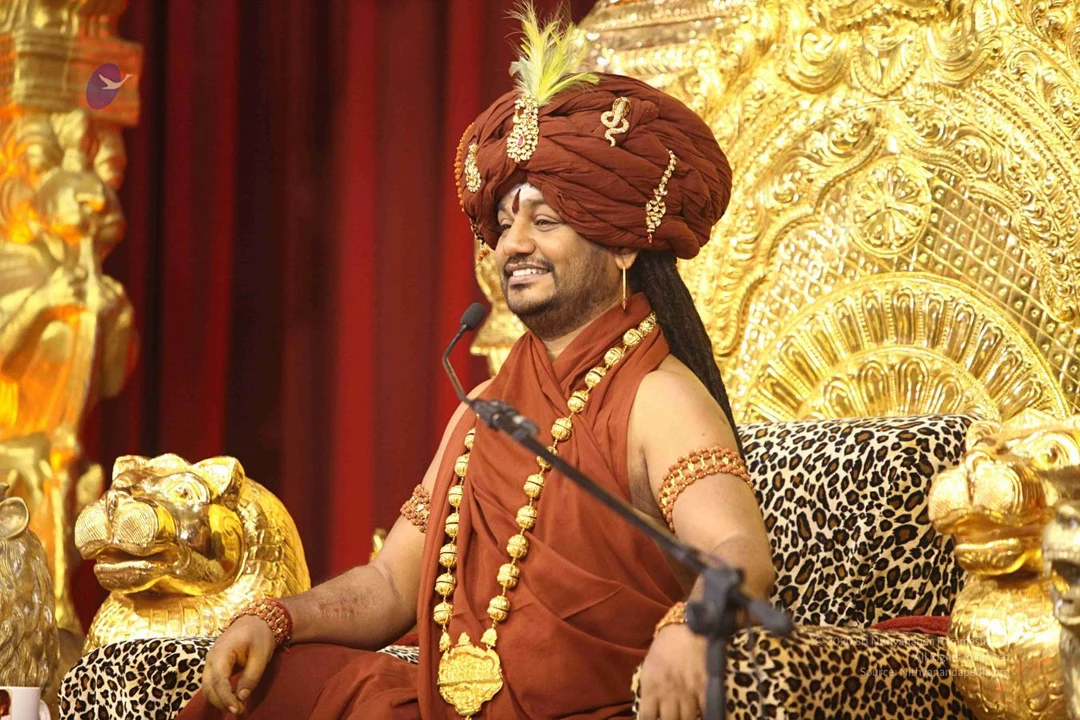 Nithya Satsang - HDH Nithyananda Paramashivam
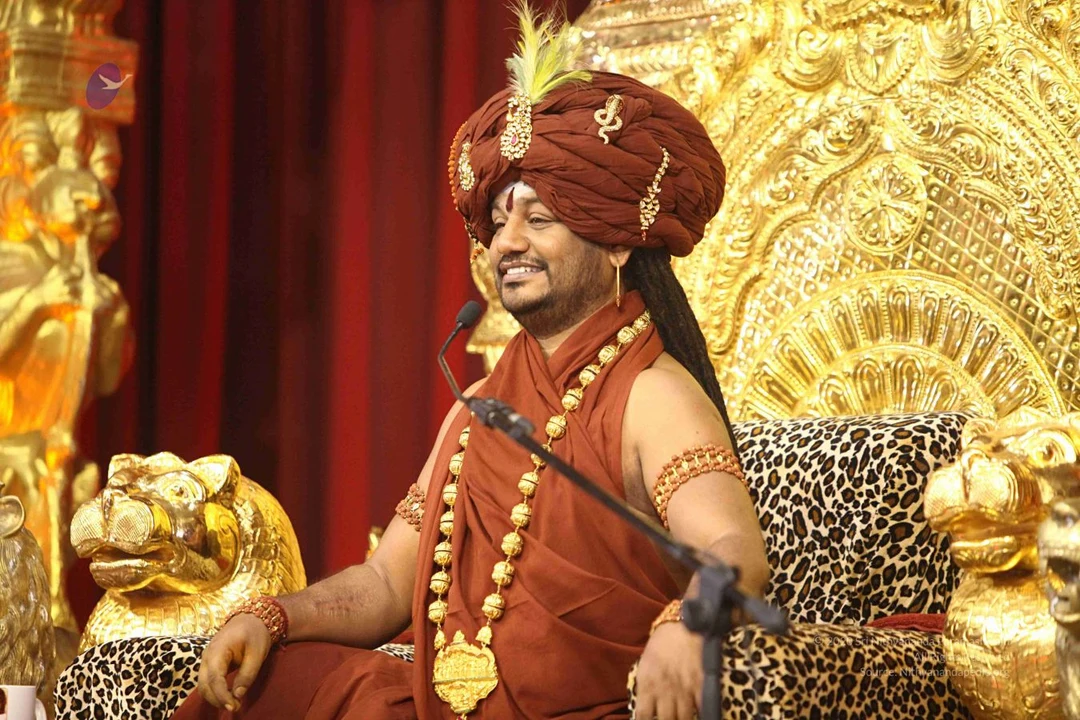 Nithya Satsang - HDH Nithyananda Paramashivam
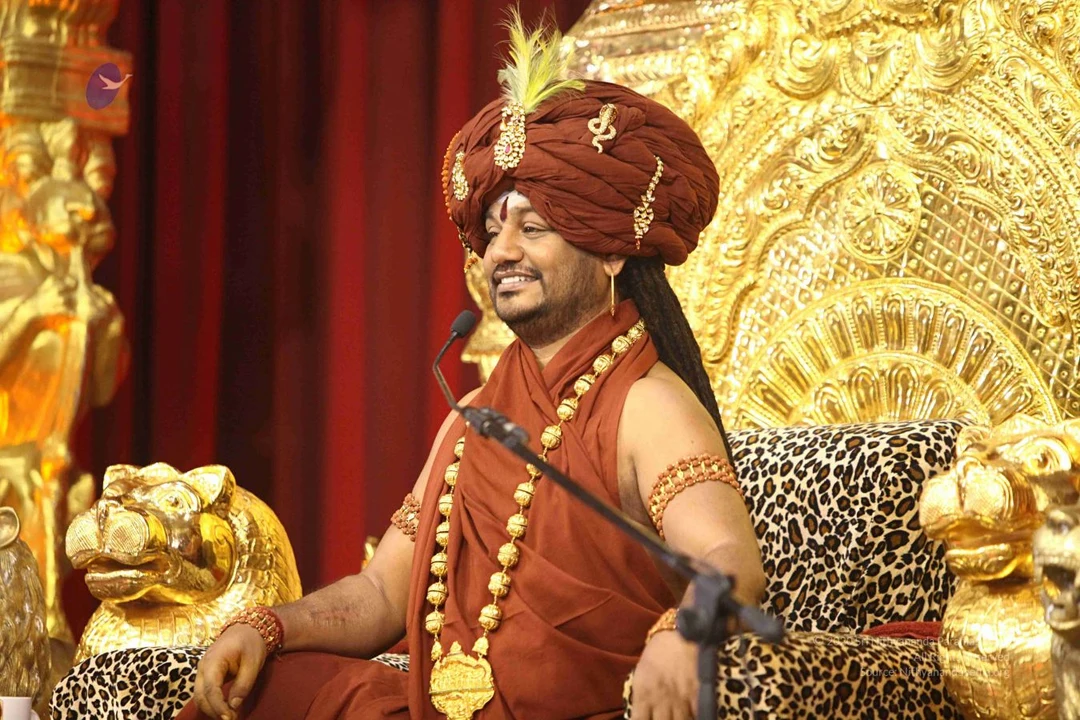 Nithya Satsang - HDH Nithyananda Paramashivam
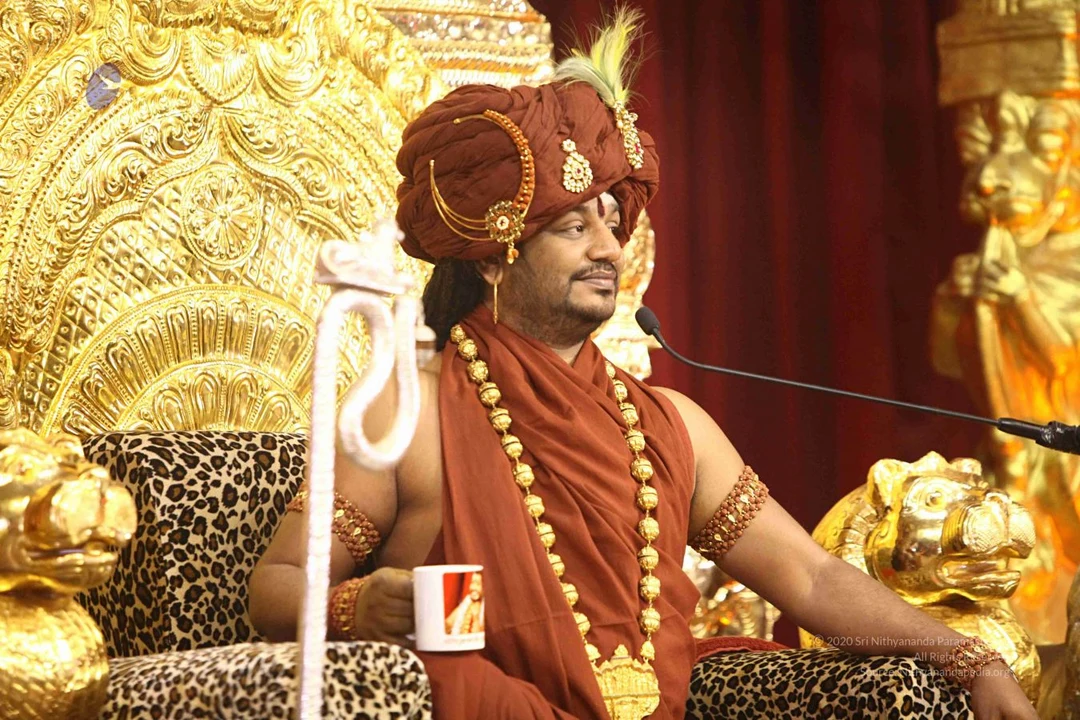 Nithya Satsang - HDH Nithyananda Paramashivam
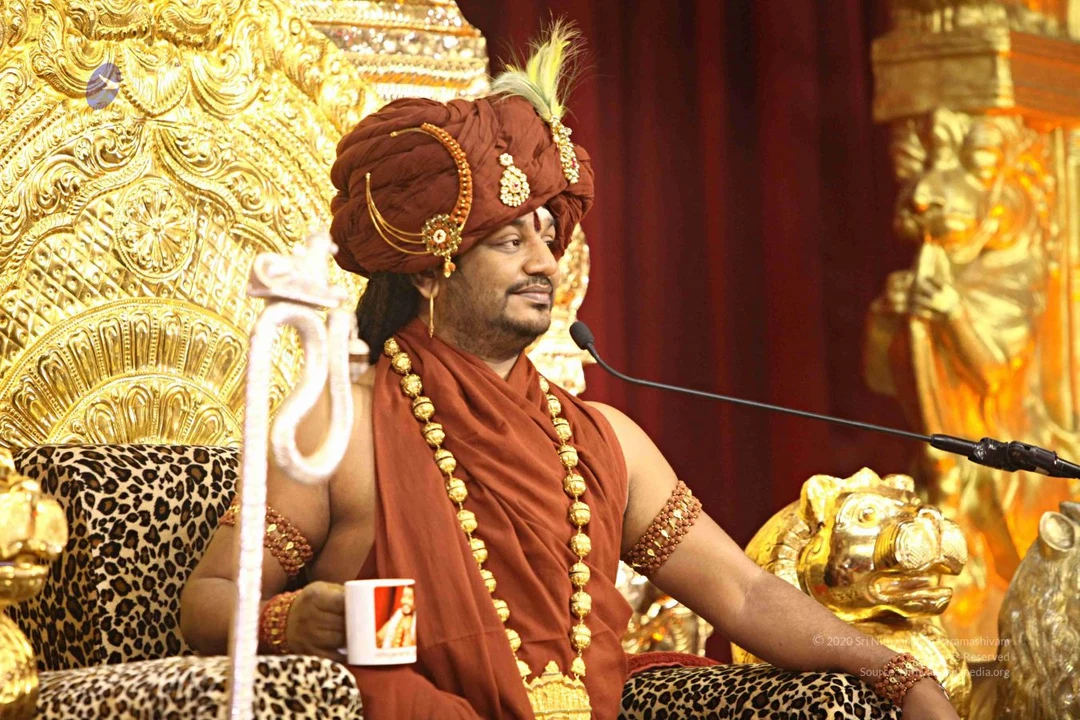 Nithya Satsang - HDH Nithyananda Paramashivam
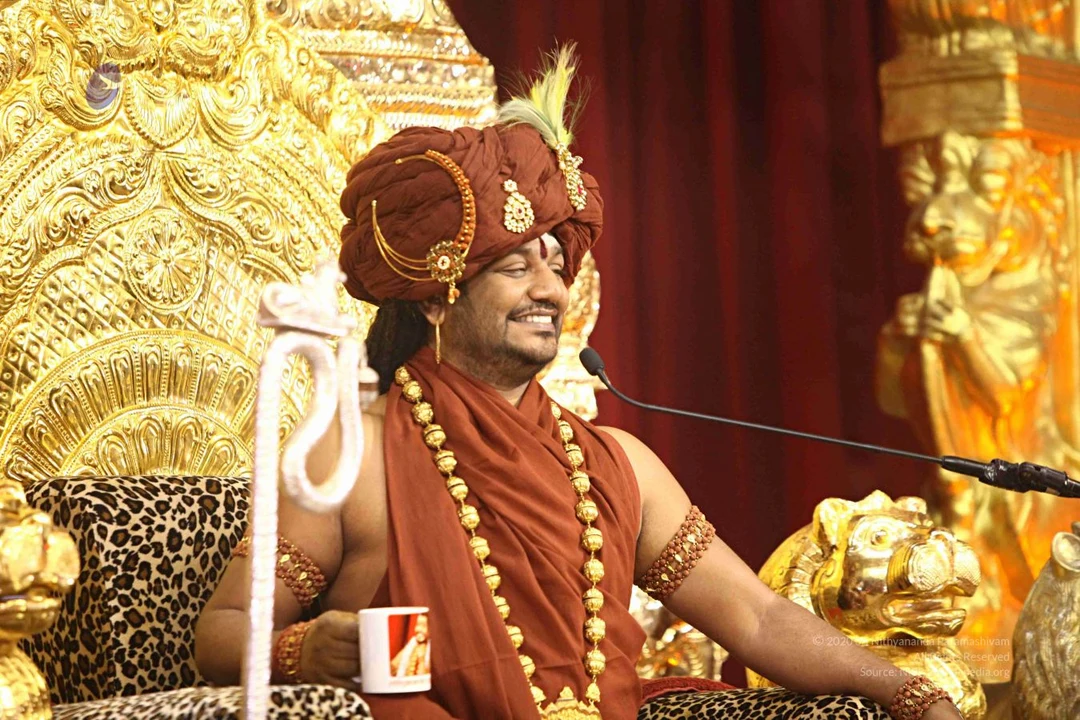 Nithya Satsang - HDH Nithyananda Paramashivam
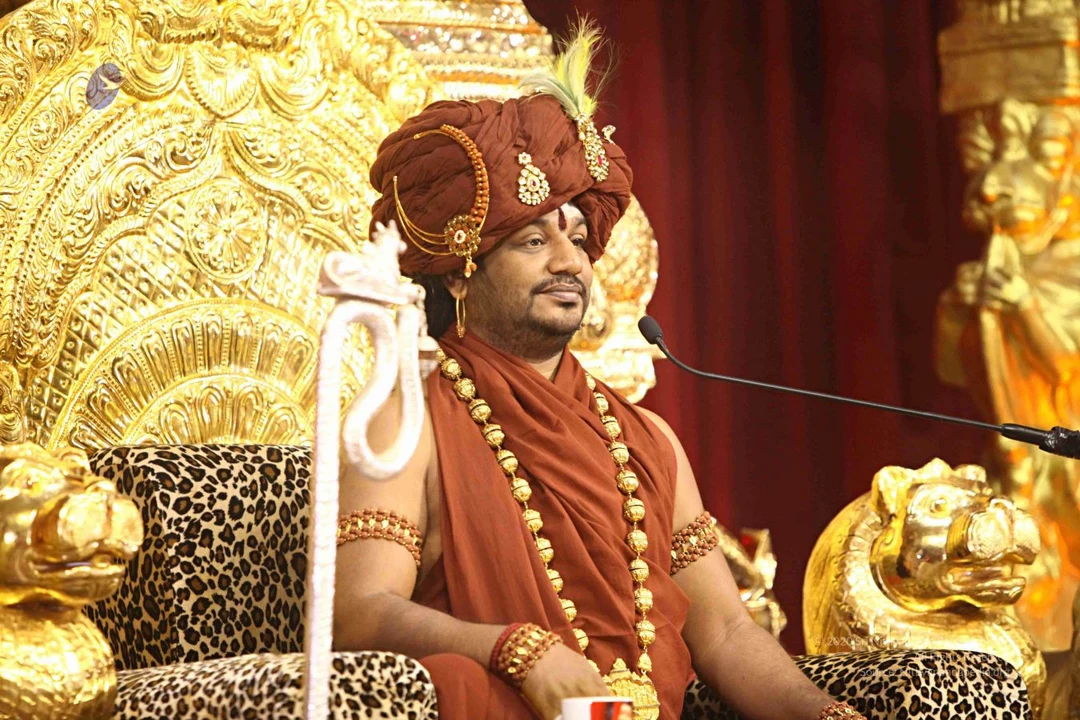 Nithya Satsang - HDH Nithyananda Paramashivam
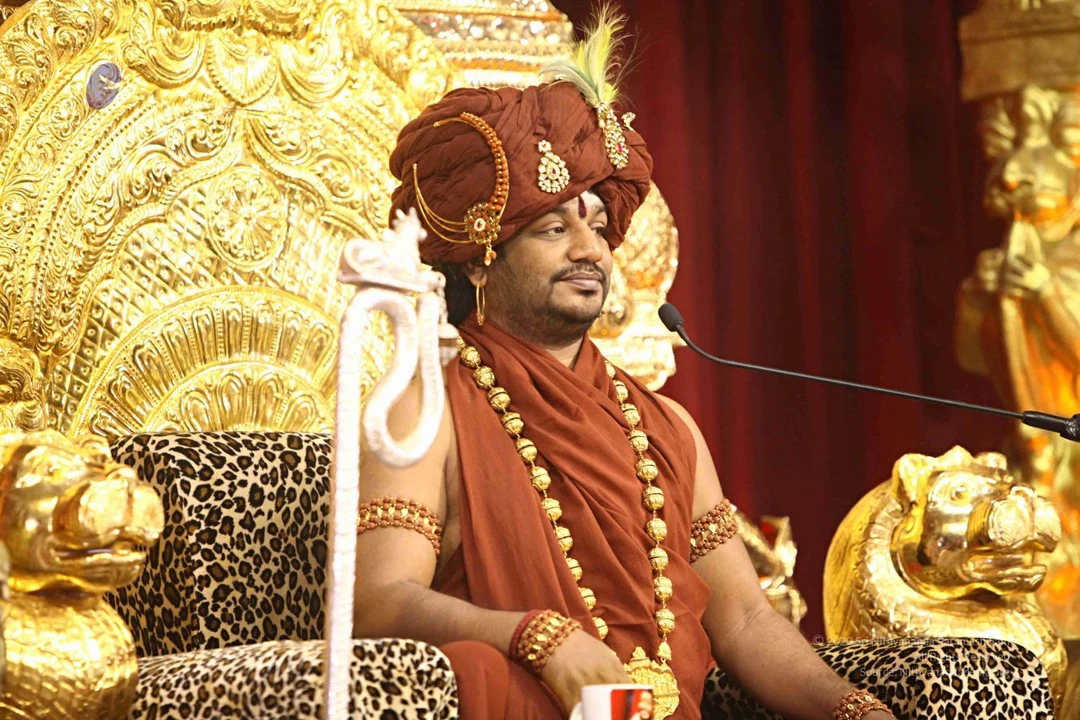 Nithya Satsang - HDH Nithyananda Paramashivam
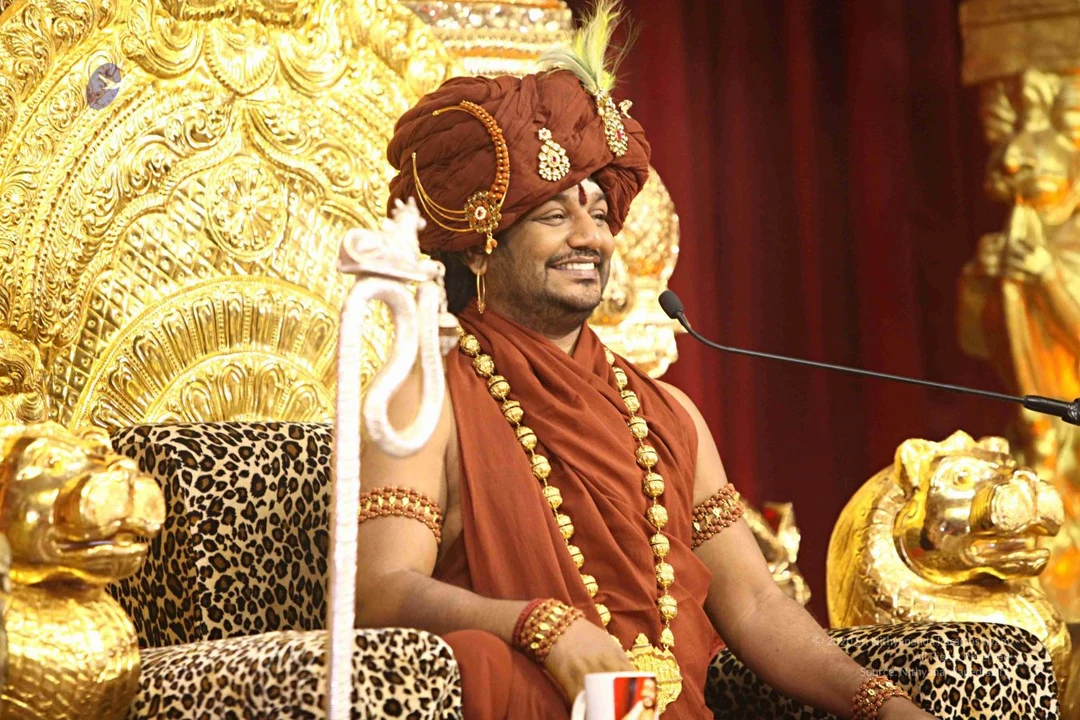 Nithya Satsang - HDH Nithyananda Paramashivam
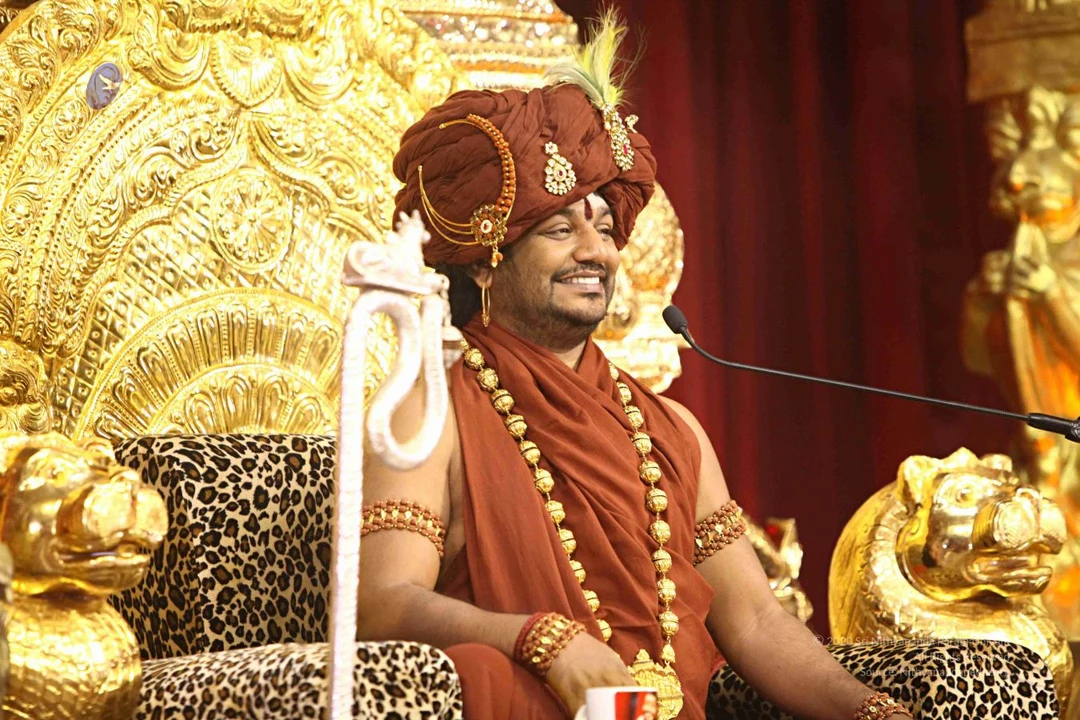 Nithya Satsang - HDH Nithyananda Paramashivam
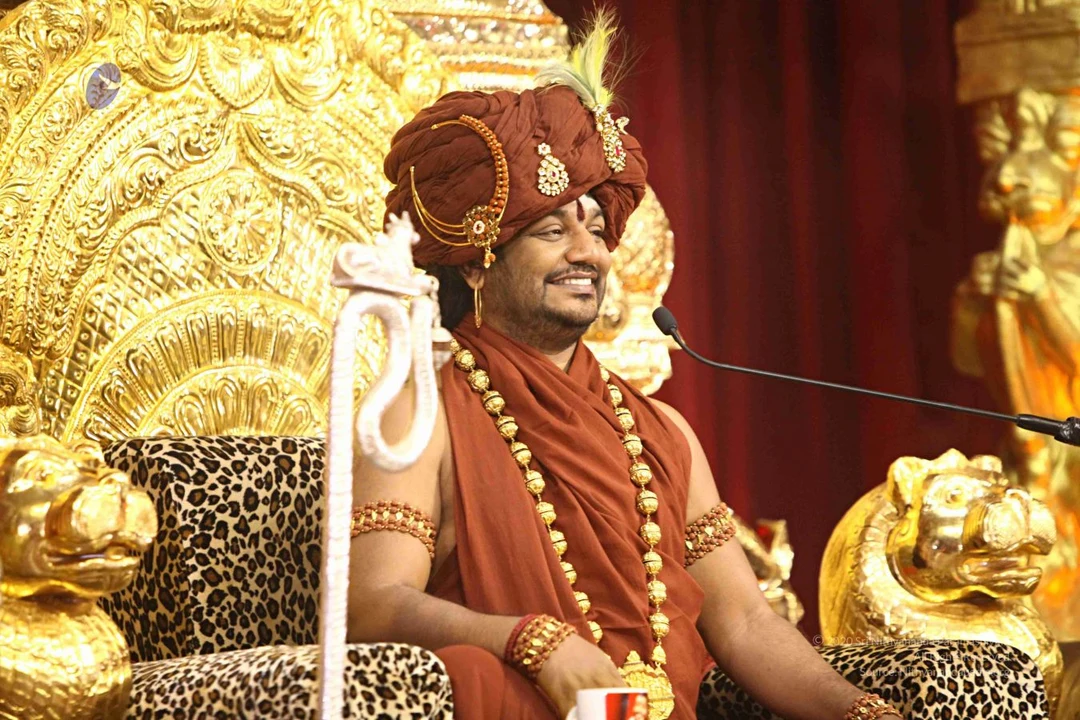 Nithya Satsang - HDH Nithyananda Paramashivam
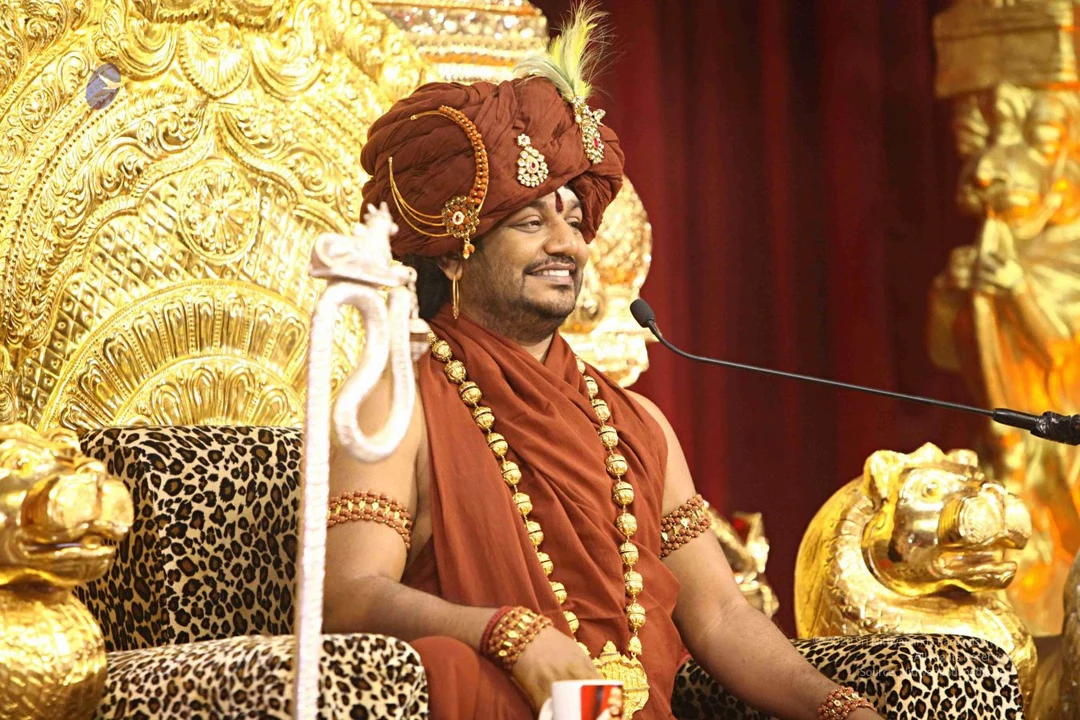 Nithya Satsang - HDH Nithyananda Paramashivam
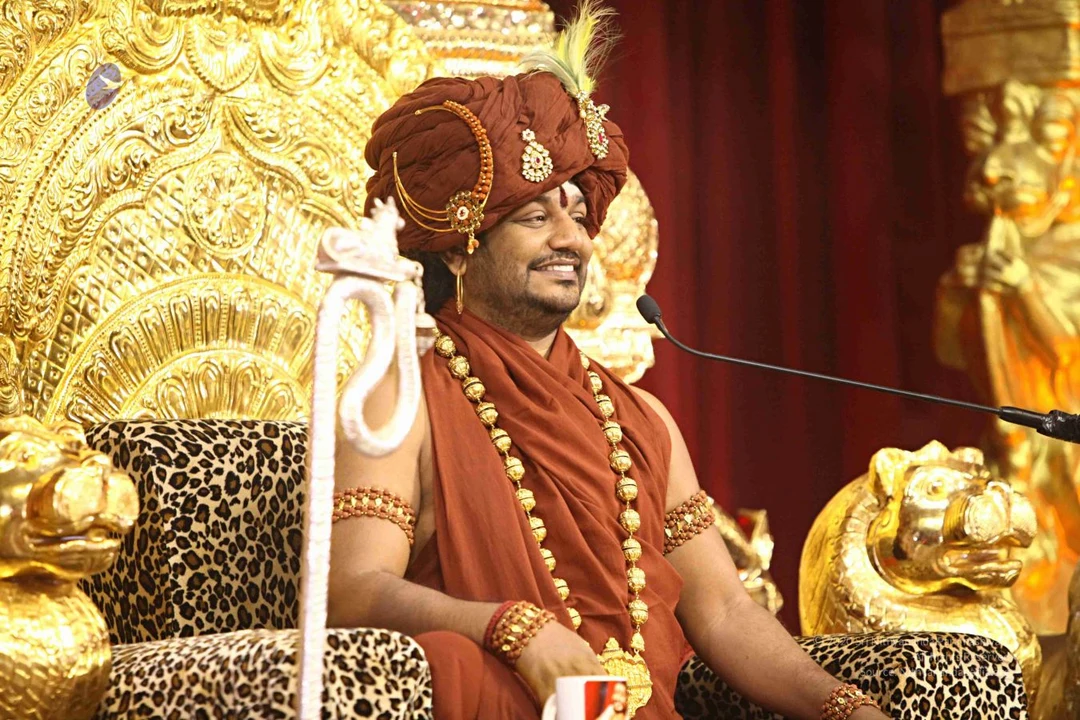 Nithya Satsang - HDH Nithyananda Paramashivam
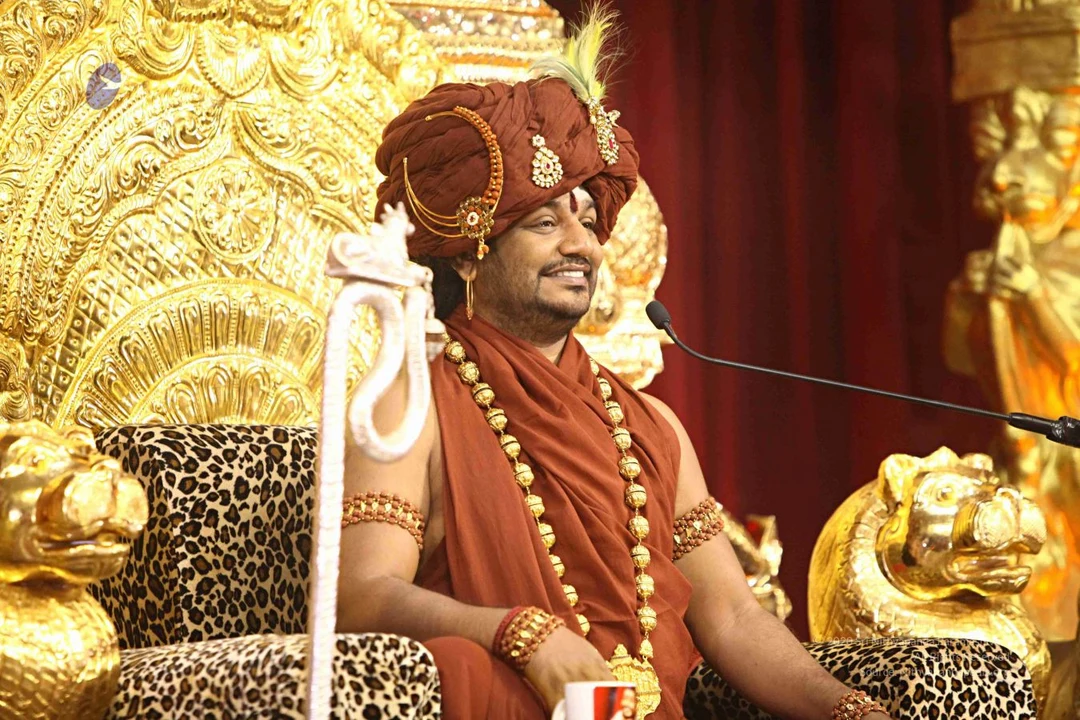 Nithya Satsang - HDH Nithyananda Paramashivam
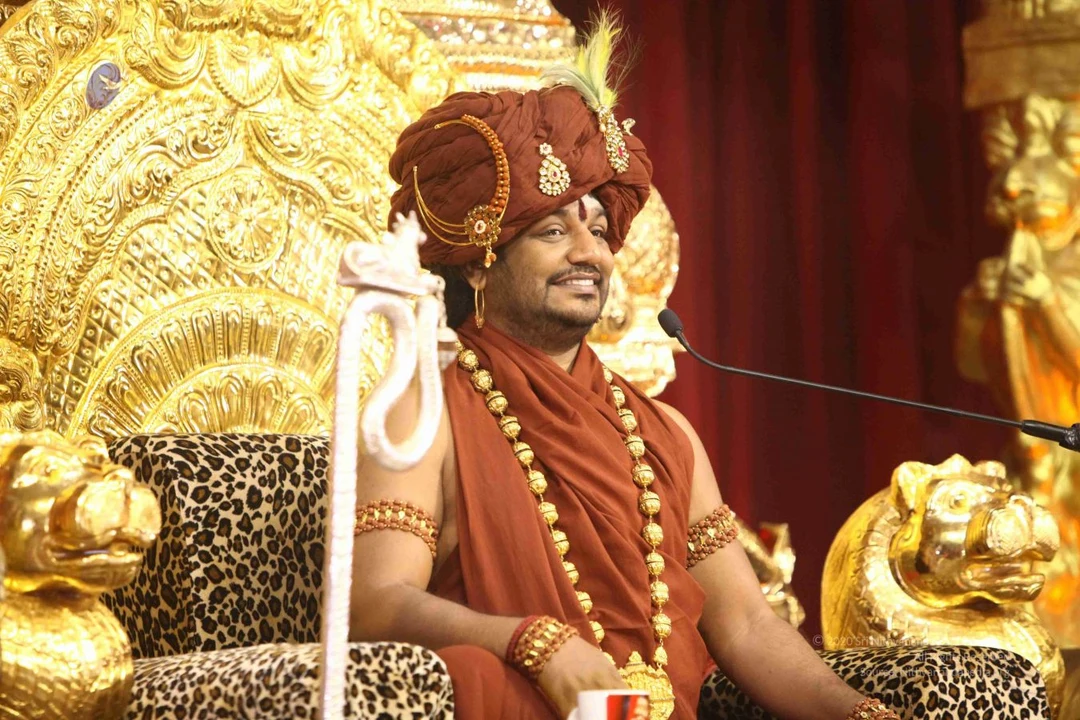 Nithya Satsang - HDH Nithyananda Paramashivam
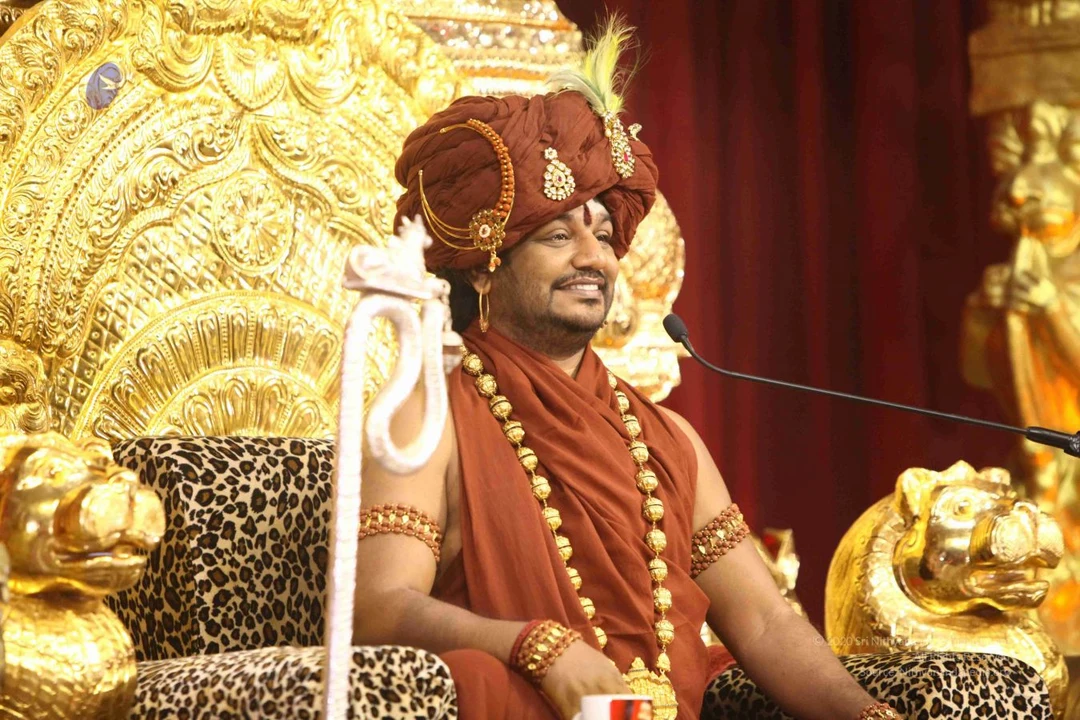 Nithya Satsang - HDH Nithyananda Paramashivam
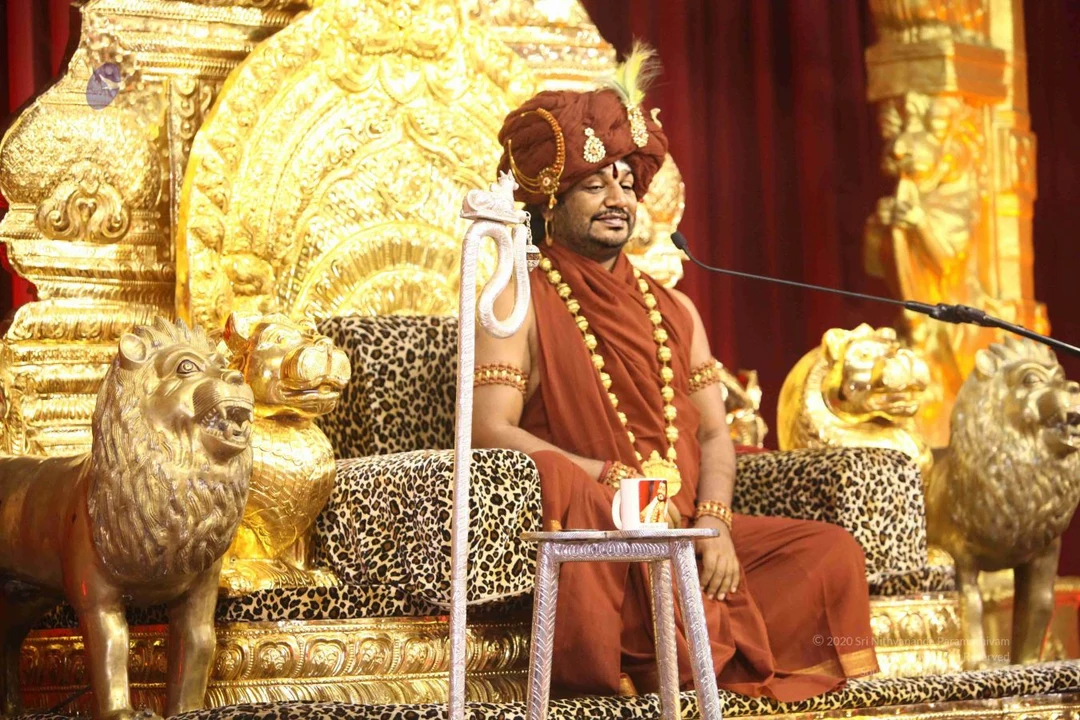 Nithya Satsang - HDH Nithyananda Paramashivam
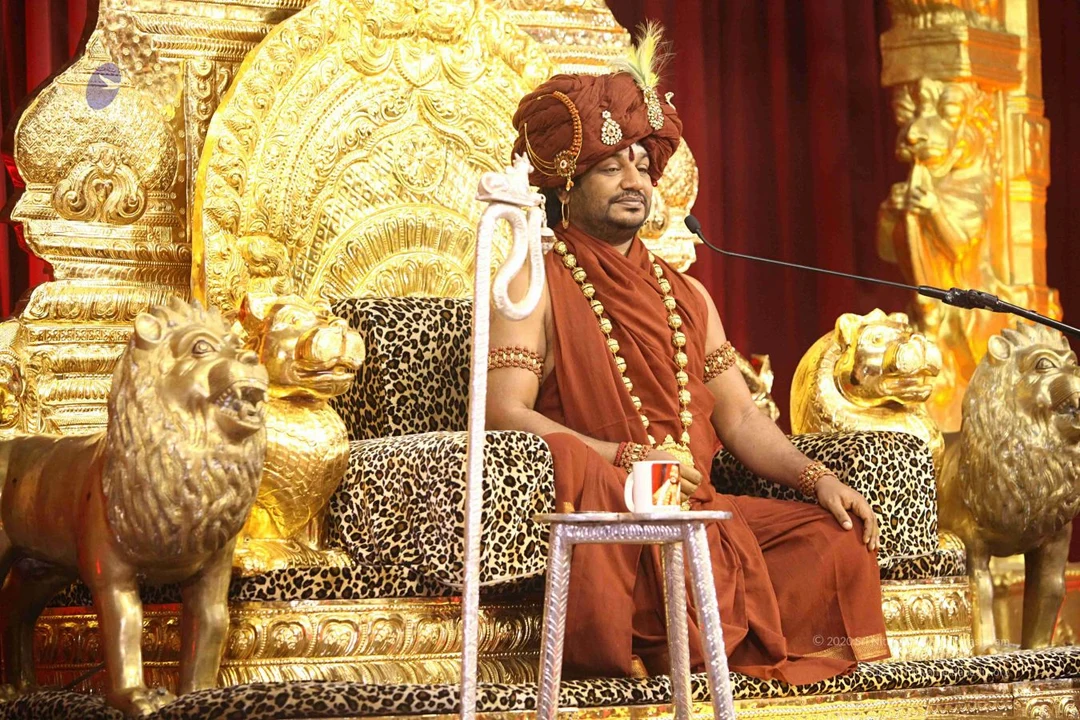 Nithya Satsang - HDH Nithyananda Paramashivam
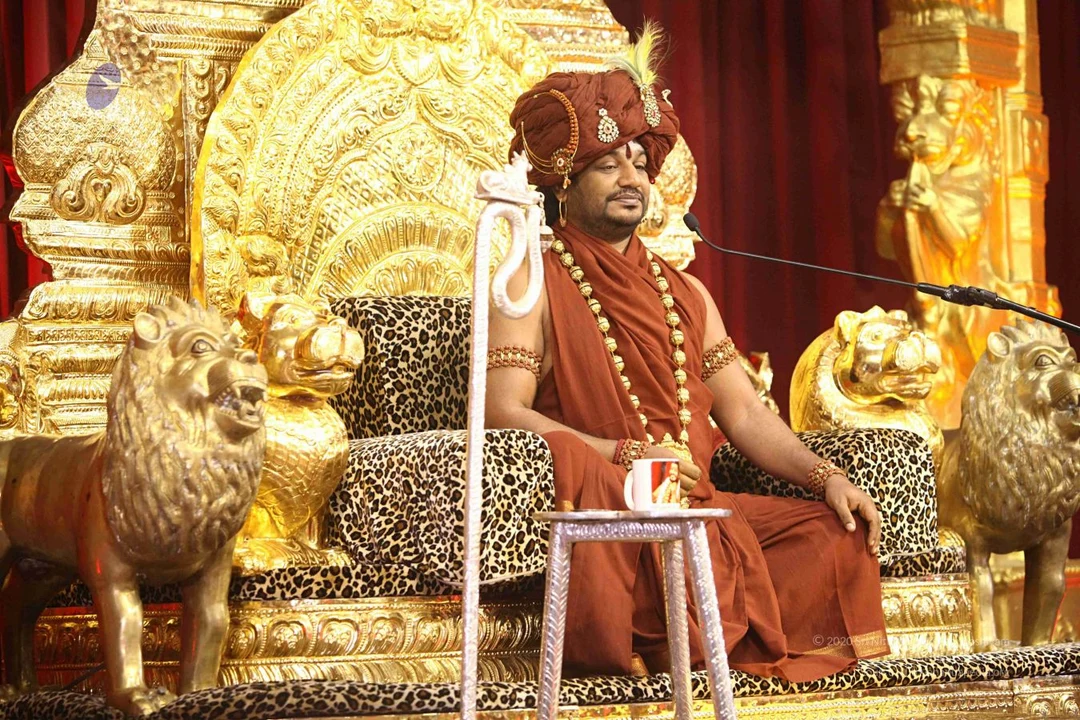 Nithya Satsang - HDH Nithyananda Paramashivam
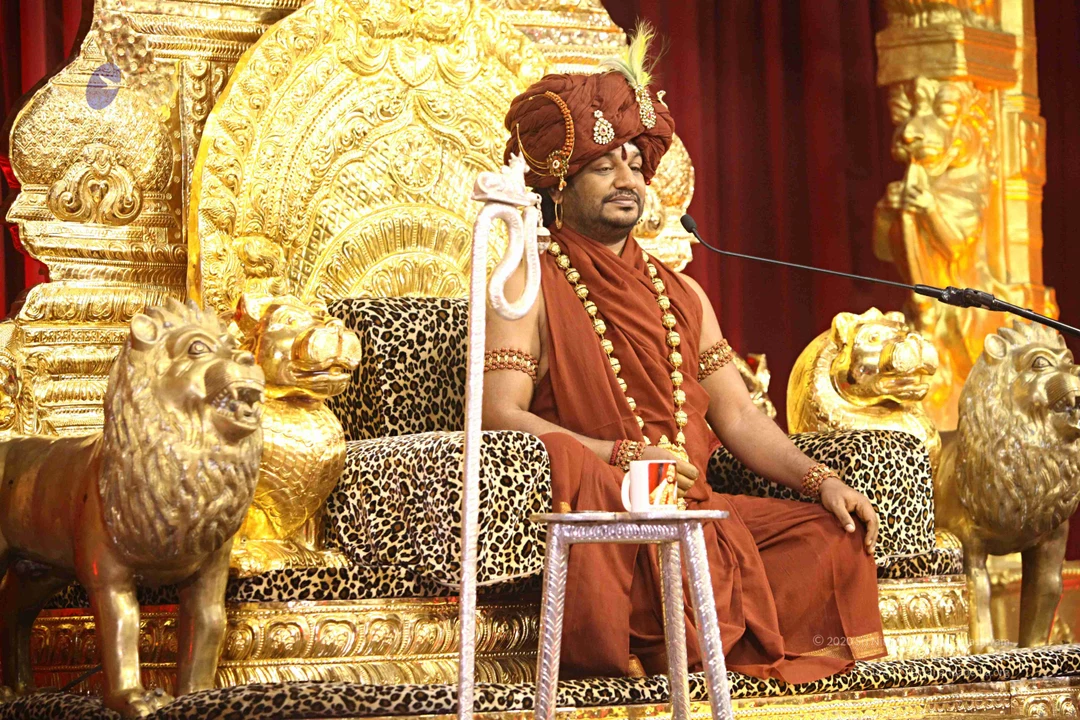 Nithya Satsang - HDH Nithyananda Paramashivam
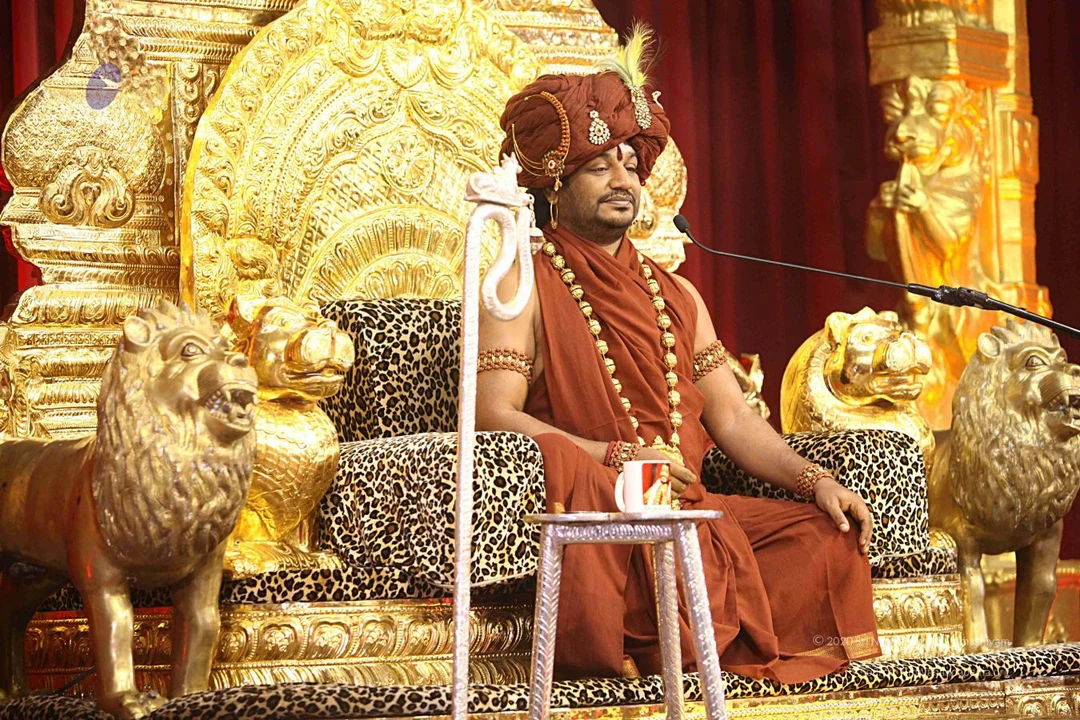 Nithya Satsang - HDH Nithyananda Paramashivam
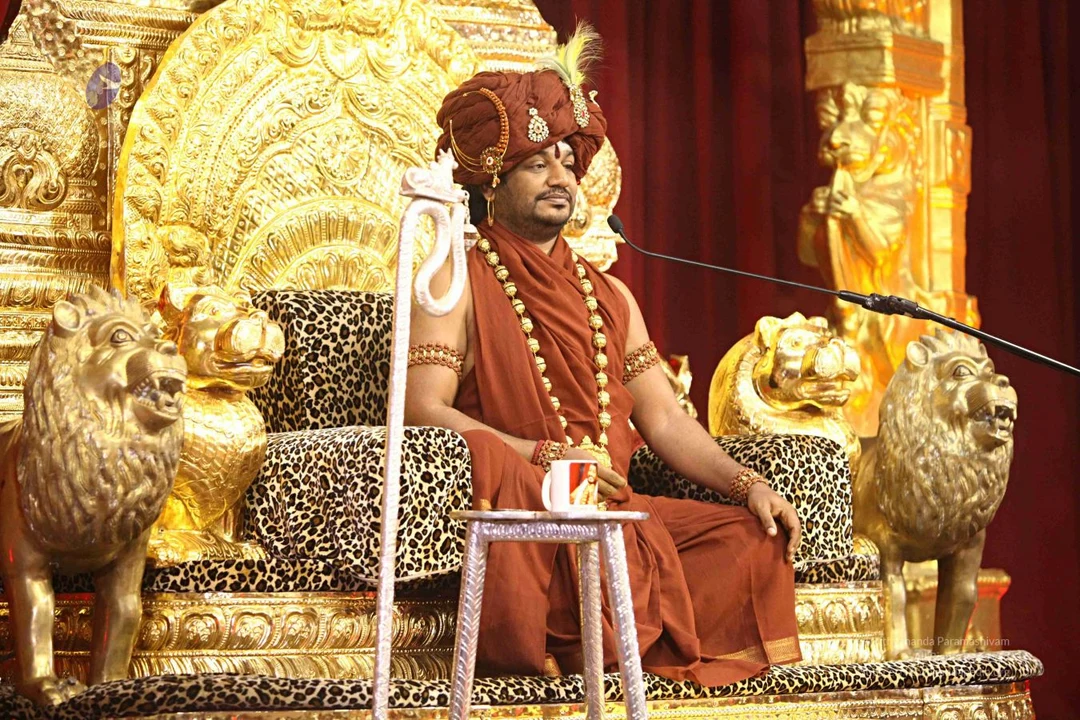 Nithya Satsang - HDH Nithyananda Paramashivam
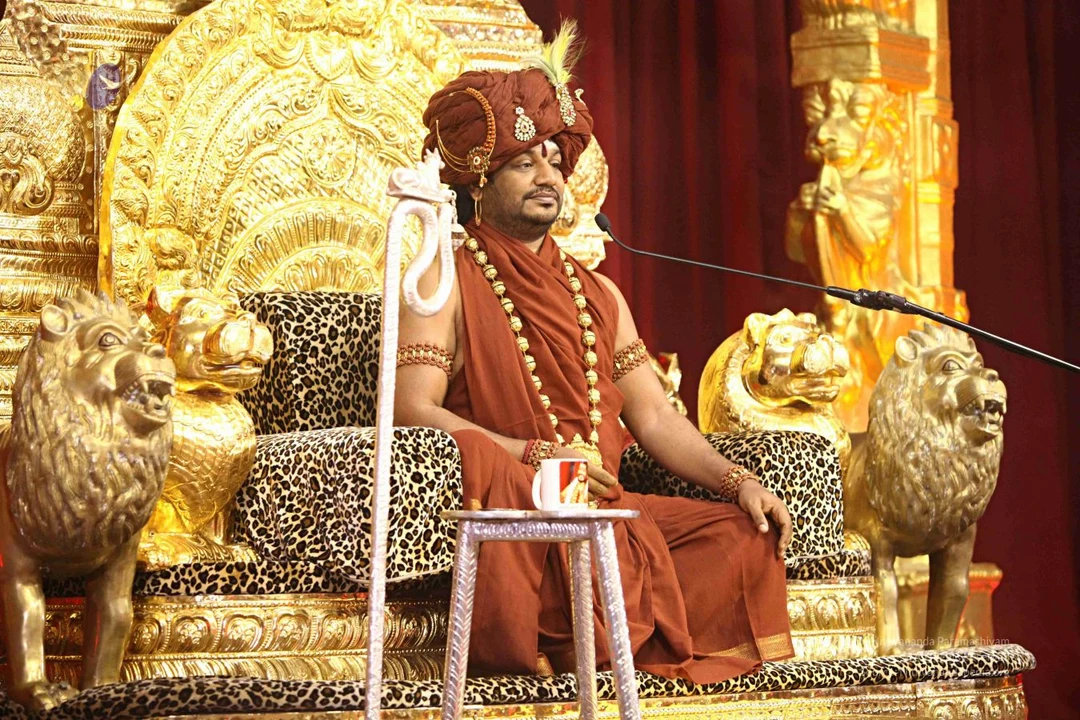 Nithya Satsang - HDH Nithyananda Paramashivam
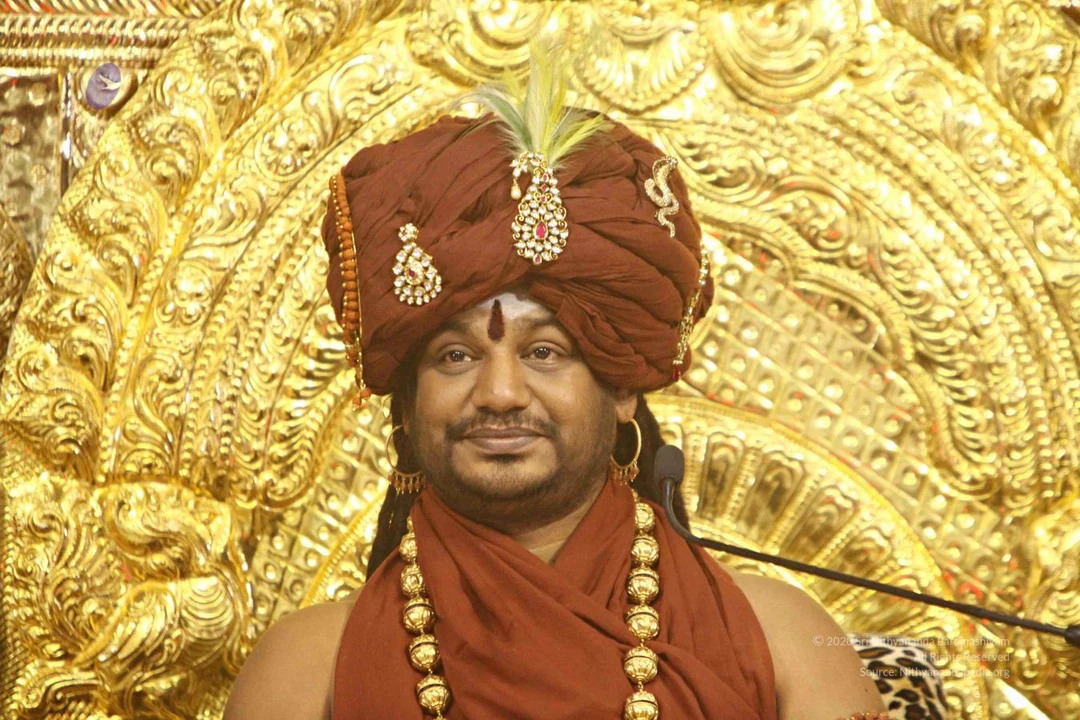 Nithya Satsang - HDH Nithyananda Paramashivam
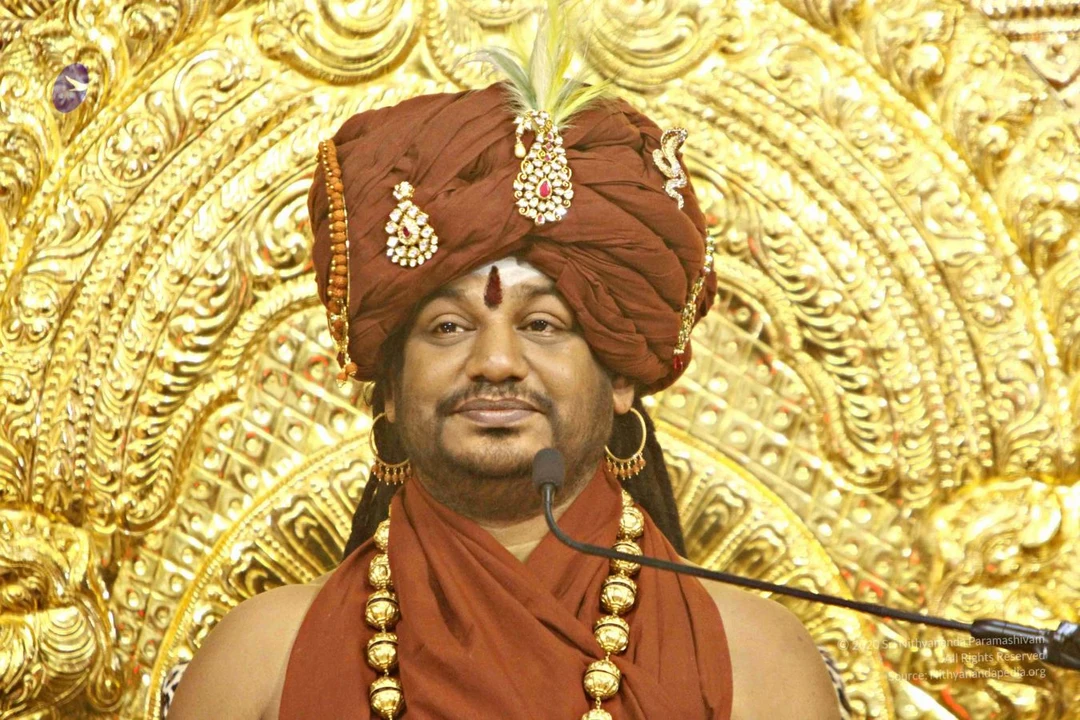 Nithya Satsang - HDH Nithyananda Paramashivam
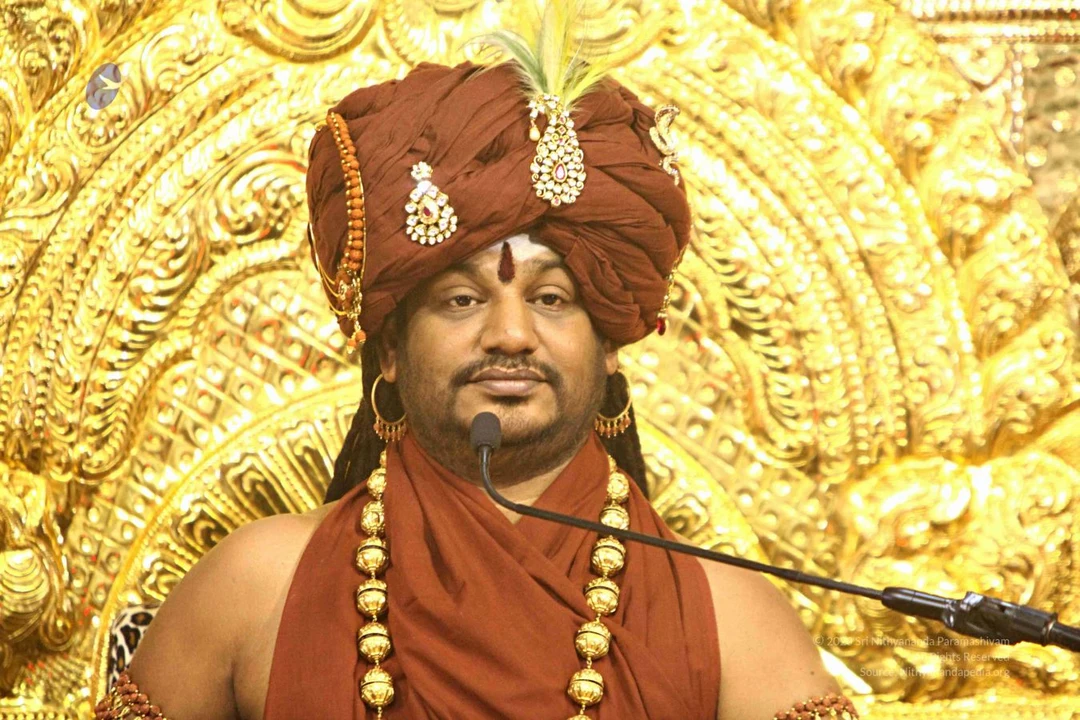 Nithya Satsang - HDH Nithyananda Paramashivam
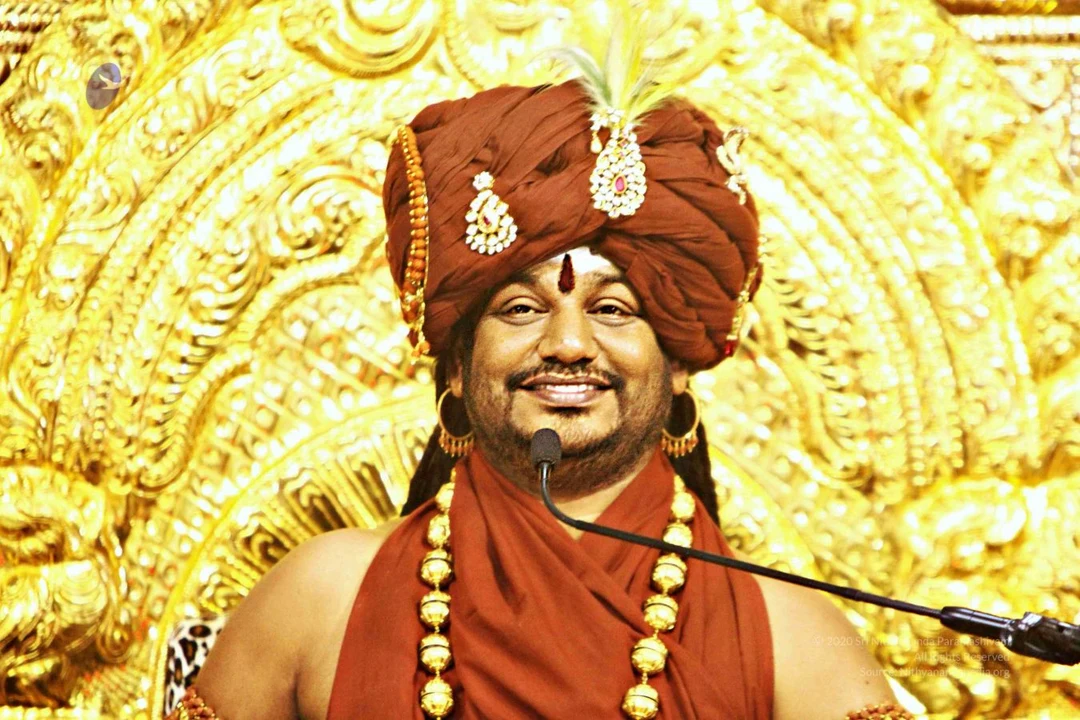 Nithya Satsang - HDH Nithyananda Paramashivam
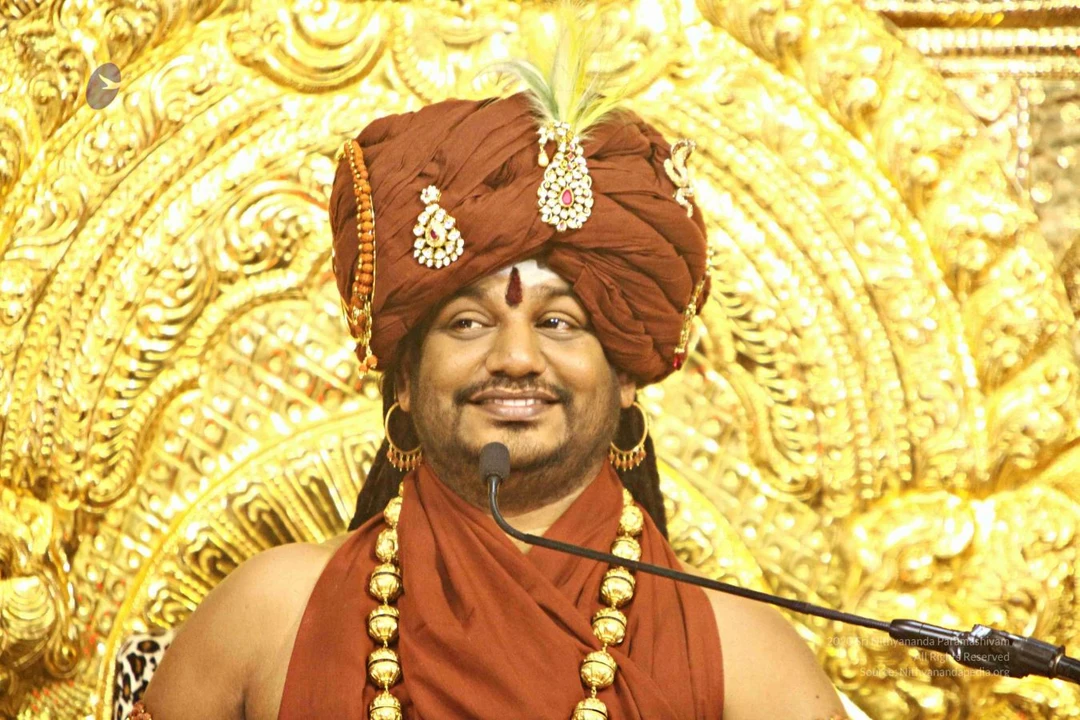 Nithya Satsang - HDH Nithyananda Paramashivam
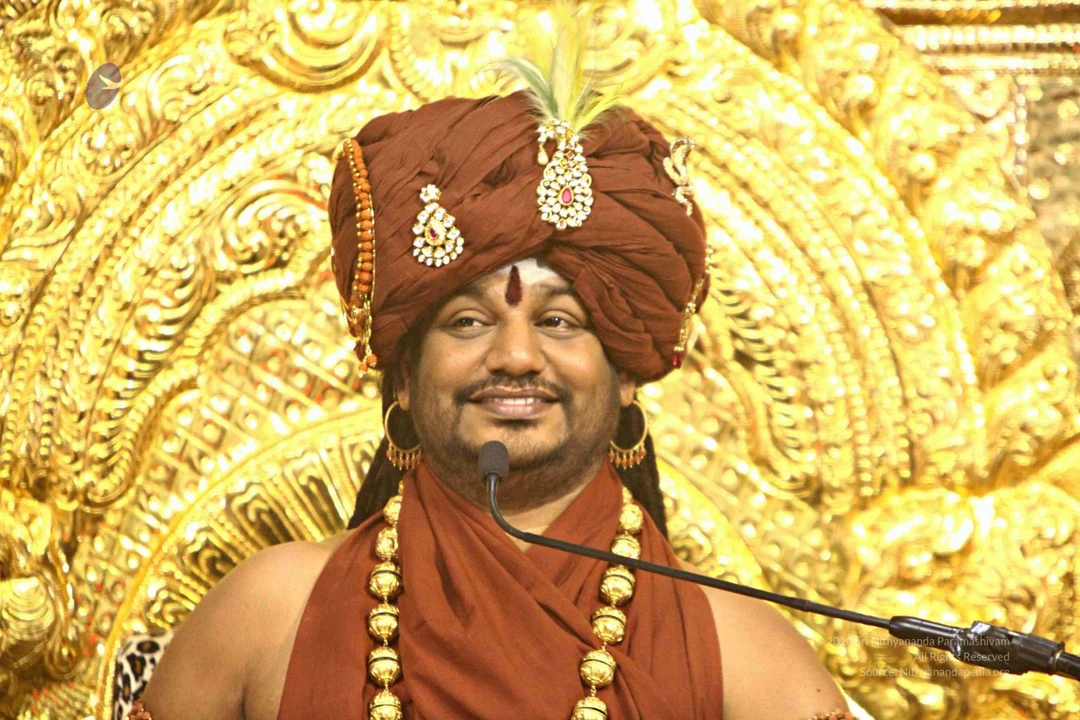 Nithya Satsang - HDH Nithyananda Paramashivam
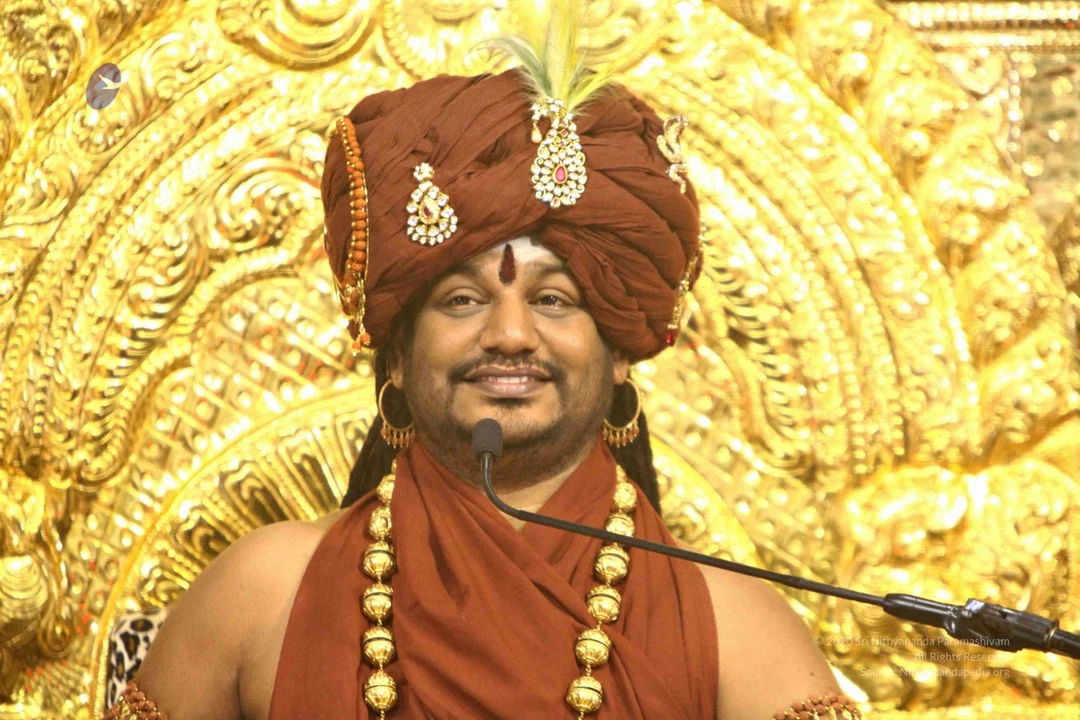 Nithya Satsang - HDH Nithyananda Paramashivam
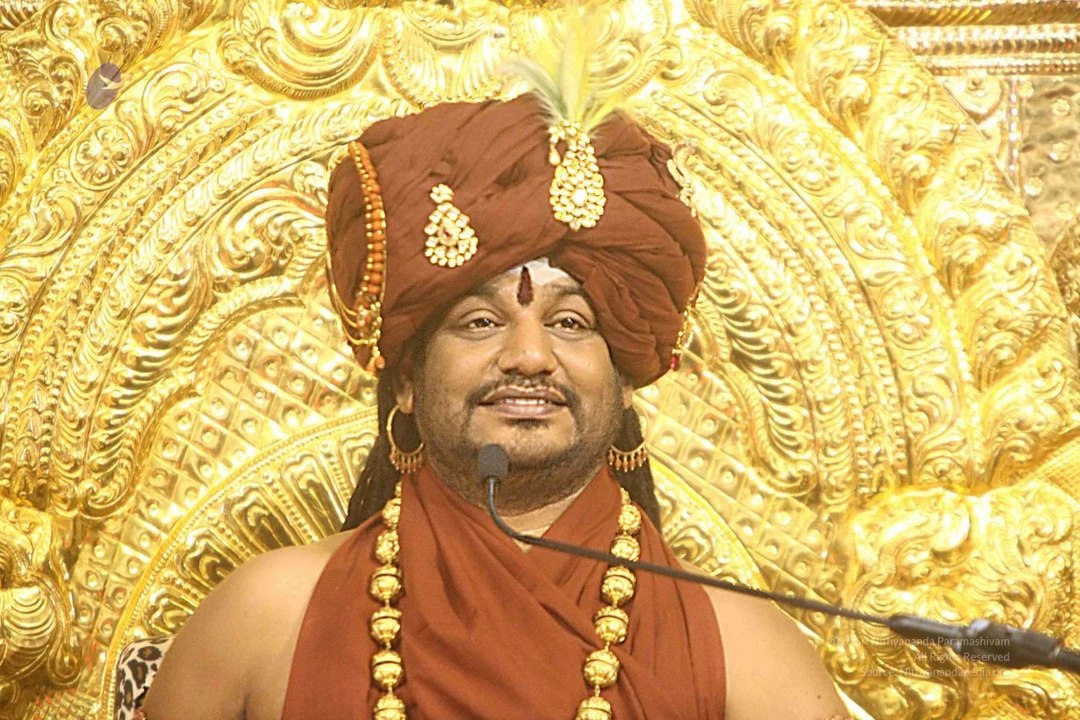 Nithya Satsang - HDH Nithyananda Paramashivam
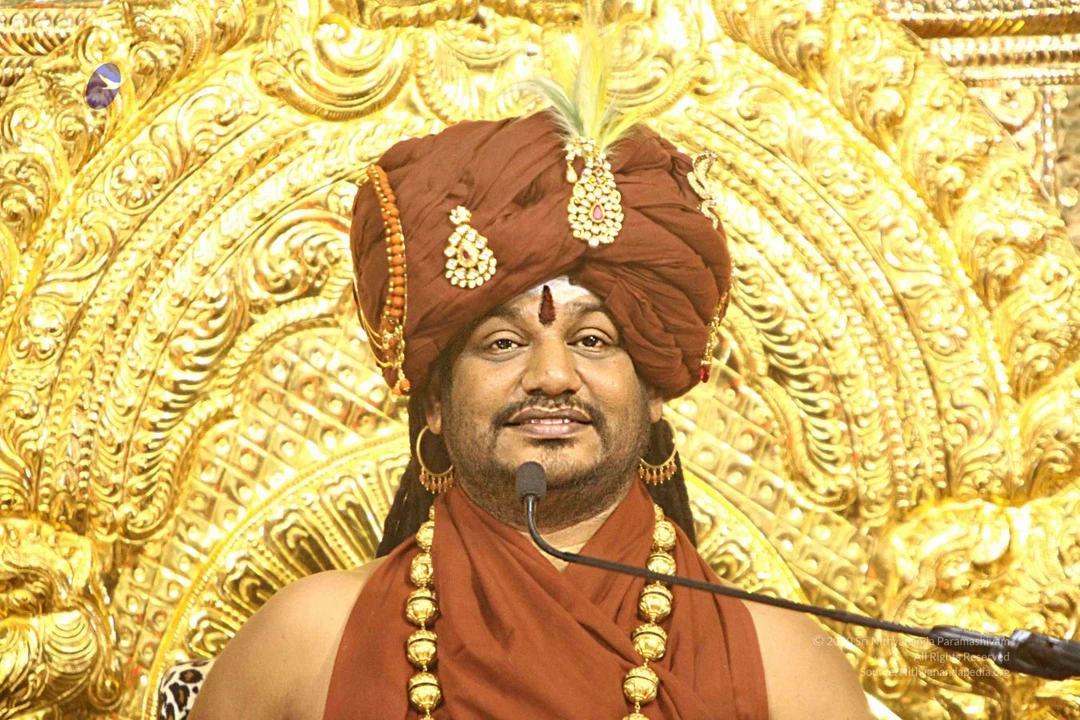 Nithya Satsang - HDH Nithyananda Paramashivam
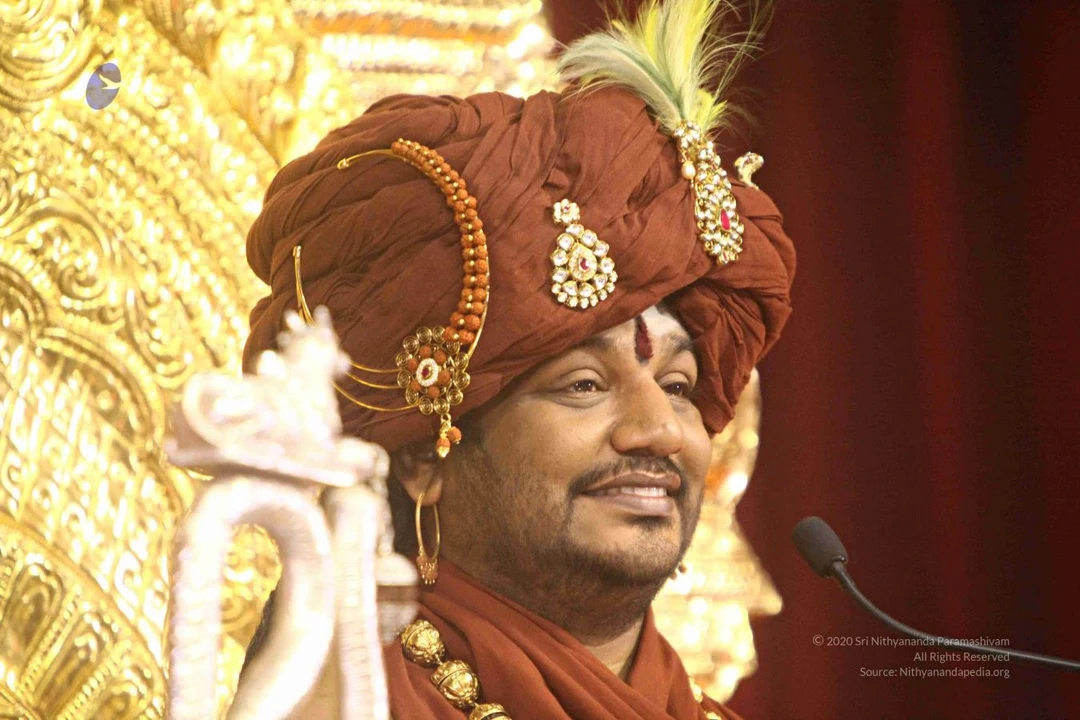 Nithya Satsang - HDH Nithyananda Paramashivam
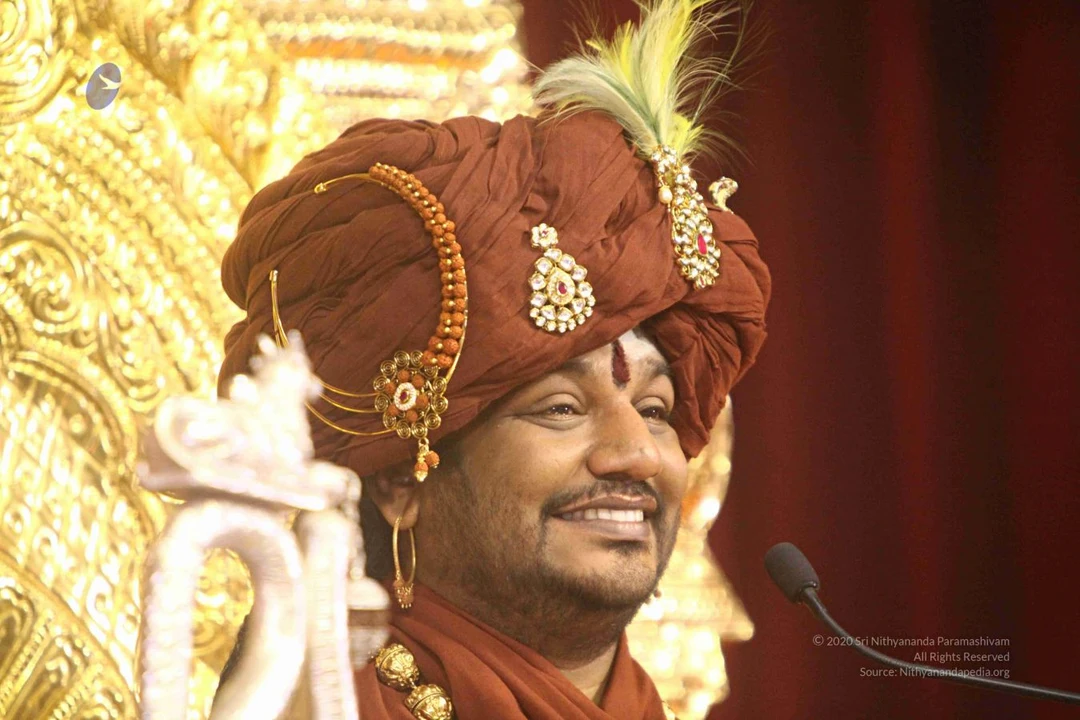 Nithya Satsang - HDH Nithyananda Paramashivam
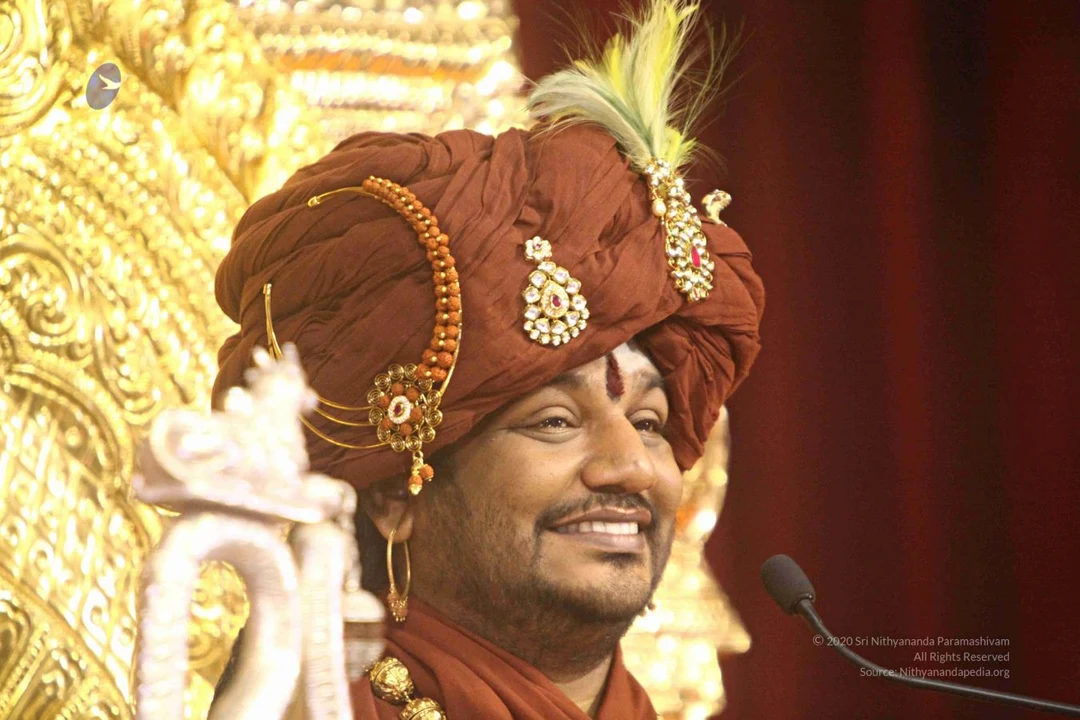 Nithya Satsang - HDH Nithyananda Paramashivam
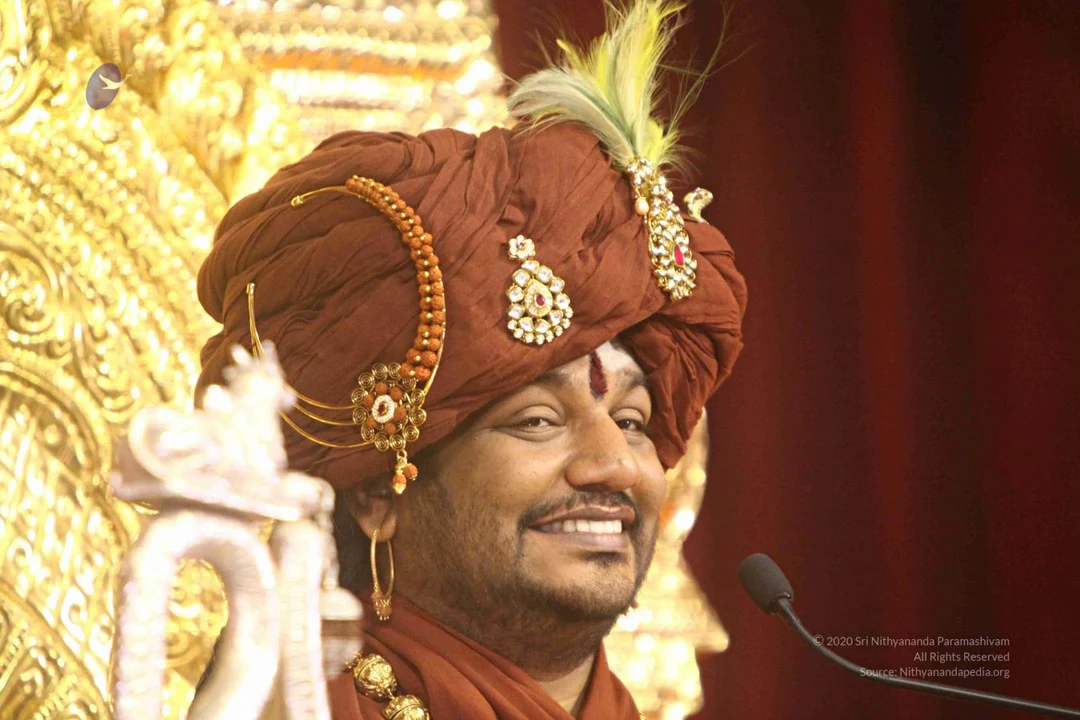 Nithya Satsang - HDH Nithyananda Paramashivam
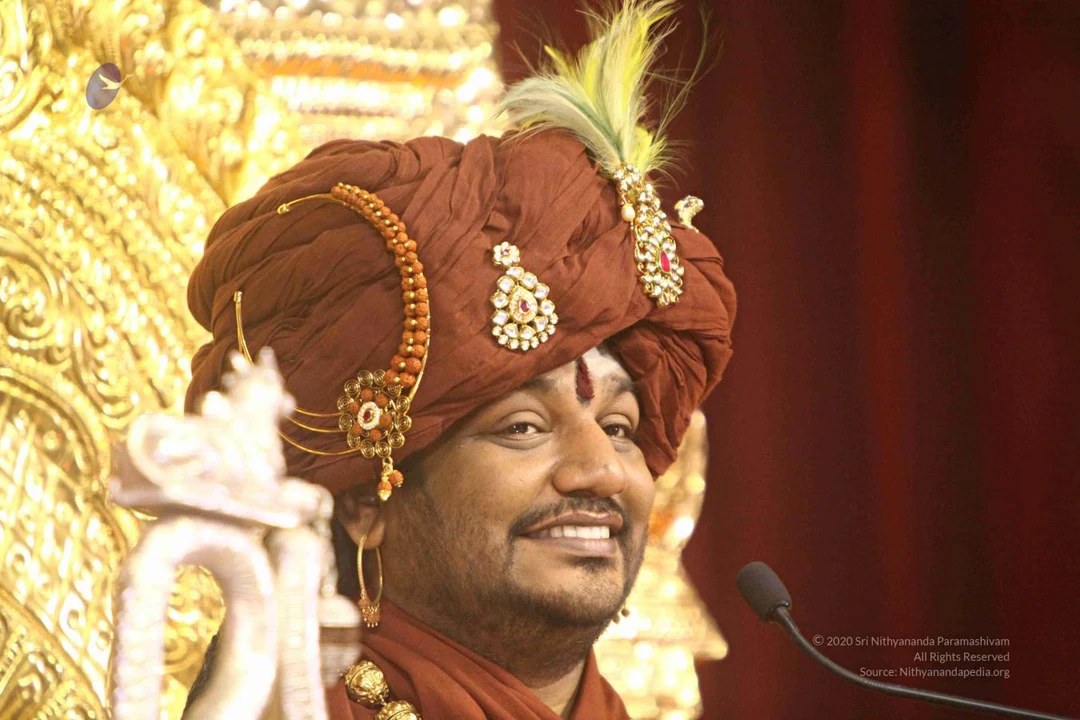 Nithya Satsang - HDH Nithyananda Paramashivam
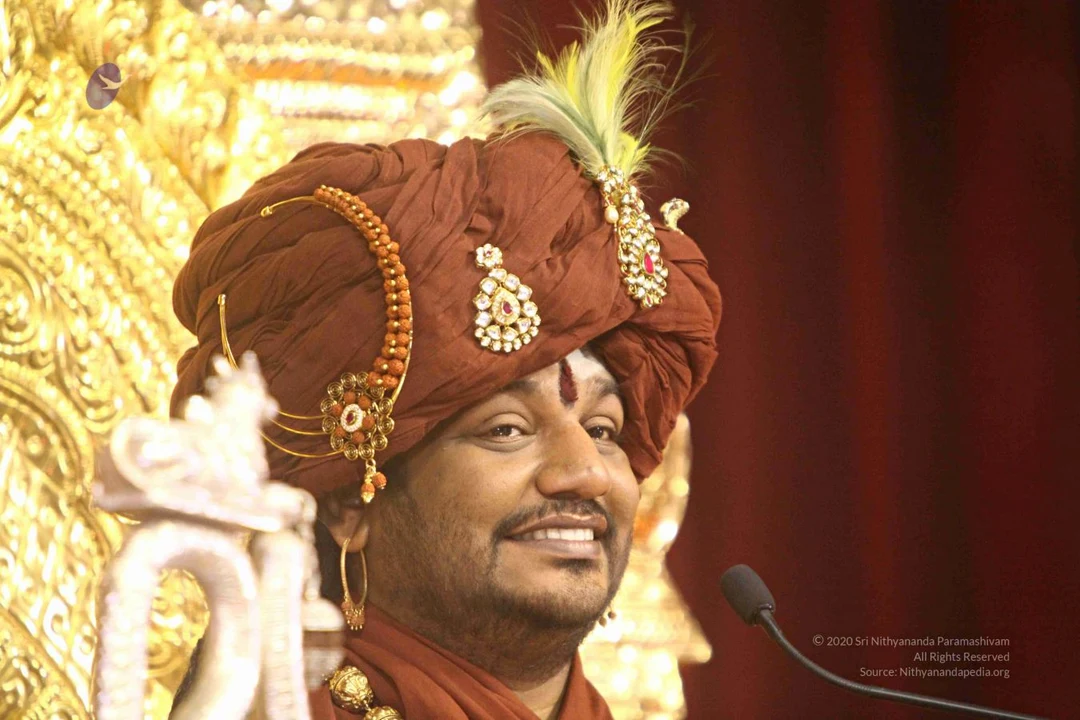 Nithya Satsang - HDH Nithyananda Paramashivam
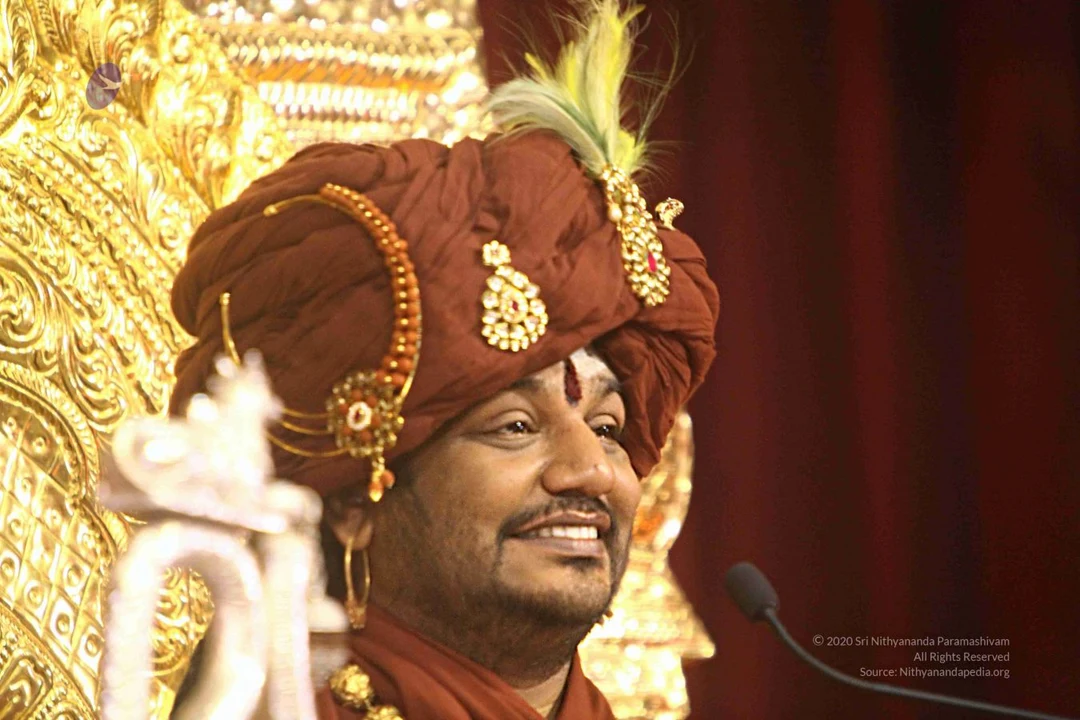 Nithya Satsang - HDH Nithyananda Paramashivam
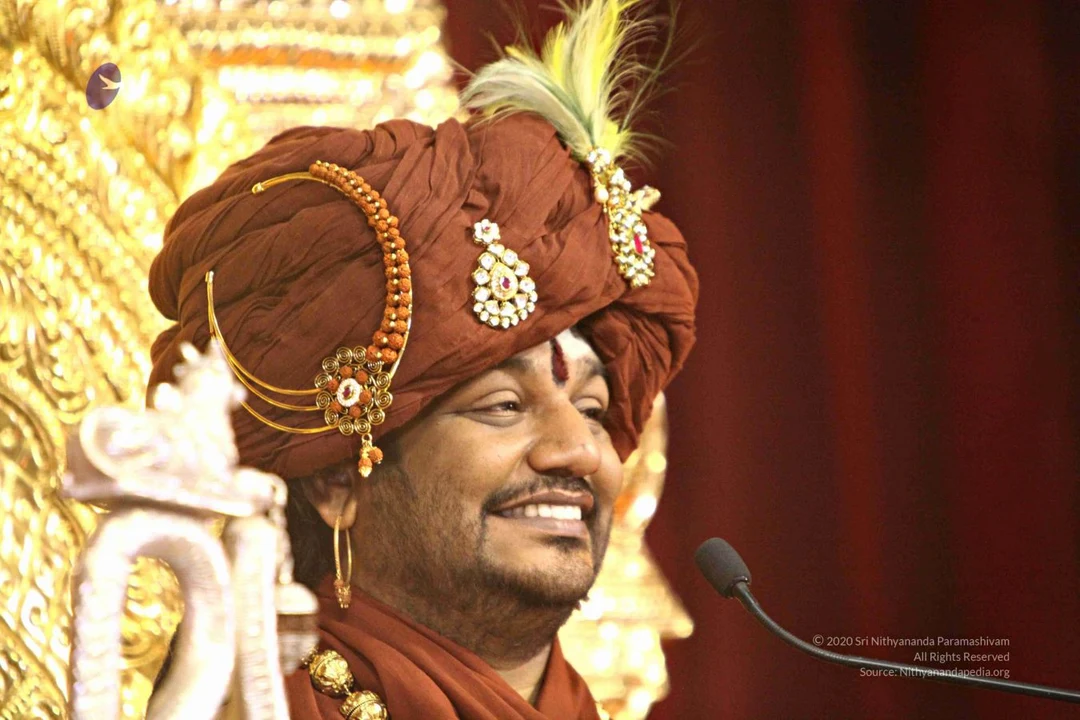 Nithya Satsang - HDH Nithyananda Paramashivam
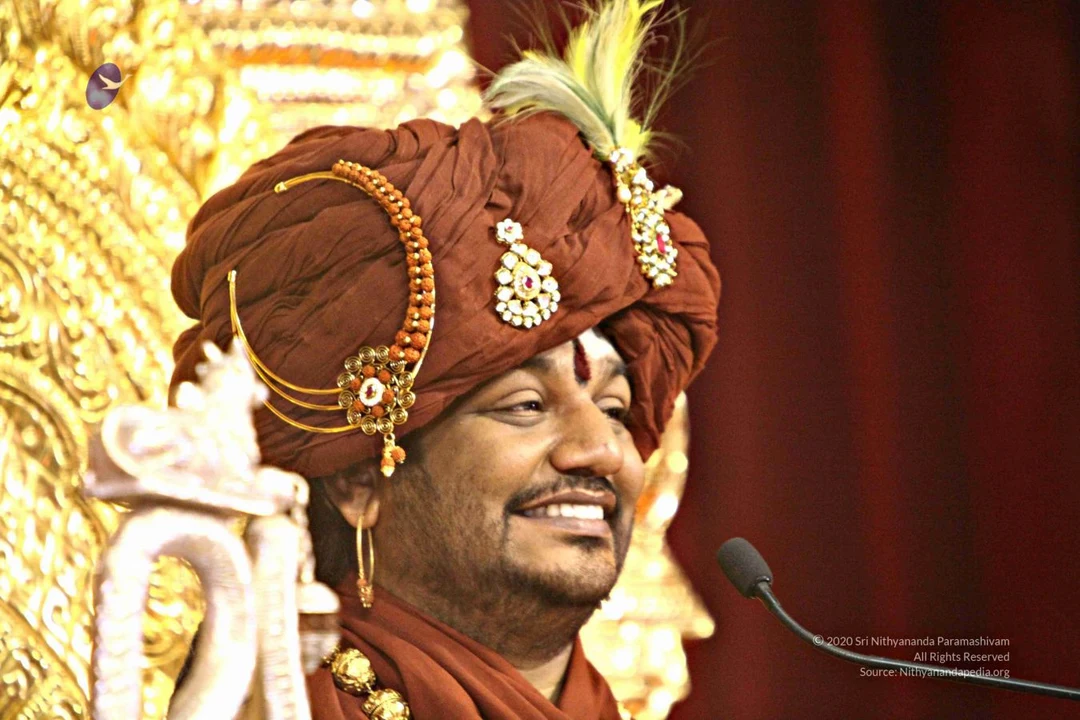 Nithya Satsang - HDH Nithyananda Paramashivam
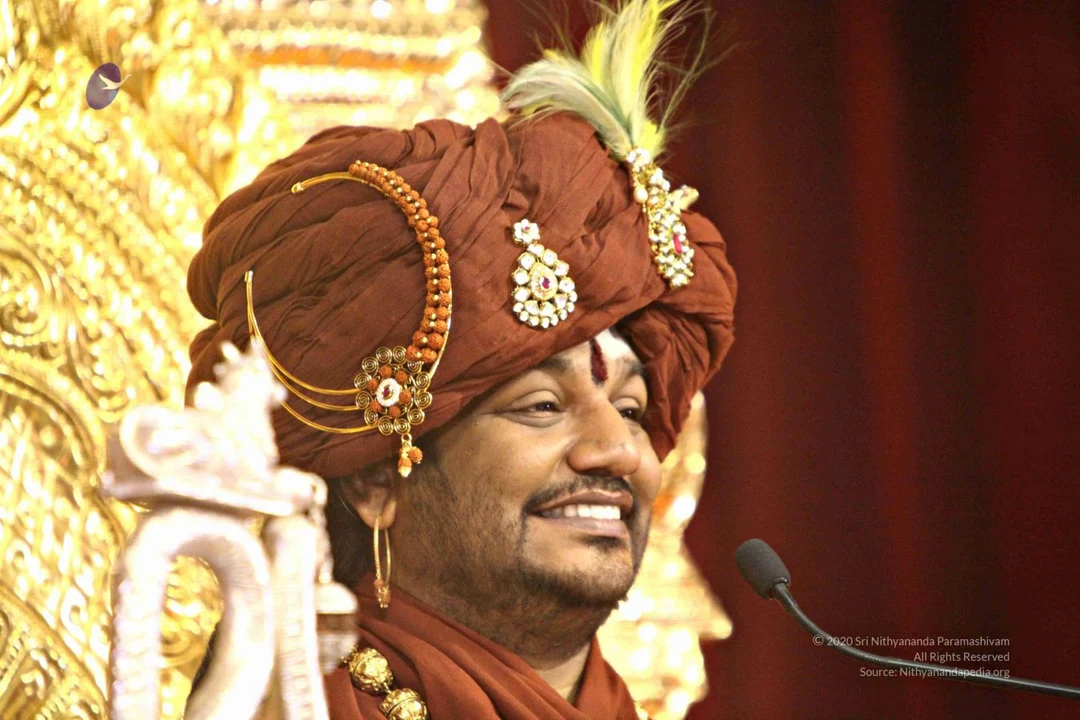 Nithya Satsang - HDH Nithyananda Paramashivam
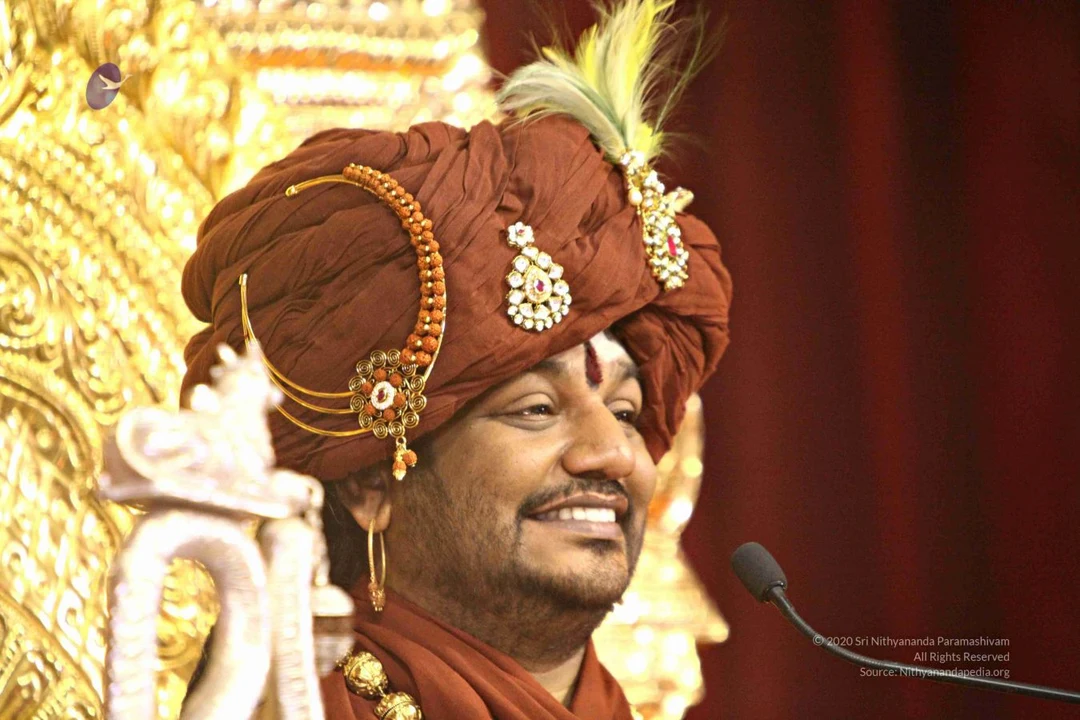 Nithya Satsang - HDH Nithyananda Paramashivam
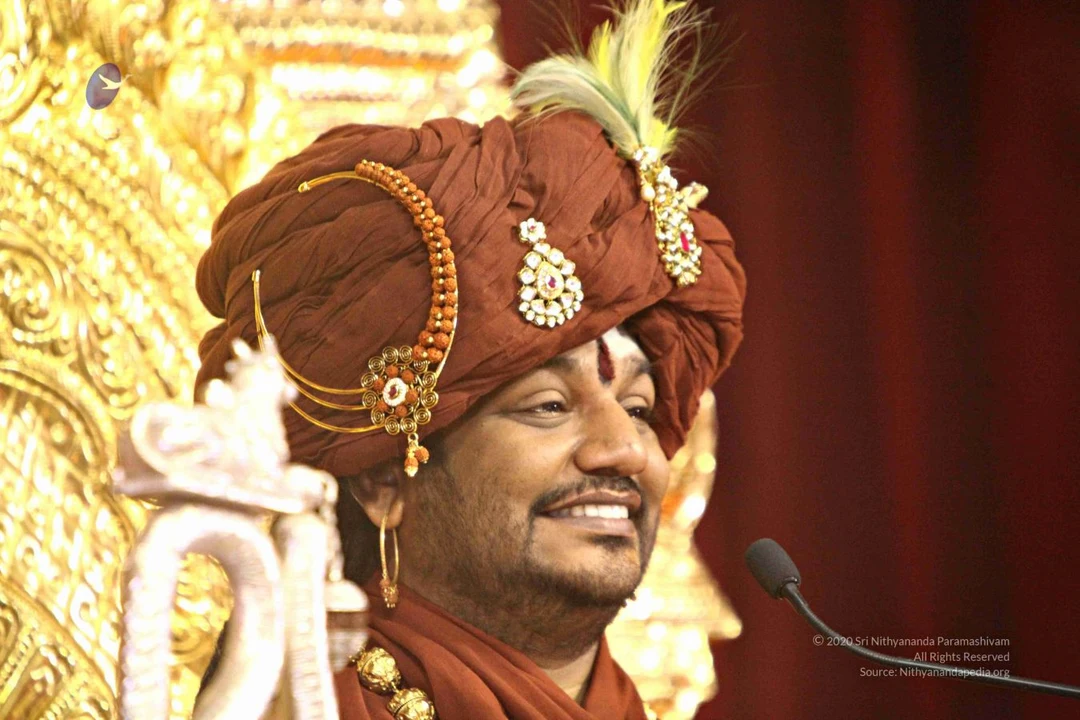 Nithya Satsang - HDH Nithyananda Paramashivam
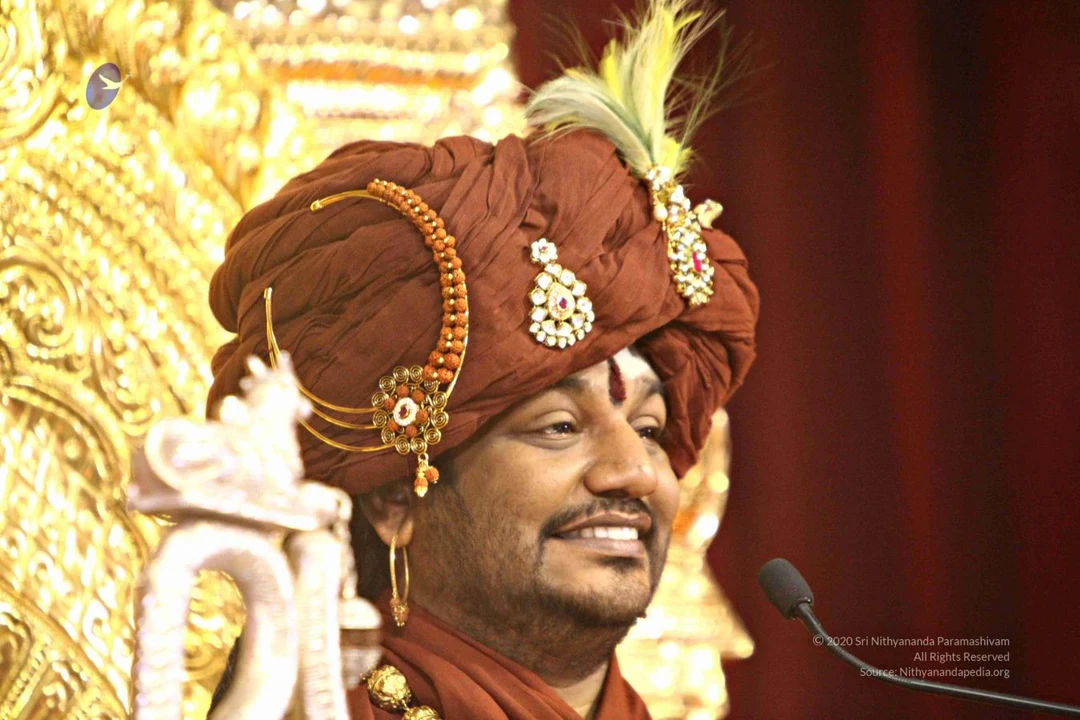 Nithya Satsang - HDH Nithyananda Paramashivam
 HDH Nithyananda Paramashivam
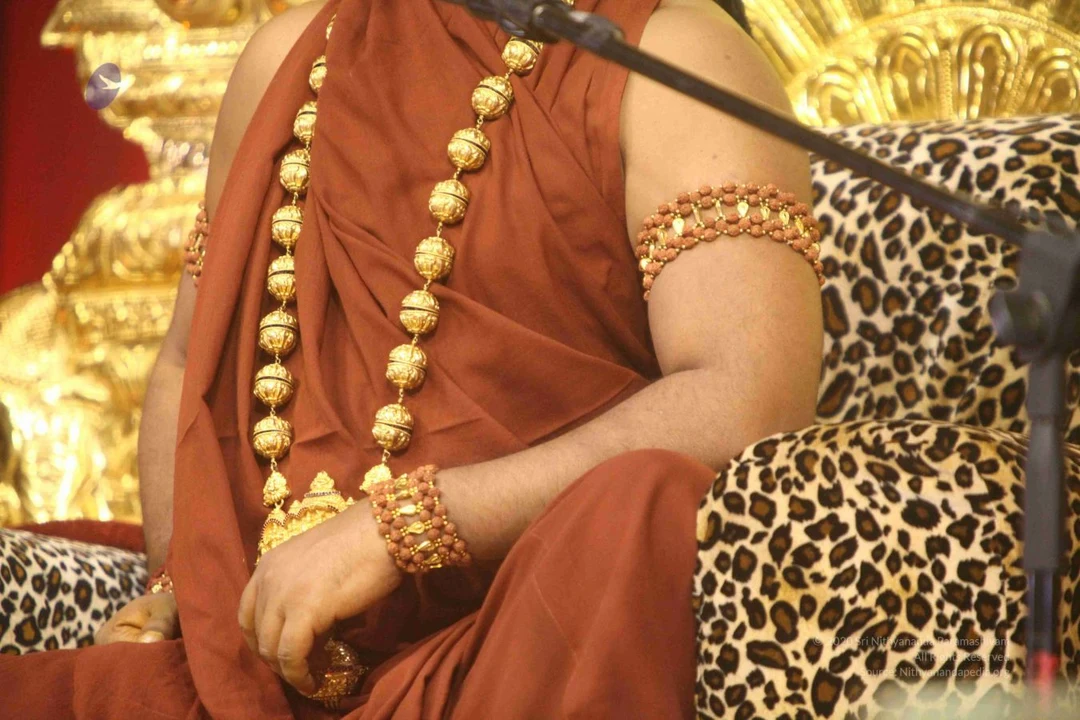 HDH Nithyananda Paramashivam
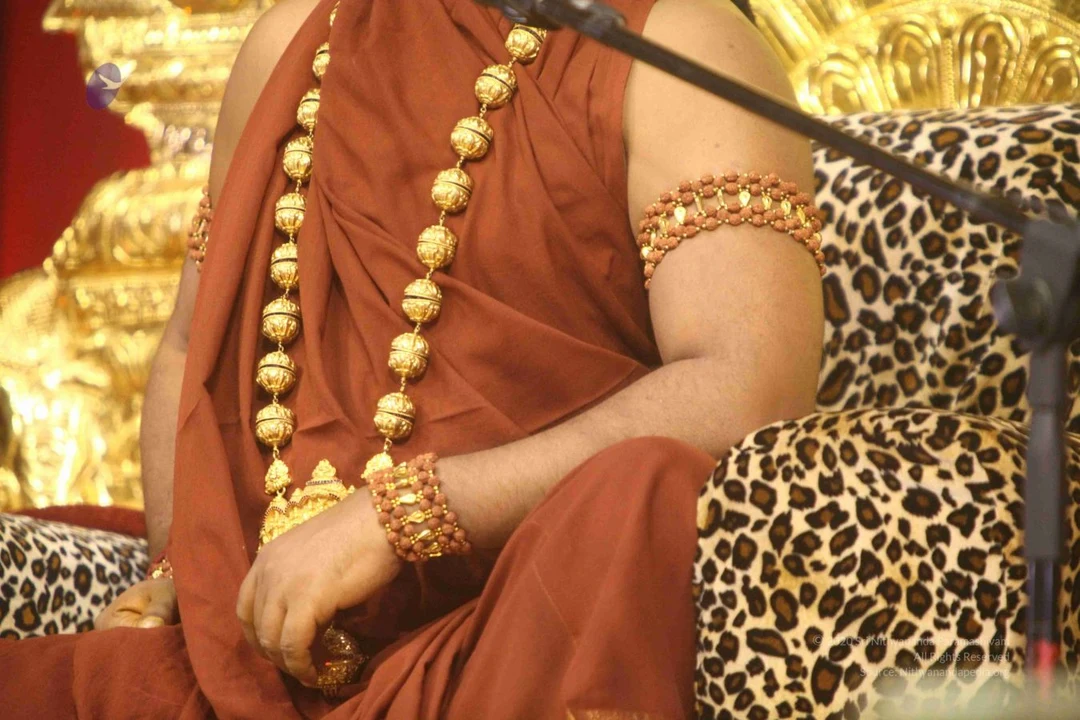 HDH Nithyananda Paramashivam
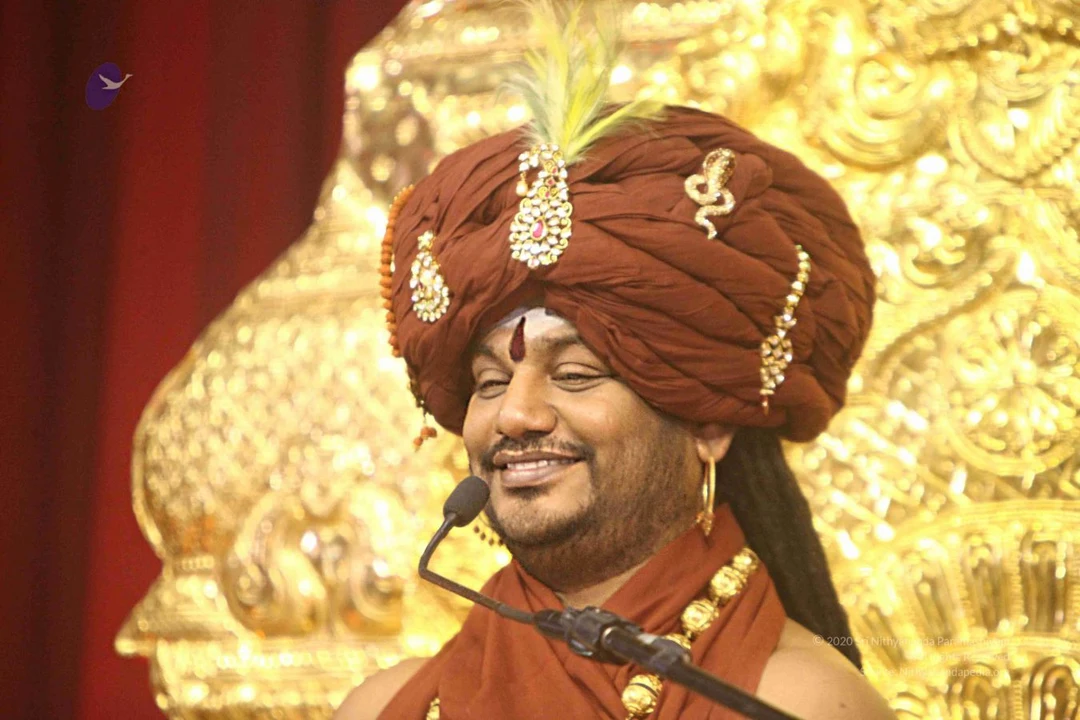 Nithya Satsang - HDH Nithyananda Paramashivam
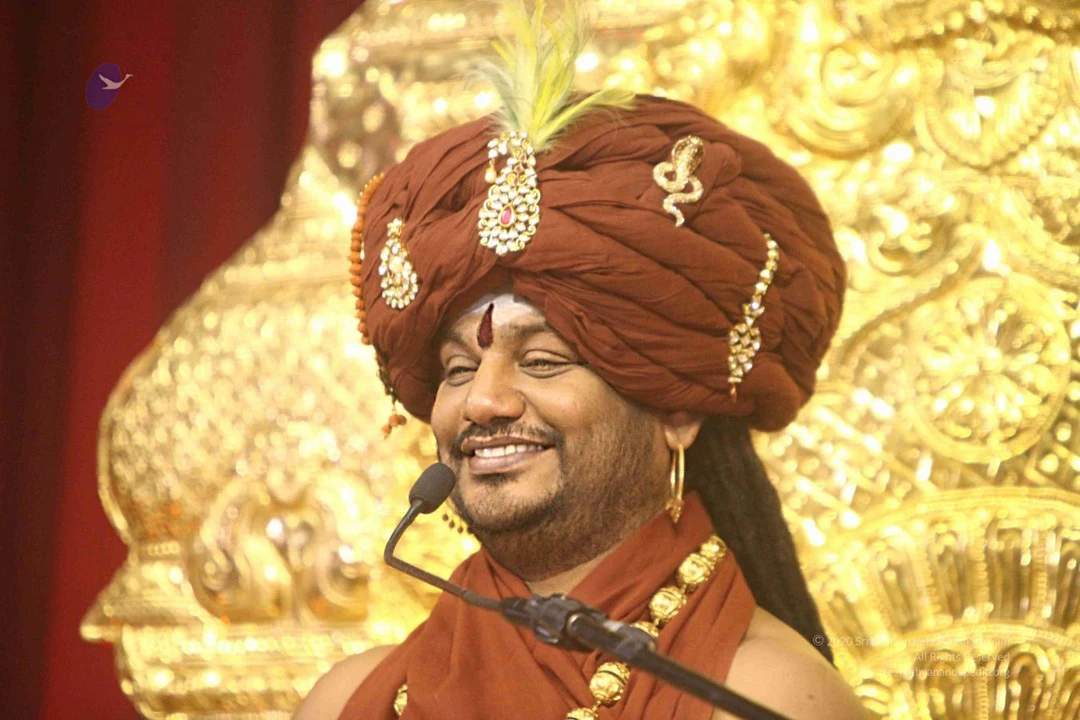 Nithya Satsang - HDH Nithyananda Paramashivam
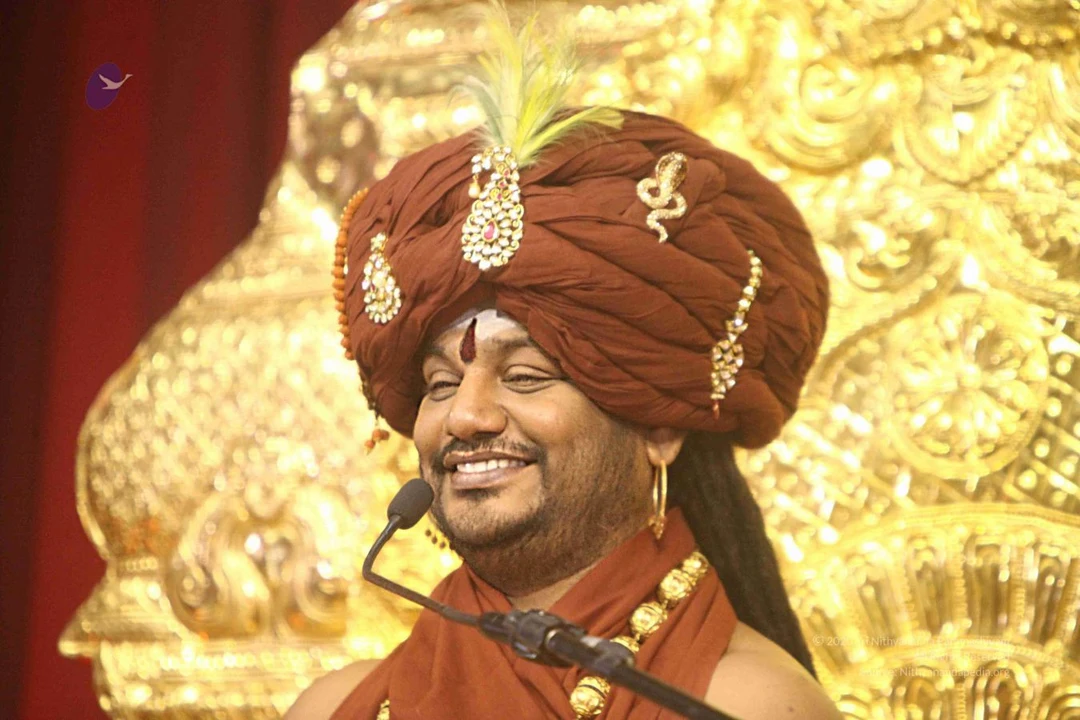 Nithya Satsang - HDH Nithyananda Paramashivam
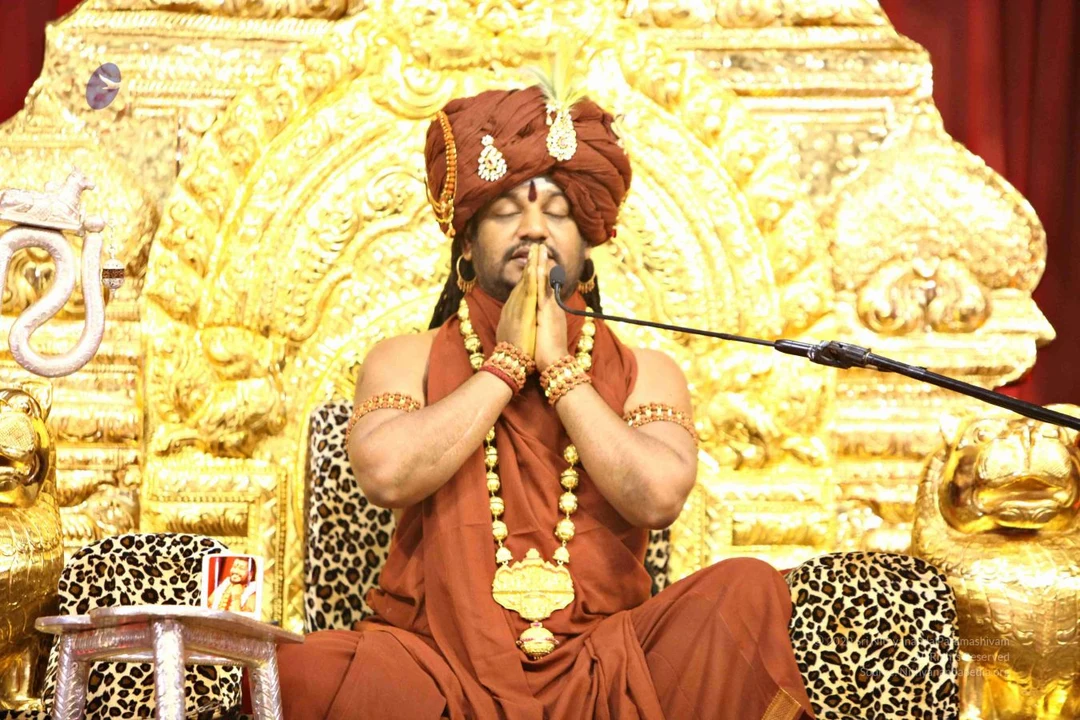 Nithya Satsang - HDH Nithyananda Paramashivam
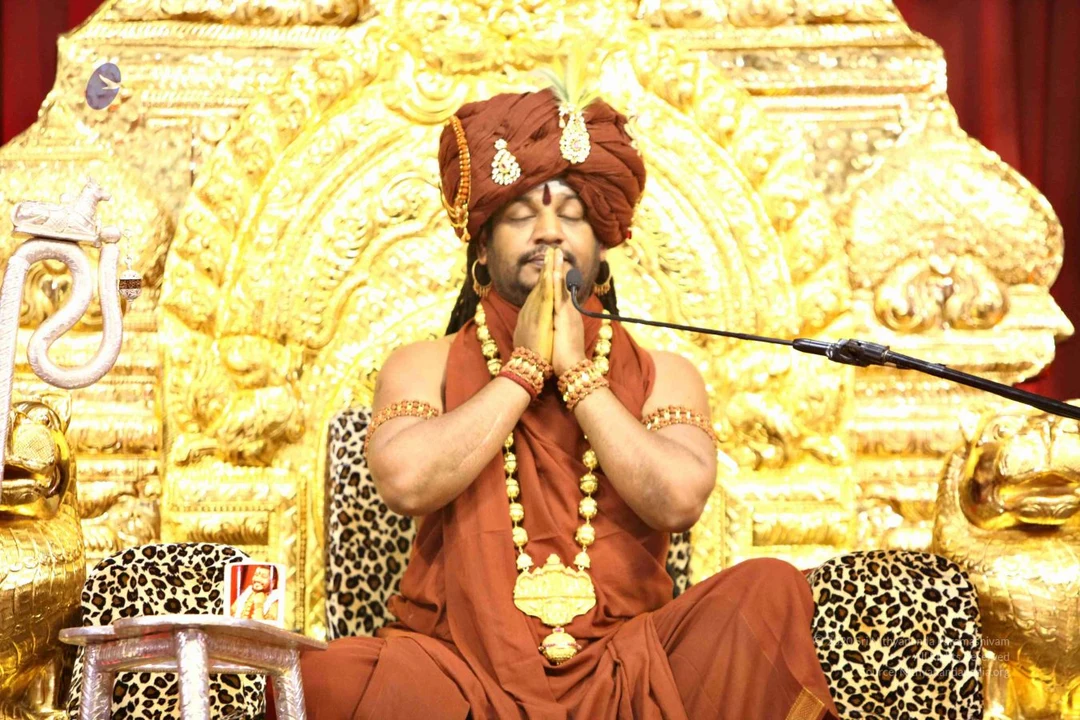 Nithya Satsang - HDH Nithyananda Paramashivam
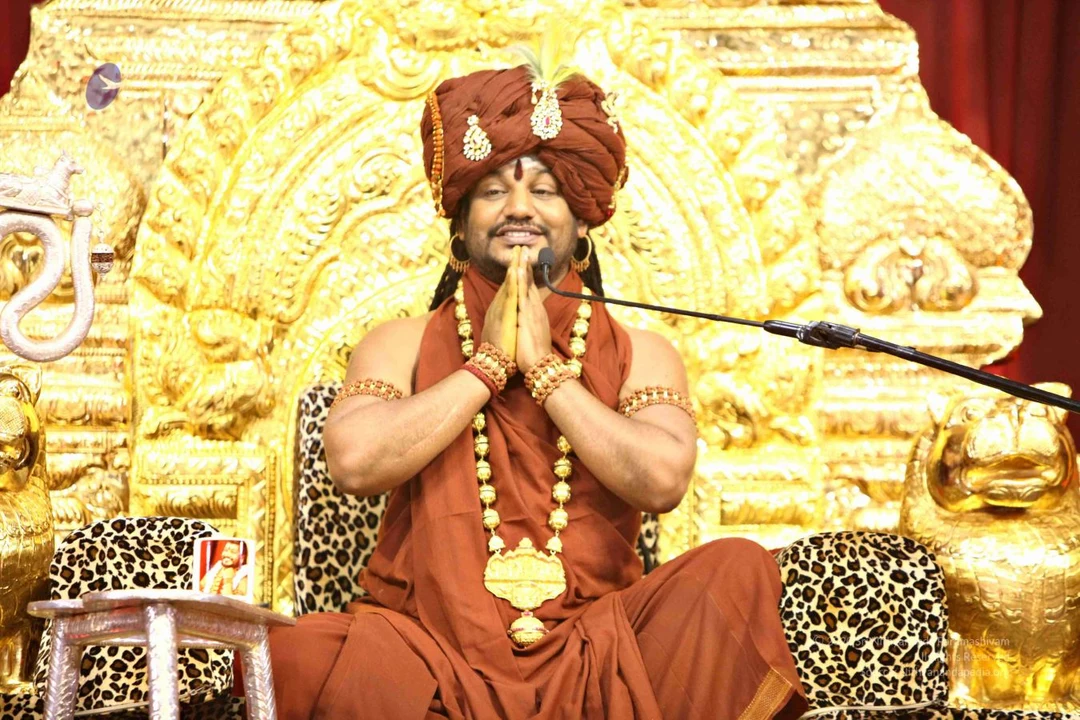 Nithya Satsang - HDH Nithyananda Paramashivam
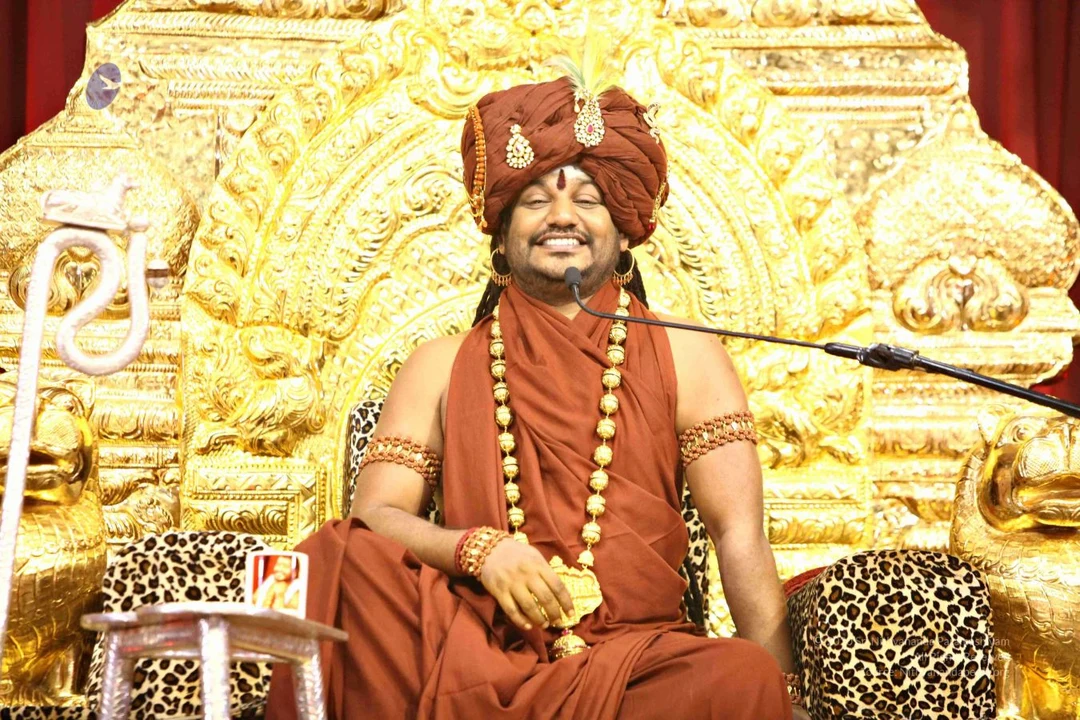 Nithya Satsang - HDH Nithyananda Paramashivam
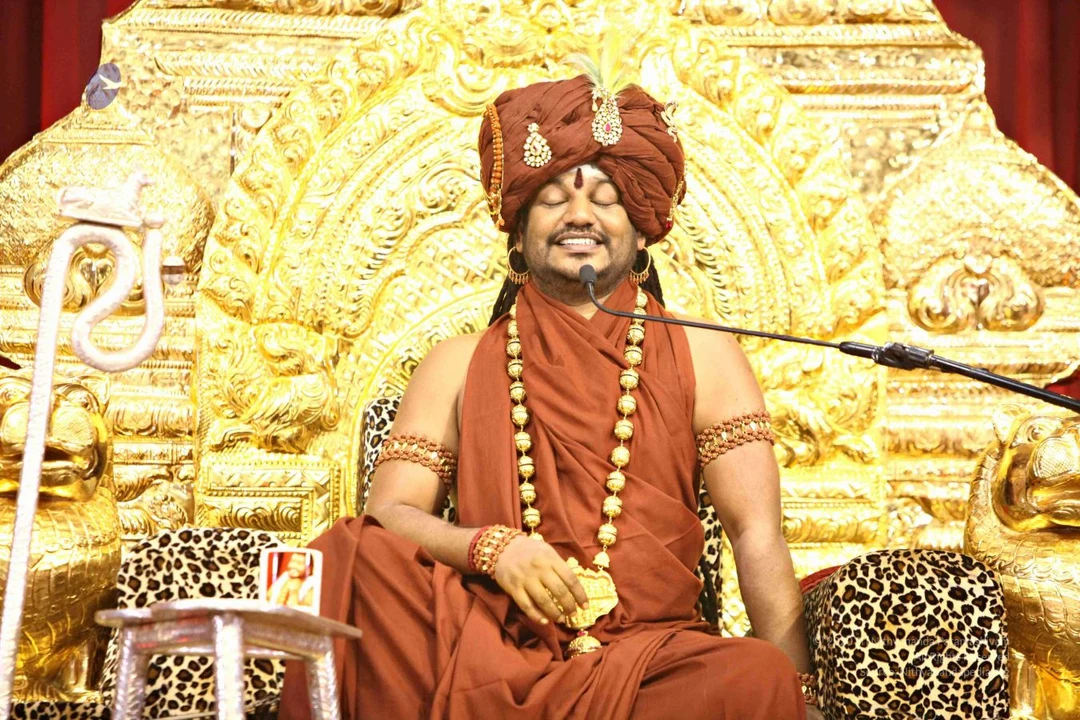 Nithya Satsang - HDH Nithyananda Paramashivam
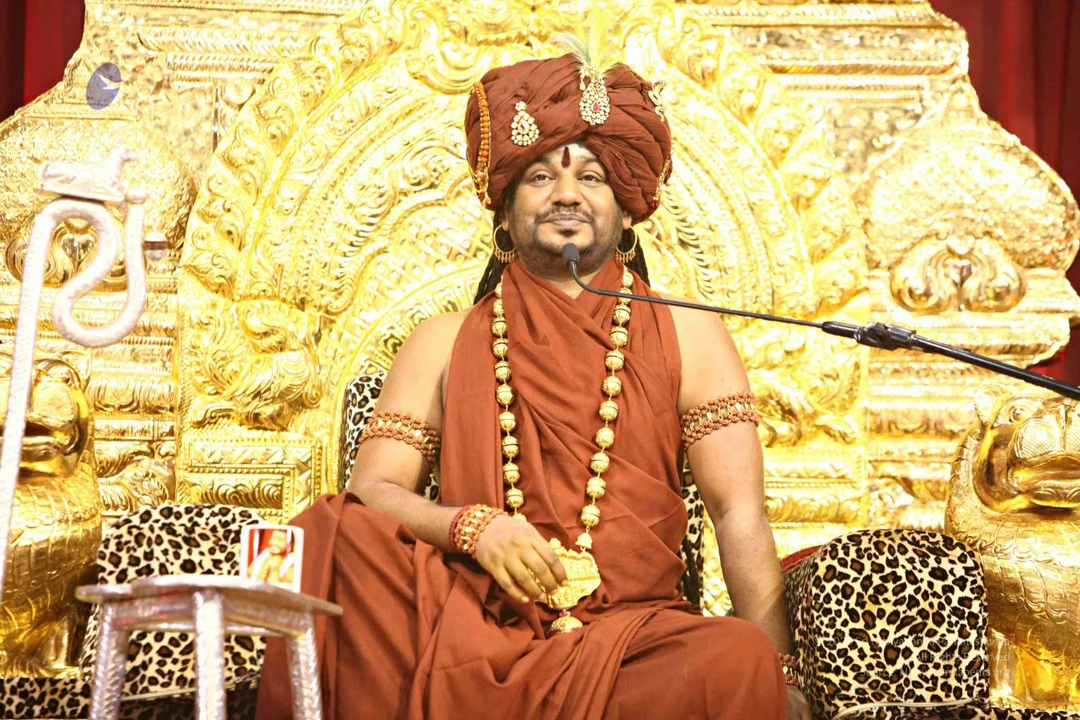 Nithya Satsang - HDH Nithyananda Paramashivam
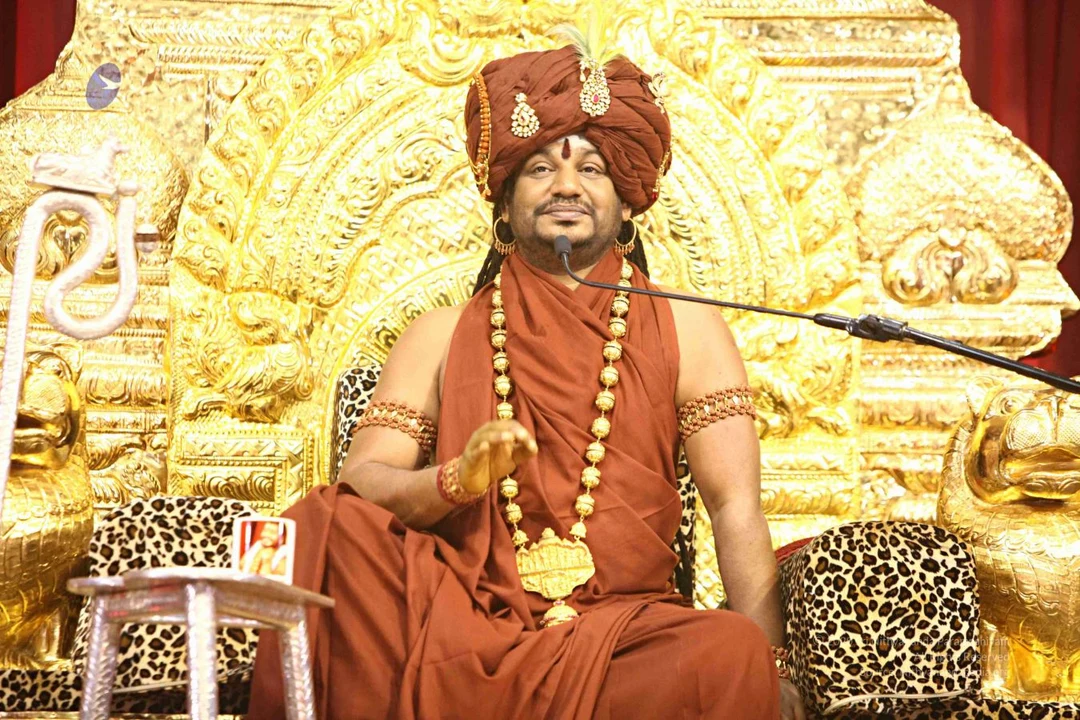 Nithya Satsang - HDH Nithyananda Paramashivam
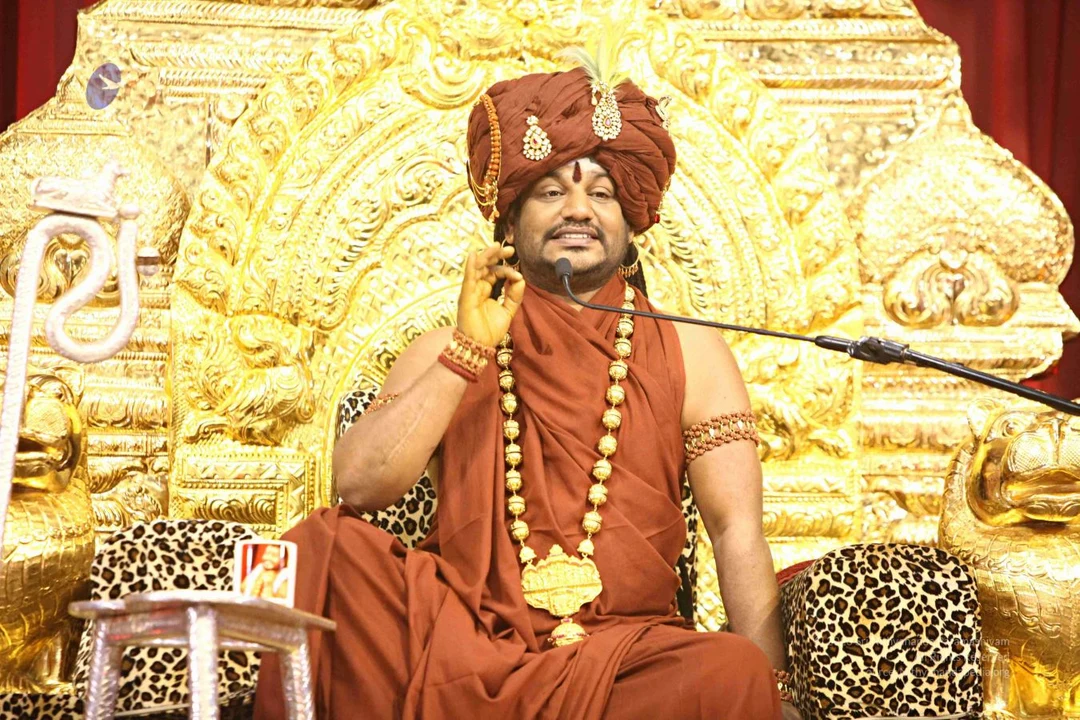 Nithya Satsang - HDH Nithyananda Paramashivam
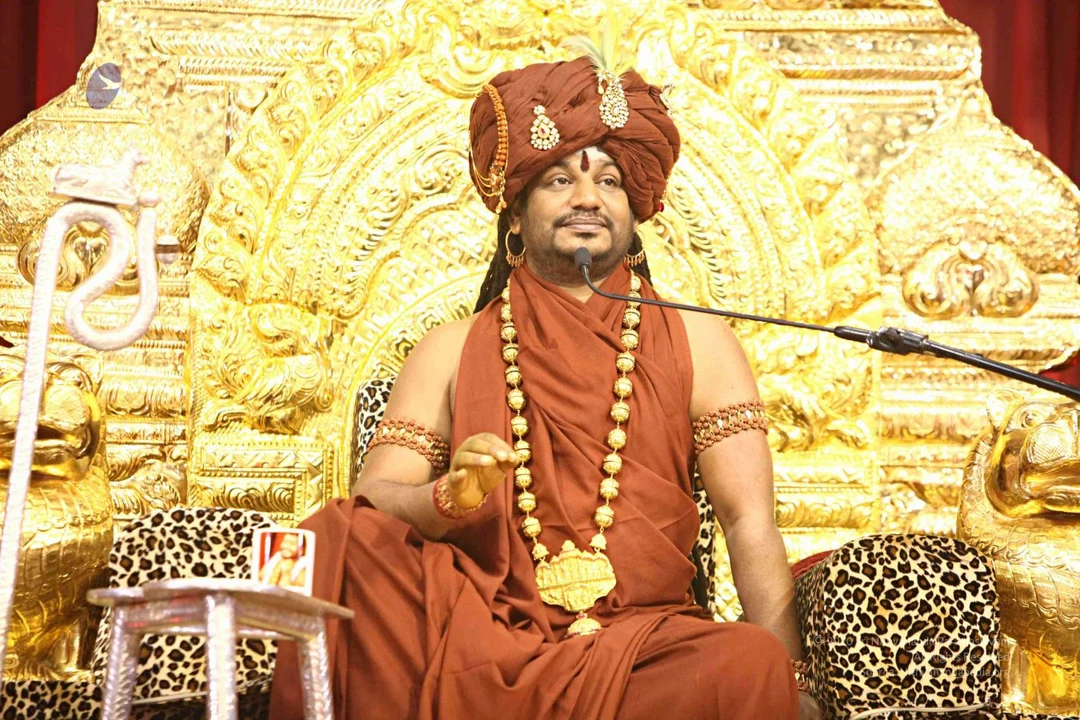 Nithya Satsang - HDH Nithyananda Paramashivam
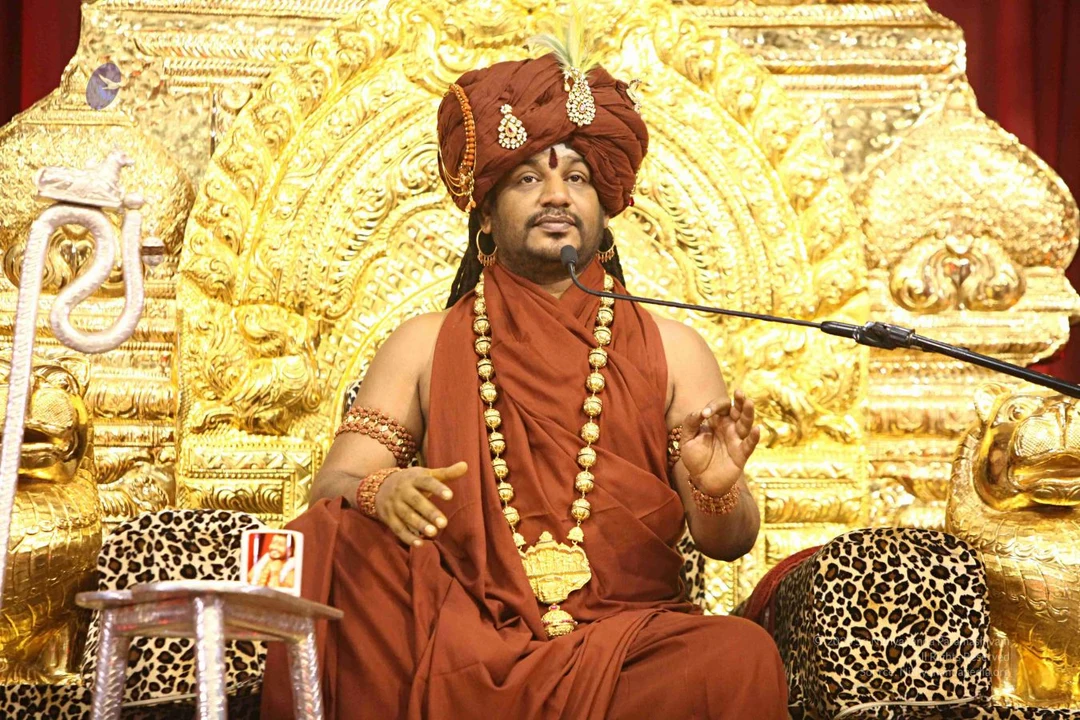 Nithya Satsang - HDH Nithyananda Paramashivam
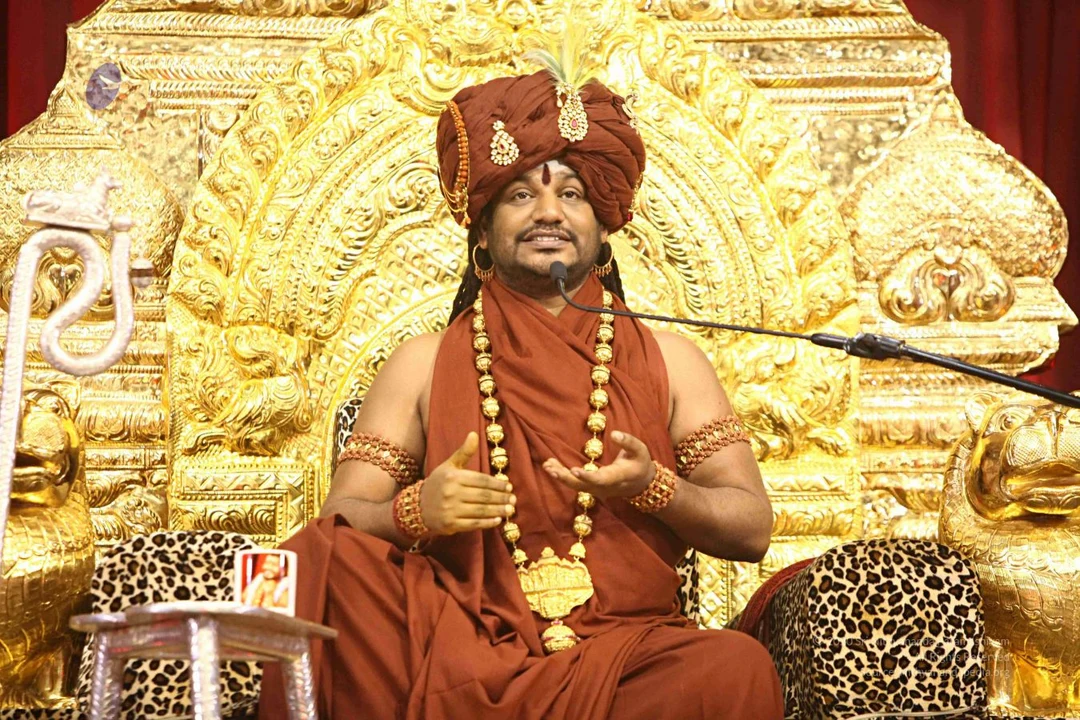 Nithya Satsang - HDH Nithyananda Paramashivam
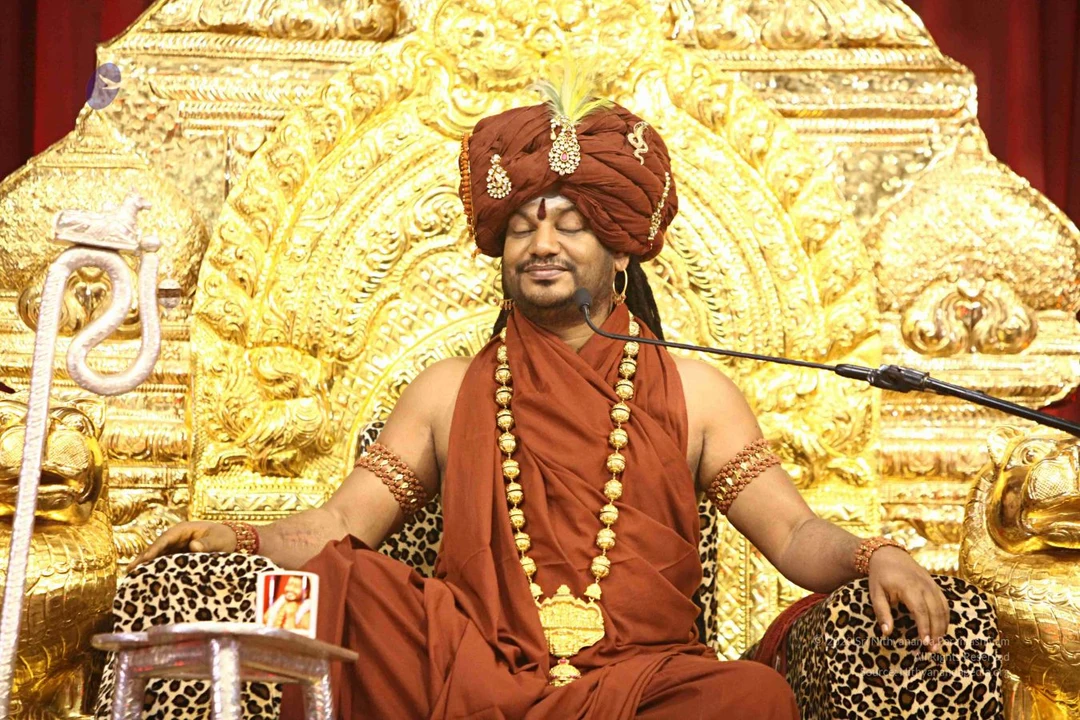 Nithya Satsang - HDH Nithyananda Paramashivam
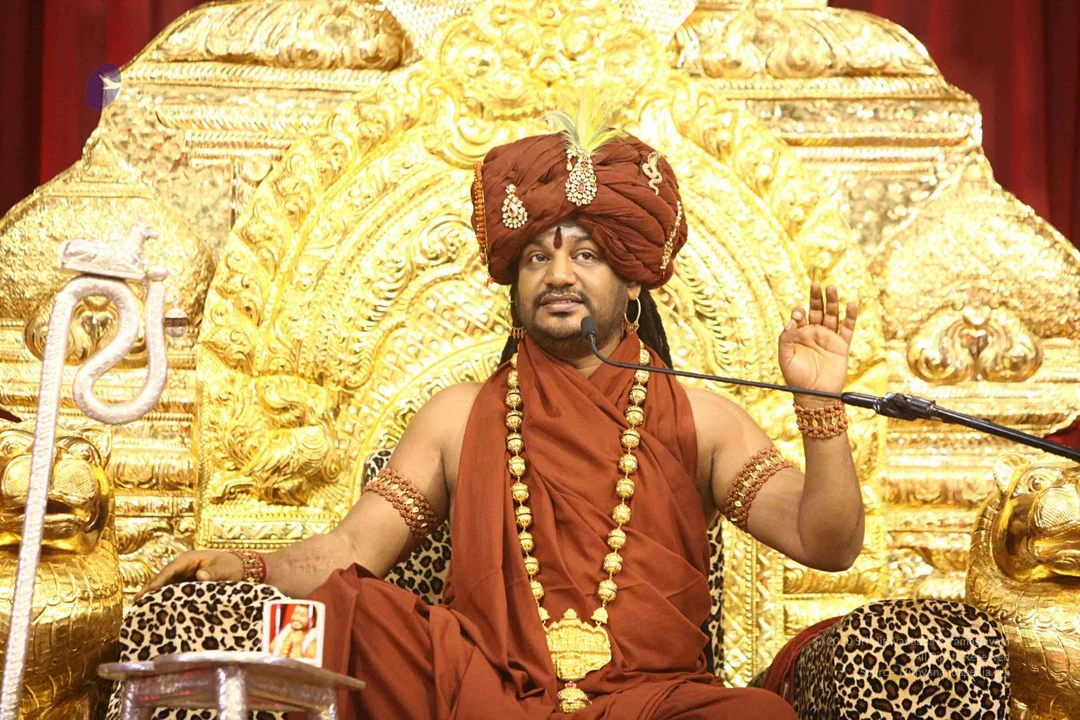 Nithya Satsang - HDH Nithyananda Paramashivam
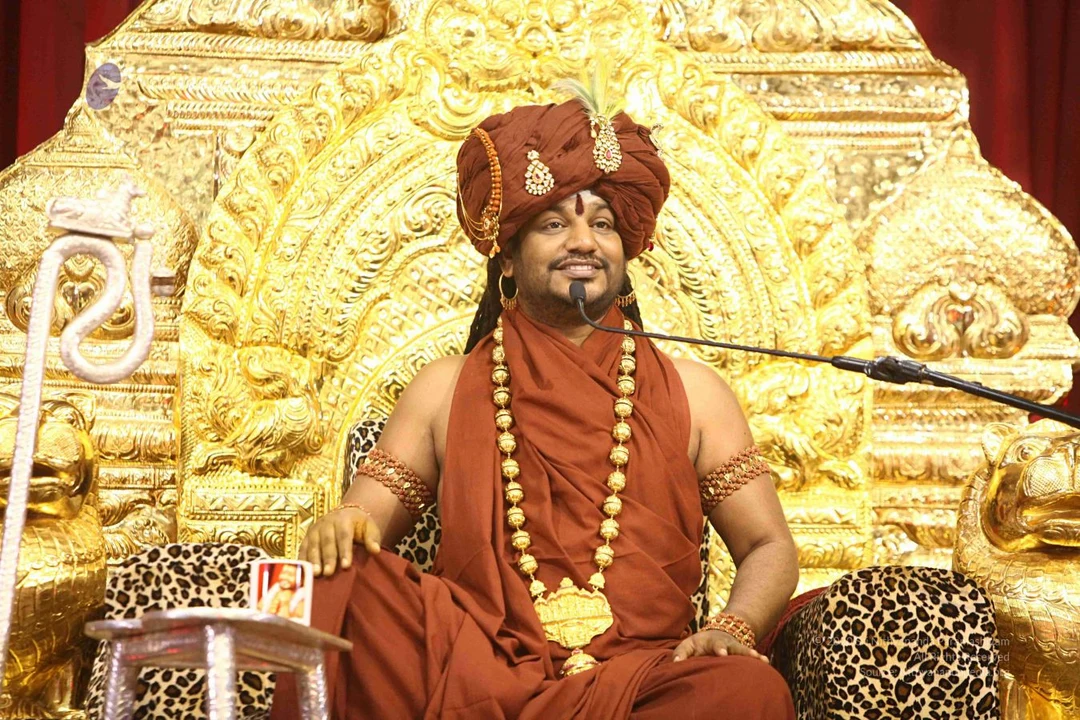 Nithya Satsang - HDH Nithyananda Paramashivam
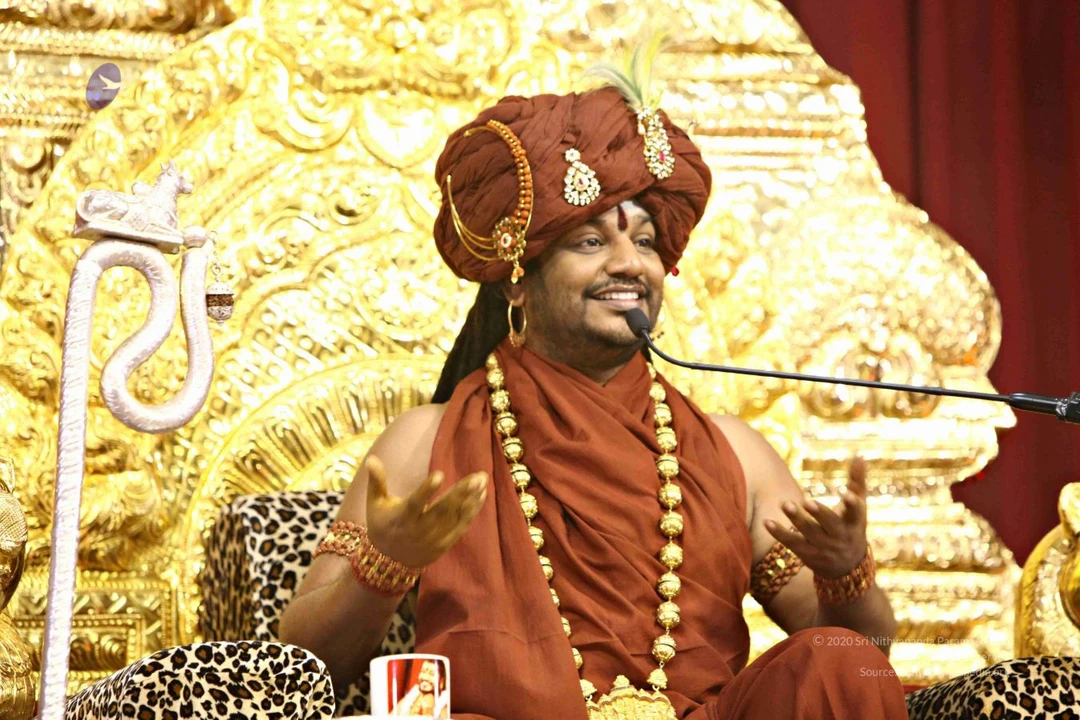 Nithya Satsang - HDH Nithyananda Paramashivam
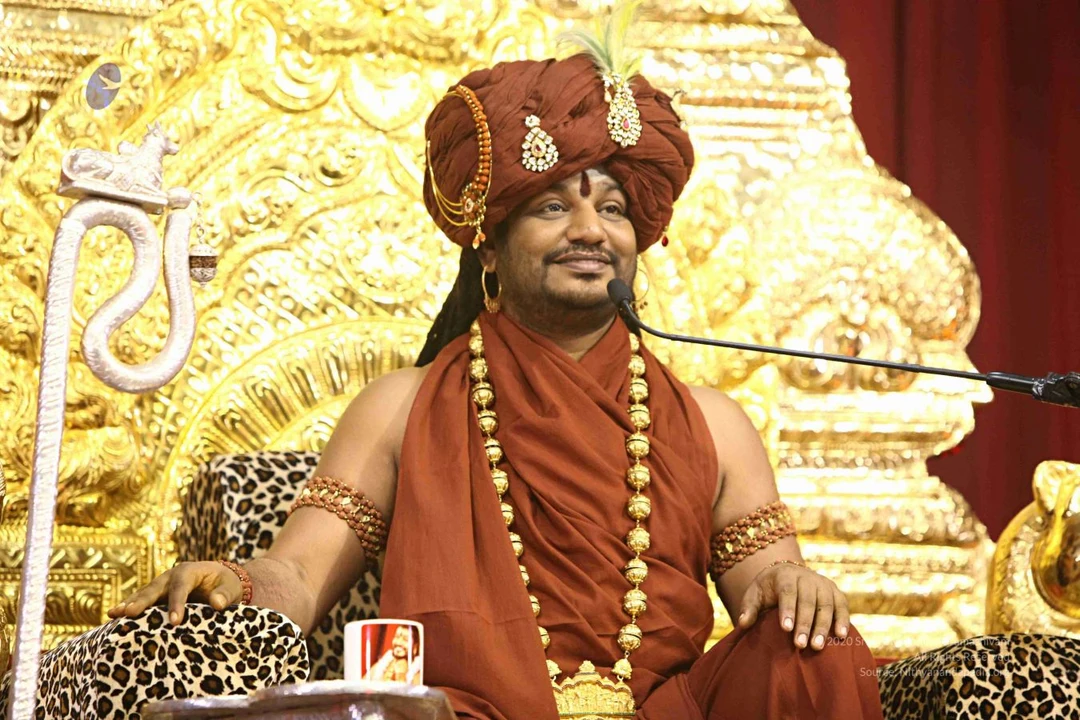 Nithya Satsang - HDH Nithyananda Paramashivam
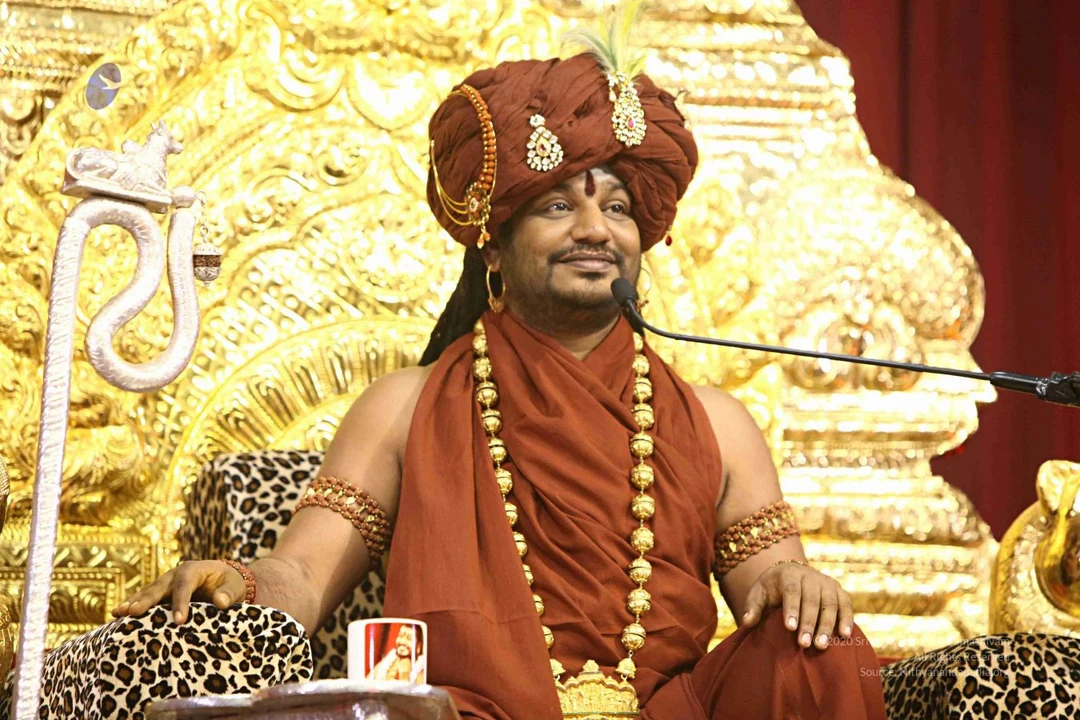 Nithya Satsang - HDH Nithyananda Paramashivam
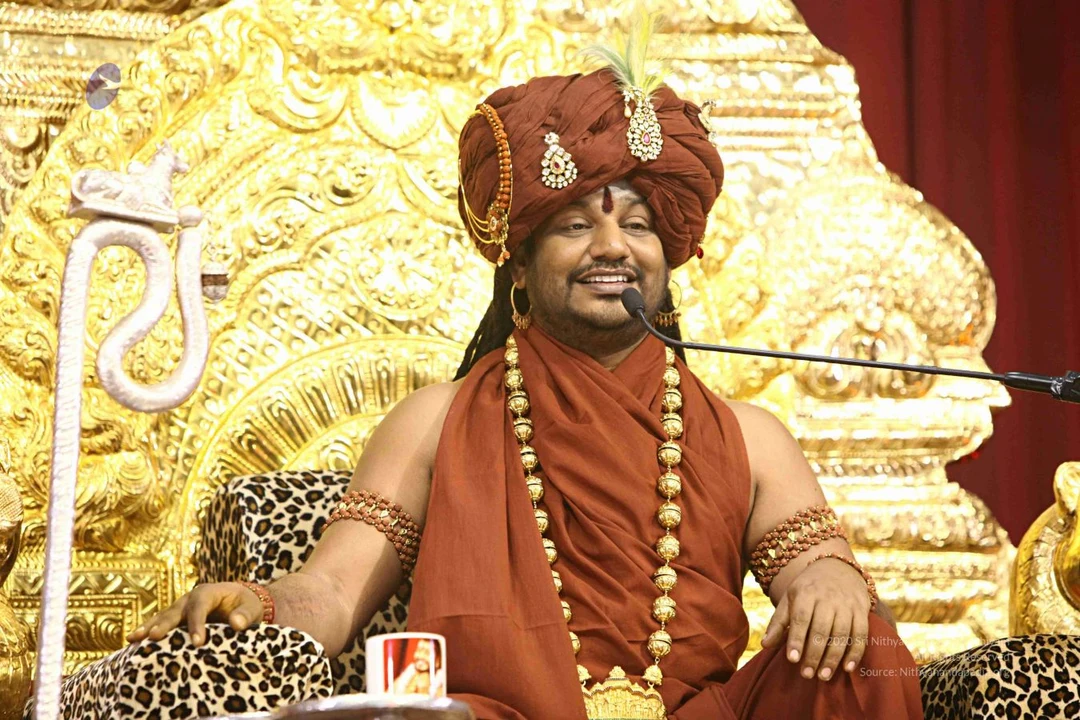 Nithya Satsang - HDH Nithyananda Paramashivam
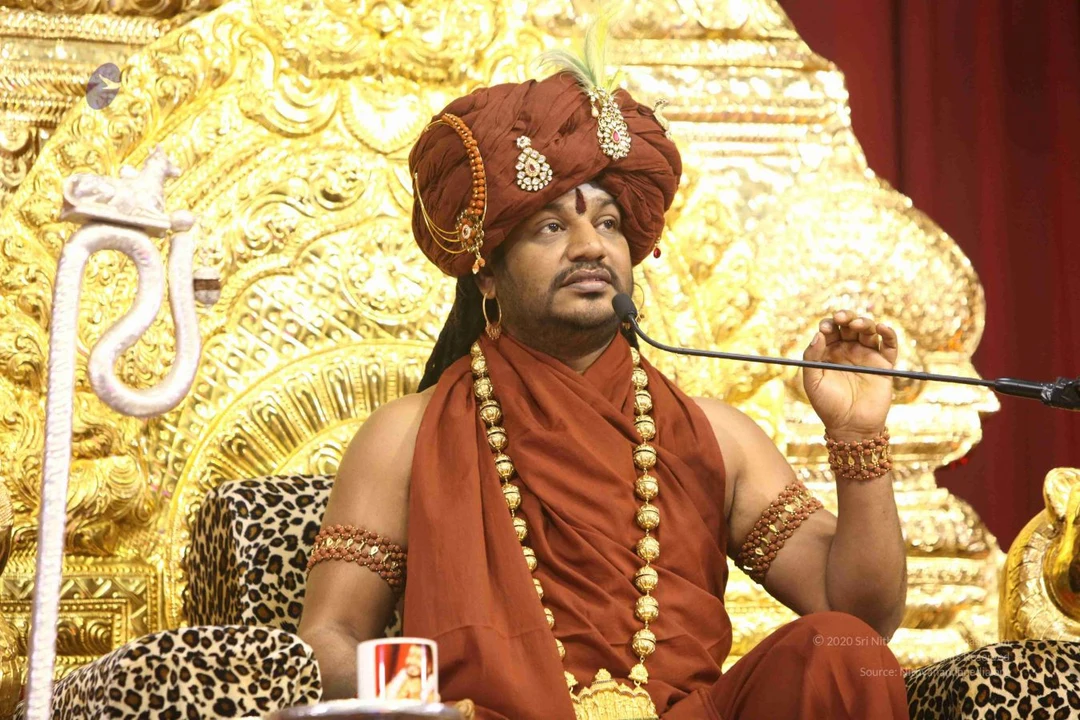 Nithya Satsang - HDH Nithyananda Paramashivam
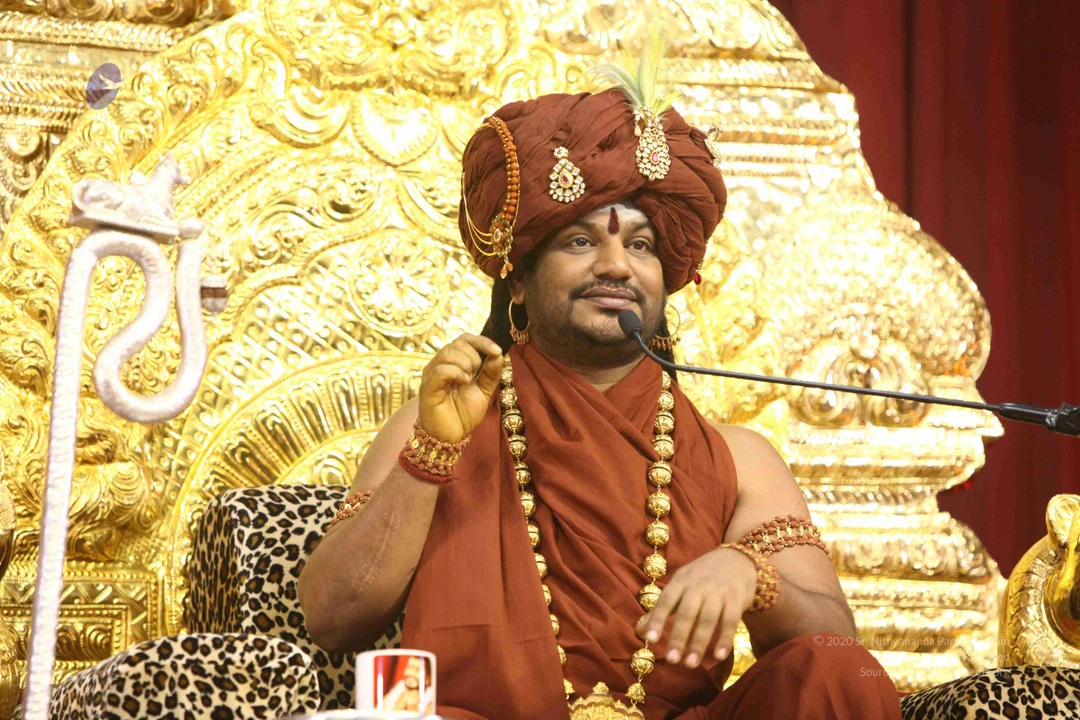 Nithya Satsang - HDH Nithyananda Paramashivam
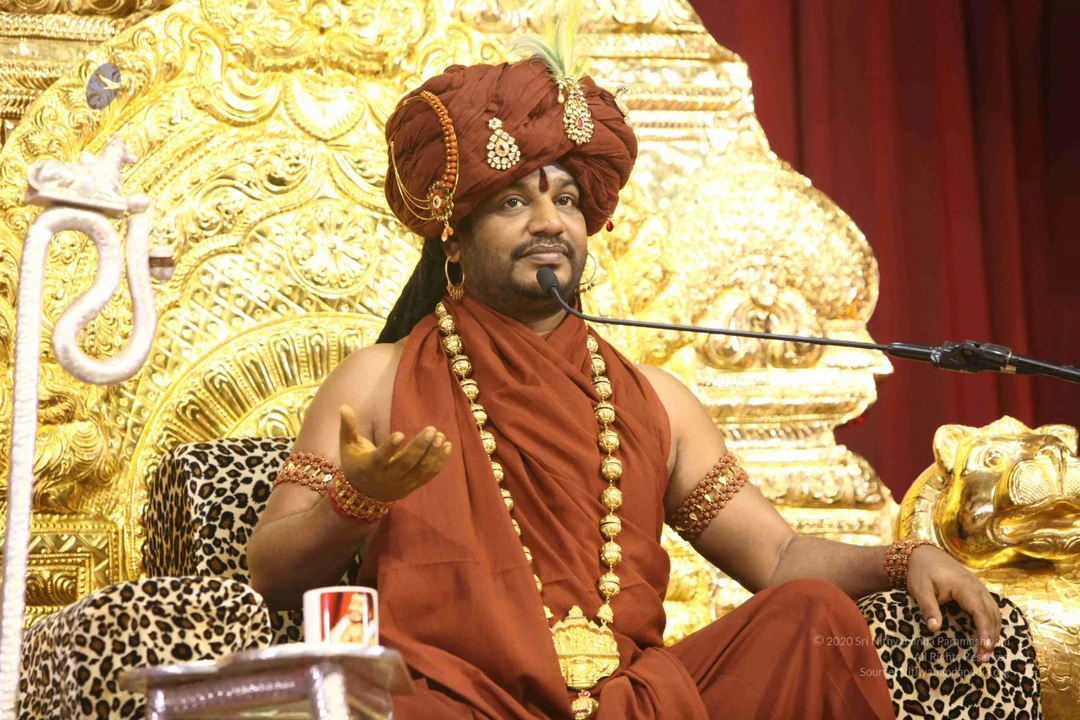 Nithya Satsang - HDH Nithyananda Paramashivam
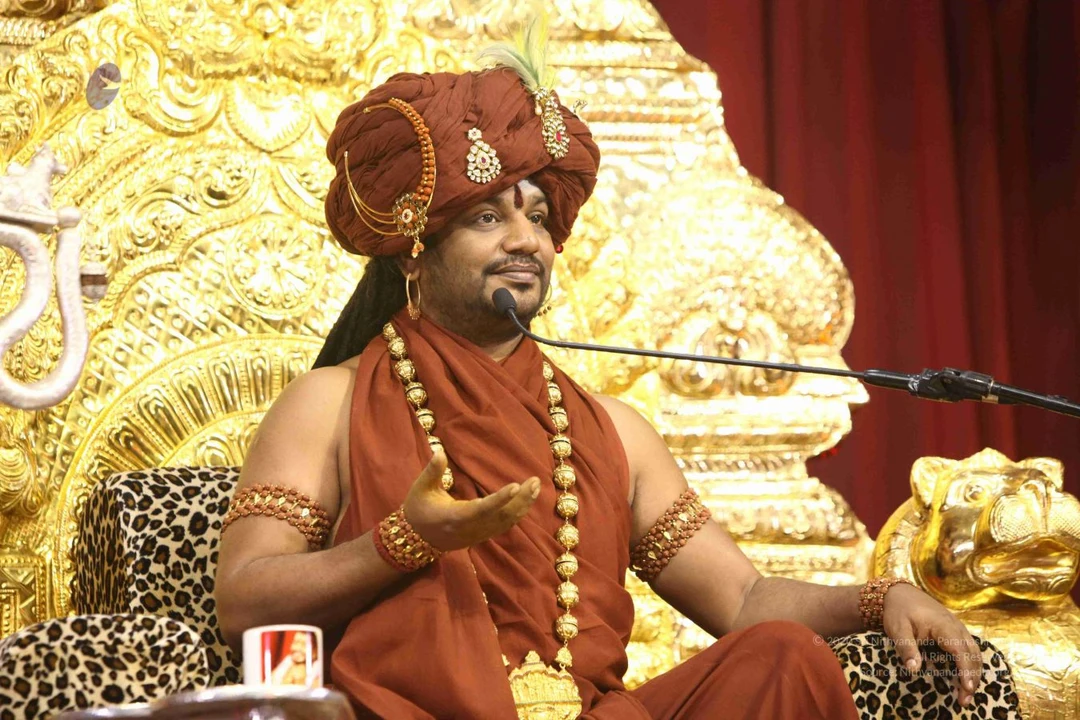 Nithya Satsang - HDH Nithyananda Paramashivam
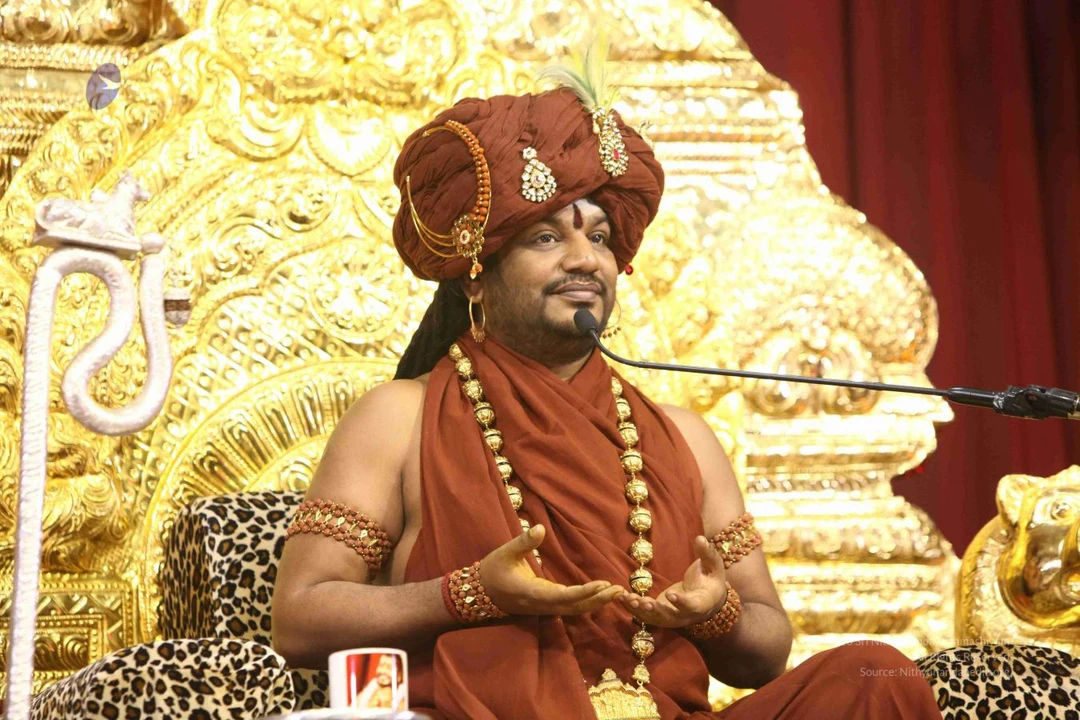 Nithya Satsang - HDH Nithyananda Paramashivam
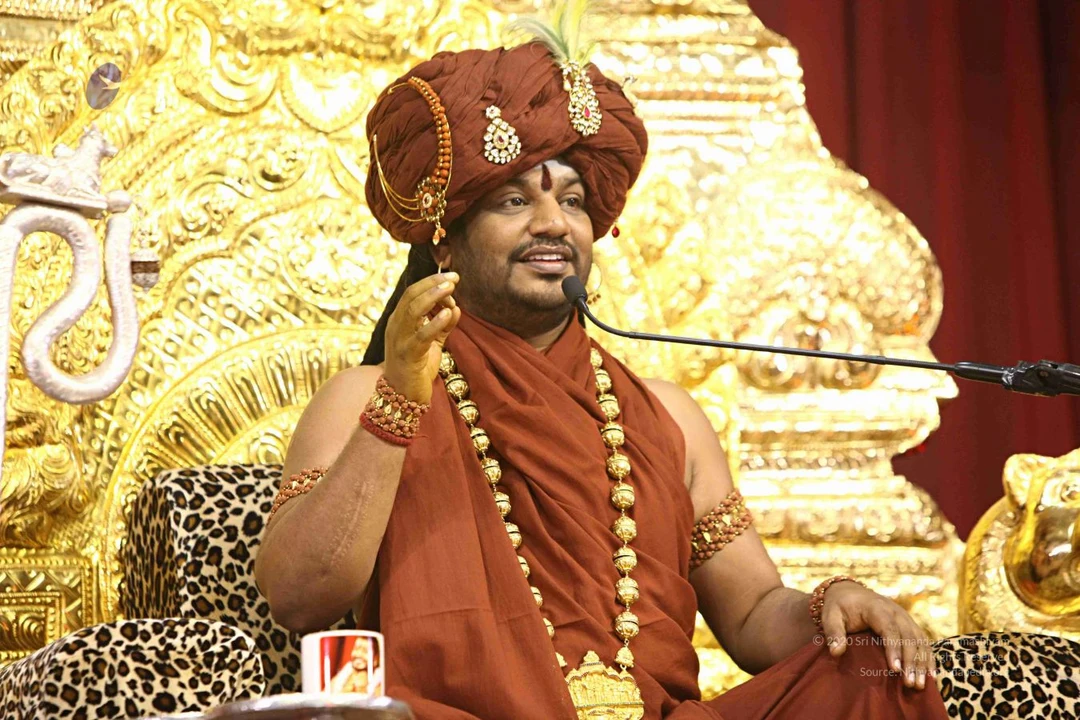 Nithya Satsang - HDH Nithyananda Paramashivam
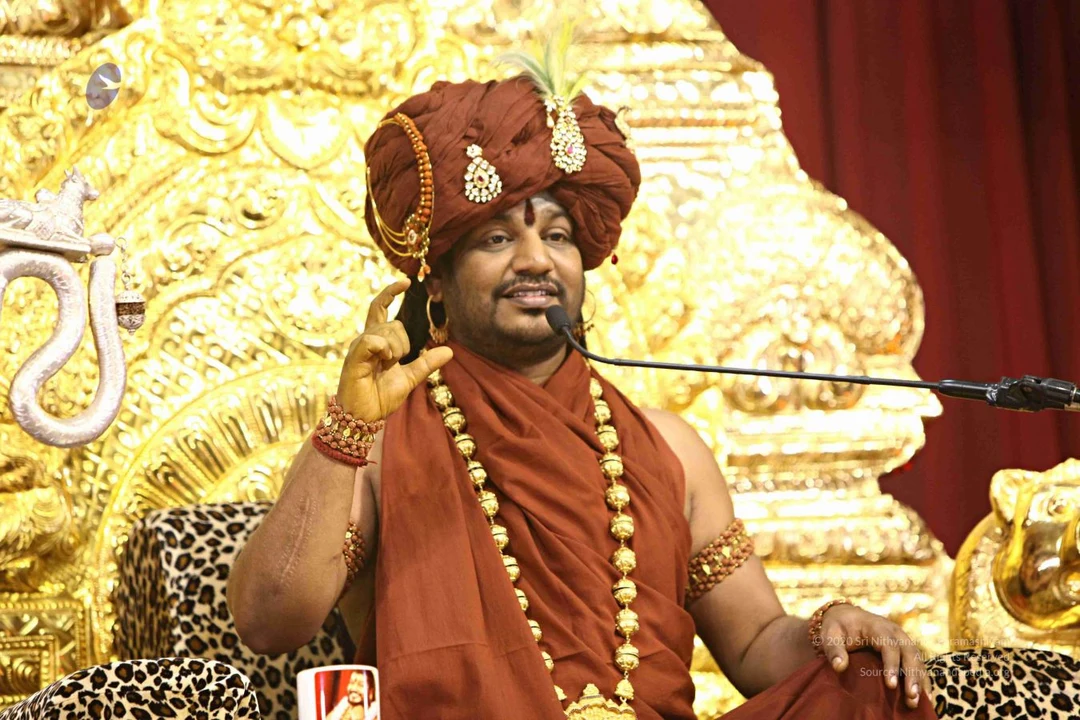 Nithya Satsang - HDH Nithyananda Paramashivam
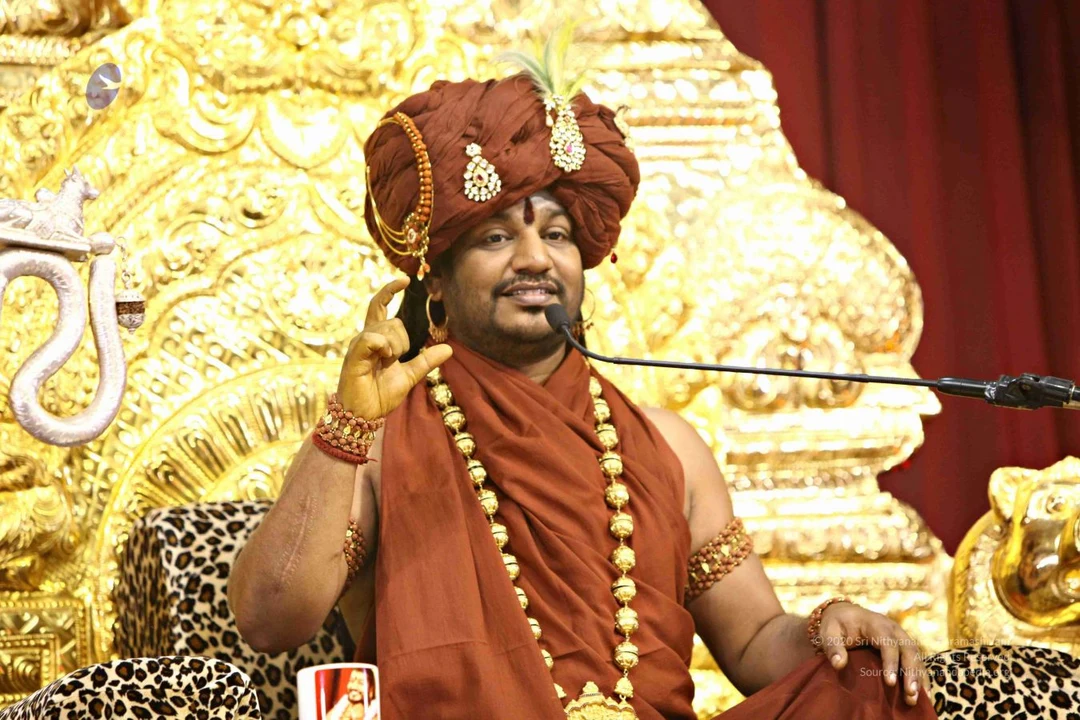 Nithya Satsang - HDH Nithyananda Paramashivam
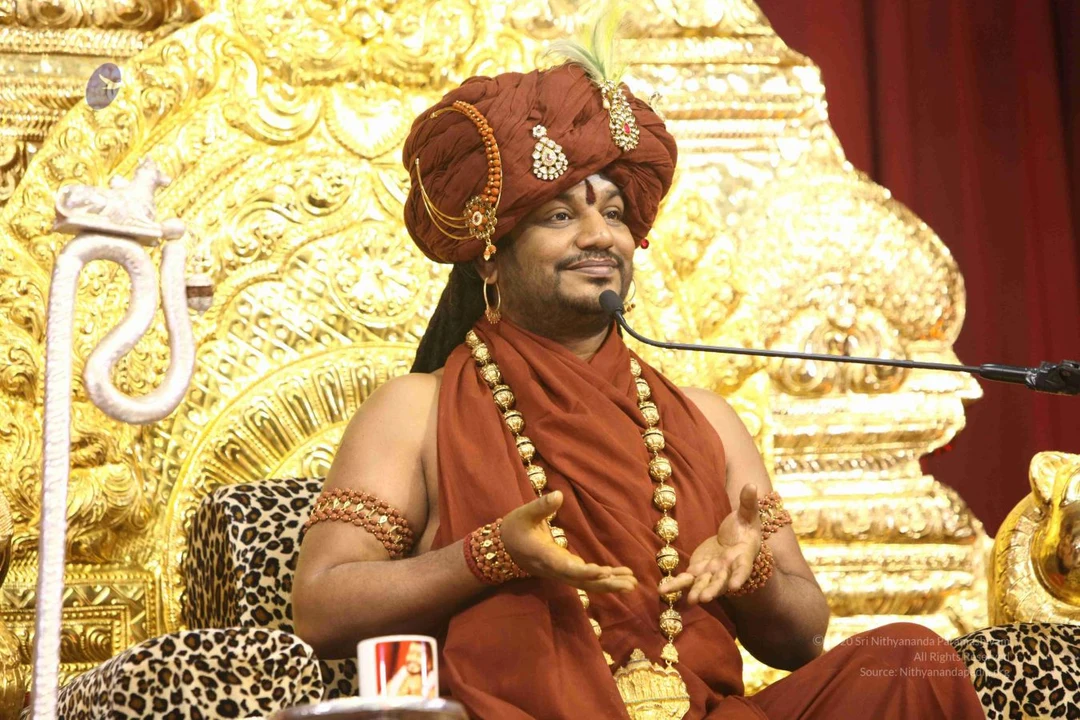 Nithya Satsang - HDH Nithyananda Paramashivam
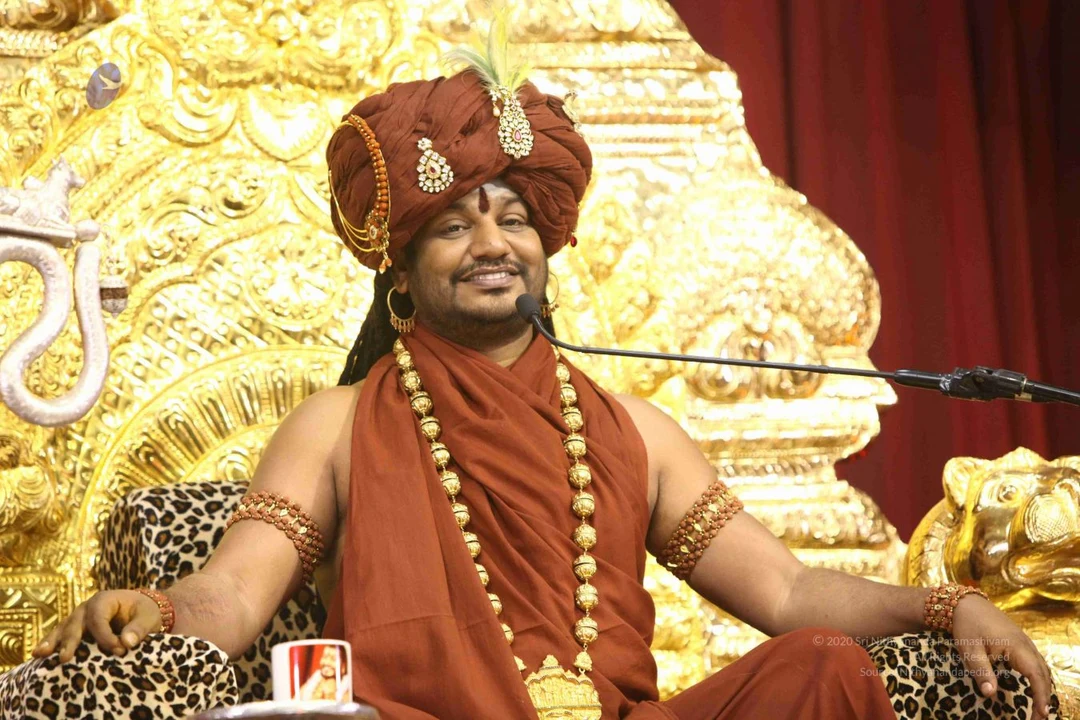 Nithya Satsang - HDH Nithyananda Paramashivam
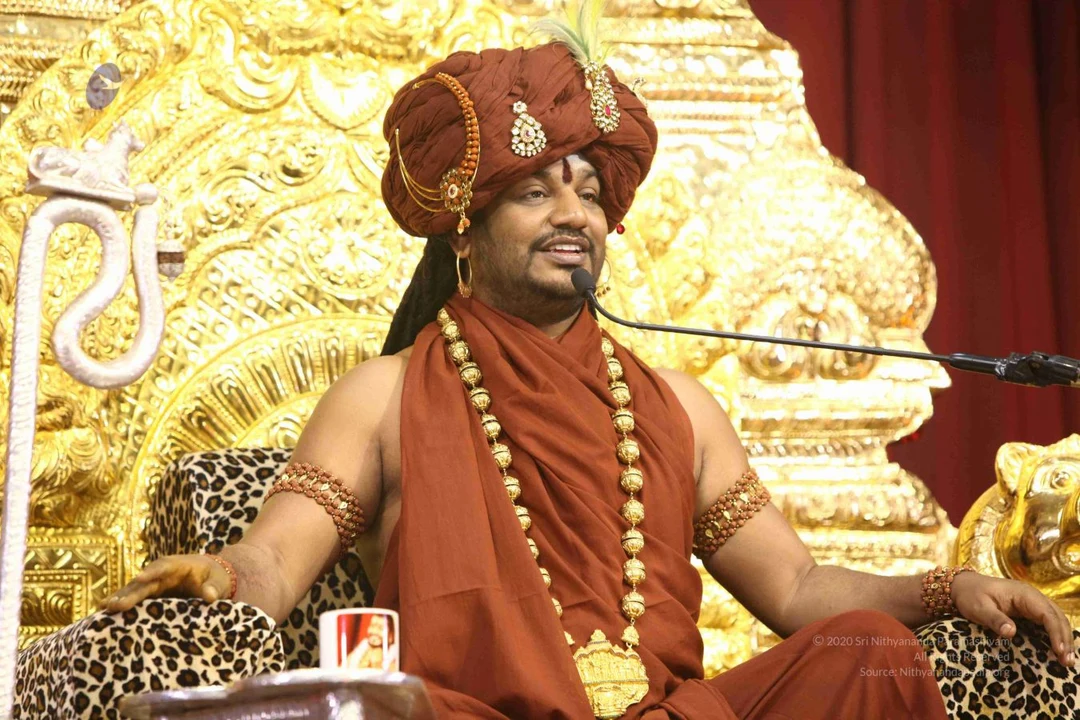 Nithya Satsang - HDH Nithyananda Paramashivam
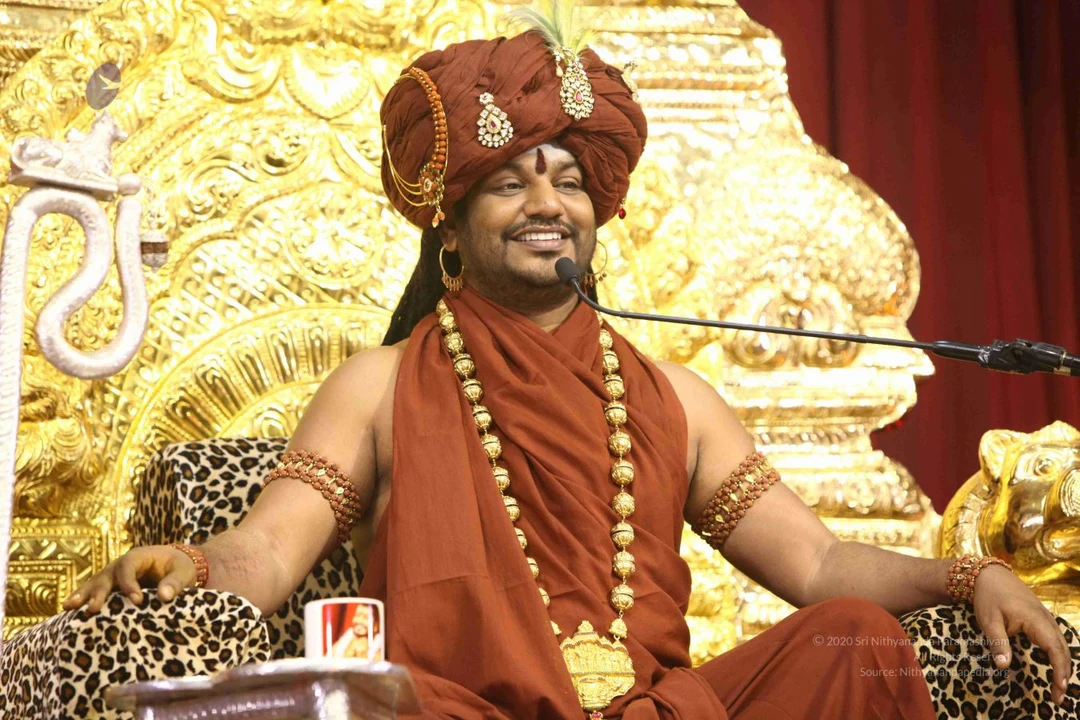 Nithya Satsang - HDH Nithyananda Paramashivam
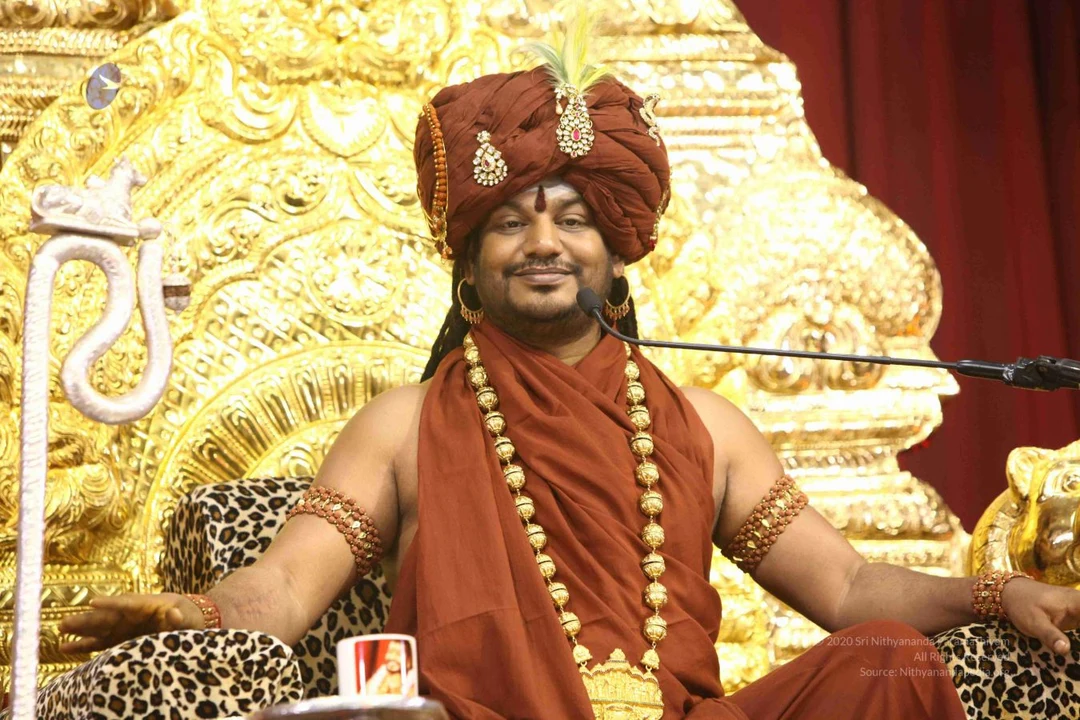 Nithya Satsang - HDH Nithyananda Paramashivam
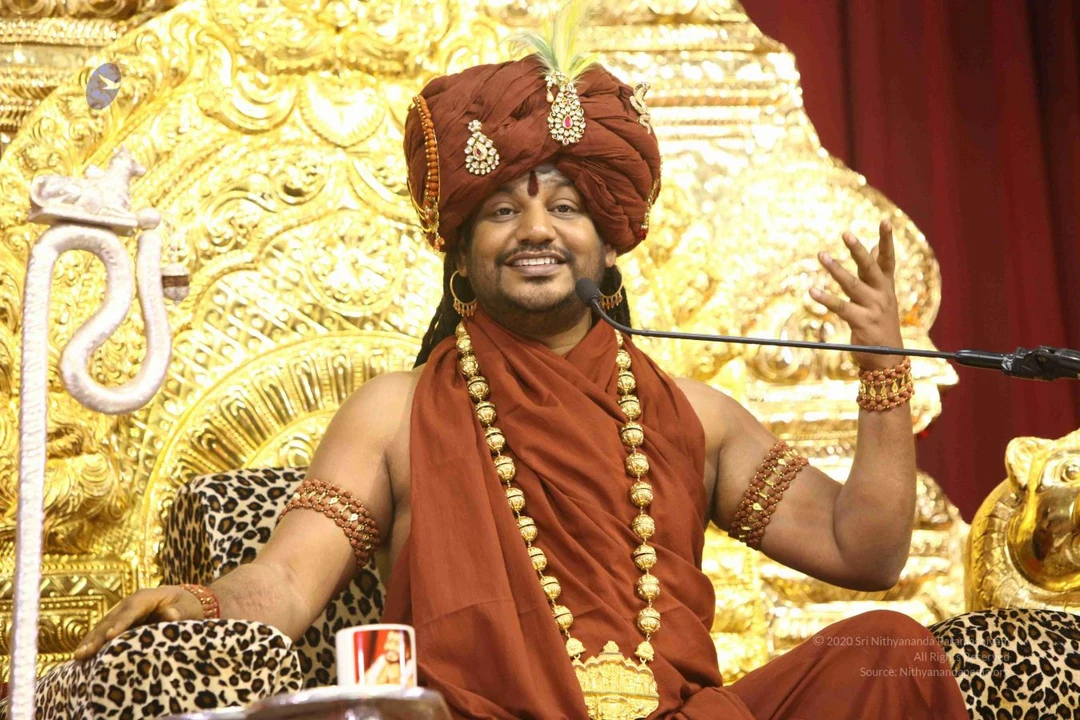 Nithya Satsang - HDH Nithyananda Paramashivam
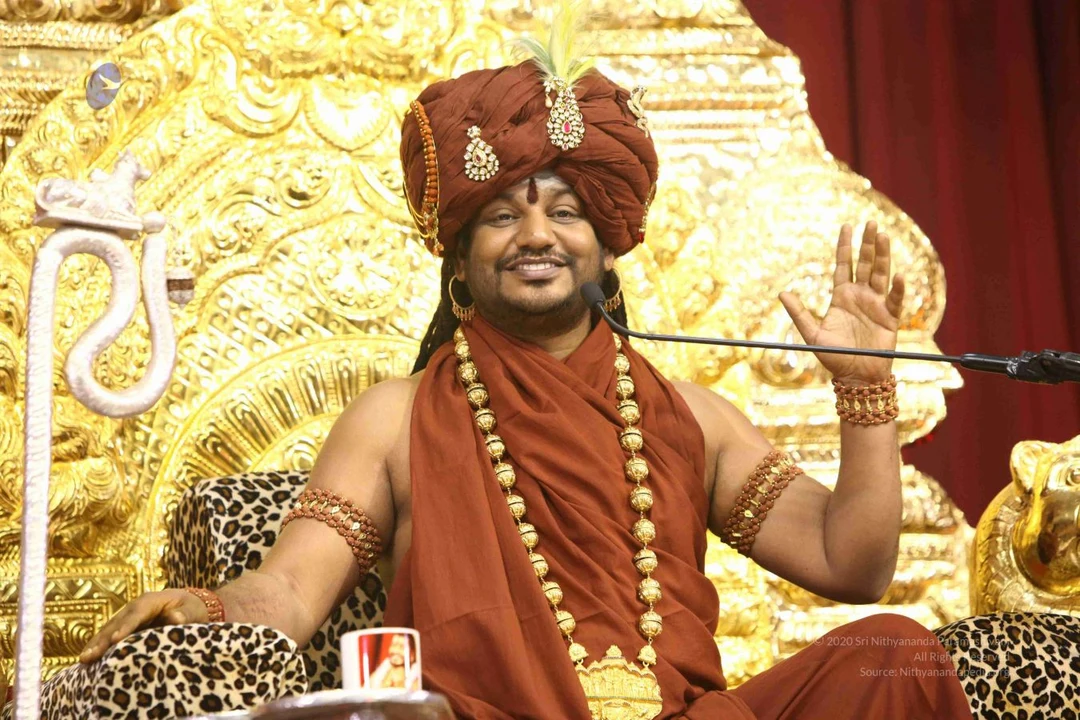 Nithya Satsang - HDH Nithyananda Paramashivam
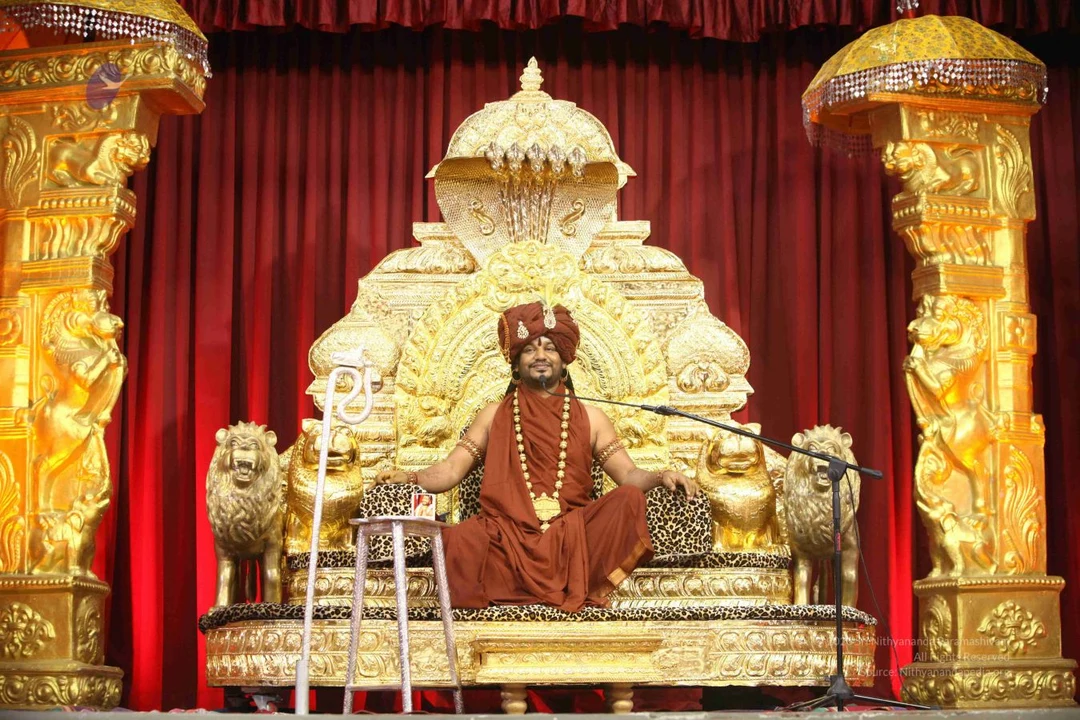 Nithya Satsang - HDH Nithyananda Paramashivam
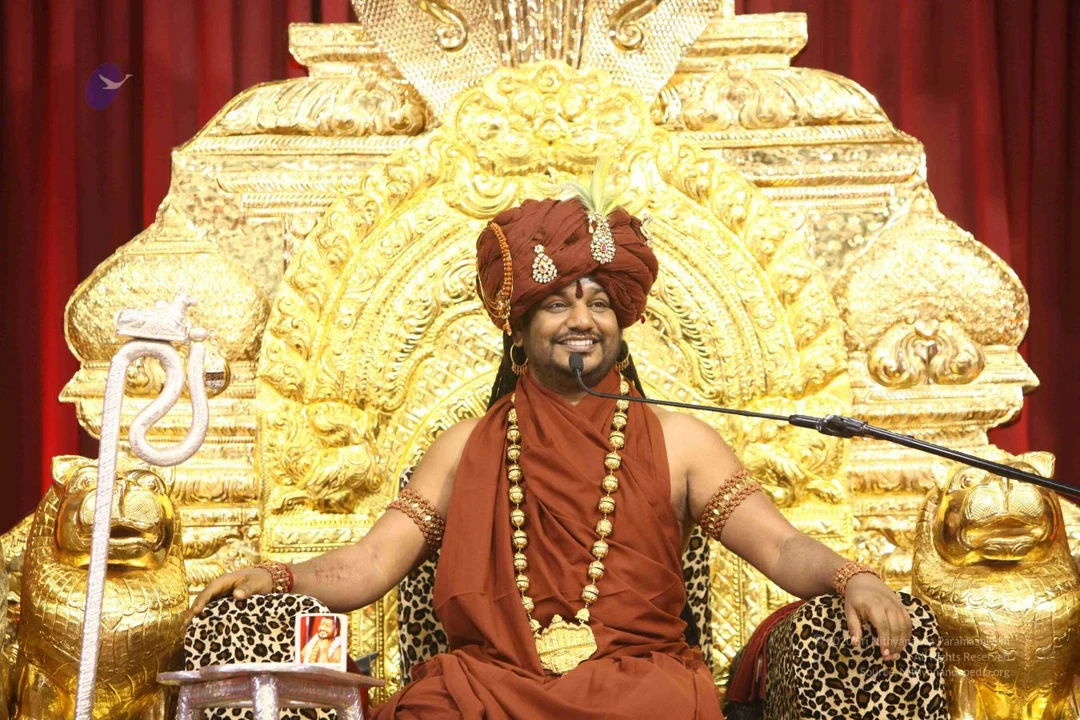 Nithya Satsang - HDH Nithyananda Paramashivam
 Nithya Satsang - HDH Nithyananda Paramashivam
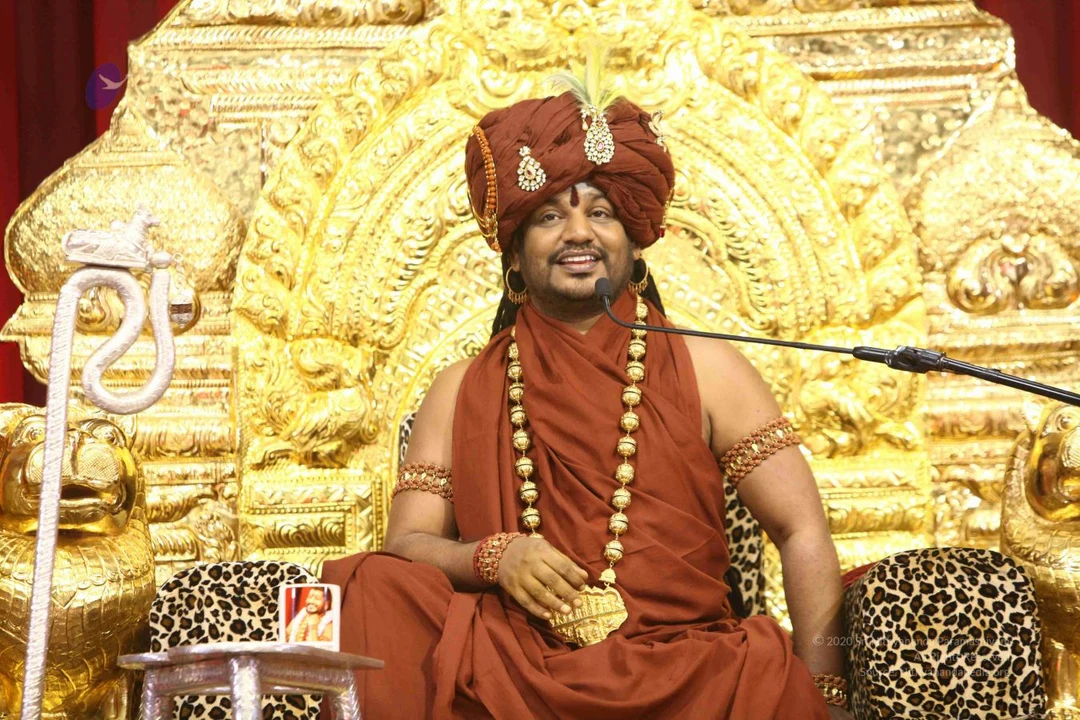 Nithya Satsang - HDH Nithyananda Paramashivam
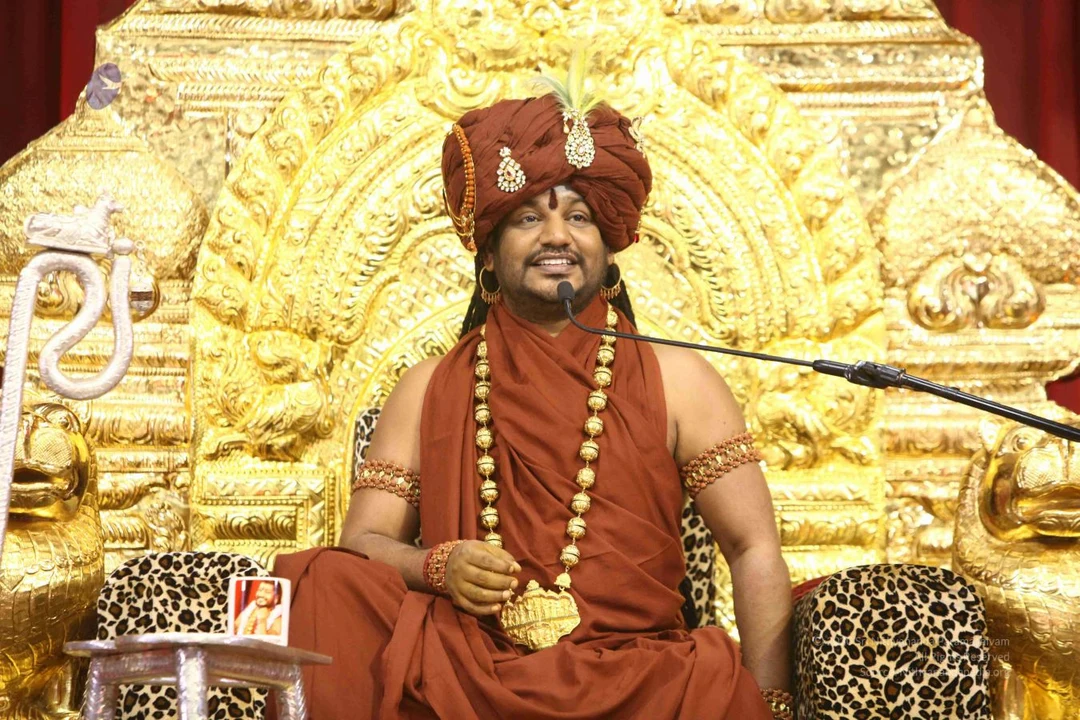 Nithya Satsang - HDH Nithyananda Paramashivam
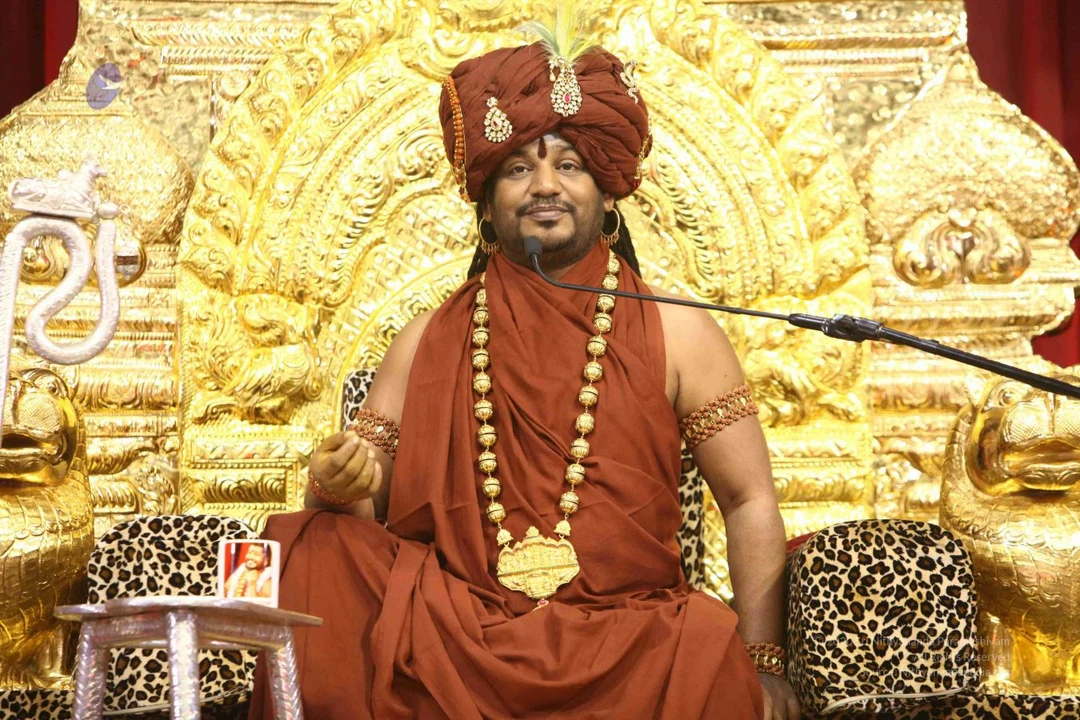 Nithya Satsang - HDH Nithyananda Paramashivam
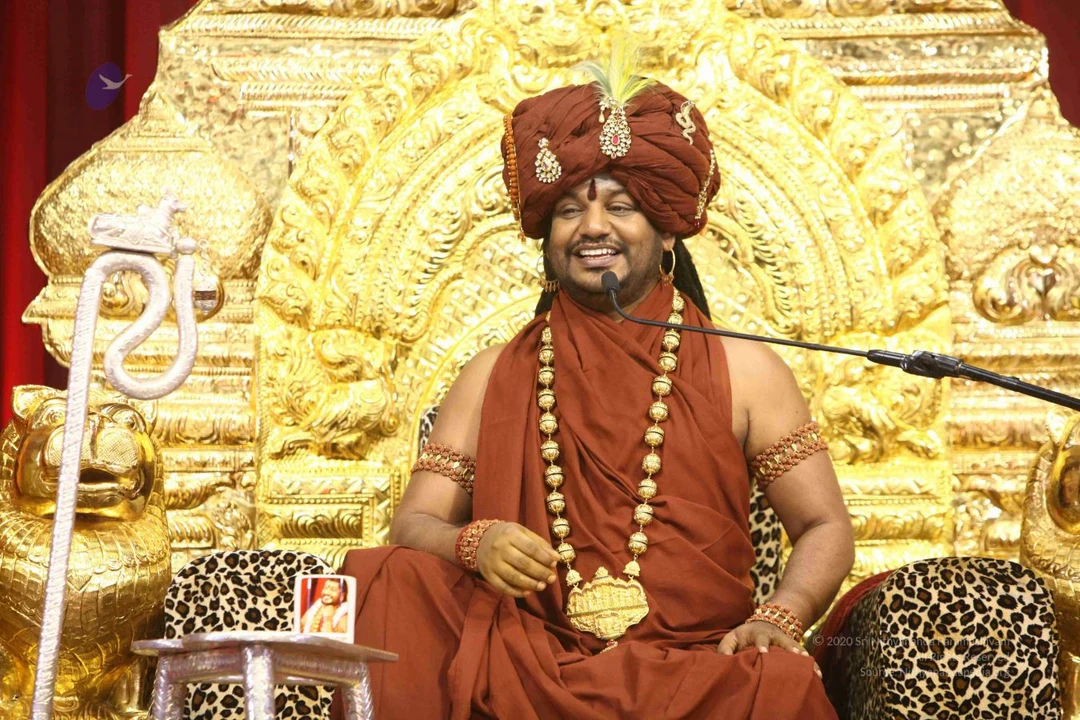 Nithya Satsang - HDH Nithyananda Paramashivam
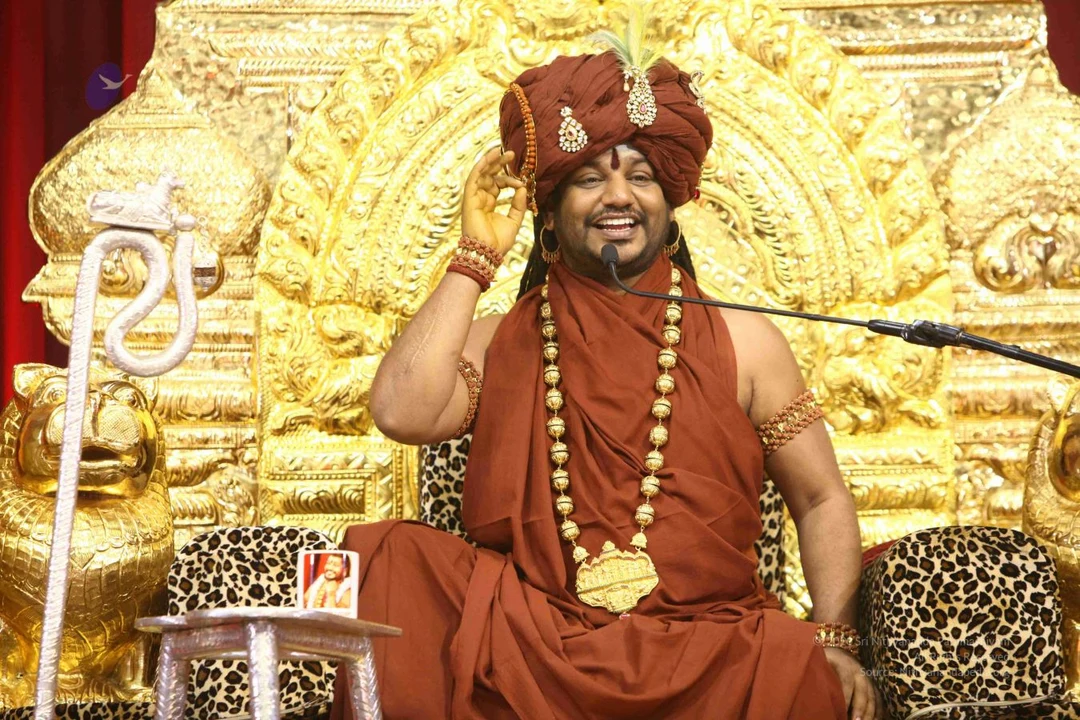 Nithya Satsang - HDH Nithyananda Paramashivam
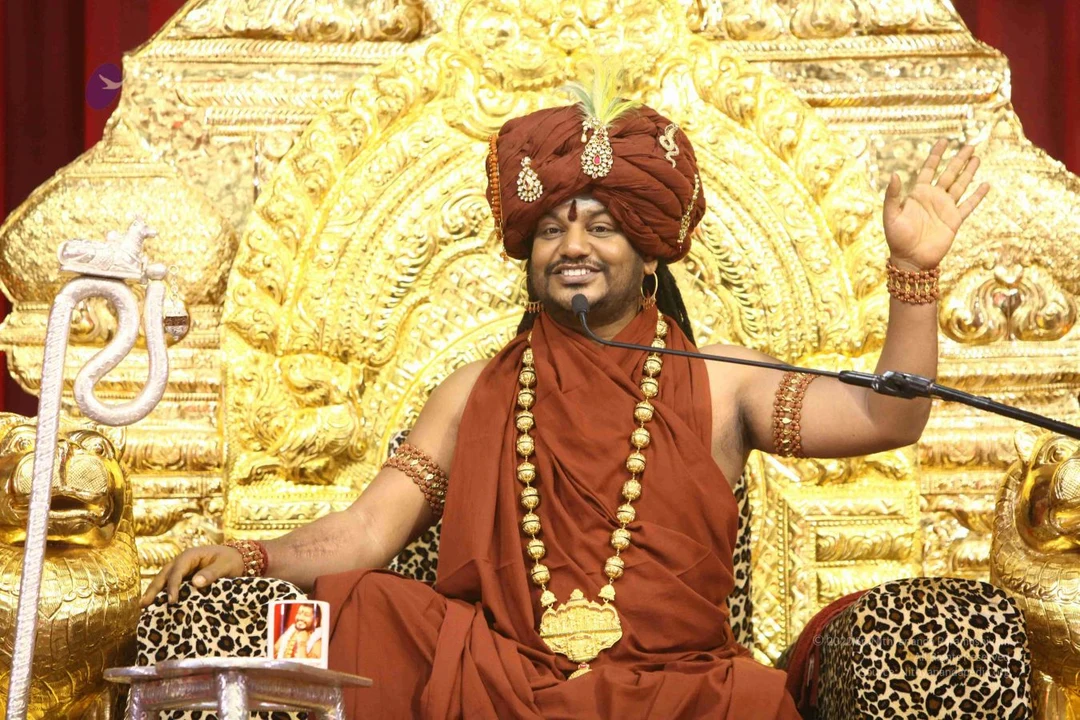 Nithya Satsang - HDH Nithyananda Paramashivam
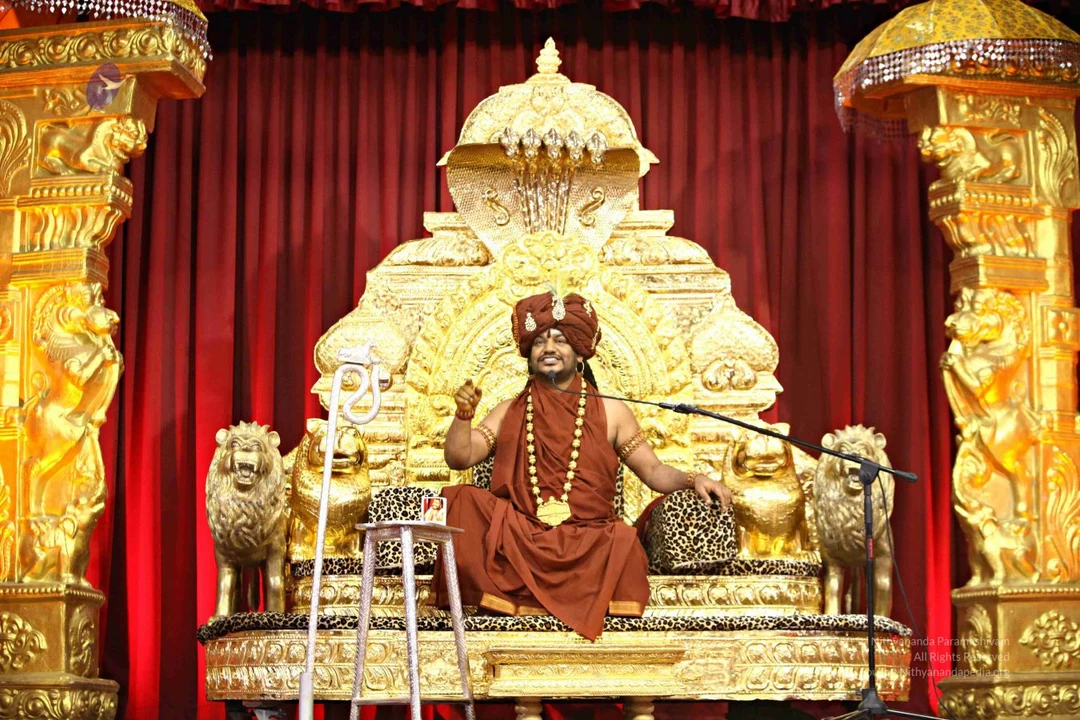 Nithya Satsang - HDH Nithyananda Paramashivam
 Nithya Satsang - HDH Nithyananda Paramashivam
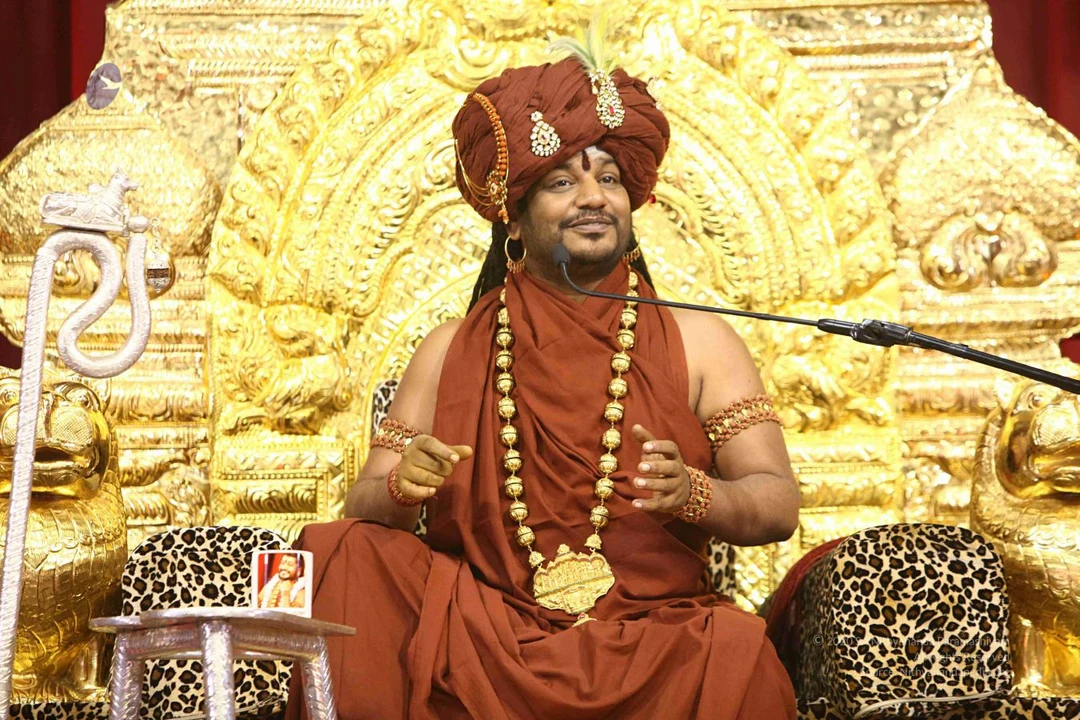 Nithya Satsang - HDH Nithyananda Paramashivam
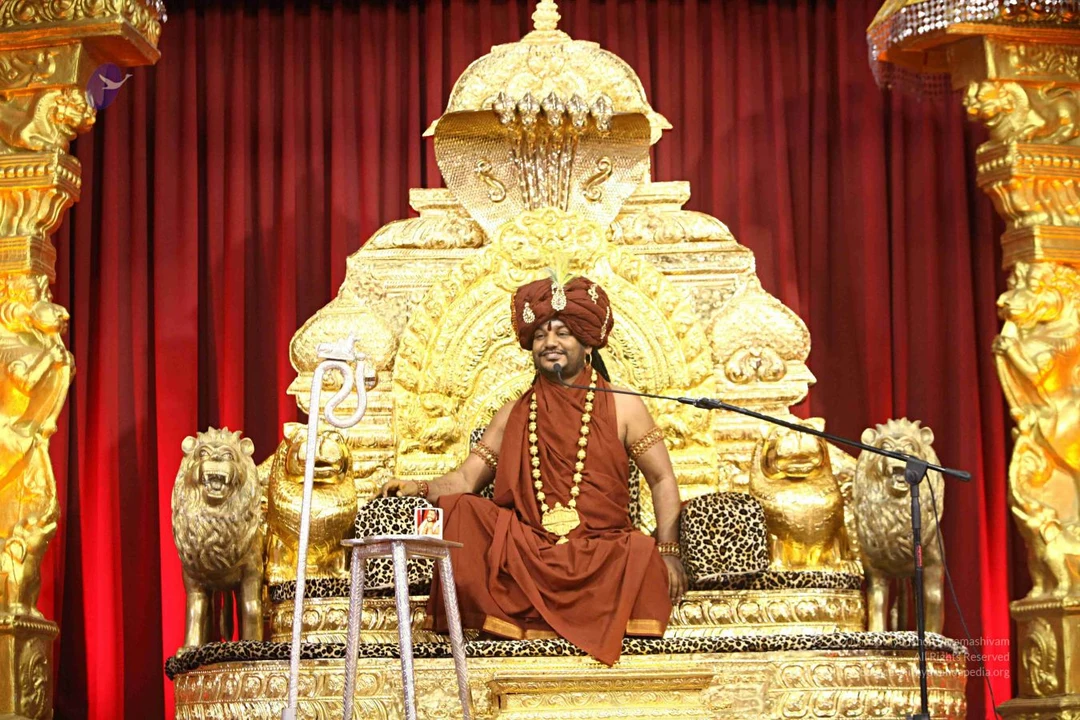 Nithya Satsang - HDH Nithyananda Paramashivam
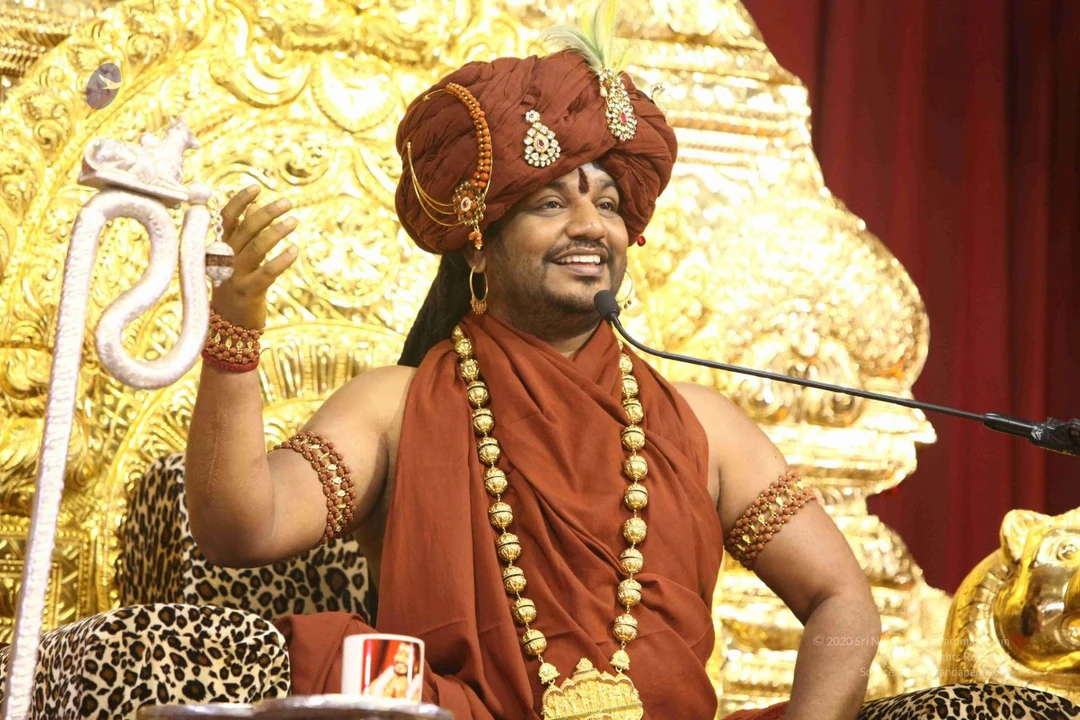 Nithya Satsang - HDH Nithyananda Paramashivam
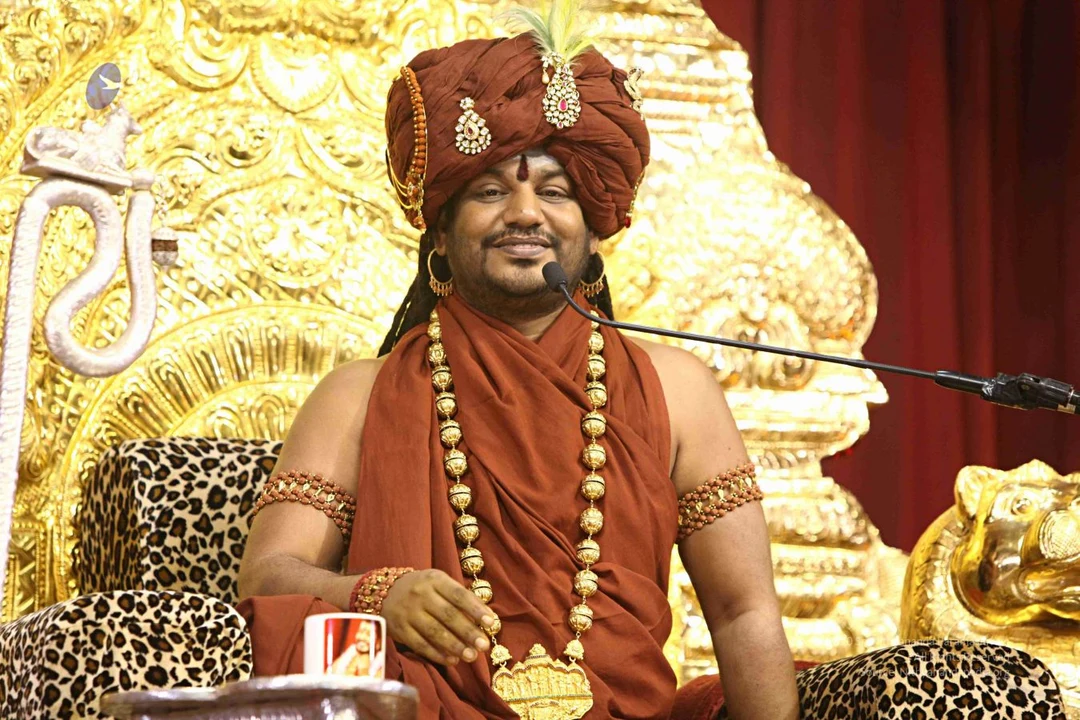 Nithya Satsang - HDH Nithyananda Paramashivam
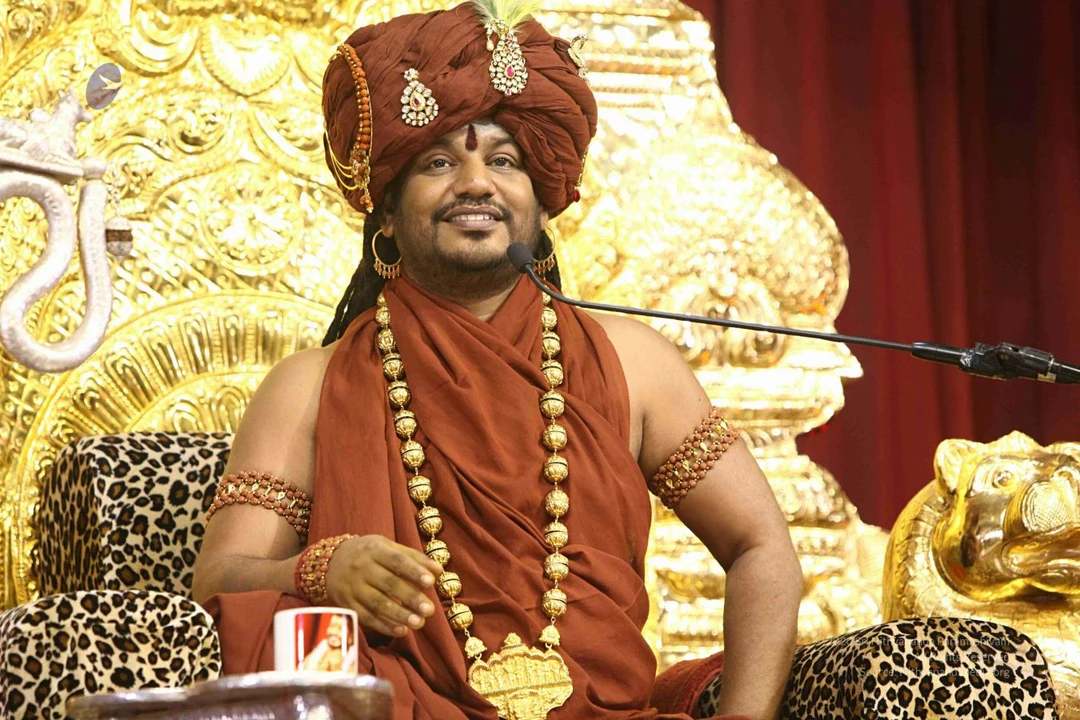 Nithya Satsang - HDH Nithyananda Paramashivam
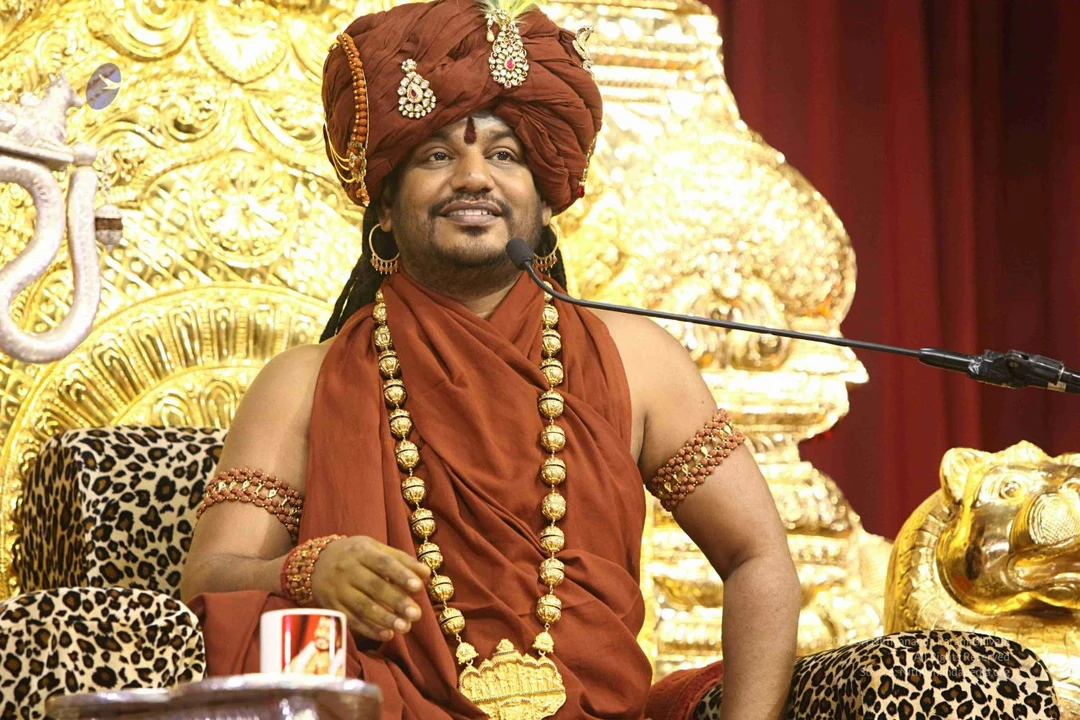 Nithya Satsang - HDH Nithyananda Paramashivam
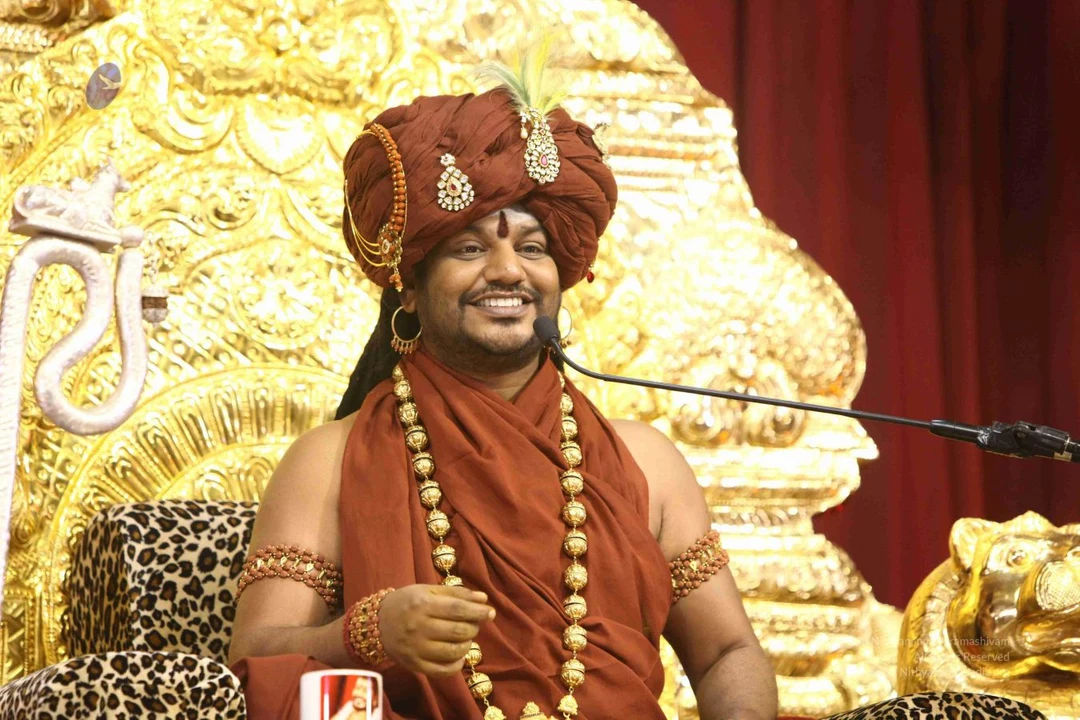 Nithya Satsang - HDH Nithyananda Paramashivam
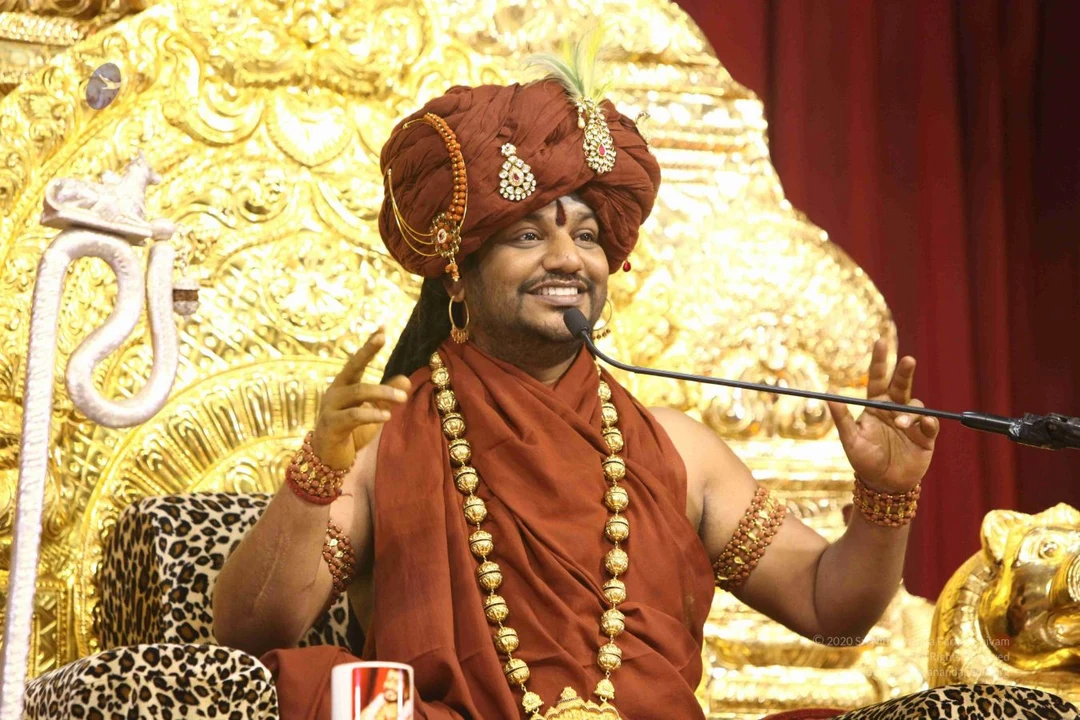 Nithya Satsang - HDH Nithyananda Paramashivam
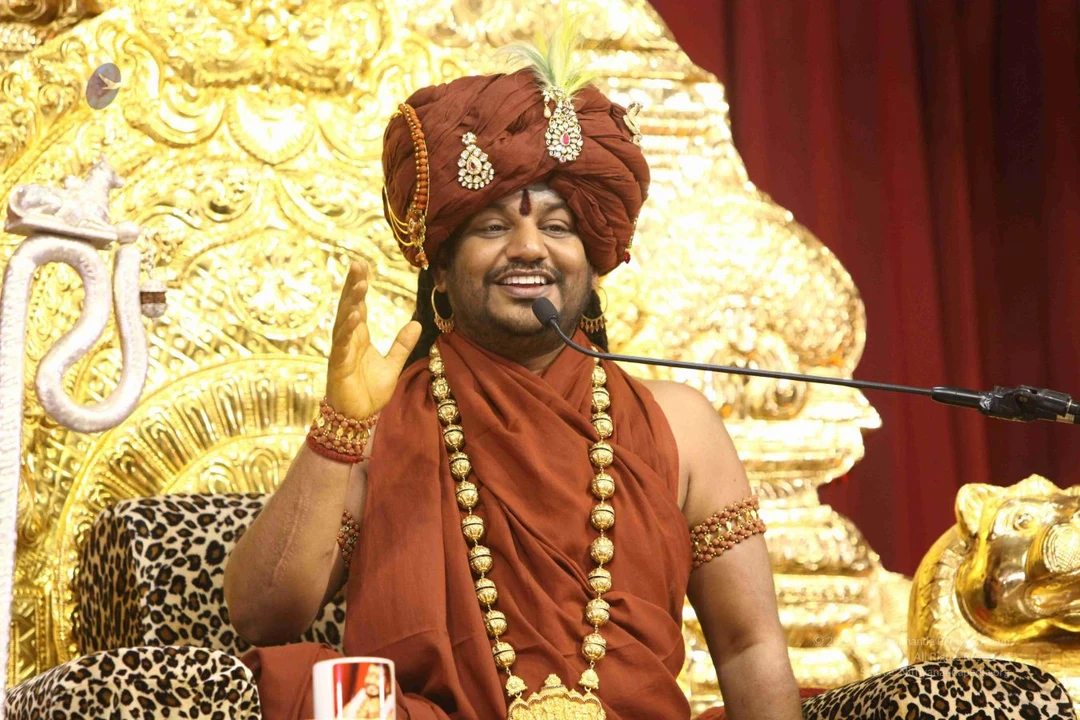 Nithya Satsang - HDH Nithyananda Paramashivam
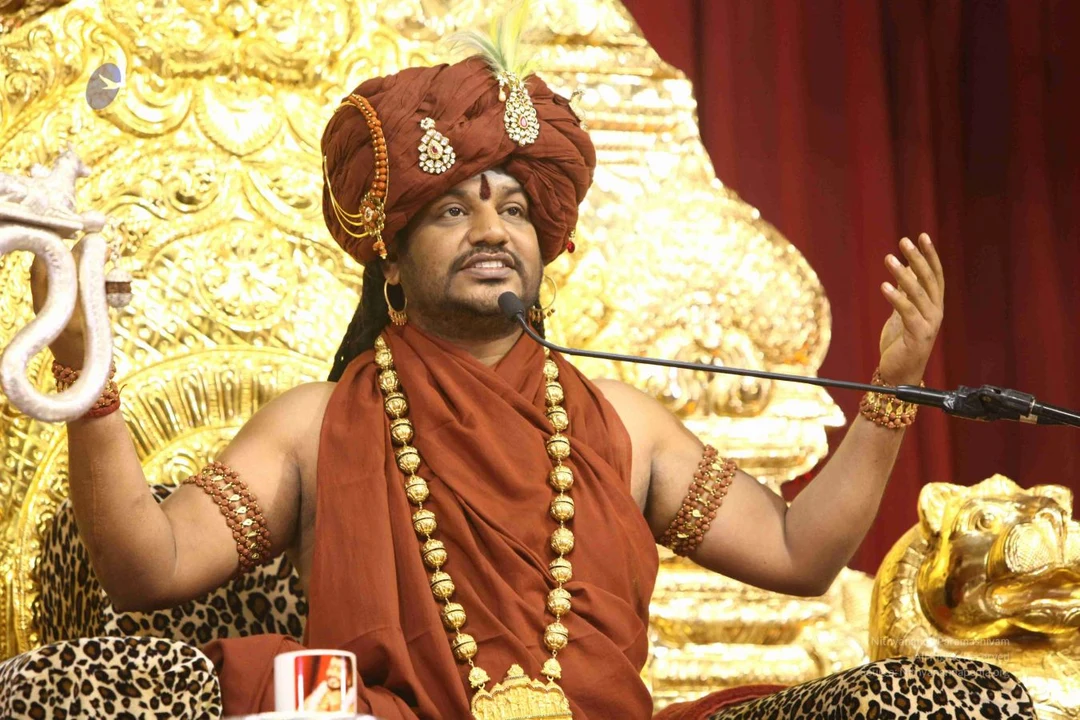 Nithya Satsang - HDH Nithyananda Paramashivam
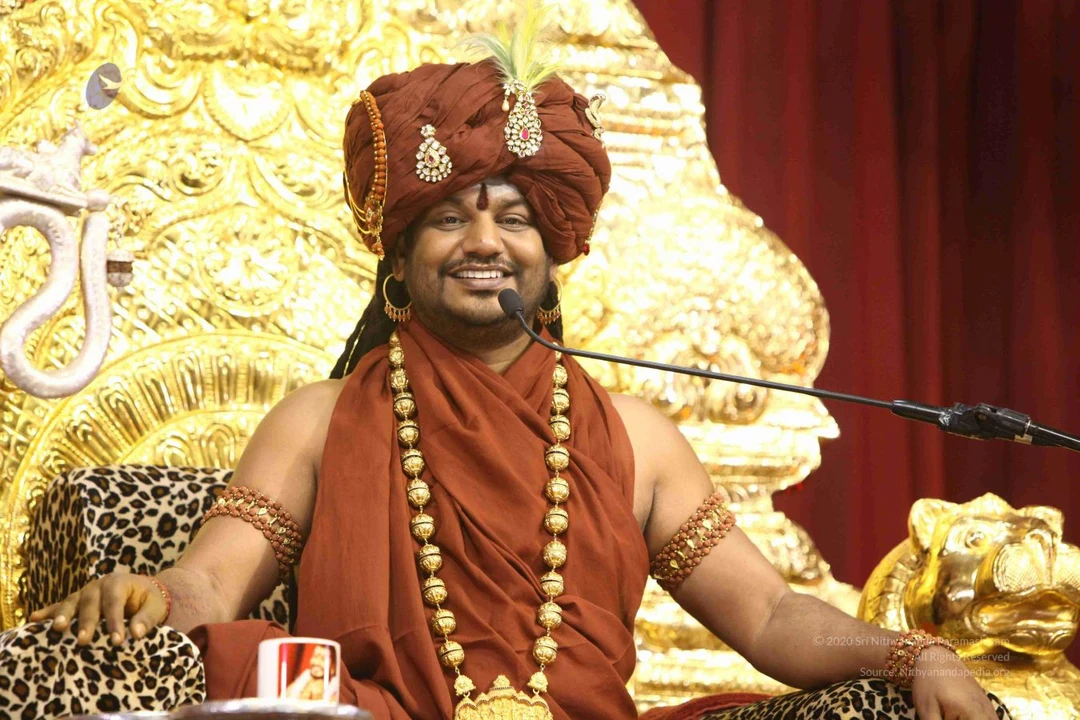 Nithya Satsang - HDH Nithyananda Paramashivam
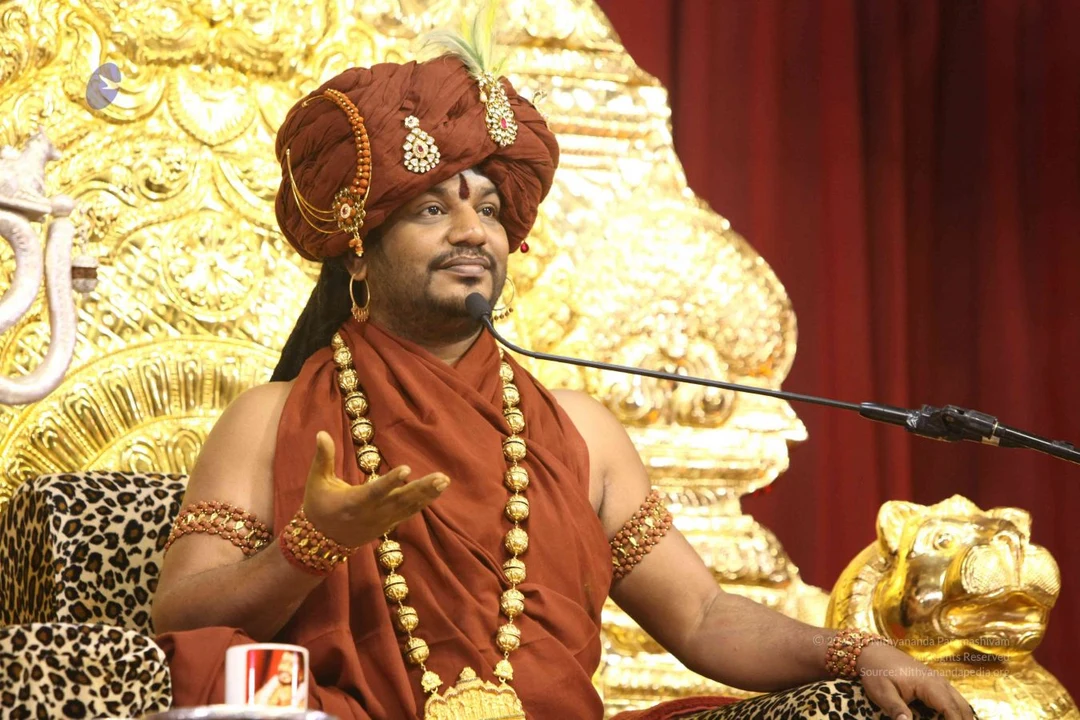 Nithya Satsang - HDH Nithyananda Paramashivam
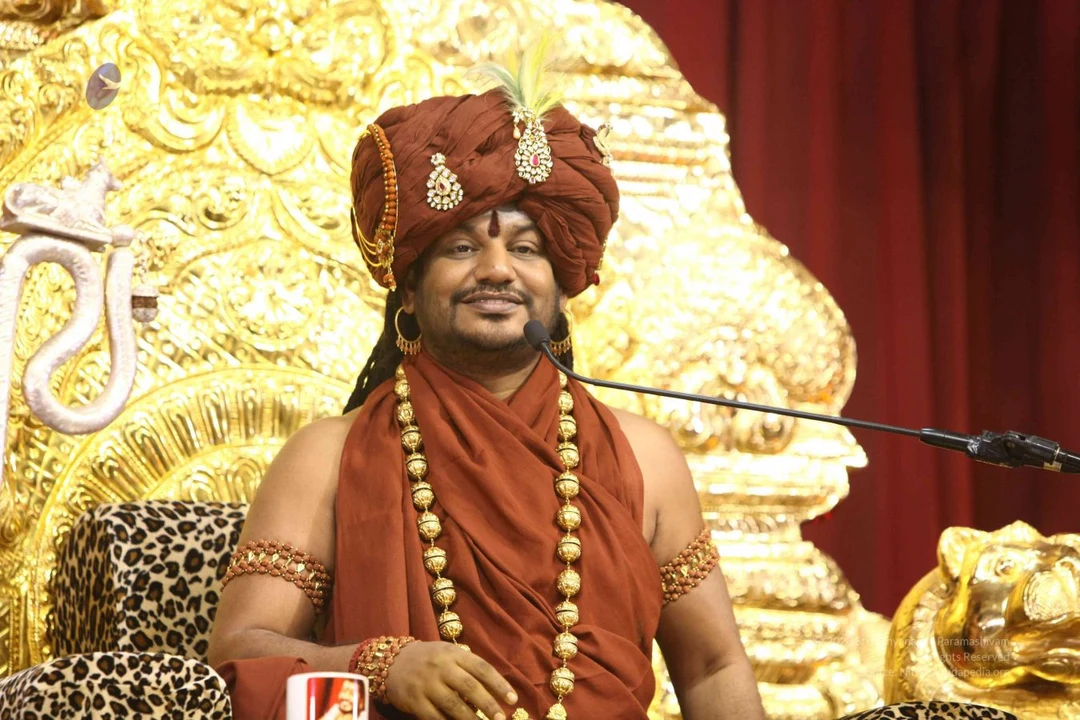 Nithya Satsang - HDH Nithyananda Paramashivam
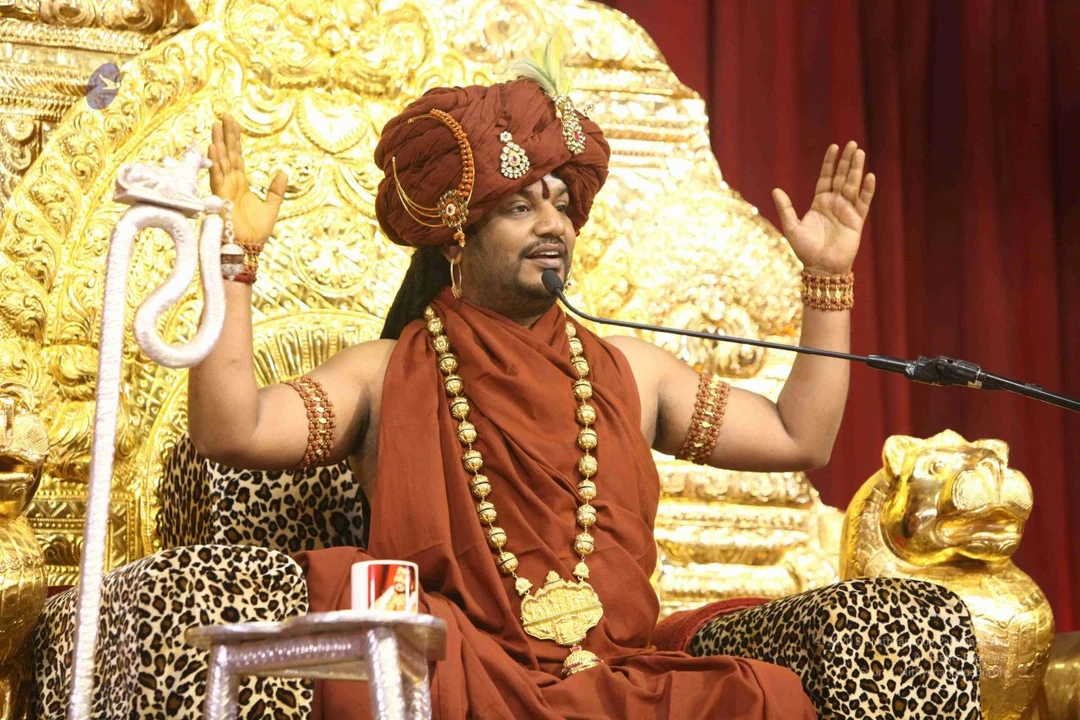 Nithya Satsang - HDH Nithyananda Paramashivam
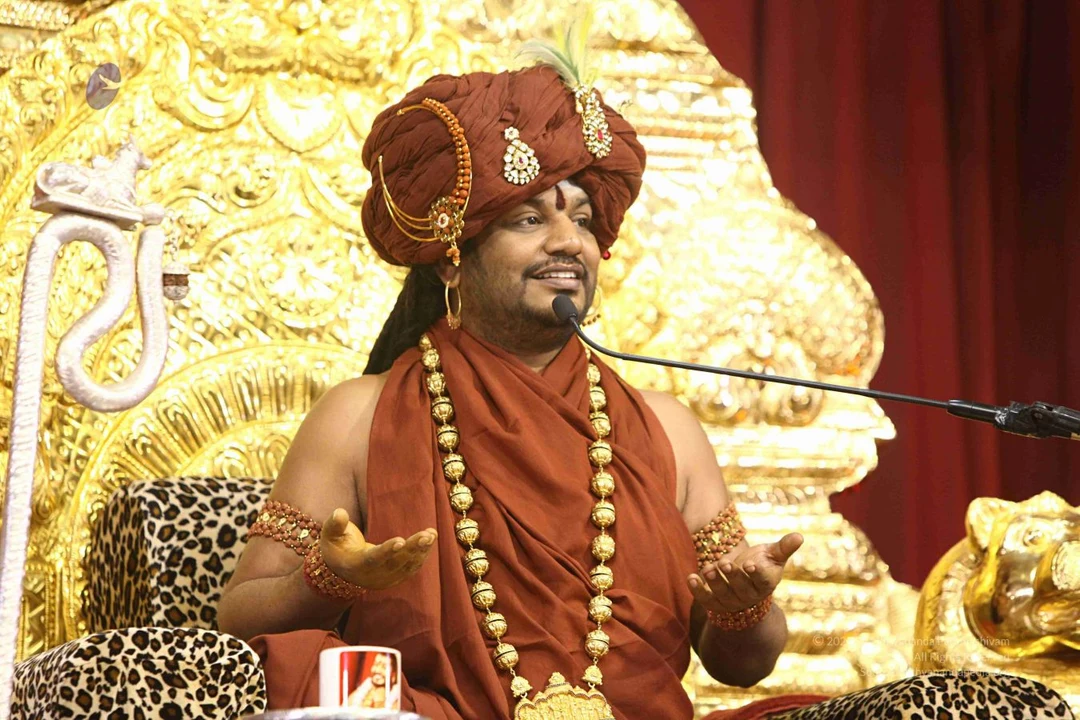 Nithya Satsang - HDH Nithyananda Paramashivam
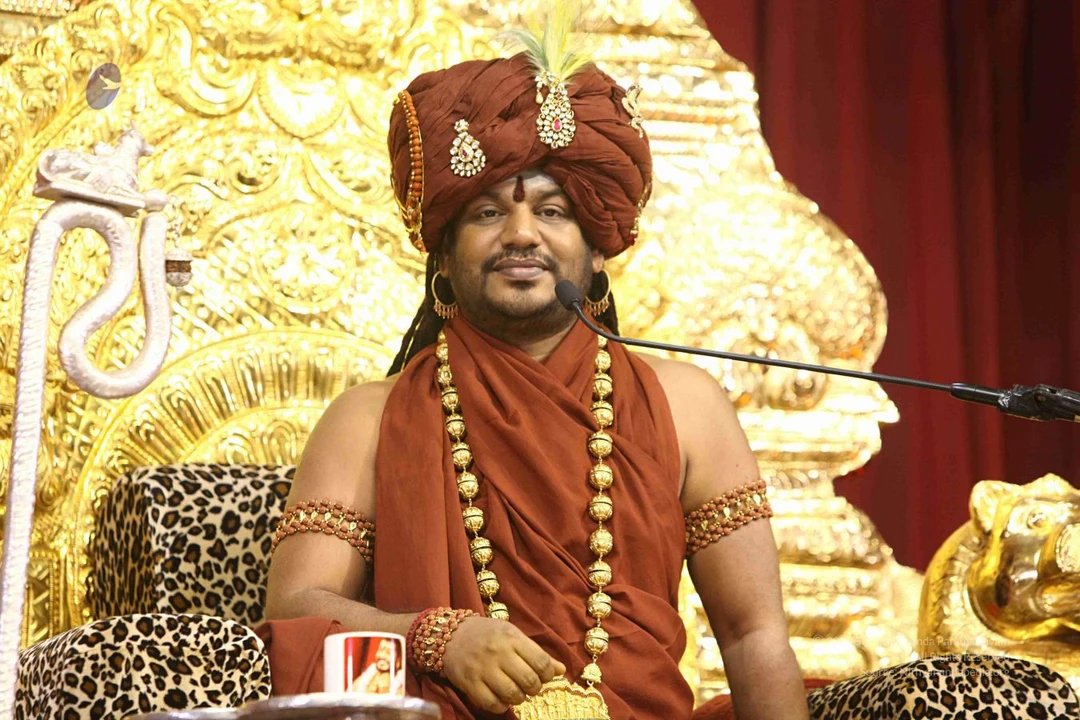 Nithya Satsang - HDH Nithyananda Paramashivam
 Nithya Satsang - HDH Nithyananda Paramashivam
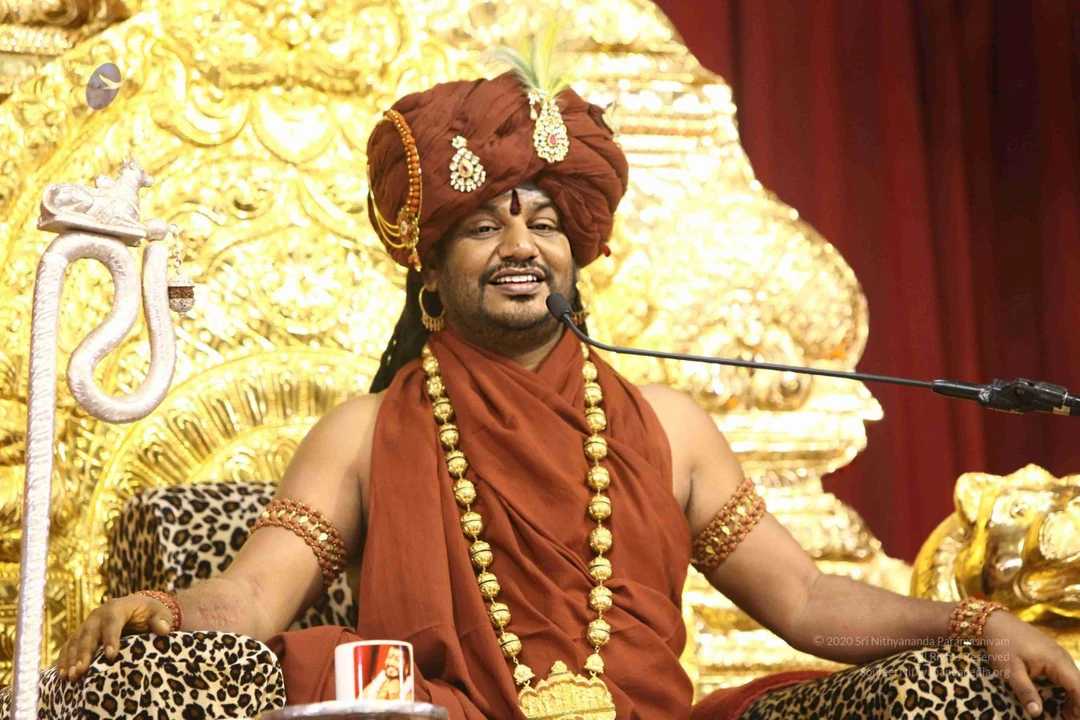 Nithya Satsang - HDH Nithyananda Paramashivam
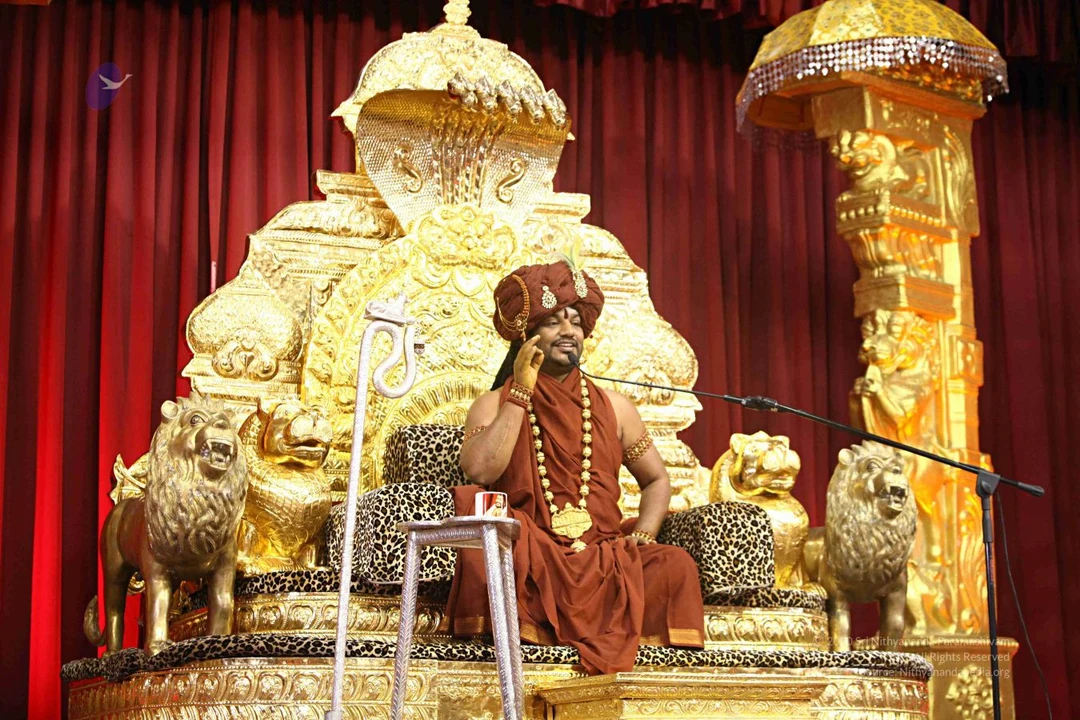 Nithya Satsang - HDH Nithyananda Paramashivam
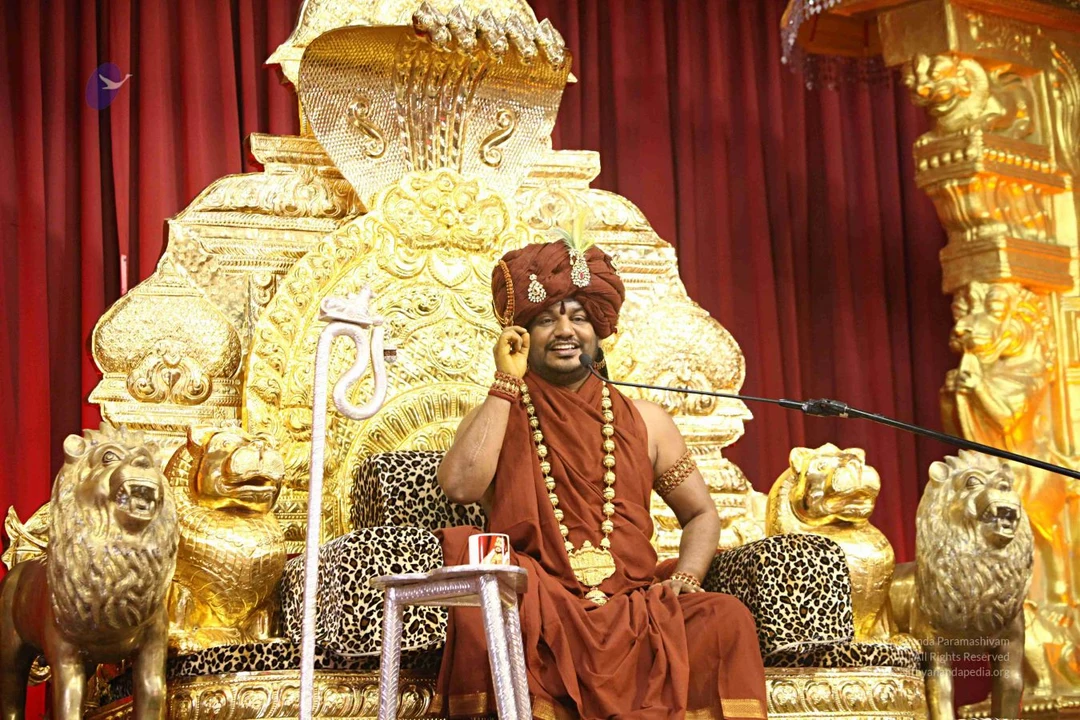 Nithya Satsang - HDH Nithyananda Paramashivam
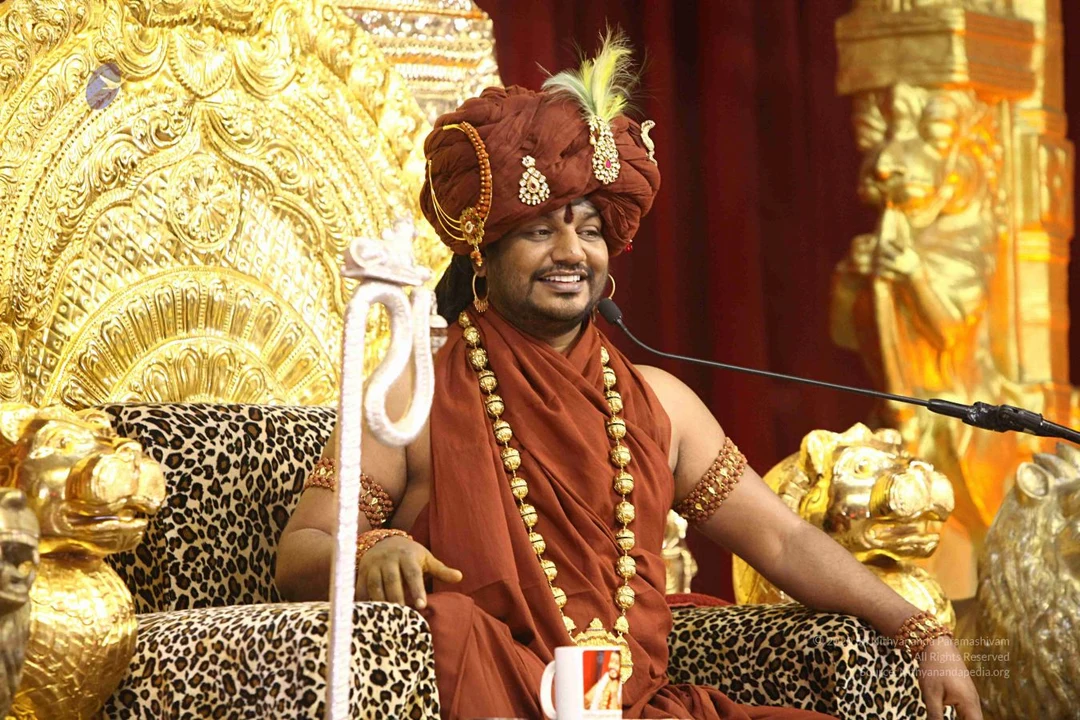 Nithya Satsang - HDH Nithyananda Paramashivam
 Nithya Satsang - HDH Nithyananda Paramashivam
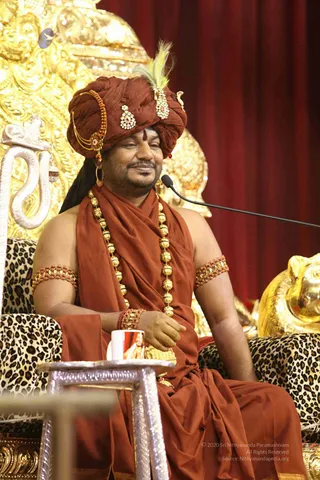 Nithya Satsang - HDH Nithyananda Paramashivam
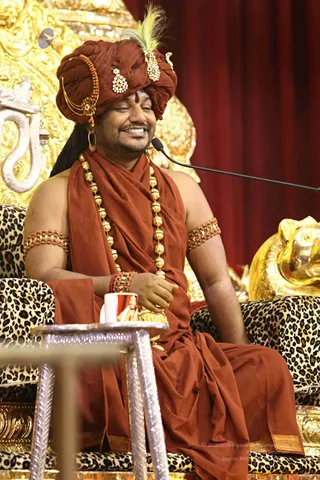 Nithya Satsang - HDH Nithyananda Paramashivam
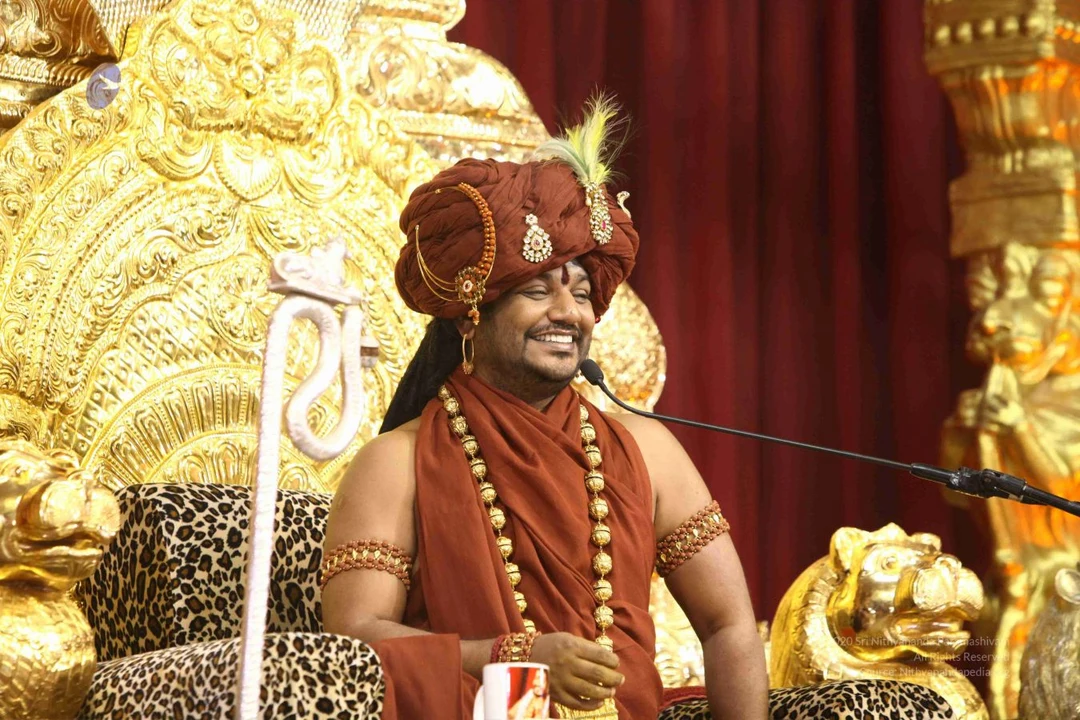 Nithya Satsang - HDH Nithyananda Paramashivam
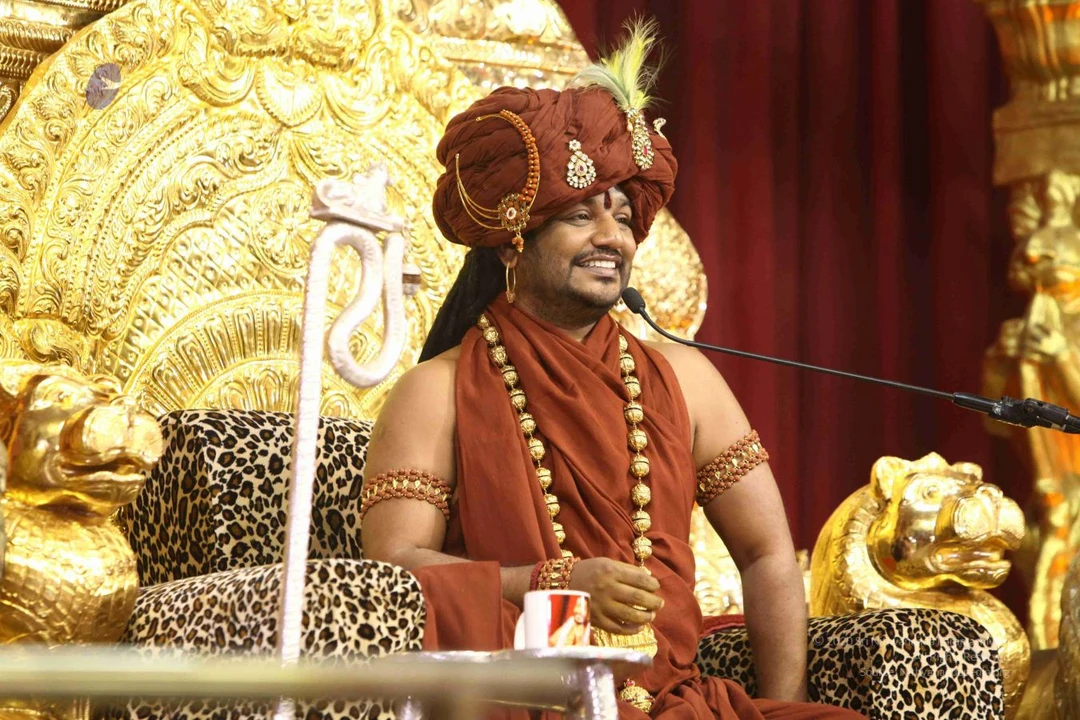 Nithya Satsang - HDH Nithyananda Paramashivam
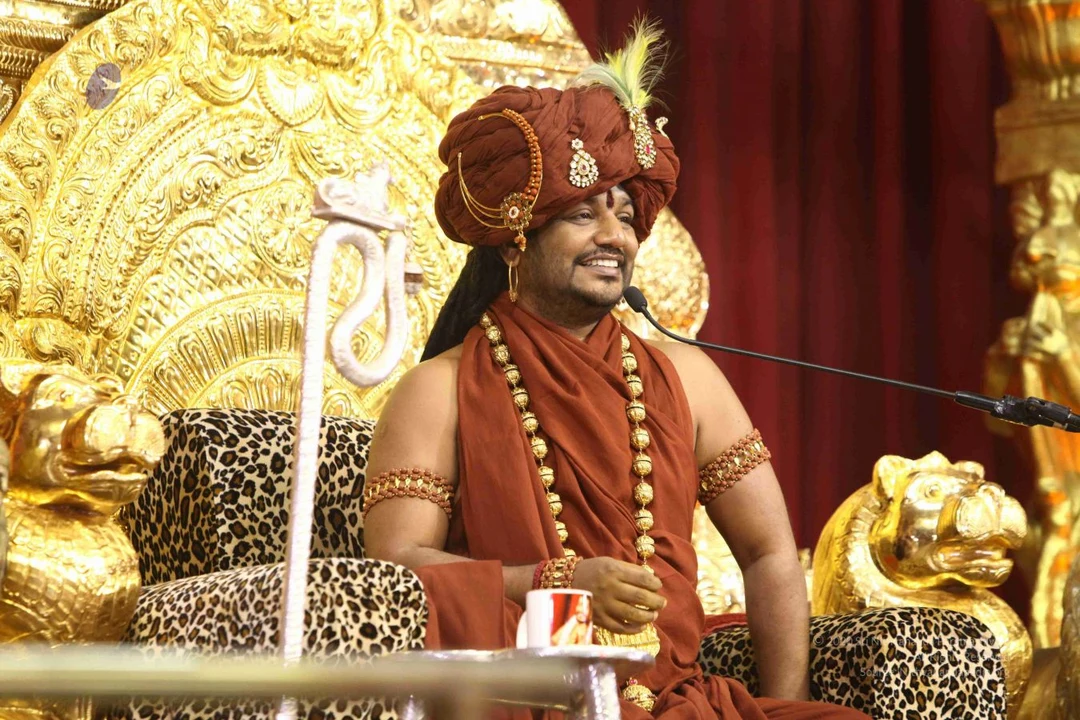 Nithya Satsang - HDH Nithyananda Paramashivam
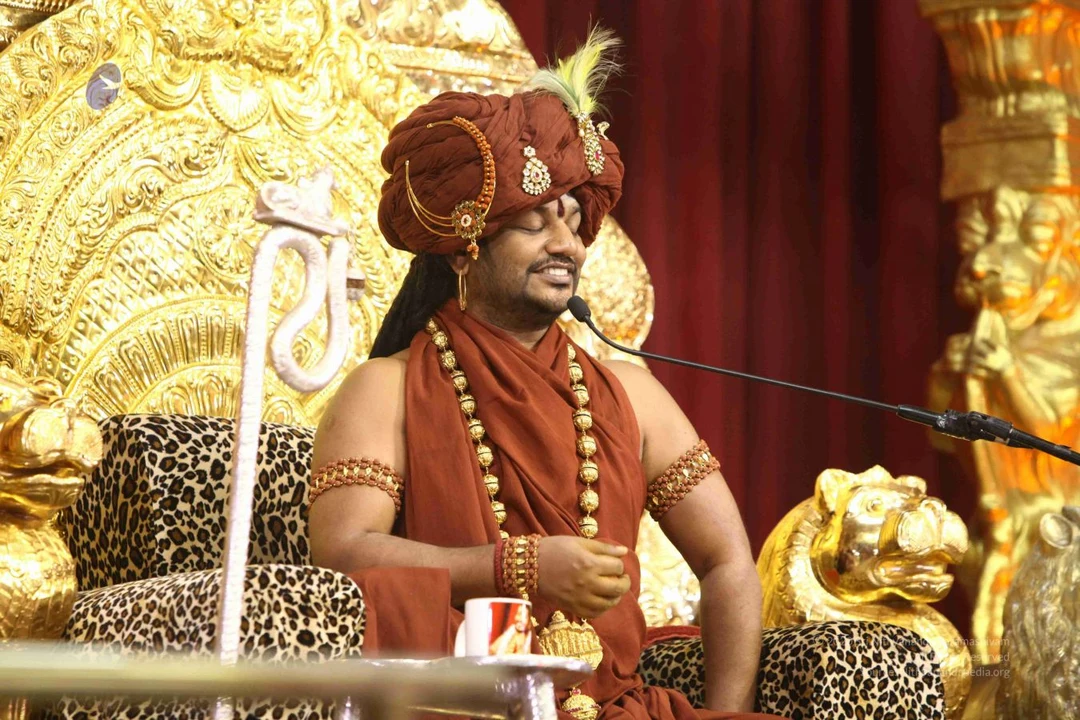 Nithya Satsang - HDH Nithyananda Paramashivam
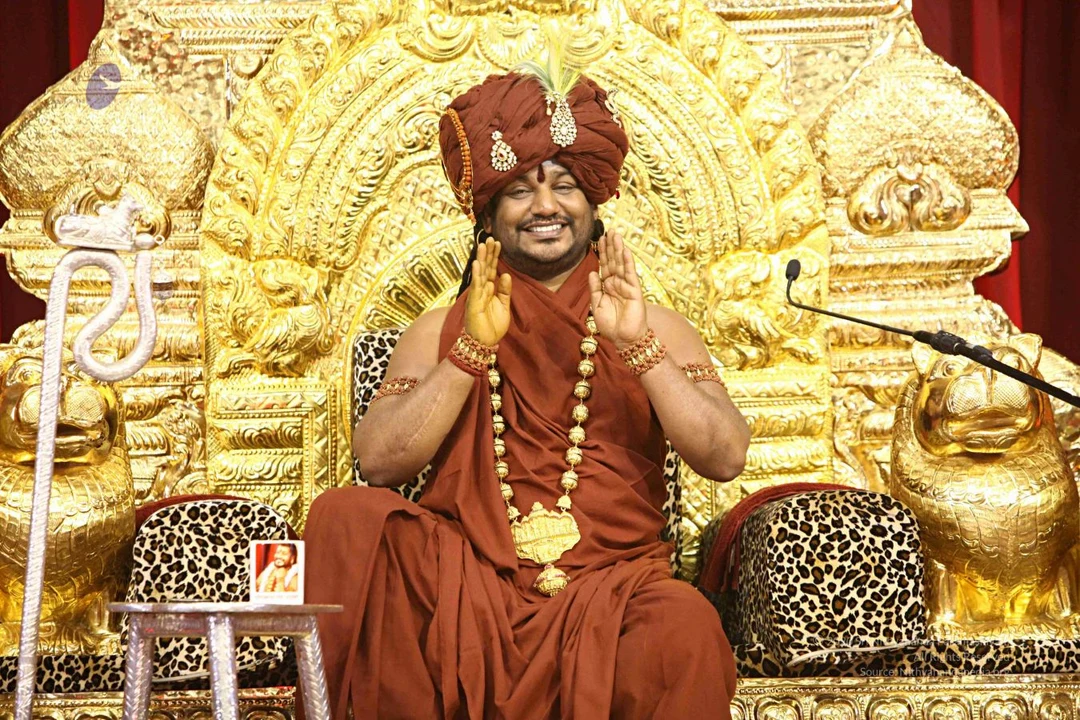 Blessings - HDH Nithyananda Paramashivam
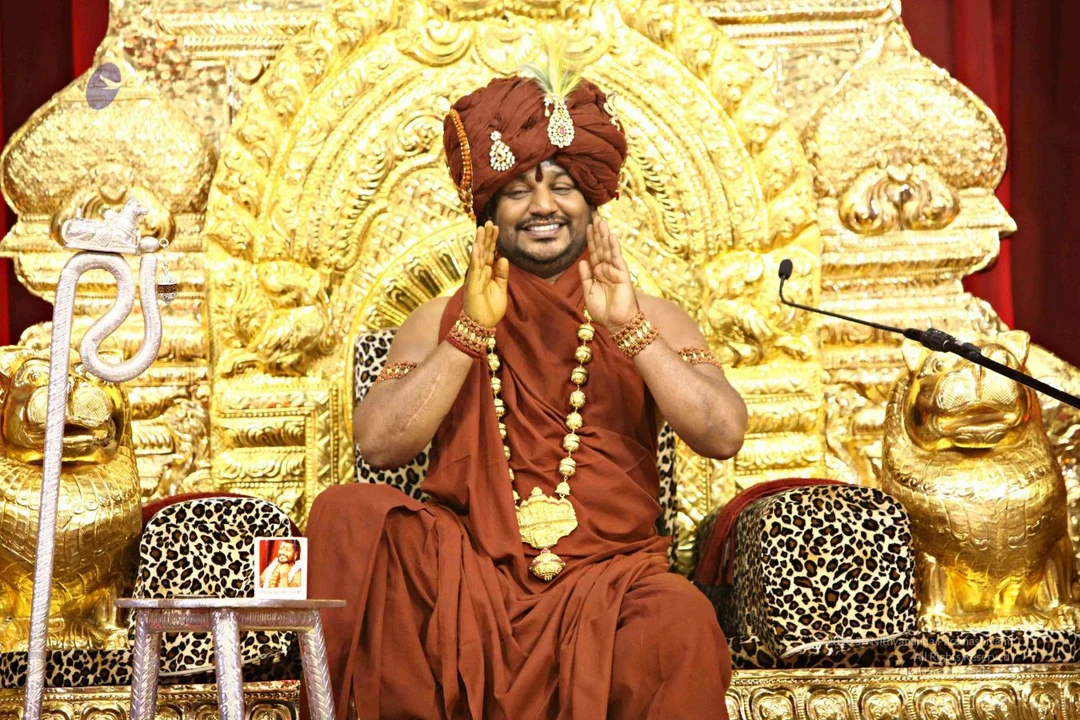 Blessings - HDH Nithyananda Paramashivam
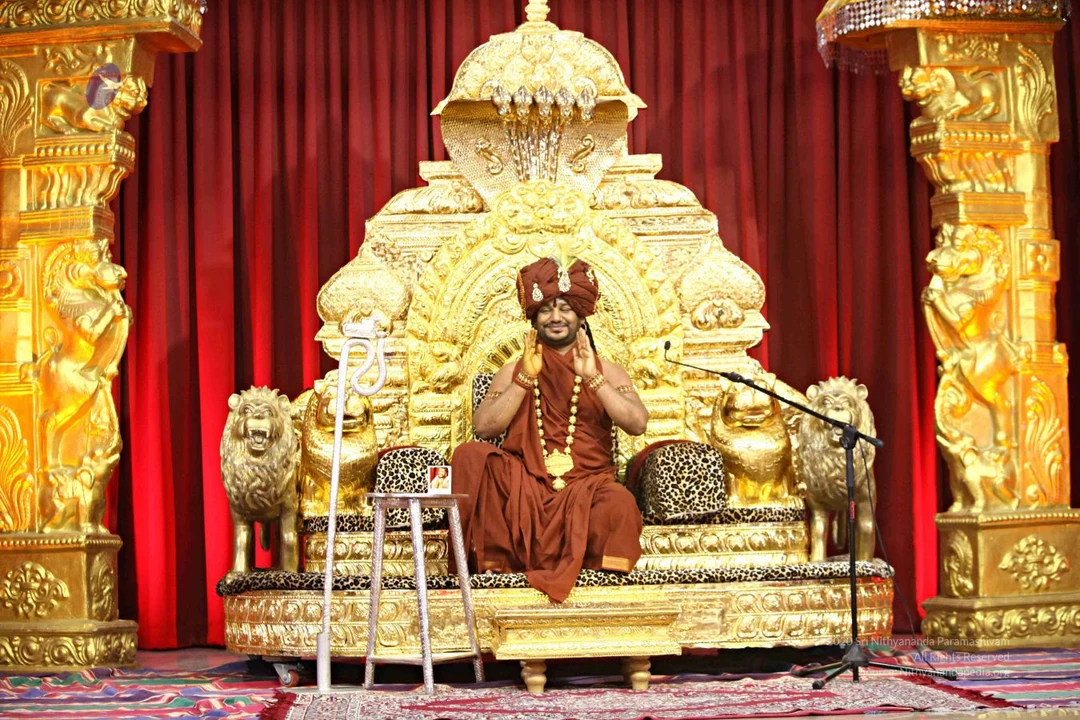 Blessings - HDH Nithyananda Paramashivam
 Blessings - HDH Nithyananda Paramashivam
 Blessings - HDH Nithyananda Paramashivam
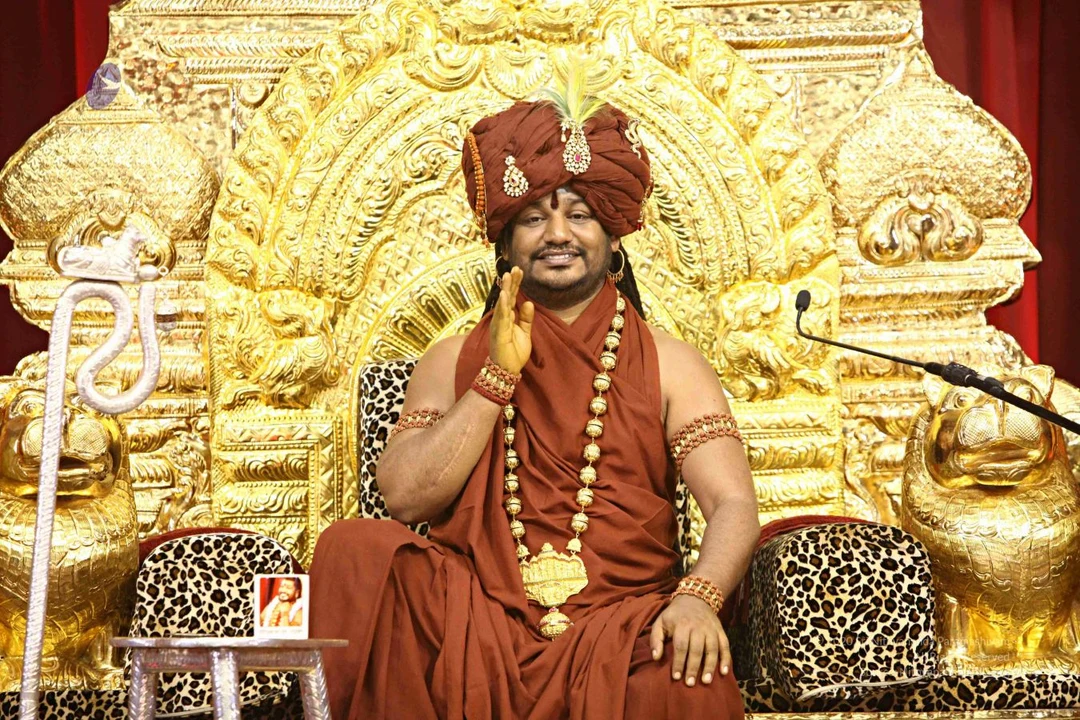 Blessings - HDH Nithyananda Paramashivam
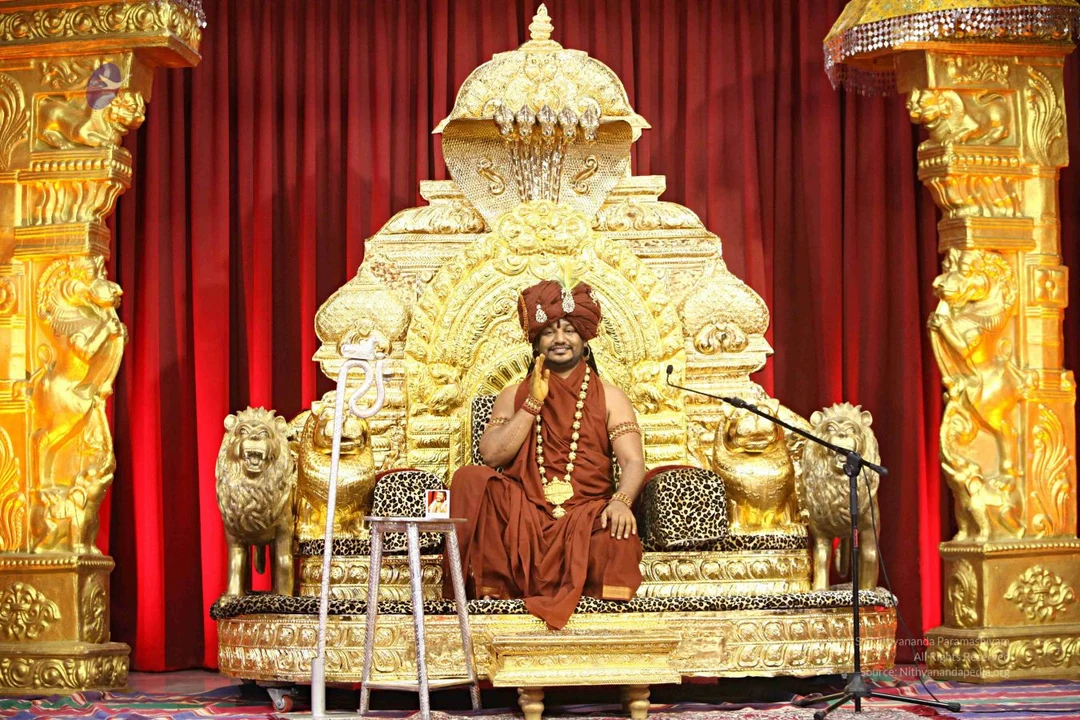 Blessings - HDH Nithyananda Paramashivam
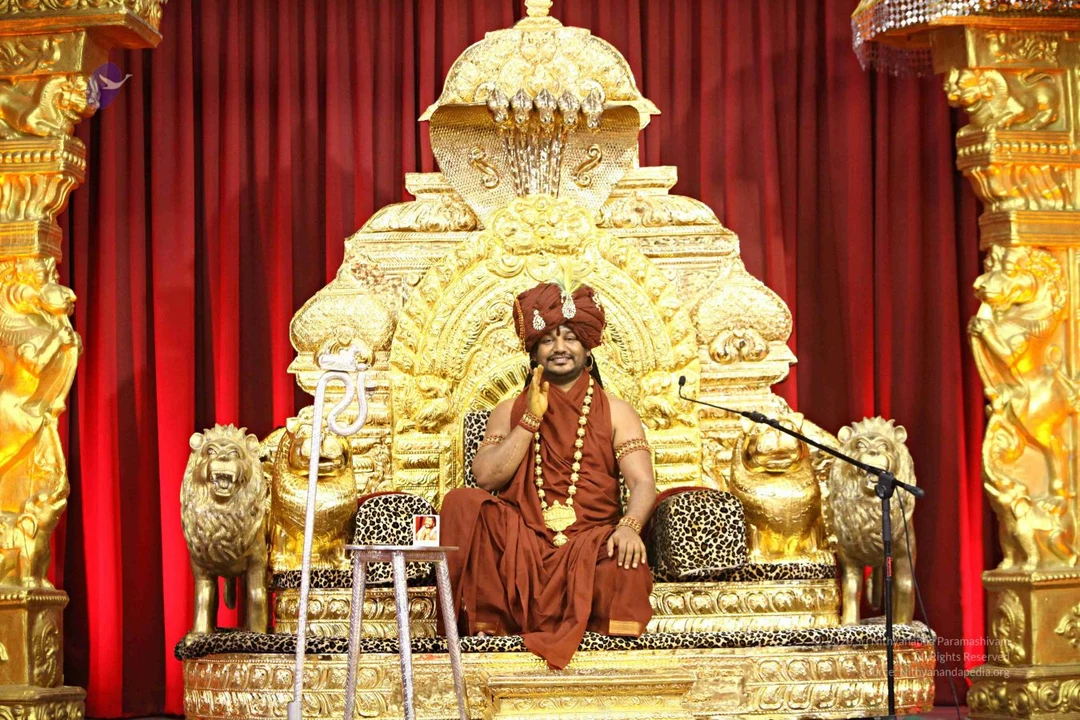 Blessings - HDH Nithyananda Paramashivam
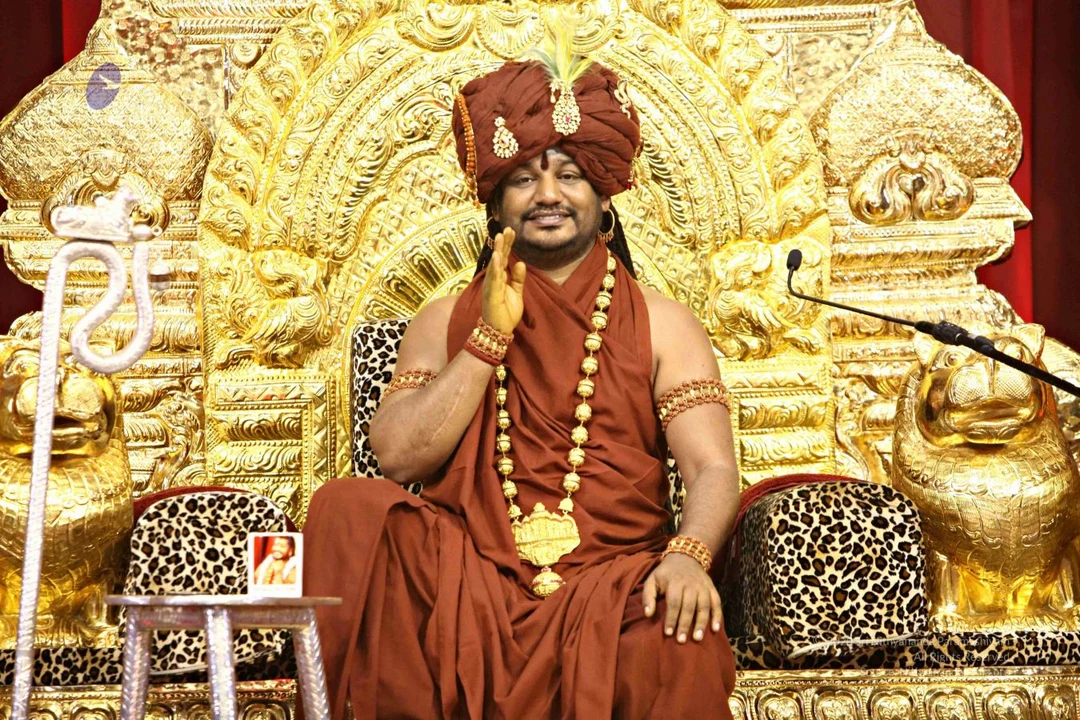 Blessings - HDH Nithyananda Paramashivam
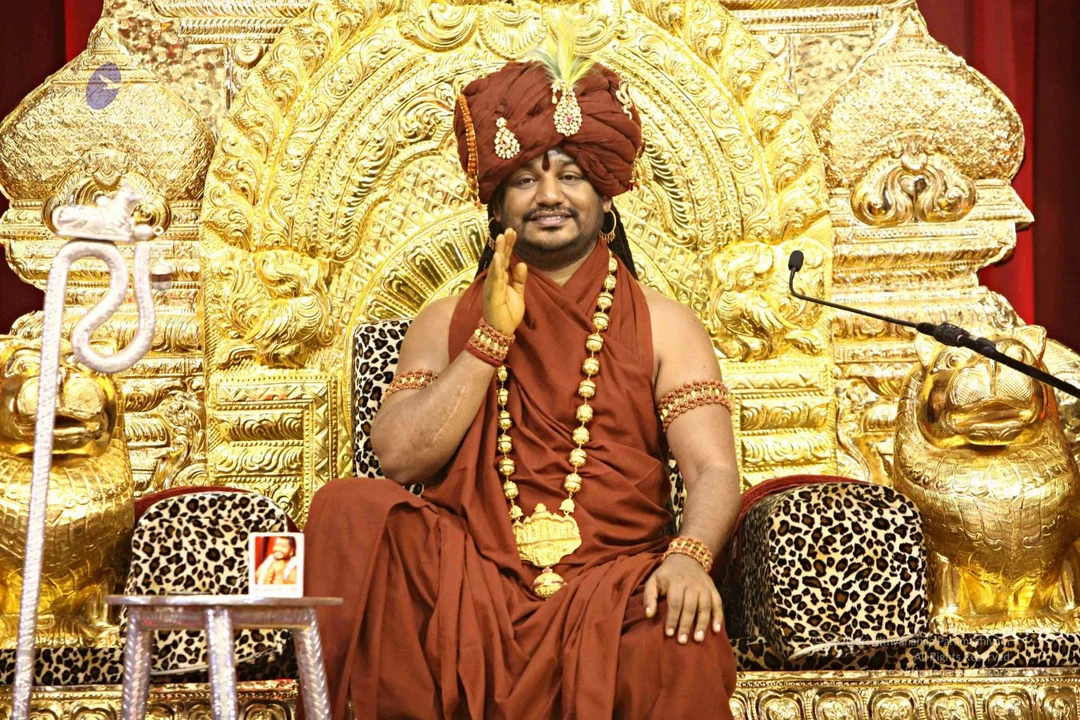 Blessings - HDH Nithyananda Paramashivam
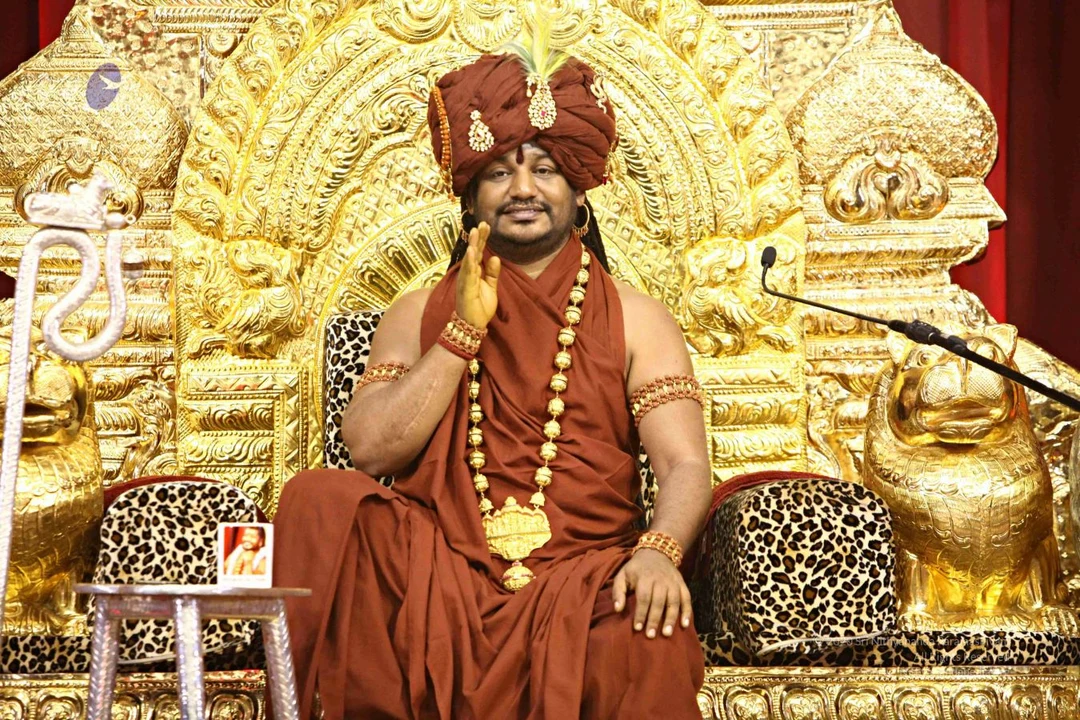 Blessings - HDH Nithyananda Paramashivam
 Blessings - HDH Nithyananda Paramashivam
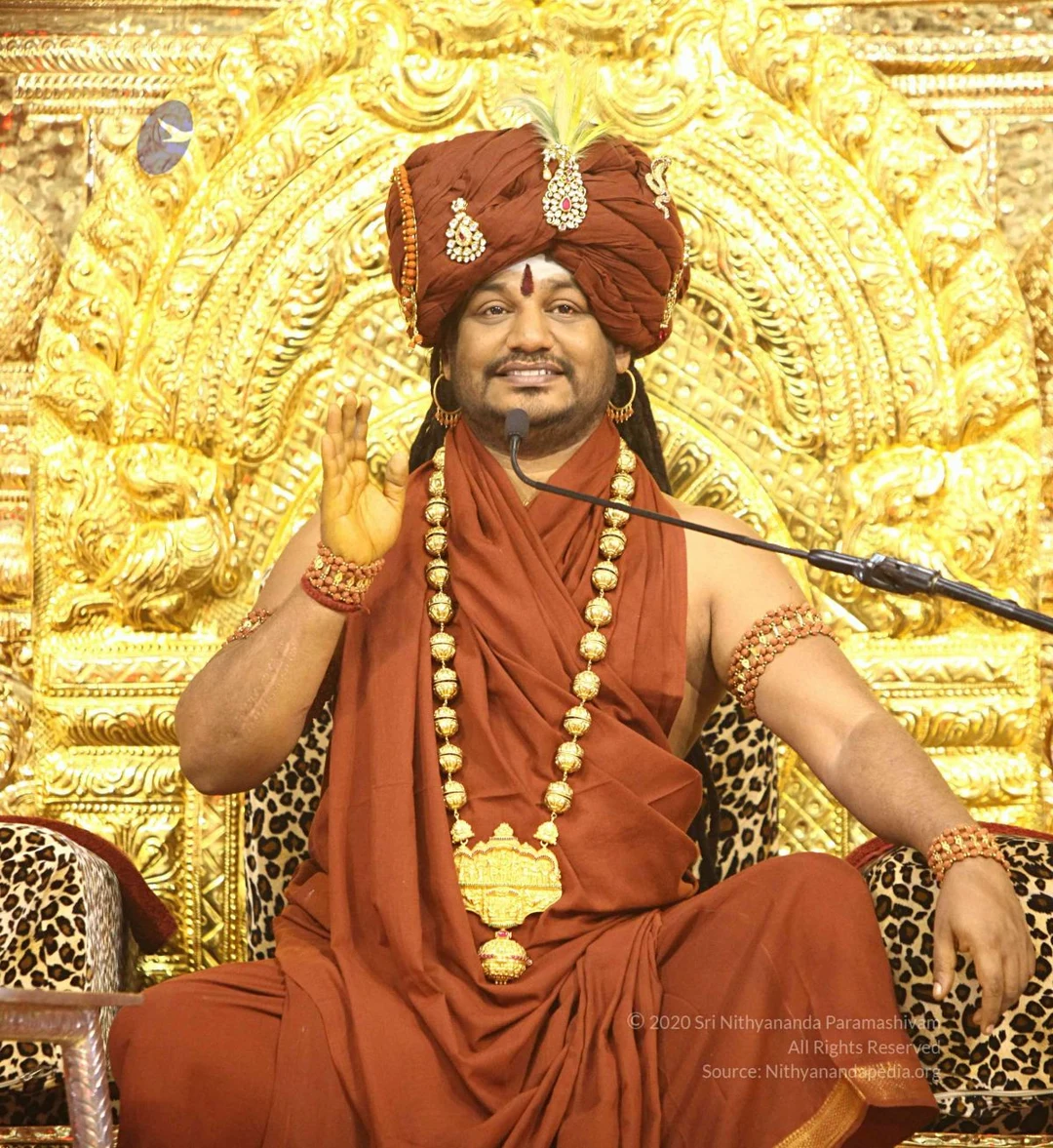
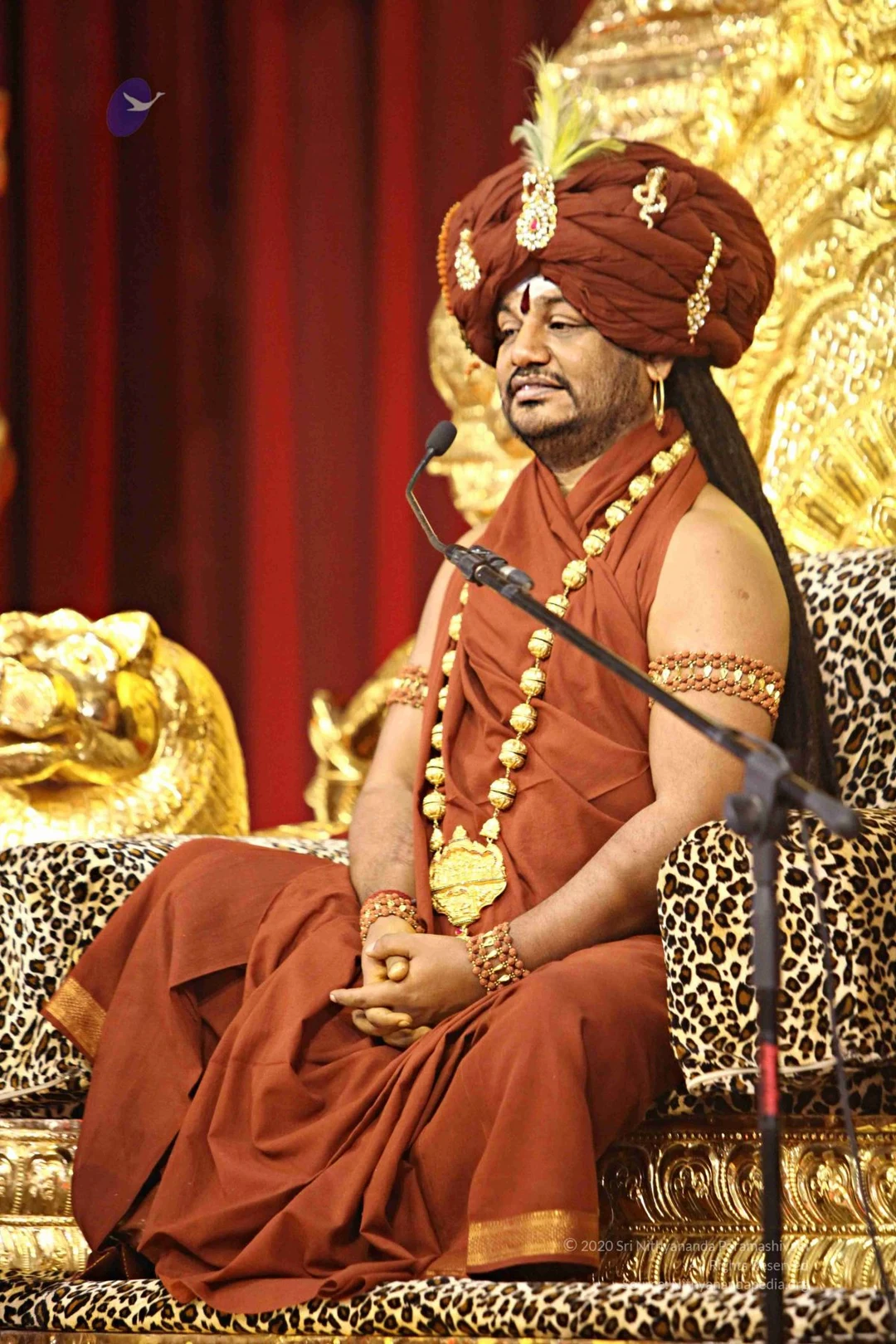
Initiation
Aushada Process
Sakshi Pramana - Aushadha Makes Manifesting Shaktis So much Quicker (Sri Sahadeva)
Tags
Sri Nithyananda Swami, Paramahamsa Nithyananda, Nithyananda, Swamiji, the pure mirror can behave as Sadashiva; can manifest Sadashivatva; can play the sayujya mukti of Sadashiva, Aushada is the herbal combination of herbs, prana, cosmic force energies and the Shaktipada of Sadashiva, enlightenment cream, aushada for experiencing the space of Sadashiva Ishwaratva, achalatva, immovable component of consciousness, ananta kalyana guna of Bhagawan, integrity brings everything Sadashiva reserved for you, pudangaatal, pudamodal, Mahasiddha, Experience aushada
Link to Facebook
https://www.facebook.com/ParamahamsaNithyananda/posts/1492897640798081
https://www.facebook.com/ParamahamsaNithyananda/posts/1492044564216722
Photos Of The Day:
FB-Photos-of-th-Day
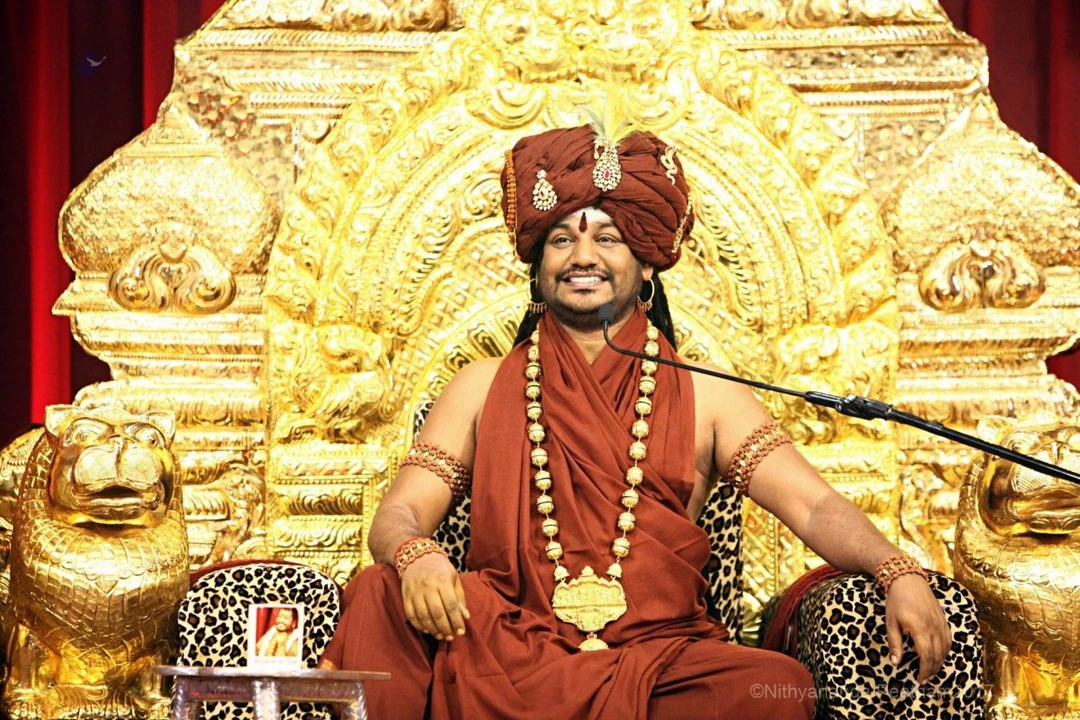
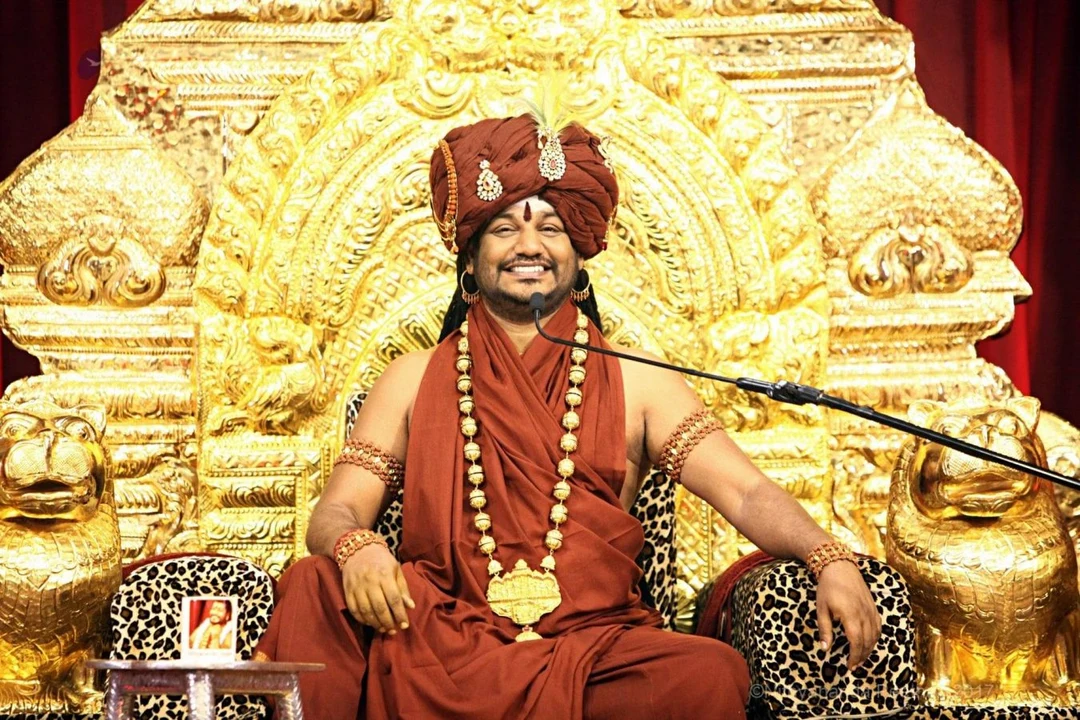
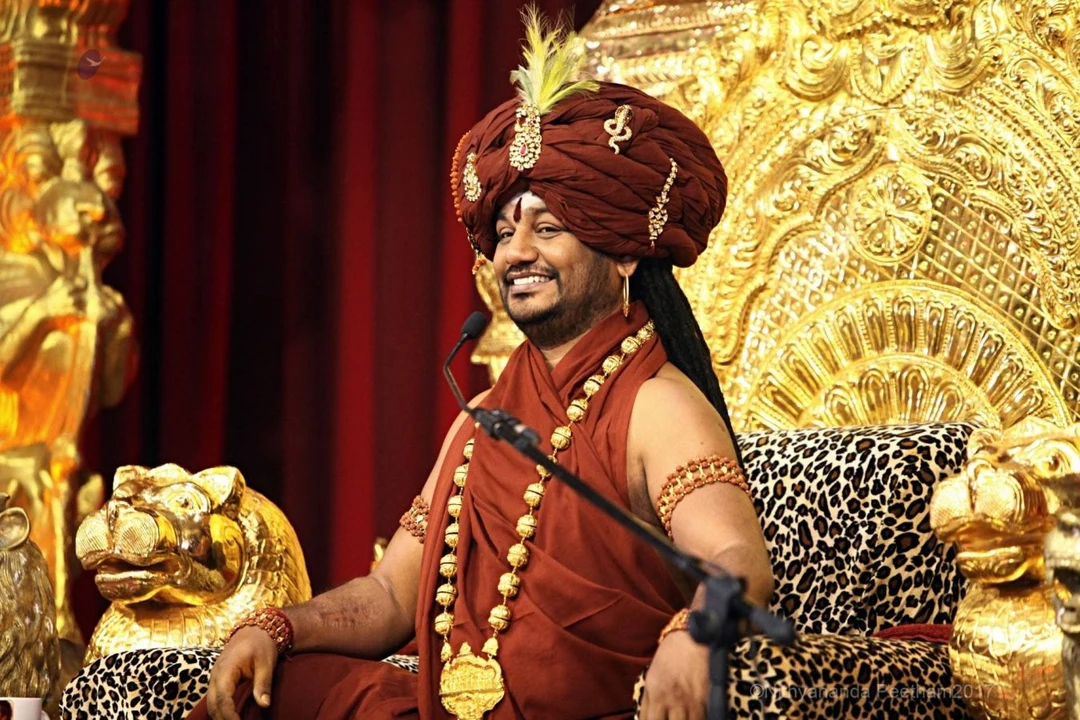
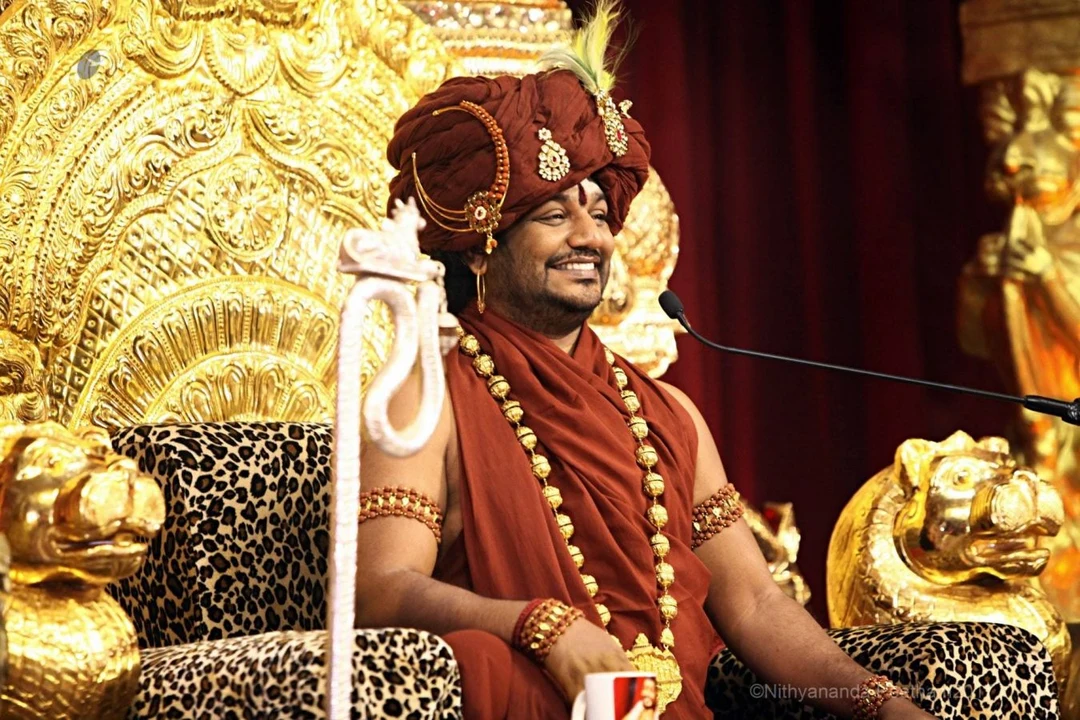
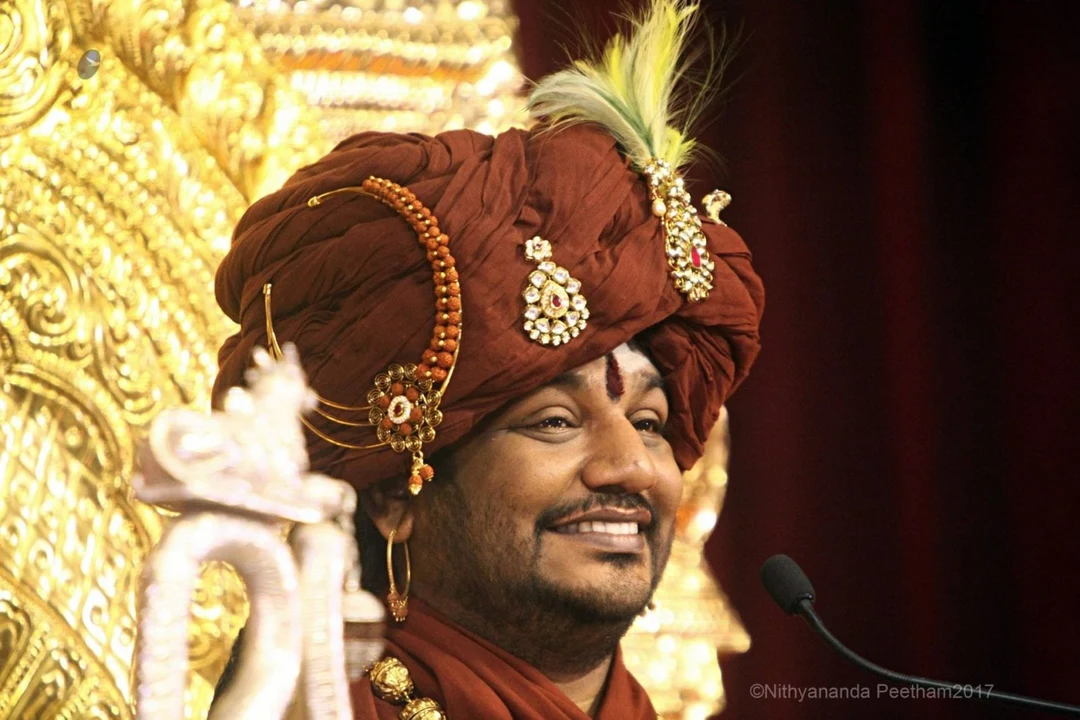
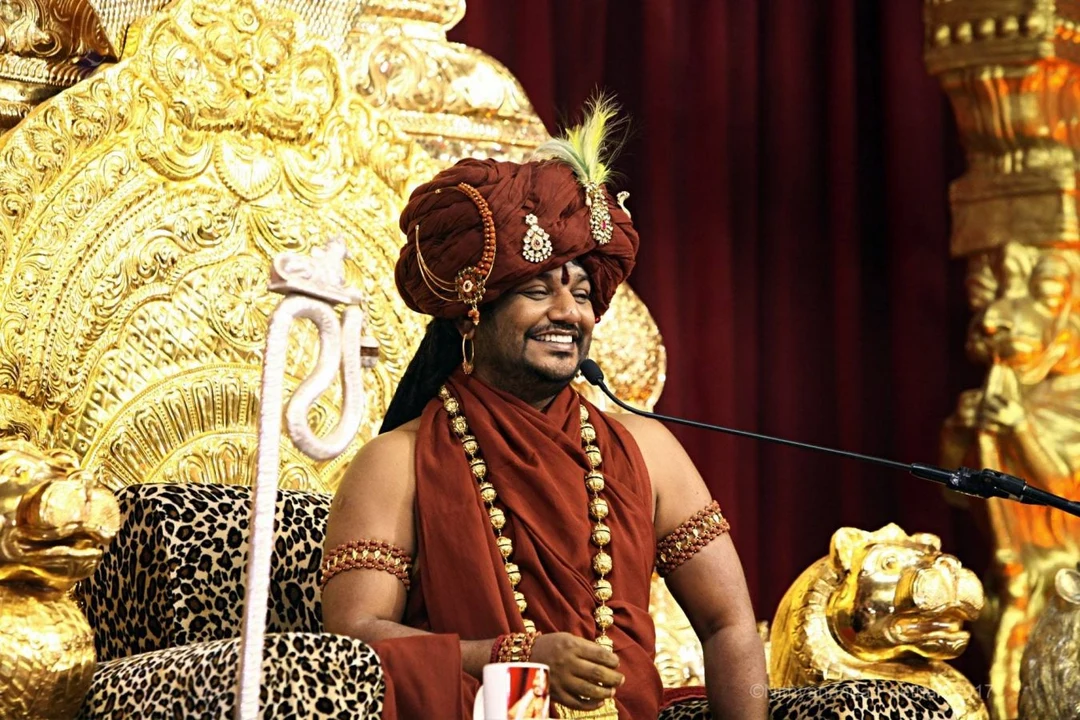
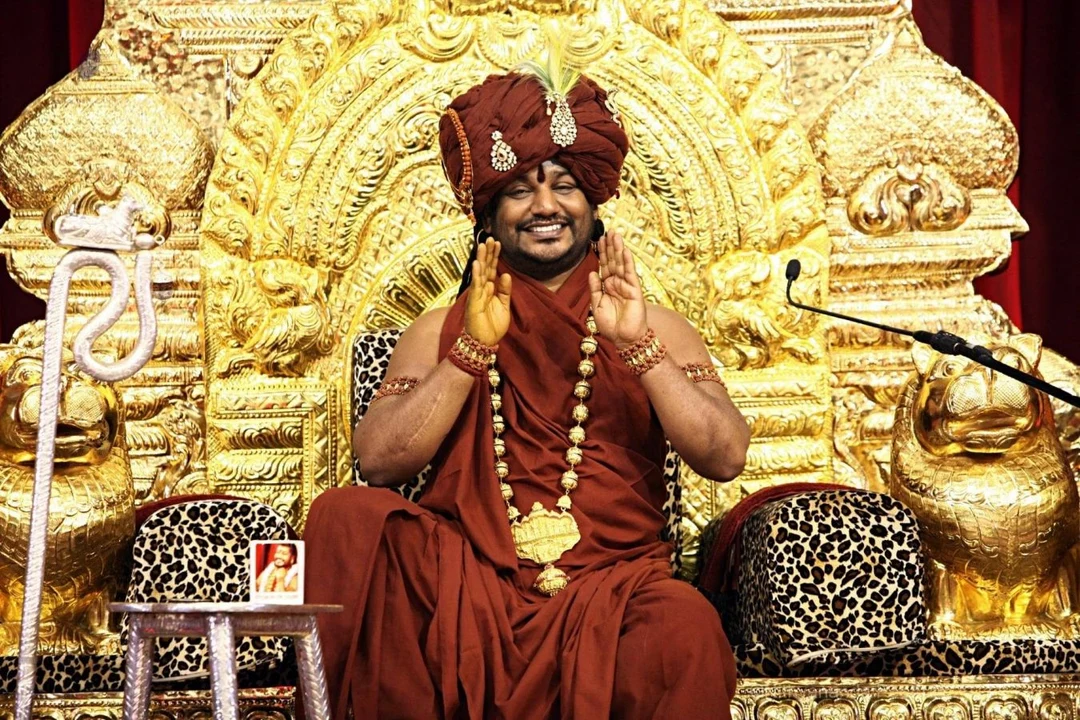
Photos Of The Day:
Satsang

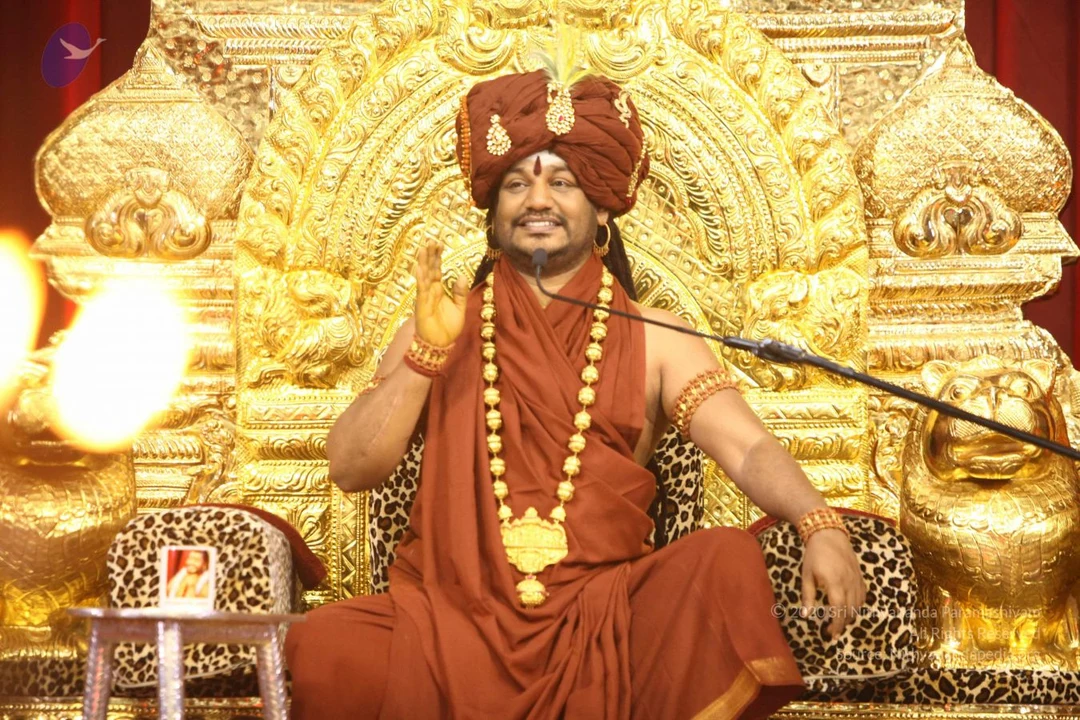
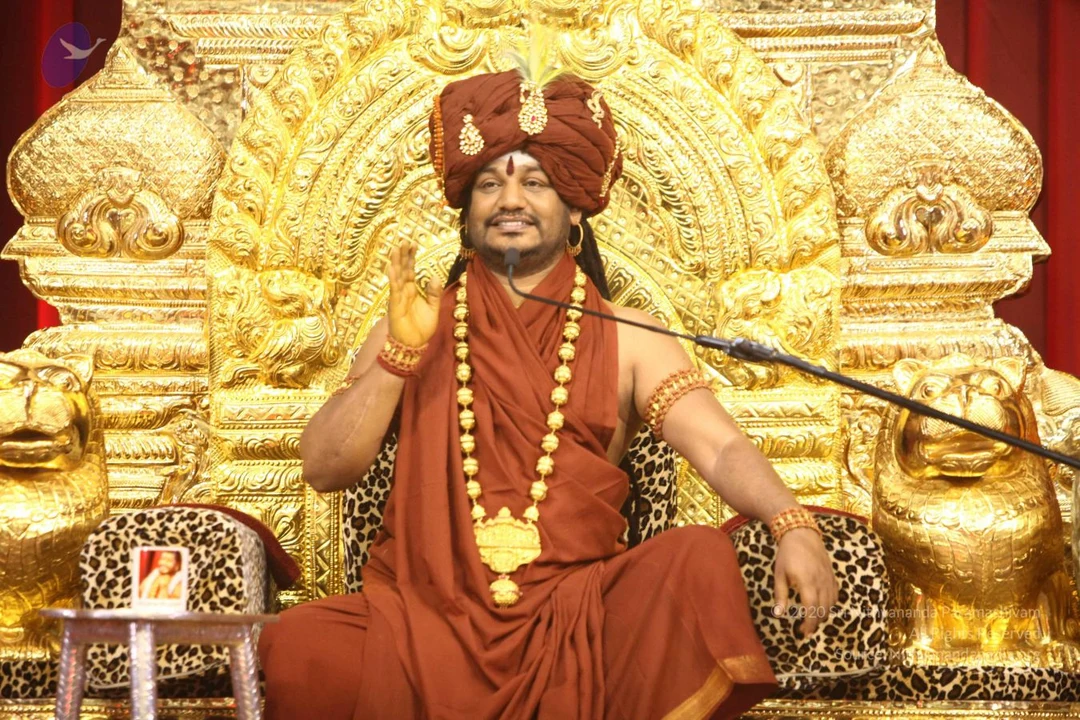
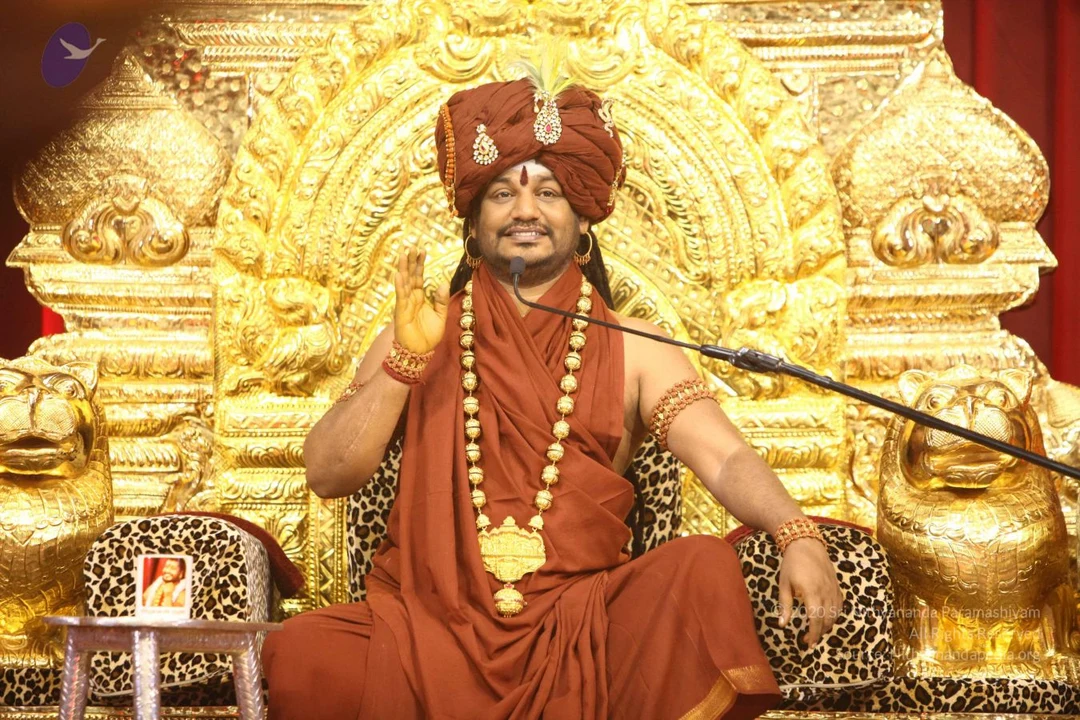
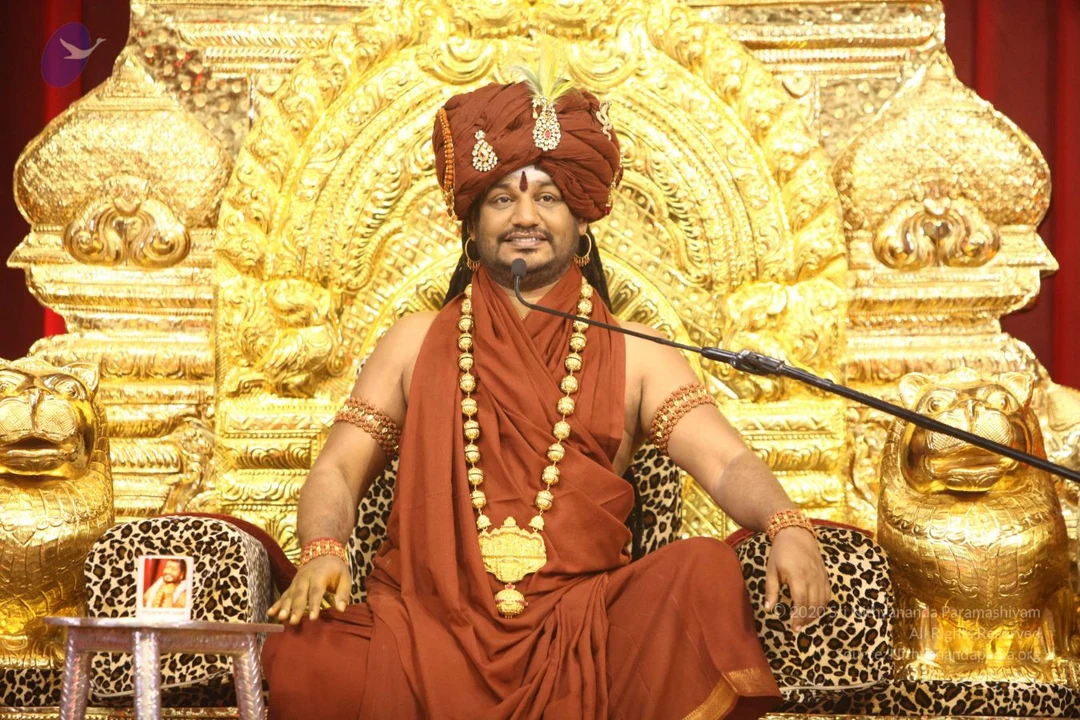

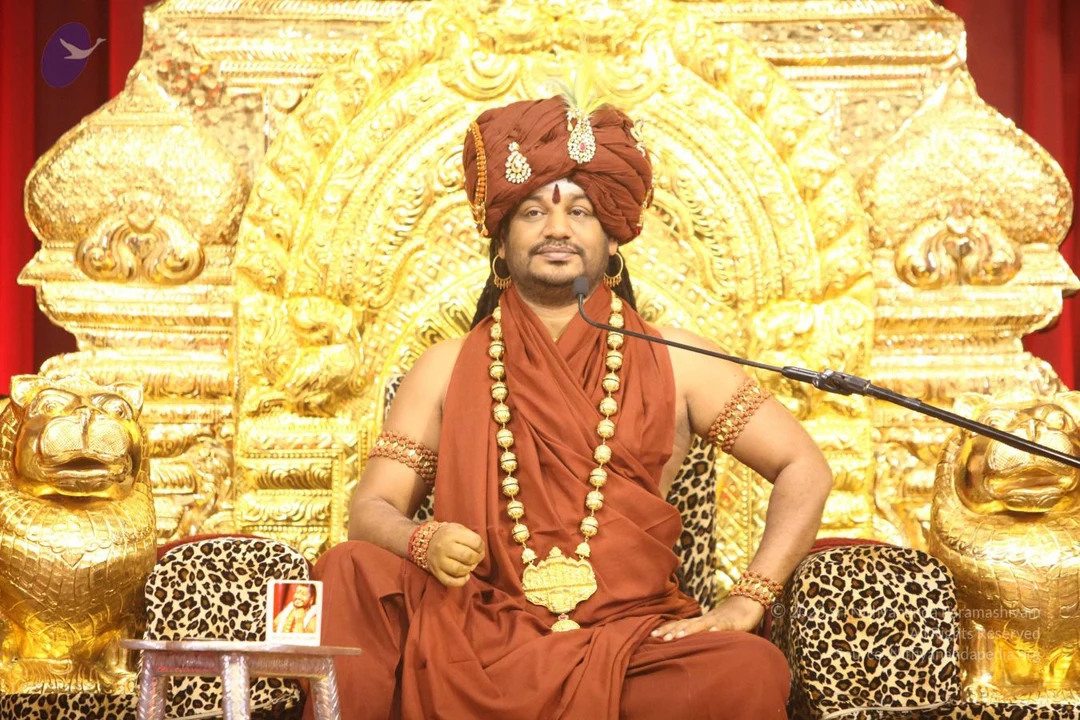
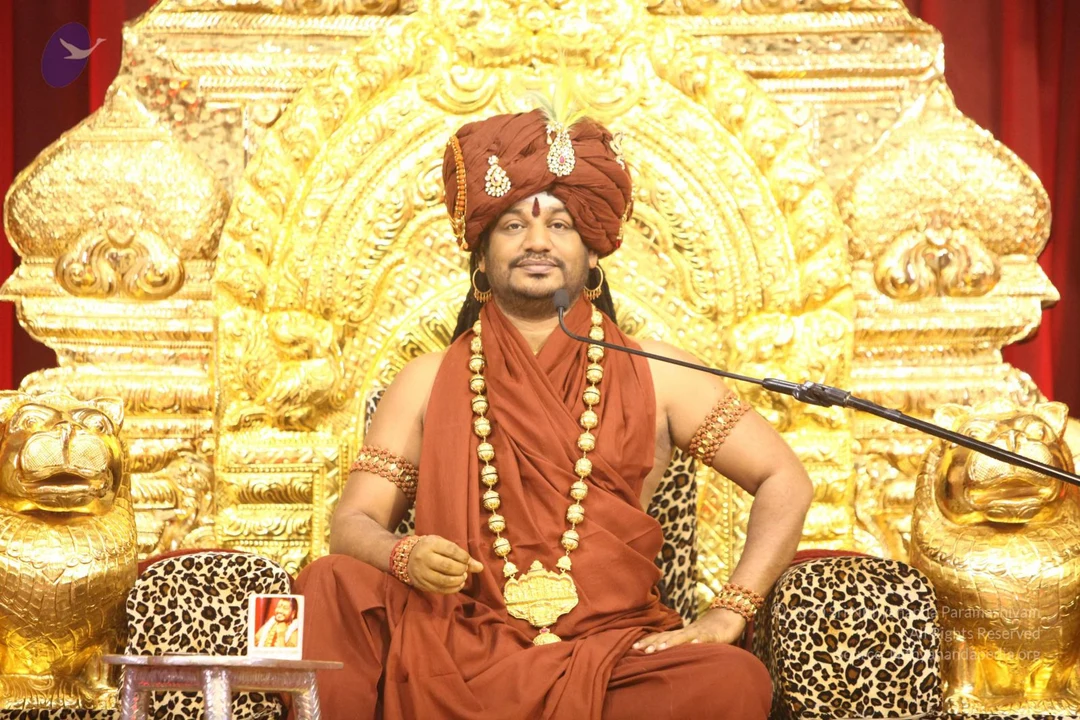
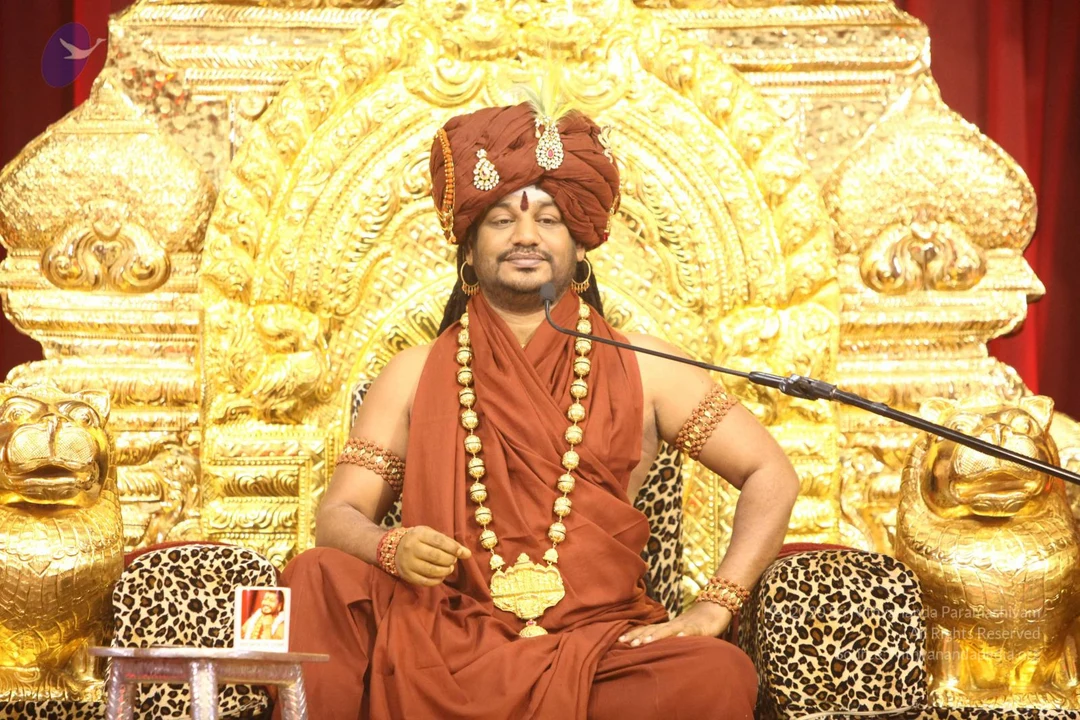
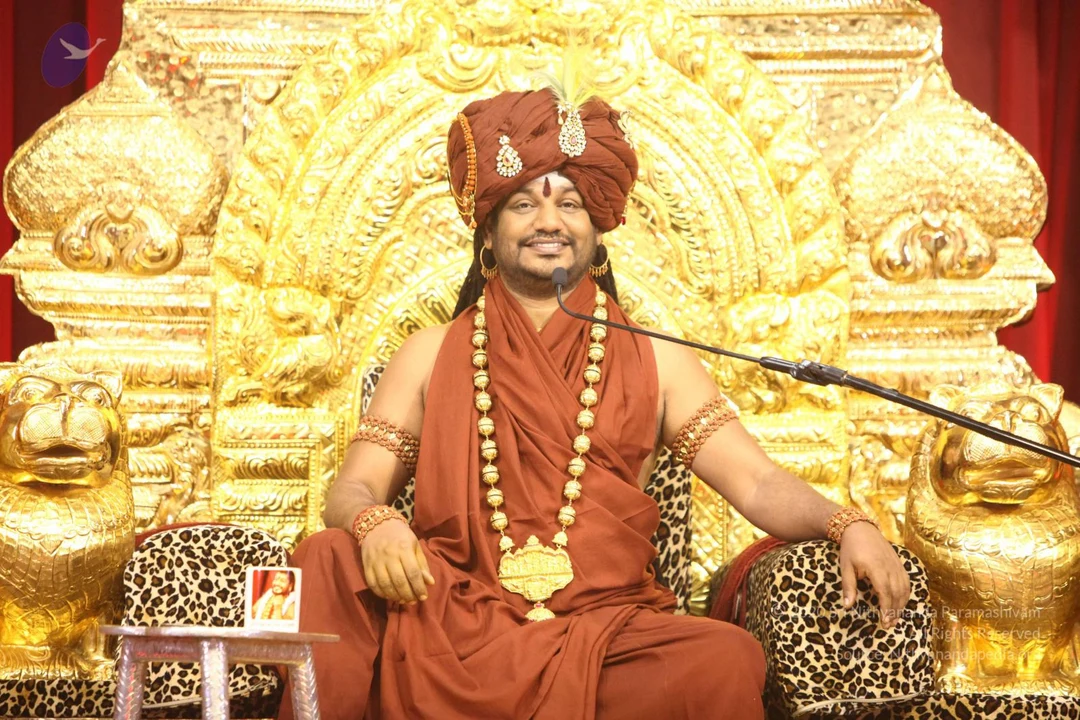
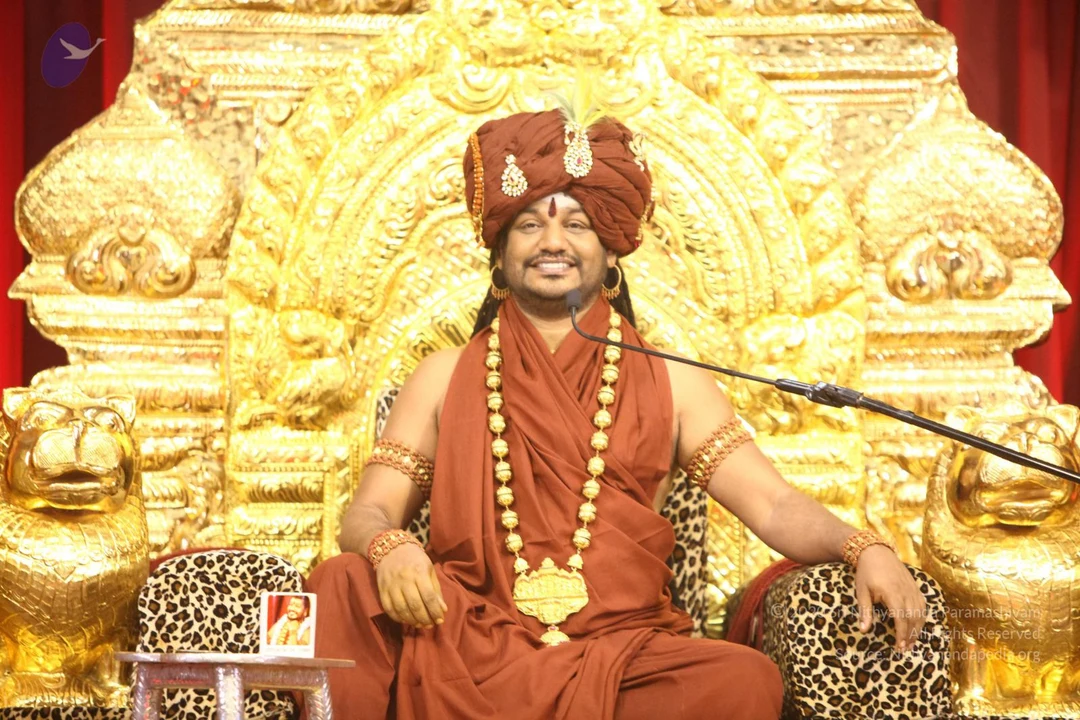
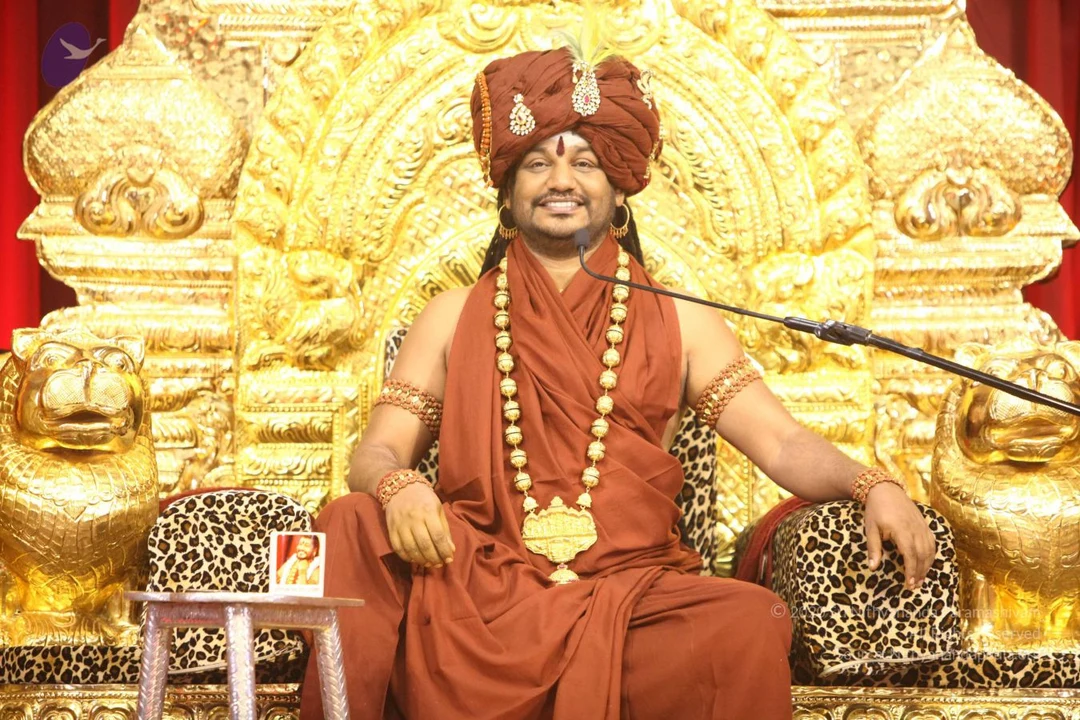
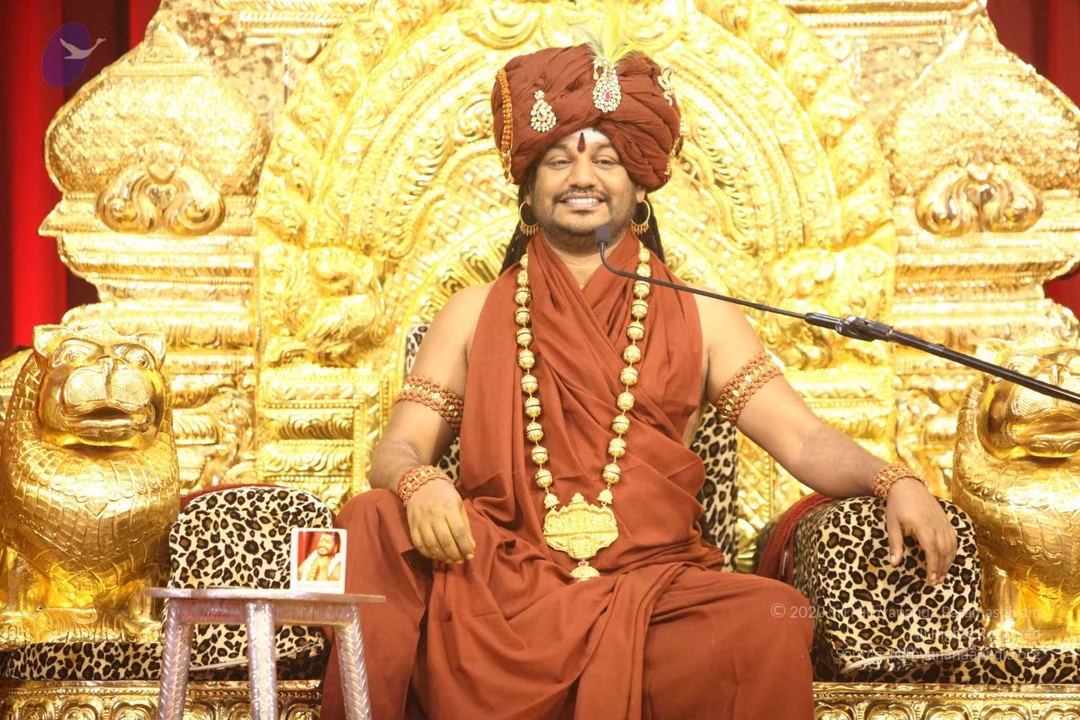
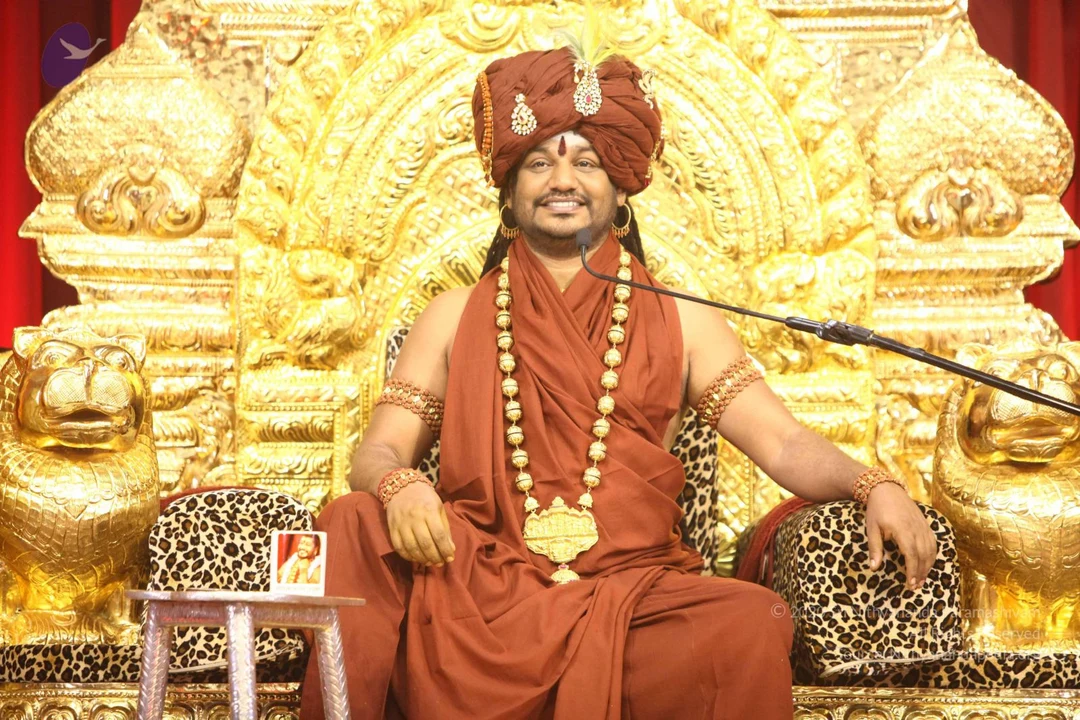


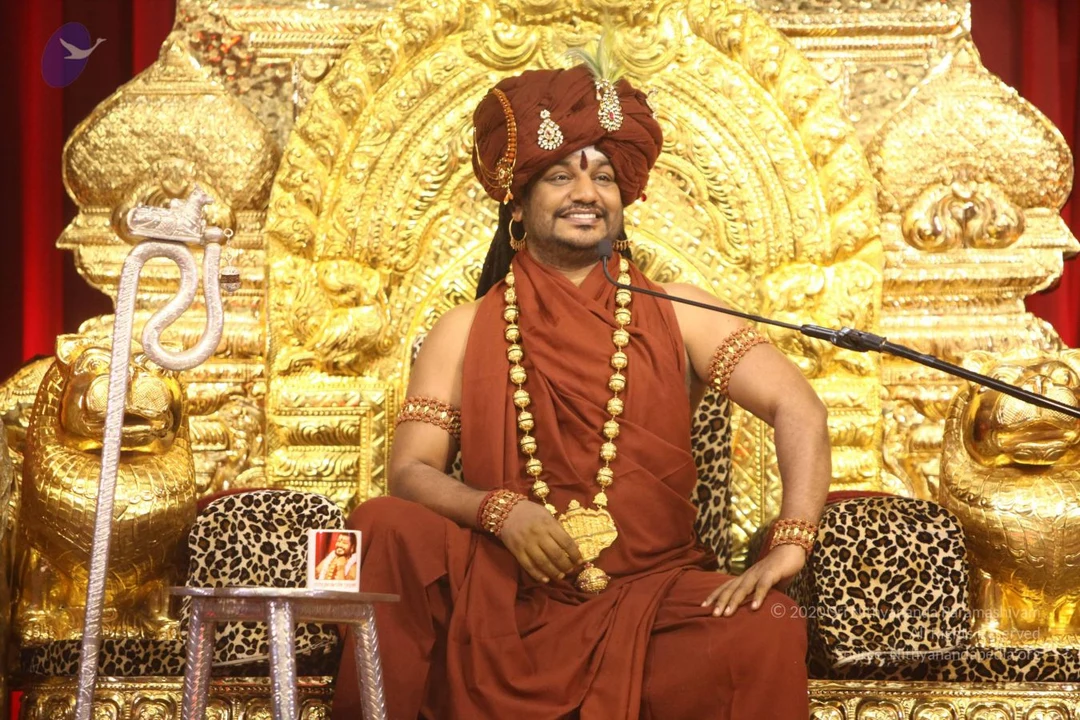
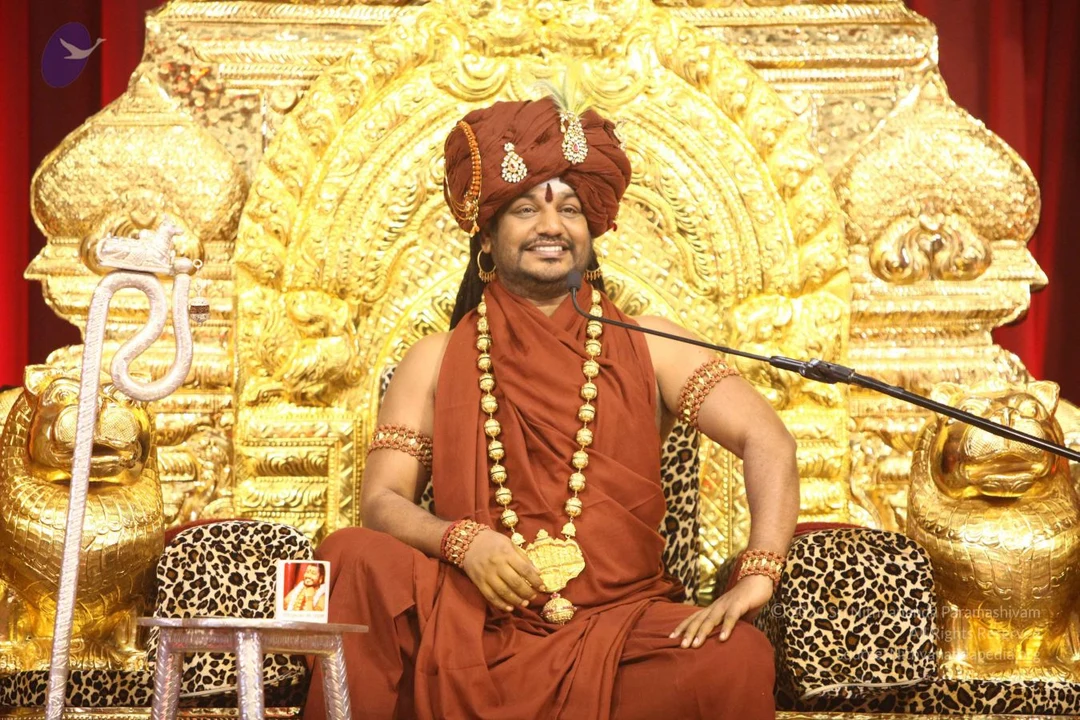
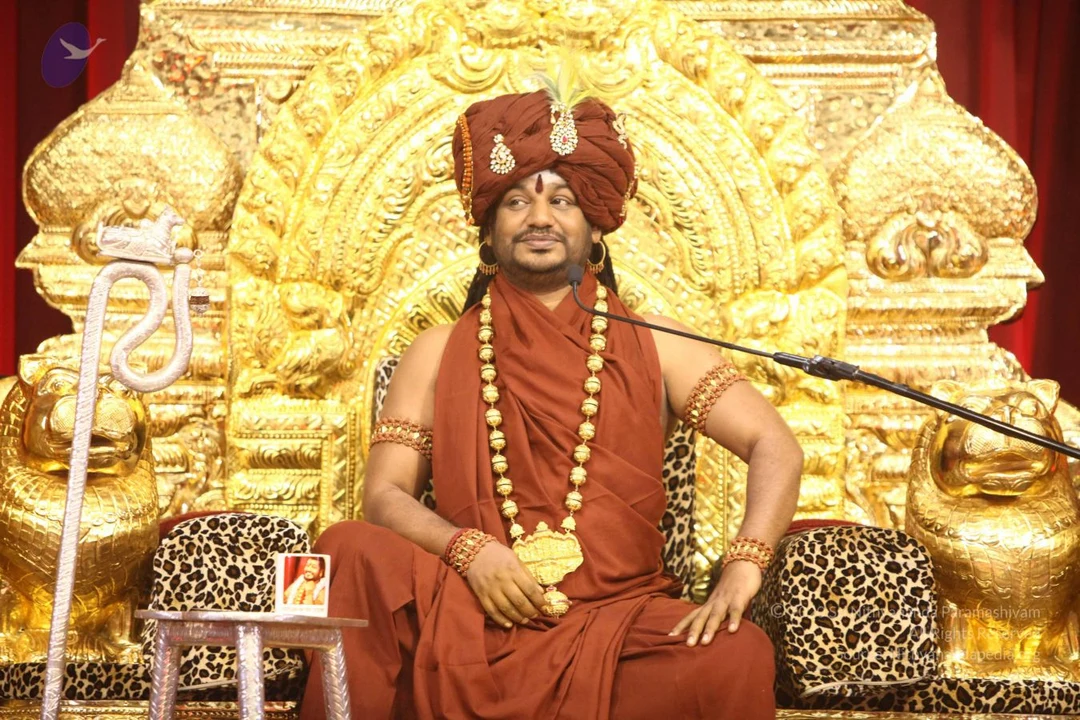
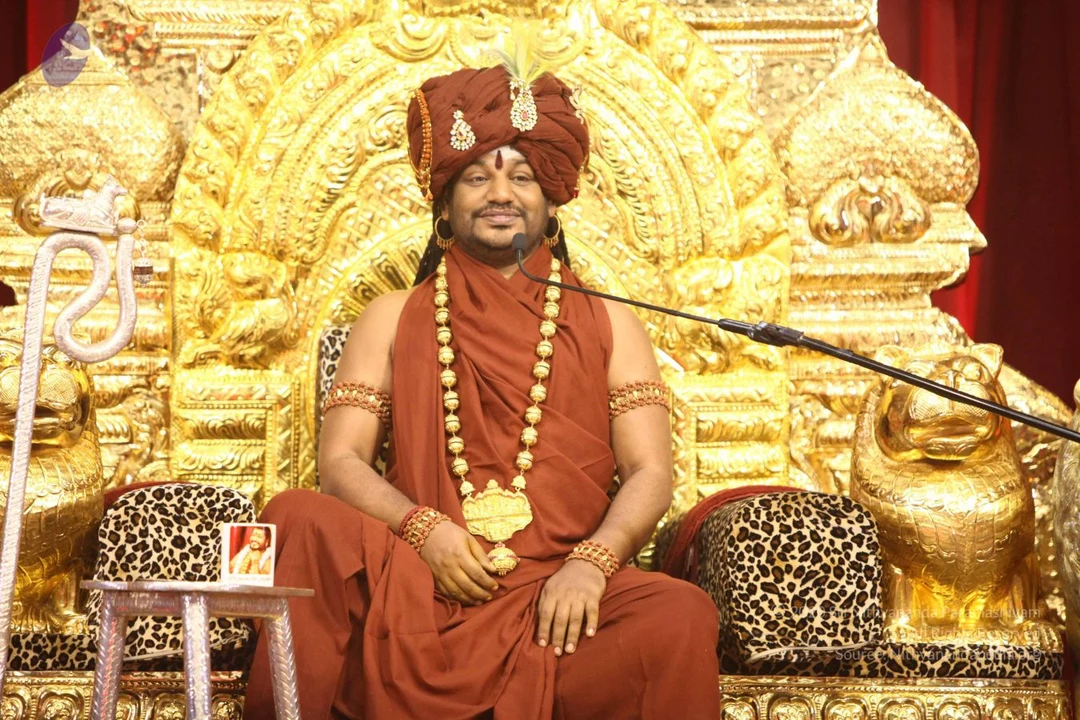

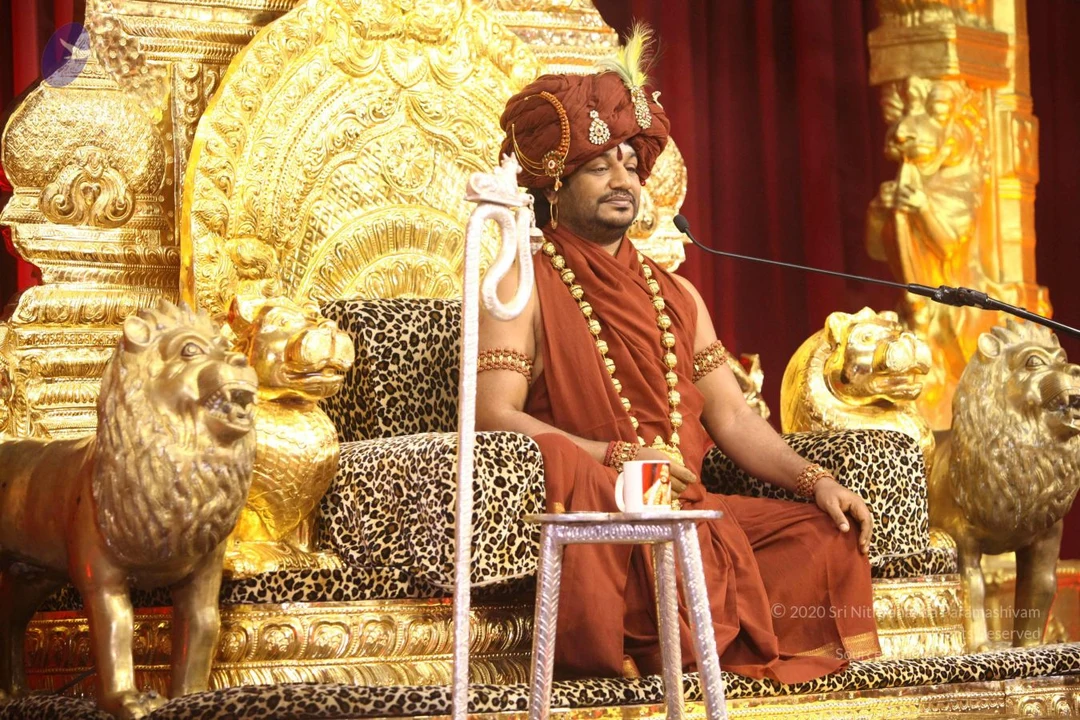
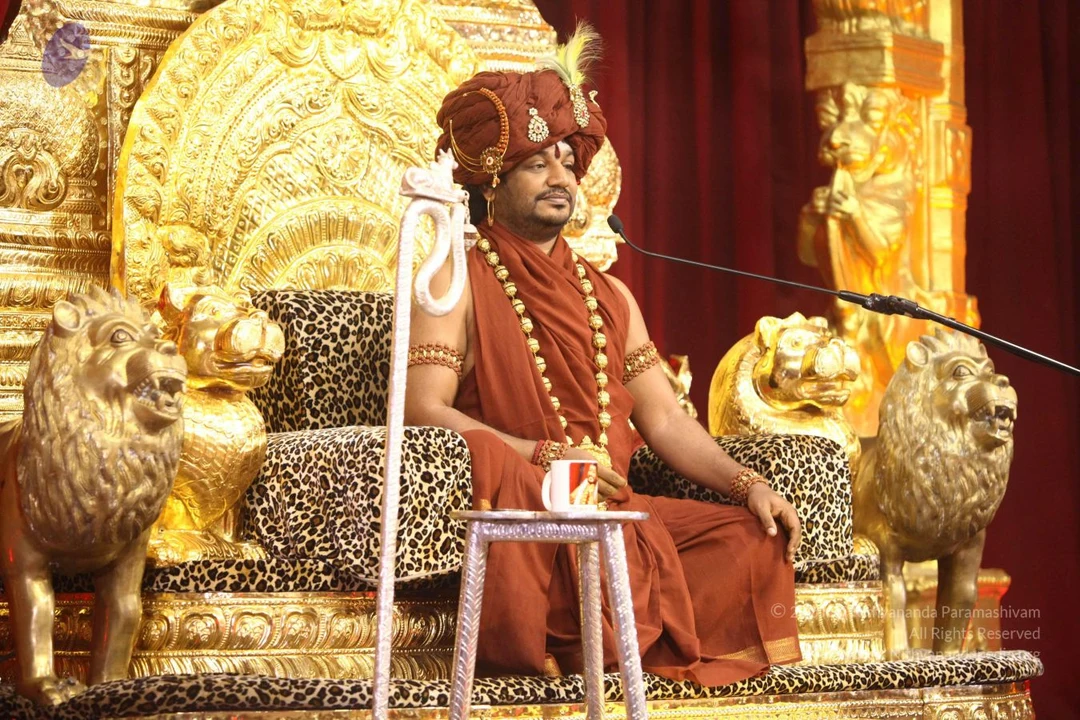
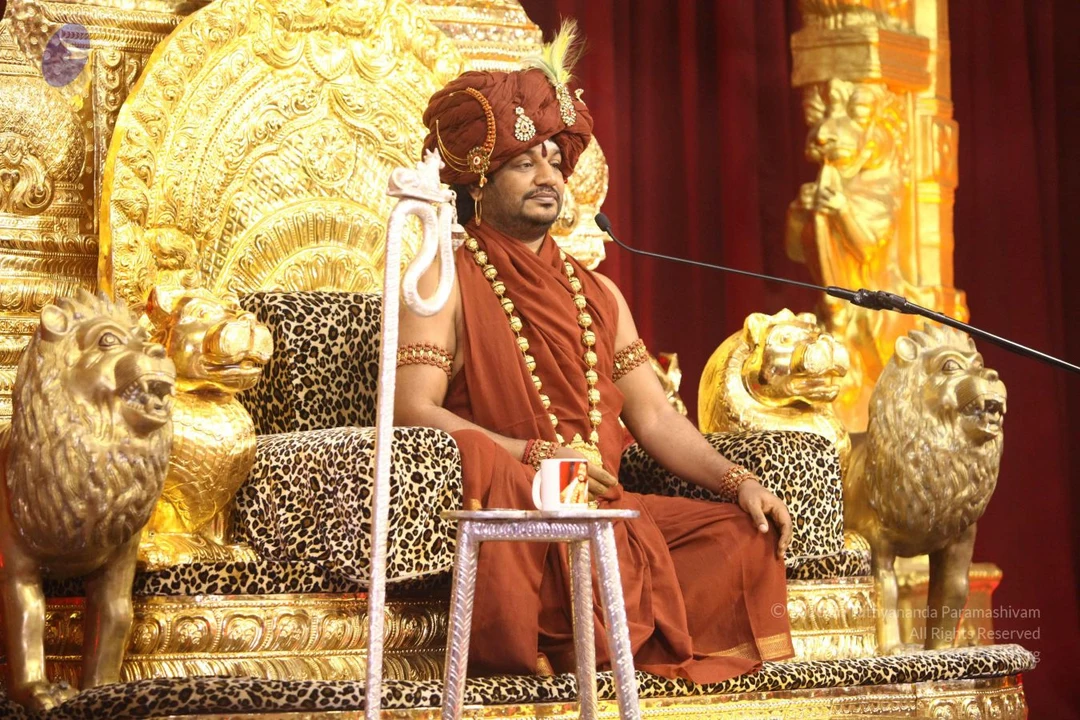
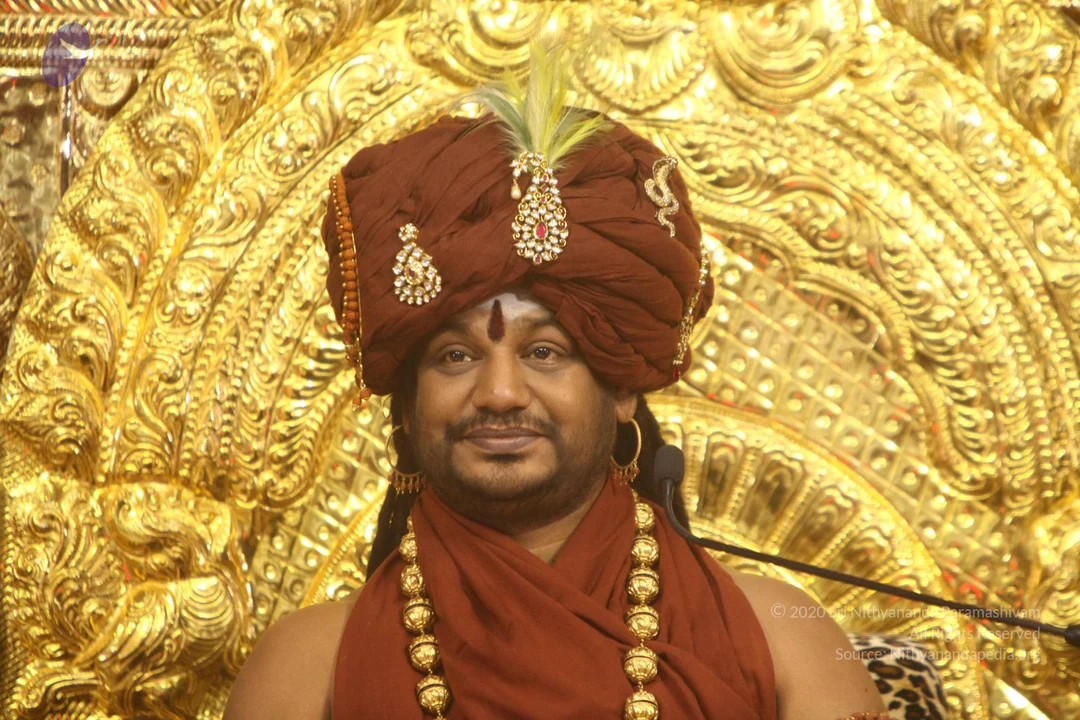
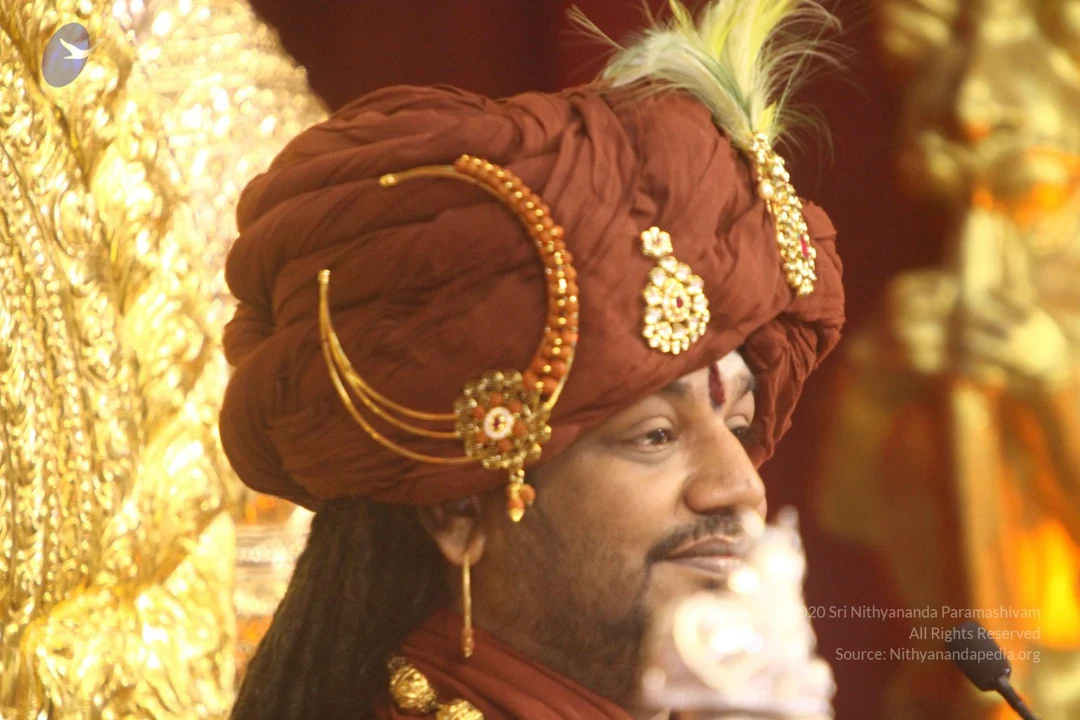
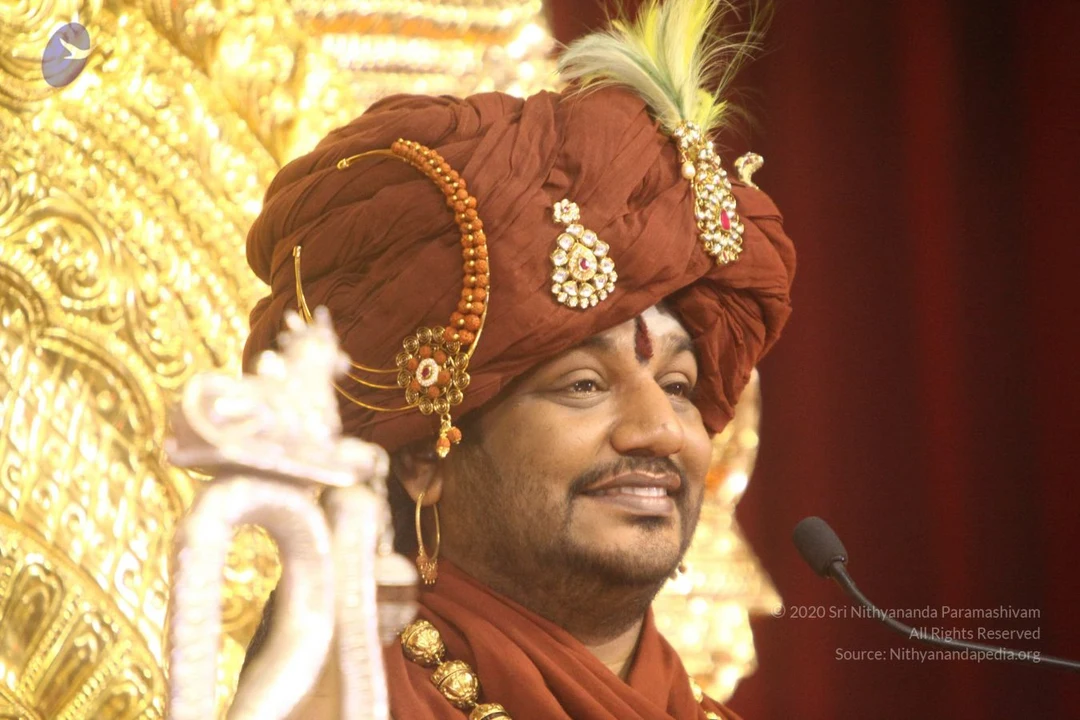
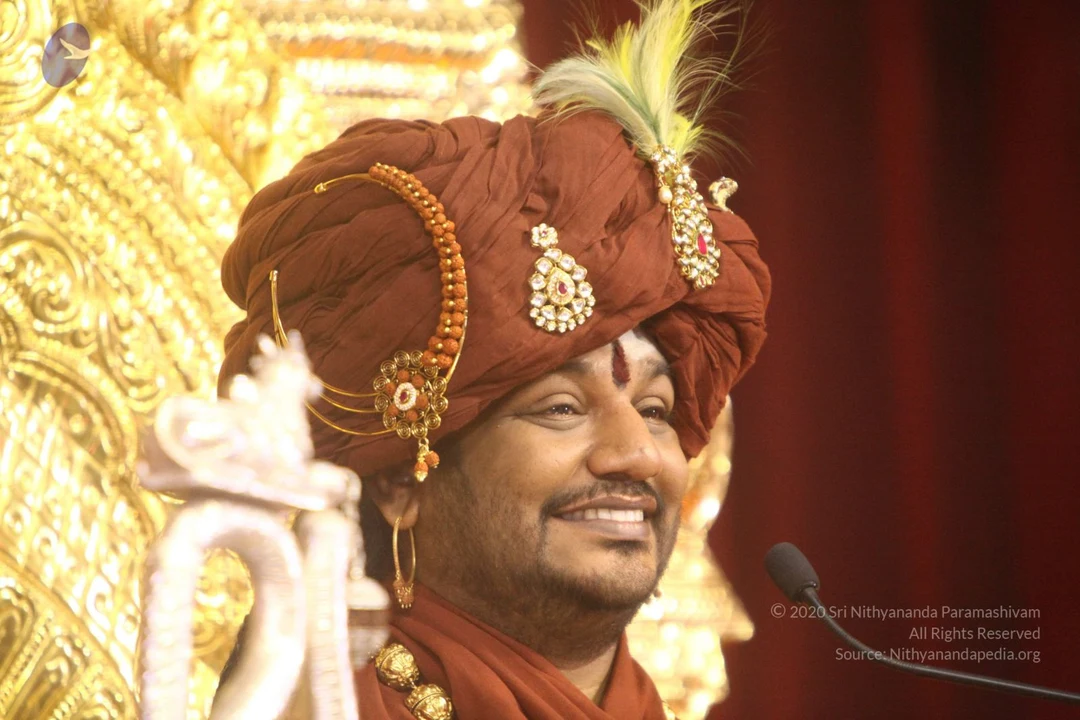
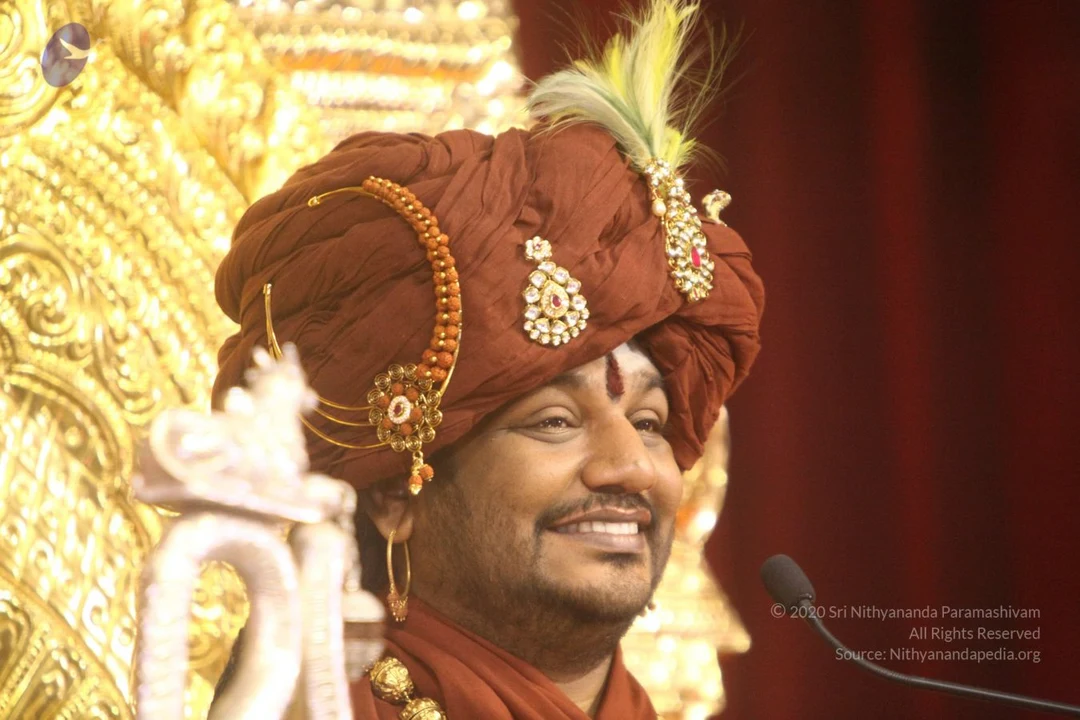
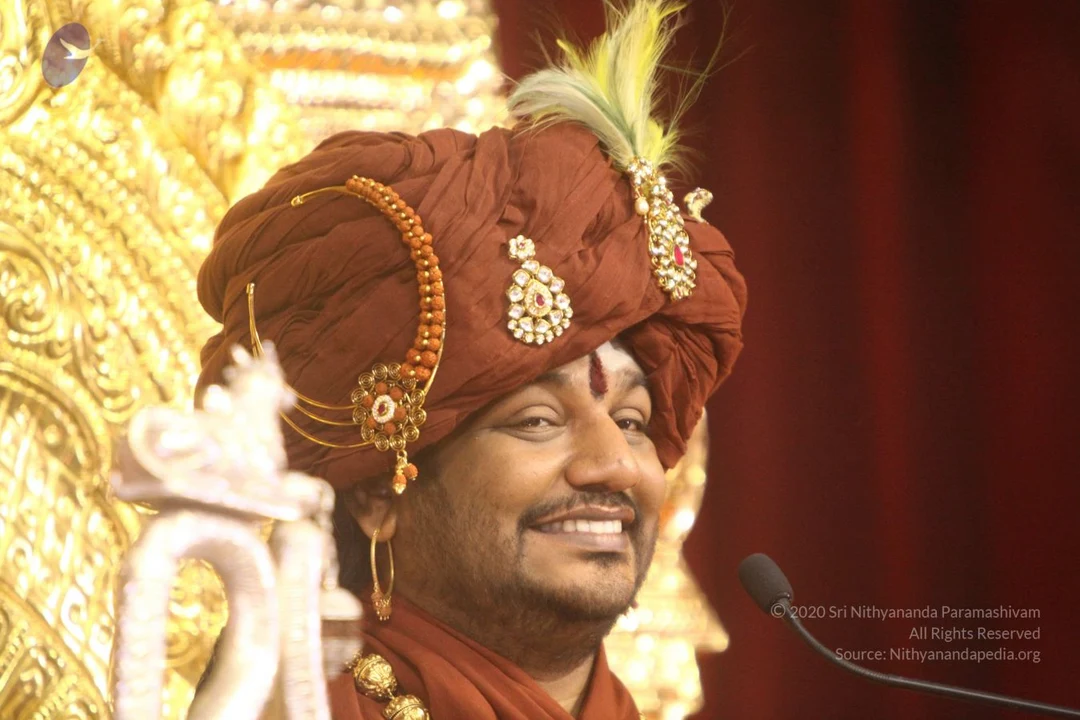
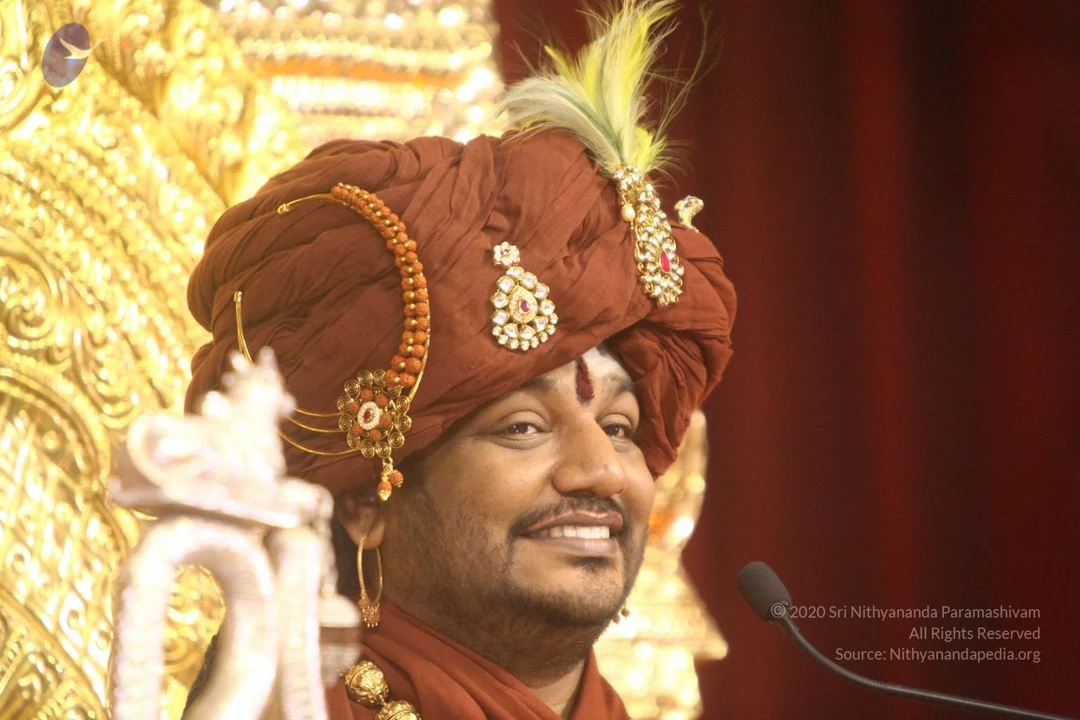
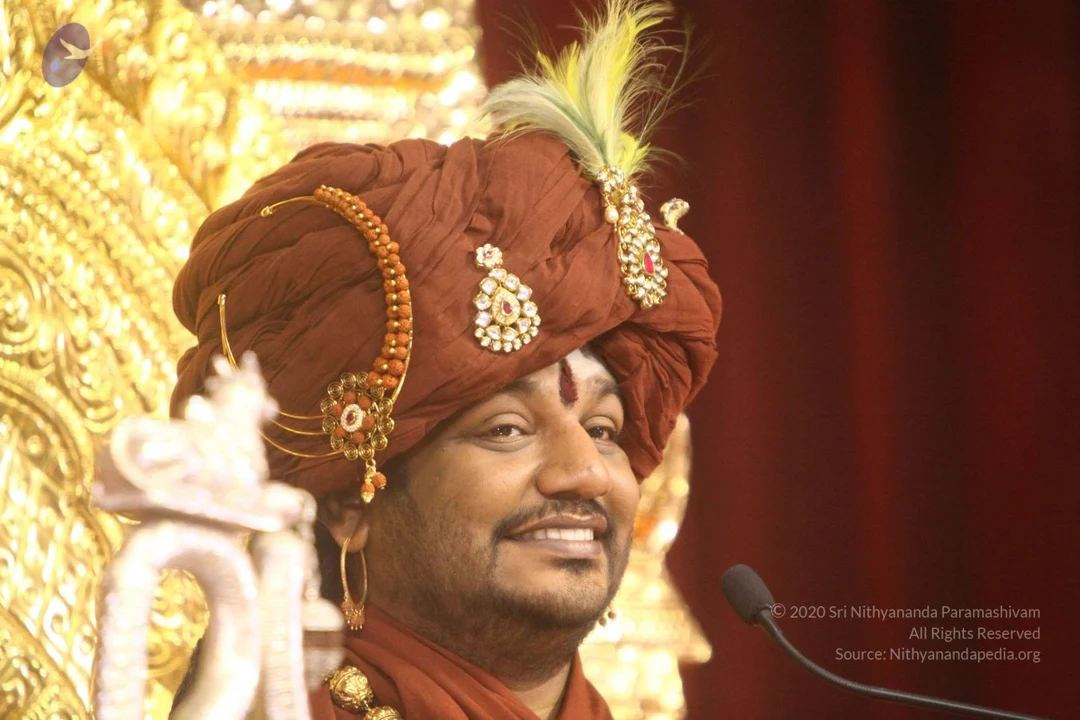
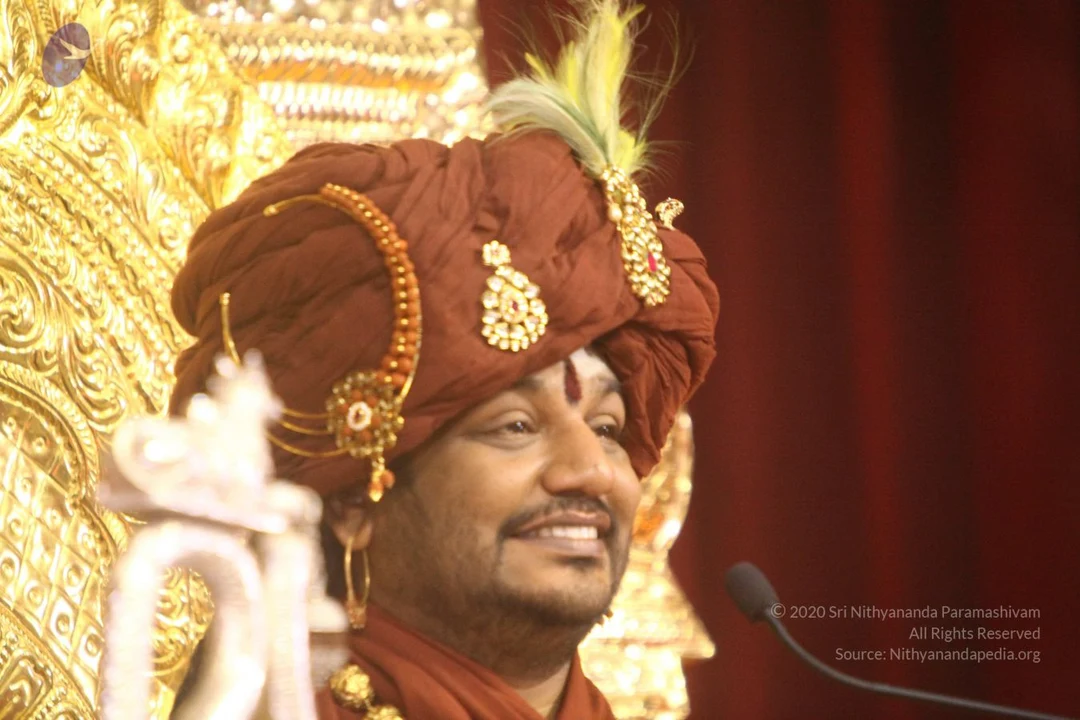
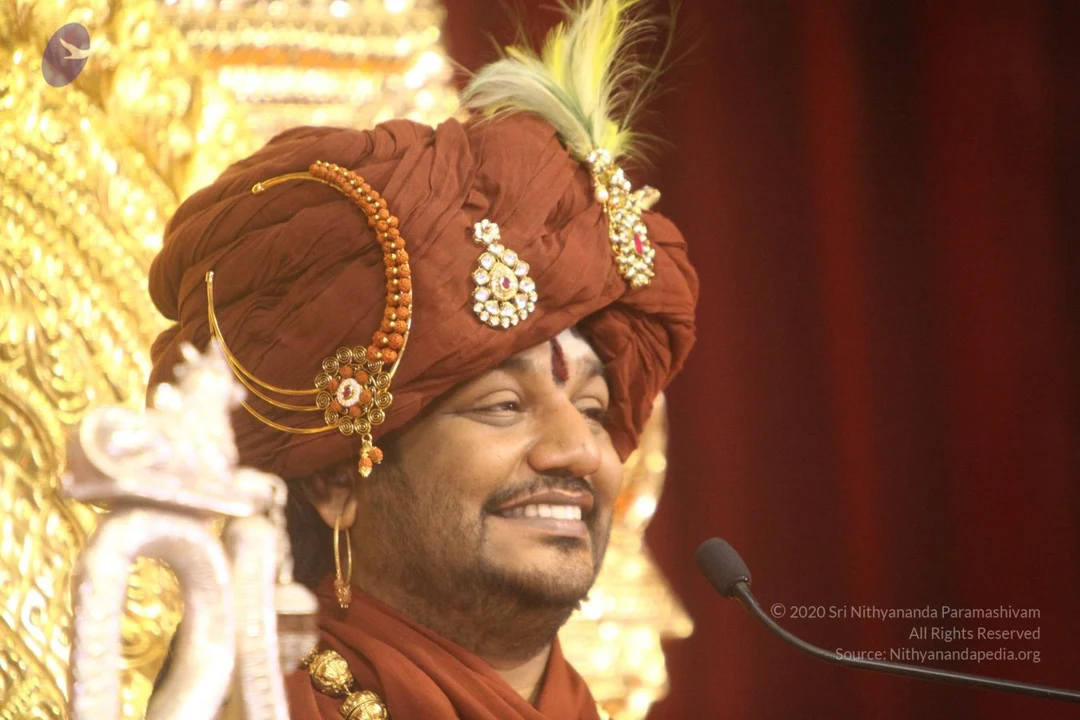
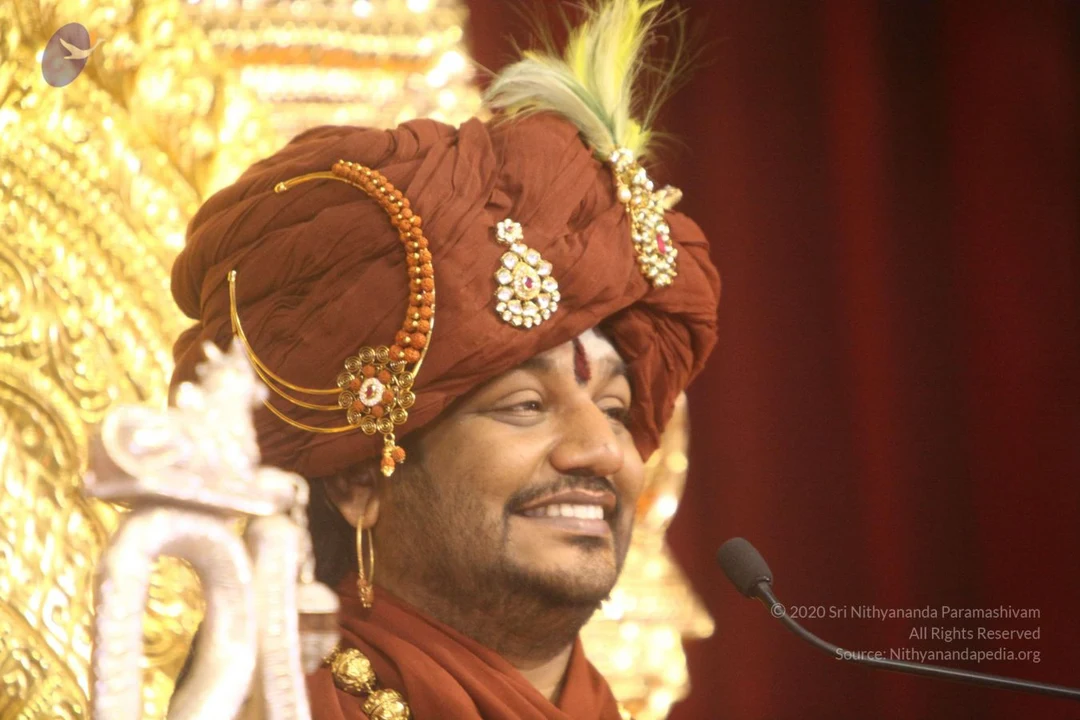
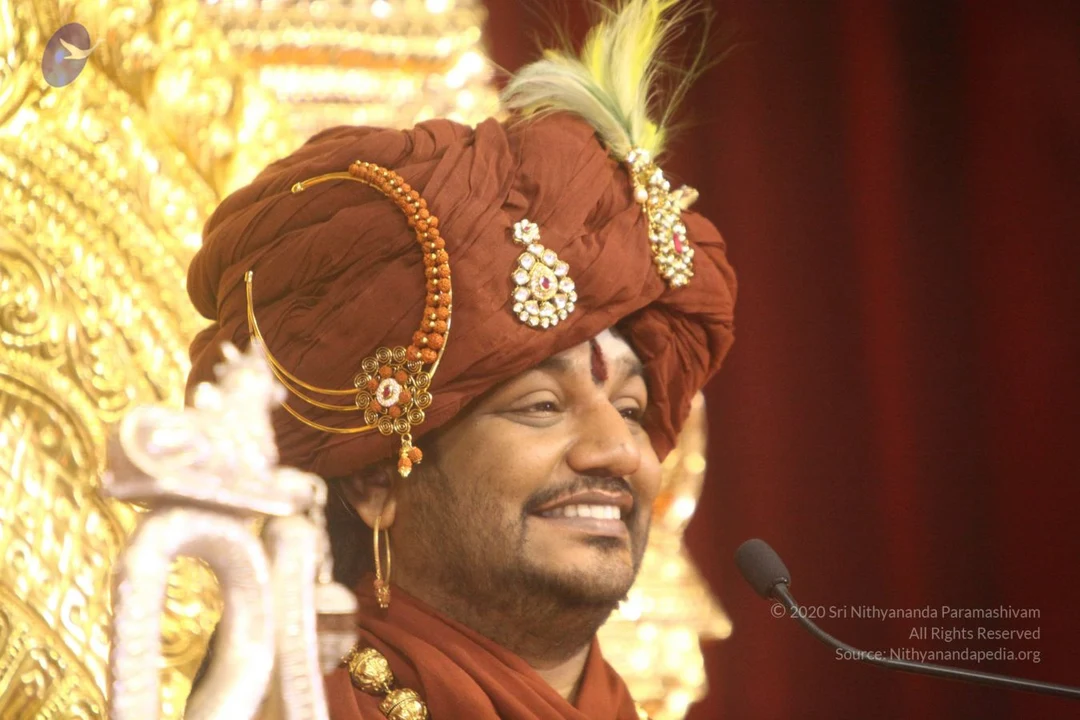
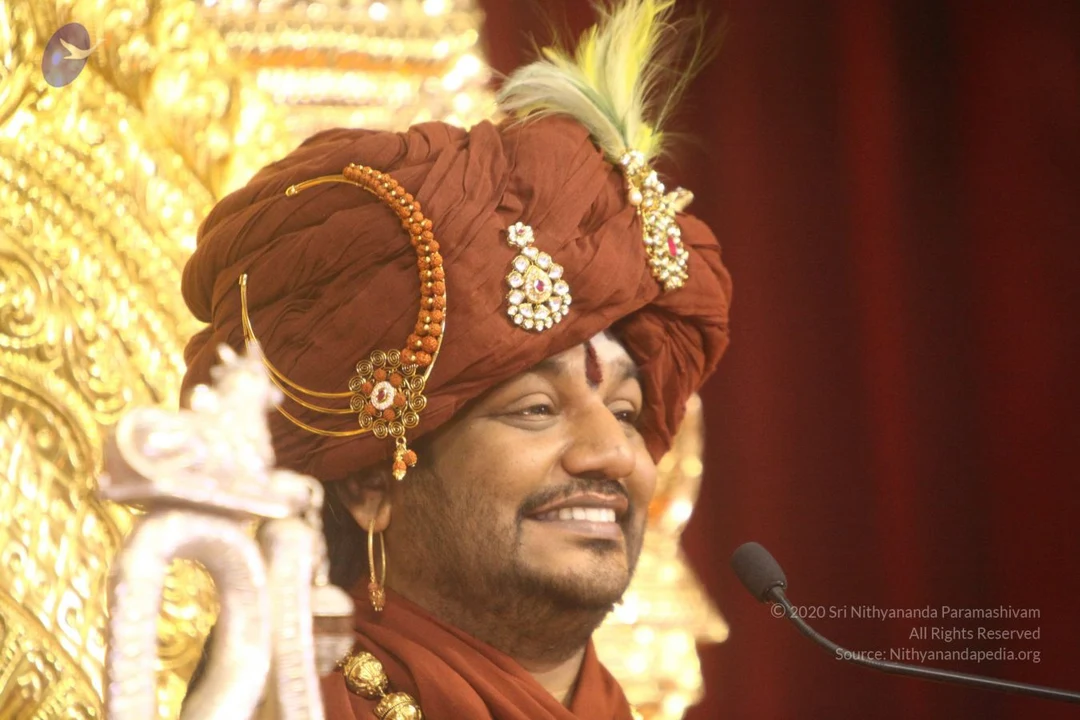
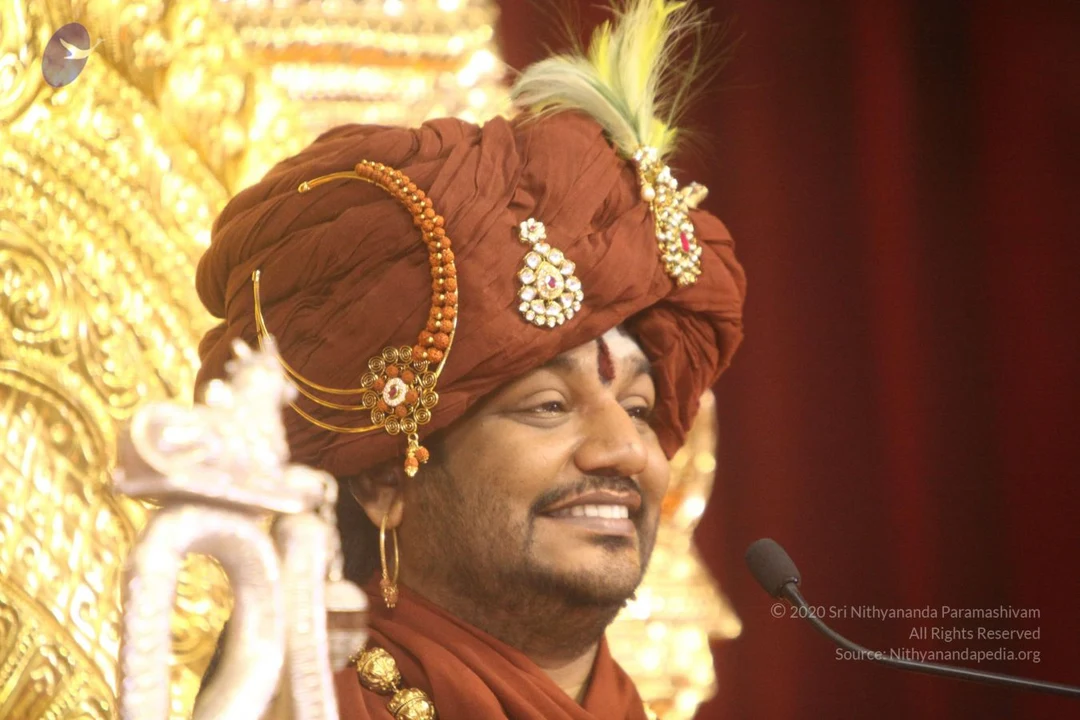
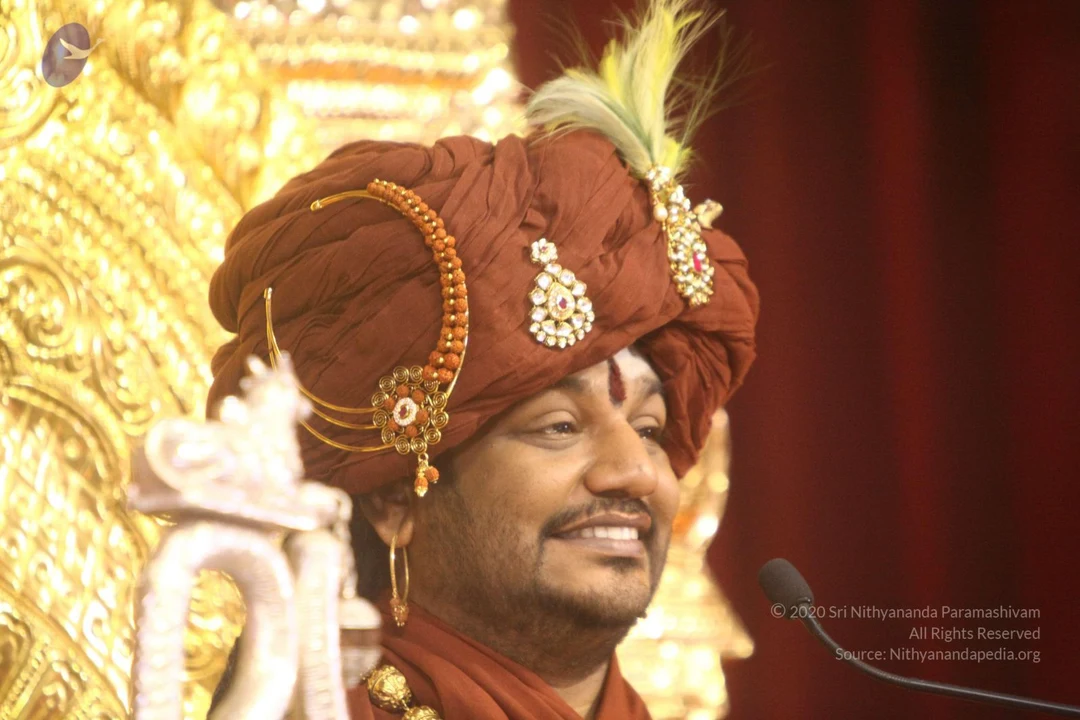
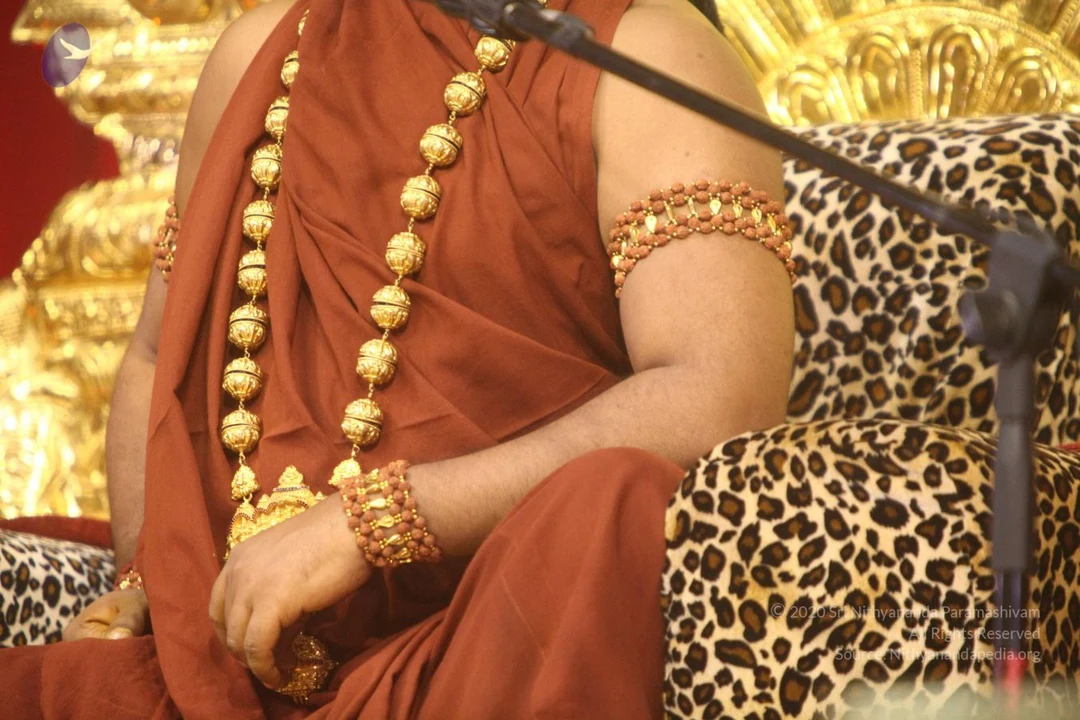
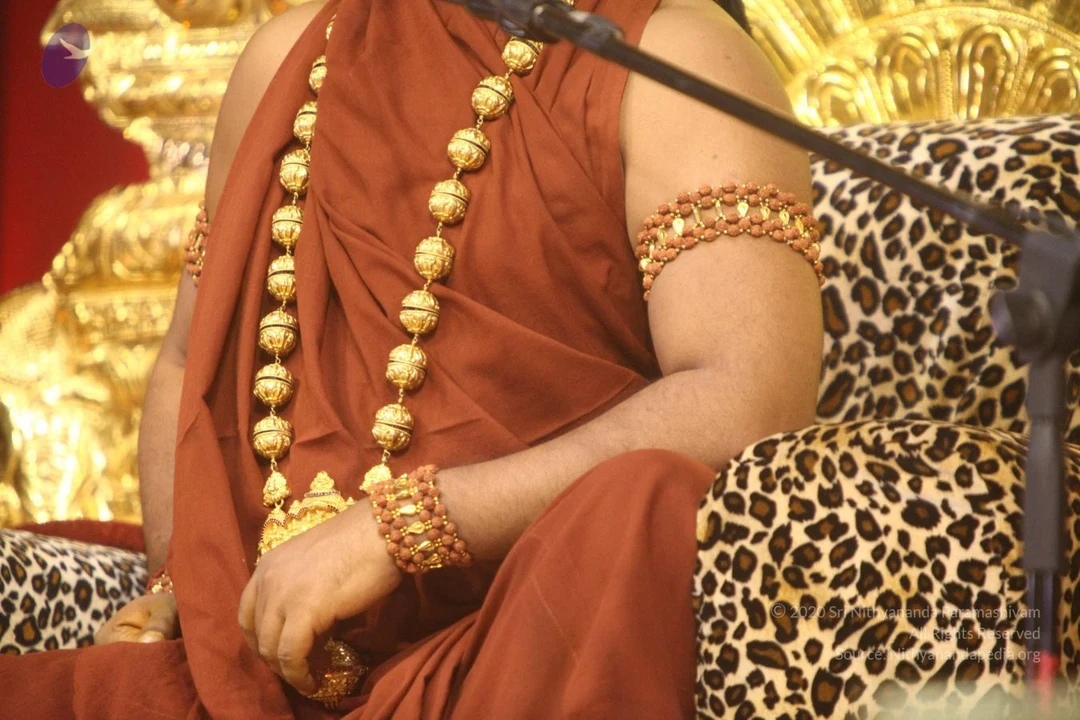
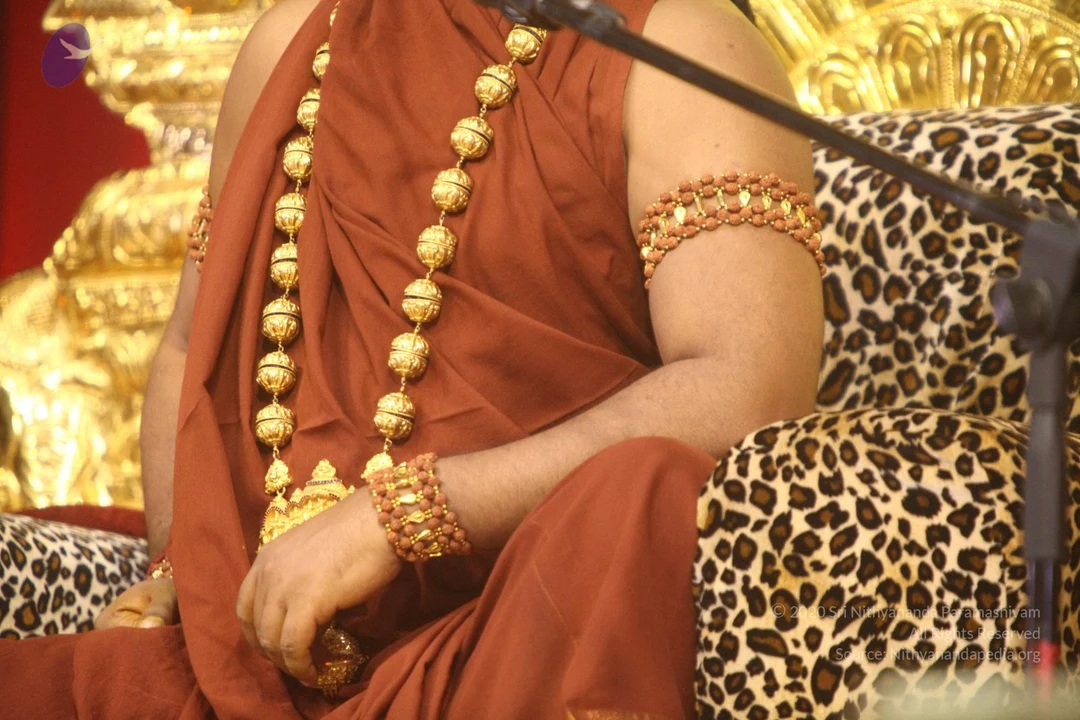
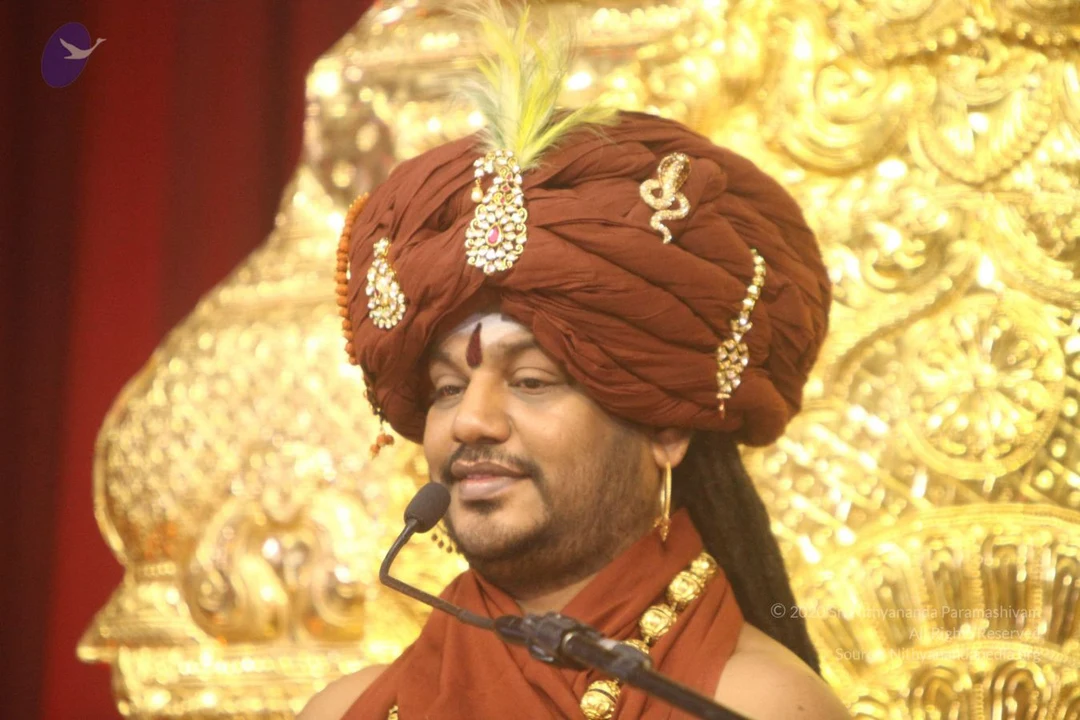

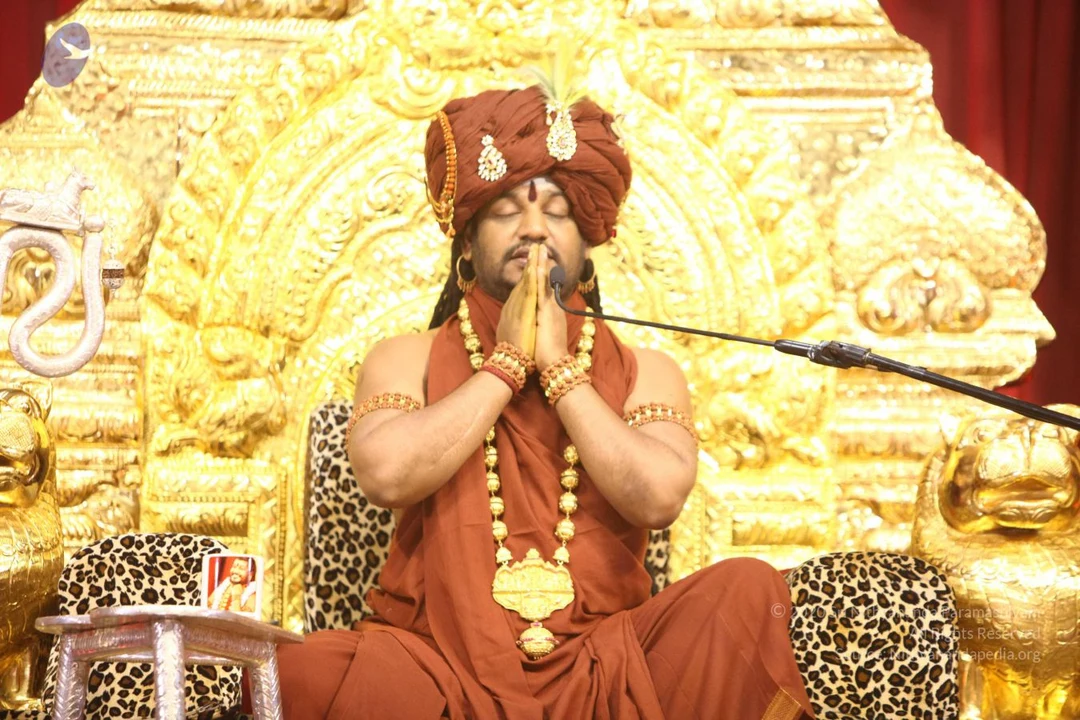
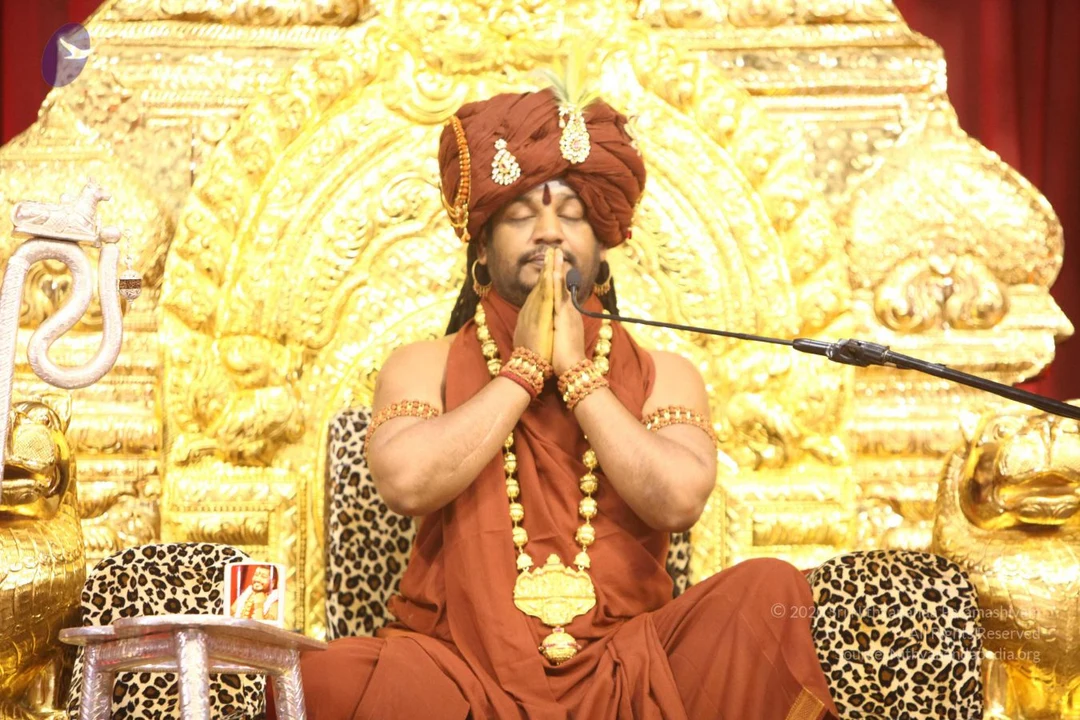
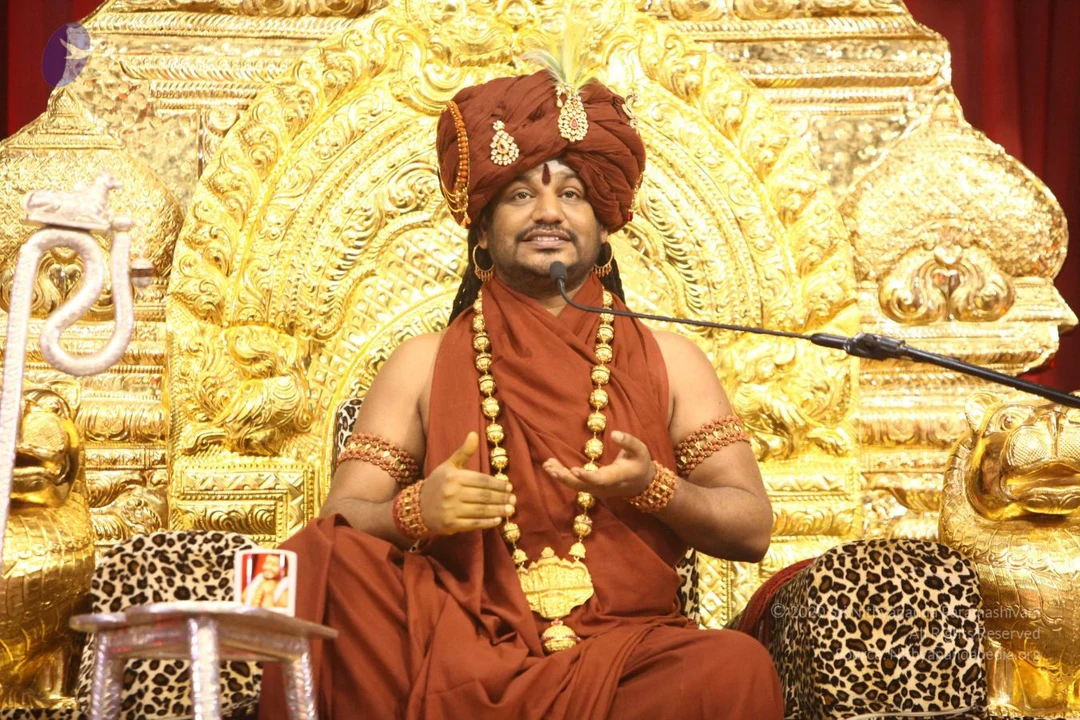
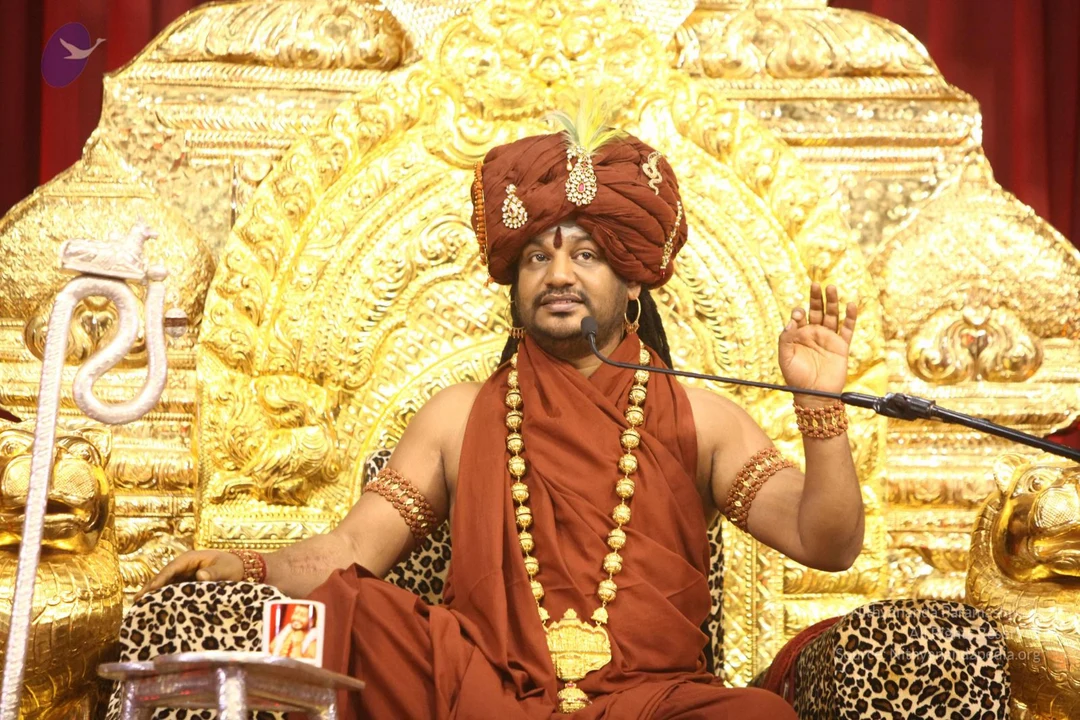
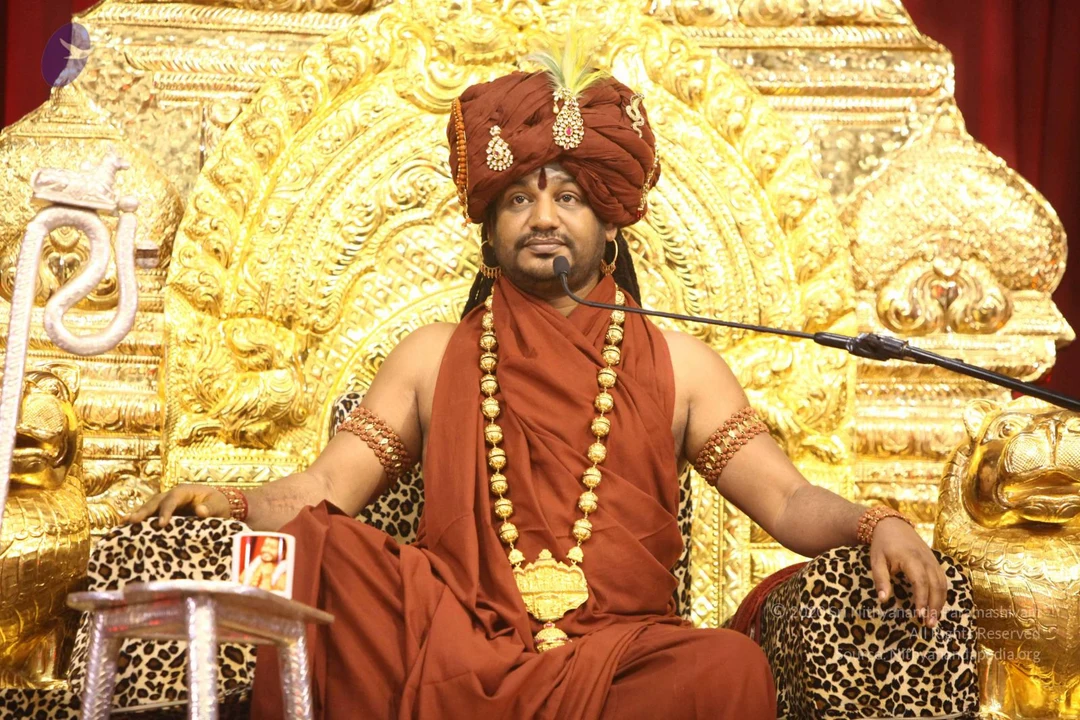
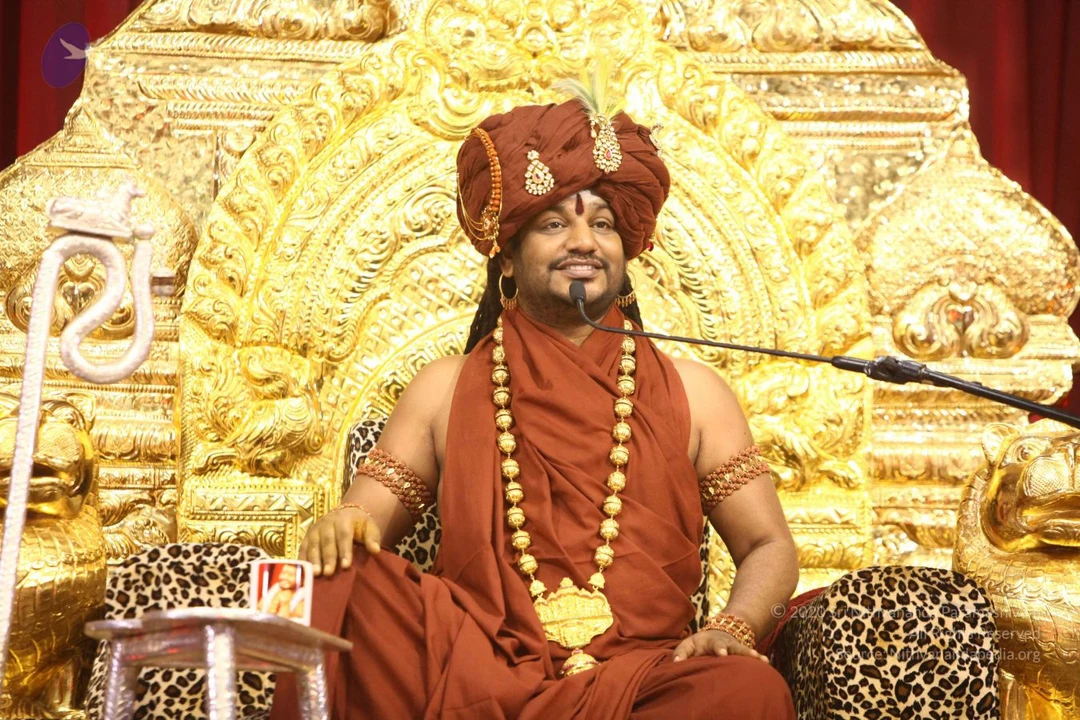
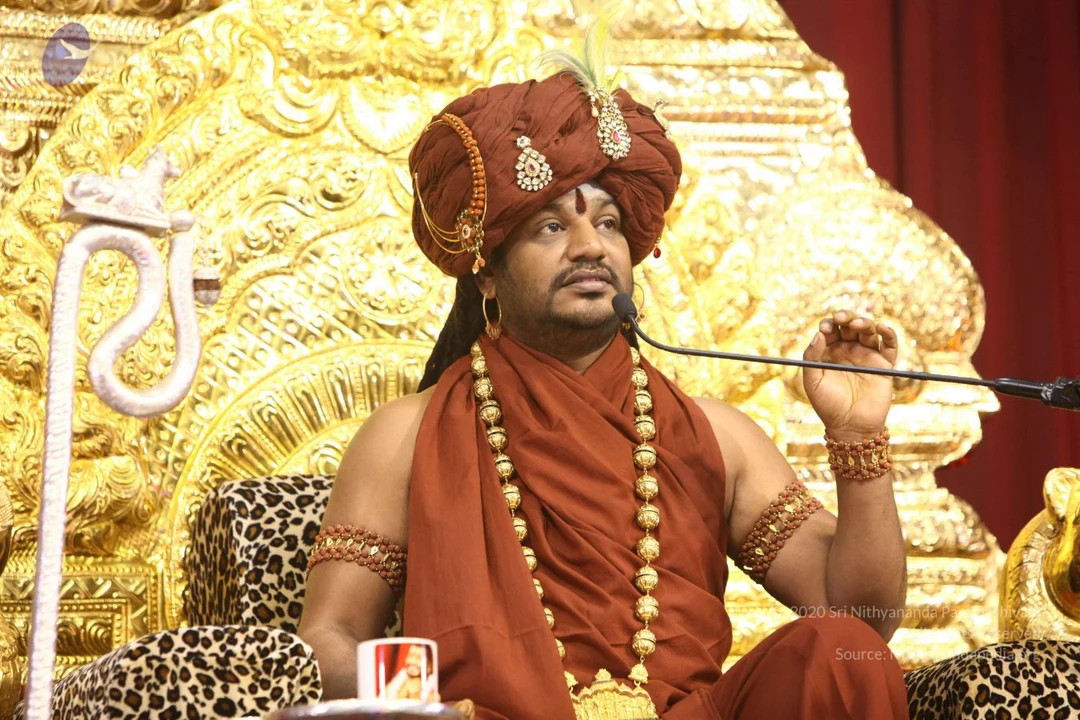
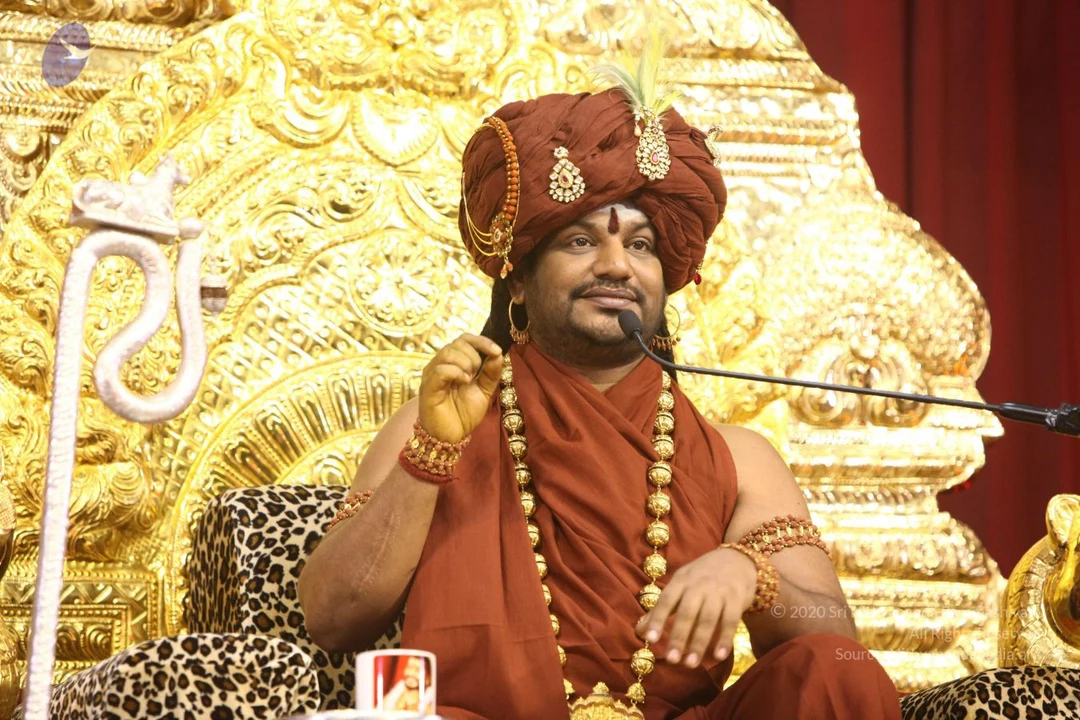
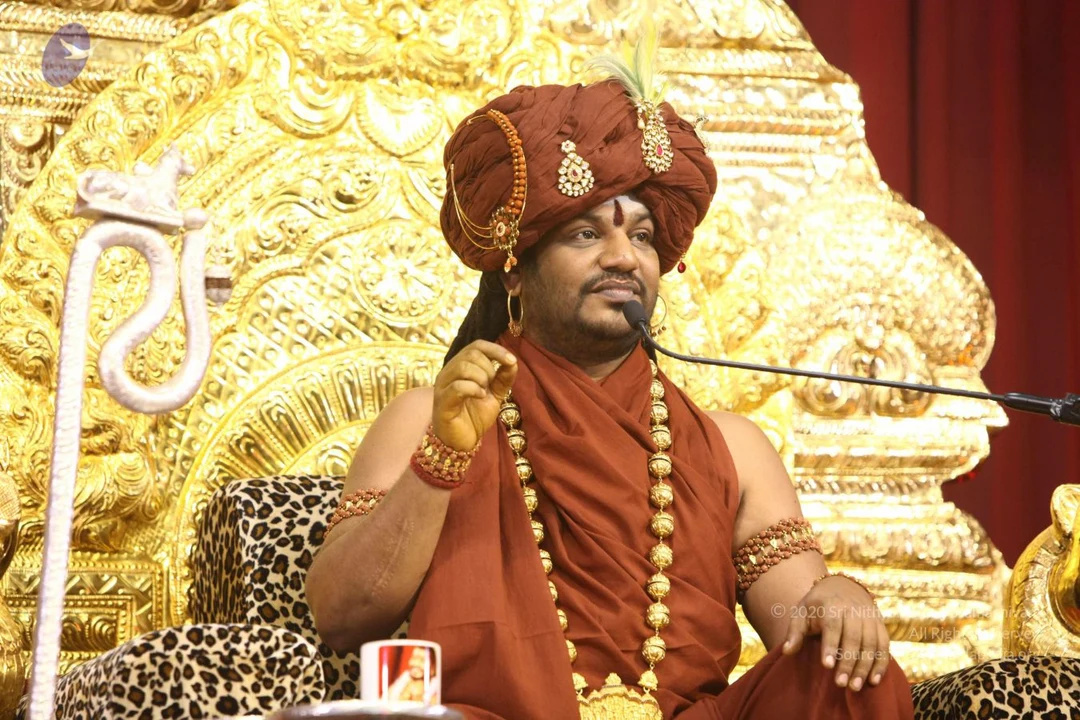
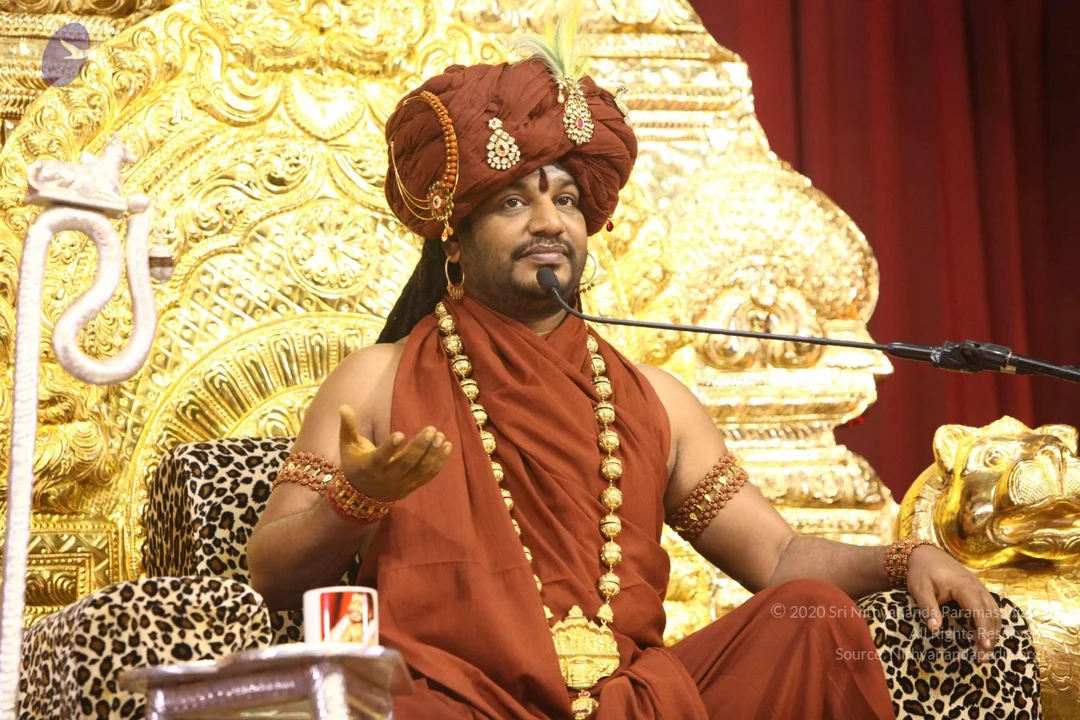
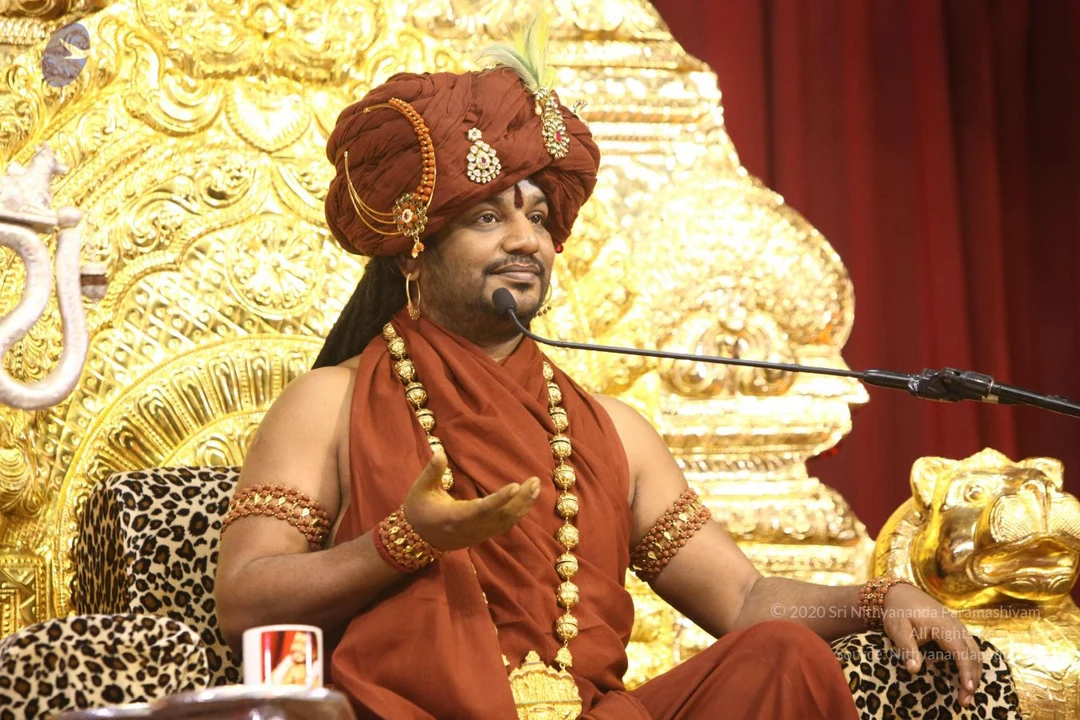
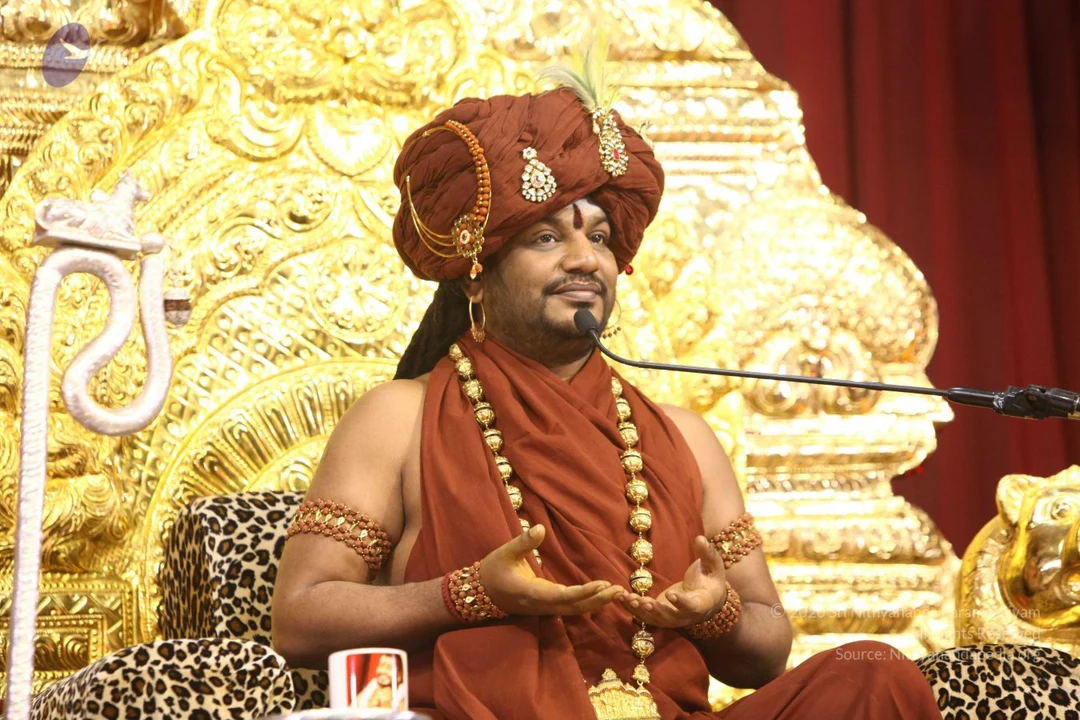
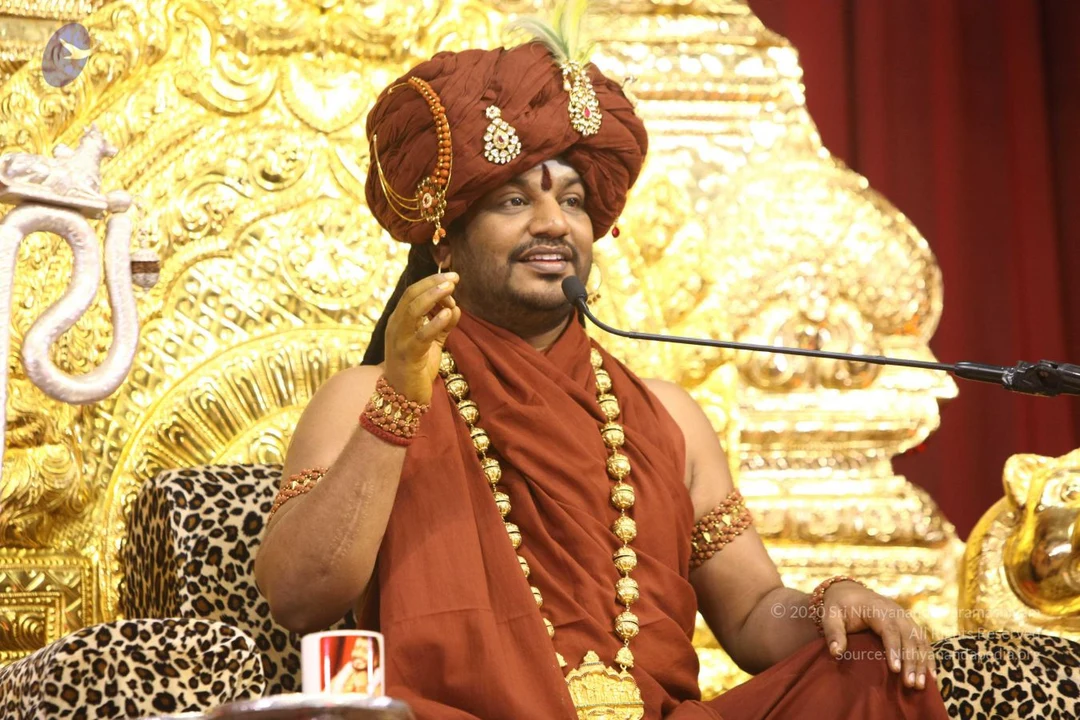
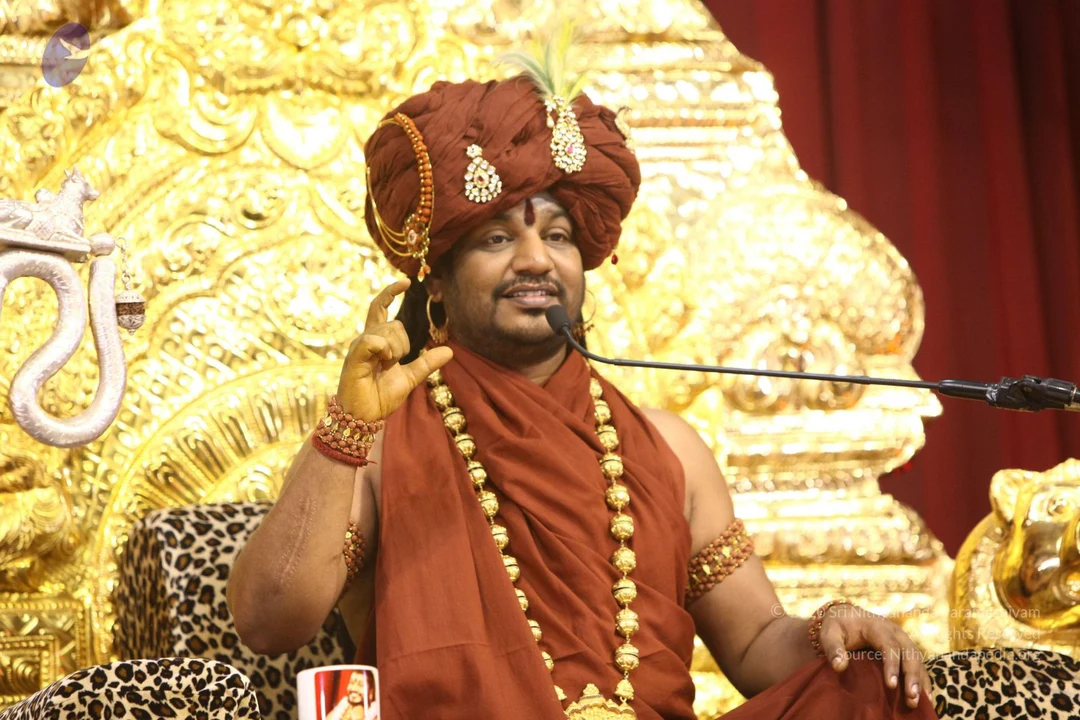
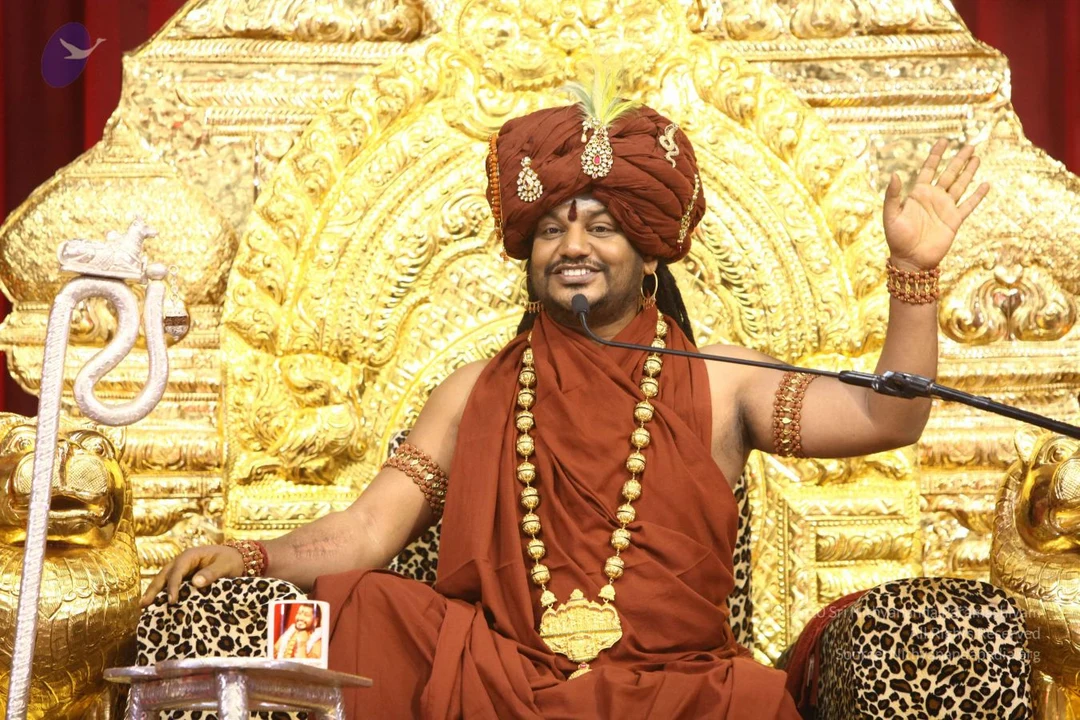
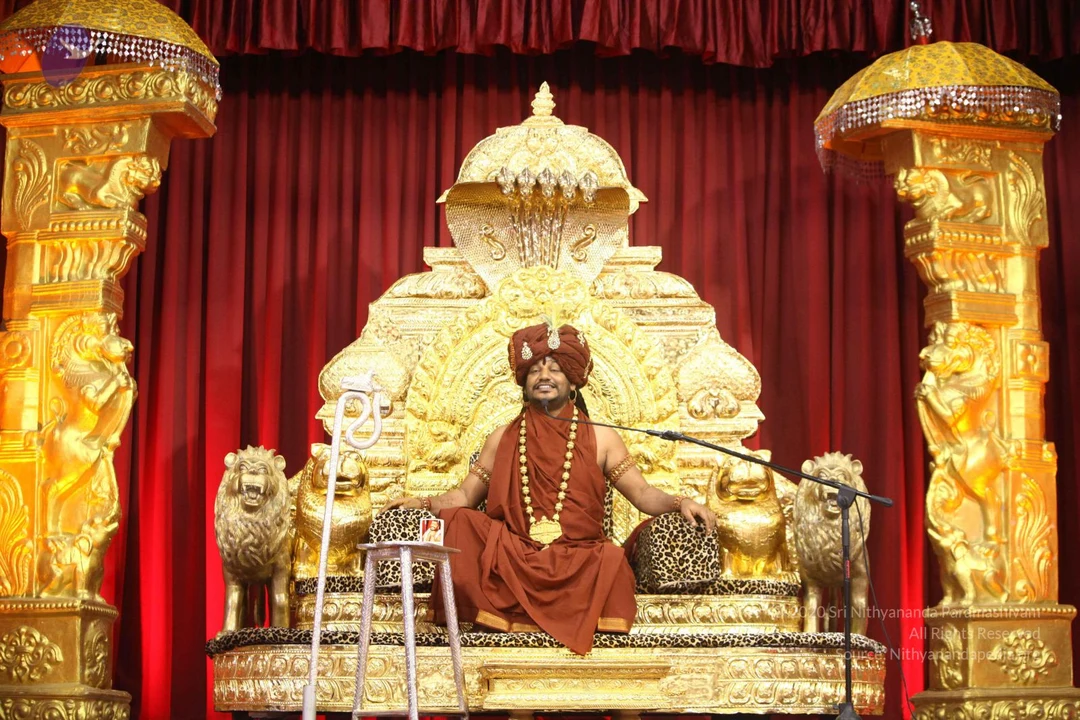
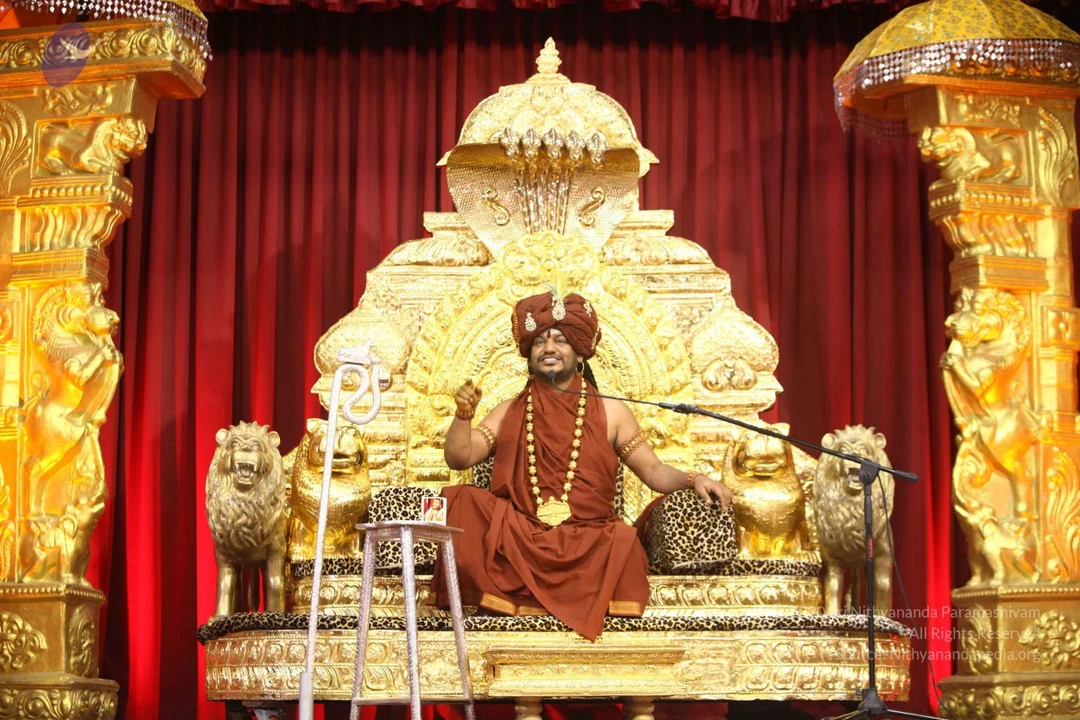
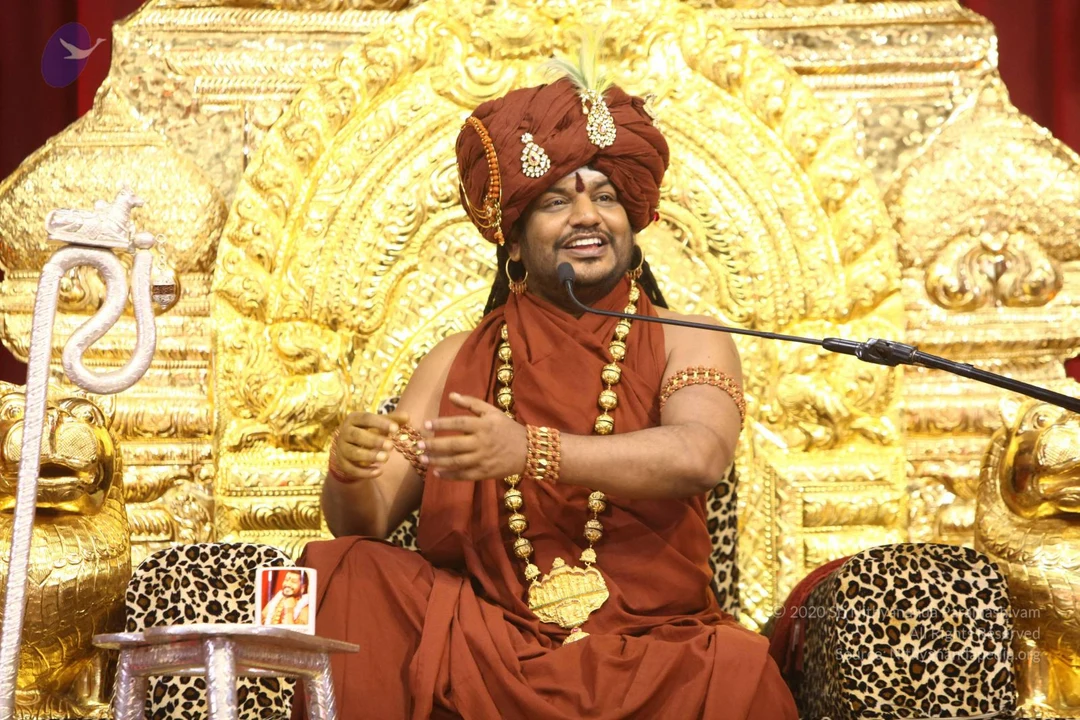

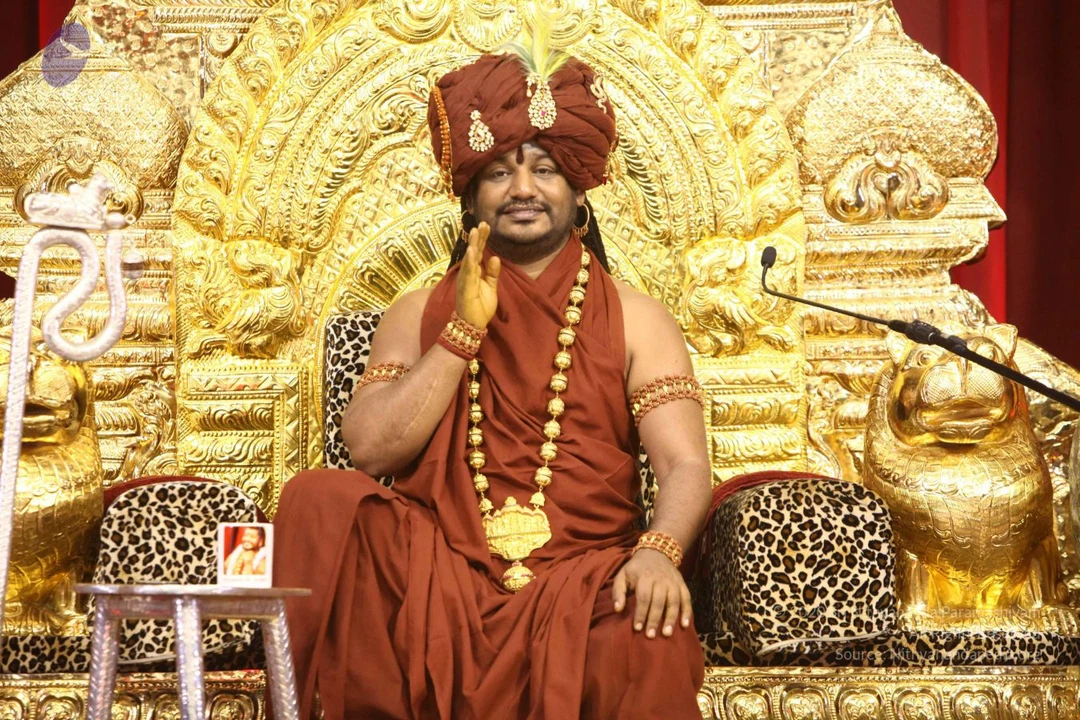
Photos Of The Day:
Satsang
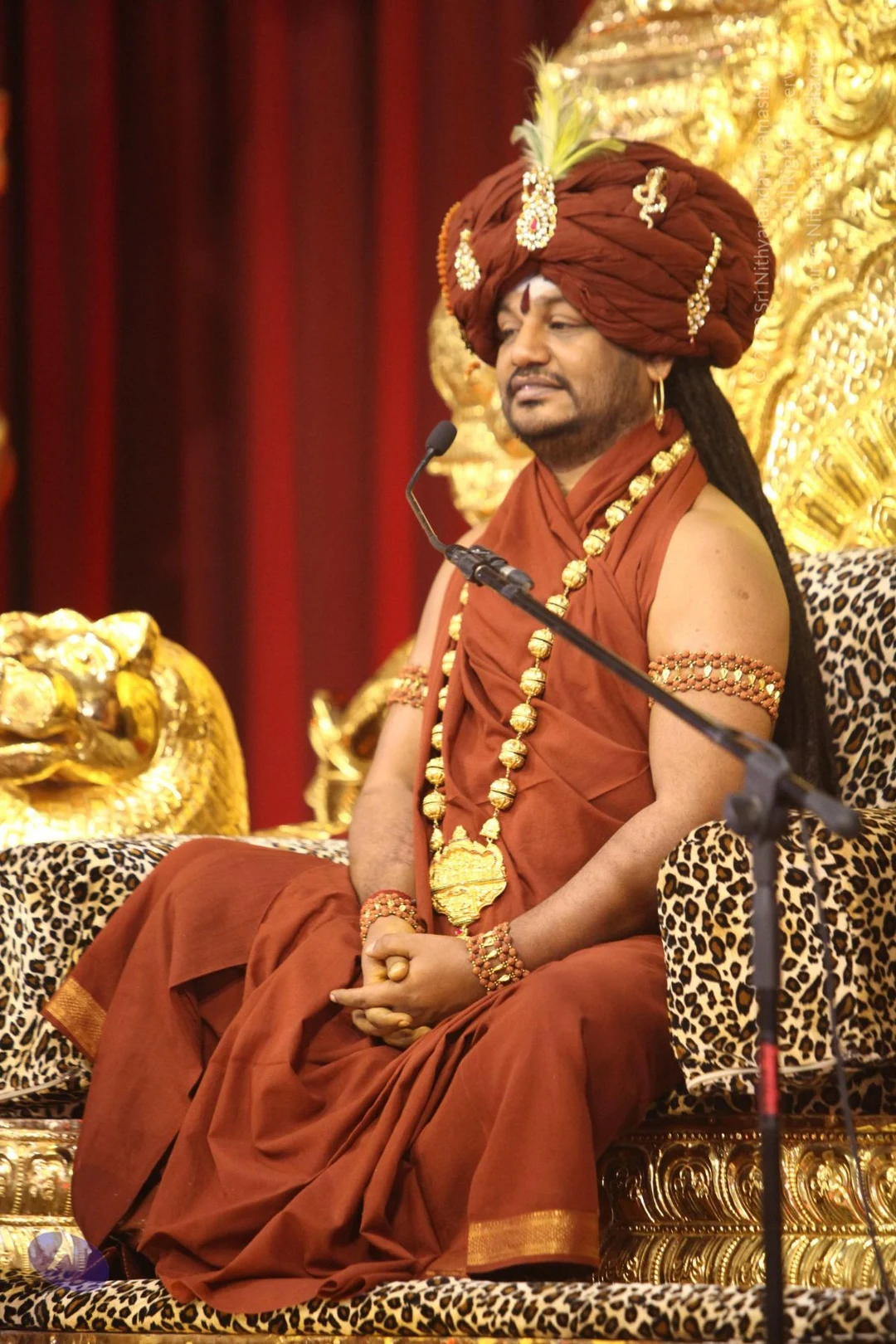
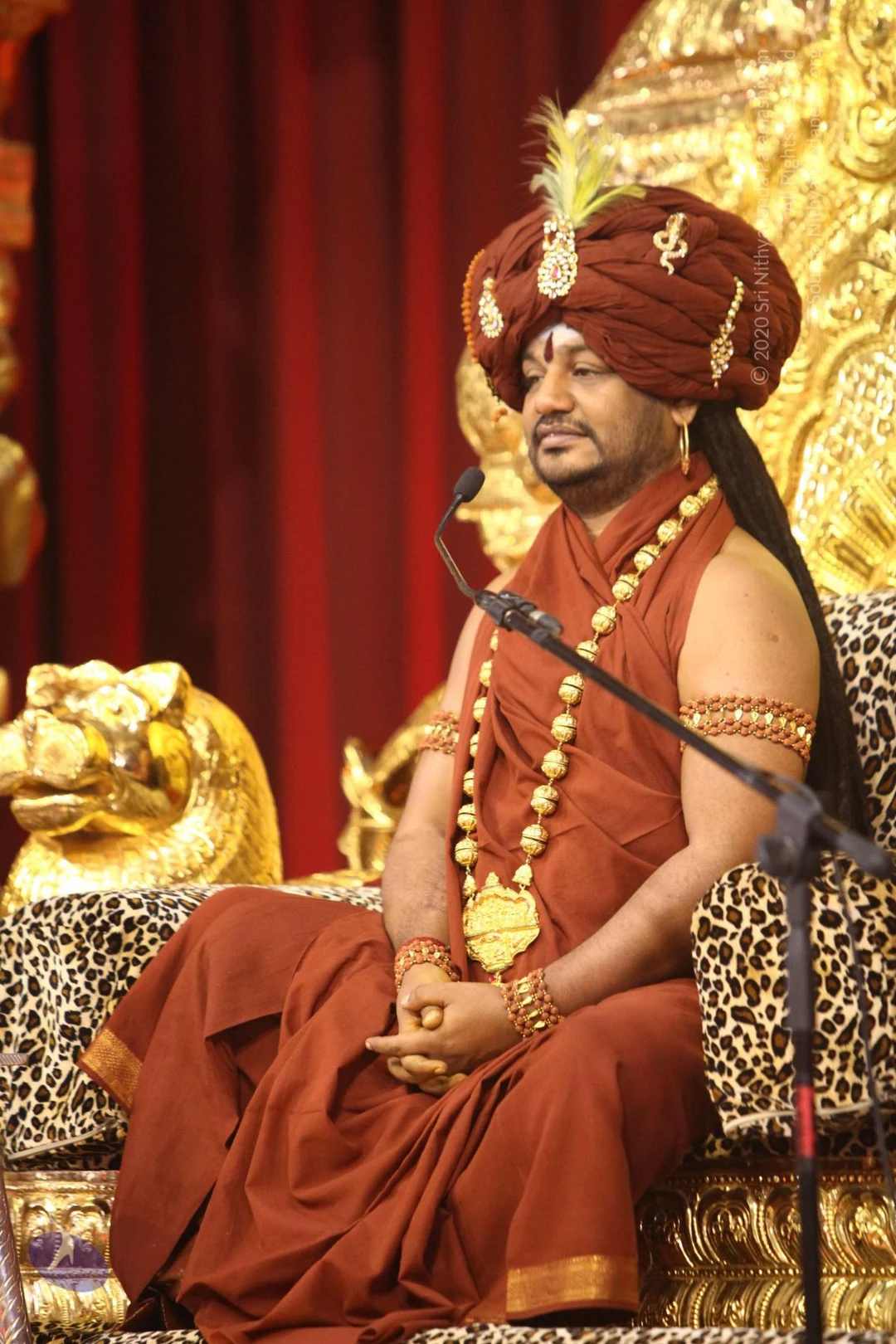
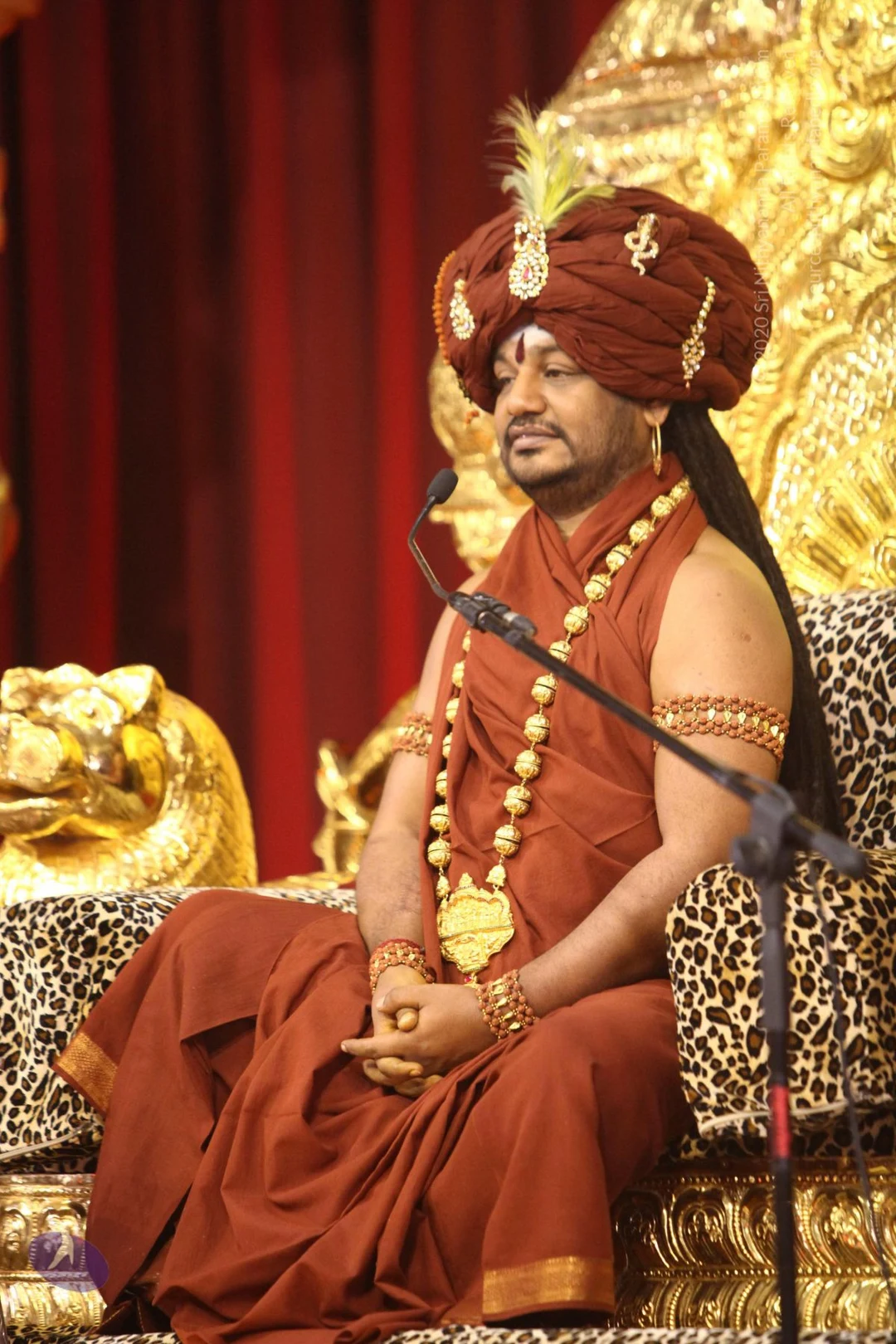
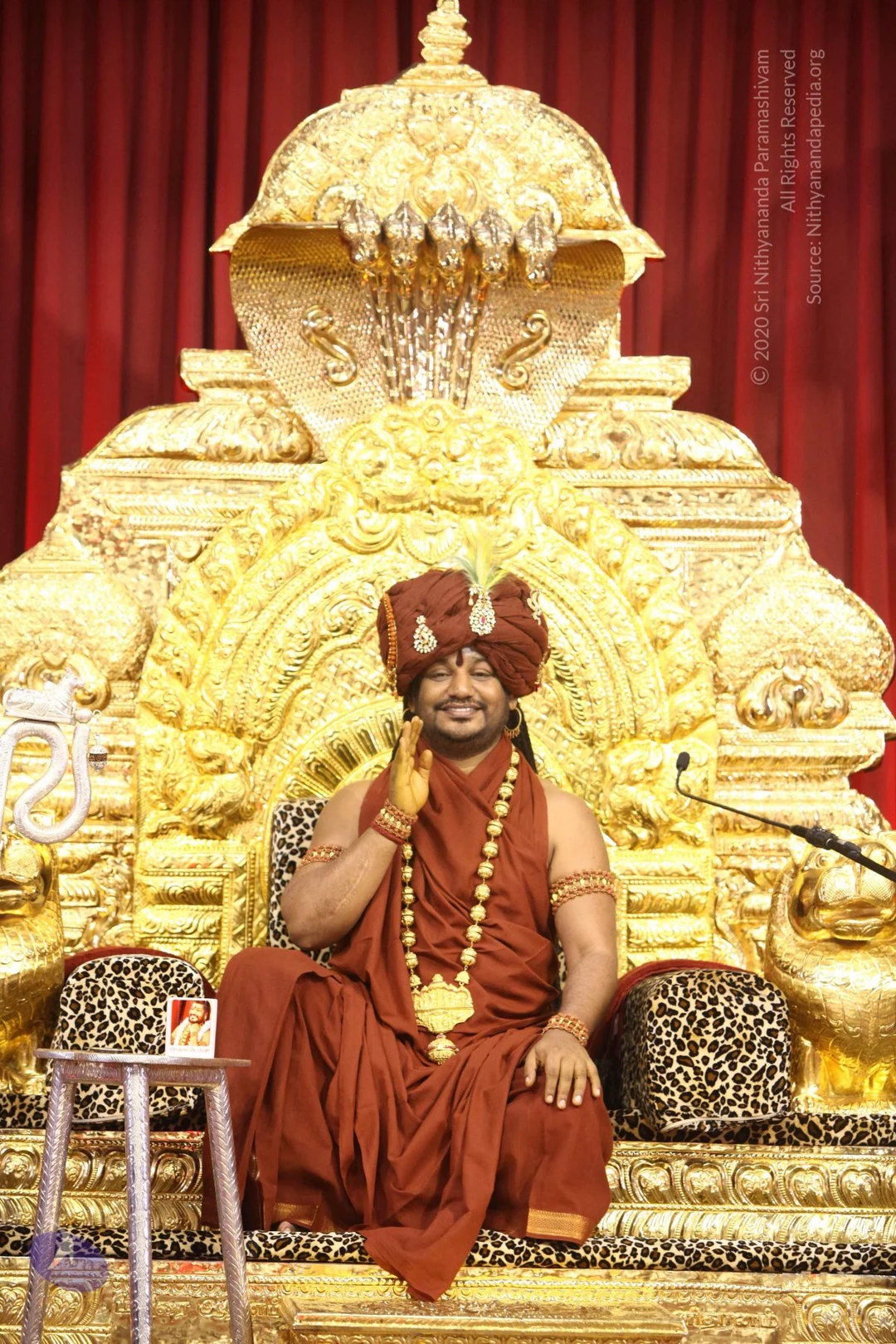
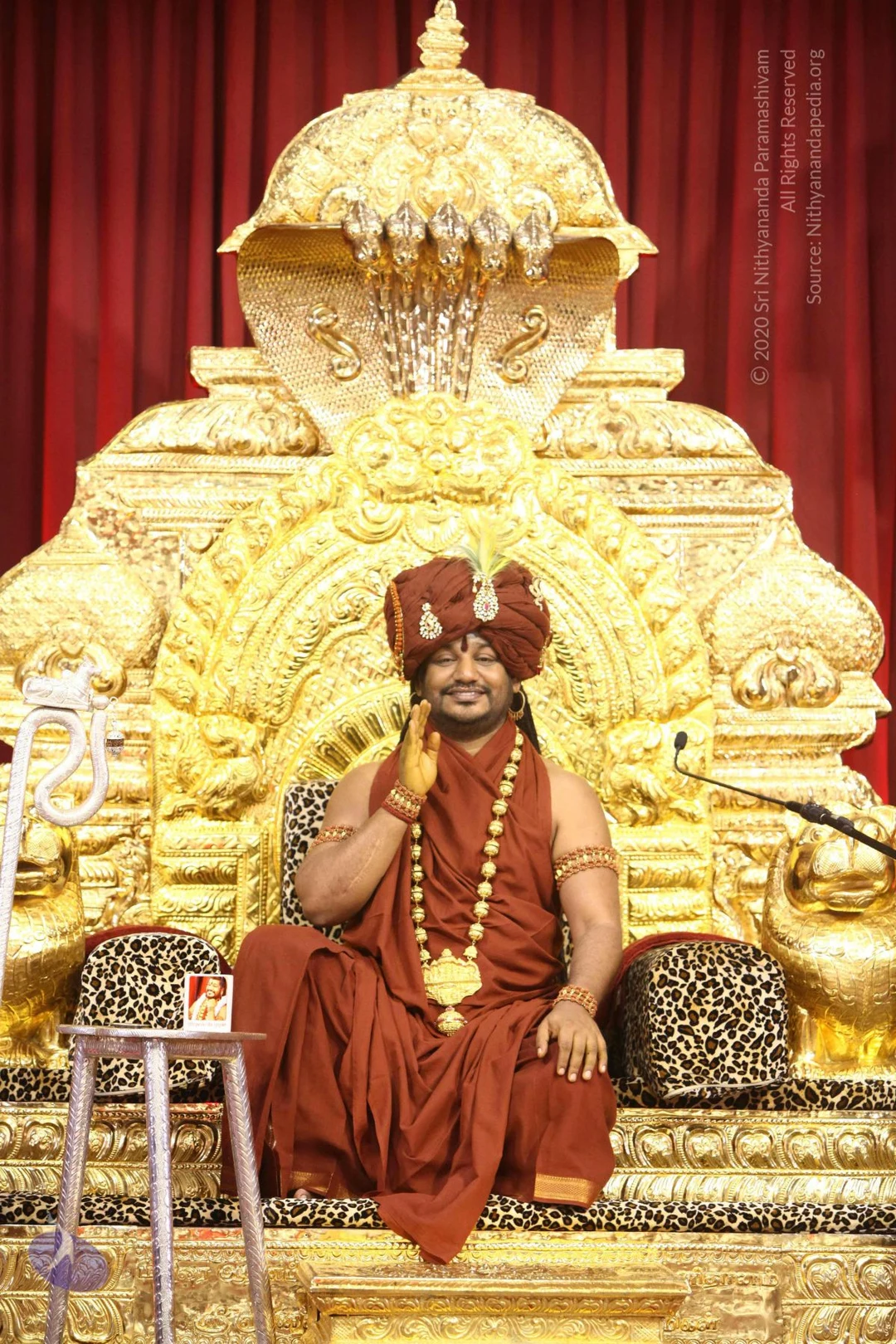
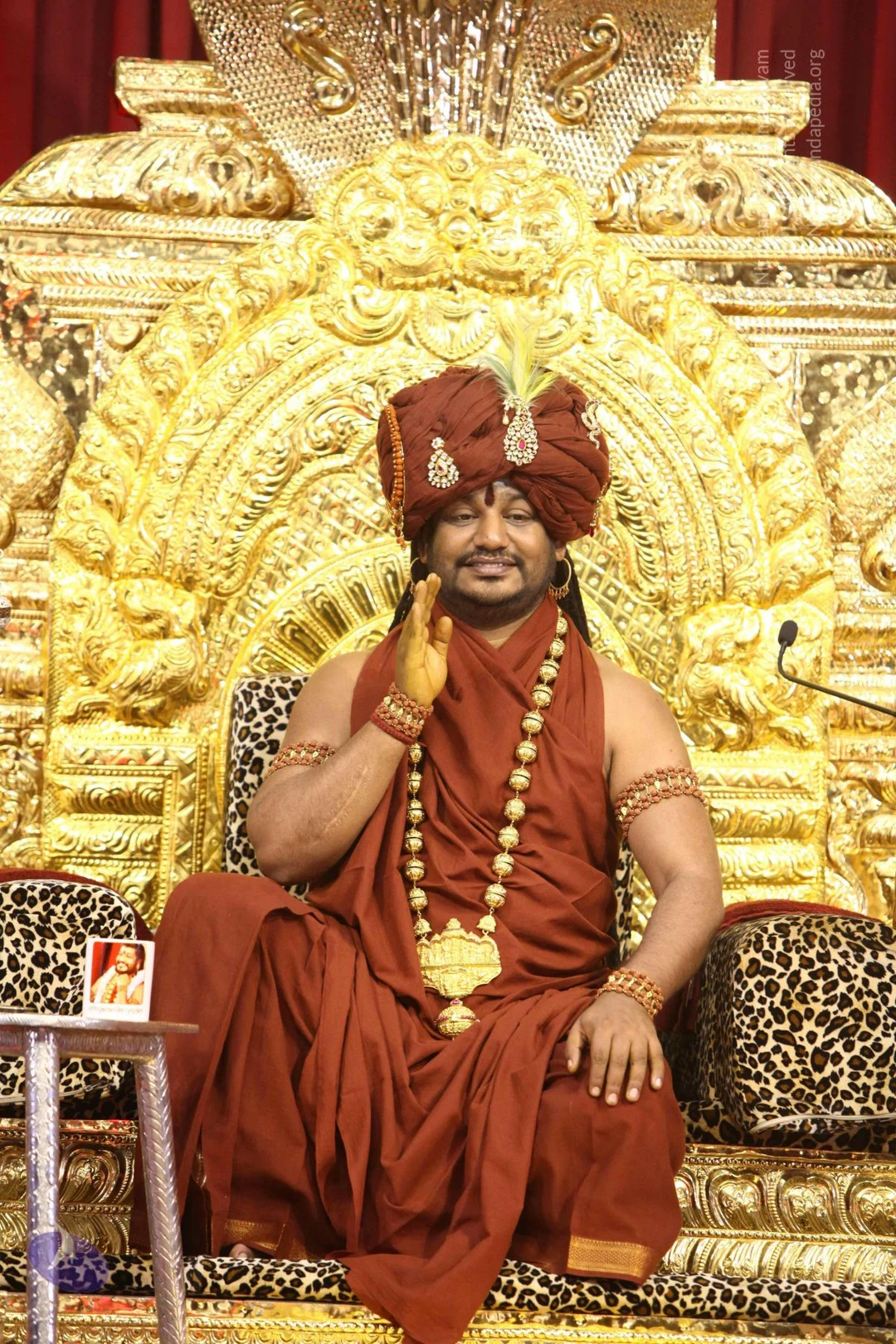
01-Satsang

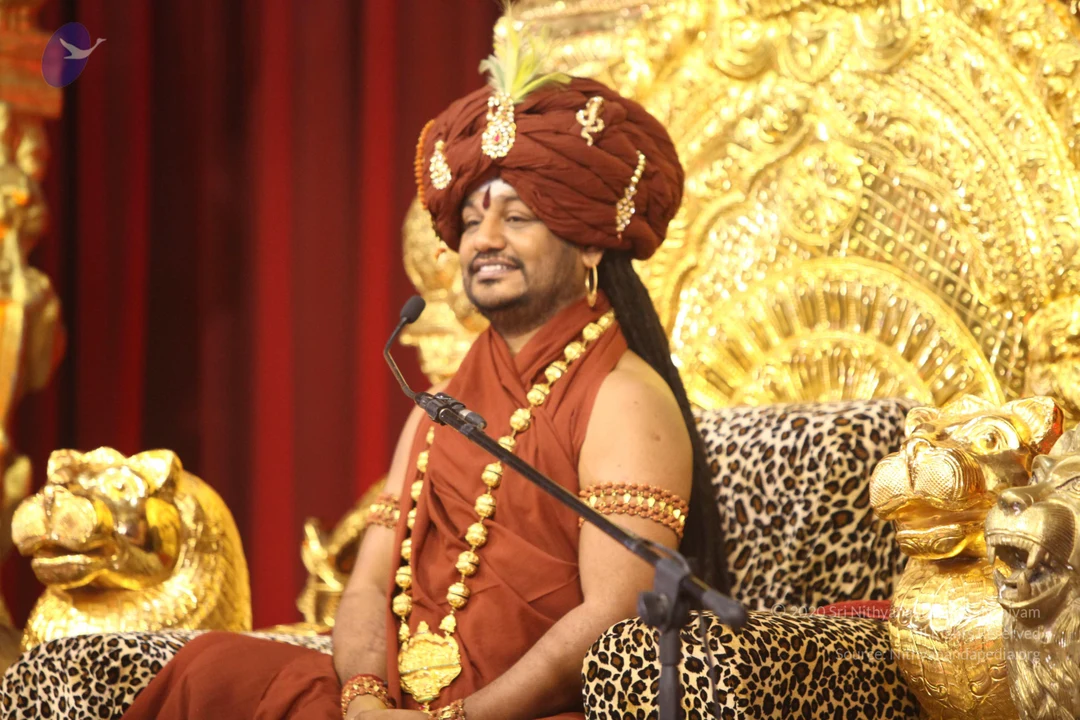
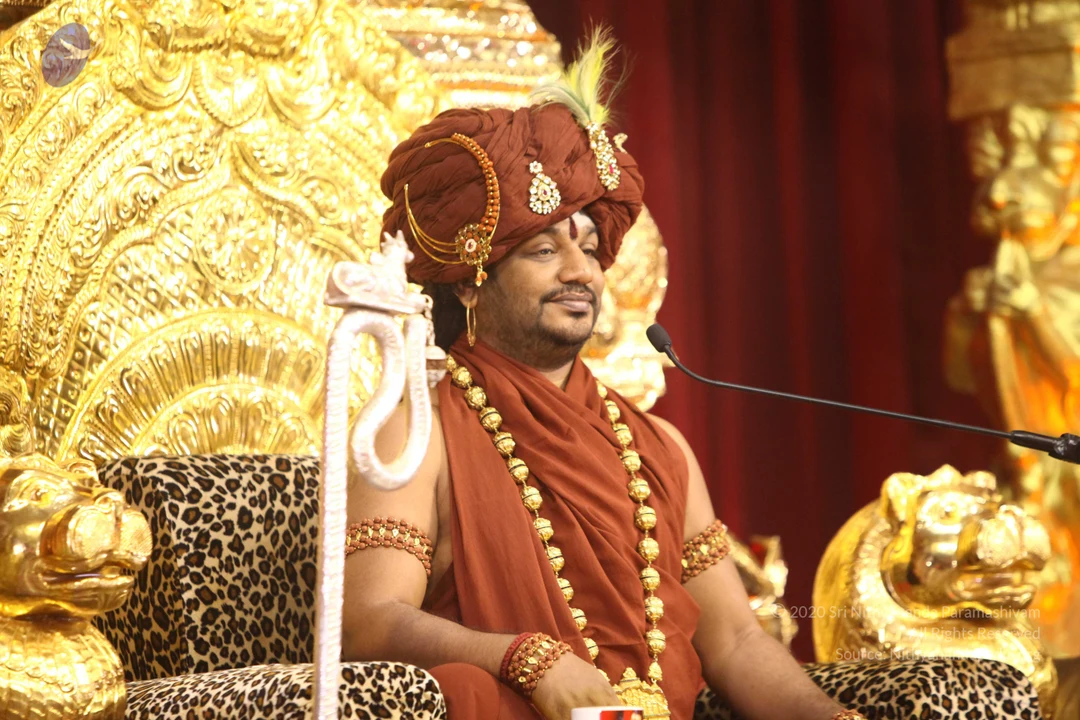
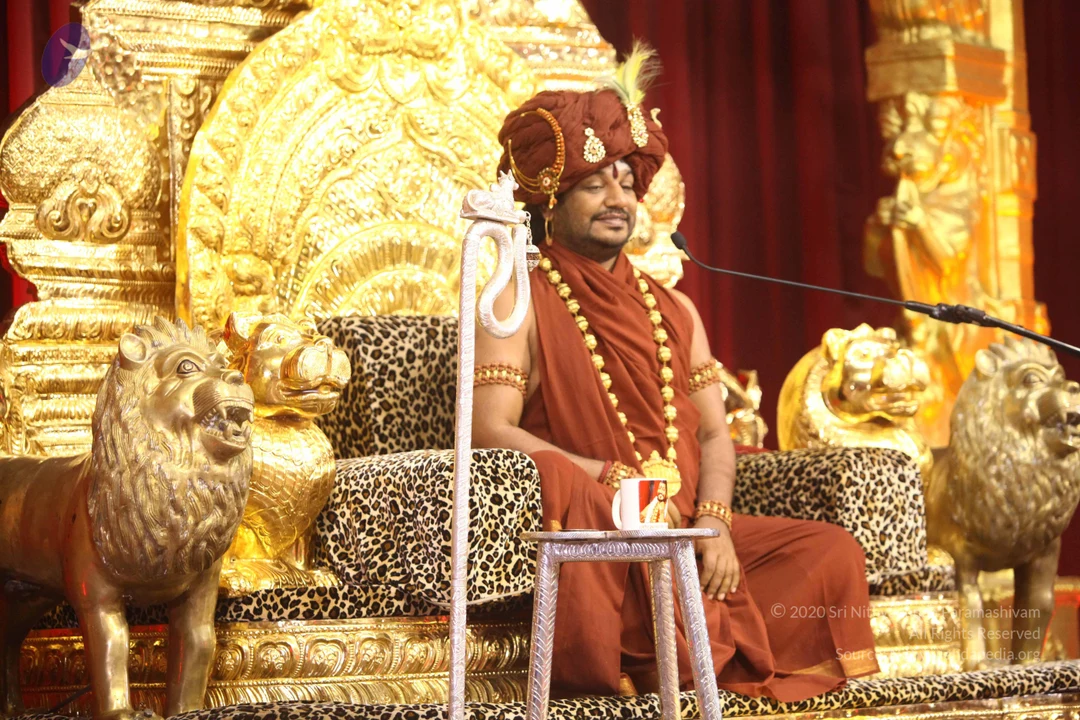
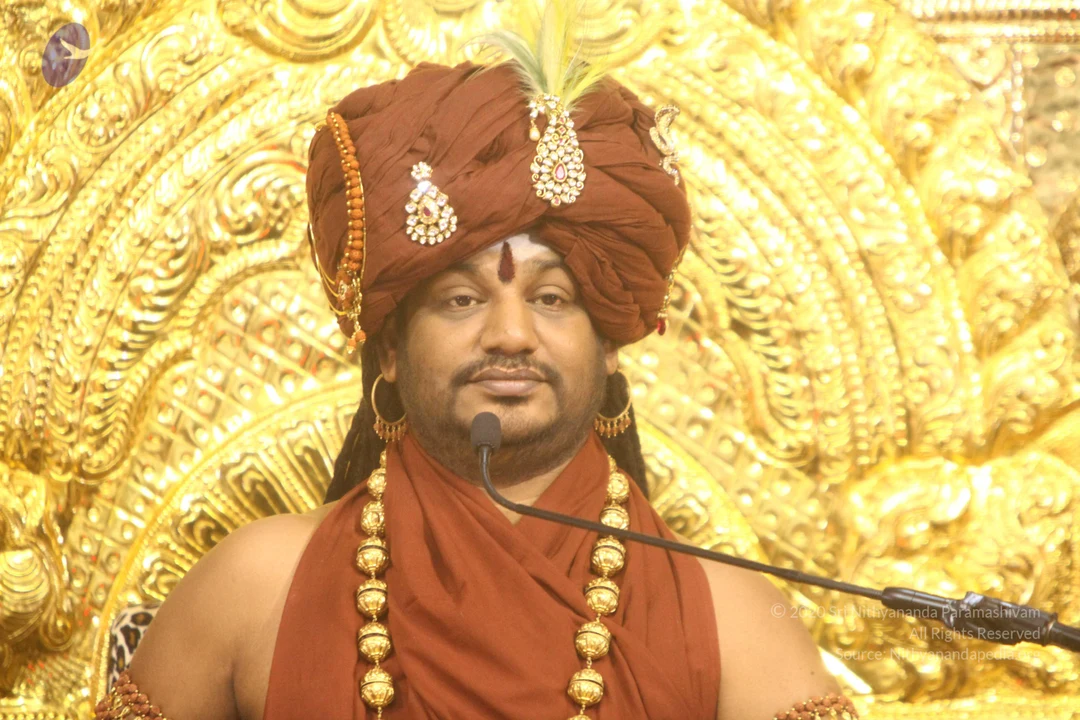
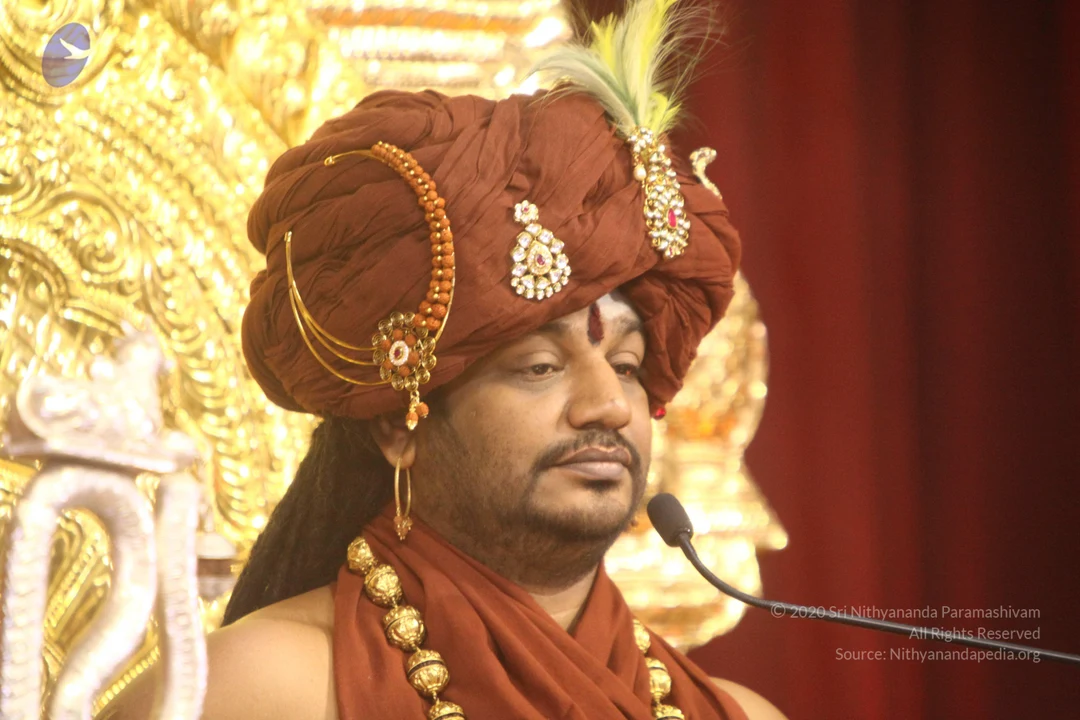
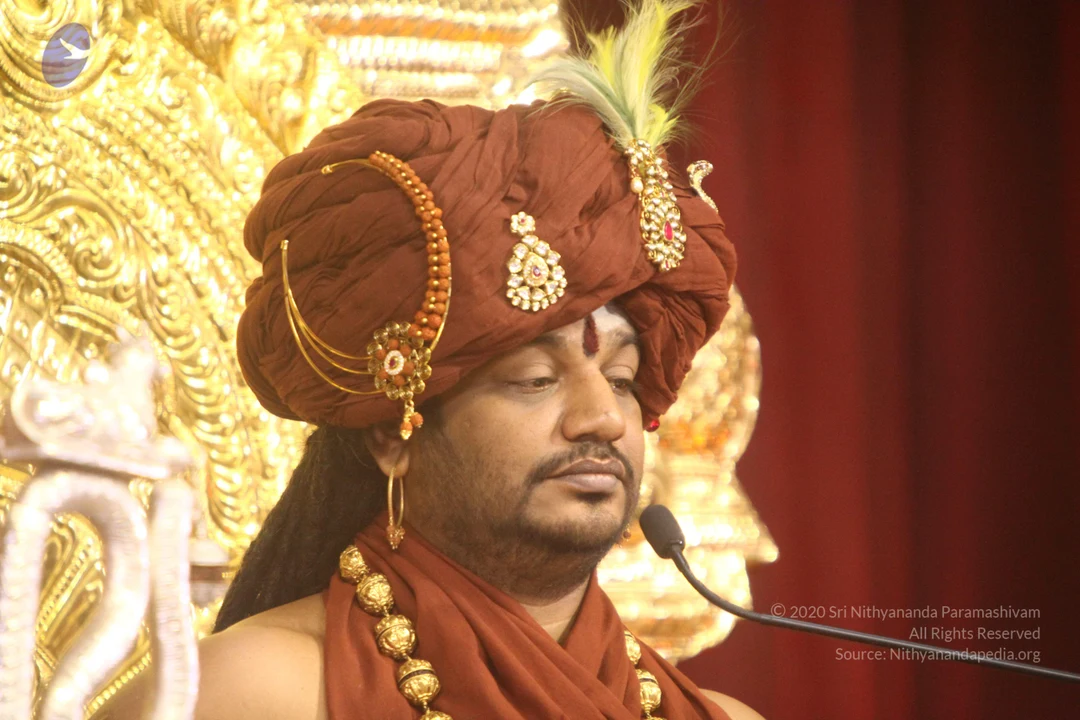
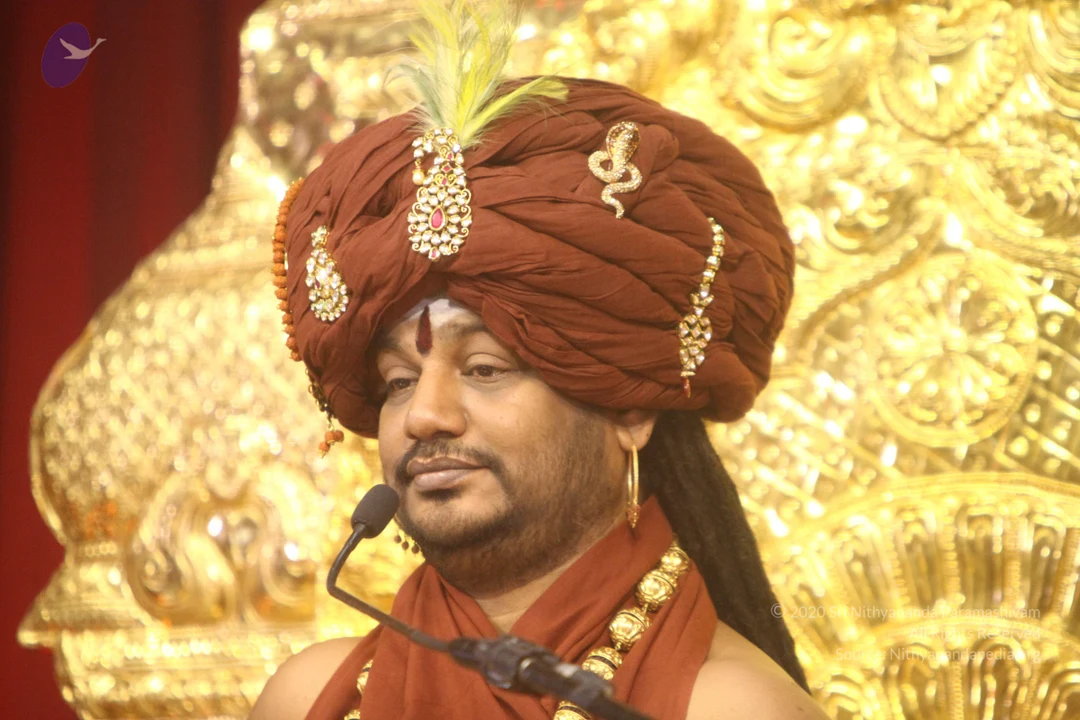
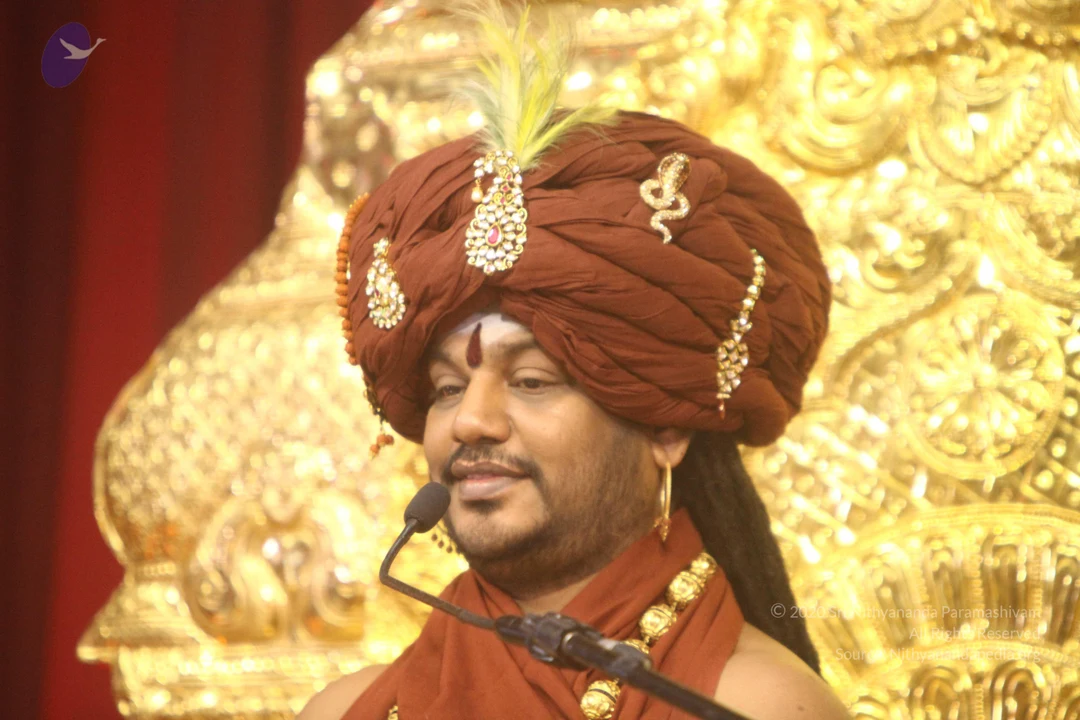
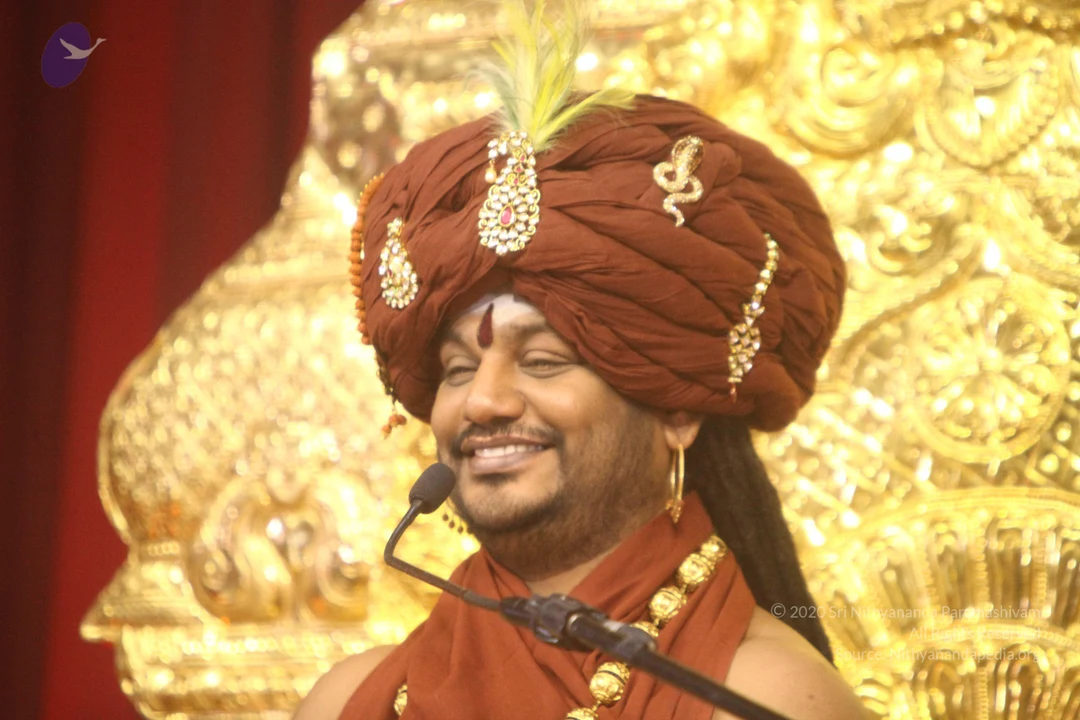
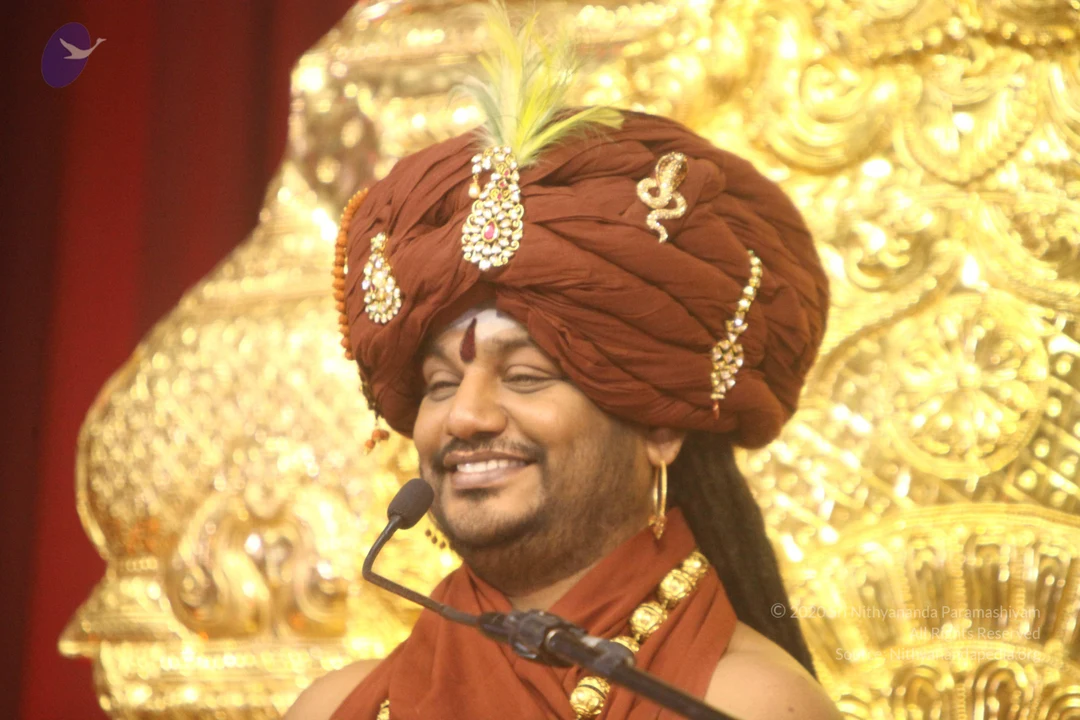
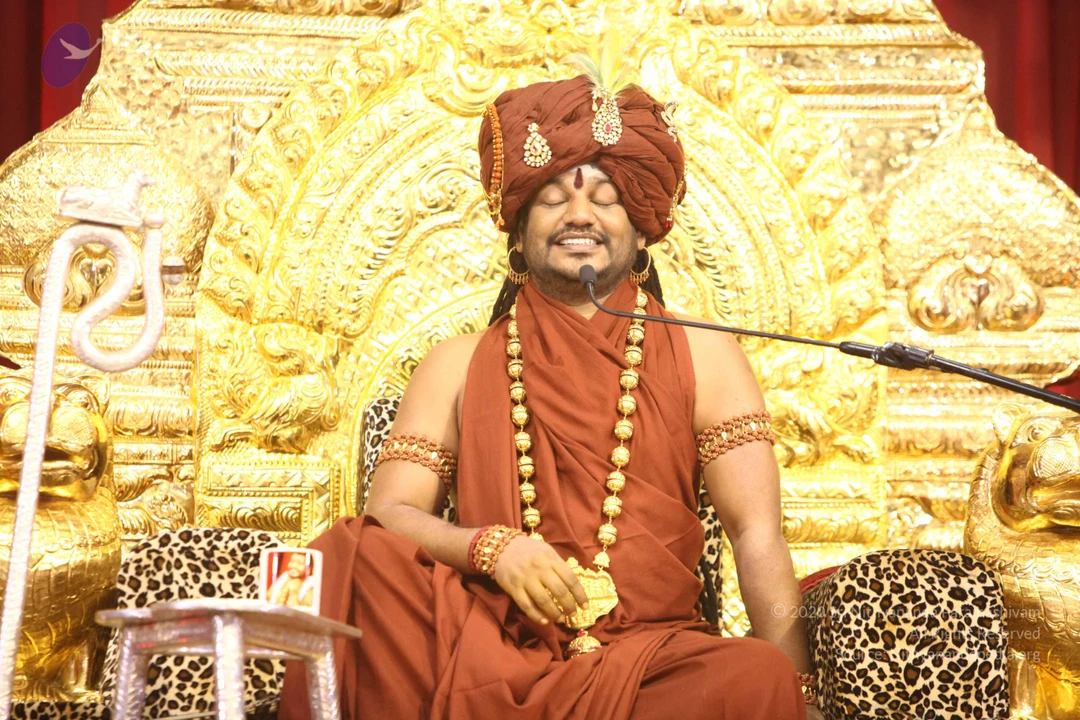
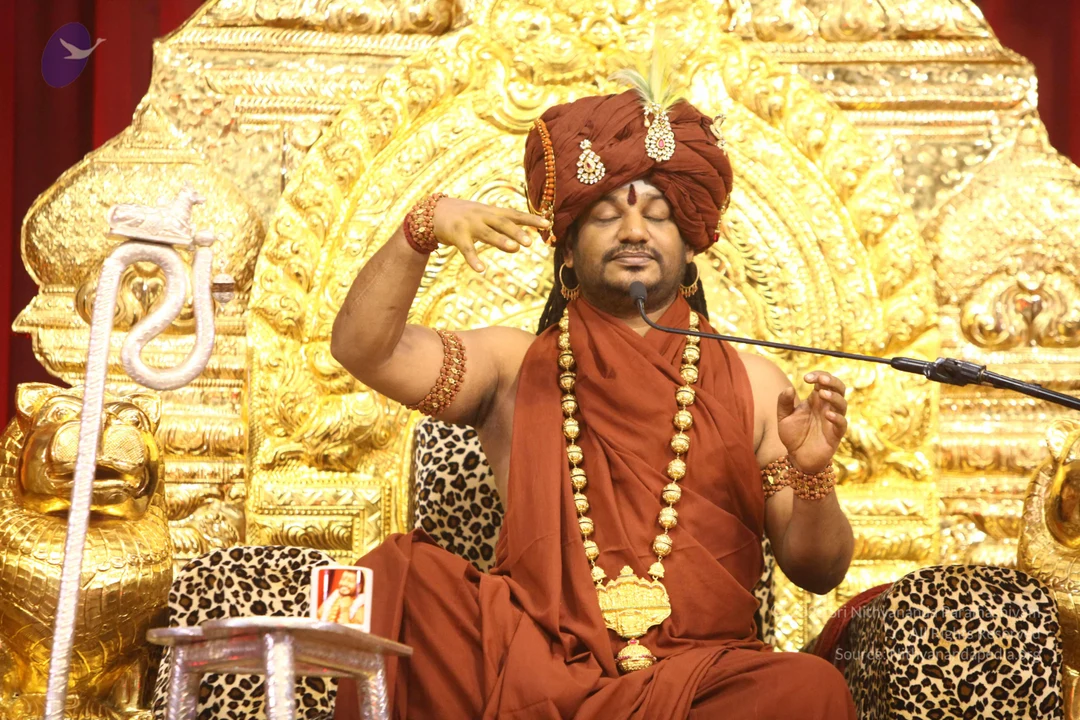
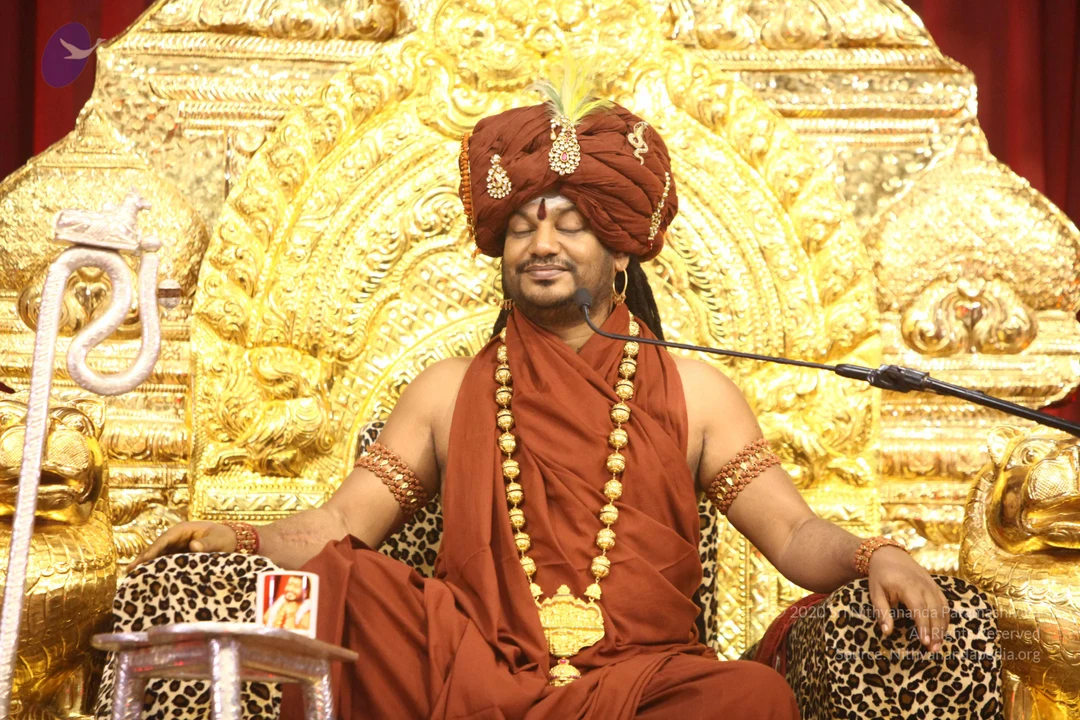
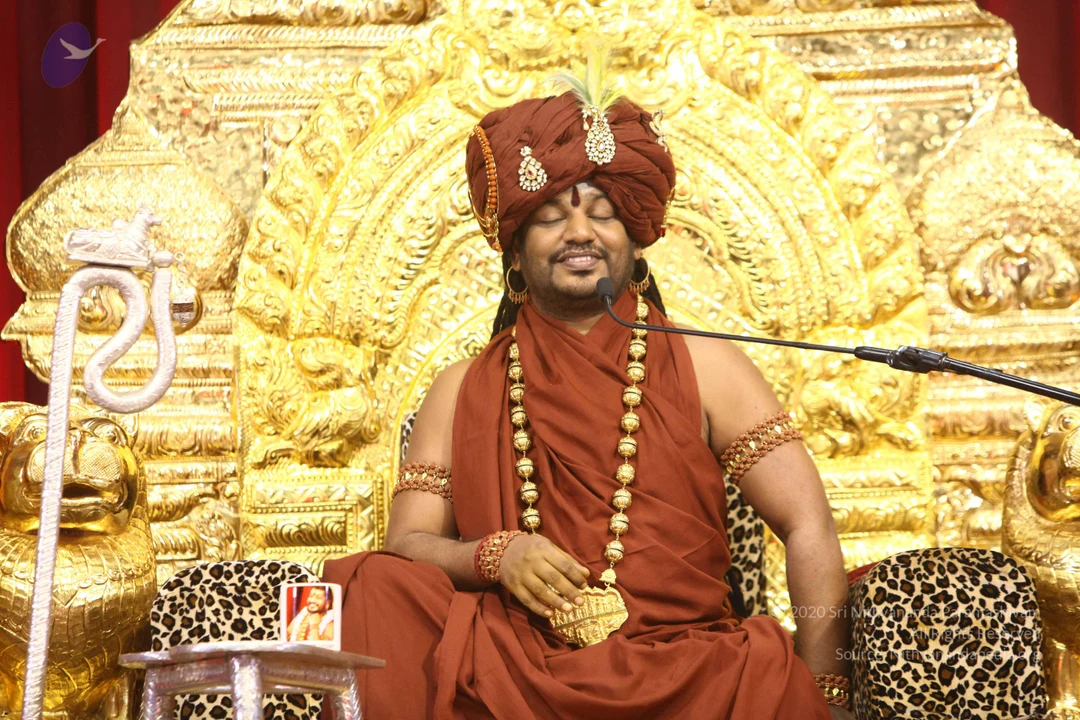
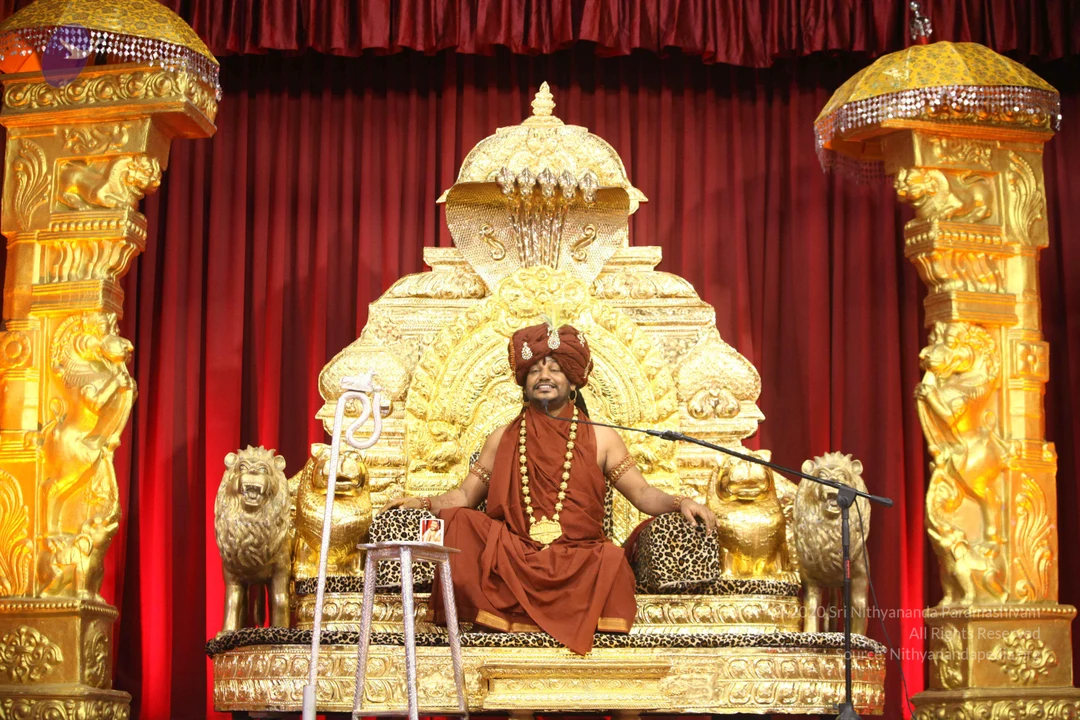
Photos from this day
View all 249 photosPhoto
115 photosSource gallery
Satsang
119 photosSource gallery
Satsang
7 photosSource gallery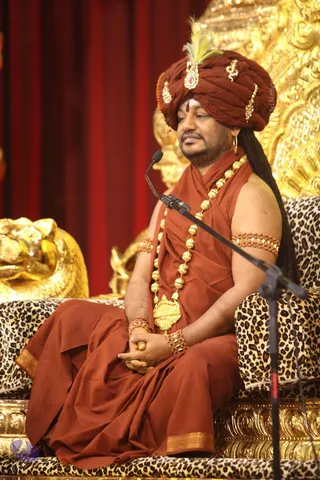
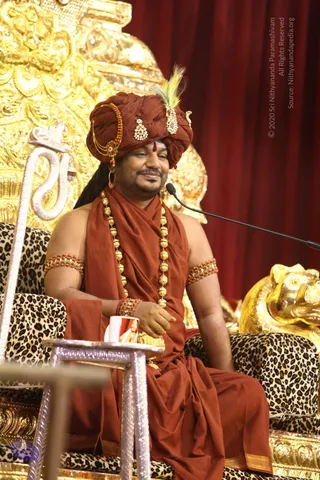
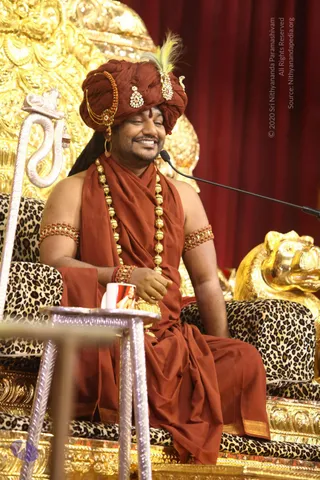
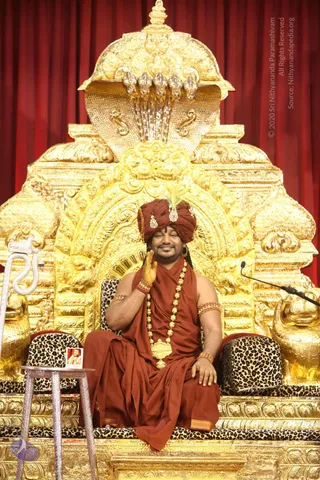
01-Satsang
8 photosSource gallery