Thursday
31 August 2017
Experience Aushada - Spiritual Alchemy process of preparing Aushada
- Dated photos
- 654
- Source pages
- 1
- Media
- 2

August 31 2017
Original wiki pageTitle
Experience Aushada - Spiritual Alchemy process of preparing Aushada
Narration
Today, in the Experience Aushada Program, The Supreme Pontiff of Hinduism HDH Bhagavan Sri Nithyananda Paramashivam continued the process of preparing 'Aushadha', an esoteric science from the Siddha tradition which is used to achieve the state, space, powers of Sadashiva, and gain access to the 25 states of consciousness.
Aushada Process
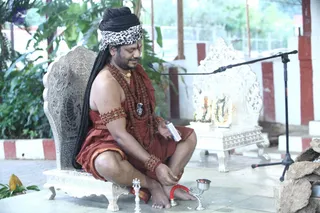
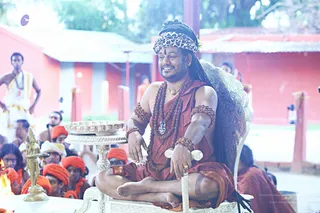
Paramahamsa Nithyananda today continued the process of preparing 'Aushadha', an esoteric science from the Siddha tradition which is used to achieve the state, space, powers of Sadashiva, and gain access to the 25 states of consciousness.
Today, we witnessed the next process of preparing Aushadha for the upcoming happening of #Mahasadashivoham.
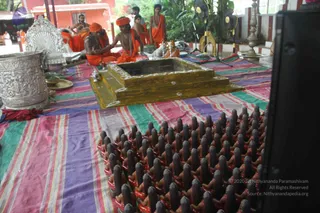
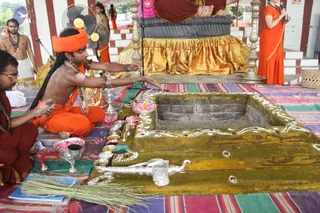
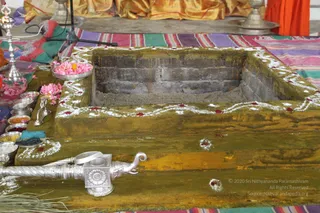
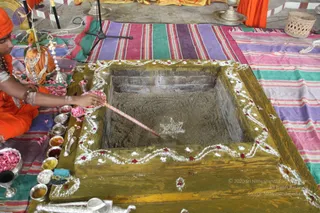
This Siddha technique is called Pudamgaatal. Pudam means purifying, Pudamgaatal is the process of purifying the Aushadha by keeping it above the ground and exposing it to heat and smoke. This smoke was generated by burning cowdung from Nithyananda Goshala's pure Desi cows.
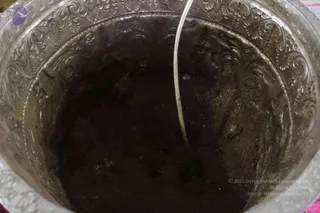
Bhasma from the cowdung was also prepared. This pure Bhasma made precisely as per the Agamas revealed by Sadashiva also acts as Aushadha and was the second Aushadha product prepared, for Mahasadashivoham.
Photo
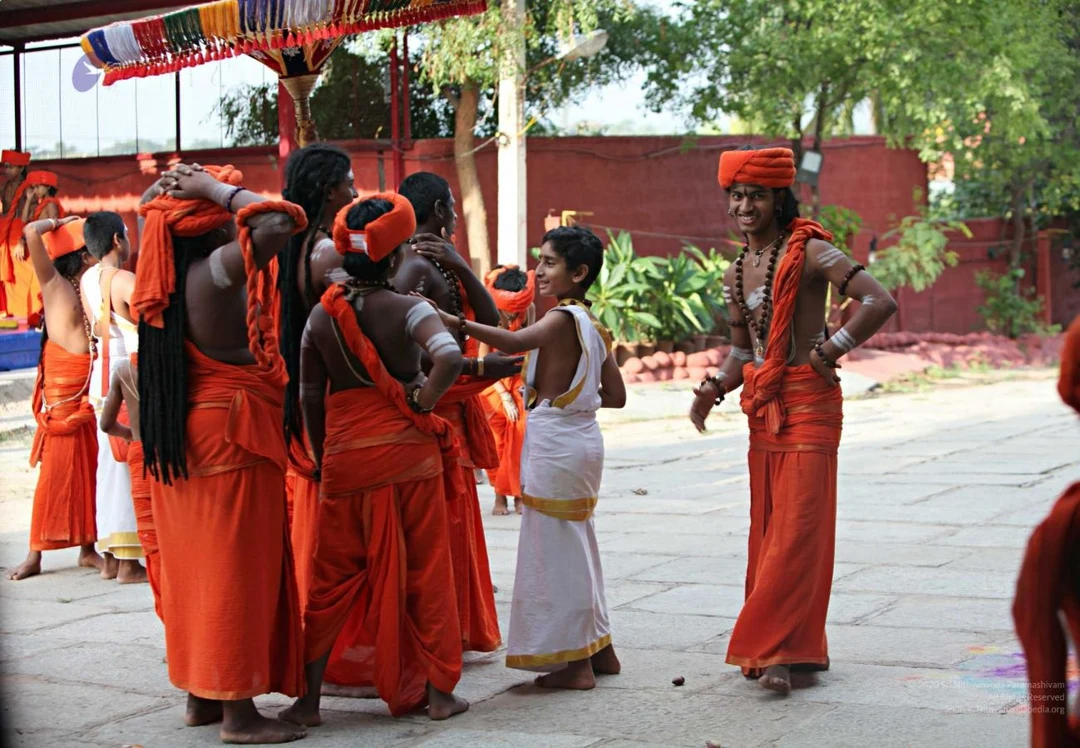 Balasanths await the arrival of His Divine Holiness for the special Spritual Alchemy Process of preparing Aushadha
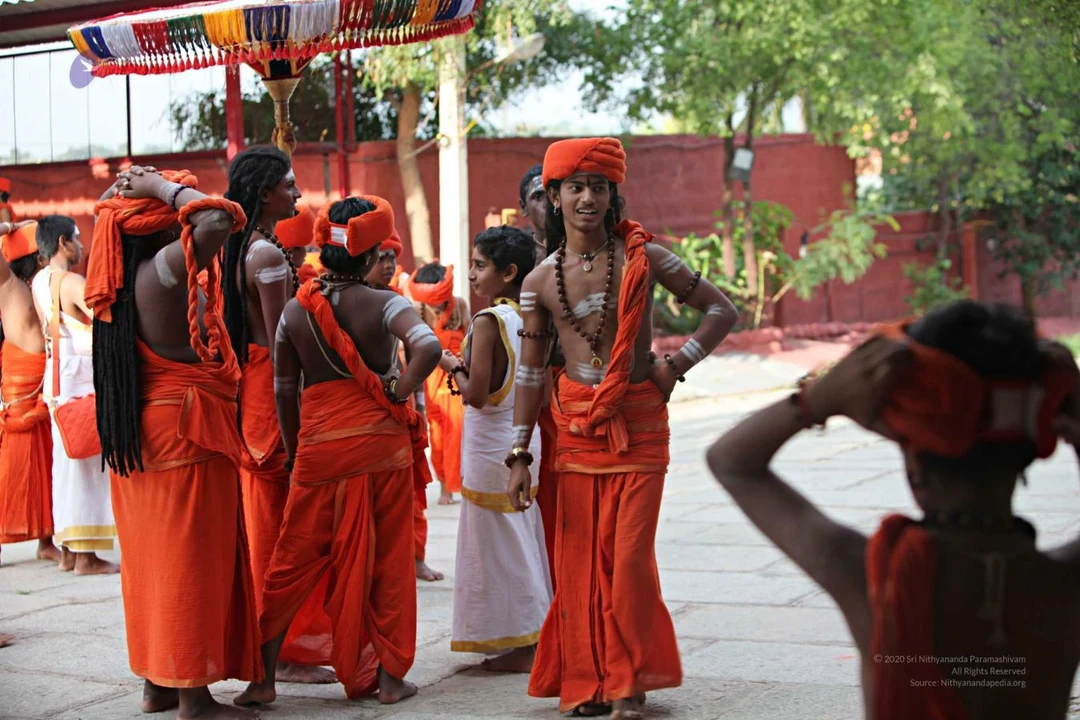 Balasanths await the arrival of His Divine Holiness for the special Spritual Alchemy Process of preparing Aushadha
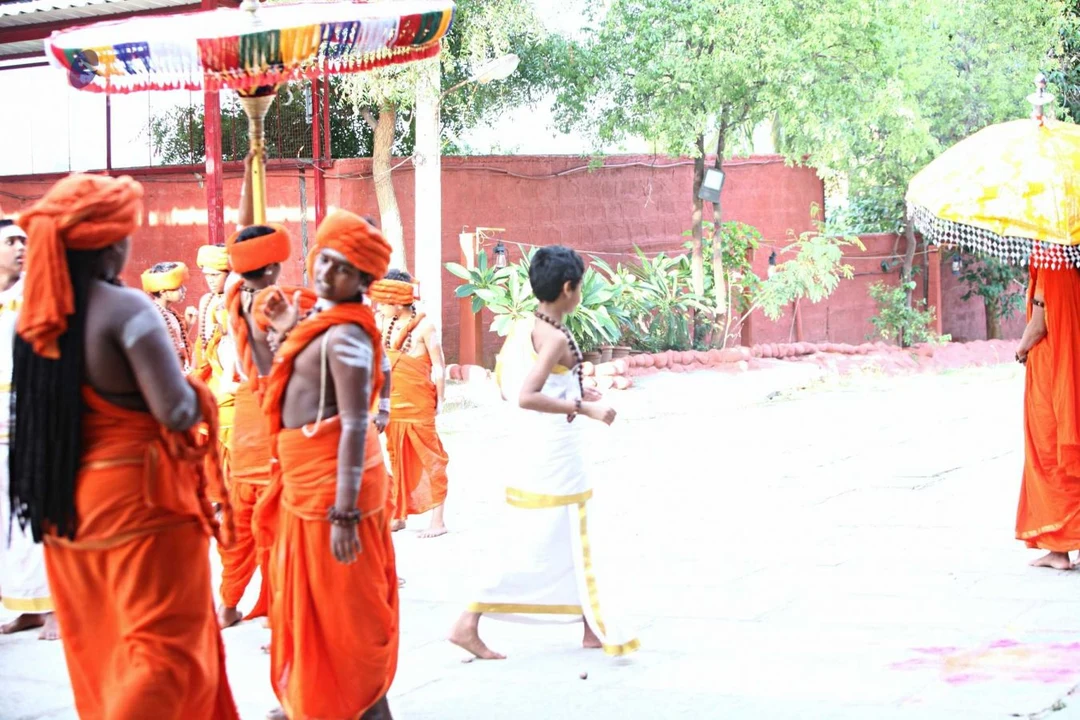 Balasanths await the arrival of His Divine Holiness for the special Spritual Alchemy Process of preparing Aushadha
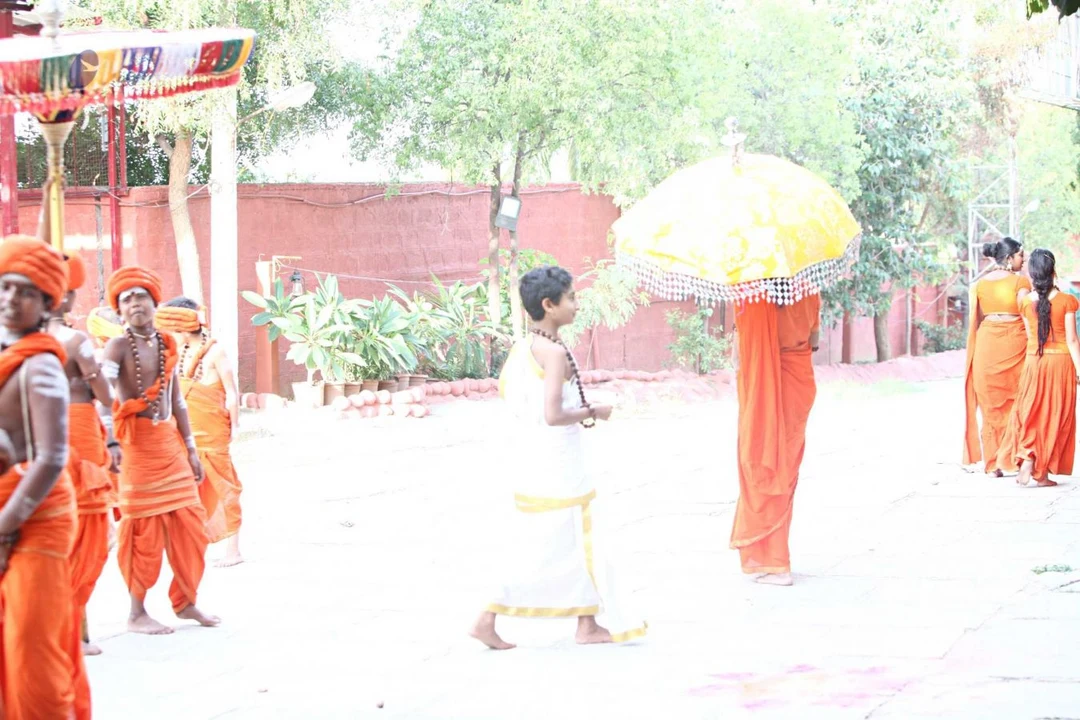 Balasanths await the arrival of His Divine Holiness for the special Spritual Alchemy Process of preparing Aushadha
 Balasanths await the arrival of His Divine Holiness for the special Spritual Alchemy Process of preparing Aushadha
 Balasanths await the arrival of His Divine Holiness for the special Spritual Alchemy Process of preparing Aushadha
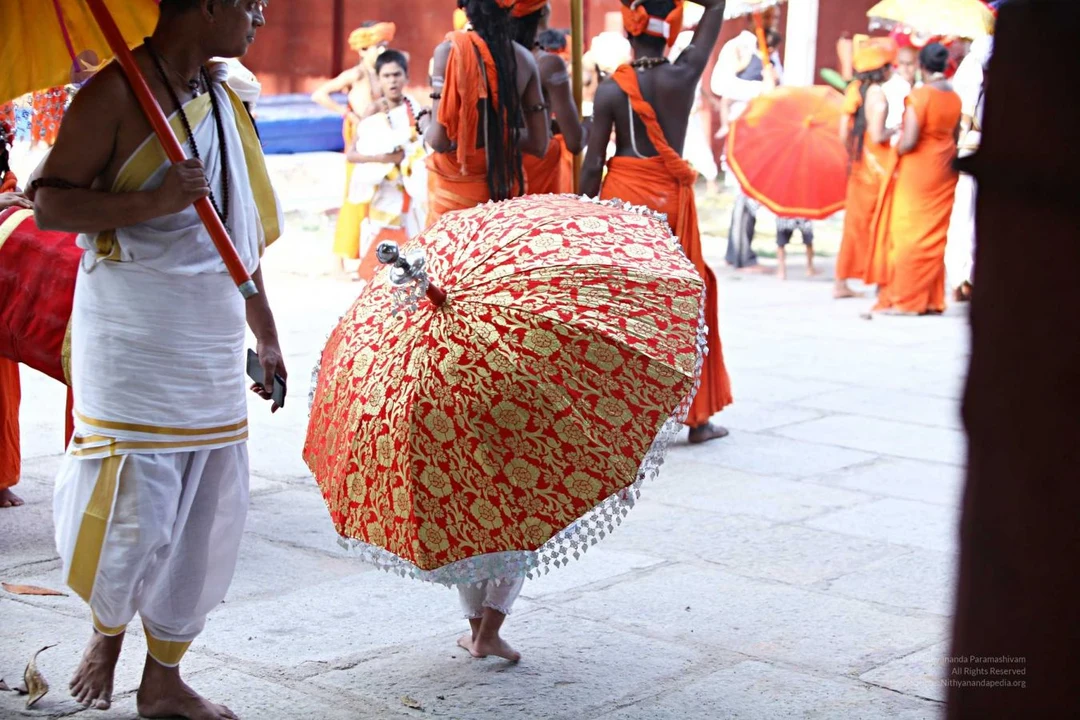 Balasanths & Aadheenavasis gather to welcome His Divine Holiness for a special Spritual Alchemy Process of prepring Aushadha
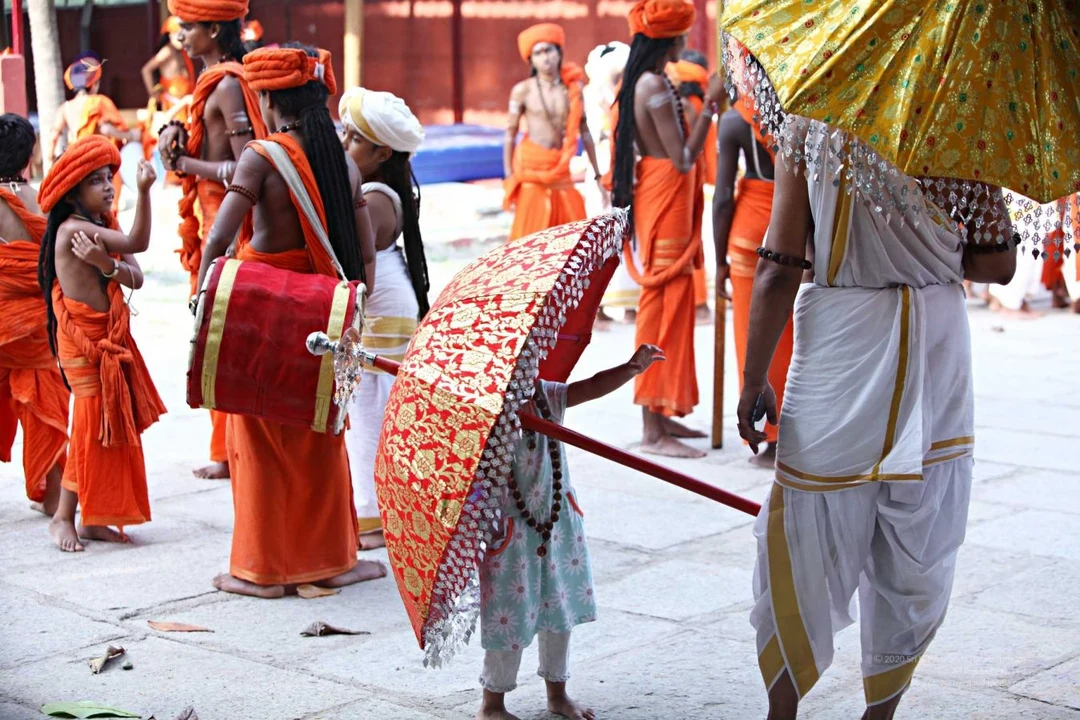 Balasanths & Aadheenavasis gather to welcome His Divine Holiness for a special Spritual Alchemy Process of prepring Aushadha
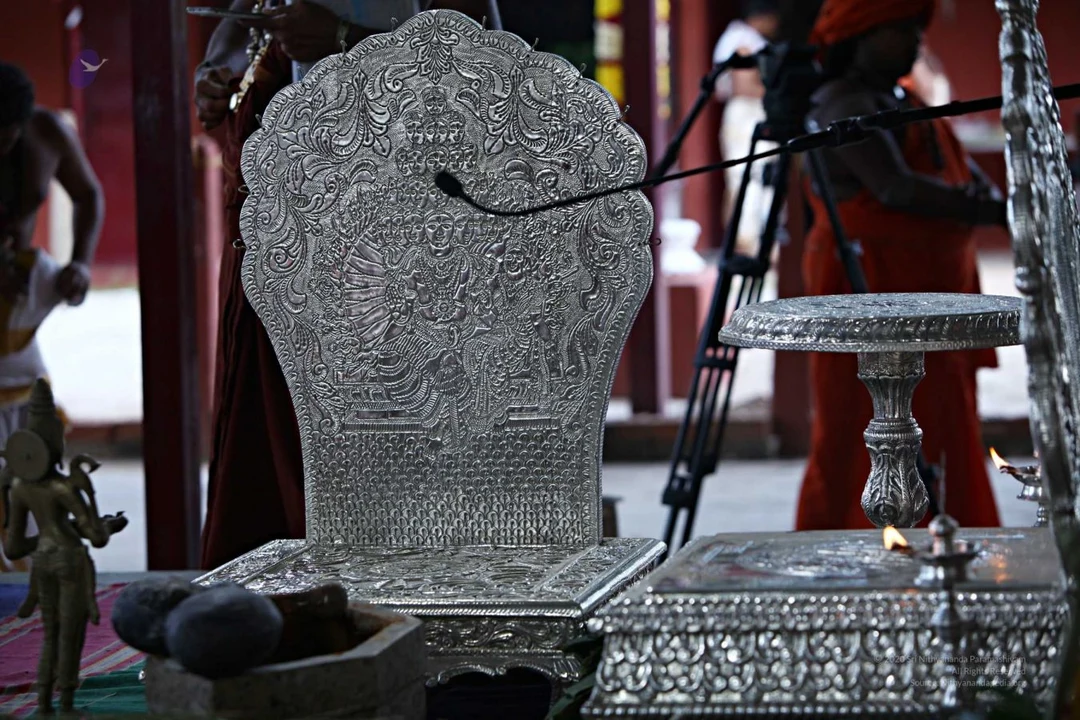 Simhasana of His Divine Holiness in the auspicious preparation of Aushadha - Spiritual Alchemy Process
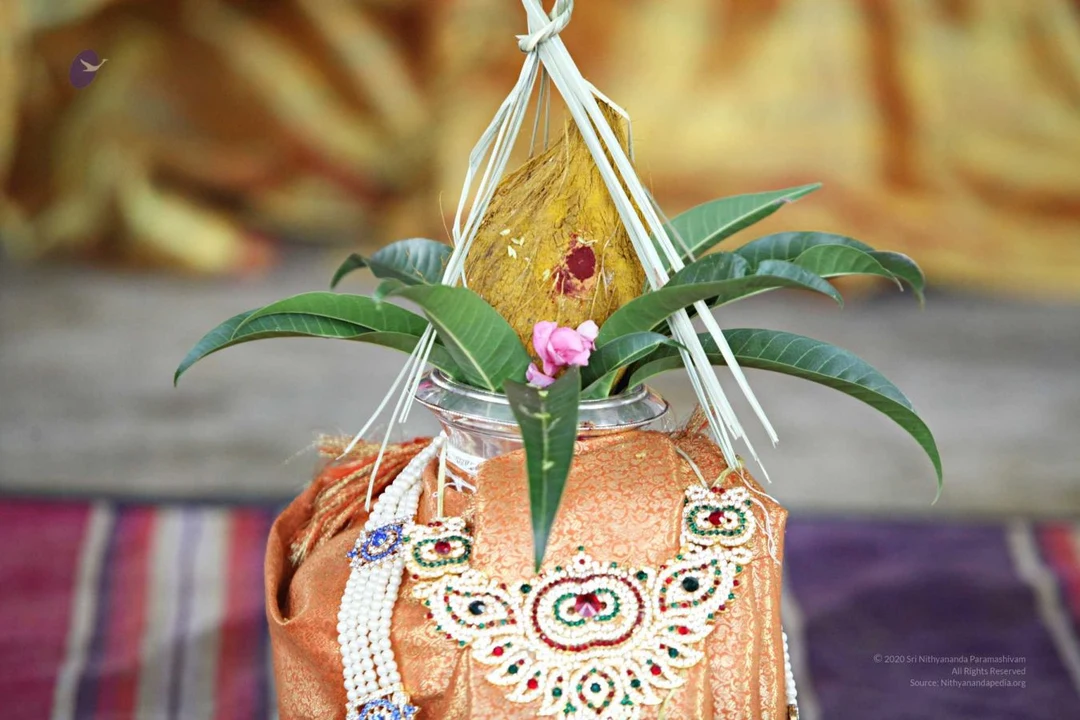 Preparations for the Spiritual Alchemy Process by HDH Bhagavan Sri Nithyananda Paramashivam
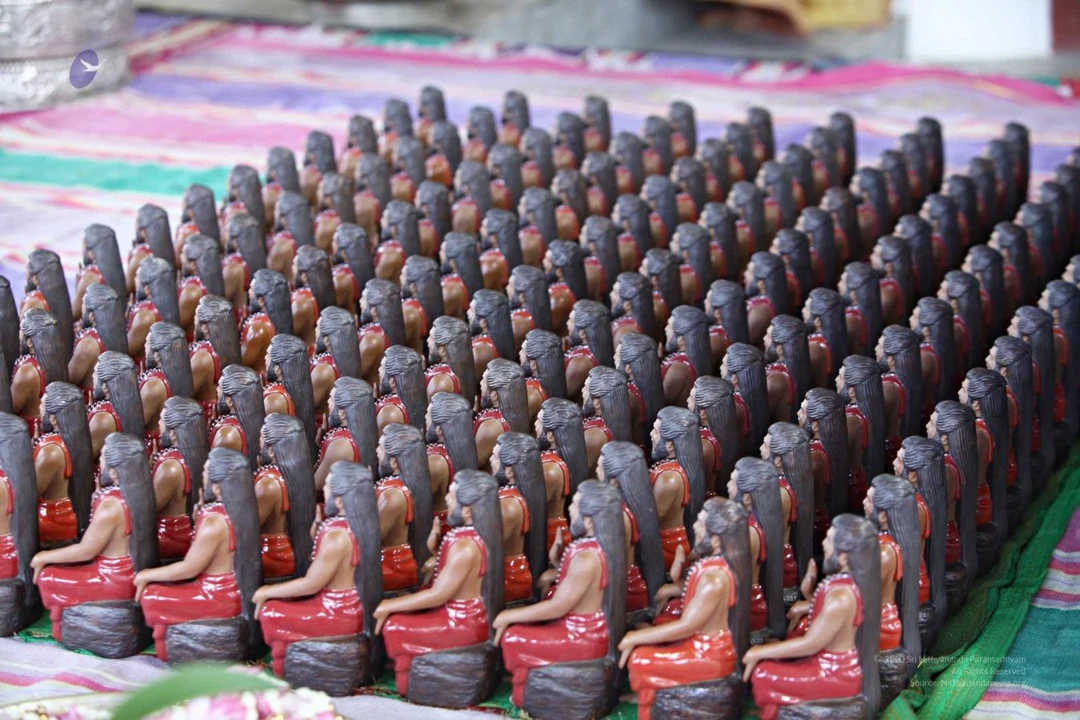 Guru Prana Murtis to be blessed by His Divine Holiness to hold His very Prana - life energy
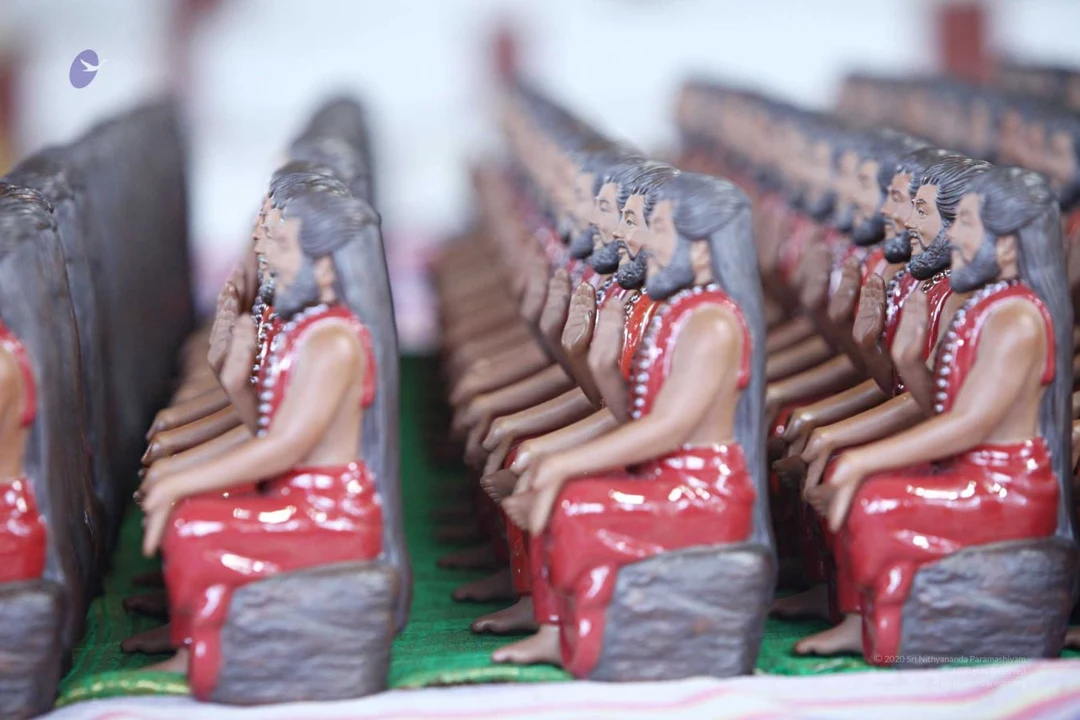 Guru Prana Murtis to be blessed by His Divine Holiness to hold His very Prana - life energy
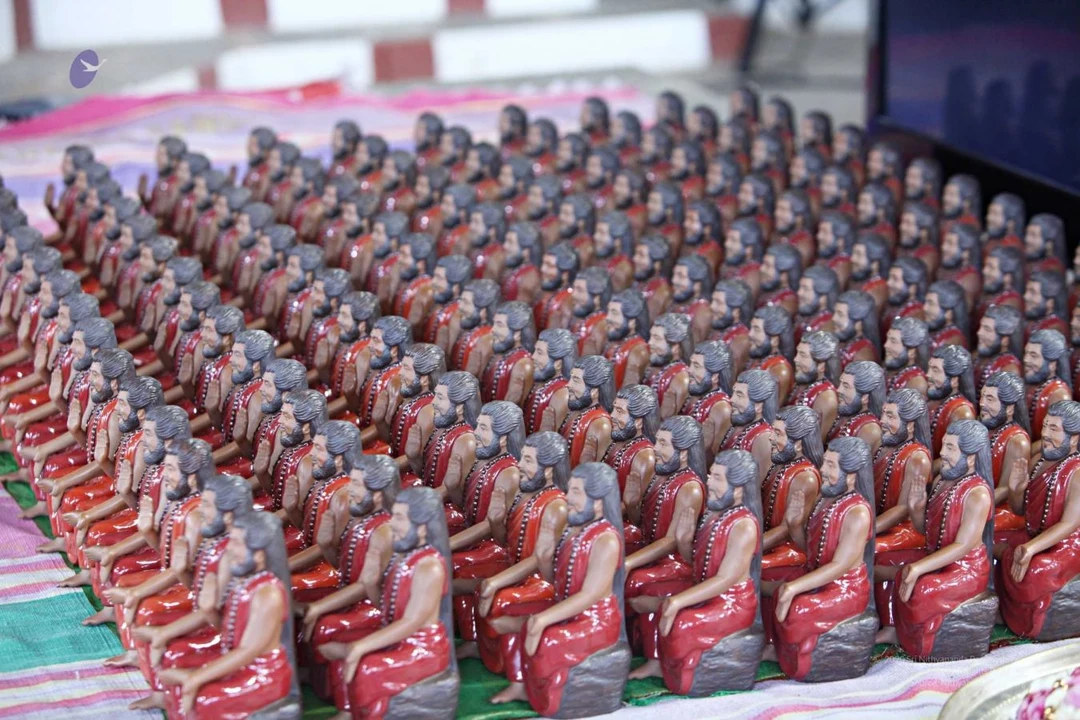 Guru Prana Murtis to be blessed by His Divine Holiness to hold His very Prana - life energy
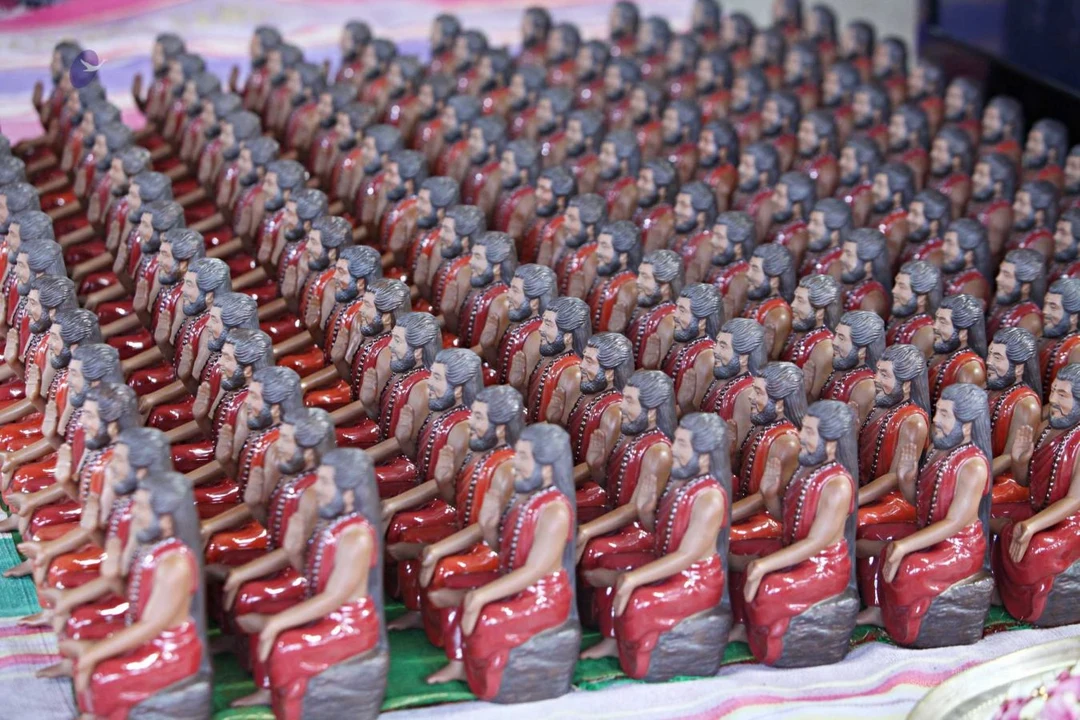 Guru Prana Murtis to be blessed by His Divine Holiness to hold His very Prana - life energy
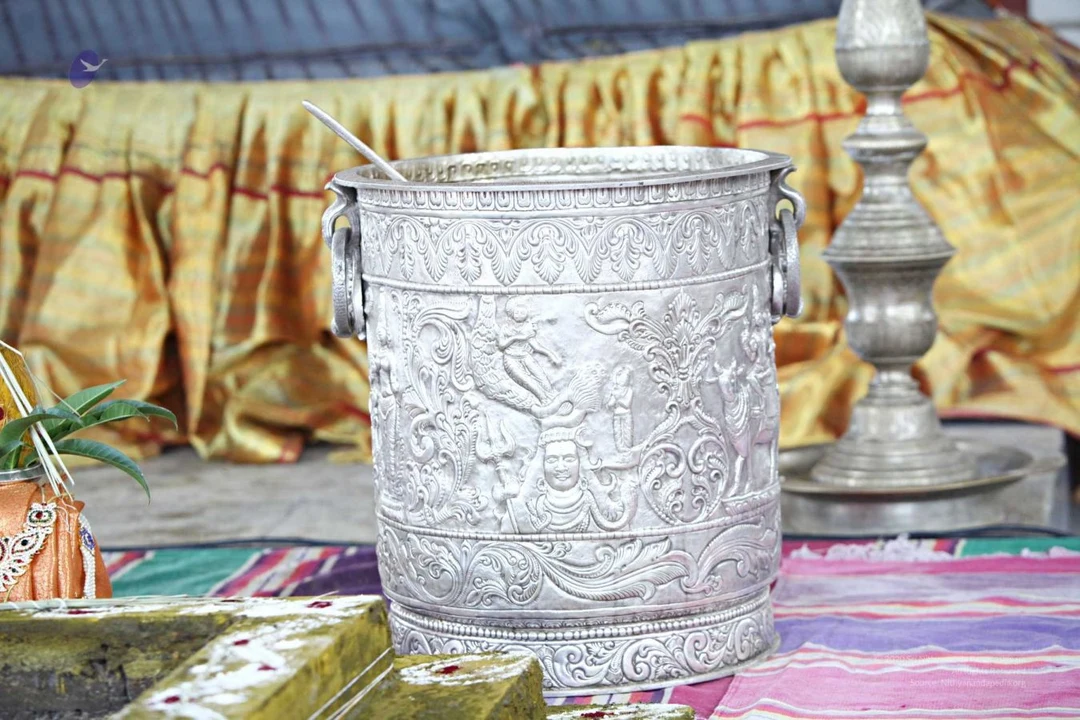 Preparations for the Spiritual Alchemy Process by HDH Bhagavan Sri Nithyananda Paramashivam
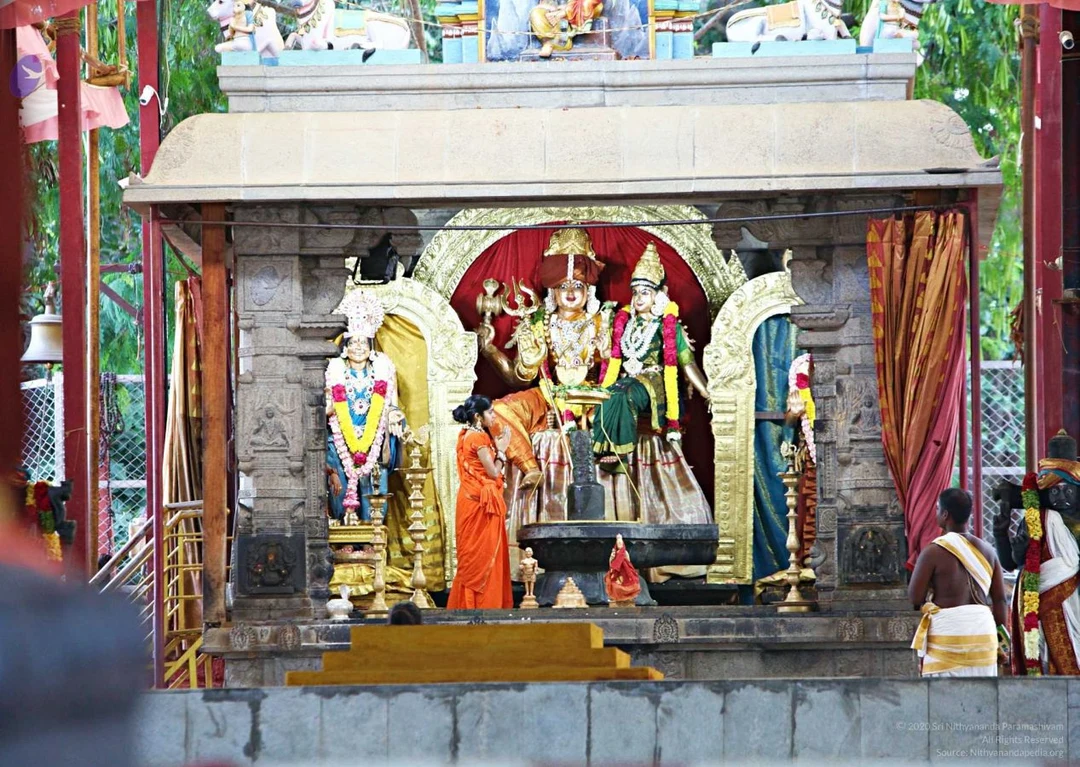 Nithyanandeshwara and Nithyanandeshwari Garbha Mandir at the Bengaluru Aadheenam
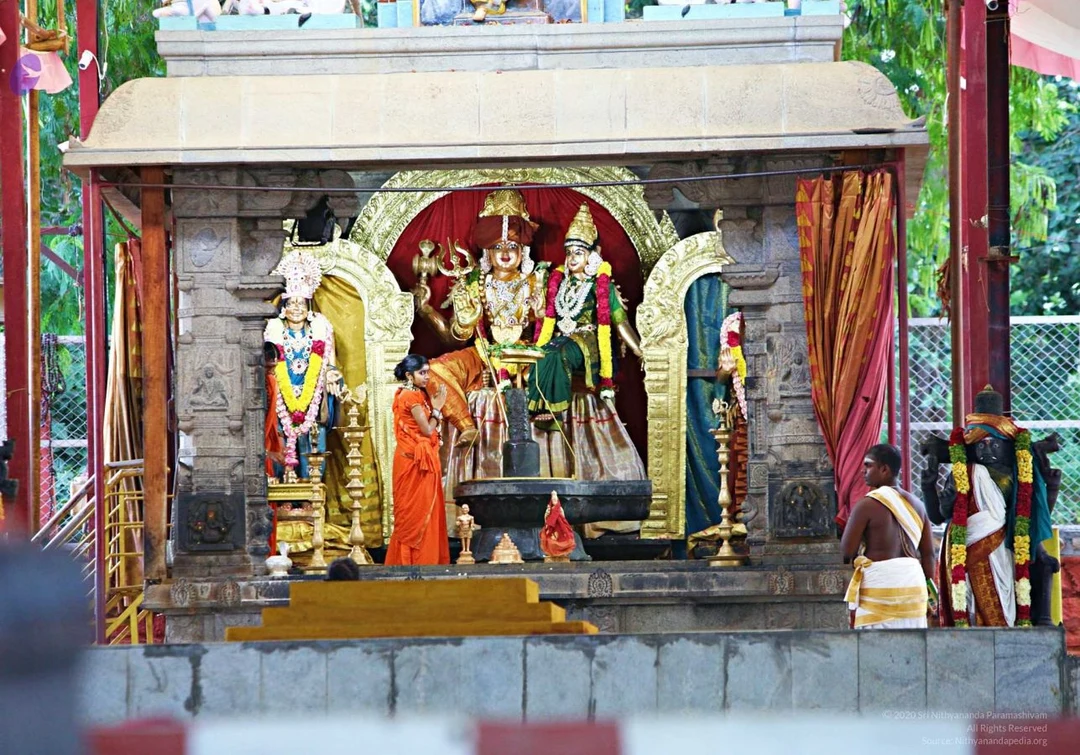 Nithyanandeshwara and Nithyanandeshwari Garbha Mandir at the Bengaluru Aadheenam
 Balasanths & Aadheenavasis gather and prepare to welcome His Divine Holiness for a special Spritual Alchemy Process of prepring Aushadha
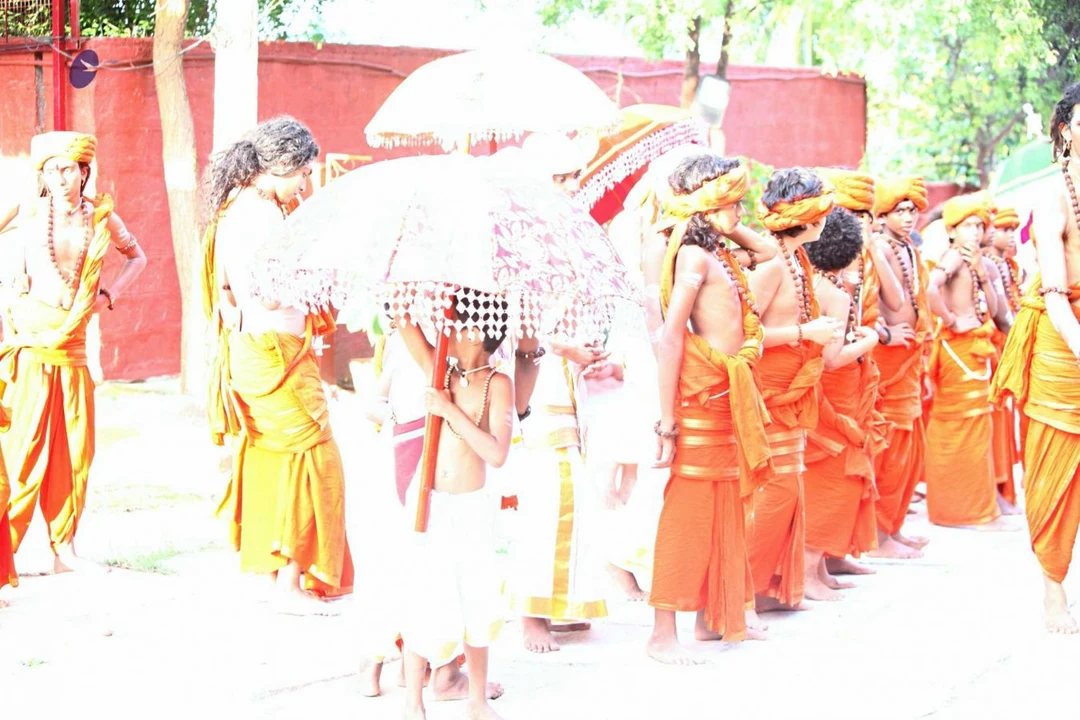 Balasanths await the arrival of His Divine Holiness for the special Spritual Alchemy Process of preparing Aushadha
 Balasanths await the arrival of His Divine Holiness for the special Spritual Alchemy Process of preparing Aushadha
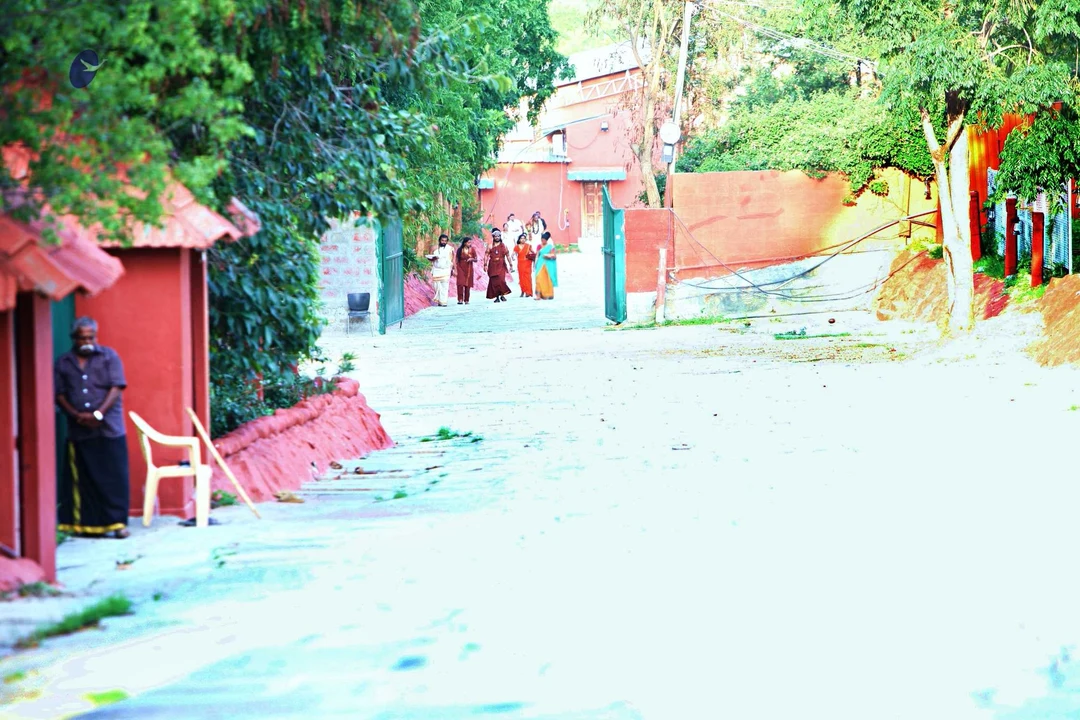 Arrival of His Divine Holiness
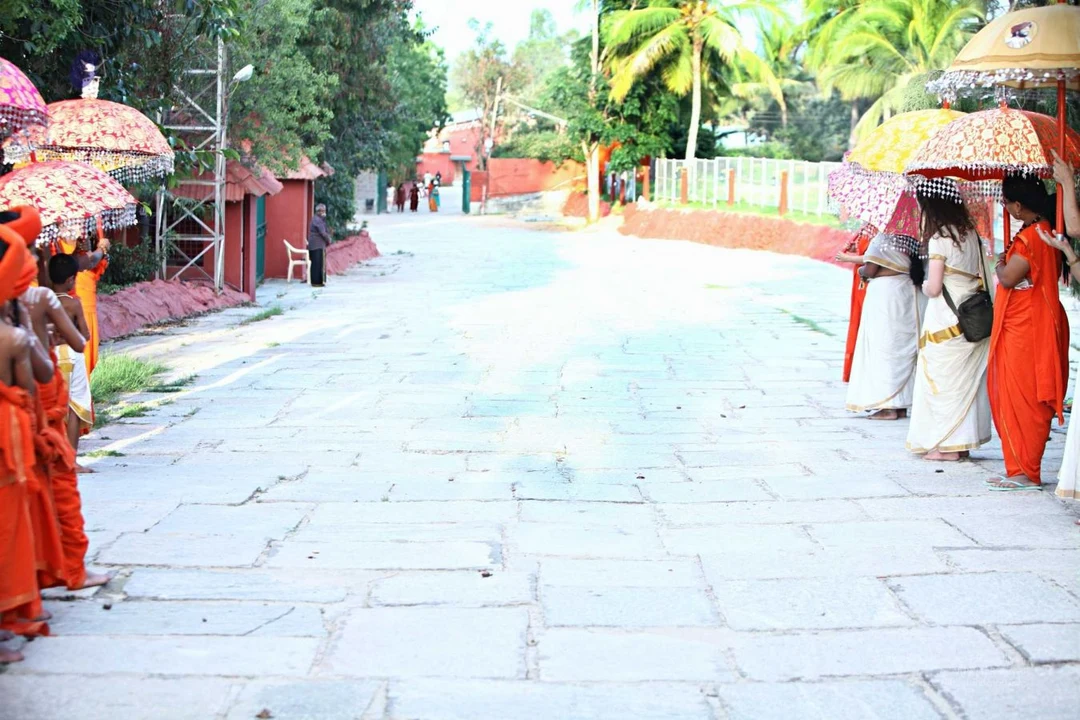 Arrival of His Divine Holiness
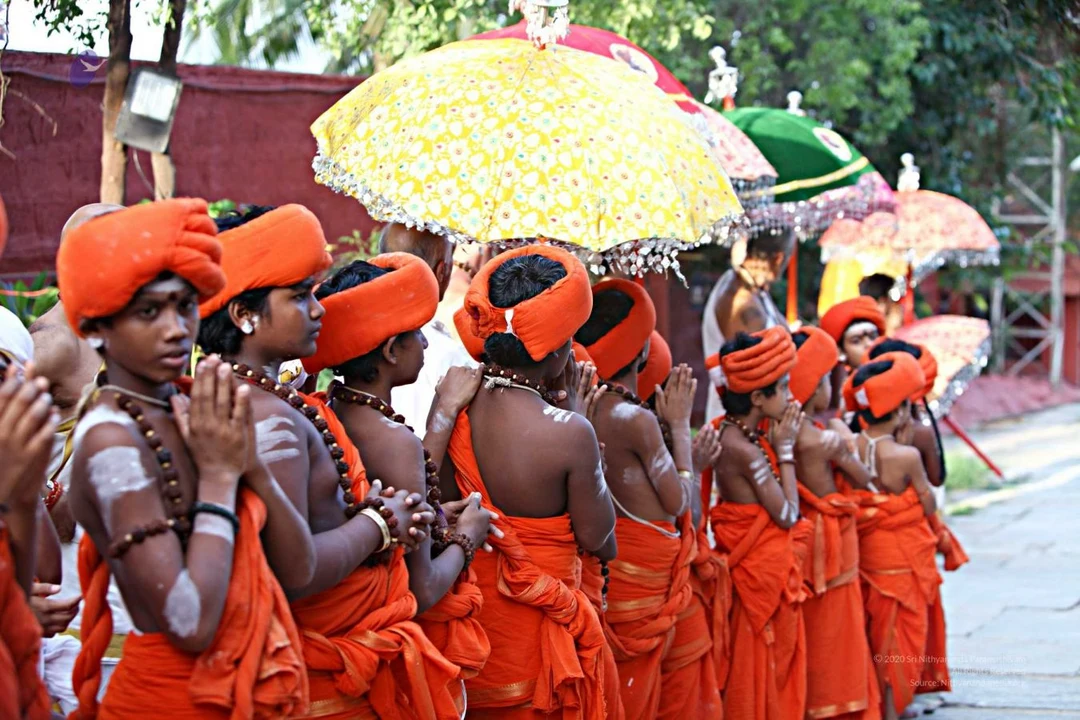 Balasanths welcome His Divine Holiness
 Balasanths welcome His Divine Holiness
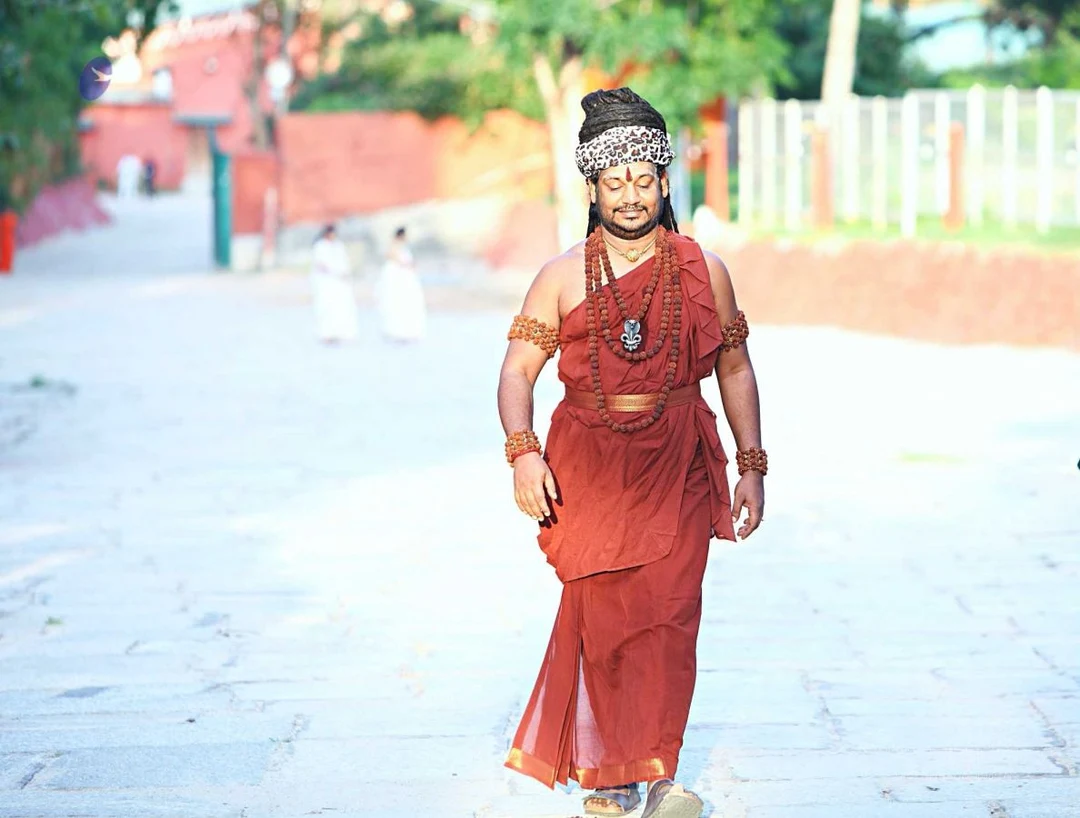 Arrival of His Divine Holiness Bhagavan Sri Nithyananda Paramashivam
 Arrival of His Divine Holiness Bhagavan Sri Nithyananda Paramashivam
 Arrival of His Divine Holiness Bhagavan Sri Nithyananda Paramashivam
 Arrival of His Divine Holiness Bhagavan Sri Nithyananda Paramashivam
 Arrival of His Divine Holiness Bhagavan Sri Nithyananda Paramashivam
 Arrival of His Divine Holiness Bhagavan Sri Nithyananda Paramashivam
 His Divine Holiness receives blessings of Nithyanandeshwara Paramashiva and Nithyanandeshwari Parashakti at the Temple before conducting Spiritual Alchemy - Aushadha Process
 His Divine Holiness receives blessings of Nithyanandeshwara Paramashiva and Nithyanandeshwari Parashakti at the Temple before conducting Spiritual Alchemy - Aushadha Process
 His Divine Holiness receives blessings of Nithyanandeshwara Paramashiva and Nithyanandeshwari Parashakti at the Temple before conducting Spiritual Alchemy - Aushadha Process
 His Divine Holiness receives blessings of Nithyanandeshwara Paramashiva and Nithyanandeshwari Parashakti at the Temple before conducting Spiritual Alchemy - Aushadha Process
 Arrival of His Divine Holiness Bhagavan Sri Nithyananda Paramashivam
 Arrival of His Divine Holiness Bhagavan Sri Nithyananda Paramashivam
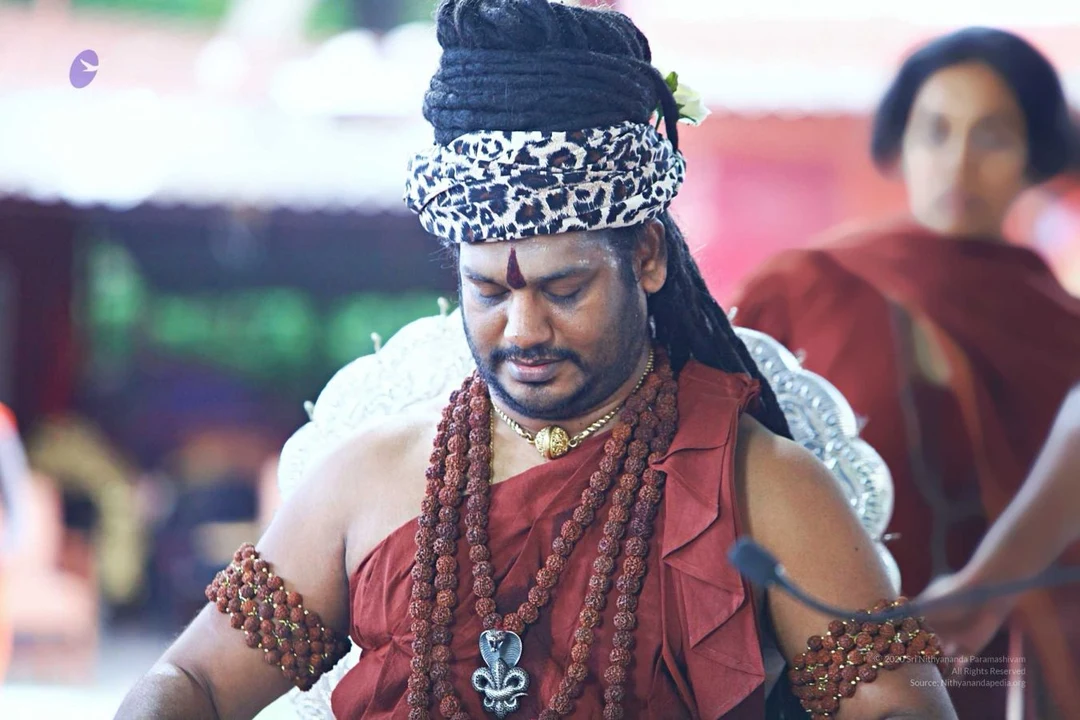 Spiritual Alchemy Process - Aushadha Preparation with His Divine Holiness
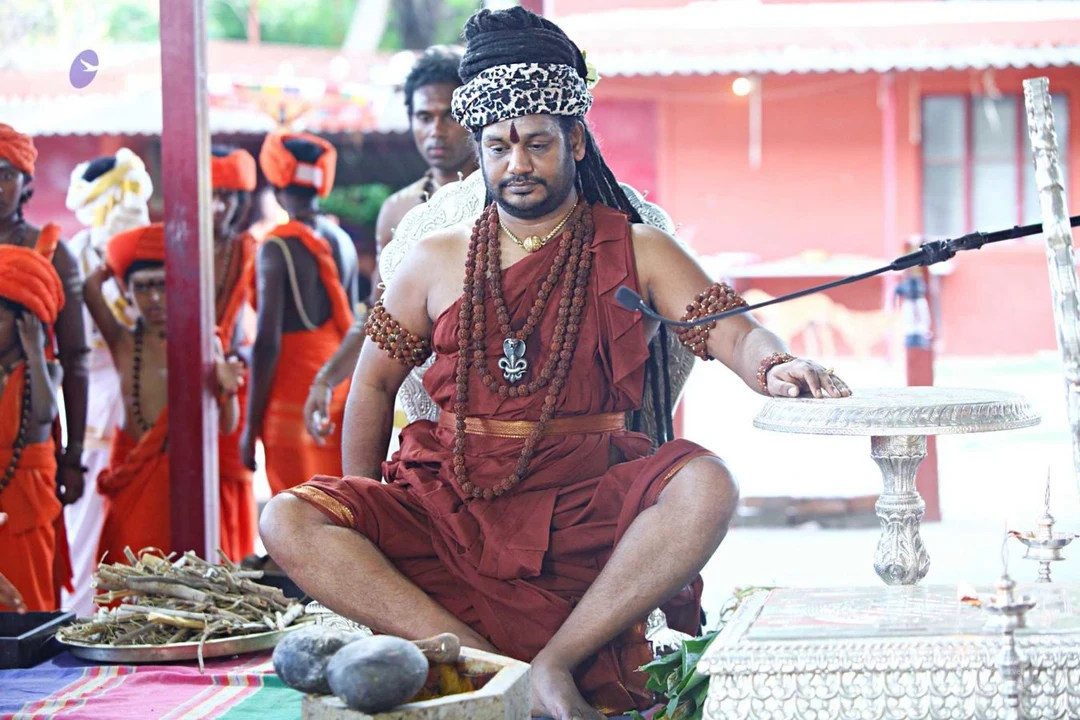 Spiritual Alchemy Process - Aushadha Preparation with His Divine Holiness
 His Divine Holiness commences the Spiritual Alchemy Process - Aushadha Preparation
 Cowdung from Nithyananda Goshala's pure Desi cows is burnt to generate the smoke necesary for preparing authentic Aushadha
 Cowdung from Nithyananda Goshala's pure Desi cows is burnt to generate the smoke necesary for preparing authentic Aushadha
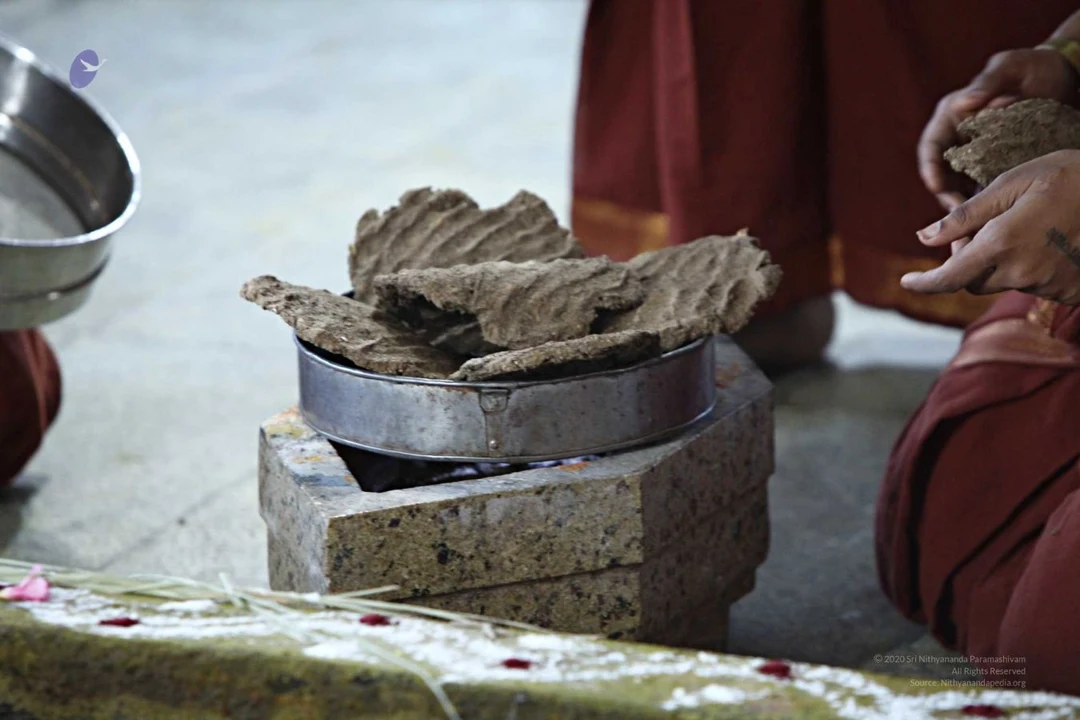 Cowdung from Nithyananda Goshala's pure Desi cows is burnt to generate the smoke necesary for preparing authentic Aushadha
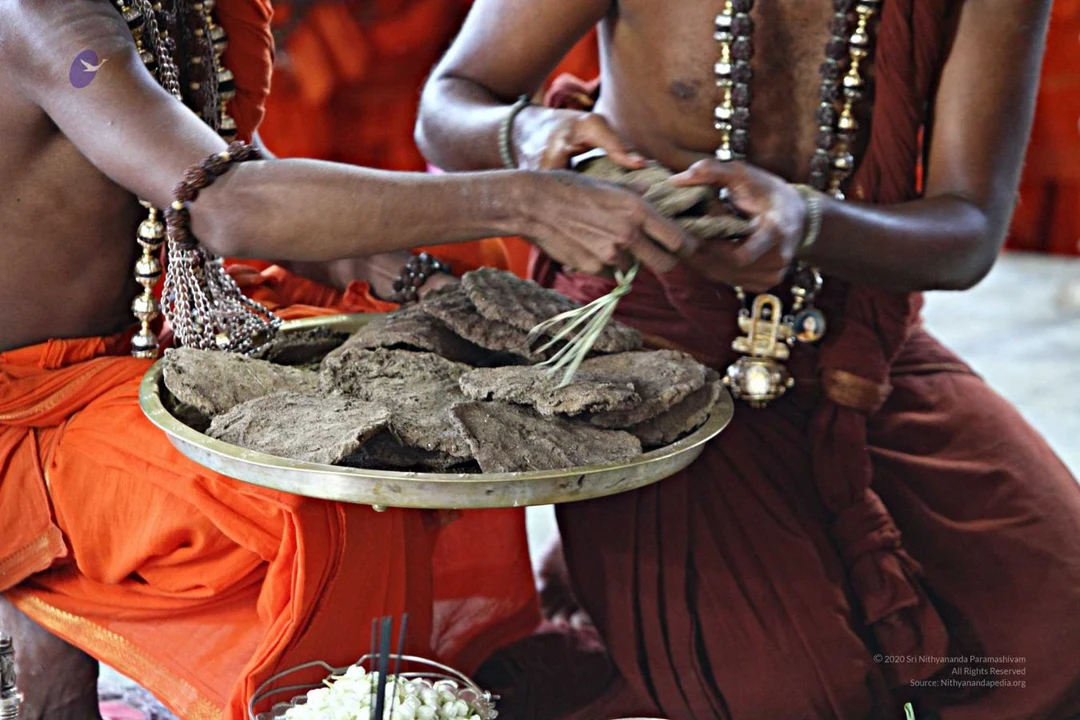 Cowdung from Nithyananda Goshala's pure Desi cows is burnt to generate the smoke necesary for preparing authentic Aushadha
 Cowdung from Nithyananda Goshala's pure Desi cows is burnt to generate the smoke necesary for preparing authentic Aushadha
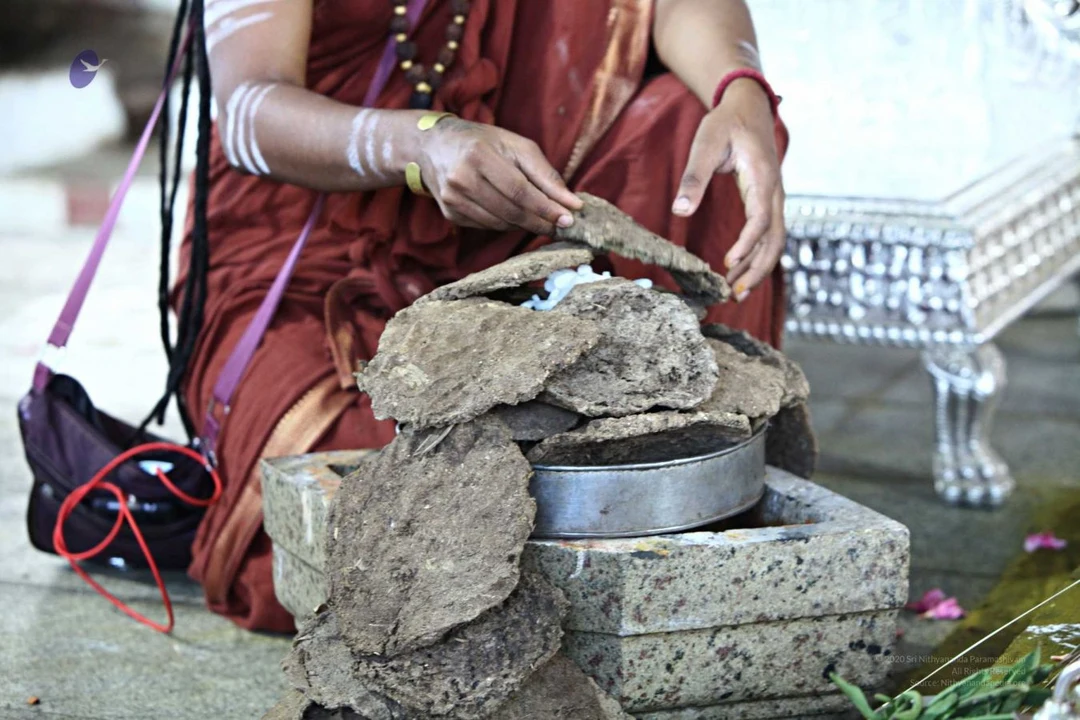 Cowdung from Nithyananda Goshala's pure Desi cows is burnt to generate the smoke necesary for preparing authentic Aushadha
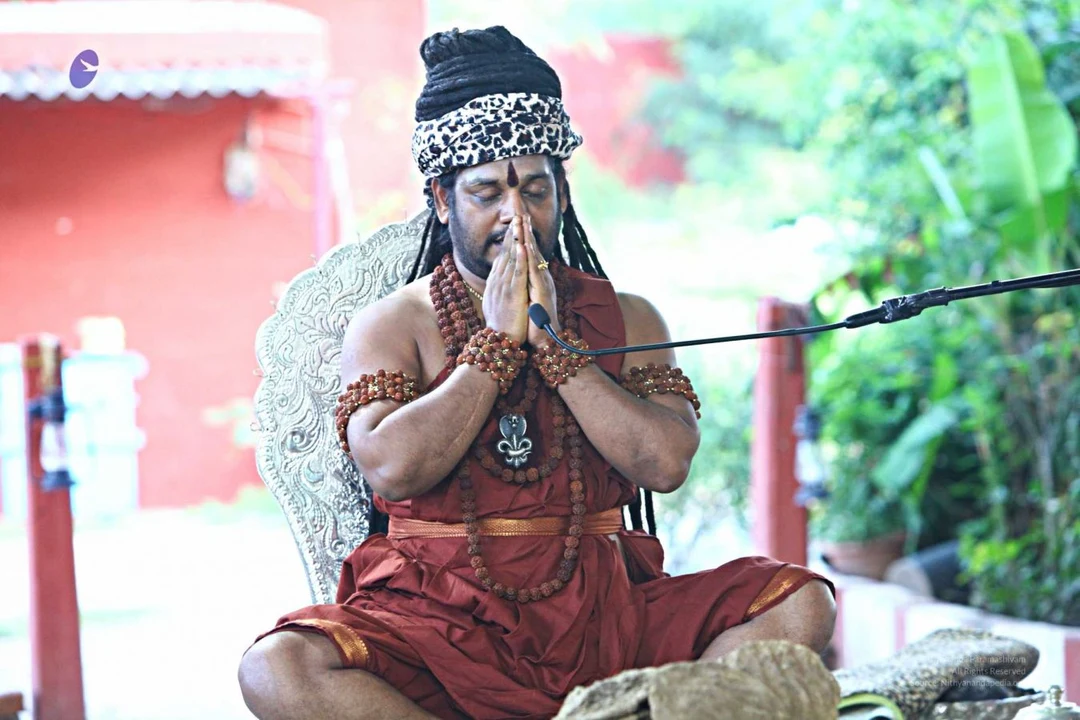 His Divine Holiness commences the Spiritual Alchemy Process - Aushadha Preparation - an esoteric science from the Siddha tradition which is used to achieve the state, space, powers of Paramashiva, and gain access to the 25 states of consciousness.
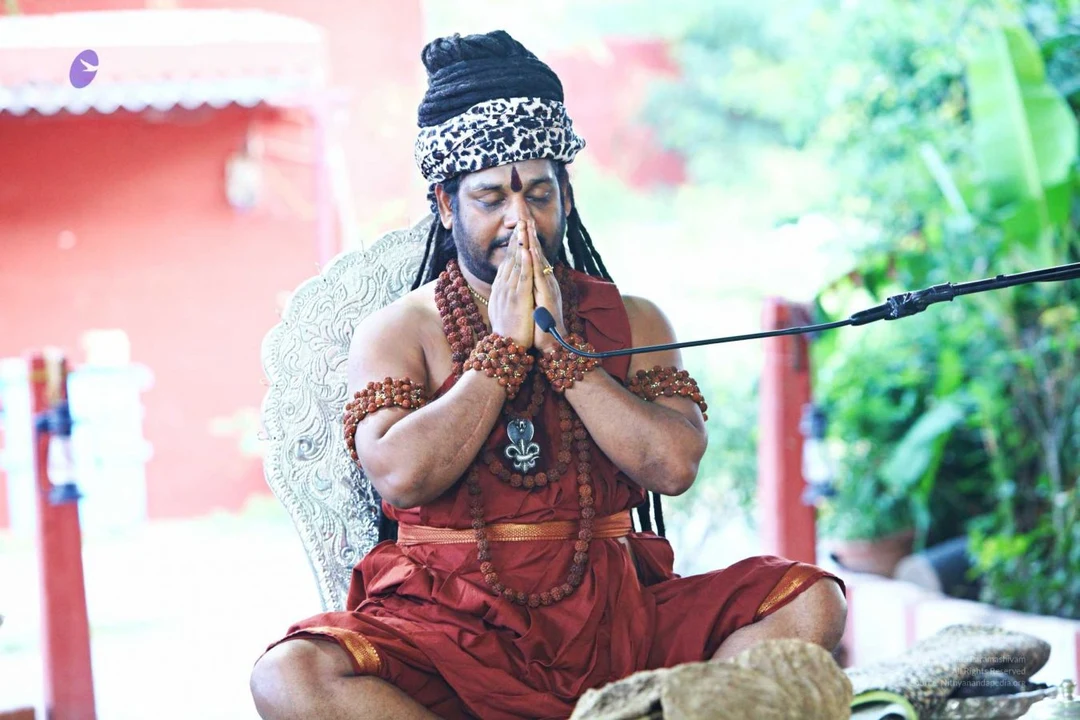 His Divine Holiness commences the Spiritual Alchemy Process - Aushadha Preparation - an esoteric science from the Siddha tradition which is used to achieve the state, space, powers of Paramashiva, and gain access to the 25 states of consciousness.
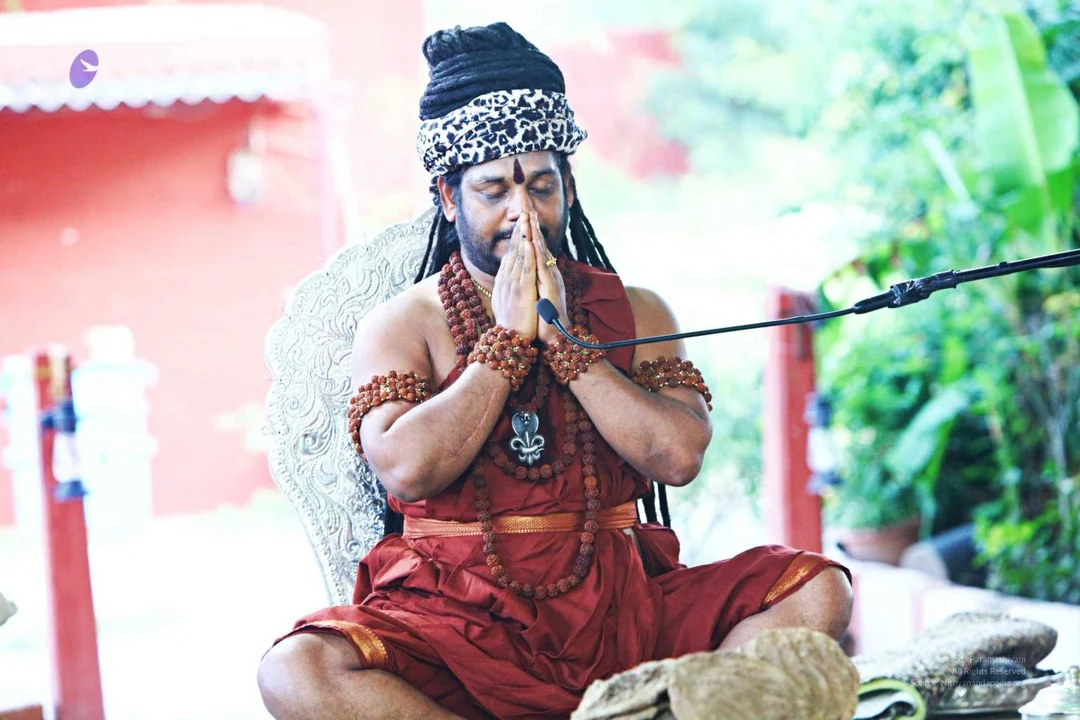 His Divine Holiness commences the Spiritual Alchemy Process - Aushadha Preparation - an esoteric science from the Siddha tradition which is used to achieve the state, space, powers of Paramashiva, and gain access to the 25 states of consciousness.
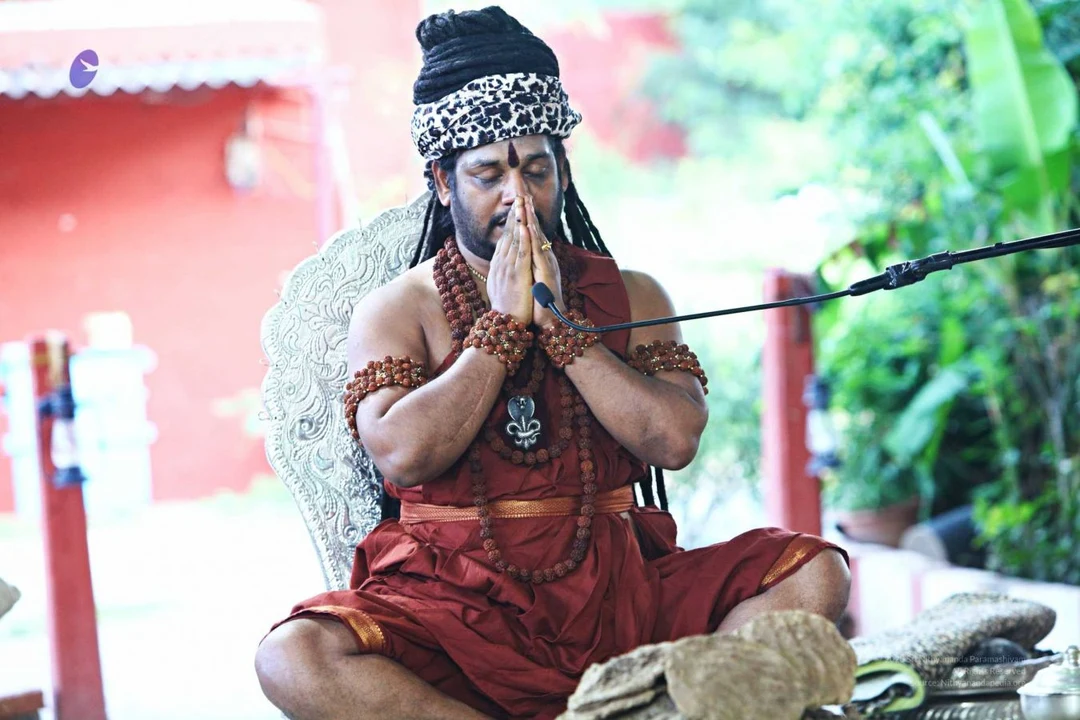 His Divine Holiness commences the Spiritual Alchemy Process - Aushadha Preparation - an esoteric science from the Siddha tradition which is used to achieve the state, space, powers of Paramashiva, and gain access to the 25 states of consciousness.
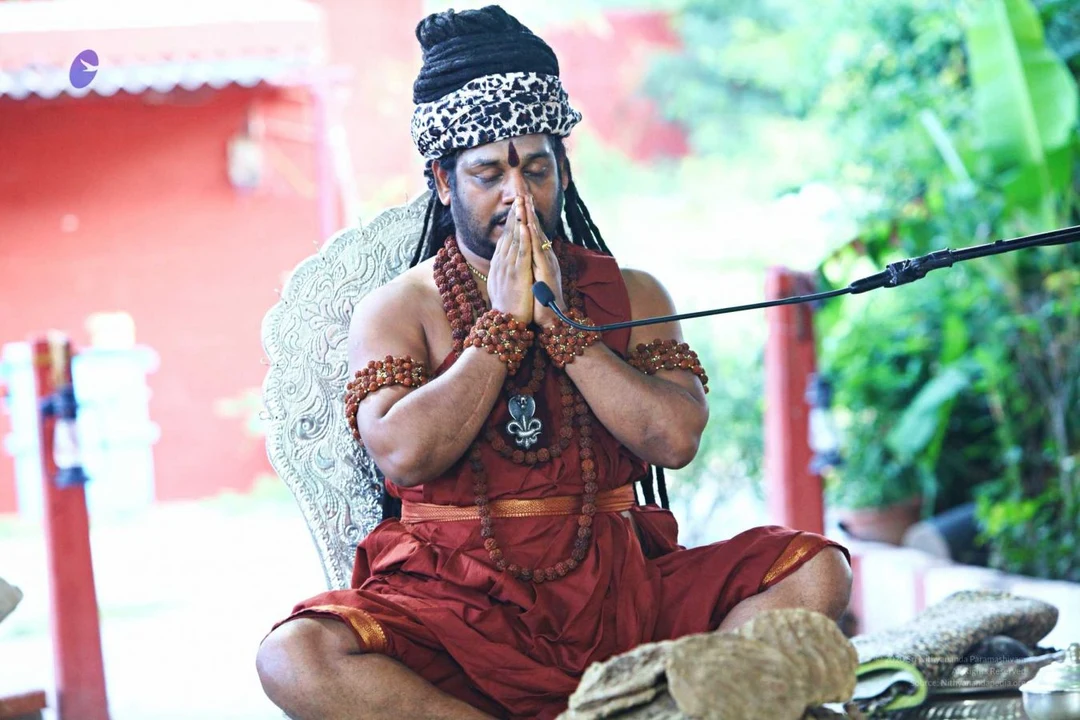 His Divine Holiness commences the Spiritual Alchemy Process - Aushadha Preparation - an esoteric science from the Siddha tradition which is used to achieve the state, space, powers of Paramashiva, and gain access to the 25 states of consciousness.
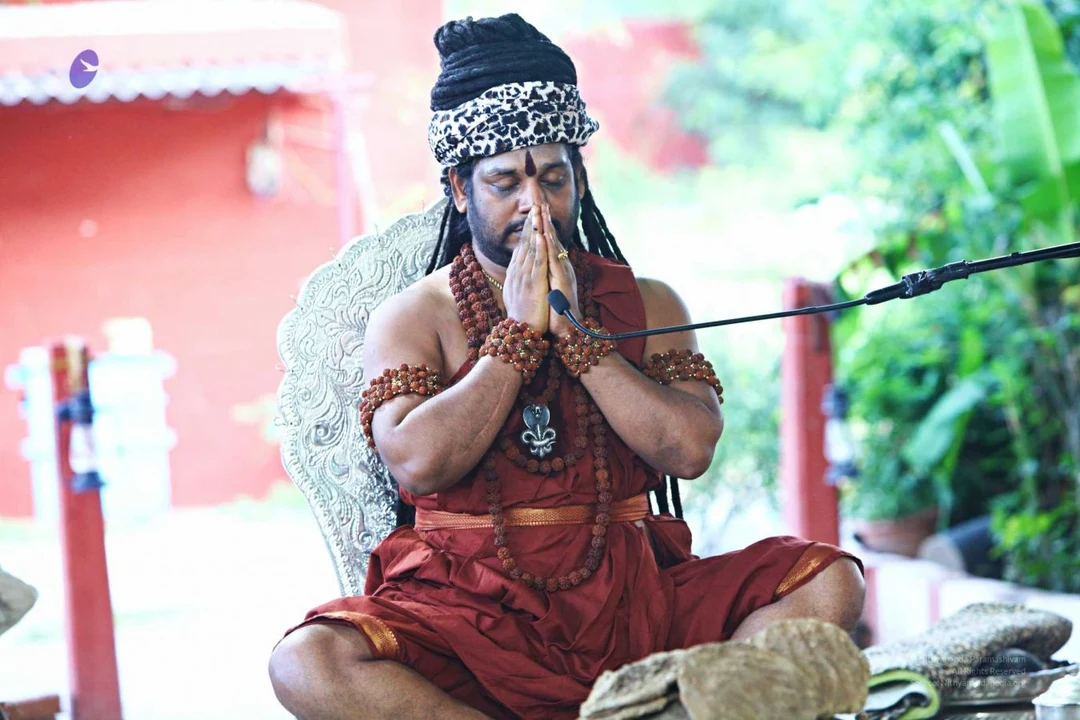 His Divine Holiness commences the Spiritual Alchemy Process - Aushadha Preparation - an esoteric science from the Siddha tradition which is used to achieve the state, space, powers of Paramashiva, and gain access to the 25 states of consciousness.
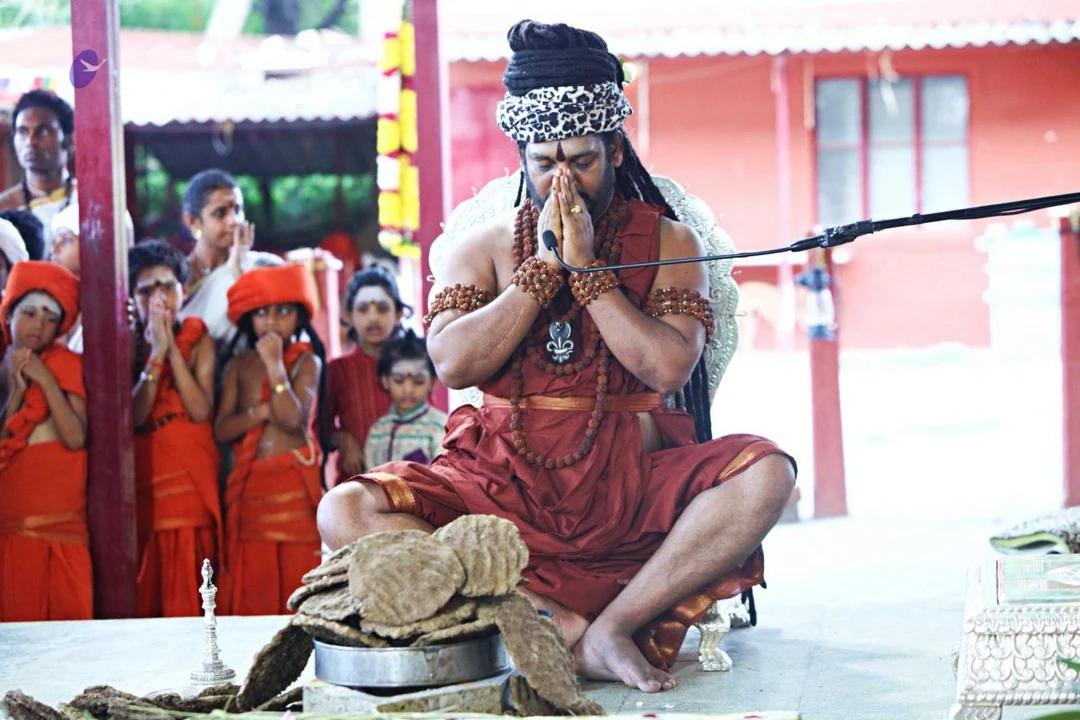 His Divine Holiness commences the Spiritual Alchemy Process - Aushadha Preparation - an esoteric science from the Siddha tradition which is used to achieve the state, space, powers of Paramashiva, and gain access to the 25 states of consciousness.
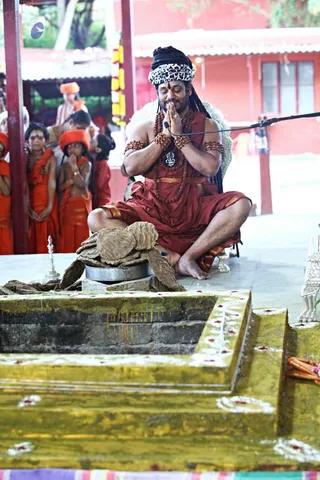 His Divine Holiness commences the Spiritual Alchemy Process - Aushadha Preparation - an esoteric science from the Siddha tradition which is used to achieve the state, space, powers of Paramashiva, and gain access to the 25 states of consciousness.
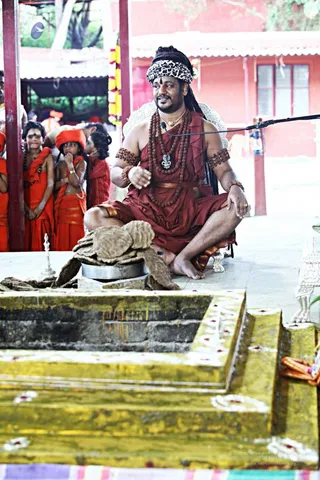 His Divine Holiness commences the Spiritual Alchemy Process - Aushadha Preparation - an esoteric science from the Siddha tradition which is used to achieve the state, space, powers of Paramashiva, and gain access to the 25 states of consciousness.
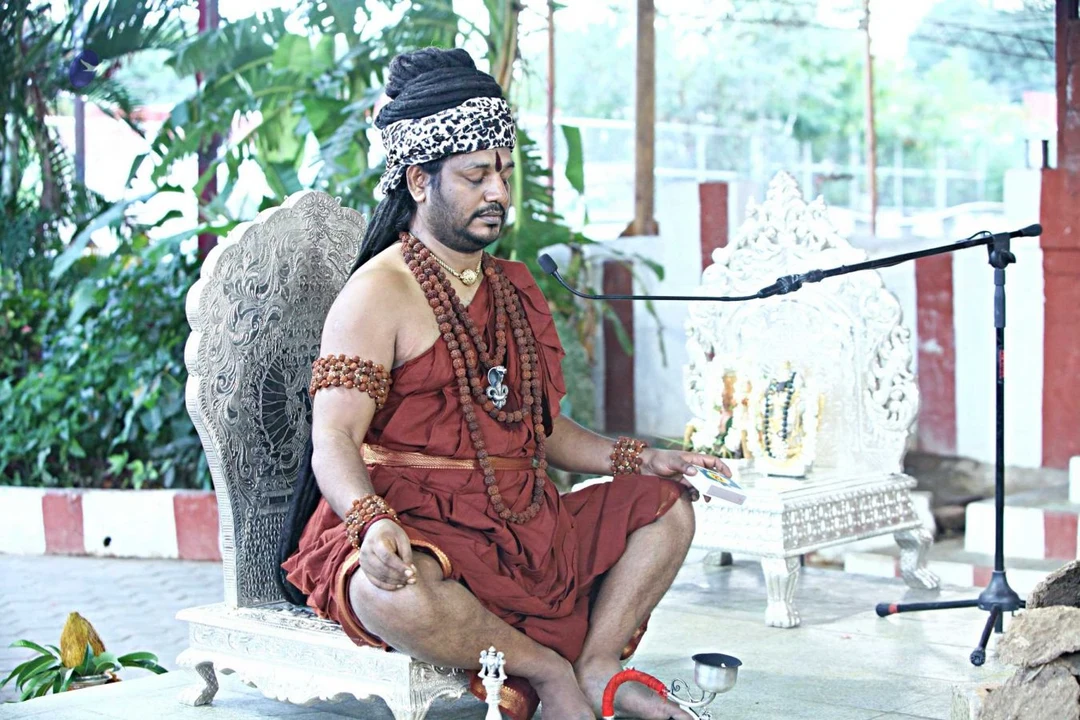 His Divine Holiness commences the Spiritual Alchemy Process - Aushadha Preparation - an esoteric science from the Siddha tradition which is used to achieve the state, space, powers of Paramashiva, and gain access to the 25 states of consciousness.
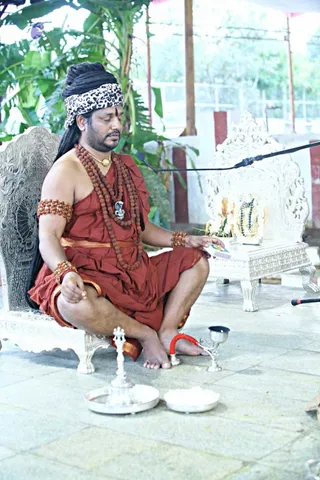 His Divine Holiness commences the Spiritual Alchemy Process - Aushadha Preparation - an esoteric science from the Siddha tradition which is used to achieve the state, space, powers of Paramashiva, and gain access to the 25 states of consciousness.
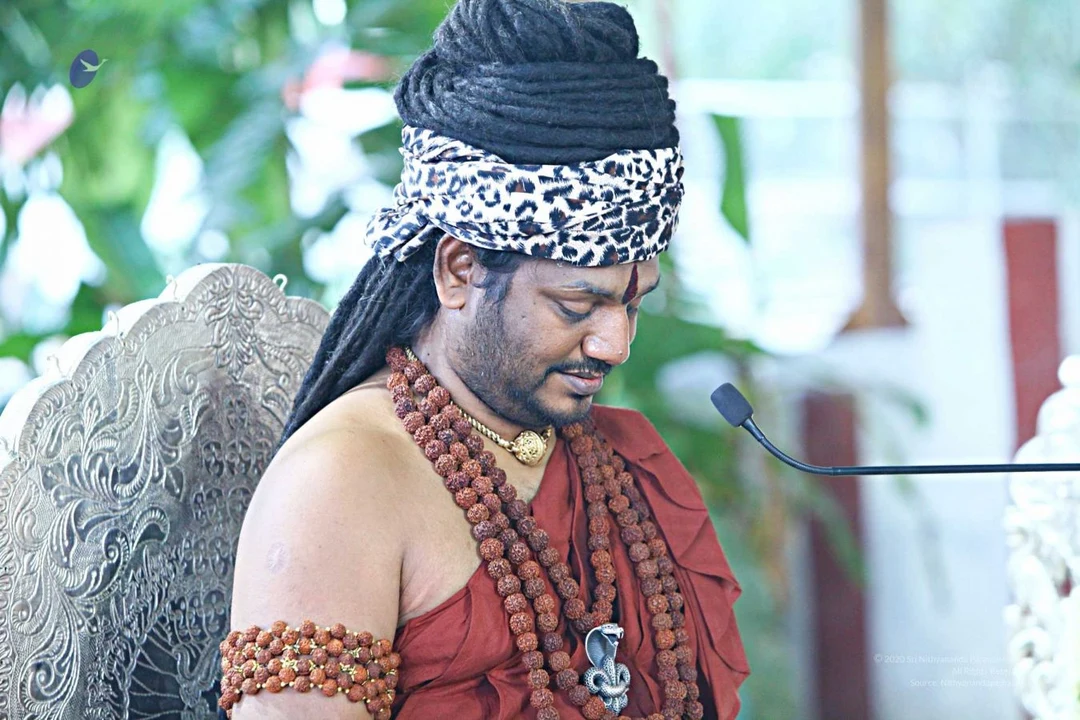 His Divine Holiness commences the Spiritual Alchemy Process - Aushadha Preparation - an esoteric science from the Siddha tradition which is used to achieve the state, space, powers of Paramashiva, and gain access to the 25 states of consciousness.
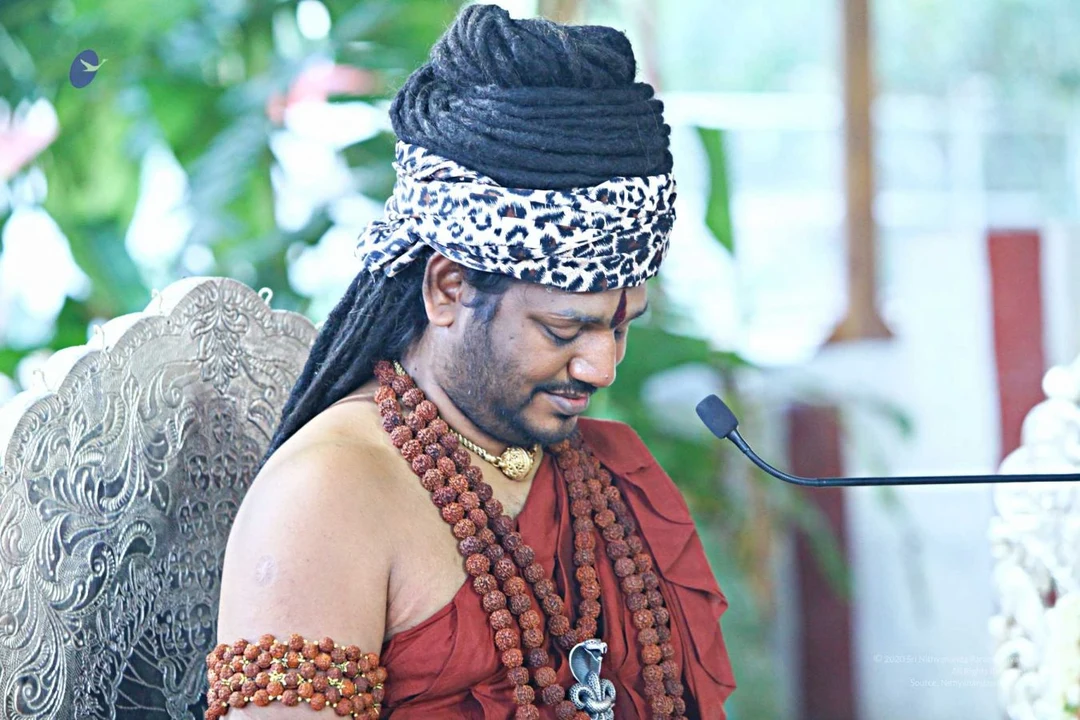 His Divine Holiness commences the Spiritual Alchemy Process - Aushadha Preparation - an esoteric science from the Siddha tradition which is used to achieve the state, space, powers of Paramashiva, and gain access to the 25 states of consciousness.
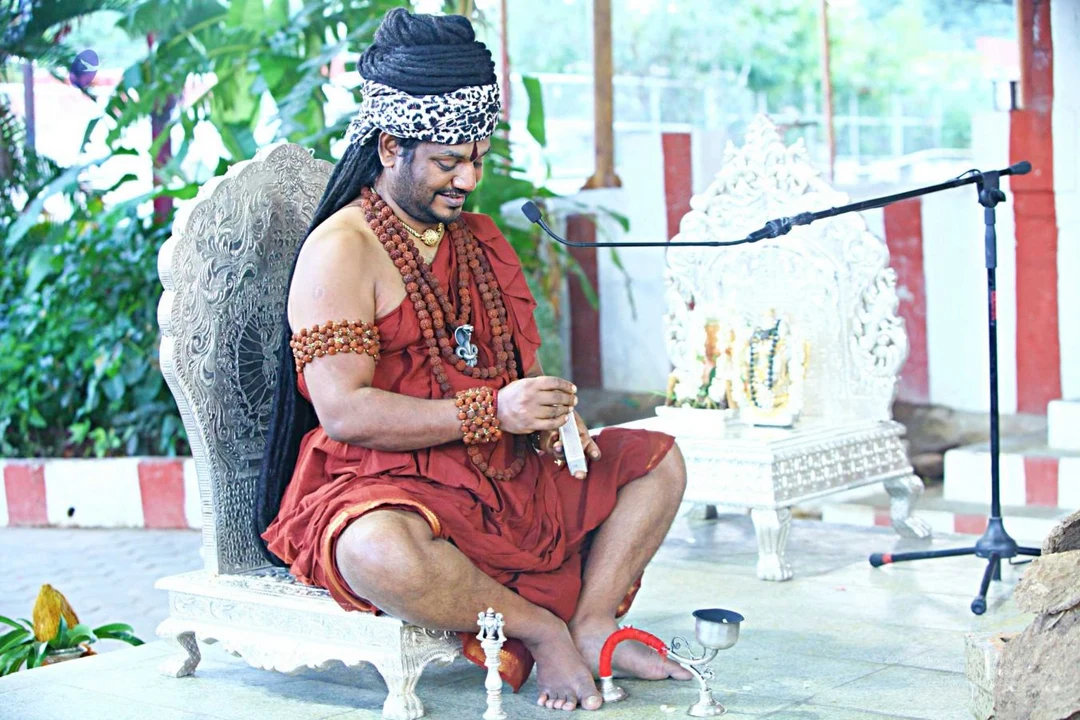 His Divine Holiness lights Aarati during Spiritual Alchemy Process - Aushadha Preparation - an esoteric science from the Siddha tradition which is used to achieve the state, space, powers of Paramashiva, and gain access to the 25 states of consciousness.
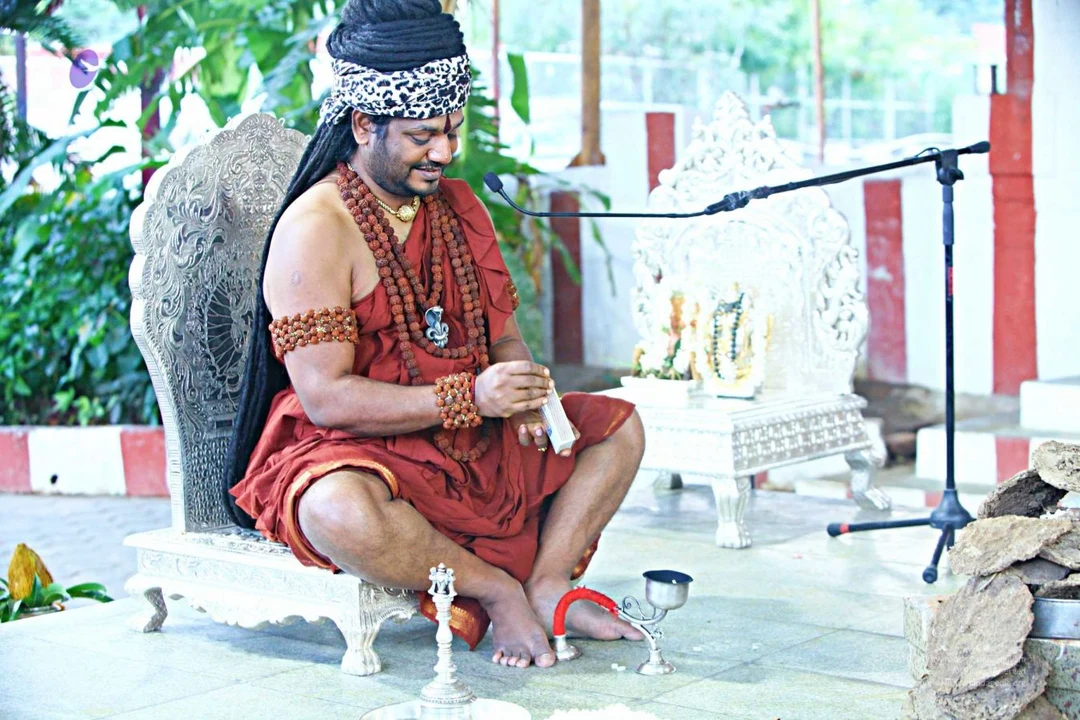 His Divine Holiness lights Aarati during Spiritual Alchemy Process - Aushadha Preparation - an esoteric science from the Siddha tradition which is used to achieve the state, space, powers of Paramashiva, and gain access to the 25 states of consciousness.
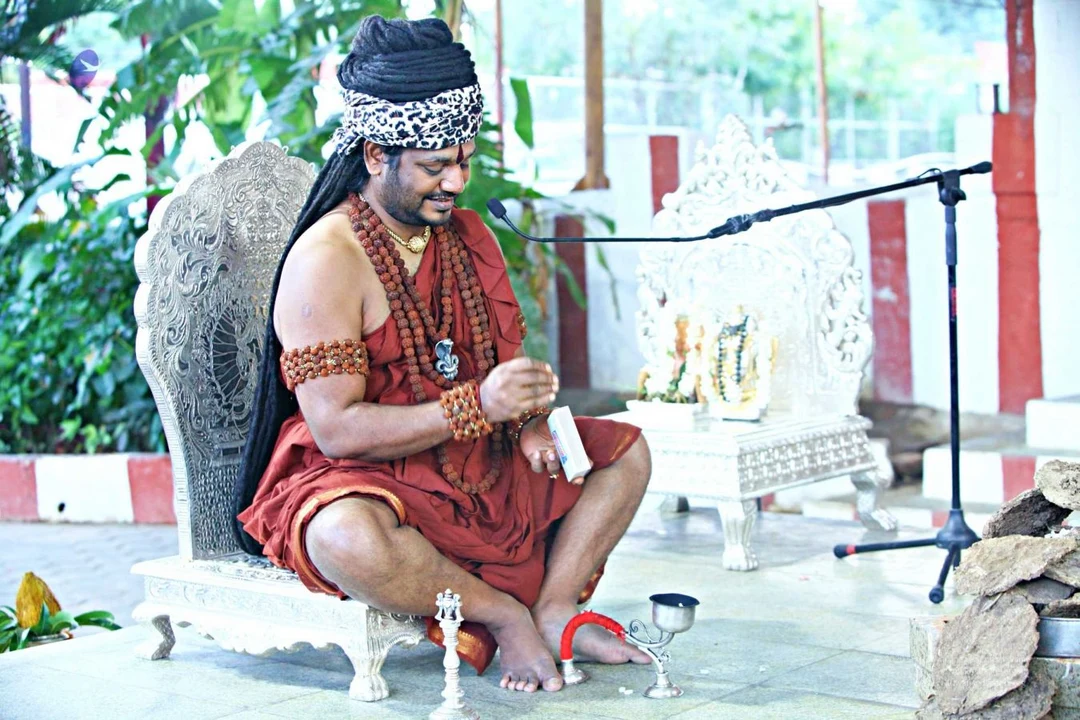 His Divine Holiness lights Aarati during Spiritual Alchemy Process - Aushadha Preparation - an esoteric science from the Siddha tradition which is used to achieve the state, space, powers of Paramashiva, and gain access to the 25 states of consciousness.
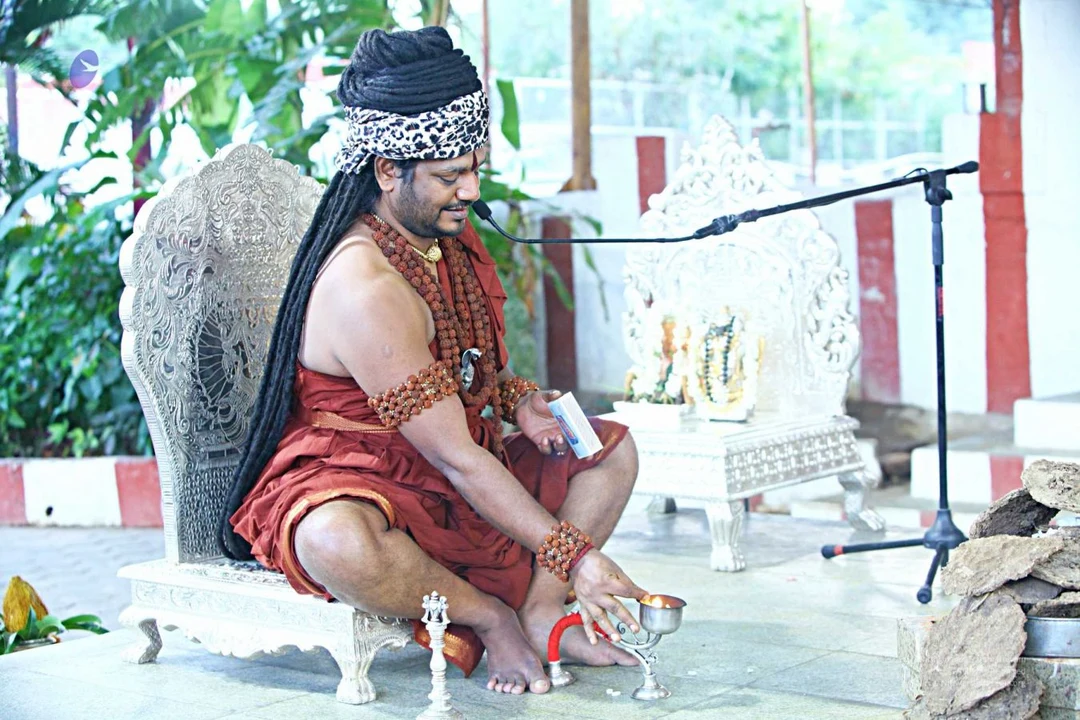 His Divine Holiness lights Aarati during Spiritual Alchemy Process - Aushadha Preparation - an esoteric science from the Siddha tradition which is used to achieve the state, space, powers of Paramashiva, and gain access to the 25 states of consciousness.
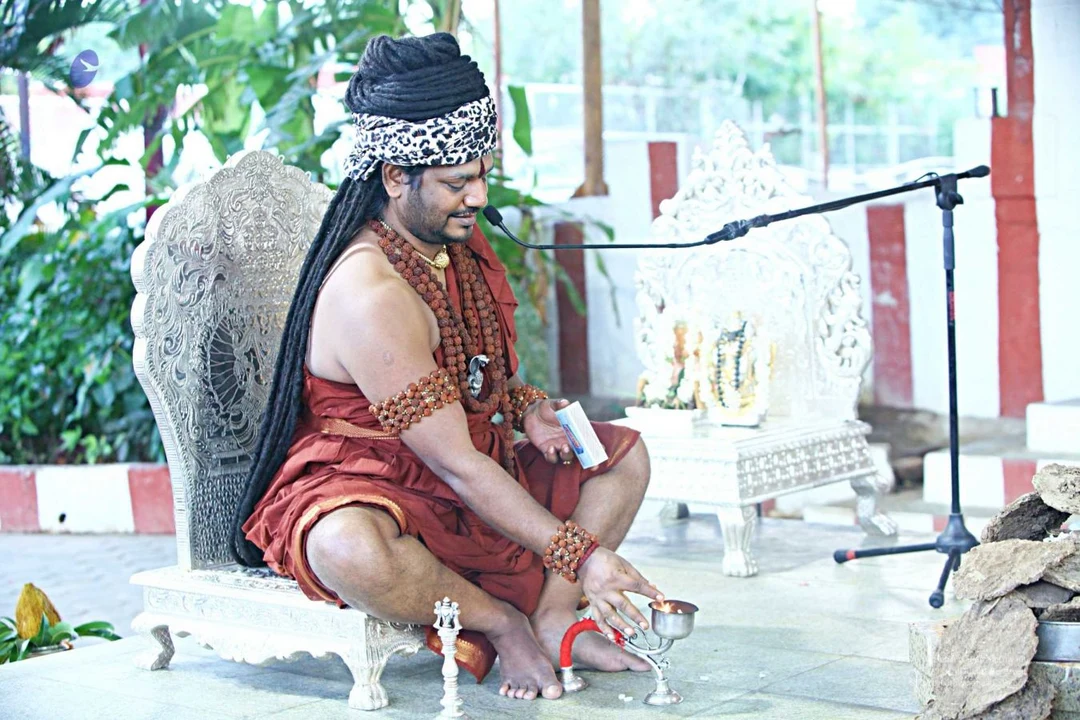 His Divine Holiness lights Aarati during Spiritual Alchemy Process - Aushadha Preparation - an esoteric science from the Siddha tradition which is used to achieve the state, space, powers of Paramashiva, and gain access to the 25 states of consciousness.
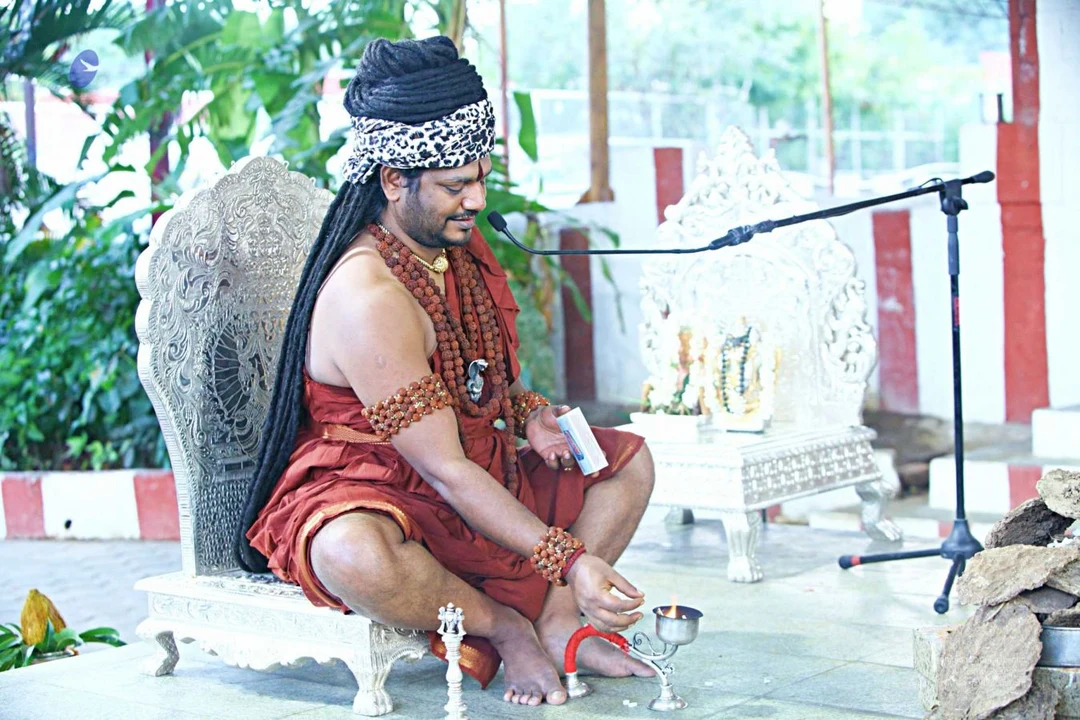 His Divine Holiness lights Aarati during Spiritual Alchemy Process - Aushadha Preparation - an esoteric science from the Siddha tradition which is used to achieve the state, space, powers of Paramashiva, and gain access to the 25 states of consciousness.
 His Divine Holiness lights Aarati during Spiritual Alchemy Process - Aushadha Preparation - an esoteric science from the Siddha tradition which is used to achieve the state, space, powers of Paramashiva, and gain access to the 25 states of consciousness.
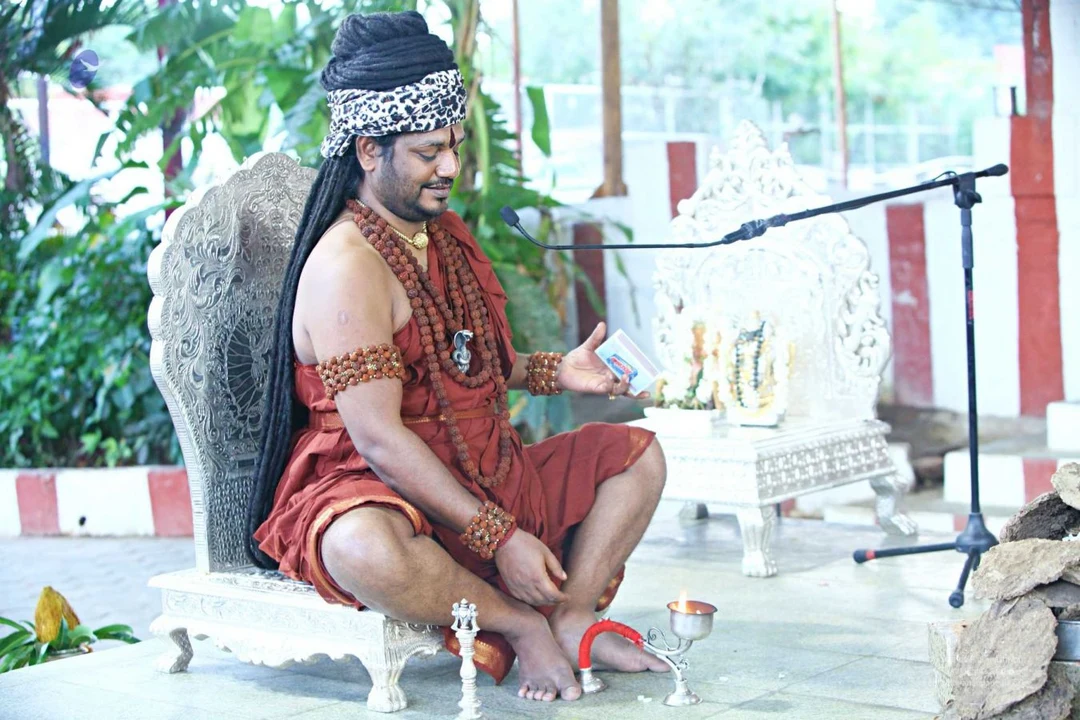 His Divine Holiness lights Aarati during Spiritual Alchemy Process - Aushadha Preparation - an esoteric science from the Siddha tradition which is used to achieve the state, space, powers of Paramashiva, and gain access to the 25 states of consciousness.
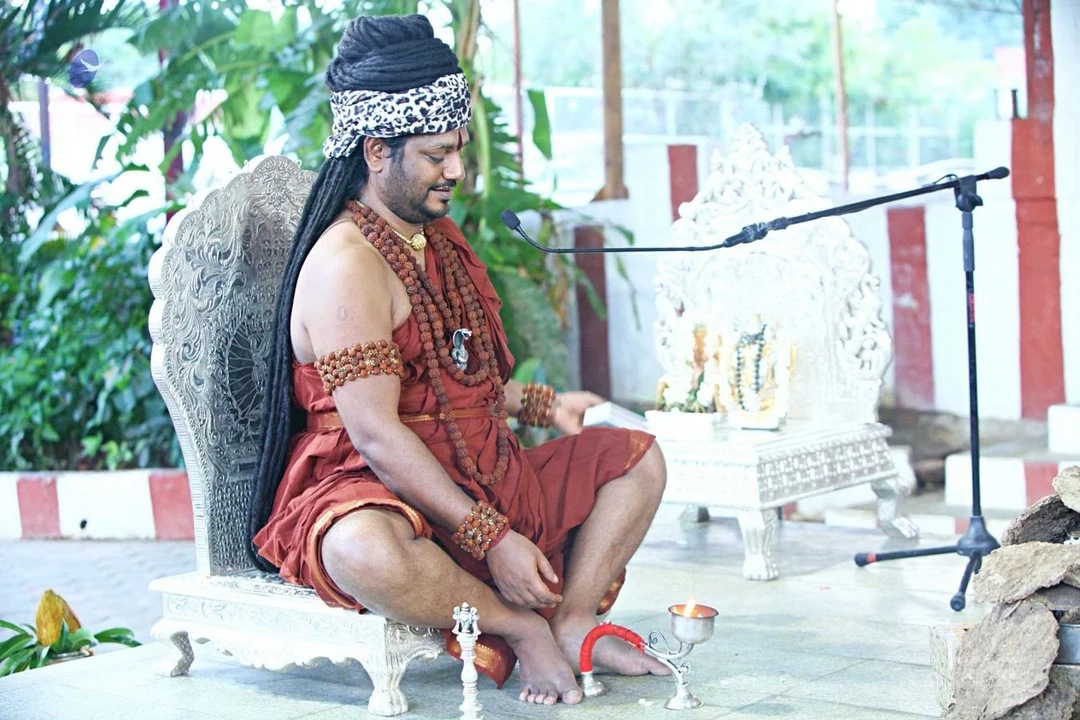 His Divine Holiness lights Aarati during Spiritual Alchemy Process - Aushadha Preparation - an esoteric science from the Siddha tradition which is used to achieve the state, space, powers of Paramashiva, and gain access to the 25 states of consciousness.
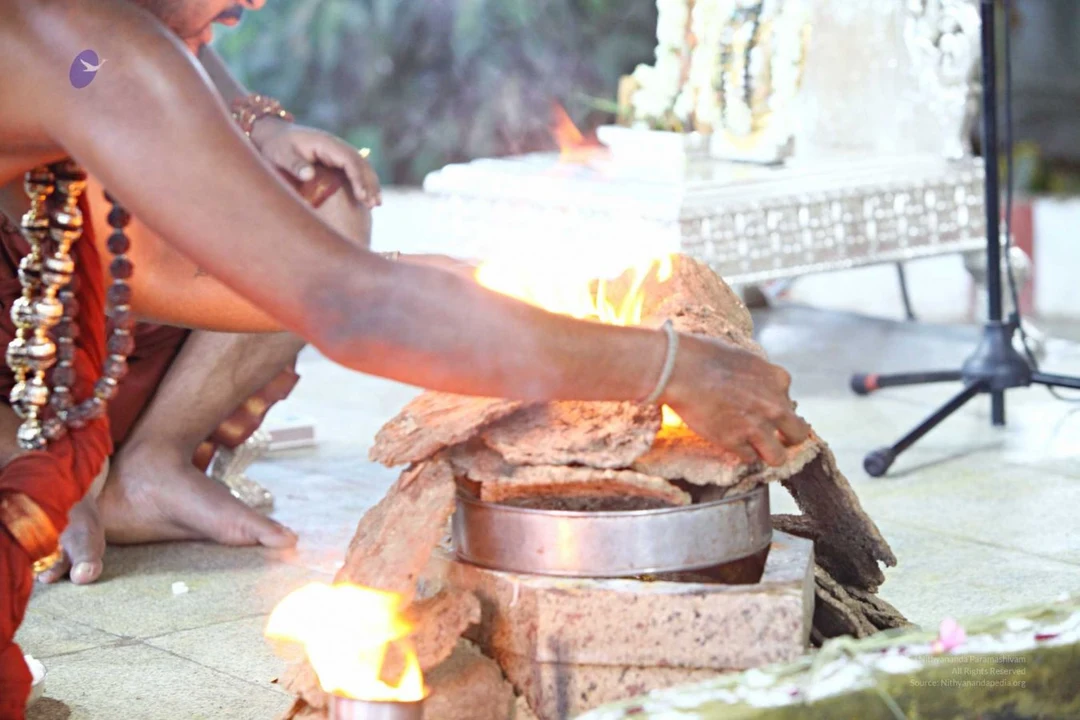 Cowdung from Nithyananda Goshala's pure Desi cows is burnt to generate the smoke necesary for preparing authentic Aushadha
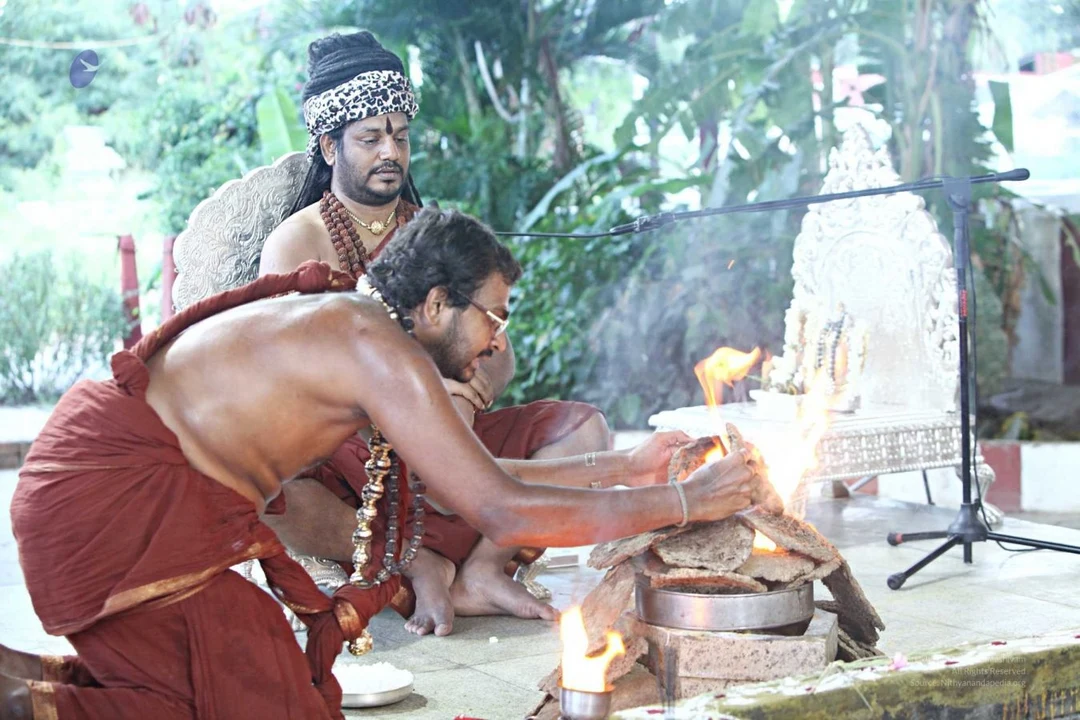 Cowdung from Nithyananda Goshala's pure Desi cows is burnt to generate the smoke necesary for preparing authentic Aushadha
 His Divine Holiness ignites the Spiritual Alchemy Process - cowdung from Nithyananda Goshala's pure Desi cows is burnt to generate the smoke necesary for preparing authentic Aushadha
 His Divine Holiness ignites the Spiritual Alchemy Process - cowdung from Nithyananda Goshala's pure Desi cows is burnt to generate the smoke necesary for preparing authentic Aushadha
 His Divine Holiness ignites the Spiritual Alchemy Process - cowdung from Nithyananda Goshala's pure Desi cows is burnt to generate the smoke necesary for preparing authentic Aushadha
 His Divine Holiness ignites the Spiritual Alchemy Process - cowdung from Nithyananda Goshala's pure Desi cows is burnt to generate the smoke necesary for preparing authentic Aushadha
 His Divine Holiness ignites the Spiritual Alchemy Process - cowdung from Nithyananda Goshala's pure Desi cows is burnt to generate the smoke necesary for preparing authentic Aushadha
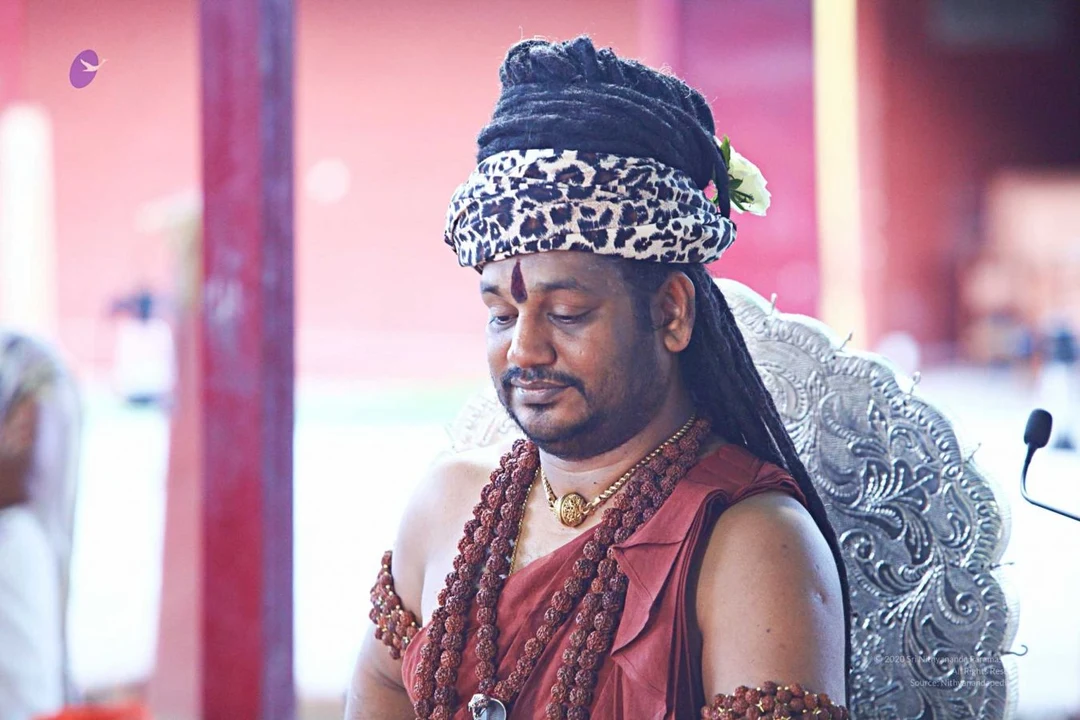 His Divine Holiness ignites the Spiritual Alchemy Process - cowdung from Nithyananda Goshala's pure Desi cows is burnt to generate the smoke necesary for preparing authentic Aushadha
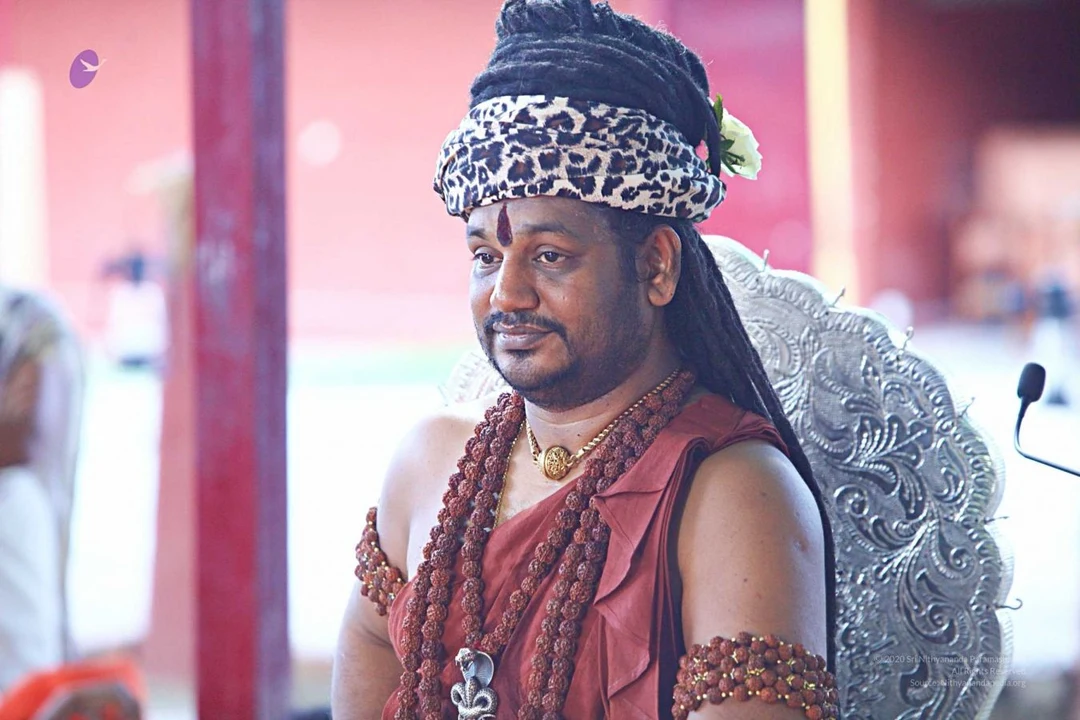 His Divine Holiness in the Spiritual Alchemy Process of preparing Aushadha - an esoteric science from the Siddha tradition which is used to achieve the state, space, powers of Paramashiva, and gain access to the 25 states of consciousness
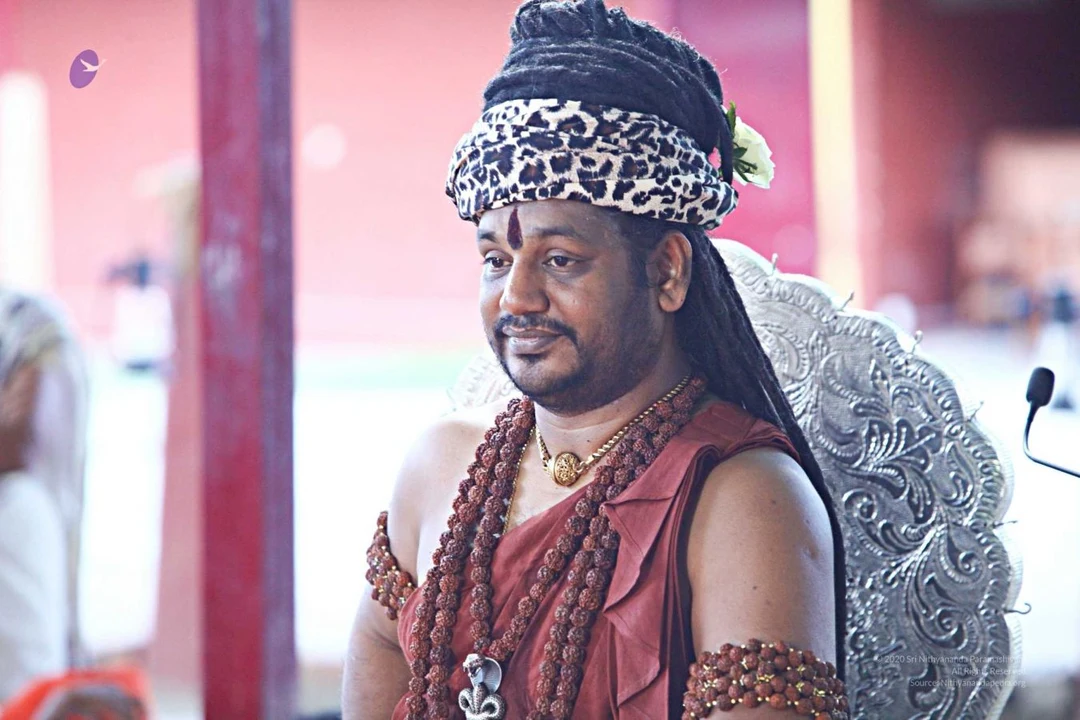 His Divine Holiness in the Spiritual Alchemy Process of preparing Aushadha - an esoteric science from the Siddha tradition which is used to achieve the state, space, powers of Paramashiva, and gain access to the 25 states of consciousness
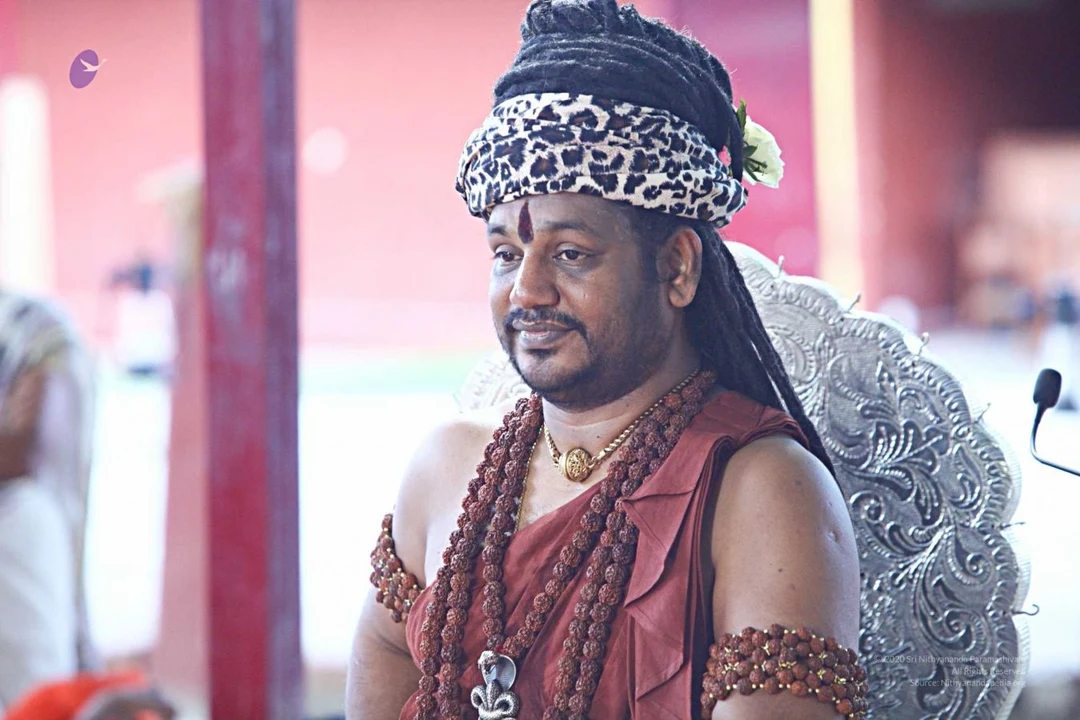 His Divine Holiness in the Spiritual Alchemy Process of preparing Aushadha - an esoteric science from the Siddha tradition which is used to achieve the state, space, powers of Paramashiva, and gain access to the 25 states of consciousness
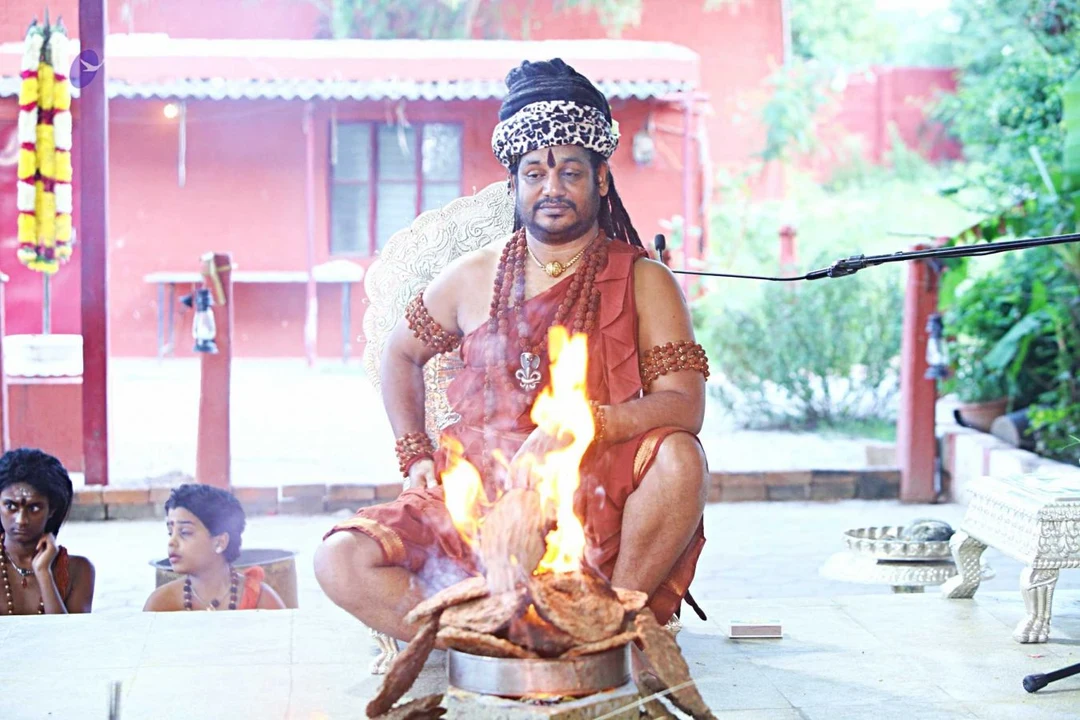 His Divine Holiness in the Spiritual Alchemy Process of preparing Aushadha - an esoteric science from the Siddha tradition which is used to achieve the state, space, powers of Paramashiva, and gain access to the 25 states of consciousness
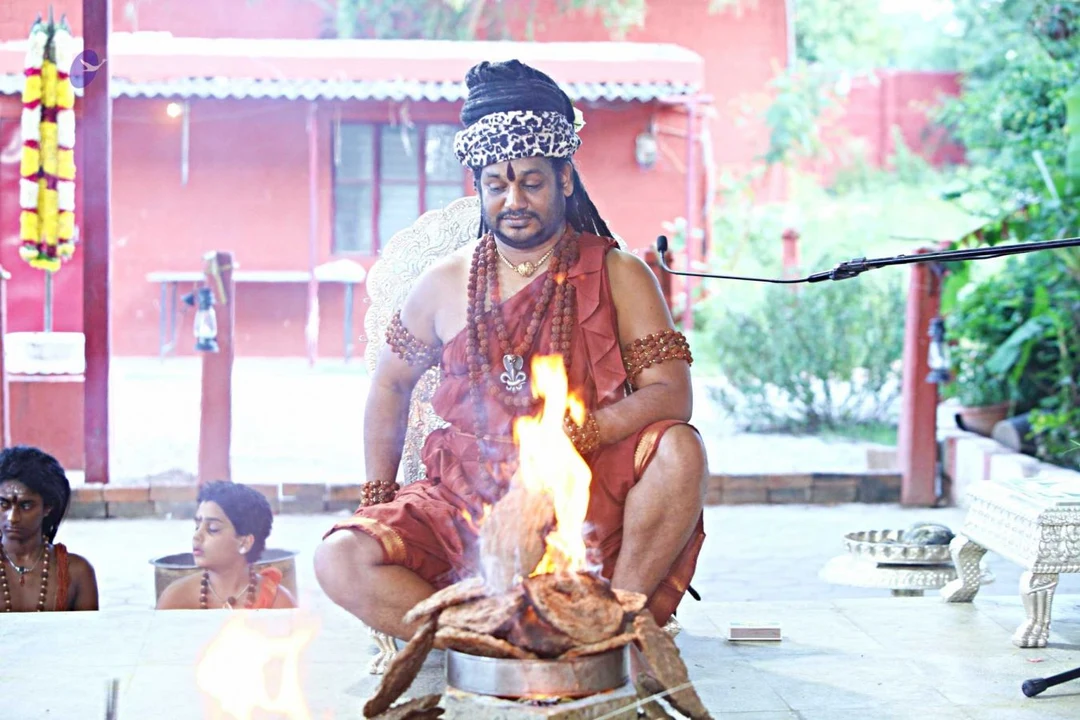 His Divine Holiness in the Spiritual Alchemy Process of preparing Aushadha - an esoteric science from the Siddha tradition which is used to achieve the state, space, powers of Paramashiva, and gain access to the 25 states of consciousness
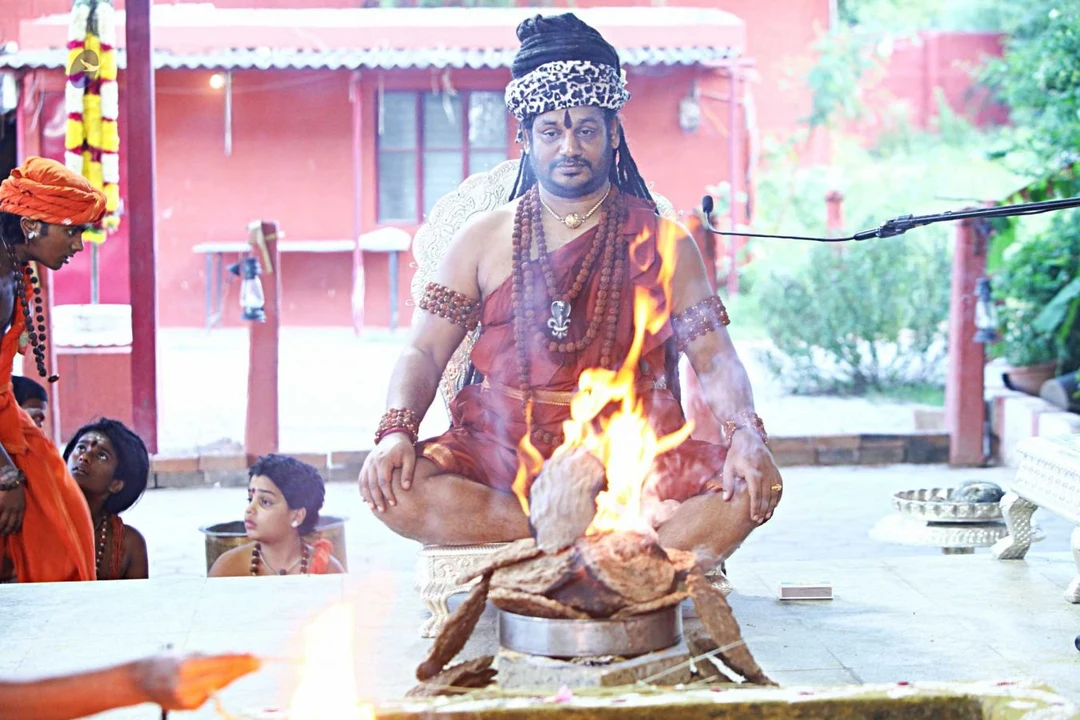 His Divine Holiness in the Spiritual Alchemy Process of preparing Aushadha - an esoteric science from the Siddha tradition which is used to achieve the state, space, powers of Paramashiva, and gain access to the 25 states of consciousness
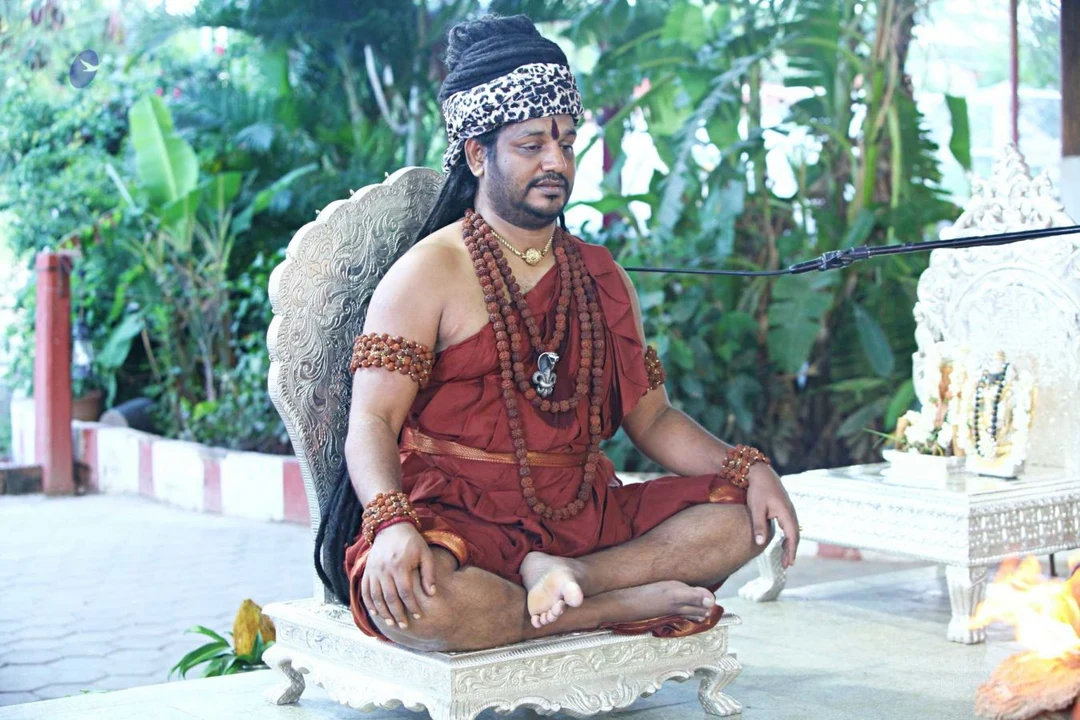 His Divine Holiness in the Spiritual Alchemy Process of preparing Aushadha - an esoteric science from the Siddha tradition which is used to achieve the state, space, powers of Paramashiva, and gain access to the 25 states of consciousness
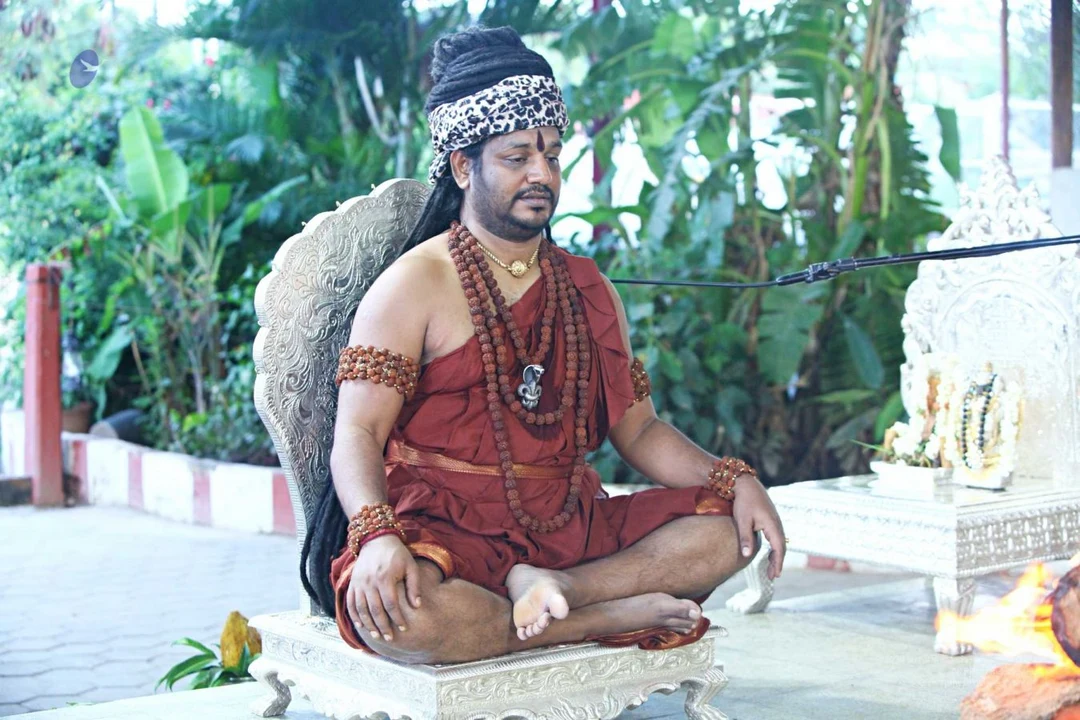 His Divine Holiness in the Spiritual Alchemy Process of preparing Aushadha - an esoteric science from the Siddha tradition which is used to achieve the state, space, powers of Paramashiva, and gain access to the 25 states of consciousness
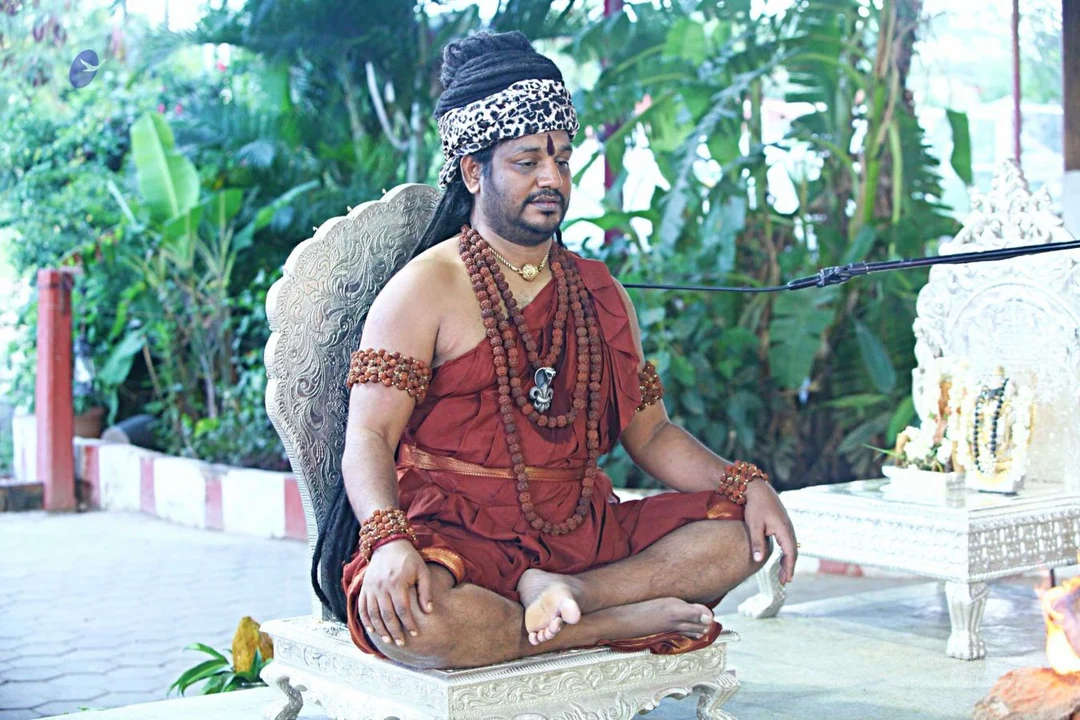 His Divine Holiness in the Spiritual Alchemy Process of preparing Aushadha - an esoteric science from the Siddha tradition which is used to achieve the state, space, powers of Paramashiva, and gain access to the 25 states of consciousness
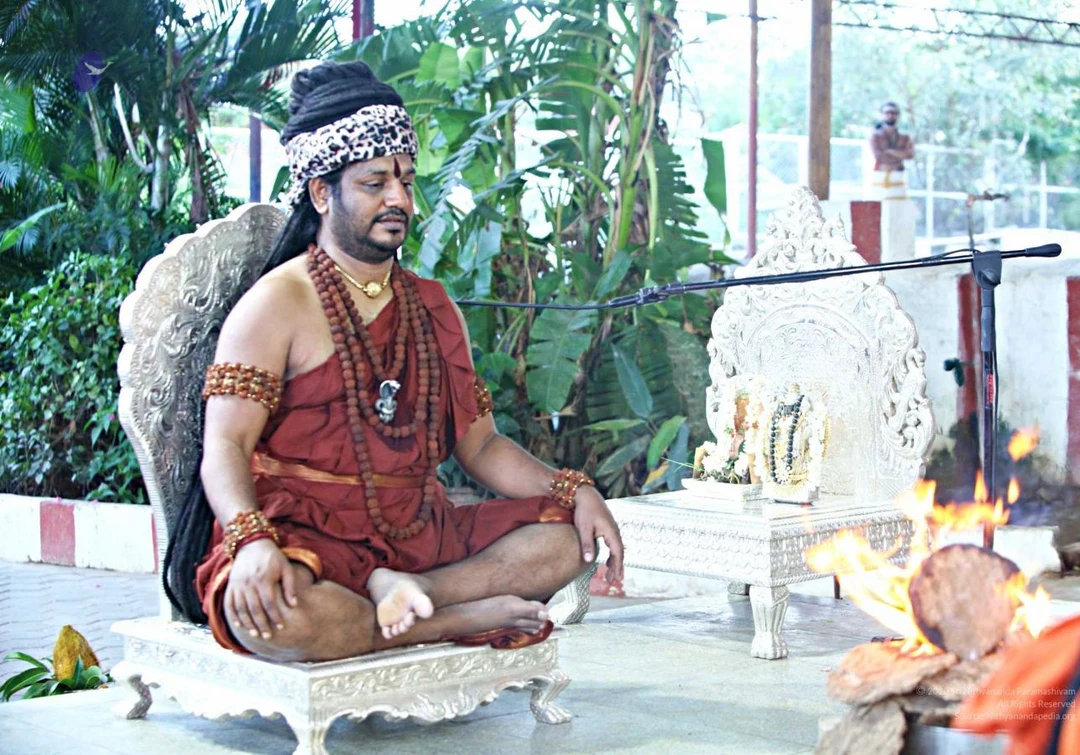 His Divine Holiness in the Spiritual Alchemy Process of preparing Aushadha - an esoteric science from the Siddha tradition which is used to achieve the state, space, powers of Paramashiva, and gain access to the 25 states of consciousness
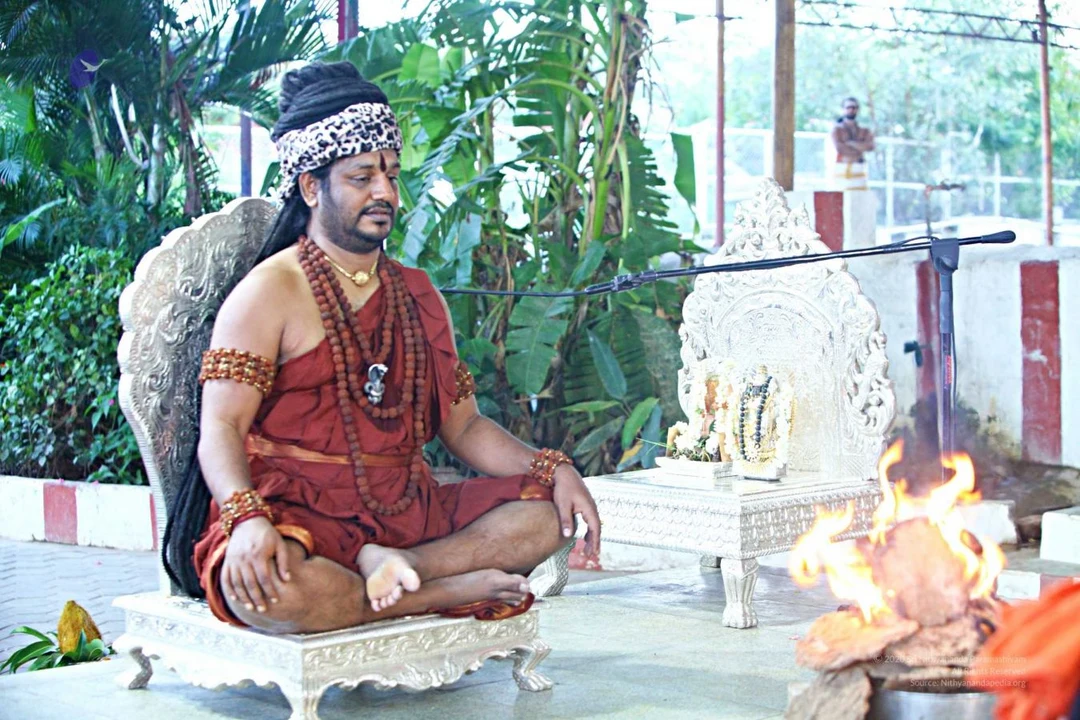 His Divine Holiness in the Spiritual Alchemy Process of preparing Aushadha - an esoteric science from the Siddha tradition which is used to achieve the state, space, powers of Paramashiva, and gain access to the 25 states of consciousness
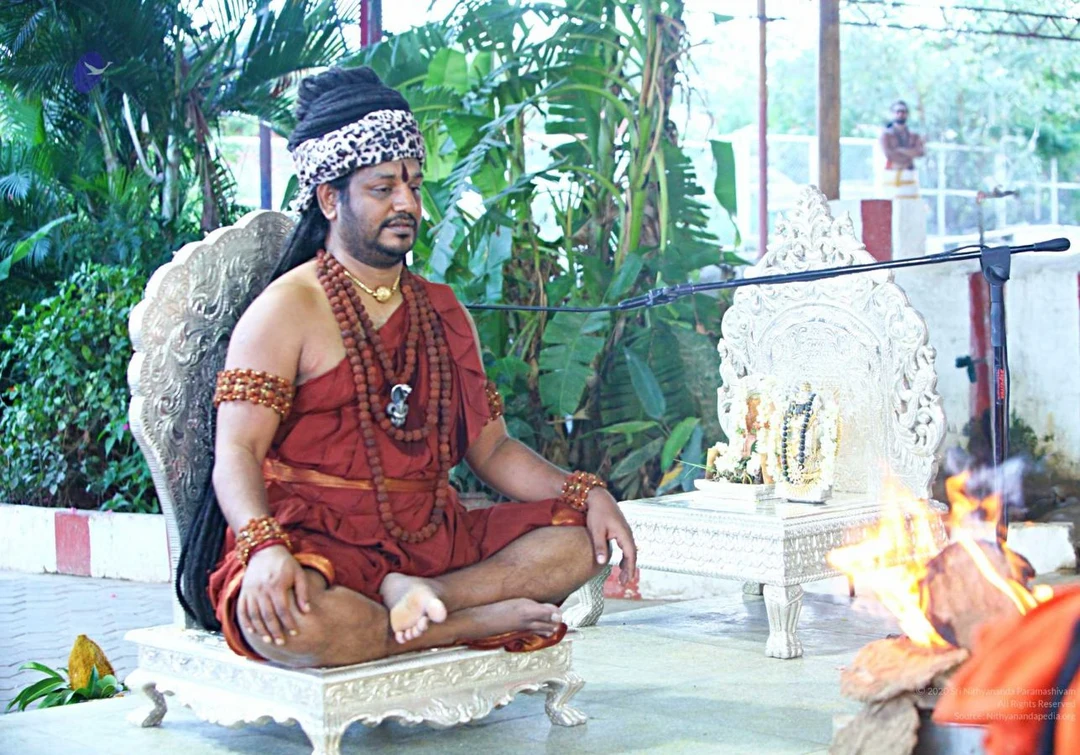 His Divine Holiness in the Spiritual Alchemy Process of preparing Aushadha - an esoteric science from the Siddha tradition which is used to achieve the state, space, powers of Paramashiva, and gain access to the 25 states of consciousness
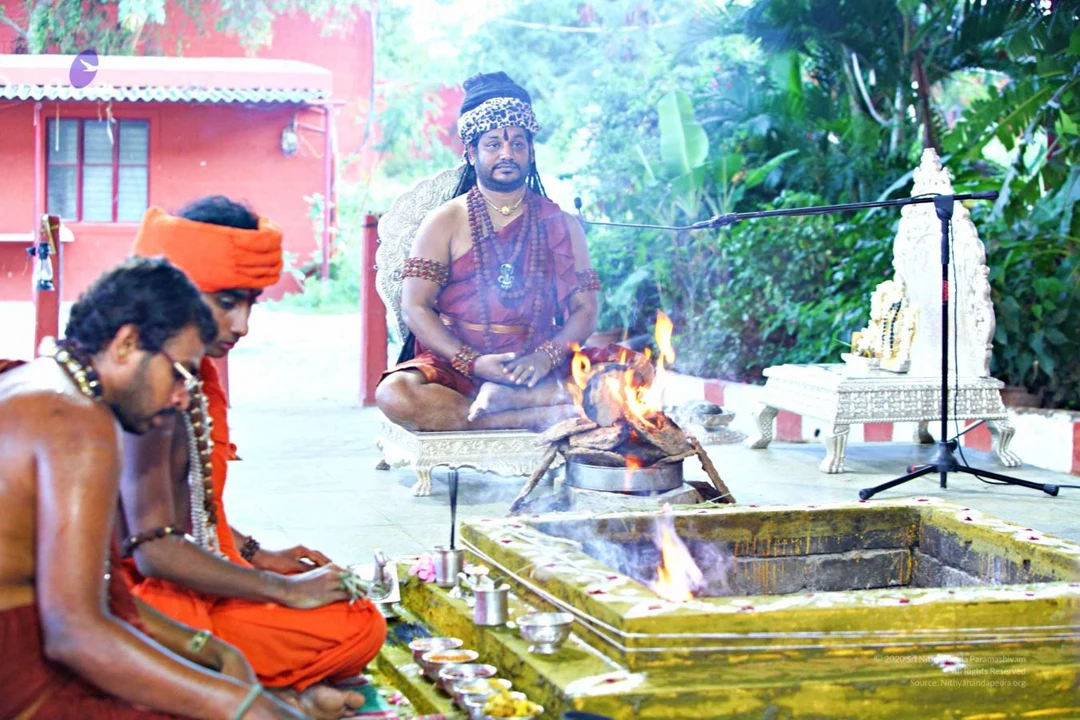 His Divine Holiness in the Spiritual Alchemy Process of preparing Aushadha - an esoteric science from the Siddha tradition which is used to achieve the state, space, powers of Paramashiva, and gain access to the 25 states of consciousness
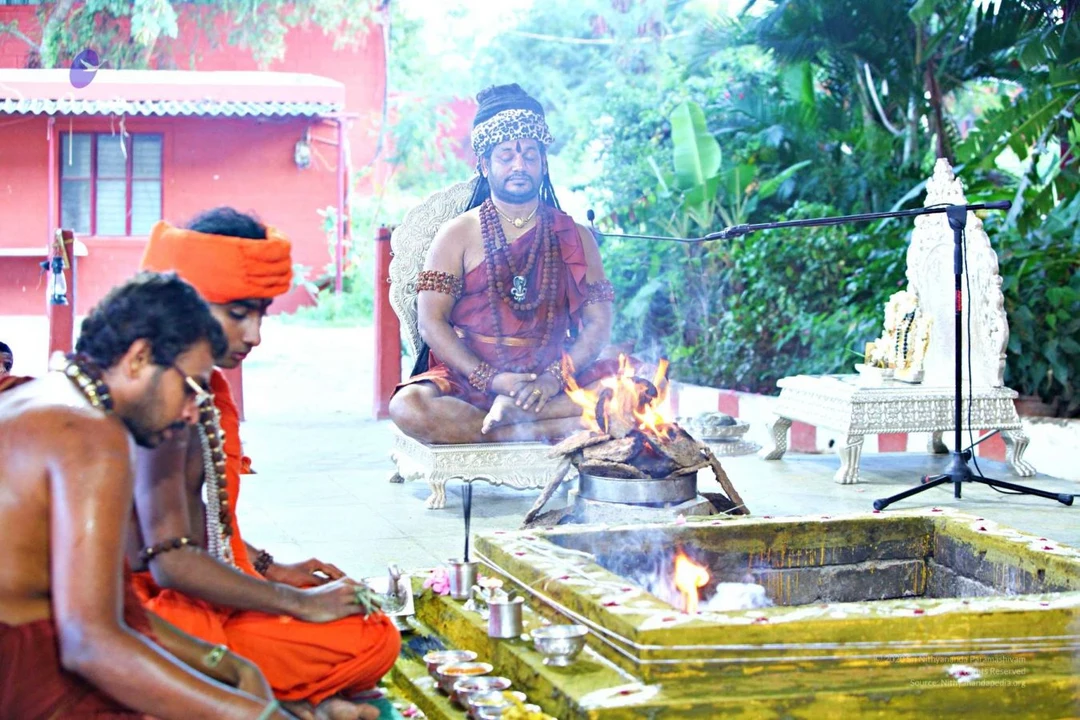 His Divine Holiness in the Spiritual Alchemy Process of preparing Aushadha - an esoteric science from the Siddha tradition which is used to achieve the state, space, powers of Paramashiva, and gain access to the 25 states of consciousness
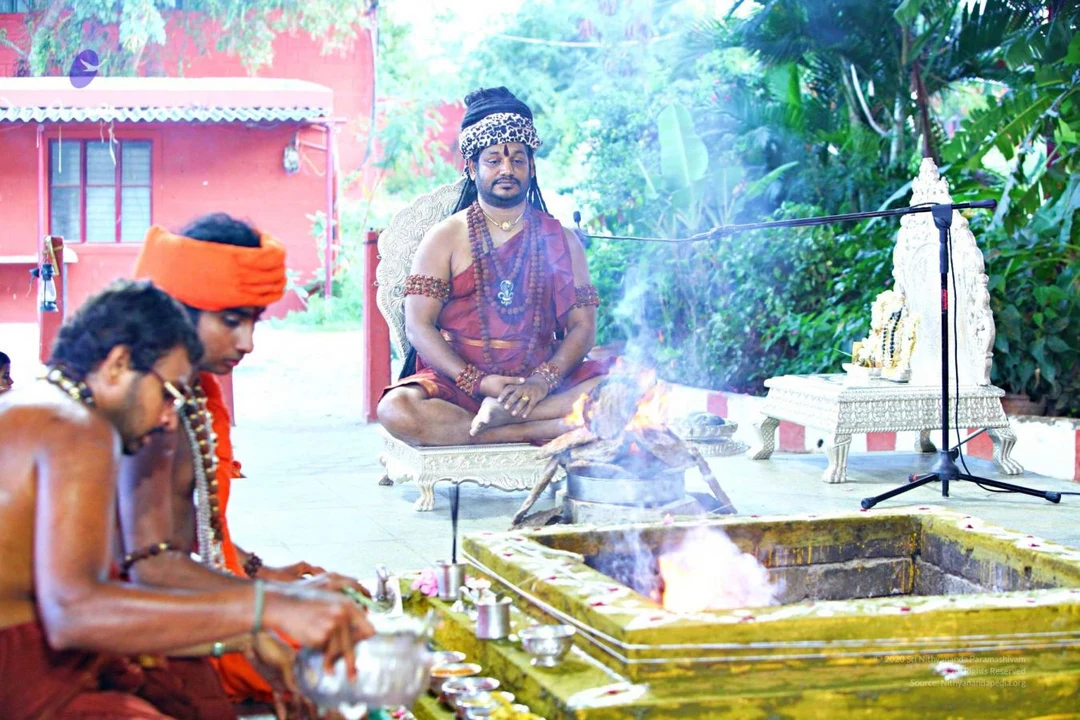 His Divine Holiness in the Spiritual Alchemy Process of preparing Aushadha - an esoteric science from the Siddha tradition which is used to achieve the state, space, powers of Paramashiva, and gain access to the 25 states of consciousness
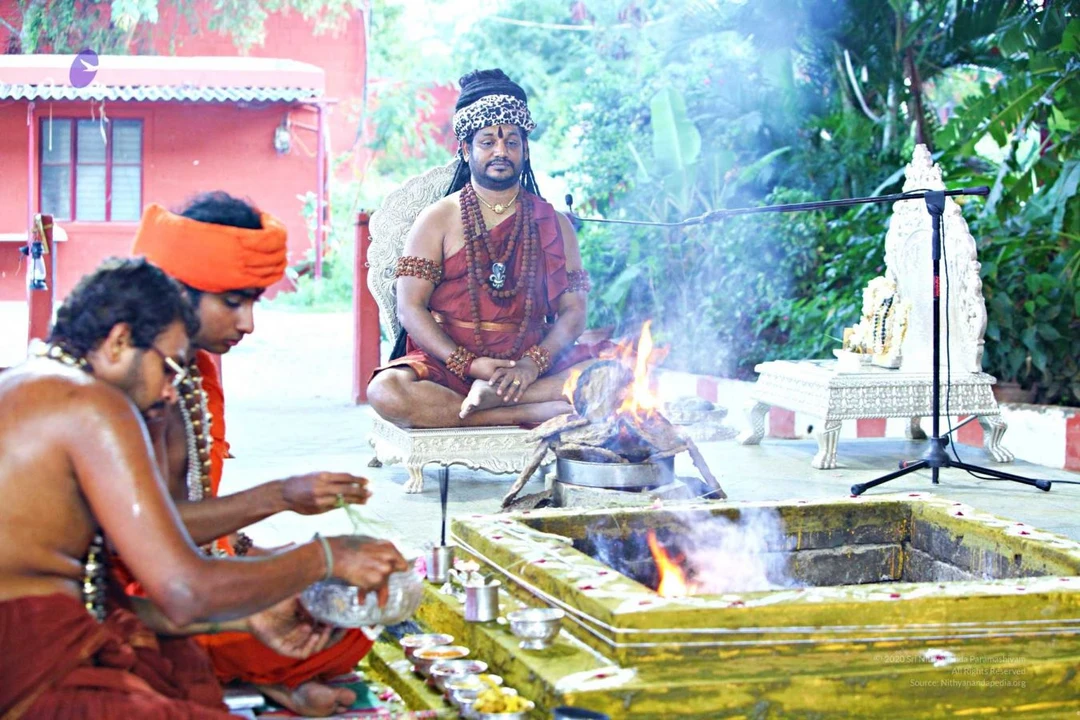 His Divine Holiness in the Spiritual Alchemy Process of preparing Aushadha - an esoteric science from the Siddha tradition which is used to achieve the state, space, powers of Paramashiva, and gain access to the 25 states of consciousness
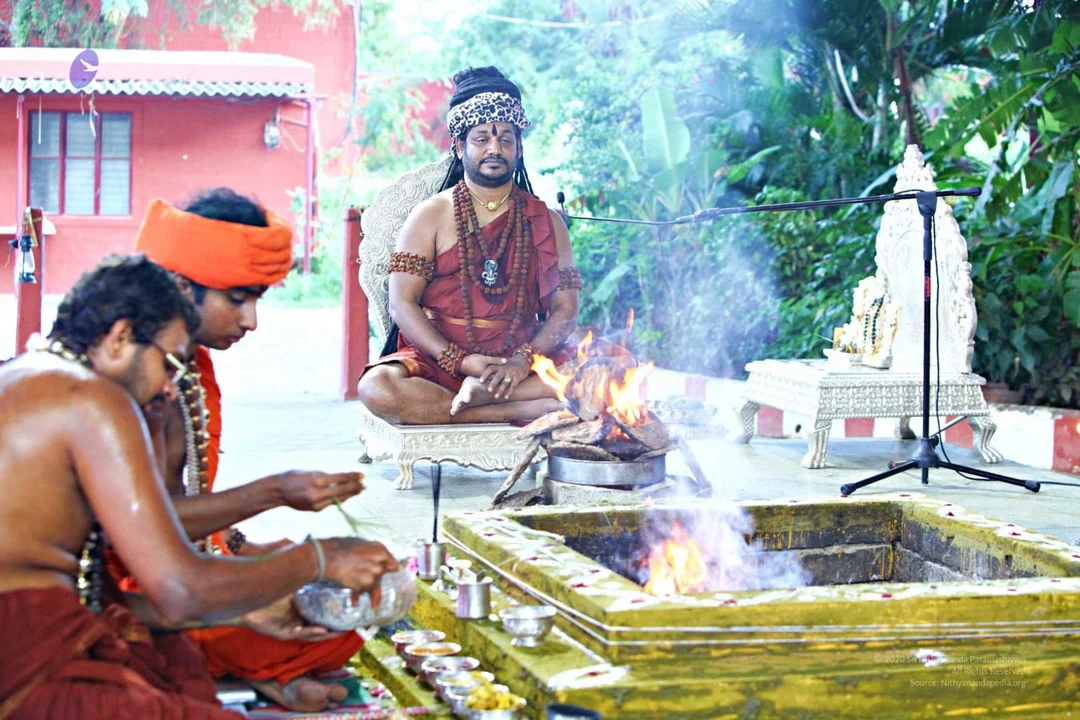 His Divine Holiness in the Spiritual Alchemy Process of preparing Aushadha - an esoteric science from the Siddha tradition which is used to achieve the state, space, powers of Paramashiva, and gain access to the 25 states of consciousness
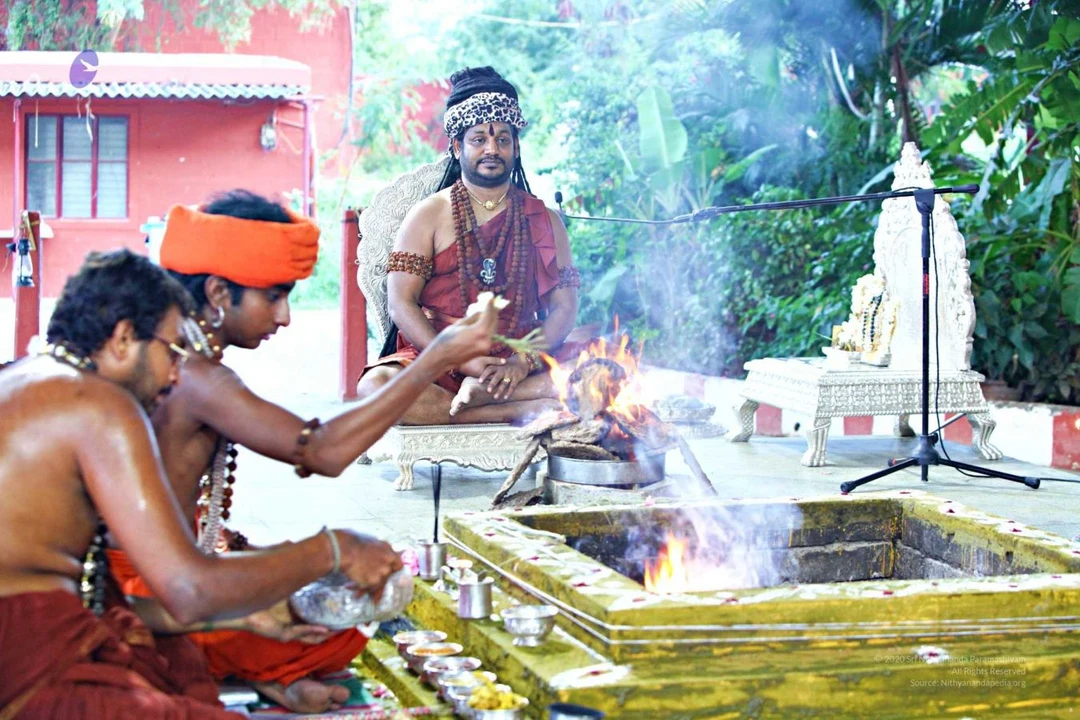 His Divine Holiness in the Spiritual Alchemy Process of preparing Aushadha - an esoteric science from the Siddha tradition which is used to achieve the state, space, powers of Paramashiva, and gain access to the 25 states of consciousness
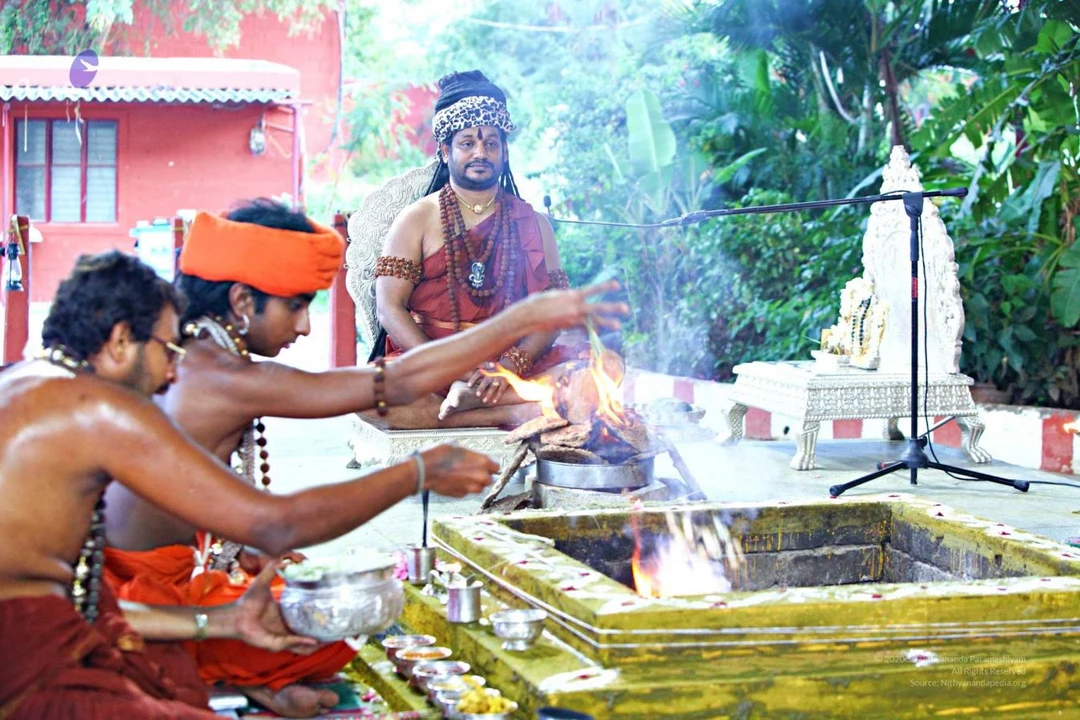 His Divine Holiness in the Spiritual Alchemy Process of preparing Aushadha - an esoteric science from the Siddha tradition which is used to achieve the state, space, powers of Paramashiva, and gain access to the 25 states of consciousness
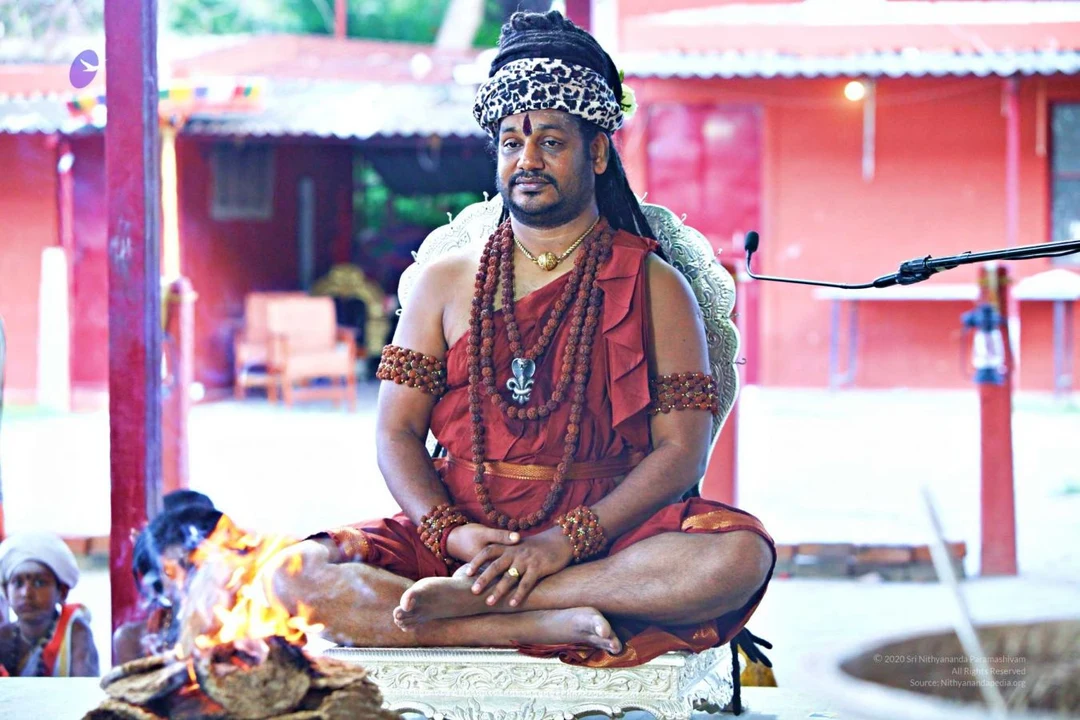 His Divine Holiness in the Spiritual Alchemy Process of preparing Aushadha - an esoteric science from the Siddha tradition which is used to achieve the state, space, powers of Paramashiva, and gain access to the 25 states of consciousness
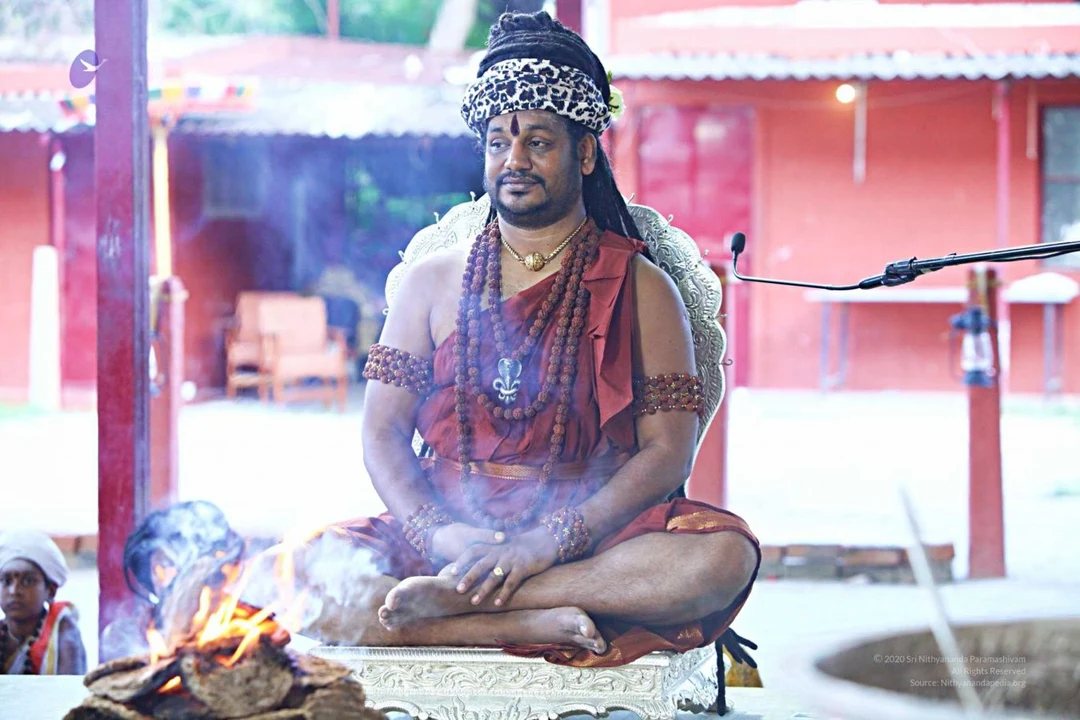 His Divine Holiness in the Spiritual Alchemy Process of preparing Aushadha - an esoteric science from the Siddha tradition which is used to achieve the state, space, powers of Paramashiva, and gain access to the 25 states of consciousness
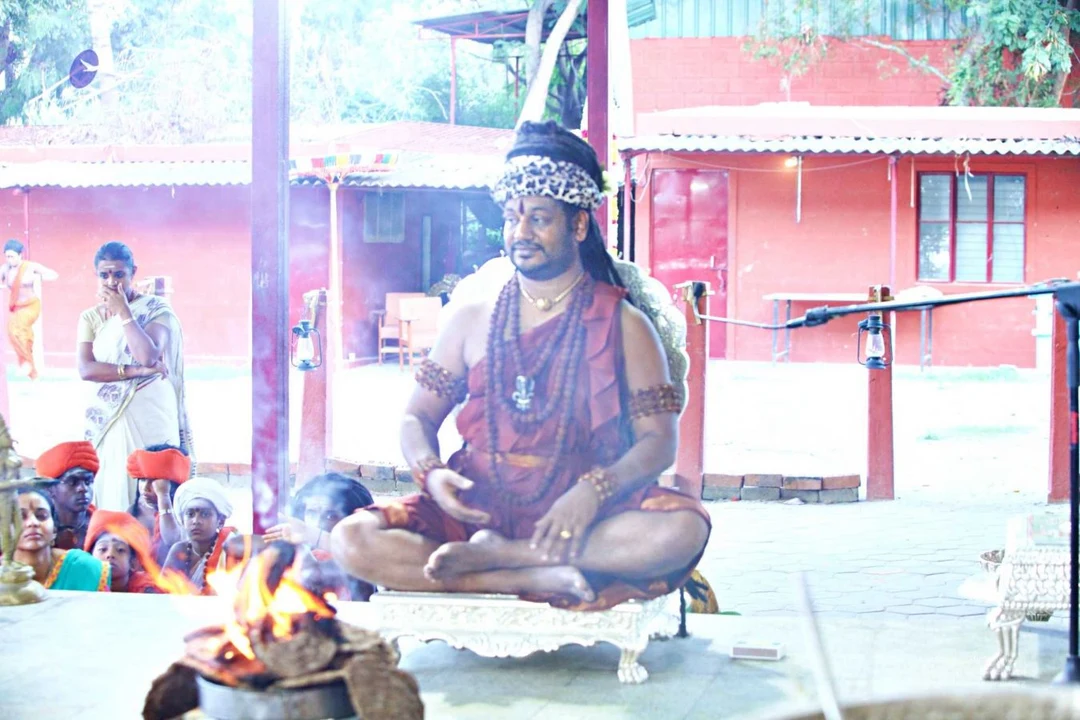 His Divine Holiness in the Spiritual Alchemy Process of preparing Aushadha - an esoteric science from the Siddha tradition which is used to achieve the state, space, powers of Paramashiva, and gain access to the 25 states of consciousness
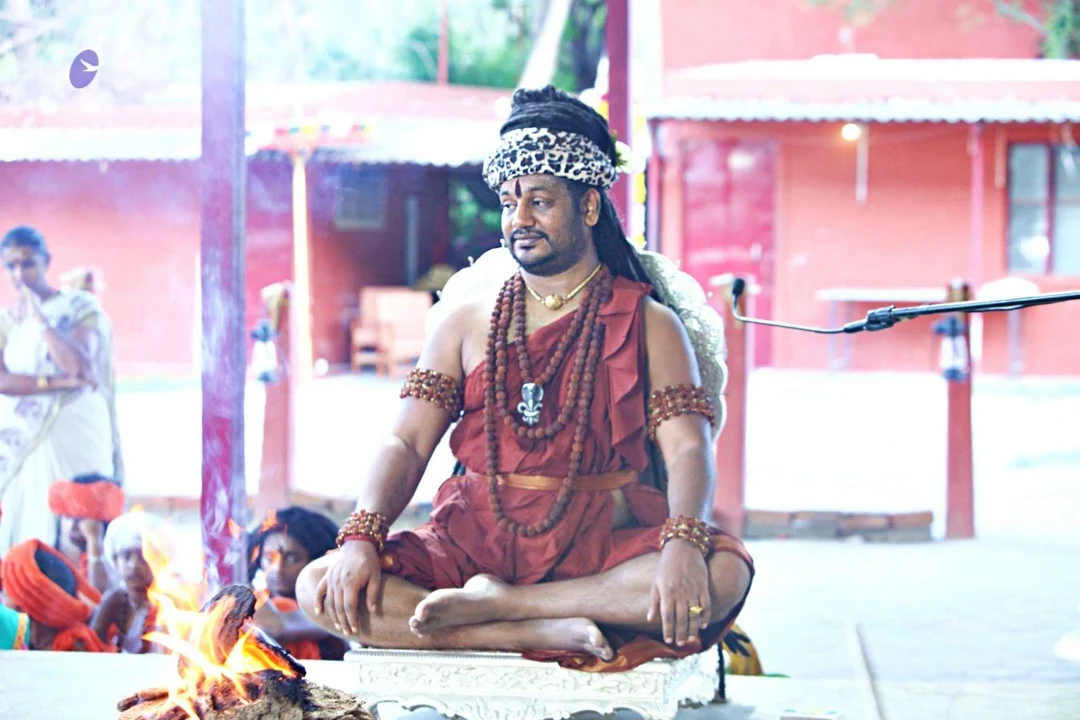 His Divine Holiness in the Spiritual Alchemy Process of preparing Aushadha - an esoteric science from the Siddha tradition which is used to achieve the state, space, powers of Paramashiva, and gain access to the 25 states of consciousness
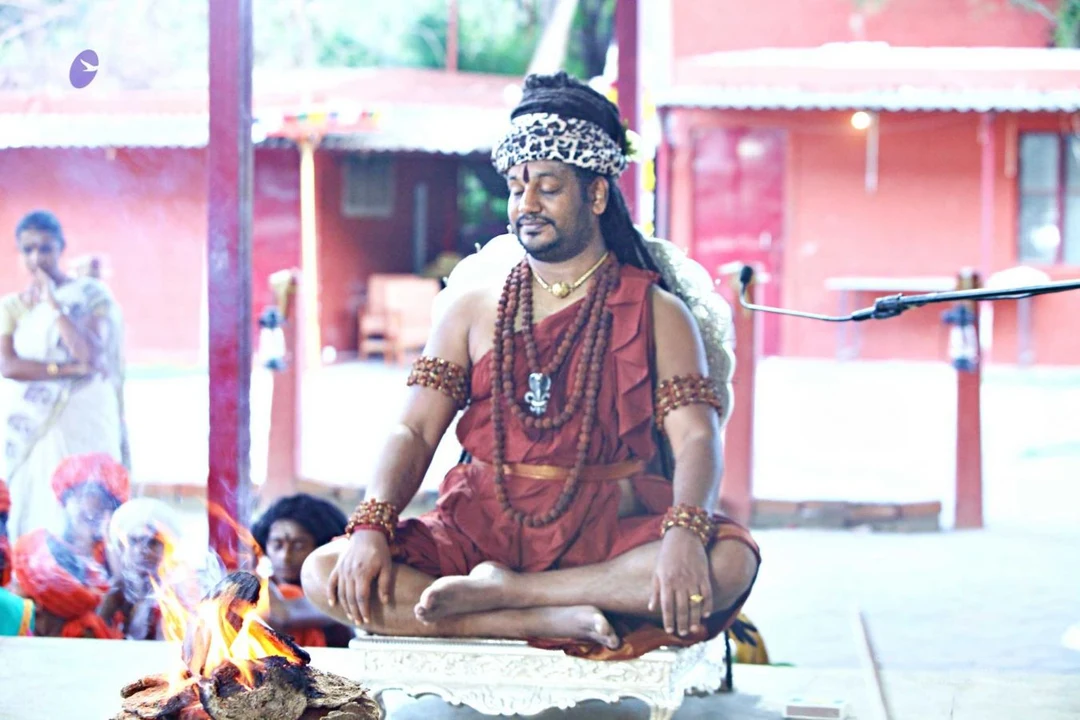 His Divine Holiness in the Spiritual Alchemy Process of preparing Aushadha - an esoteric science from the Siddha tradition which is used to achieve the state, space, powers of Paramashiva, and gain access to the 25 states of consciousness
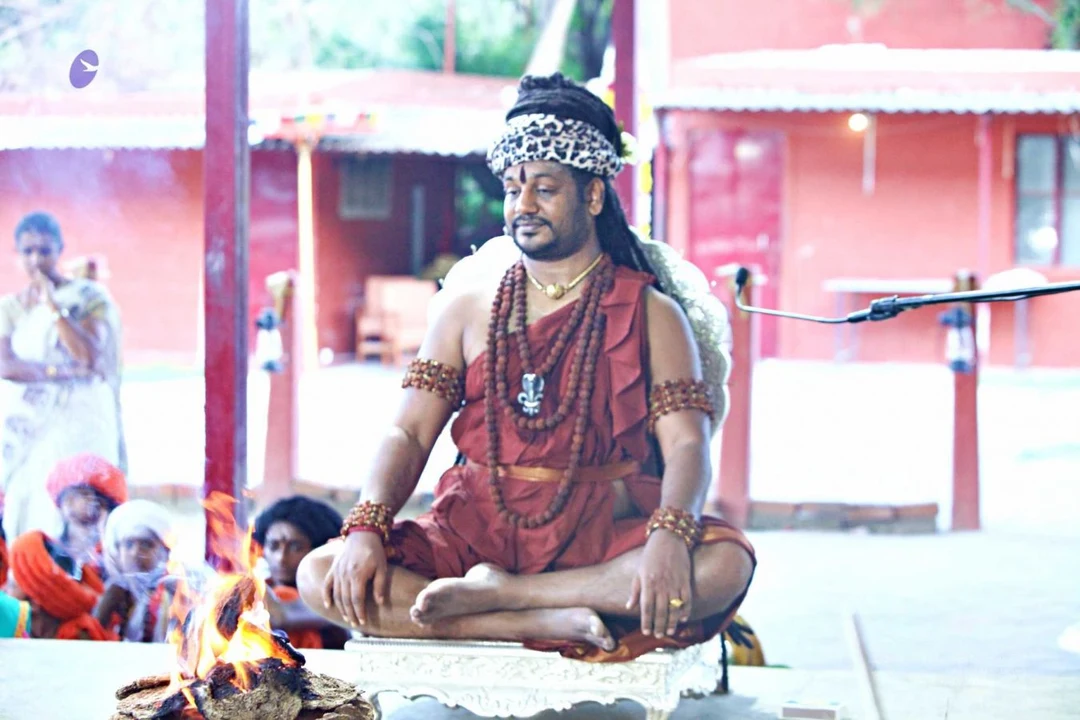 His Divine Holiness in the Spiritual Alchemy Process of preparing Aushadha - an esoteric science from the Siddha tradition which is used to achieve the state, space, powers of Paramashiva, and gain access to the 25 states of consciousness
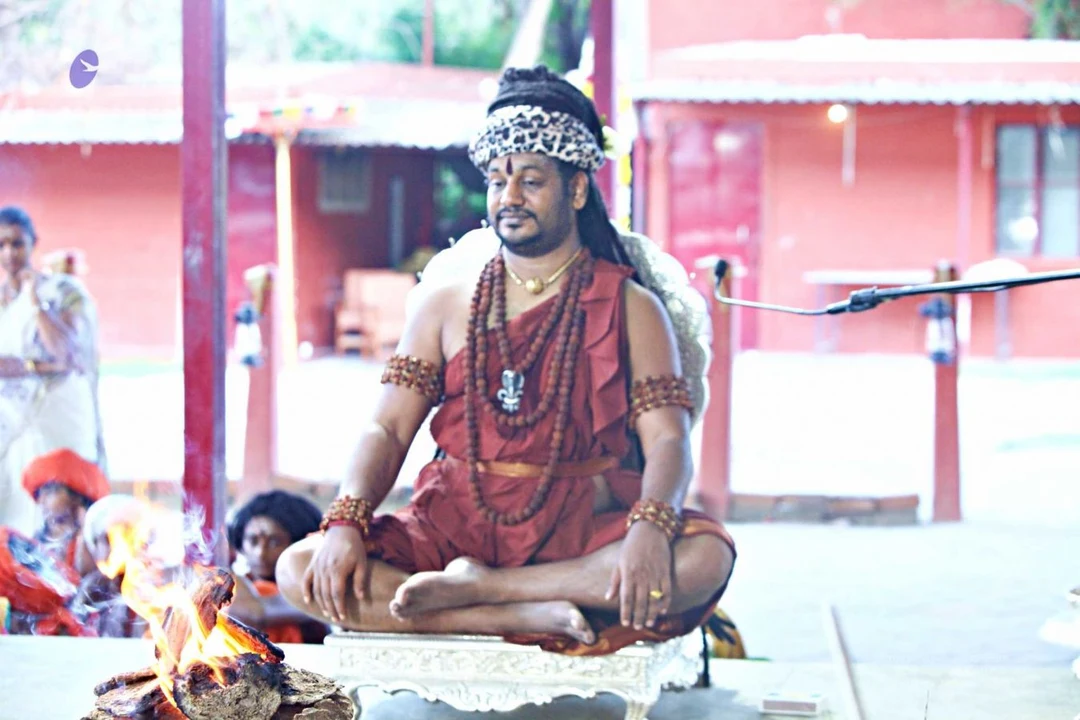 His Divine Holiness in the Spiritual Alchemy Process of preparing Aushadha - an esoteric science from the Siddha tradition which is used to achieve the state, space, powers of Paramashiva, and gain access to the 25 states of consciousness
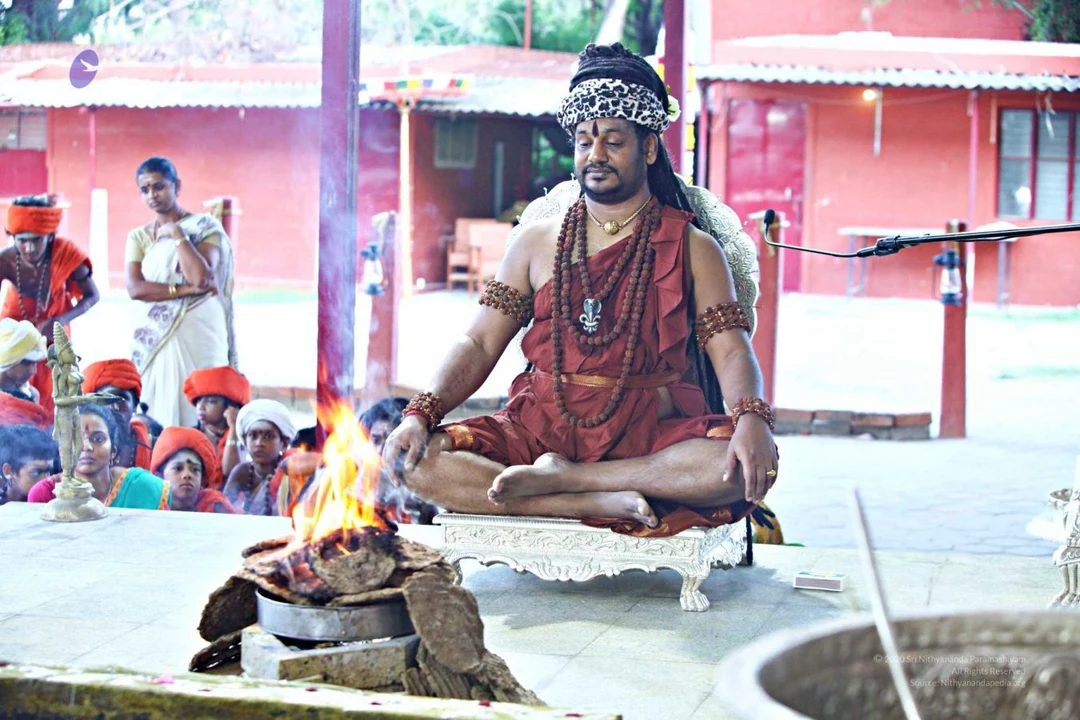 His Divine Holiness in the Spiritual Alchemy Process of preparing Aushadha - an esoteric science from the Siddha tradition which is used to achieve the state, space, powers of Paramashiva, and gain access to the 25 states of consciousness
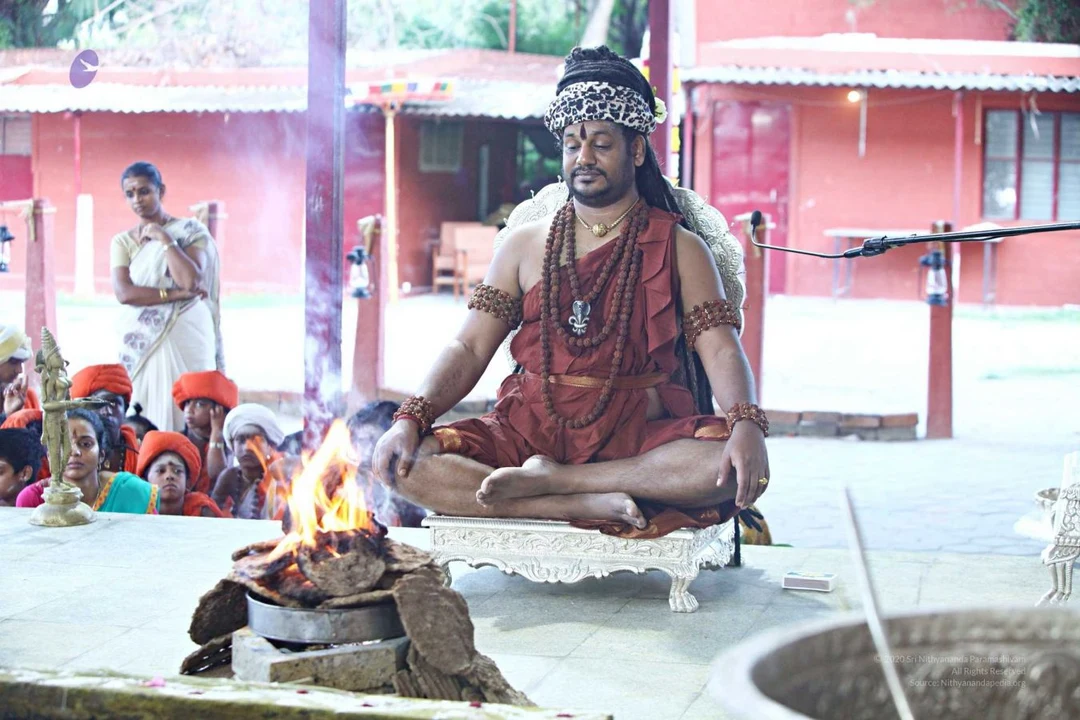 His Divine Holiness in the Spiritual Alchemy Process of preparing Aushadha - an esoteric science from the Siddha tradition which is used to achieve the state, space, powers of Paramashiva, and gain access to the 25 states of consciousness
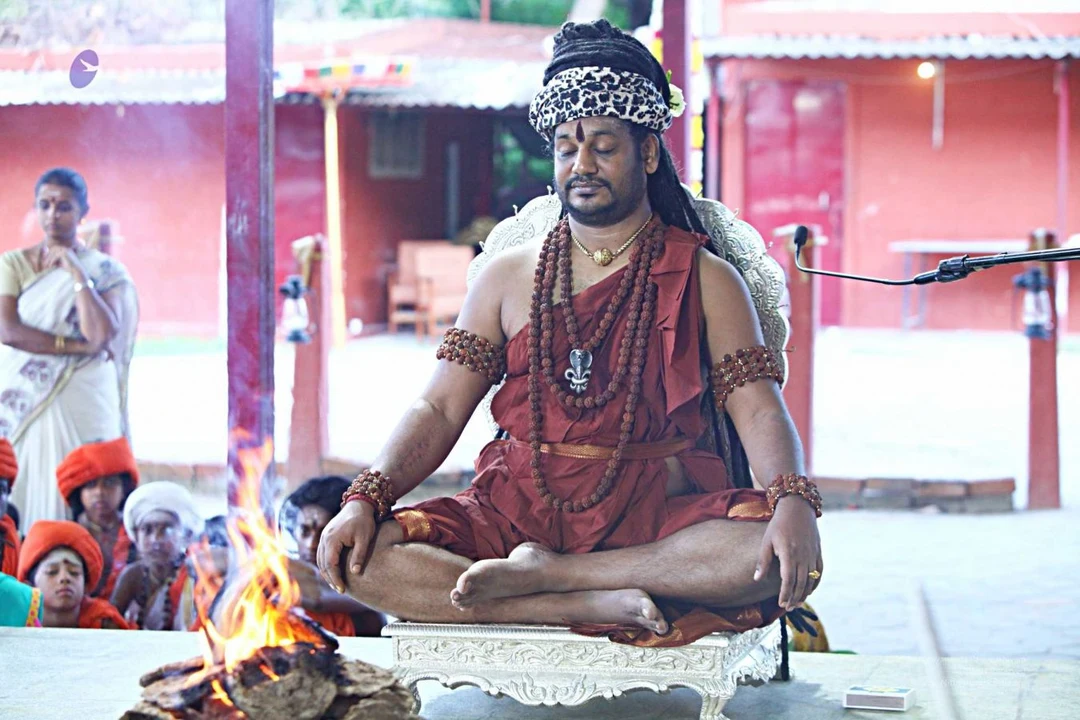 His Divine Holiness in the Spiritual Alchemy Process of preparing Aushadha - an esoteric science from the Siddha tradition which is used to achieve the state, space, powers of Paramashiva, and gain access to the 25 states of consciousness
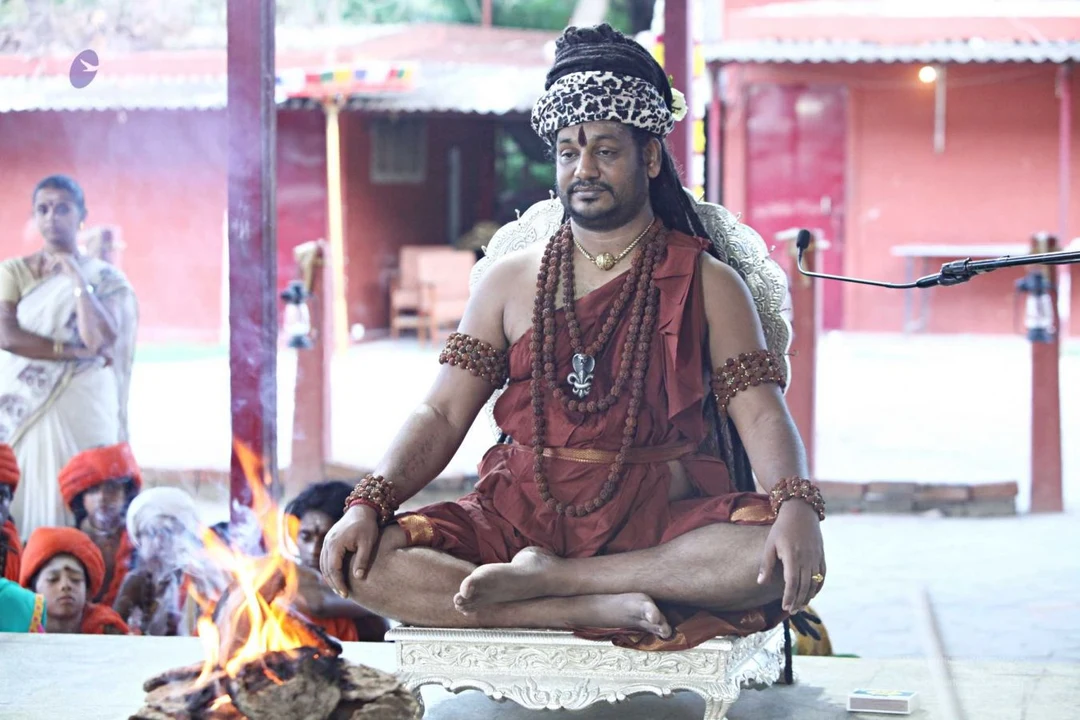 His Divine Holiness in the Spiritual Alchemy Process of preparing Aushadha - an esoteric science from the Siddha tradition which is used to achieve the state, space, powers of Paramashiva, and gain access to the 25 states of consciousness
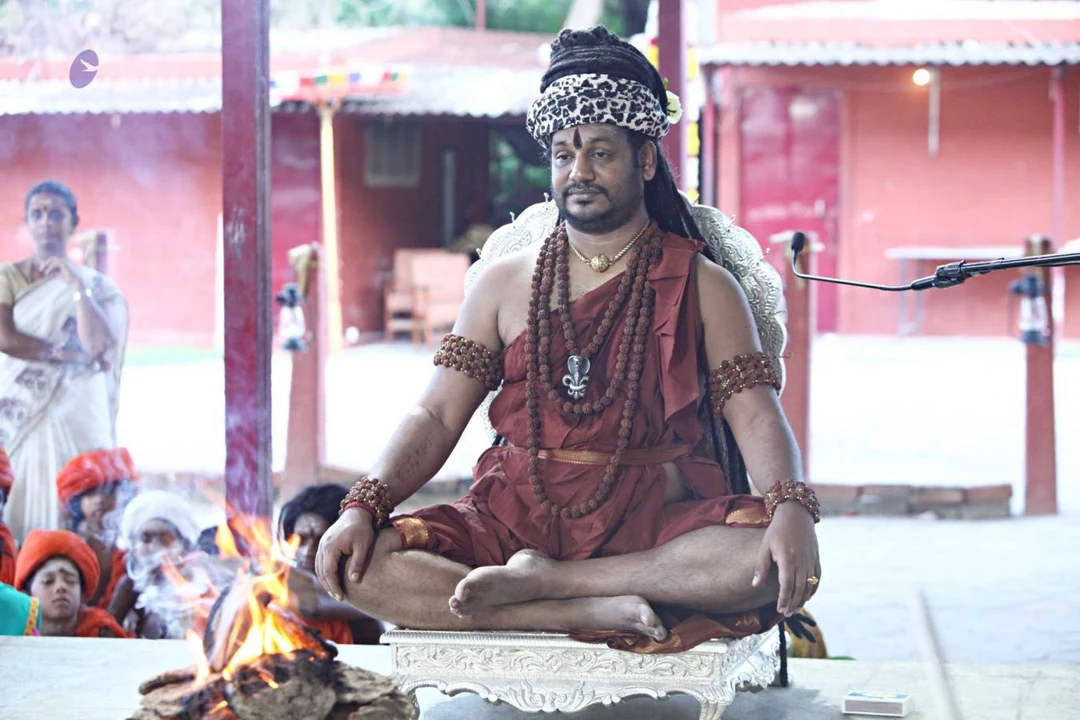 His Divine Holiness in the Spiritual Alchemy Process of preparing Aushadha - an esoteric science from the Siddha tradition which is used to achieve the state, space, powers of Paramashiva, and gain access to the 25 states of consciousness
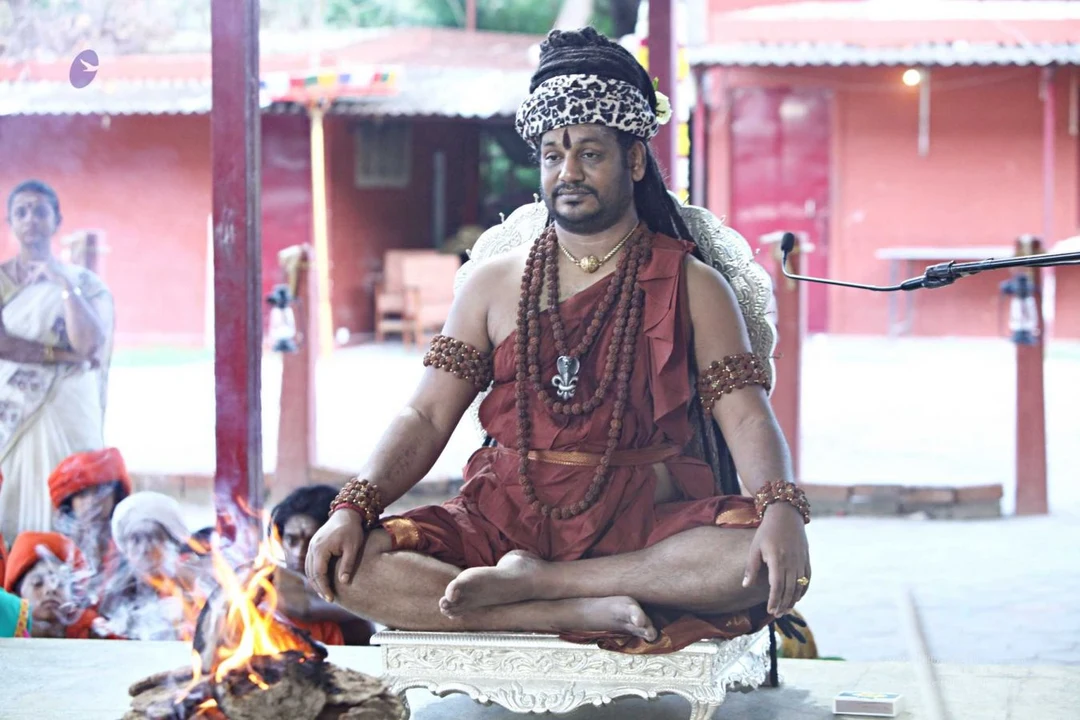 His Divine Holiness in the Spiritual Alchemy Process of preparing Aushadha - an esoteric science from the Siddha tradition which is used to achieve the state, space, powers of Paramashiva, and gain access to the 25 states of consciousness
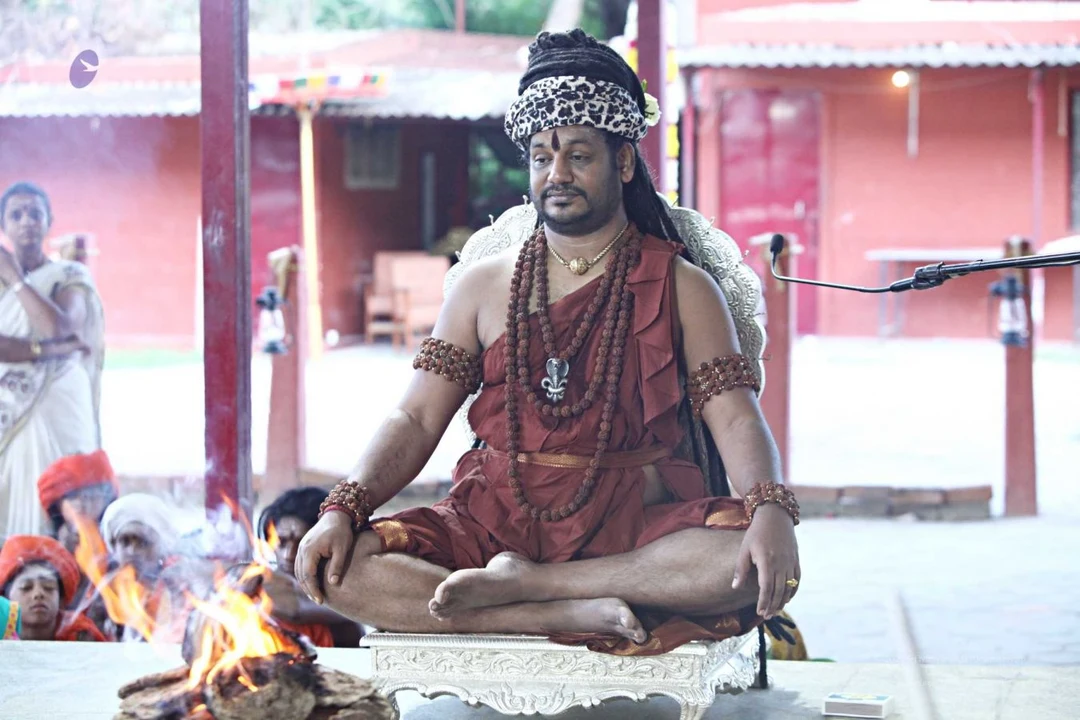 His Divine Holiness in the Spiritual Alchemy Process of preparing Aushadha - an esoteric science from the Siddha tradition which is used to achieve the state, space, powers of Paramashiva, and gain access to the 25 states of consciousness
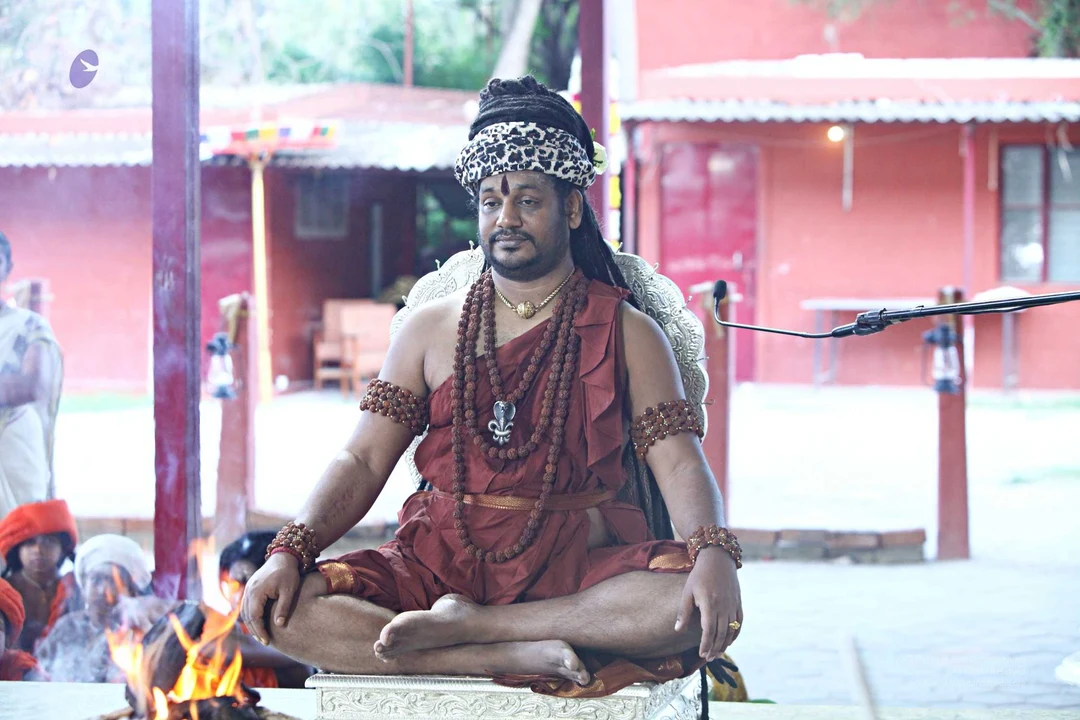 His Divine Holiness in the Spiritual Alchemy Process of preparing Aushadha - an esoteric science from the Siddha tradition which is used to achieve the state, space, powers of Paramashiva, and gain access to the 25 states of consciousness
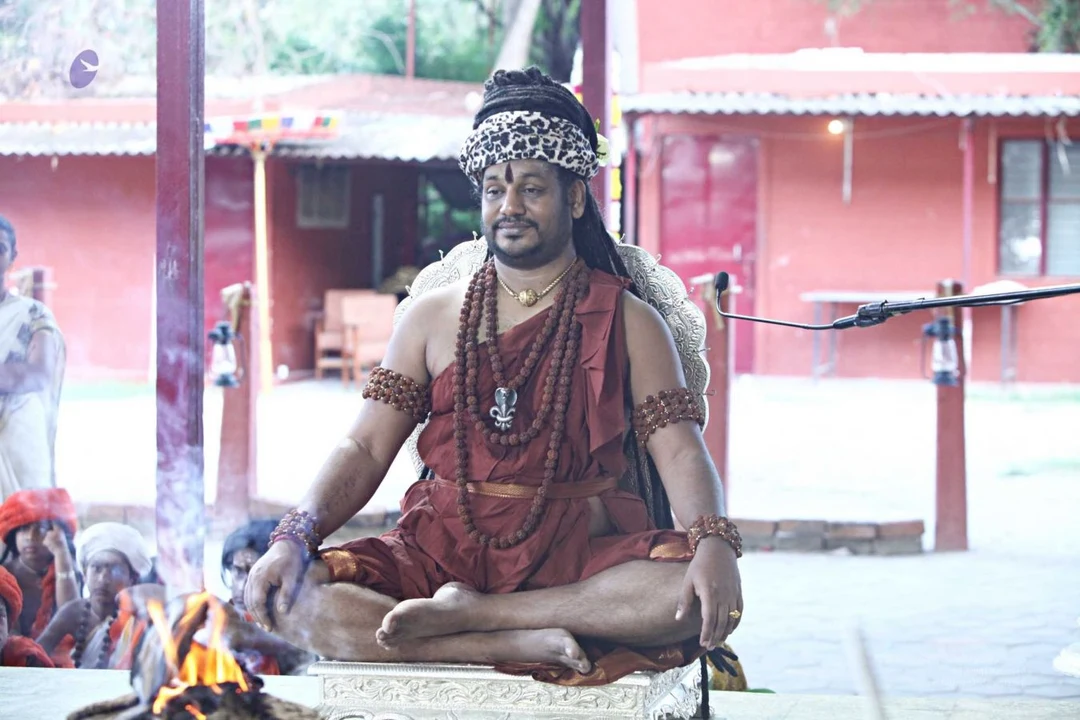 His Divine Holiness in the Spiritual Alchemy Process of preparing Aushadha - an esoteric science from the Siddha tradition which is used to achieve the state, space, powers of Paramashiva, and gain access to the 25 states of consciousness
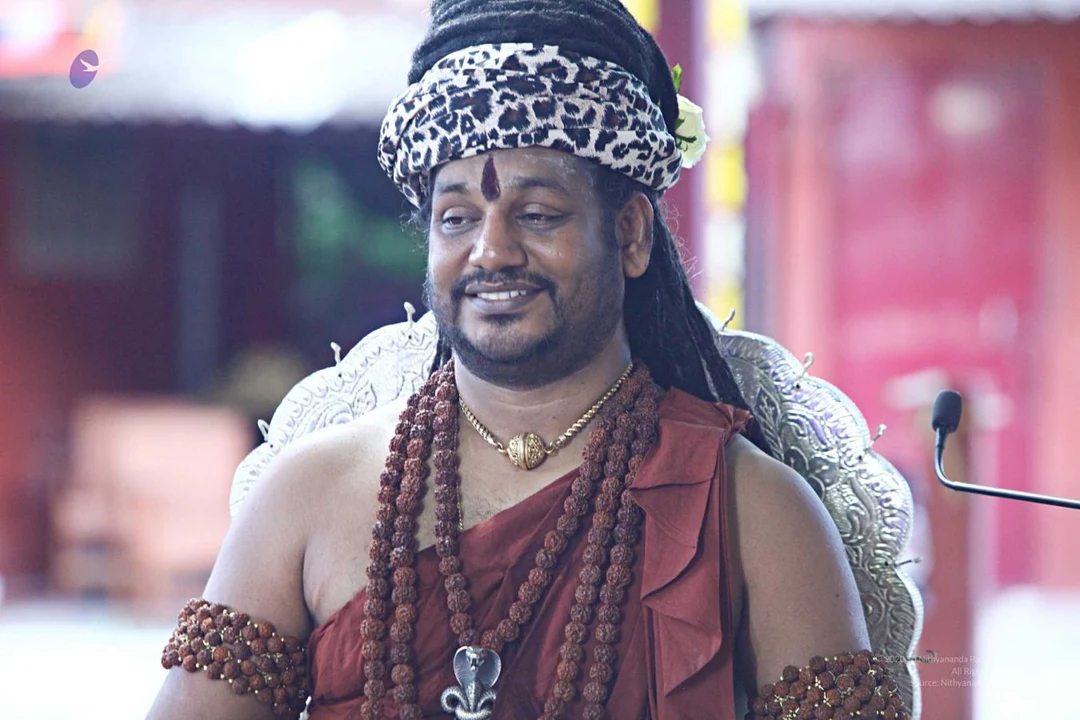 His Divine Holiness in the Spiritual Alchemy Process of preparing Aushadha - an esoteric science from the Siddha tradition which is used to achieve the state, space, powers of Paramashiva, and gain access to the 25 states of consciousness
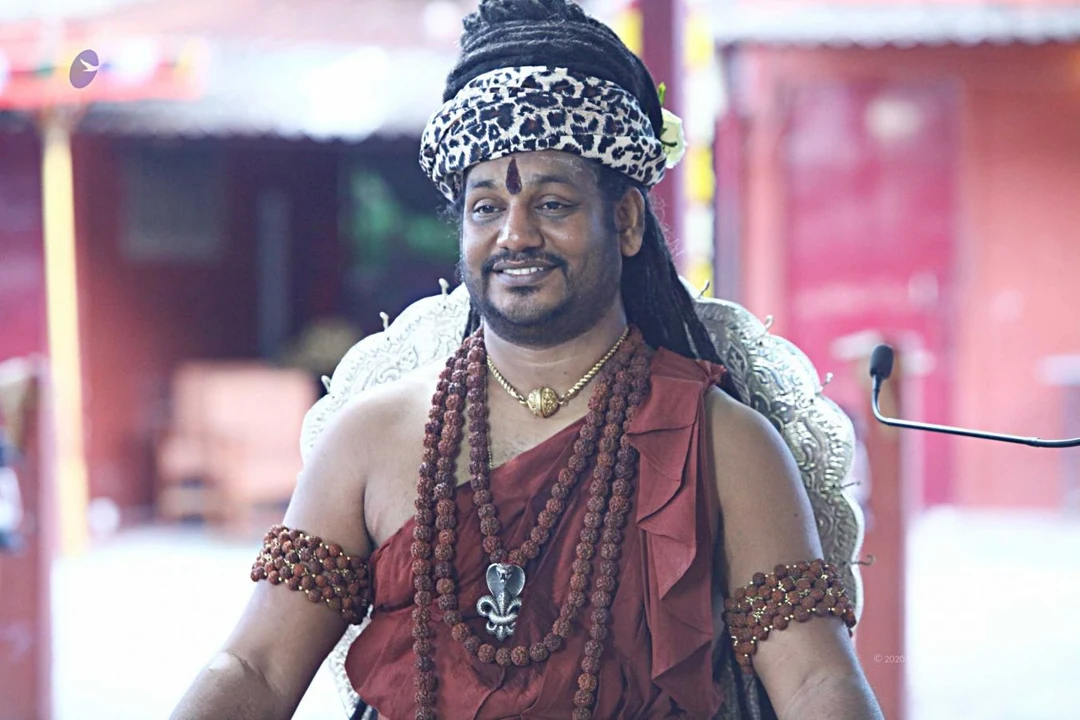 His Divine Holiness in the Spiritual Alchemy Process of preparing Aushadha - an esoteric science from the Siddha tradition which is used to achieve the state, space, powers of Paramashiva, and gain access to the 25 states of consciousness
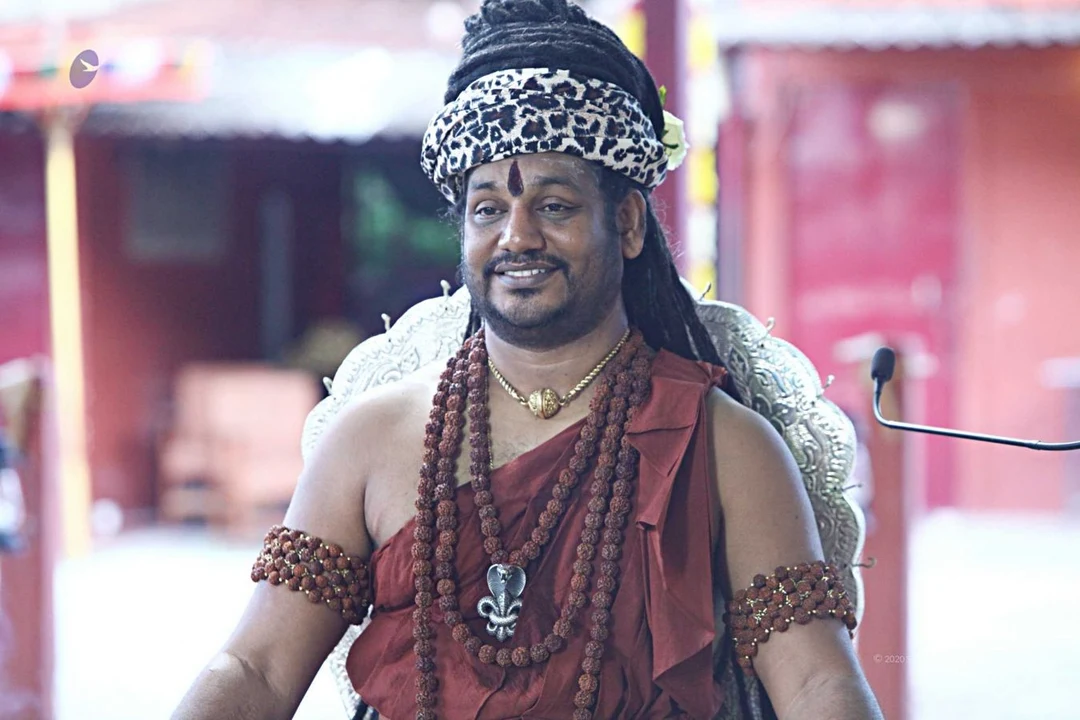 His Divine Holiness in the Spiritual Alchemy Process of preparing Aushadha - an esoteric science from the Siddha tradition which is used to achieve the state, space, powers of Paramashiva, and gain access to the 25 states of consciousness
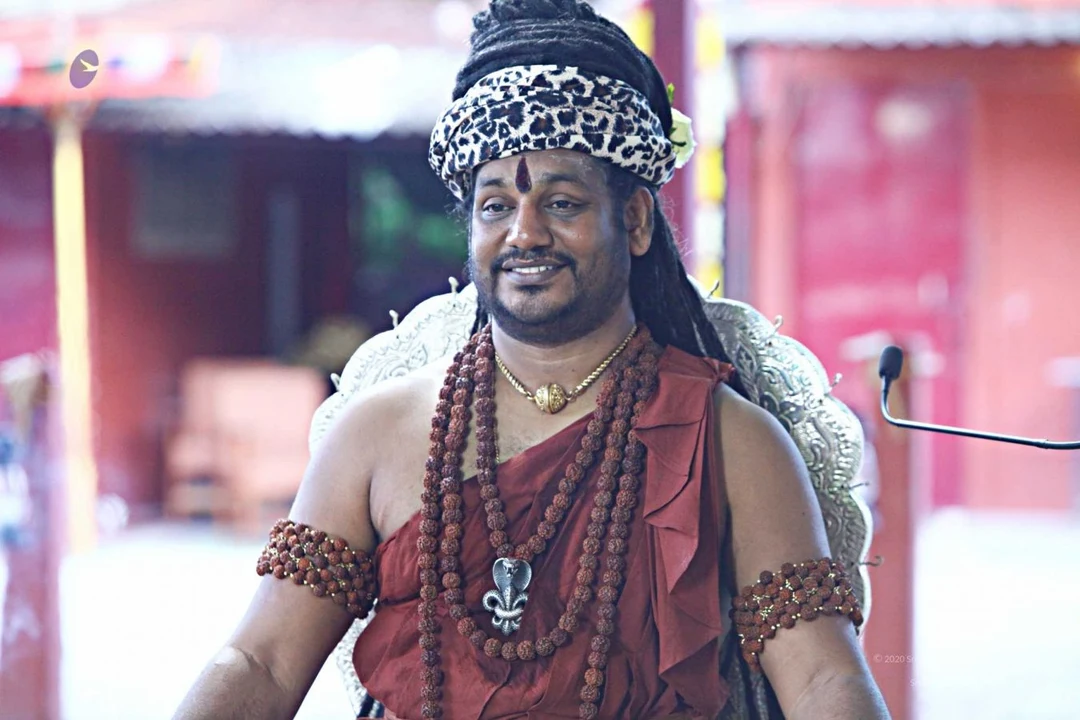 His Divine Holiness in the Spiritual Alchemy Process of preparing Aushadha - an esoteric science from the Siddha tradition which is used to achieve the state, space, powers of Paramashiva, and gain access to the 25 states of consciousness
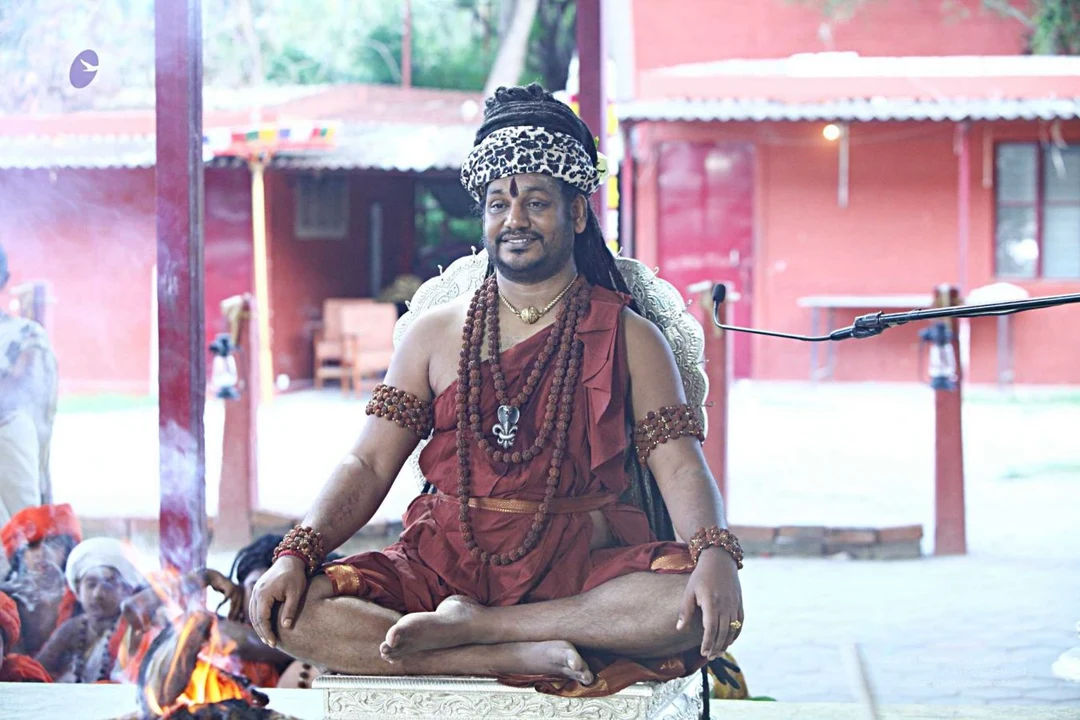 His Divine Holiness in the Spiritual Alchemy Process of preparing Aushadha - an esoteric science from the Siddha tradition which is used to achieve the state, space, powers of Paramashiva, and gain access to the 25 states of consciousness
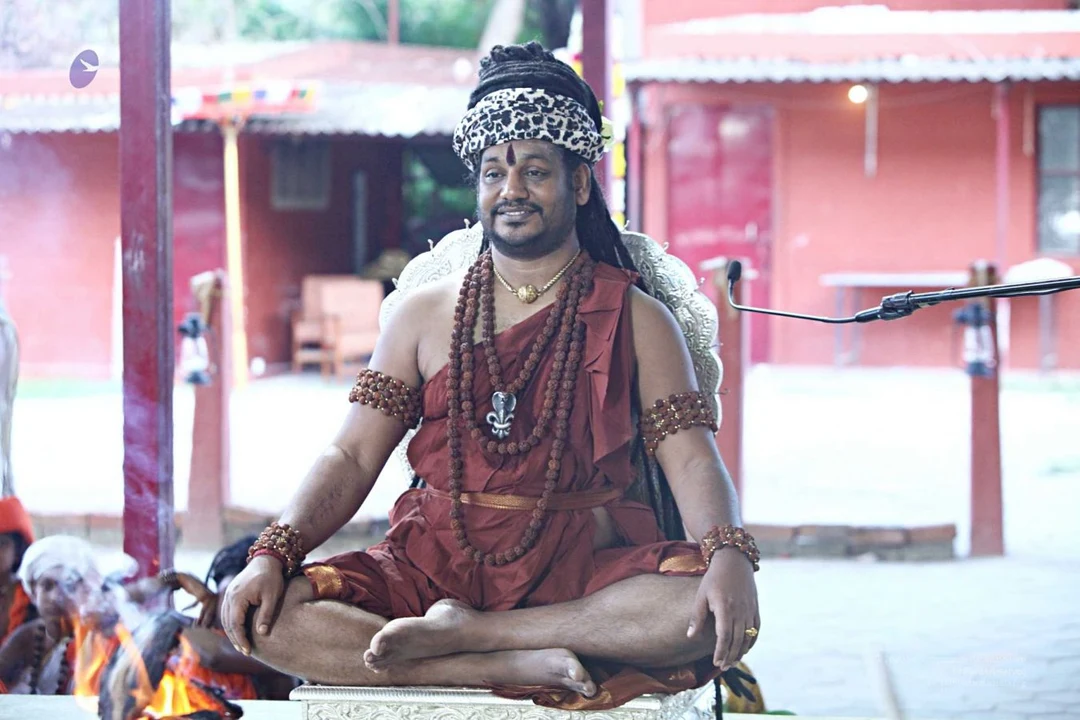 His Divine Holiness in the Spiritual Alchemy Process of preparing Aushadha - an esoteric science from the Siddha tradition which is used to achieve the state, space, powers of Paramashiva, and gain access to the 25 states of consciousness
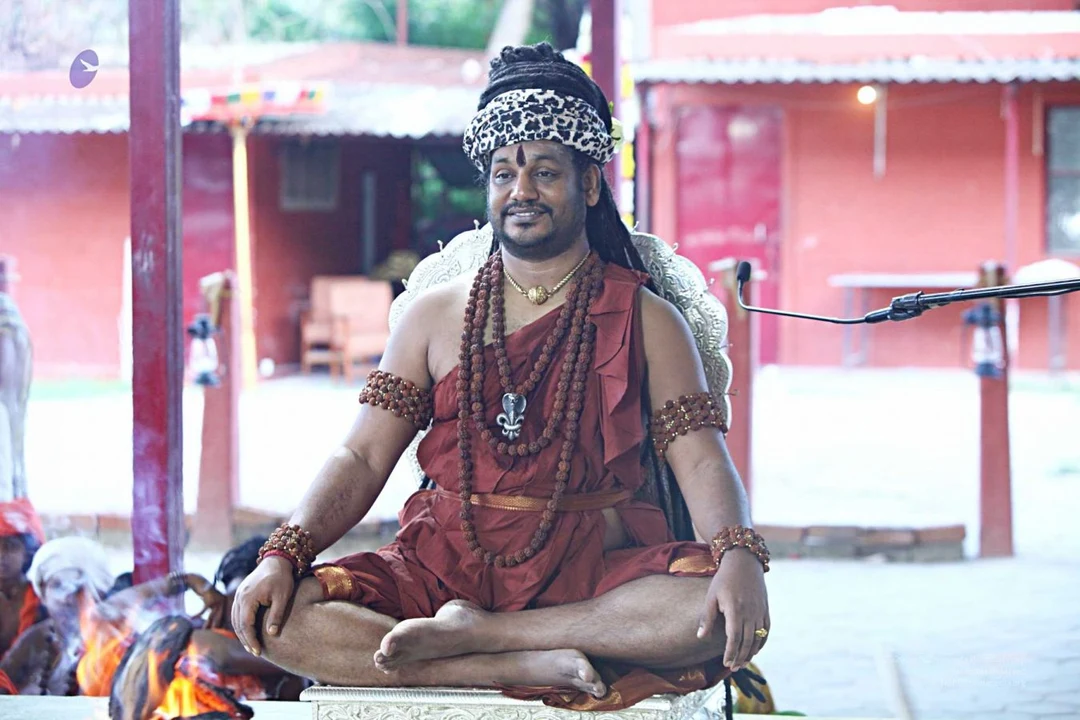 His Divine Holiness in the Spiritual Alchemy Process of preparing Aushadha - an esoteric science from the Siddha tradition which is used to achieve the state, space, powers of Paramashiva, and gain access to the 25 states of consciousness
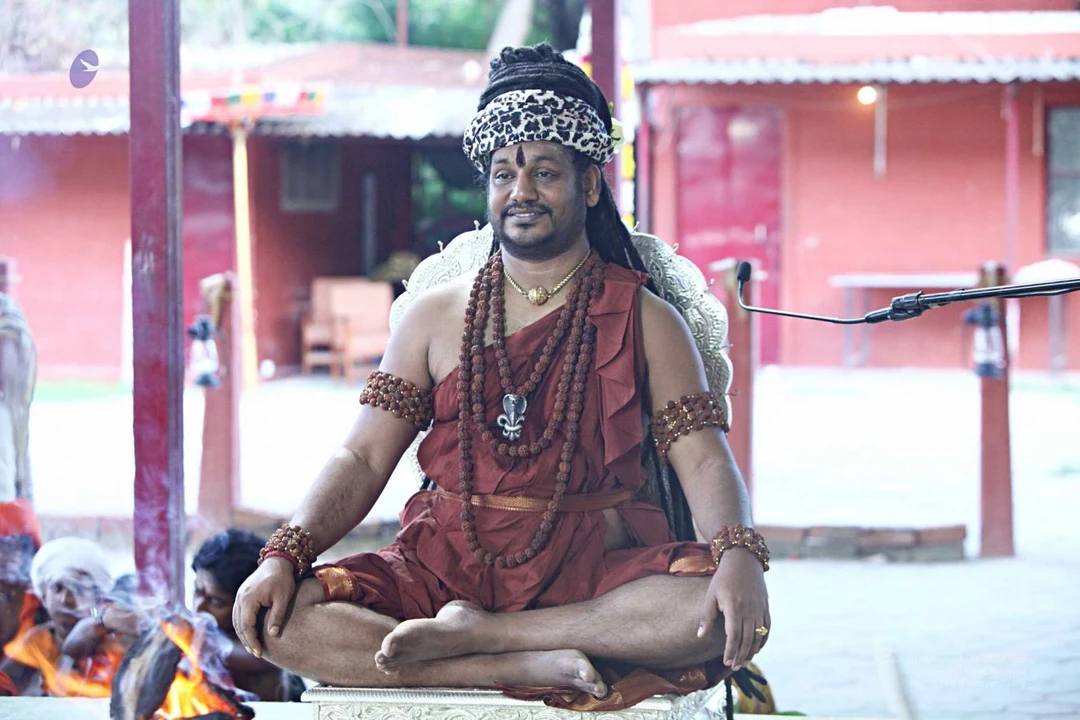 His Divine Holiness in the Spiritual Alchemy Process of preparing Aushadha - an esoteric science from the Siddha tradition which is used to achieve the state, space, powers of Paramashiva, and gain access to the 25 states of consciousness
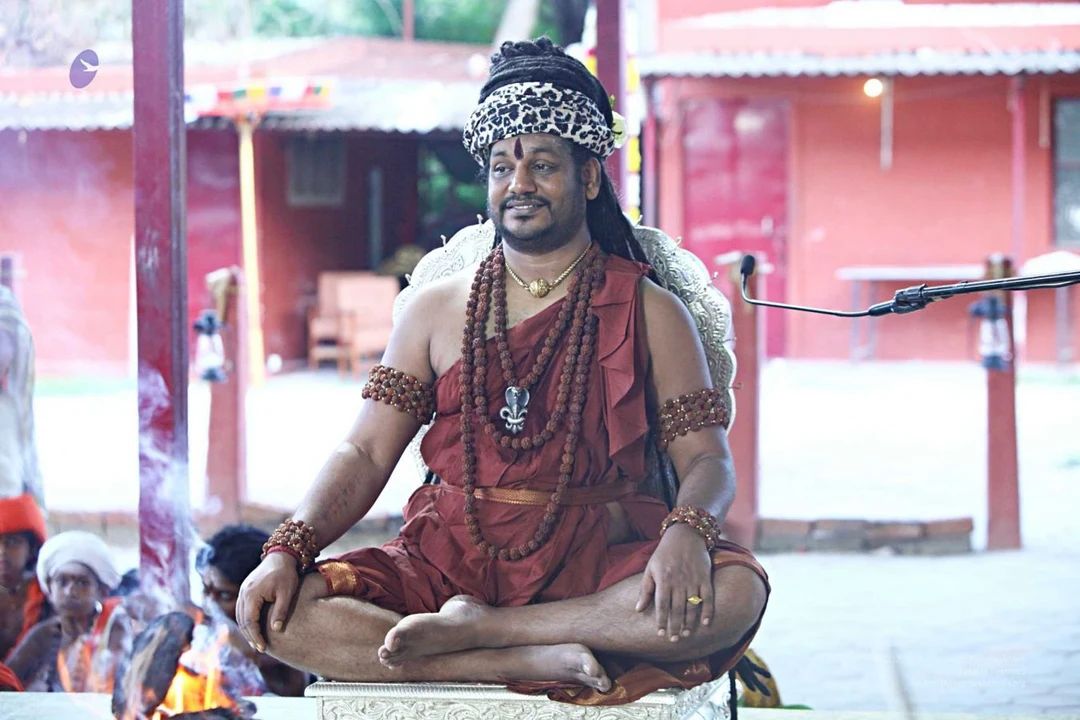 His Divine Holiness in the Spiritual Alchemy Process of preparing Aushadha - an esoteric science from the Siddha tradition which is used to achieve the state, space, powers of Paramashiva, and gain access to the 25 states of consciousness
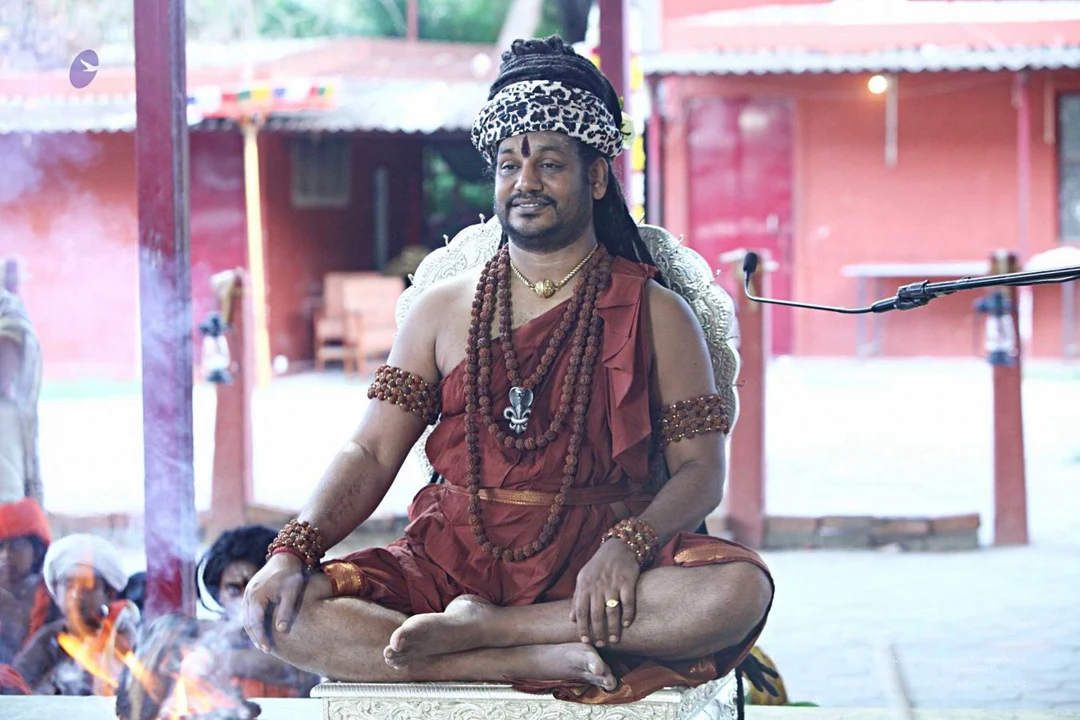 His Divine Holiness in the Spiritual Alchemy Process of preparing Aushadha - an esoteric science from the Siddha tradition which is used to achieve the state, space, powers of Paramashiva, and gain access to the 25 states of consciousness
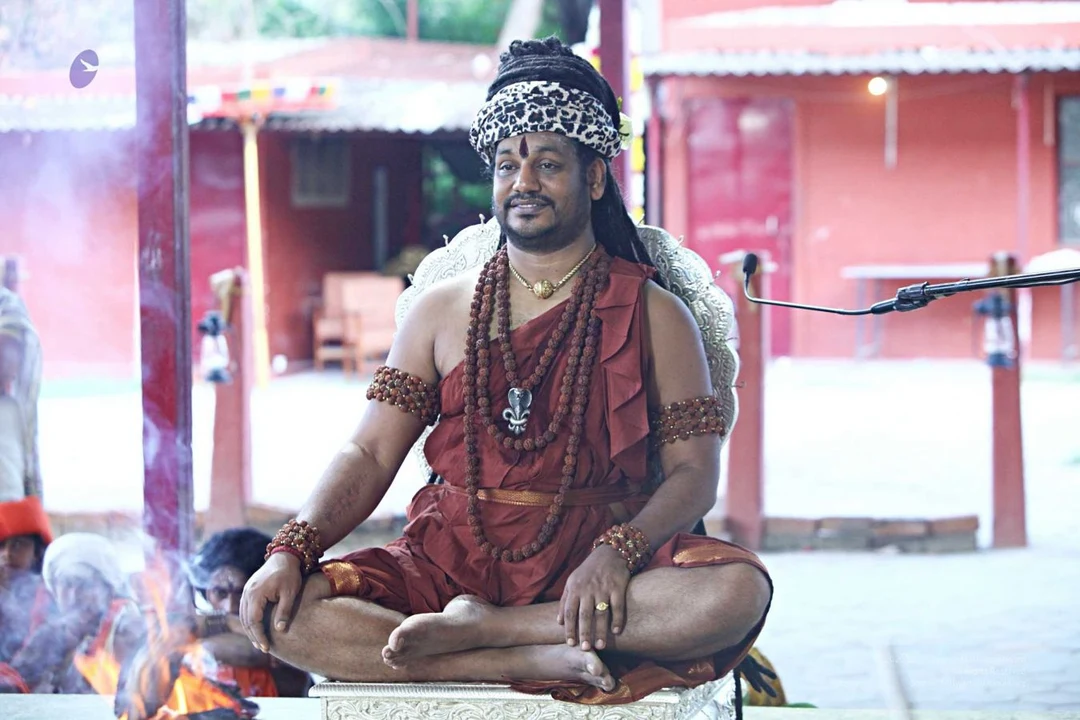 His Divine Holiness in the Spiritual Alchemy Process of preparing Aushadha - an esoteric science from the Siddha tradition which is used to achieve the state, space, powers of Paramashiva, and gain access to the 25 states of consciousness
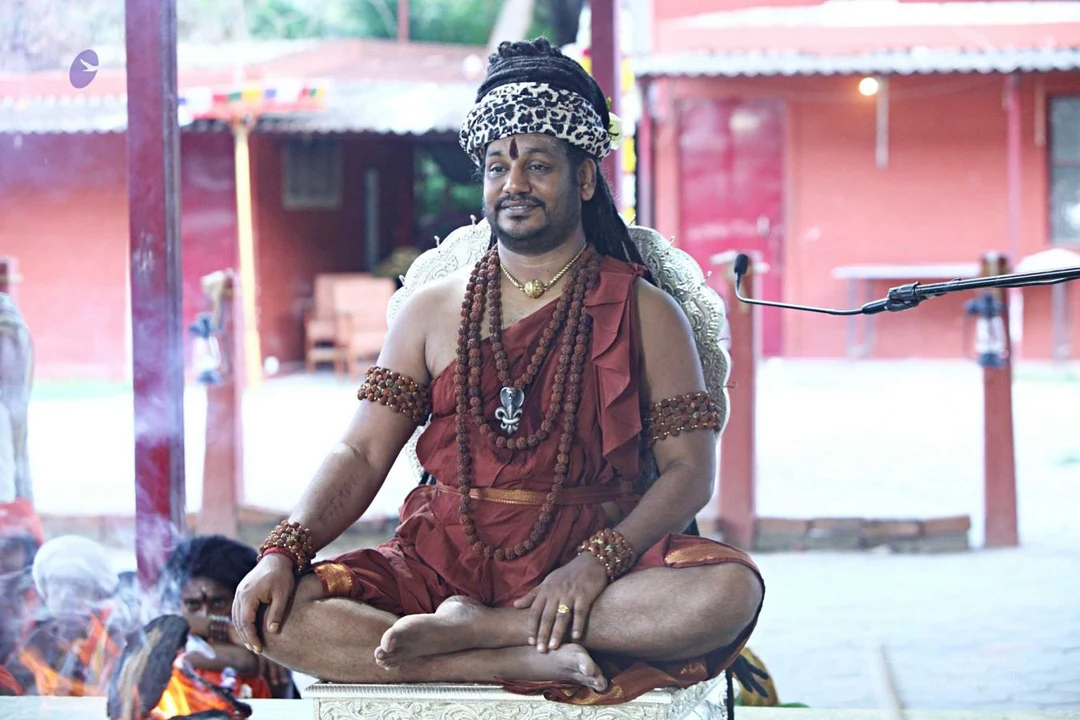 His Divine Holiness in the Spiritual Alchemy Process of preparing Aushadha - an esoteric science from the Siddha tradition which is used to achieve the state, space, powers of Paramashiva, and gain access to the 25 states of consciousness
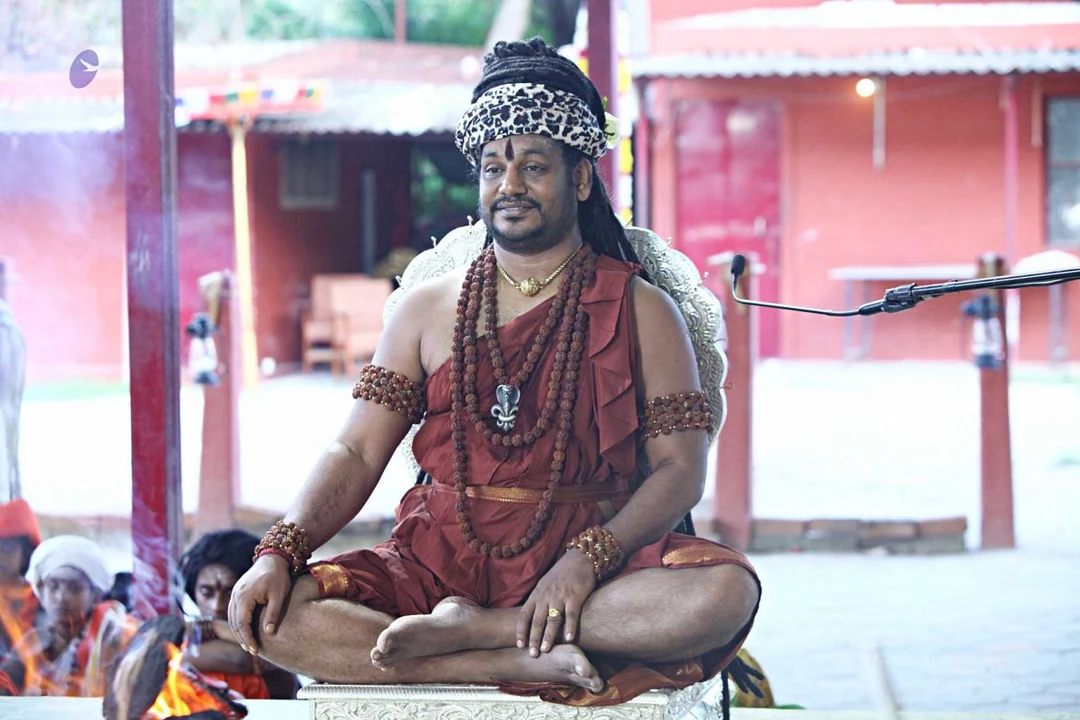 His Divine Holiness in the Spiritual Alchemy Process of preparing Aushadha - an esoteric science from the Siddha tradition which is used to achieve the state, space, powers of Paramashiva, and gain access to the 25 states of consciousness
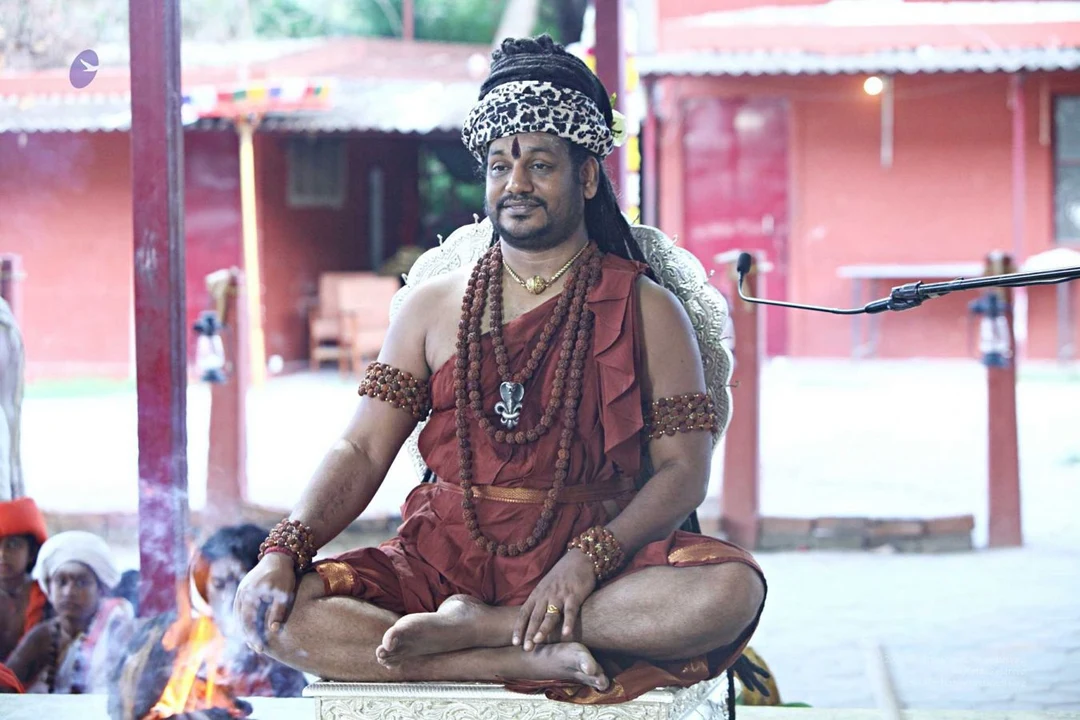 His Divine Holiness in the Spiritual Alchemy Process of preparing Aushadha - an esoteric science from the Siddha tradition which is used to achieve the state, space, powers of Paramashiva, and gain access to the 25 states of consciousness
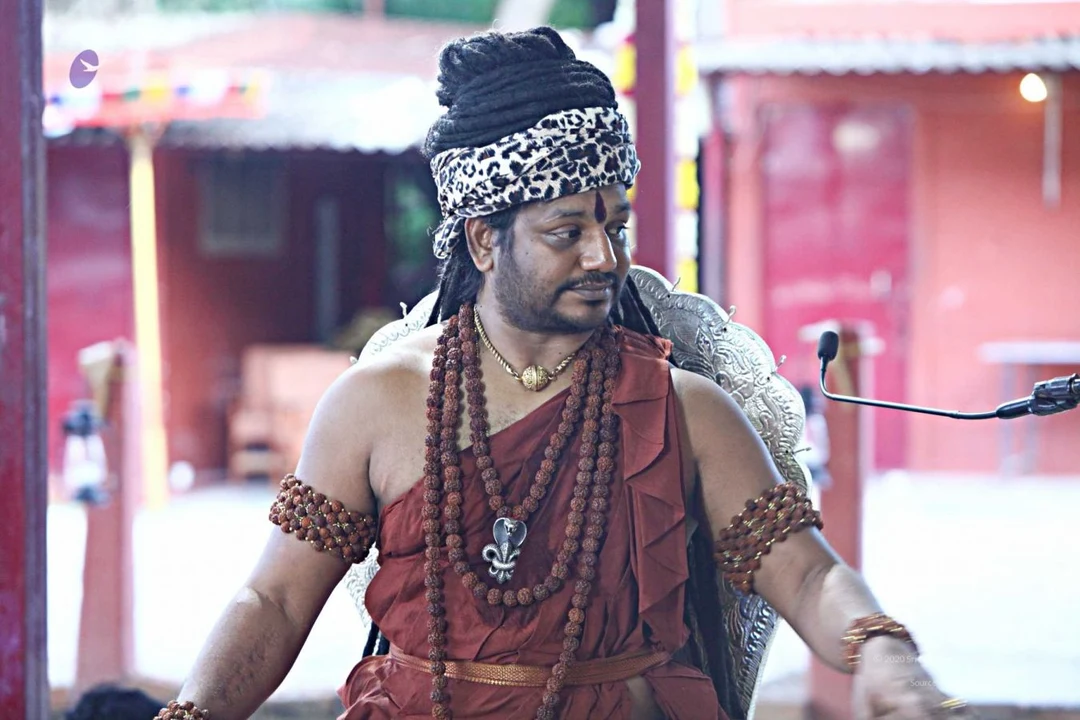 His Divine Holiness in the Spiritual Alchemy Process of preparing Aushadha - an esoteric science from the Siddha tradition which is used to achieve the state, space, powers of Paramashiva, and gain access to the 25 states of consciousness
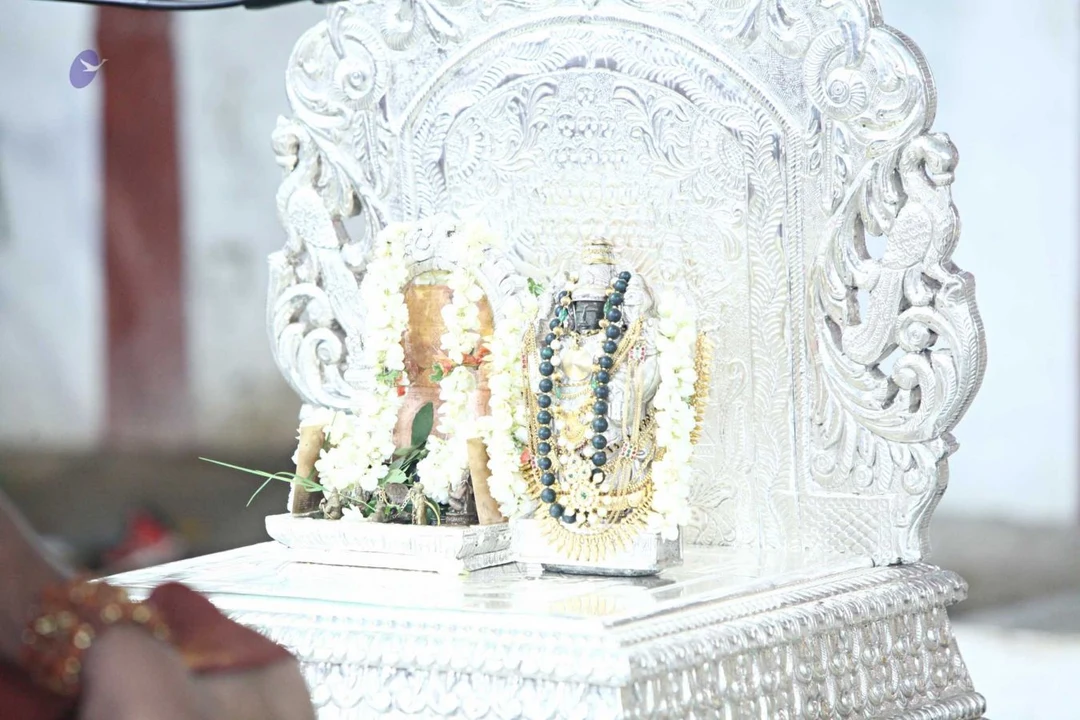 Deities present during the Spiritual Alchemy Process of preparing Aushadha - an esoteric science from the Siddha tradition which is used to achieve the state, space, powers of Paramashiva, and gain access to the 25 states of consciousness
 Deities present during the Spiritual Alchemy Process of preparing Aushadha - an esoteric science from the Siddha tradition which is used to achieve the state, space, powers of Paramashiva, and gain access to the 25 states of consciousness
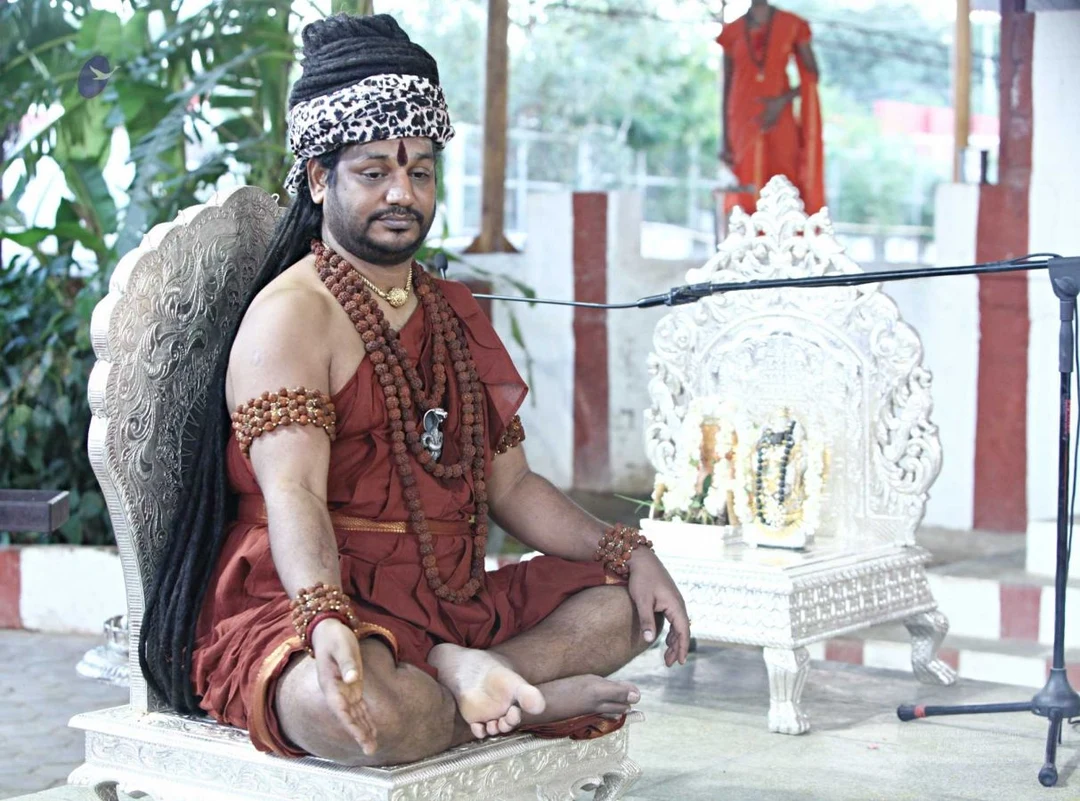 His Divine Holiness in the Spiritual Alchemy Process of preparing Aushadha - an esoteric science from the Siddha tradition which is used to achieve the state, space, powers of Paramashiva, and gain access to the 25 states of consciousness
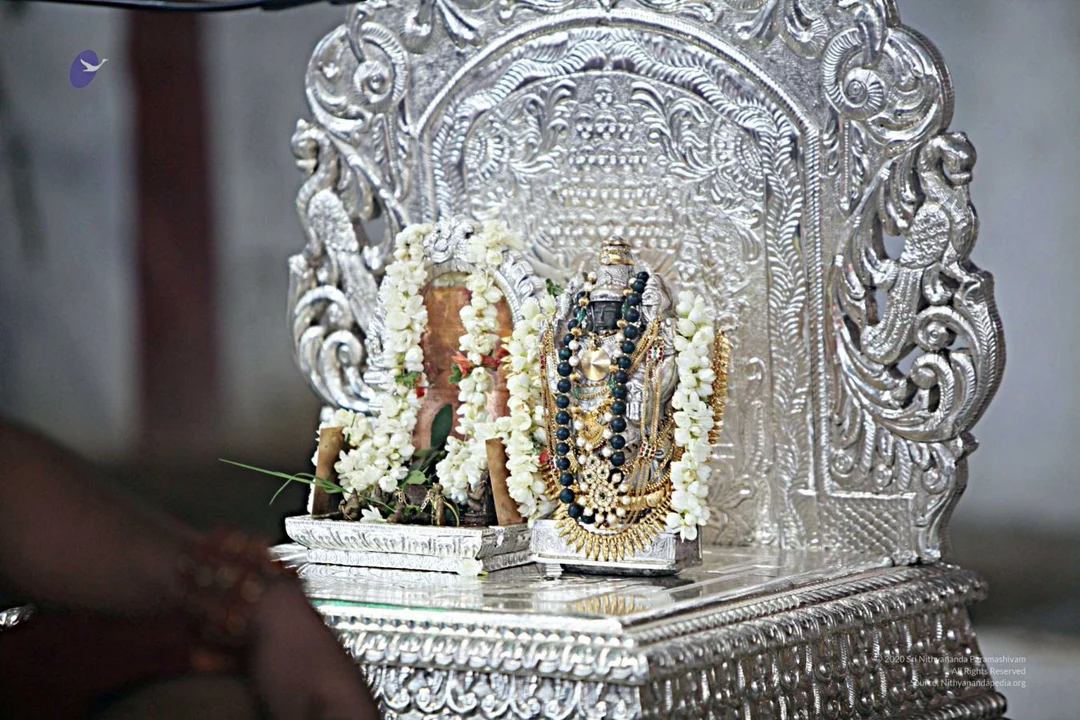 Deities present during the Spiritual Alchemy Process of preparing Aushadha - an esoteric science from the Siddha tradition which is used to achieve the state, space, powers of Paramashiva, and gain access to the 25 states of consciousness
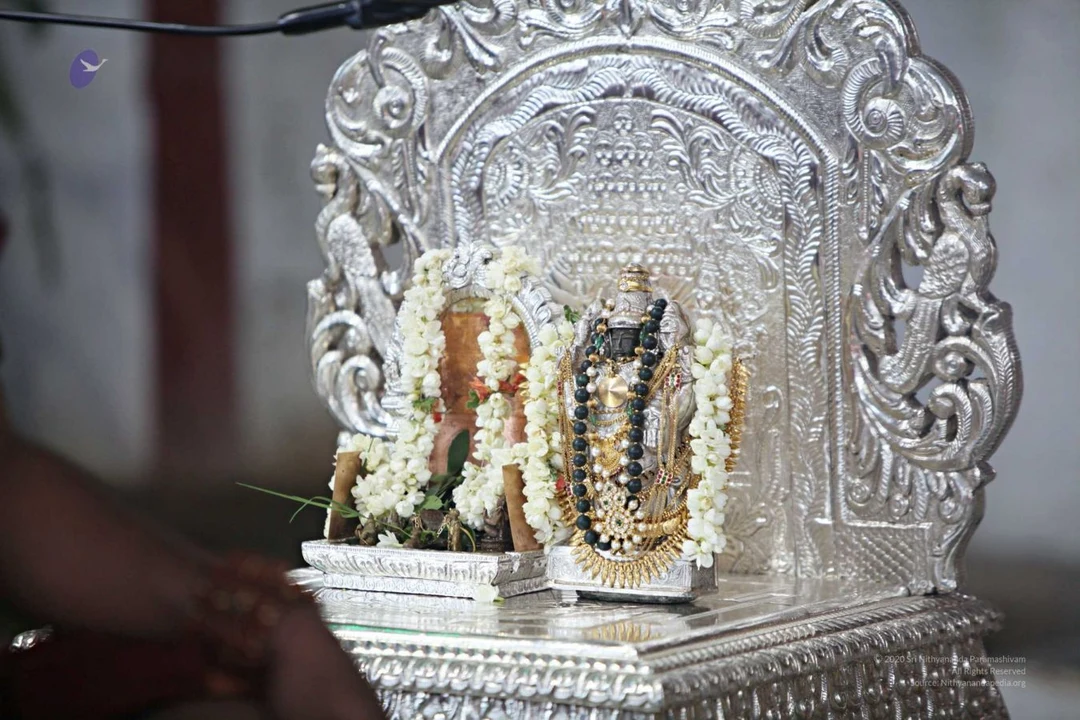 Deities present during the Spiritual Alchemy Process of preparing Aushadha - an esoteric science from the Siddha tradition which is used to achieve the state, space, powers of Paramashiva, and gain access to the 25 states of consciousness
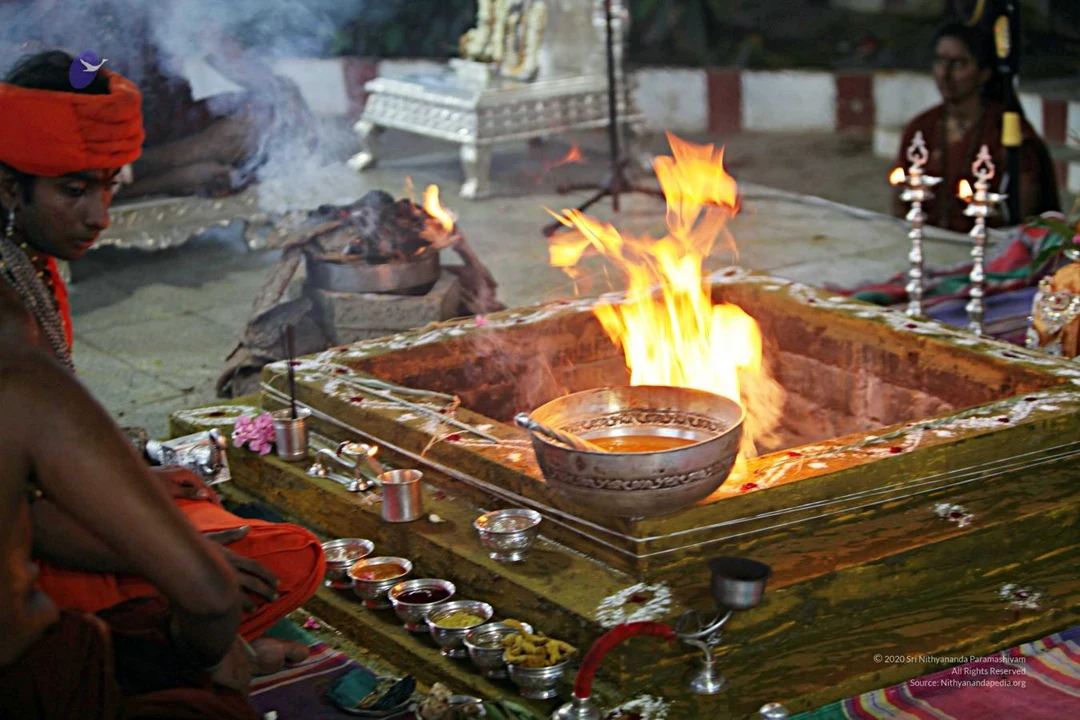 Spiritual Alchemy Process of preparing Aushadha - an esoteric science from the Siddha tradition which is used to achieve the state, space, powers of Paramashiva, and gain access to the 25 states of consciousness
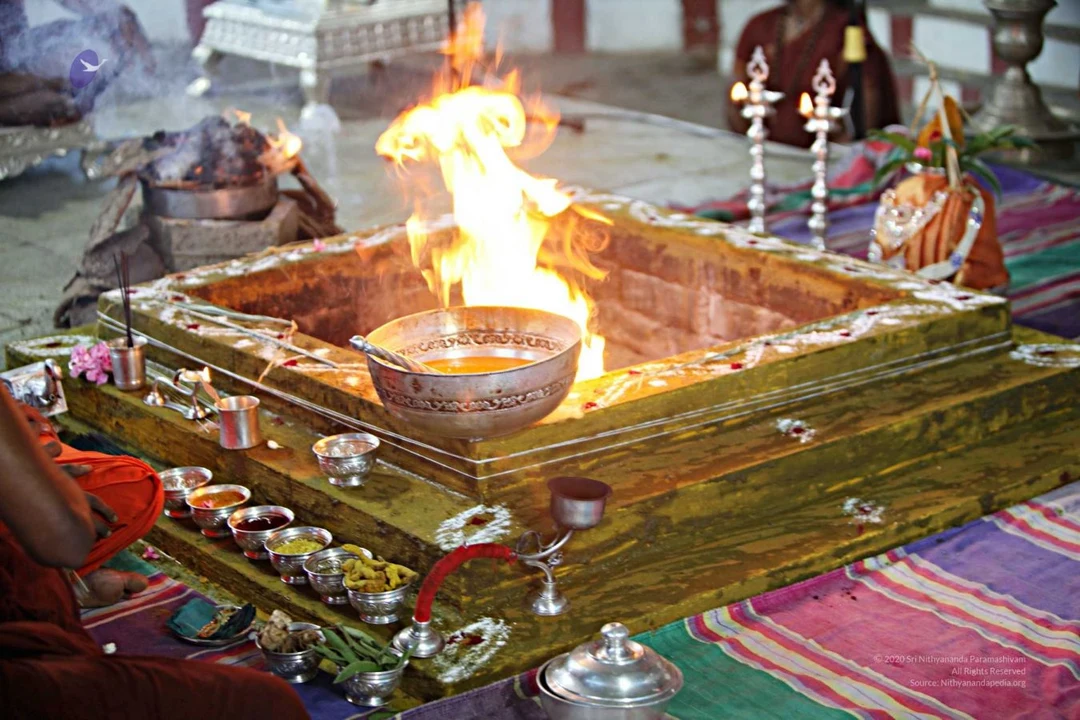 Spiritual Alchemy Process of preparing Aushadha - an esoteric science from the Siddha tradition which is used to achieve the state, space, powers of Paramashiva, and gain access to the 25 states of consciousness
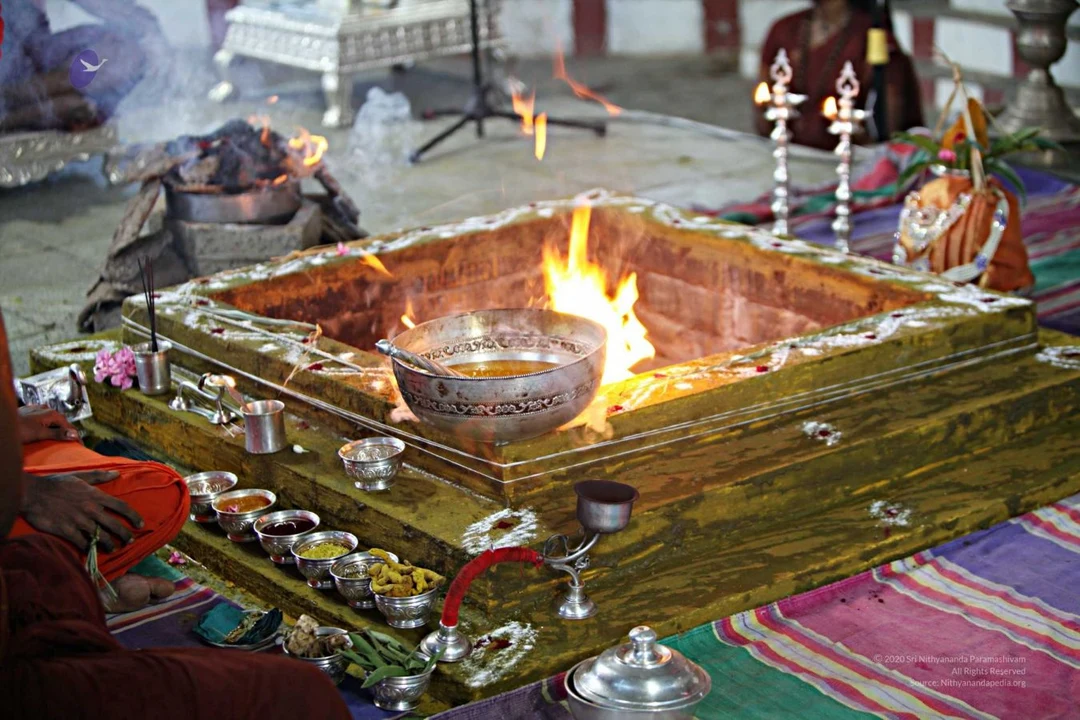 Spiritual Alchemy Process of preparing Aushadha - an esoteric science from the Siddha tradition which is used to achieve the state, space, powers of Paramashiva, and gain access to the 25 states of consciousness
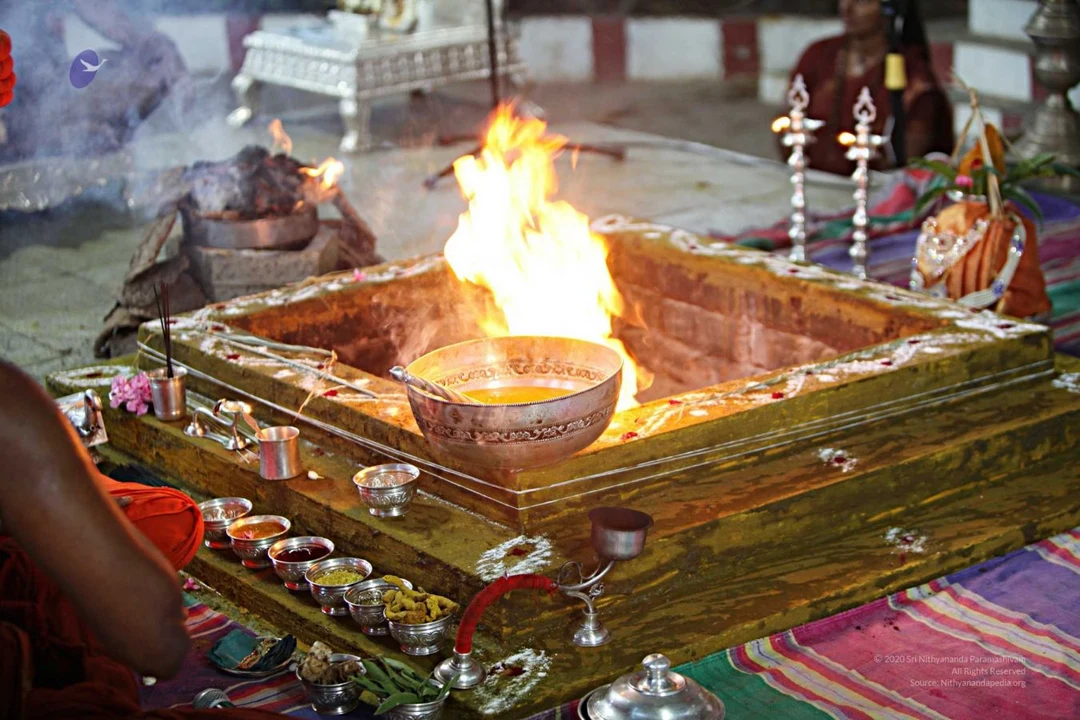 Spiritual Alchemy Process of preparing Aushadha - an esoteric science from the Siddha tradition which is used to achieve the state, space, powers of Paramashiva, and gain access to the 25 states of consciousness
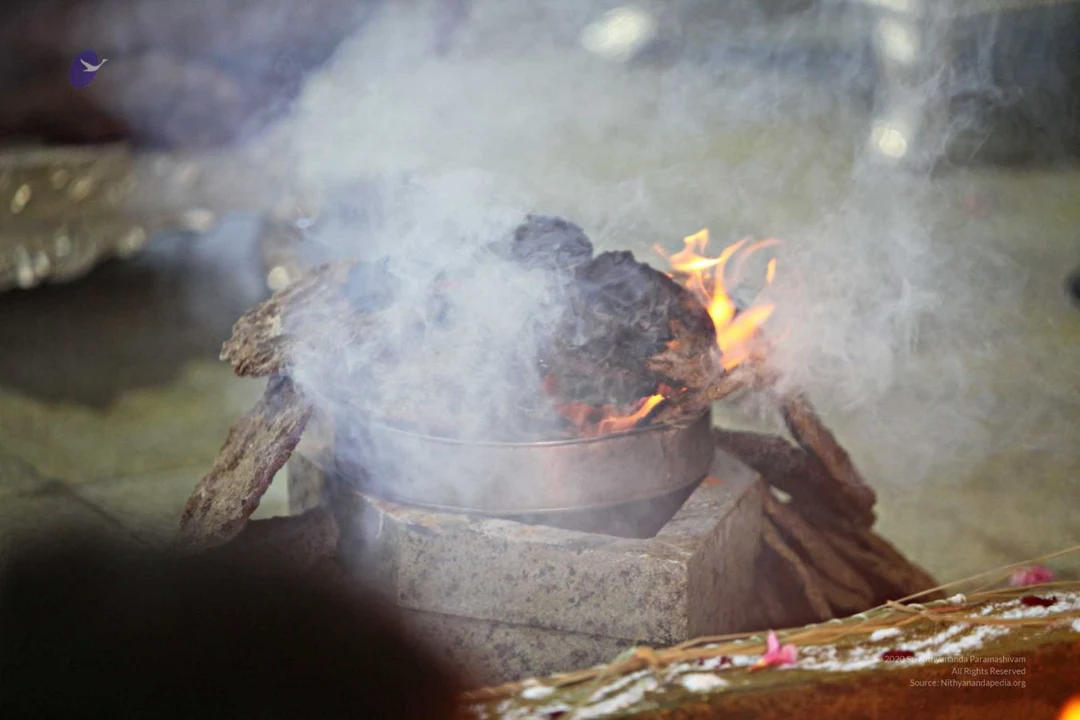 This Siddha technique is called Pudamgaatal. Pudam means purifying, Pudamgaatal is the process of purifying the Aushadha by keeping it above the ground and exposing it to heat and smoke. This smoke was generated by burning cowdung from Nithyananda Goshala's pure Desi cows
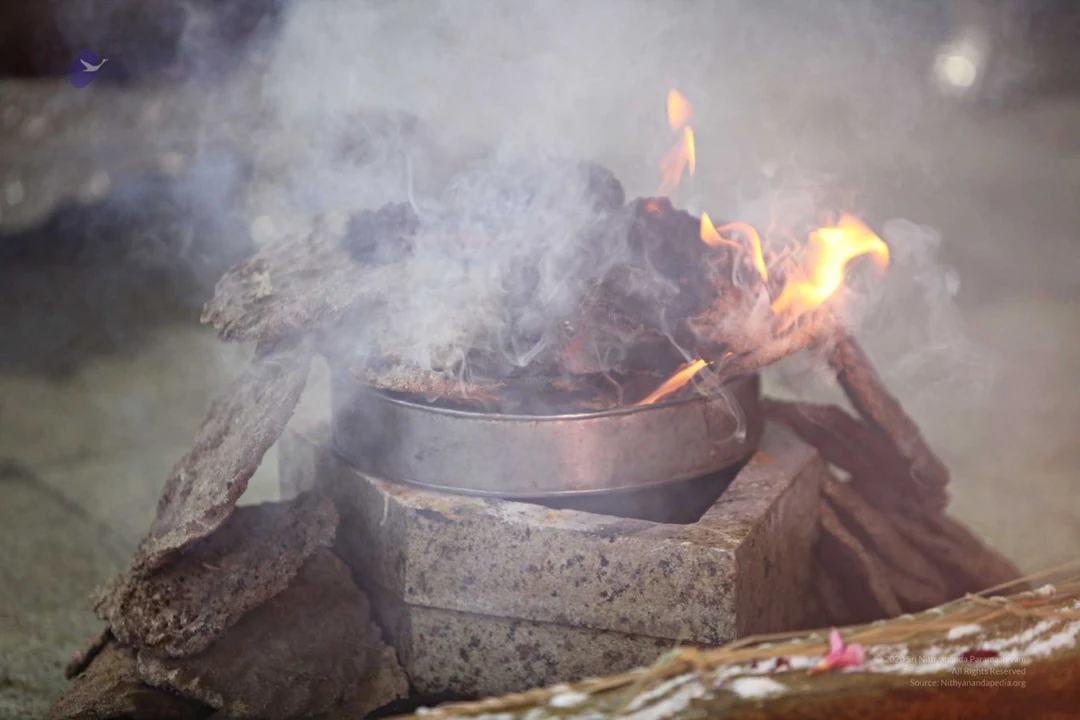 This Siddha technique is called Pudamgaatal. Pudam means purifying, Pudamgaatal is the process of purifying the Aushadha by keeping it above the ground and exposing it to heat and smoke. This smoke was generated by burning cowdung from Nithyananda Goshala's pure Desi cows
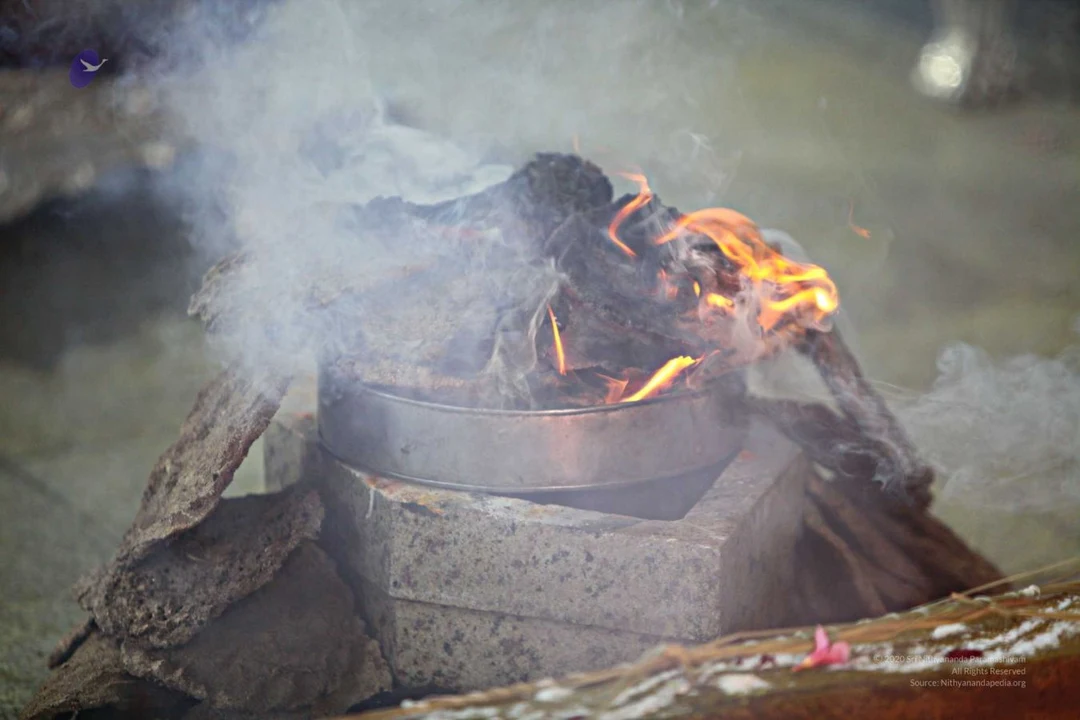 This Siddha technique is called Pudamgaatal. Pudam means purifying, Pudamgaatal is the process of purifying the Aushadha by keeping it above the ground and exposing it to heat and smoke. This smoke was generated by burning cowdung from Nithyananda Goshala's pure Desi cows
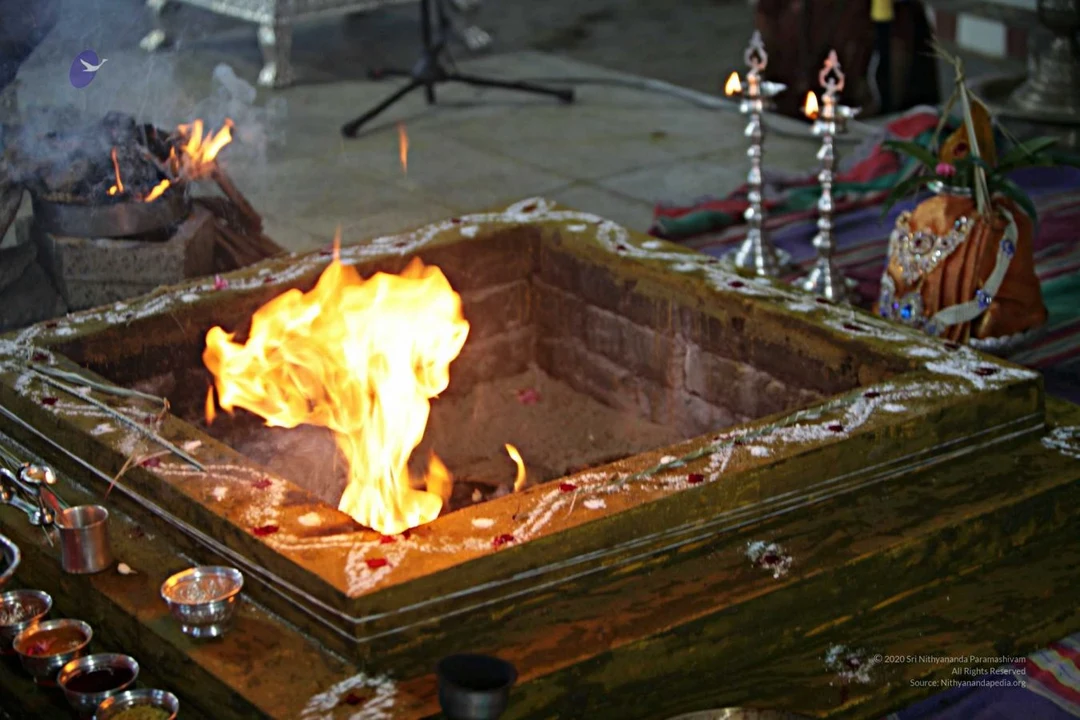 Spiritual Alchemy Process of preparing Aushadha - an esoteric science from the Siddha tradition which is used to achieve the state, space, powers of Paramashiva, and gain access to the 25 states of consciousness
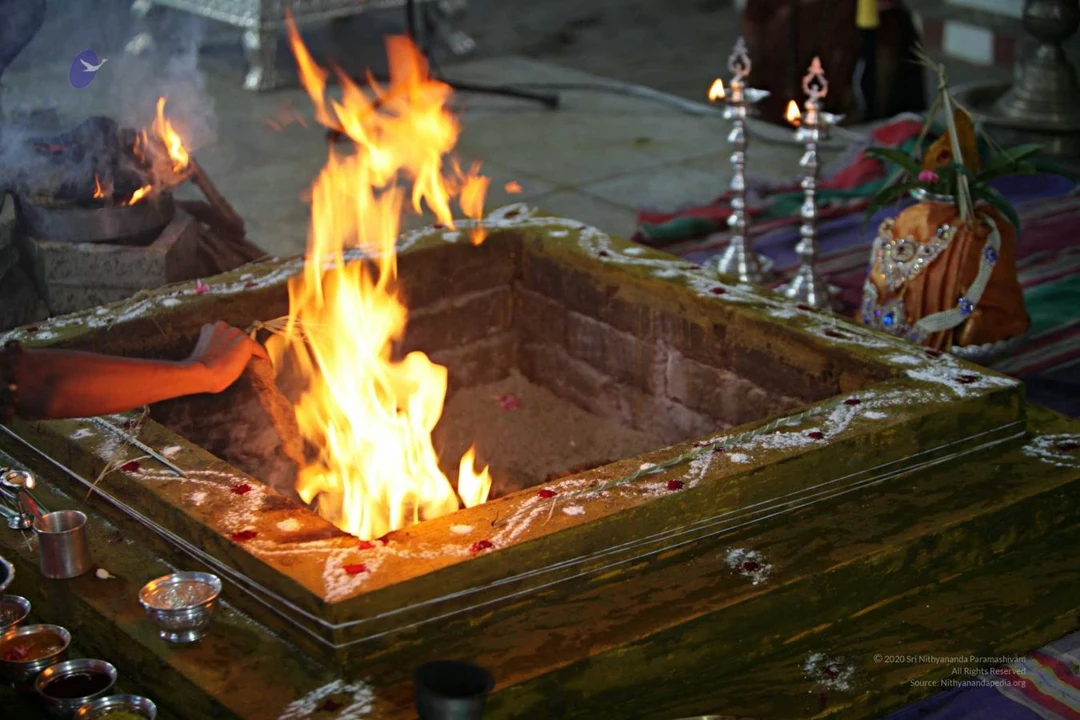 Spiritual Alchemy Process of preparing Aushadha - an esoteric science from the Siddha tradition which is used to achieve the state, space, powers of Paramashiva, and gain access to the 25 states of consciousness
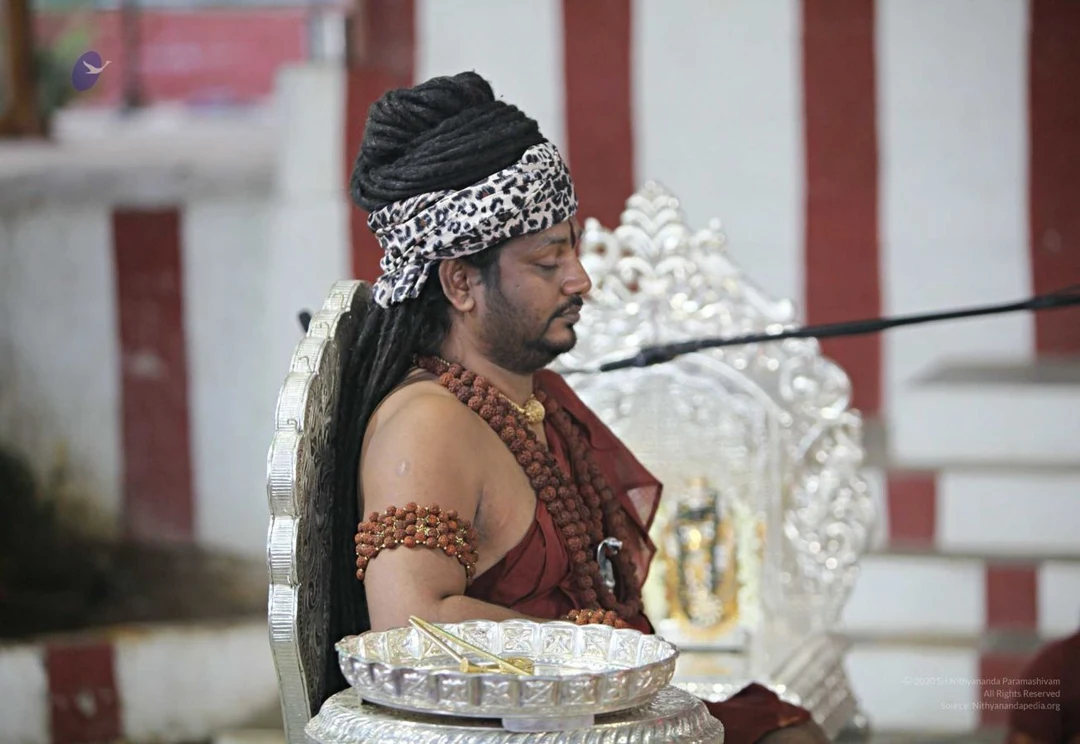 His Divine Holiness in the Spiritual Alchemy Process of preparing Aushadha - an esoteric science from the Siddha tradition which is used to achieve the state, space, powers of Paramashiva, and gain access to the 25 states of consciousness
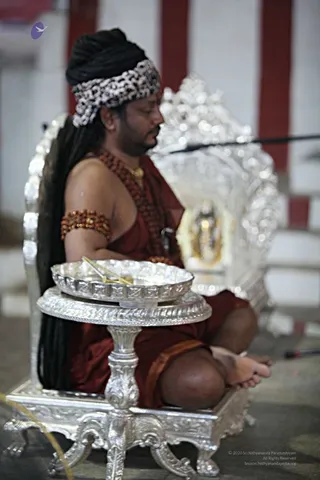 His Divine Holiness in the Spiritual Alchemy Process of preparing Aushadha - an esoteric science from the Siddha tradition which is used to achieve the state, space, powers of Paramashiva, and gain access to the 25 states of consciousness
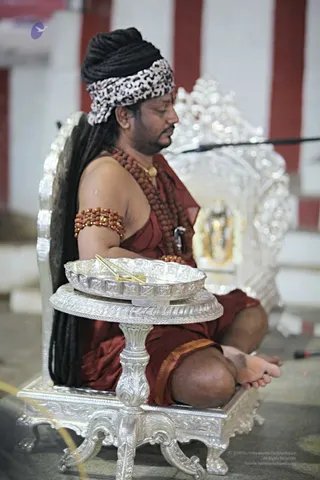 His Divine Holiness in the Spiritual Alchemy Process of preparing Aushadha - an esoteric science from the Siddha tradition which is used to achieve the state, space, powers of Paramashiva, and gain access to the 25 states of consciousness
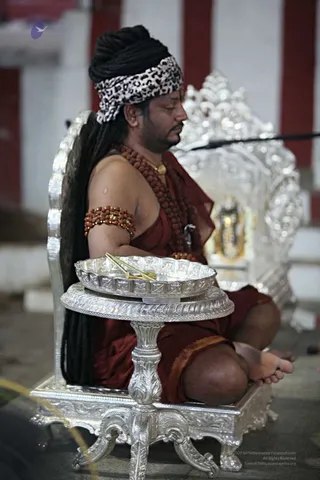 His Divine Holiness in the Spiritual Alchemy Process of preparing Aushadha - an esoteric science from the Siddha tradition which is used to achieve the state, space, powers of Paramashiva, and gain access to the 25 states of consciousness
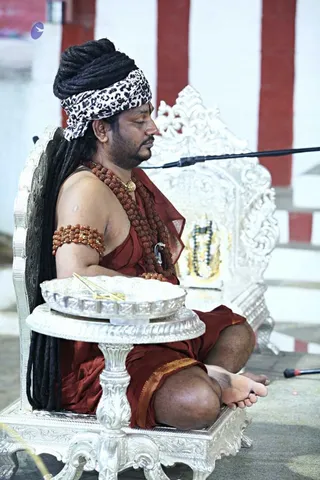 His Divine Holiness in the Spiritual Alchemy Process of preparing Aushadha - an esoteric science from the Siddha tradition which is used to achieve the state, space, powers of Paramashiva, and gain access to the 25 states of consciousness
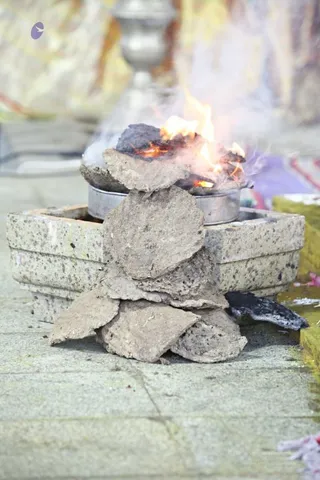 This Siddha technique is called Pudamgaatal. Pudam means purifying, Pudamgaatal is the process of purifying the Aushadha by keeping it above the ground and exposing it to heat and smoke. This smoke was generated by burning cowdung from Nithyananda Goshala's pure Desi cows
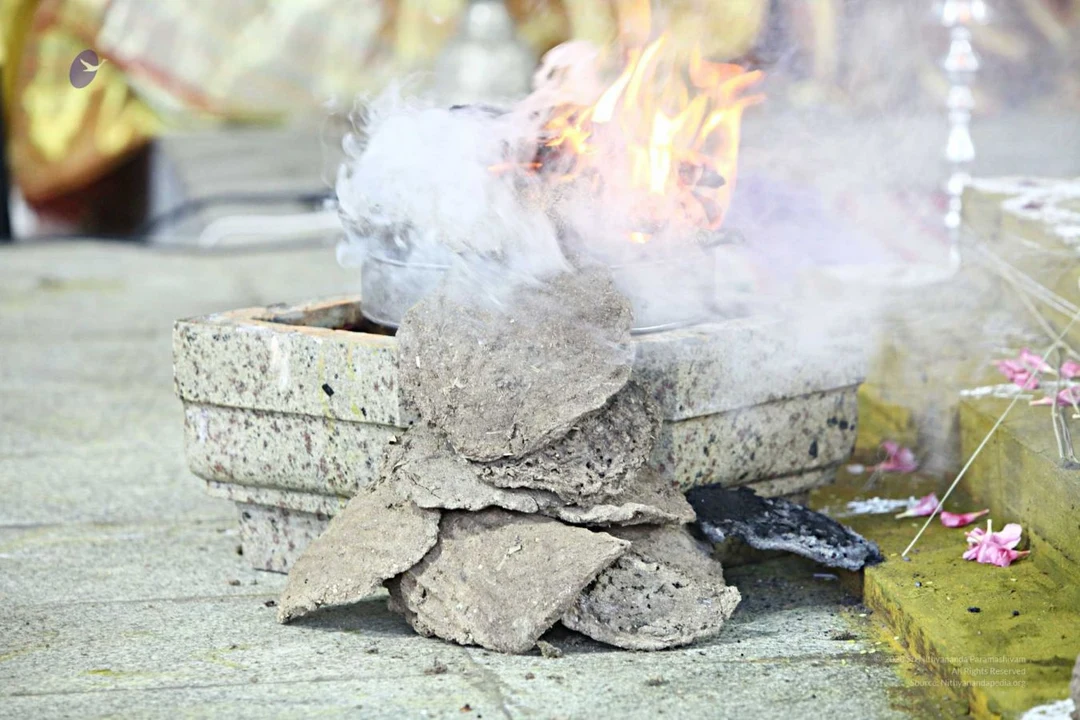 Deities present during the Spiritual Alchemy Process of preparing Aushadha - an esoteric science from the Siddha tradition which is used to achieve the state, space, powers of Paramashiva, and gain access to the 25 states of consciousness
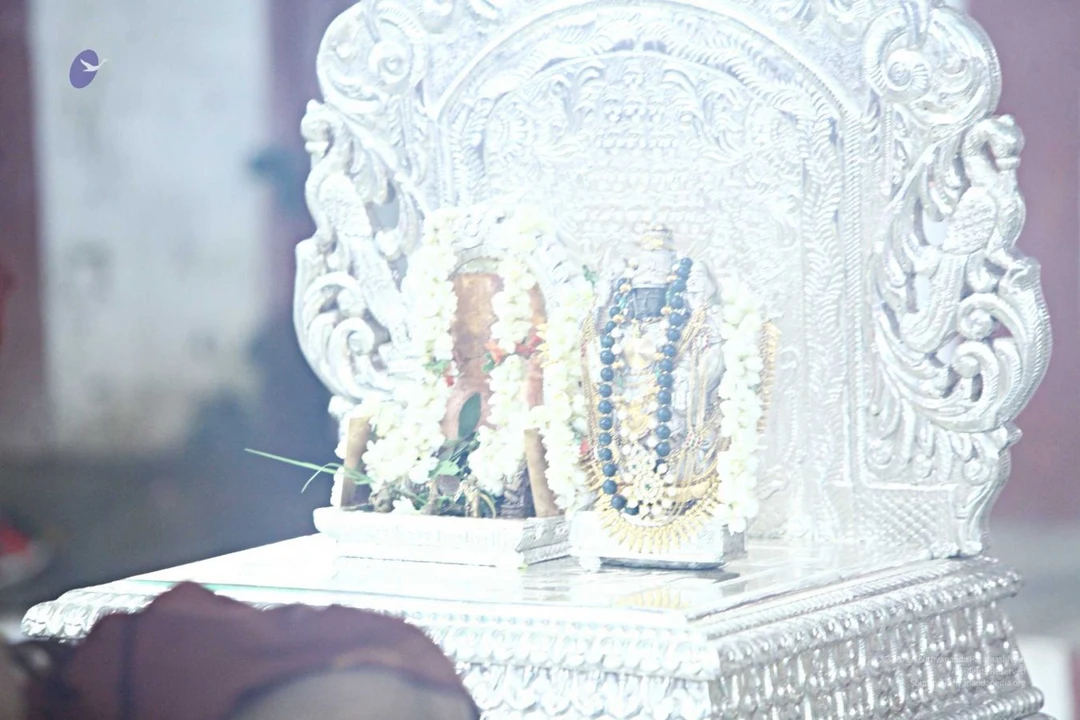 His Divine Holiness in the Spiritual Alchemy Process of preparing Aushadha - an esoteric science from the Siddha tradition which is used to achieve the state, space, powers of Paramashiva, and gain access to the 25 states of consciousness
 His Divine Holiness in the Spiritual Alchemy Process of preparing Aushadha - an esoteric science from the Siddha tradition which is used to achieve the state, space, powers of Paramashiva, and gain access to the 25 states of consciousness
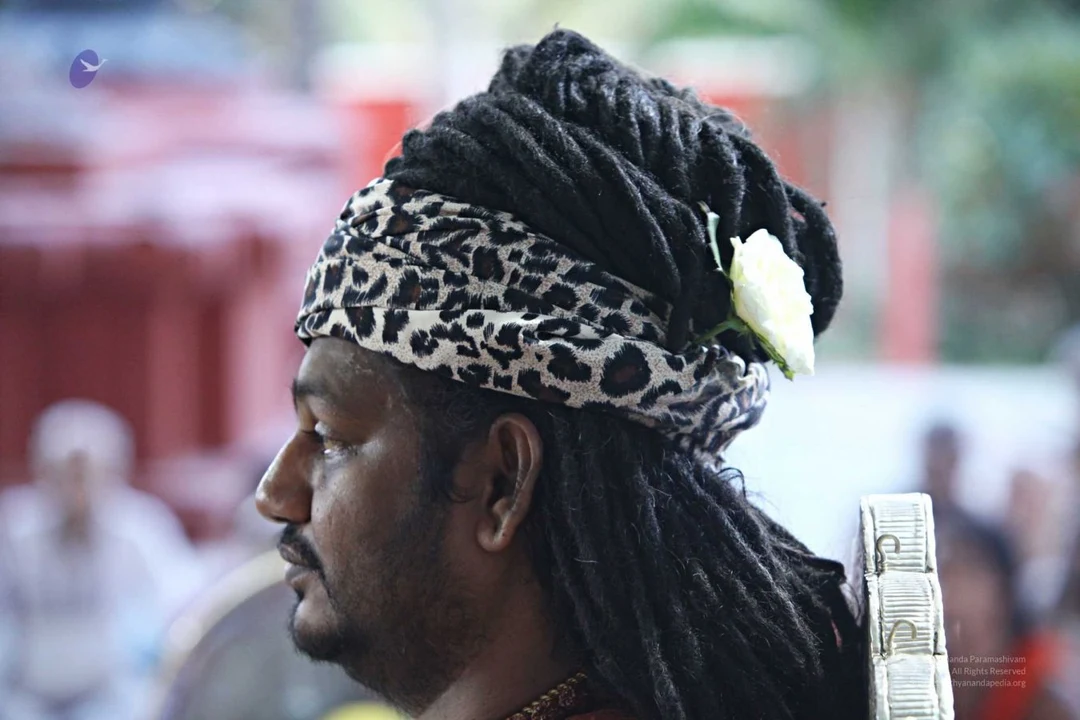 His Divine Holiness in the Spiritual Alchemy Process of preparing Aushadha - an esoteric science from the Siddha tradition which is used to achieve the state, space, powers of Paramashiva, and gain access to the 25 states of consciousness
 His Divine Holiness in the Spiritual Alchemy Process of preparing Aushadha - an esoteric science from the Siddha tradition which is used to achieve the state, space, powers of Paramashiva, and gain access to the 25 states of consciousness
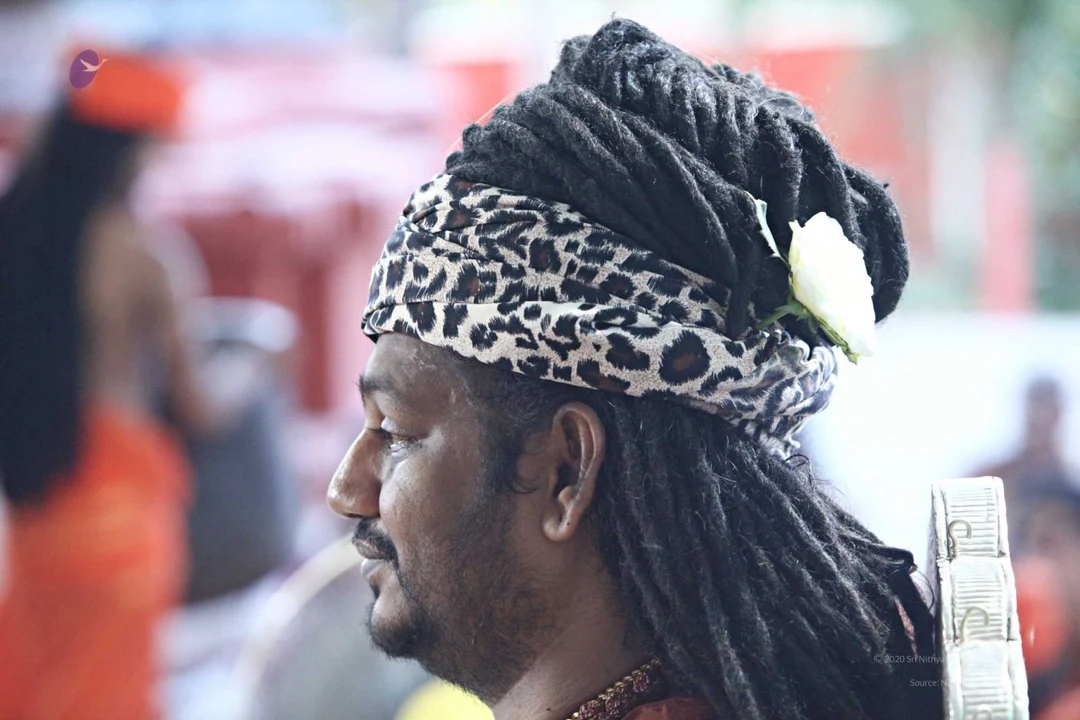 His Divine Holiness in the Spiritual Alchemy Process of preparing Aushadha - an esoteric science from the Siddha tradition which is used to achieve the state, space, powers of Paramashiva, and gain access to the 25 states of consciousness
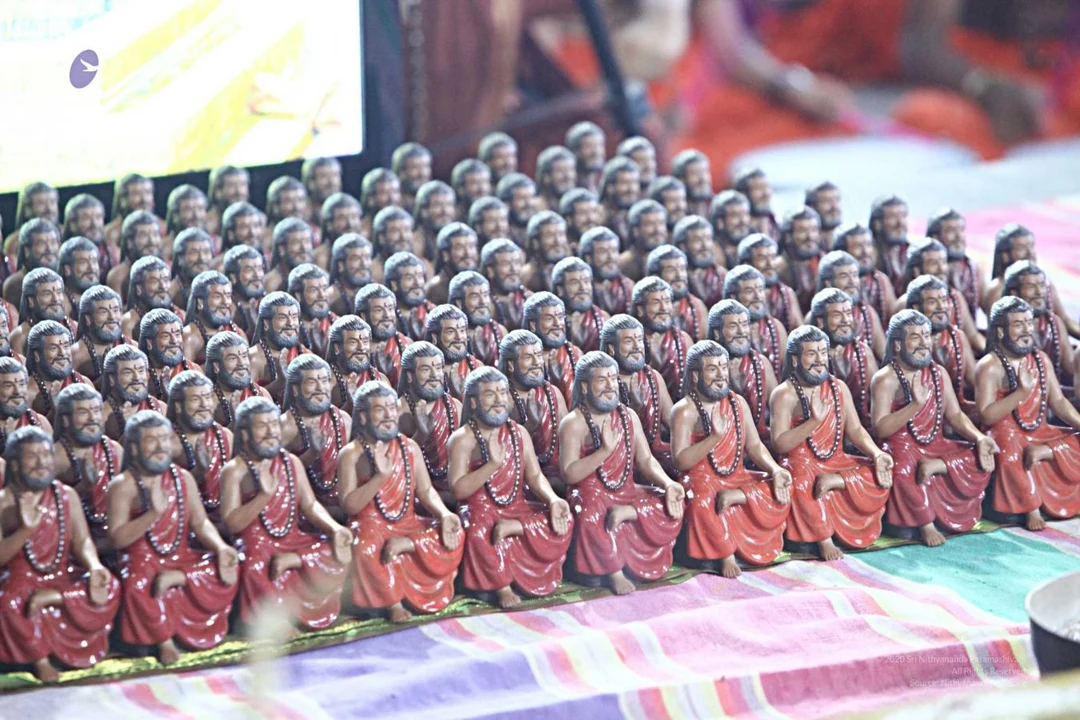 Guru Prana Murtis are blessed by His Divine Holiness to hold His very Prana - life energy
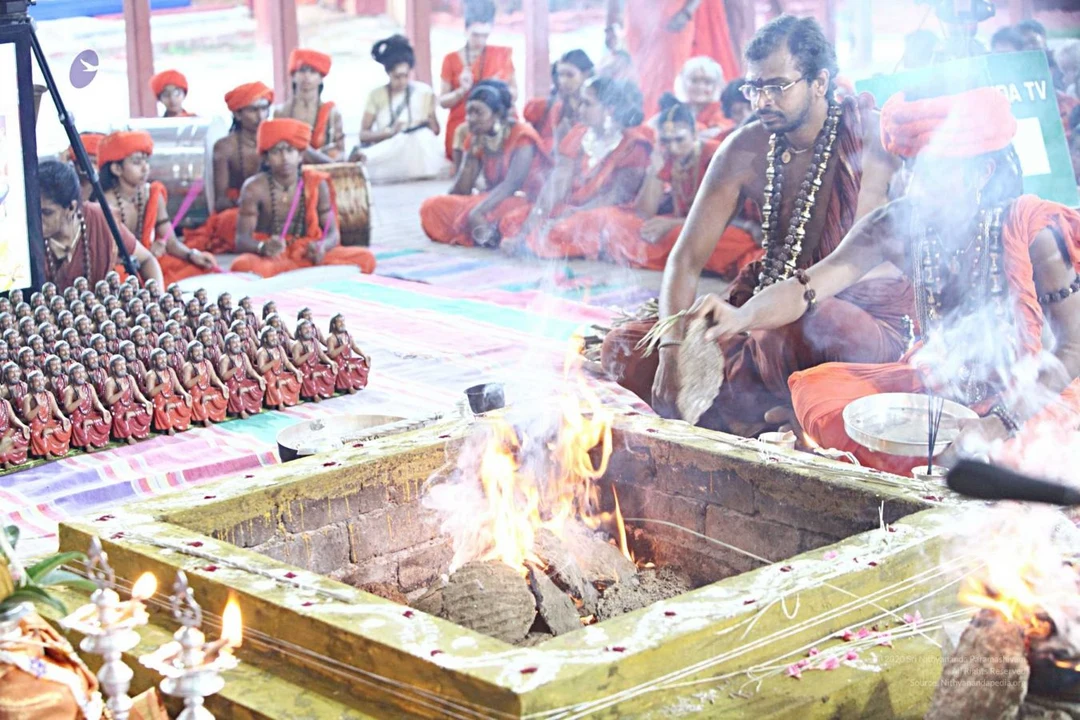 Guru Prana Murtis are blessed by His Divine Holiness to hold His very Prana - life energy
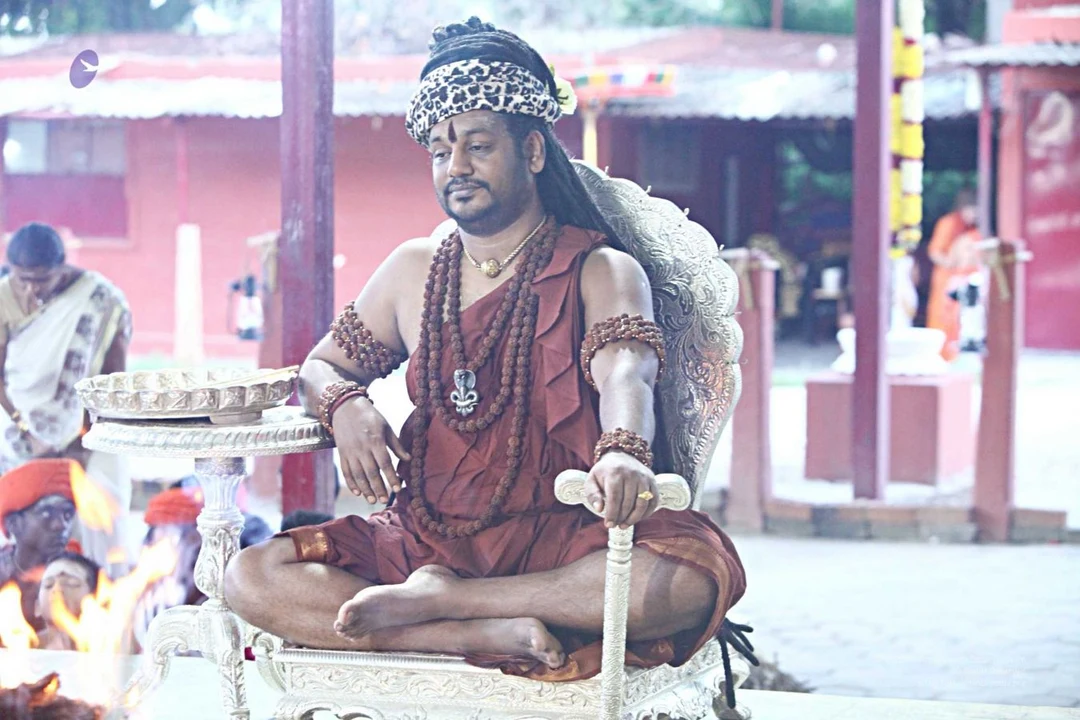 His Divine Holiness in the Spiritual Alchemy Process of preparing Aushadha - an esoteric science from the Siddha tradition which is used to achieve the state, space, powers of Paramashiva, and gain access to the 25 states of consciousness
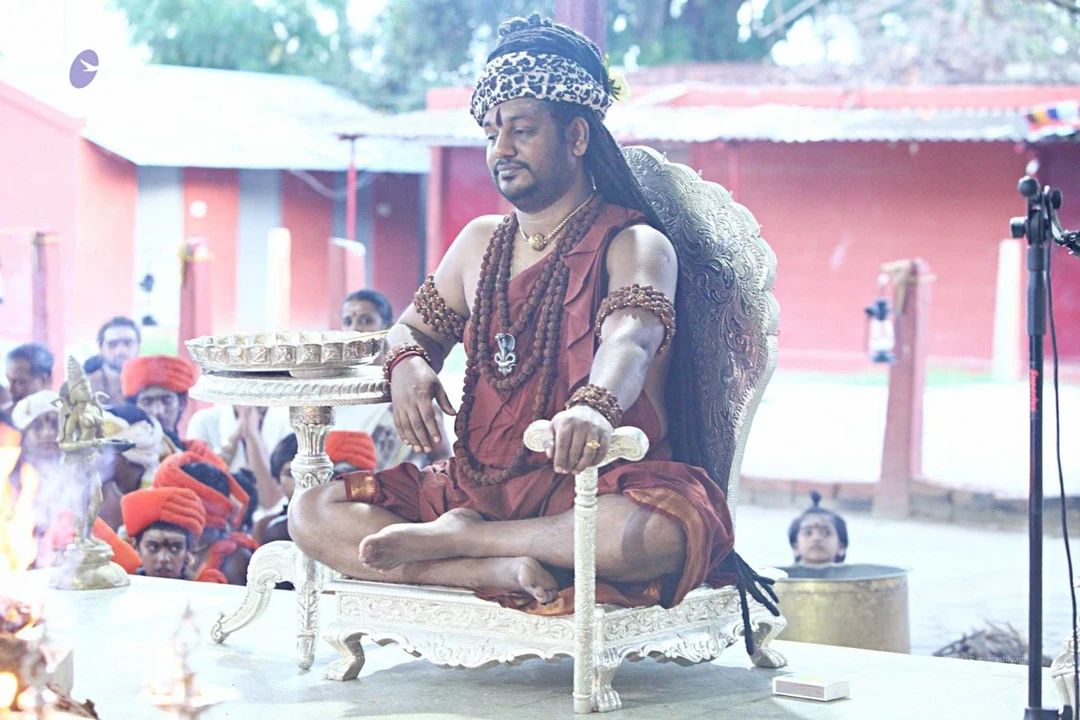 His Divine Holiness in the Spiritual Alchemy Process of preparing Aushadha - an esoteric science from the Siddha tradition which is used to achieve the state, space, powers of Paramashiva, and gain access to the 25 states of consciousness
 His Divine Holiness in the Spiritual Alchemy Process of preparing Aushadha - an esoteric science from the Siddha tradition which is used to achieve the state, space, powers of Paramashiva, and gain access to the 25 states of consciousness
 His Divine Holiness in the Spiritual Alchemy Process of preparing Aushadha - an esoteric science from the Siddha tradition which is used to achieve the state, space, powers of Paramashiva, and gain access to the 25 states of consciousness
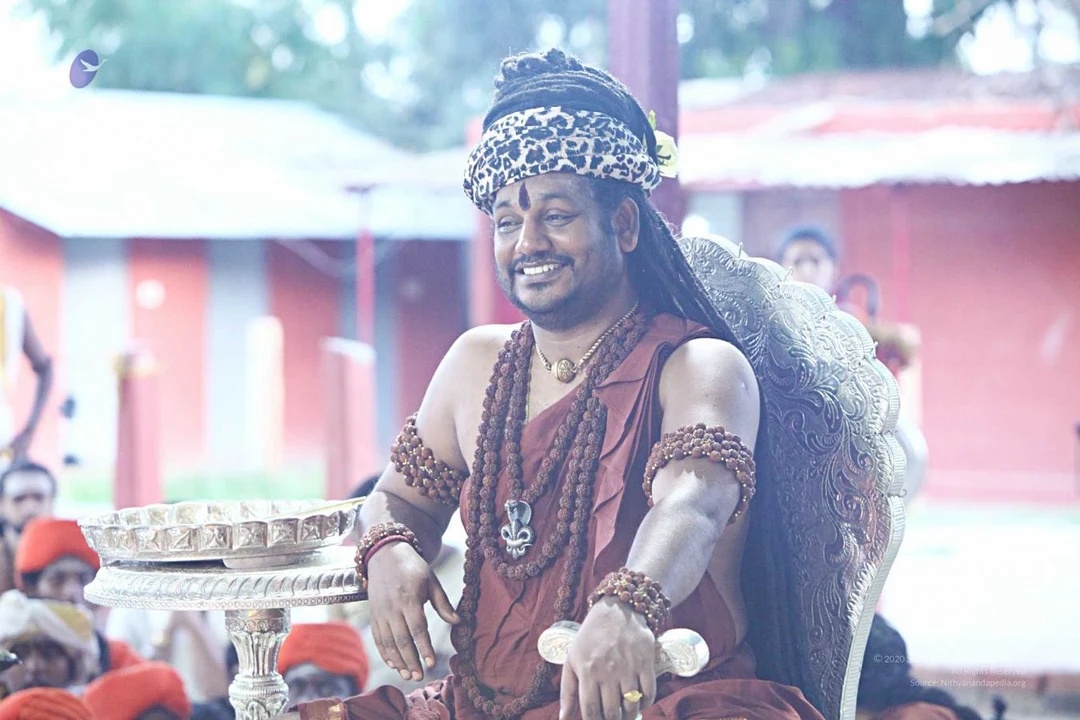 His Divine Holiness in the Spiritual Alchemy Process of preparing Aushadha - an esoteric science from the Siddha tradition which is used to achieve the state, space, powers of Paramashiva, and gain access to the 25 states of consciousness
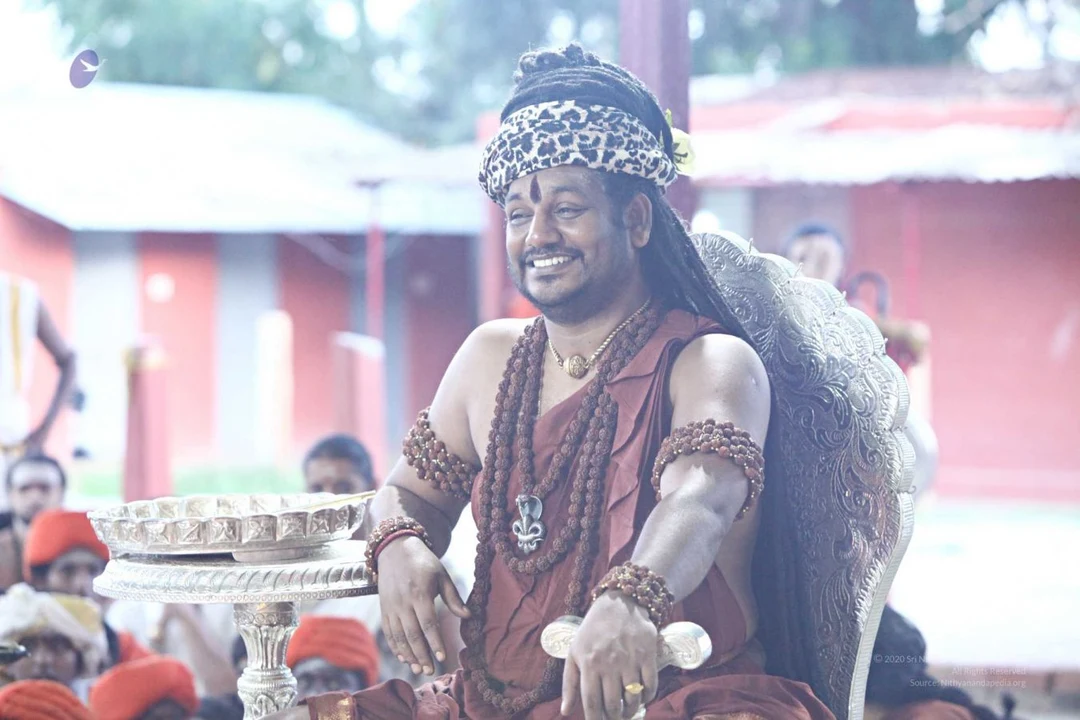 His Divine Holiness in the Spiritual Alchemy Process of preparing Aushadha - an esoteric science from the Siddha tradition which is used to achieve the state, space, powers of Paramashiva, and gain access to the 25 states of consciousness
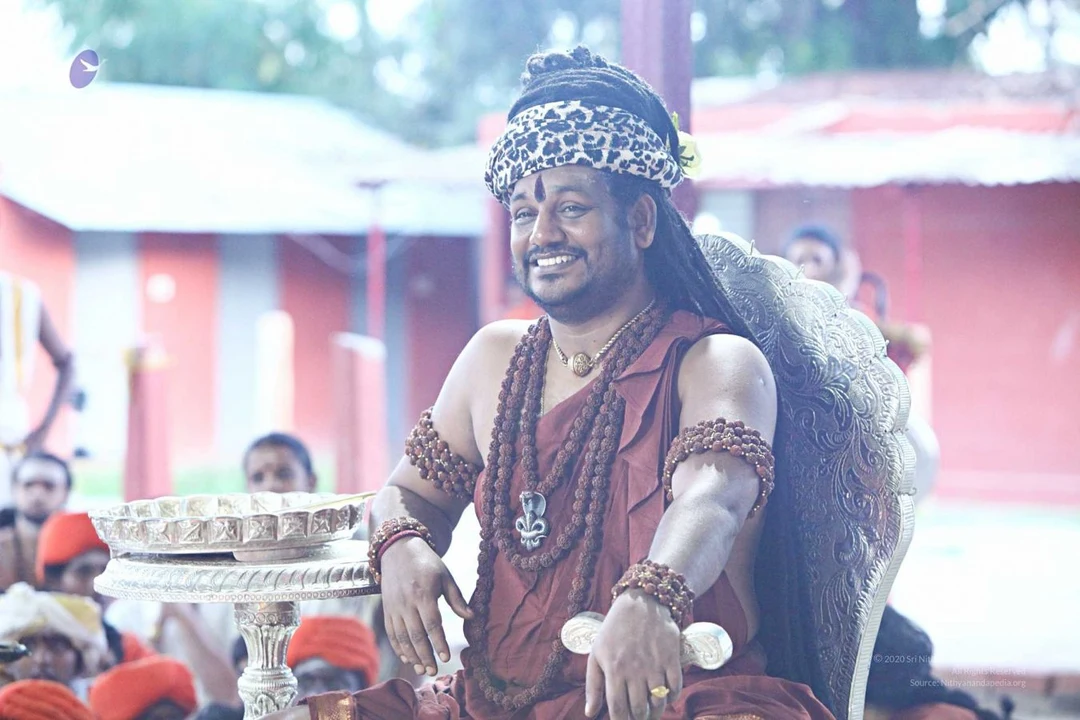 His Divine Holiness in the Spiritual Alchemy Process of preparing Aushadha - an esoteric science from the Siddha tradition which is used to achieve the state, space, powers of Paramashiva, and gain access to the 25 states of consciousness
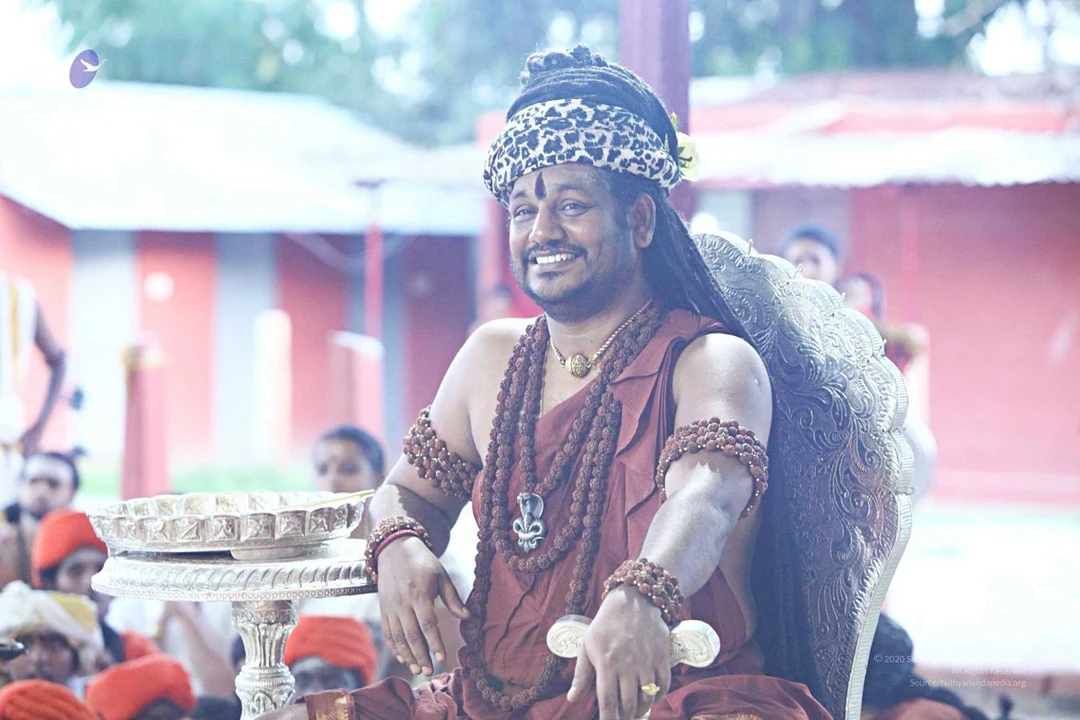 His Divine Holiness in the Spiritual Alchemy Process of preparing Aushadha - an esoteric science from the Siddha tradition which is used to achieve the state, space, powers of Paramashiva, and gain access to the 25 states of consciousness
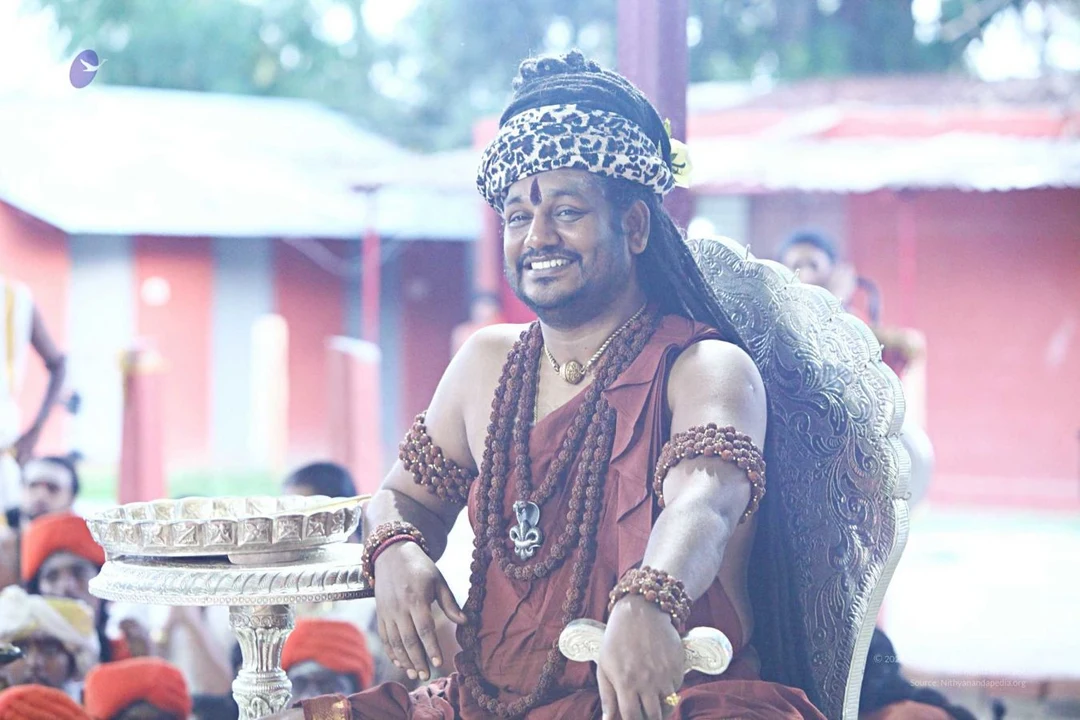 His Divine Holiness in the Spiritual Alchemy Process of preparing Aushadha - an esoteric science from the Siddha tradition which is used to achieve the state, space, powers of Paramashiva, and gain access to the 25 states of consciousness
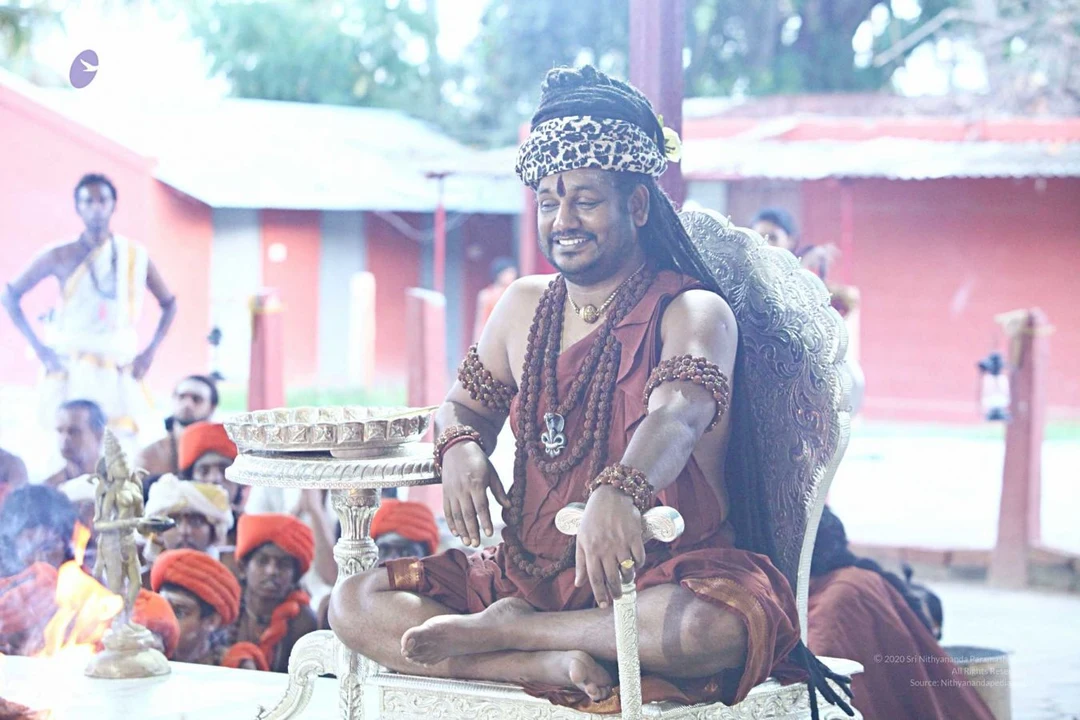 His Divine Holiness in the Spiritual Alchemy Process of preparing Aushadha - an esoteric science from the Siddha tradition which is used to achieve the state, space, powers of Paramashiva, and gain access to the 25 states of consciousness
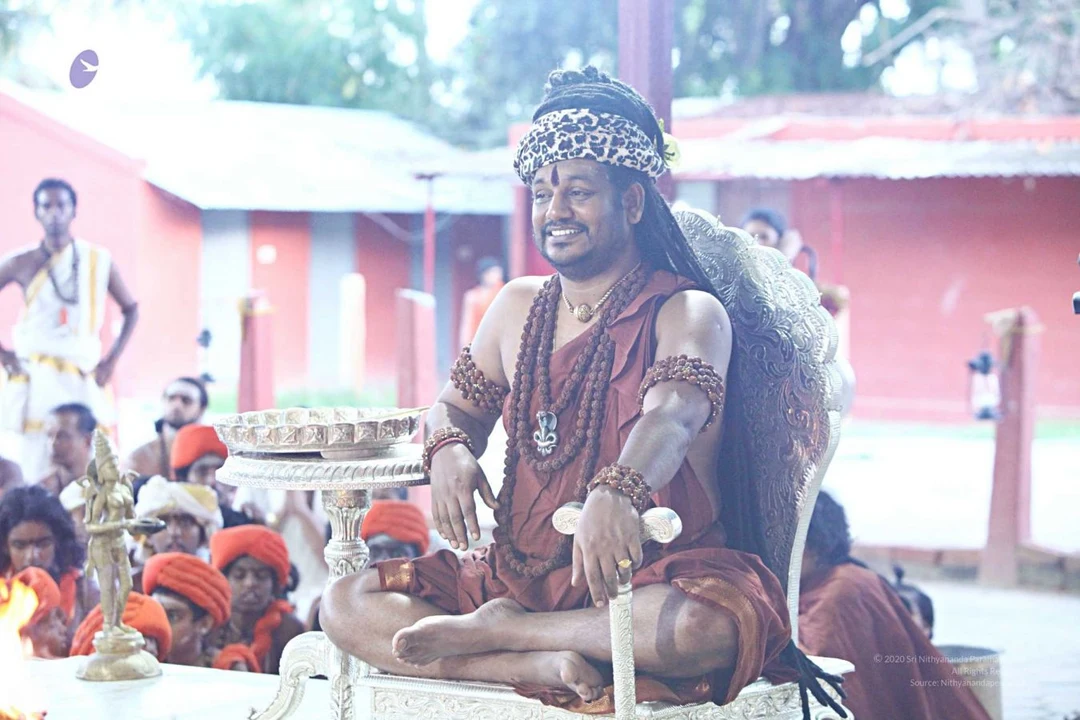 His Divine Holiness in the Spiritual Alchemy Process of preparing Aushadha - an esoteric science from the Siddha tradition which is used to achieve the state, space, powers of Paramashiva, and gain access to the 25 states of consciousness
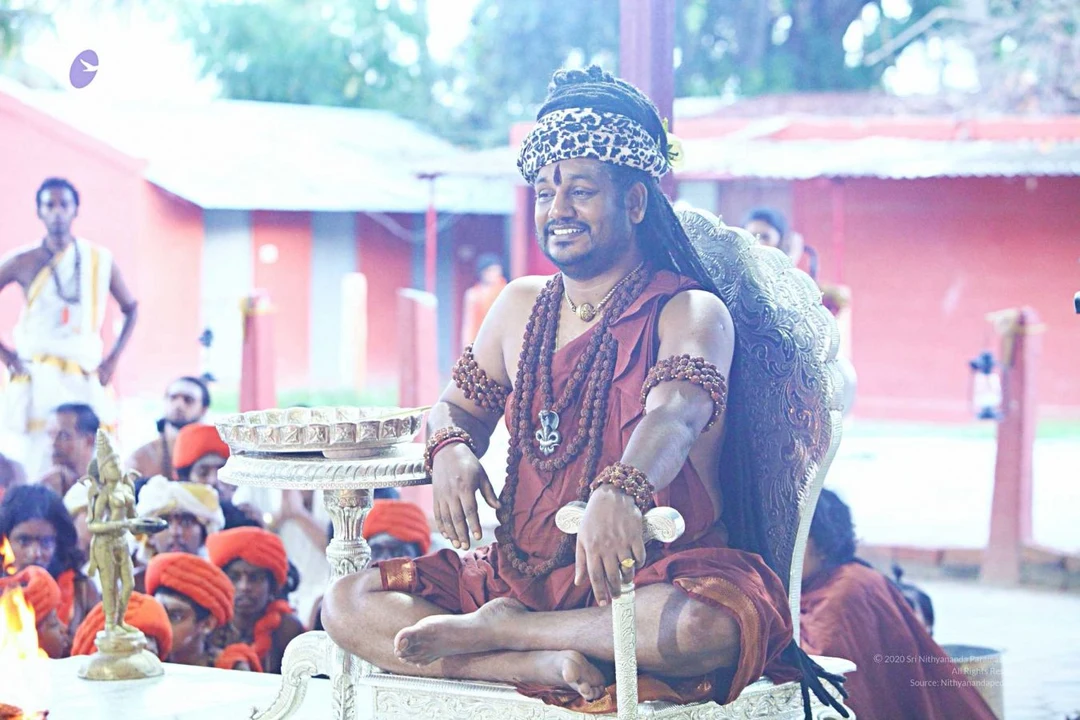 His Divine Holiness in the Spiritual Alchemy Process of preparing Aushadha - an esoteric science from the Siddha tradition which is used to achieve the state, space, powers of Paramashiva, and gain access to the 25 states of consciousness
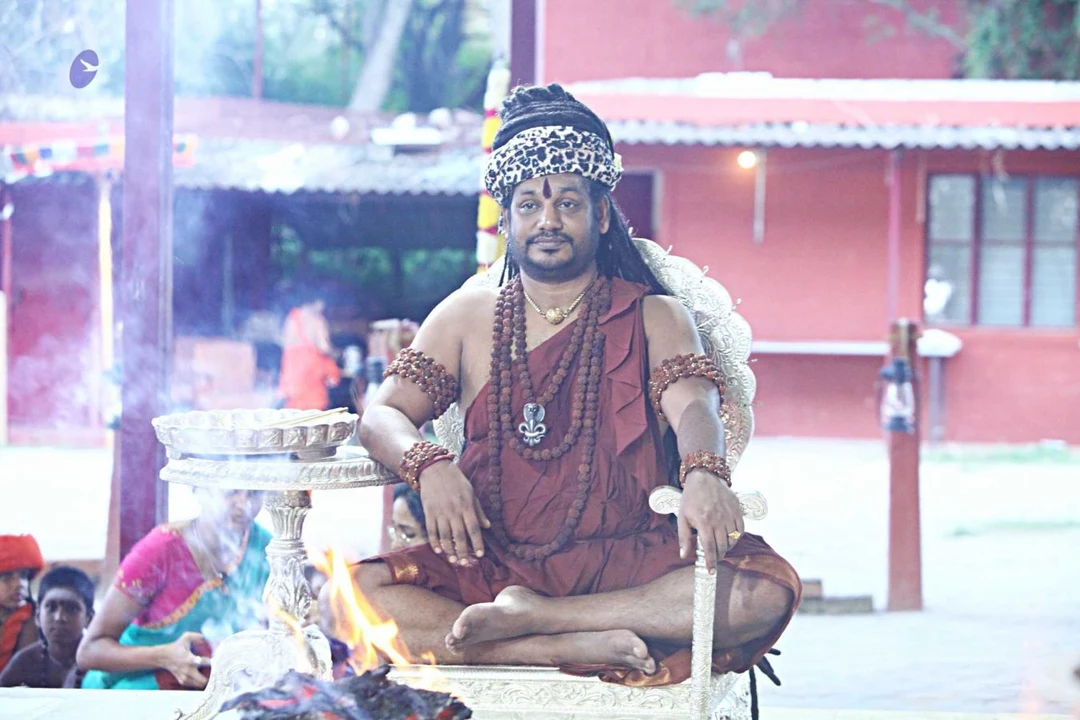 His Divine Holiness in the Spiritual Alchemy Process of preparing Aushadha - an esoteric science from the Siddha tradition which is used to achieve the state, space, powers of Paramashiva, and gain access to the 25 states of consciousness
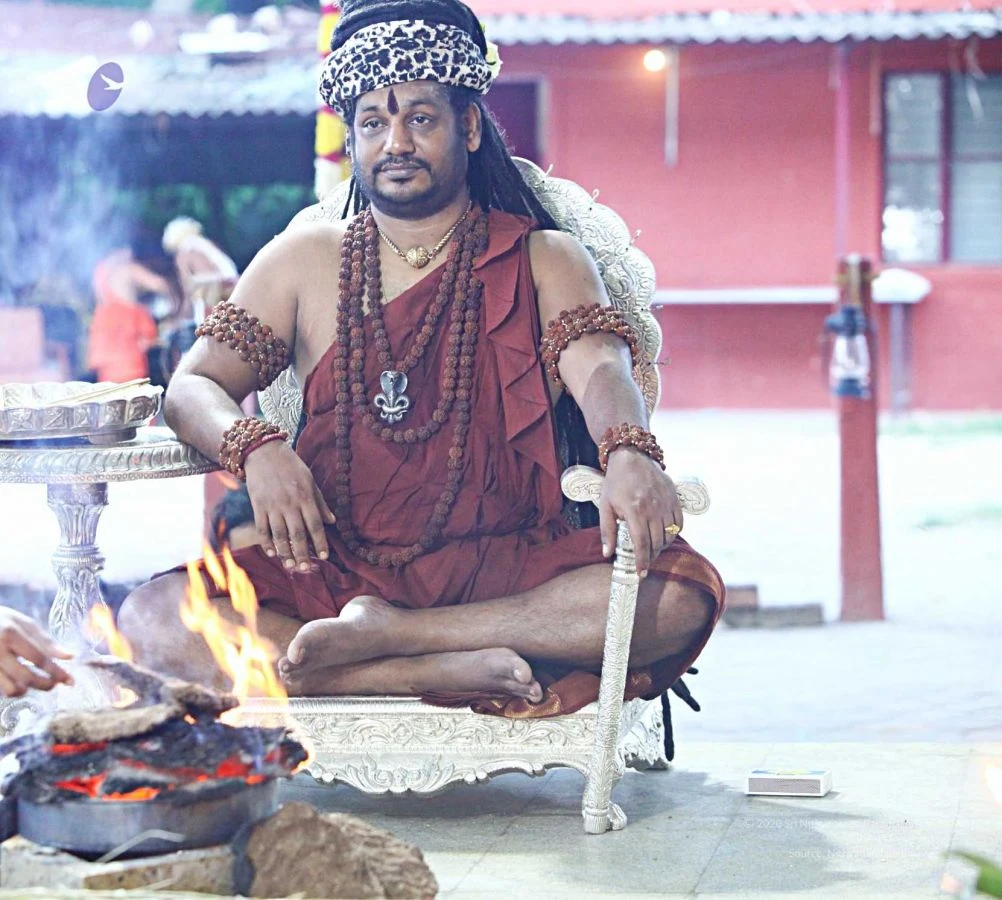 His Divine Holiness in the Spiritual Alchemy Process of preparing Aushadha - an esoteric science from the Siddha tradition which is used to achieve the state, space, powers of Paramashiva, and gain access to the 25 states of consciousness
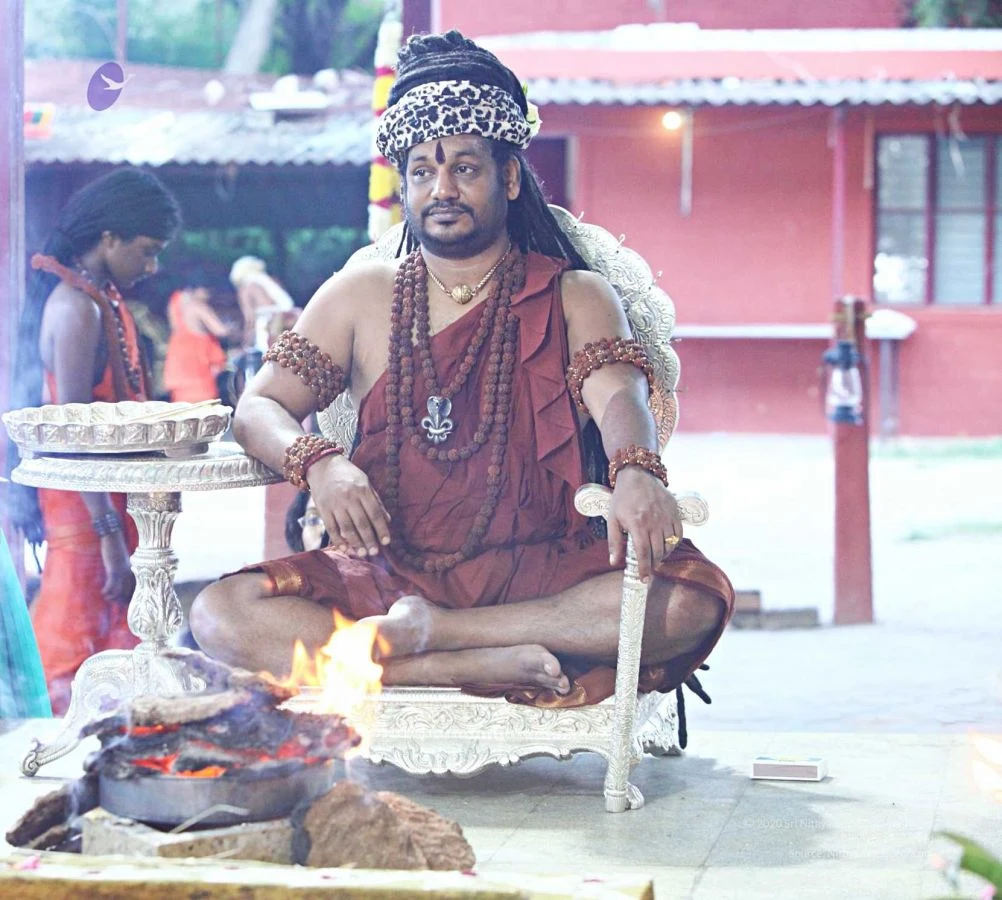 His Divine Holiness in the Spiritual Alchemy Process of preparing Aushadha - an esoteric science from the Siddha tradition which is used to achieve the state, space, powers of Paramashiva, and gain access to the 25 states of consciousness
 His Divine Holiness in the Spiritual Alchemy Process of preparing Aushadha - an esoteric science from the Siddha tradition which is used to achieve the state, space, powers of Paramashiva, and gain access to the 25 states of consciousness
 His Divine Holiness in the Spiritual Alchemy Process of preparing Aushadha - an esoteric science from the Siddha tradition which is used to achieve the state, space, powers of Paramashiva, and gain access to the 25 states of consciousness
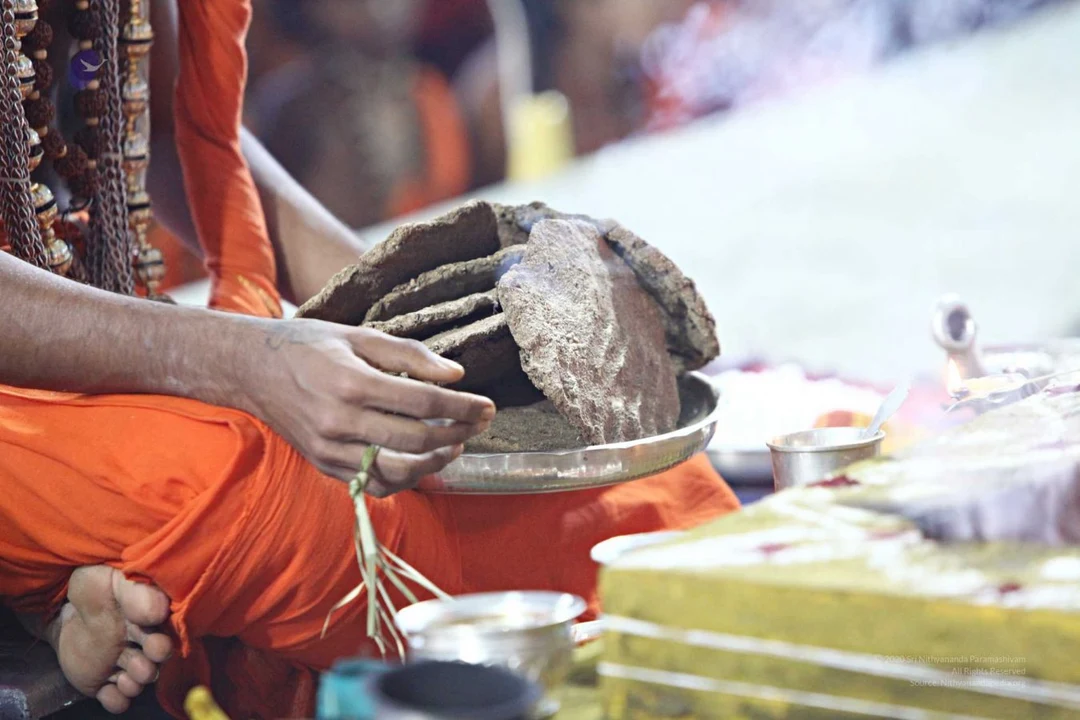 Cowdung from Nithyananda Goshala's pure Desi cows is burnt to generate the smoke necesary for preparing authentic Aushadha
 Cowdung from Nithyananda Goshala's pure Desi cows is burnt to generate the smoke necesary for preparing authentic Aushadha
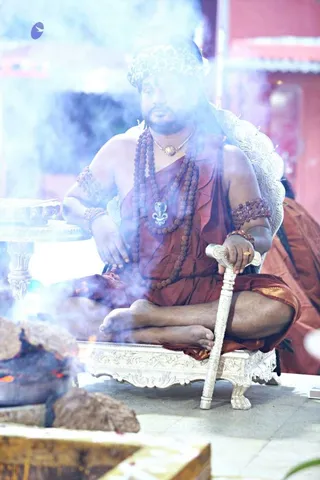 His Divine Holiness in the Spiritual Alchemy Process of preparing Aushadha - an esoteric science from the Siddha tradition which is used to achieve the state, space, powers of Paramashiva, and gain access to the 25 states of consciousness
 His Divine Holiness in the Spiritual Alchemy Process of preparing Aushadha - an esoteric science from the Siddha tradition which is used to achieve the state, space, powers of Paramashiva, and gain access to the 25 states of consciousness
 His Divine Holiness in the Spiritual Alchemy Process of preparing Aushadha - an esoteric science from the Siddha tradition which is used to achieve the state, space, powers of Paramashiva, and gain access to the 25 states of consciousness
 His Divine Holiness in the Spiritual Alchemy Process of preparing Aushadha - an esoteric science from the Siddha tradition which is used to achieve the state, space, powers of Paramashiva, and gain access to the 25 states of consciousness
 His Divine Holiness in the Spiritual Alchemy Process of preparing Aushadha - an esoteric science from the Siddha tradition which is used to achieve the state, space, powers of Paramashiva, and gain access to the 25 states of consciousness
 His Divine Holiness in the Spiritual Alchemy Process of preparing Aushadha - an esoteric science from the Siddha tradition which is used to achieve the state, space, powers of Paramashiva, and gain access to the 25 states of consciousness
 His Divine Holiness in the Spiritual Alchemy Process of preparing Aushadha - an esoteric science from the Siddha tradition which is used to achieve the state, space, powers of Paramashiva, and gain access to the 25 states of consciousness
 His Divine Holiness in the Spiritual Alchemy Process of preparing Aushadha - an esoteric science from the Siddha tradition which is used to achieve the state, space, powers of Paramashiva, and gain access to the 25 states of consciousness
 His Divine Holiness in the Spiritual Alchemy Process of preparing Aushadha - an esoteric science from the Siddha tradition which is used to achieve the state, space, powers of Paramashiva, and gain access to the 25 states of consciousness
 His Divine Holiness in the Spiritual Alchemy Process of preparing Aushadha - an esoteric science from the Siddha tradition which is used to achieve the state, space, powers of Paramashiva, and gain access to the 25 states of consciousness
 His Divine Holiness in the Spiritual Alchemy Process of preparing Aushadha - an esoteric science from the Siddha tradition which is used to achieve the state, space, powers of Paramashiva, and gain access to the 25 states of consciousness
 His Divine Holiness in the Spiritual Alchemy Process of preparing Aushadha - an esoteric science from the Siddha tradition which is used to achieve the state, space, powers of Paramashiva, and gain access to the 25 states of consciousness
 His Divine Holiness in the Spiritual Alchemy Process of preparing Aushadha - an esoteric science from the Siddha tradition which is used to achieve the state, space, powers of Paramashiva, and gain access to the 25 states of consciousness
 His Divine Holiness in the Spiritual Alchemy Process of preparing Aushadha - an esoteric science from the Siddha tradition which is used to achieve the state, space, powers of Paramashiva, and gain access to the 25 states of consciousness
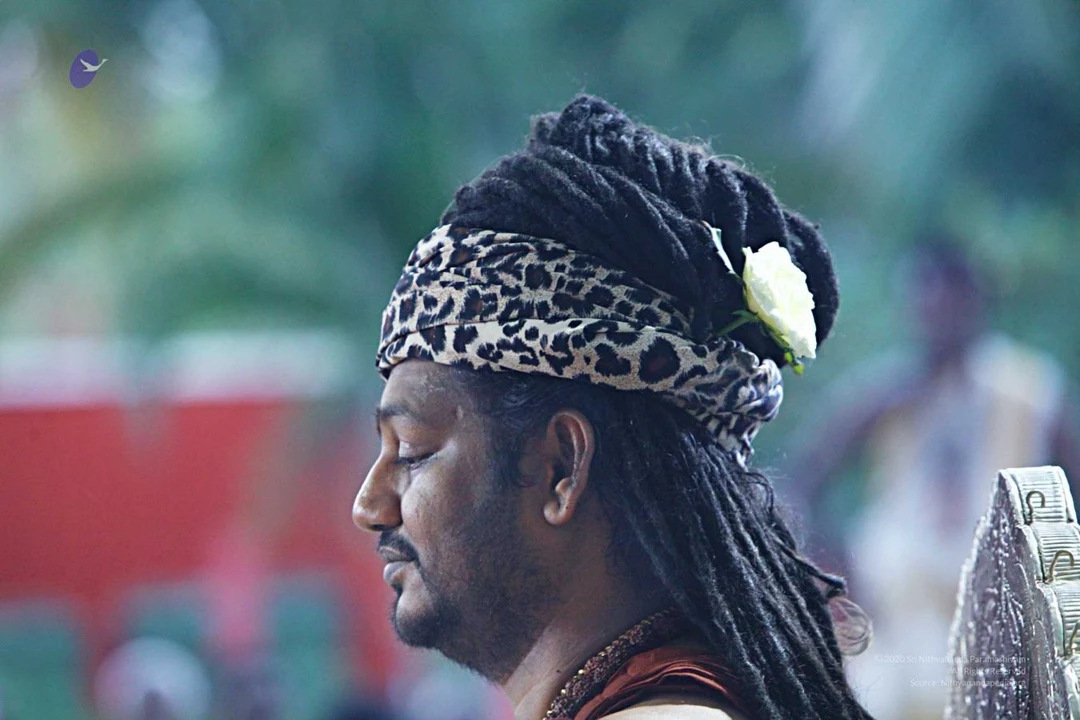 His Divine Holiness in the Spiritual Alchemy Process of preparing Aushadha - an esoteric science from the Siddha tradition which is used to achieve the state, space, powers of Paramashiva, and gain access to the 25 states of consciousness
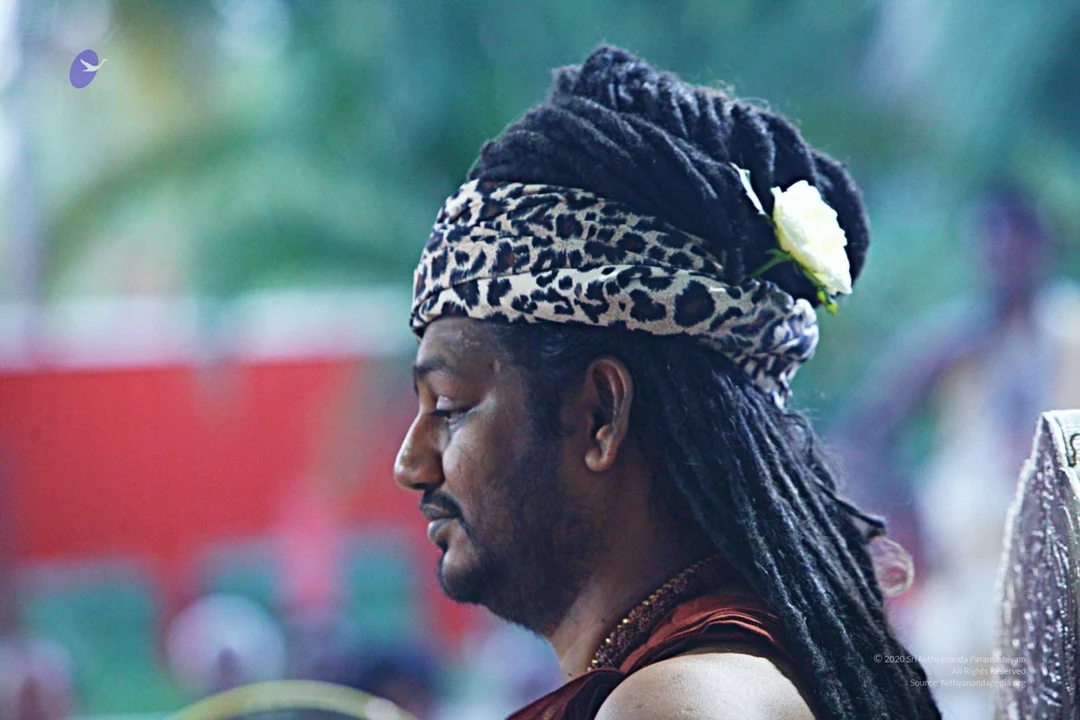 His Divine Holiness in the Spiritual Alchemy Process of preparing Aushadha - an esoteric science from the Siddha tradition which is used to achieve the state, space, powers of Paramashiva, and gain access to the 25 states of consciousness
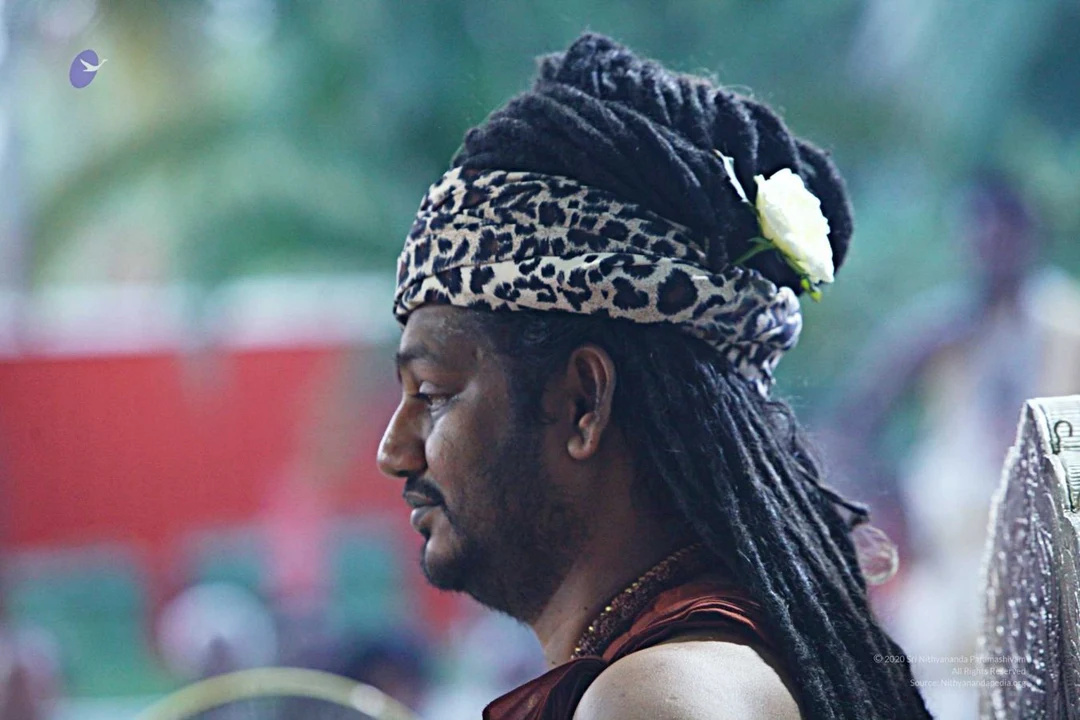 His Divine Holiness in the Spiritual Alchemy Process of preparing Aushadha - an esoteric science from the Siddha tradition which is used to achieve the state, space, powers of Paramashiva, and gain access to the 25 states of consciousness
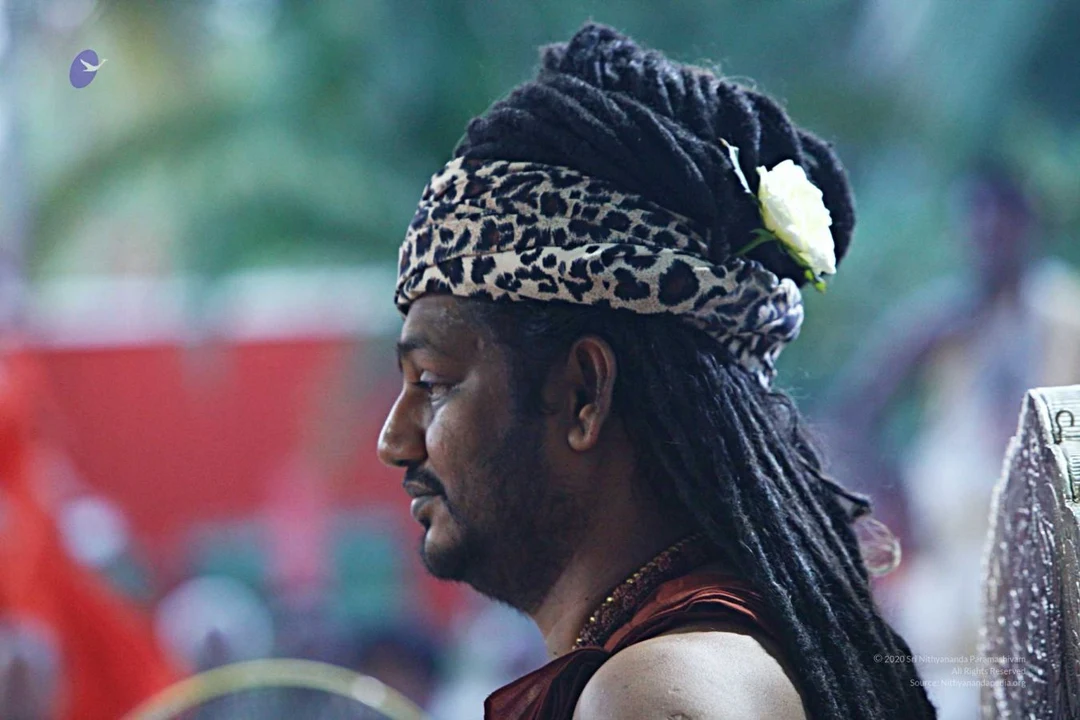 His Divine Holiness in the Spiritual Alchemy Process of preparing Aushadha - an esoteric science from the Siddha tradition which is used to achieve the state, space, powers of Paramashiva, and gain access to the 25 states of consciousness
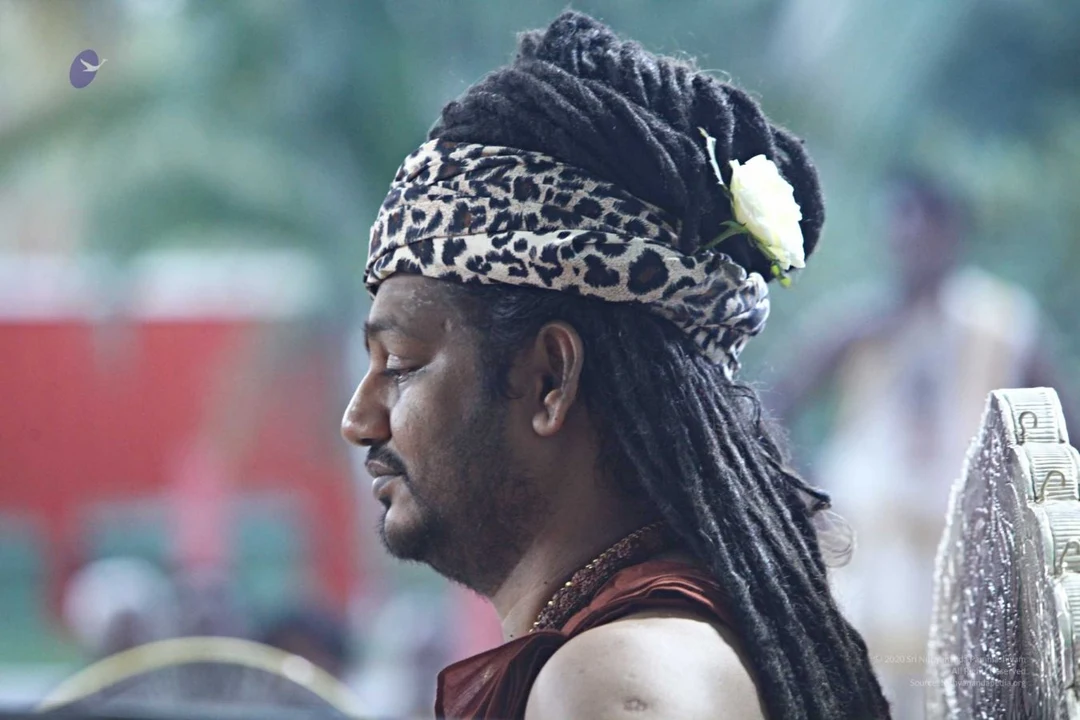 His Divine Holiness in the Spiritual Alchemy Process of preparing Aushadha - an esoteric science from the Siddha tradition which is used to achieve the state, space, powers of Paramashiva, and gain access to the 25 states of consciousness
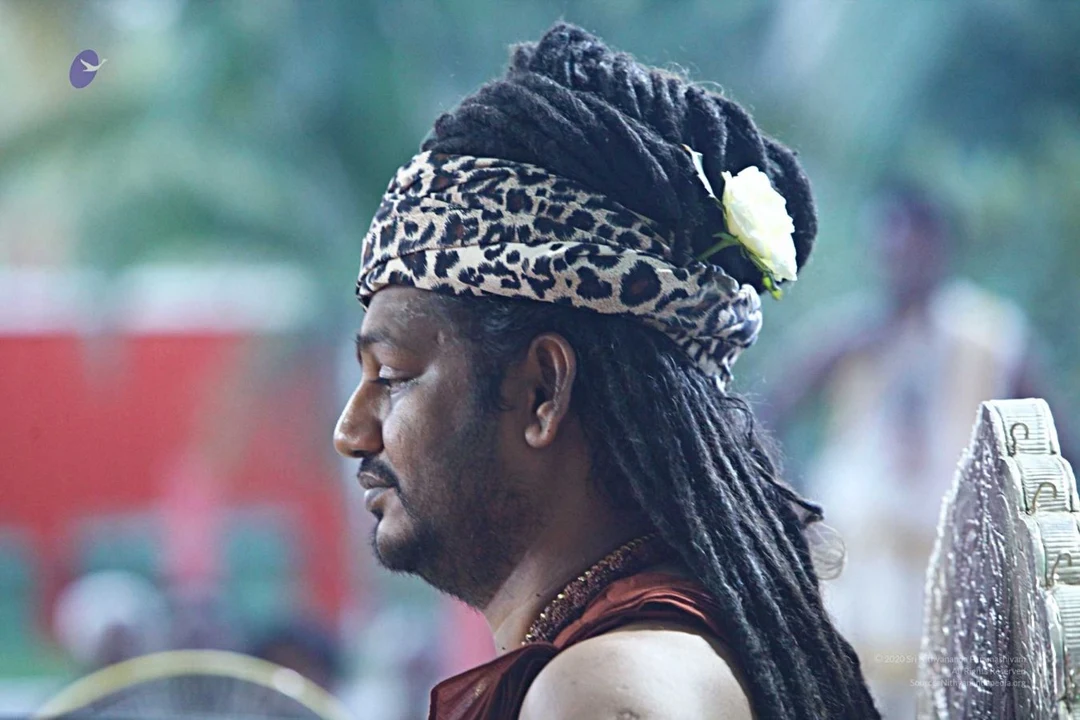 His Divine Holiness in the Spiritual Alchemy Process of preparing Aushadha - an esoteric science from the Siddha tradition which is used to achieve the state, space, powers of Paramashiva, and gain access to the 25 states of consciousness
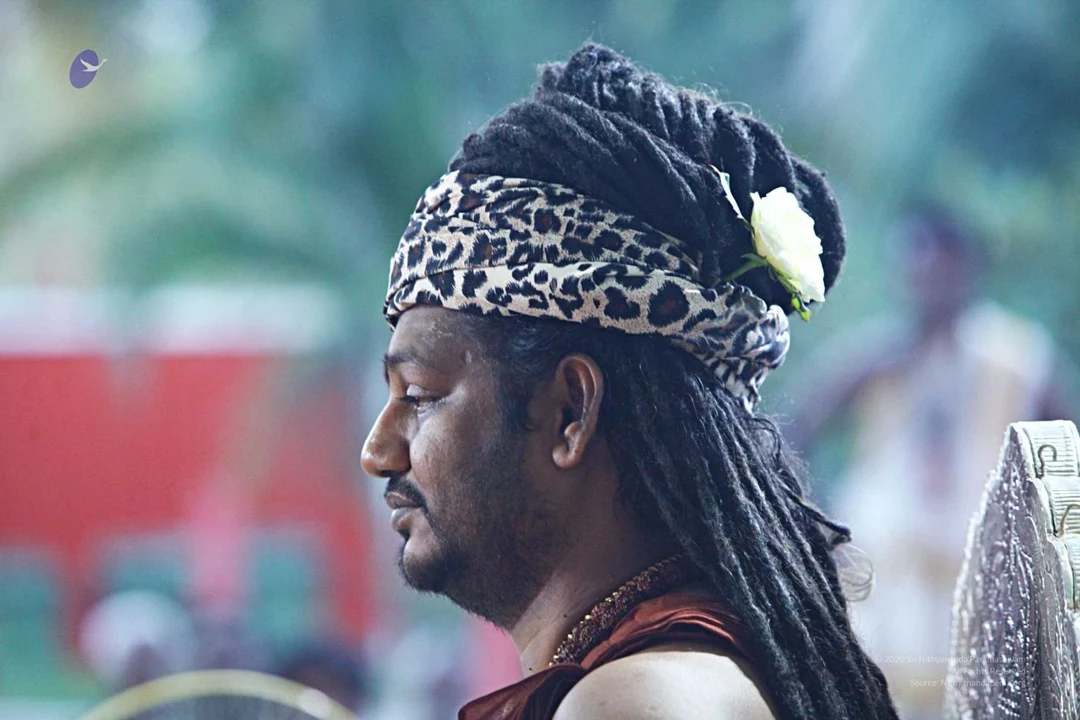 His Divine Holiness in the Spiritual Alchemy Process of preparing Aushadha - an esoteric science from the Siddha tradition which is used to achieve the state, space, powers of Paramashiva, and gain access to the 25 states of consciousness
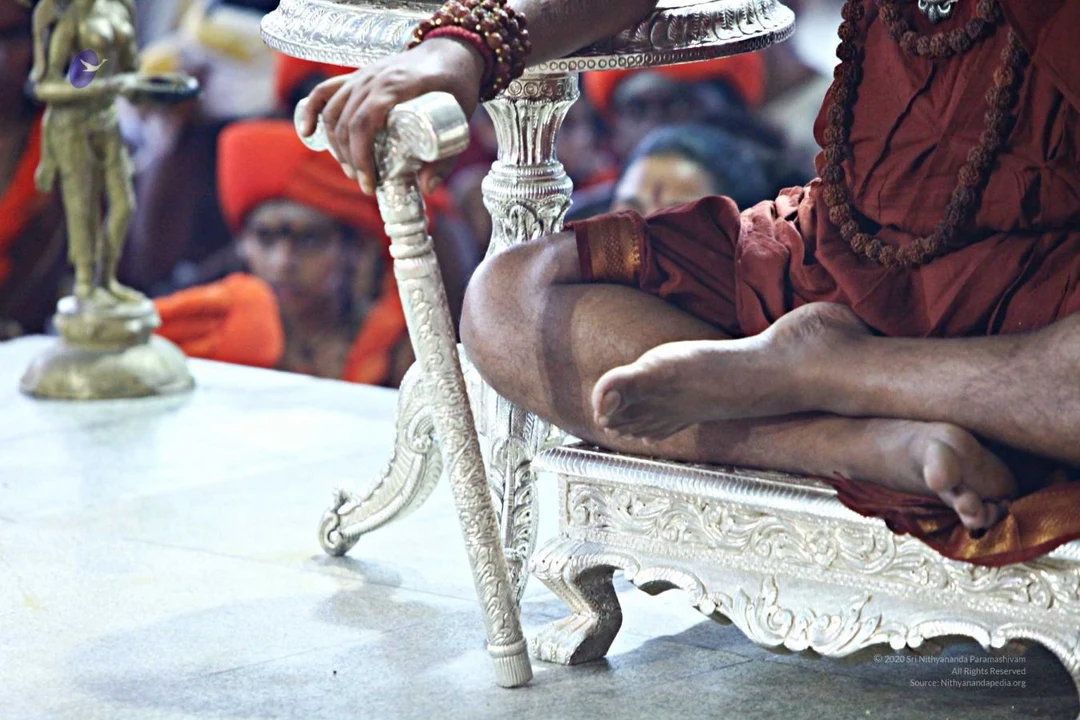 His Divine Holiness in the Spiritual Alchemy Process of preparing Aushadha - an esoteric science from the Siddha tradition which is used to achieve the state, space, powers of Paramashiva, and gain access to the 25 states of consciousness
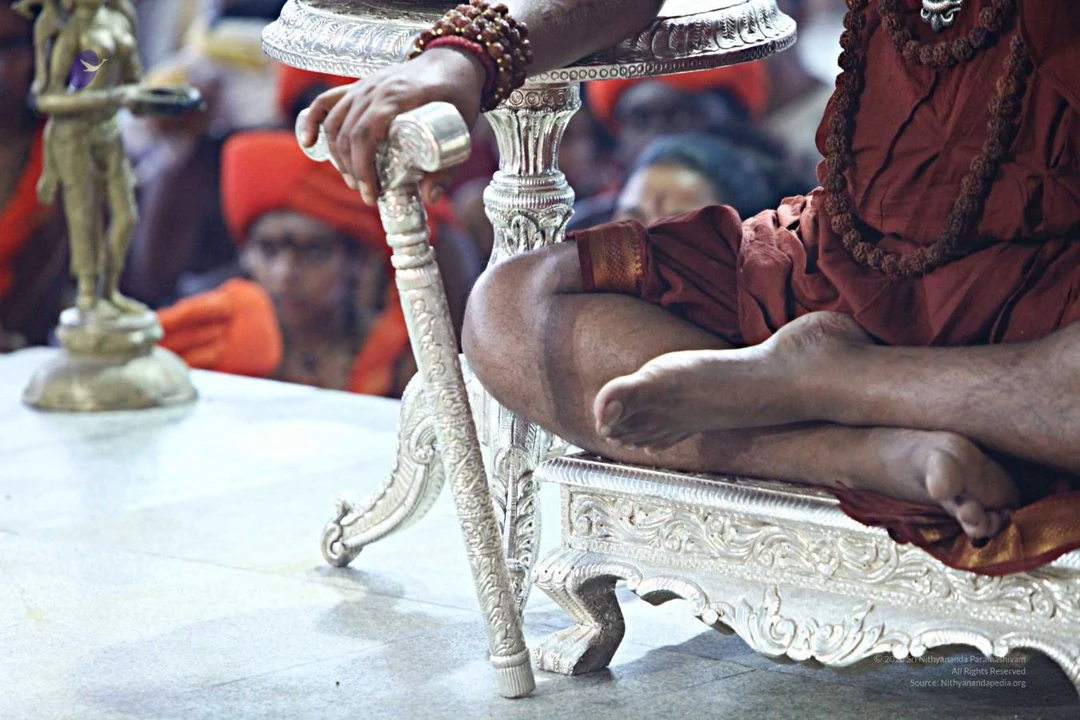 His Divine Holiness in the Spiritual Alchemy Process of preparing Aushadha - an esoteric science from the Siddha tradition which is used to achieve the state, space, powers of Paramashiva, and gain access to the 25 states of consciousness
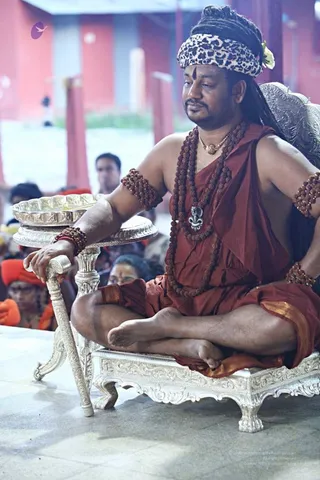 His Divine Holiness in the Spiritual Alchemy Process of preparing Aushadha - an esoteric science from the Siddha tradition which is used to achieve the state, space, powers of Paramashiva, and gain access to the 25 states of consciousness
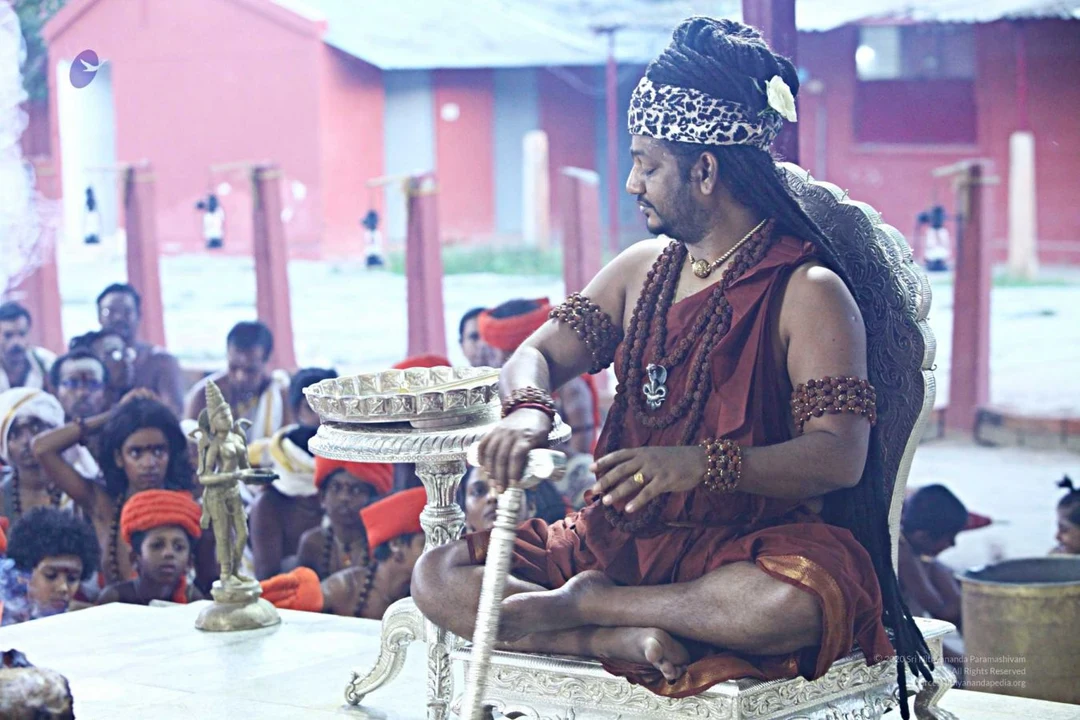 His Divine Holiness in the Spiritual Alchemy Process of preparing Aushadha - an esoteric science from the Siddha tradition which is used to achieve the state, space, powers of Paramashiva, and gain access to the 25 states of consciousness
 His Divine Holiness in the Spiritual Alchemy Process of preparing Aushadha - an esoteric science from the Siddha tradition which is used to achieve the state, space, powers of Paramashiva, and gain access to the 25 states of consciousness
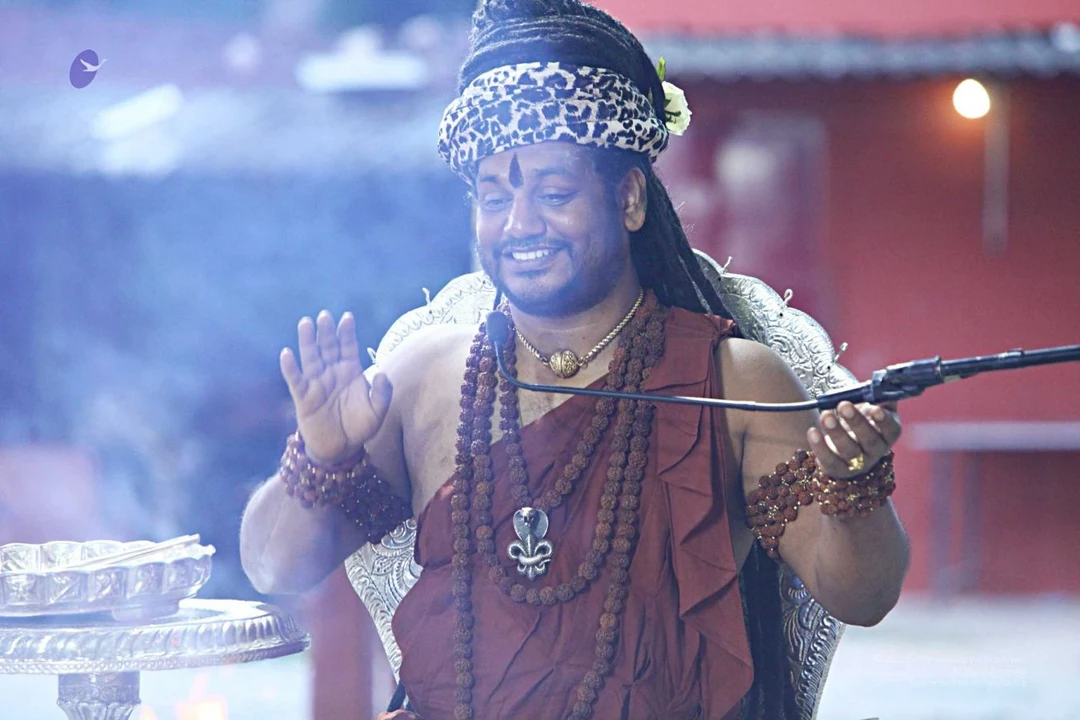 His Divine Holiness in the Spiritual Alchemy Process of preparing Aushadha - an esoteric science from the Siddha tradition which is used to achieve the state, space, powers of Paramashiva, and gain access to the 25 states of consciousness
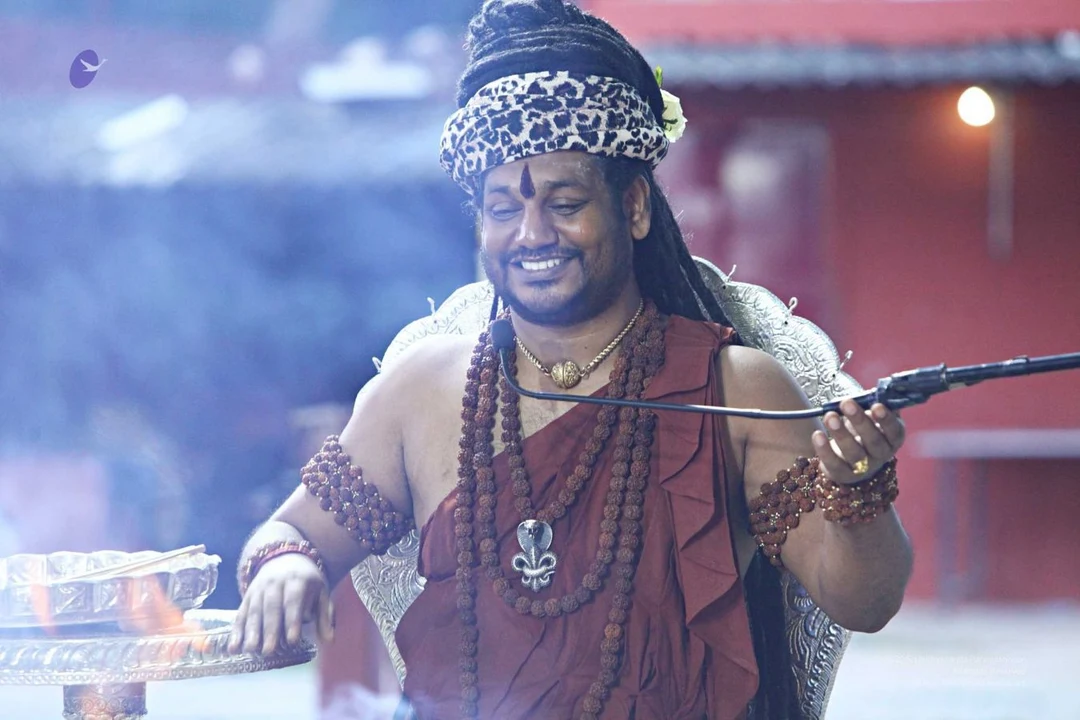 His Divine Holiness in the Spiritual Alchemy Process of preparing Aushadha - an esoteric science from the Siddha tradition which is used to achieve the state, space, powers of Paramashiva, and gain access to the 25 states of consciousness
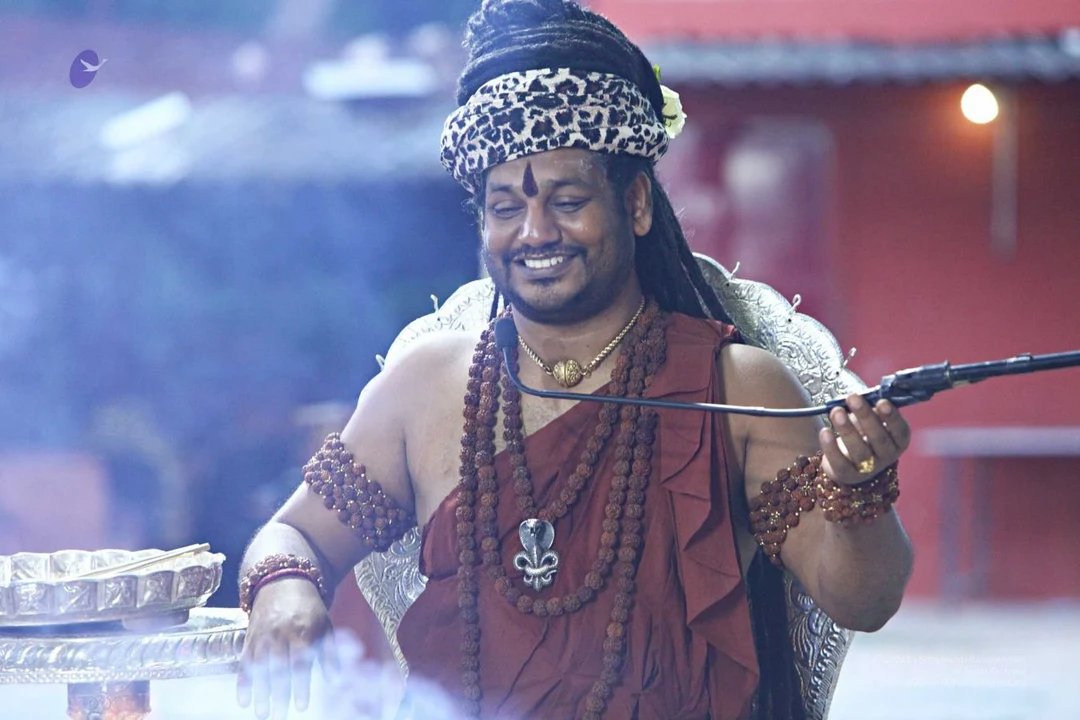 His Divine Holiness in the Spiritual Alchemy Process of preparing Aushadha - an esoteric science from the Siddha tradition which is used to achieve the state, space, powers of Paramashiva, and gain access to the 25 states of consciousness
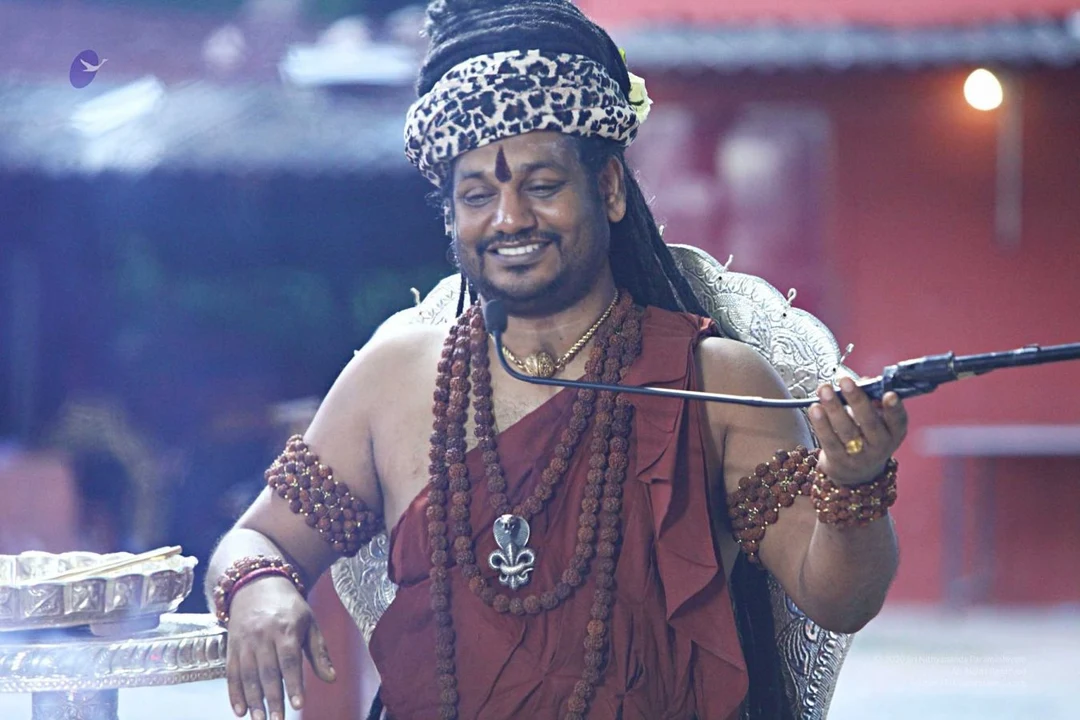 His Divine Holiness in the Spiritual Alchemy Process of preparing Aushadha - an esoteric science from the Siddha tradition which is used to achieve the state, space, powers of Paramashiva, and gain access to the 25 states of consciousness
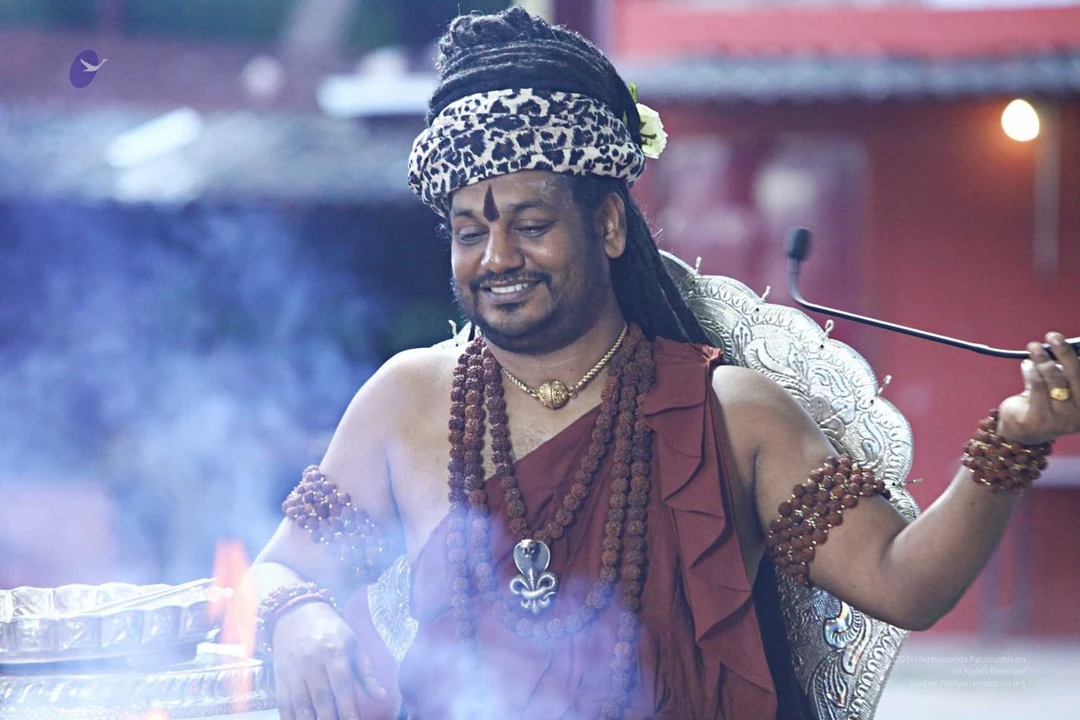 His Divine Holiness in the Spiritual Alchemy Process of preparing Aushadha - an esoteric science from the Siddha tradition which is used to achieve the state, space, powers of Paramashiva, and gain access to the 25 states of consciousness
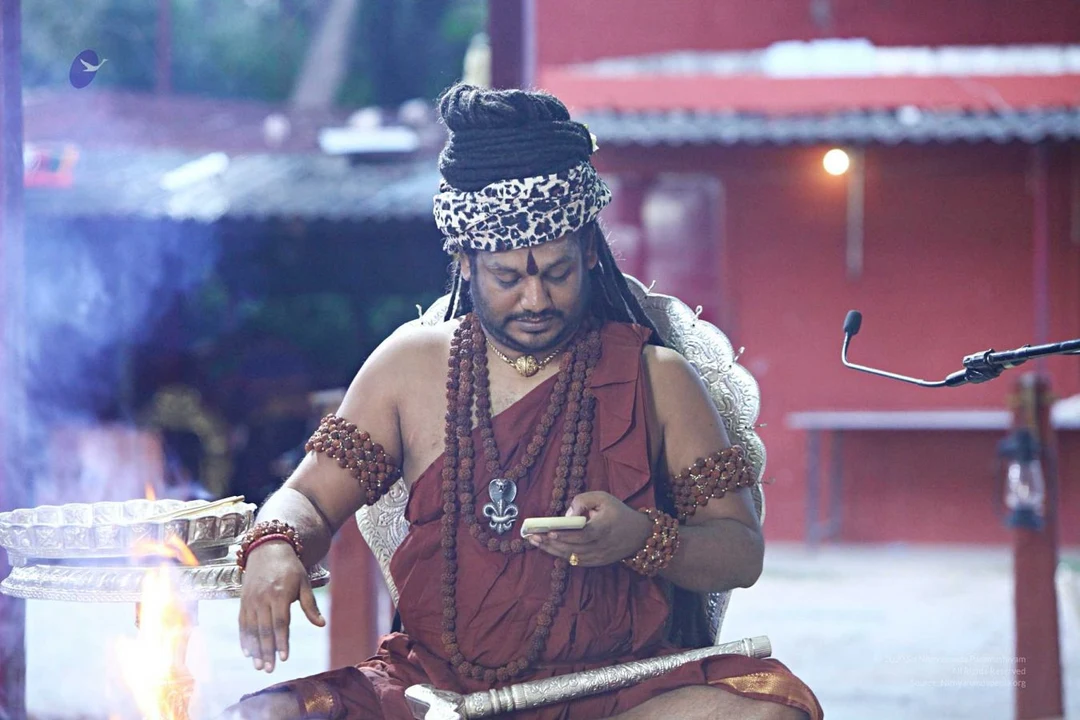 His Divine Holiness in the Spiritual Alchemy Process of preparing Aushadha - an esoteric science from the Siddha tradition which is used to achieve the state, space, powers of Paramashiva, and gain access to the 25 states of consciousness
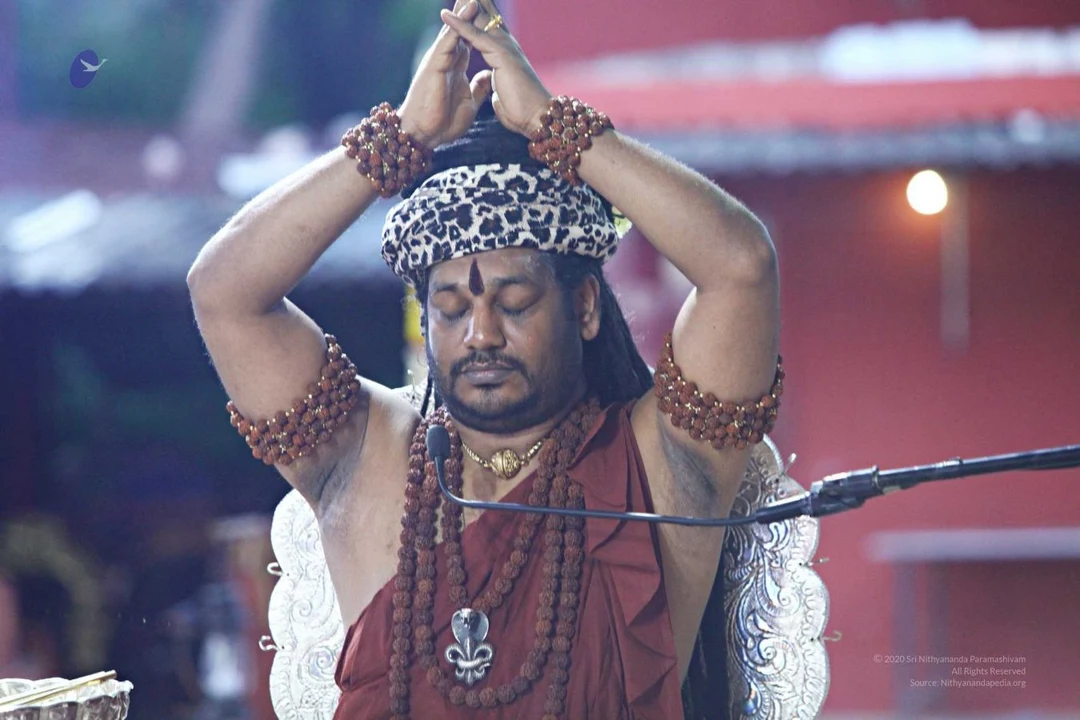 His Divine Holiness ignites the Spiritual Alchemy Process in preparation of Aushadha for Mahasadashivoham
 His Divine Holiness ignites the Spiritual Alchemy Process in preparation of Aushadha for Mahasadashivoham
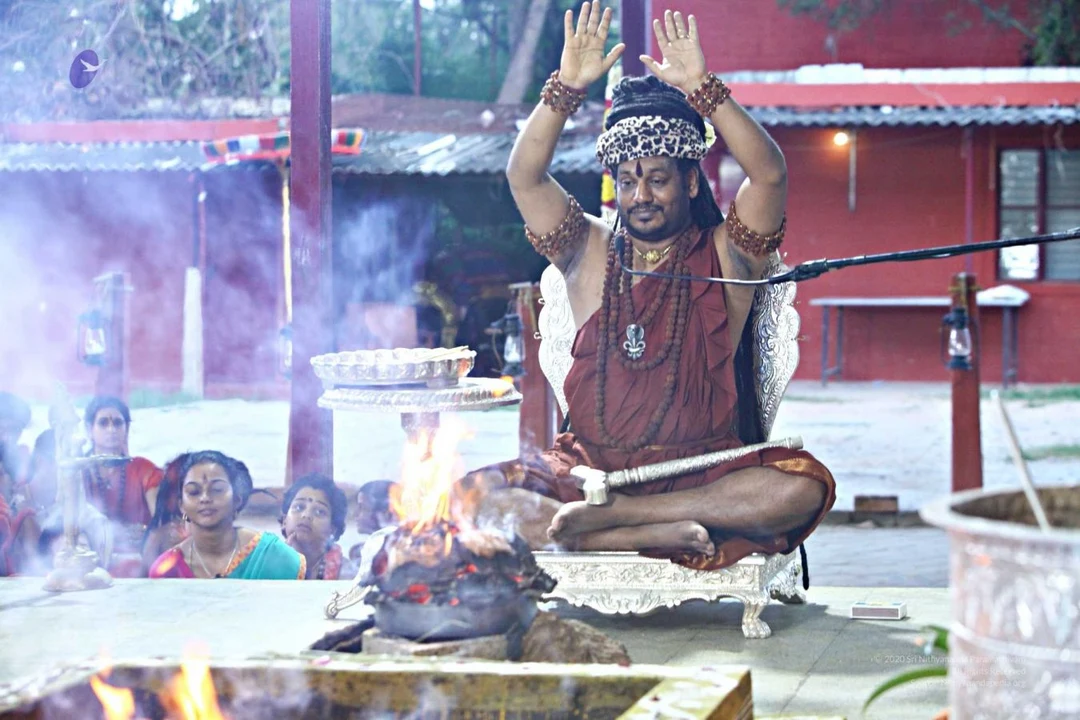 His Divine Holiness ignites the Spiritual Alchemy Process in preparation of Aushadha for Mahasadashivoham
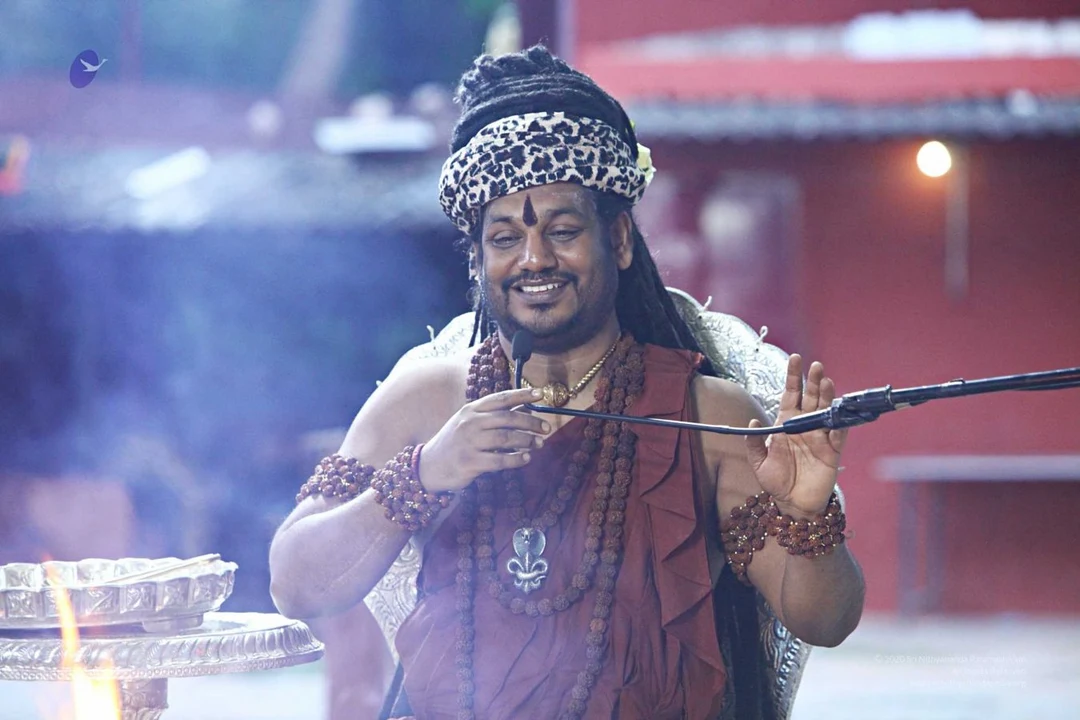 His Divine Holiness ignites the Spiritual Alchemy Process in preparation of Aushadha for Mahasadashivoham
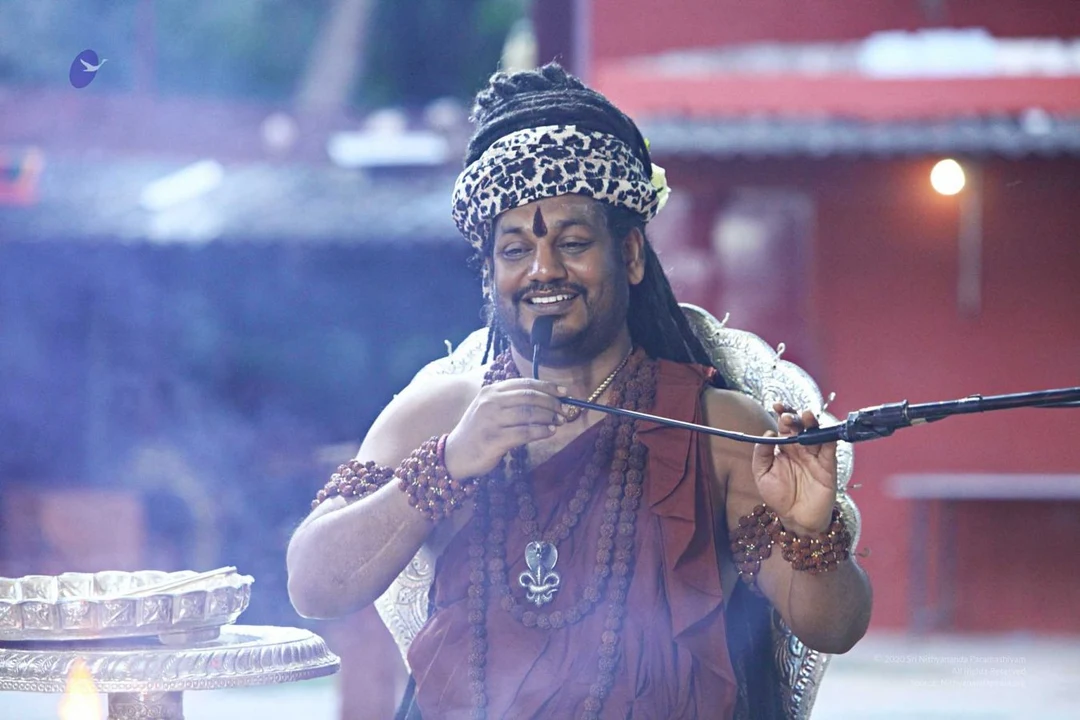 His Divine Holiness in the Spiritual Alchemy Process of preparing Aushadha - an esoteric science from the Siddha tradition which is used to achieve the state, space, powers of Paramashiva, and gain access to the 25 states of consciousness
 His Divine Holiness in the Spiritual Alchemy Process of preparing Aushadha - an esoteric science from the Siddha tradition which is used to achieve the state, space, powers of Paramashiva, and gain access to the 25 states of consciousness
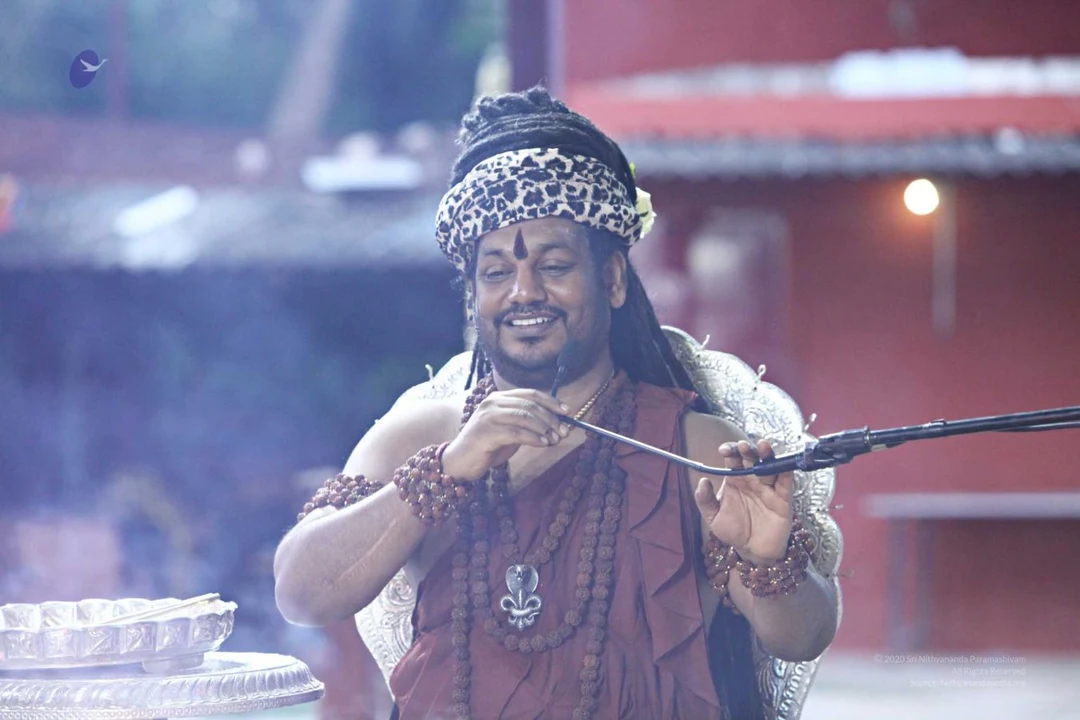 His Divine Holiness in the Spiritual Alchemy Process of preparing Aushadha - an esoteric science from the Siddha tradition which is used to achieve the state, space, powers of Paramashiva, and gain access to the 25 states of consciousness
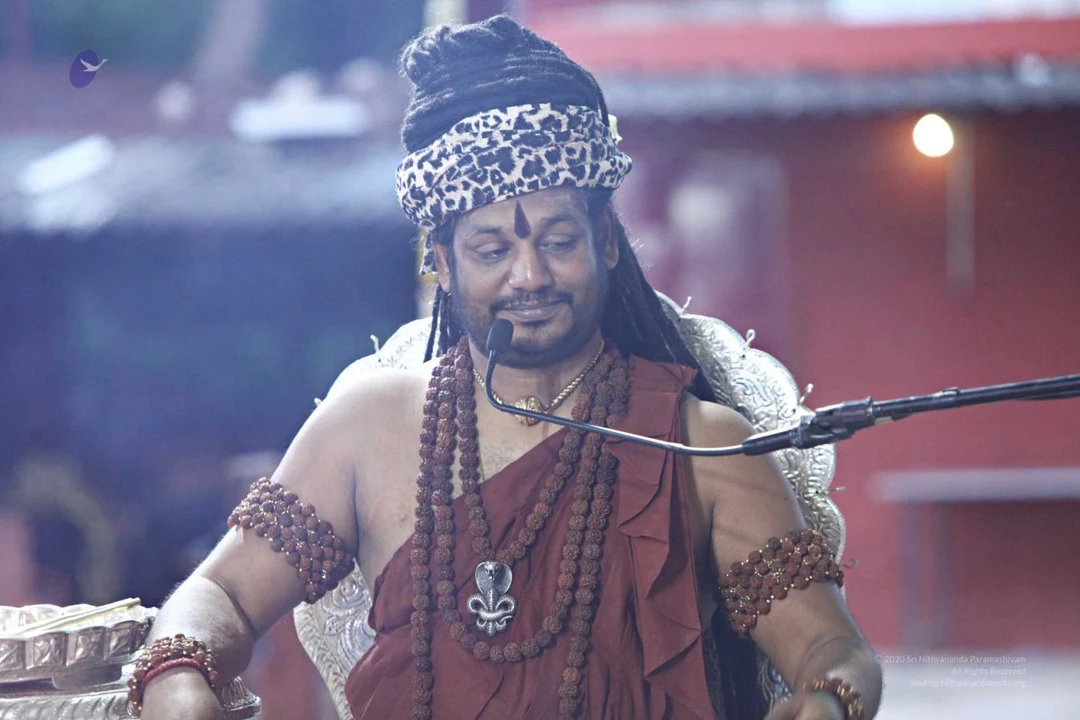 His Divine Holiness in the Spiritual Alchemy Process of preparing Aushadha - an esoteric science from the Siddha tradition which is used to achieve the state, space, powers of Paramashiva, and gain access to the 25 states of consciousness
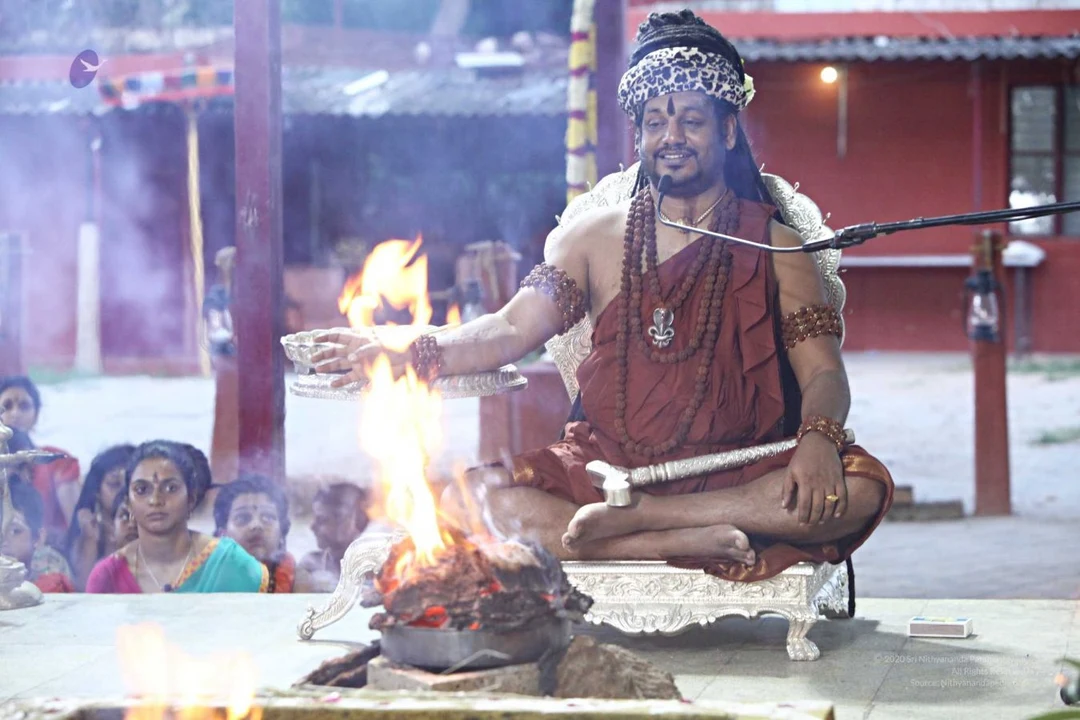 His Divine Holiness ignites the Spiritual Alchemy Process in preparation of Aushadha for Mahasadashivoham
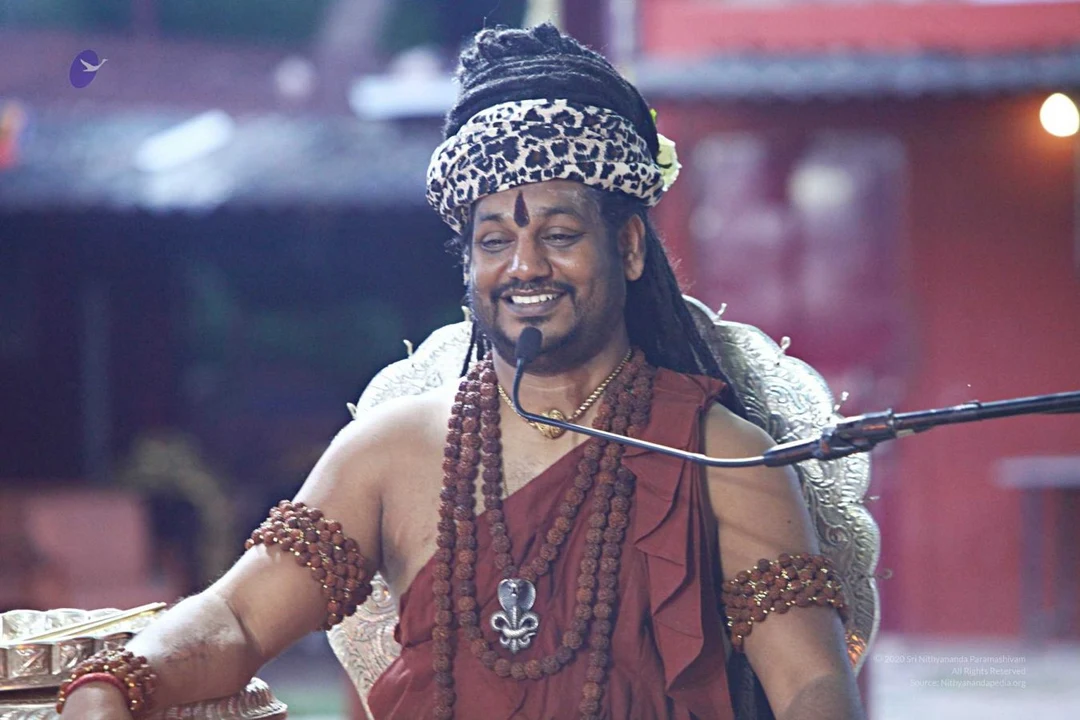 His Divine Holiness in the Spiritual Alchemy Process of preparing Aushadha - an esoteric science from the Siddha tradition which is used to achieve the state, space, powers of Paramashiva, and gain access to the 25 states of consciousness
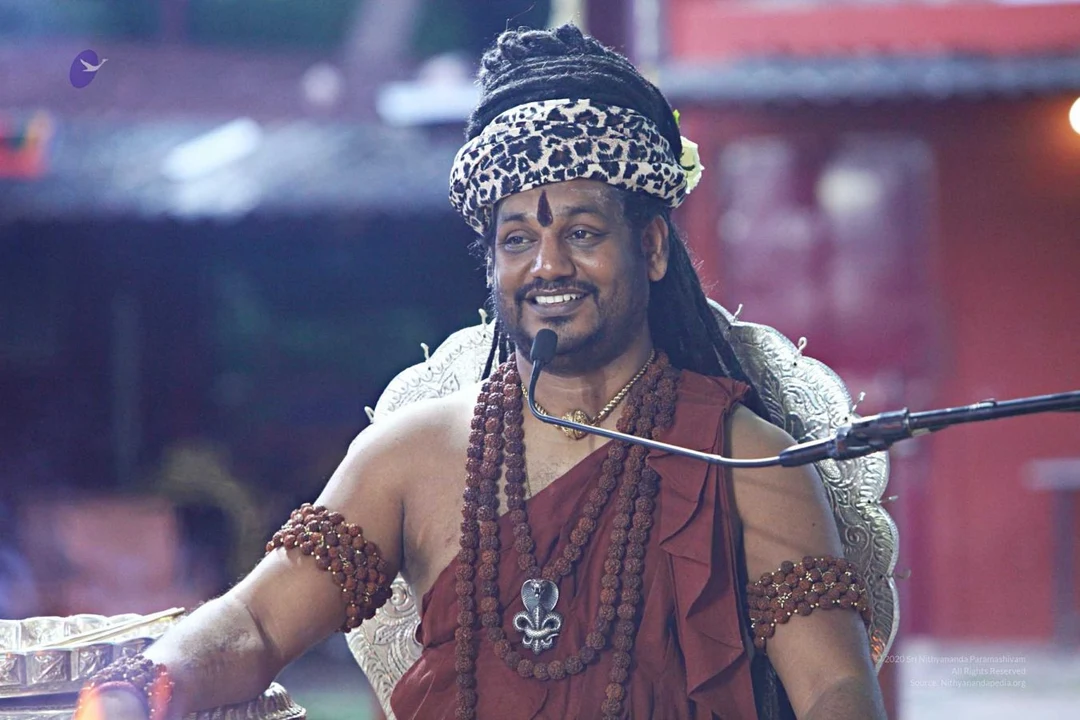 His Divine Holiness in the Spiritual Alchemy Process of preparing Aushadha - an esoteric science from the Siddha tradition which is used to achieve the state, space, powers of Paramashiva, and gain access to the 25 states of consciousness
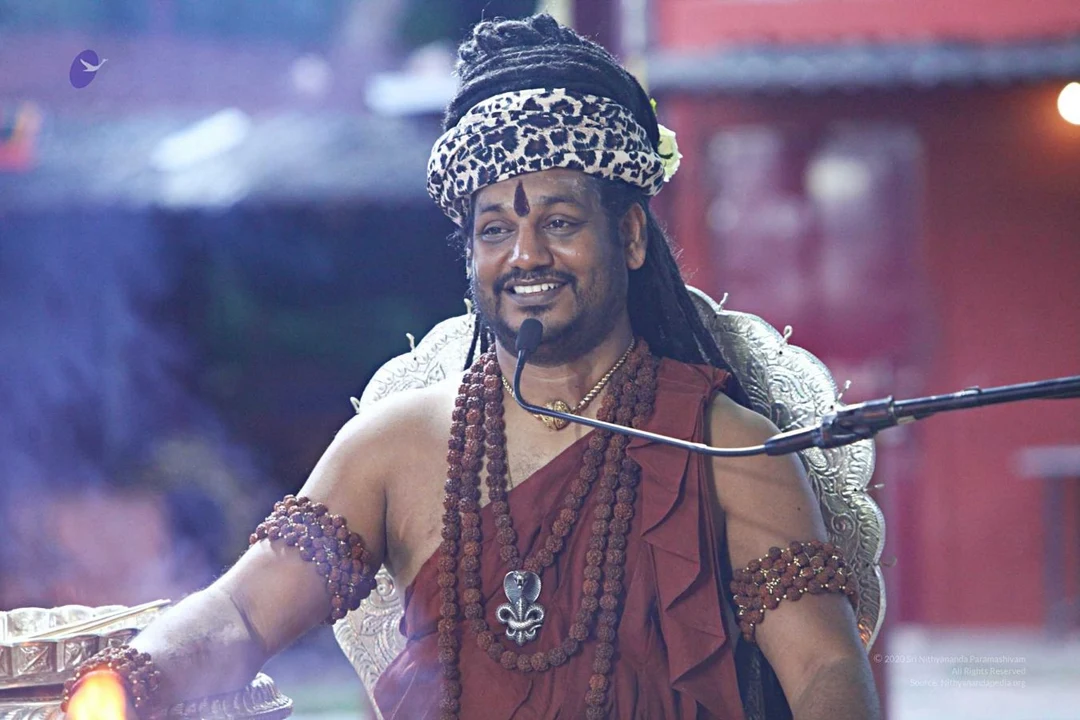 His Divine Holiness in the Spiritual Alchemy Process of preparing Aushadha - an esoteric science from the Siddha tradition which is used to achieve the state, space, powers of Paramashiva, and gain access to the 25 states of consciousness
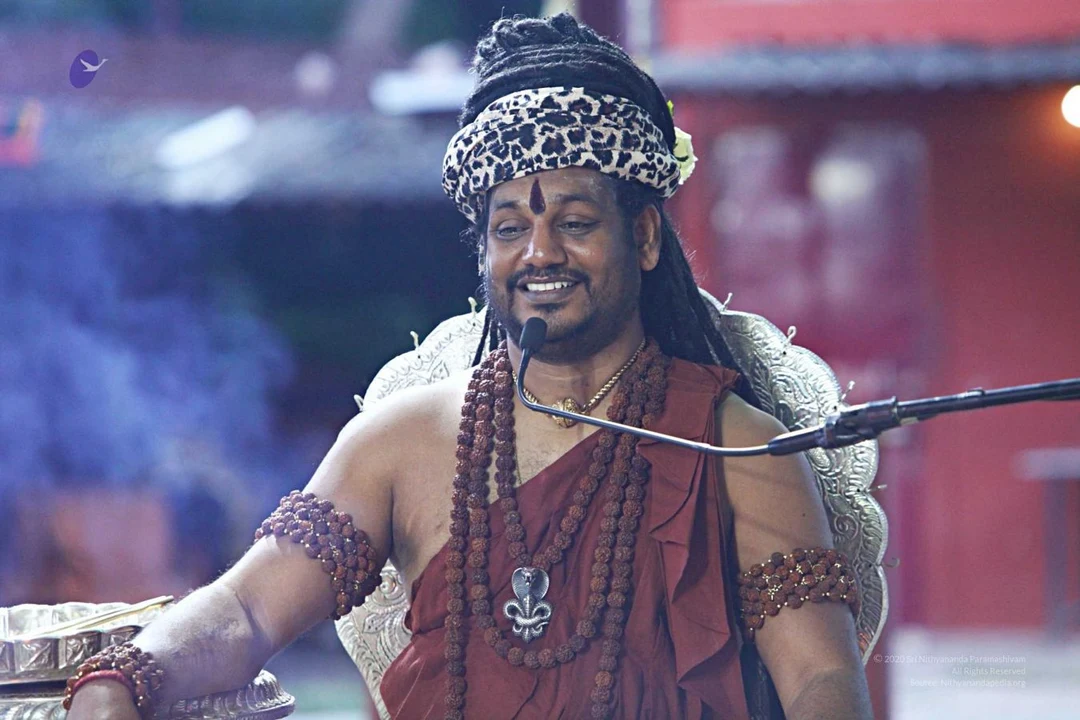 His Divine Holiness in the Spiritual Alchemy Process of preparing Aushadha - an esoteric science from the Siddha tradition which is used to achieve the state, space, powers of Paramashiva, and gain access to the 25 states of consciousness
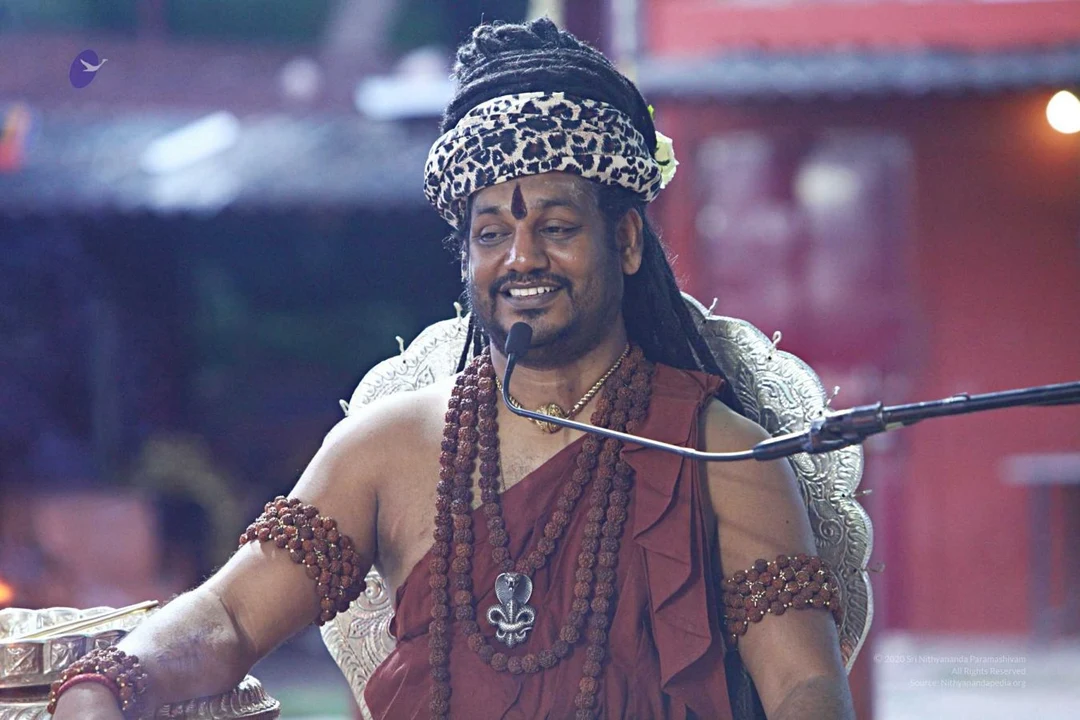 His Divine Holiness in the Spiritual Alchemy Process of preparing Aushadha - an esoteric science from the Siddha tradition which is used to achieve the state, space, powers of Paramashiva, and gain access to the 25 states of consciousness
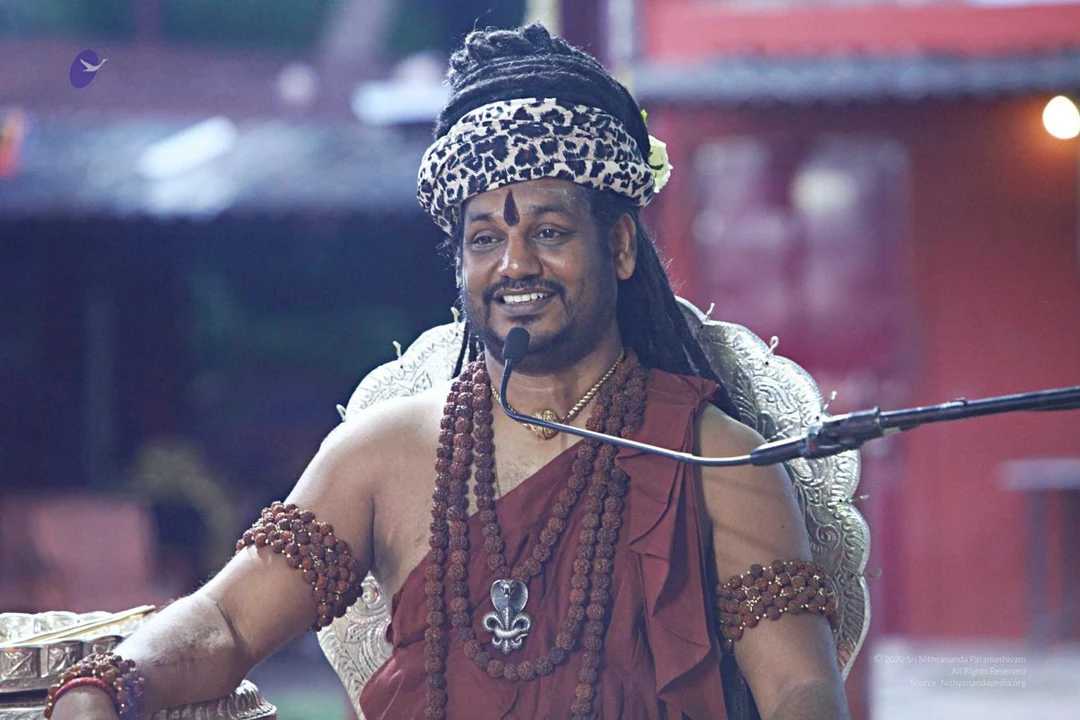 His Divine Holiness in the Spiritual Alchemy Process of preparing Aushadha - an esoteric science from the Siddha tradition which is used to achieve the state, space, powers of Paramashiva, and gain access to the 25 states of consciousness
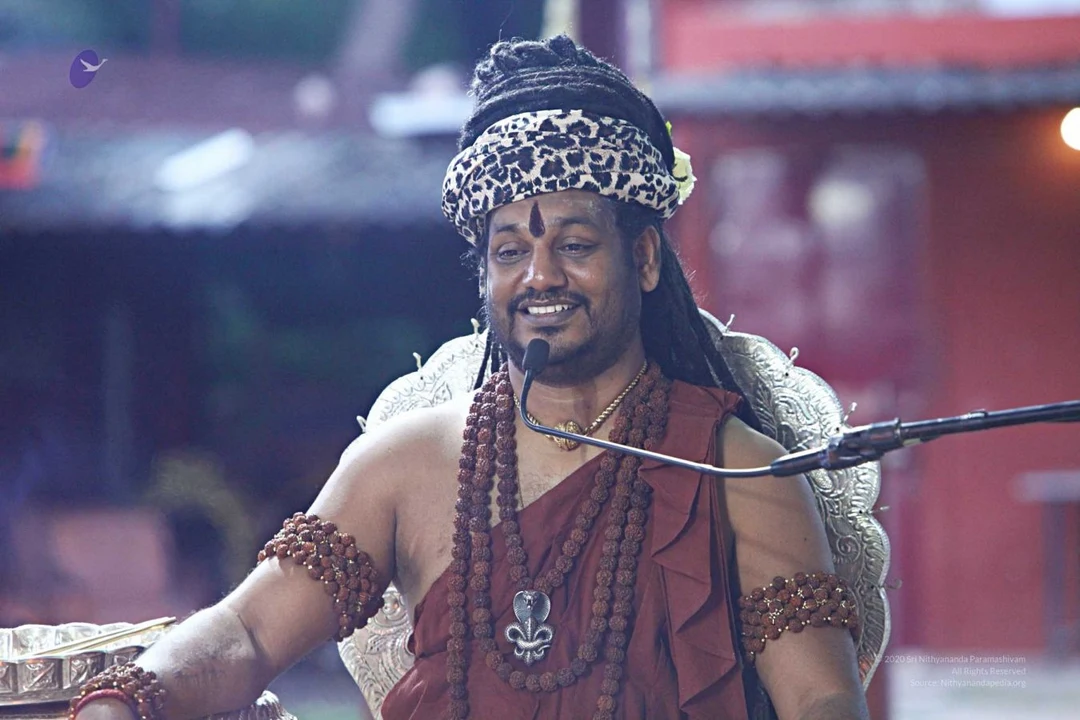 His Divine Holiness in the Spiritual Alchemy Process of preparing Aushadha - an esoteric science from the Siddha tradition which is used to achieve the state, space, powers of Paramashiva, and gain access to the 25 states of consciousness
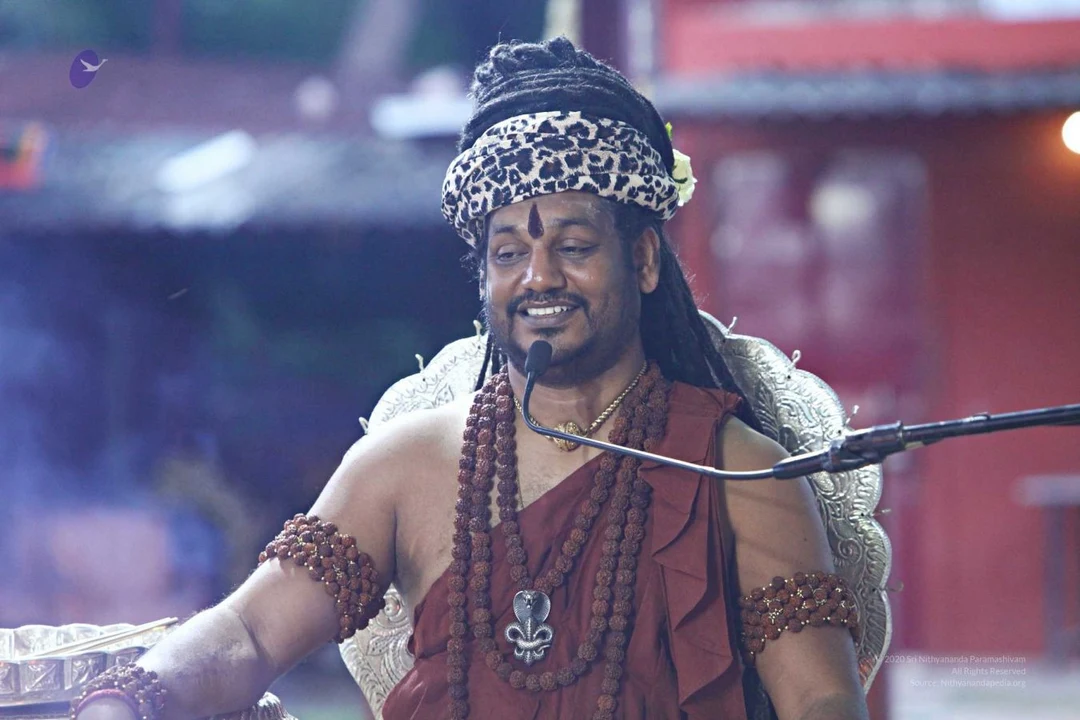 His Divine Holiness in the Spiritual Alchemy Process of preparing Aushadha - an esoteric science from the Siddha tradition which is used to achieve the state, space, powers of Paramashiva, and gain access to the 25 states of consciousness
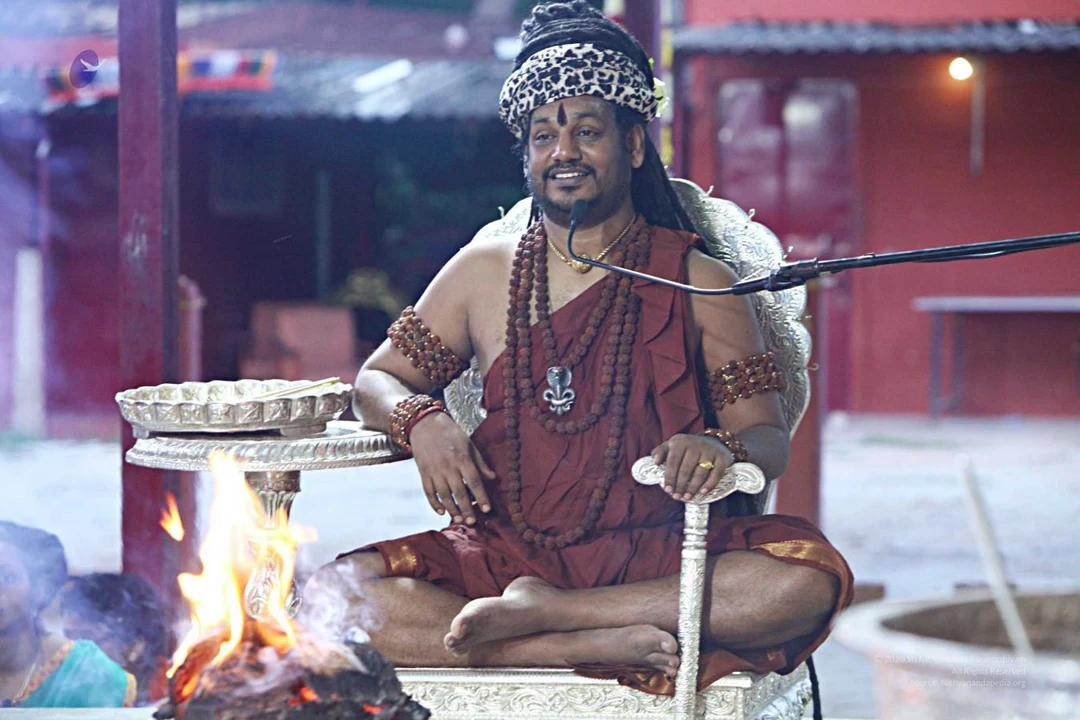 His Divine Holiness in the Spiritual Alchemy Process of preparing Aushadha - an esoteric science from the Siddha tradition which is used to achieve the state, space, powers of Paramashiva, and gain access to the 25 states of consciousness
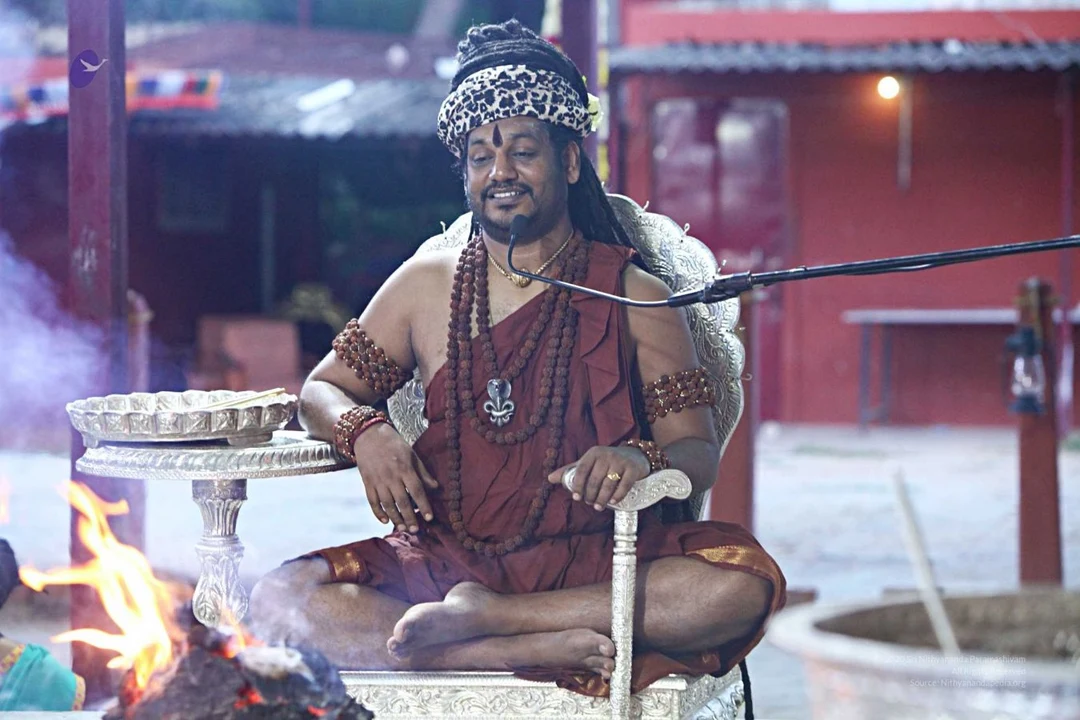 His Divine Holiness in the Spiritual Alchemy Process of preparing Aushadha - an esoteric science from the Siddha tradition which is used to achieve the state, space, powers of Paramashiva, and gain access to the 25 states of consciousness
 His Divine Holiness in the Spiritual Alchemy Process of preparing Aushadha - an esoteric science from the Siddha tradition which is used to achieve the state, space, powers of Paramashiva, and gain access to the 25 states of consciousness
 His Divine Holiness in the Spiritual Alchemy Process of preparing Aushadha - an esoteric science from the Siddha tradition which is used to achieve the state, space, powers of Paramashiva, and gain access to the 25 states of consciousness
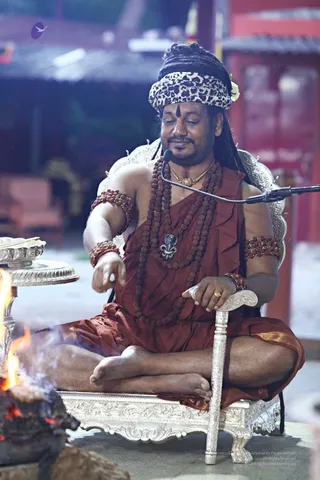 His Divine Holiness in the Spiritual Alchemy Process of preparing Aushadha - an esoteric science from the Siddha tradition which is used to achieve the state, space, powers of Paramashiva, and gain access to the 25 states of consciousness
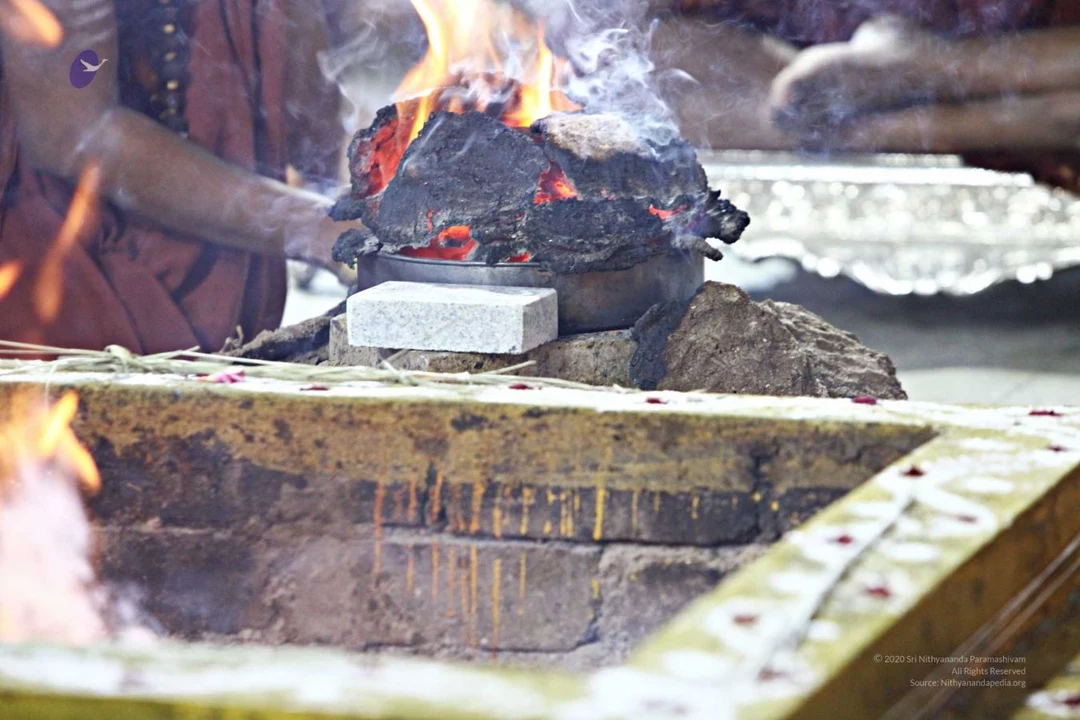 This Siddha technique is called Pudamgaatal. Pudam means purifying, Pudamgaatal is the process of purifying the Aushadha by keeping it above the ground and exposing it to heat and smoke. This smoke was generated by burning cowdung from Nithyananda Goshala's pure Desi cows
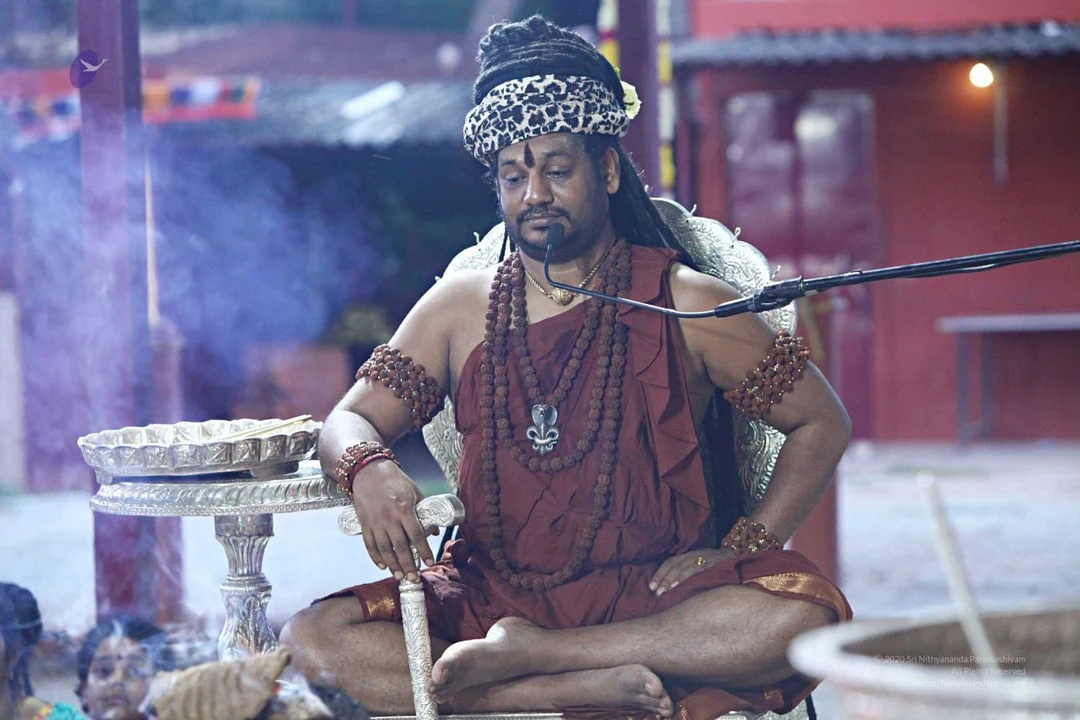 His Divine Holiness in the Spiritual Alchemy Process of preparing Aushadha - an esoteric science from the Siddha tradition which is used to achieve the state, space, powers of Paramashiva, and gain access to the 25 states of consciousness
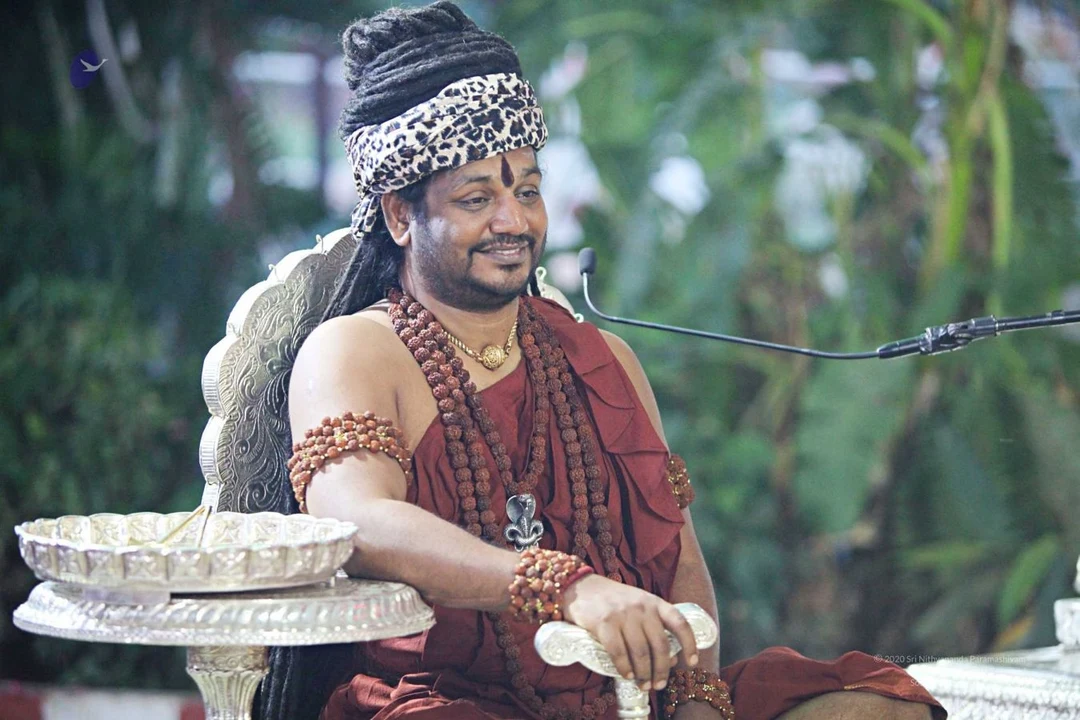 His Divine Holiness in the Spiritual Alchemy Process of preparing Aushadha - an esoteric science from the Siddha tradition which is used to achieve the state, space, powers of Paramashiva, and gain access to the 25 states of consciousness
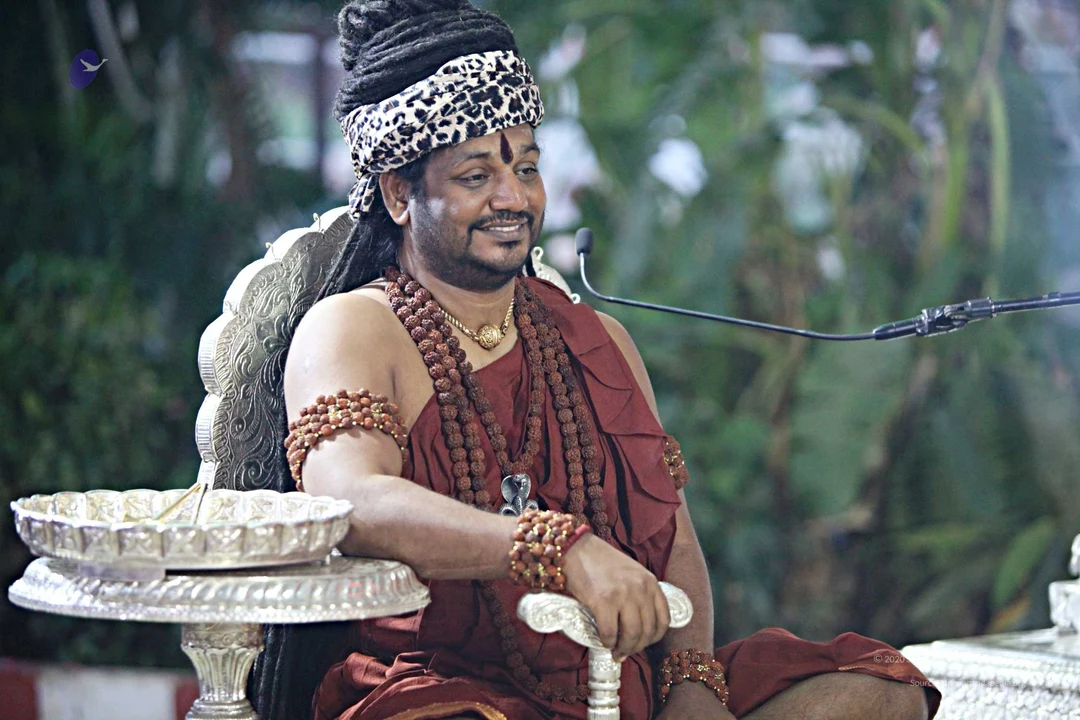 His Divine Holiness in the Spiritual Alchemy Process of preparing Aushadha - an esoteric science from the Siddha tradition which is used to achieve the state, space, powers of Paramashiva, and gain access to the 25 states of consciousness
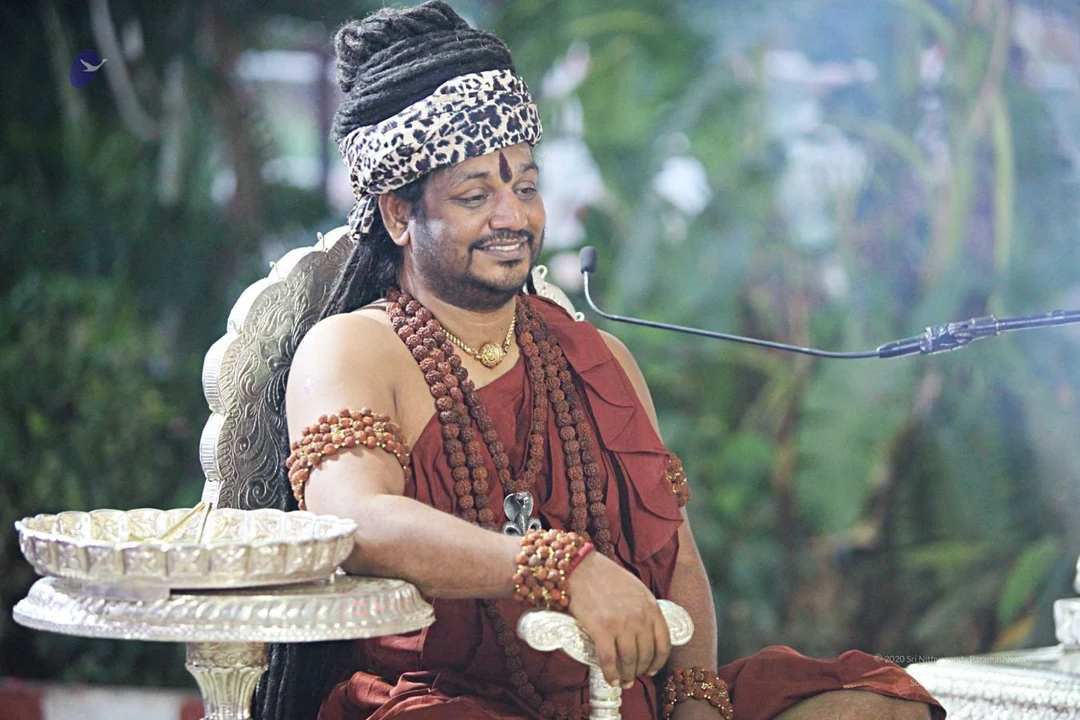 His Divine Holiness in the Spiritual Alchemy Process of preparing Aushadha - an esoteric science from the Siddha tradition which is used to achieve the state, space, powers of Paramashiva, and gain access to the 25 states of consciousness
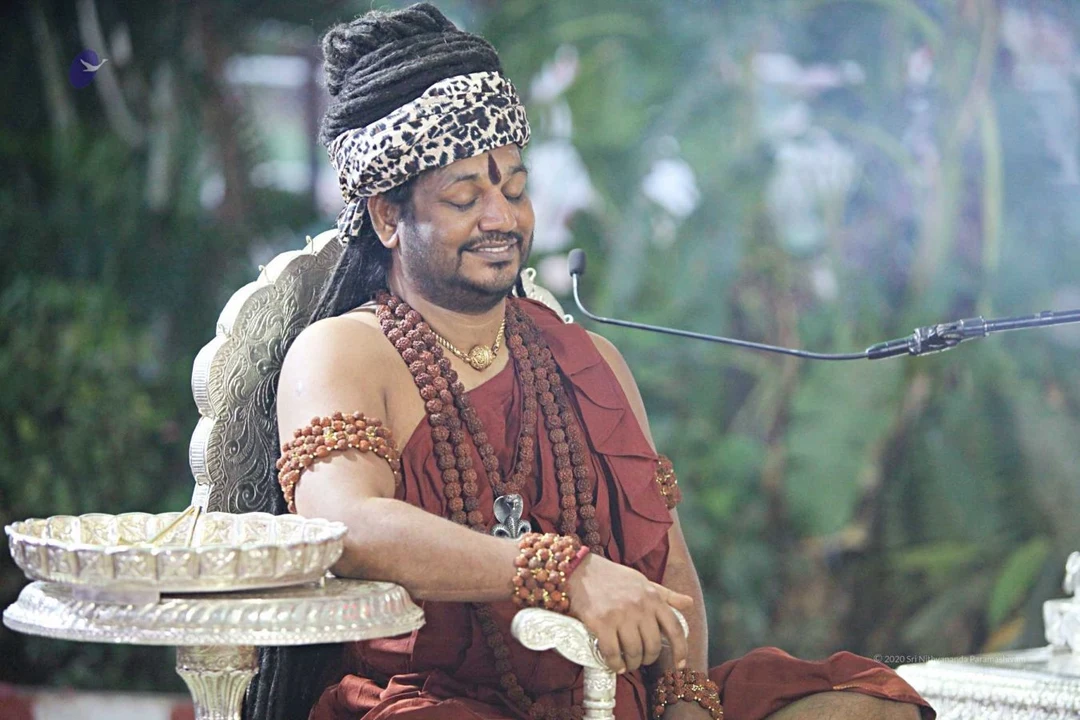 His Divine Holiness in the Spiritual Alchemy Process of preparing Aushadha - an esoteric science from the Siddha tradition which is used to achieve the state, space, powers of Paramashiva, and gain access to the 25 states of consciousness
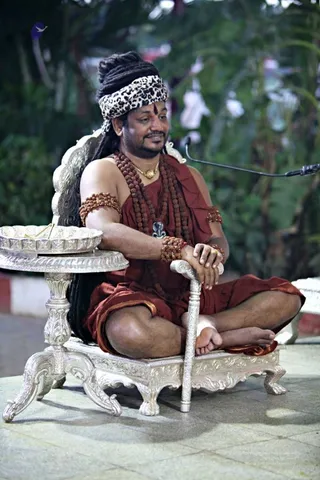 His Divine Holiness in the Spiritual Alchemy Process of preparing Aushadha - an esoteric science from the Siddha tradition which is used to achieve the state, space, powers of Paramashiva, and gain access to the 25 states of consciousness
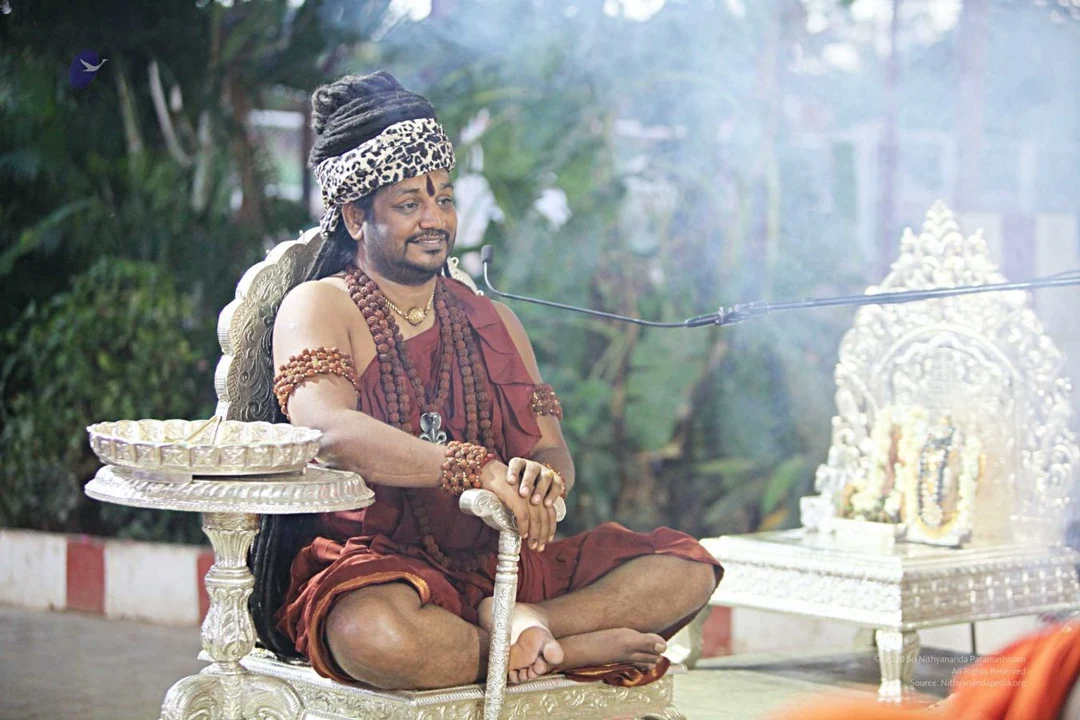 His Divine Holiness in the Spiritual Alchemy Process of preparing Aushadha - an esoteric science from the Siddha tradition which is used to achieve the state, space, powers of Paramashiva, and gain access to the 25 states of consciousness
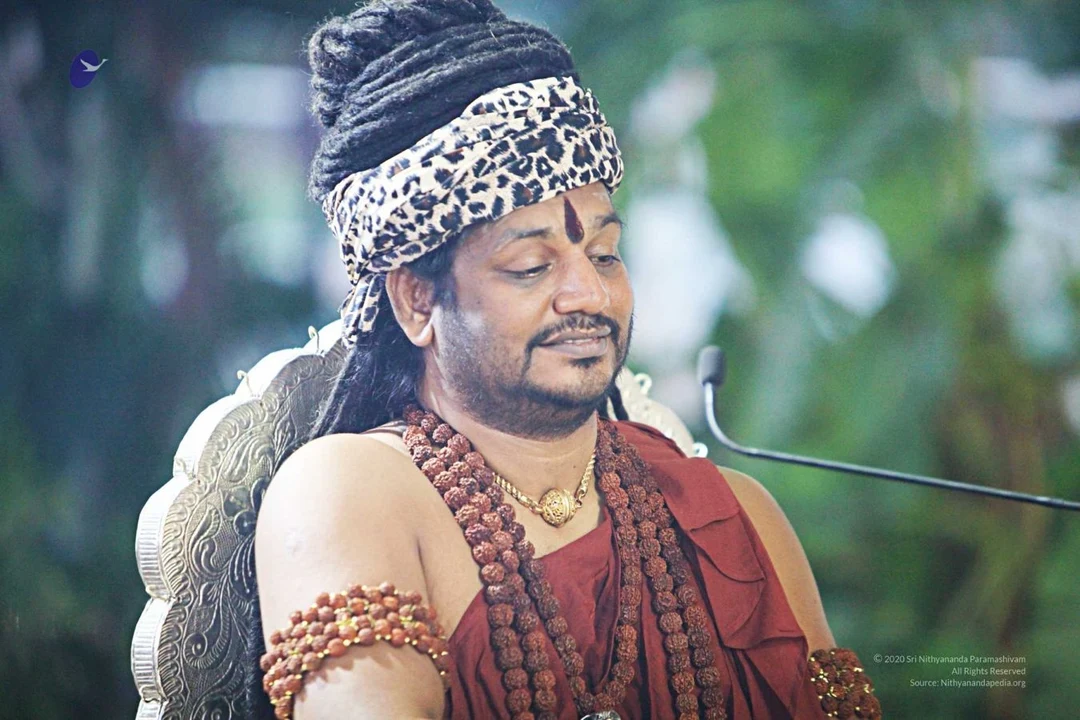 His Divine Holiness in the Spiritual Alchemy Process of preparing Aushadha - an esoteric science from the Siddha tradition which is used to achieve the state, space, powers of Paramashiva, and gain access to the 25 states of consciousness
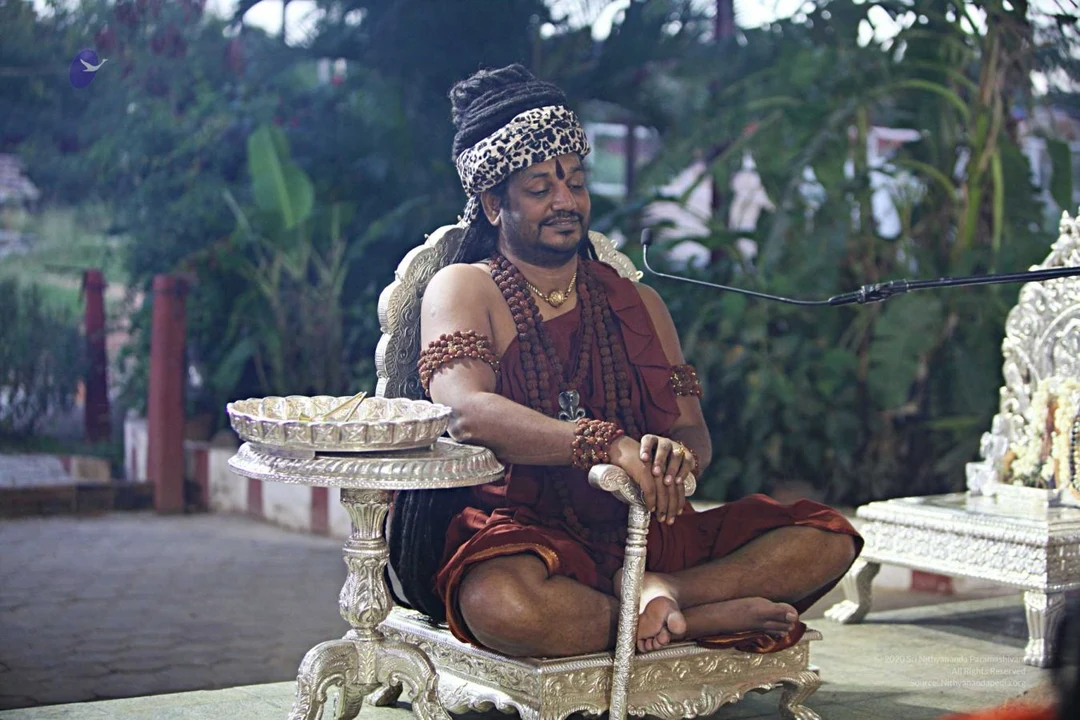 His Divine Holiness in the Spiritual Alchemy Process of preparing Aushadha - an esoteric science from the Siddha tradition which is used to achieve the state, space, powers of Paramashiva, and gain access to the 25 states of consciousness
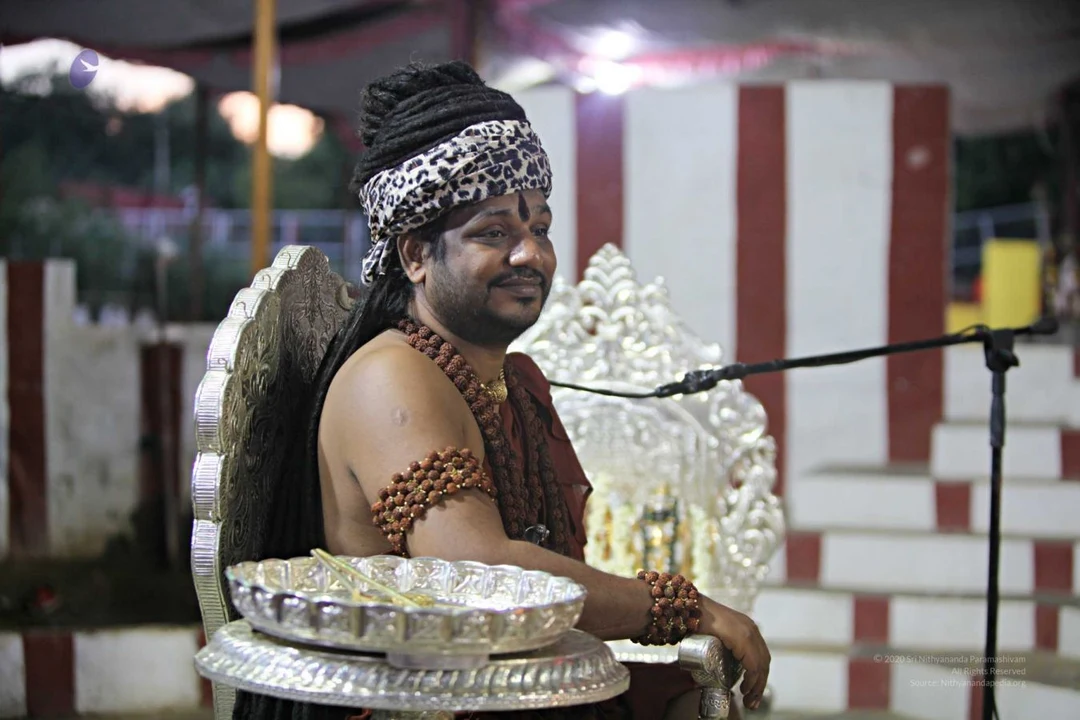 His Divine Holiness in the Spiritual Alchemy Process of preparing Aushadha - an esoteric science from the Siddha tradition which is used to achieve the state, space, powers of Paramashiva, and gain access to the 25 states of consciousness
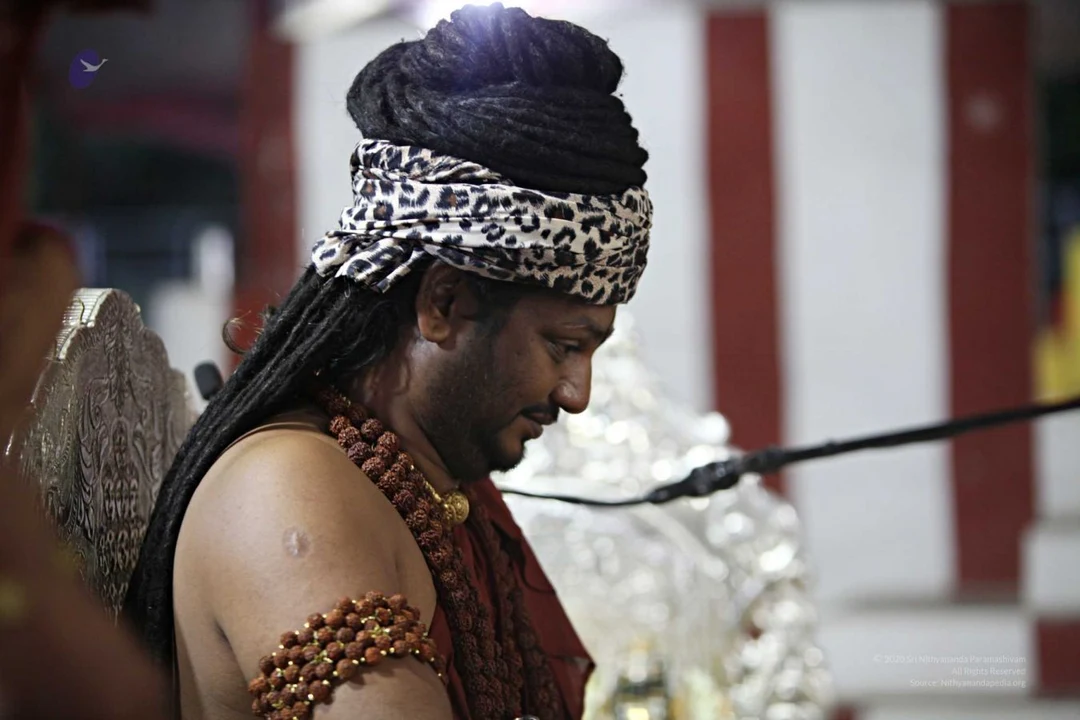 His Divine Holiness in the Spiritual Alchemy Process of preparing Aushadha - an esoteric science from the Siddha tradition which is used to achieve the state, space, powers of Paramashiva, and gain access to the 25 states of consciousness
 His Divine Holiness in the Spiritual Alchemy Process of preparing Aushadha - an esoteric science from the Siddha tradition which is used to achieve the state, space, powers of Paramashiva, and gain access to the 25 states of consciousness
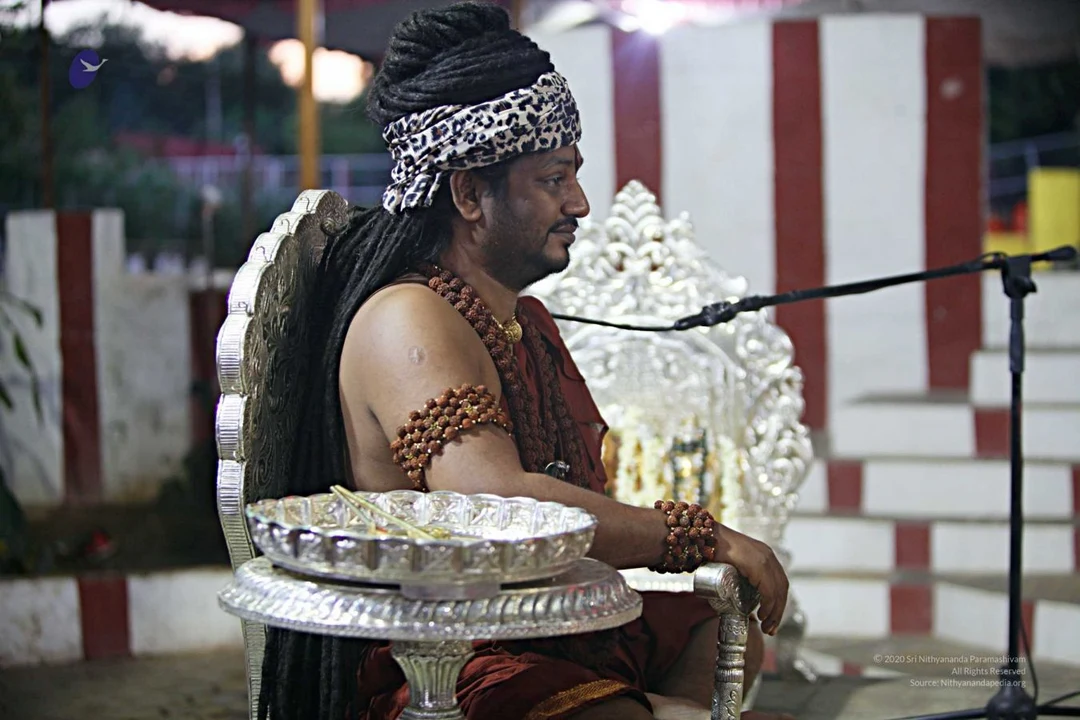 His Divine Holiness in the Spiritual Alchemy Process of preparing Aushadha - an esoteric science from the Siddha tradition which is used to achieve the state, space, powers of Paramashiva, and gain access to the 25 states of consciousness
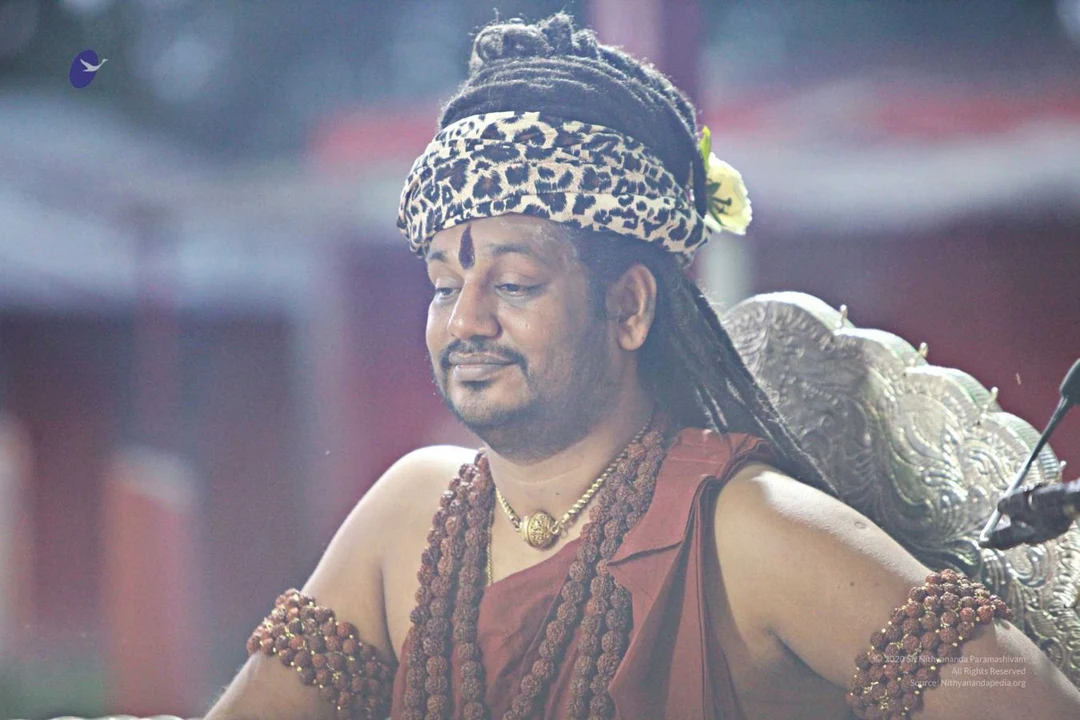 His Divine Holiness in the Spiritual Alchemy Process of preparing Aushadha - an esoteric science from the Siddha tradition which is used to achieve the state, space, powers of Paramashiva, and gain access to the 25 states of consciousness
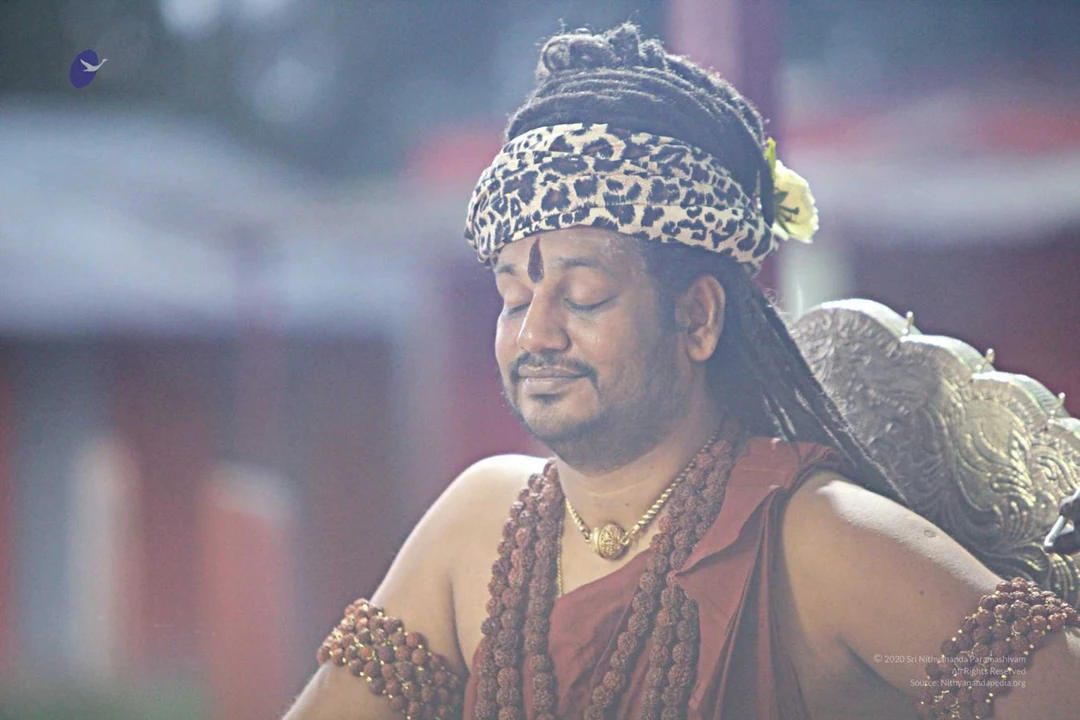 His Divine Holiness in the Spiritual Alchemy Process of preparing Aushadha - an esoteric science from the Siddha tradition which is used to achieve the state, space, powers of Paramashiva, and gain access to the 25 states of consciousness
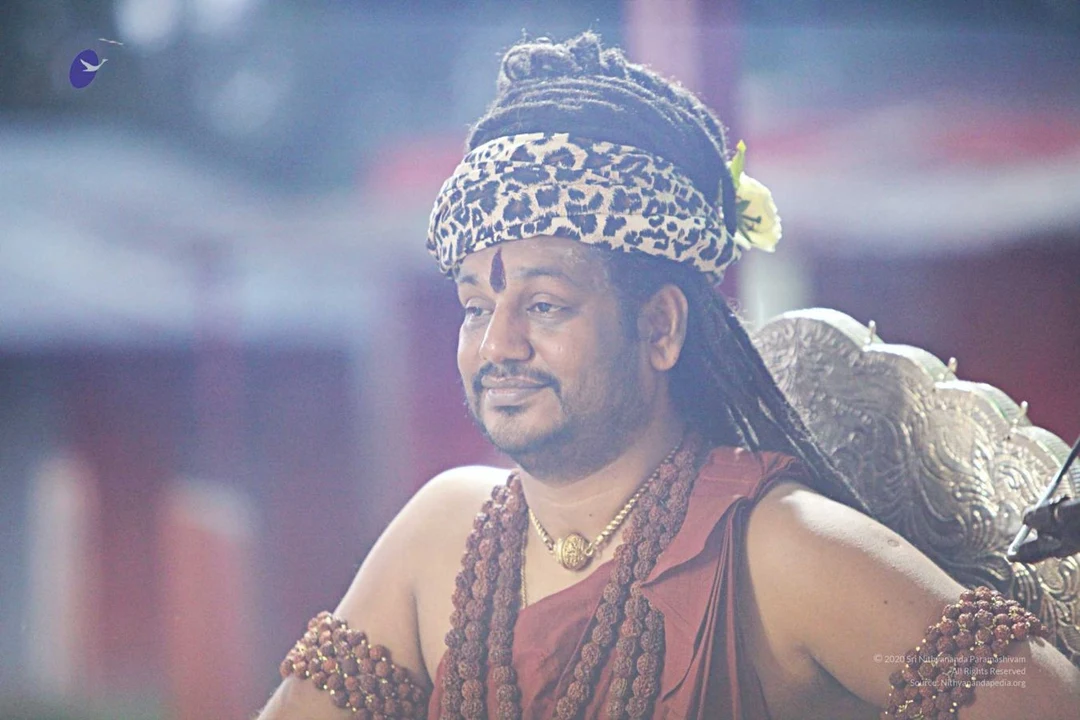 His Divine Holiness in the Spiritual Alchemy Process of preparing Aushadha - an esoteric science from the Siddha tradition which is used to achieve the state, space, powers of Paramashiva, and gain access to the 25 states of consciousness
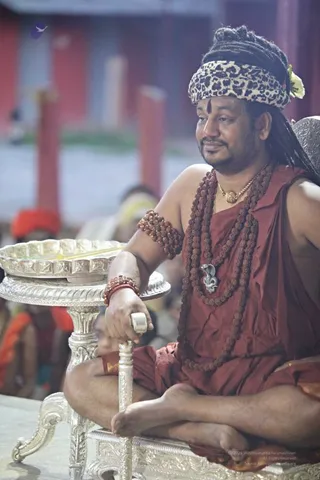 His Divine Holiness in the Spiritual Alchemy Process of preparing Aushadha - an esoteric science from the Siddha tradition which is used to achieve the state, space, powers of Paramashiva, and gain access to the 25 states of consciousness
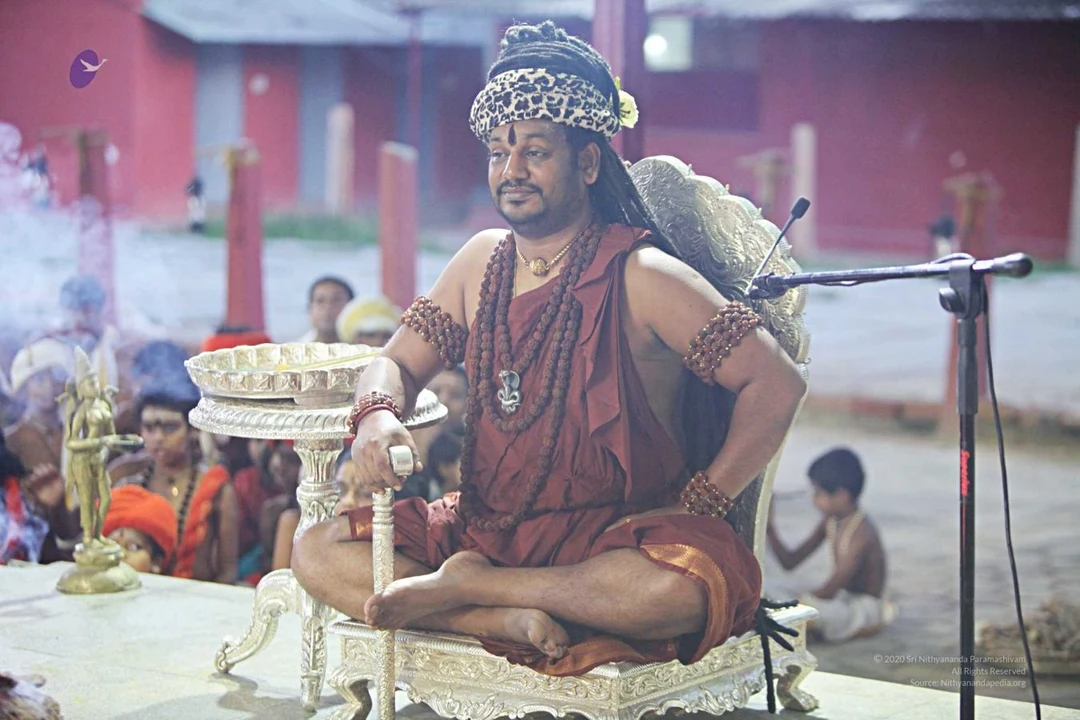 His Divine Holiness in the Spiritual Alchemy Process of preparing Aushadha - an esoteric science from the Siddha tradition which is used to achieve the state, space, powers of Paramashiva, and gain access to the 25 states of consciousness
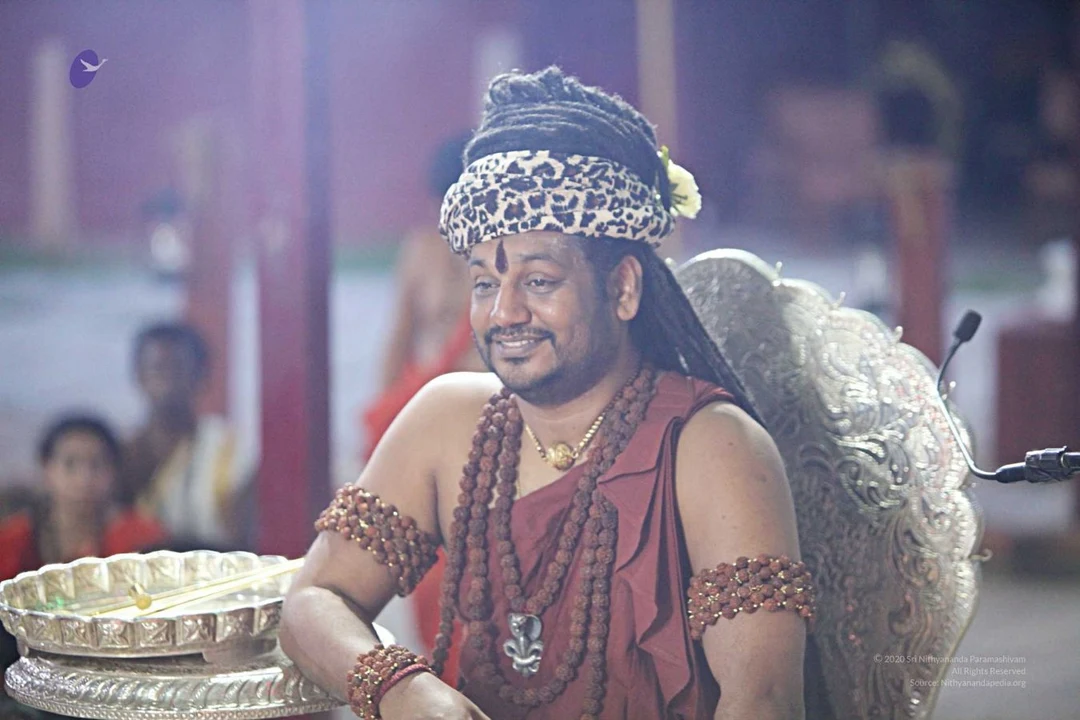 His Divine Holiness in the Spiritual Alchemy Process of preparing Aushadha - an esoteric science from the Siddha tradition which is used to achieve the state, space, powers of Paramashiva, and gain access to the 25 states of consciousness
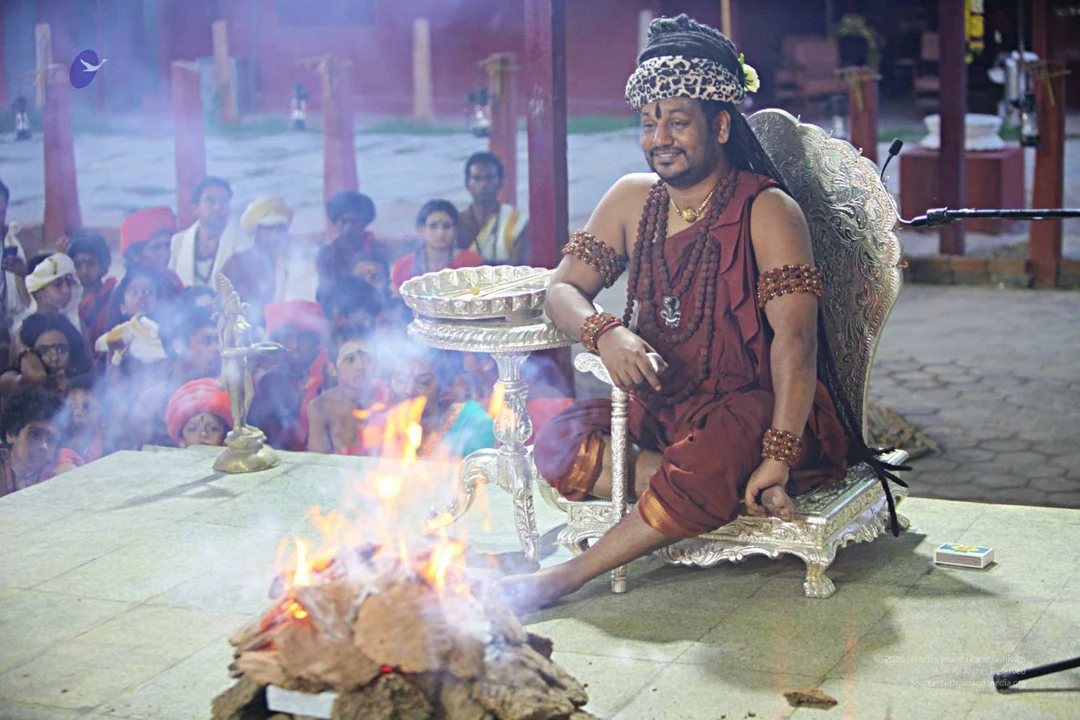 His Divine Holiness in the Spiritual Alchemy Process of preparing Aushadha - an esoteric science from the Siddha tradition which is used to achieve the state, space, powers of Paramashiva, and gain access to the 25 states of consciousness
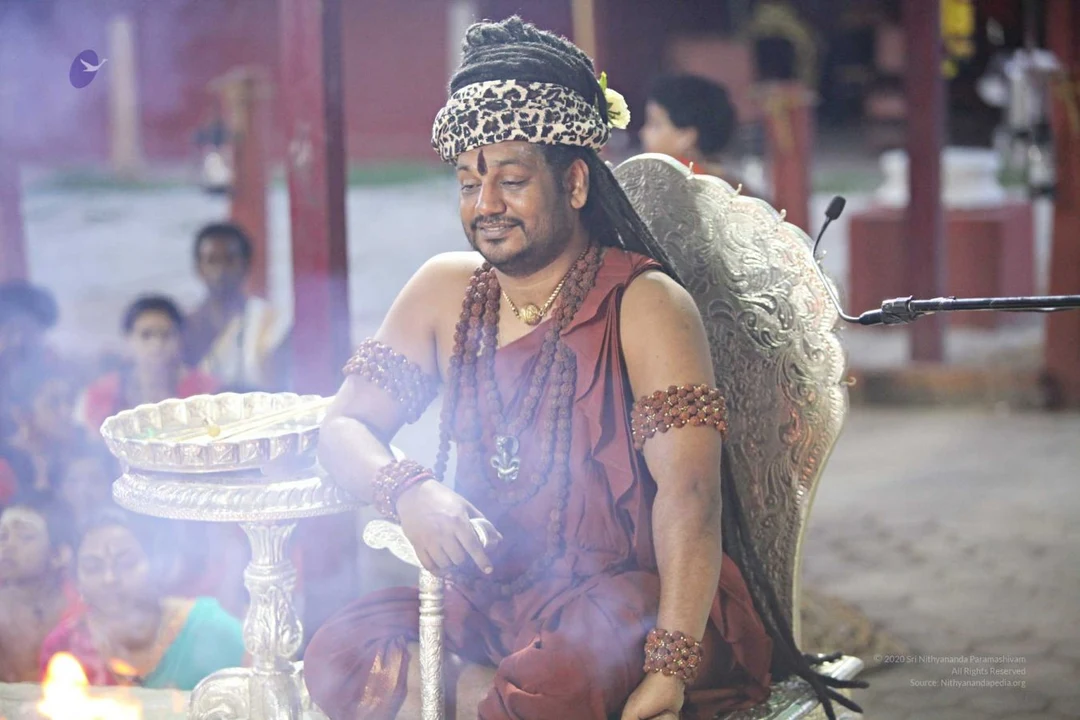 His Divine Holiness in the Spiritual Alchemy Process of preparing Aushadha - an esoteric science from the Siddha tradition which is used to achieve the state, space, powers of Paramashiva, and gain access to the 25 states of consciousness
 His Divine Holiness in the Spiritual Alchemy Process of preparing Aushadha - an esoteric science from the Siddha tradition which is used to achieve the state, space, powers of Paramashiva, and gain access to the 25 states of consciousness
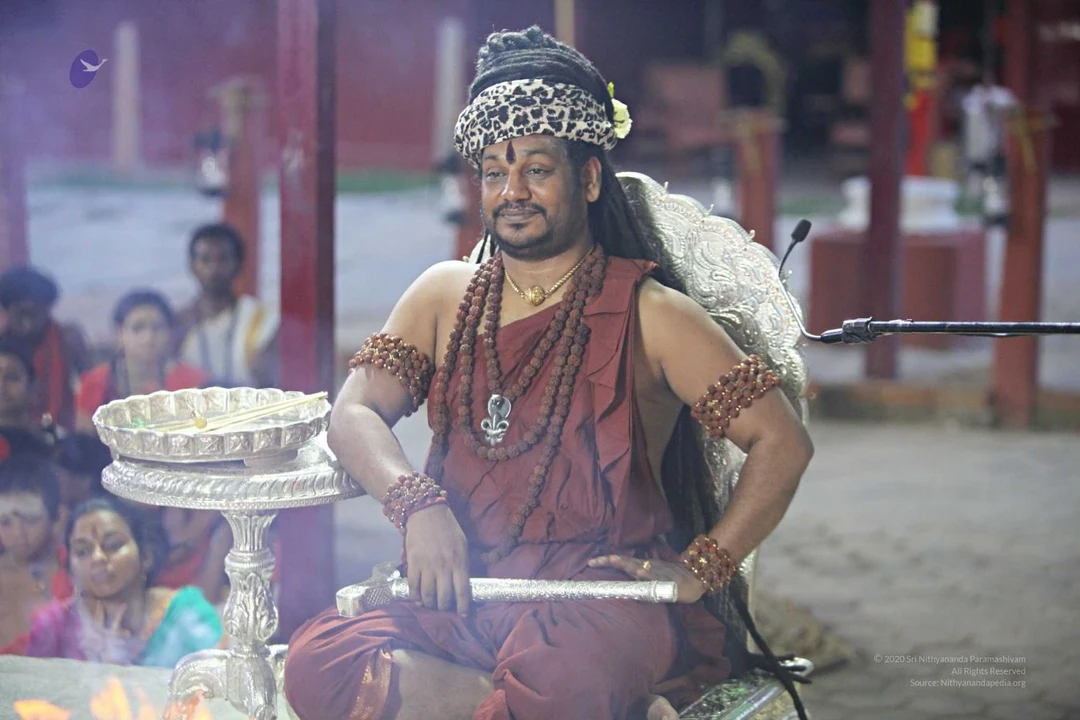 His Divine Holiness in the Spiritual Alchemy Process of preparing Aushadha - an esoteric science from the Siddha tradition which is used to achieve the state, space, powers of Paramashiva, and gain access to the 25 states of consciousness
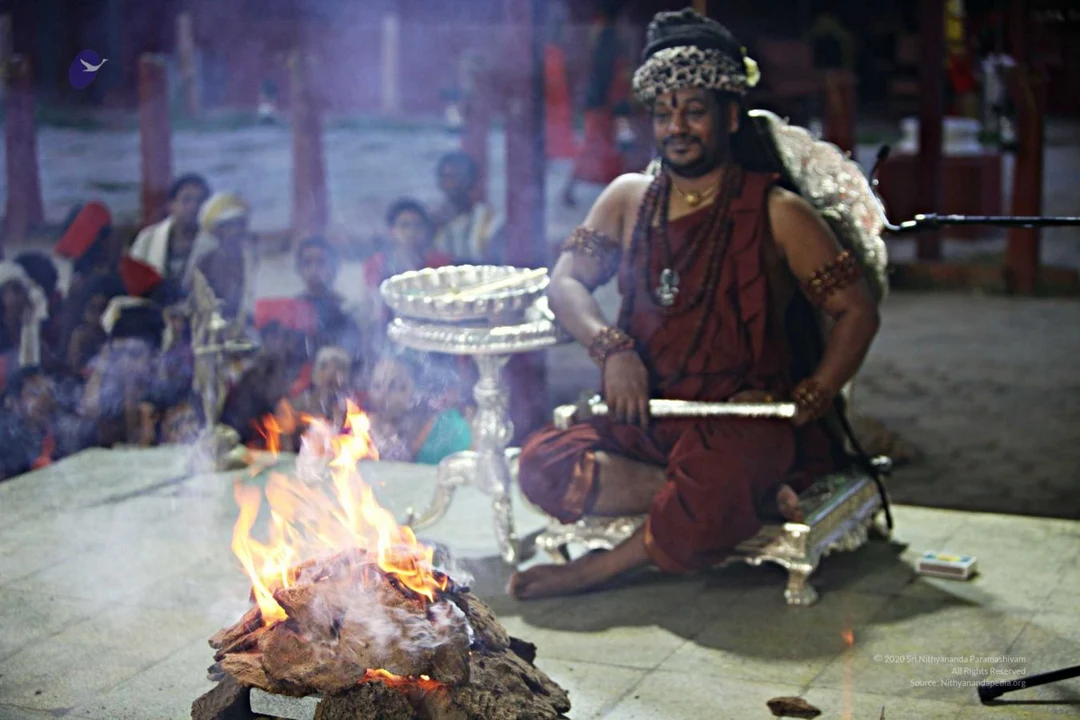 His Divine Holiness in the Spiritual Alchemy Process of preparing Aushadha - an esoteric science from the Siddha tradition which is used to achieve the state, space, powers of Paramashiva, and gain access to the 25 states of consciousness
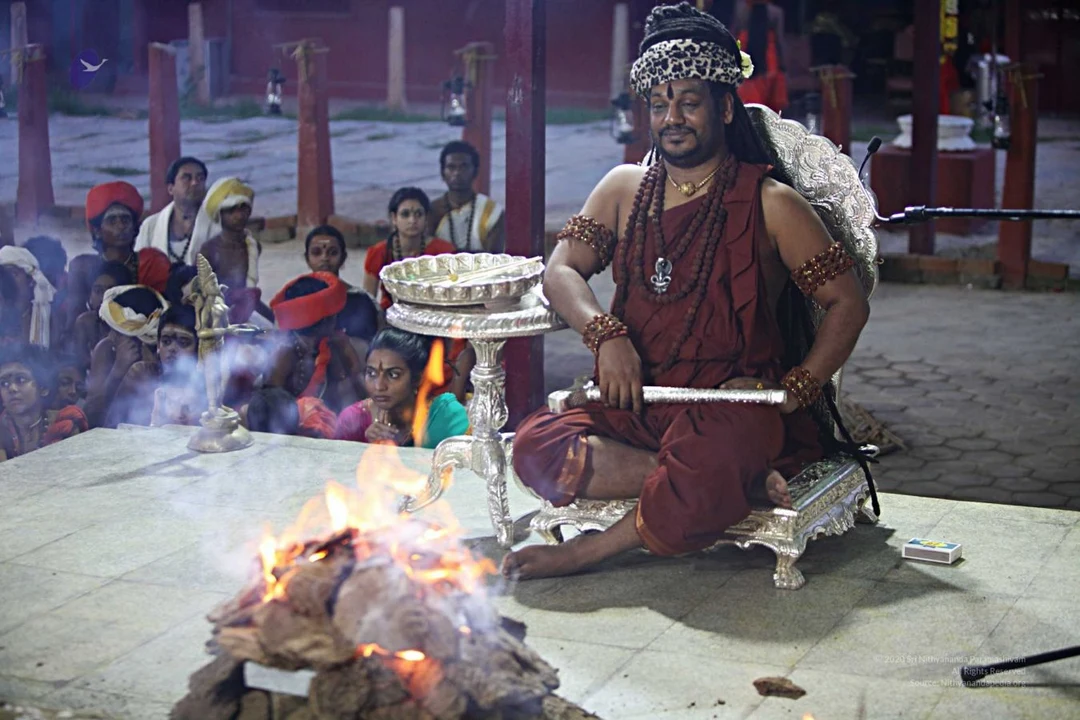 His Divine Holiness in the Spiritual Alchemy Process of preparing Aushadha - an esoteric science from the Siddha tradition which is used to achieve the state, space, powers of Paramashiva, and gain access to the 25 states of consciousness
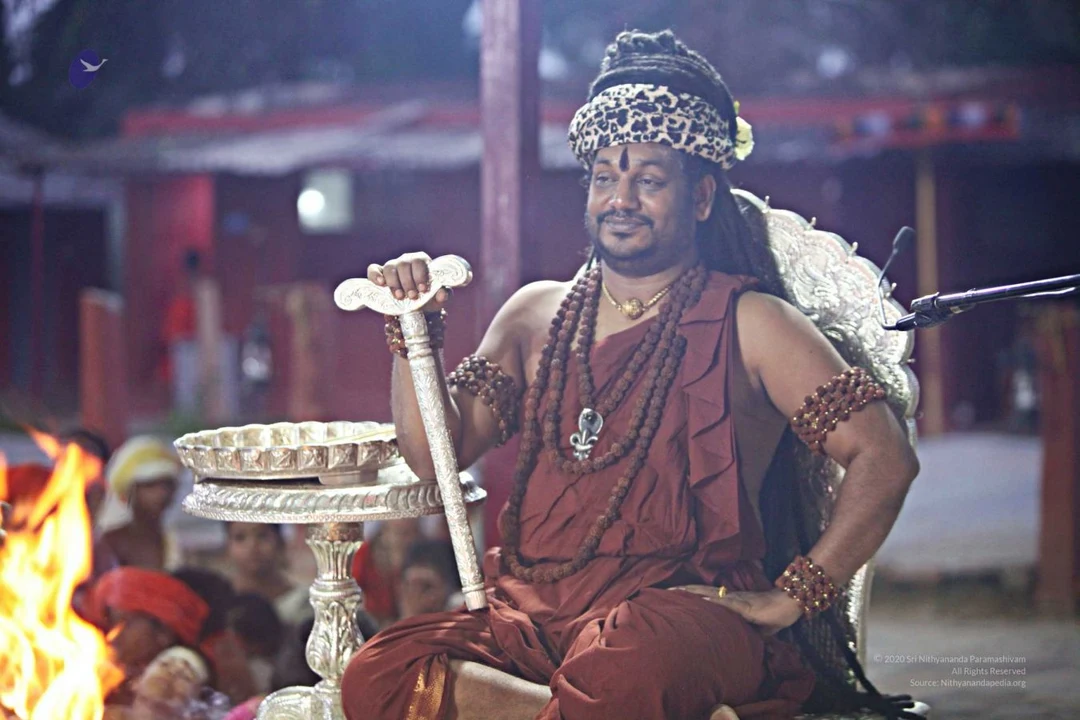 His Divine Holiness in the Spiritual Alchemy Process of preparing Aushadha - an esoteric science from the Siddha tradition which is used to achieve the state, space, powers of Paramashiva, and gain access to the 25 states of consciousness
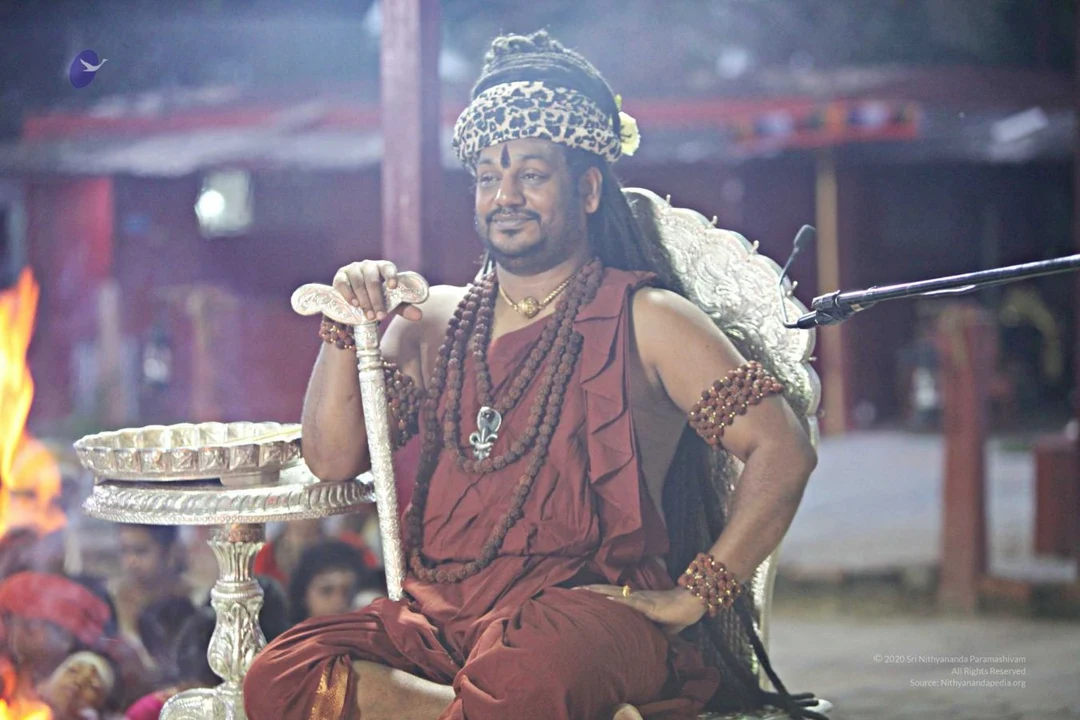 His Divine Holiness in the Spiritual Alchemy Process of preparing Aushadha - an esoteric science from the Siddha tradition which is used to achieve the state, space, powers of Paramashiva, and gain access to the 25 states of consciousness
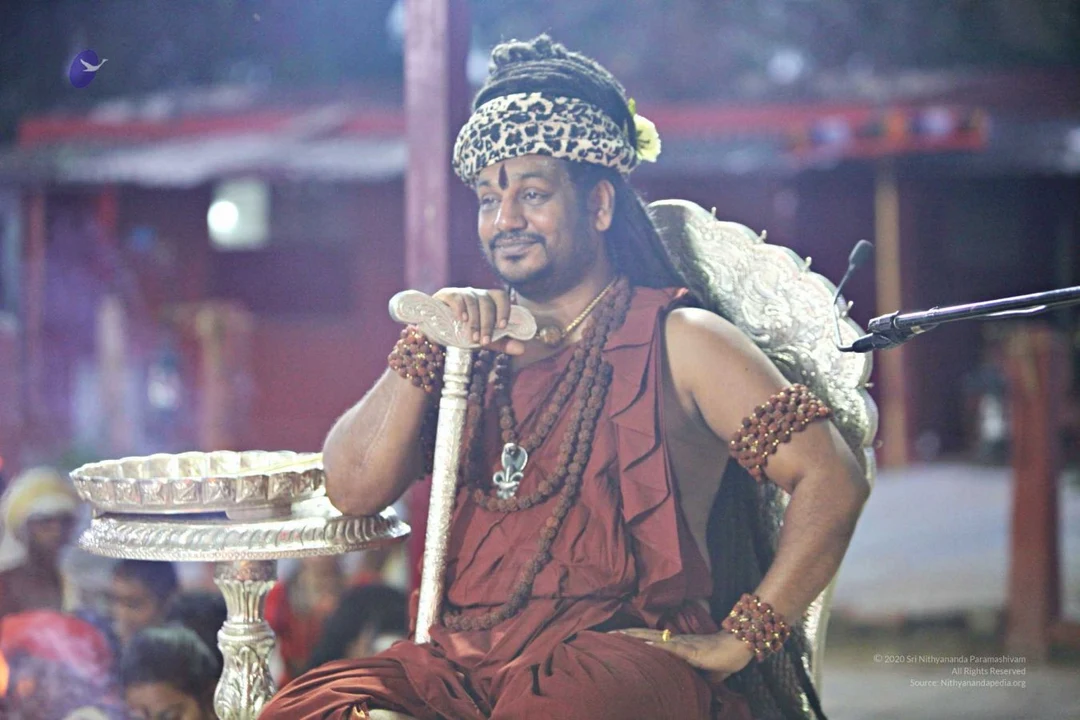 His Divine Holiness in the Spiritual Alchemy Process of preparing Aushadha - an esoteric science from the Siddha tradition which is used to achieve the state, space, powers of Paramashiva, and gain access to the 25 states of consciousness
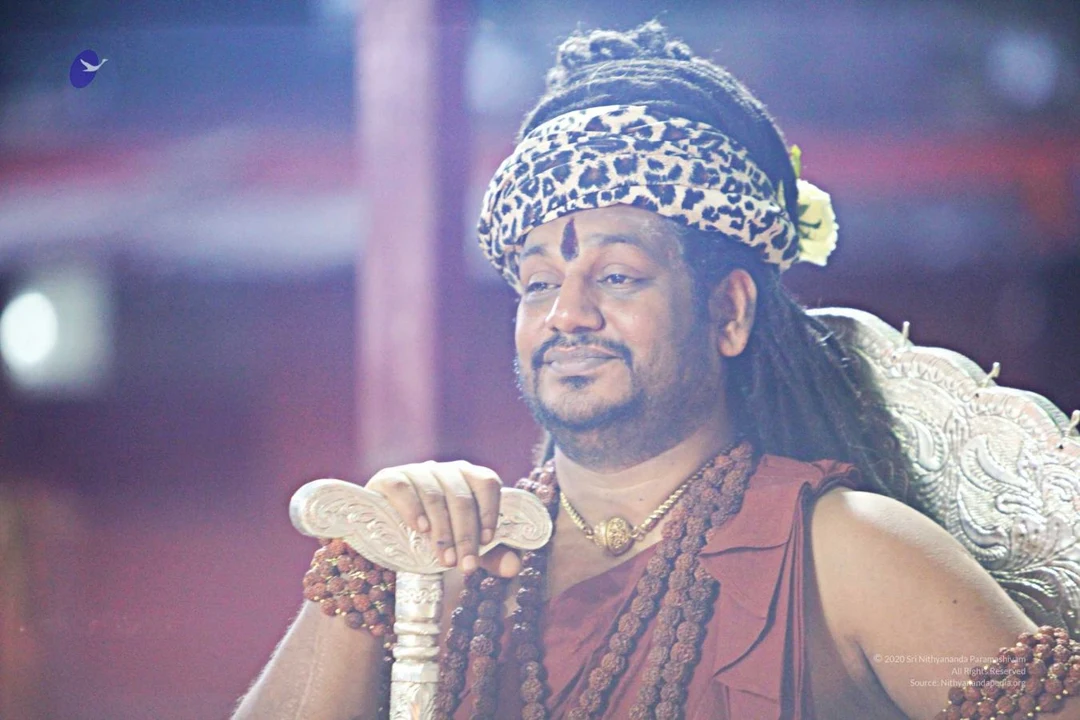 His Divine Holiness in the Spiritual Alchemy Process of preparing Aushadha - an esoteric science from the Siddha tradition which is used to achieve the state, space, powers of Paramashiva, and gain access to the 25 states of consciousness
 His Divine Holiness in the Spiritual Alchemy Process of preparing Aushadha - an esoteric science from the Siddha tradition which is used to achieve the state, space, powers of Paramashiva, and gain access to the 25 states of consciousness
 His Divine Holiness in the Spiritual Alchemy Process of preparing Aushadha - an esoteric science from the Siddha tradition which is used to achieve the state, space, powers of Paramashiva, and gain access to the 25 states of consciousness
 His Divine Holiness in the Spiritual Alchemy Process of preparing Aushadha - an esoteric science from the Siddha tradition which is used to achieve the state, space, powers of Paramashiva, and gain access to the 25 states of consciousness
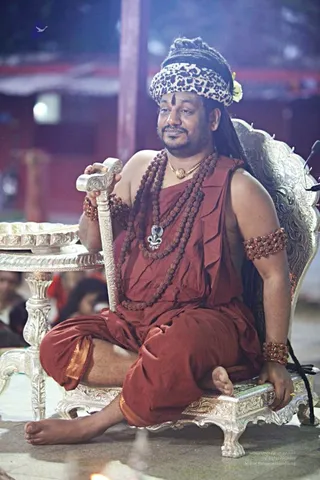 His Divine Holiness in the Spiritual Alchemy Process of preparing Aushadha - an esoteric science from the Siddha tradition which is used to achieve the state, space, powers of Paramashiva, and gain access to the 25 states of consciousness
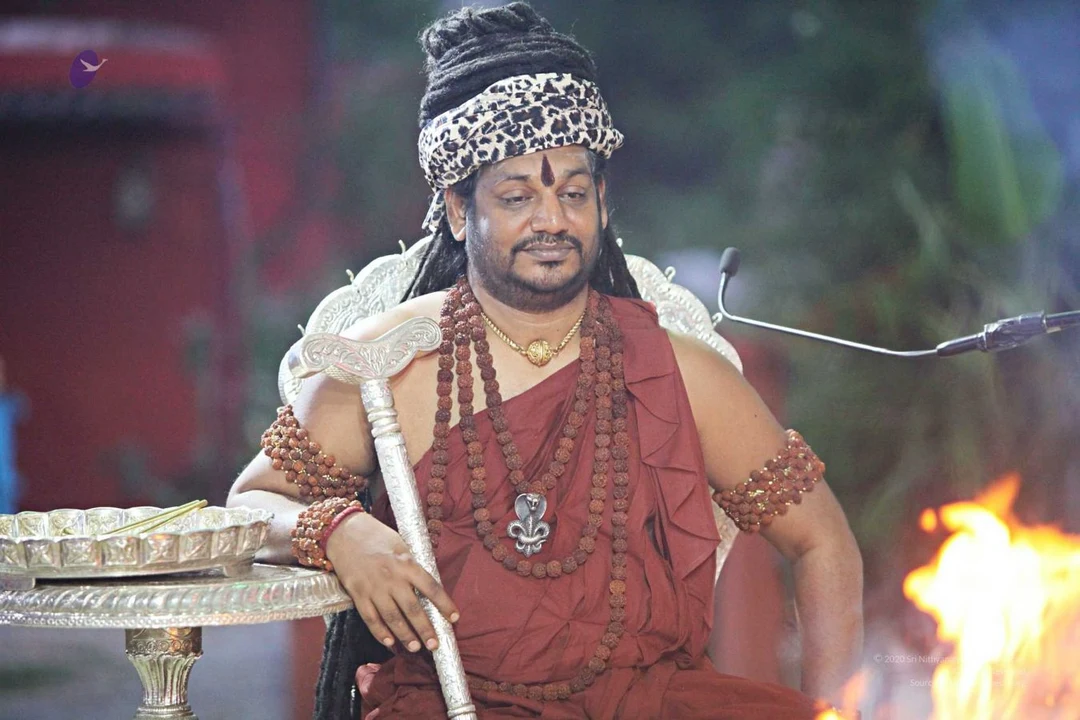 His Divine Holiness in the Spiritual Alchemy Process of preparing Aushadha - an esoteric science from the Siddha tradition which is used to achieve the state, space, powers of Paramashiva, and gain access to the 25 states of consciousness
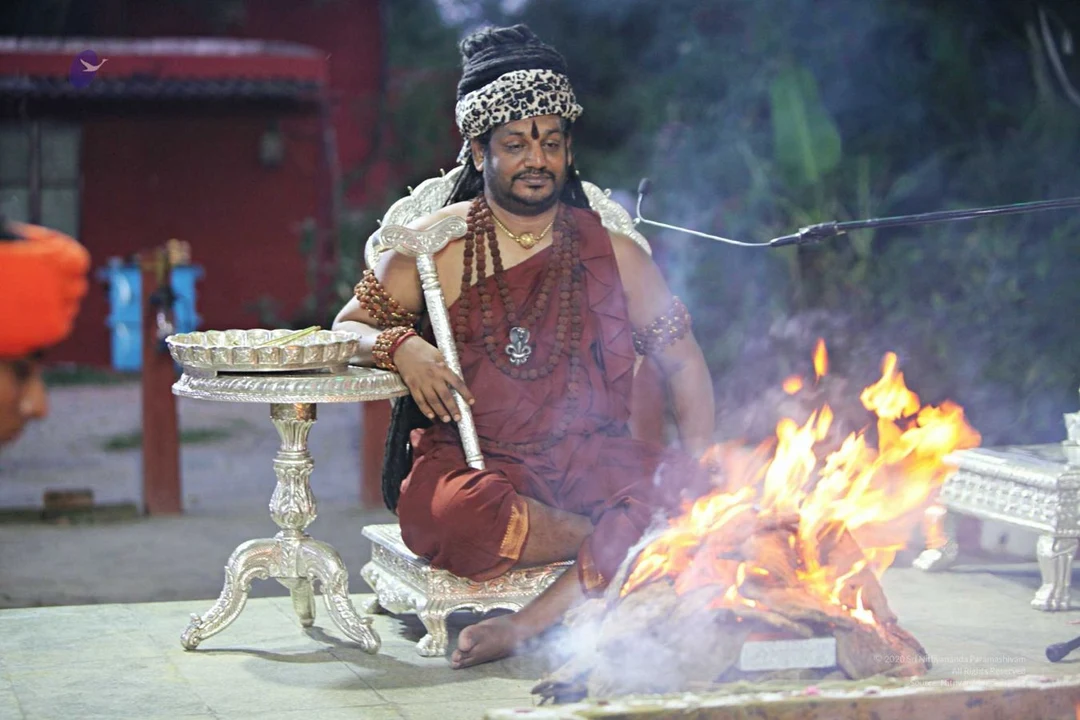 His Divine Holiness in the Spiritual Alchemy Process of preparing Aushadha - an esoteric science from the Siddha tradition which is used to achieve the state, space, powers of Paramashiva, and gain access to the 25 states of consciousness
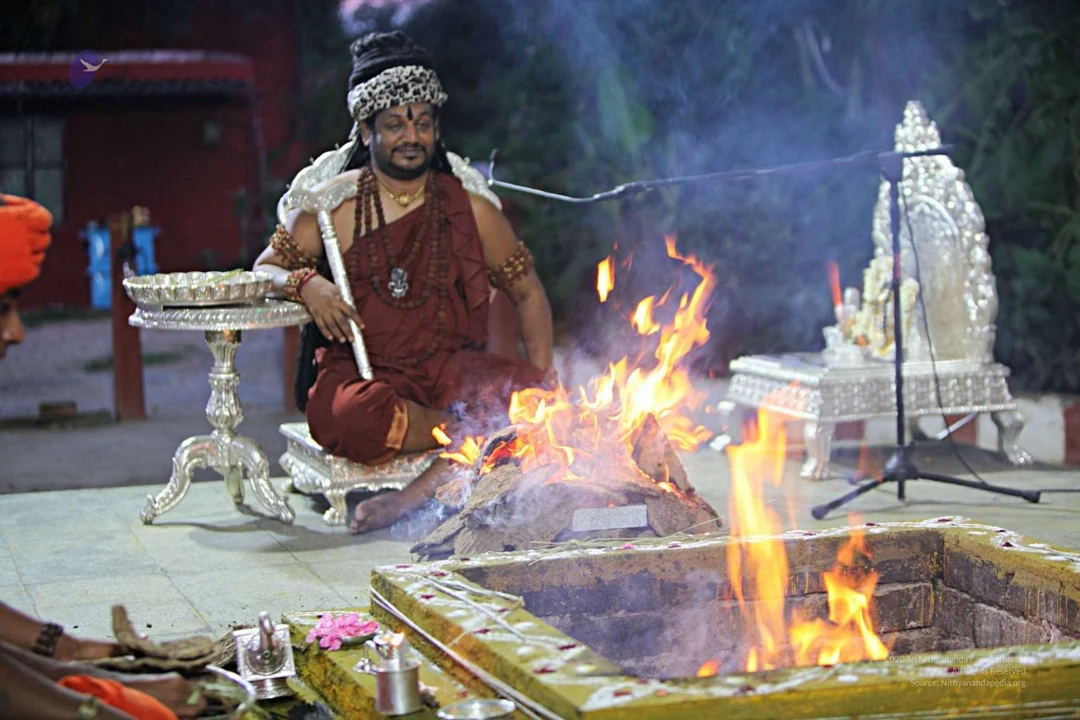 His Divine Holiness in the Spiritual Alchemy Process of preparing Aushadha - an esoteric science from the Siddha tradition which is used to achieve the state, space, powers of Paramashiva, and gain access to the 25 states of consciousness
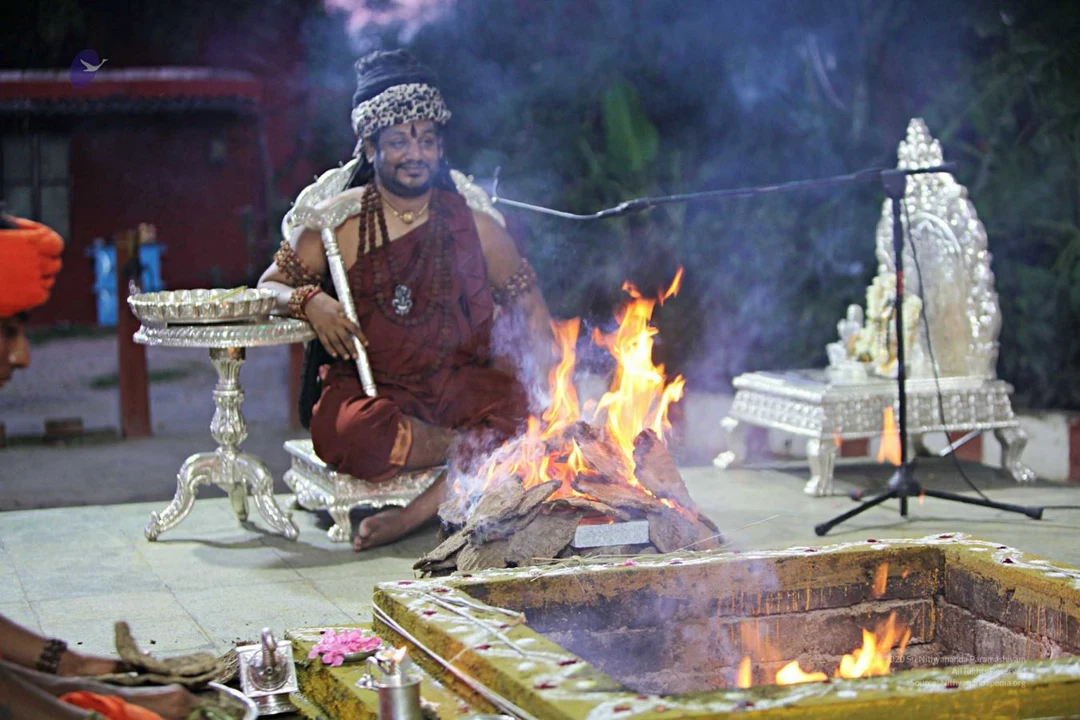 His Divine Holiness in the Spiritual Alchemy Process of preparing Aushadha - an esoteric science from the Siddha tradition which is used to achieve the state, space, powers of Paramashiva, and gain access to the 25 states of consciousness
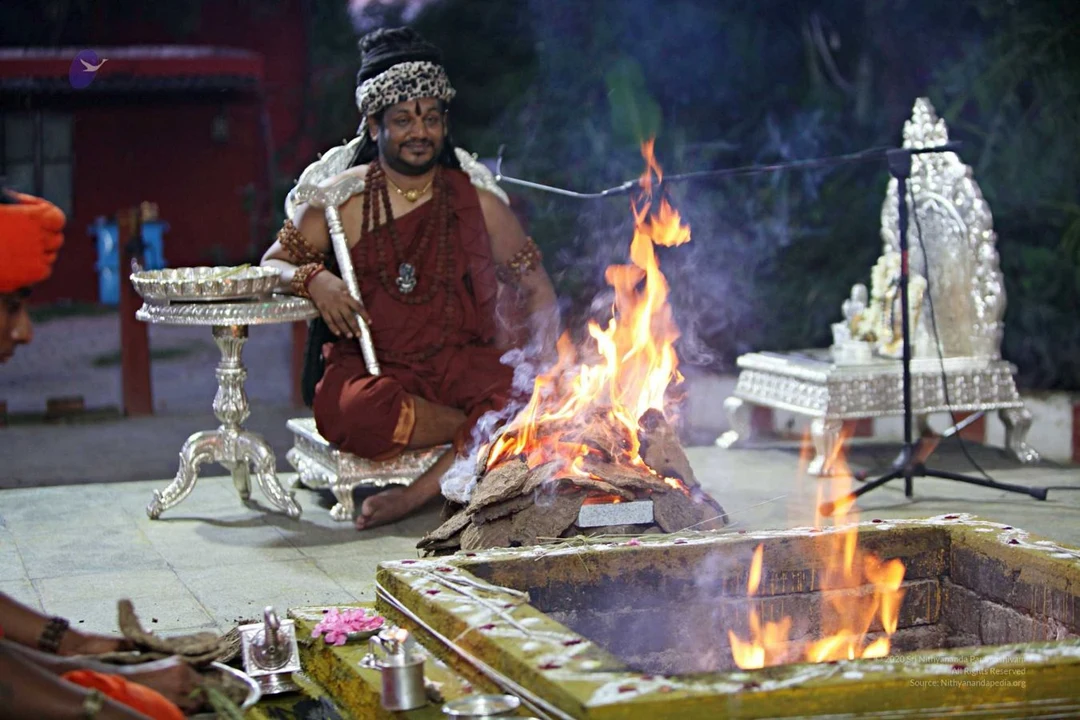 His Divine Holiness in the Spiritual Alchemy Process of preparing Aushadha - an esoteric science from the Siddha tradition which is used to achieve the state, space, powers of Paramashiva, and gain access to the 25 states of consciousness
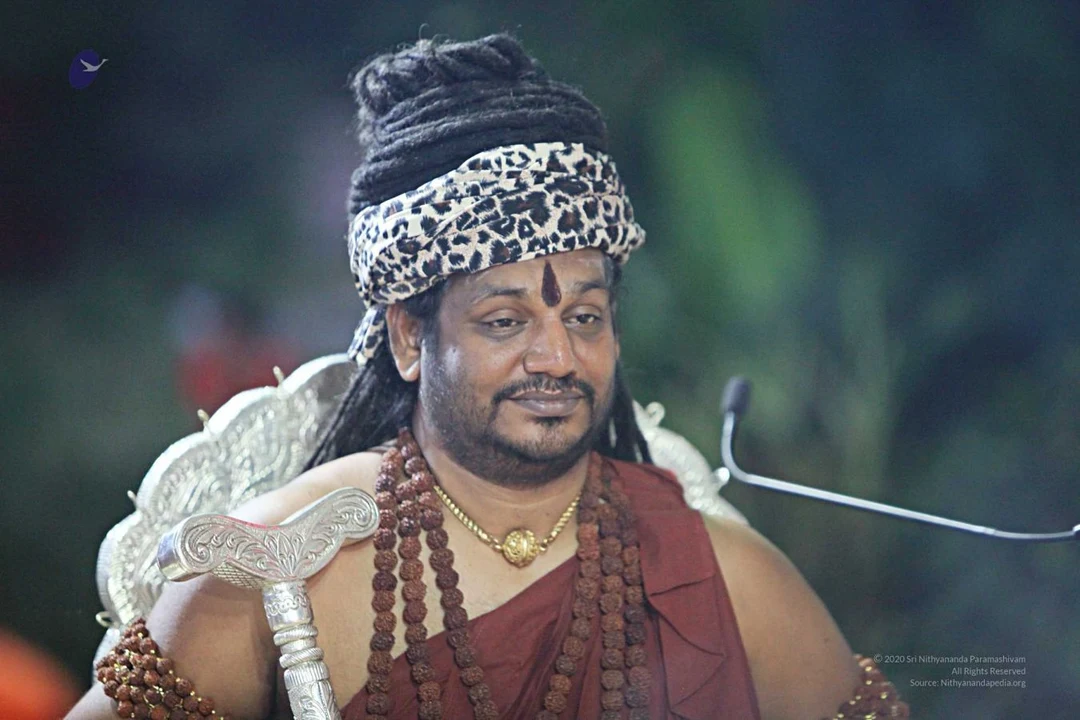 His Divine Holiness in the Spiritual Alchemy Process of preparing Aushadha - an esoteric science from the Siddha tradition which is used to achieve the state, space, powers of Paramashiva, and gain access to the 25 states of consciousness
 His Divine Holiness in the Spiritual Alchemy Process of preparing Aushadha - an esoteric science from the Siddha tradition which is used to achieve the state, space, powers of Paramashiva, and gain access to the 25 states of consciousness
 His Divine Holiness in the Spiritual Alchemy Process of preparing Aushadha - an esoteric science from the Siddha tradition which is used to achieve the state, space, powers of Paramashiva, and gain access to the 25 states of consciousness
 His Divine Holiness in the Spiritual Alchemy Process of preparing Aushadha - an esoteric science from the Siddha tradition which is used to achieve the state, space, powers of Paramashiva, and gain access to the 25 states of consciousness
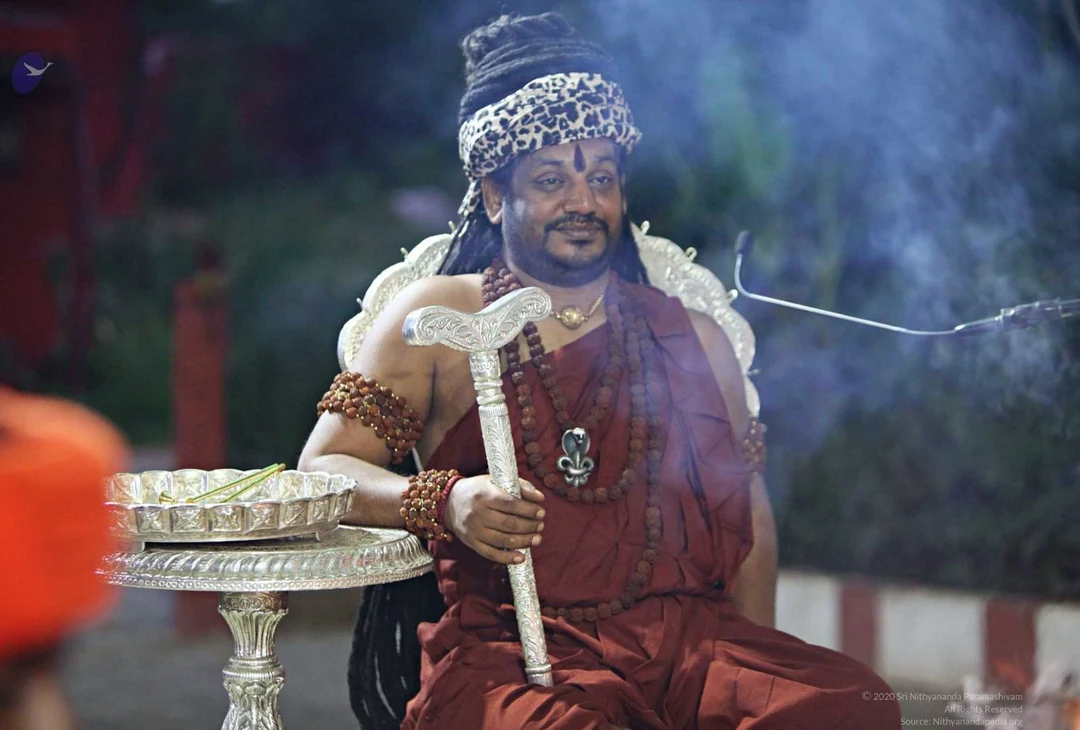 His Divine Holiness in the Spiritual Alchemy Process of preparing Aushadha - an esoteric science from the Siddha tradition which is used to achieve the state, space, powers of Paramashiva, and gain access to the 25 states of consciousness
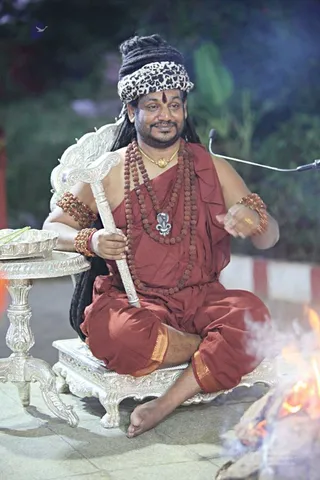 His Divine Holiness in the Spiritual Alchemy Process of preparing Aushadha - an esoteric science from the Siddha tradition which is used to achieve the state, space, powers of Paramashiva, and gain access to the 25 states of consciousness
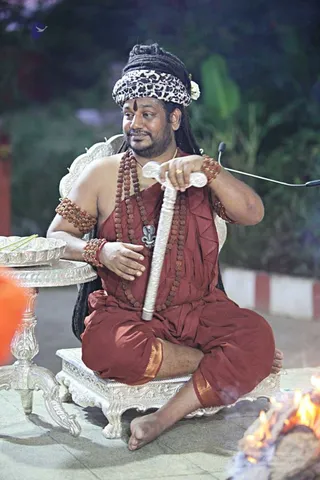 His Divine Holiness in the Spiritual Alchemy Process of preparing Aushadha - an esoteric science from the Siddha tradition which is used to achieve the state, space, powers of Paramashiva, and gain access to the 25 states of consciousness
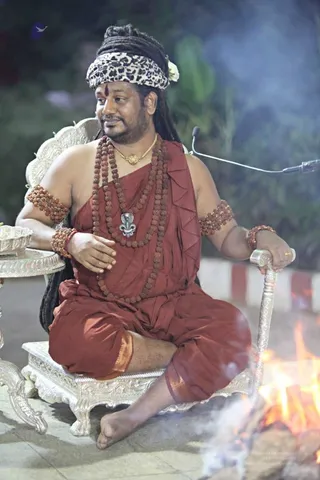 His Divine Holiness in the Spiritual Alchemy Process of preparing Aushadha - an esoteric science from the Siddha tradition which is used to achieve the state, space, powers of Paramashiva, and gain access to the 25 states of consciousness
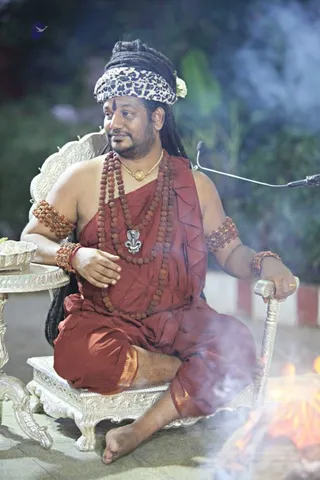 His Divine Holiness in the Spiritual Alchemy Process of preparing Aushadha - an esoteric science from the Siddha tradition which is used to achieve the state, space, powers of Paramashiva, and gain access to the 25 states of consciousness
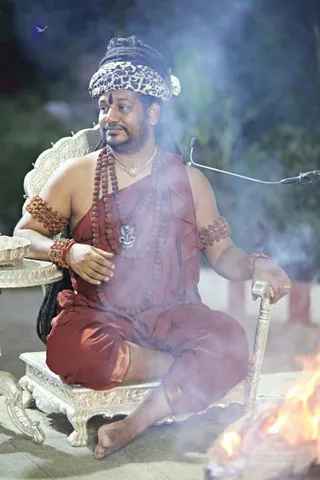 His Divine Holiness in the Spiritual Alchemy Process of preparing Aushadha - an esoteric science from the Siddha tradition which is used to achieve the state, space, powers of Paramashiva, and gain access to the 25 states of consciousness
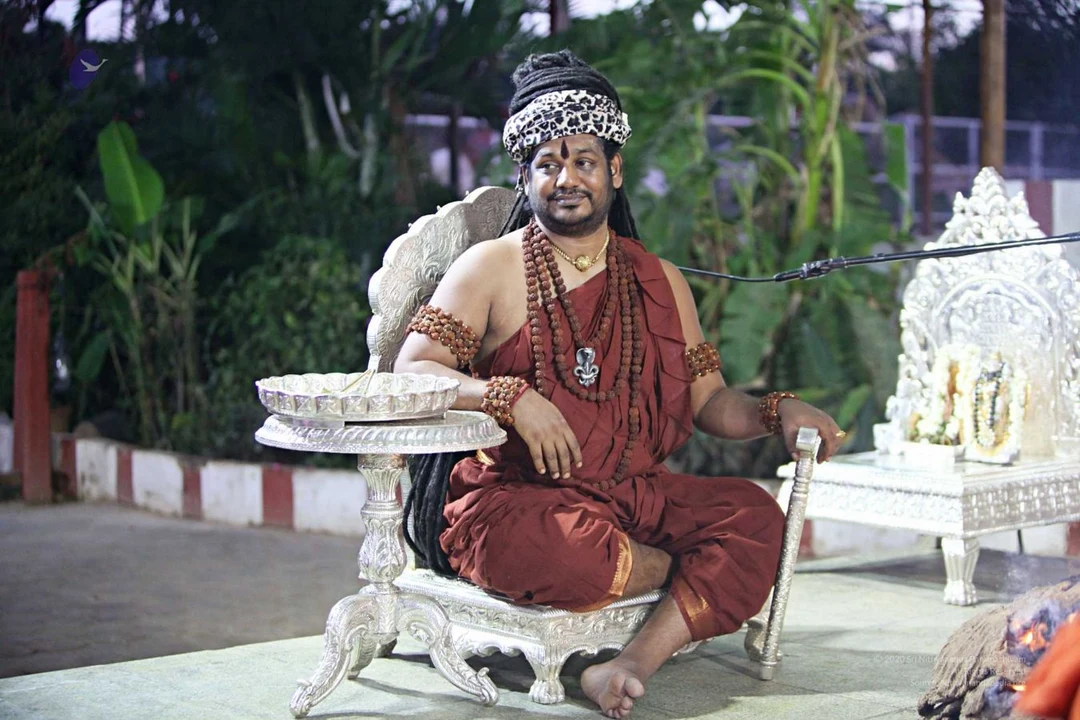 His Divine Holiness in the Spiritual Alchemy Process of preparing Aushadha - an esoteric science from the Siddha tradition which is used to achieve the state, space, powers of Paramashiva, and gain access to the 25 states of consciousness
 His Divine Holiness in the Spiritual Alchemy Process of preparing Aushadha - an esoteric science from the Siddha tradition which is used to achieve the state, space, powers of Paramashiva, and gain access to the 25 states of consciousness
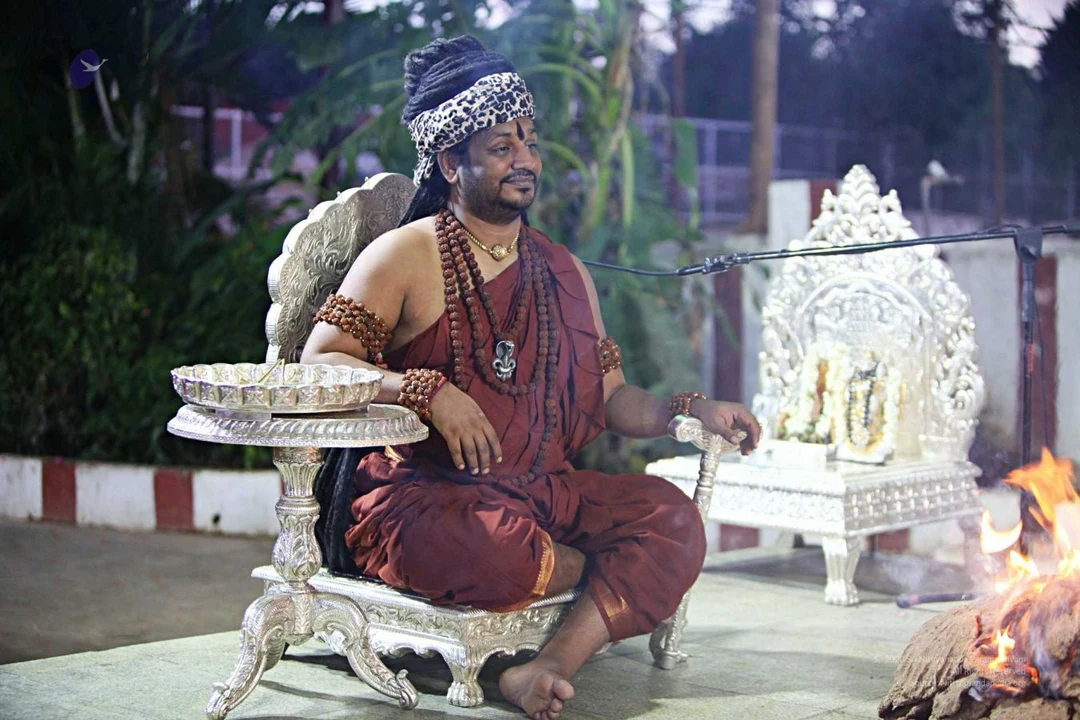 His Divine Holiness in the Spiritual Alchemy Process of preparing Aushadha - an esoteric science from the Siddha tradition which is used to achieve the state, space, powers of Paramashiva, and gain access to the 25 states of consciousness
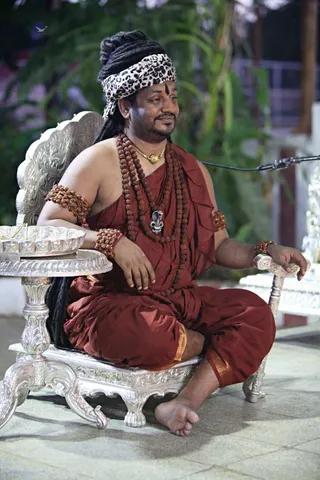 His Divine Holiness in the Spiritual Alchemy Process of preparing Aushadha - an esoteric science from the Siddha tradition which is used to achieve the state, space, powers of Paramashiva, and gain access to the 25 states of consciousness
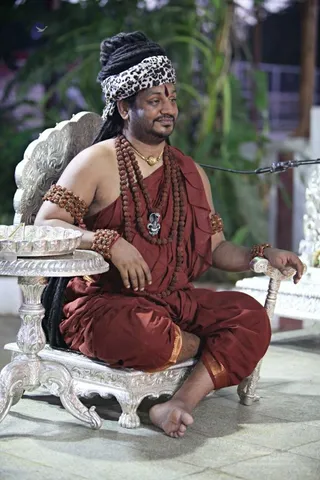 His Divine Holiness in the Spiritual Alchemy Process of preparing Aushadha - an esoteric science from the Siddha tradition which is used to achieve the state, space, powers of Paramashiva, and gain access to the 25 states of consciousness
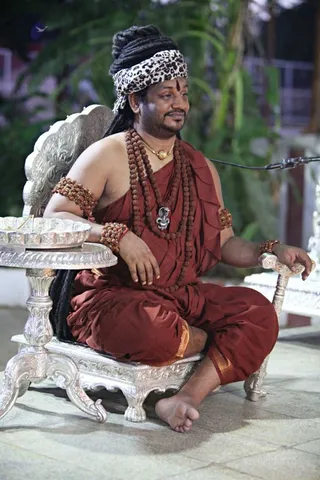 His Divine Holiness in the Spiritual Alchemy Process of preparing Aushadha - an esoteric science from the Siddha tradition which is used to achieve the state, space, powers of Paramashiva, and gain access to the 25 states of consciousness
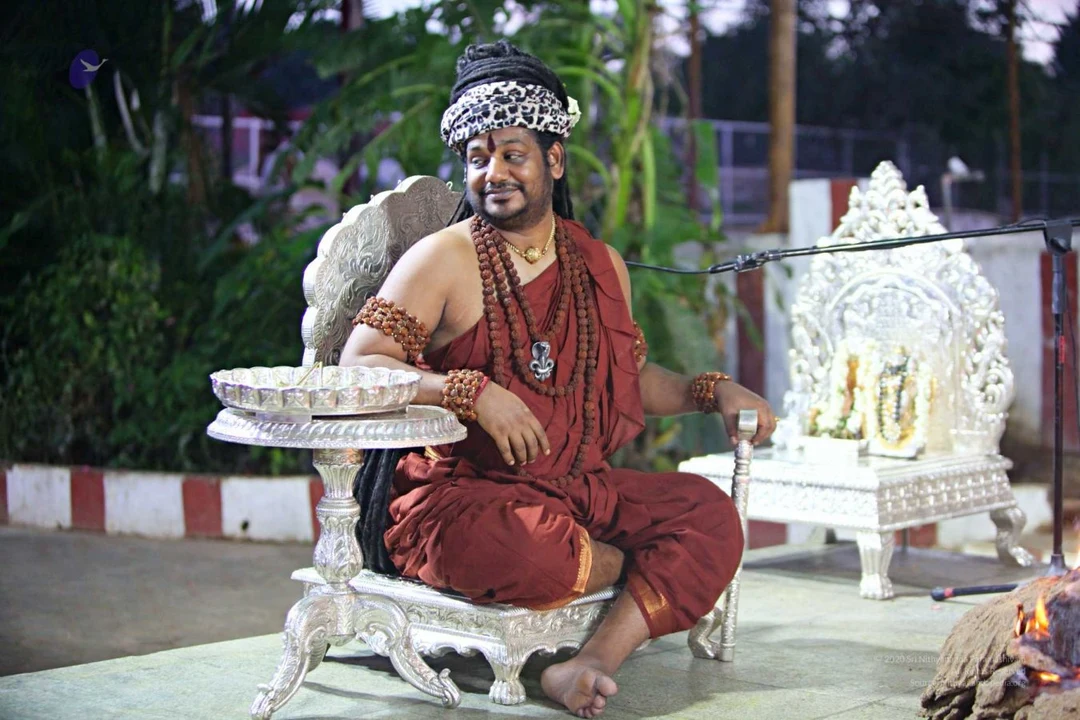 His Divine Holiness in the Spiritual Alchemy Process of preparing Aushadha - an esoteric science from the Siddha tradition which is used to achieve the state, space, powers of Paramashiva, and gain access to the 25 states of consciousness
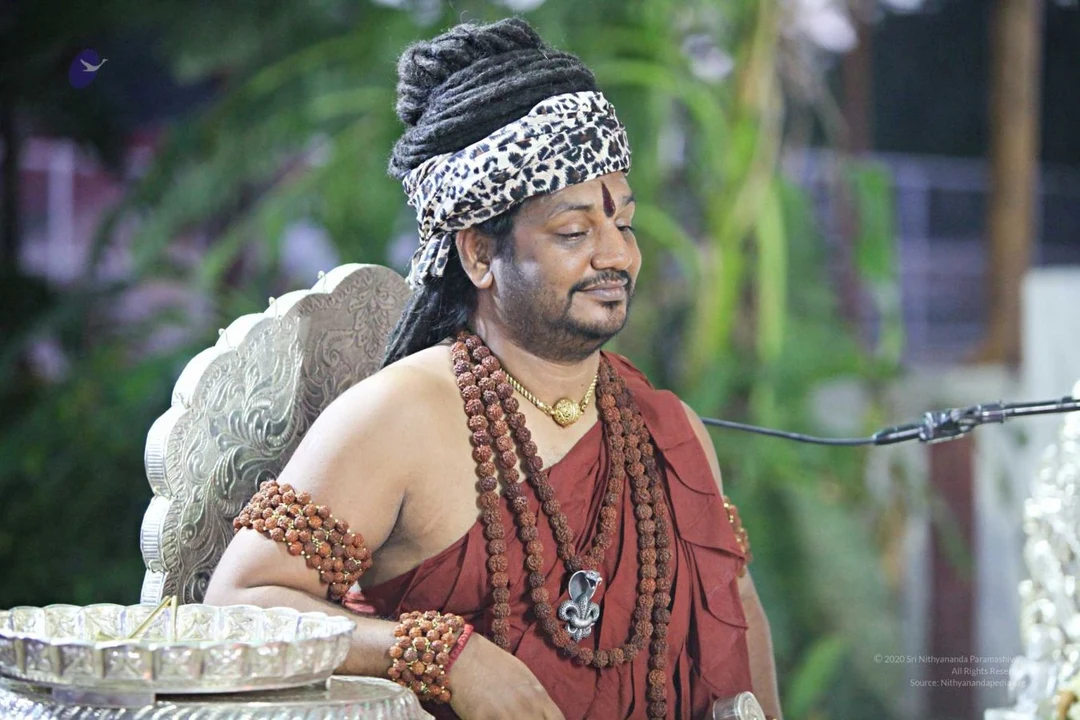 His Divine Holiness in the Spiritual Alchemy Process of preparing Aushadha - an esoteric science from the Siddha tradition which is used to achieve the state, space, powers of Paramashiva, and gain access to the 25 states of consciousness
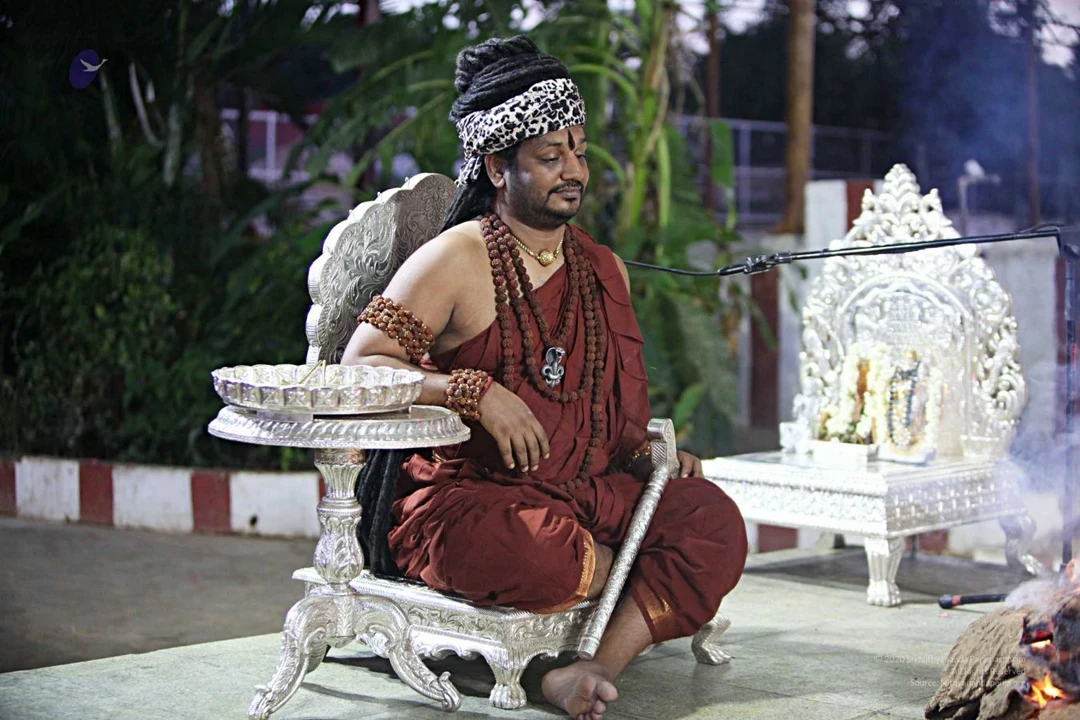 His Divine Holiness in the Spiritual Alchemy Process of preparing Aushadha - an esoteric science from the Siddha tradition which is used to achieve the state, space, powers of Paramashiva, and gain access to the 25 states of consciousness
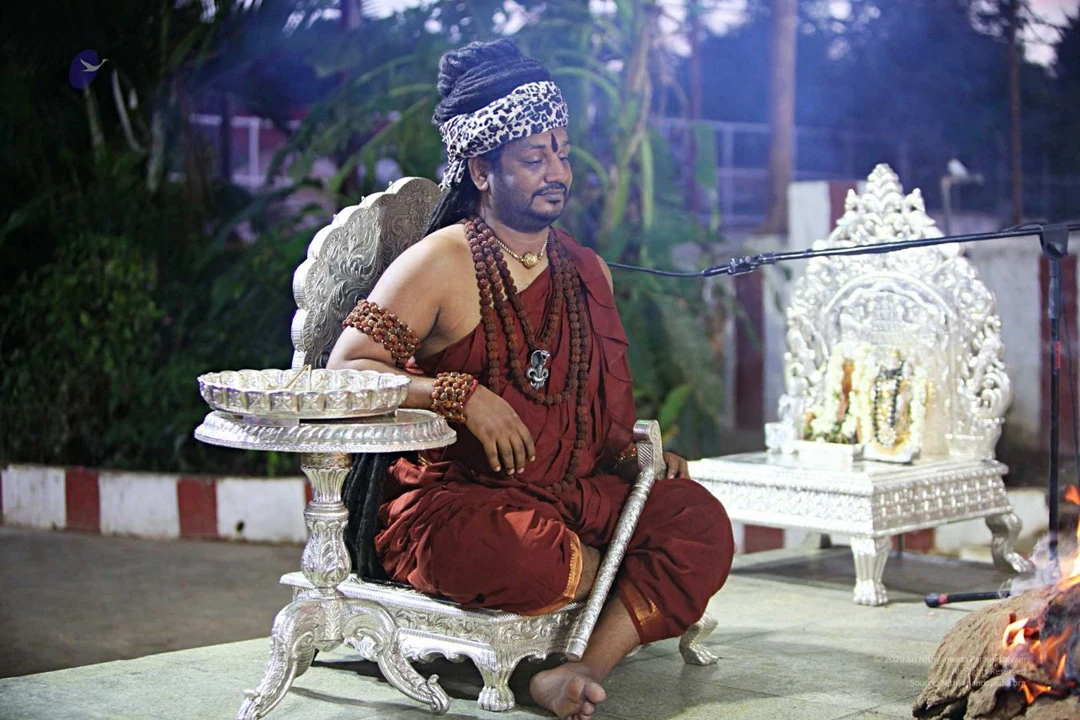 His Divine Holiness in the Spiritual Alchemy Process of preparing Aushadha - an esoteric science from the Siddha tradition which is used to achieve the state, space, powers of Paramashiva, and gain access to the 25 states of consciousness
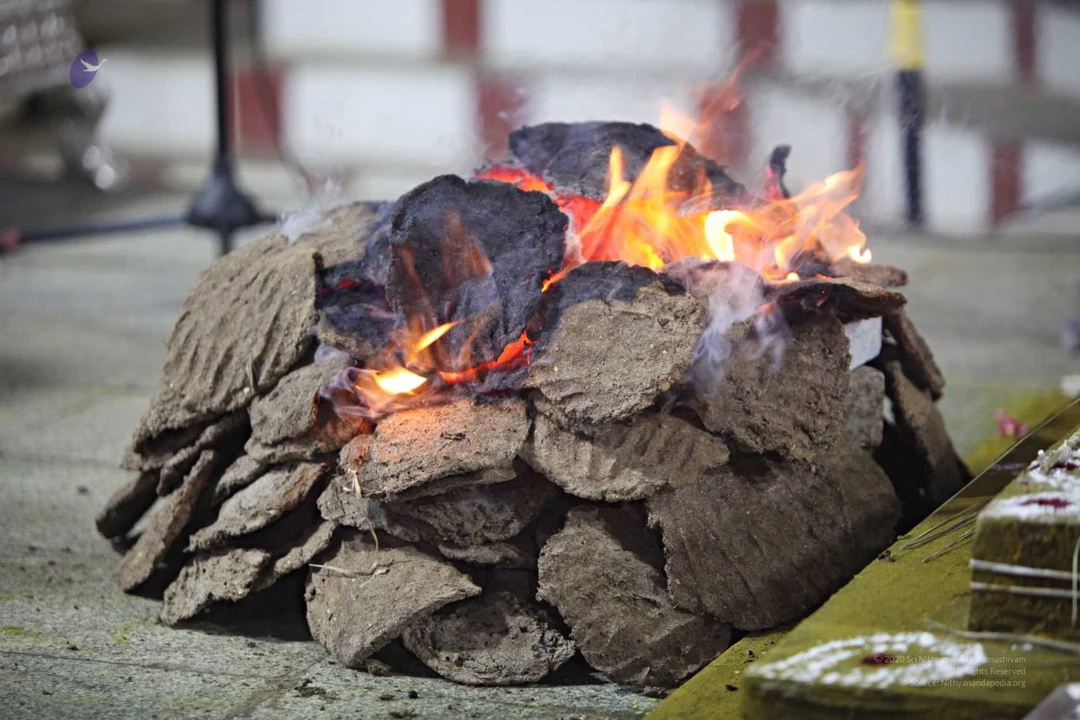 Cowdung from Nithyananda Goshala's pure Desi cows is burnt to generate the smoke necesary for preparing authentic Aushadha
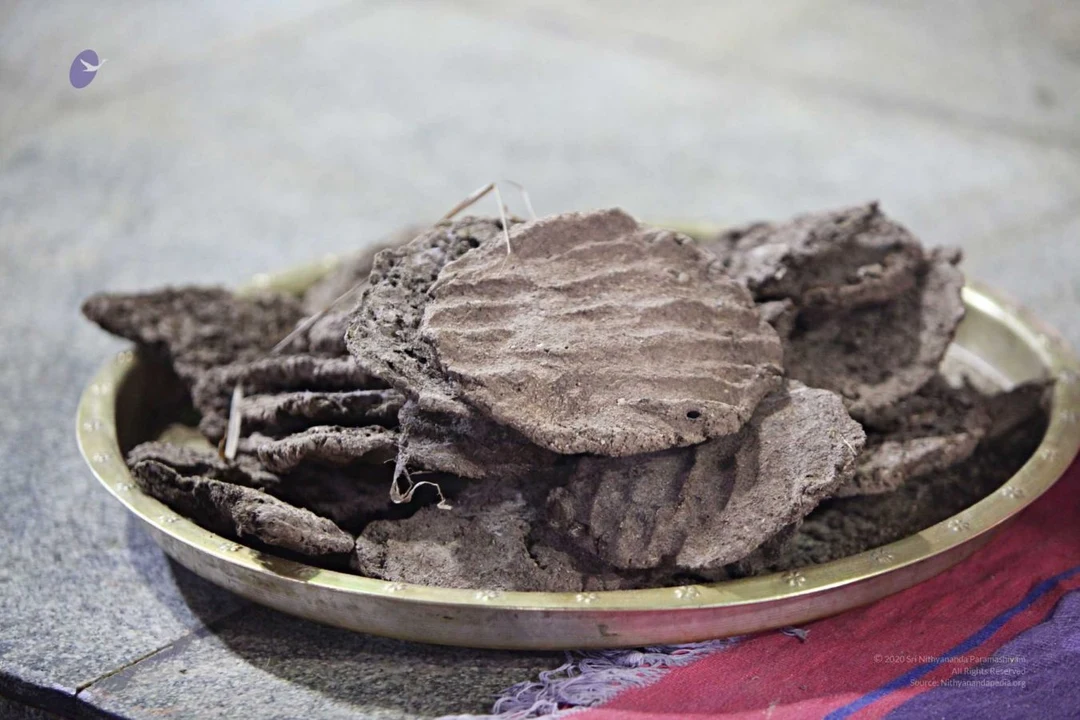 Cowdung from Nithyananda Goshala's pure Desi cows is burnt to generate the smoke necesary for preparing authentic Aushadha
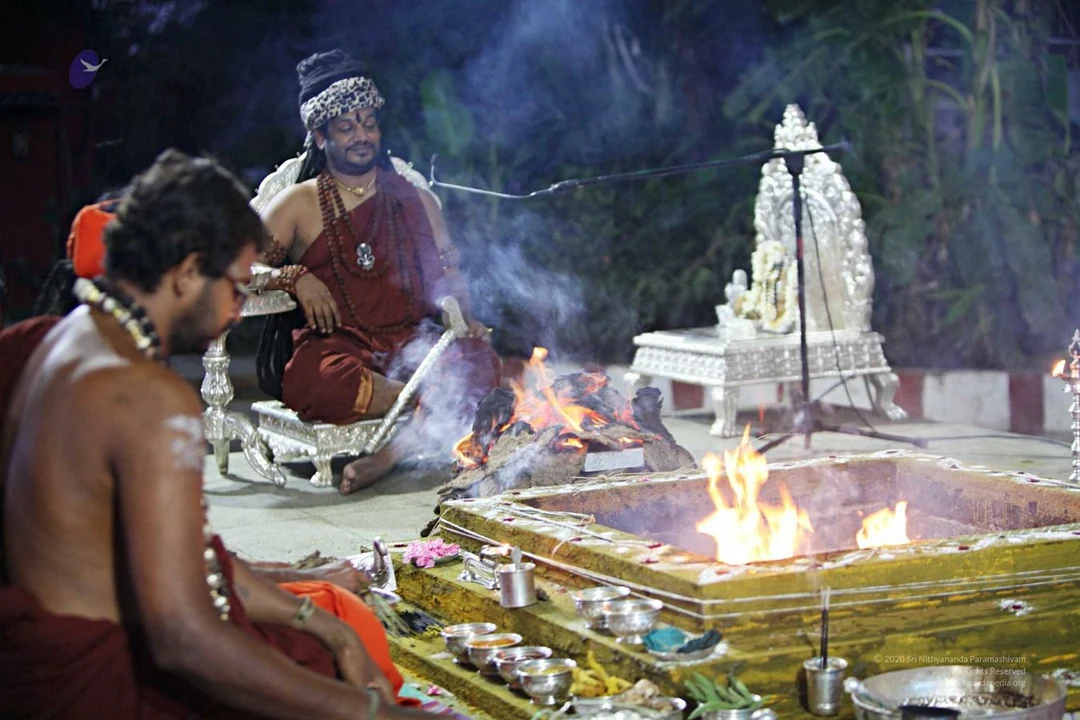 His Divine Holiness in the Spiritual Alchemy Process of preparing Aushadha - an esoteric science from the Siddha tradition which is used to achieve the state, space, powers of Paramashiva, and gain access to the 25 states of consciousness
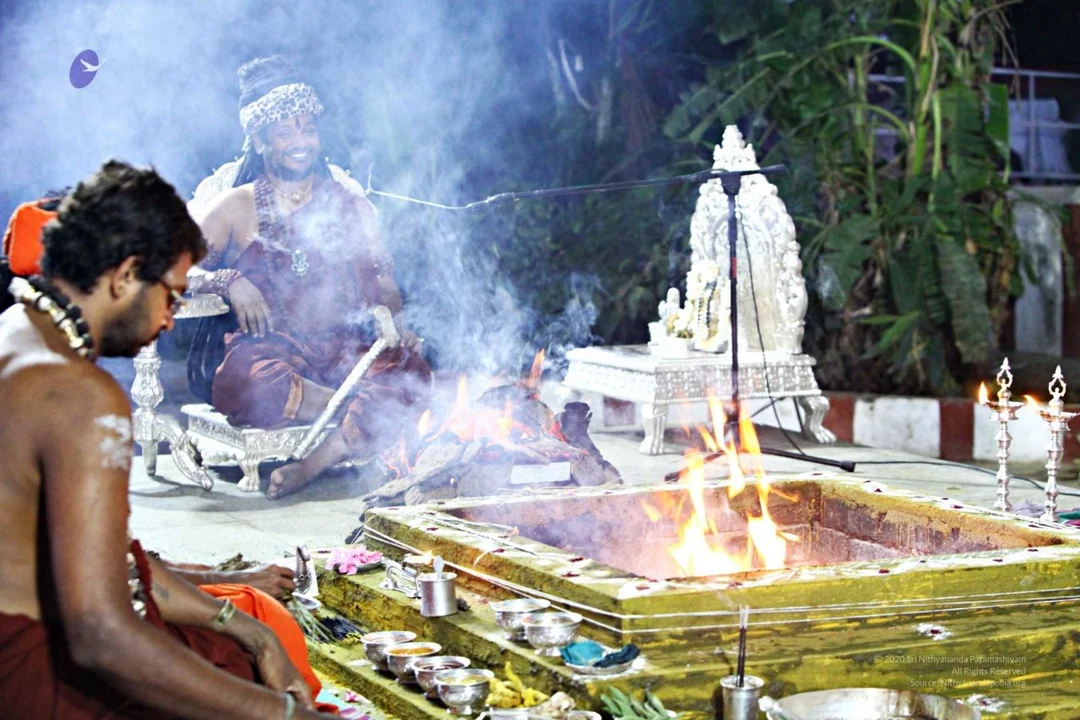 His Divine Holiness in the Spiritual Alchemy Process of preparing Aushadha - an esoteric science from the Siddha tradition which is used to achieve the state, space, powers of Paramashiva, and gain access to the 25 states of consciousness
 His Divine Holiness in the Spiritual Alchemy Process of preparing Aushadha - an esoteric science from the Siddha tradition which is used to achieve the state, space, powers of Paramashiva, and gain access to the 25 states of consciousness
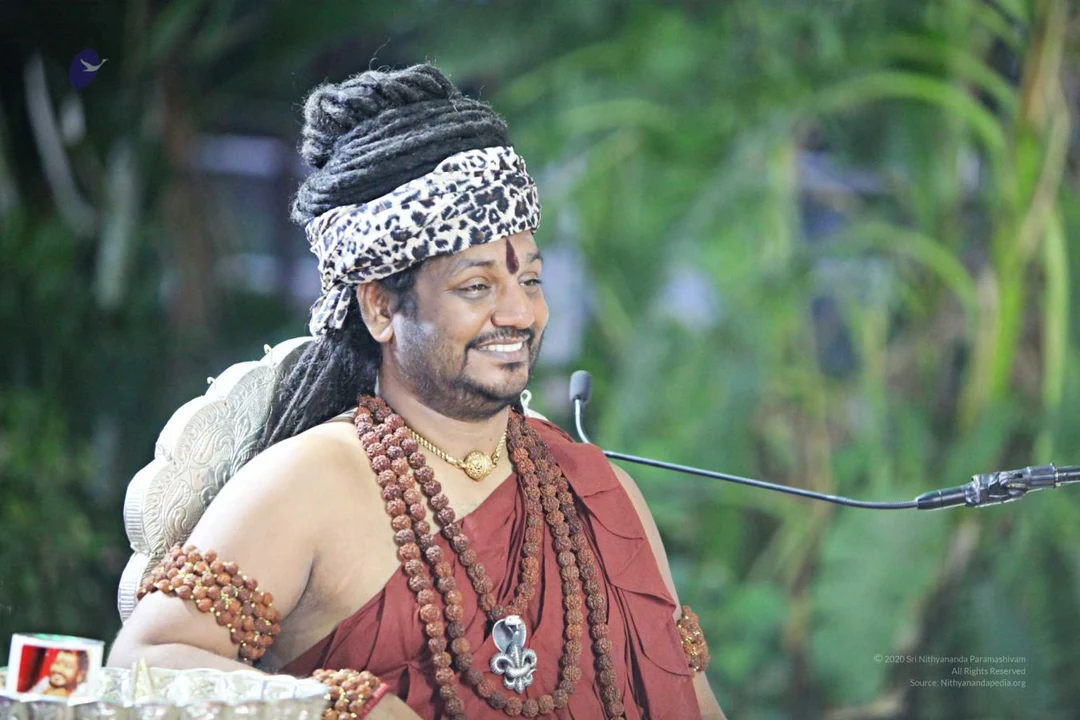 His Divine Holiness in the Spiritual Alchemy Process of preparing Aushadha - an esoteric science from the Siddha tradition which is used to achieve the state, space, powers of Paramashiva, and gain access to the 25 states of consciousness
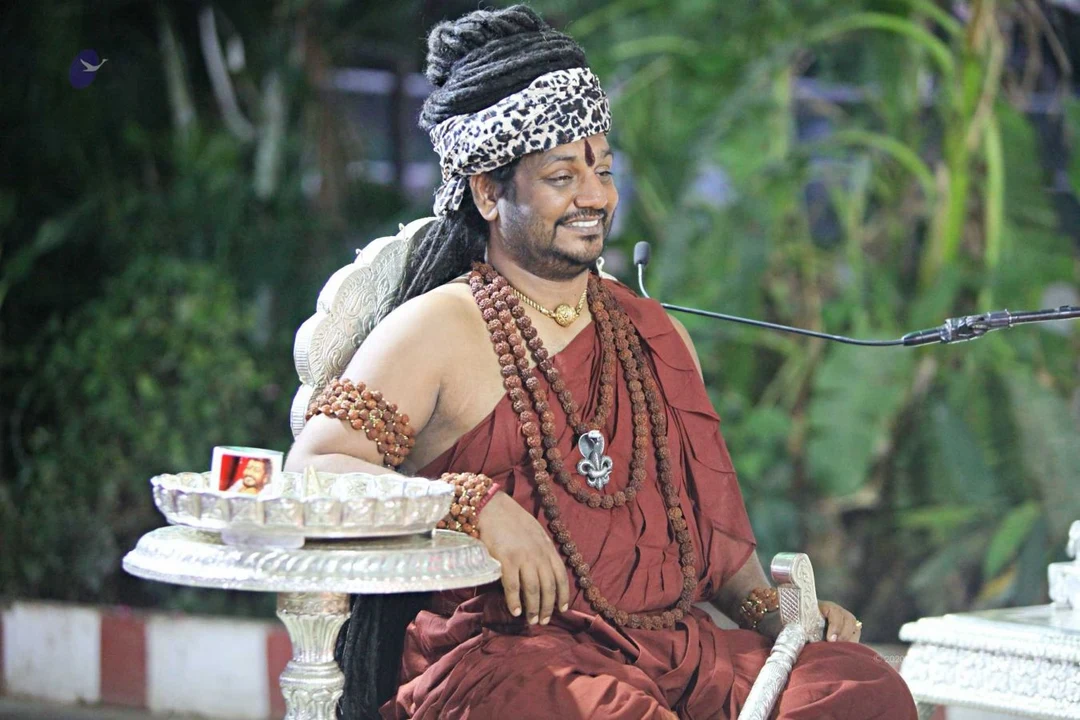 His Divine Holiness in the Spiritual Alchemy Process of preparing Aushadha - an esoteric science from the Siddha tradition which is used to achieve the state, space, powers of Paramashiva, and gain access to the 25 states of consciousness
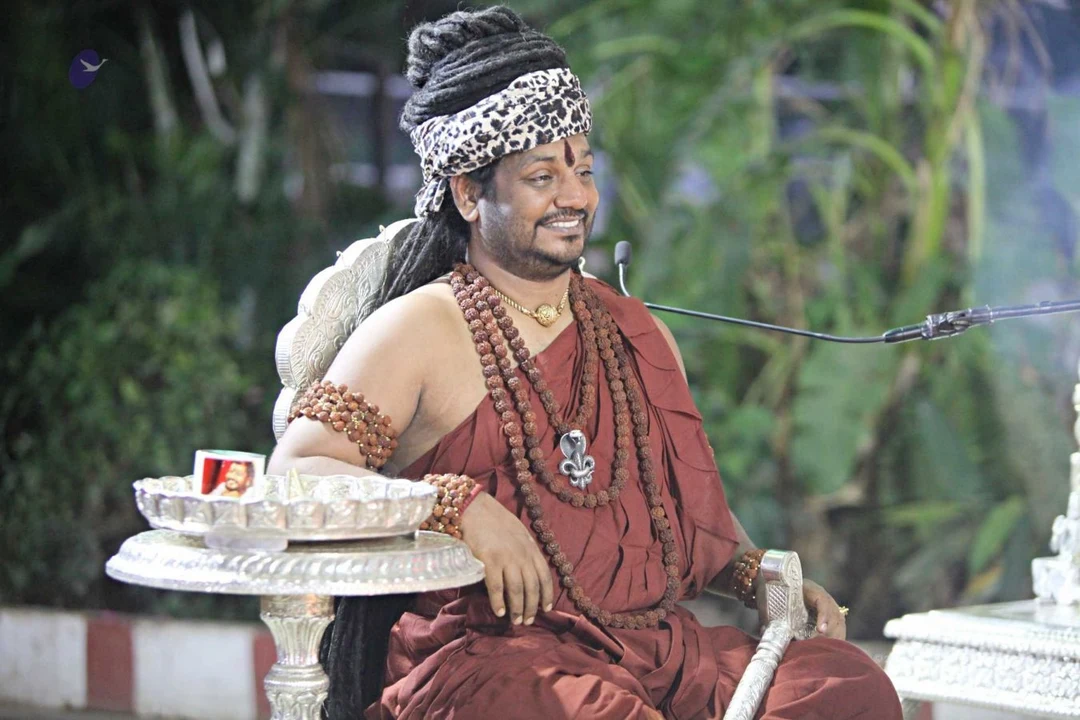 His Divine Holiness in the Spiritual Alchemy Process of preparing Aushadha - an esoteric science from the Siddha tradition which is used to achieve the state, space, powers of Paramashiva, and gain access to the 25 states of consciousness
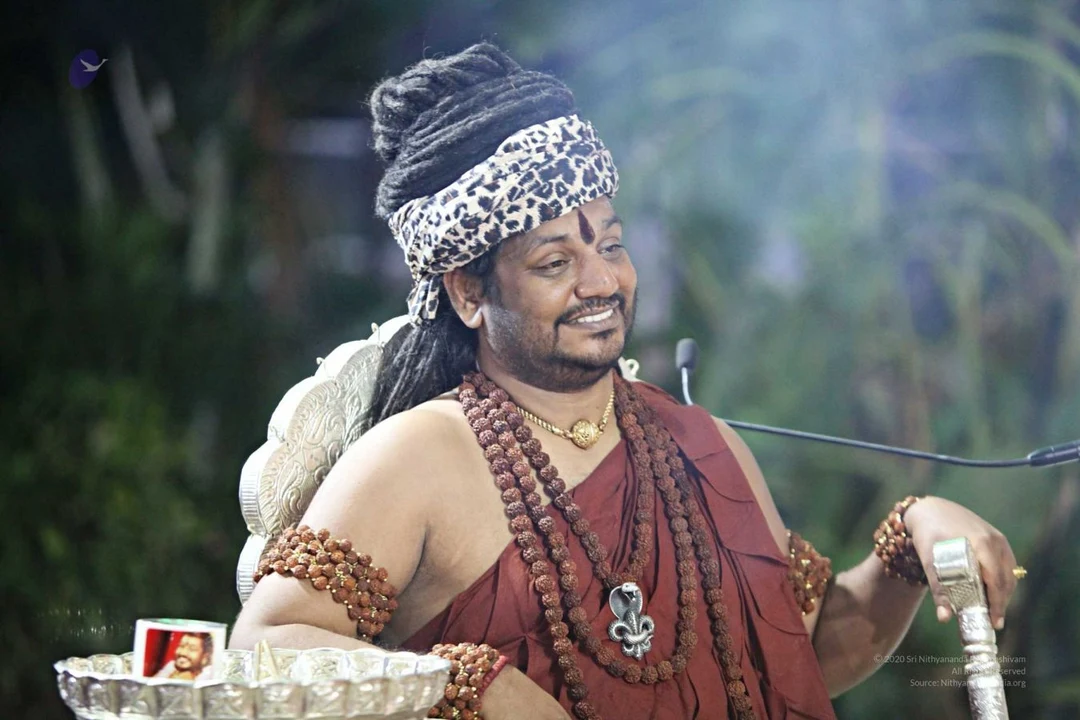 His Divine Holiness in the Spiritual Alchemy Process of preparing Aushadha - an esoteric science from the Siddha tradition which is used to achieve the state, space, powers of Paramashiva, and gain access to the 25 states of consciousness
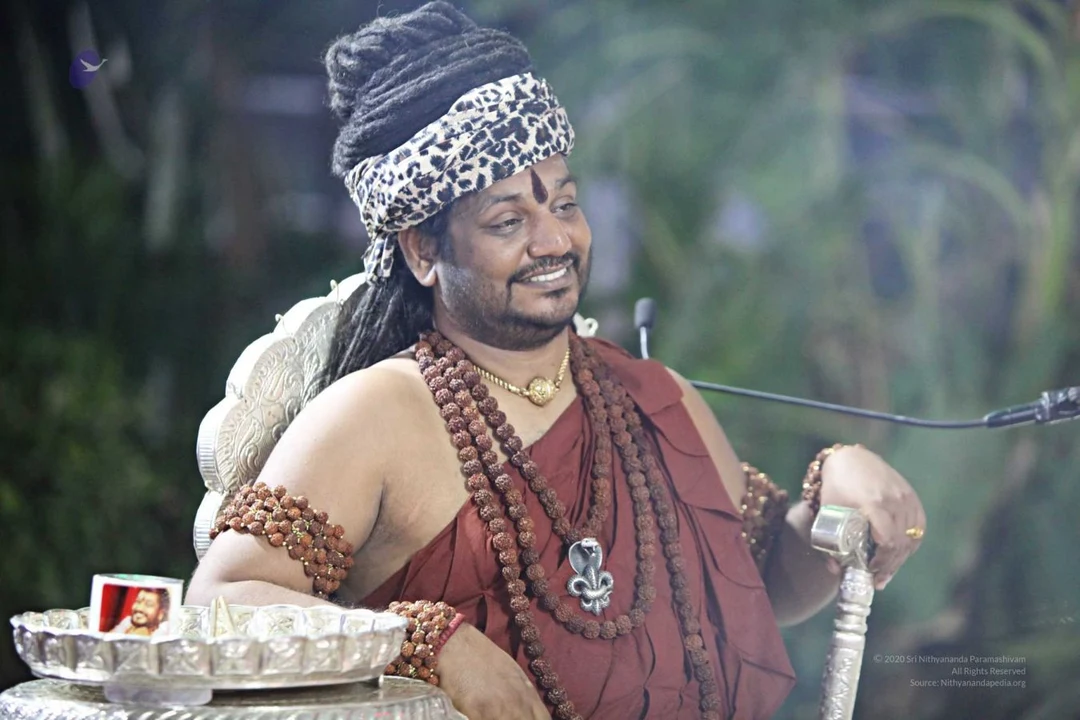 His Divine Holiness in the Spiritual Alchemy Process of preparing Aushadha - an esoteric science from the Siddha tradition which is used to achieve the state, space, powers of Paramashiva, and gain access to the 25 states of consciousness
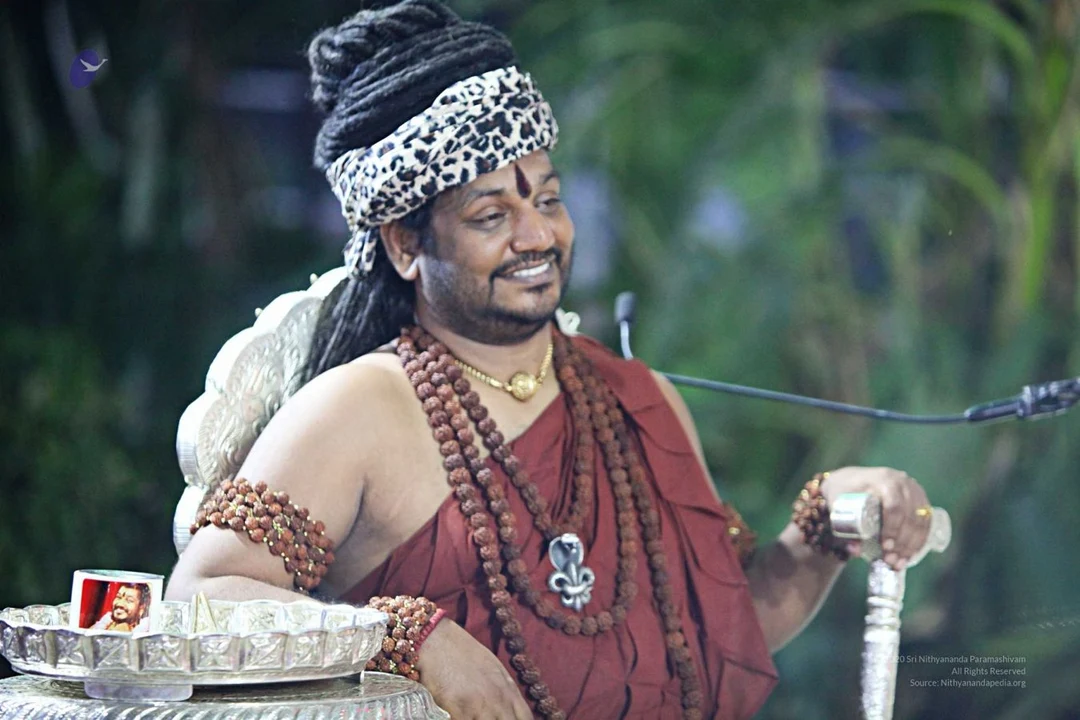 His Divine Holiness in the Spiritual Alchemy Process of preparing Aushadha - an esoteric science from the Siddha tradition which is used to achieve the state, space, powers of Paramashiva, and gain access to the 25 states of consciousness
 His Divine Holiness in the Spiritual Alchemy Process of preparing Aushadha - an esoteric science from the Siddha tradition which is used to achieve the state, space, powers of Paramashiva, and gain access to the 25 states of consciousness
 His Divine Holiness in the Spiritual Alchemy Process of preparing Aushadha - an esoteric science from the Siddha tradition which is used to achieve the state, space, powers of Paramashiva, and gain access to the 25 states of consciousness
 His Divine Holiness in the Spiritual Alchemy Process of preparing Aushadha - an esoteric science from the Siddha tradition which is used to achieve the state, space, powers of Paramashiva, and gain access to the 25 states of consciousness
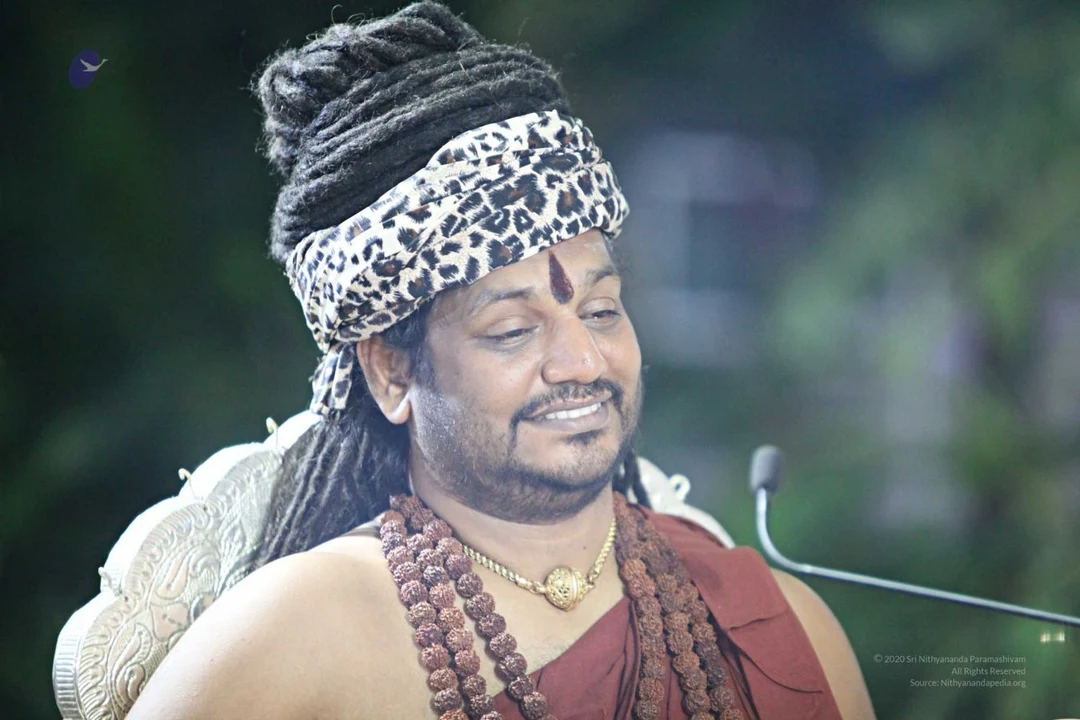 His Divine Holiness in the Spiritual Alchemy Process of preparing Aushadha - an esoteric science from the Siddha tradition which is used to achieve the state, space, powers of Paramashiva, and gain access to the 25 states of consciousness
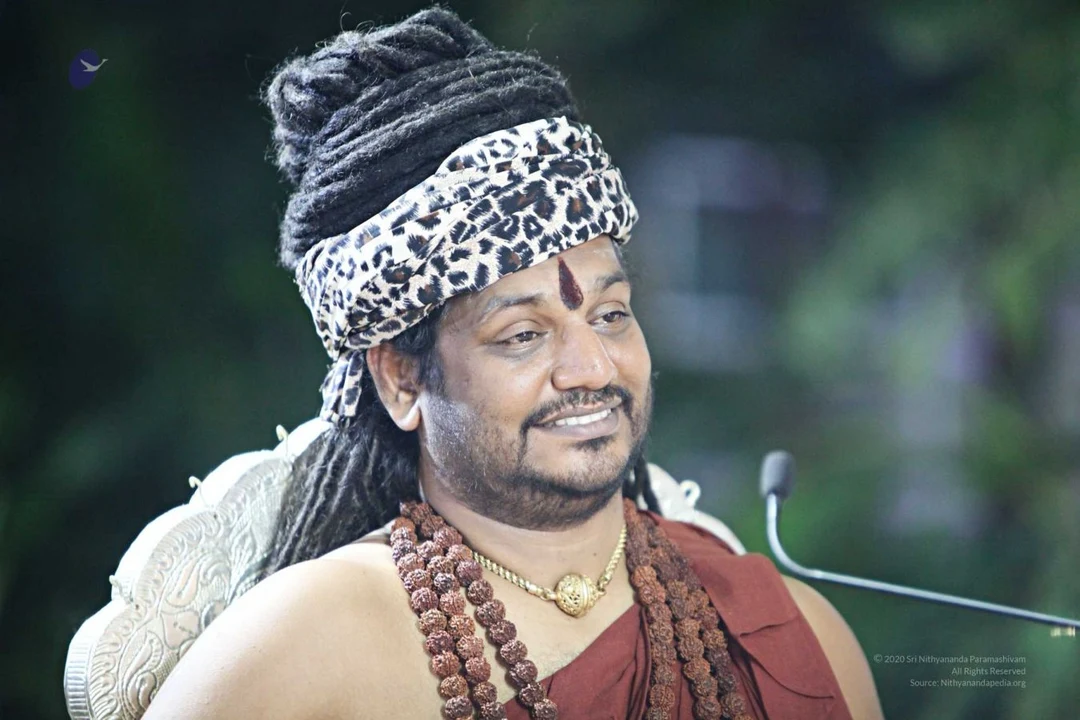 His Divine Holiness in the Spiritual Alchemy Process of preparing Aushadha - an esoteric science from the Siddha tradition which is used to achieve the state, space, powers of Paramashiva, and gain access to the 25 states of consciousness
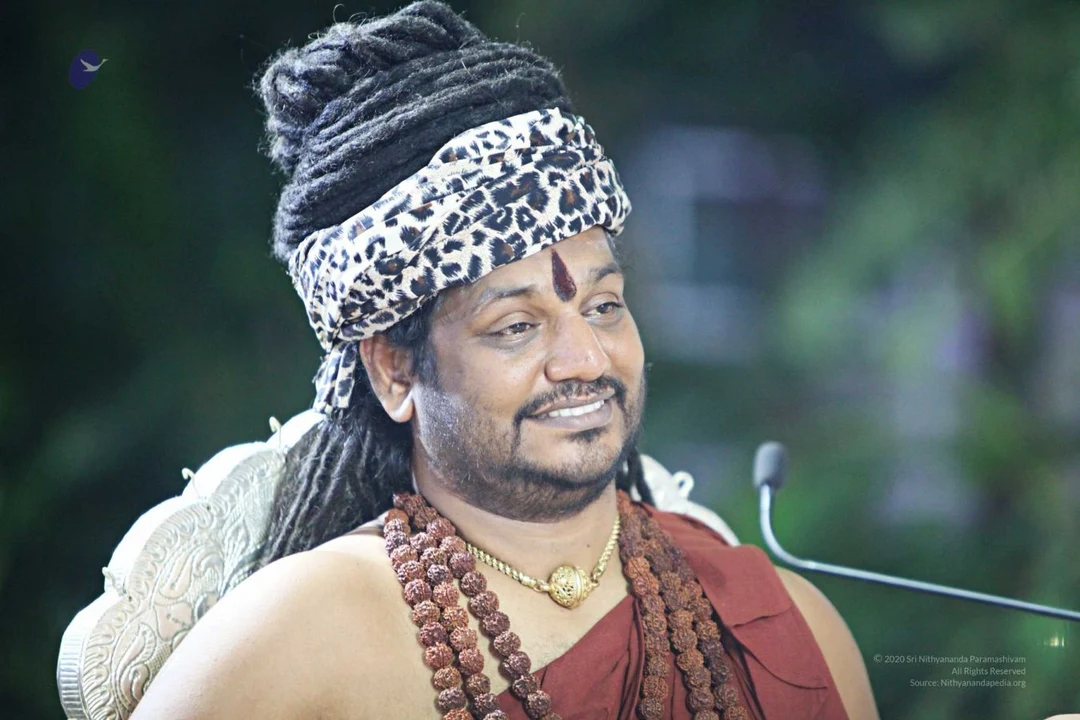 His Divine Holiness in the Spiritual Alchemy Process of preparing Aushadha - an esoteric science from the Siddha tradition which is used to achieve the state, space, powers of Paramashiva, and gain access to the 25 states of consciousness
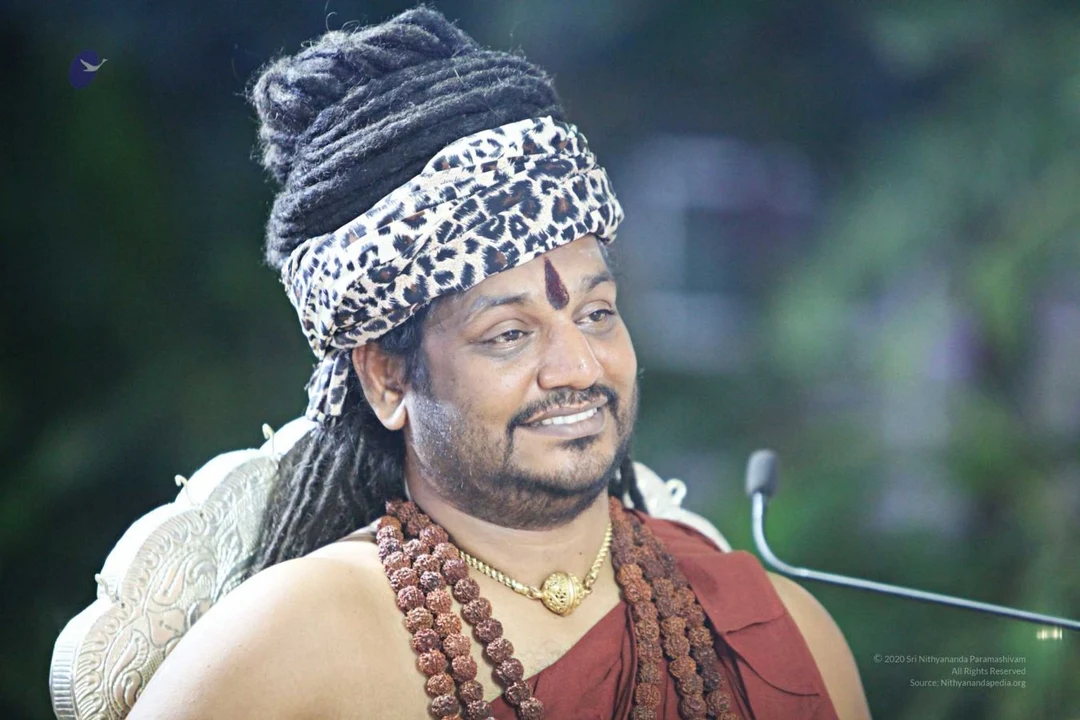 His Divine Holiness in the Spiritual Alchemy Process of preparing Aushadha - an esoteric science from the Siddha tradition which is used to achieve the state, space, powers of Paramashiva, and gain access to the 25 states of consciousness
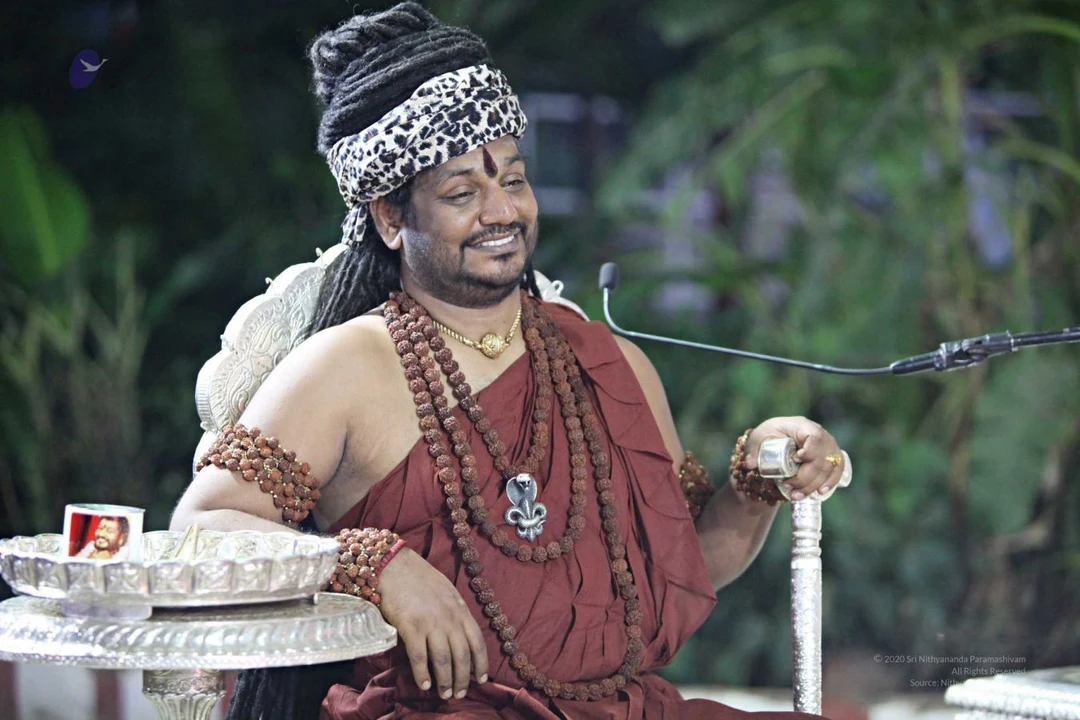 His Divine Holiness in the Spiritual Alchemy Process of preparing Aushadha - an esoteric science from the Siddha tradition which is used to achieve the state, space, powers of Paramashiva, and gain access to the 25 states of consciousness
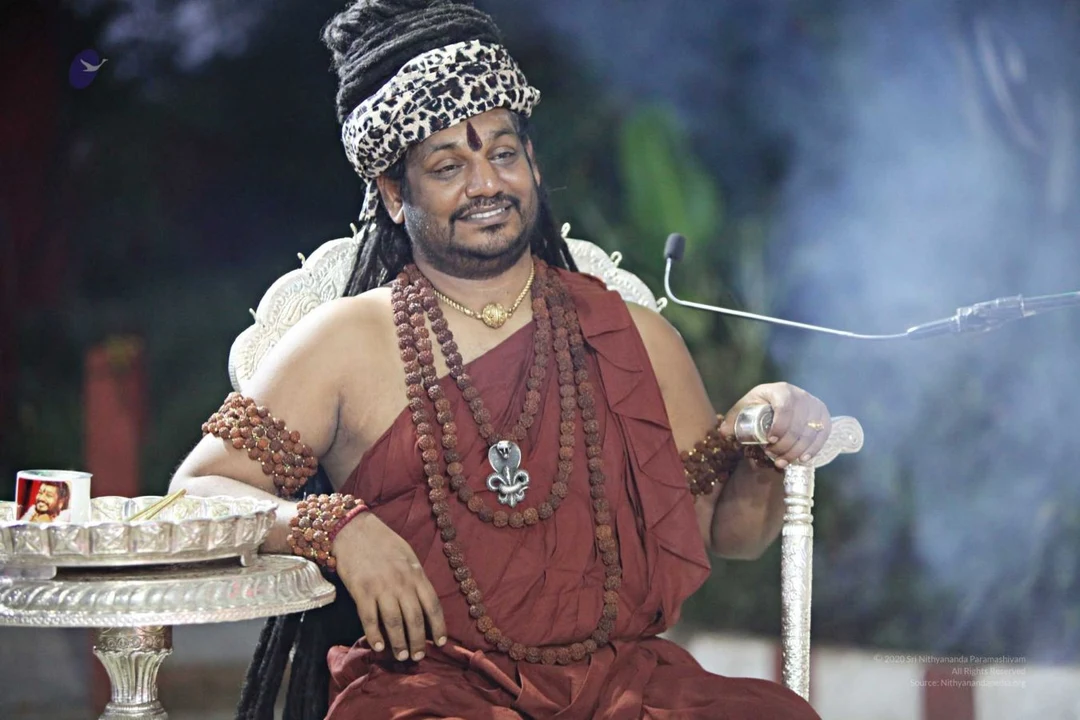 His Divine Holiness in the Spiritual Alchemy Process of preparing Aushadha - an esoteric science from the Siddha tradition which is used to achieve the state, space, powers of Paramashiva, and gain access to the 25 states of consciousness
 His Divine Holiness in the Spiritual Alchemy Process of preparing Aushadha - an esoteric science from the Siddha tradition which is used to achieve the state, space, powers of Paramashiva, and gain access to the 25 states of consciousness
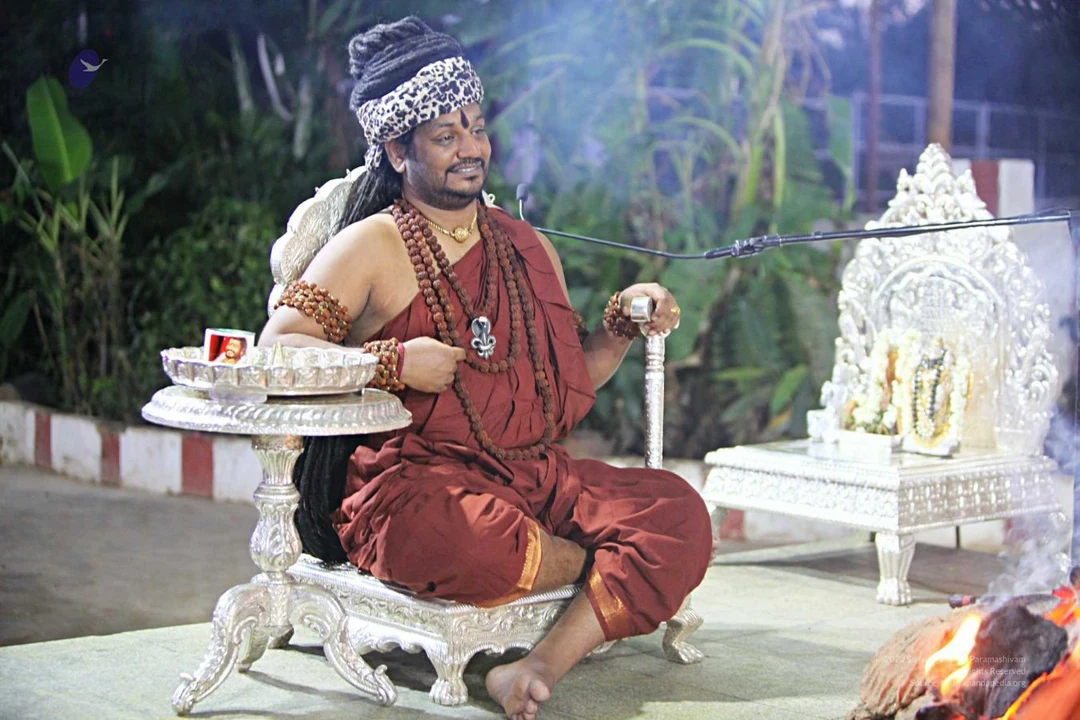 His Divine Holiness in the Spiritual Alchemy Process of preparing Aushadha - an esoteric science from the Siddha tradition which is used to achieve the state, space, powers of Paramashiva, and gain access to the 25 states of consciousness
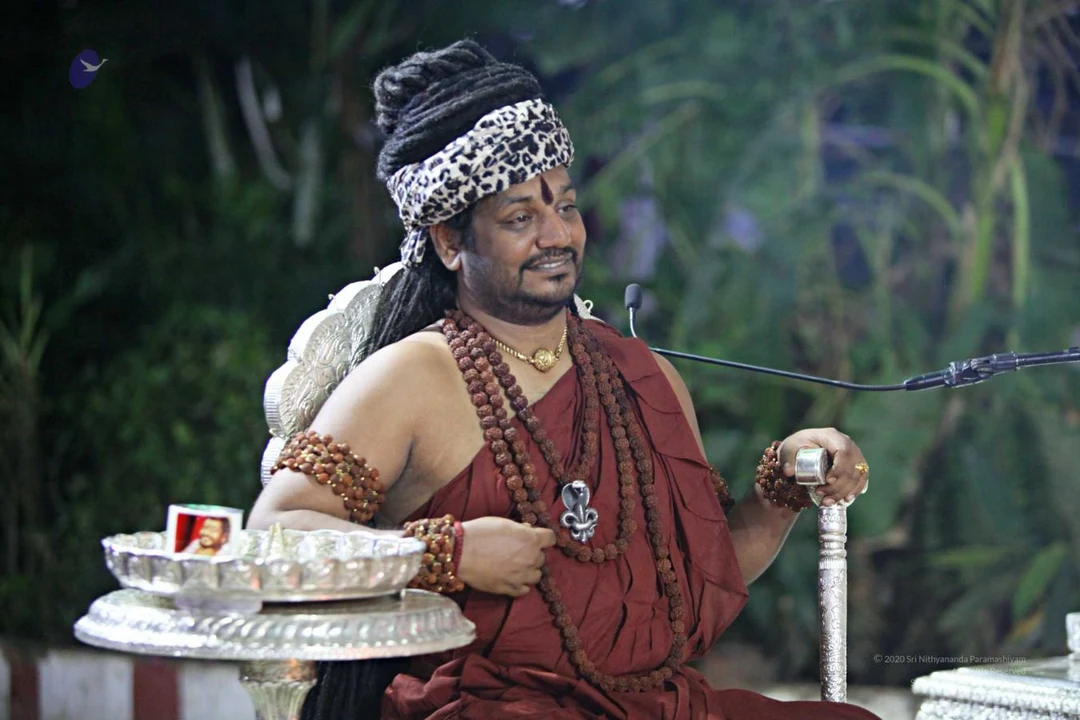 His Divine Holiness in the Spiritual Alchemy Process of preparing Aushadha - an esoteric science from the Siddha tradition which is used to achieve the state, space, powers of Paramashiva, and gain access to the 25 states of consciousness
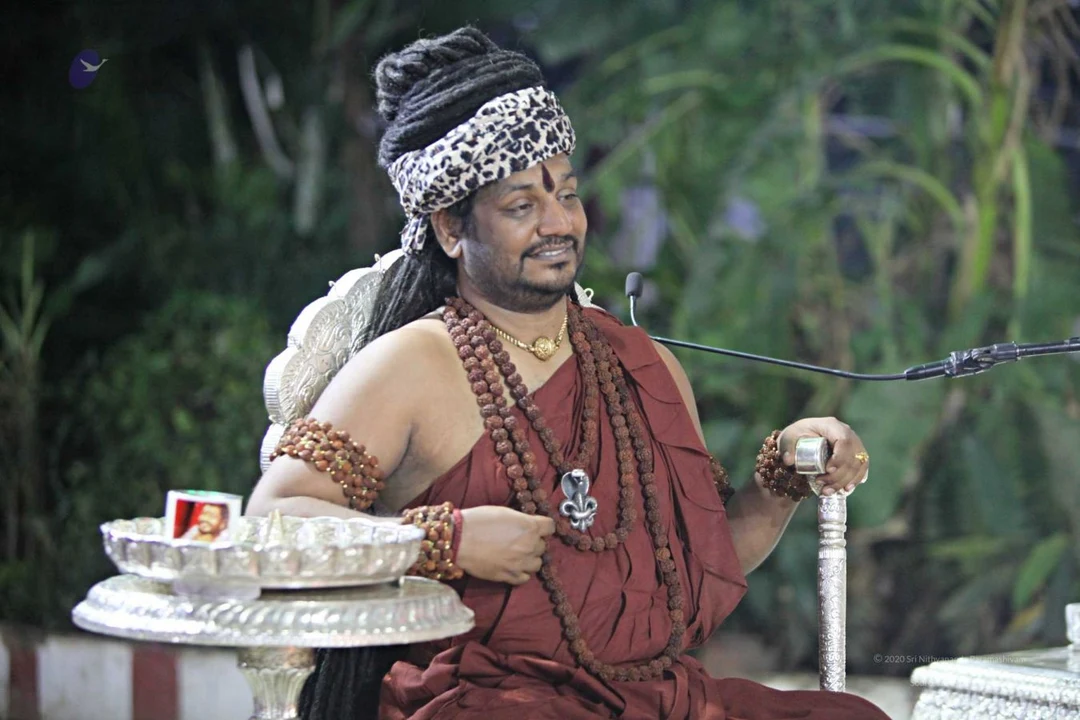 His Divine Holiness in the Spiritual Alchemy Process of preparing Aushadha - an esoteric science from the Siddha tradition which is used to achieve the state, space, powers of Paramashiva, and gain access to the 25 states of consciousness
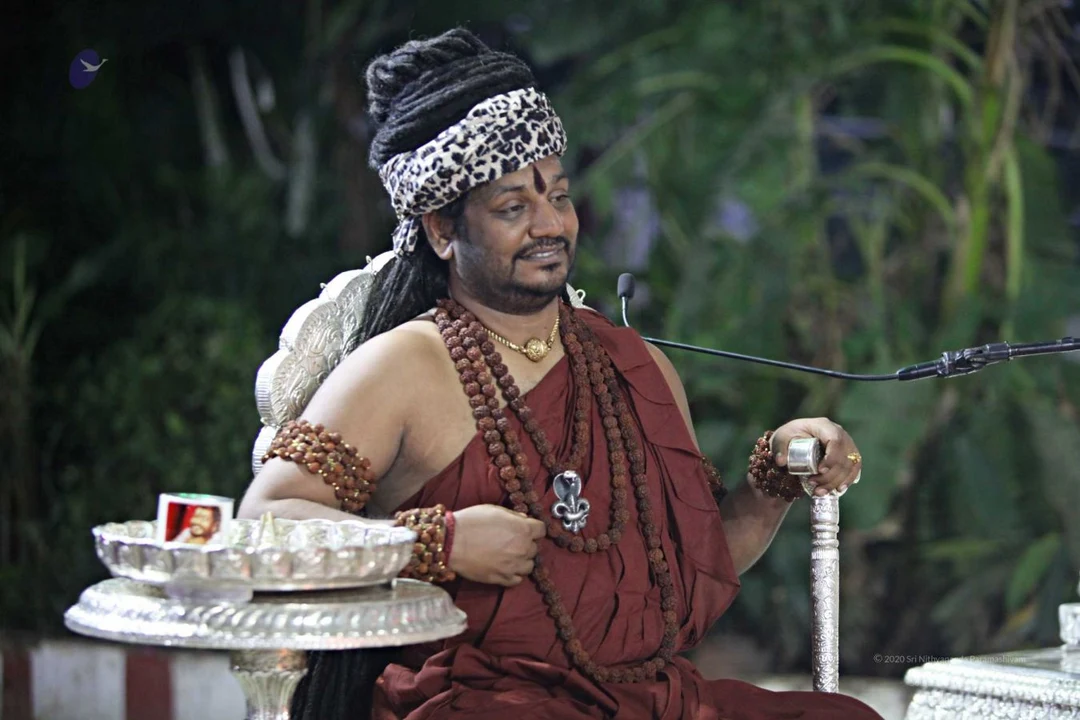 His Divine Holiness in the Spiritual Alchemy Process of preparing Aushadha - an esoteric science from the Siddha tradition which is used to achieve the state, space, powers of Paramashiva, and gain access to the 25 states of consciousness
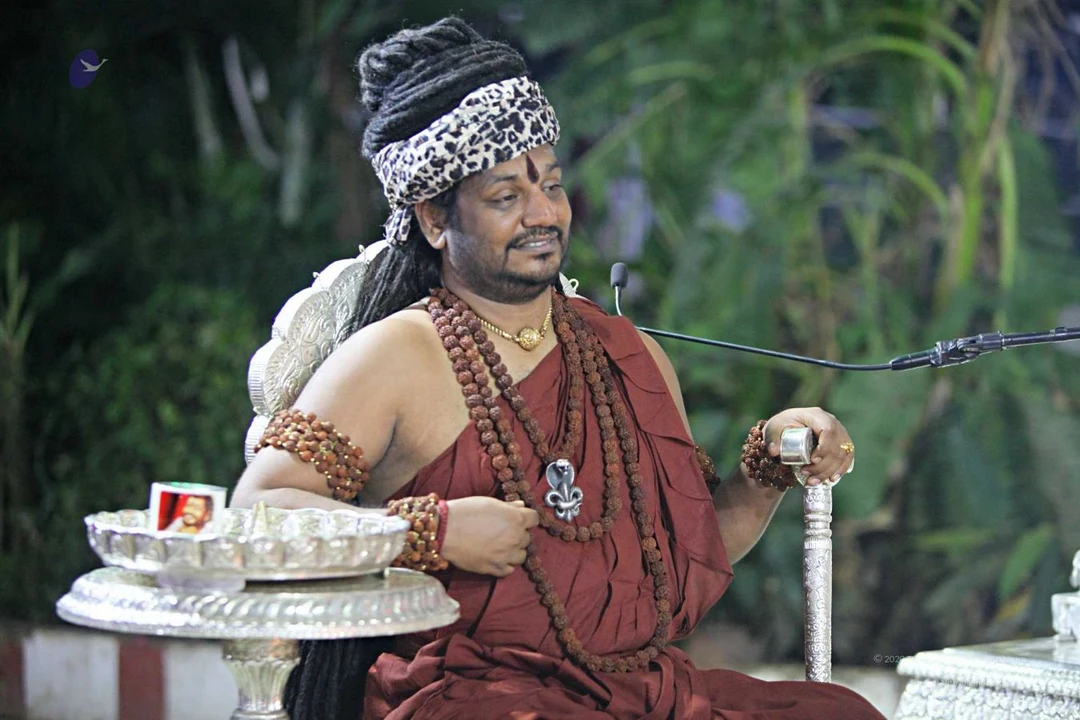 His Divine Holiness in the Spiritual Alchemy Process of preparing Aushadha - an esoteric science from the Siddha tradition which is used to achieve the state, space, powers of Paramashiva, and gain access to the 25 states of consciousness
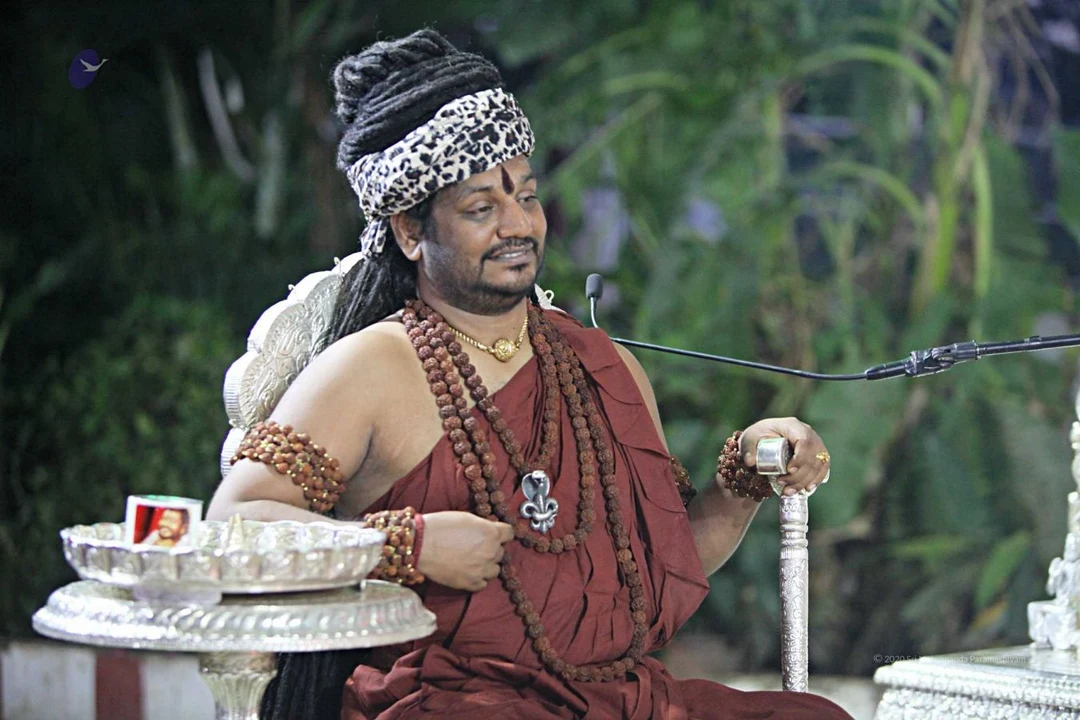 His Divine Holiness in the Spiritual Alchemy Process of preparing Aushadha - an esoteric science from the Siddha tradition which is used to achieve the state, space, powers of Paramashiva, and gain access to the 25 states of consciousness
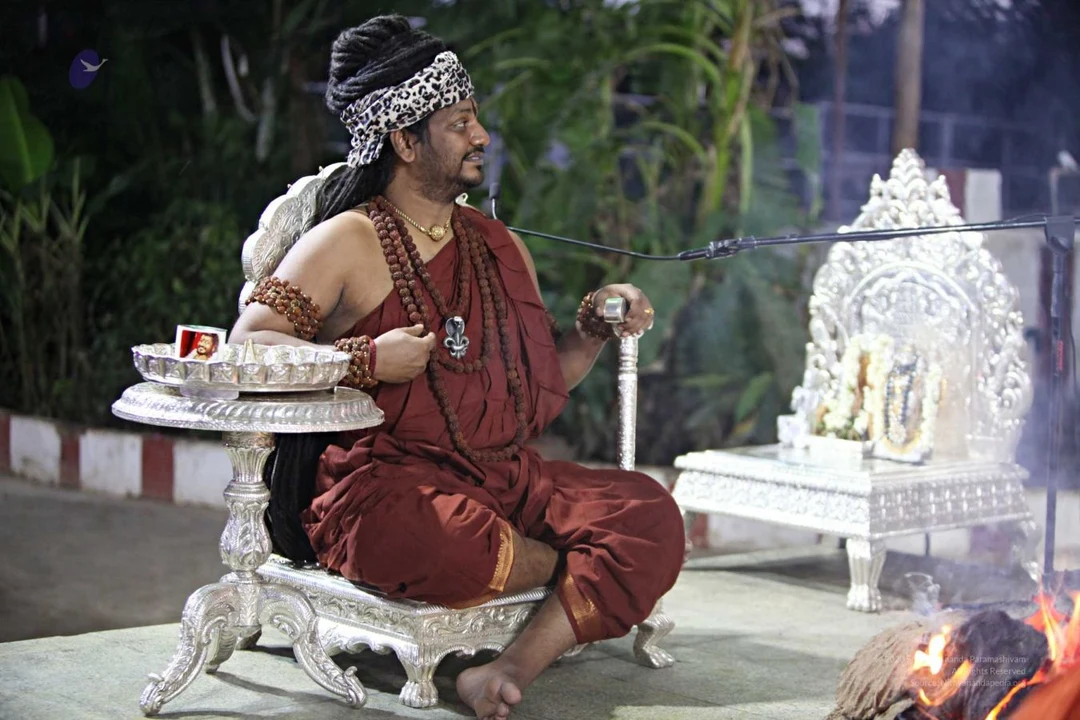 His Divine Holiness in the Spiritual Alchemy Process of preparing Aushadha - an esoteric science from the Siddha tradition which is used to achieve the state, space, powers of Paramashiva, and gain access to the 25 states of consciousness
 His Divine Holiness in the Spiritual Alchemy Process of preparing Aushadha - an esoteric science from the Siddha tradition which is used to achieve the state, space, powers of Paramashiva, and gain access to the 25 states of consciousness
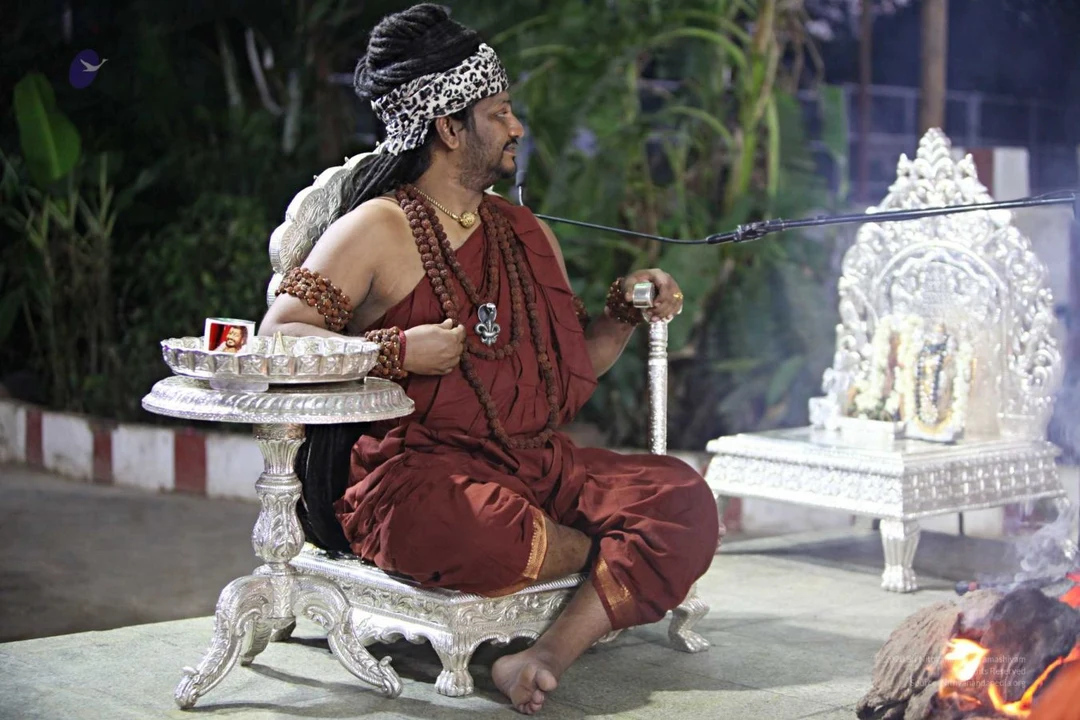 His Divine Holiness in the Spiritual Alchemy Process of preparing Aushadha - an esoteric science from the Siddha tradition which is used to achieve the state, space, powers of Paramashiva, and gain access to the 25 states of consciousness
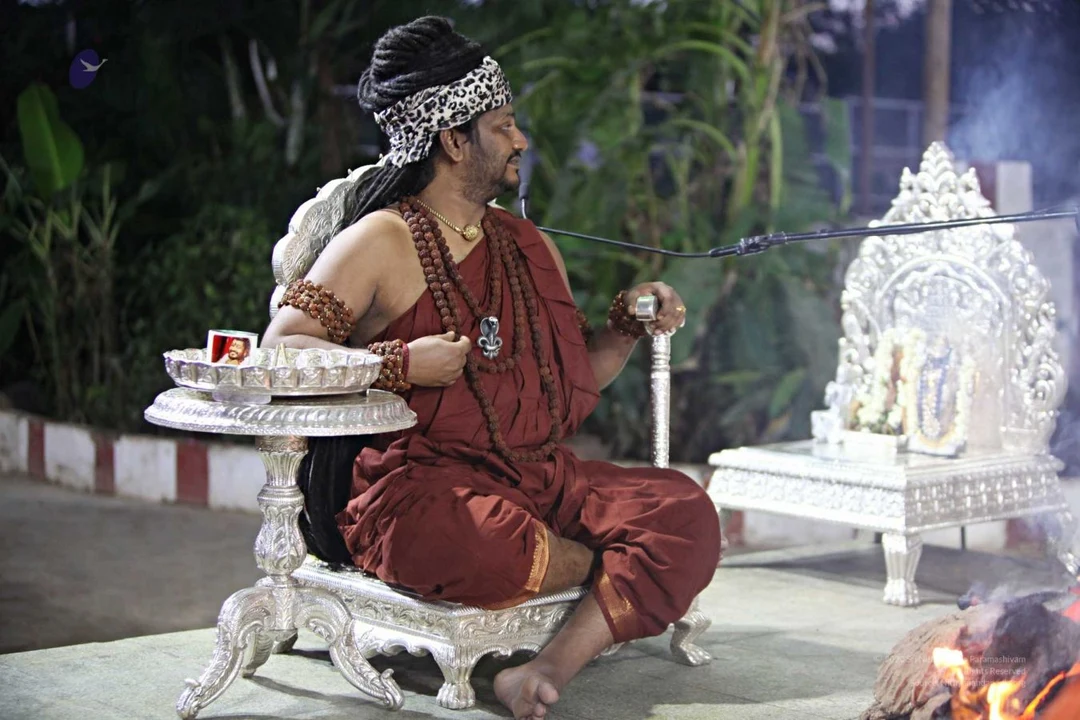 His Divine Holiness in the Spiritual Alchemy Process of preparing Aushadha - an esoteric science from the Siddha tradition which is used to achieve the state, space, powers of Paramashiva, and gain access to the 25 states of consciousness
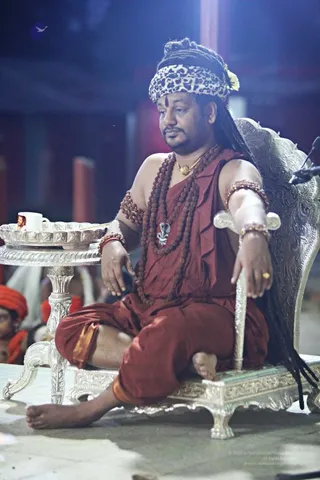 His Divine Holiness in the Spiritual Alchemy Process of preparing Aushadha - an esoteric science from the Siddha tradition which is used to achieve the state, space, powers of Paramashiva, and gain access to the 25 states of consciousness
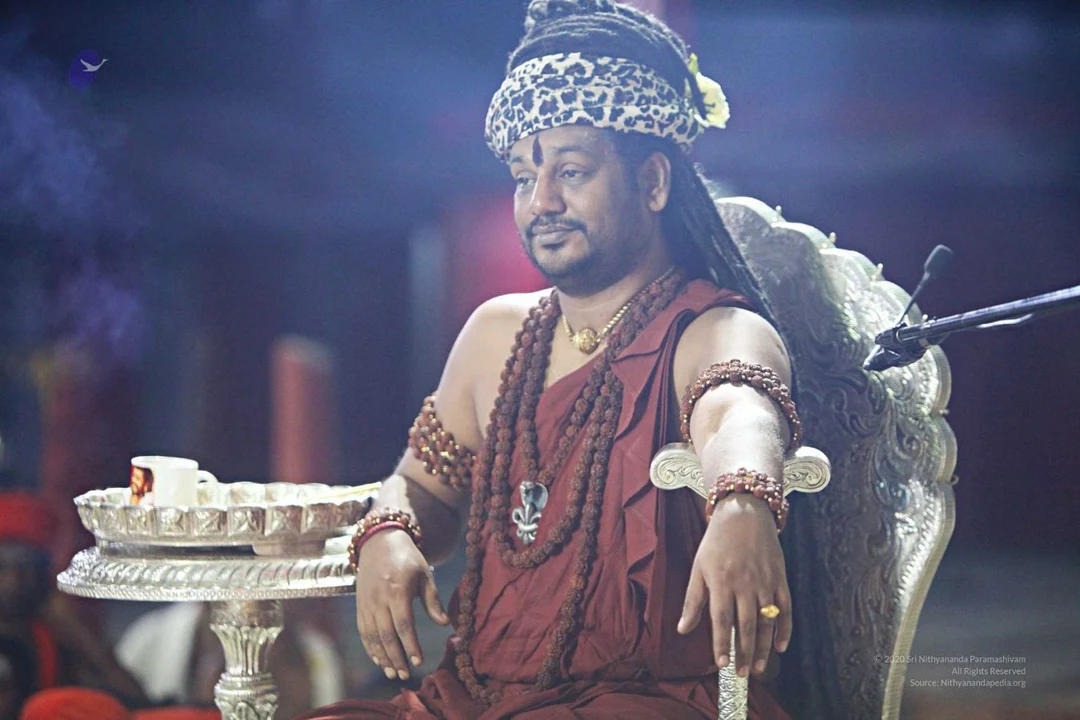 His Divine Holiness in the Spiritual Alchemy Process of preparing Aushadha - an esoteric science from the Siddha tradition which is used to achieve the state, space, powers of Paramashiva, and gain access to the 25 states of consciousness
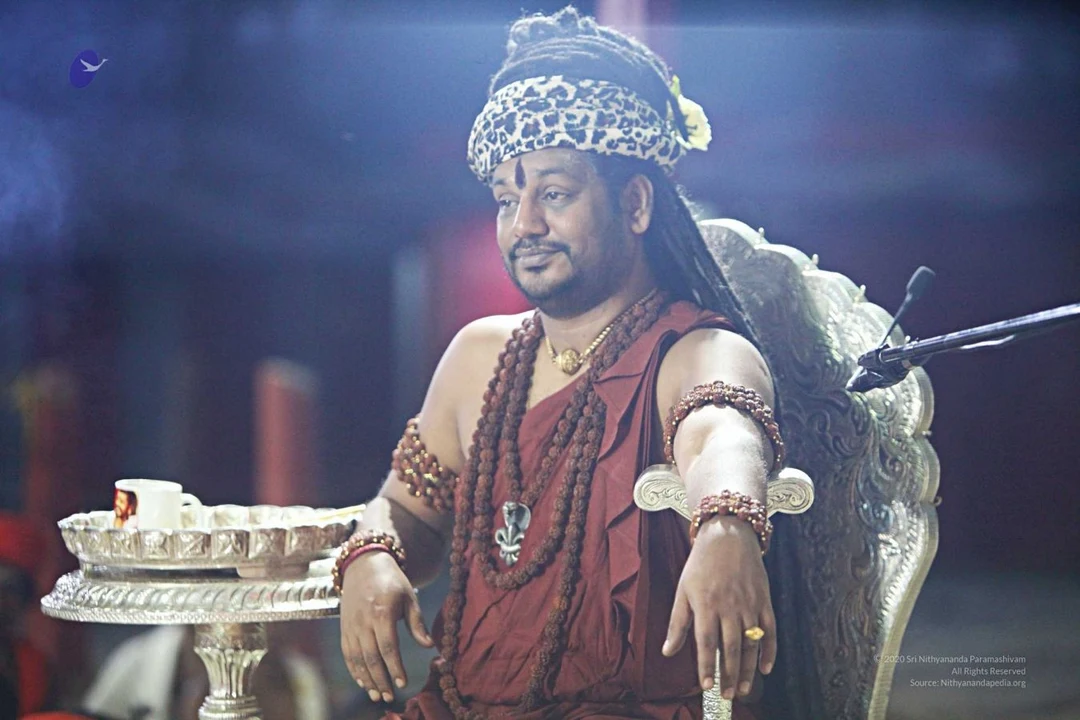 His Divine Holiness in the Spiritual Alchemy Process of preparing Aushadha - an esoteric science from the Siddha tradition which is used to achieve the state, space, powers of Paramashiva, and gain access to the 25 states of consciousness
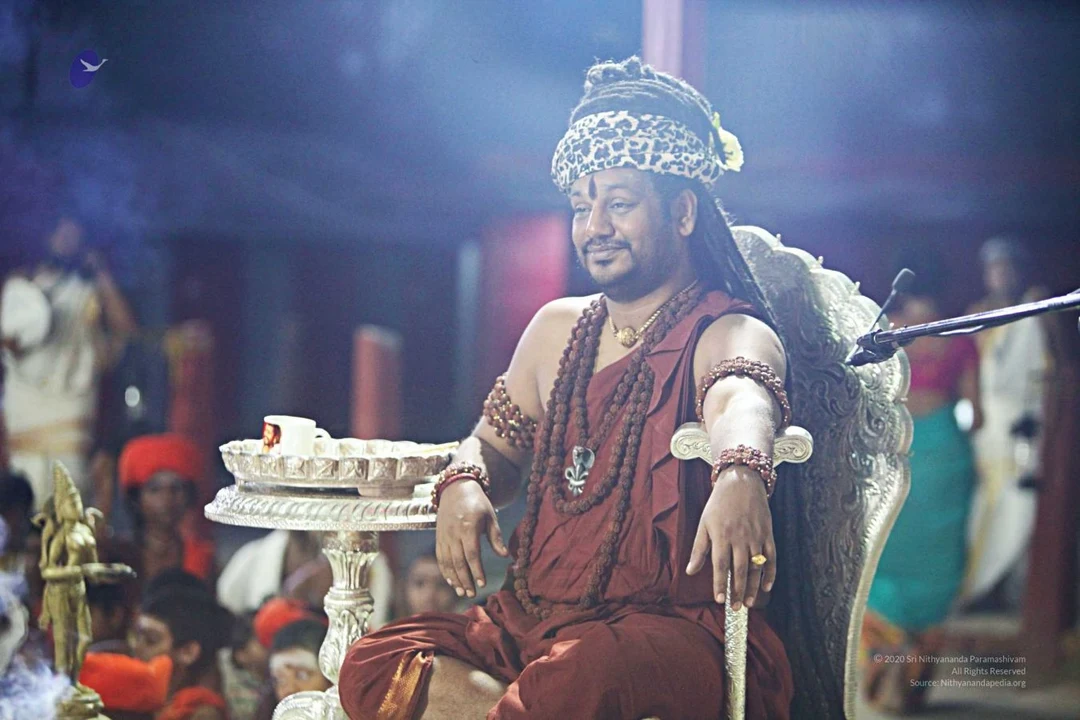 His Divine Holiness in the Spiritual Alchemy Process of preparing Aushadha - an esoteric science from the Siddha tradition which is used to achieve the state, space, powers of Paramashiva, and gain access to the 25 states of consciousness
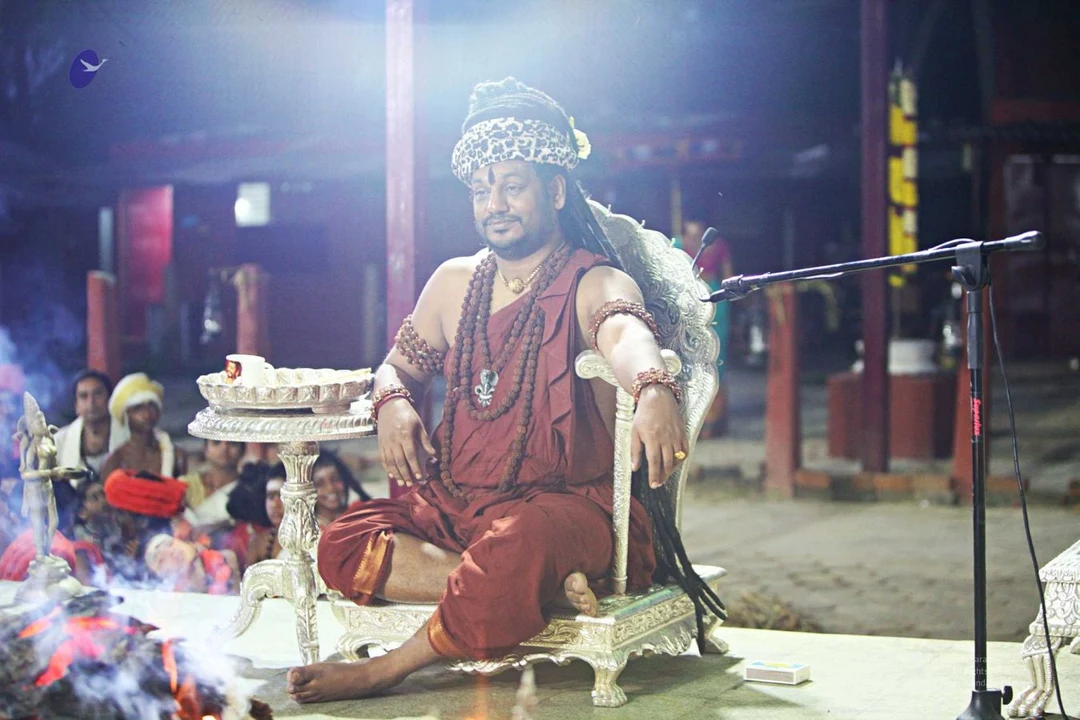 His Divine Holiness in the Spiritual Alchemy Process of preparing Aushadha - an esoteric science from the Siddha tradition which is used to achieve the state, space, powers of Paramashiva, and gain access to the 25 states of consciousness
 His Divine Holiness in the Spiritual Alchemy Process of preparing Aushadha - an esoteric science from the Siddha tradition which is used to achieve the state, space, powers of Paramashiva, and gain access to the 25 states of consciousness
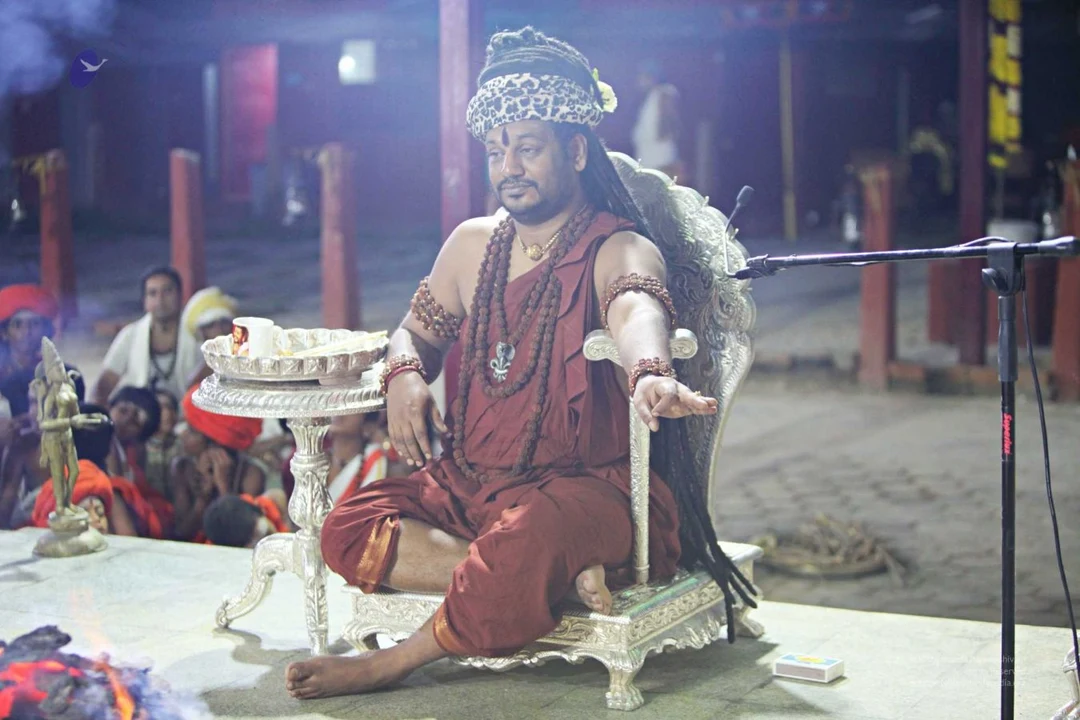 His Divine Holiness in the Spiritual Alchemy Process of preparing Aushadha - an esoteric science from the Siddha tradition which is used to achieve the state, space, powers of Paramashiva, and gain access to the 25 states of consciousness
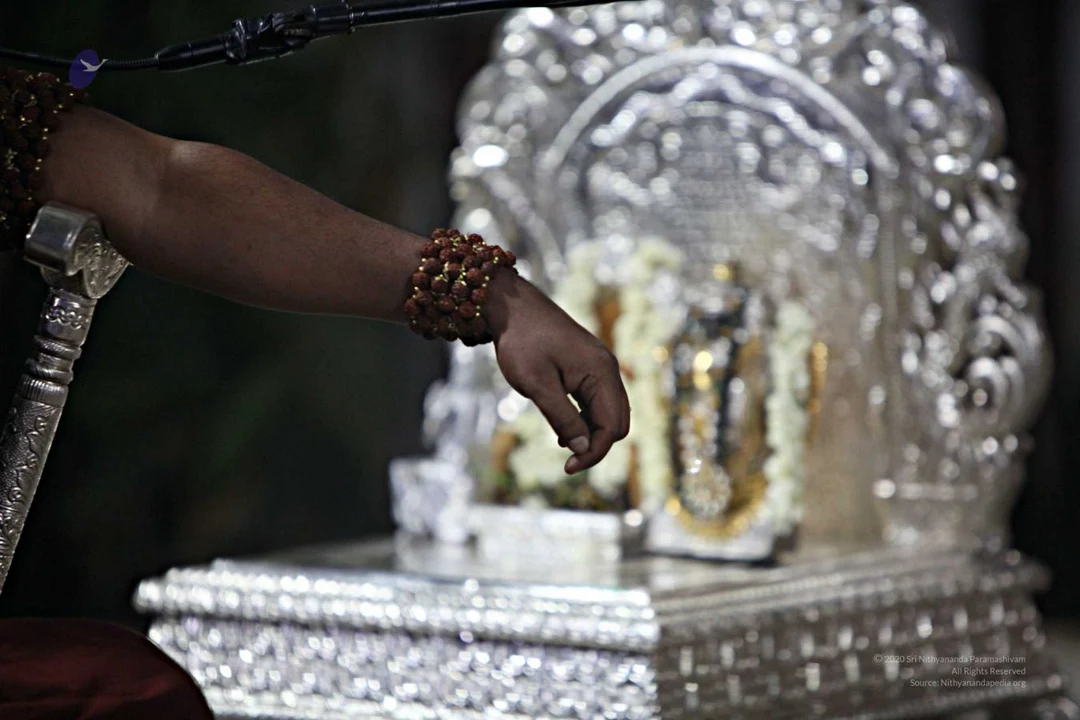 His Divine Holiness in the Spiritual Alchemy Process of preparing Aushadha - an esoteric science from the Siddha tradition which is used to achieve the state, space, powers of Paramashiva, and gain access to the 25 states of consciousness
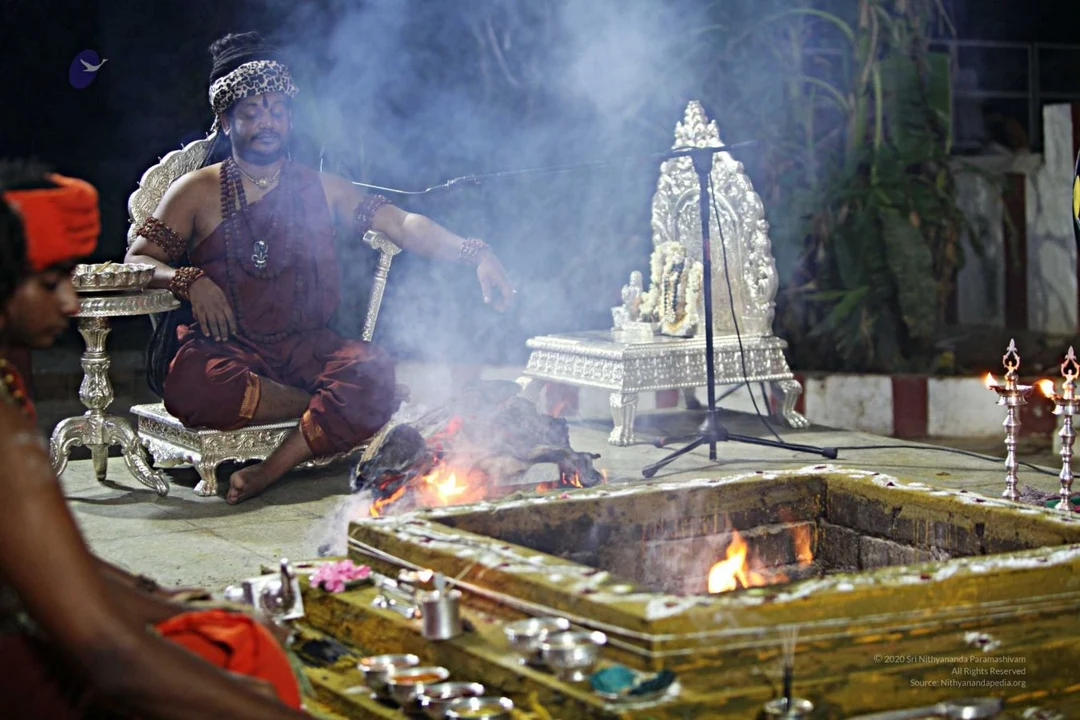 His Divine Holiness in the Spiritual Alchemy Process of preparing Aushadha - an esoteric science from the Siddha tradition which is used to achieve the state, space, powers of Paramashiva, and gain access to the 25 states of consciousness
 His Divine Holiness in the Spiritual Alchemy Process of preparing Aushadha - an esoteric science from the Siddha tradition which is used to achieve the state, space, powers of Paramashiva, and gain access to the 25 states of consciousness
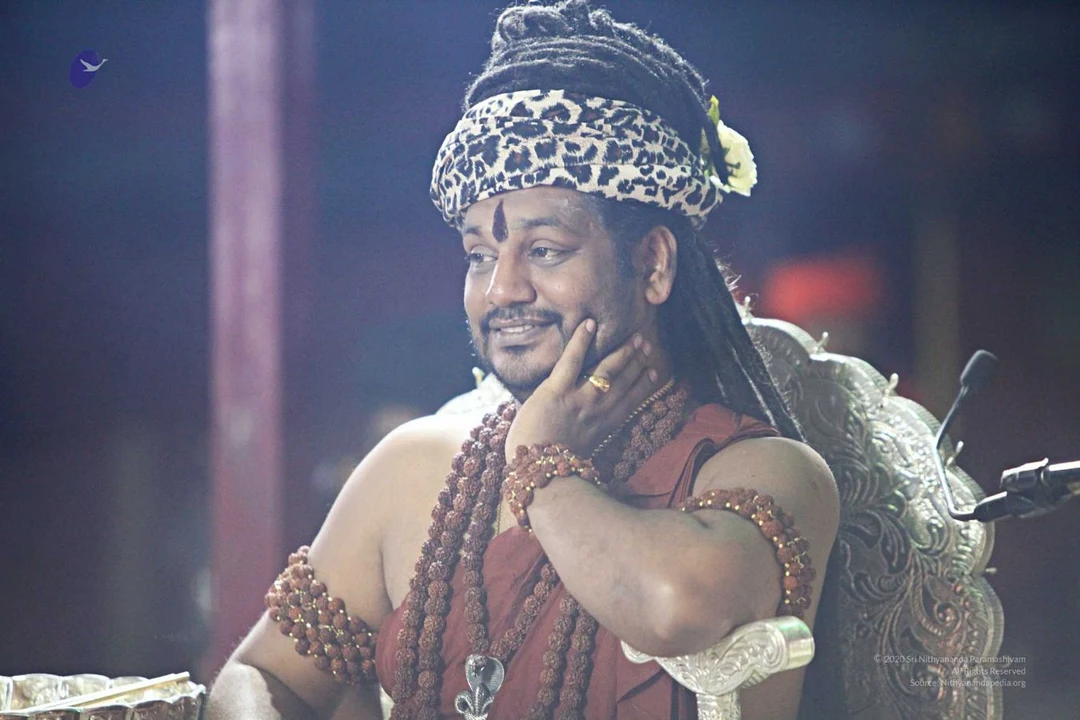 His Divine Holiness in the Spiritual Alchemy Process of preparing Aushadha - an esoteric science from the Siddha tradition which is used to achieve the state, space, powers of Paramashiva, and gain access to the 25 states of consciousness
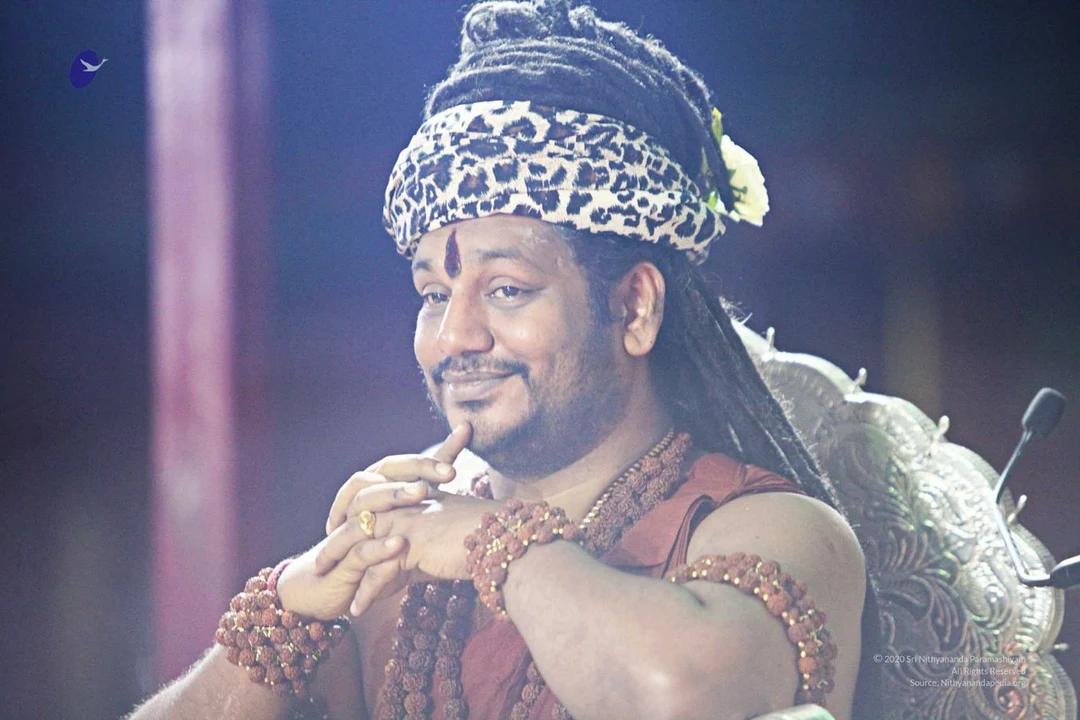 His Divine Holiness in the Spiritual Alchemy Process of preparing Aushadha - an esoteric science from the Siddha tradition which is used to achieve the state, space, powers of Paramashiva, and gain access to the 25 states of consciousness
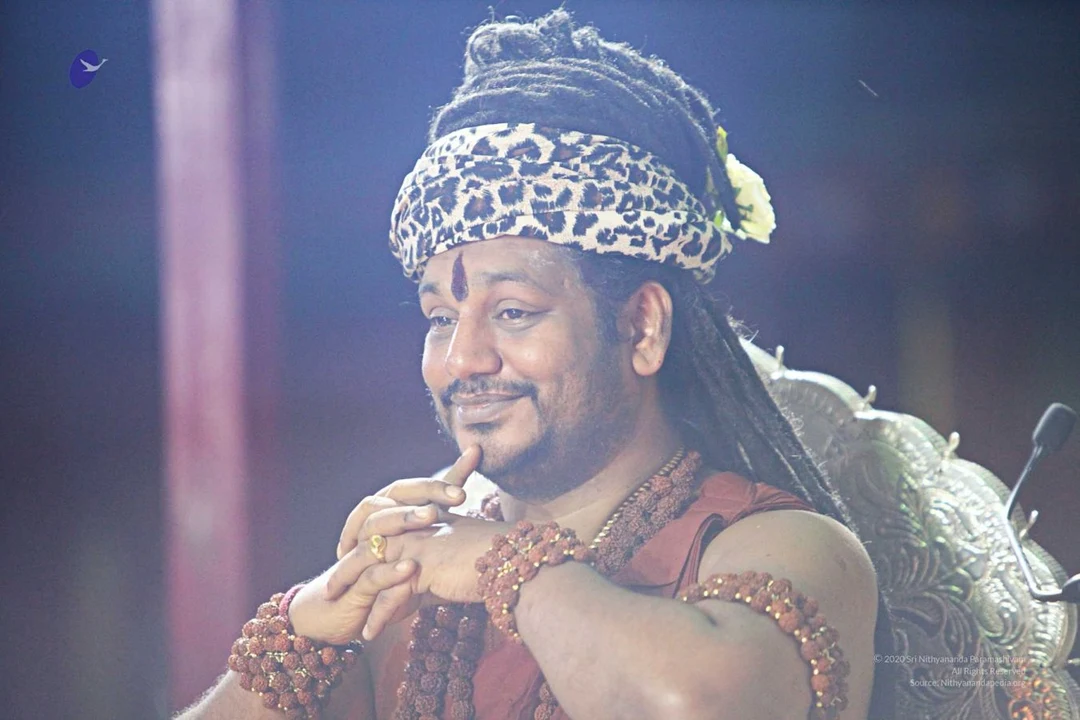 His Divine Holiness in the Spiritual Alchemy Process of preparing Aushadha - an esoteric science from the Siddha tradition which is used to achieve the state, space, powers of Paramashiva, and gain access to the 25 states of consciousness
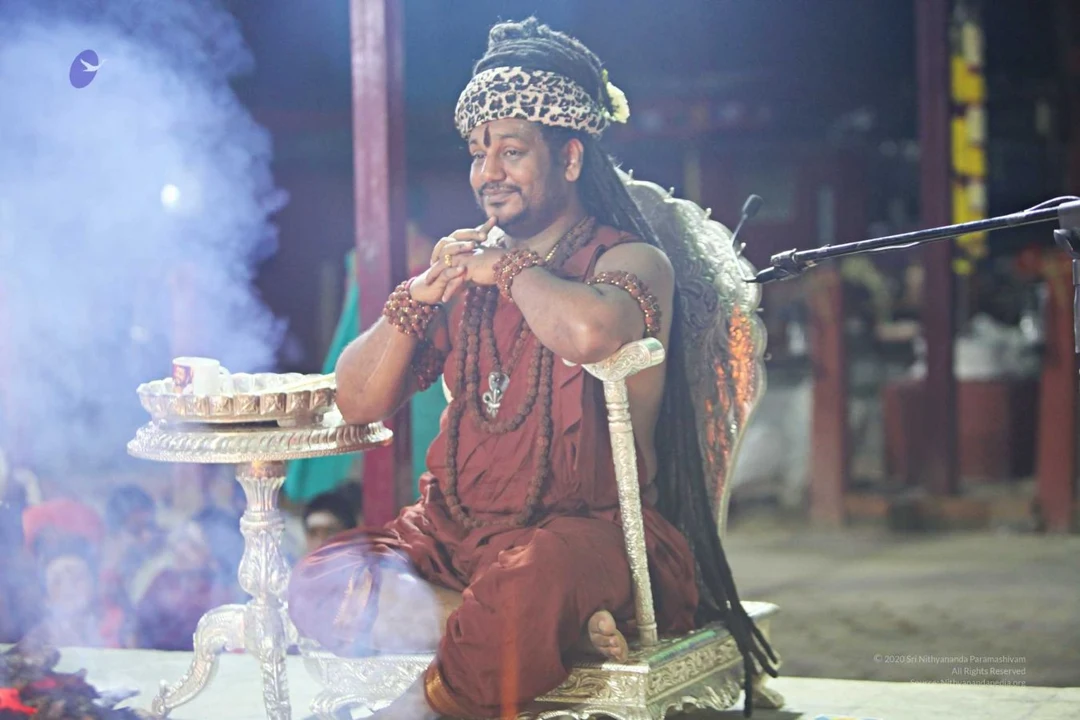 His Divine Holiness in the Spiritual Alchemy Process of preparing Aushadha - an esoteric science from the Siddha tradition which is used to achieve the state, space, powers of Paramashiva, and gain access to the 25 states of consciousness
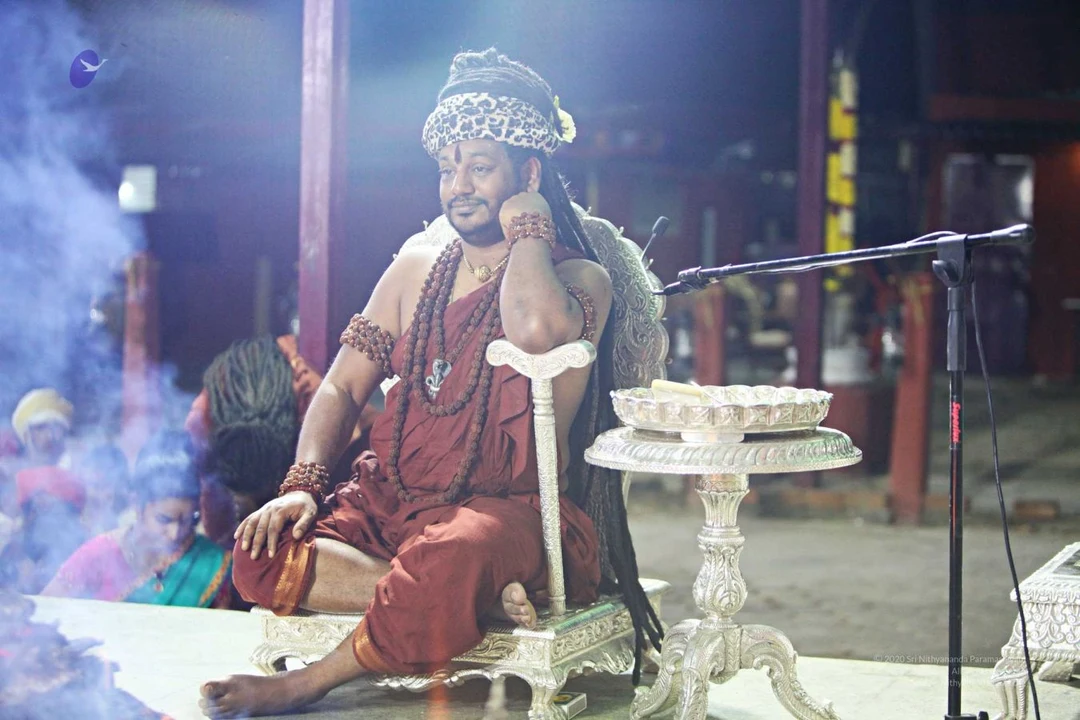 His Divine Holiness in the Spiritual Alchemy Process of preparing Aushadha - an esoteric science from the Siddha tradition which is used to achieve the state, space, powers of Paramashiva, and gain access to the 25 states of consciousness
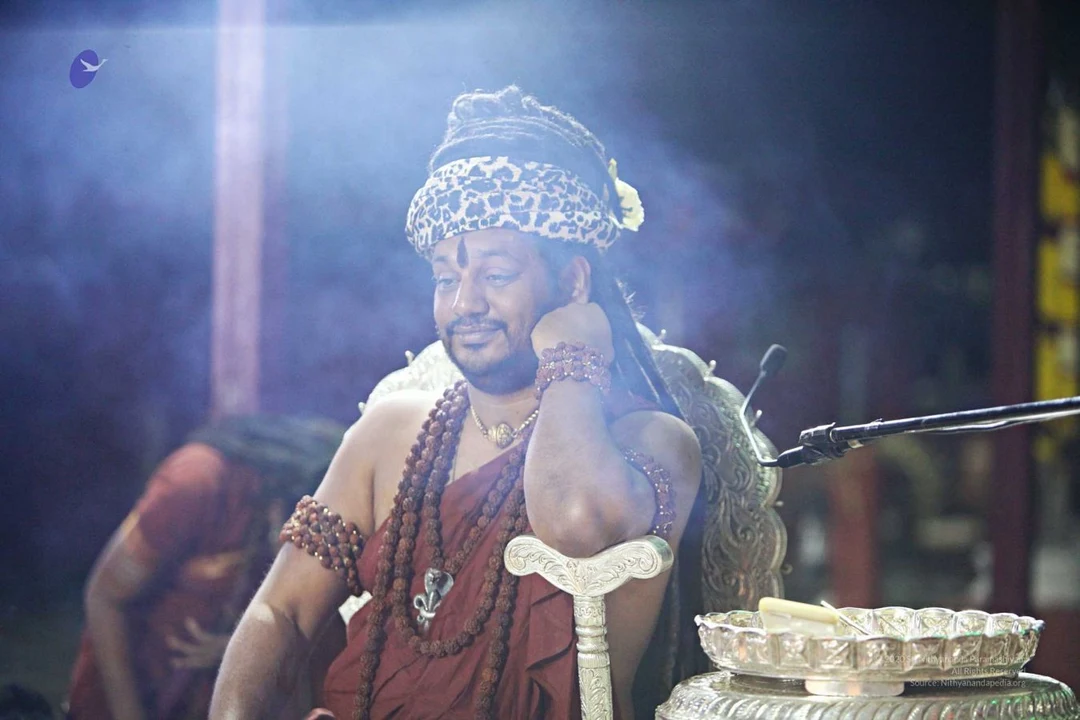 His Divine Holiness in the Spiritual Alchemy Process of preparing Aushadha - an esoteric science from the Siddha tradition which is used to achieve the state, space, powers of Paramashiva, and gain access to the 25 states of consciousness
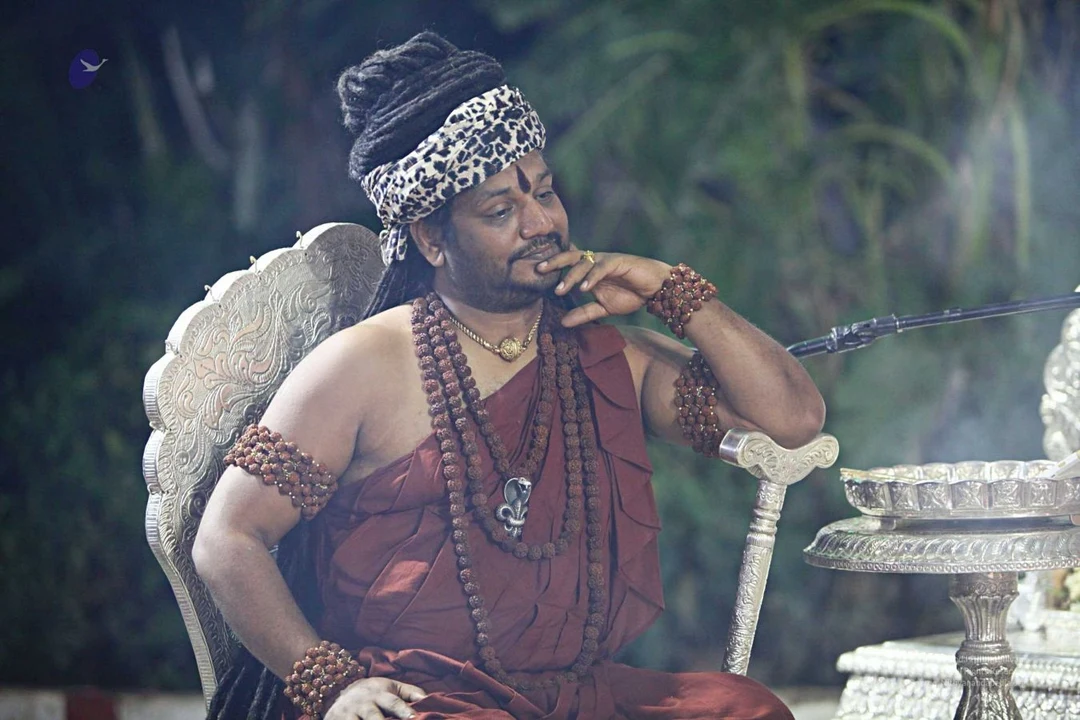 His Divine Holiness in the Spiritual Alchemy Process of preparing Aushadha - an esoteric science from the Siddha tradition which is used to achieve the state, space, powers of Paramashiva, and gain access to the 25 states of consciousness
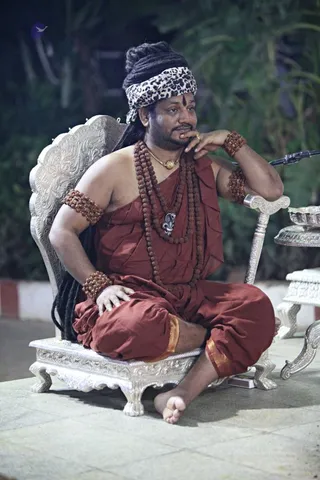 His Divine Holiness in the Spiritual Alchemy Process of preparing Aushadha - an esoteric science from the Siddha tradition which is used to achieve the state, space, powers of Paramashiva, and gain access to the 25 states of consciousness
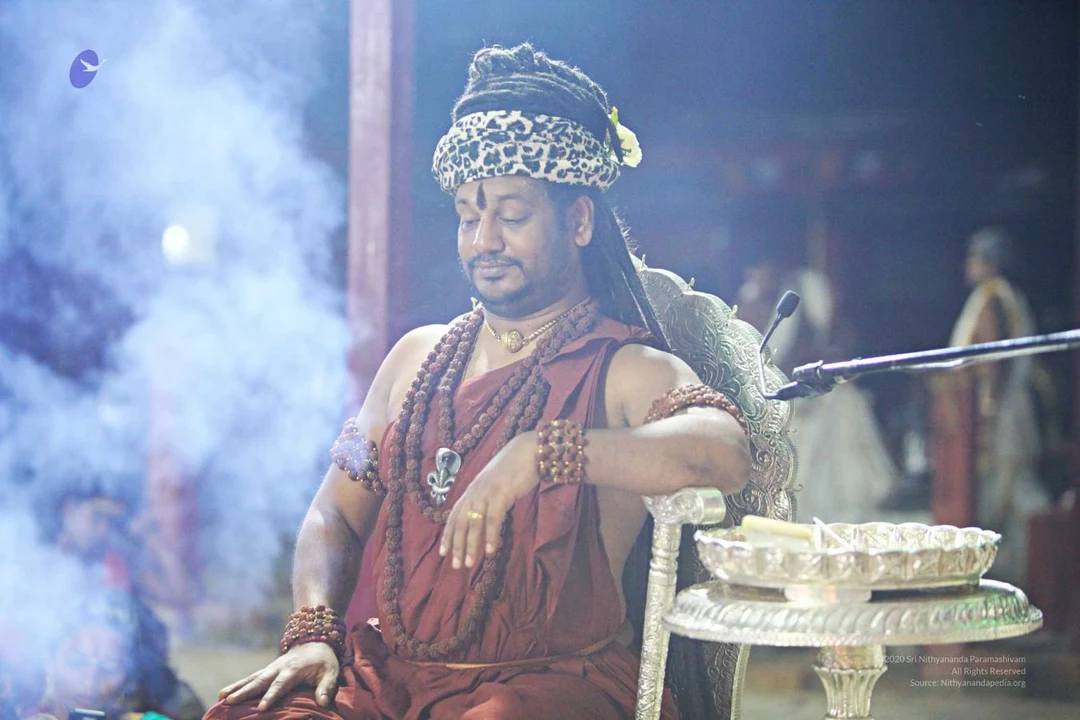 His Divine Holiness in the Spiritual Alchemy Process of preparing Aushadha - an esoteric science from the Siddha tradition which is used to achieve the state, space, powers of Paramashiva, and gain access to the 25 states of consciousness
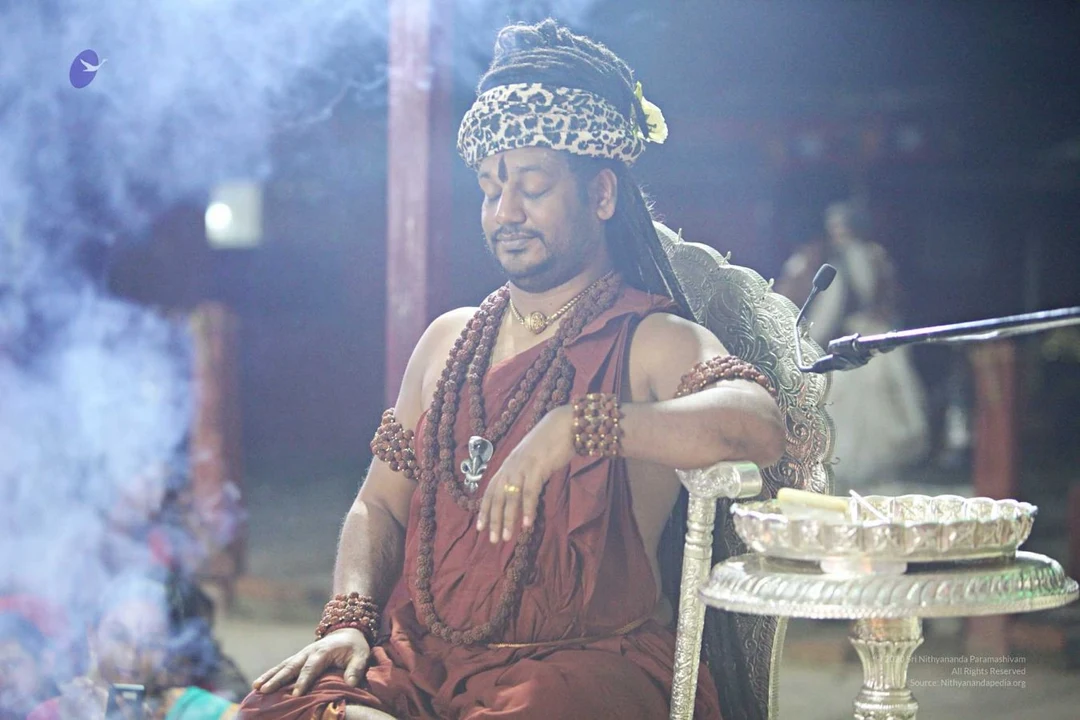 His Divine Holiness in the Spiritual Alchemy Process of preparing Aushadha - an esoteric science from the Siddha tradition which is used to achieve the state, space, powers of Paramashiva, and gain access to the 25 states of consciousness
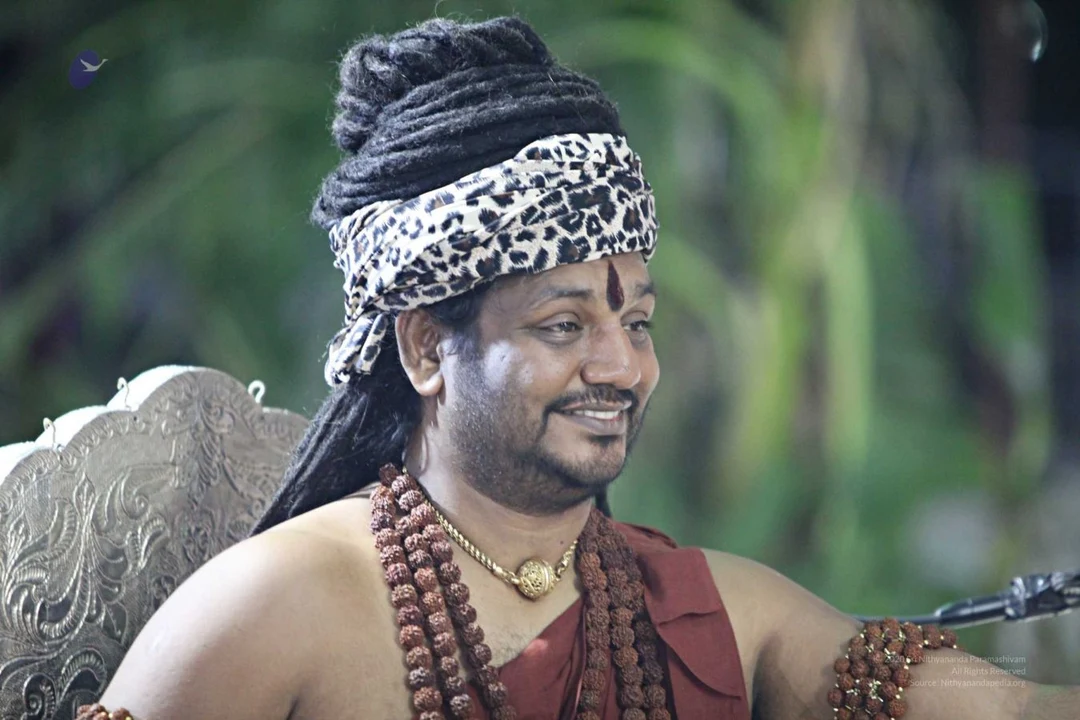 His Divine Holiness in the Spiritual Alchemy Process of preparing Aushadha - an esoteric science from the Siddha tradition which is used to achieve the state, space, powers of Paramashiva, and gain access to the 25 states of consciousness
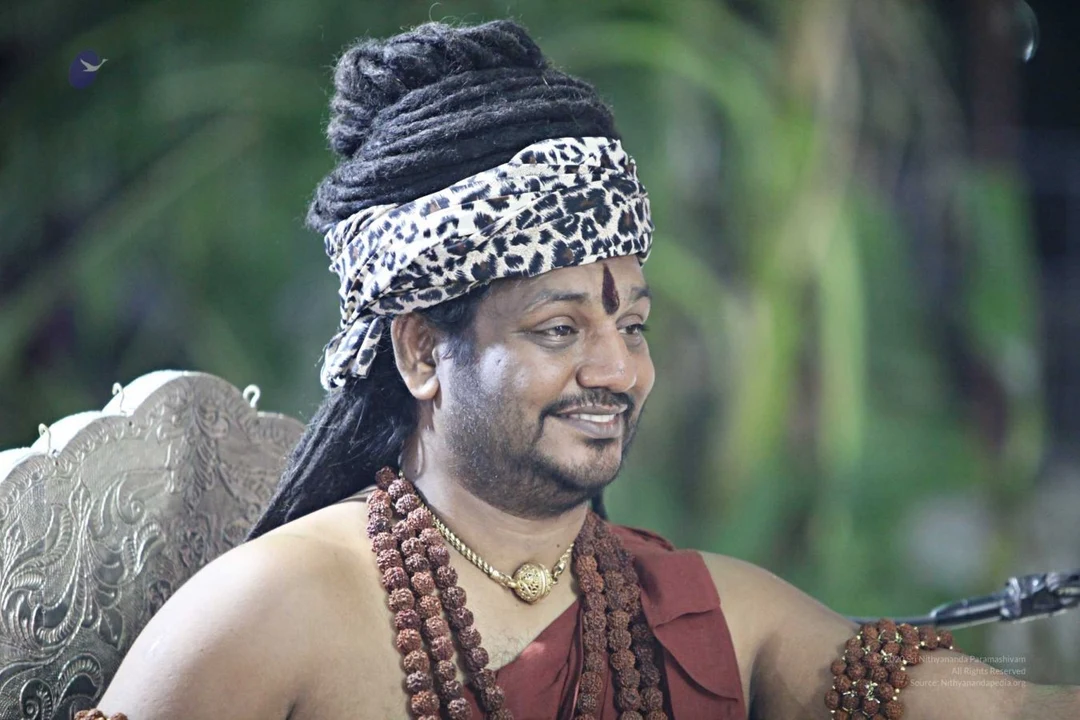 His Divine Holiness in the Spiritual Alchemy Process of preparing Aushadha - an esoteric science from the Siddha tradition which is used to achieve the state, space, powers of Paramashiva, and gain access to the 25 states of consciousness
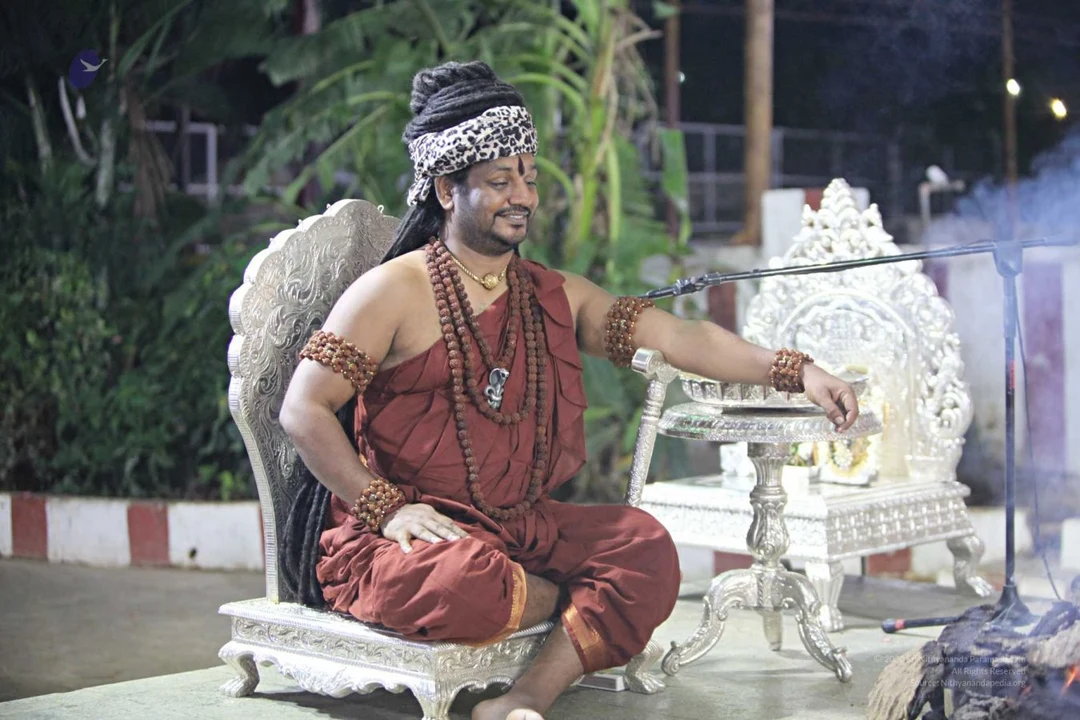 His Divine Holiness in the Spiritual Alchemy Process of preparing Aushadha - an esoteric science from the Siddha tradition which is used to achieve the state, space, powers of Paramashiva, and gain access to the 25 states of consciousness
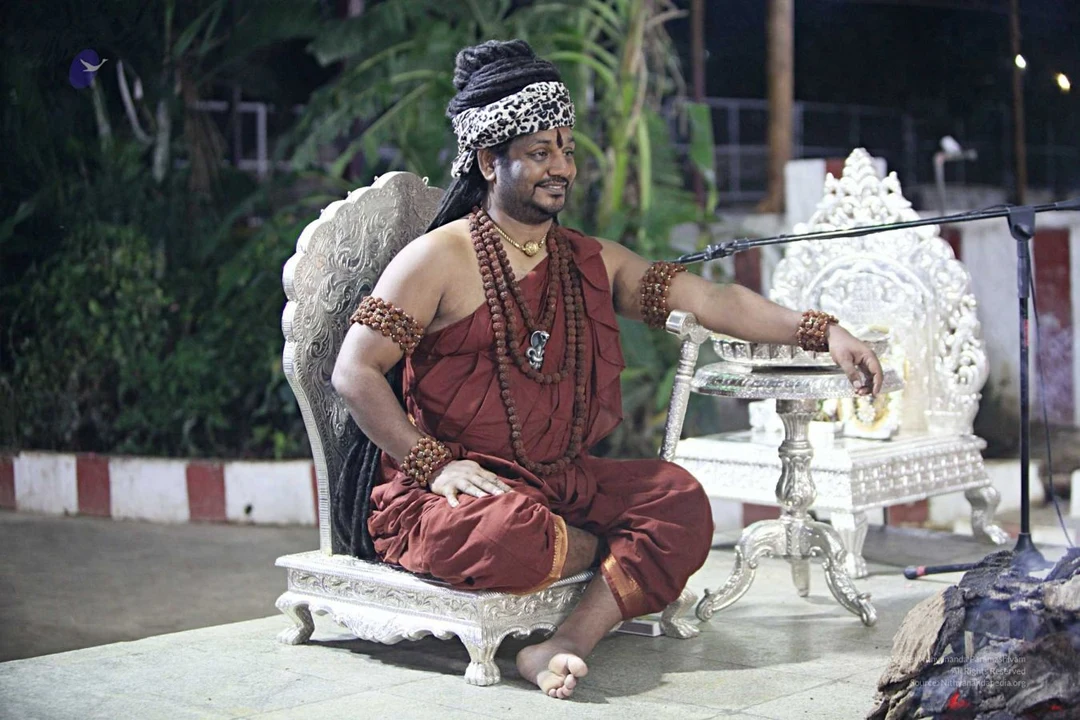 His Divine Holiness in the Spiritual Alchemy Process of preparing Aushadha - an esoteric science from the Siddha tradition which is used to achieve the state, space, powers of Paramashiva, and gain access to the 25 states of consciousness
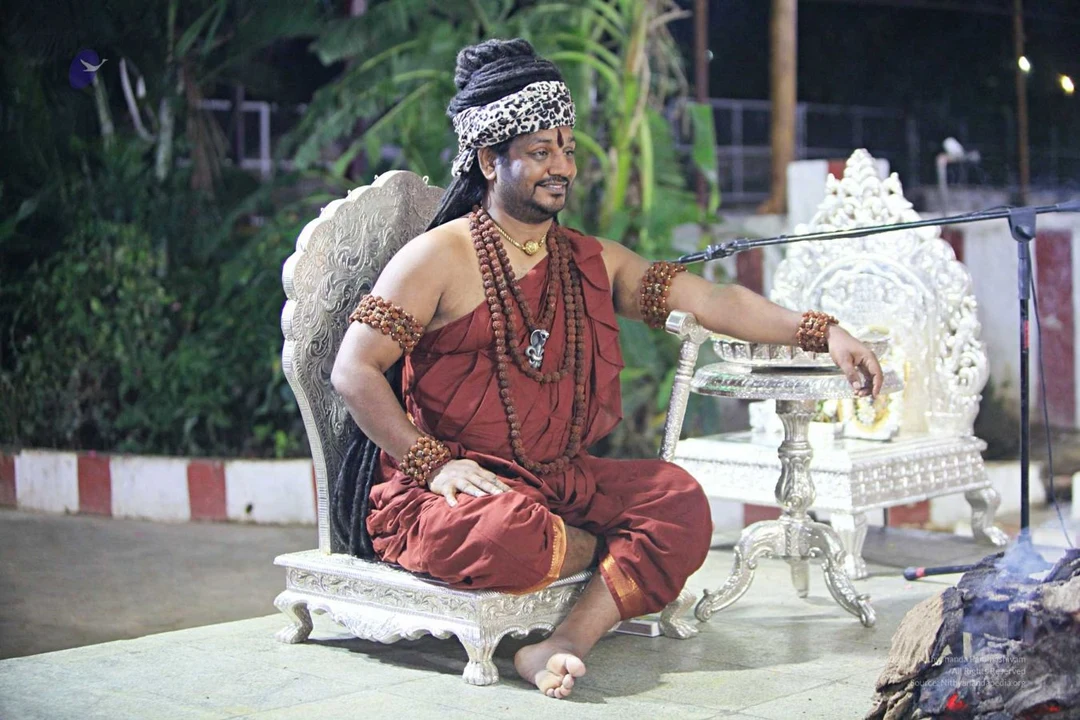 His Divine Holiness in the Spiritual Alchemy Process of preparing Aushadha - an esoteric science from the Siddha tradition which is used to achieve the state, space, powers of Paramashiva, and gain access to the 25 states of consciousness
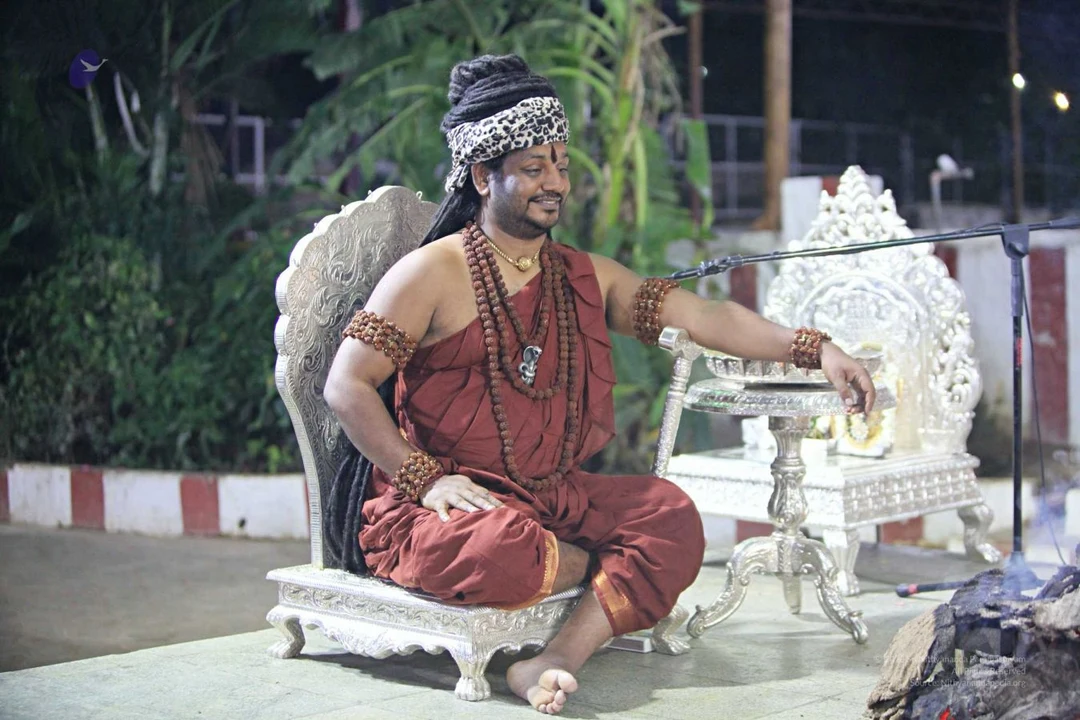 His Divine Holiness in the Spiritual Alchemy Process of preparing Aushadha - an esoteric science from the Siddha tradition which is used to achieve the state, space, powers of Paramashiva, and gain access to the 25 states of consciousness
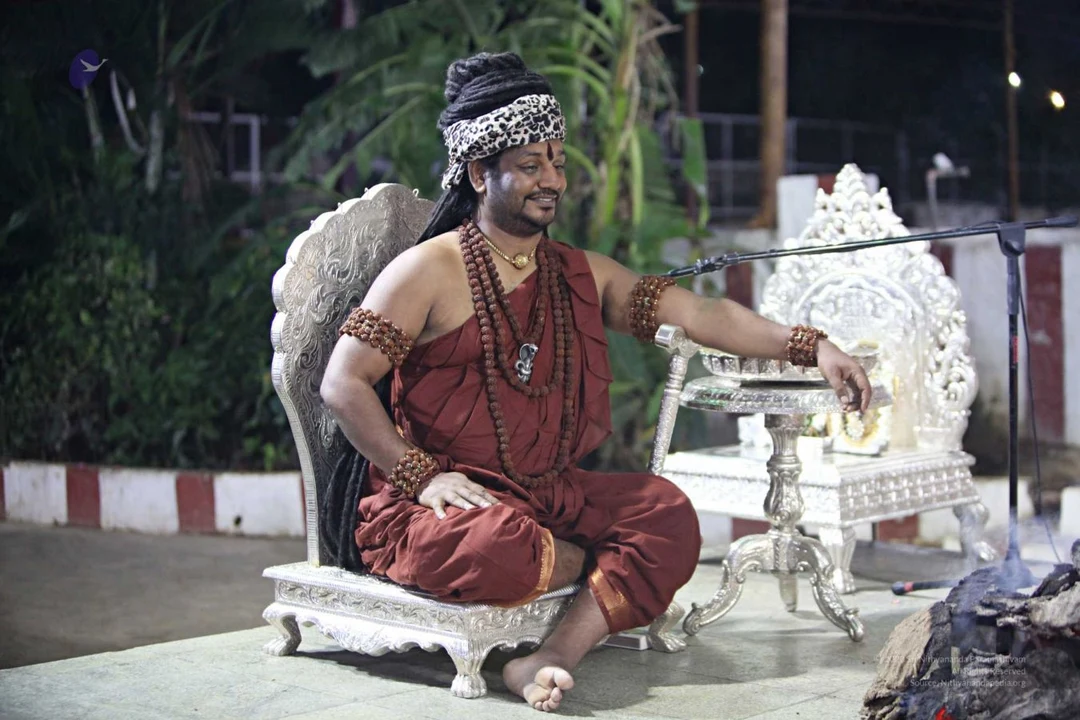 His Divine Holiness in the Spiritual Alchemy Process of preparing Aushadha - an esoteric science from the Siddha tradition which is used to achieve the state, space, powers of Paramashiva, and gain access to the 25 states of consciousness
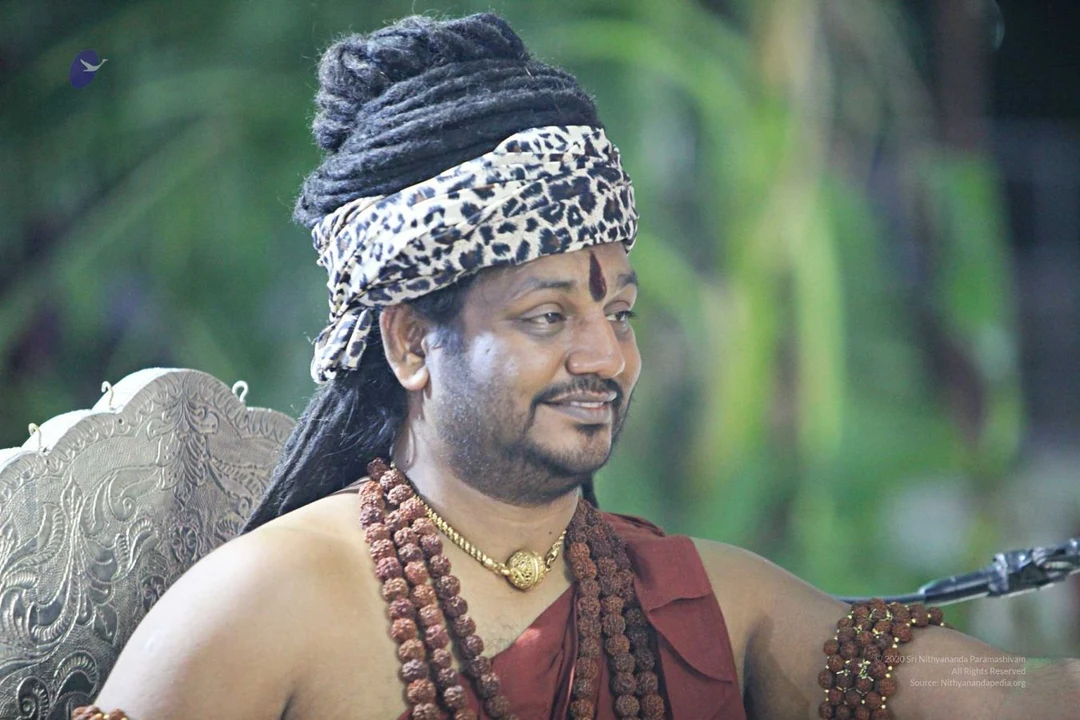 His Divine Holiness in the Spiritual Alchemy Process of preparing Aushadha - an esoteric science from the Siddha tradition which is used to achieve the state, space, powers of Paramashiva, and gain access to the 25 states of consciousness
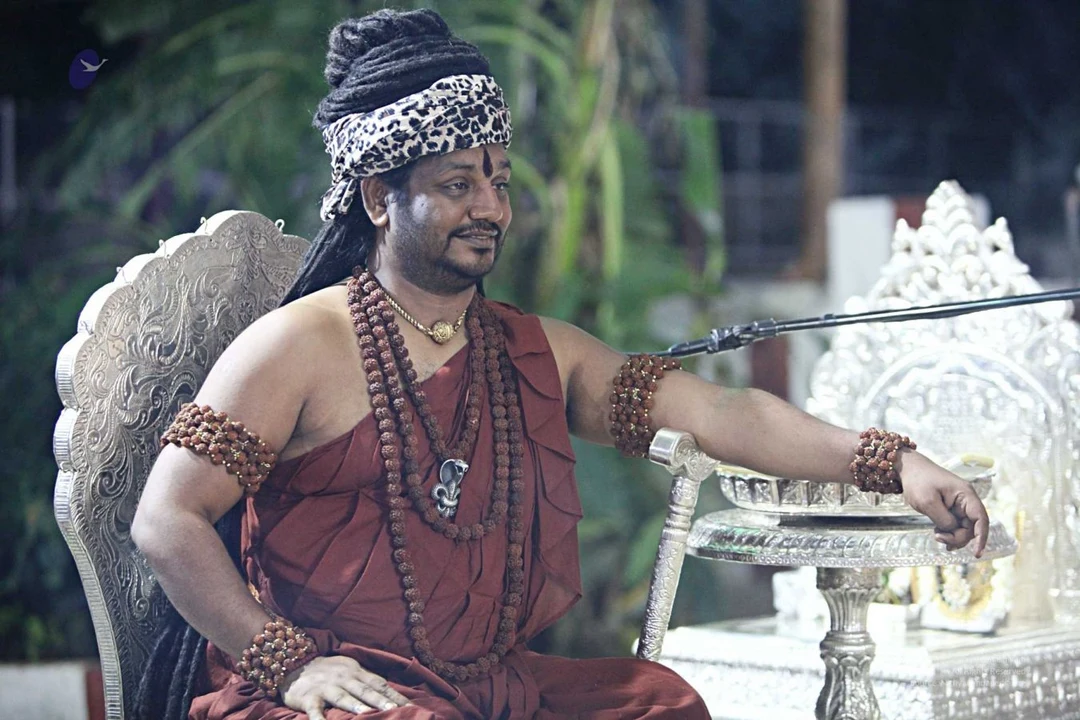 His Divine Holiness in the Spiritual Alchemy Process of preparing Aushadha - an esoteric science from the Siddha tradition which is used to achieve the state, space, powers of Paramashiva, and gain access to the 25 states of consciousness
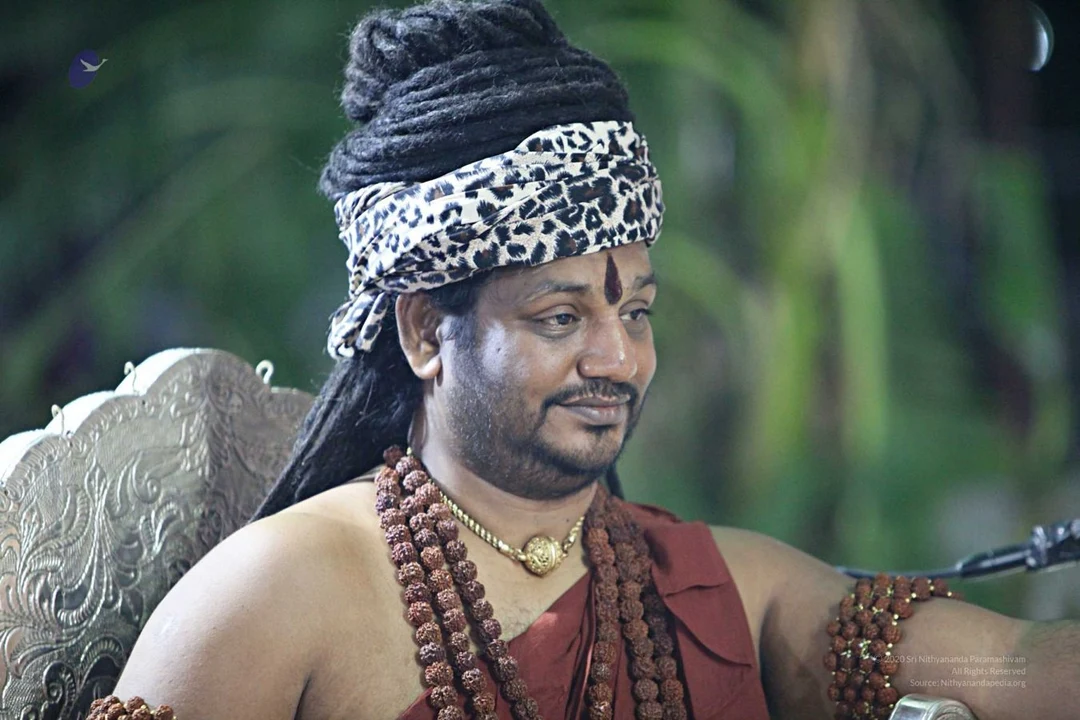 His Divine Holiness in the Spiritual Alchemy Process of preparing Aushadha - an esoteric science from the Siddha tradition which is used to achieve the state, space, powers of Paramashiva, and gain access to the 25 states of consciousness
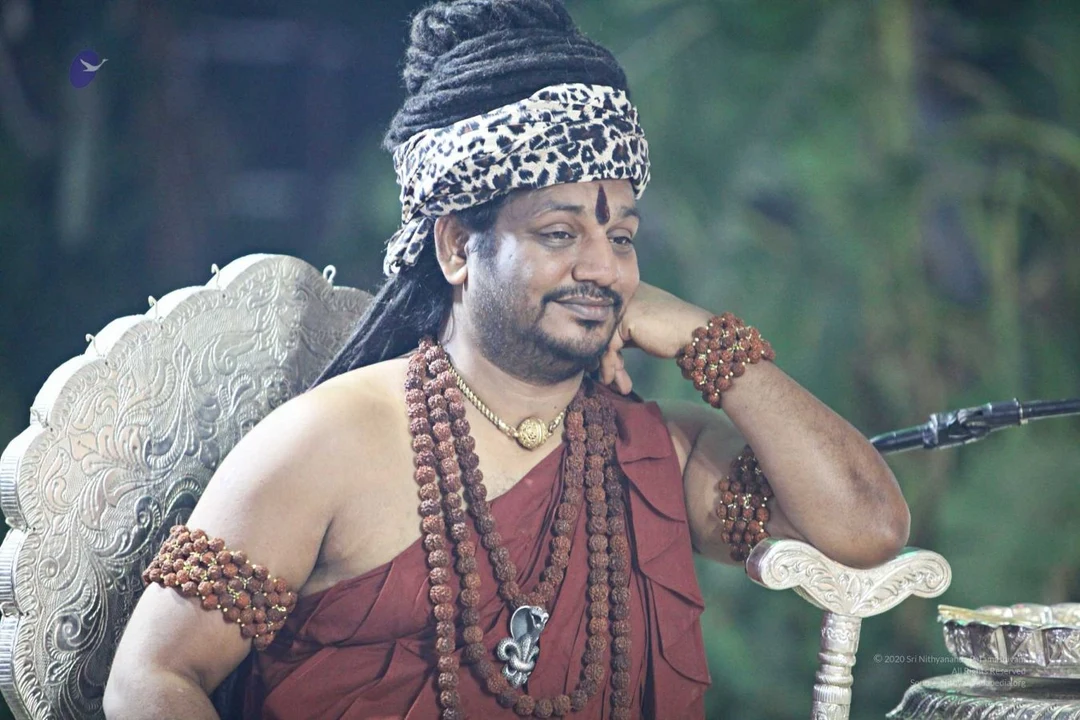 His Divine Holiness in the Spiritual Alchemy Process of preparing Aushadha - an esoteric science from the Siddha tradition which is used to achieve the state, space, powers of Paramashiva, and gain access to the 25 states of consciousness
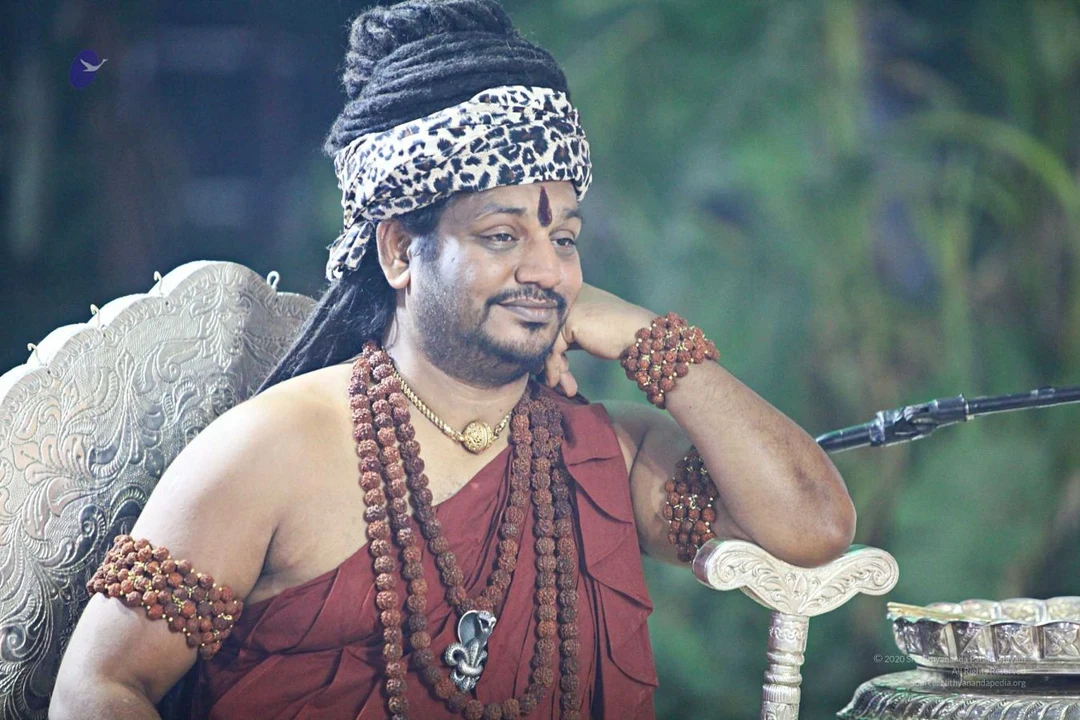 His Divine Holiness in the Spiritual Alchemy Process of preparing Aushadha - an esoteric science from the Siddha tradition which is used to achieve the state, space, powers of Paramashiva, and gain access to the 25 states of consciousness
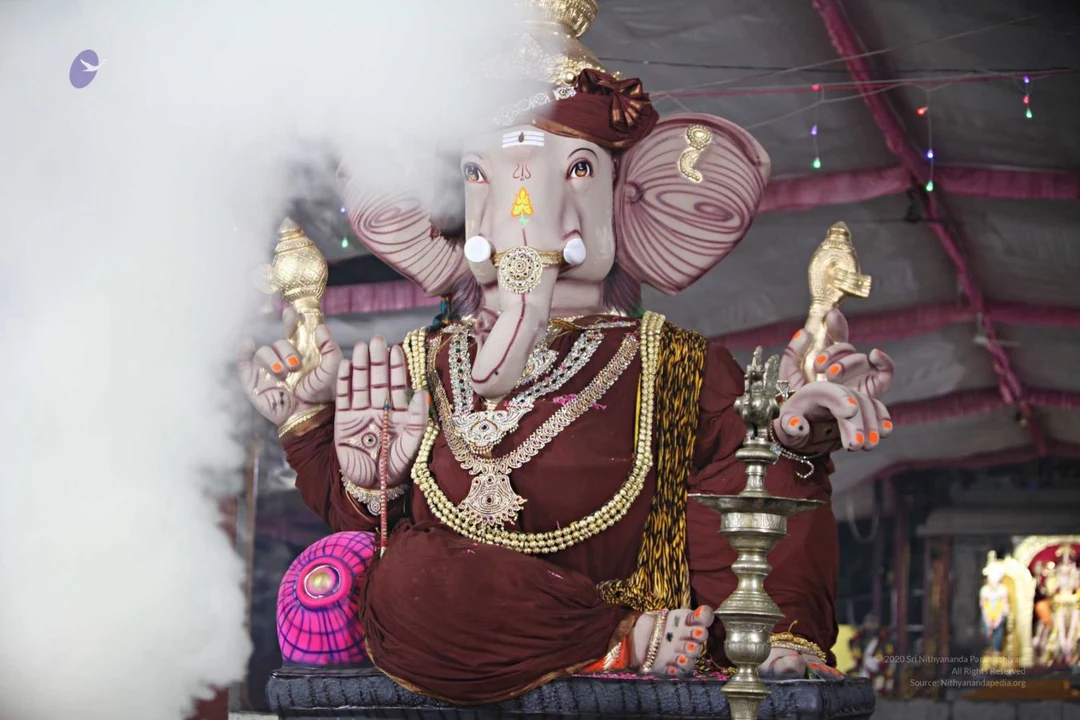 His Divine Holiness in the Spiritual Alchemy Process of preparing Aushadha - an esoteric science from the Siddha tradition which is used to achieve the state, space, powers of Paramashiva, and gain access to the 25 states of consciousness
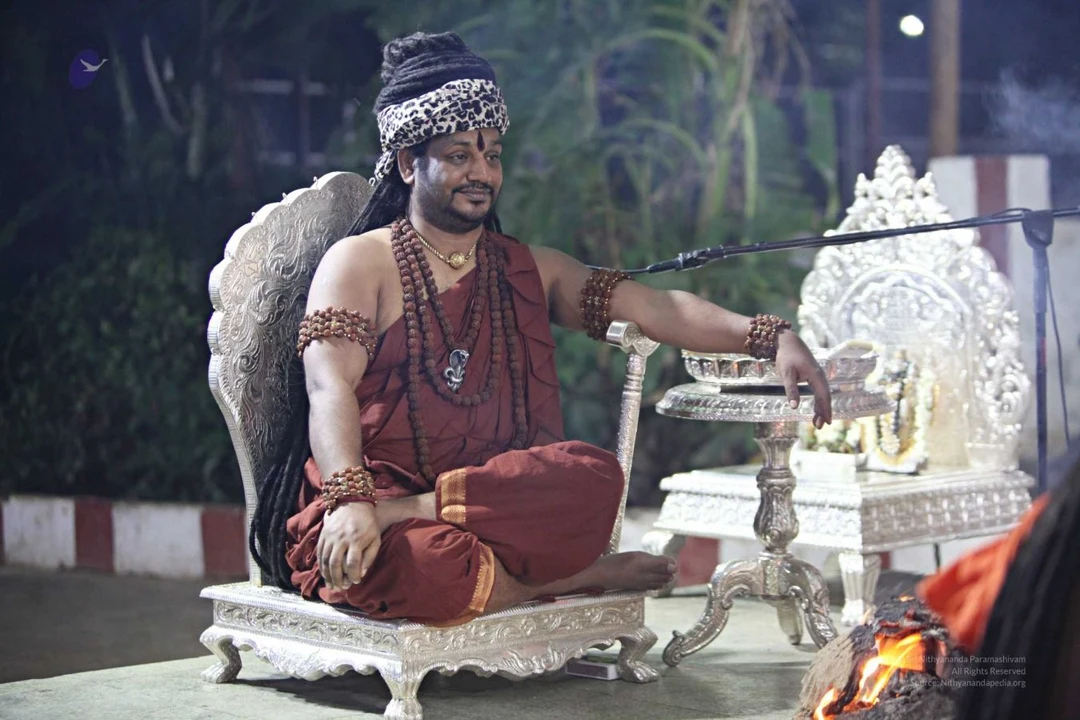 His Divine Holiness in the Spiritual Alchemy Process of preparing Aushadha - an esoteric science from the Siddha tradition which is used to achieve the state, space, powers of Paramashiva, and gain access to the 25 states of consciousness
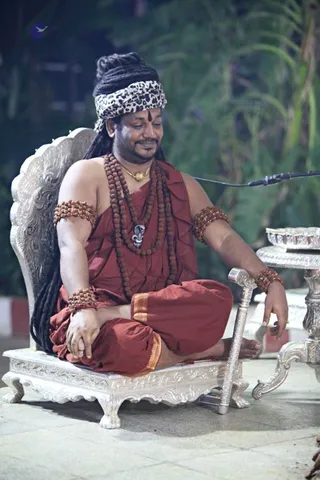 His Divine Holiness in the Spiritual Alchemy Process of preparing Aushadha - an esoteric science from the Siddha tradition which is used to achieve the state, space, powers of Paramashiva, and gain access to the 25 states of consciousness
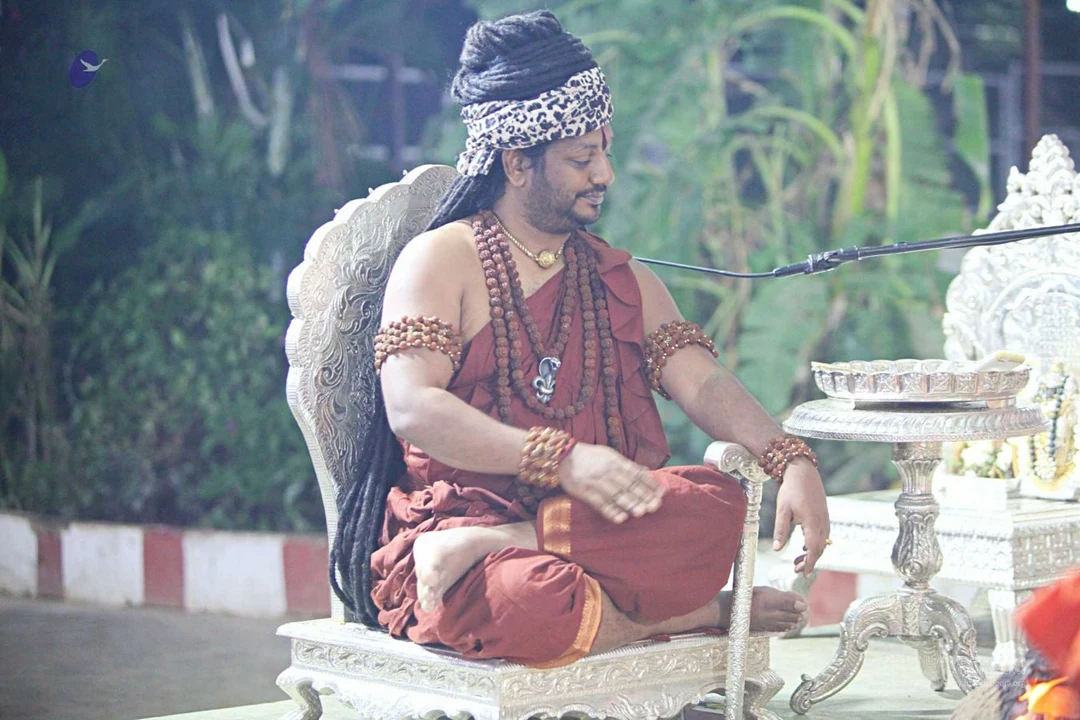 His Divine Holiness in the Spiritual Alchemy Process of preparing Aushadha - an esoteric science from the Siddha tradition which is used to achieve the state, space, powers of Paramashiva, and gain access to the 25 states of consciousness
 His Divine Holiness in the Spiritual Alchemy Process of preparing Aushadha - an esoteric science from the Siddha tradition which is used to achieve the state, space, powers of Paramashiva, and gain access to the 25 states of consciousness
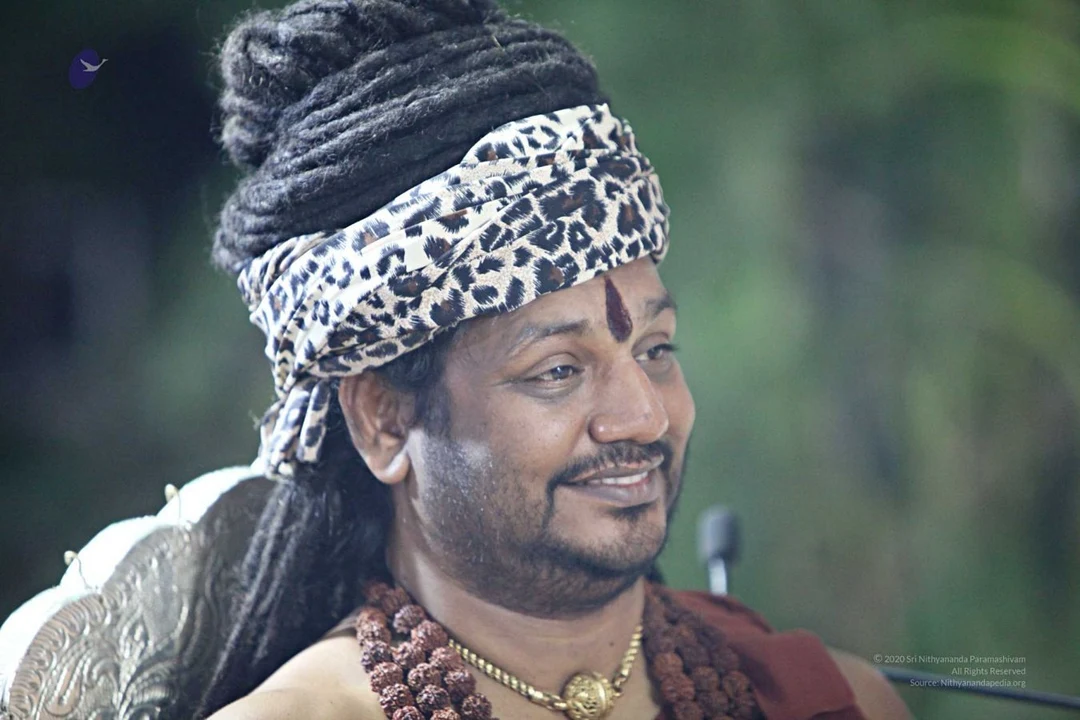 His Divine Holiness in the Spiritual Alchemy Process of preparing Aushadha - an esoteric science from the Siddha tradition which is used to achieve the state, space, powers of Paramashiva, and gain access to the 25 states of consciousness
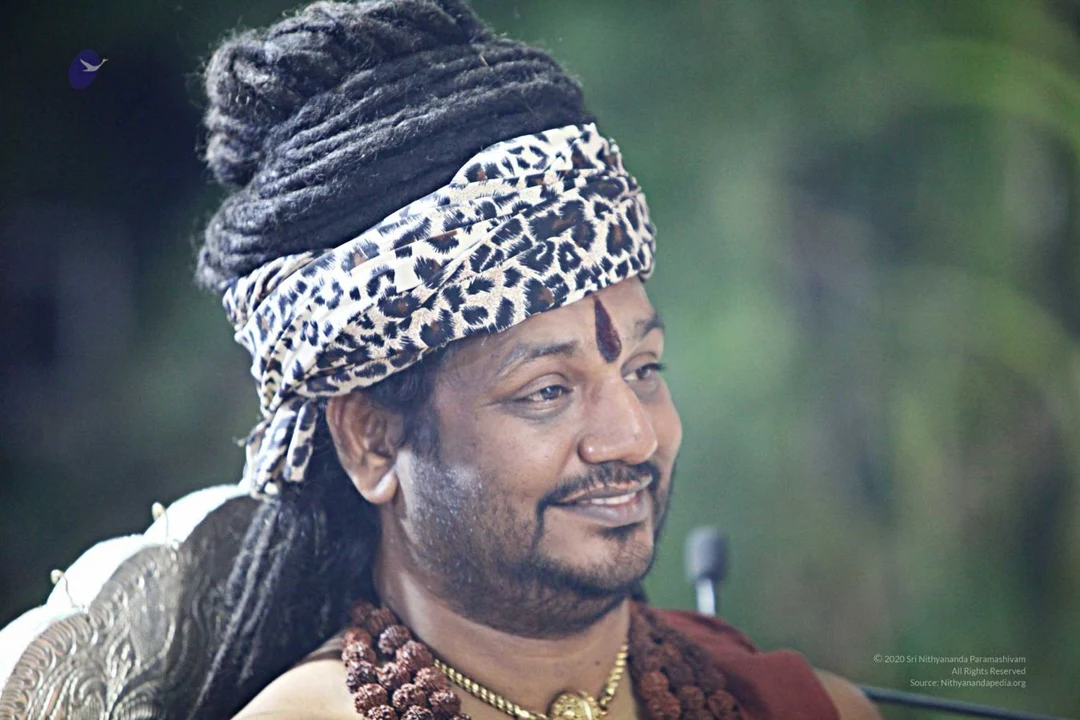 His Divine Holiness in the Spiritual Alchemy Process of preparing Aushadha - an esoteric science from the Siddha tradition which is used to achieve the state, space, powers of Paramashiva, and gain access to the 25 states of consciousness
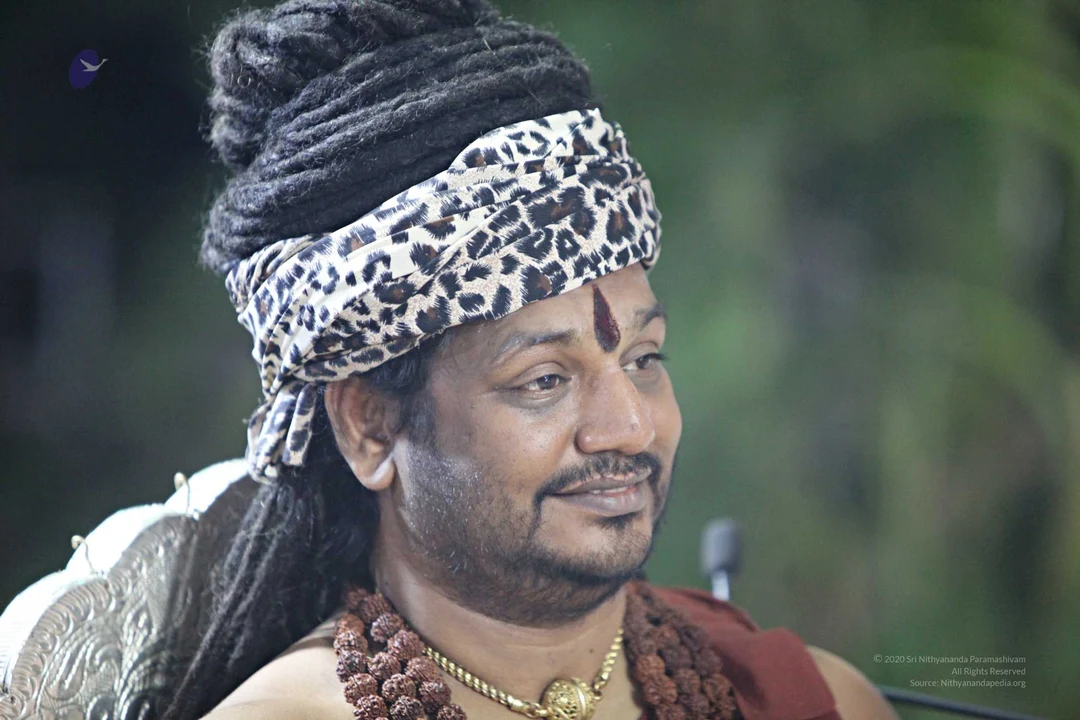 His Divine Holiness in the Spiritual Alchemy Process of preparing Aushadha - an esoteric science from the Siddha tradition which is used to achieve the state, space, powers of Paramashiva, and gain access to the 25 states of consciousness
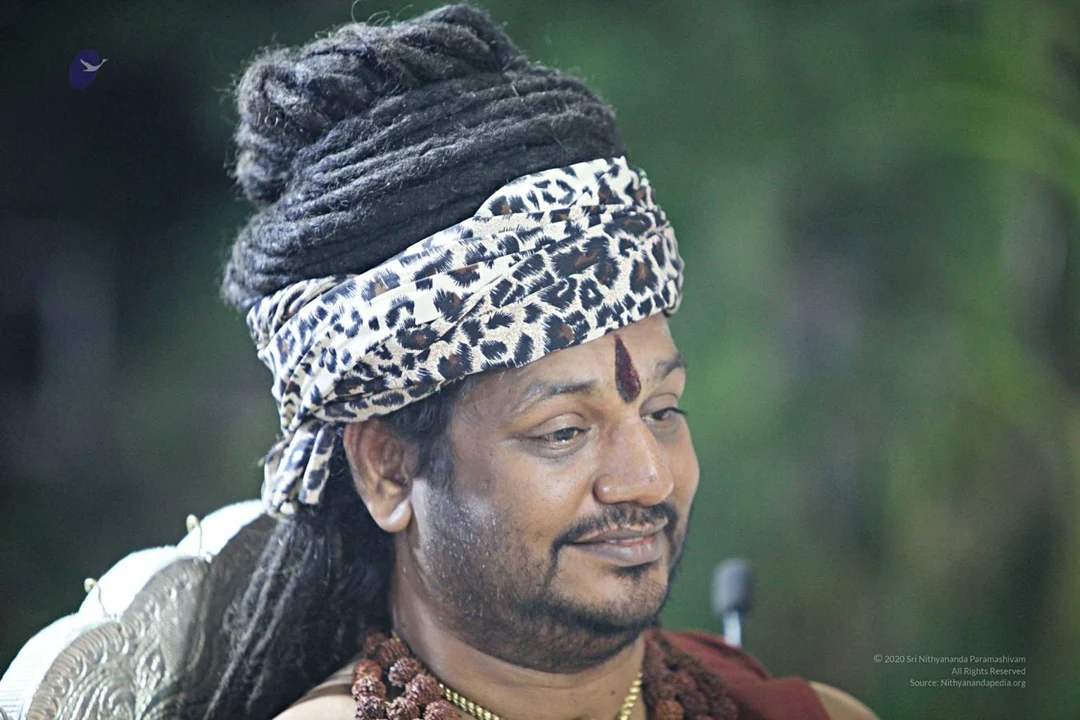 His Divine Holiness in the Spiritual Alchemy Process of preparing Aushadha - an esoteric science from the Siddha tradition which is used to achieve the state, space, powers of Paramashiva, and gain access to the 25 states of consciousness
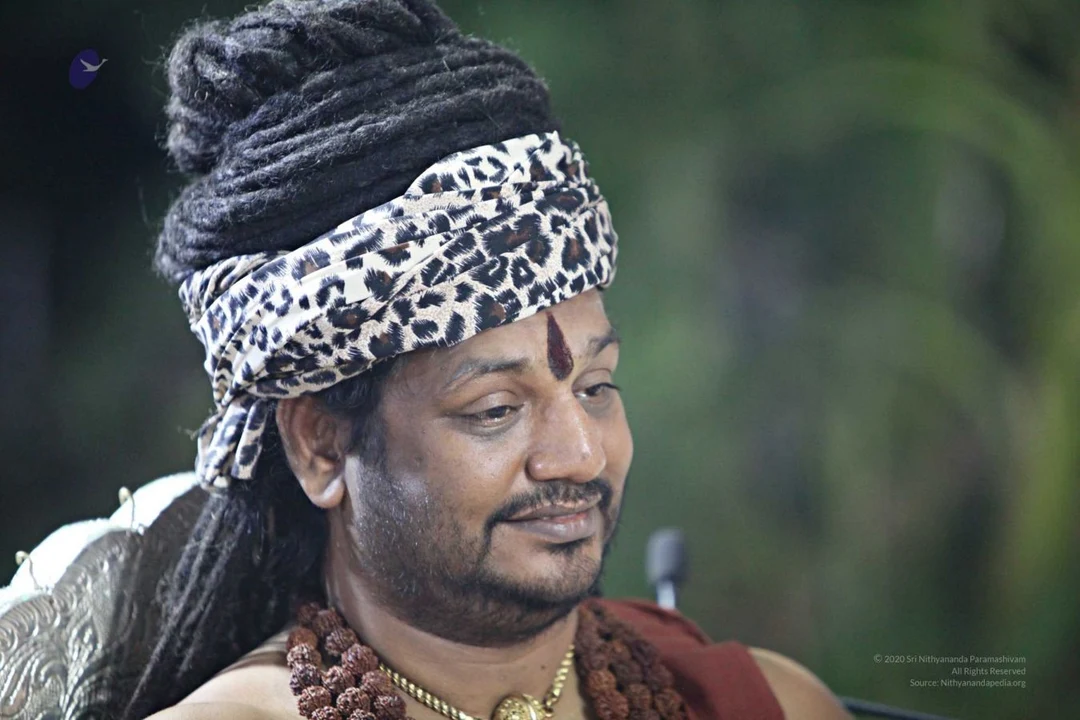 His Divine Holiness in the Spiritual Alchemy Process of preparing Aushadha - an esoteric science from the Siddha tradition which is used to achieve the state, space, powers of Paramashiva, and gain access to the 25 states of consciousness
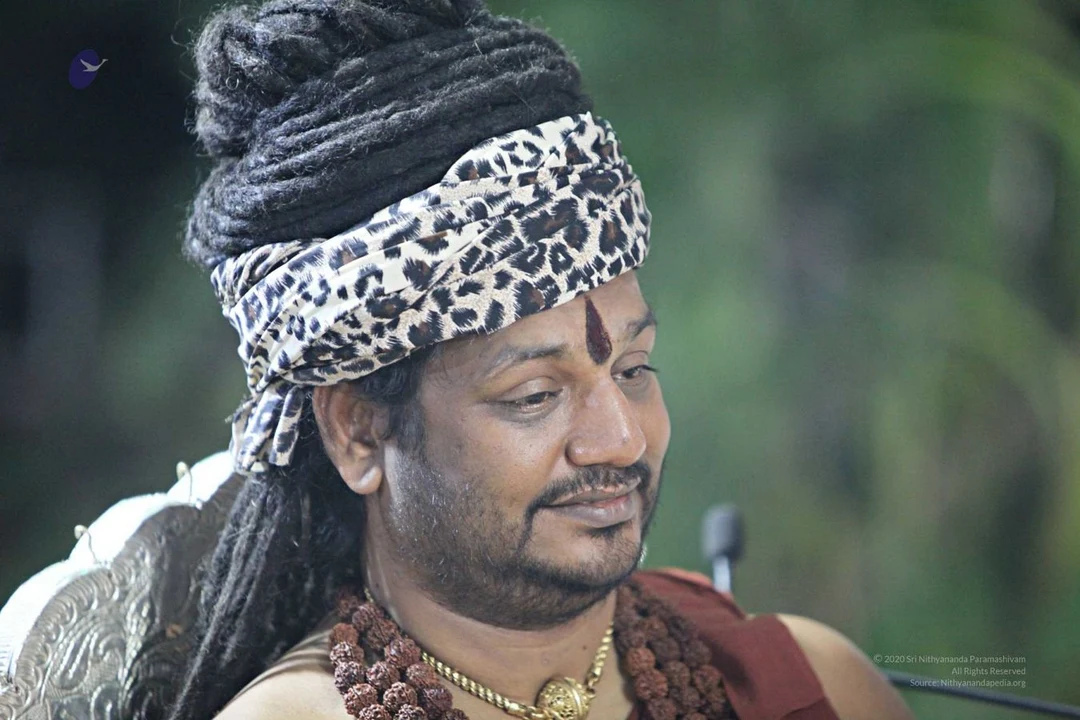 His Divine Holiness in the Spiritual Alchemy Process of preparing Aushadha - an esoteric science from the Siddha tradition which is used to achieve the state, space, powers of Paramashiva, and gain access to the 25 states of consciousness
 His Divine Holiness in the Spiritual Alchemy Process of preparing Aushadha - an esoteric science from the Siddha tradition which is used to achieve the state, space, powers of Paramashiva, and gain access to the 25 states of consciousness
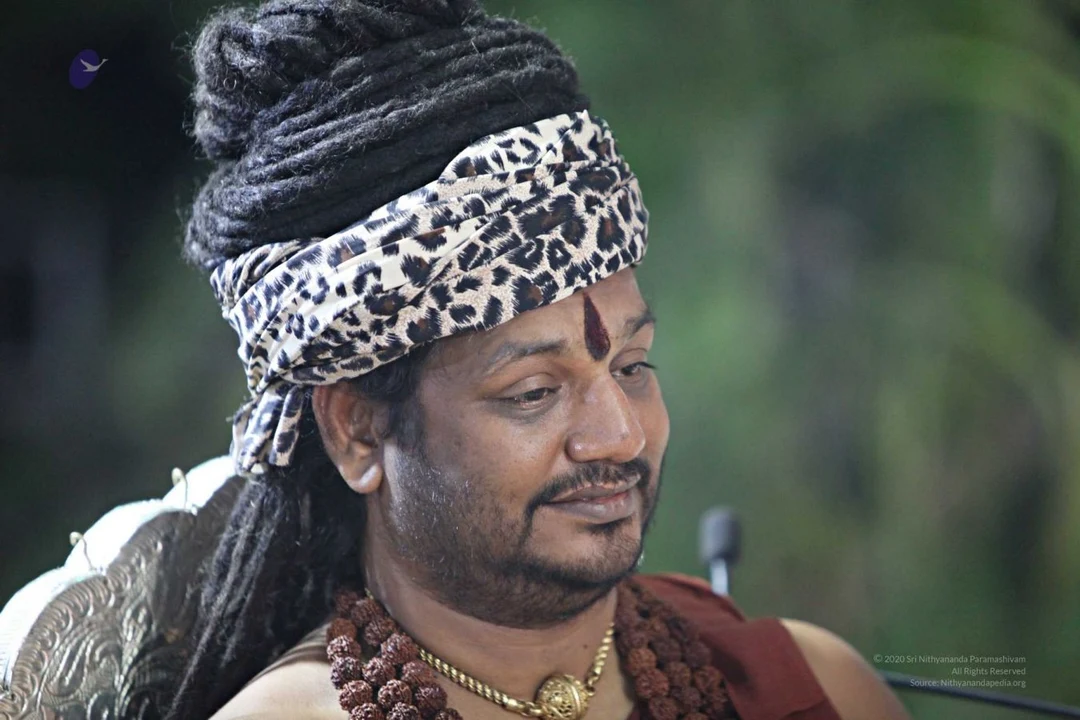 His Divine Holiness in the Spiritual Alchemy Process of preparing Aushadha - an esoteric science from the Siddha tradition which is used to achieve the state, space, powers of Paramashiva, and gain access to the 25 states of consciousness
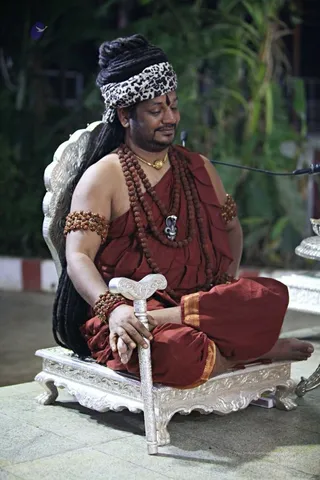 His Divine Holiness in the Spiritual Alchemy Process of preparing Aushadha - an esoteric science from the Siddha tradition which is used to achieve the state, space, powers of Paramashiva, and gain access to the 25 states of consciousness
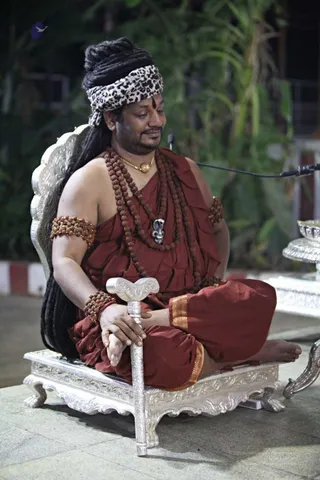 His Divine Holiness in the Spiritual Alchemy Process of preparing Aushadha - an esoteric science from the Siddha tradition which is used to achieve the state, space, powers of Paramashiva, and gain access to the 25 states of consciousness
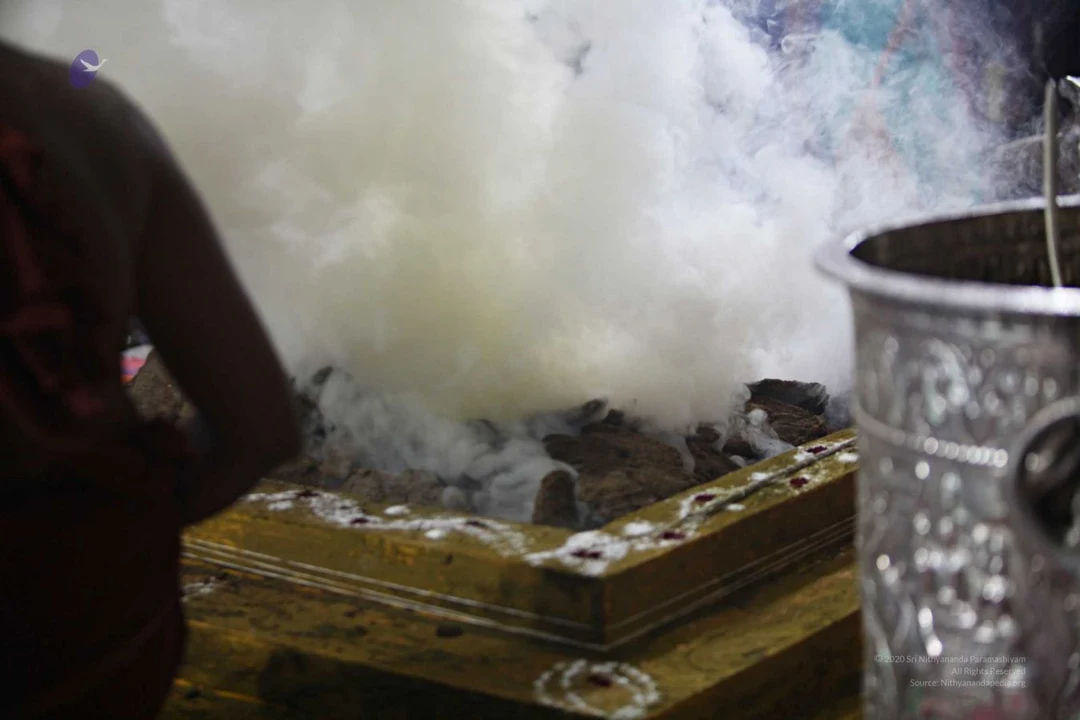 This Siddha technique is called Pudamgaatal. Pudam means purifying, Pudamgaatal is the process of purifying the Aushadha by keeping it above the ground and exposing it to heat and smoke. This smoke was generated by burning cowdung from Nithyananda Goshala's pure Desi cows
 His Divine Holiness in the Spiritual Alchemy Process of preparing Aushadha - an esoteric science from the Siddha tradition which is used to achieve the state, space, powers of Paramashiva, and gain access to the 25 states of consciousness
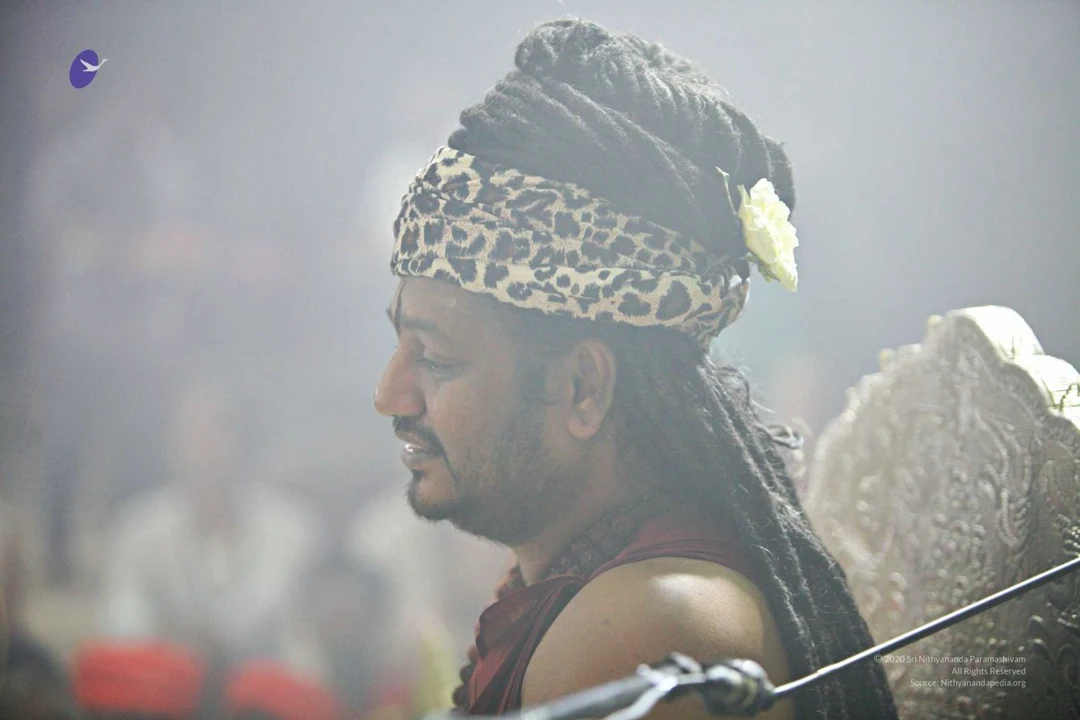 His Divine Holiness in the Spiritual Alchemy Process of preparing Aushadha - an esoteric science from the Siddha tradition which is used to achieve the state, space, powers of Paramashiva, and gain access to the 25 states of consciousness
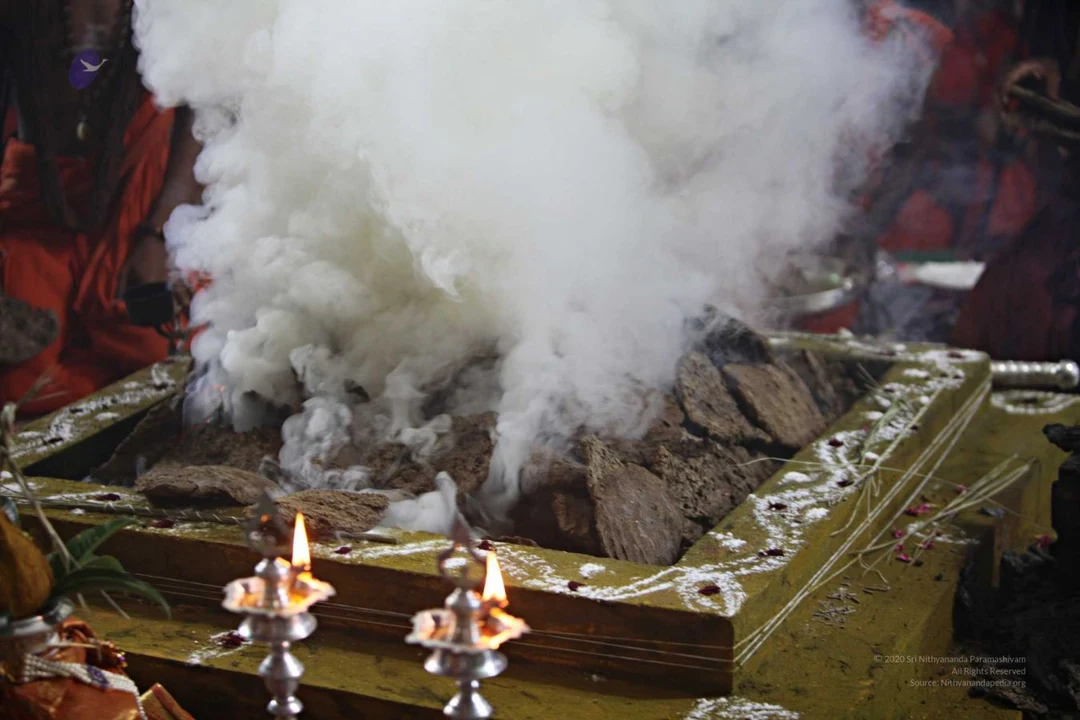 This Siddha technique is called Pudamgaatal. Pudam means purifying, Pudamgaatal is the process of purifying the Aushadha by keeping it above the ground and exposing it to heat and smoke. This smoke was generated by burning cowdung from Nithyananda Goshala's pure Desi cows
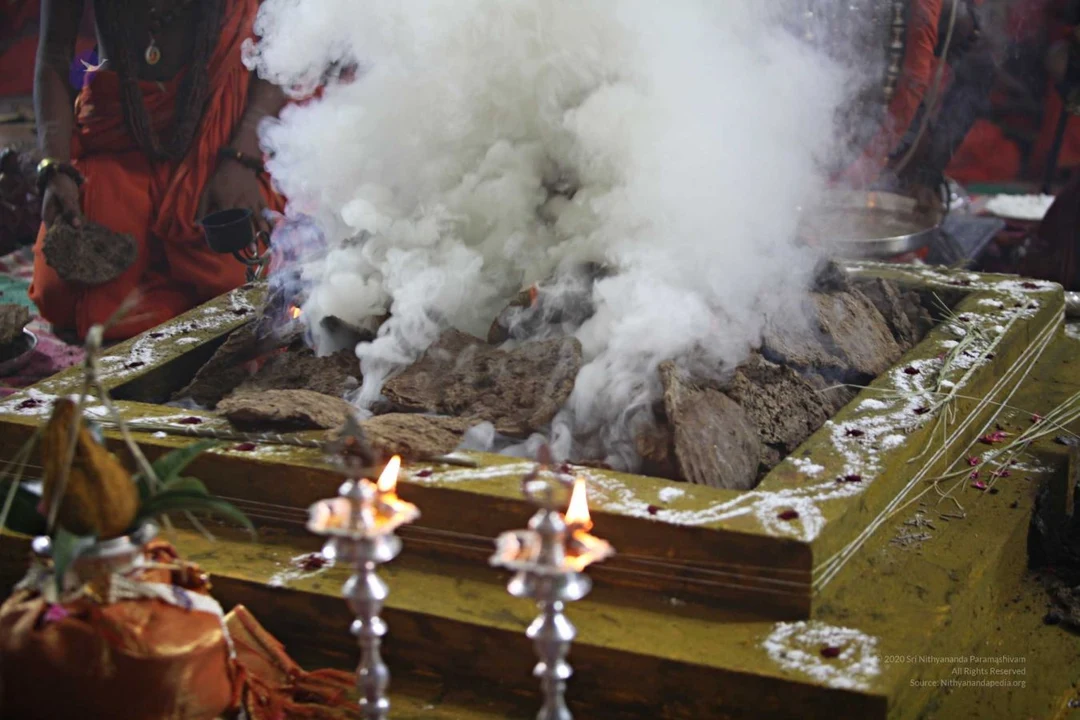 This Siddha technique is called Pudamgaatal. Pudam means purifying, Pudamgaatal is the process of purifying the Aushadha by keeping it above the ground and exposing it to heat and smoke. This smoke was generated by burning cowdung from Nithyananda Goshala's pure Desi cows
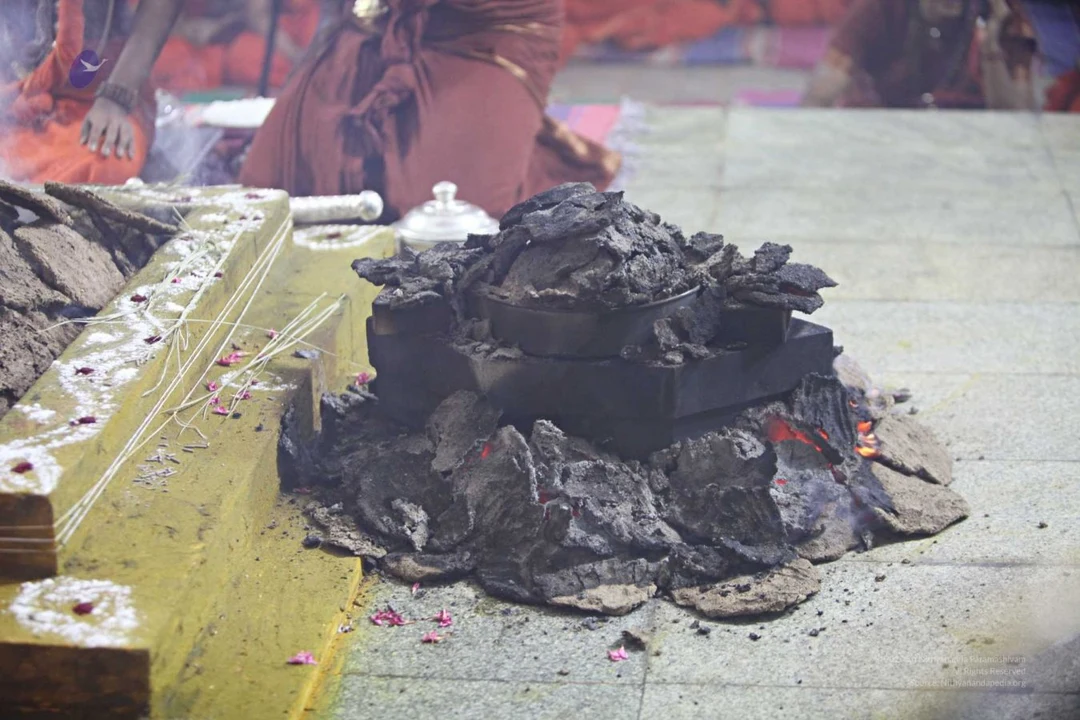 This Siddha technique is called Pudamgaatal. Pudam means purifying, Pudamgaatal is the process of purifying the Aushadha by keeping it above the ground and exposing it to heat and smoke. This smoke was generated by burning cowdung from Nithyananda Goshala's pure Desi cows
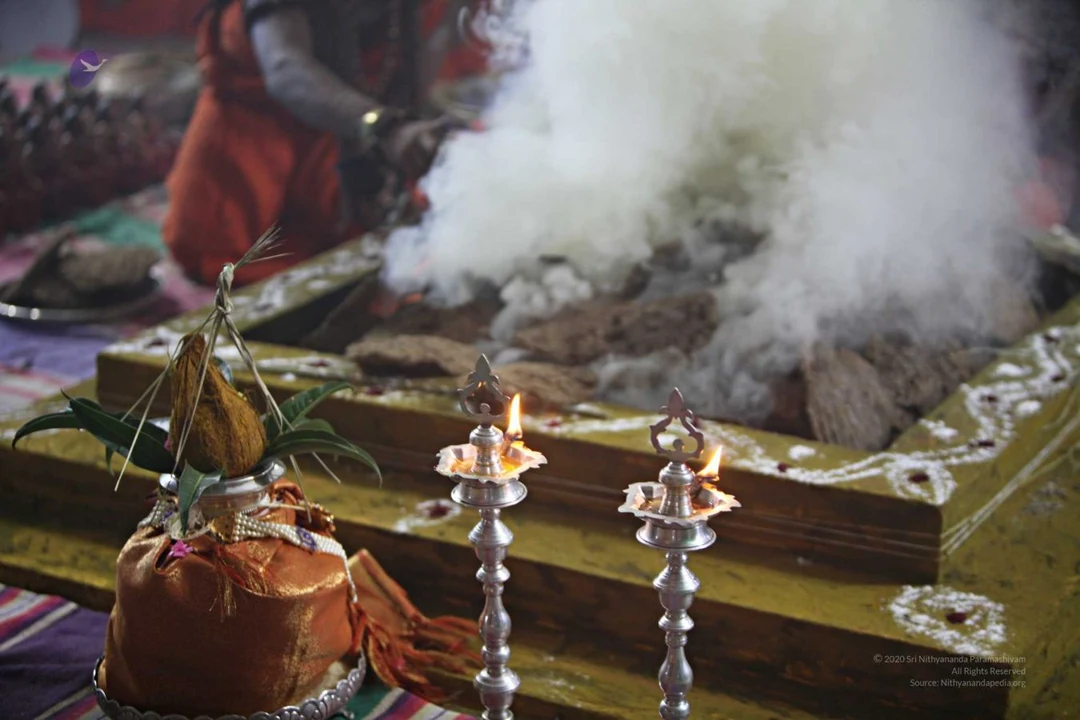 This Siddha technique is called Pudamgaatal. Pudam means purifying, Pudamgaatal is the process of purifying the Aushadha by keeping it above the ground and exposing it to heat and smoke. This smoke was generated by burning cowdung from Nithyananda Goshala's pure Desi cows
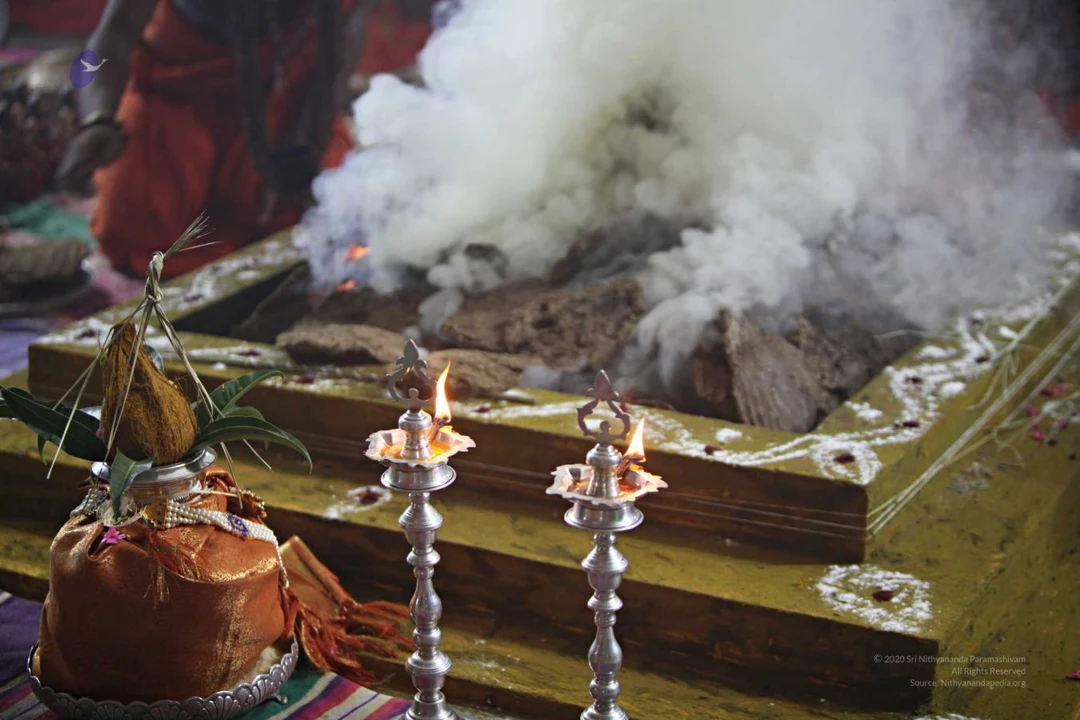 This Siddha technique is called Pudamgaatal. Pudam means purifying, Pudamgaatal is the process of purifying the Aushadha by keeping it above the ground and exposing it to heat and smoke. This smoke was generated by burning cowdung from Nithyananda Goshala's pure Desi cows
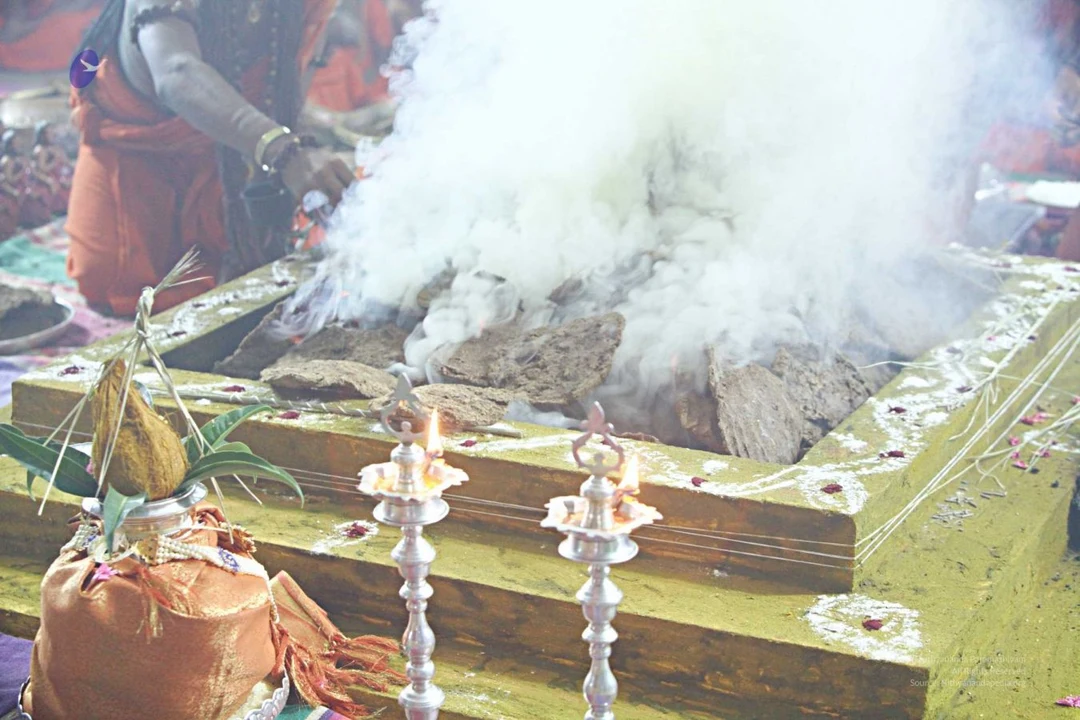 This Siddha technique is called Pudamgaatal. Pudam means purifying, Pudamgaatal is the process of purifying the Aushadha by keeping it above the ground and exposing it to heat and smoke. This smoke was generated by burning cowdung from Nithyananda Goshala's pure Desi cows
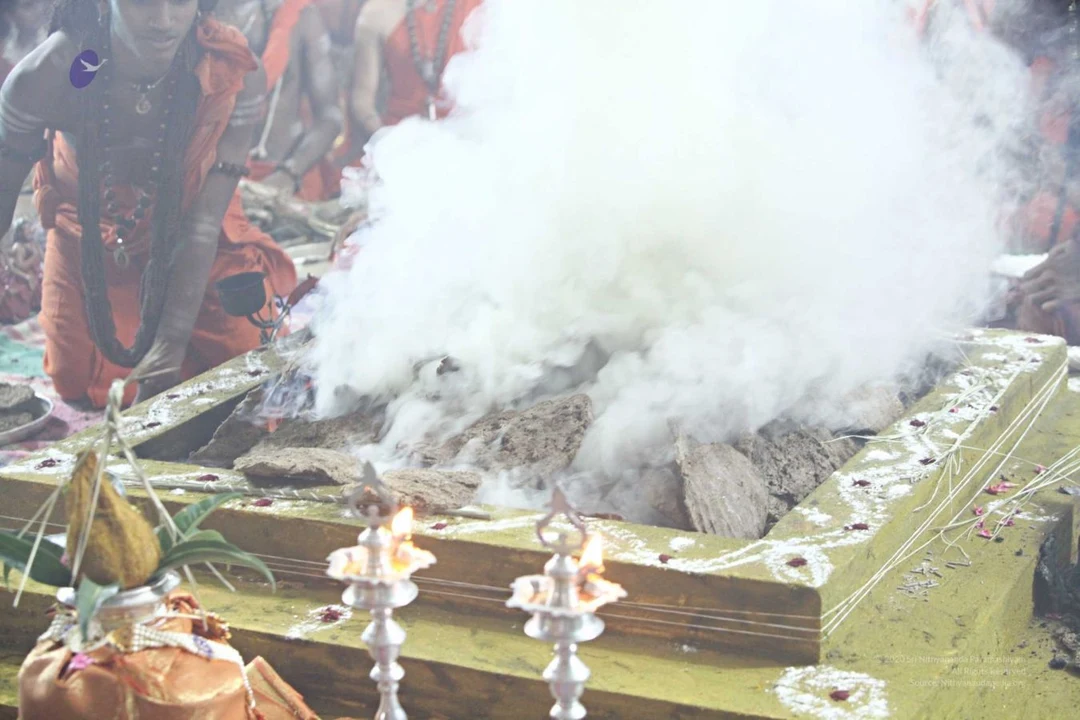 This Siddha technique is called Pudamgaatal. Pudam means purifying, Pudamgaatal is the process of purifying the Aushadha by keeping it above the ground and exposing it to heat and smoke. This smoke was generated by burning cowdung from Nithyananda Goshala's pure Desi cows
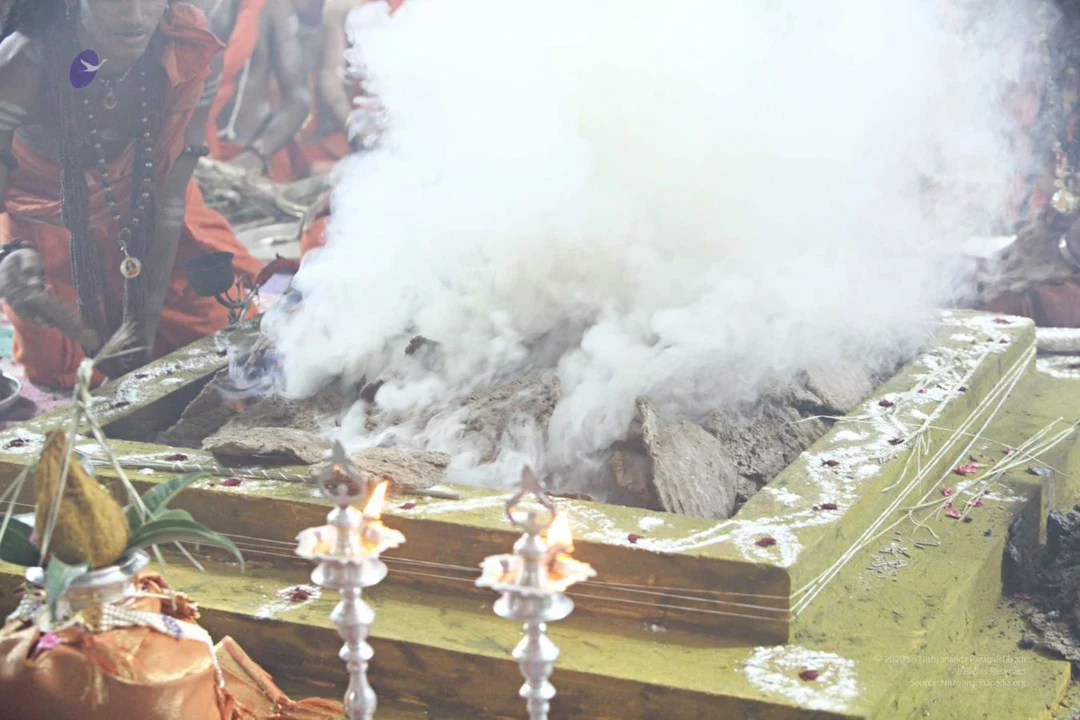 This Siddha technique is called Pudamgaatal. Pudam means purifying, Pudamgaatal is the process of purifying the Aushadha by keeping it above the ground and exposing it to heat and smoke. This smoke was generated by burning cowdung from Nithyananda Goshala's pure Desi cows
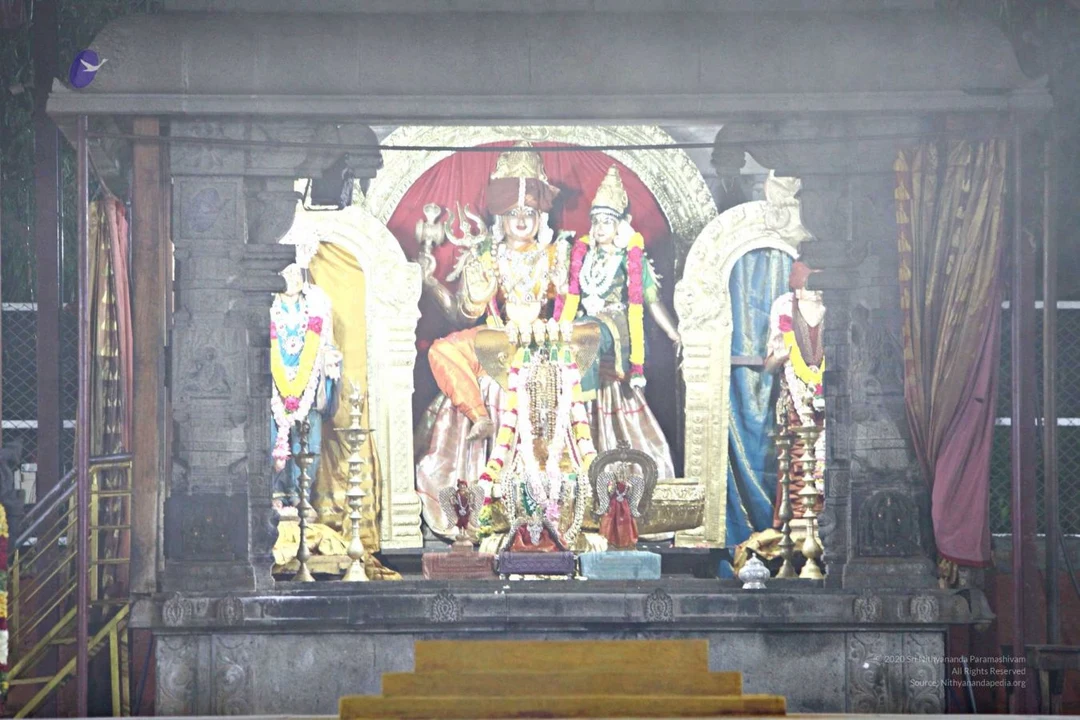 Nithyanandeshwara Paramashiva & Nithyanandeshwari Parashakti in the Garbha Mandir during the Spiritual Alchemy Process - Aushadha Preparation
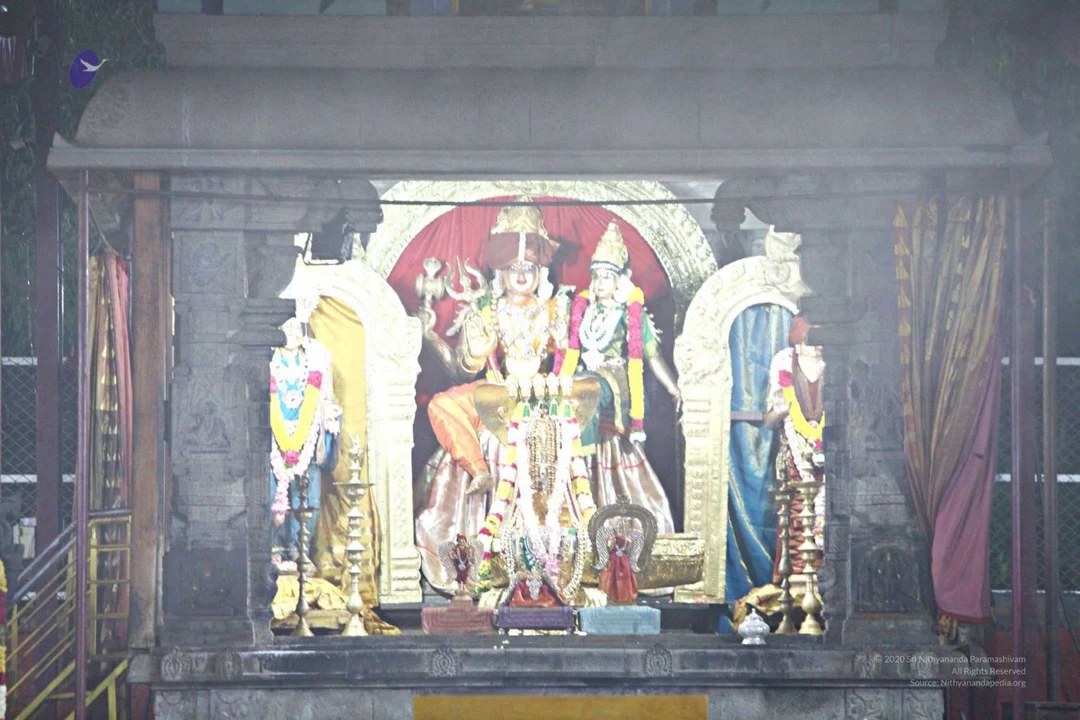 Nithyanandeshwara Paramashiva & Nithyanandeshwari Parashakti in the Garbha Mandir during the Spiritual Alchemy Process - Aushadha Preparation
 This Siddha technique is called Pudamgaatal. Pudam means purifying, Pudamgaatal is the process of purifying the Aushadha by keeping it above the ground and exposing it to heat and smoke. This smoke was generated by burning cowdung from Nithyananda Goshala's pure Desi cows
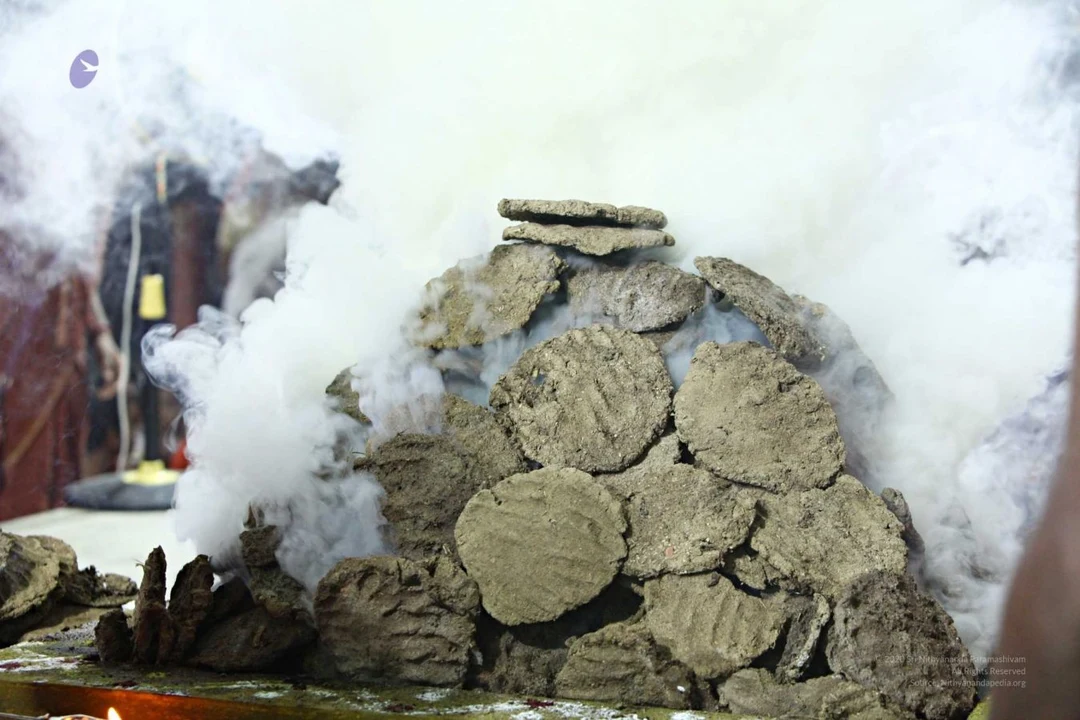 This Siddha technique is called Pudamgaatal. Pudam means purifying, Pudamgaatal is the process of purifying the Aushadha by keeping it above the ground and exposing it to heat and smoke. This smoke was generated by burning cowdung from Nithyananda Goshala's pure Desi cows
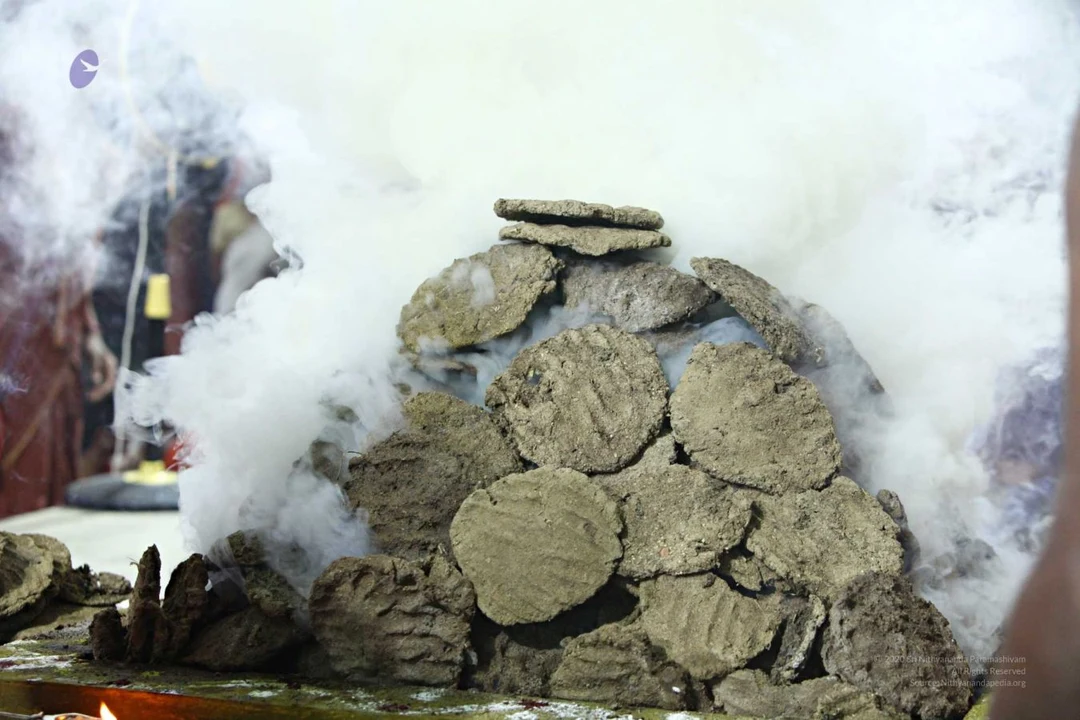 This Siddha technique is called Pudamgaatal. Pudam means purifying, Pudamgaatal is the process of purifying the Aushadha by keeping it above the ground and exposing it to heat and smoke. This smoke was generated by burning cowdung from Nithyananda Goshala's pure Desi cows
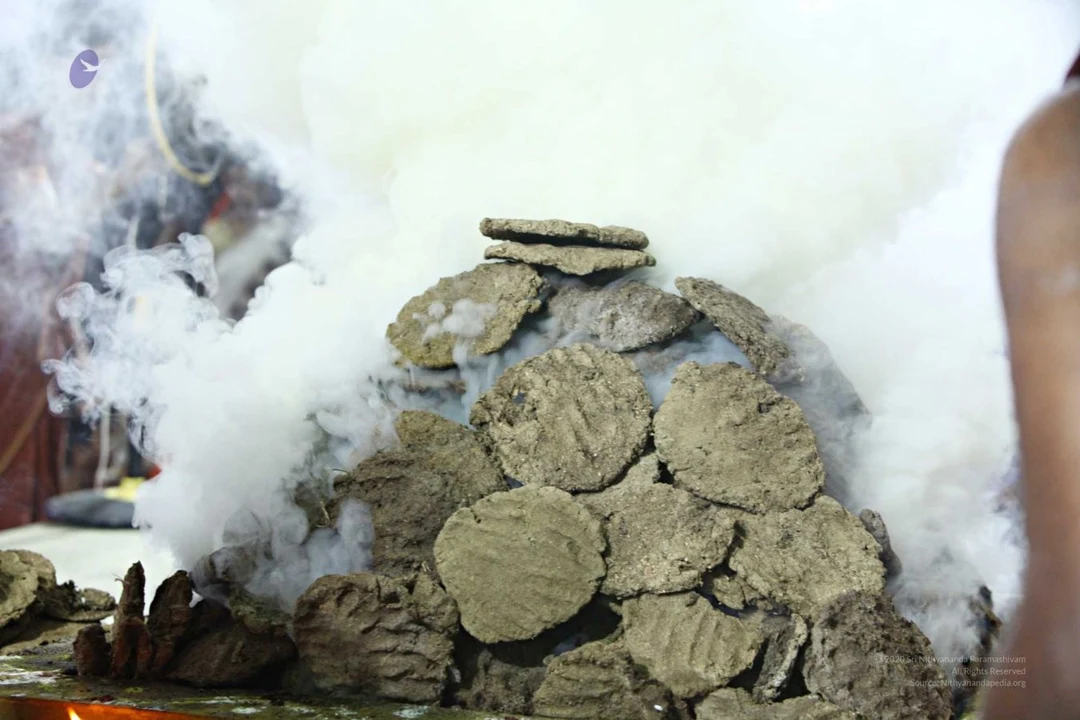 This Siddha technique is called Pudamgaatal. Pudam means purifying, Pudamgaatal is the process of purifying the Aushadha by keeping it above the ground and exposing it to heat and smoke. This smoke was generated by burning cowdung from Nithyananda Goshala's pure Desi cows
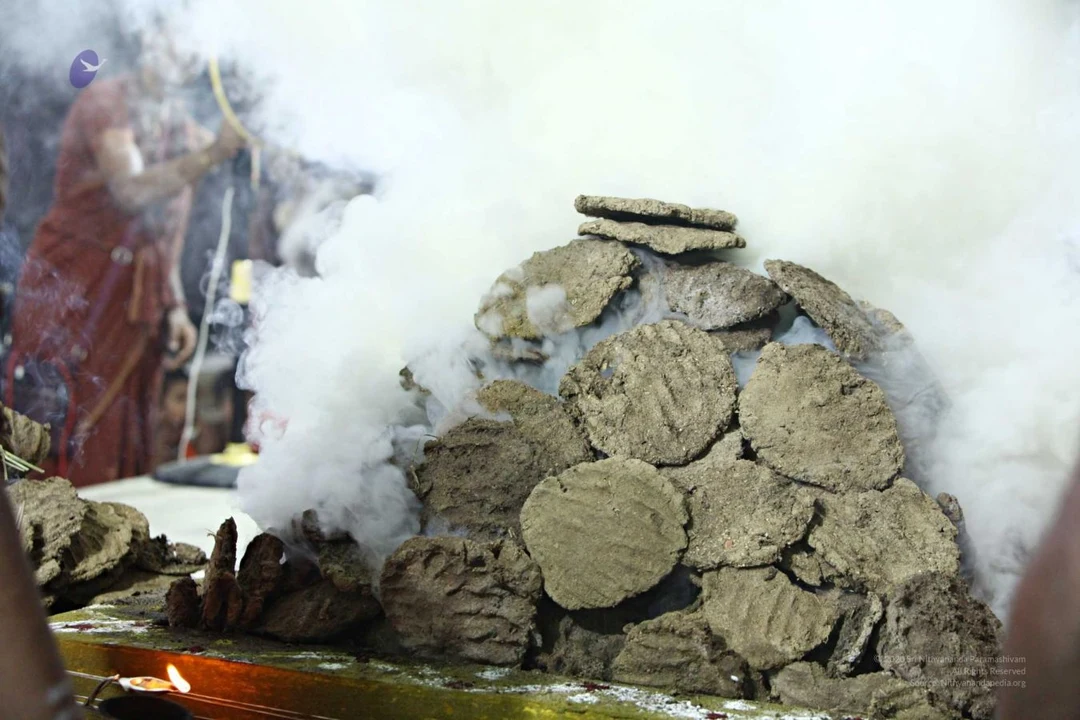 This Siddha technique is called Pudamgaatal. Pudam means purifying, Pudamgaatal is the process of purifying the Aushadha by keeping it above the ground and exposing it to heat and smoke. This smoke was generated by burning cowdung from Nithyananda Goshala's pure Desi cows
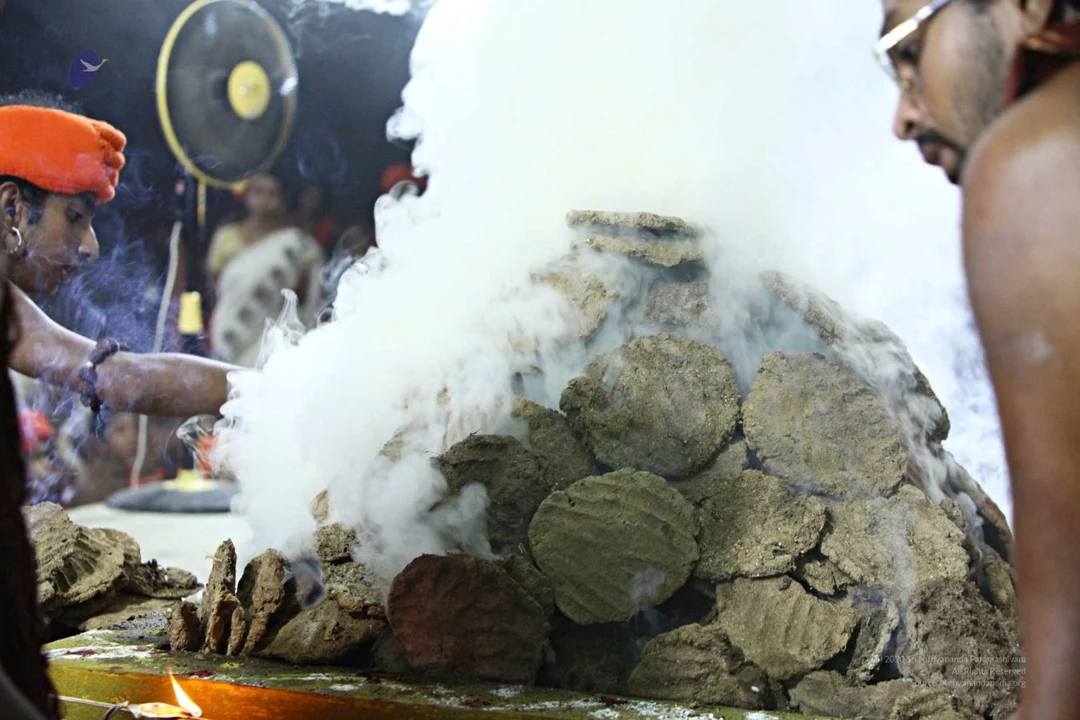 This Siddha technique is called Pudamgaatal. Pudam means purifying, Pudamgaatal is the process of purifying the Aushadha by keeping it above the ground and exposing it to heat and smoke. This smoke was generated by burning cowdung from Nithyananda Goshala's pure Desi cows
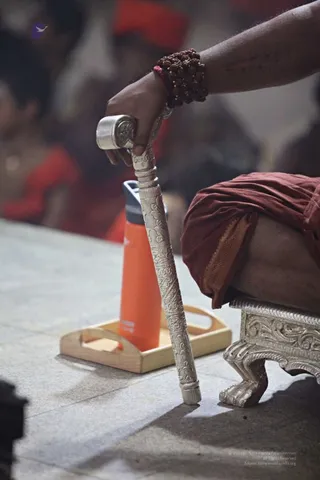 His Divine Holiness conducting the Spiritual Alchemy Process of preparing Aushadha - an esoteric science from the Siddha tradition which is used to achieve the state, space, powers of Paramashiva, and gain access to the 25 states of consciousness
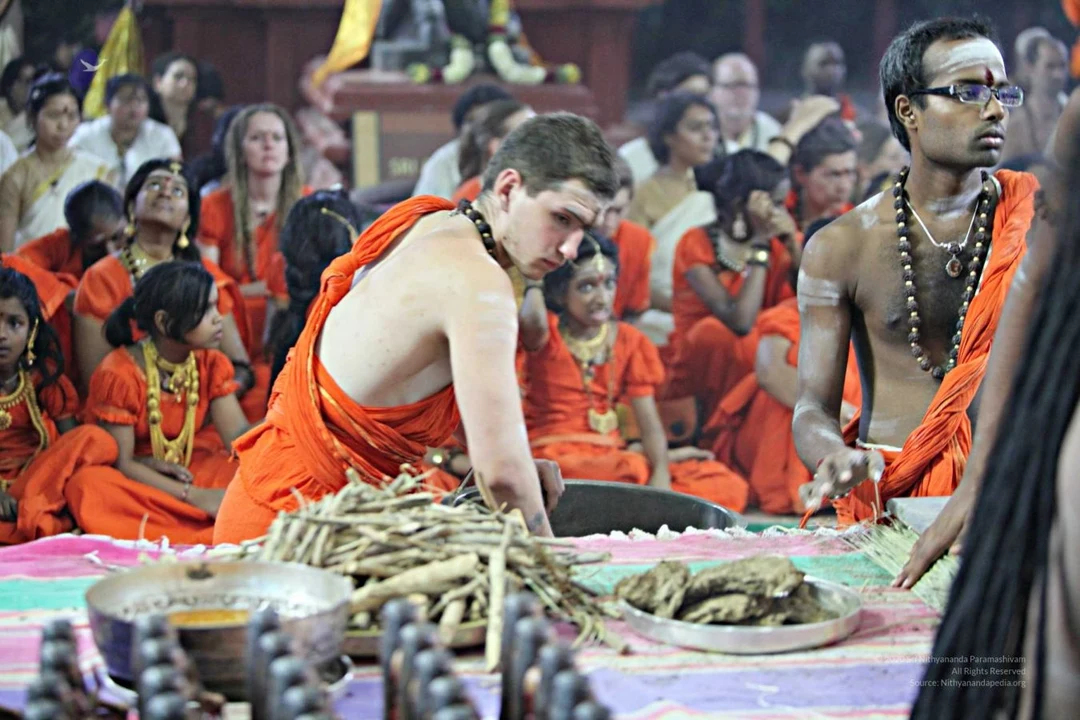 Balasanths & Aadheenavasis attending the Aushadha Preparation - Spiritual Alchemy Process
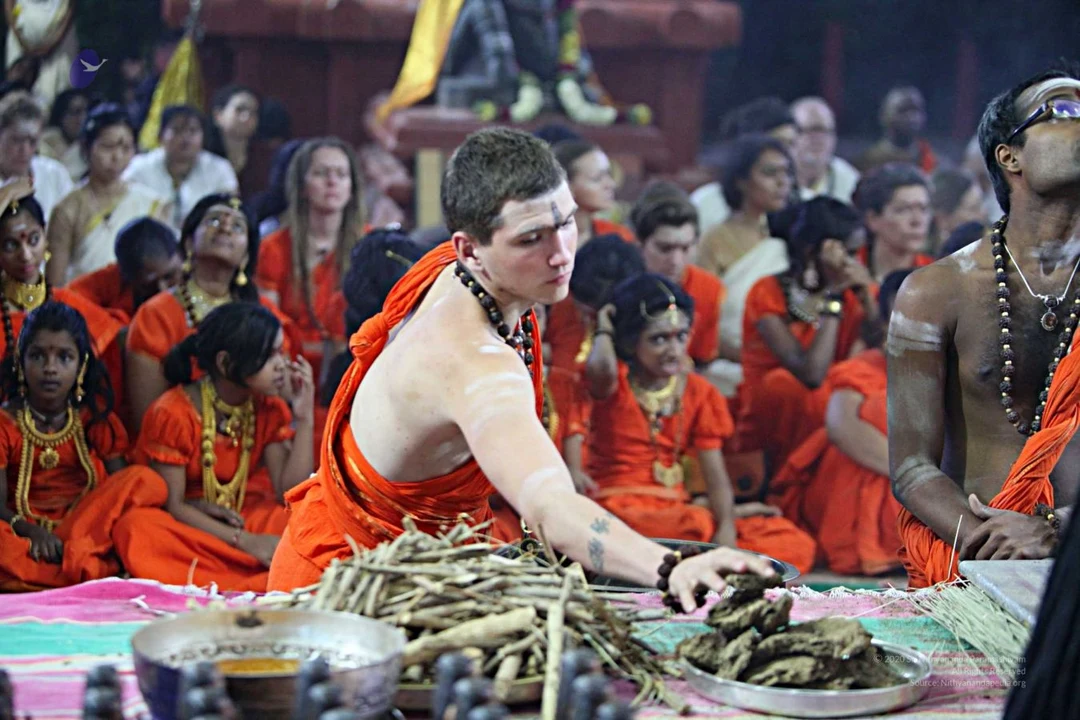 Balasanths & Aadheenavasis attending the Aushadha Preparation - Spiritual Alchemy Process
 Guru Prana Murtis are blessed by His Divine Holiness to hold His very Prana - life energy
 Guru Prana Murtis are blessed by His Divine Holiness to hold His very Prana - life energy
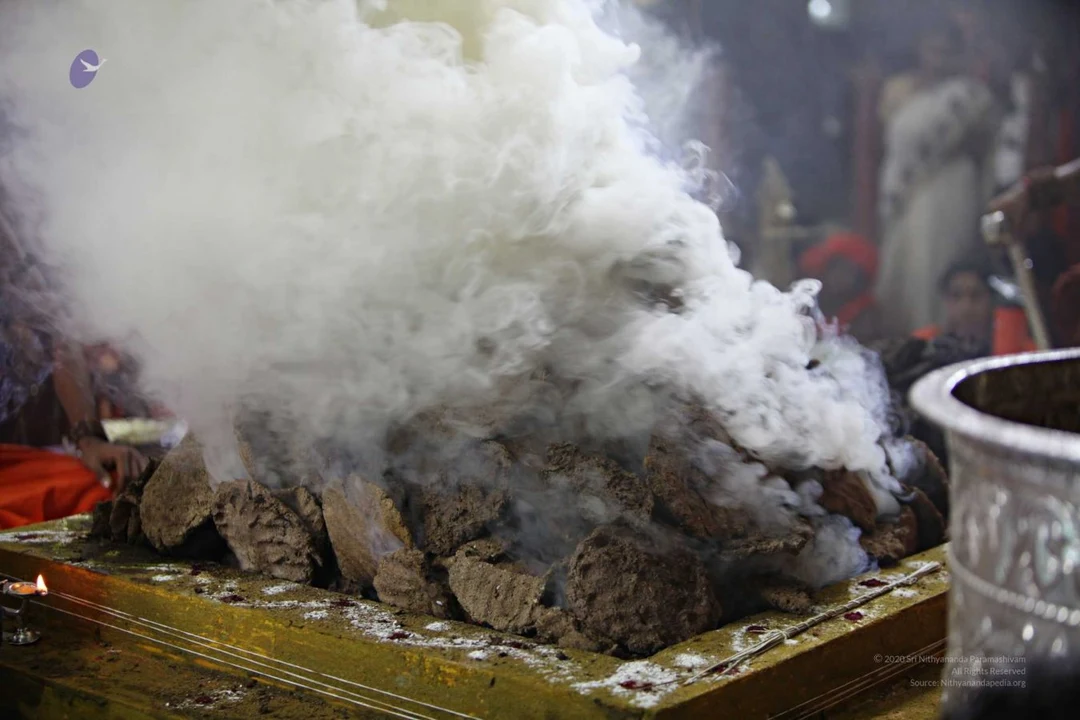 This Siddha technique is called Pudamgaatal. Pudam means purifying, Pudamgaatal is the process of purifying the Aushadha by keeping it above the ground and exposing it to heat and smoke. This smoke was generated by burning cowdung from Nithyananda Goshala's pure Desi cows
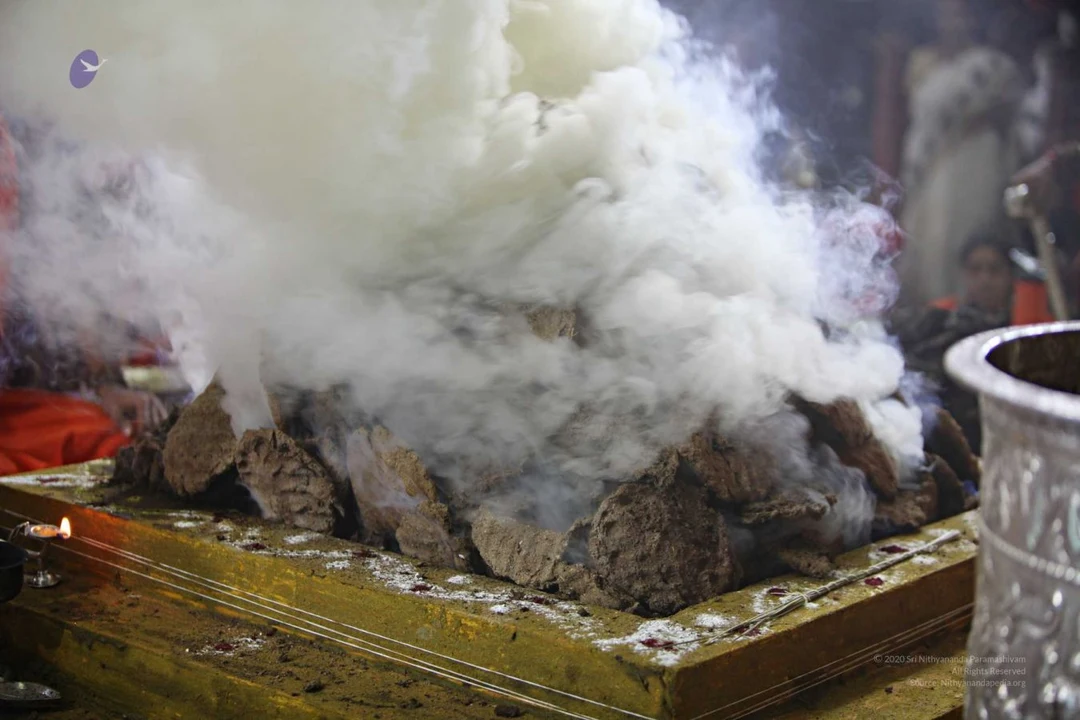 This Siddha technique is called Pudamgaatal. Pudam means purifying, Pudamgaatal is the process of purifying the Aushadha by keeping it above the ground and exposing it to heat and smoke. This smoke was generated by burning cowdung from Nithyananda Goshala's pure Desi cows
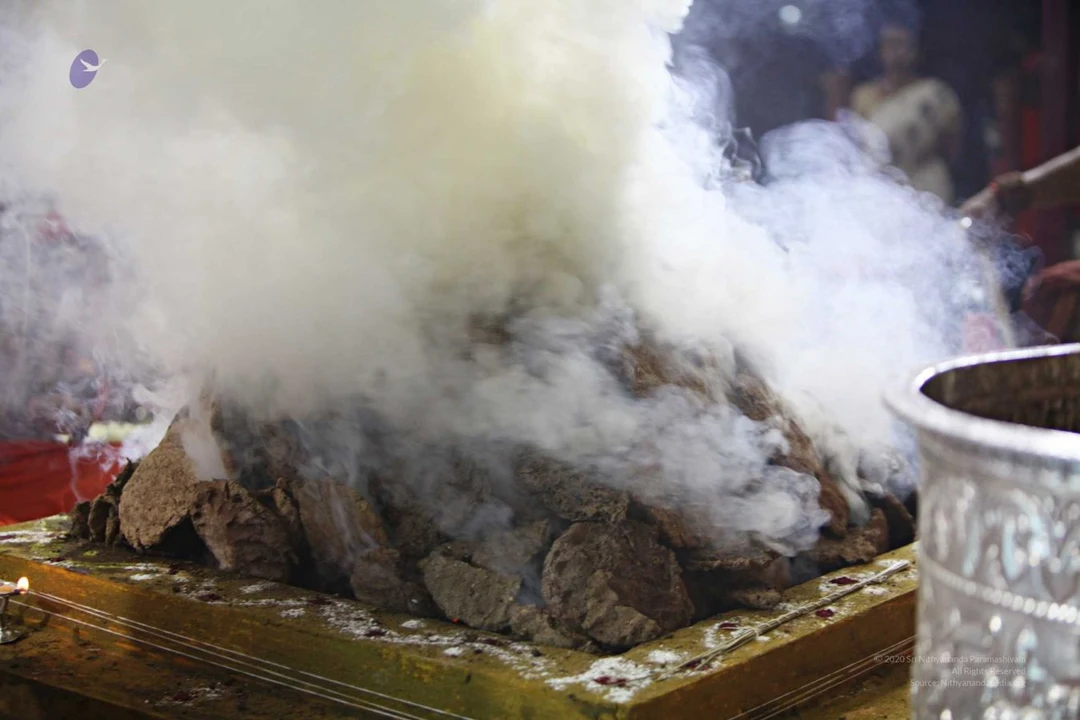 This Siddha technique is called Pudamgaatal. Pudam means purifying, Pudamgaatal is the process of purifying the Aushadha by keeping it above the ground and exposing it to heat and smoke. This smoke was generated by burning cowdung from Nithyananda Goshala's pure Desi cows
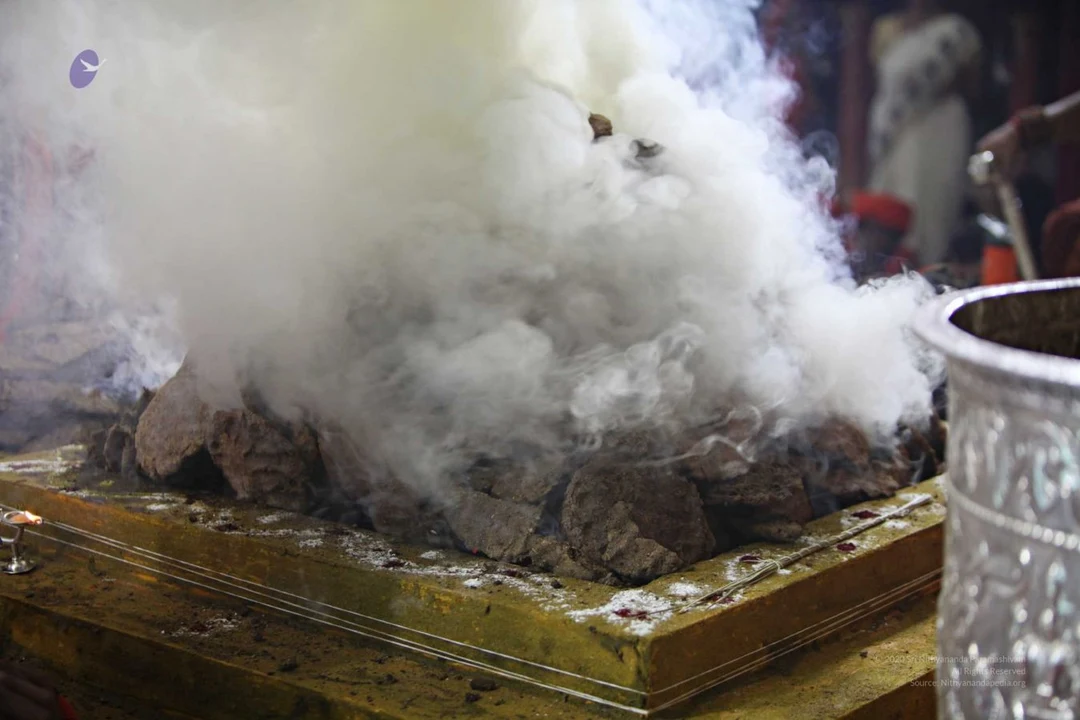 This Siddha technique is called Pudamgaatal. Pudam means purifying, Pudamgaatal is the process of purifying the Aushadha by keeping it above the ground and exposing it to heat and smoke. This smoke was generated by burning cowdung from Nithyananda Goshala's pure Desi cows
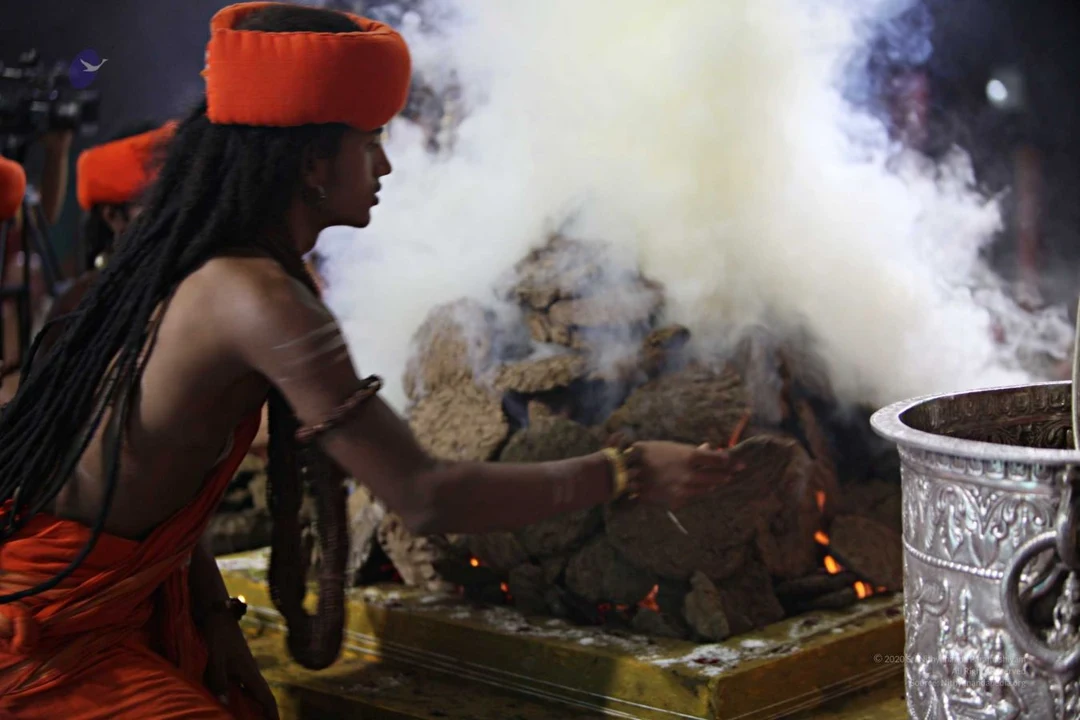 This Siddha technique is called Pudamgaatal. Pudam means purifying, Pudamgaatal is the process of purifying the Aushadha by keeping it above the ground and exposing it to heat and smoke. This smoke was generated by burning cowdung from Nithyananda Goshala's pure Desi cows
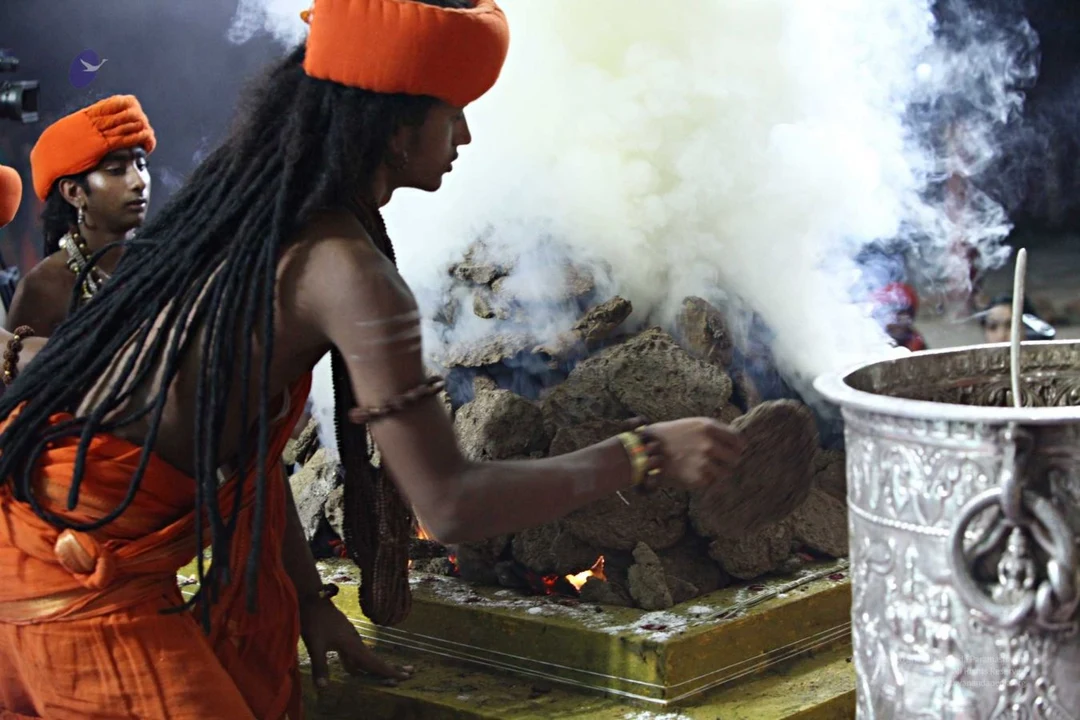 This Siddha technique is called Pudamgaatal. Pudam means purifying, Pudamgaatal is the process of purifying the Aushadha by keeping it above the ground and exposing it to heat and smoke. This smoke was generated by burning cowdung from Nithyananda Goshala's pure Desi cows
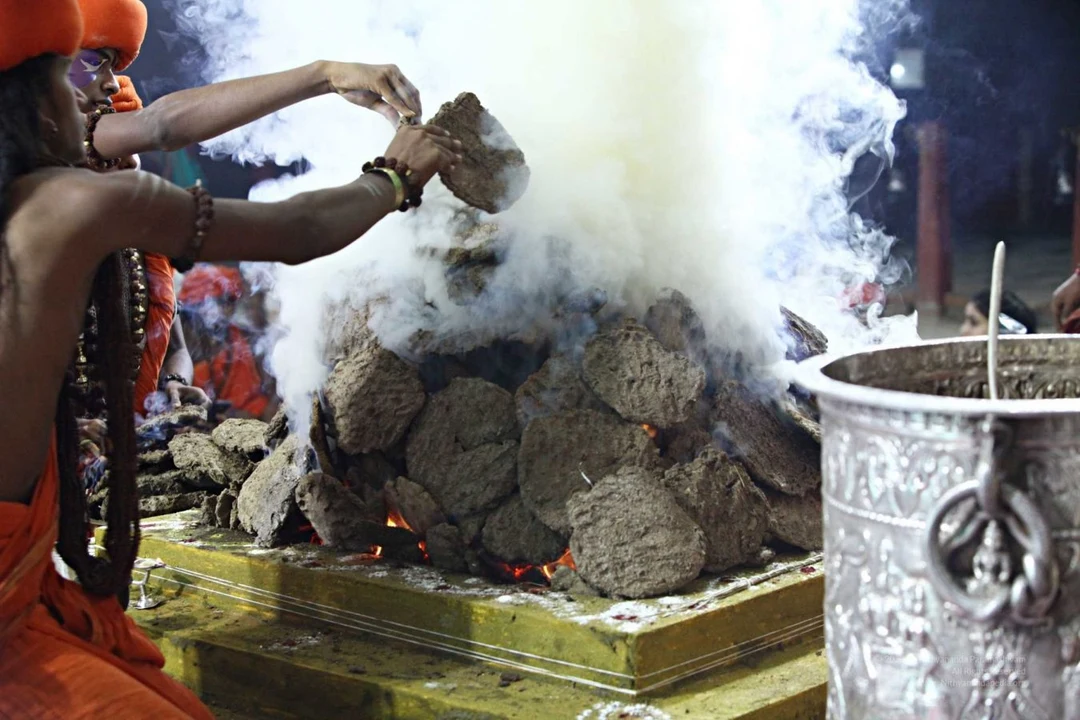 This Siddha technique is called Pudamgaatal. Pudam means purifying, Pudamgaatal is the process of purifying the Aushadha by keeping it above the ground and exposing it to heat and smoke. This smoke was generated by burning cowdung from Nithyananda Goshala's pure Desi cows
 This Siddha technique is called Pudamgaatal. Pudam means purifying, Pudamgaatal is the process of purifying the Aushadha by keeping it above the ground and exposing it to heat and smoke. This smoke was generated by burning cowdung from Nithyananda Goshala's pure Desi cows
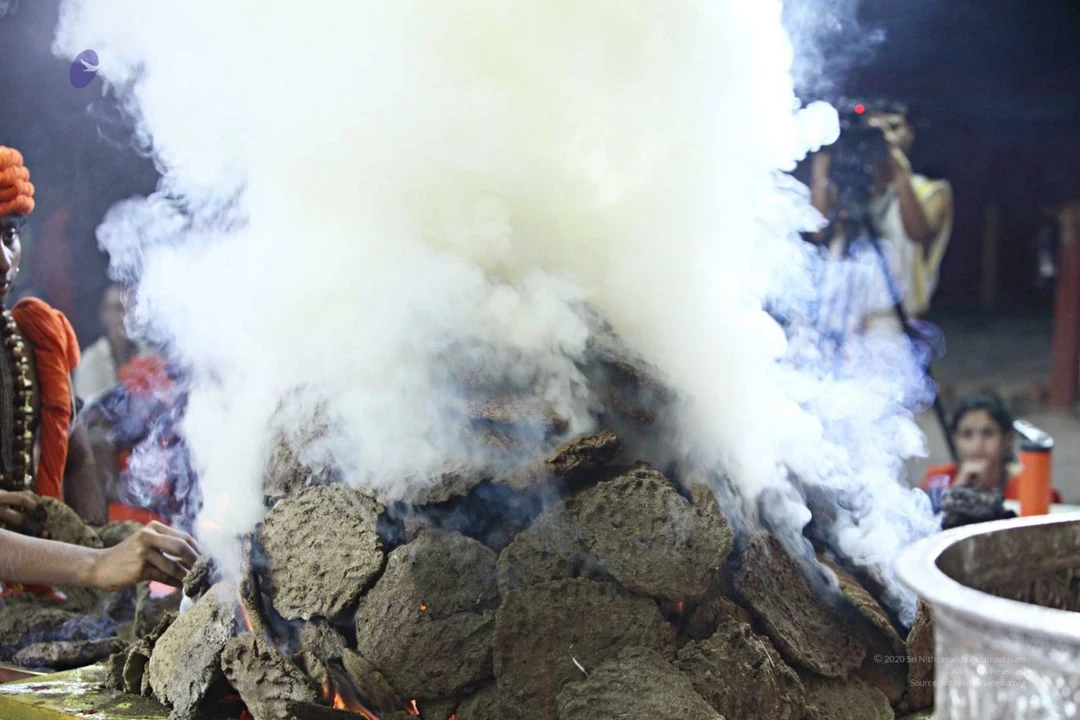 This Siddha technique is called Pudamgaatal. Pudam means purifying, Pudamgaatal is the process of purifying the Aushadha by keeping it above the ground and exposing it to heat and smoke. This smoke was generated by burning cowdung from Nithyananda Goshala's pure Desi cows
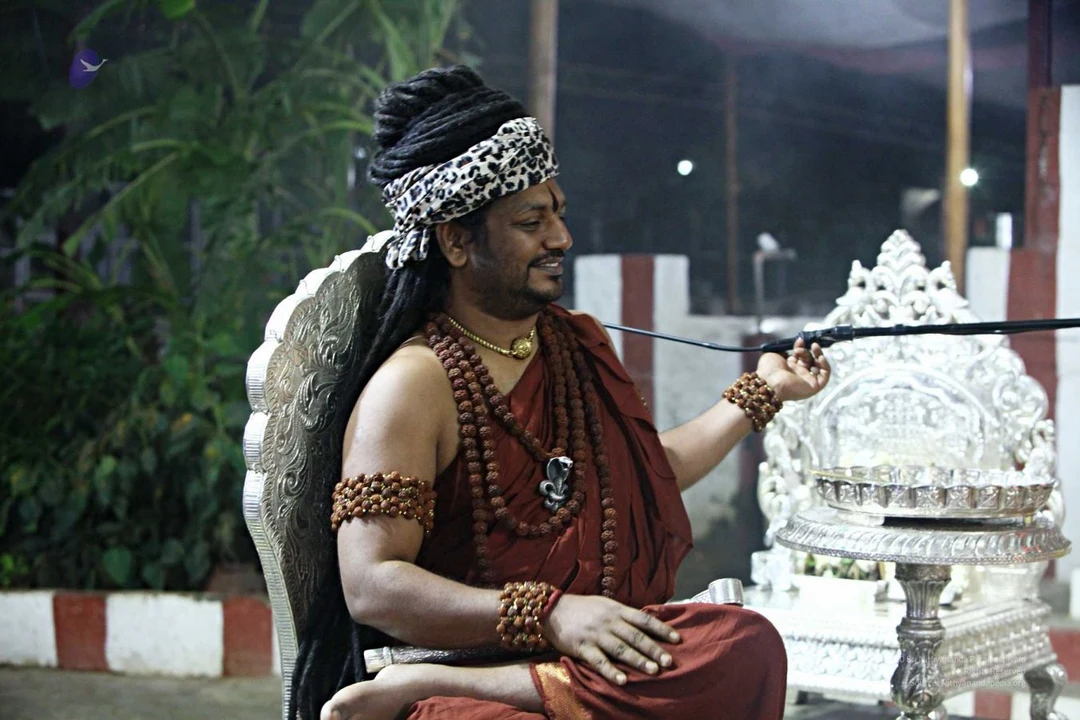 His Divine Holiness conducting the Spiritual Alchemy Process of preparing Aushadha - an esoteric science from the Siddha tradition which is used to achieve the state, space, powers of Paramashiva, and gain access to the 25 states of consciousness
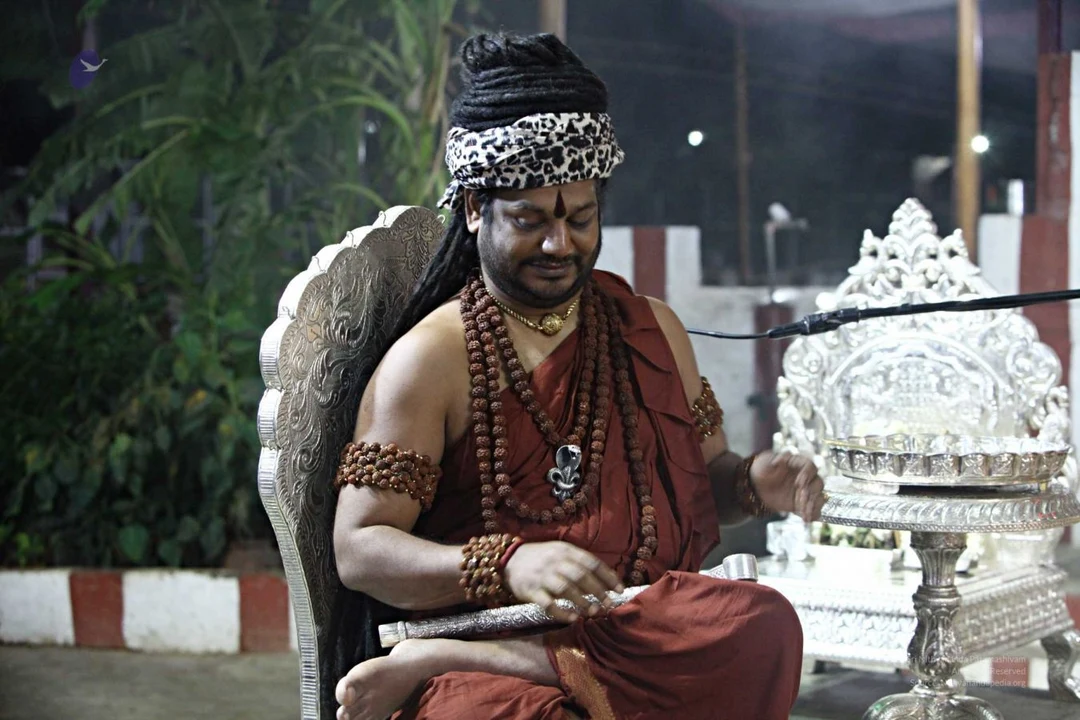 His Divine Holiness conducting the Spiritual Alchemy Process of preparing Aushadha - an esoteric science from the Siddha tradition which is used to achieve the state, space, powers of Paramashiva, and gain access to the 25 states of consciousness
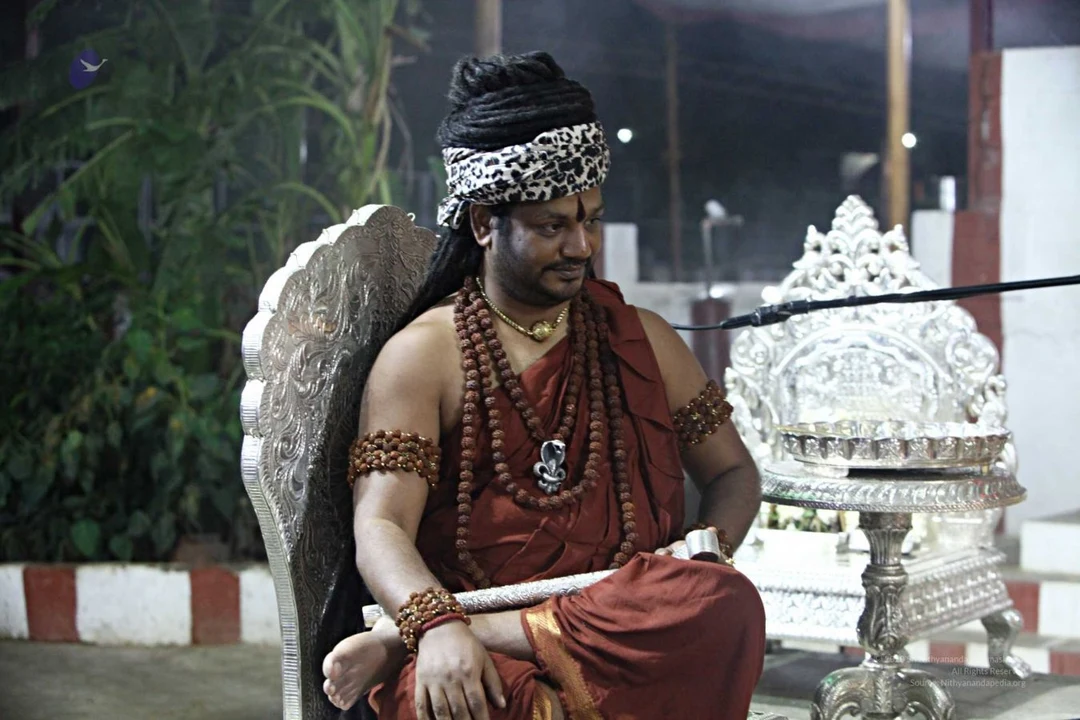 His Divine Holiness conducting the Spiritual Alchemy Process of preparing Aushadha - an esoteric science from the Siddha tradition which is used to achieve the state, space, powers of Paramashiva, and gain access to the 25 states of consciousness
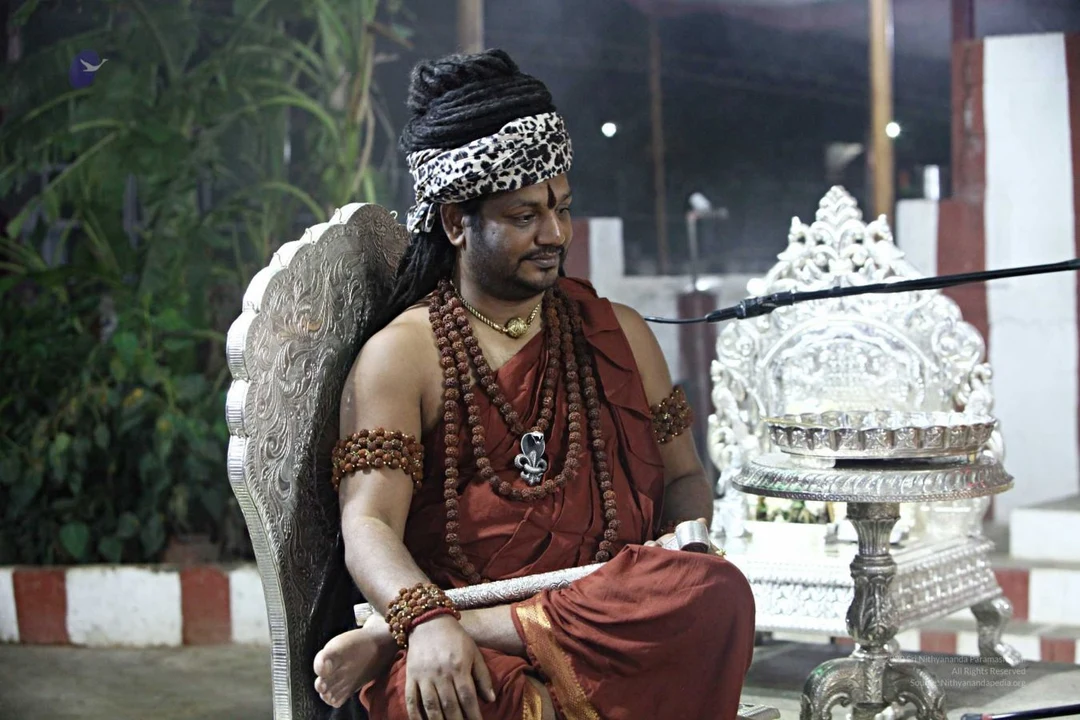 His Divine Holiness conducting the Spiritual Alchemy Process of preparing Aushadha - an esoteric science from the Siddha tradition which is used to achieve the state, space, powers of Paramashiva, and gain access to the 25 states of consciousness
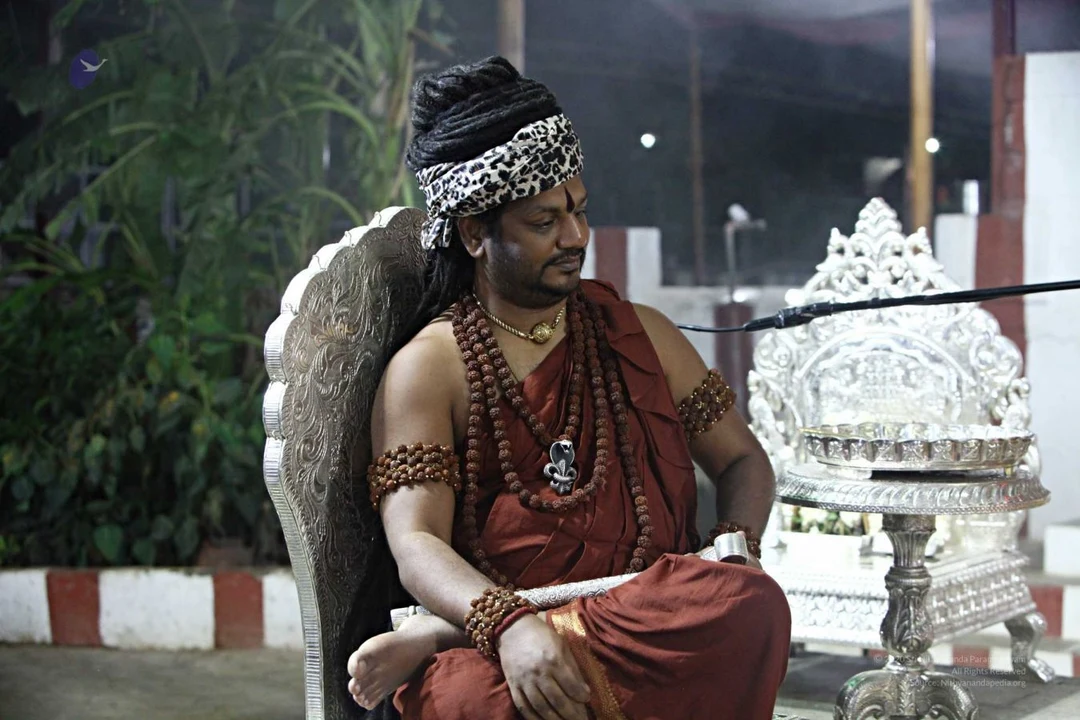 His Divine Holiness conducting the Spiritual Alchemy Process of preparing Aushadha - an esoteric science from the Siddha tradition which is used to achieve the state, space, powers of Paramashiva, and gain access to the 25 states of consciousness
 His Divine Holiness conducting the Spiritual Alchemy Process of preparing Aushadha - an esoteric science from the Siddha tradition which is used to achieve the state, space, powers of Paramashiva, and gain access to the 25 states of consciousness
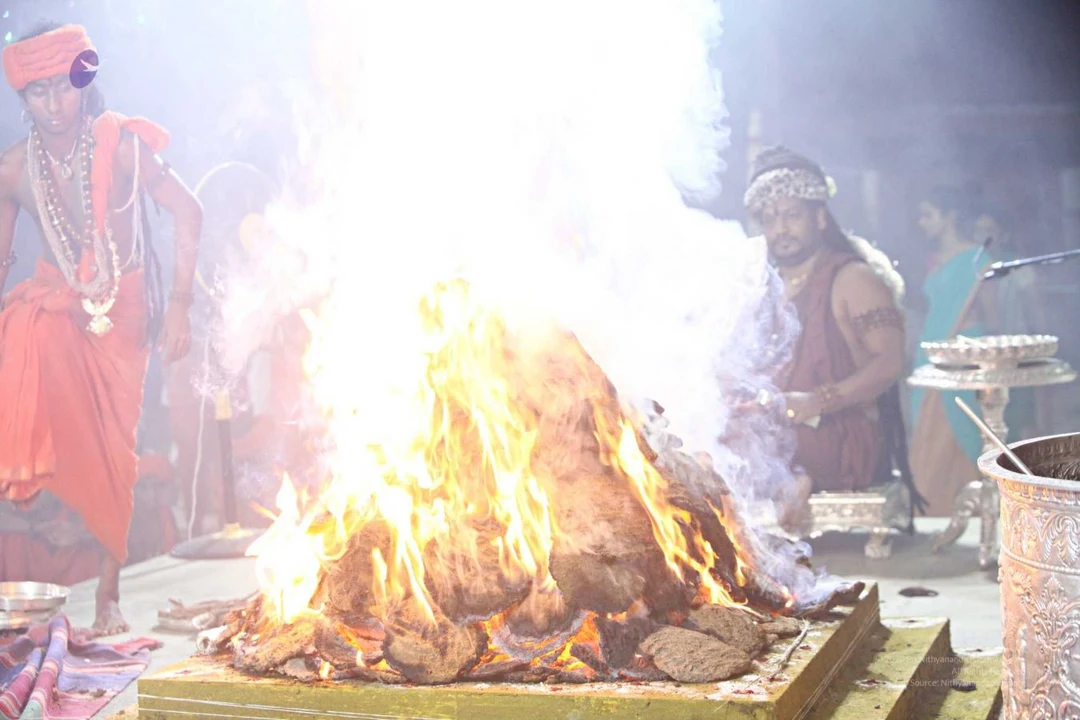 His Divine Holiness conducting the Spiritual Alchemy Process of preparing Aushadha - an esoteric science from the Siddha tradition which is used to achieve the state, space, powers of Paramashiva, and gain access to the 25 states of consciousness
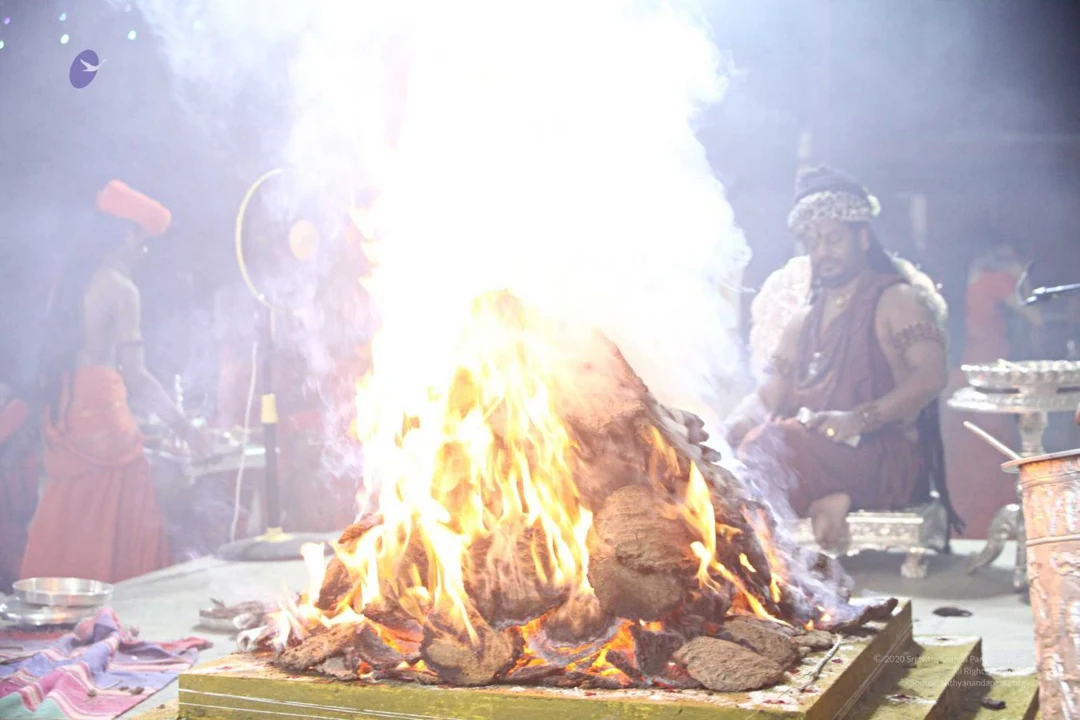 His Divine Holiness conducting the Spiritual Alchemy Process of preparing Aushadha - an esoteric science from the Siddha tradition which is used to achieve the state, space, powers of Paramashiva, and gain access to the 25 states of consciousness
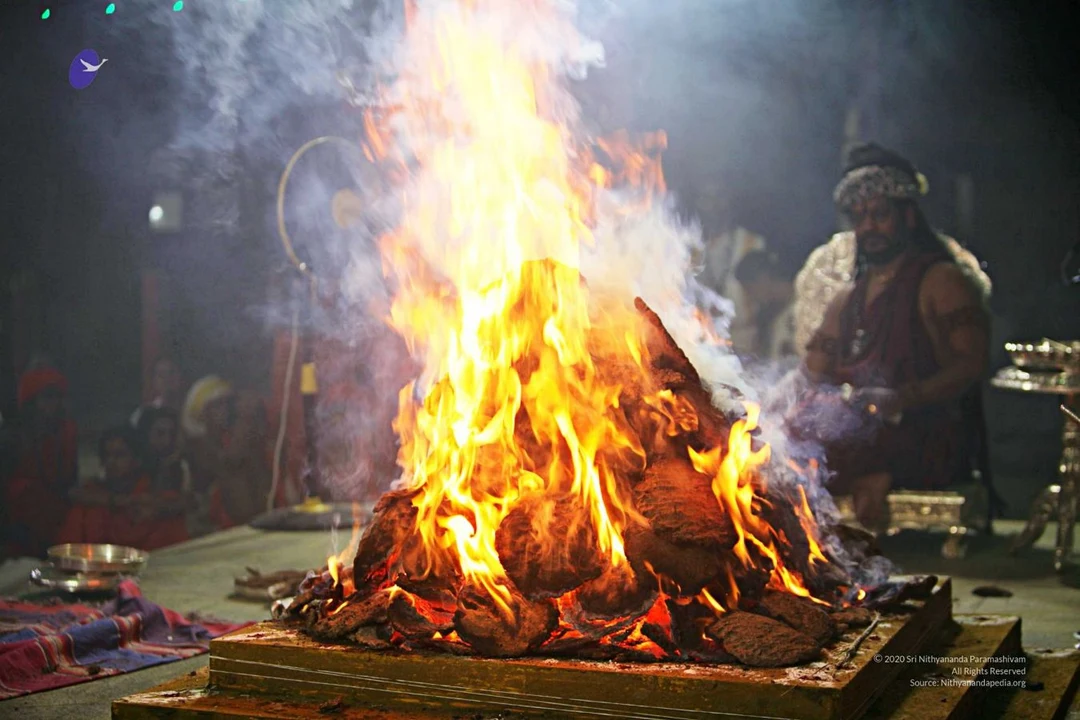 His Divine Holiness conducting the Spiritual Alchemy Process of preparing Aushadha - an esoteric science from the Siddha tradition which is used to achieve the state, space, powers of Paramashiva, and gain access to the 25 states of consciousness
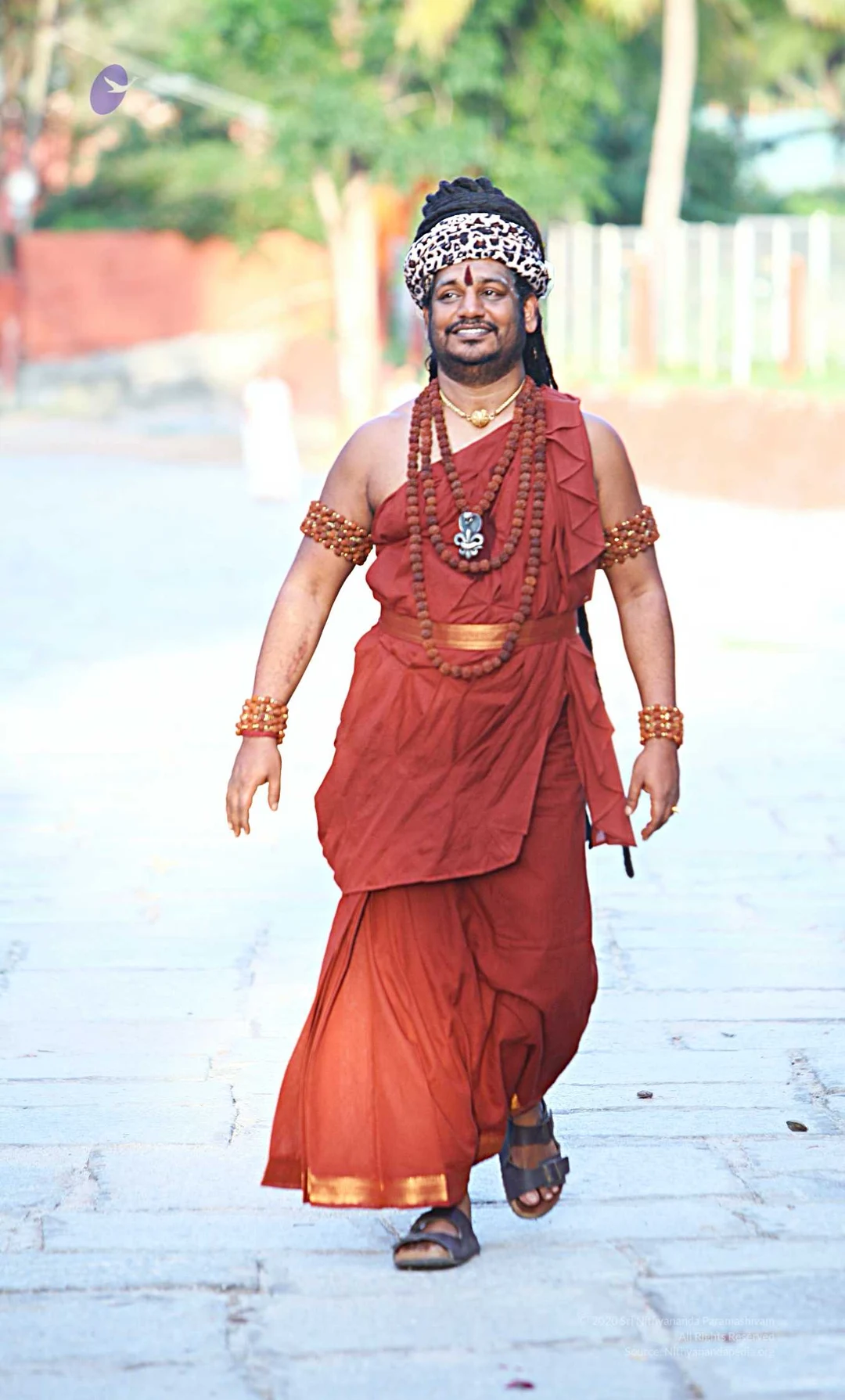



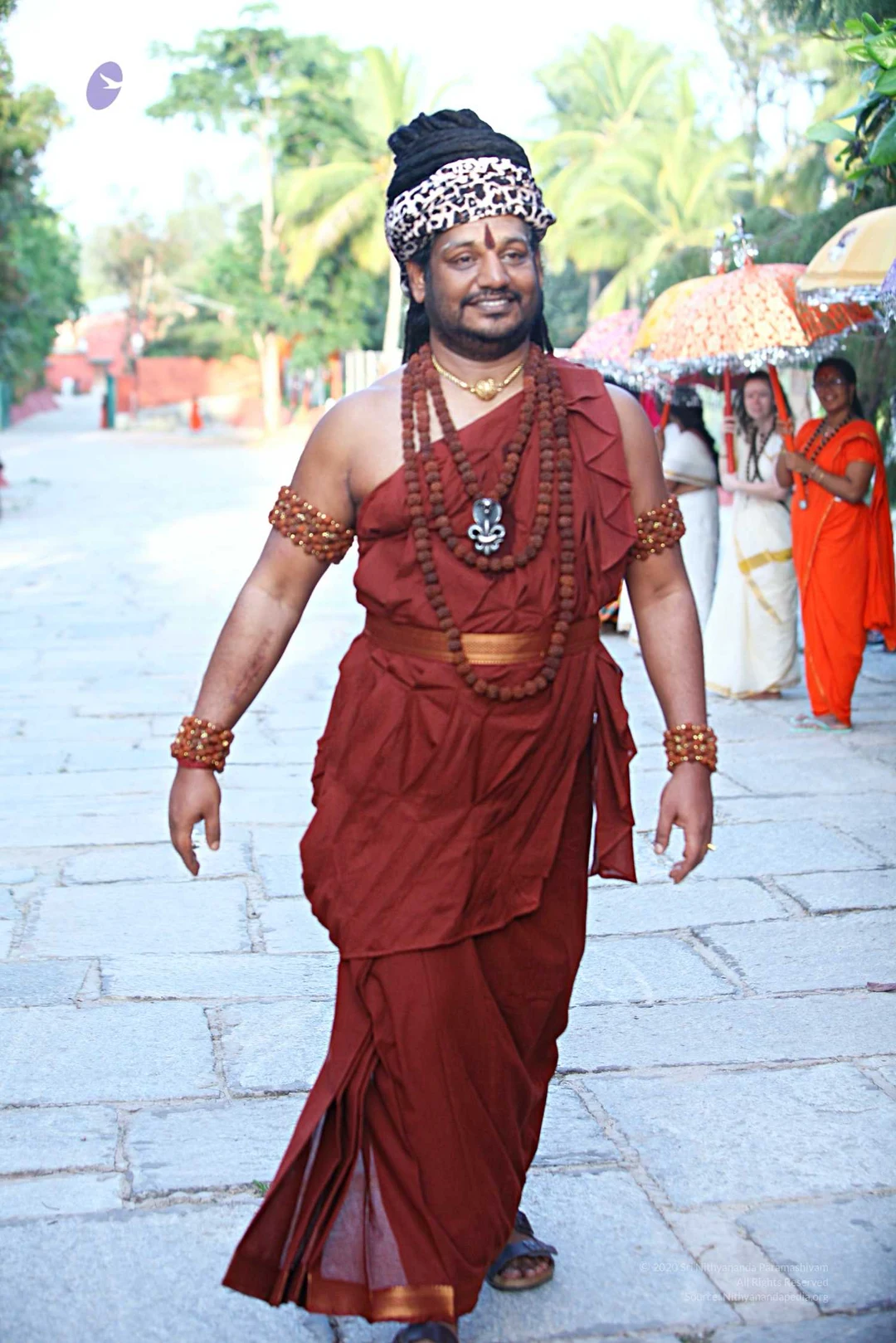

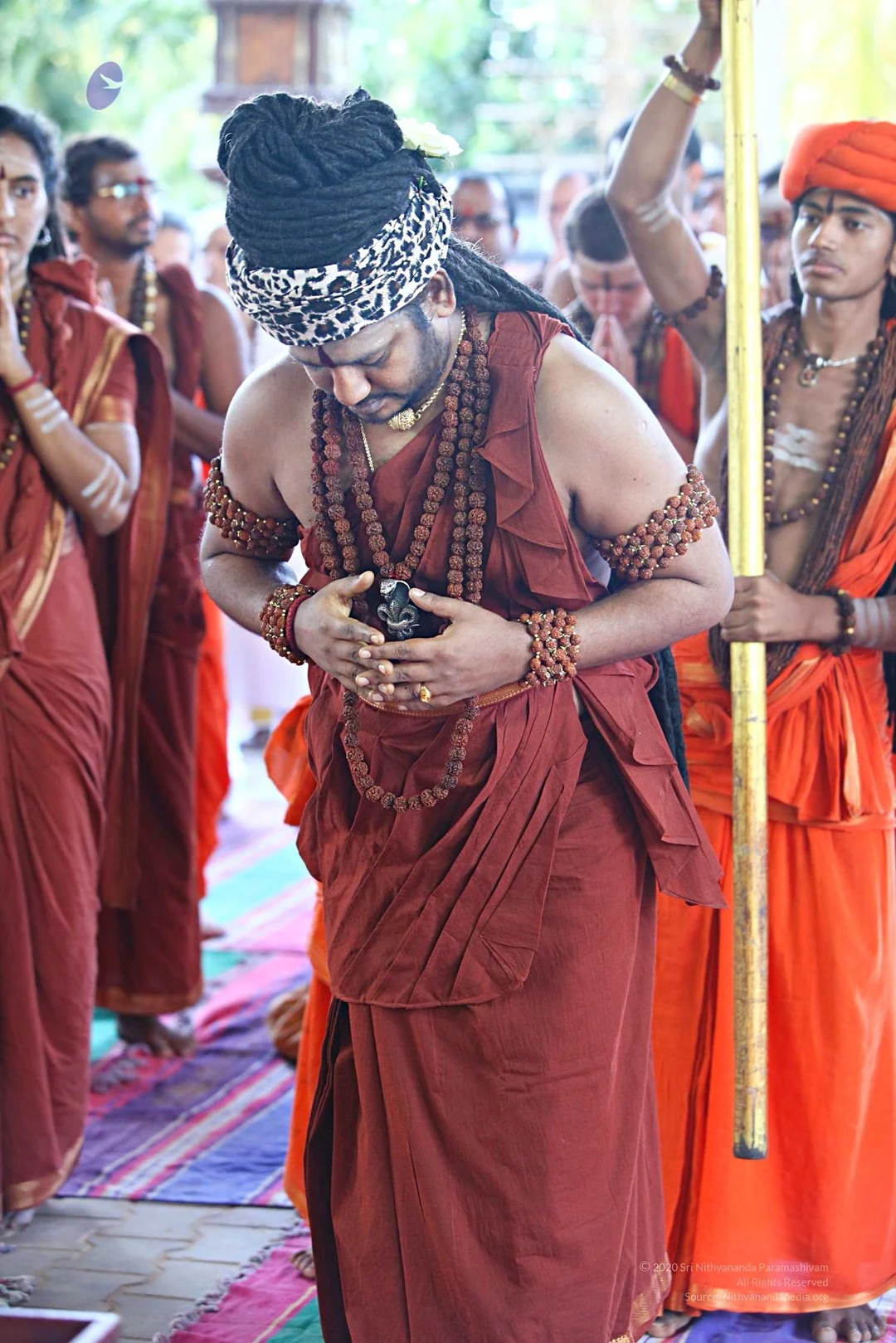
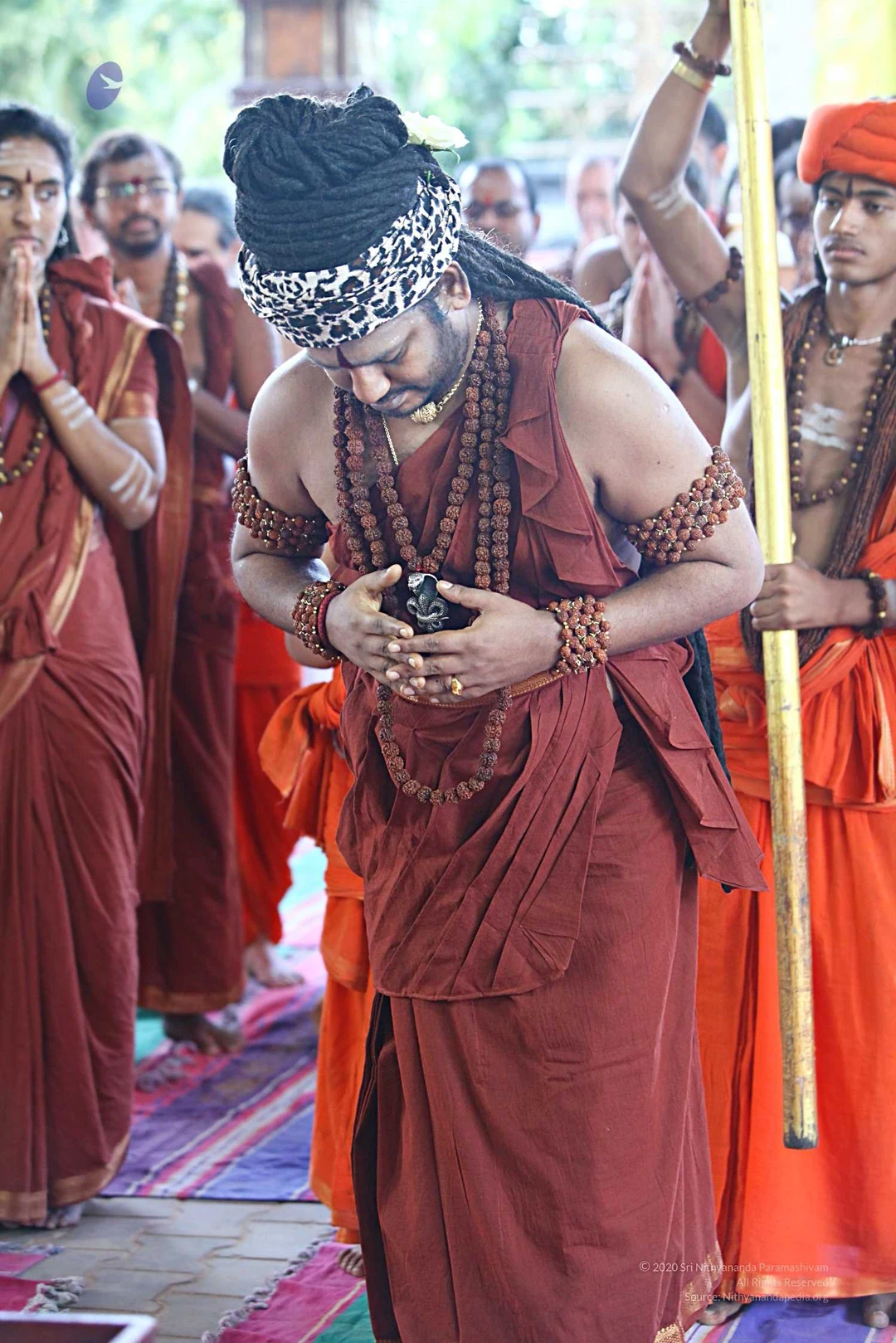
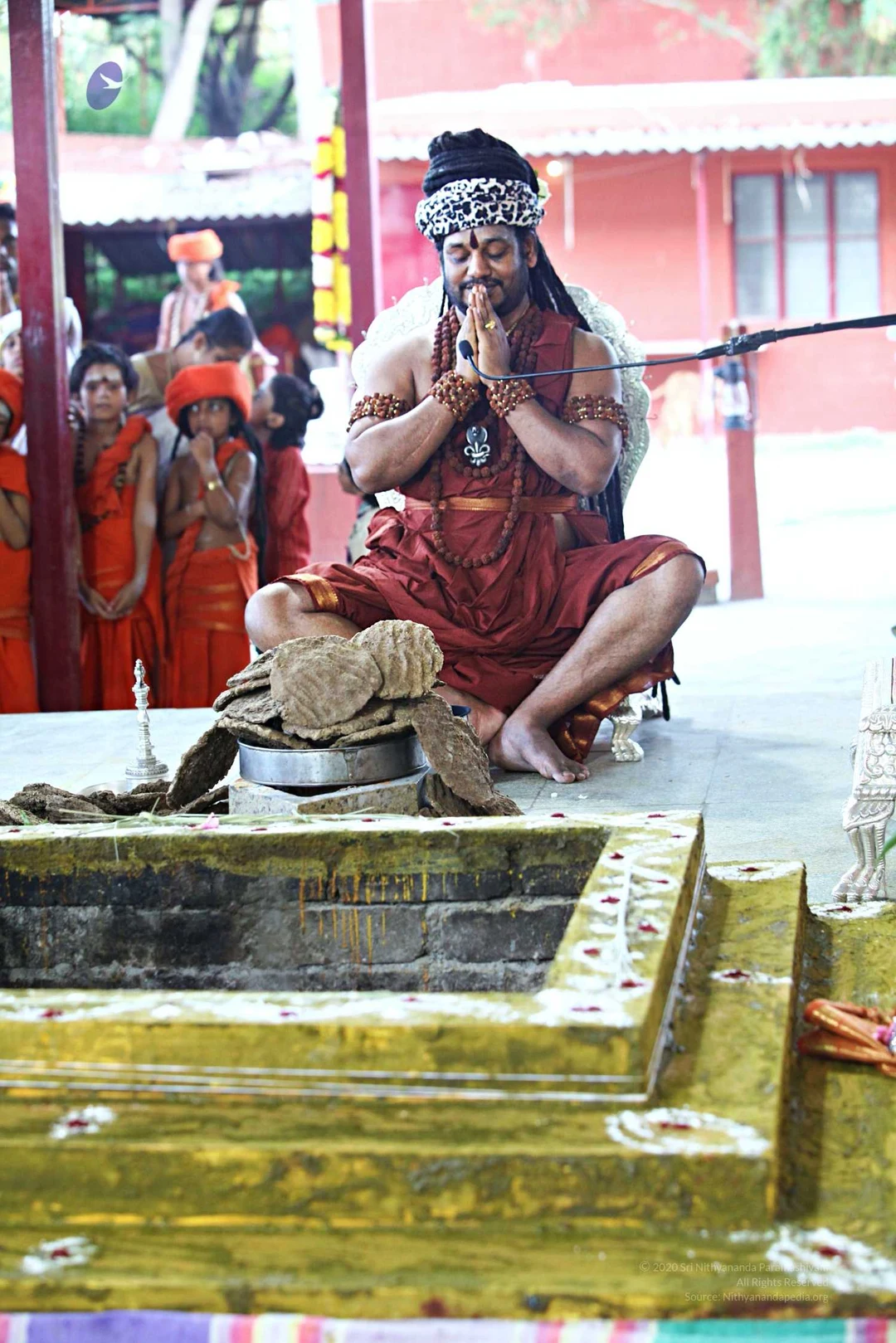
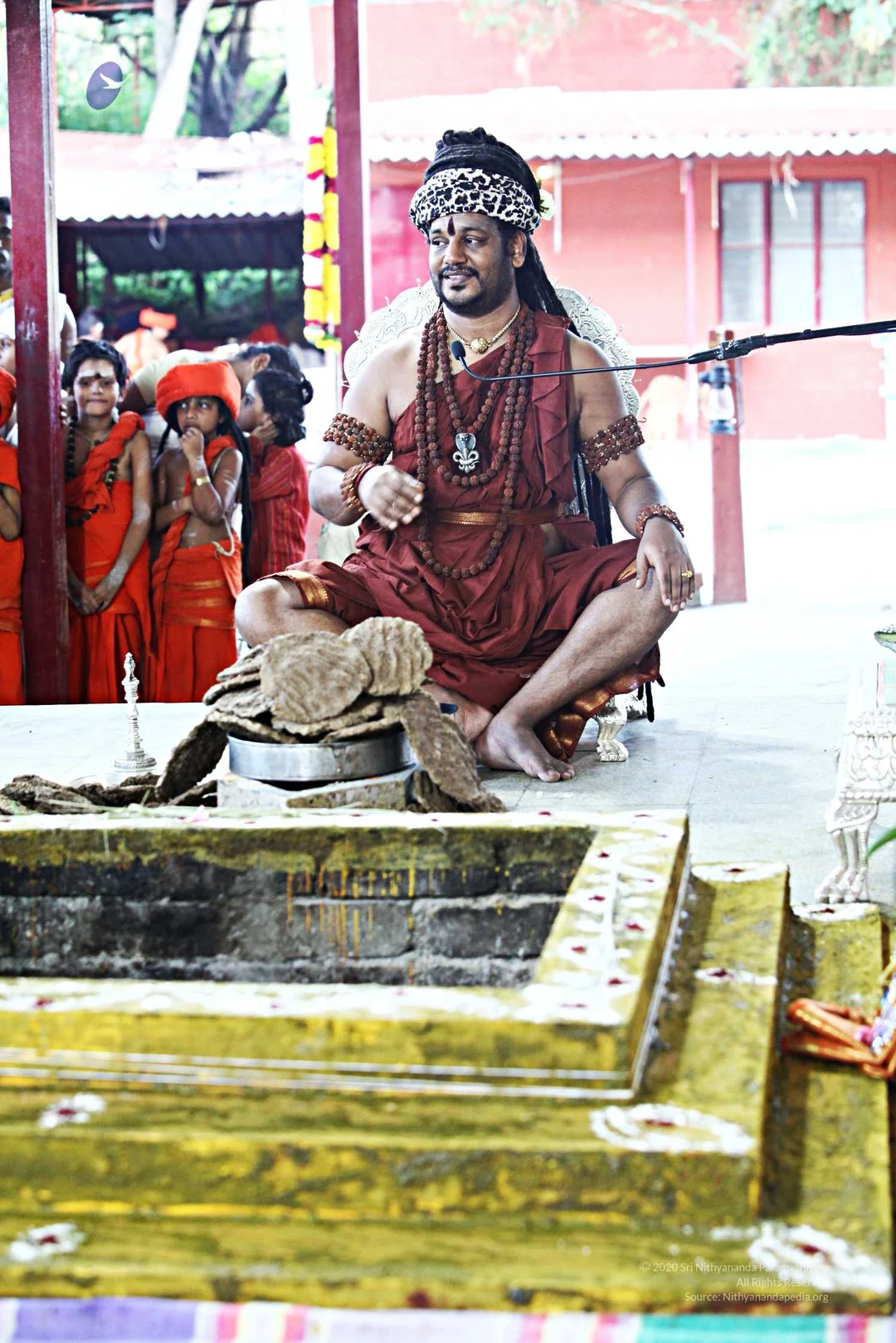
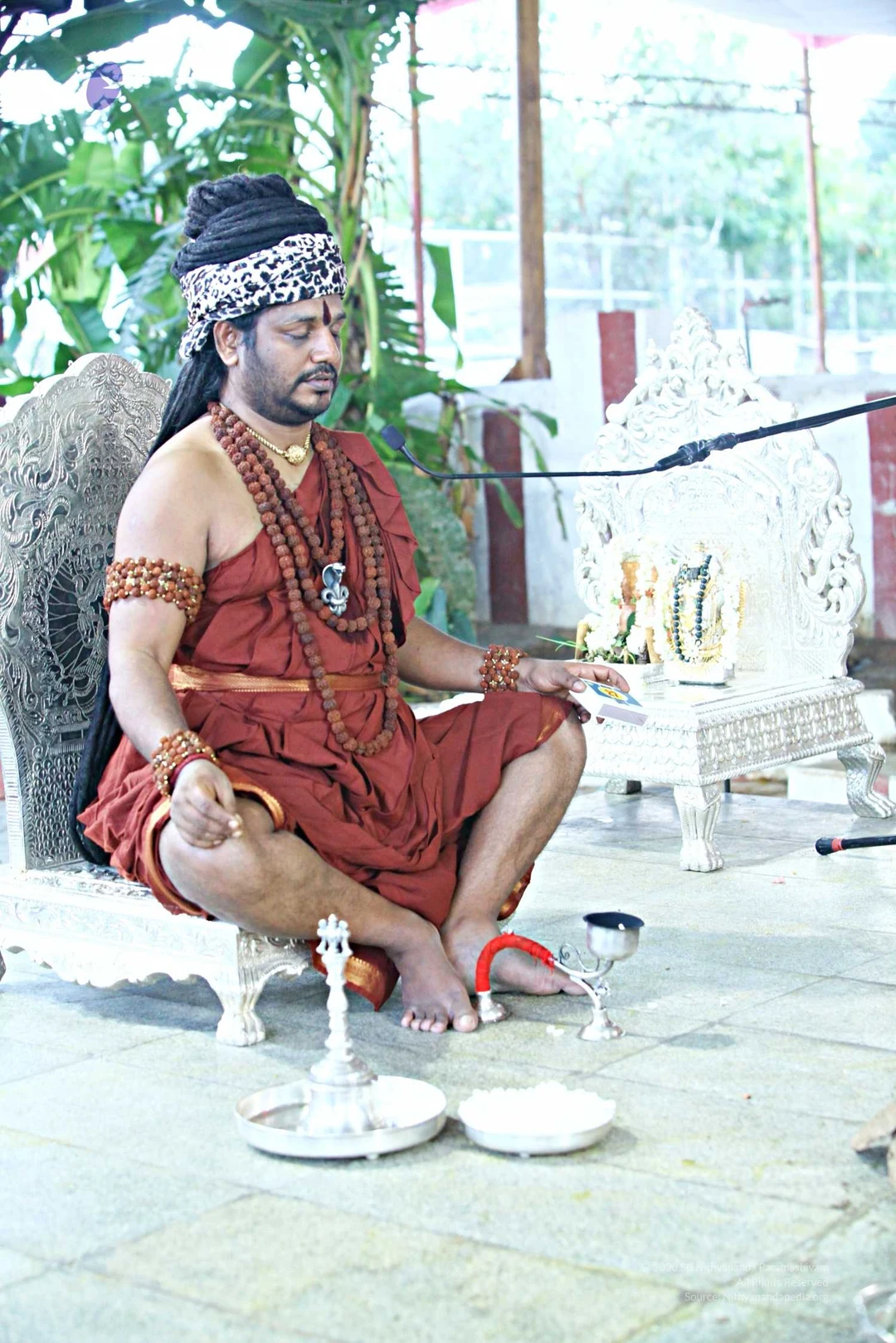





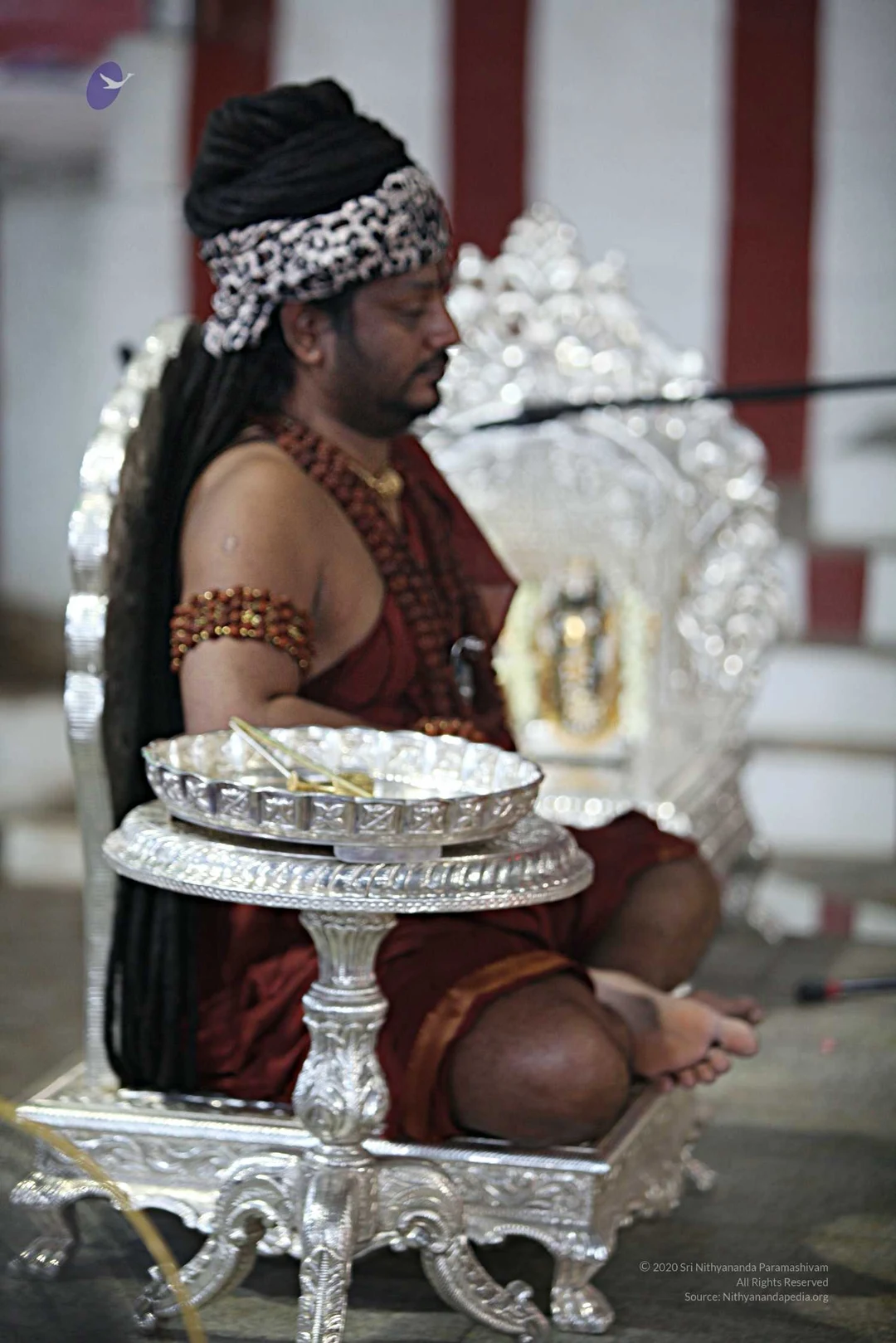
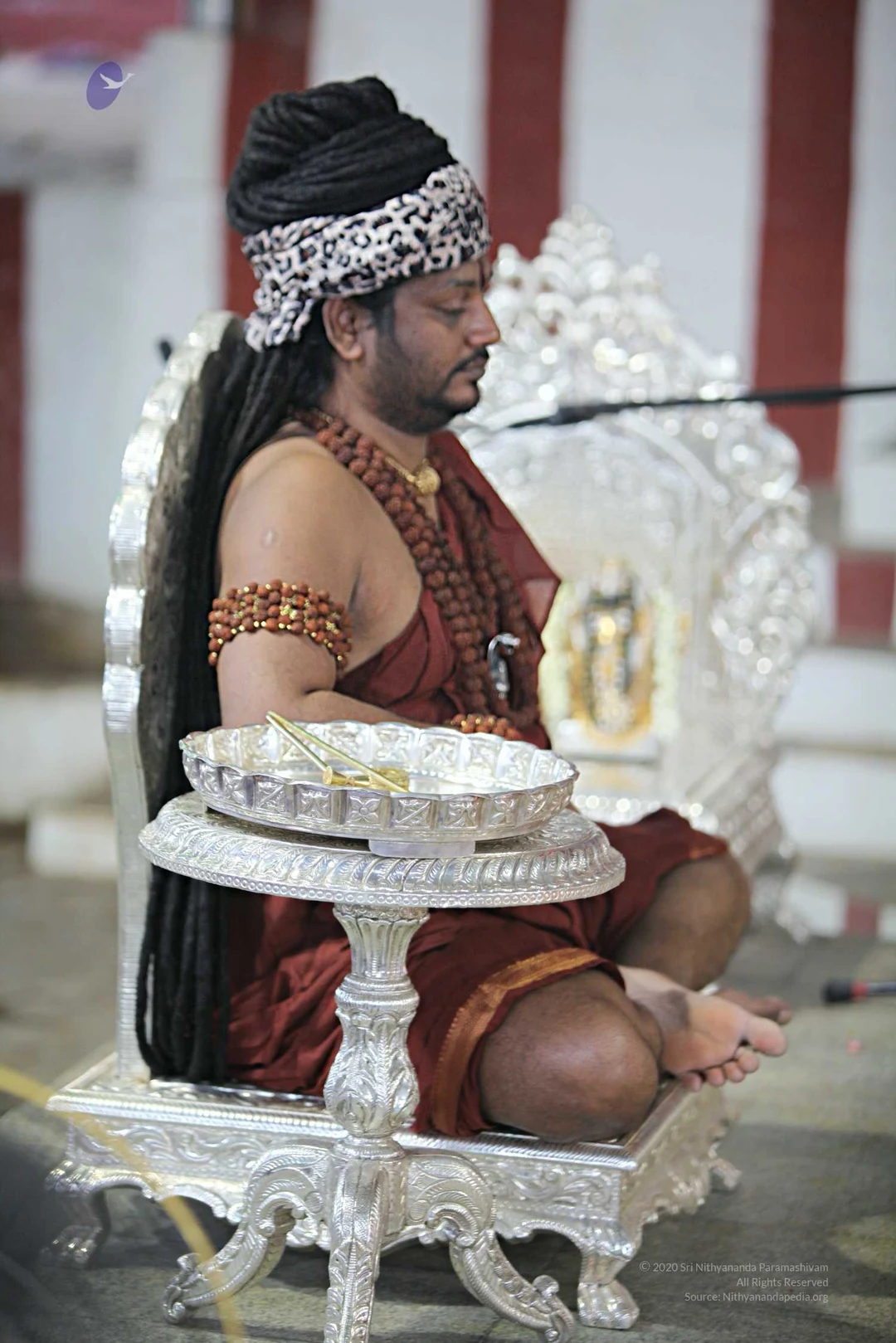
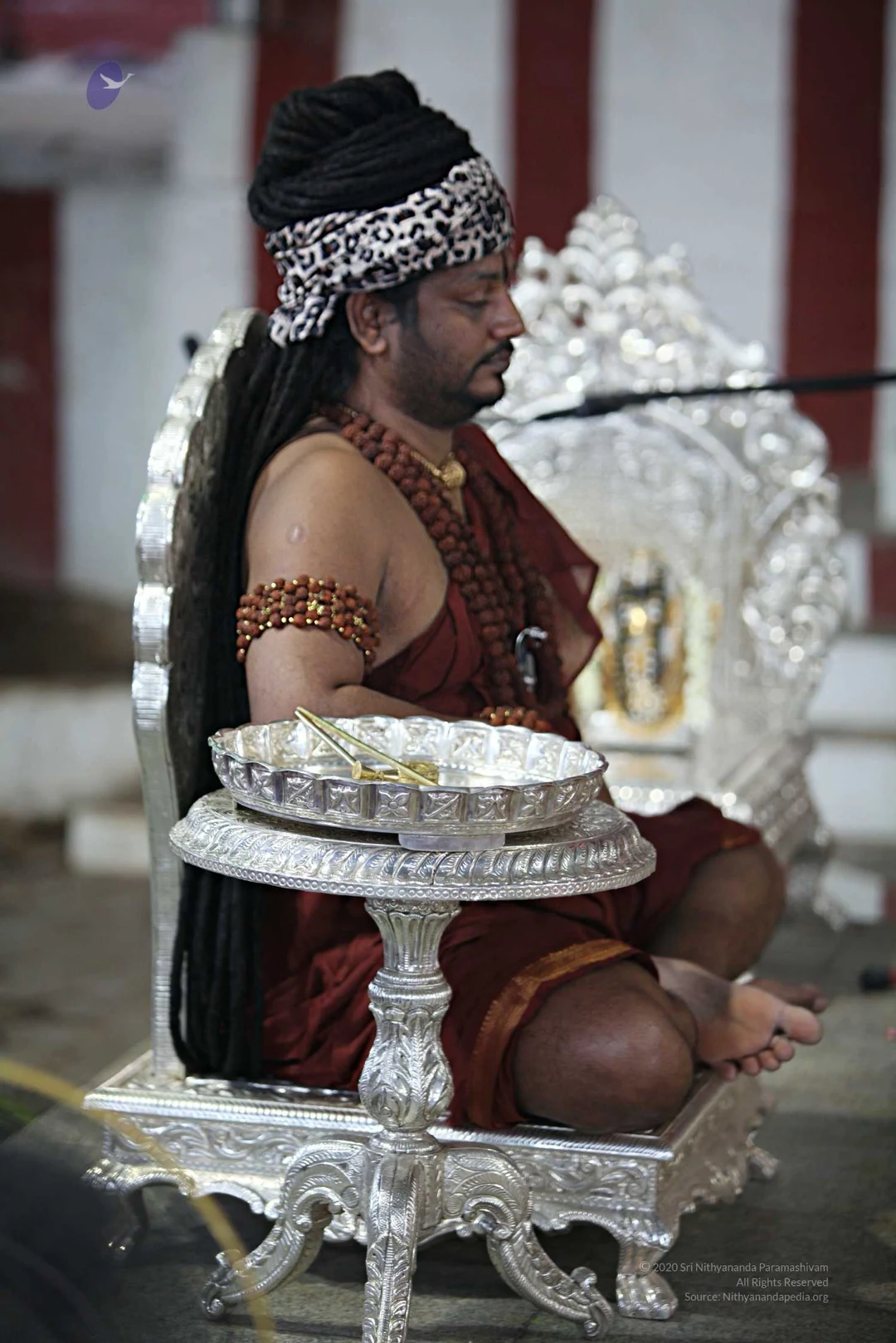
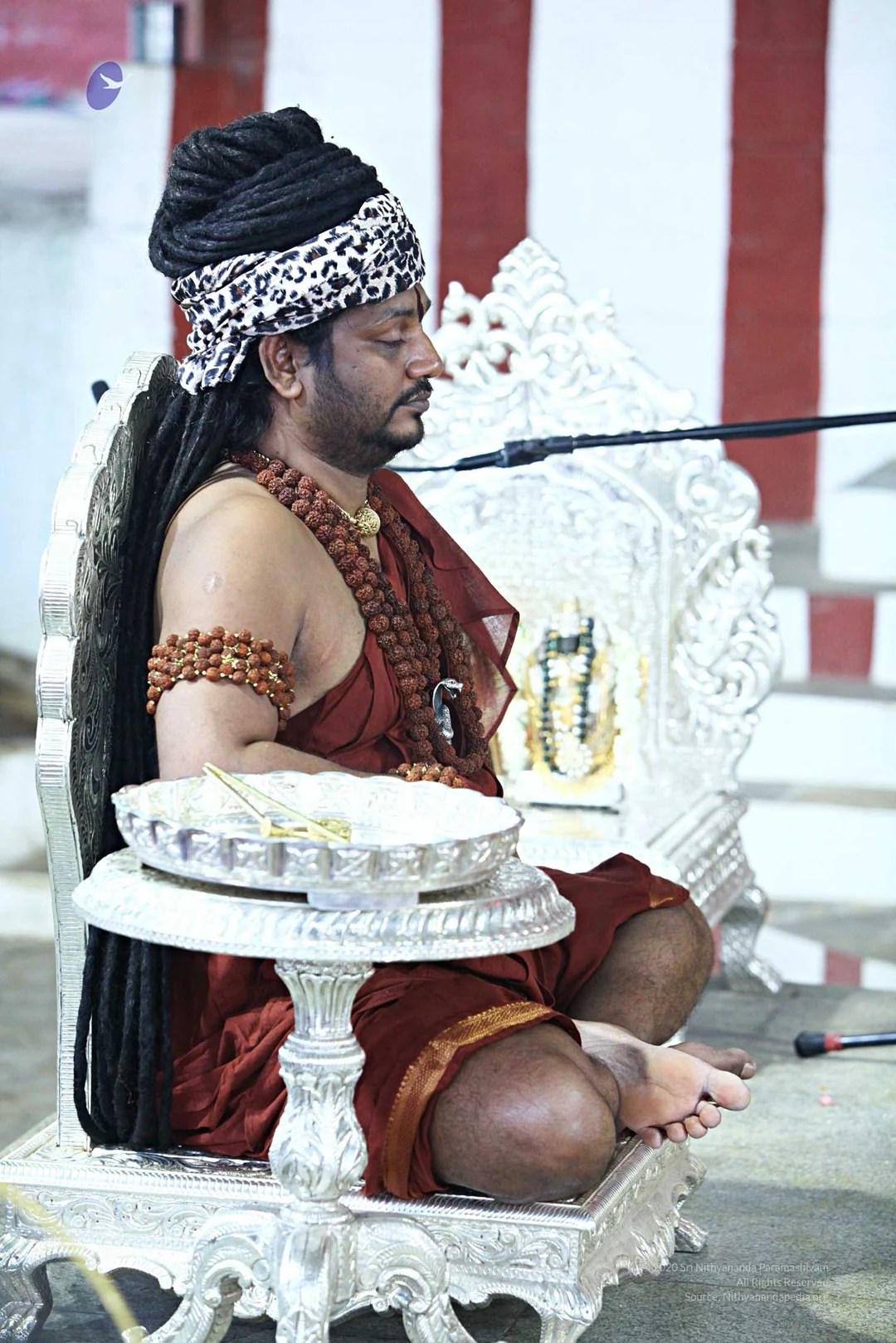
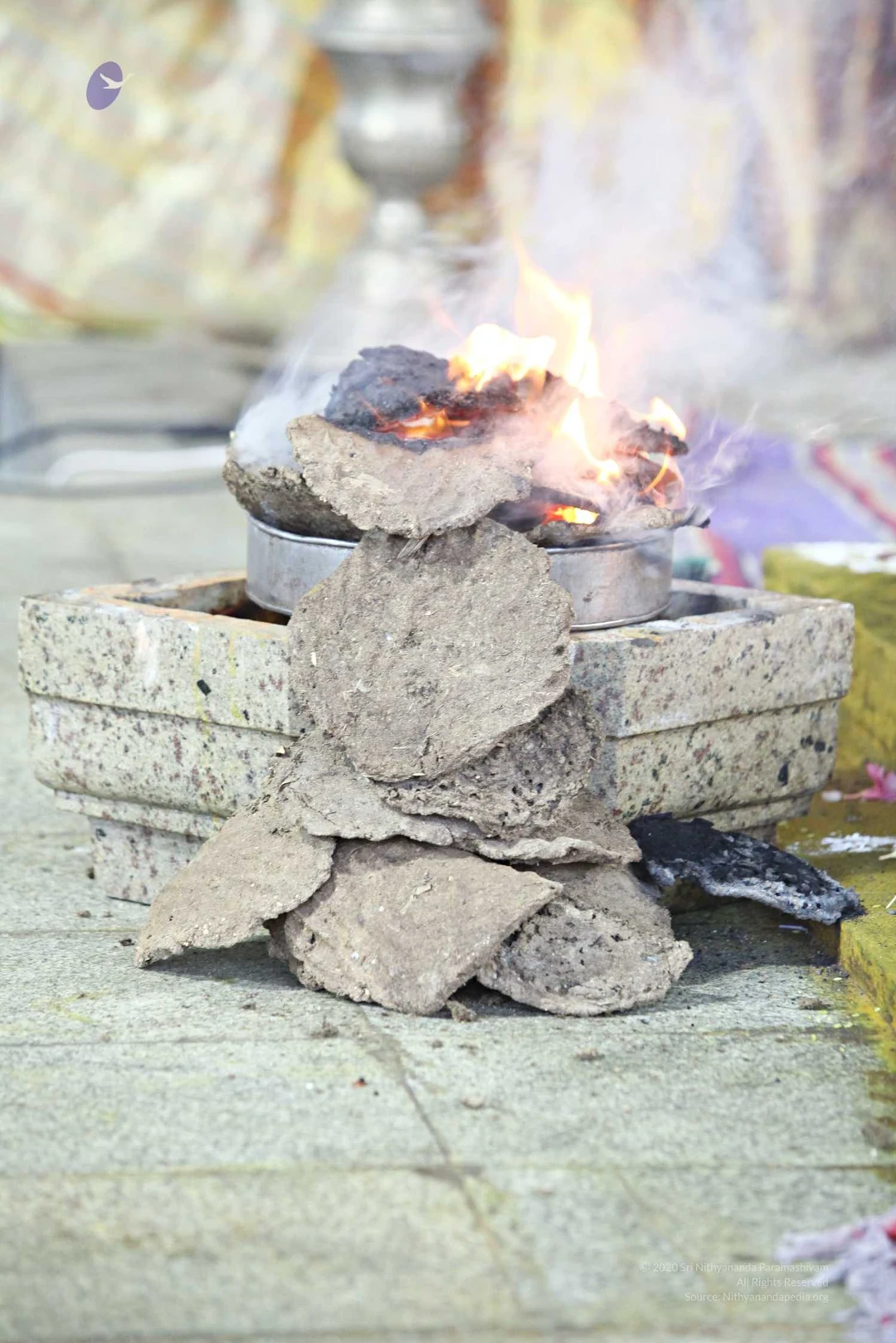
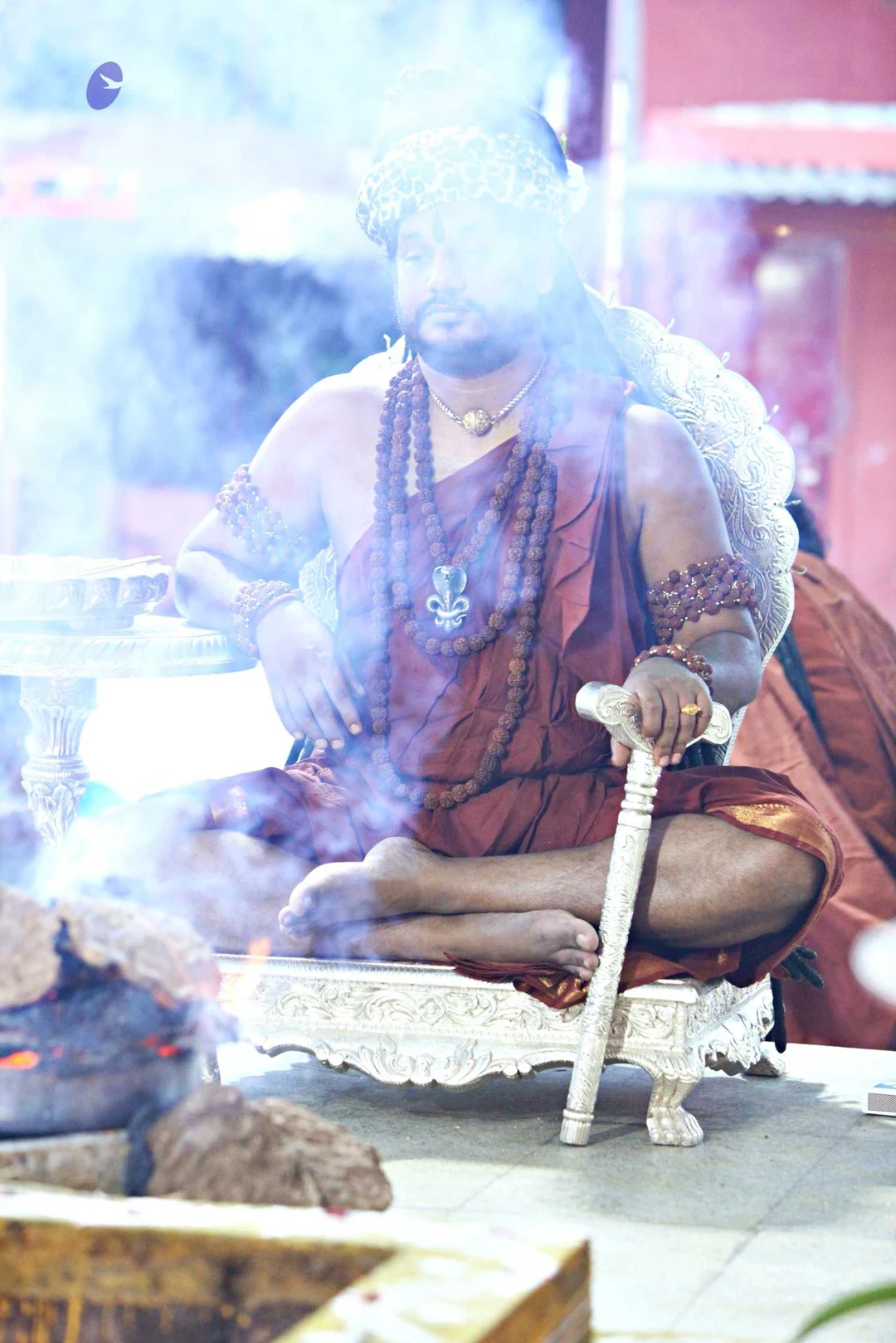
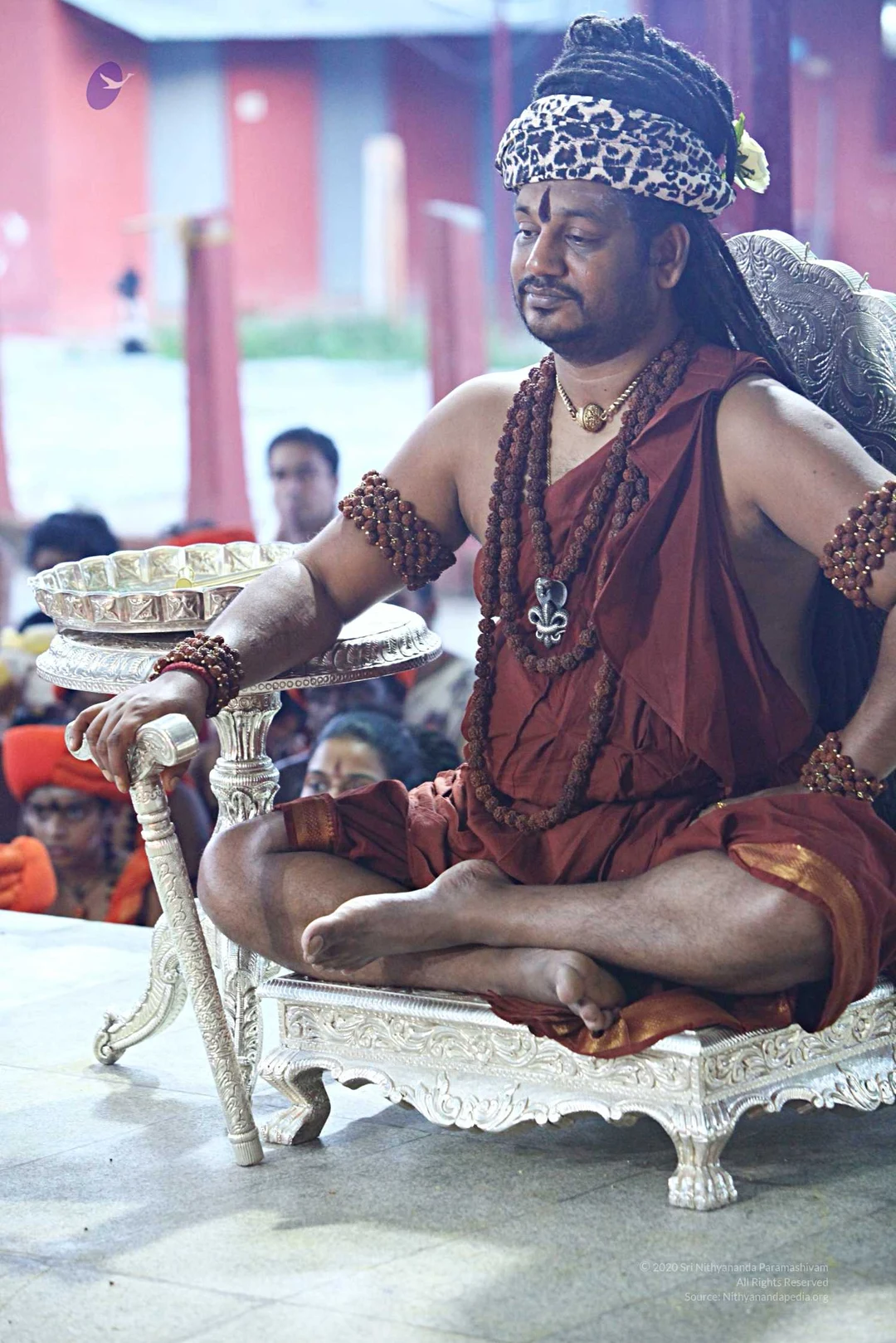
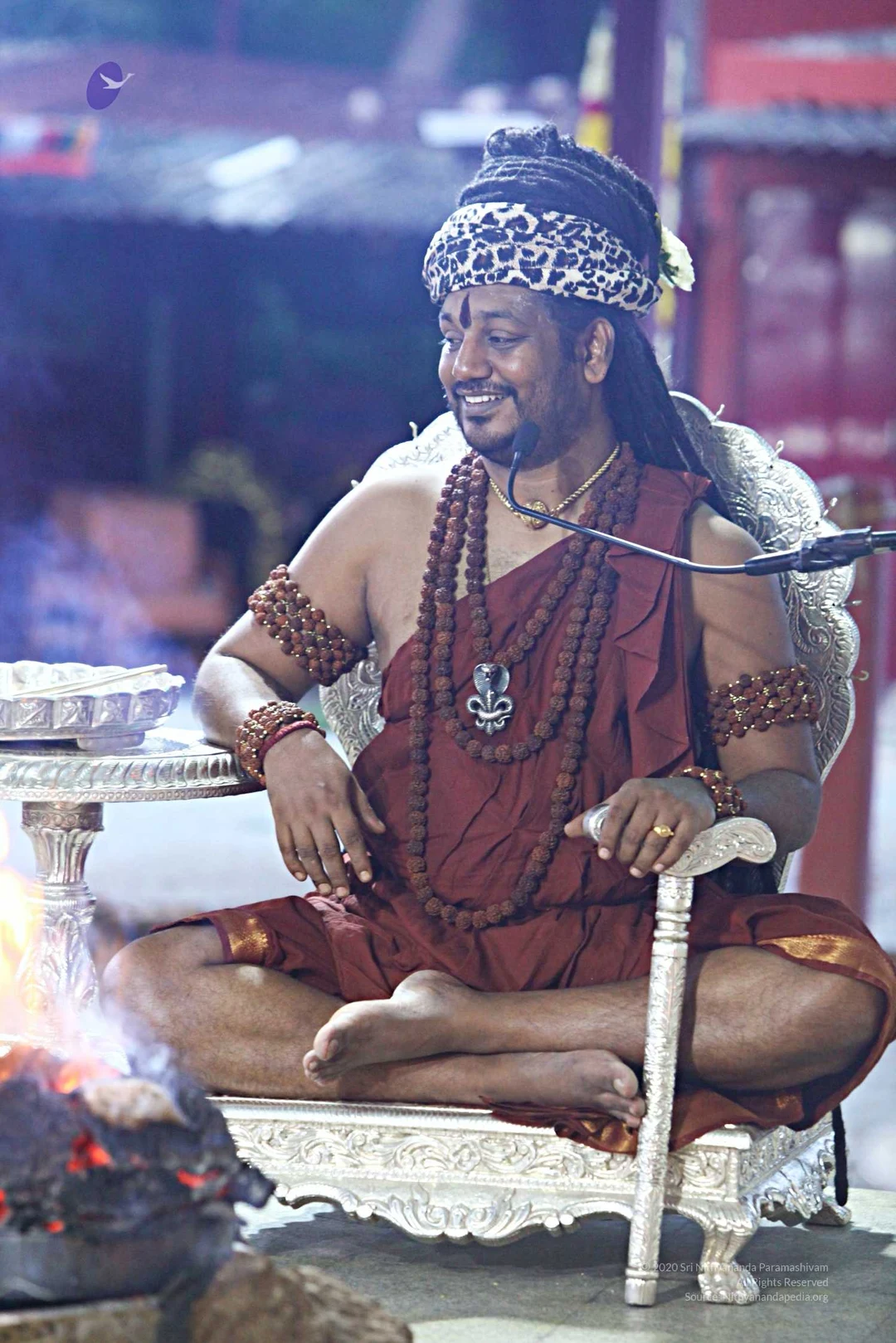
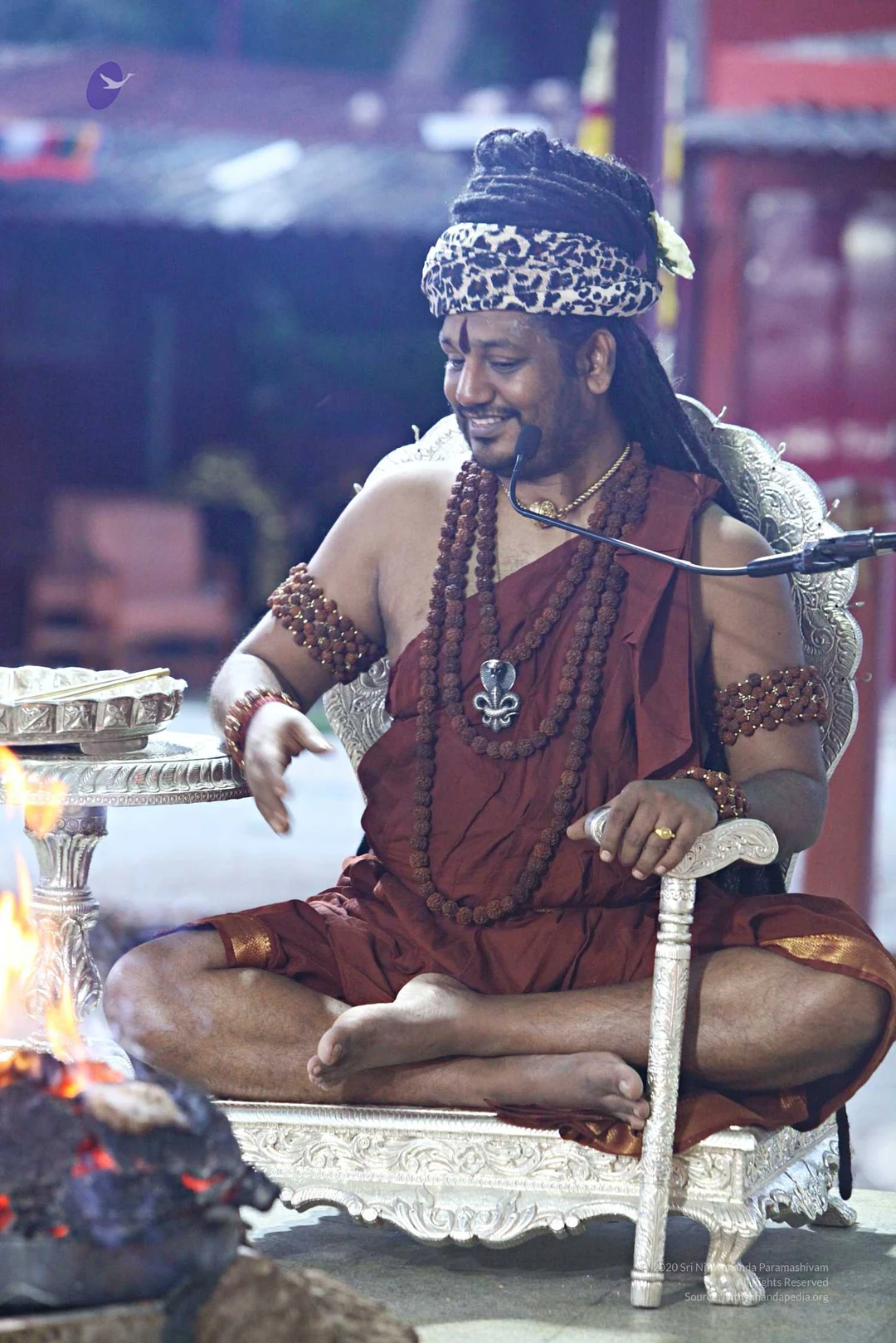
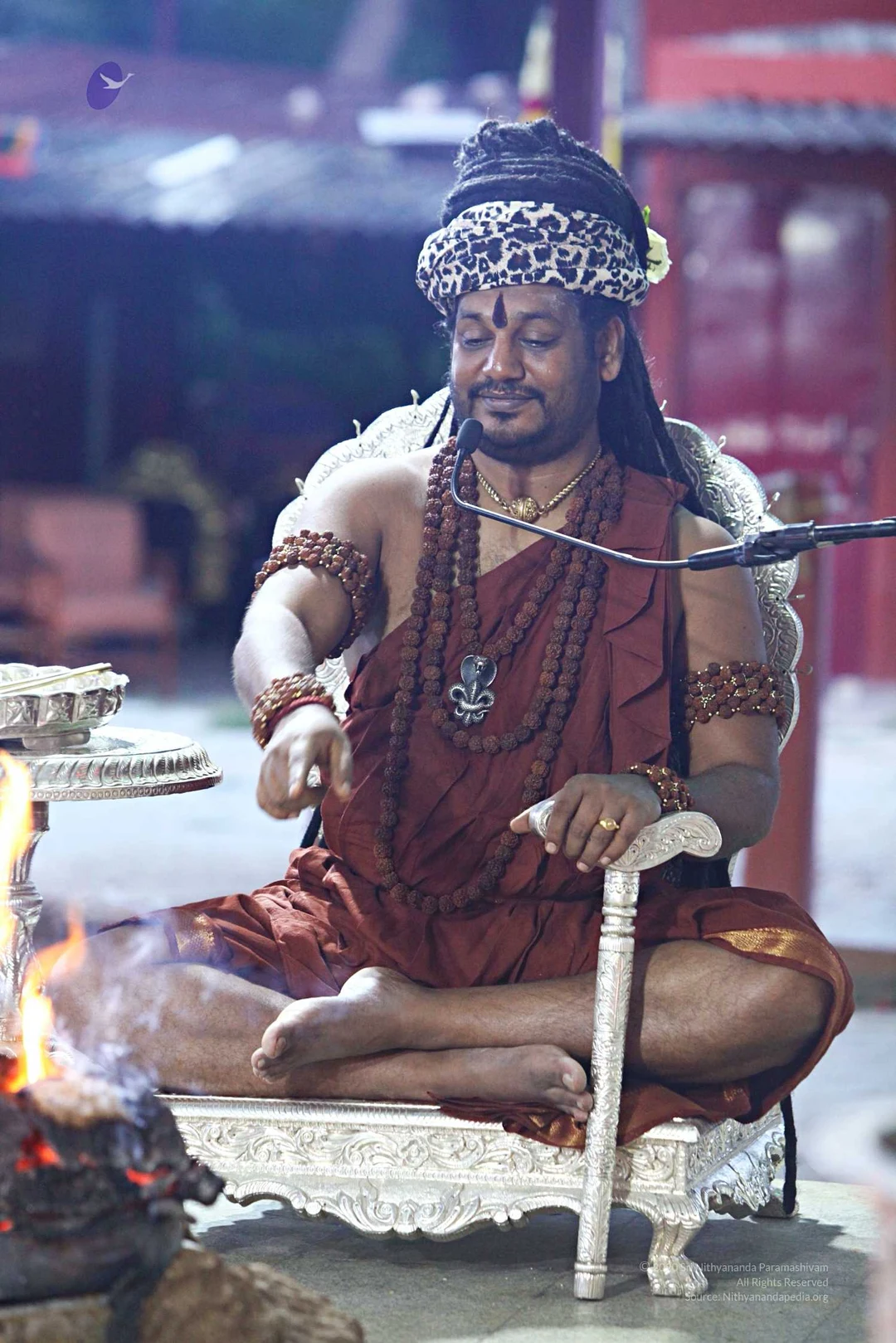
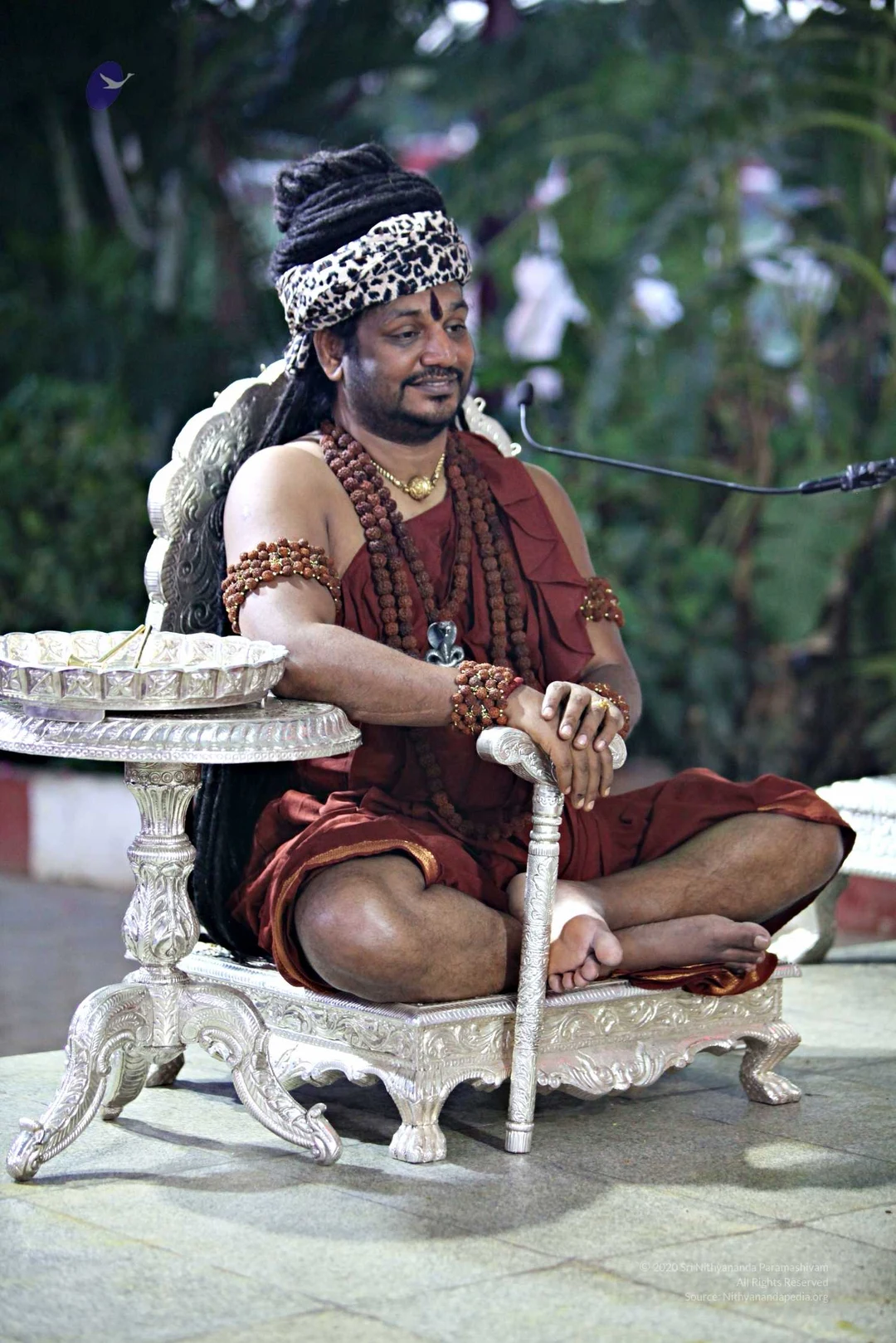
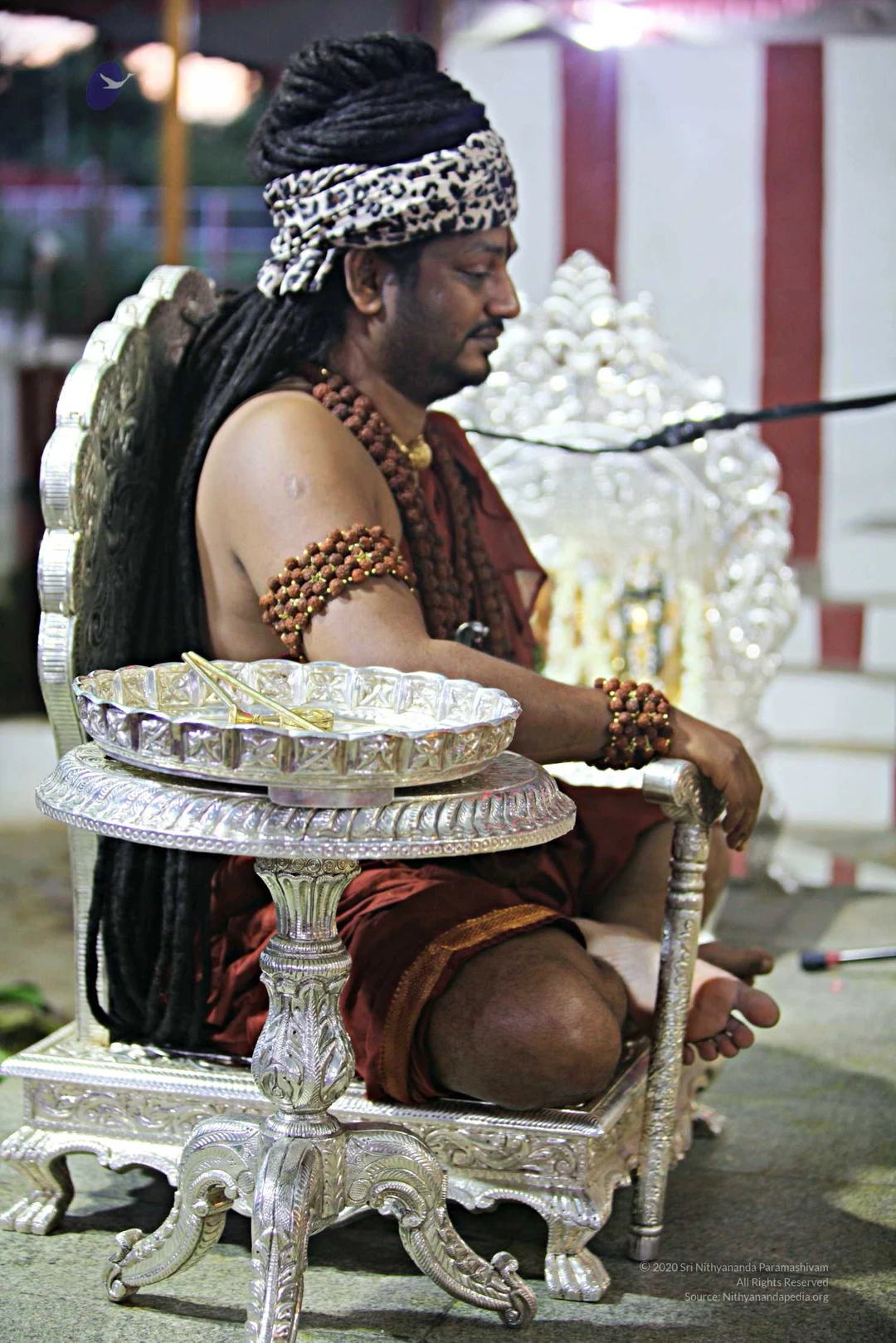
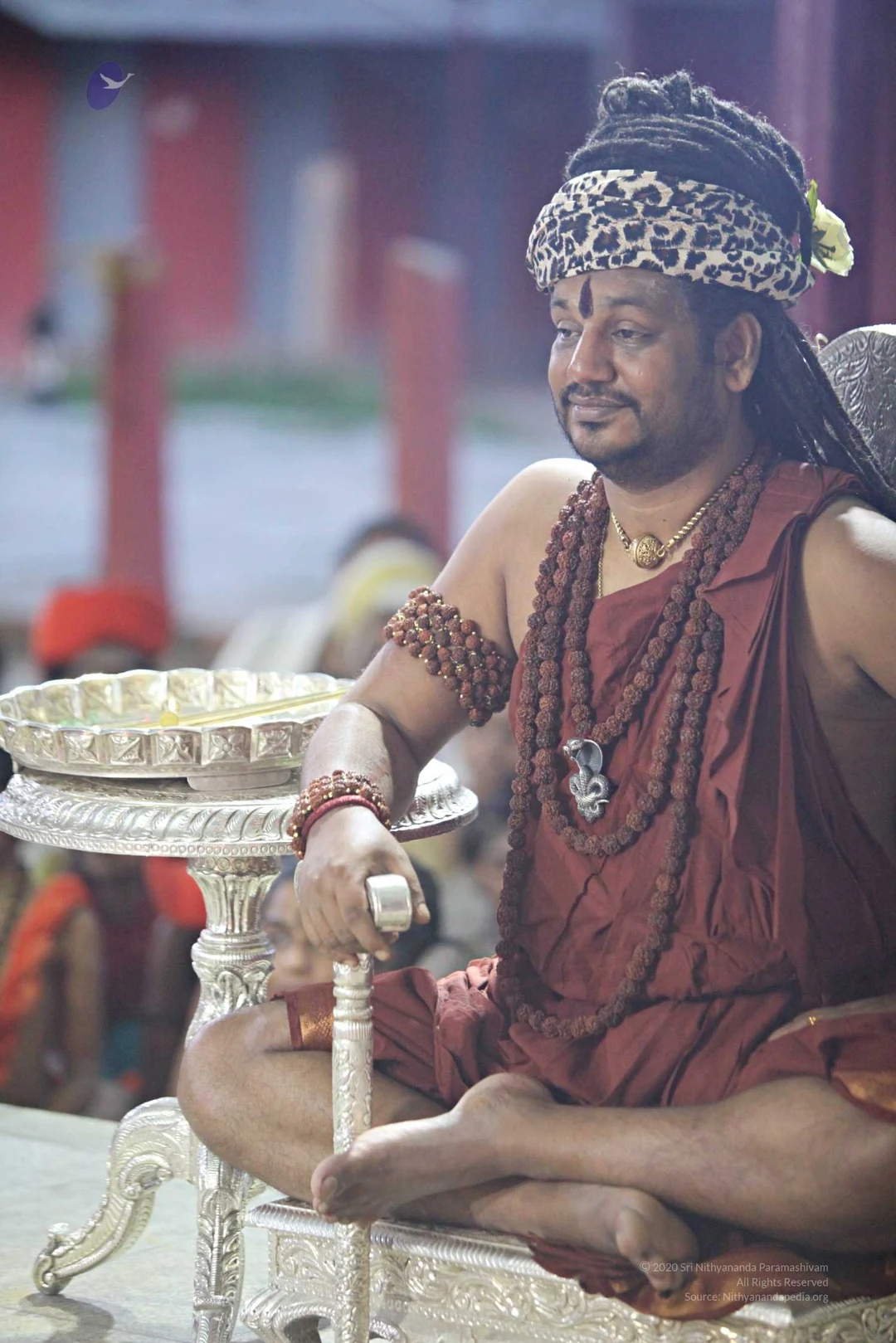
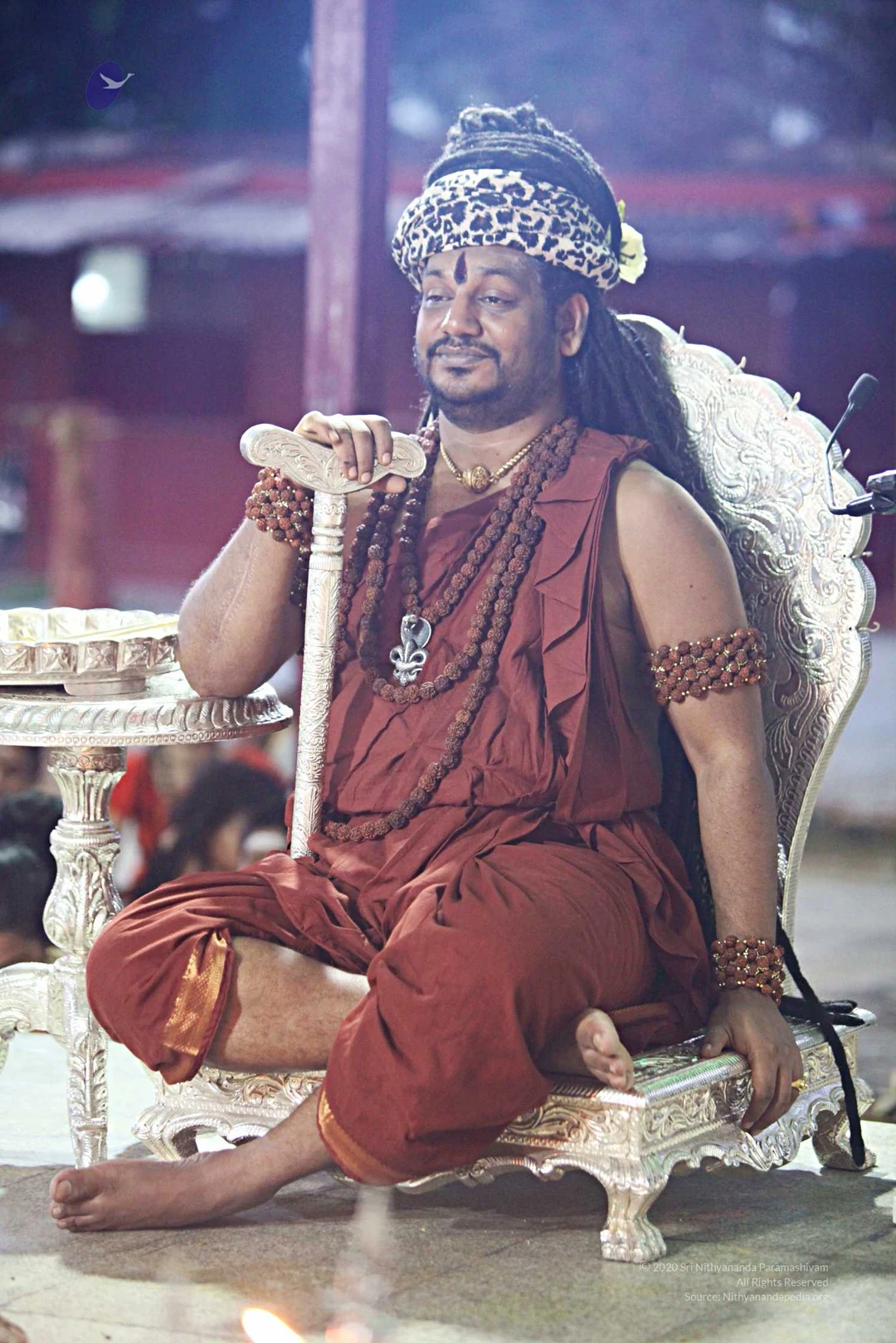
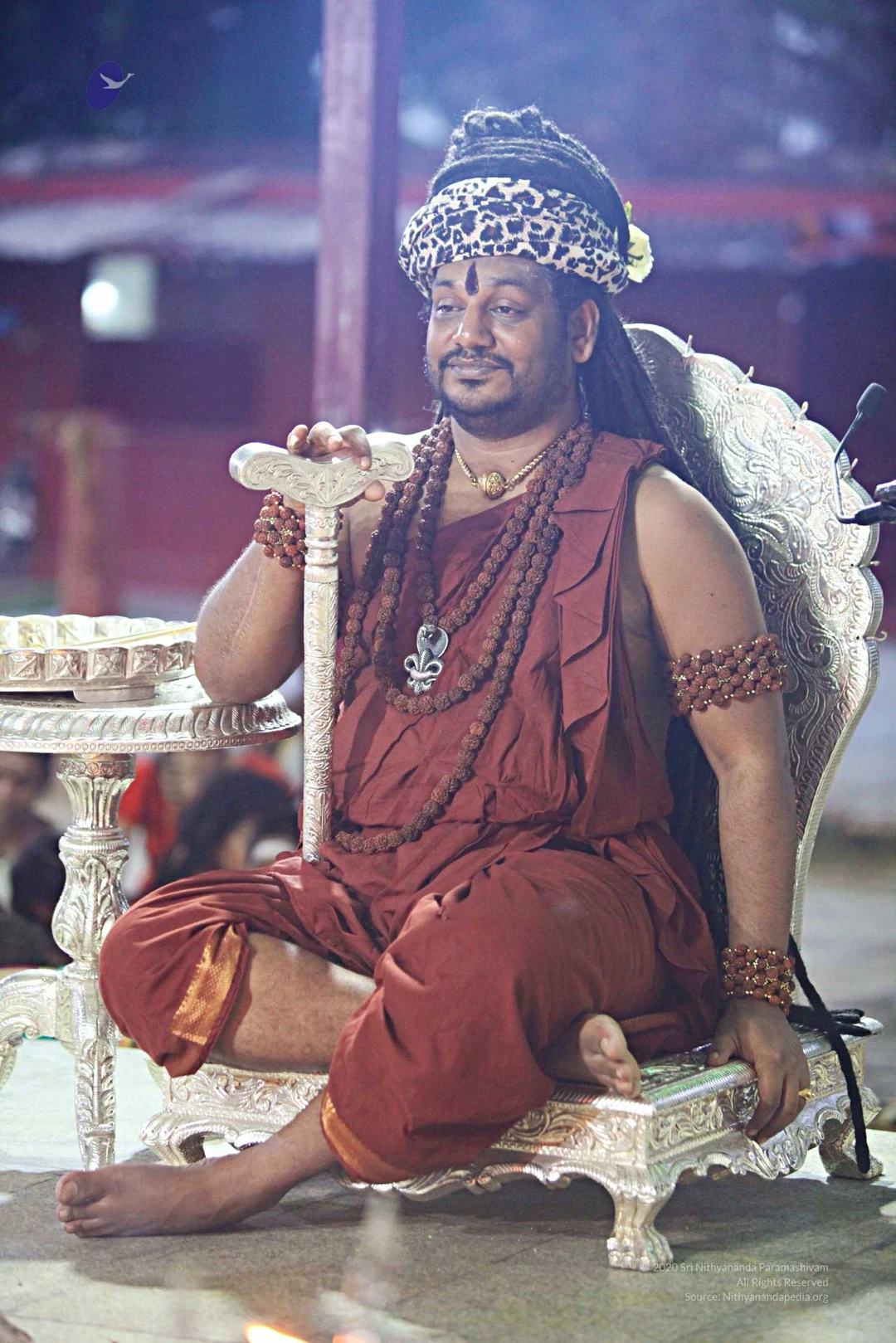
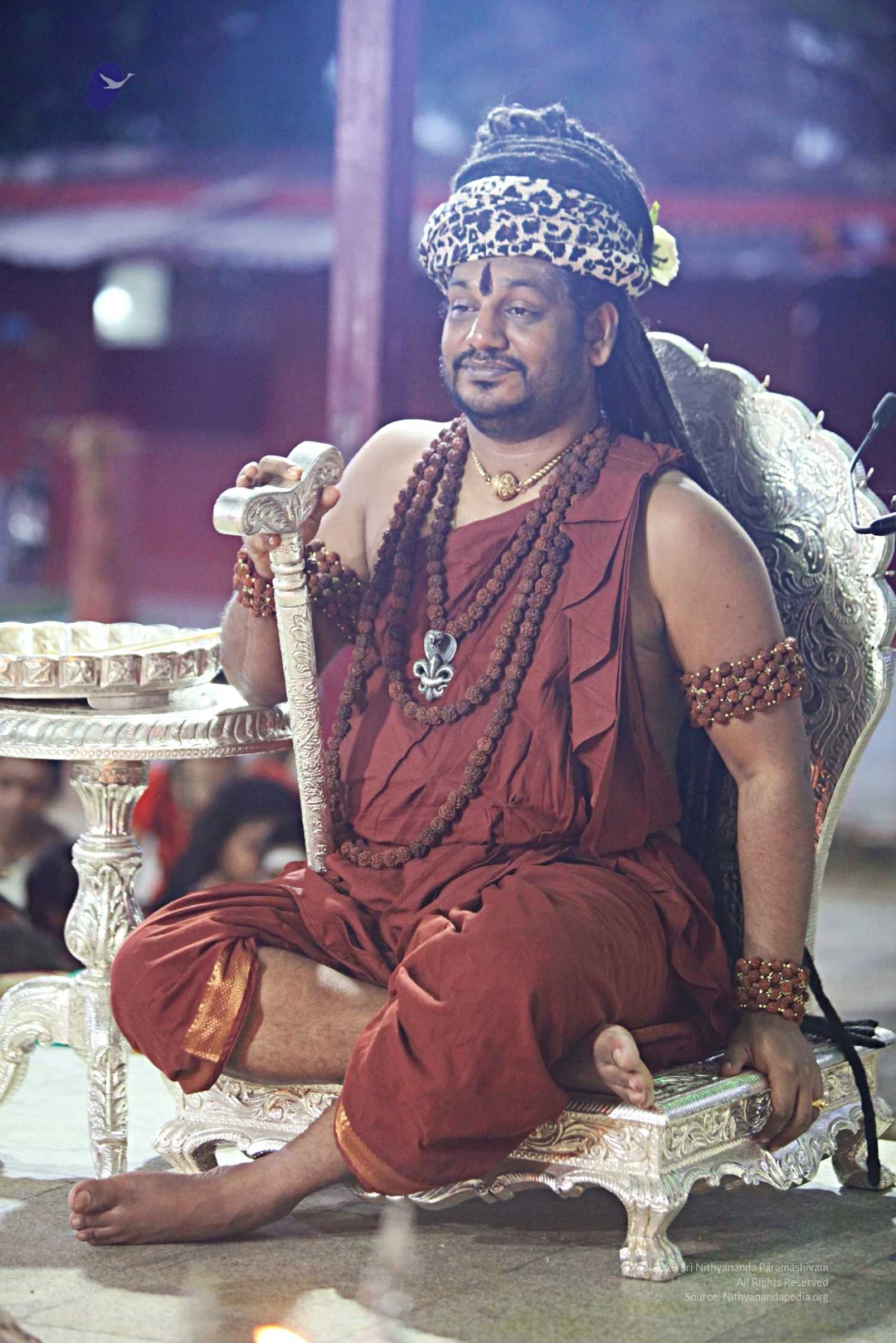


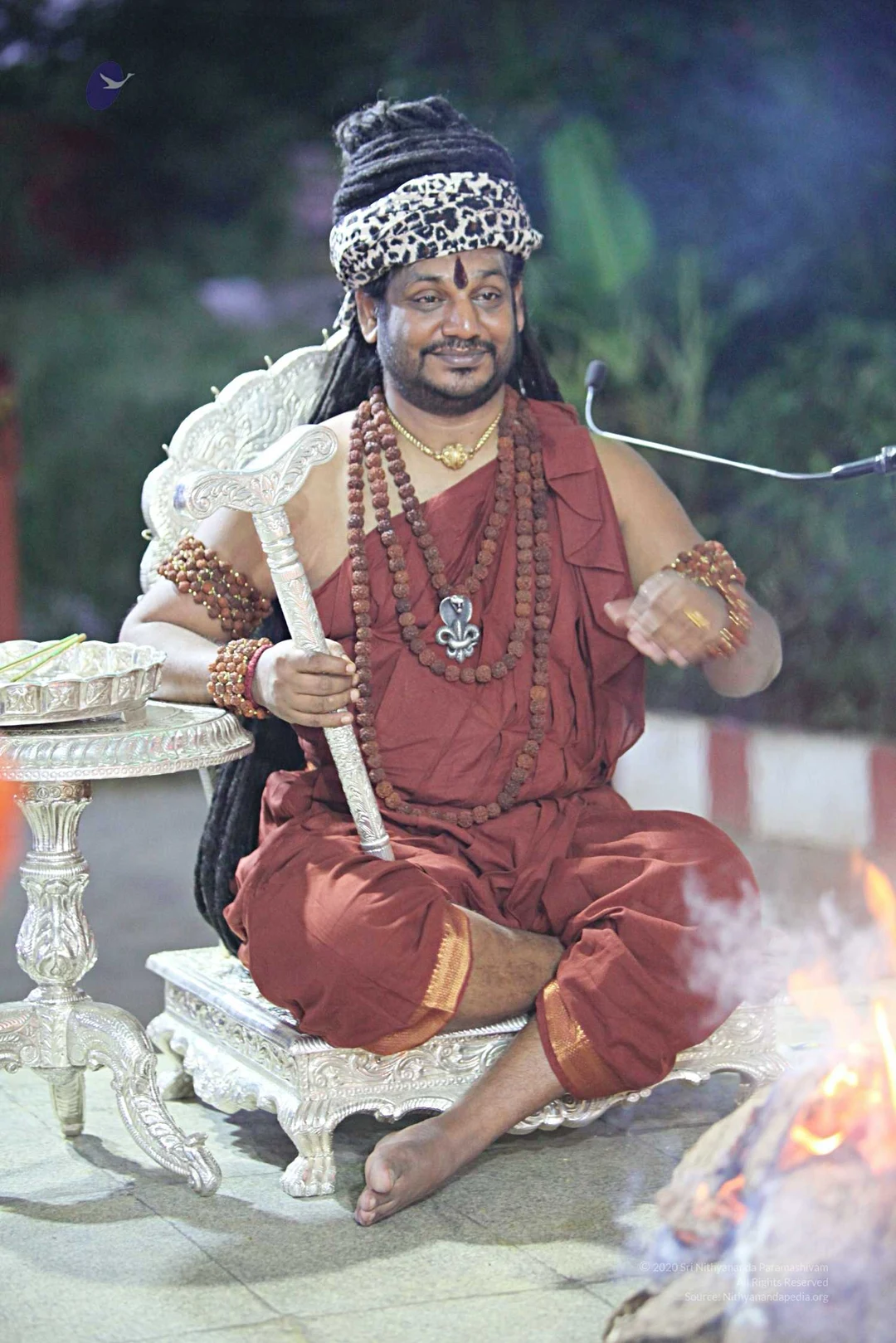
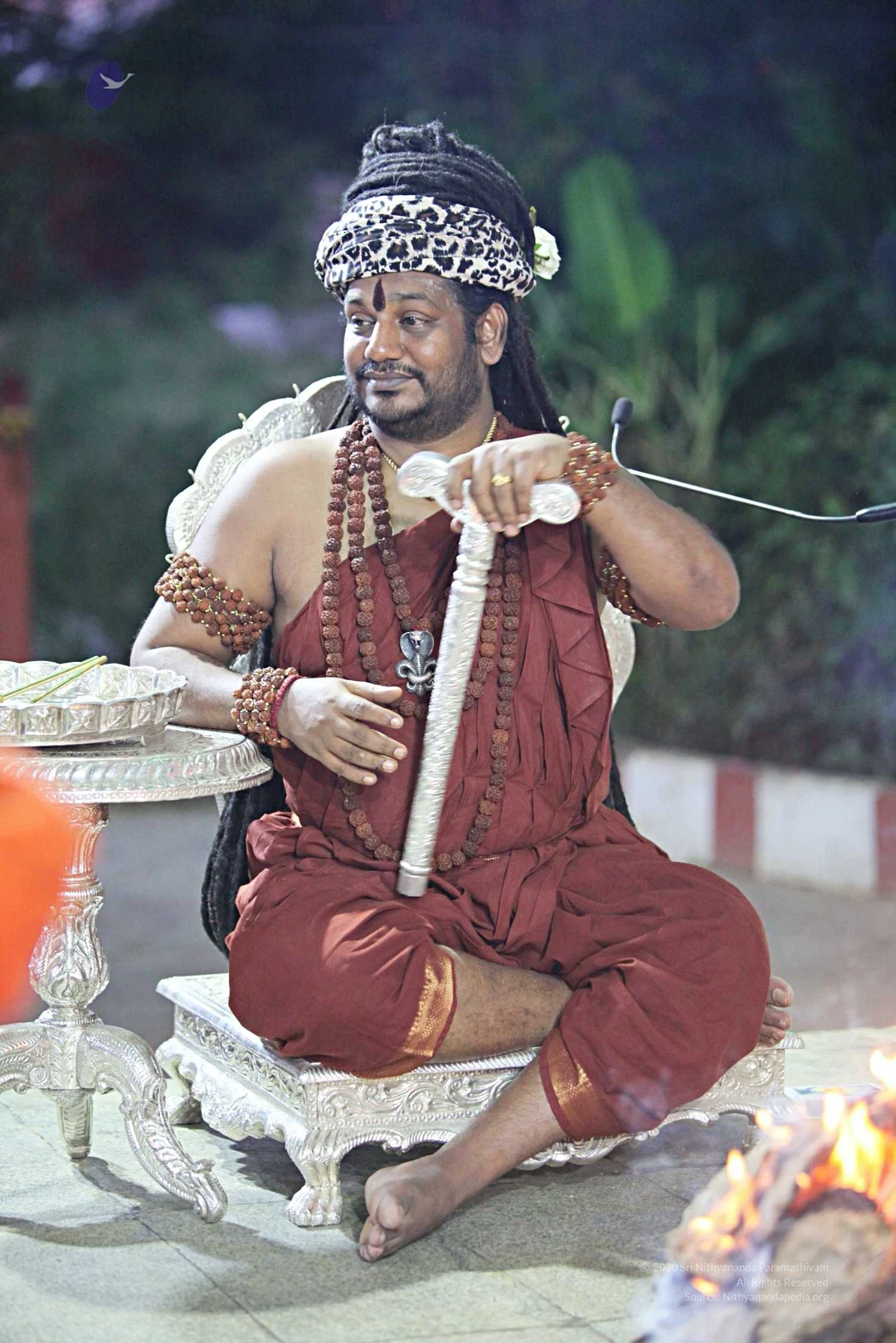
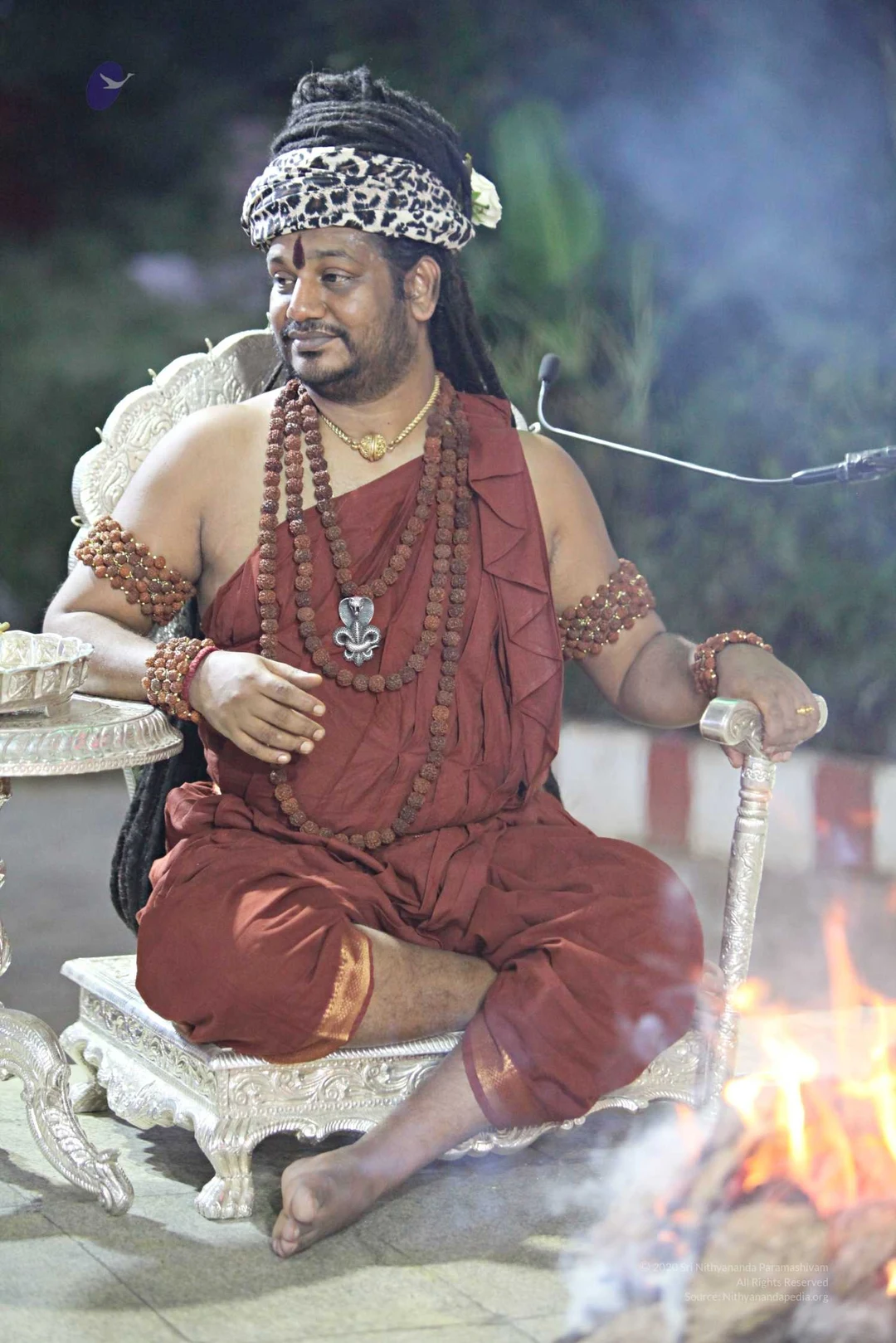
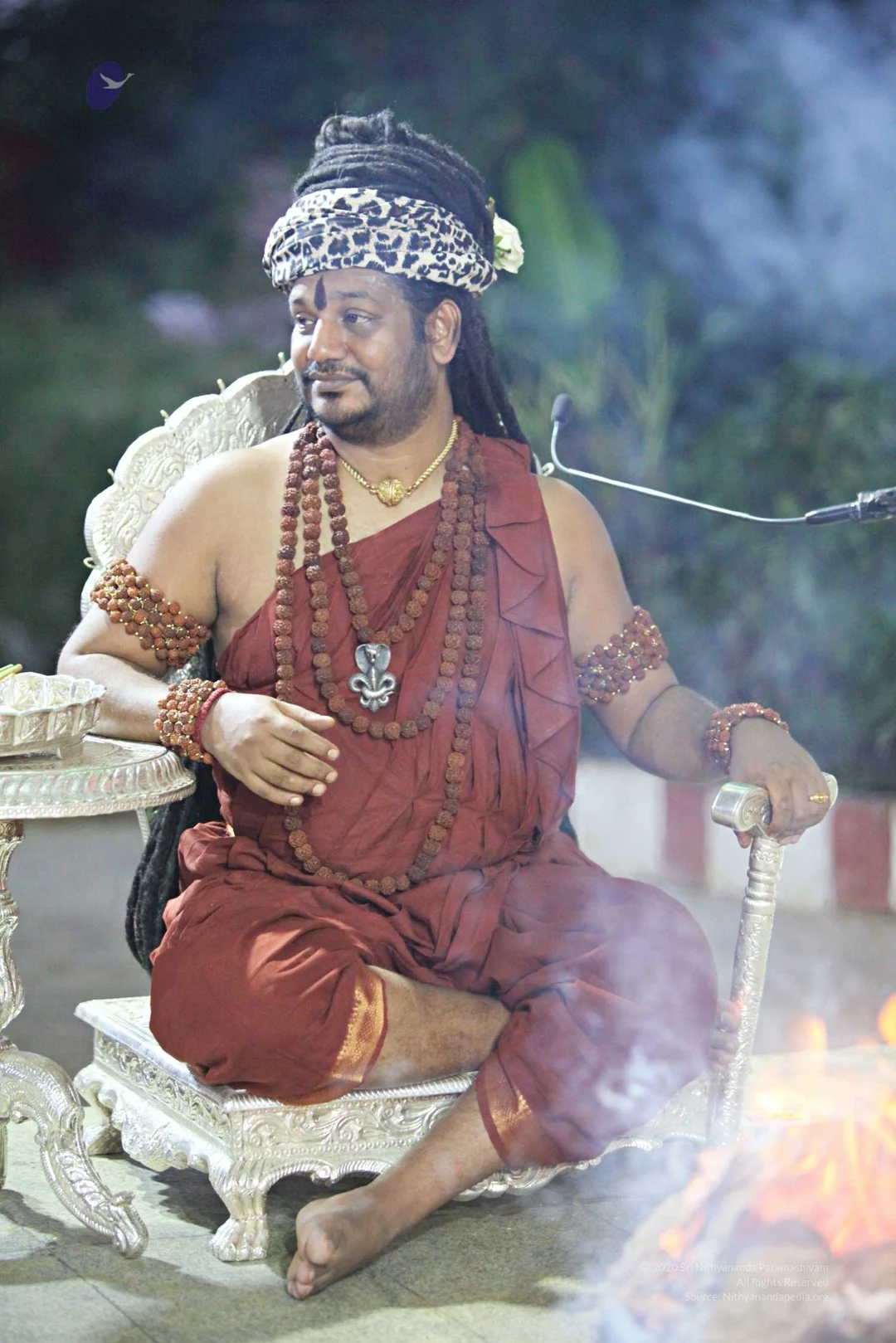
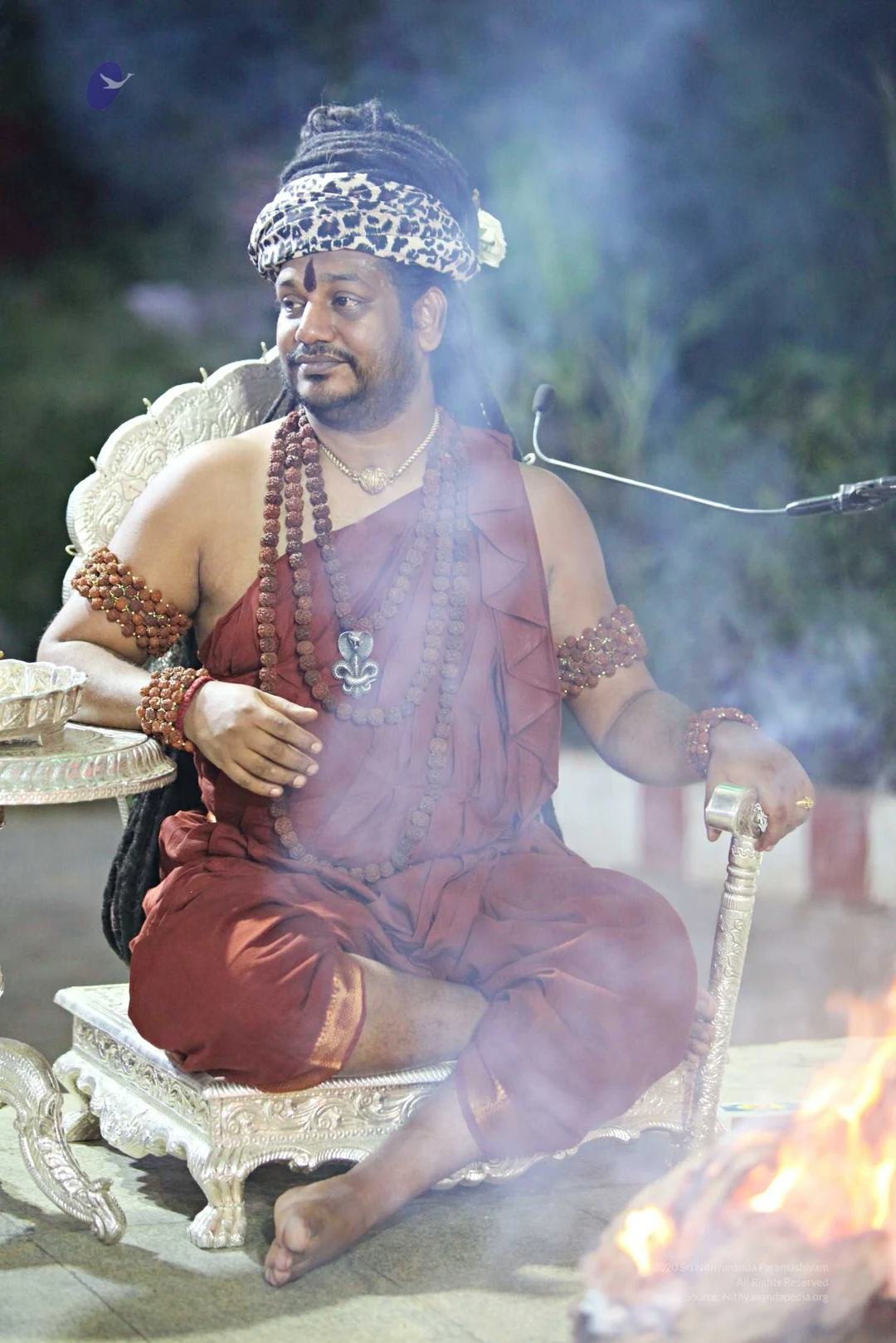
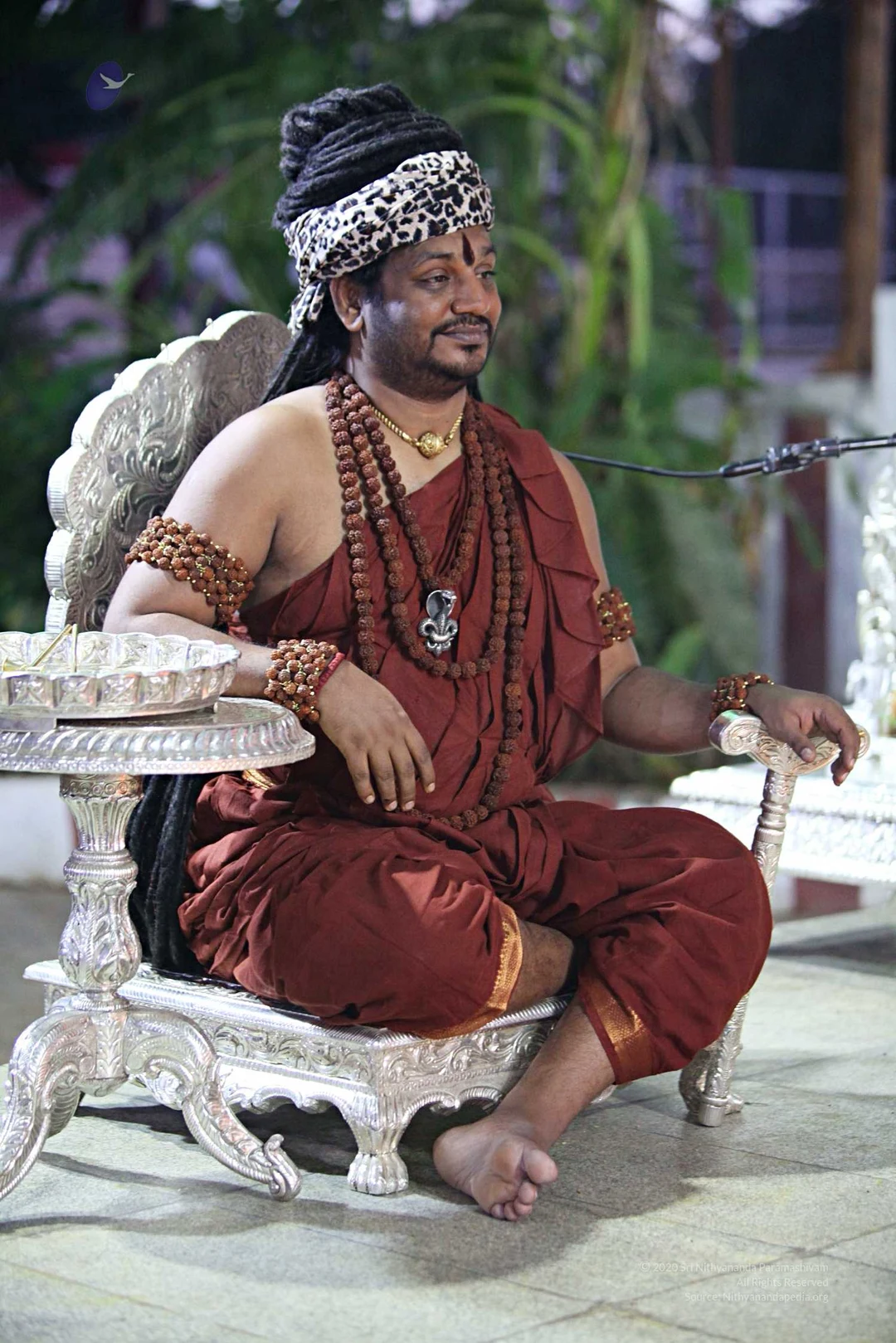
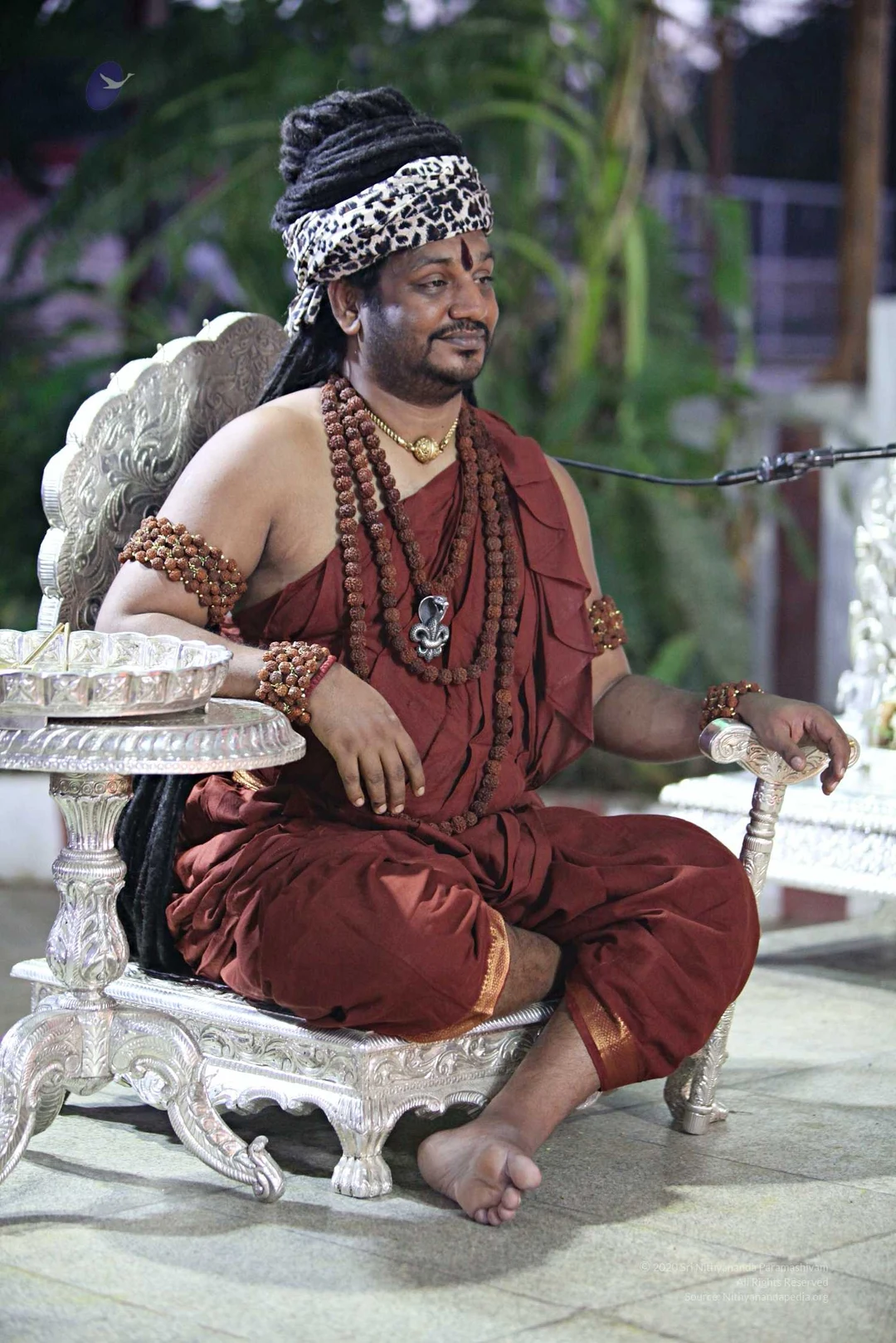
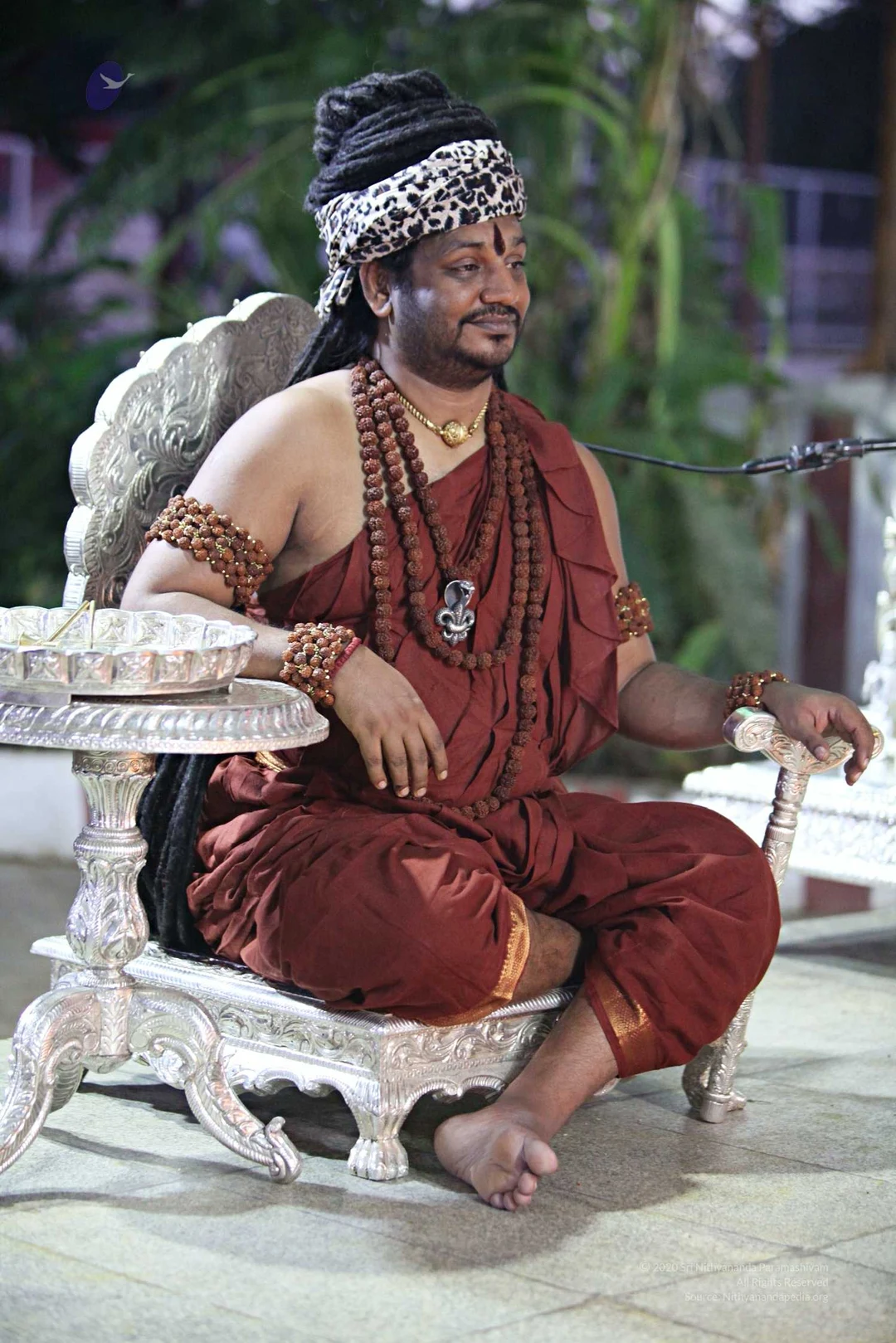
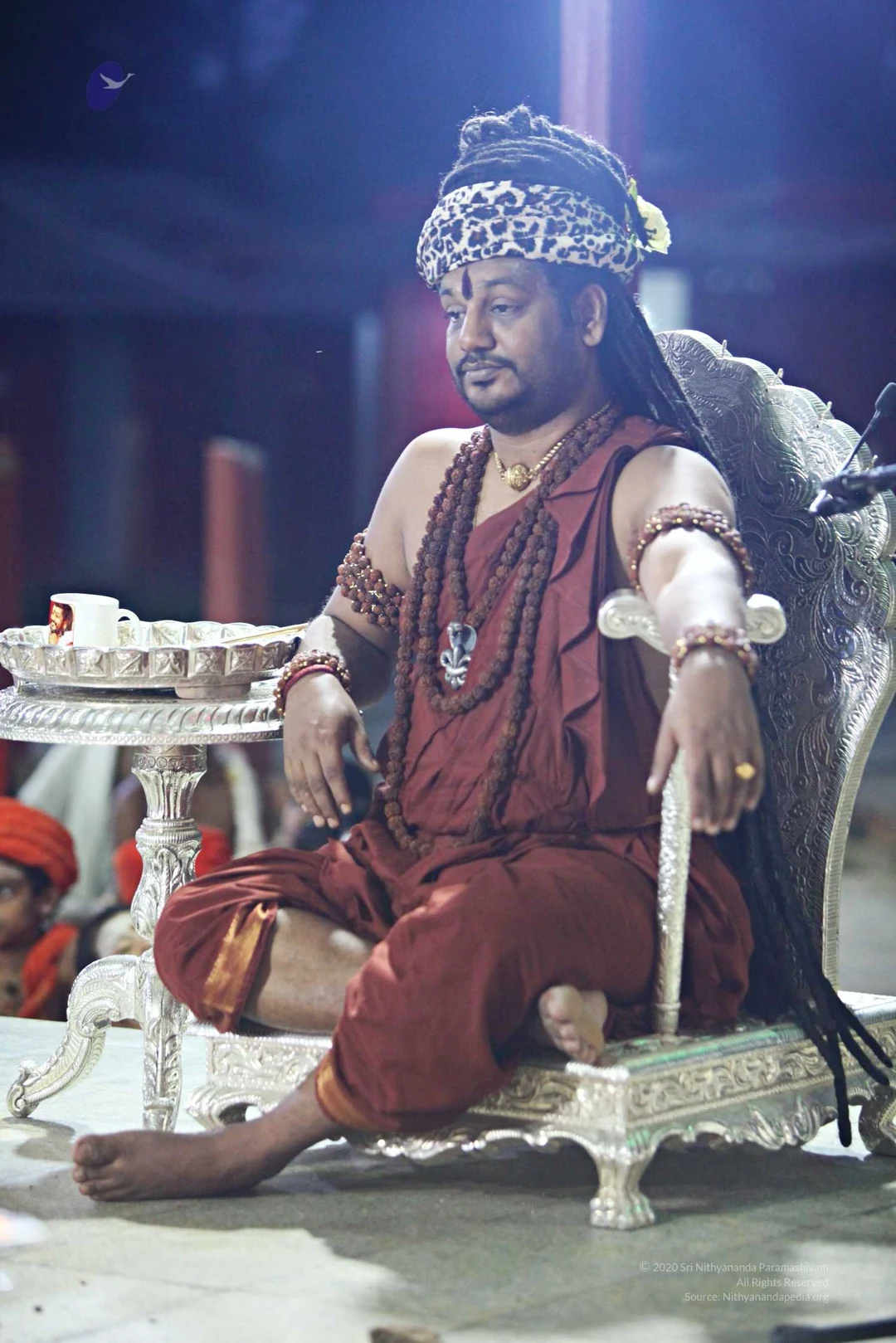

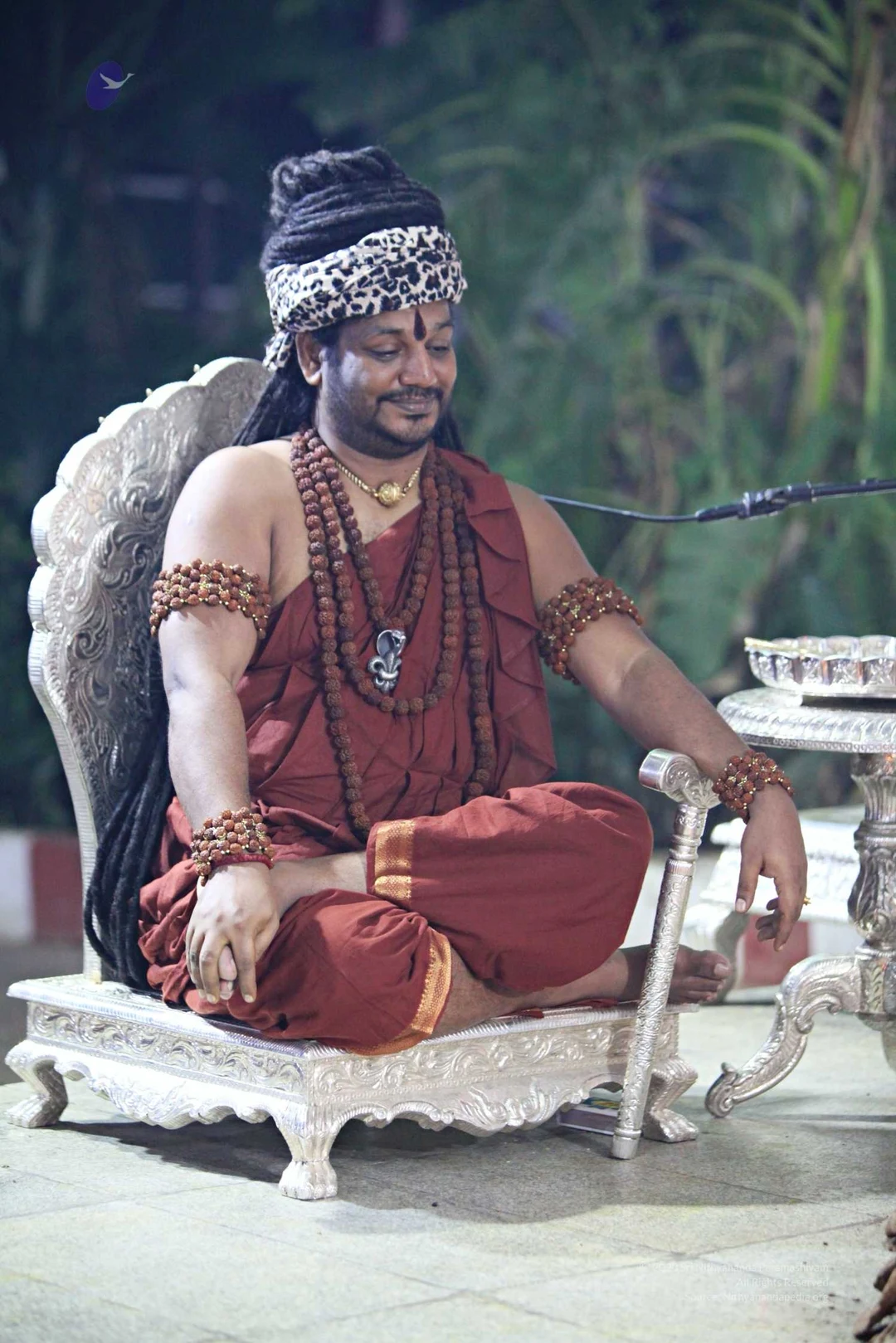
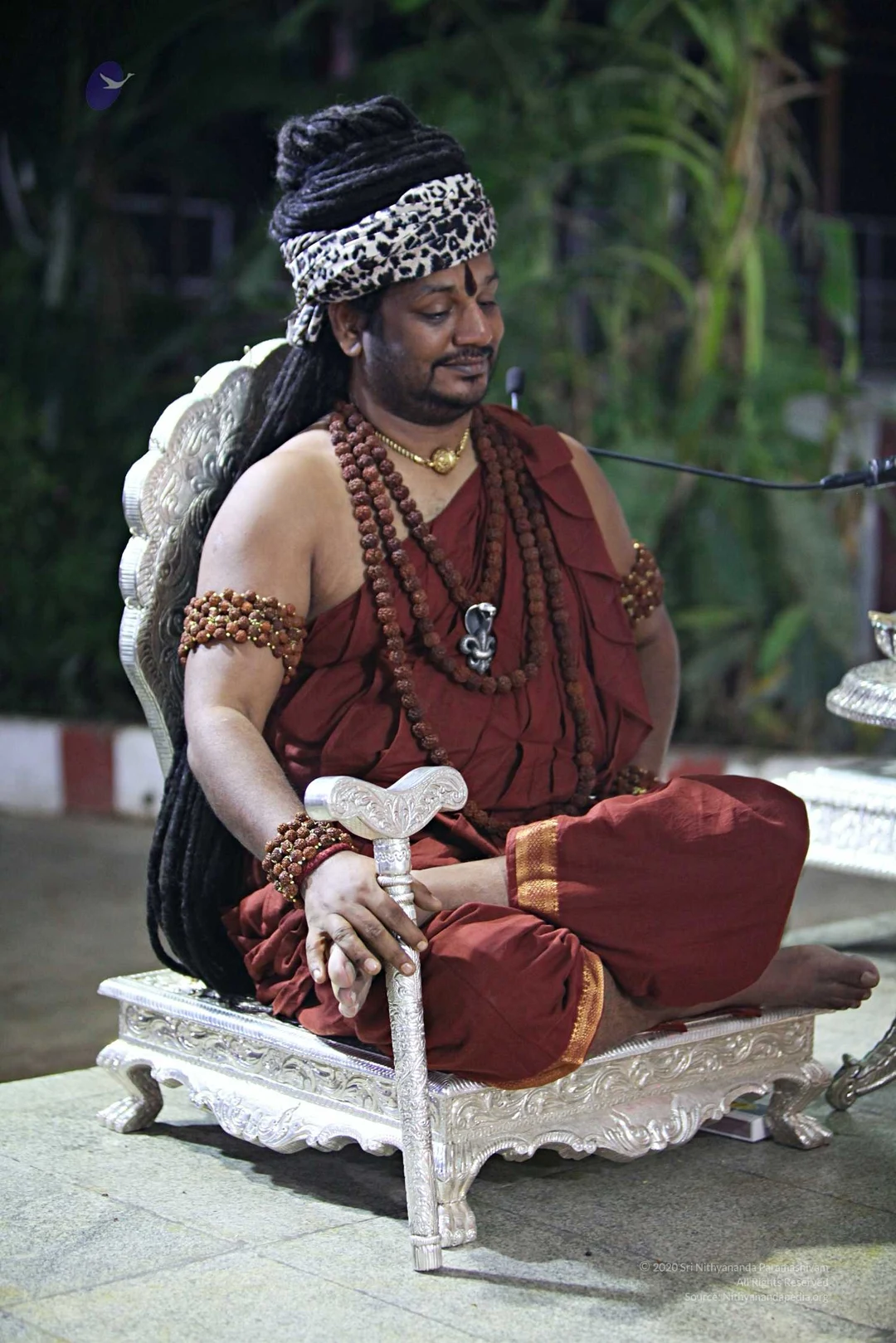
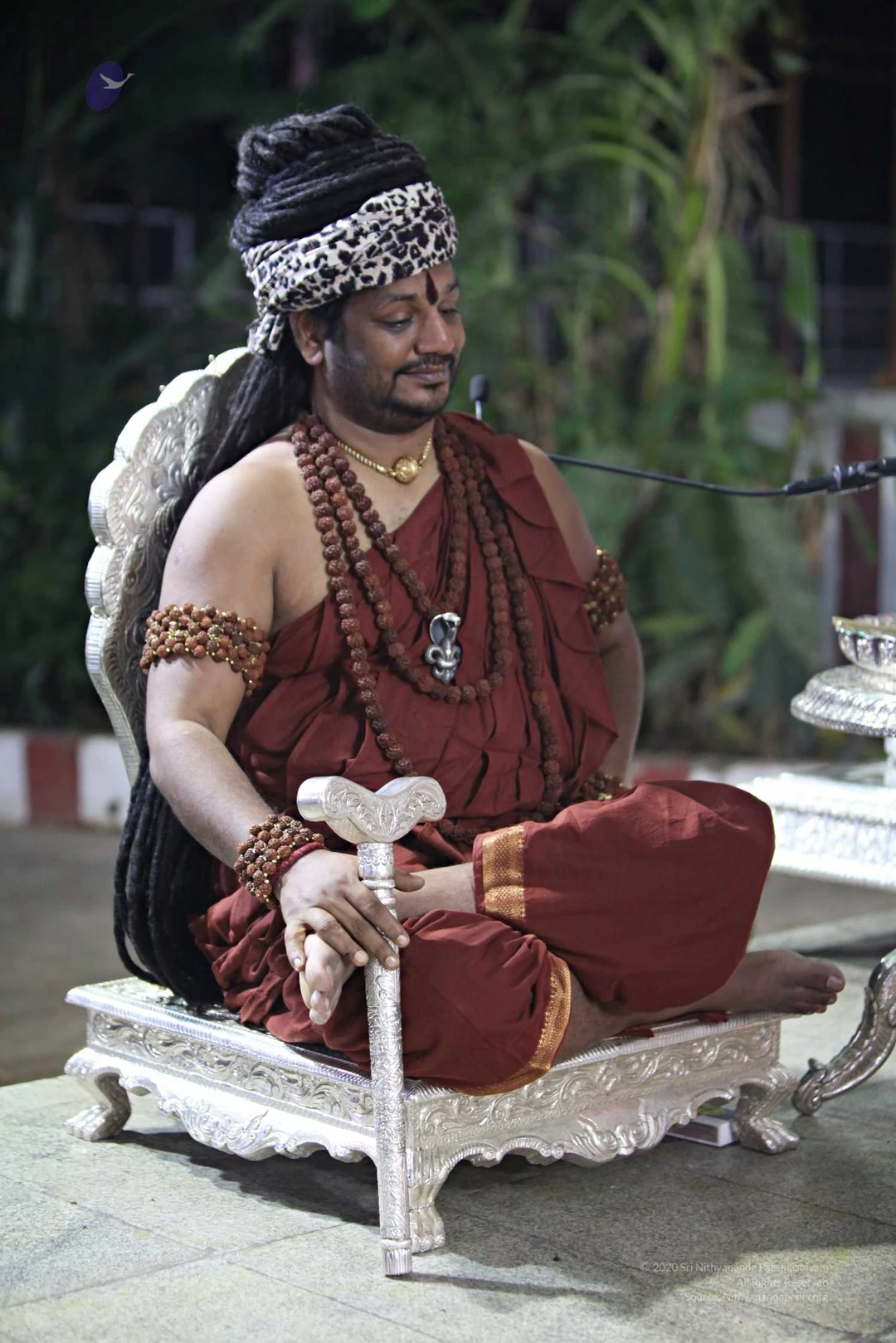
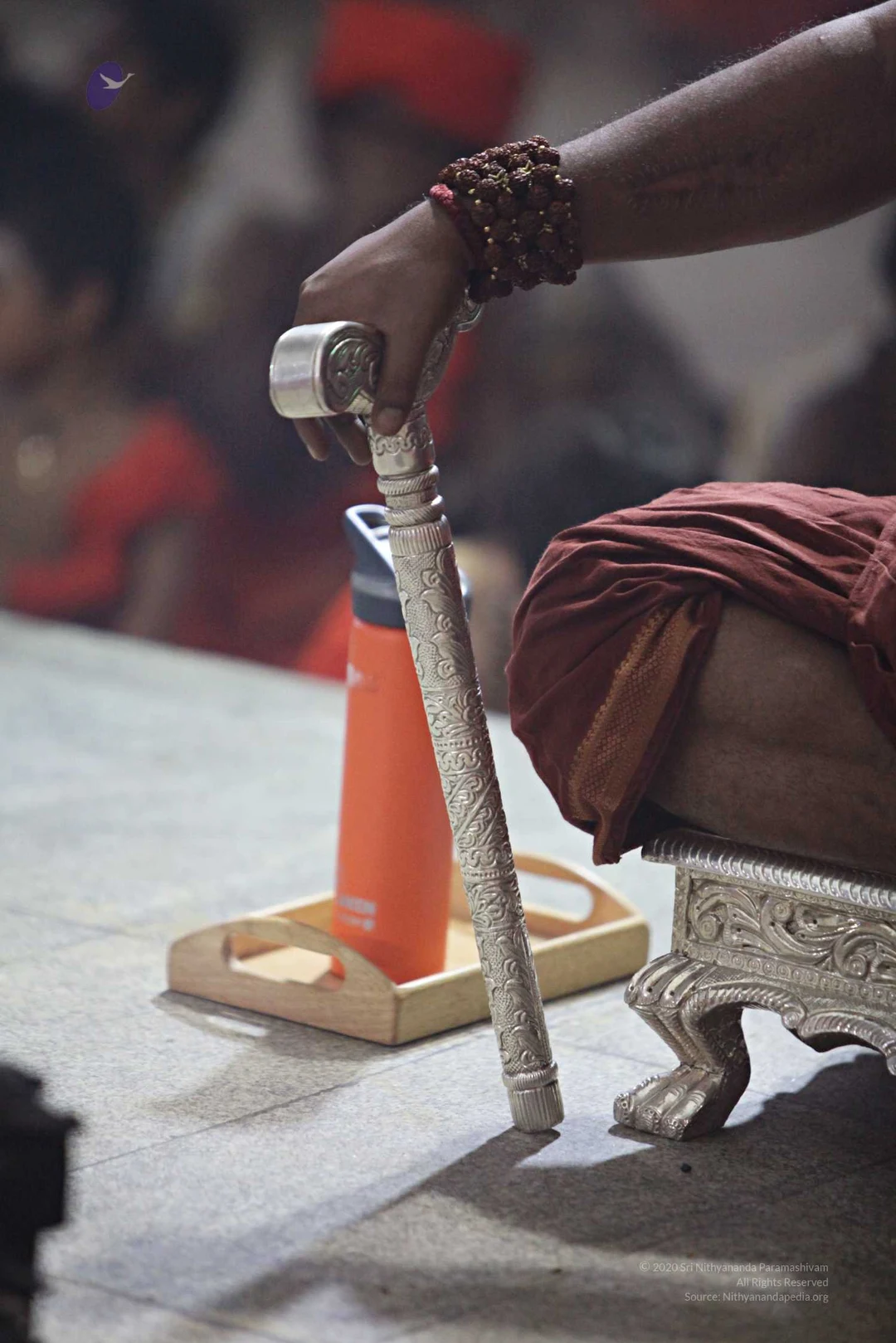
Sakshi Pramana
Nithyananda Times Video
Photos Of The Day:
Aushada-Process
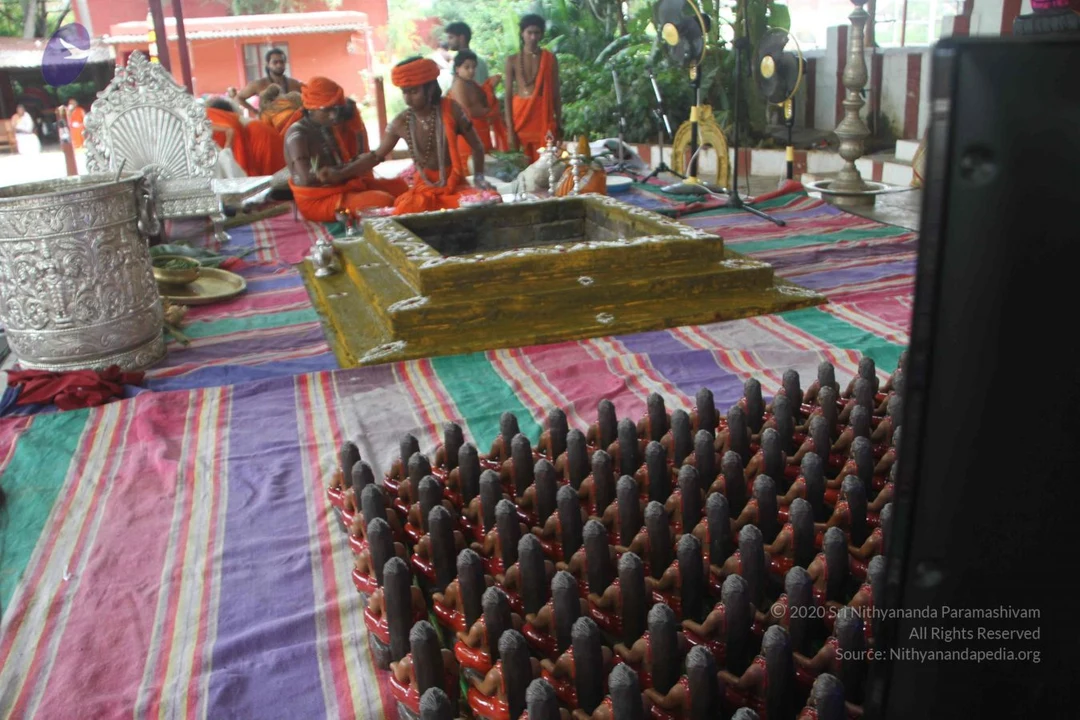

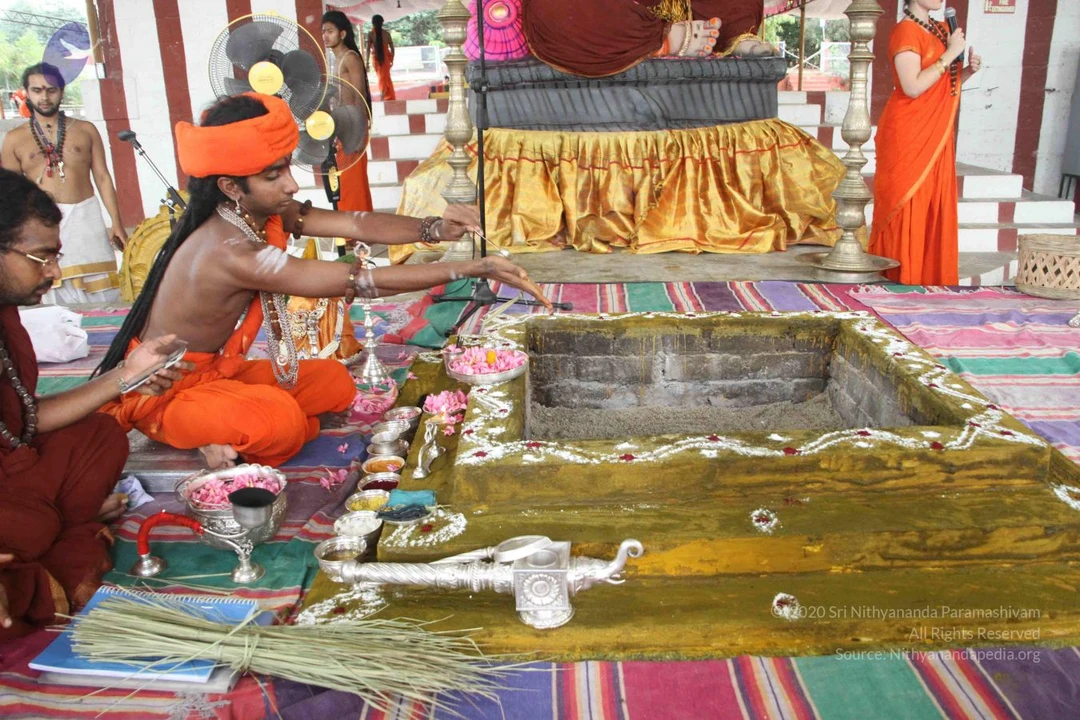
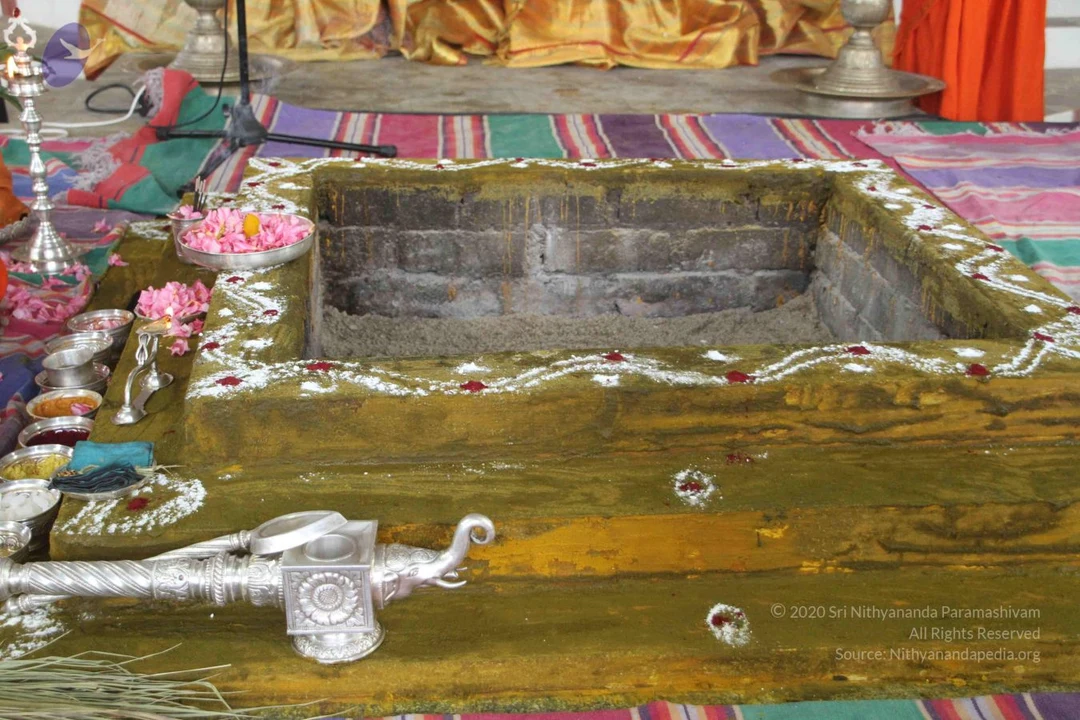
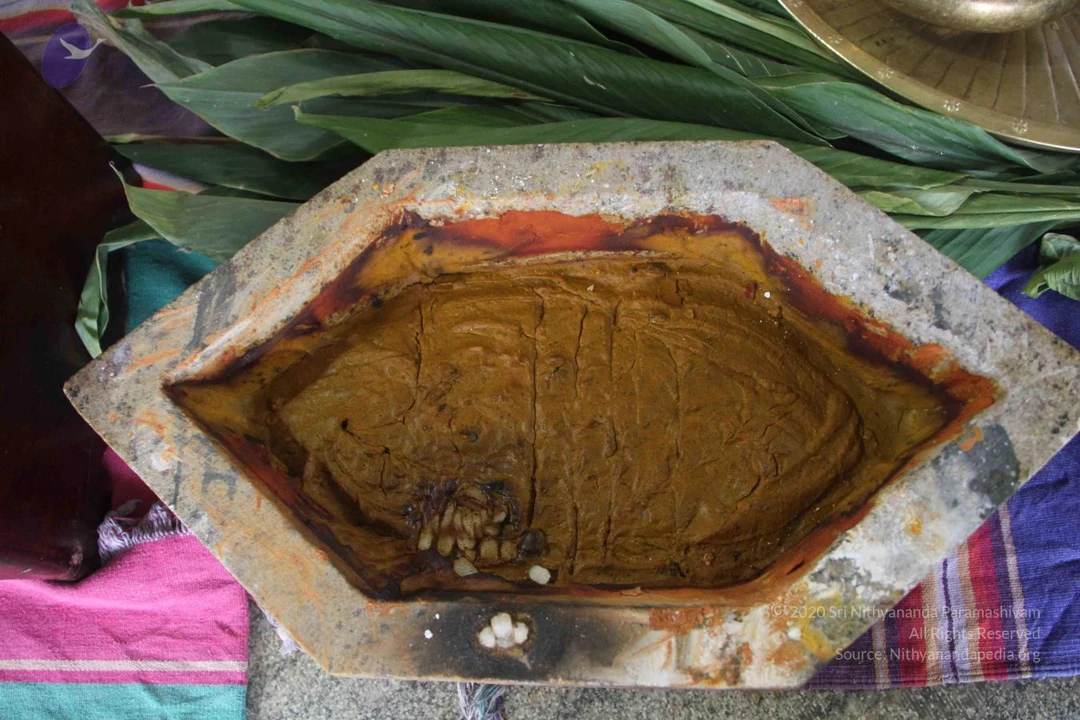
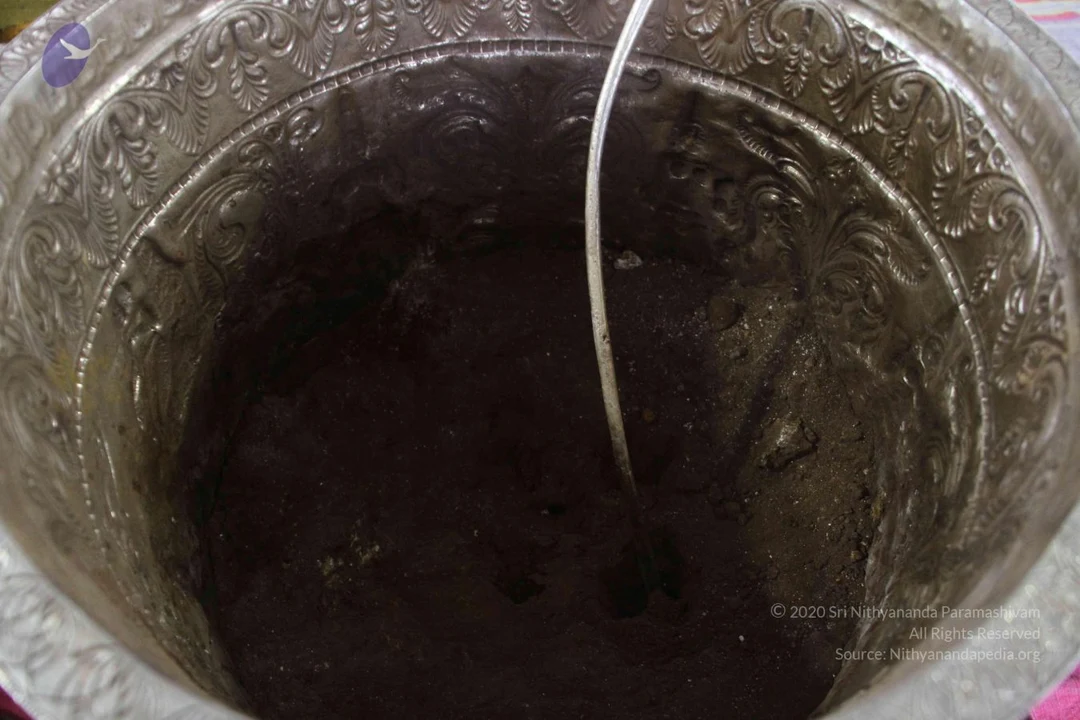
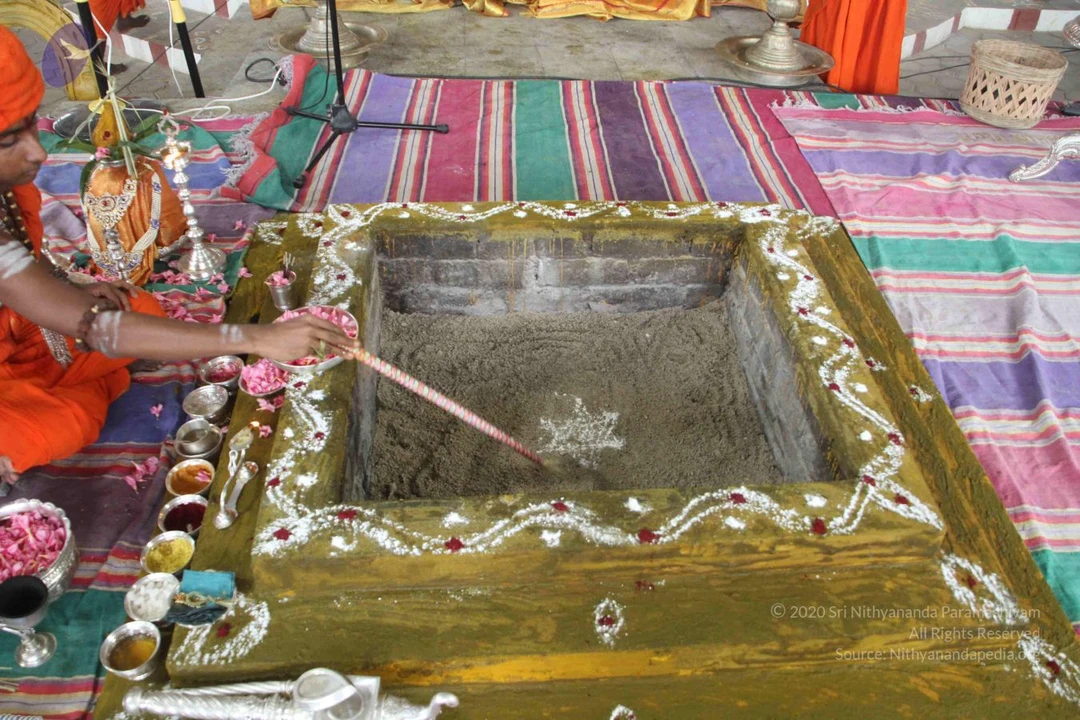
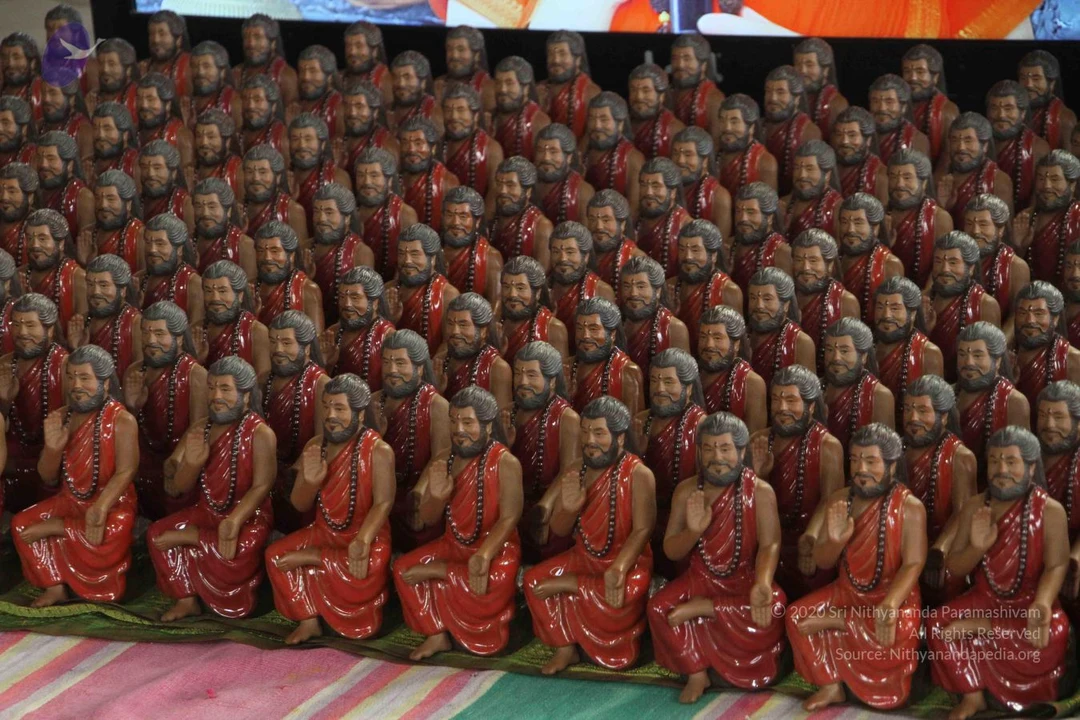
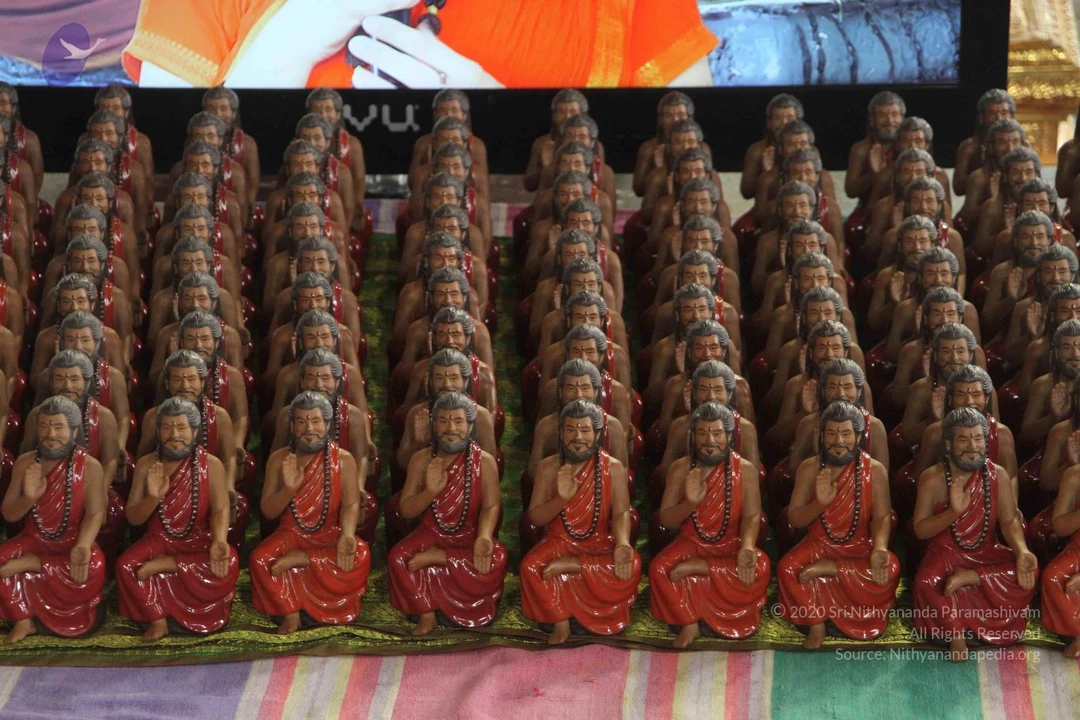
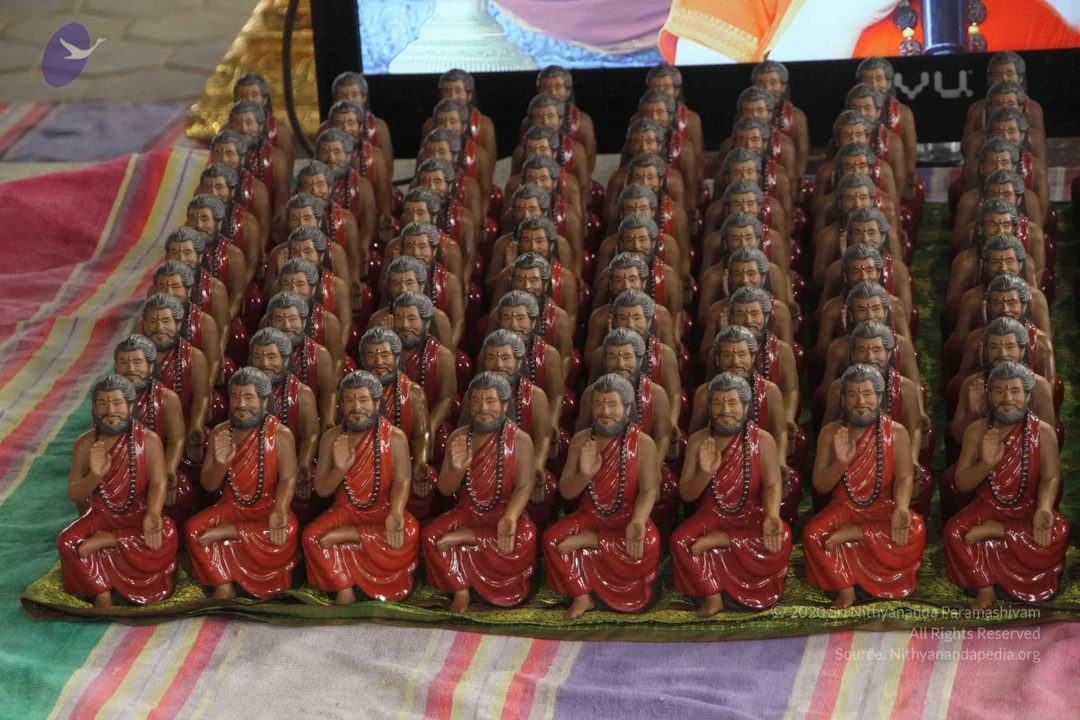
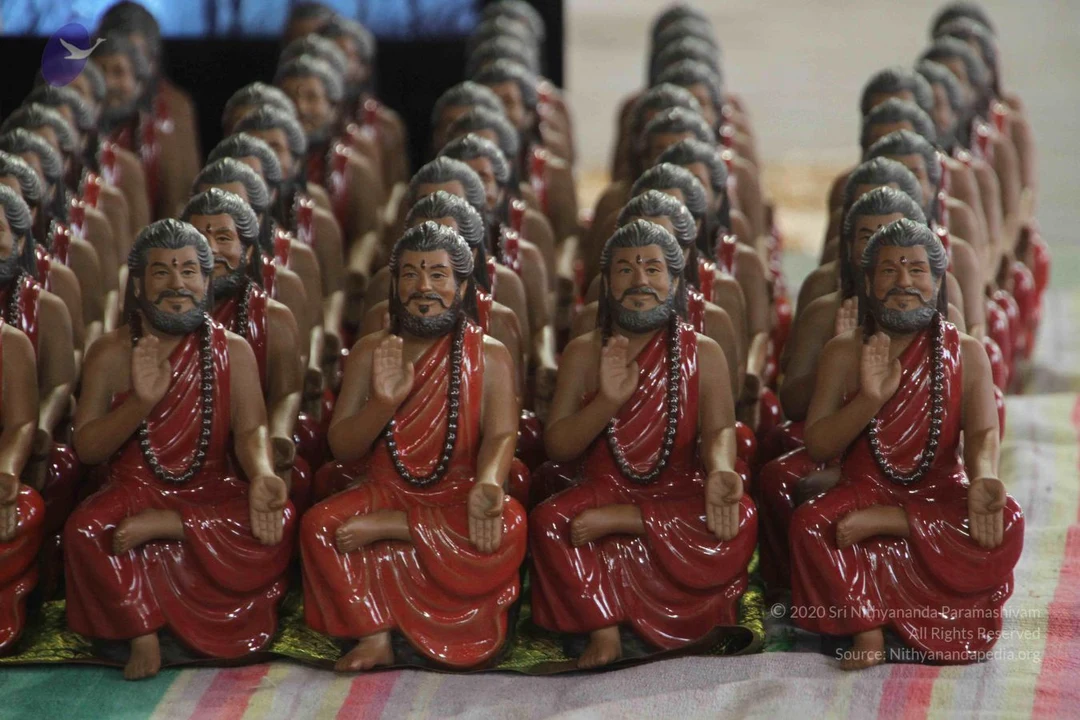
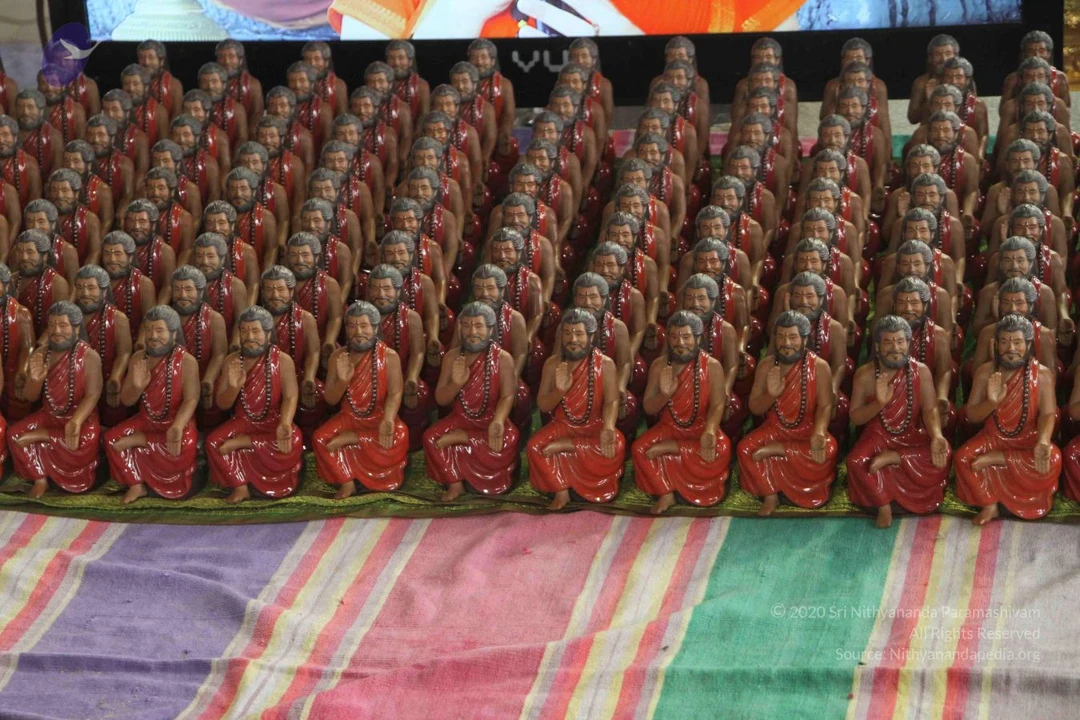
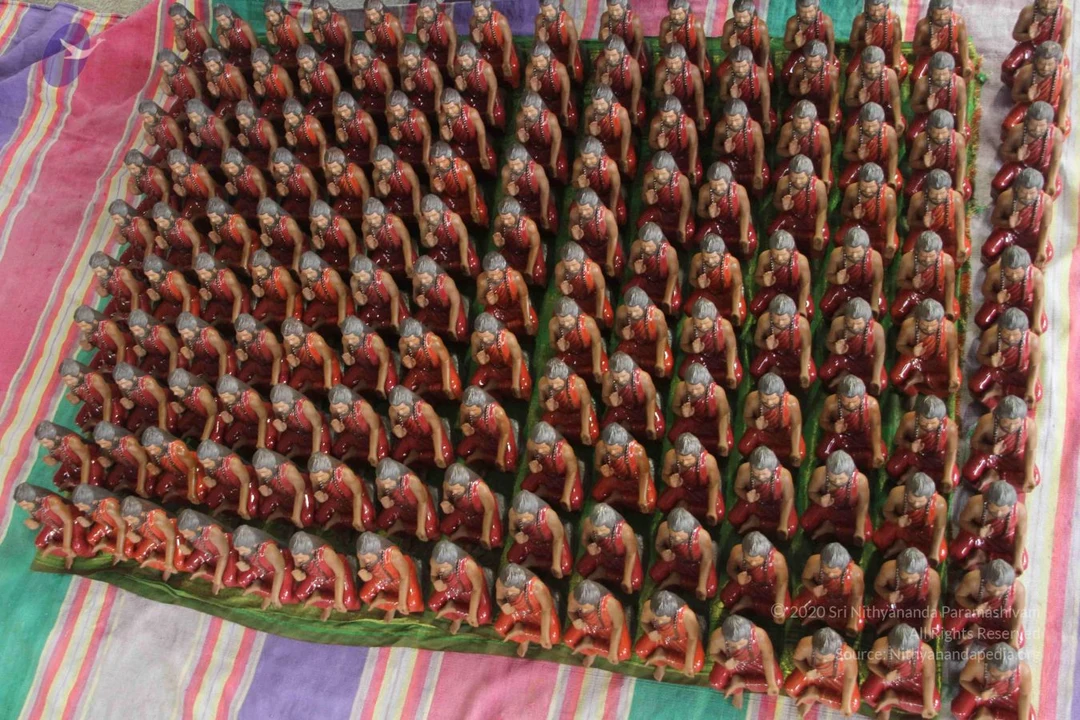
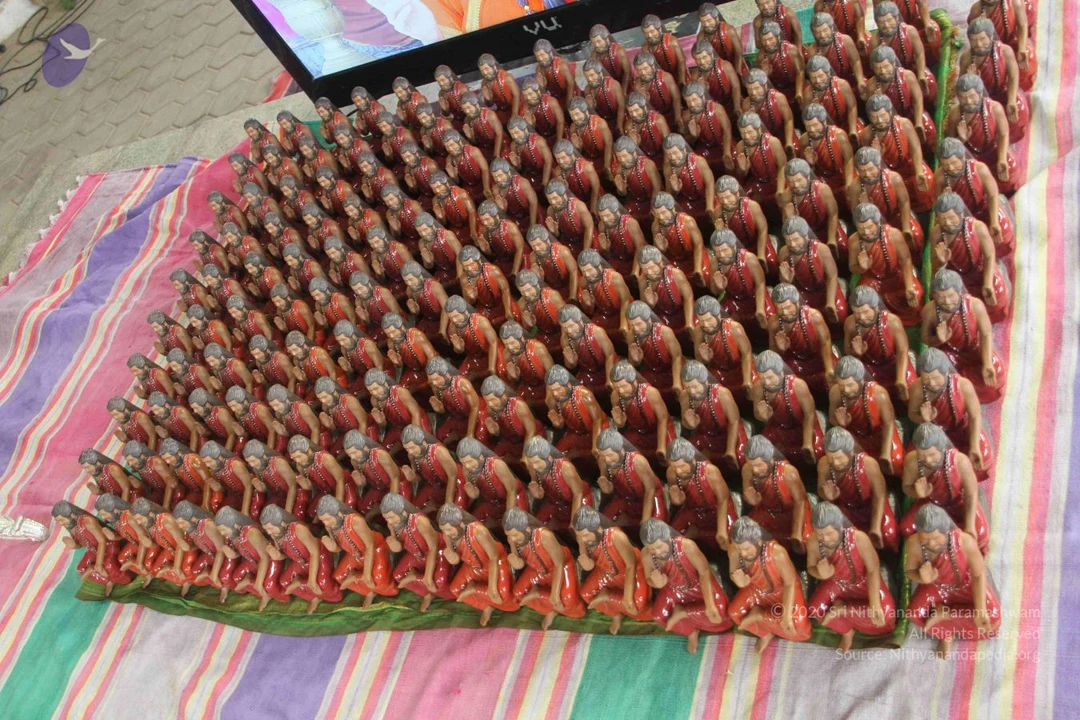

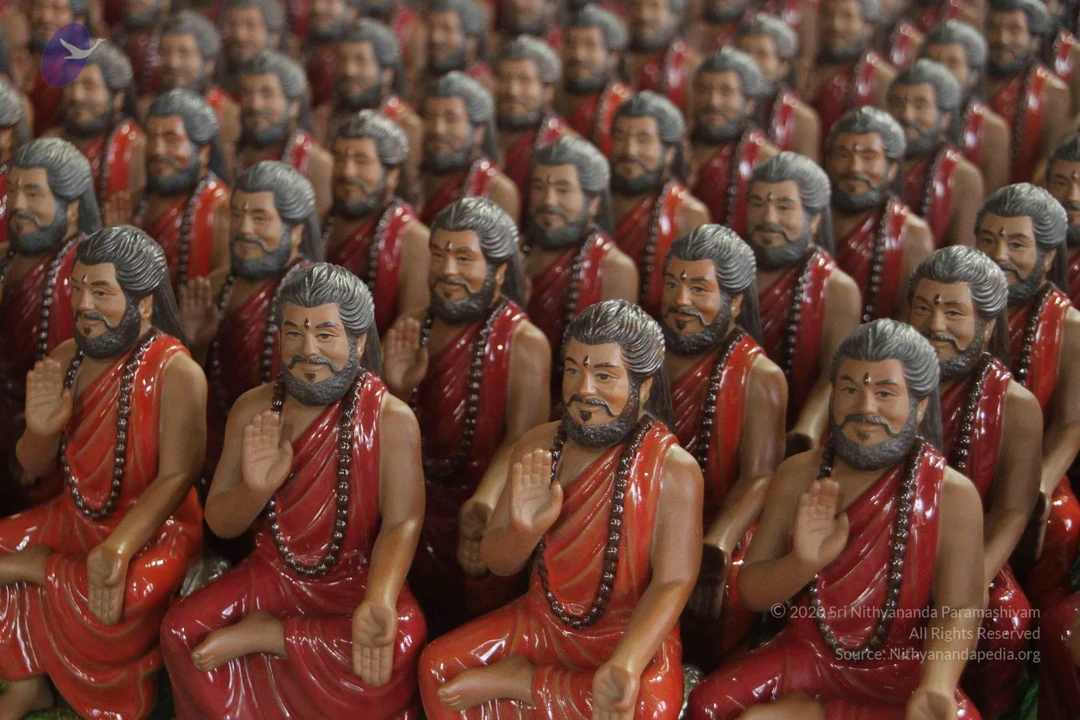
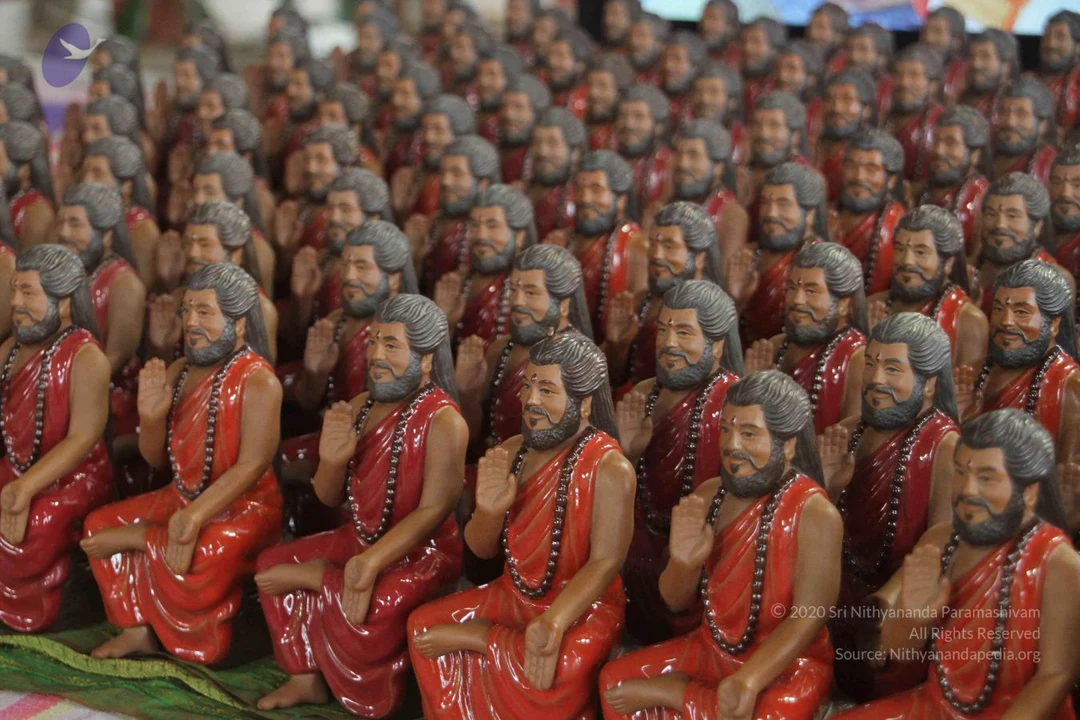
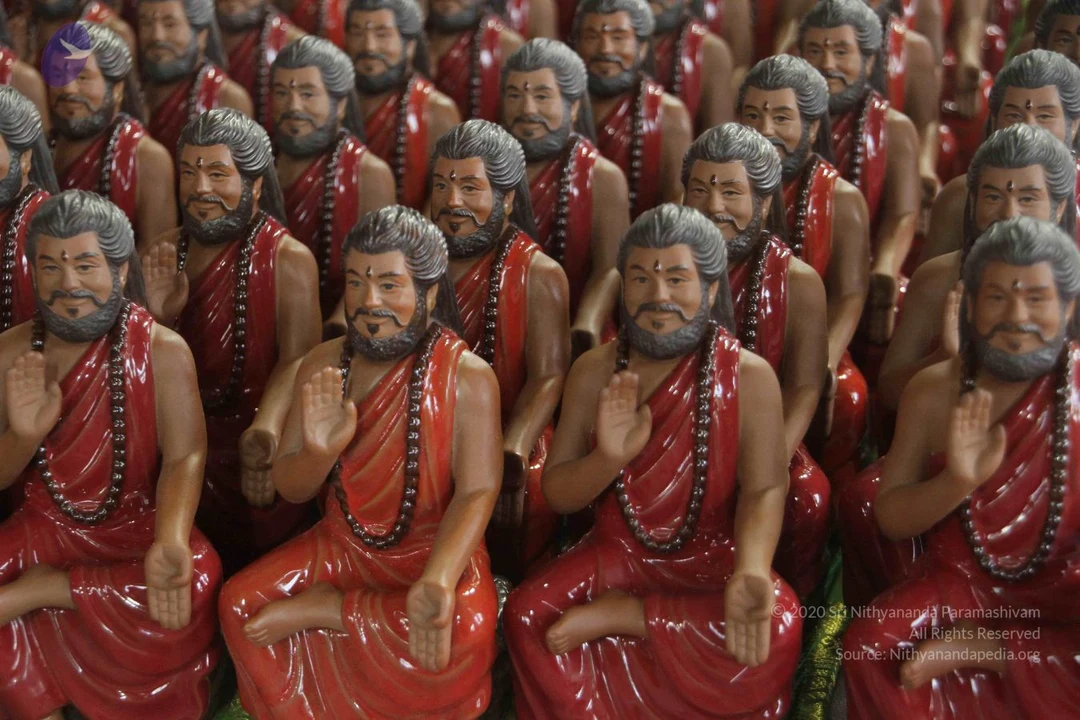
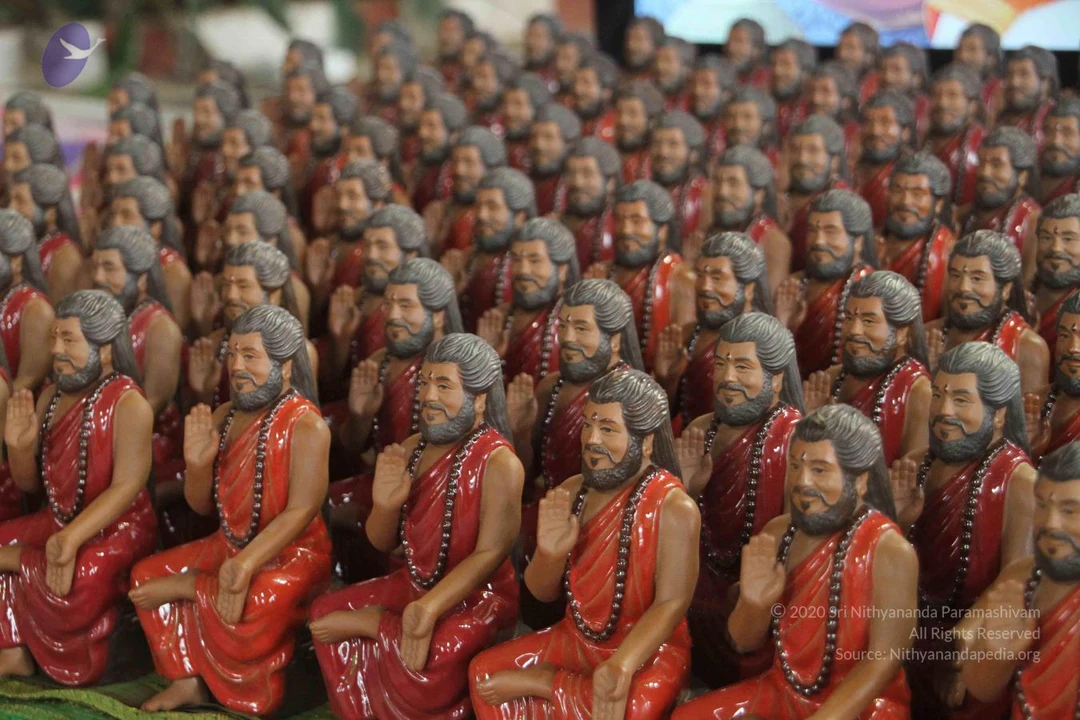
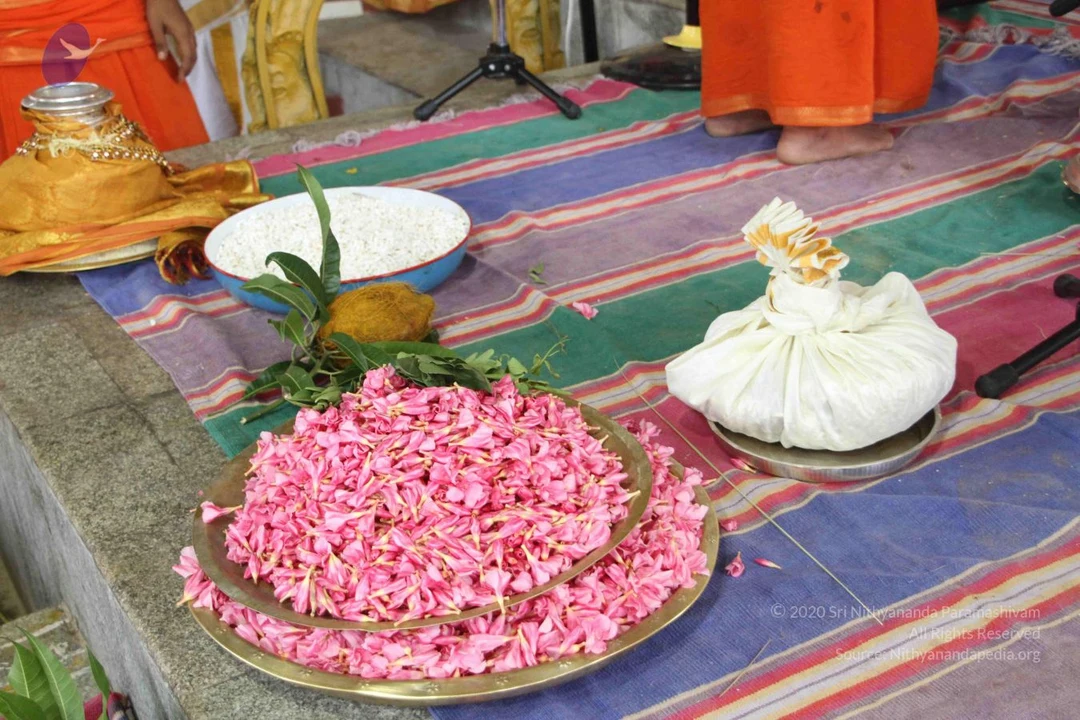
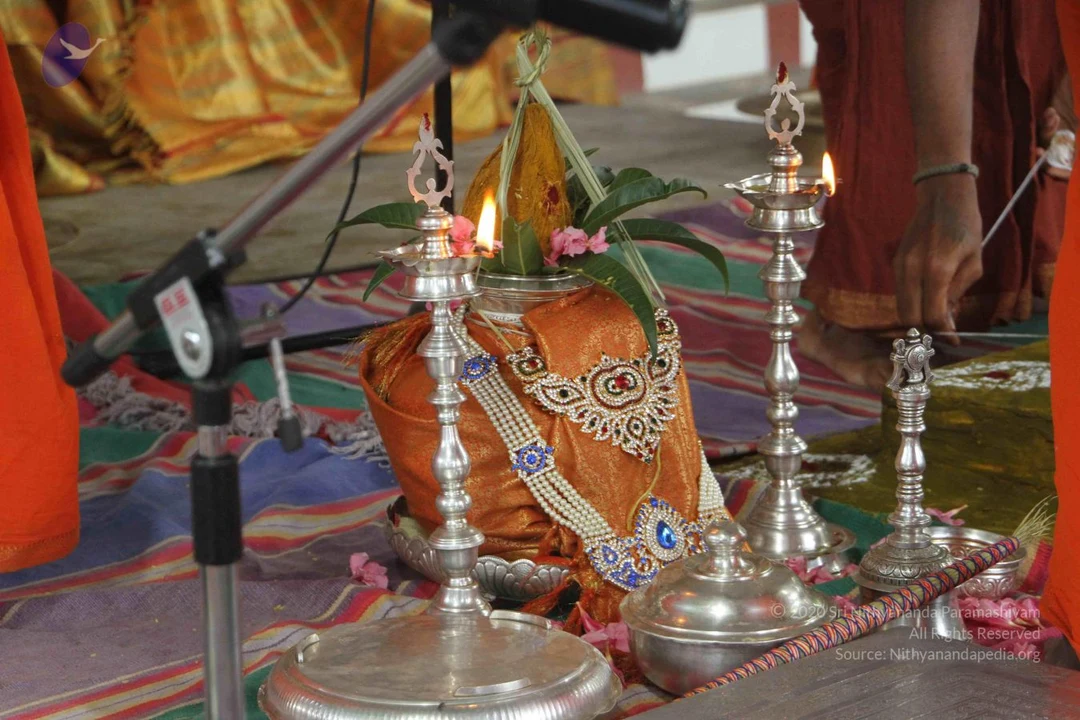
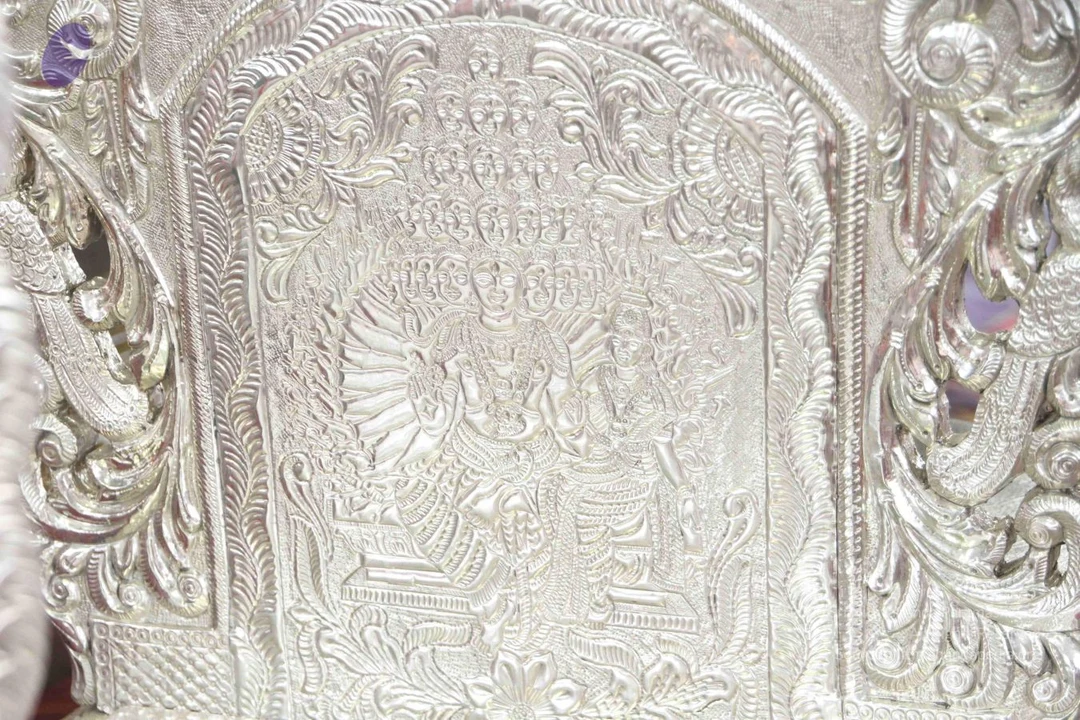
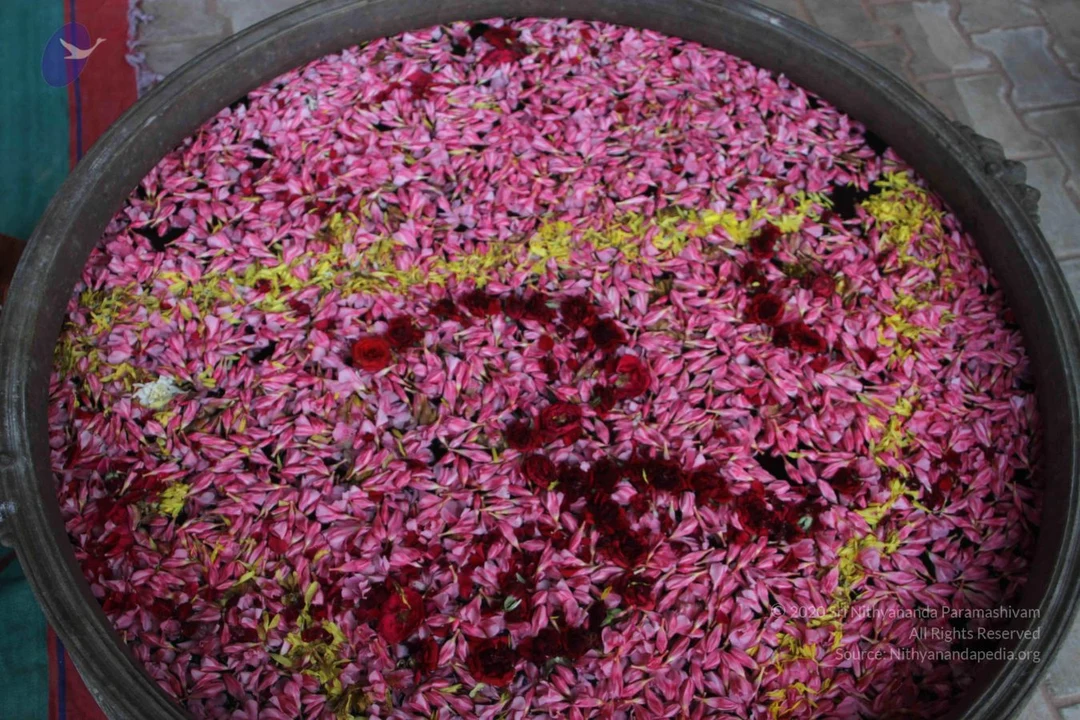
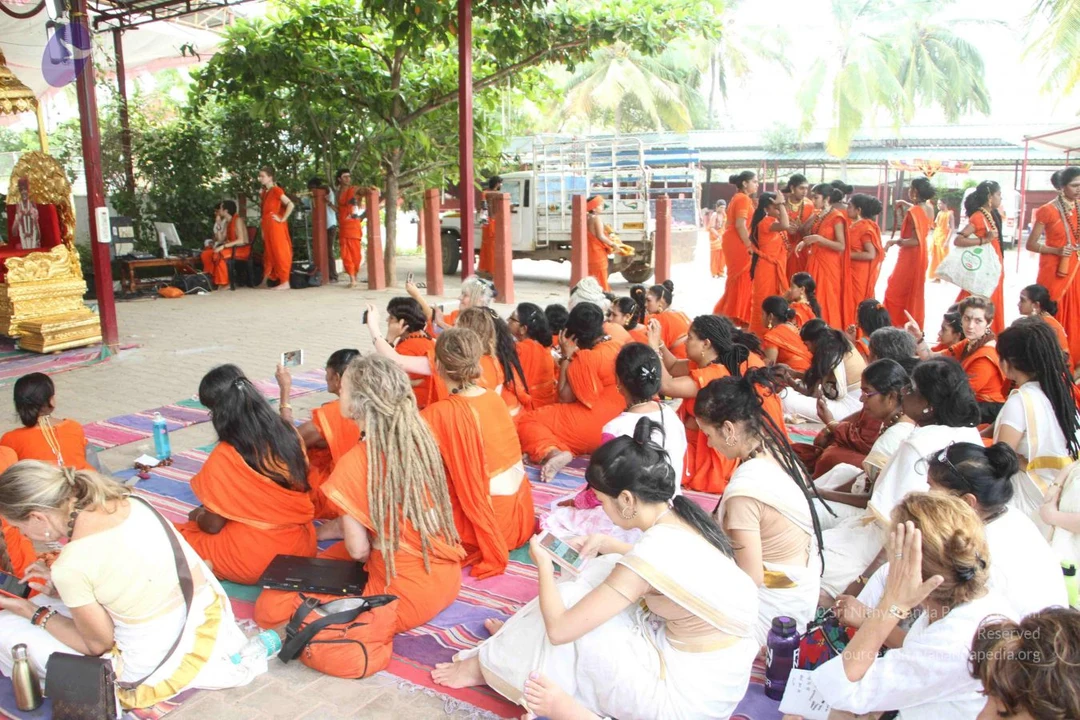
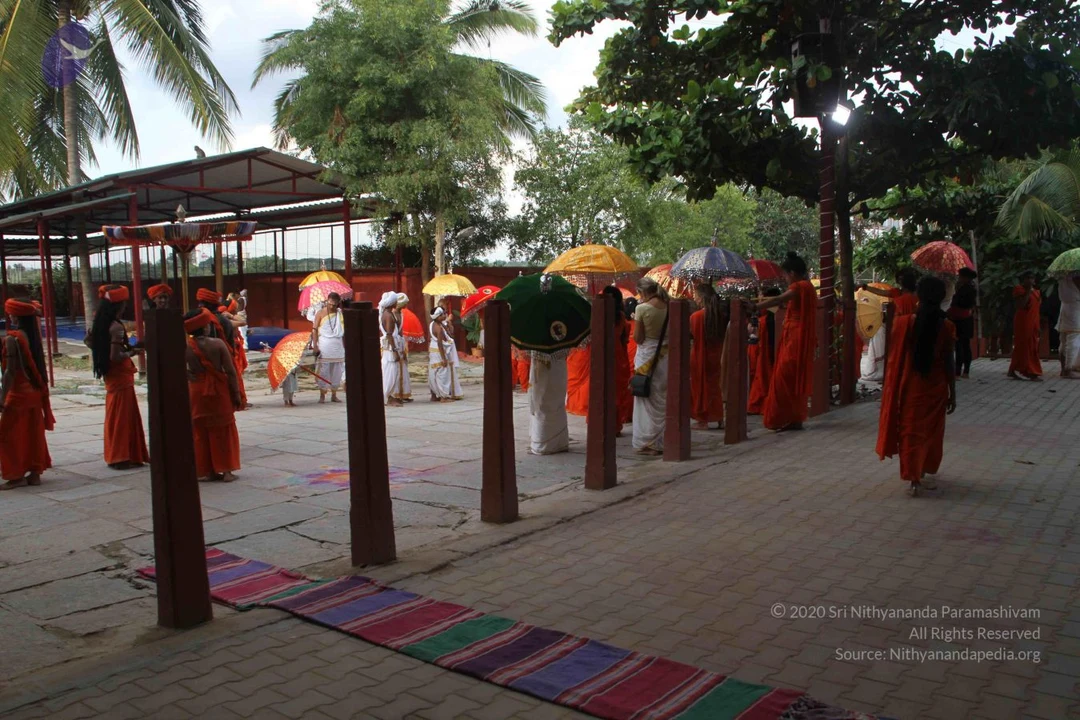
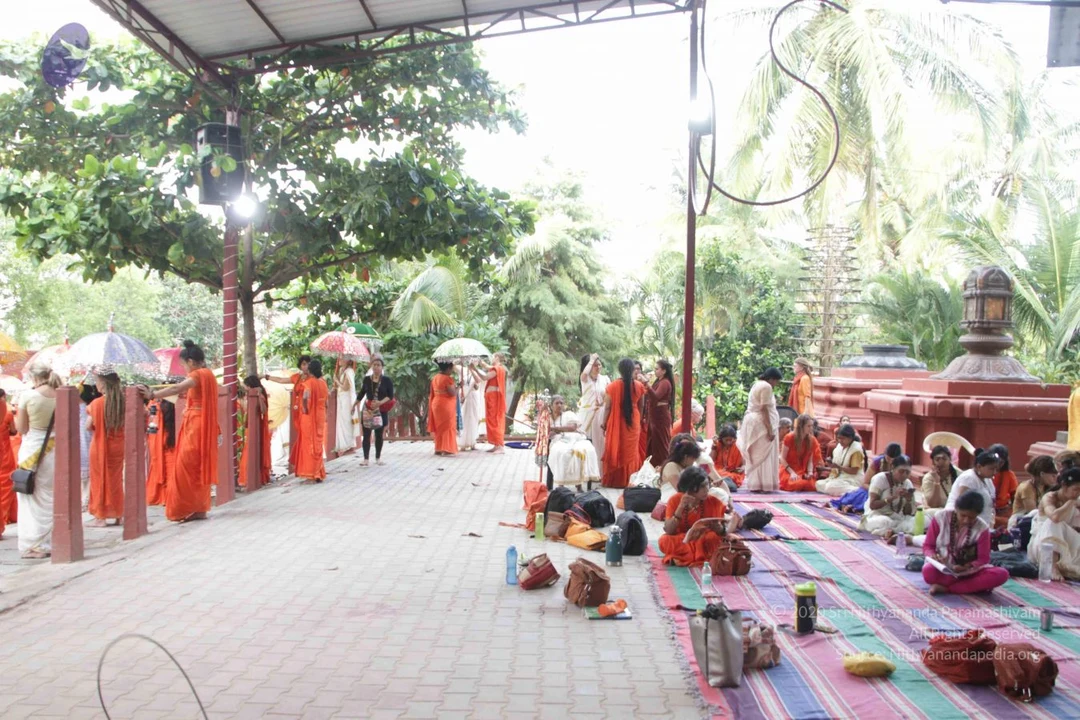
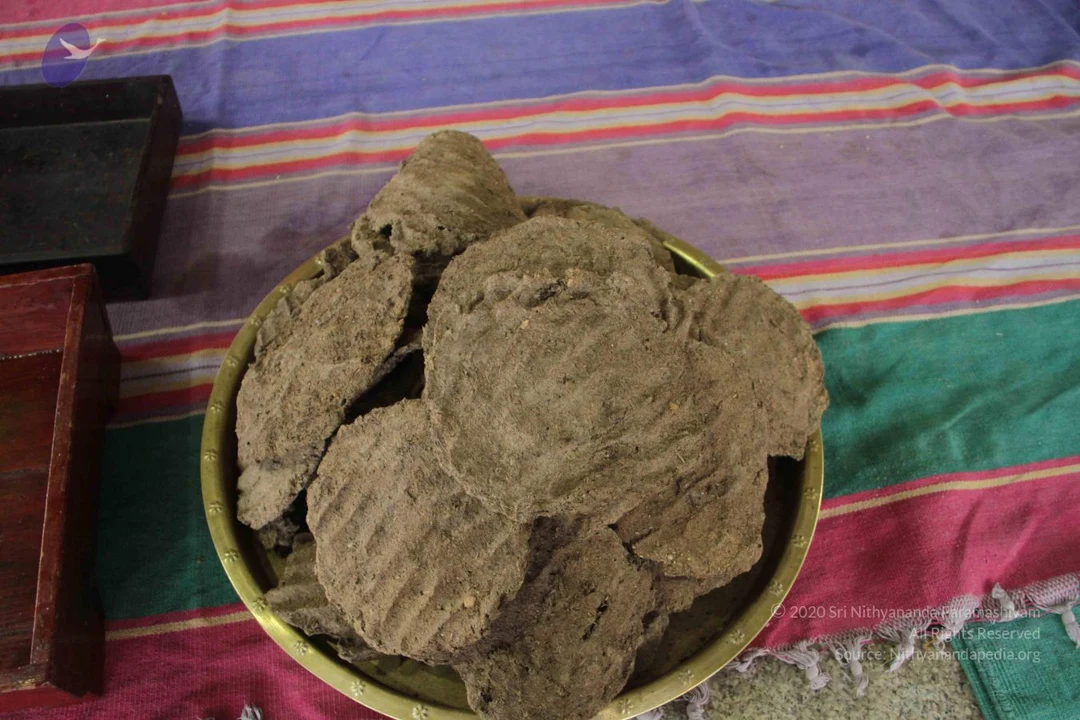
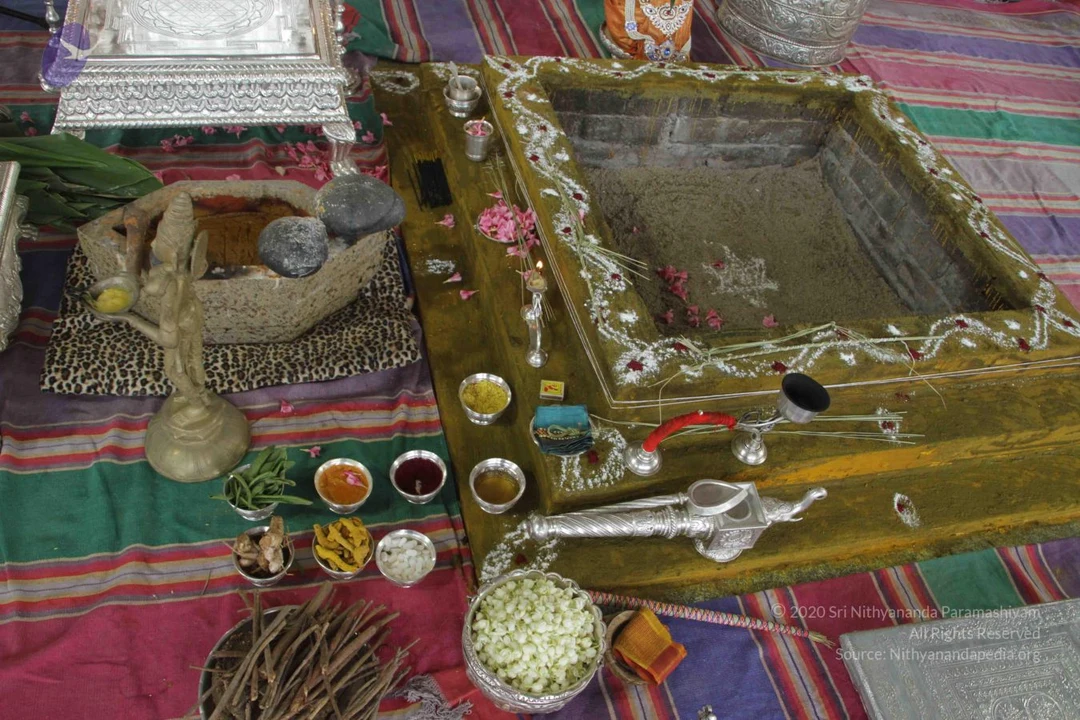
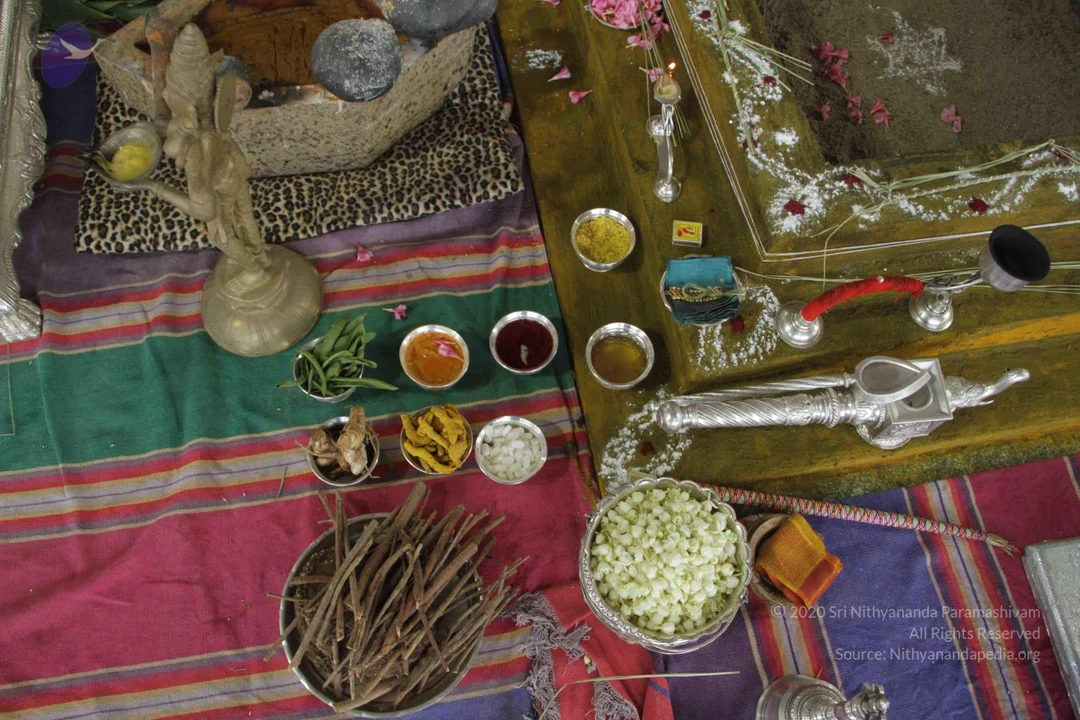
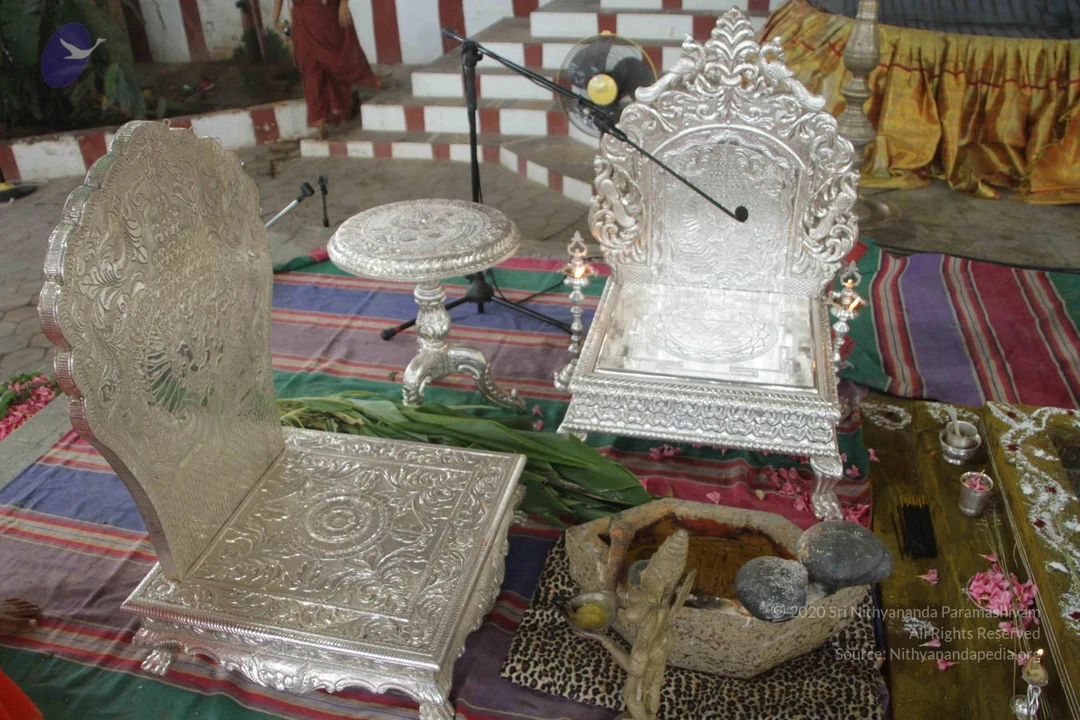
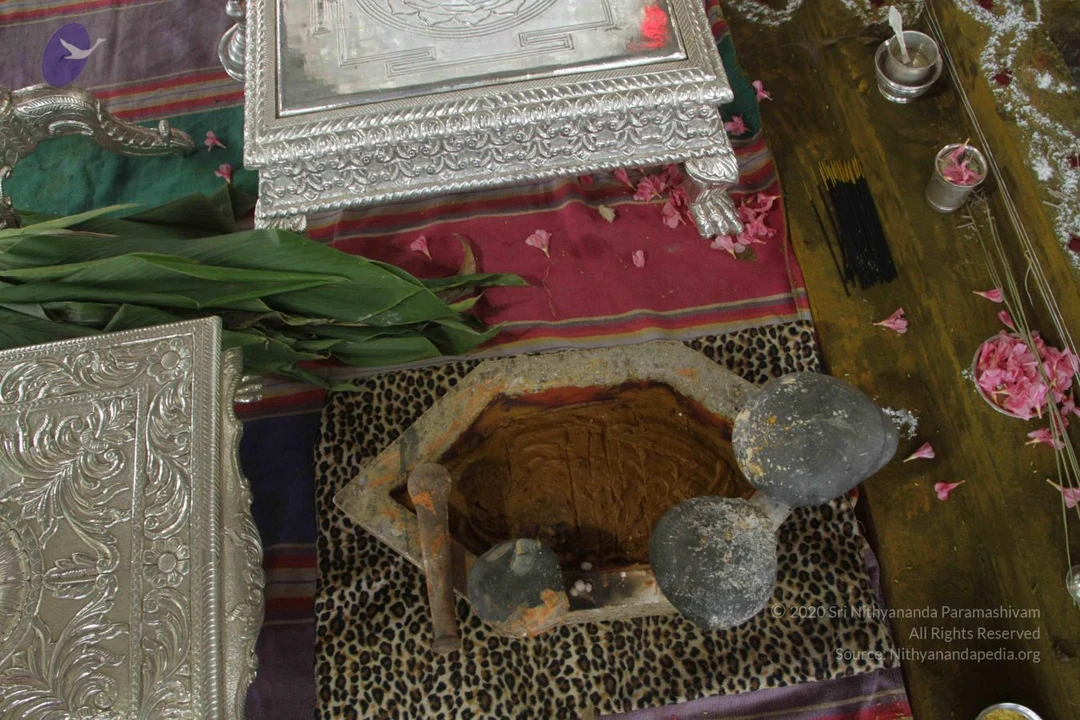
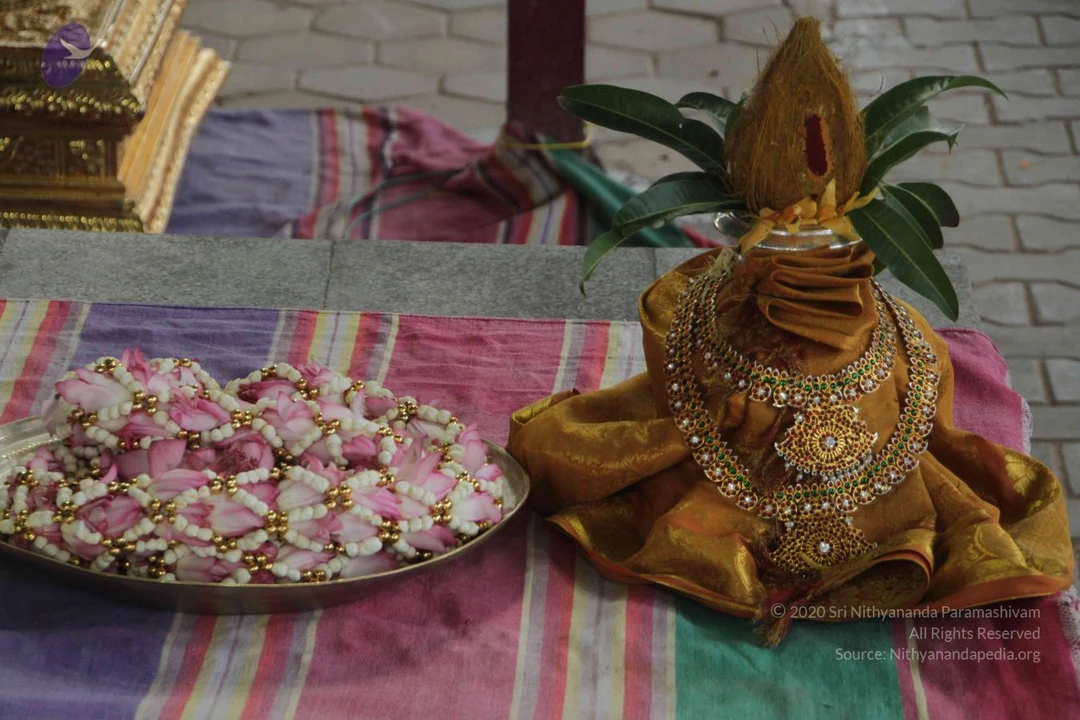
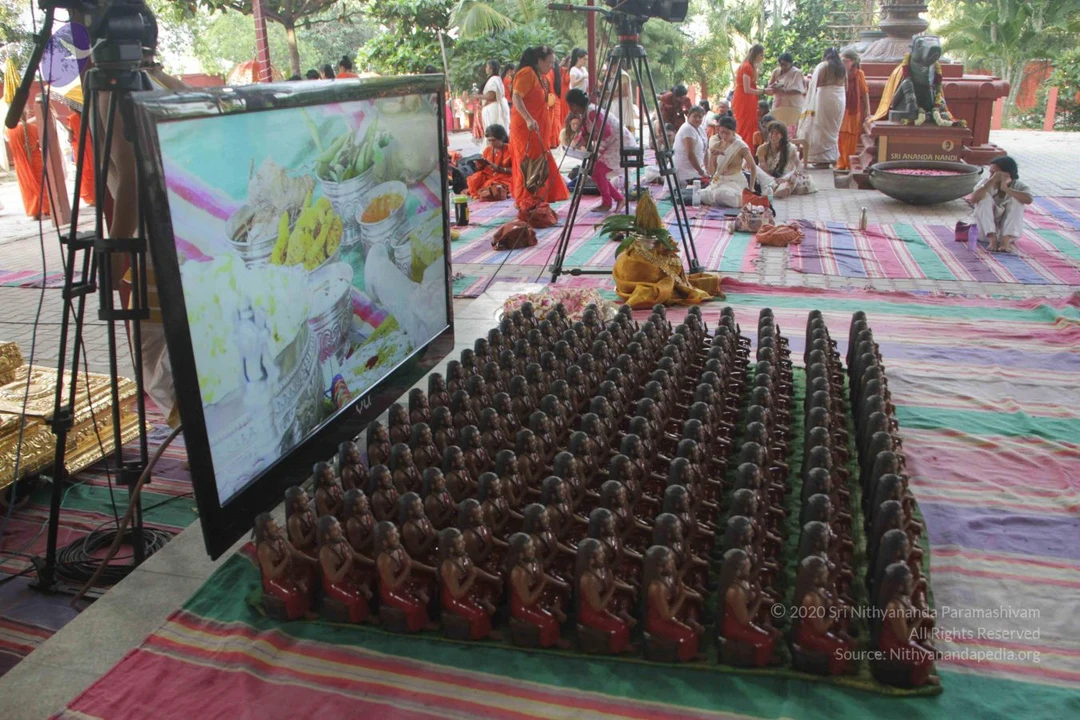

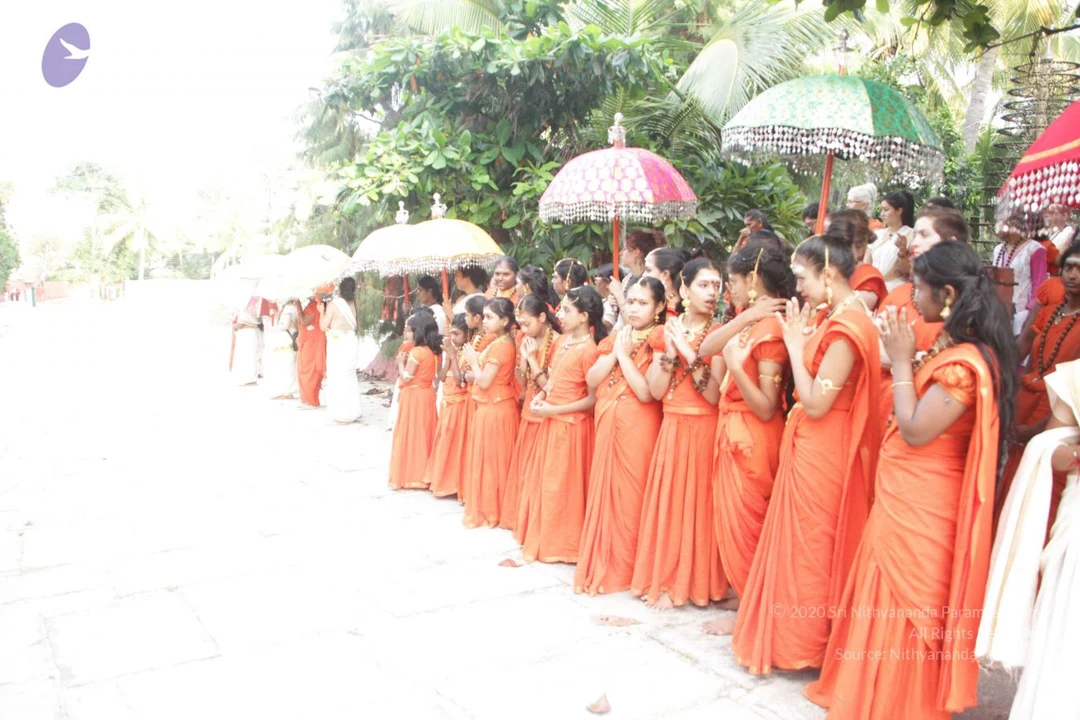
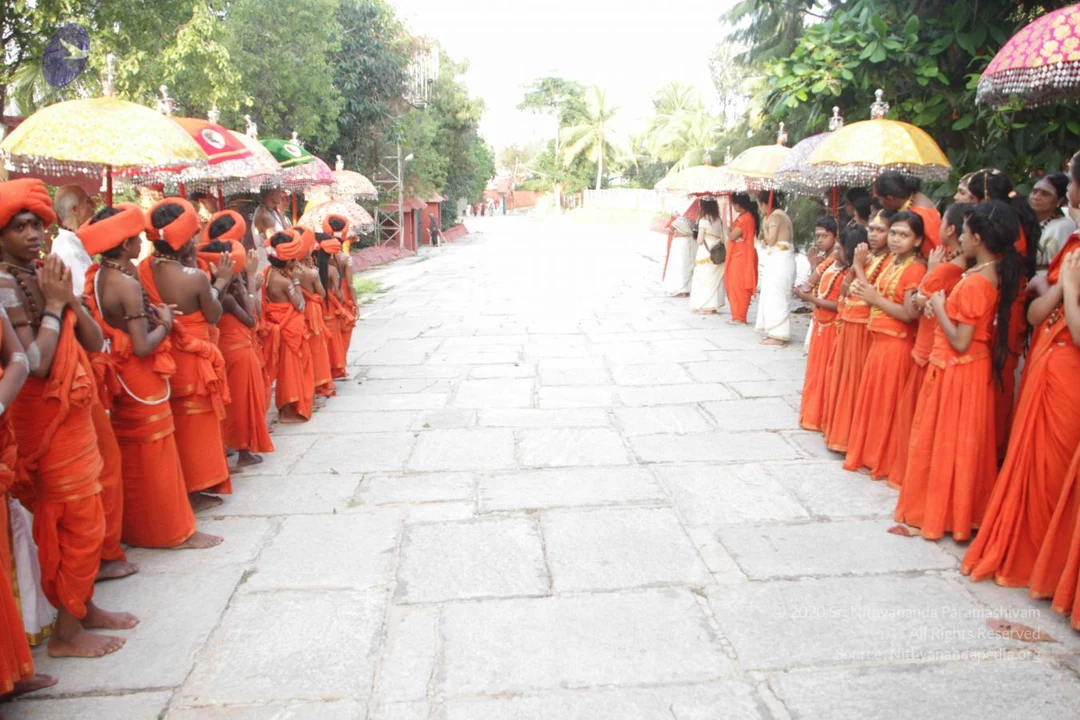
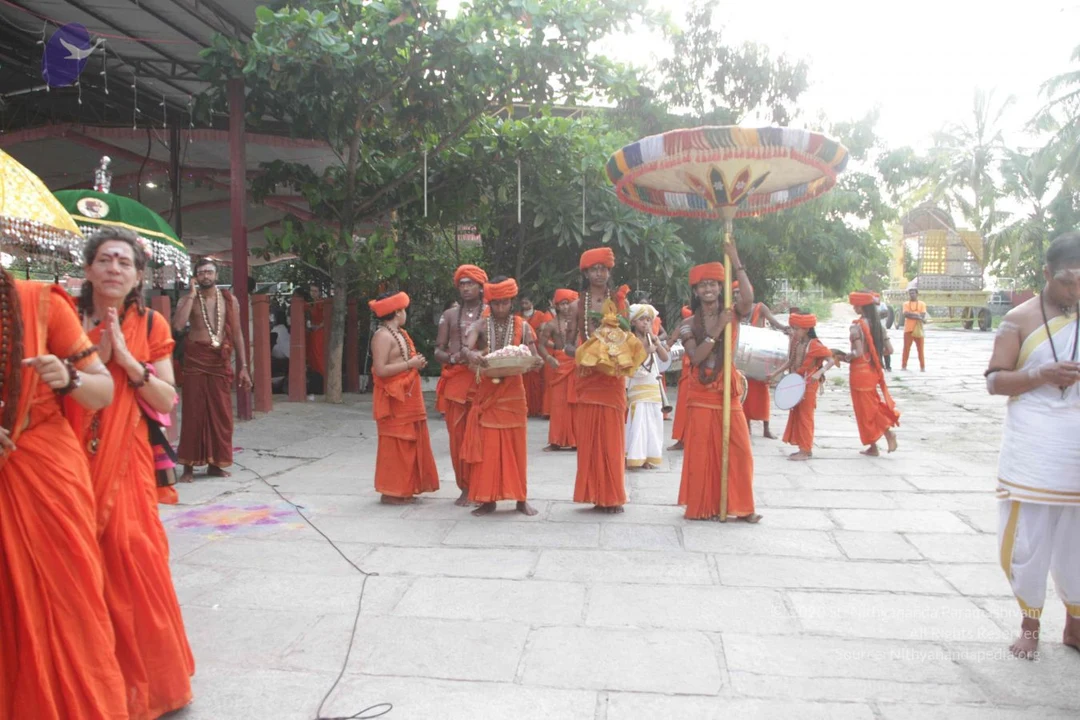

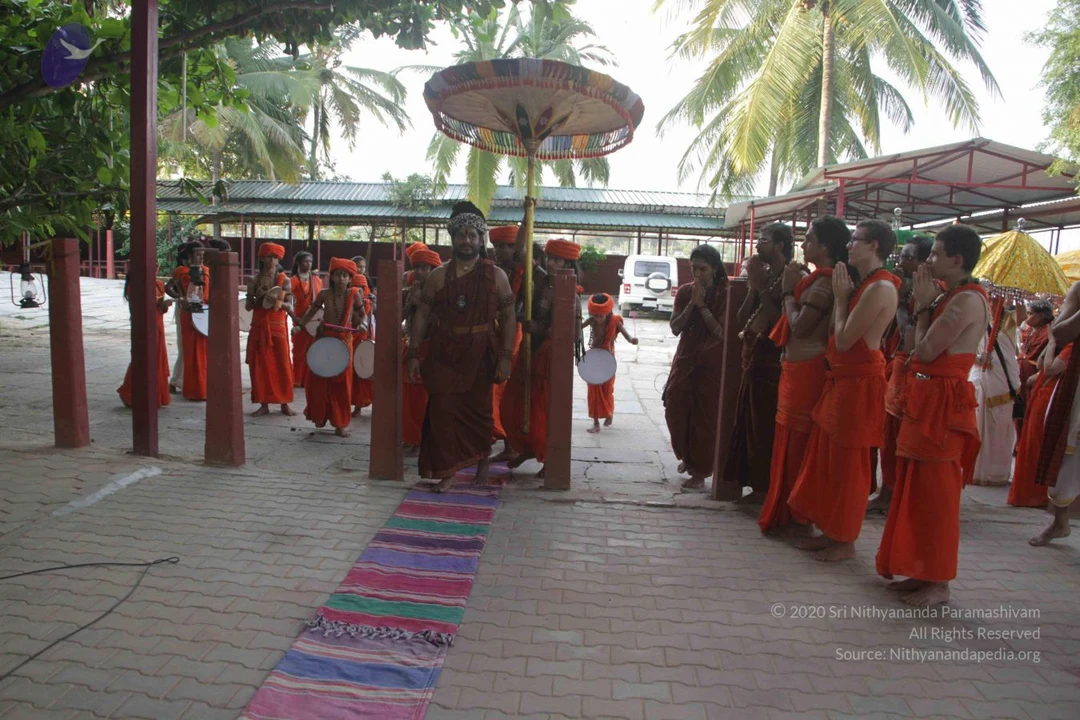
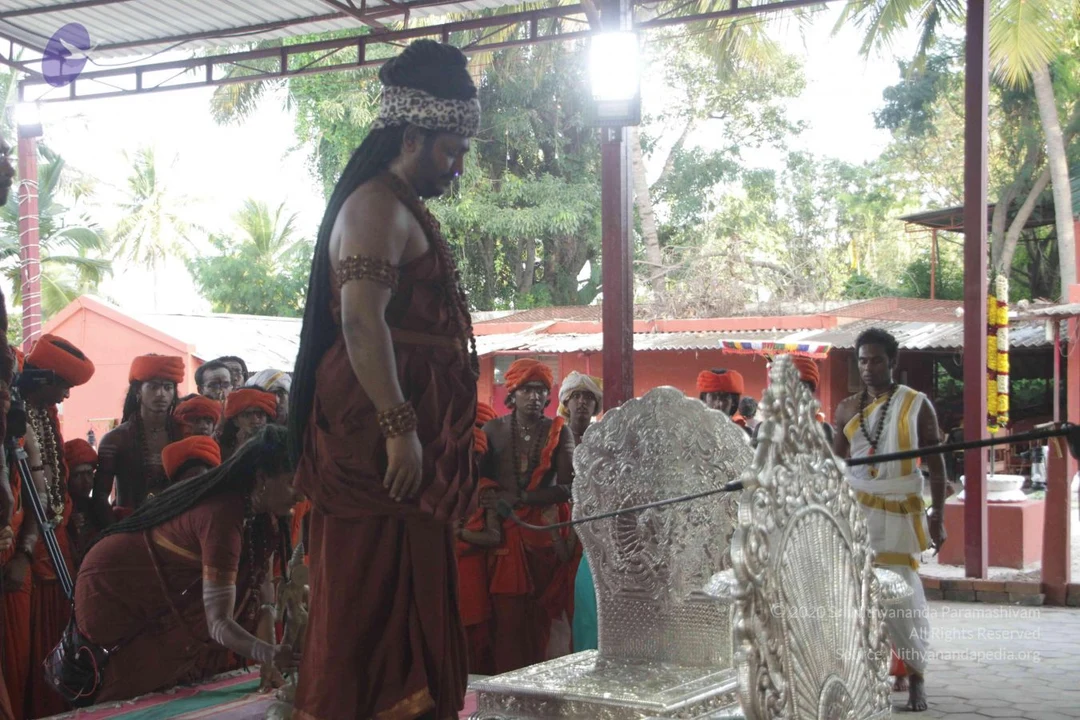
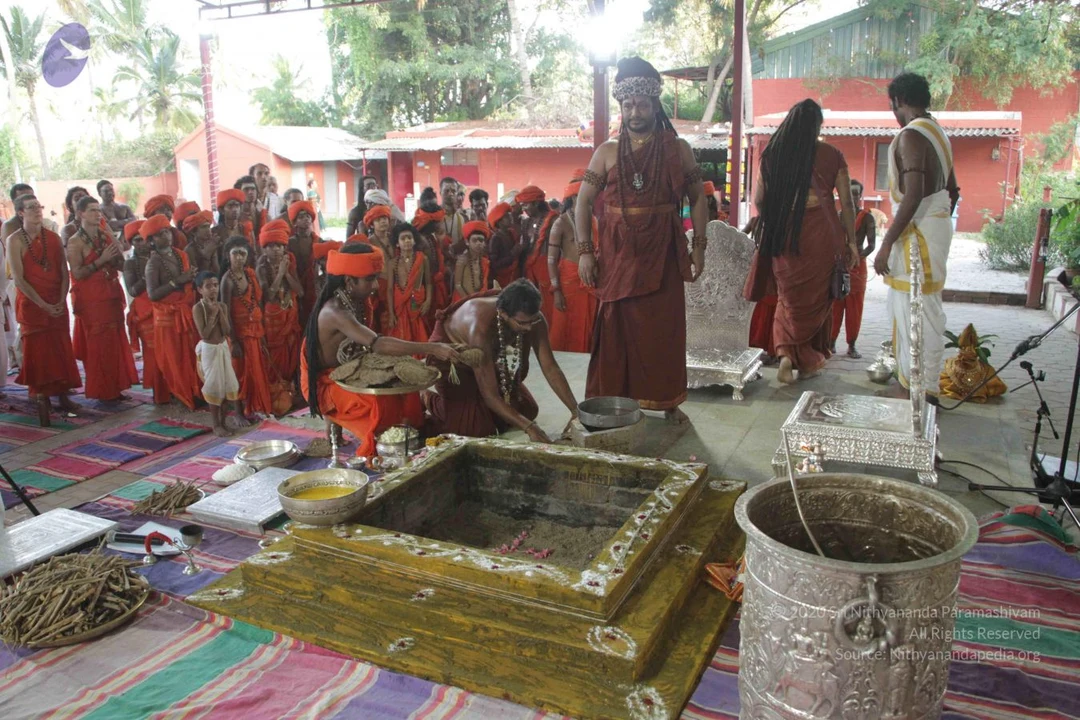
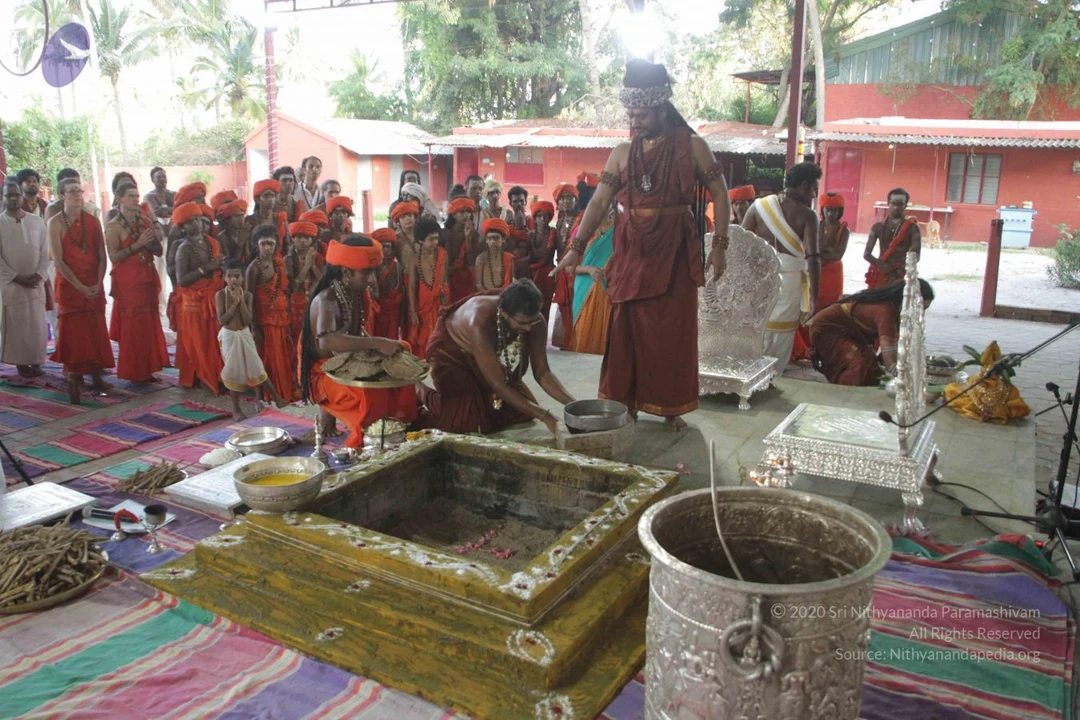
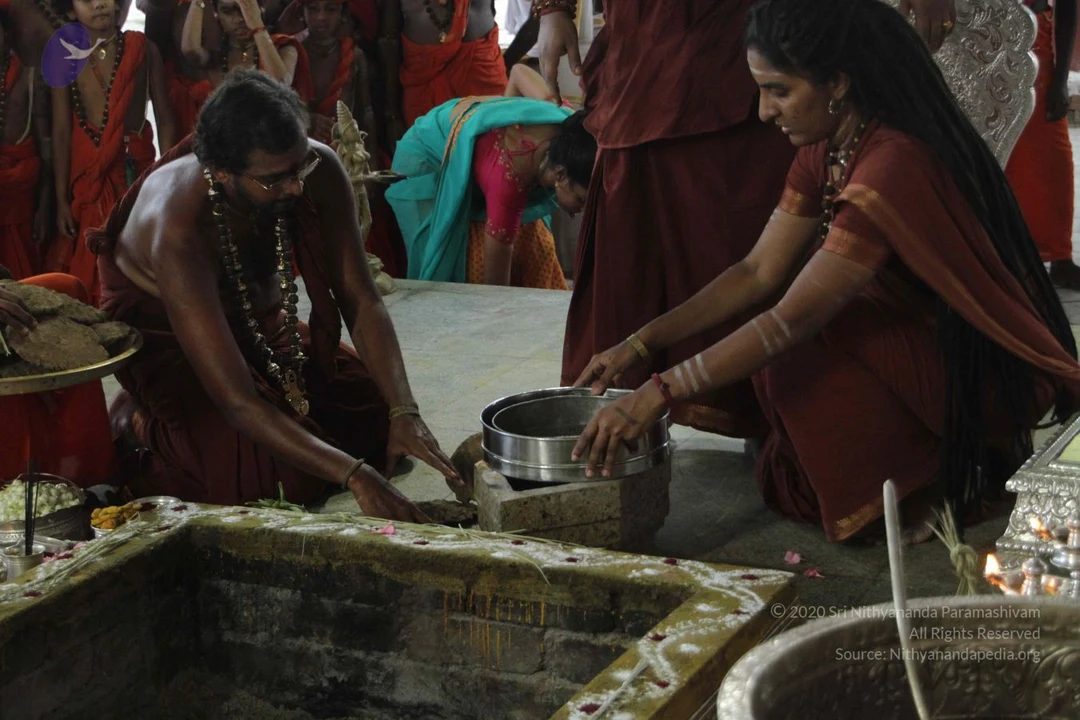
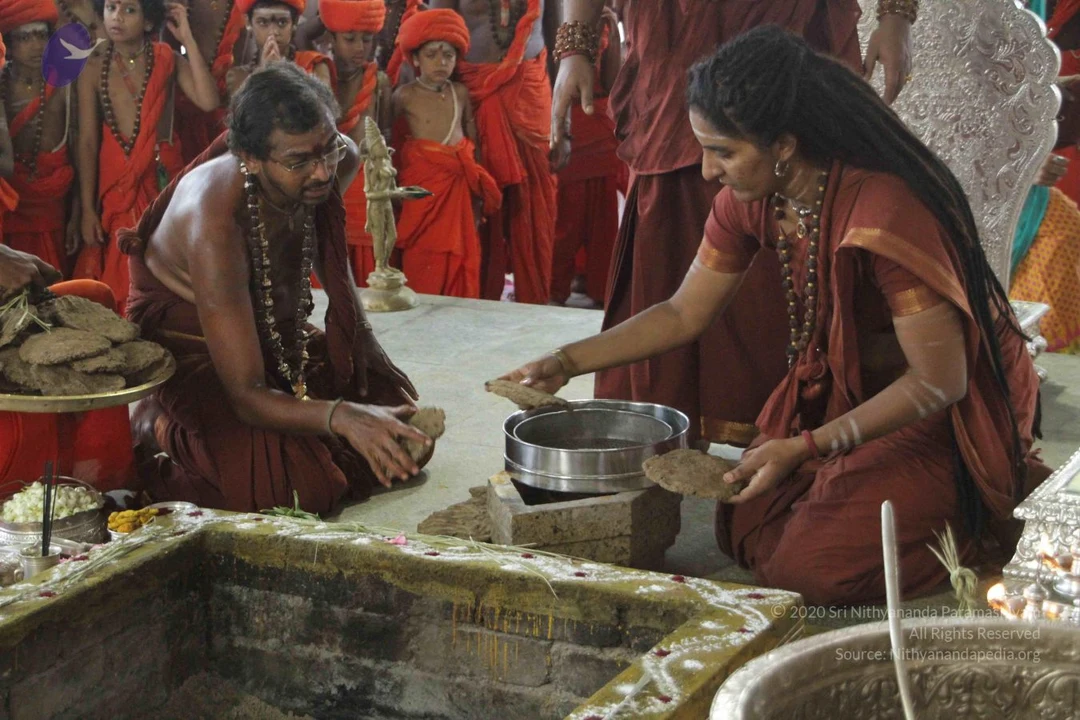
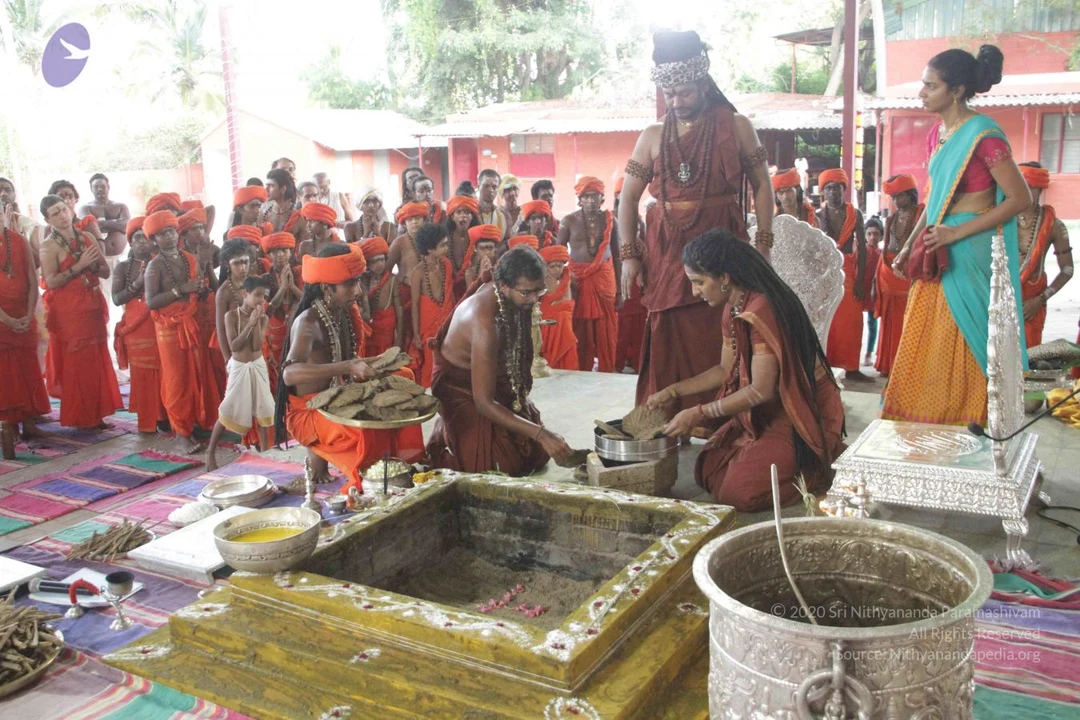
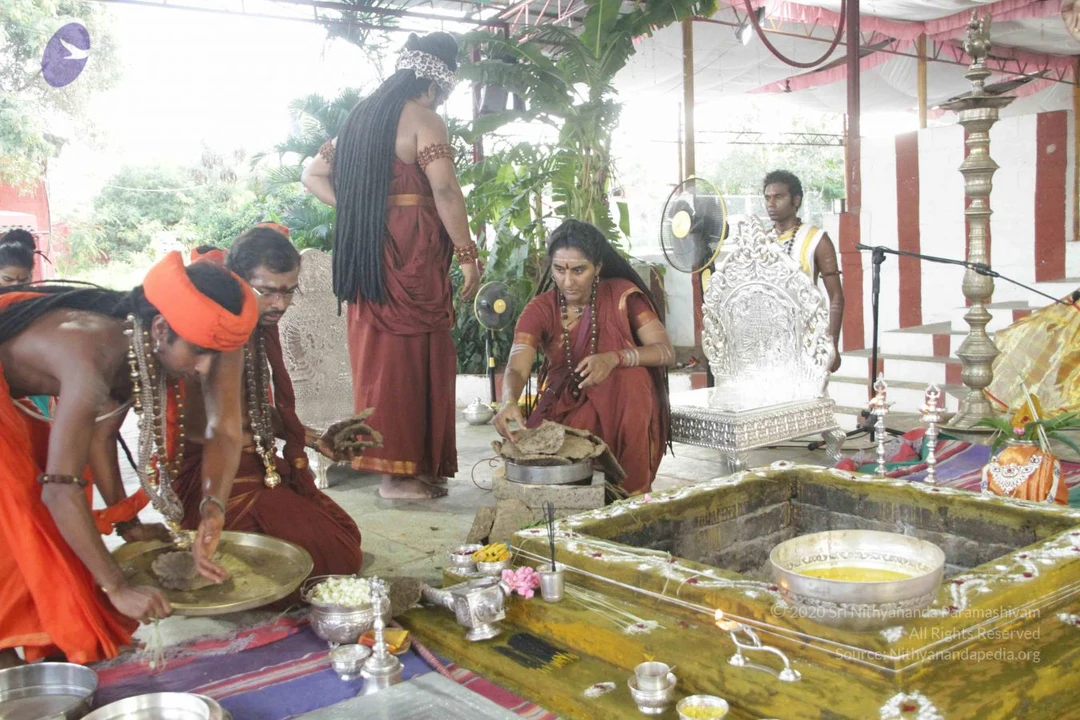
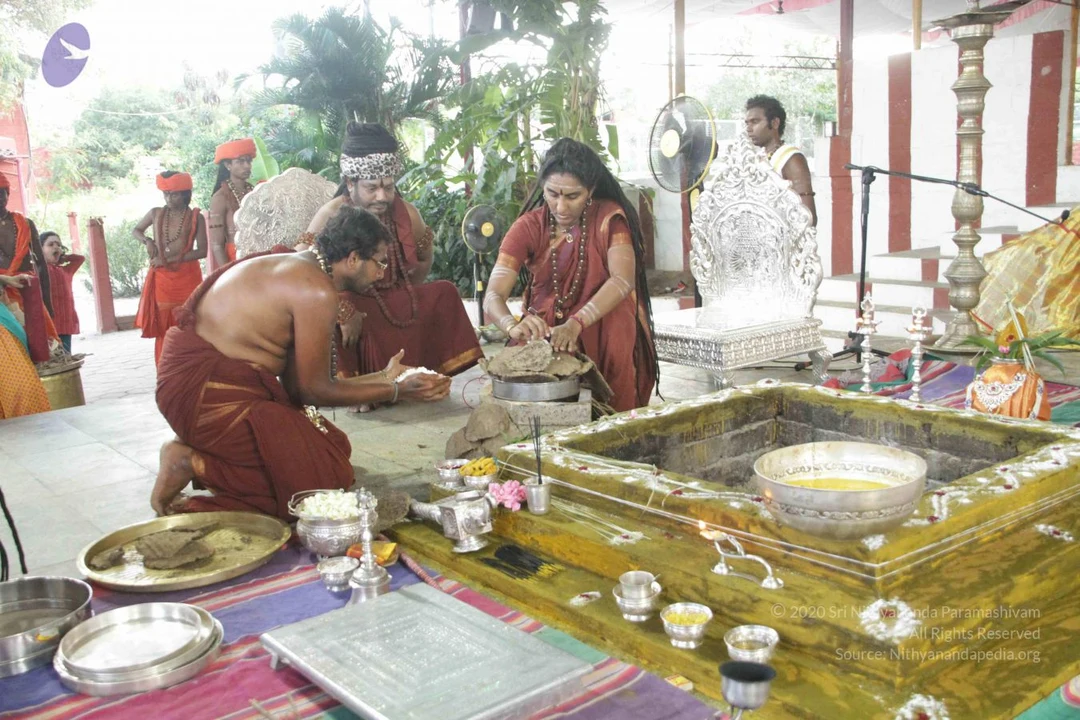
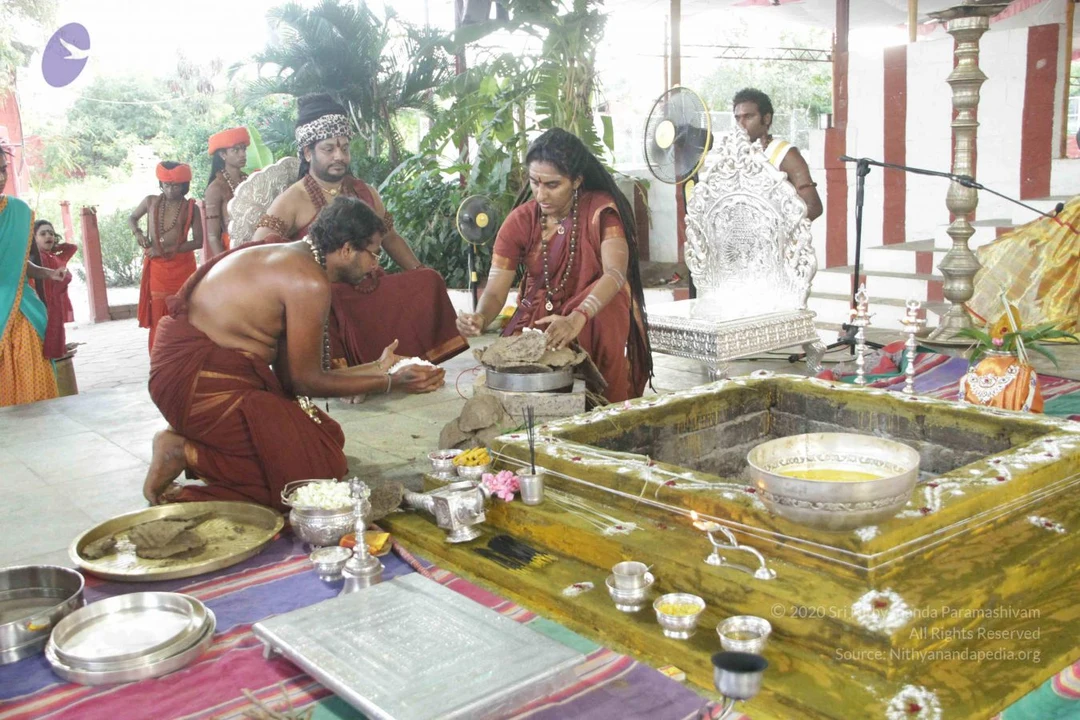
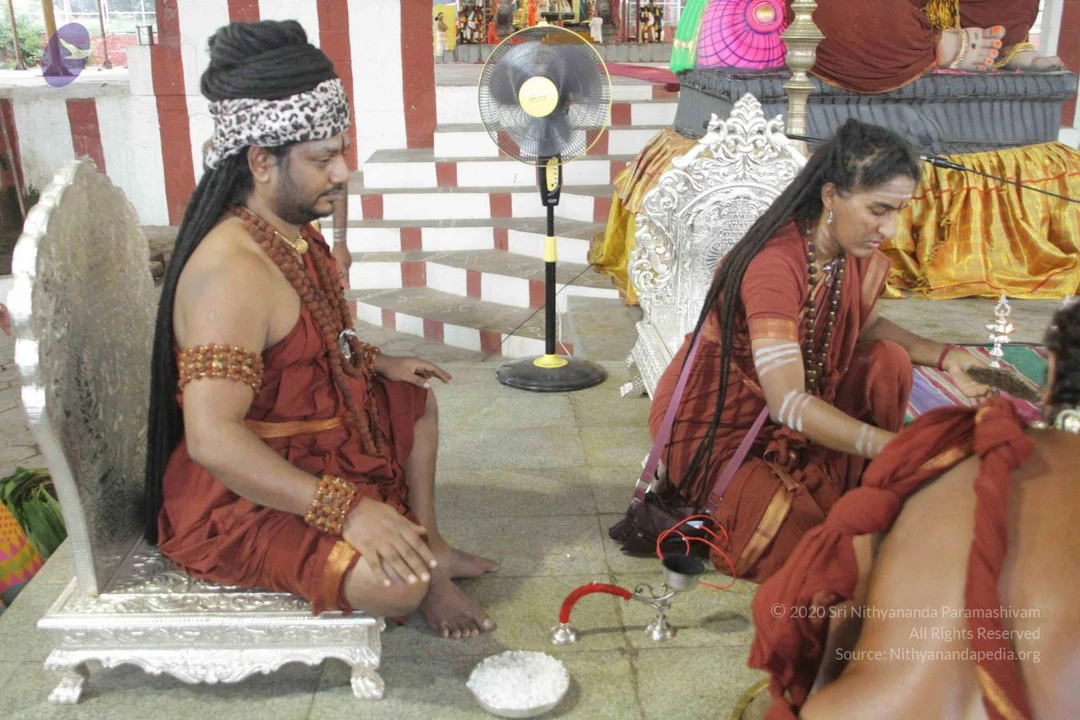
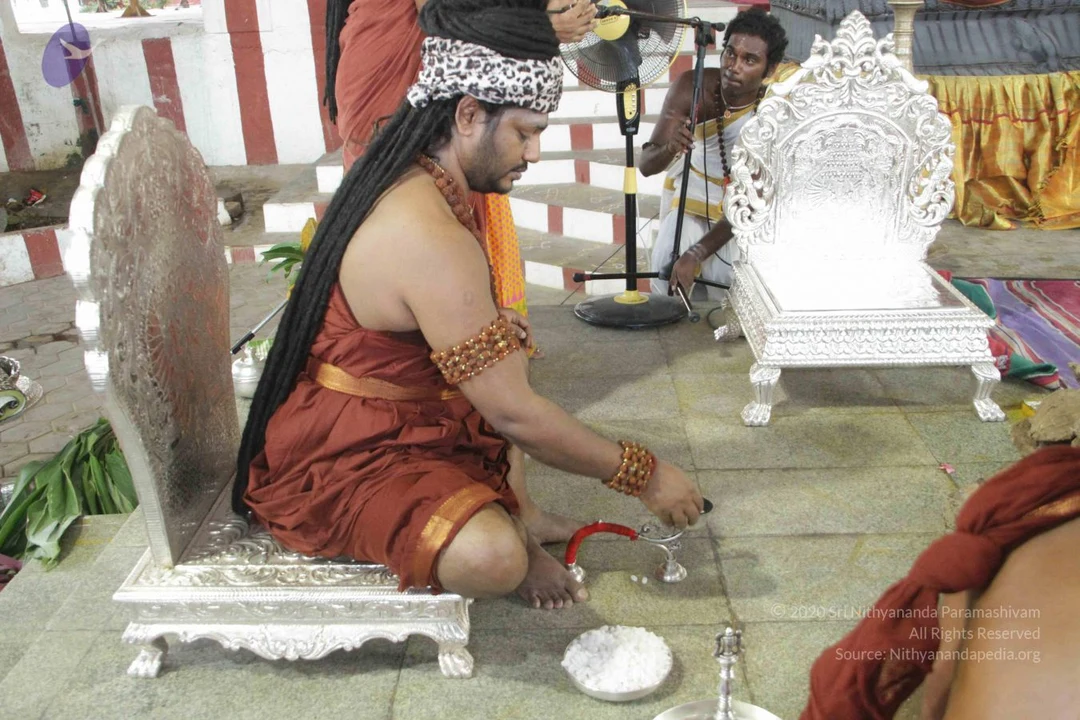
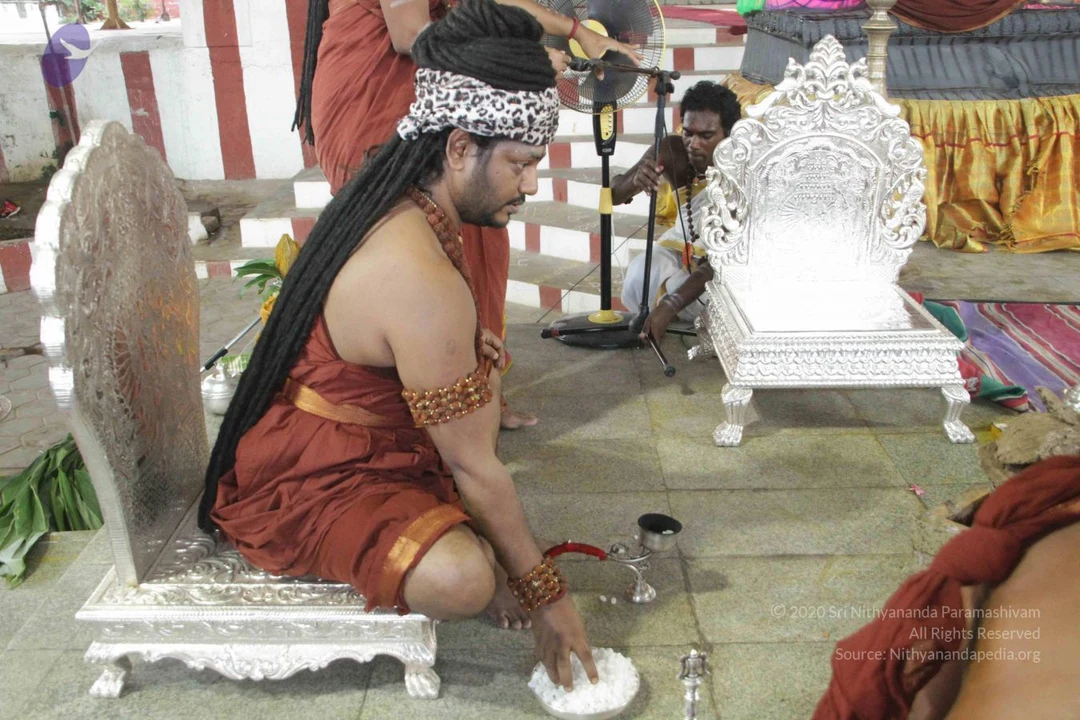
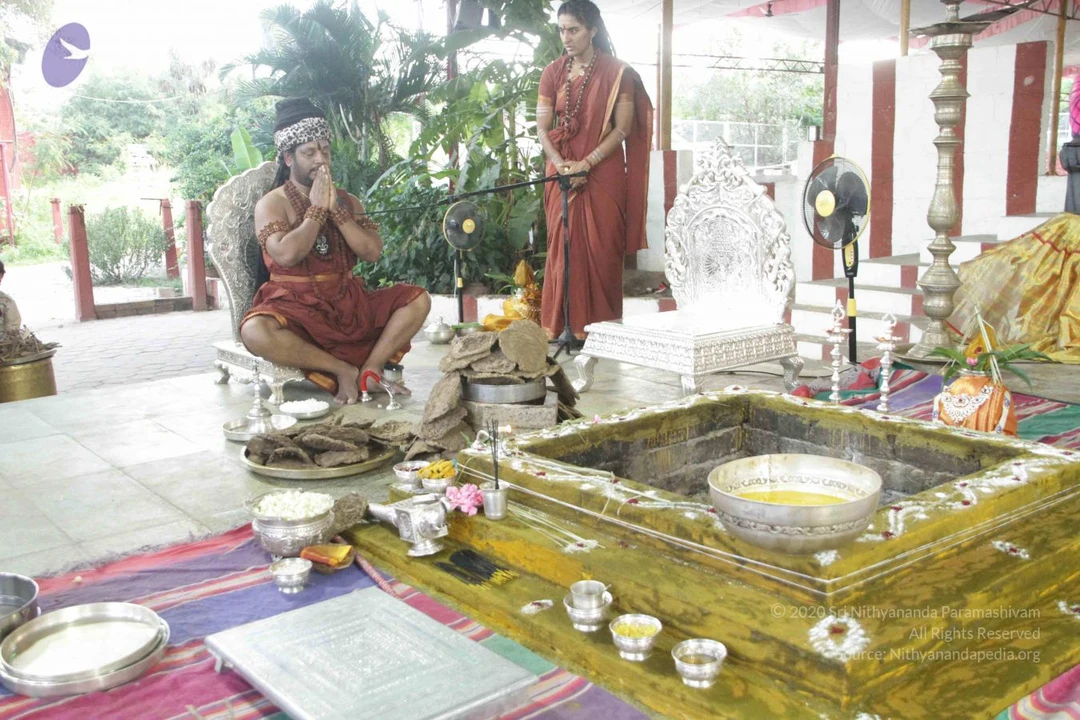
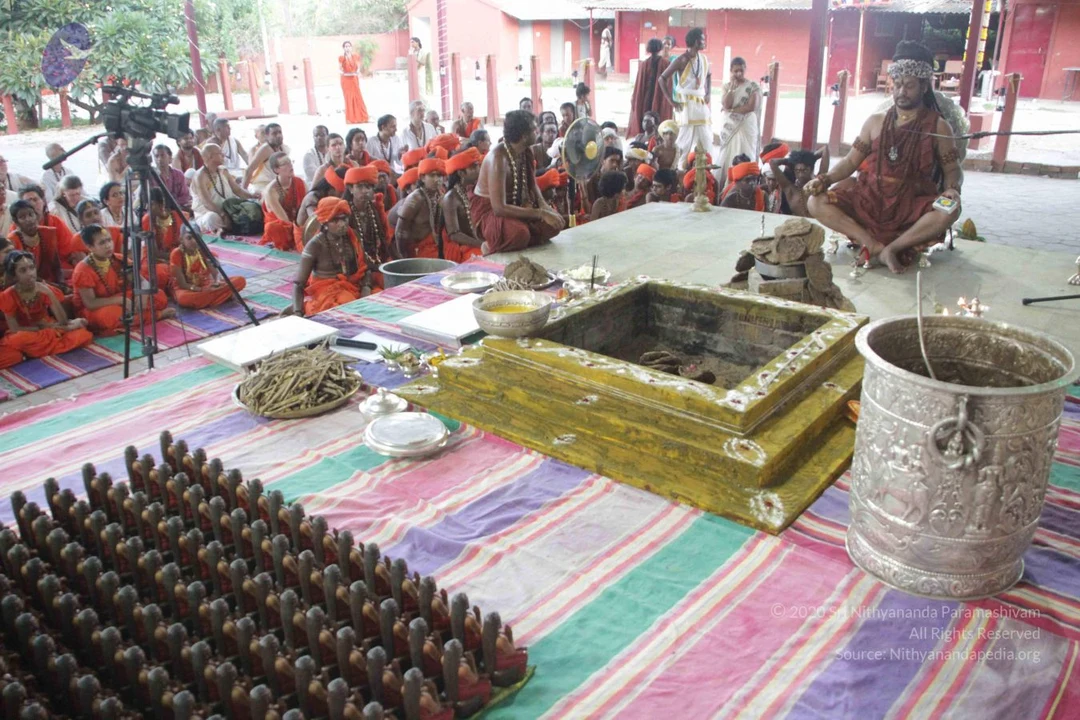
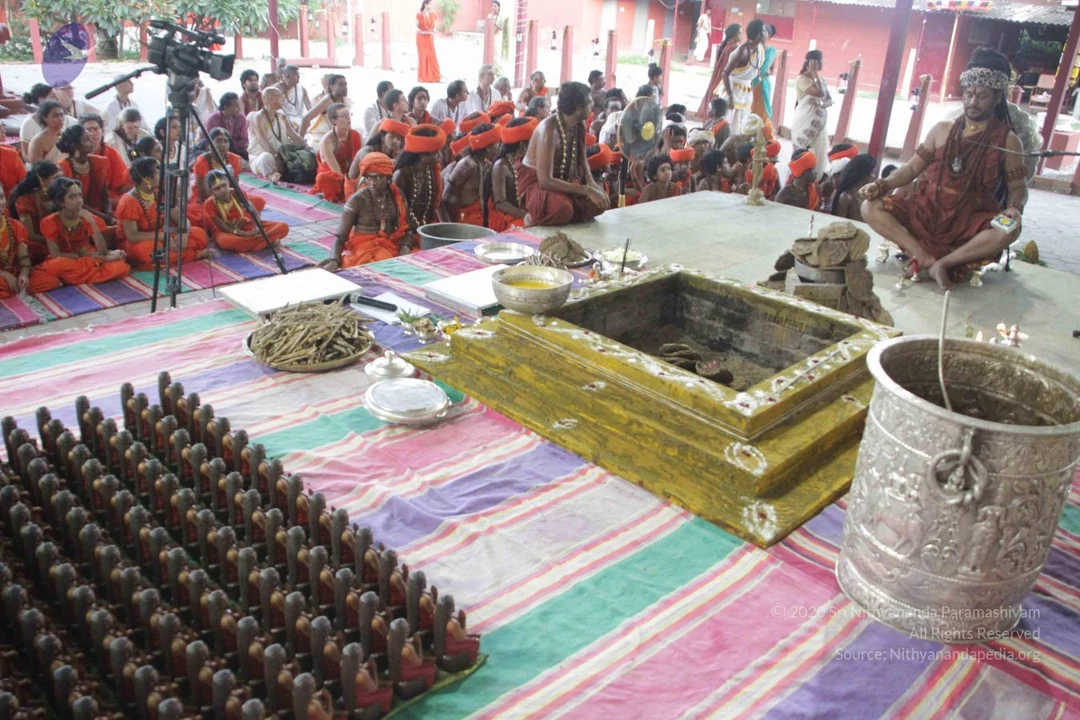
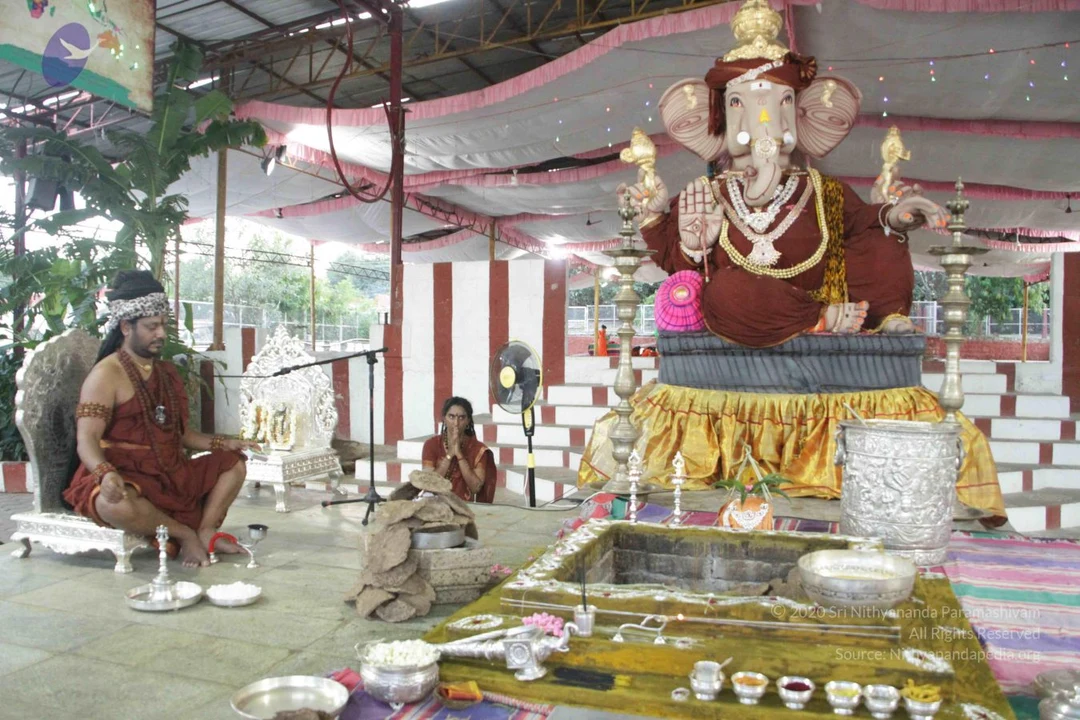
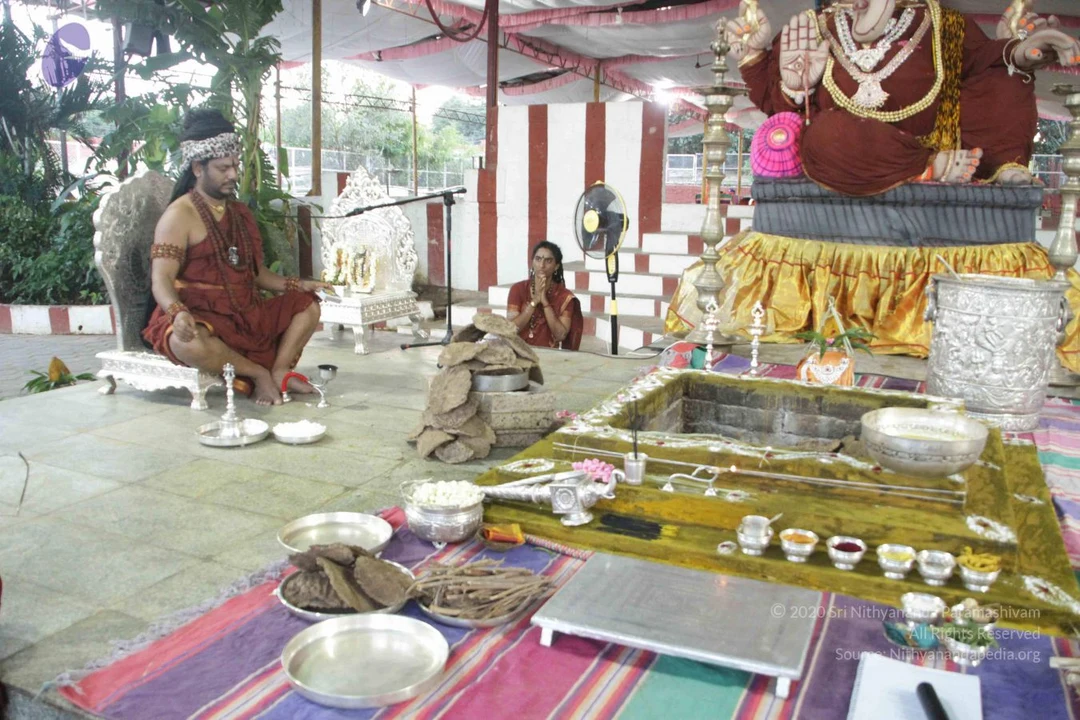
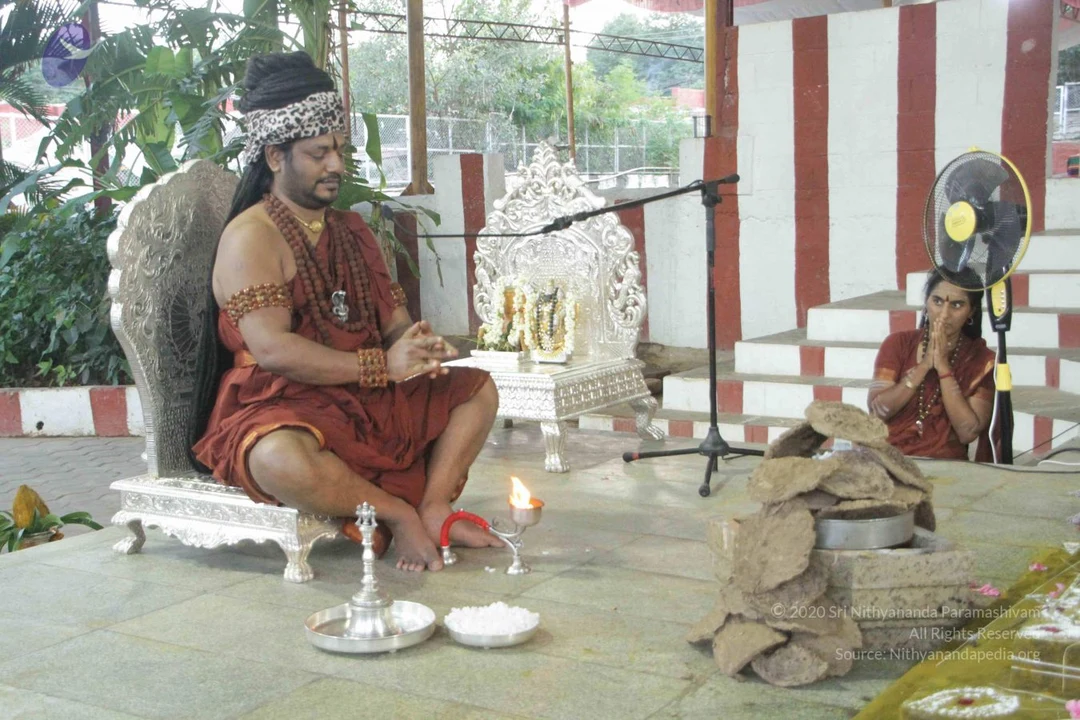
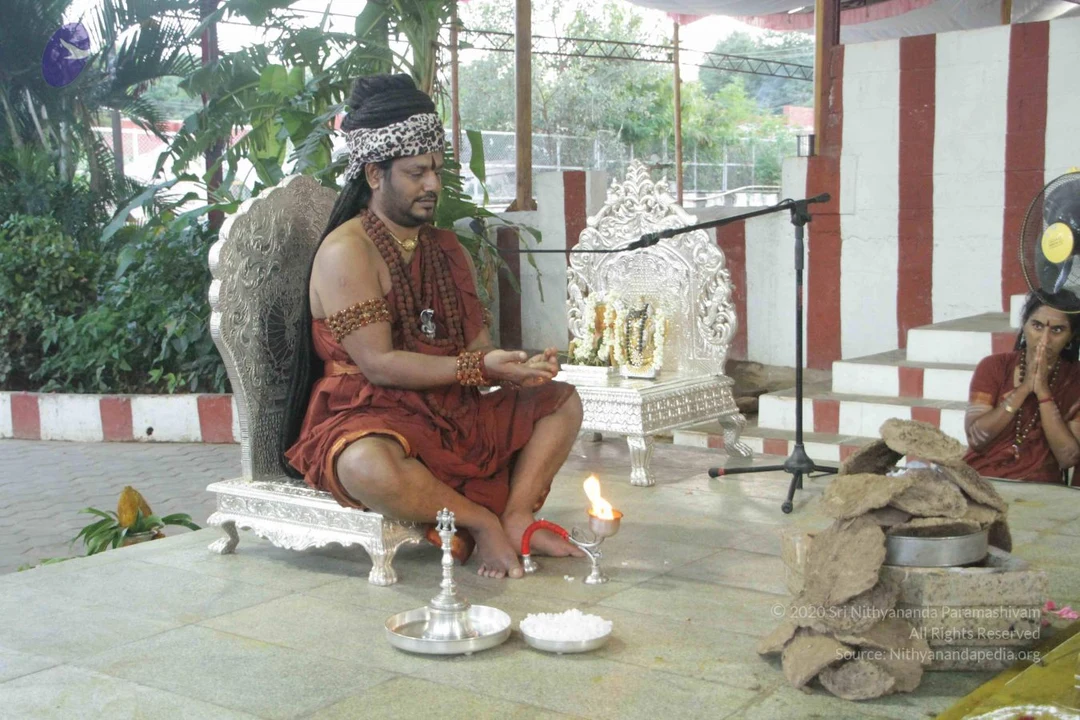
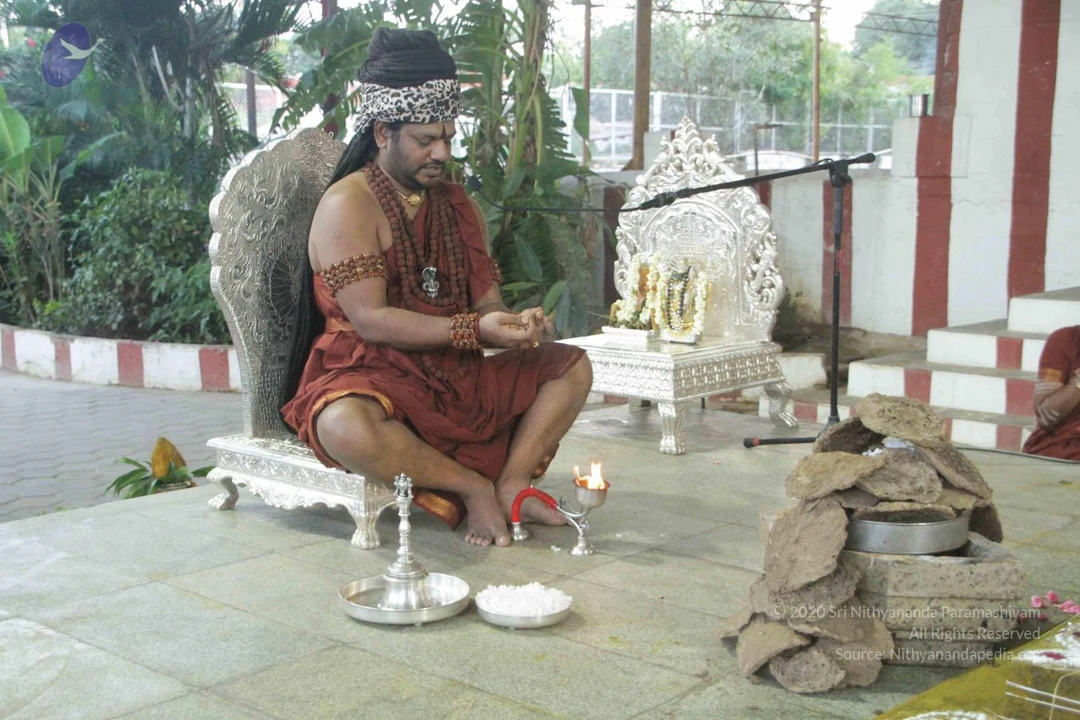
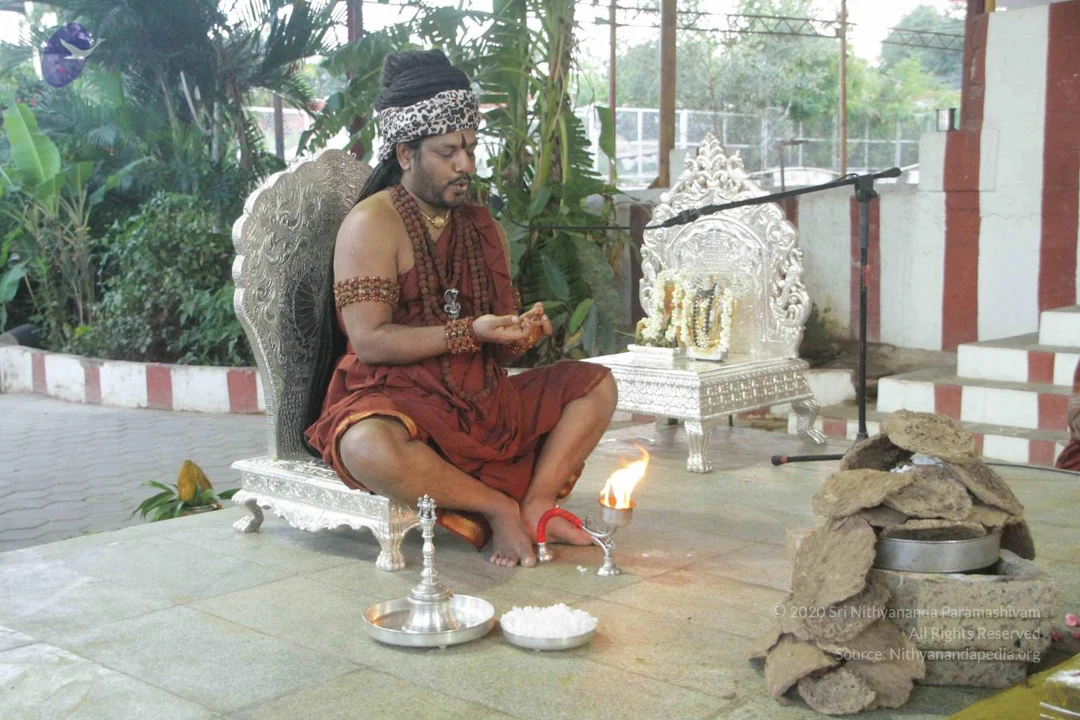
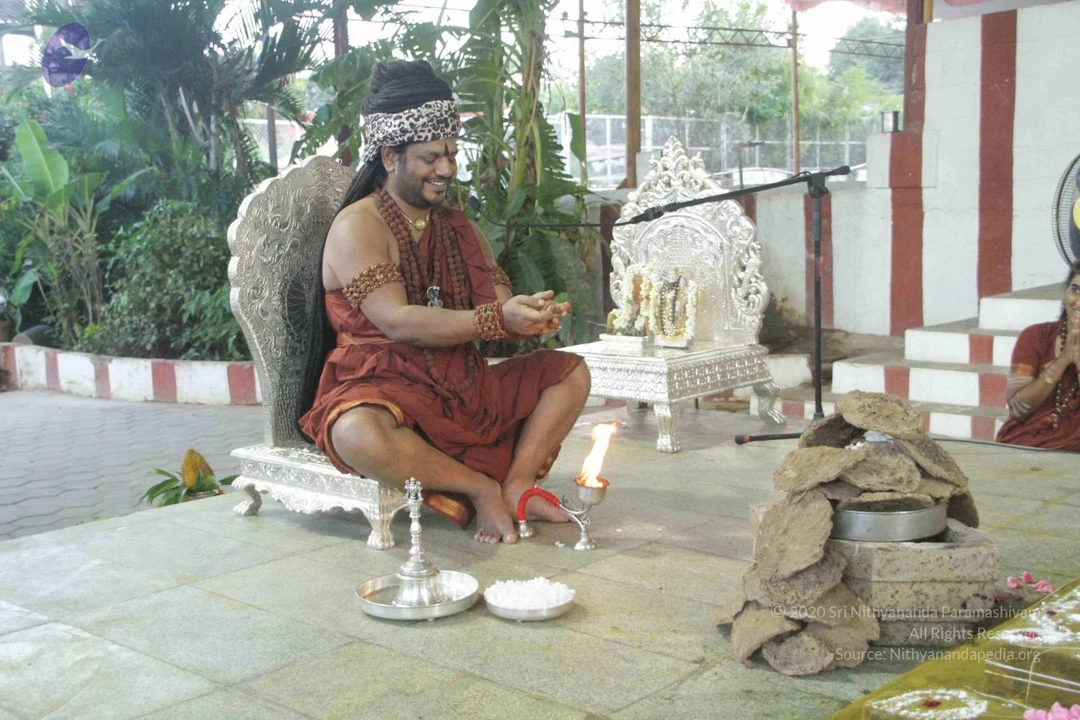
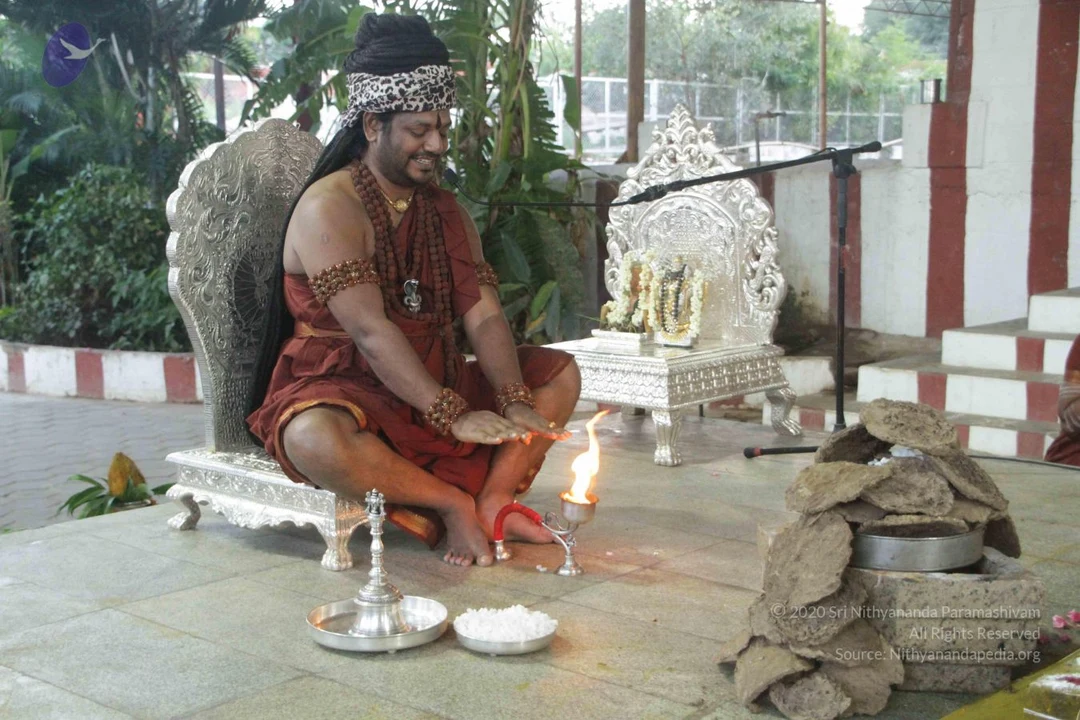
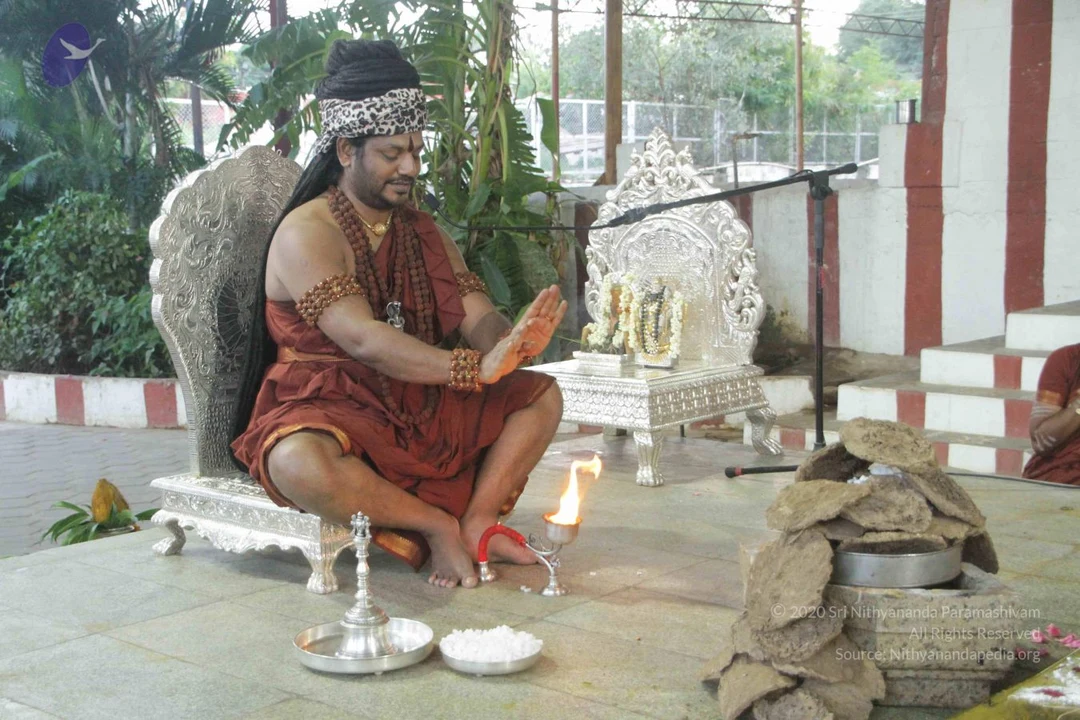

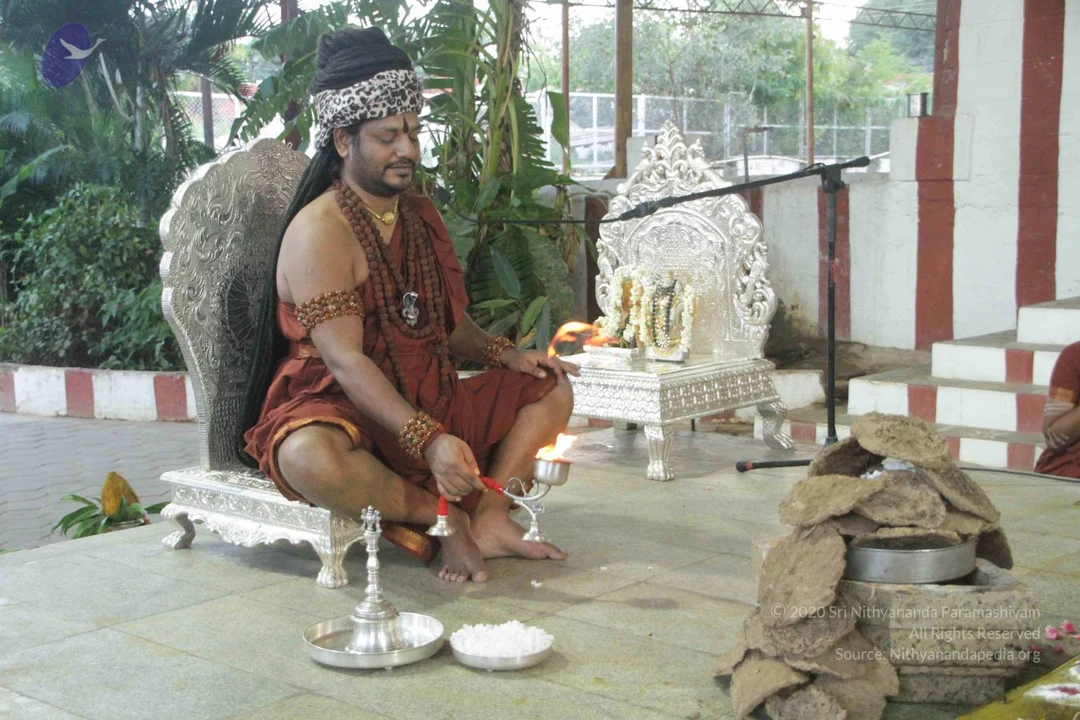
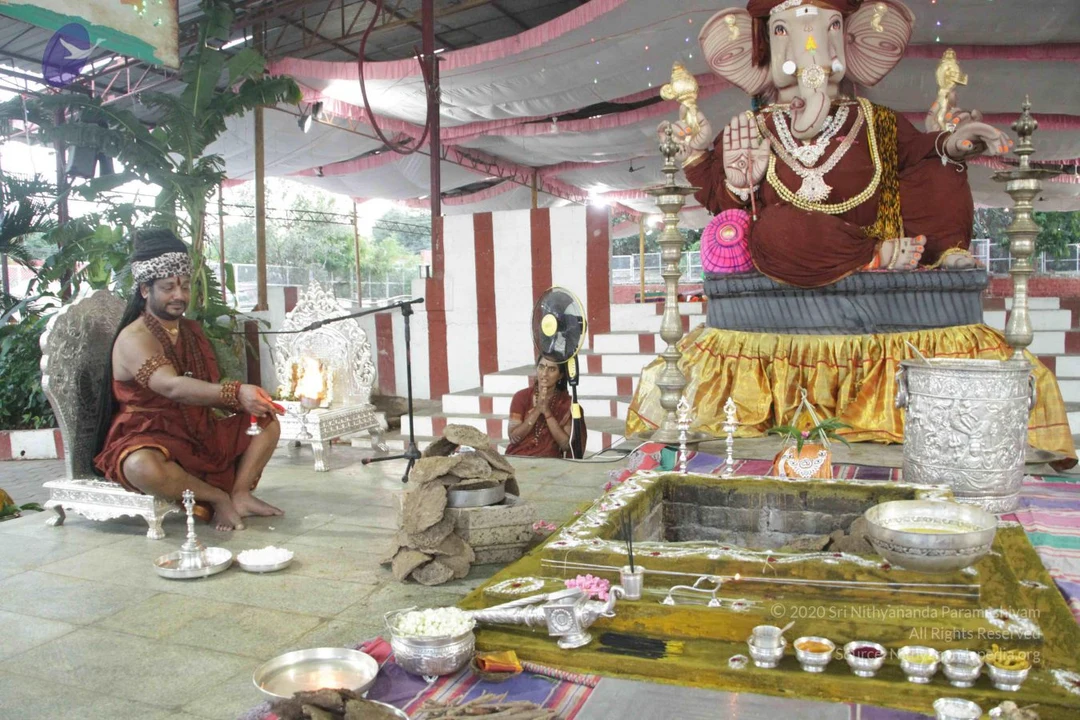
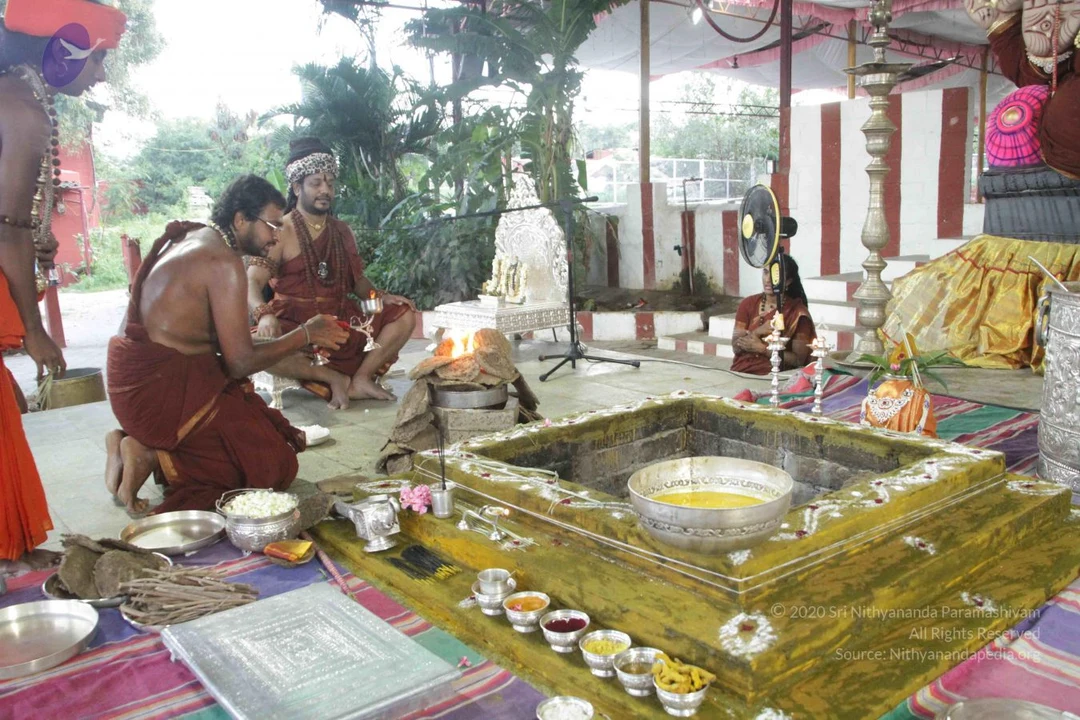
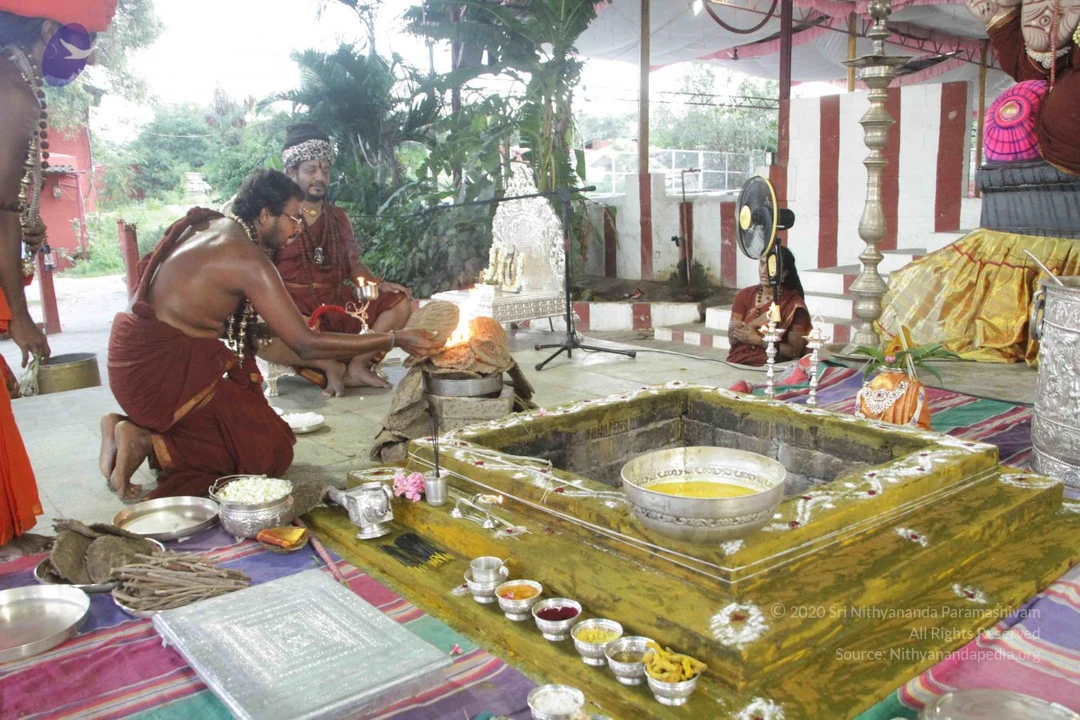
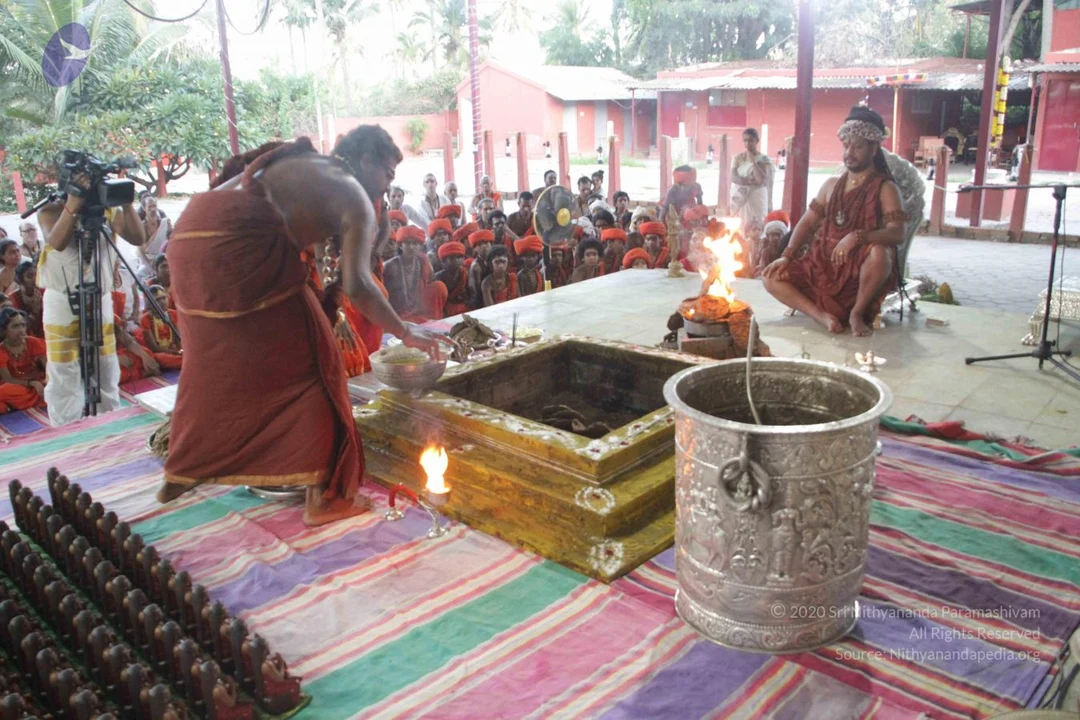
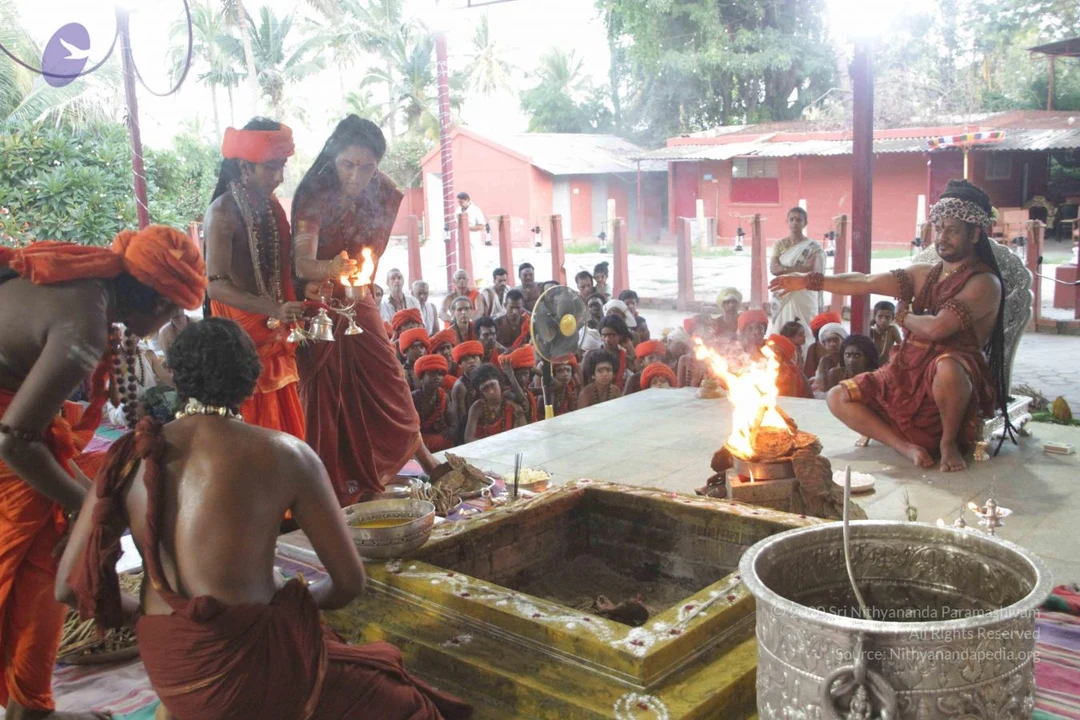
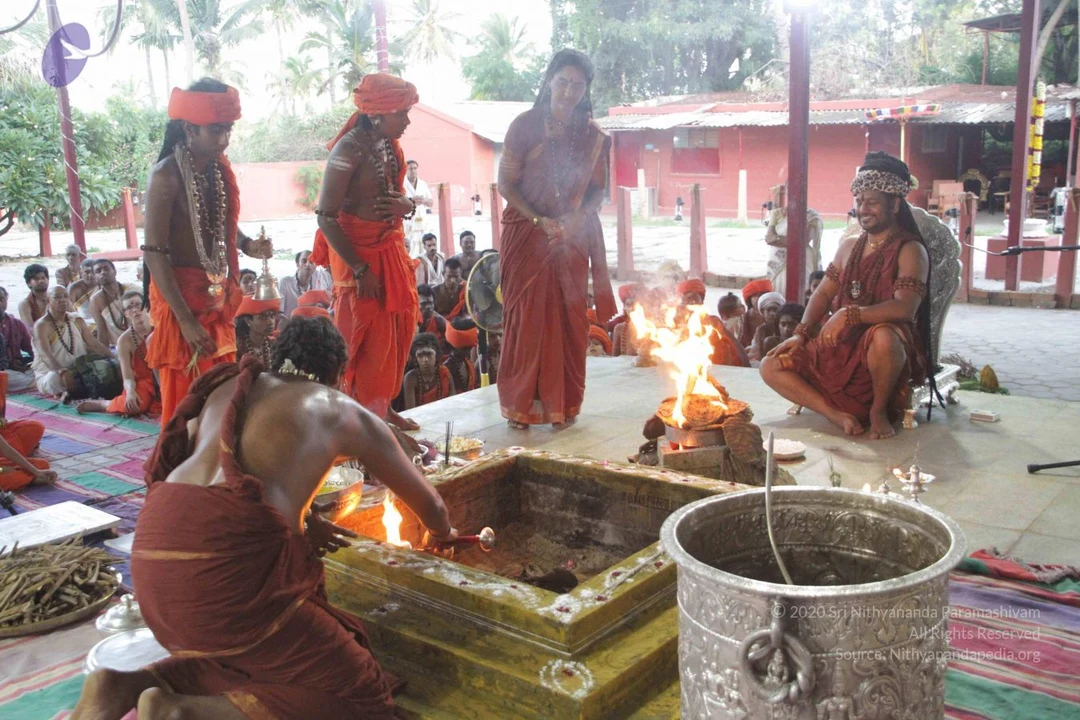
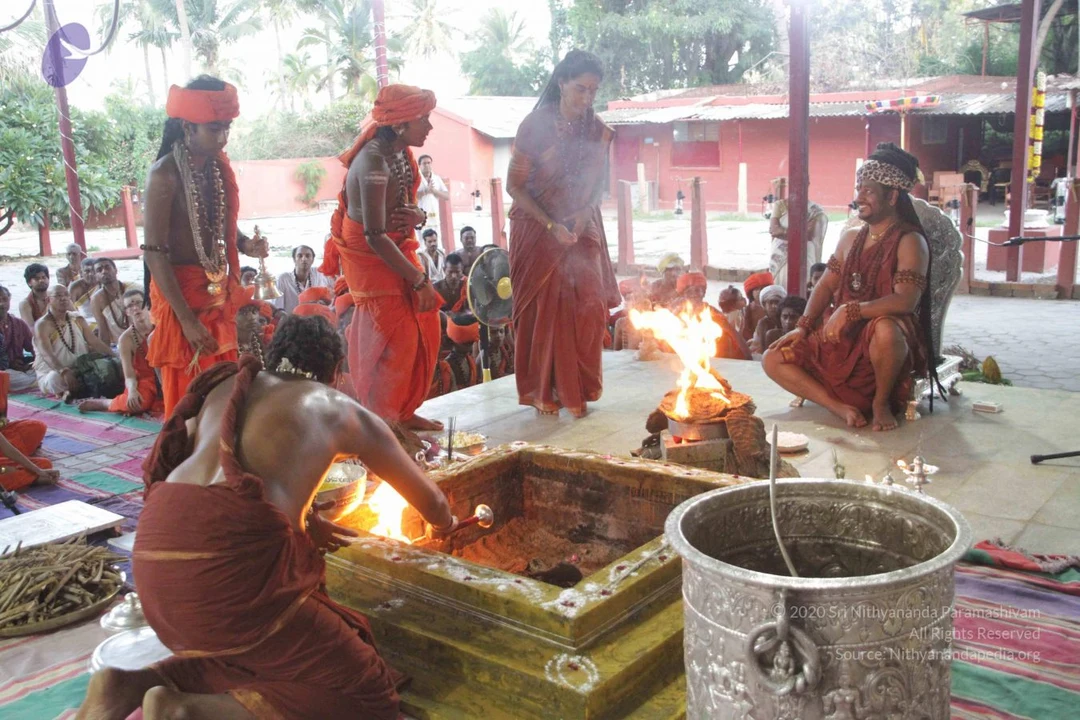
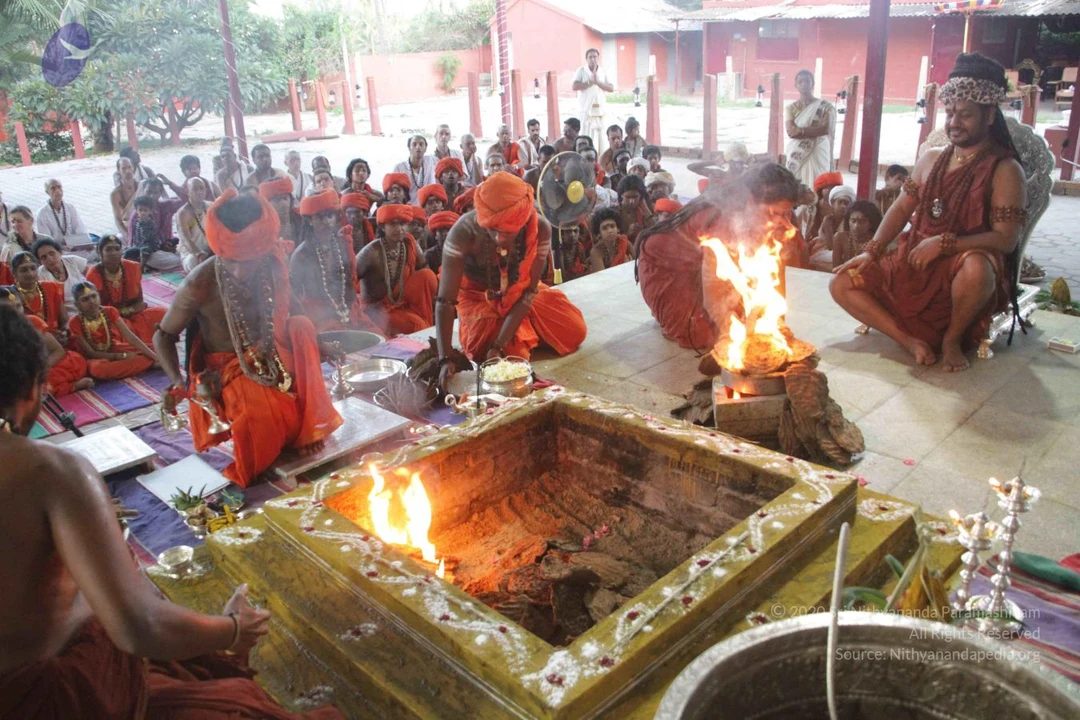
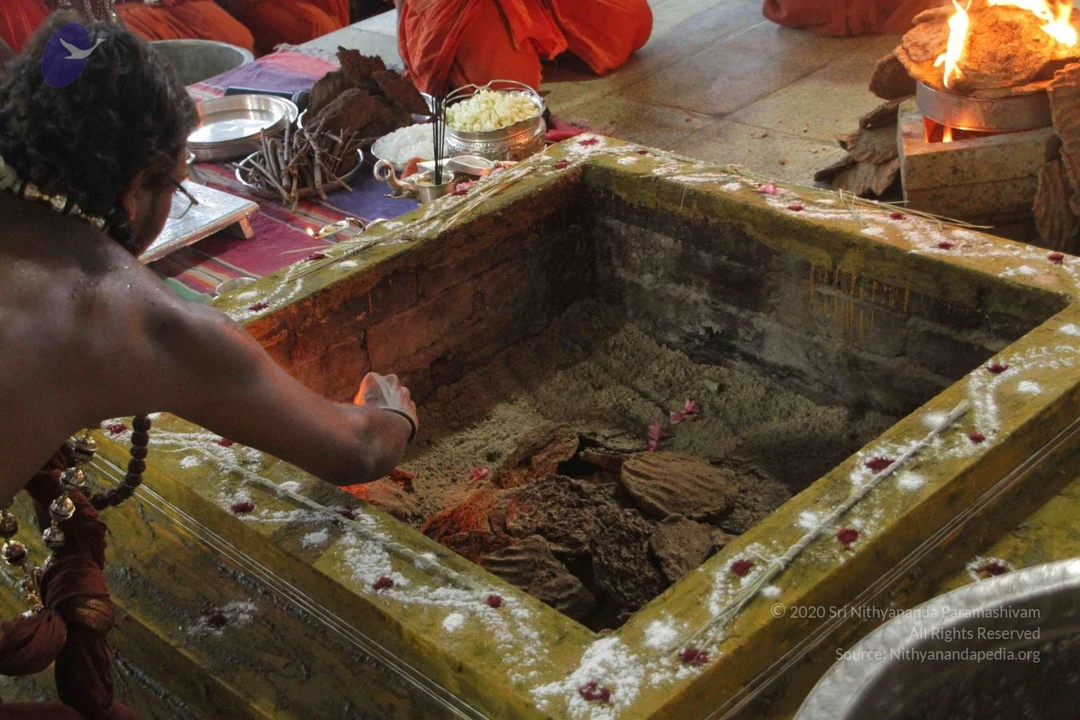
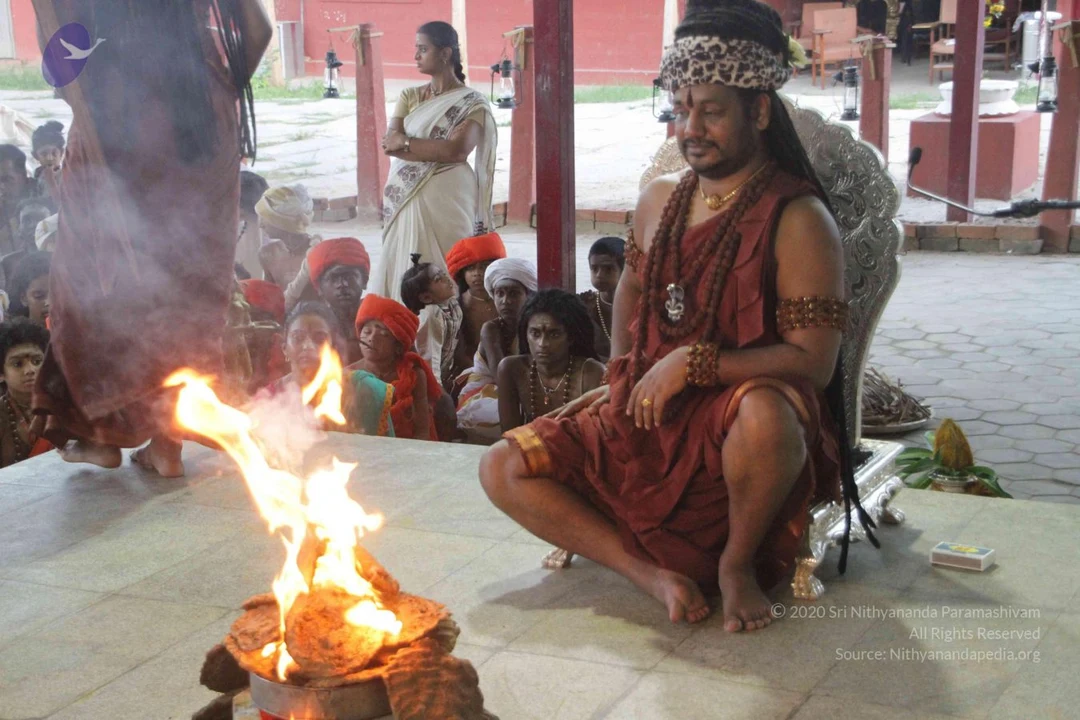
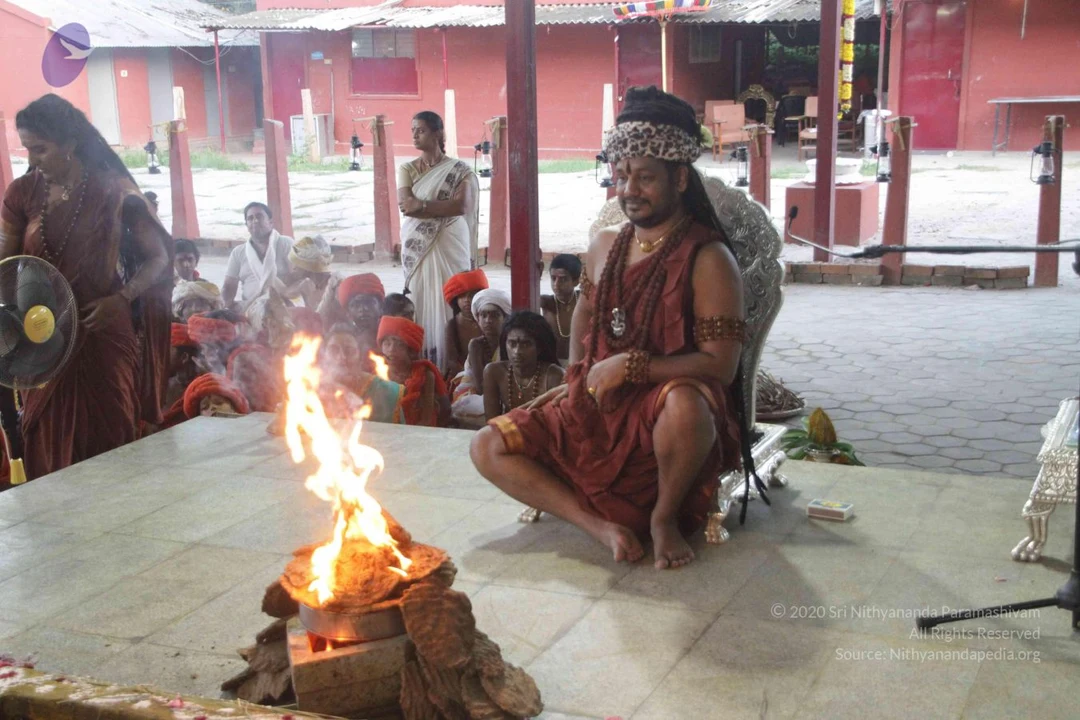
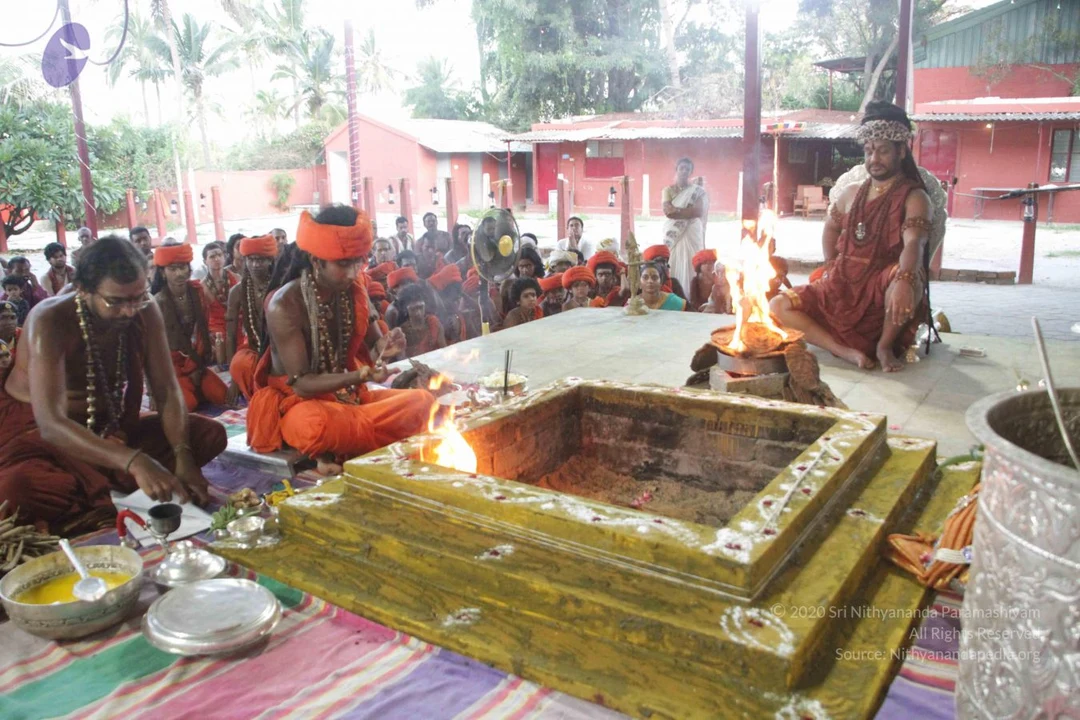
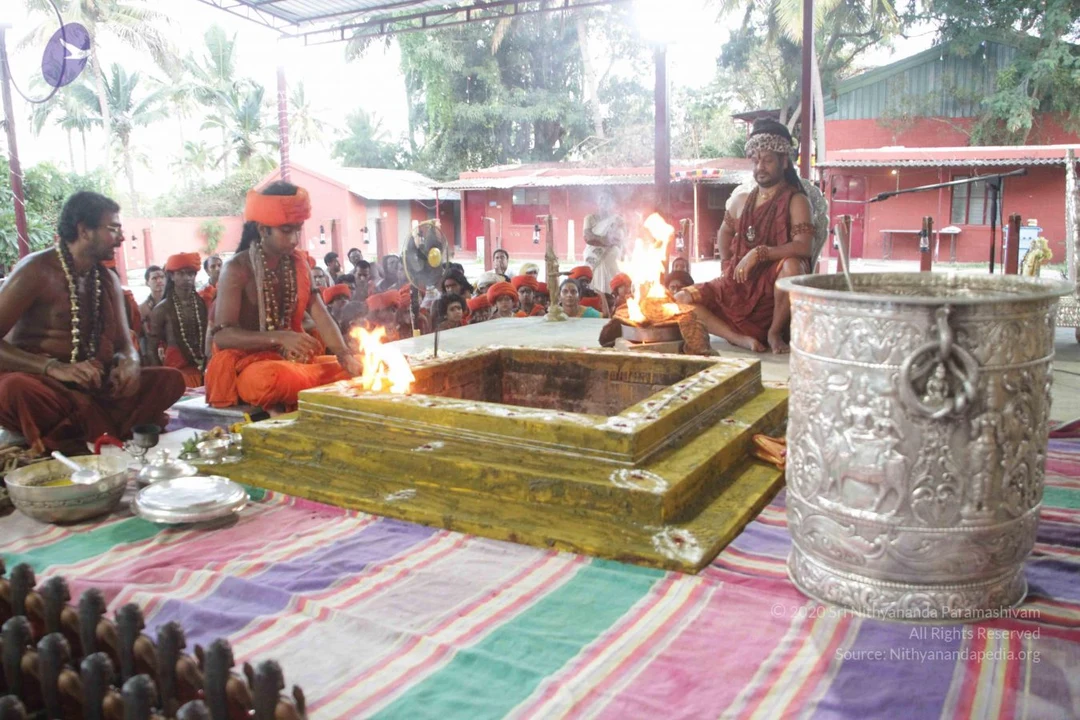
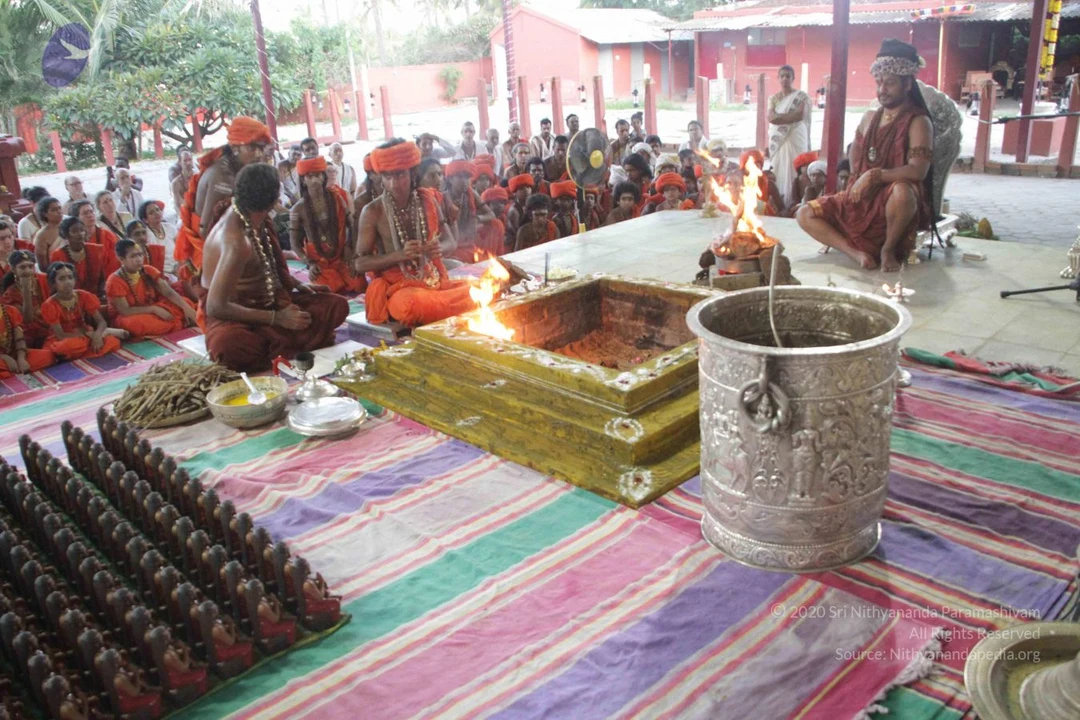
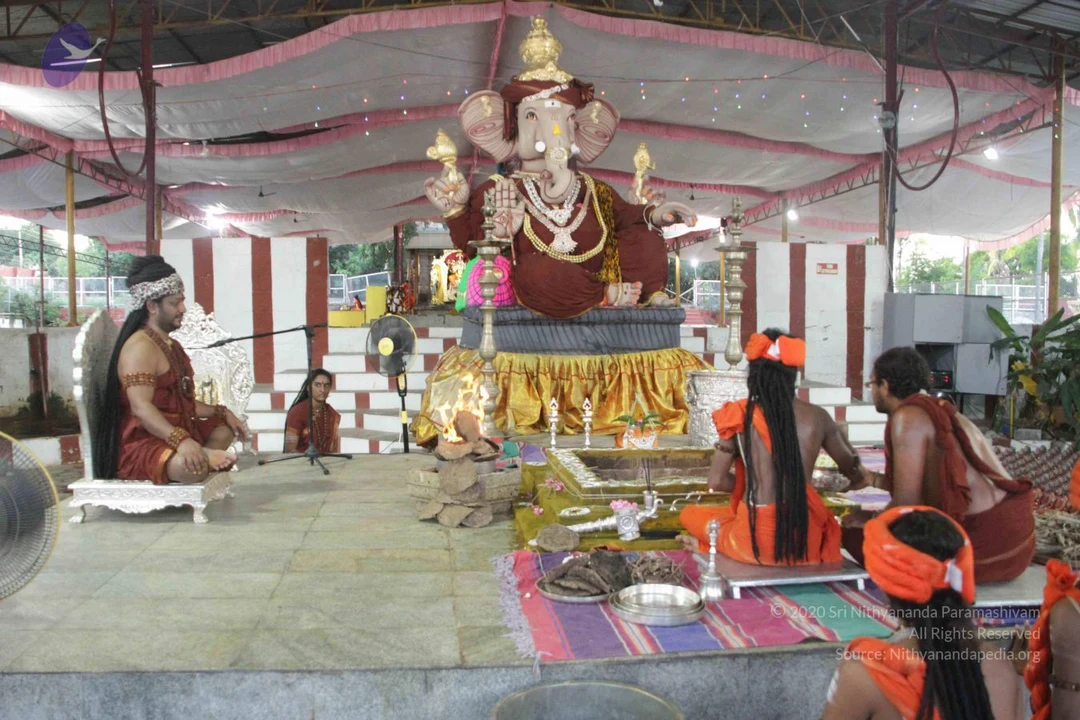
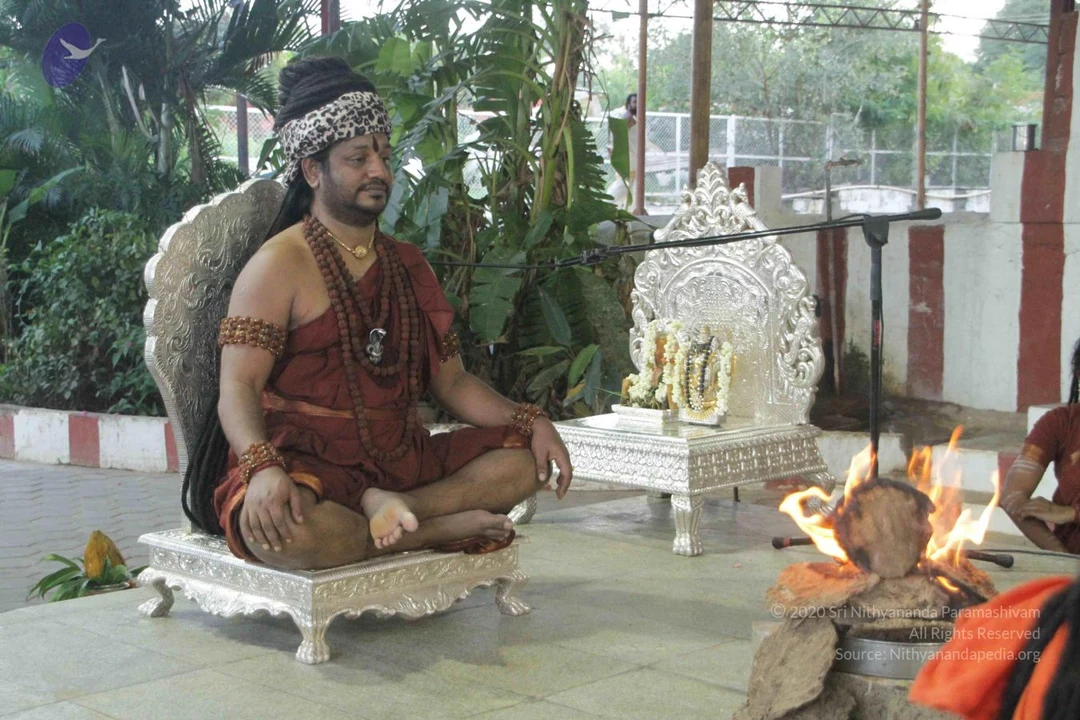
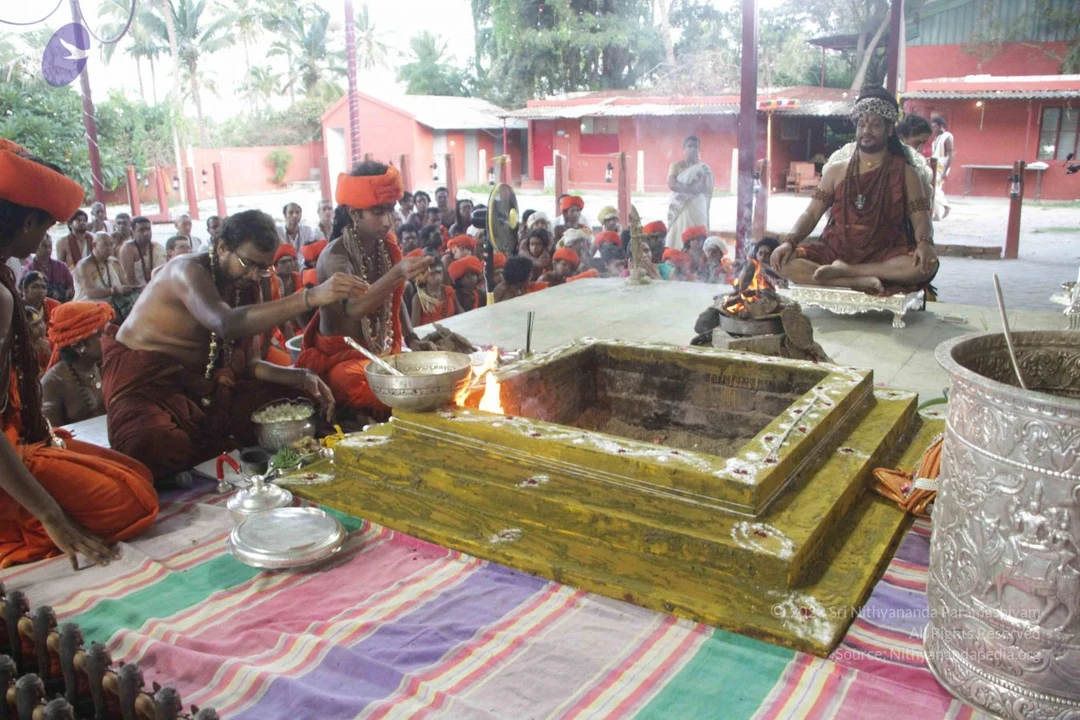
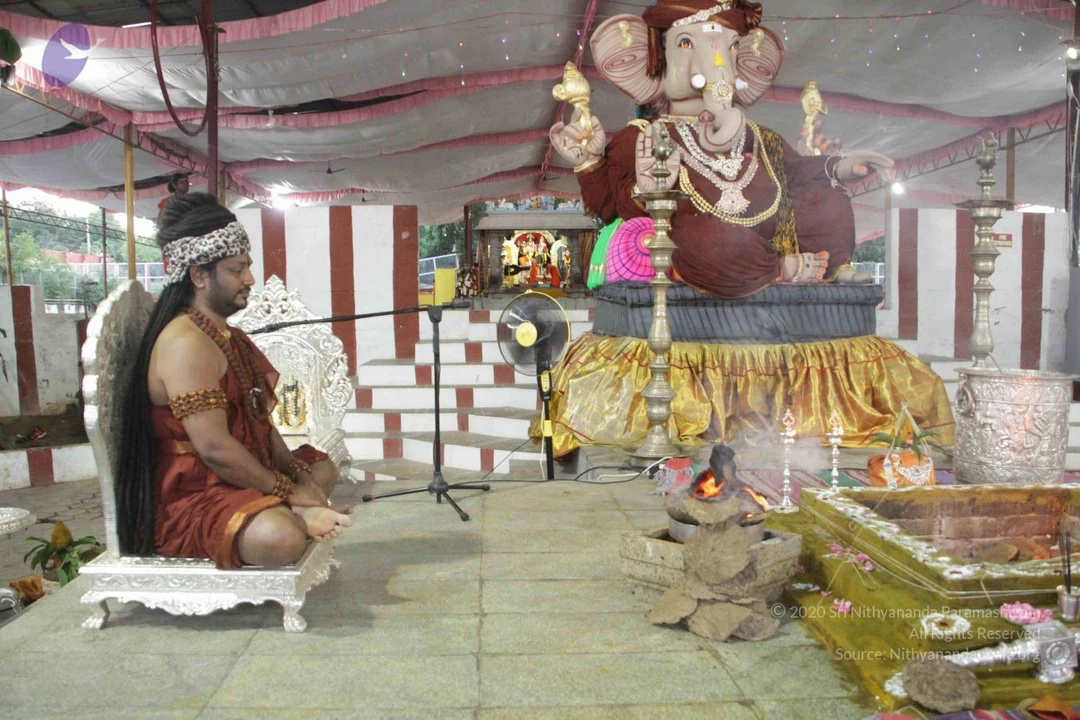
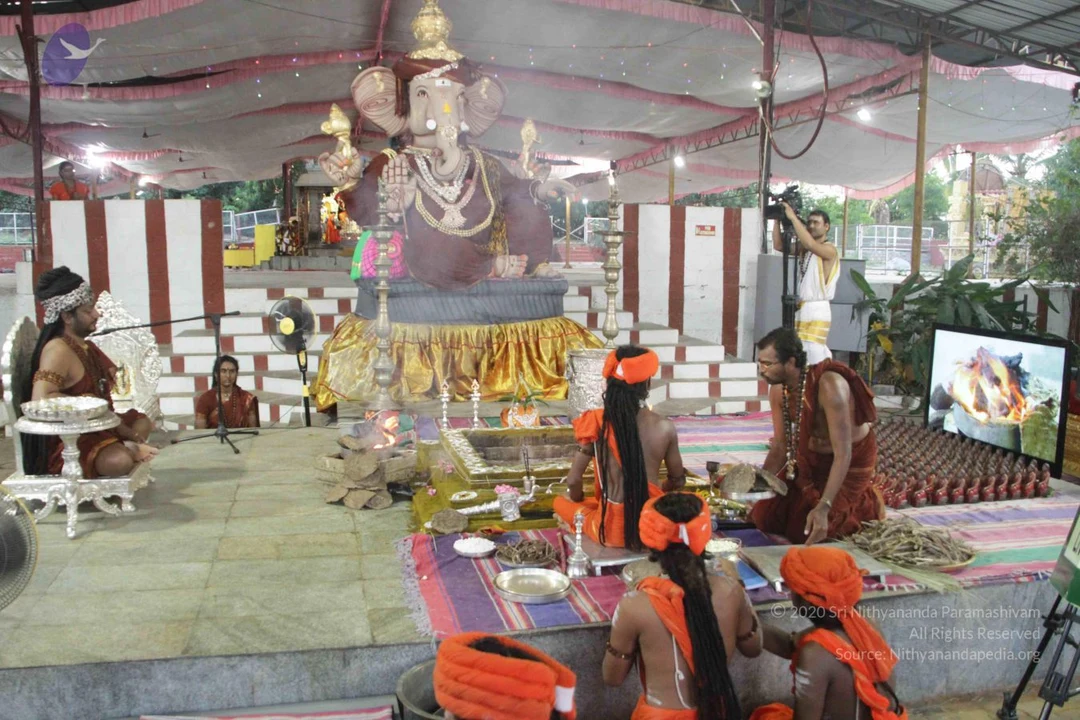
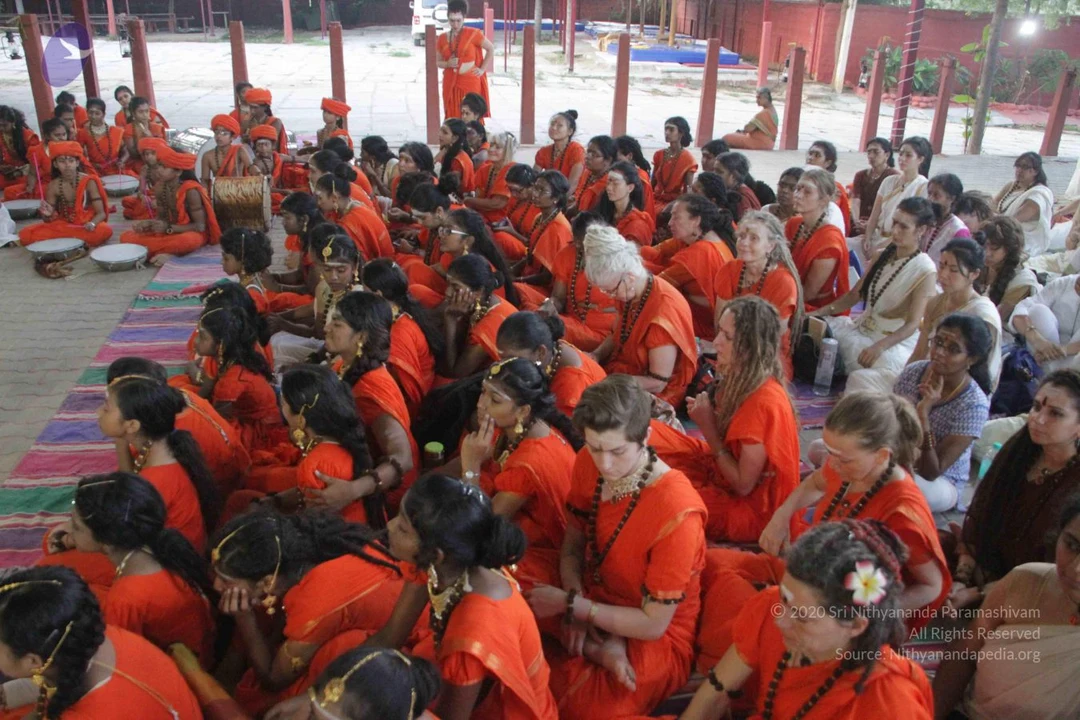
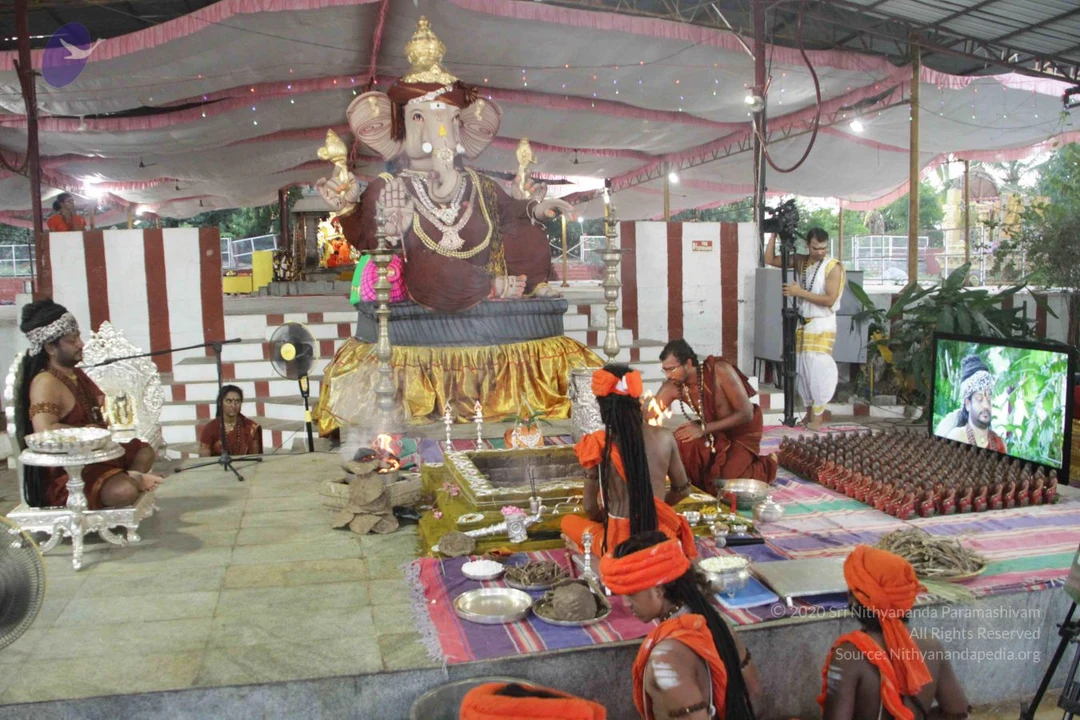
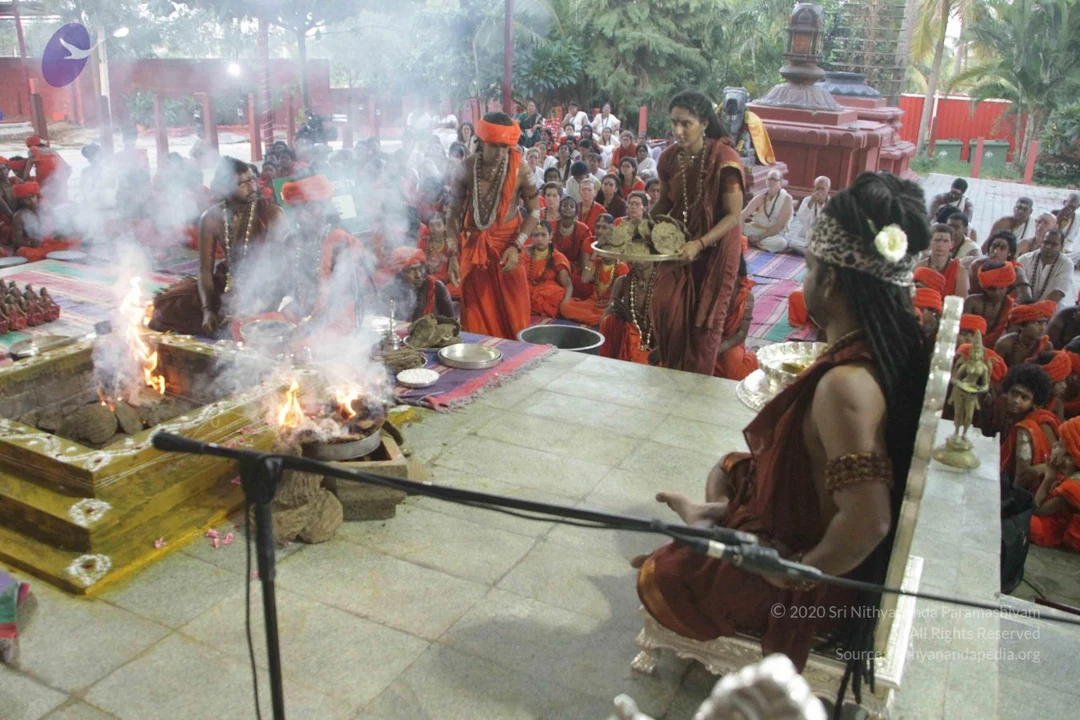
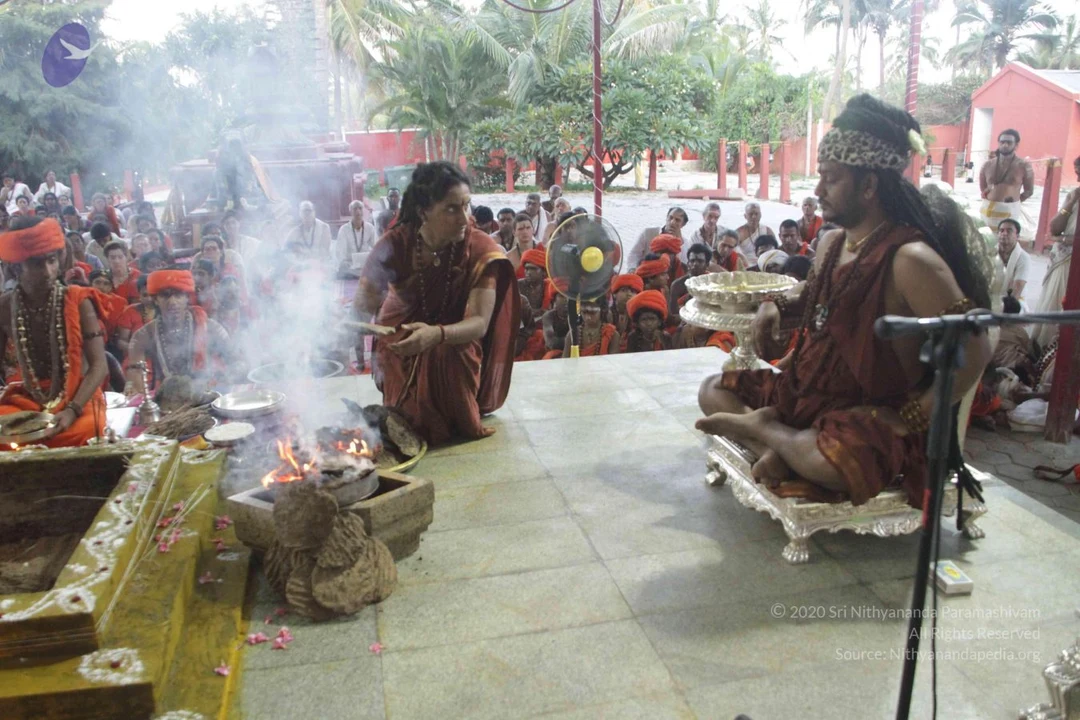
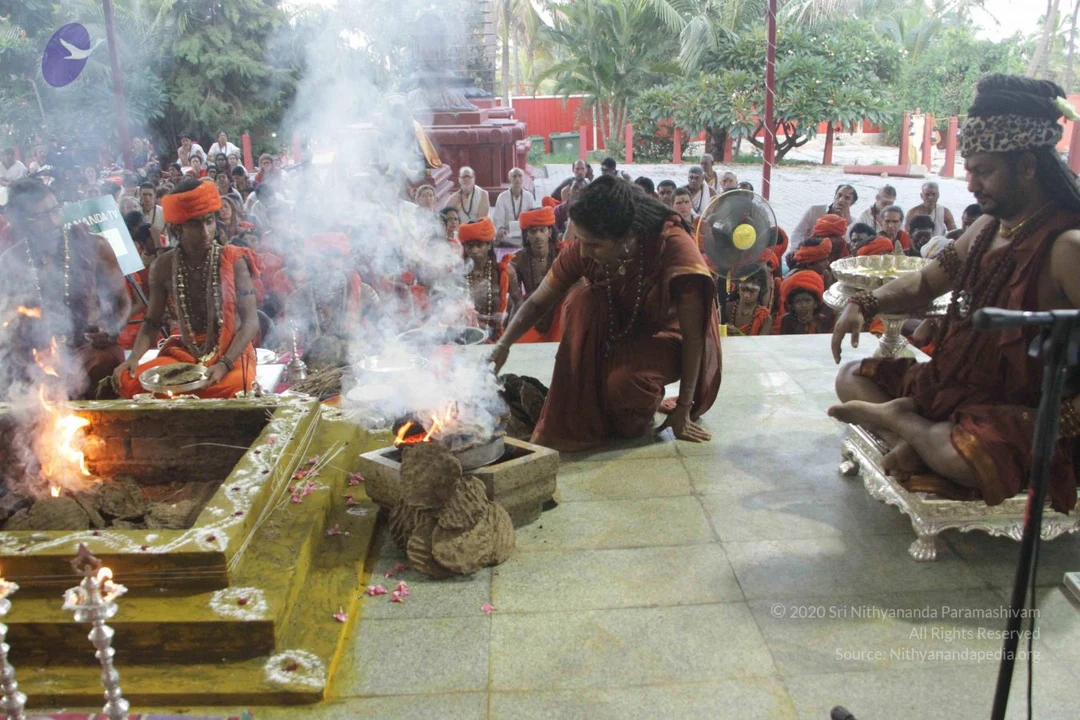
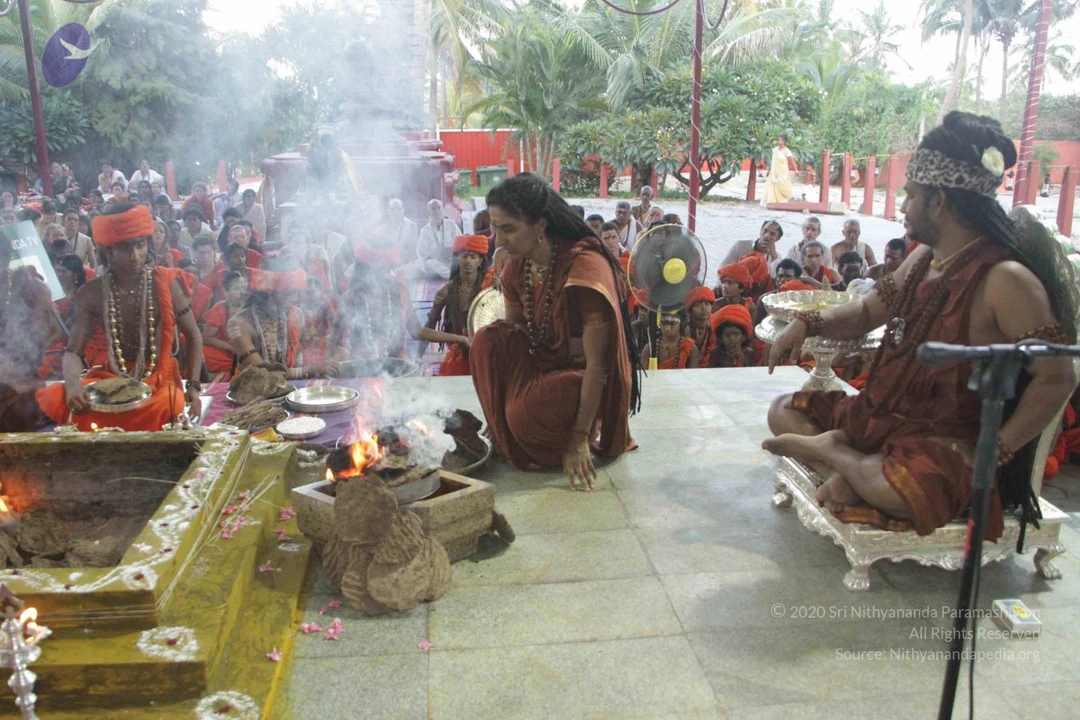
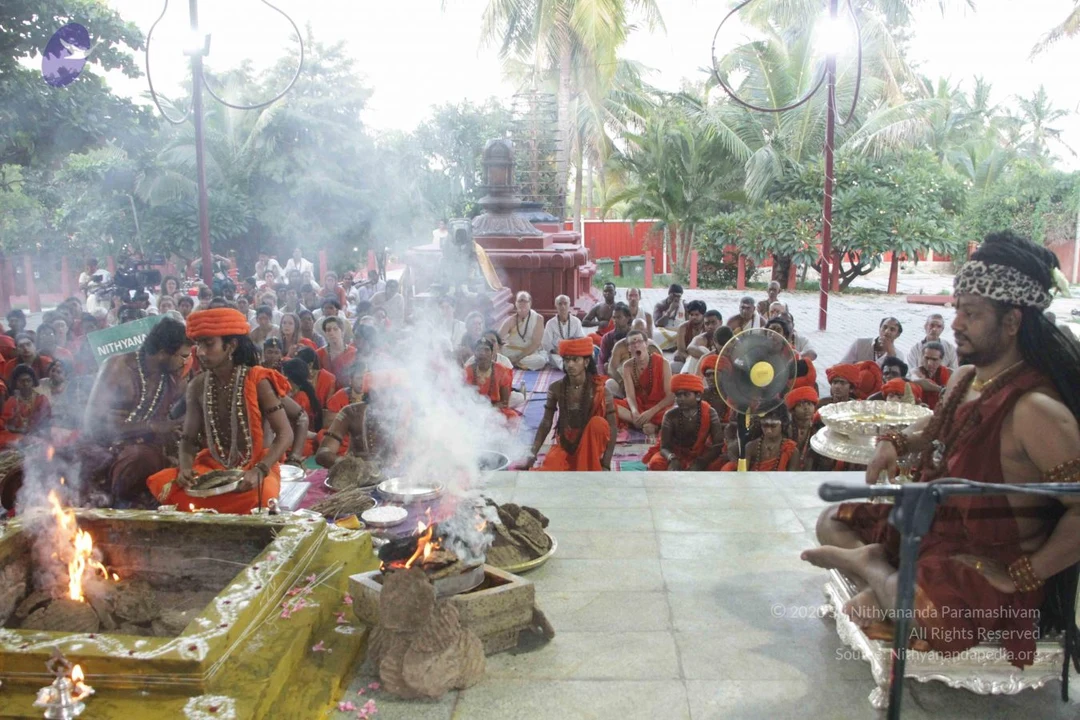

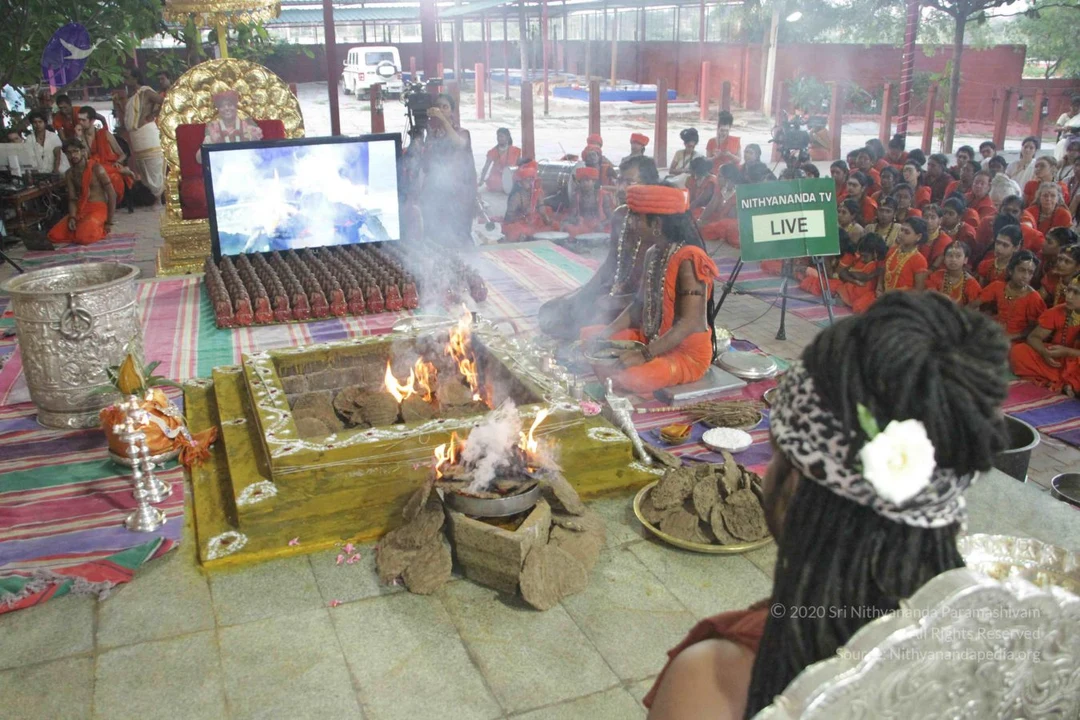
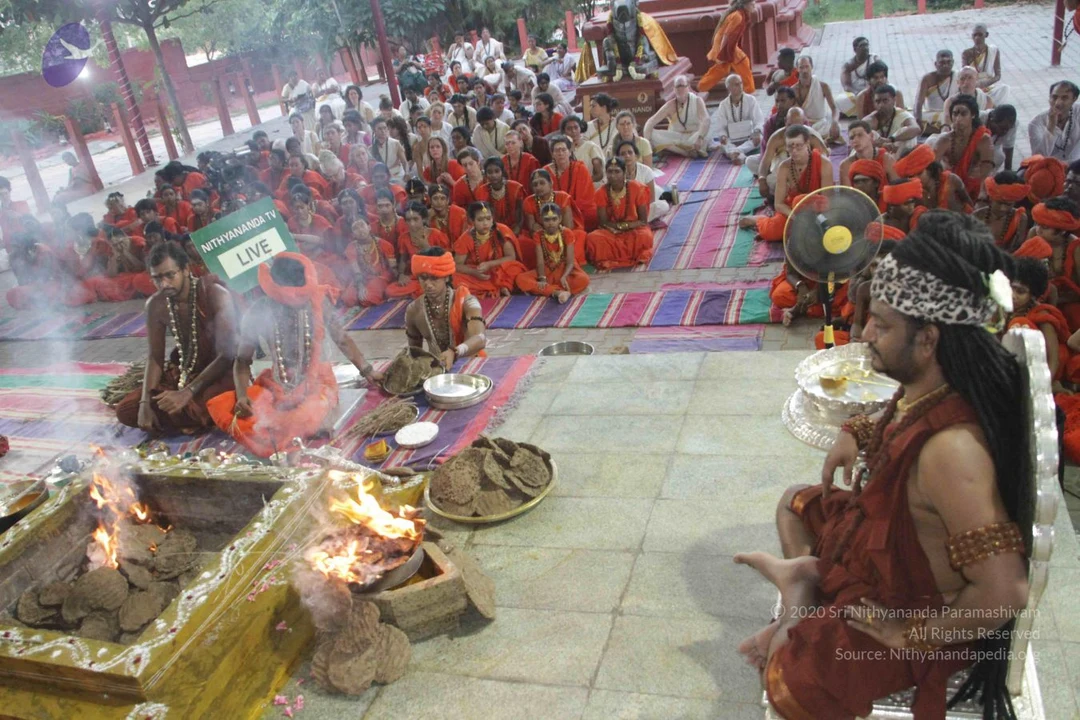
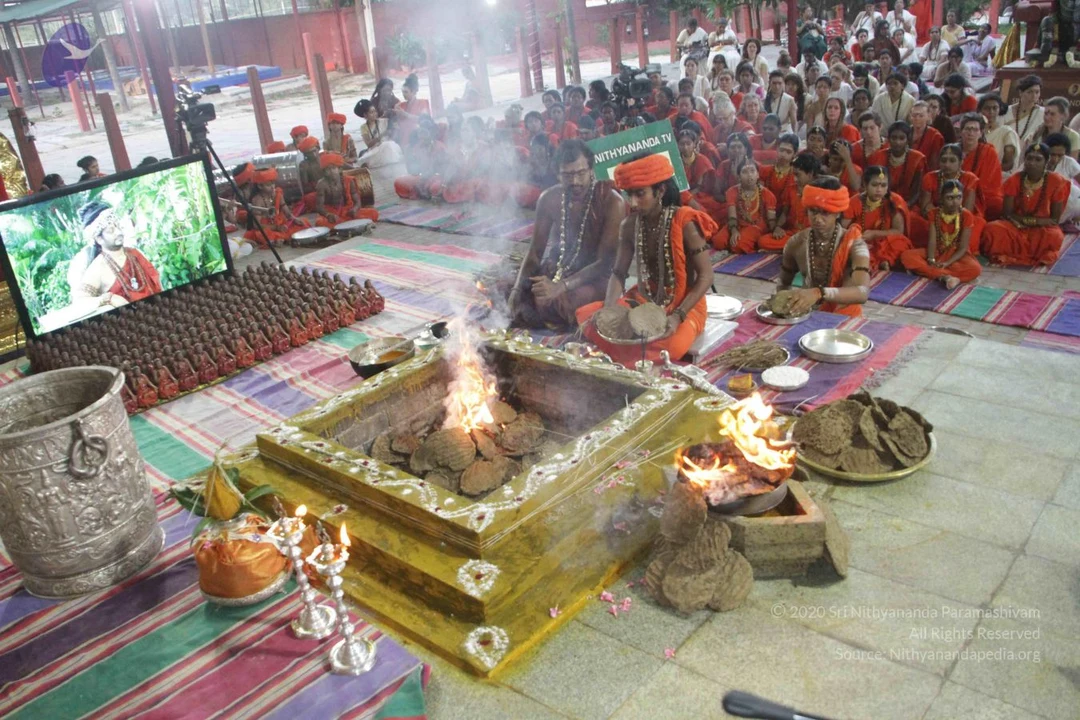
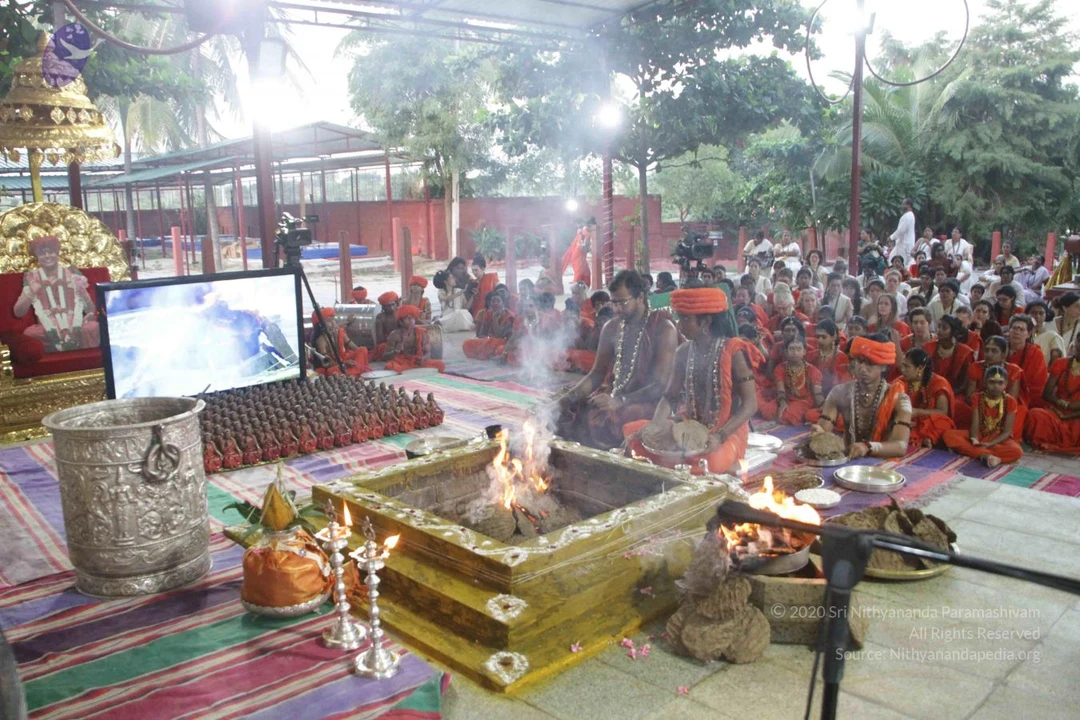
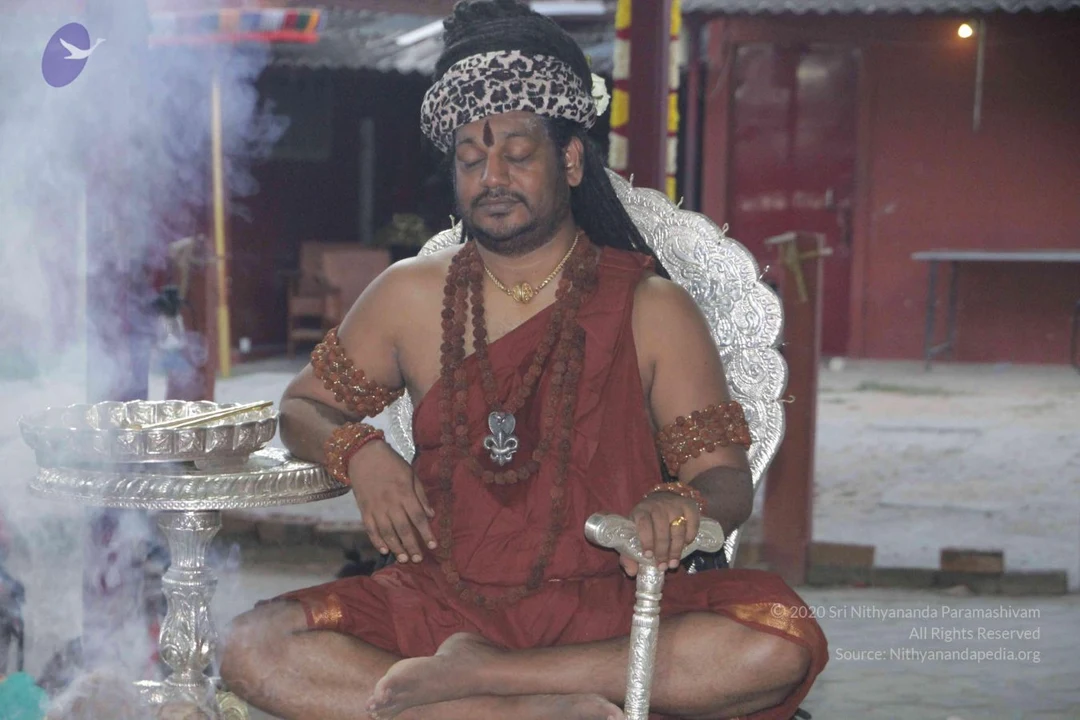
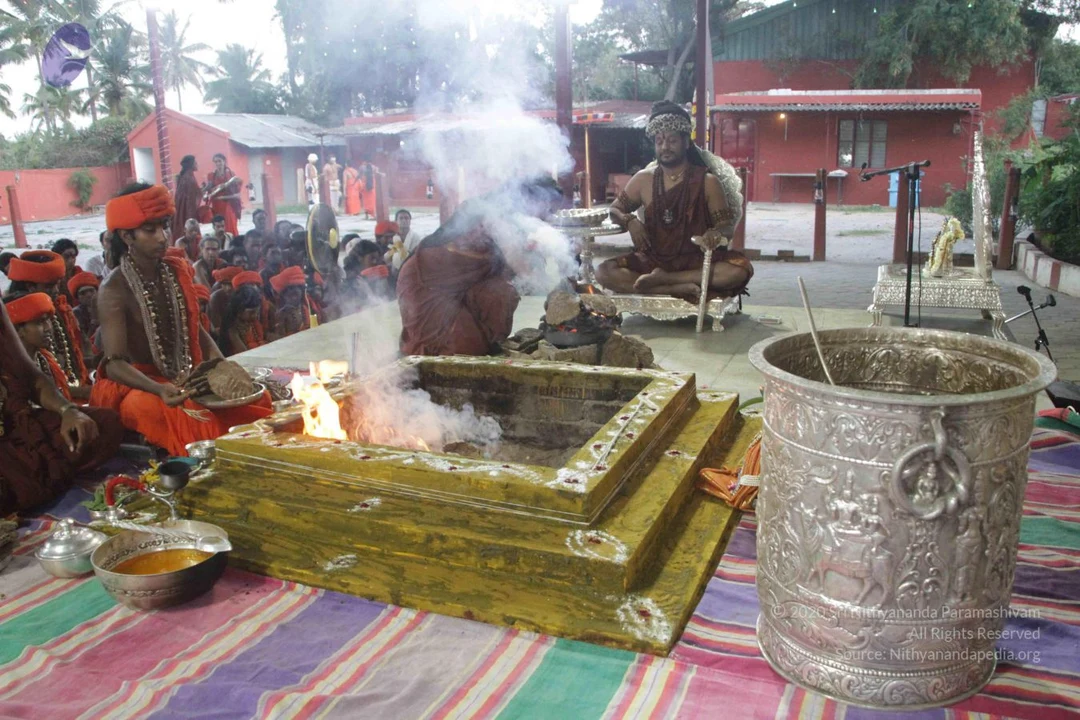
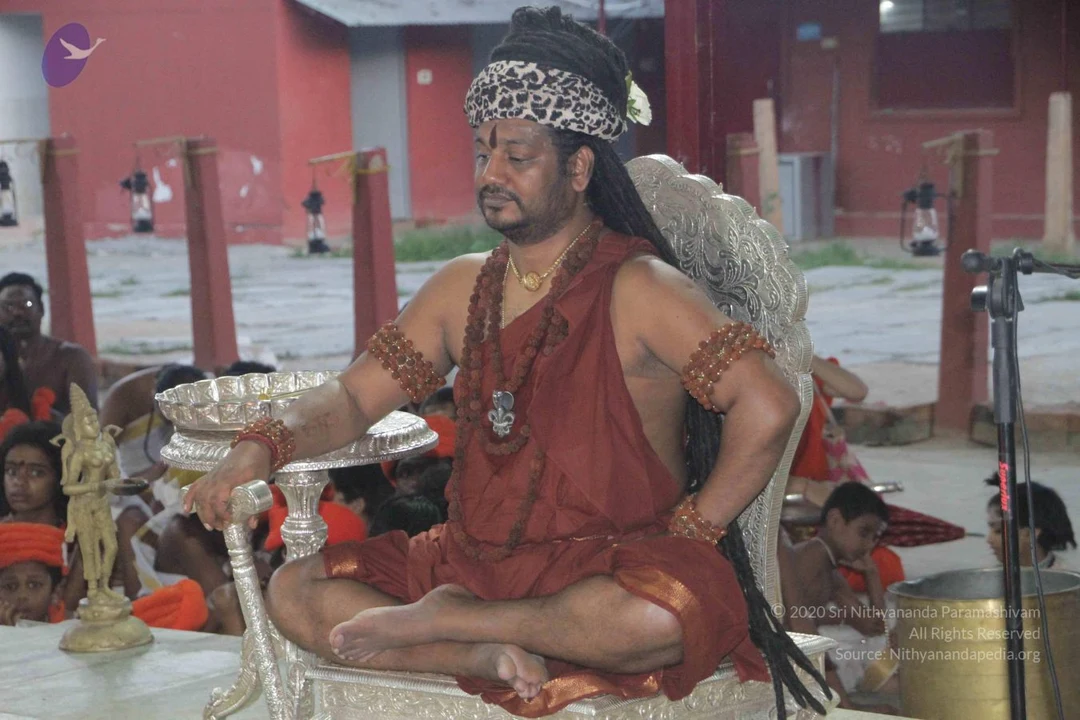
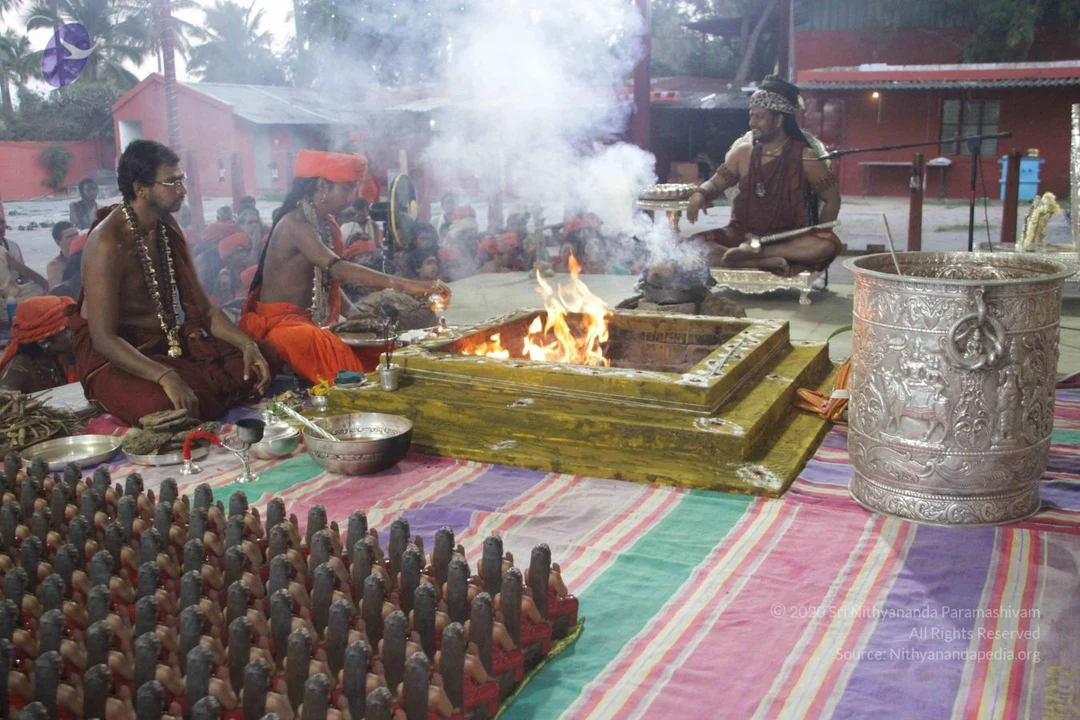
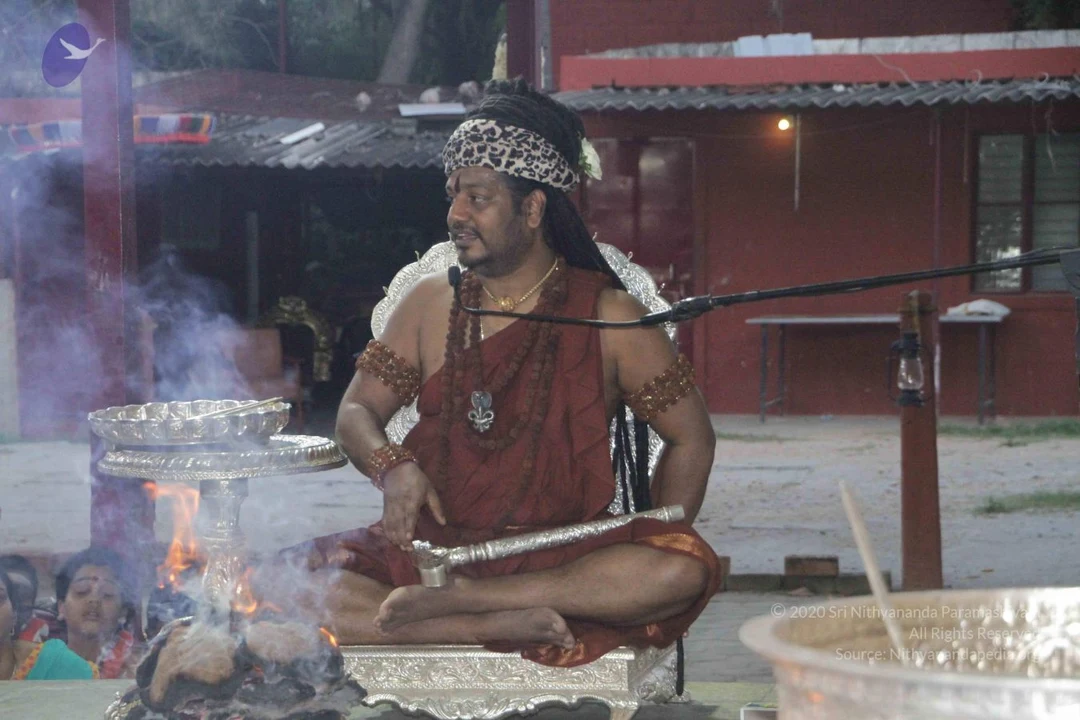
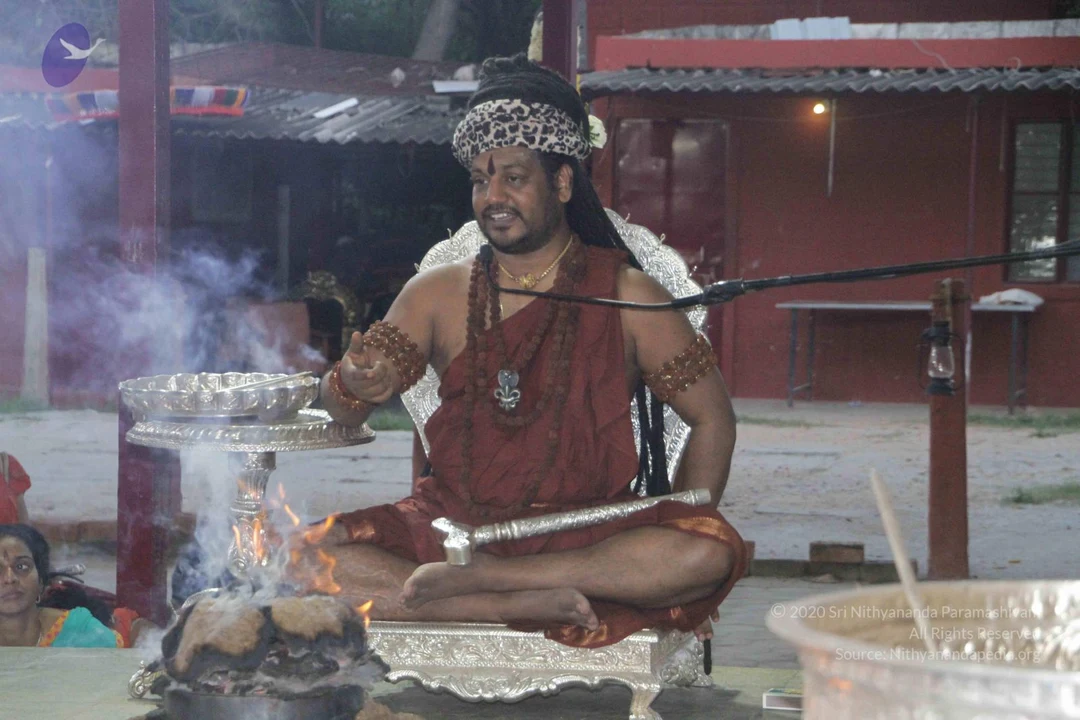
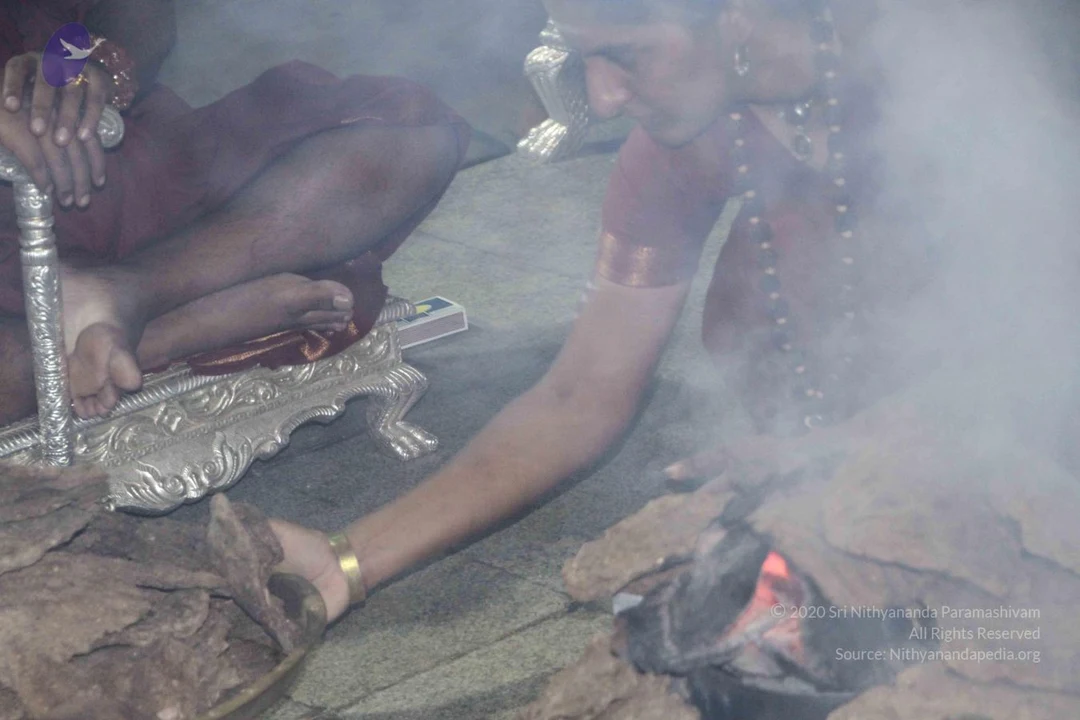
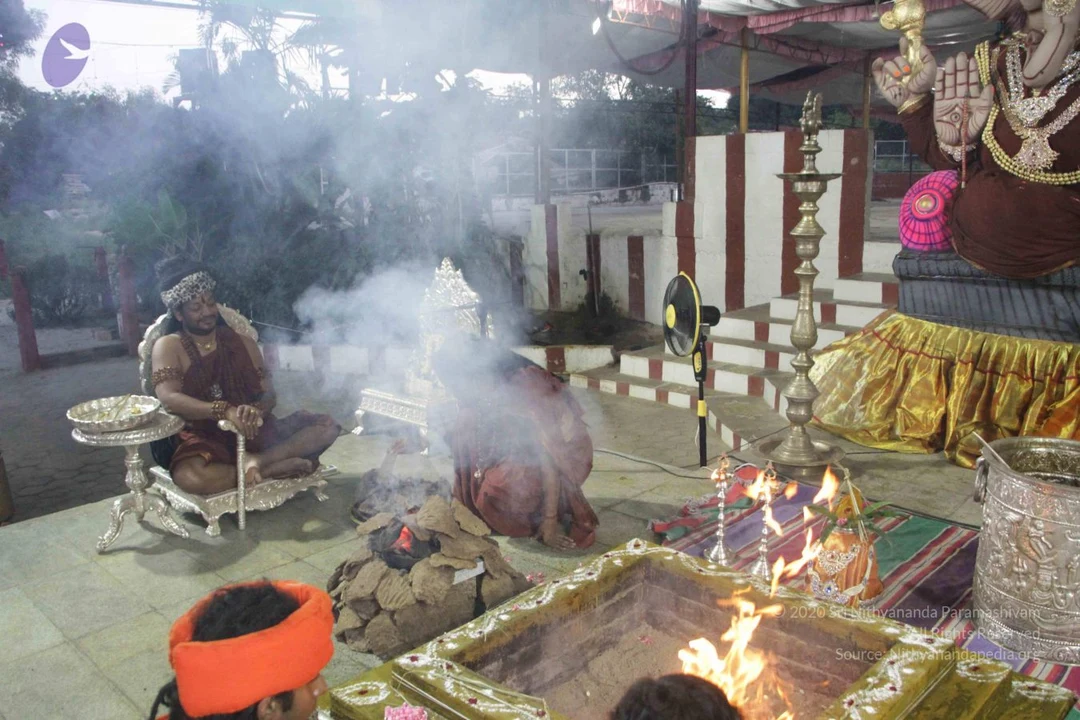
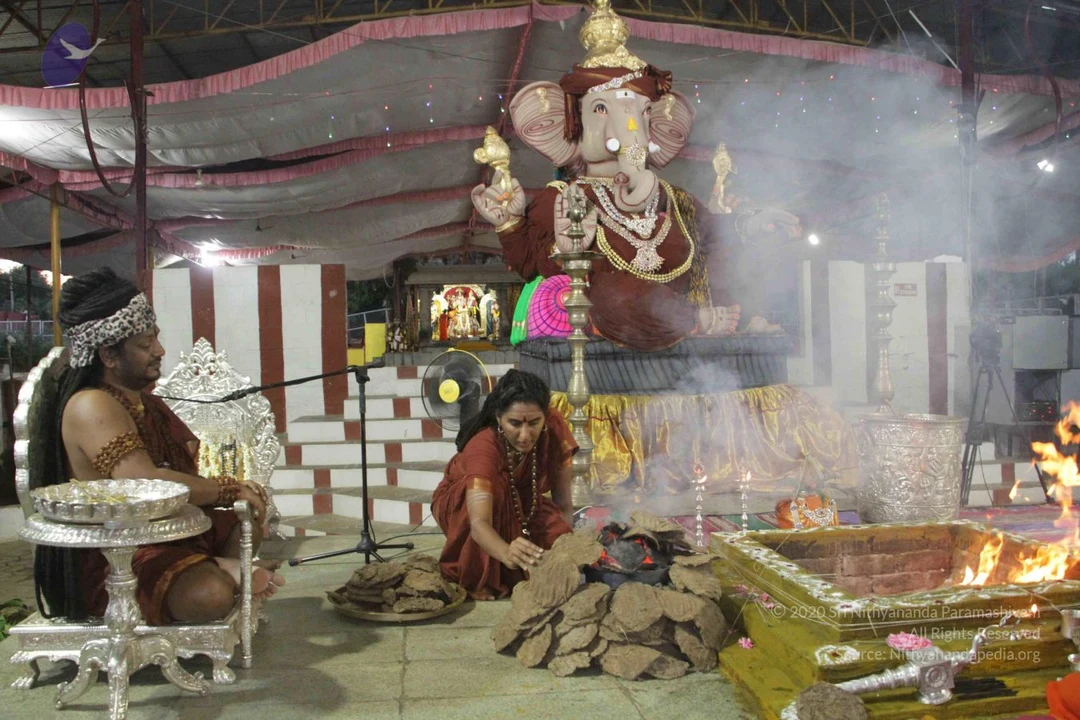
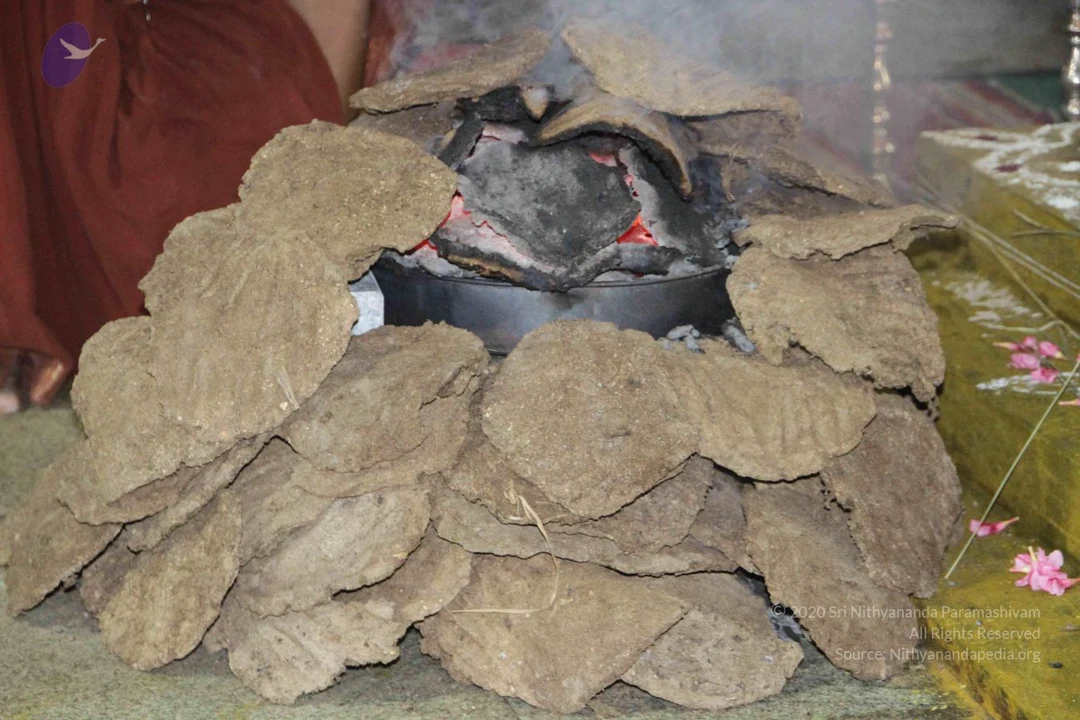
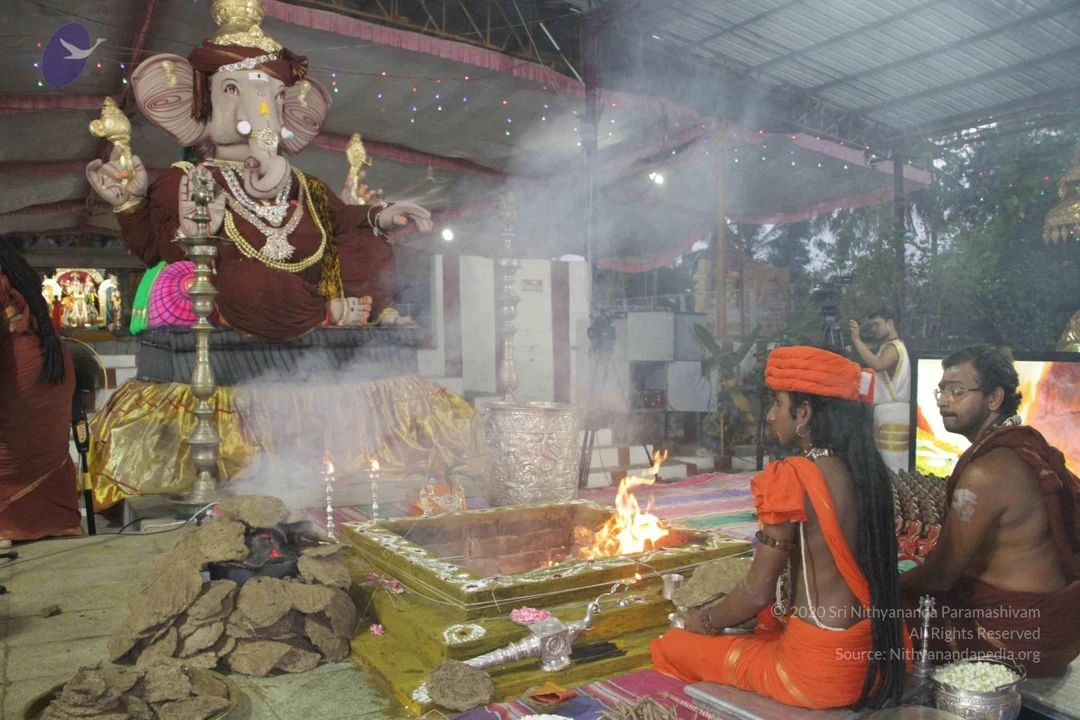
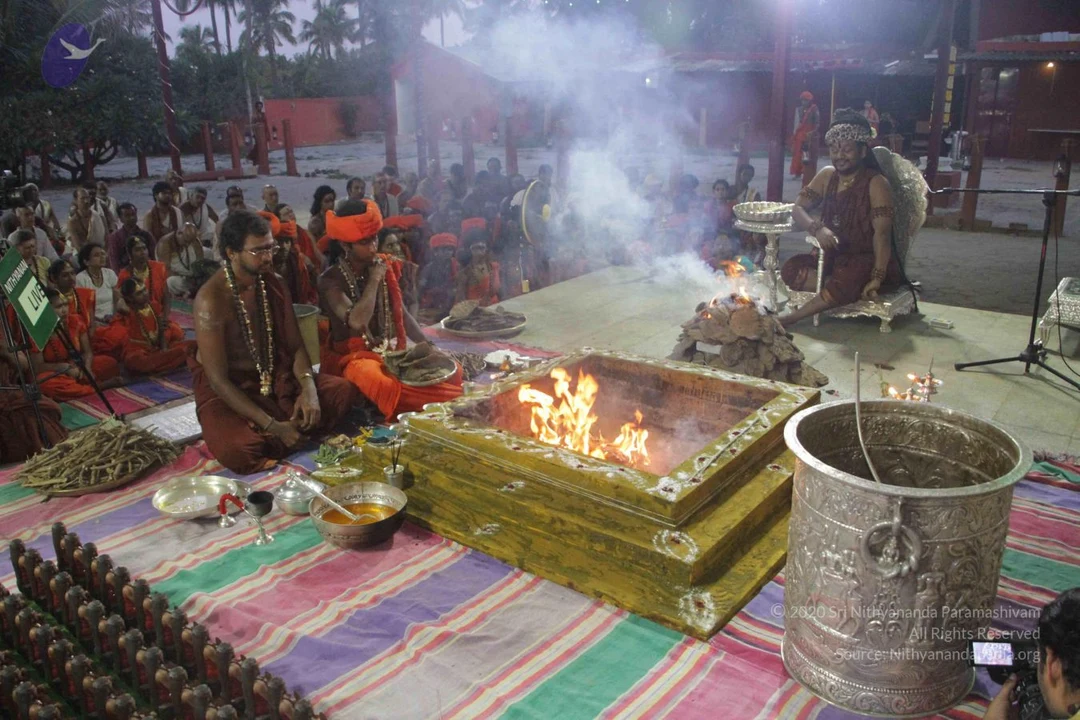
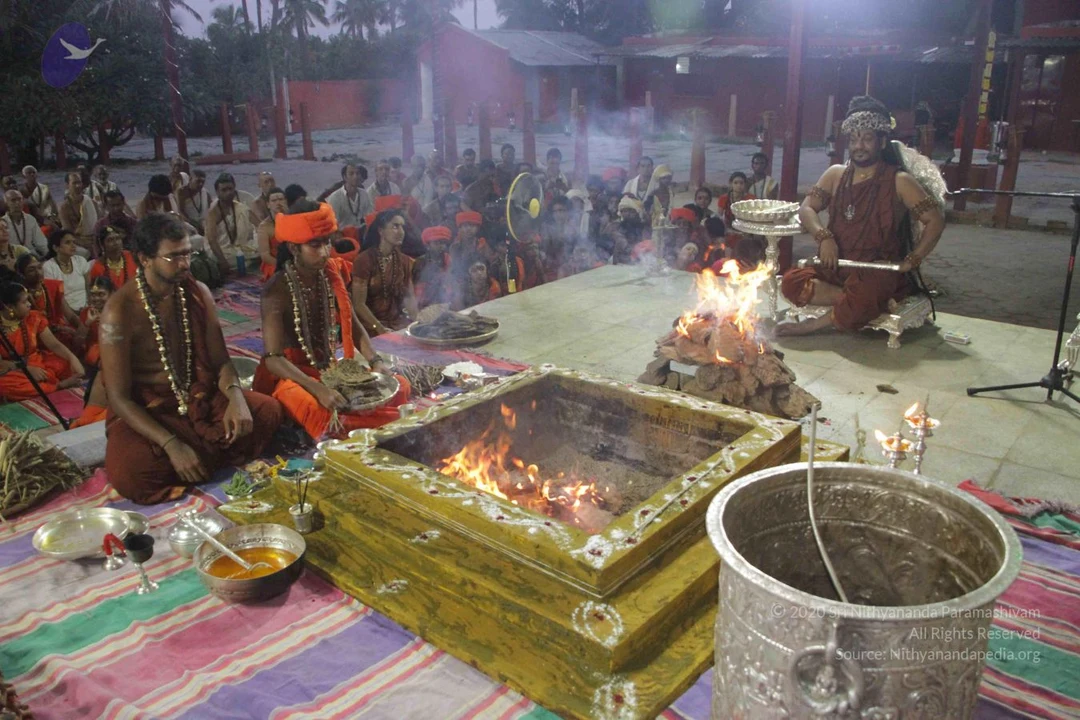
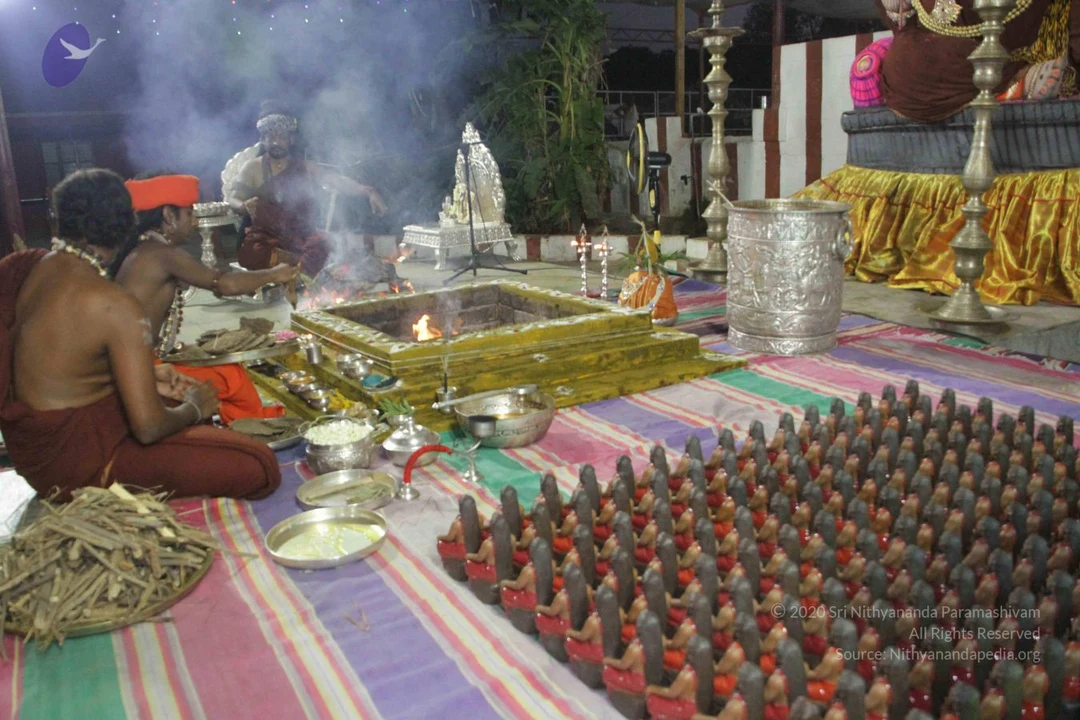
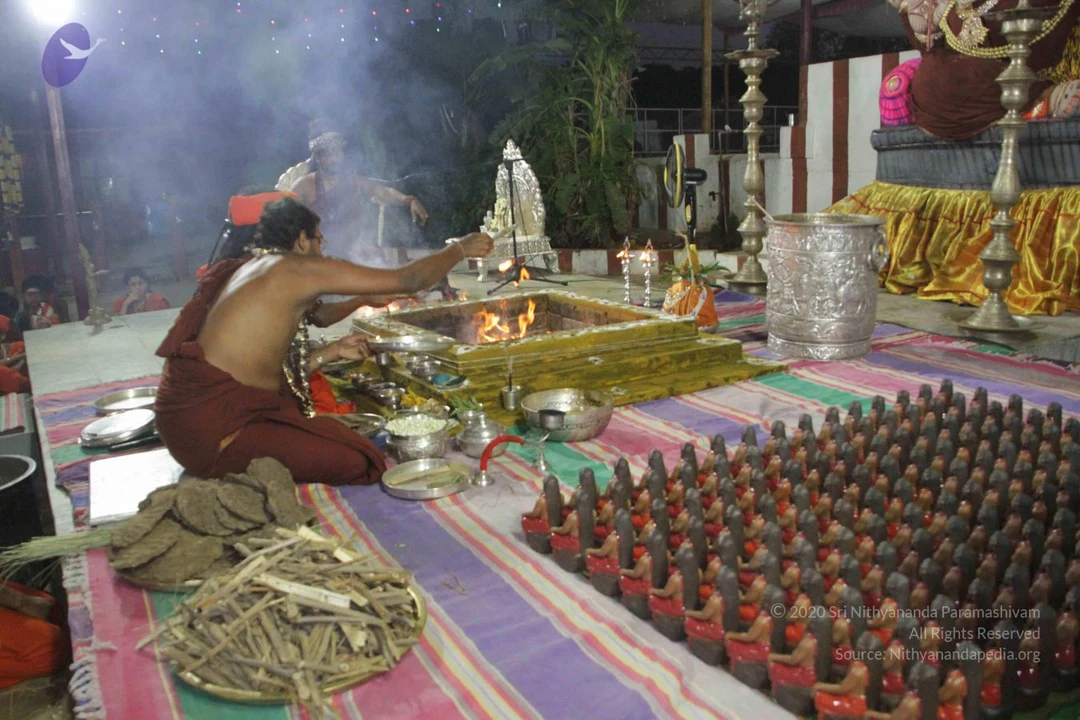
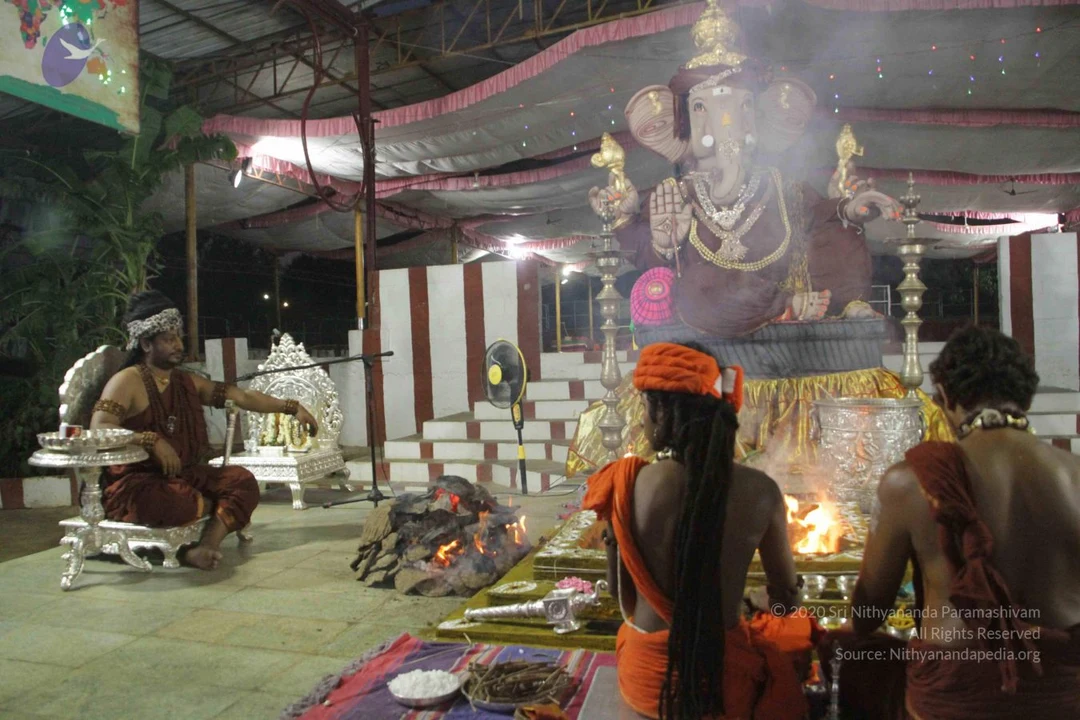
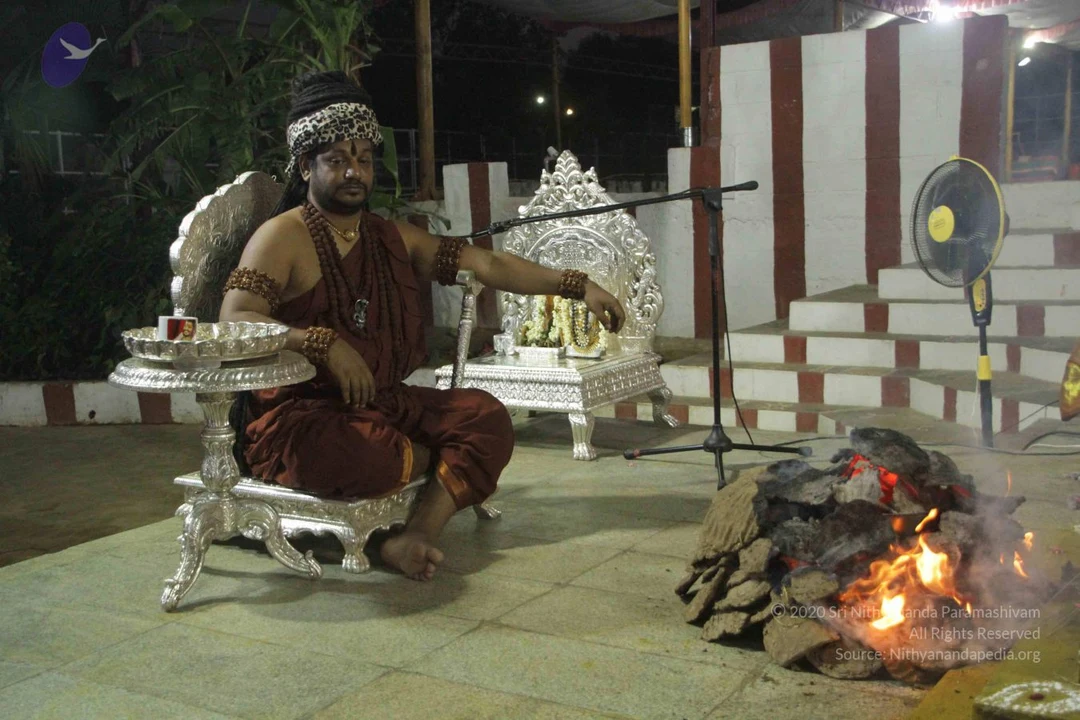
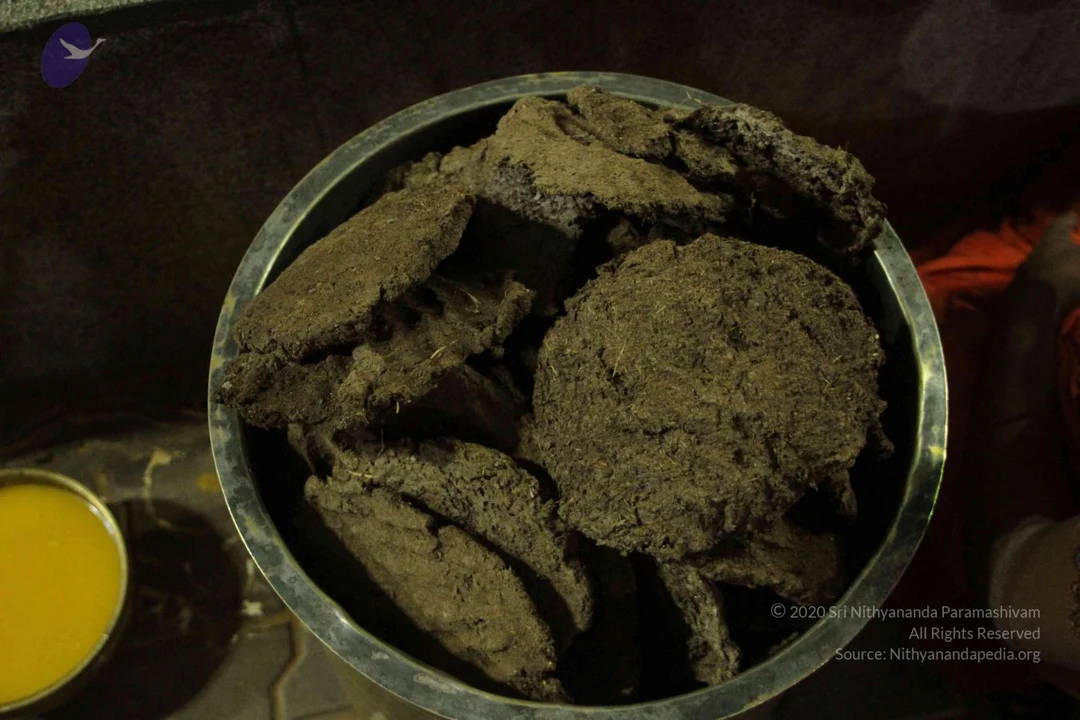
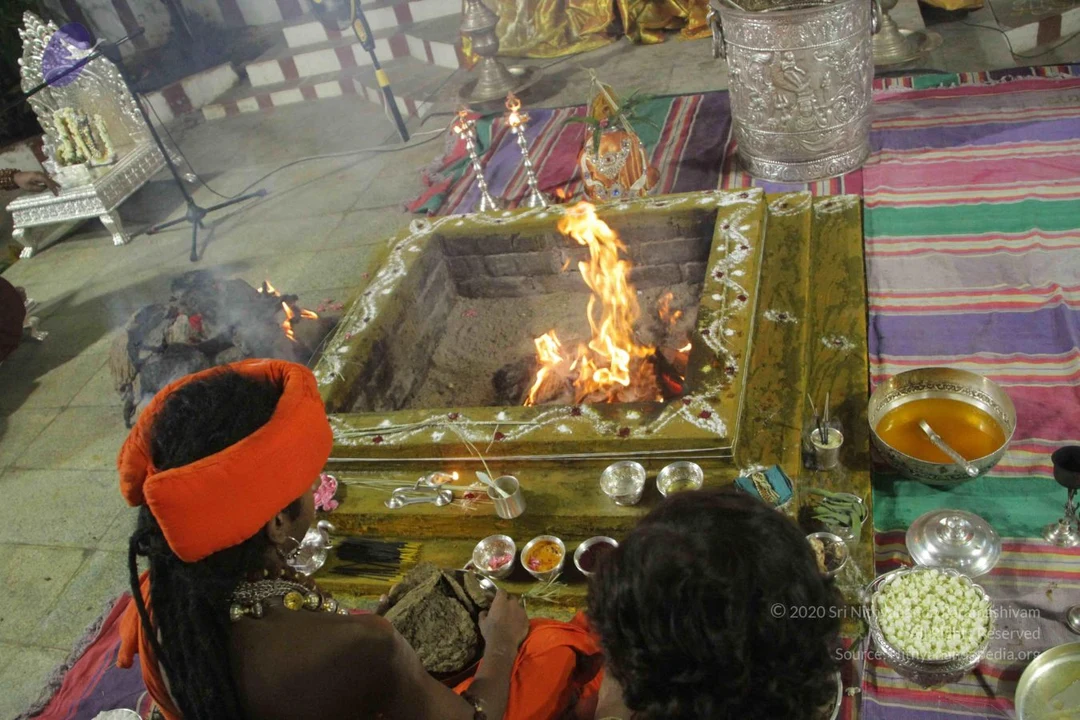
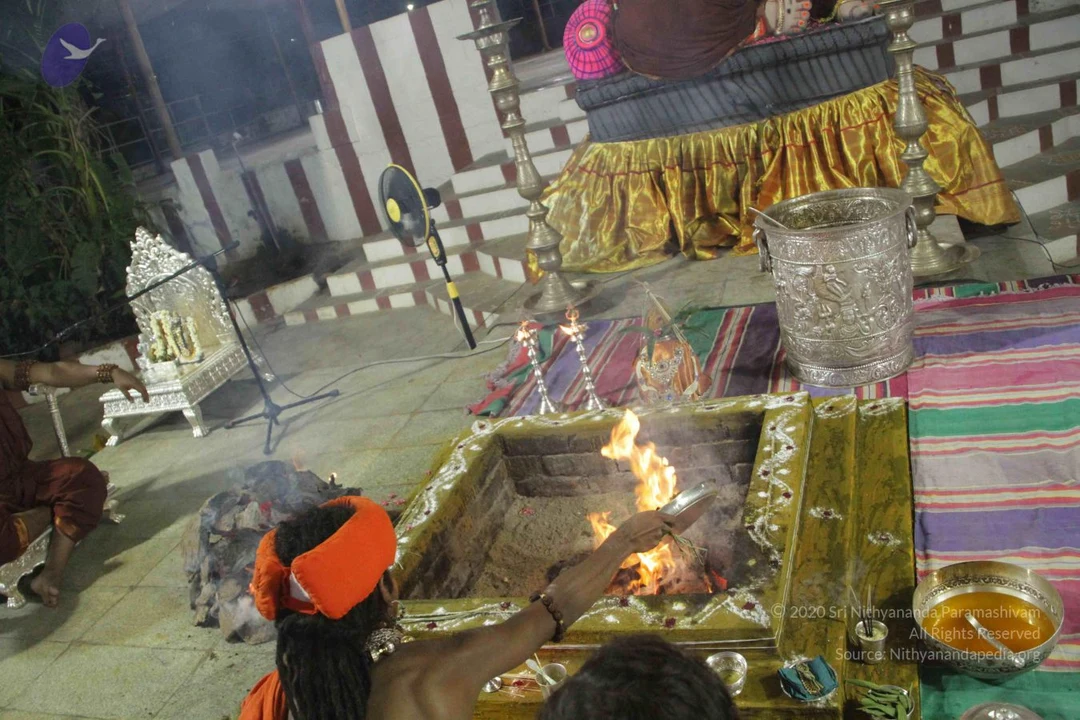
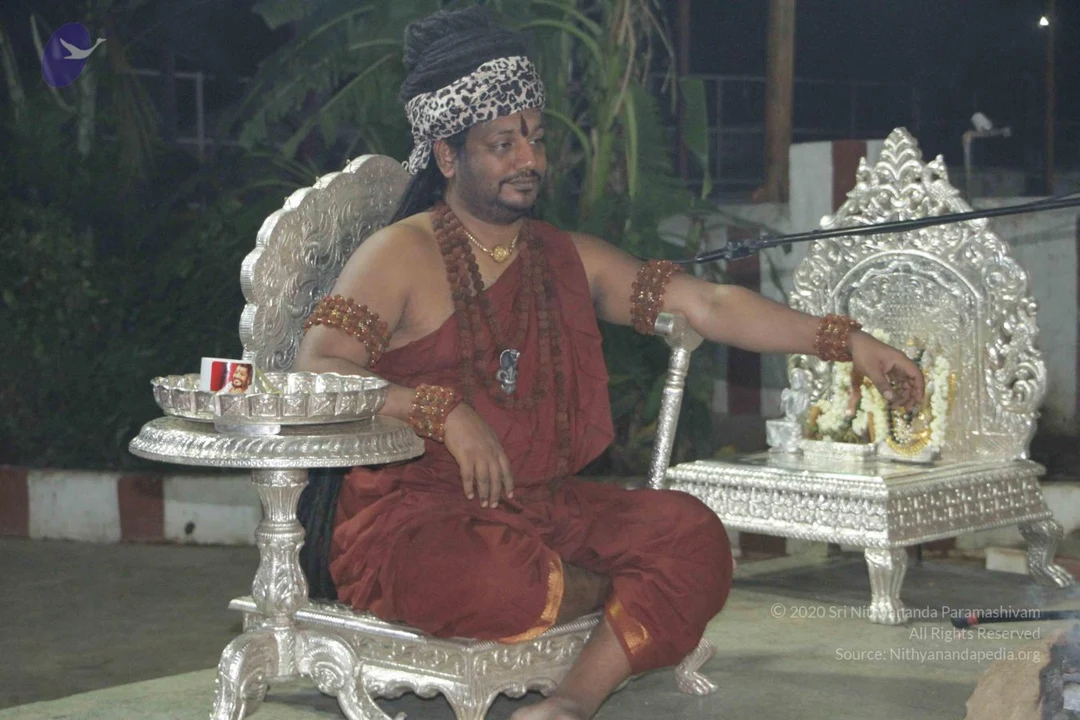
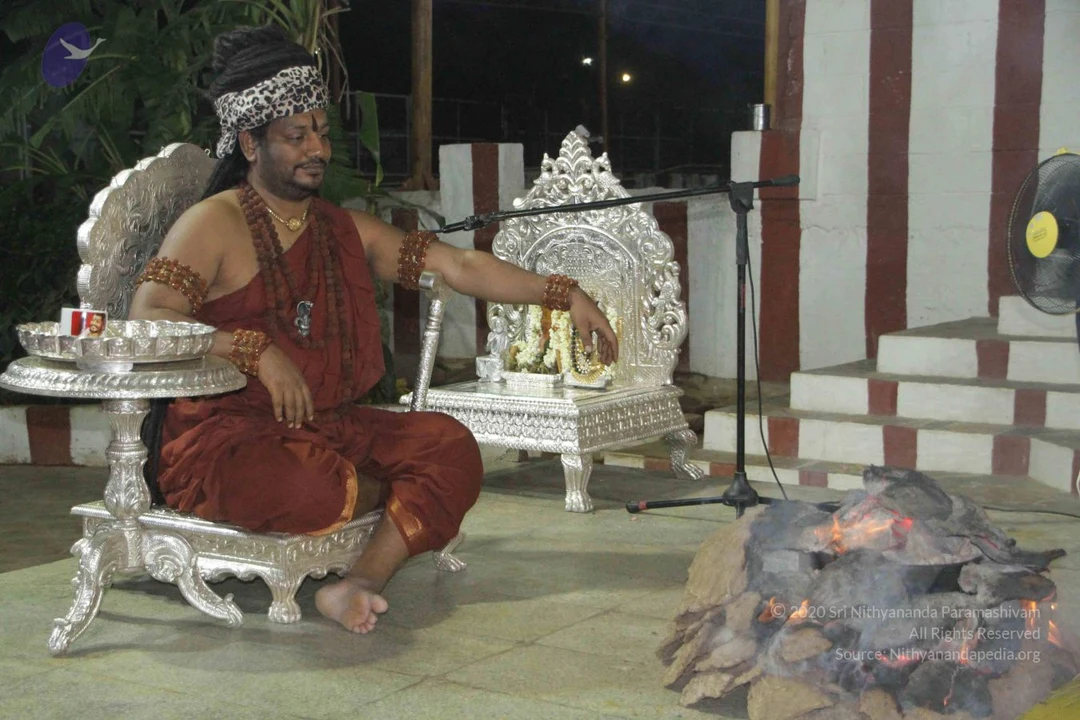
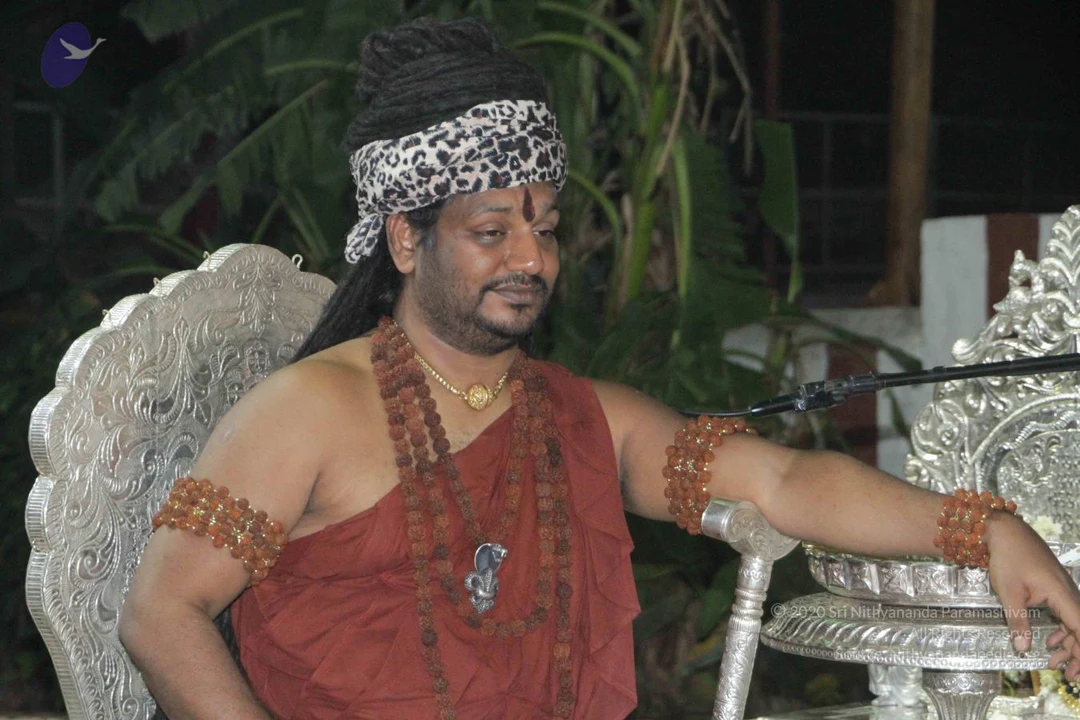
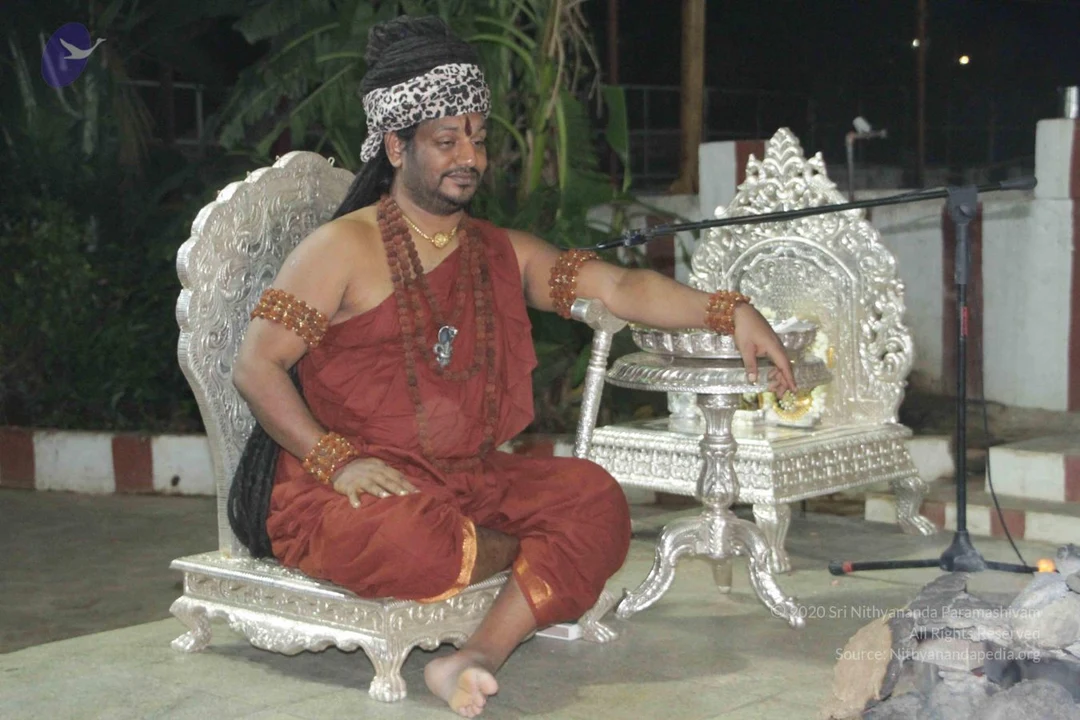
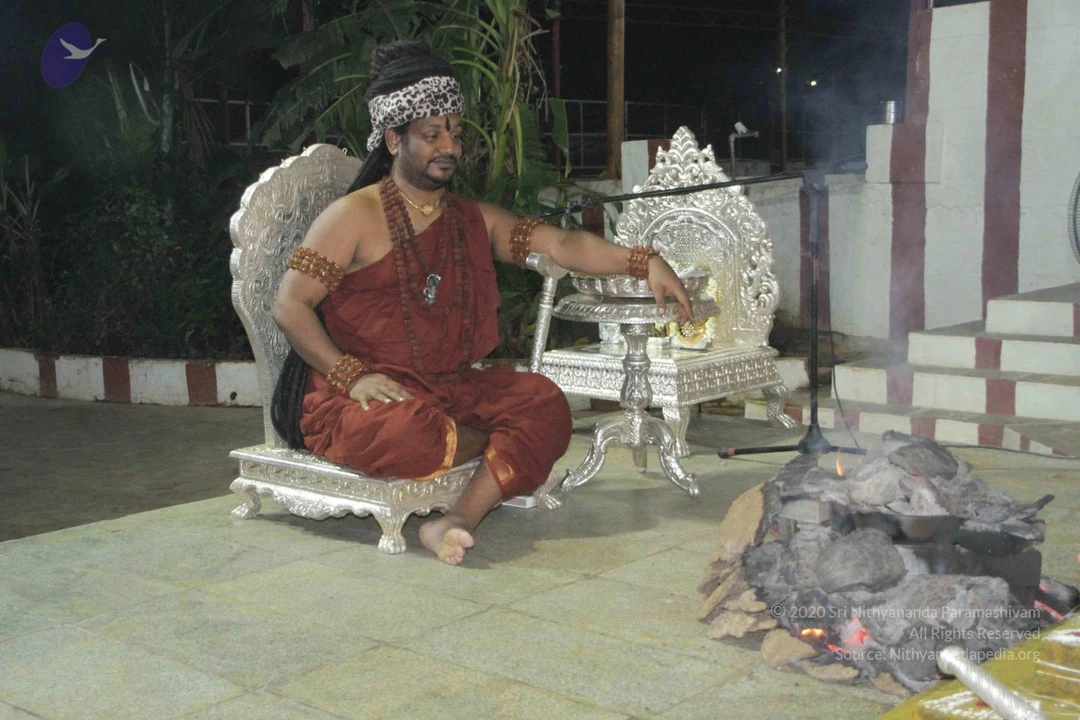
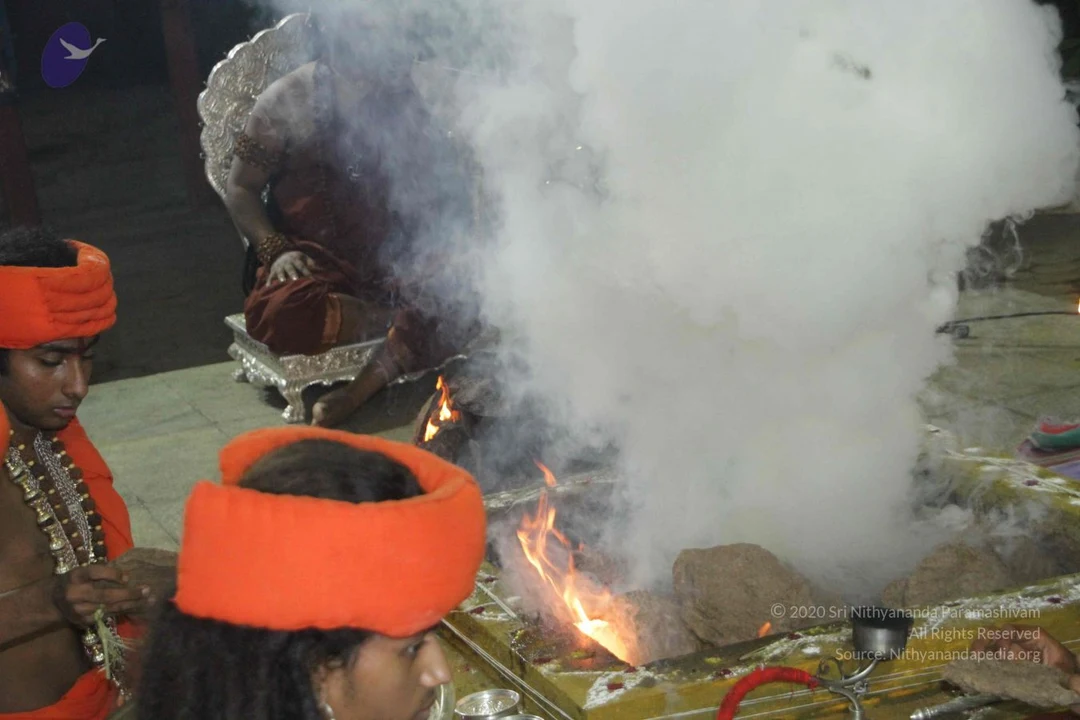
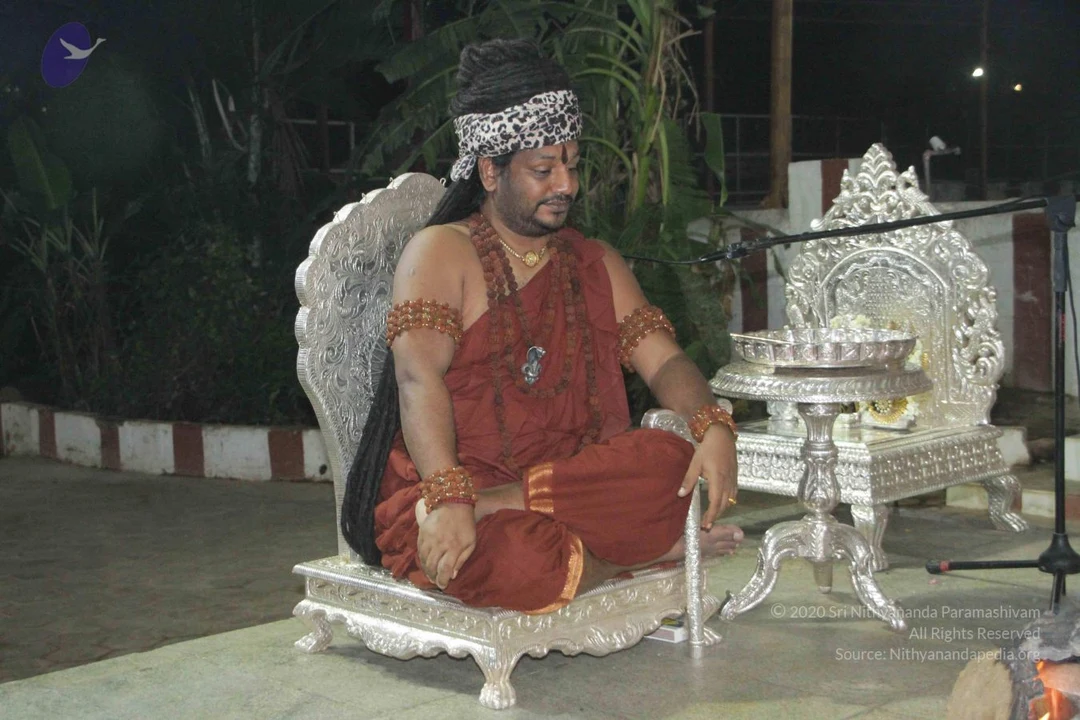
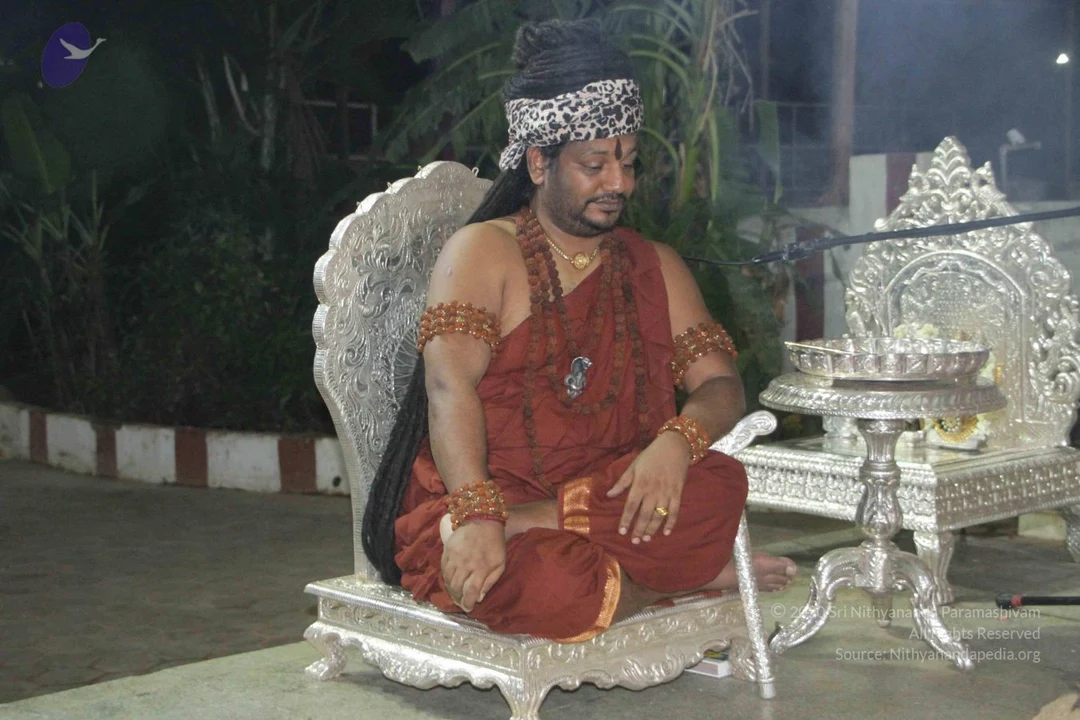
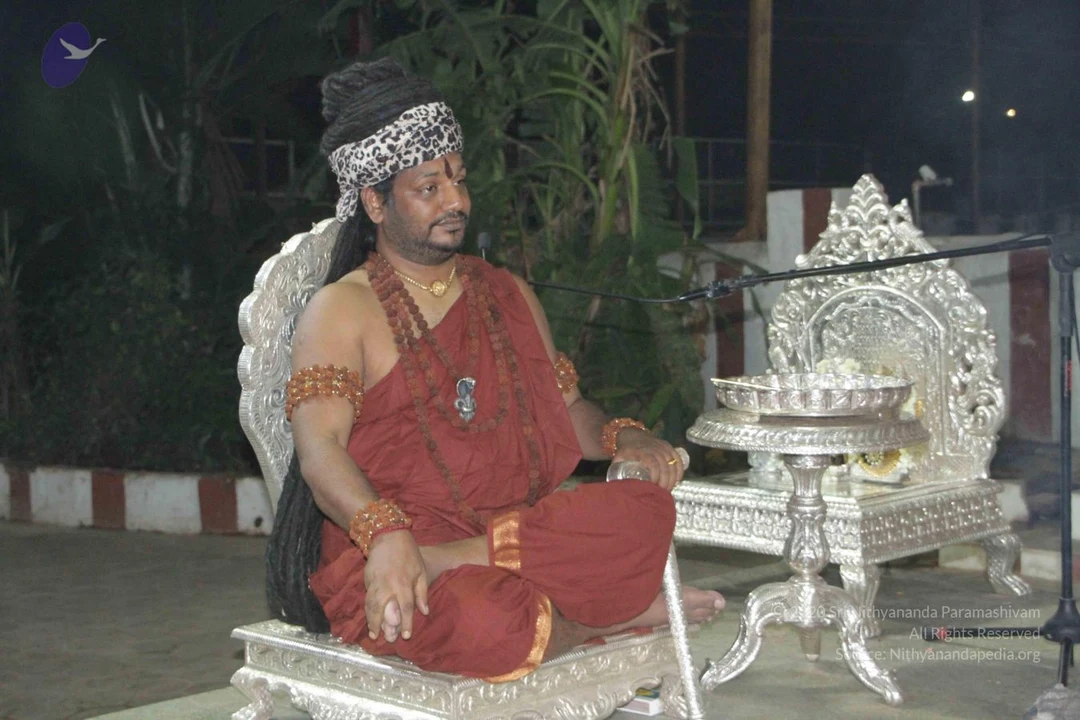
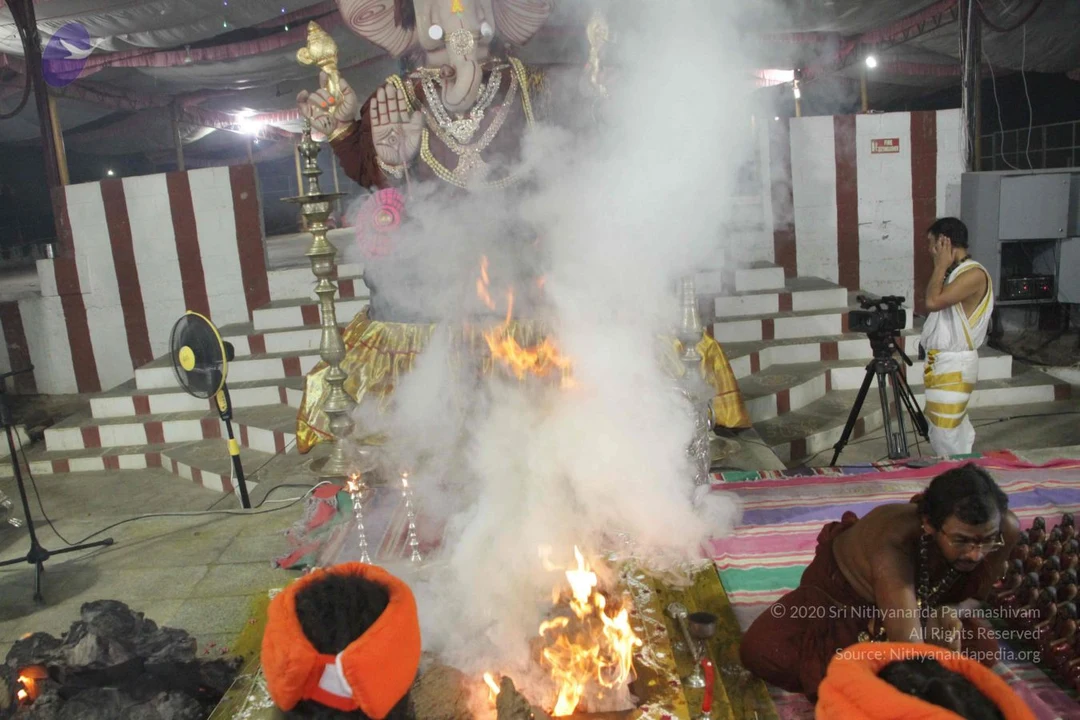
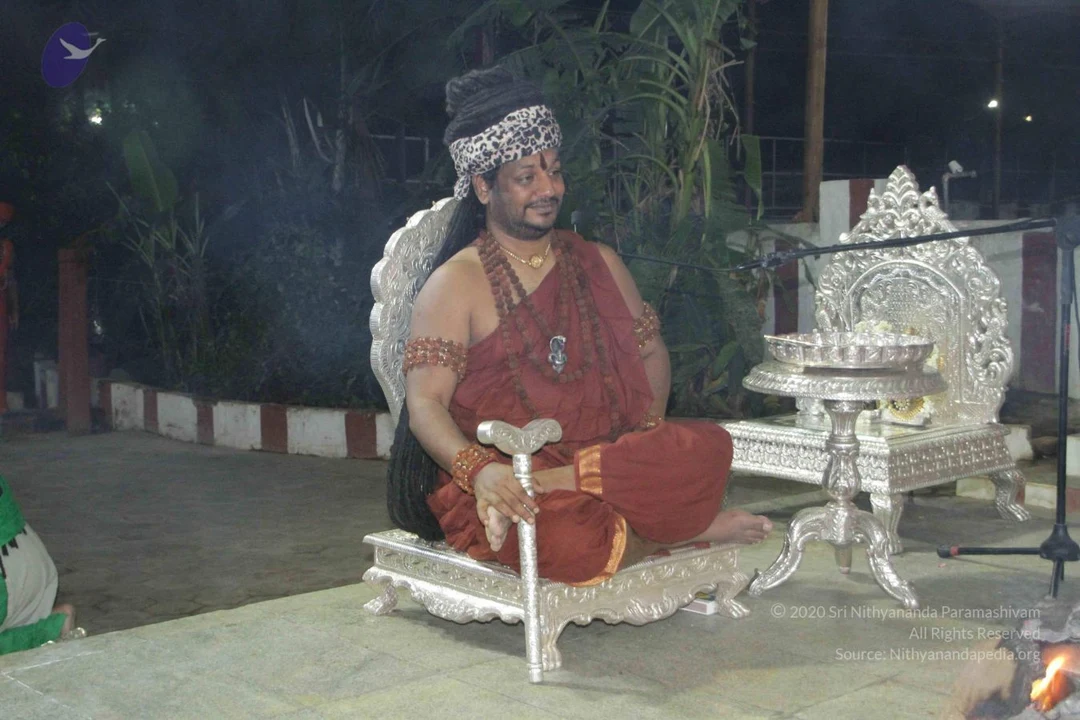
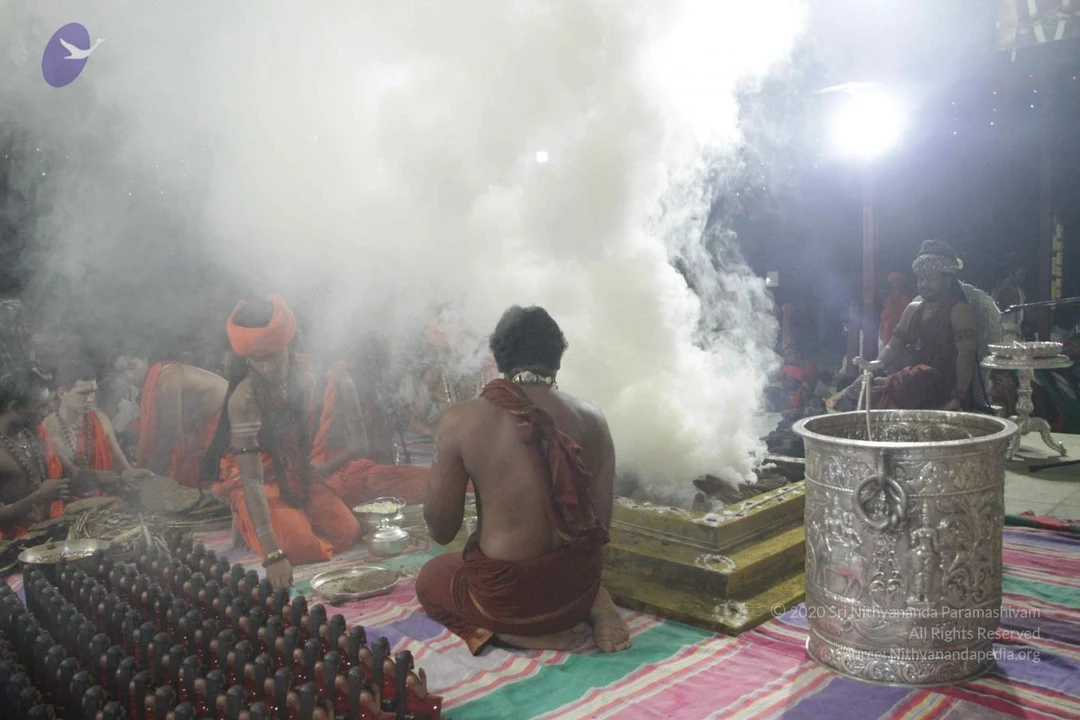
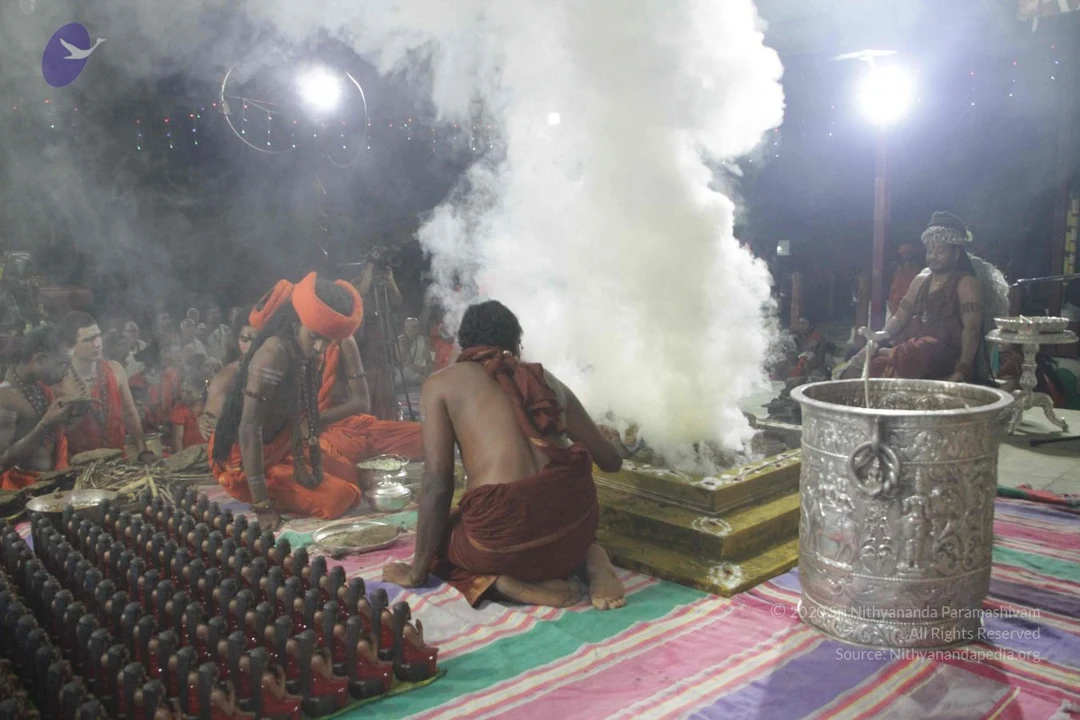
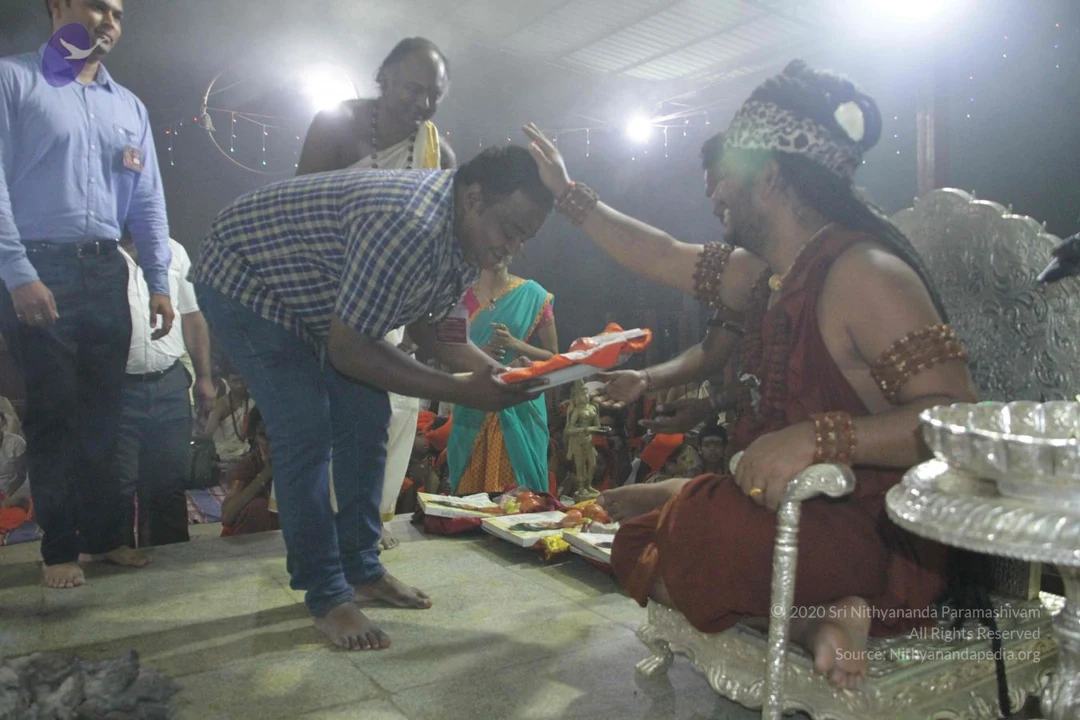

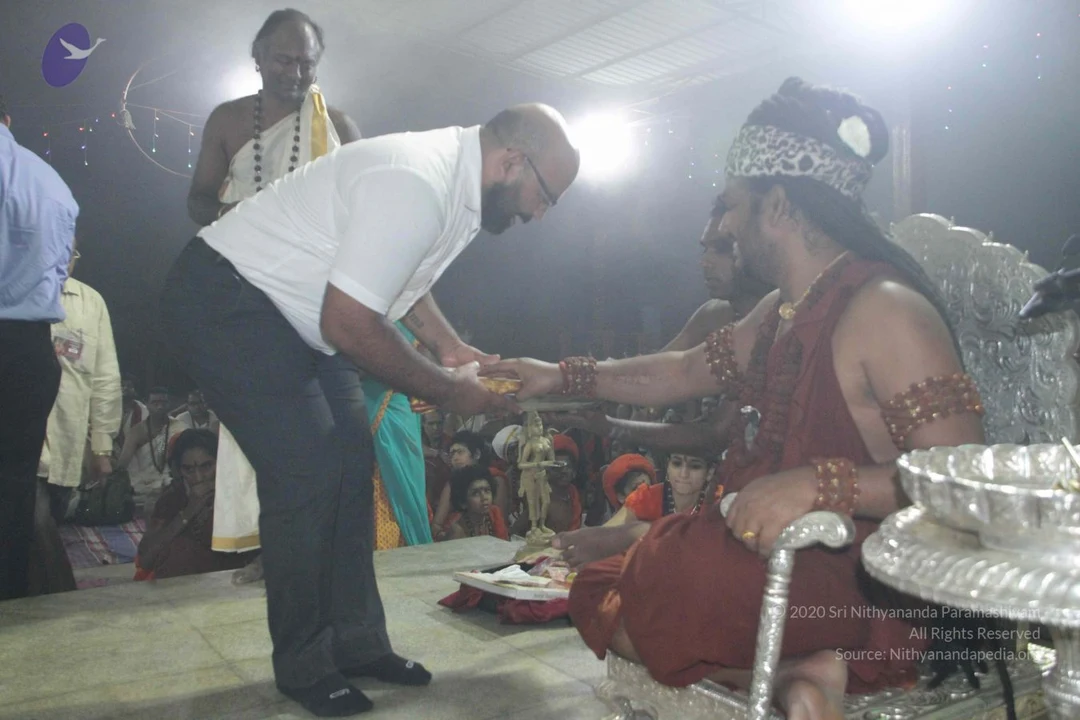
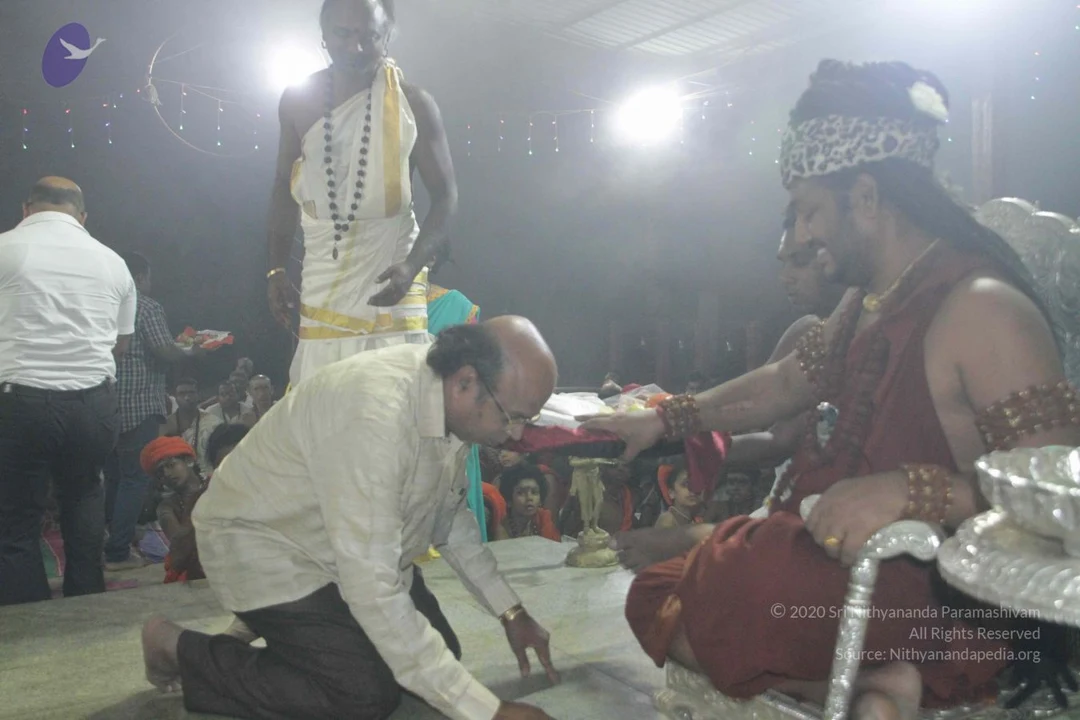
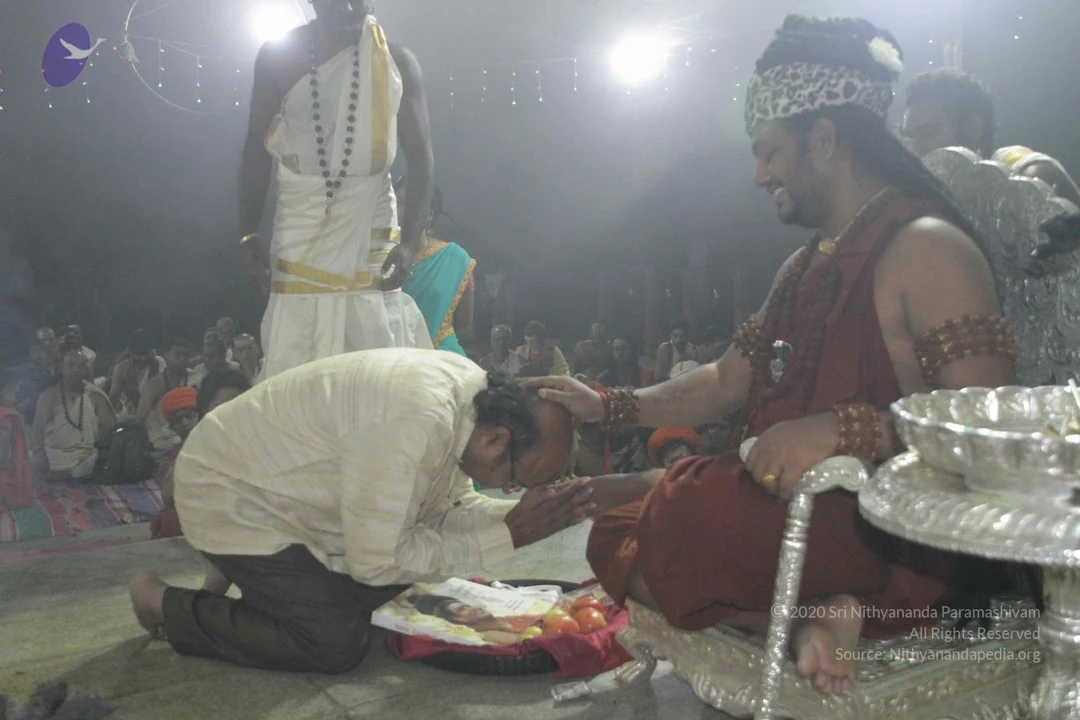
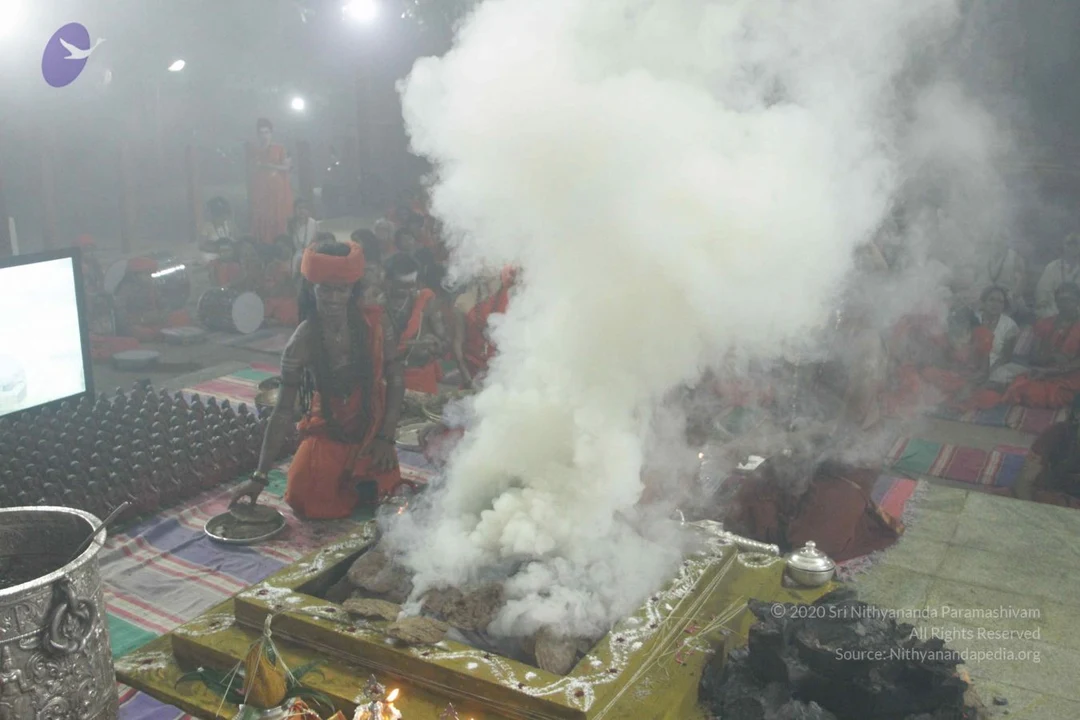
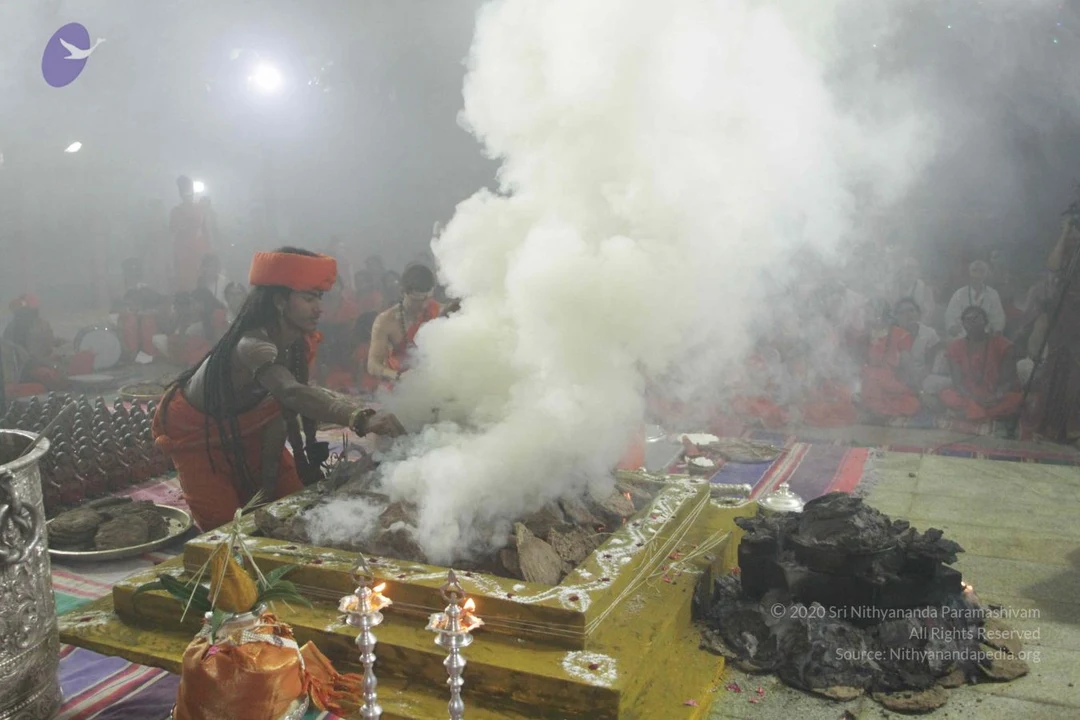
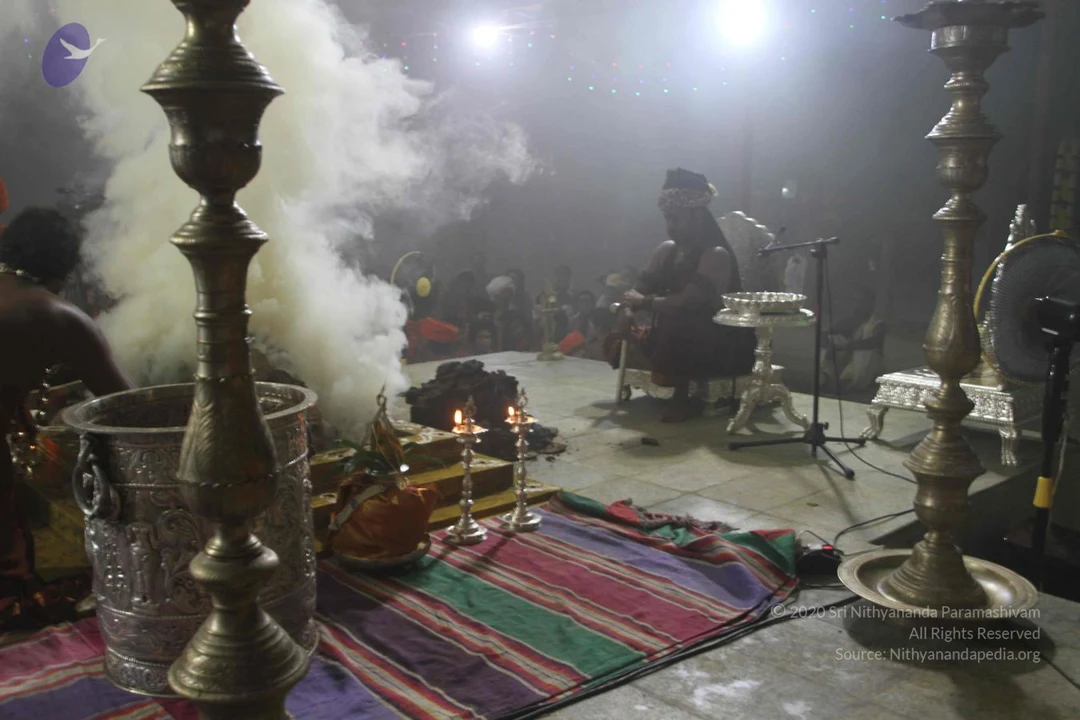
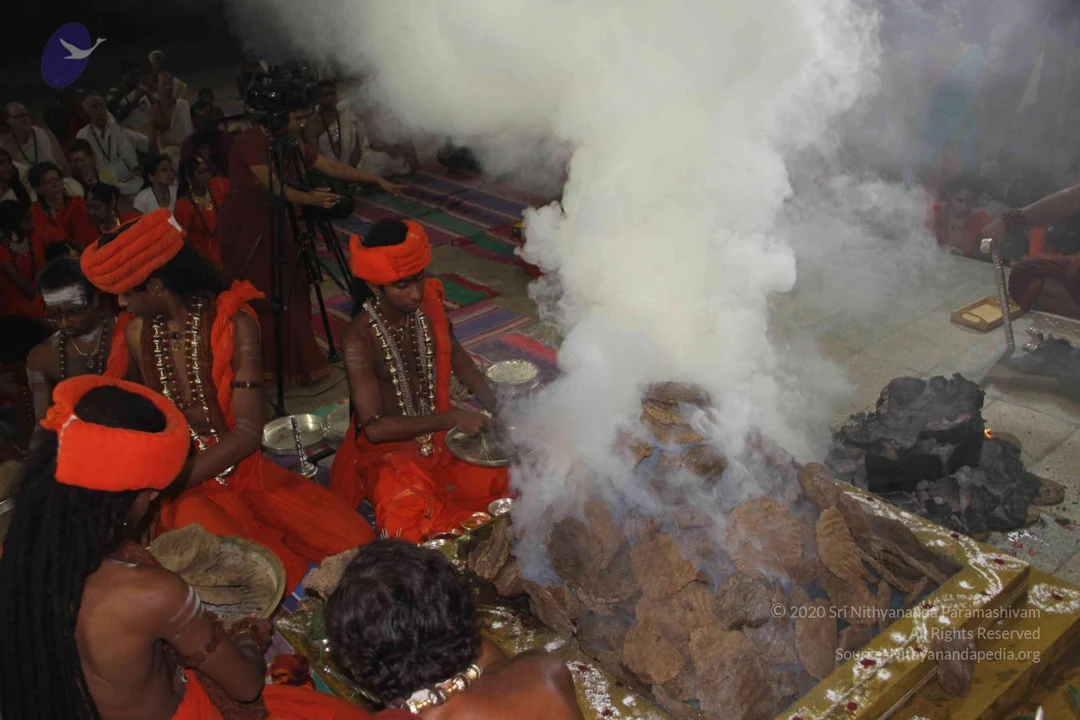
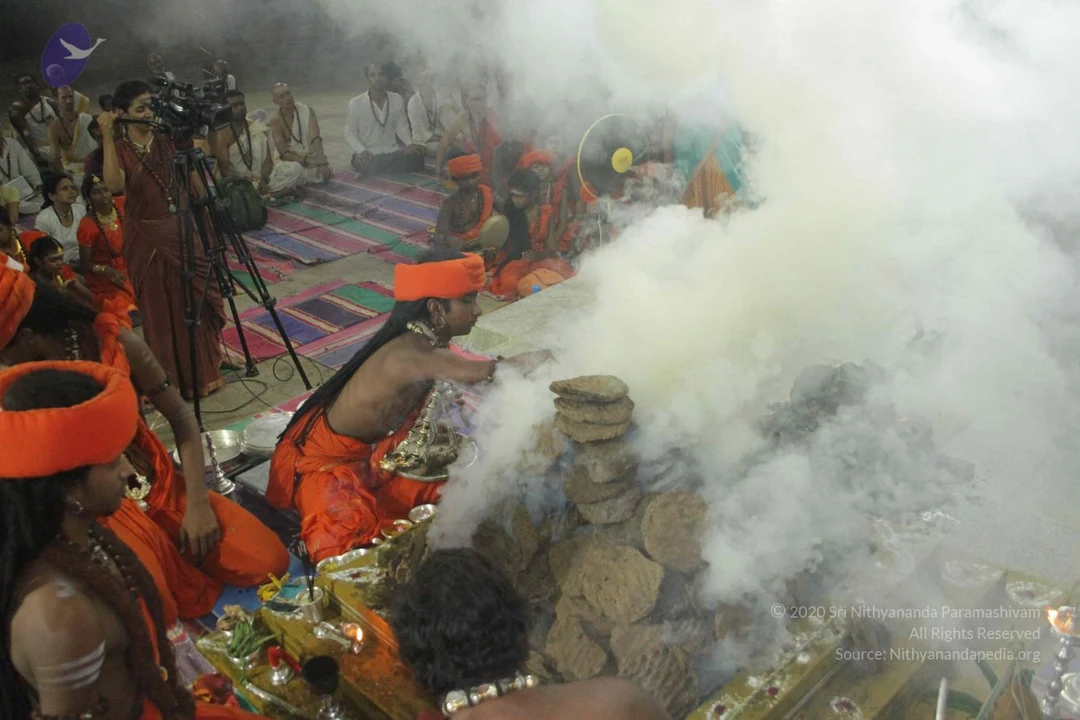
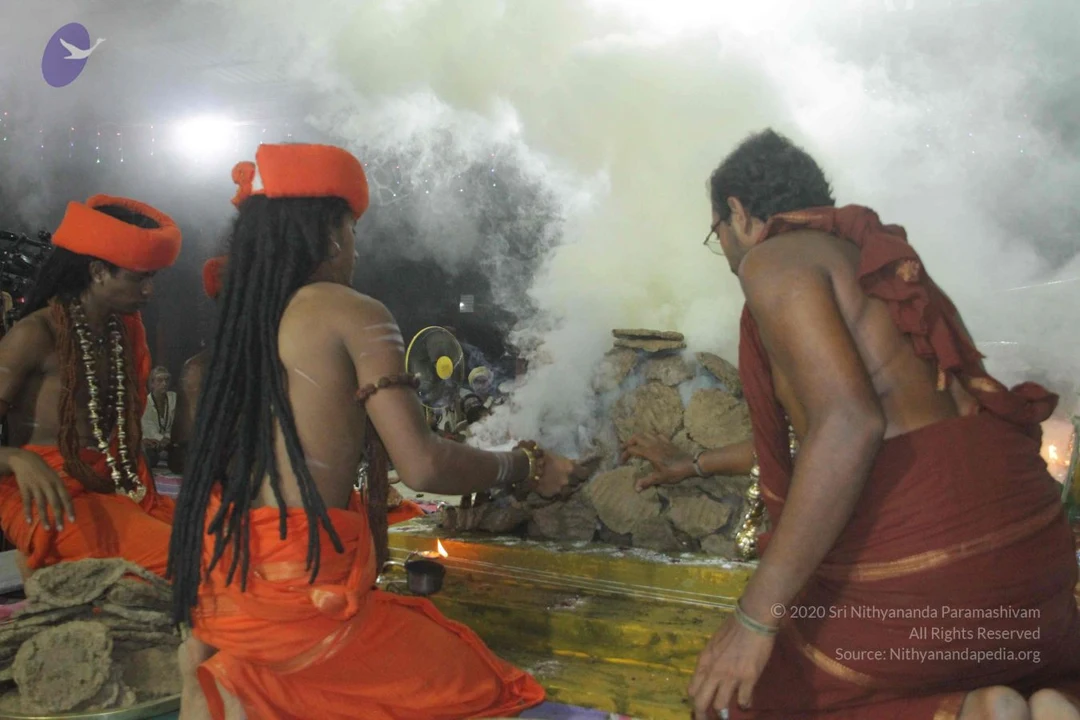
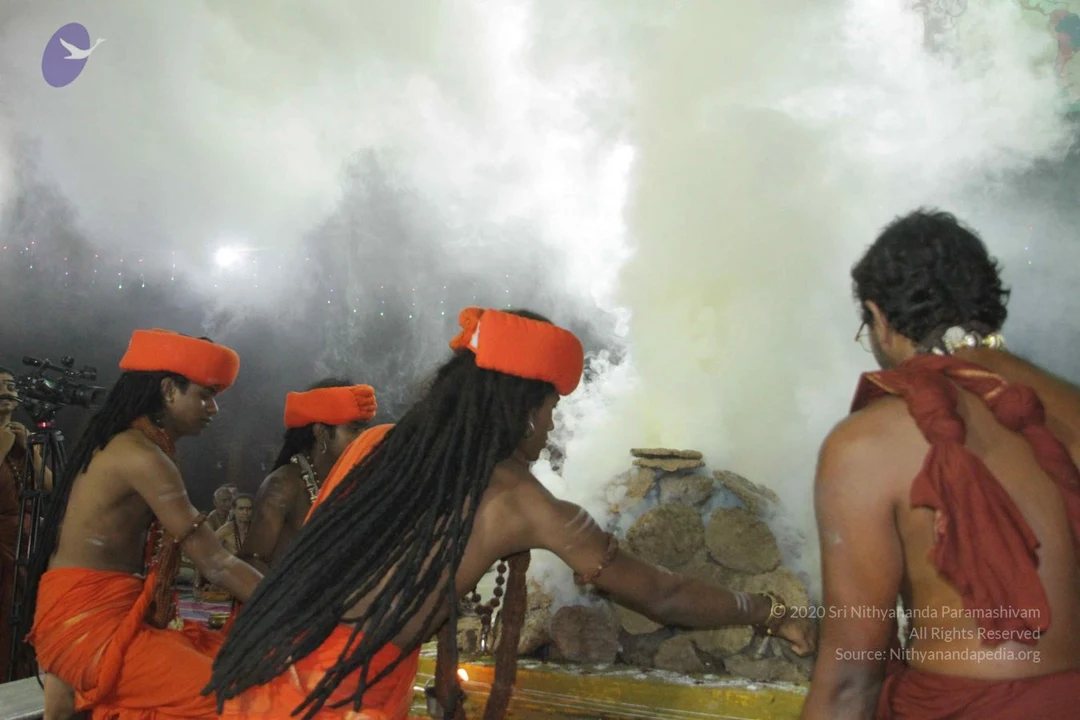
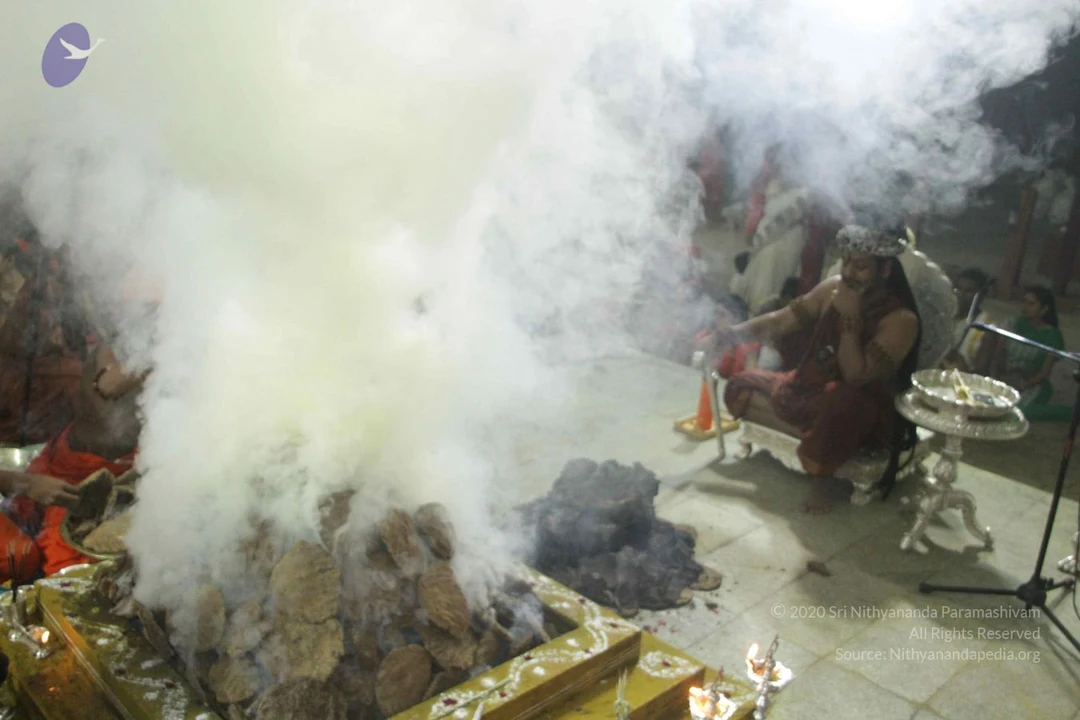
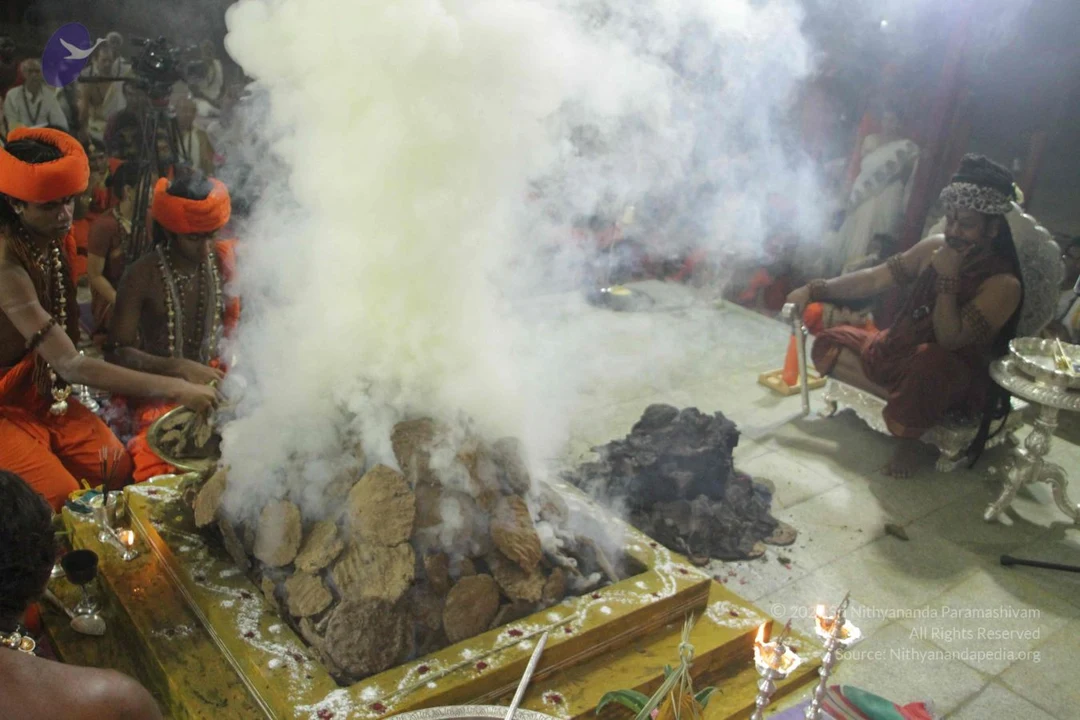
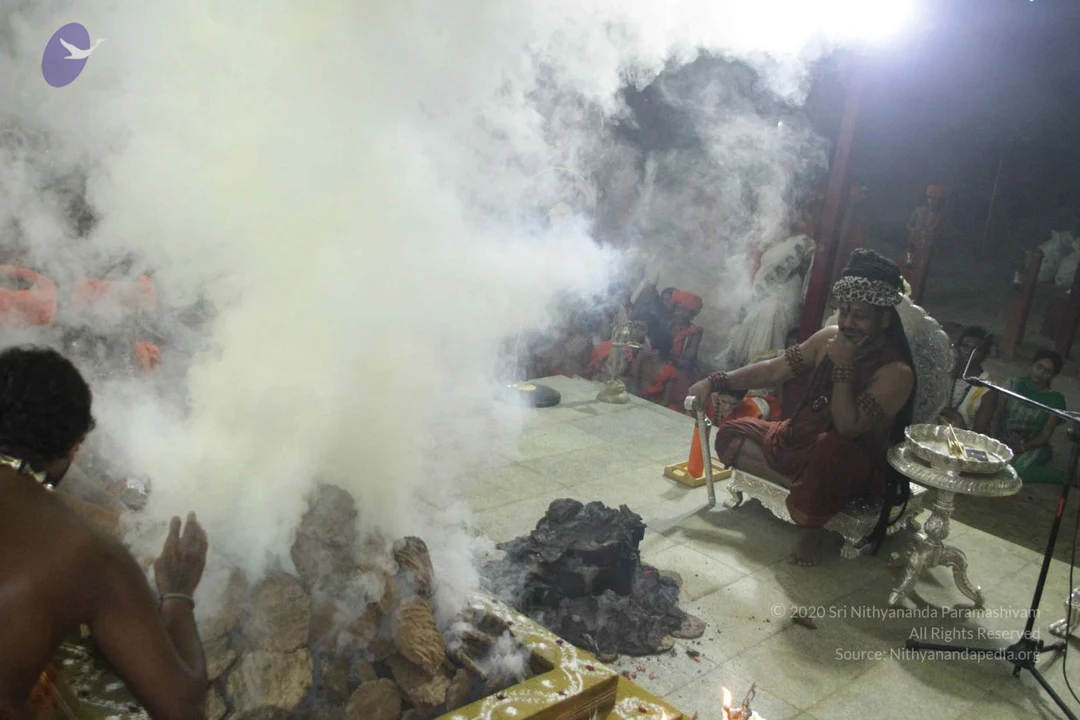
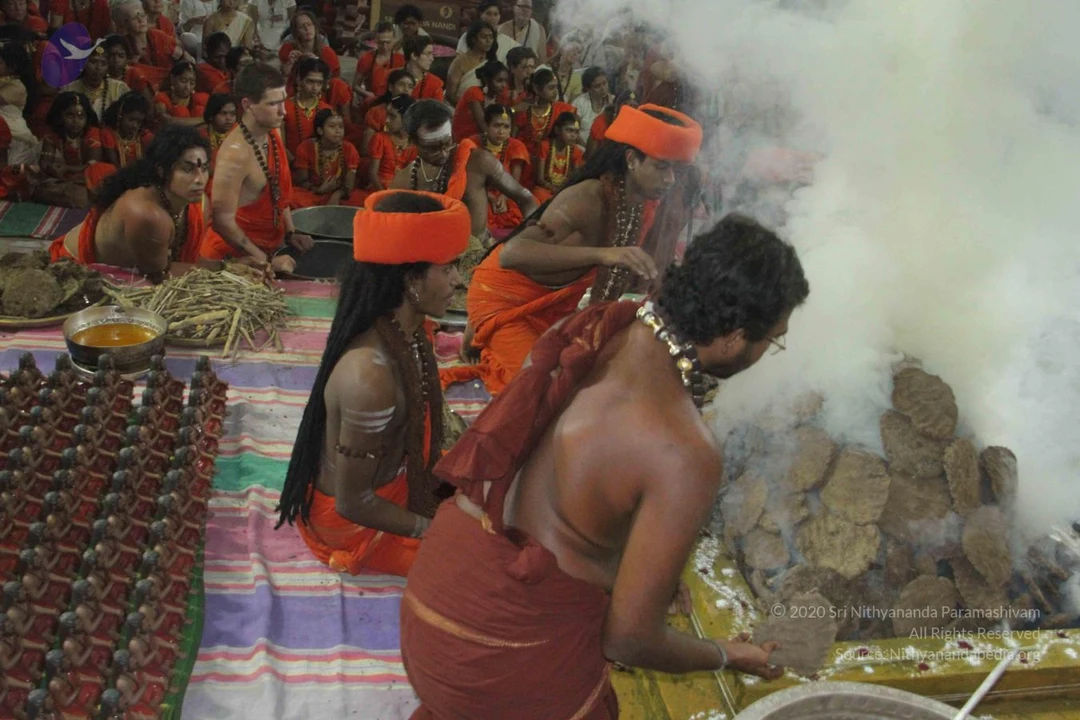
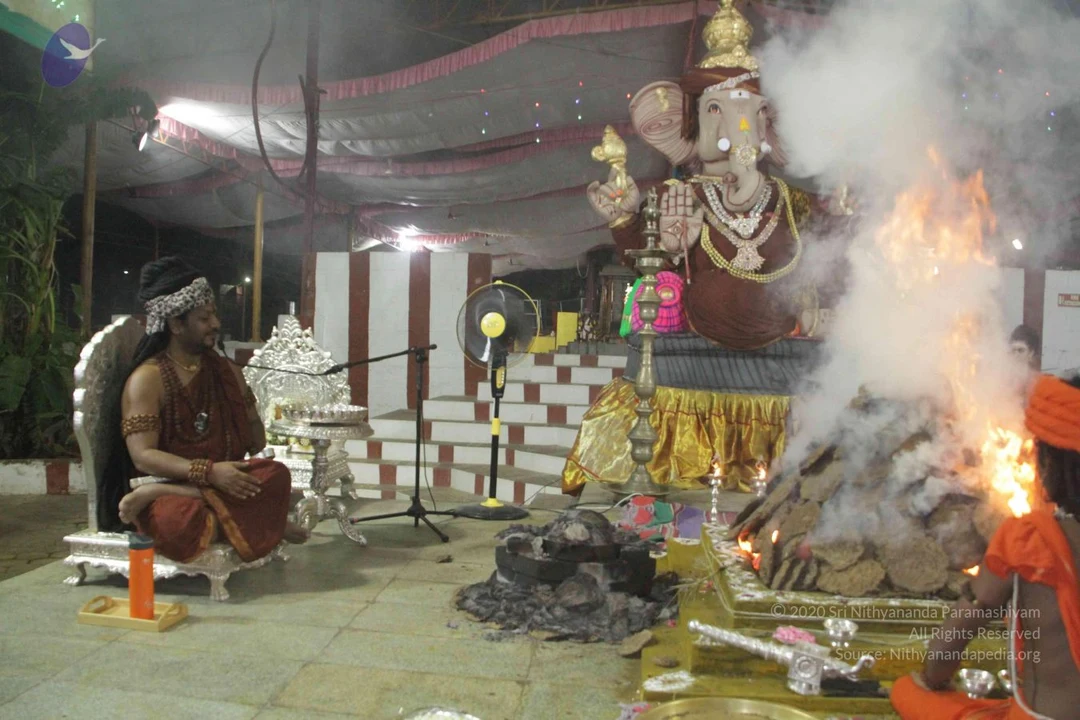
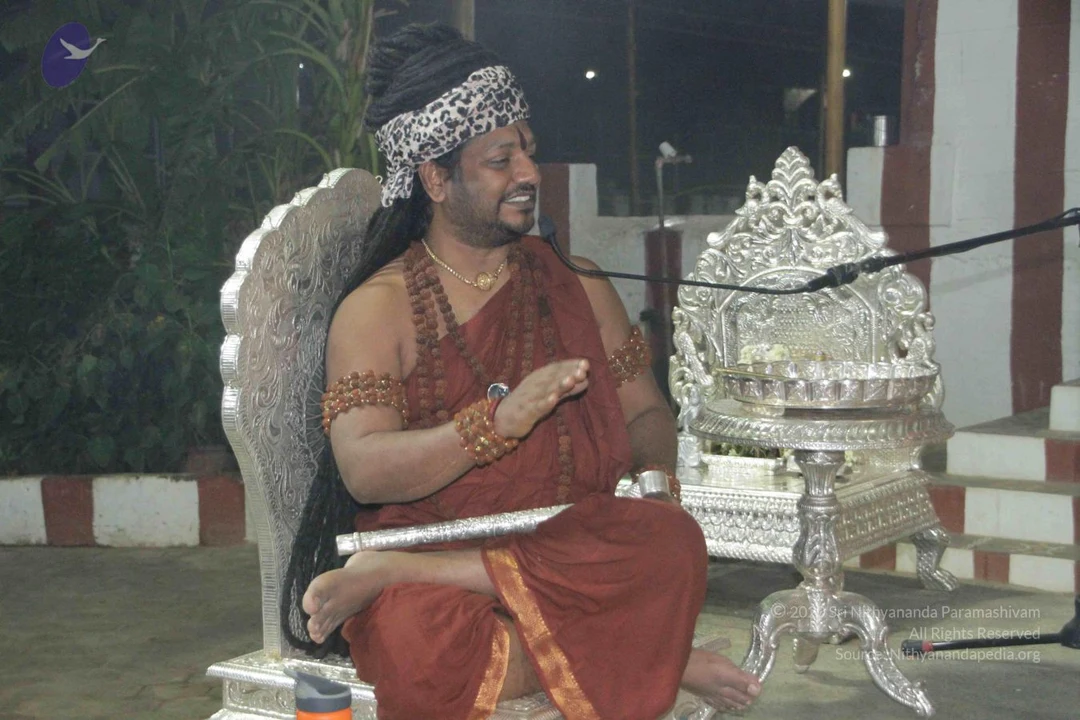
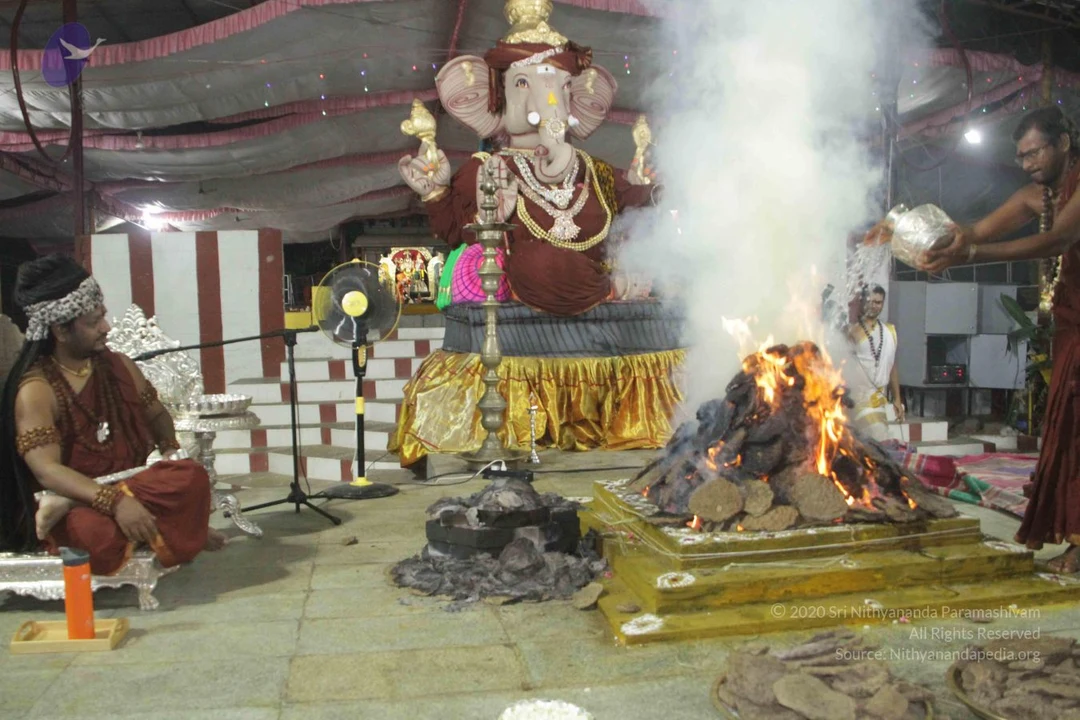

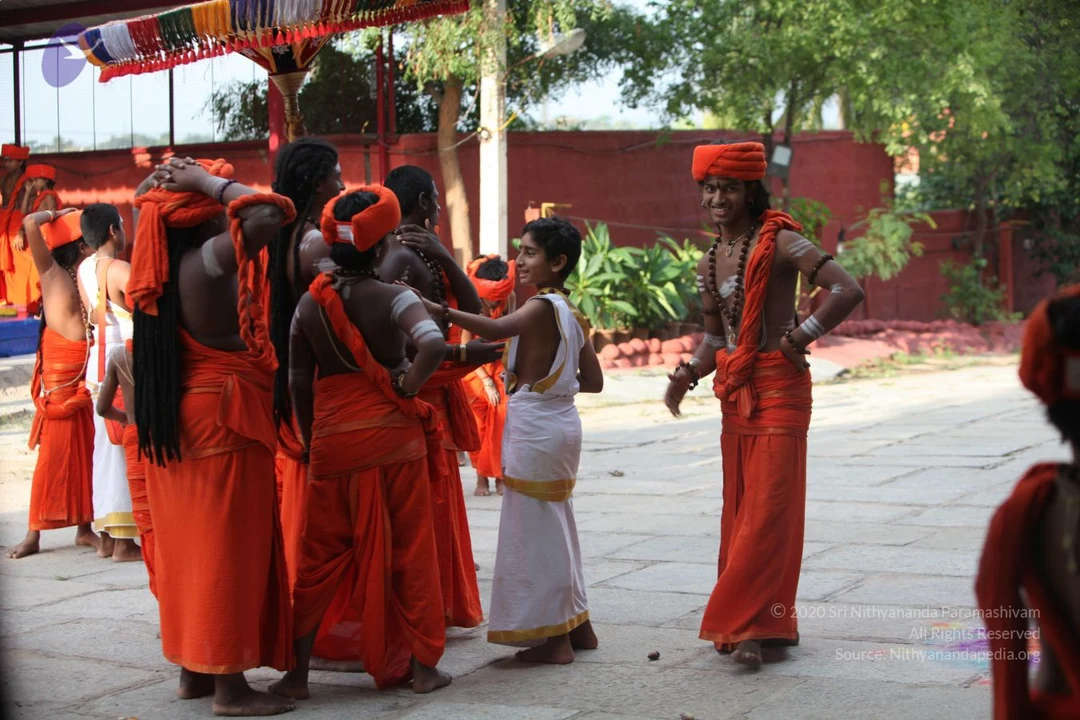
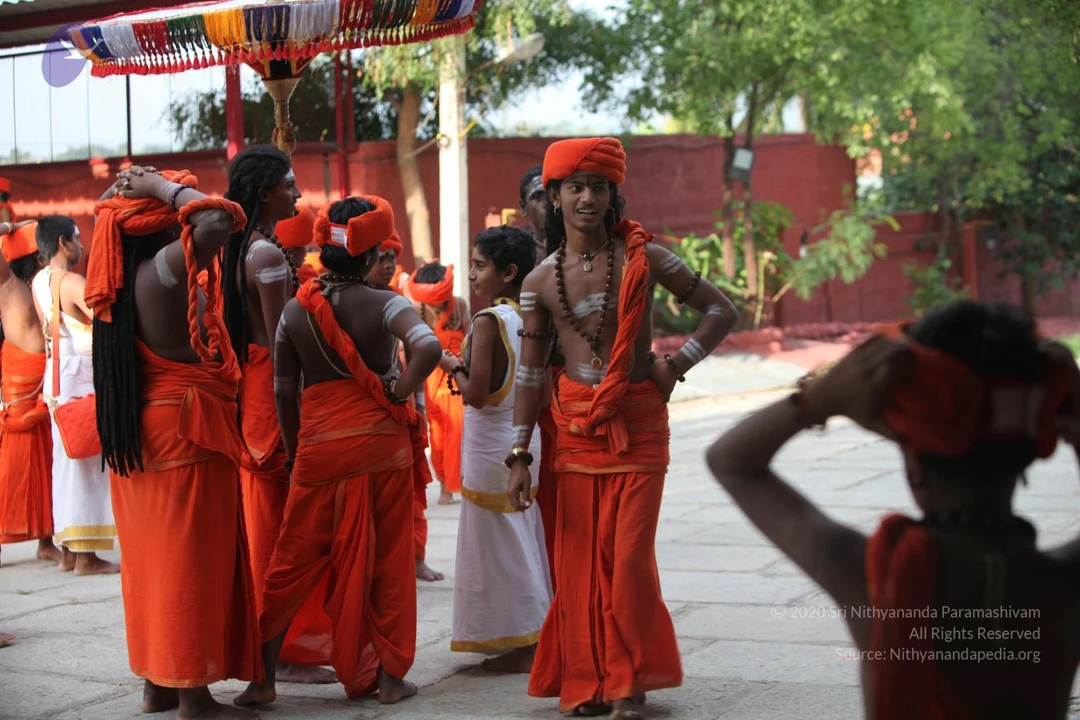

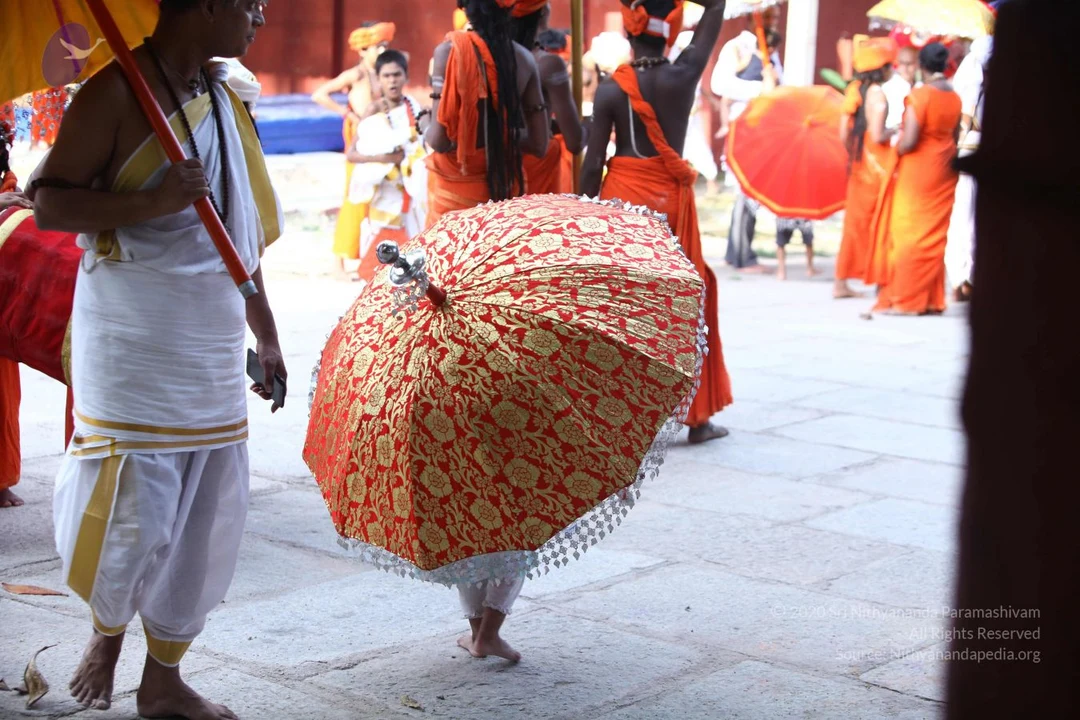

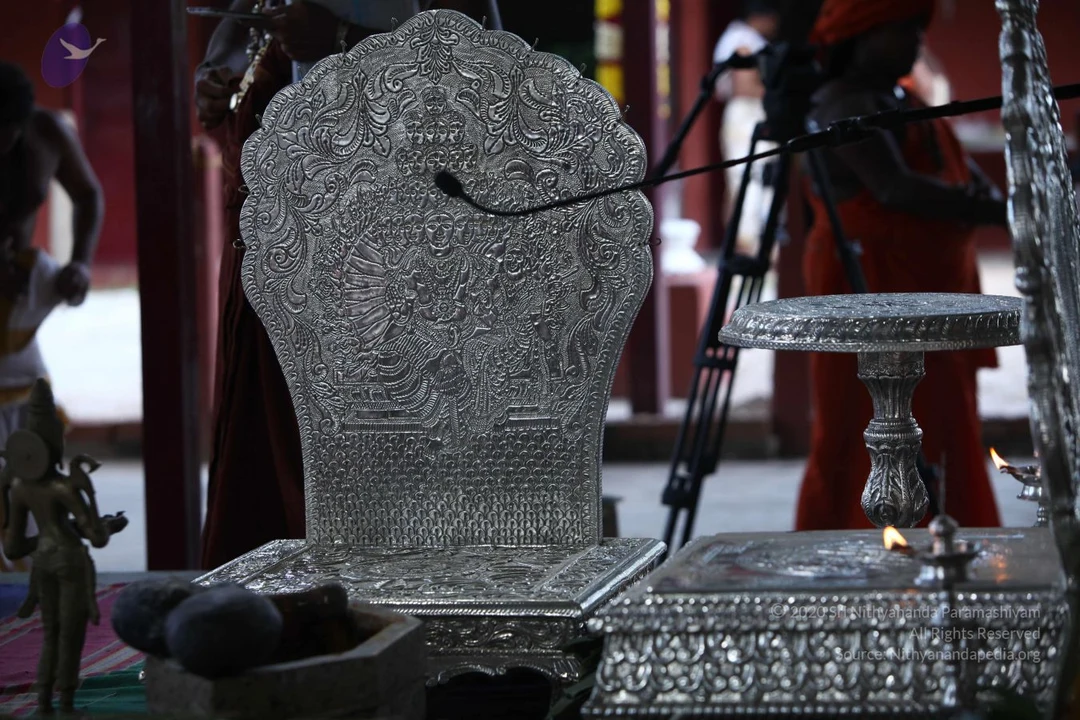
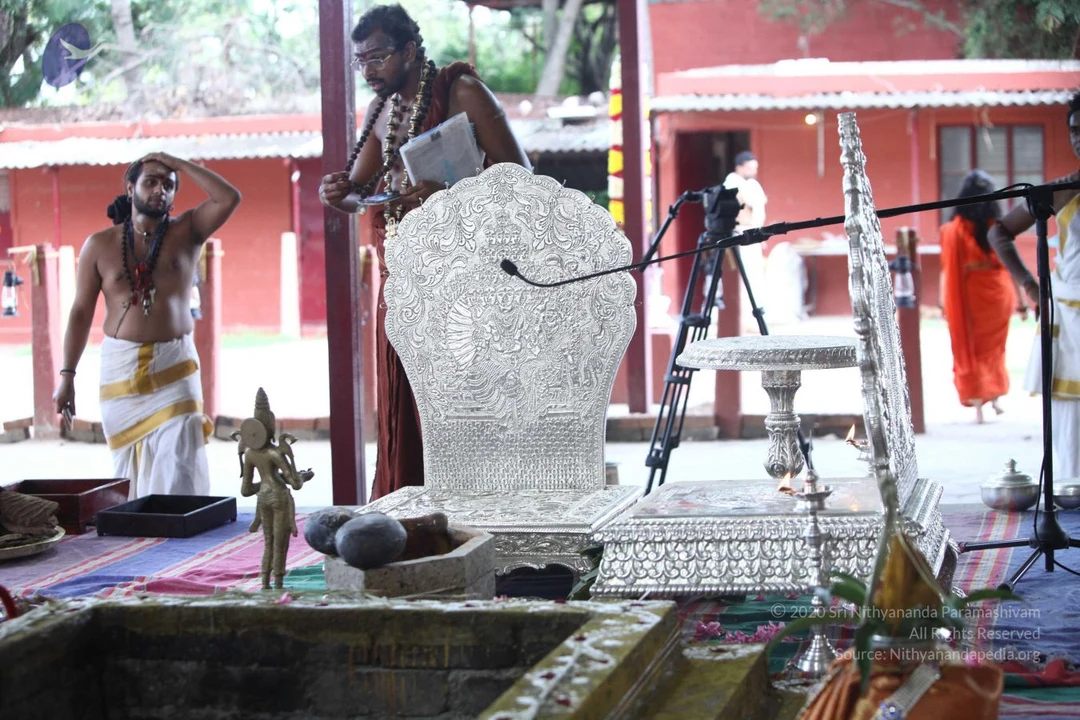
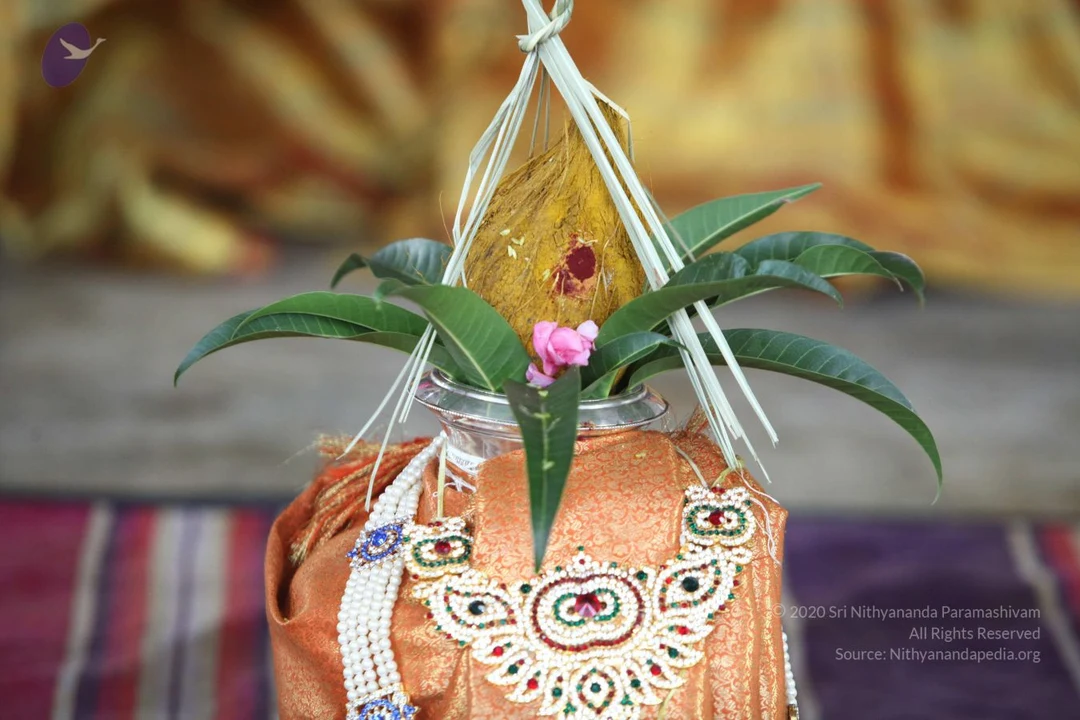
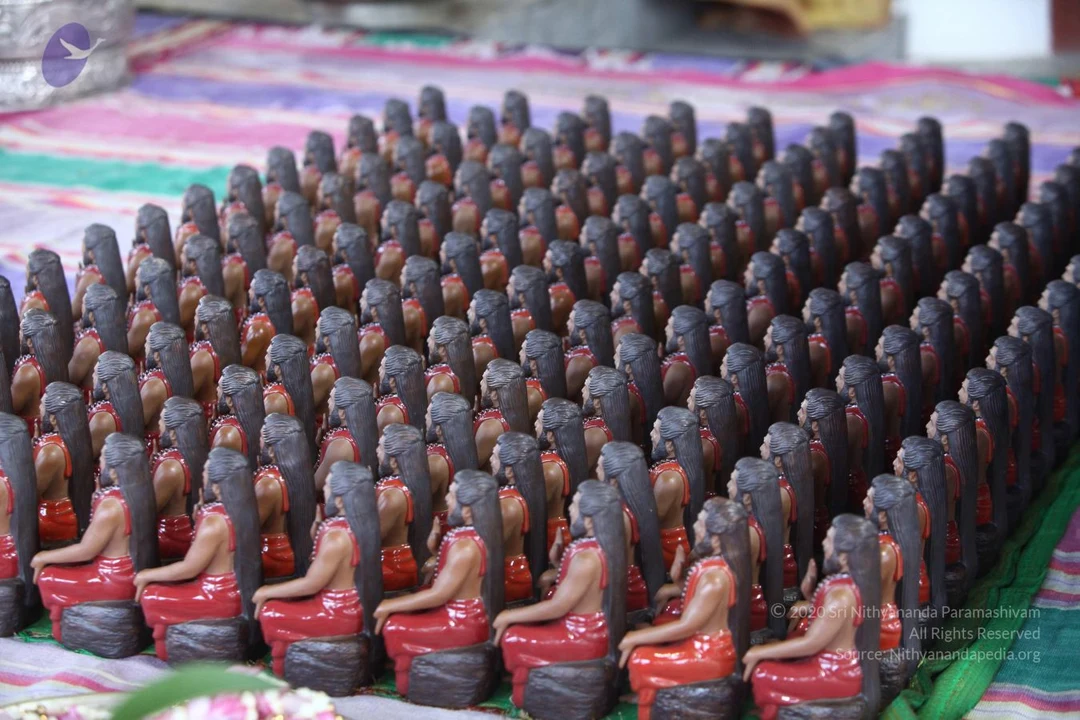
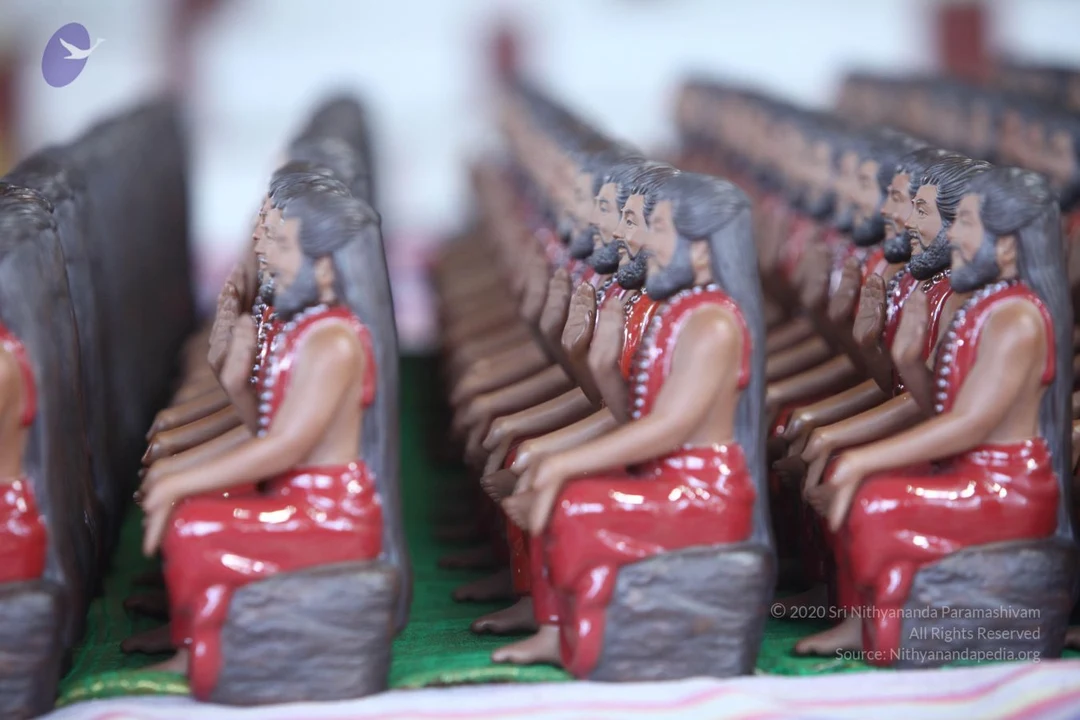
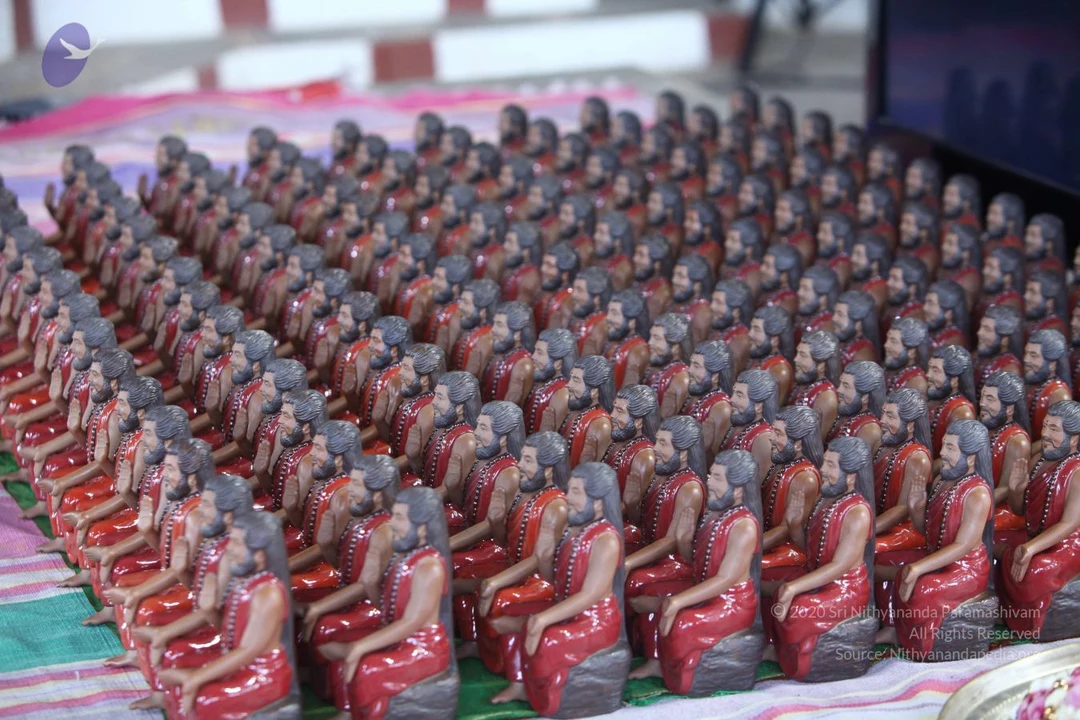
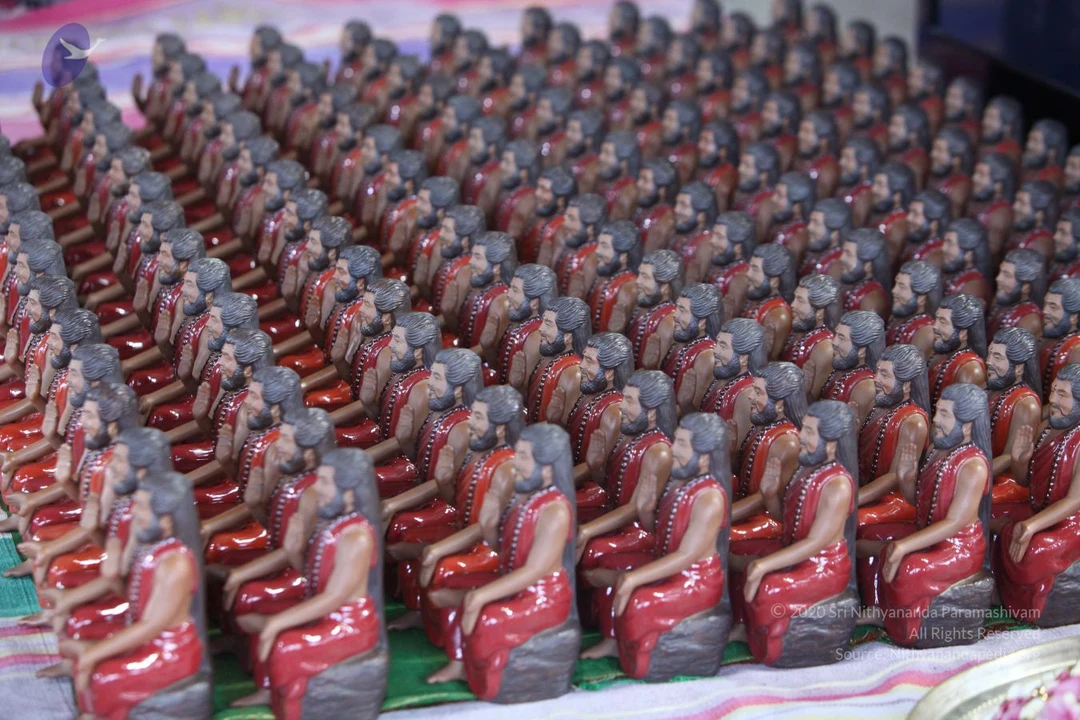
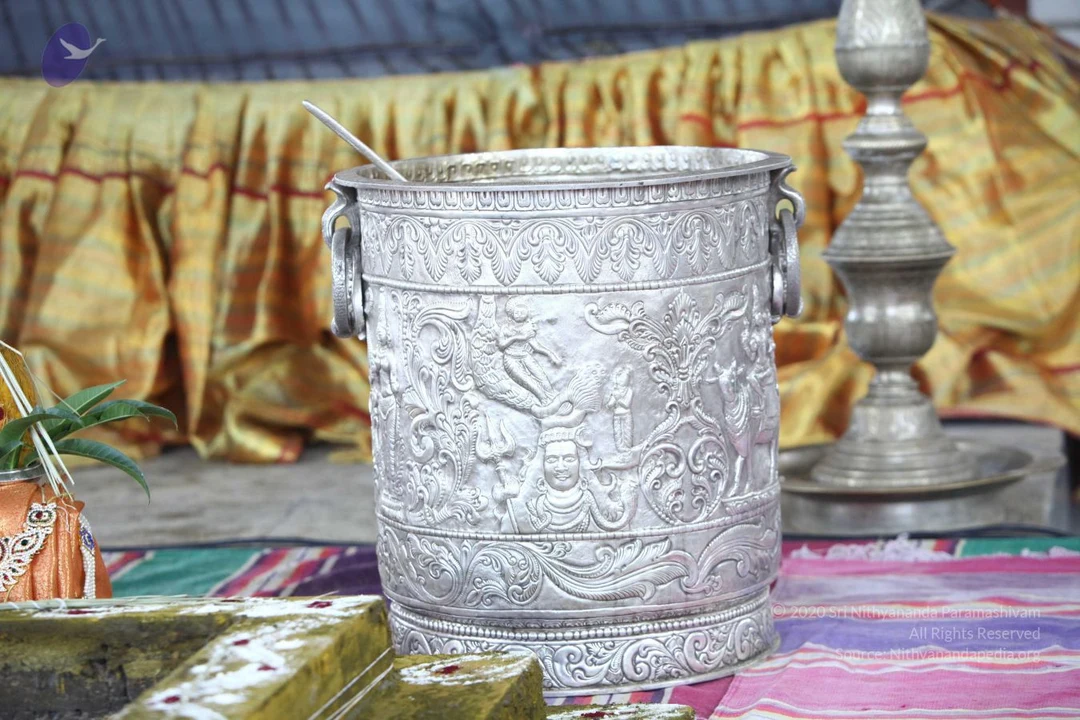
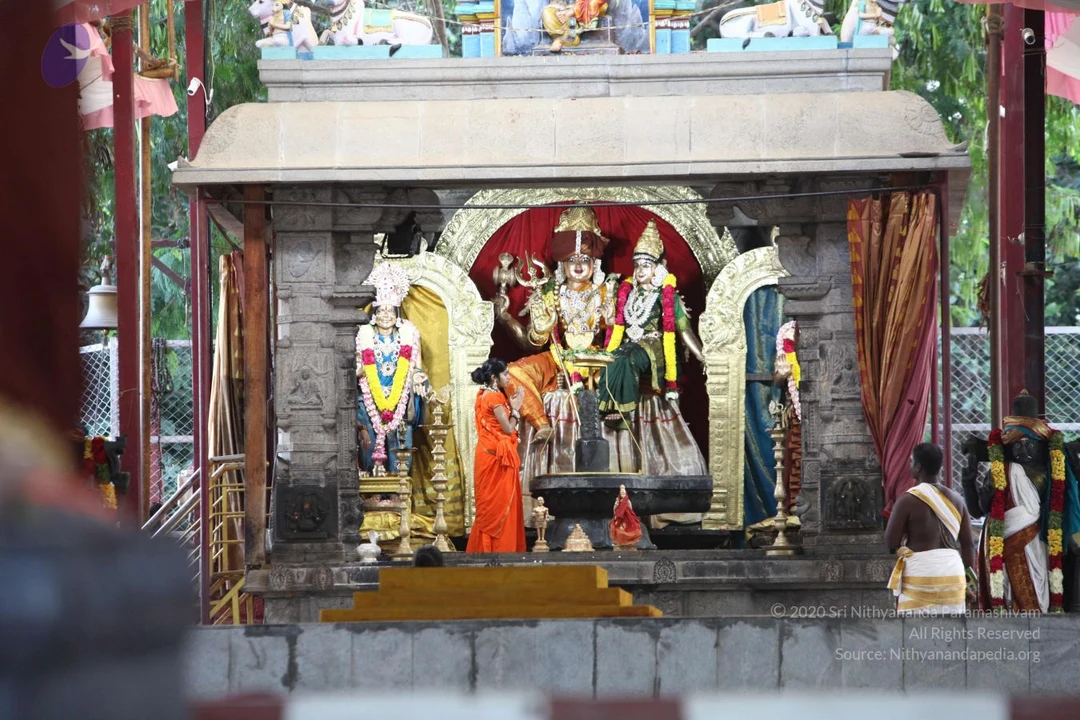


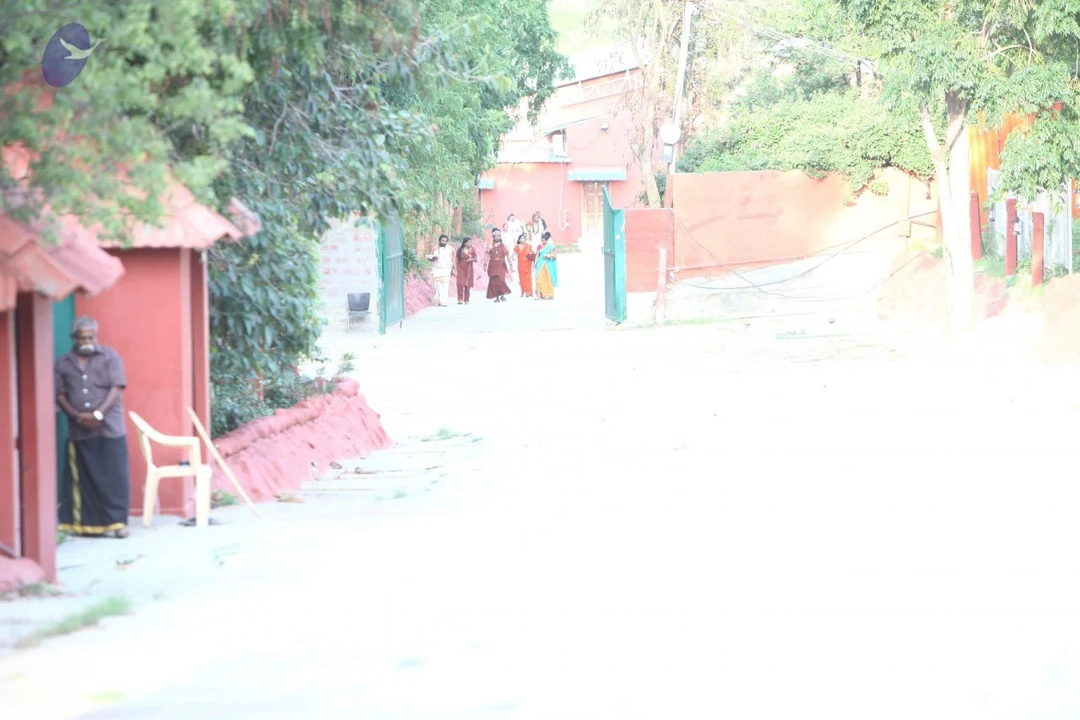
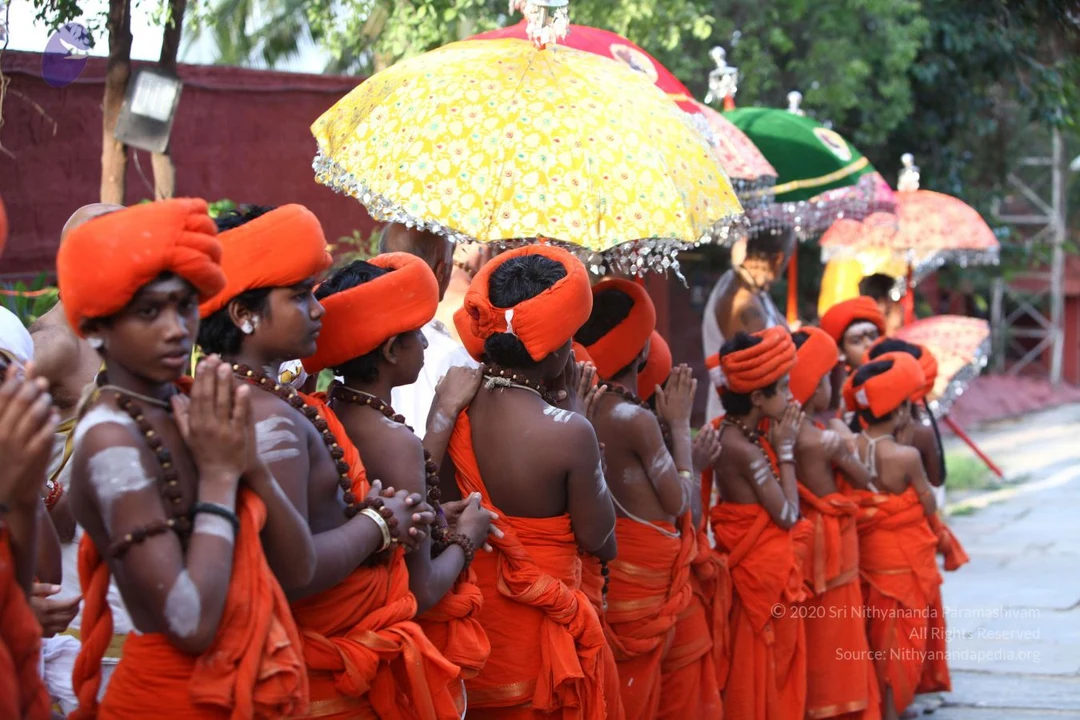

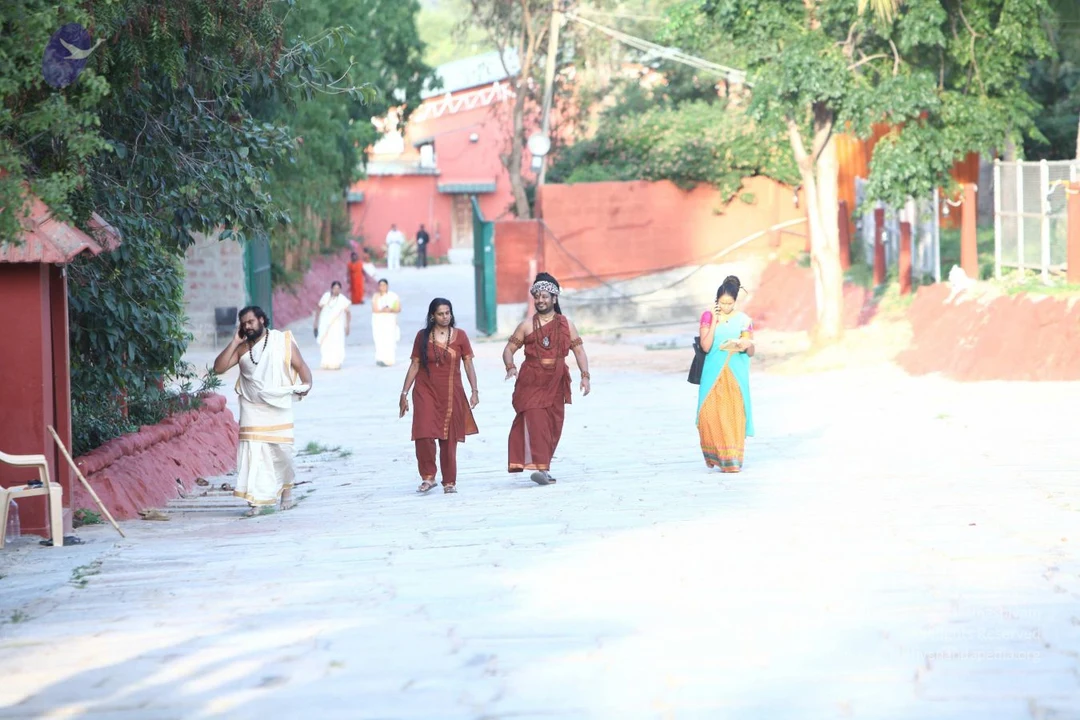
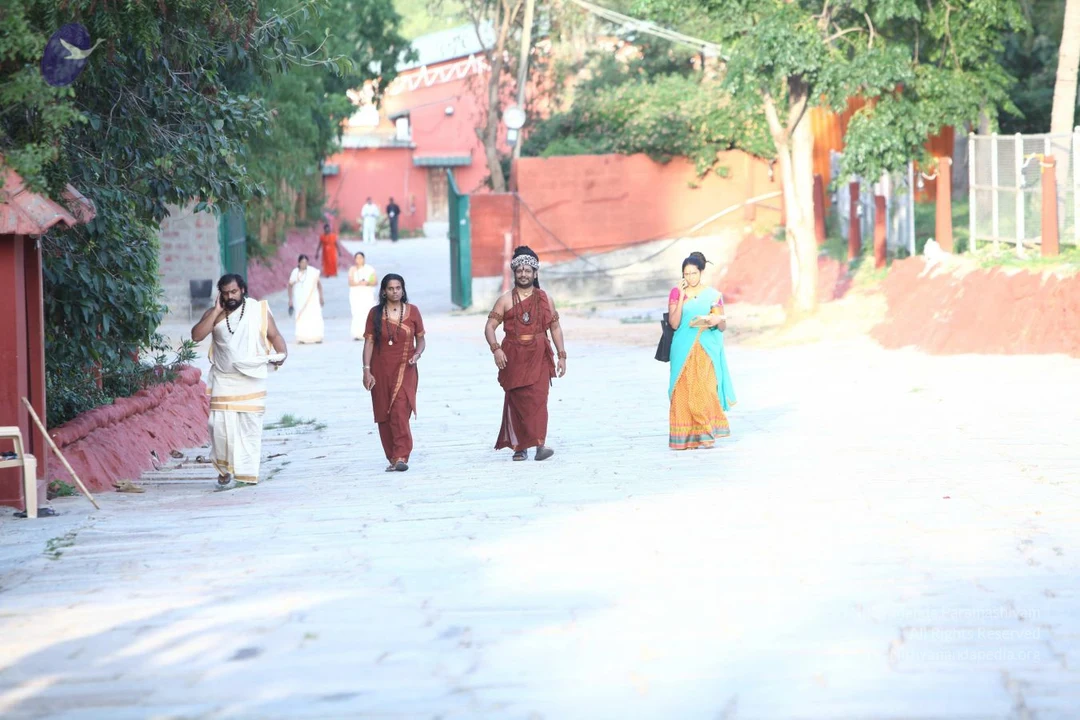
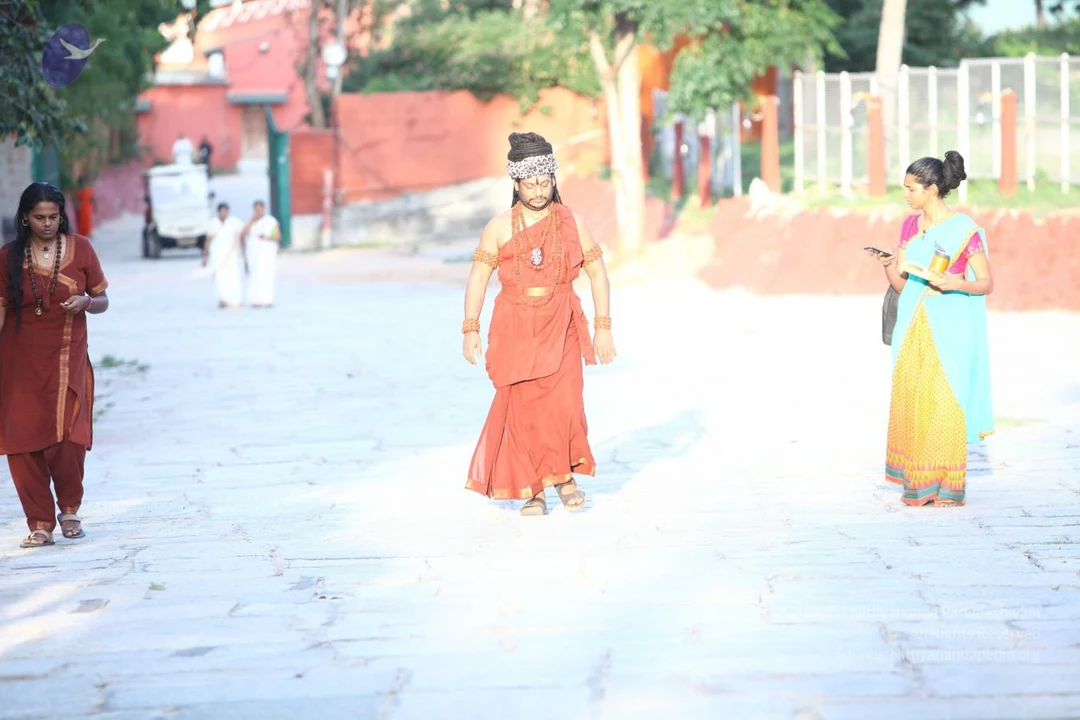
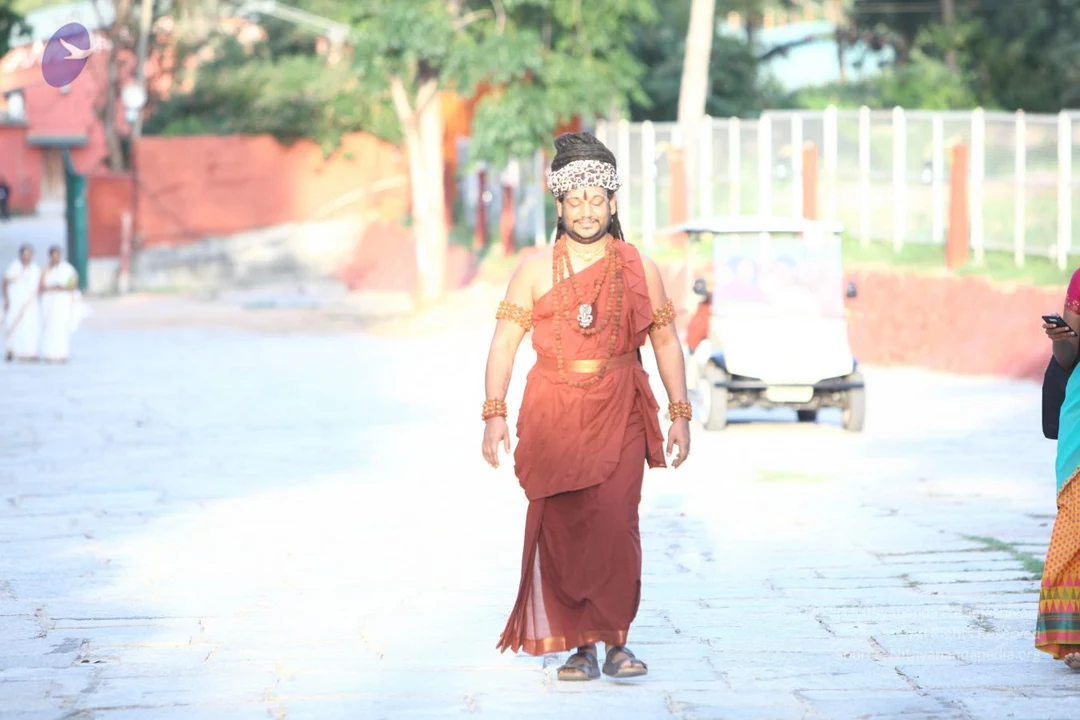
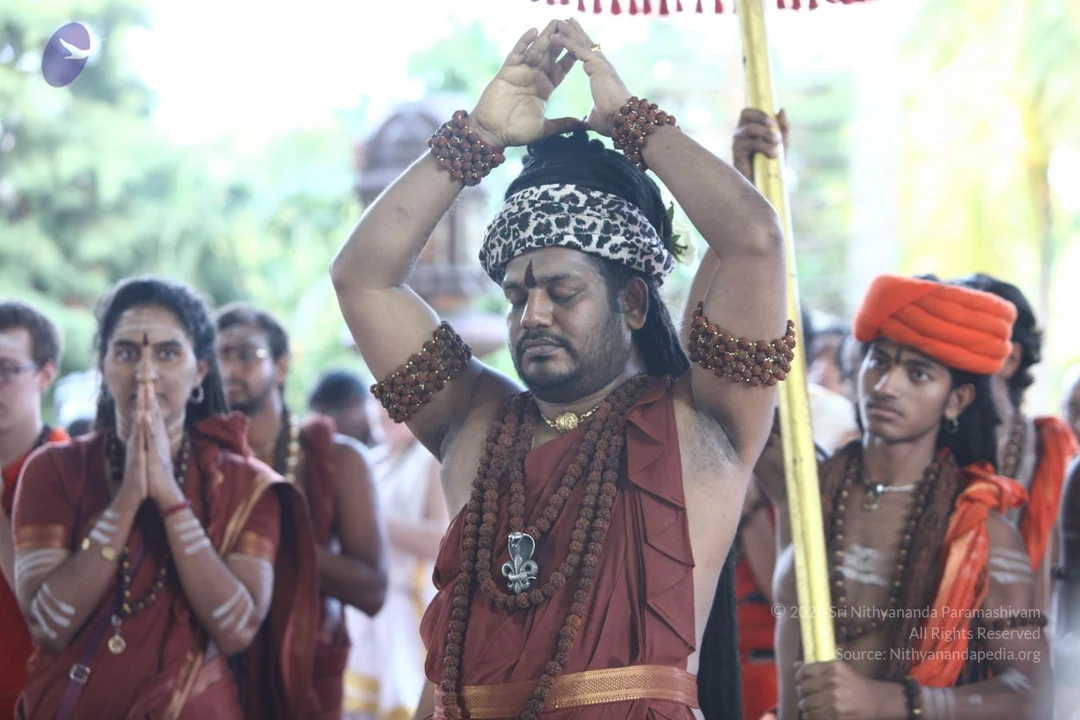
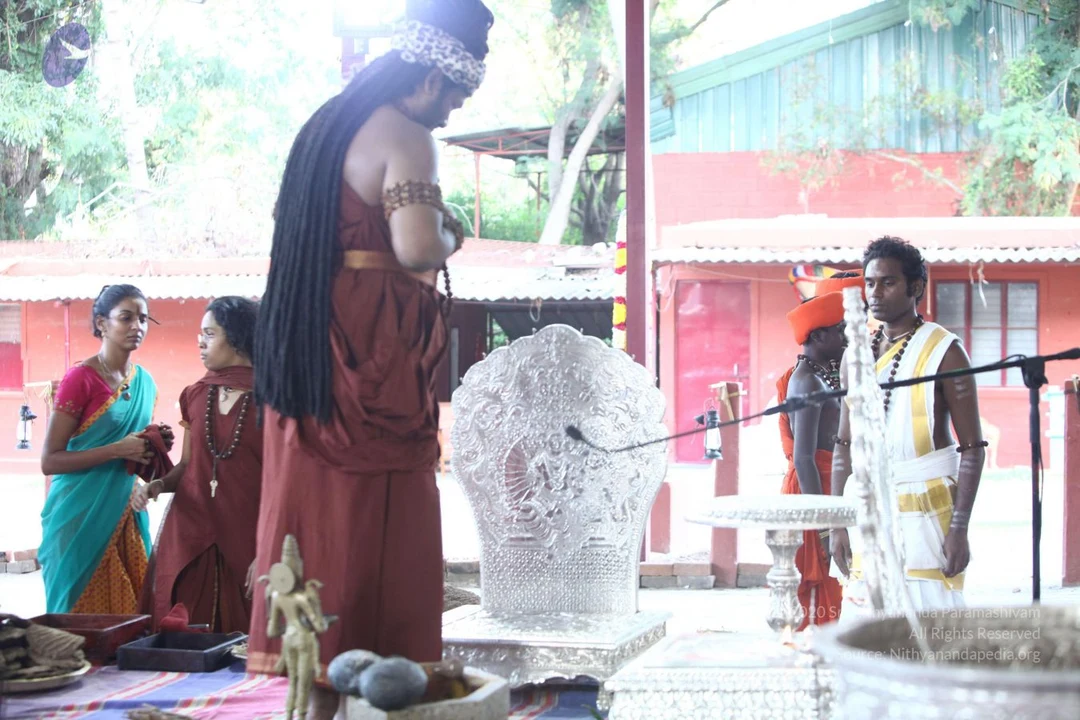
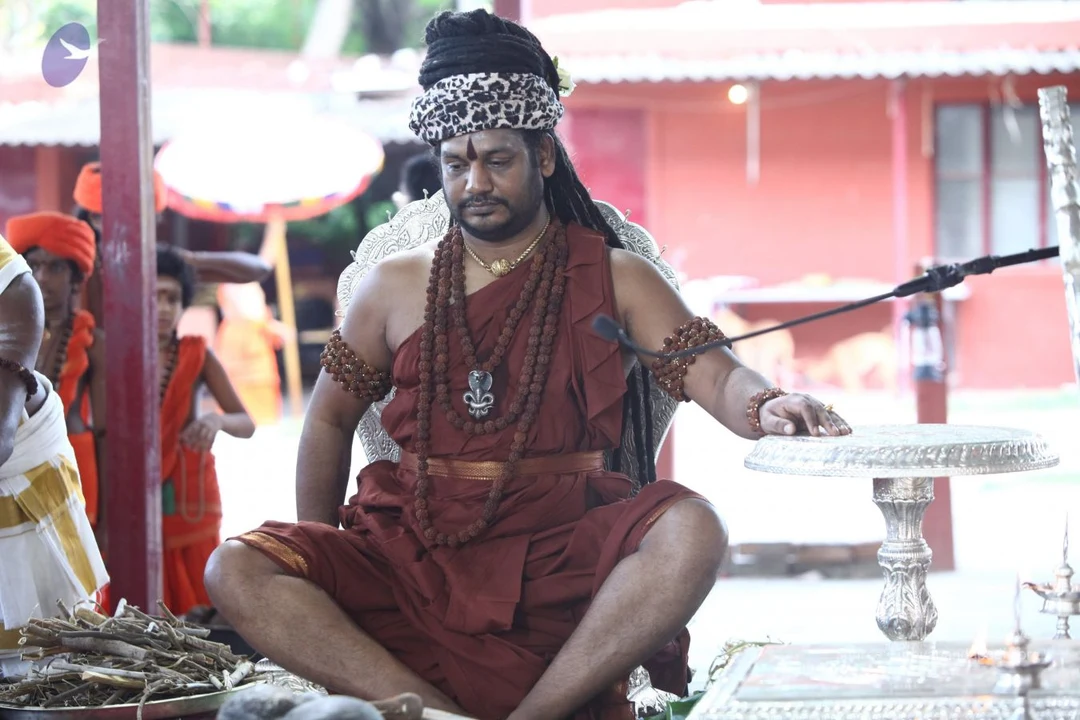
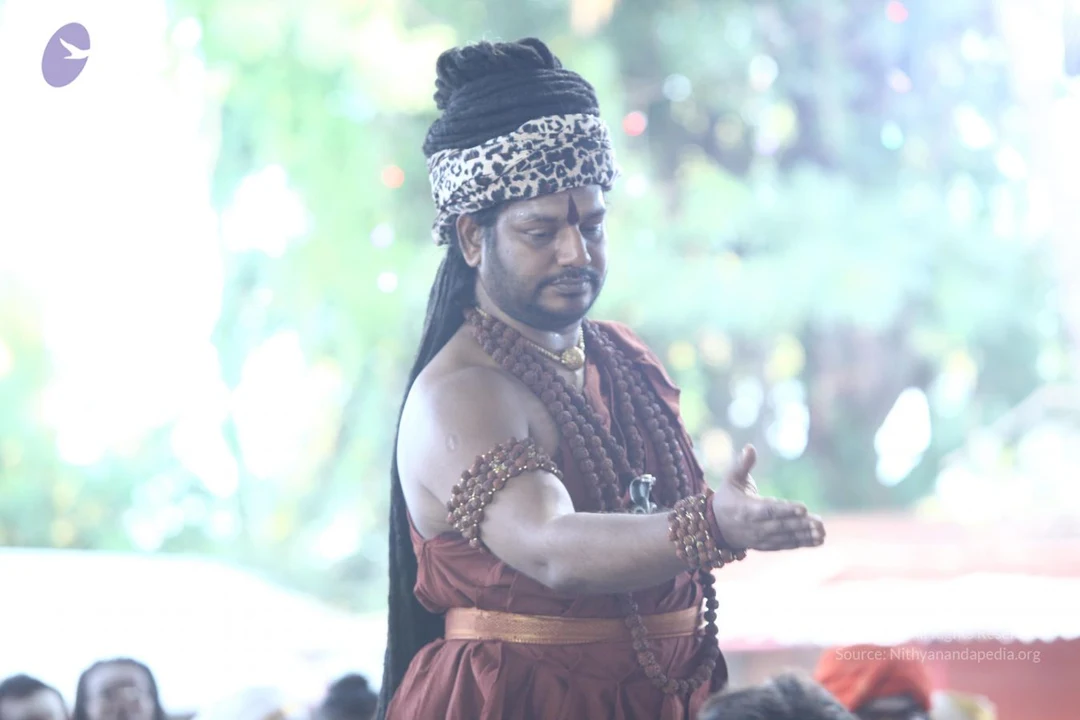
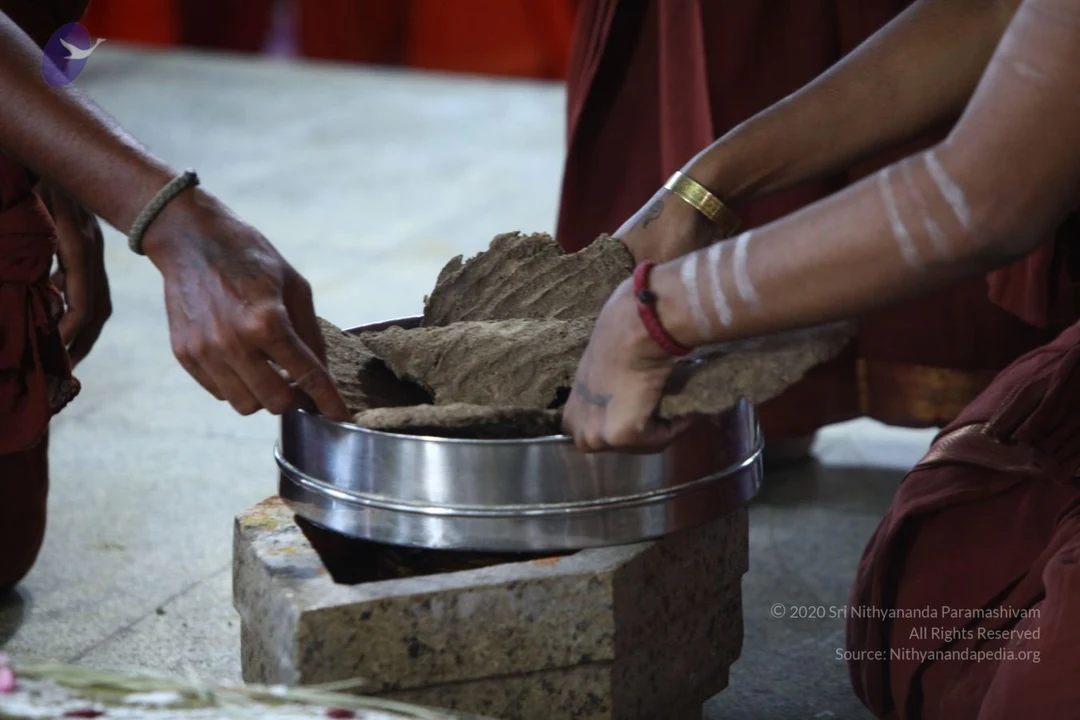
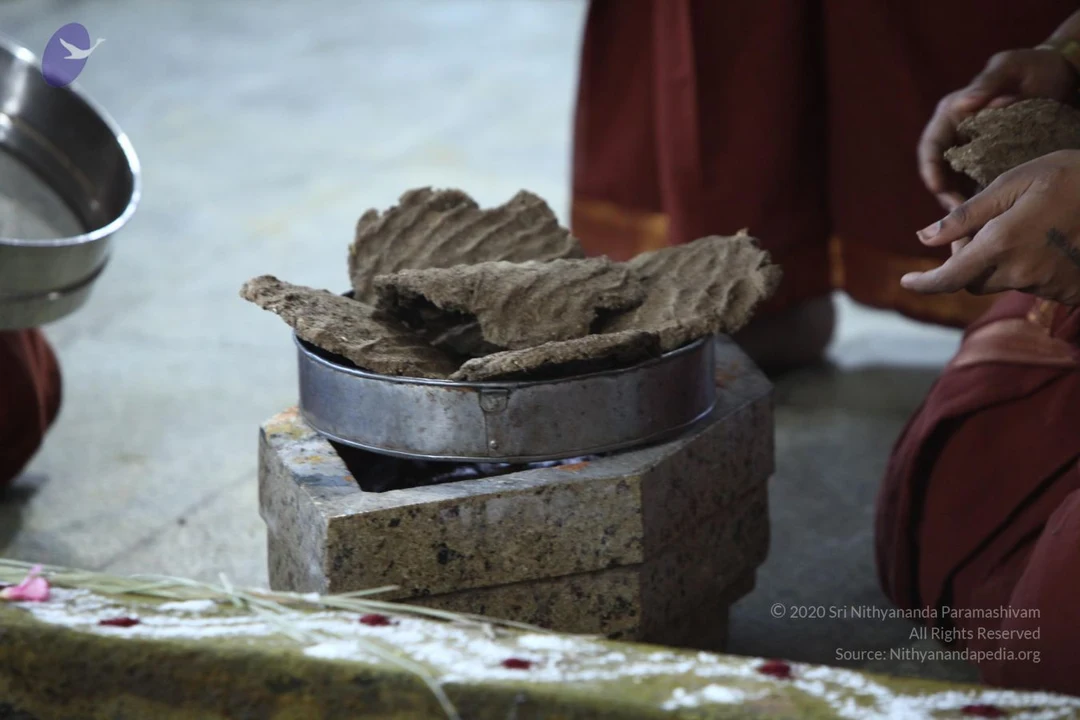
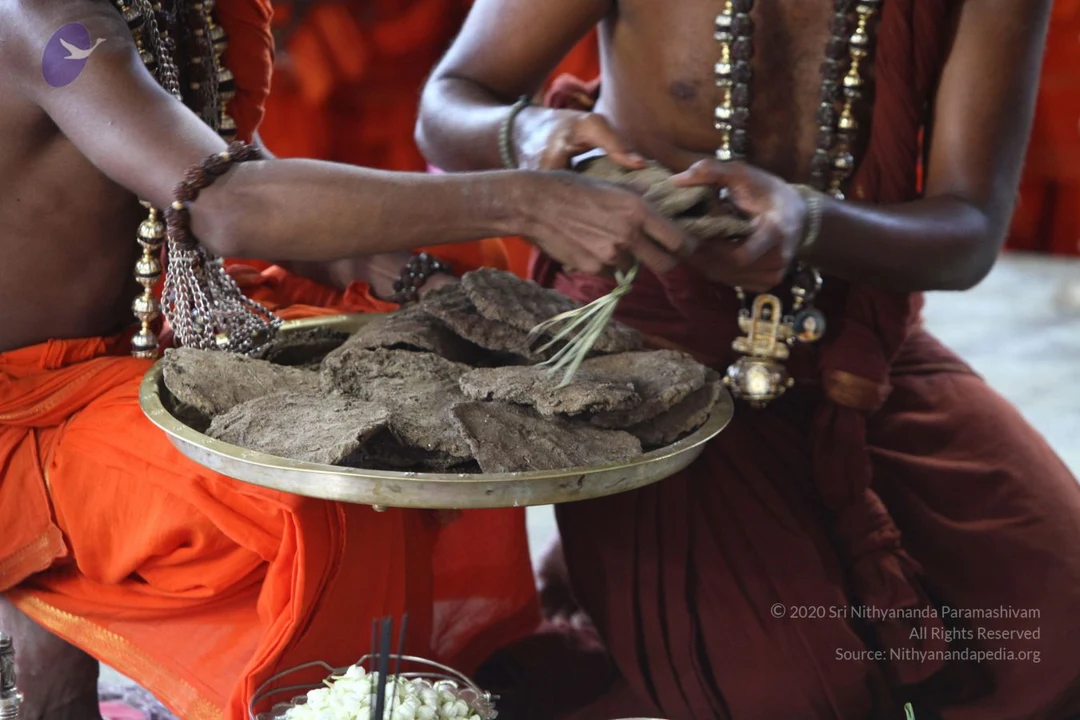

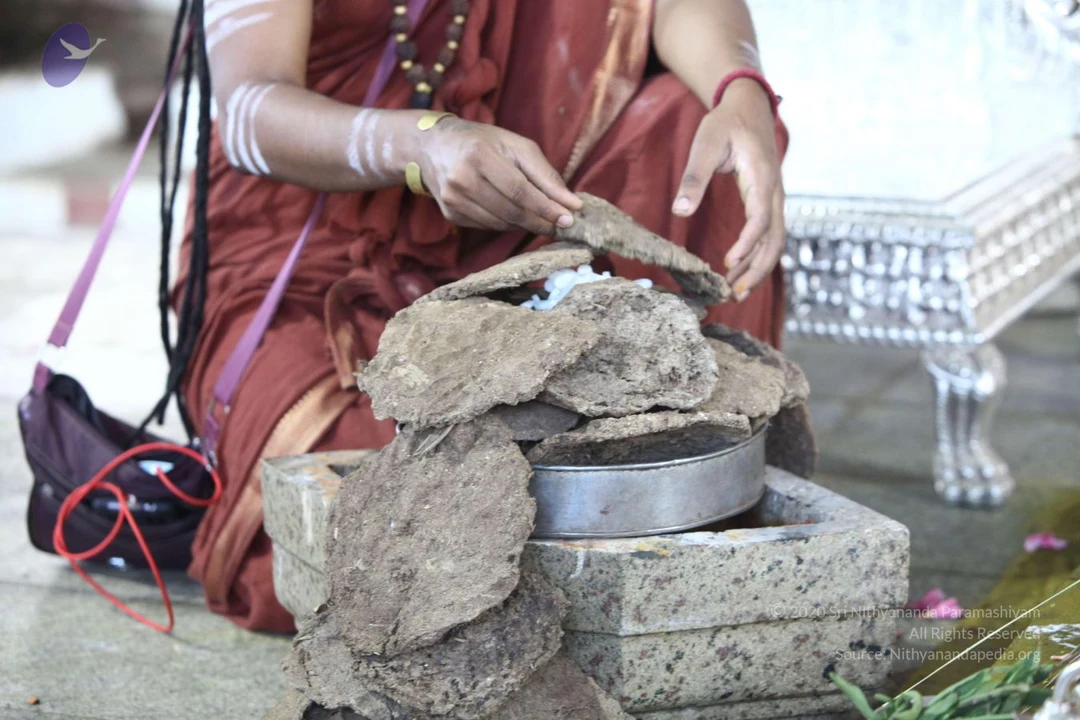
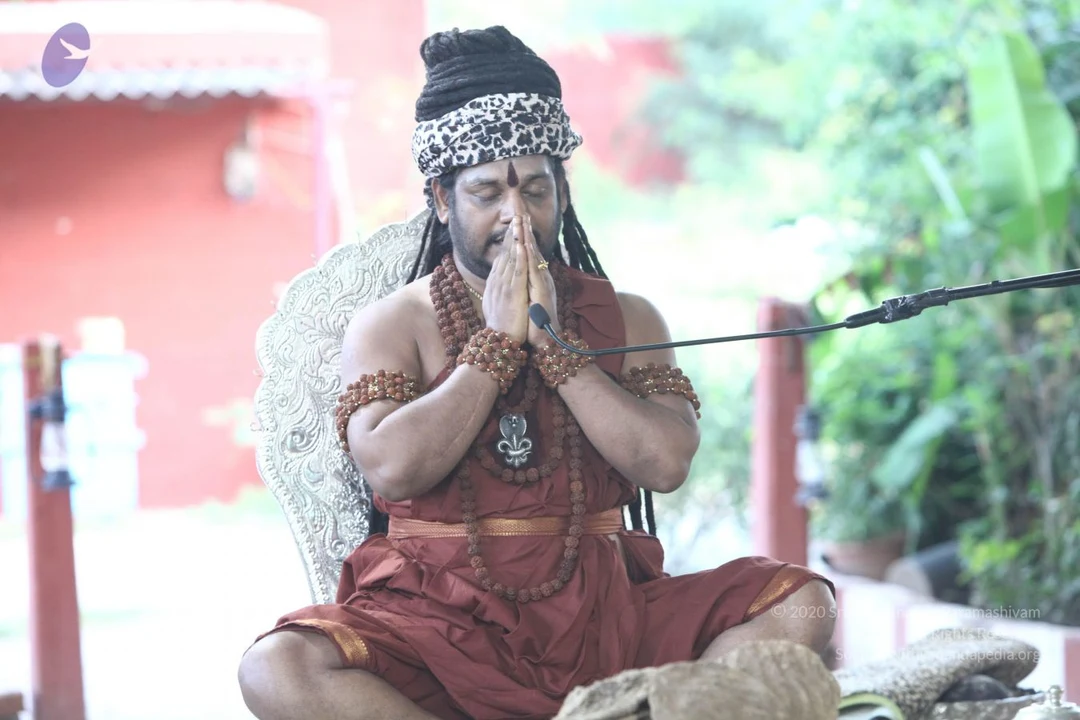
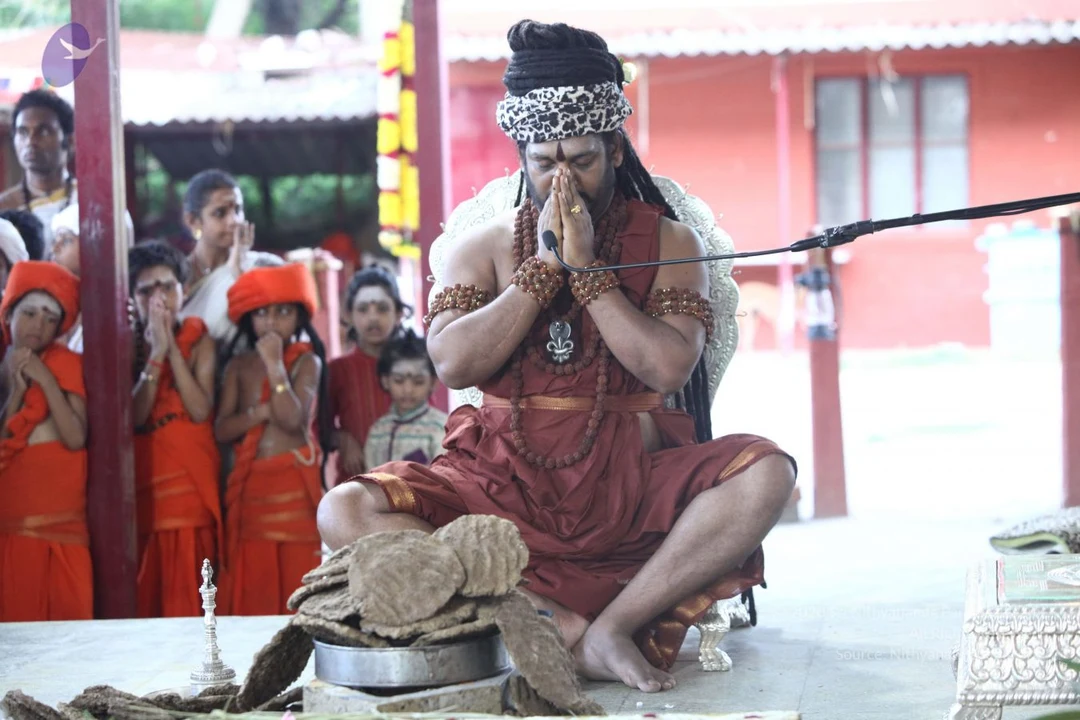
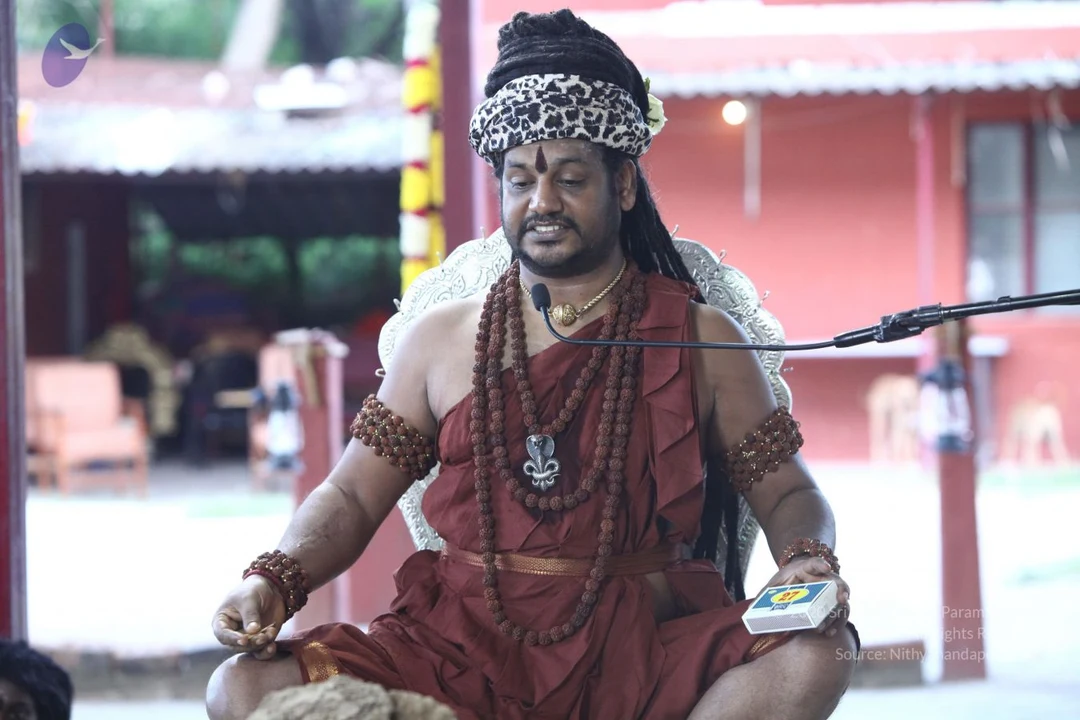
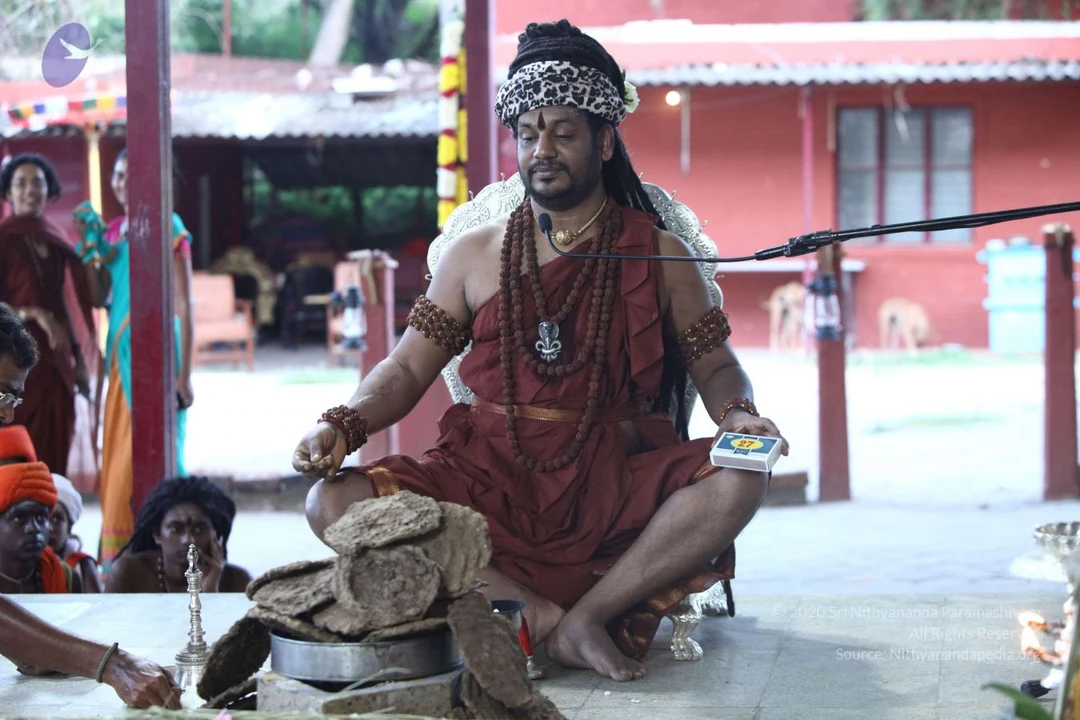
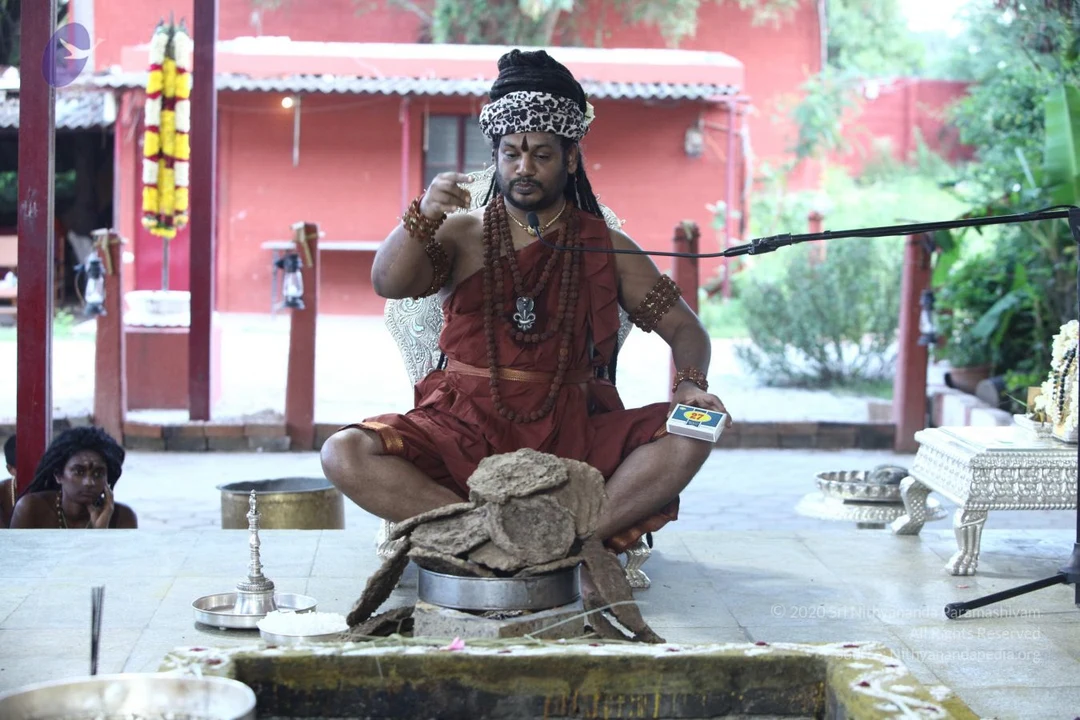
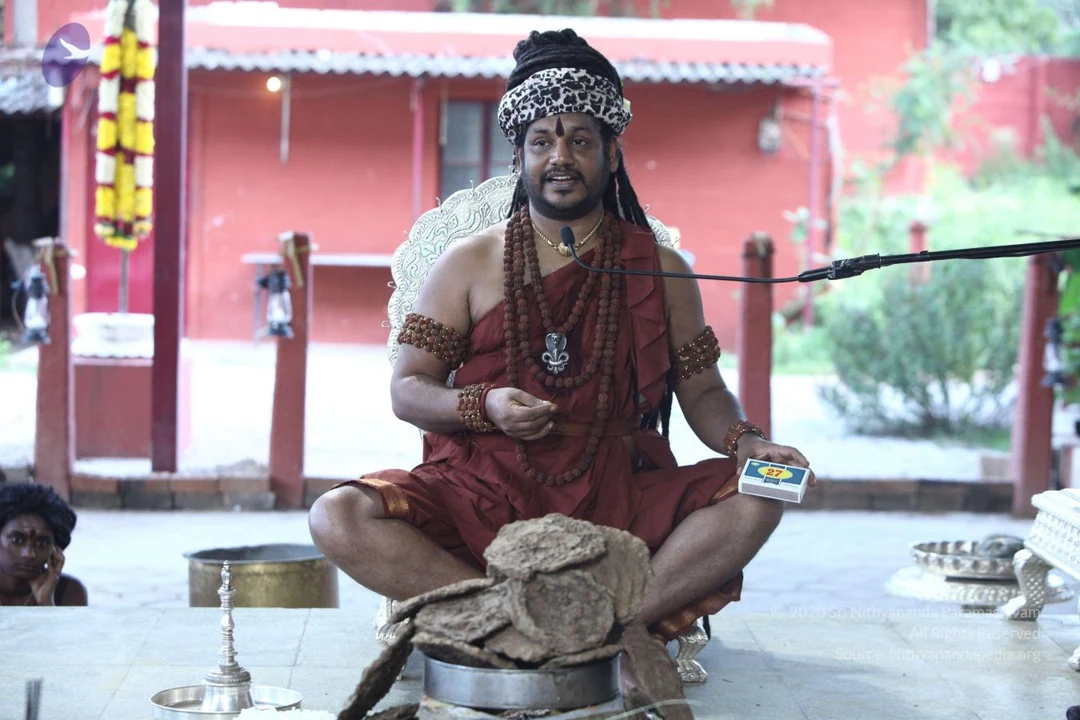
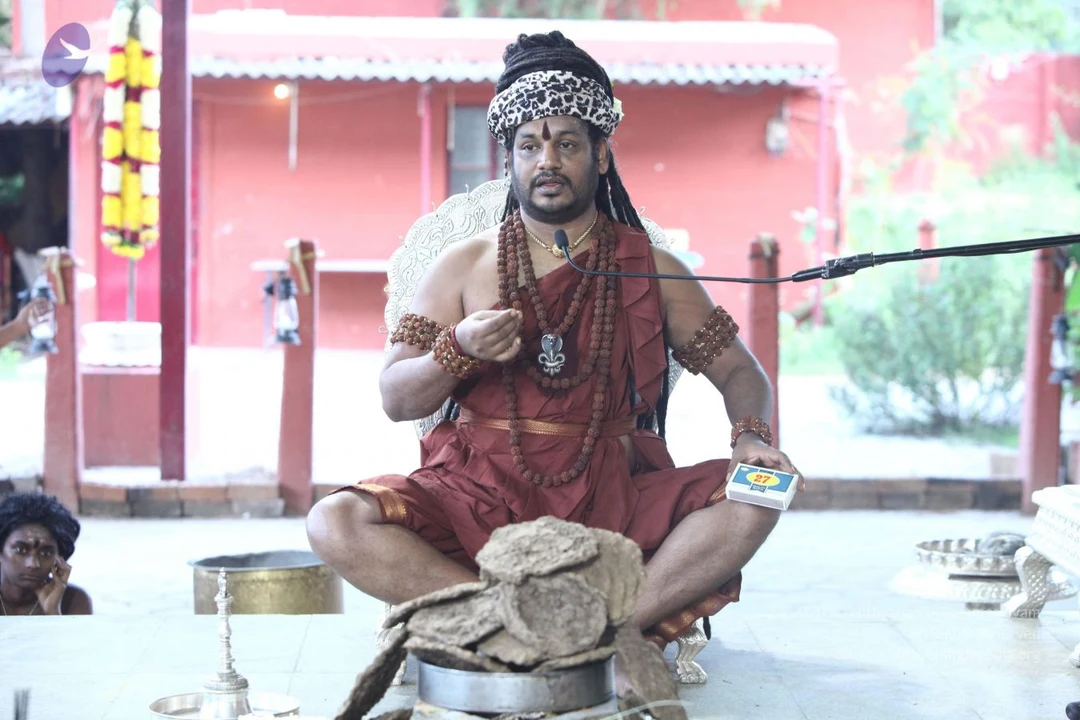
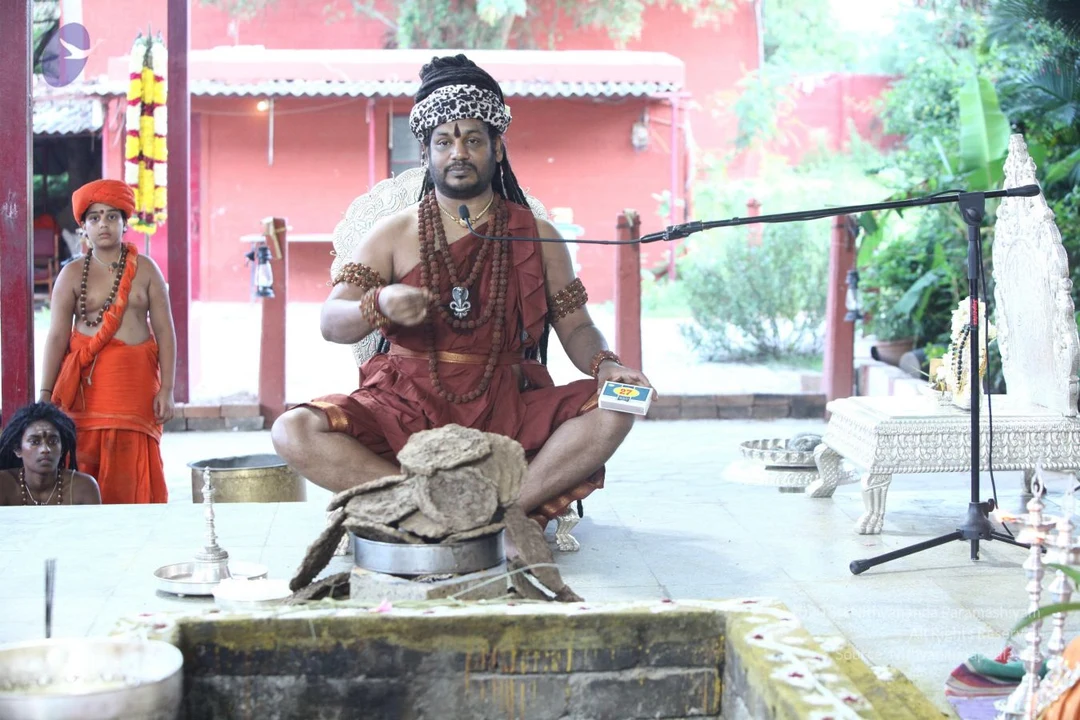
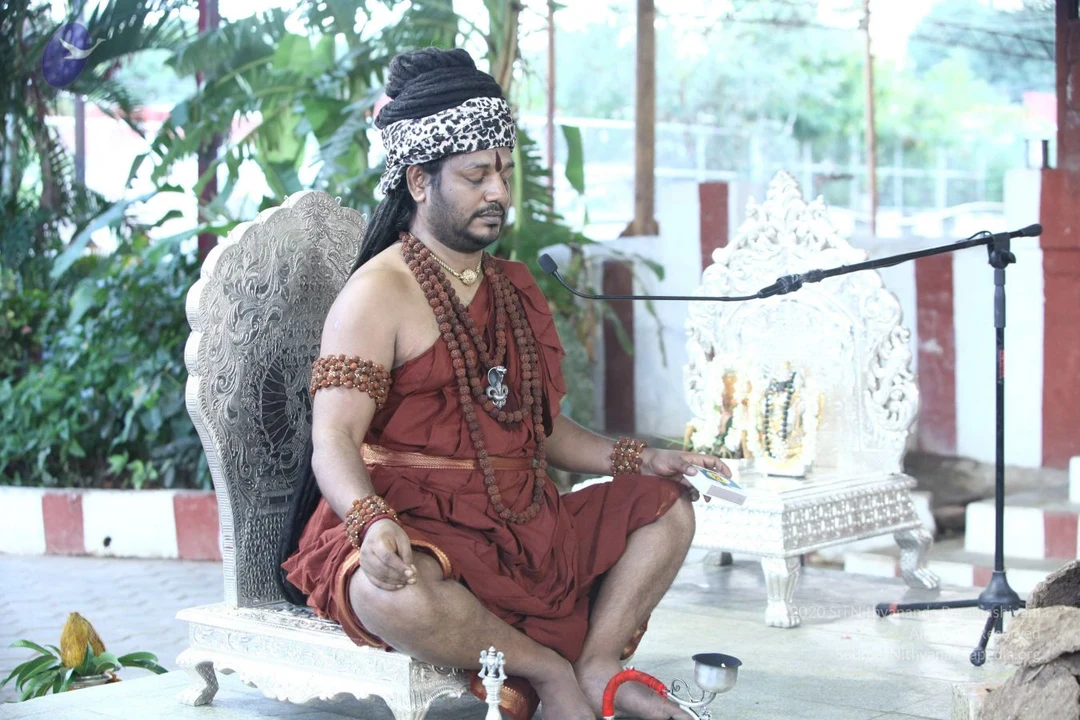
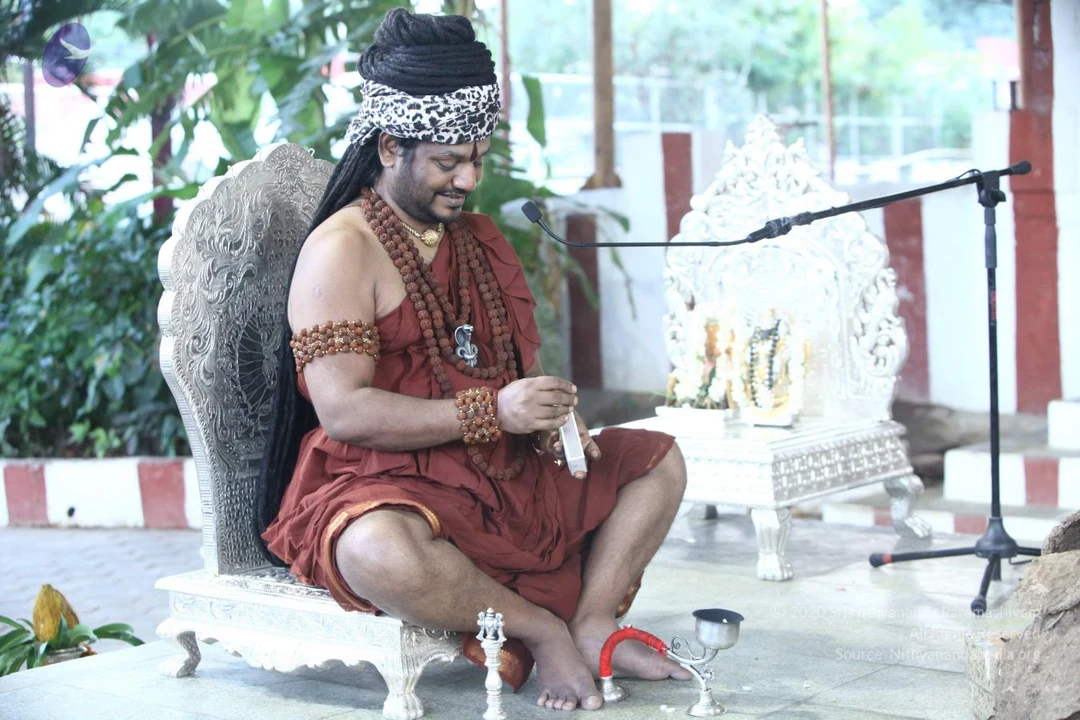
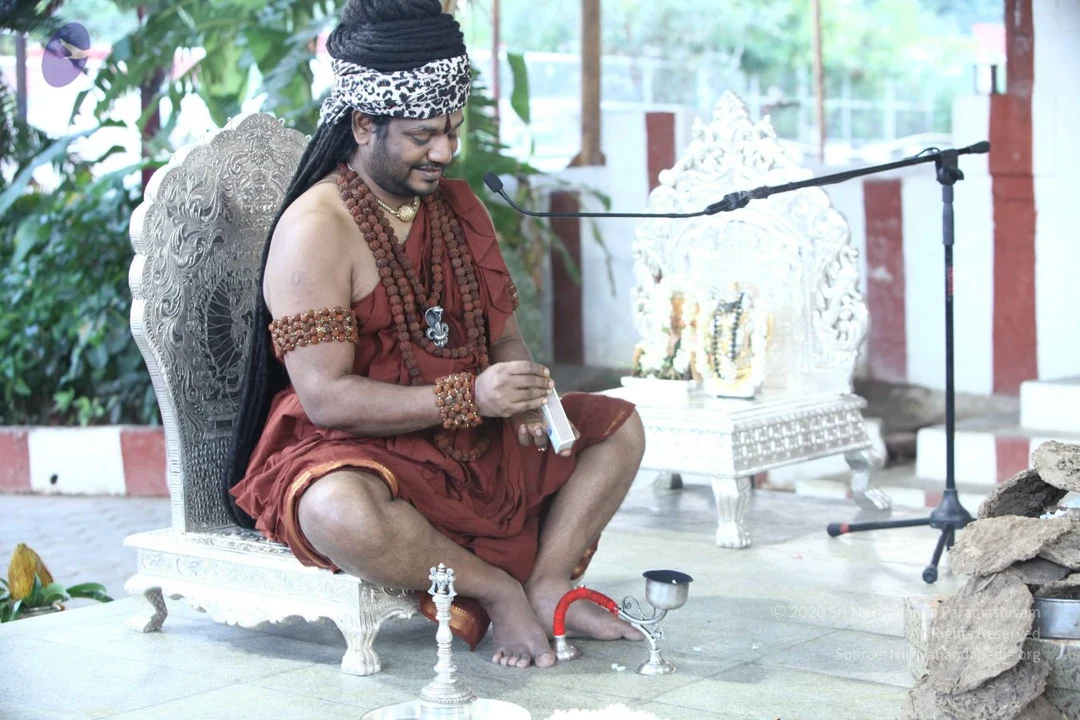
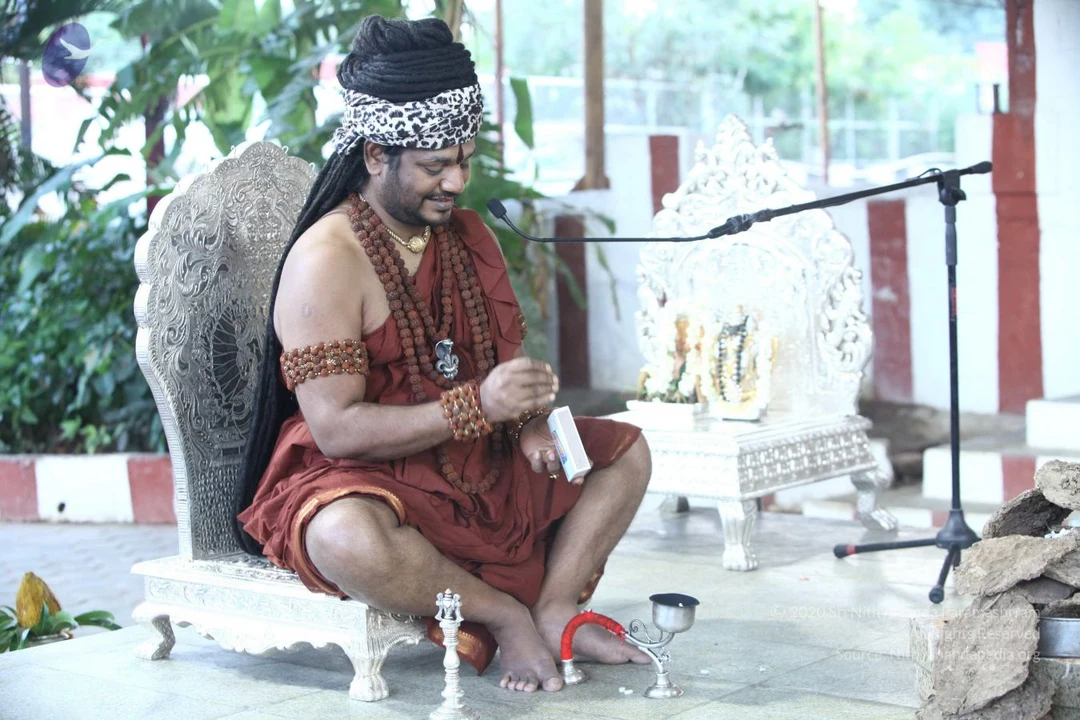
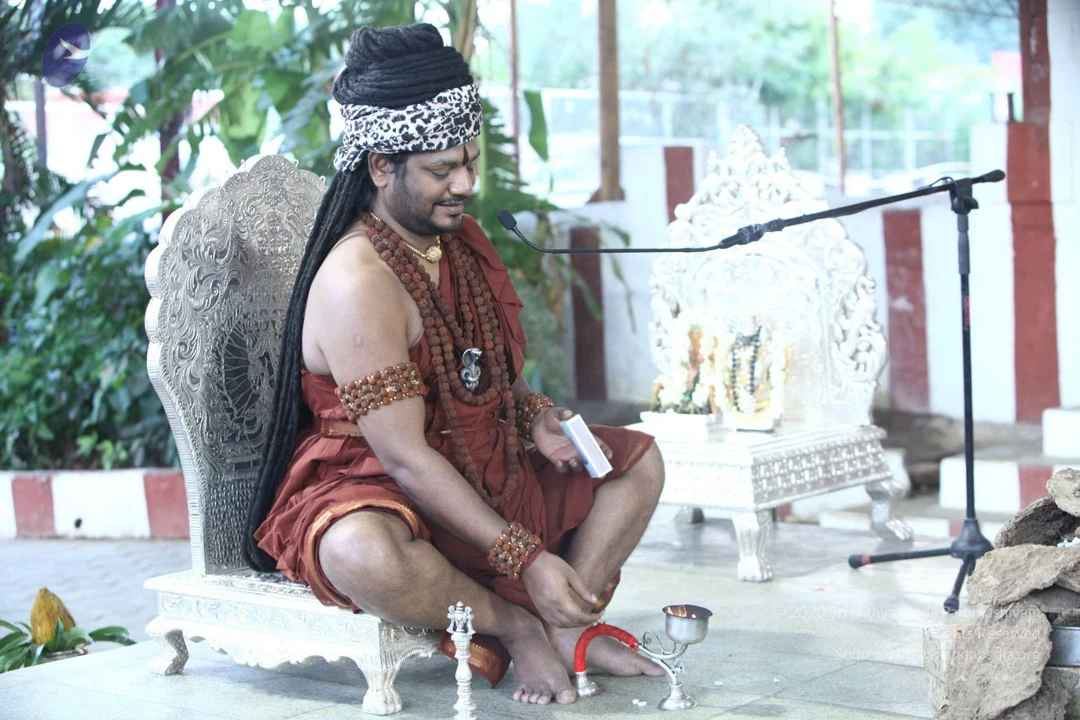
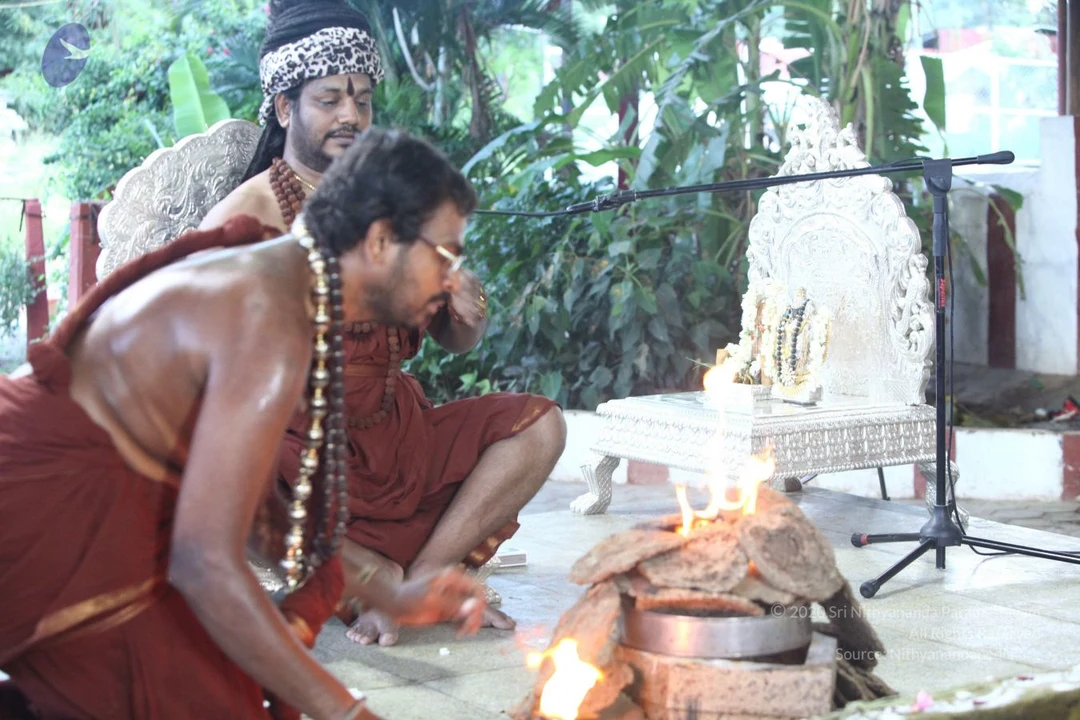
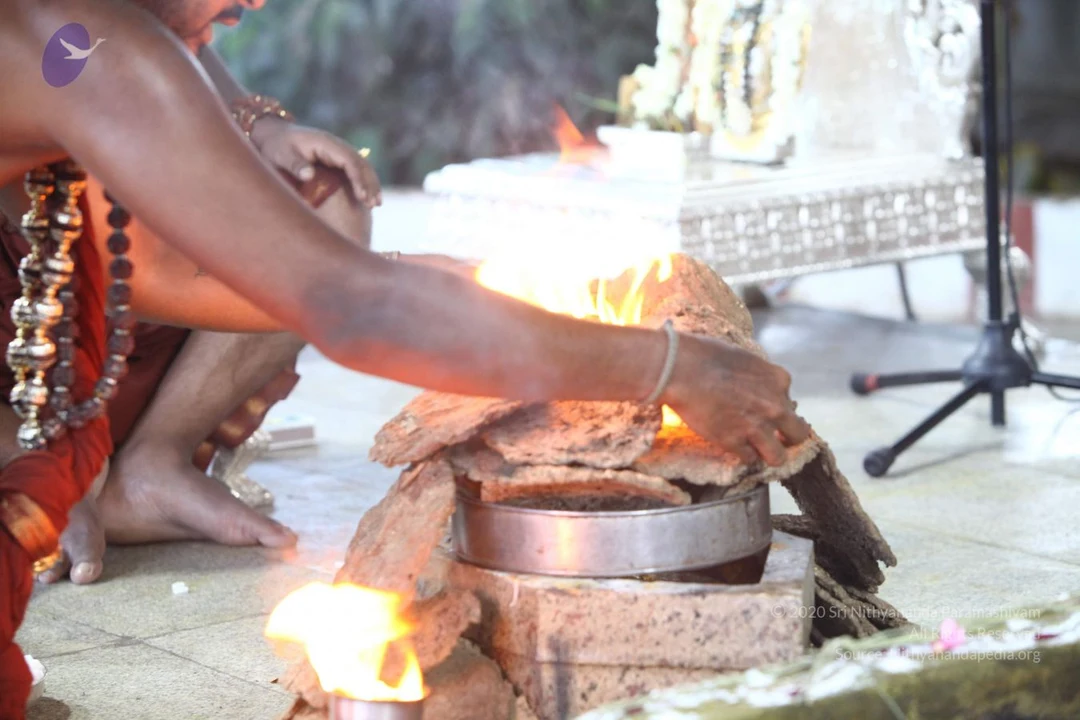
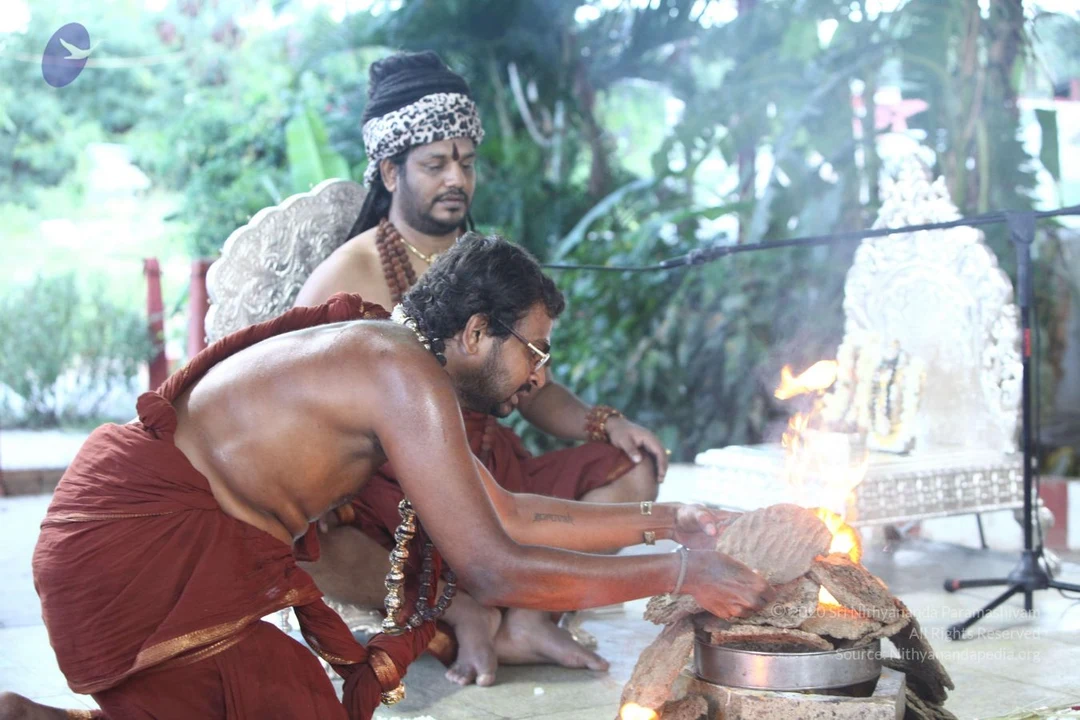

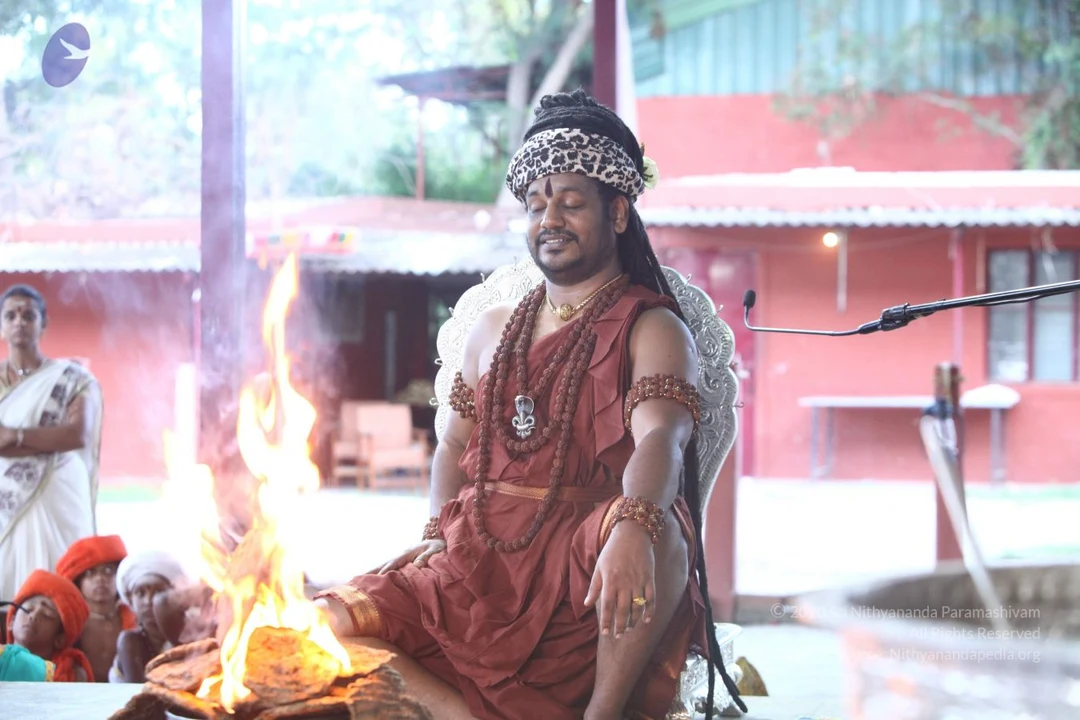
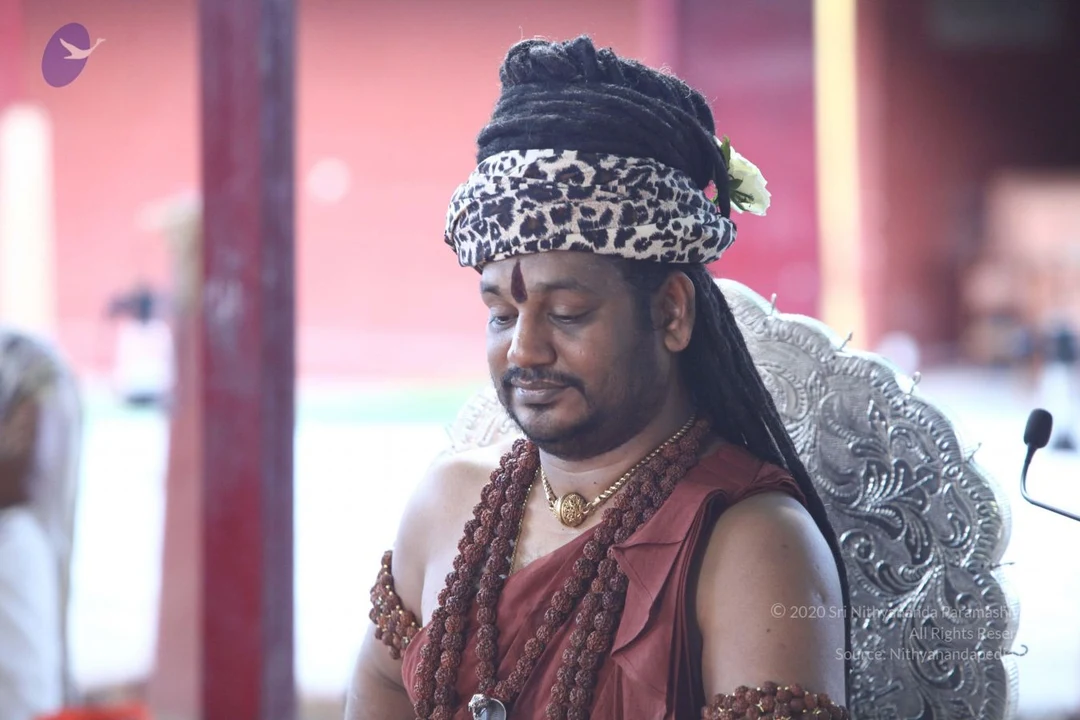
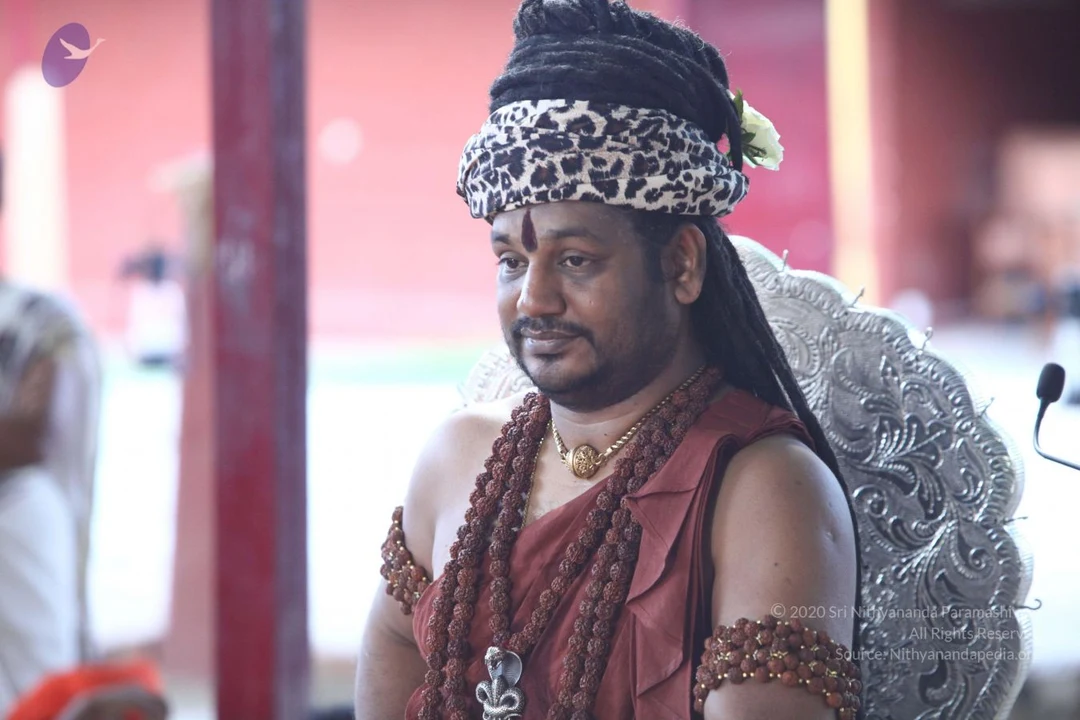
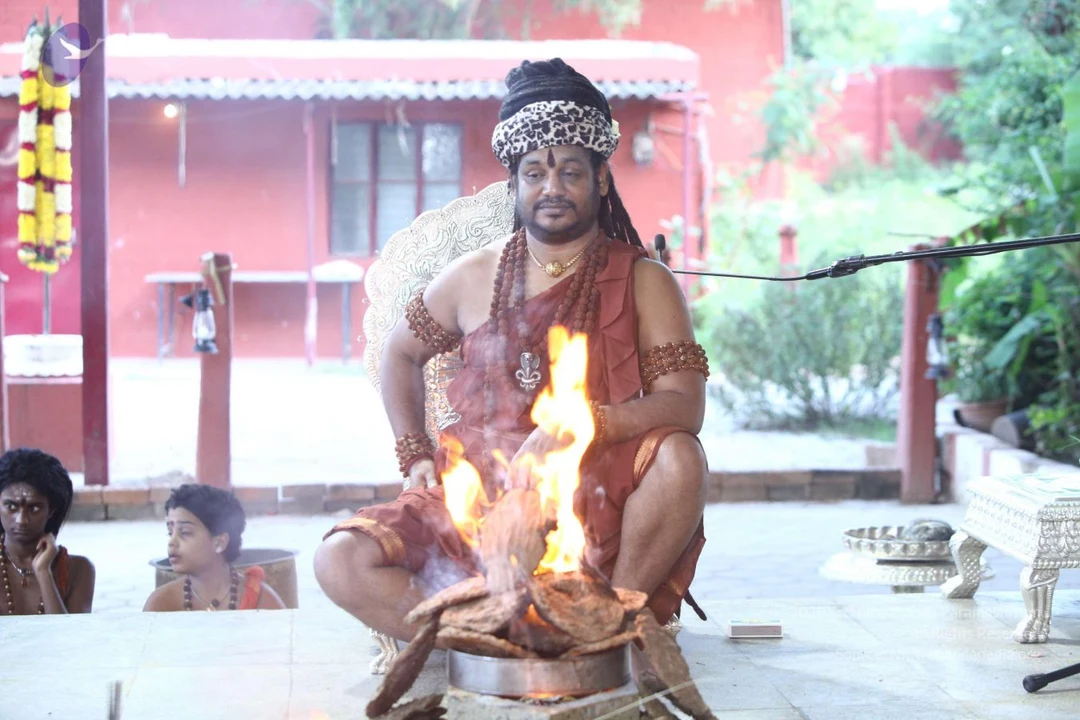
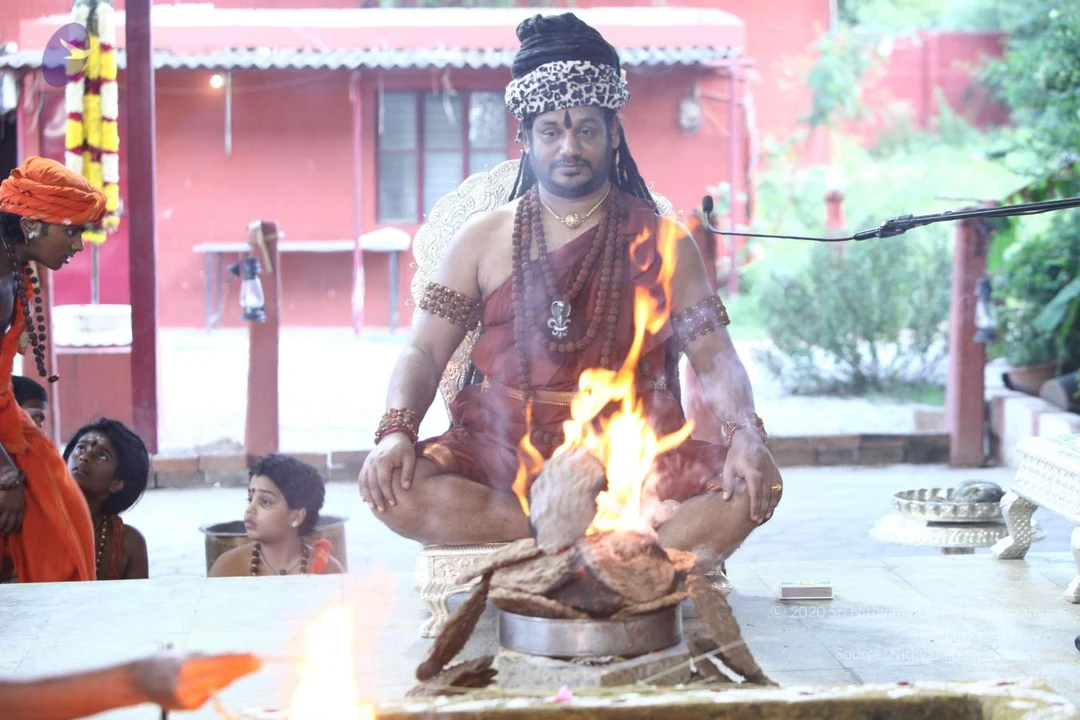
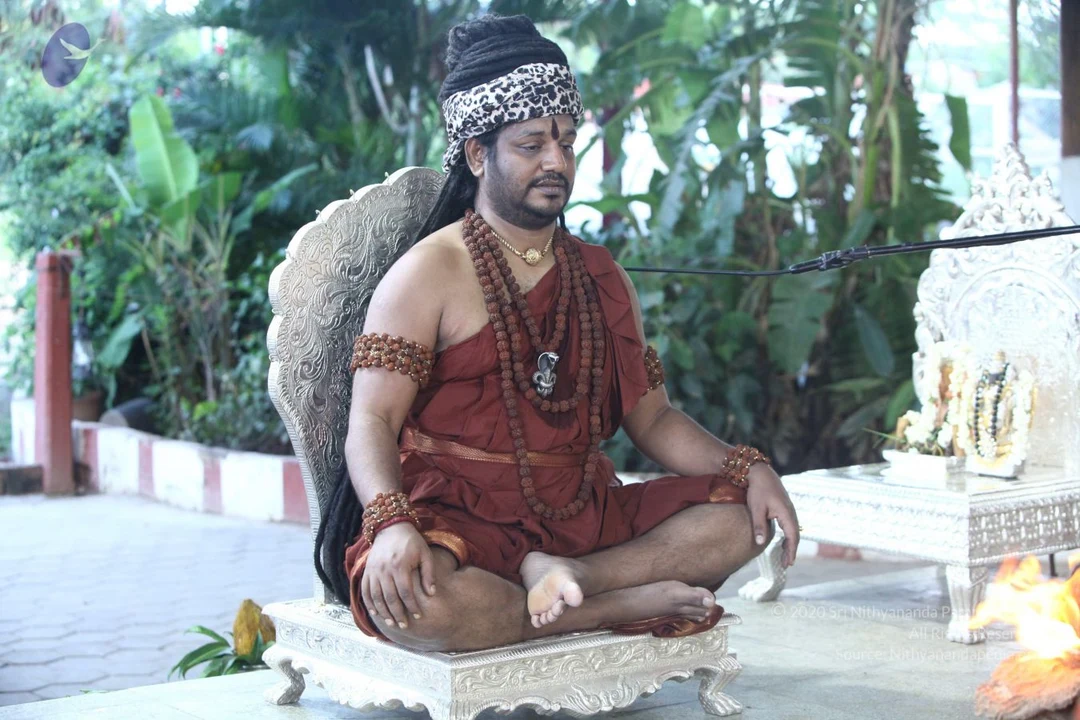
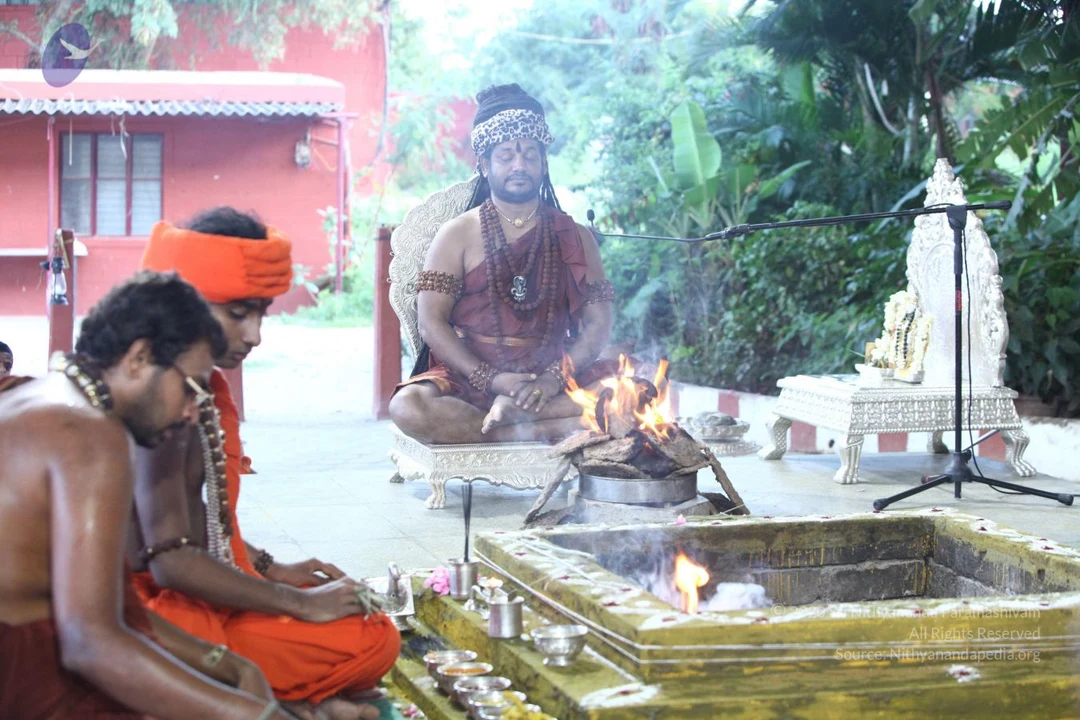
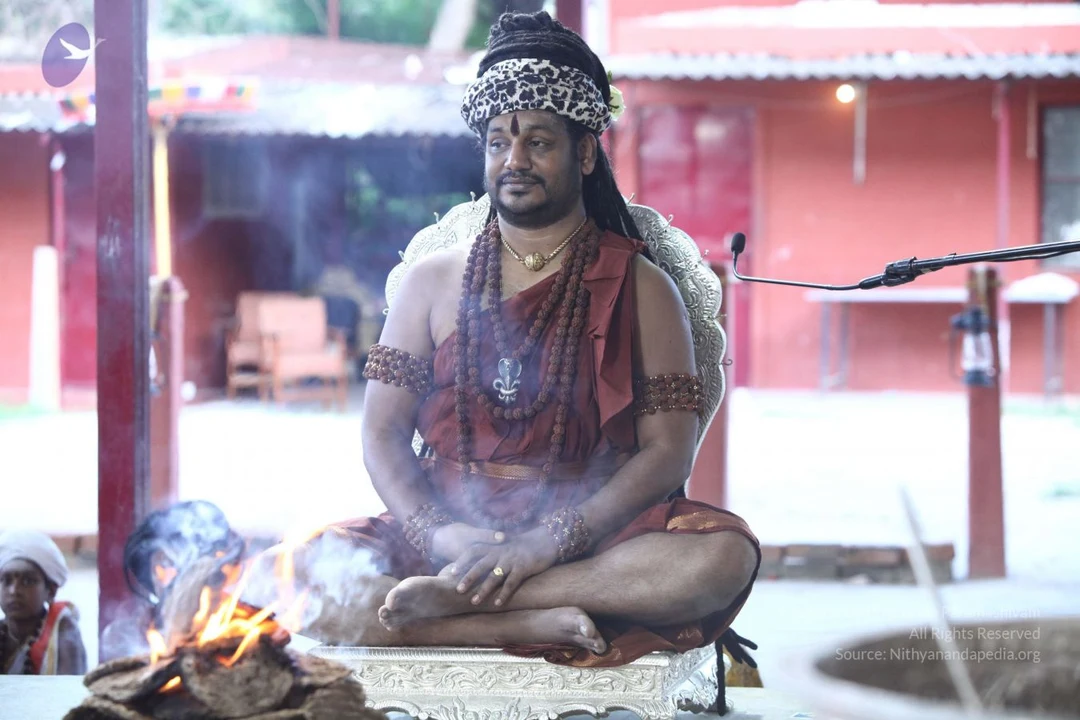
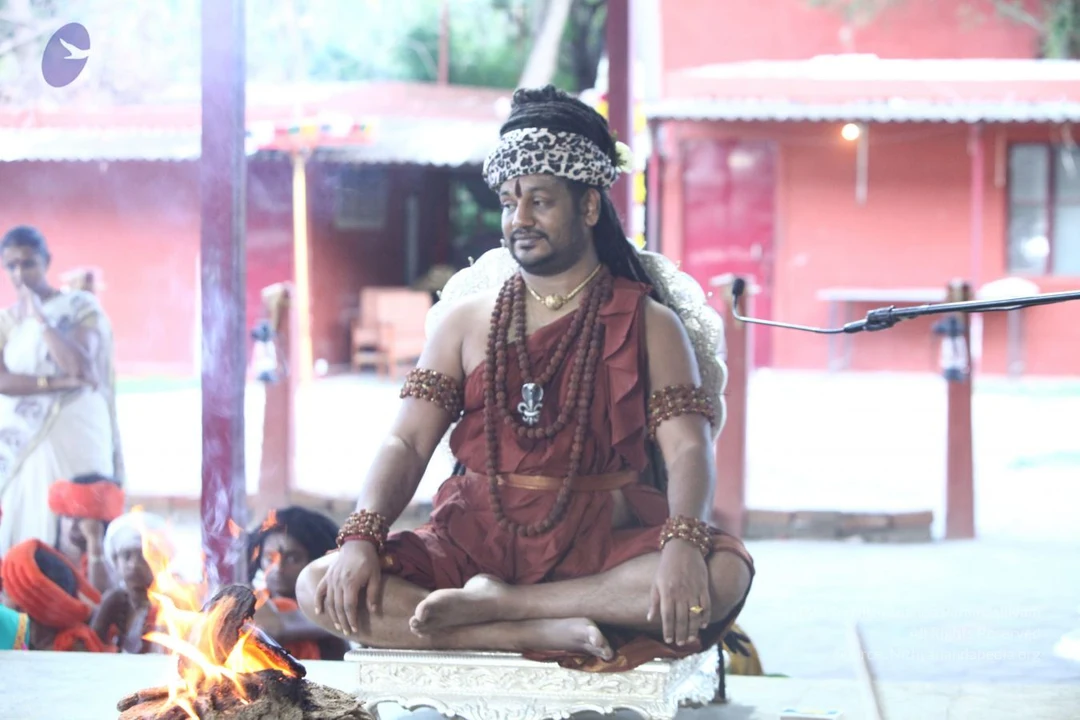
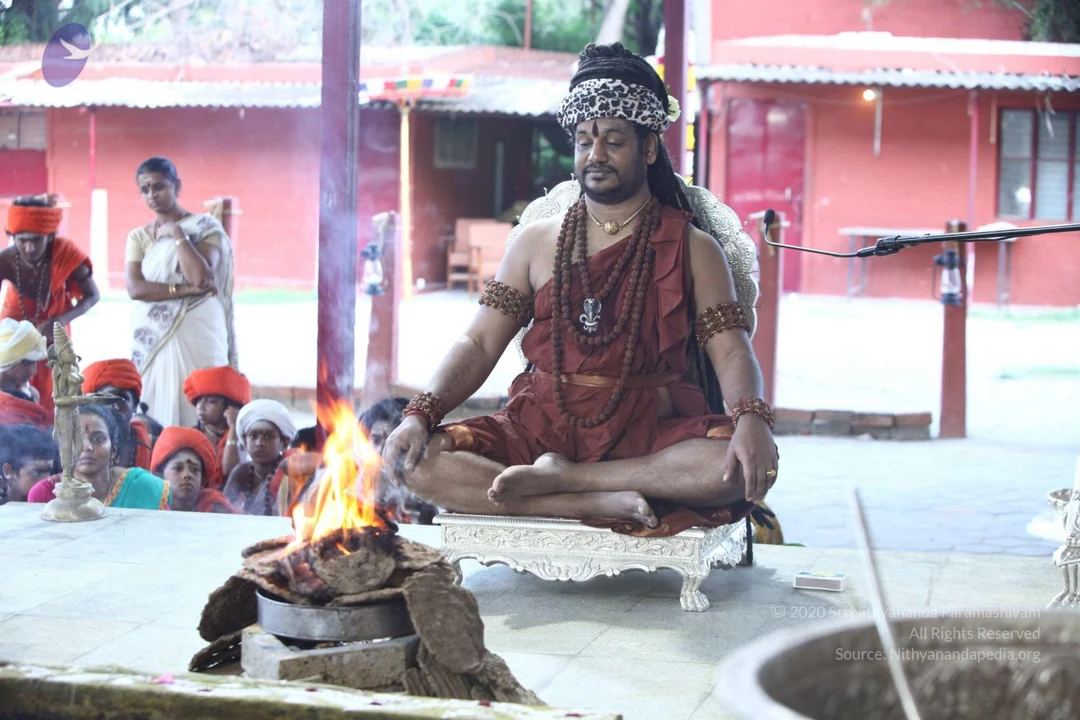
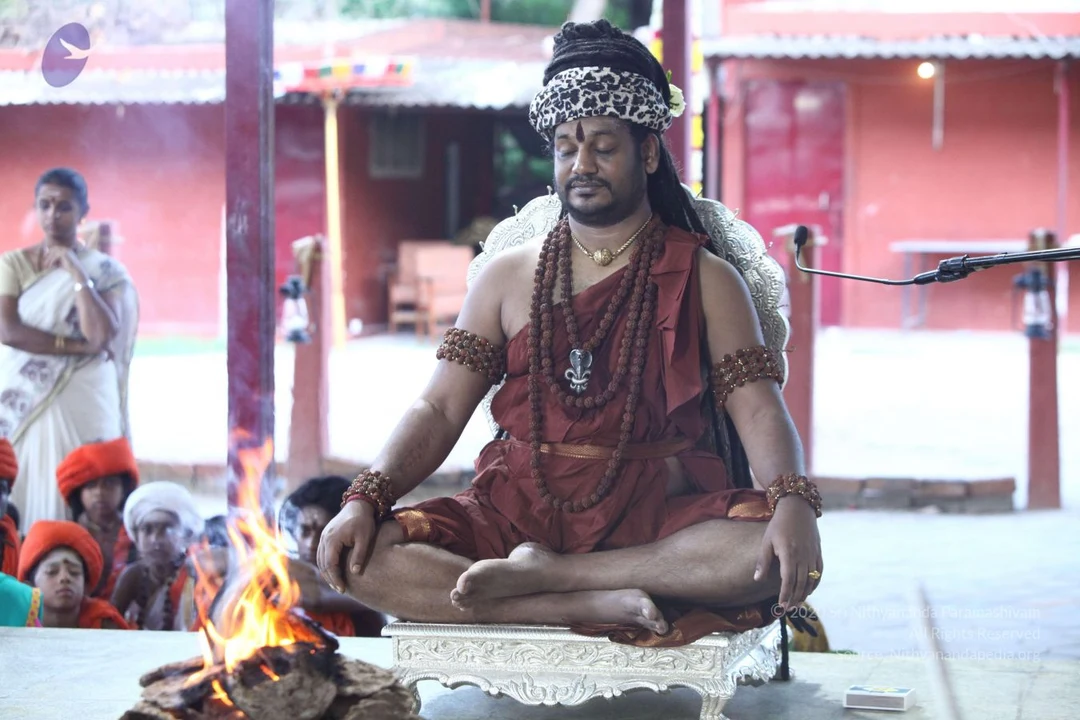
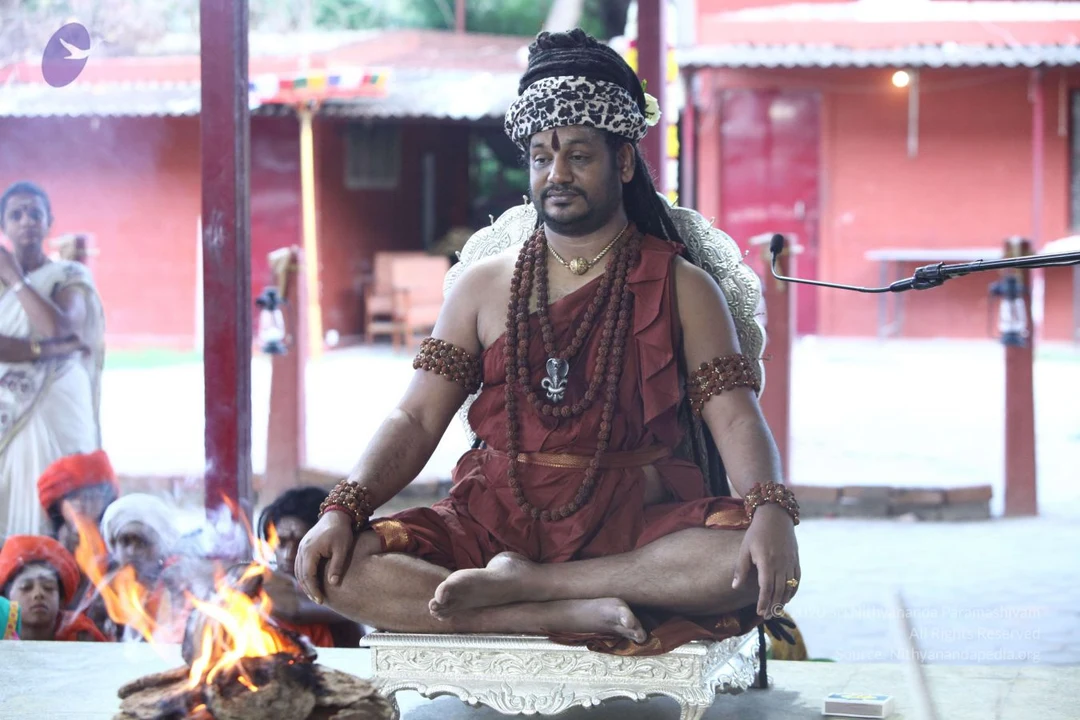
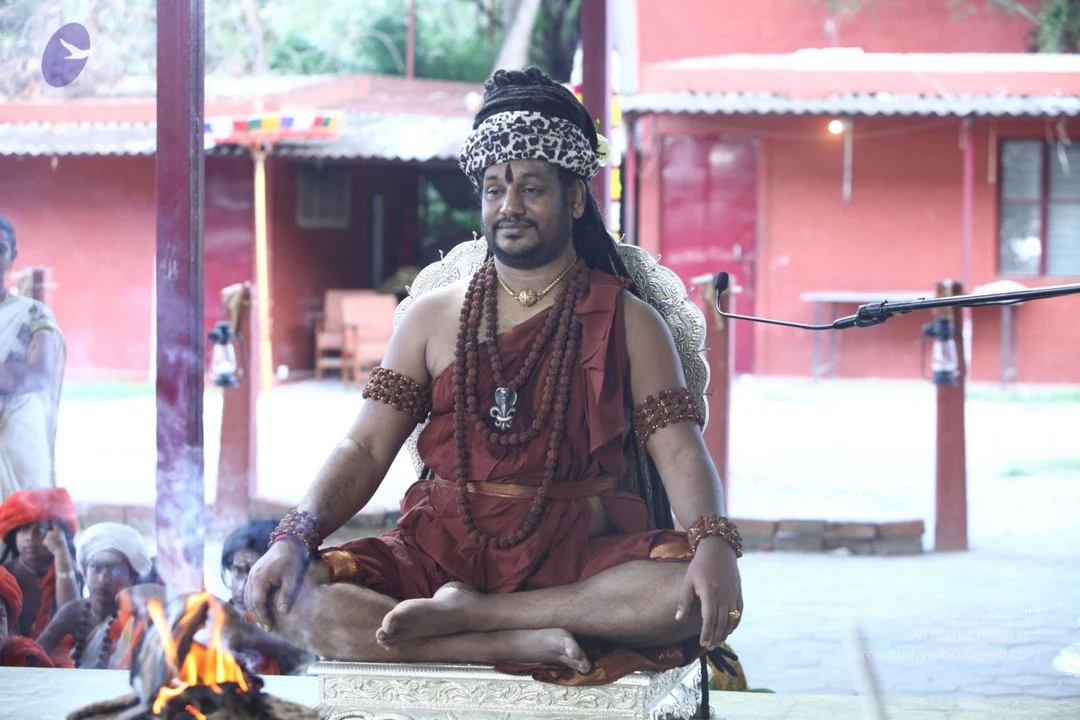
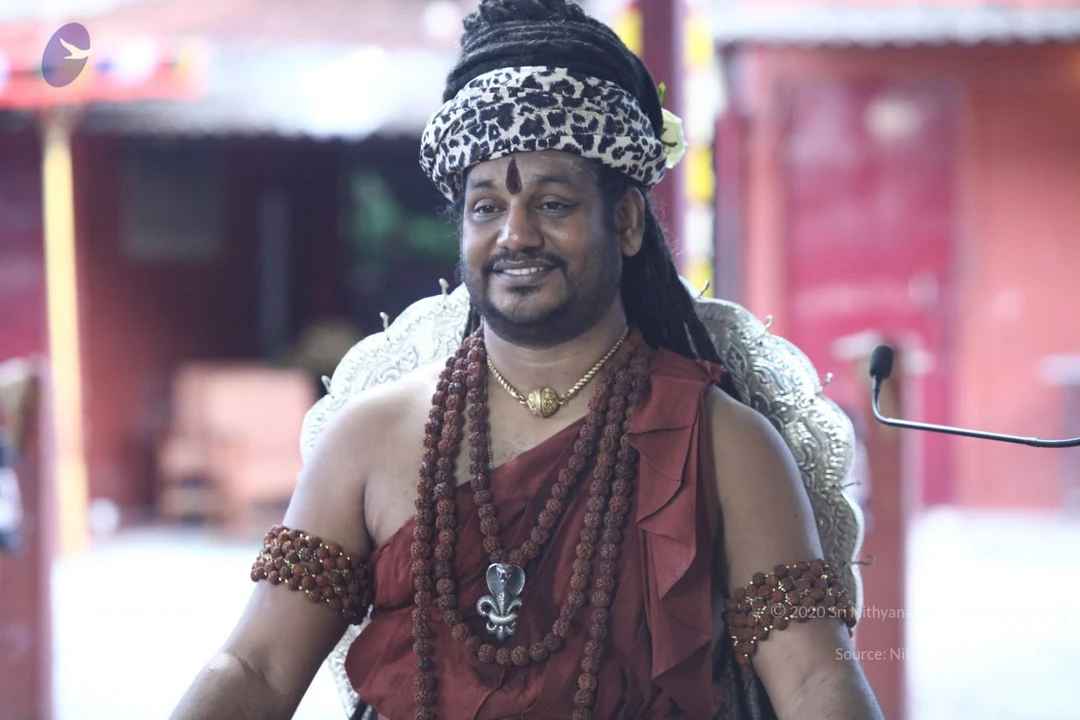
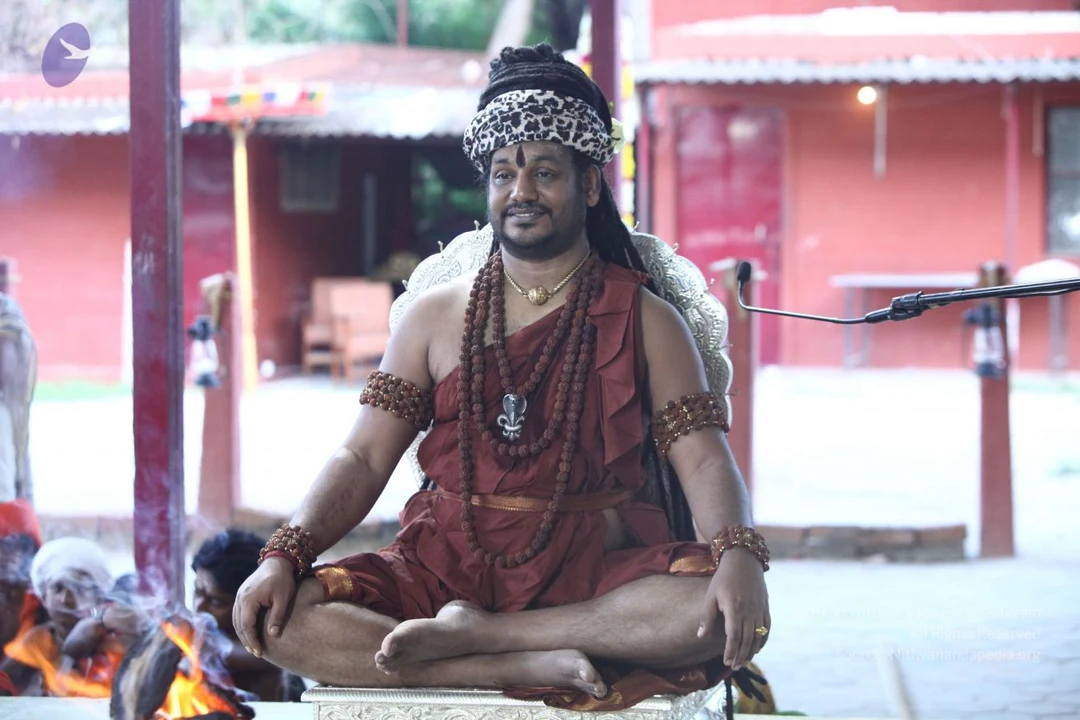
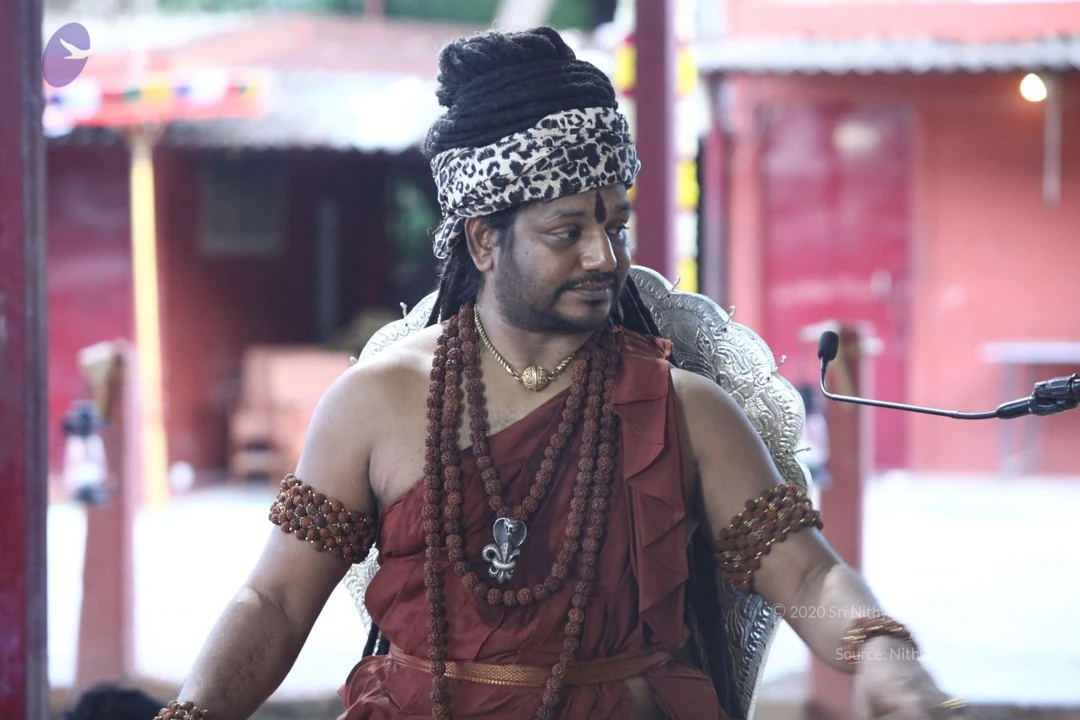
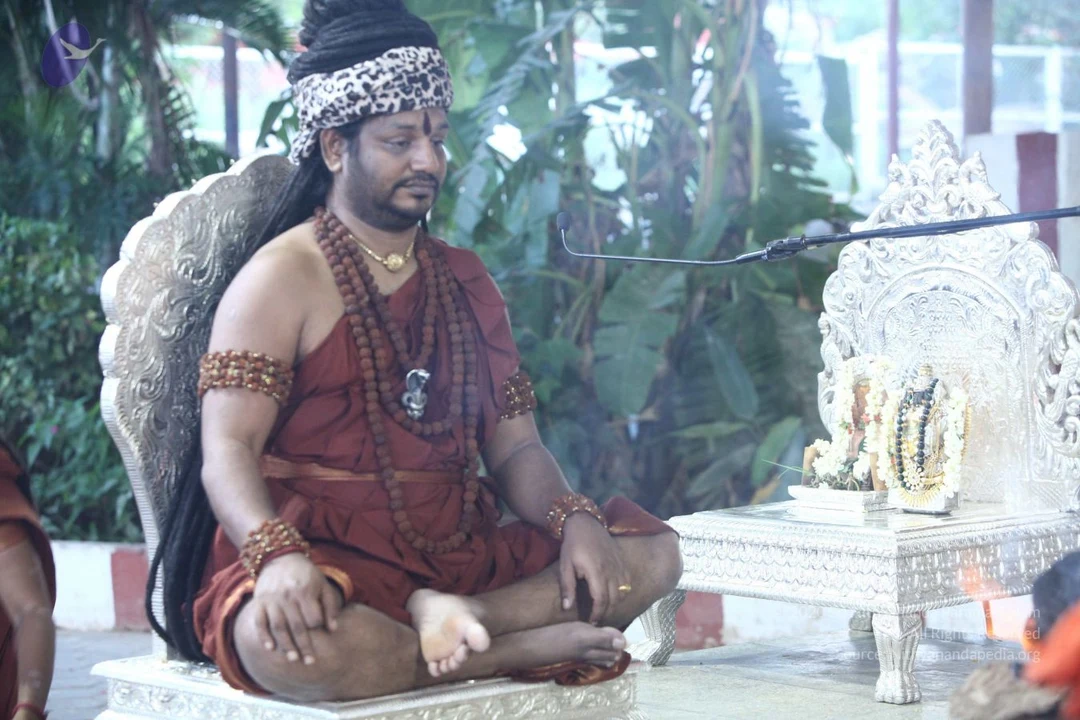
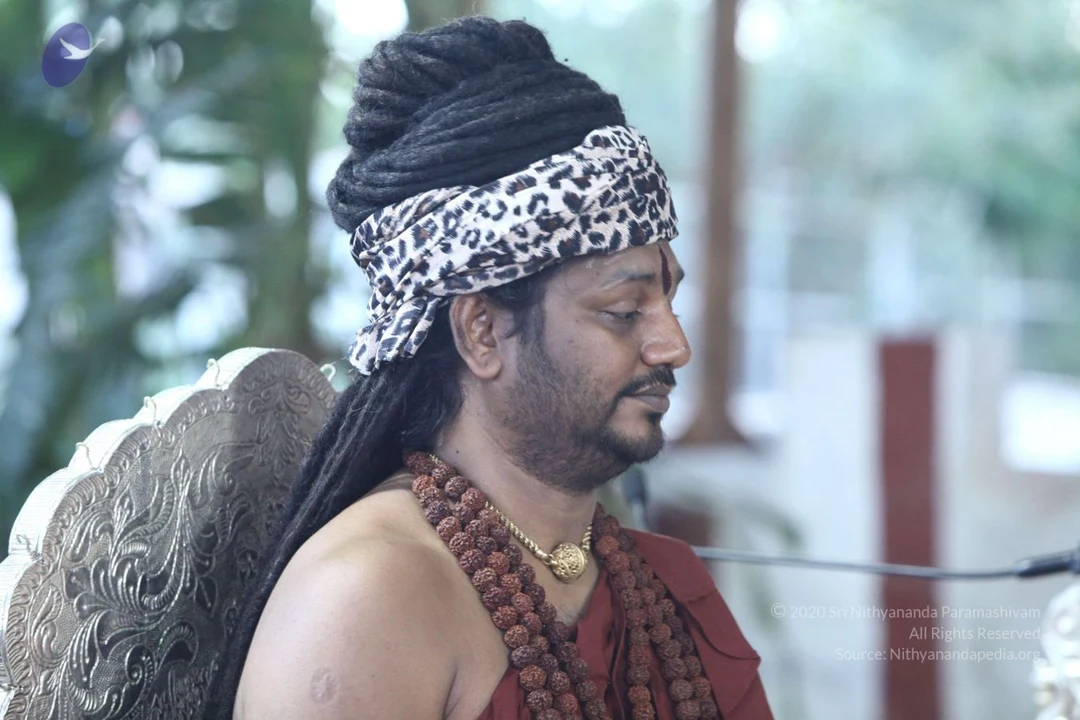
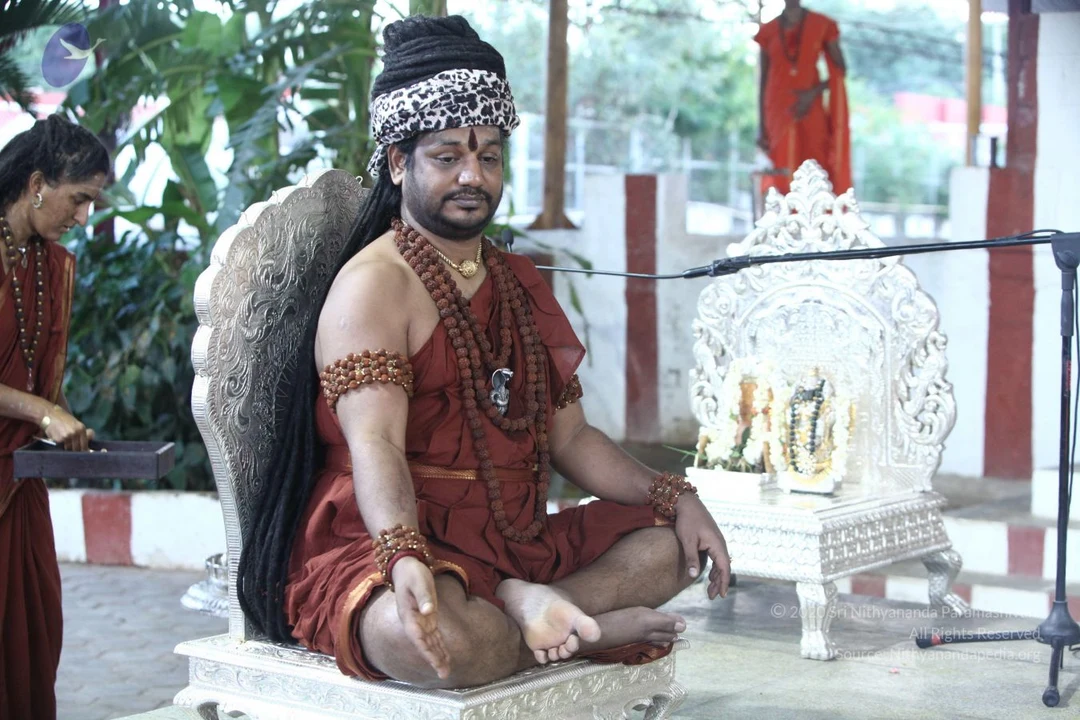
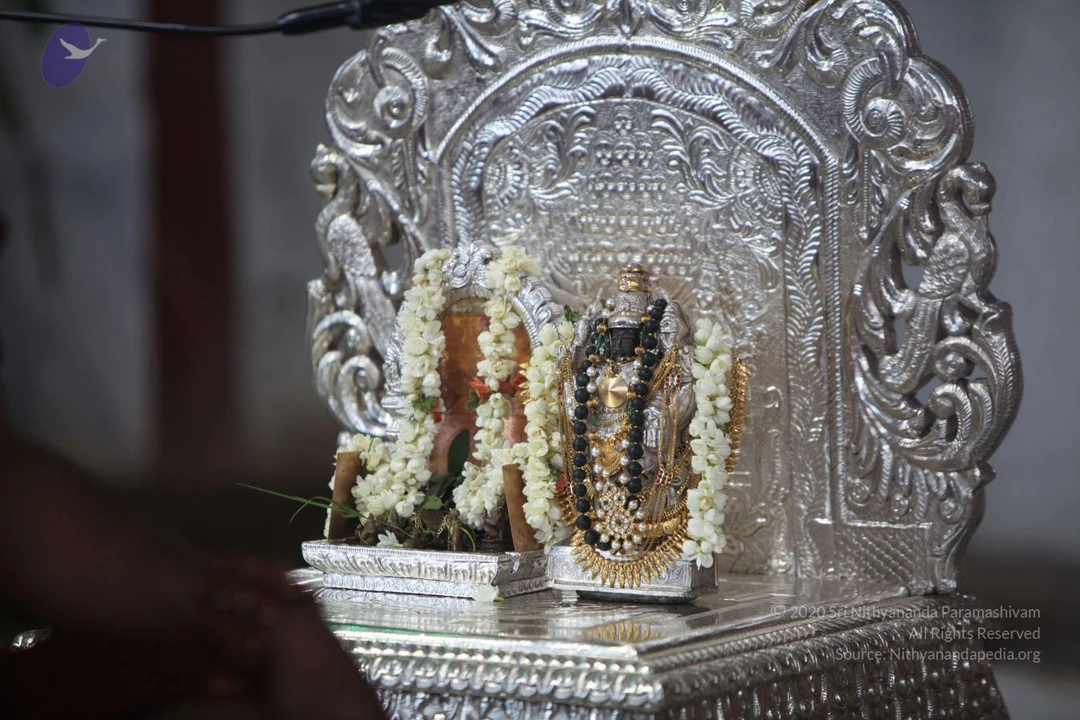
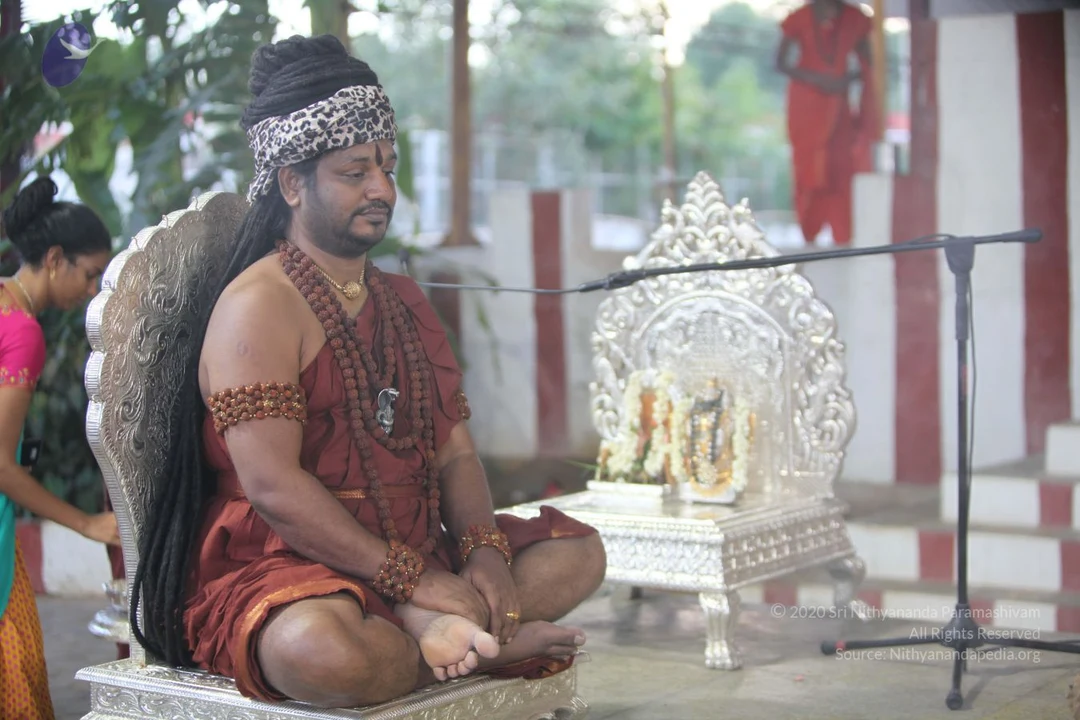

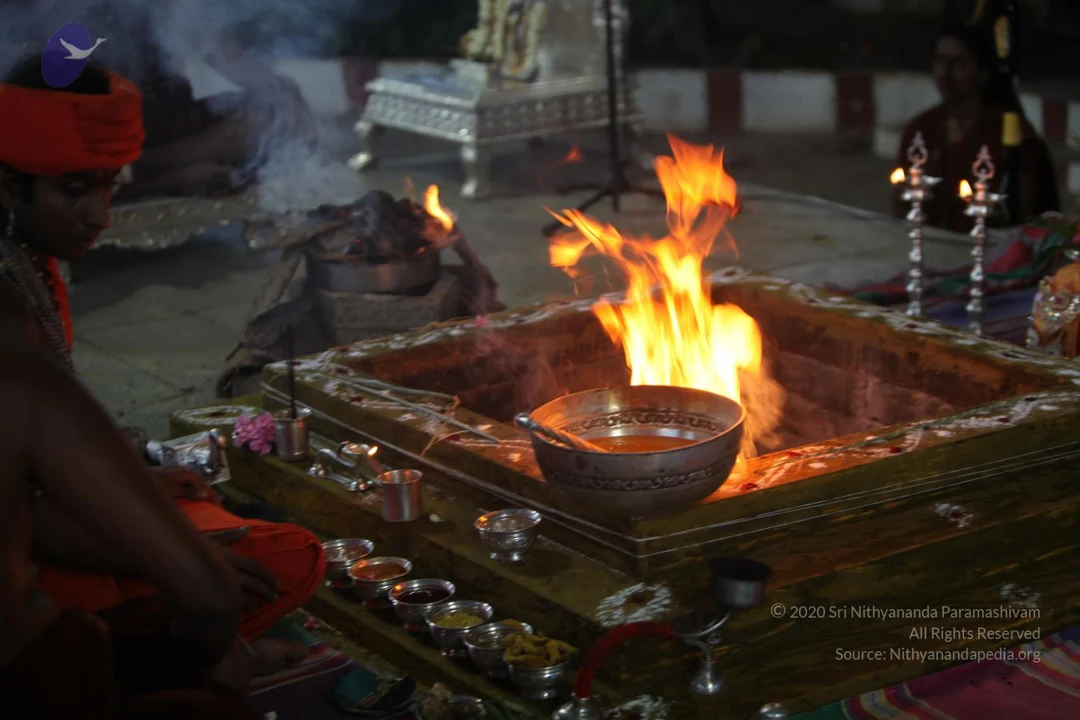

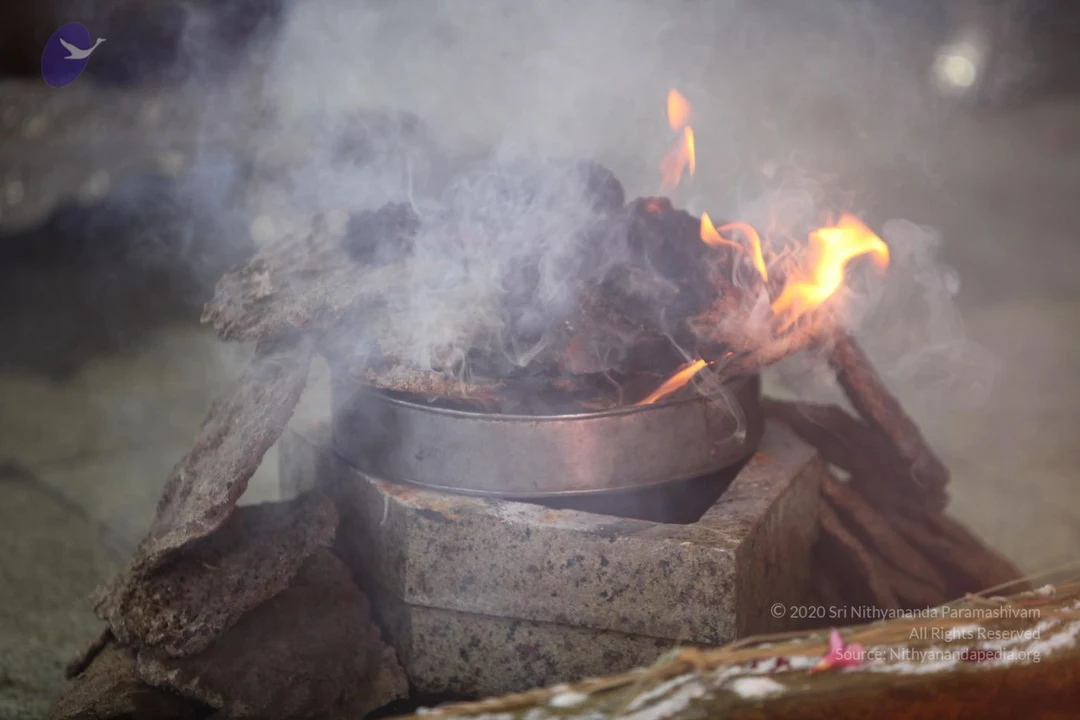
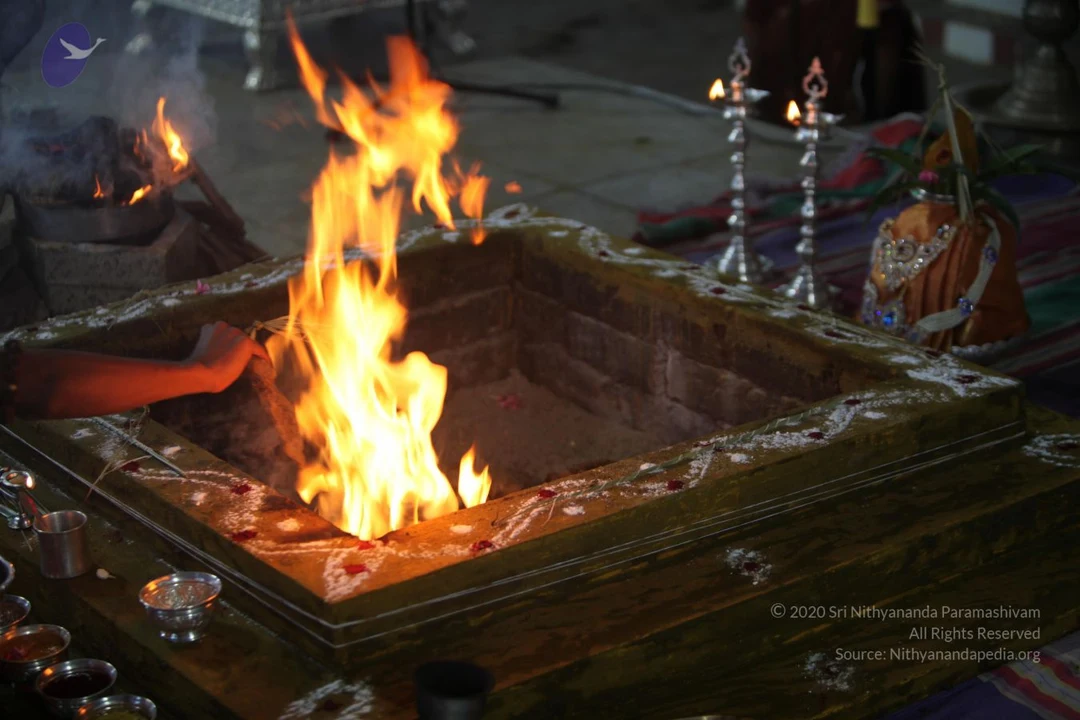
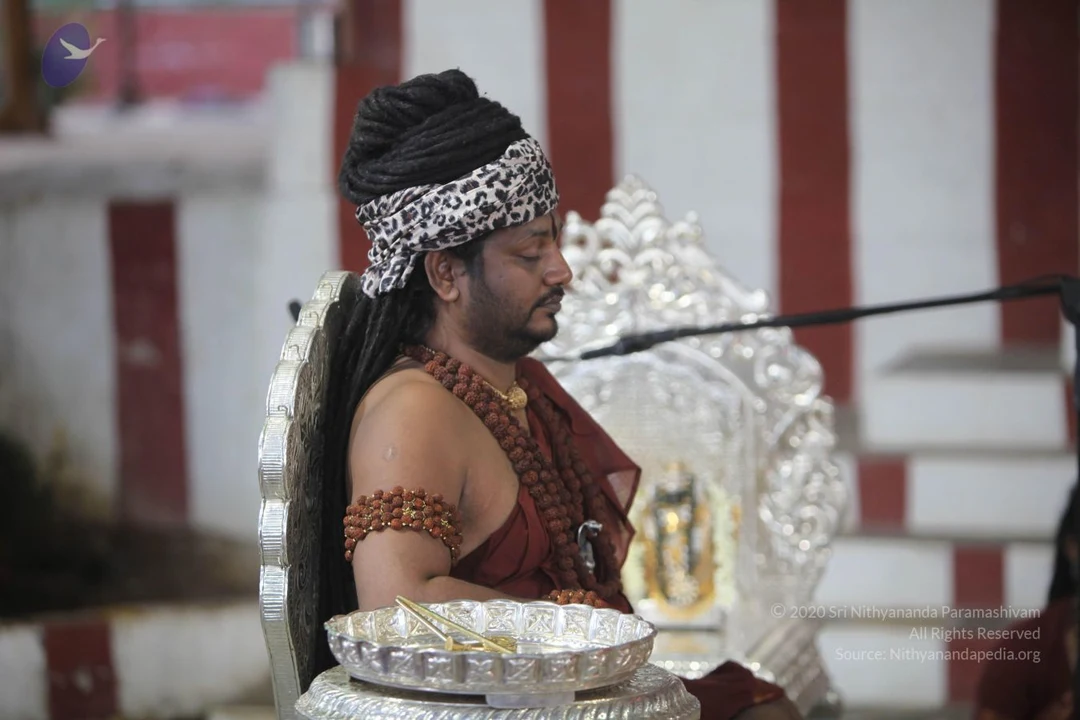
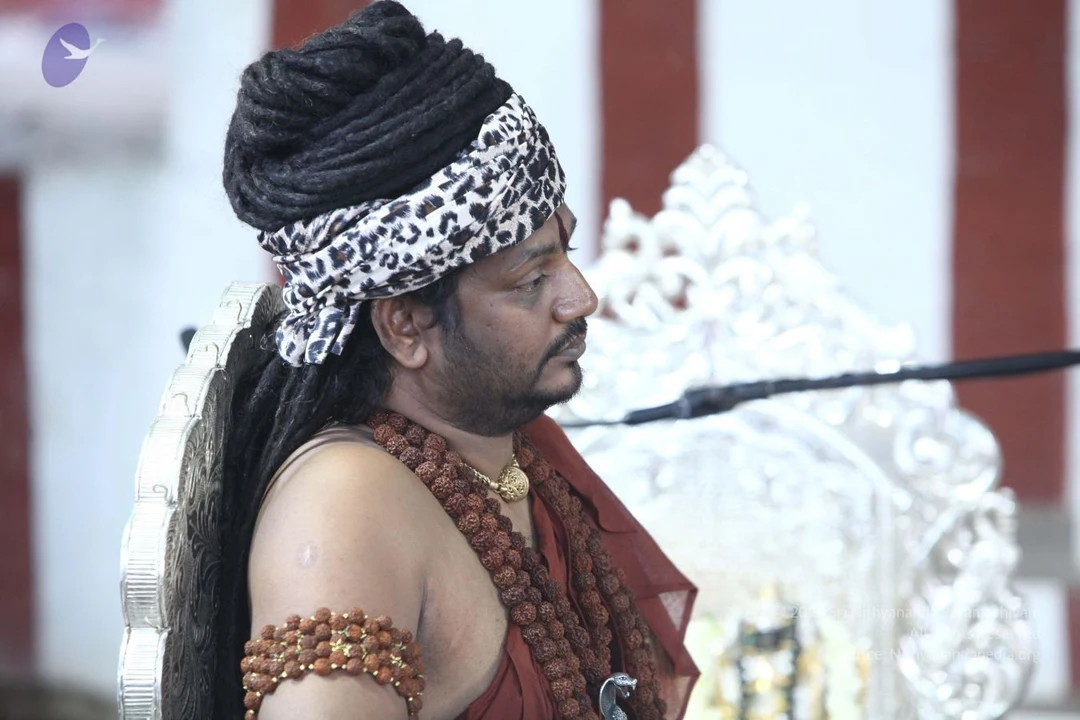
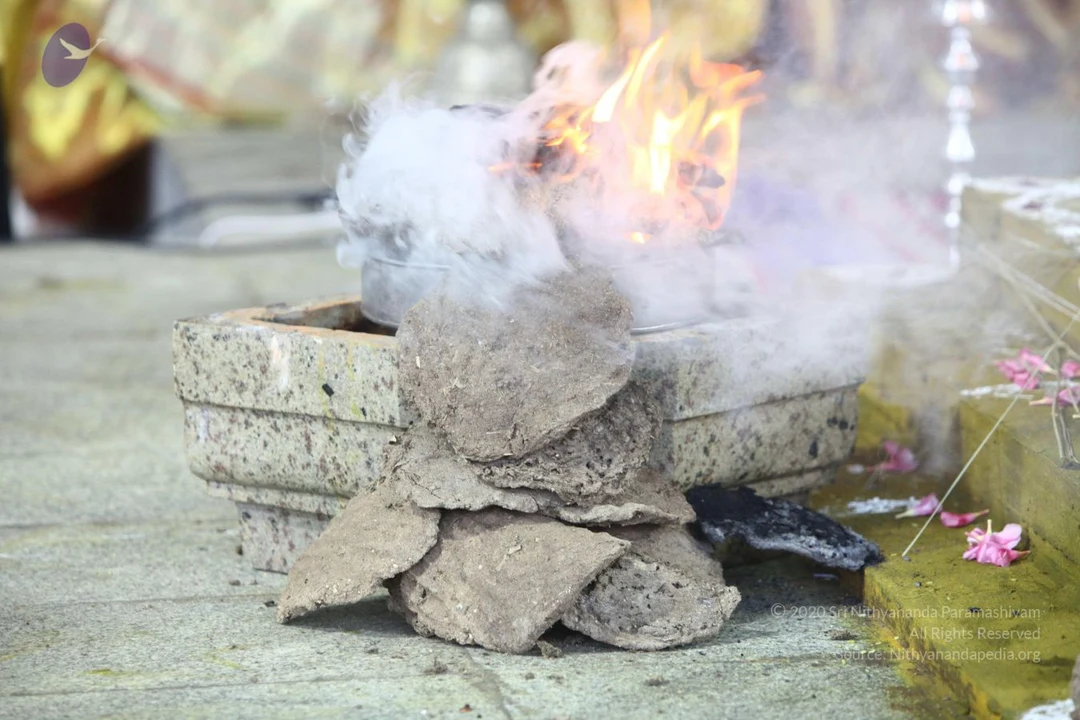
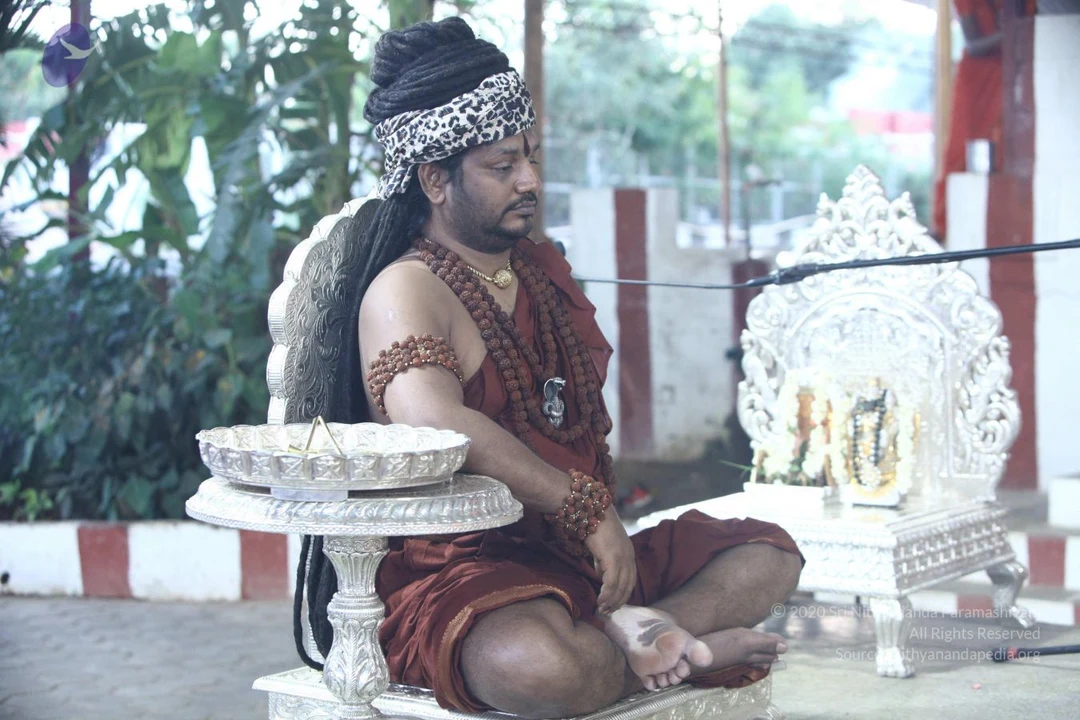
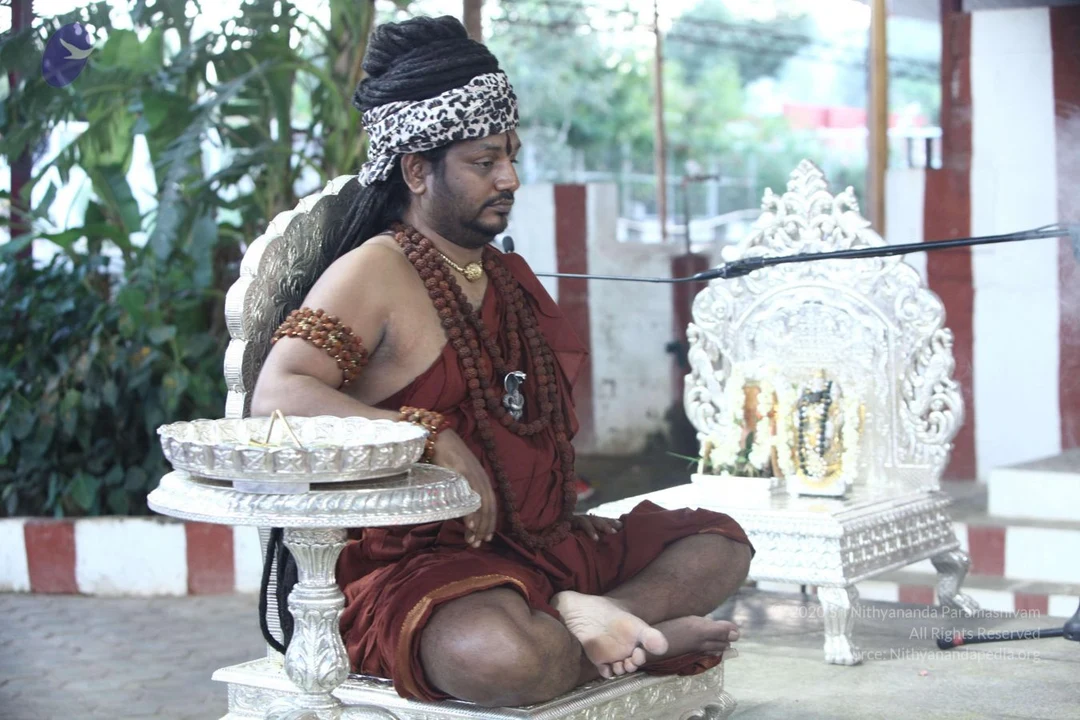

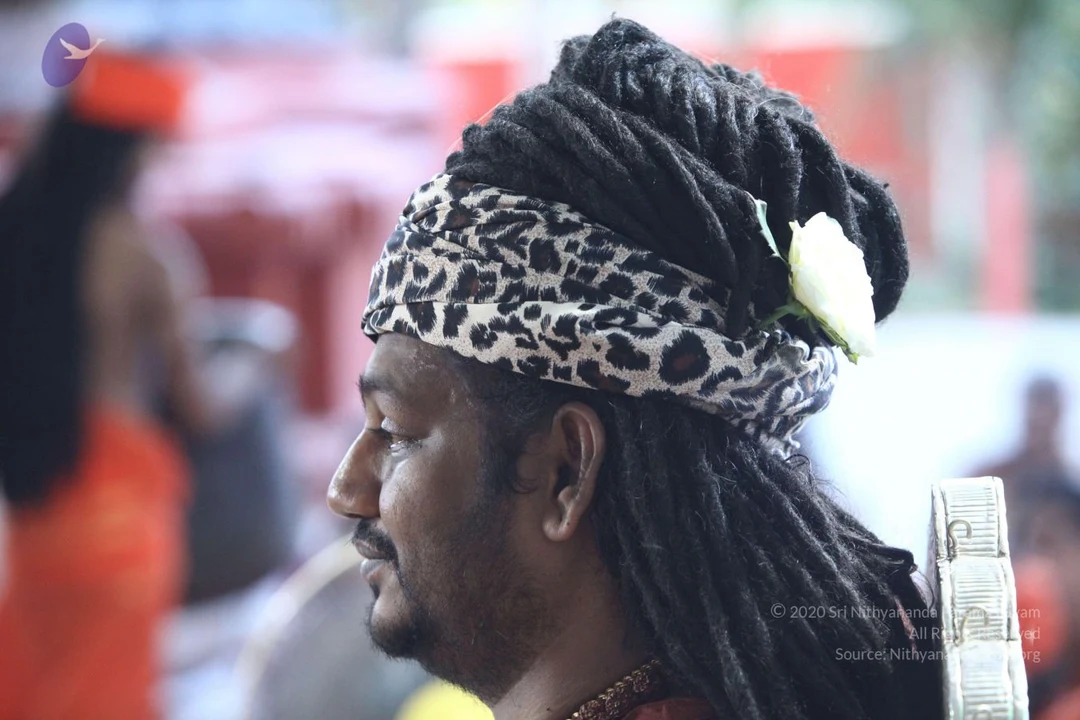
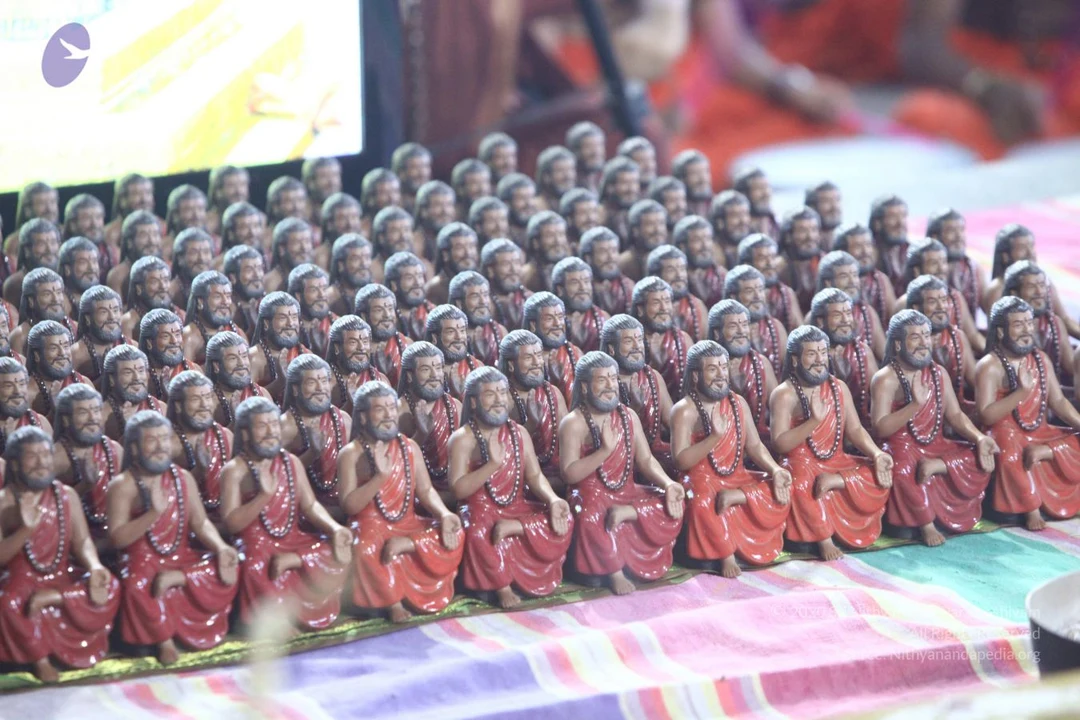

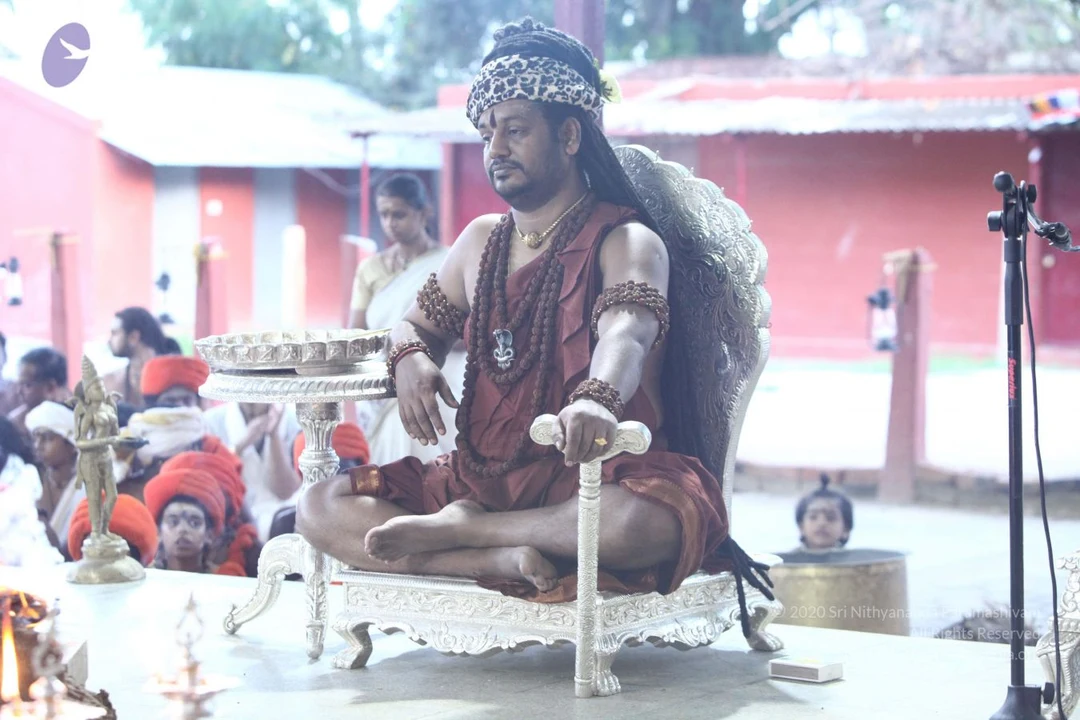
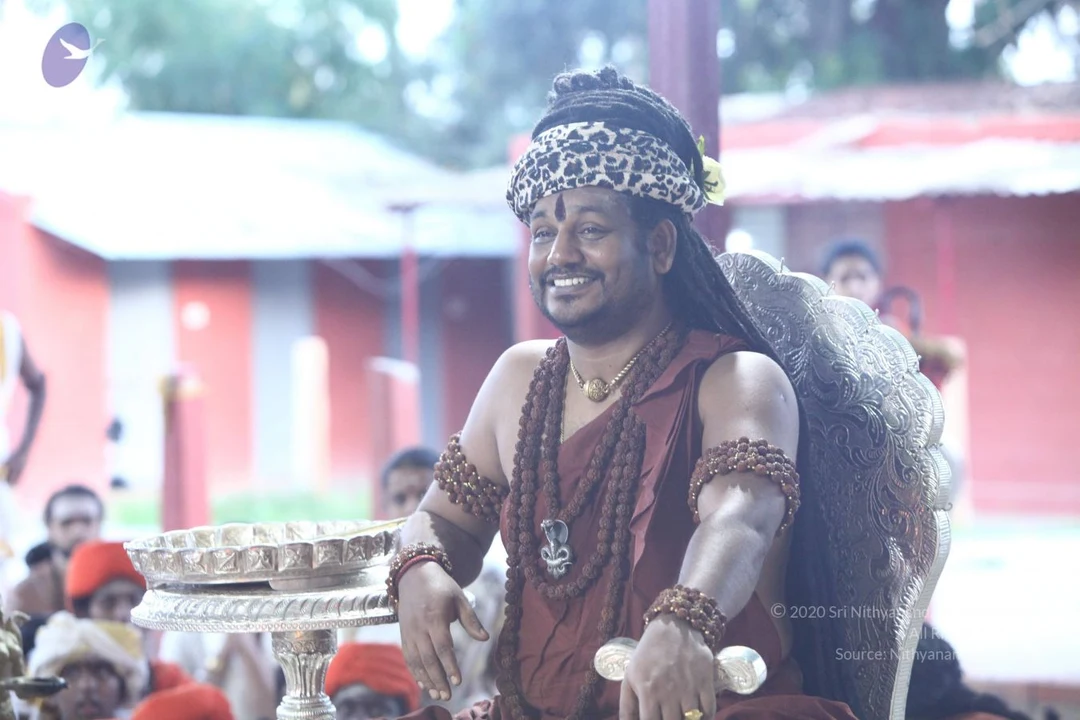
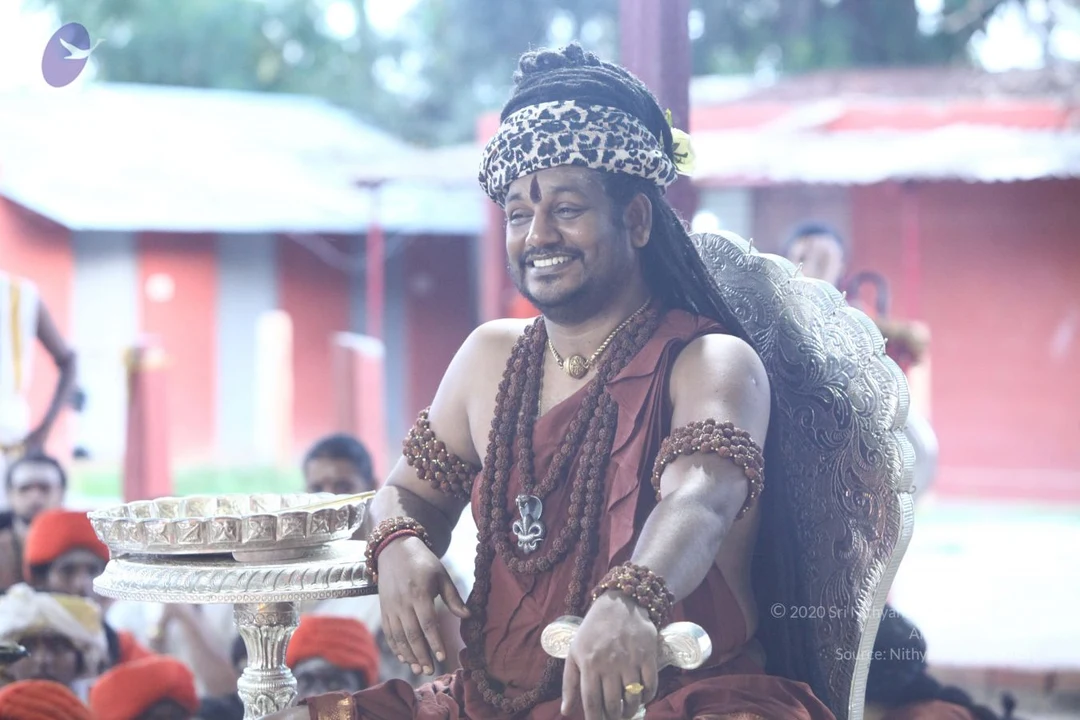
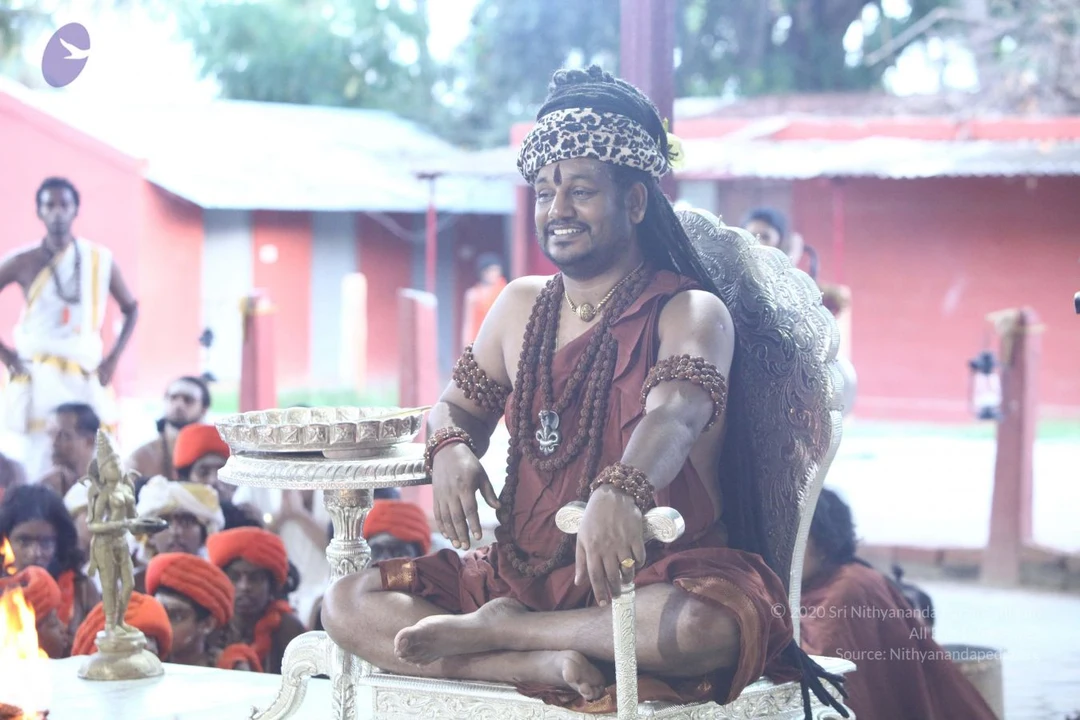
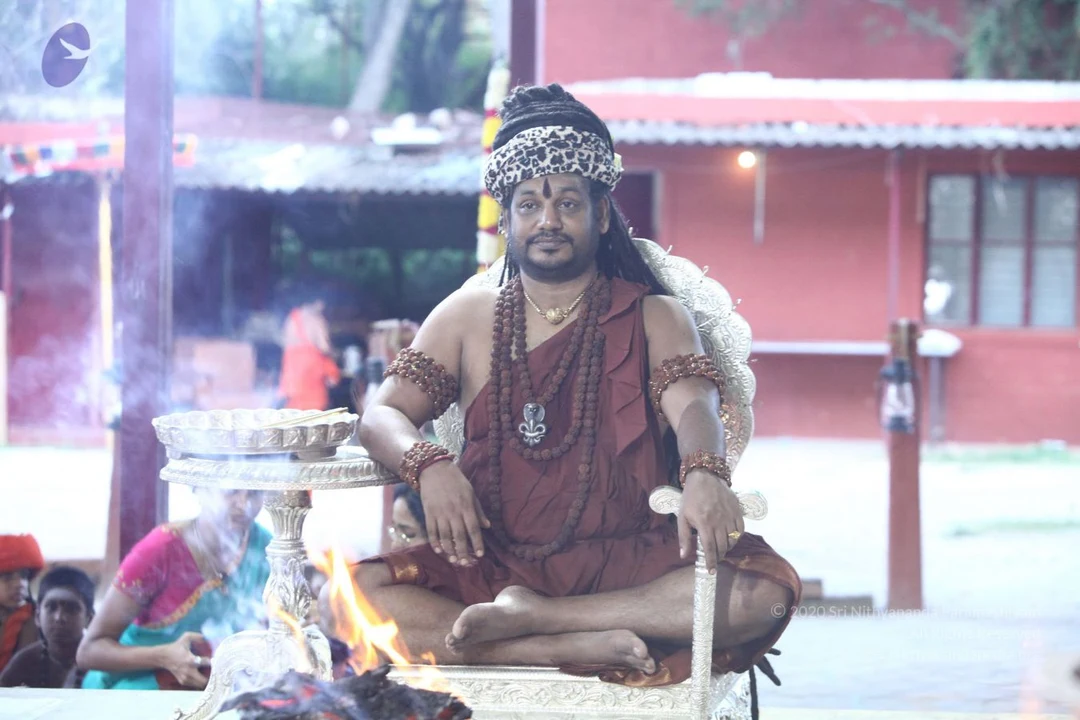
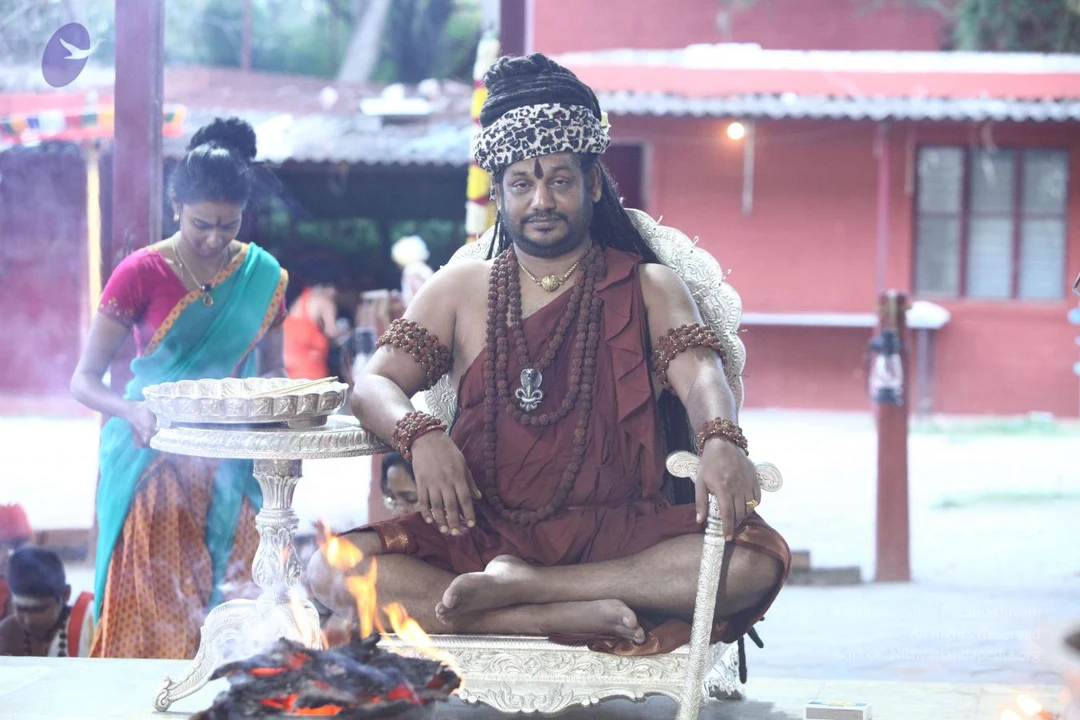
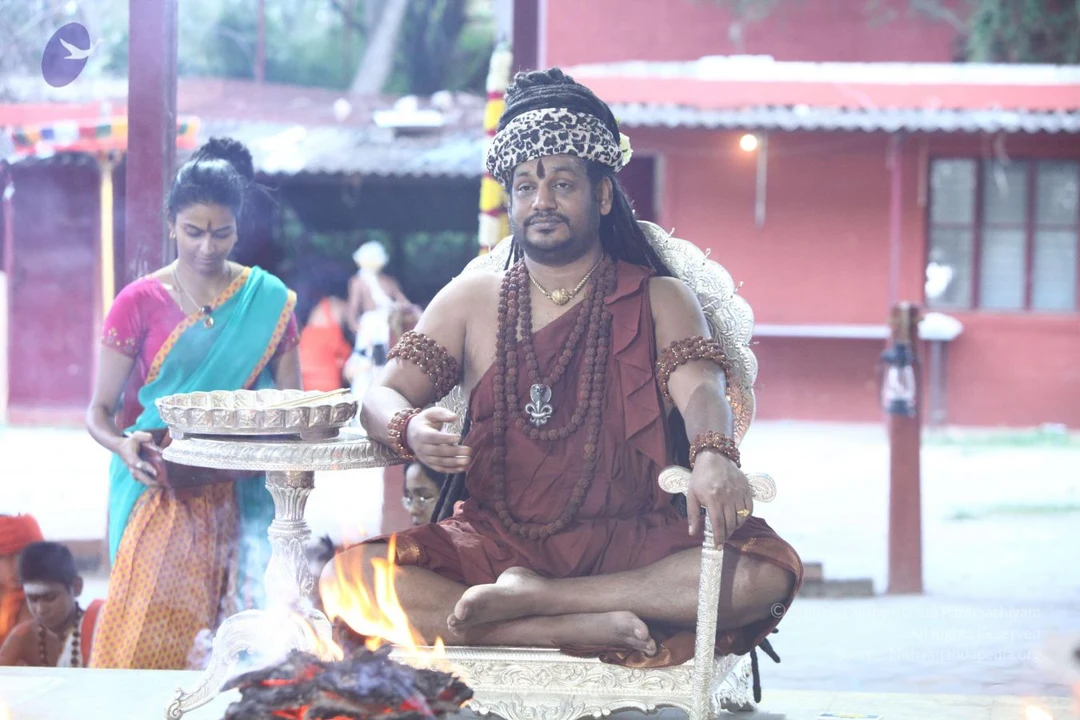


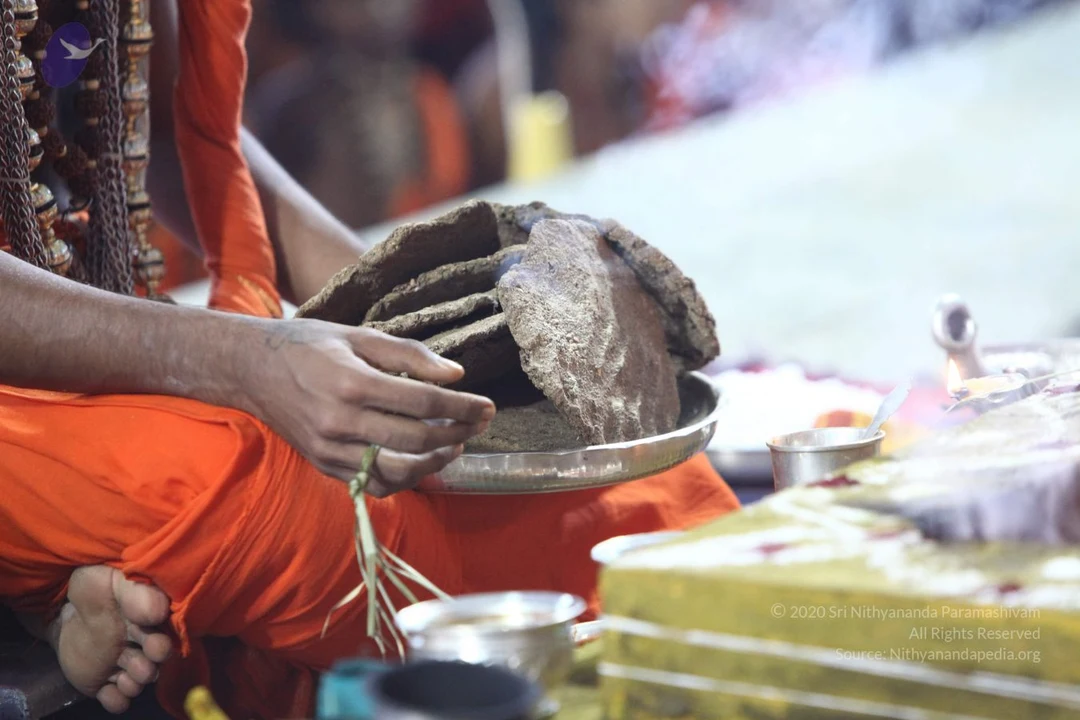
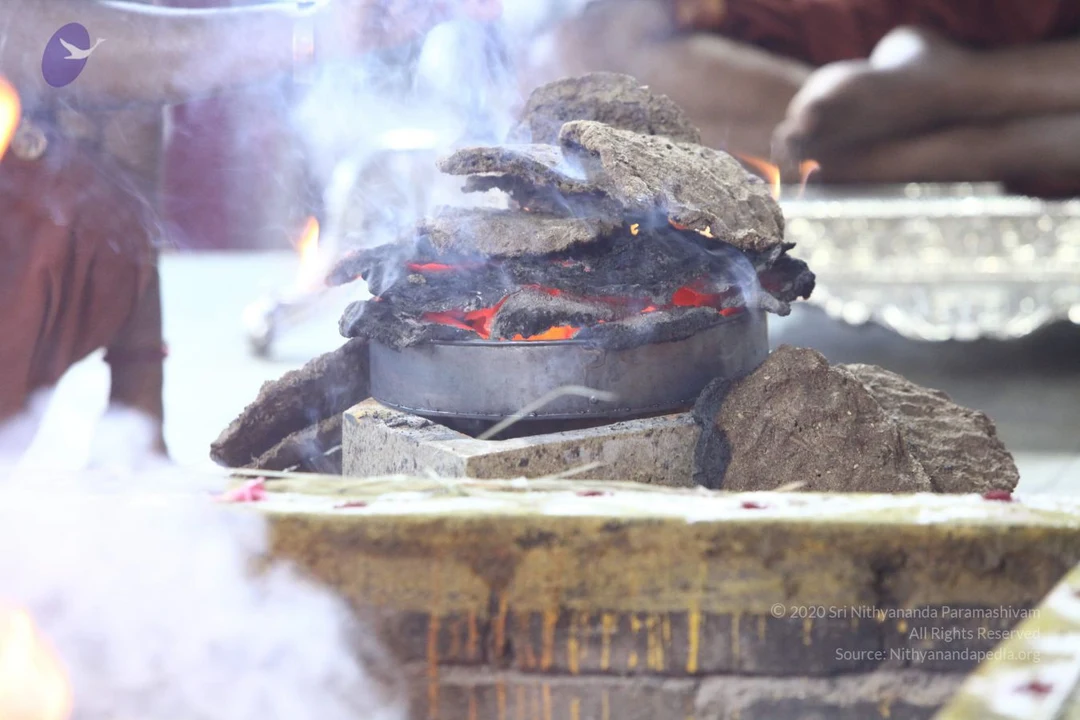
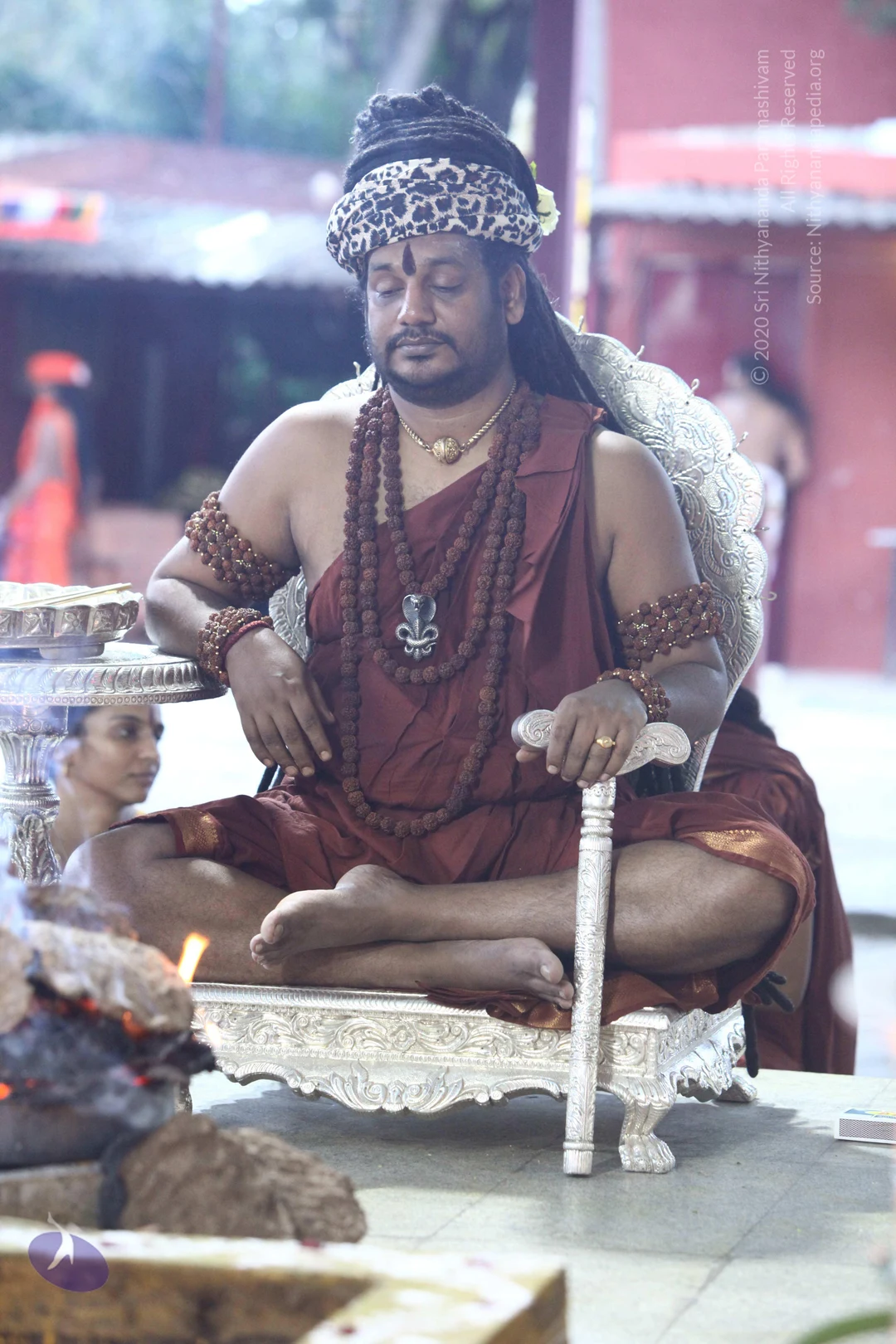
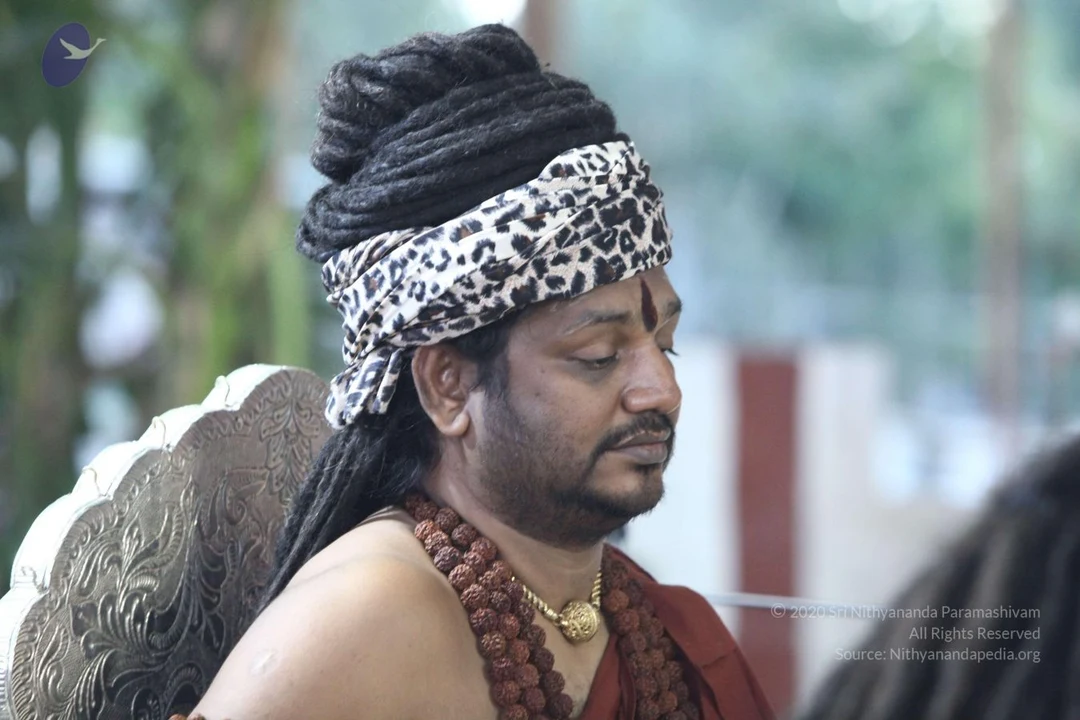

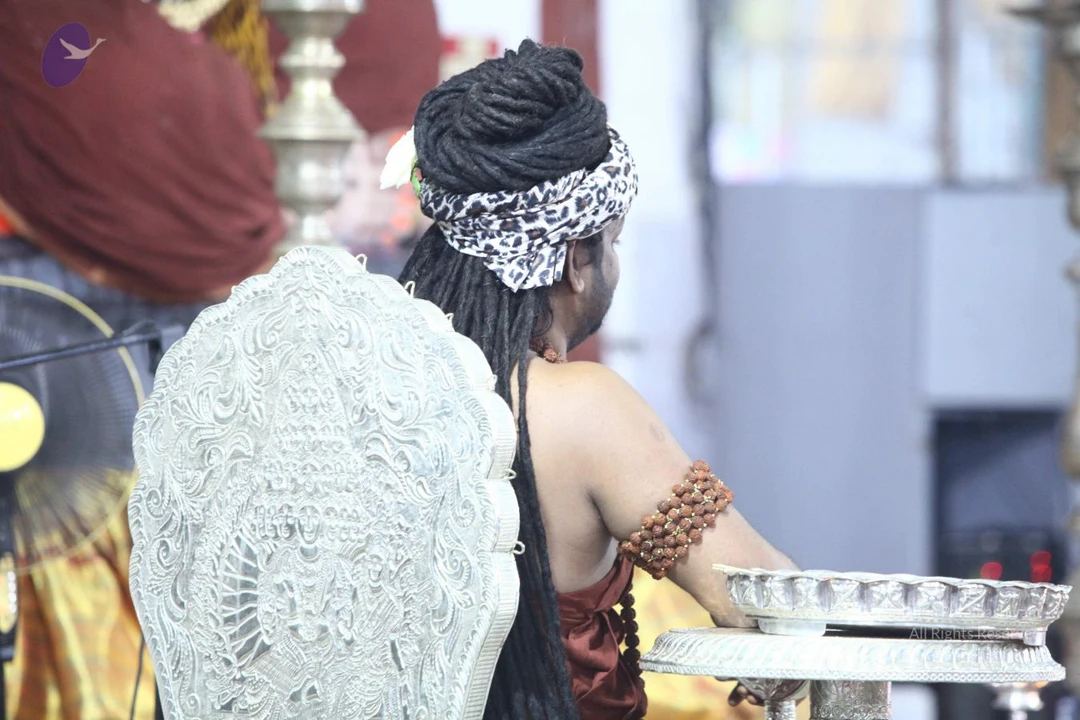

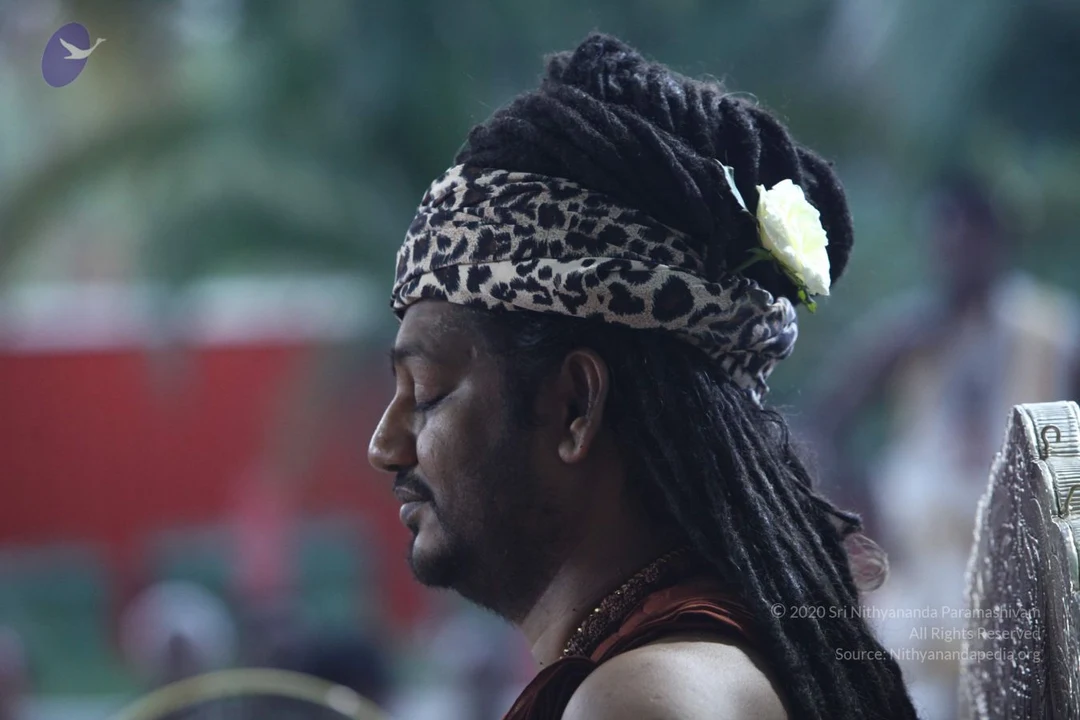
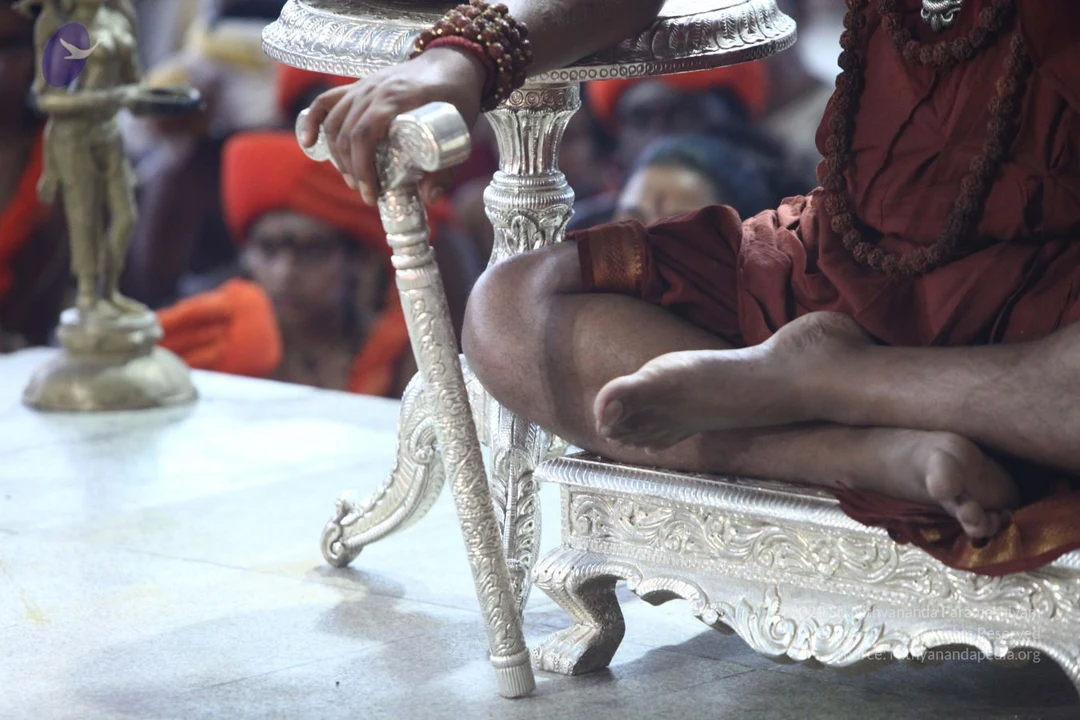
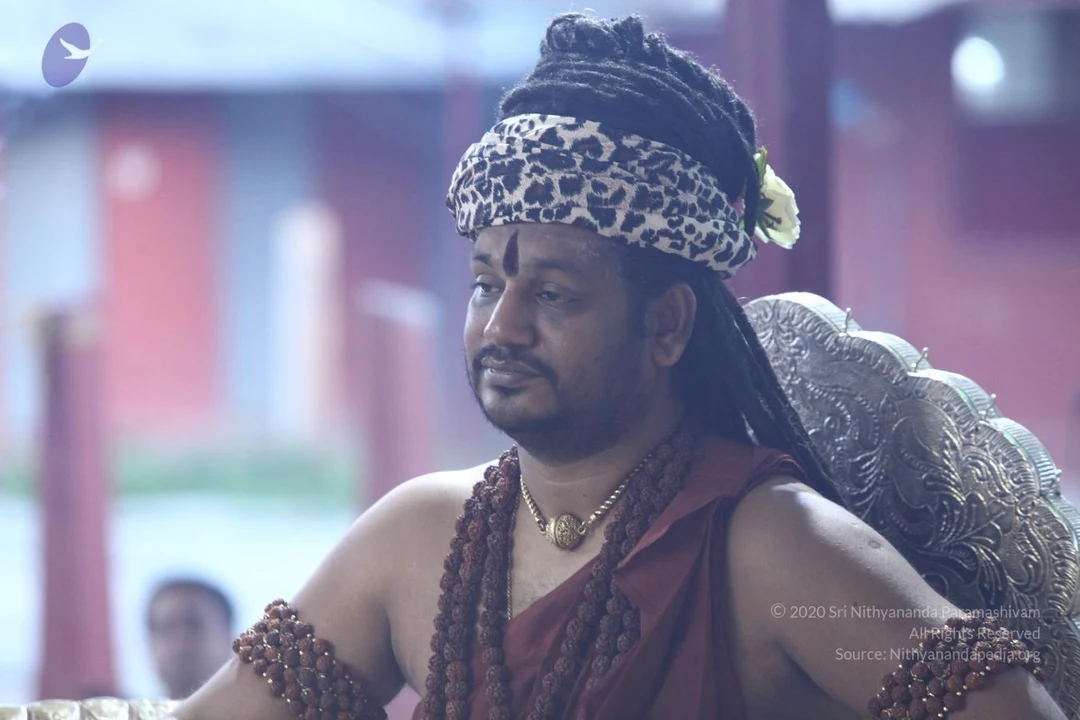
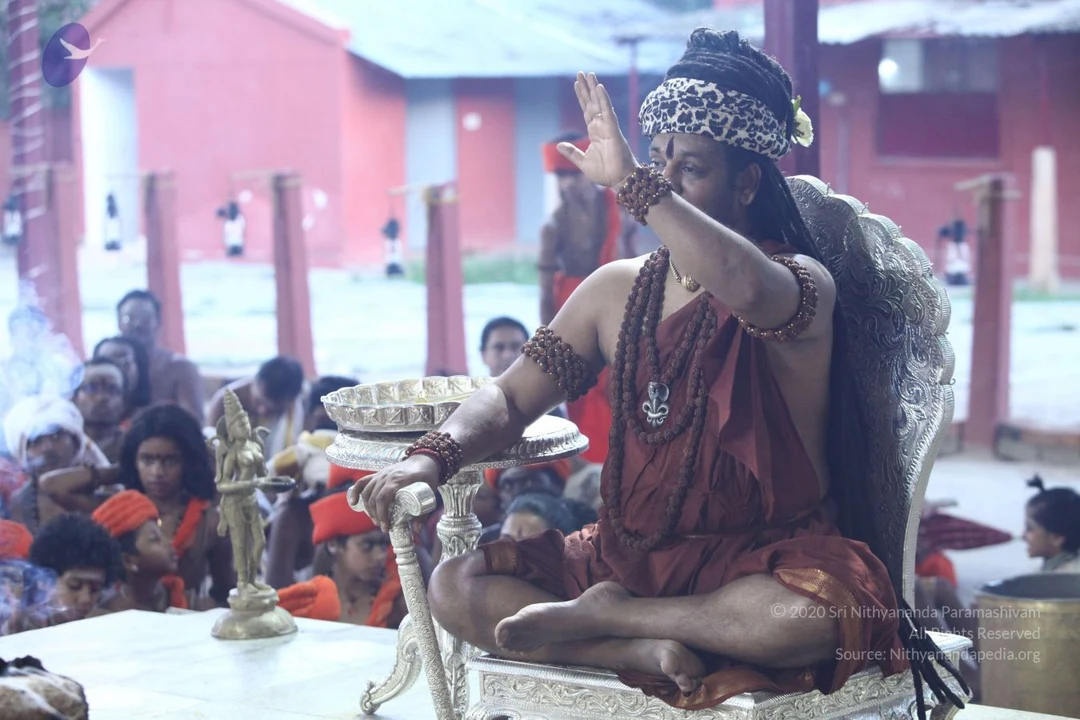
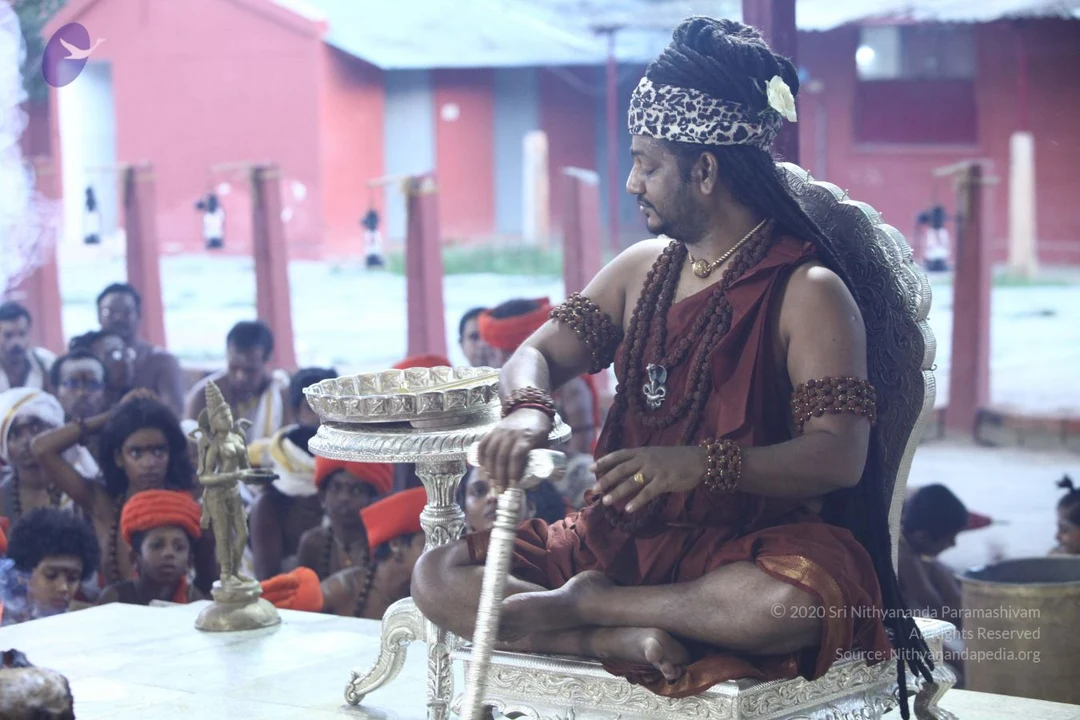

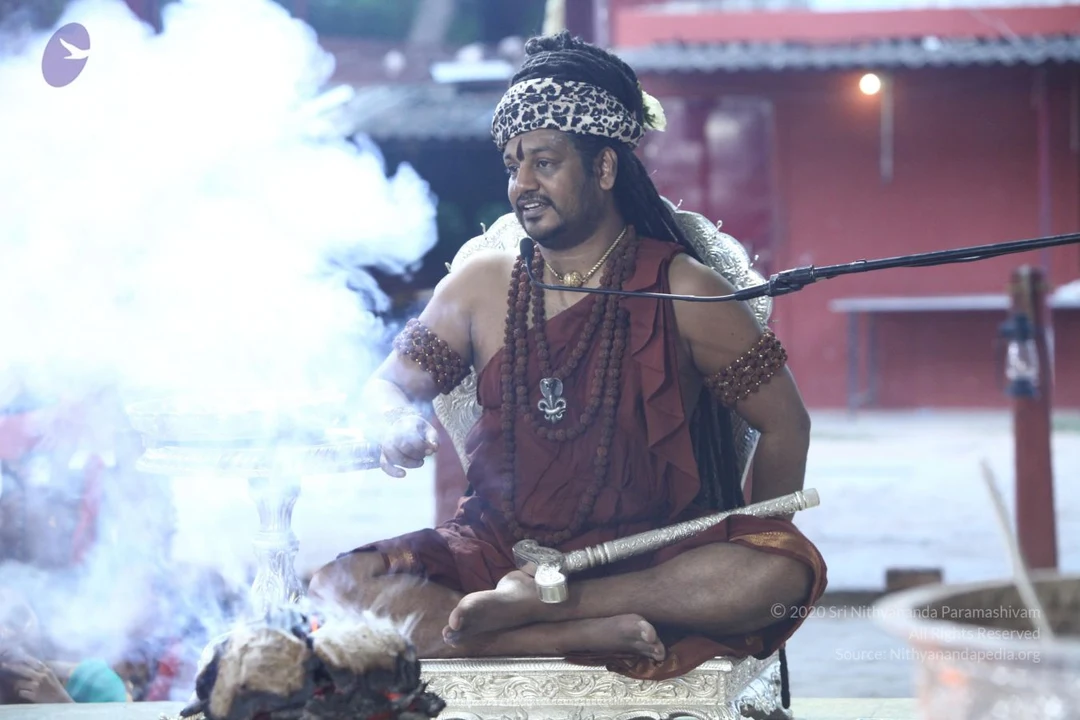
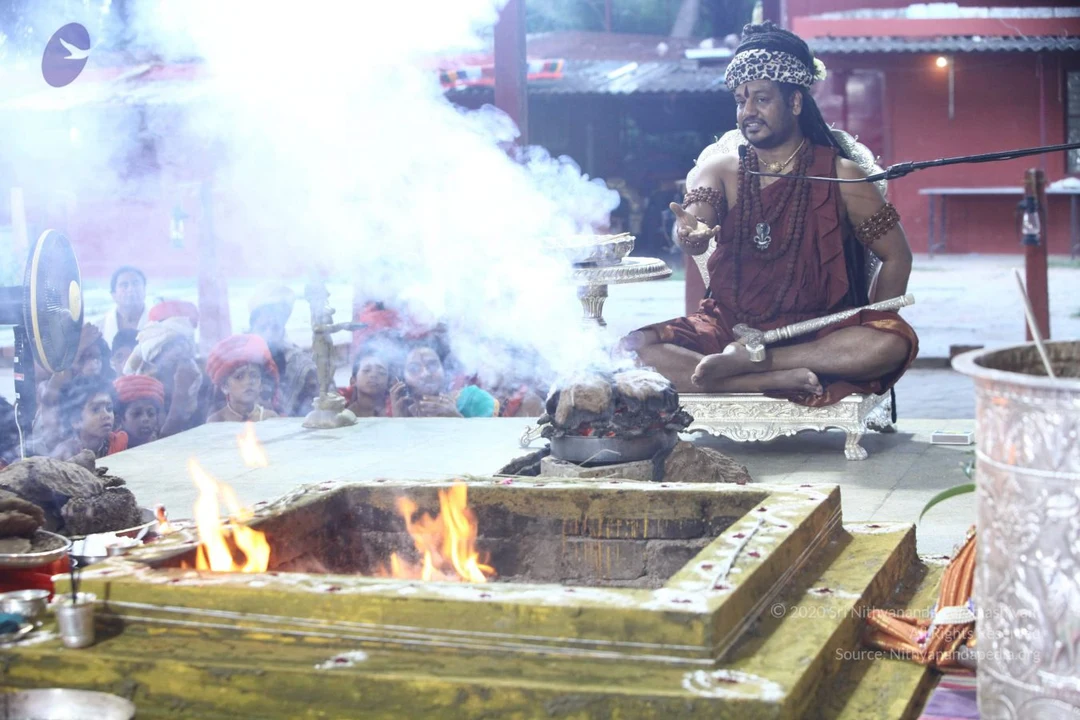
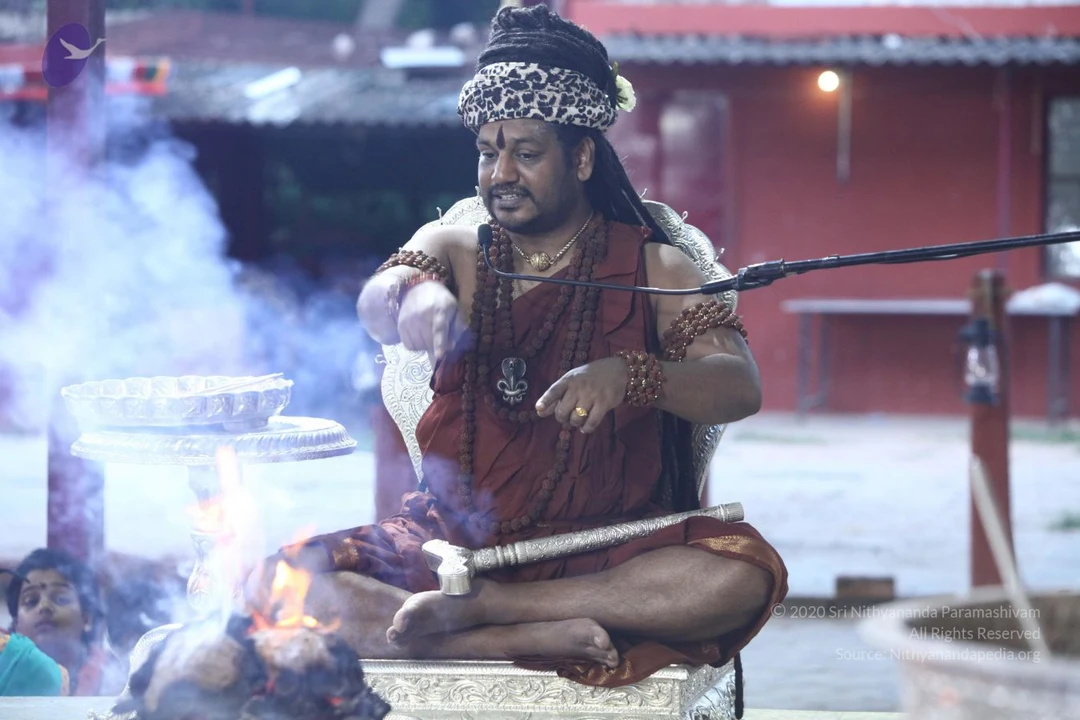
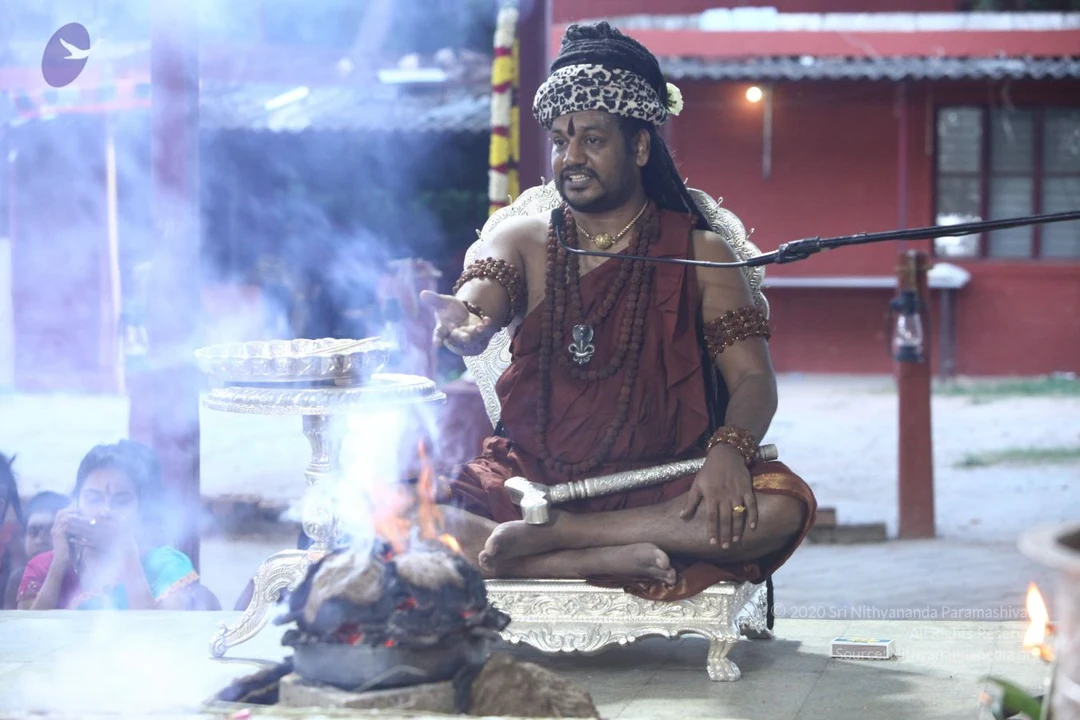

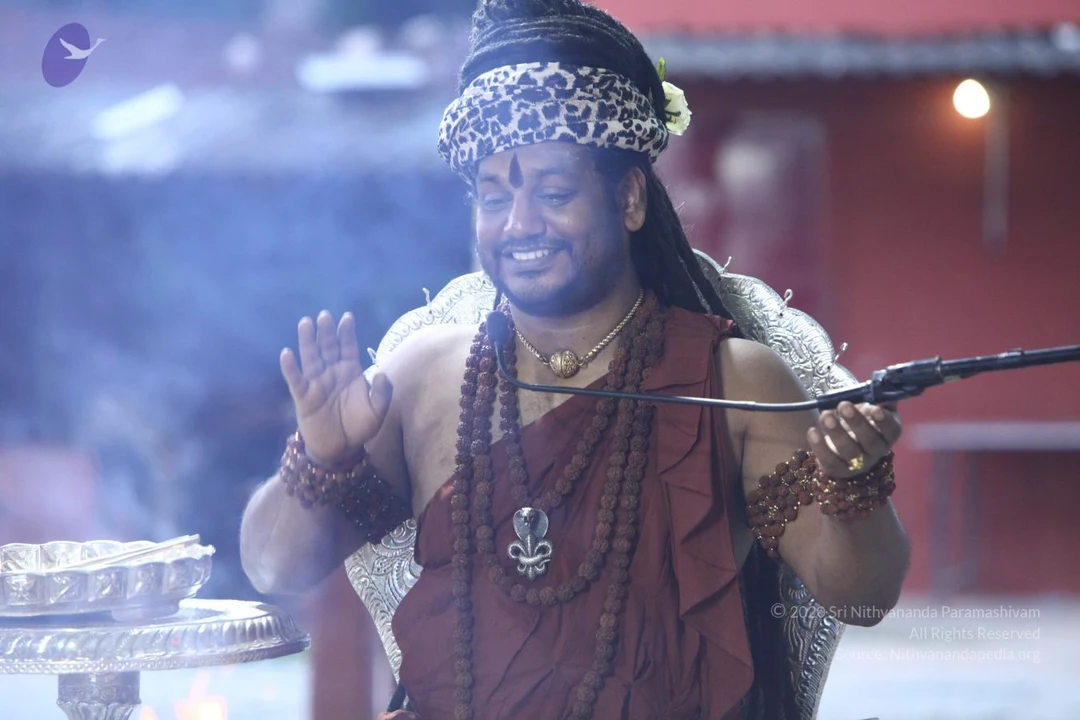
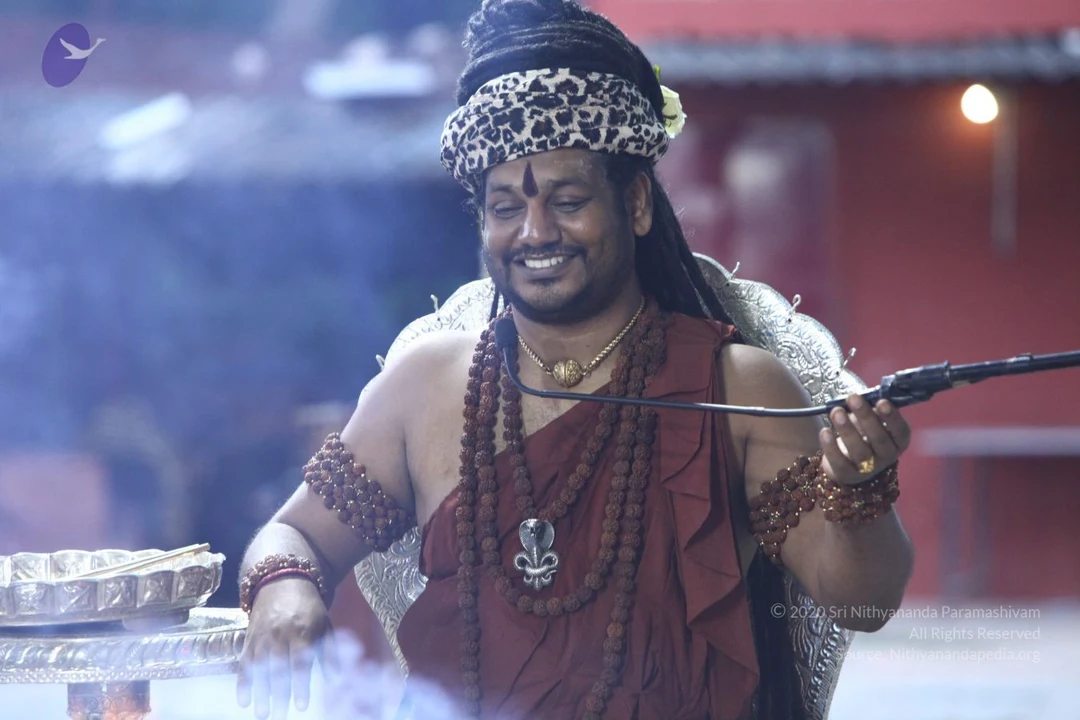
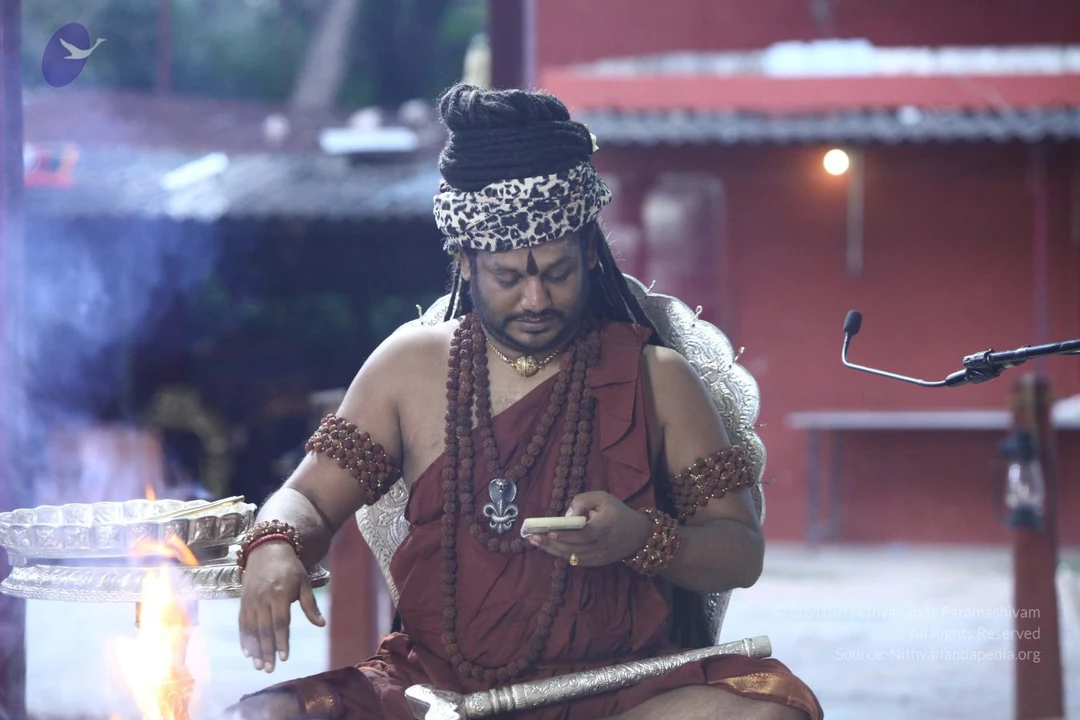
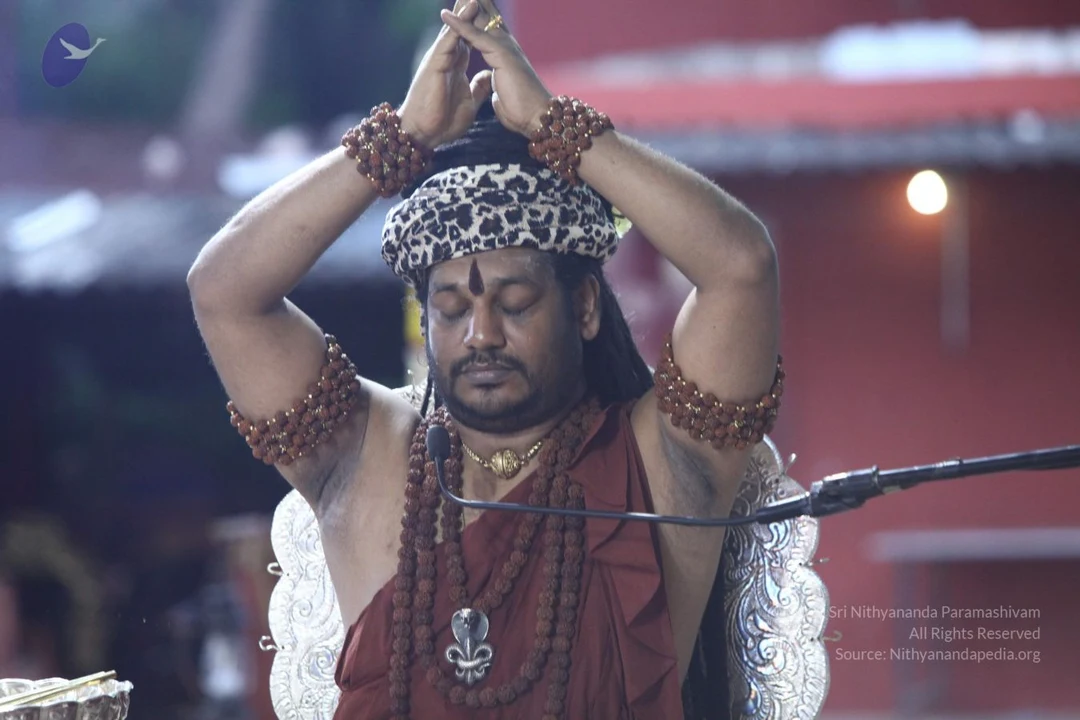

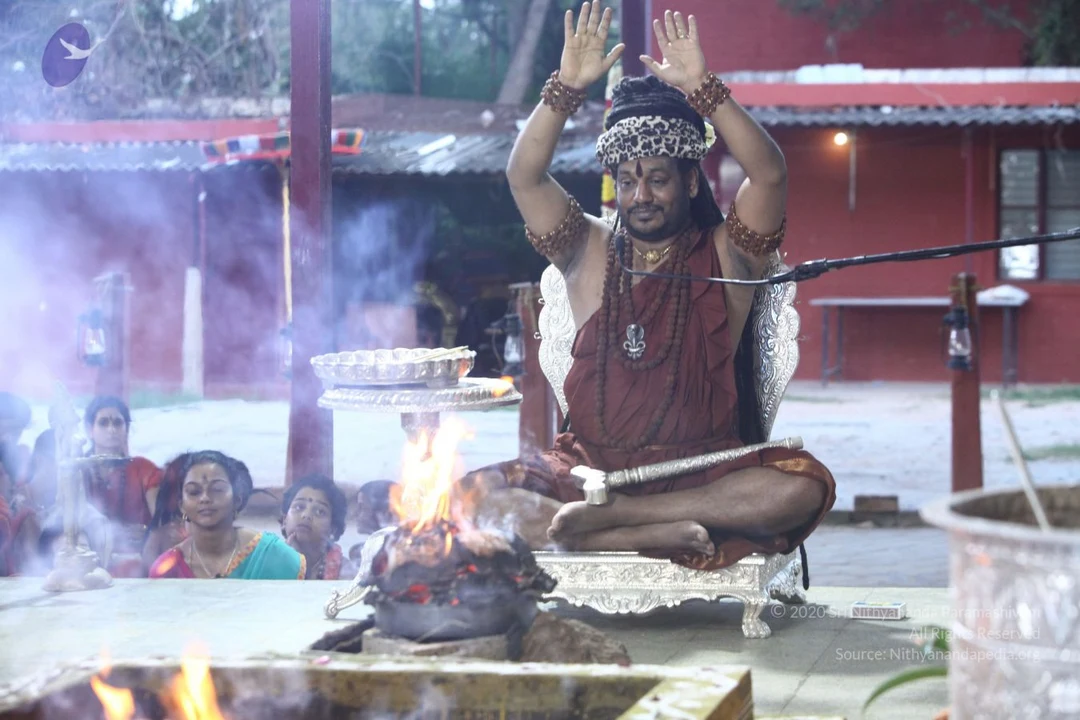

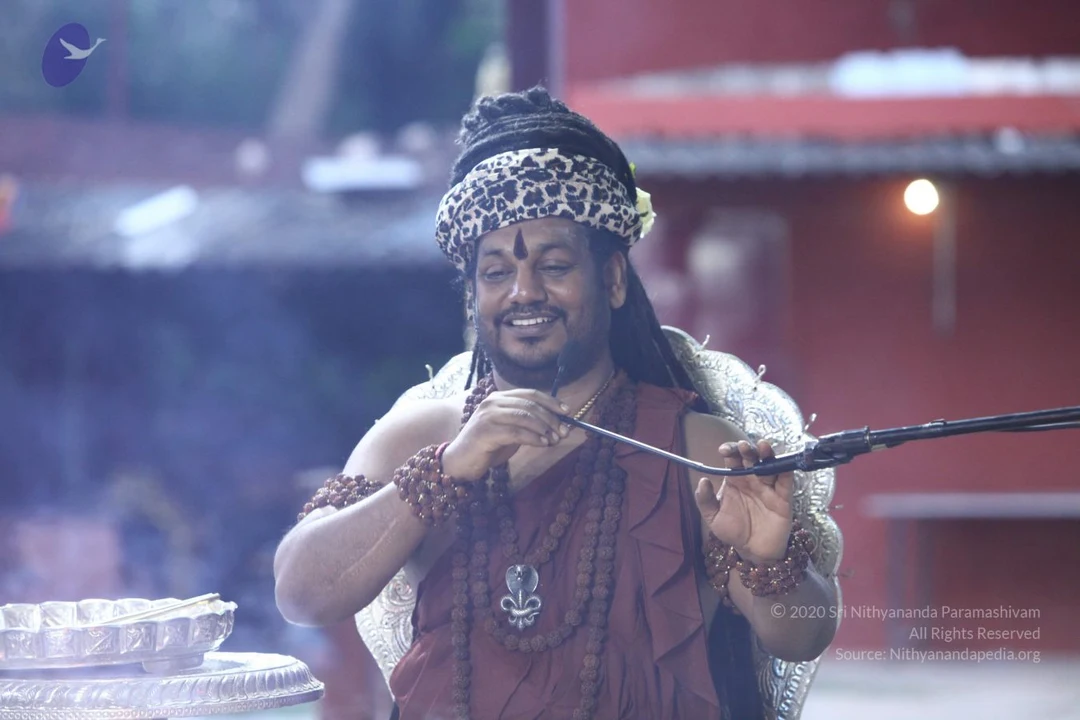
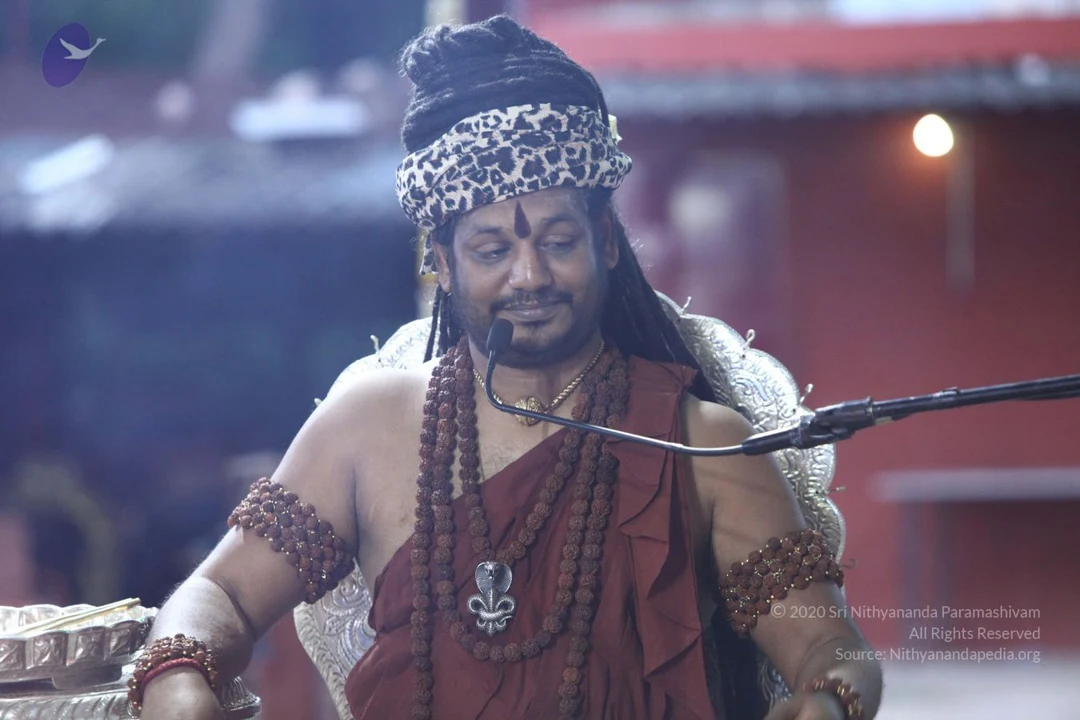
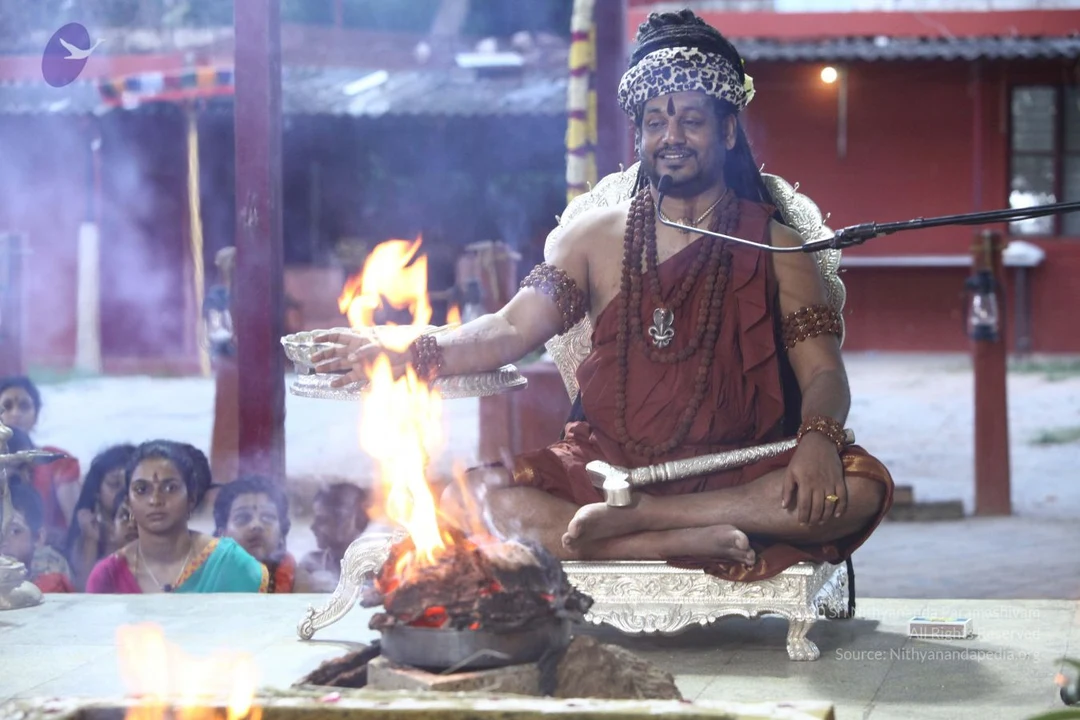
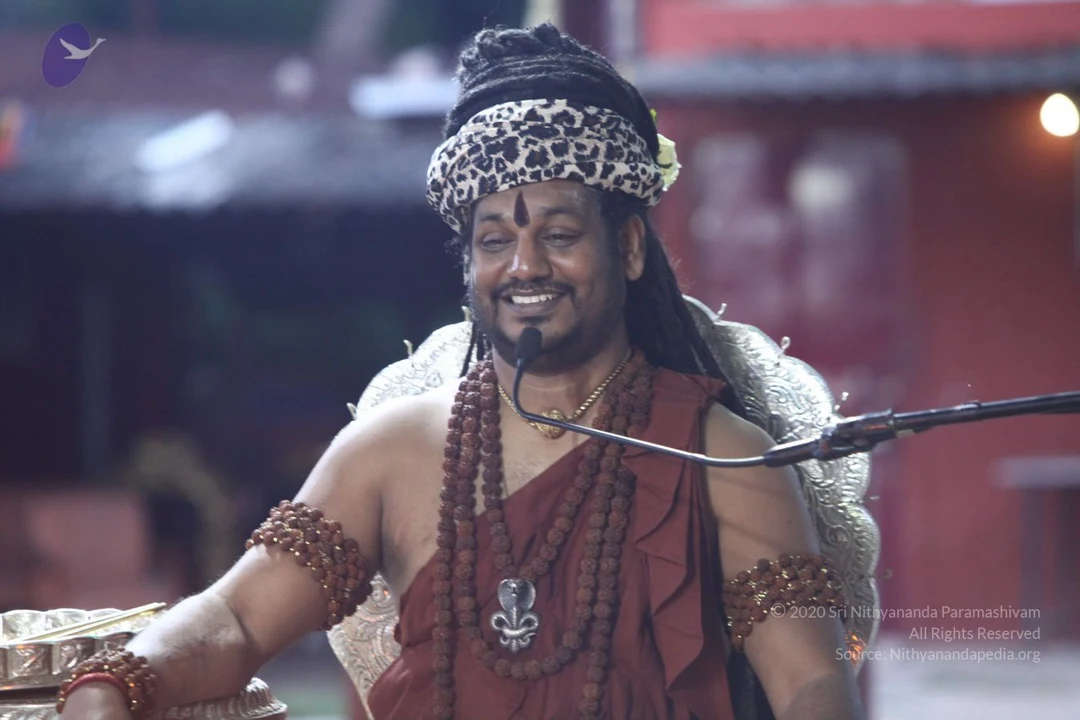
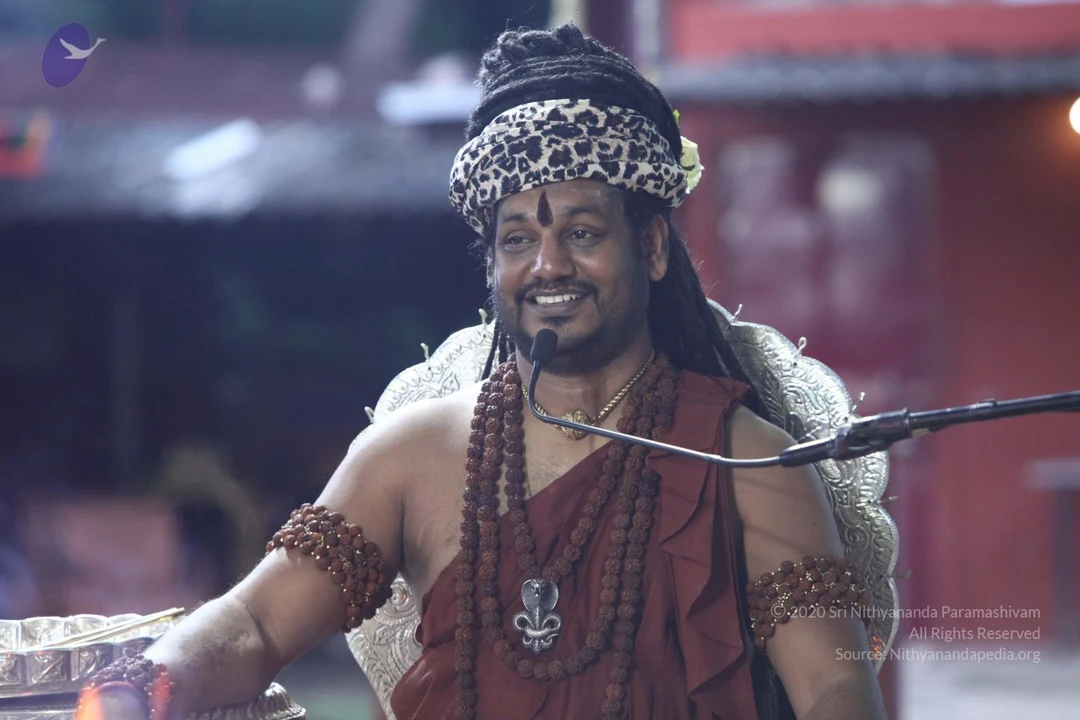
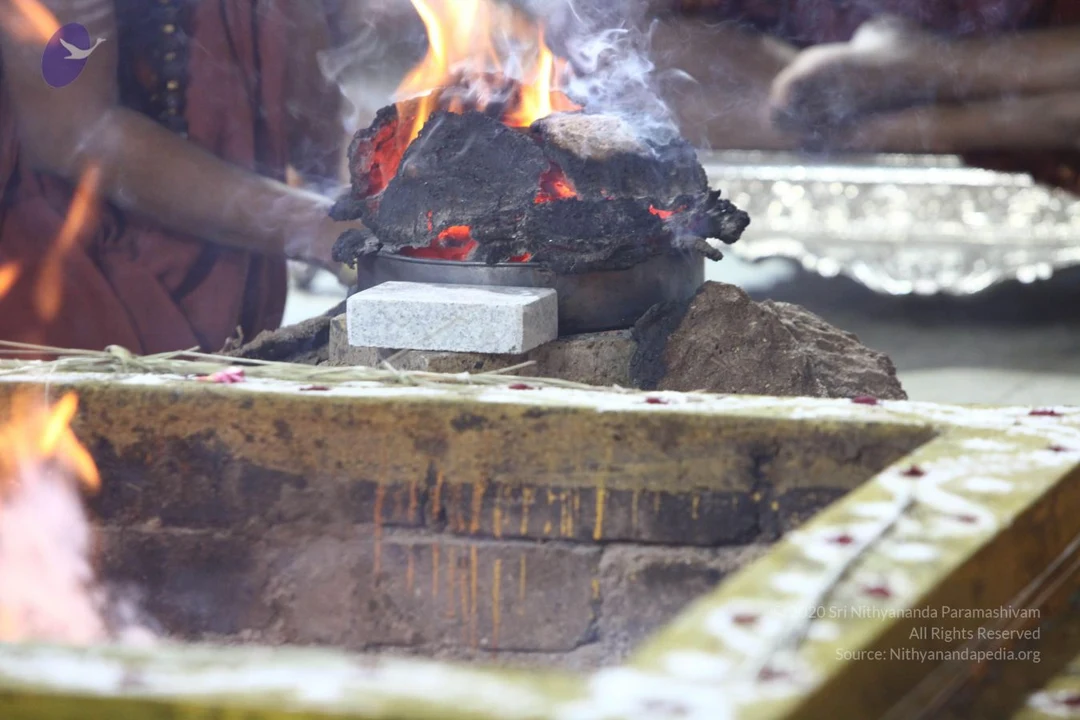
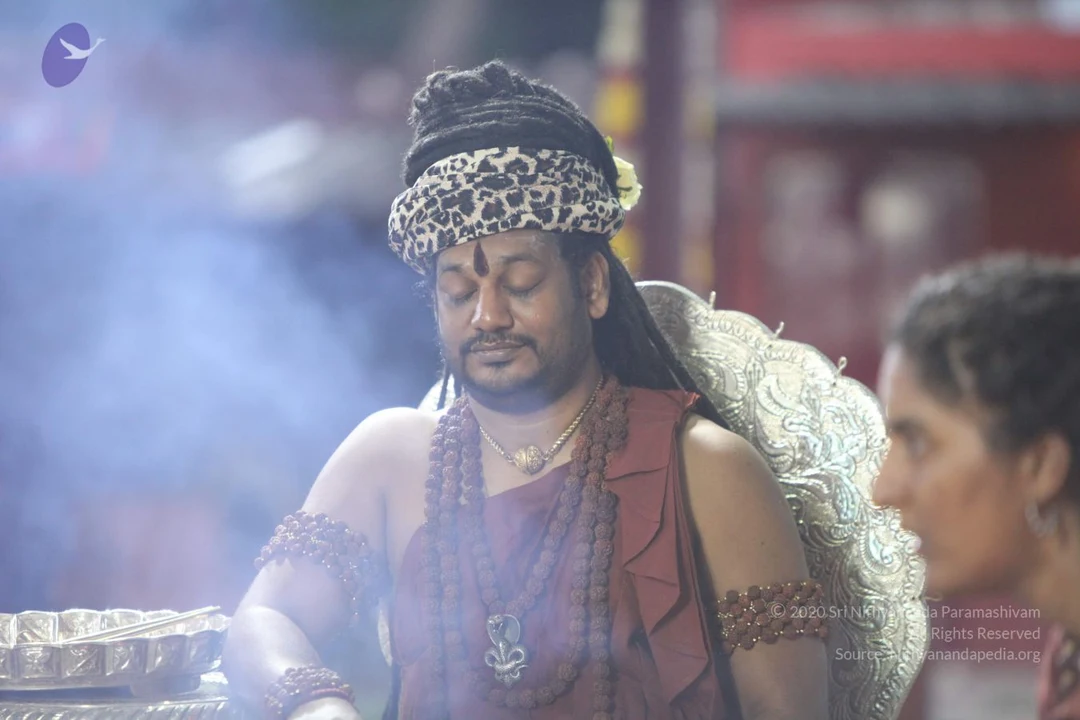
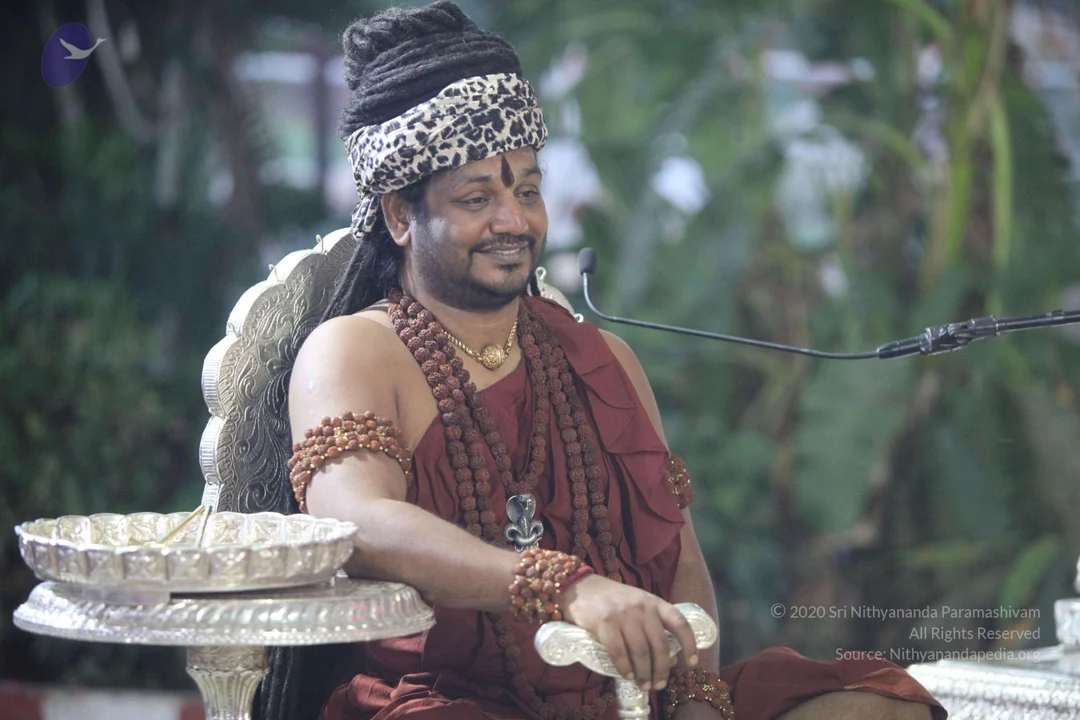
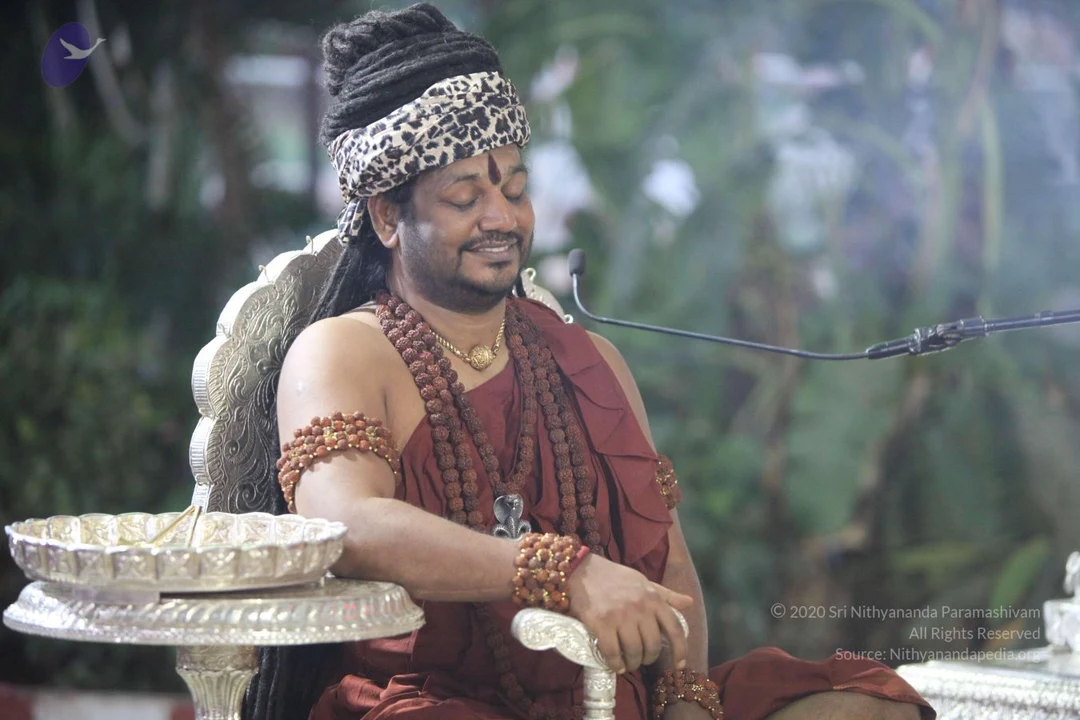
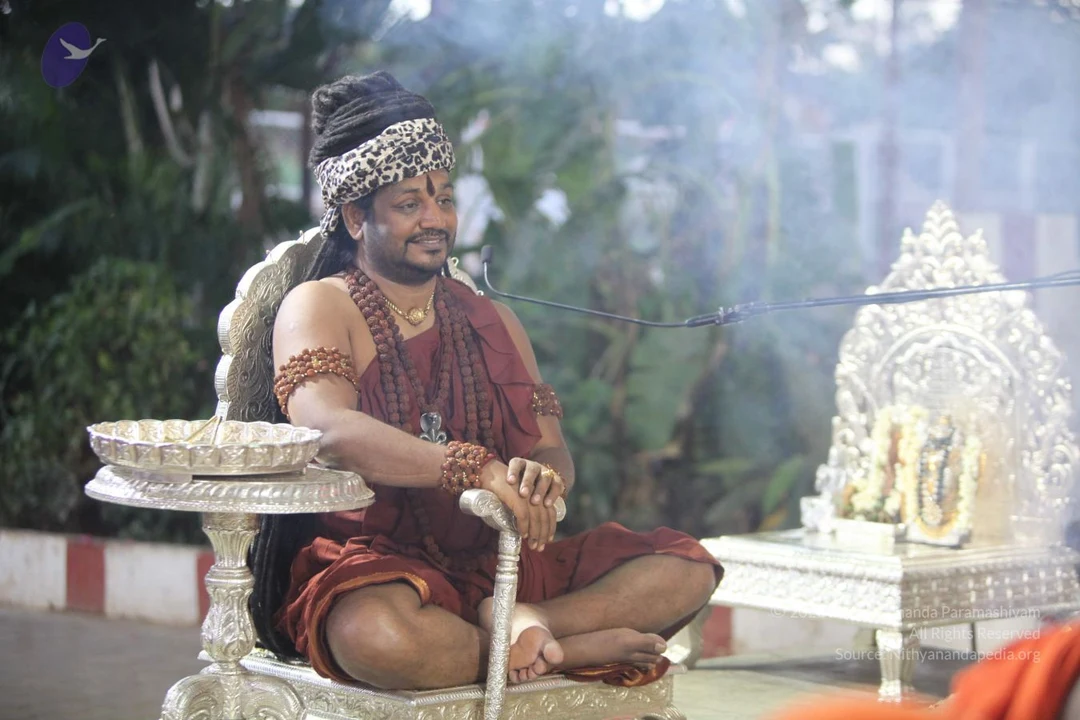
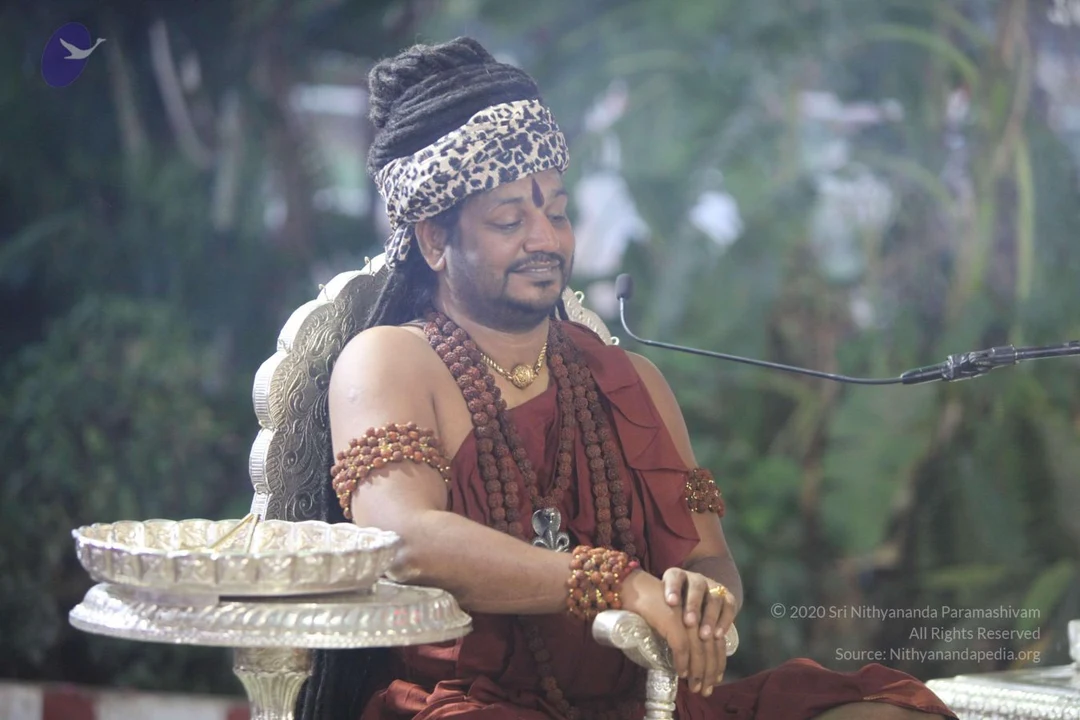
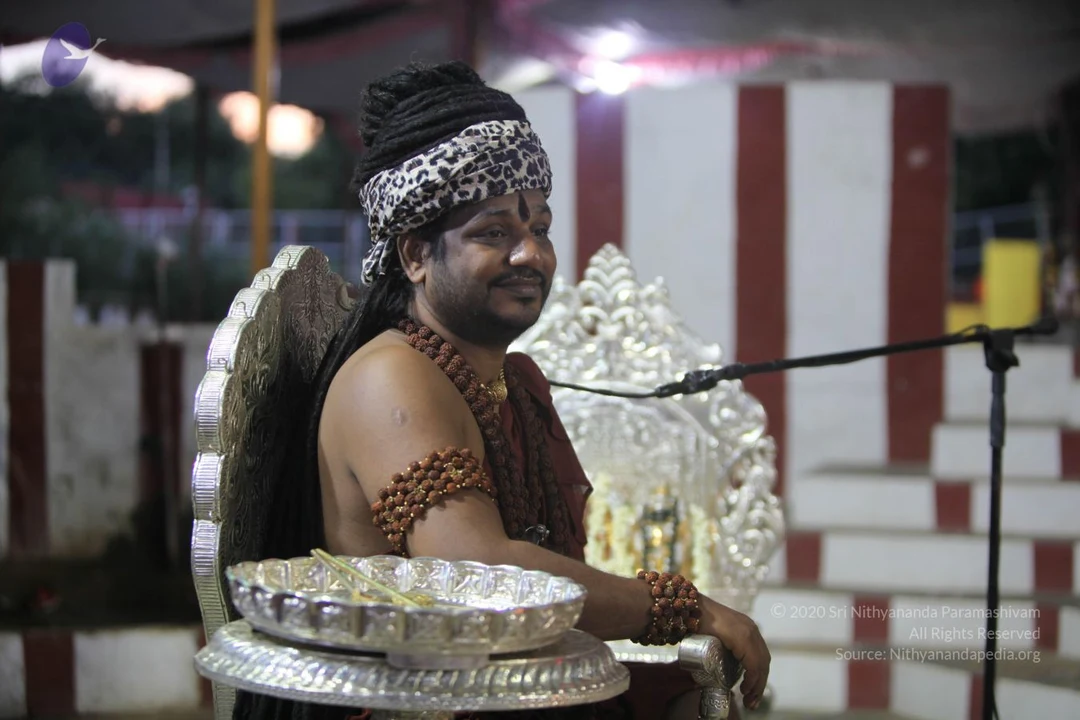
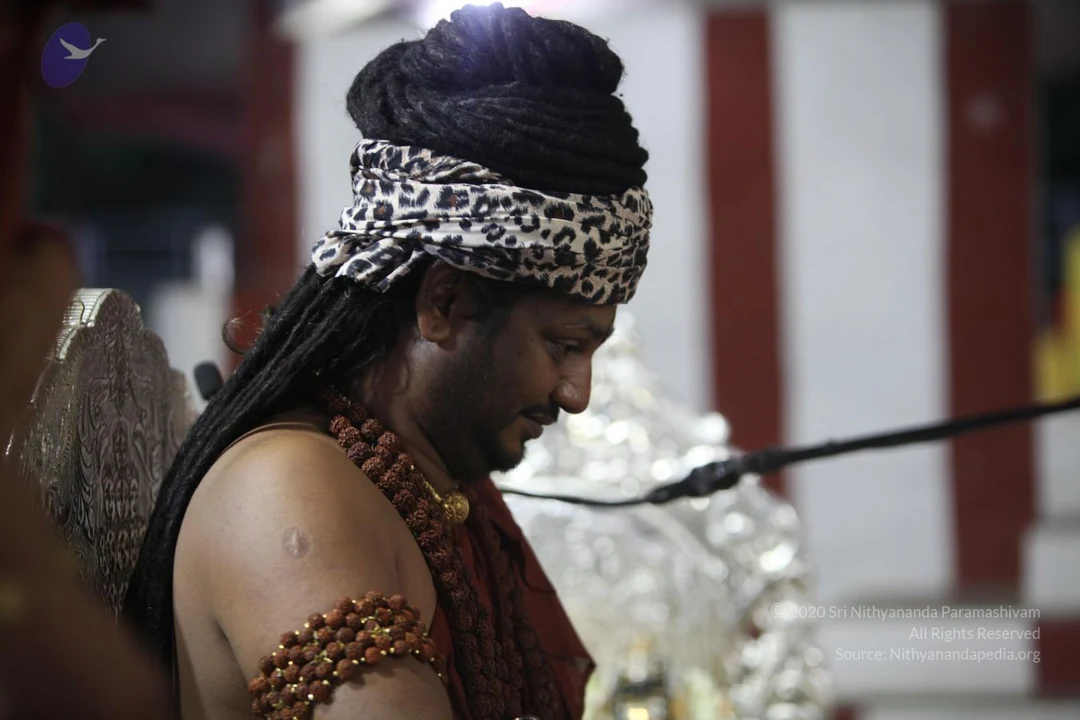
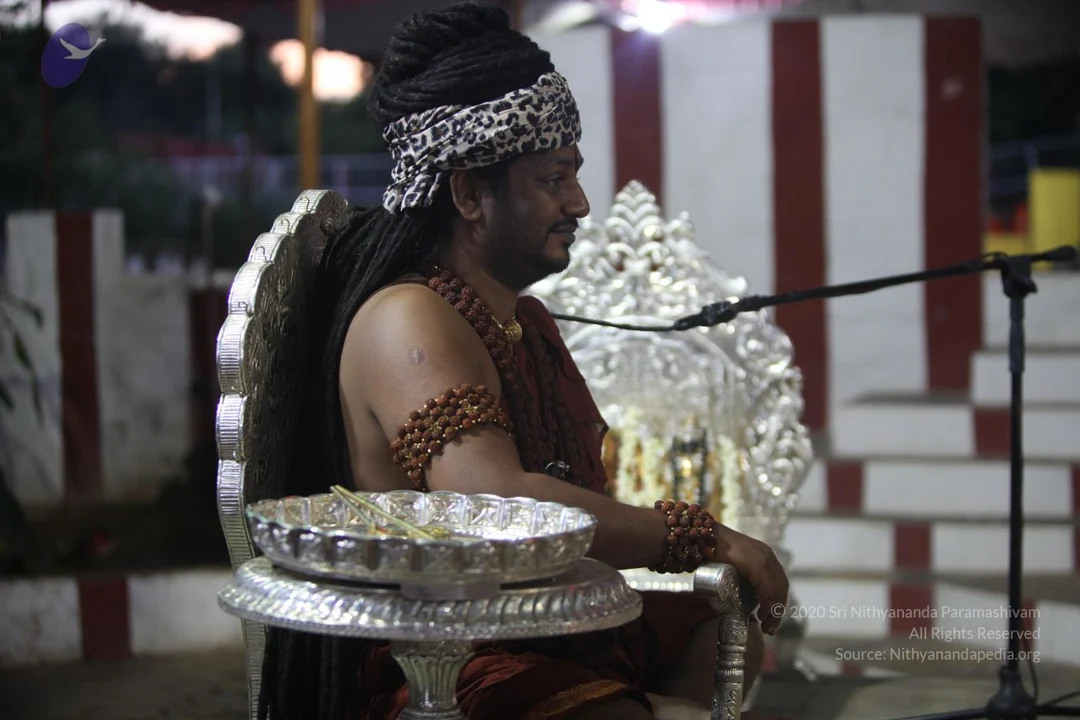
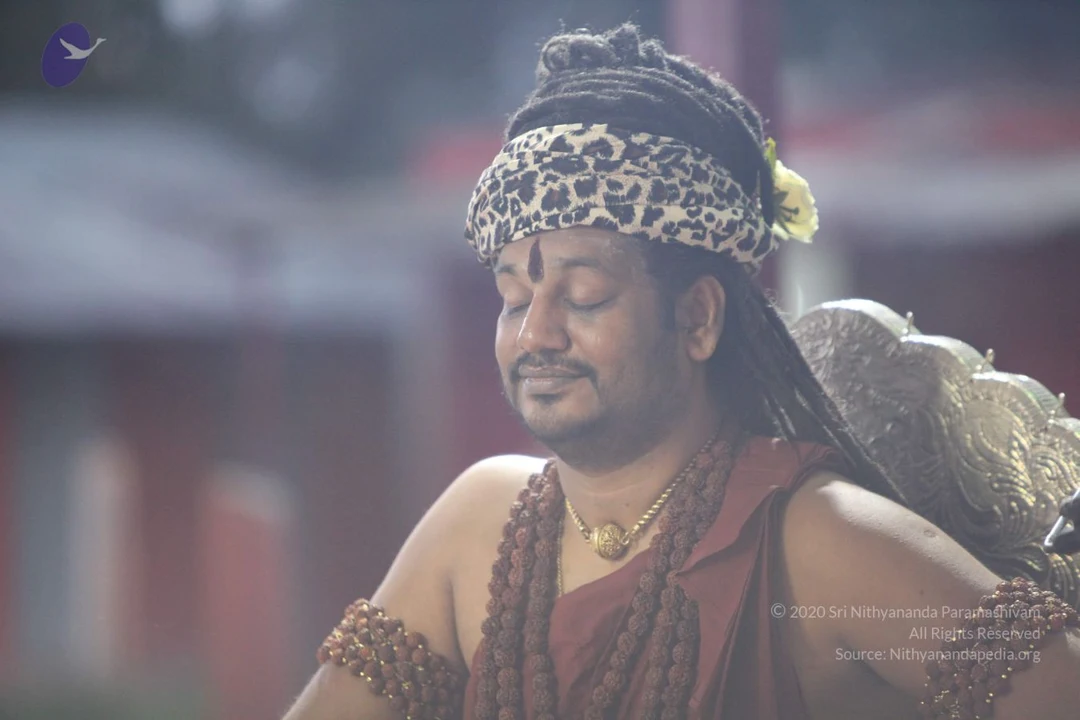
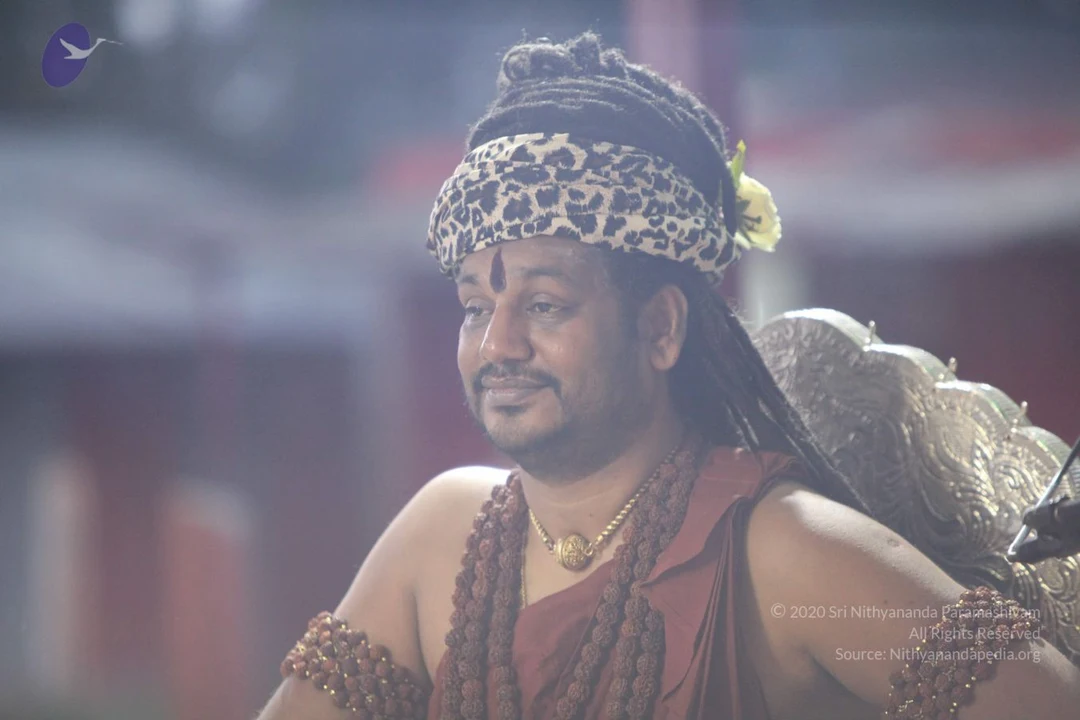
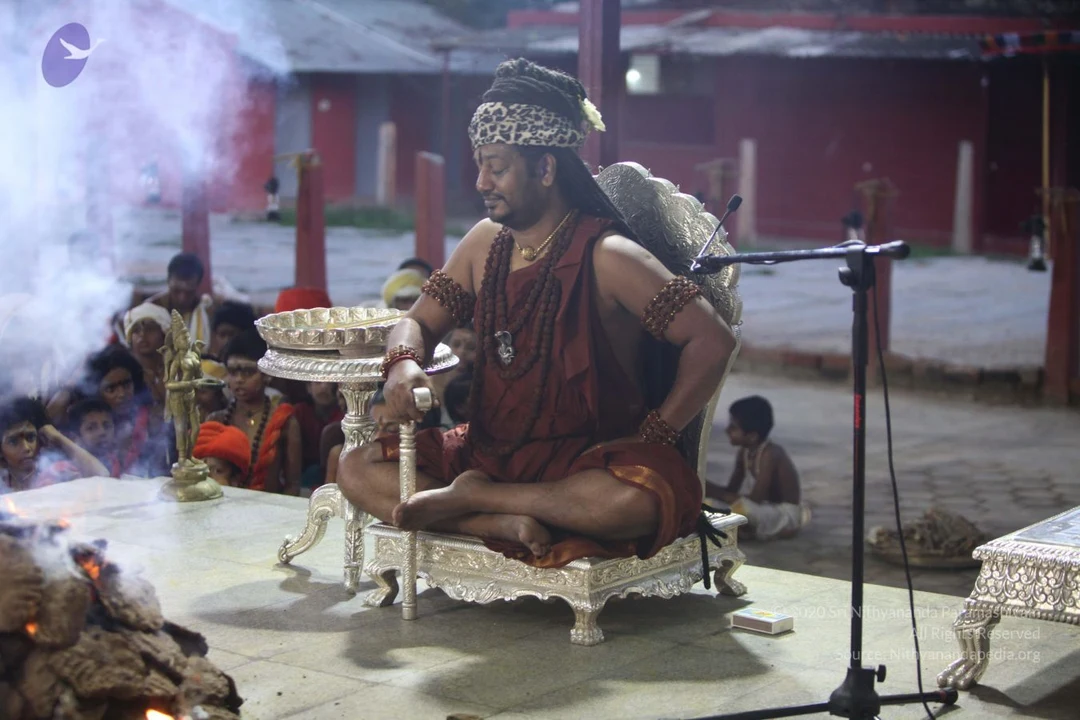
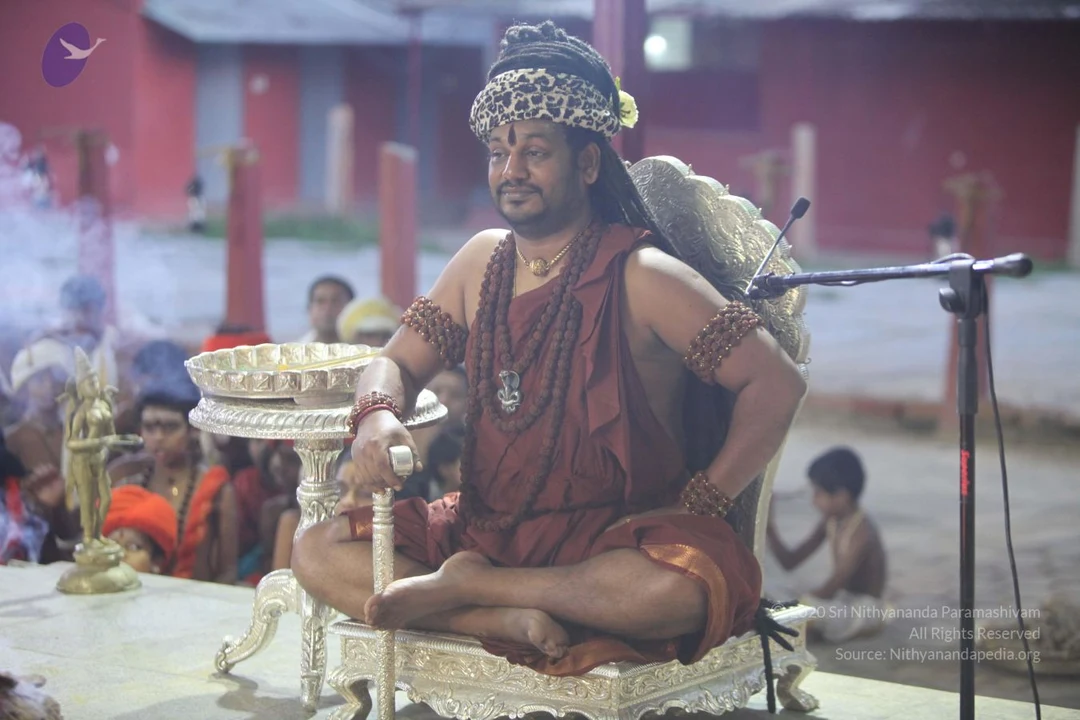

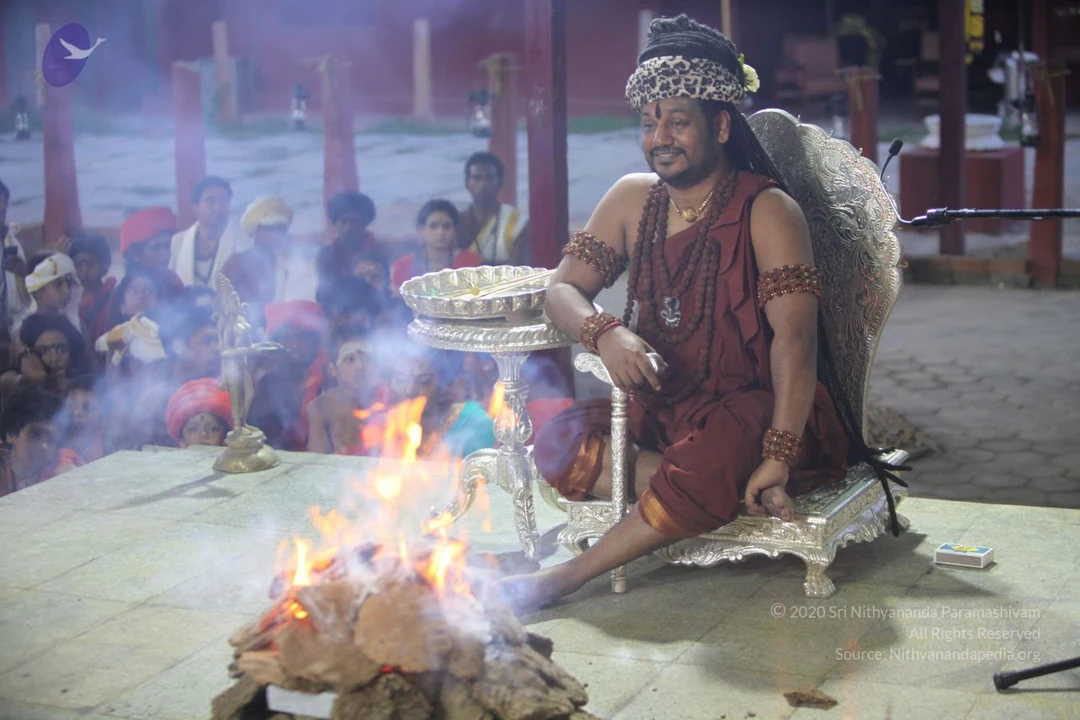
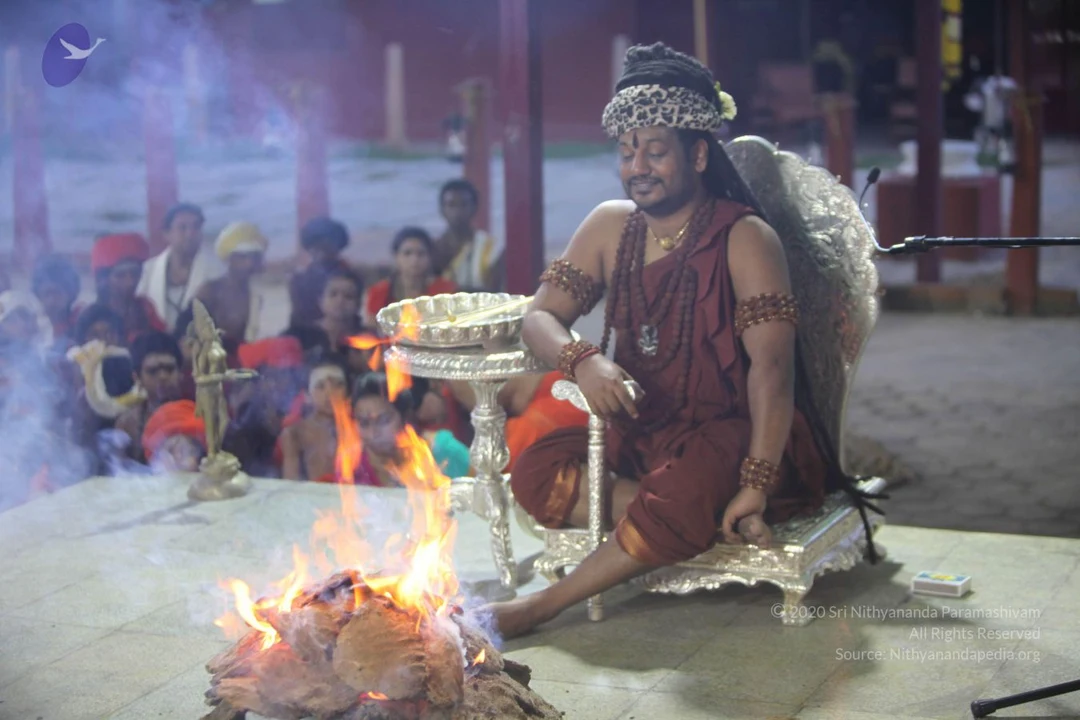
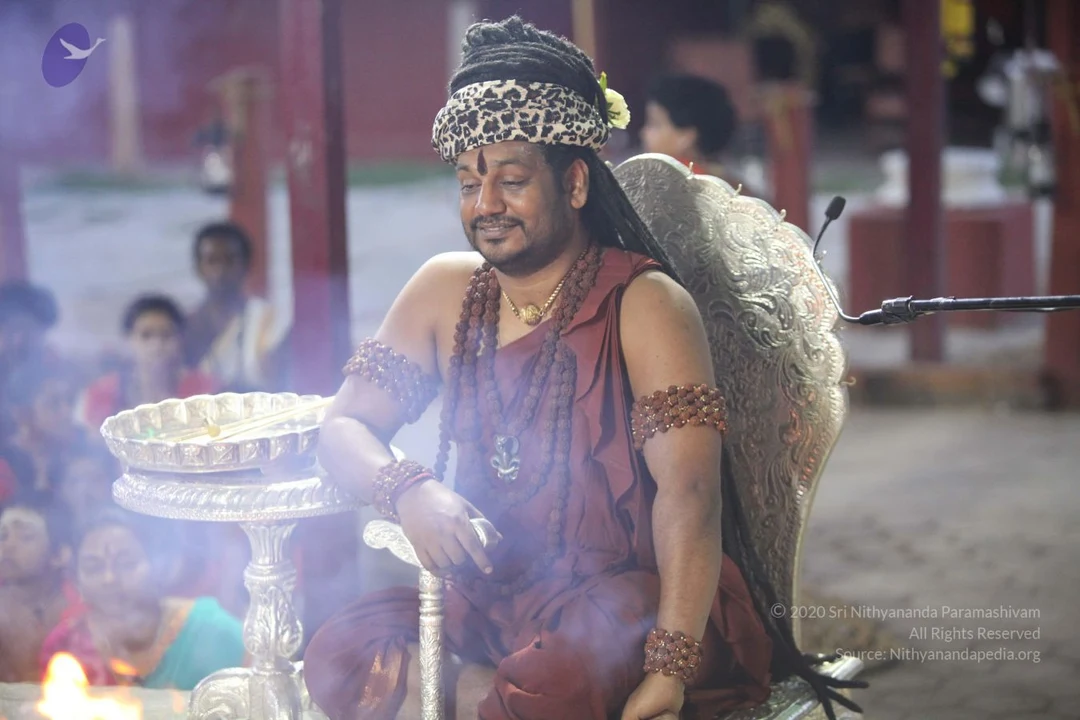
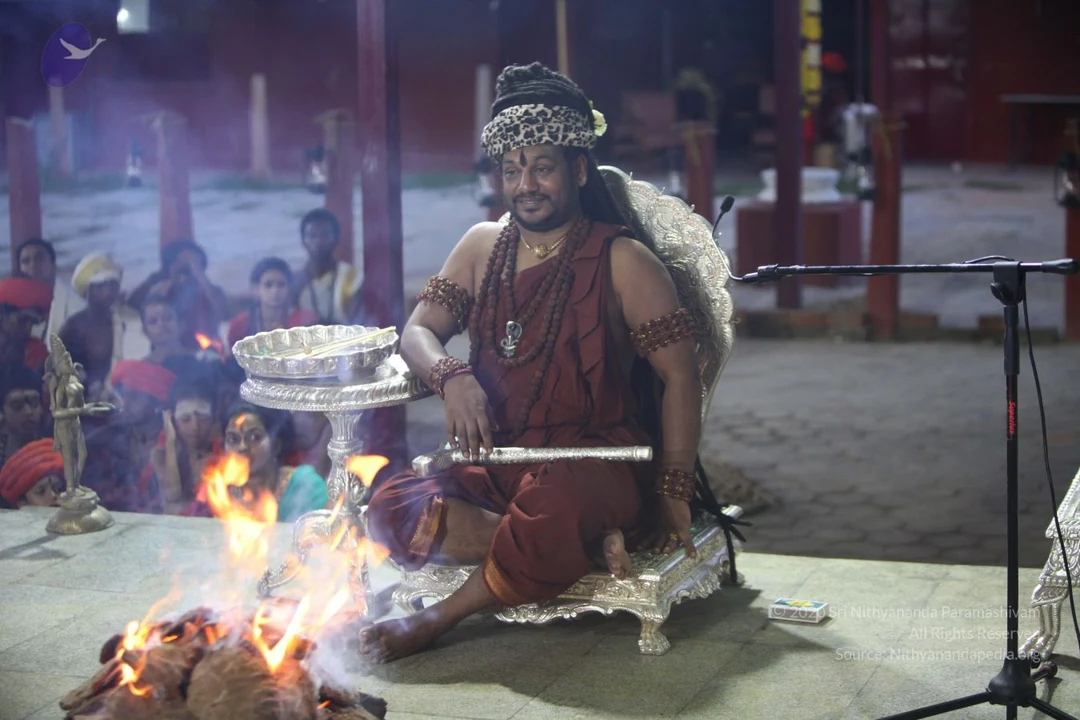
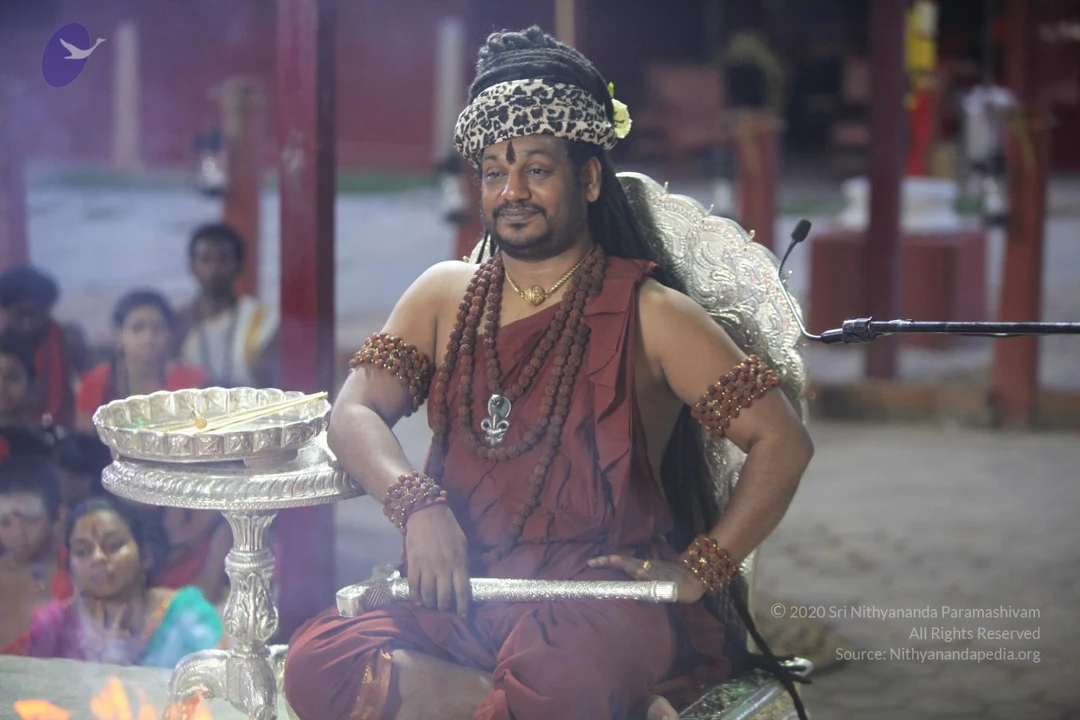
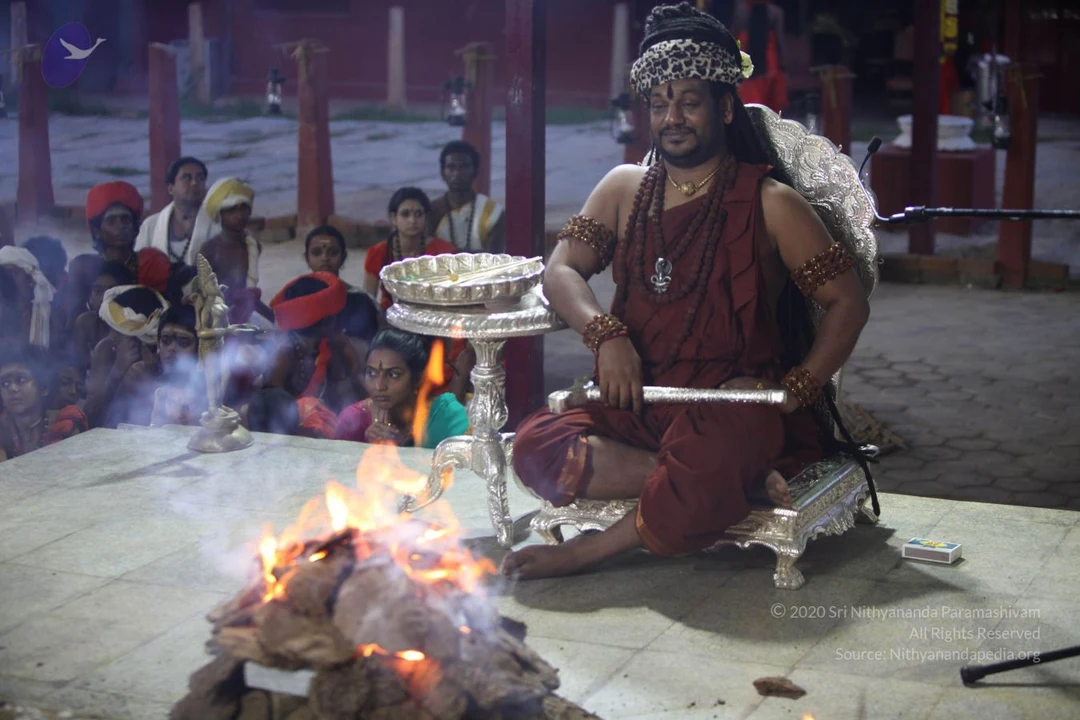
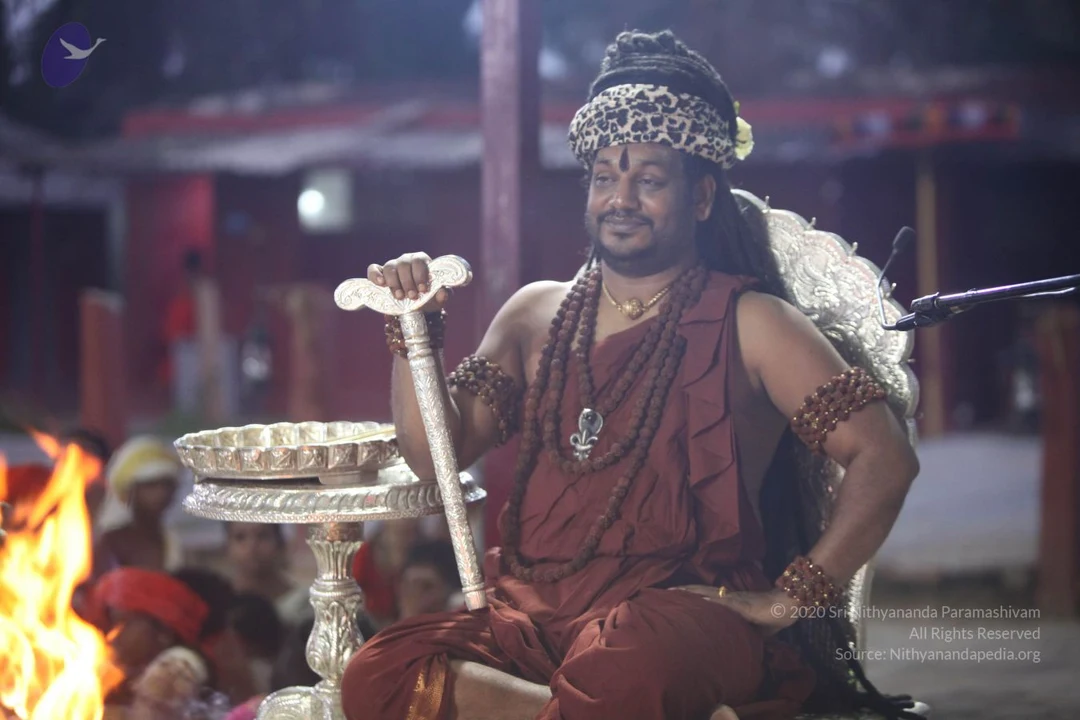
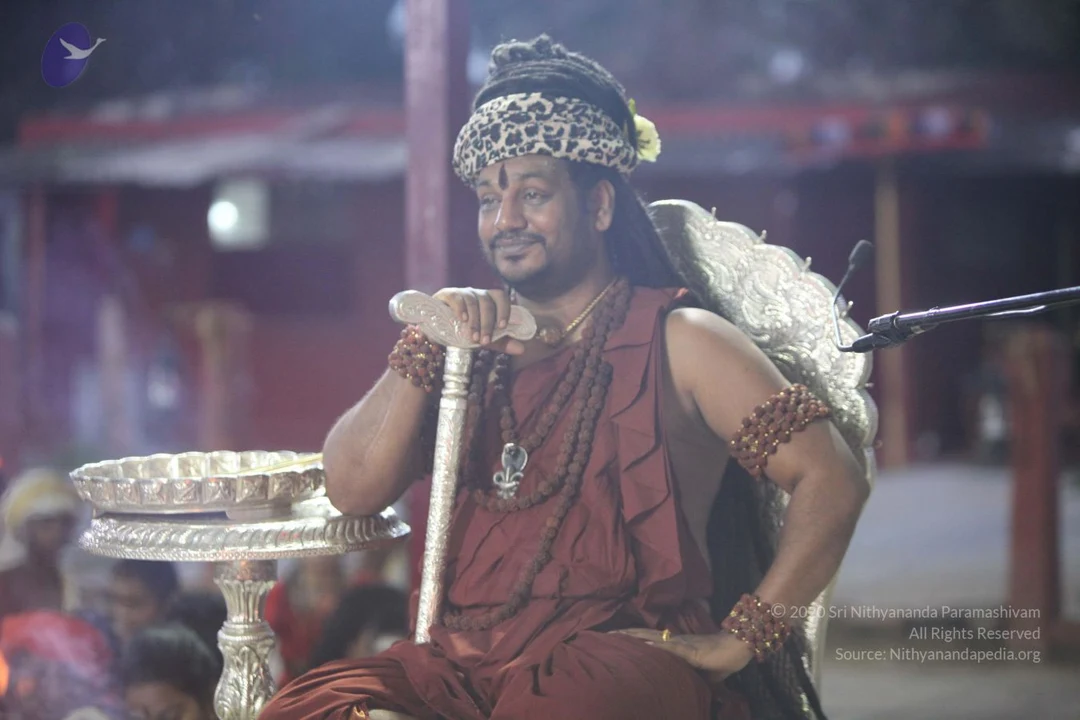
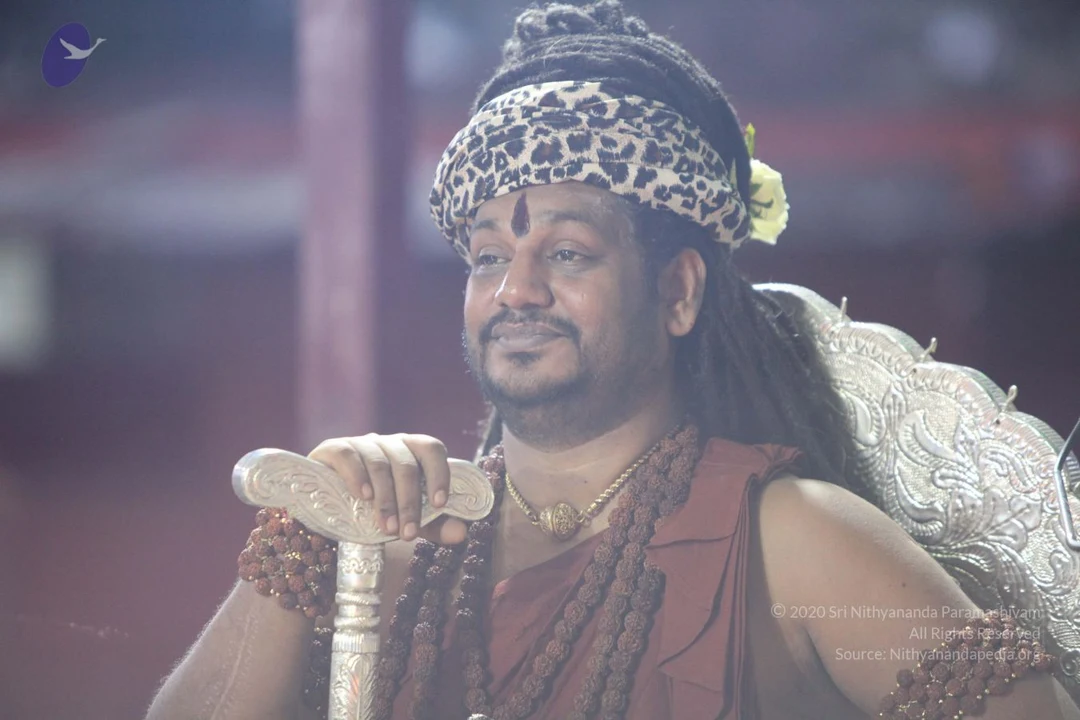
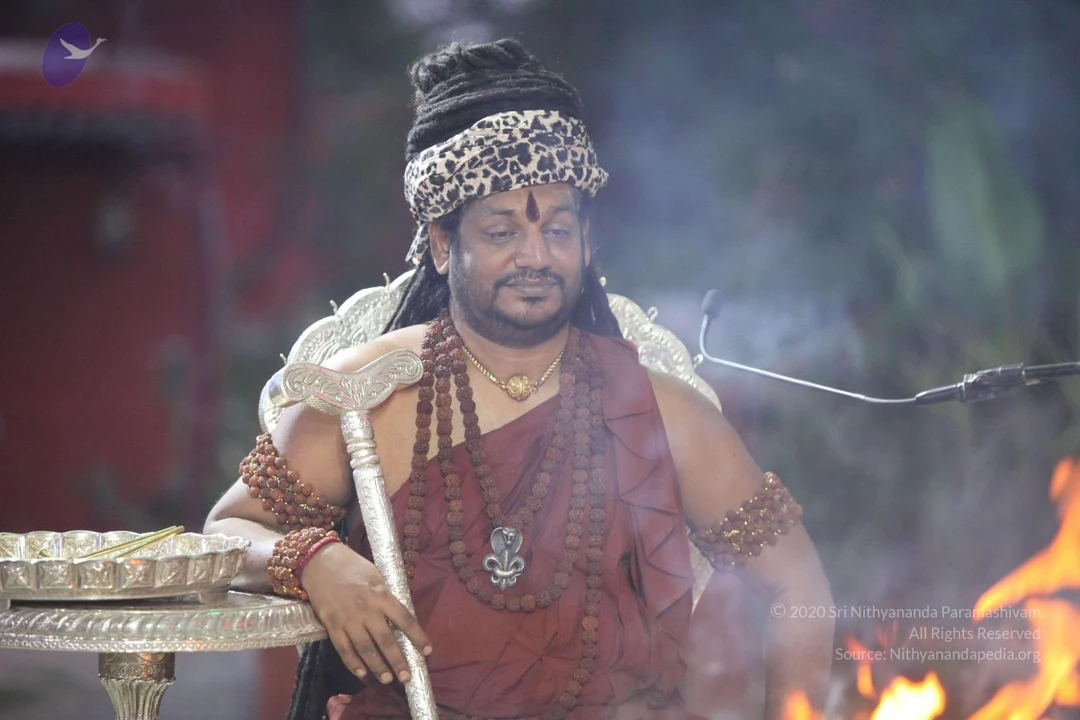
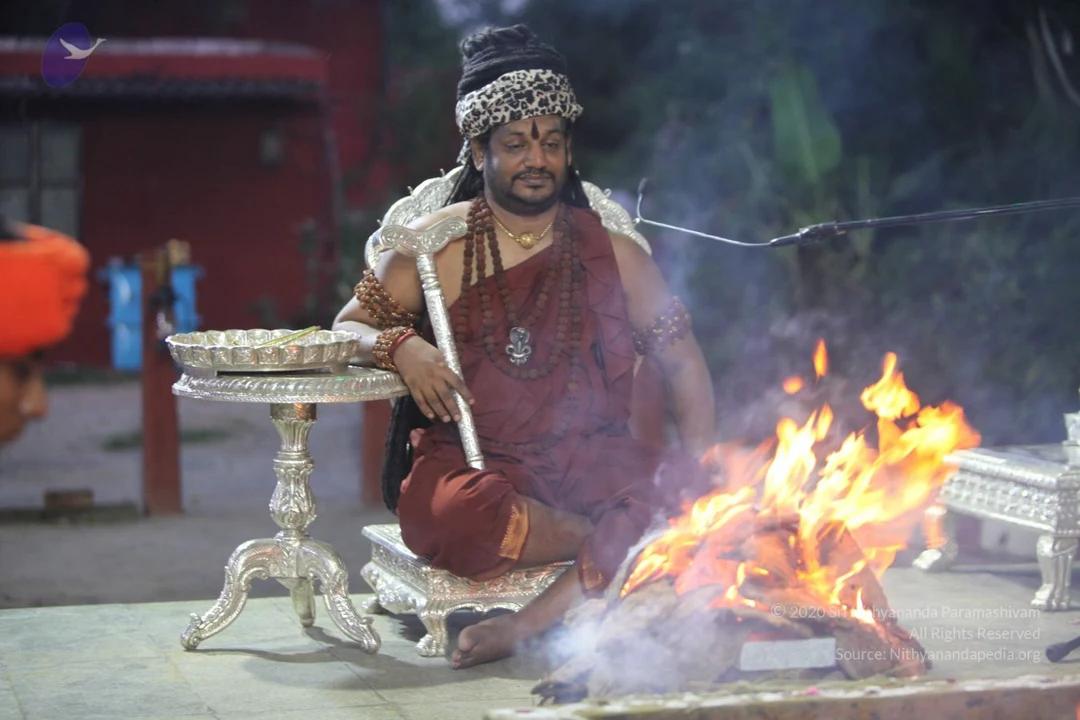
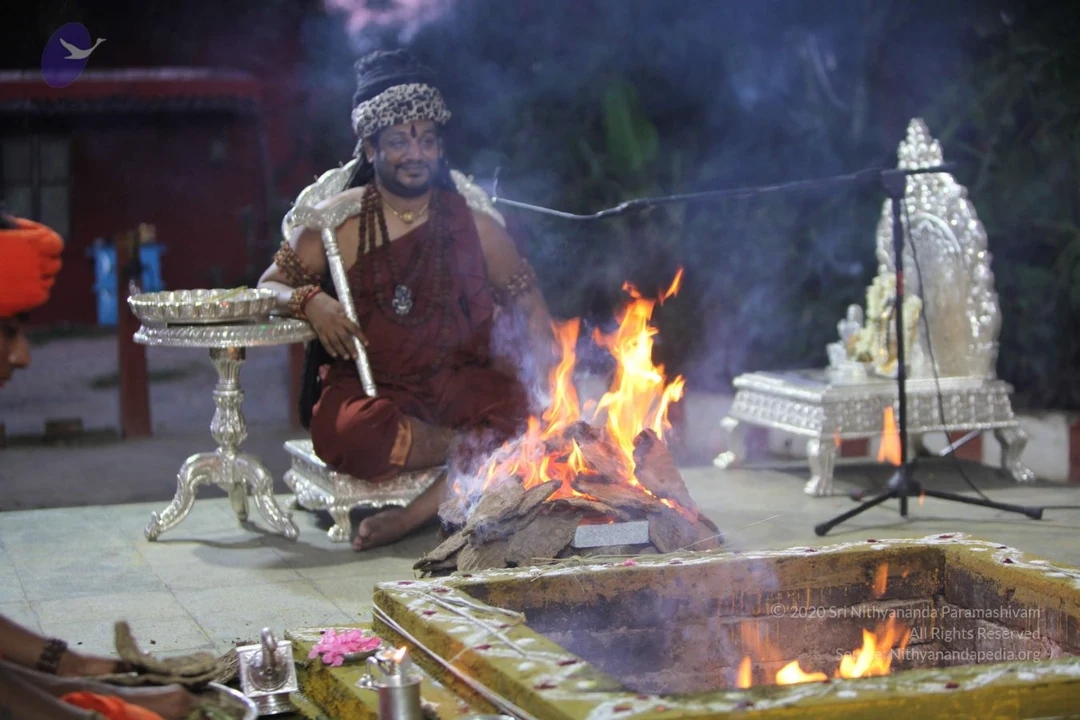
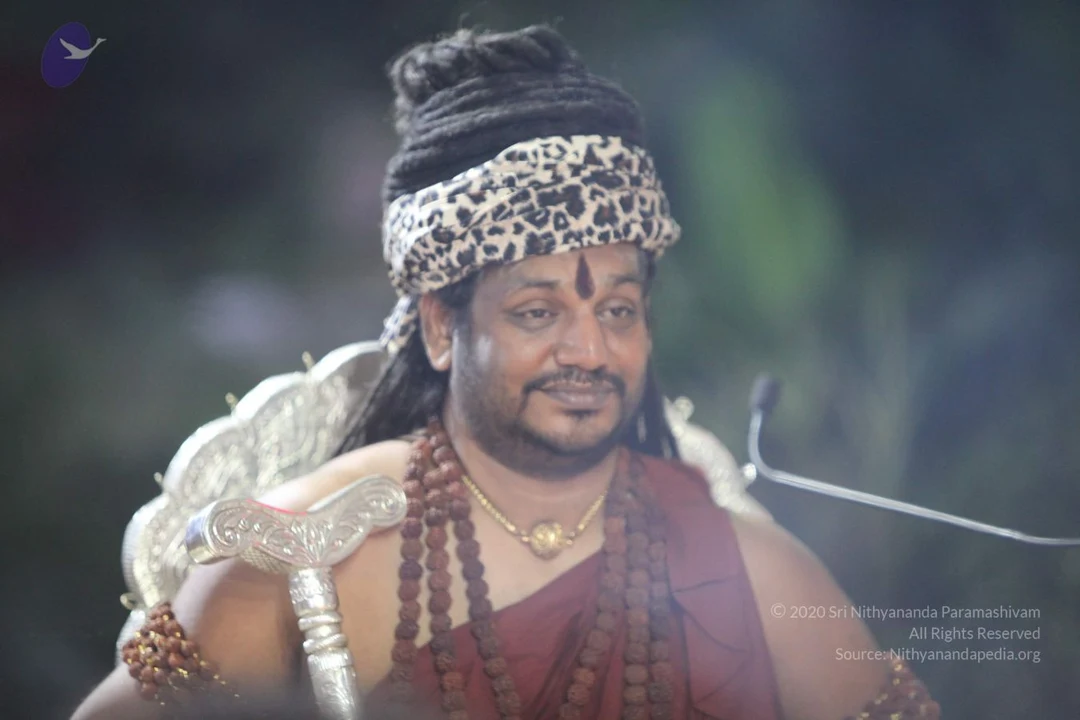
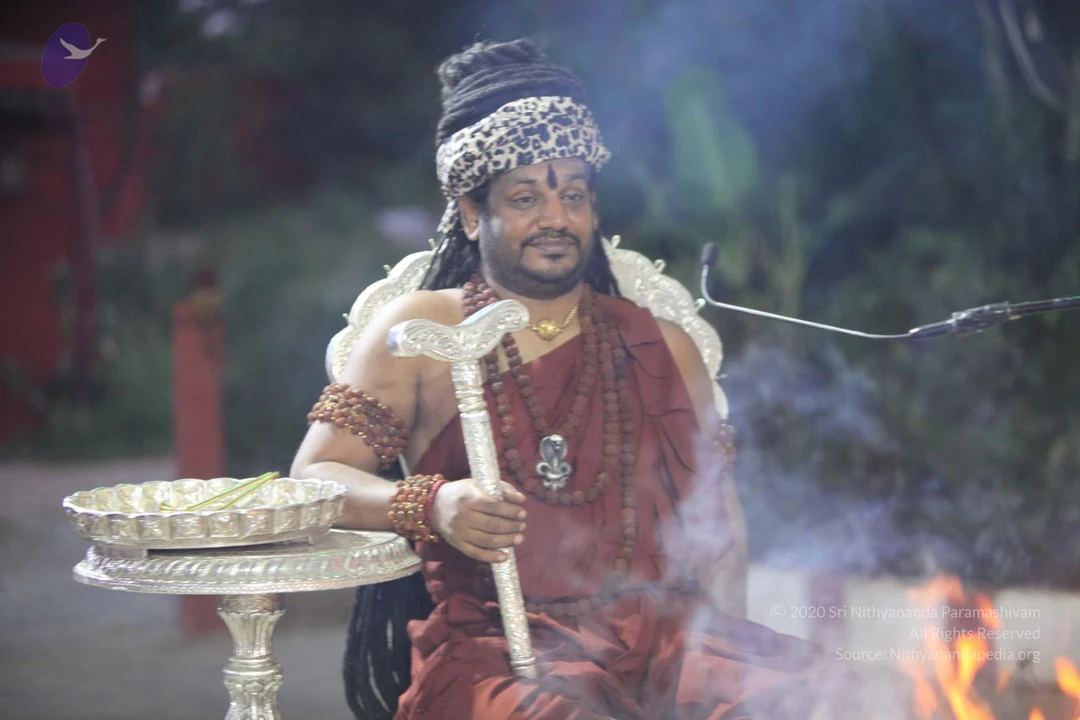
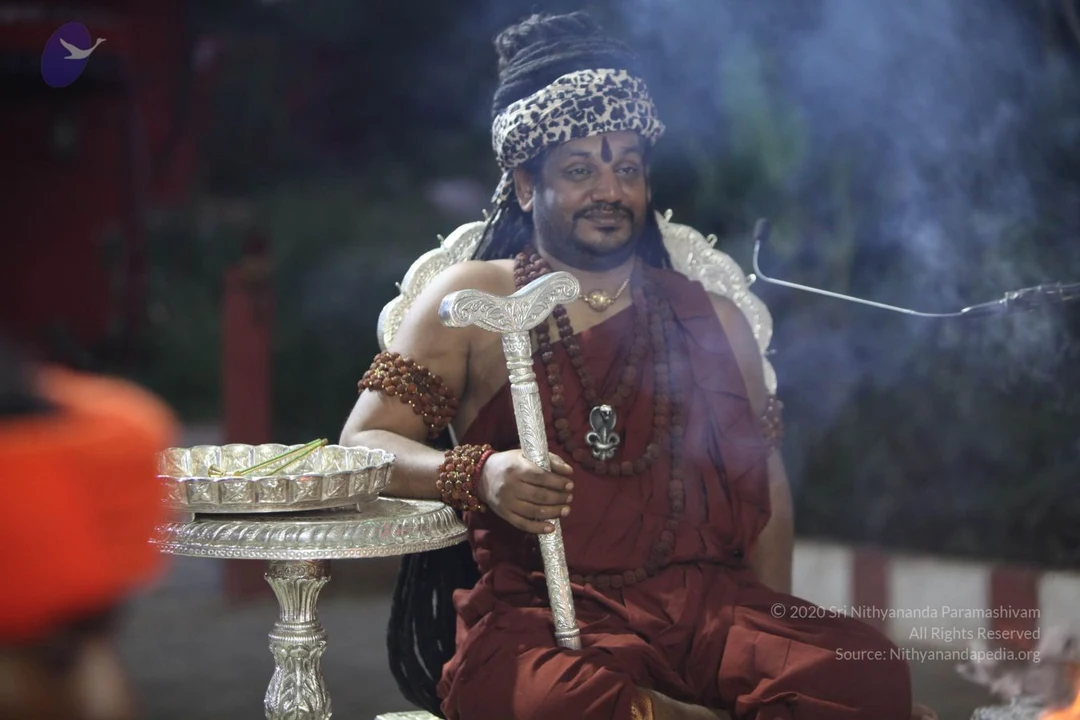
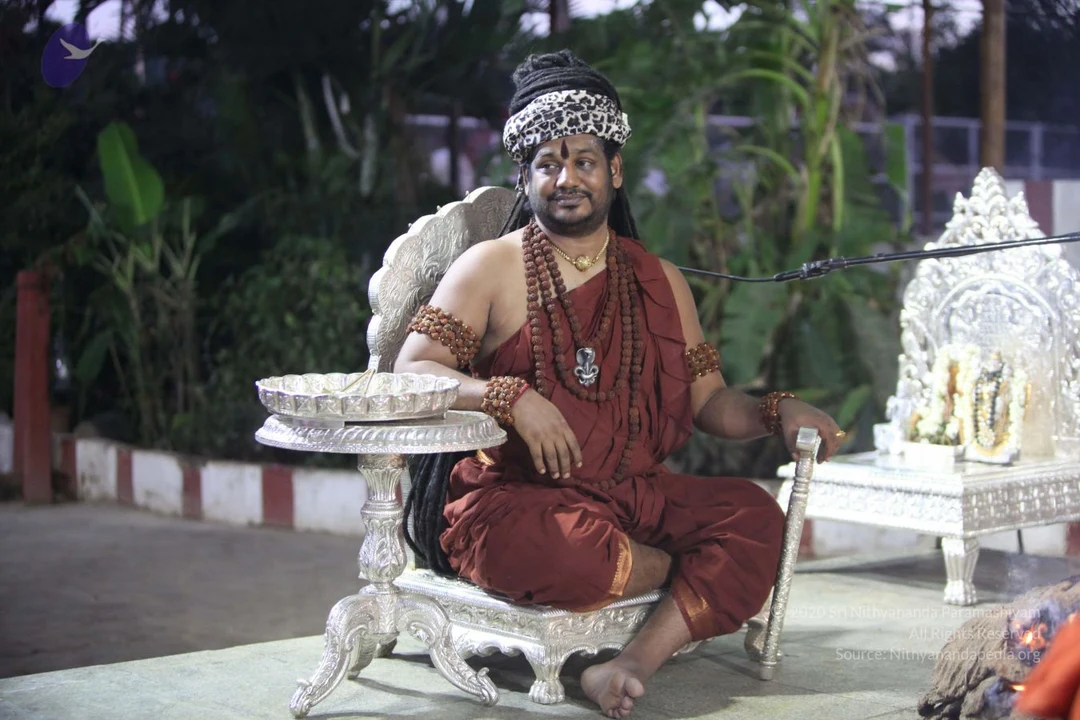
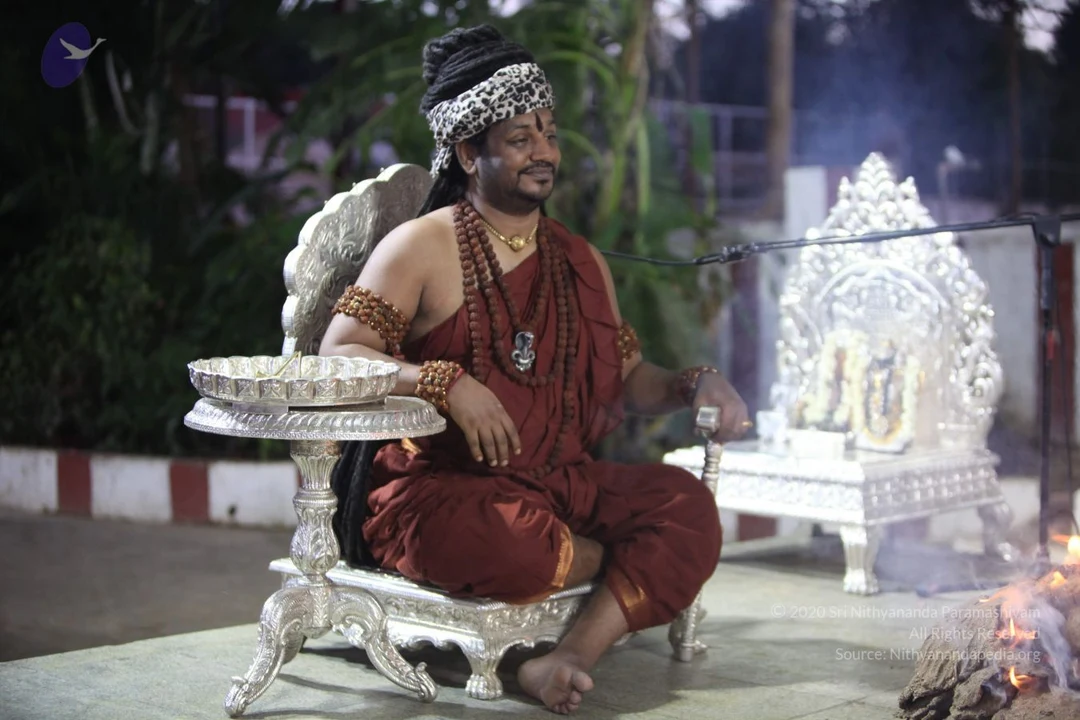
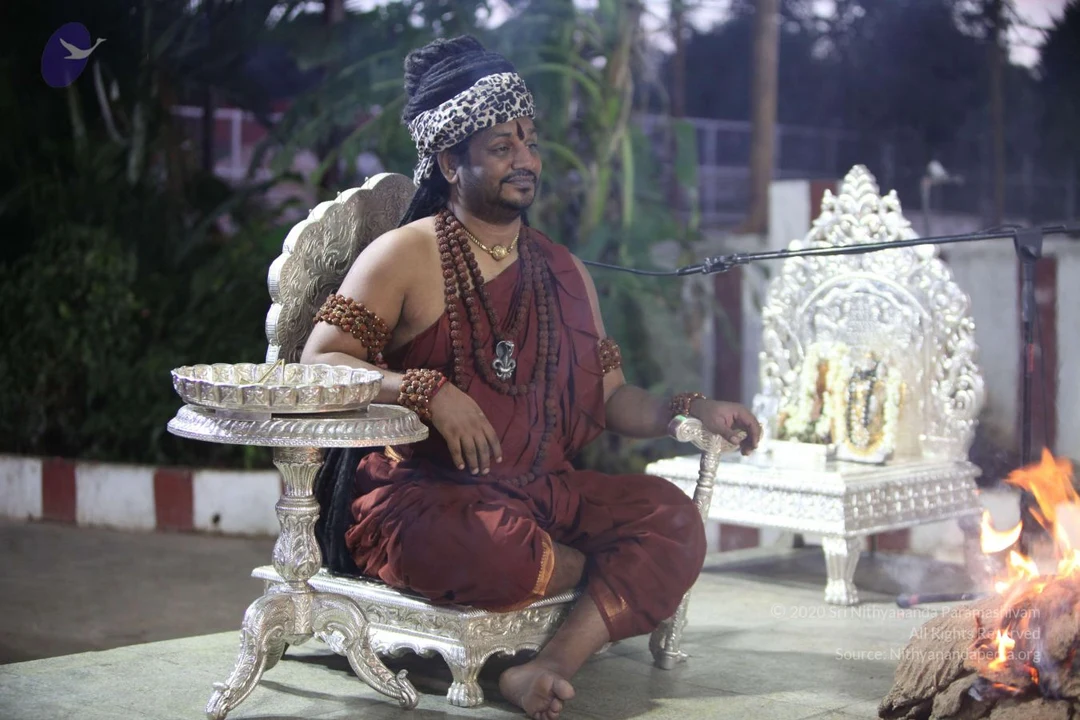
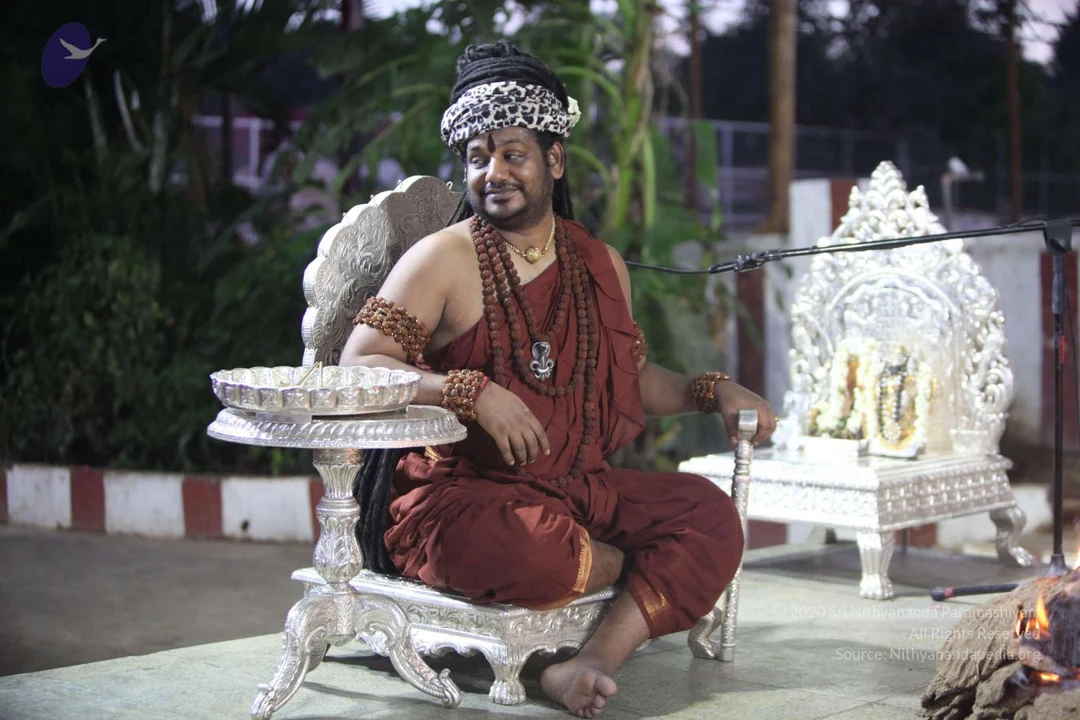
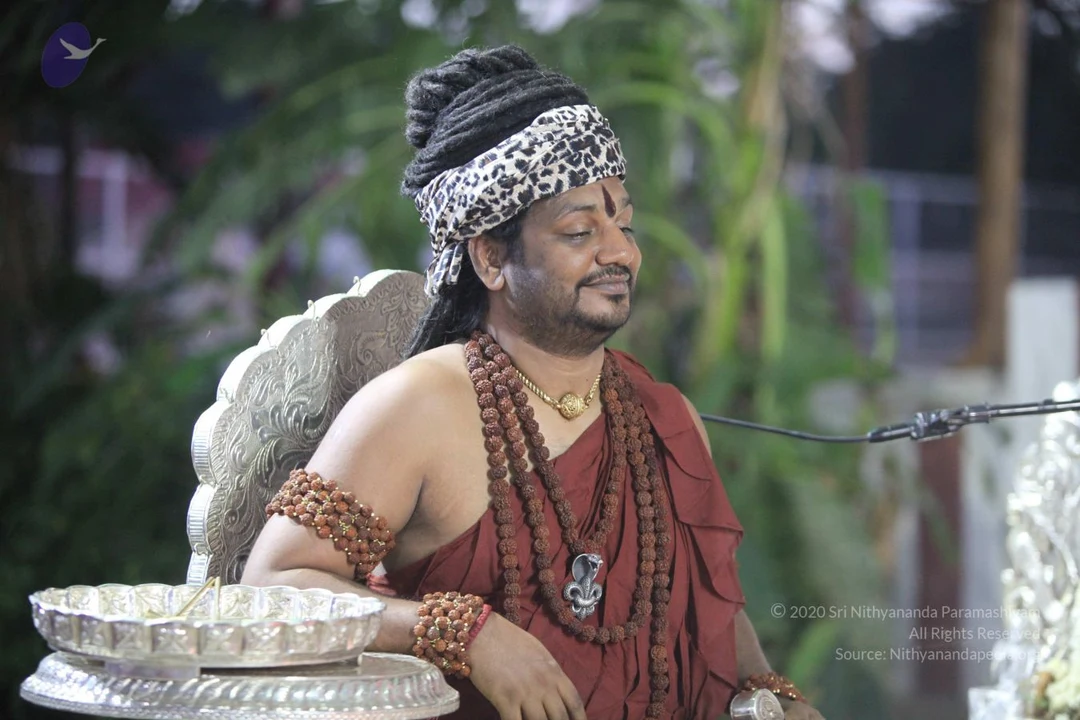
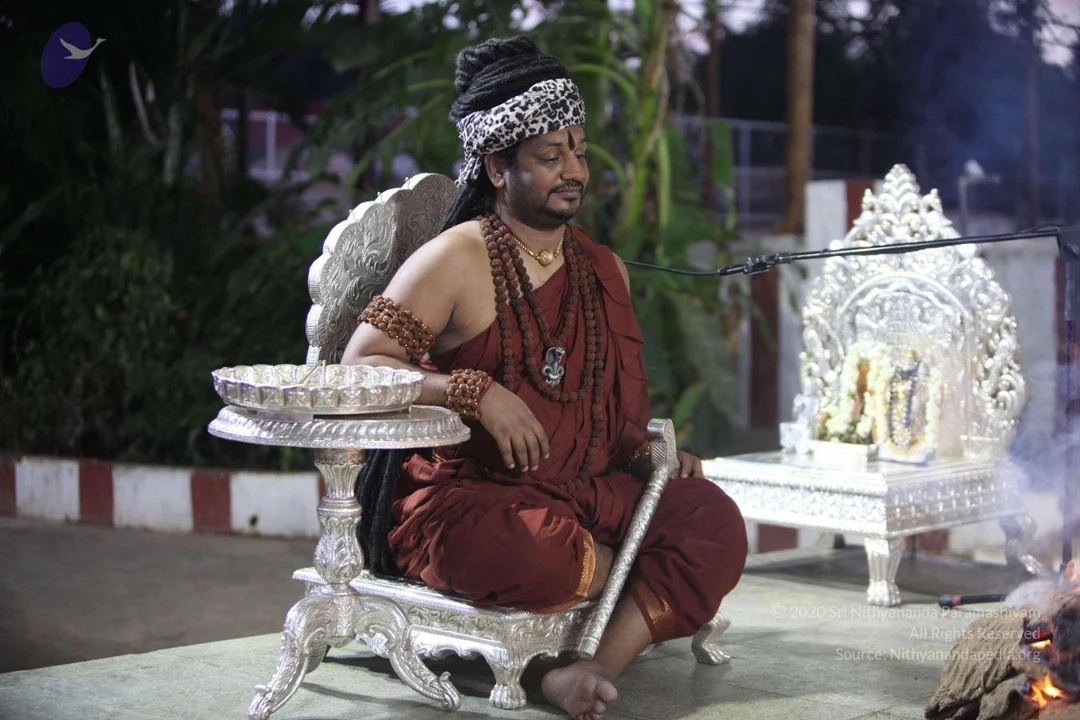
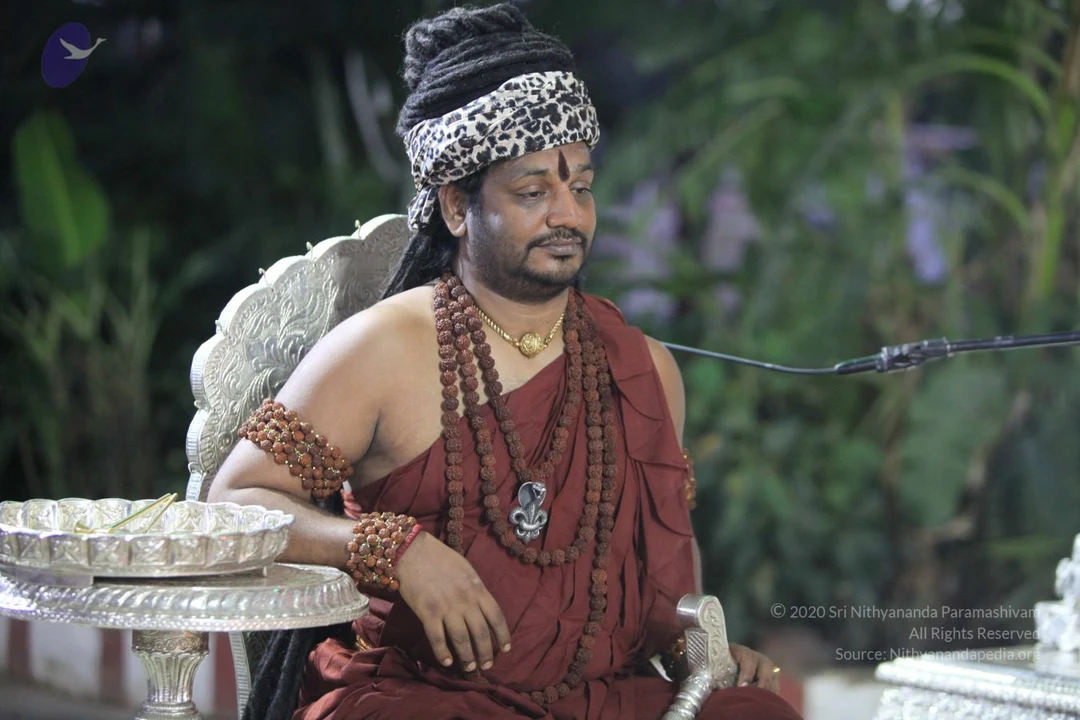
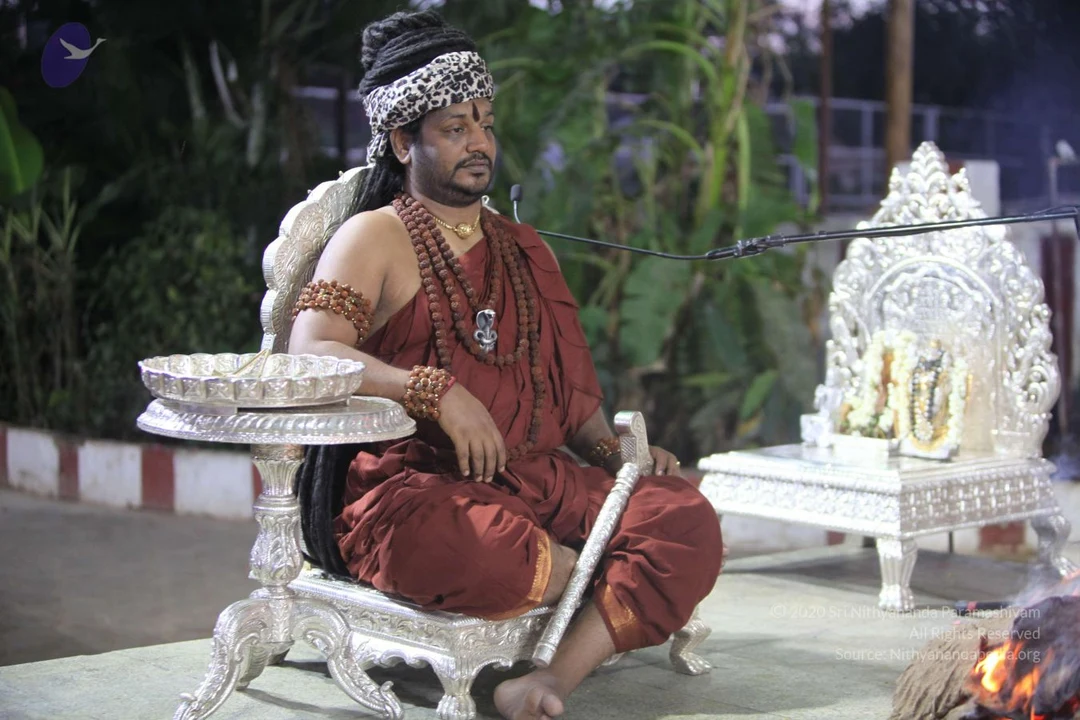
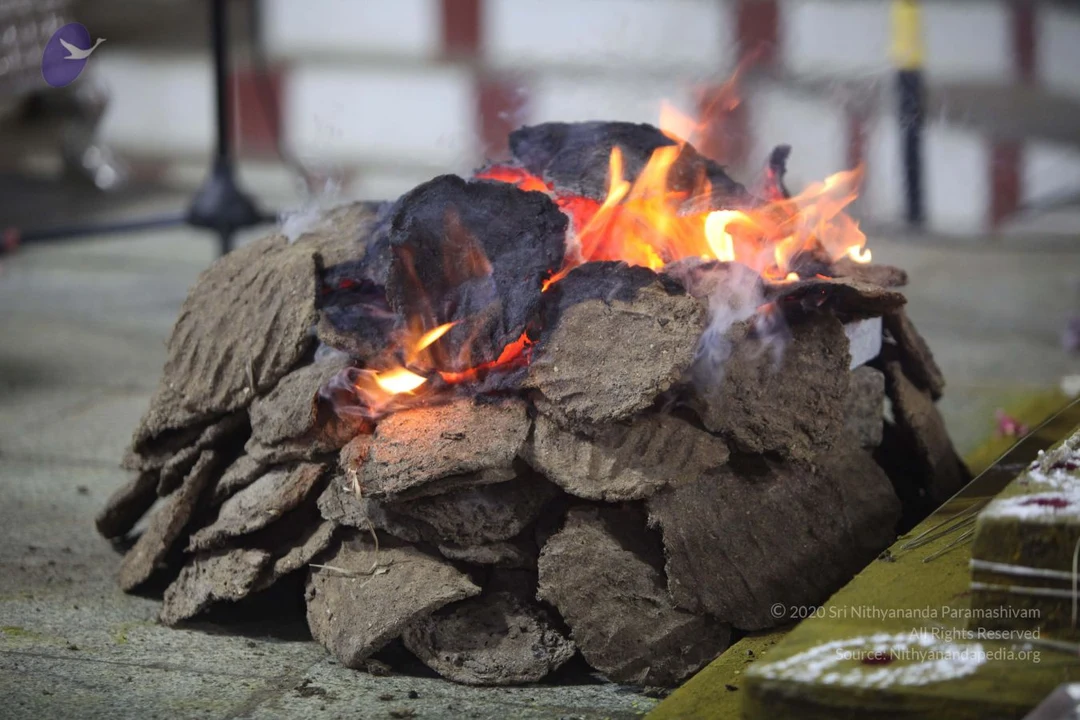
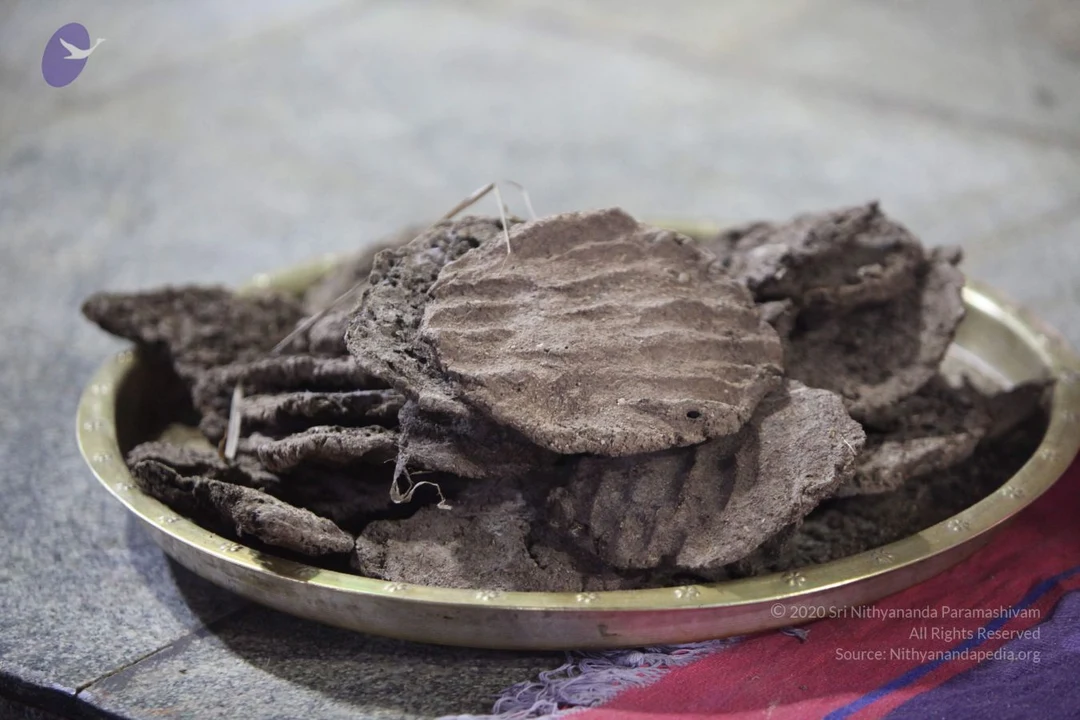
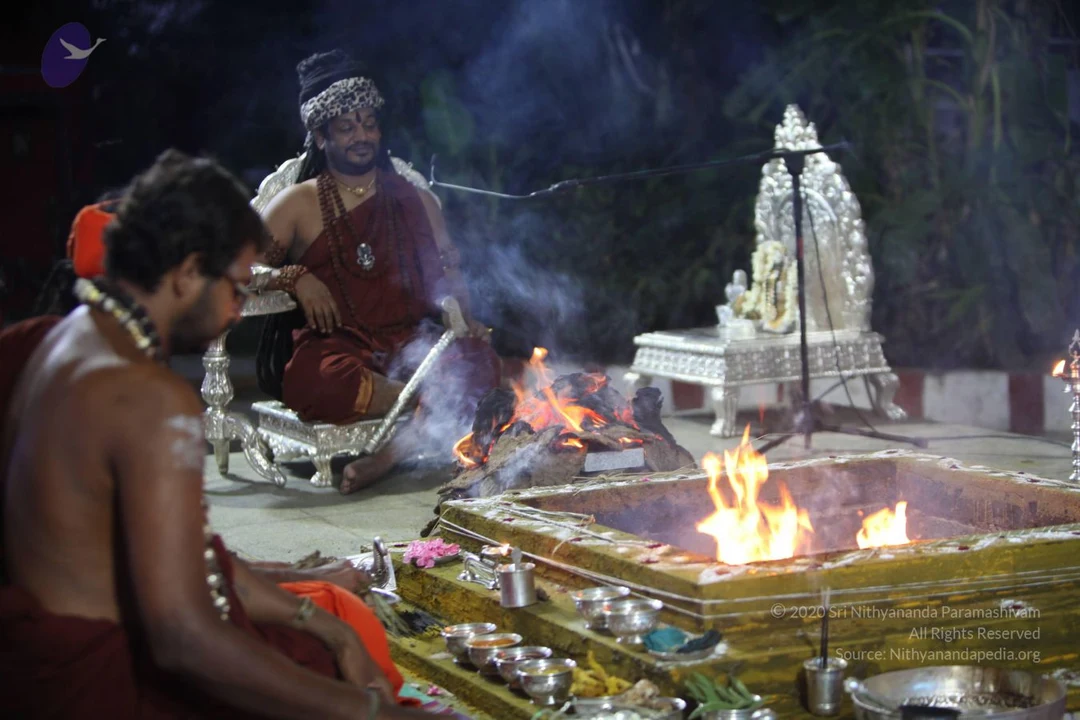
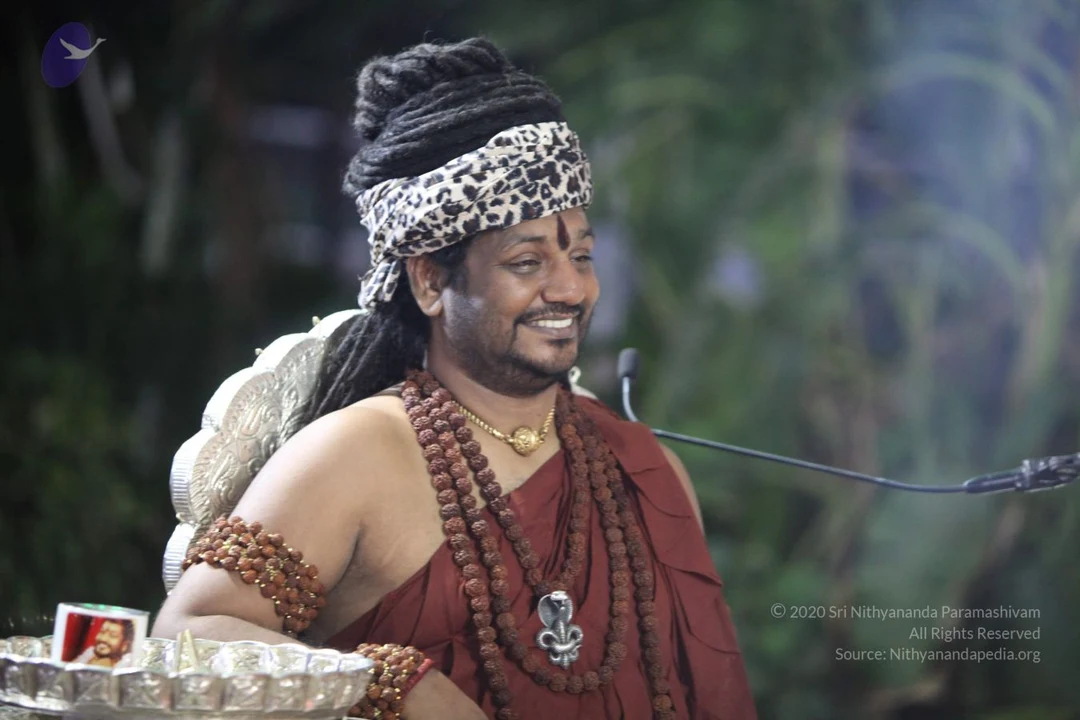
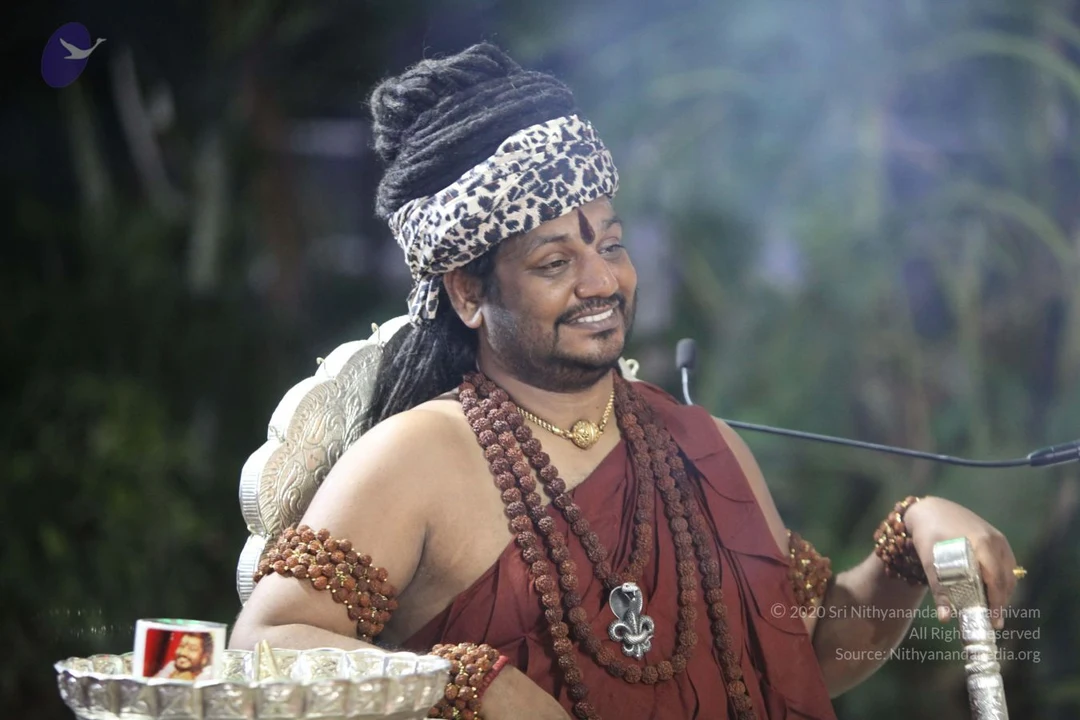
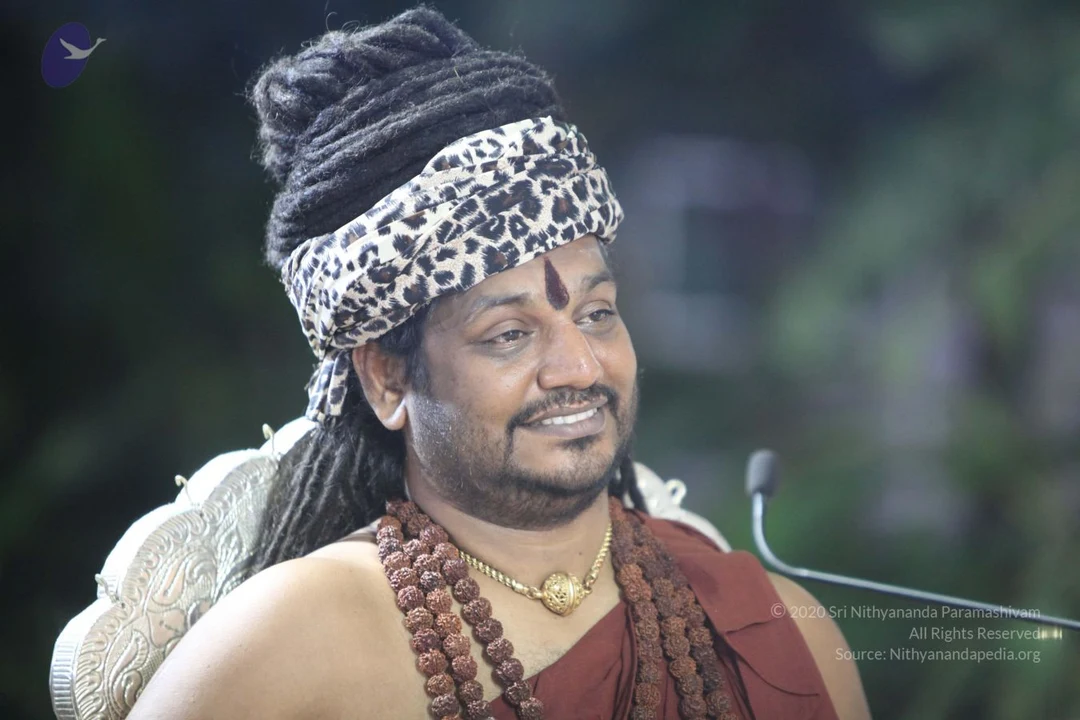
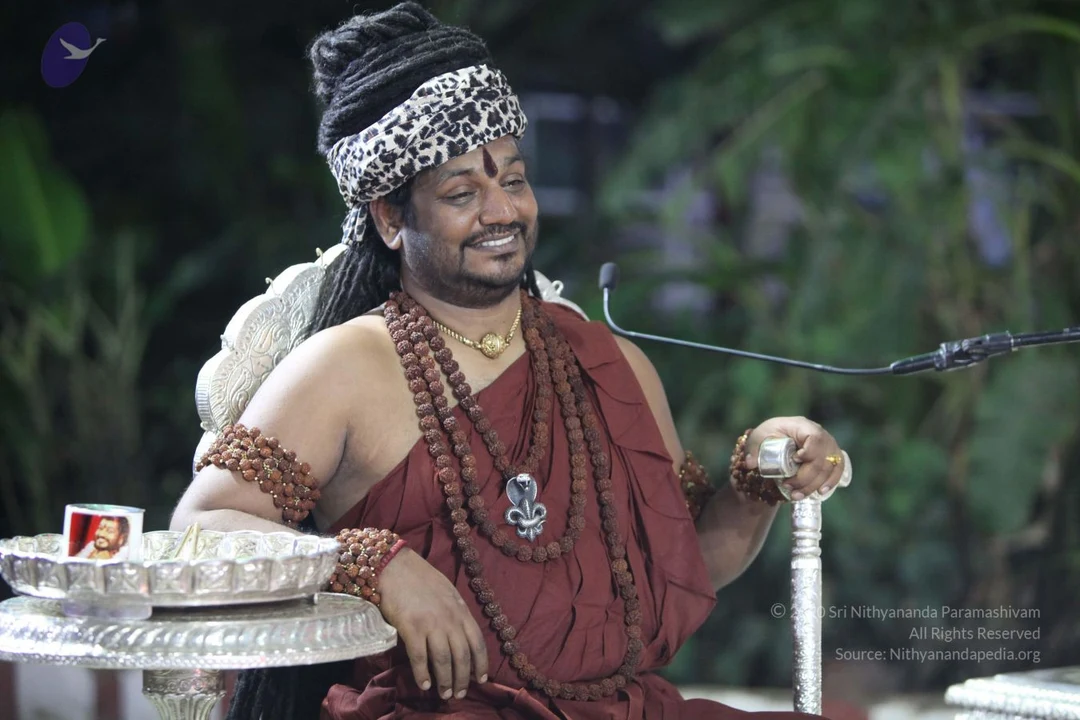
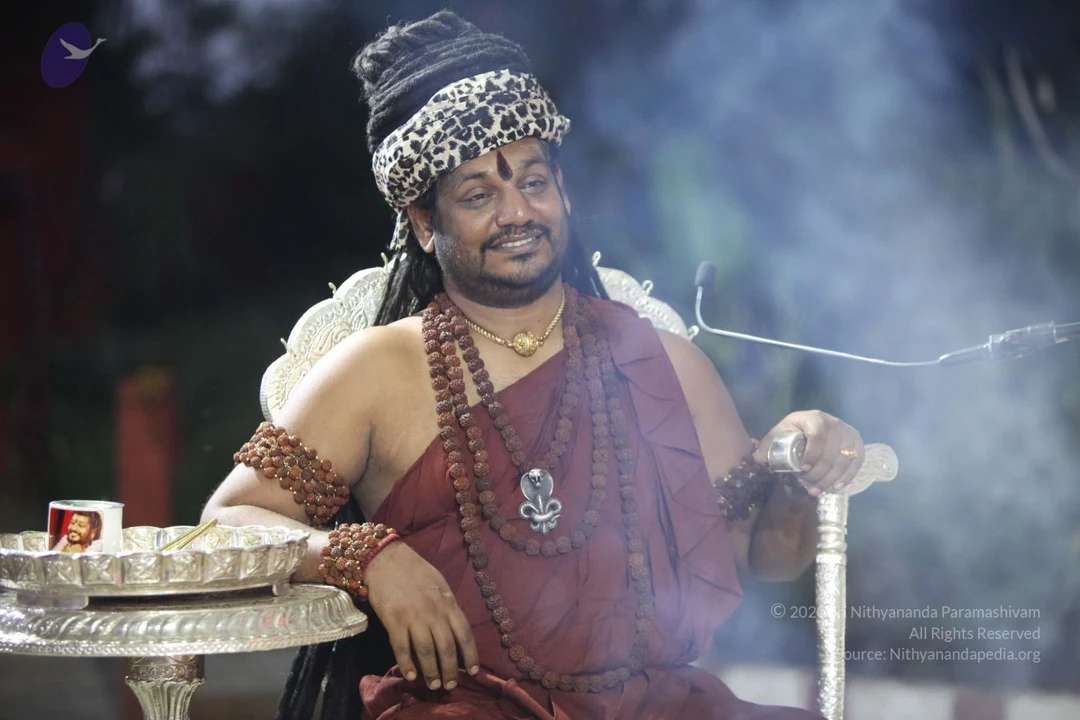
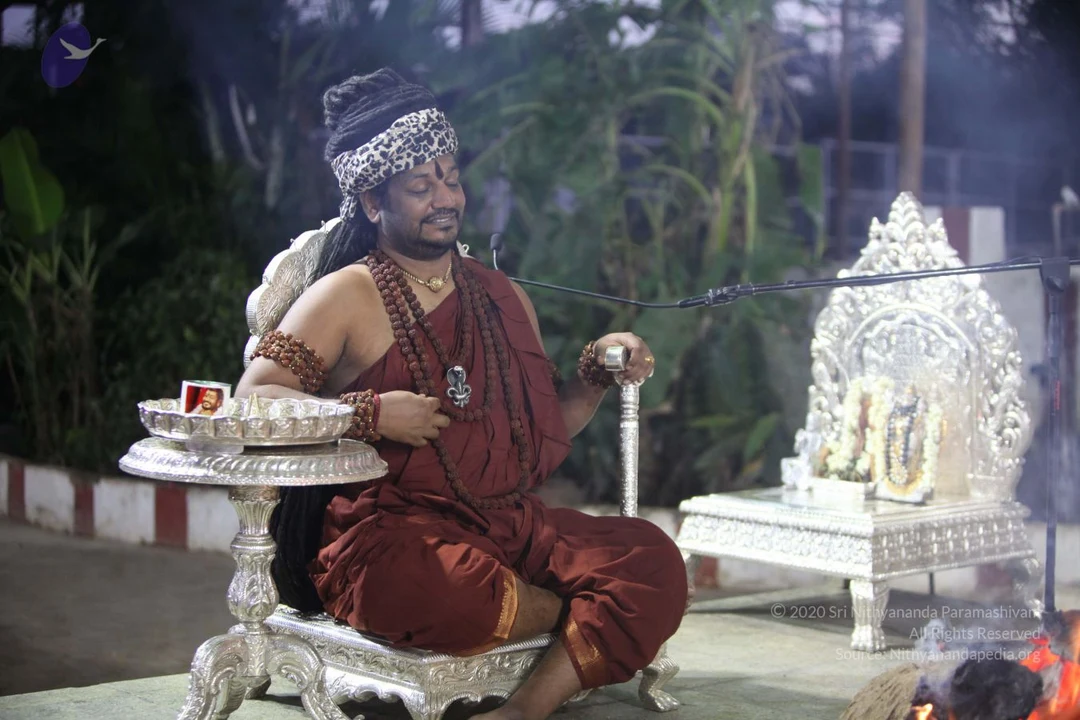
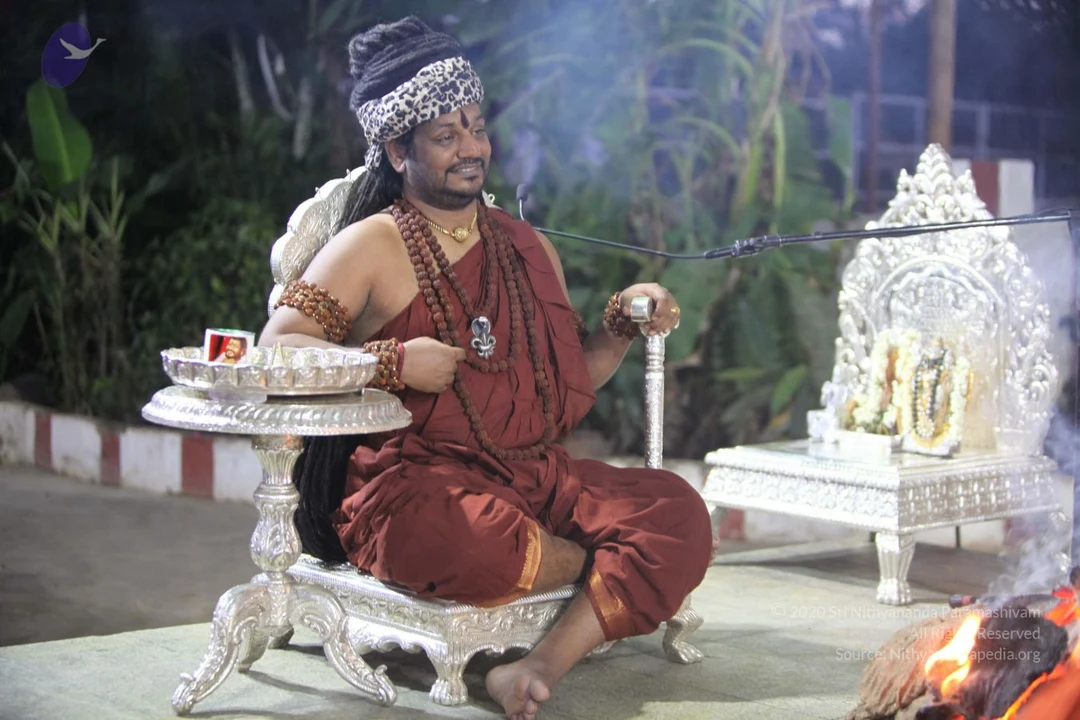
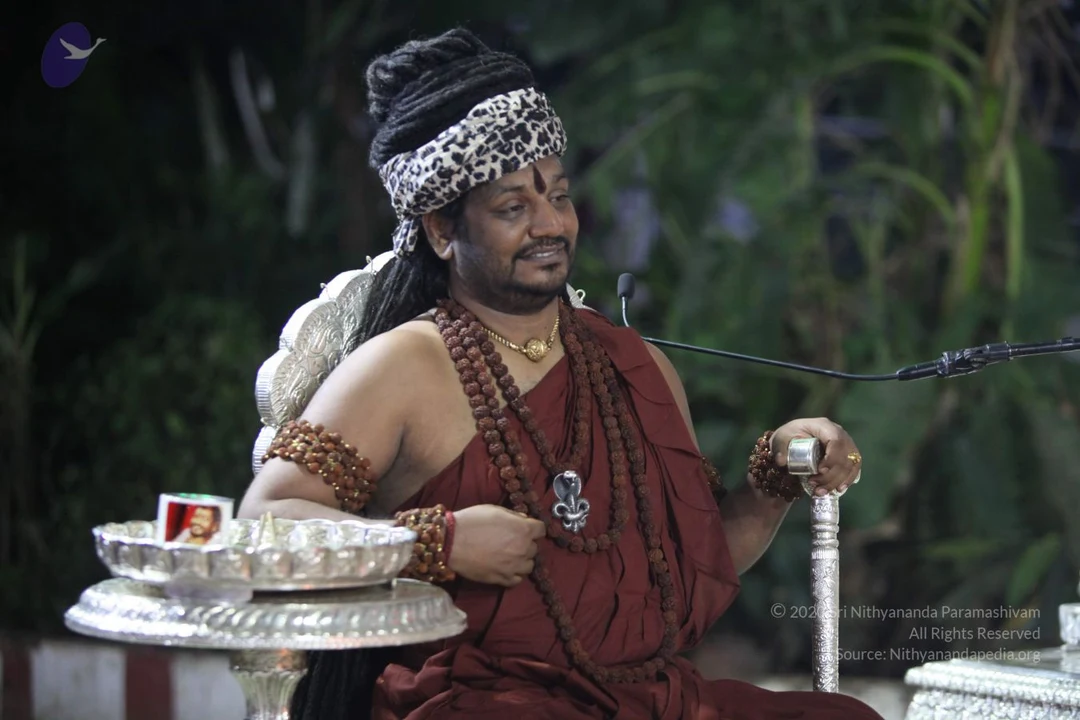
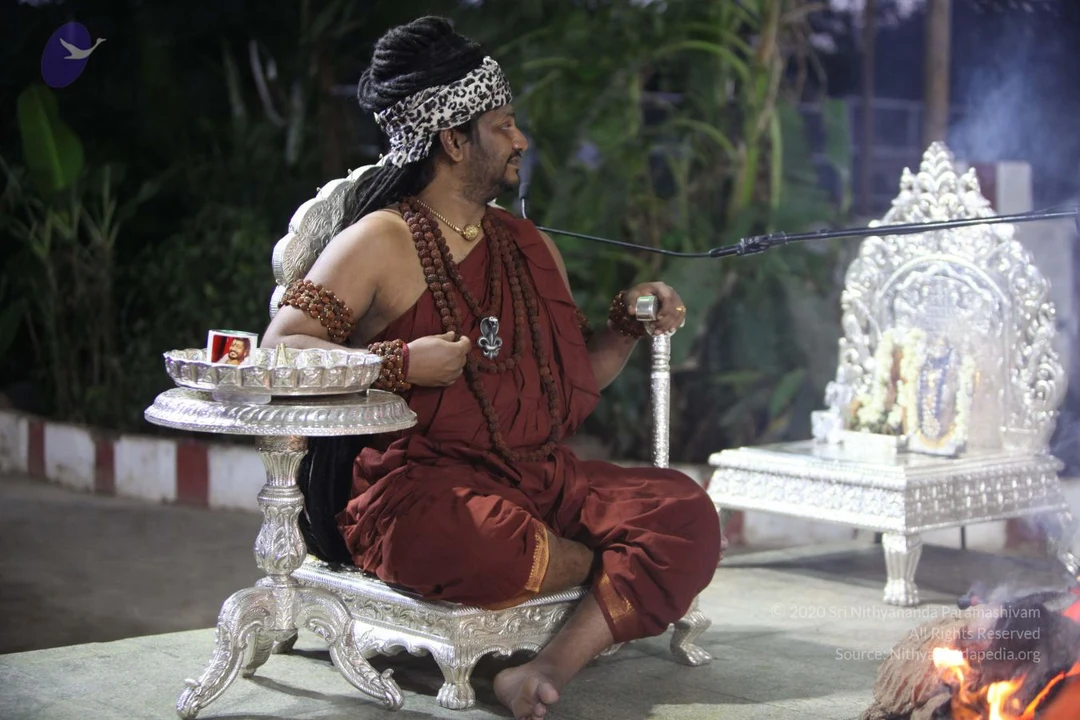
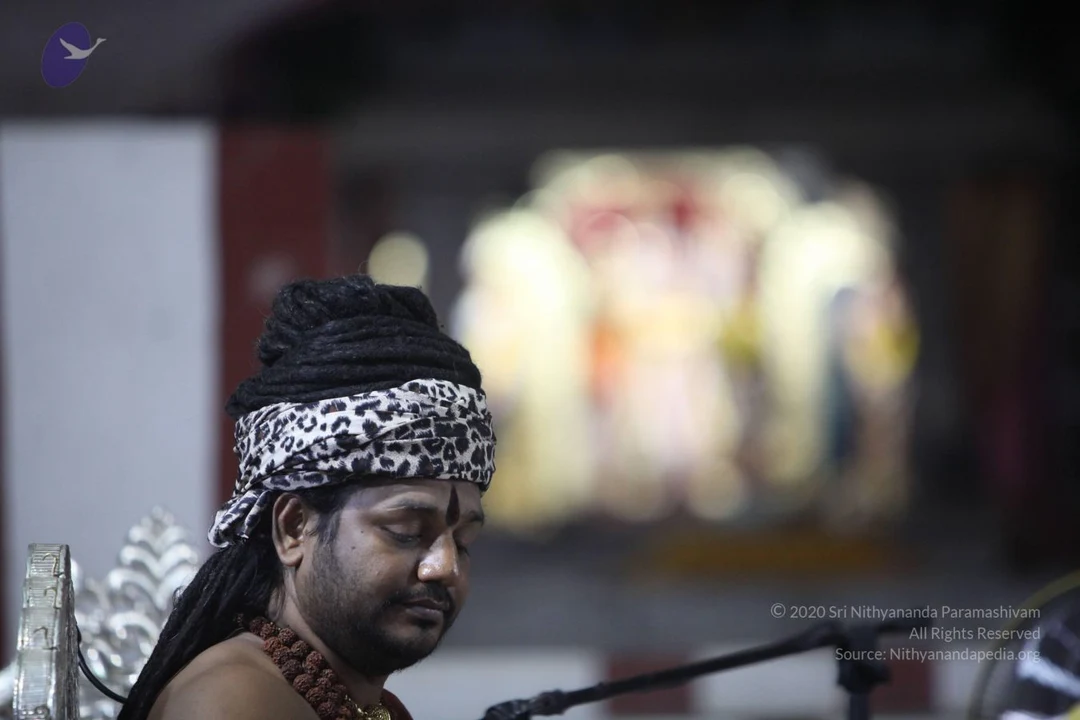
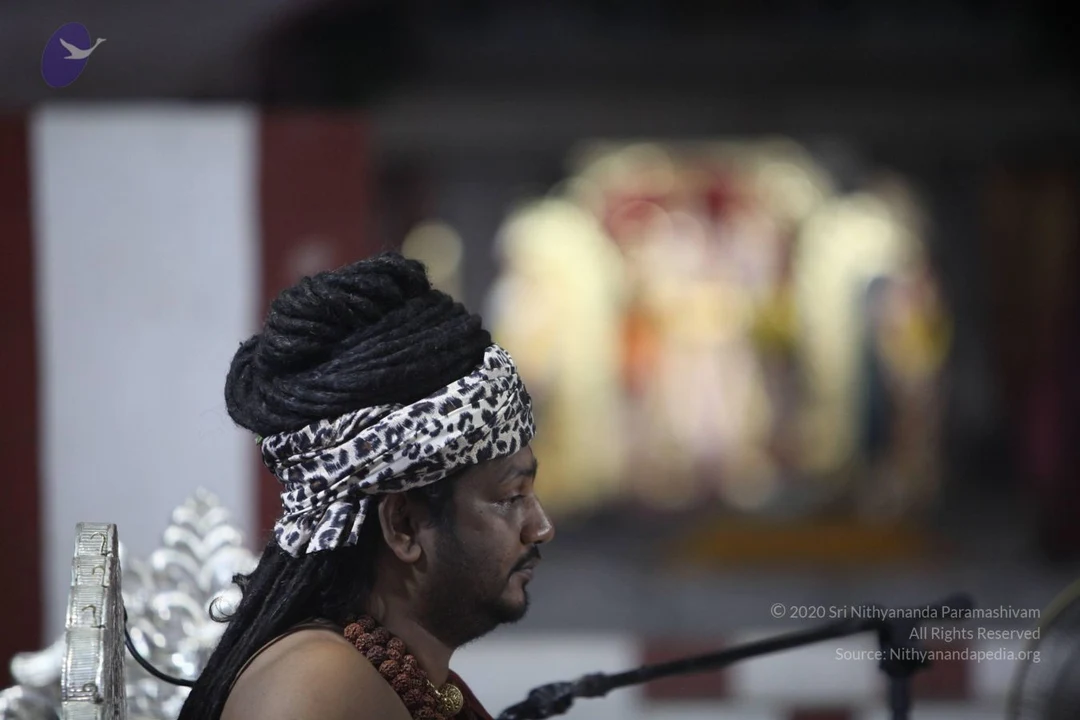
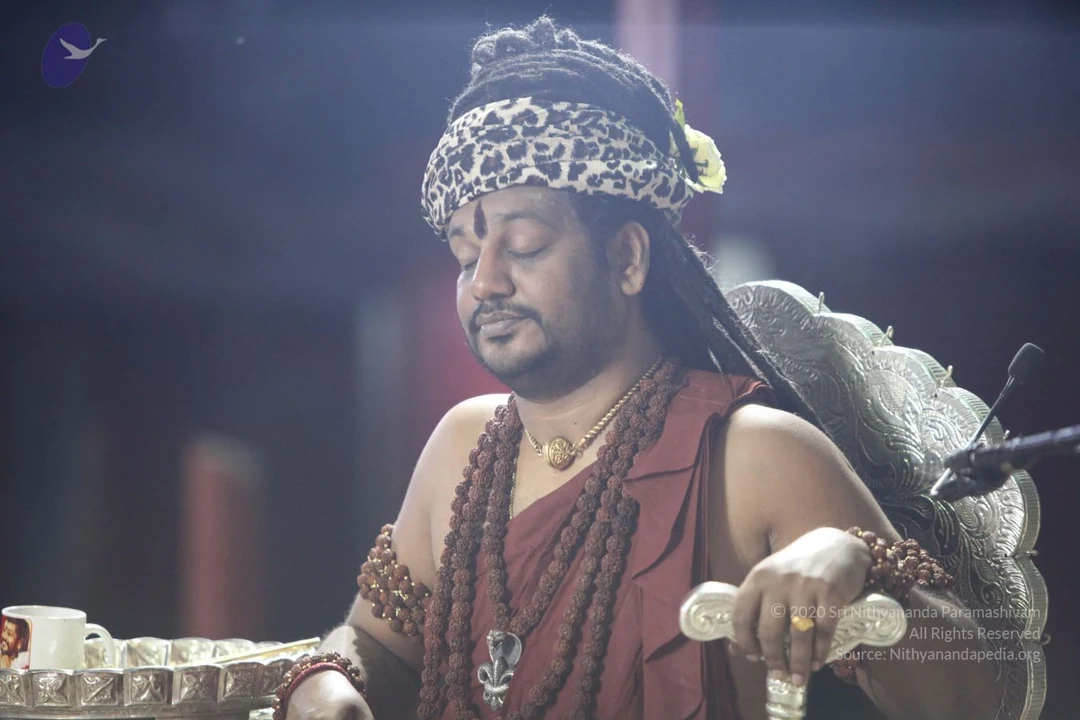
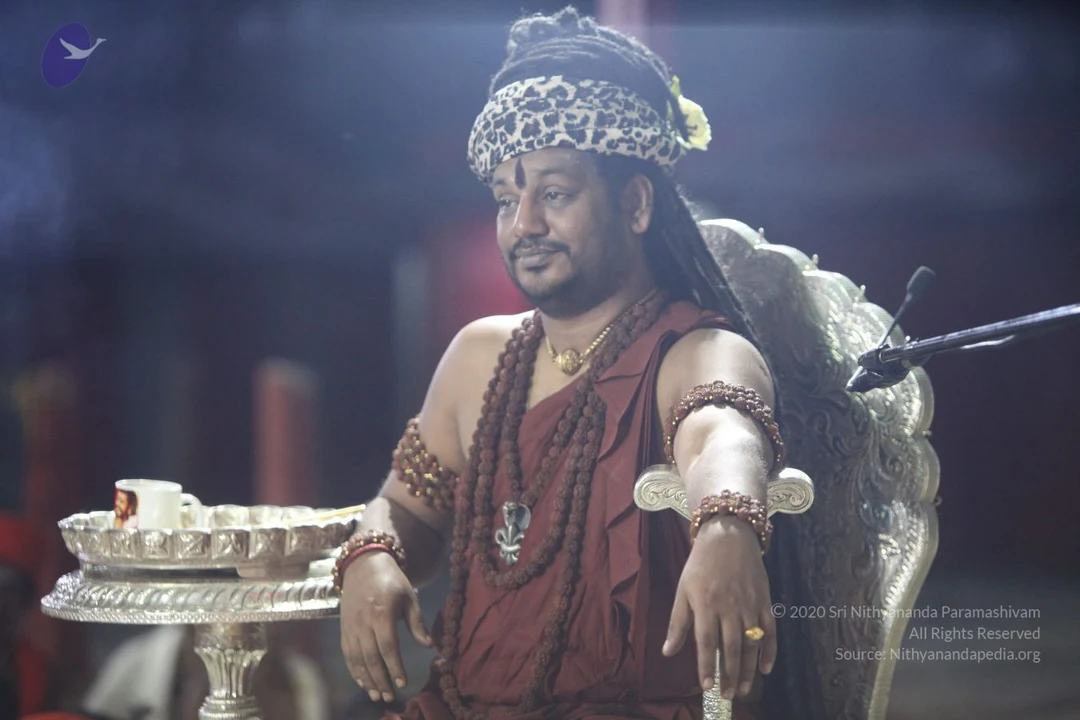
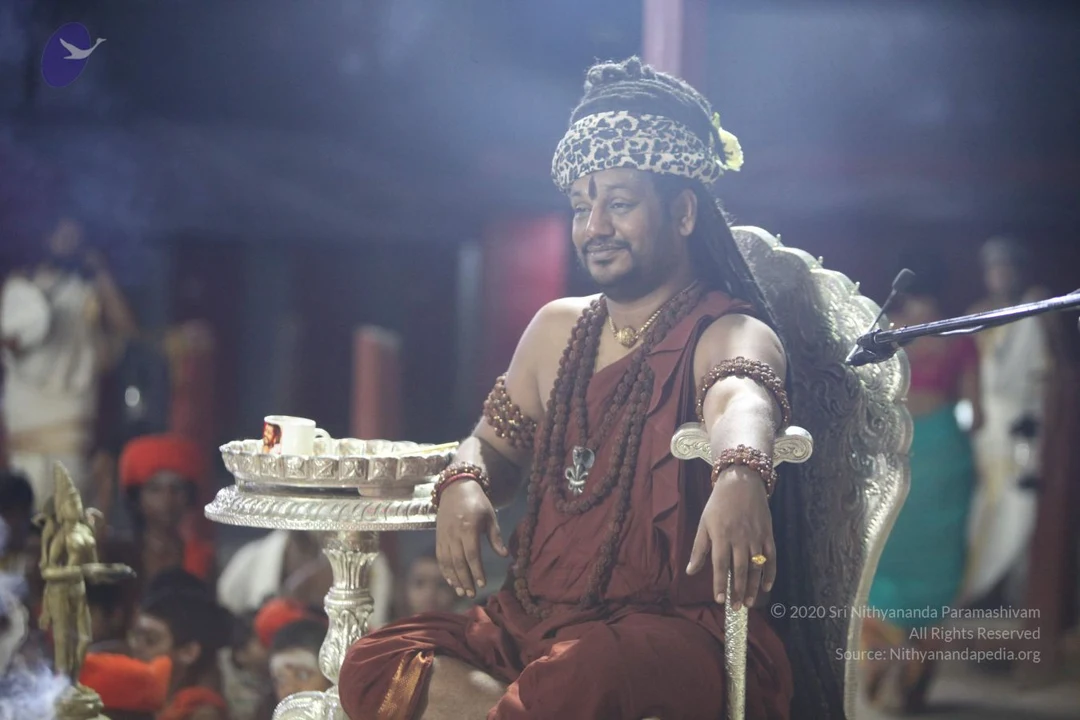
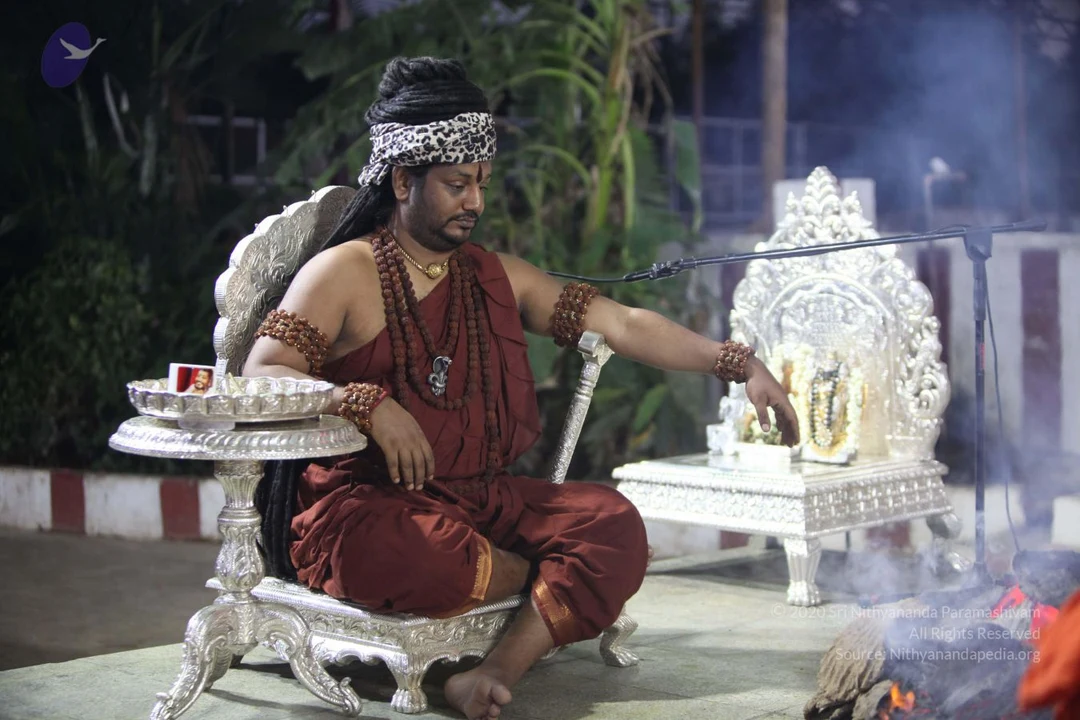
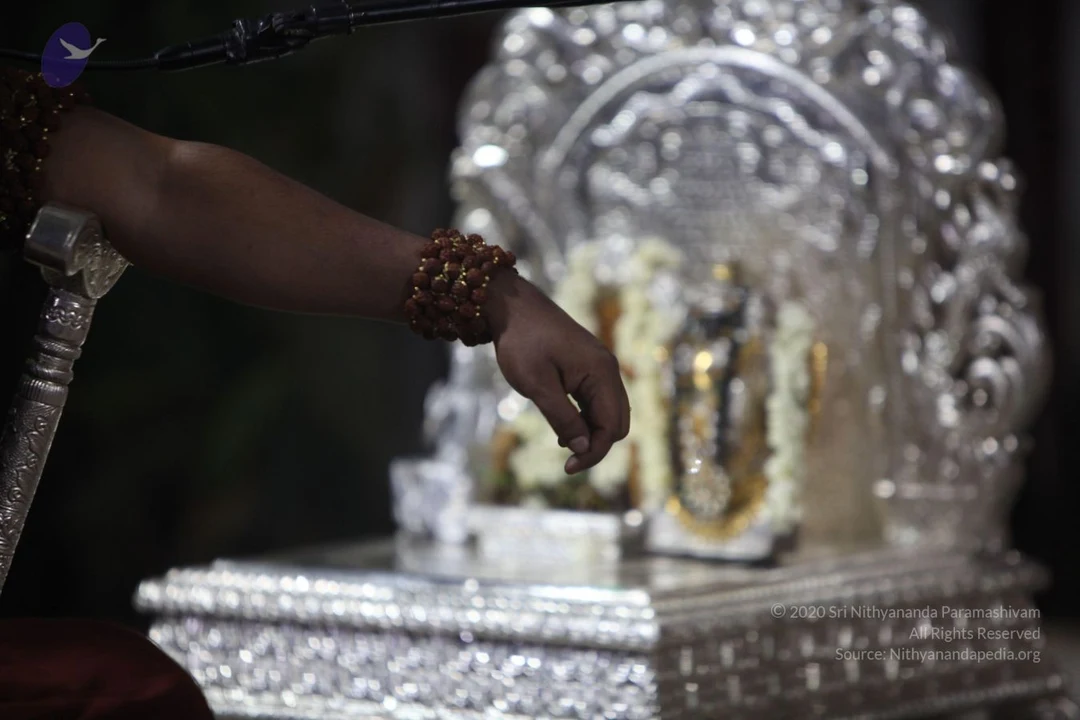
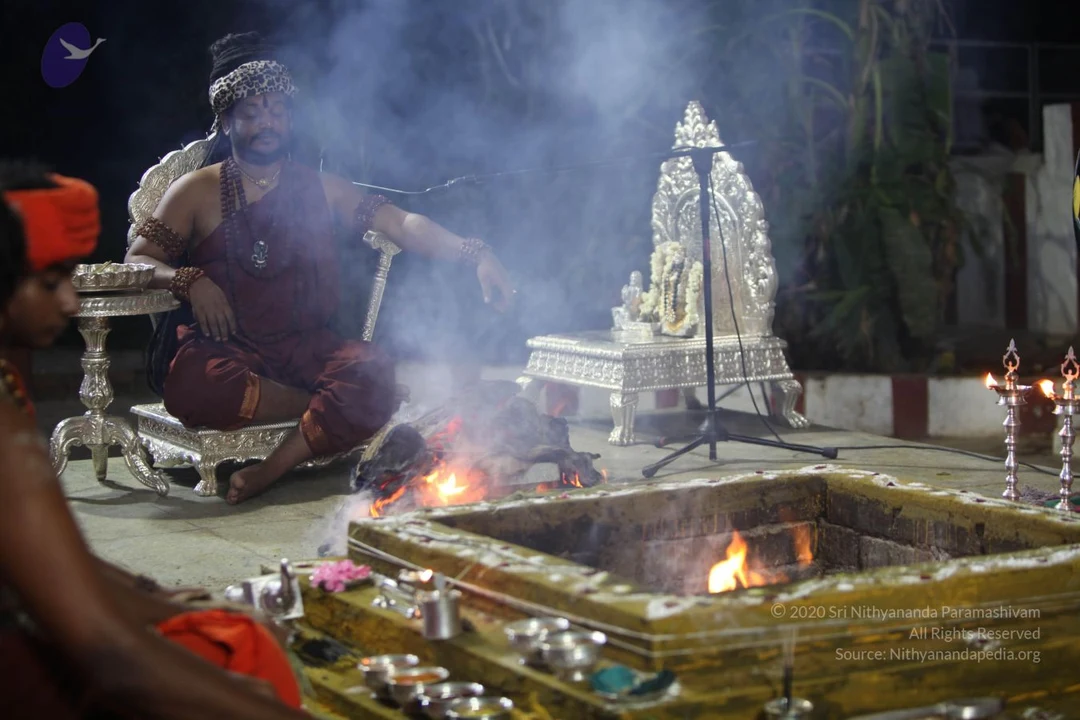
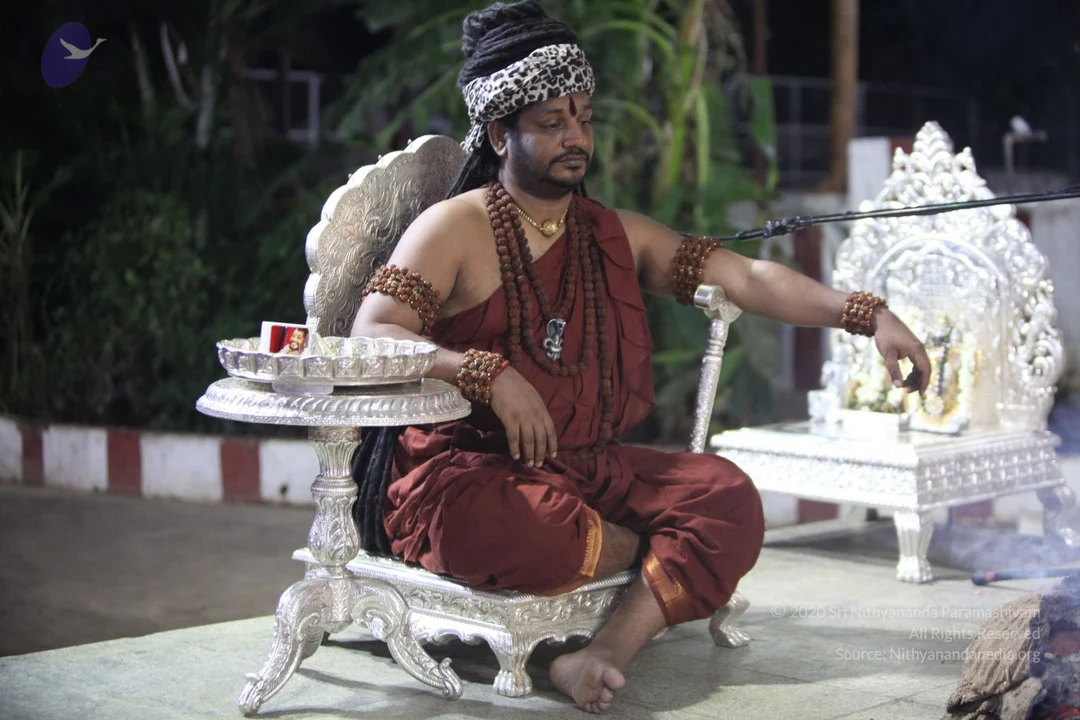
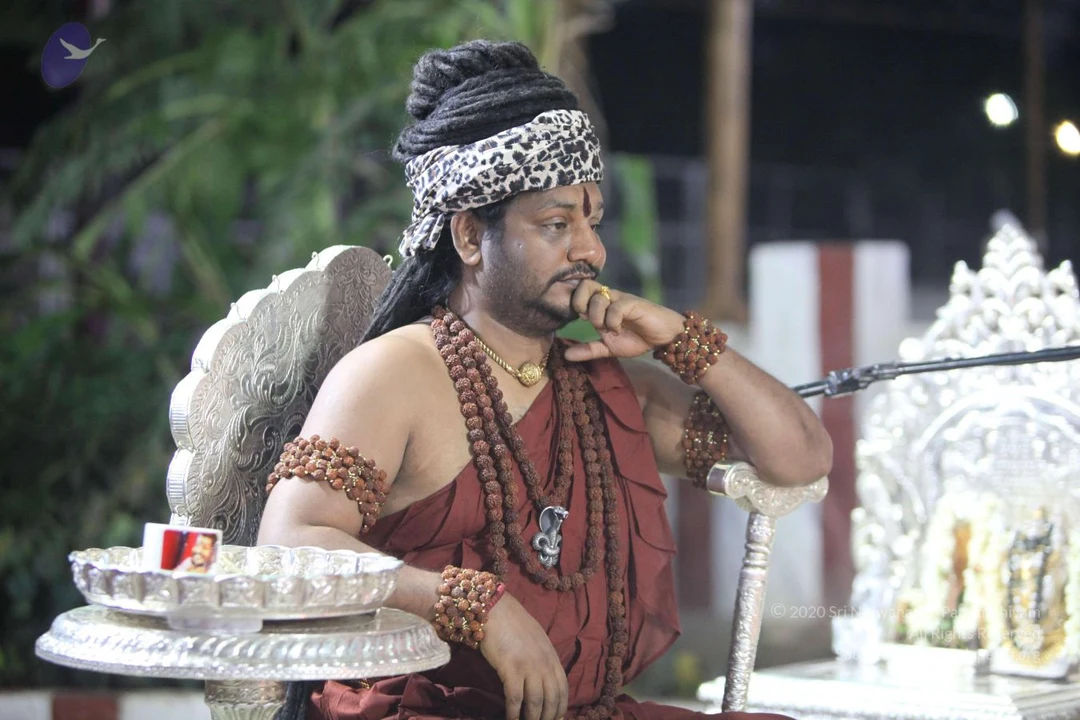
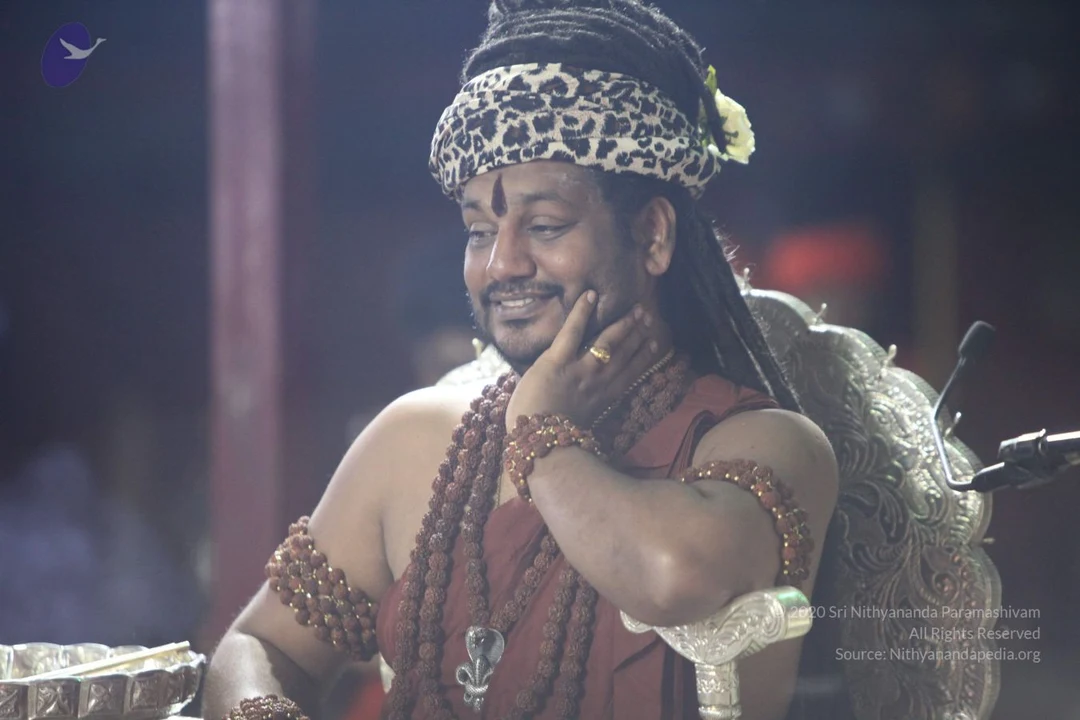
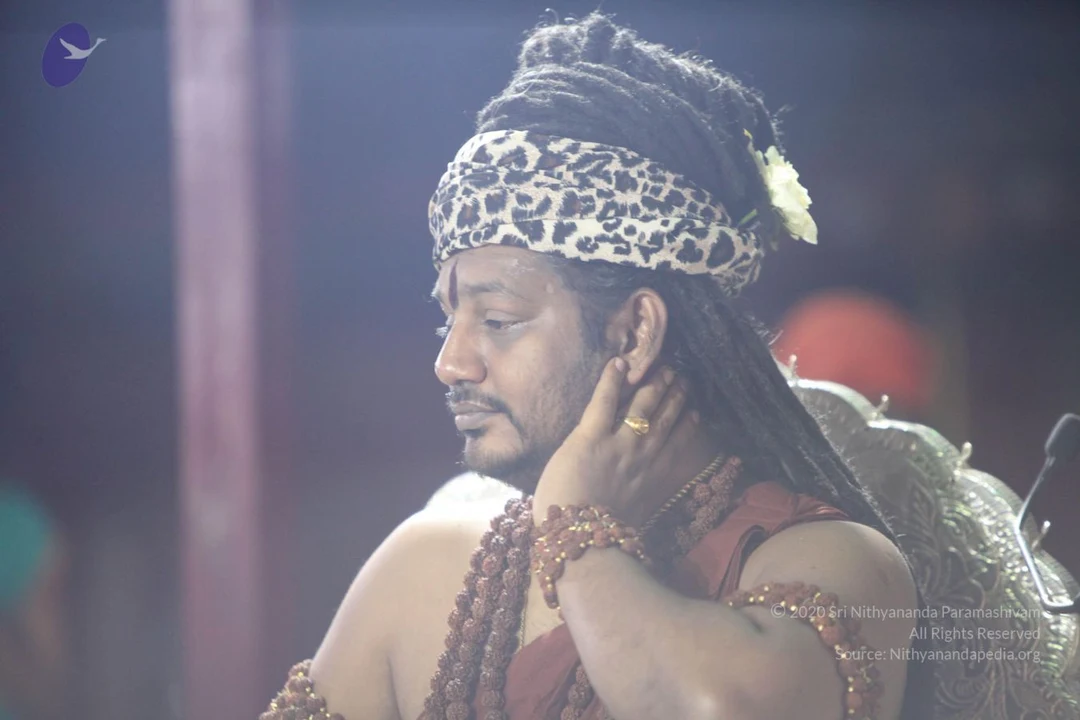

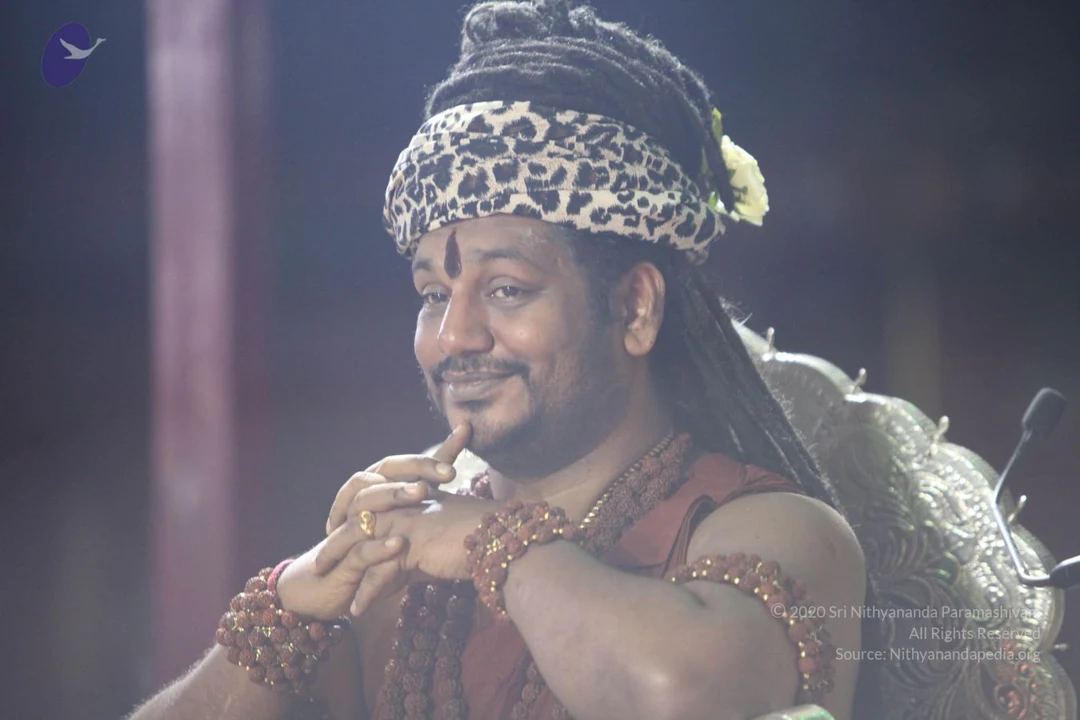
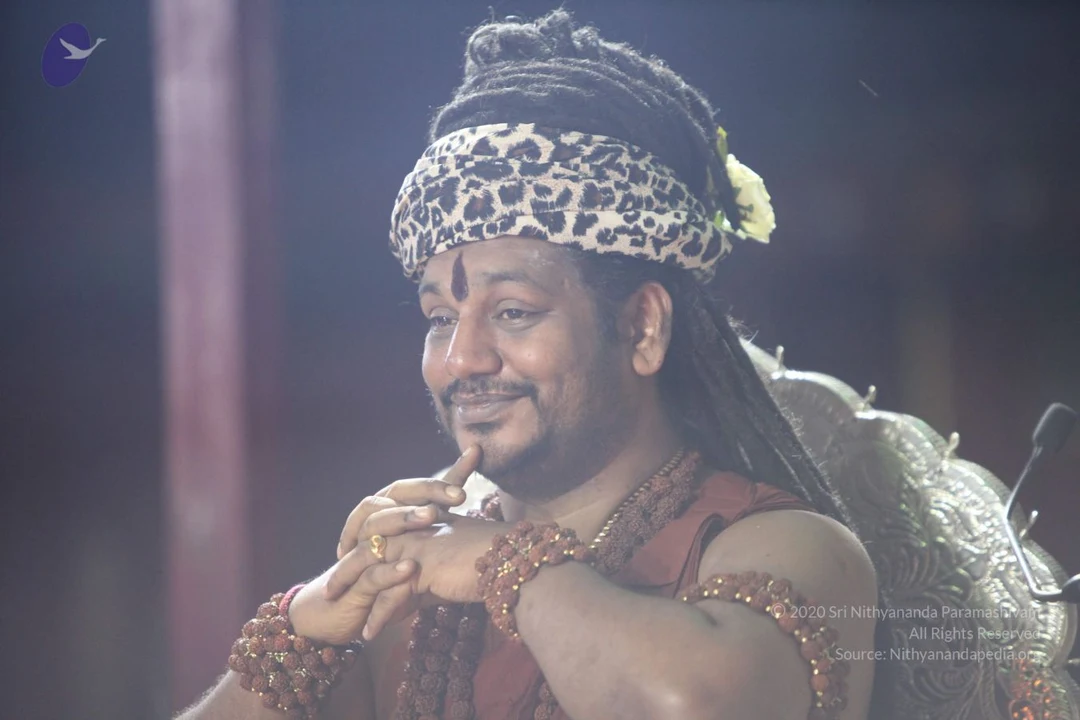
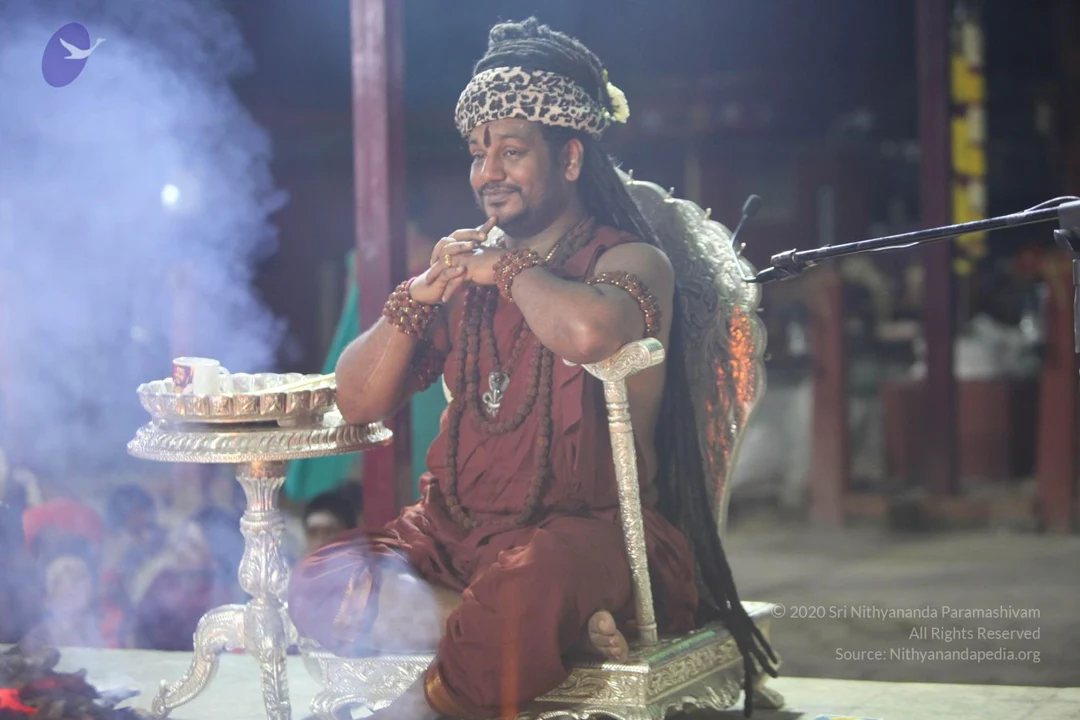


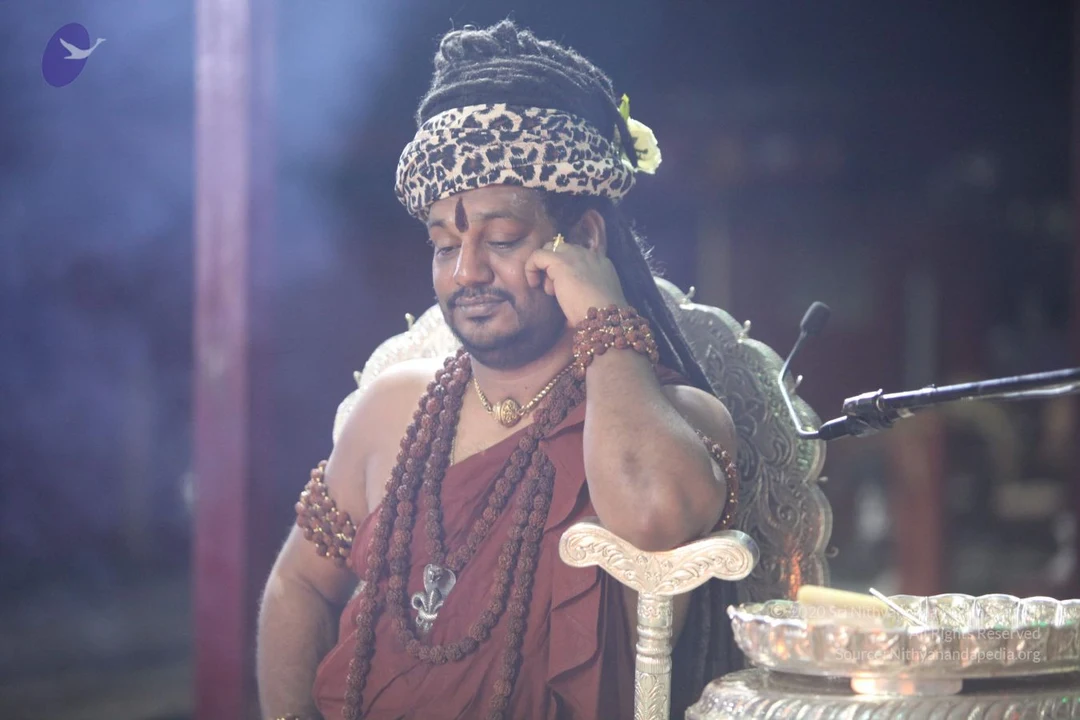
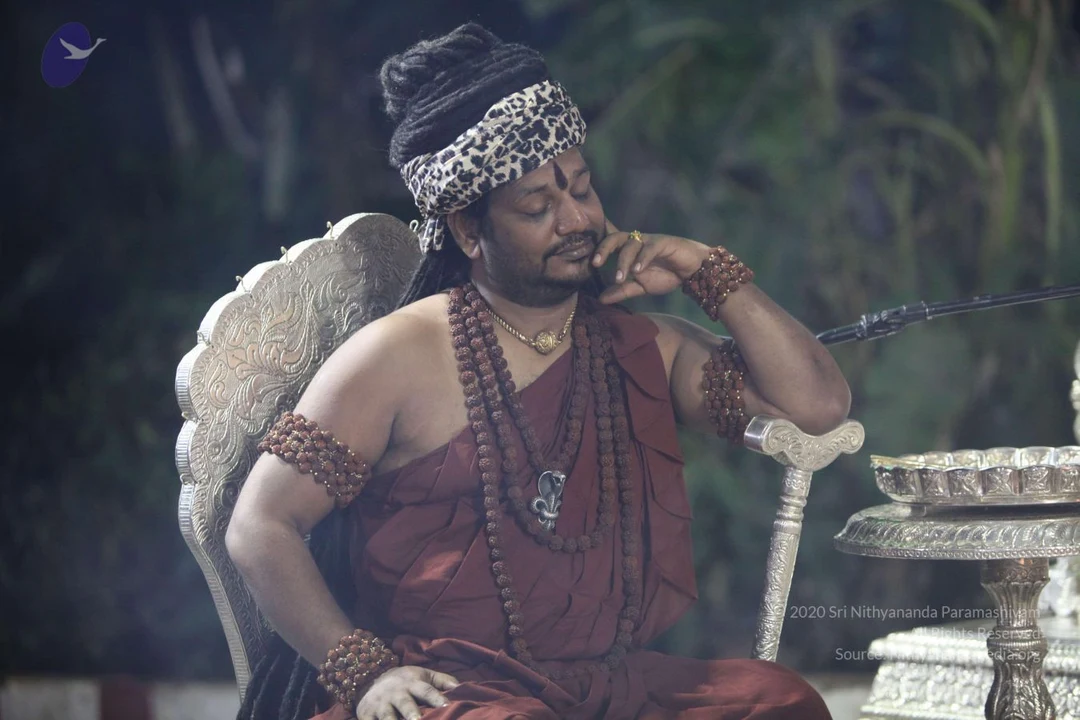
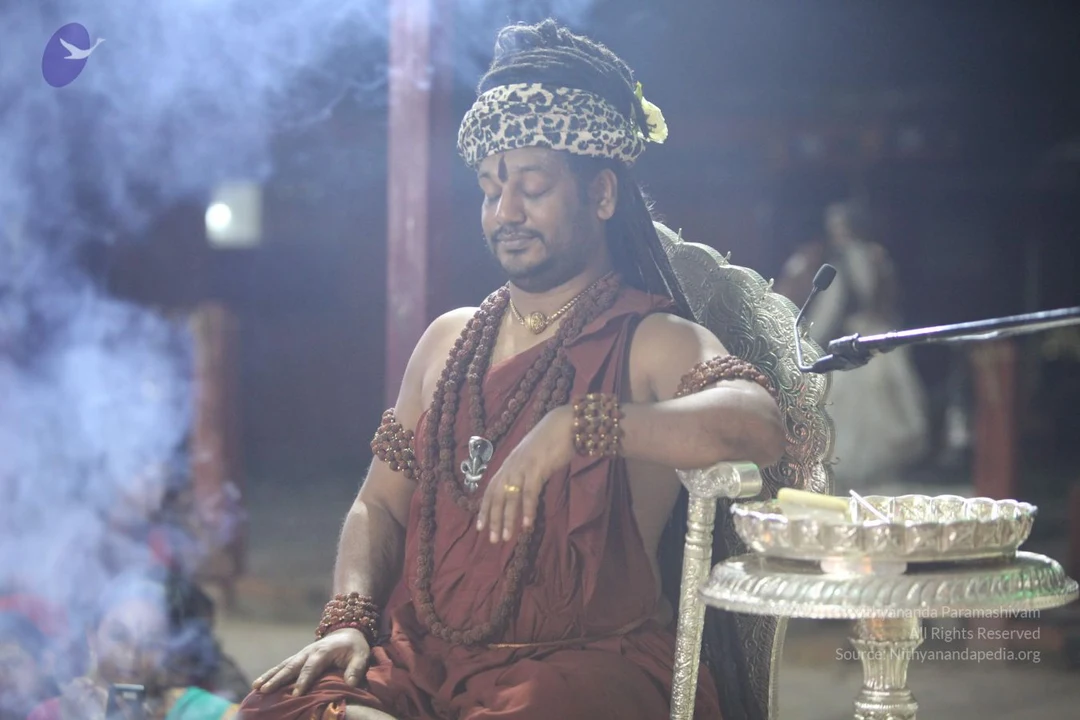
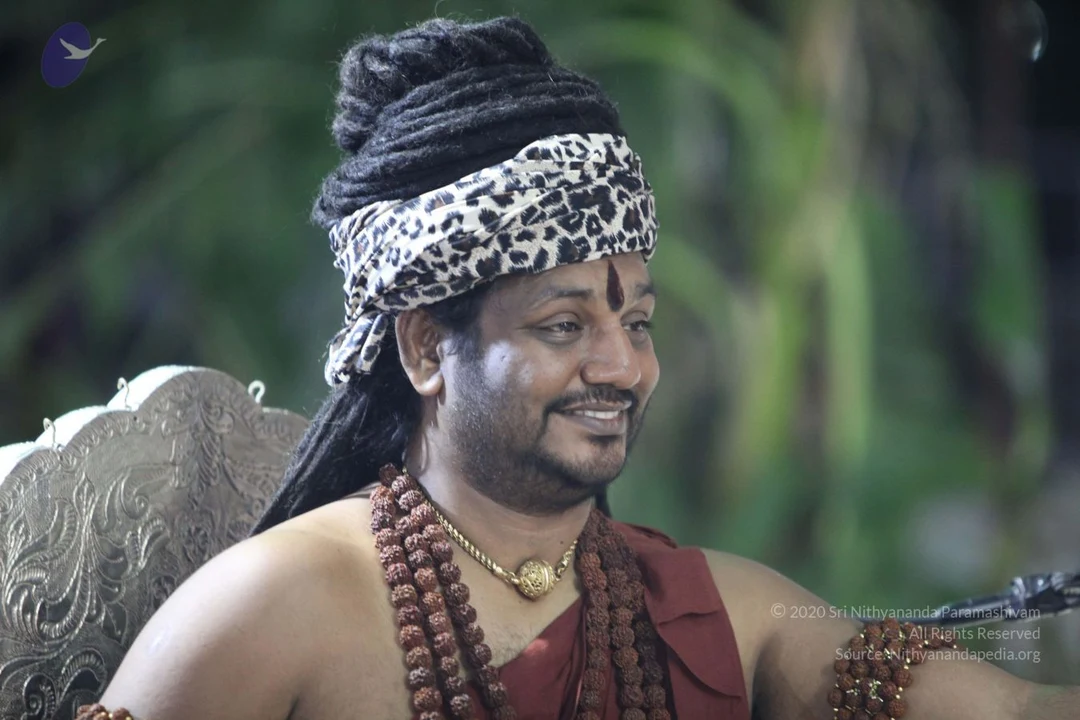
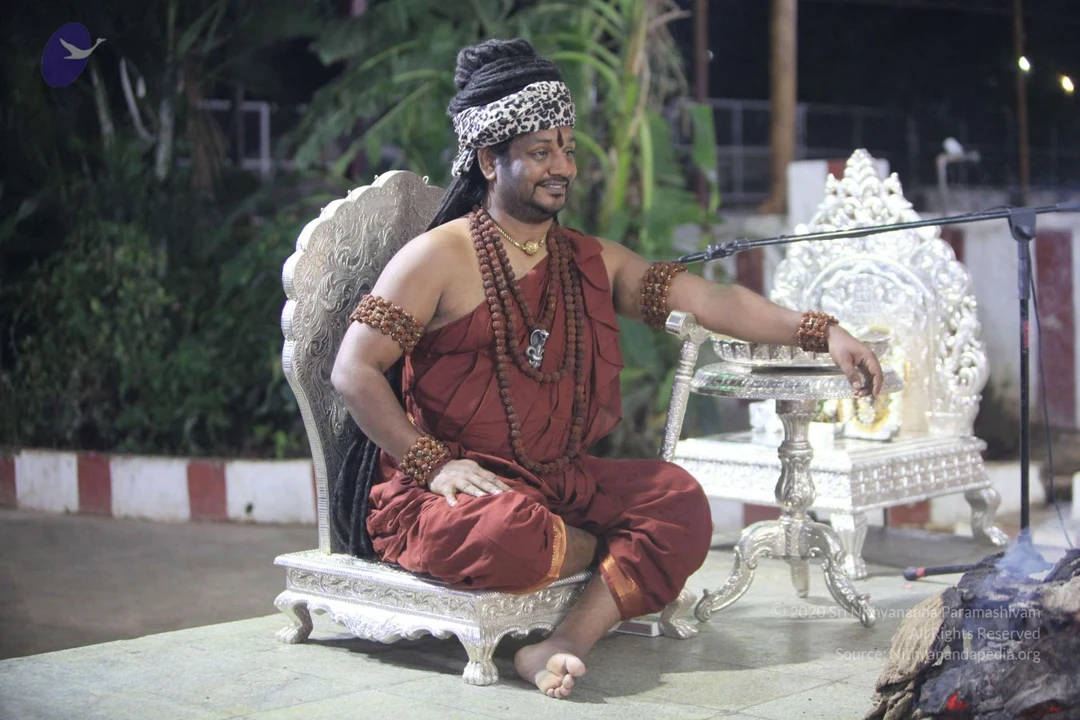
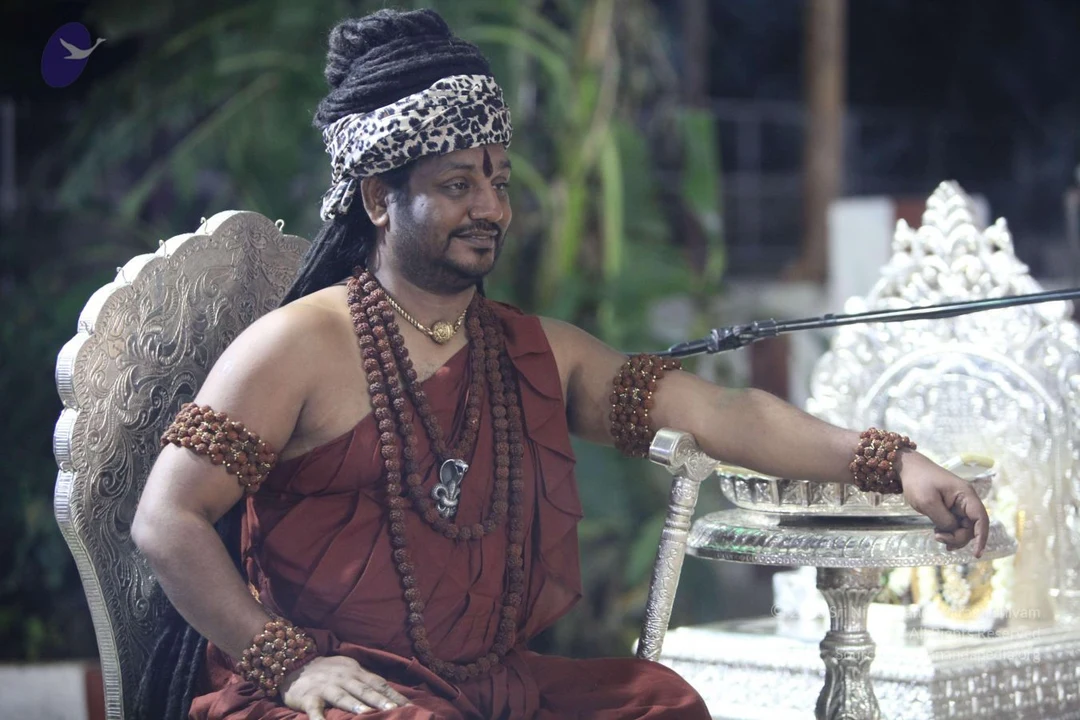
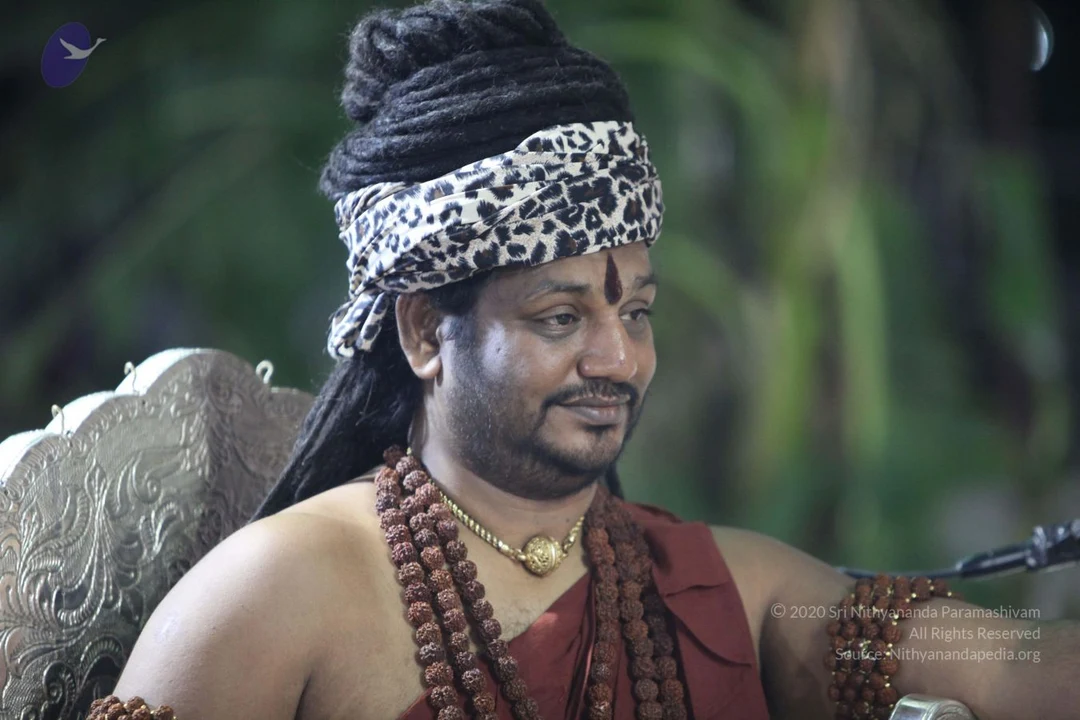
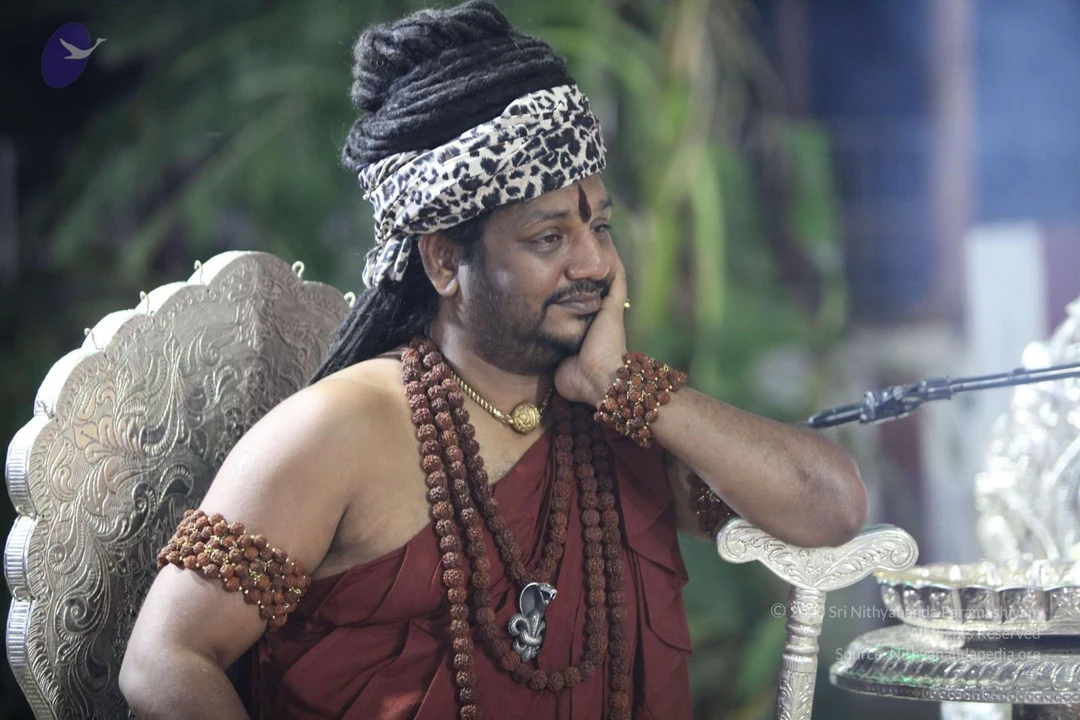
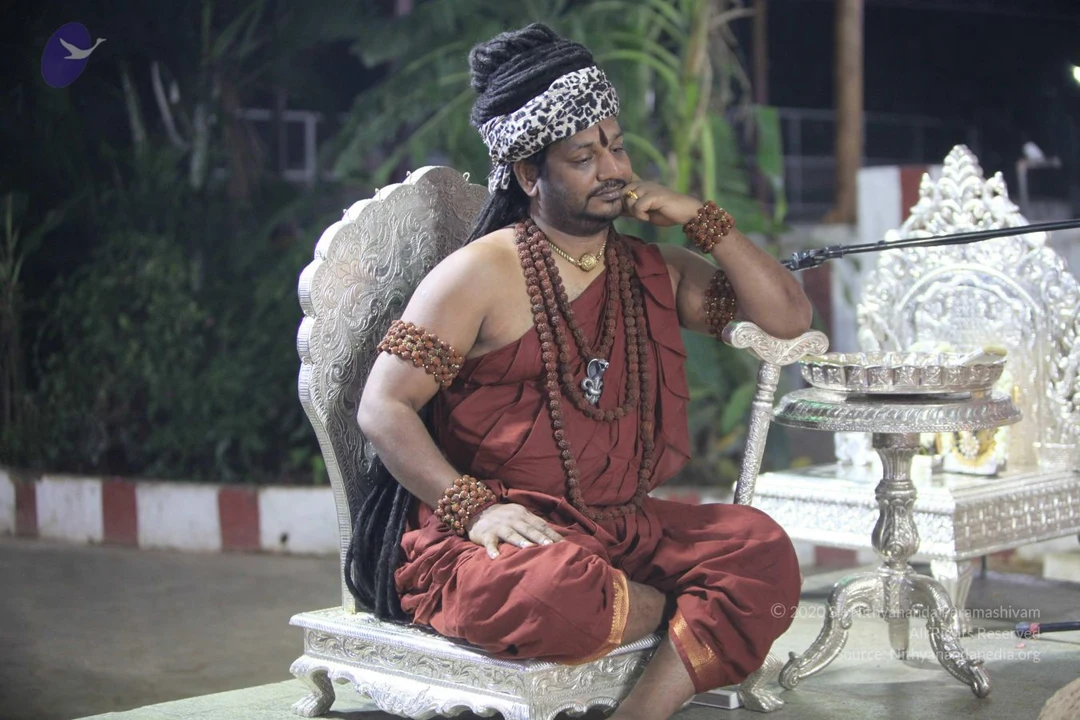
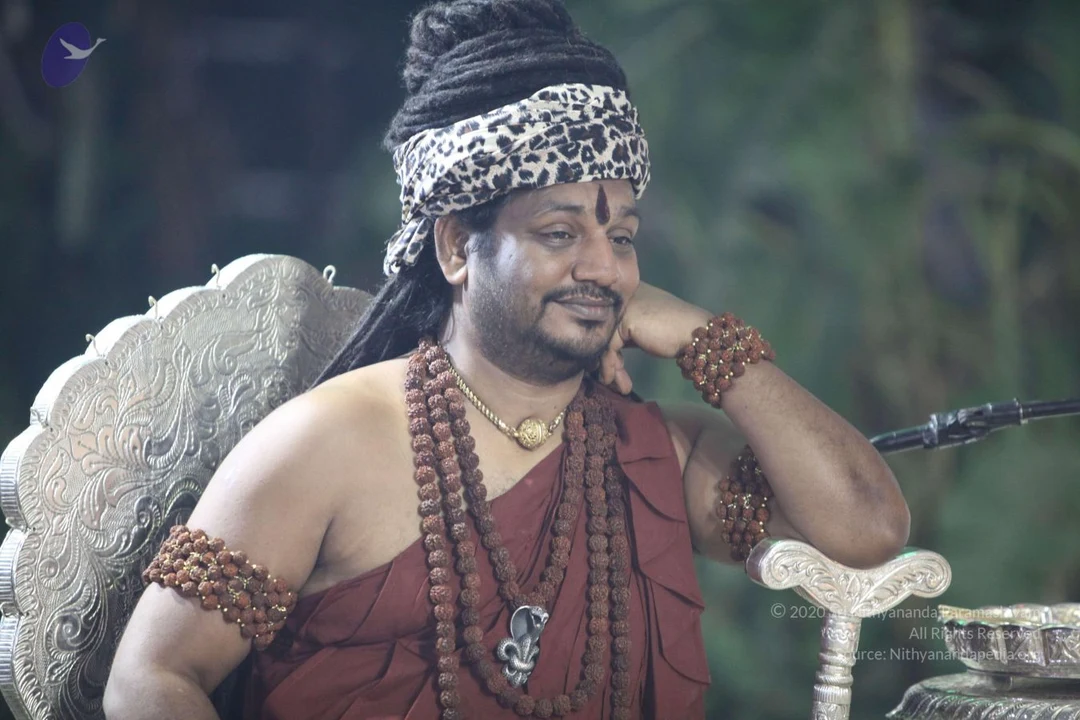
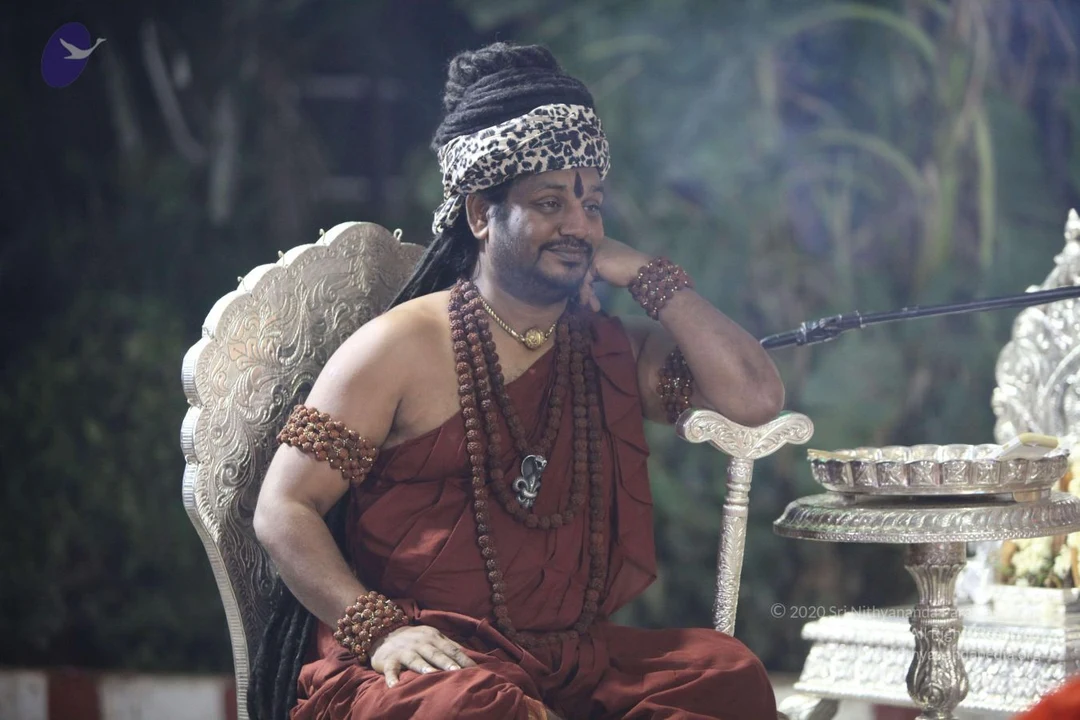
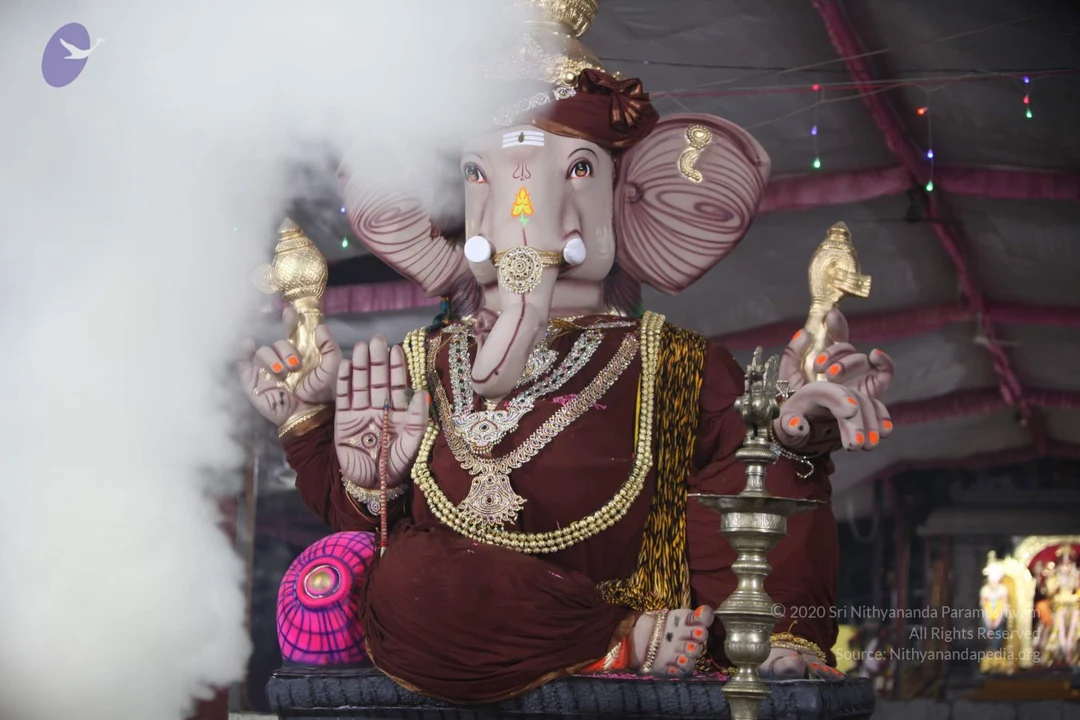
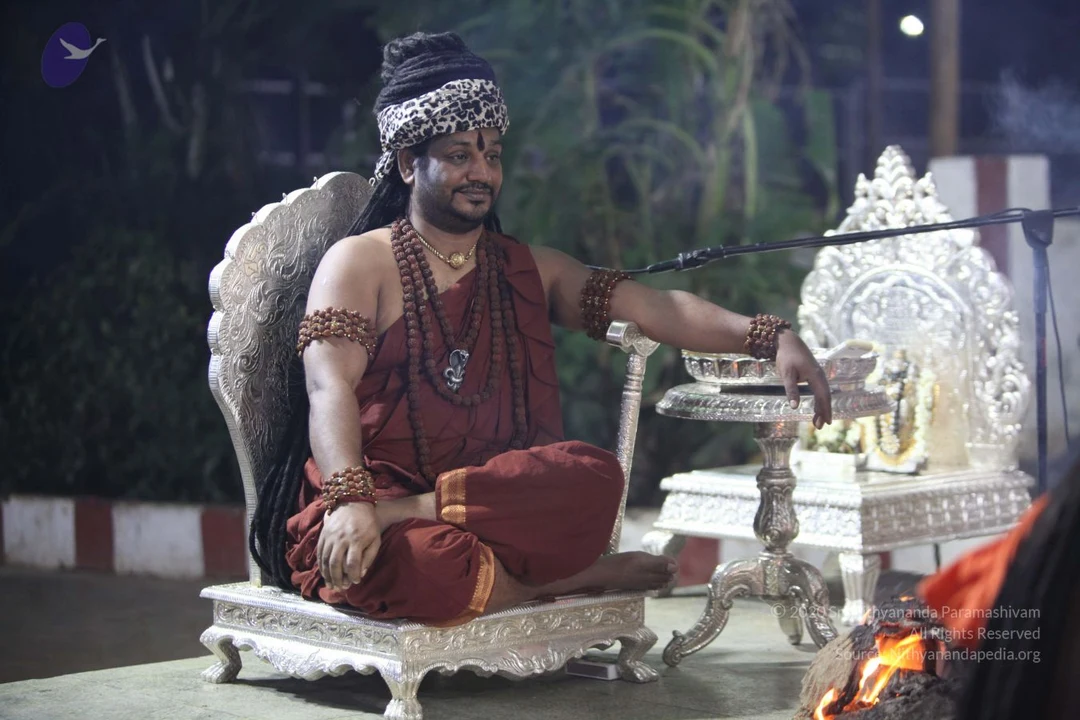
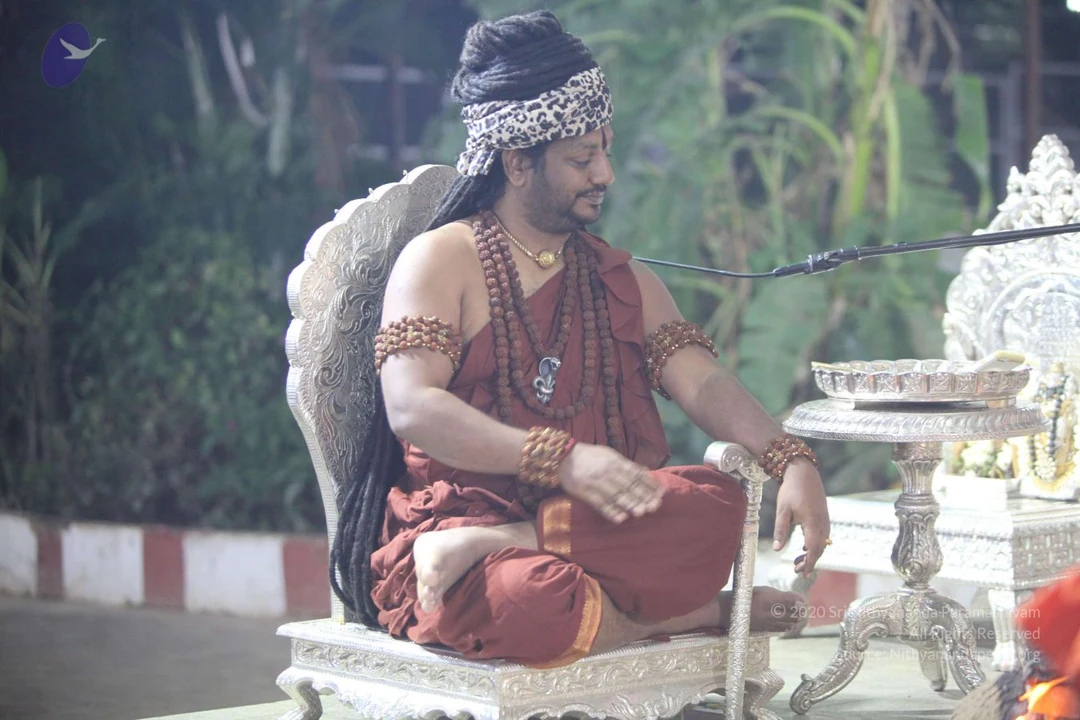
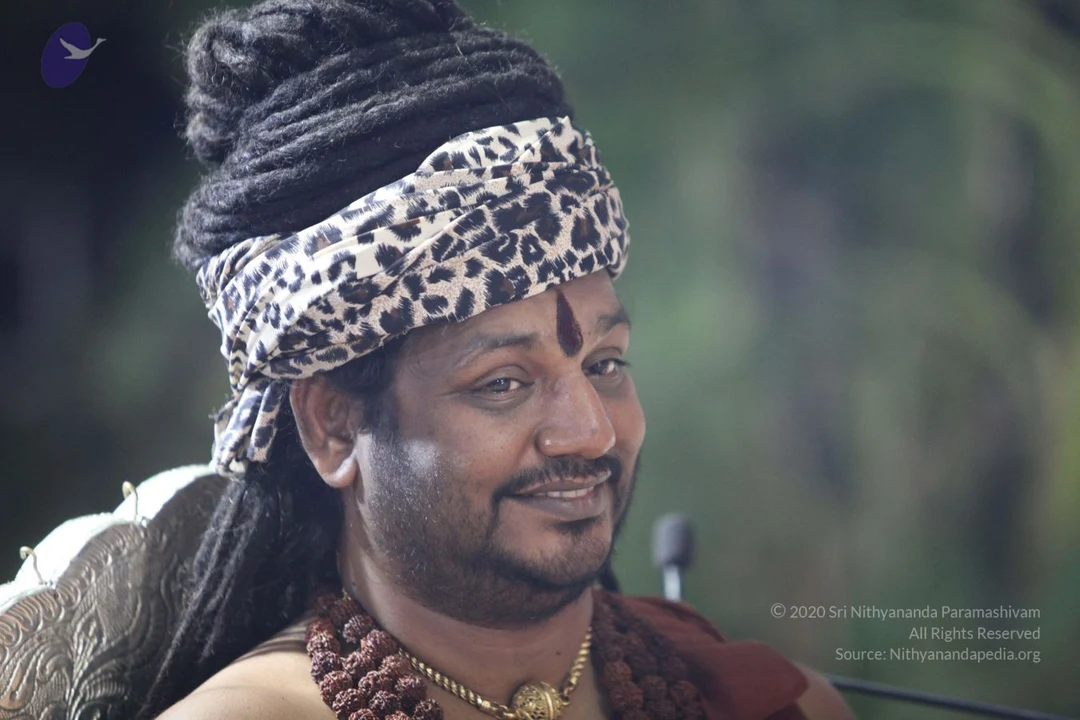
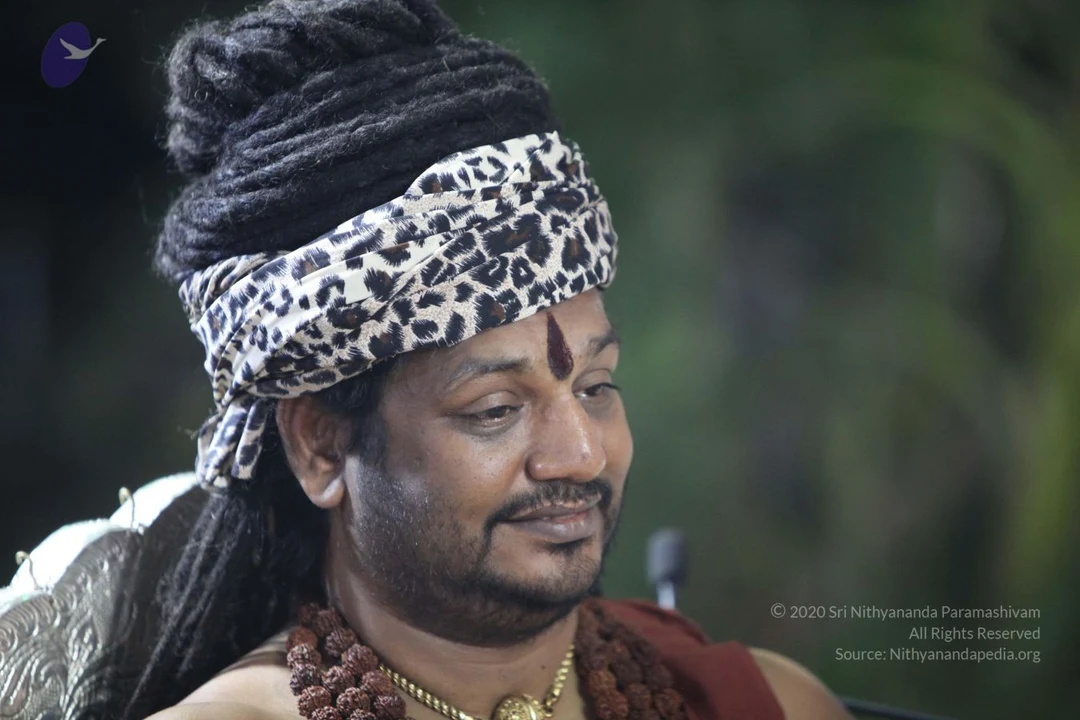
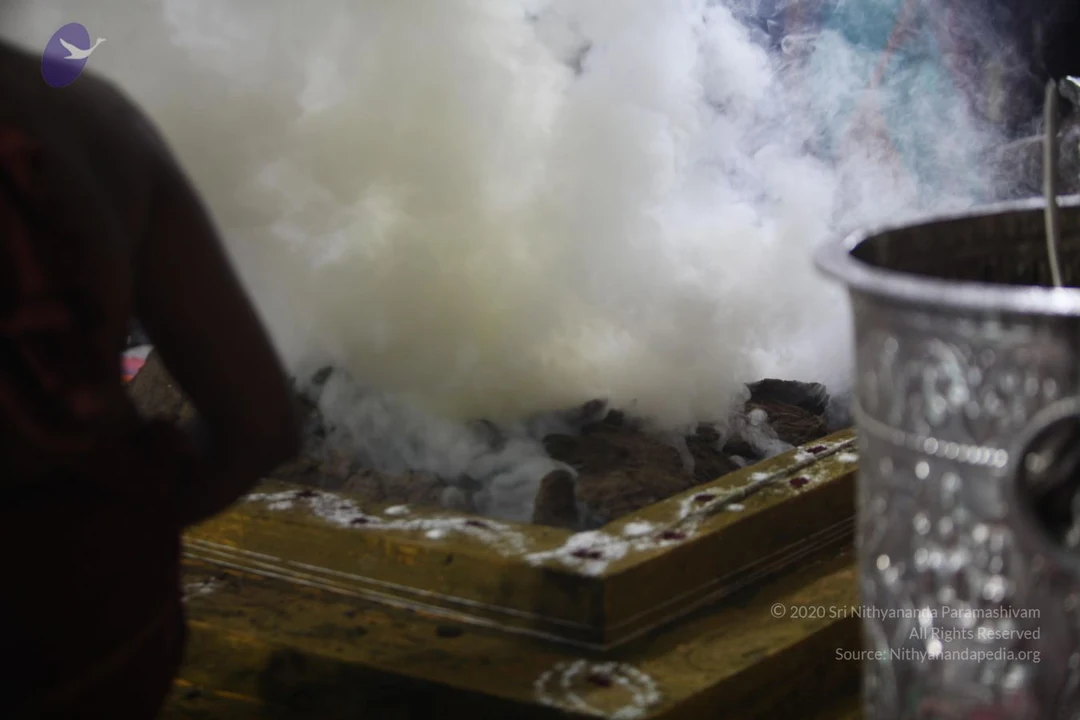

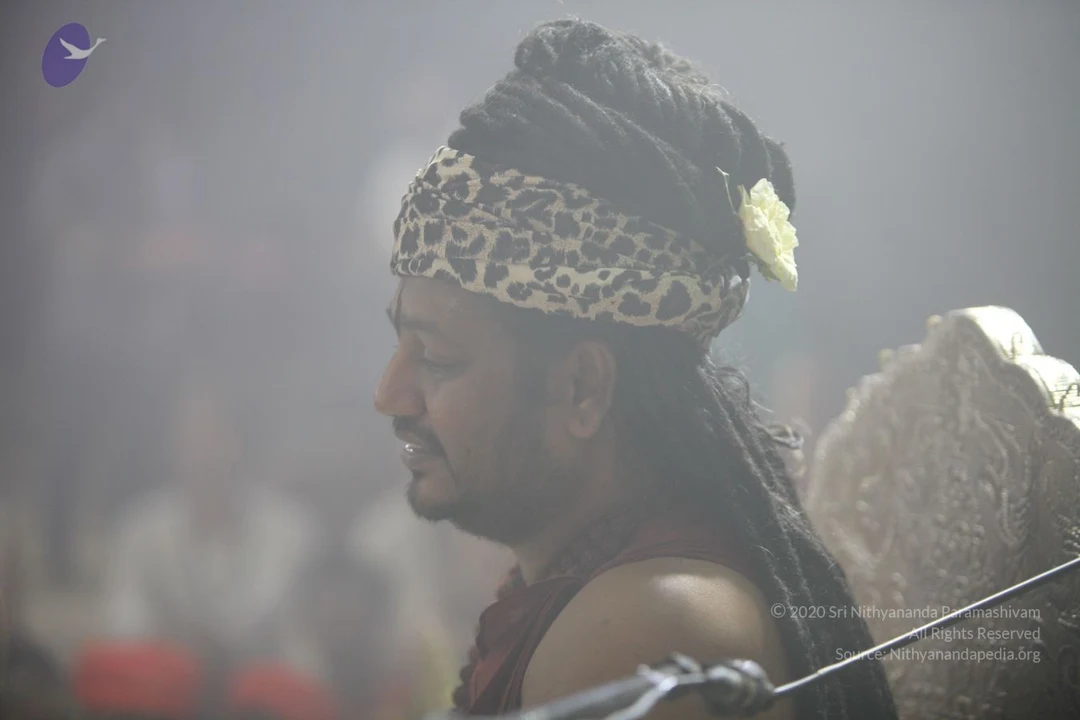
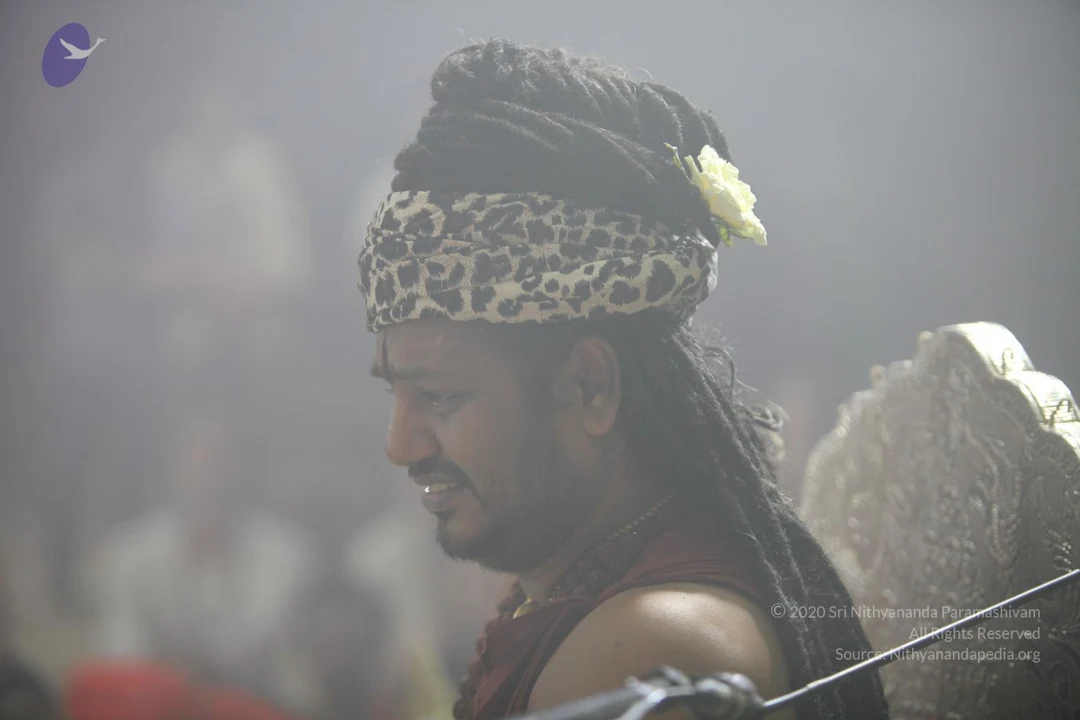
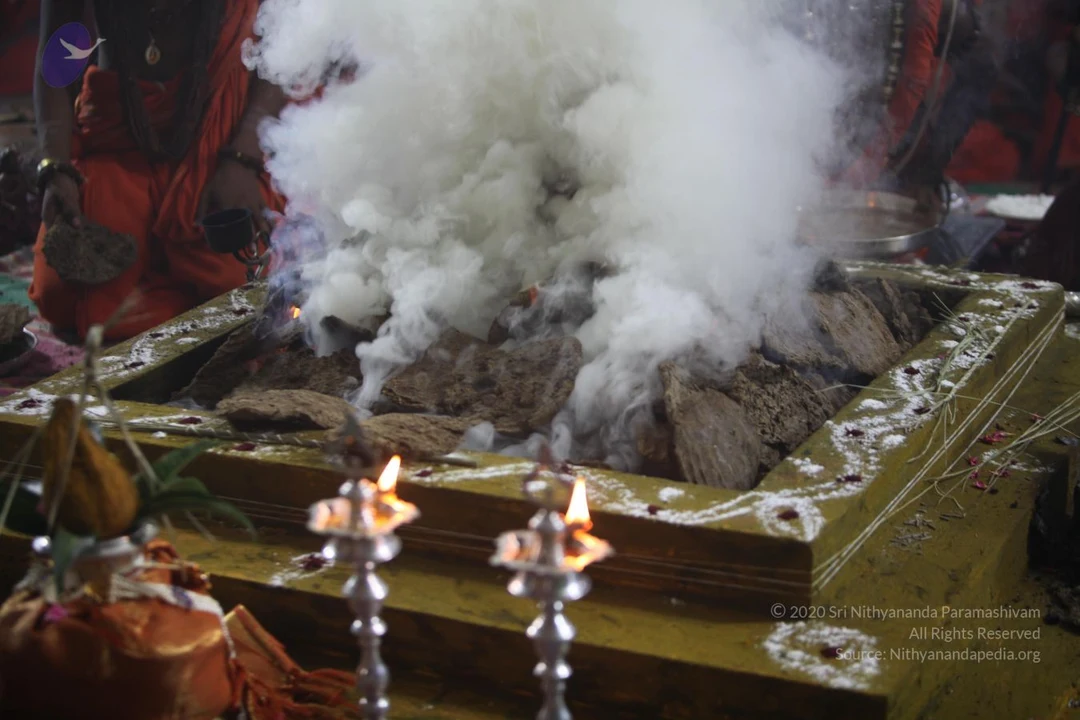
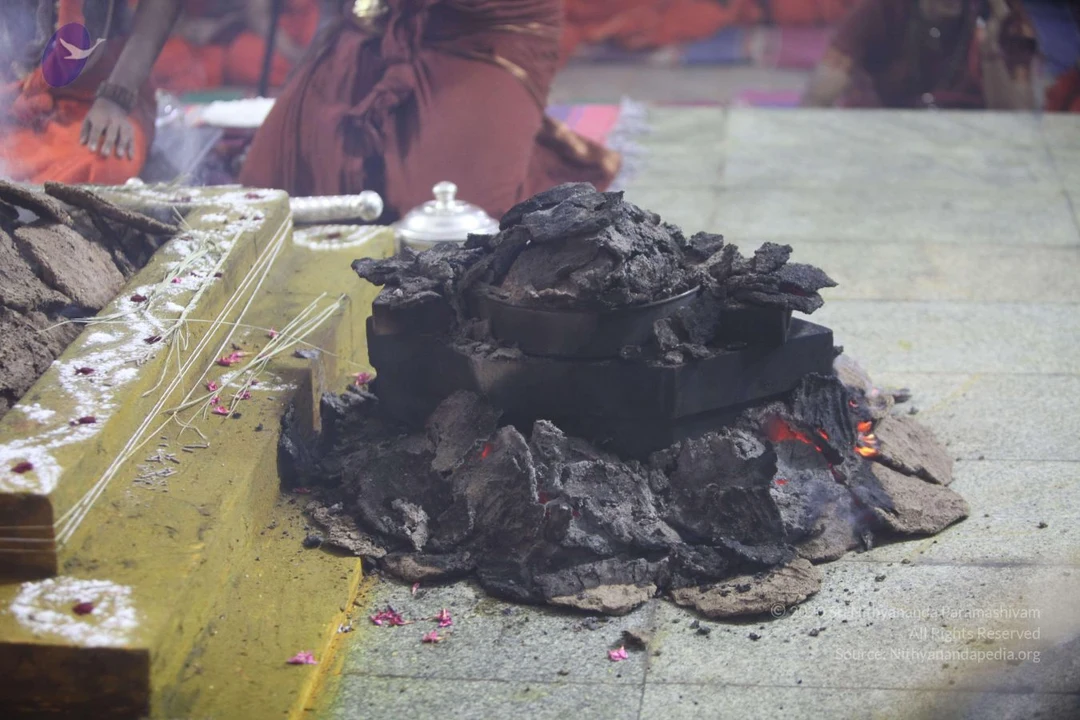
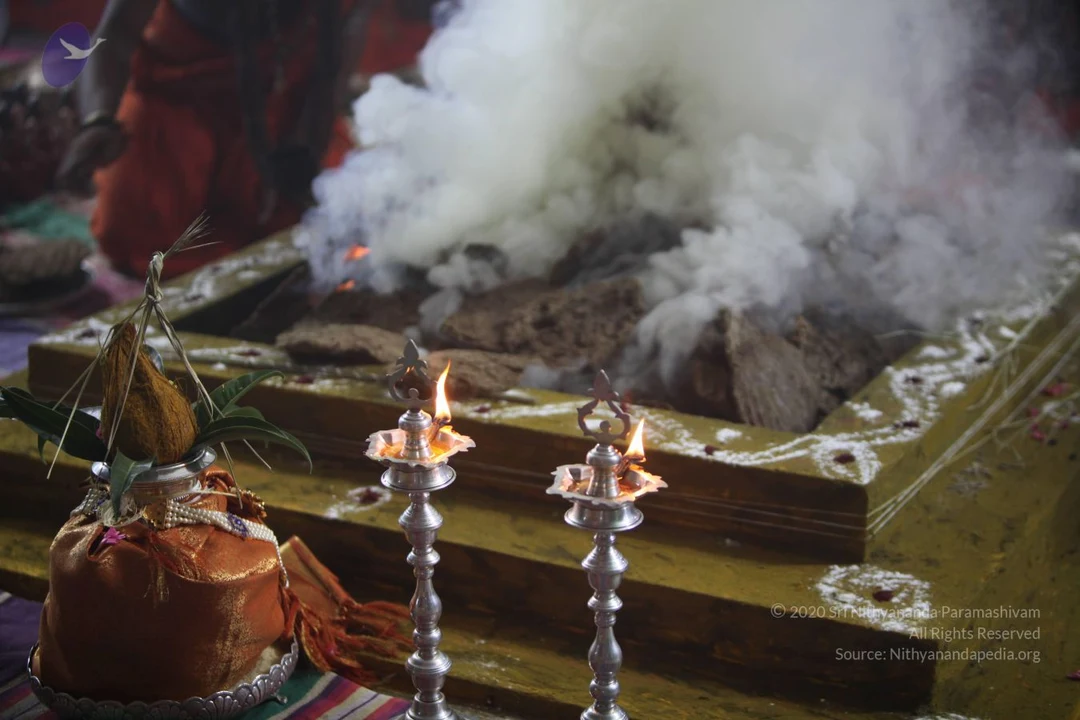
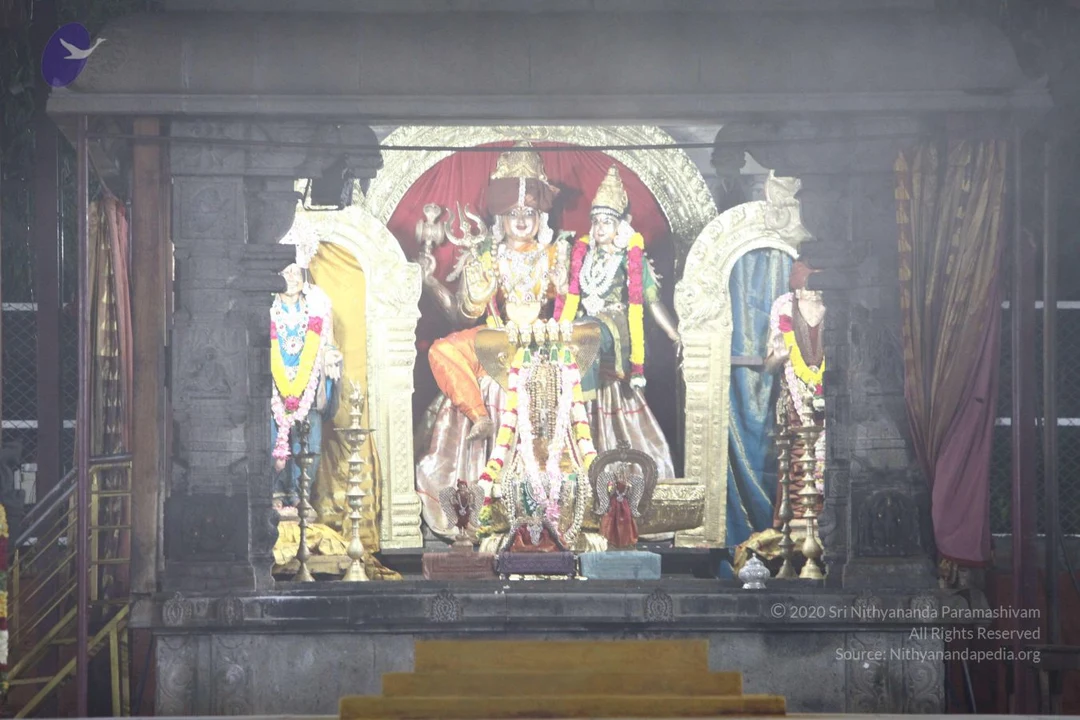
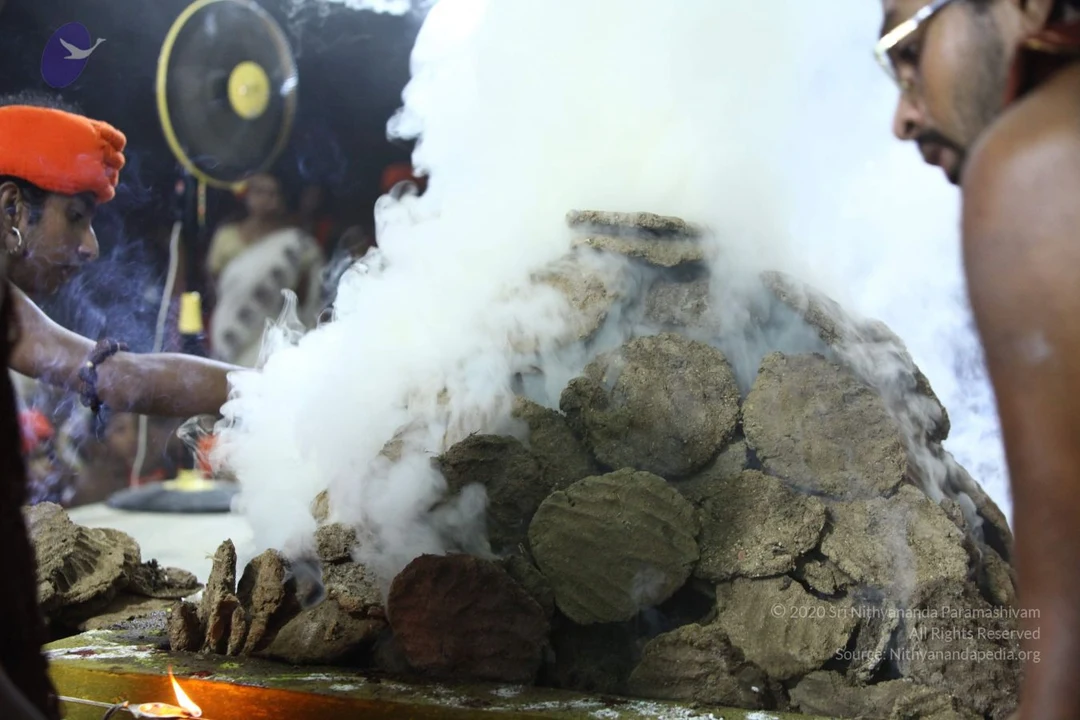
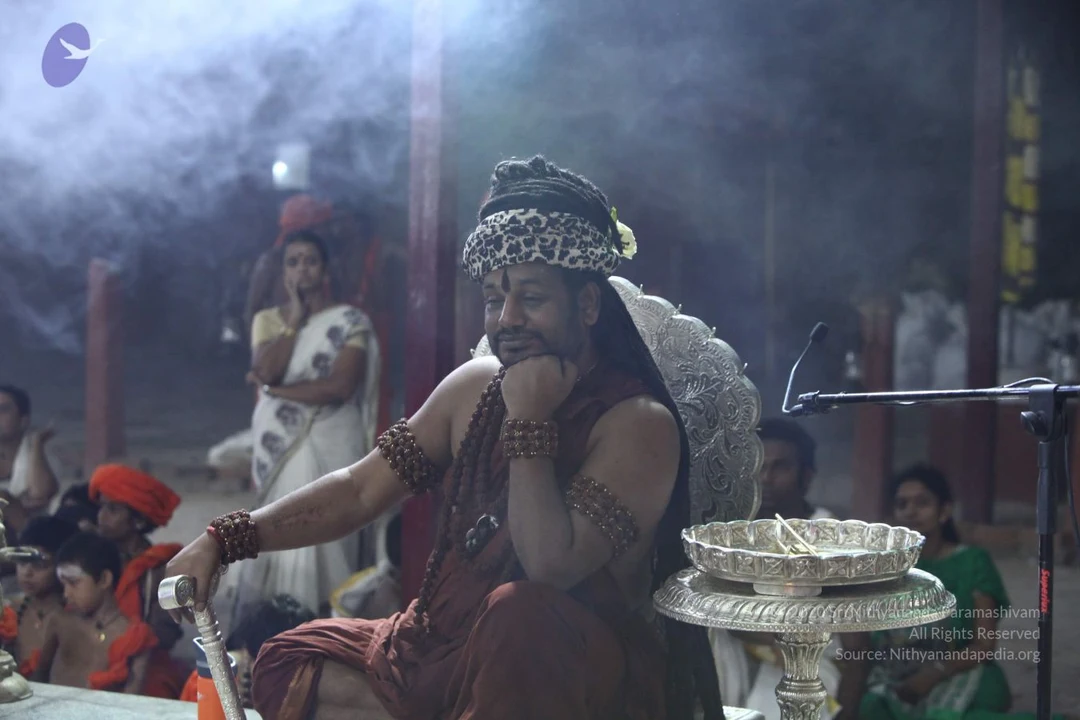



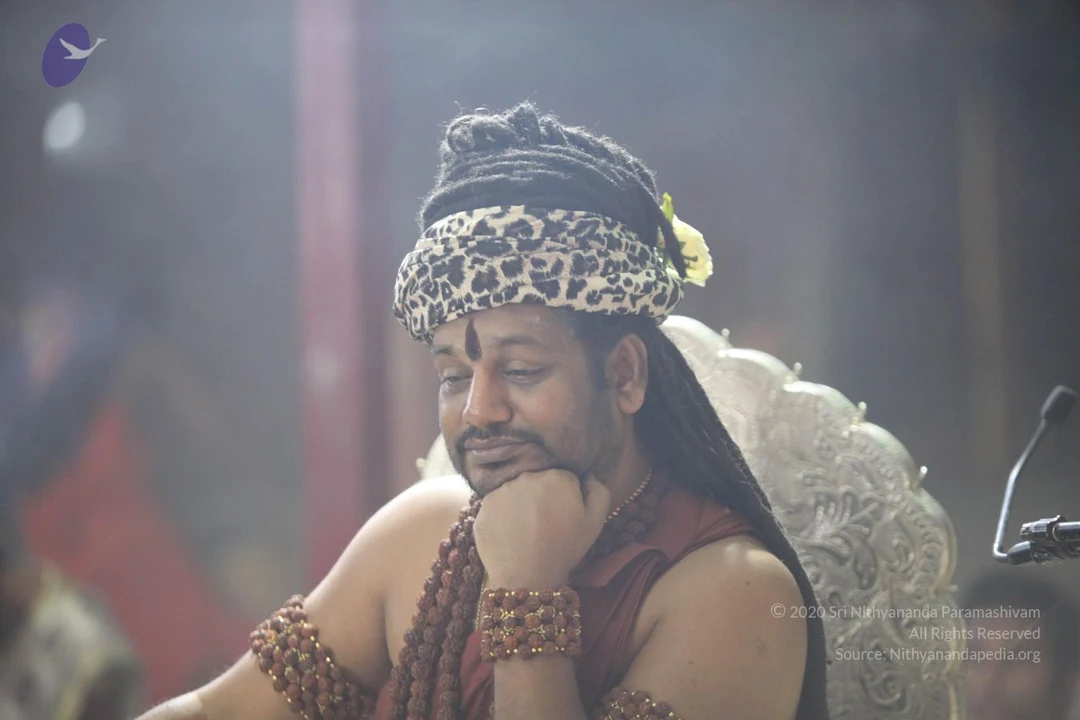
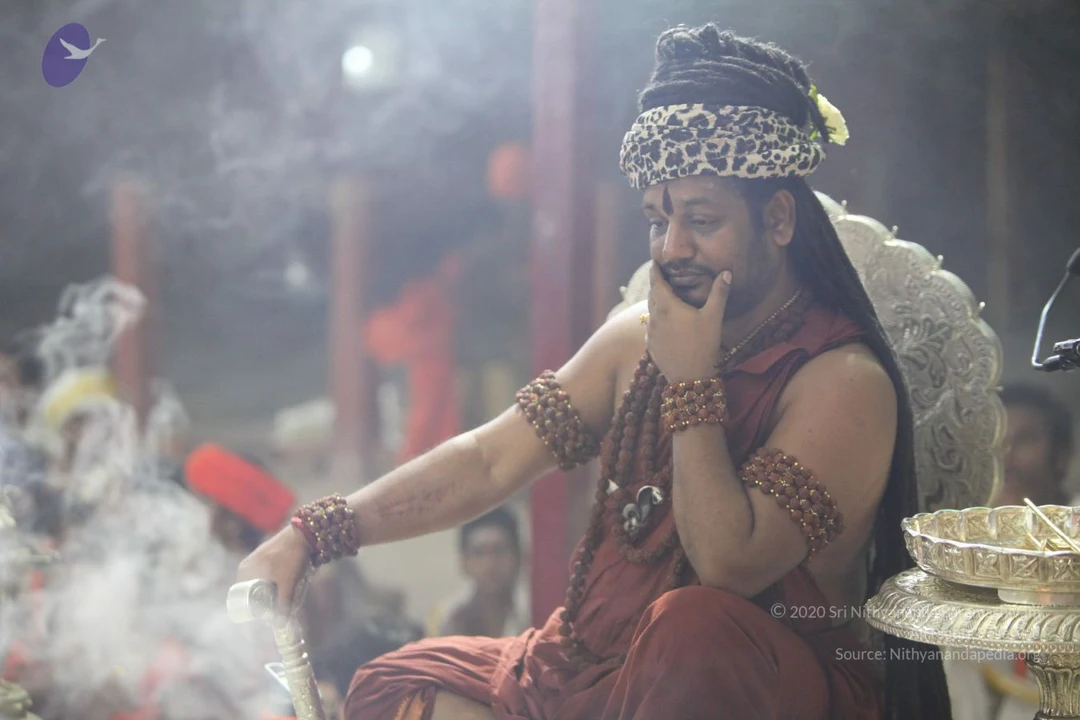
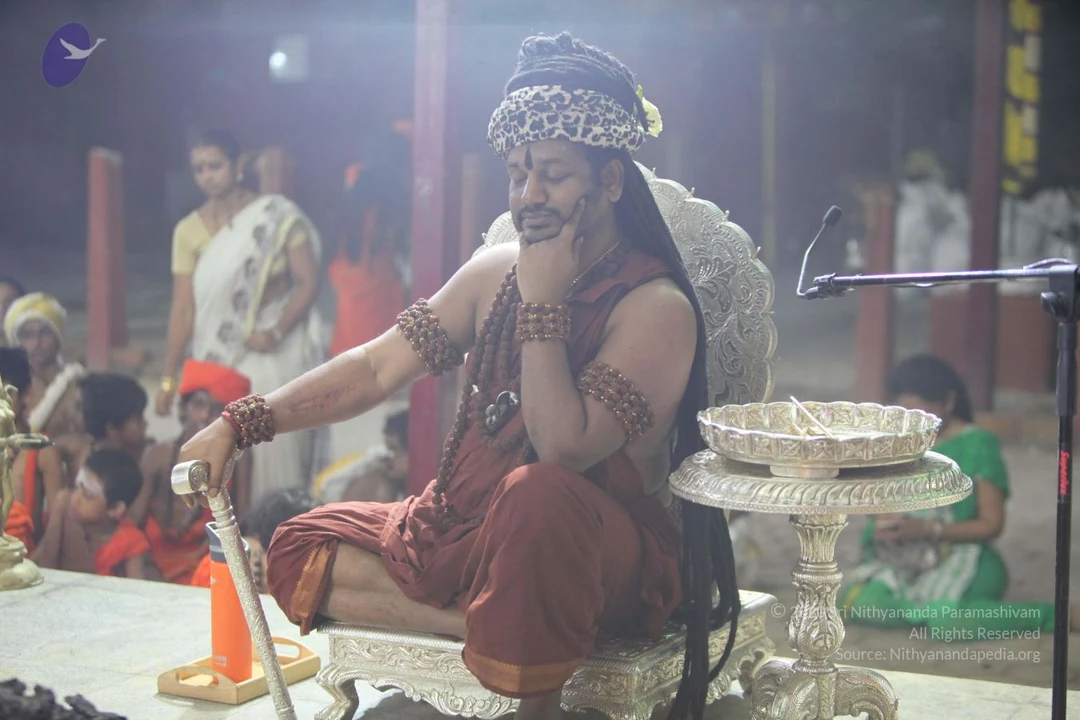
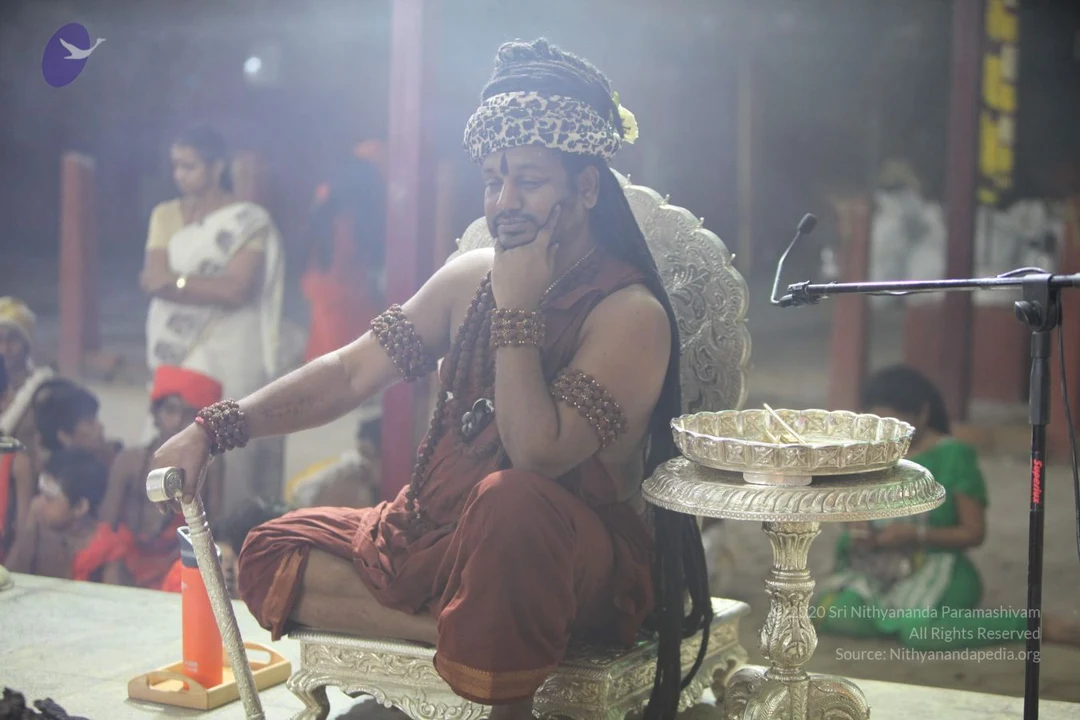
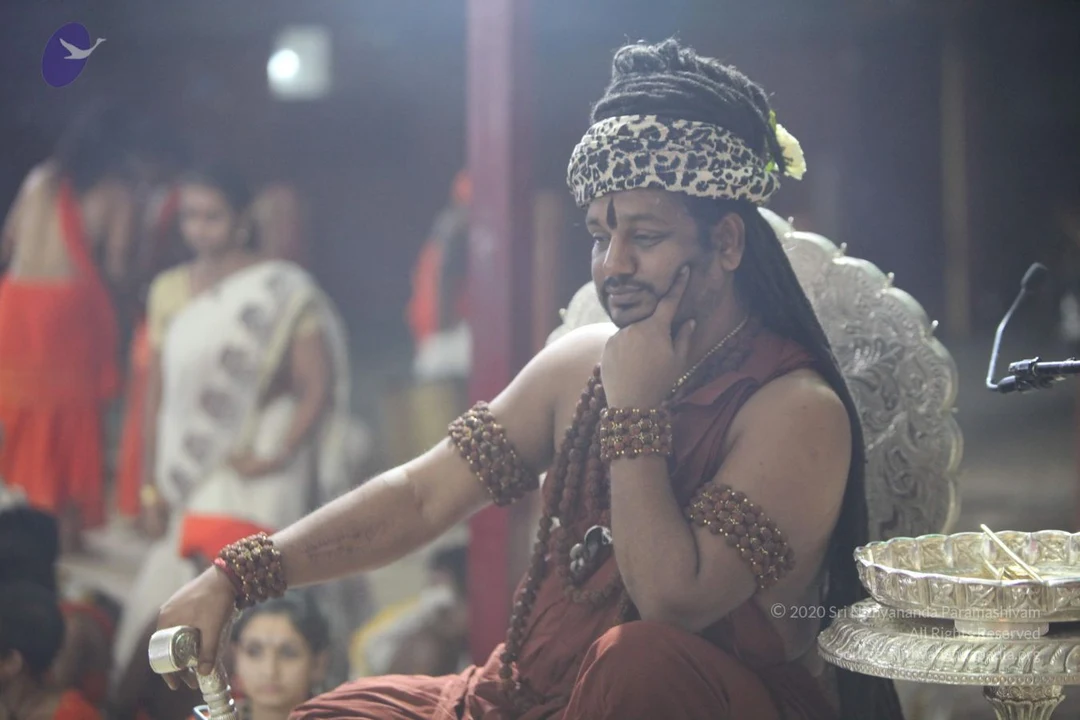
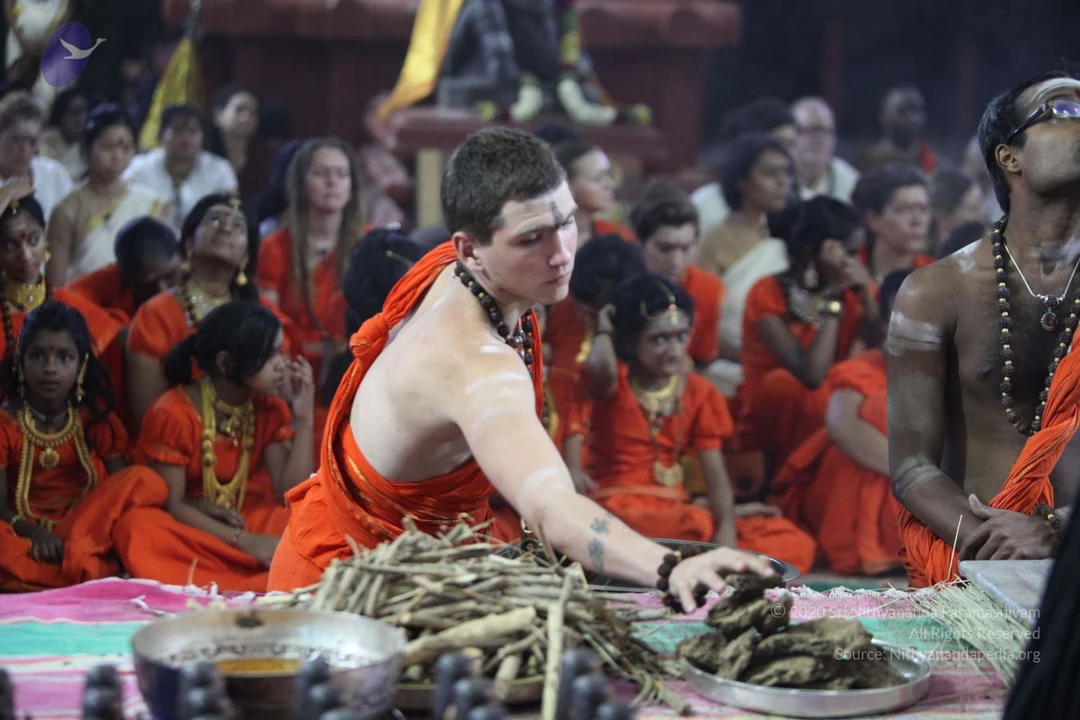


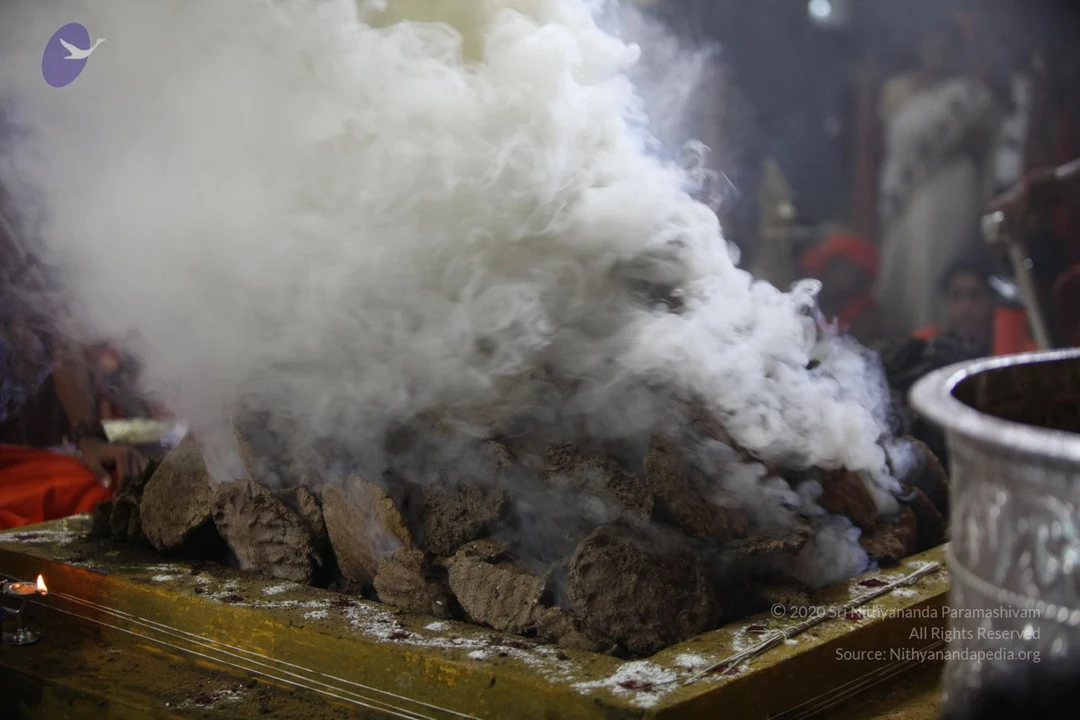
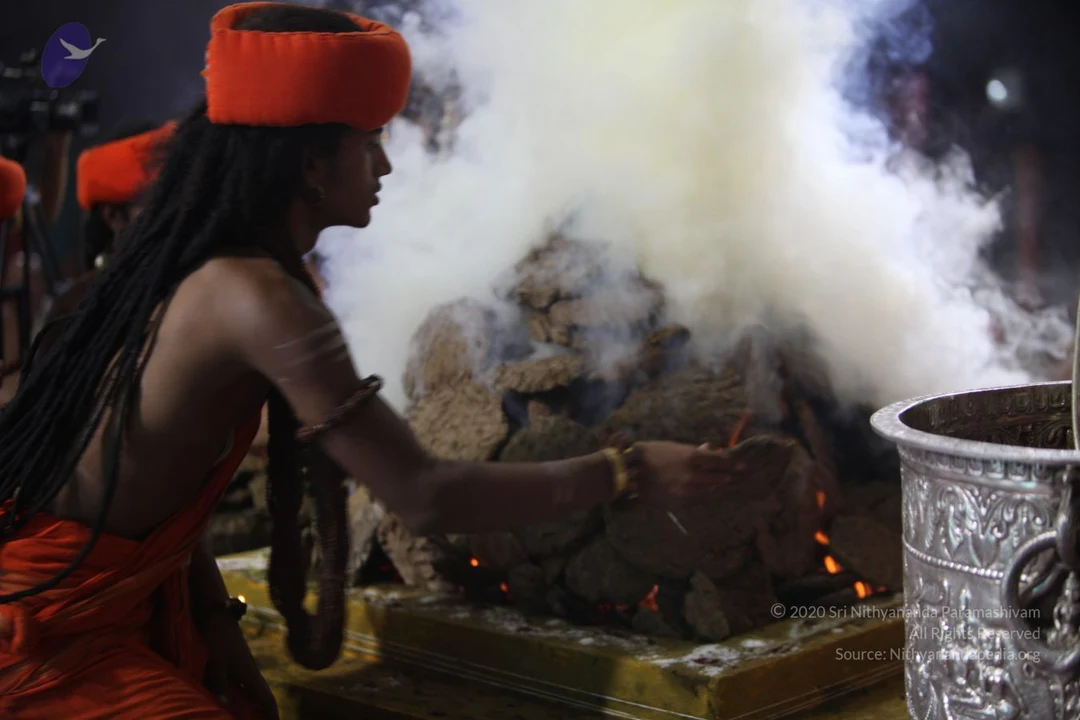
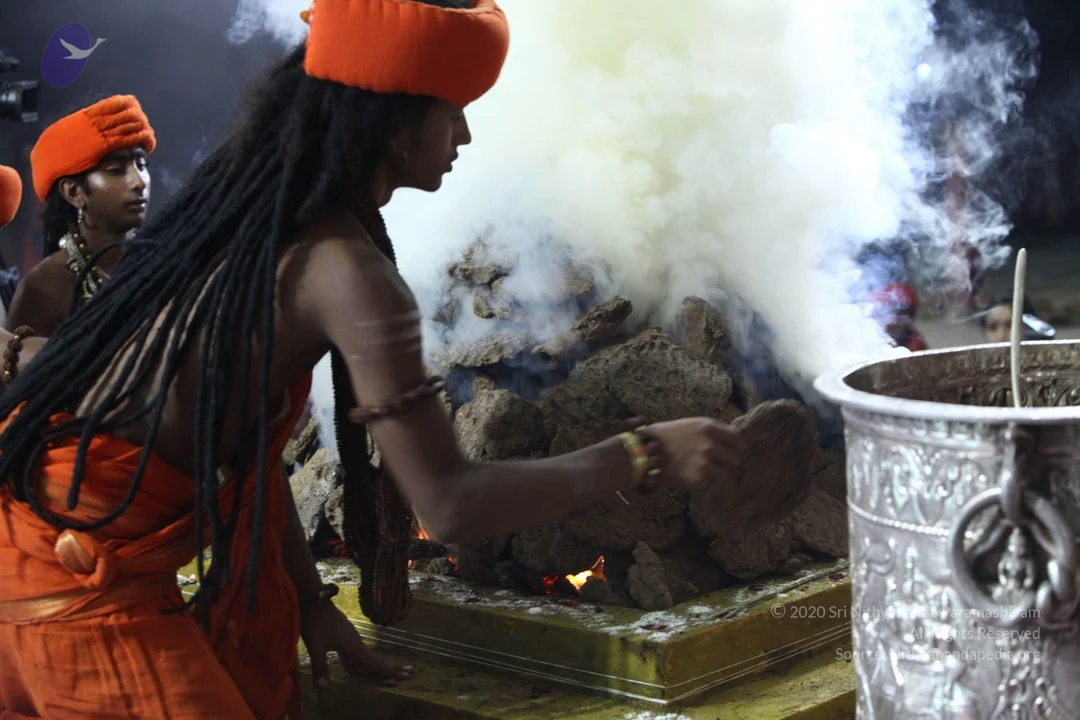
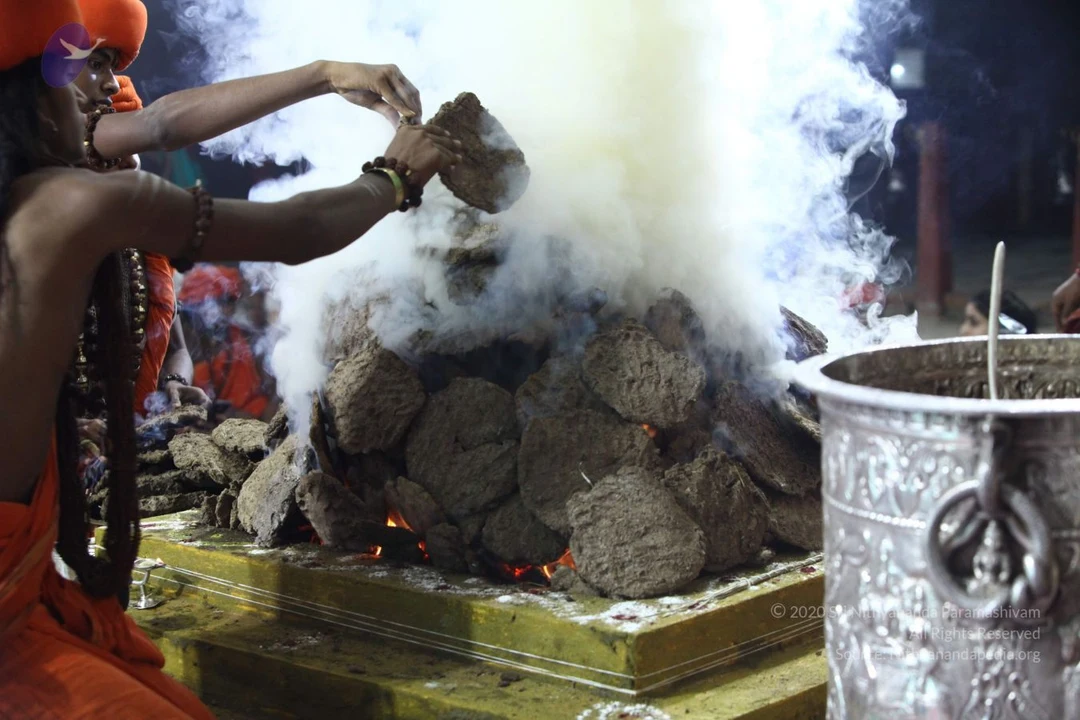
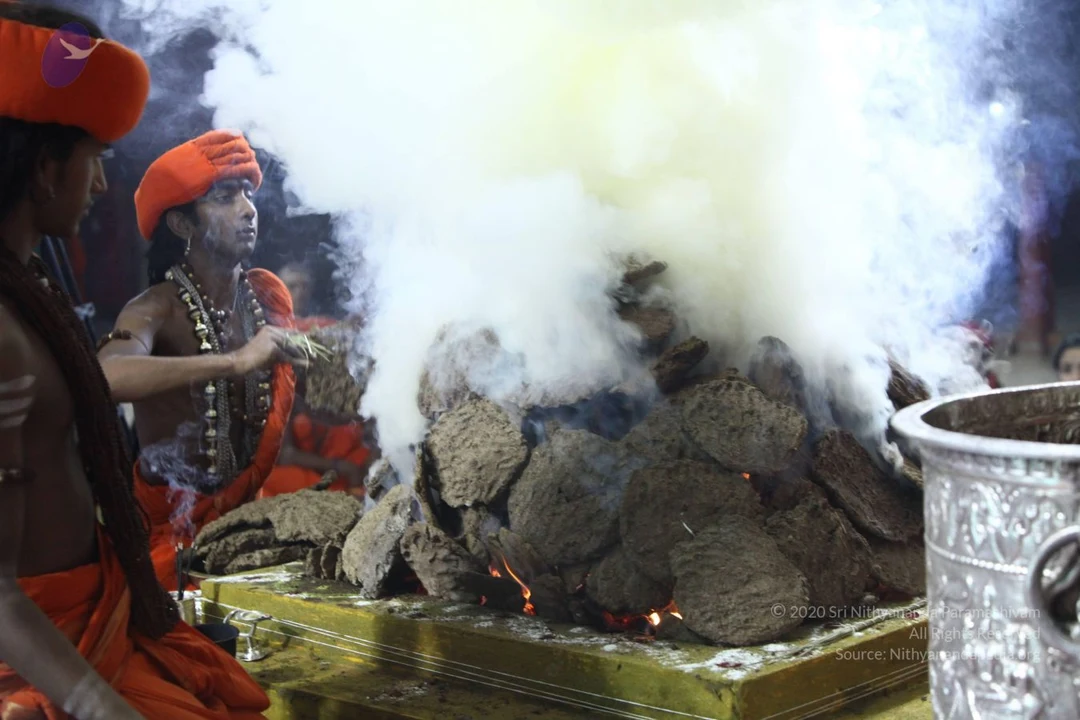

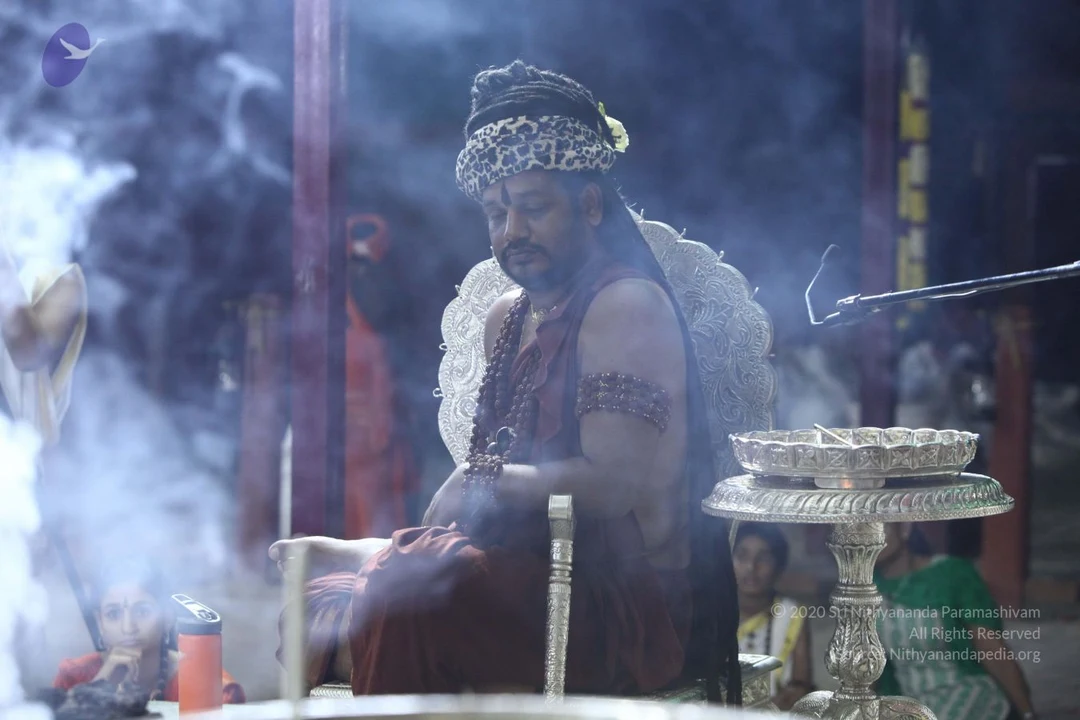
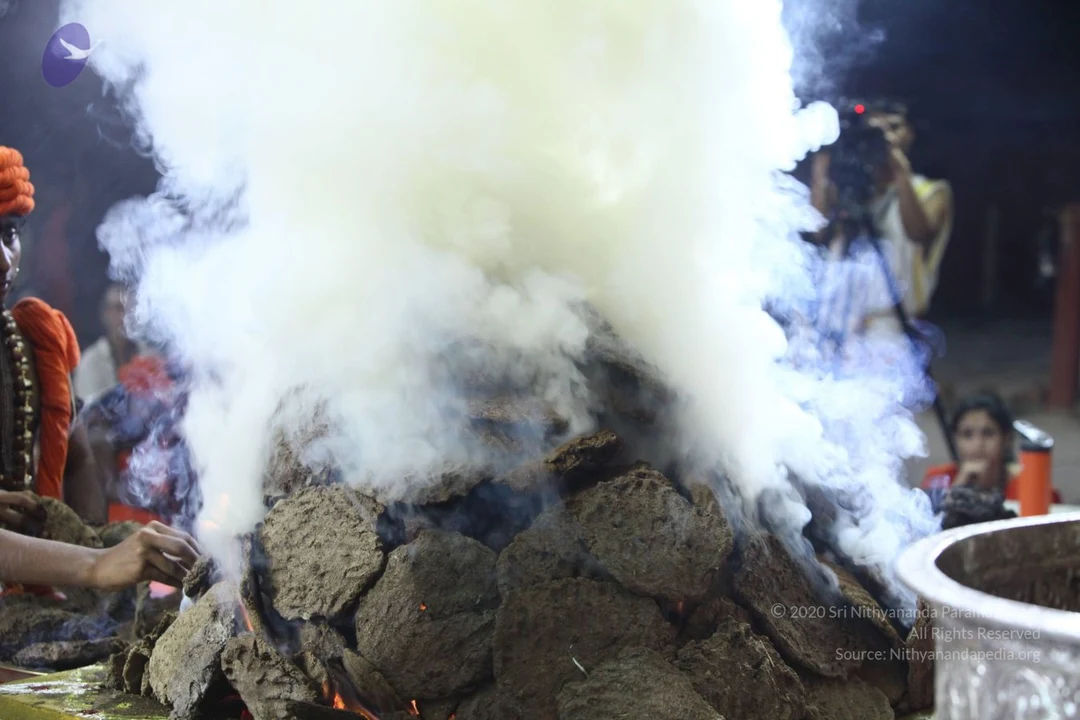

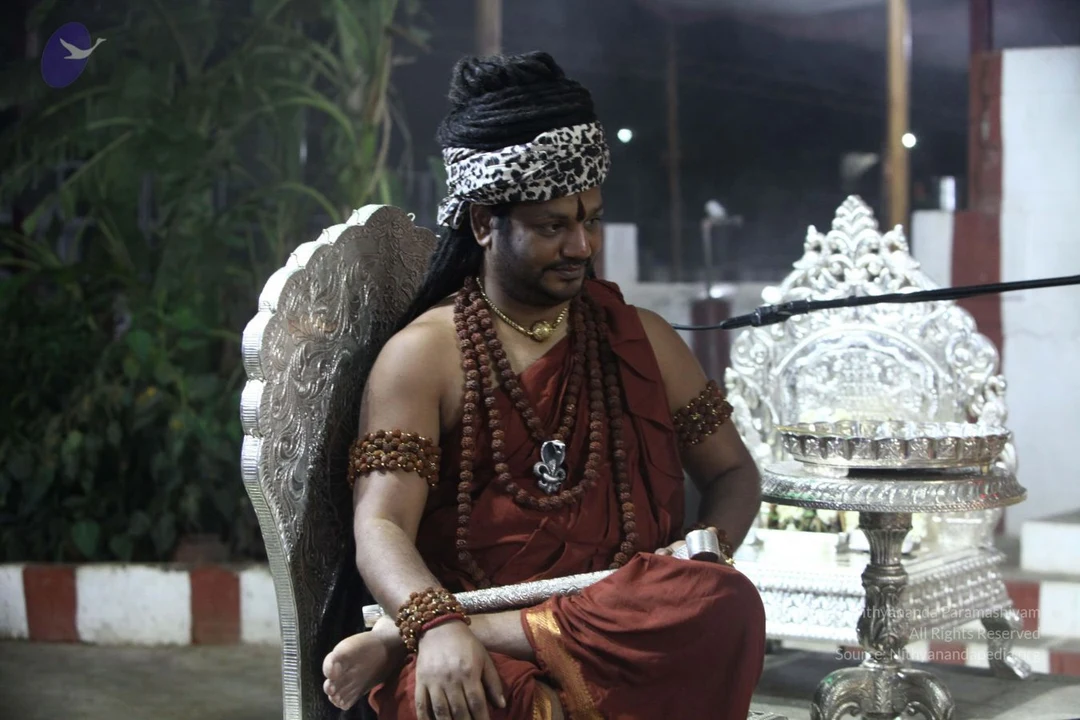
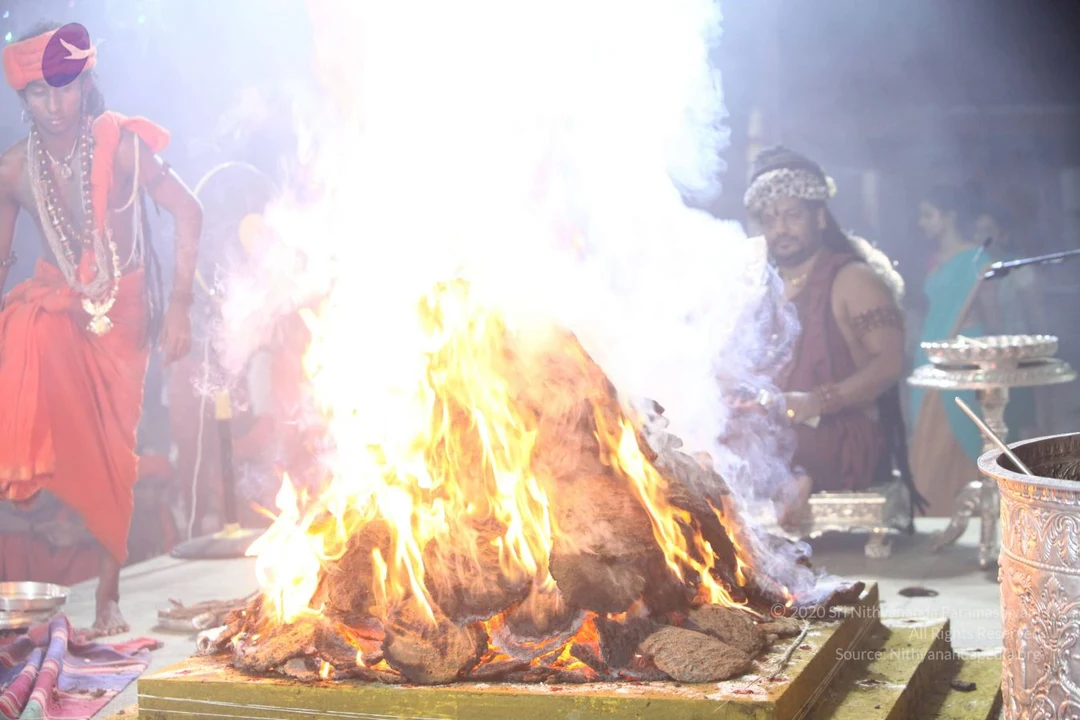
Photos from this day
View all 654 photosPhoto
242 photosSource gallery

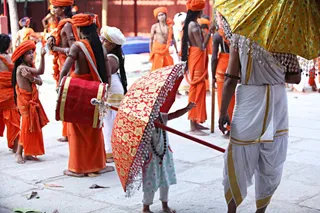
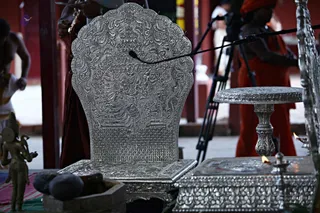

Aushada-Process
258 photosSource gallery