Monday
17 July 2017
Kundalini is the Fuel to Run Your Life
- Dated photos
- 201
- Source pages
- 1
- Media
- 3
July 17 2017
Original wiki pageTitle
Kundalini is the Fuel to Run Your Life
Description:
In this discourse from 17 July 2017 ,His Holiness Paramahamsa Bhagavan Sri Nithyananda Paramashivamji talks about the Shakthi power which can be generated in three different ways, like certain ideas ,words which gives you hope another one through visualisation and the final one through kundalini awakening. The Kundalini based excitement and functioning is Ishwaratva. If morning spiritual routine makes you fresh alive, health then your system has settled with Kundalini energy. If your head is hanging down in morning satsang or somebody misses morning routing how much ever time you missed,swamiji advices to go to goshala or go to temple and do alankar for deites for the fuel change should to get settled in your system…
| Video | Audio |
Transcript:
(0:07)
aum nithyānandeśvara sadāshiva samārambhām
nithyānandeśvari adīshakti madhyamām |
asmat āchārya paryantām vande guru paramparām ||
(0:47)
I welcome all of you with My love and respects.
(0:54)
I’ll continue to expand on ‘Aadheenam Chalo Series’ and the nitty gritties of Shaktipata, nuances of Shaktipata. Understand. Shakti, power, can be generated in your system through 3 ways. Certain words, ideas can generate Shakti, like when you have a hope, thought current, that your future is going to be very rich, brilliant, bright. Those words, generate certain kind of enthusiasm, excitement or visualizations. It can be simple as visualization of your vacation - “Wow, if you do all this, end of the day you are going to have “weekend” or a sexual visualizations - “ I am going to have this pleasure.” Understand. Sex does not mean only the physical relationship. I call everything which you consider pleasure under the title “sex.” It can be coffee, it can be some special food, it can be some special music, it can be some special place or a time with a special person, anything, anything visually excites you and makes energy ooze out in your system.
Understand. The whole Veda and Agama, completely, after thorough analysis I am talking, no where they are against any of the pleasure of life. Understand. Listen carefully. Only the pleasures, which destroys the source they are against. You see, your ability to enjoy, your ability to exist, your ability to have higher Shaktipatas, as long as that is not disturbed, Vedic tradition is not stopping any pleasure of your life.
(4:06)
You need to understand, the excitement created by verbalization, excitement infused by visualization, excitement infused by the Kundalini Awakening, your consciousness waking up.
These are 3 levels of Shaktipata you go through.
Everyday in your life, these 3 Shaktipata, anyone you go through or all 3, but always in these 3, something will be happening. In...if all the 3 are not happening, you will not be alive. You will be in depression, literally dead, waiting for the breathing to stop. Waiting for the breathing to stop.
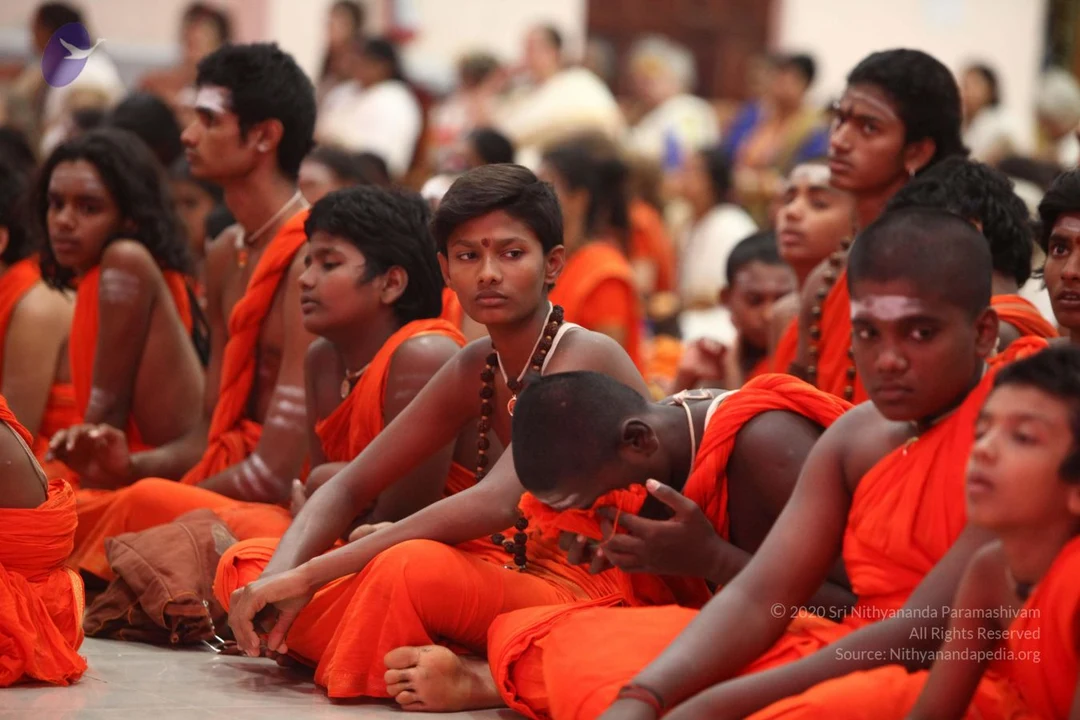
Listen carefully, listen intensely and I wanted everyone to be very clear Balasants have the first right over Me. They do not need to logically cognize, what I am talking. I am recording the whole thing into their Being. I am leaving thousands of conscious archives, by producing these Balasants. You do not know now why I am giving so much of energy, importance, attention. In My things to do list, in my priorities list, morning first thing, when I wake up, I’ll check temple - has everything gone proper in the temple, can we do something more, because we are Agamic traditions. We are Agamic tradition means ‘deity based bhakti.’ For us Sadāshiva is not some thin air theory. He is solid Aadheenavasi here. He is the resident Aadheenavasi here. For us He is a resident Aadheenavasi. So first thing I’ll check, whether everything has gone right in the temple. The second thing, Balasants. Their bio-memory and muscle memory is growing. This whole Satsang and Shaktipata getting into their system, you will see, each Balasant sitting here and listening to Satsang, is equivalent to 1 lakh adults sitting here and listening, because through each Balasants, lakhs of adults are going to listen to Me. You can sit in the front, no problem, but don’t hide. That’s all. Now you are in the right place. Listen. These 3 fuels - verbalizations instigated excitement, visualization instigated excitement, kundalini instigated power.
(8:11)
In these 3, any one Shaktipata will be always happening, in your life. Without all these 3, you can’t be alive. If all these 3 are not there, that is what I call ‘depression’ or ‘tipression’ to make it more raw, stuck, not knowing what to do, not moving what to do, not to...flowing with life.
Understand. More and more, more and more, getting comfortable with the kundalini based excitement and functioning, is Ishvaratva.
Listen. Verbal inspiration, if it makes you functional, you will be a very logical person. Doing all the logical work, you will be so excited and you will be almost like a settled...you are in your best. I have seen few people. All they need is just a microphone, you don’t even need to put volume and they don’t need people in front. Just a microphone and imagination, that they can talk and people are there in the front. Enough, they are in their best. They don’t care whether the people in the front are sleeping, sitting, listening, no, nothing matters. If you are visualization excitement person, you will forget even your food, by painting or dancing or carving. I still remember, there was a period in My life, just decorating deities, I’ll forget day and night. I tell you, decorating deities physically and taking care of the cows physically, is one of the best vatavarana, for your muscles memory and bio-memory. Anybody feels stuck in your life, feeling confused, stuck, confused, don’t know what to do, no inspiration, understand, when you don’t have inspiration and you want to hold onto your outer identity, you want to continue to keep up your makeup and arrogance, you become worst cunning. Now you have to make up for all your failures by lying. That is the worst way of building muscle memory. But I tell you, the best way of building muscle memory and bio-memory, when you take care of the cows….you see, please understand, cow is not something I am talking about, because I am born in Hindu tradition, please understand, the very bio-memory, muscle memory, DNA of the cow, awakens certain energy in you, joy, peace, completion, sacrifice. I tell you, cow worship is not the so called, ”superstitiousness,” by these liberal secular fellows.
(12:37)
The worst enemy of the Hindu culture, worst enemies of the humanity, is this Indian liberal secular….actually all the anti-national forces, hide themselves in the name of liberal secular. Cow worship, is the direct spiritual practice. In our Sangha, we should not use the word, “Goshala,” you should use the word,”Gomandir.” It’s a temple. Understand. It’s not joke when our Shastras declare, “All the Gods and Goddesses reside in the cows,” it’s not joke. If you just take care of them and attend to them, Deity worship, doing Alankaram to Deities and taking care of the cows, only if you practice you will understand the kind of a inner space they manifest. I have decided, we are going to have world’s largest Ahimsa based Goshala. World’s largest ahimsa based Goshala. I am very clear because worshipping cows and taking care of the deities, is some of the best methods of building right bio-memory and bio-energy. These 2 acts, brings certain heart and visualization based Shaktipata, much better than verbalization. Much better than verbalization. Of course, I will not say, “this is ultimate.” I will not say, “this is the ultimate.” But surely much, much better vatavarana. If you are feeling stuck that you are not able to manifest the next level powers, take care of the cows and do the deity alankara. All the campuses of our Sangha and all our University campuses should have these 2 - Temple and Goshala.
Even the international campuses, outside India, you should start working to get a legal permit, at least to have few cows and it should be ‘desi cows.’ It should be ‘desi cows.’ Visualization based excitement, then comes the kundalini based. When the kundalini is kindled, the kind of a energy you manifest and radiate, and the kind of the action you do. I am seeing many people, who were inspired only by the verbalization and visualization, they become dead. Outside they were big, big CEOs, the moment they come inside they are dead because those 2 fuels are not available here. Here only kundalini based, only if your system is accustomed to run with the spiritual energy, you will be alive. It’s all integrity based. You cannot run the show by cheating. Outside to get a CEO post or any other post, it’s not that always it comes by only hard work and integrity. There are many backride deals which gets you - what do you want. It’s not always integrity and hard work, but here everything!! Purely integrity, no wrong fuel is allowed. No wrong fuel is possible.
(17:46)
Fuel has to be right. Constantly having the kundalini shakti and spiritual strength, as fuel and that fuel moving you and when that fuel moves you, every small action you do, will be power manifestation. If you make a call, it will be a boon for him who is receiving. If you answer a question, it will be a solution for that fellow. I tell you, create that kind of a intention.
Understand. I am already creating that energy field, you just need to create an intention, so you can be part of this field, you can be part of this energy field. If morning spiritual routine makes you fresh, alive, healthy to run your whole day, then understand your fuel has shifted, your system has settled with the new fuel - kundalini energy. If your head is hanging down in the morning Satsang and the morning routine is making you tired, you feel, “It is making you tired whole day,” then fuel change has not yet settled. Go and serve in Goshala and do Alankara to the Deities. That two can help you.
I tell you, if somebody misses the morning routine, we should make this as a rule - “ If you miss the morning routine, how much ever time you missed, go to Goshala and serve the cows. Goseva is the only way or go to Temple and do Alankara of the Deities.” That’s the only way you will get back to the fuel change. Fuel change should get settled in your system. The best places I enjoyed in My life, you see, I walked length and breadth of Bharat and enjoyed almost all possible places - railway platforms, small huts, which literally there is no hut. I called them as ‘billion star hotel,’ because if you lie down, you can see all the billion stars. What 5 star, 7 star, 9 star? Billion star hotel! I have seen 5 star, 7 star, billion star, hotels, palaces. I have been guest of kings and guest of literally beggars. I have seen all possible accommodation. The best 3 accommodations I enjoyed is - Smashana, where no one will disturb you and you don’t need to book your accommodation. All village will surely have one for one. Smashan, all villages will have one and you don’t need to book your accommodation. Ask anybody, they will tell you the way. Best safest place, no one will come. No one disturbs you. People ask Me, “Oh, the ghost don’t disturb you Swamiji?” “Only living people disturb, dead people don’t disturb. They are nice people.” The second is Goshalas.
(22:07)
Staying in Goshala, only if you are living in a artificial place, all this mosquito, all that will come, otherwise the Goshala is the most hygienic healthy place. If there are mosquitoes, any other thing, then something is seriously wrong - means we are not following the tradition. Either the place is not clean as per the tradition or the food is not as per the tradition. If the food and the care and place is as per the Hindu tradition….Array, cow dung is used to drive the insects and mosquitoes in Hindu tradition, how can there be mosquitoes in Goshala? Goshala is the most hygienic, safe place.
I tell you, anybody who has a breathing issues and sleep disorders, sleep in natural hygienic Goshala. You will get out of the problem within 10 days, because that smell of the cow’s cow urine, opens your lung and makes you breathe deep. These secular stupid donkeys will criticize all this, but I tell you, I lived, I am talking from My experience. Soon some doctors will do research and prove, what I am talking is true. Science may catch up with Me, science may catch up with Me in 1 year, 2 year or 10 year, I don’t care, if you are My disciple - listen and live it. Don’t waste your time till some stupid jungkanada….geekunanda….fellow catch up with Me.
Understand. There will tons of research papers published on My words, on My teachings, on My understandings and the cognitions I share with the world. Tons, but don’t wait, till those research papers confirming, it will be waste of your life. It will be waste of your life.
Shift the fuel which drives your life. Shift the fuel which drives your life and with that new fuel taking off, every action you do, will be power manifestation. Every action you do will be power manifestation.
I tell you, chastity towards your existence, is power manifestation. If you are chaste towards your existence, you see, your existence is consciousness - Kundalini. If you decide, “I will not eat the shit of logical energy and visualization energy, I will only be chaste towards my existence.”
Elephant eating flesh is not chastity. Sameway, tiger eating grass is not chastity. Eat for what you are generated. Eat for what you are manifested. Human consciousness is generated to live on the fuel of consciousness - Kundalini Shakti. Let kundalini shakti, be your fuel. Let that be your energy. Be chaste to your existence. You will manifest powers. Actually, this whole Nirahara Samyama is the science…. In Nirahara Samyama time, not only the physical food intake is reduced, even the other….through other senses, the ‘Ahara’ which you take, everything should be completed. Completion should be brought to all the ‘aharas’ you intake.
(27:13)
That shit you eat, watching the TV for hours is one ‘ahara.’ Even all that need to be brought to completion. You need to bring completion in all that.
The third place, I used to enjoy staying….three I said - one is Smashana, second - Goshalas, third - under the Banyan trees.
I tell you, there was a great disciple and great Guru in Tiruvannamalai. The Guru’s name was Guhe Namasivaya and disciple’s name was Guru Namasivaya. The disciple had actually the title Guru Namasivaya and the Guru had the title Guhe Namasivaya. And it was a…..both of them were great saints. Guhe Namasivaya got the name because he was ….he’ll always be vibrating that name ‘namaha shivaya namaha shivaya namaha shivaya,’ that Panchakshara and he use reside in a cave. Still that cave is there. He will be sitting in that cave, if somebody goes, that cave…. whole cave will vibrate with that Panchakshara Mantra. You will not know from where that sound is coming. He is not uttering, his mouth is just closed, there is no sound from him but the whole cave will vibrate, with that frequency. That is why he got the name, “Guhe Namasivaya.” Because of his presence the whole cave was vibrating that ‘Namaha Shivaya’ mantra. He had a disciple. One day that disciple was pressing the feet of Guru, suddenly he took the hands off, started rubbing. Guru asked, “Aye, what are you doing?”
The disciple said, “ No, in Chidambaram Temple, the screen in the Chit Sabha, caught fire from the lamps, so I just put if off.” Remote vision power!
And Guhe Namasivaya….Guhe Namasivaya was very happy. Actually next day they got the news, actually the fire happened in the Chit Sabha and suddenly somebody appeared and rubbed and the problem got solved, the fire was put off. Then the disciple Guru Namasivaya asked Guhe Namasivaya, the Guru, to give permission to go to Chidambaram and come. In those days suppose to be walk. Quite a journey, it will take, at least 15 days going and 15 days coming from Thiruvannamalai to Chidambaram, but Guru really wants the disciple to be with him.
(30:20)
He wants the disciple to be with him but disciple want to go to Chidambaram to have darshan. But Guru plans, “At least let me reduce the number of days he will be away from me.”
He said, “When you are going, always sleep under the tamarind tree, when you are coming, always sleep under the Banyan tree.”
Disciple said, “Yes , master as it is, your word.” He accepted. The more number of days, you sleep under tamarind trees, you will fall sick.
So naturally, he started losing health. Now he knows, he has to get back, come back to the Guru and quickly as quickly as possible, he went and had darshan and decided to come back. While he was coming back, he was sleeping under the Banyan trees and he become healthy by the time he reached the Guru. When he reached the Guru, he became healthy. These 3 places, I always enjoyed. I should say, “If you are feeling stuck in power manifestation, if you are feeling stuck with your sleep issues, if there are sleep disorders, go and sleep in Goshala.”
Go and sleep in Goshala. You’ll be out of all these problems. Especially if you are struggling with the morning spiritual routine, that you are not able to get up, you are cursing everyone, to come to spiritual routine - morning yoga, go and sleep in the Goshala and the whole issue will be solved. The whole problem will be solved.
See, not able to get up in the morning means what?
Enough oxygen has not gone inside during the sleep. If enough oxygen goes inside the system, you won’t have the problem of not getting up in the morning. If enough Prana has gone inside, you will not have the problem of morning getting up. You need to know, Banyan tree is the only tree, which releases oxygen in the night time. It’s a science. It’s not some belief. Google, you will find. Banyan tree is the only tree, which releases oxygen. It is just not oxygen, prana too. Once we built temple, naturally I’ll be staying under the Banyan tree only. I already have My plans. I’ll be residing under the Banyan tree, means even night sleep I’ll be having there only. I tell you, getting accustomed to the fuel change and running your life, is what I call ‘Shaktipata” and power manifestation. You may wondering, “Outside I was so successful, why I am not doing here?” Because now the fuel changed. Outside you were running in kerosene, sometimes drainage water. Here, it’s a pure flight petrol, engine needs to get accustomed. Engine needs to get settled. Pure prana, pure kundalini shakti, pure consciousness, is the only fuel, nothing else is fuel here, nothing else can be fuel here, to run your life. The run, run, run, intensely by kundalini shakti, you will manifest powers. You will manifest powers. So essence of today’s Satsang - “No verbalization, no visualization, only kundalini as the fuel for life. Fuel for power manifestation.”
Look in, do not allow the words which excites you, do not allow the visualizations which excites you - allow only the pure Oneness to excite you. Allow only the pure Oneness to excite you and push you, drive you to live your life. Take up Deity Alankara and Goseva, to settle down with the new fuel. That 2 are the lubrication, for the new fuel, for body to settle down with the new fuel. Kundalini Shakti, Deity Alankara, Goseva, is the best lubrication.
(36:20)
So with this, I bless you all, let’s all radiate with Integrity, Authenticity, Responsibility, Enriching, Causing, Living Shuddhadvaita Saivam, Sadāshivoham, the Eternal Bliss - Nithyananda.
Thank you.
Be Blissful.
(36:43)
Photos
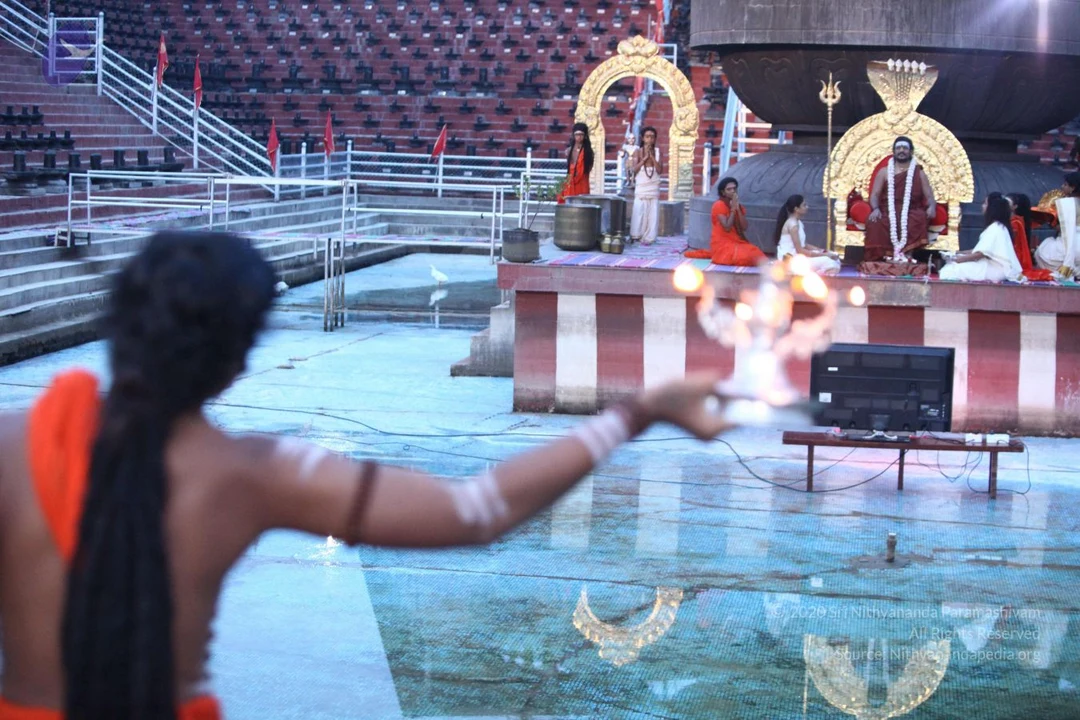
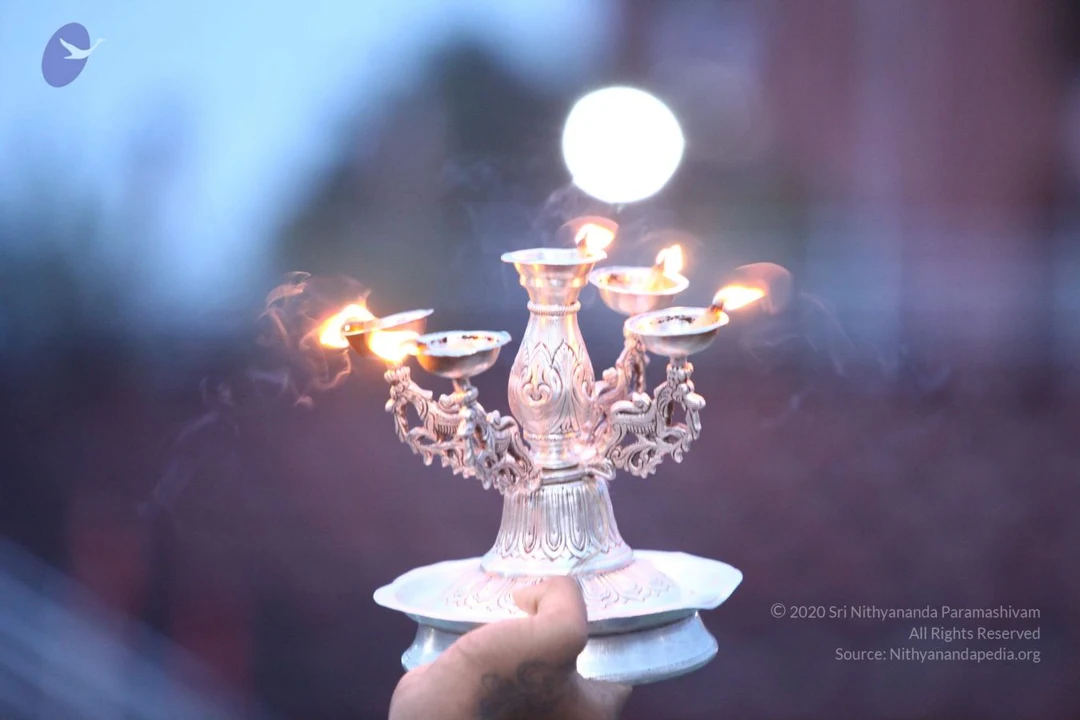
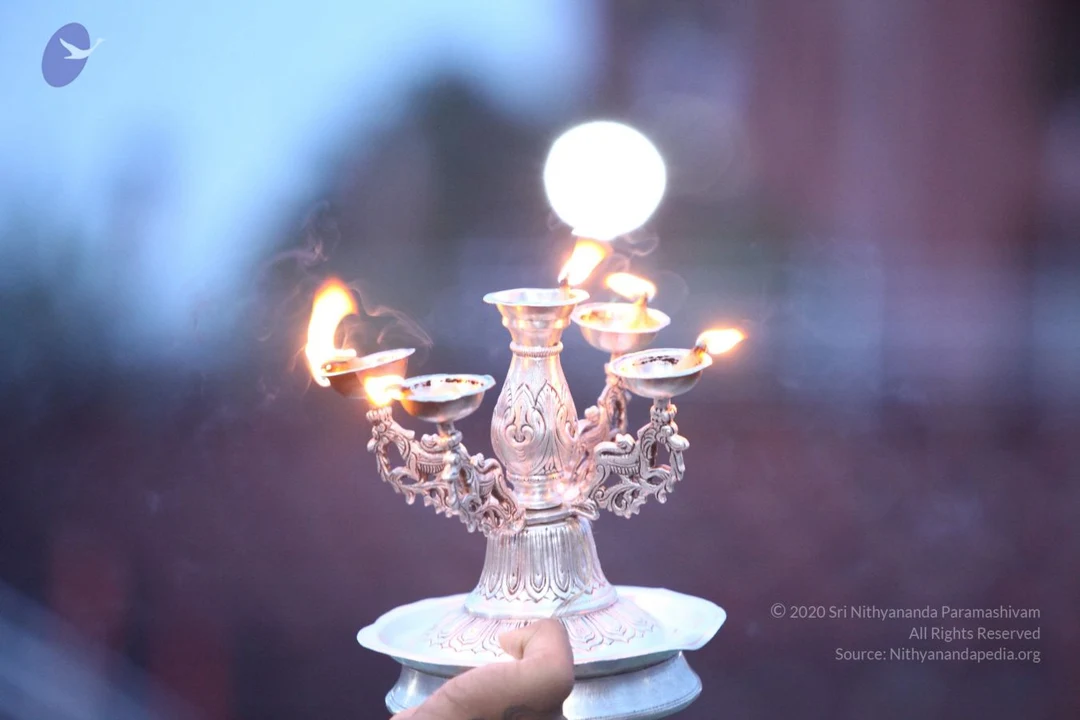
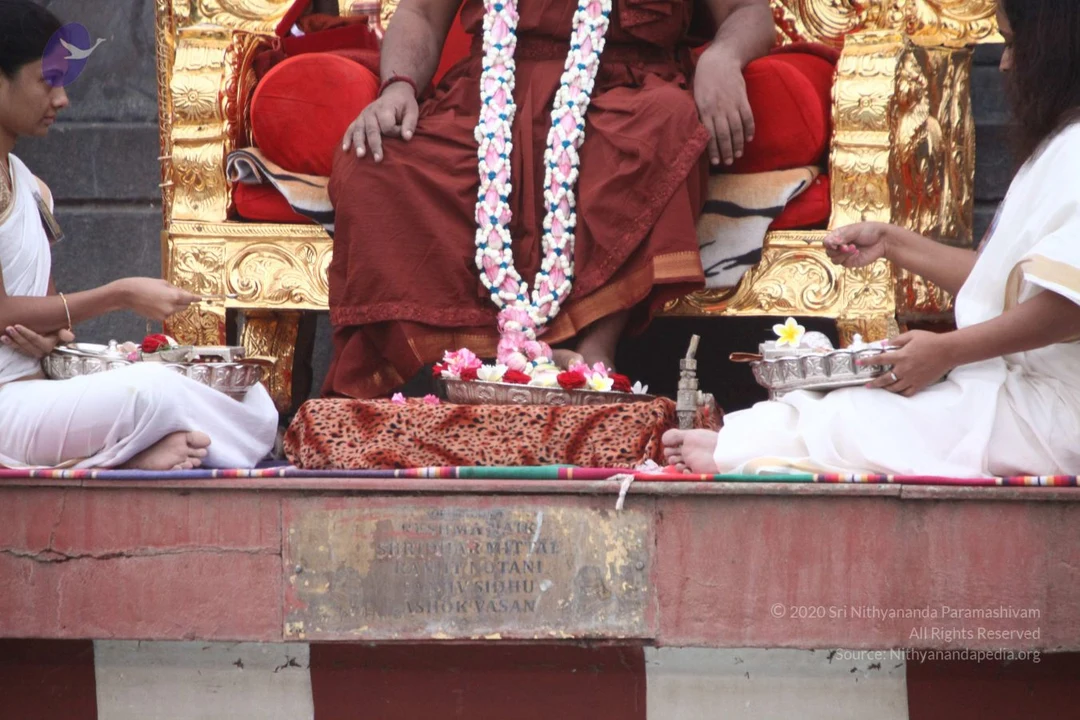
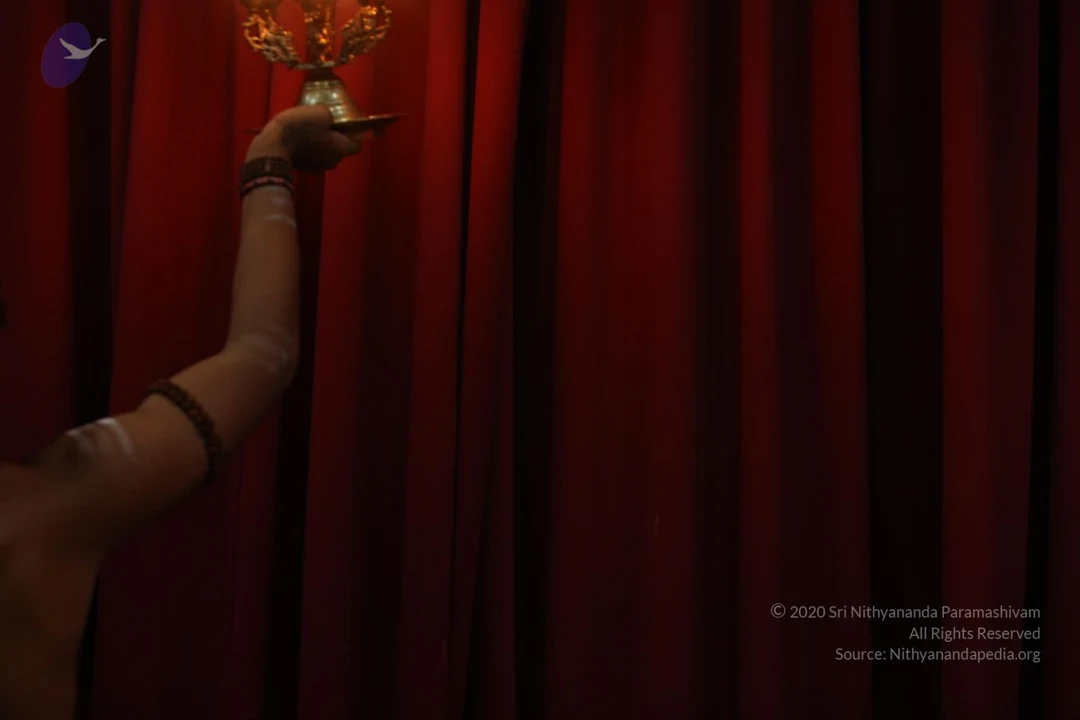
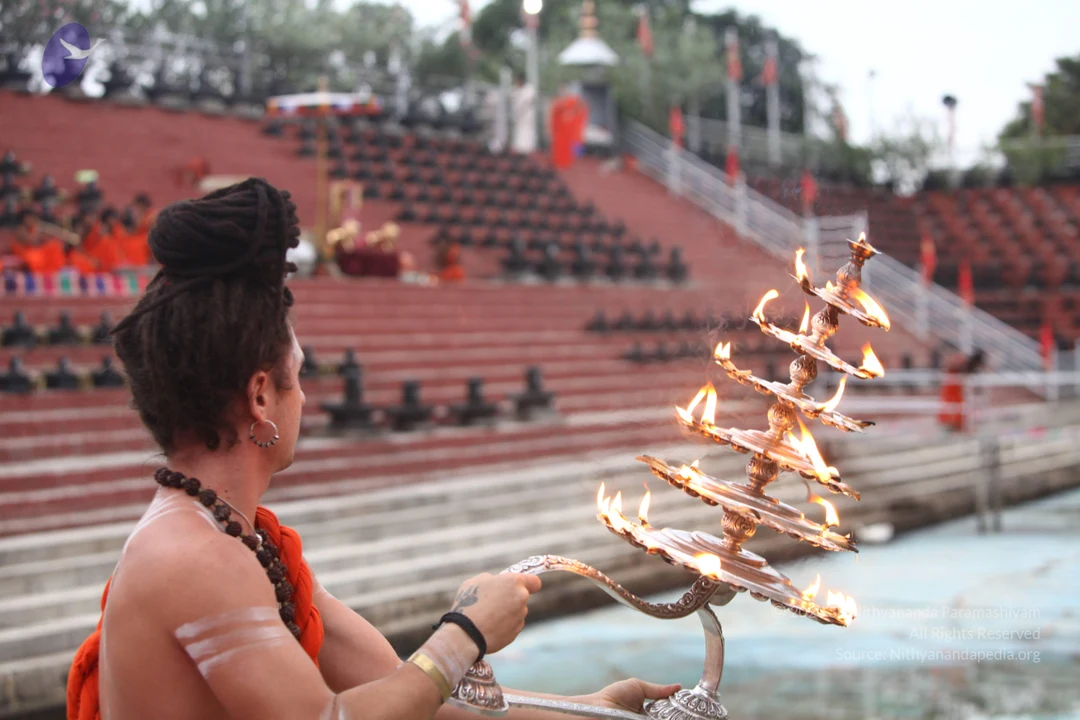
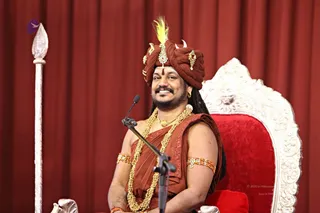
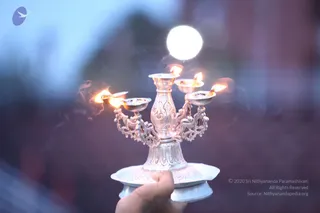
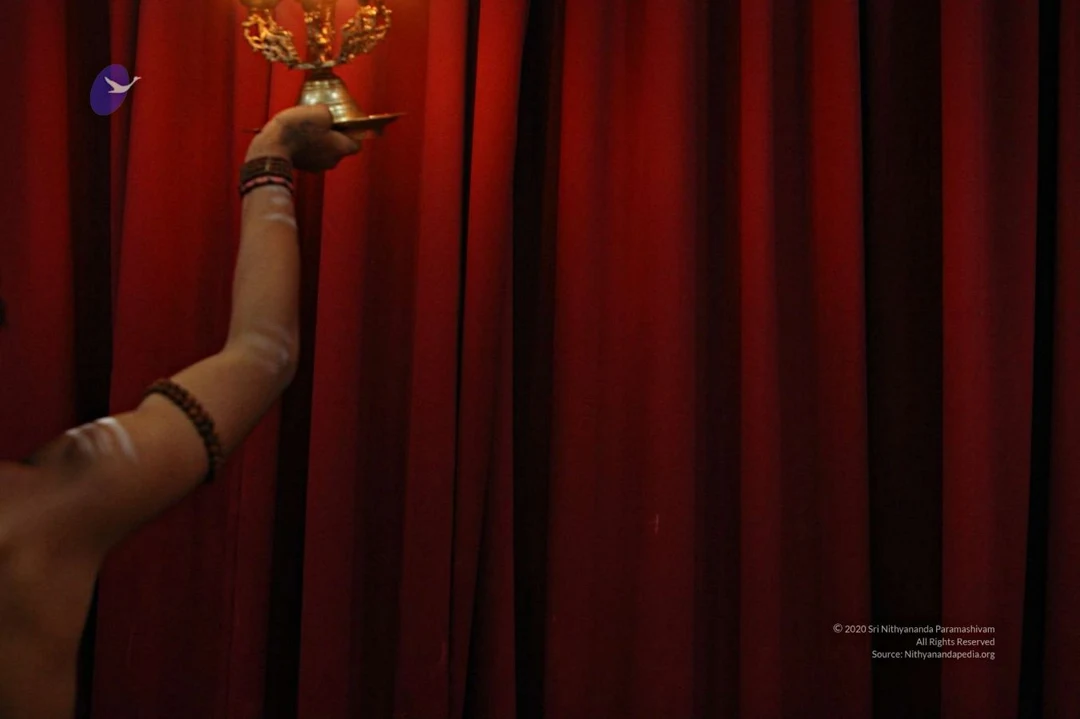 Deepa offering for HDH Nithyananda Paramashivam before delivering a satsang on Shaktipada
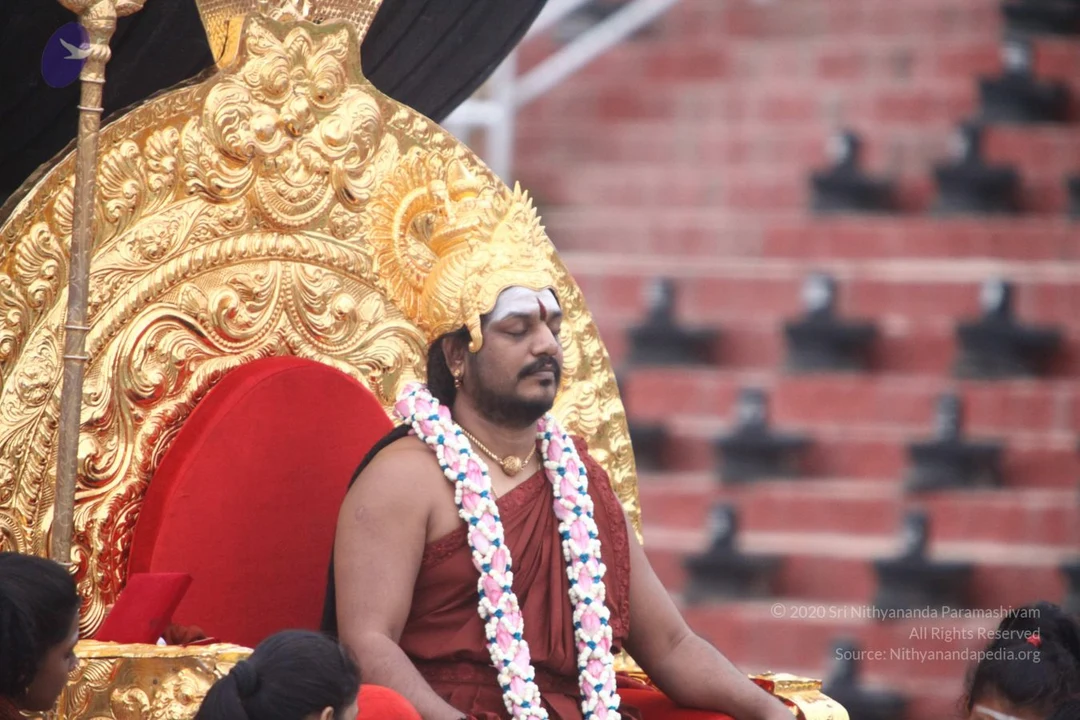
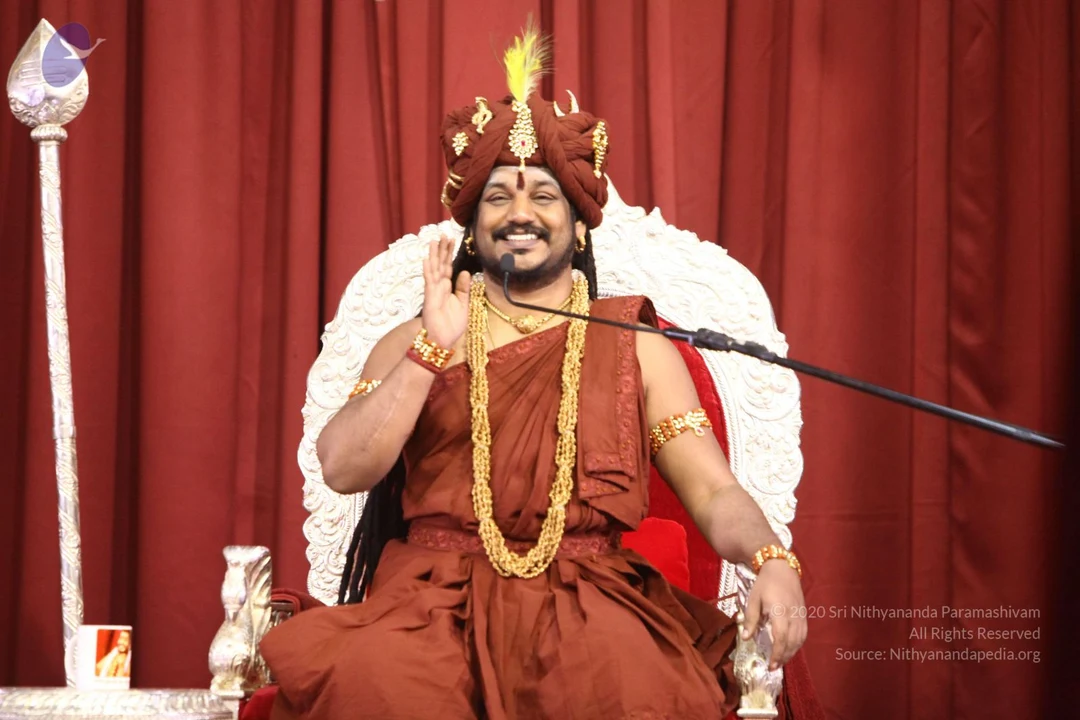
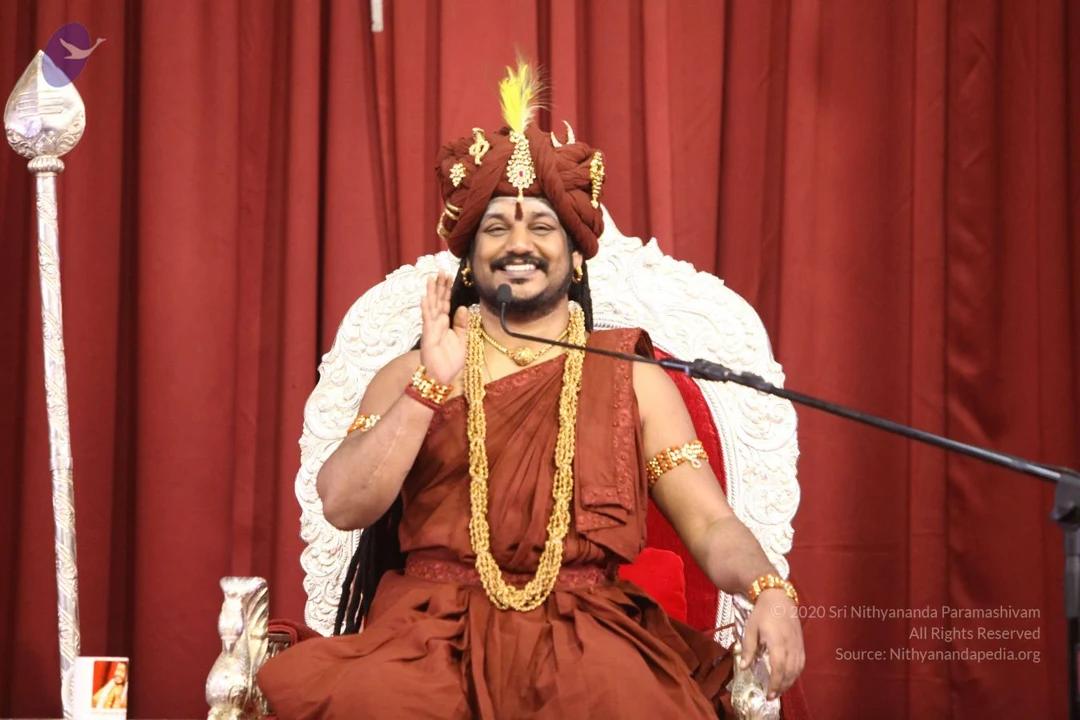
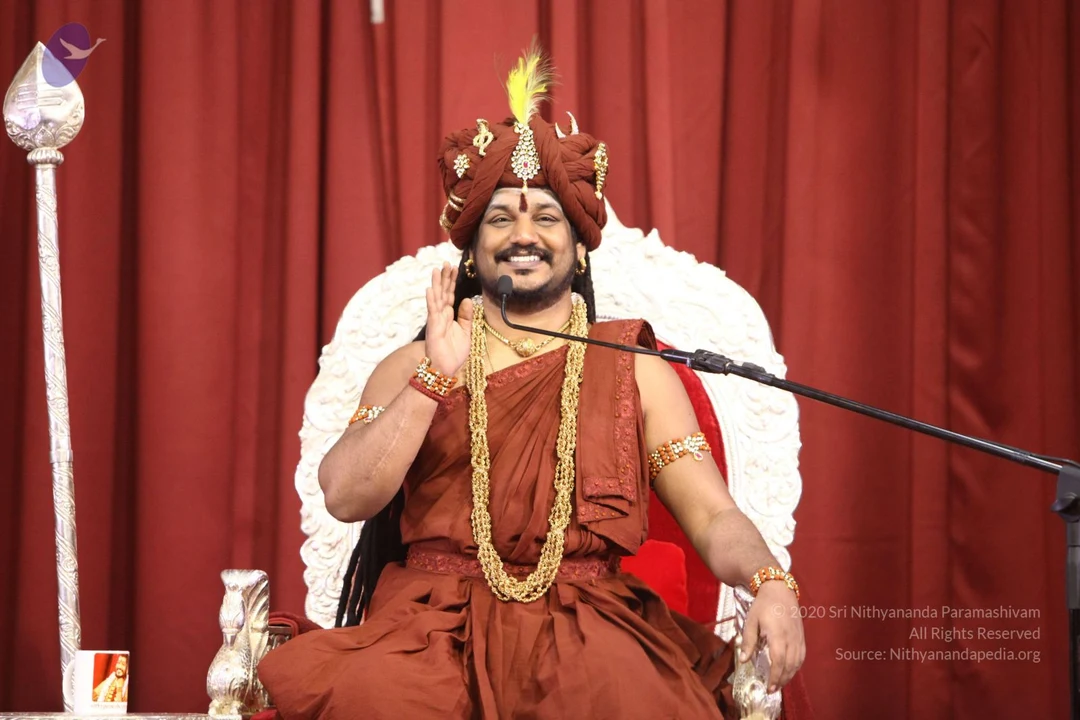
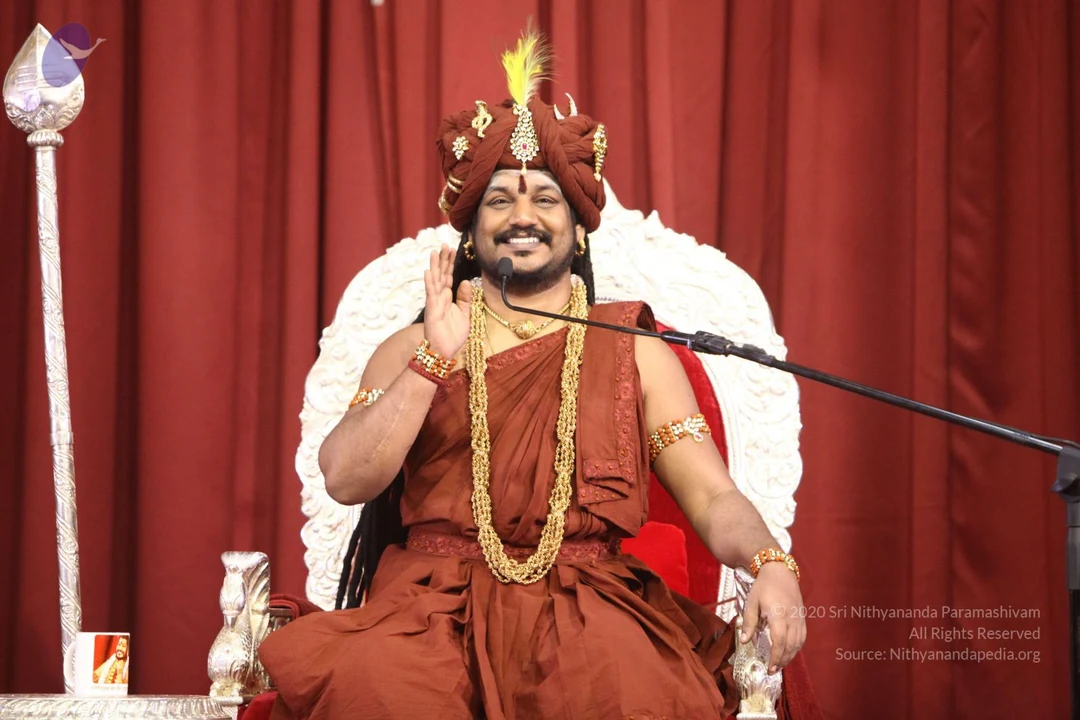
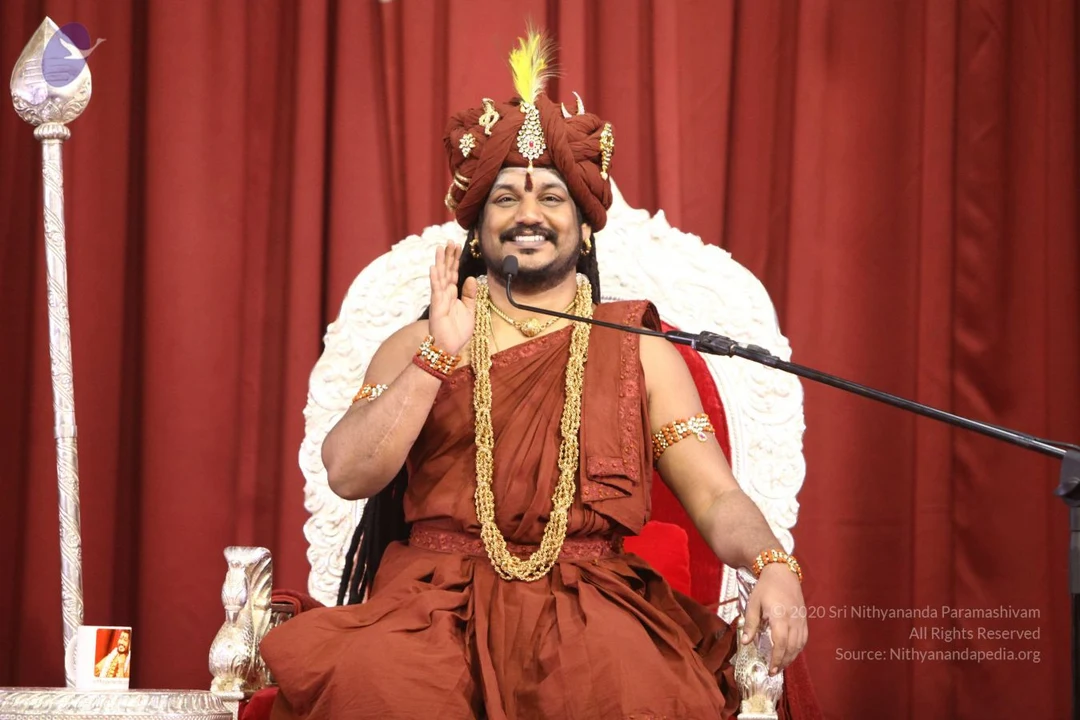
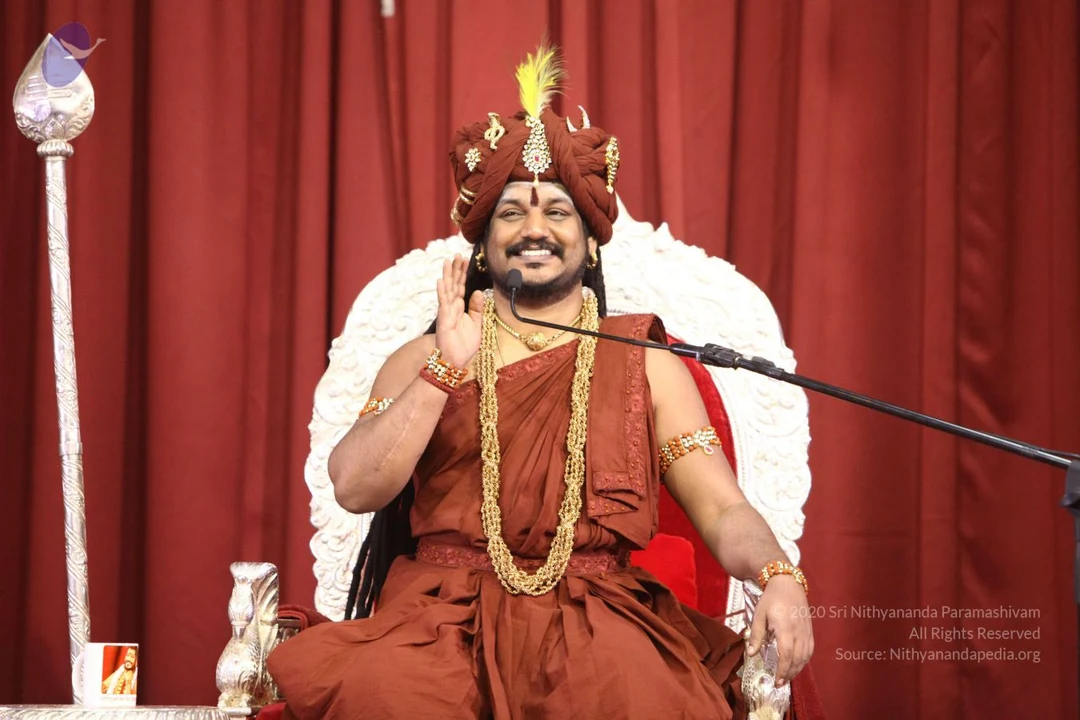
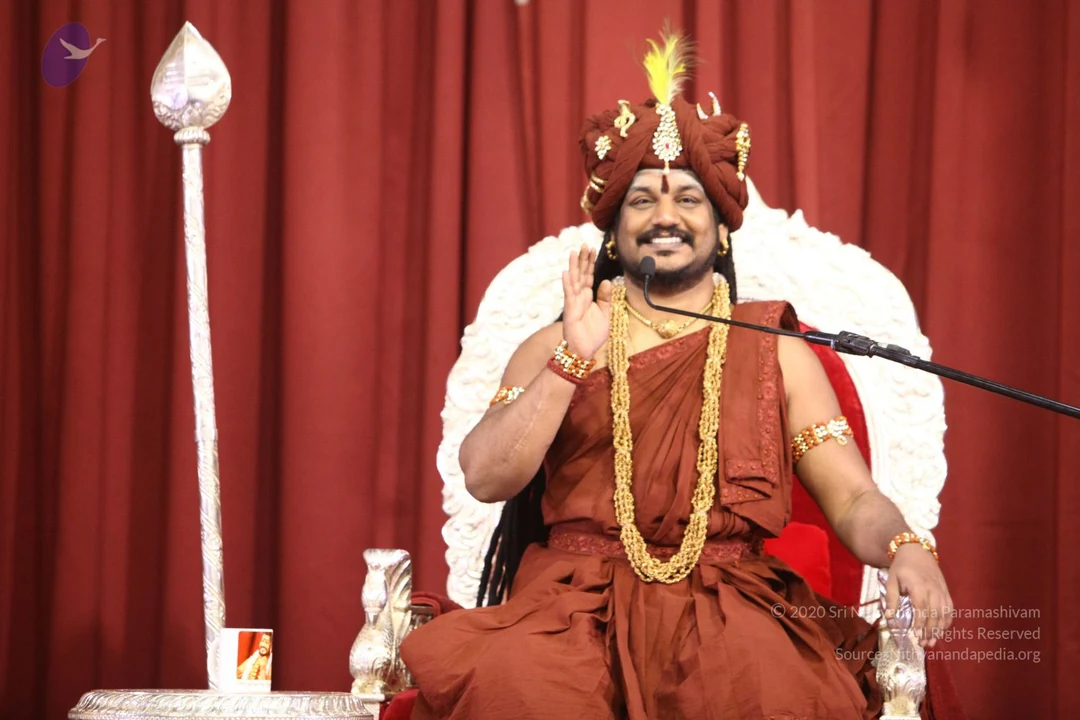
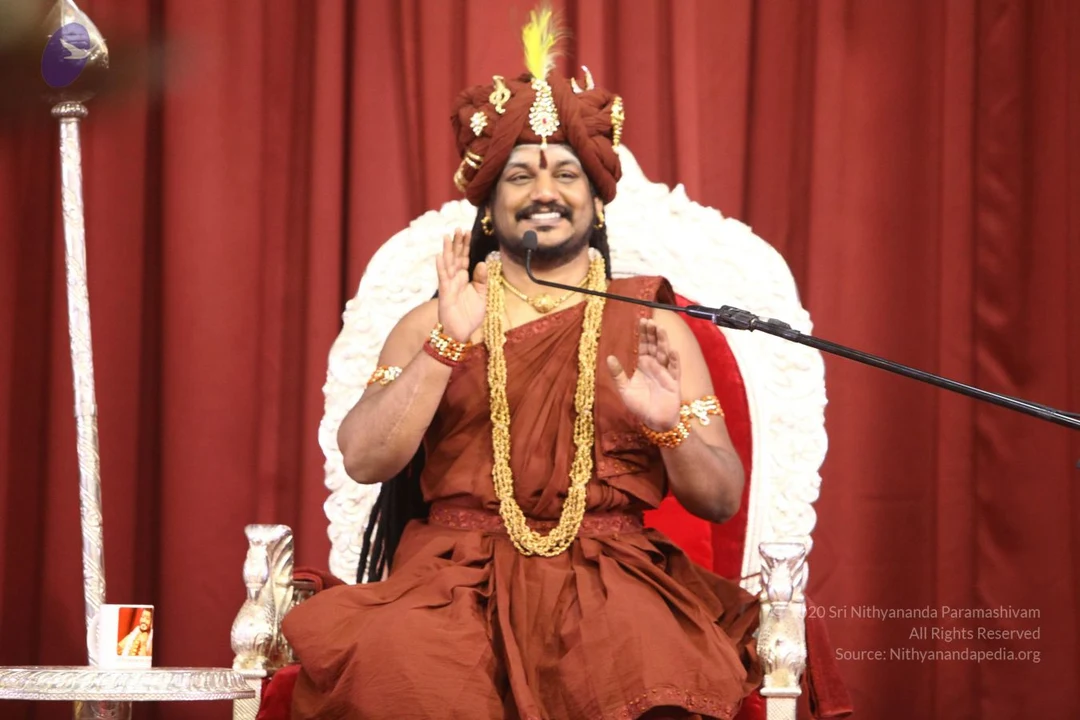
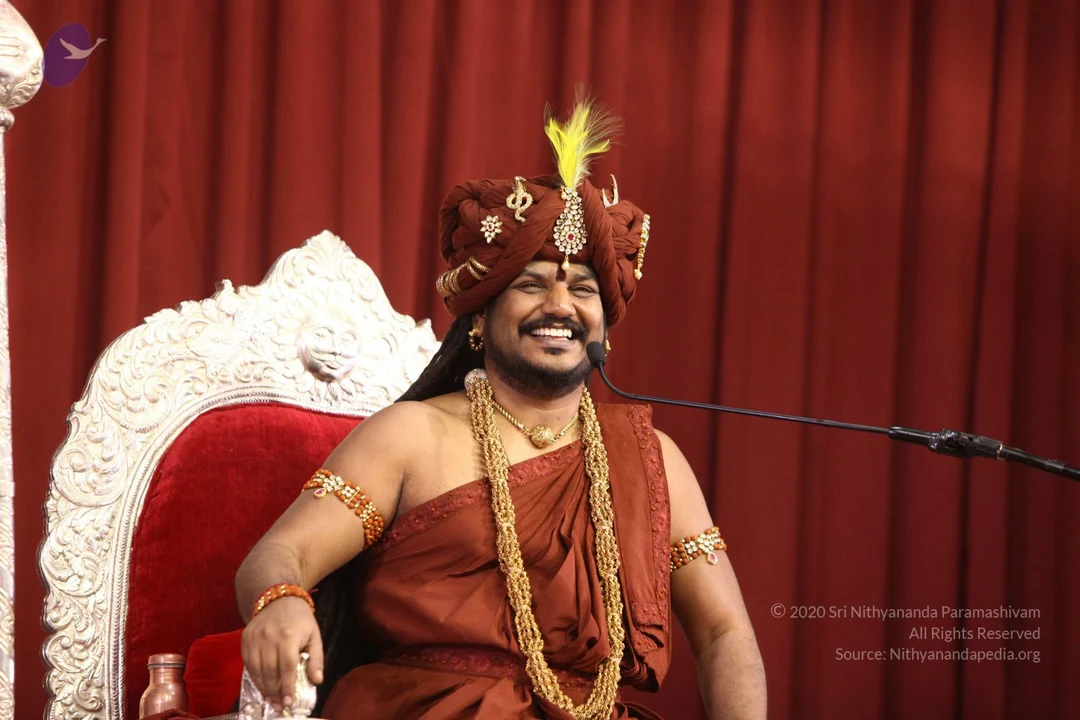
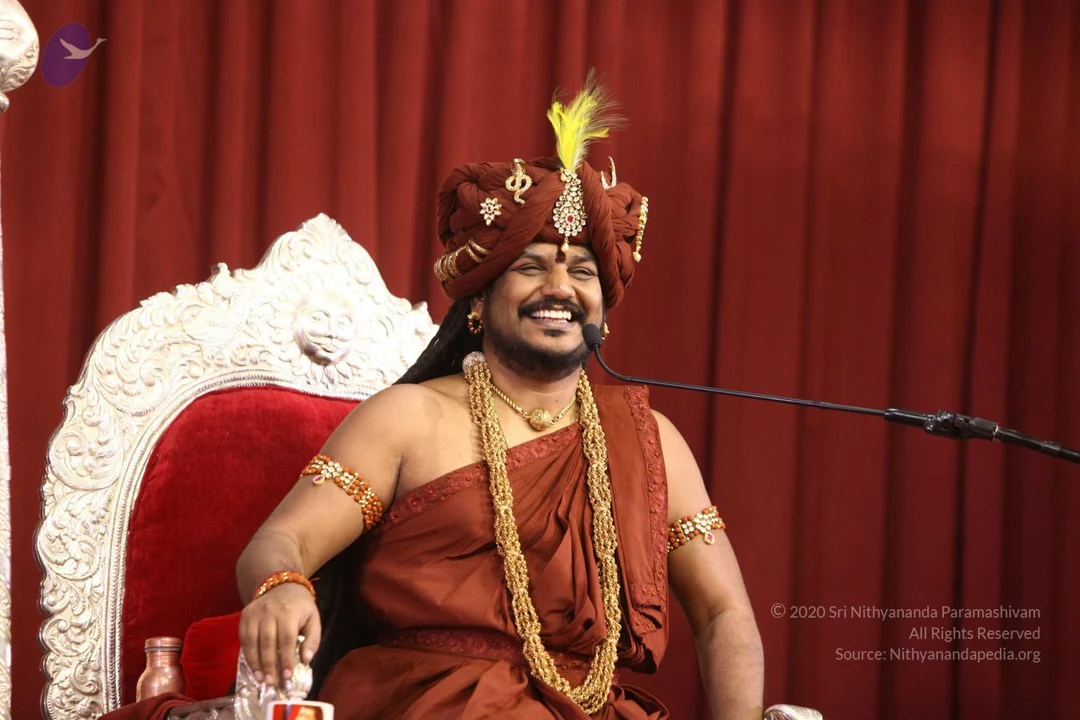
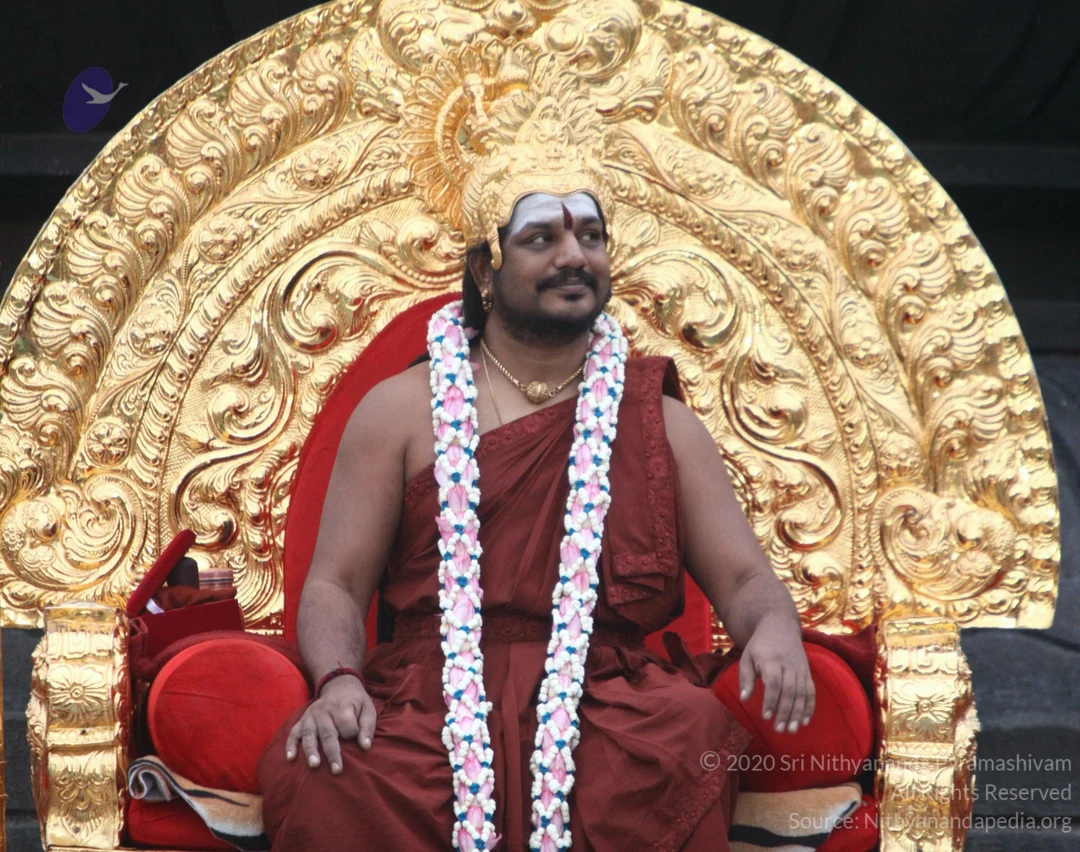
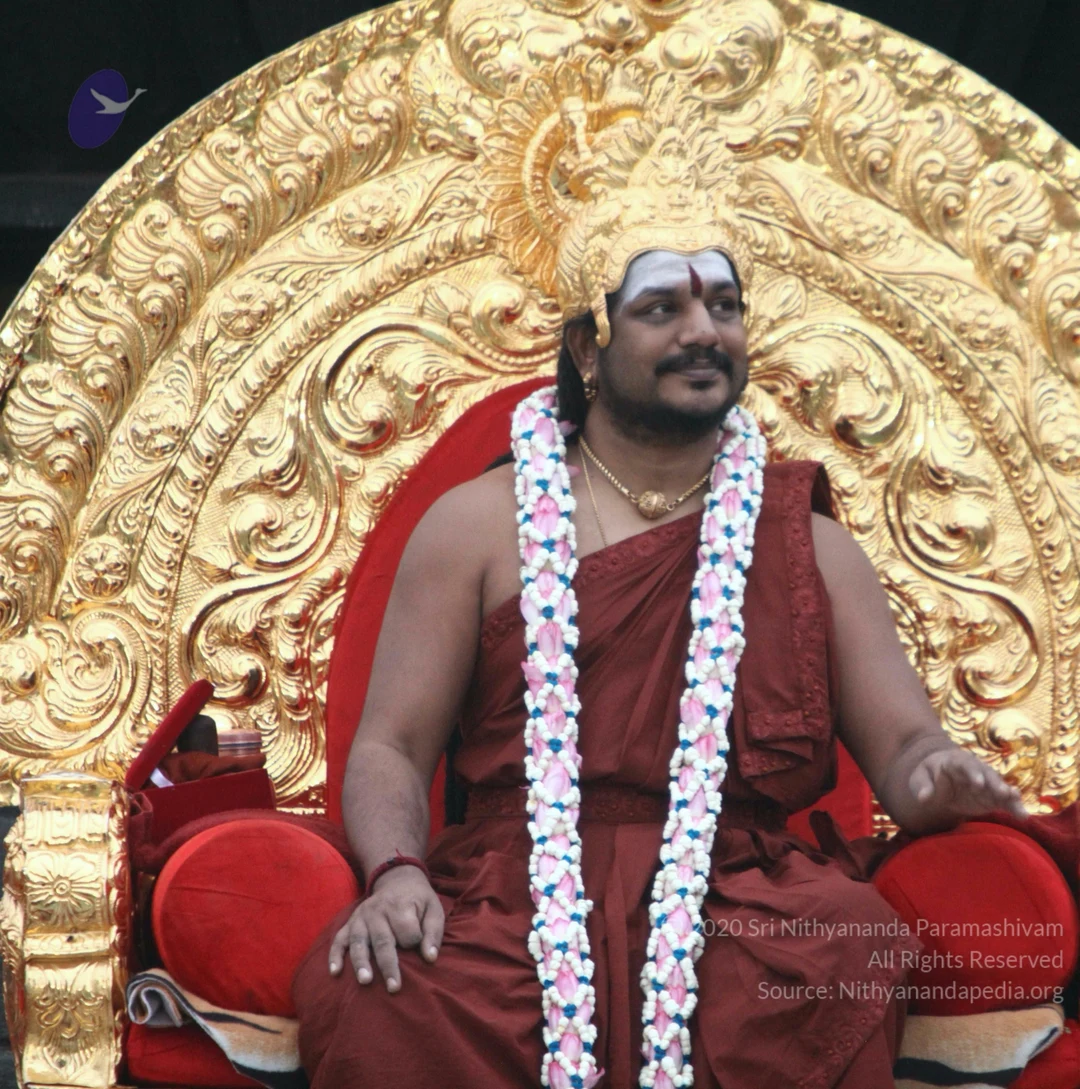
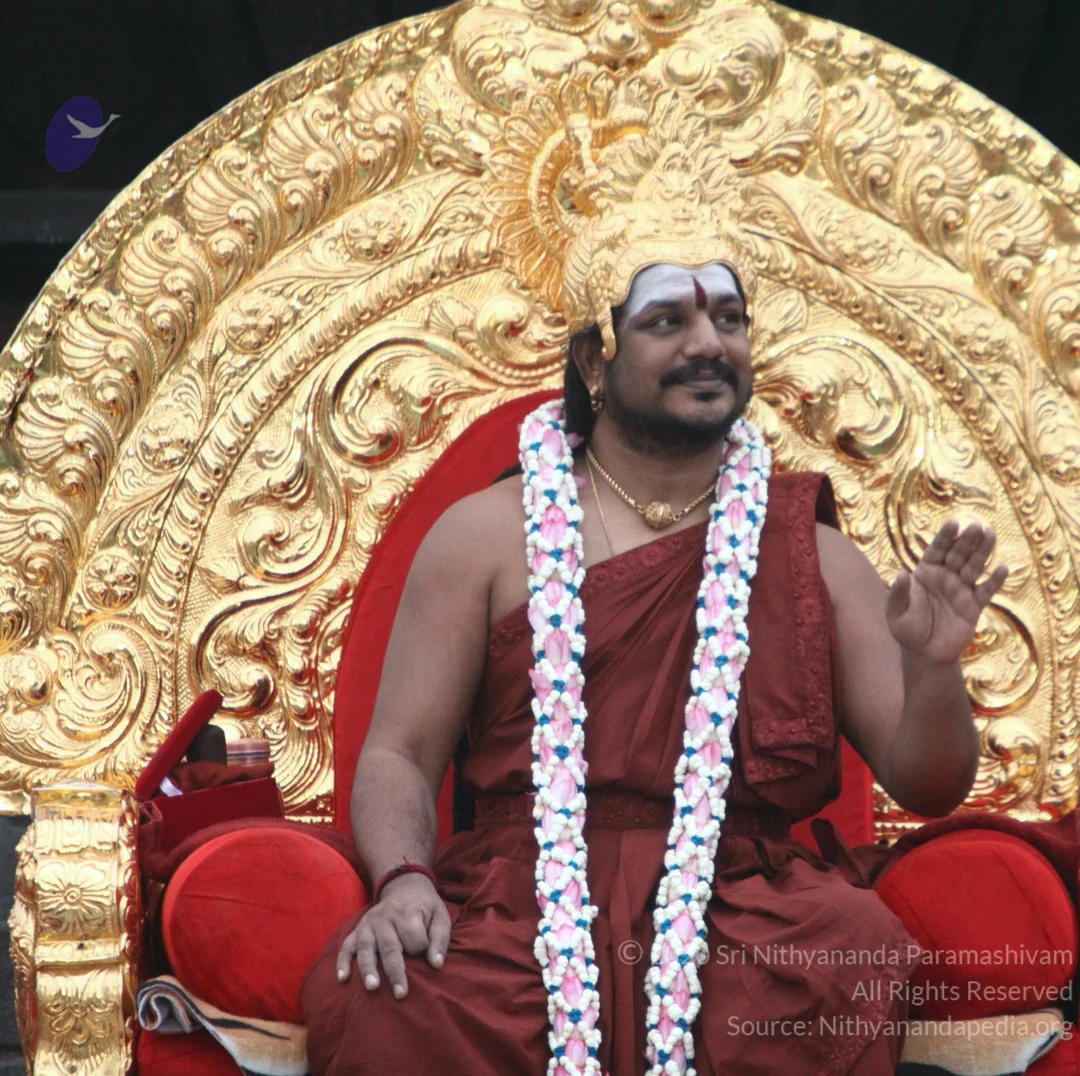
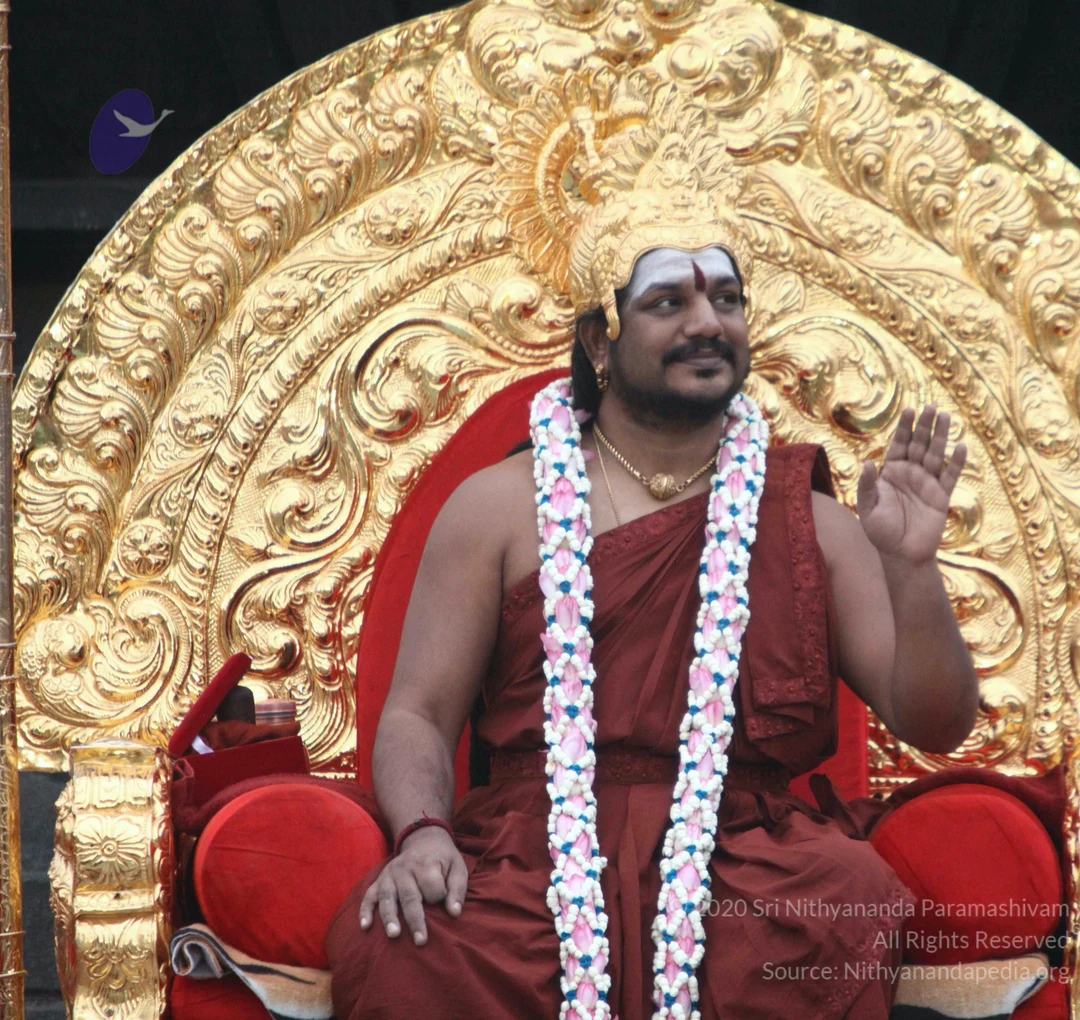
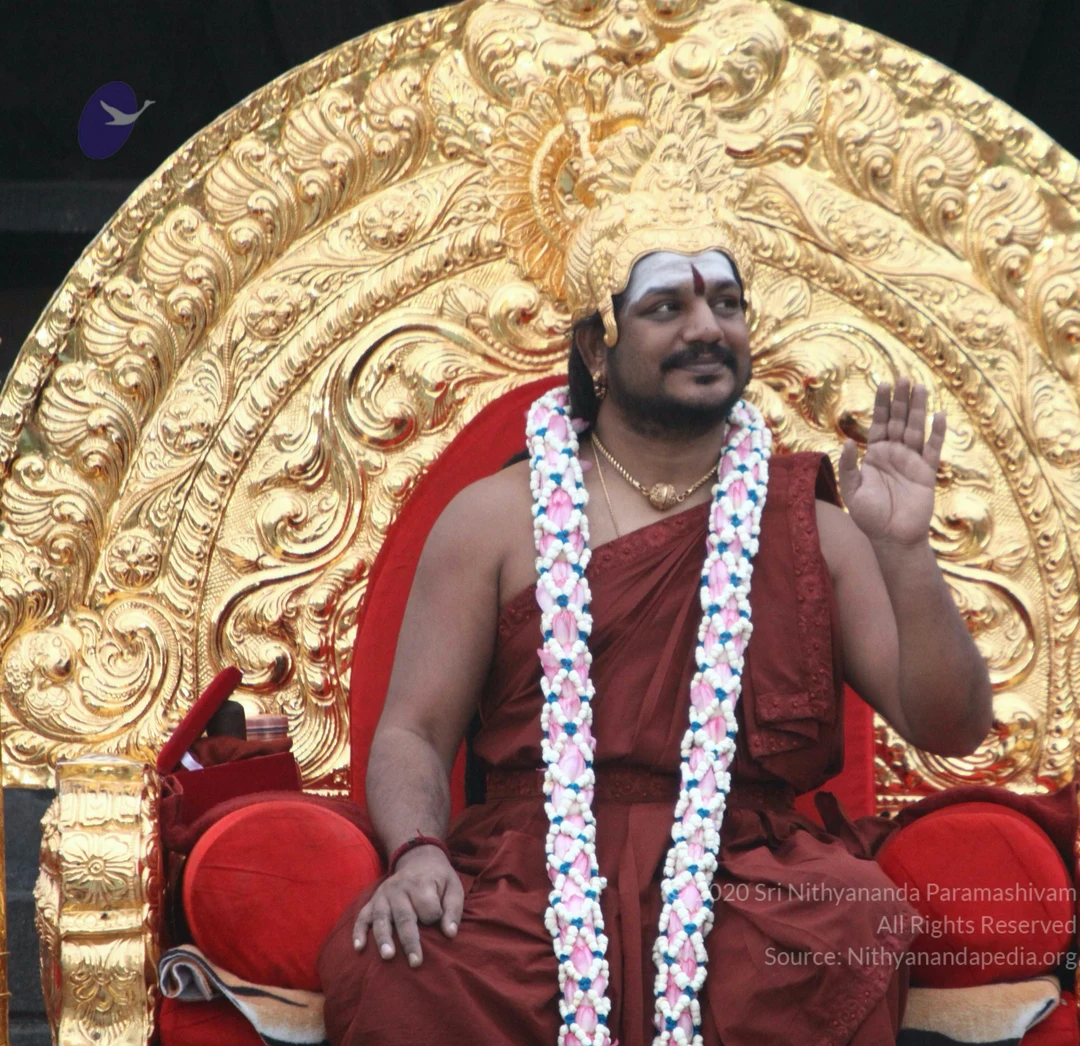
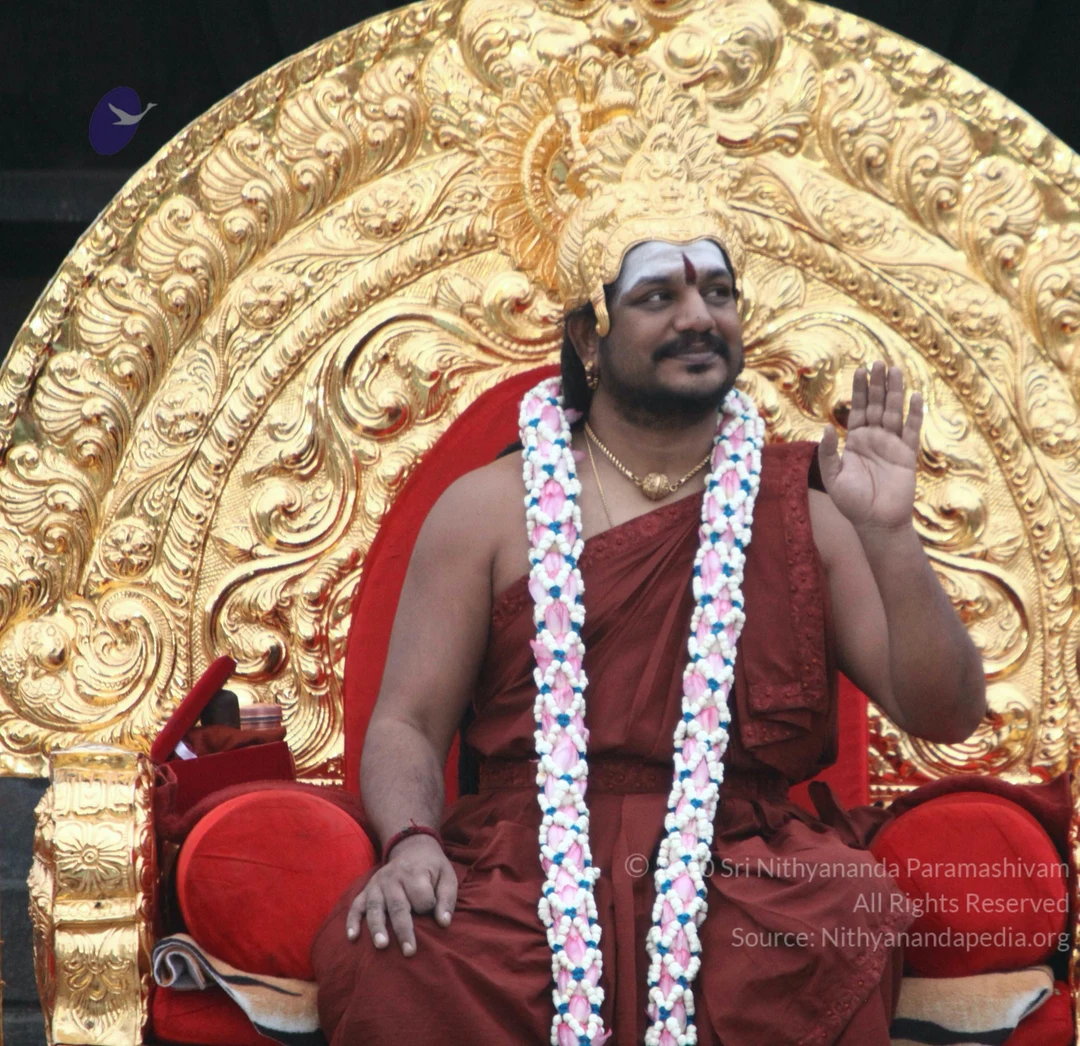
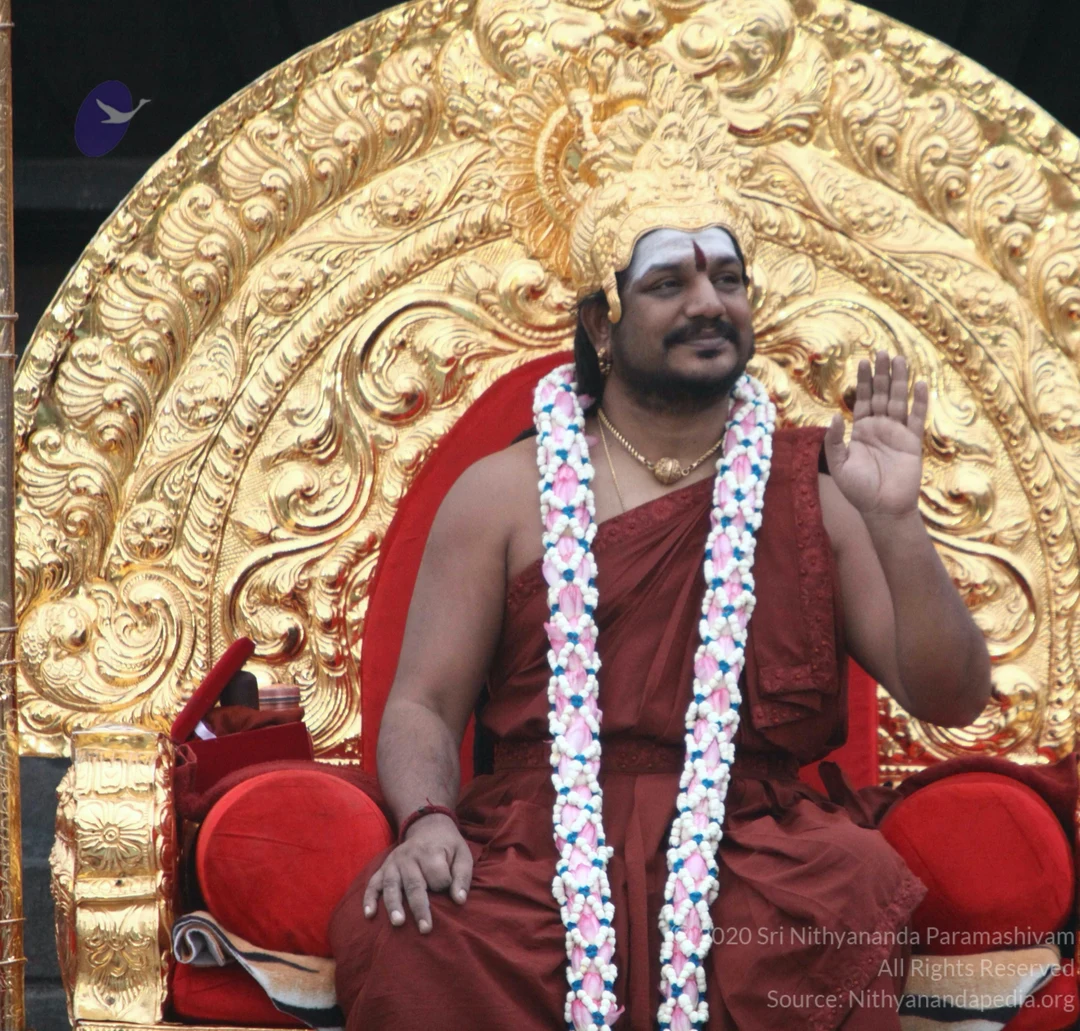
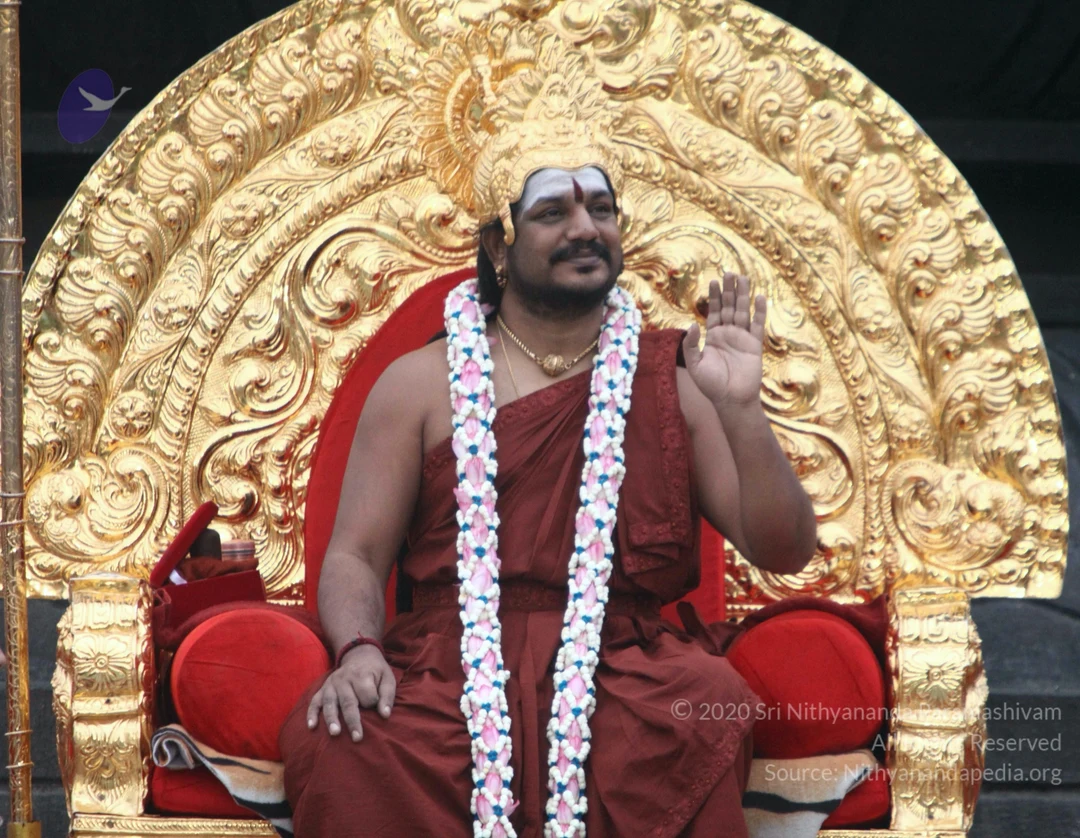
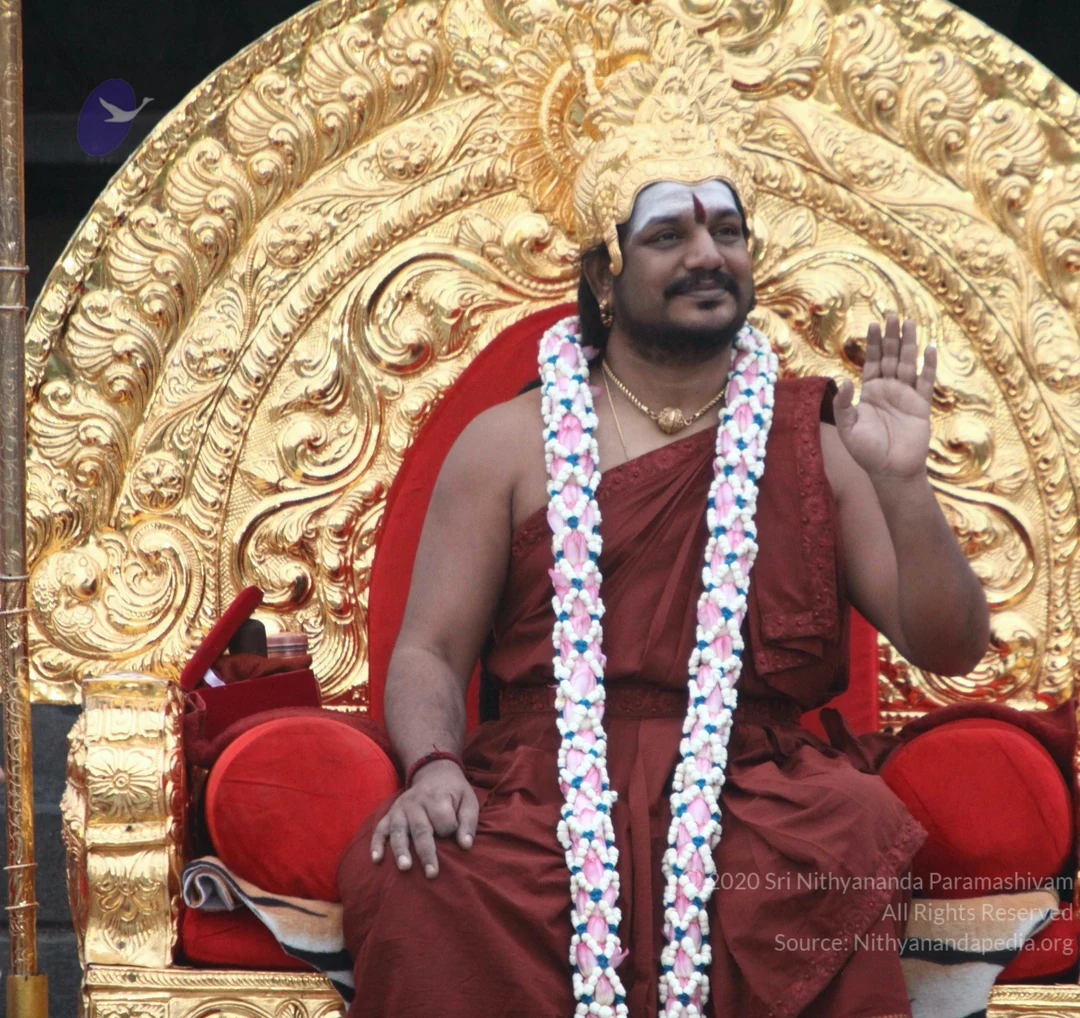
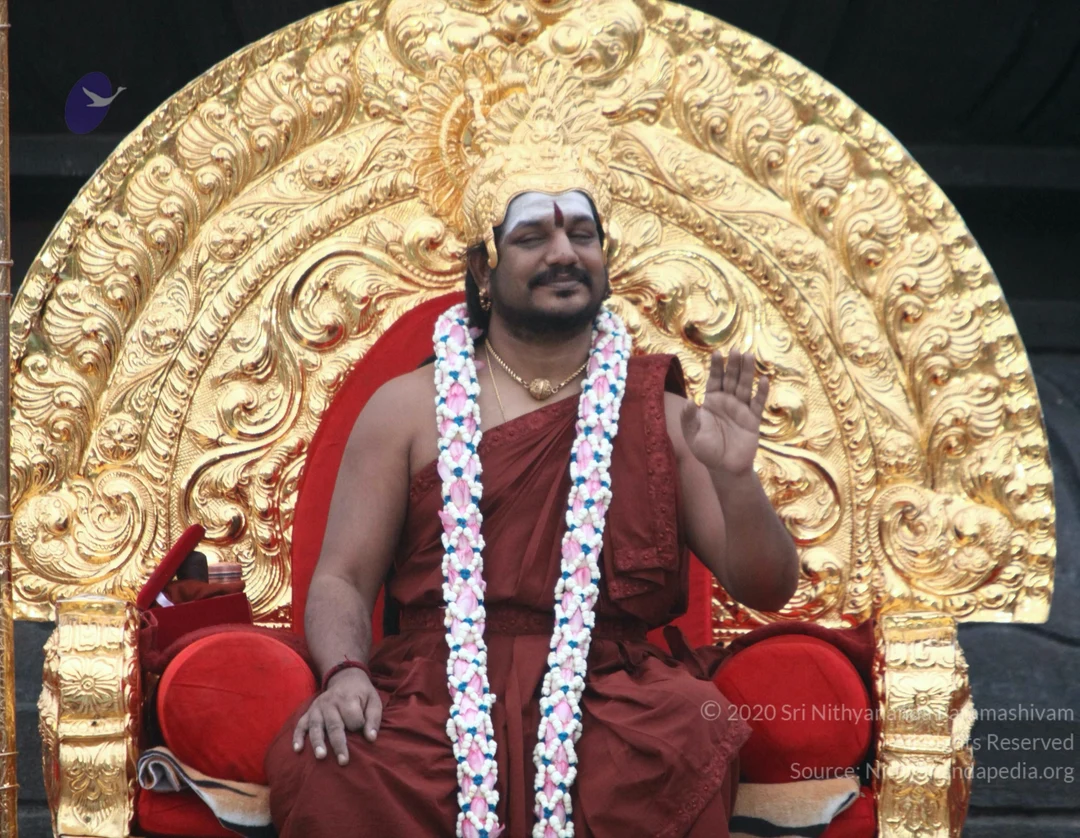
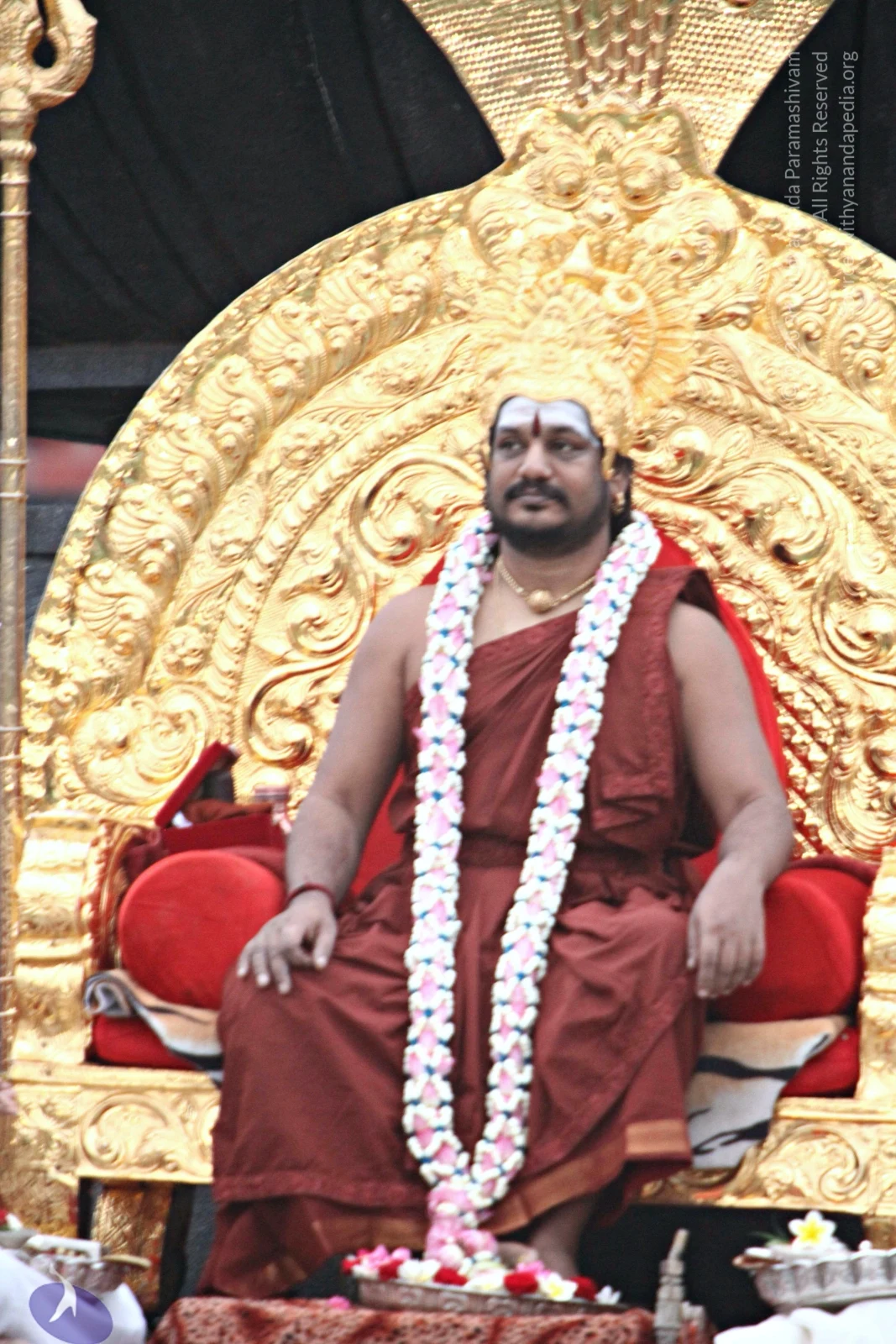
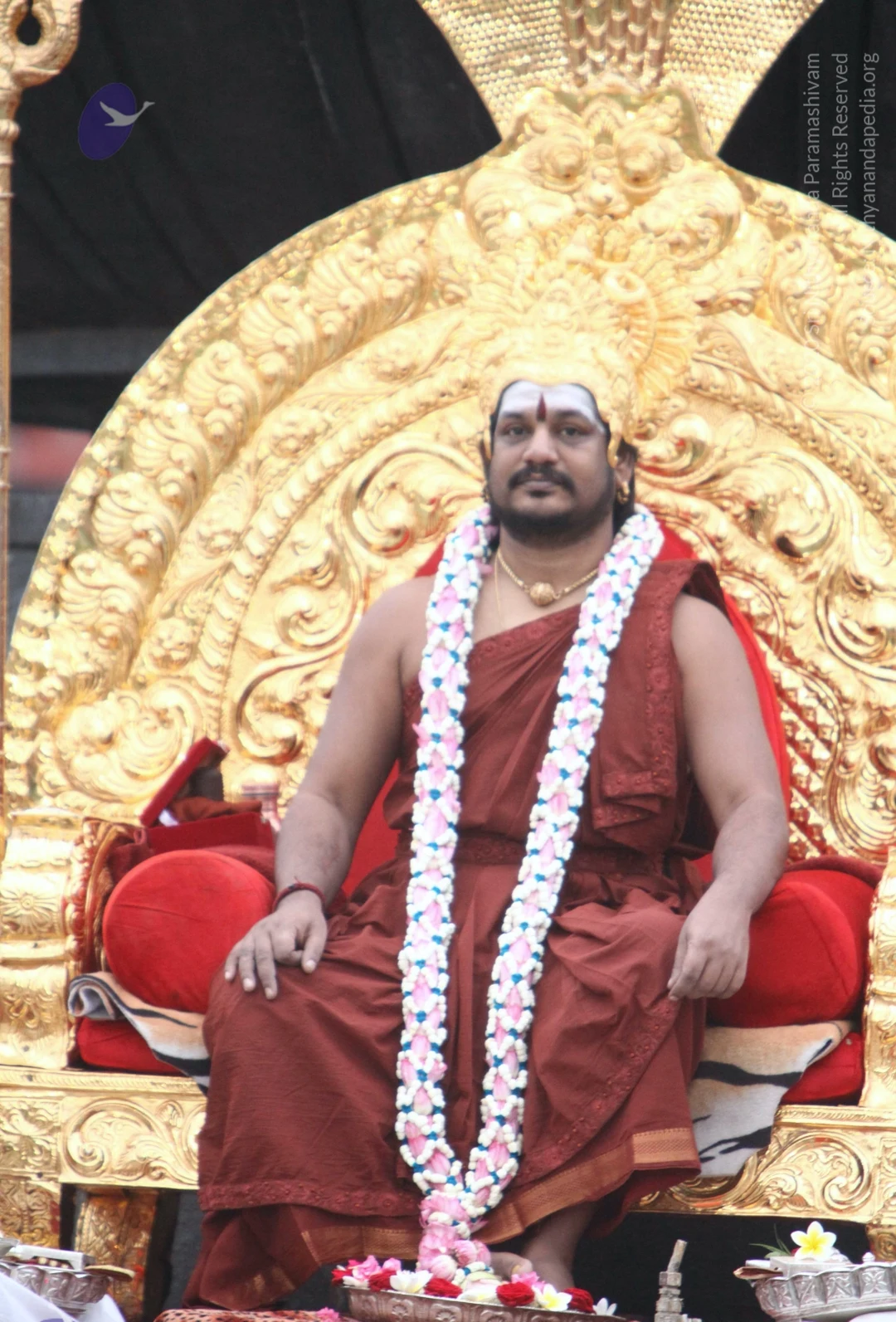
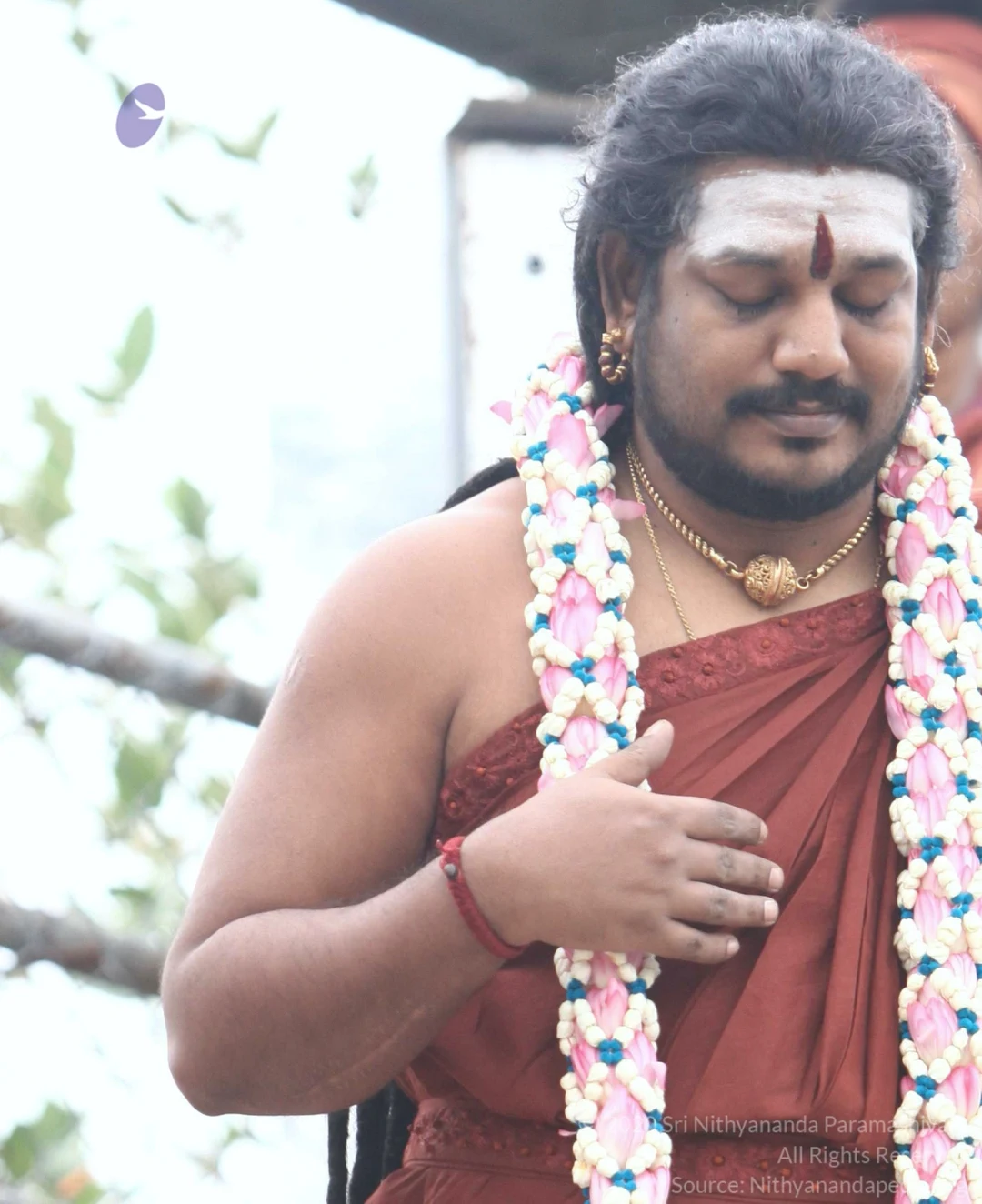
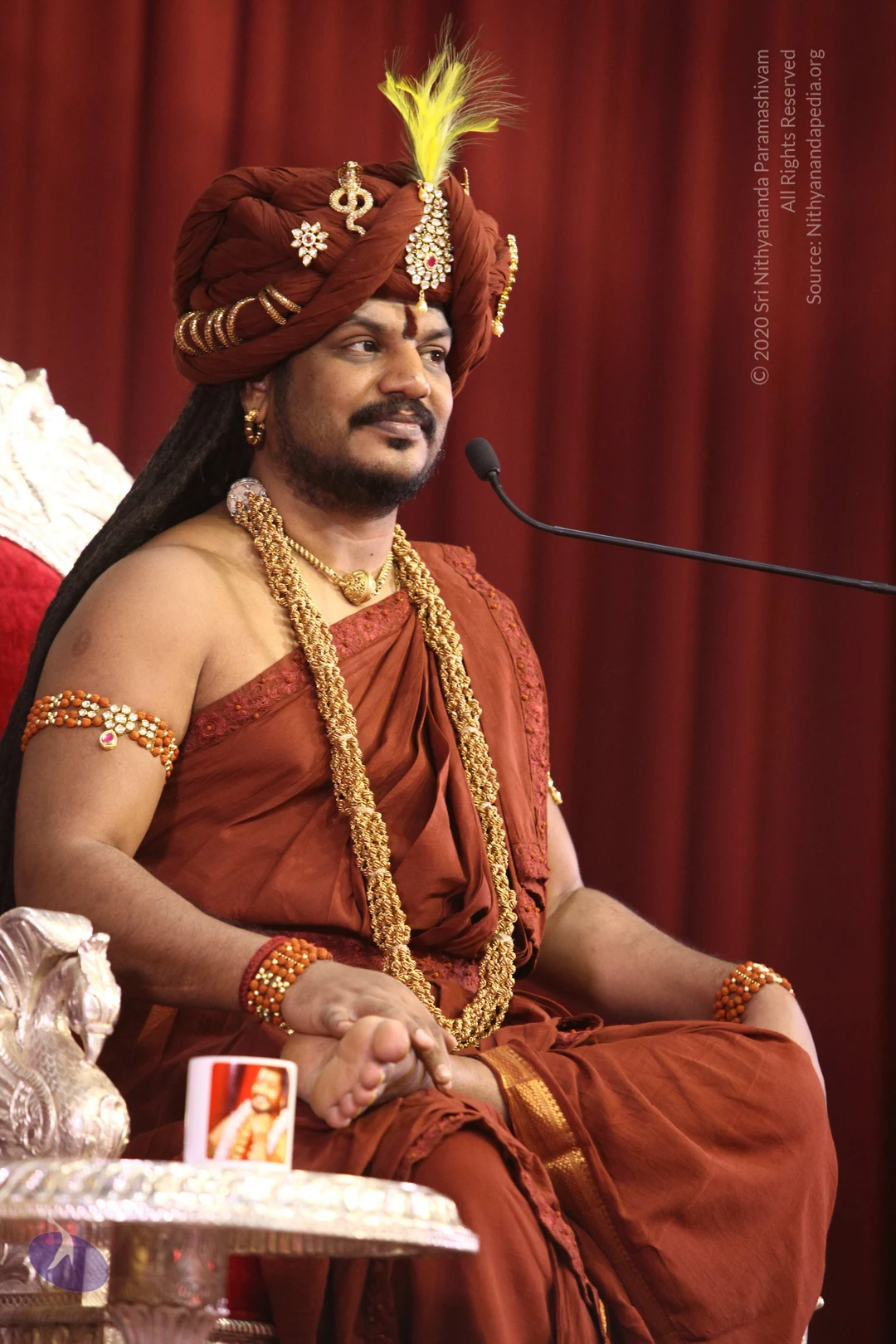
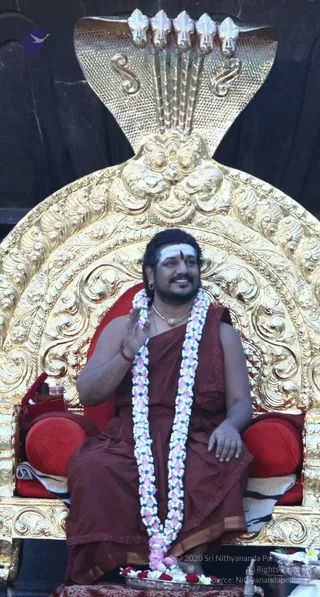
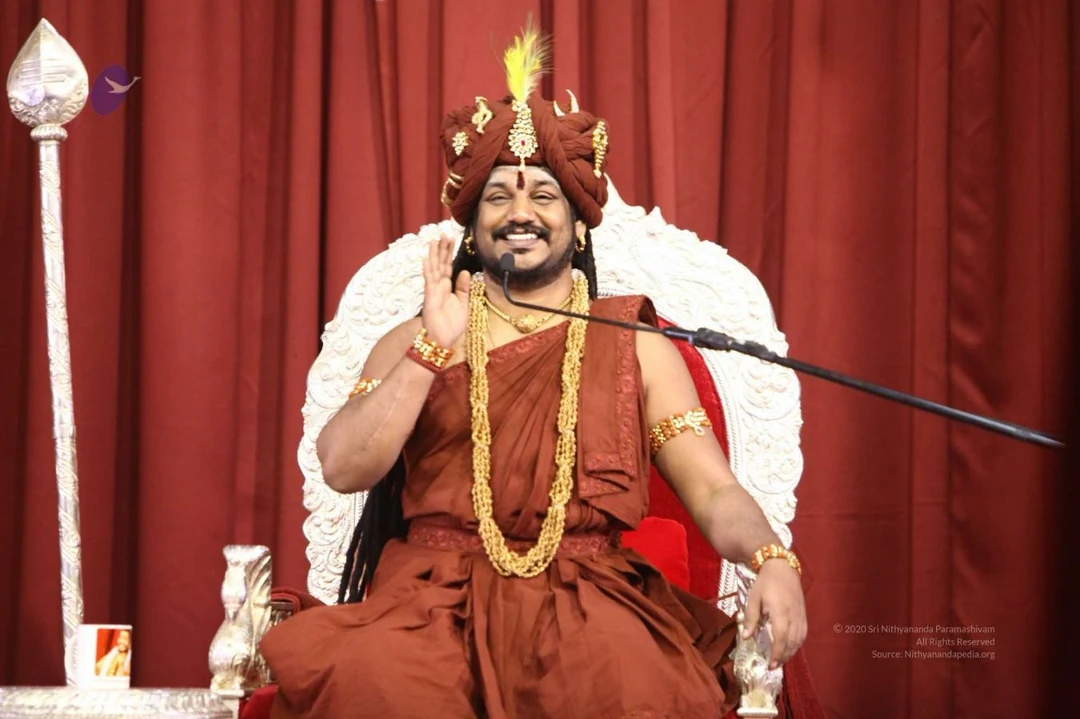 HDH Nithyananda Paramashivam blessing the delegates before starting the satsang on Kundalini
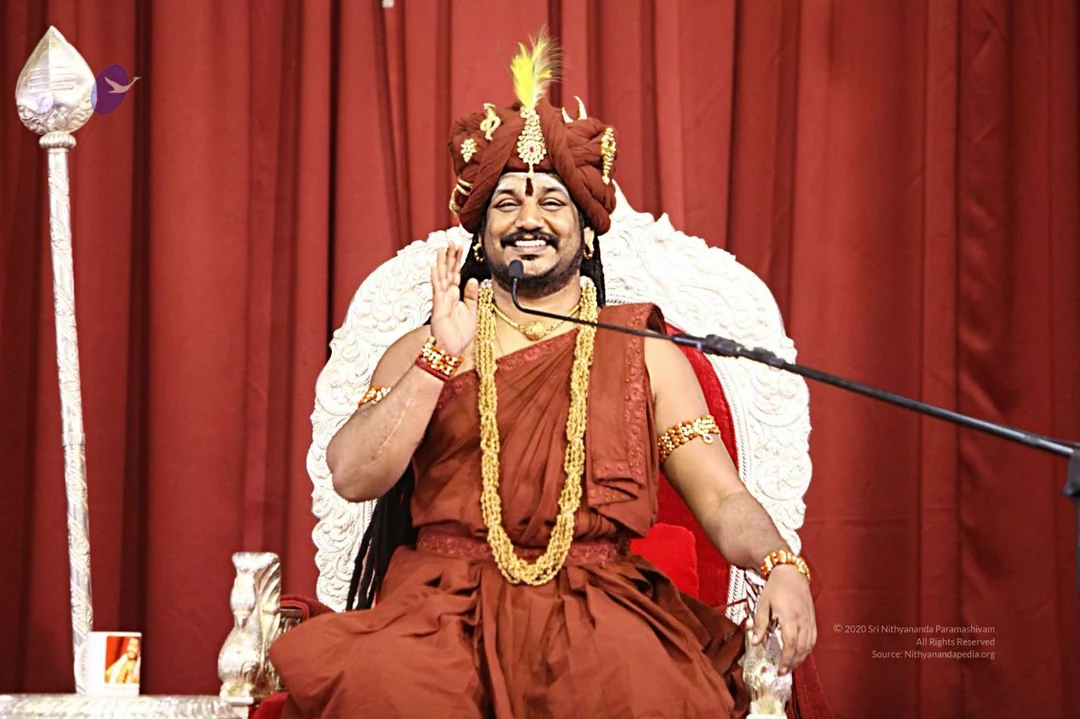 HDH Nithyananda Paramashivam blessing the delegates before starting the satsang on Kundalini shakti
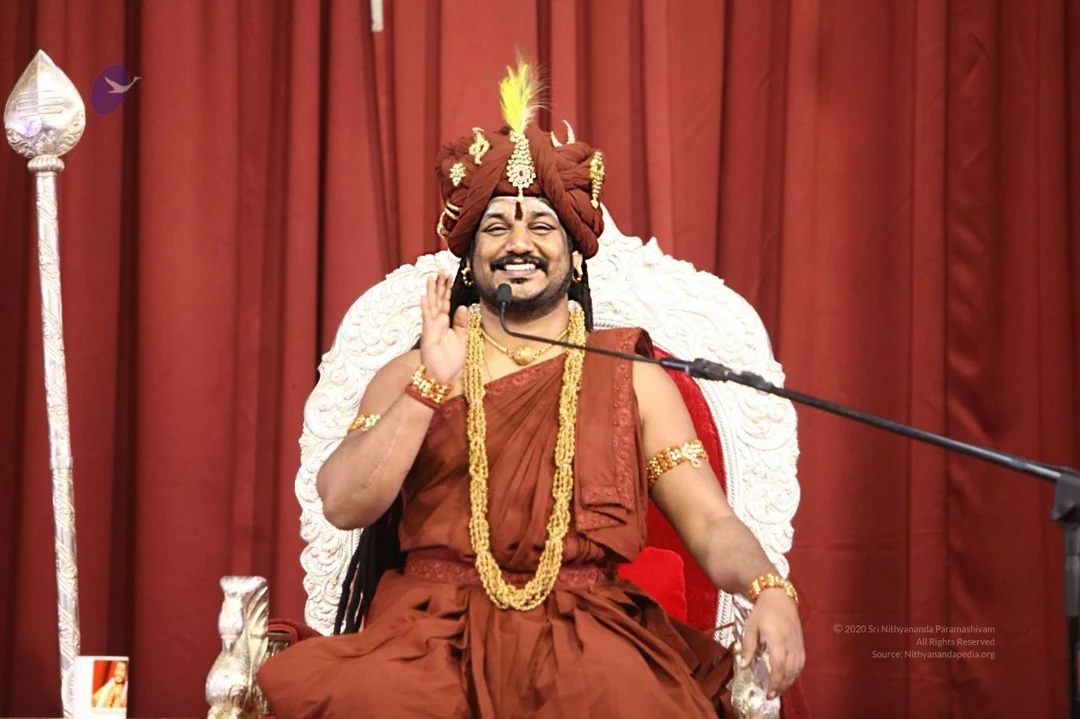 HDH Nithyananda Paramashivam blessing the delegates before starting a satsang on power manifestations
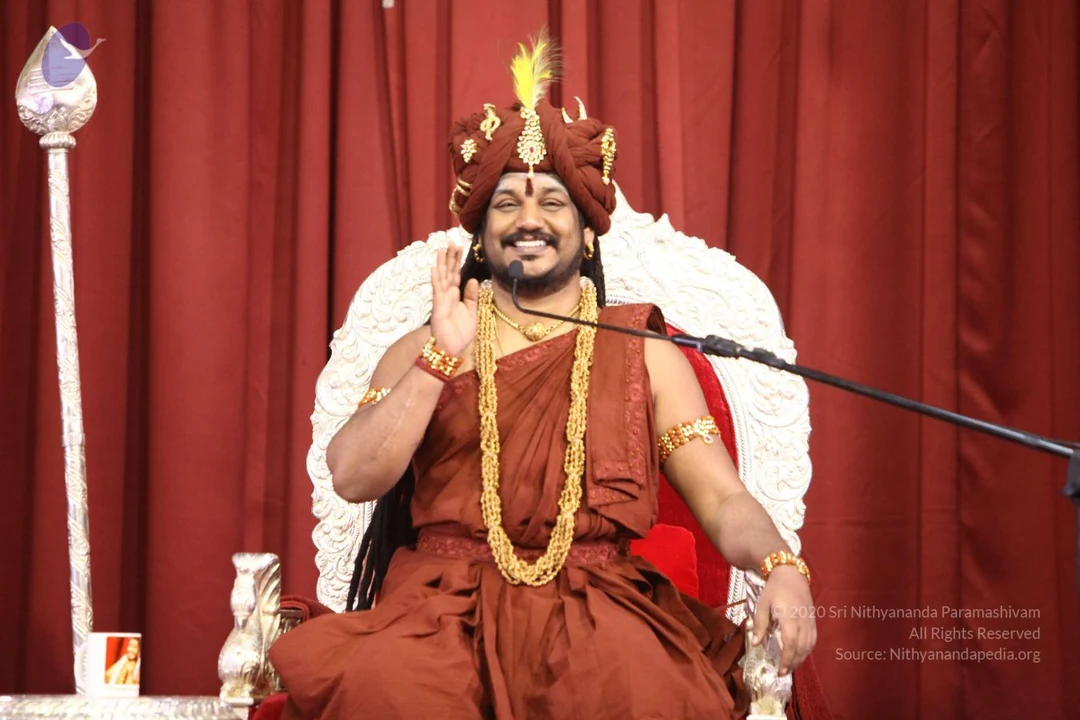
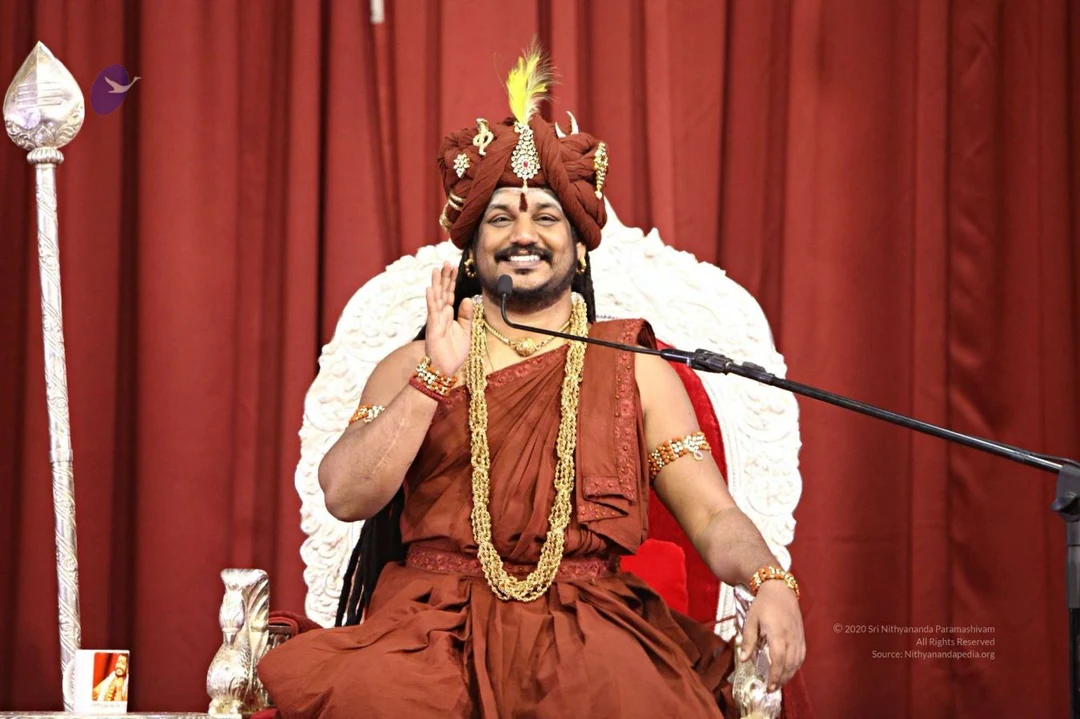 HDH Nithyananda Paramashivam blessing the delegates before starting the satsang on Kundalini shakti
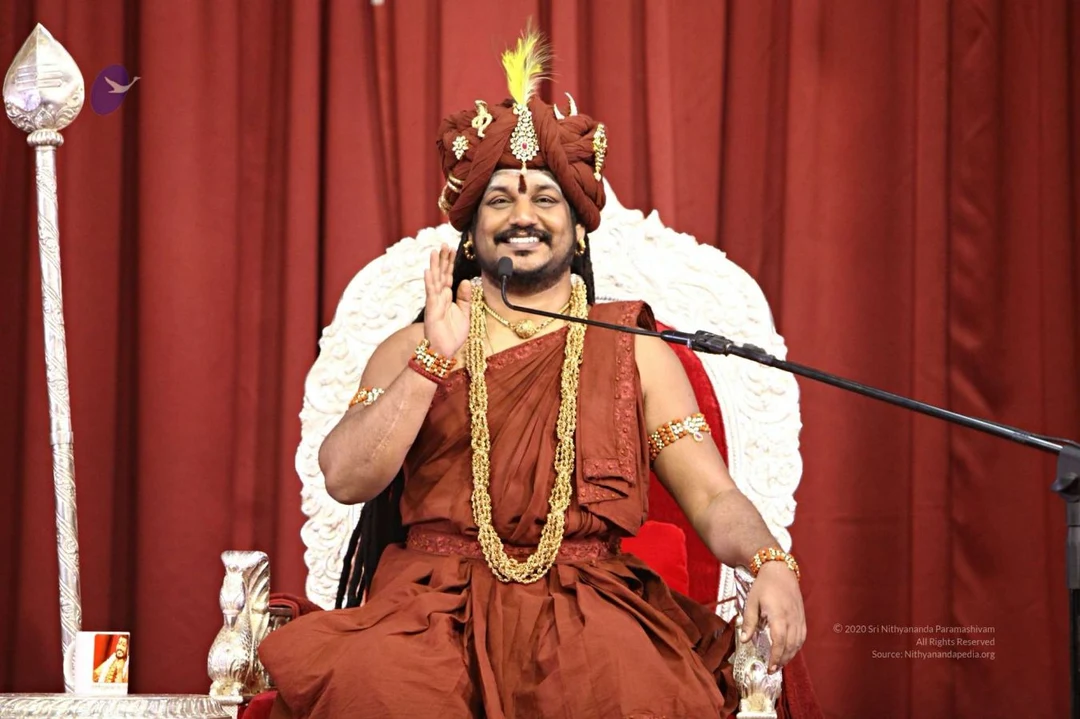 HDH Nithyananda Paramashivam blessing the delegates before starting the satsang on Shaktipada
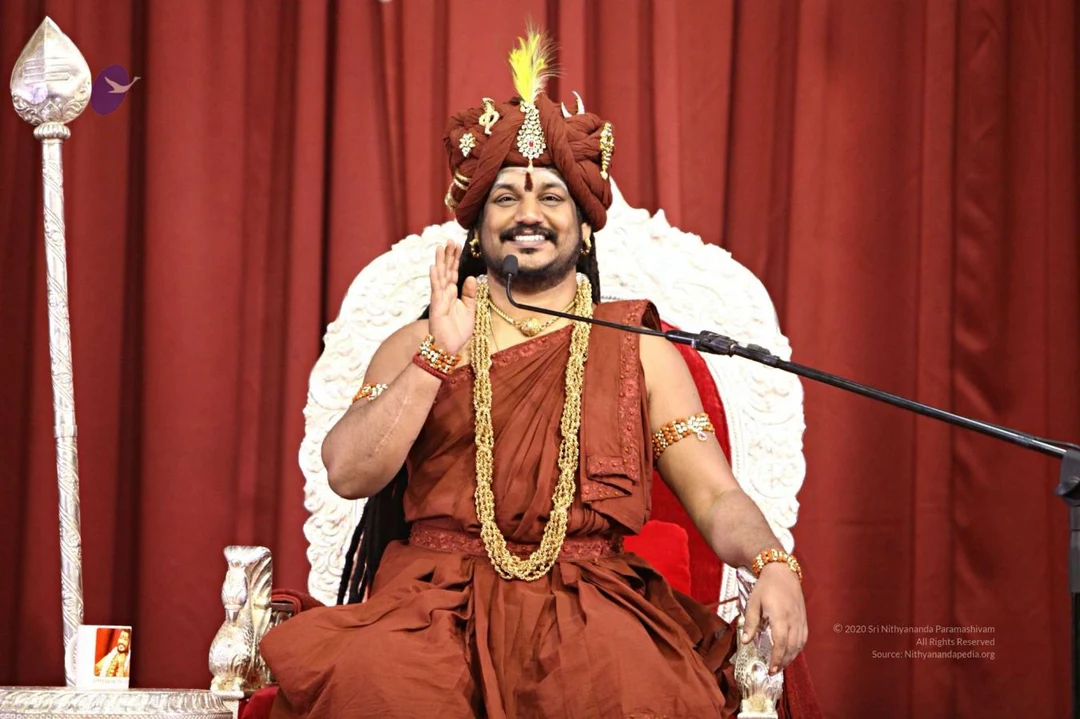 HDH Nithyananda Paramashivam blessing the delegates before starting the satsang on power manifestations science
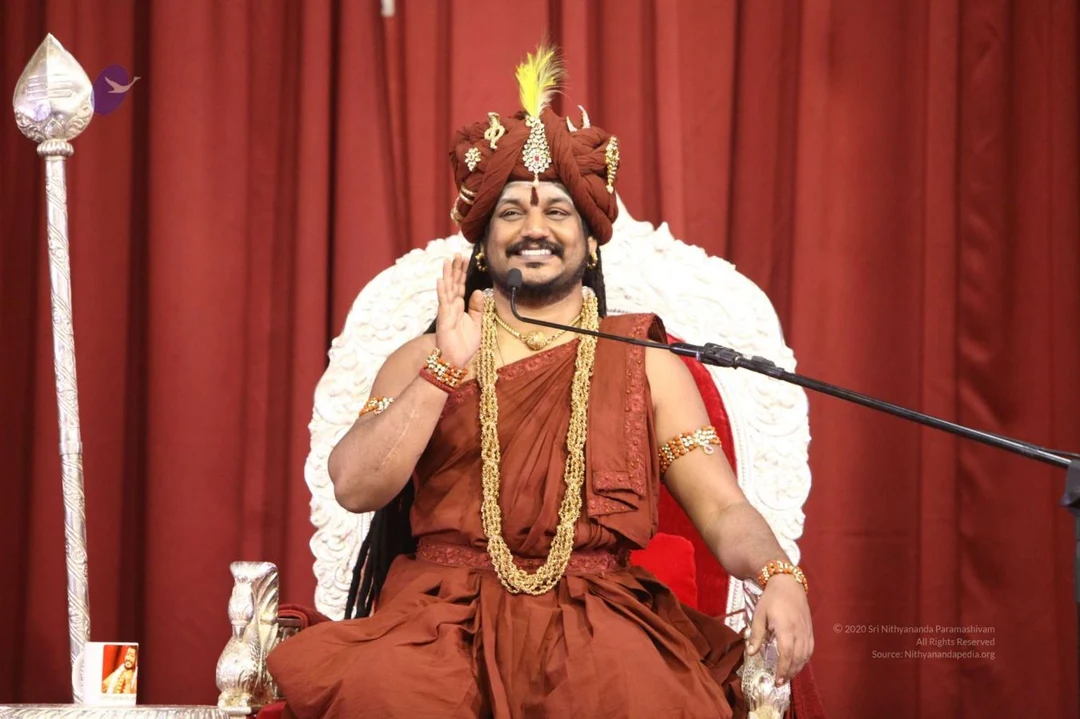 HDH Nithyananda Paramashivam blessing the delegates before starting the satsang on Kundalini Shakti
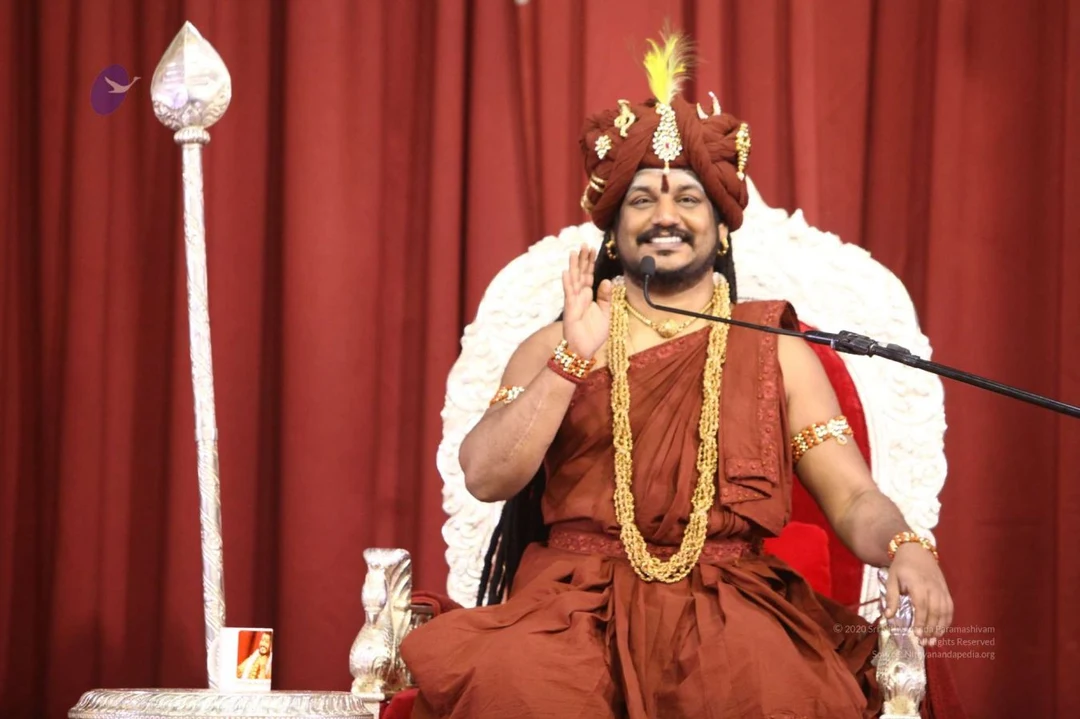 HDH Nithyananda Paramashivam blessing the delegates before starting the satsang on Shaktipada
 HDH Nithyananda Paramashivam blessing the delegates before starting the satsang on Shaktipada
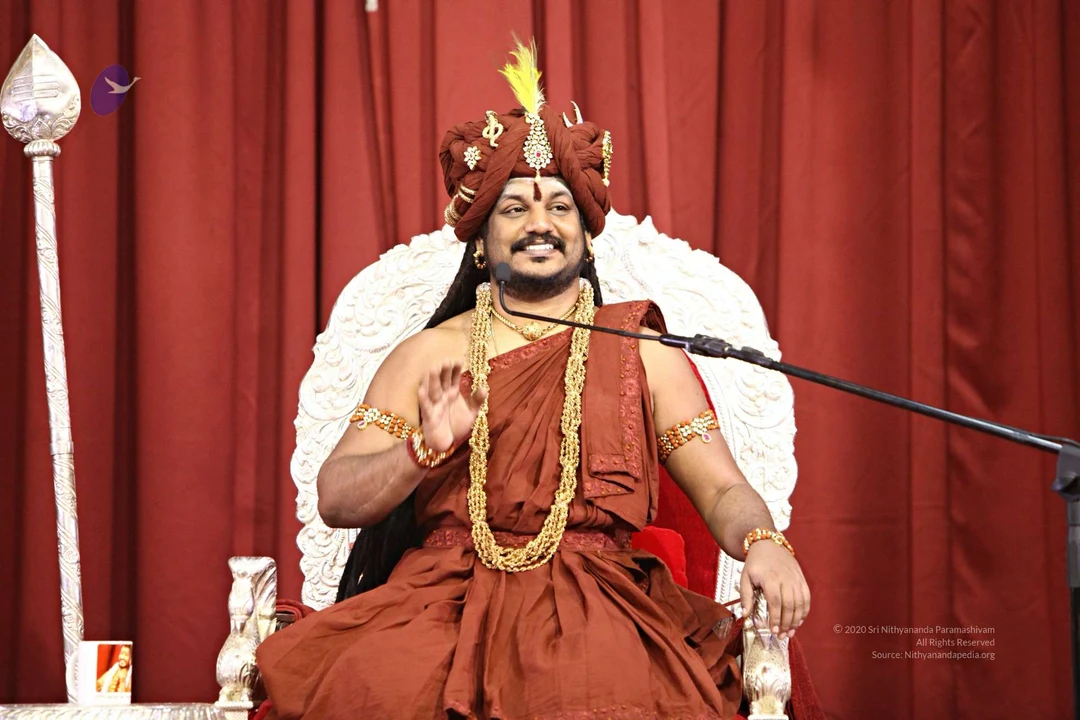 HDH Nithyananda Paramashivam blessing the delegates before starting on Shaktipada
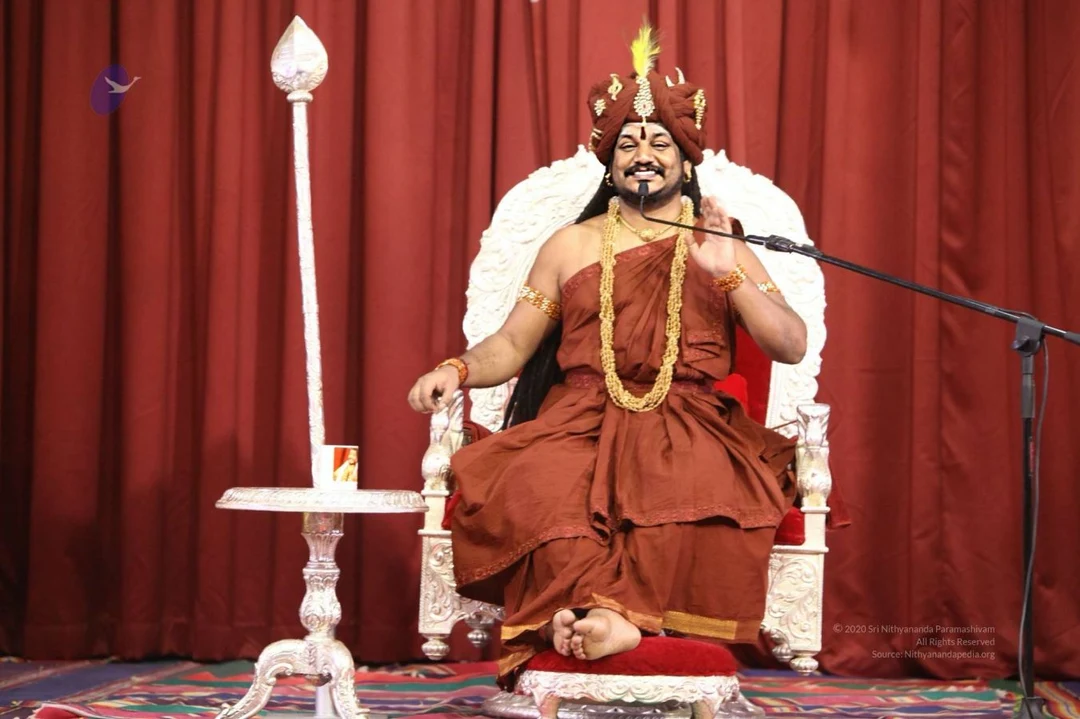 HDH Nithyananda Paramashivam blessing the delegates before starting the satsang on the science of power manifestation
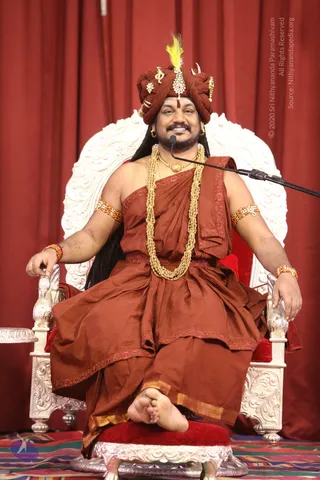
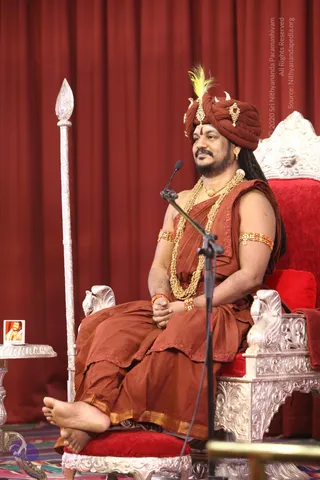
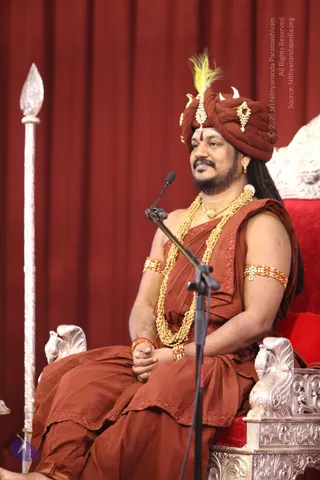
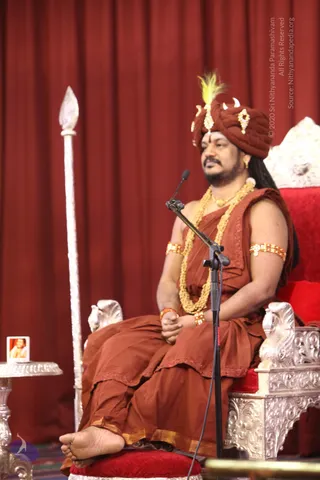
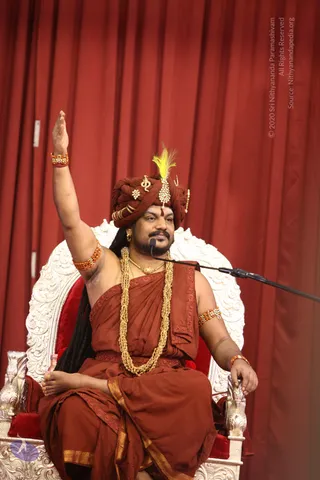
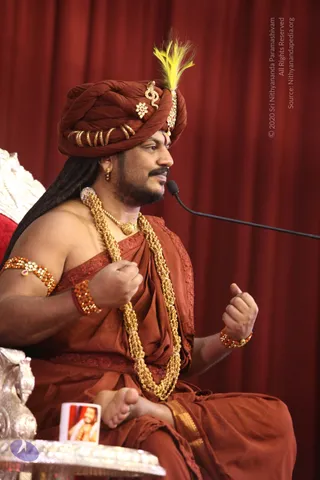
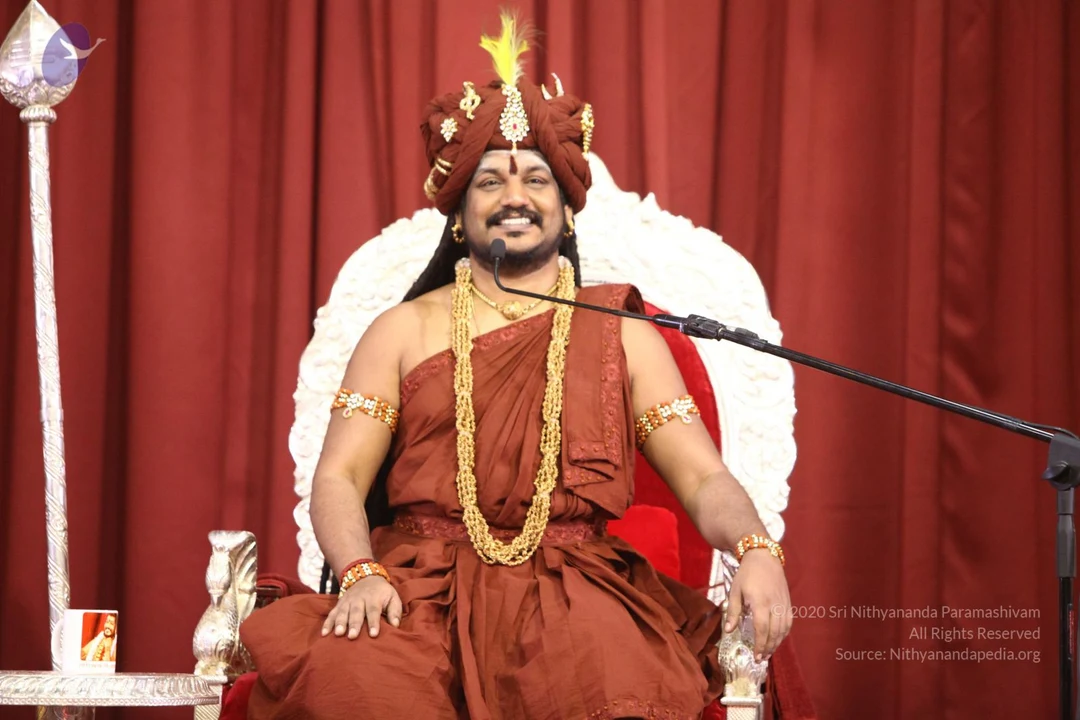
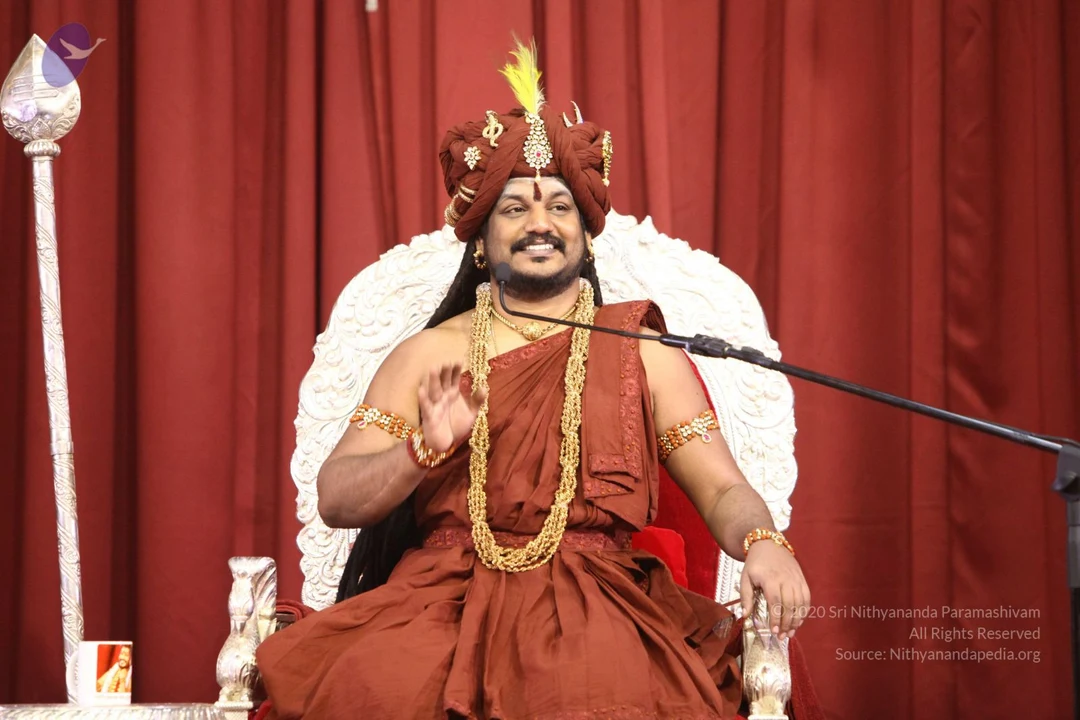
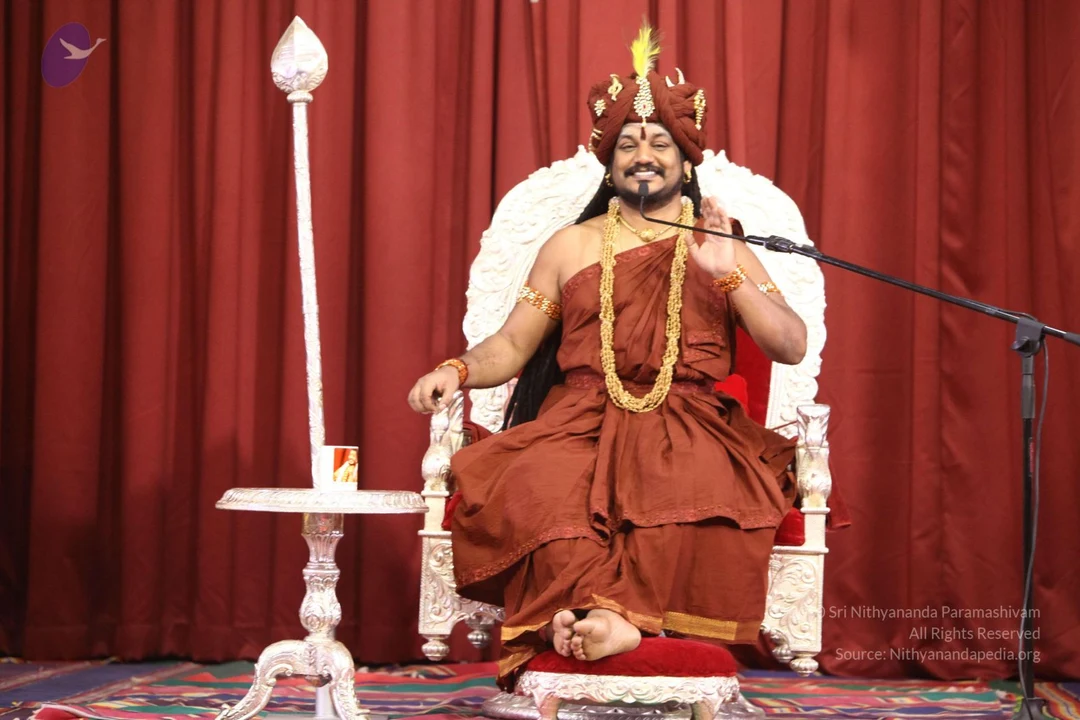
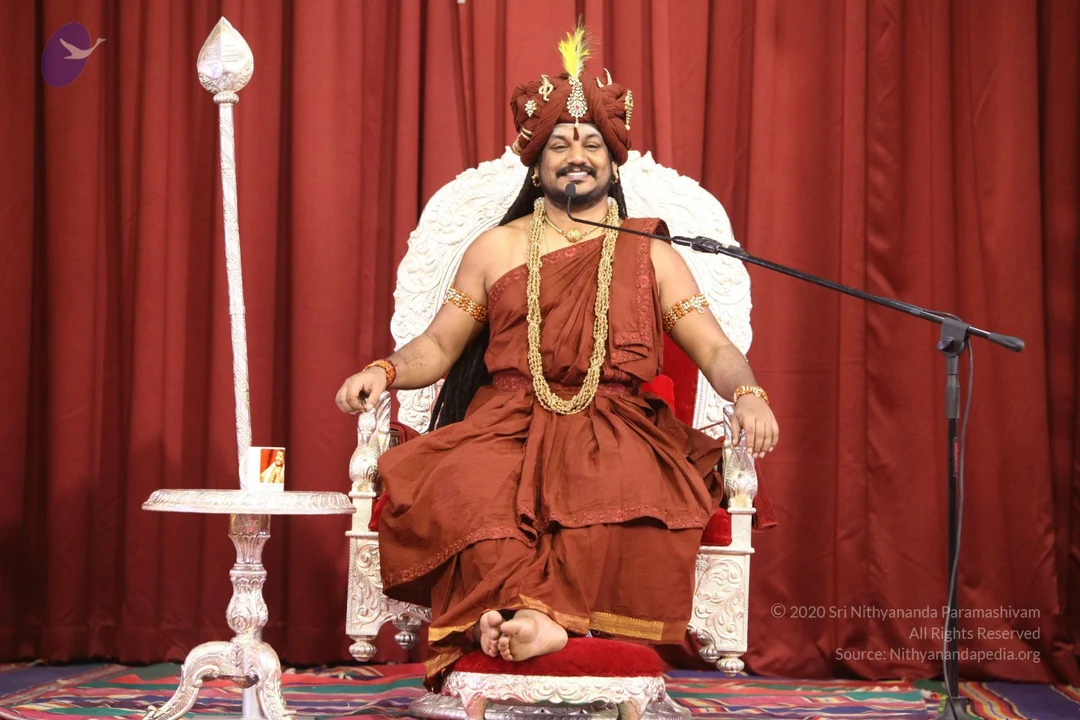
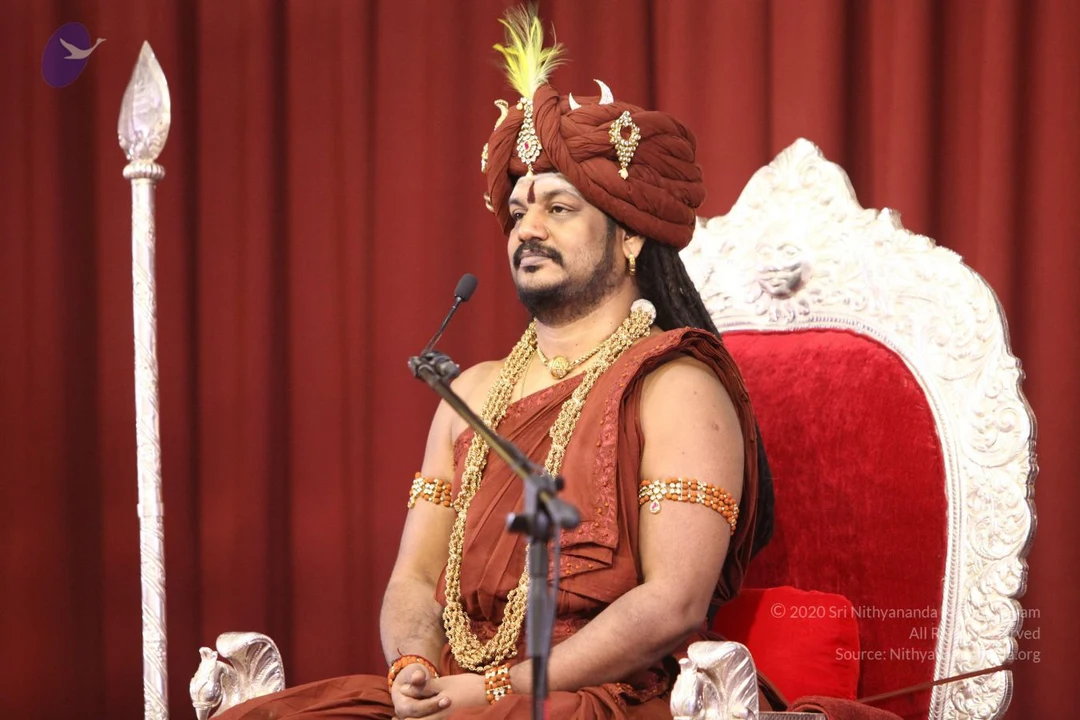
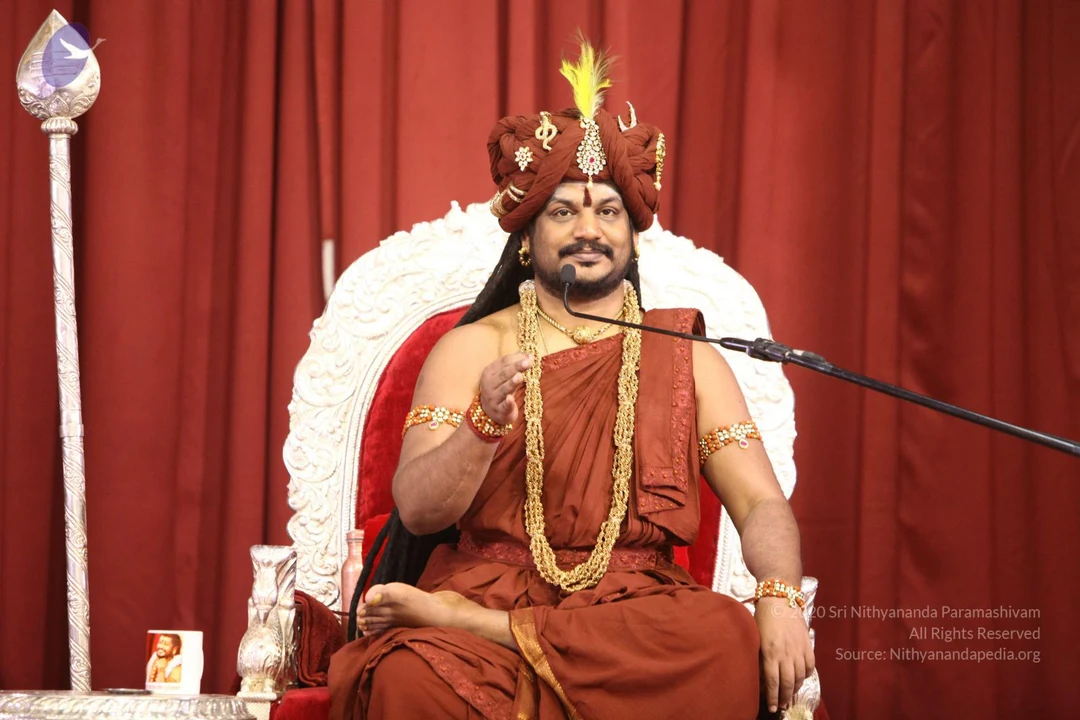
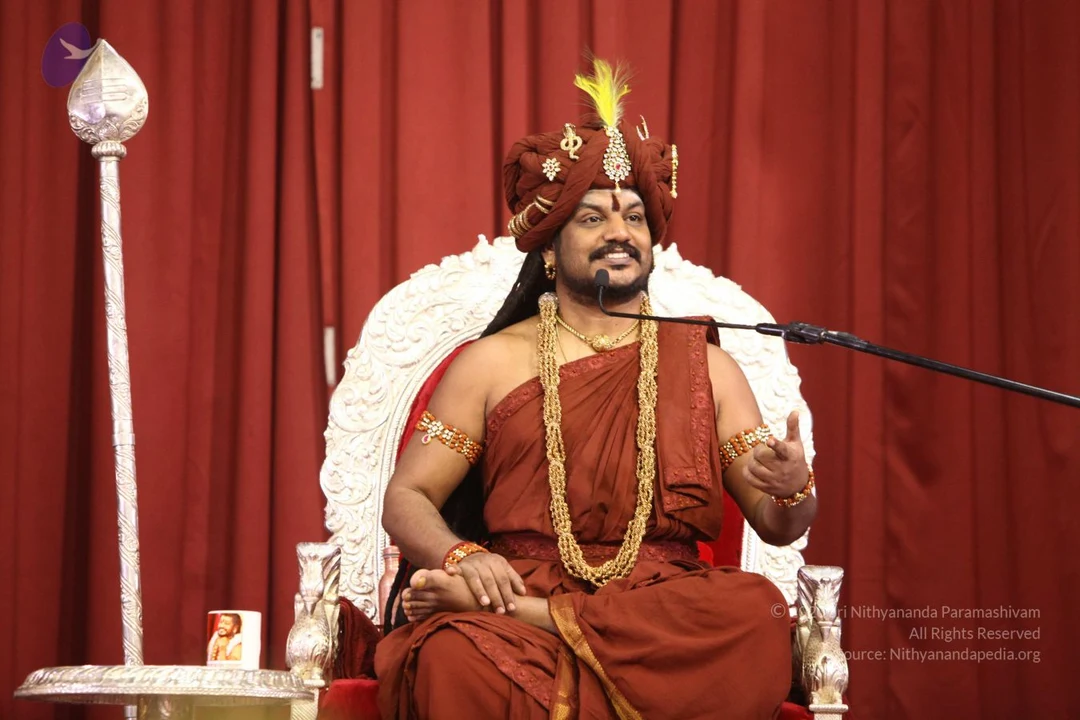
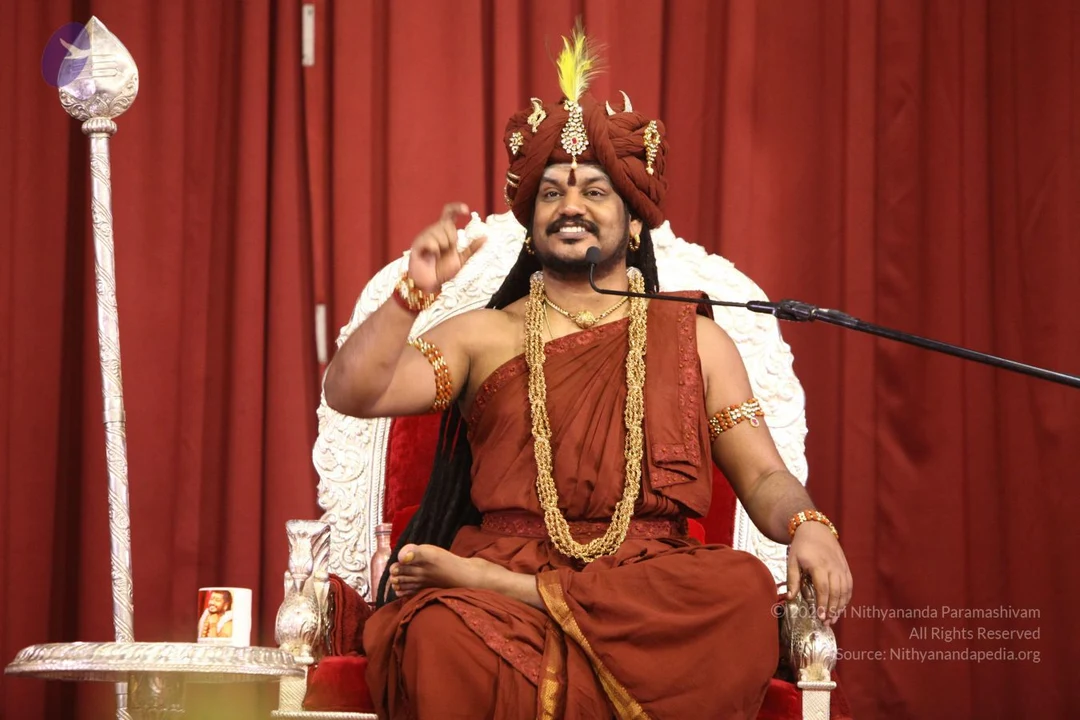
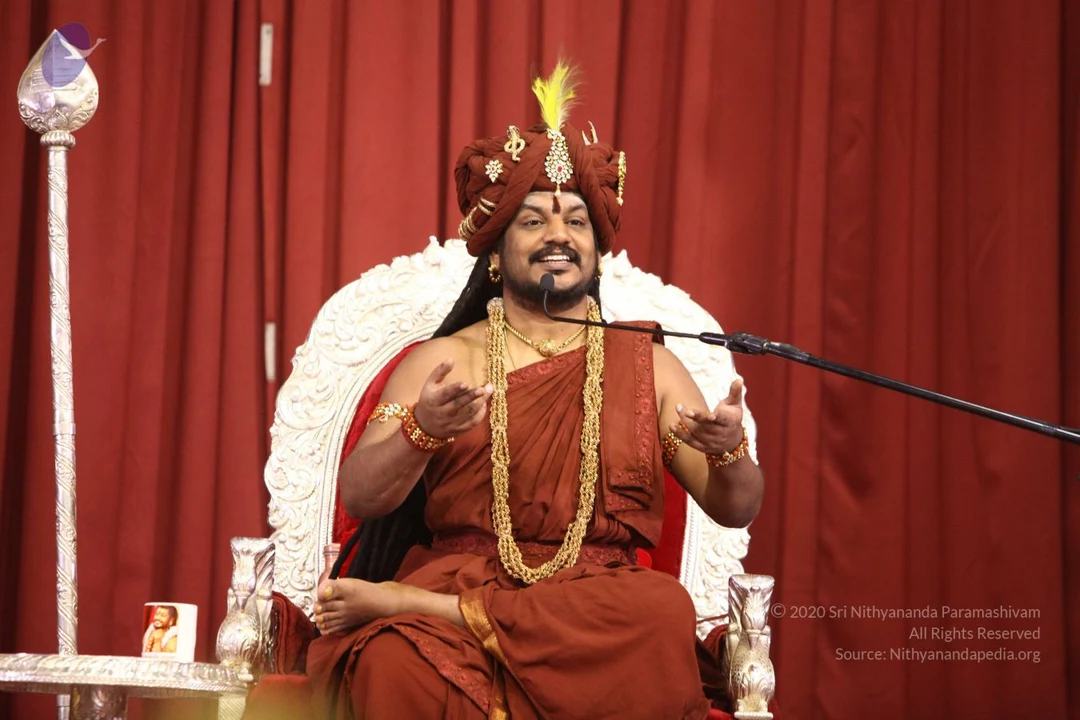
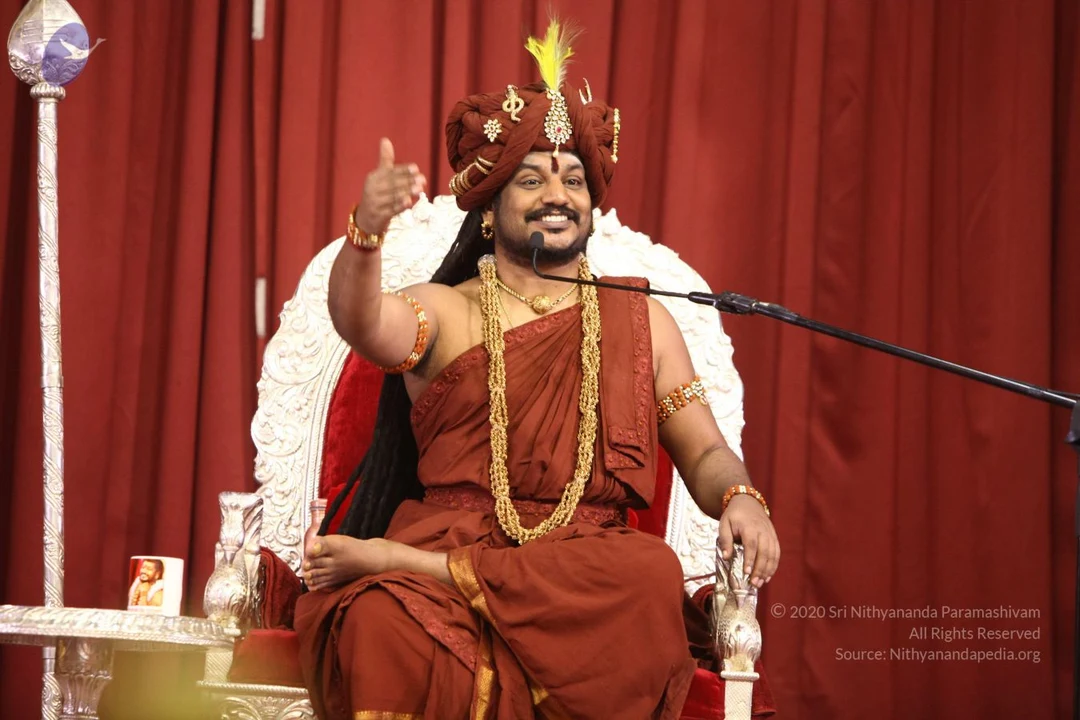
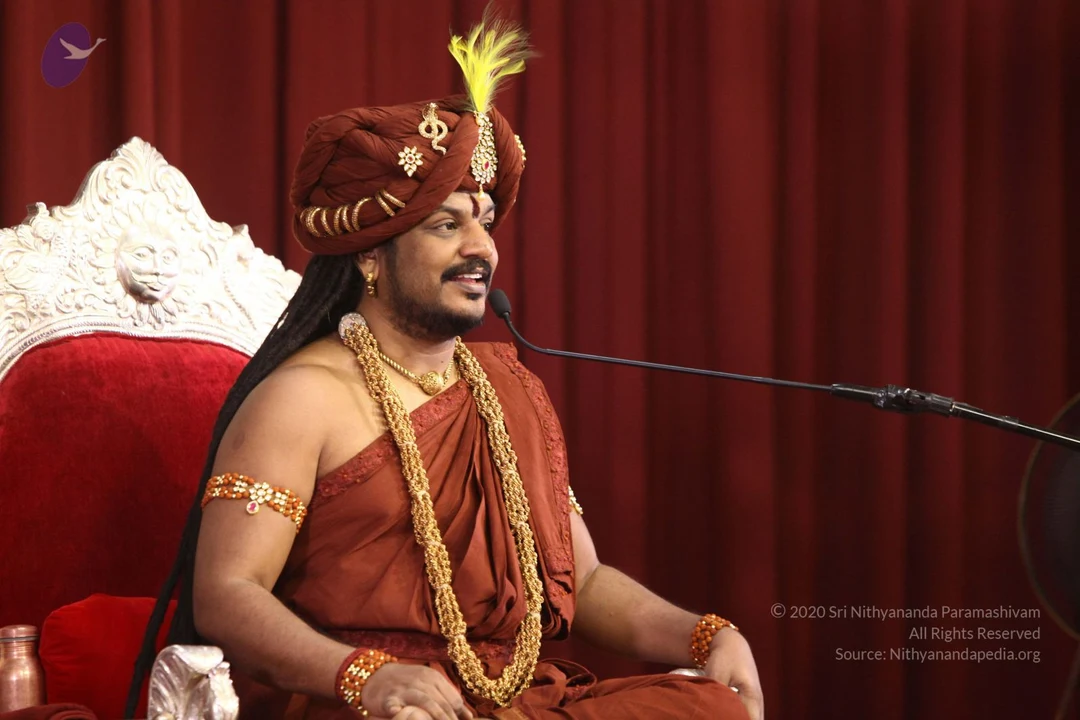
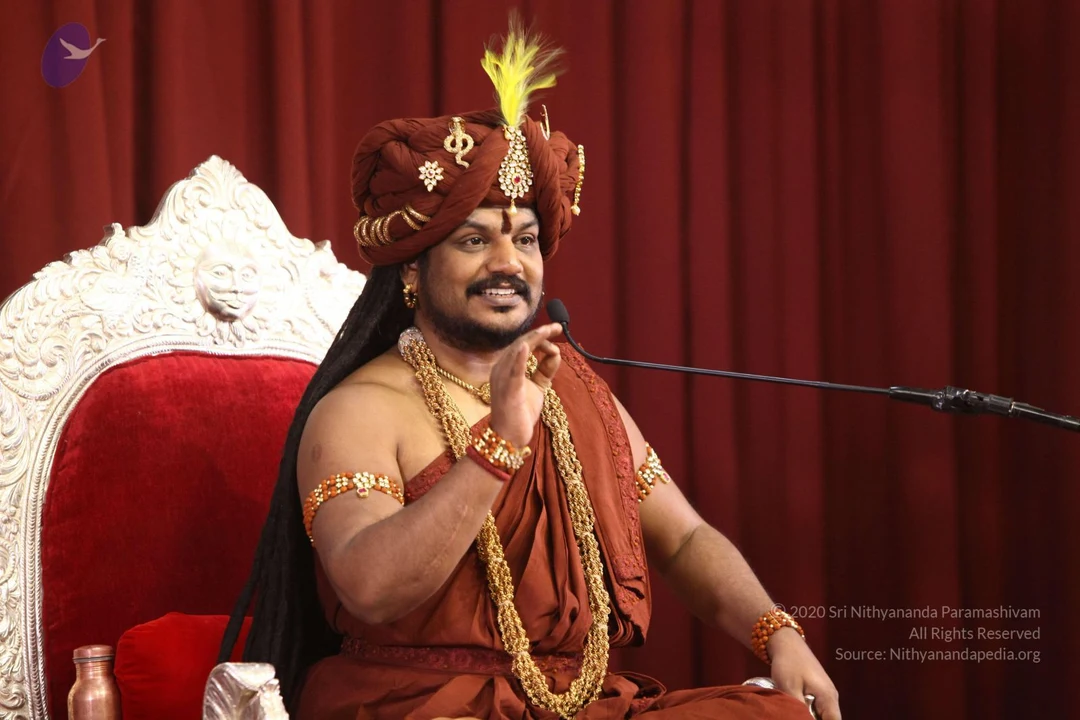
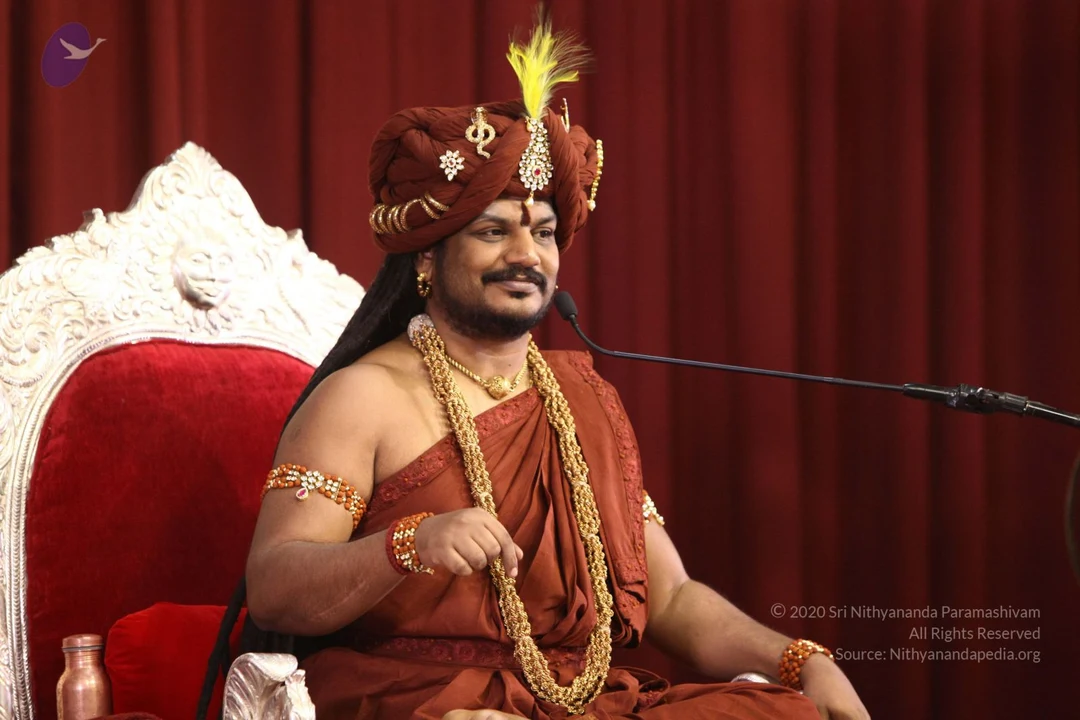
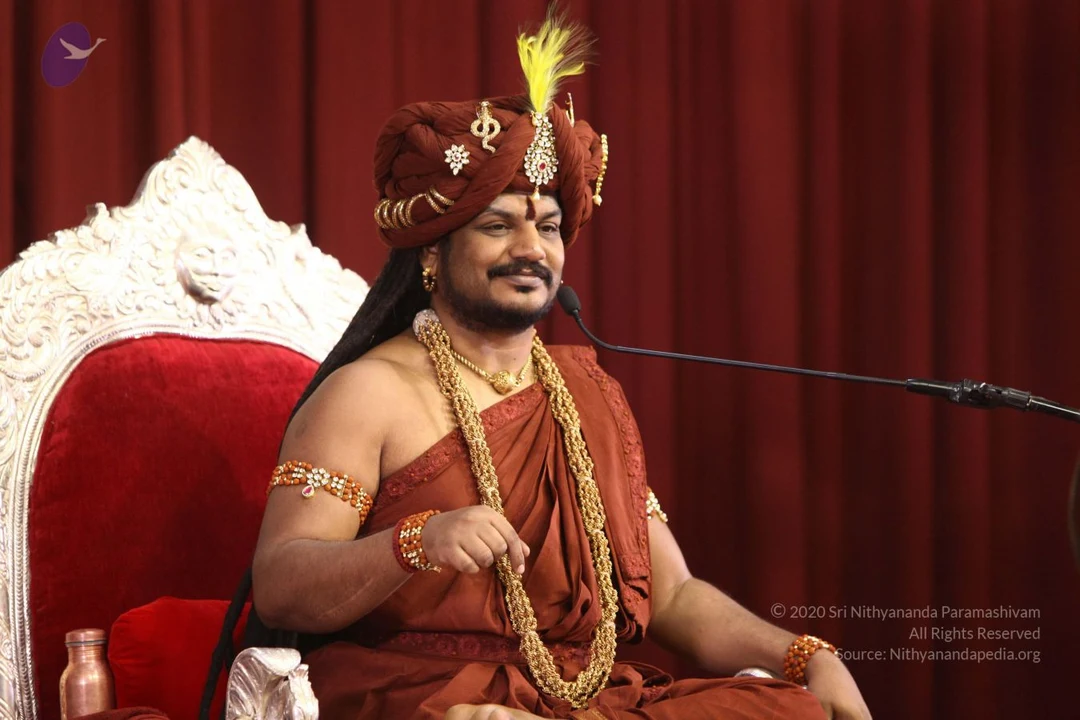
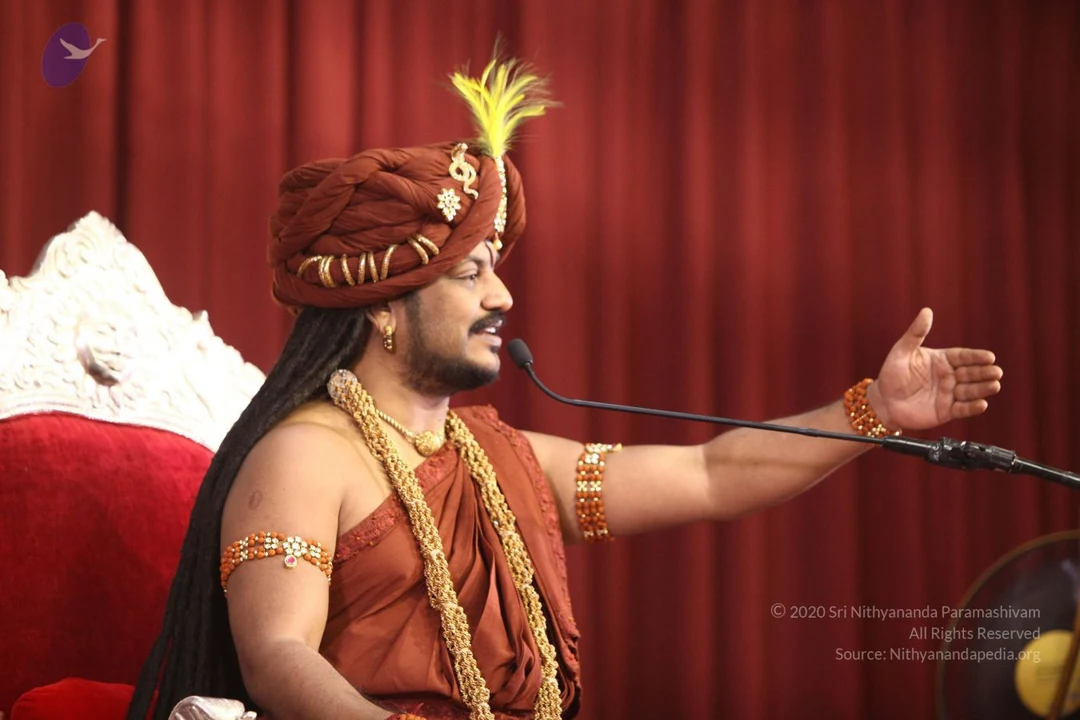
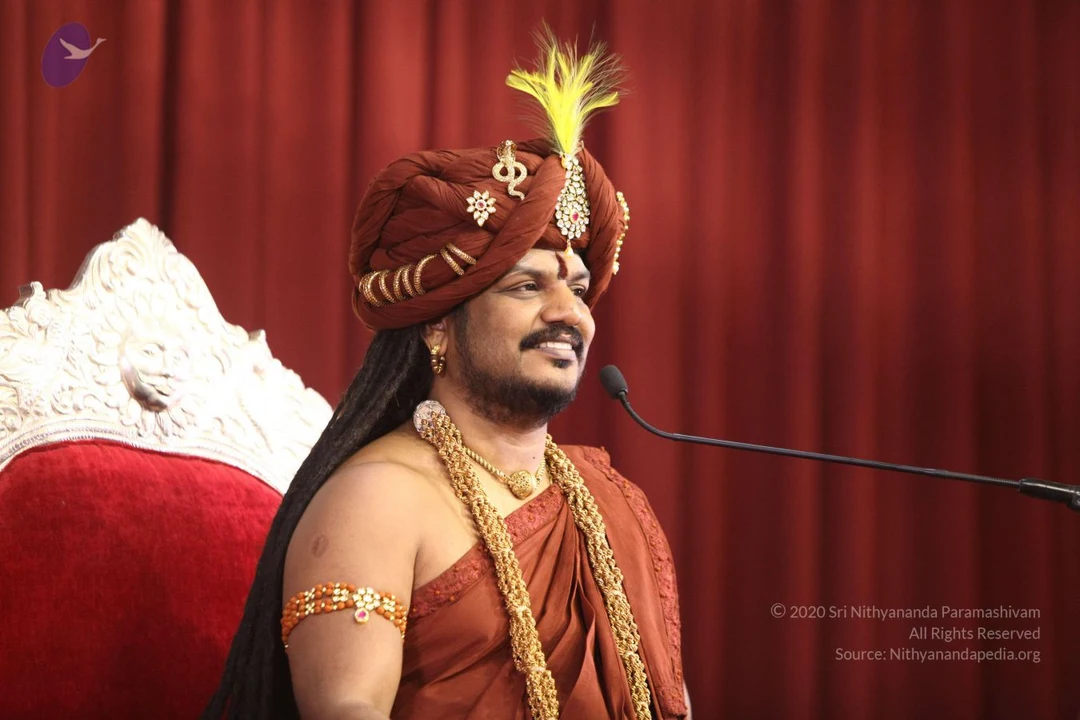
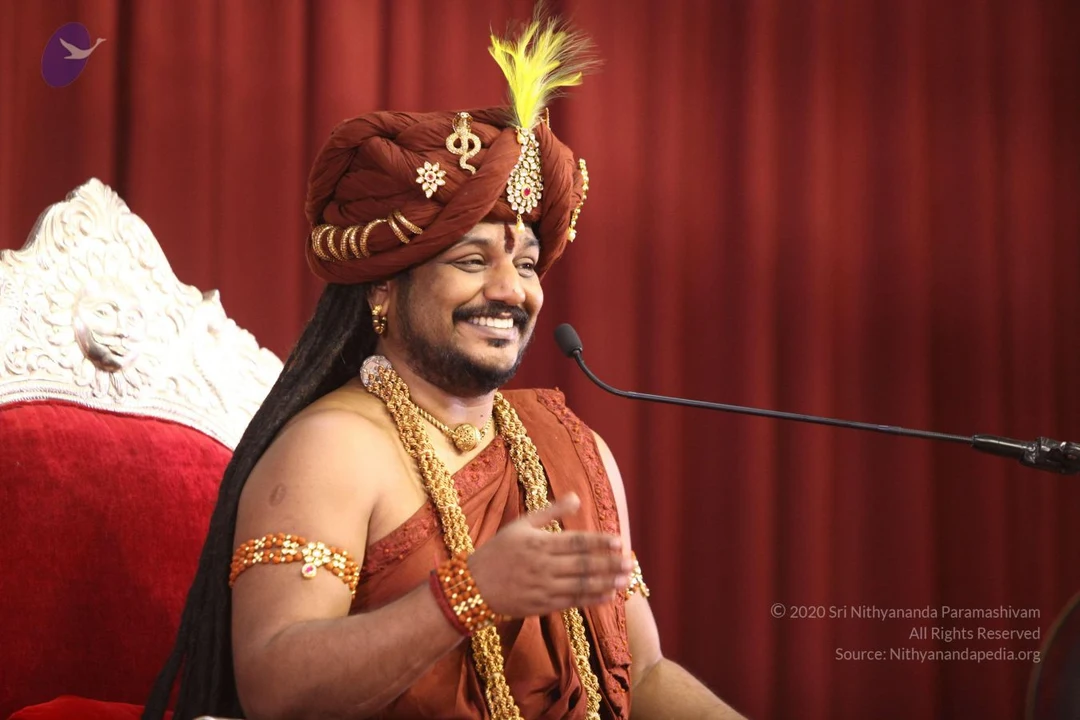
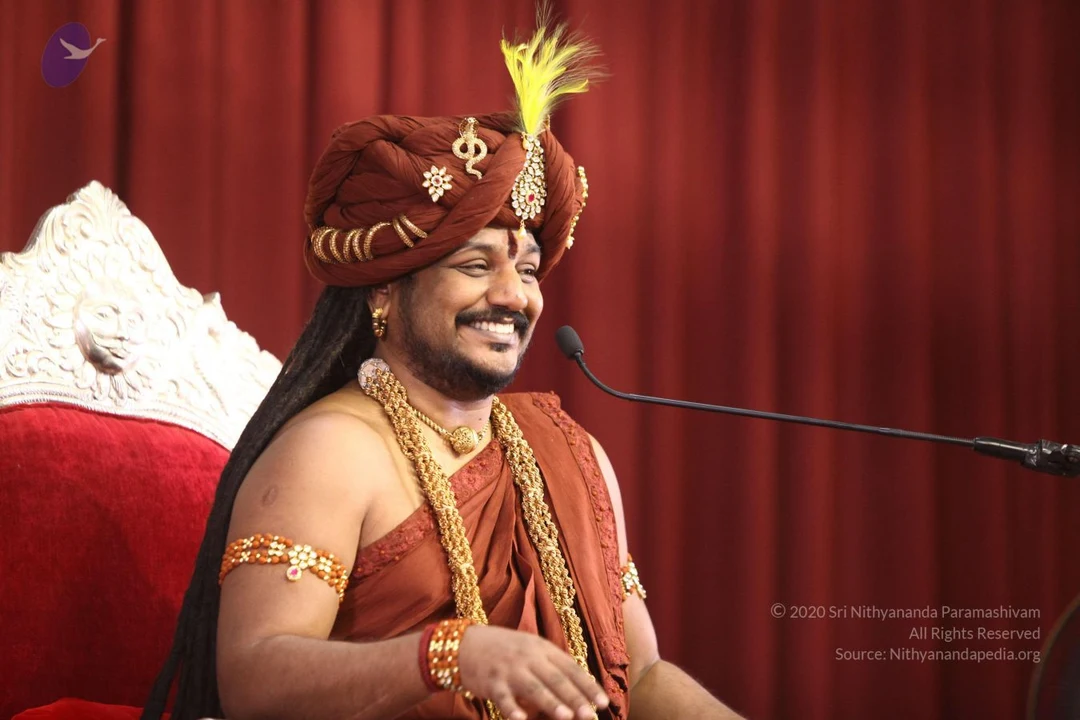
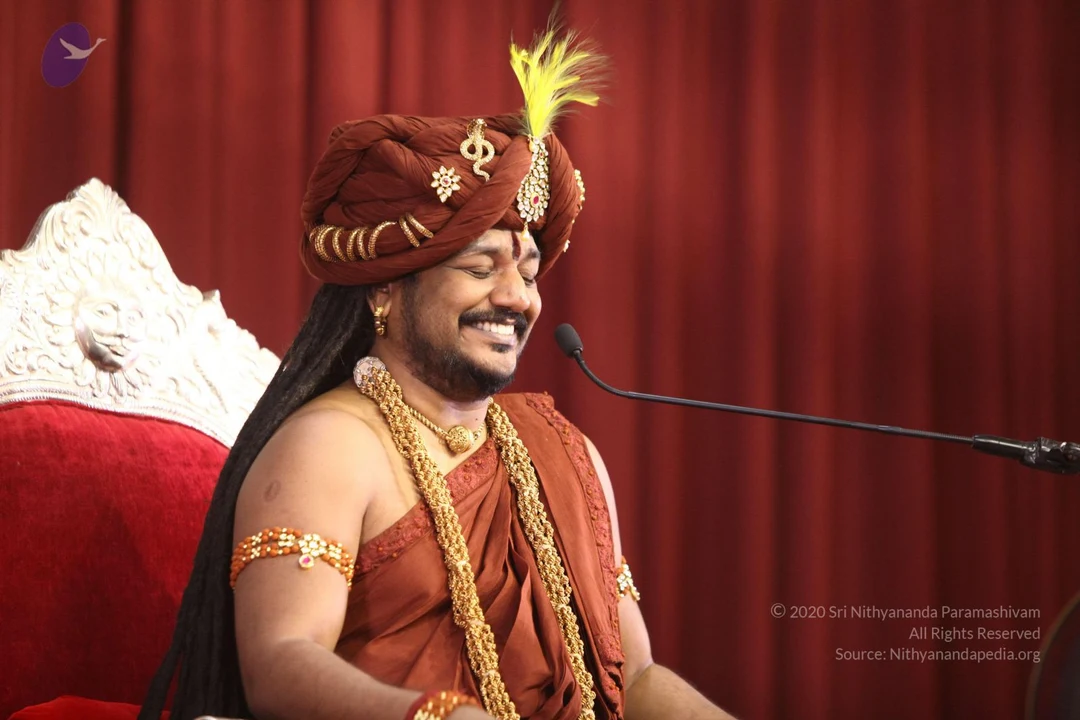
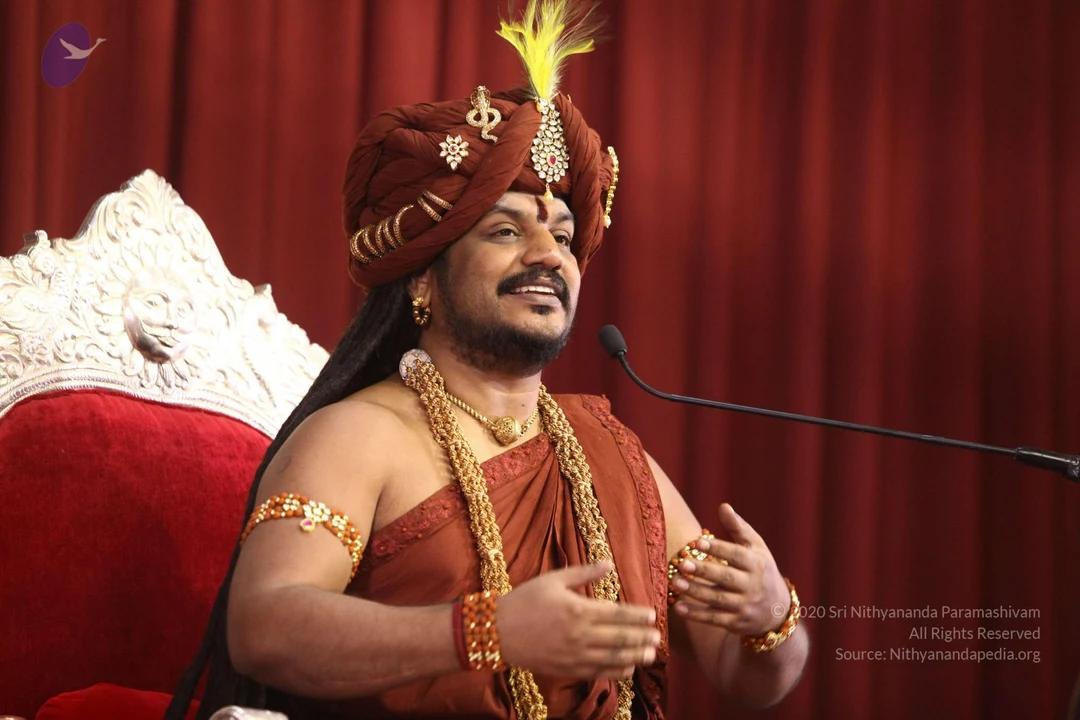
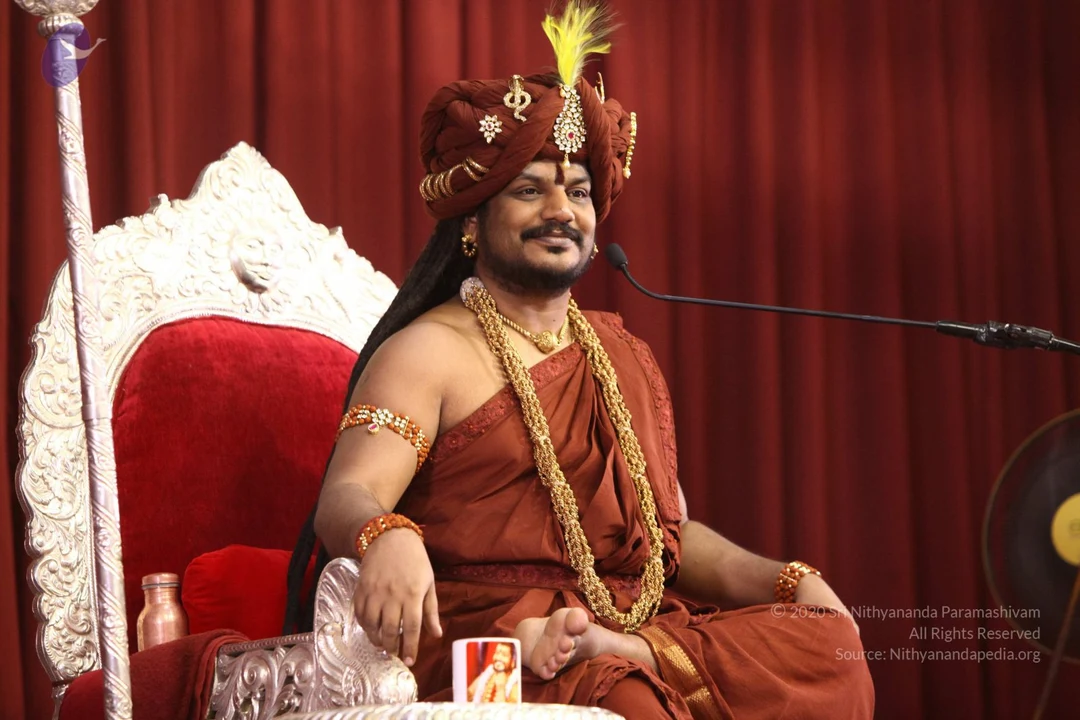
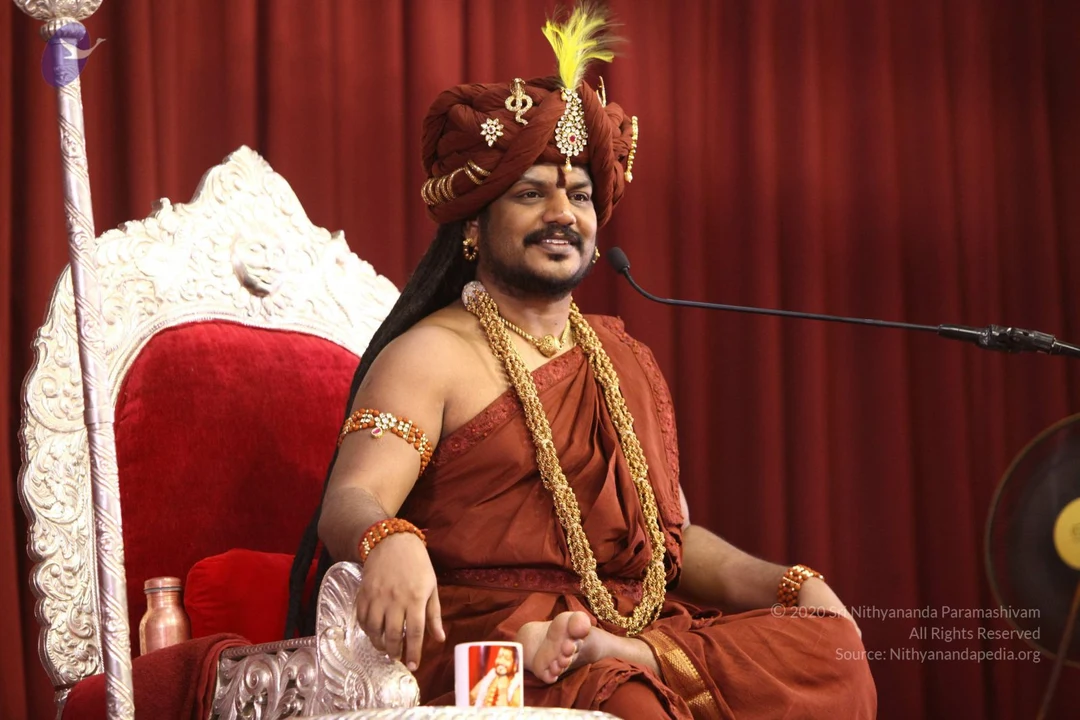
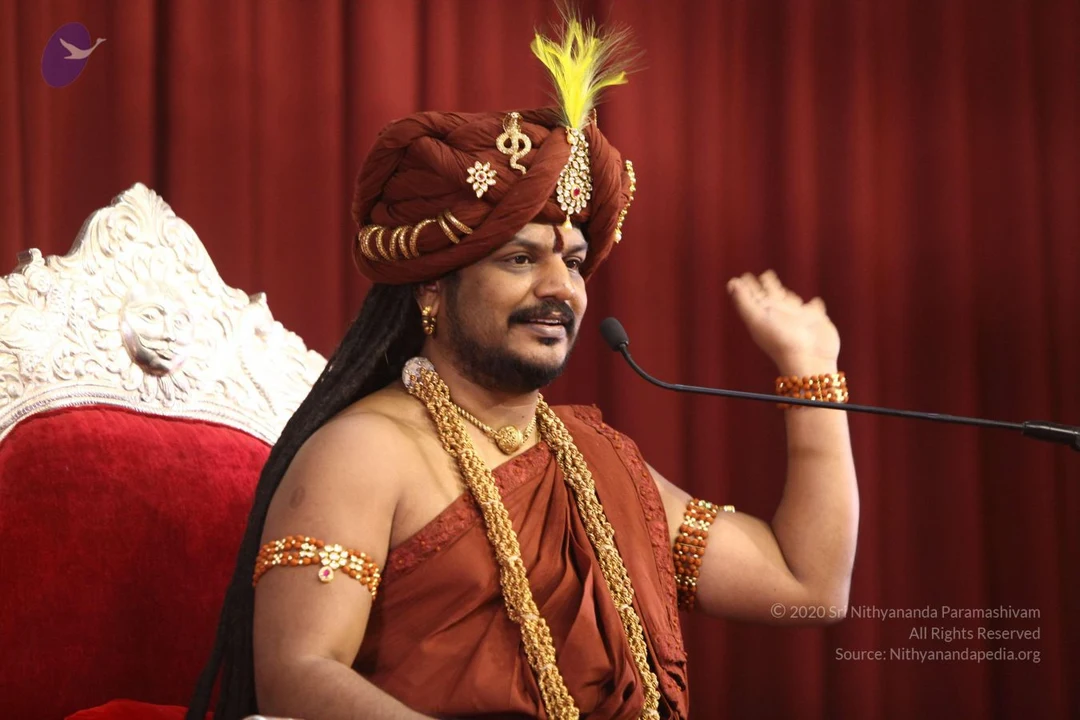
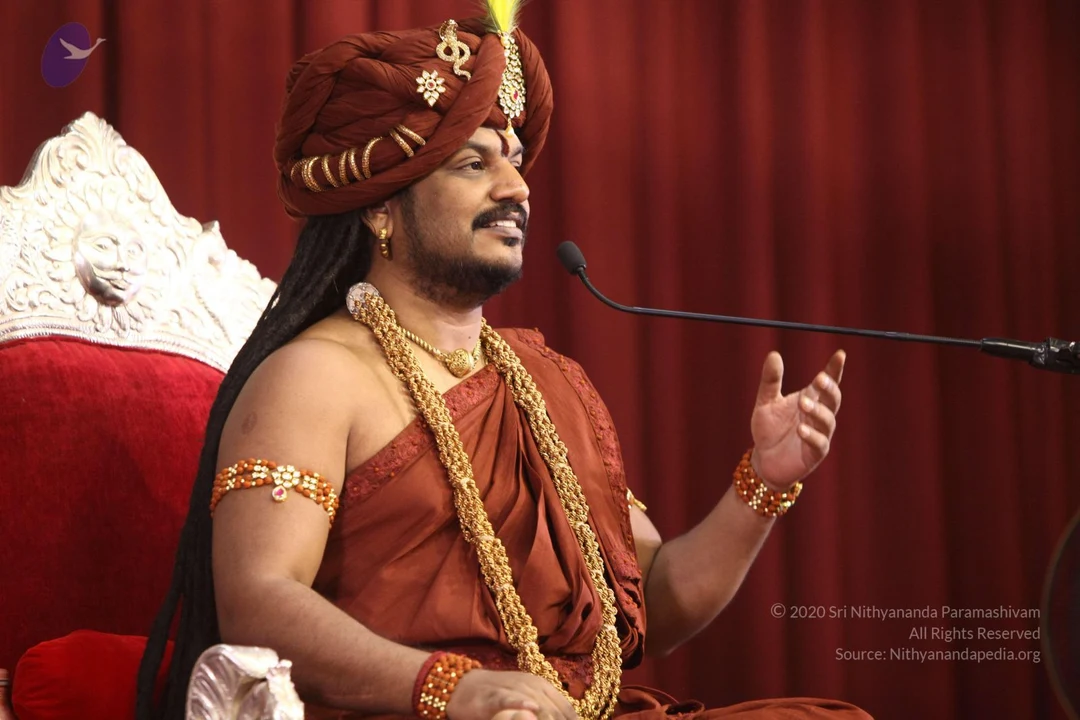
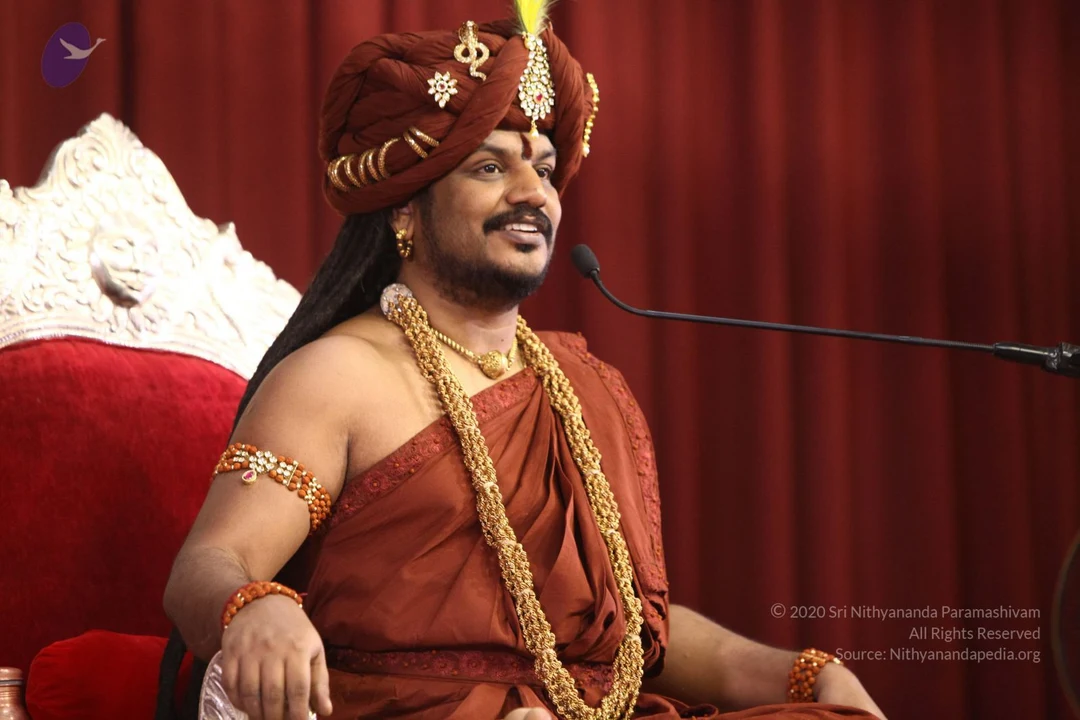
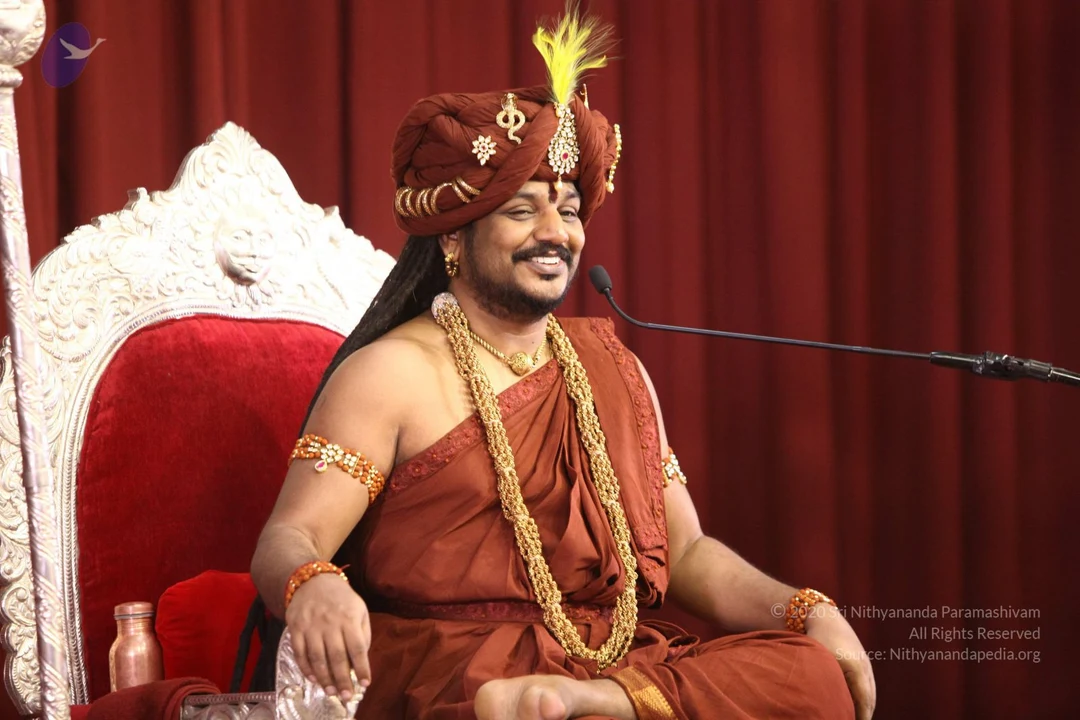
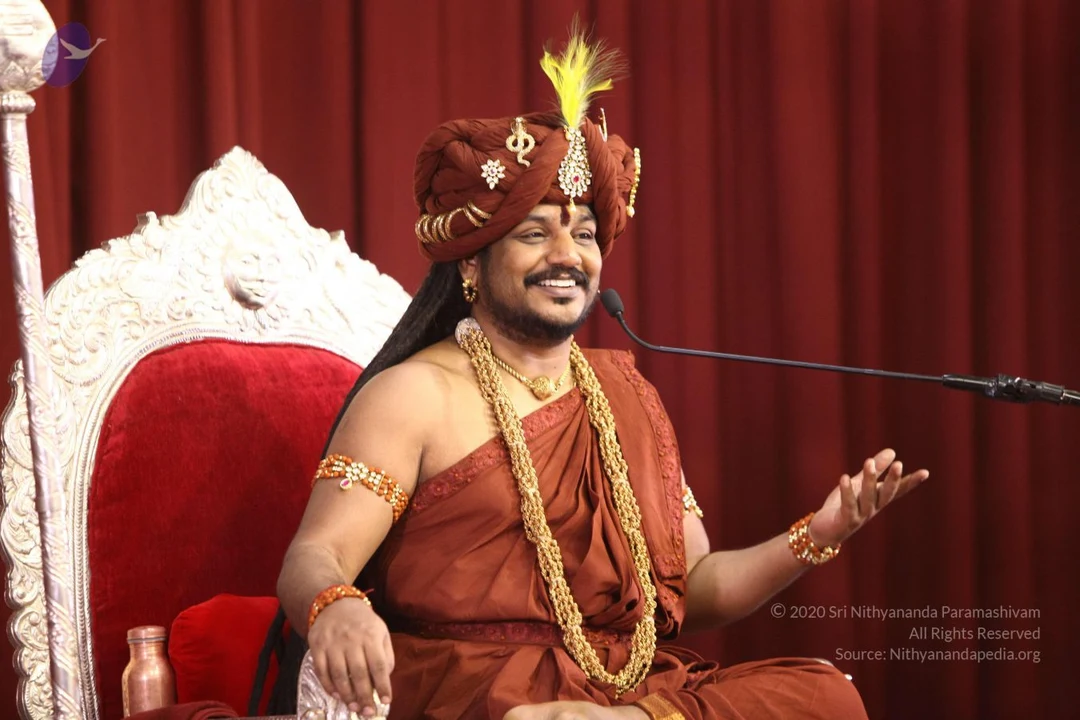
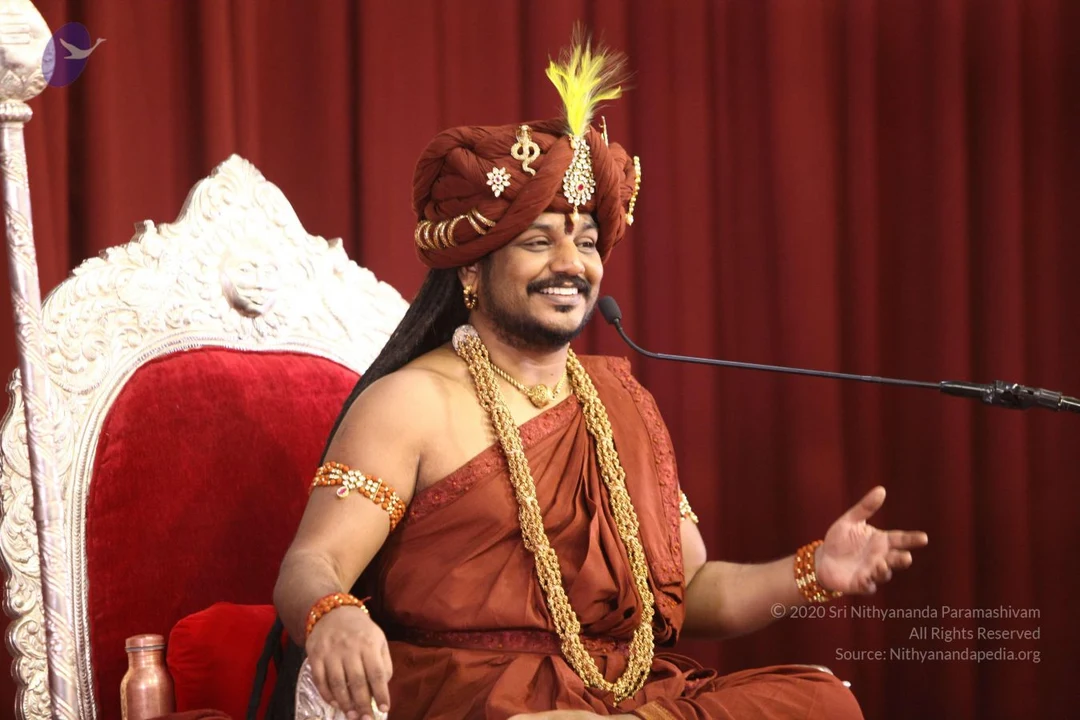
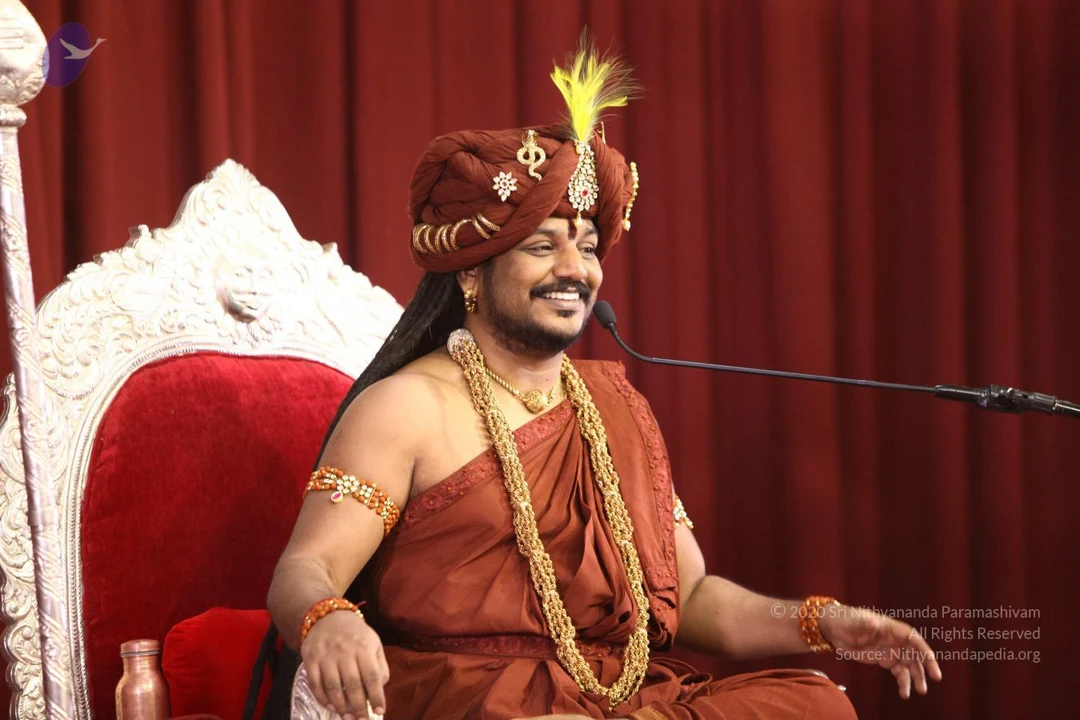
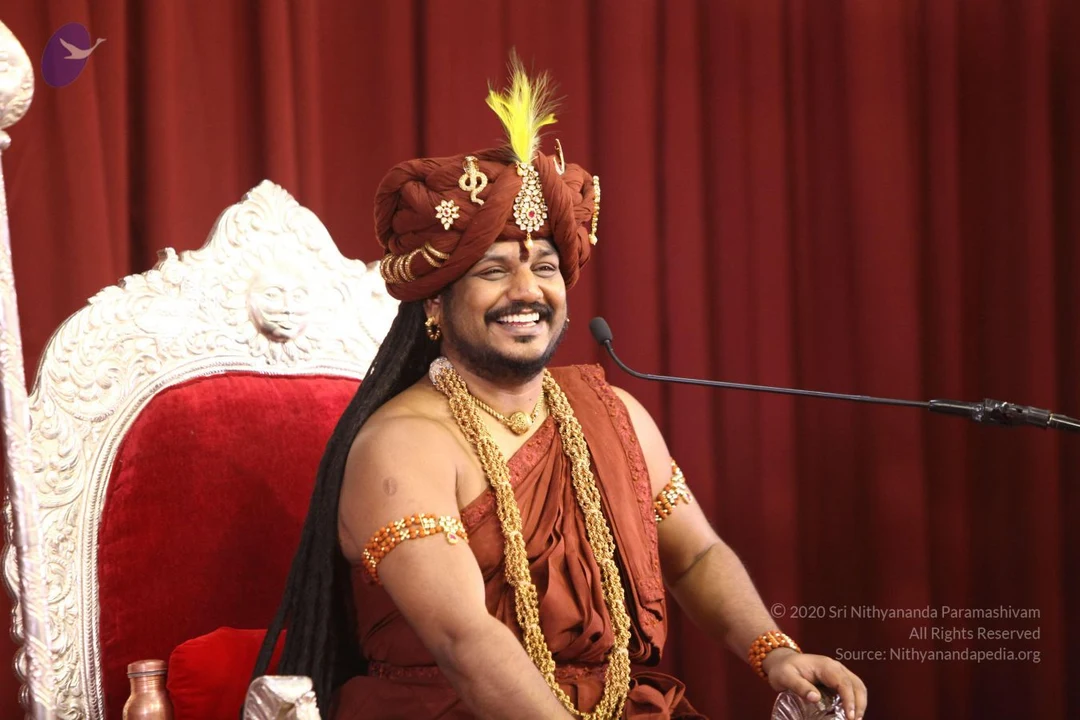
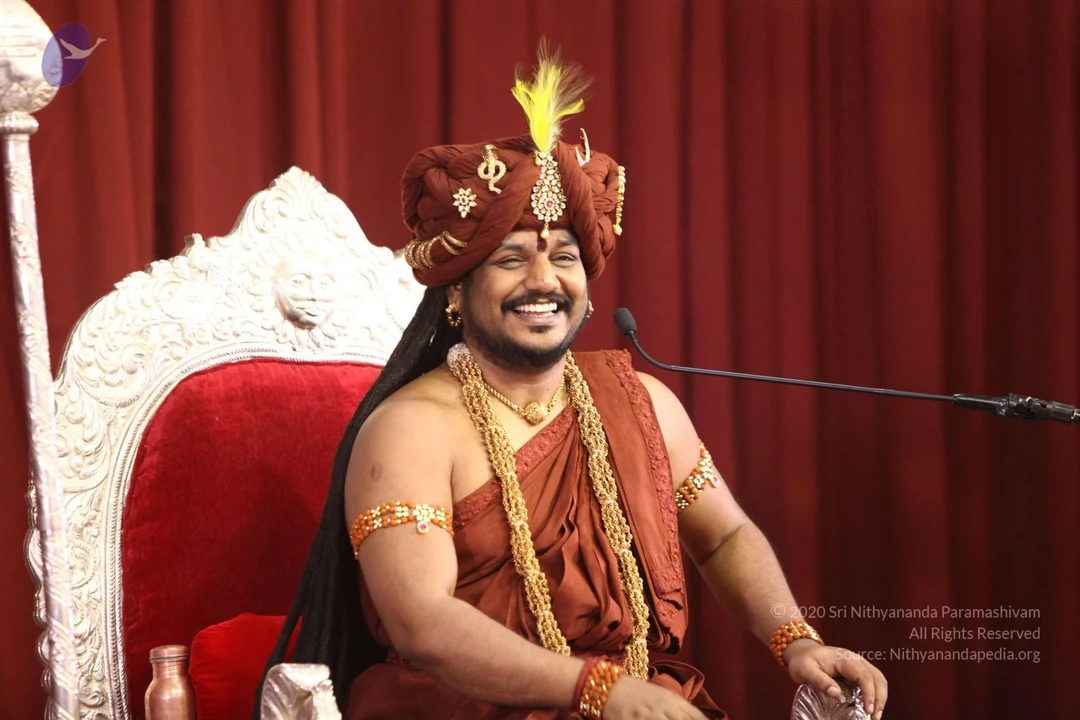
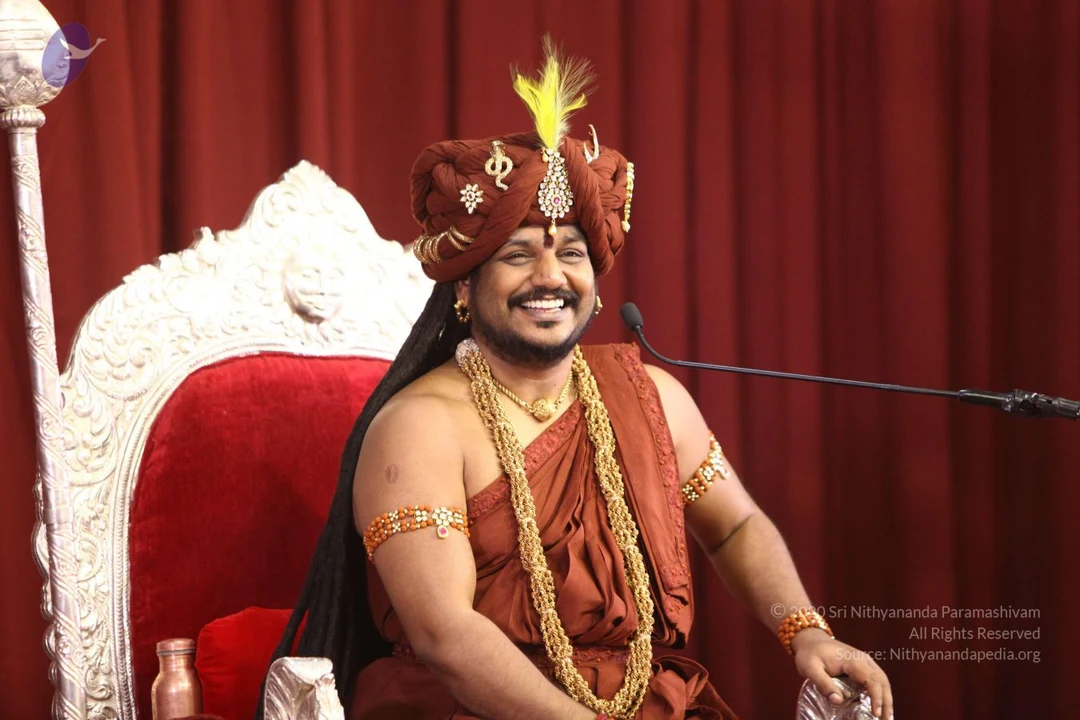
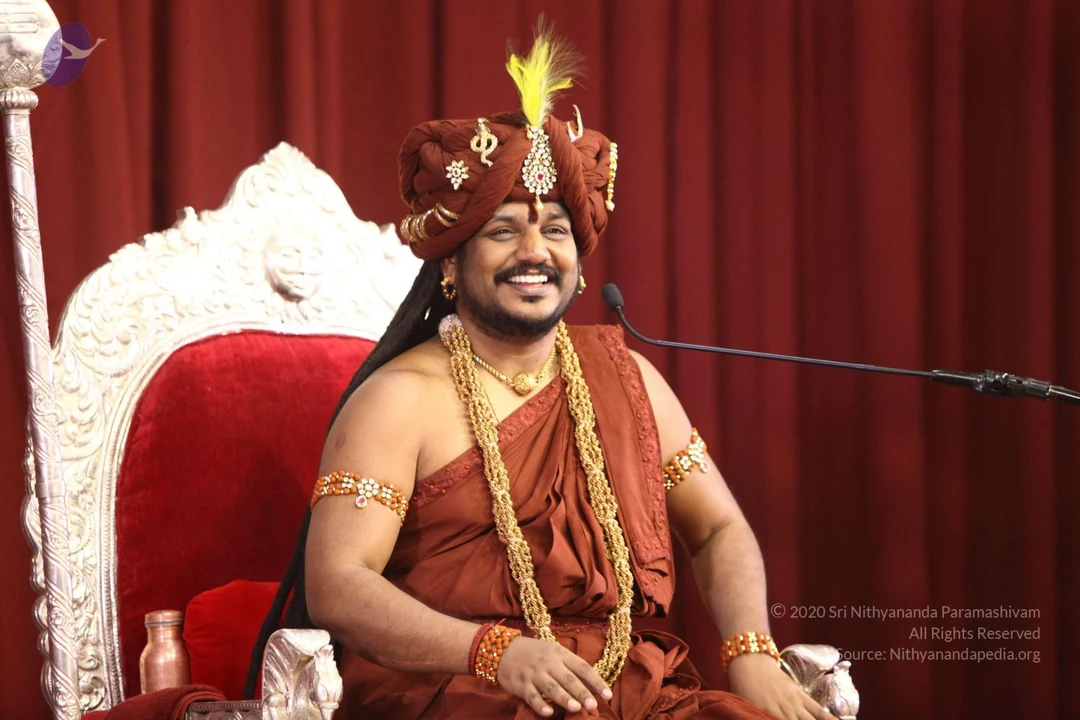
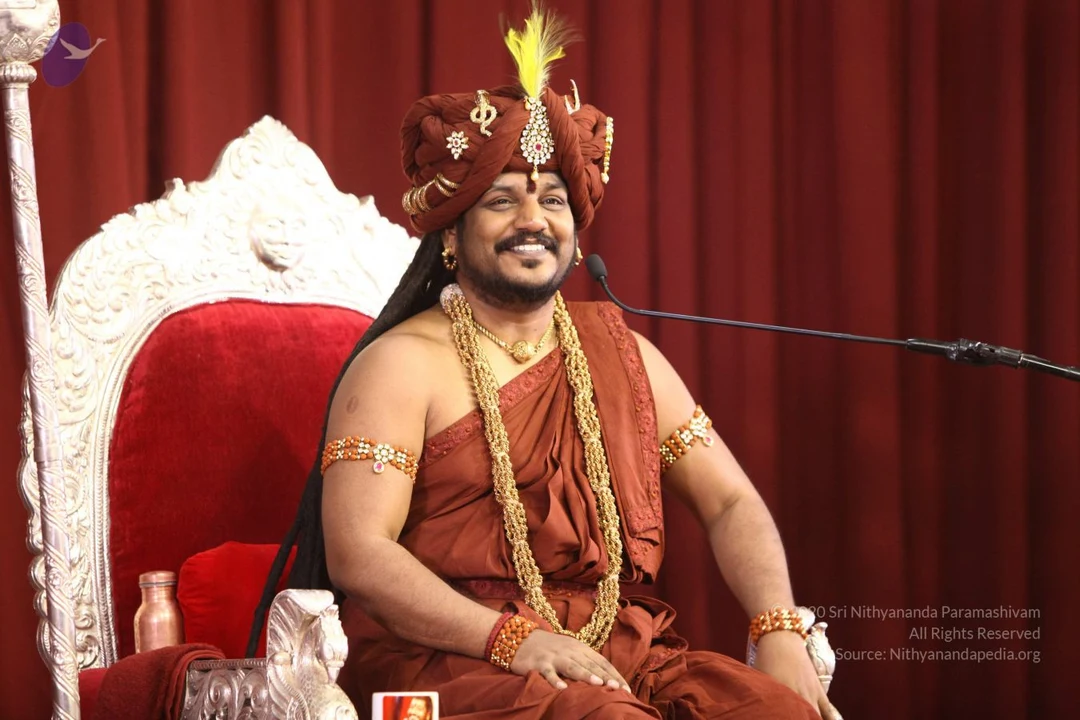
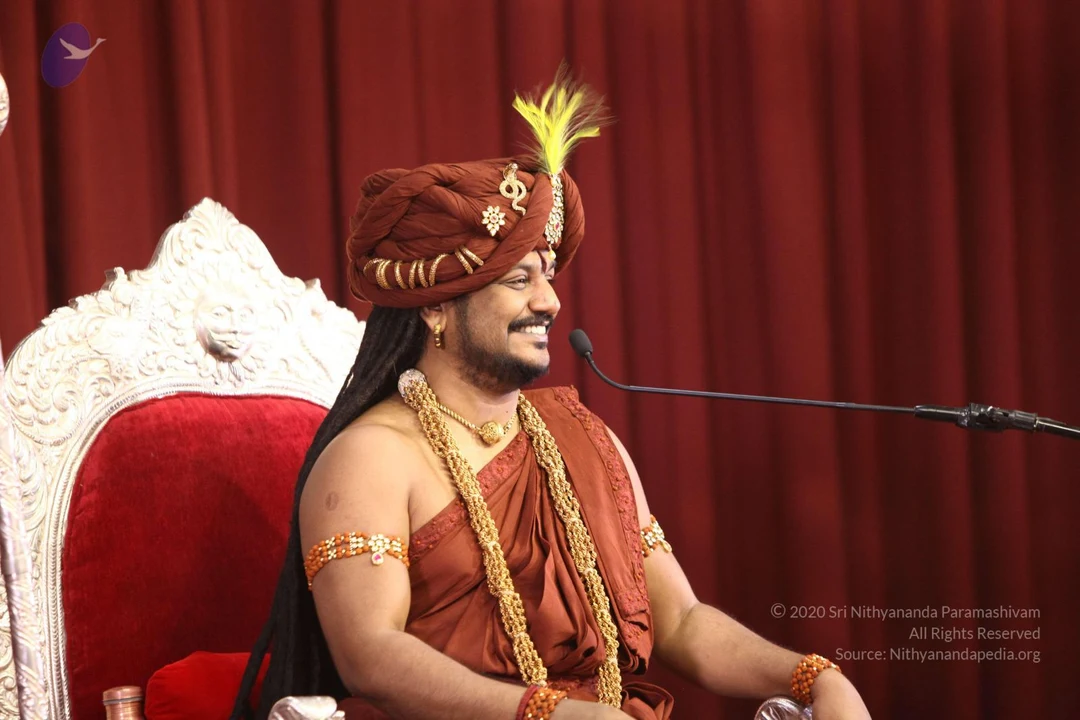
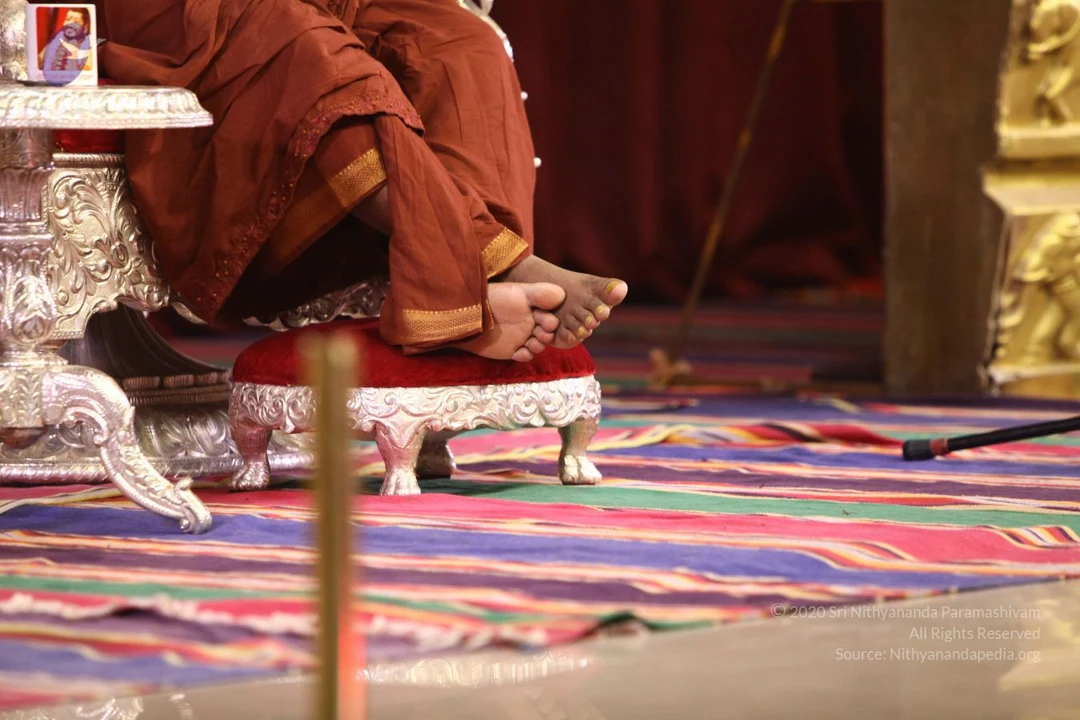
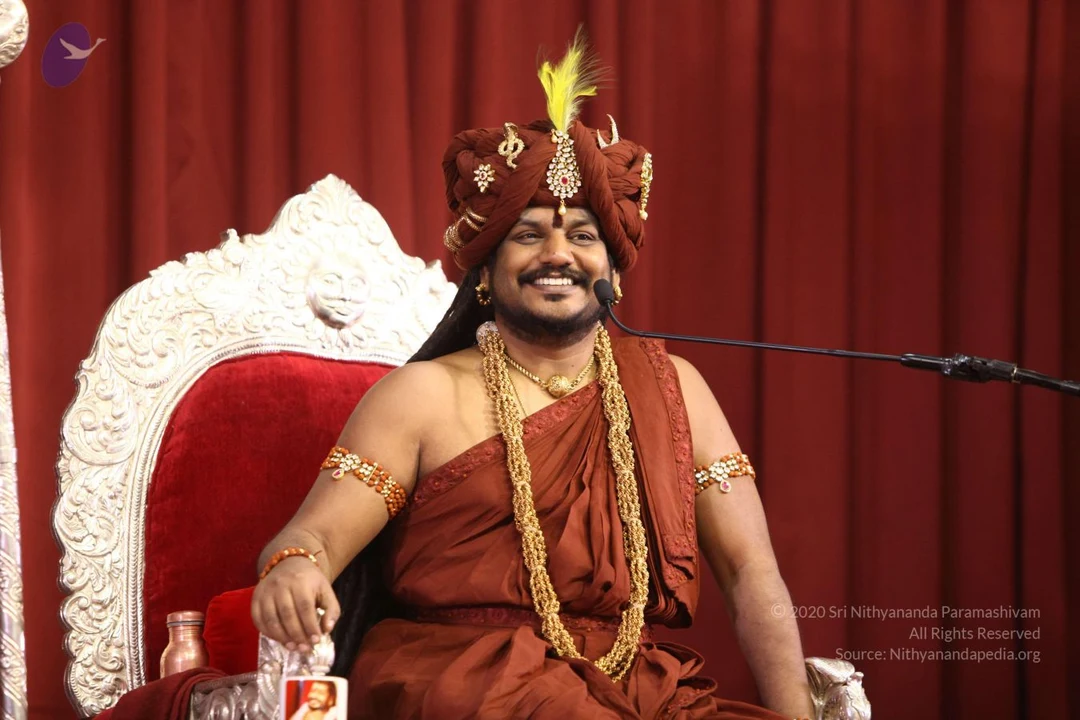
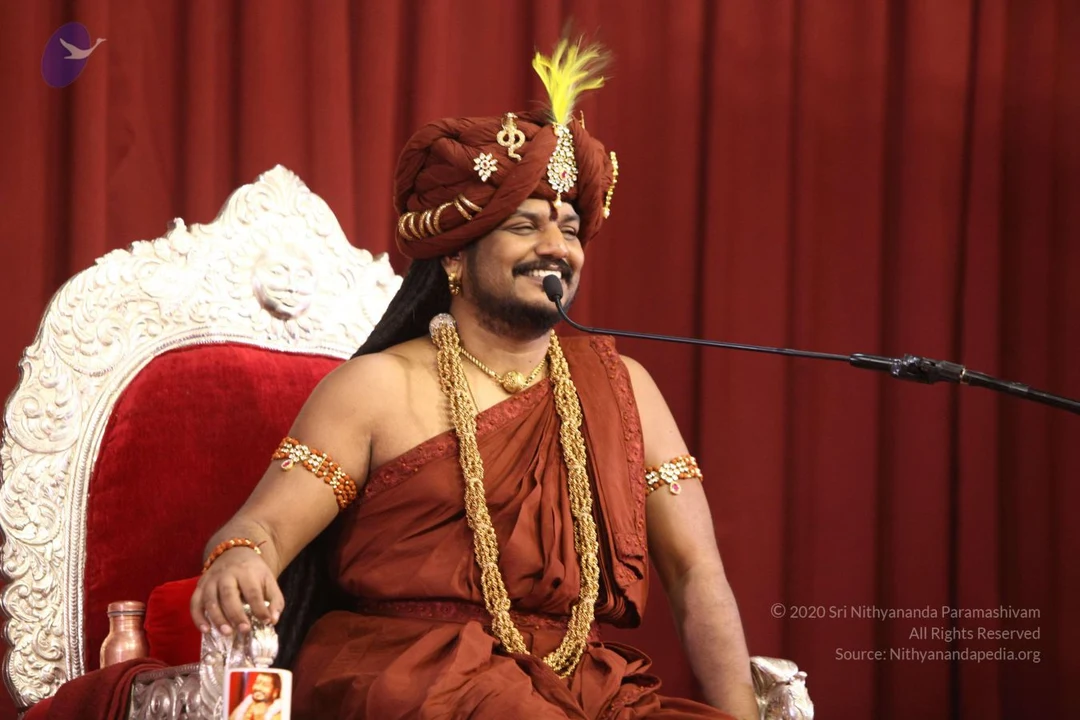
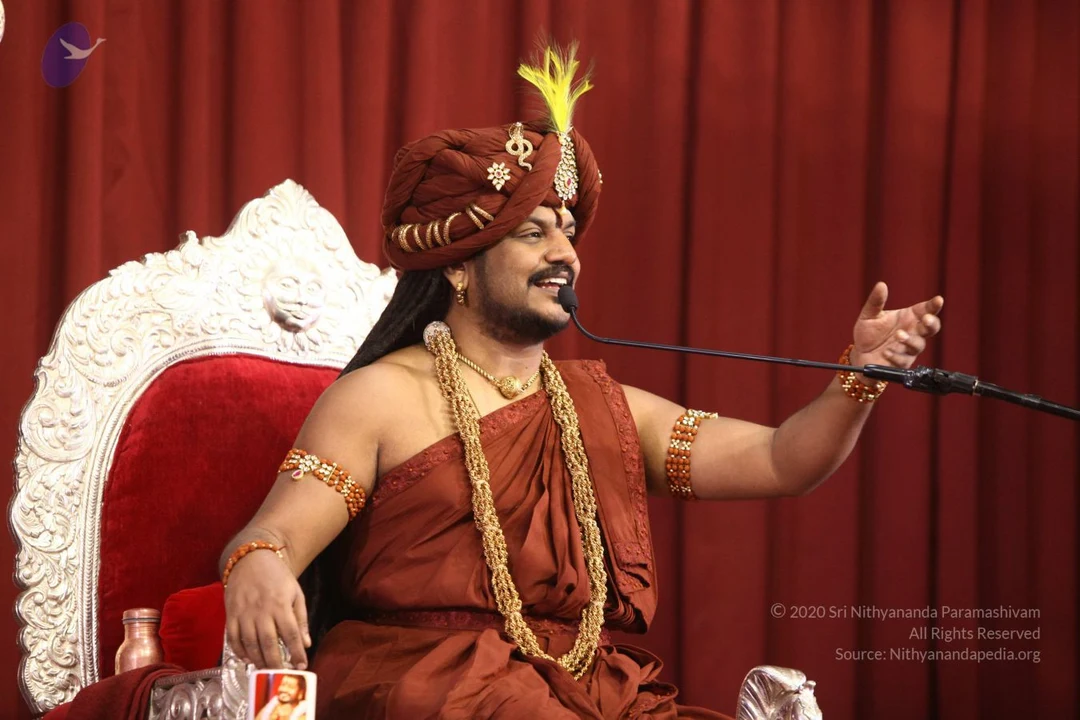
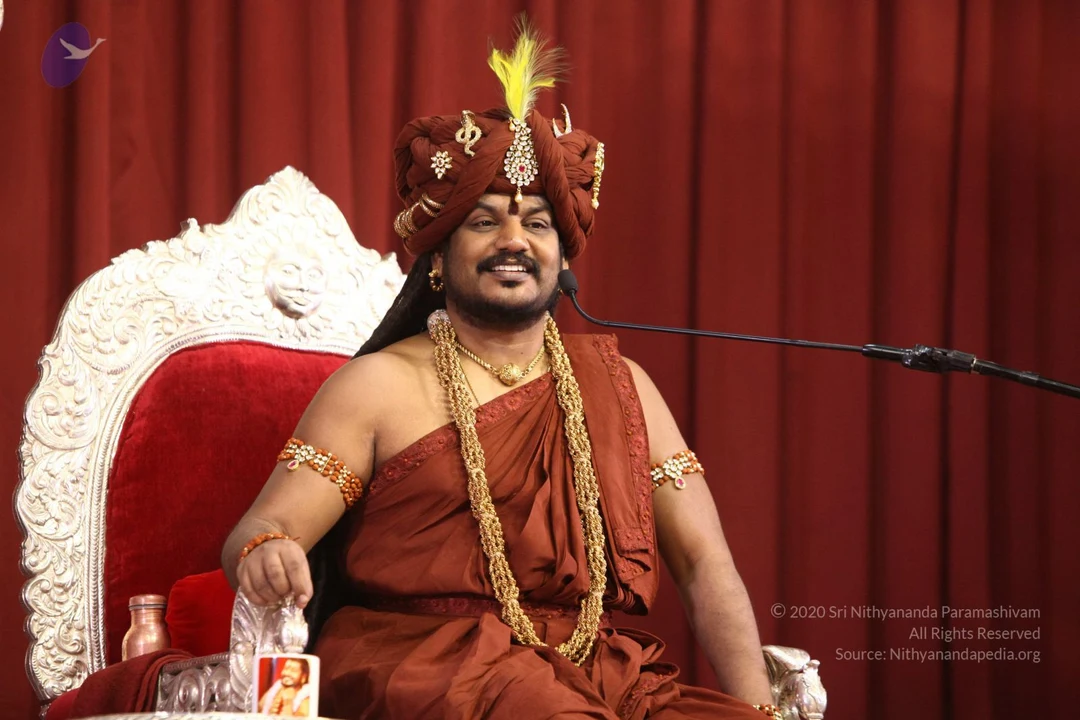
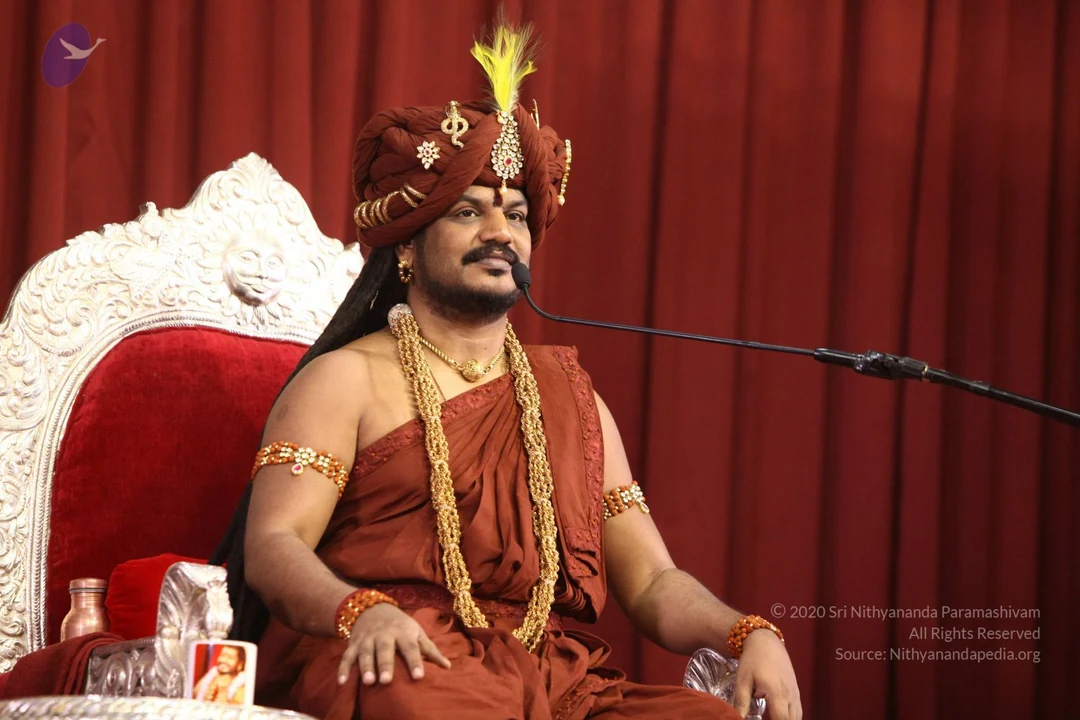
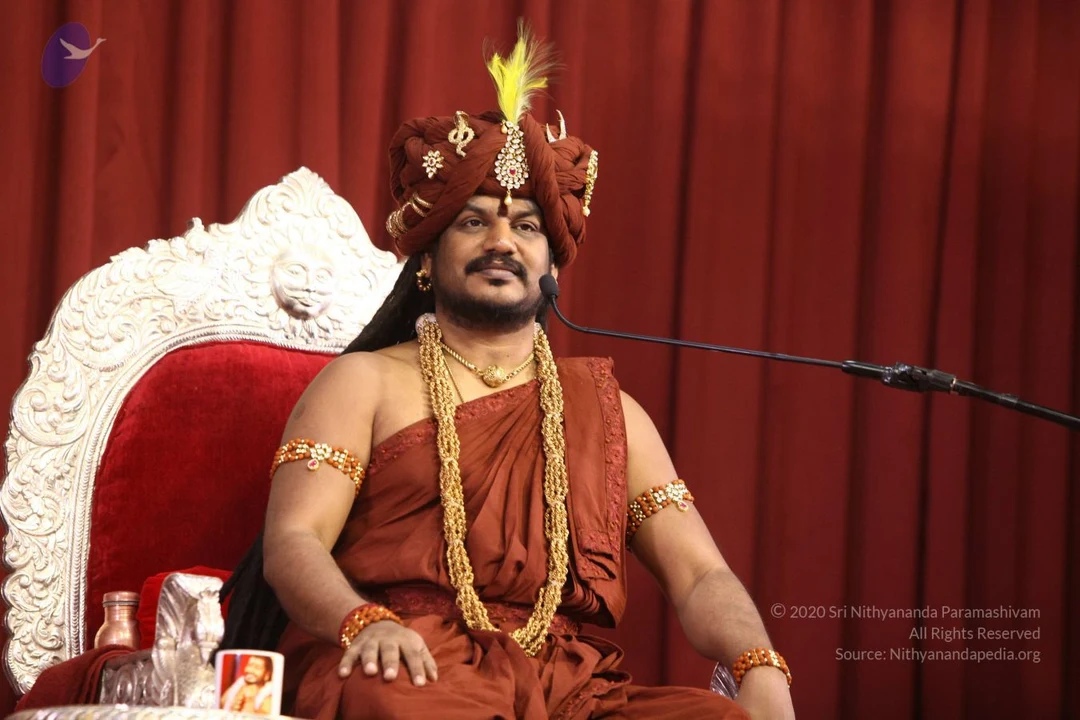
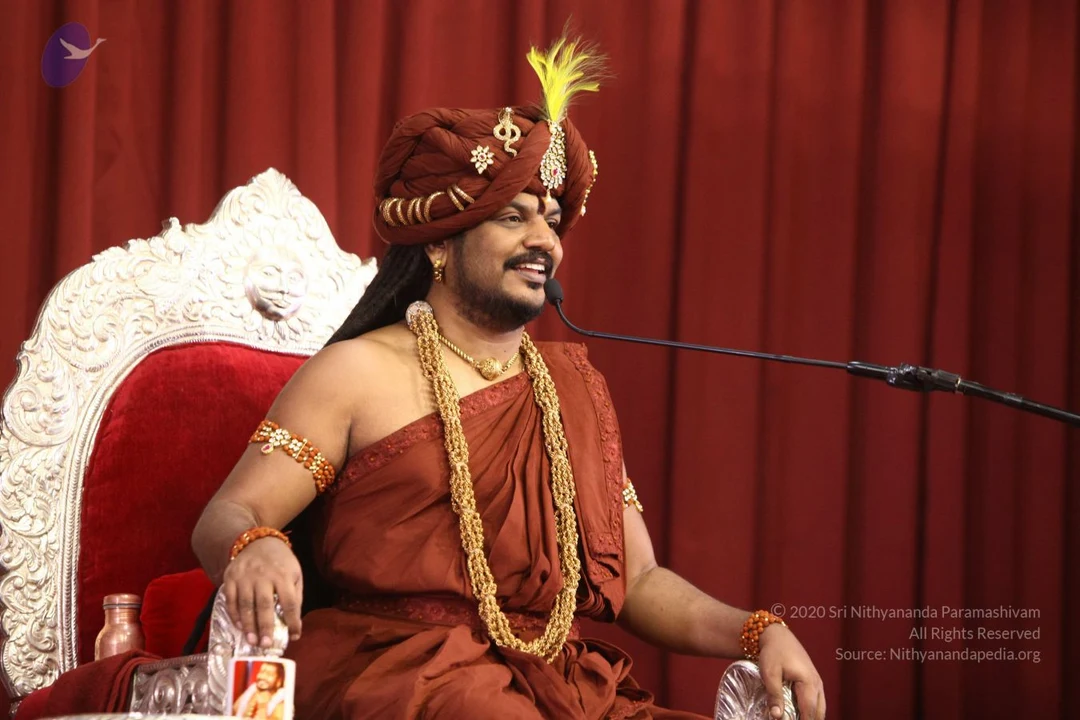
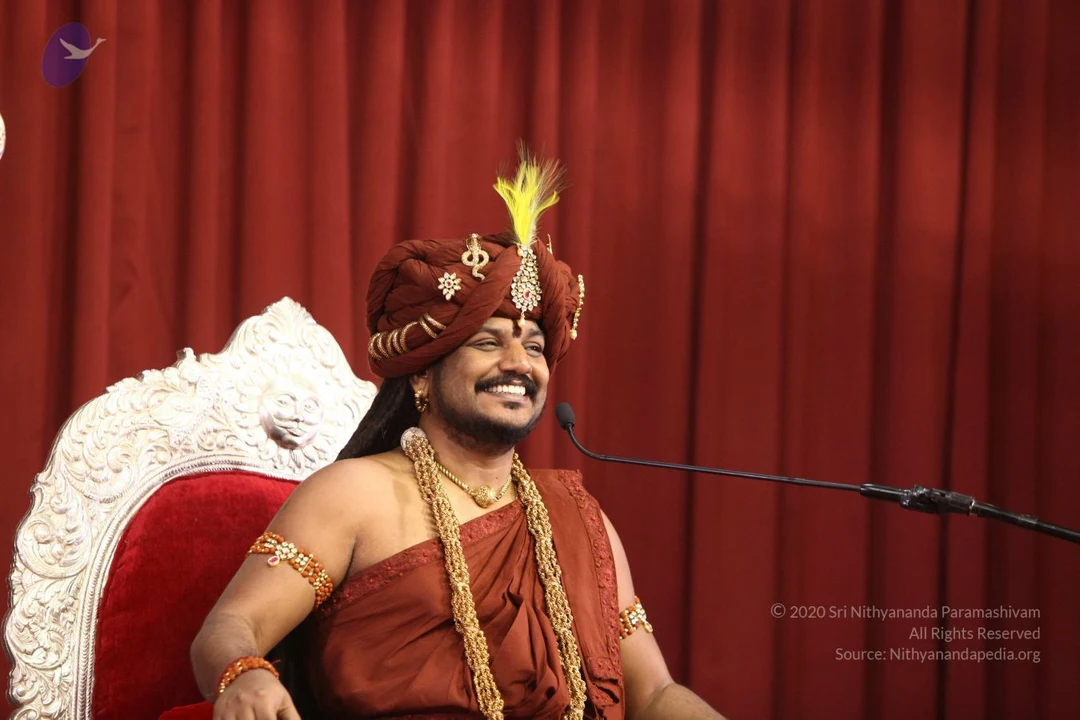
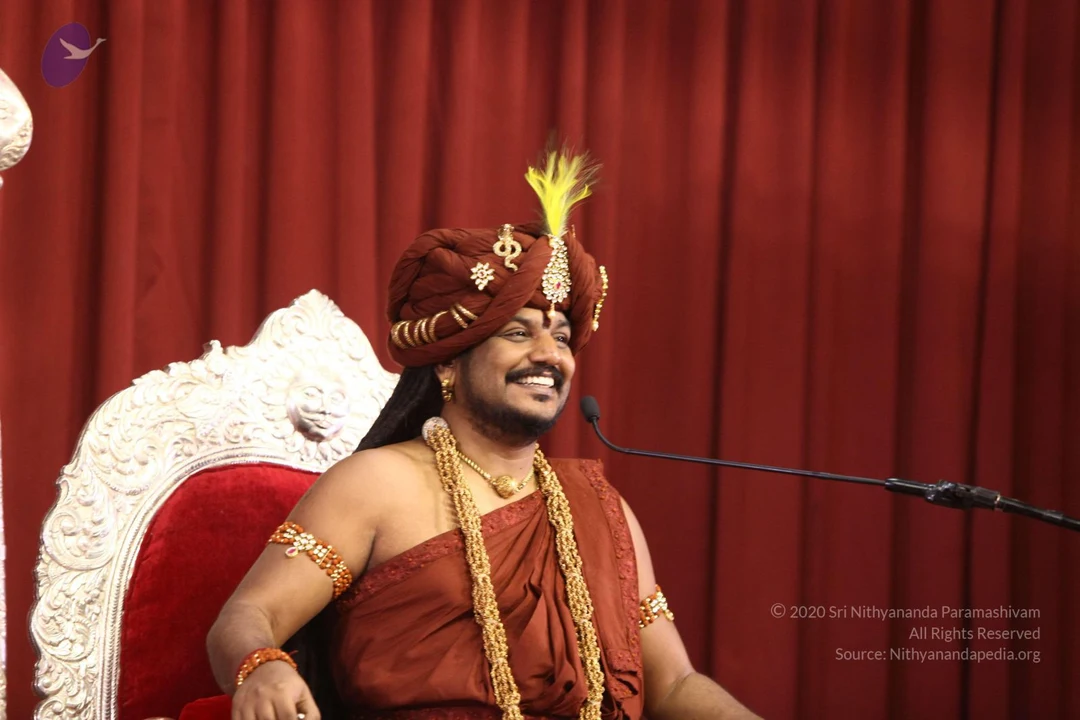
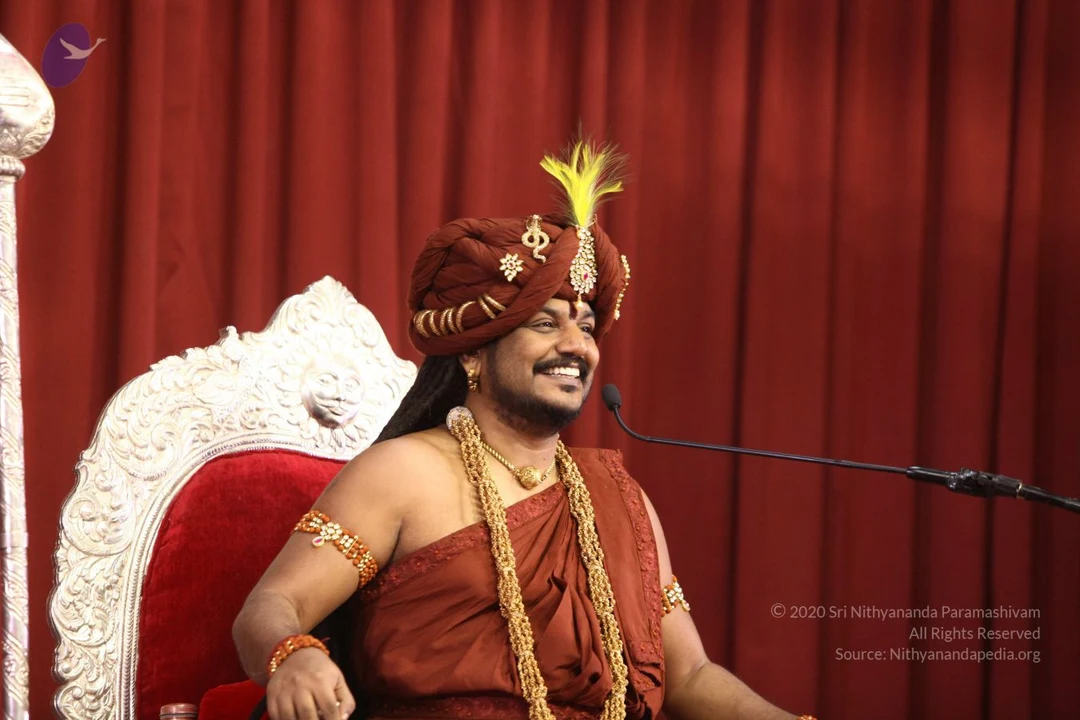
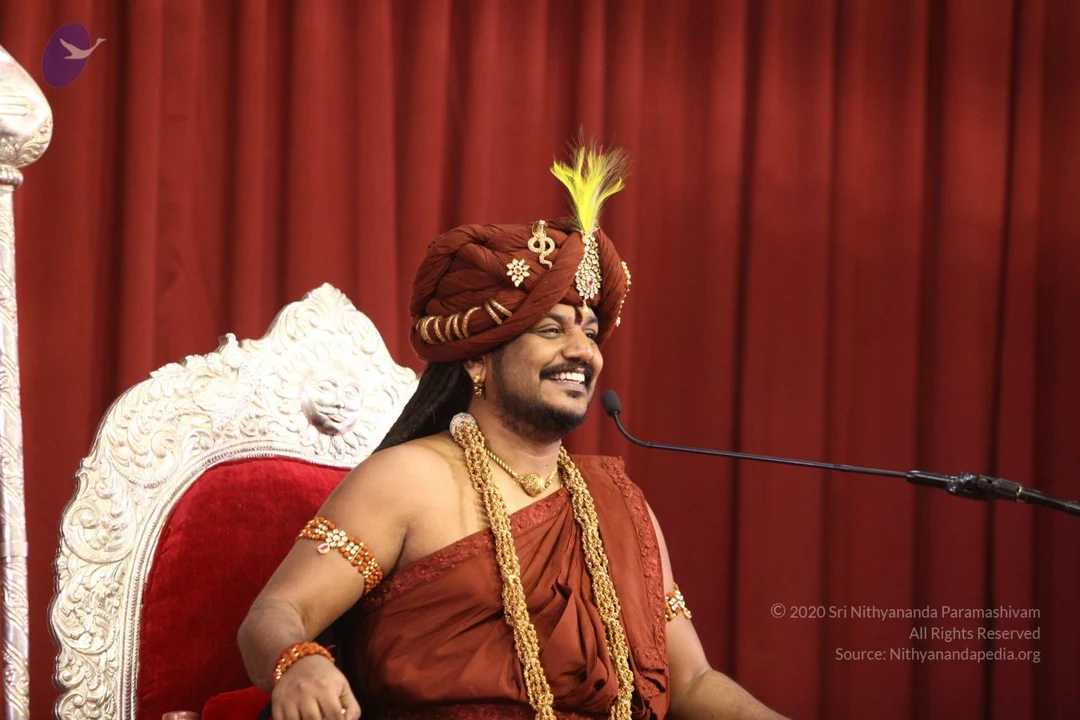
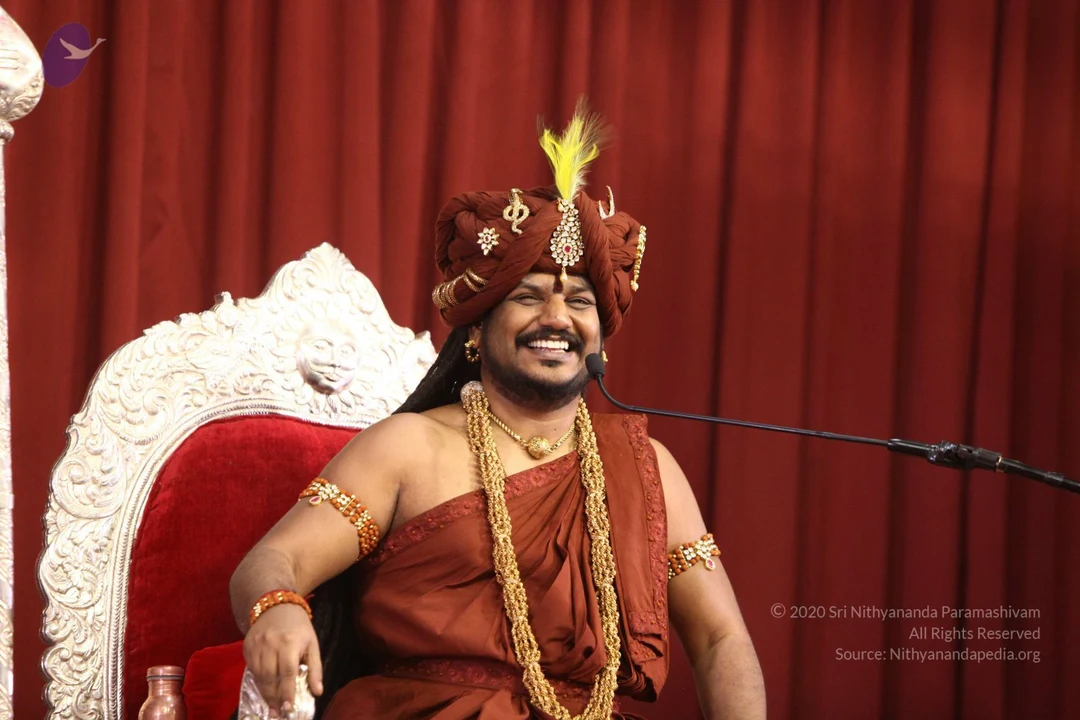
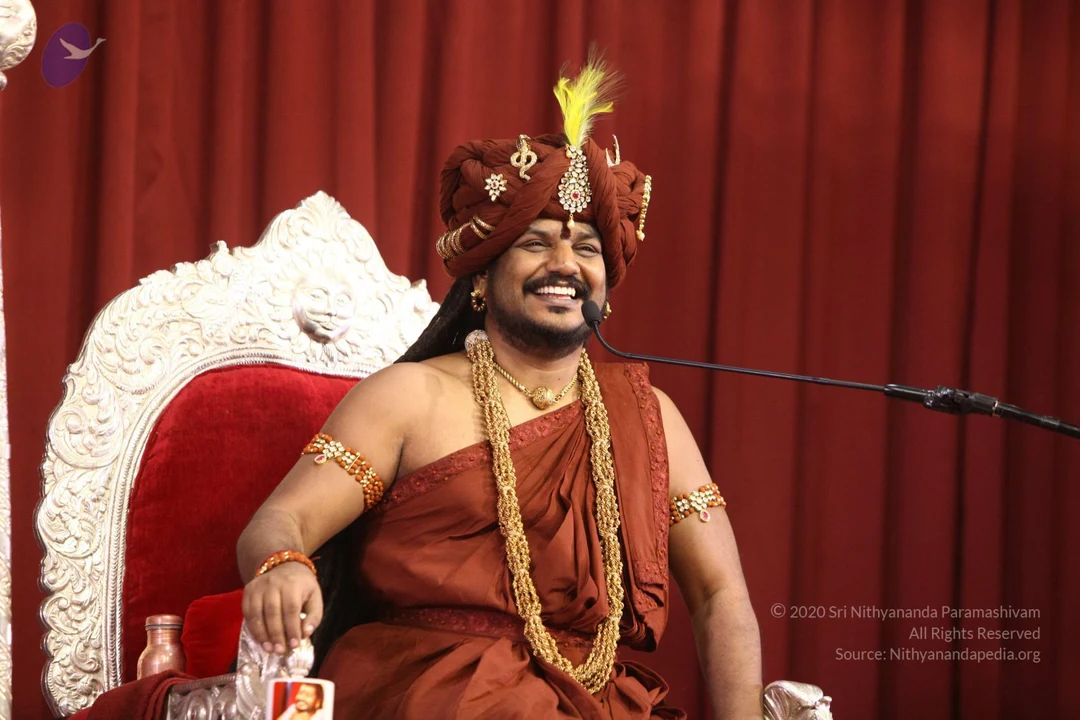
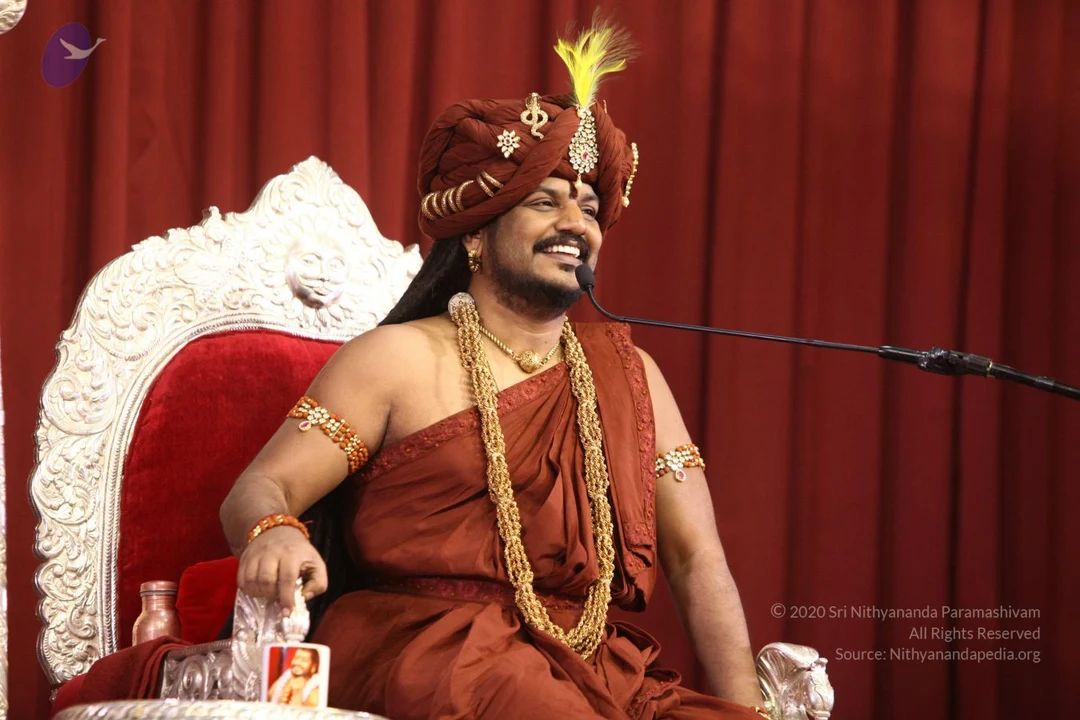
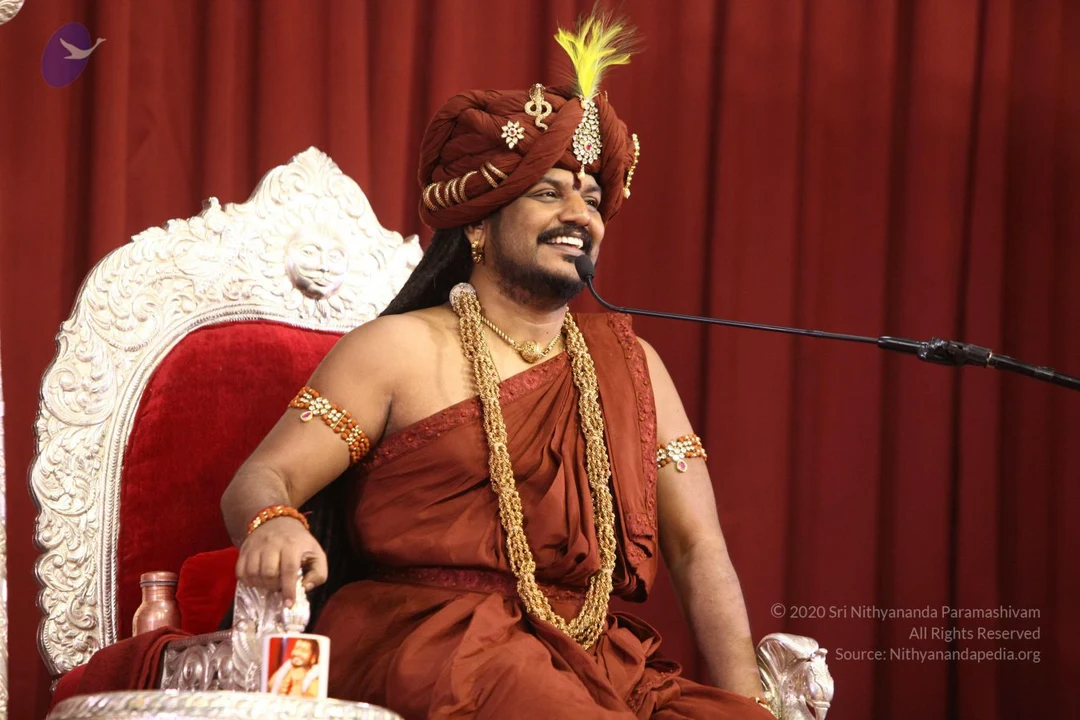
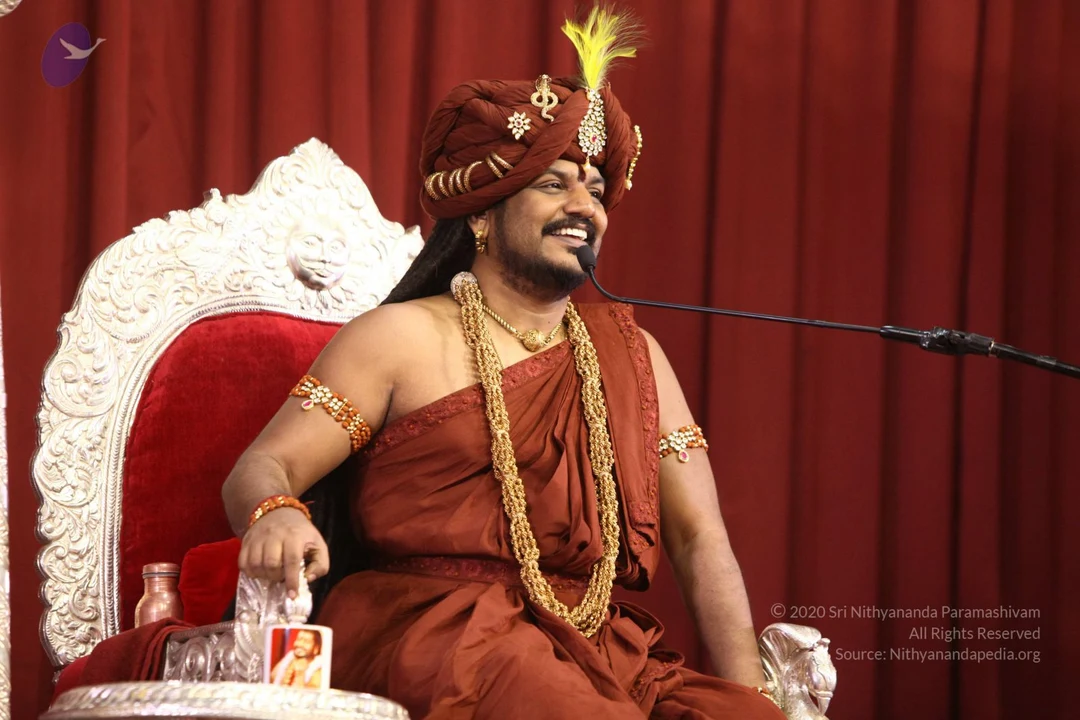
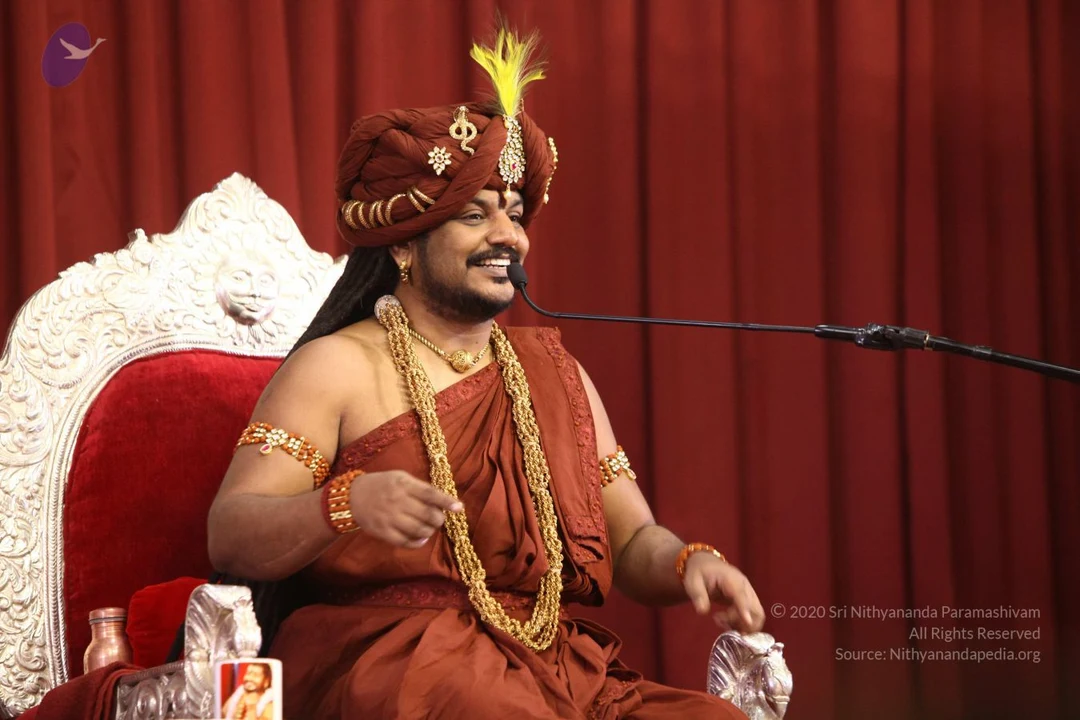
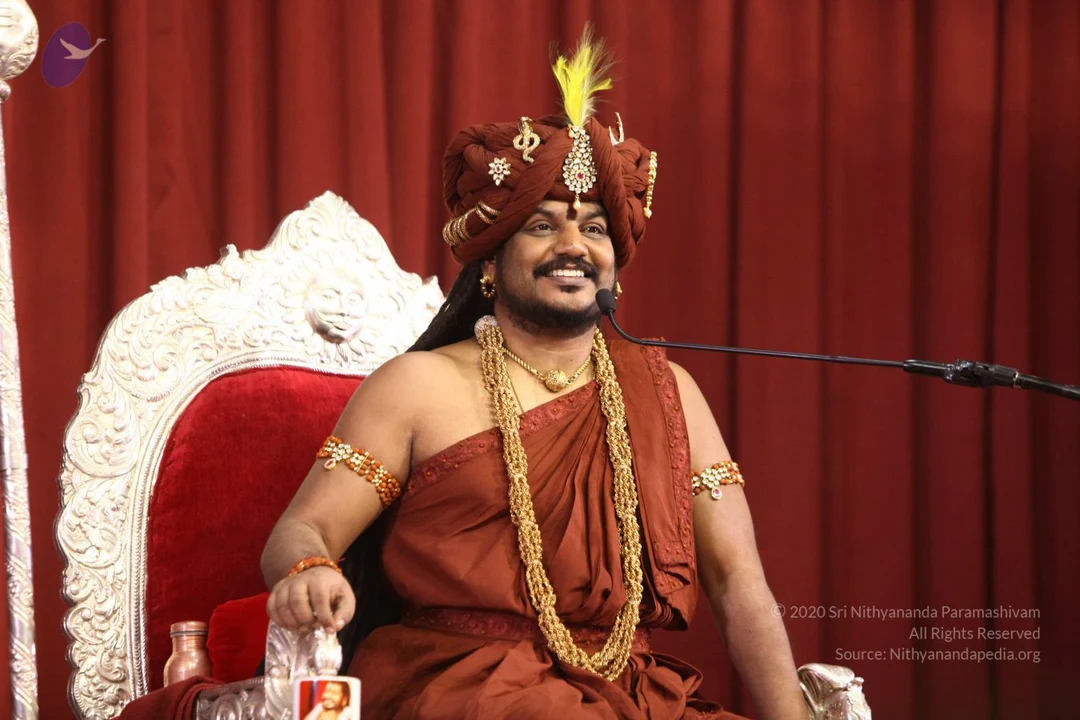
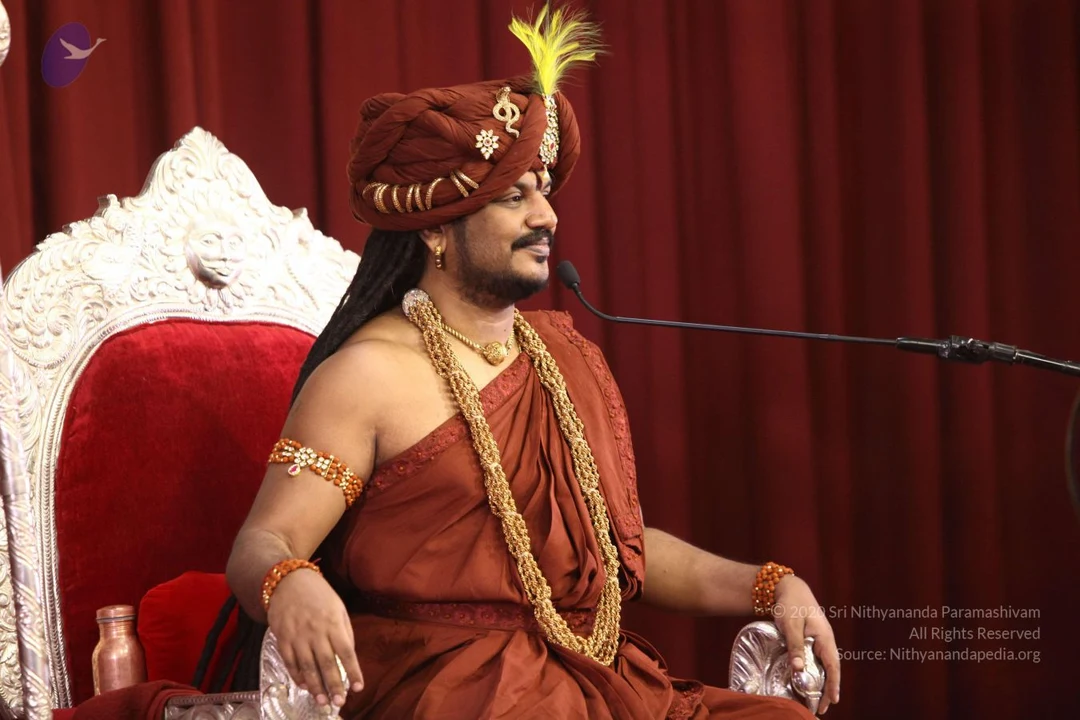
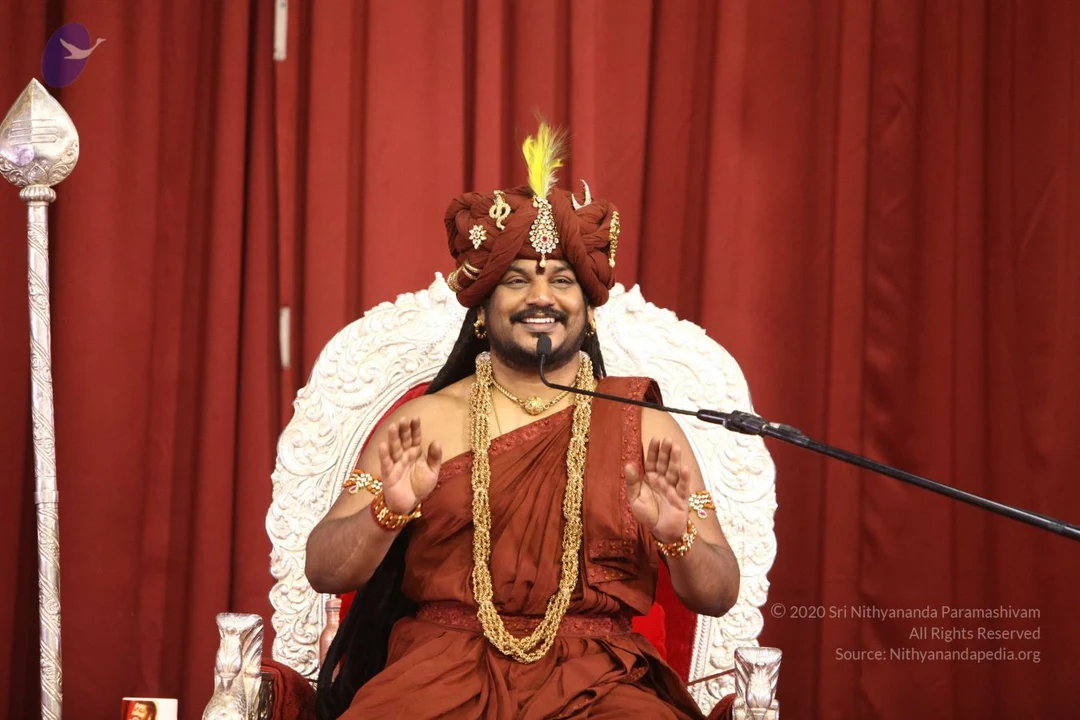
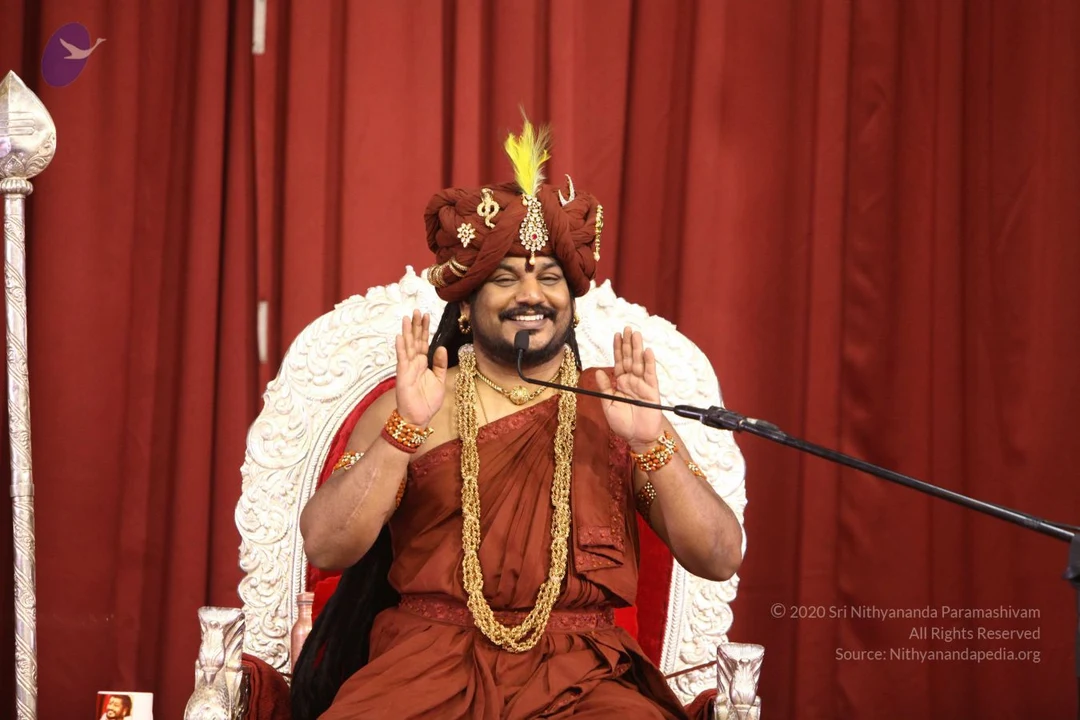
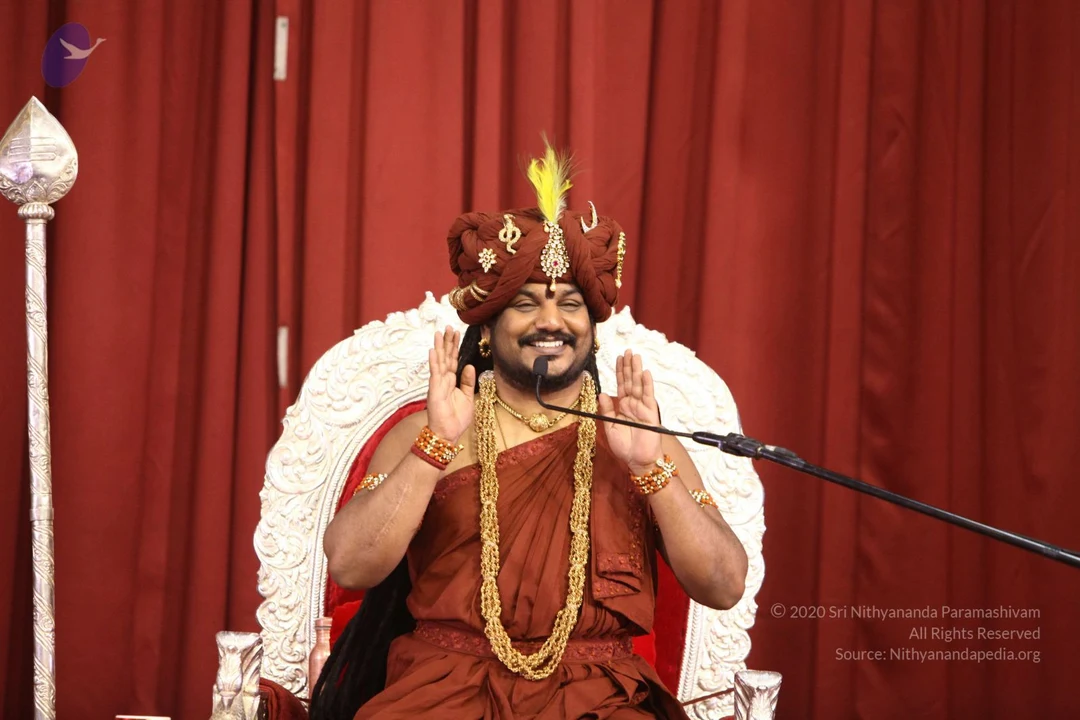
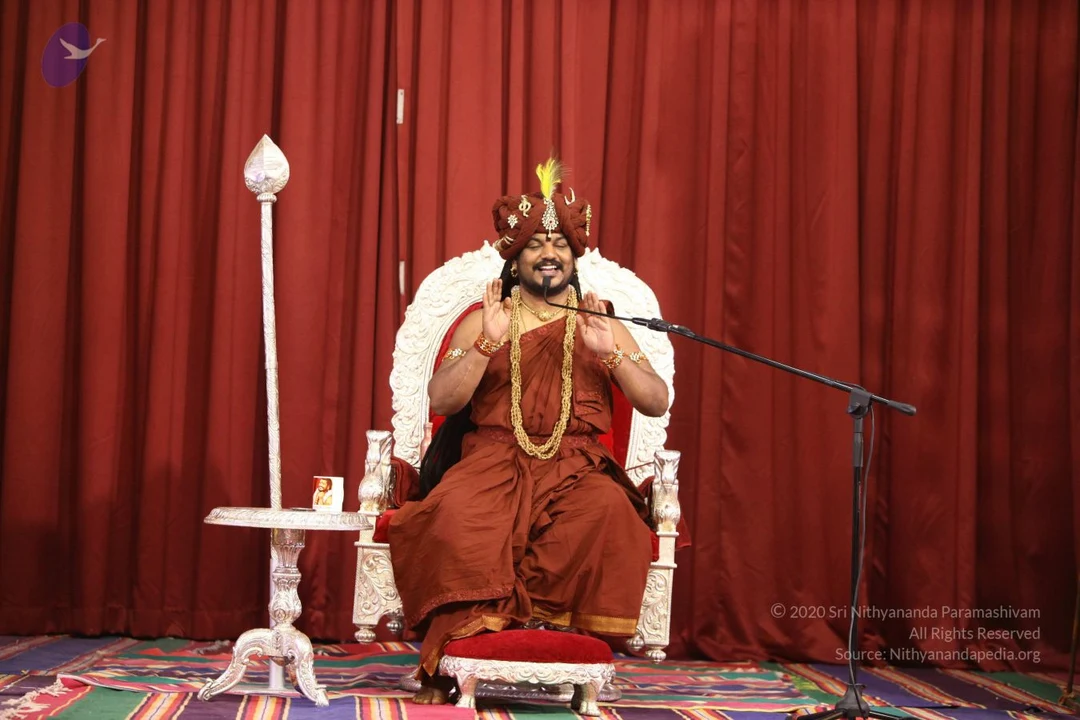
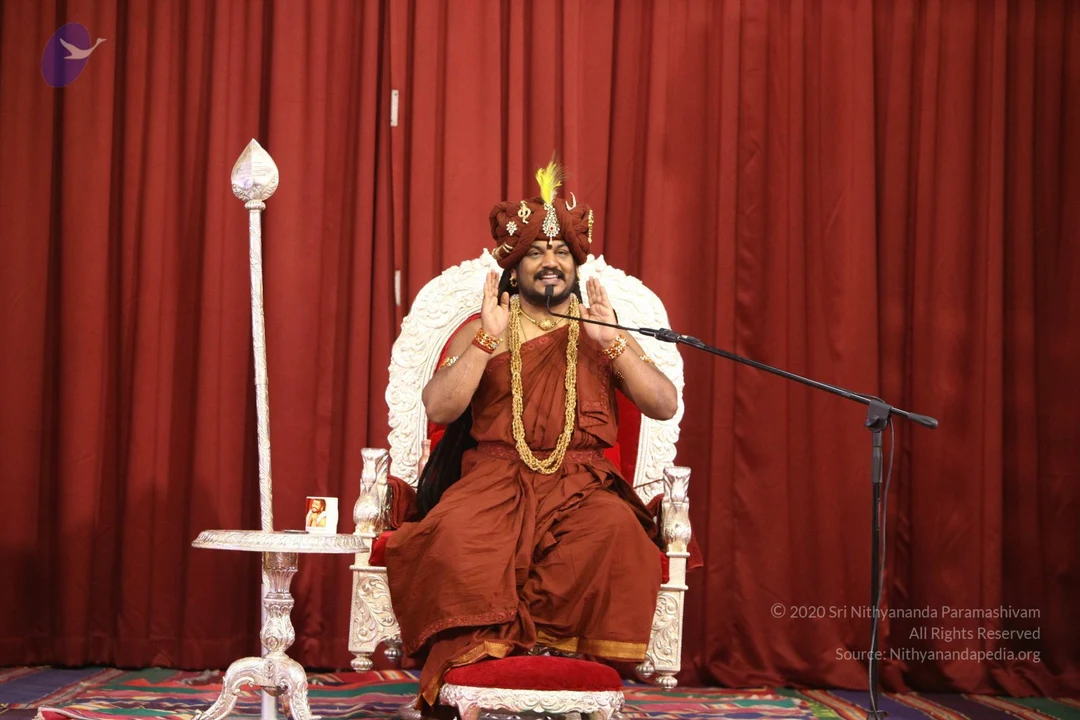
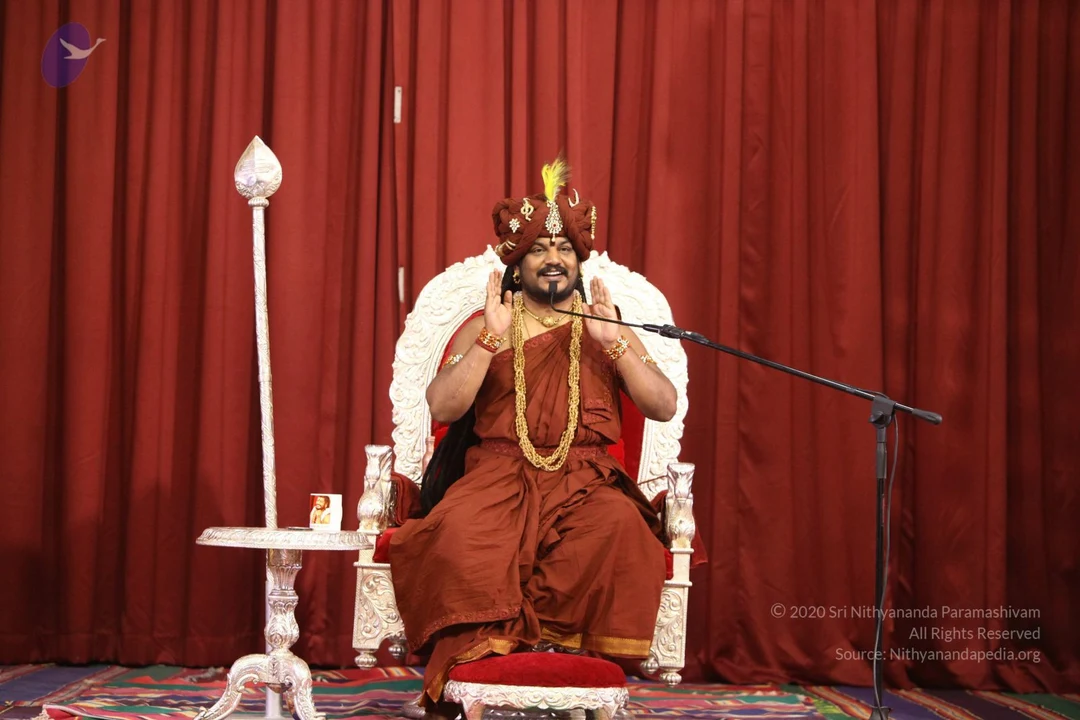
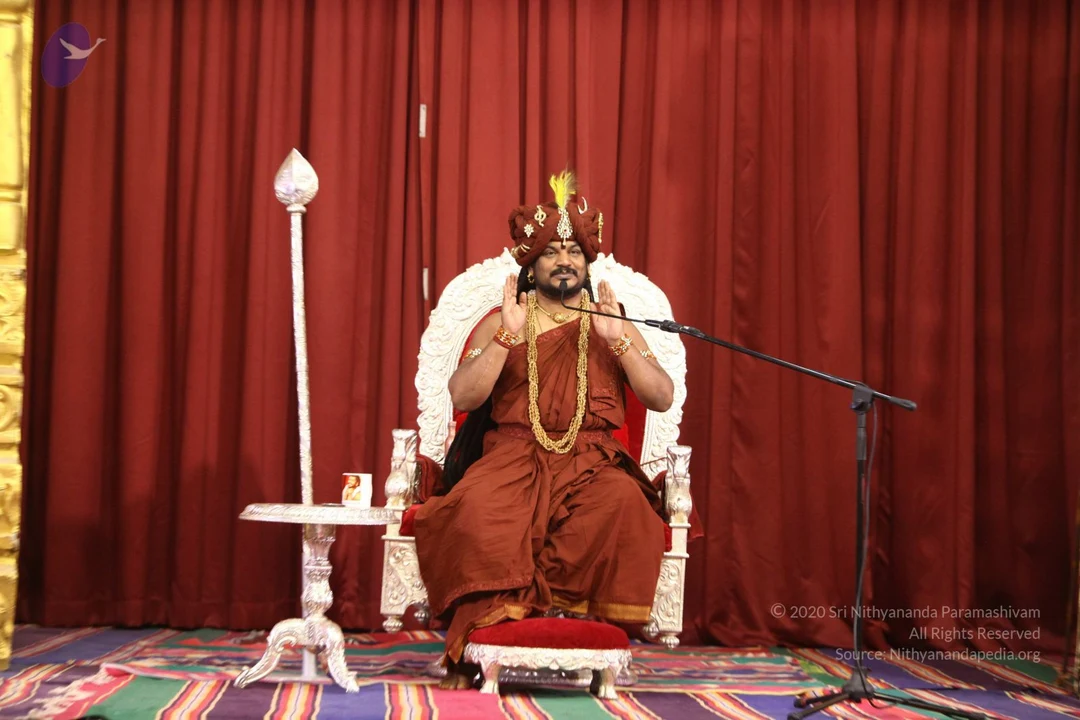
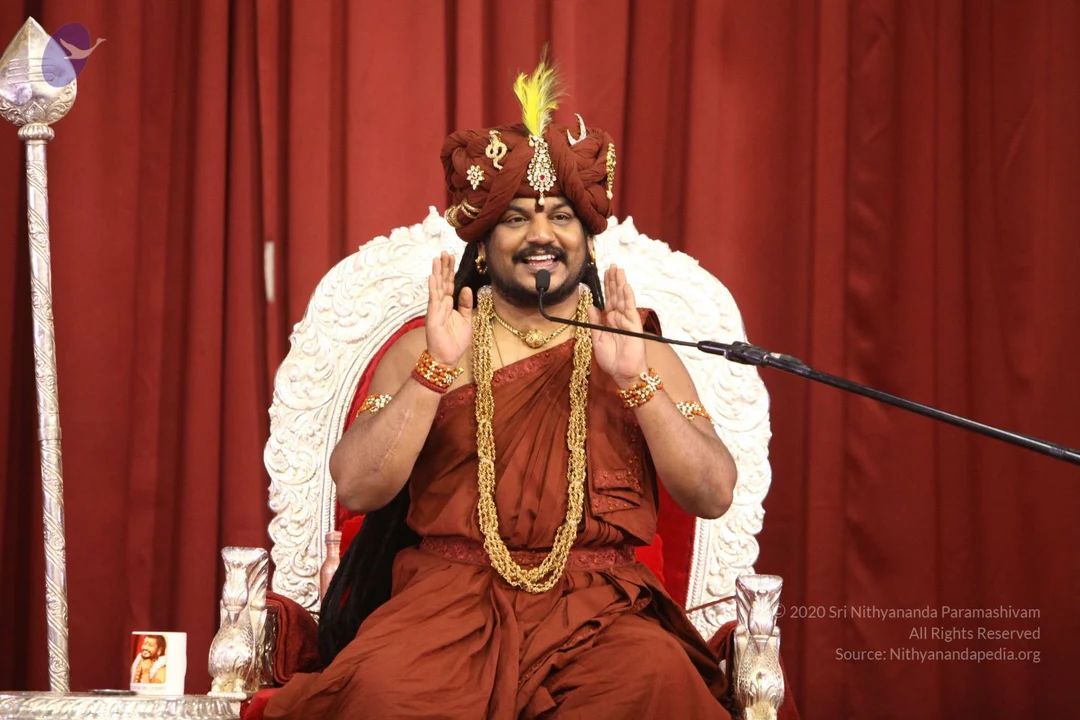
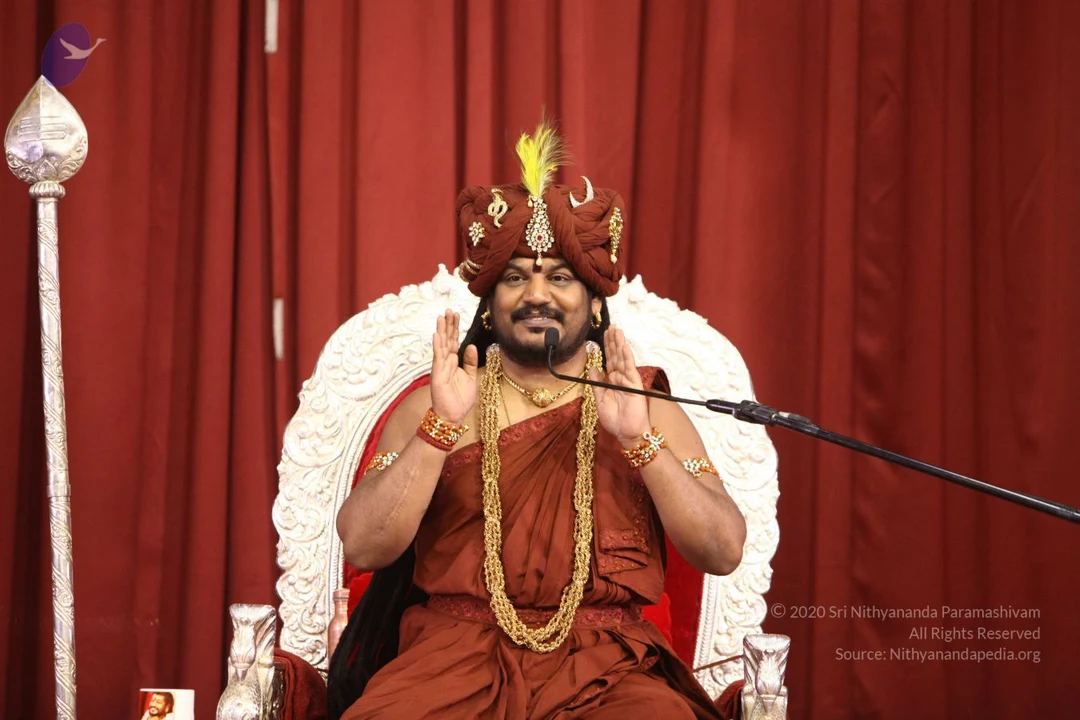
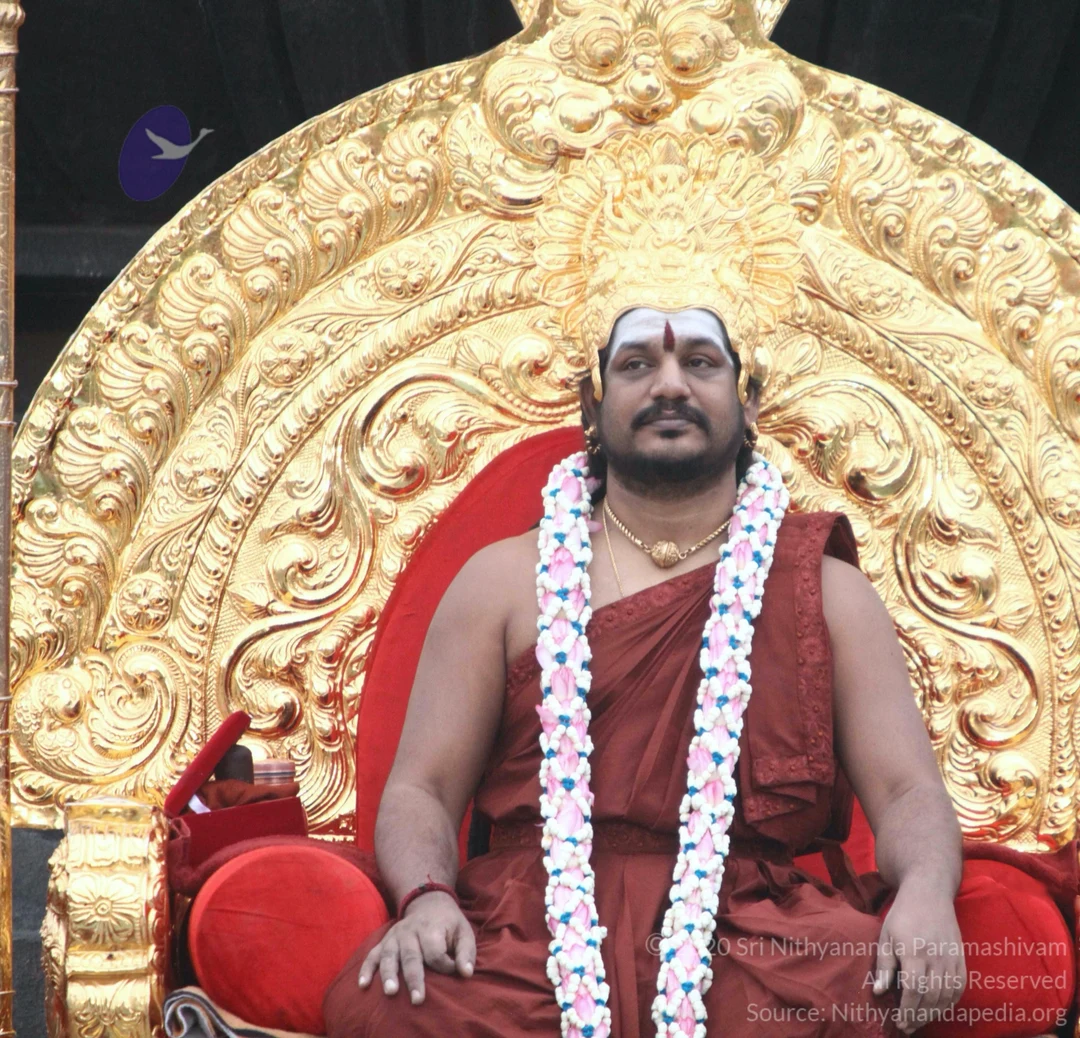
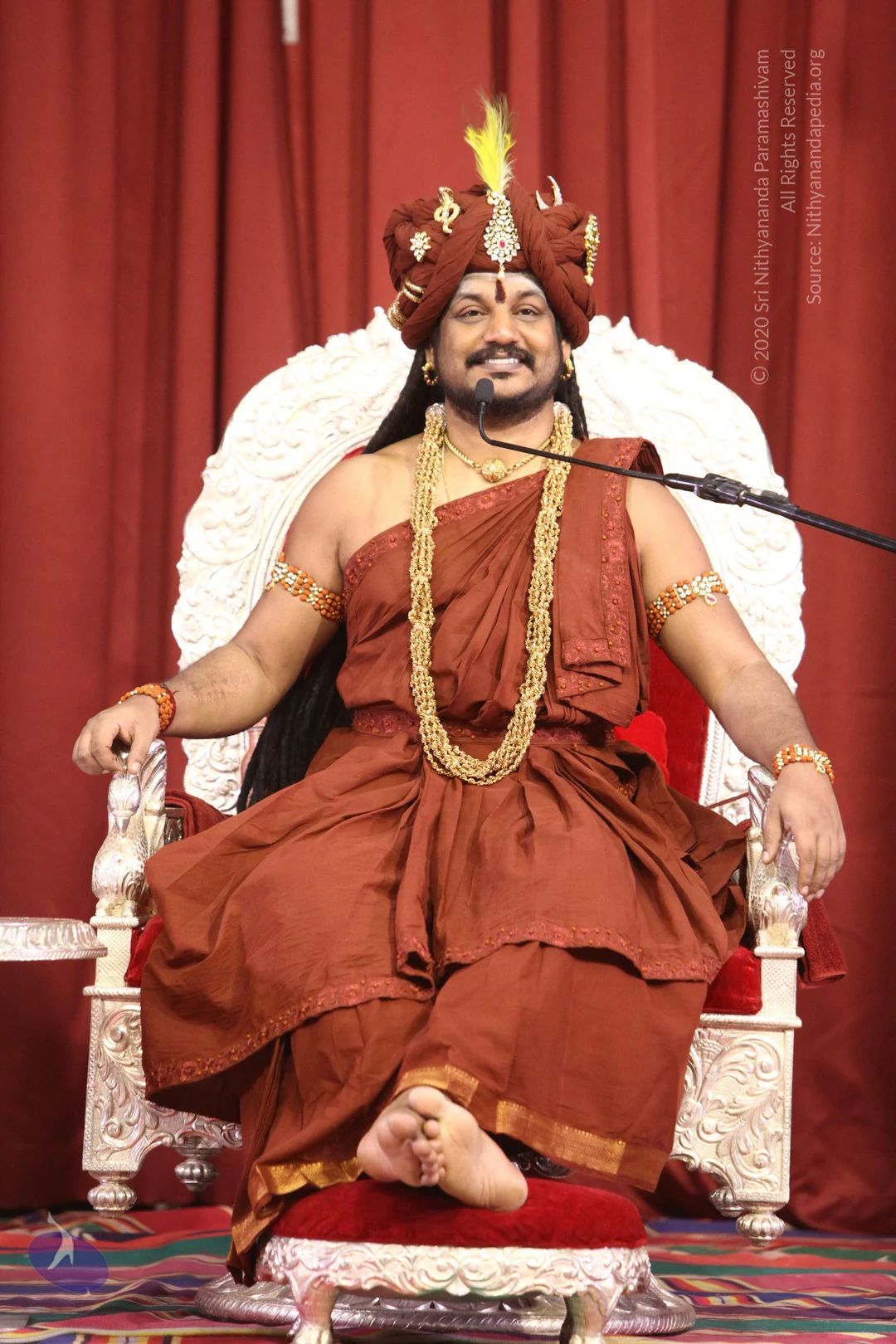
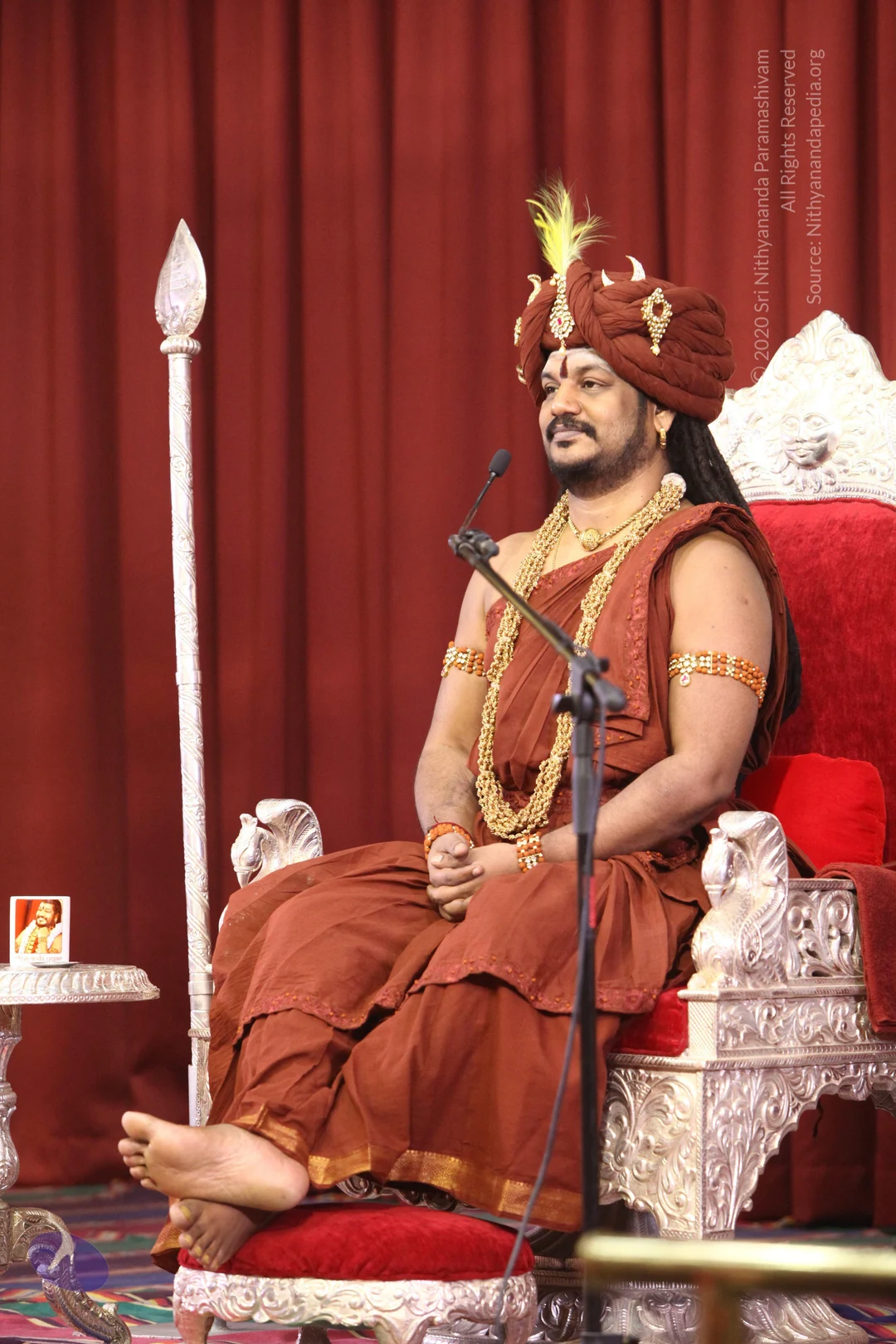
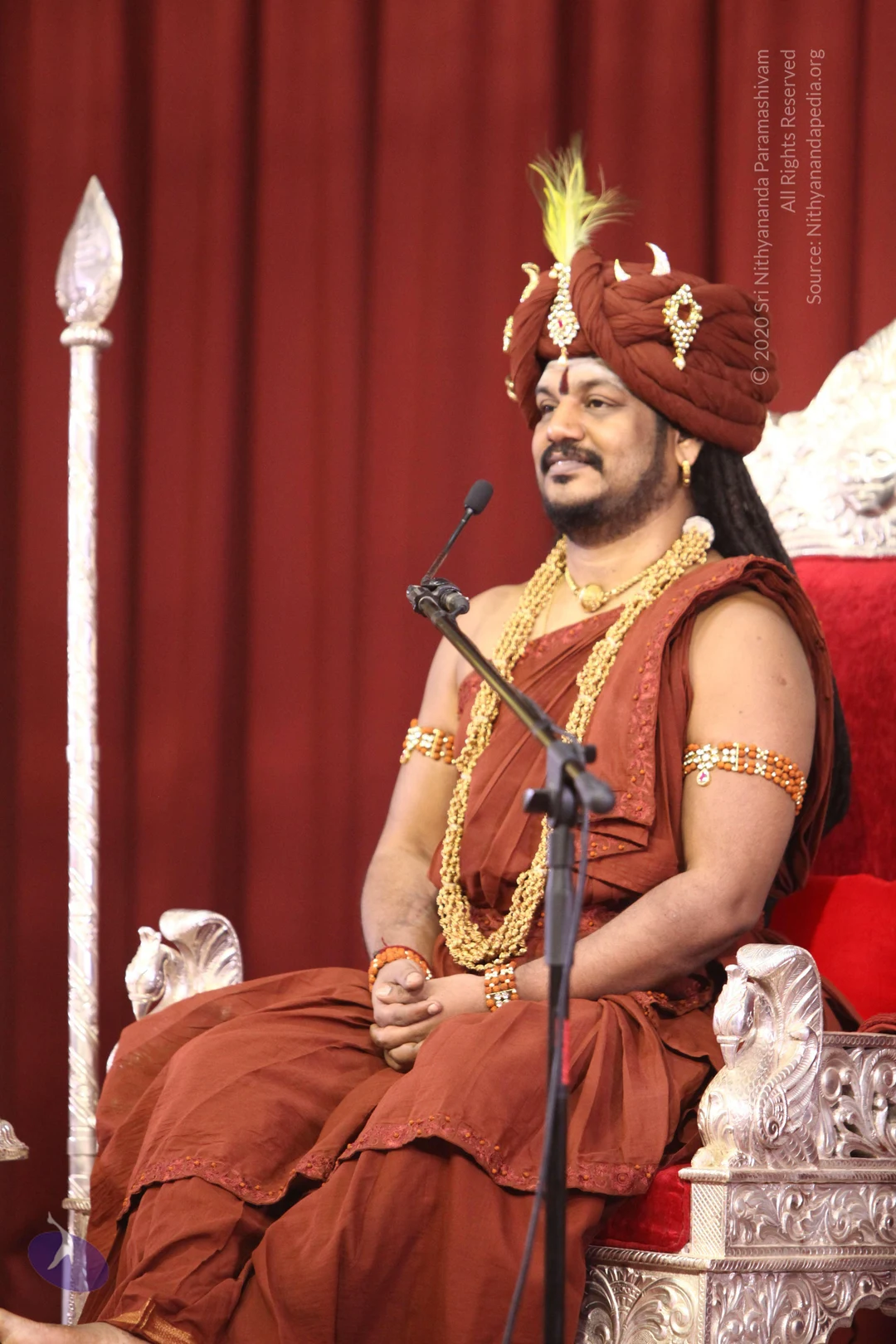
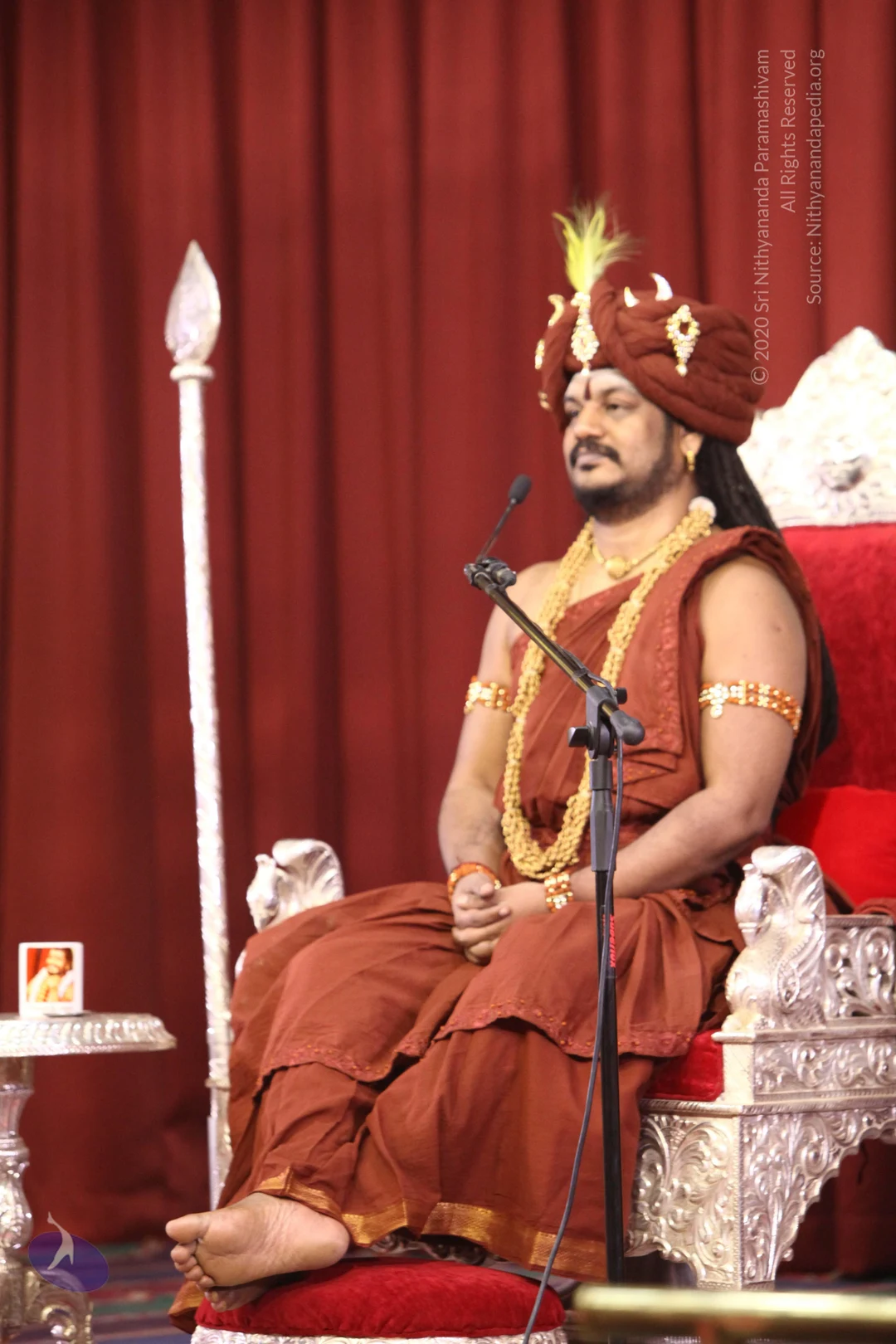
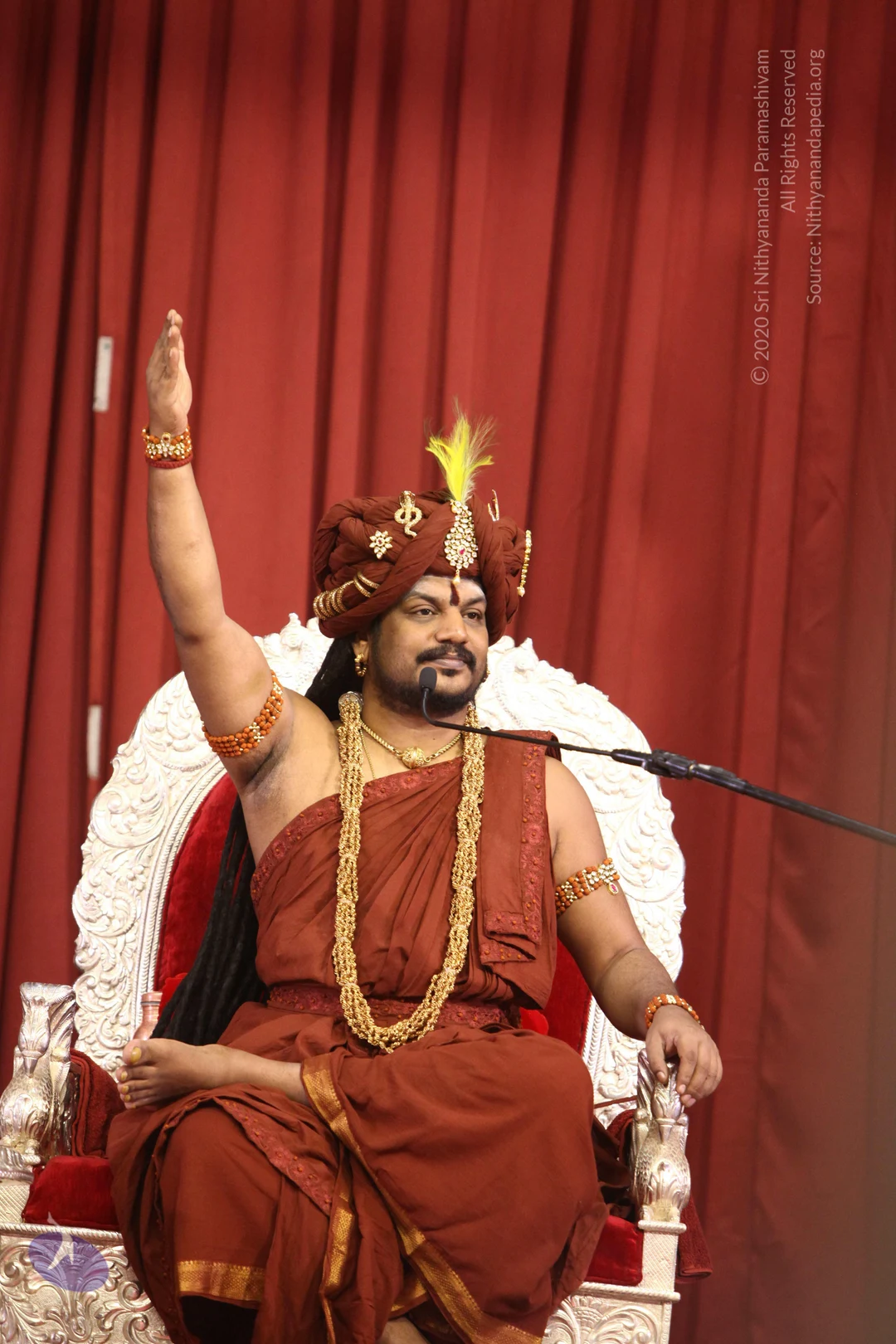
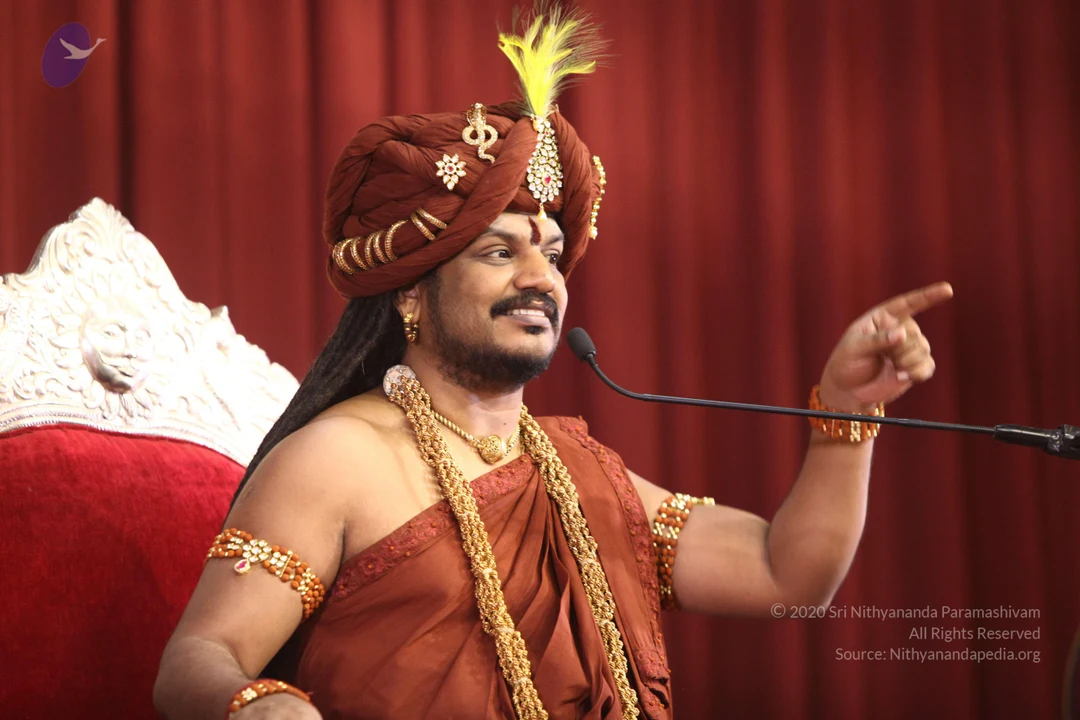
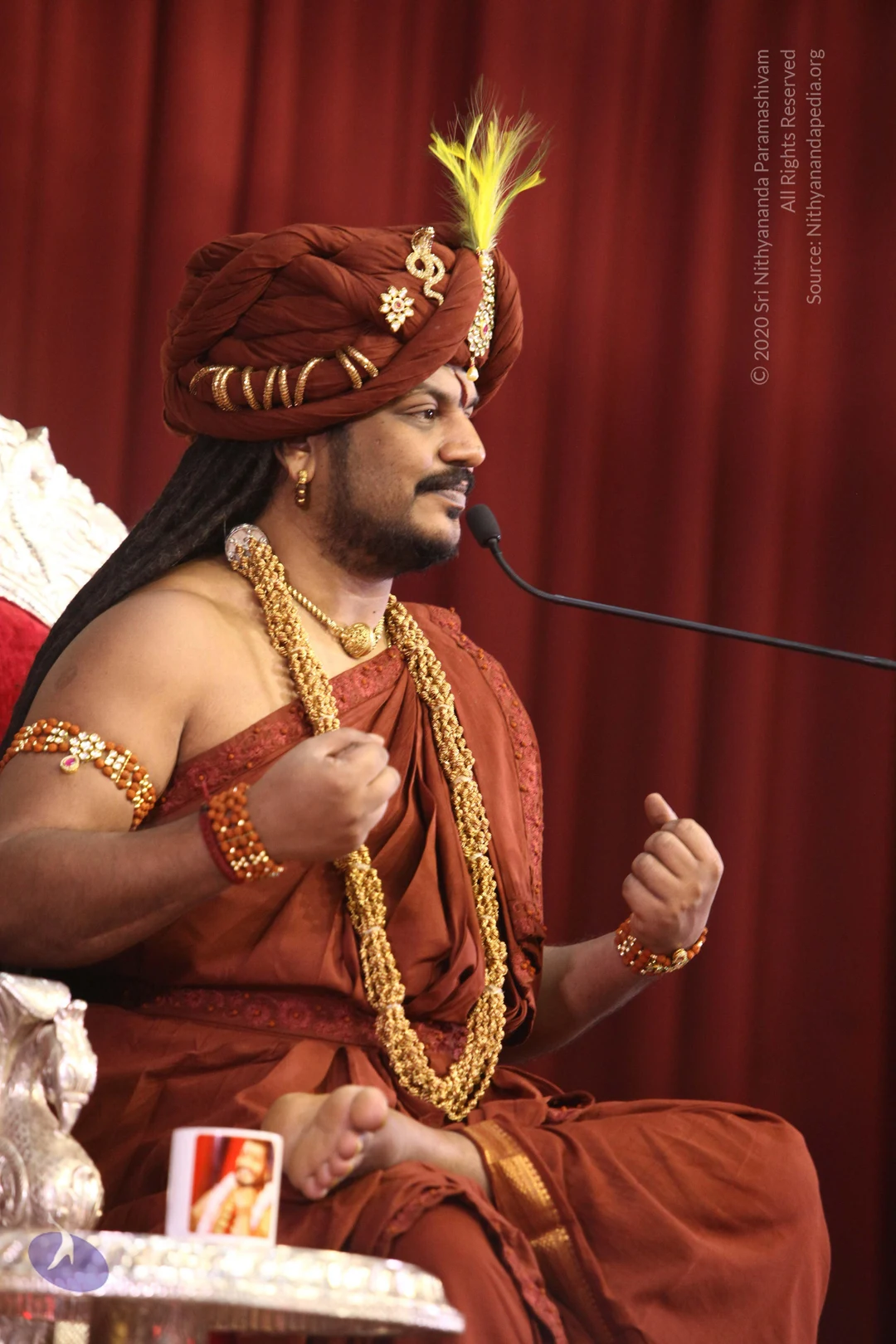
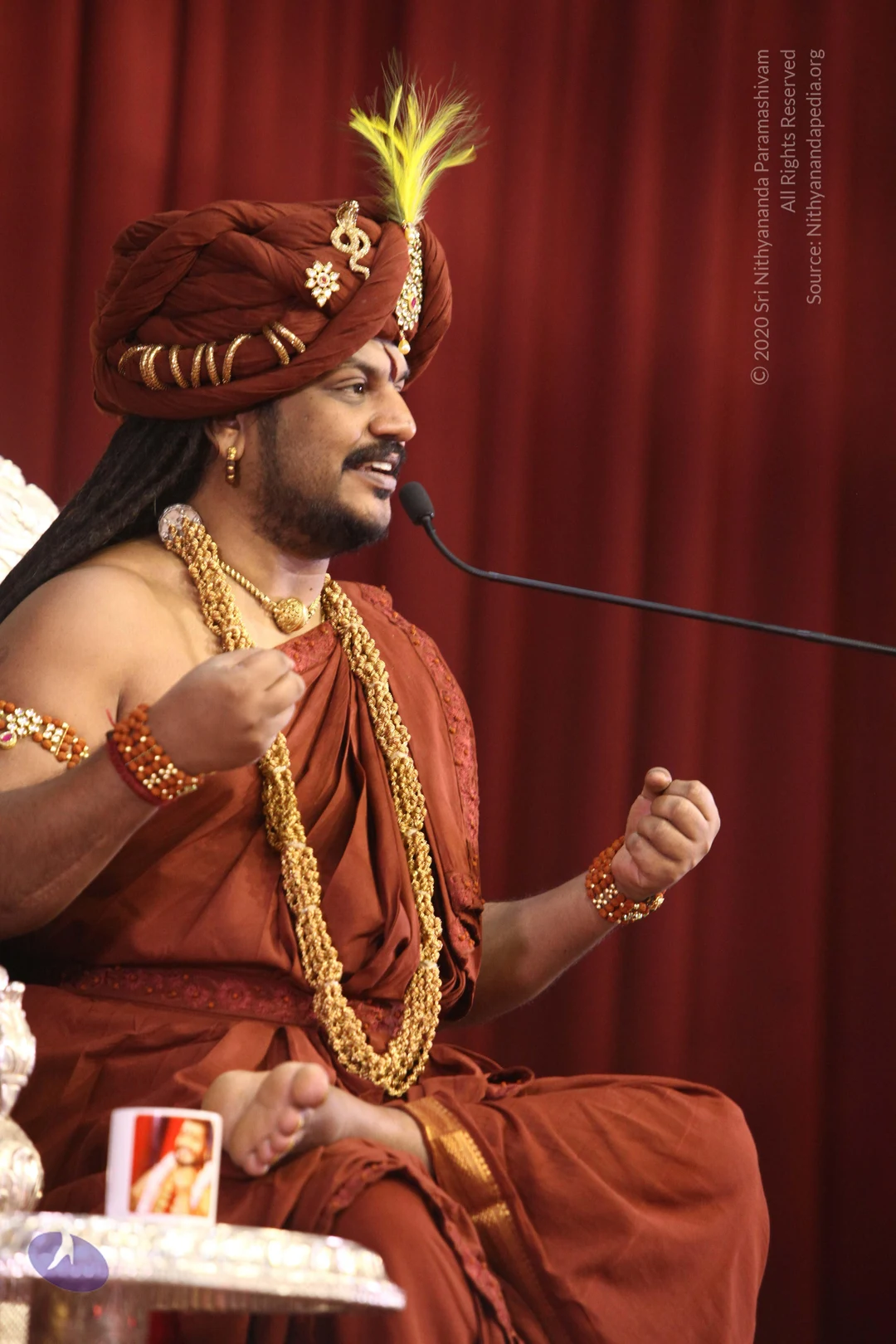
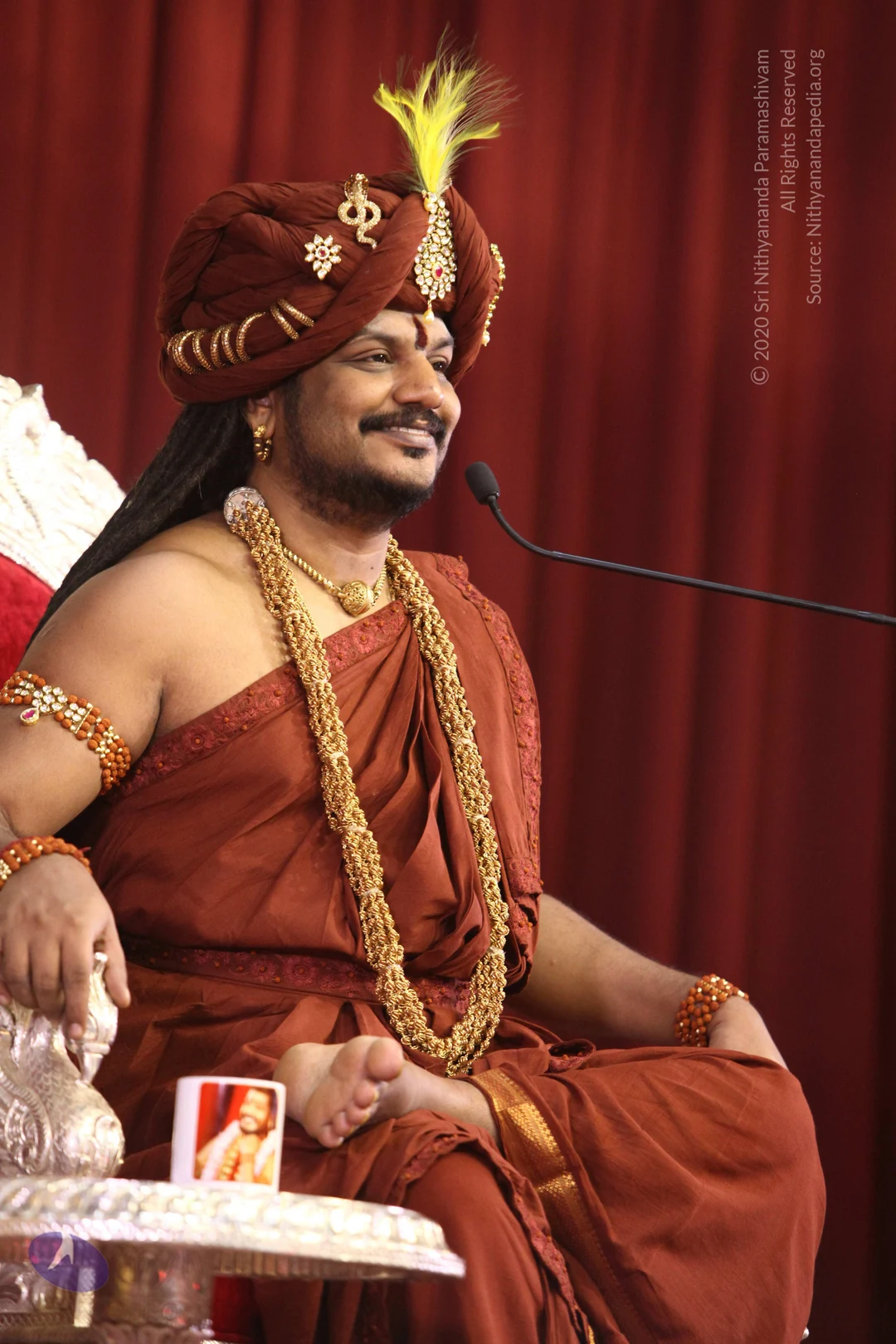
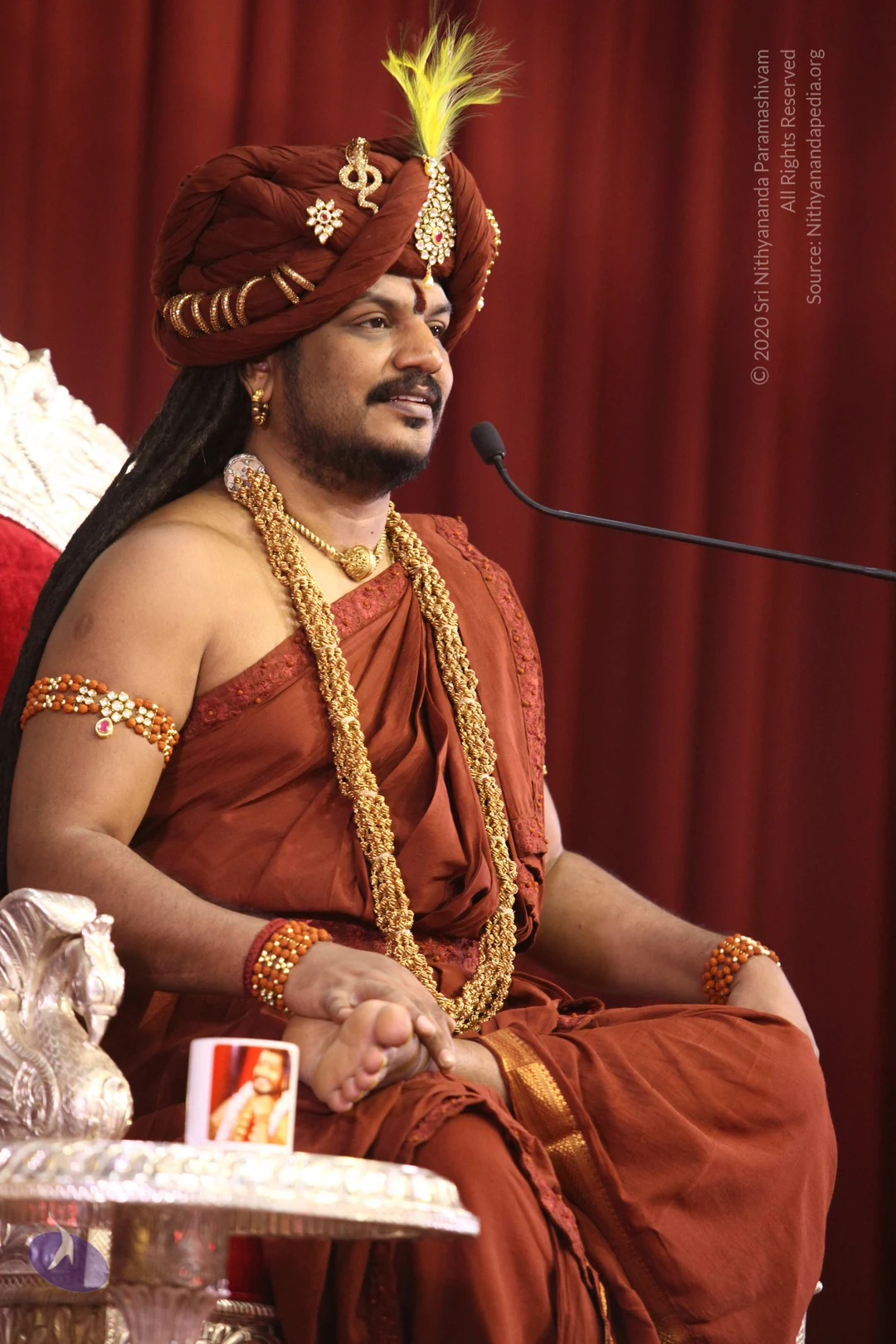
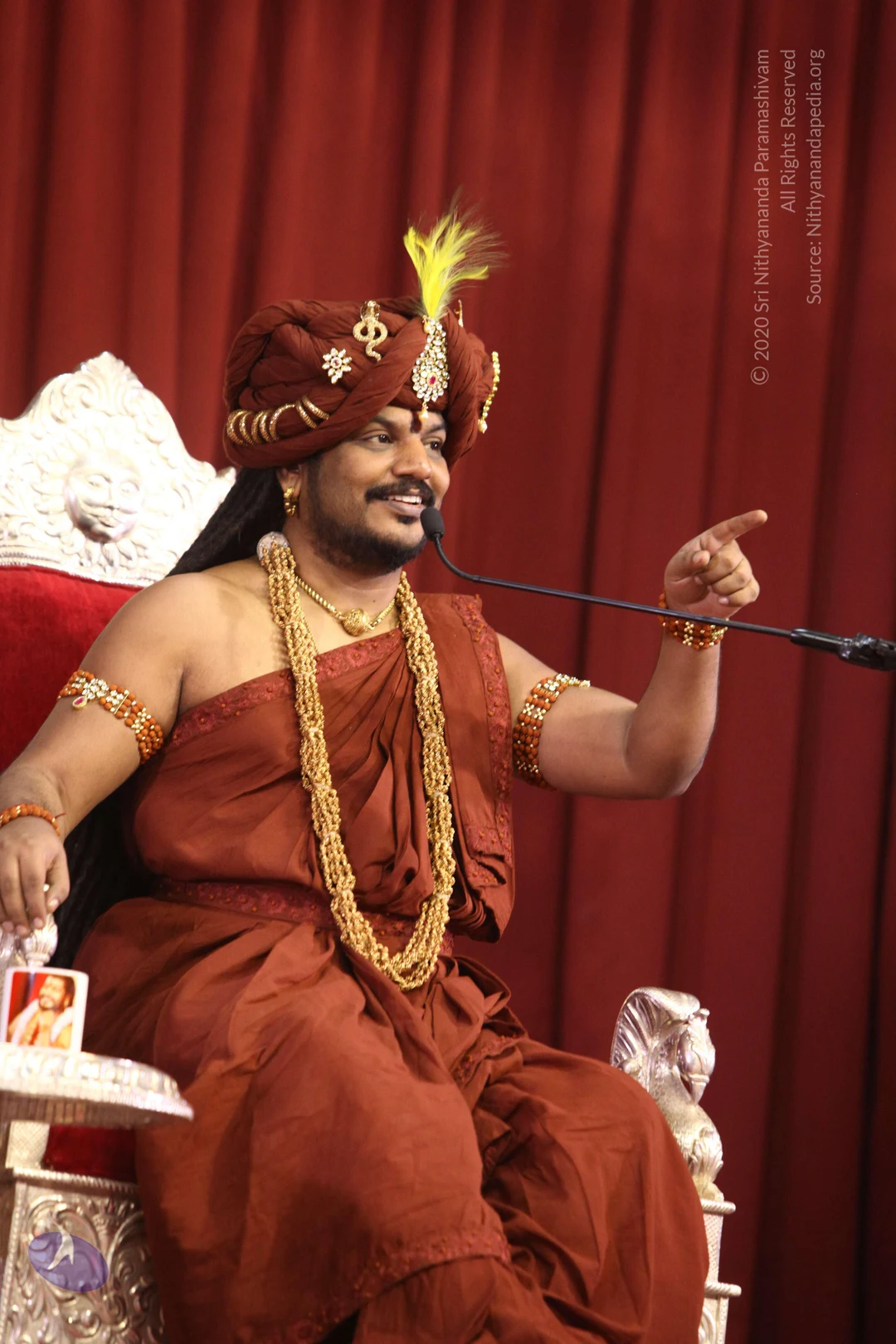
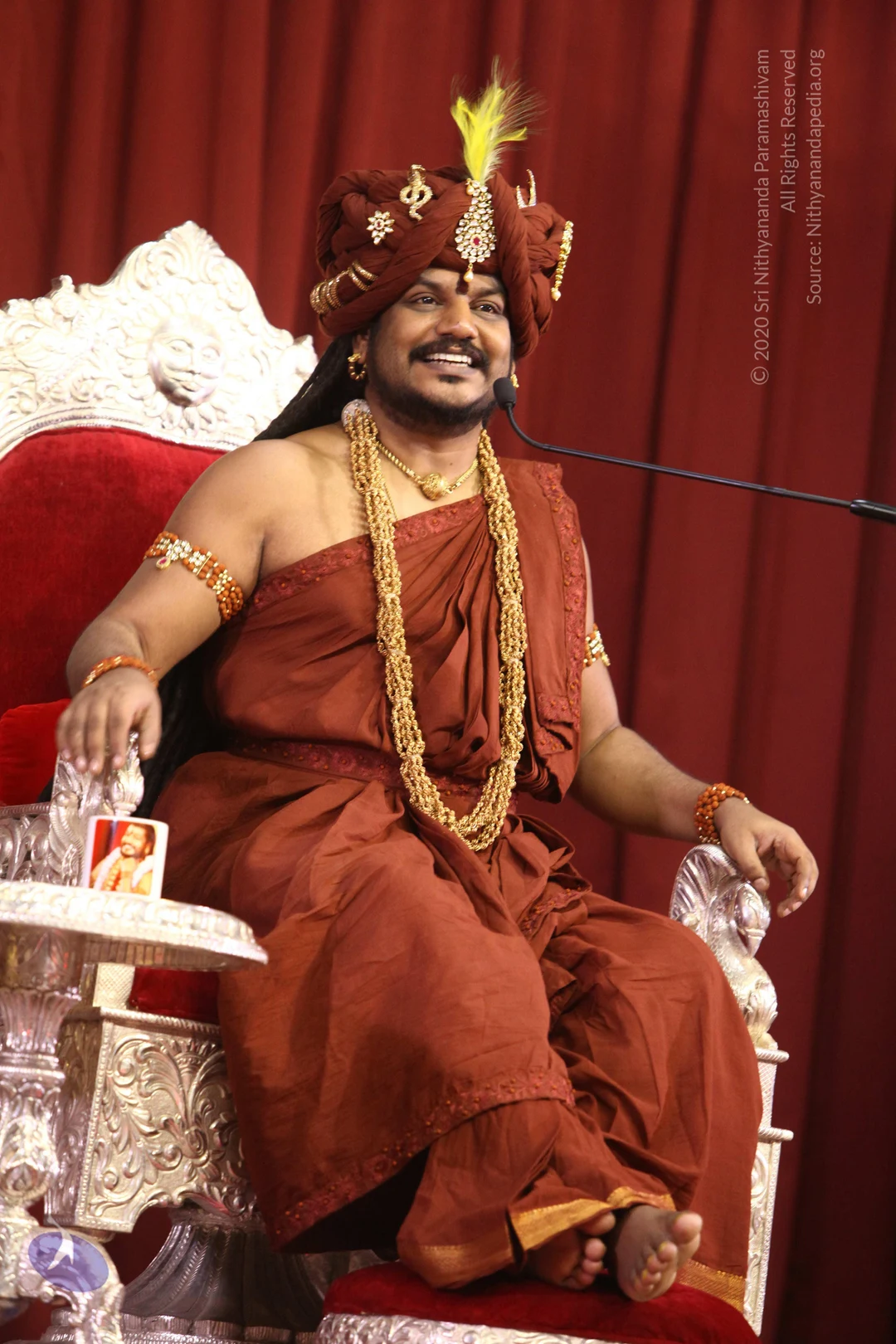
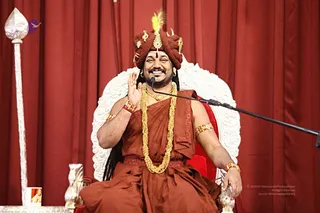
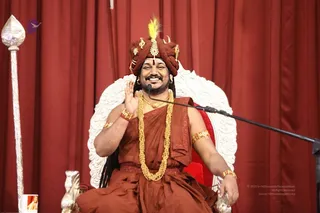
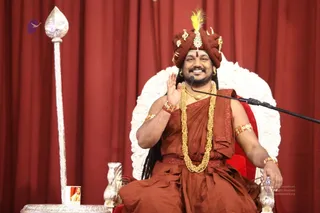
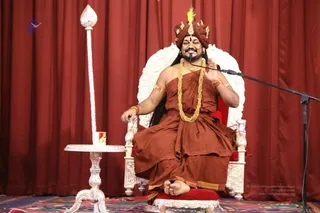
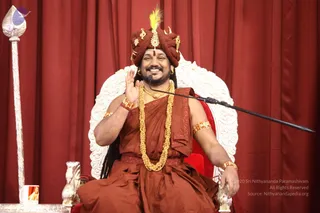
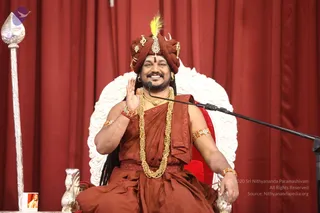
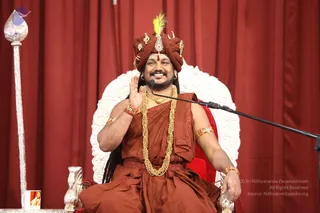
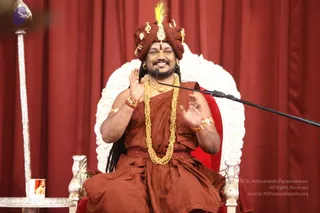
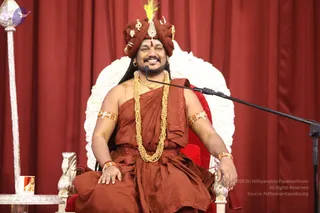
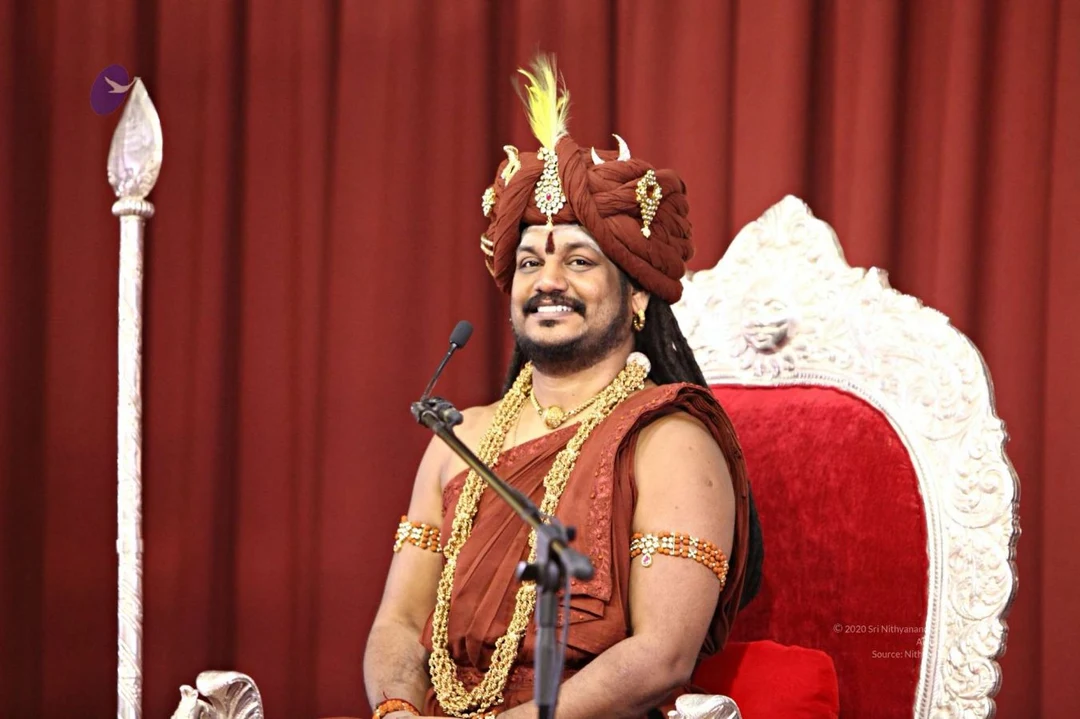 HDH Nithyananda Paramashivam delivering the morning satsang on Shaktipada
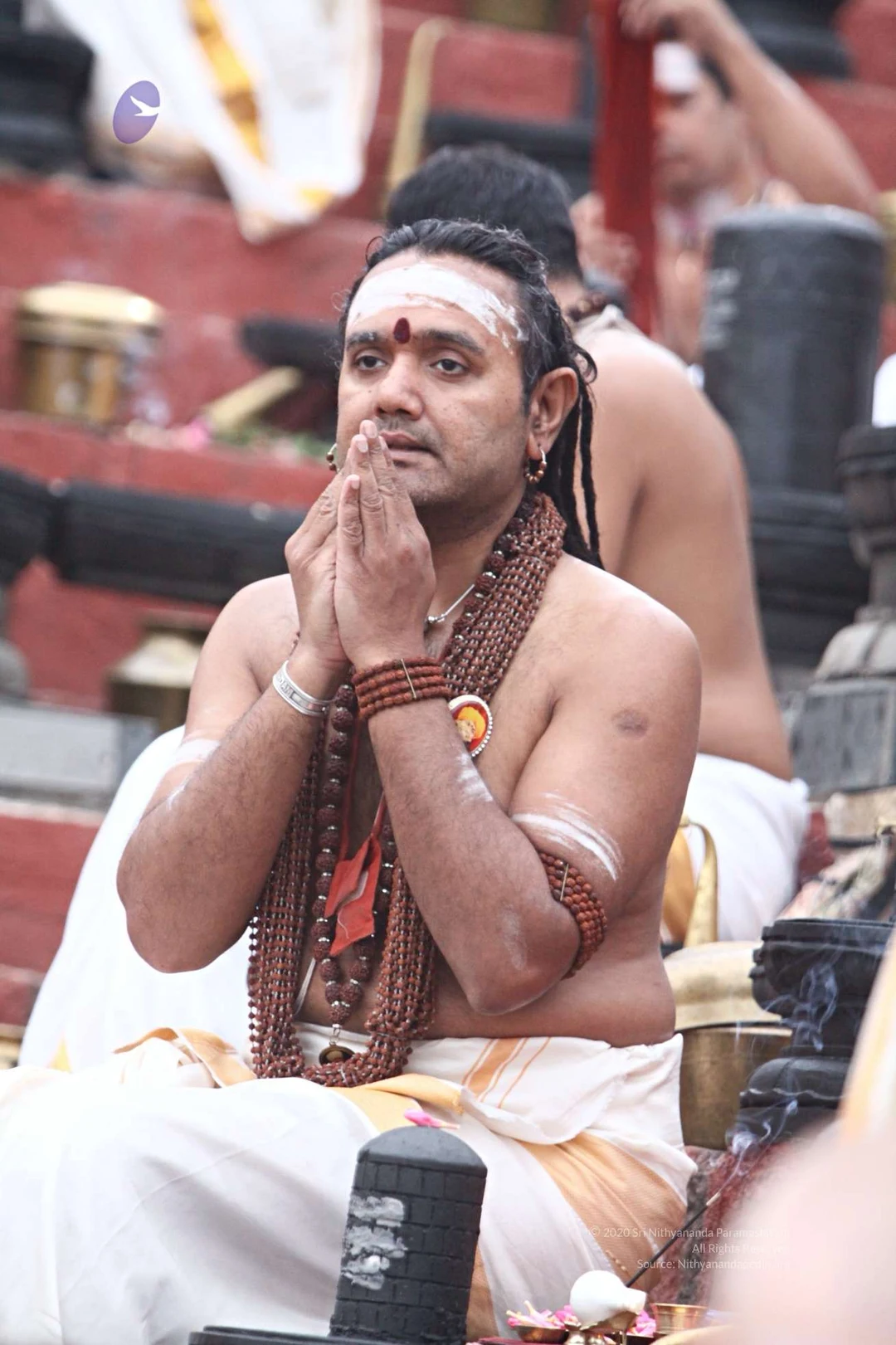
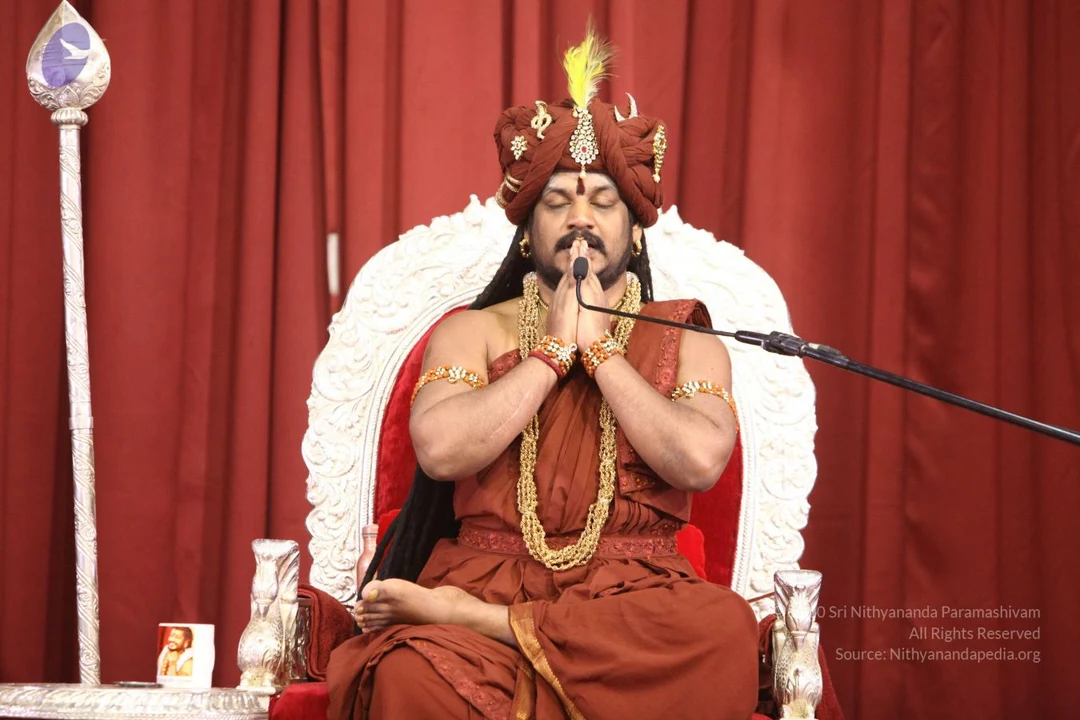
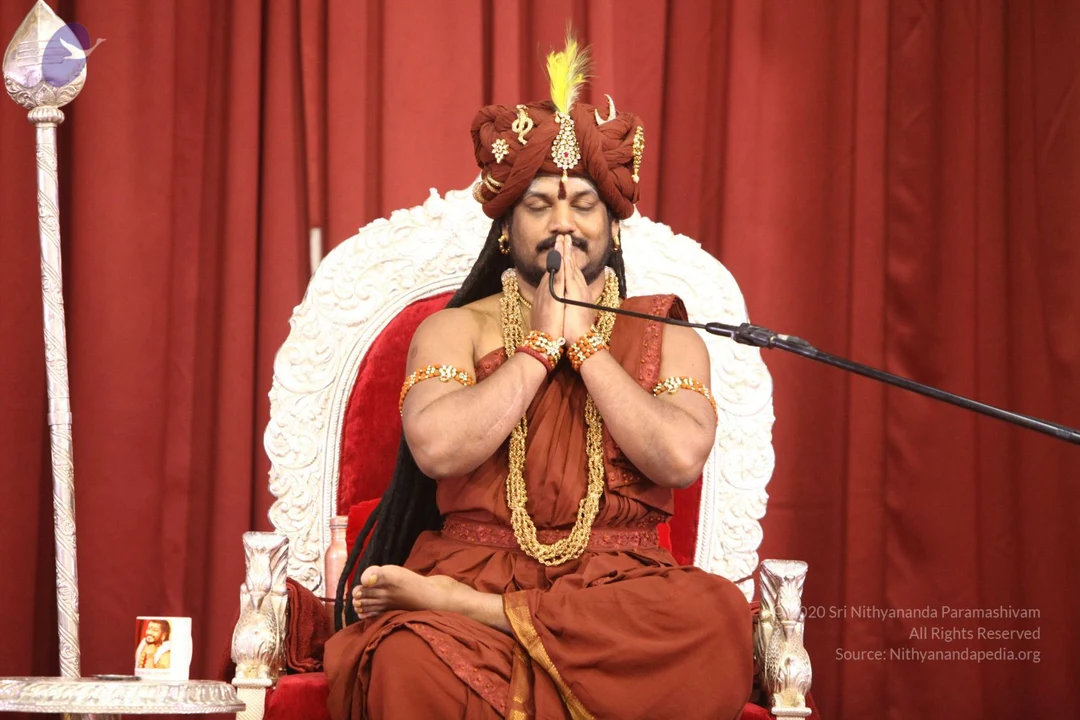
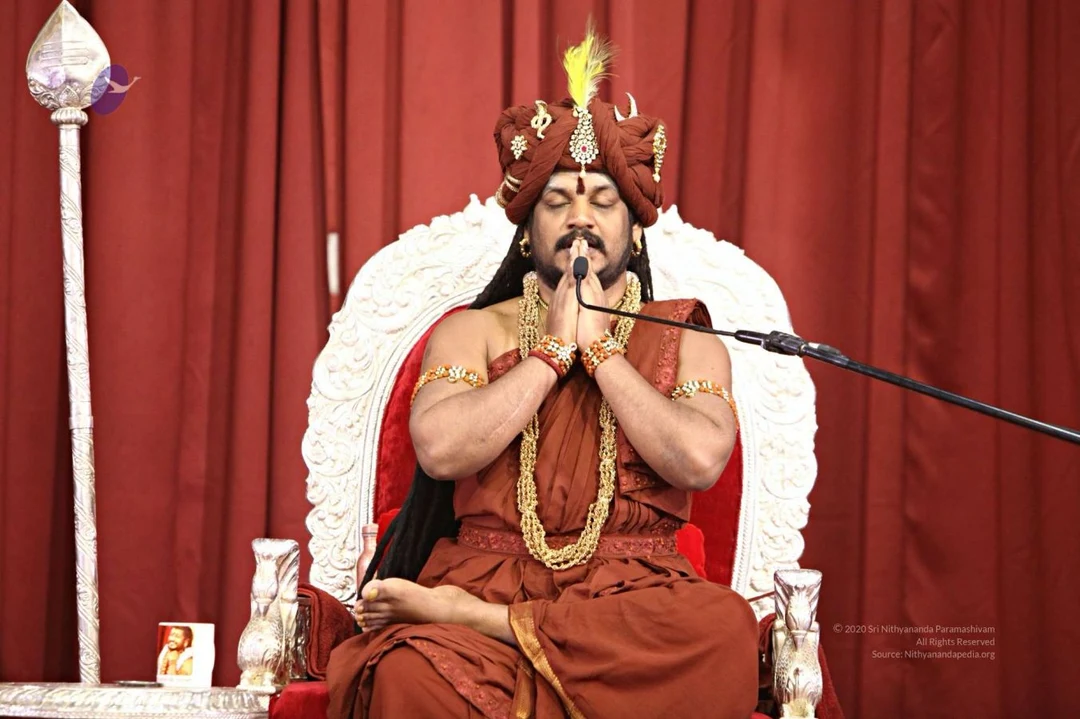 HDH Nithyananda Paramashivam praying before delivering a discourse
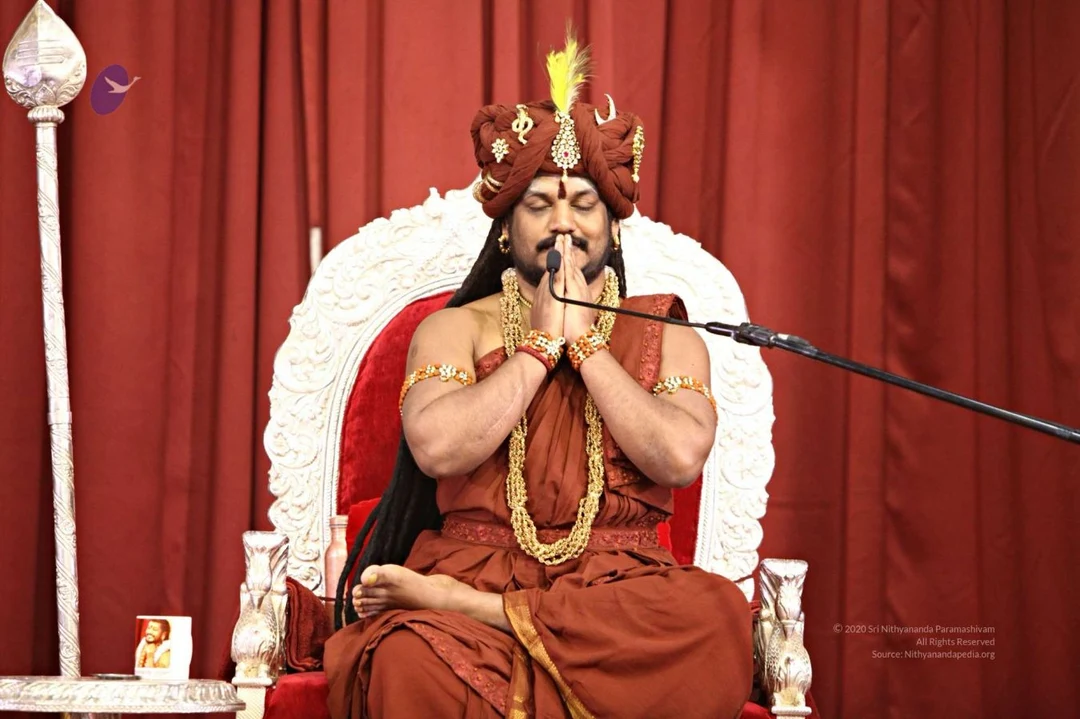 HDH Nithyananda Paramashivam praying before delivering the daily satsang
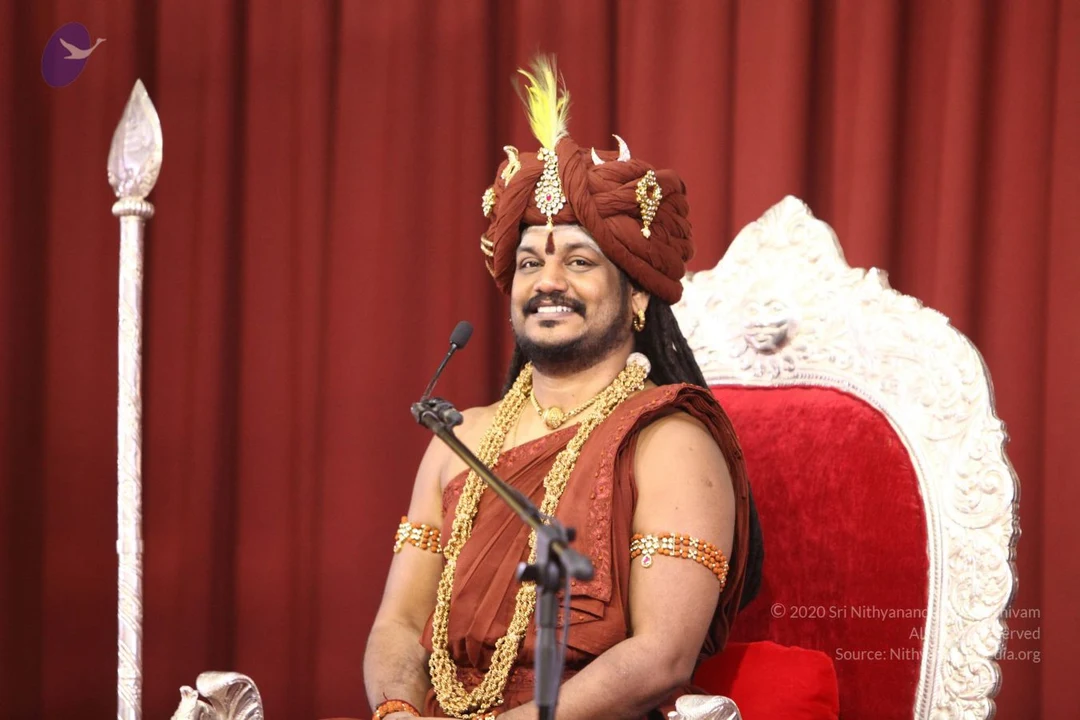
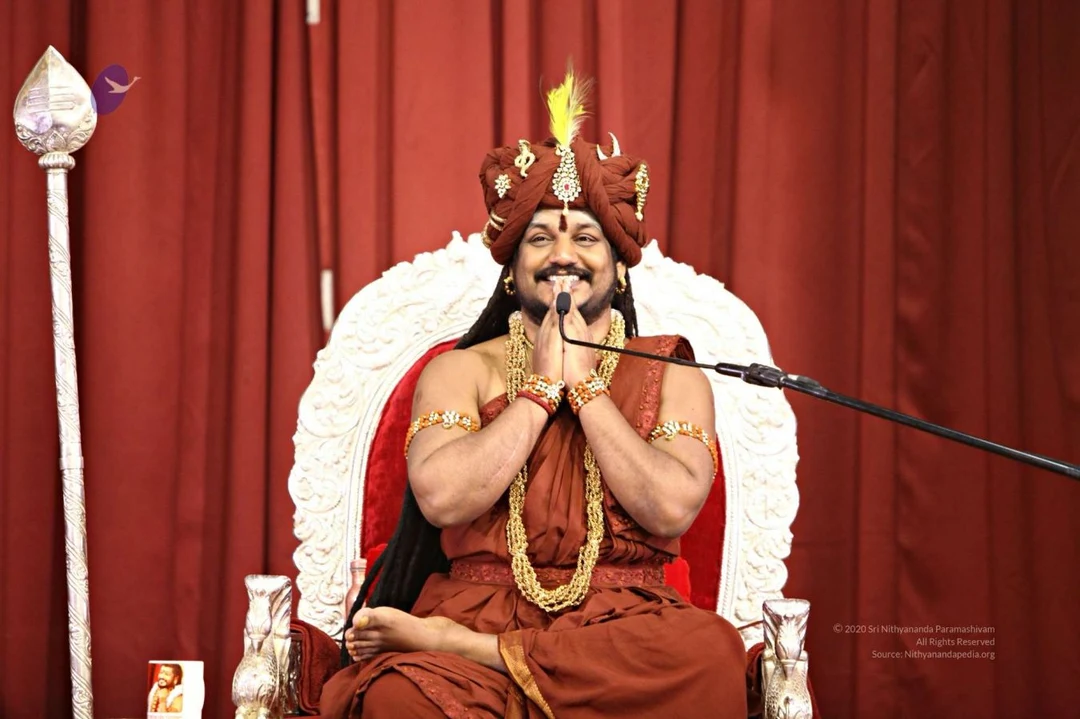 HDH Nithyananda Paramashivam is welcoming the delegates before delivering the daily satsang
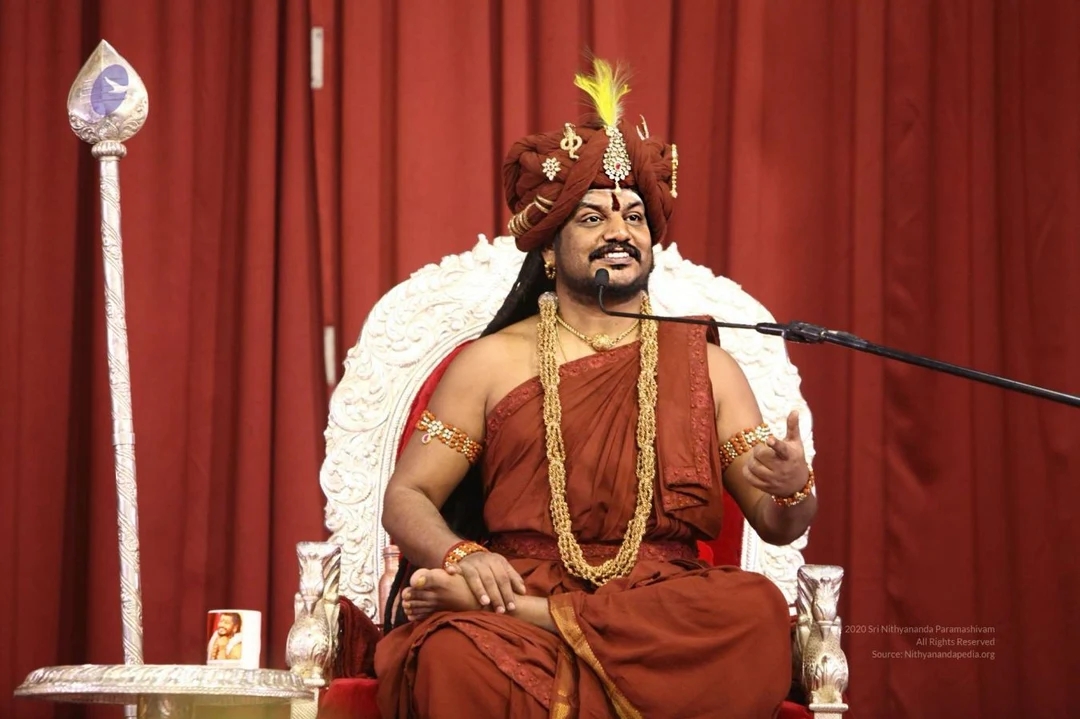 HDH Nithyananda Paramashivam Morning Nithya Satsang
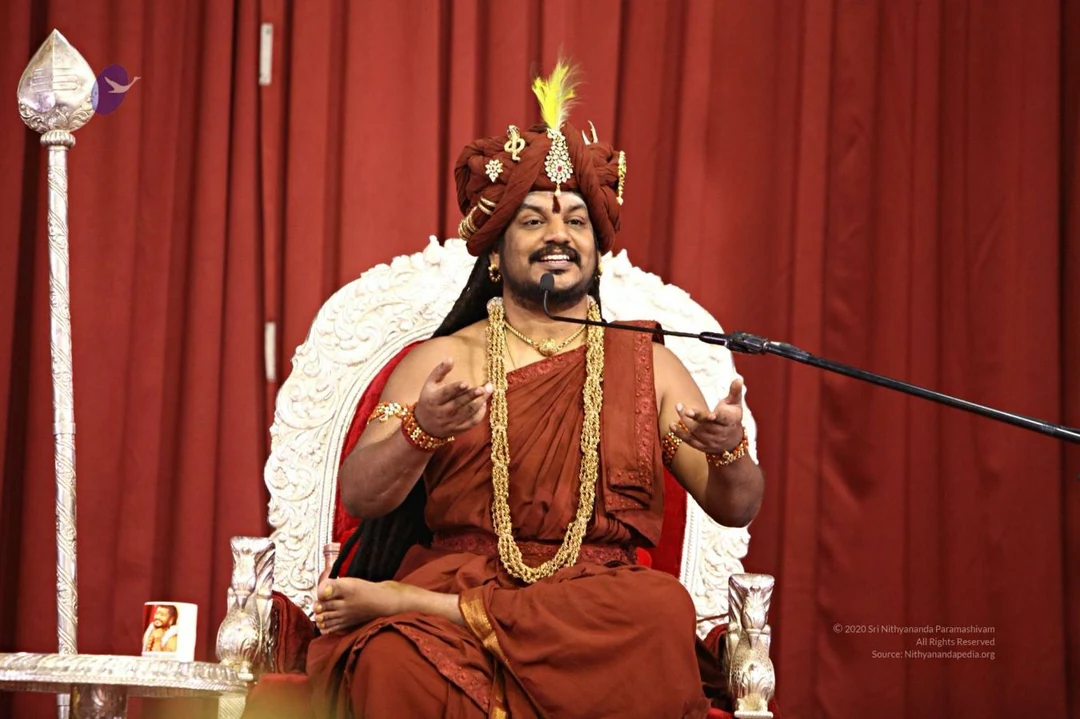 HDH Nithyananda Paramashivam Morning Nithya Satsang
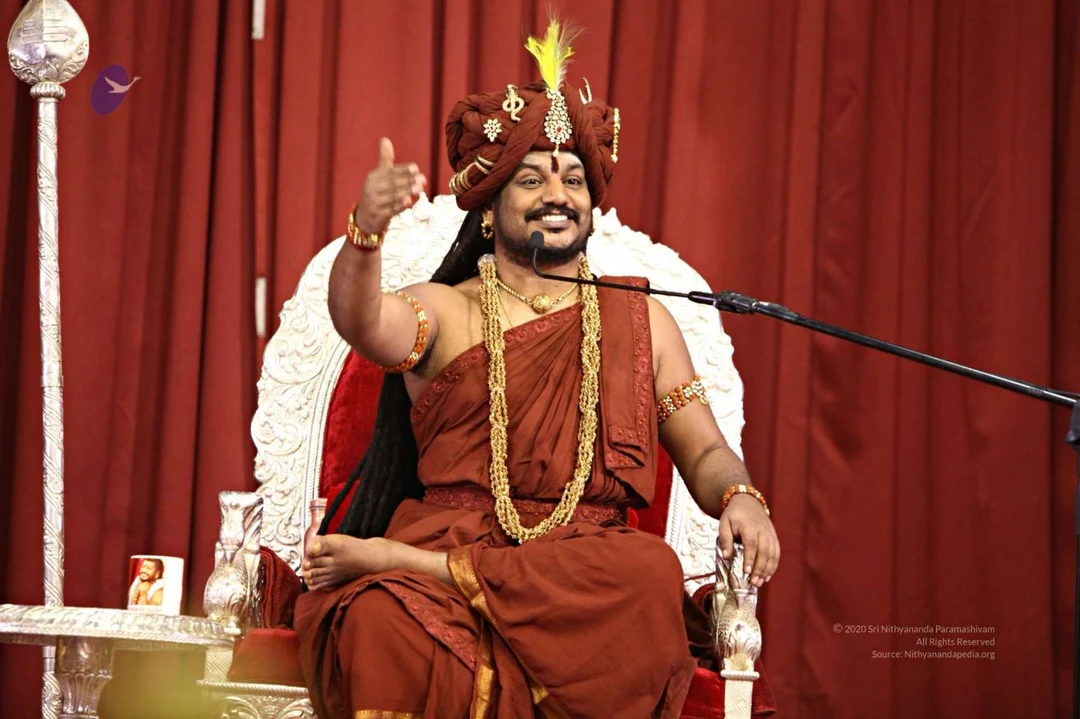 HDH Nithyananda Paramashivam Morning Nithya Satsang
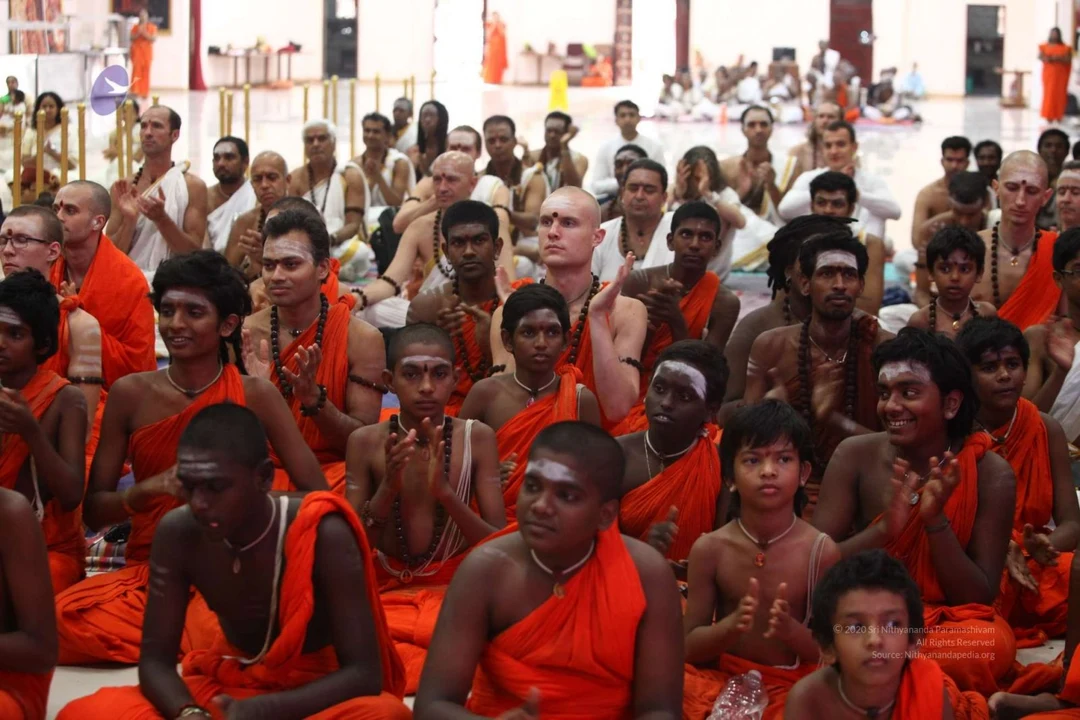 HDH Nithyananda Paramashivam Morning Nithya Satsang
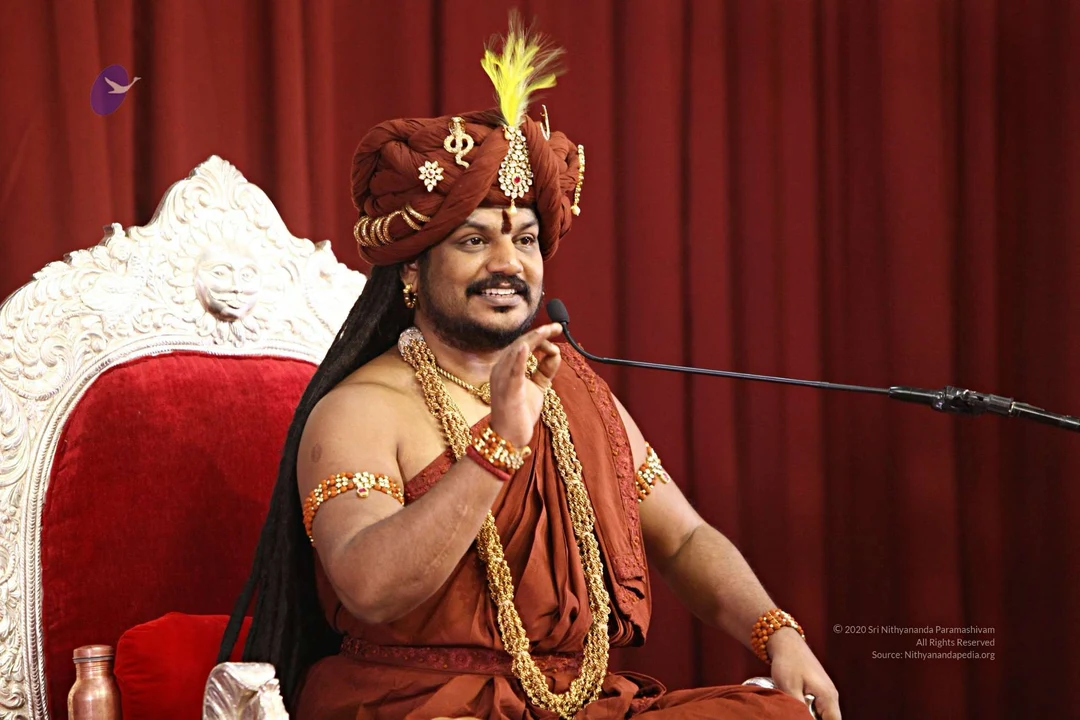 HDH Nithyananda Paramashivam Morning Nithya Satsang
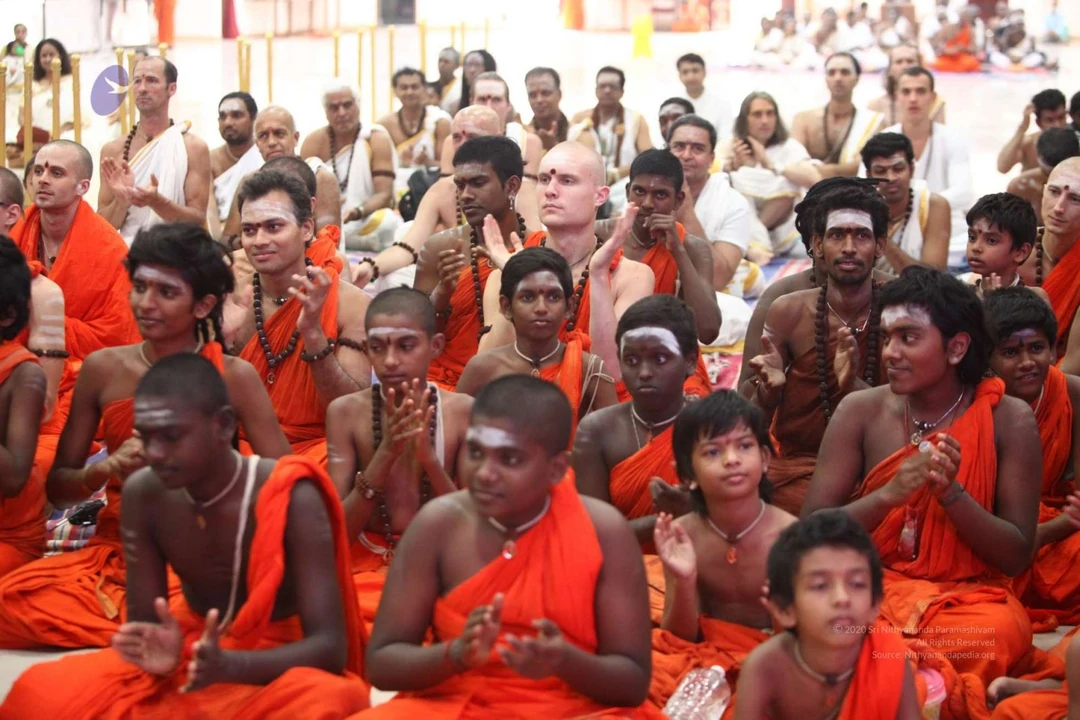 HDH Nithyananda Paramashivam Morning Nithya Satsang
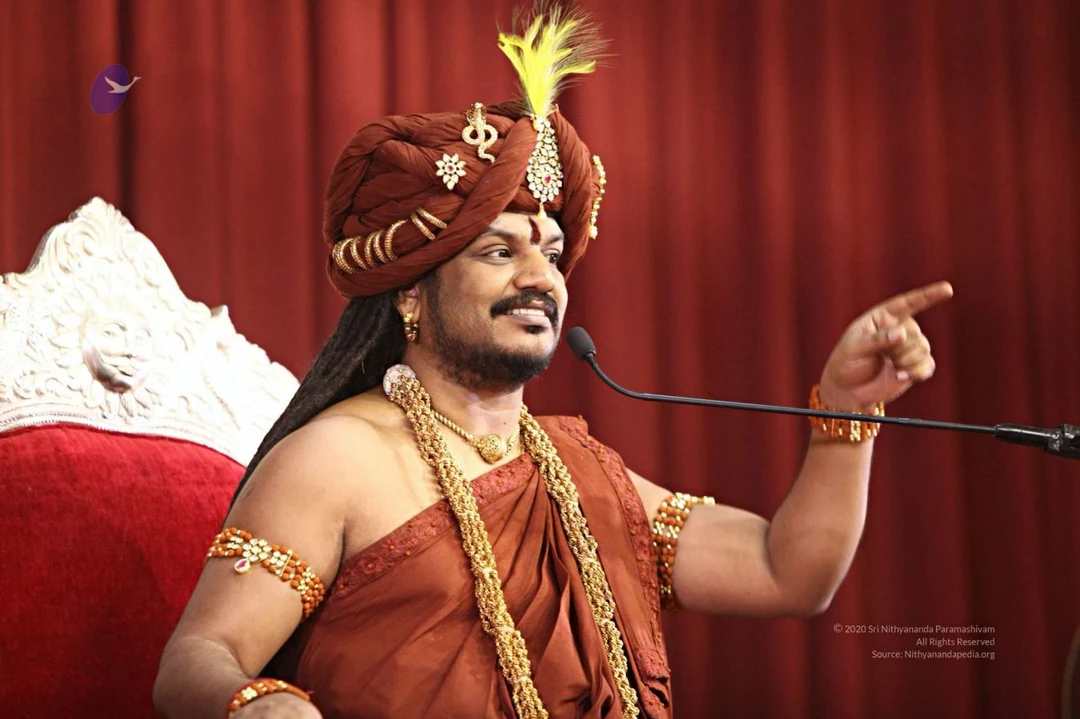 HDH Nithyananda Paramashivam explaining chastity towards your existence, is power manifestation. If you are chaste towards your existence, you see, your existence is consciousness - Kundalini.
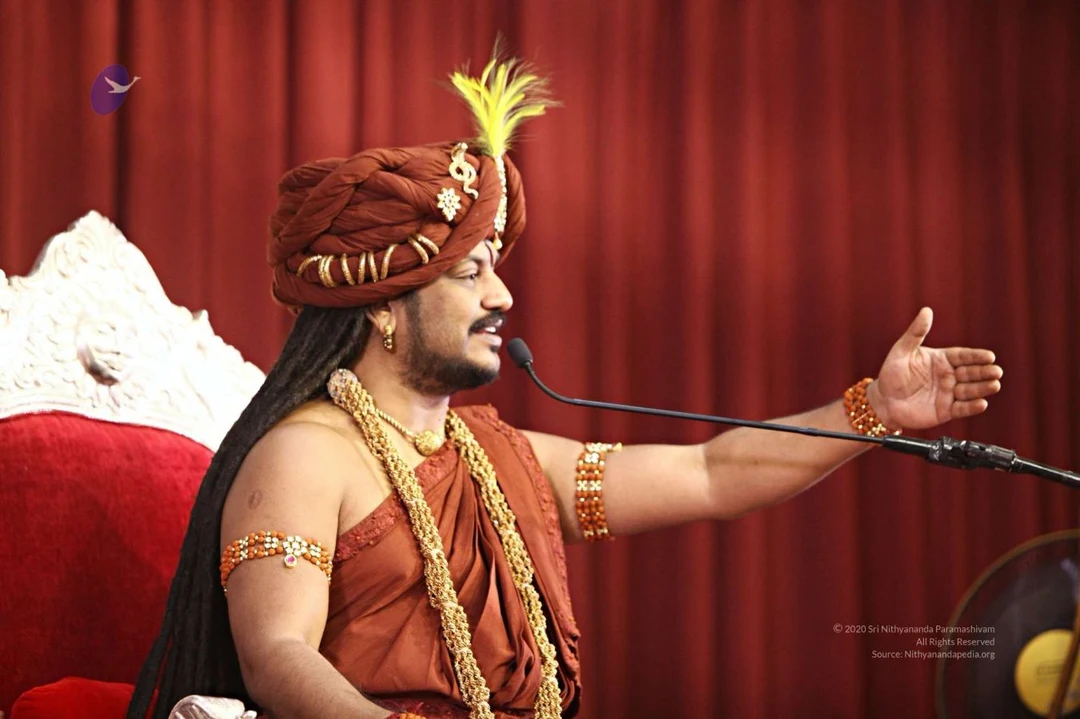 HDH Nithyananda Paramashivam declaring that there will tons of research papers published on his words, teachings, understandings and the cognitions I share with the world.
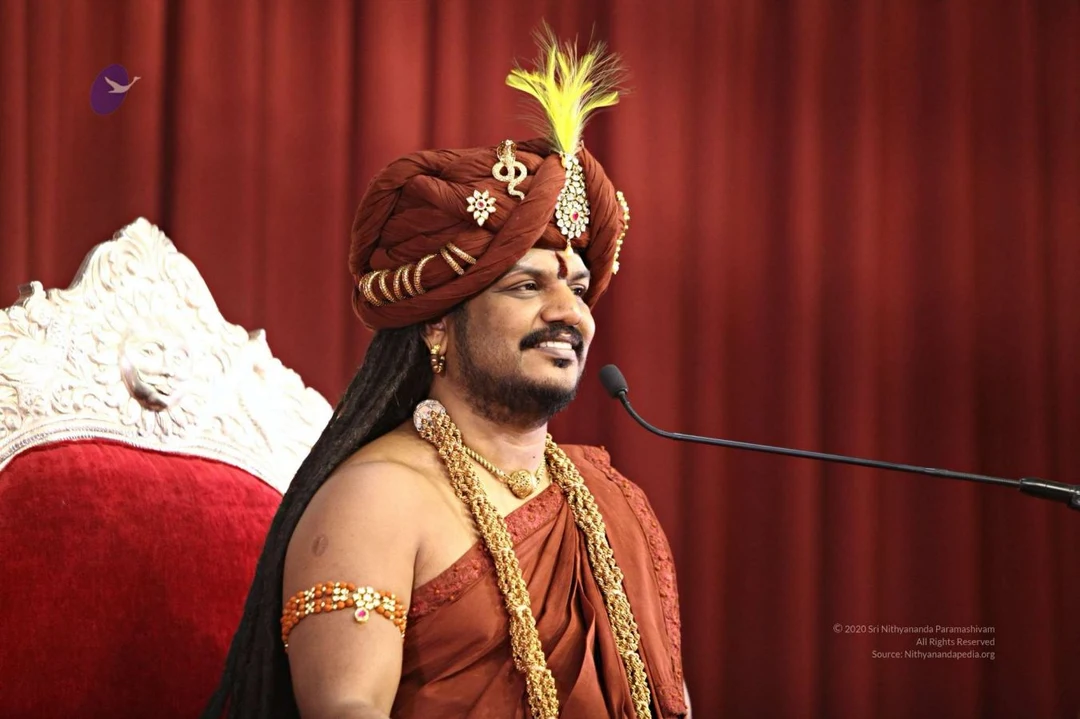 HDH Nithyananda Paramashivam advising to look in and do not allow the words the visualizations which excites you allow only the pure Oneness to excite you.
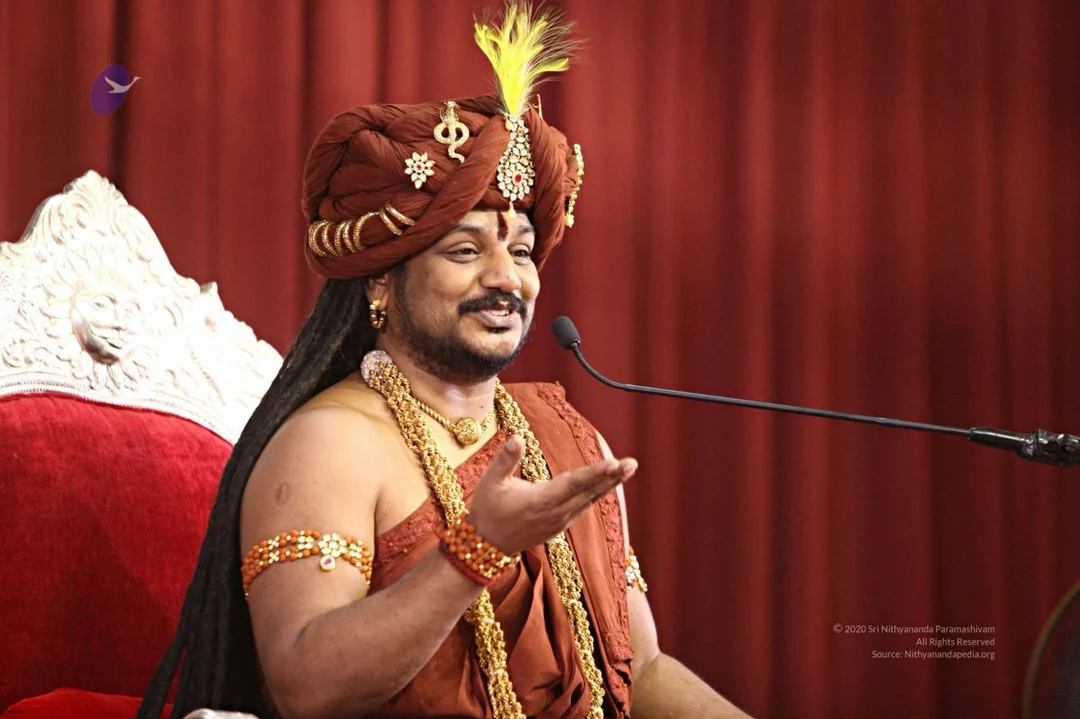 HDH Nithyananda Paramashivam explaining that the Kundalini Shakti means every action you do will be power manifestation
 HDH Nithyananda Paramashivam explaining Shaktipada that is getting accustomed to the fuel change and running your life .
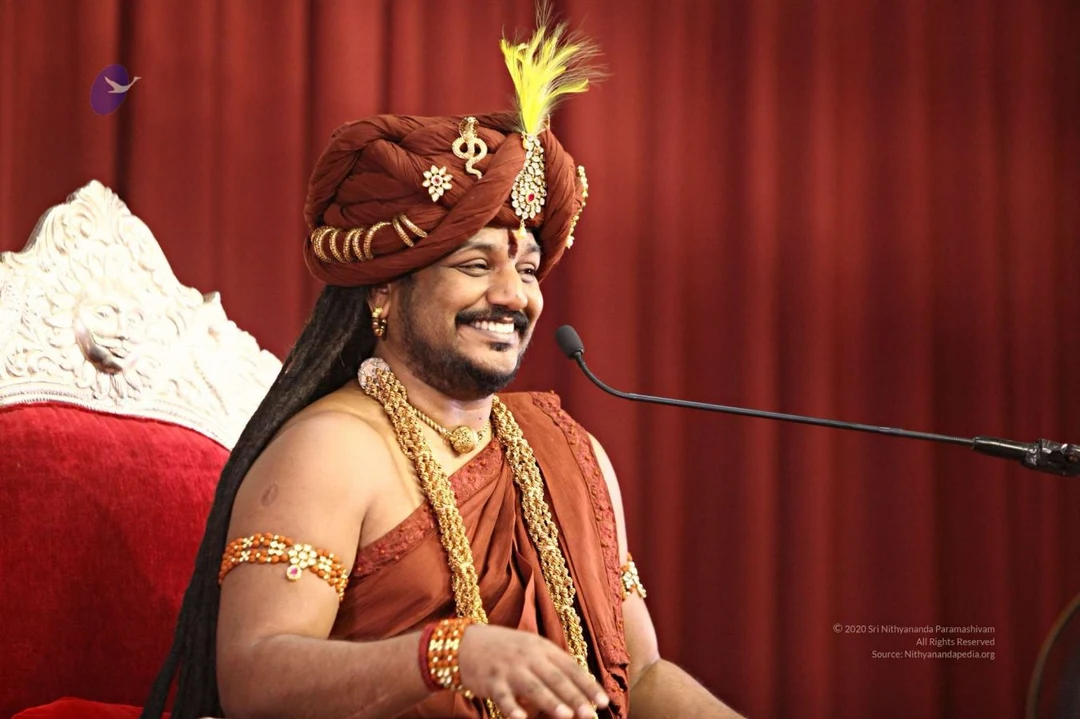 HDH Nithyananda Paramashivam explaining that getting accustomed to the fuel change and running your life is power manifestation
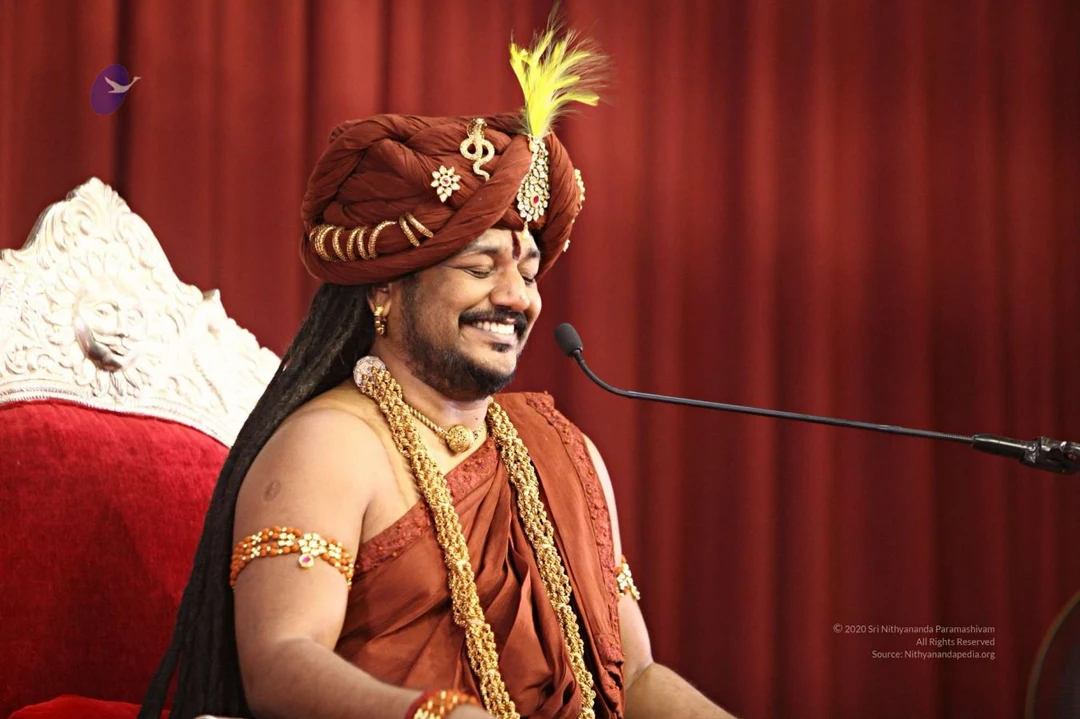 HDH Nithyananda Paramashivam explaining the fuel to run your life in Aadheenam is pure flight petrol,the run is intensely by Kundalini
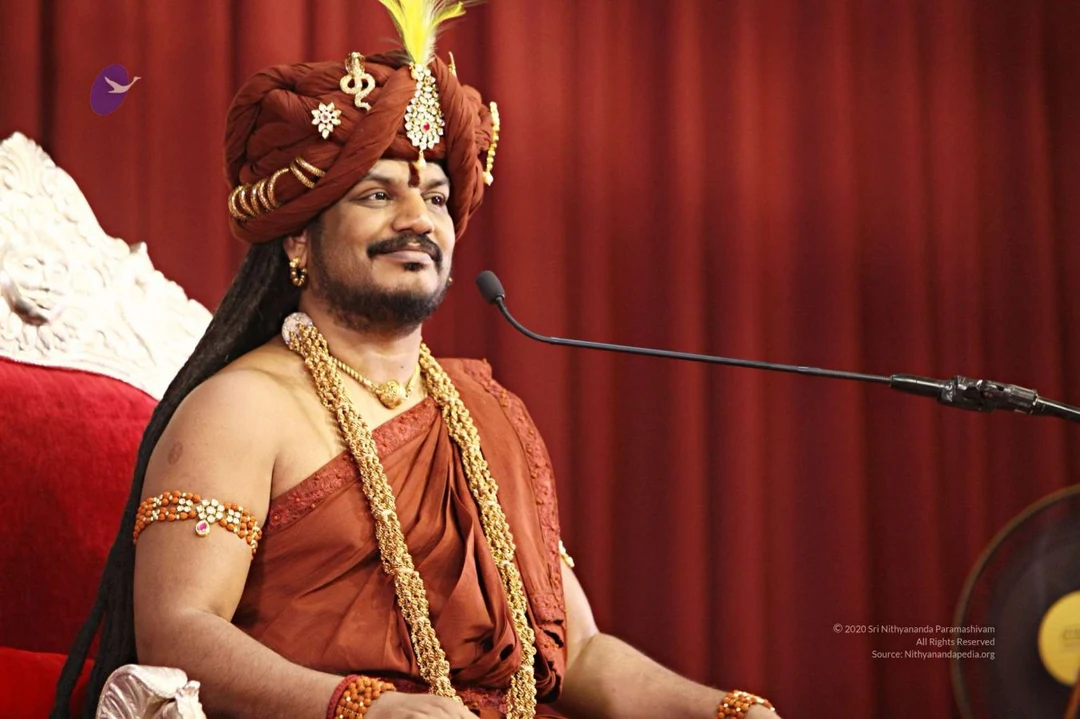 HDH Nithyananda Paramashivam explaining that sleeping in the natural hygienic goshala will solve breathing issues
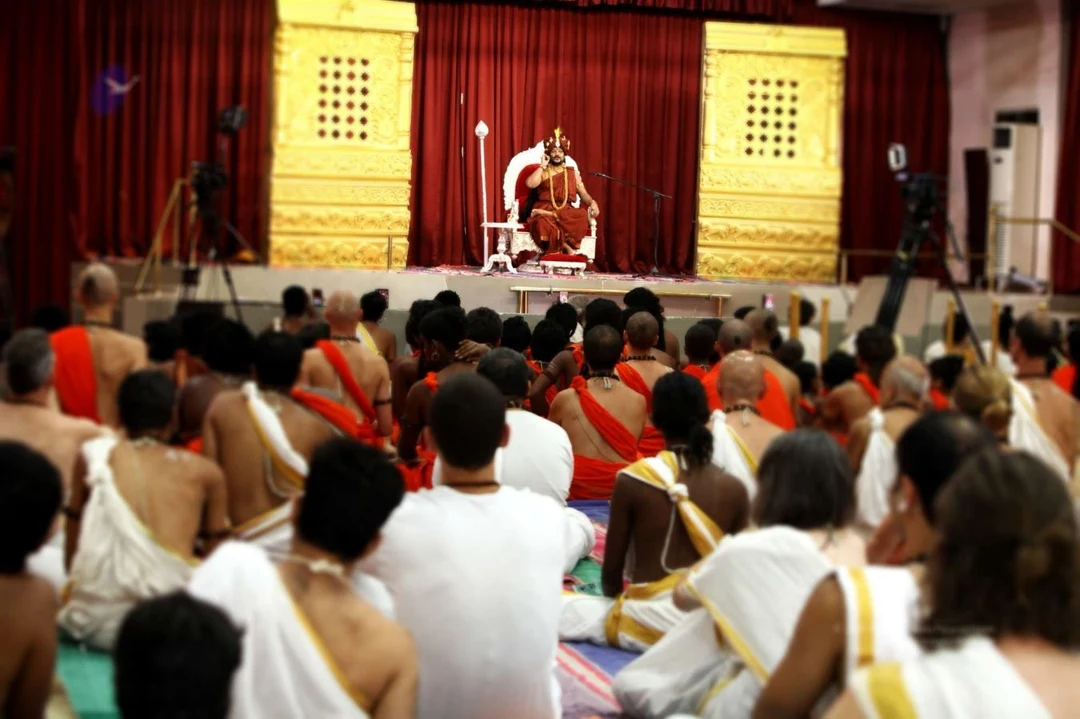 HDH Nithyananda Paramashivam explaining that sleeping in the natural hygienic goshala will solve sleeping disorders.
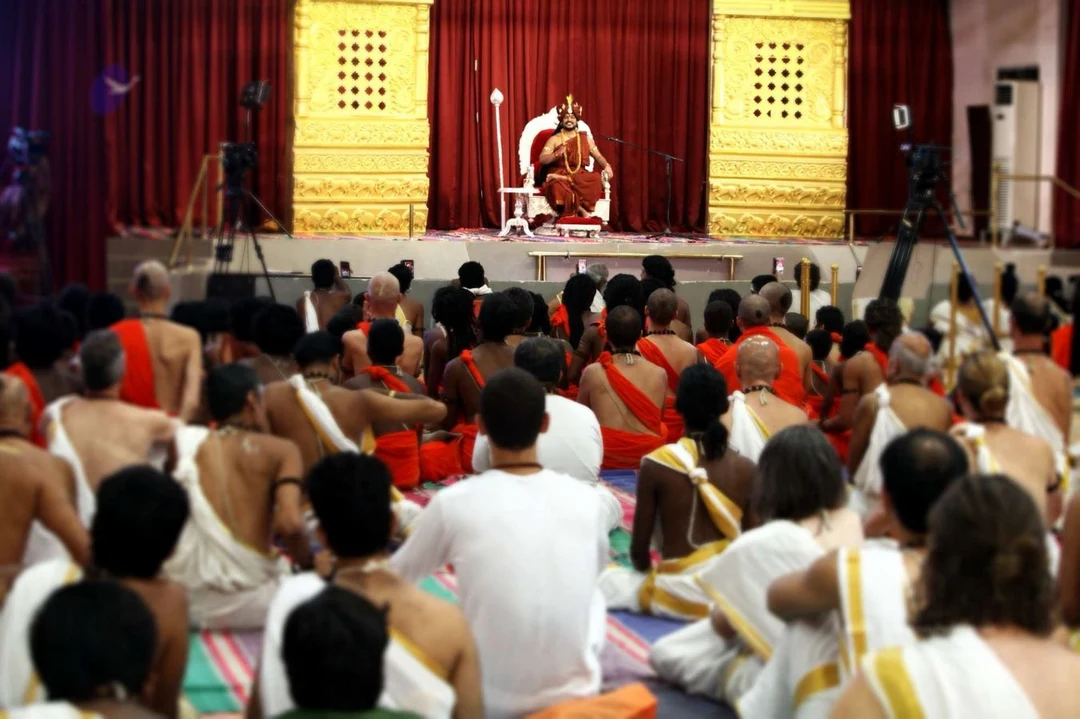 HDH Nithyananda Paramashivam explaining that the smell of the cow urine opens the lungs that will solve breathing and sleeping issues
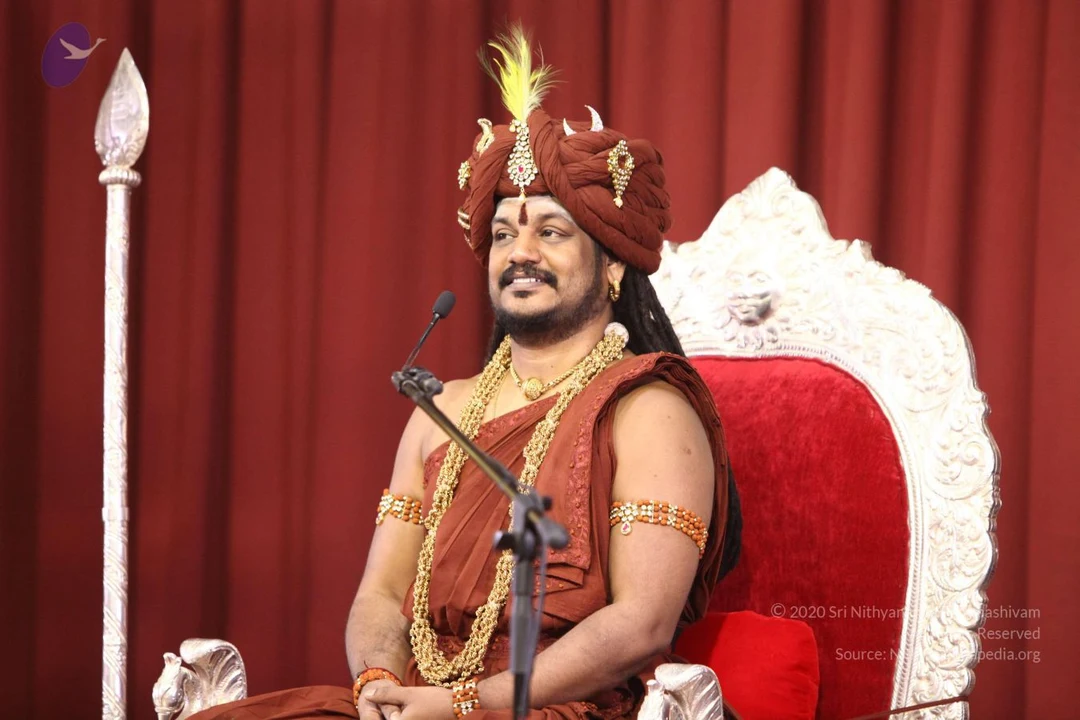
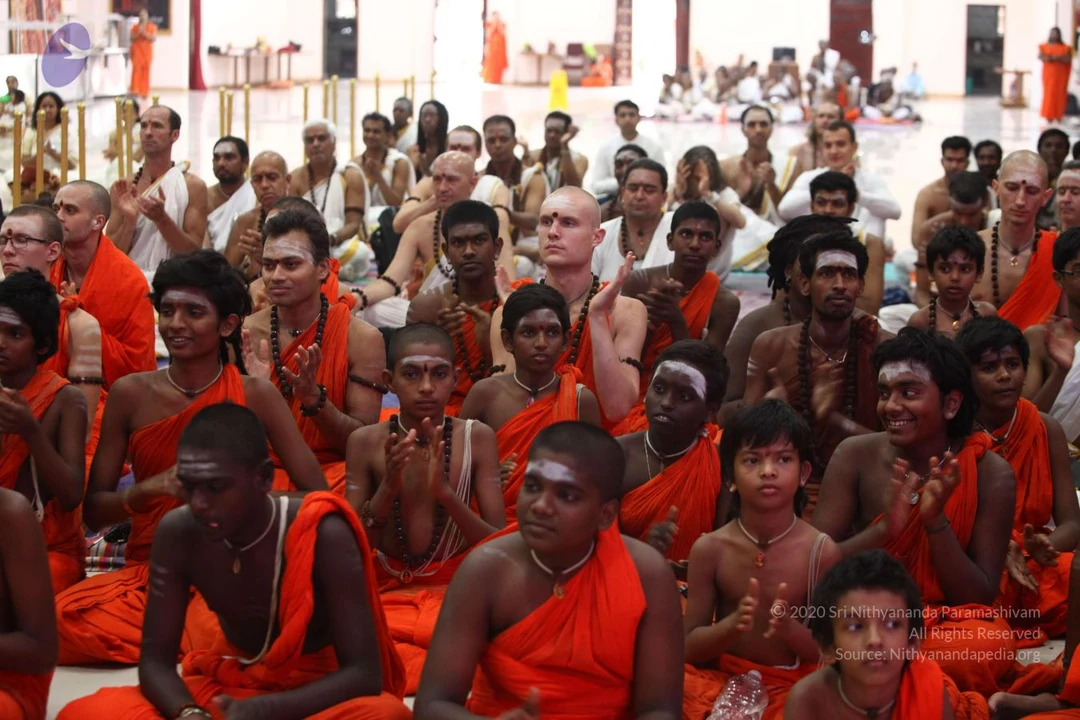
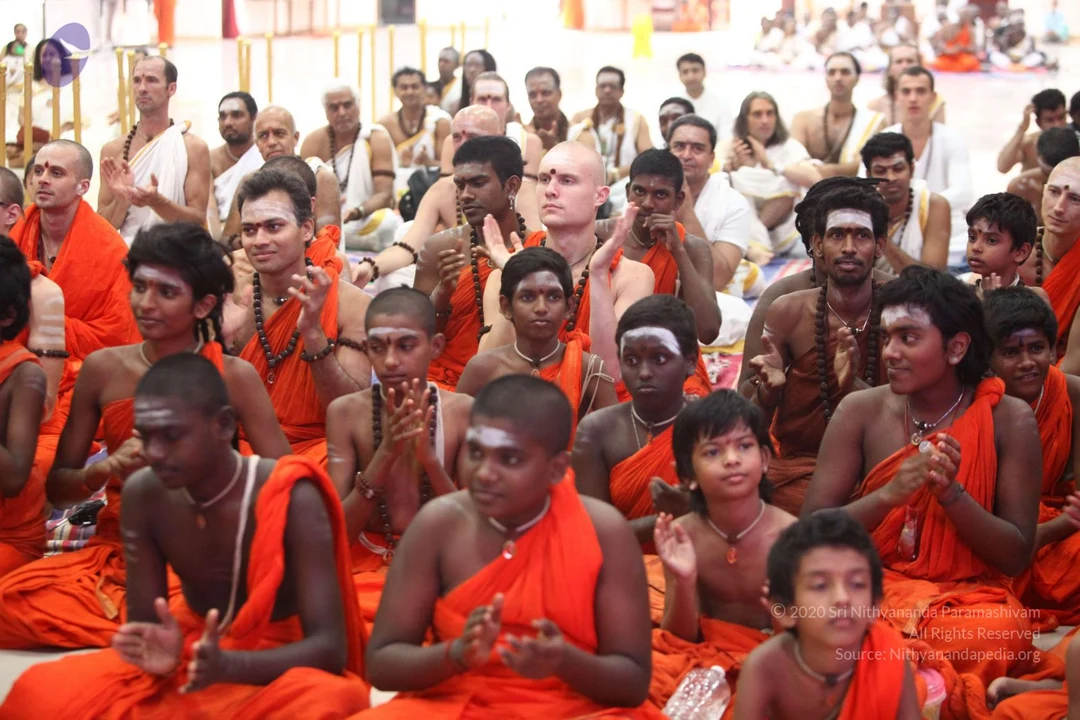
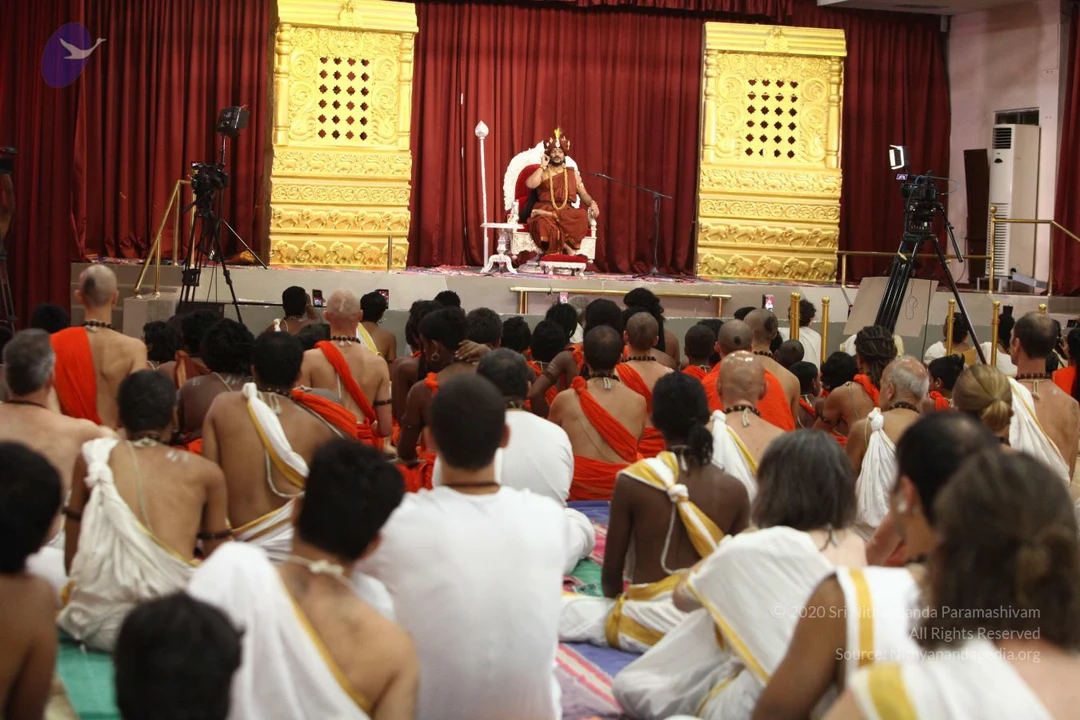
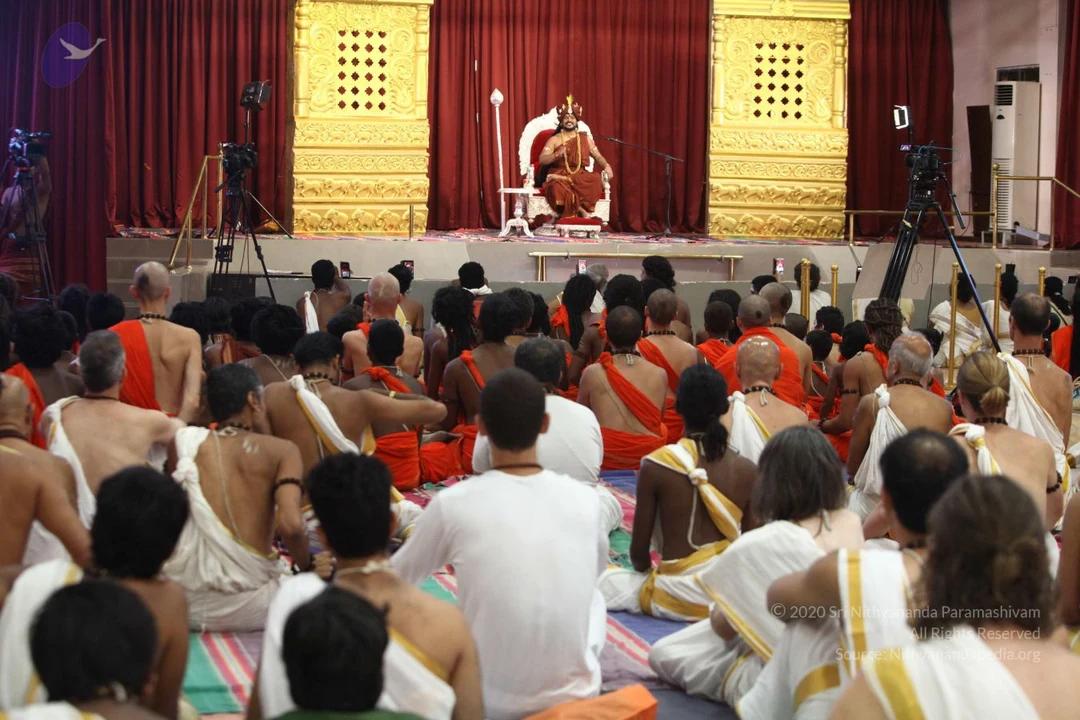
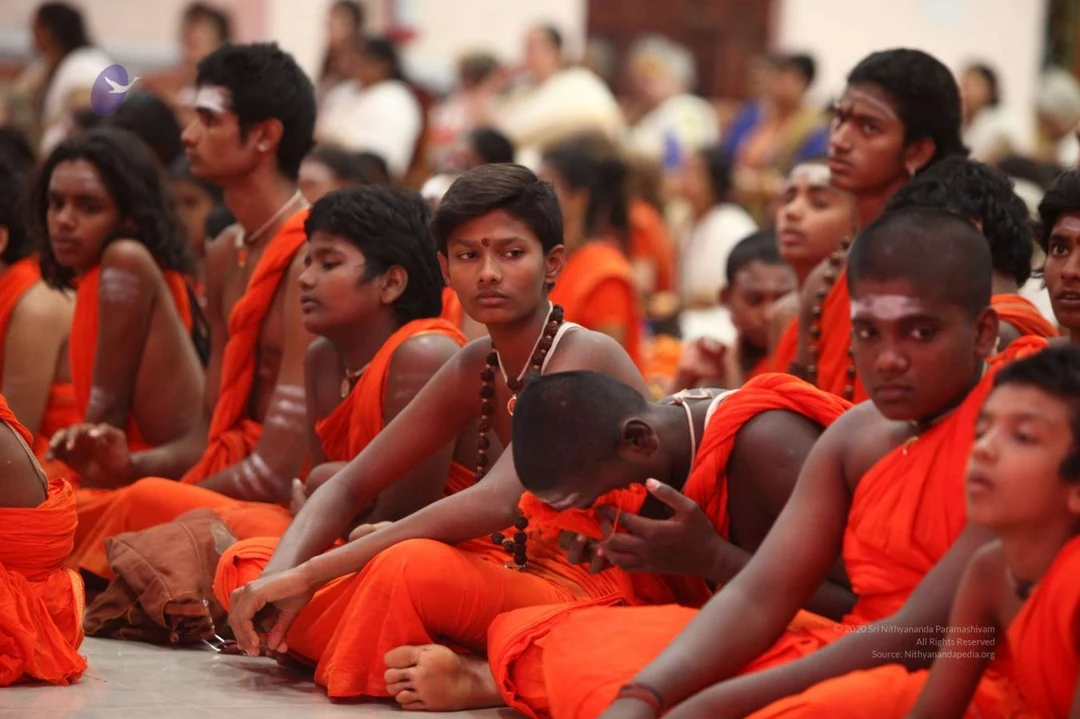 Balasanths sitting in the space of listening while HDH Nithyananda Paramashivam delivering a discourse
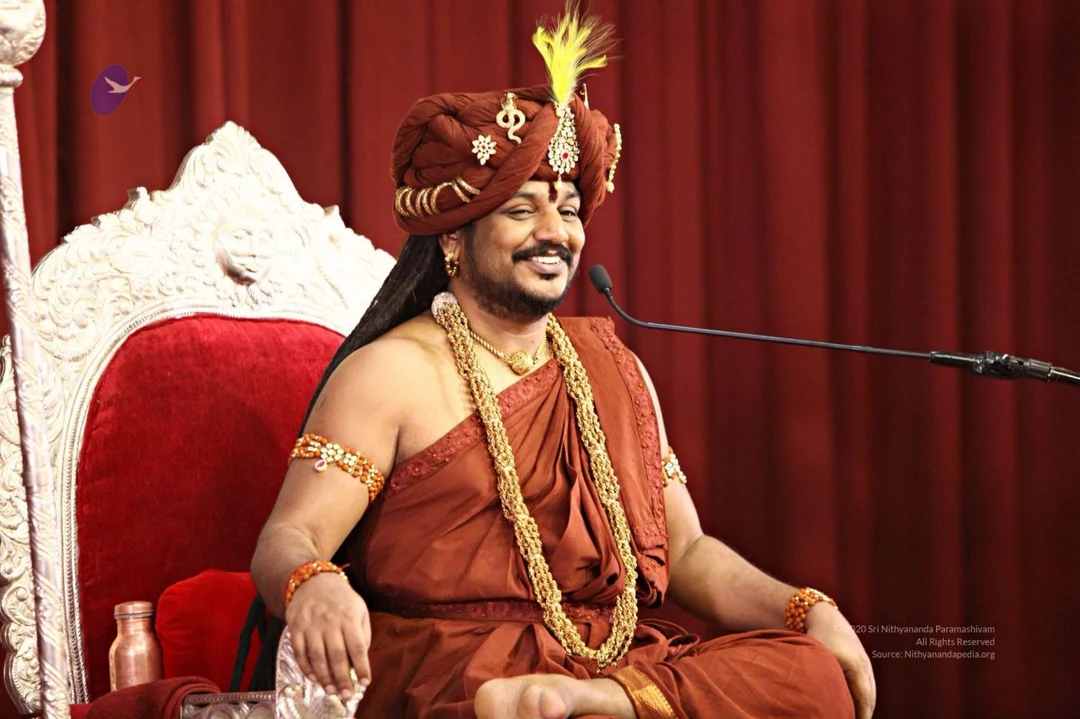 HDH Nithyananda Paramashivam explaining that human consciousness is generated to live on the fuel of Kundalini shakti, consciousness
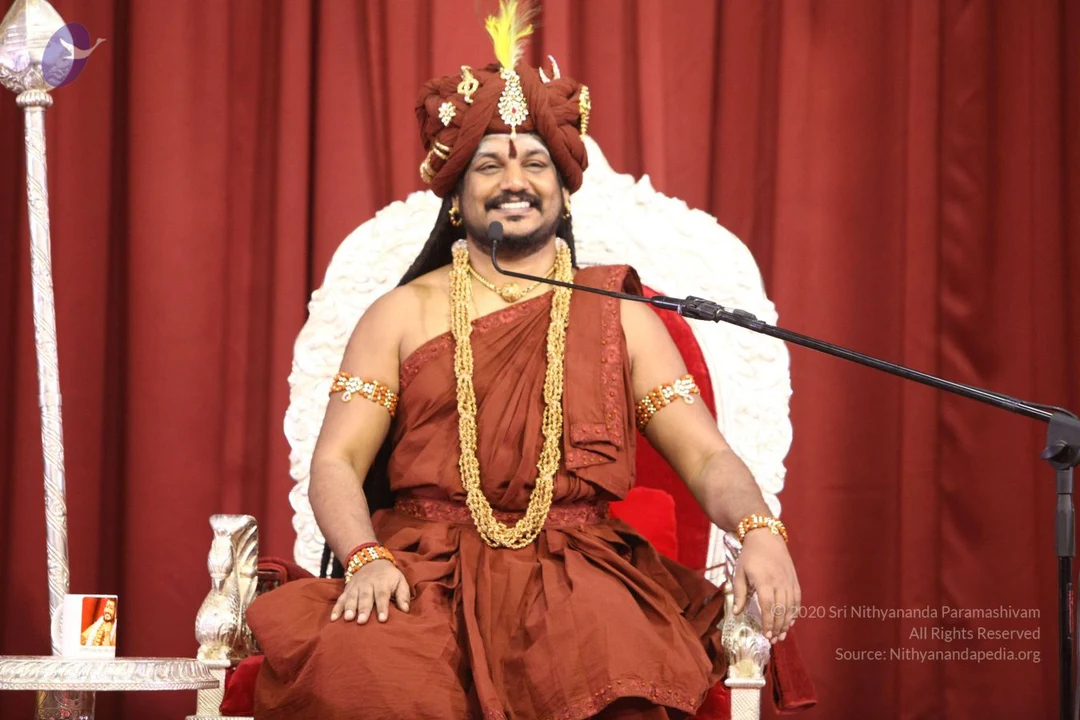
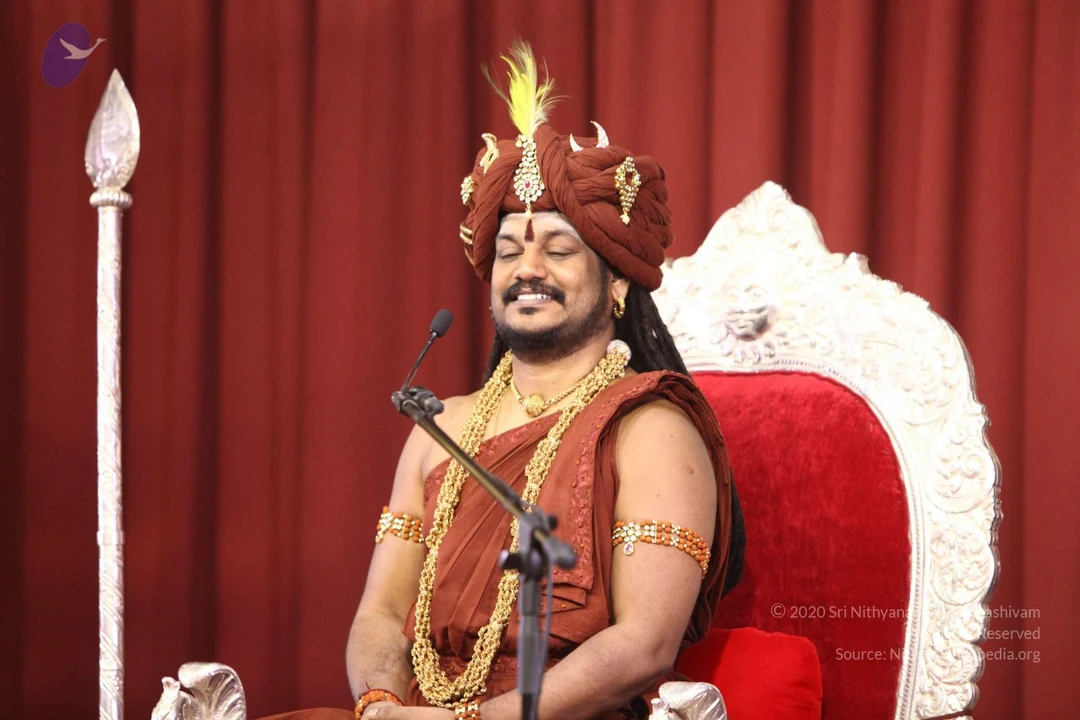
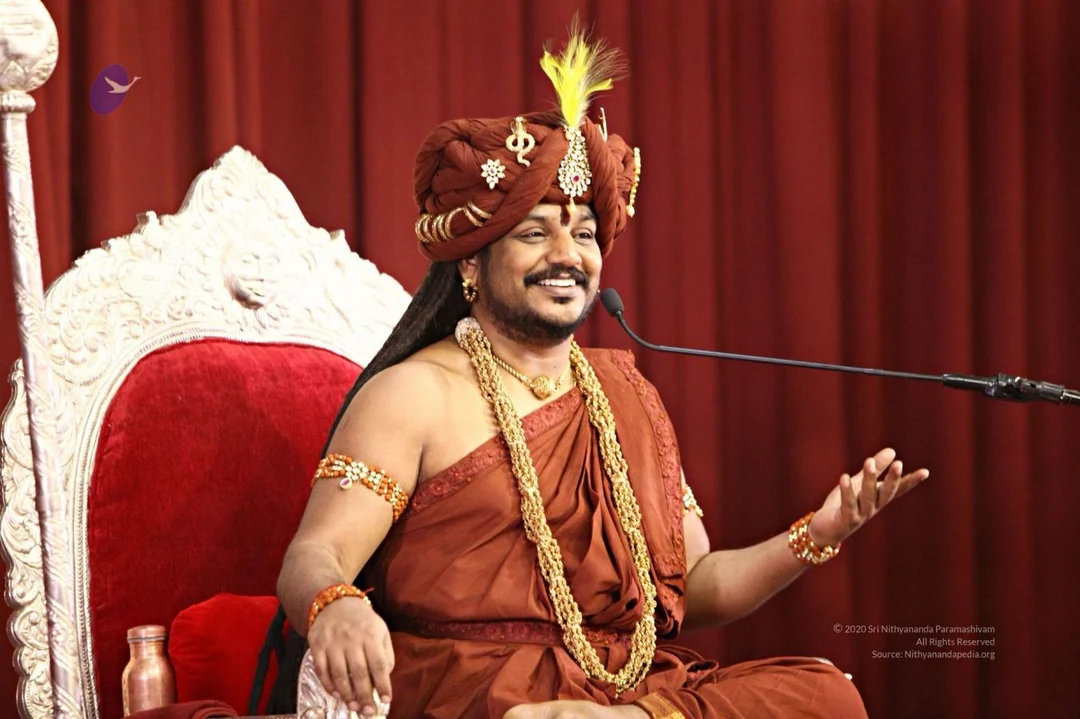 HDH Nithyananda Paramashivam while delivering a satsang on the three major powers Vebalization,Visualisation and the Kundalini shakti
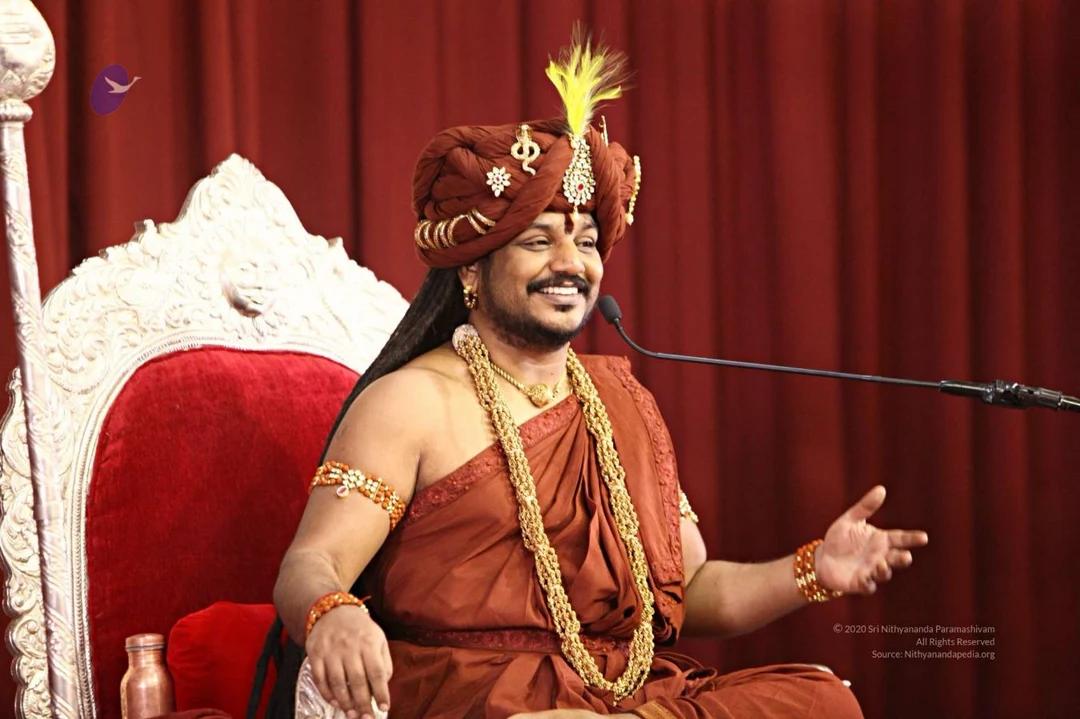 HDH Nithyananda Paramashivam explaining that human consciousness is generated to live on the fuel of Kundalini shakti, consciousness
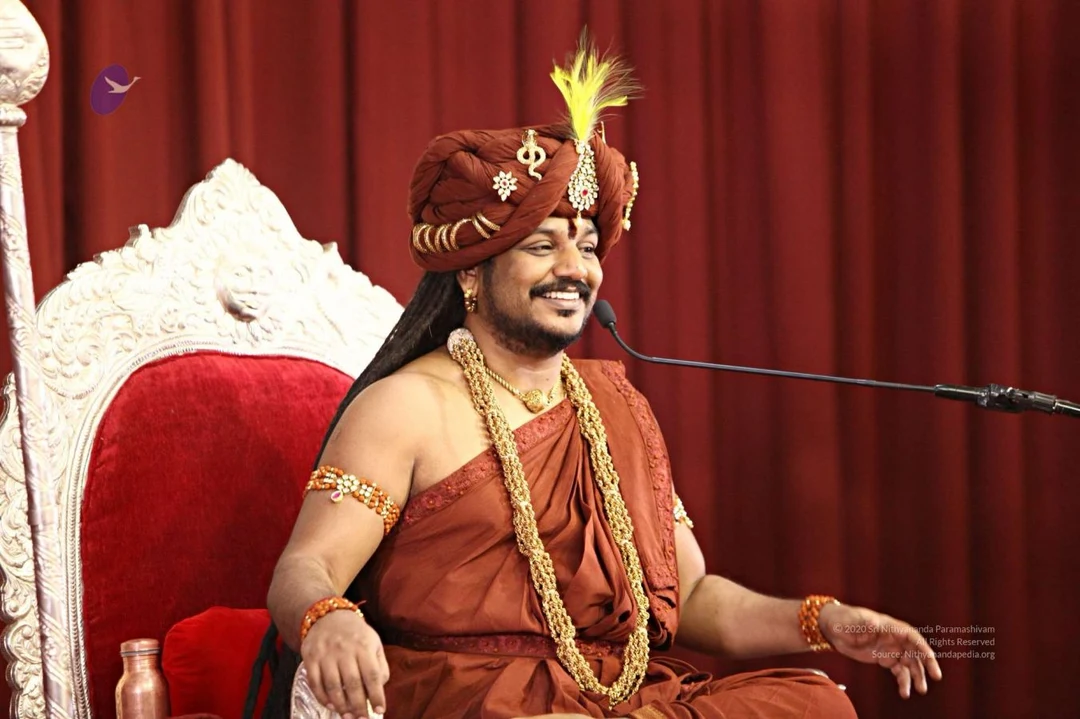 HDH Nithyananda Paramashivam advising to let the Kundalini shakti be the fuel of our life .
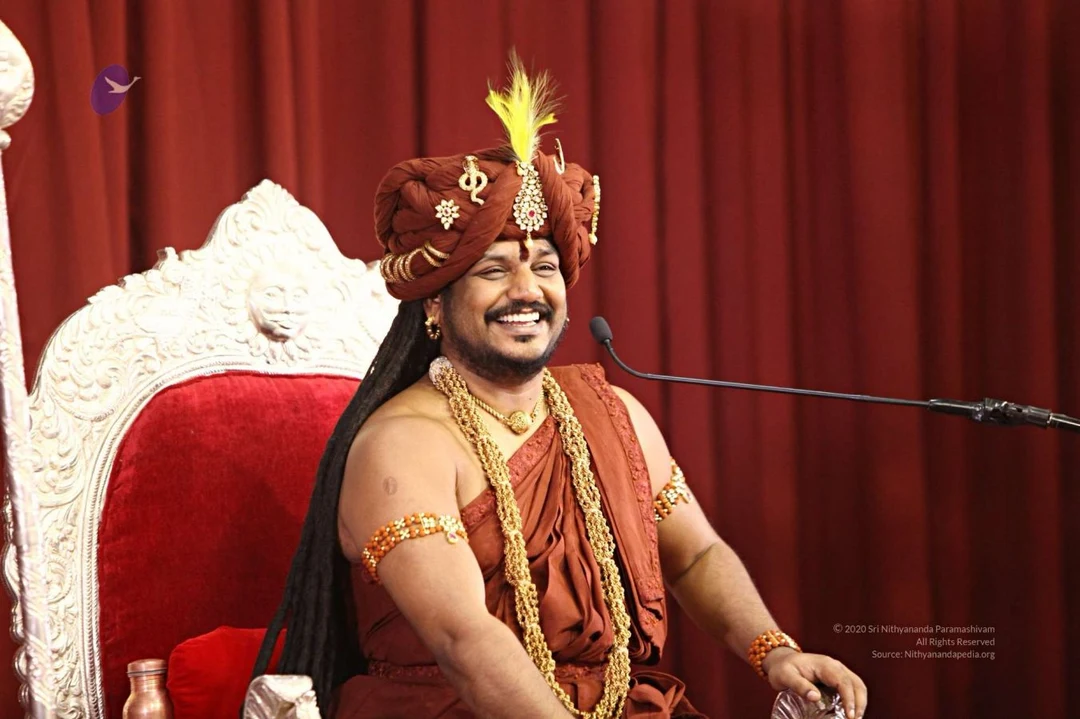 HDH Nithyananda Paramashivam explaining that the chaste to existence manifest powers
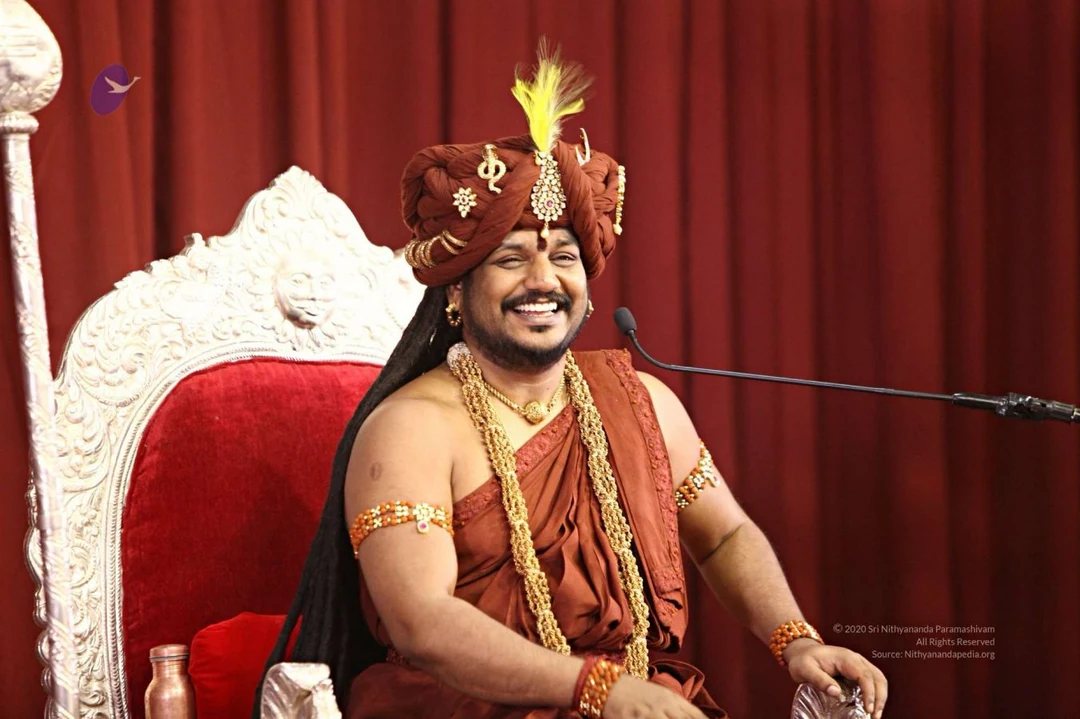 HDH Nithyananda Paramashivam explaining that the inability to get up for morning routine means not enough oxygen has gone inside during sleep.
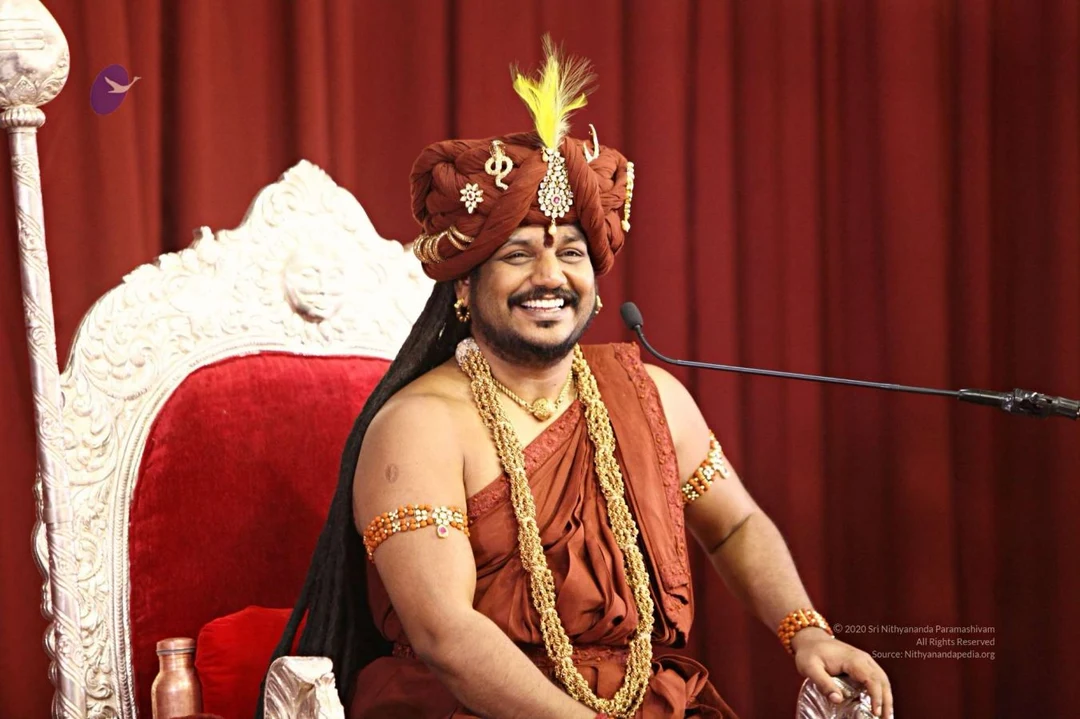 HDH Nithyananda Paramashivam revealing the science that Banyan tree is the only trea releases oxygen in the night.
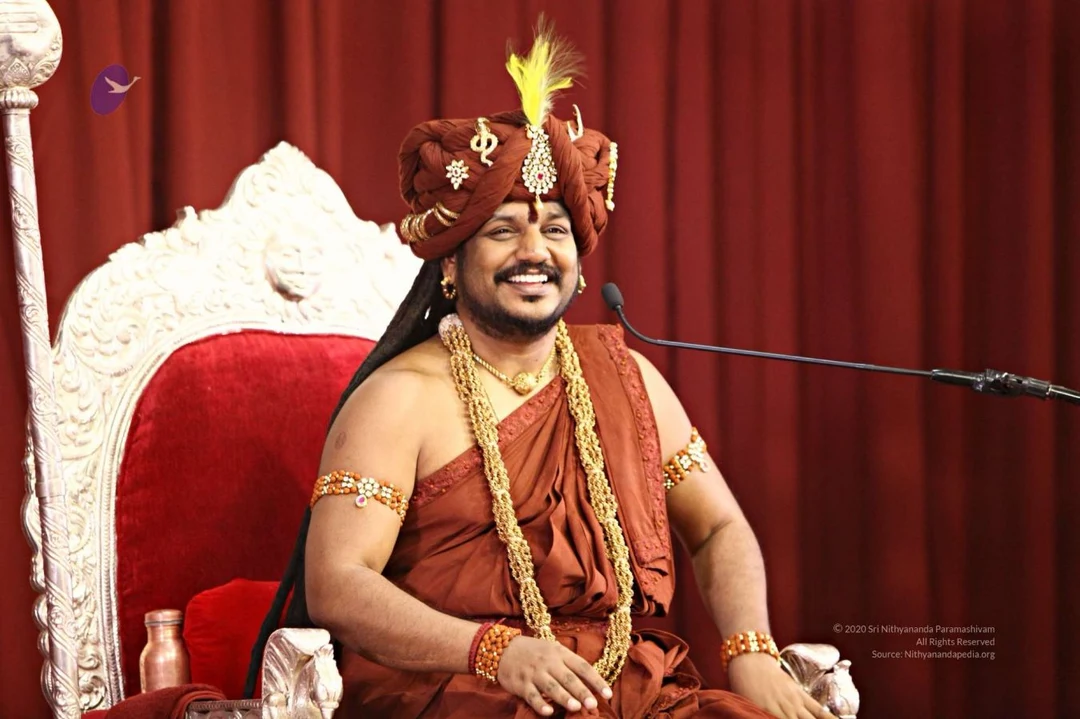 HDH Nithyananda Paramashivam revealing the science that Banyan tree is the only trea releases oxygen in the night.
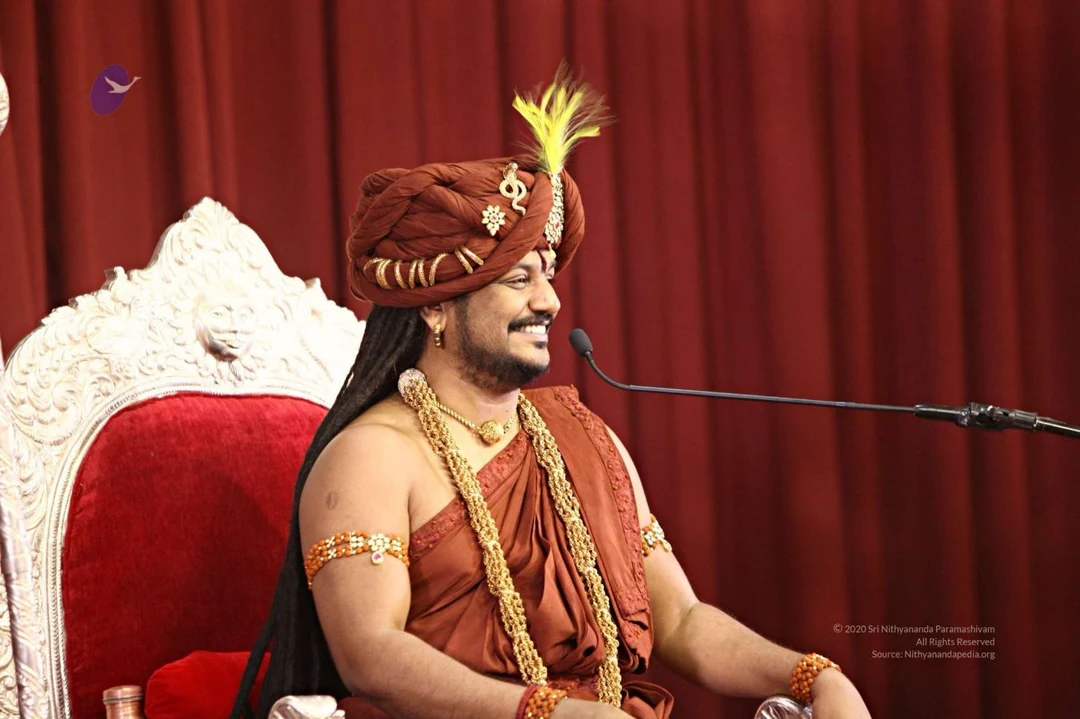 HDH Nithyananda Paramashivam explaining that the inability to get up for morning routine means not enough oxygen has gone inside during sleep.
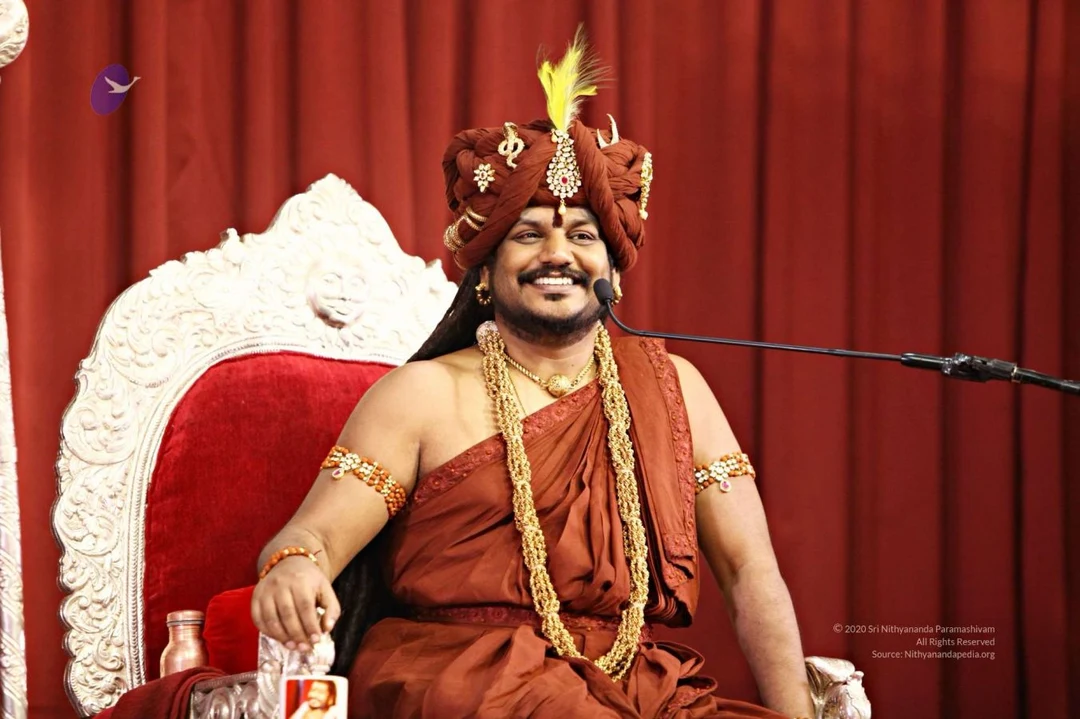 HDH Nithyananda Paramashivam explaining that the chaste to existence manifest powers
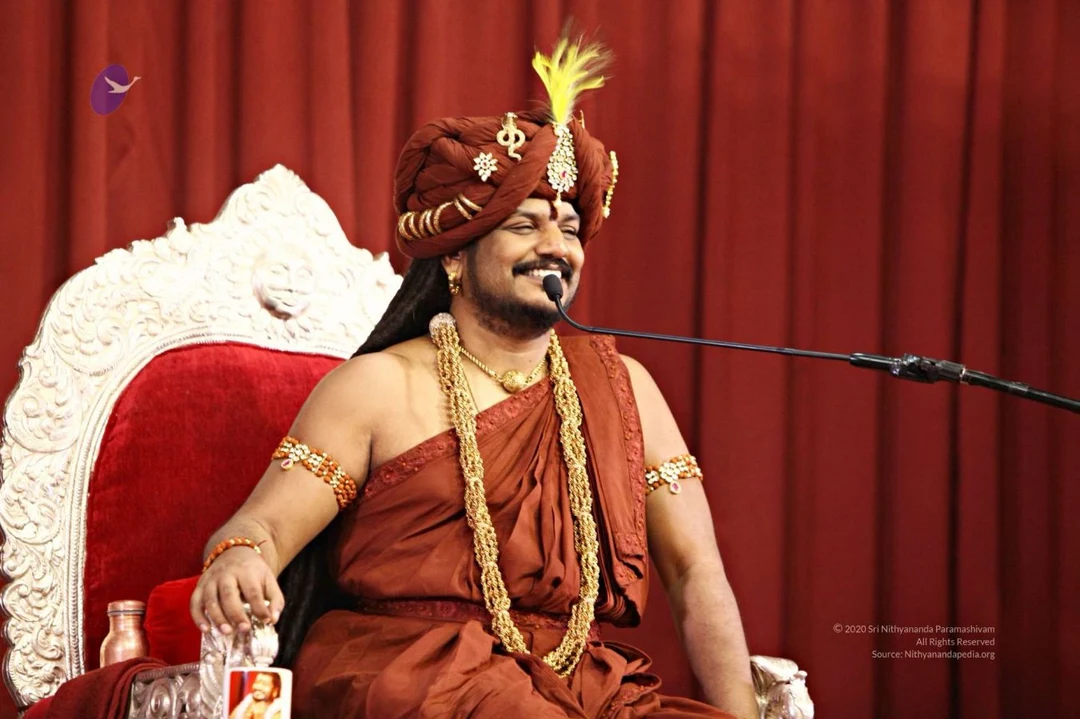 HDH Nithyananda Paramashivam advising to let the Kundalini shakti be the fuel of our life .
 HDH Nithyananda Paramashivam explaining that human consciousness is generated to live on the fuel of Kundalini shakti, consciousness
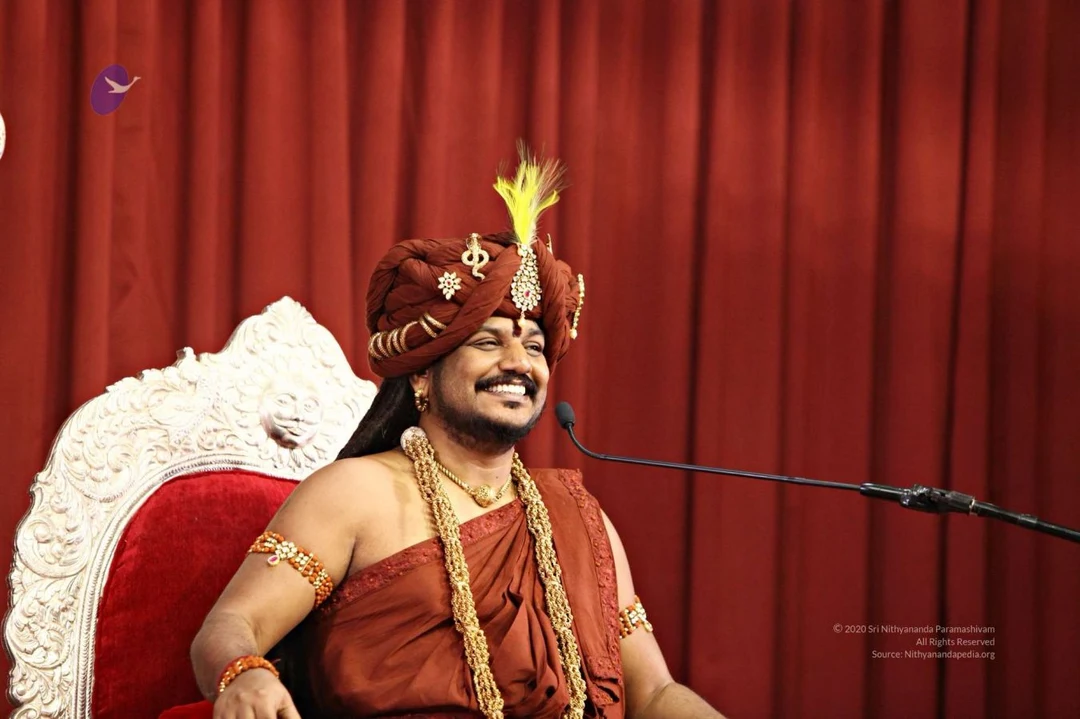 HDH Nithyananda Paramashivam explaining that human consciousness is generated to live on the fuel of Kundalini shakti, consciousness
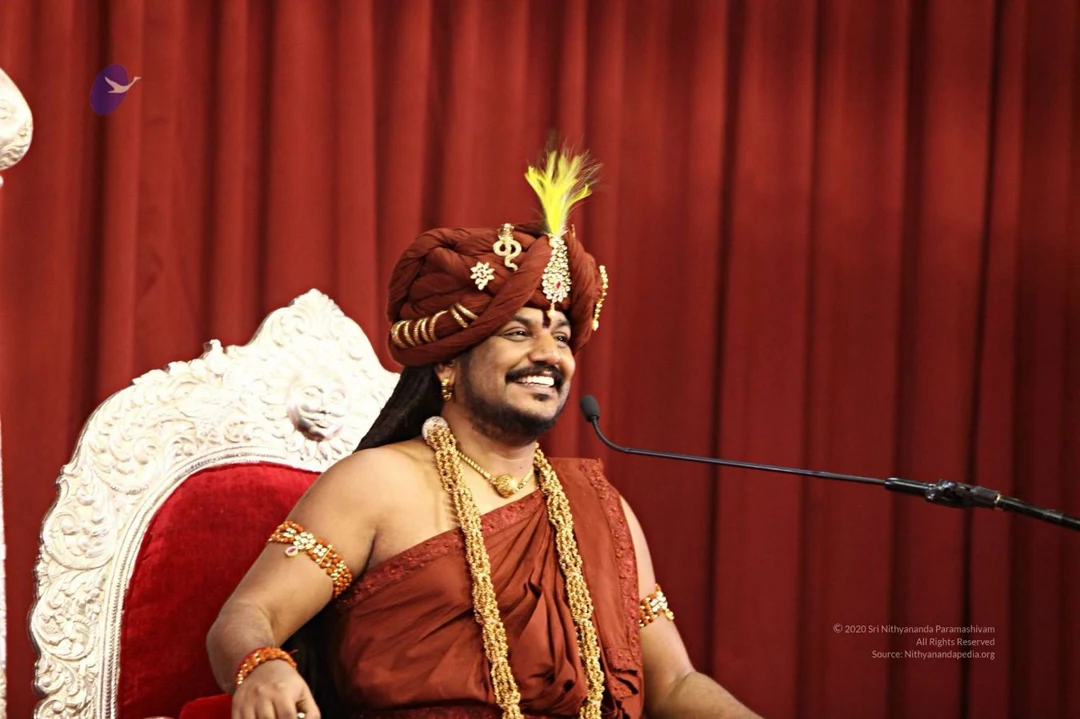 HDH Nithyananda Paramashivam explaining that human consciousness is generated to live on the fuel of Kundalini shakti, consciousness
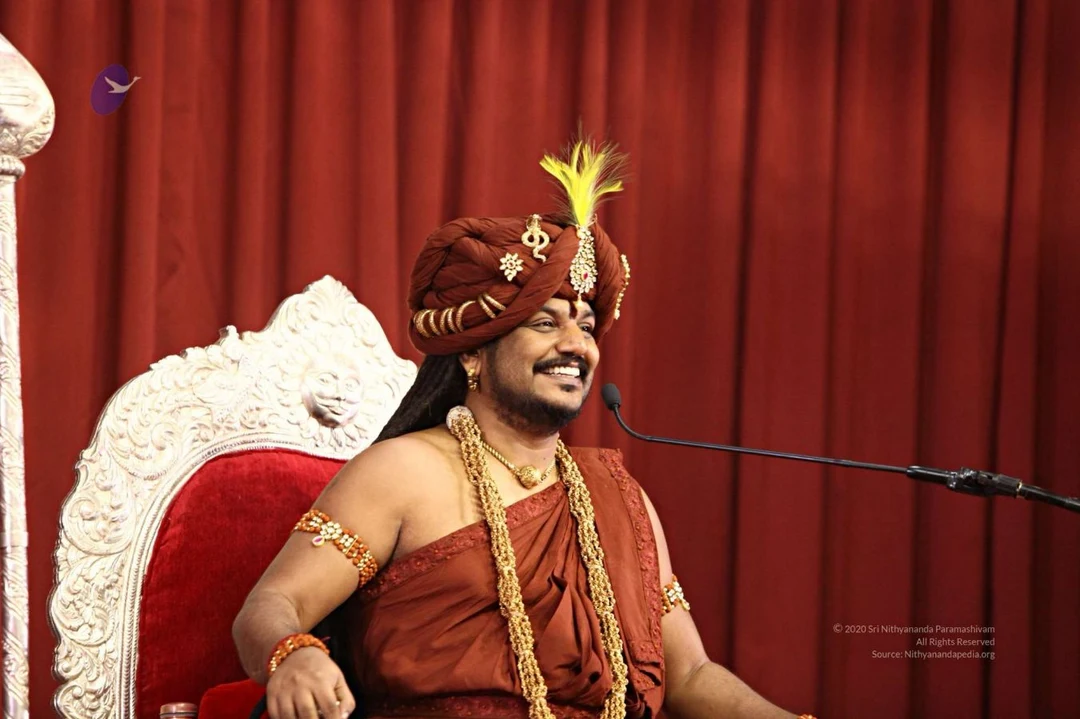 HDH Nithyananda Paramashivam explaining that human consciousness is generated to live on the fuel of Kundalini shakti, consciousness
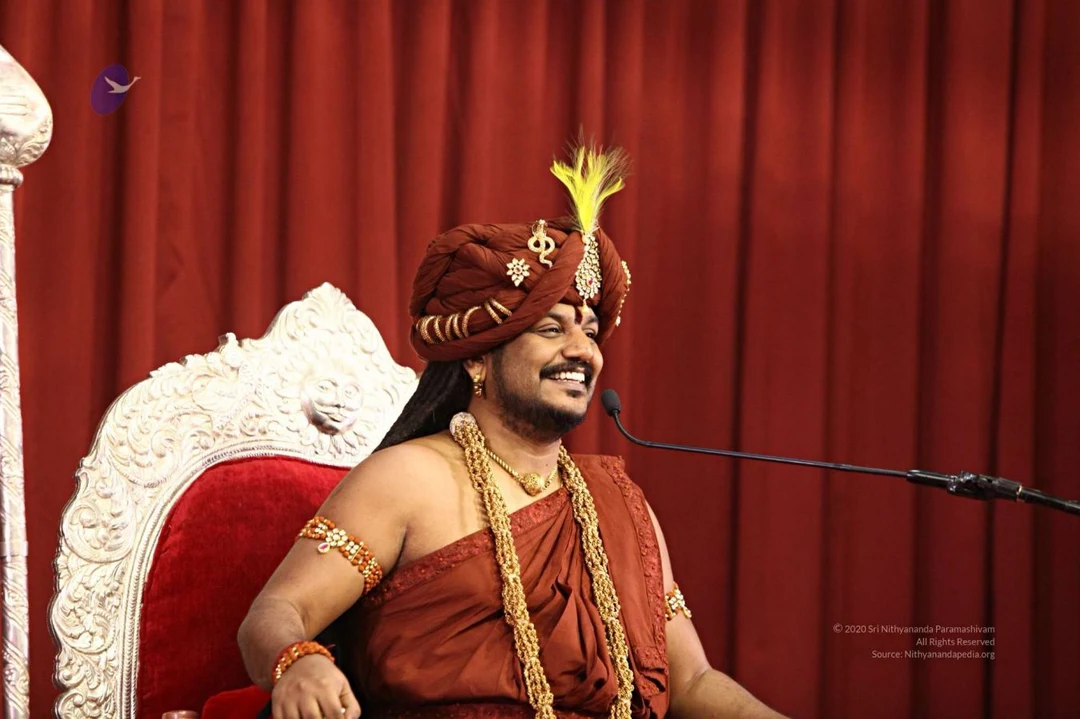 HDH Nithyananda Paramashivam explaining that human consciousness is generated to live on the fuel of Kundalini shakti, consciousness
 HDH Nithyananda Paramashivam explaining that human consciousness is generated to live on the fuel of Kundalini shakti, consciousness
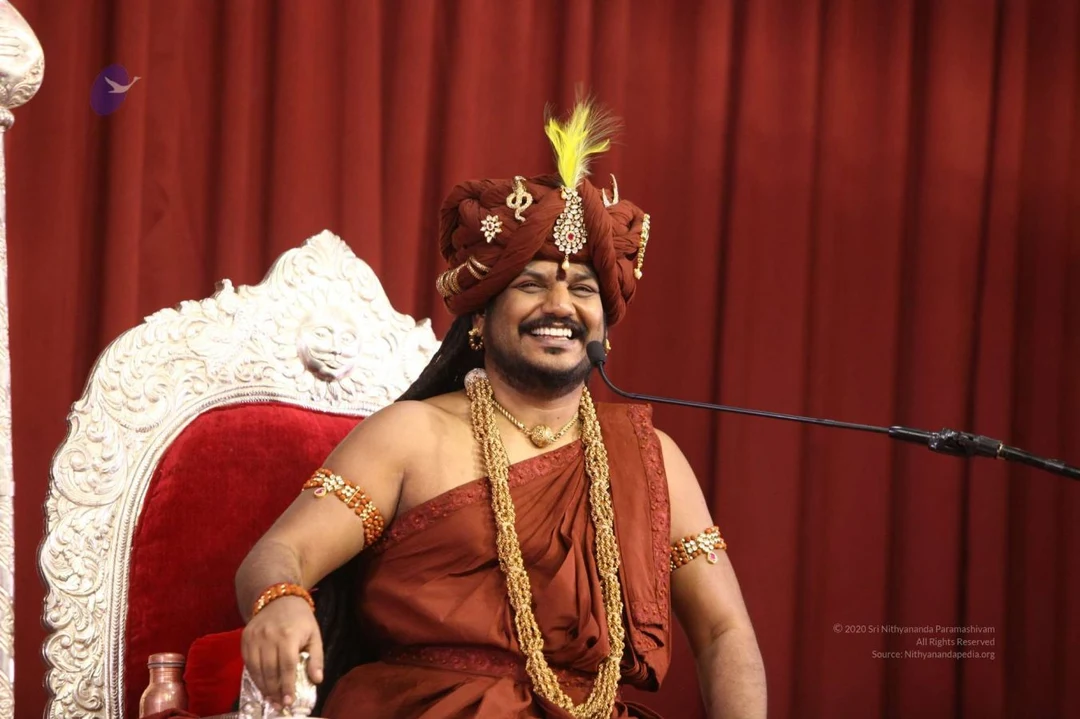 HDH Nithyananda Paramashivam explaining that human consciousness is generated to live on the fuel of Kundalini shakti, consciousness
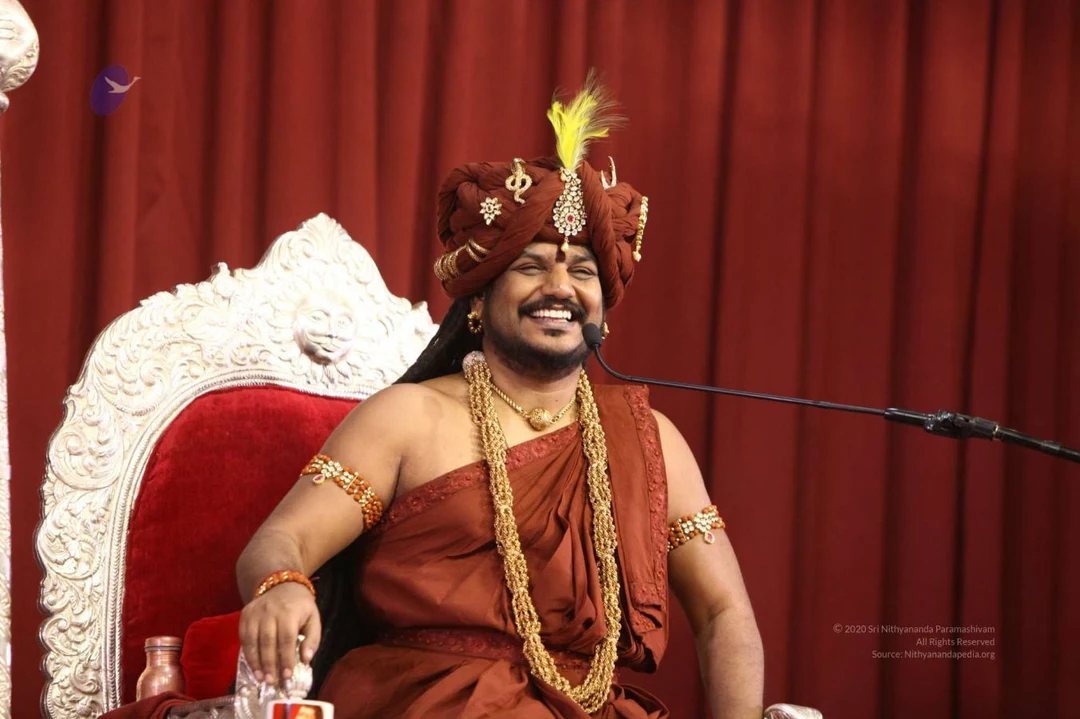 HDH Nithyananda Paramashivam explaining that human consciousness is generated to live on the fuel of Kundalini shakti, consciousness
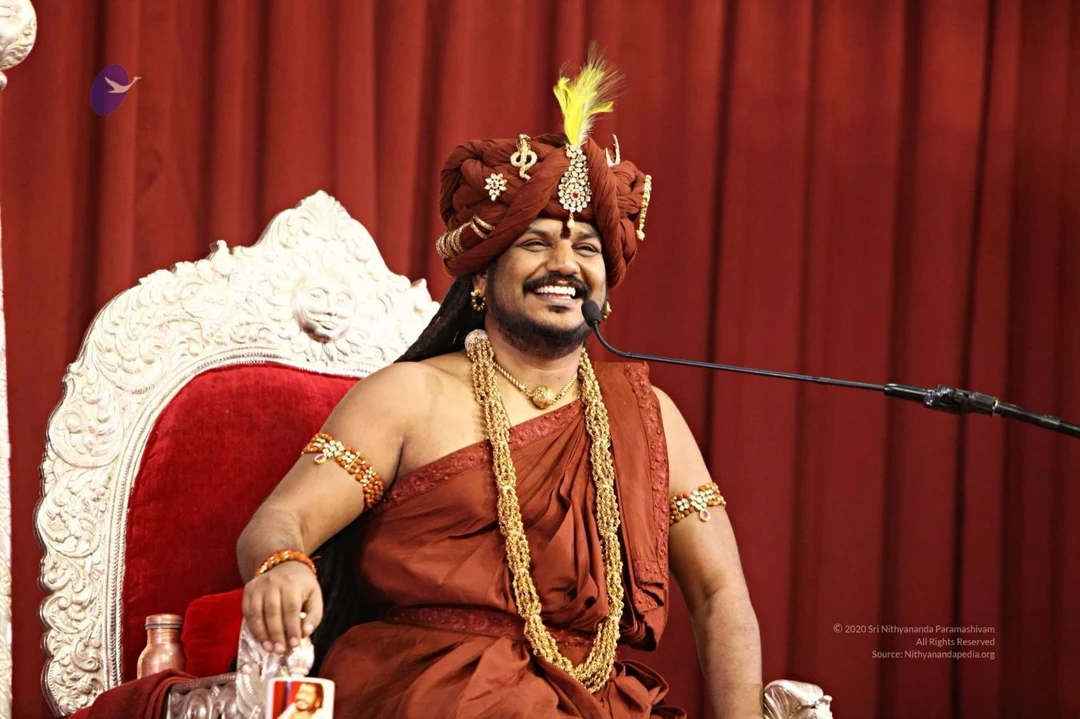 HDH Nithyananda Paramashivam explaining that human consciousness is generated to live on the fuel of Kundalini shakti, consciousness
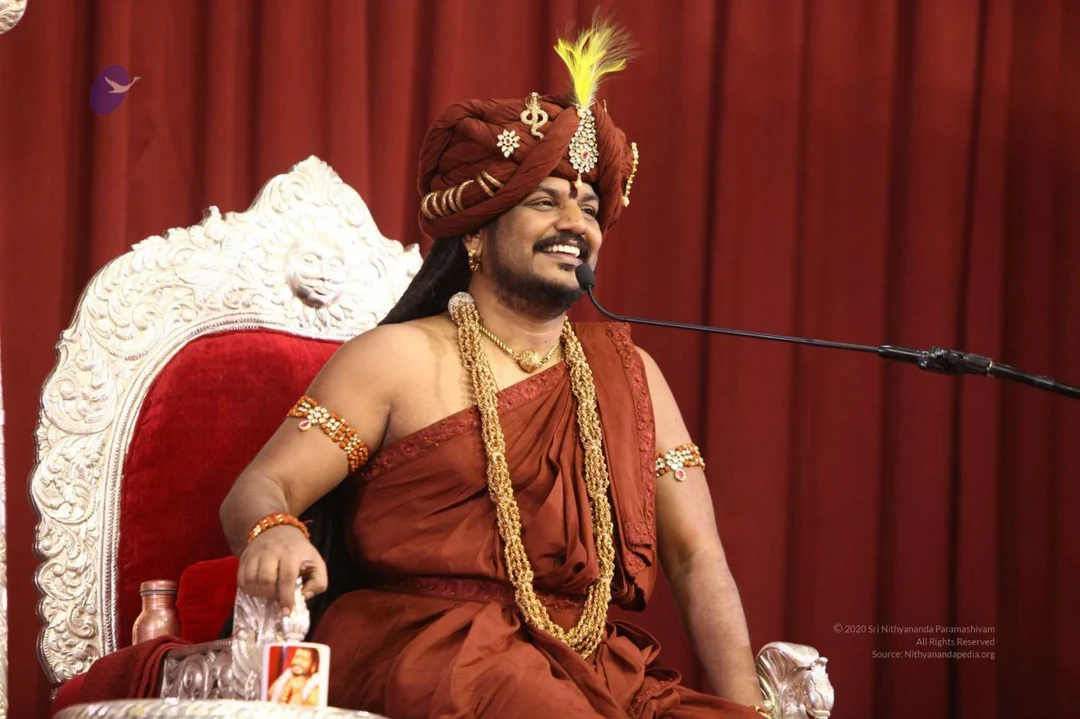 HDH Nithyananda Paramashivam revealing the essence of the satsang is no verbalization, no visualization only Kundalini as the fuel for life and power manifestation
 HDH Nithyananda Paramashivam revealing the essence of the satsang is no verbalization, no visualization only Kundalini as the fuel for life and power manifestation
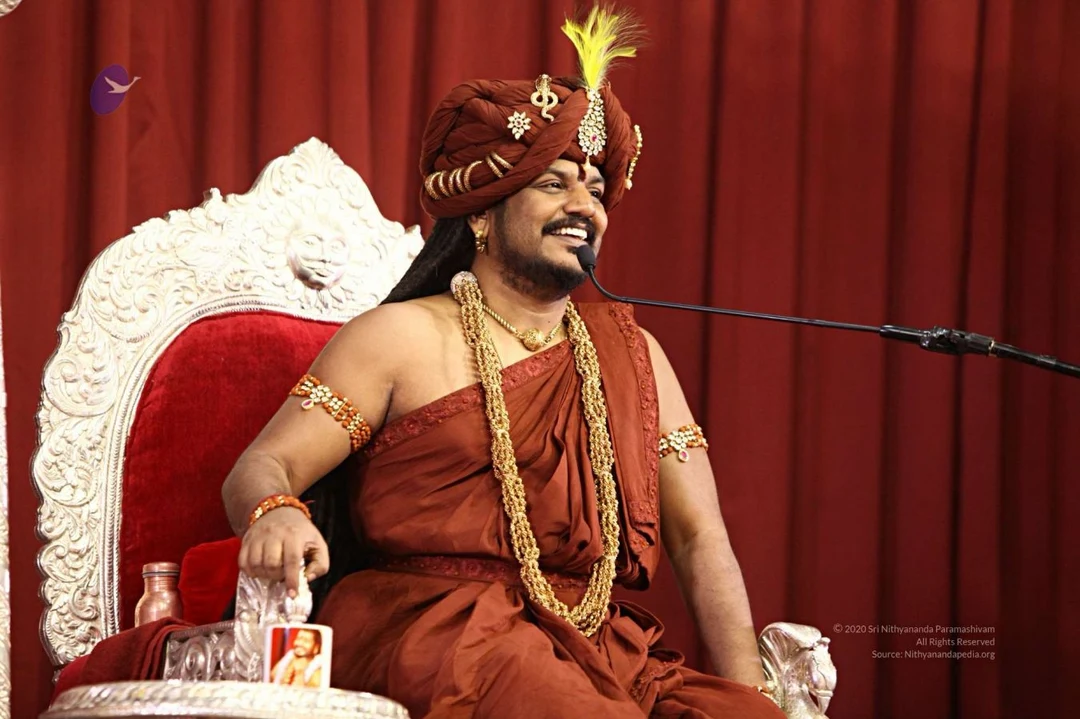 HDH Nithyananda Paramashivam revealing the essence of the satsang is no verbalization, no visualization only Kundalini as the fuel for life and power manifestation
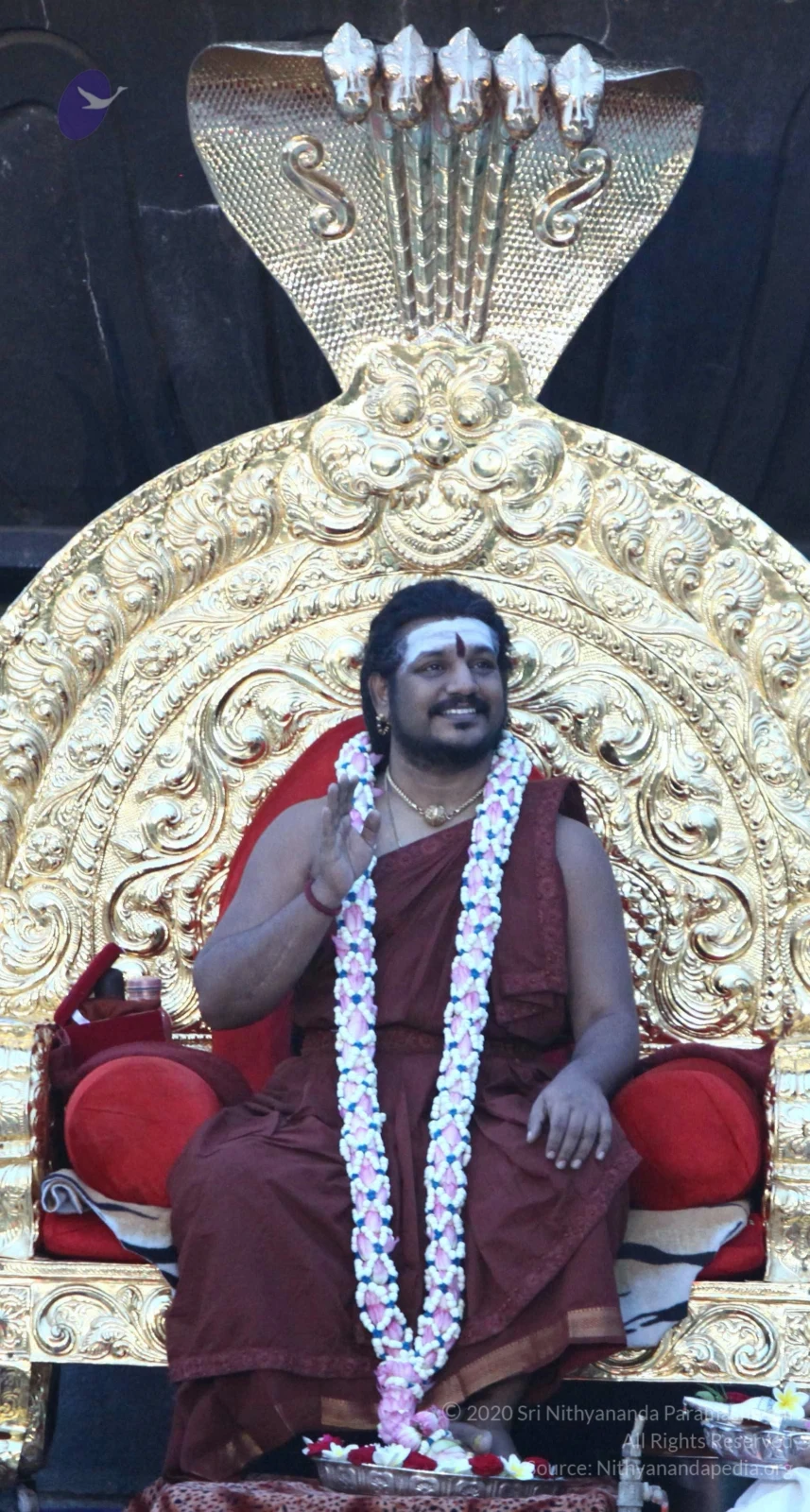
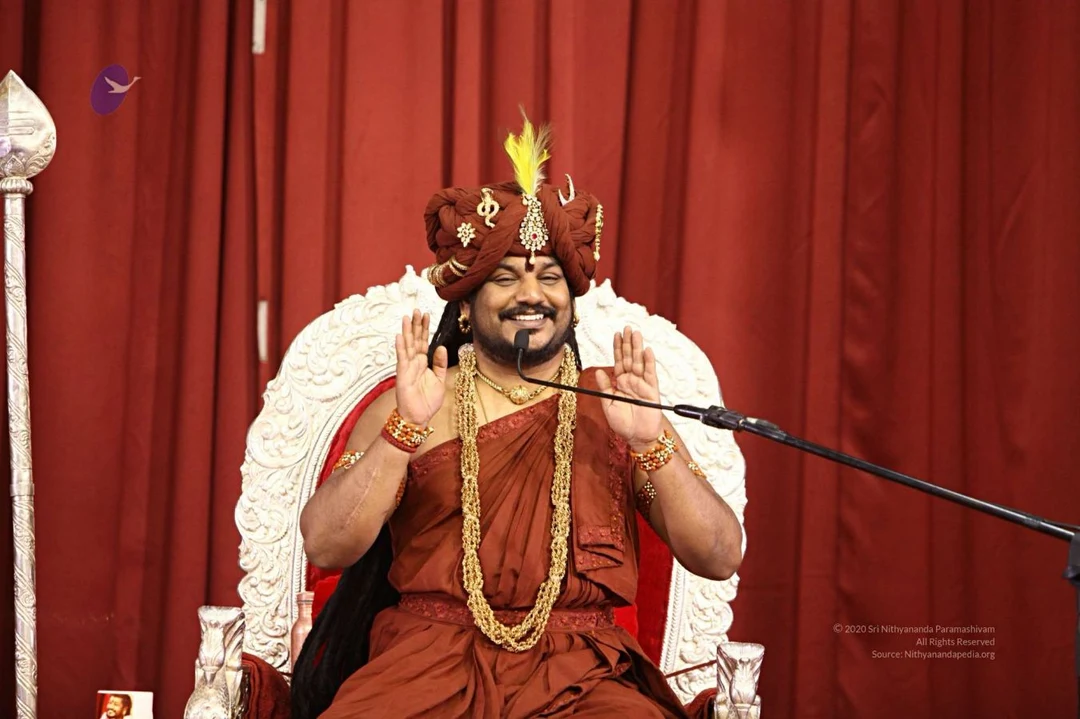 HDH Nithyananda Paramashivam blessing the delegates at the end of the daily satsang
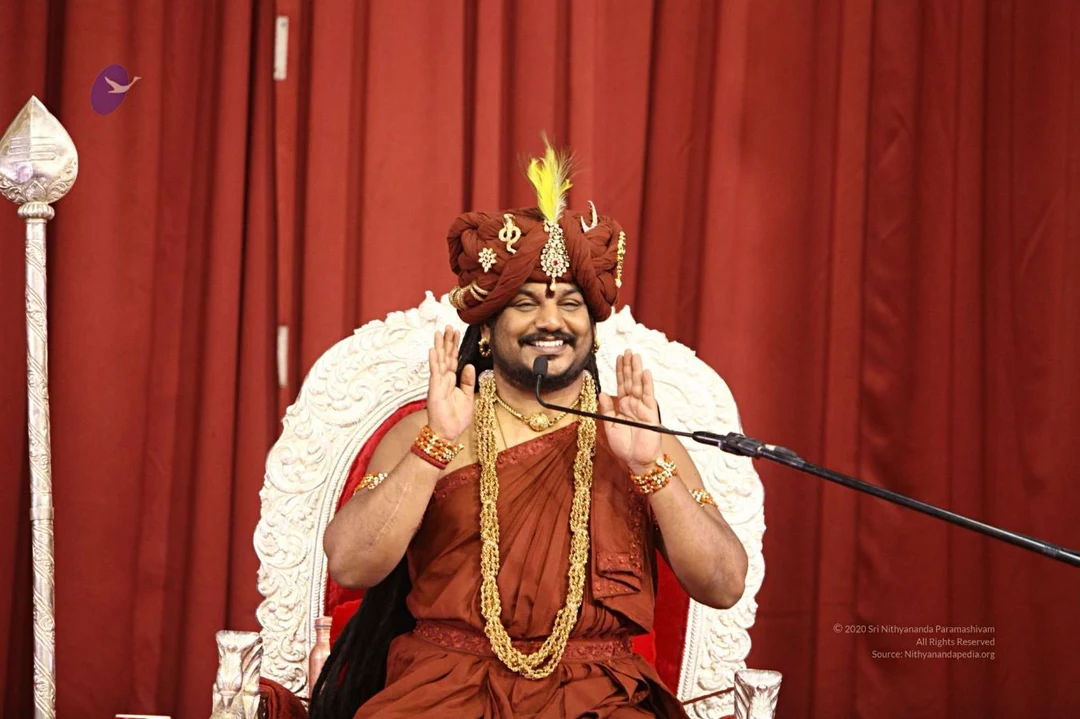 HDH Nithyananda Paramashivam blessing the delegates at the end of the daily satsang
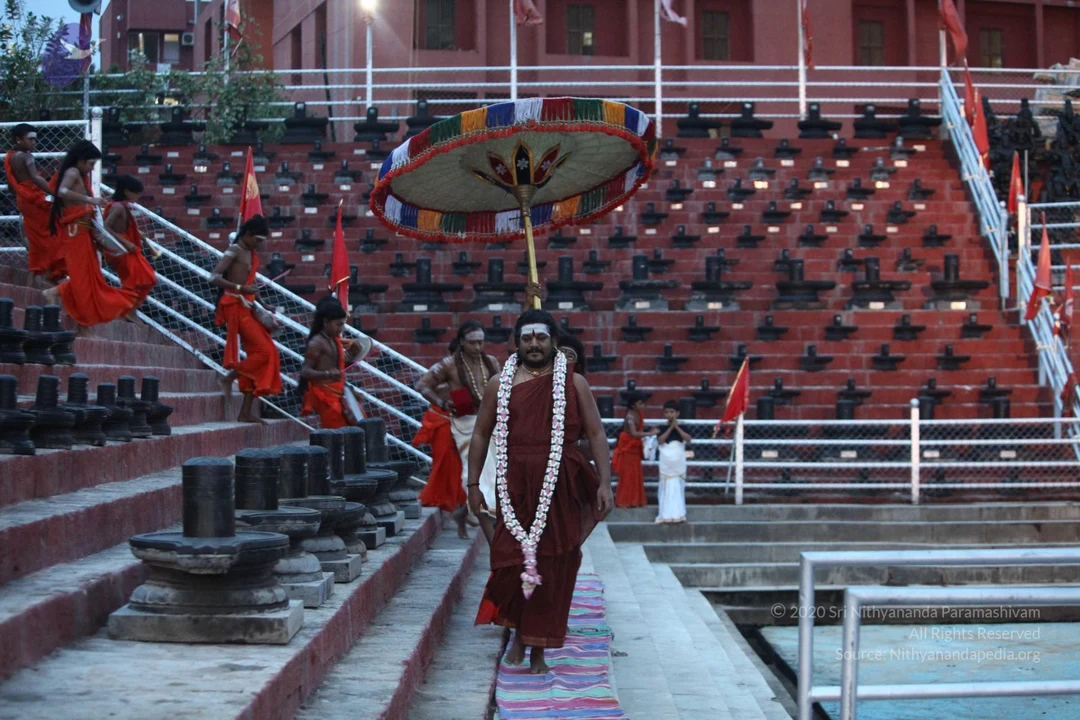
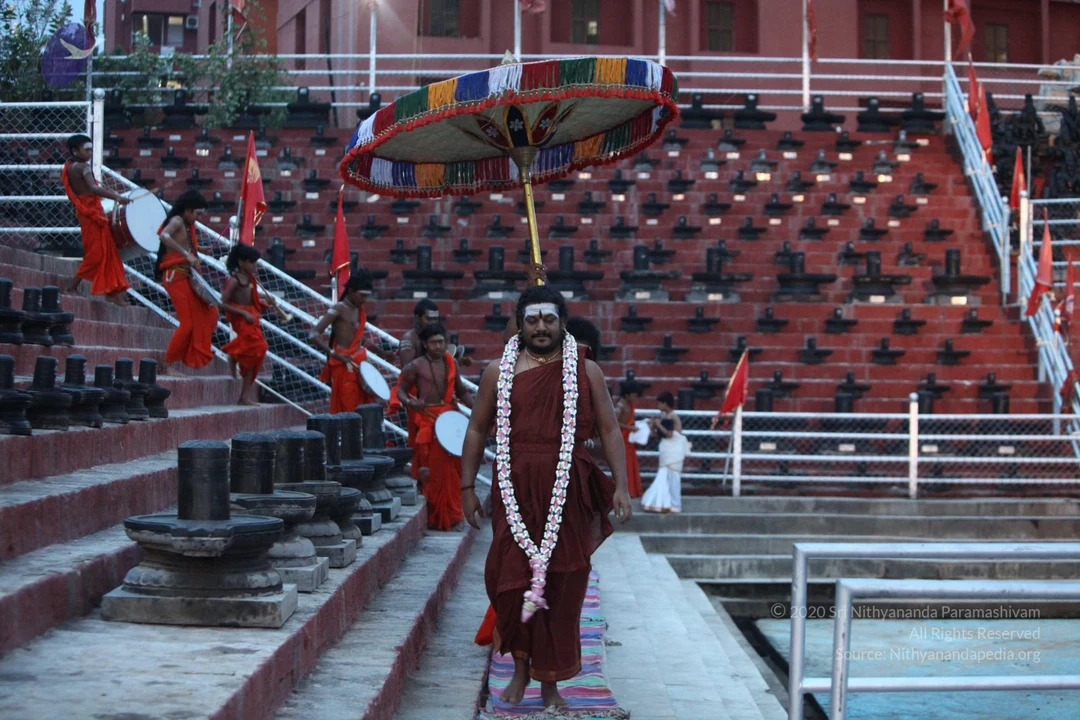
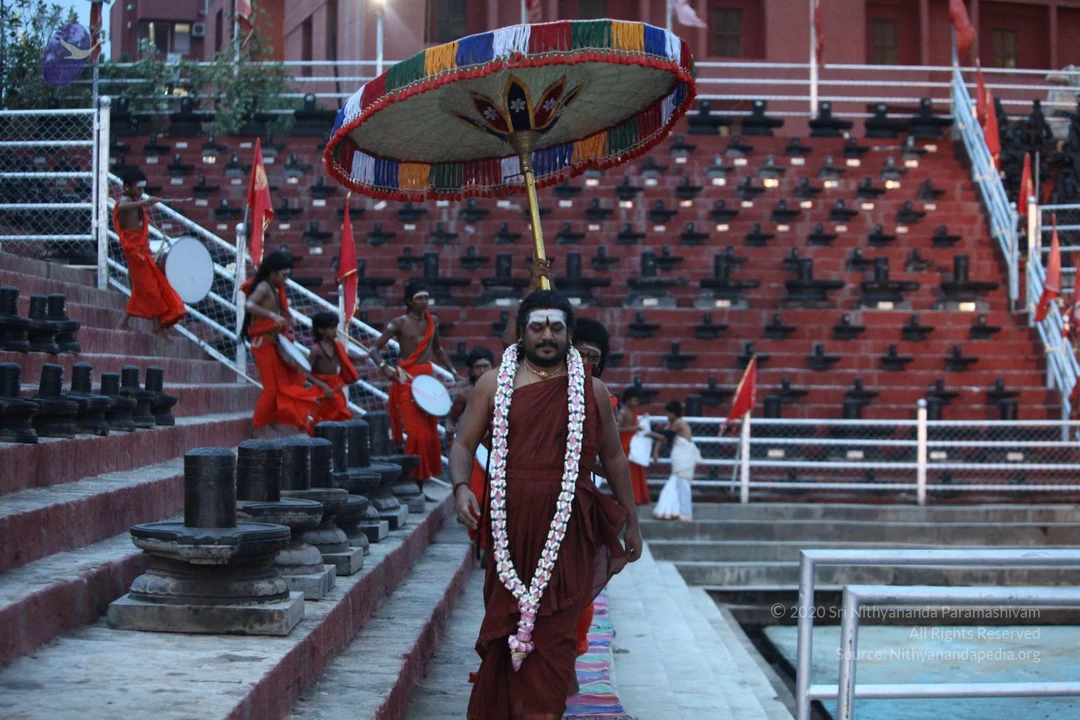
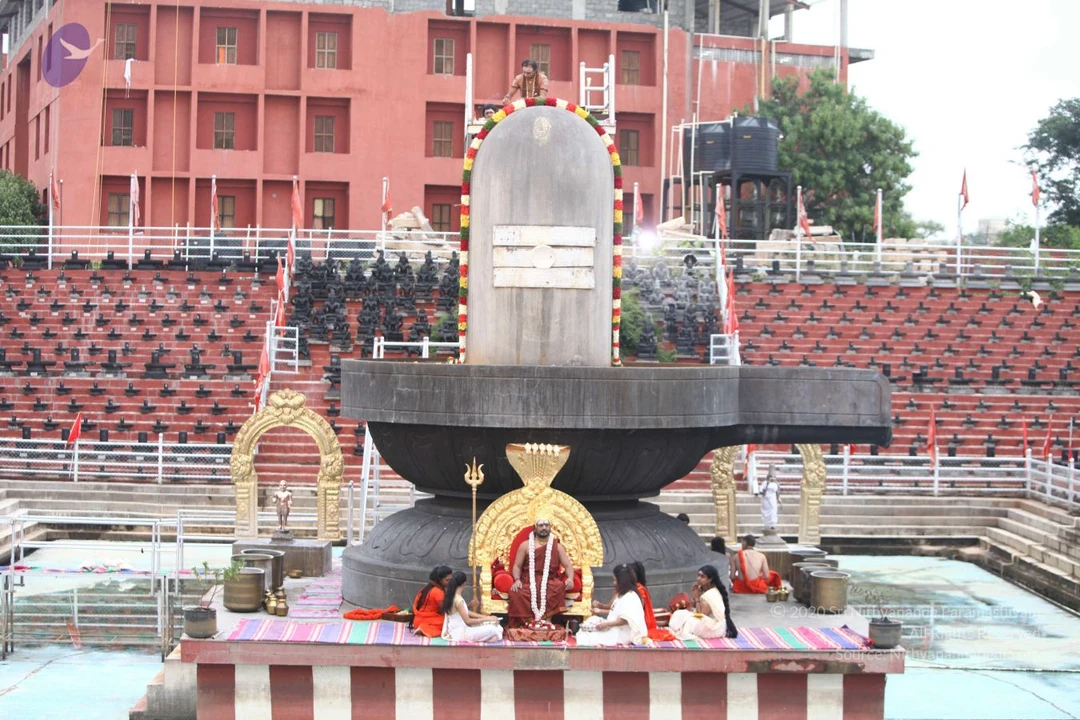
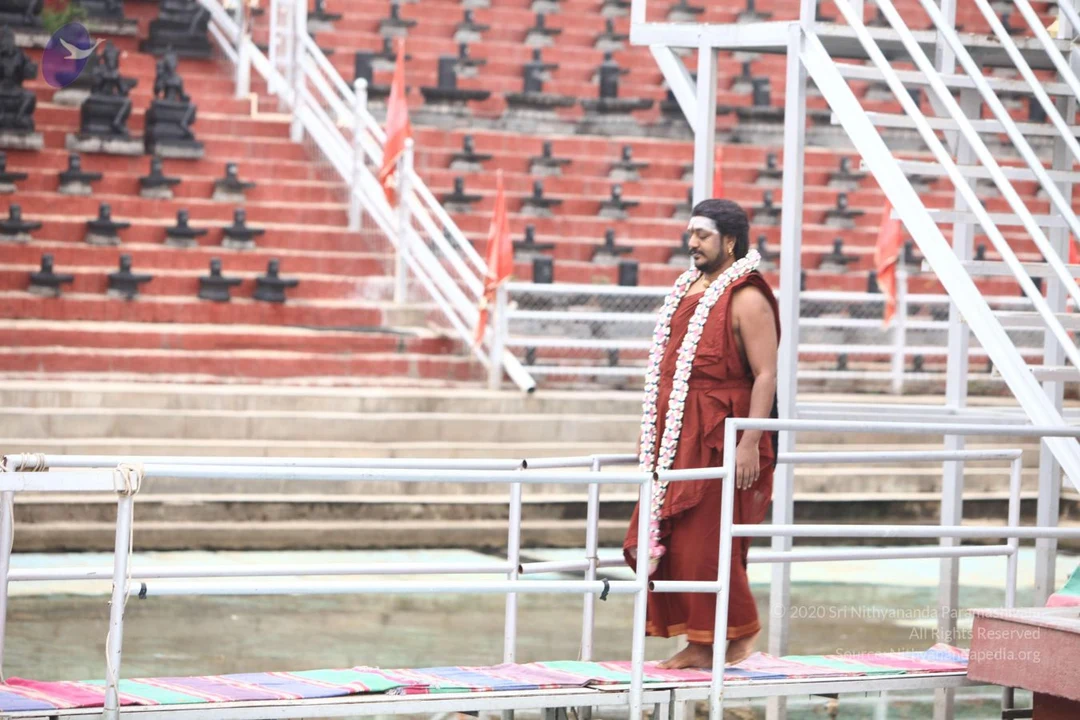
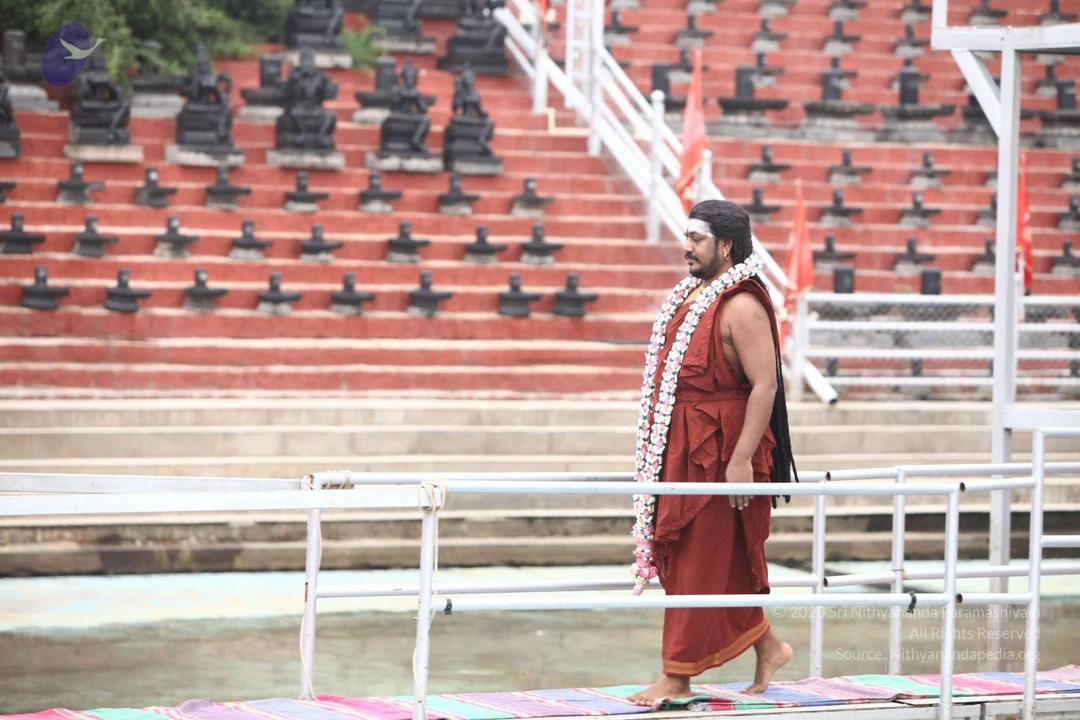
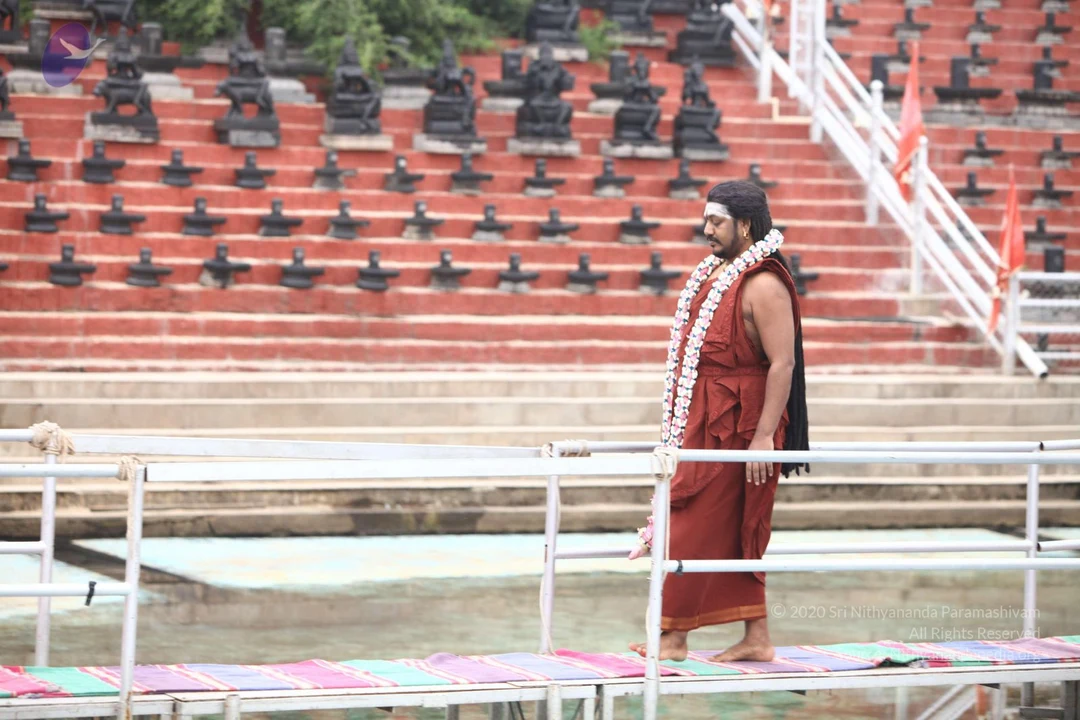
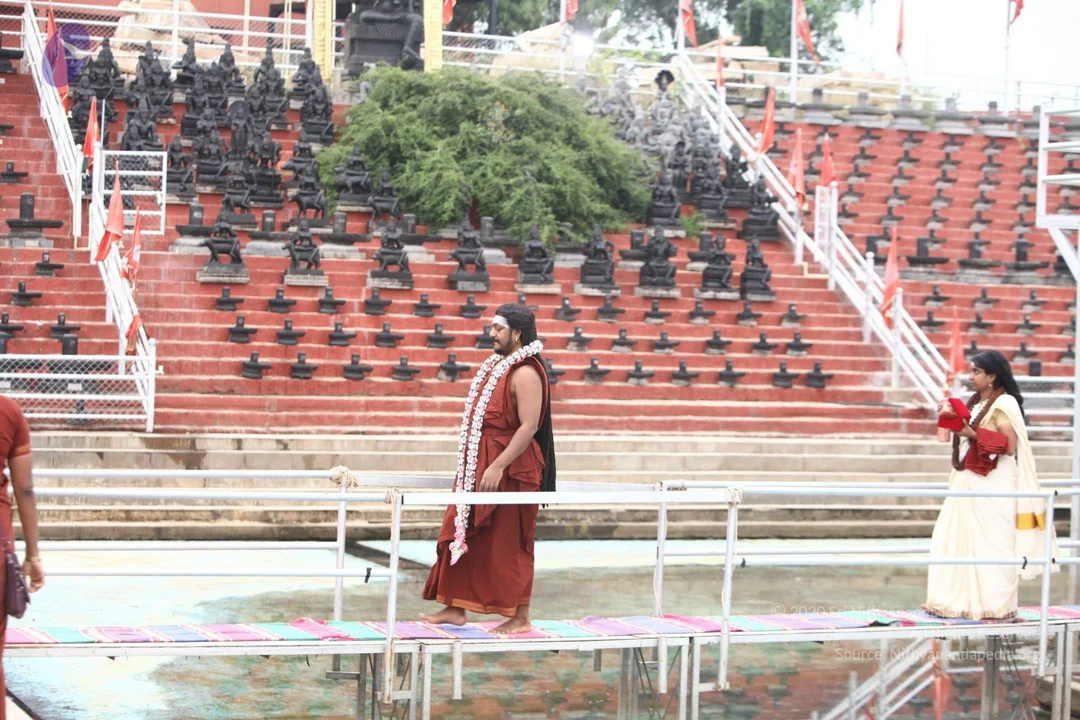
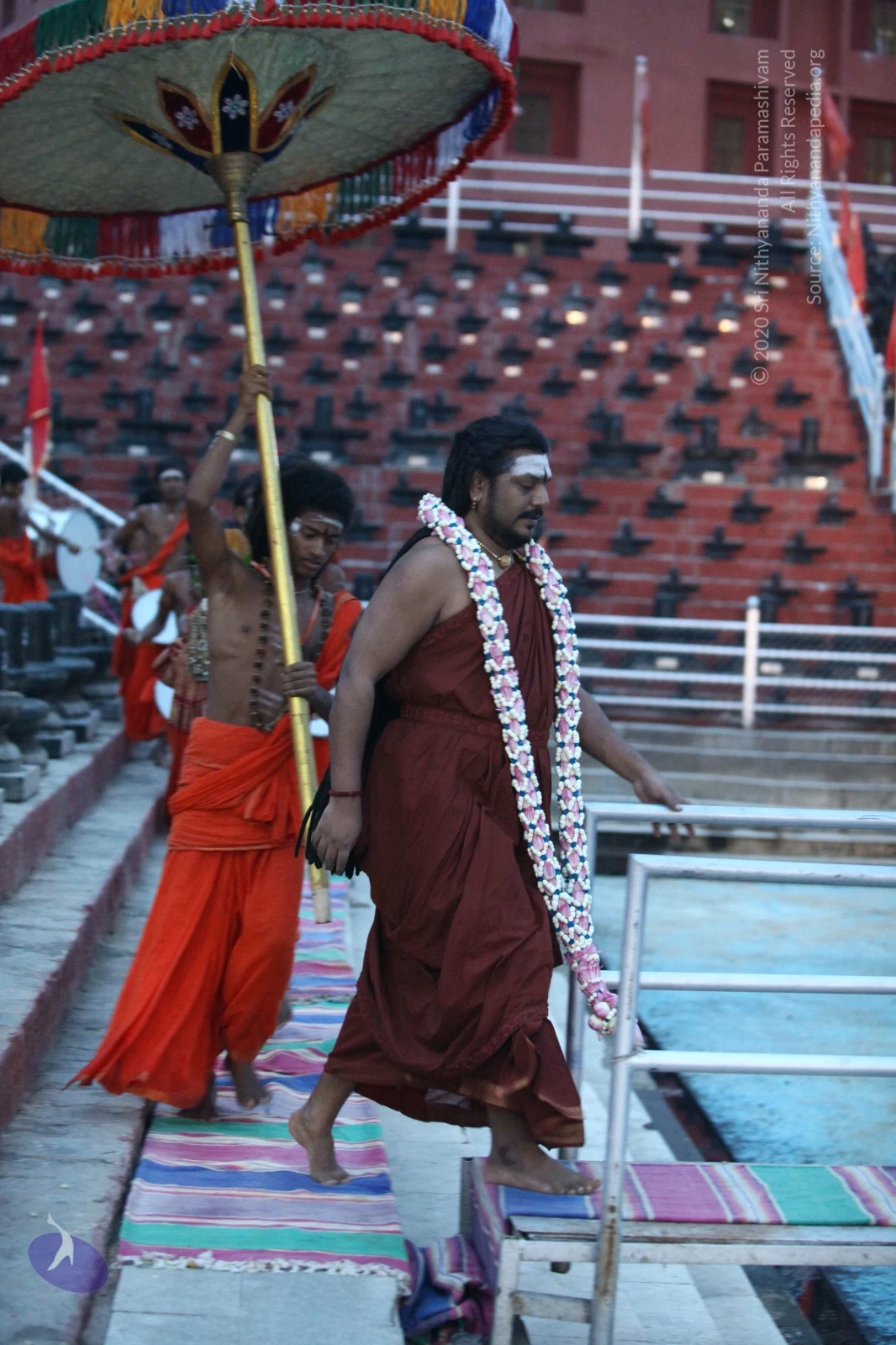
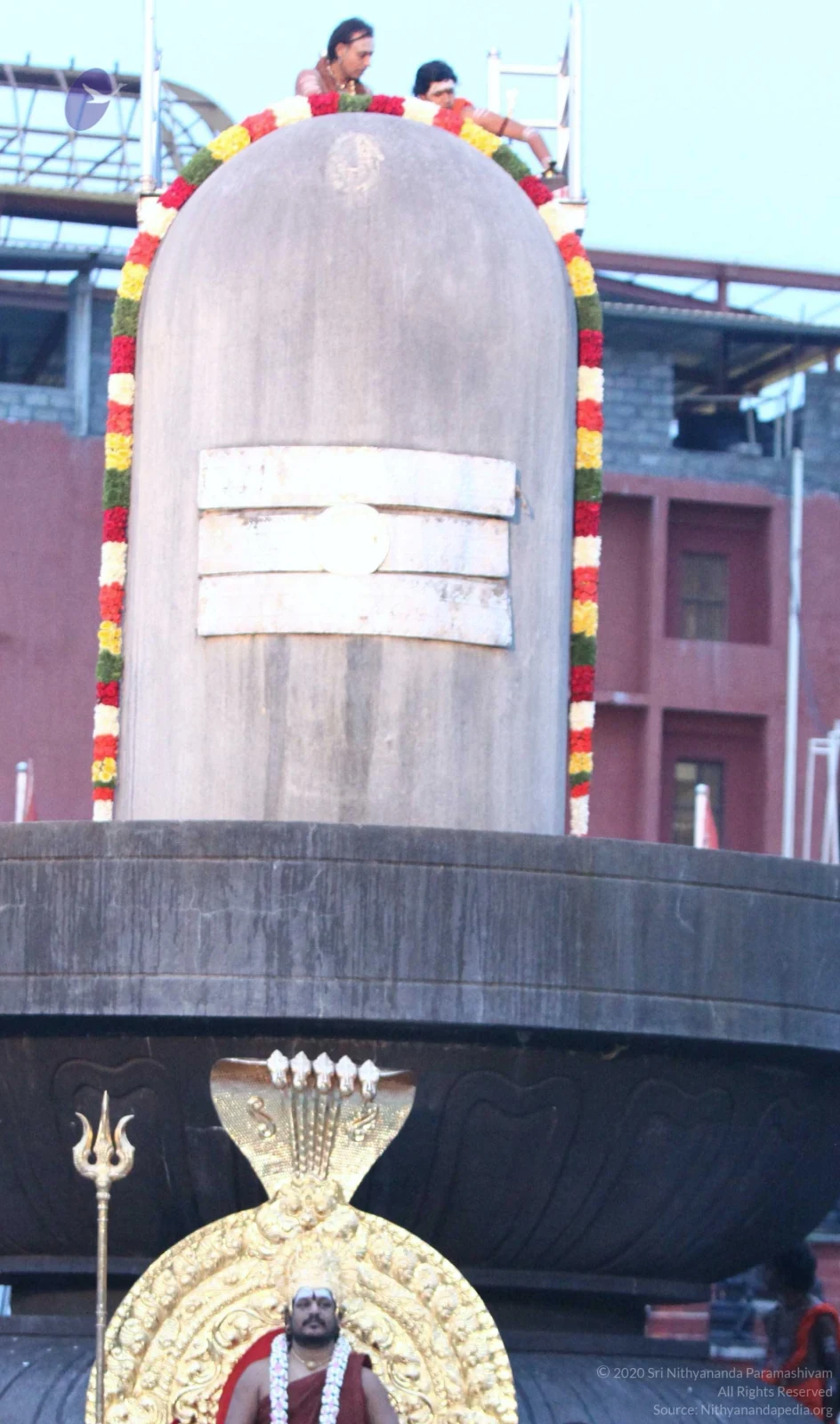
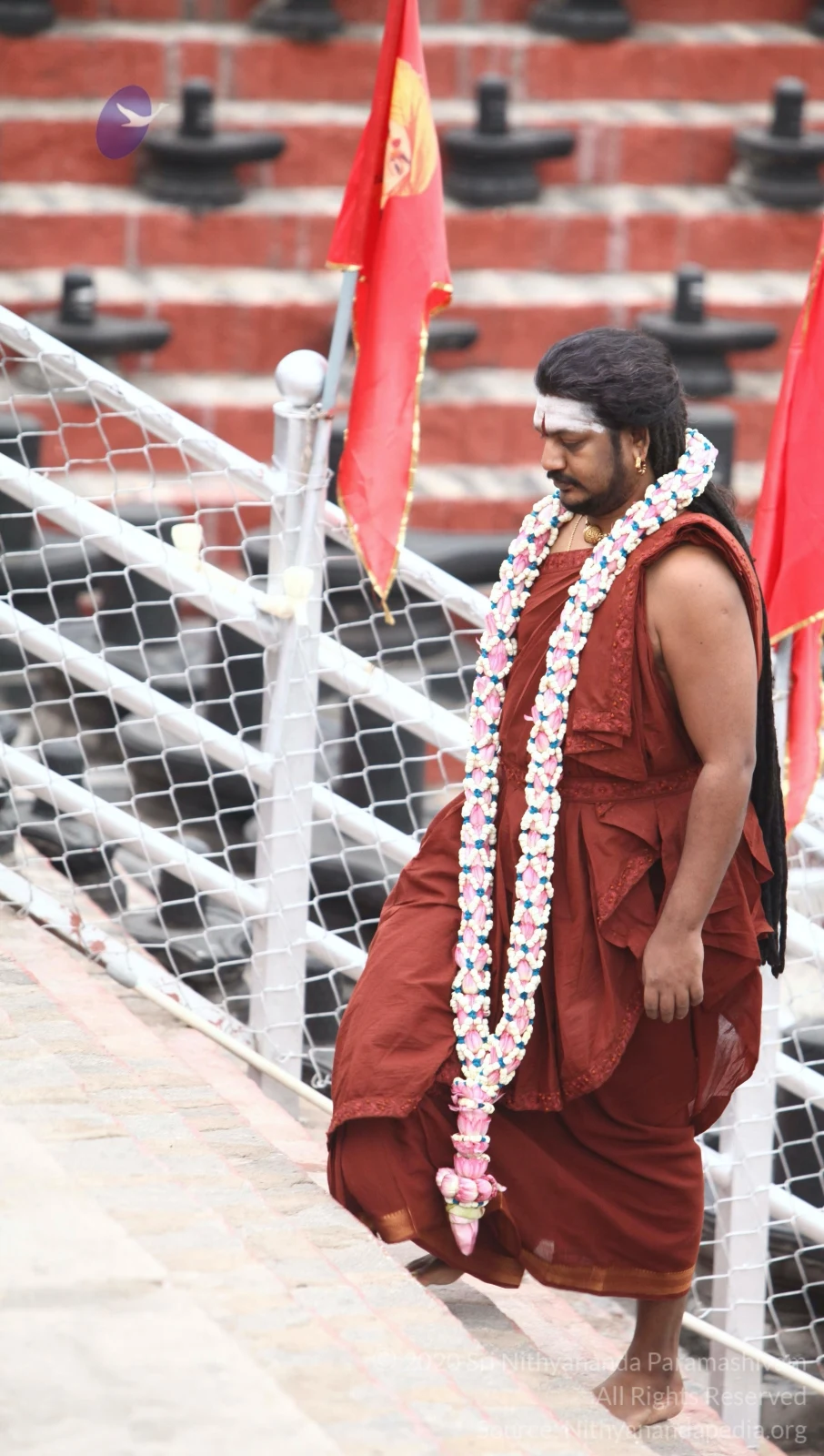
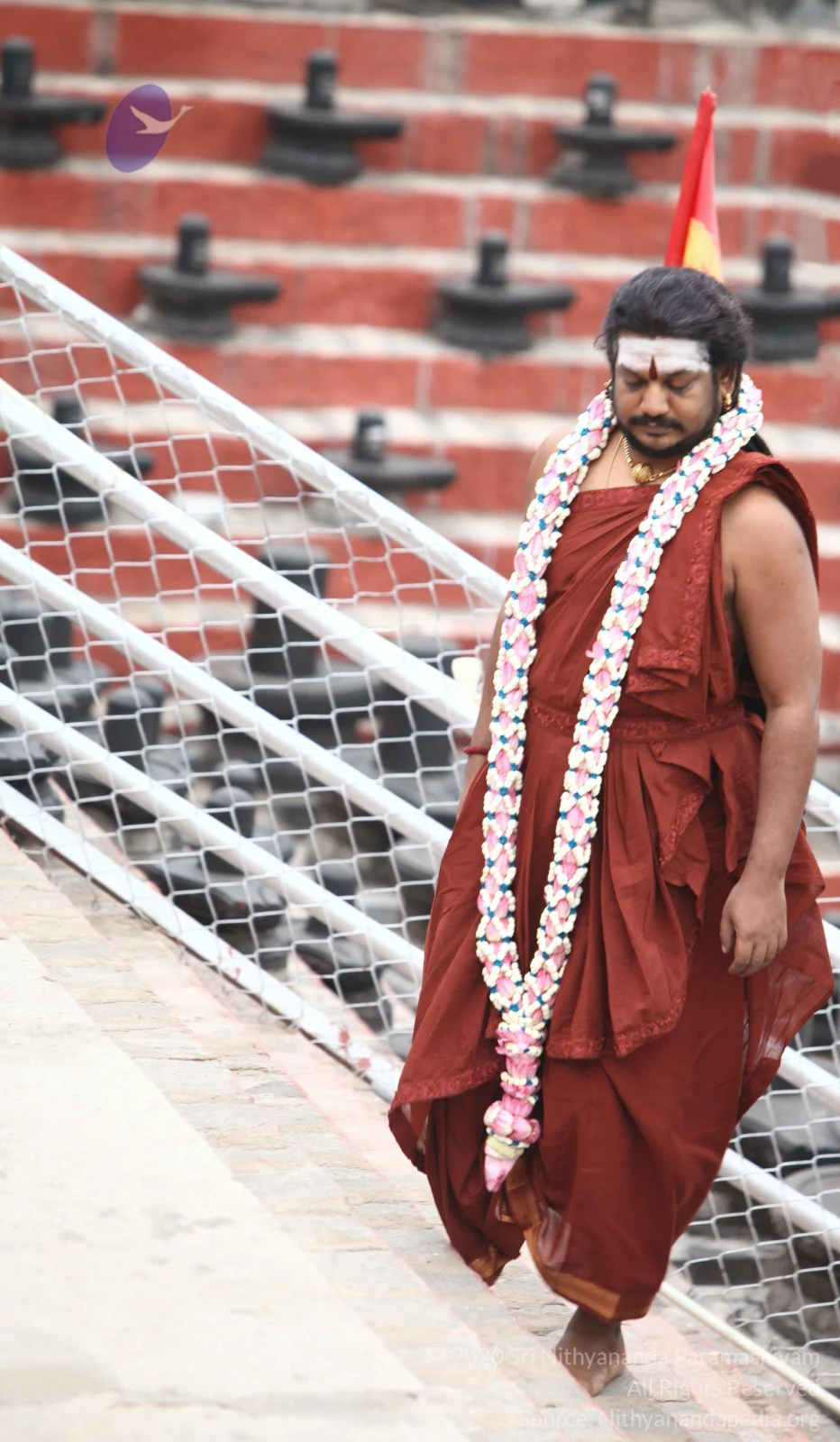
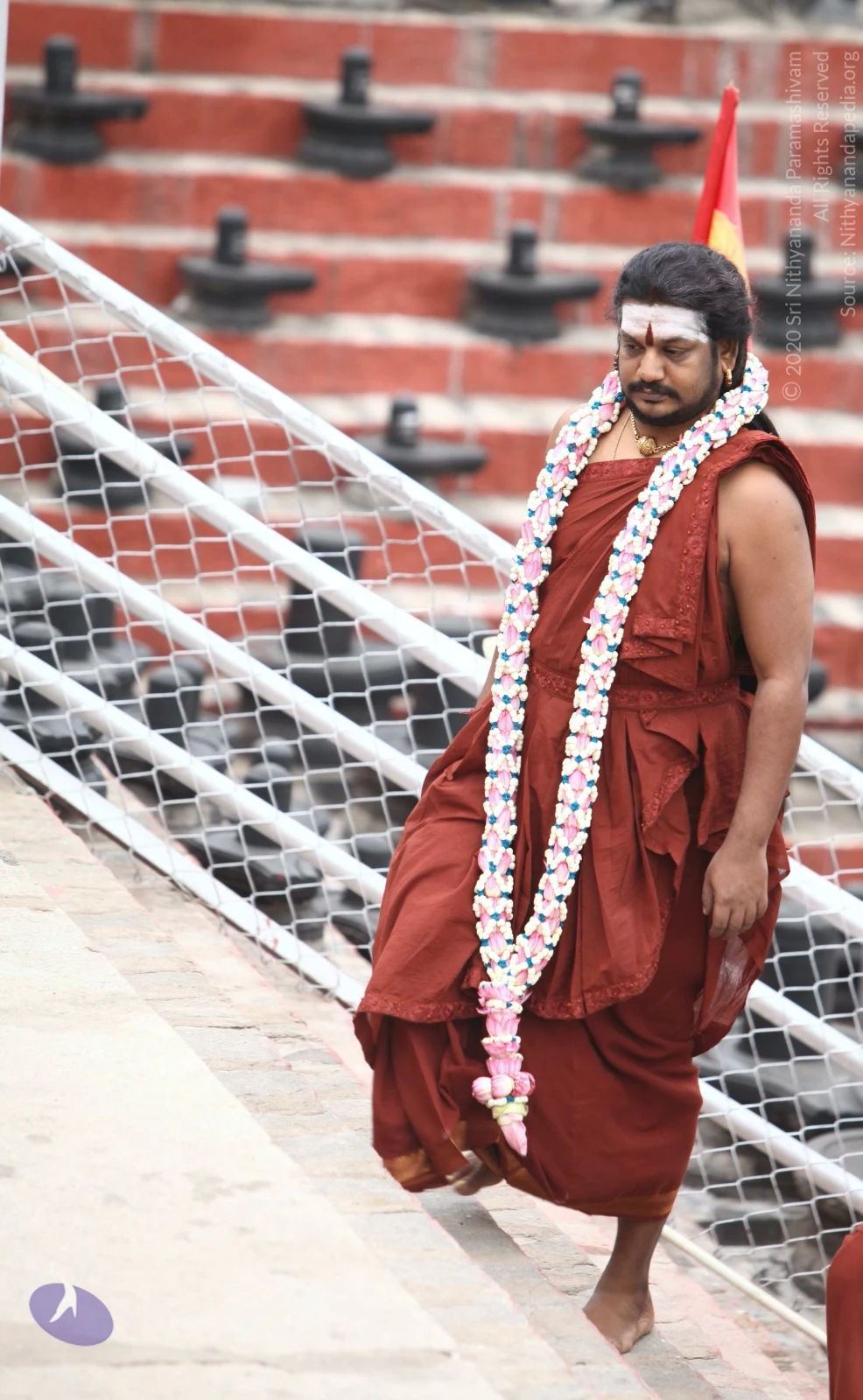
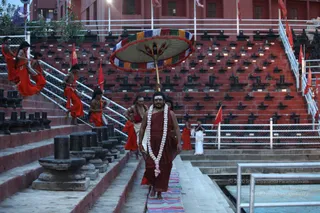
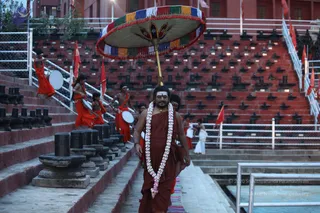
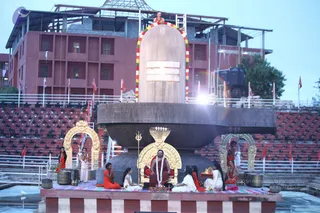
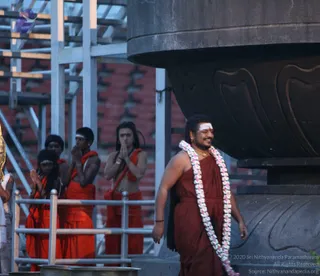
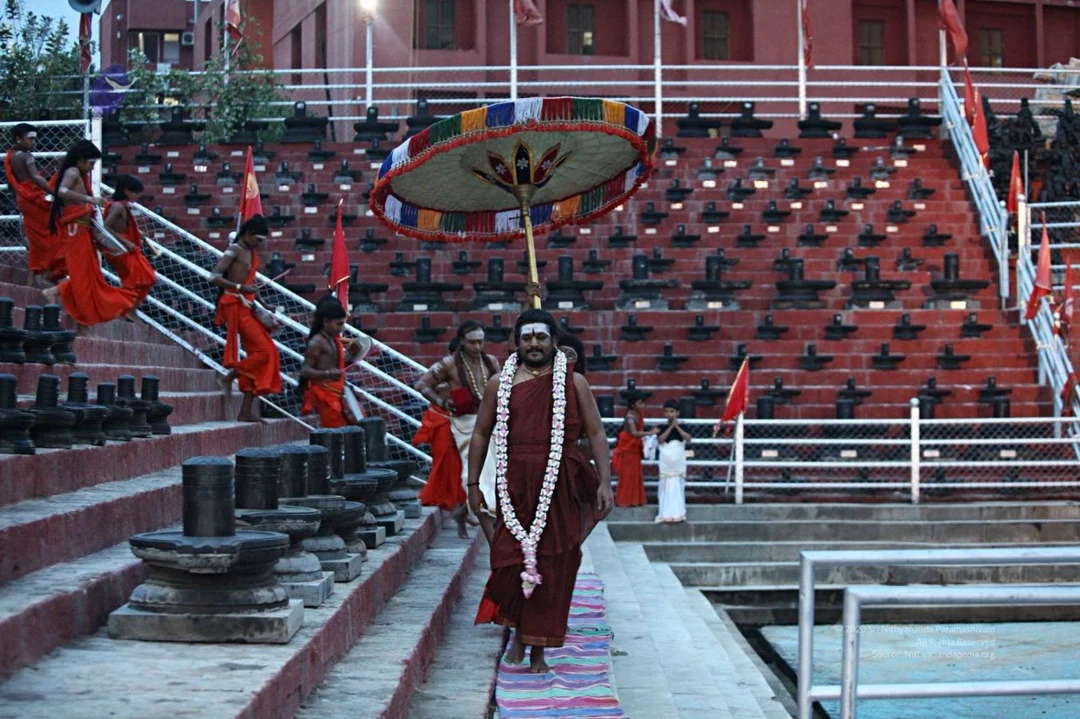 HDH Nithyananda Paramashivam with Balasanths walking to Shiva Linga .
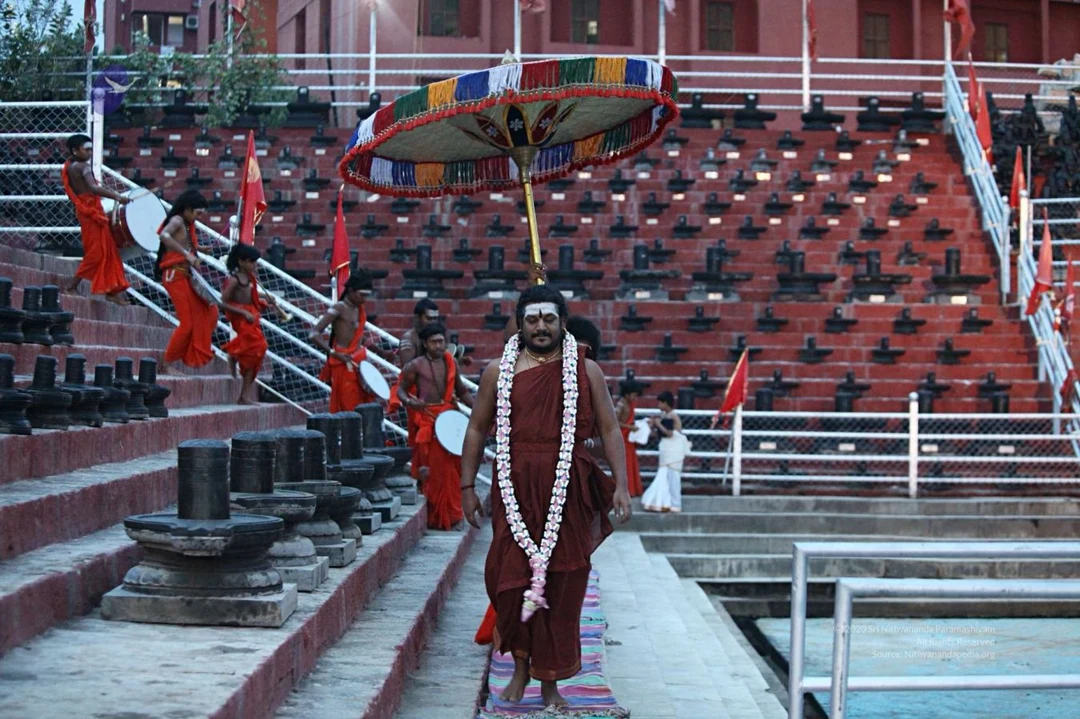 HDH Nithyananda Paramashivam with Balasanths walking to Shiva Linga .
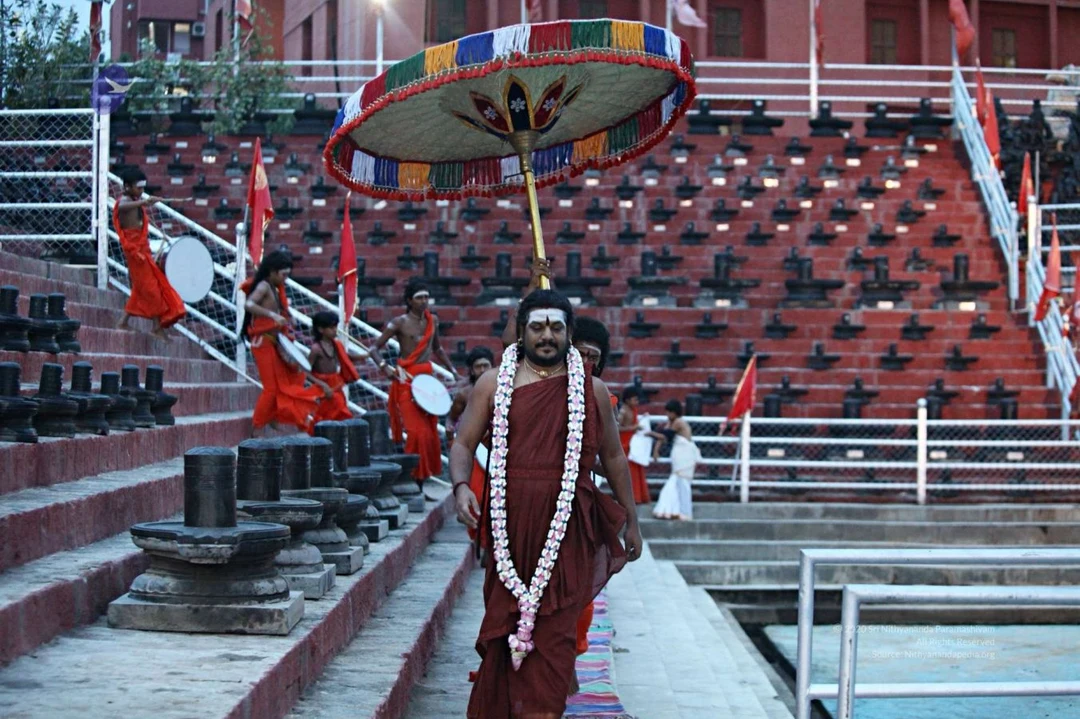 HDH Nithyananda Paramashivam with Balasanths walking to Shiva Linga .
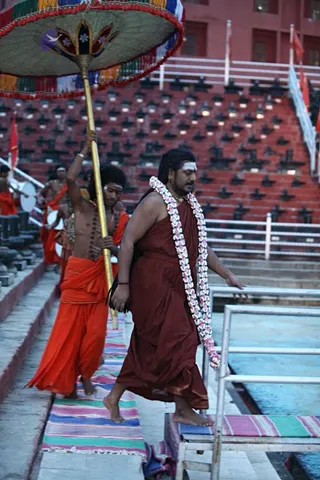 HDH Nithyananda Paramashivam with Balasanths walking to Shiva Linga .
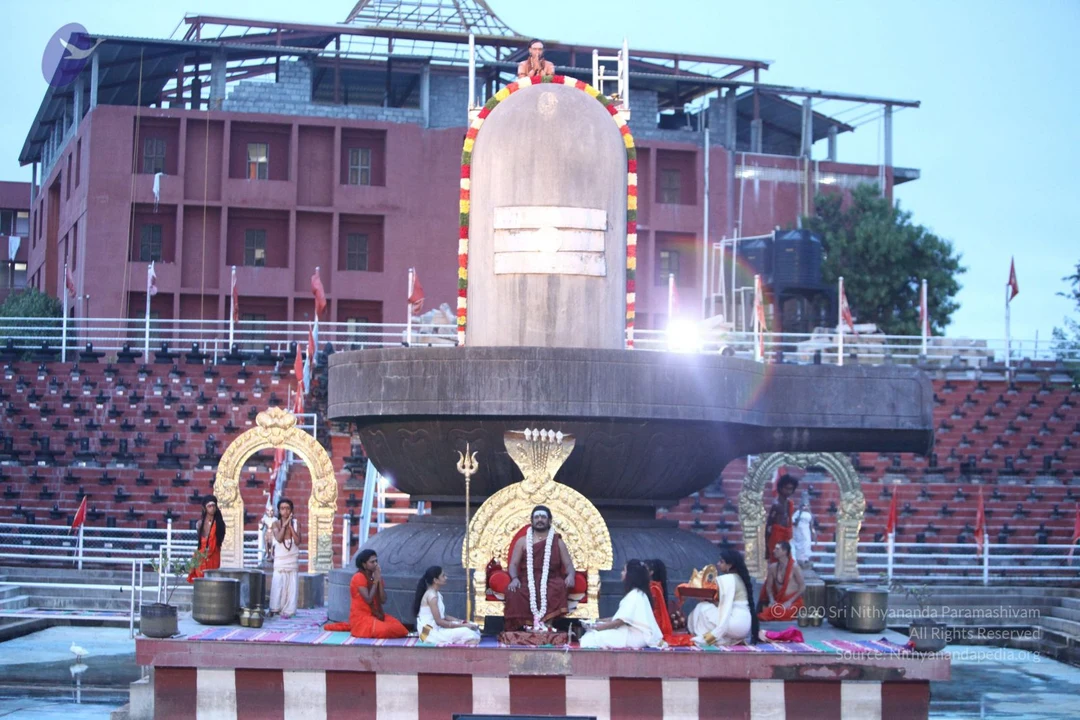
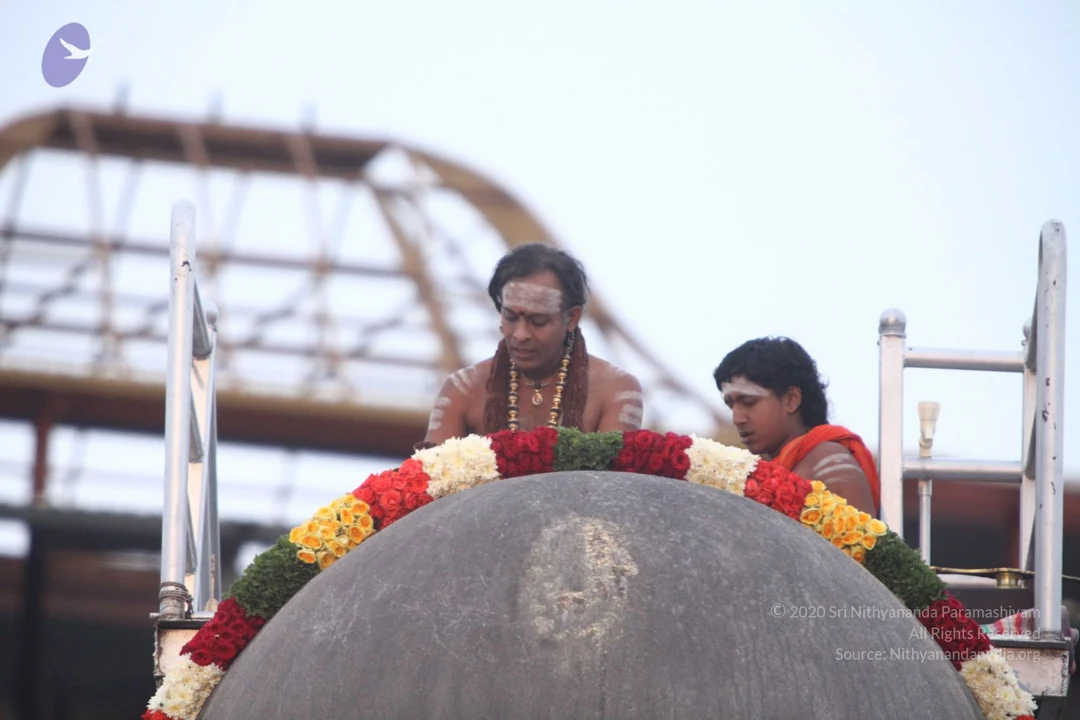
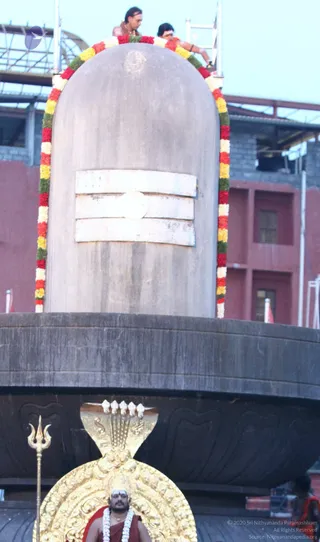
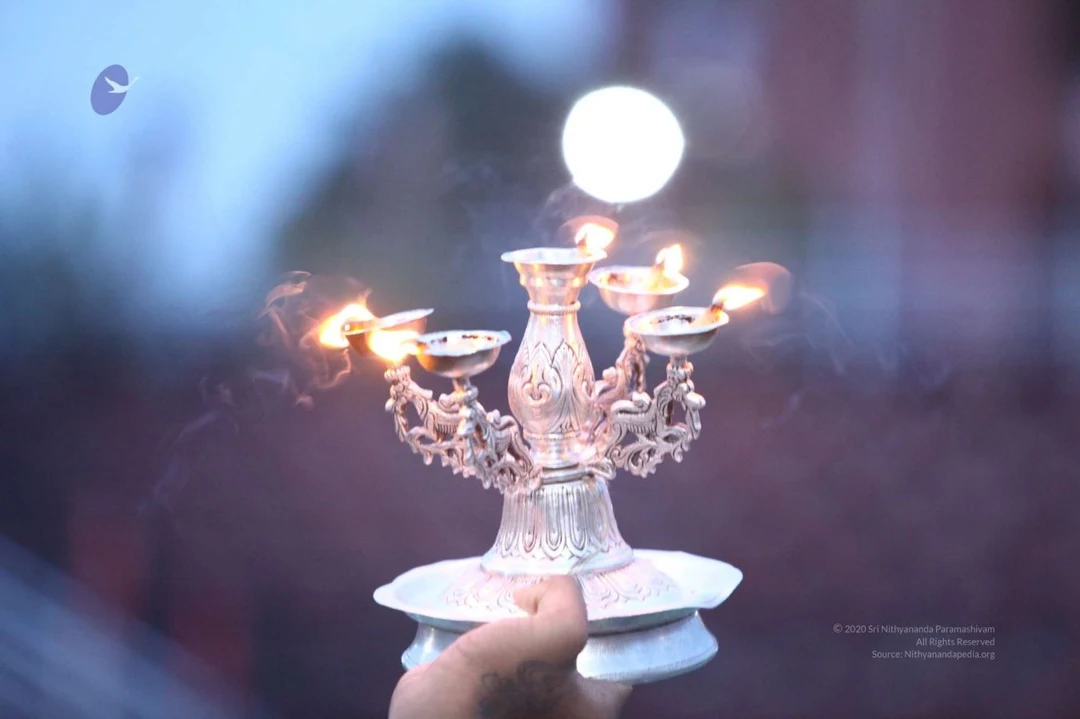 Deepa offering during the Shiva Linga Abishikam
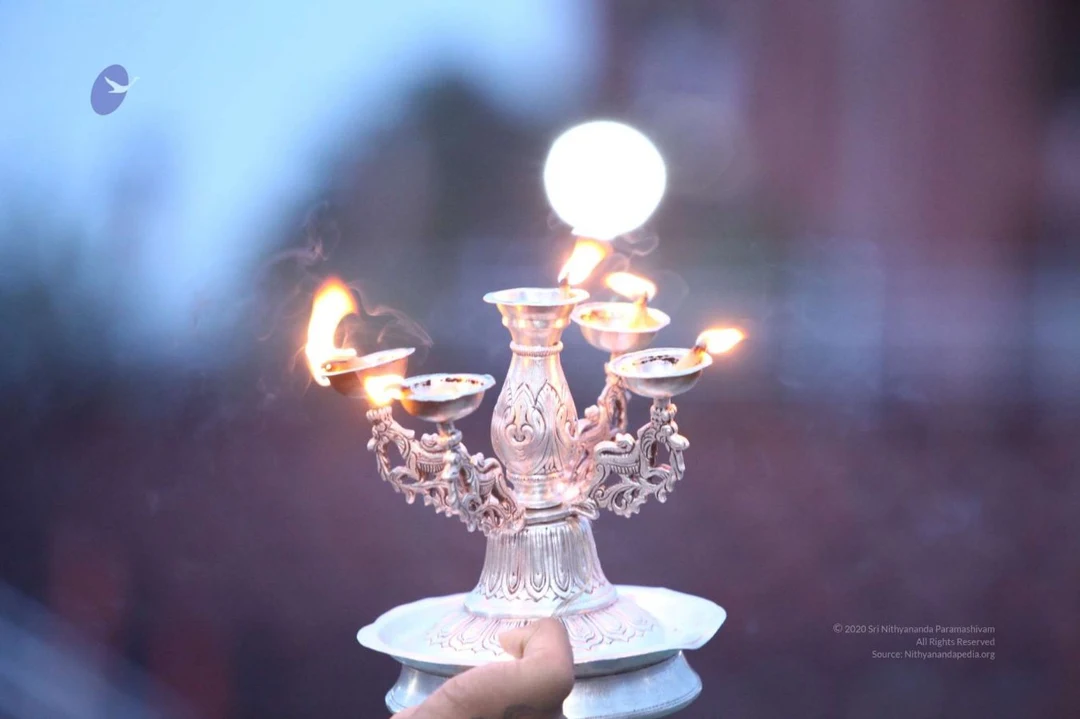 Deepa offering during the Shiva Linga Abishikam
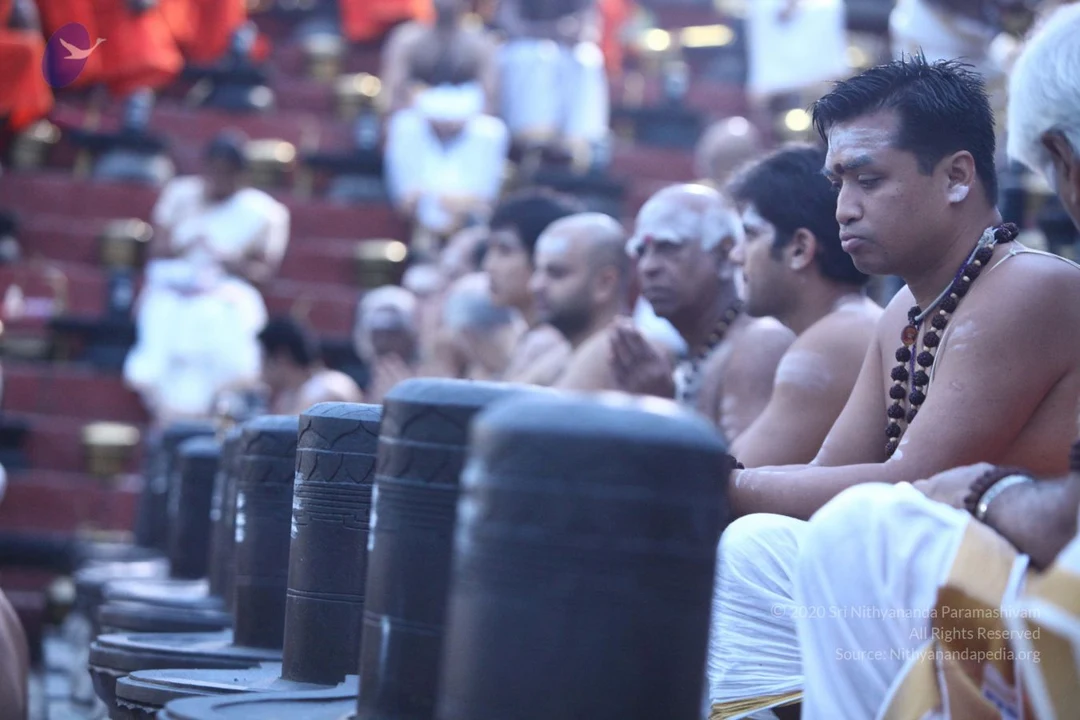
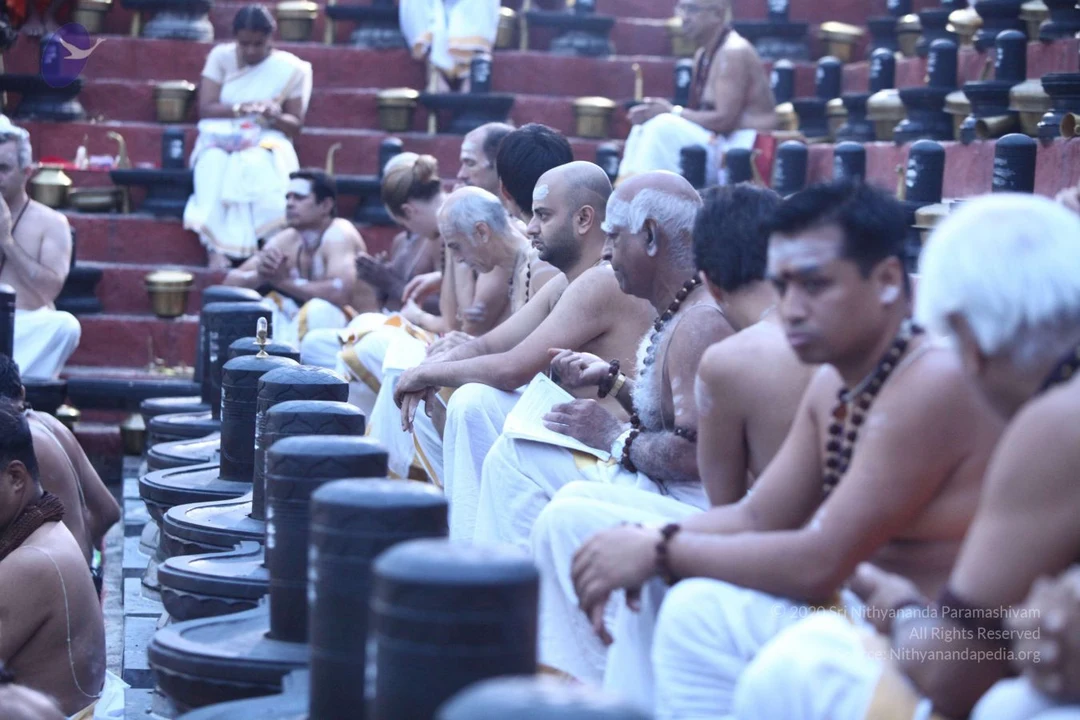
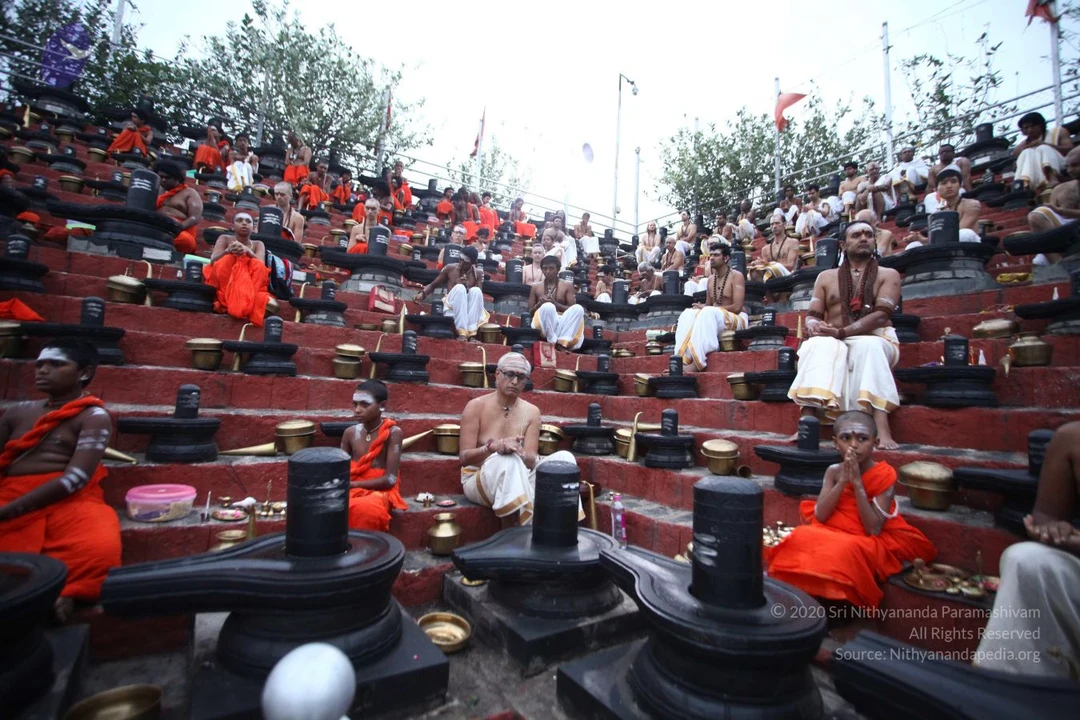
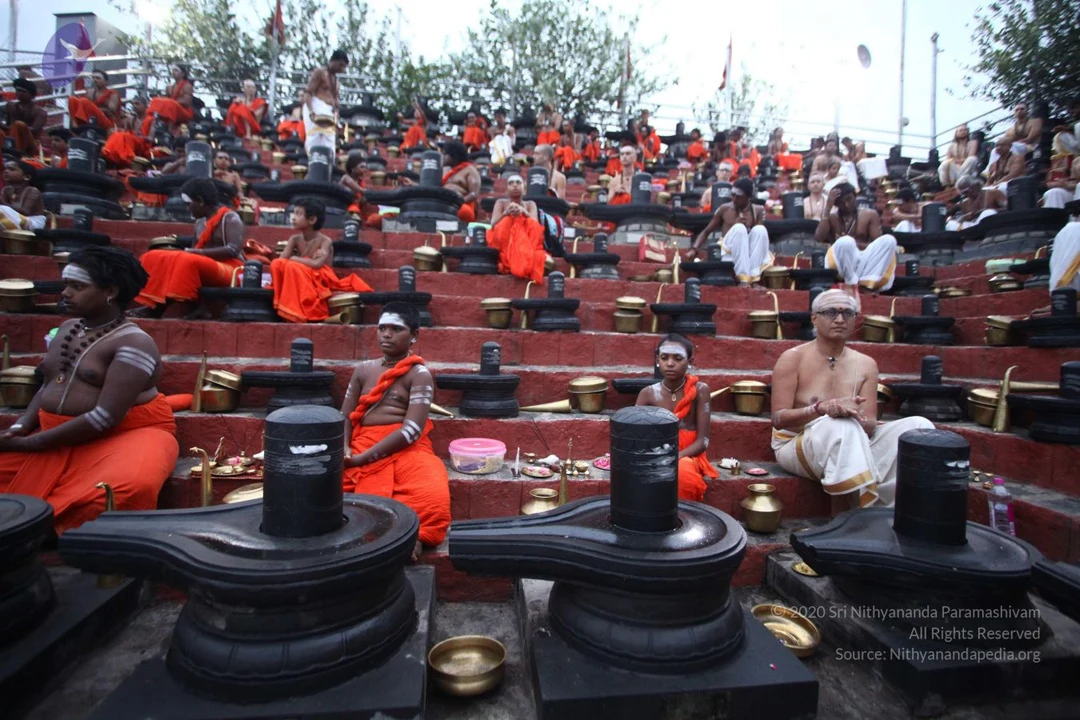
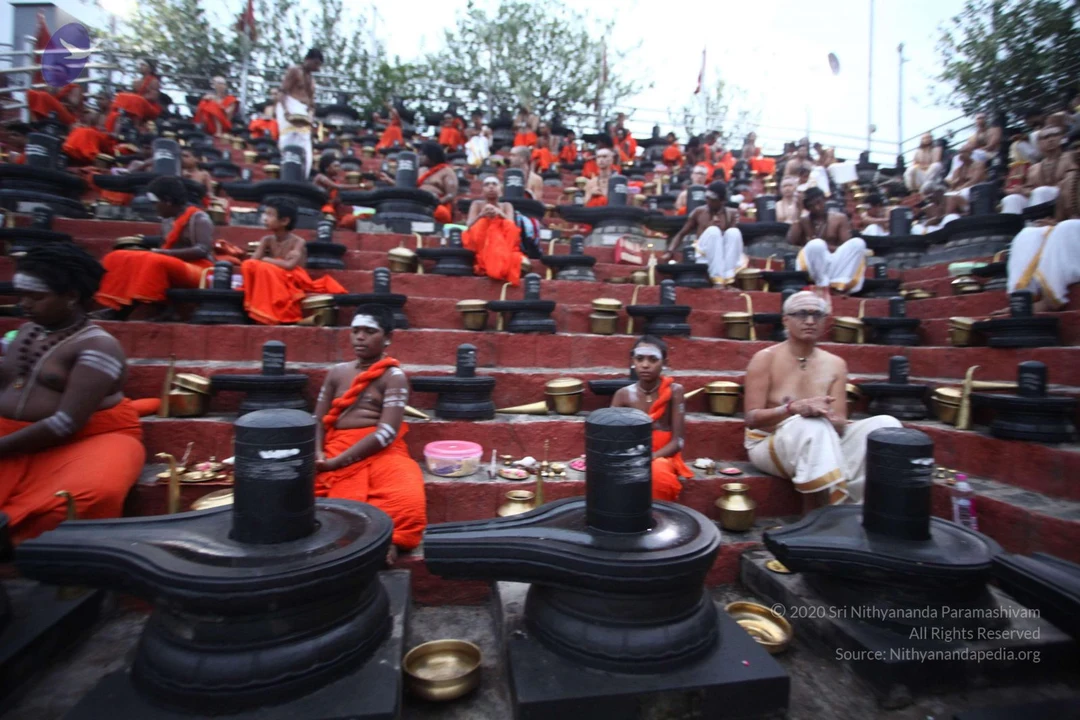
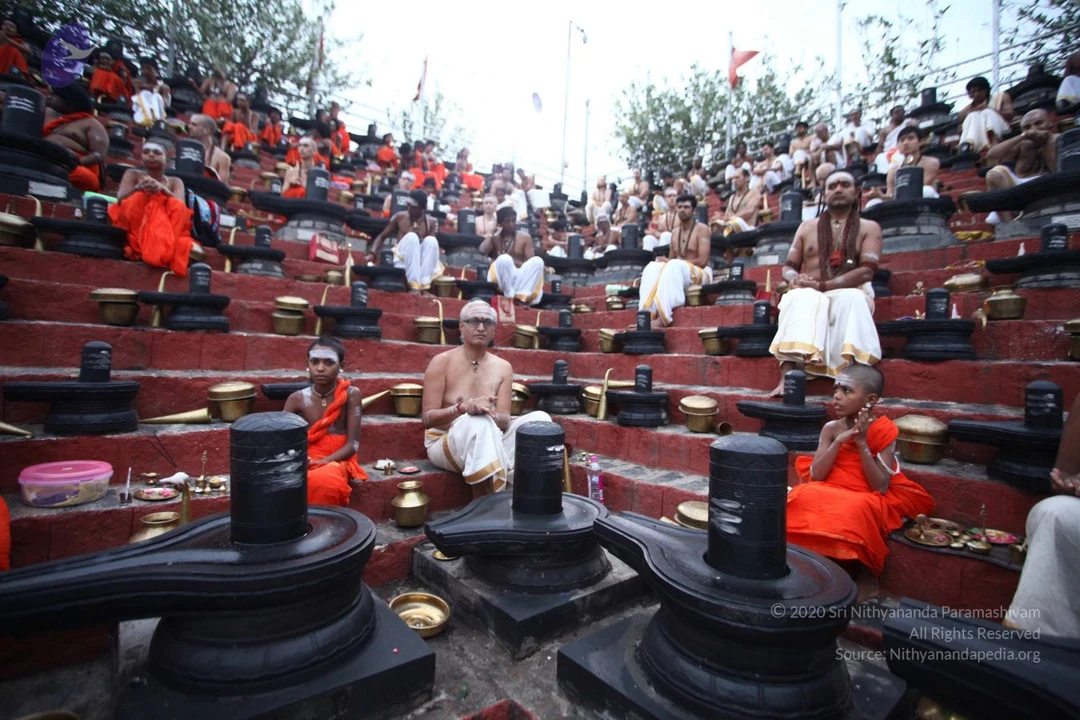
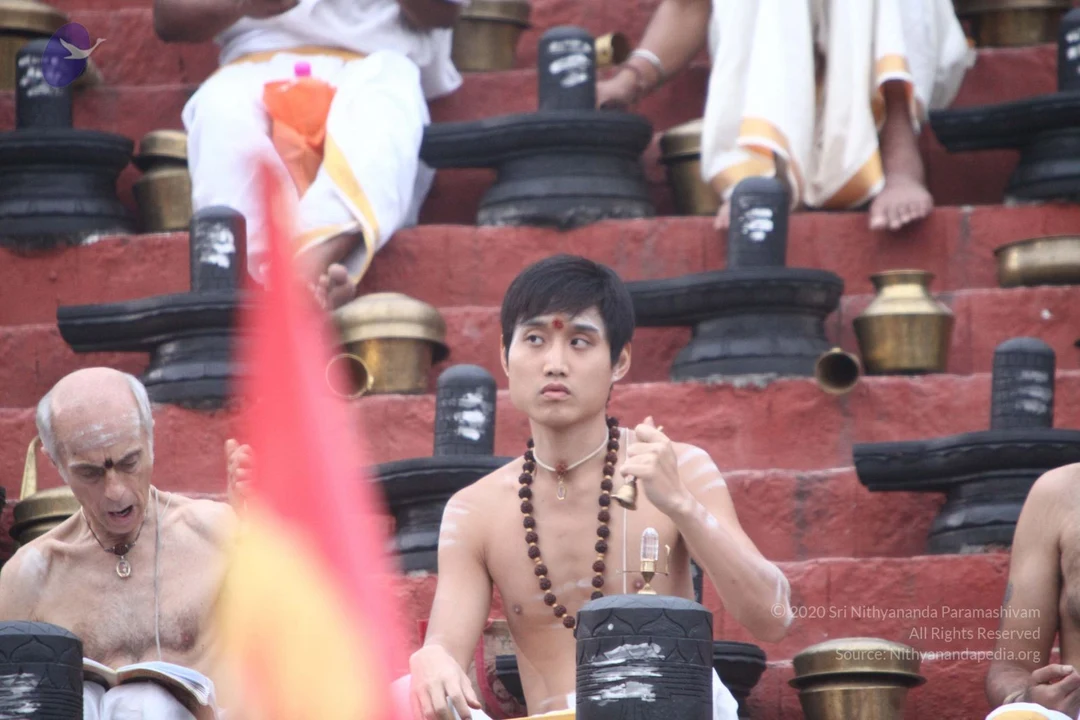
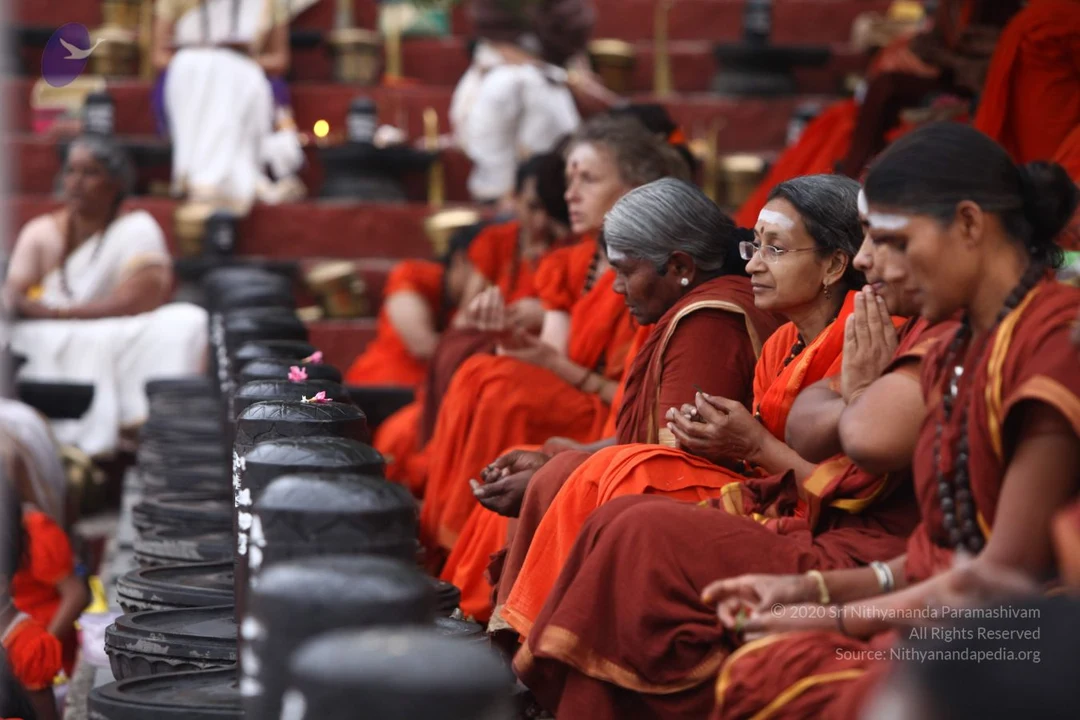
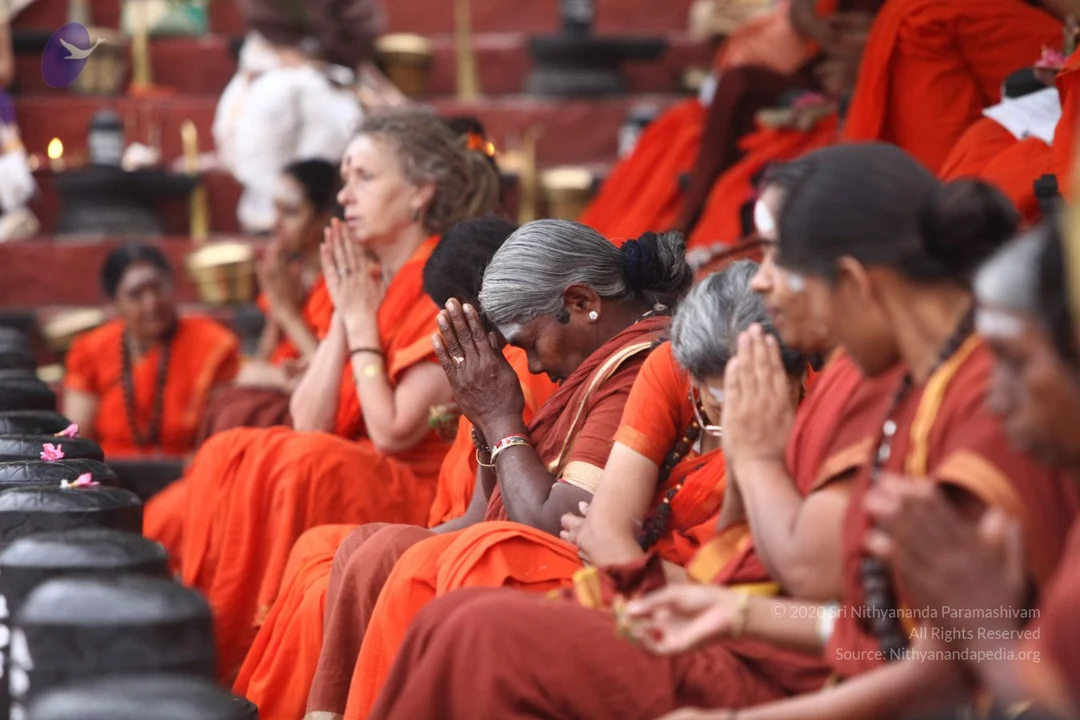
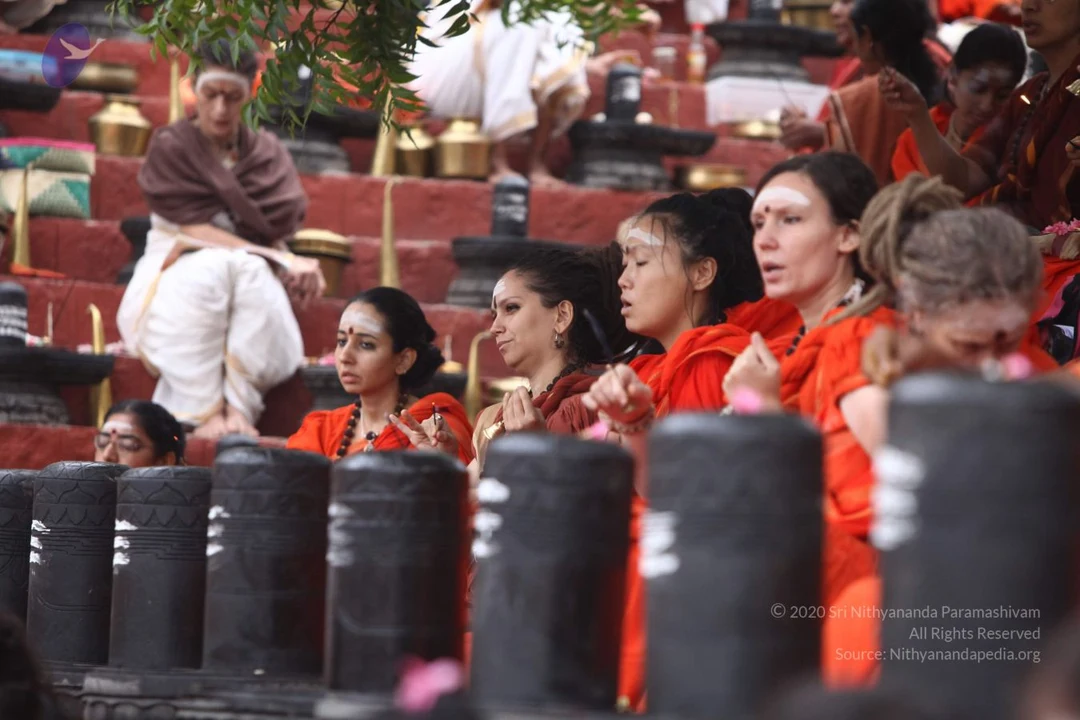
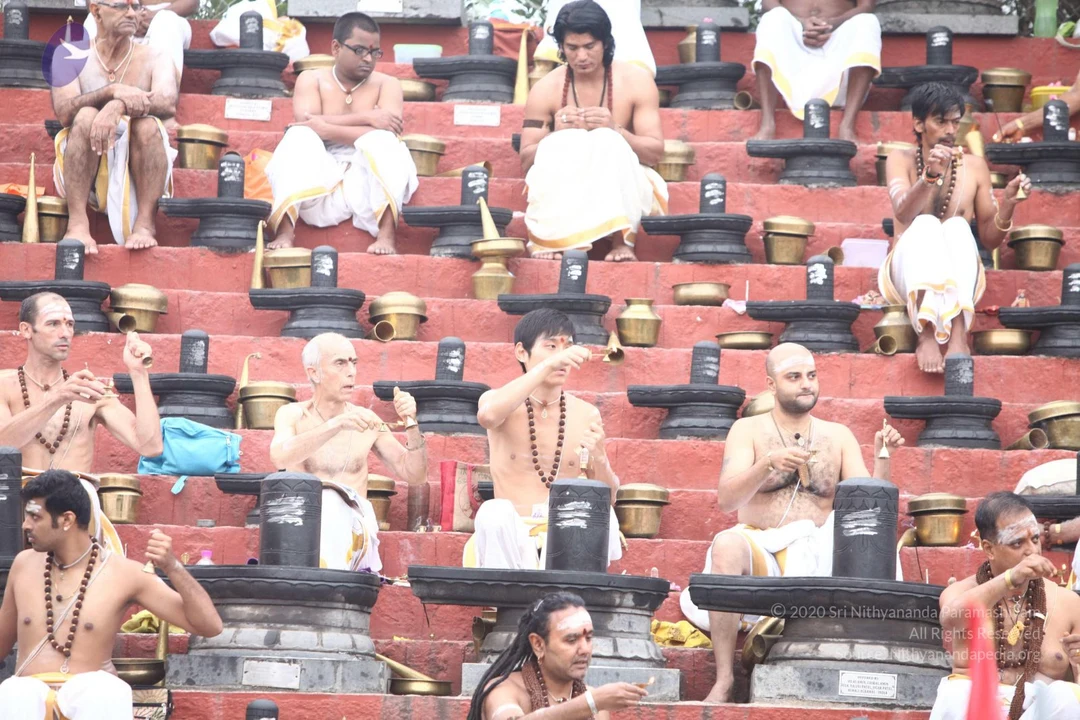
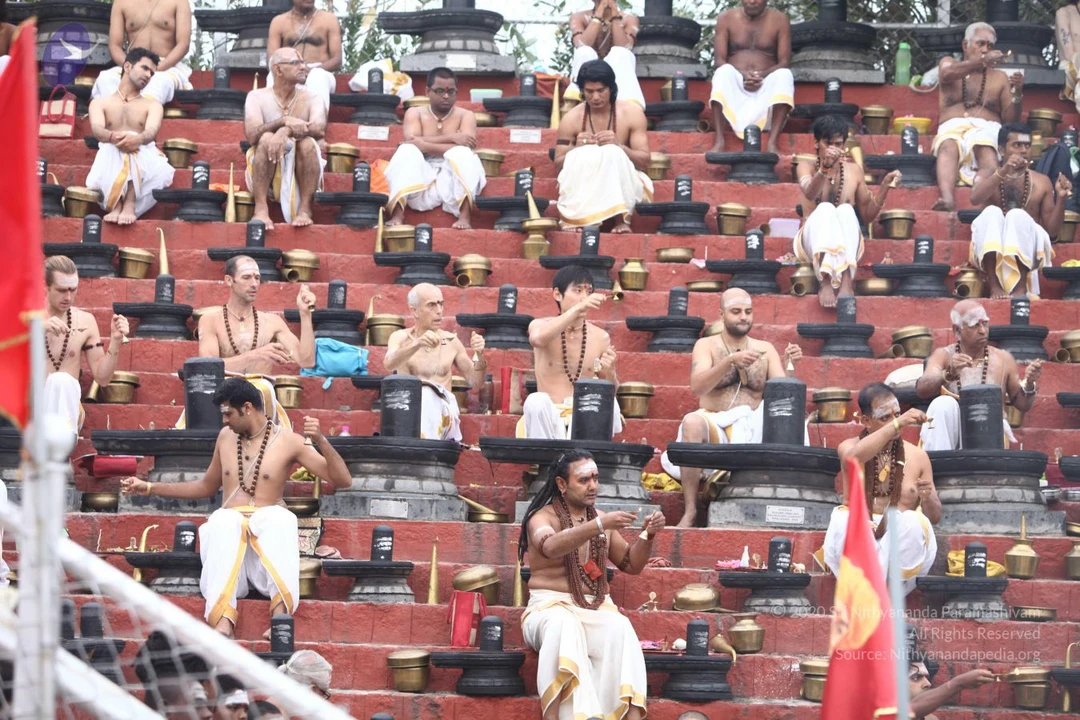
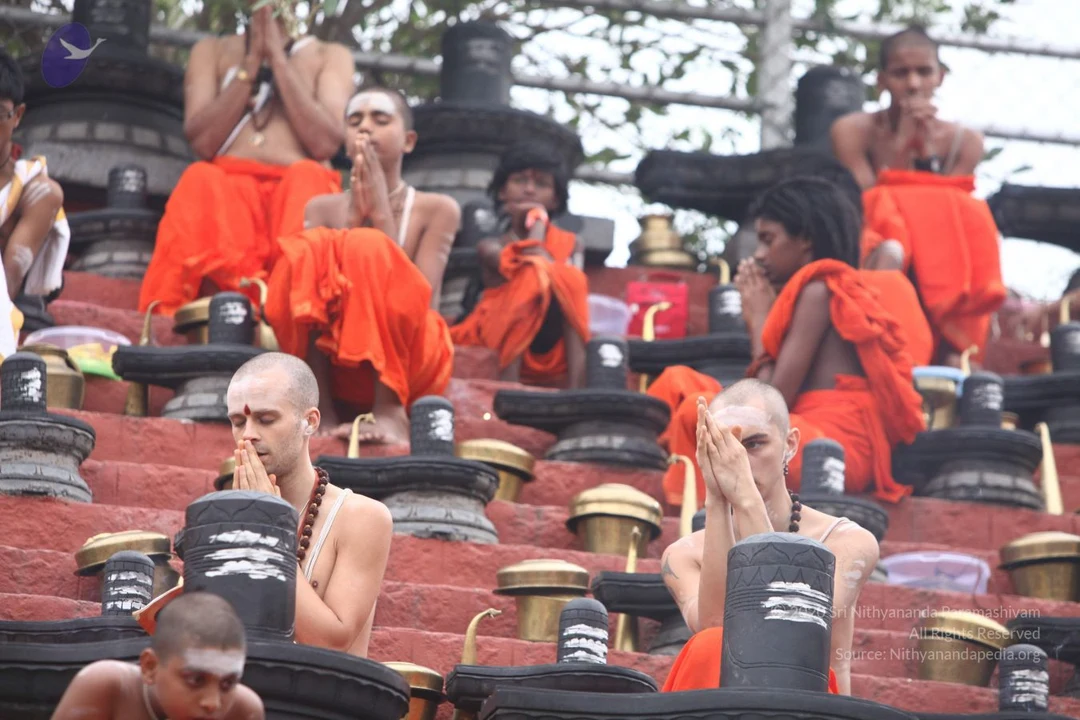
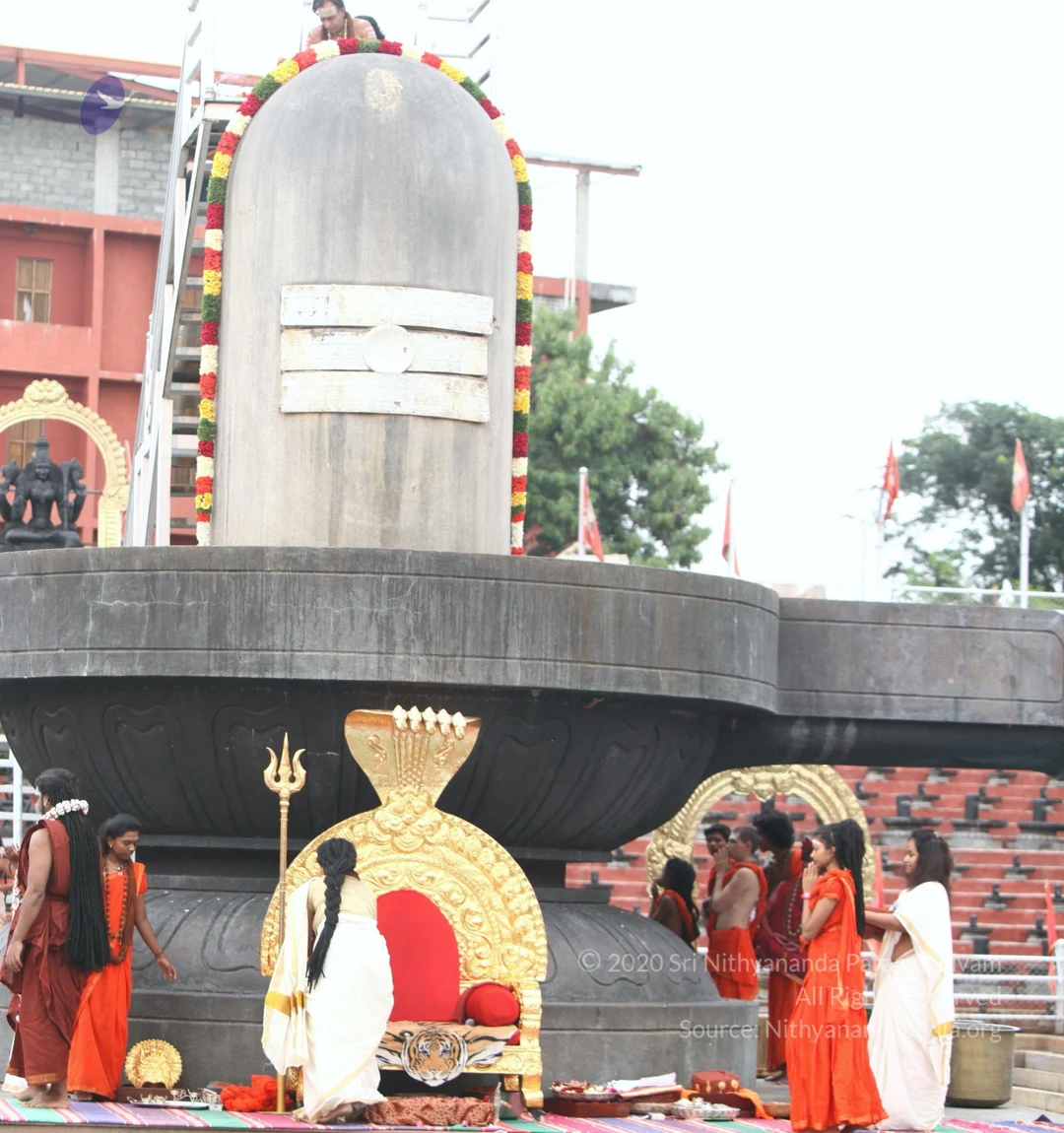
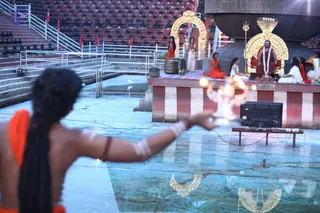
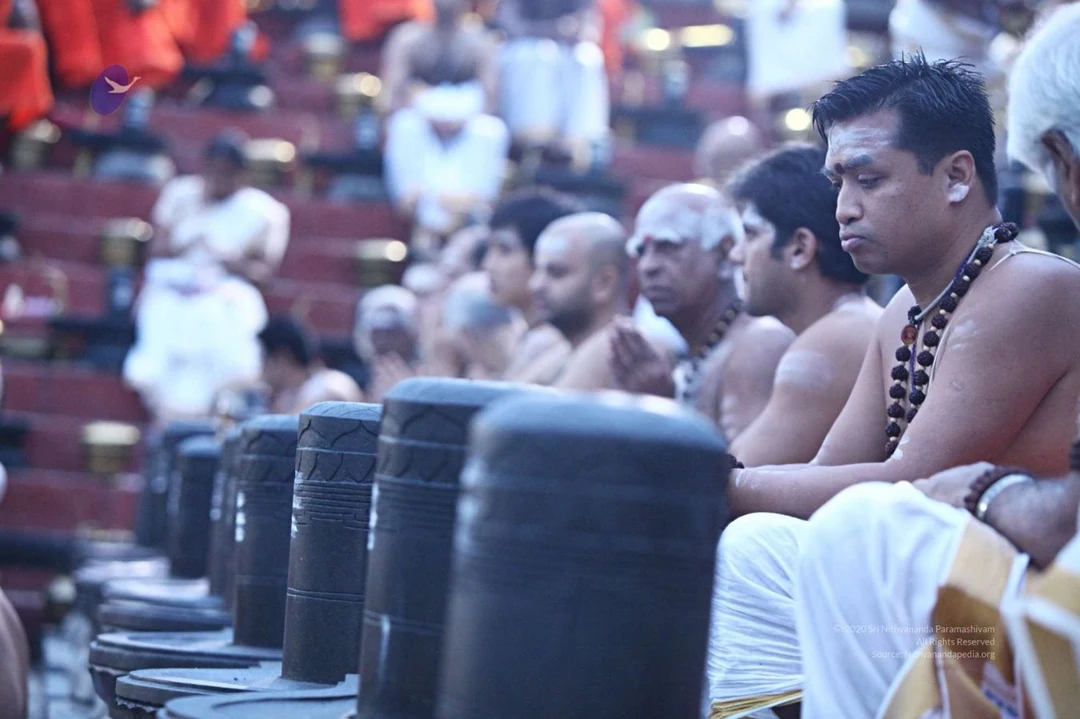 The delegates performing Shiva puja rituals
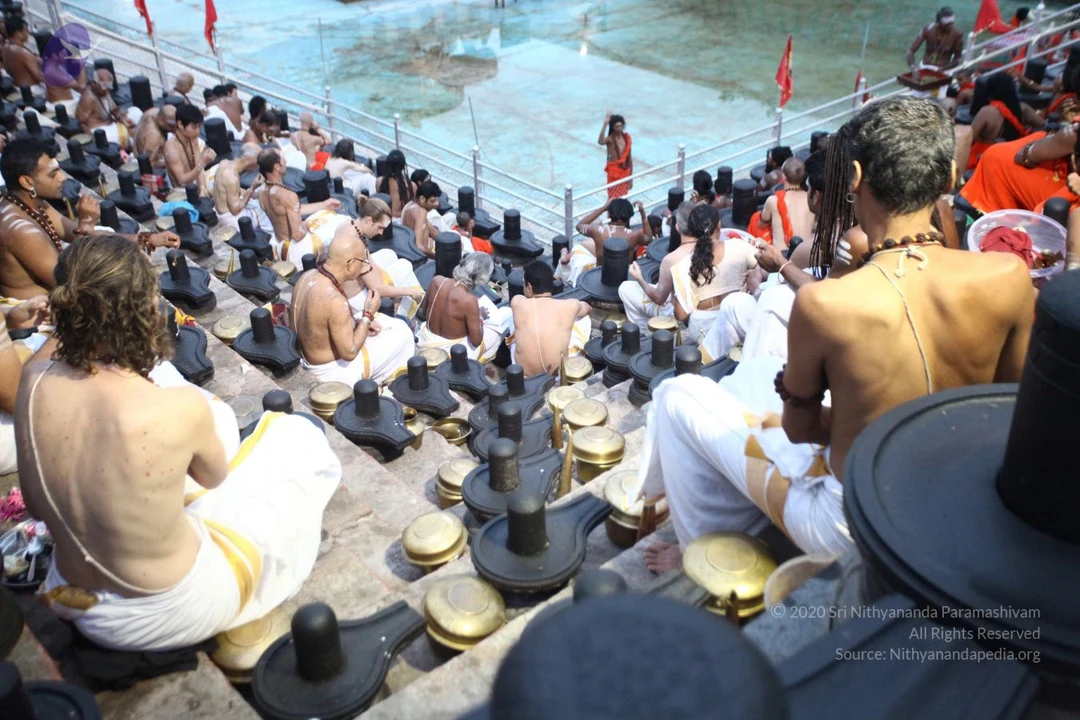
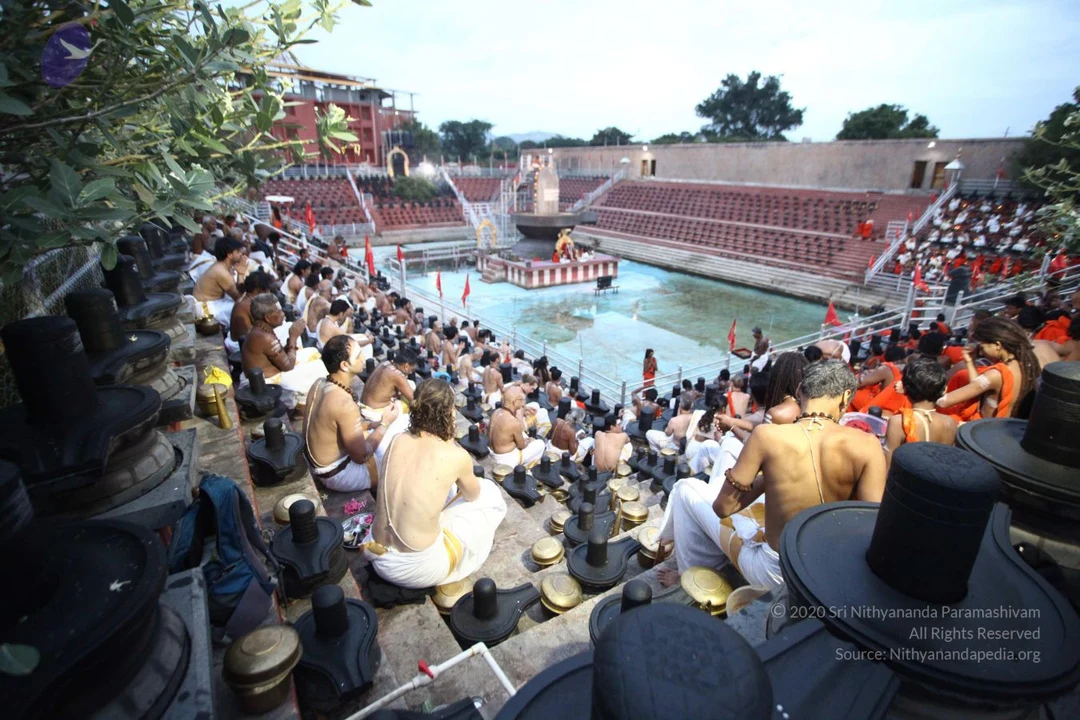
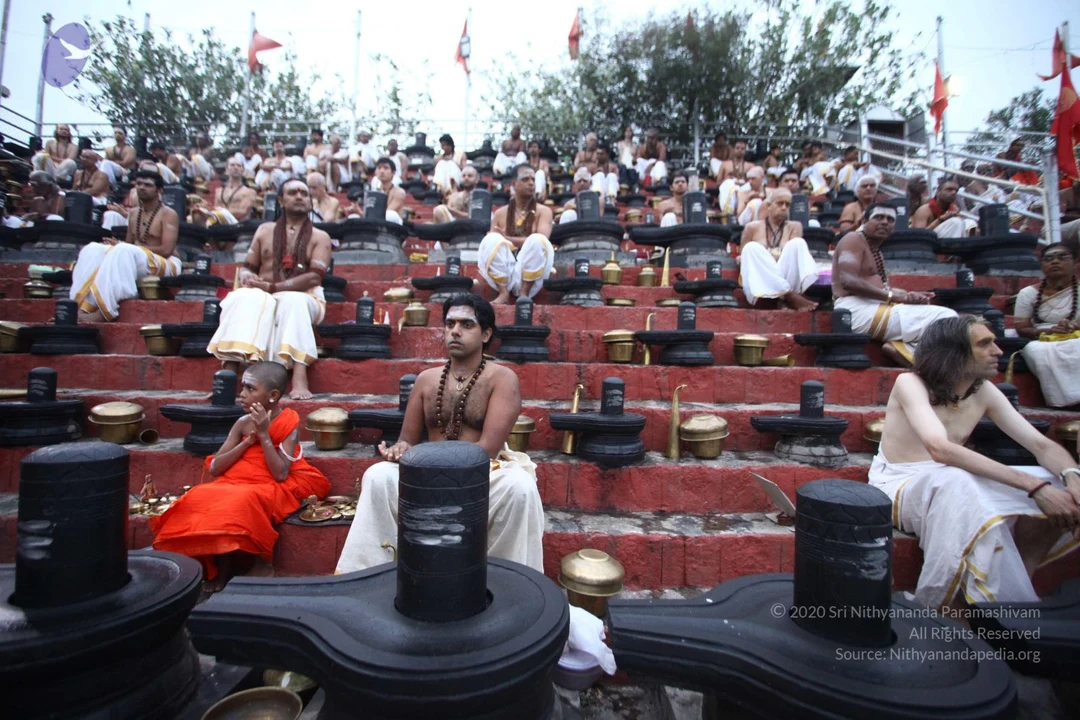
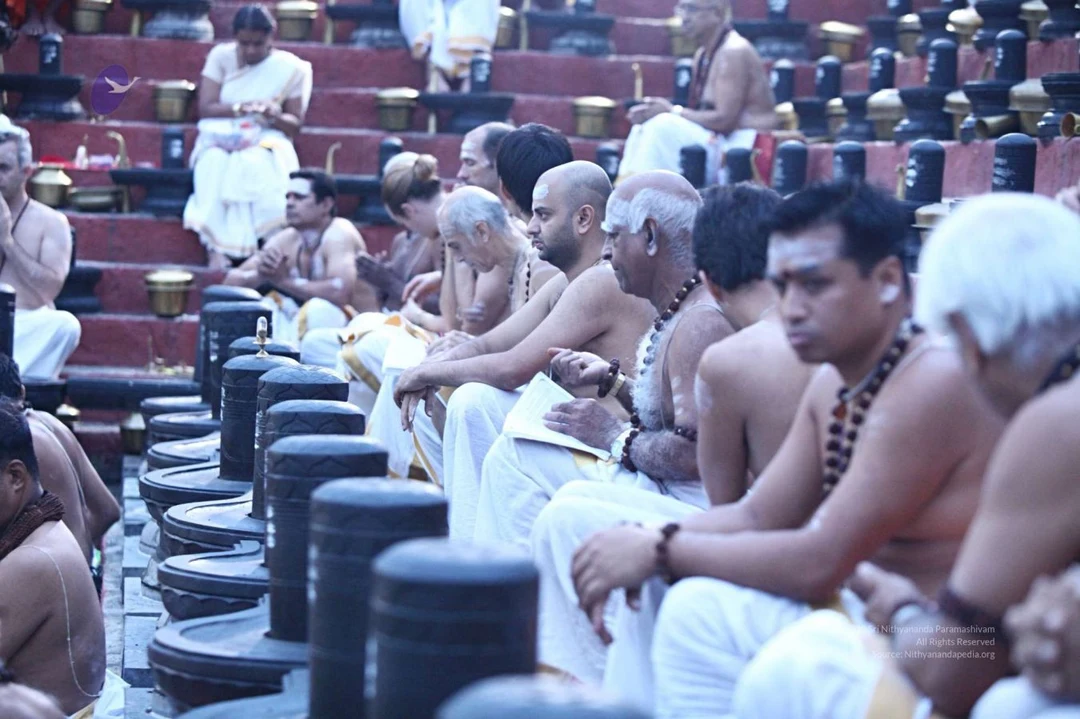 The delegates during Guru puja and Shiva puja at early morning
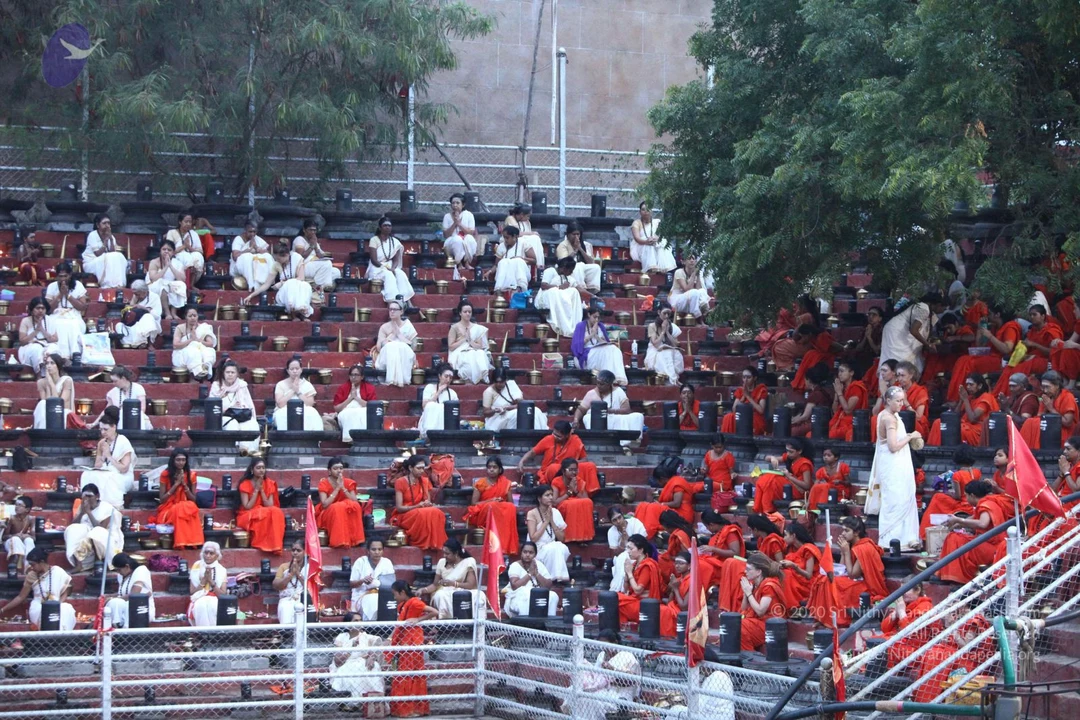
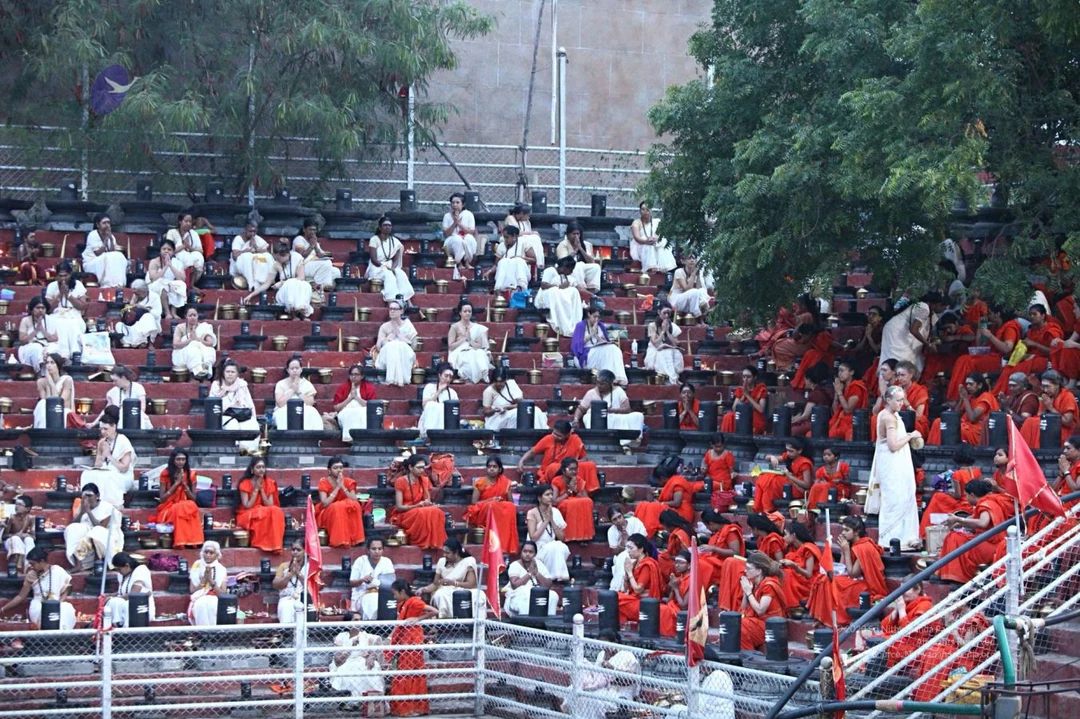 The delegates and Sanyasies performing Guru puja and Shiva puja at early morning.
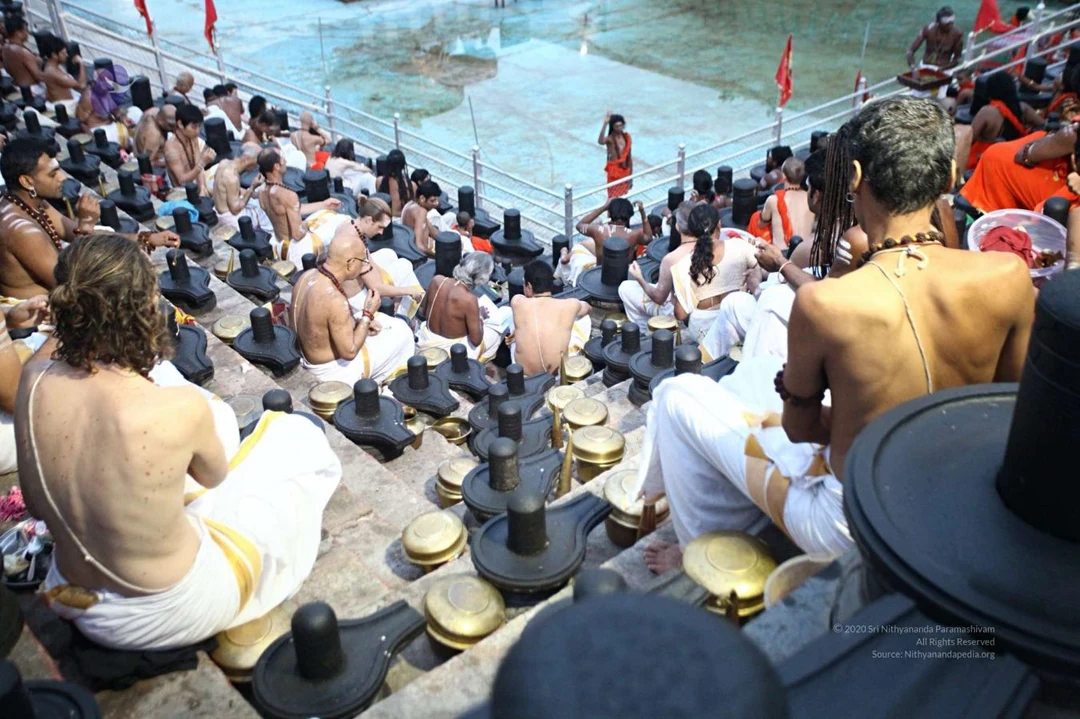 The delegates performing Guru puja and Shiva puja at early morning.
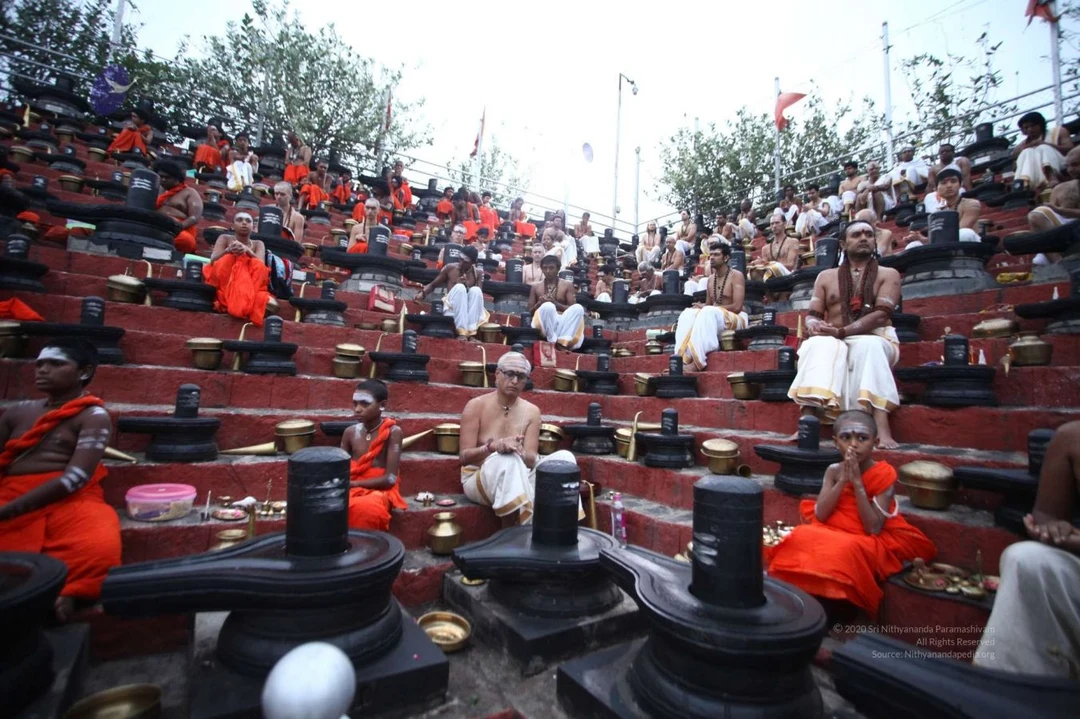 The delegates and the Balasanths performing Guru puja and Shiva Puja at early morning
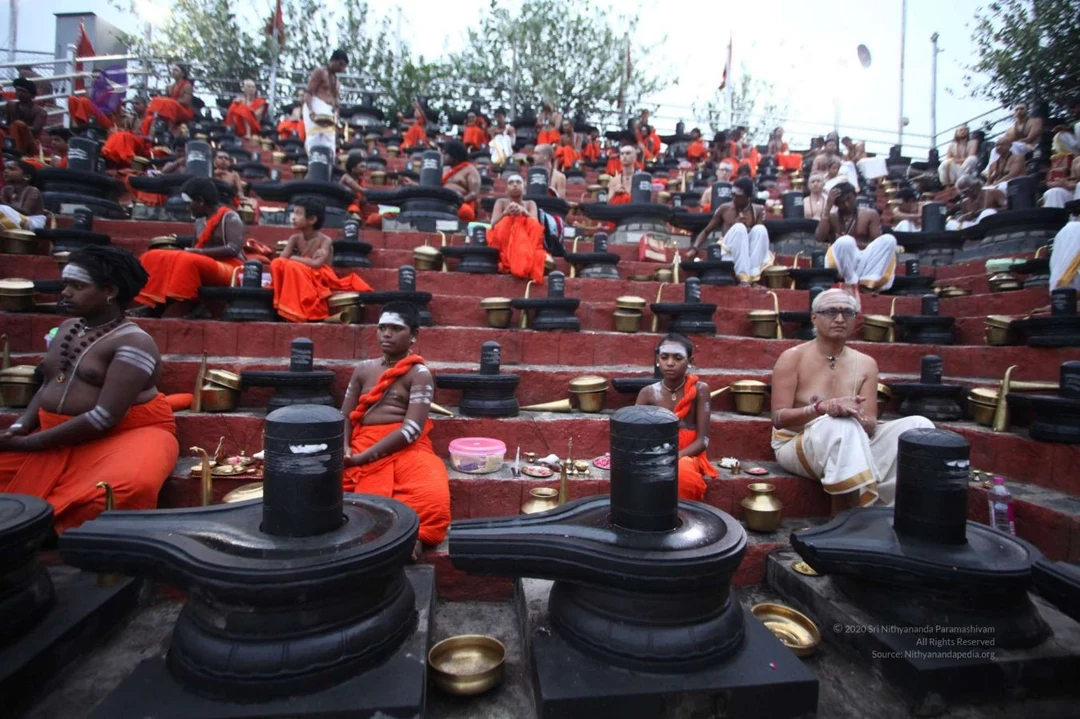 The delegates and the Balasanths performing Guru puja and Shiva Puja at early morning
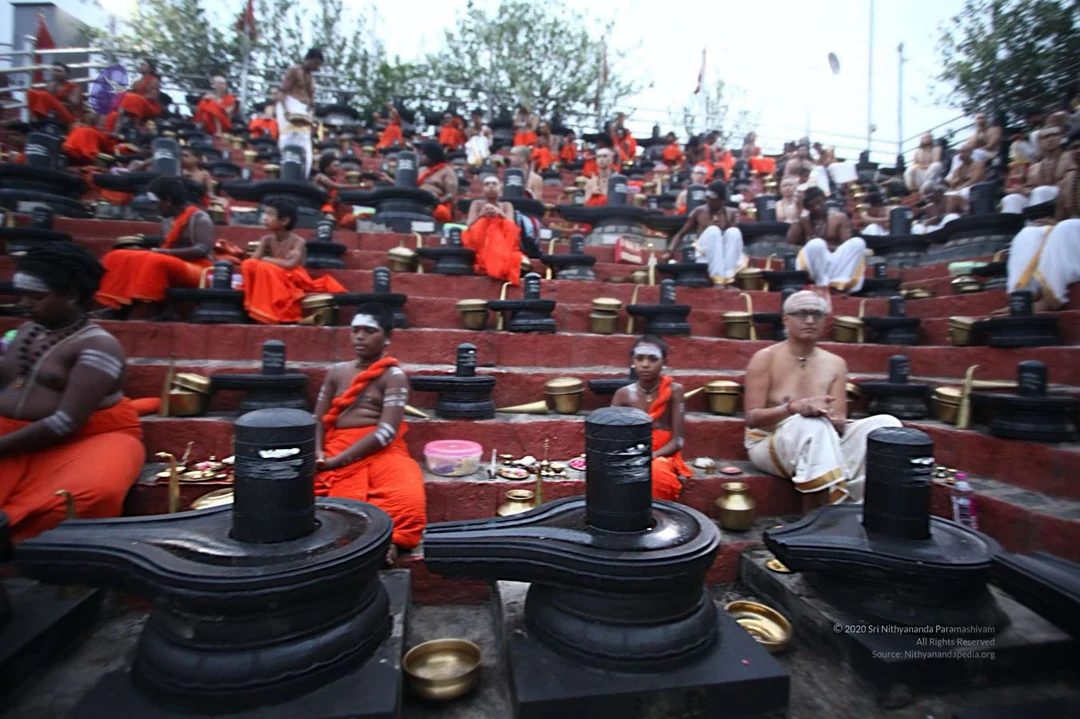 The delegates and the Balasanths performing Guru puja and Shiva Puja at early morning
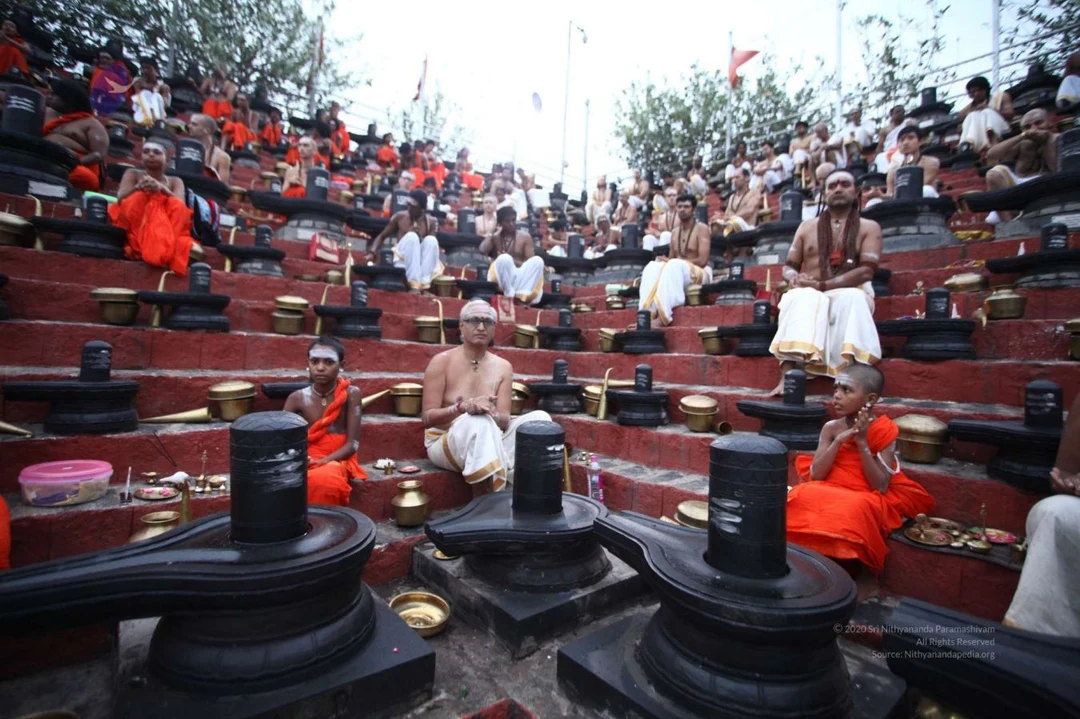 The delegates and the Balasanths performing Guru puja and Shiva puja early morning
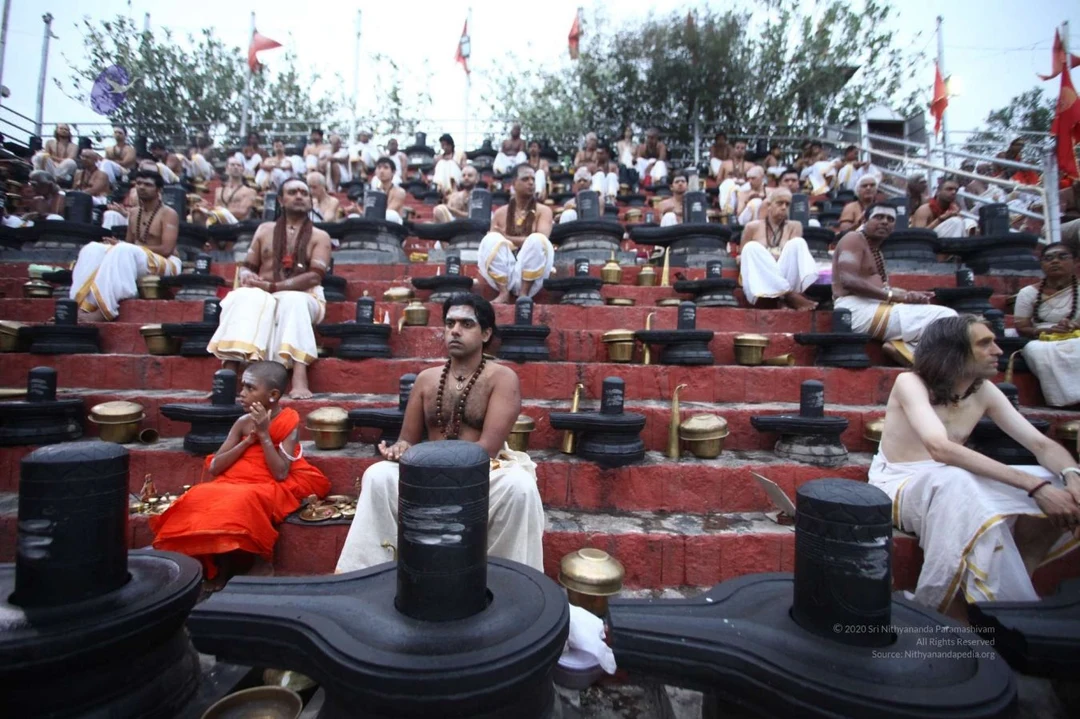 The delegates and the Balasanths performing Guru puja and Shiva puja at early morning
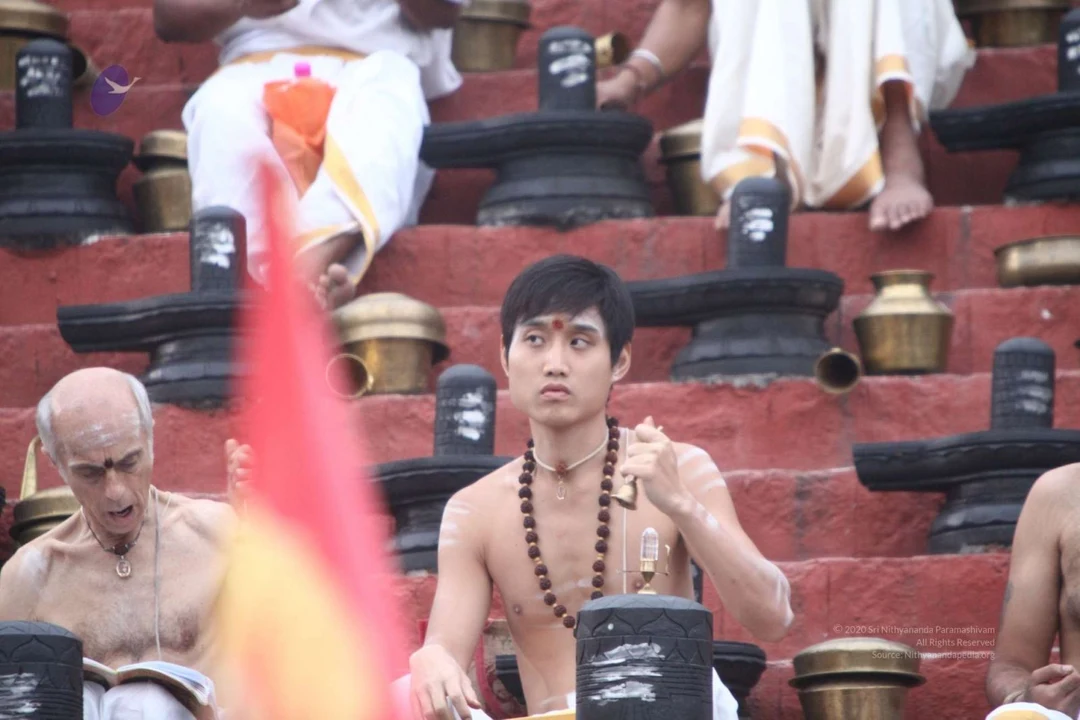 The delegates performing Guru puja and Shiva puja at early morning.
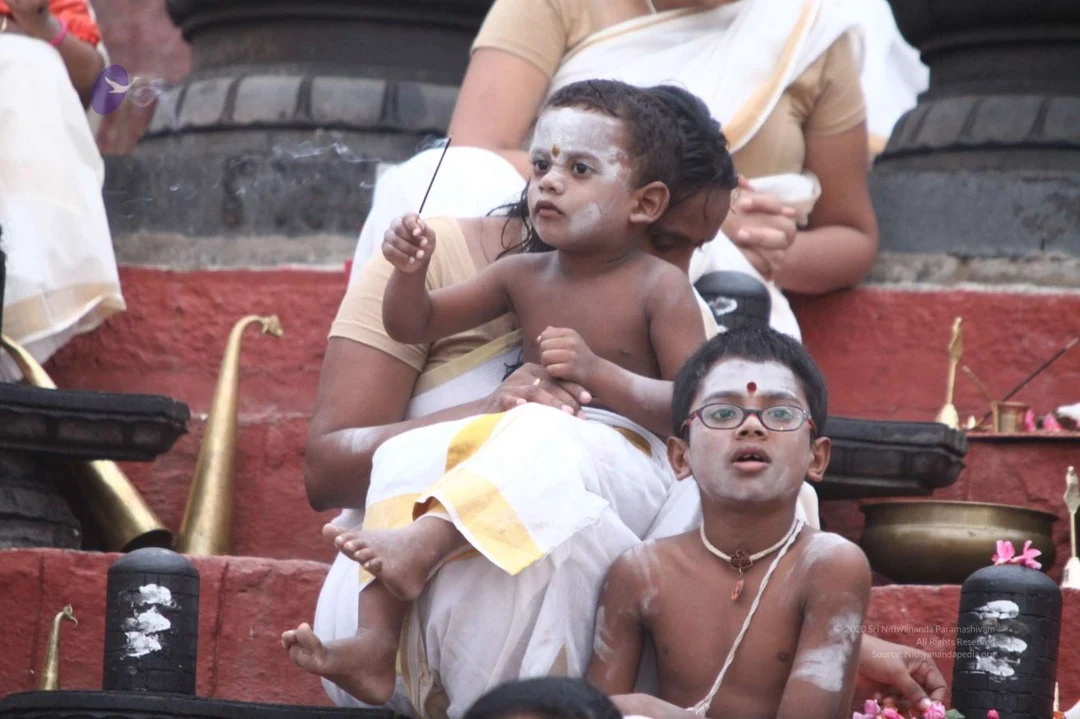 The delegates performing Guru puja and Shiva puja at early morning.
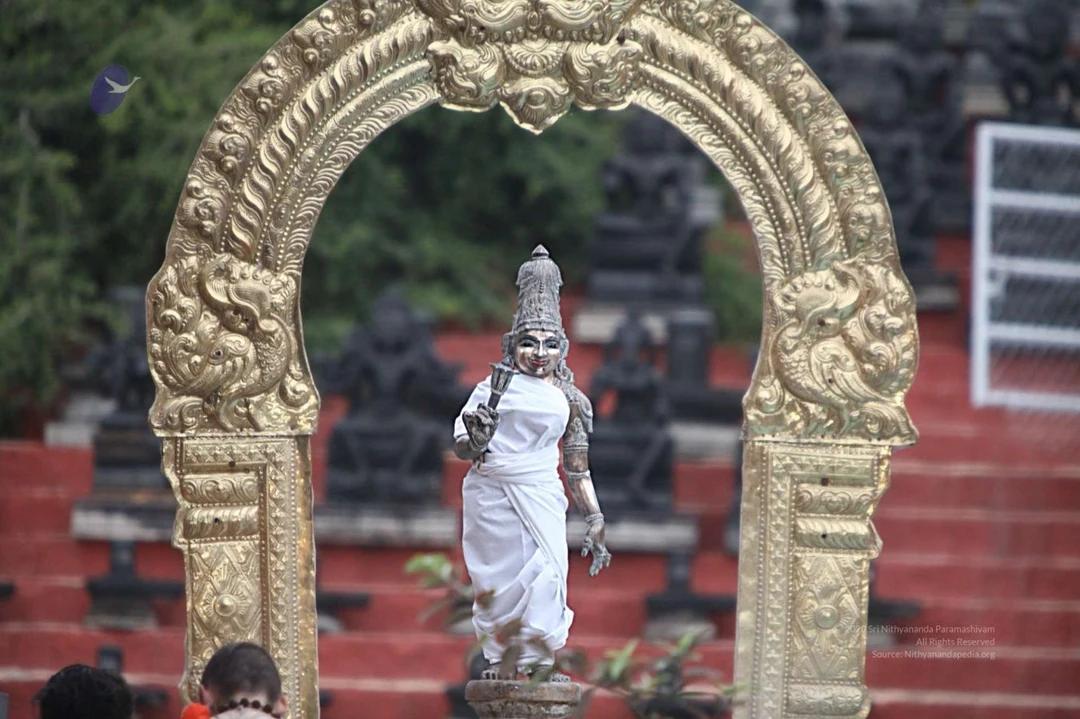 The living mother Parashakti diety during Abishikam the Sacred Bath Rituals
 HDH Nithyananda Paramashivam diety during the Sacred Bath Rituals
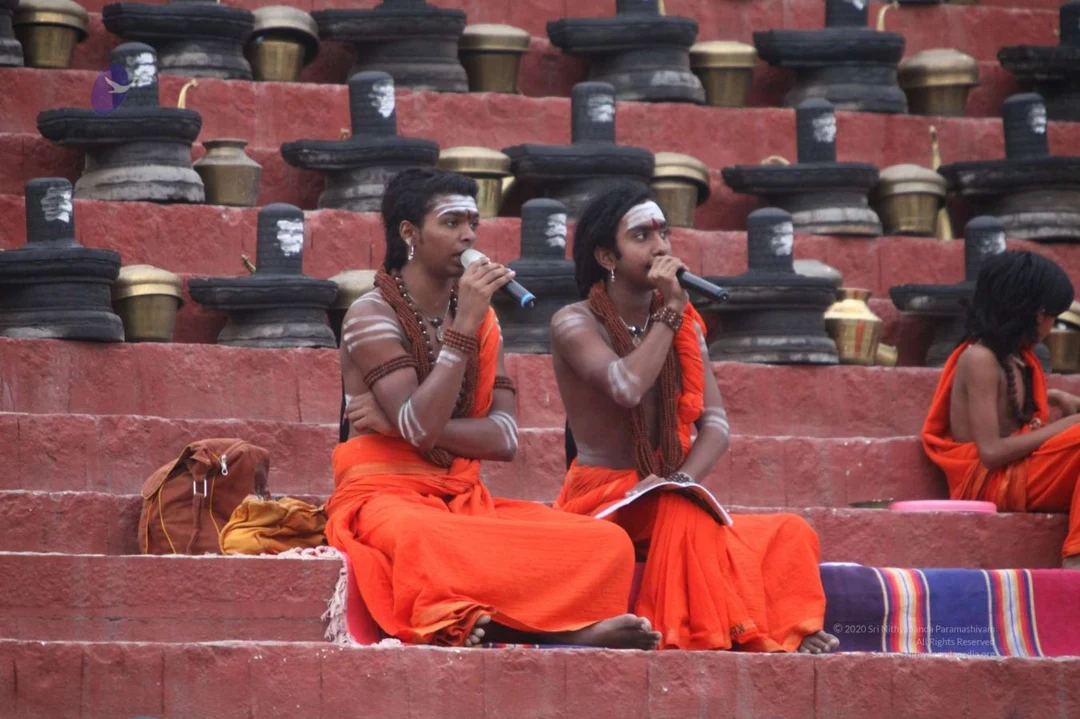 Balasanths chanting during the Sacred Bath Rituals
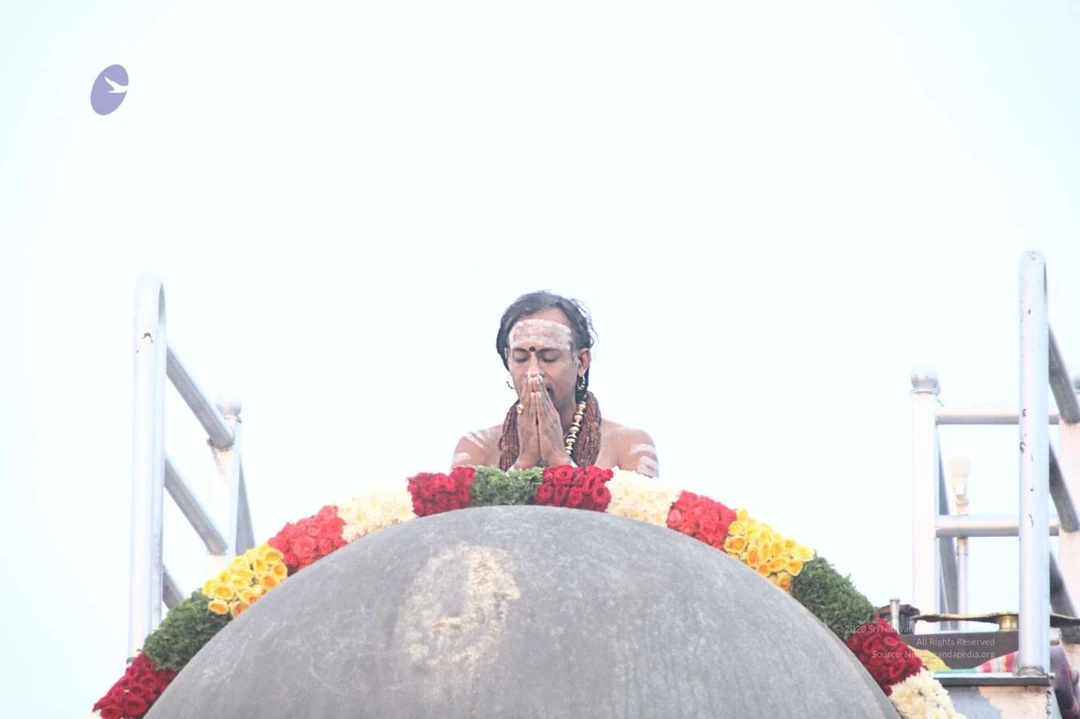 A Kailasavasi praying in front of Shiva Linga
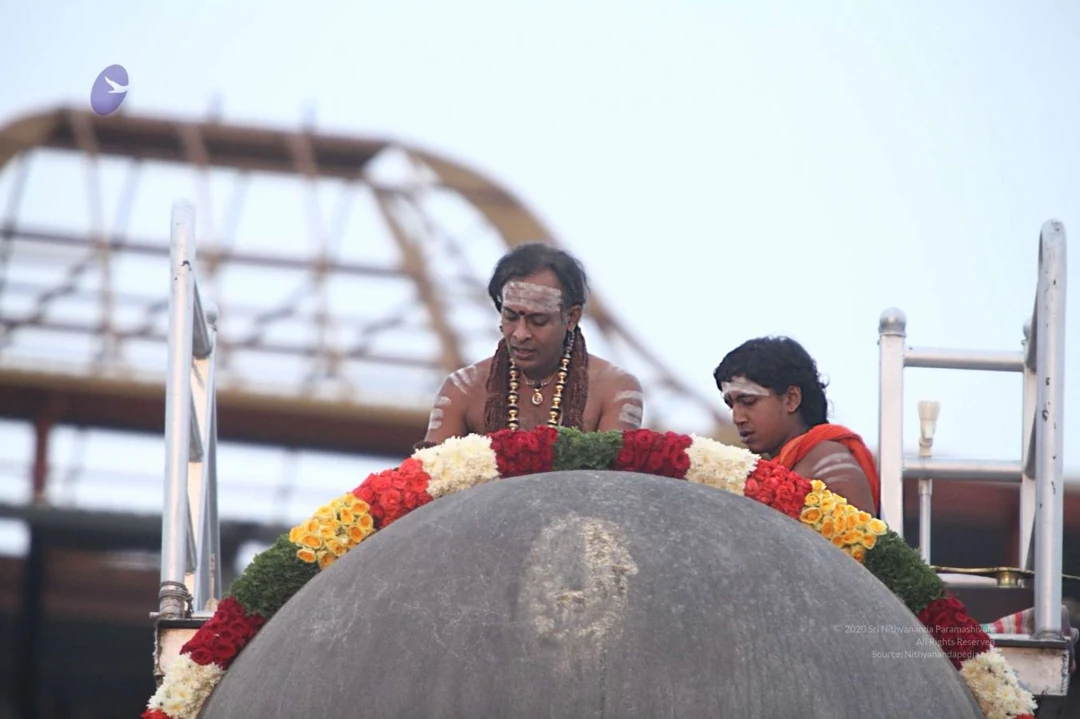 A Kailasavasi and a balasanth performing the Abishikam rituals for Shiva Linga
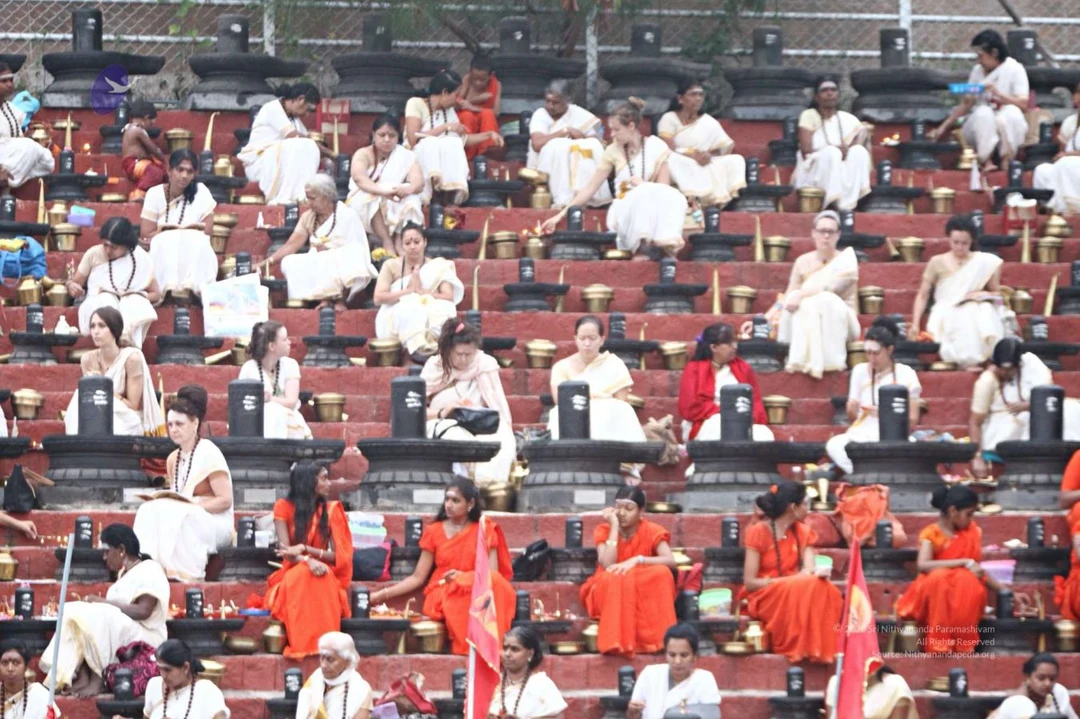 The delegates and the Balasanths performing Guru puja and Shiva puja at early morning
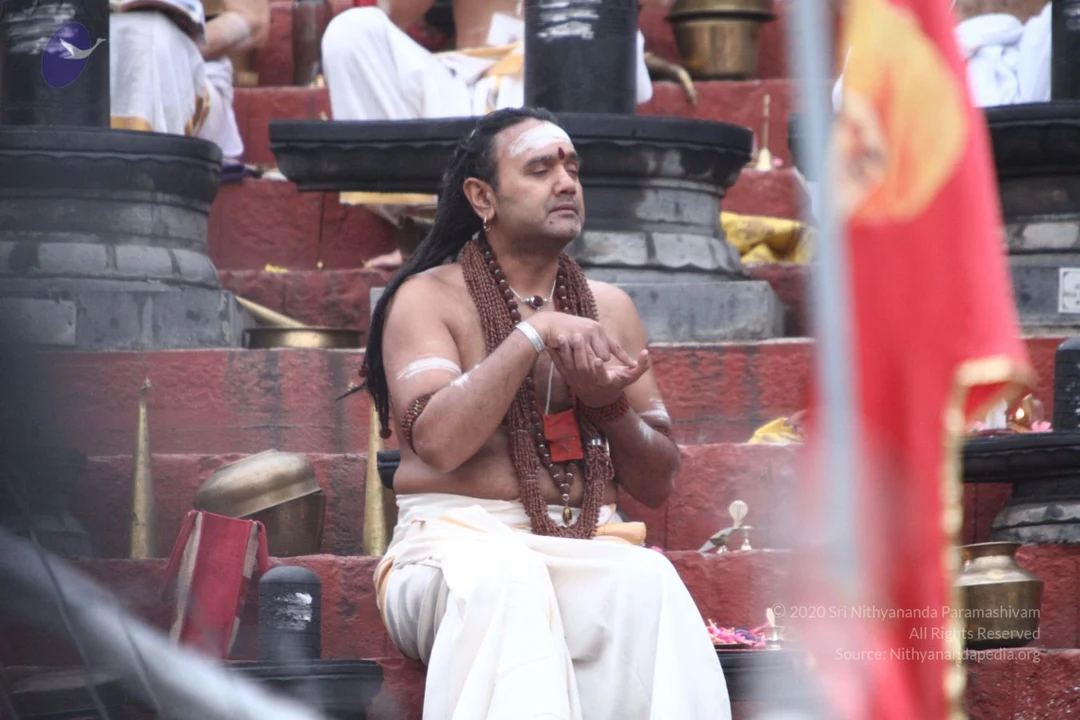
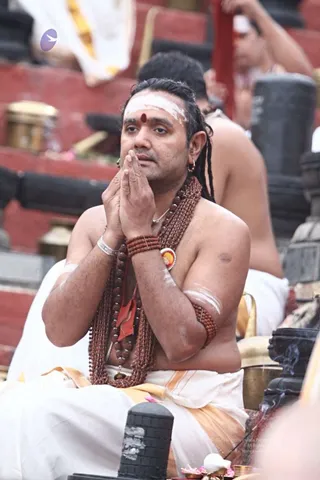 A delegate performing Guru puja and Shiva puja at early morning
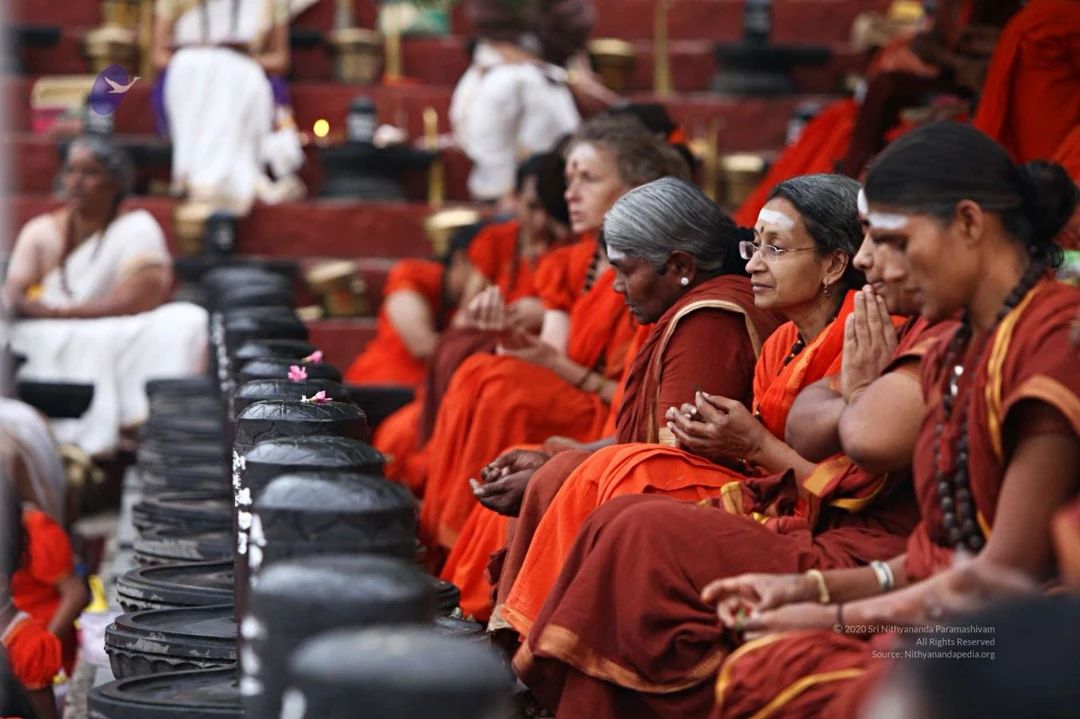 A group of Sanyasies performing Guru puja and Shiva puja at early morning.
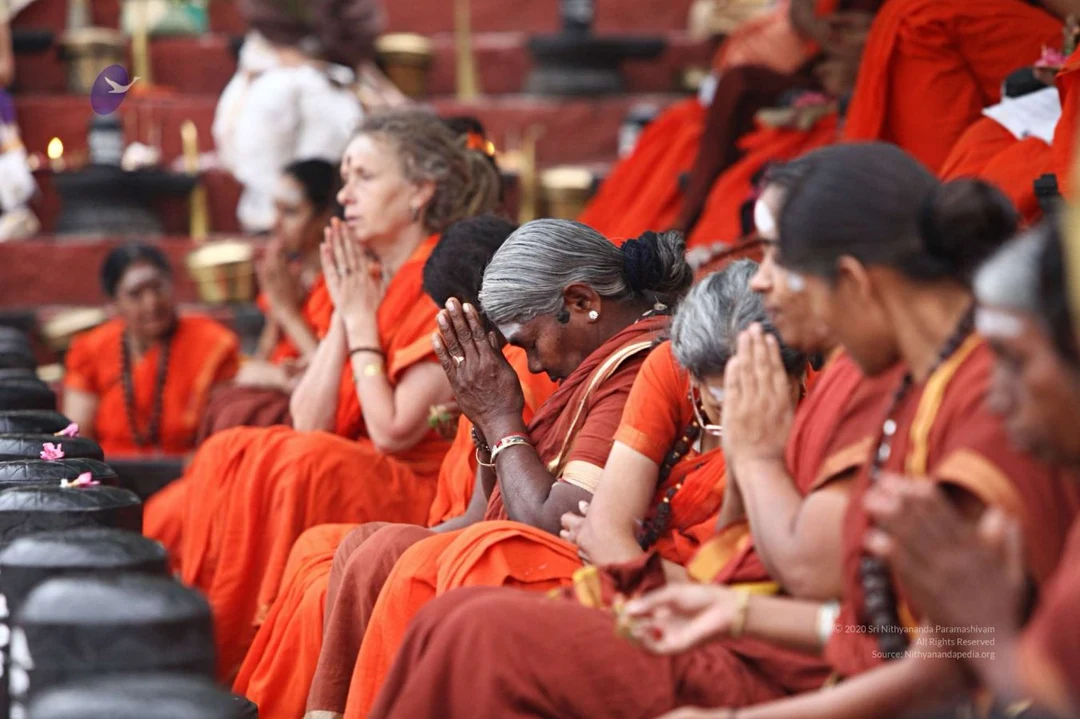 A group of Sanyasies performing Guru puja and Shiva puja at early morning.
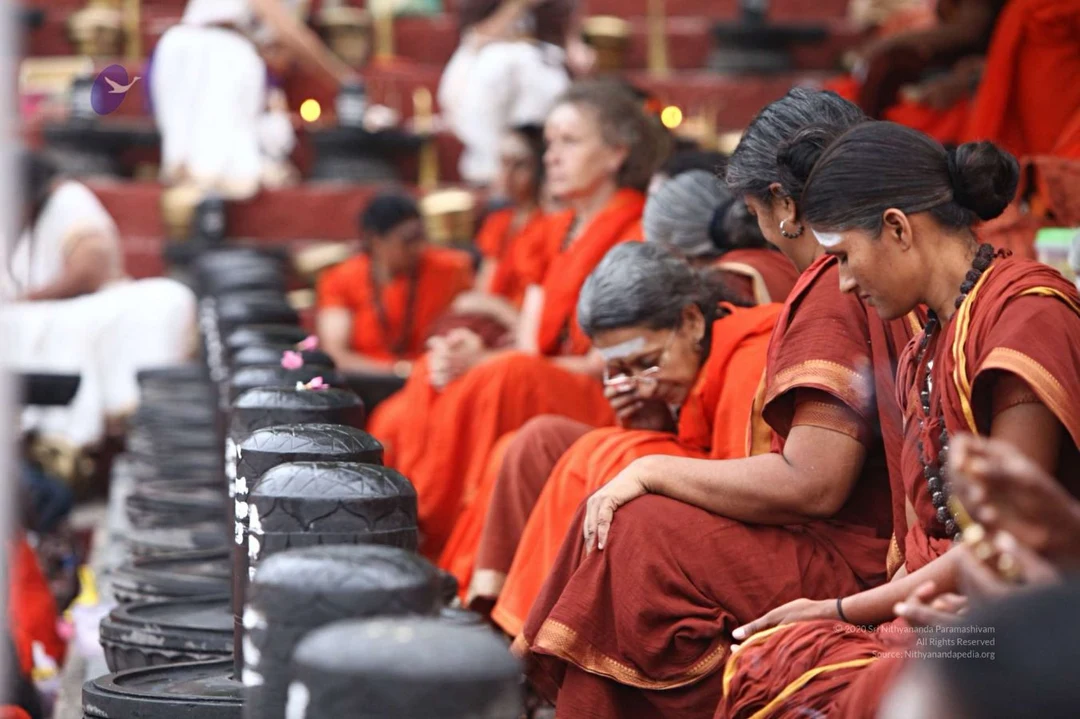 A group of Sanyasies performing Guru puja and Shiva puja at early morning.
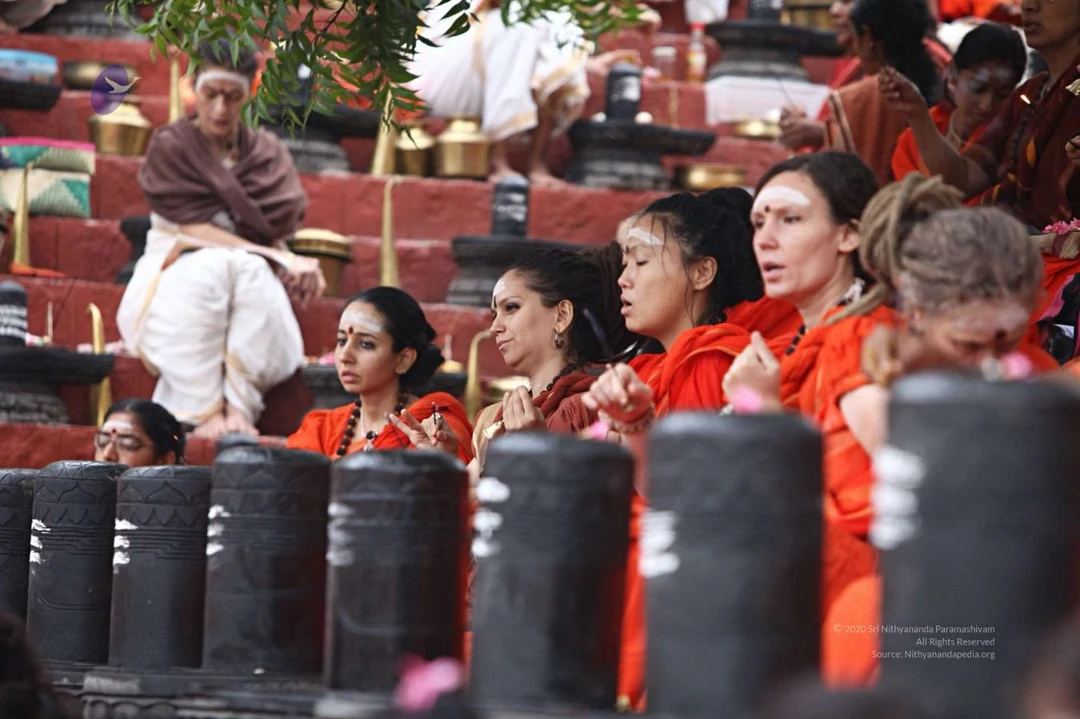 A group of Sanyasies performing Guru puja and Shiva puja at early morning.
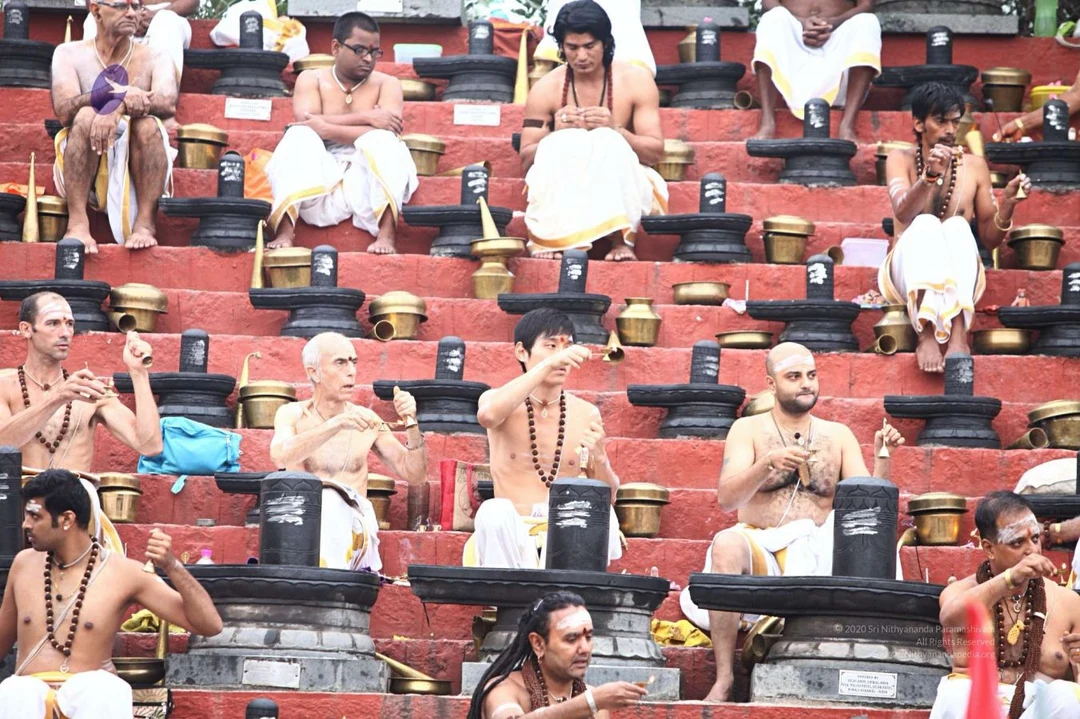 The delegates performing Guru puja and Shiva Puja at early morning.
 The delegates performing Guru puja and Shiva puja at early morning.
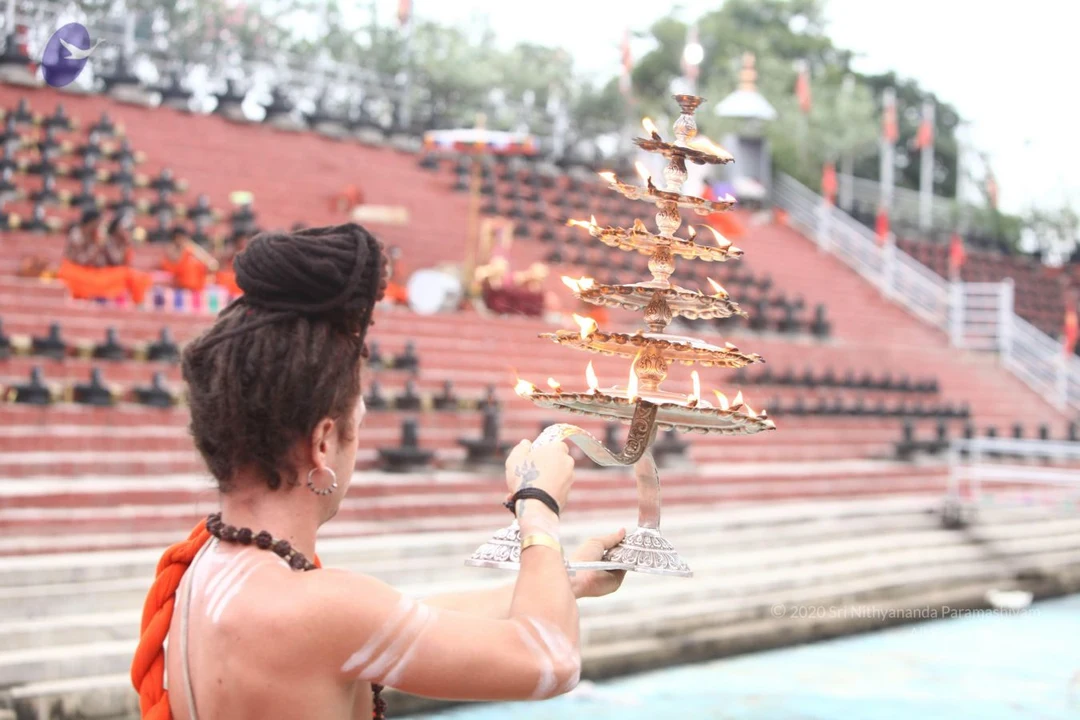
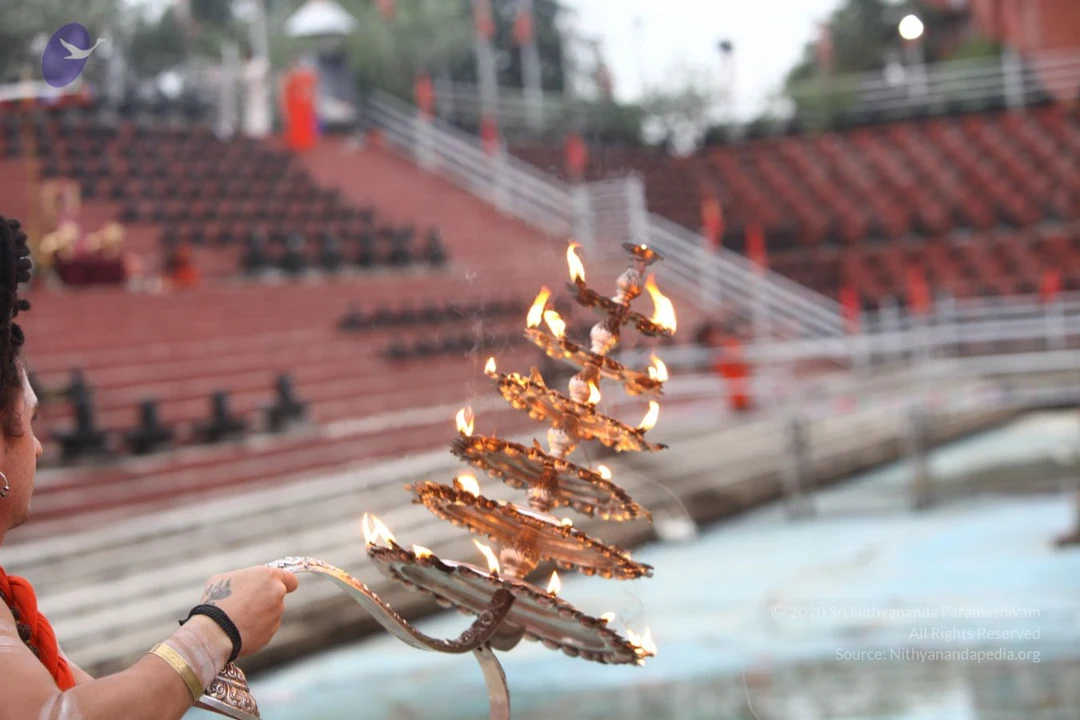
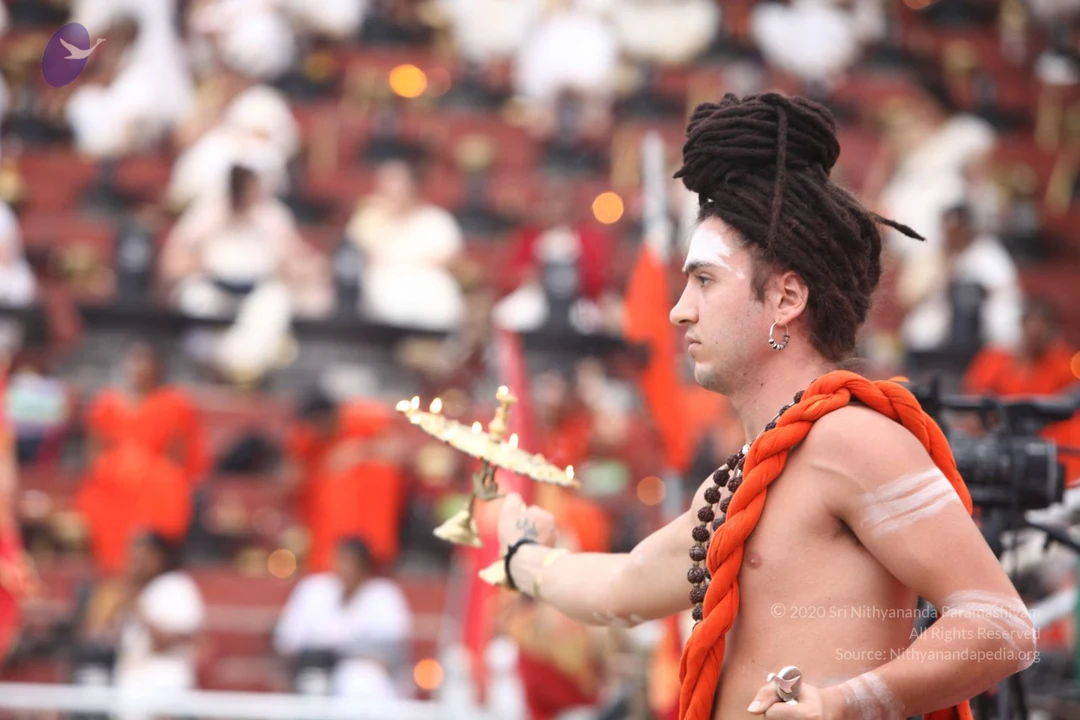
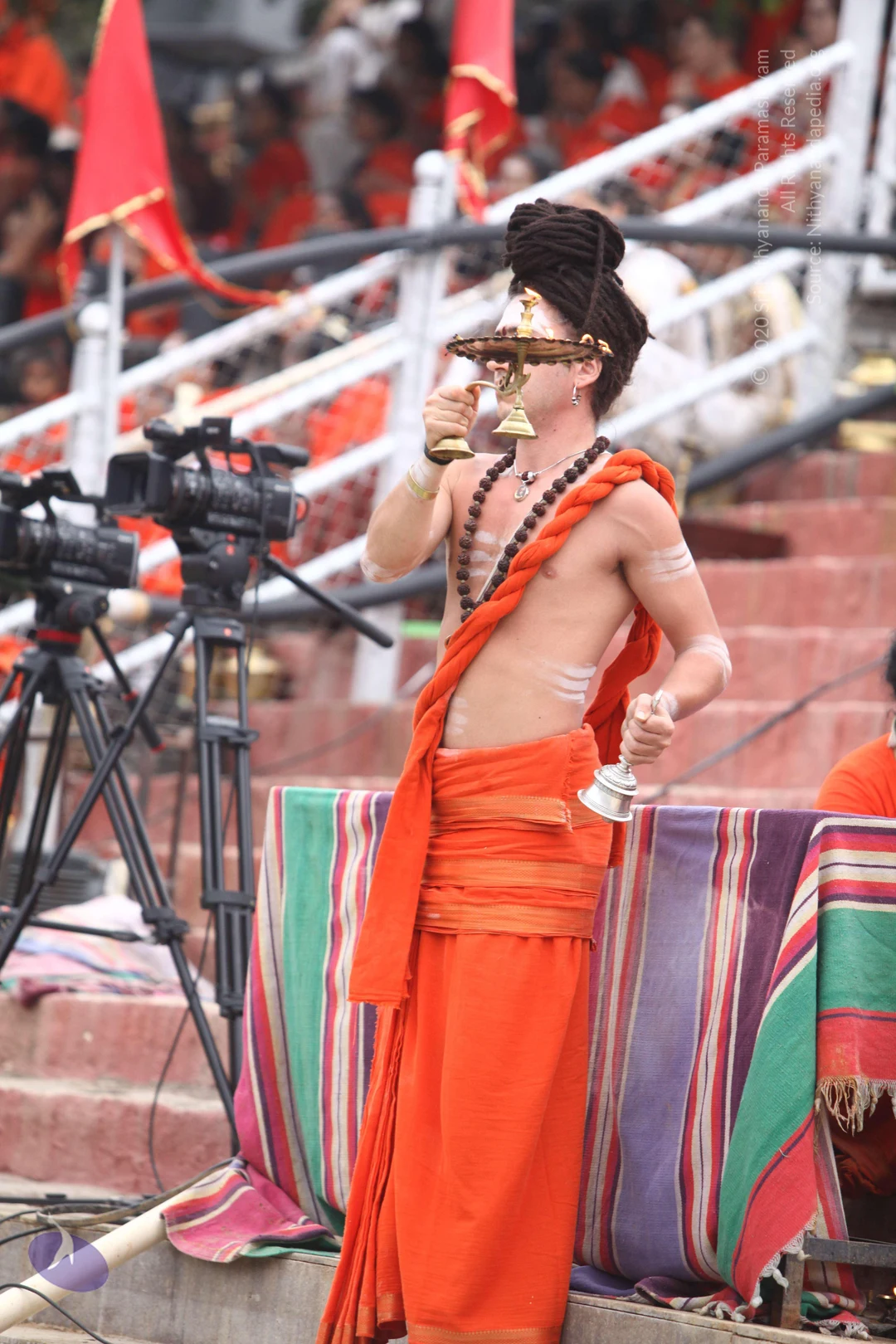
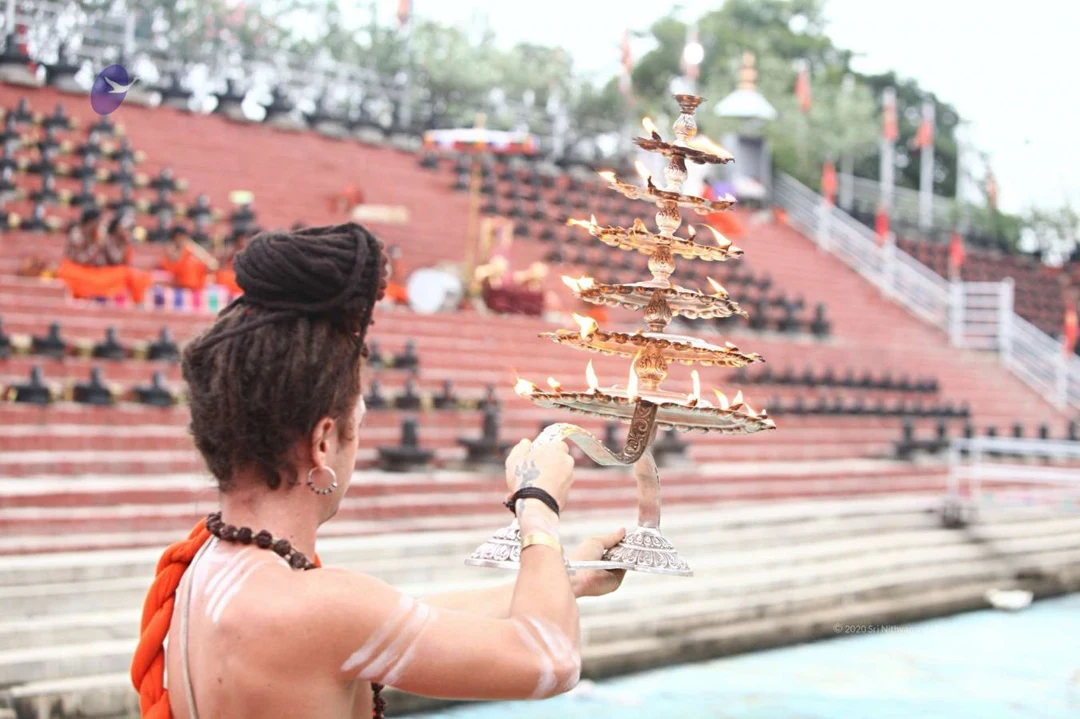 Deepa offering by a Sanyasi during the Guru puja and Shiva puja at early morning.
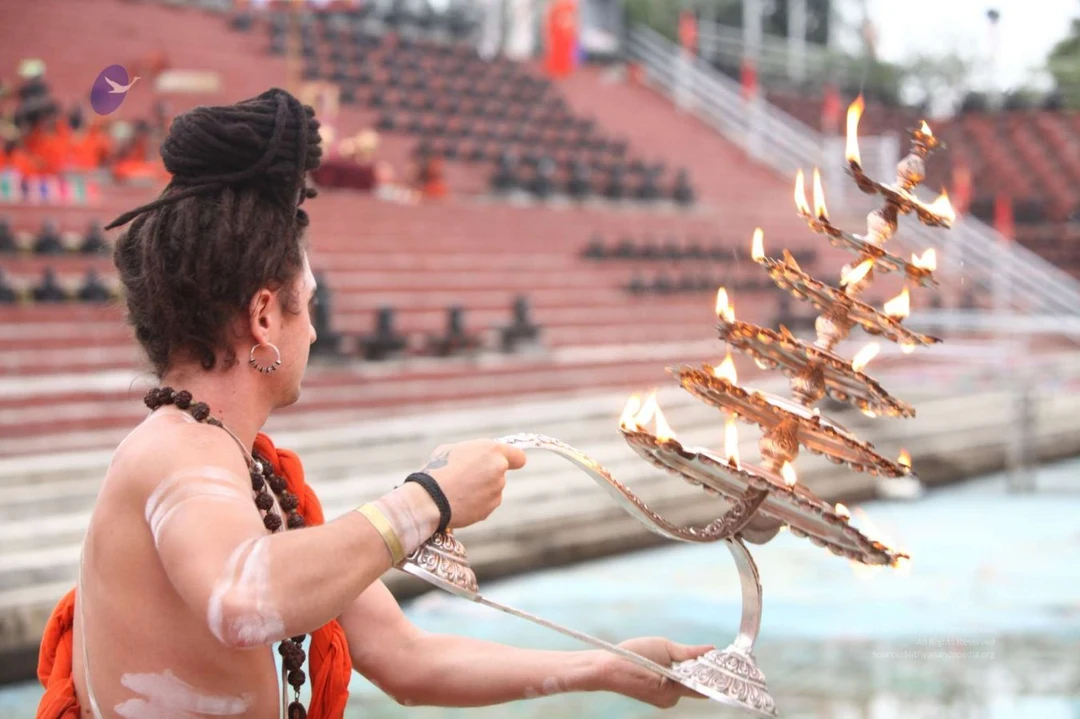 Deepa offering by a Sanyasi during the Guru puja and Shiva puja at early morning.
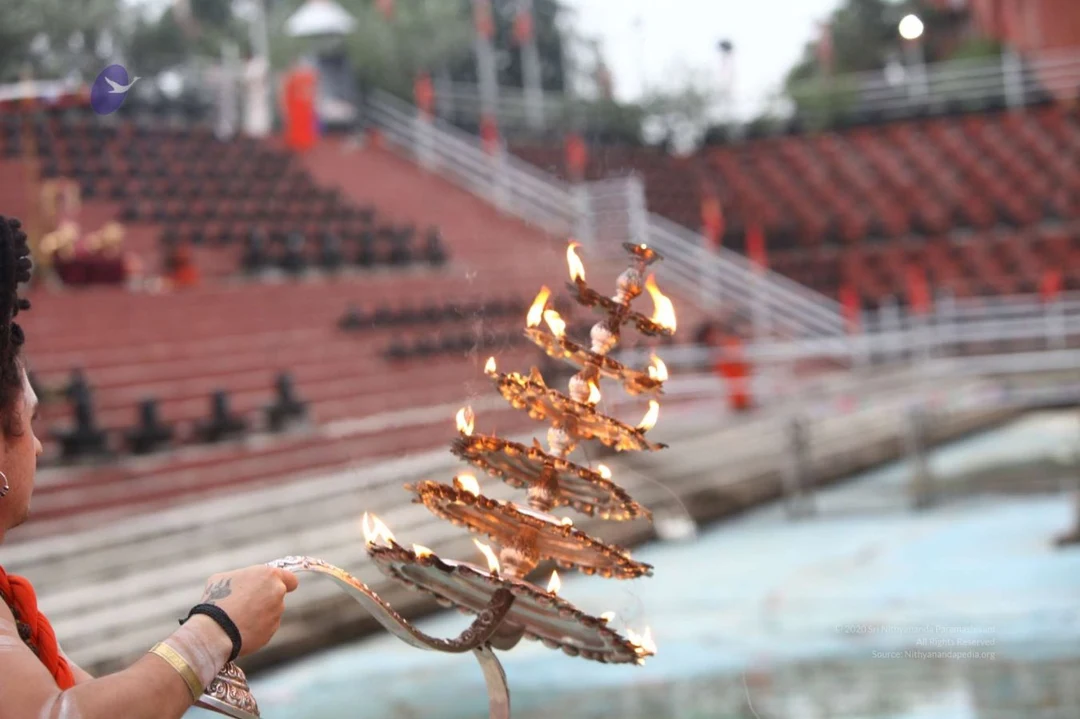 Deepa offering by a Sanyasi during the Guru puja and Shiva puja at early morning.
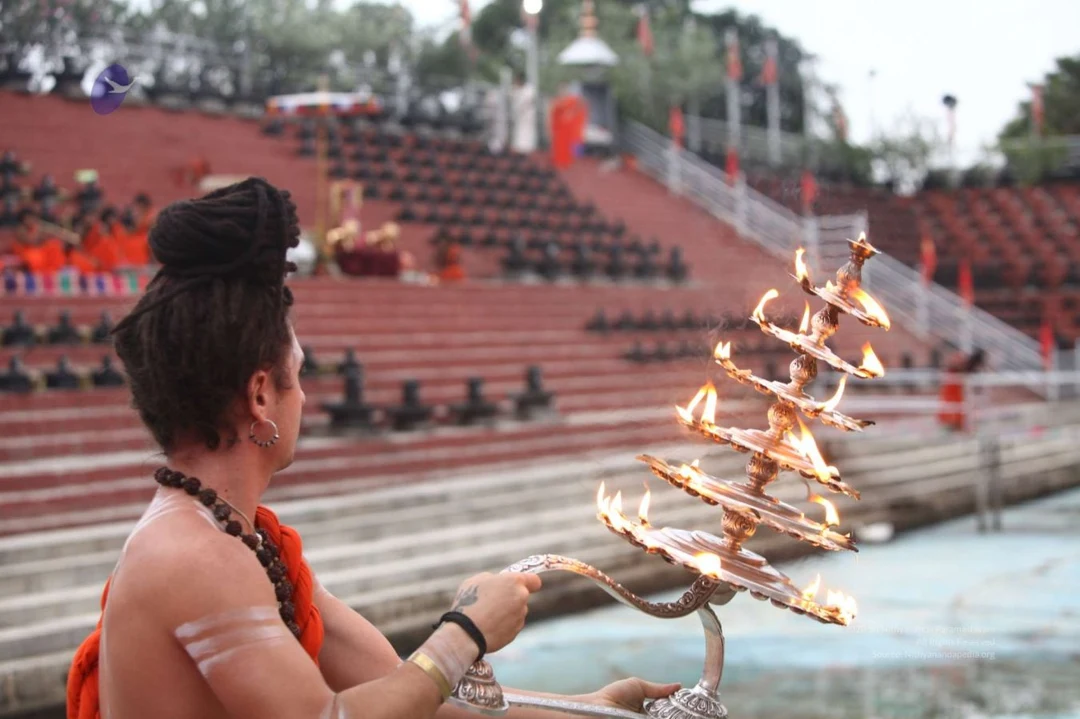 Deepa offering by a Sanyasi during the Guru puja and Shiva puja at early morning.
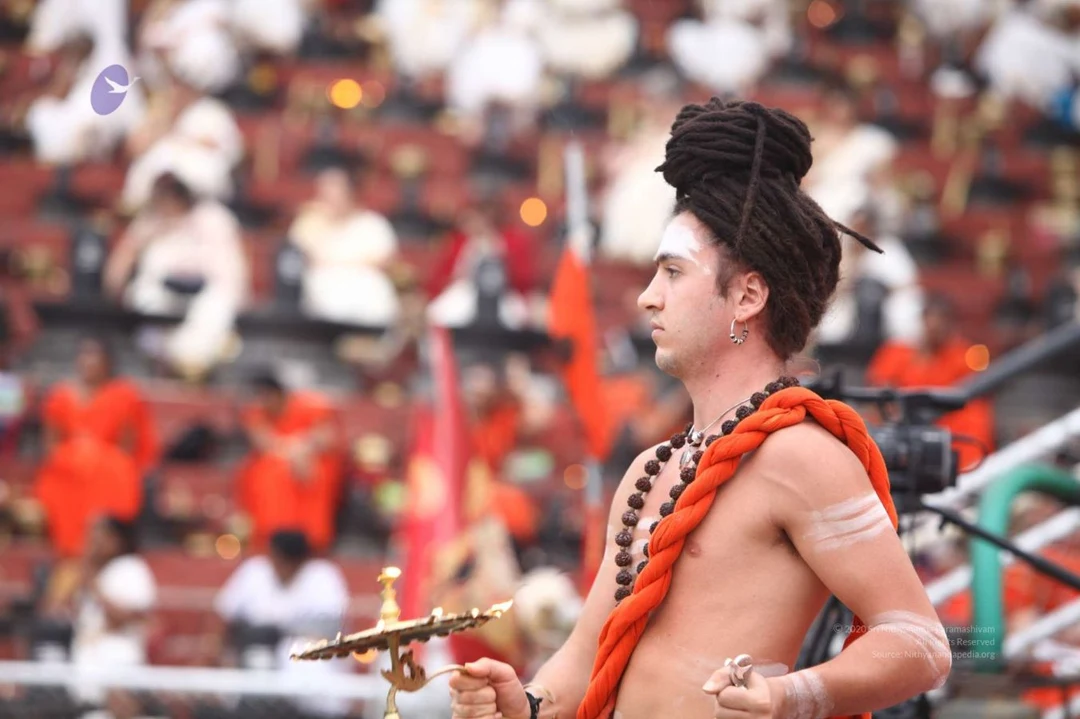 Deepa offering by a Sanyasi during the Guru puja and Shiva puja at early morning.
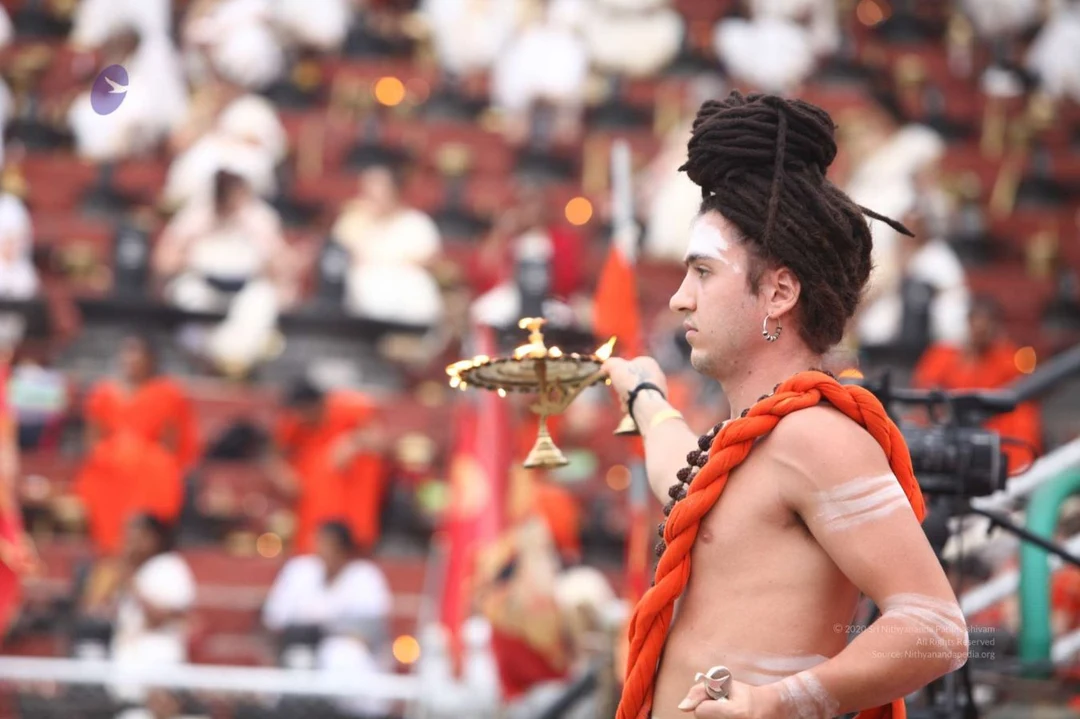 Deepa offering by a Sanyasi during the Guru puja and Shiva puja at early morning.
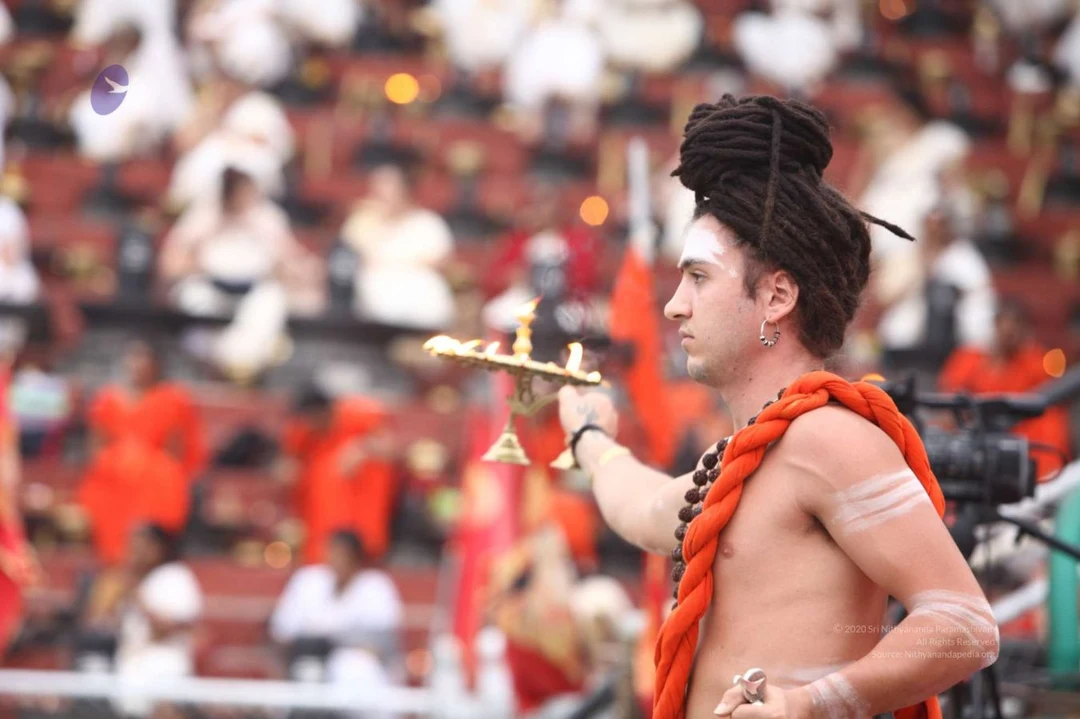 Deepa offering by a Sanyasi during the Guru puja and Shiva puja at early morning.
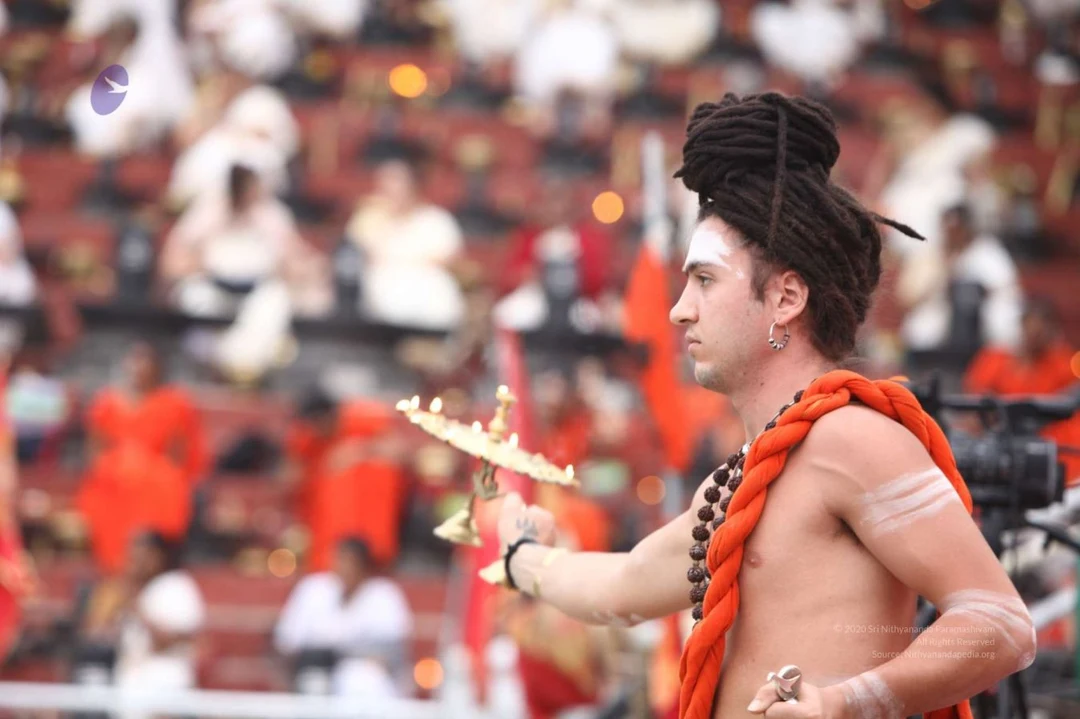 Deepa offering by a Sanyasi during the Guru puja and Shiva puja at early morning.
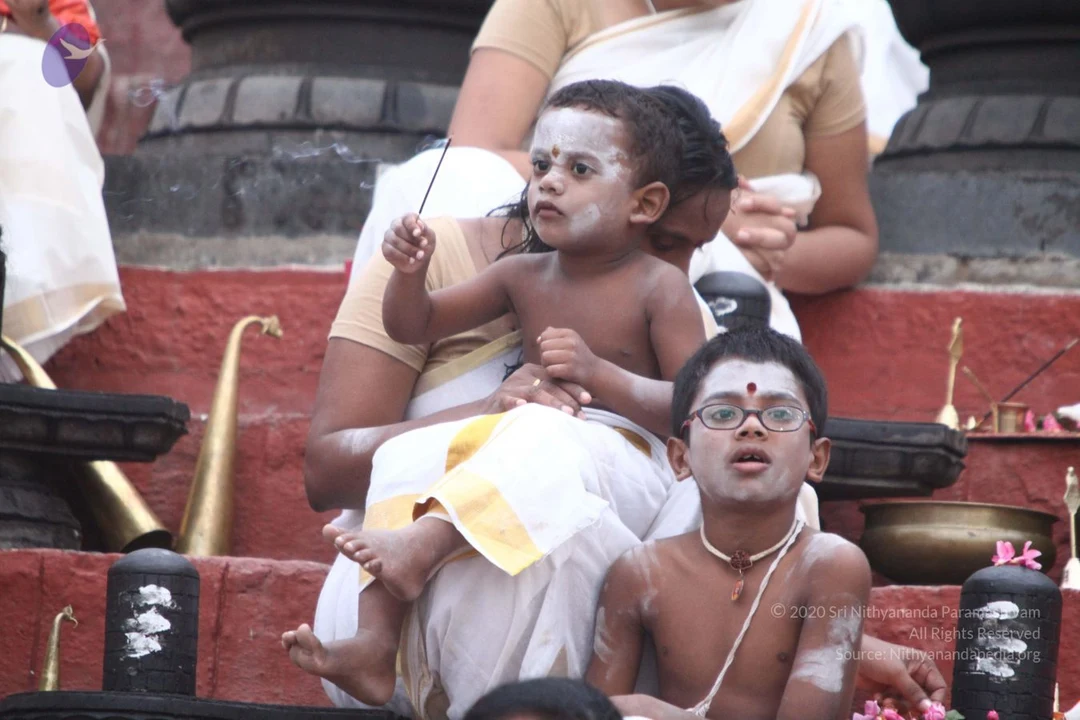
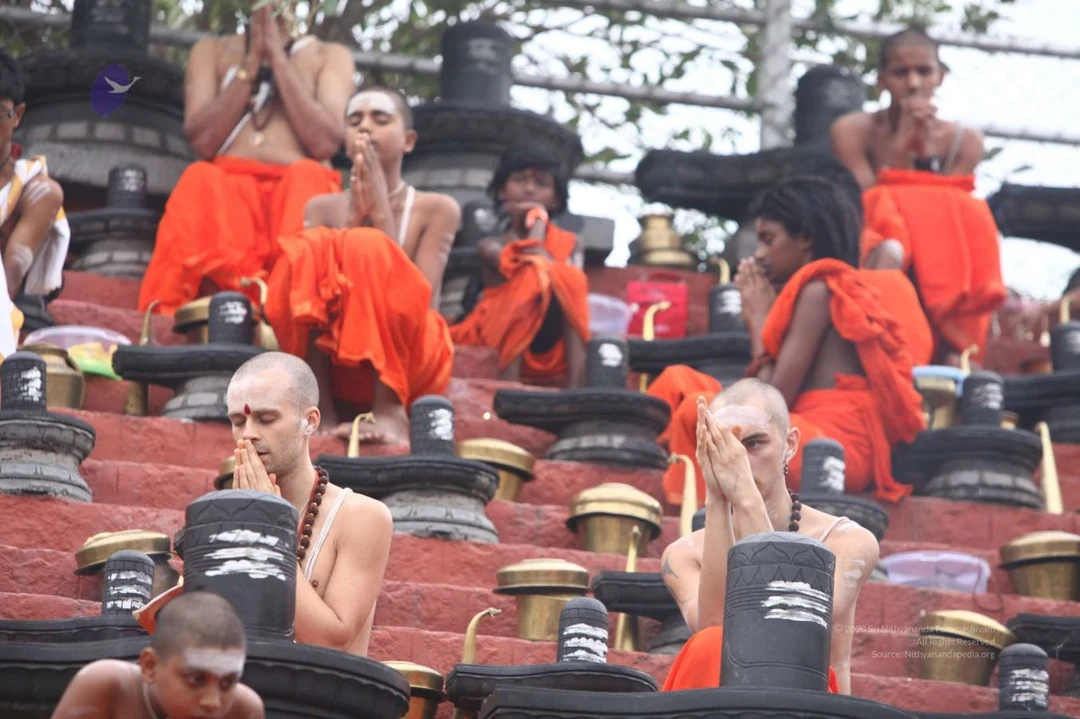 Balasanths performing Guru puja and Shiva puja at early morning.
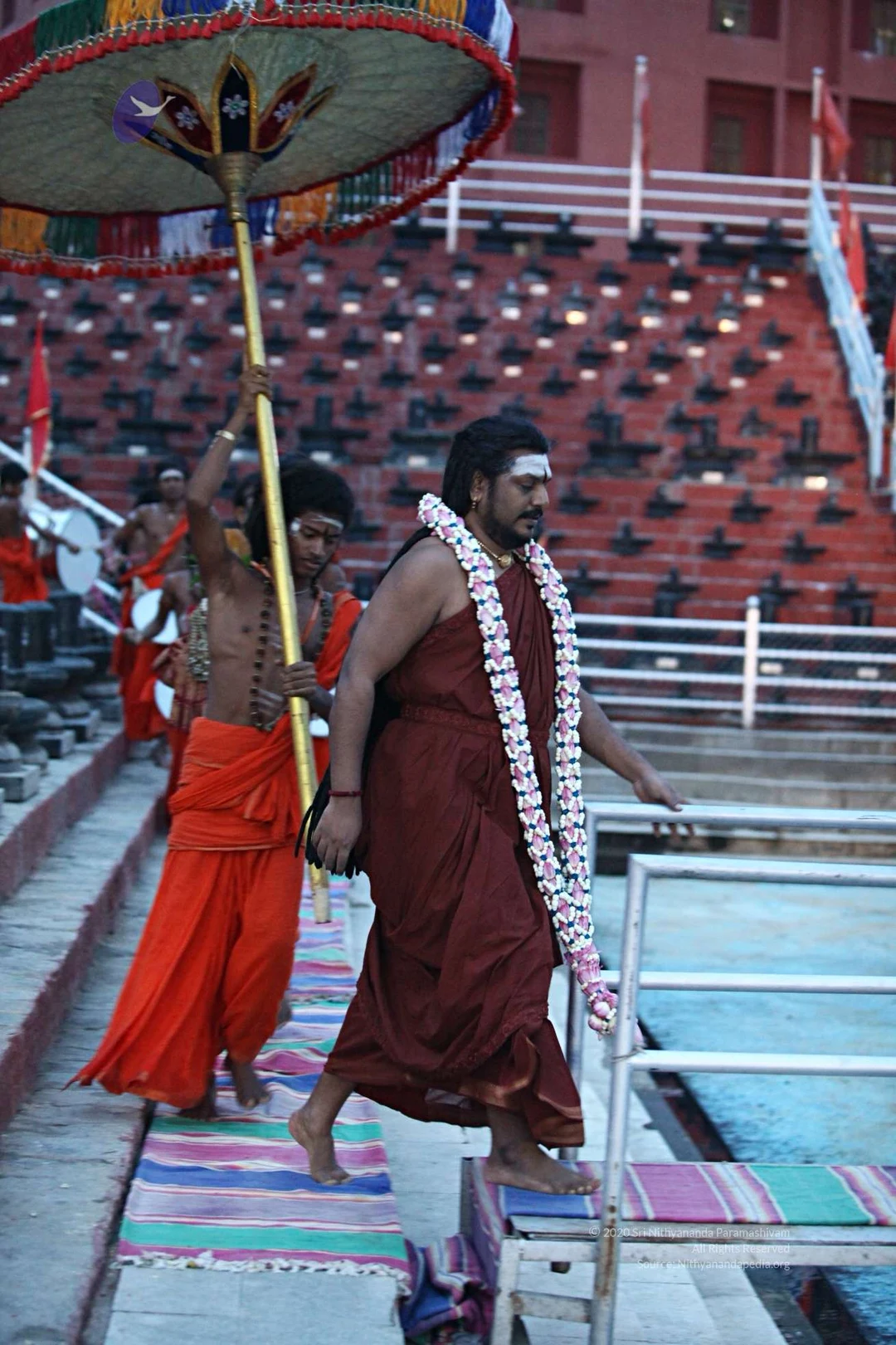
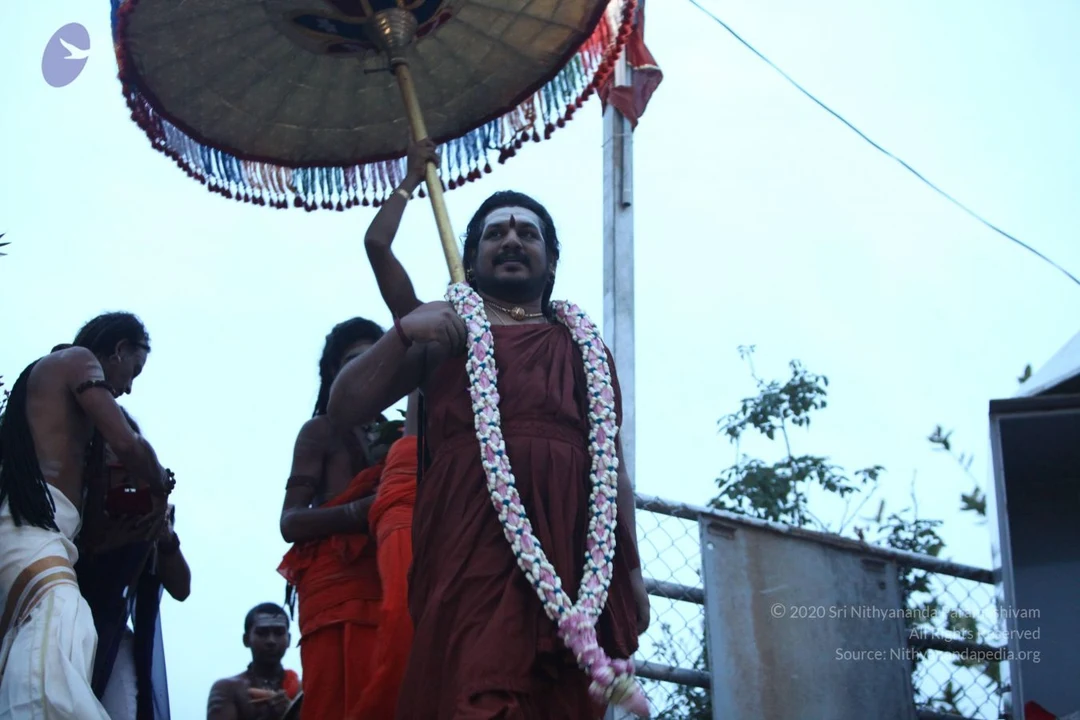
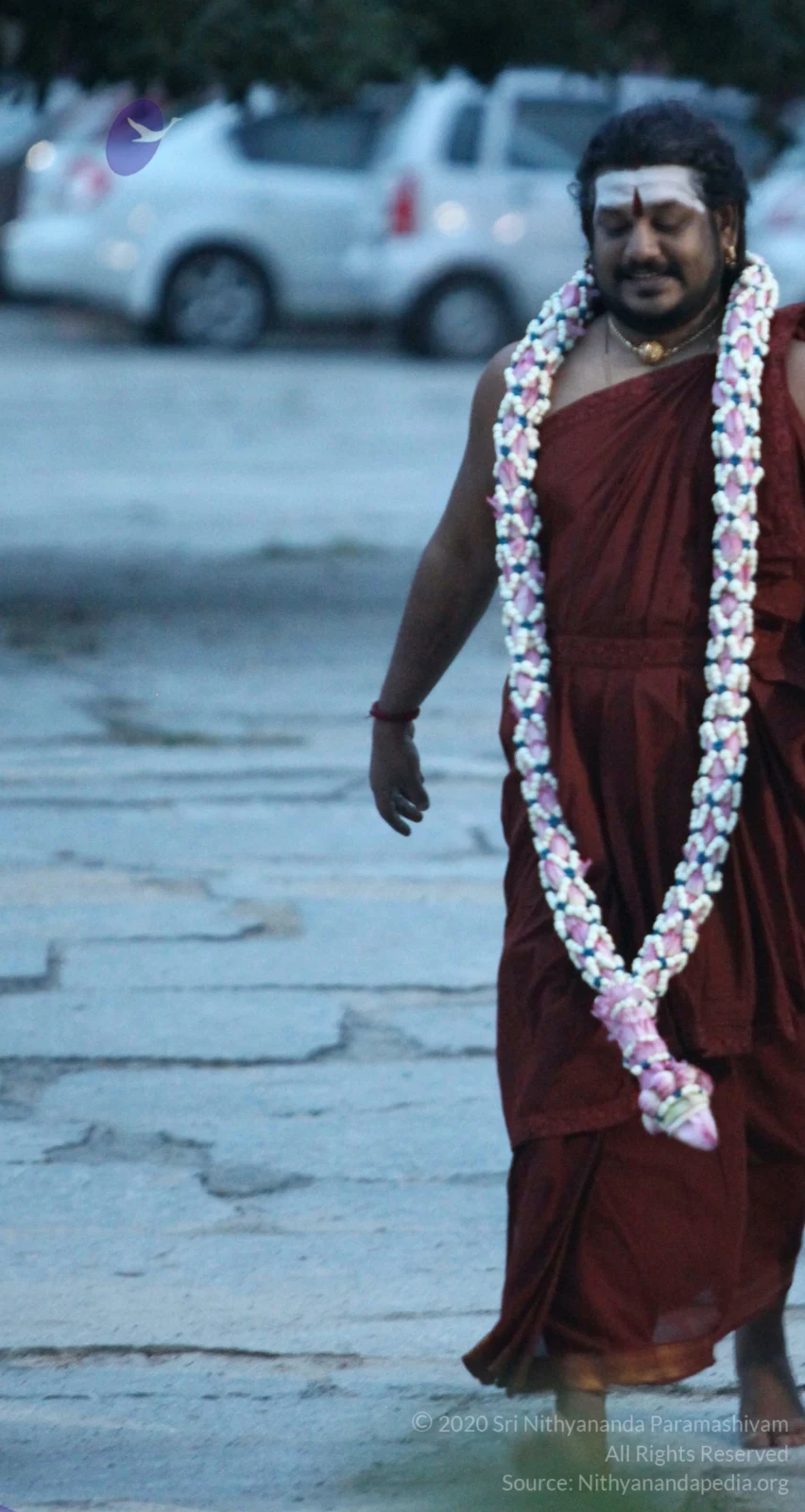
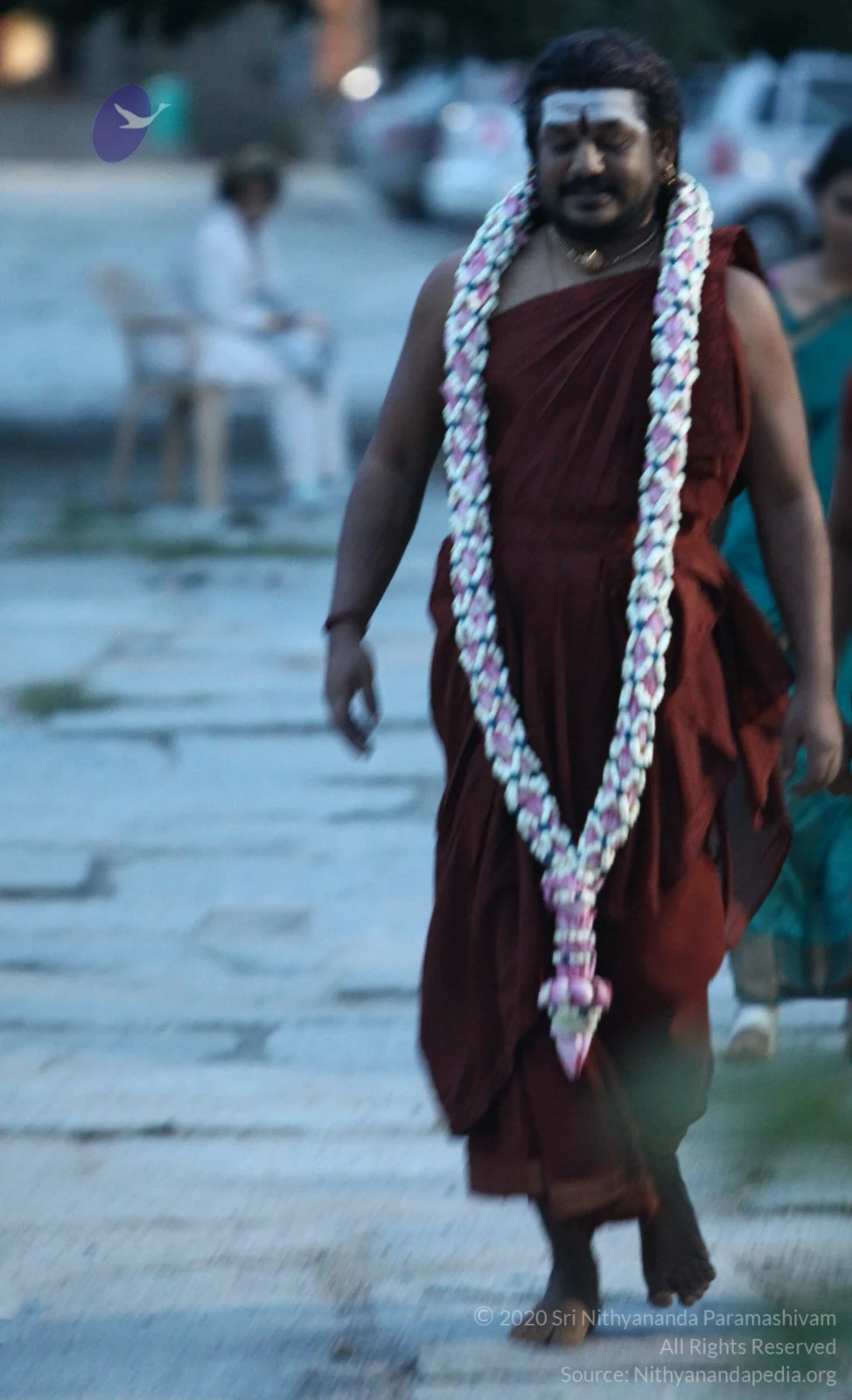
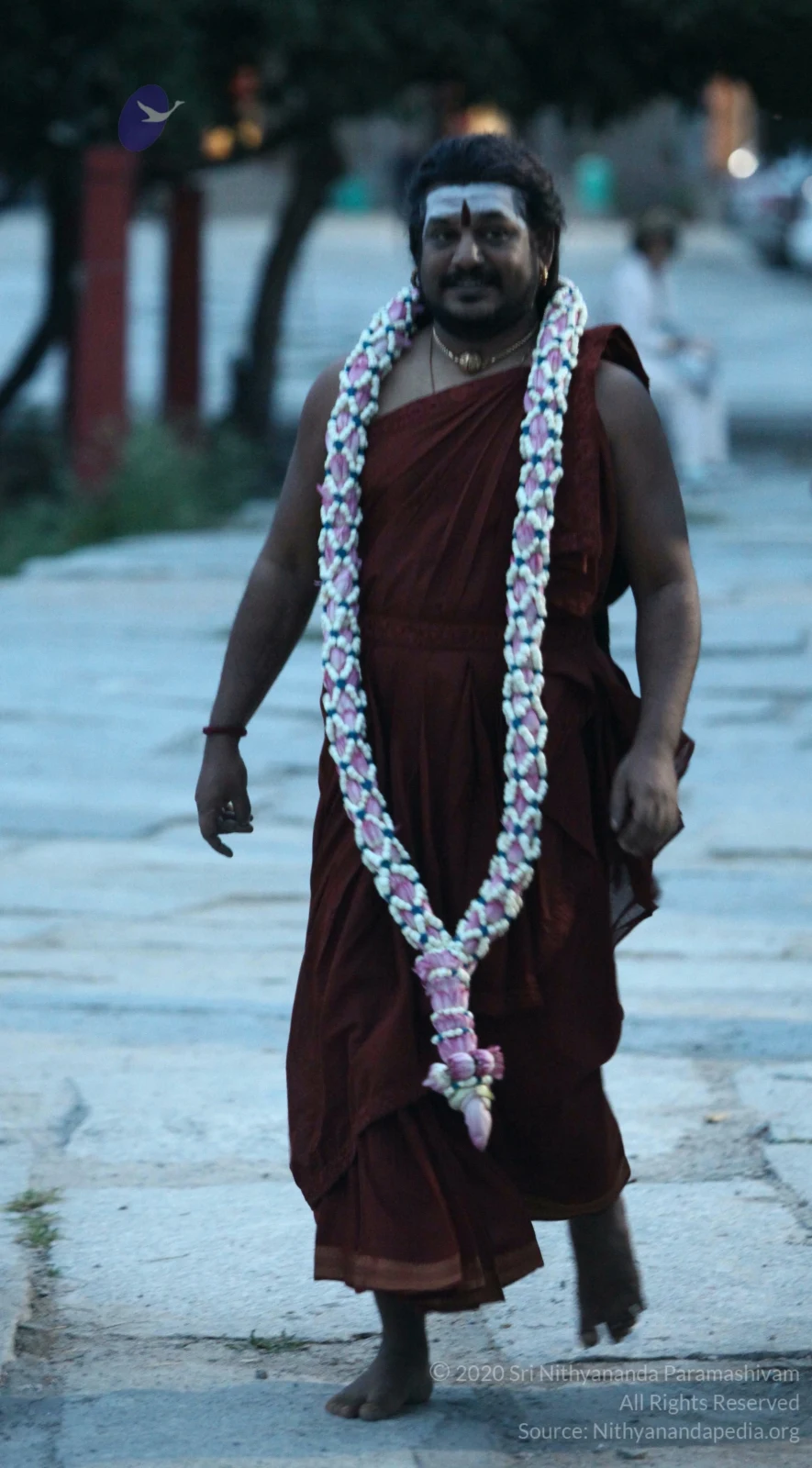
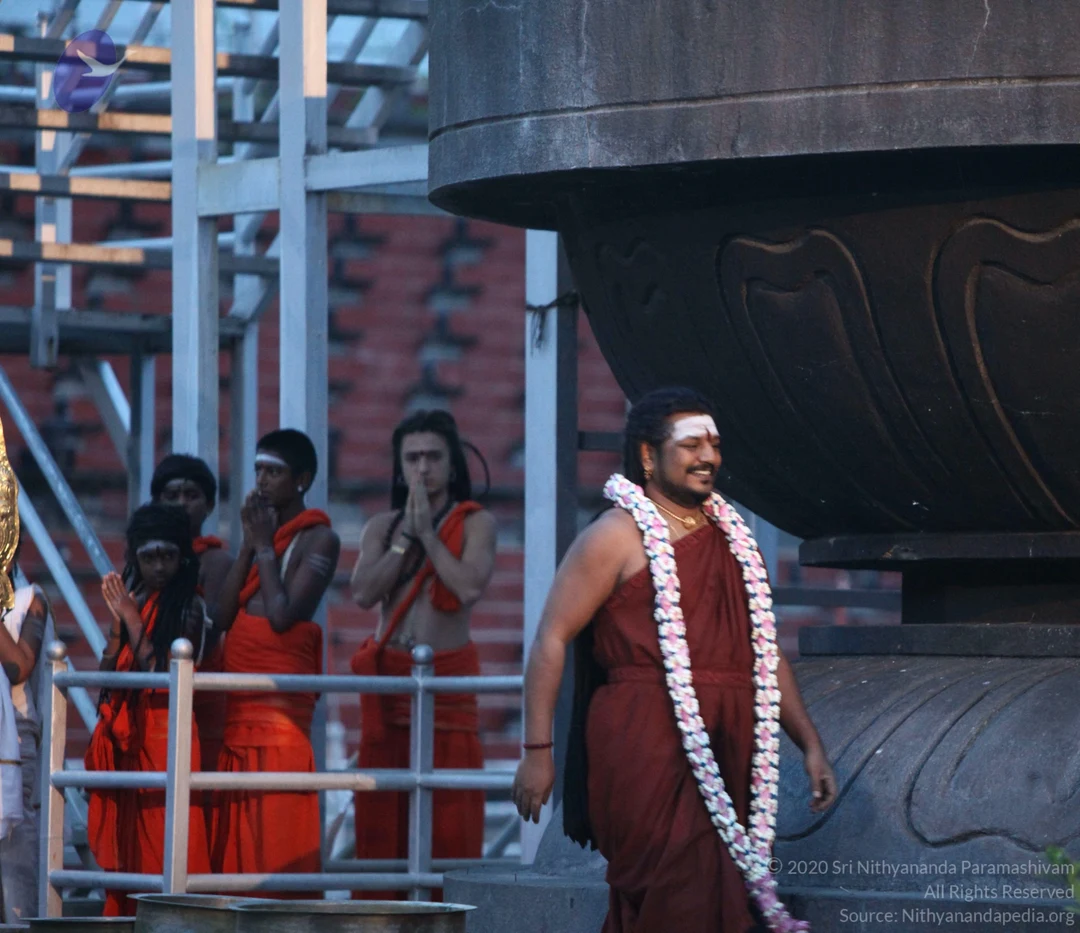
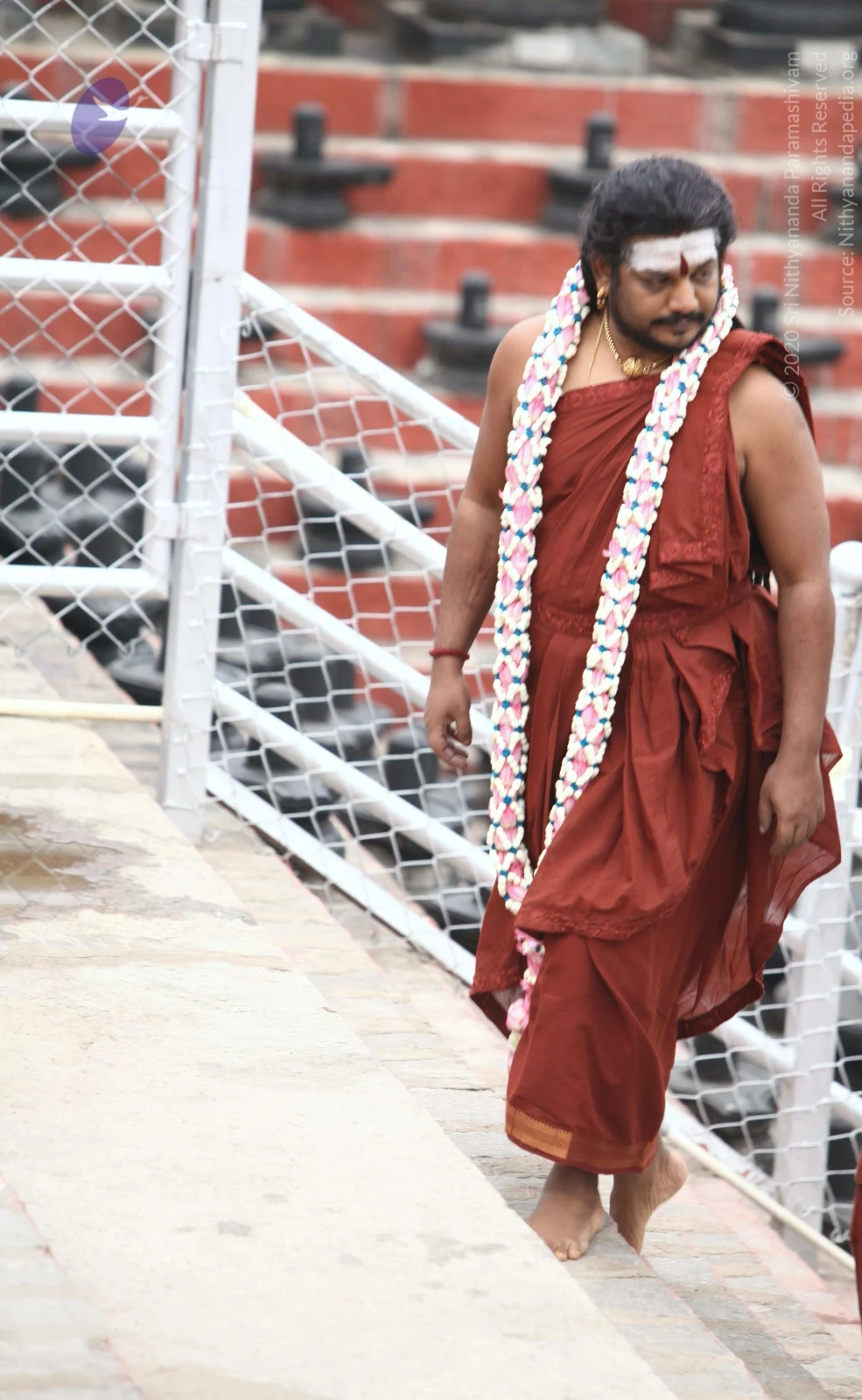
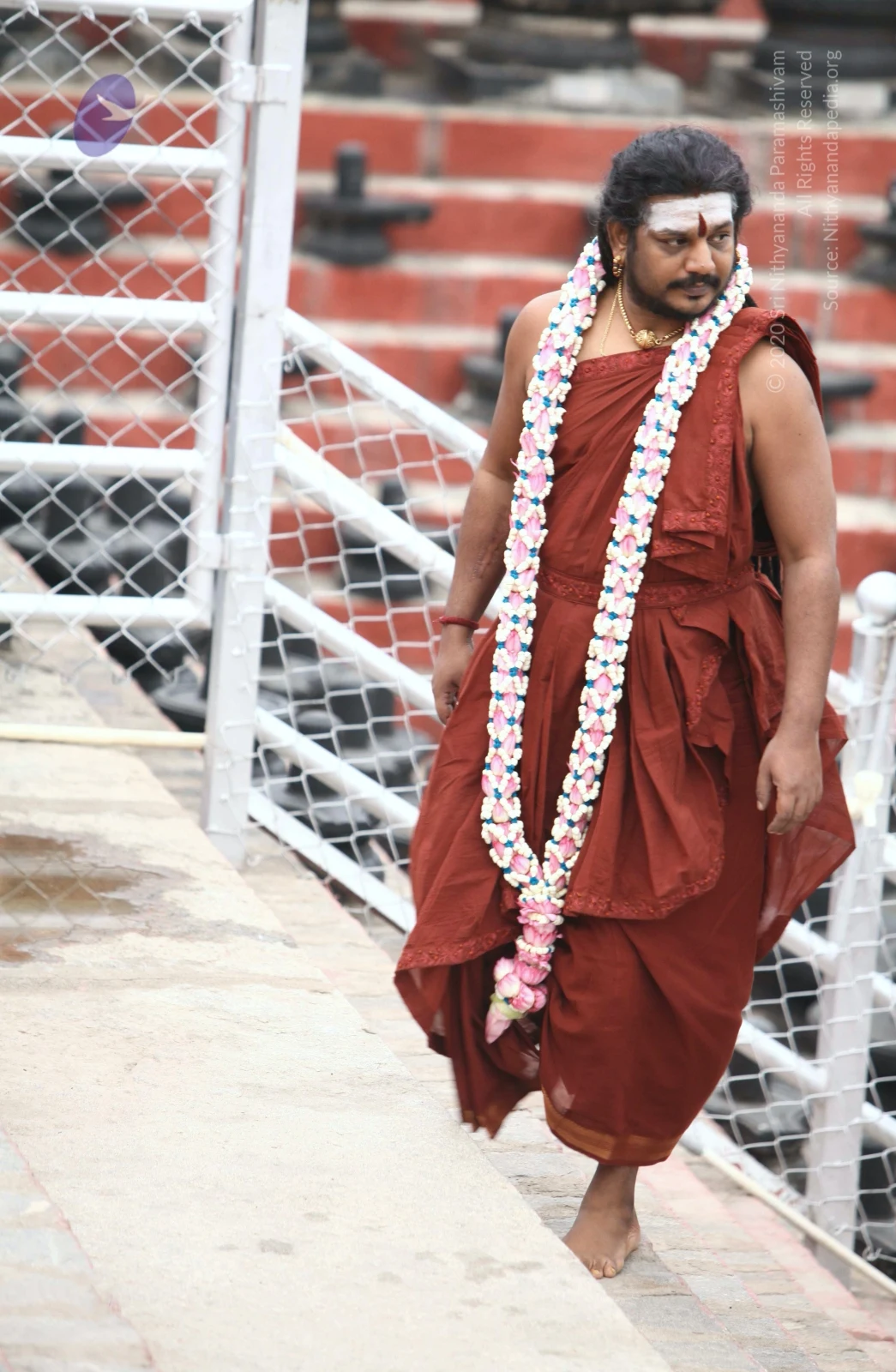
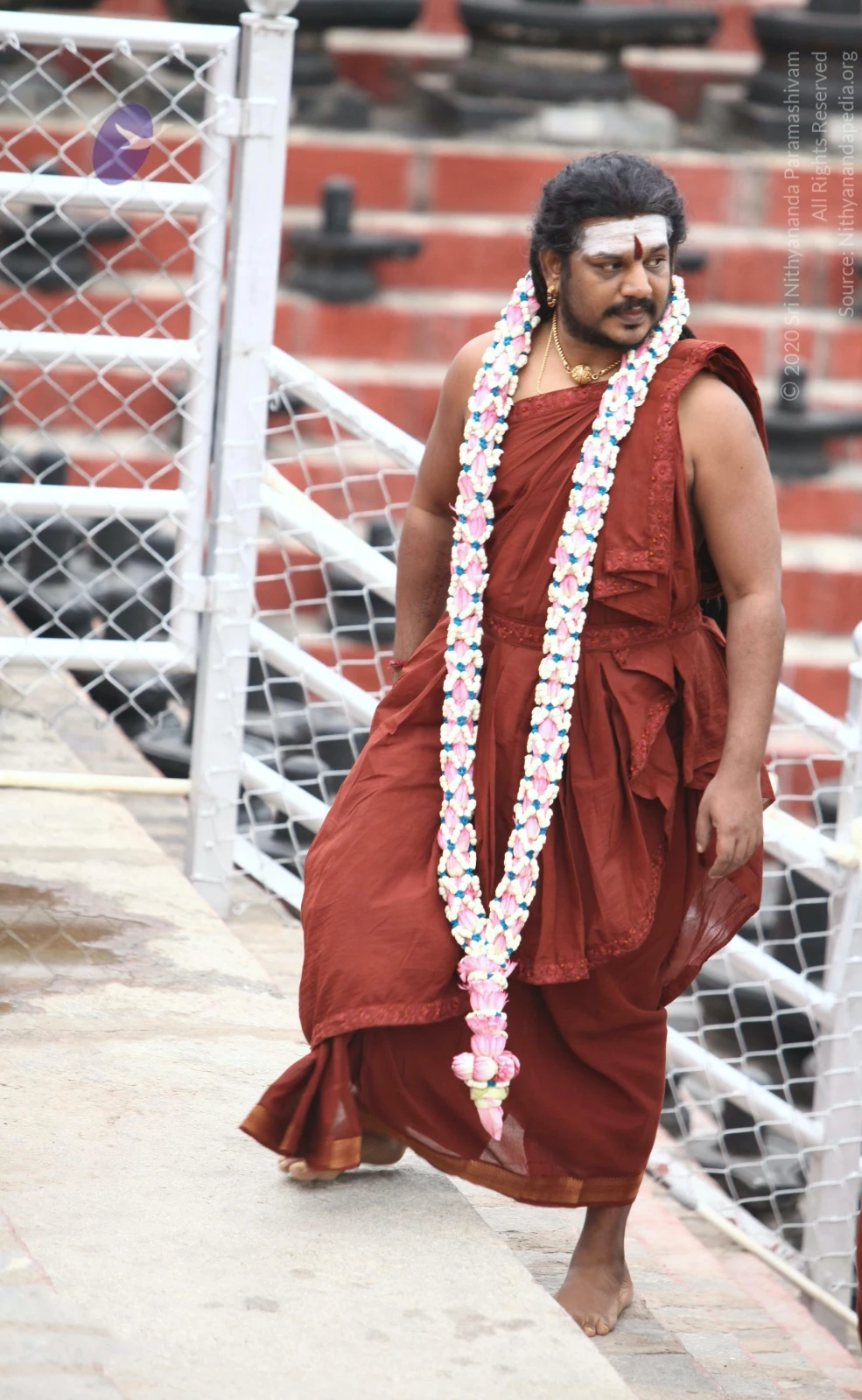
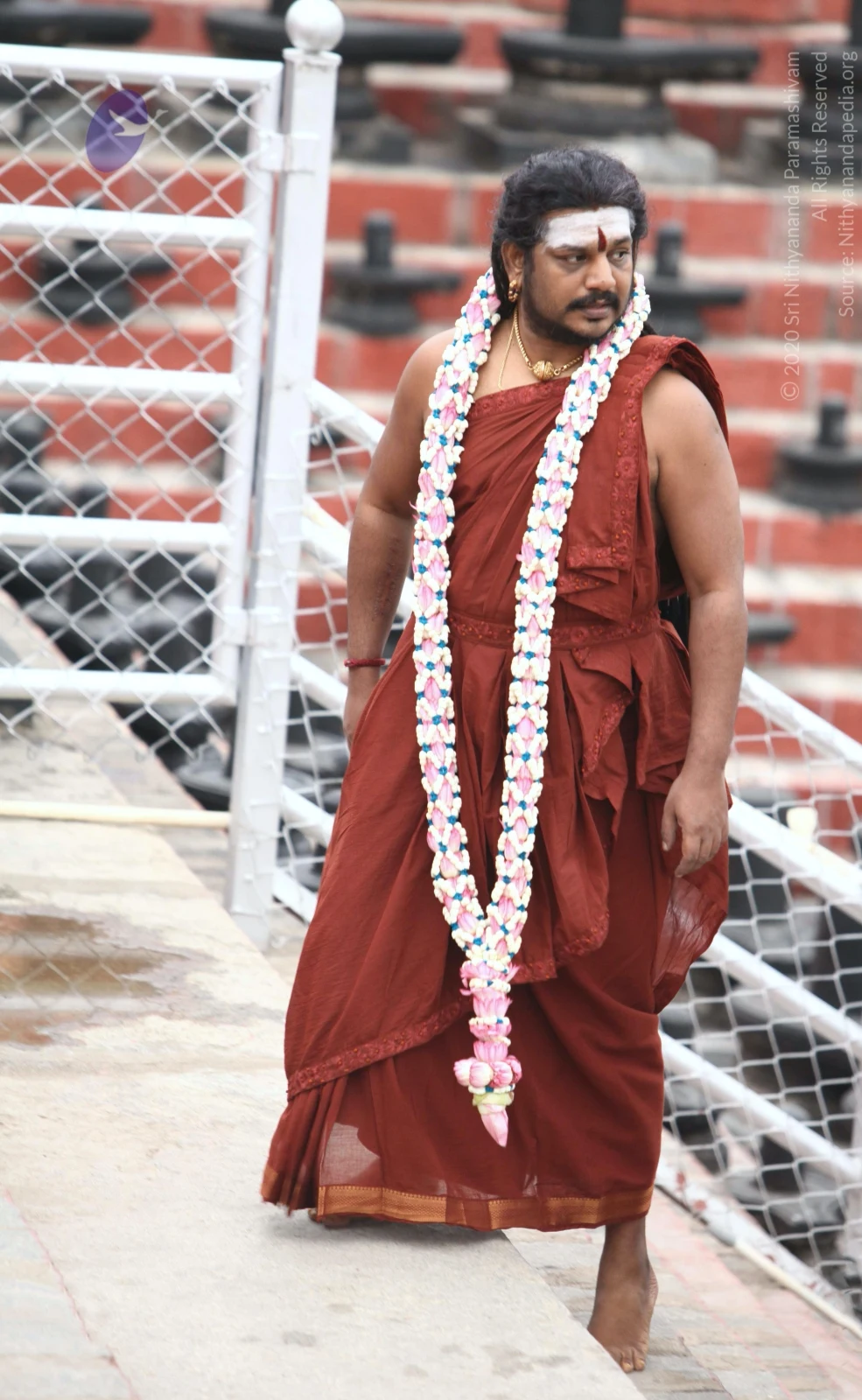
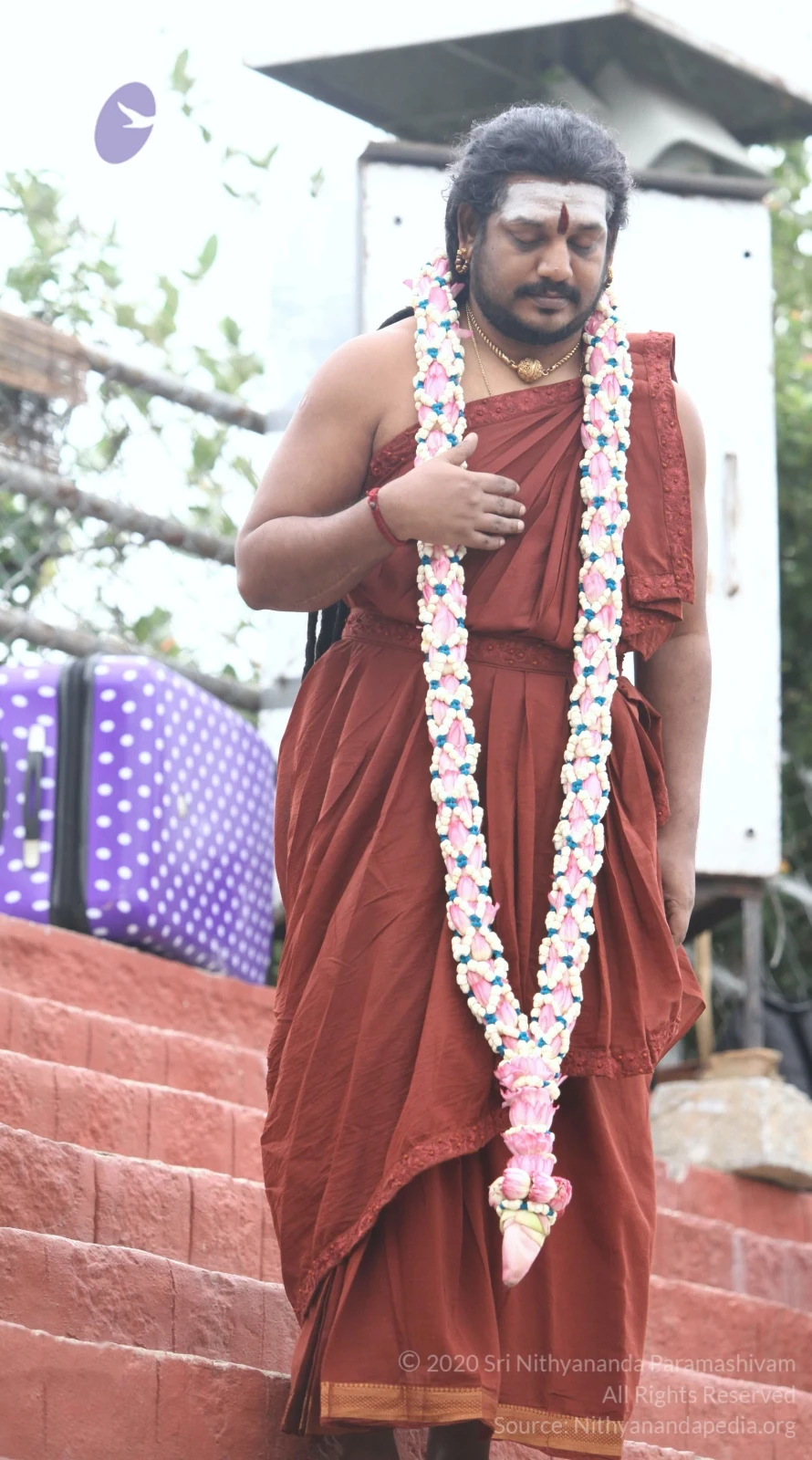
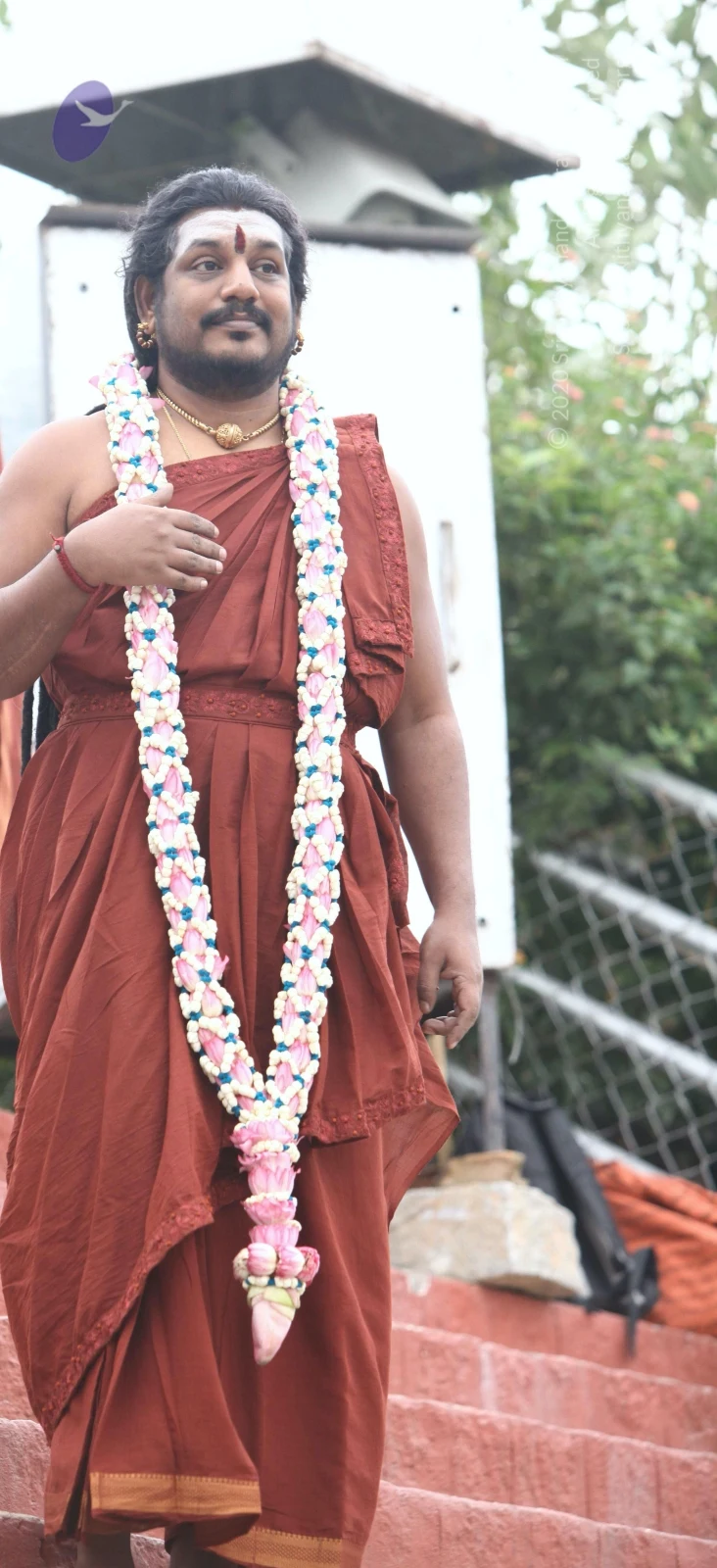
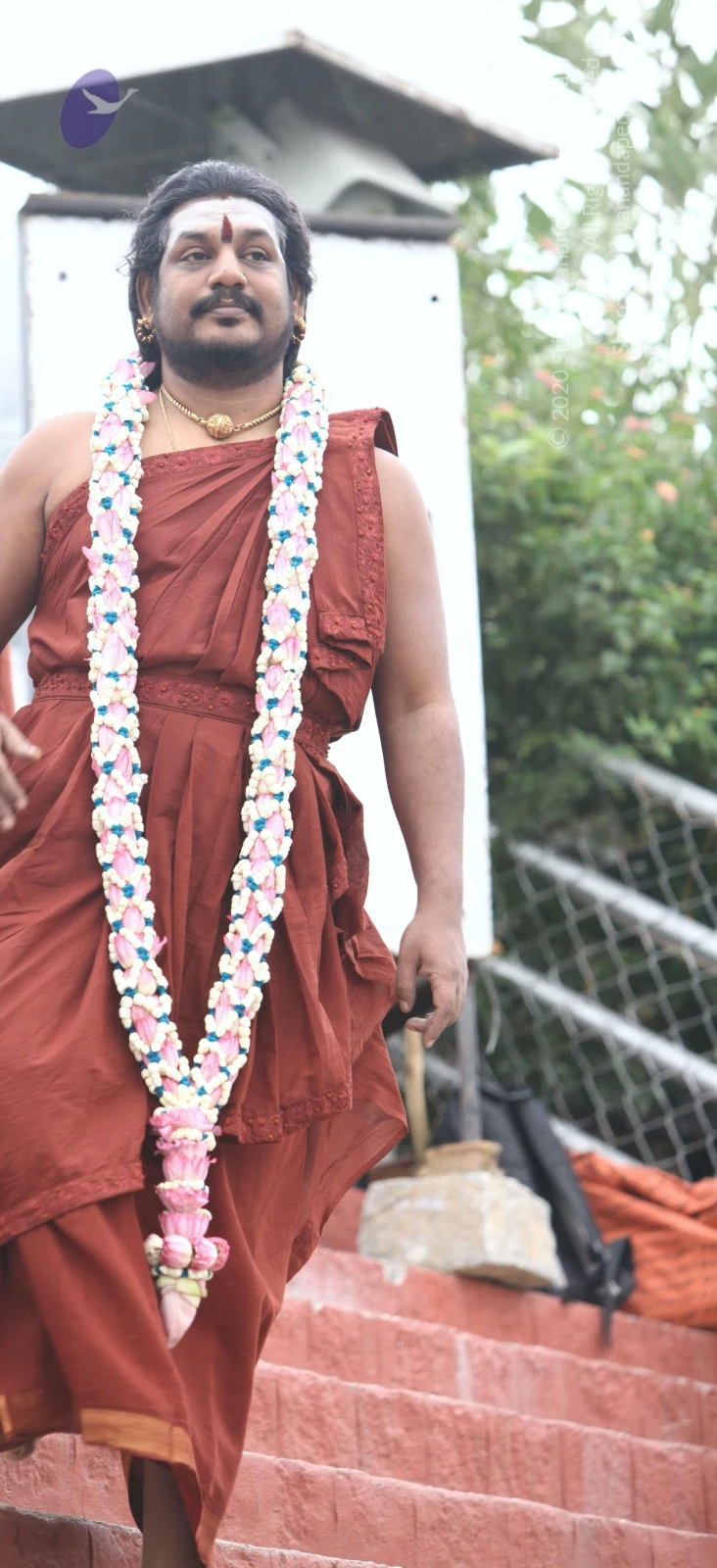
 HDH Nithyananda Paramashivam walking out after Guru puja and Shiva puja rituals.
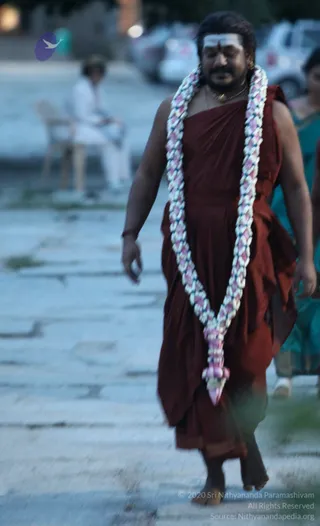
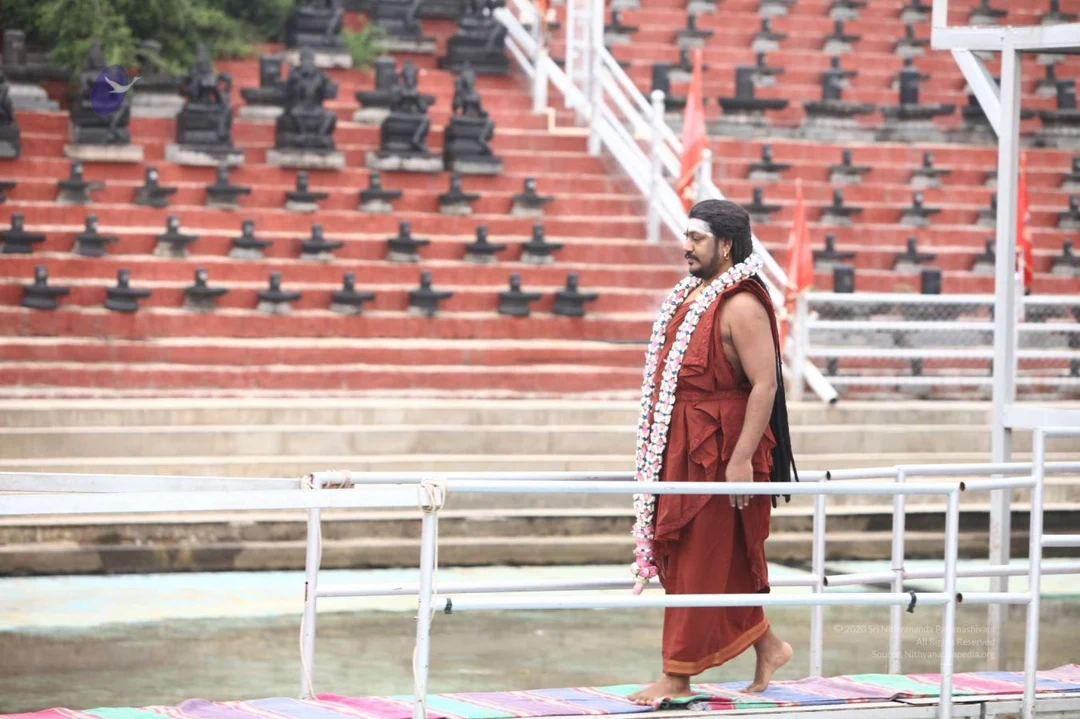 HDH Nithyananda Paramashivam walking out after Guru puja and Shiva puja rituals.
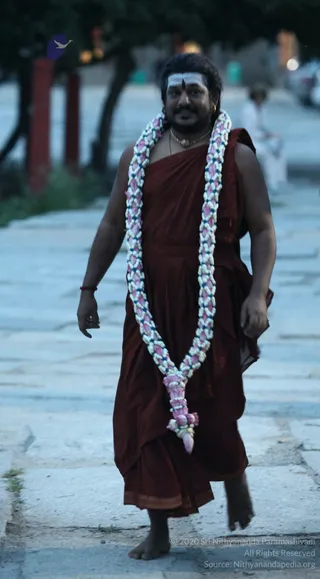
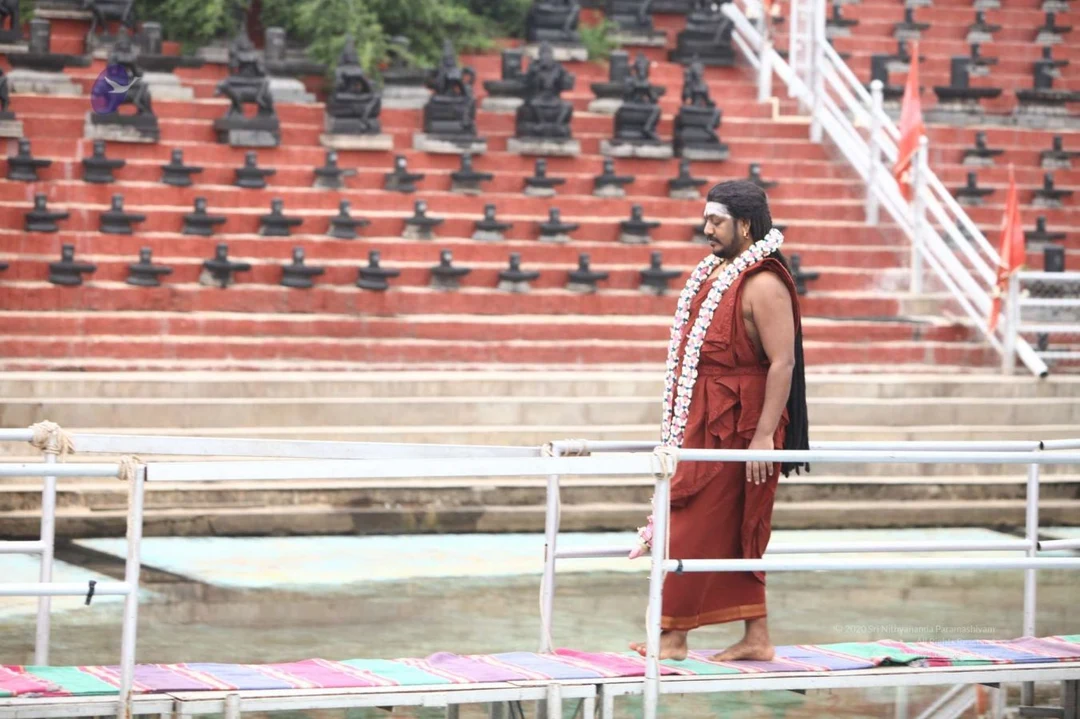 HDH Nithyananda Paramashivam walking out after Guru puja and Shiva puja rituals.
Sakshi Pramana:
Sharing from INNER AWAKENING
Photos Of The Day:
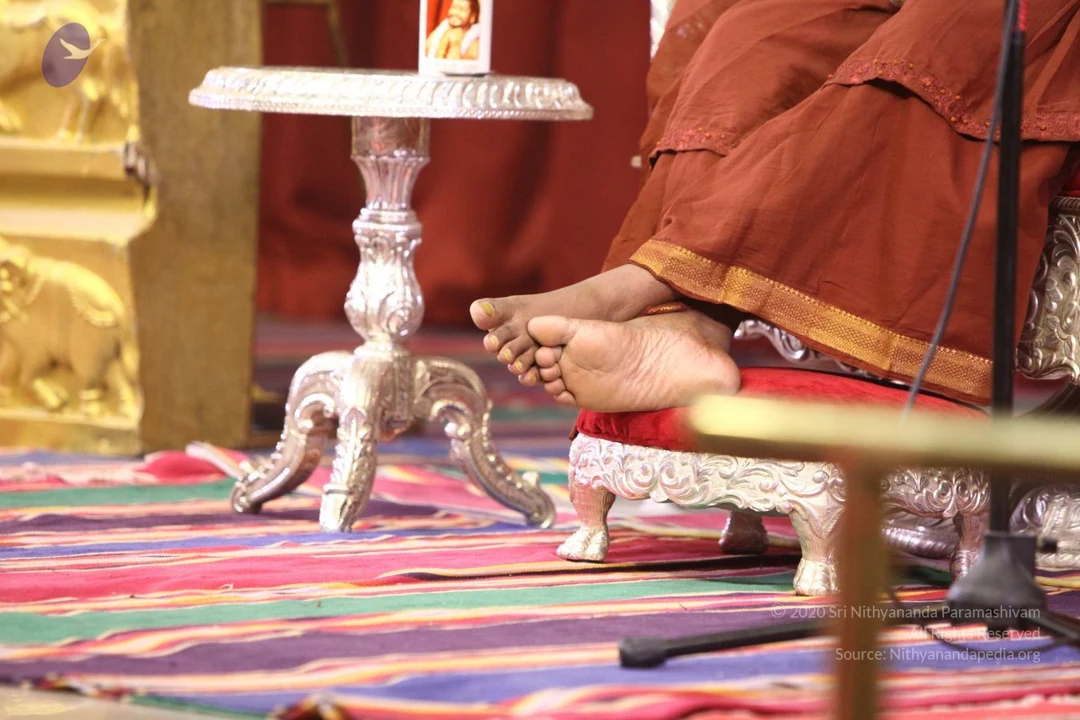
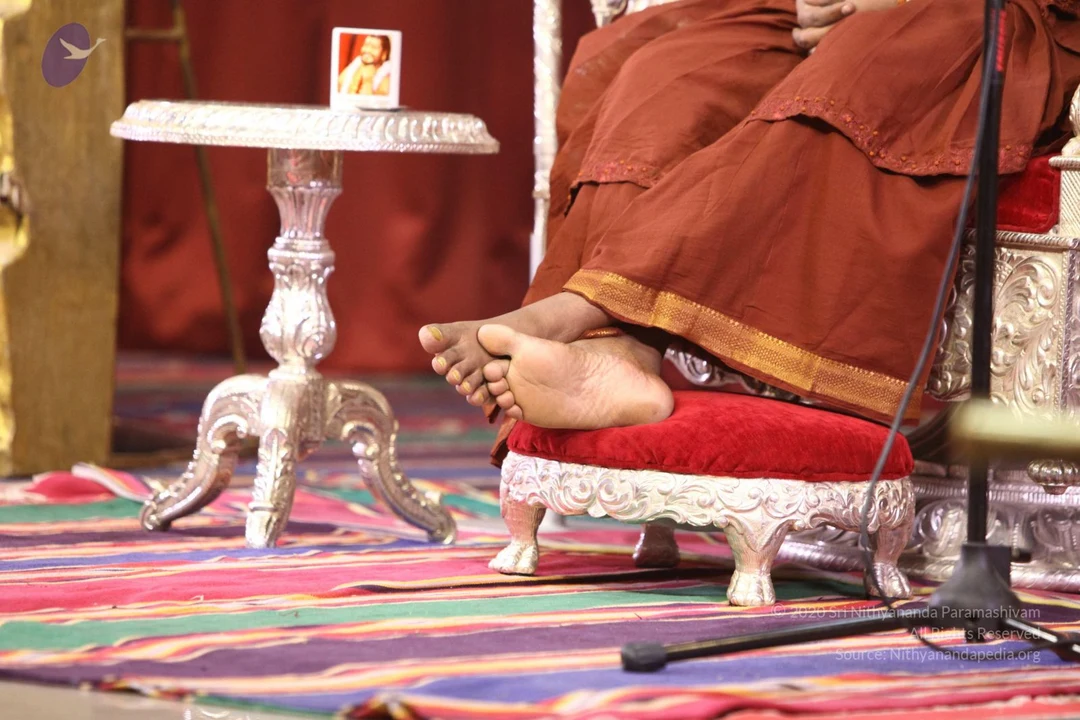
PADA-POOJA


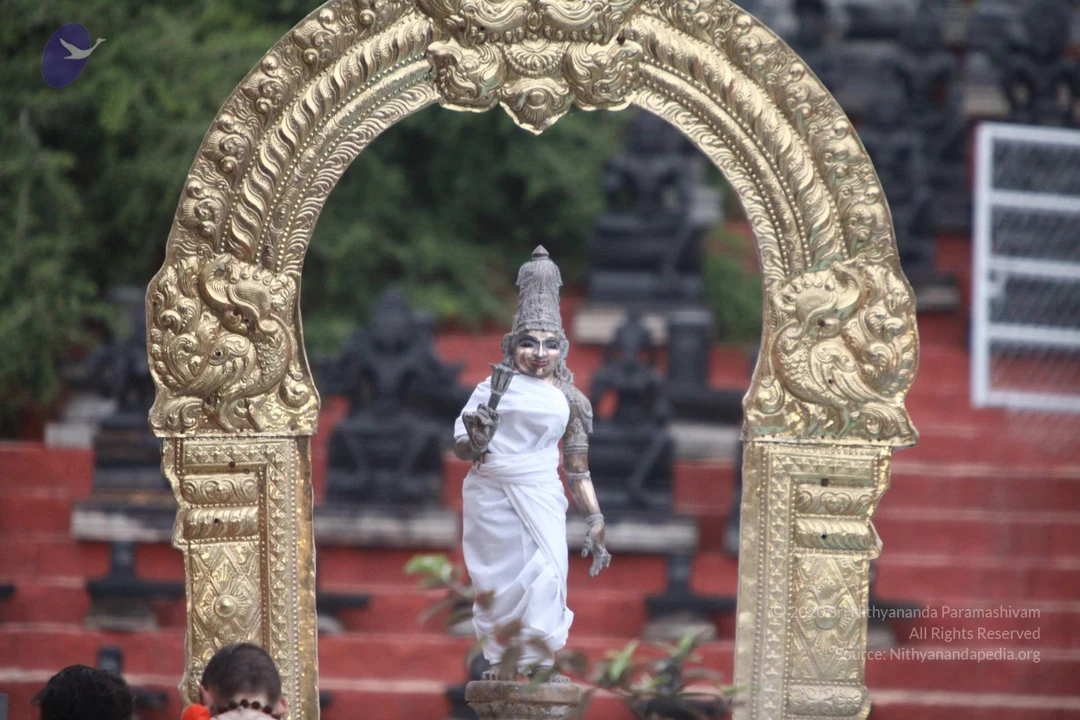
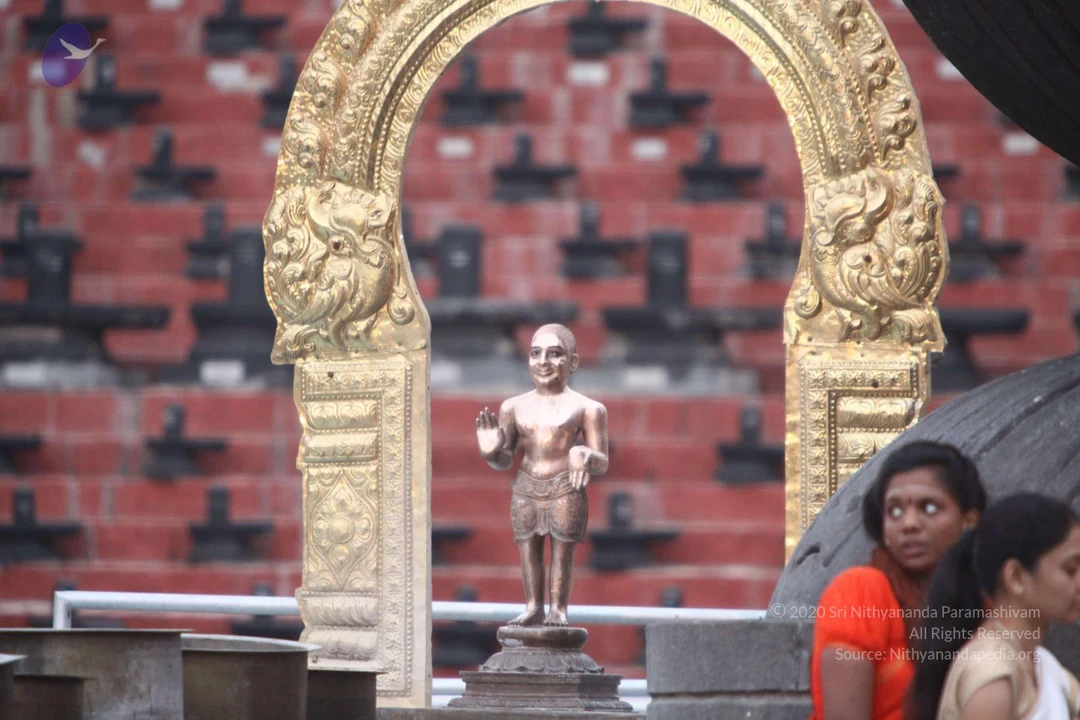
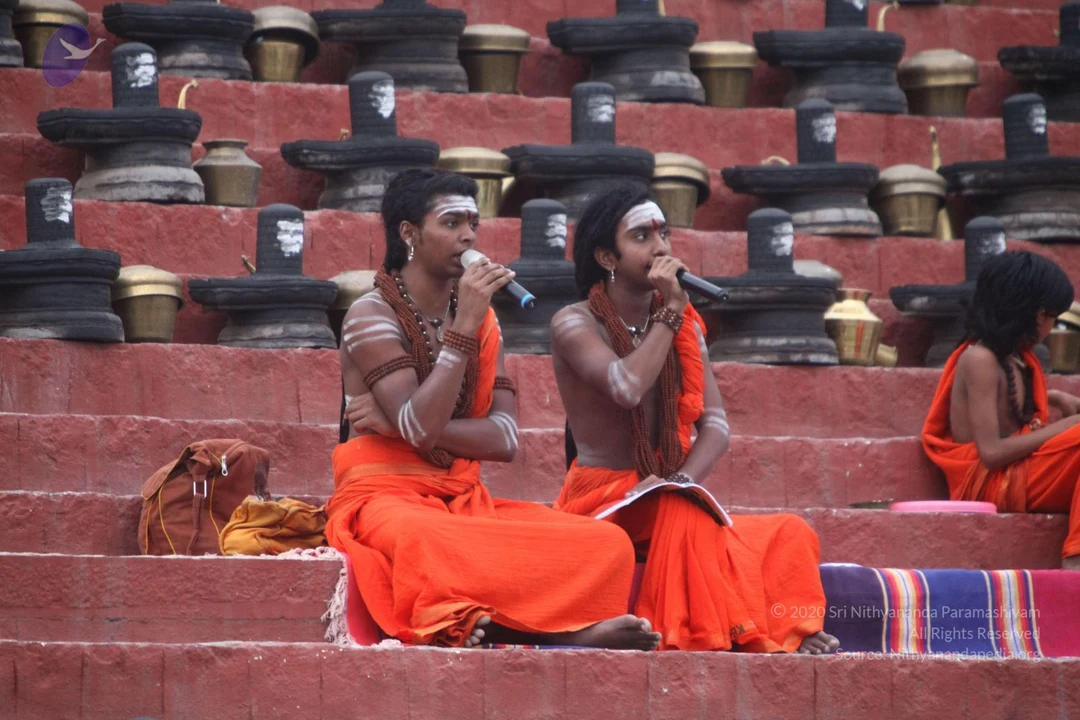
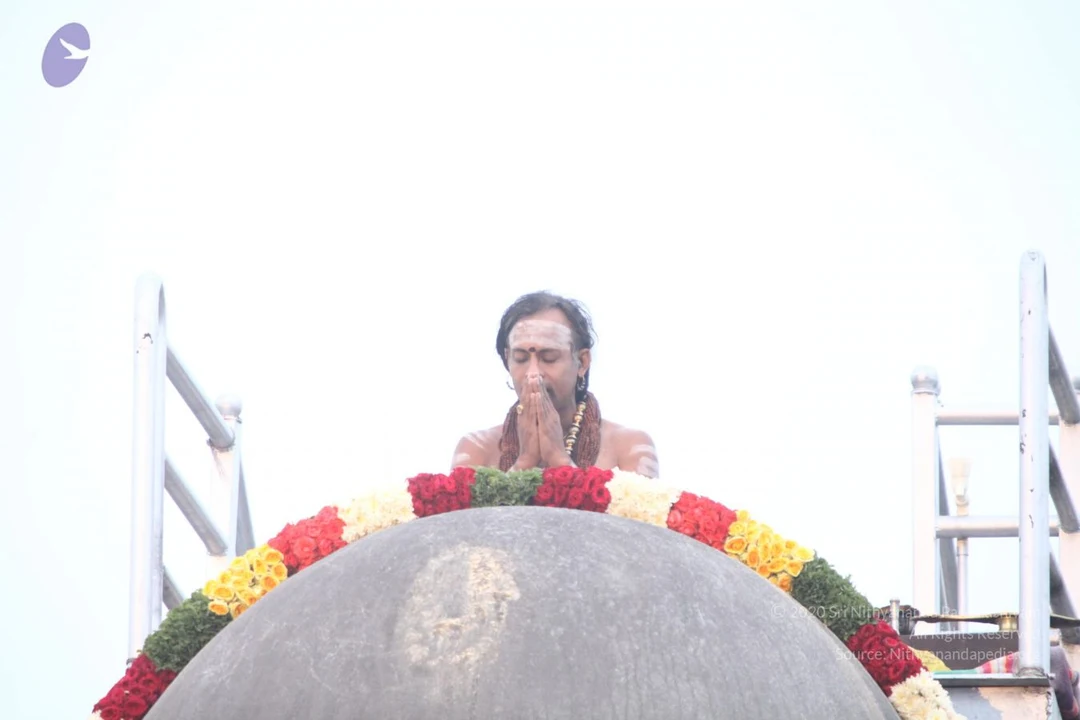



NITHYA-SATSANG







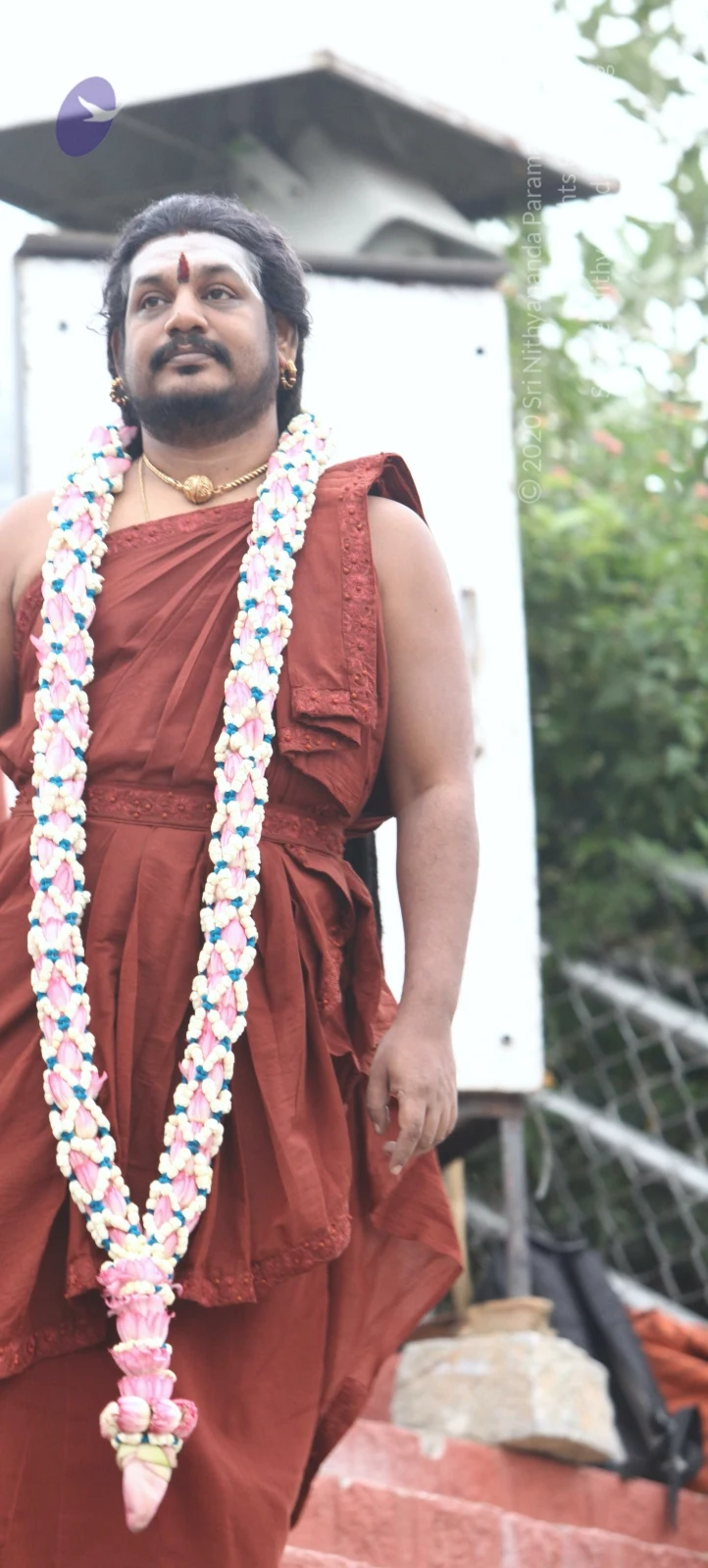
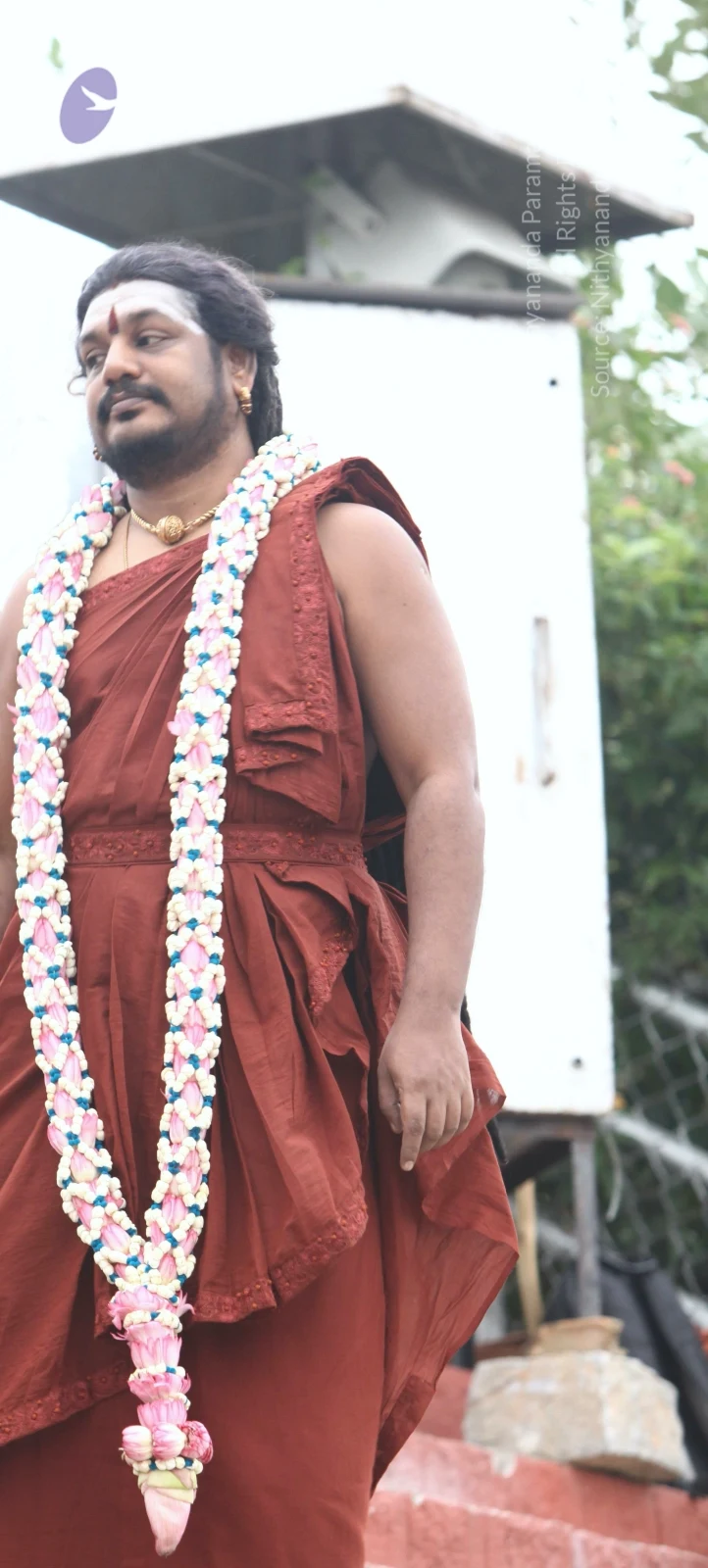
01-Vaidya-Sarovar-Pada-Puja
02-Satsang
Flyers

Link to Facebook page
https://www.facebook.com/watch/?v=1451280964959749
https://www.facebook.com/ParamahamsaNithyananda/photos/a.321615927926264/1452138594873986
https://www.facebook.com/ParamahamsaNithyananda/photos/a.321615927926264/1450106478410531]
Photos from this day
View all 201 photosPhotos
56 photosSource gallery
PADA-POOJA
29 photosSource gallery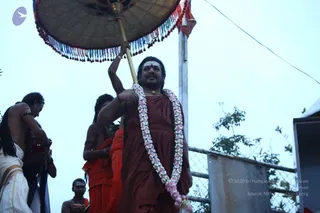
NITHYA-SATSANG
70 photosSource gallery
01-Vaidya-Sarovar-Pada-Puja
34 photosSource gallery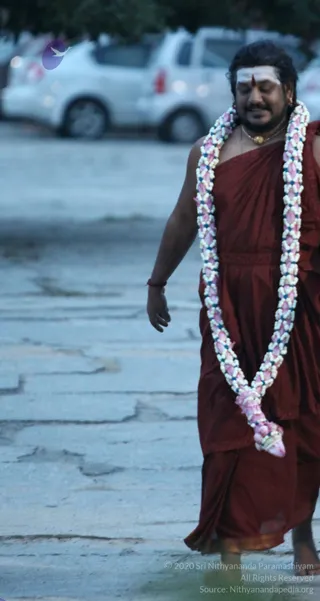
02-Satsang
12 photosSource gallery