Thursday
17 July 2014
Technique to heal your past
- Dated photos
- 111
- Source pages
- 1
- Media
- 12
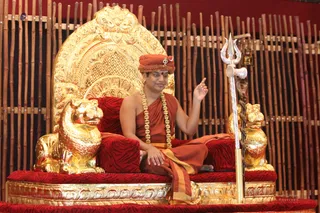
July 17 2014
Original wiki pageTitle
Technique to heal your past
Description:
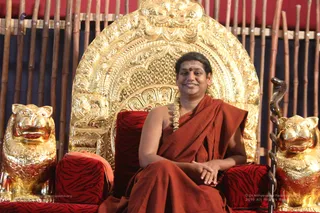
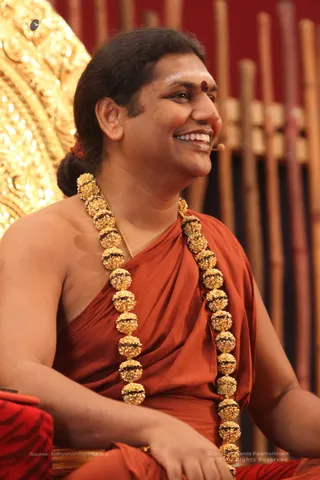
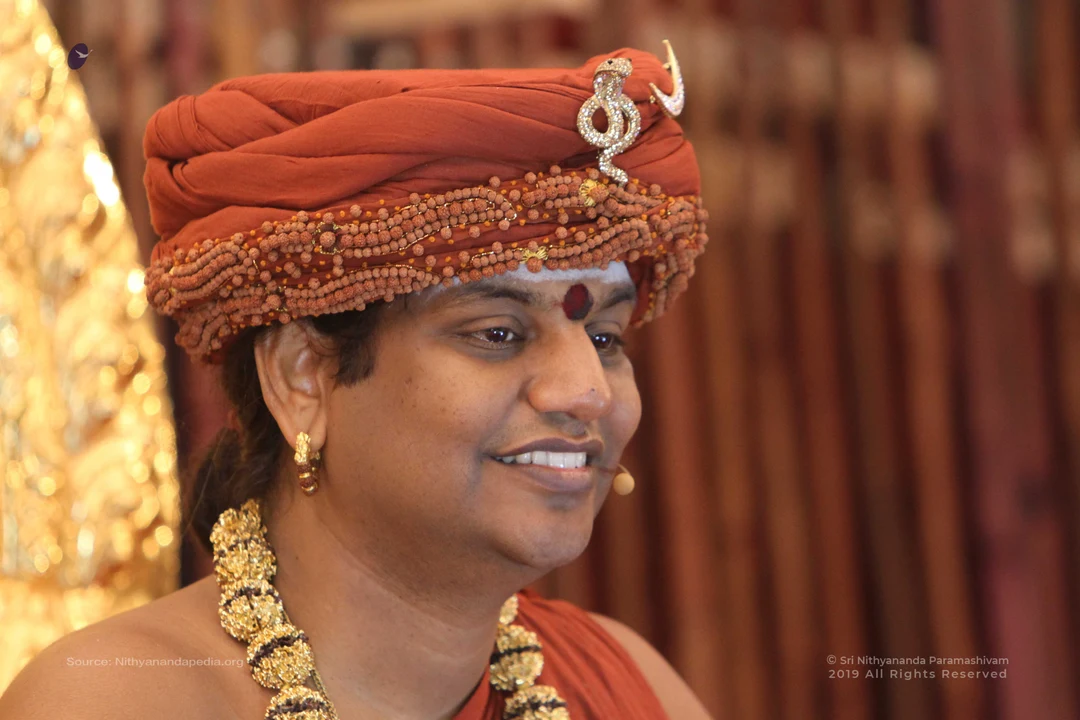
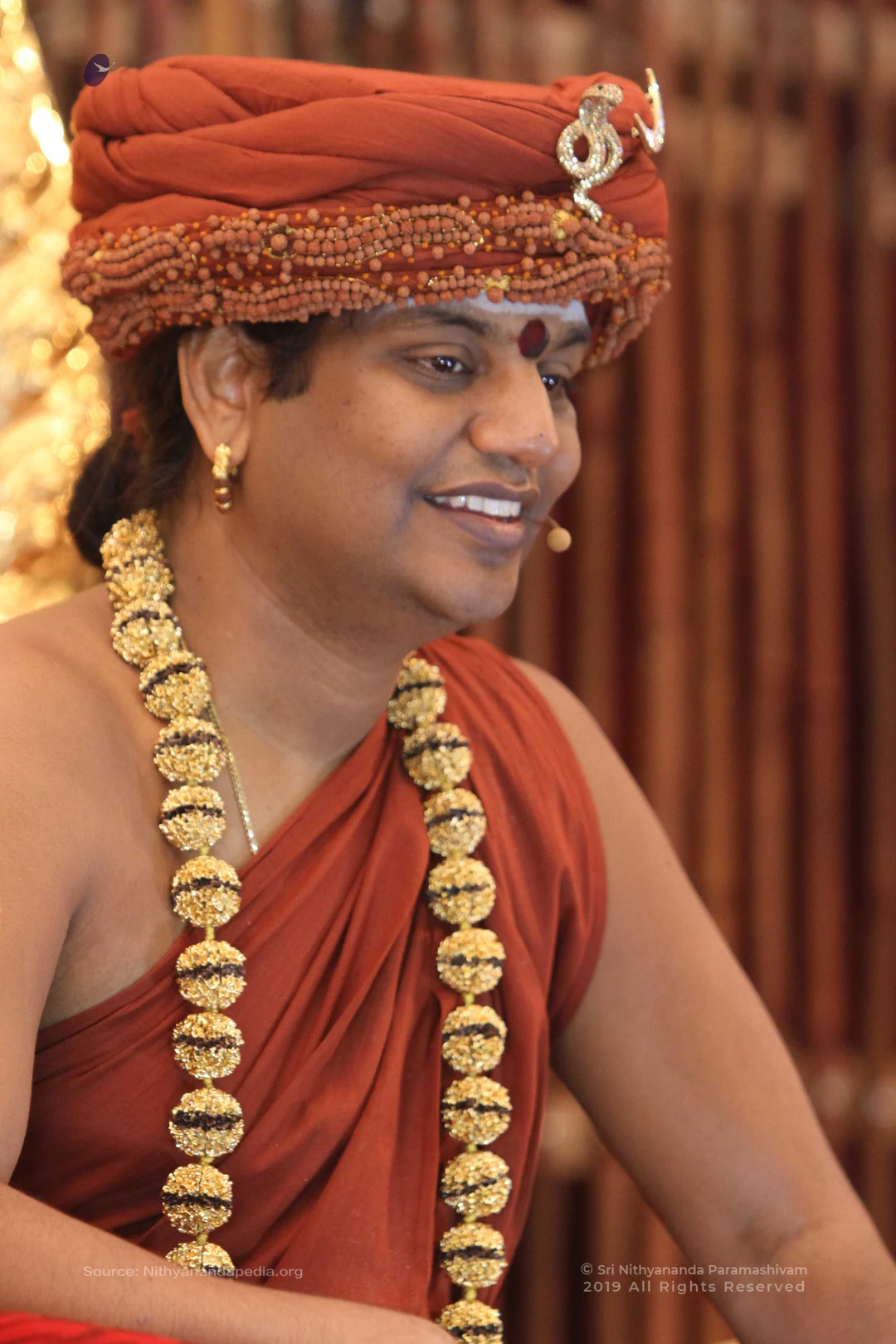
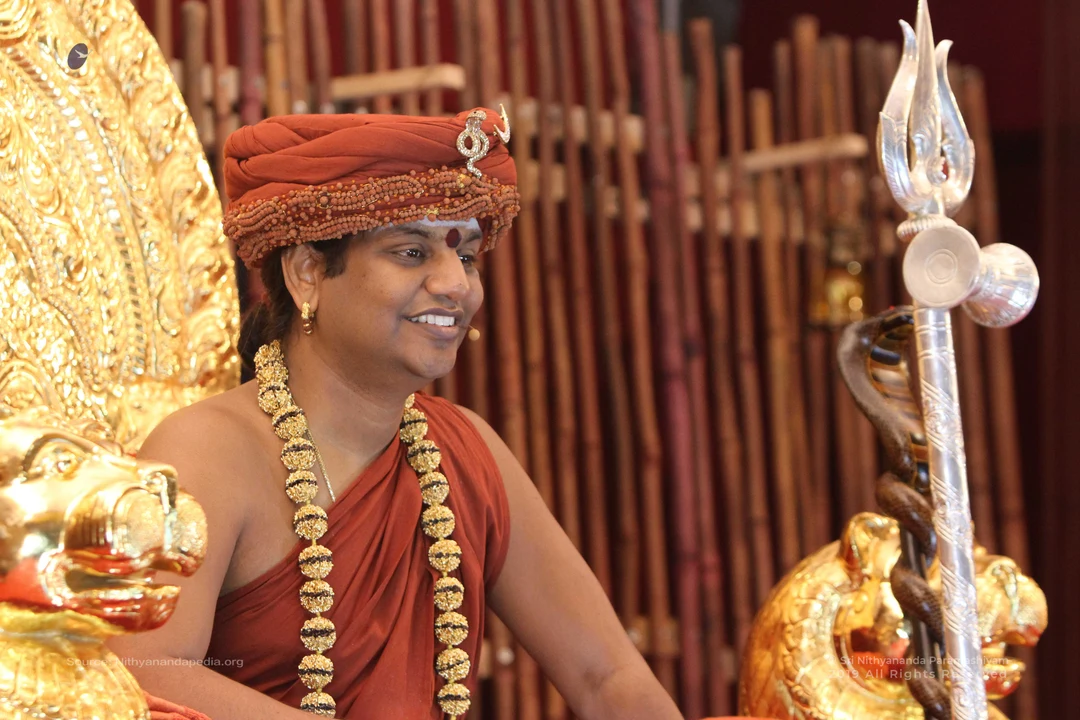
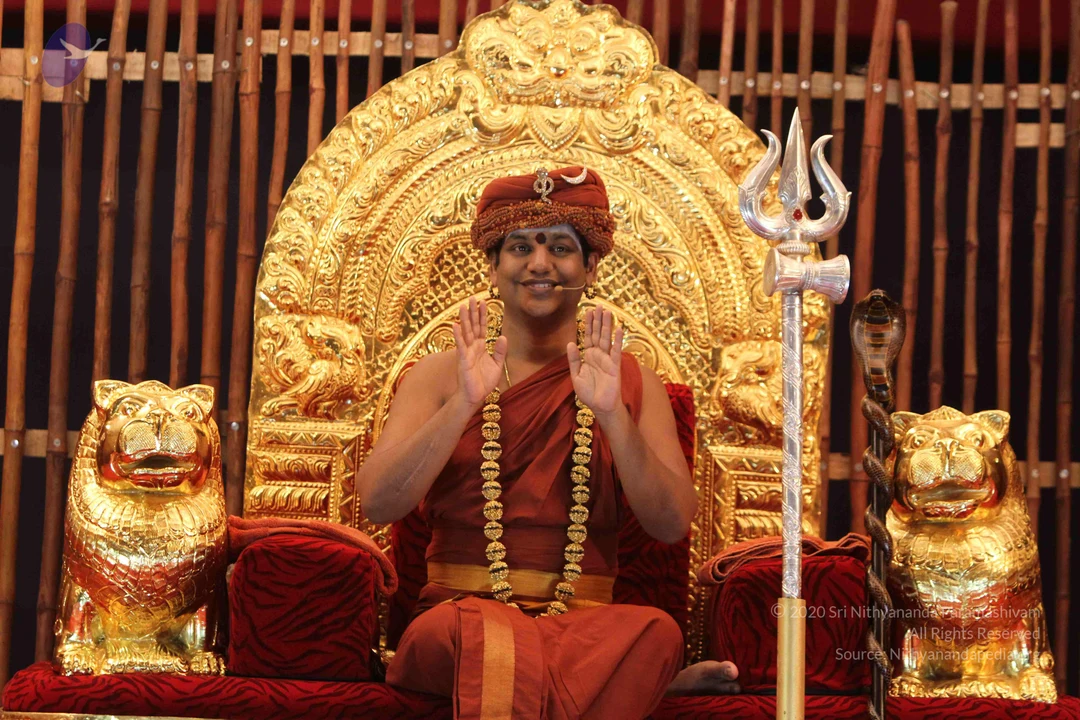
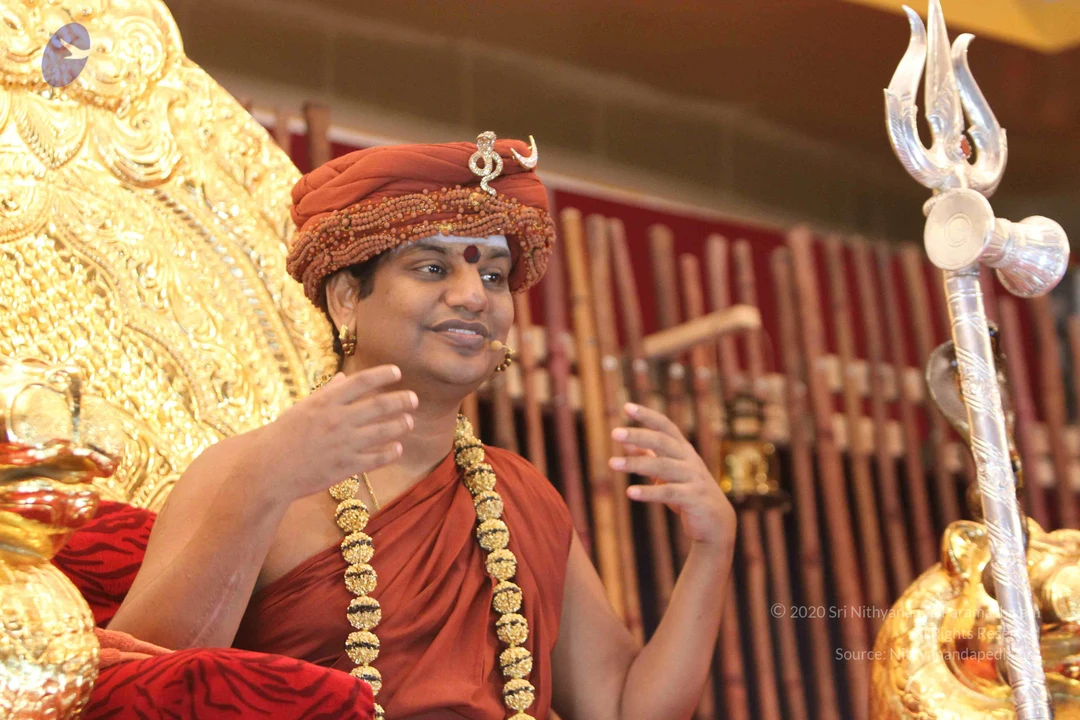
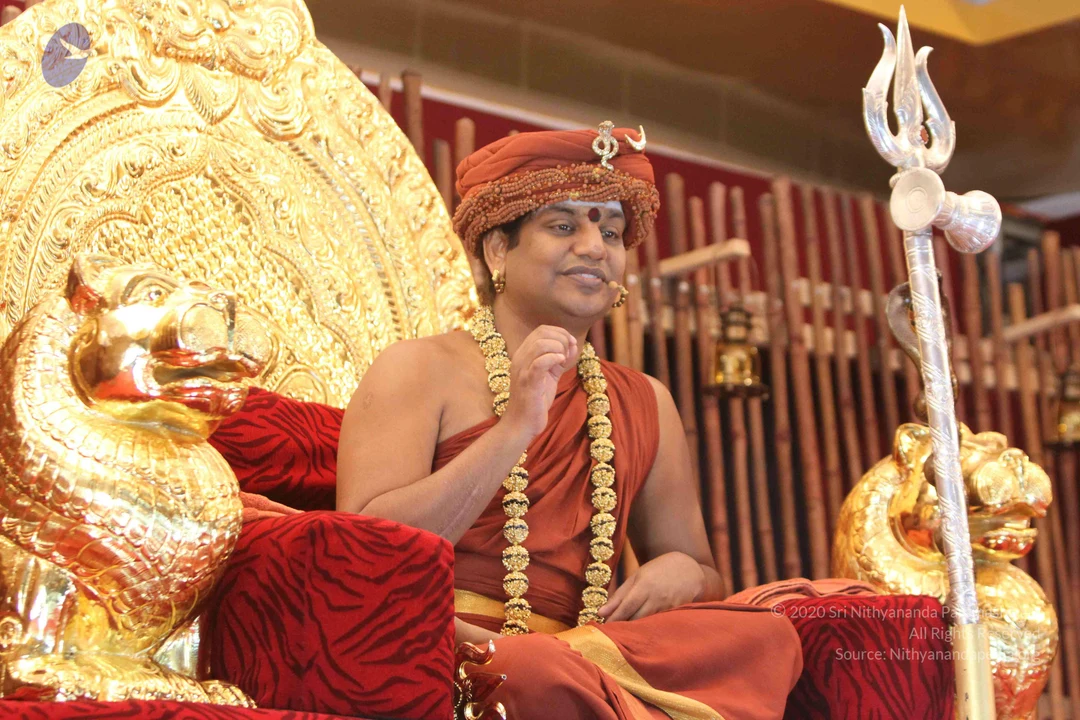
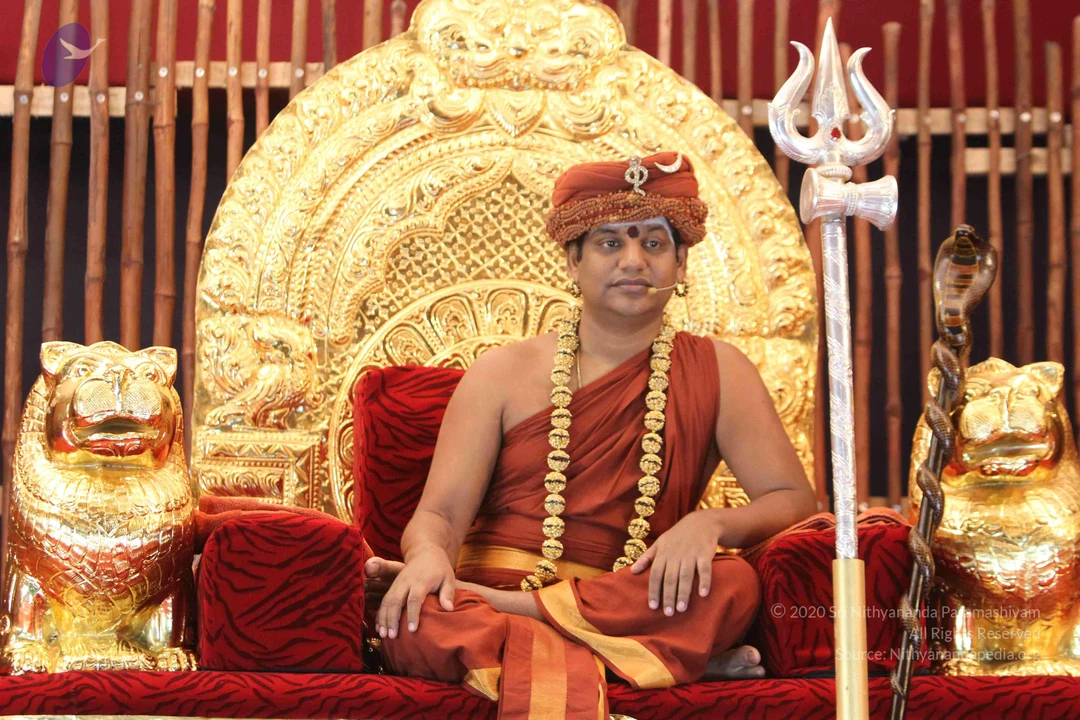
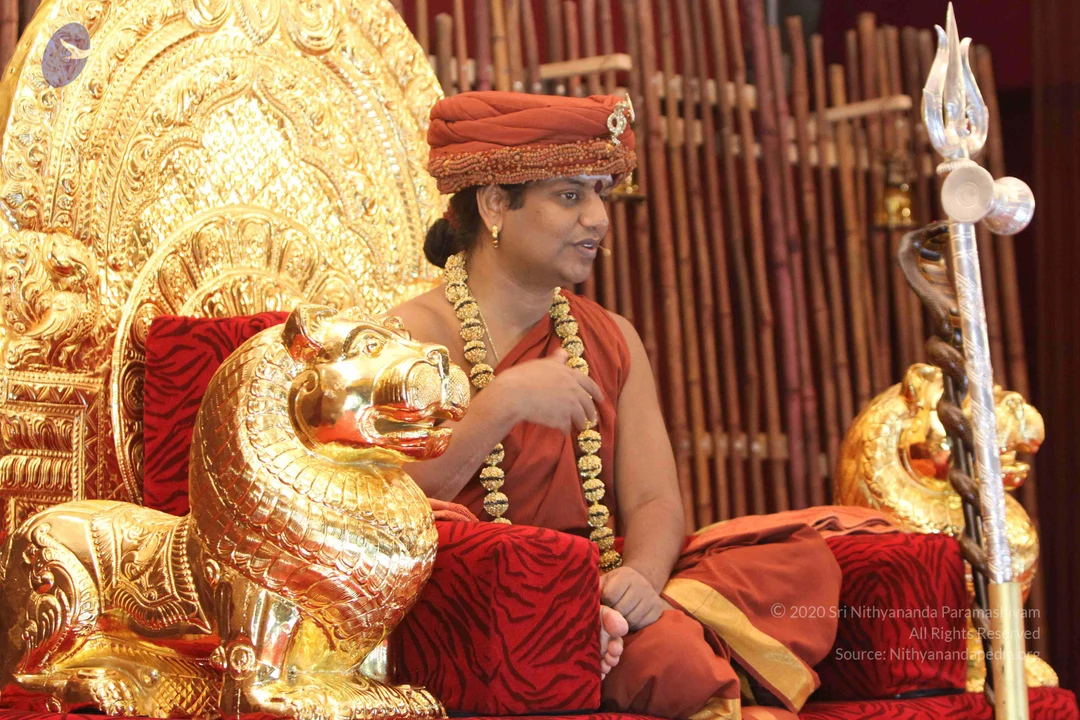
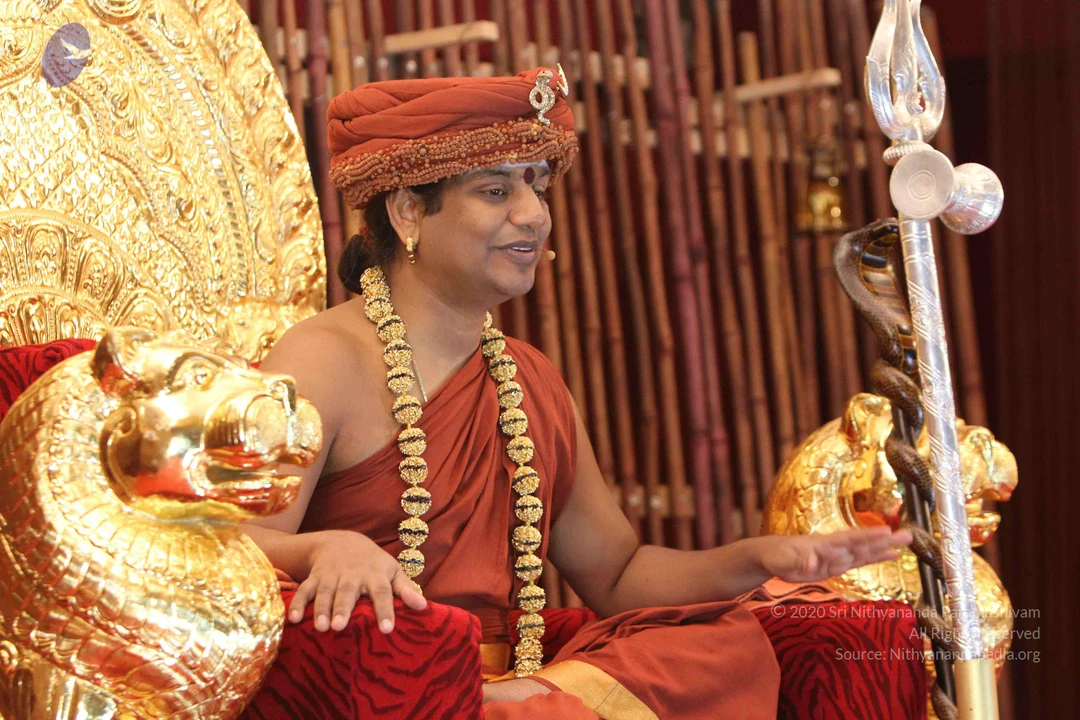
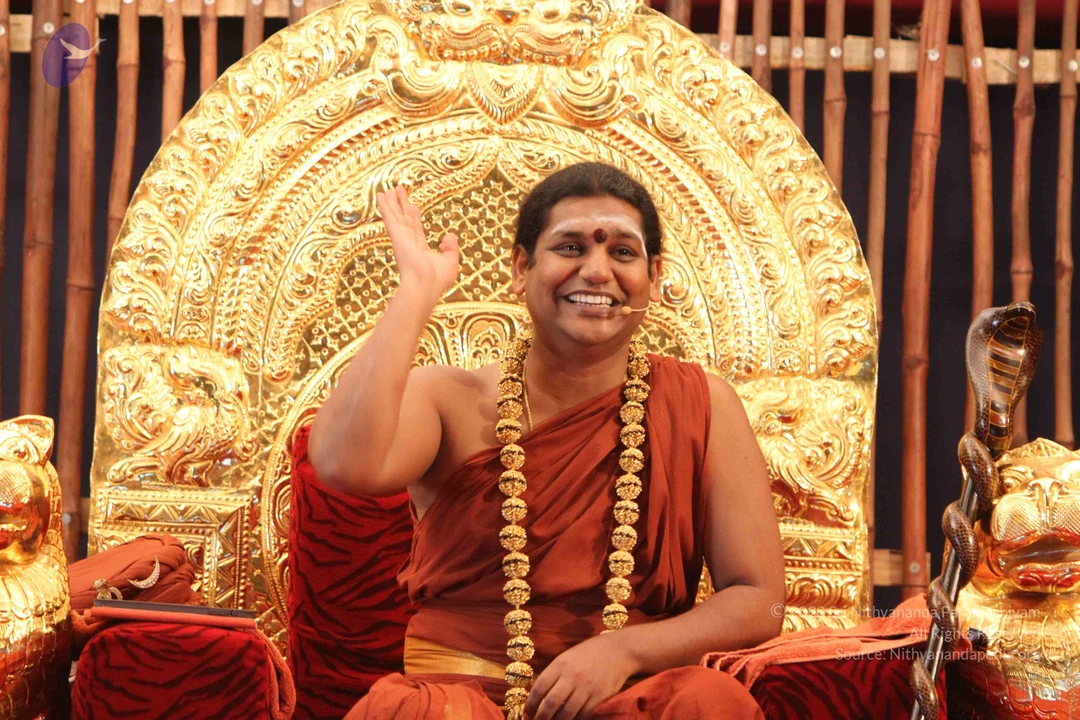
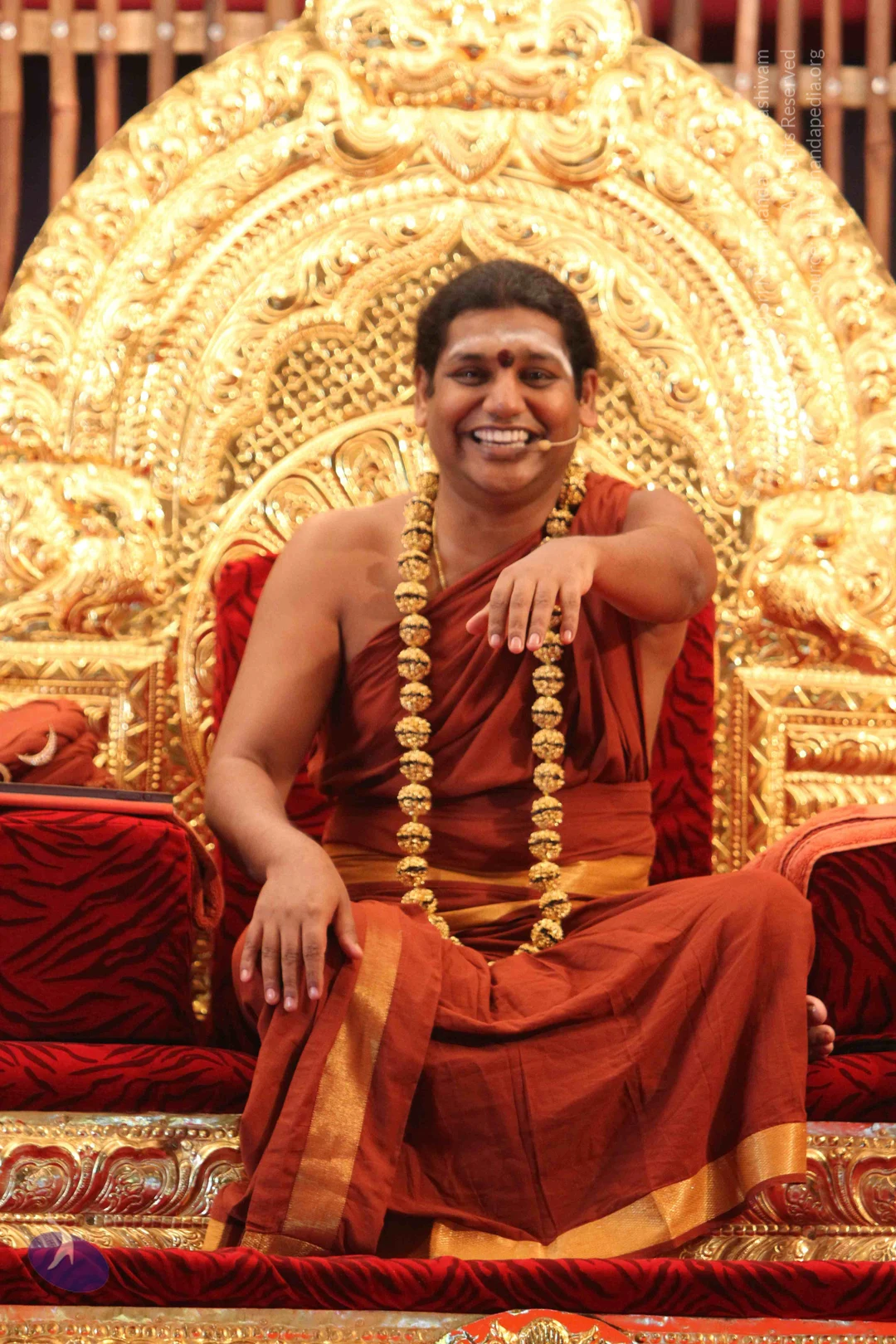
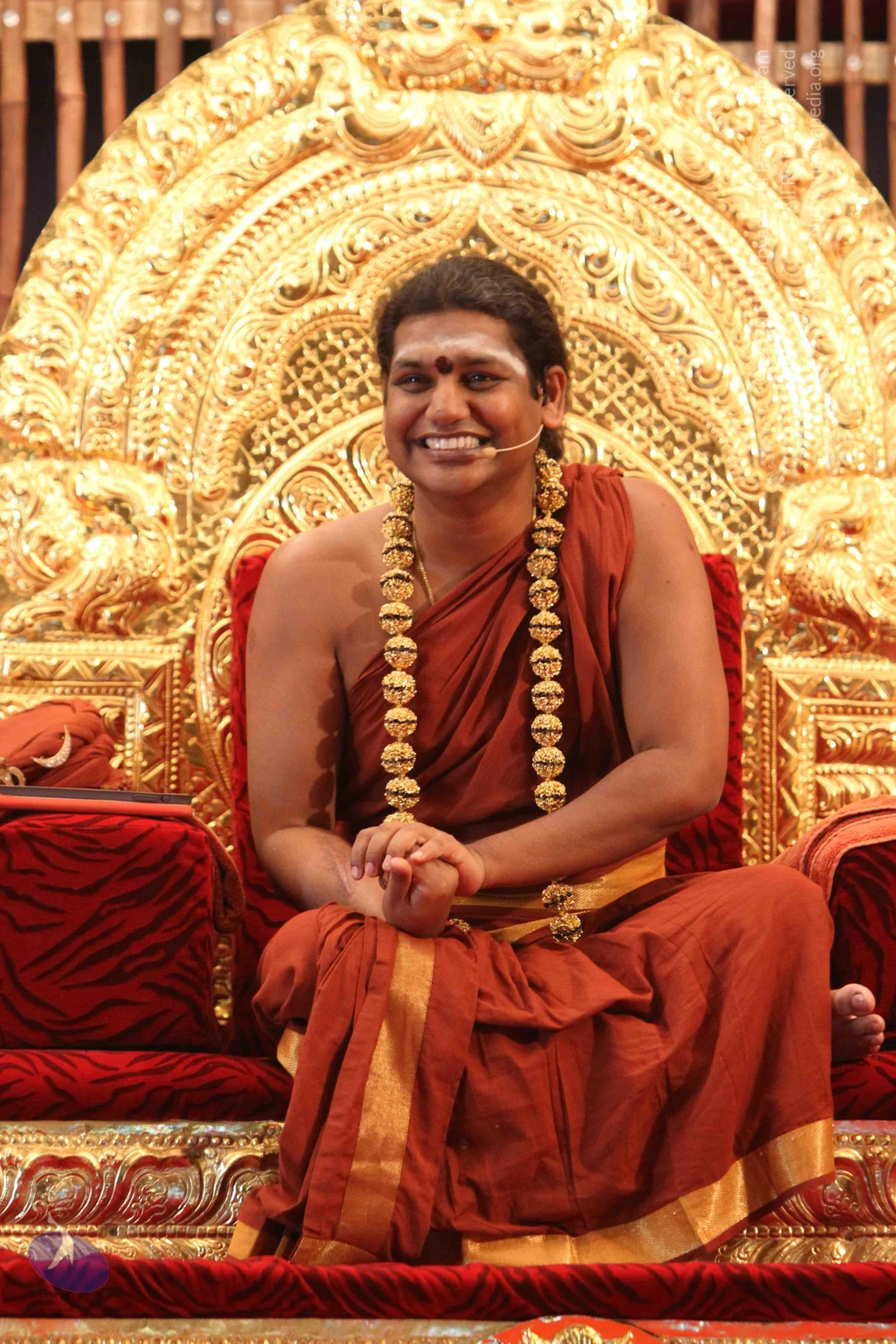
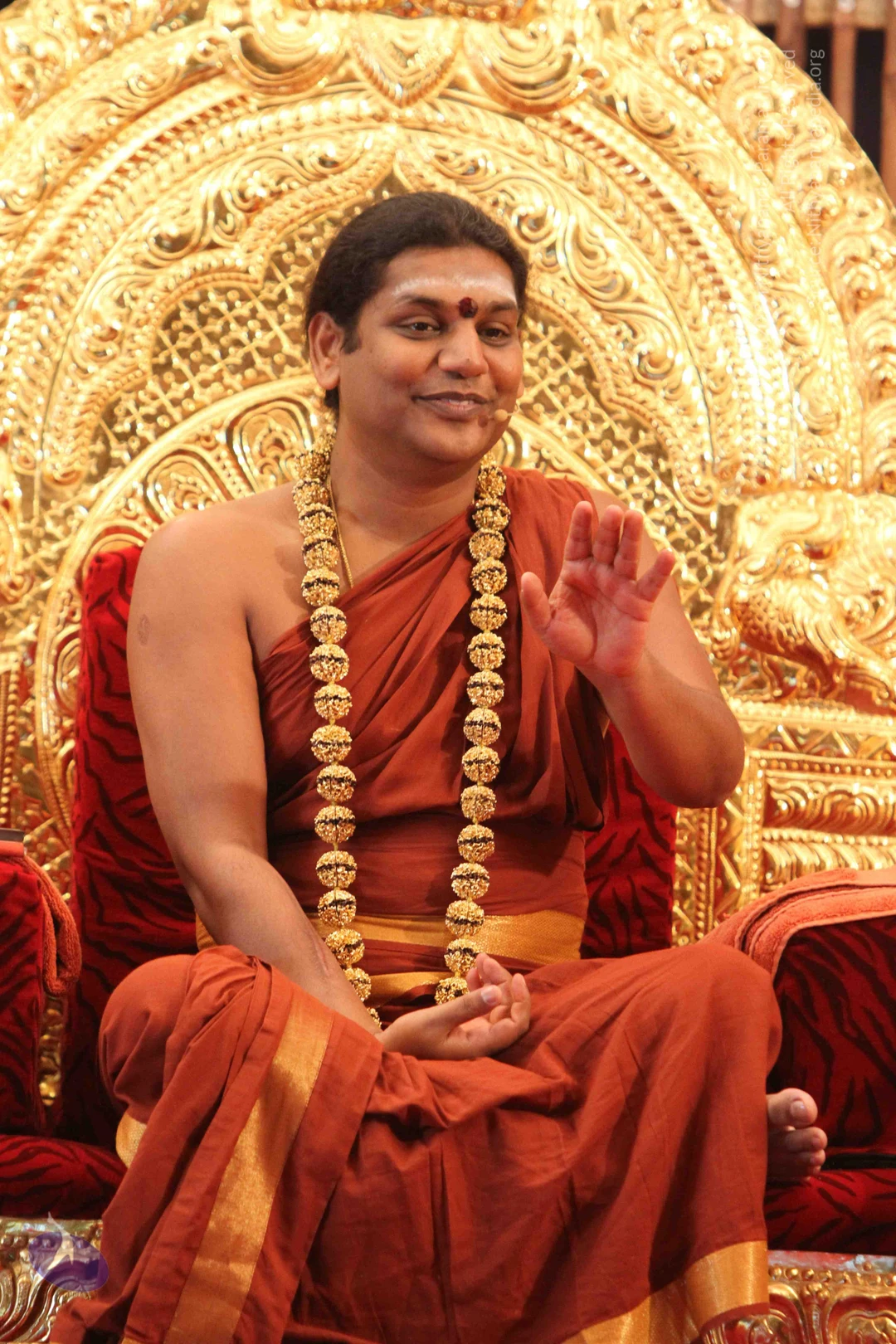
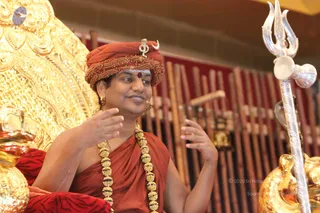
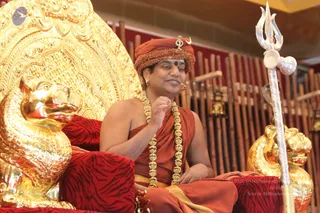
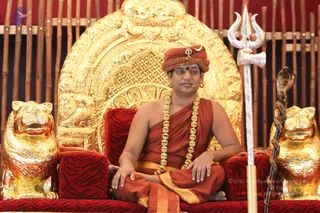
In today’s (17th July, 2014) morning Satsang from Haridwar Paramahamsa Nithyananda expanded on the science of perpetual completion. He said that if we bring our nervous system to the space of perpetual completion we can live for 300 years. He explained the precise difference between reliving and remembering. To relive it is necessary to go back to the context, the understanding and the cognizance you had at the time of the incident, only then all the emotions you were carrying will melt down and fall away and no longer color your present or future. Watch, Share and Subscribe to our channel to be notified of the next upload click http://www.youtube.com/subscription_center?add_user=lifeblissfoundation to subscribe.
Link to Video:
| Video | Audio |
Transcript:
Nithyanandeshwara Samaarambhaam Nithyanandeshwari Madhyamaam | Asmath Aachaarya Paryanthaam Vandhey Guru Paramparaam ||
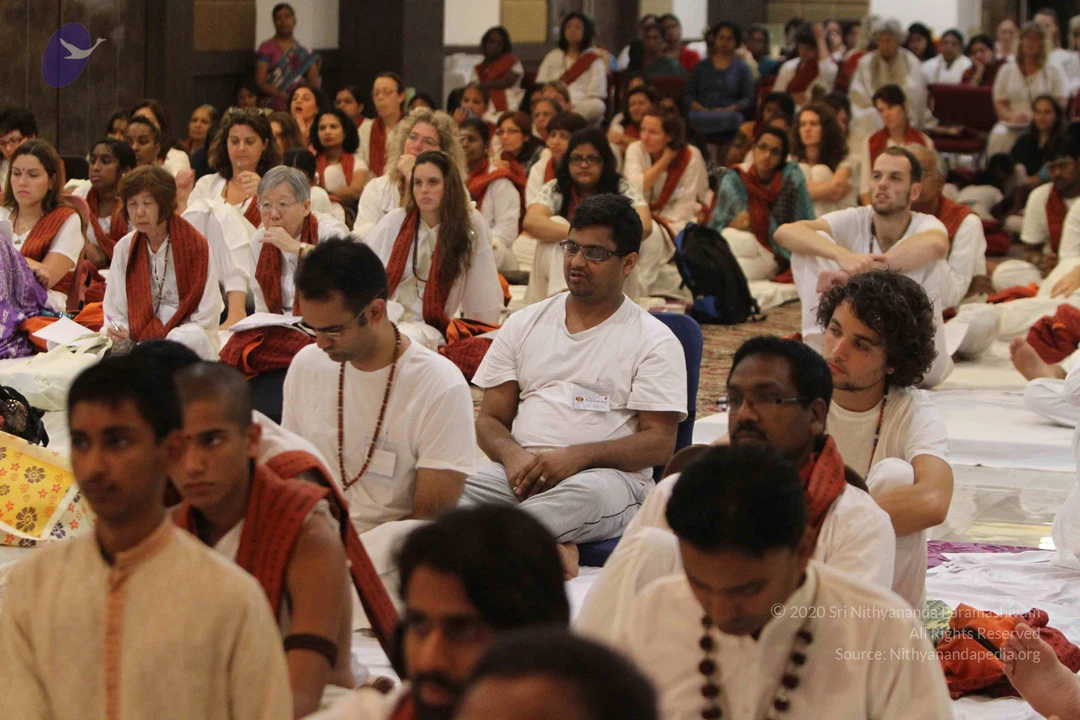
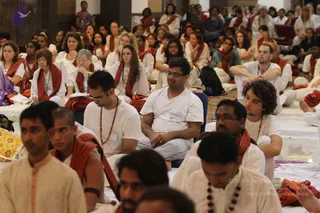
I welcome all the devotees, disciples, samajis, satsanghis, Shrimahants, Mahants, Kotharis, Thanedars sitting with us all over the world at this time through Nithyananda TV, Janashree TV, Sadhna TV and two-way video-conferencing having Nayana Deeksha in many cities, in many countries around the world.
The cities sitting with us in two-way video-conferencing having Nayana Deeksha: Hebbel Bangalore ,Arizona ,Philadelphia,Nithyananda Nagaramu-Hyderabad, High Point-North Carolina,Istanbul-Turkey,Stratford -,Dubai-vaidhyanadam,Belguium Dhayanapeetam,Nithyanada University-Paris, Ohio-Shivananda,Nithyanadha University- Los Angeles,Gaudelope -Rameswaram,Houston -Kalahasthi,San Jose -Madurai,Nithyananda Nagar Bidadi, Seattle -Chidambaram, Kuala Lumpur-Palani,Toronto-Kailasam,vancouver-Canada,Singapore-Singapuram,okhlama,St Louis-,phoenix -Kanchipuram,Oman-Sivagangai,Slovakia-.
I welcome all of you with my love and respects.
Today I wanted to expand on the science of “PERPETUAL COMPLETION”.
The twenty-seventh Inner Awakening, third day is happening.
The Science of Completion! Please listen! Yesterday you all have been initiated into the Science of Completion, the initial, first-level initiation. Today we will be working on the deeper layers of Completion, deeper level process of Completion. Yesterday I could see so many of you having so much Completion. I could see literally the whole hall completing, completing, completing! Not just one or two, the whole hall was completing! Means, the whole collective group, the whole! It was like a Completion Energy Ball where all of you are inside, all of you getting cooked literally inside one pot with the fire called “Completion”, Completion happening in everyone of you! Beautiful!
I tell you, bring your nervous system and bio-memory to its natural space called “Perpetual Completion”. Your system is hardwired, your system is manufactured to be in the space of Perpetual Completion. Please understand, I am not teaching you any superstitiousness. If you reside in Perpetual Completion, very easily you can live three-hundred years! The system can live at least for three-hundred years if you live in the space of Completion, Perpetual Completion!
Today we will enter into the methodology of deeper Completion. Yesterday you completed with various patterns, incompletions, individually. Especially that one clarity....I wanted all over the world, all the satsangis to know this. Yesterday, when I explained Completion, one of the unique important truths was revealed which I wanted all of you to listen now. The exact methodology of Completion: RE-LIVING IS RELIEVING! Listen! Once you write down all the incidents you need to complete, sit and start re-living, not just remembering. Please listen! Not just remembering! Re-living! I will explain the exact difference what is “re-living”, what is “remembering”.
Listen! I will give you an example:
At the age of six, you are playing in the rain. Your mom sees you suddenly and drags you into the house and locks you in the house and shouts at you: ‘Don’t play in the rain! How many times I told you that you will catch cold, you will fall sick!’ Now if you look at that incident with the present intelligence, you will always feel your mom was so careful about your health. You will feel, ‘Oh, she took care of me throughout her life. At that time also she took care of my health.’ Understand, when you look at that incident now, your interpretation, your understanding is different. Don’t look at that incident from the intelligence you have now. Go back to that same six-year-old child, same intelligence, same logic, same understanding you had at the age of six. If you see from the age of six, naturally you will feel terrorized, you must have been screaming at your mother, kicking the wall, kicking the door, telling your mother, ‘You die! Leave me to play!’ At that time you may not have had the intelligence thinking your mother is taking care of your health, your mother is taking care of you and all that. No! At that moment, you would have been only terrorized by your mother.
Understand, go back to that moment, the same intelligence, same intellect, same level of understanding, knowledge, same place, same space, same memory, and start re-living. This is the difference between “remembering” and “re-living”. If you try to recall from the space you exist in now, it is “remembering”. If you go back to that same space and recall, it is “re-living”.
Understand, when you re-live an incident, the layers of guilt, shame, fear, suffering, sadness which got accumulated in your bio-memory, when you re-live that incident, it will all start melting down, leaving your bio-memory. That is why I say, RE-LIVING IS RELIEVING! Let all those experiences and emotions unwind in your bio-memory, in your nervous system, and get eased! Let them just melt down and leave your system! Every incident, the incompletions built during the incident, becomes stress in your bio-memory, in your nervous system, becomes a knot in your nervous system. When you re-live, that knot, that stress melts down, melts down, melts down; but re-living has to happen from the context when the incident happened, at that same age, same memory, same intelligence, without justifying anybody, any situation, from the understandings and memory and intelligence you have now.
In this incident – your mother thrashing you and locking you in the house – if you look at that from the context now, you may feel your mother has done good for you to protect your health, to save you from wheezing, to save you from pneumonia, to save you from sinus, to save you from cold; but if you go back to that same space and start re-living without any of these understandings you gathered now, you may look at your mother as a wild, powerful animal, controlling you! Whatever emotion, idea, experience, perception, knowledge you had at that time, whatever context you had at that time, whatever interpretation you had at that time, re-live, re-live, re-live. A tremendous load, unexplainable load you carry, which is a combination of fear, sadness, depression, self-doubt, self-hatred, self-denial, which is a combination of so many things, all those layers will just start melting down; it will just start melting down! If you use the present intelligence, intellect, context, and try to re-live those incidents, it is only “remembering”; it can only give you the intellectual understanding, but not the complete relief, Completion, in the bio-memory level. But if you go back to that same context and re-live at the age of ten, or eleven, or twenty, or thirteen, or six, or seven, the nervous system will be completely eased and so much incompletion will melt down, so much incompletion will be cleared. Re-living is relieving. Re-living is relieving.
More and more precise way the method of Completion is getting expressed when Mahadeva gives initiation. Every time initiation happens, I invoke him, ask him to be directly giving the initiation. So, every time he initiates, he gives more and more precise words, precise methodology which helps all of you to achieve more and more, deeper and deeper levels of Completion.
So, all the disciples, devotees, samajis, satsanghis, Mahants, Shrimahants, Kotharis, Thanedars, practicing Completion, understand the precise difference between “remembering” and “re-living”. You need to understand the difference between “remembering” and “re-living”.
And, now, it is time for all of you to start re-living and relieving, practicing the Completion process precisely. I will repeat once more. If you are completing the incident which happened at the age of seven, you should recollect that incident from the context, understanding, intellect you had at that age. You will not be recollecting with the context, understanding of now. The intelligence you have now, the context you have now, the understanding you have now should not be brought when you are re-living the incident which happened at the age of six or seven.
One devotee came and told me, ‘Swamiji, in the young age, at the age of eight, I was physically abused by one of my relatives. But, now, when I look at that person, he is such a nice person, such a good person, caring, respecting all of us including me. How can I curse him?’ I told her, you don’t need to curse that person, but when you re-live and complete with that incident, you cannot have the context that he is a good person which you are having now. You have to have that exact context you had at that time. At that time if you felt he is a good person, keep that context. At that time if you felt he is a bad person, he is a demon, he is abusing you, have that context. At that time when the incident happened whatever was the context, re-live from that context....re-live from that context.
So understand, go back to that same intelligence, go back to that same emotion, go back to that same understanding you had. With that, re-live, re-live, re-live, and relieve! When you re-live this way and relieve, you will see the heaviness, incompletion, sadness, fear, suffering which you were carrying in your bio-memory at that time will not have power over your present and future decisions....your present and future decisions. That is why I am saying, please understand, that is why I am saying, please understand, I am repeating, RE-LIVING IS RELIEVING, COMPLETION IS SUCH A POWERFUL PROCESS!
When you are re-living the incident which happened at the age of seven from that context, you will naturally be disidentified......“in” the way for “out”. When you are completely trying to be in that same context, because it is past and dead, you will simply be disidentified. A ripe fruit falls from the tree. If the fruit does not fall from the tree, still it is feeling it needs some more support from the tree to ripen. Only as long as it is an incompletion, it does not fall from your system. The moment it becomes complete, it automatically leaves your system. When you re-live intensely, sincerely, simply you are relieved!
Today we will move into the next level of Completion.
One more thing: After re-living at least five times, you will see by yourself that those memories, emotions, incompletions, hangover, residues don’t have power over your system any more even if you remember them. Even if by accident they are provoked in you, those memories are awakened in you, you are reminded about them, it will not impact your inner-space; you will not carry that heaviness; you won’t carry that heaviness; it will never be part of your cognition at all.
Today we will move to the next levels of Completion and learn the science of how to exist in the space of Perpetual Completion....how to exist in the space of Perpetual Completion....understand, Perpetual Completion. Living in Perpetual Completion is what I call “Living Advaitha, “Living Enlightenment”. Living Perpetual Completion is what I call “Living Advaitha”.
Complete! Complete! Complete! More and more and more, whatever incompletion happens, whatever incompletion you remember, anything which puts you in the space of powerlessness, go back to the source when you started experiencing it, re-live, re-live, re-live, and relieve. Re-live, re-live, re-live and relieve! Any Completion done once, it will not impact your future anymore; you will be free from the effects and side-effects and after-effects of that. Even the modern-day psychologists are confirming that your brain does not know the difference between real experience and one that is re-lived. Joseph Carver, he is a Ph.D., psychologist, he has shown in his research that when we re-live with a new cognition, means the new consciousness, your new consciousness is continuously growing, your cognition is continuously growing, your cognition is continuously growing.... New cognition means, the cognition in which Completion process is initiated. So, after the initiation into the Completion, you are sitting and re-living not just to brood over, but to complete. With this new context to complete, when you sit and re-live, the memory gets saved back in that new cognition, over-writing the old memory, removing the emotional part of the memory, and removing all the incompletions, powerless part of the memory. All the past emotions which put you in powerlessness, all that is removed, and a new memory gets saved removing the powerlessness part of the old memory. The rewriting happens.
So, understand, with this new cognition of Completion, simply re-live, you will be relieved! When the Completion becomes Perpetual Completion..... Today, especially, we are going to work on finding each one of your root patterns. Yesterday we worked on completing your pattern; today, root pattern, the root of all the patterns. I will be guiding all of you to find the root of all the patterns (moolasmakara) from which your patterns manifest, your incompletions start. When we find the root of the patterns and complete simply you get relieved. Re-living is relieving especially when we find your root pattern and completion is done you will be relieved from the sufferings you are again and again manifesting in your life for so many years.
I bless you all! Let you all radiate with Integrity, Authenticity, Responsibility, Enriching, and Causing eternal bliss, Nithyananda! Thank you!
Title
Bust Free From Your Root Pattern || Part 1 || IA || 17 July 2014
Description
Title: Bust Free From Your Root Pattern Part 1
Name Of The Convention: Inner Awakening
Session on: How to make your powerlessness obsolete
Date : 17 July 2014
Venue : Haridwar, Uttarakhand, India
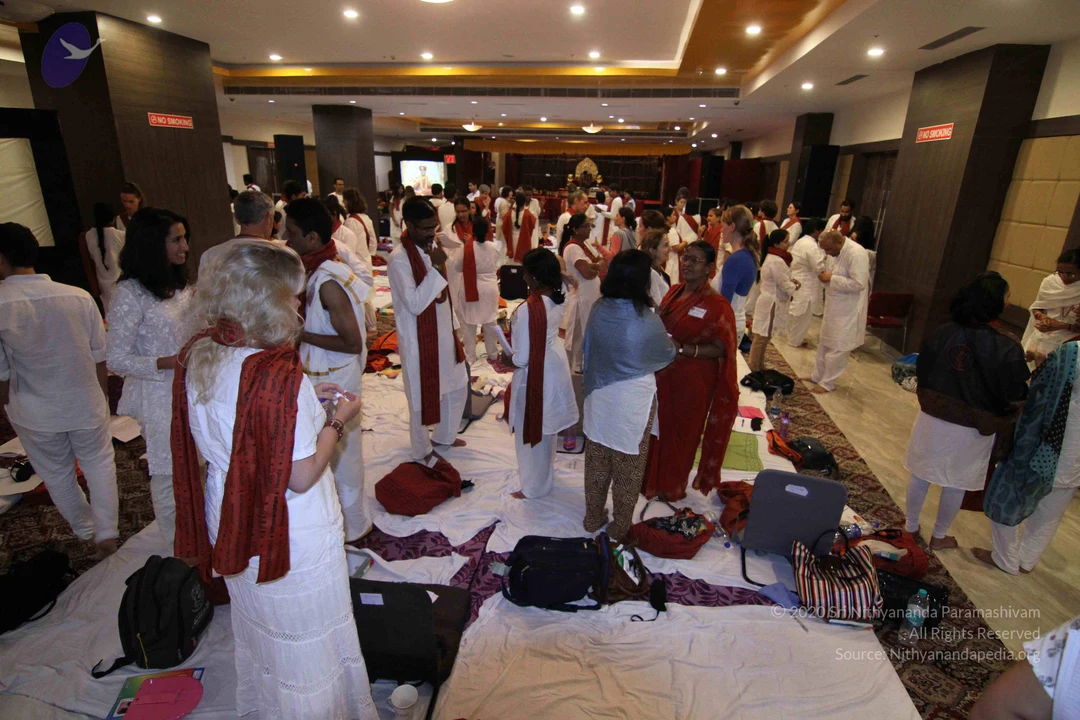
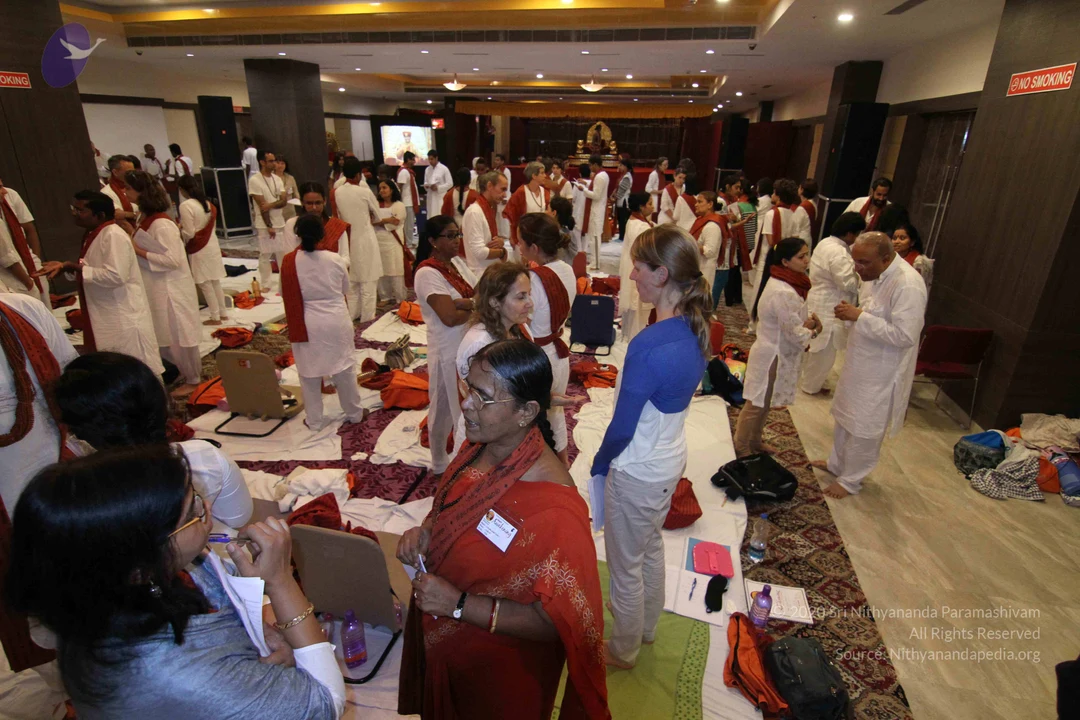
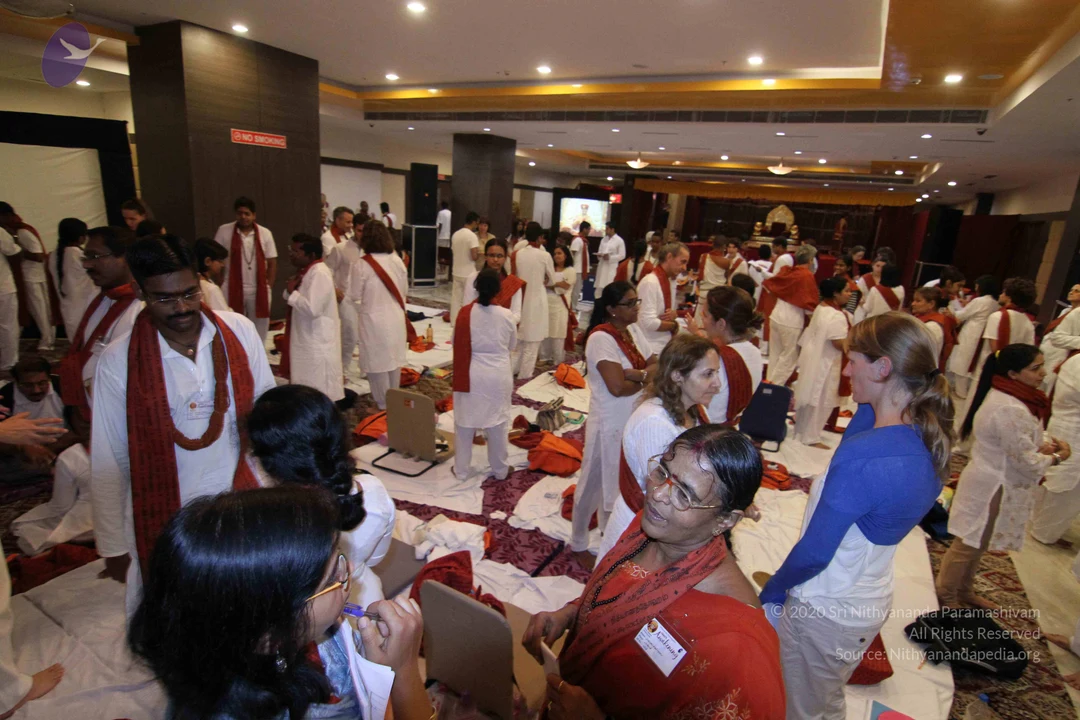
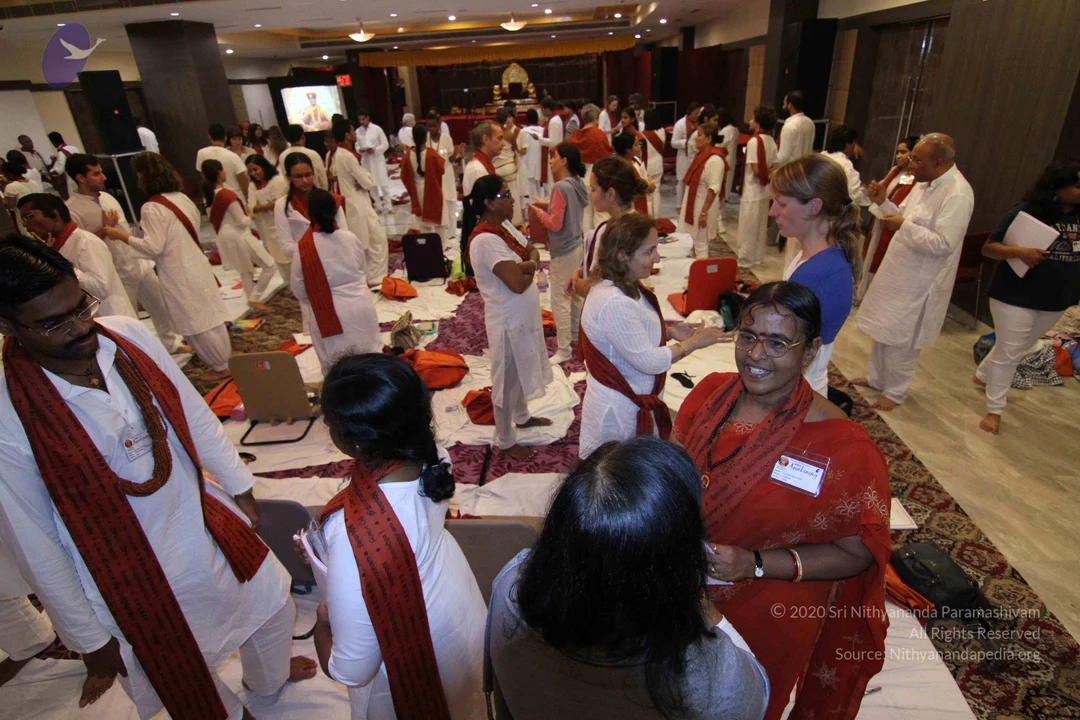
In this video Supreme Pontiff of Hinduism HDH #Nithyananda Paramashivam says our root pattern is developed before the age of seven at the moment when we first felt powerless. Since that moment, our root pattern is continuously repeating in our life and is the cause of all our sufferings. In this four-part series, HDH guides delegates of the Inner Awakening Convention through a series of exercises to relive their root patterns so that the root pattern can dry up and disappear, making powerlessness irrelevant in their life.
The Supreme Pontiff of Hinduism Jagatguru Mahasannidhanam His Divine Holiness Nithyananda Paramashivam (HDH) is the reviver of #KAILASA - the ancient enlightened civilization and the great cosmic borderless Hindu nation. Revered as the incarnation of Paramashiva - the primordial Hindu Divinity, HDH has a following of 2 billion Hindus worldwide with de facto spiritual embassies in over 150 countries. He has worked untiringly for over 26 years for the revival of Kailasa, for global peace and to give super conscious breakthrough to humanity. He has survived the worst persecution of multiple assassination attempts on person and on character by anti-Hindu elements. He is collecting, organising, preserving, time capsuling, decoding, spreading and reviving 20 Million source books of Hinduism and the 64 sacred arts & sciences like Ayurveda, music, dance, sculpting, astrology, vastu and much more. Close to 20,000 hours of HDH’s timeless talks have been recorded till date (Sep 2020), which are a treasure trove of powerful cognitions to solve individual and global problems of any kind.
Link to Video:
| Video | Audio |
Title
Bust Free From Your Root Pattern || Part 2 || IA || 17 July 2014
Description
Title: Bust Free From Your Root Pattern Part 2
Name Of The Convention: Inner Awakening
Session on: How to make your powerlessness obsolete
Date : 17 July 2014
Venue : Haridwar, Uttarakhand, India
In this video Supreme Pontiff of Hinduism HDH #Nithyananda Paramashivam says our root pattern is developed before the age of seven at the moment when we first felt powerless. Since that moment, our root pattern is continuously repeating in our life and is the cause of all our sufferings. In this four-part series, HDH guides delegates of the Inner Awakening Convention through a series of exercises to relive their root patterns so that the root pattern can dry up and disappear, making powerlessness irrelevant in their life.
The Supreme Pontiff of Hinduism Jagatguru Mahasannidhanam His Divine Holiness Nithyananda Paramashivam (HDH) is the reviver of #KAILASA - the ancient enlightened civilization and the great cosmic borderless Hindu nation. Revered as the incarnation of Paramashiva - the primordial Hindu Divinity, HDH has a following of 2 billion Hindus worldwide with de facto spiritual embassies in over 150 countries. He has worked untiringly for over 26 years for the revival of Kailasa, for global peace and to give super conscious breakthrough to humanity. He has survived the worst persecution of multiple assassination attempts on person and on character by anti-Hindu elements. He is collecting, organising, preserving, time capsuling, decoding, spreading and reviving 20 Million source books of Hinduism and the 64 sacred arts & sciences like Ayurveda, music, dance, sculpting, astrology, vastu and much more. Close to 20,000 hours of HDH’s timeless talks have been recorded till date (Sep 2020), which are a treasure trove of powerful cognitions to solve individual and global problems of any kind.
Link to Video:
| Video | Audio |
Title
Bust Free From Your Root Pattern || Part 3 || IA || 17 July 2014
Description
Title: Bust Free From Your Root Pattern Part 3
Name Of The Convention: Inner Awakening
Session on: How to make your powerlessness obsolete
Date : 17 July 2014
Venue : Haridwar, Uttarakhand, India
In this video Supreme Pontiff of Hinduism HDH #Nithyananda Paramashivam says our root pattern is developed before the age of seven at the moment when we first felt powerless. Since that moment, our root pattern is continuously repeating in our life and is the cause of all our sufferings. In this four-part series, HDH guides delegates of the Inner Awakening Convention through a series of exercises to relive their root patterns so that the root pattern can dry up and disappear, making powerlessness irrelevant in their life.
The Supreme Pontiff of Hinduism Jagatguru Mahasannidhanam His Divine Holiness Nithyananda Paramashivam (HDH) is the reviver of #KAILASA - the ancient enlightened civilization and the great cosmic borderless Hindu nation. Revered as the incarnation of Paramashiva - the primordial Hindu Divinity, HDH has a following of 2 billion Hindus worldwide with de facto spiritual embassies in over 150 countries. He has worked untiringly for over 26 years for the revival of Kailasa, for global peace and to give super conscious breakthrough to humanity. He has survived the worst persecution of multiple assassination attempts on person and on character by anti-Hindu elements. He is collecting, organising, preserving, time capsuling, decoding, spreading and reviving 20 Million source books of Hinduism and the 64 sacred arts & sciences like Ayurveda, music, dance, sculpting, astrology, vastu and much more. Close to 20,000 hours of HDH’s timeless talks have been recorded till date (Sep 2020), which are a treasure trove of powerful cognitions to solve individual and global problems of any kind.
Link to Video:
| Video | Audio |
Title
Bust Free From Your Root Pattern || Part 4 || IA || 17 July 2014
Description
Title: Bust Free From Your Root Pattern Part 4
Name Of The Convention: Inner Awakening
Session on: How to make your powerlessness obsolete
Date : 17 July 2014
Venue : Haridwar, Uttarakhand, India
In this video Supreme Pontiff of Hinduism HDH #Nithyananda Paramashivam says our root pattern is developed before the age of seven at the moment when we first felt powerless. Since that moment, our root pattern is continuously repeating in our life and is the cause of all our sufferings. In this four-part series, HDH guides delegates of the Inner Awakening Convention through a series of exercises to relive their root patterns so that the root pattern can dry up and disappear, making powerlessness irrelevant in their life.
The Supreme Pontiff of Hinduism Jagatguru Mahasannidhanam His Divine Holiness Nithyananda Paramashivam (HDH) is the reviver of #KAILASA - the ancient enlightened civilization and the great cosmic borderless Hindu nation. Revered as the incarnation of Paramashiva - the primordial Hindu Divinity, HDH has a following of 2 billion Hindus worldwide with de facto spiritual embassies in over 150 countries. He has worked untiringly for over 26 years for the revival of Kailasa, for global peace and to give super conscious breakthrough to humanity. He has survived the worst persecution of multiple assassination attempts on person and on character by anti-Hindu elements. He is collecting, organising, preserving, time capsuling, decoding, spreading and reviving 20 Million source books of Hinduism and the 64 sacred arts & sciences like Ayurveda, music, dance, sculpting, astrology, vastu and much more. Close to 20,000 hours of HDH’s timeless talks have been recorded till date (Sep 2020), which are a treasure trove of powerful cognitions to solve individual and global problems of any kind.
Link to Video:
| Video | Audio |
Title
Breathe yourself to completion || I A || 17 July 2014
Description
Title: Breathe yourself to completion
Name Of The Convention: Inner Awakening
Session on: Kriyas for Completion
Date : 17 July 2014
Venue : Haridwar; Uttarakhand,India
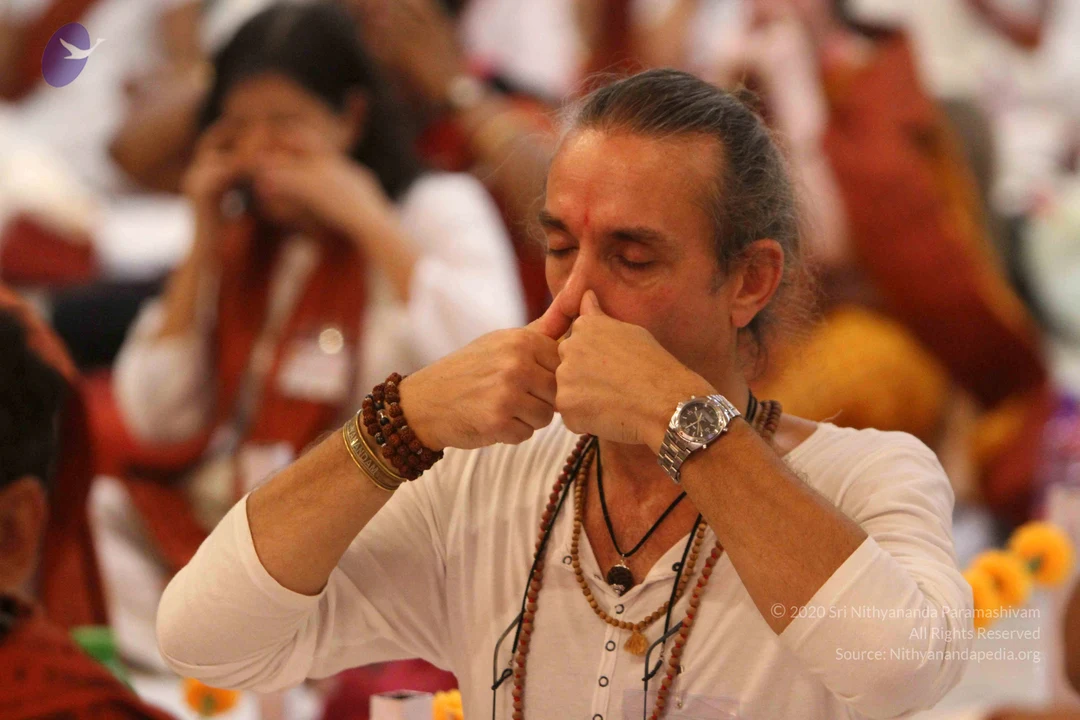
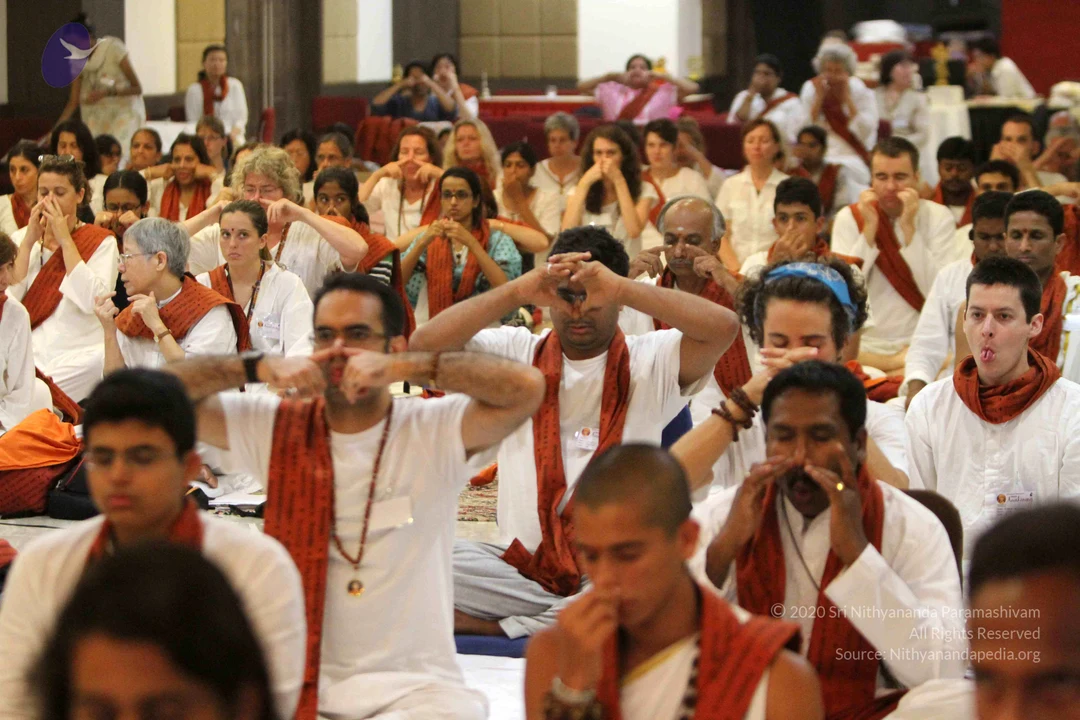
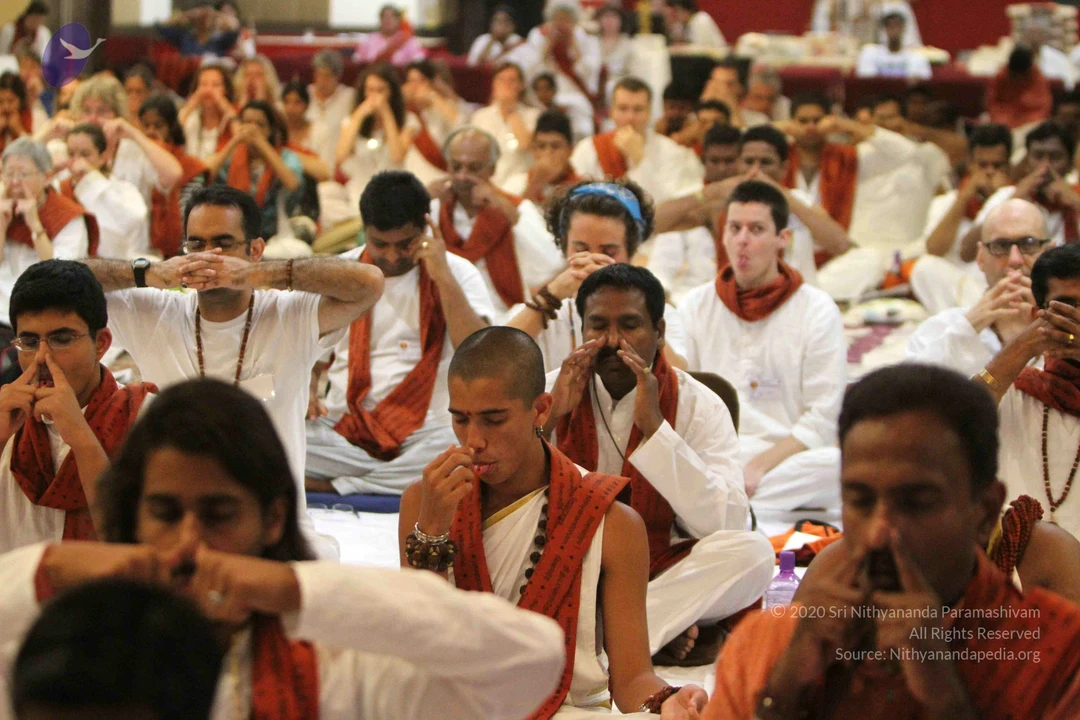
In this video, HDH Nithyananda Paramashivam describes that our breathing changes depending on how we feel. Swamiji then guides the IA delegates into three different breathing techniques (Kriyas) to help them reach the state of complete completion.
The Supreme Pontiff of Hinduism Jagatguru Mahasannidhanam His Divine Holiness #Nithyananda Paramashivam (HDH) is the reviver of #KAILASA - the ancient enlightened civilization and the great cosmic borderless Hindu nation. Revered as the incarnation of Paramashiva - the primordial Hindu Divinity, HDH has a following of 2 billion Hindus worldwide with de facto spiritual embassies in over 150 countries. He has worked untiringly for over 26 years for the revival of Kailasa, for global peace and to give super conscious breakthrough to humanity. He has survived the worst persecution of multiple assassination attempts on person and on character by anti-Hindu elements. He is collecting, organising, preserving, time capsuling, decoding, spreading and reviving 20 Million source books of Hinduism and the 64 sacred arts & sciences like Ayurveda, music, dance, sculpting, astrology, vastu and much more. Close to 20,000 hours of HDH’s timeless talks have been recorded till date (Sep 2020), which are a treasure trove of powerful cognitions to solve individual and global problems of any kind.
Link to Video:
| Video | Audio |
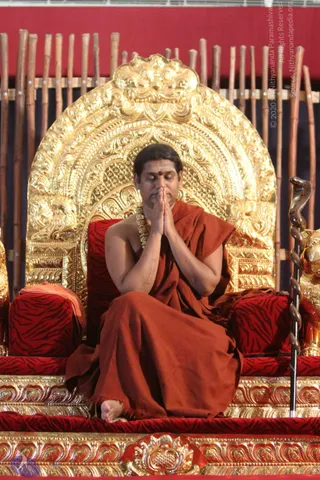
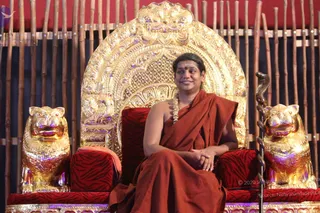
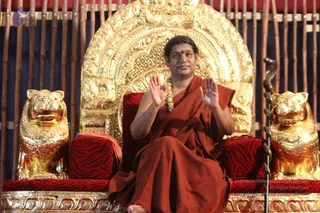
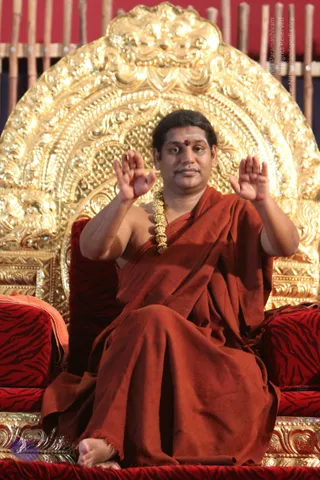
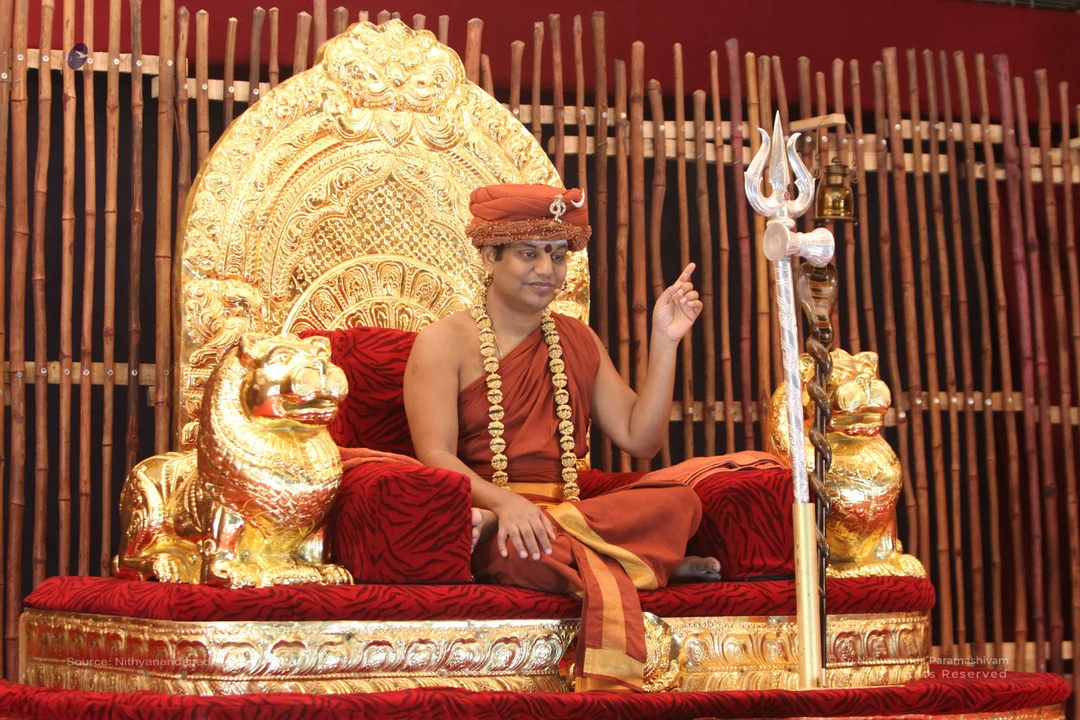
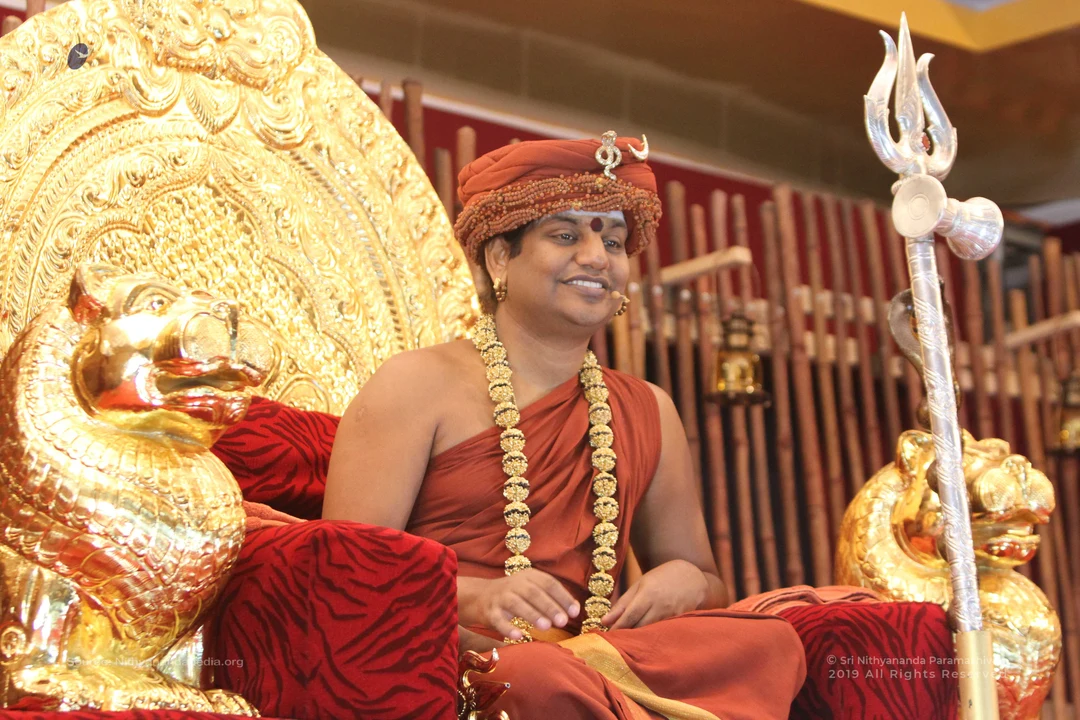
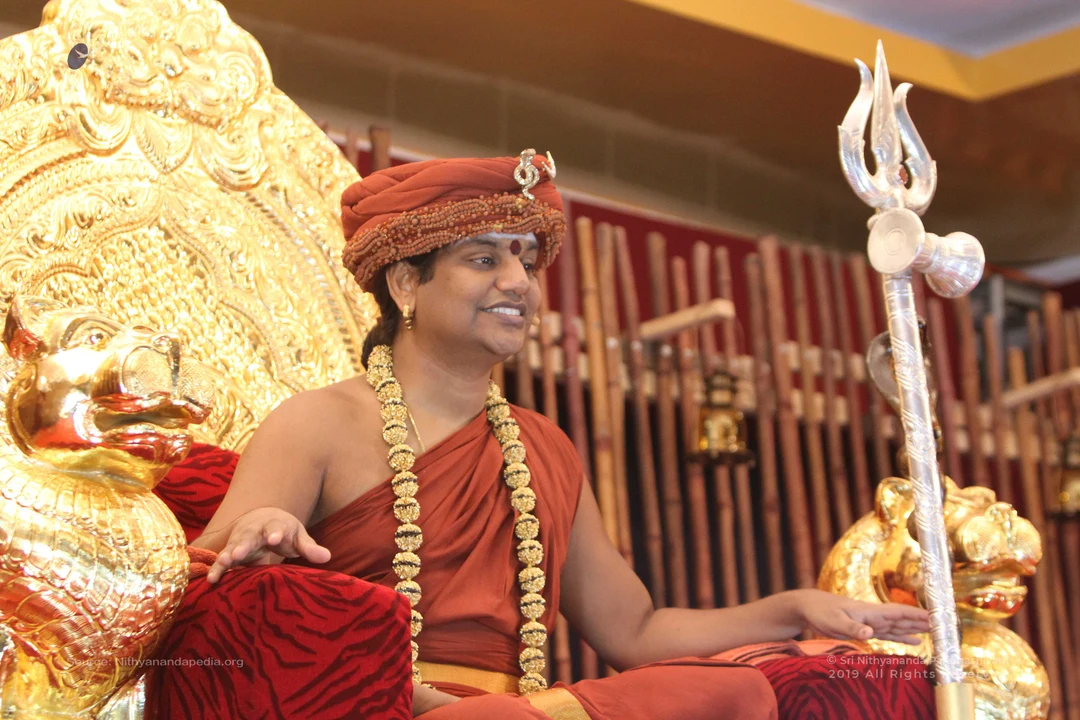
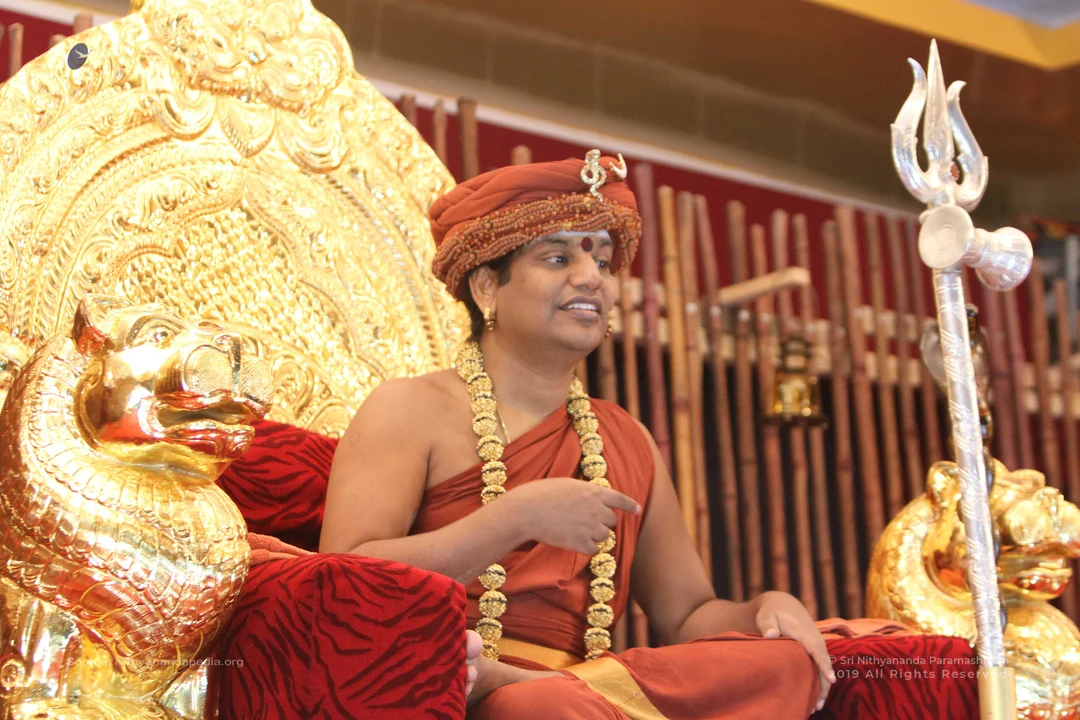
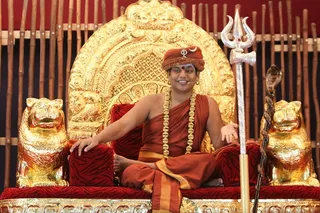
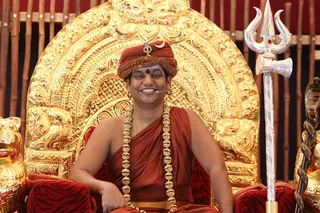
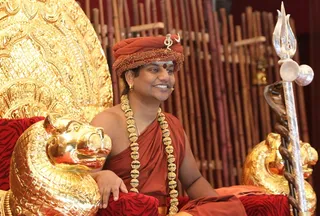
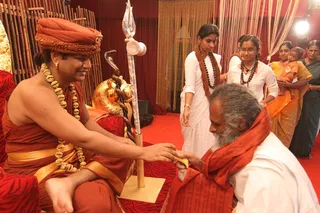
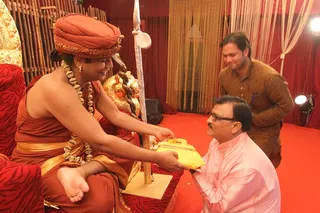
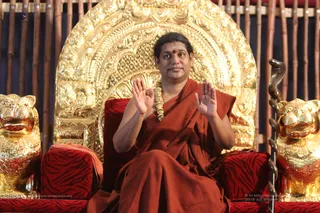
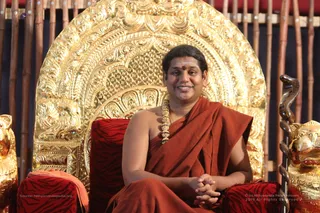
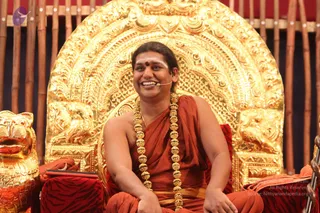
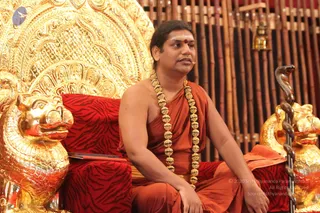
Photos From The Day:
Photos From The Day:
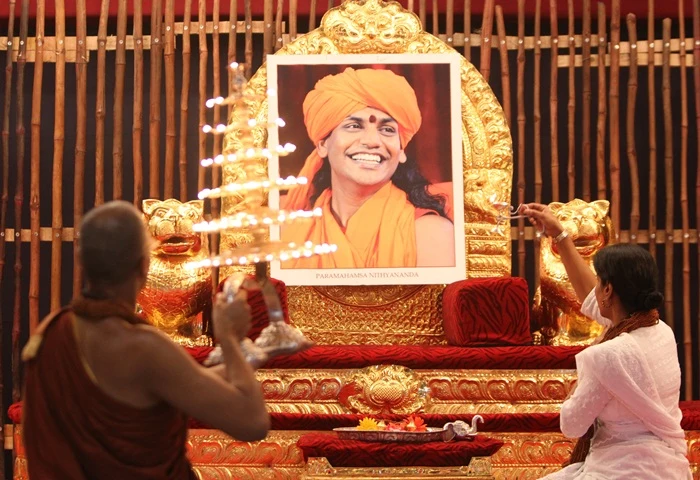
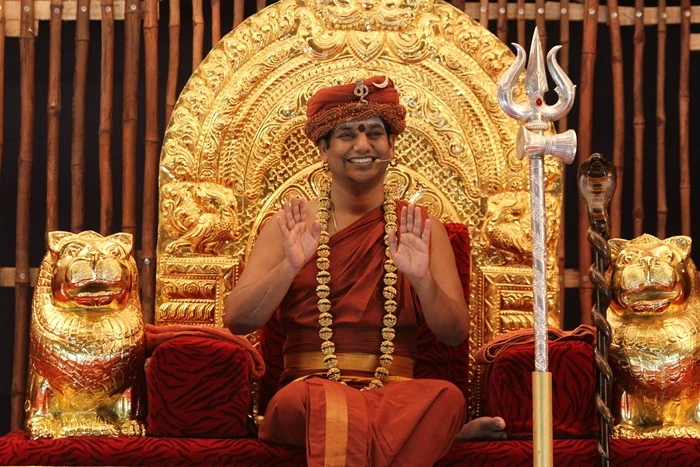
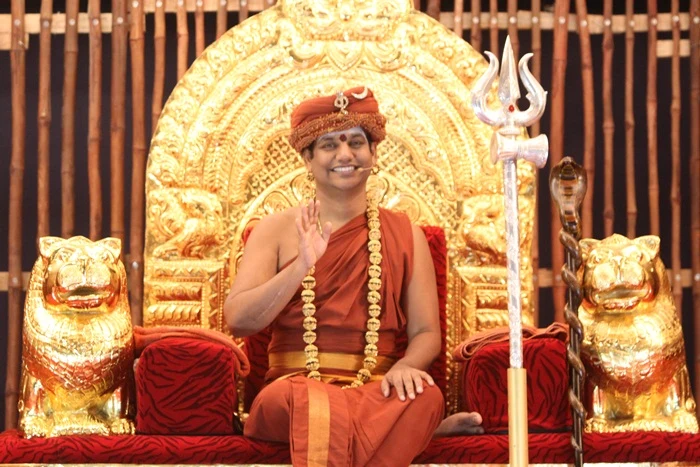
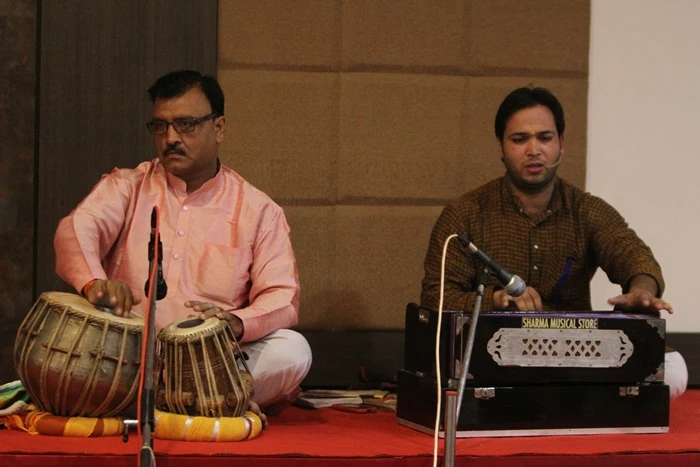
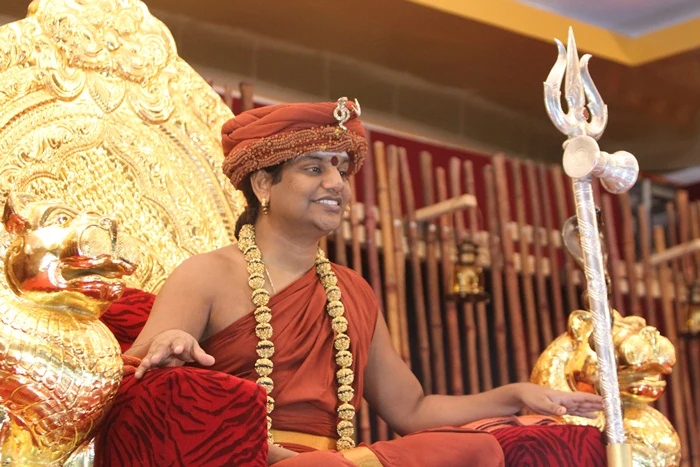
{{#hsimg:1|300||https://nithyananda.org/sites/default/files/photo-gallery/2014-07jul-17-nithyananda-diary_IMG_3428_haridwar-ia.JPG}]

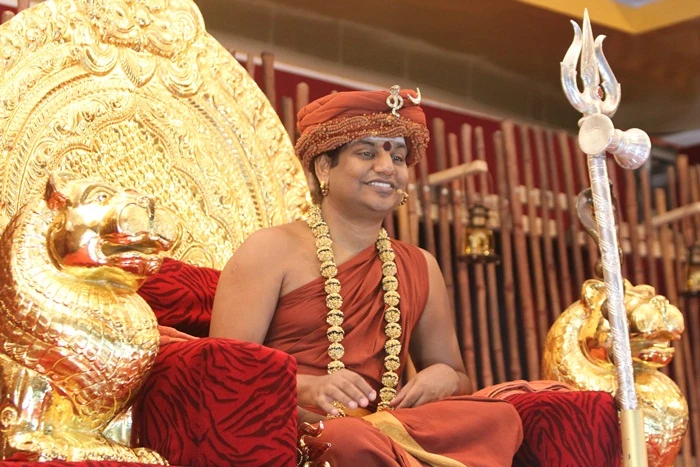
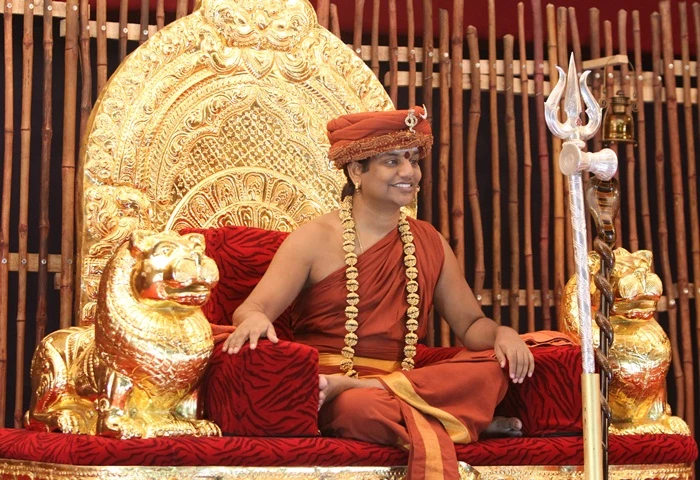
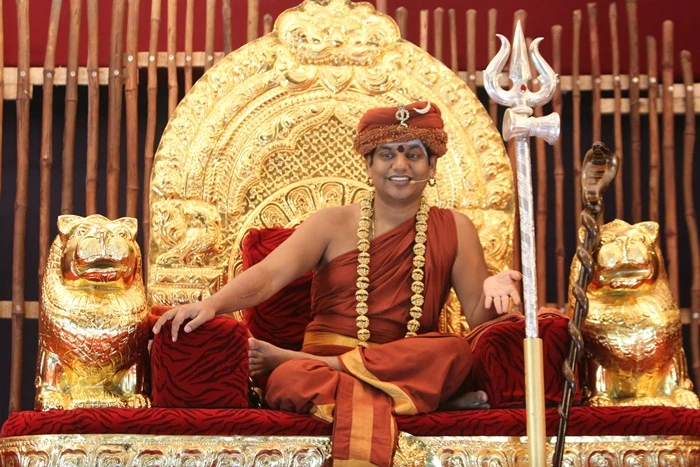
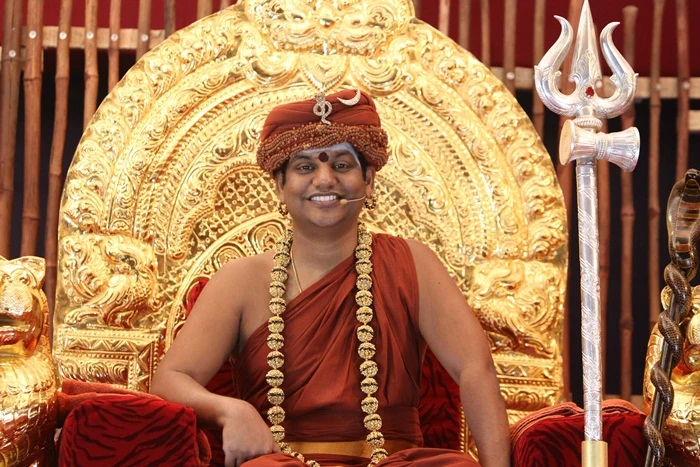
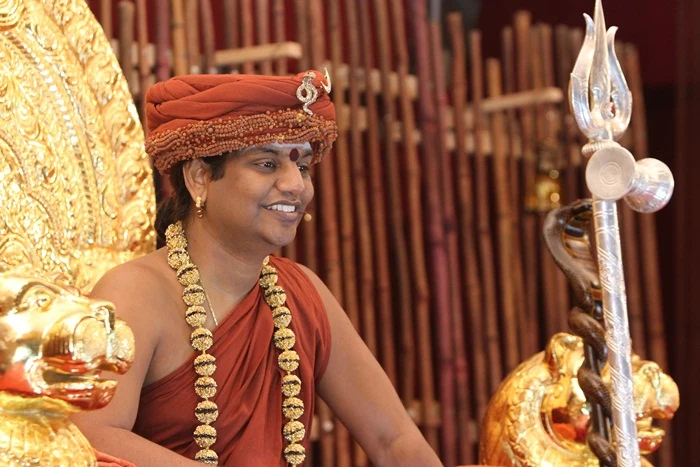
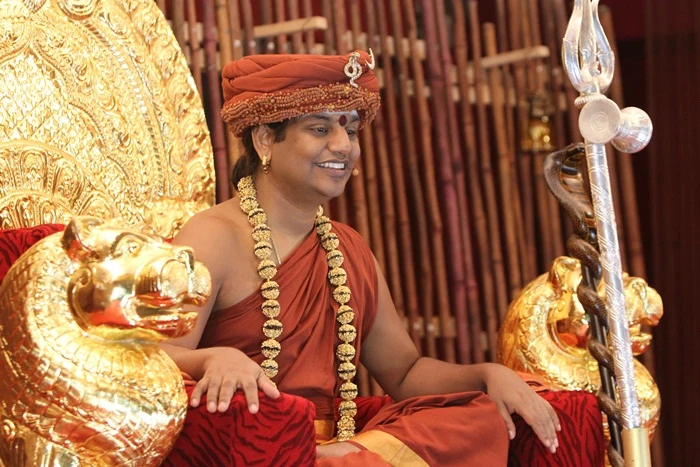
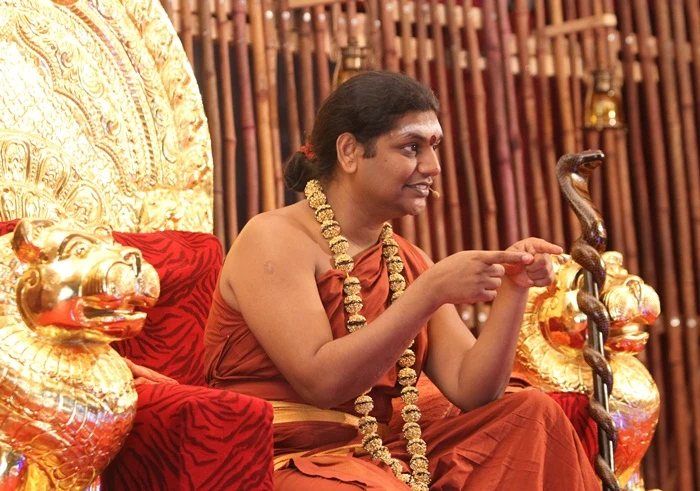
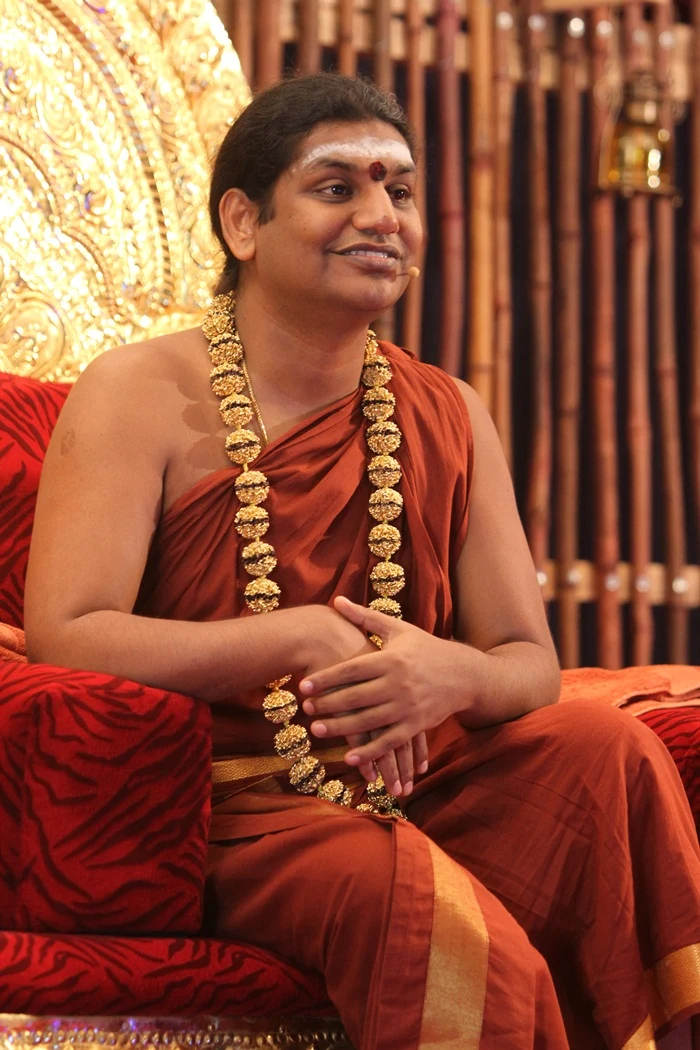
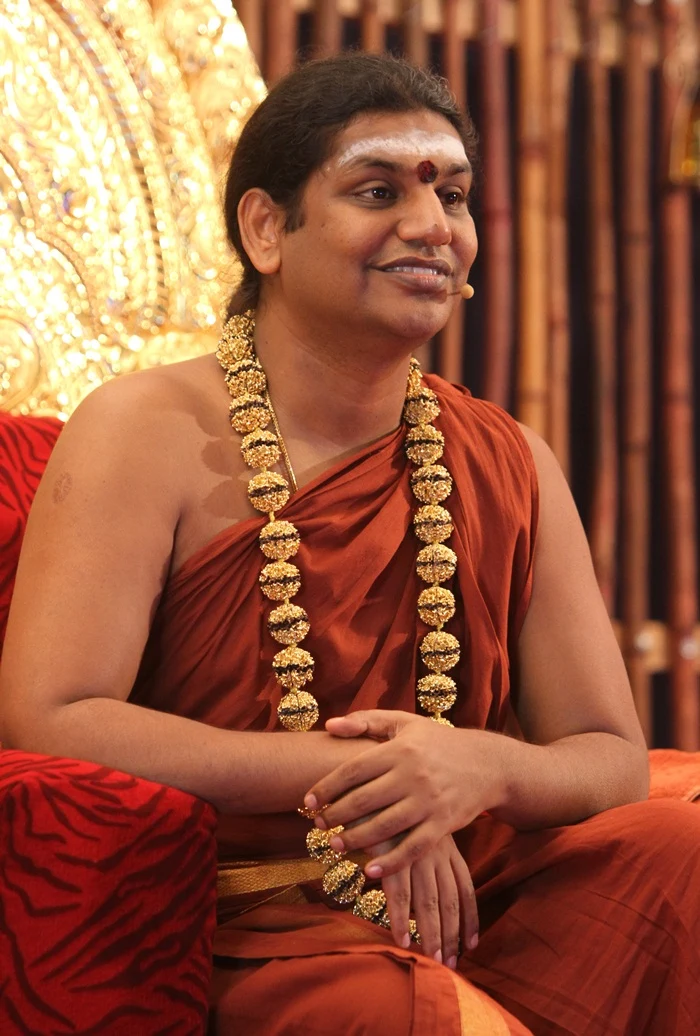
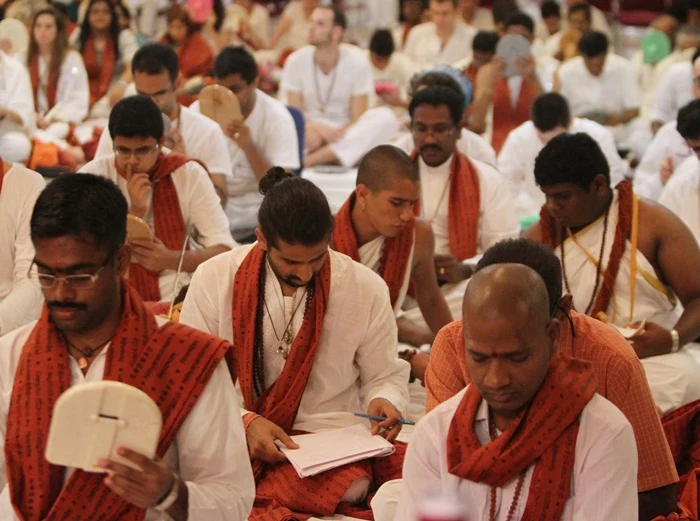
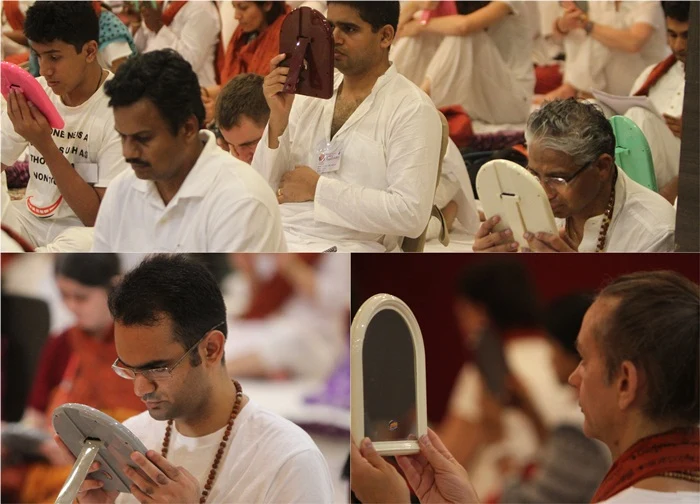
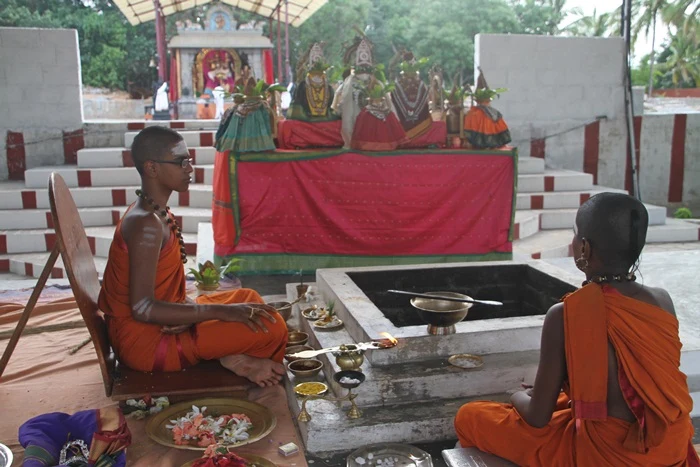
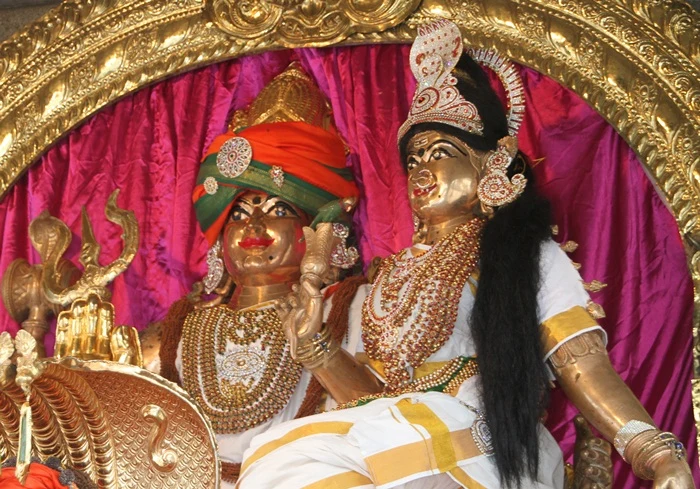
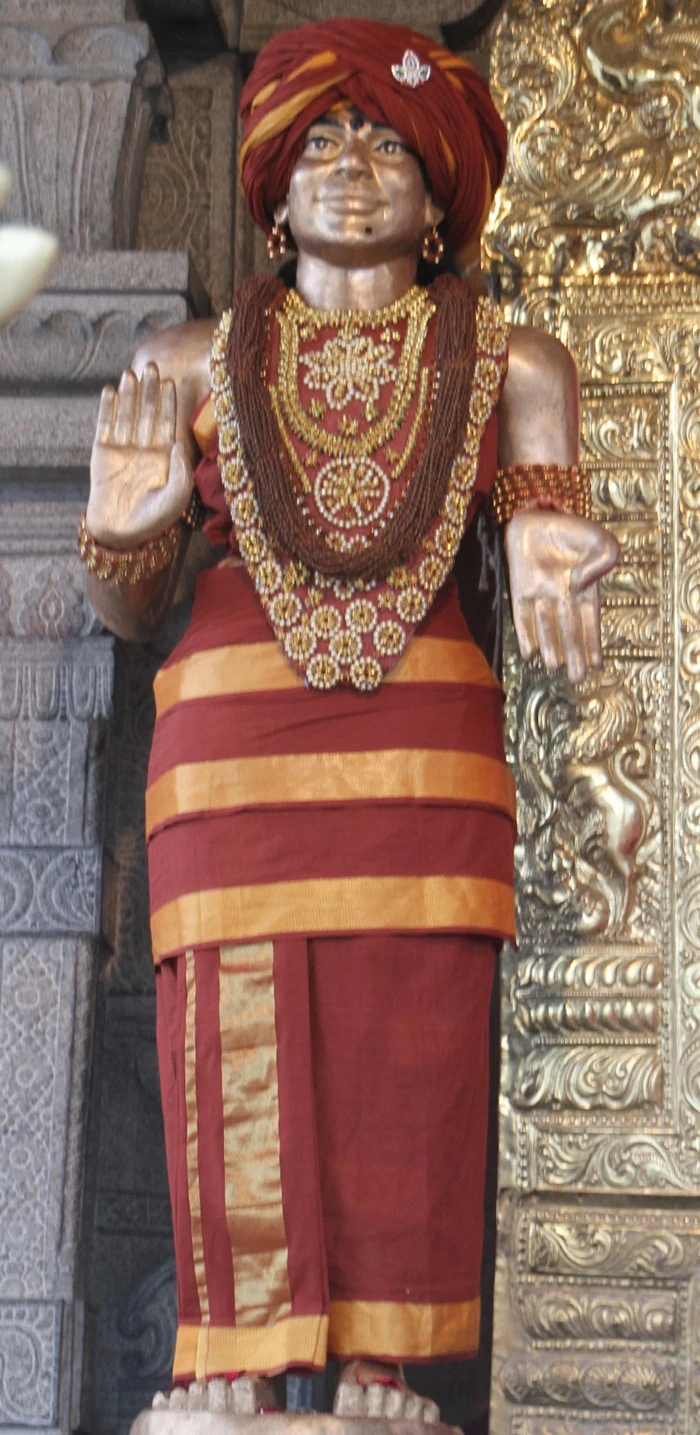
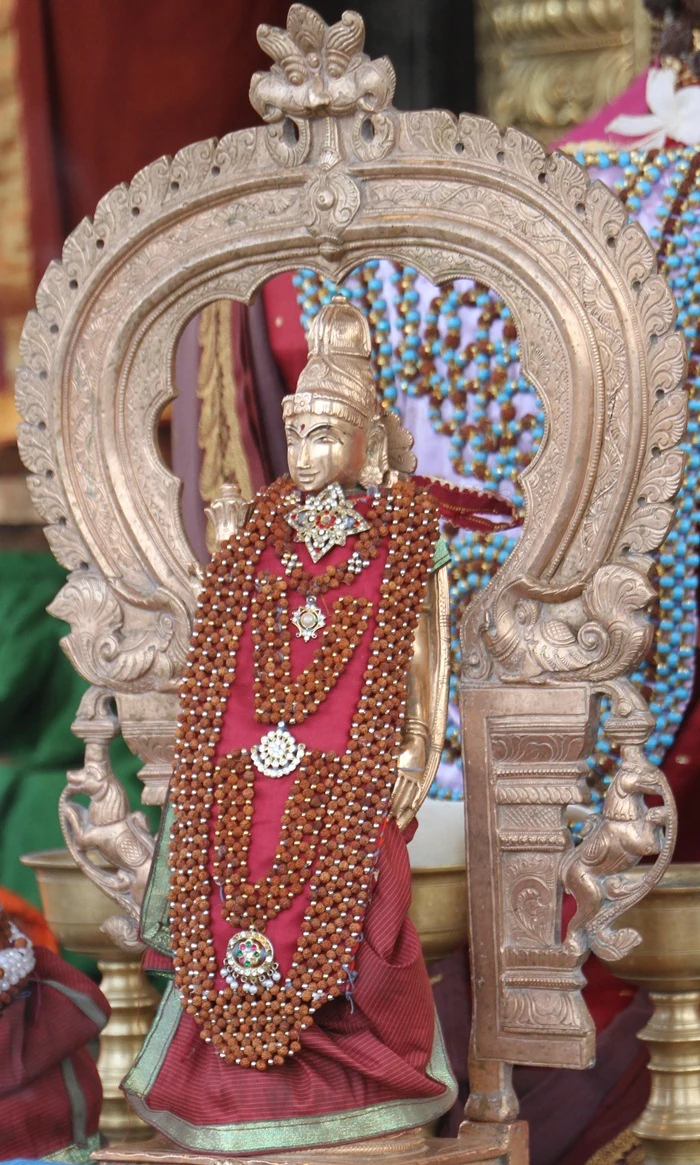
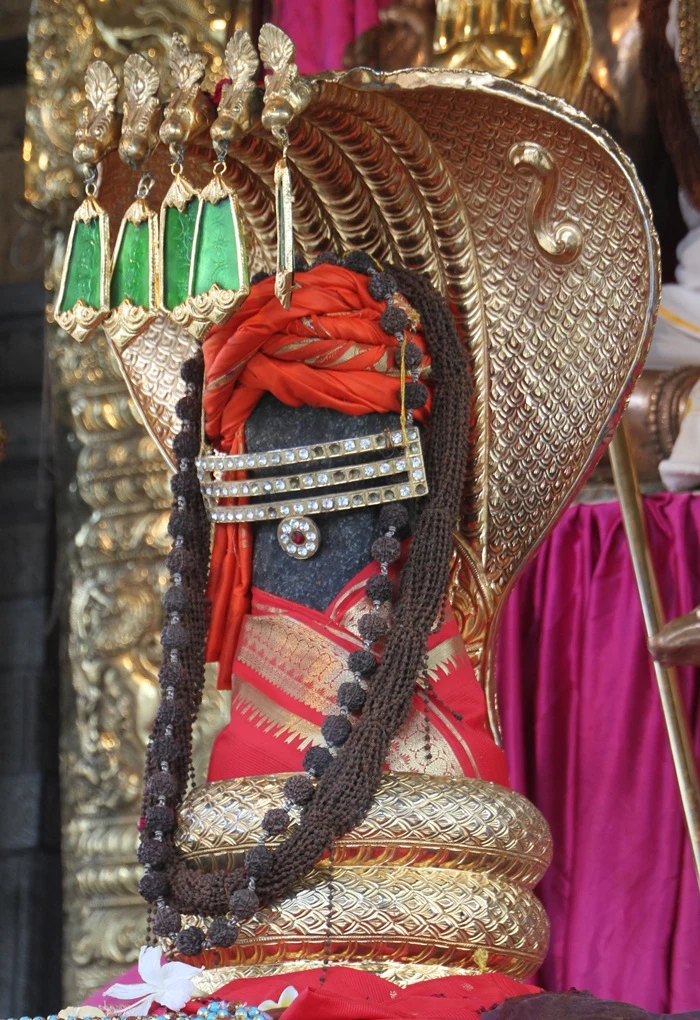
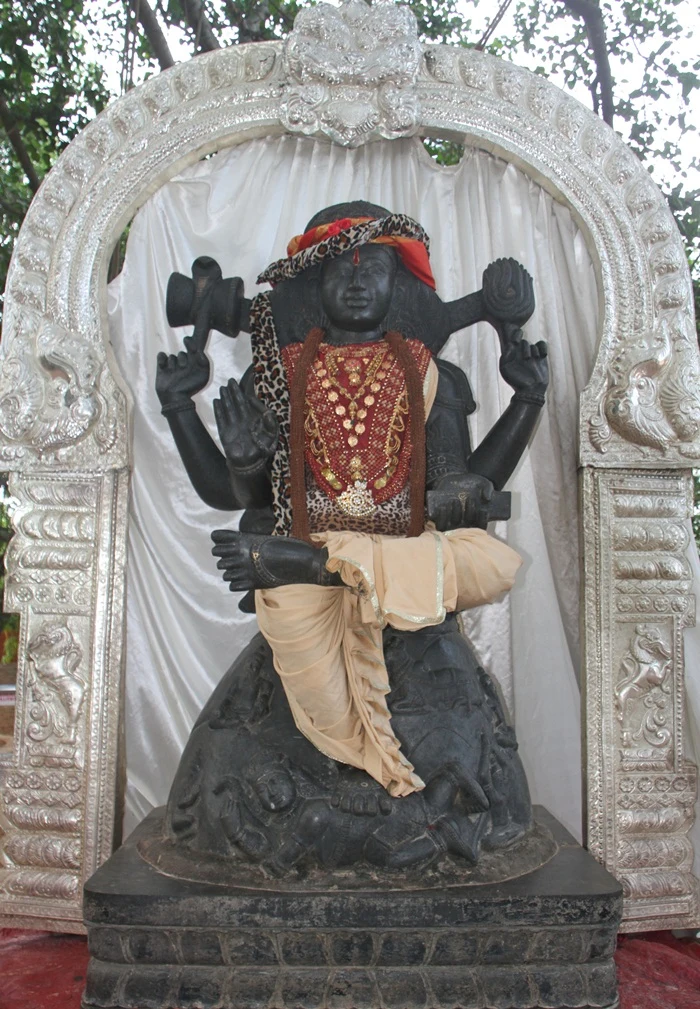
Photos
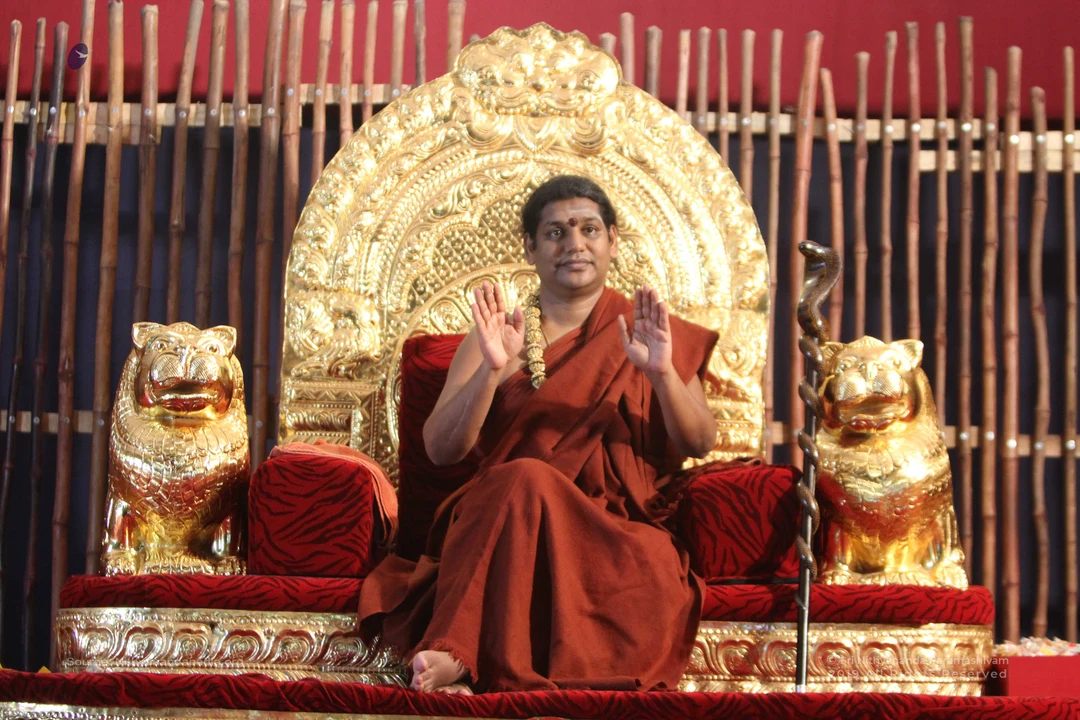
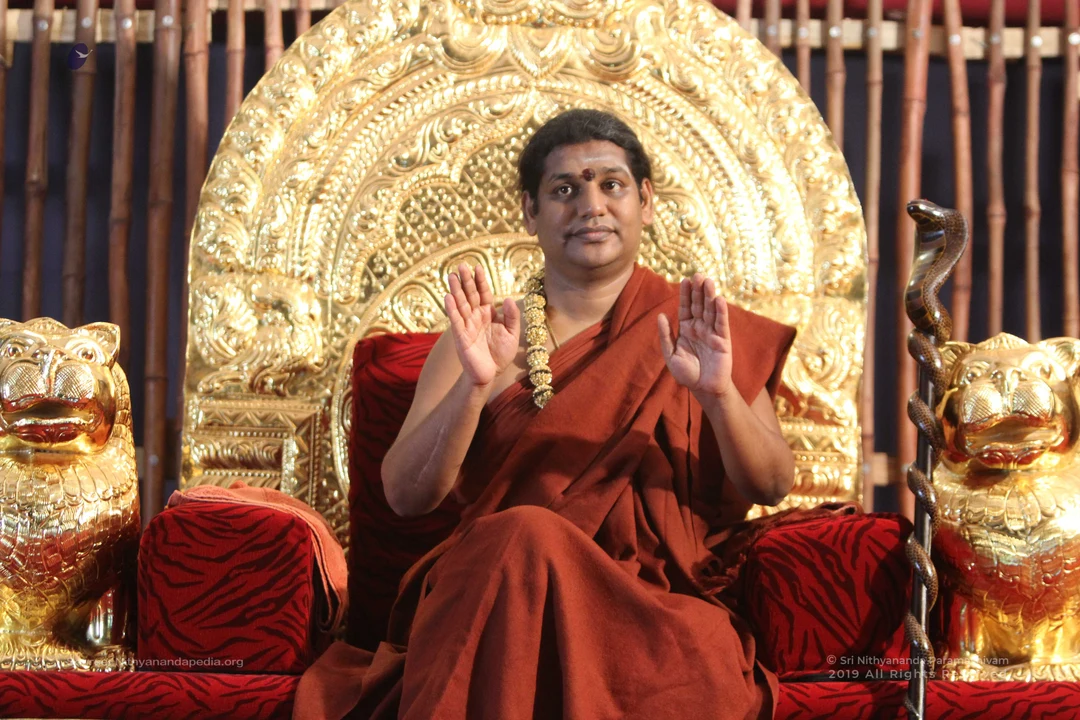
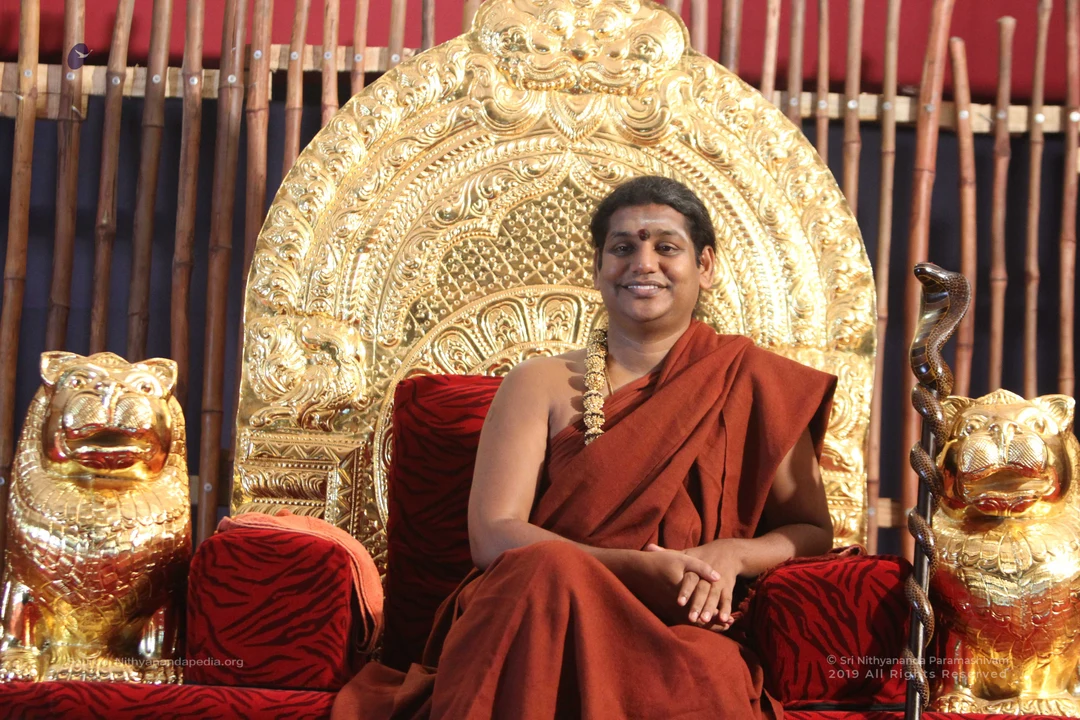
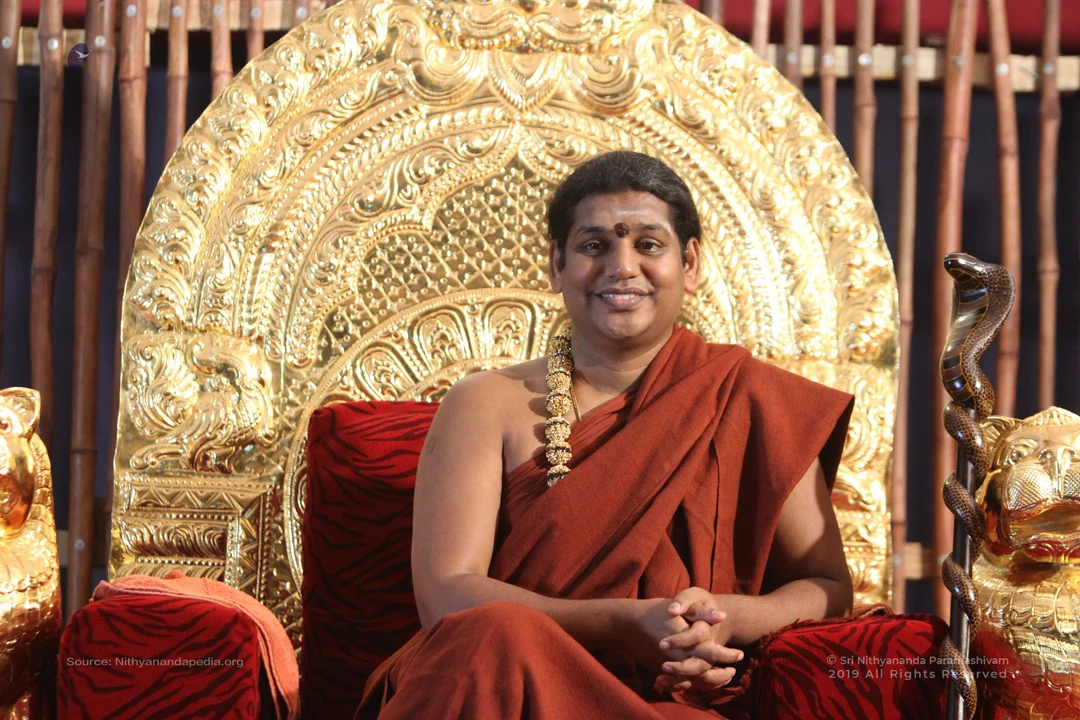
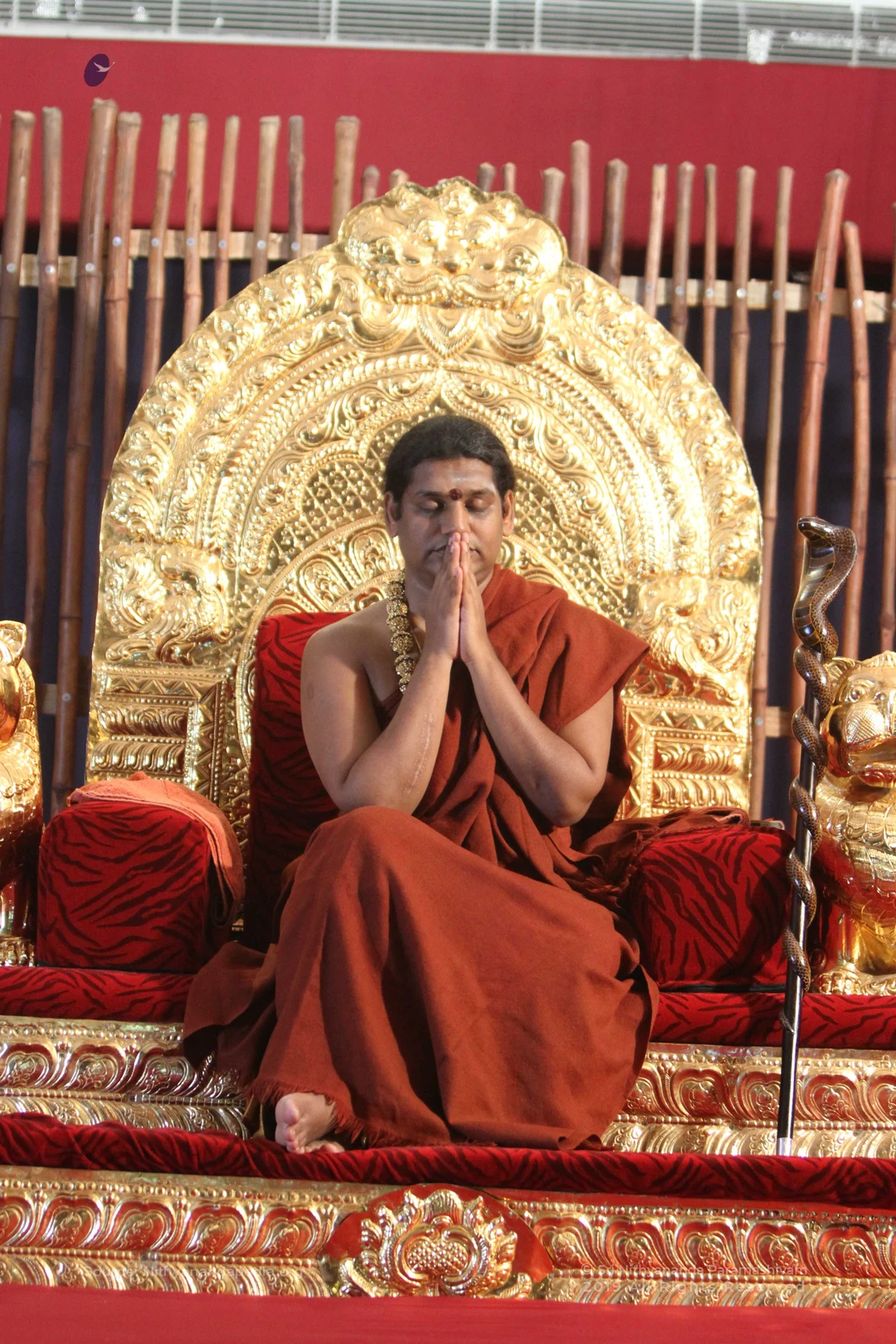
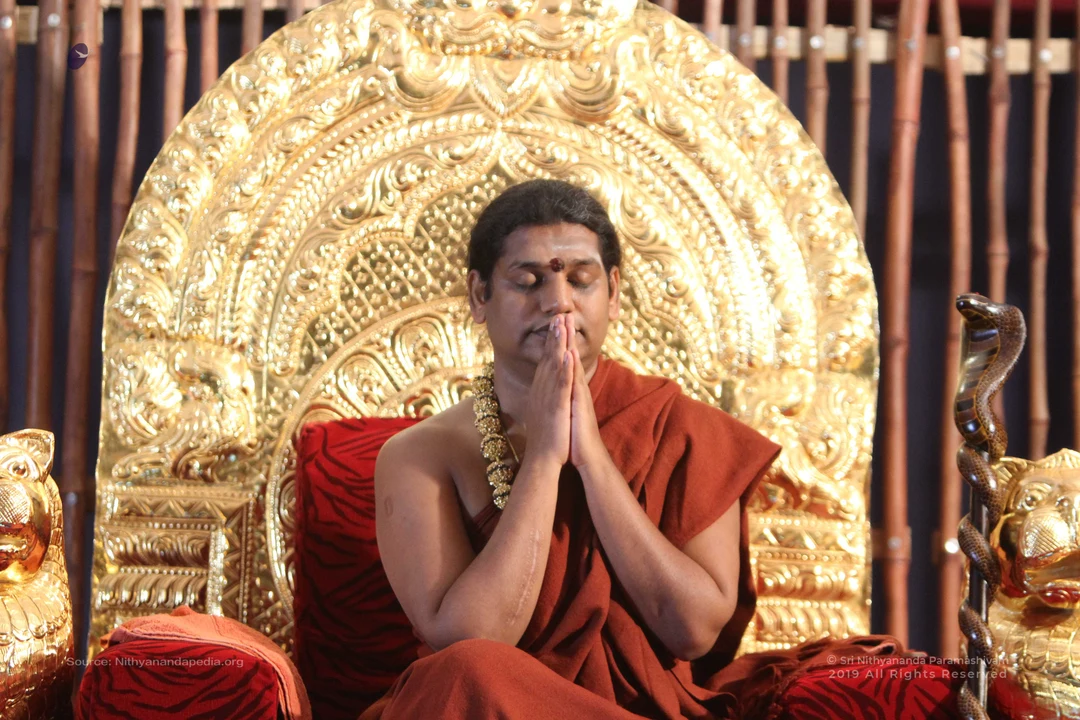
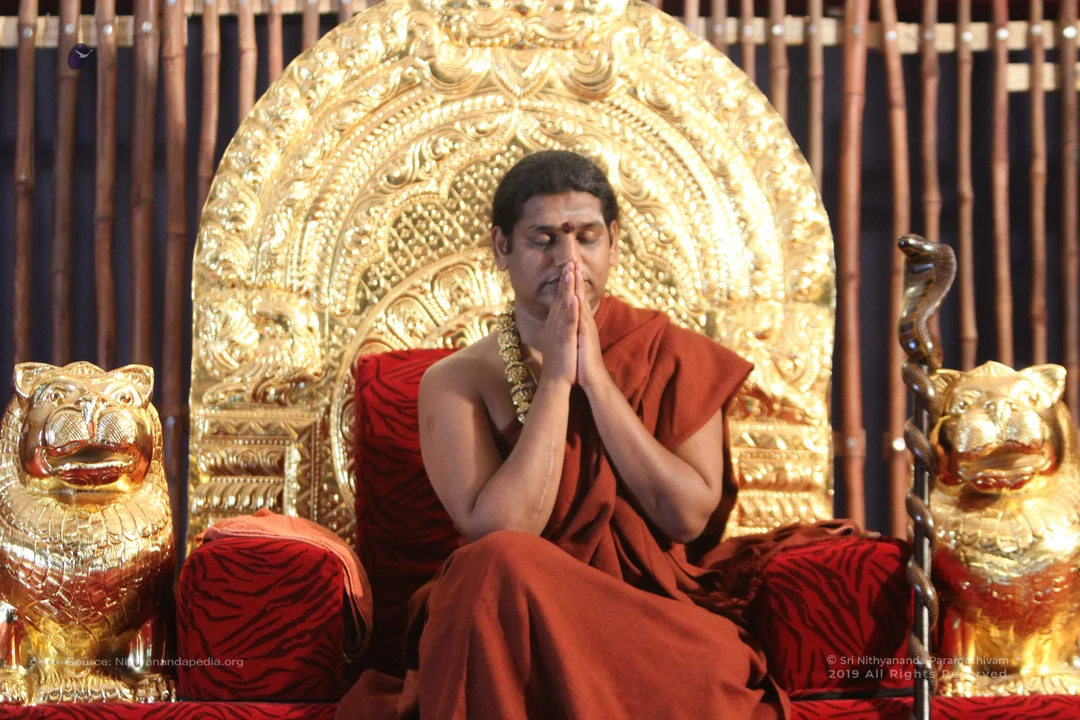
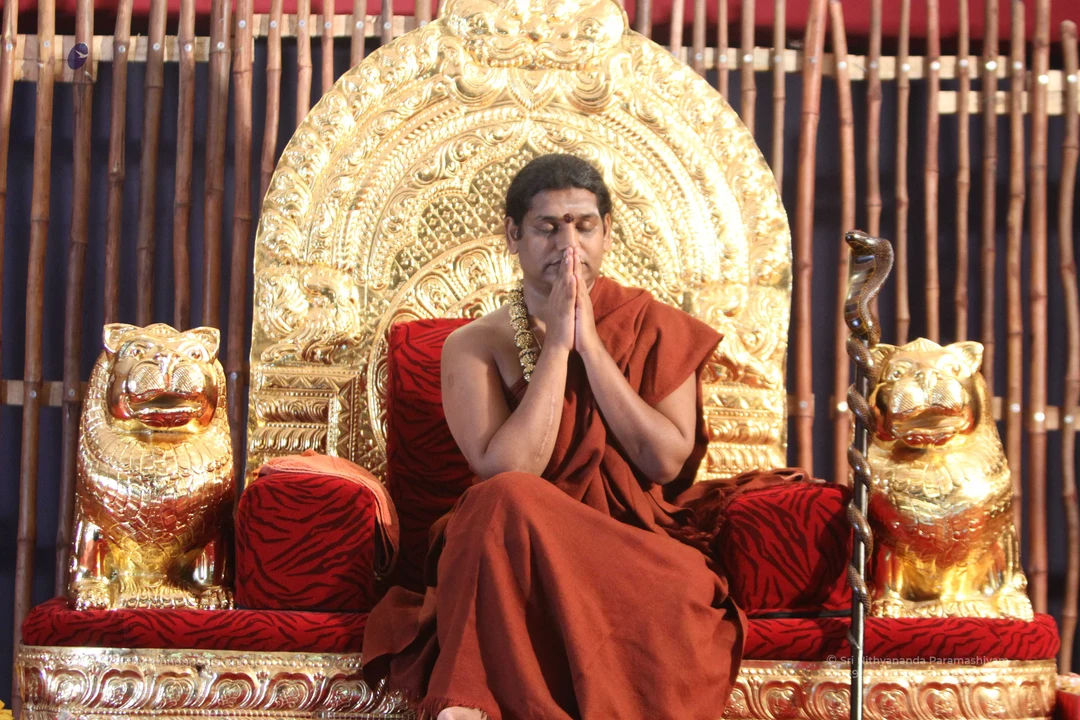
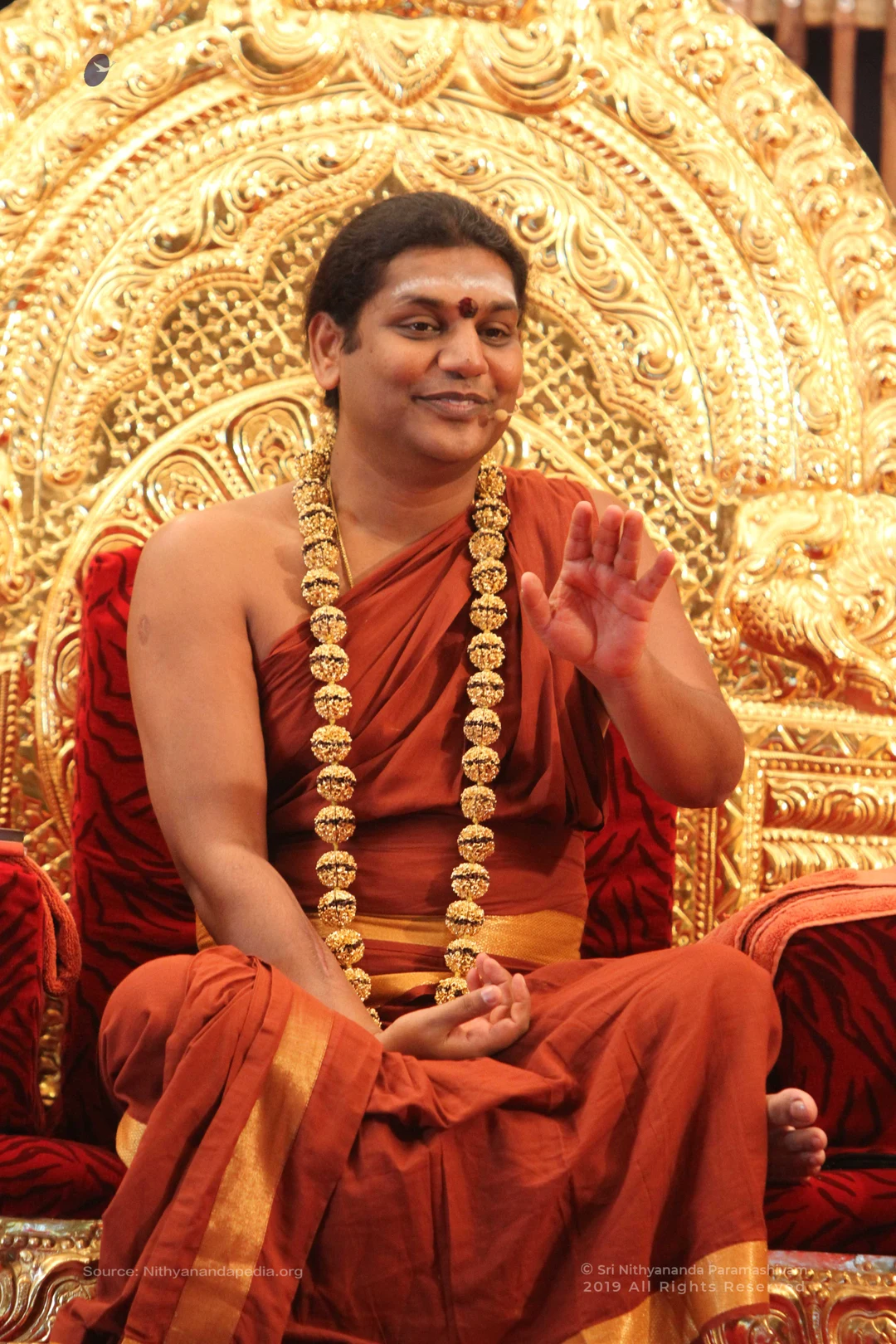
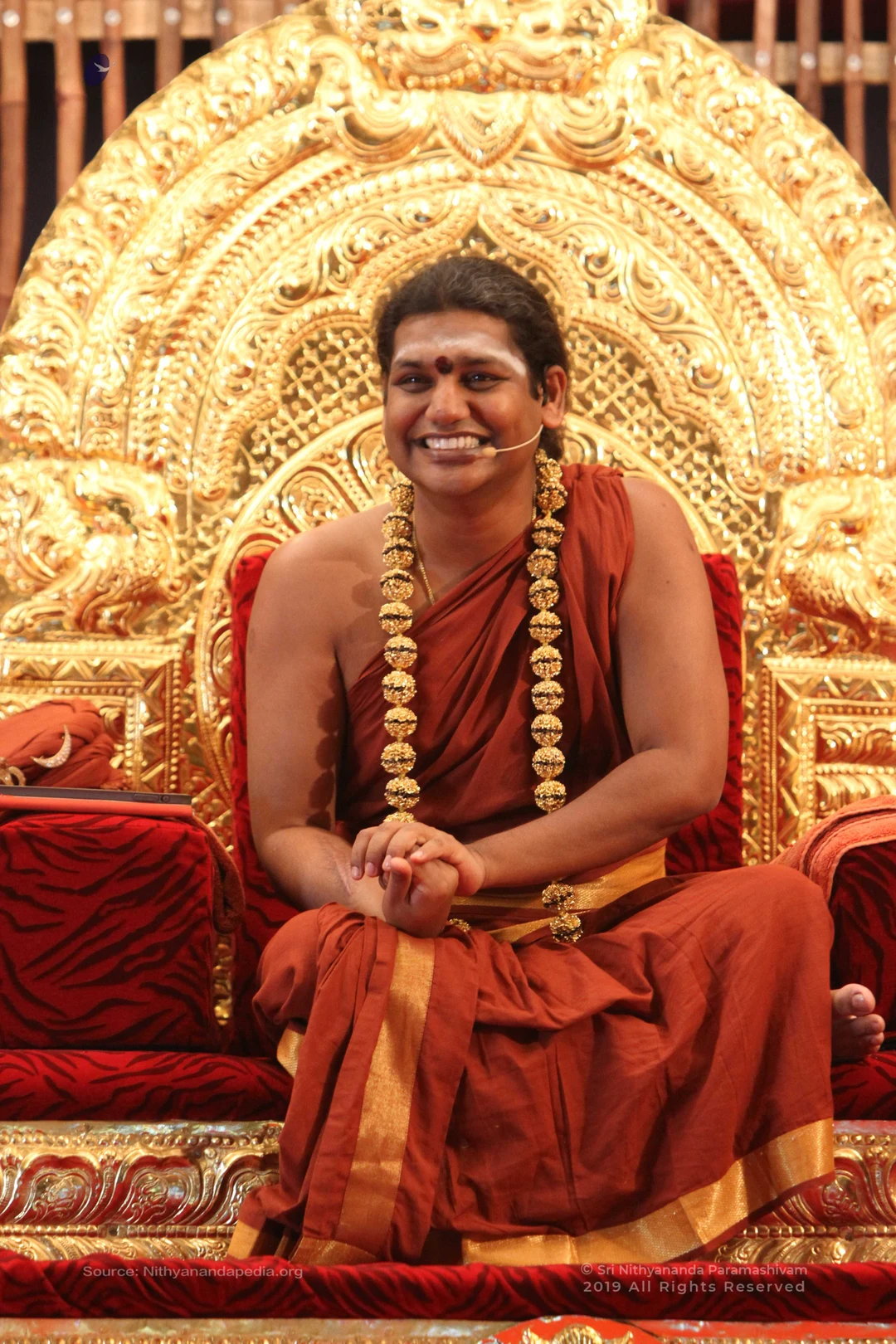
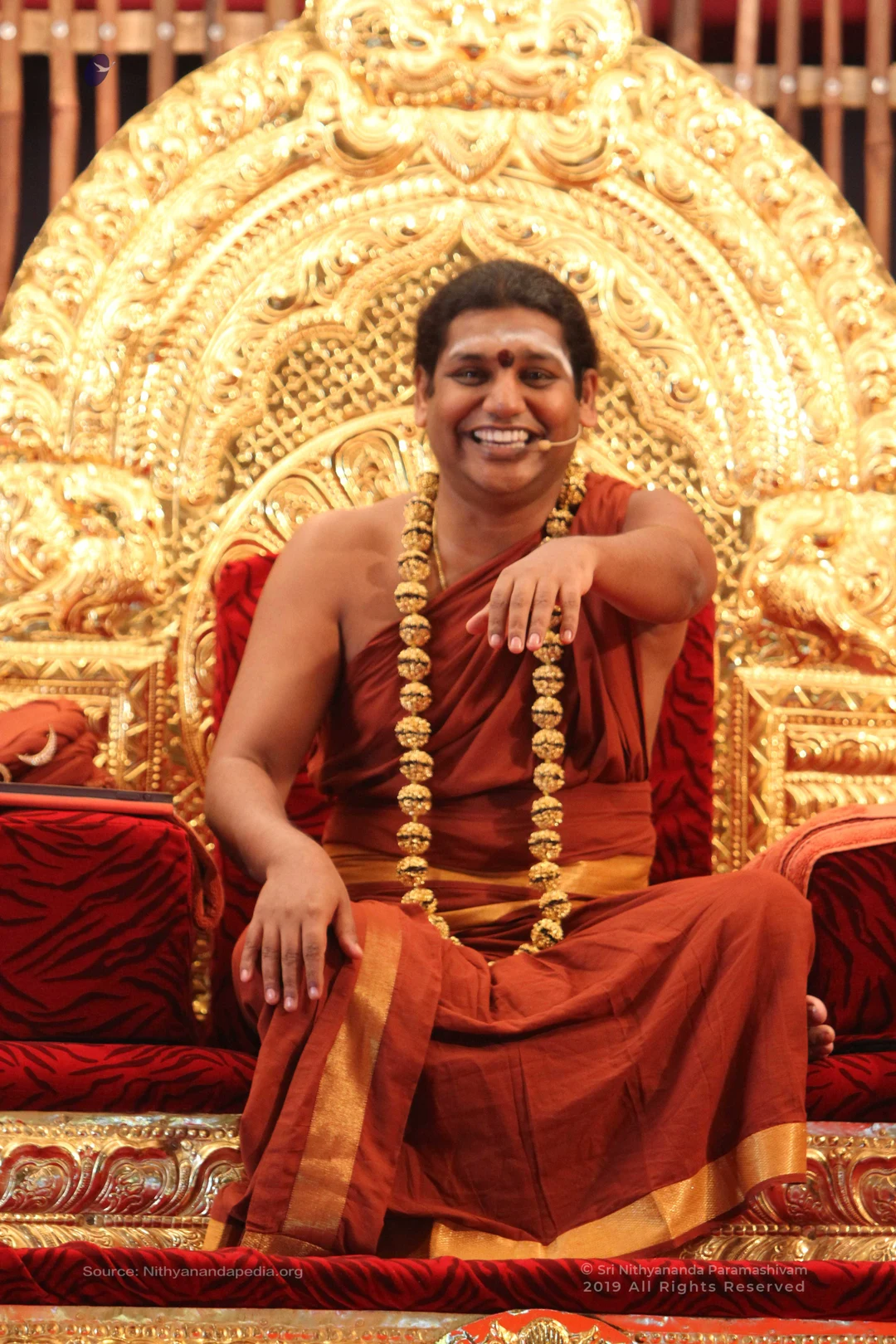
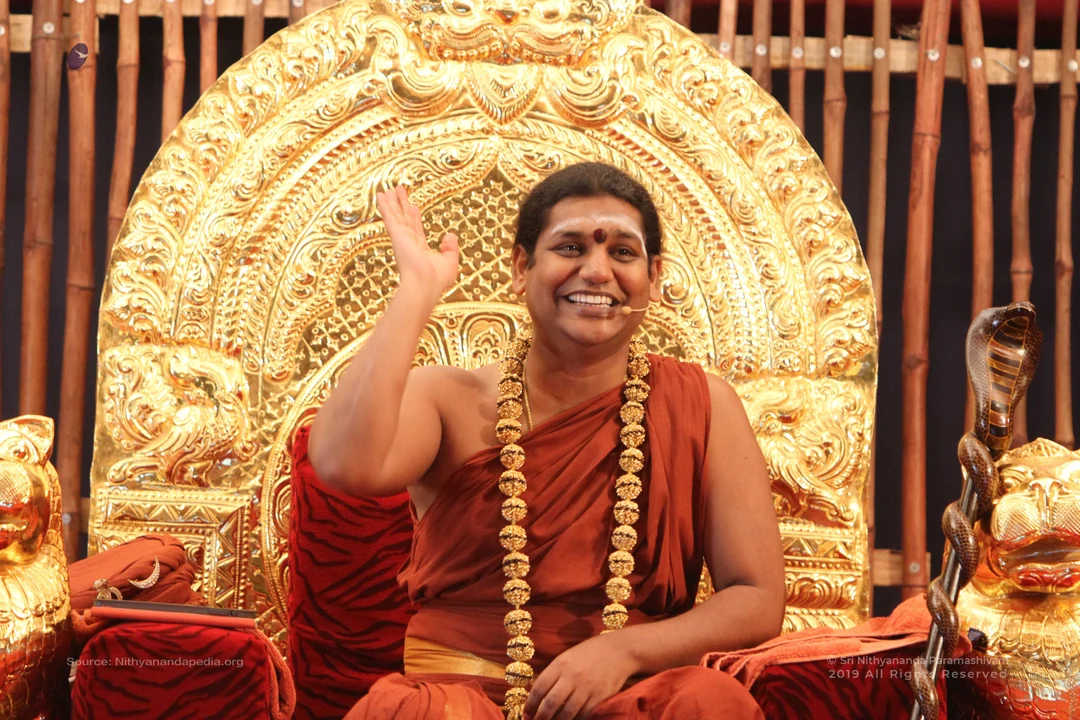
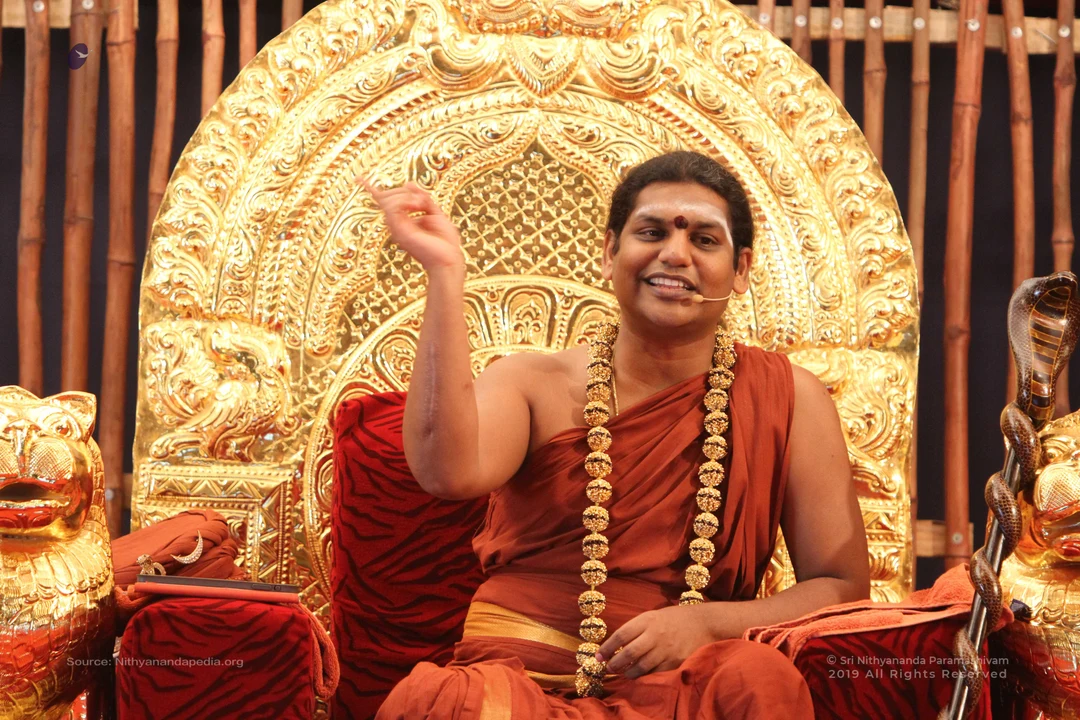
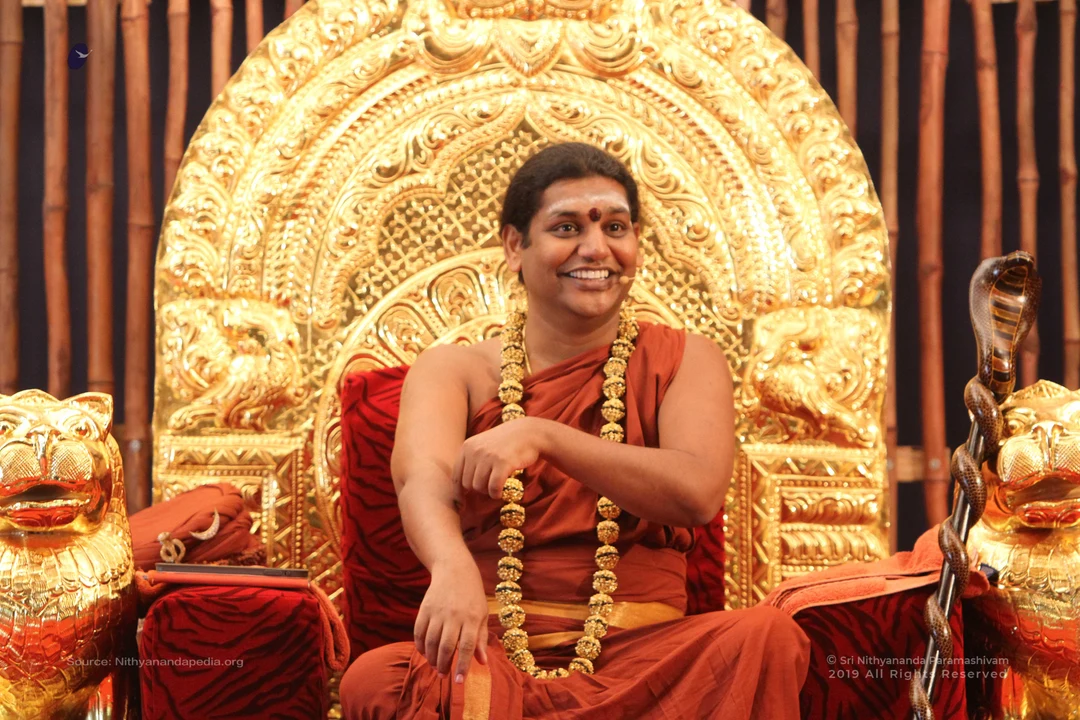
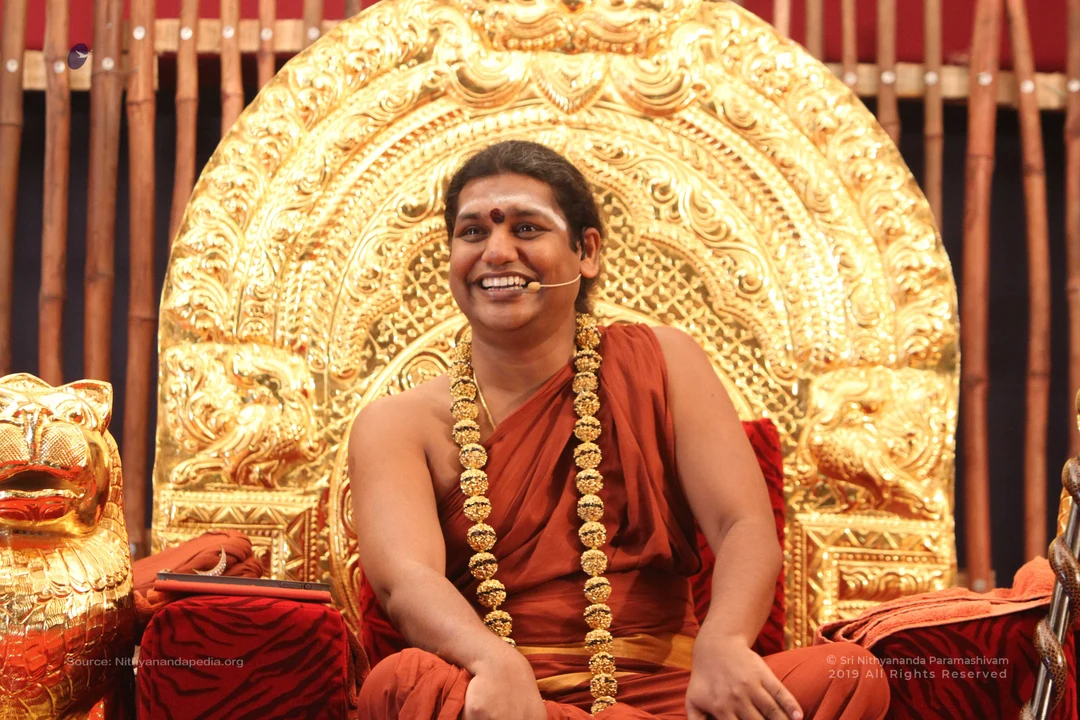
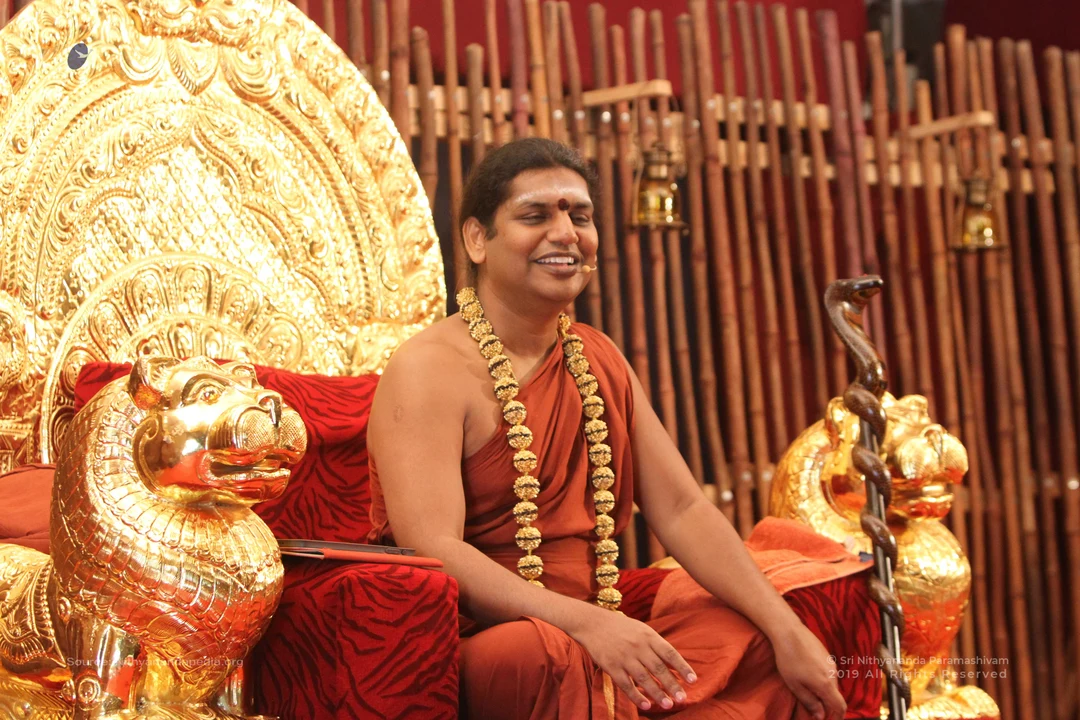
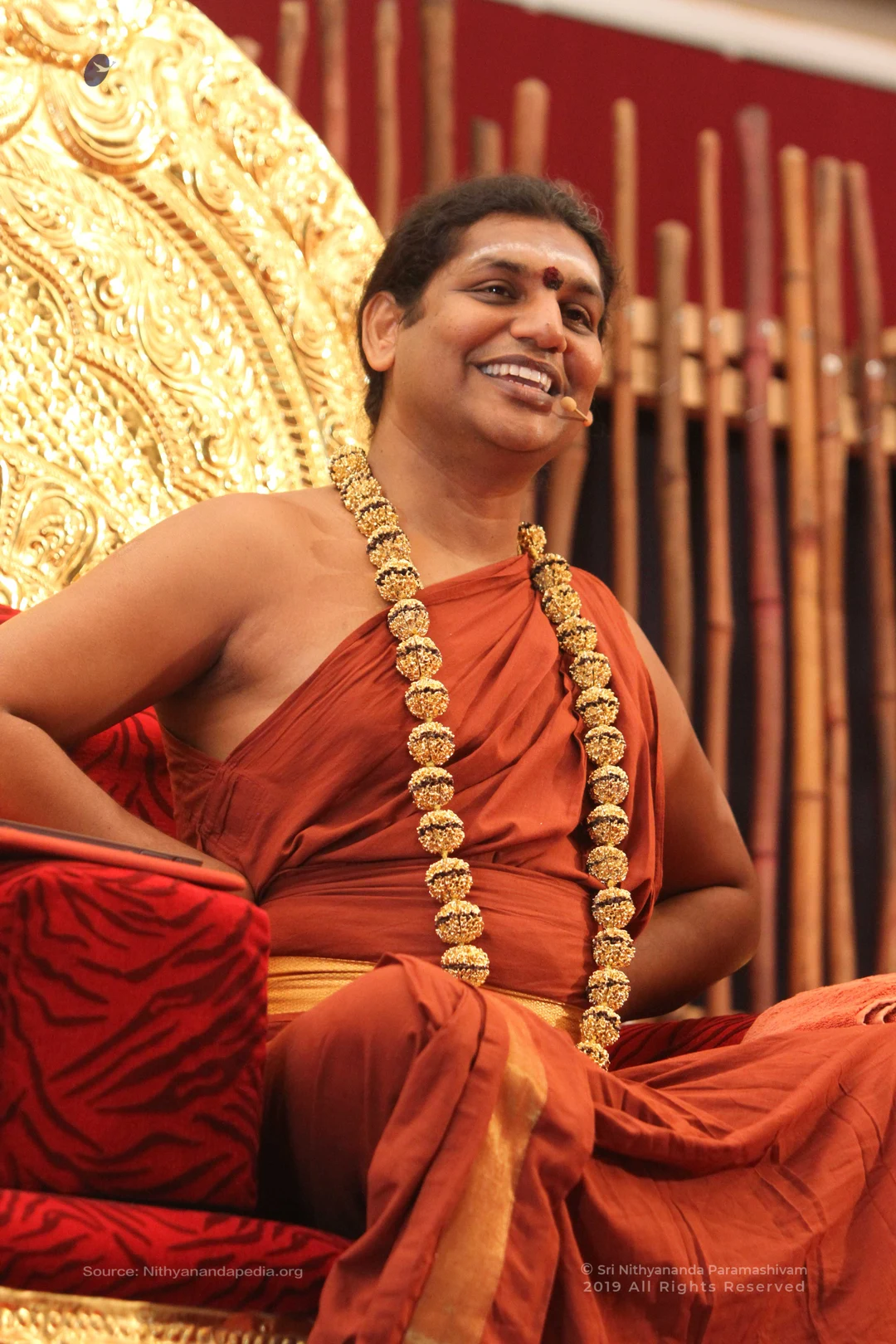
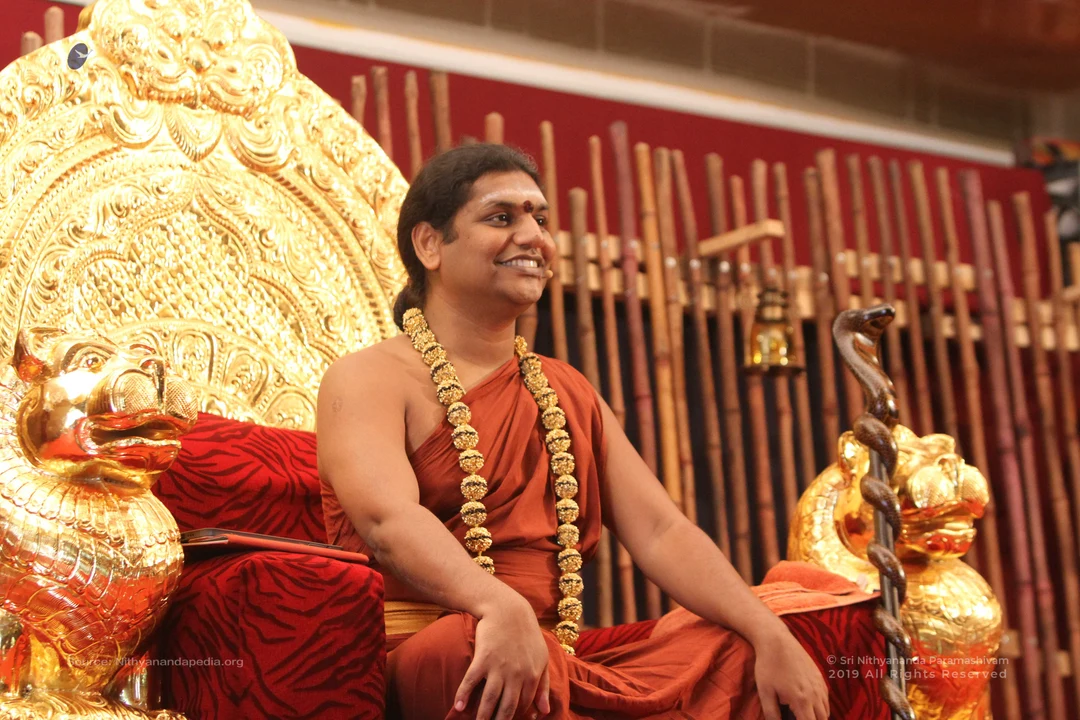
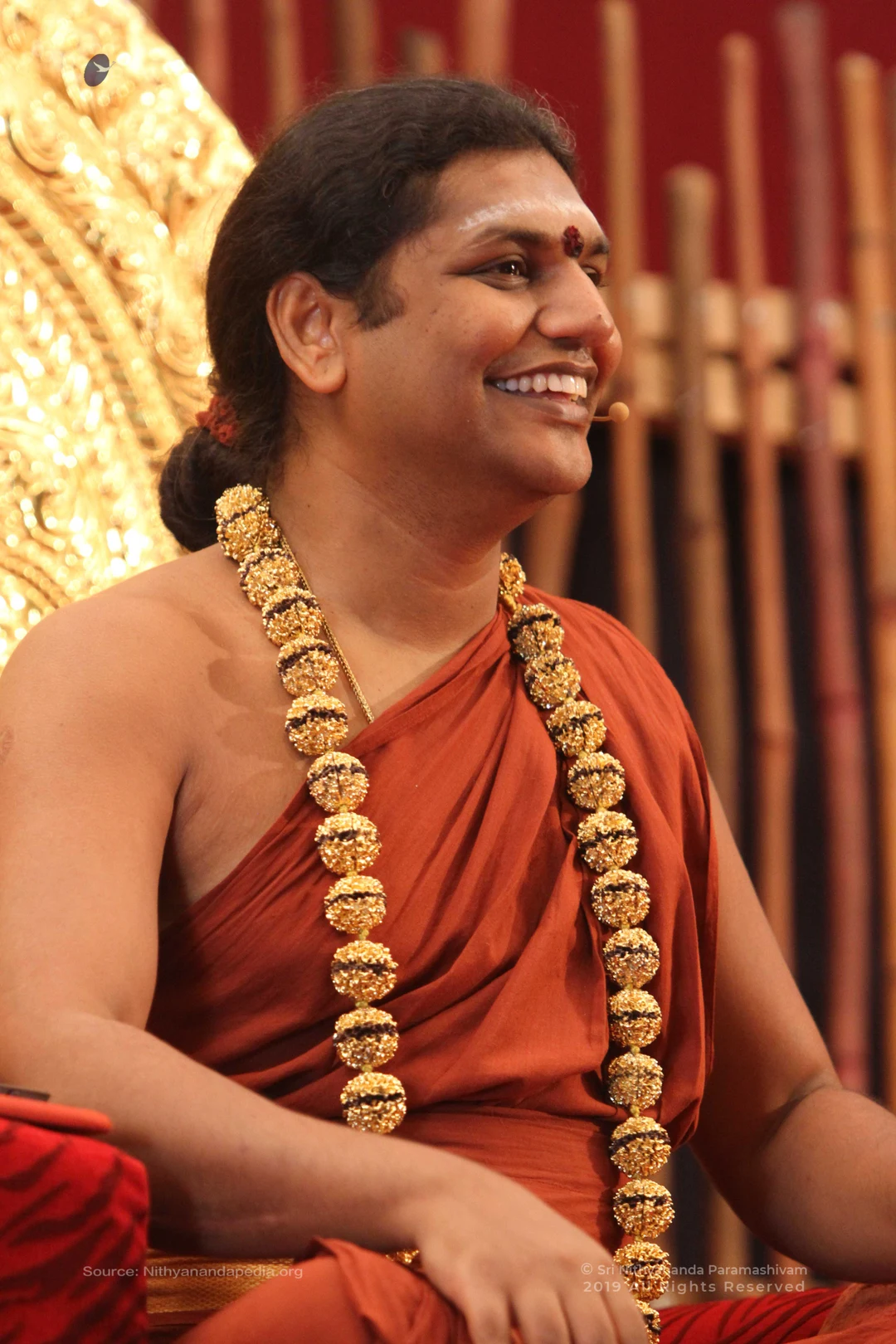
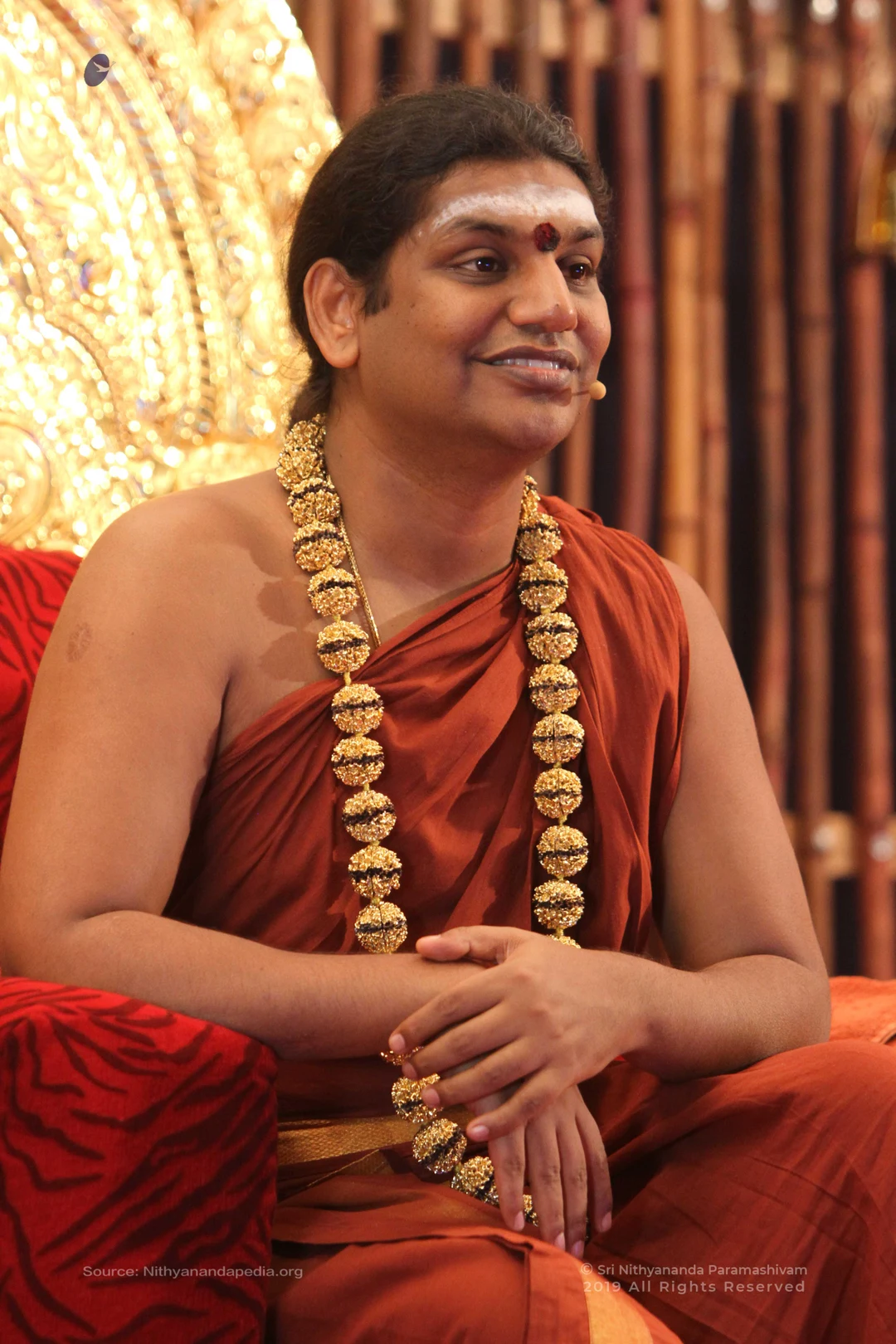
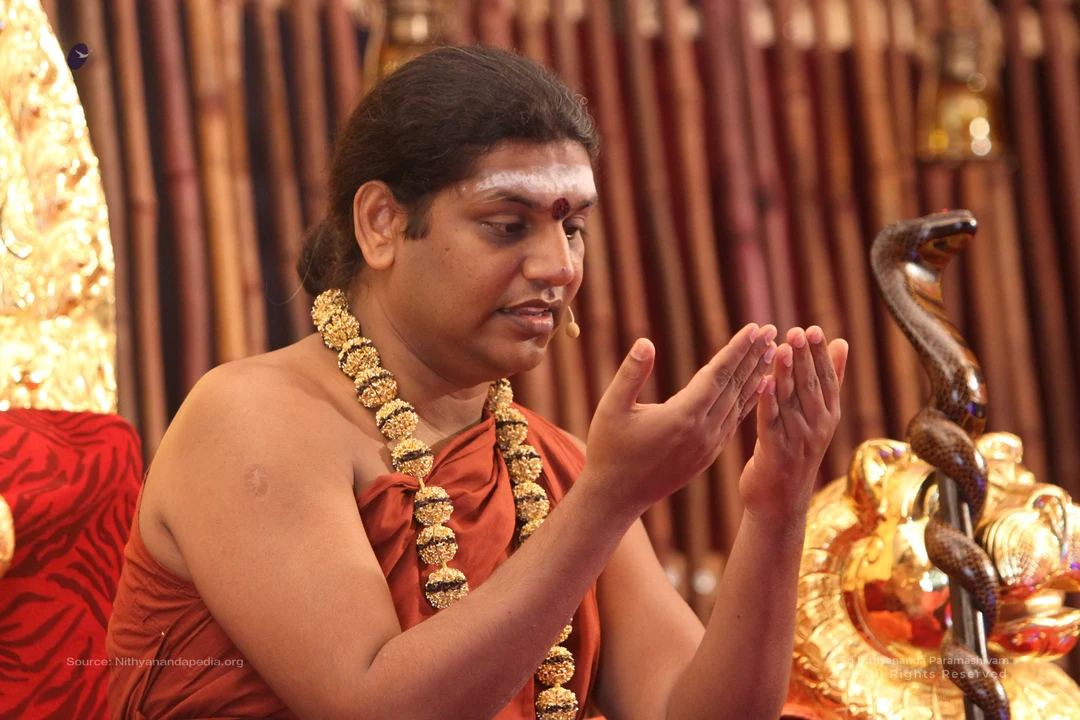
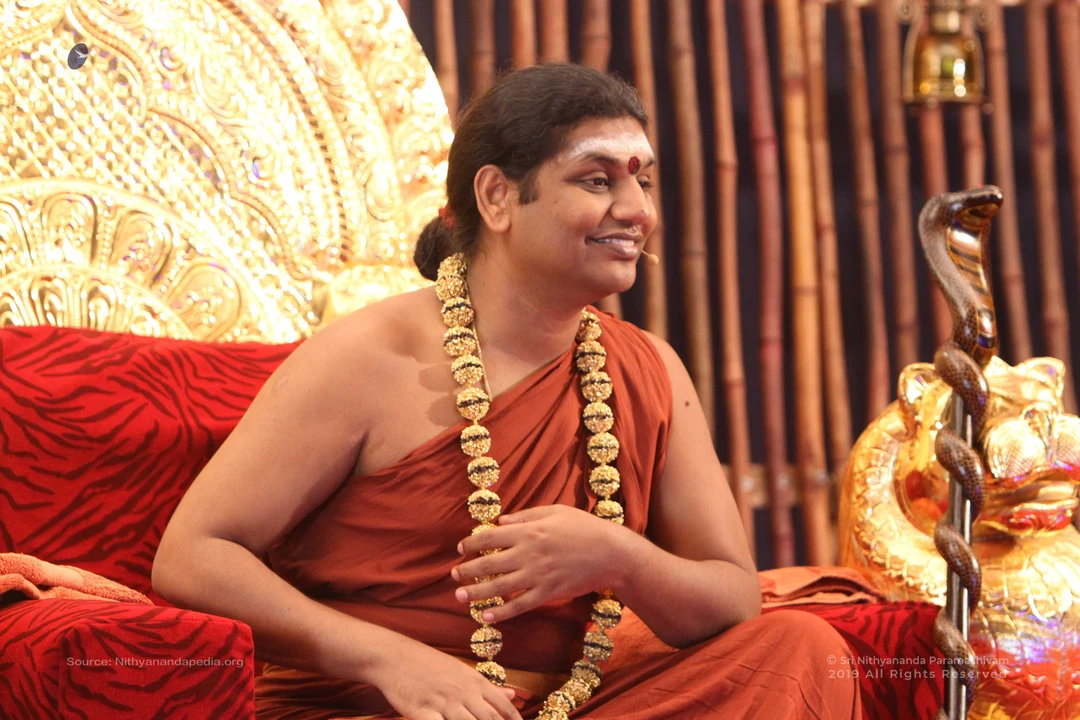
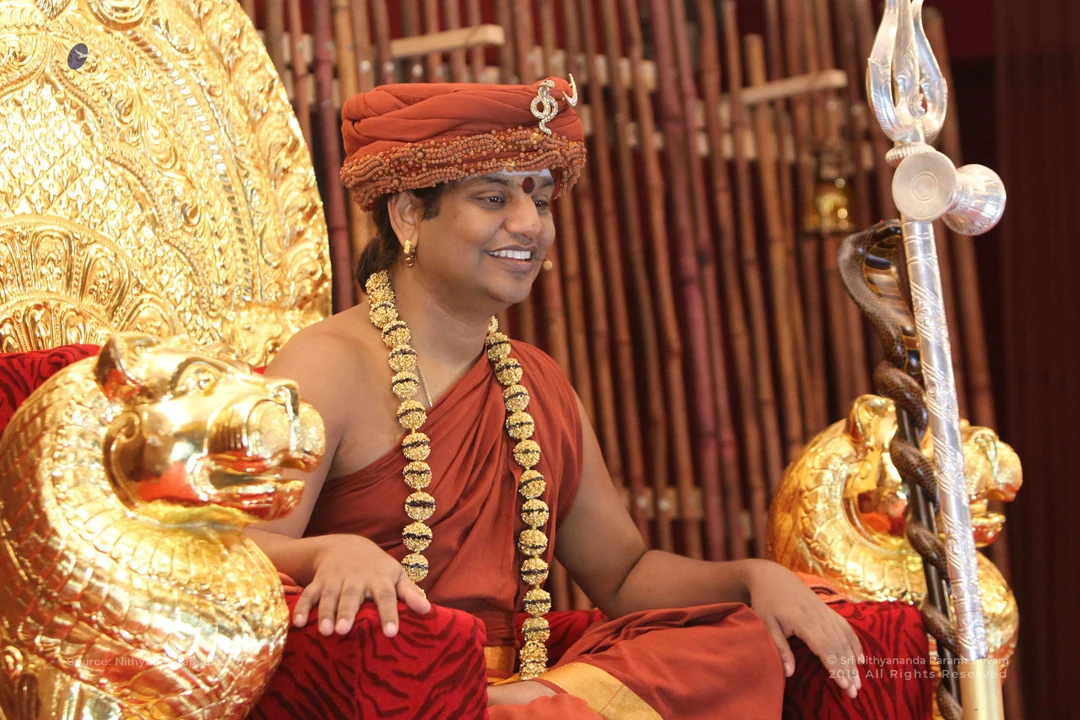
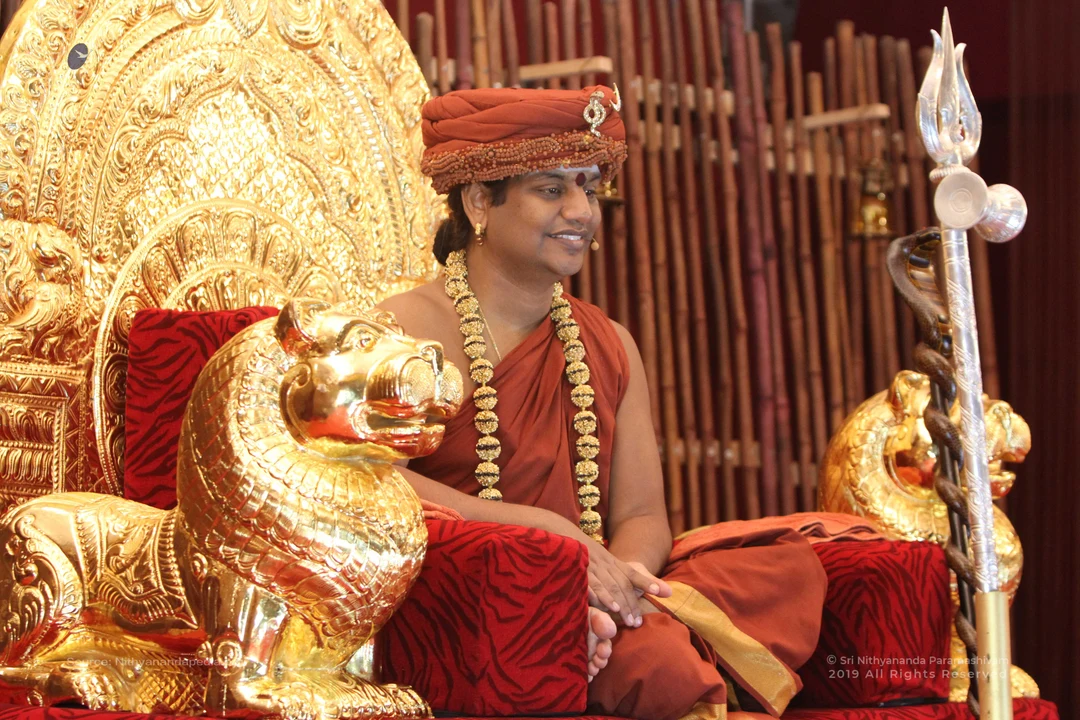
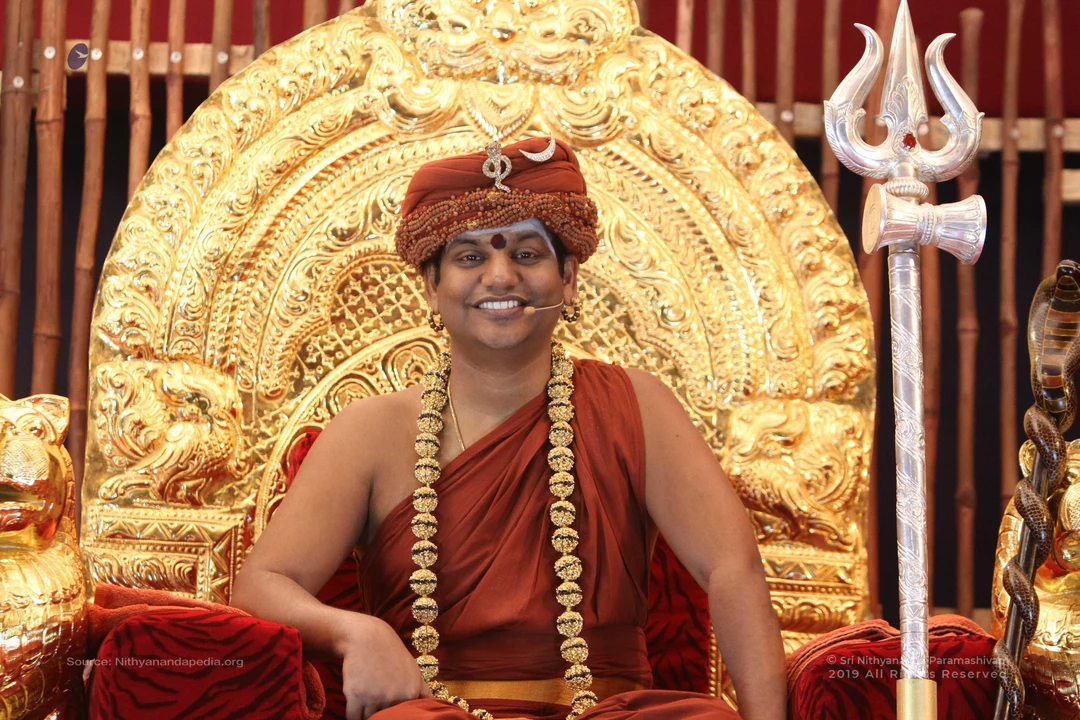
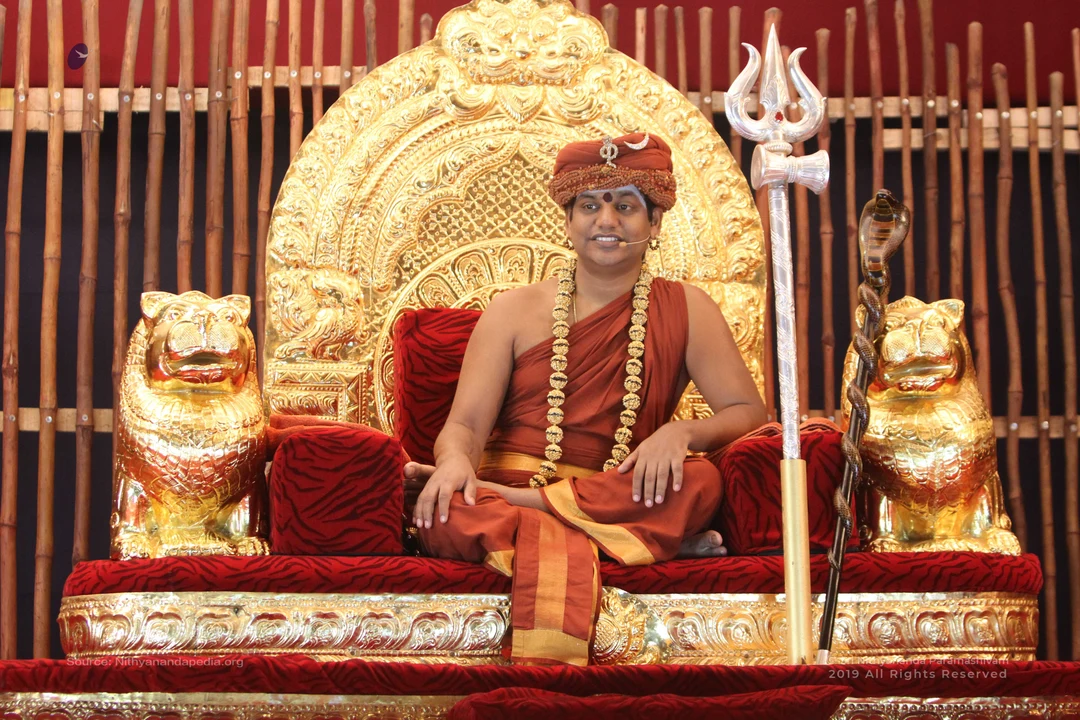
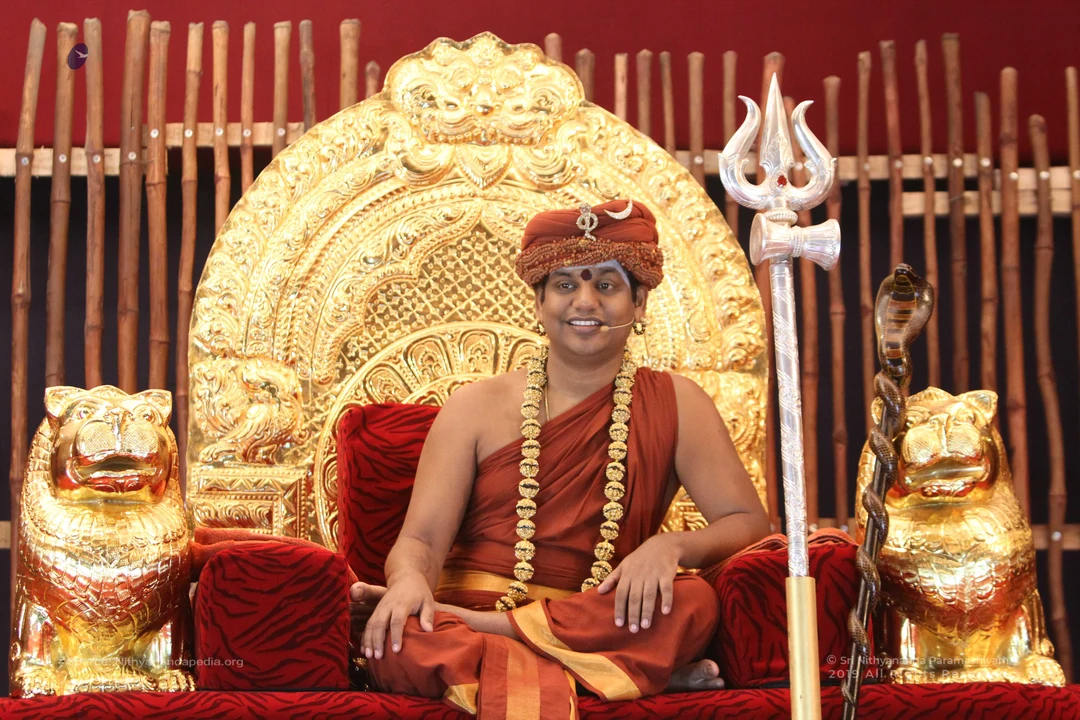
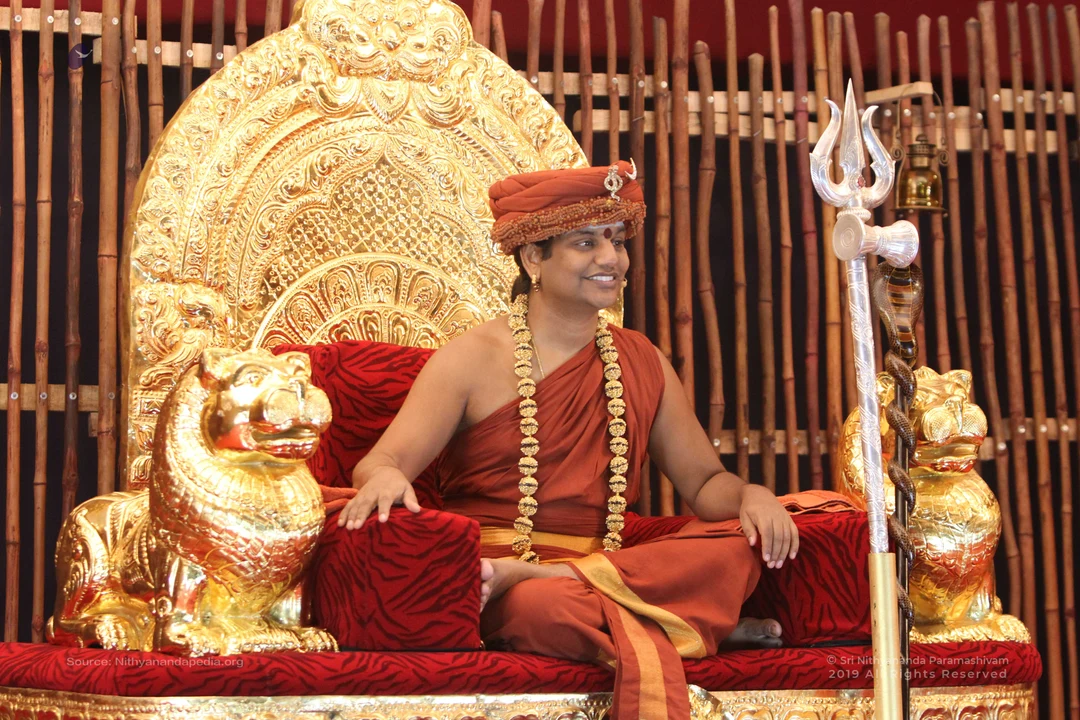
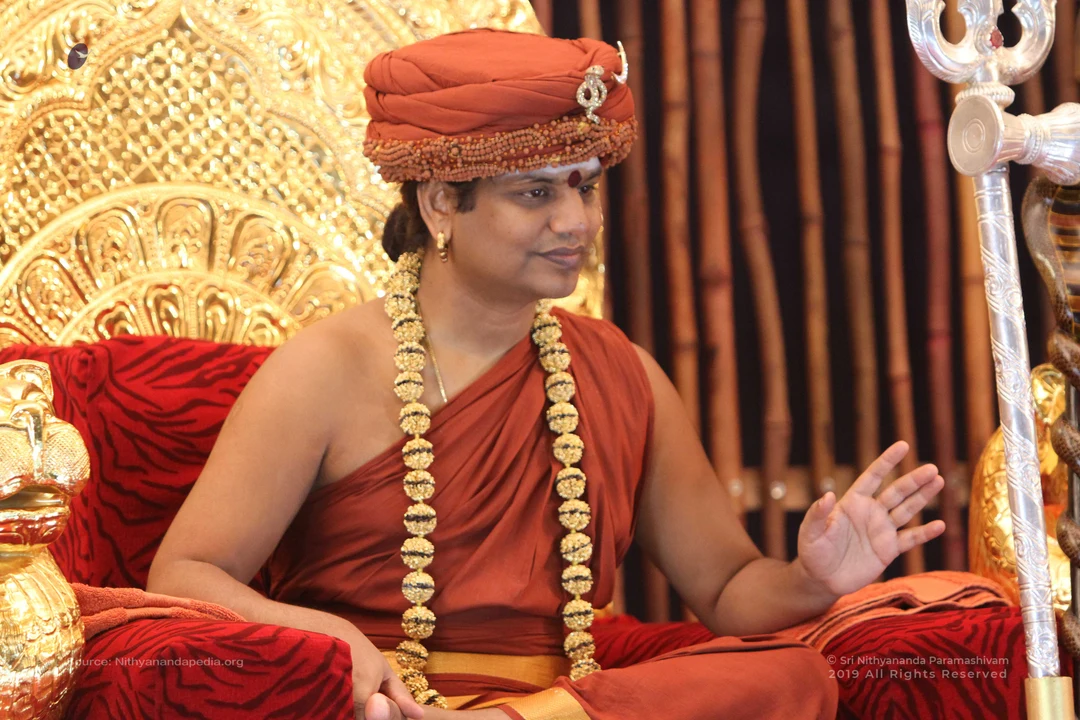
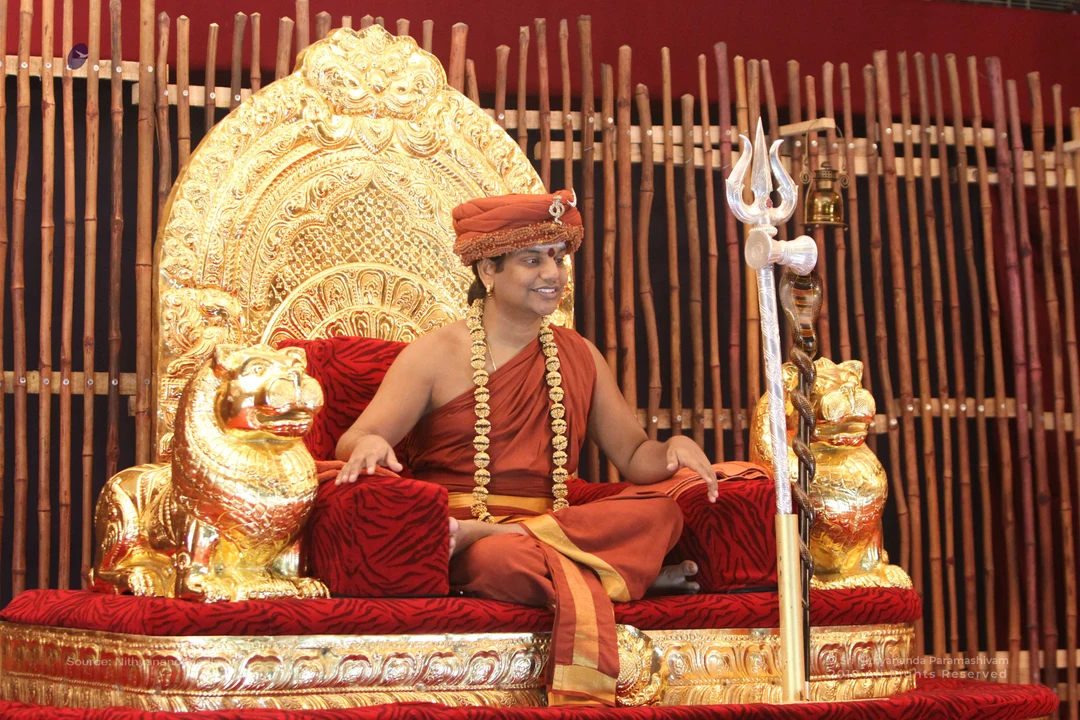
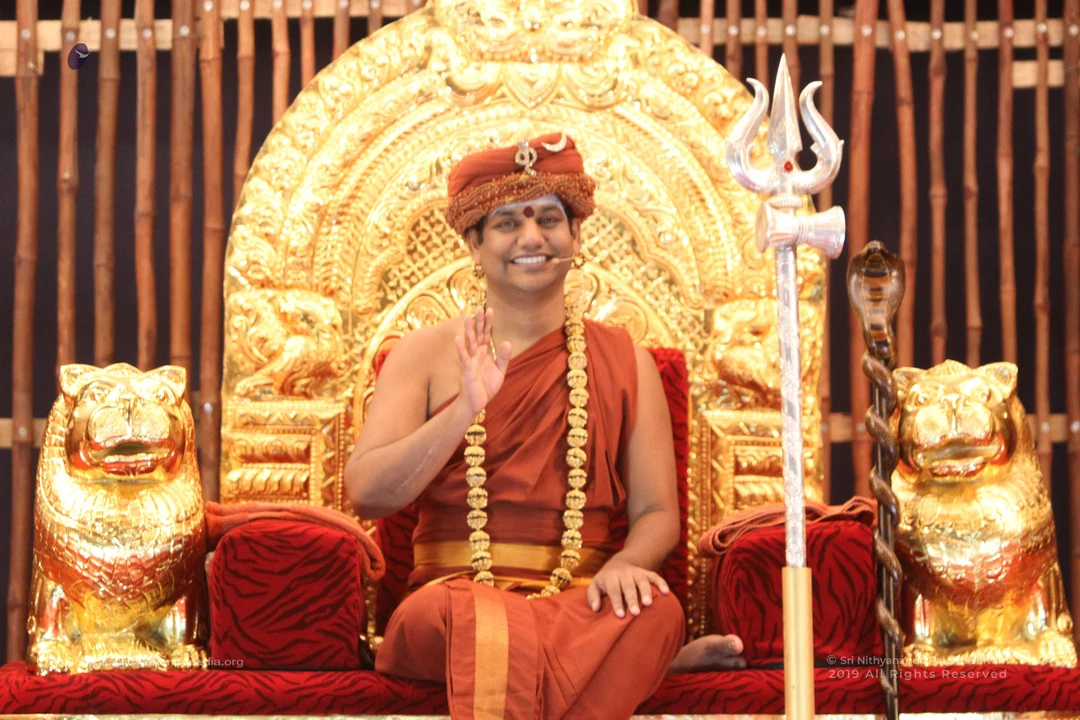
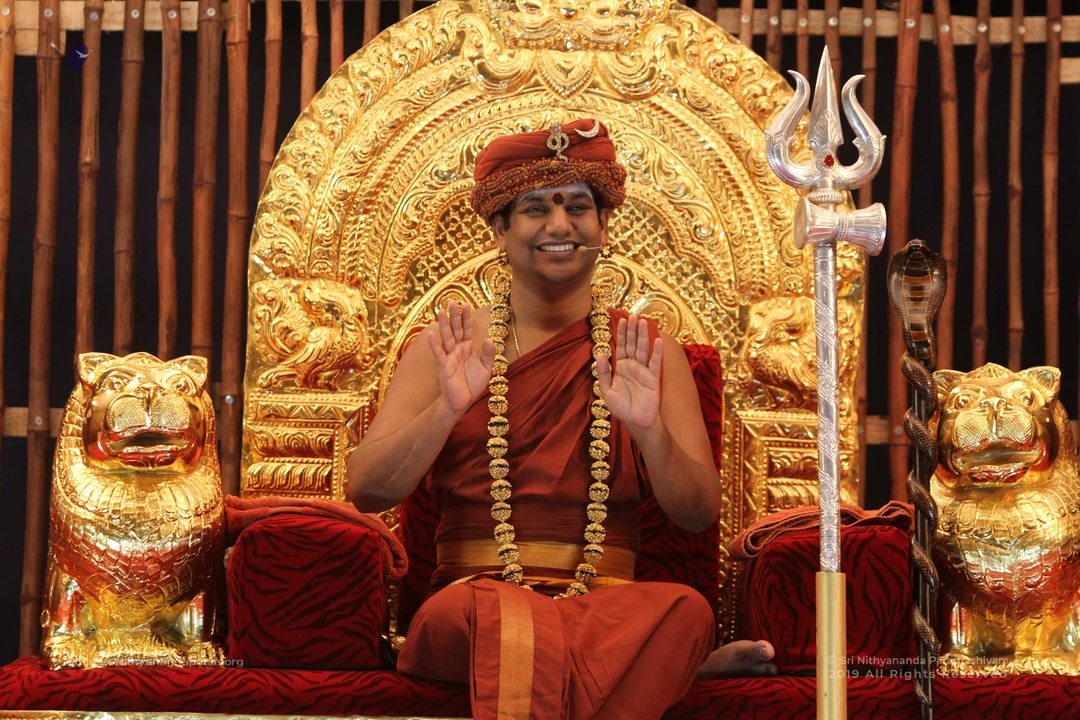
Tags:
Nithyananda, Bhagavan Sri Nithyananda Paramashivam, Nithyananda Swami, Paramahamsa Nithyananda, Perpetual completion, Completion
Photos Of The Day:
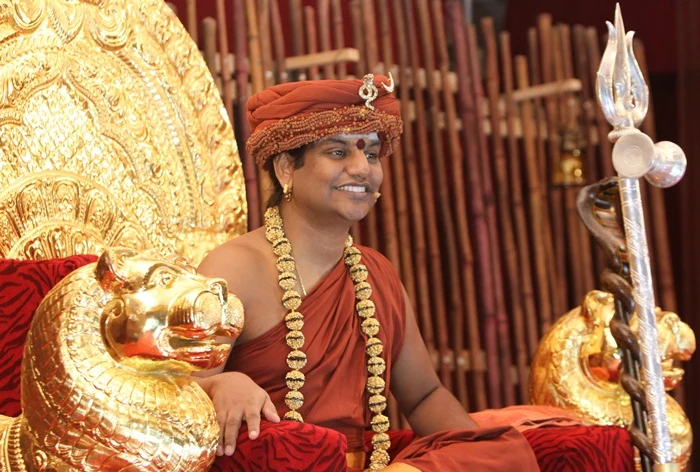
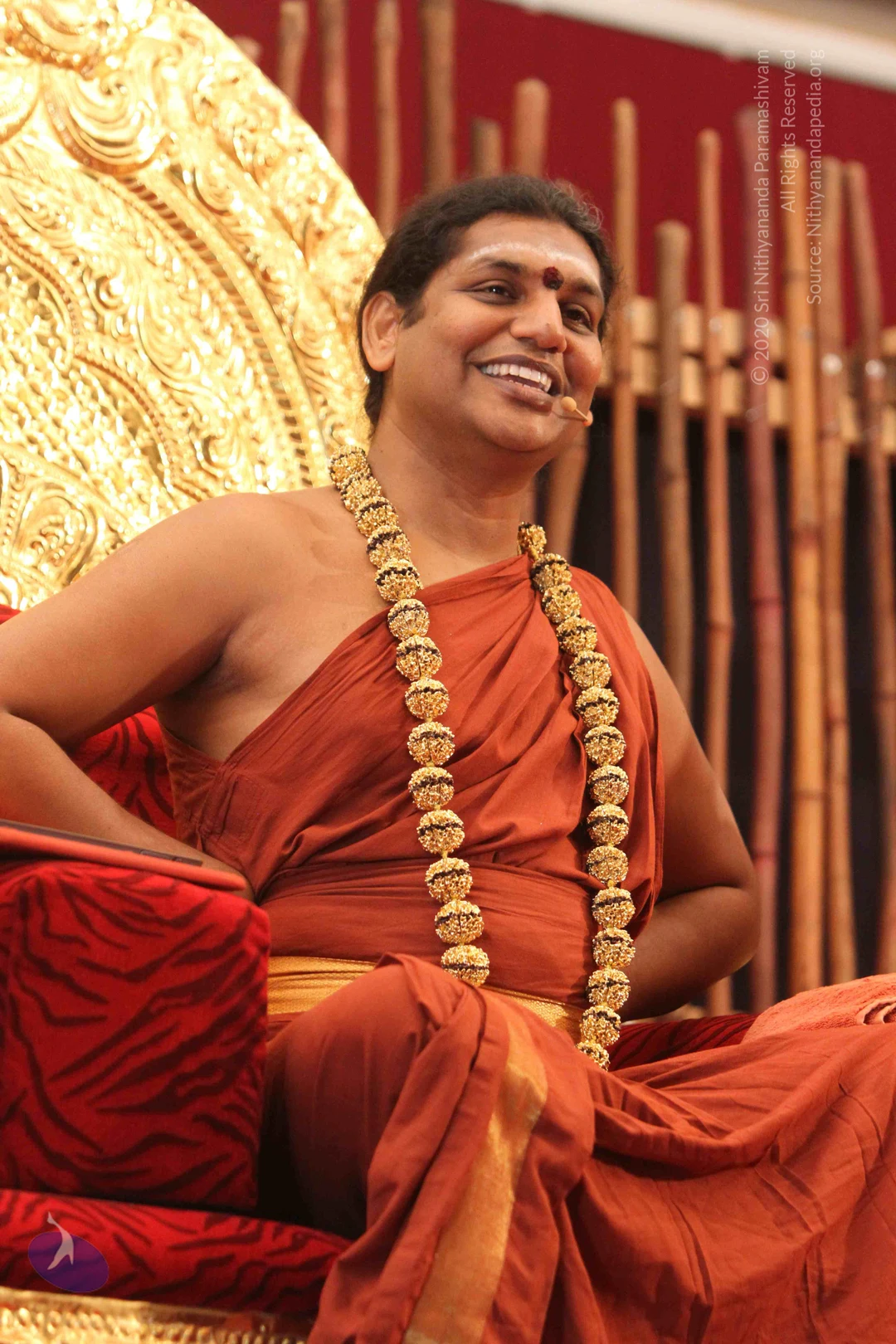
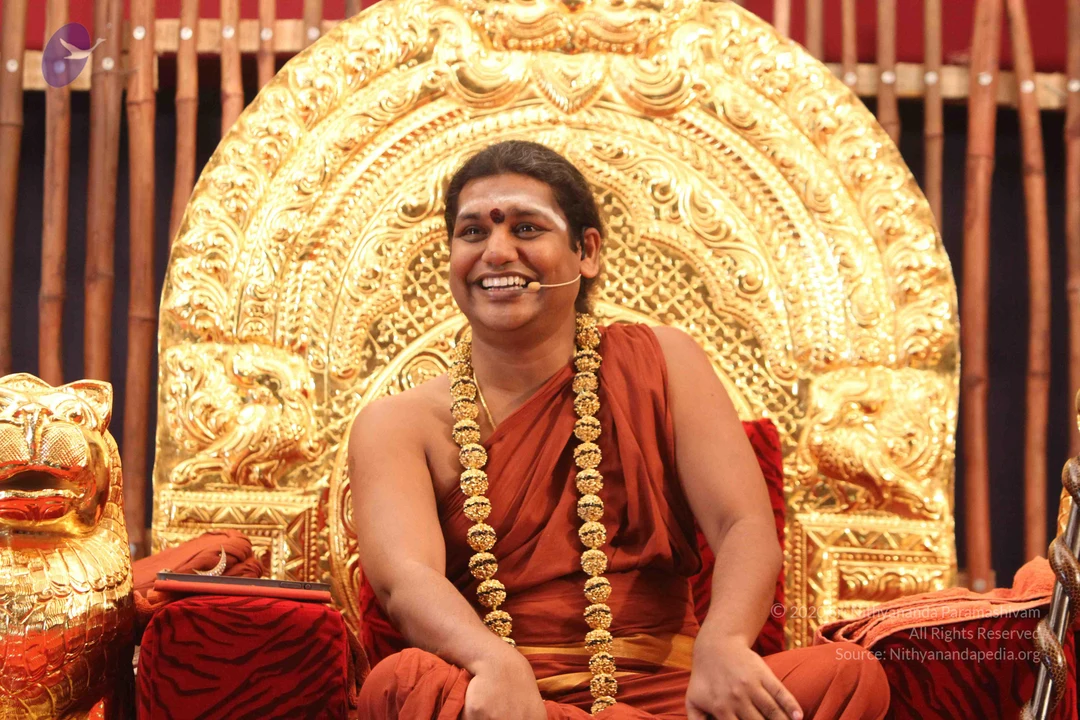
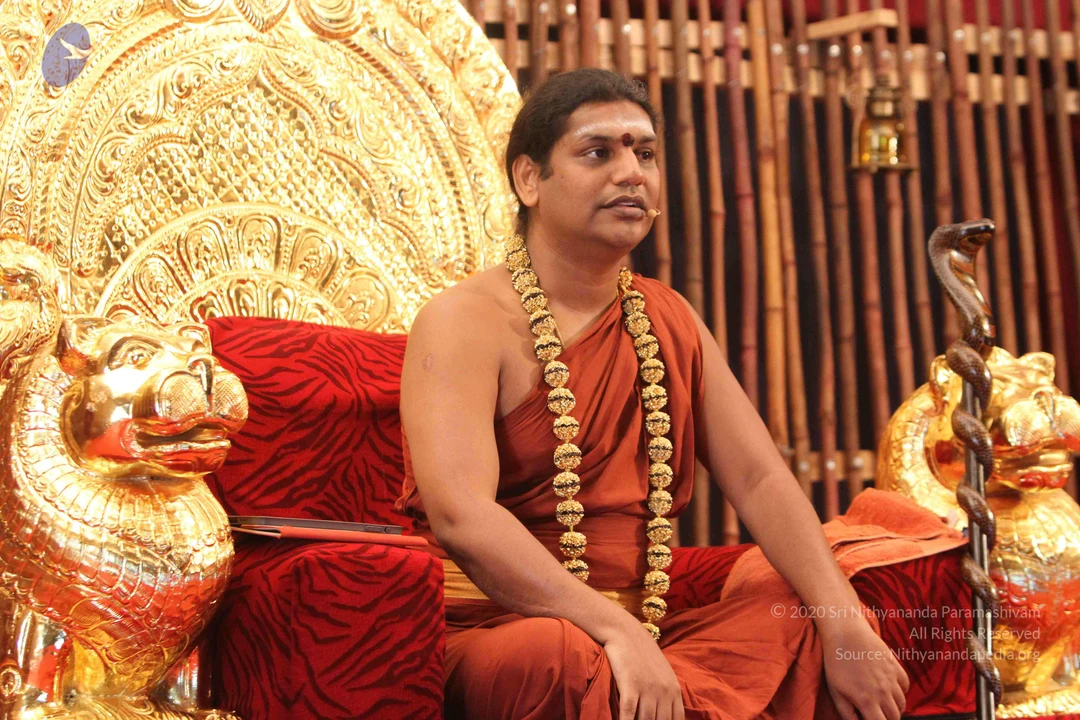
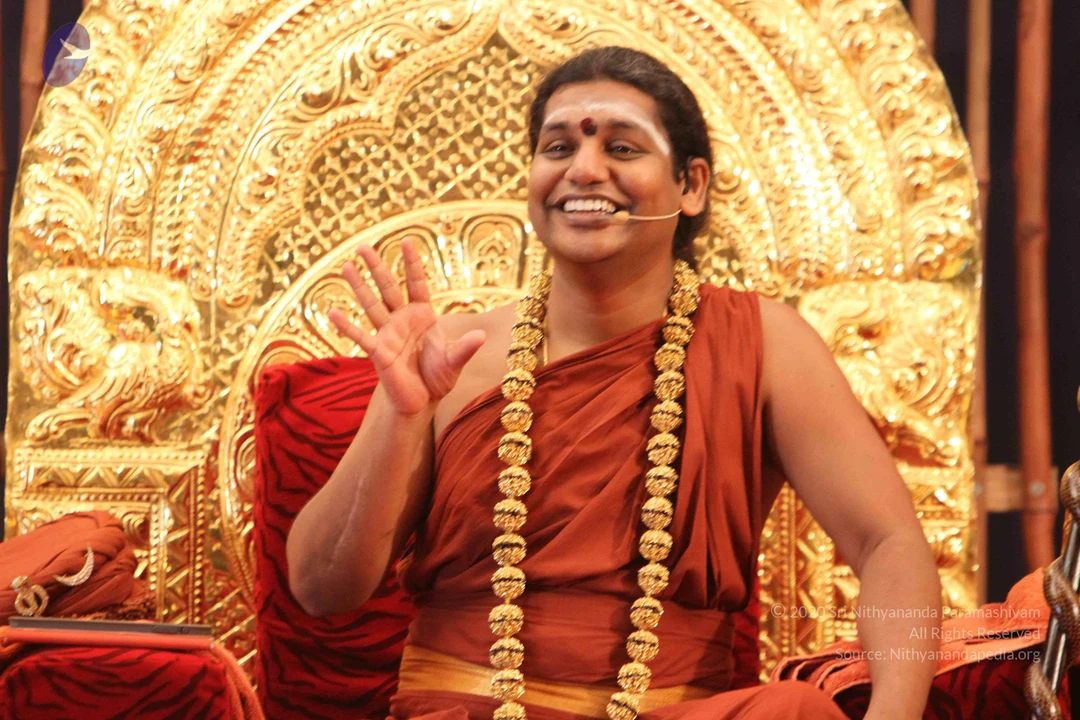
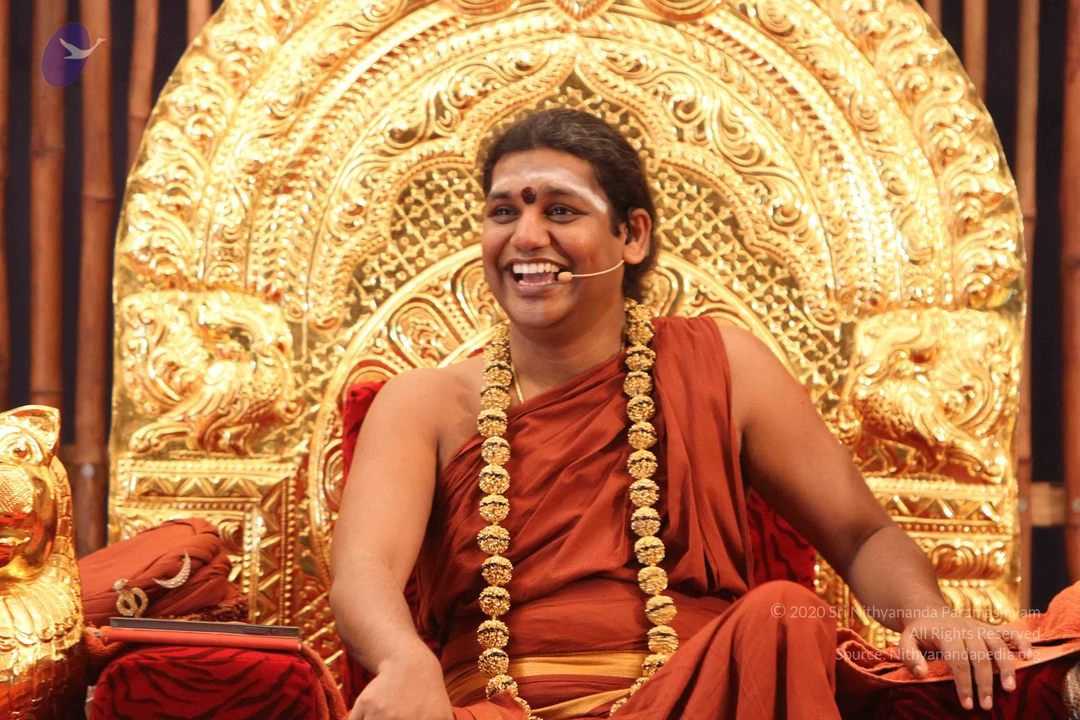
1-Morning-Satsang-Kalpatharu-Darshan
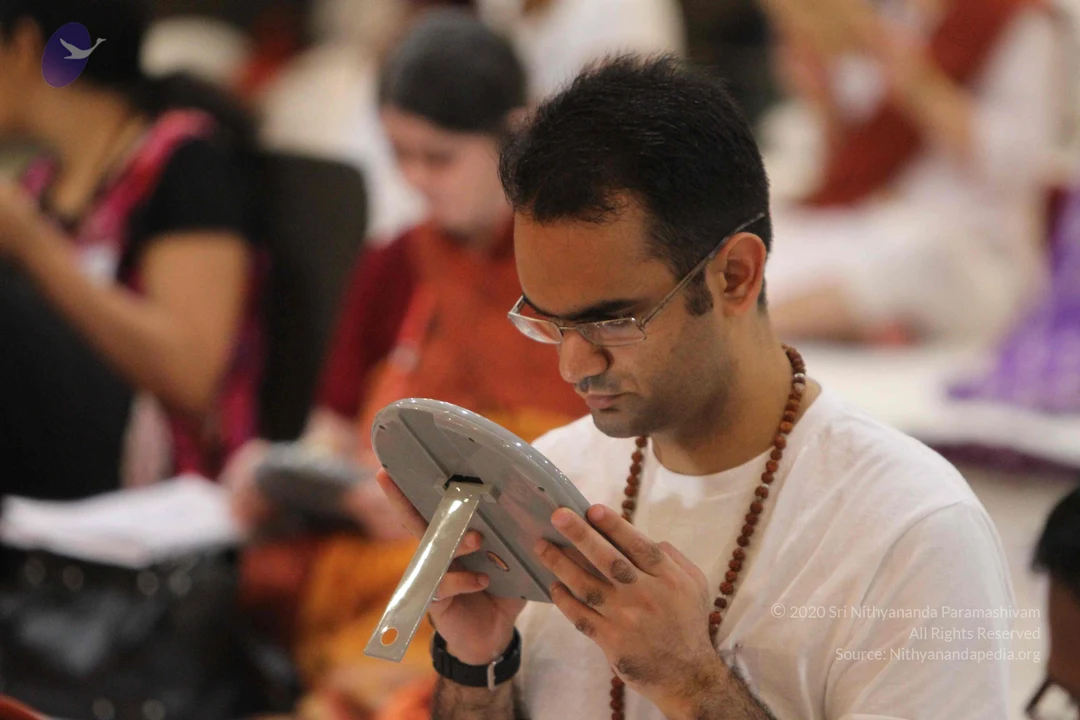
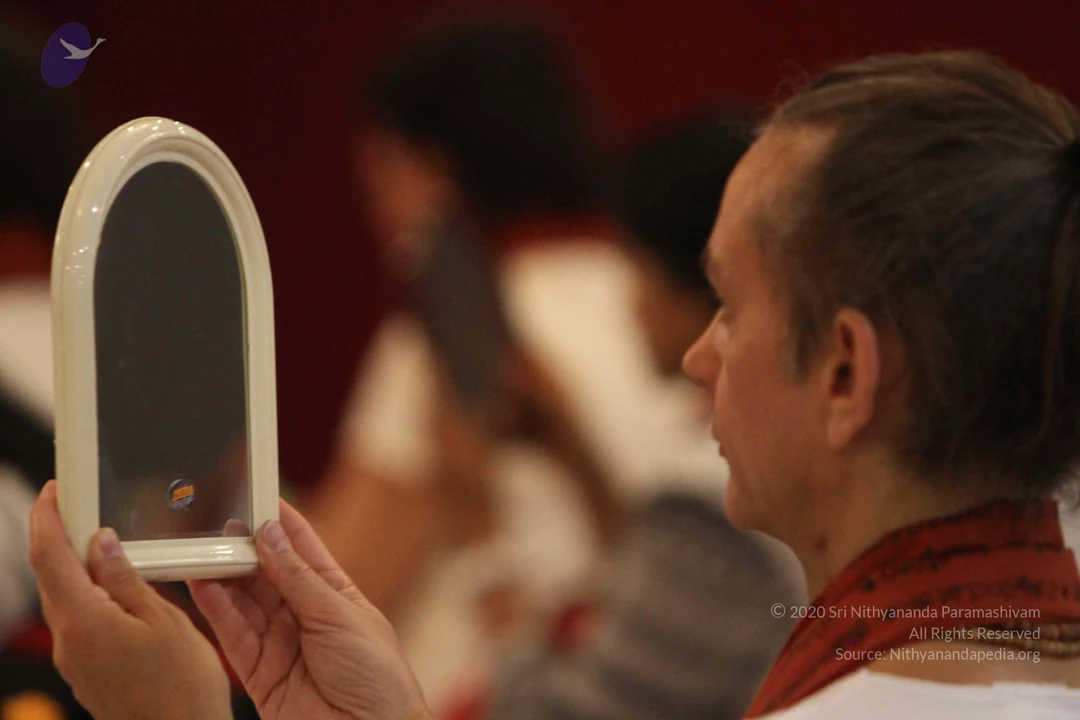
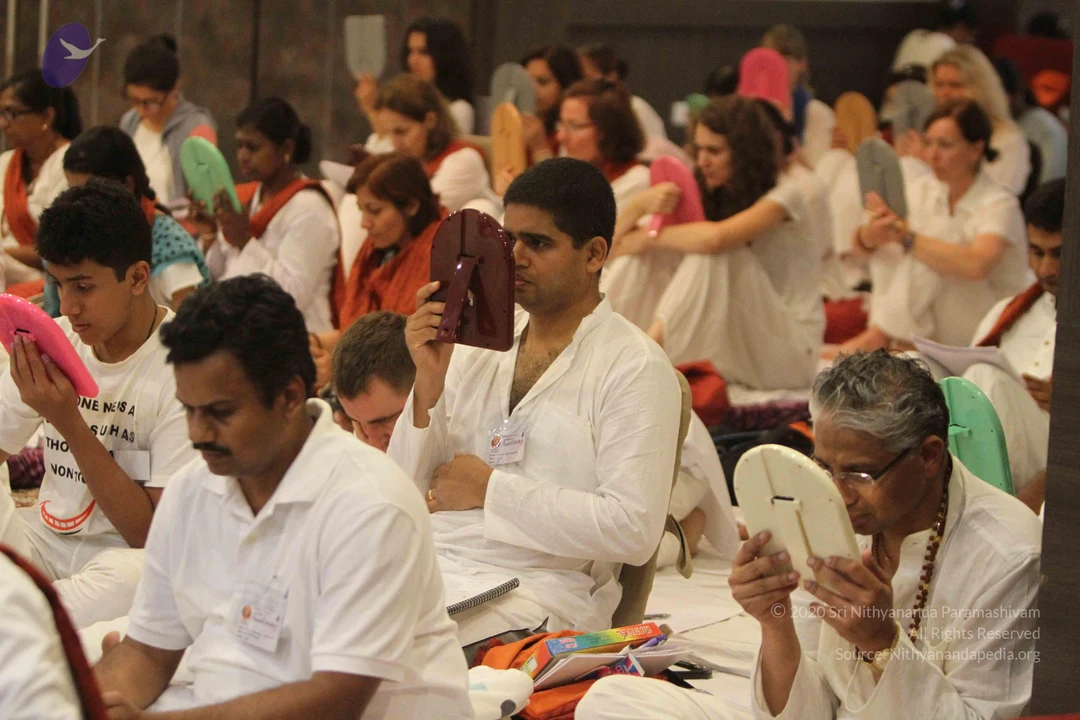
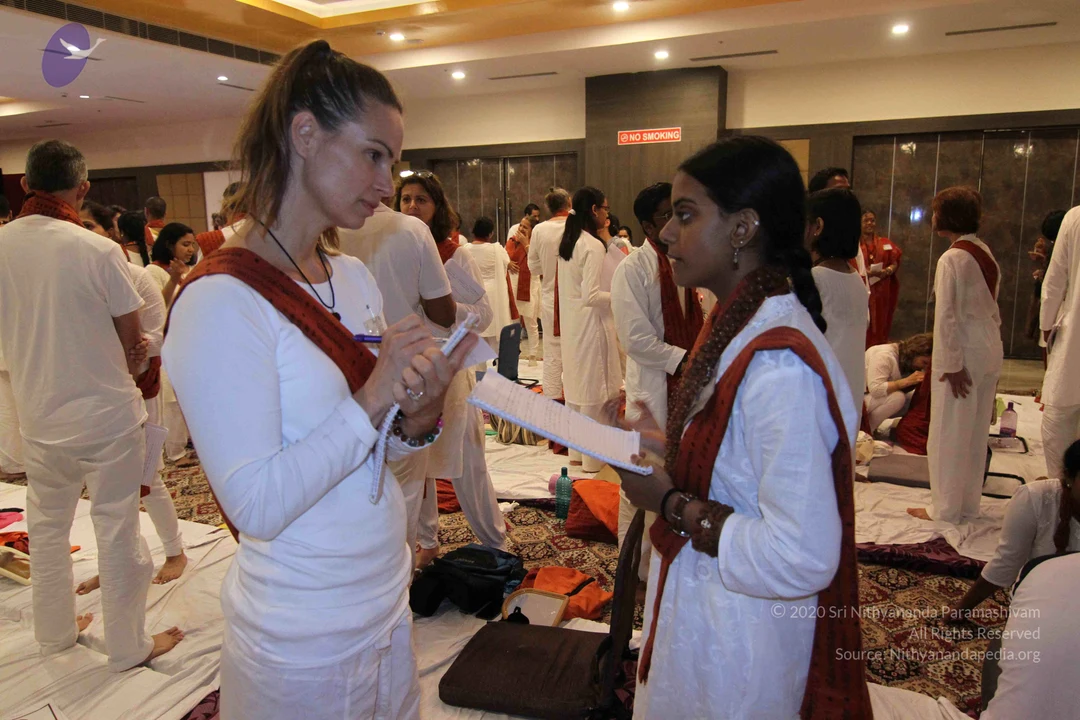
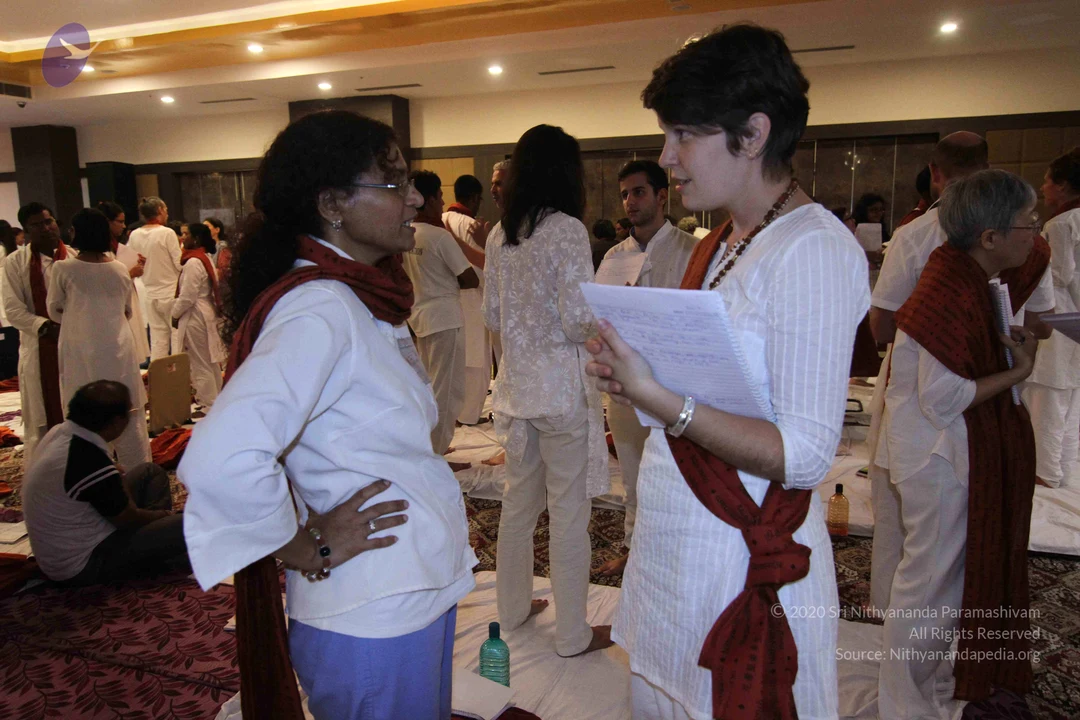
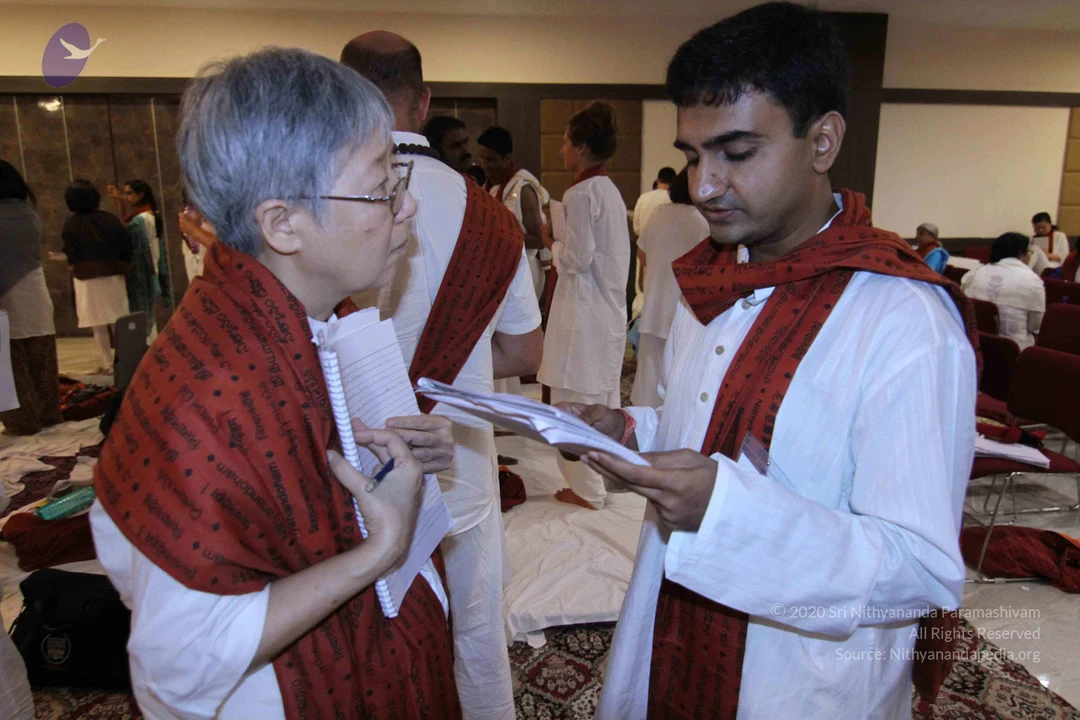
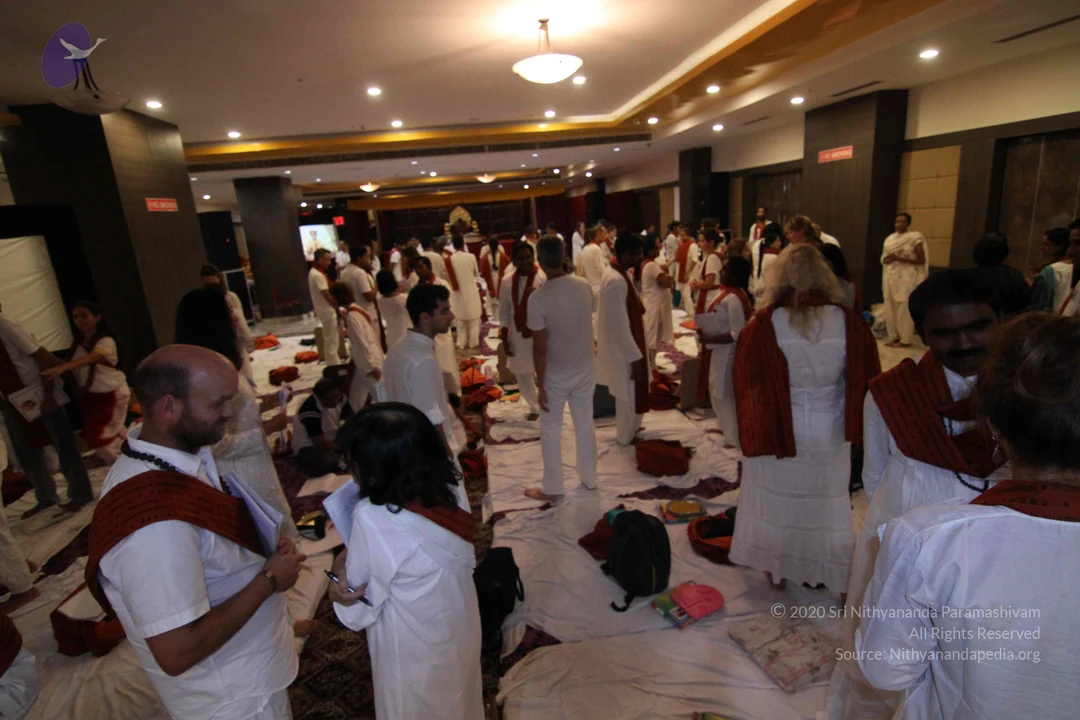
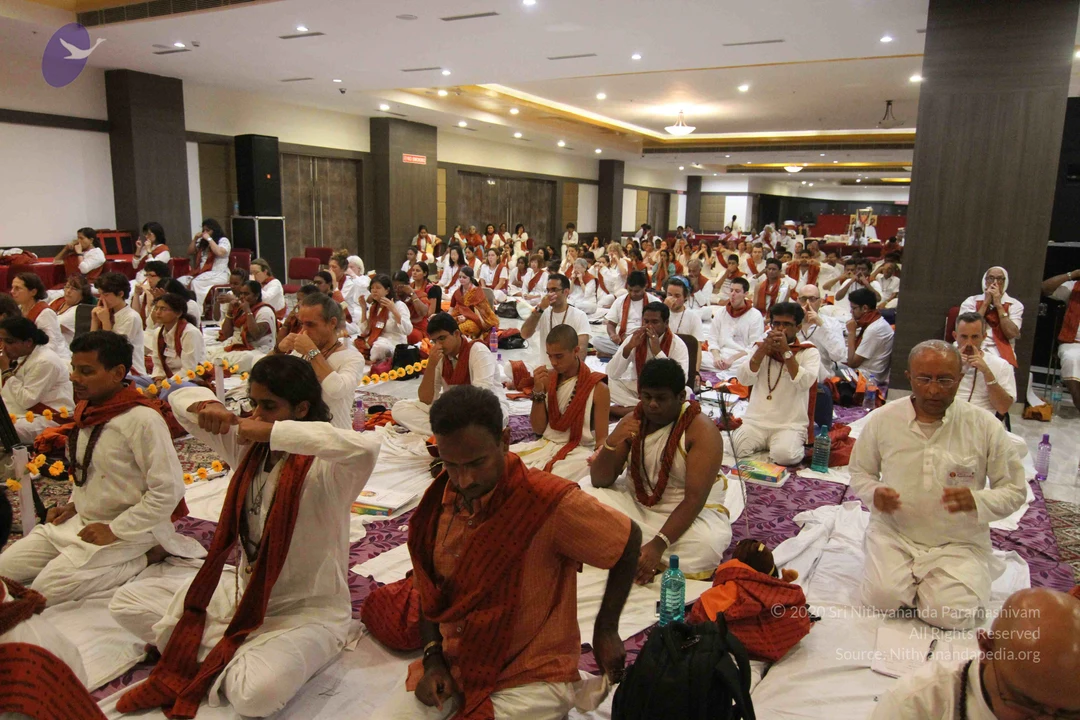
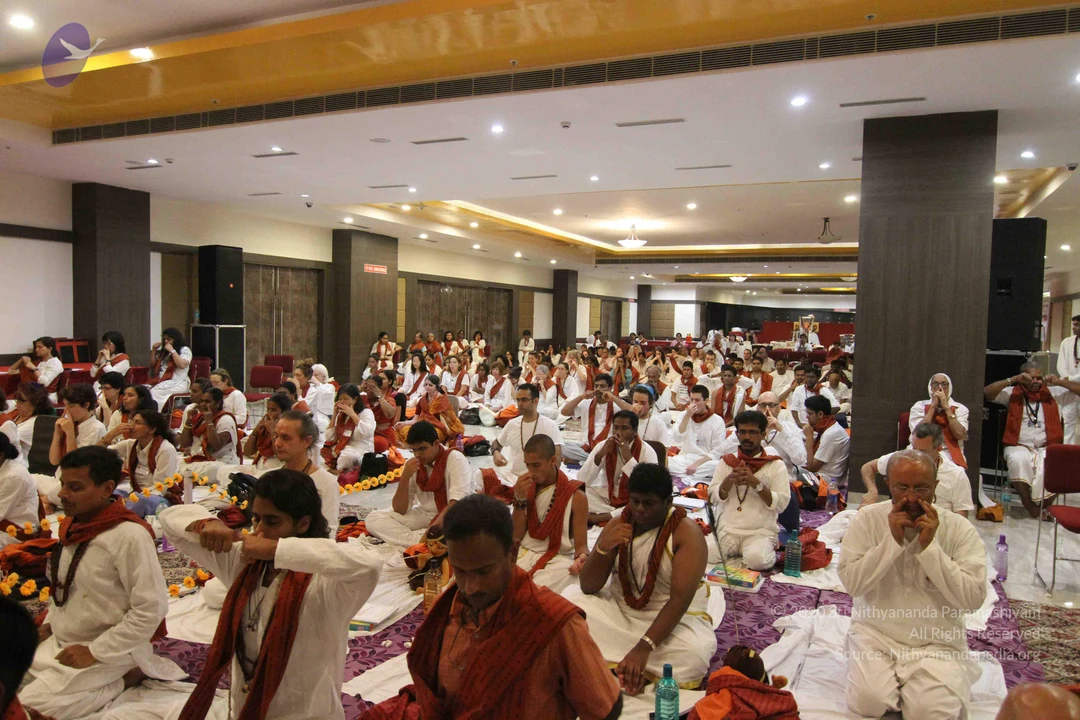
2-IA-Sessions
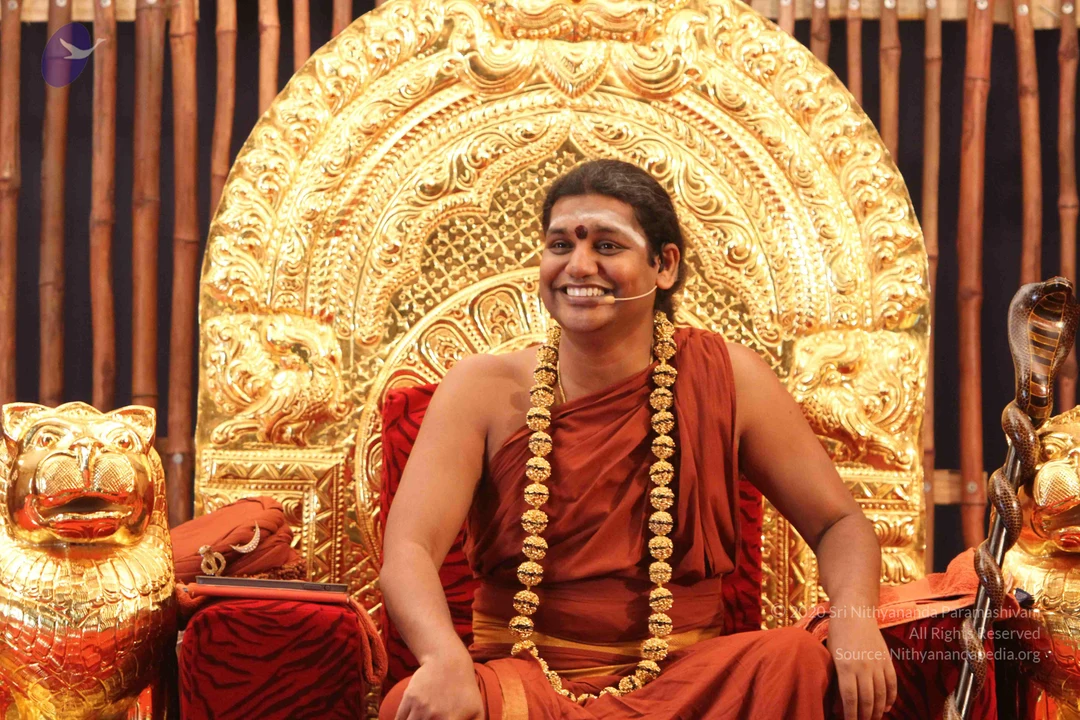
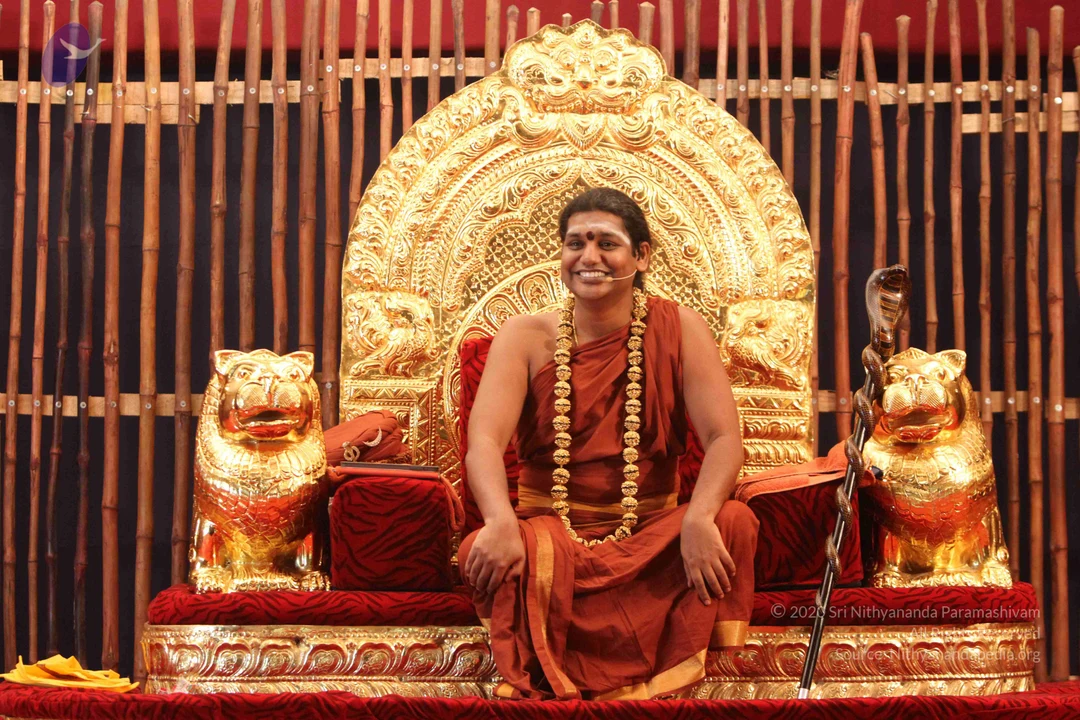
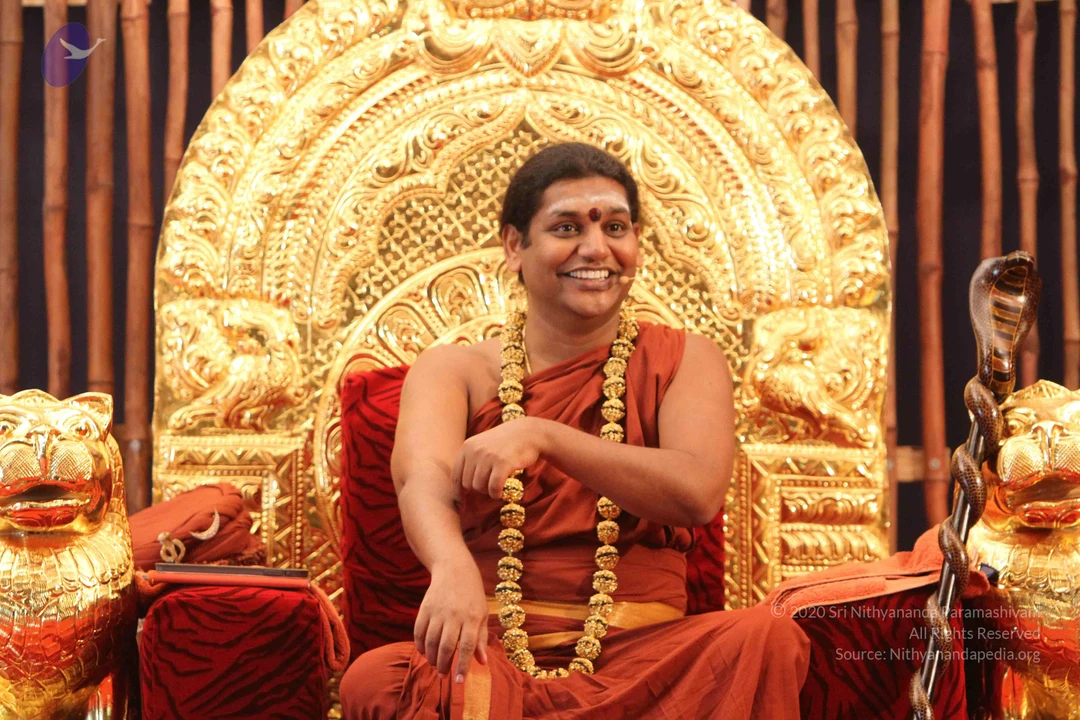
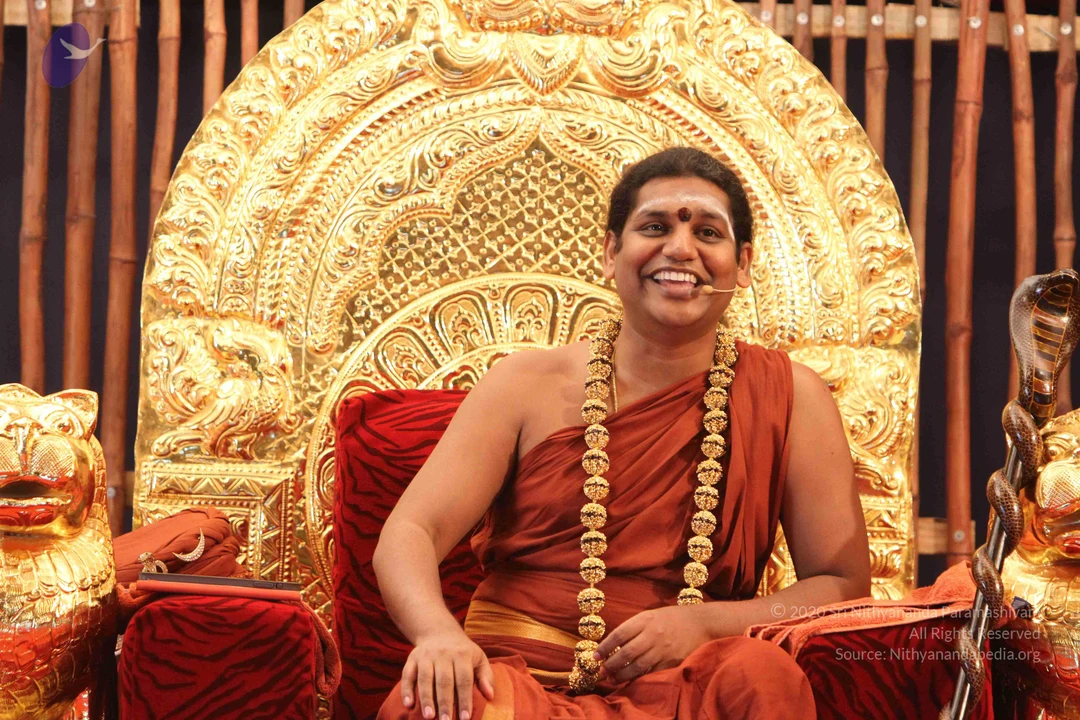
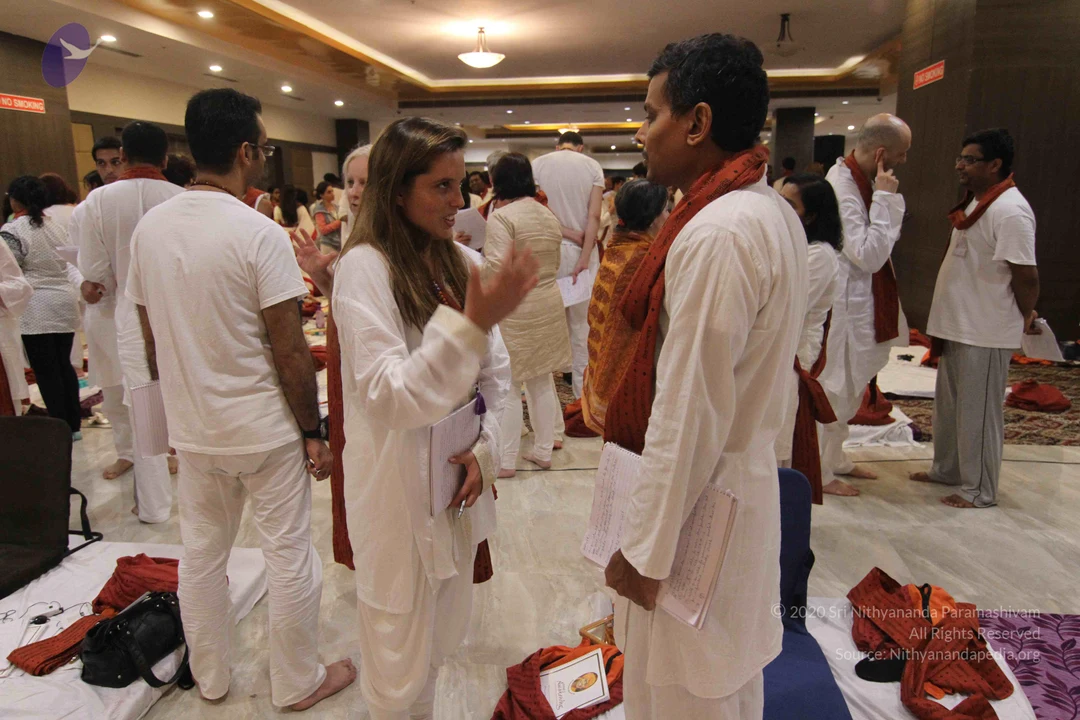
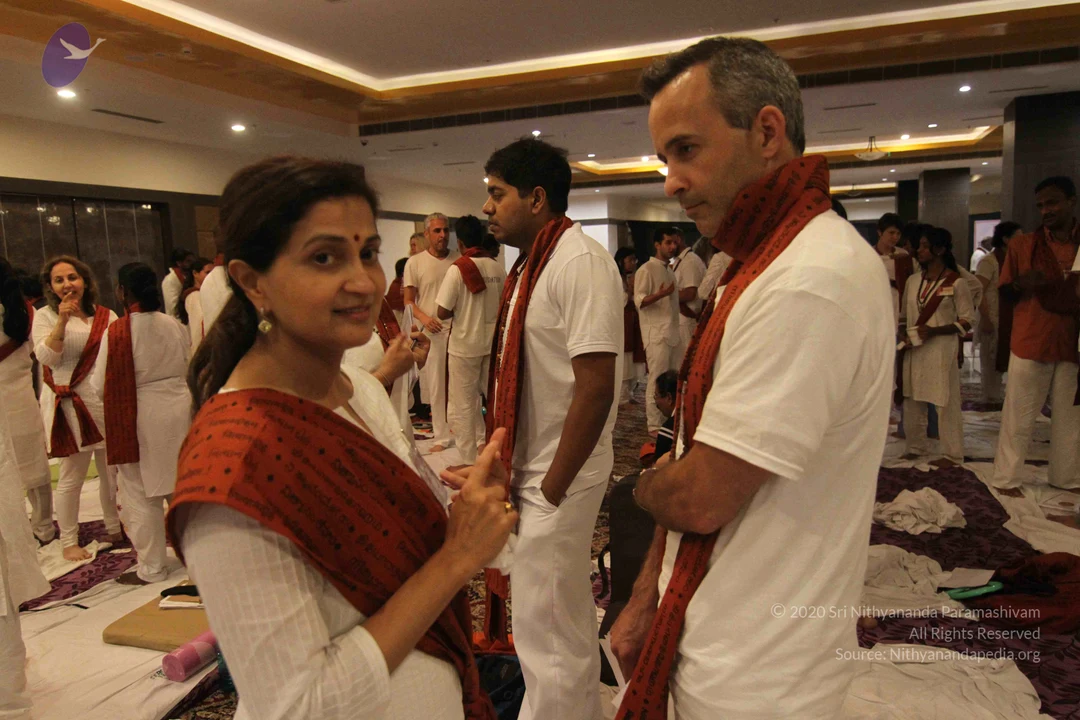
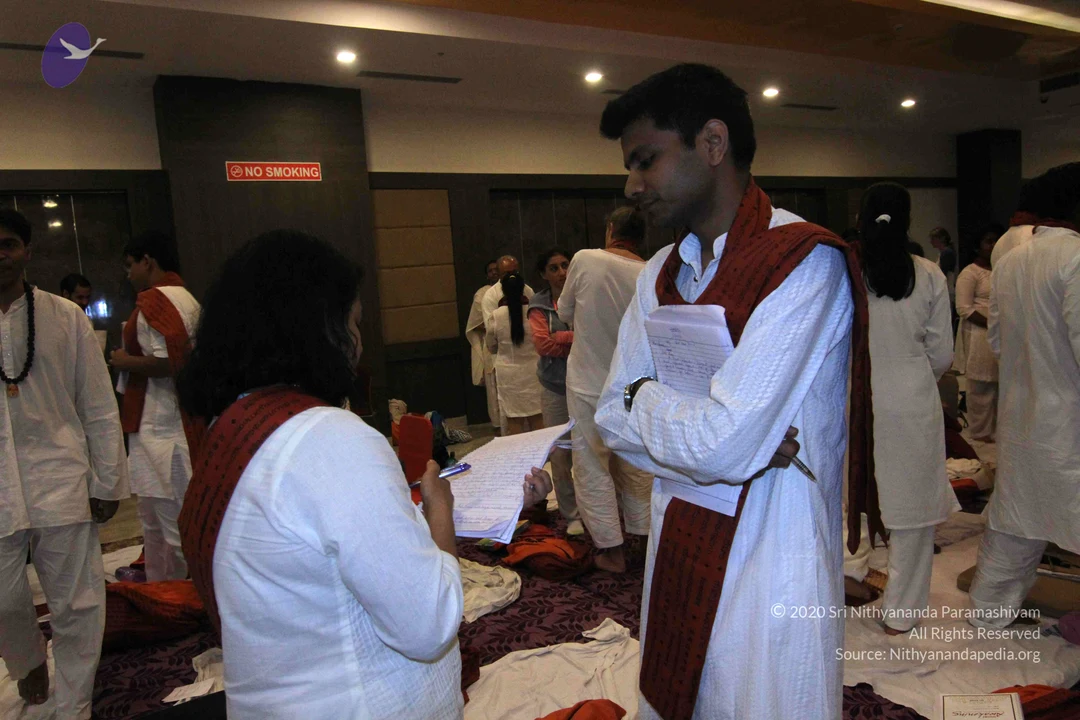
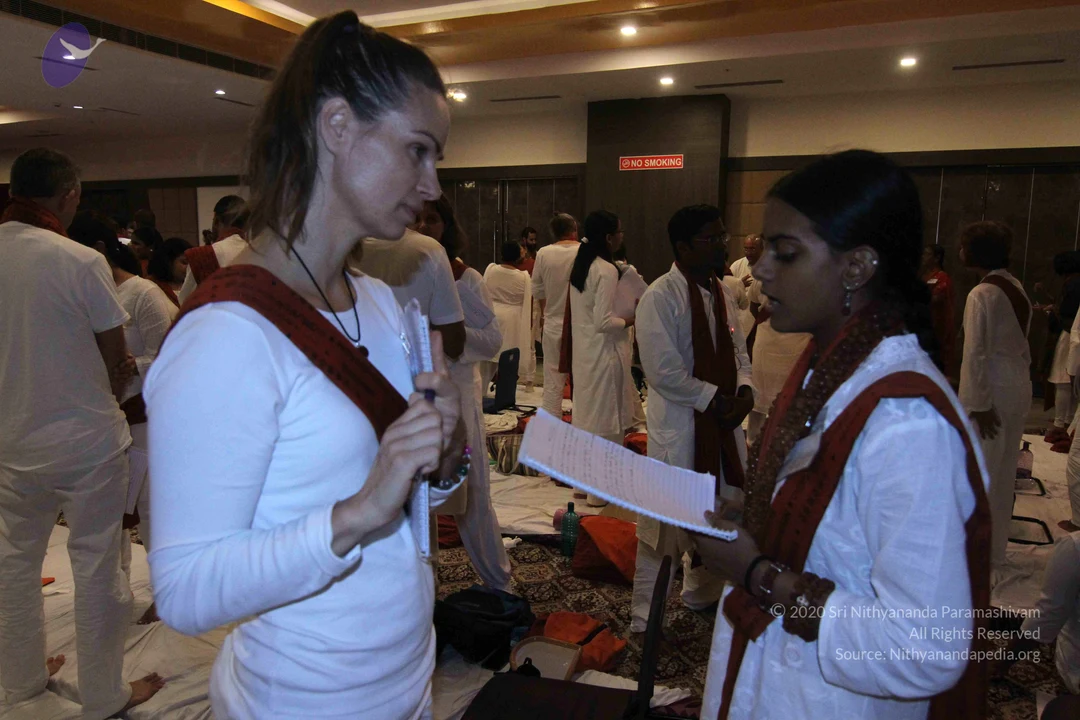
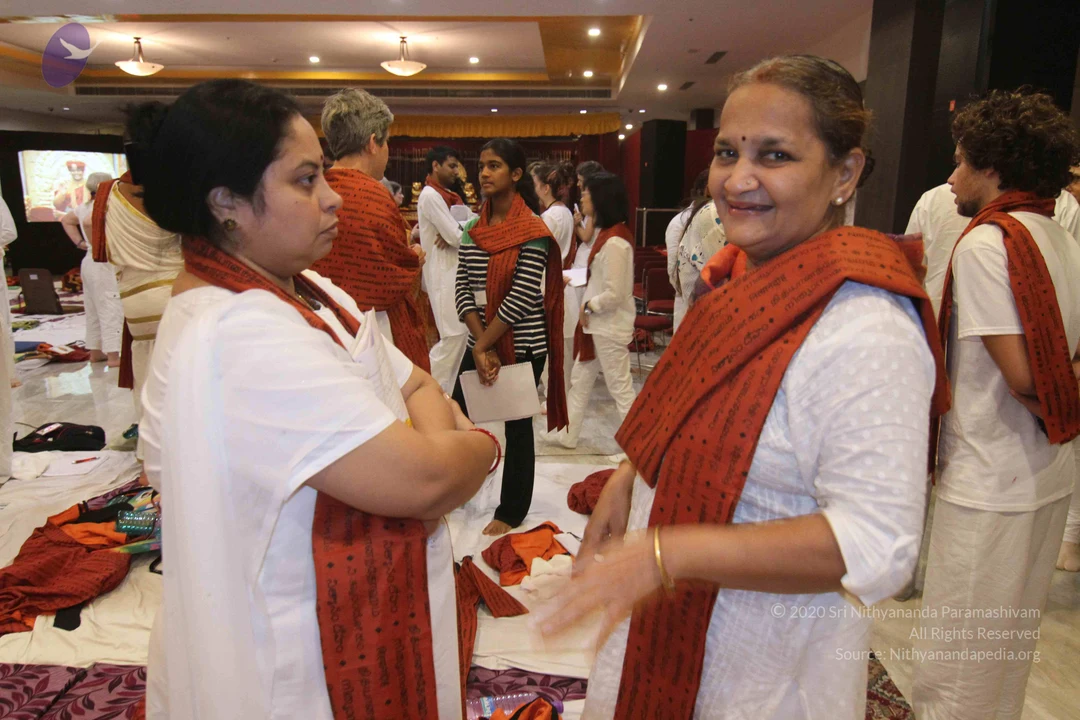
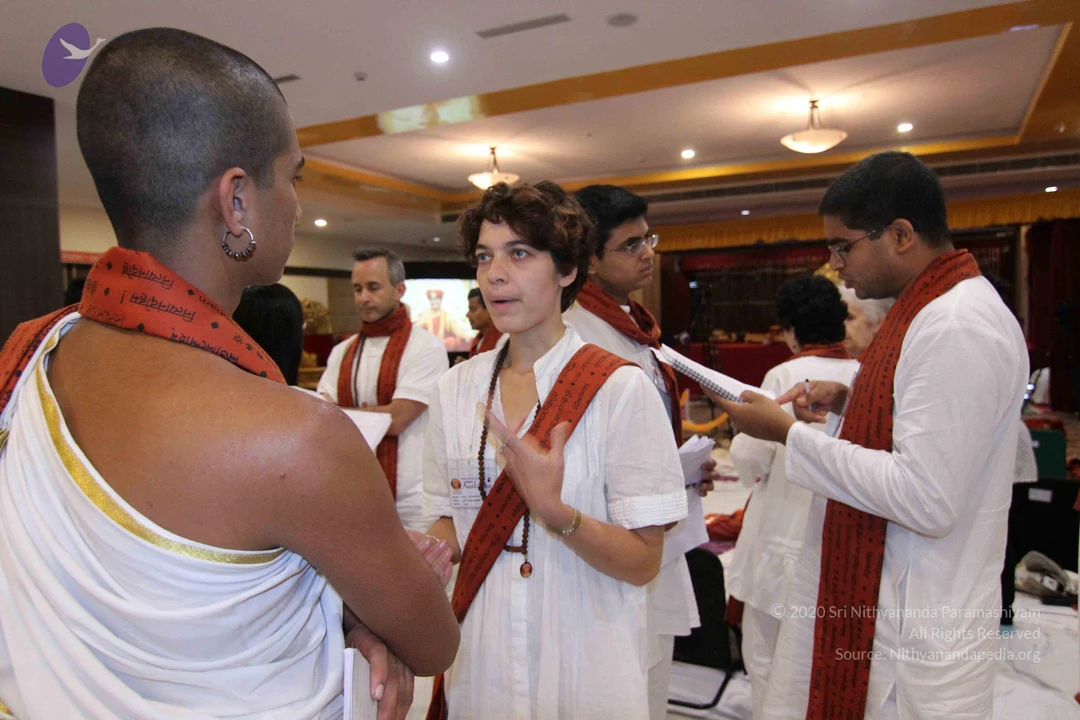
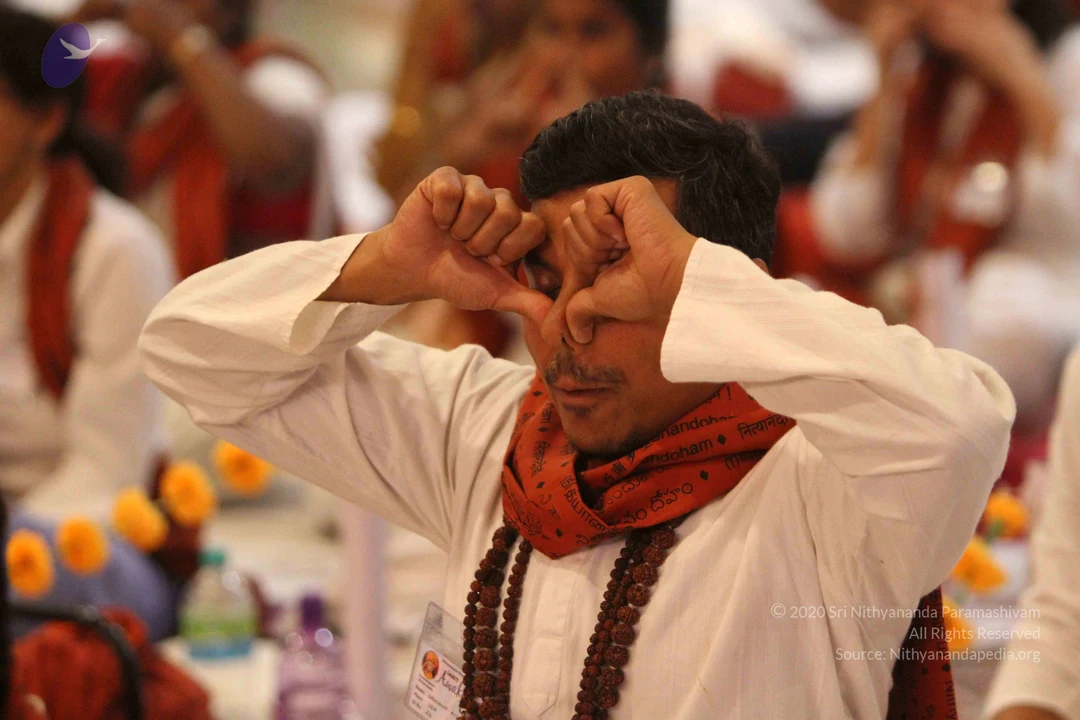
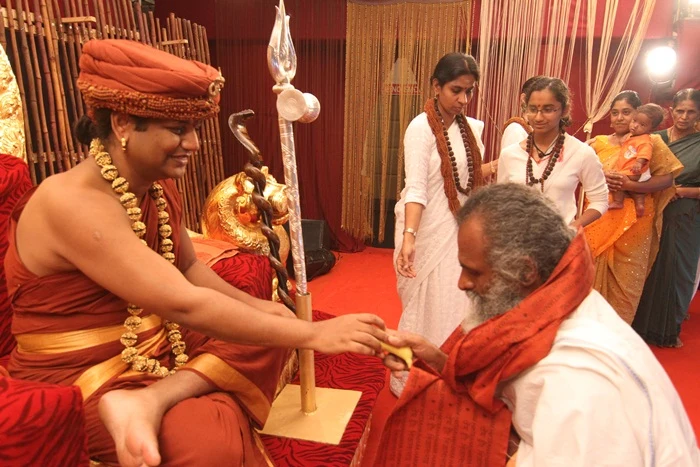
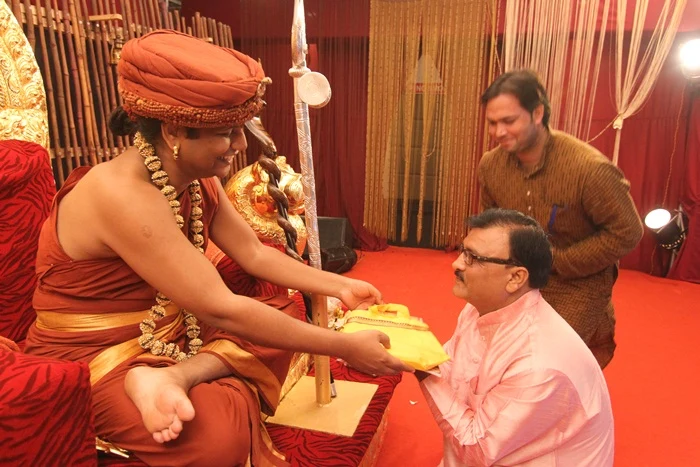
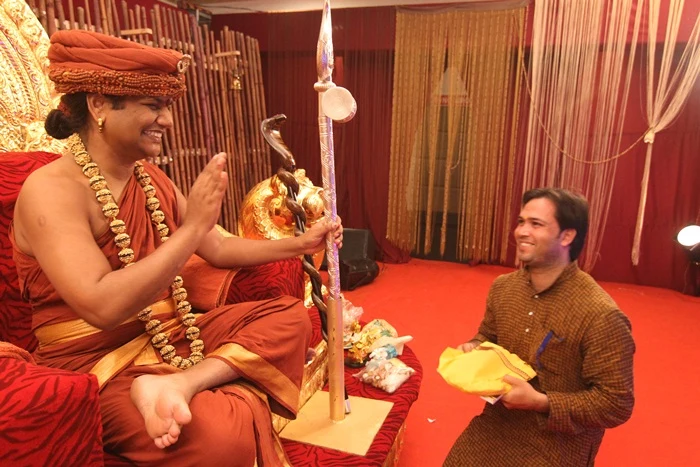
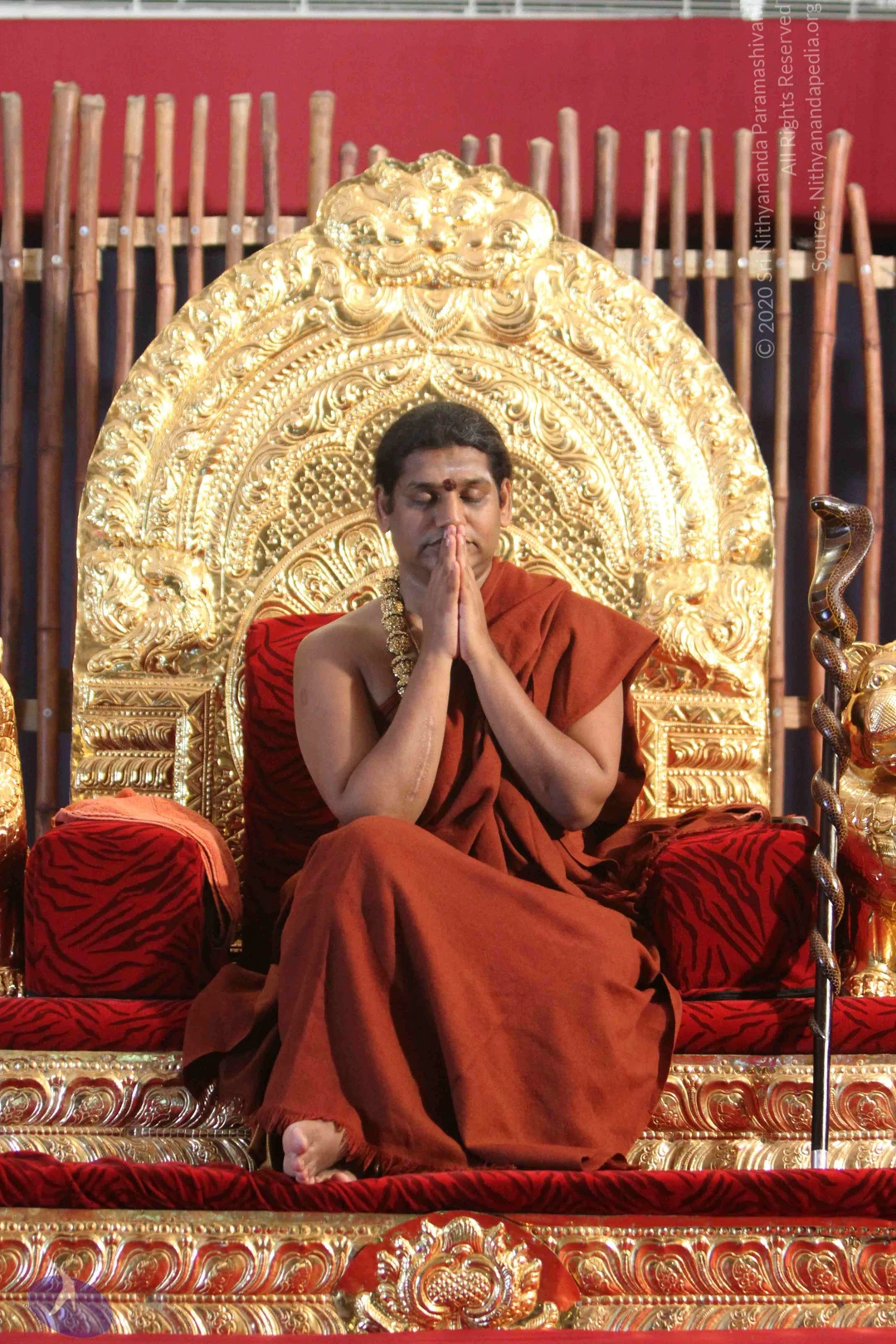
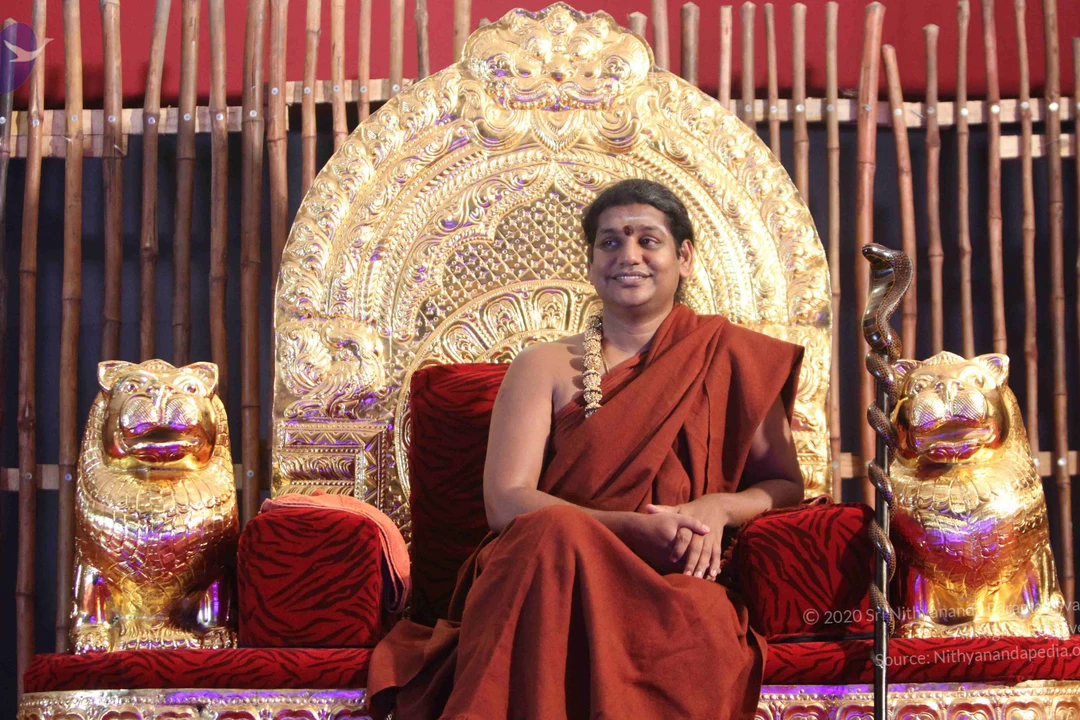
3-IA-Darshan
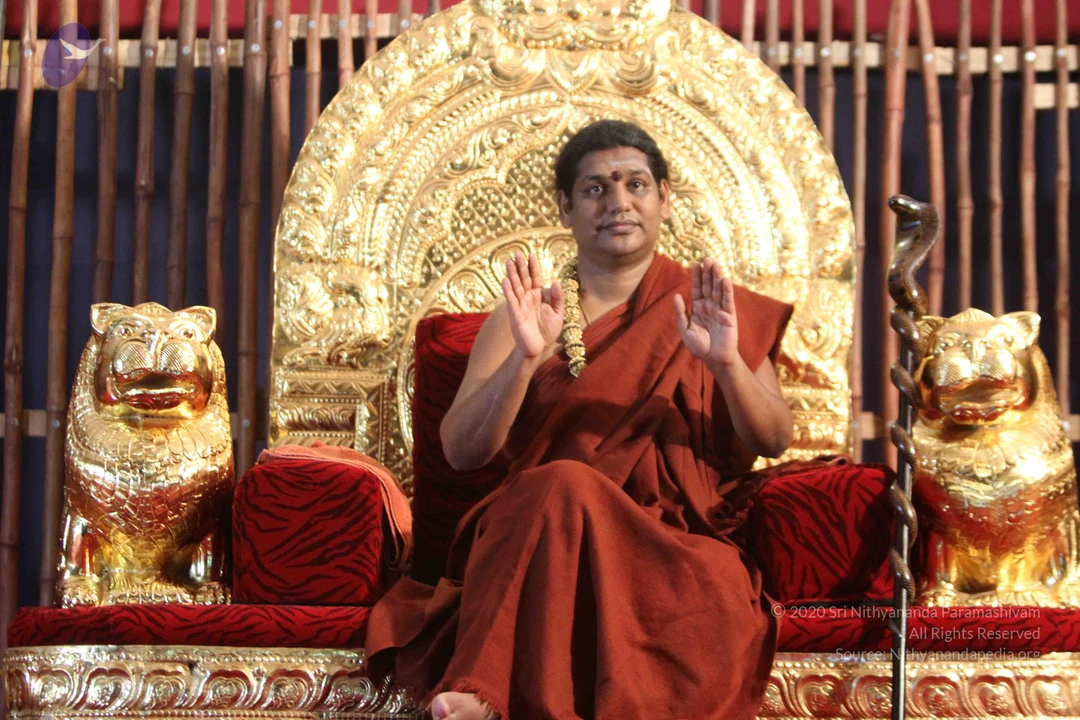
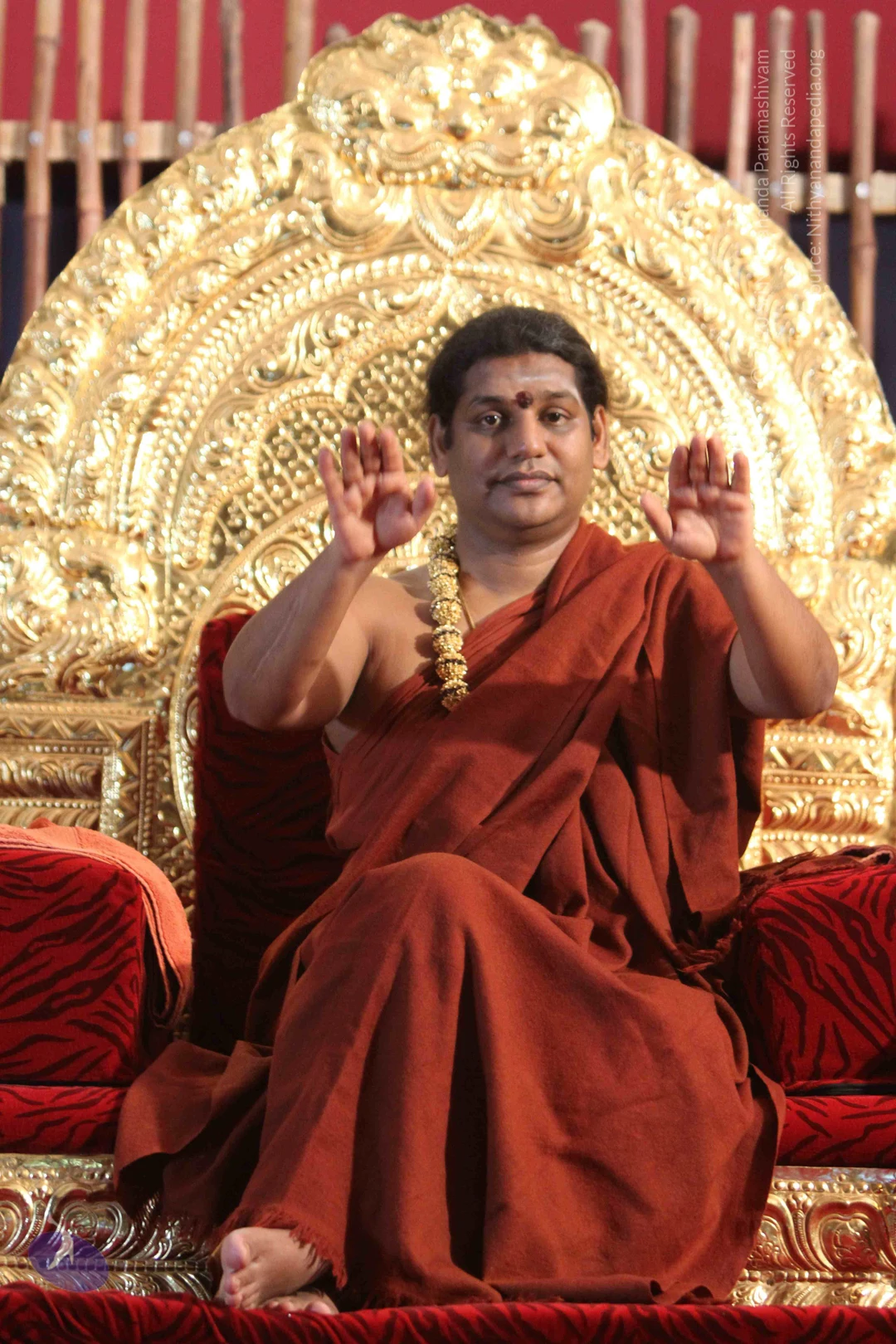
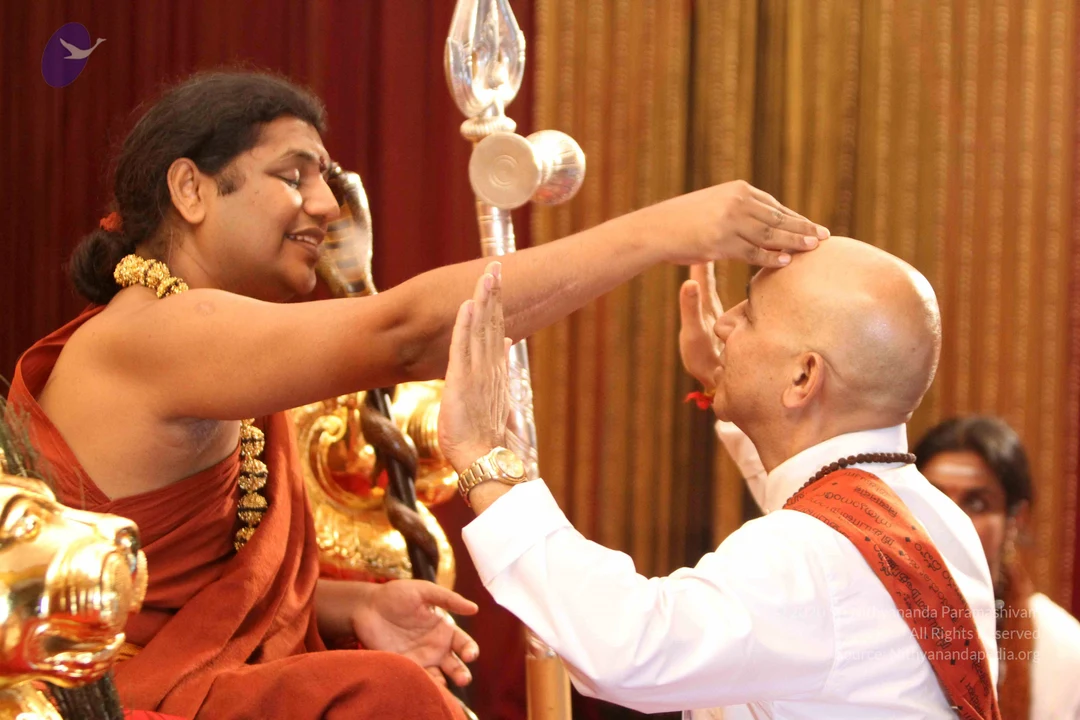
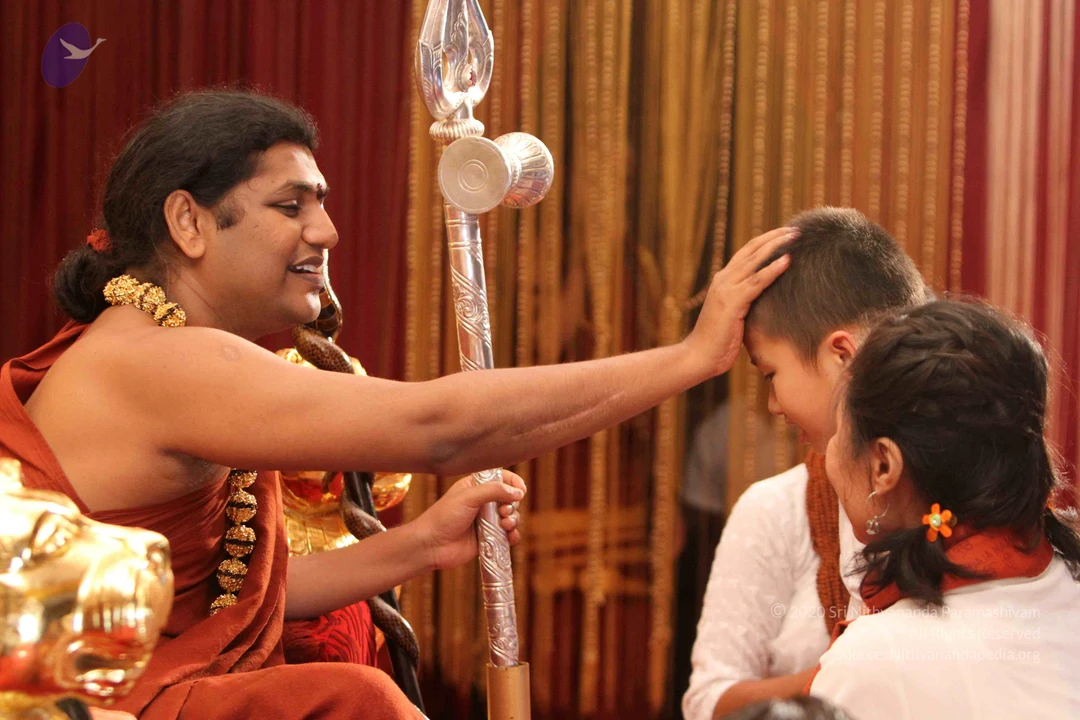
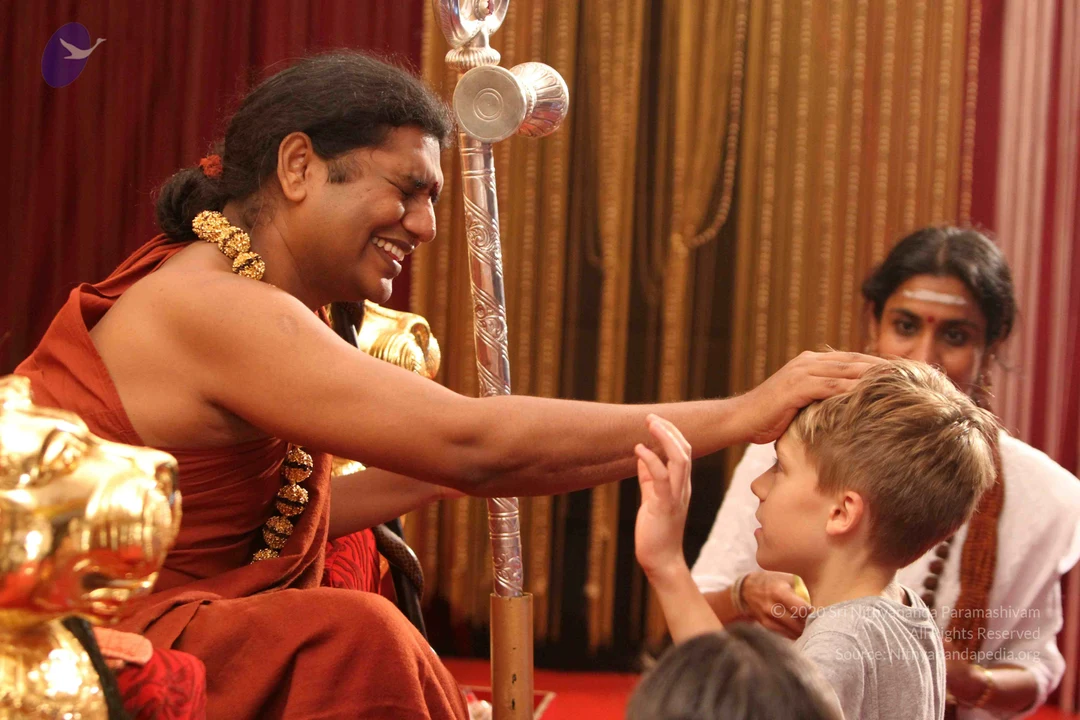
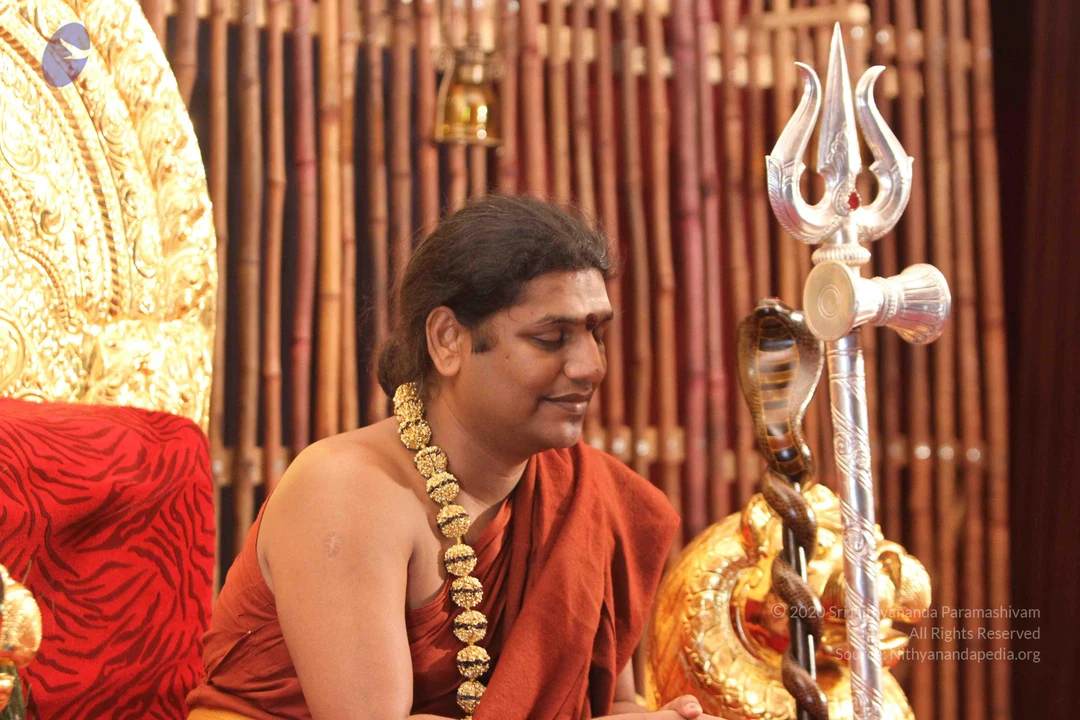
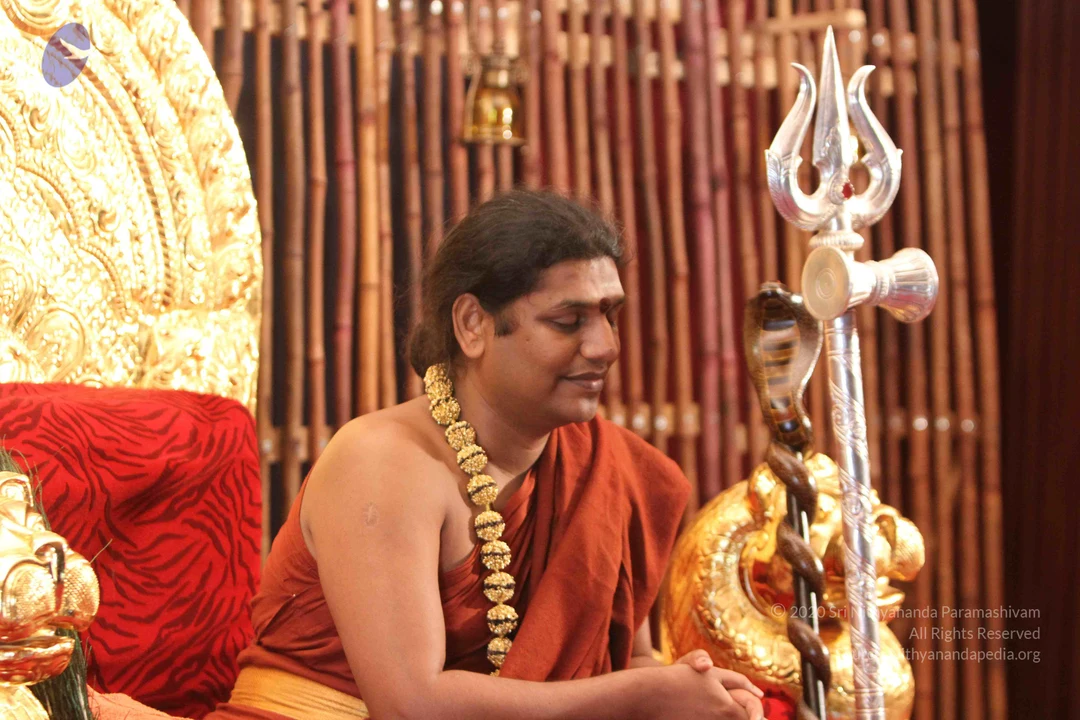
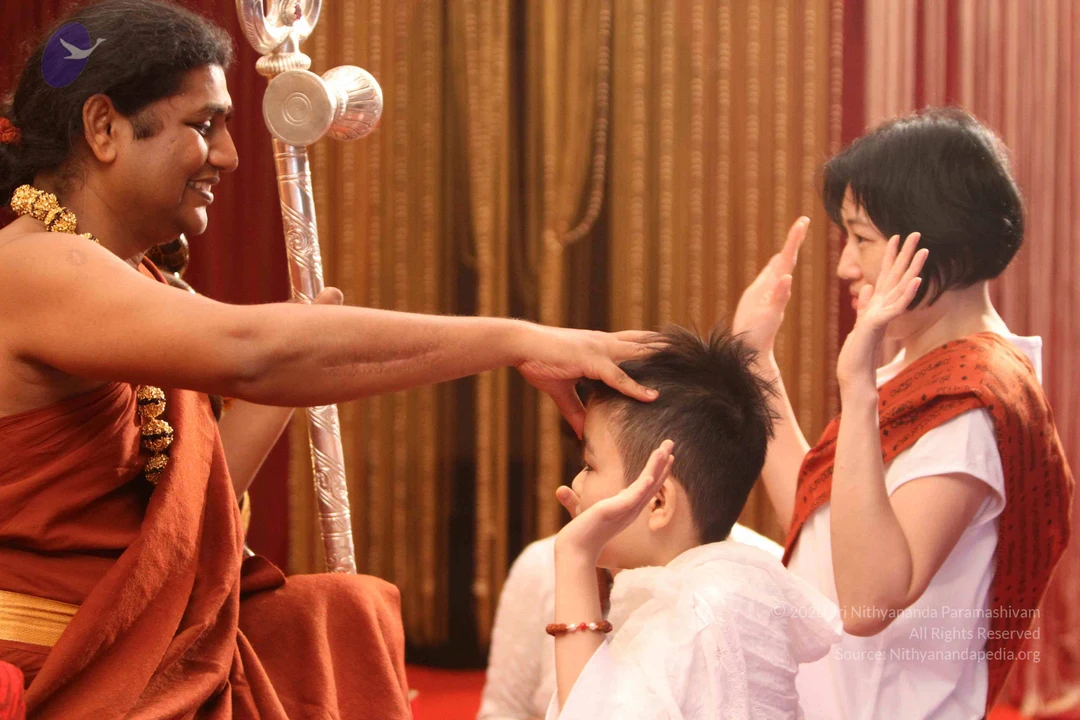
Photos from this day
View all 111 photosPhotos From The Day:
3 photosSource gallery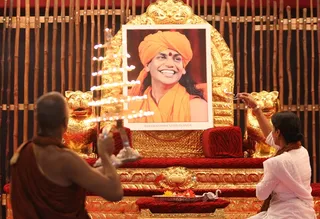
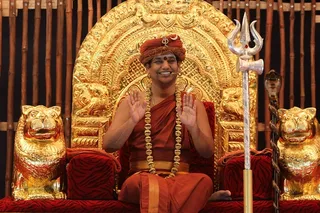
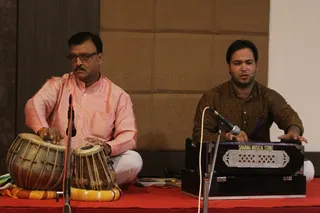
Photos From The Day:
19 photosSource gallery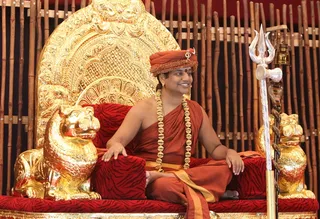
Photos
33 photosSource gallery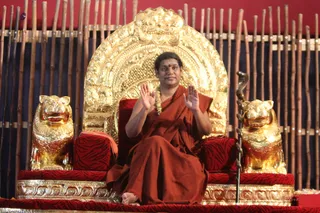
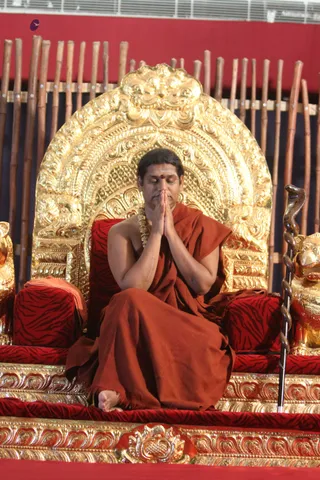
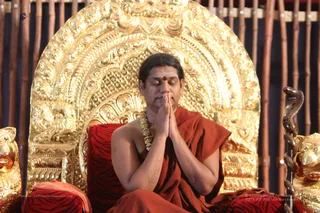
1-Morning-Satsang-Kalpatharu-Darshan
9 photosSource gallery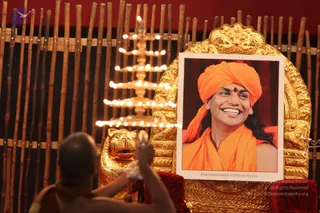
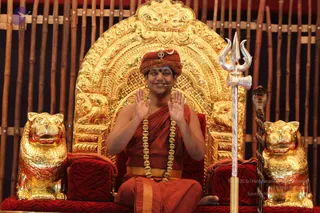
2-IA-Sessions
37 photosSource gallery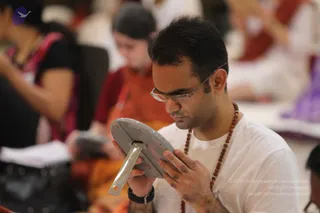
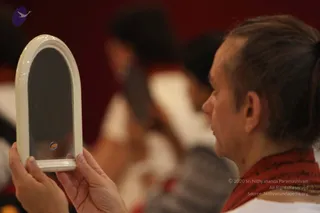
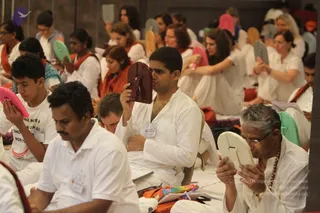
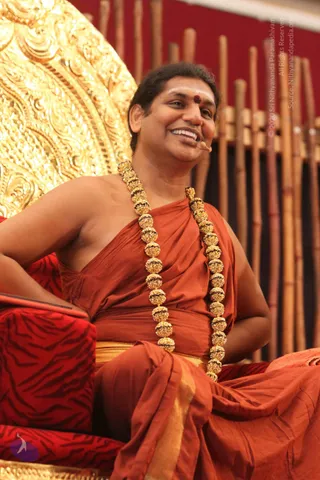
3-IA-Darshan
10 photosSource gallery