Friday
18 July 2014
Samskara Dahana Kriya -Completion with you and everyone around you, Inner Awakening
- Dated photos
- 119
- Source pages
- 1
- Media
- 4
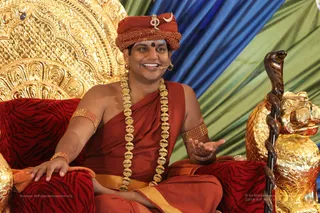
July 18 2014
Original wiki pageTitle:
Samskara Dahana Kriya -Completion with you and everyone around you, Inner Awakening
Description
In this video ,Swamiji explains the steps to do Samskara Dahana Kriya ,the ultimate completion process to complete yourself and others and clarifies the question and doubts raised by the InnerAwakening participants:
Link to Video:
| Video | Audio |
Title:
Heal yourself through completion
Description:
In today’s (18th July, 2014) morning satsang from Haridwar, Paramahamsa Nithyananda spoke about completing with the pain patterns. These are the small side effects and after effects of the root patterns that are responsible for diseases like diabetes and high blood pressure and conditions like depression and restlessness. These will all melt down once these pain patterns are completed. He advised us all to spend 2 hours once every month or 2 to do this completion even after Inner Awakening. Watch, Share and Subscribe to our channel to be notified of the next upload click http://www.youtube.com/subscription_center?add_user=lifeblissfoundation to subscribe.
Link to Video:
| Video | Audio |
Transcript:
Nithyanandeshwara Samaarambhaam Nithyanandeshwari Madhyamaam | Asmath Aachaarya Paryanthaam Vandhey Guru Paramparaam ||
I welcome all the devotees, disciples, samajis, satsangis, Shrimahants, Mahants, Kotharis, Thanedars, sitting with us all over the world through Nithyananda TV, Sadhna TV, and two-way video-conferencing having Nayana Deeksha all over the world. Cities sitting with us through two-way video-conferencing having Nayana Deeksha all over the world: Ohio-Prayag, Nithyananda University-Los Angeles, Seattle-Chidambaram, Kuala Lumpur-Palani, Vancouver-Canada, Toronto-Kailasam, Indrani-New Jersey, Phoenix-Kanchipuram, Oklahoma-Somanatham, Nithyananda Nagara-Bidadi, Houston-Kalahasti, St. Louis, London-Kashi, Bangalore North, Mukthananda-Seattle, Hebbal-Bangalore, High Point-North Carolina, Peethadeeshwaris Training Centre-Salem, Hyderabad-Gupta Kashi, Philadelphia, Istanbul-Turkey, Dubai-Vaidyanatham, San Jose-Madurai, Nithyananda University-Paris, Belgium Dhyanapeetam, Hong Kong-Sirkazhi, Port Washington-New York, Guadeloupe-Rameshwaram, Netherlands, Stratford-USA, Winston-Salem-North Carolina, Oman-Sivagangai........... I welcome all of you with my love and respects.
Today: Twenty-seventh Inner Awakening, fourth day; Twenty-fourth eN-Genius, fourth day; Nirahara Samyama Level-2, first day; "The Samyama", fourth day. In Inner Awakening, we are going to work on a very important component of human-beings which should not be an important component, but which became an important component. That is the pain pattern.
Understand, burning the root pattern is very important so that it does not grow more and more, the patterns don't grow more and more. But completing with all other patterns is also very important like, the results of the pain pattern, results of the root patterns caused. For example, the main cause of the root pattern is your life. Your life itself has become the main cause of the root pattern. The root pattern cause, main cause is the way you live. And these pain patterns are like small, small, small side-effects. Not only you need to complete with the root pattern, you have to complete with even the pain patterns which are side-effects and after-effects. If you complete with the root pattern, you can be sure it will not grow again, it will not repeat again itself in your life. But....listen, but, the many side-effects of root pattern already created in your body, they also need to be completed. For example, listen, I will give you this example: Because of root pattern, so many permanent damages are done to your body and mind, for example, like diabetes, high blood pressure, constant restlessness. All this has become part of your lifestyle.
Even if you burn the root pattern, these permanent damages done to your lifestyle like diabetes, high blood pressure, constant irritation mood, depression, all these all these will go away only when you work on all the pain patterns created by root patterns all these years which you entertained. See, once you burn the root pattern, it will not come back again from tomorrow and repeat in your life. But what about the many permanent damages done to your body all these years because of the root pattern? Those are all called pain patterns. If you burn your root pattern, immediately you will not be out of your diabetes, you will not be out of your high blood pressure; you will have to complete with all the pain patterns, which is the ripple effect of the root patterns in you. That is what we are going to do today. Your expectation is wrong. It is like you go to an engineer and try to expect that he will serve you food! No! Even that can be considered as innocence. But if you expect pharmaceutical industries to cure you, it is absolute ignorance, stupidity! Because, what for are they running the company?
Understand, in India, medicine was always non-profit from the beginning. All of you need to know, in my village I have seen, the doctor will never get paid, but whenever the harvest happens, he gets his share. I remember clearly, three share maraca maraca is the measure in Indian villages three share maraca for one acre of land. Anybody who owns one acre land, he gives three shares maraca to the doctor. And the barber never gets paid in Indian villages; he gets one share. And the drummer, the musicians of the temple, he never gets paid. Any programme in any house, good or bad, they will come and play. They don't get paid; they will get one share. Understand, Indian doctor gets paid only when you are healthy. He doesn't get paid if you are sick. If you are sick and don't work in the land, he doesn't get paid. So, naturally, his interest is in keeping you healthy. I am telling you in those days! In those days he gets his income if you are kept healthy. Now if you fall sick only he has money. Then what do you think? He is not a Paramahamsa who does not want anything. He wants his car, he wants his house, he wants to have money. He wants money to pay to his doctor when he falls sick! Understand, medical care and education, both were never paid service in Vedic lifestyle, in Vedic tradition. Both were never paid service; it was done by voluntary contribution so that the purity of both can be kept.
Anyhow...... Whatever western medical methods have taught you are permanent conditions, can just melt down, please understand, melt down and heal itself just by completing with all the pains. It will be almost like so much of pus will be taken out of you today, so much of Completion will happen! Already, I know, many of you feel so much load has been taken out of your heart. Today, not only so much load will be taken out, the process is so powerful that once you complete this Completion with pain patterns we call this process "Samskaara Dahana Kriya" once you do this process and complete it, after today, from tomorrow, you don't need to sit and do Completion. Just your decision, you will be complete! If you can be in the space of Completion just by your decision, you are living enlightenment, understand? If you need to sit and do Completion and complete, do the Completion process every day, and relieve and complete, you are a Seeker. If you are able to achieve the Completion space just by the decision I am complete the spontaneous Completion, and the incompletions don't come back into your inner-space again and disturb you at all, you are free! If you are living in this space, you are living enlightenment, understand! That is why this Samskaara Dahana Kriya, burning the pain patterns, is very, very important! Burning the pain patterns is very, very important! Samskaara Dahana Kriya is very, very important!
I tell you, so many things which terrorize you in your life, so many things which terrorize you in your life will not even have place in your life; you wont even remember them in your life once you complete this pain samskaara, once you complete with all the pain patterns, once you complete with all the pain samskaaraas, once the Samskaara Dahana Kriya is done. Today, whole day, you will be completing; Completion whole day. Once you do this process, once the process happens, you will see, simply you will see, so many things which were terrorizing your life earlier will not even have meaning. It is like if you are terrorized even seeing the photograph of a snake, you will be so comfortable even if you see the snake in front of you (once you do the Samskaara Dahana Kriya). I don't mean you will go and put your hand in its mouth, but there won't be any panic attack. You know, it goes, you go. Actually, snake is terrorized by you; that is the truth! No, really! Please understand, the poisonous snakes cannot release the poison through the teeth unless they are terrorized. See, the teeth of the snake is not always prepared to release poison into your system or inject the poison. Only when they are terrorized, it becomes so strong, it can just bite and release the poison, inject the poison into your system. A snake which is not terrorized cannot even release venom, inject poison. If you observe, when they take out the snake venom for medical purposes, how they take it out, and if you see the videos of snake really biting somebody, you will understand the difference. So, snake is terrorized by you. That is why it is attacking you. If you are not terrorized by it, you will understand you don't need to be terrorized, and you will go your way, it will go its way. It is a very shy animal. It is not the kind of animal to come and attack you. All the stories you have created snakes can take revenge...! Lot of village stories are there. All the stories are only stories. Listen! So many things which terrorize you, which can terrorize you, which were terrorizing you, will just become meaningless once you complete the Samskaara Dahana Kriya.
So, understand, Samskaara Dahana Kriya is literally ironing out your inner-space from the beginning. This technique is one of the most powerful techniques from Shiva's teachings to Devi. Such an absolutely powerful technique which can make you so alive, powerful! Actually, I have seen people coming and telling me, Swamiji, I forgot, not that I am struggling, I just forgot some of my twenty, ten years, fifteen years of addiction! Not just smoking and drinking, there are some addictions like unless you read the newspaper, you cannot go to one-two-three (one-two-three in India means, going to the loo, emptying your bowels and bladder). No....people have strange addictions, you don't know! The psychological addictions! People come and tell me! And, moreover, this psychologically constantly connecting the life happenings and the symbols you see in front, that is another one big disease people carry. People think if they see a person with a black dress, whatever work you are going to do will not work out! If you see a black cat, the thing for which you are going will not work out! Black cat is not that intelligent to know what for you are going, where you are going, and appear in front of you and give you warning signal! If black cat can do that, let us worship black cat! If black cat is crossing you, black cat is crossing you; an animal in search of its food; that's all! Why are we attributing too much of intelligence to black cat? Any how.....
So, listen! It is absolutely funny, sometimes people think if they see early in the morning somebody with a green dress, the whole day will be very green! If they see somebody early morning with a shaved head, that whole day somebody will shave their head! In Indian villages......and great cities like New York.... Some of the most superstitious cities I have ever found are New York and London! Indian villages are much better; at least their superstitions have some other reason. So many things....high-rise buildings will not have the number 13, thirteenth floor even now in London! Am I right? What stupidity! What this poor No.13 has done? After 12, automatically it comes! Before 14 he has to come! Poor thing, what has he done other than being next to 12? All this....all this superstitious thinking with which you are caught, you won't even remember them after you complete with this Samskaara Dahana Kriya this pain body! You will be liberated from them!
Understand, when I am saying, you are laughing about this black cat, No.13. Especially, if Friday falls on the 13th, that is all; half of London will not come out of their houses! No, I tell you, now you are laughing; but the people who are suffering from that pattern, it is really suffering for those people! So much of torture! So much of creativity is lost, intelligence is lost! And, one more thing, once you start believing that black cat will bring bad things to you, you will be waiting for some bad thing to happen, and bring it and connect it to that black cat! And cursing the stupid cat who has gone in front of you! Actually, because he saw you, he didn't get food! That is the truth! One king, he believes his barber is an inauspicious omen for him, bad omen. So, one day, by mistake, the moment he woke up, through the window he saw the barber. That's all! He got so annoyed, he ordered his soldiers, Cut the head of this barber! Kill this fellow! And they went and told the barber, The king saw you first; so he feels he will have a bad day. So he has ordered us to kill you. The barber said, I also saw the king only first thing today morning. At least for him bad day may come, but for me already what is happening....what is happening? This bad omen ideas and thought-trend, understand, it is literally a bondage, I tell you! It is a bondage and psychological torture. How many of you have secretly like this some of the thought-trends of the bad omen? Raise your hand. Raise your hand fully....nothing wrong! Actually, this is a big, very big bondage on you. Today once you do the Samskaara Dahana Kriya, it will simply be forgotten! It will actually be forgotten! Liberation from this "bad omen" thought-trend is one of the very important liberations human-beings need, but no educated man talked about it; because talking about it means you are too stupid, foolish! You don't talk about it, but secretly you go on enjoying it and connecting it, and whenever you plan your strategies for life, decisions, everything, you connect all this. The thought-trend of connecting the omens and happenings is one of the very big bonding thought-trends. Now, with this Completion, Samskaara Dahana Kriya, not only you will be liberated, you will even forget that you had this thought-trend! Many people come and tell me, Swamiji, I just forgot to connect this black cat and bad things!
Even statistics show that people who believe in bad luck will have more accidents on Friday, the 13th! What is this bad omen? It is nothing but subconsciously avoiding responsibilities for our actions. You do all the stupid things, and the poor black cat because he went, he is now blamed for all the mishaps! Understand, this thought-trend of good and bad omens, this thought-trend of good and bad omen, connecting your omens and results, life happenings, and addictions, both are from the same root. Please understand, you may be surprised, all addictions are nothing but you believing they will give you the feel good feeling; that's all.
Most of the time you smoke, you will drink, expecting they will give you the feel good feeling. I will define "addiction": When you do it, you won't find anything big benefit; when you don't do it, you will find a great missing. That is addiction. When you smoke, you won't find any great pleasure; but when you don't smoke, you will find a great emptiness. That is what is addiction. I tell you, all addictions and this mental setup of connecting omens and your life happening, both are from the same thought-trend, both are from the same thought-trend. When you do this Samskaara Dahana Kriya, you will understand. Sometimes the Indian villages look much better in this kind of omens and superstitions. With this so-called developed world I really had a cultural shock when I heard there won't be 13th floor in London, and on 13th, Friday, all the traffic will be empty! And all these London dailies are full of black magicians advertisements Ghost can be driven just by phone! I have people who can drive anybody by phone! What ghosts! No, really! When I saw even in New York every sixth board or seventh board will be about..."psychic"....with a big eye, neon light shining....Psychic Reading...!
I read a legal case. A doctor has done an MRI on a psychic reader and she lost the power it seems. And she sued him and got the money! That is very funny! She sued him and got the money! All funny things! I really had a cultural shock when I saw all this. Then only I understood it has nothing to do with education, it has something to do with human thought-trend. If you carry incompletion, whether you are educated or uneducated, this thought-trend is going to continue. Going on trying to avoid the straight understanding of responsibility and trying to dump everything on something the cat running, rat running! If your wife ran away, it is because of you, not because of the cat running! No, really! And you go on attributing it to the poor cat running! Your cat didn't elope with your wife! This thought-trend, please understand, sometimes it is very seriously damaging your system, paralyzing your decision-making ability, absolutely shaking your thought-trend. It leads to a lot of panic attacks, paralysis in your thinking. All this, not only you will be free from these addictions, it will even be forgotten when you complete with all this pain samskaara, pain patterns. When the Samsakaara Dahana Kriya is done, it will be forgotten! Actually, I wanted this Kriya to be done first. That is the reason I decided not even to accept Pada Puja today. That is the main reason. I wanted you guys to go through more and more cleansing. Then if you sit at my feet and do Pada Puja, hundred percent my Cosmic neuron activity will mirror in your system, in your brain.
Today some participant wanted to do Pada Puja. I said, No...let them go through the Samskaara Dahana Kriya first. Because, if you don't go through the Samskaara Dahana Kriya, the mirroring will be only eighty percent. But if you go through the Samskaara Dahana Kriya, I can guarantee, hundred percent it will start mirroring in your system! I asked, Is there anybody who has come from outside just for Pada Puja? They said, No, all are participants, only. I said, No, shift it. After two-three days. Once you finish the Samskaara Dahana Kriya, your whole brain becomes so alive, super-conscious, ready to mirror the Cosmic neuron activity! If you look at the others, cosmetic neuron activity only will be reflected where they got the saree, where they got the jewellery...! If you sit with the Master, at his feet, the Cosmic neuron activity will be mirrored in you! And, I tell you, that is the most powerful activity, that is the most powerful action, that is absolutely the powerful experience! That is why I thought let you finish the Samskaara Dahana Kriya, completion with your pain patterns. Understand this much, the pharmaceutical industry which depends upon your body as an income source is never going to cure you. The food industry which is the cousin-brother of the pharmaceutical industry now in the modern world, is never going to let you be healthy. In Indian tradition, food itself is used as medicine. Now, in the modern day, the medicine becomes the size of the food!
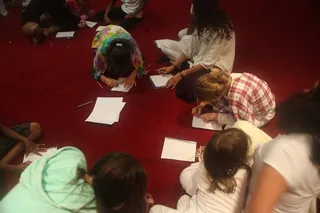
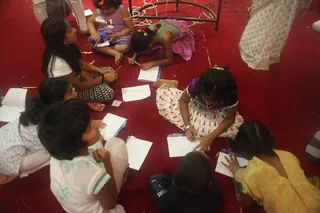
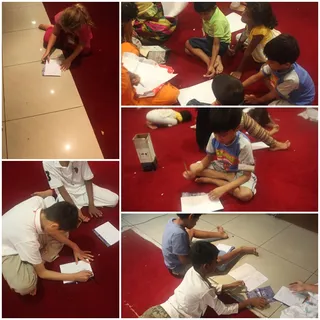
The essence of today's satsang that I wanted to convey to all of you is:- Do Samskaara Dahana Kriya once in a while, even if you have completed Inner Awakening, in your own house. This may be once a month or twice a month based on your lifestyle. If your lifestyle is the lifestyle of accumulating more stress, then once a month. If your lifestyle is not like that, then at least once in two months. Decide and dedicate two-three hours to do. If you do in your house, it will take only two-three hours. Sit, and whatever incompletions, pain patterns you remember, pen down. Catch somebody, and sit with them and complete the Samskaara Dahana Kriya. Or, if you are not able to catch somebody, take the mirror; that's all. Mirror solves all your problems. You always have one more person mirror. Talk to him; complete with that person. At least once in two months do this Samskaara Dahana Kriya. It will really do so much good to you! That is all is the essence of today's satsang.
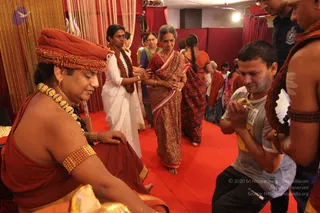
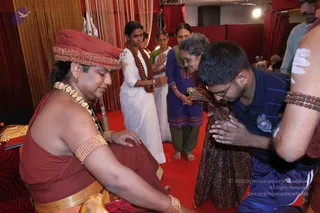
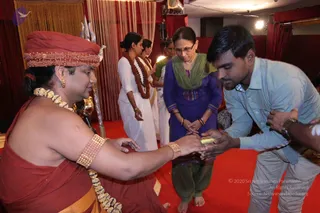
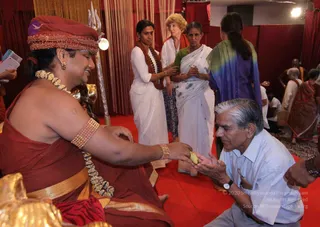
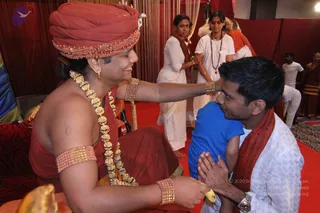
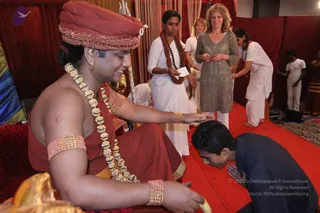
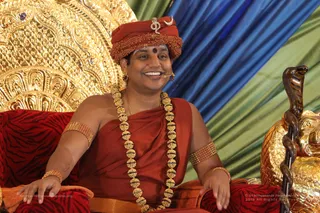
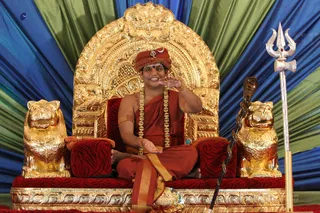
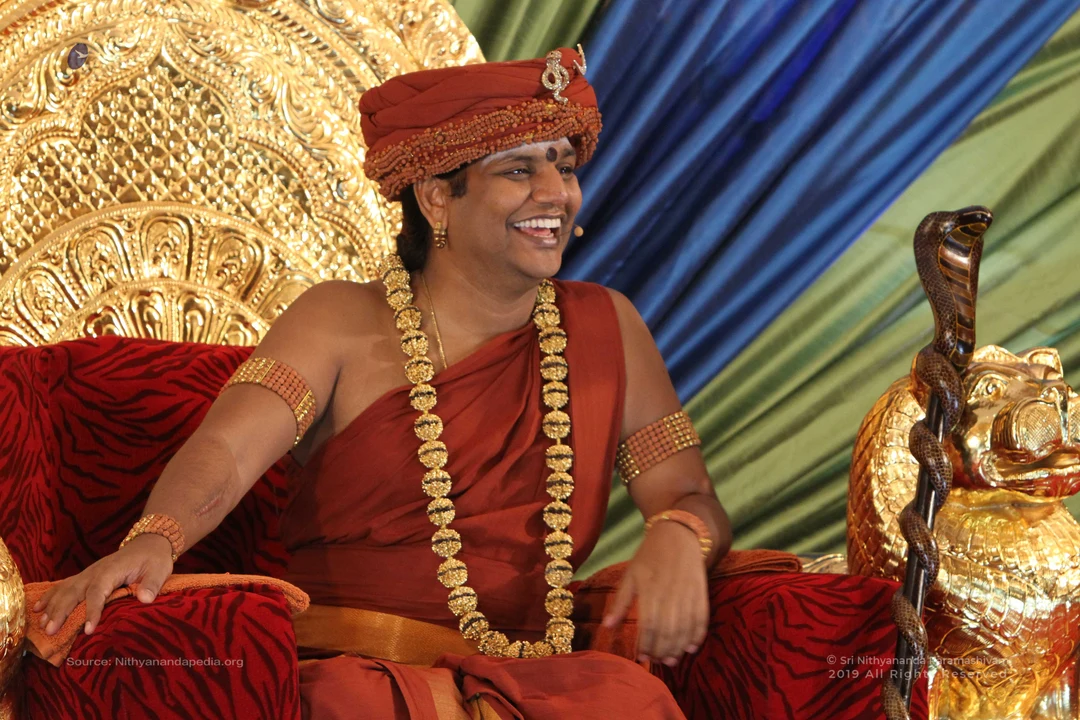
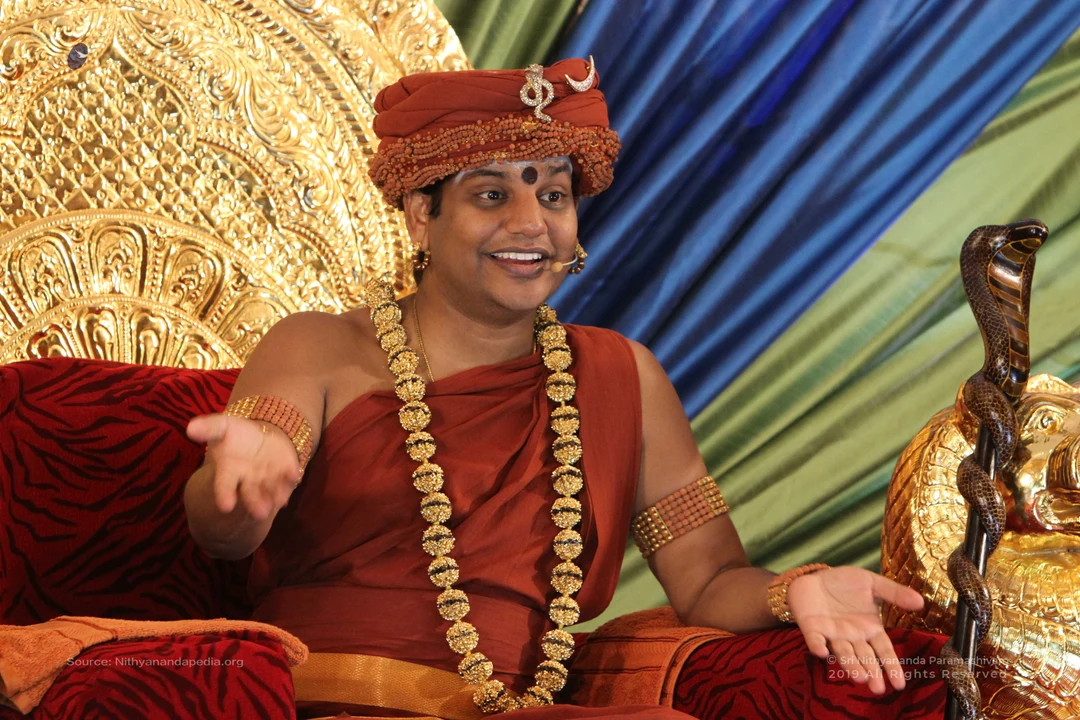
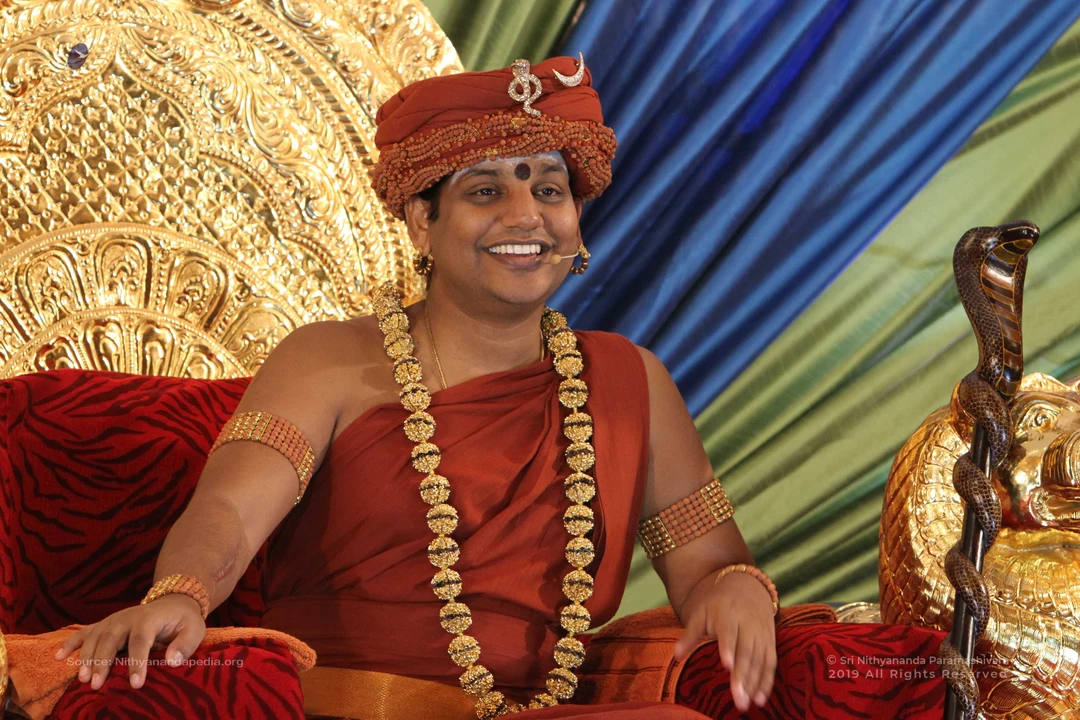
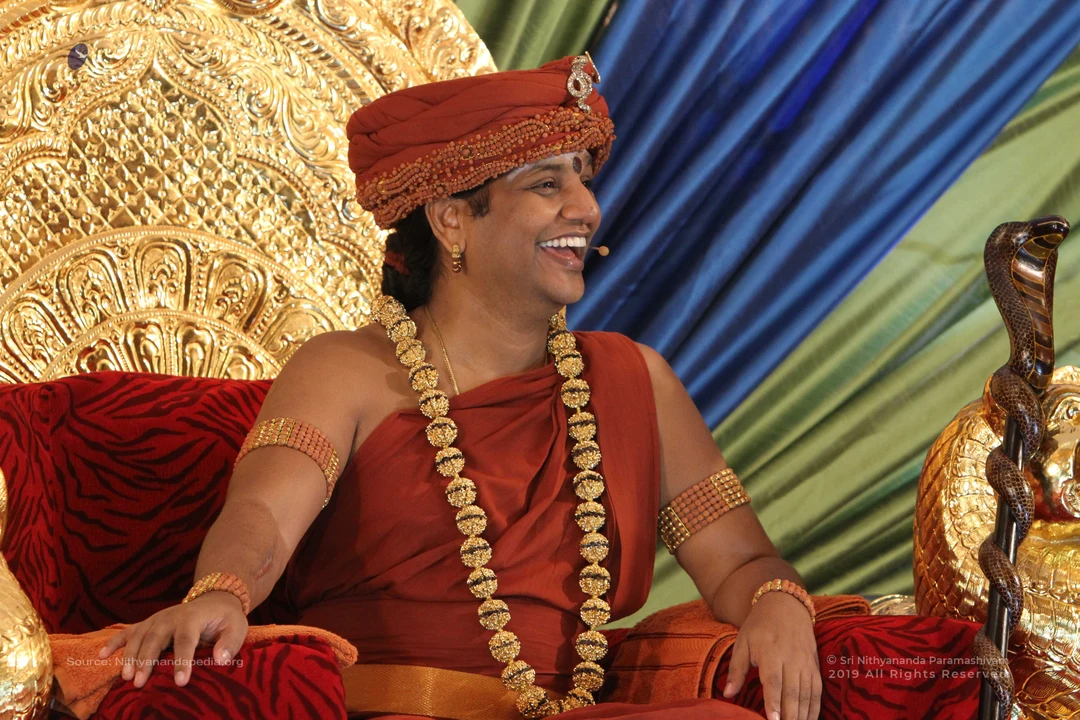
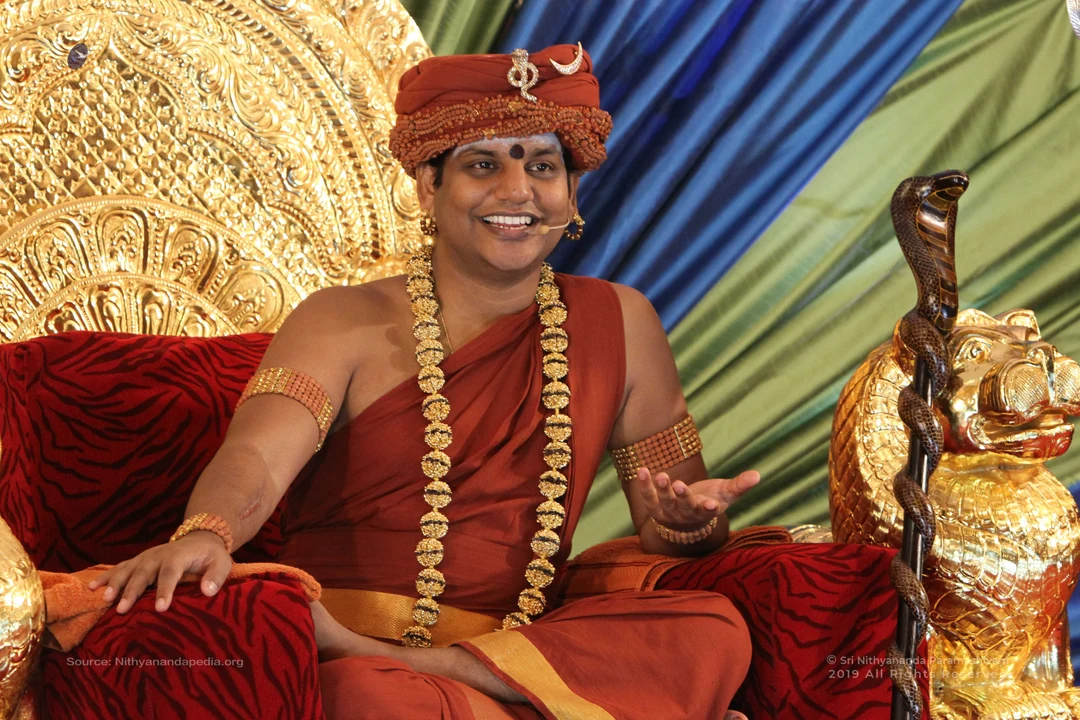
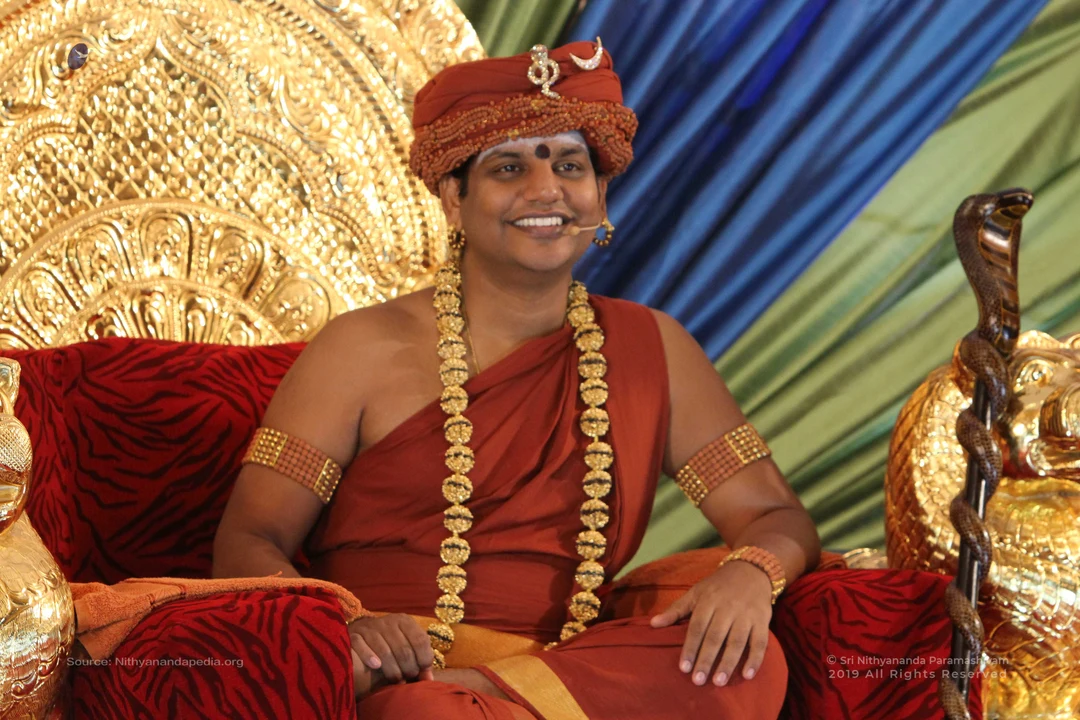
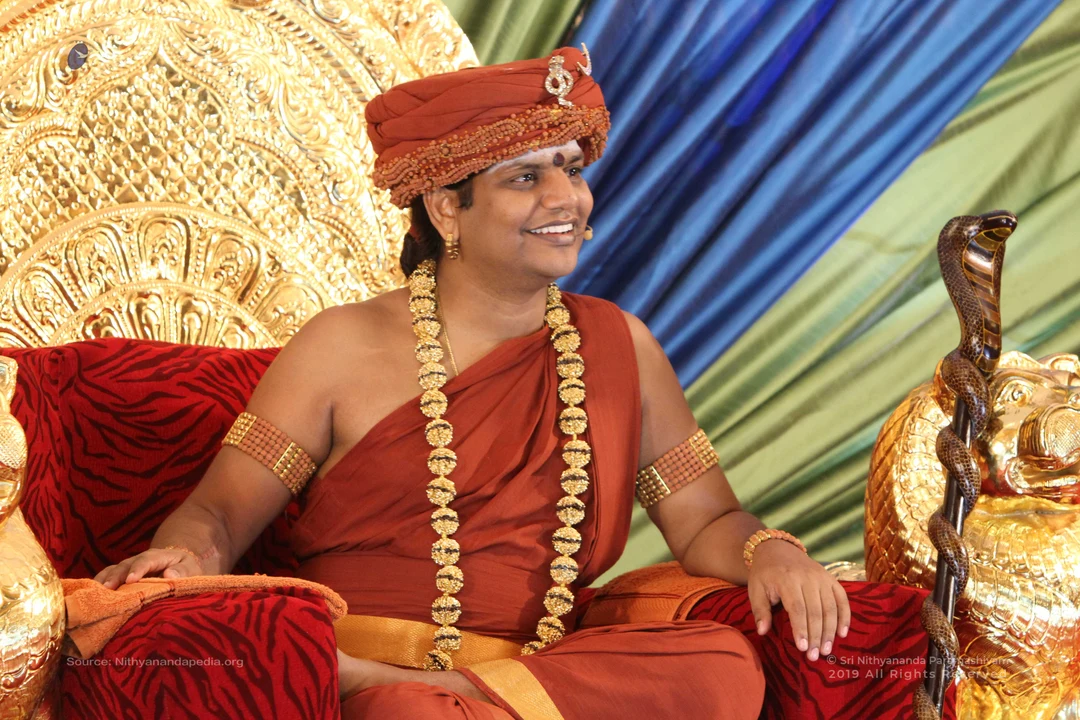
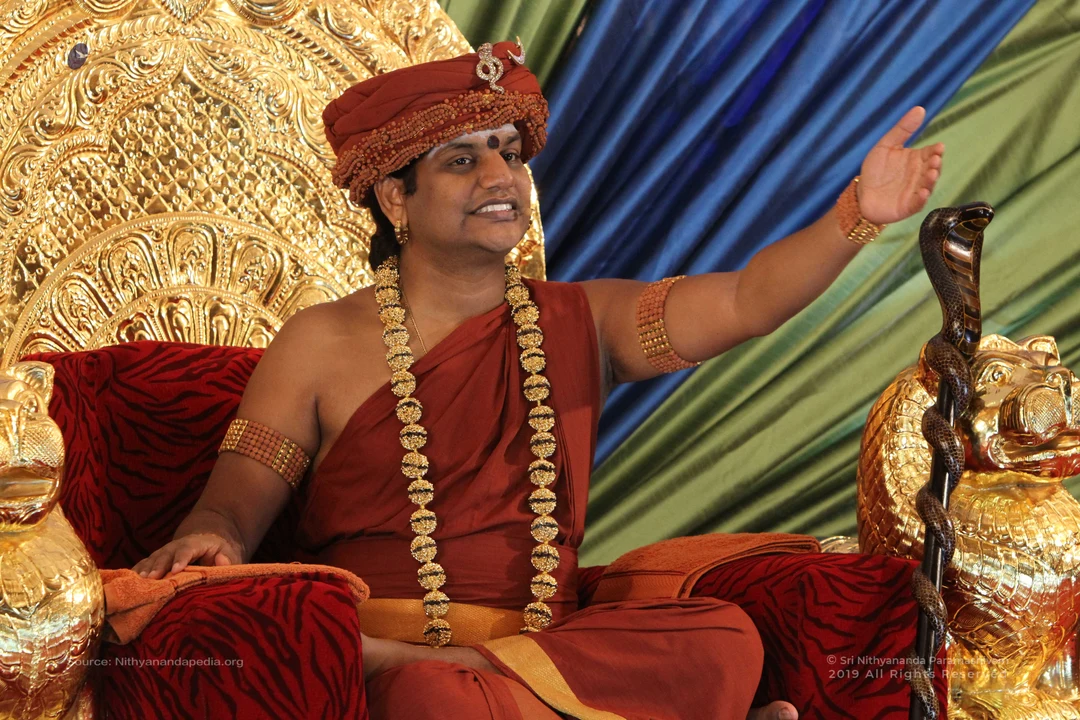
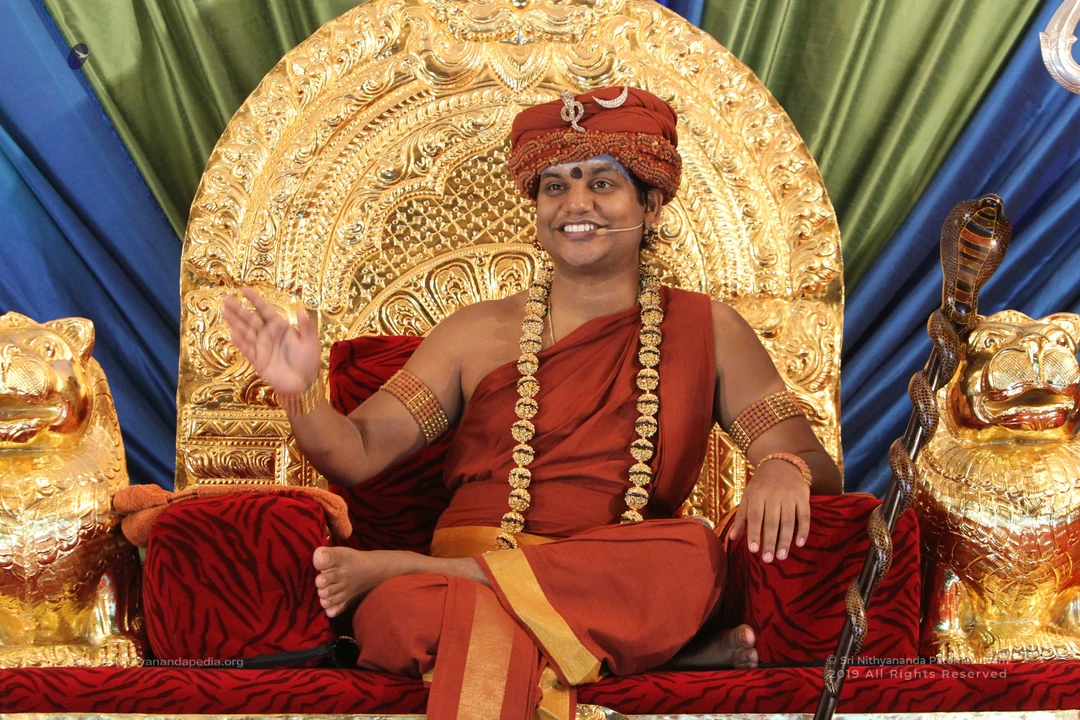
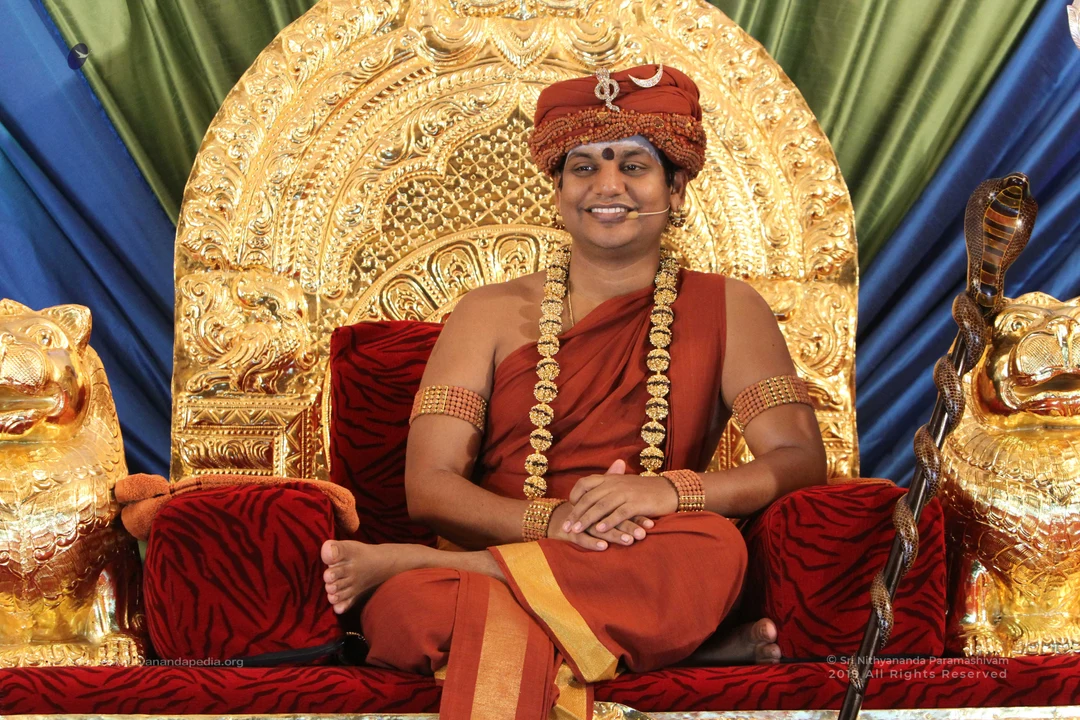
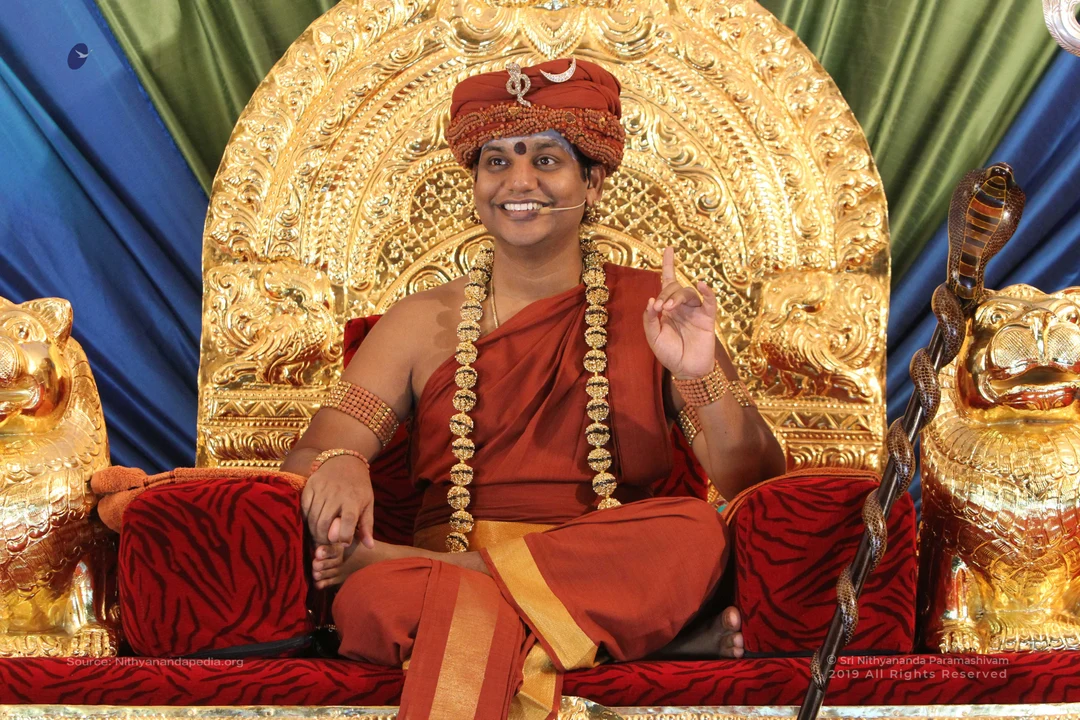
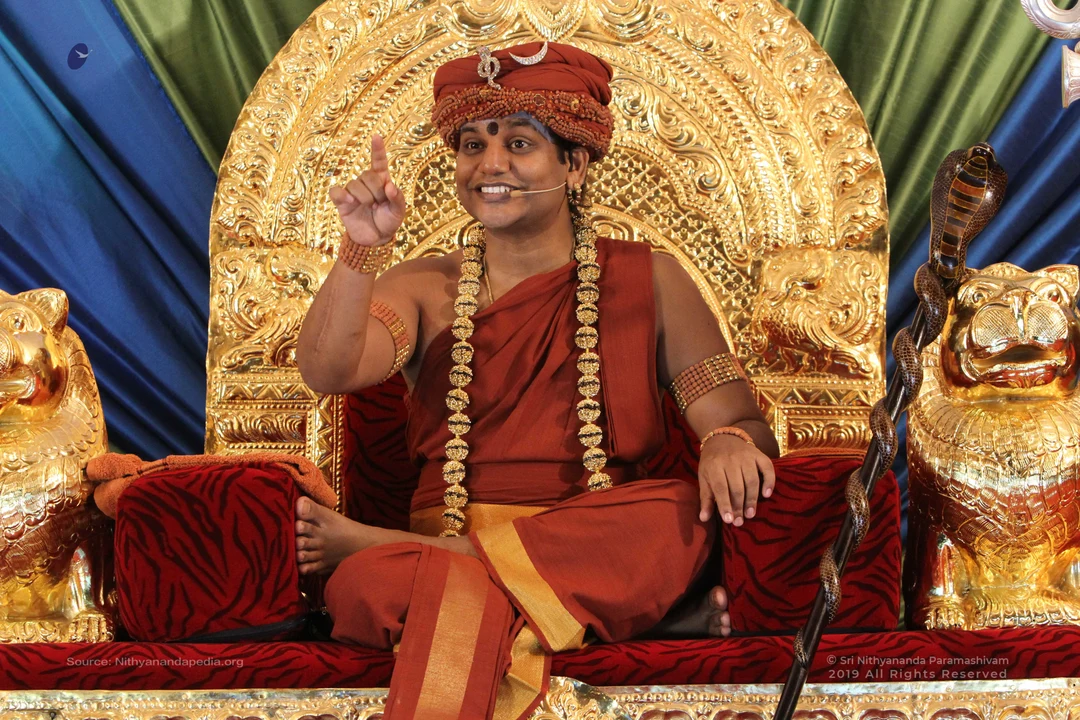
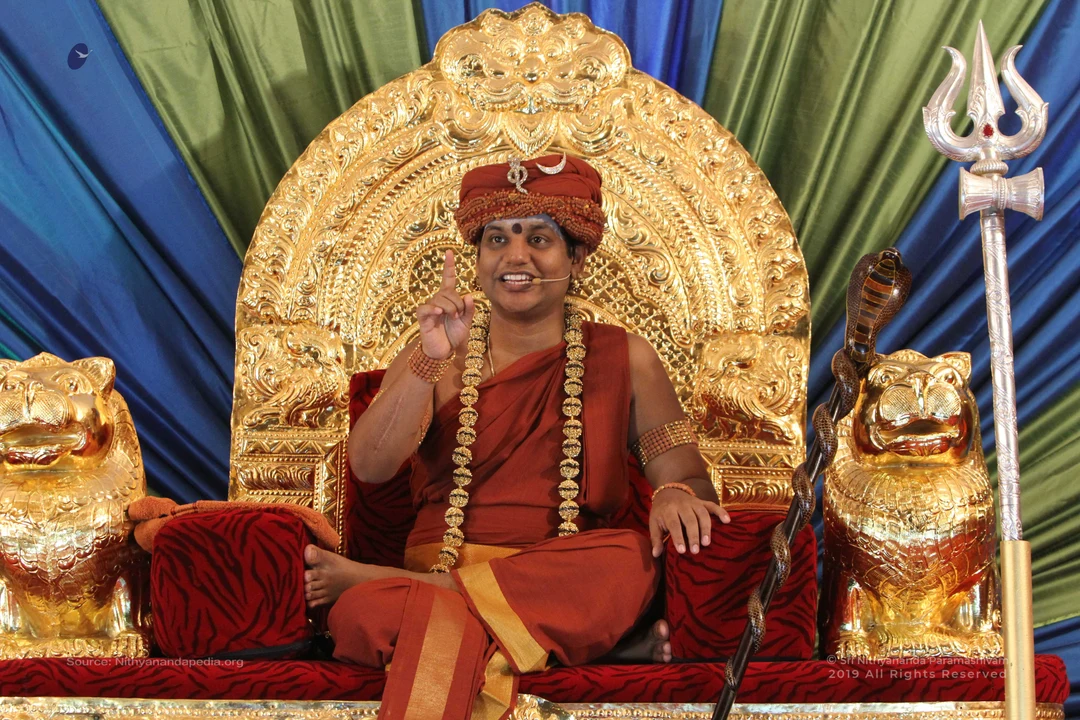
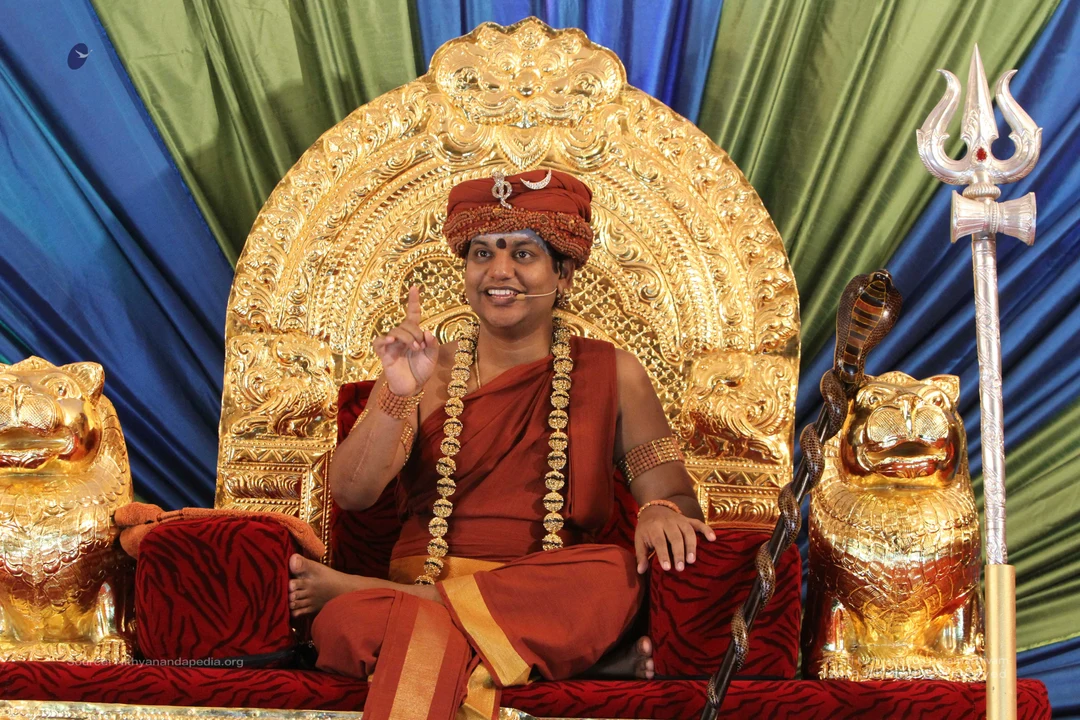
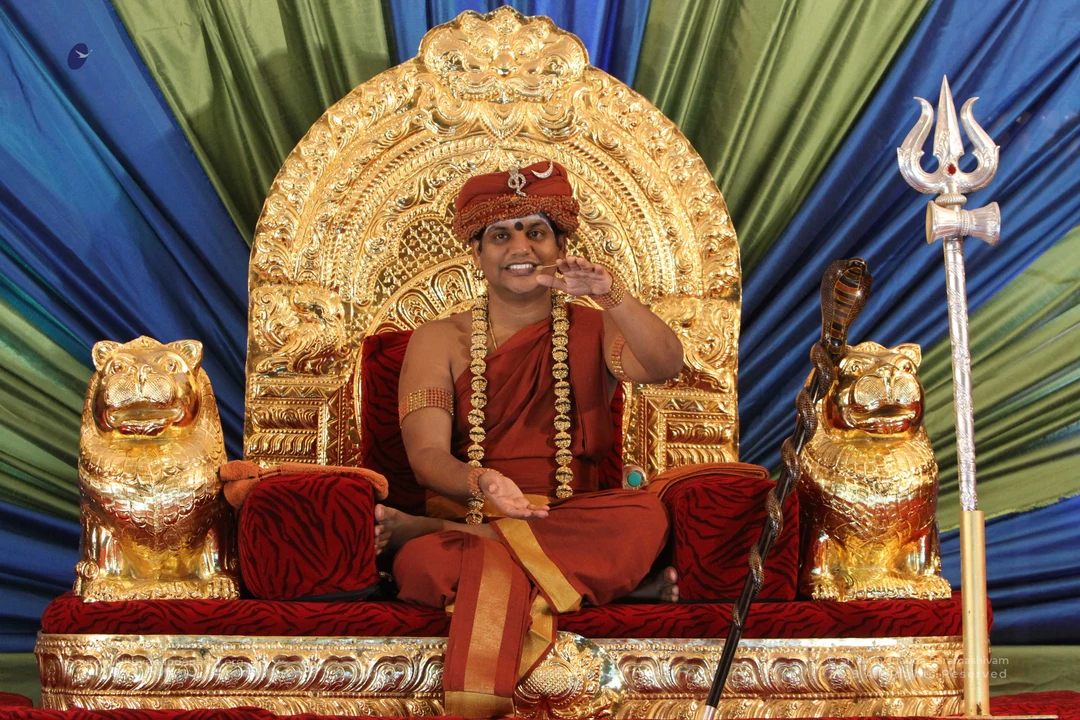
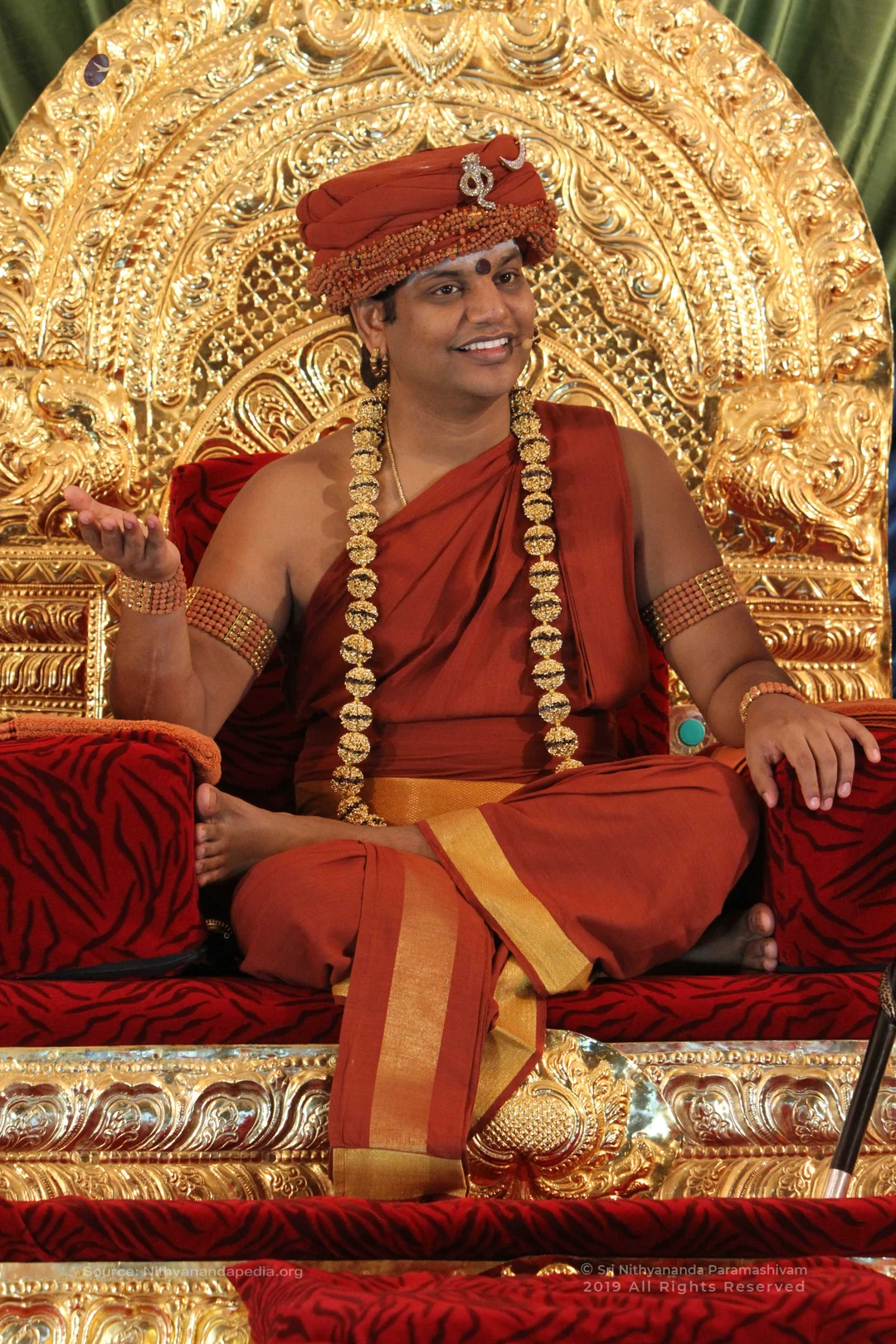
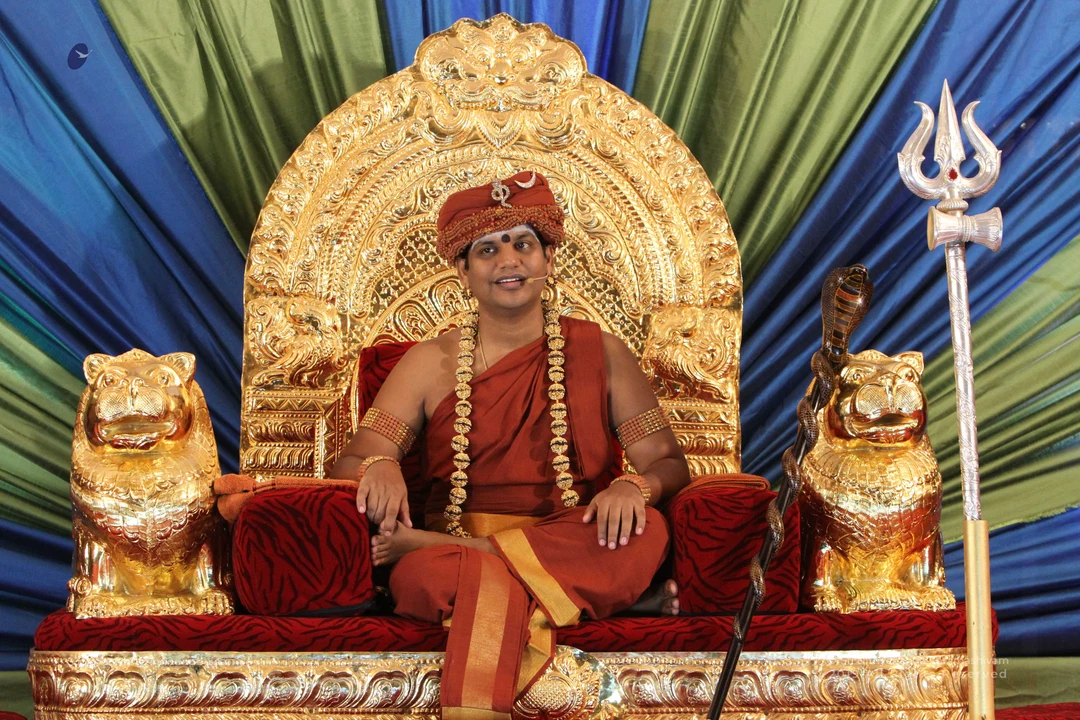
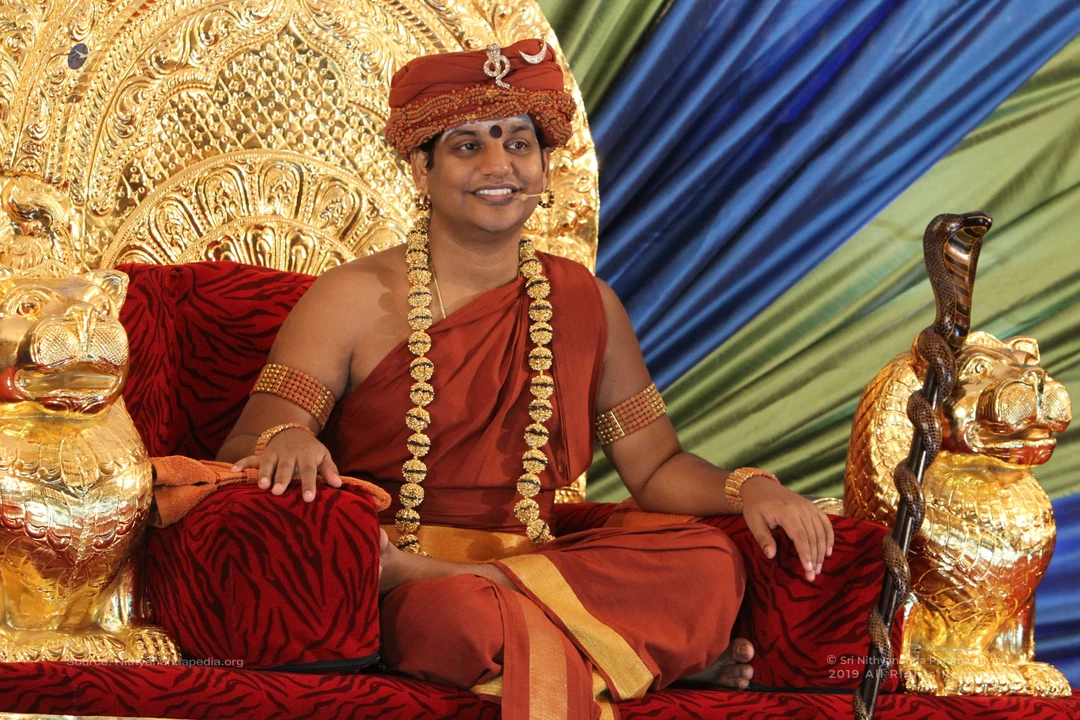
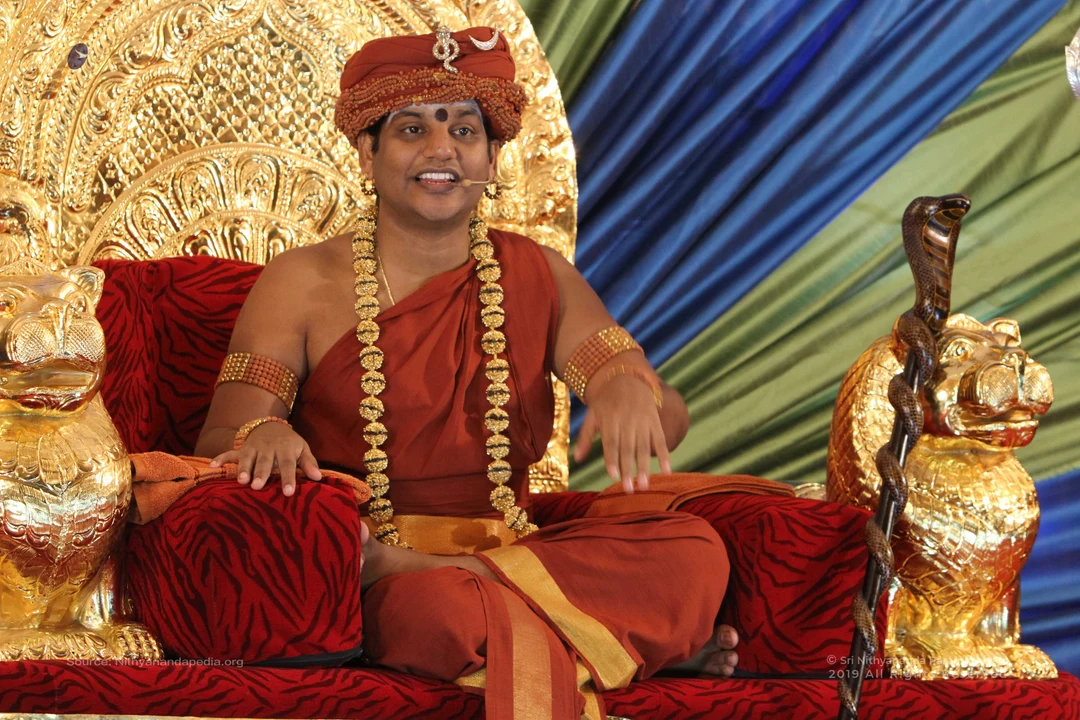
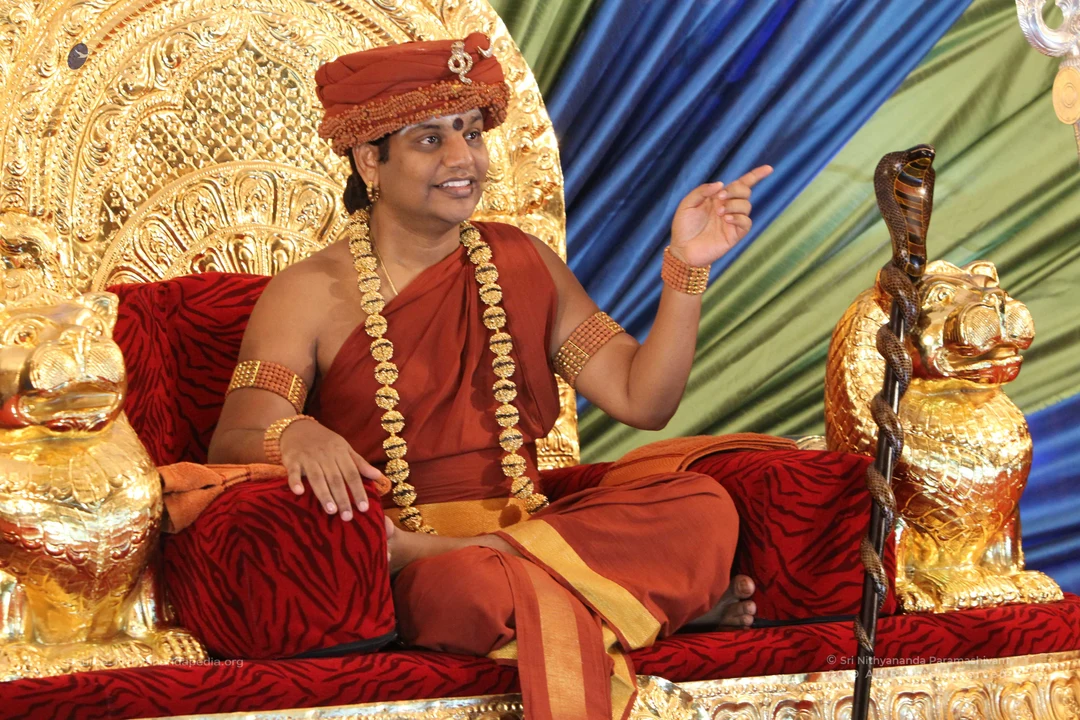
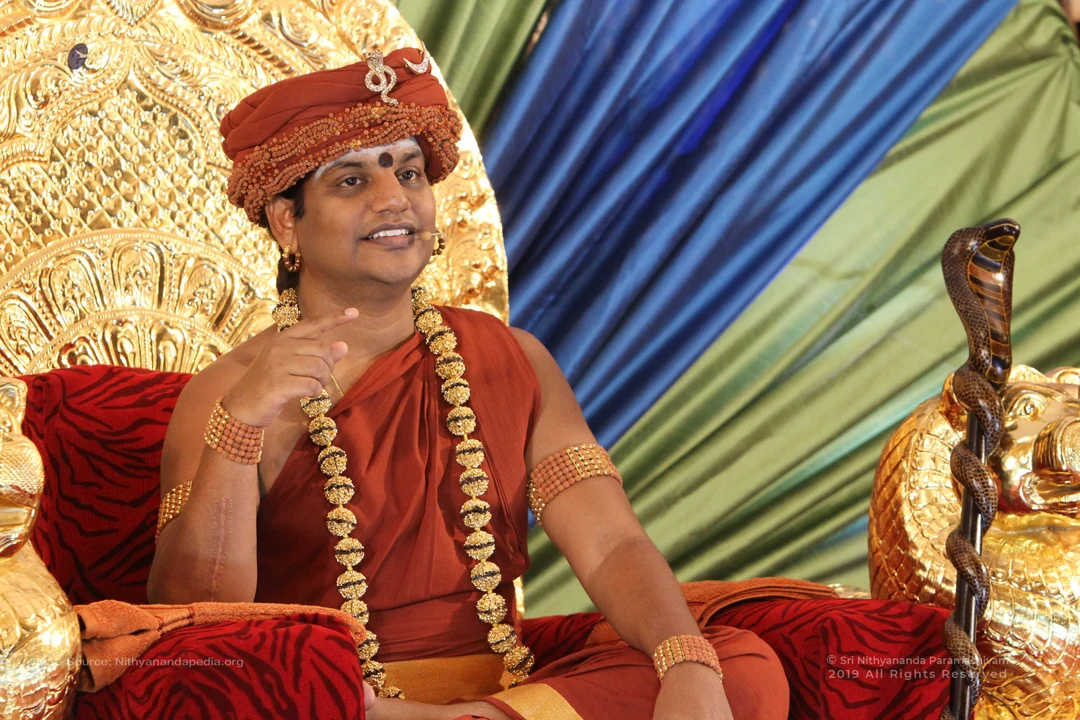
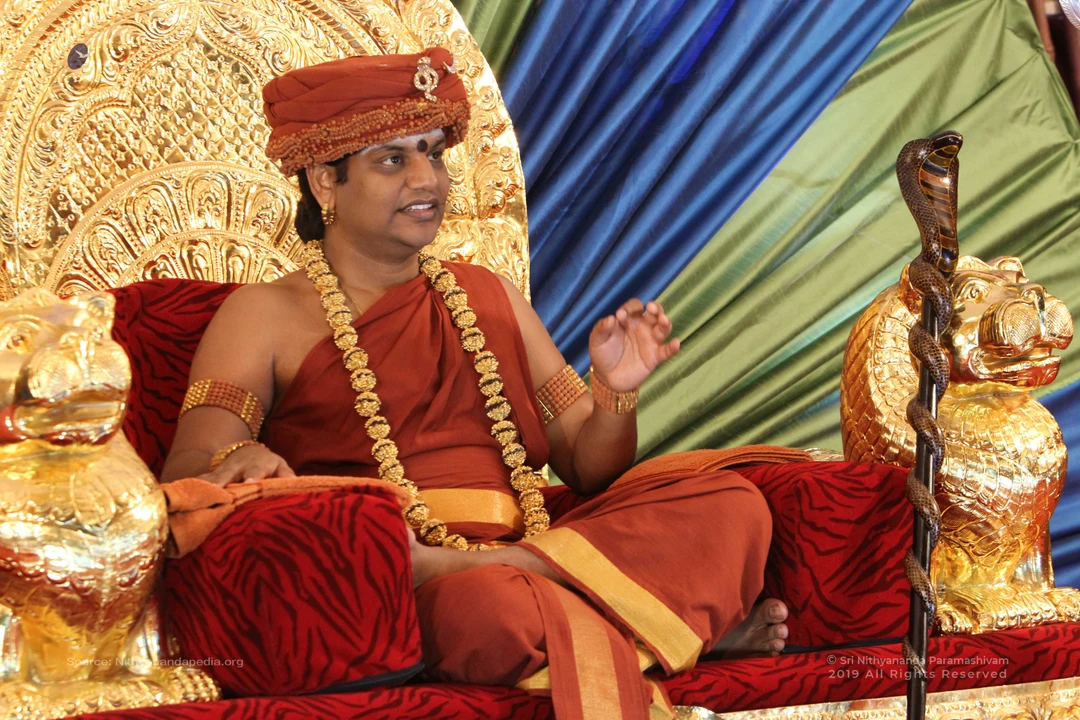
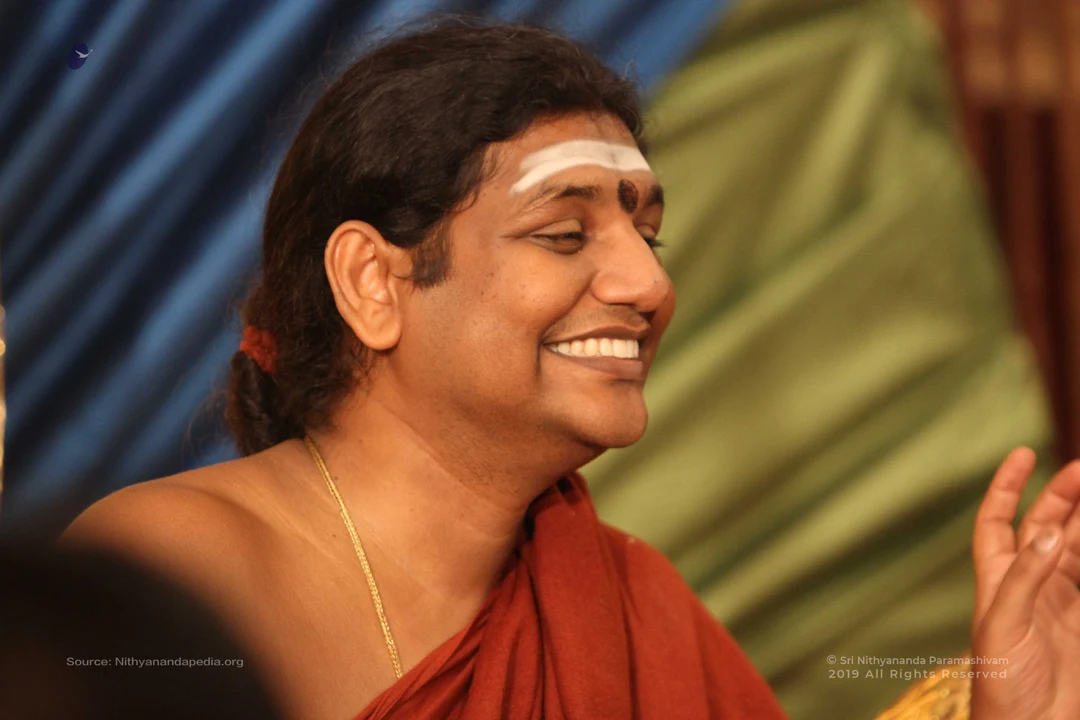
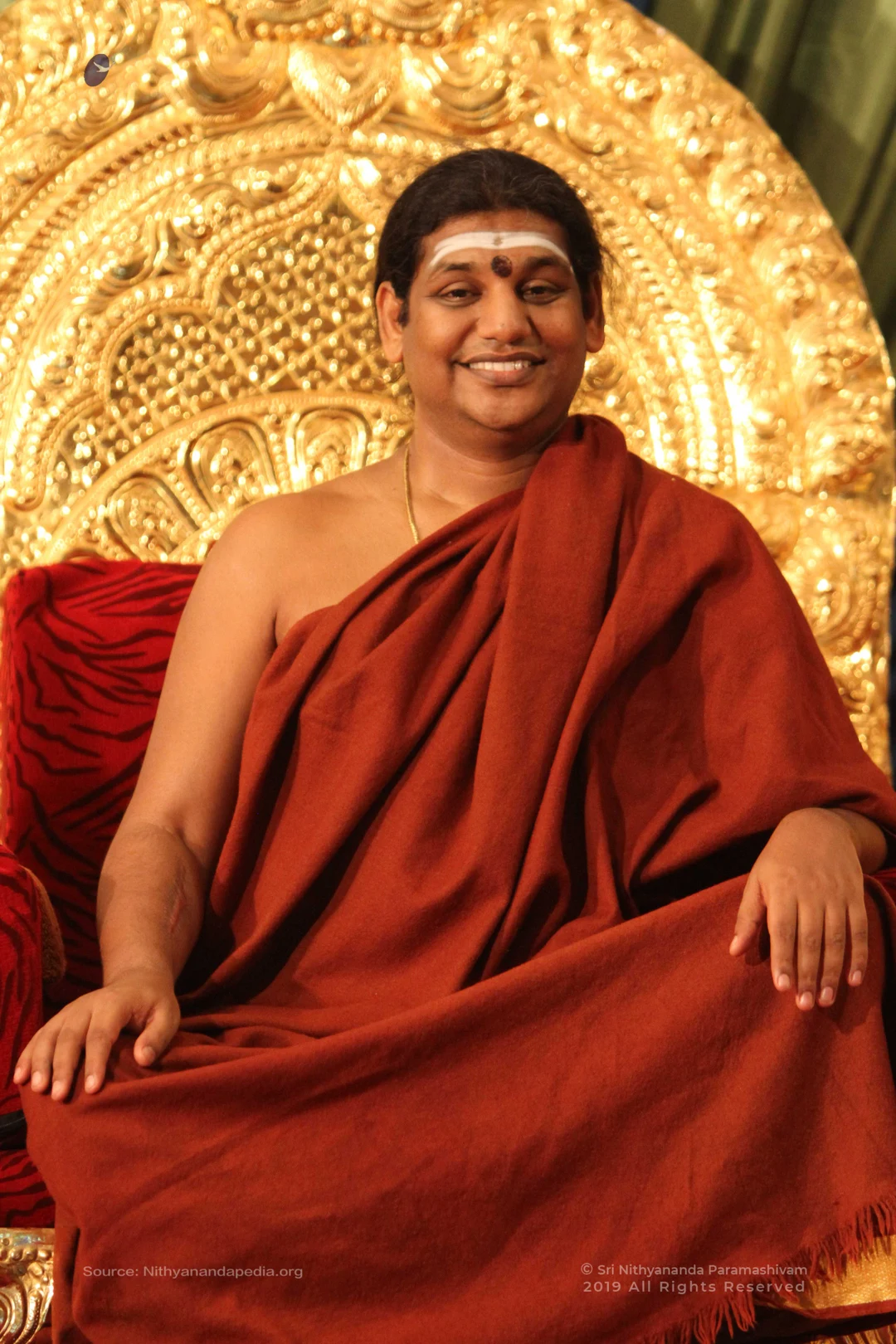
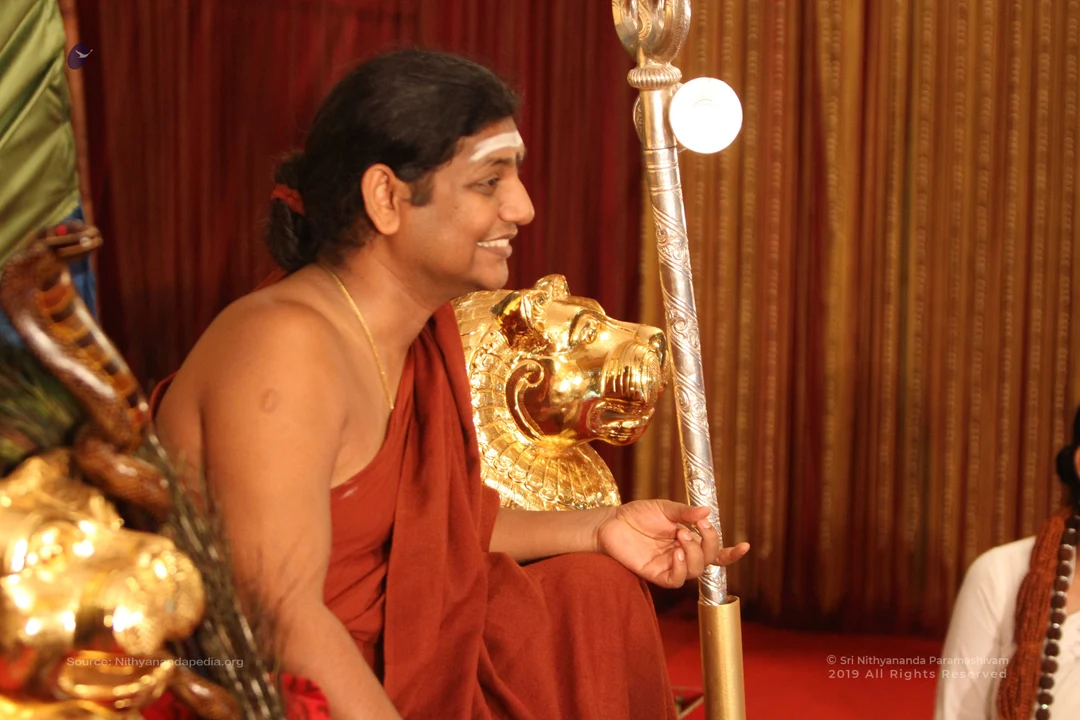
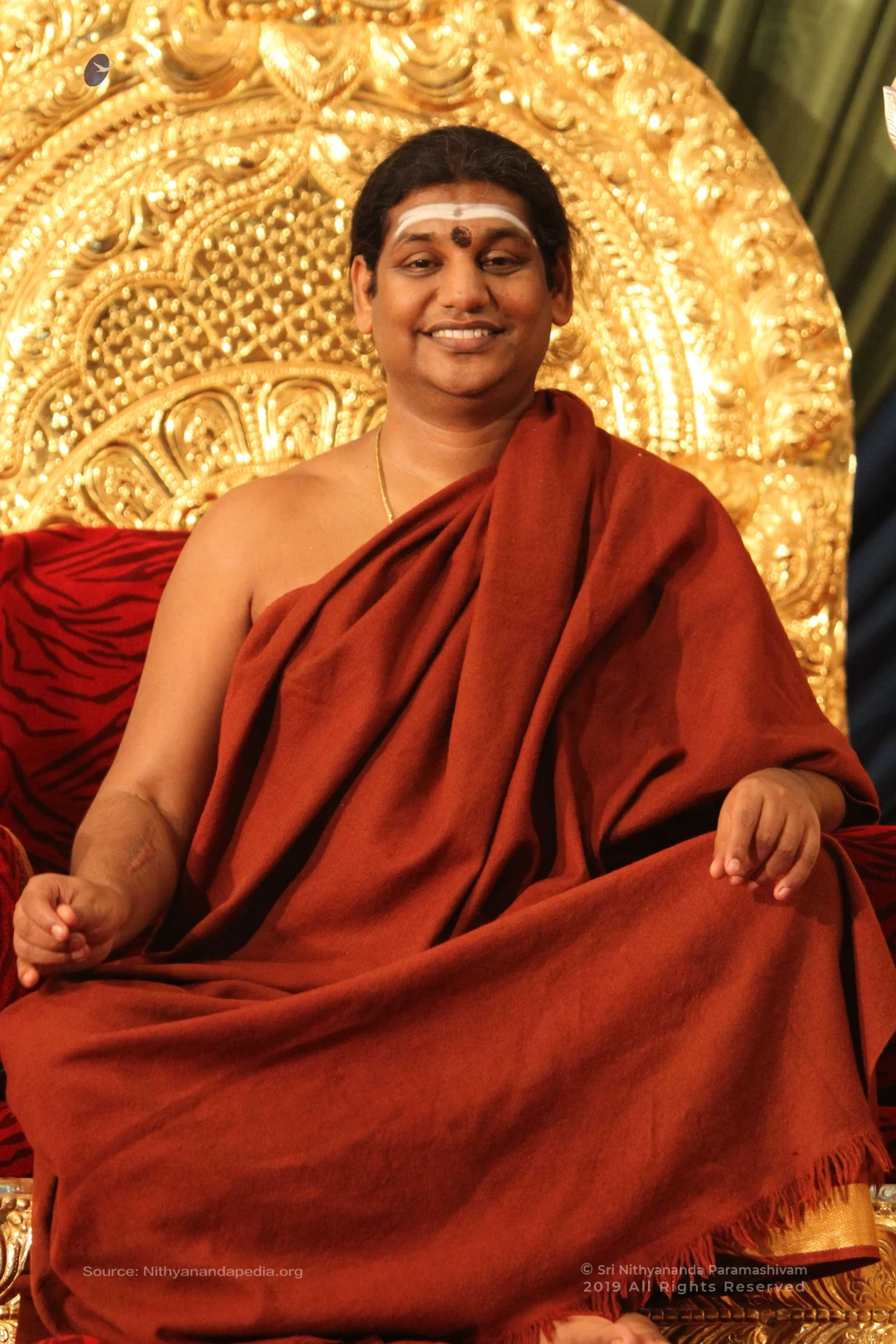
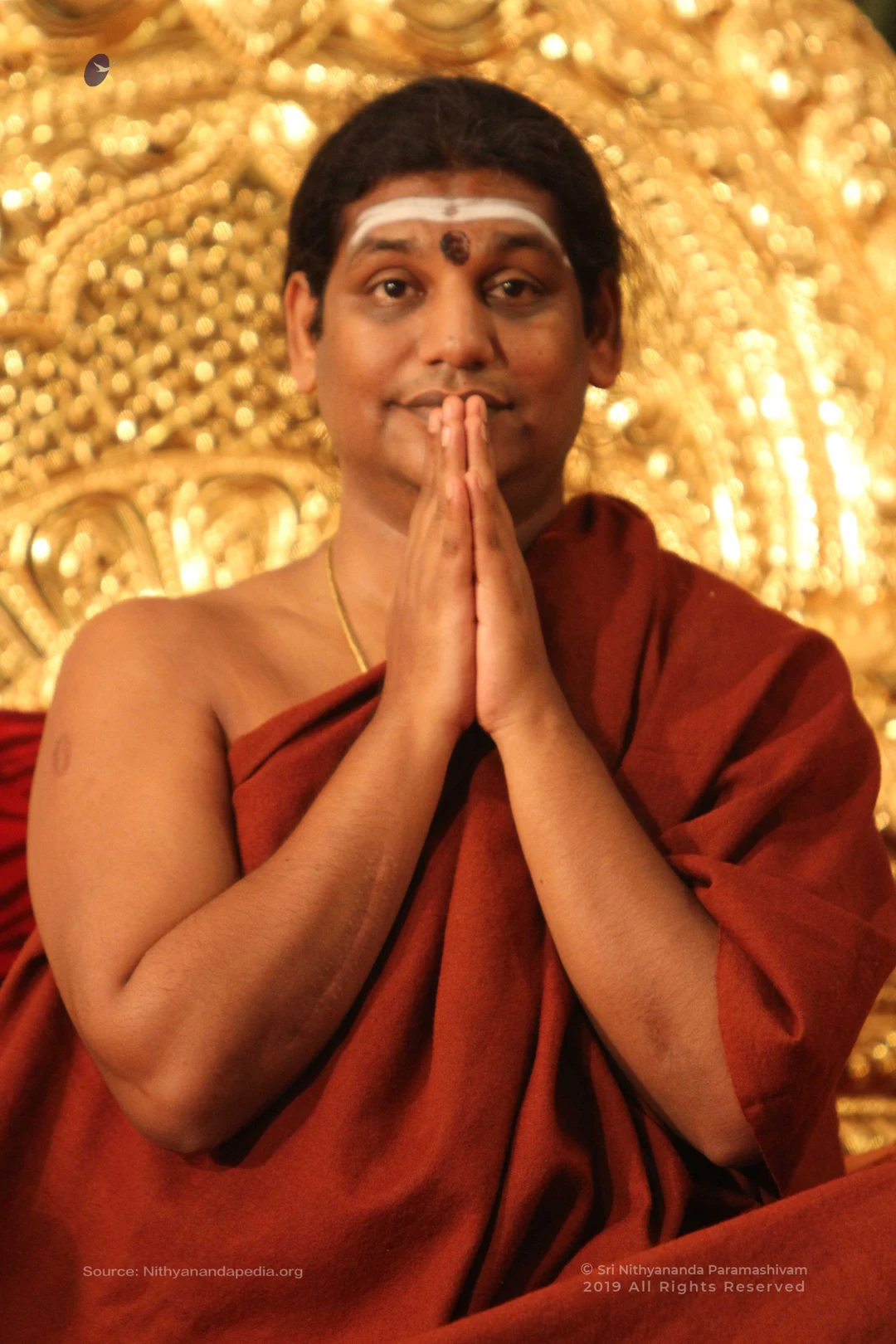
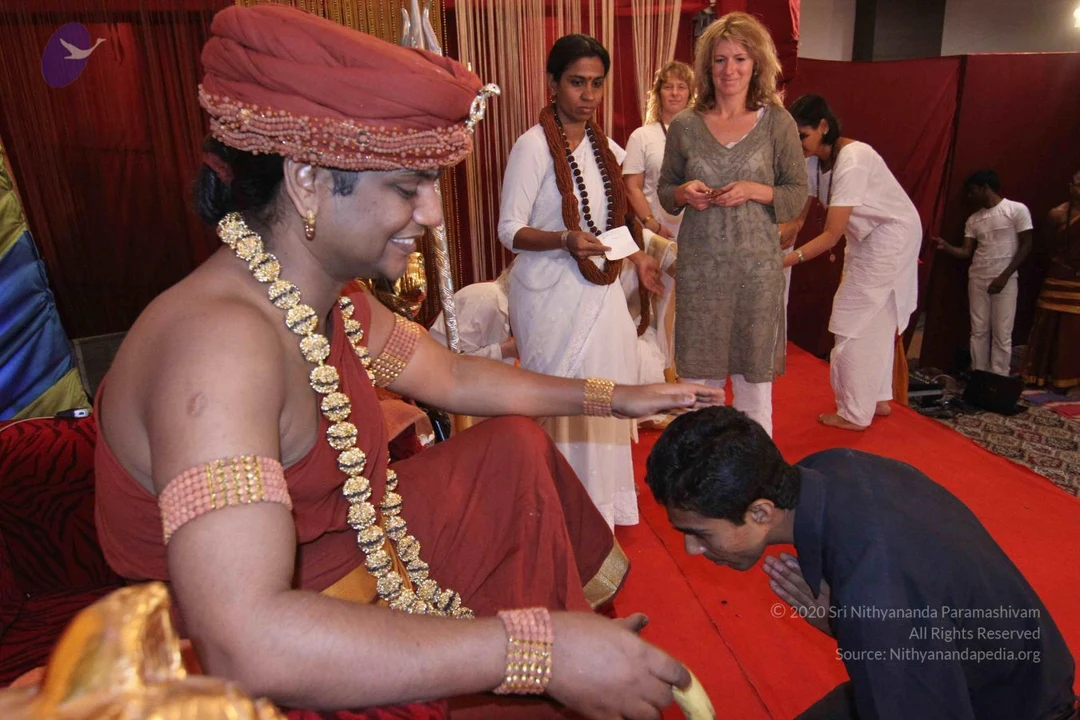
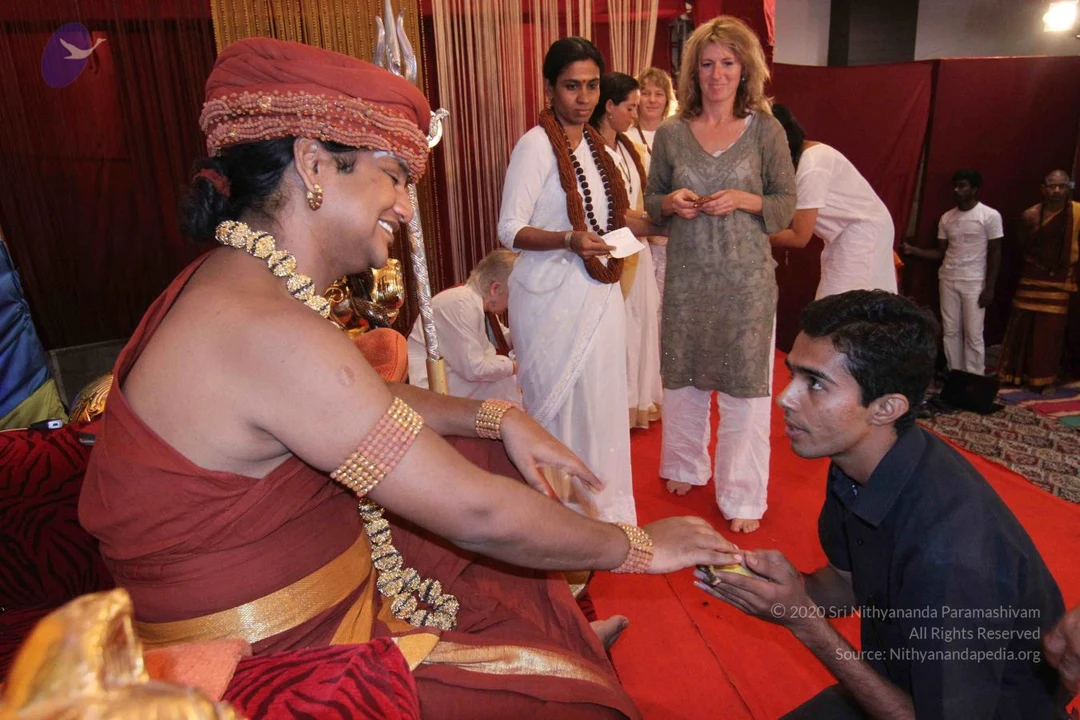
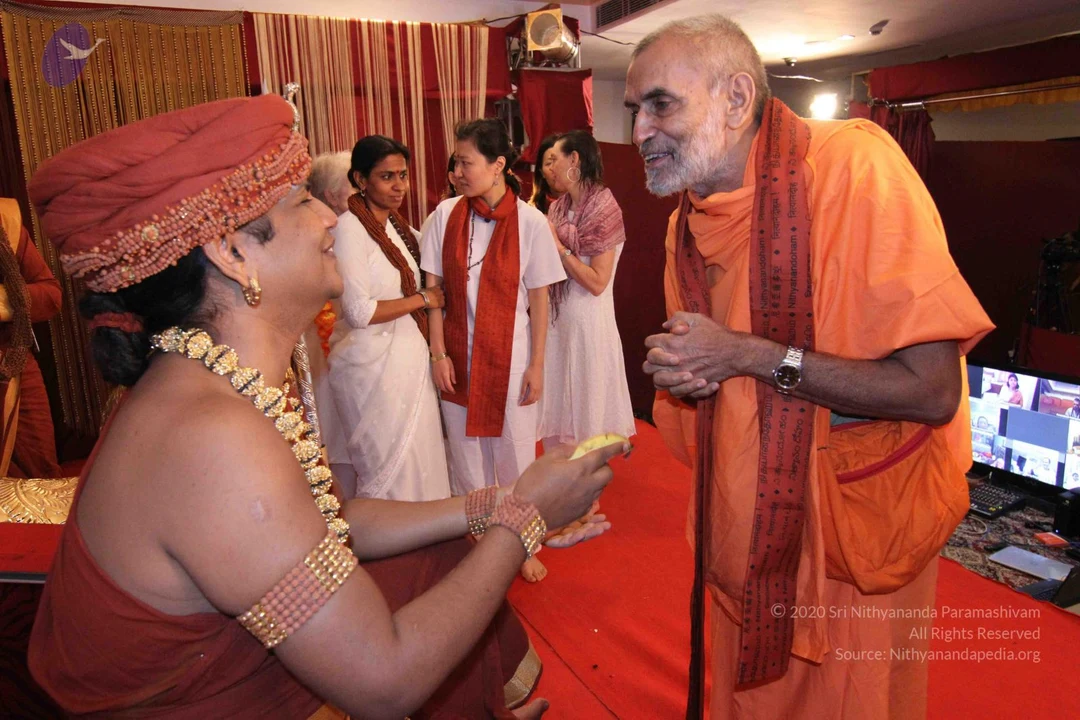
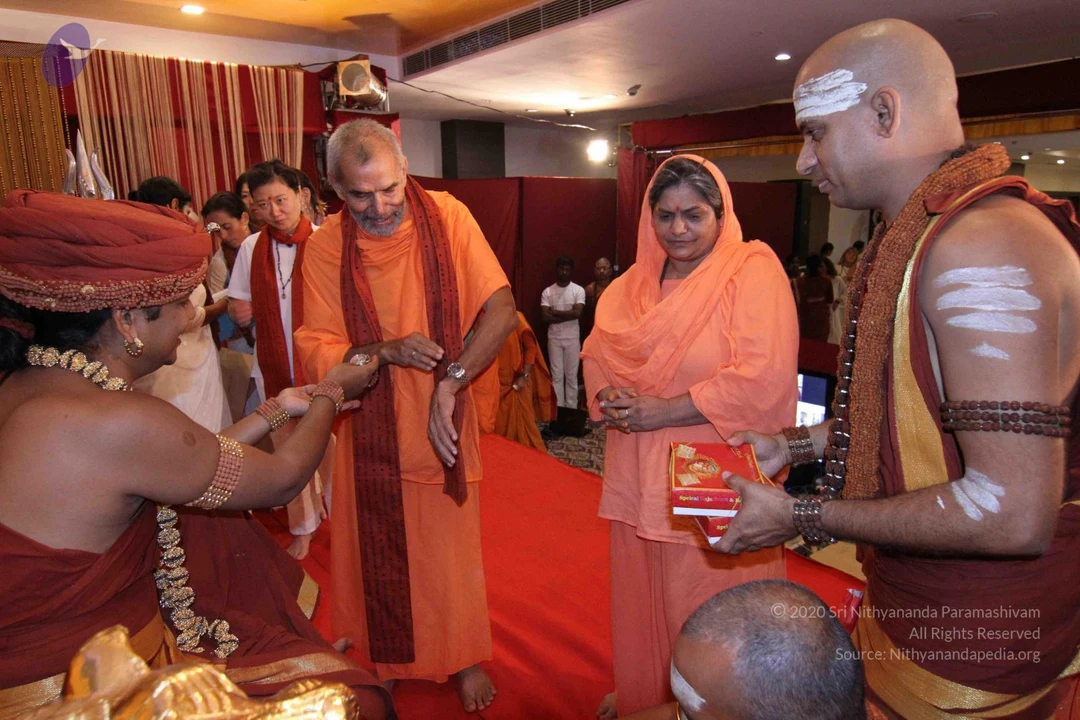
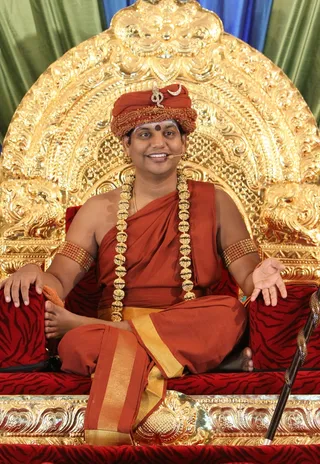
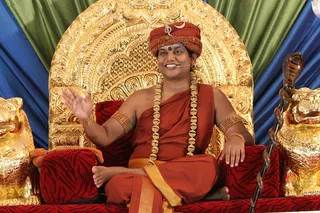
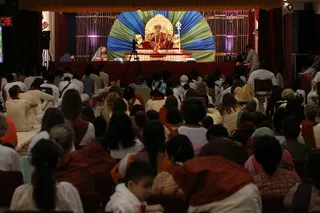
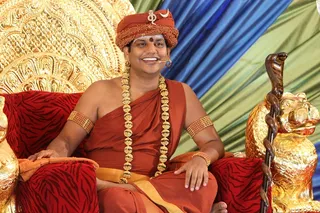
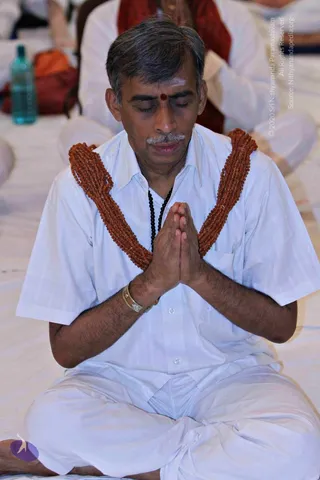
Photos From The Day:
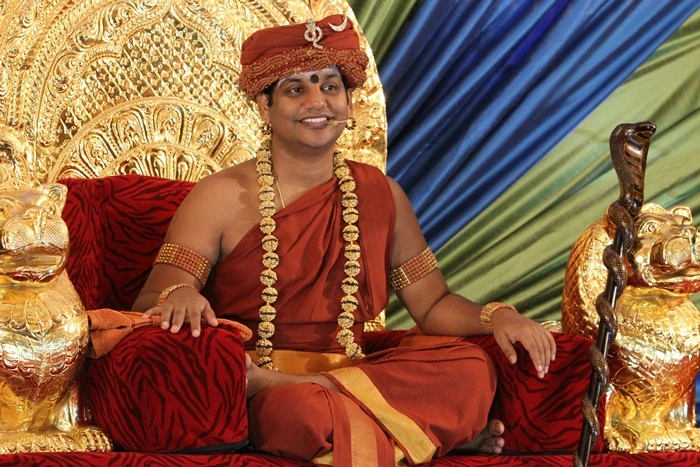
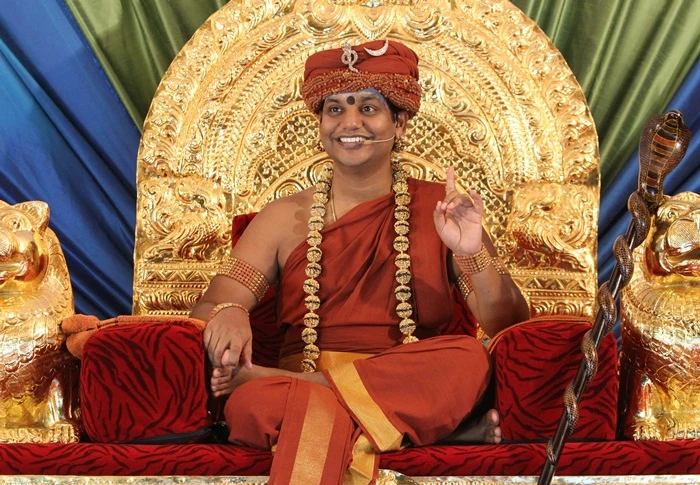
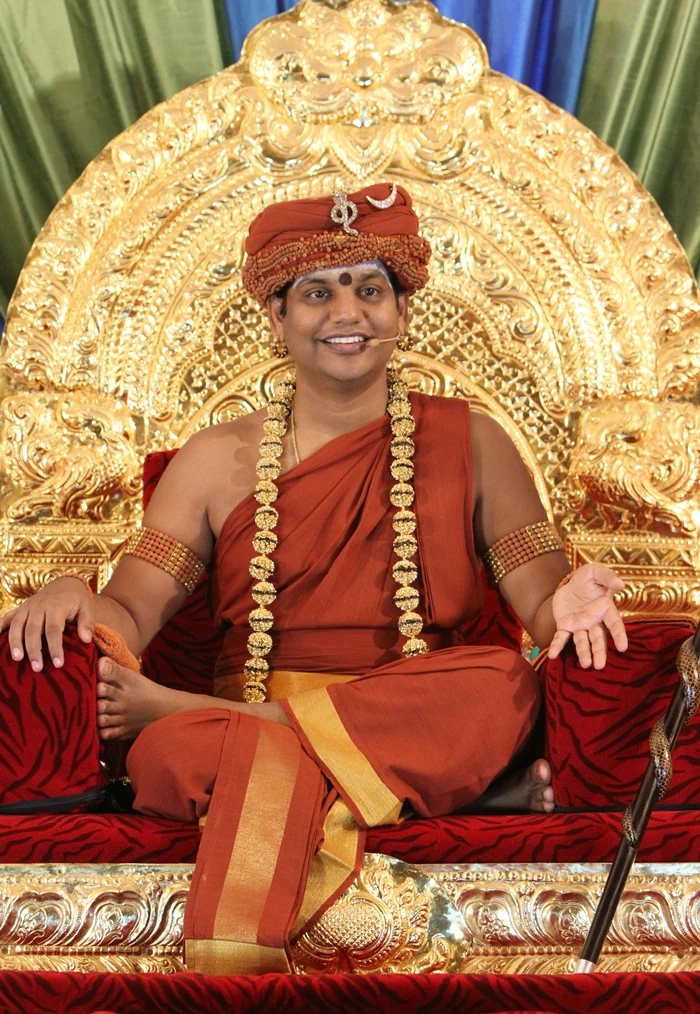
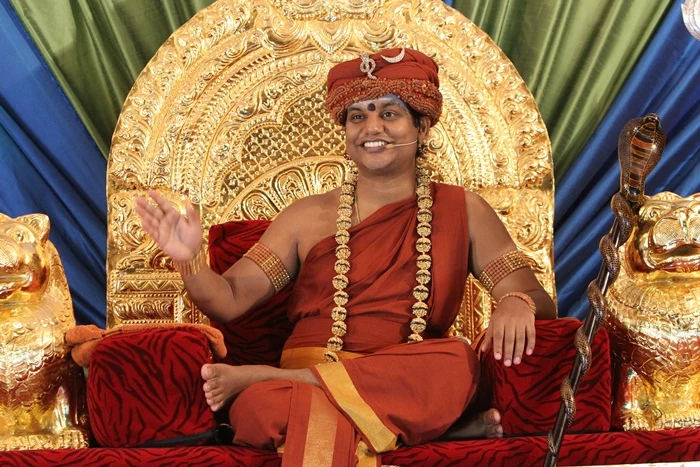
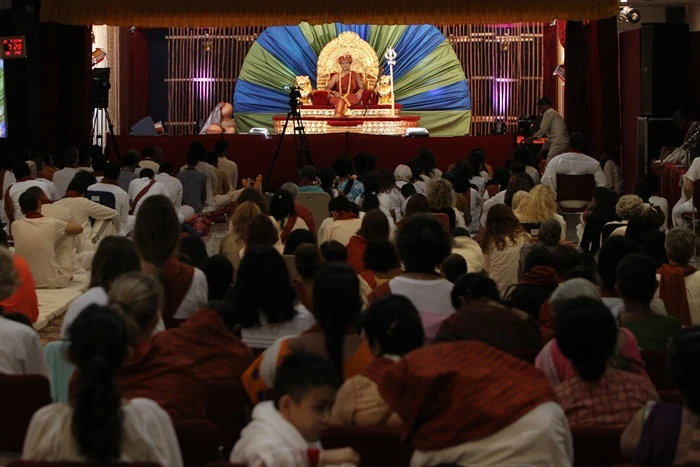
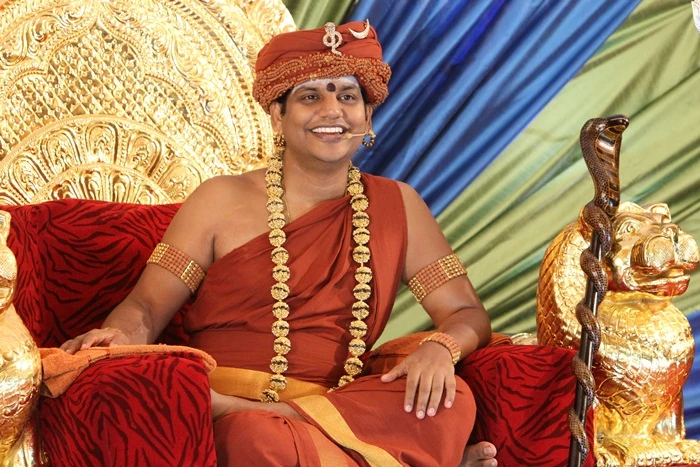
{{#hsimg:1|300||https://nithyananda.org/sites/default/files/photo-gallery/2014-07jul-18-nithyananda-diary_IMG_3828_haridwar-ia_0.JPG}]
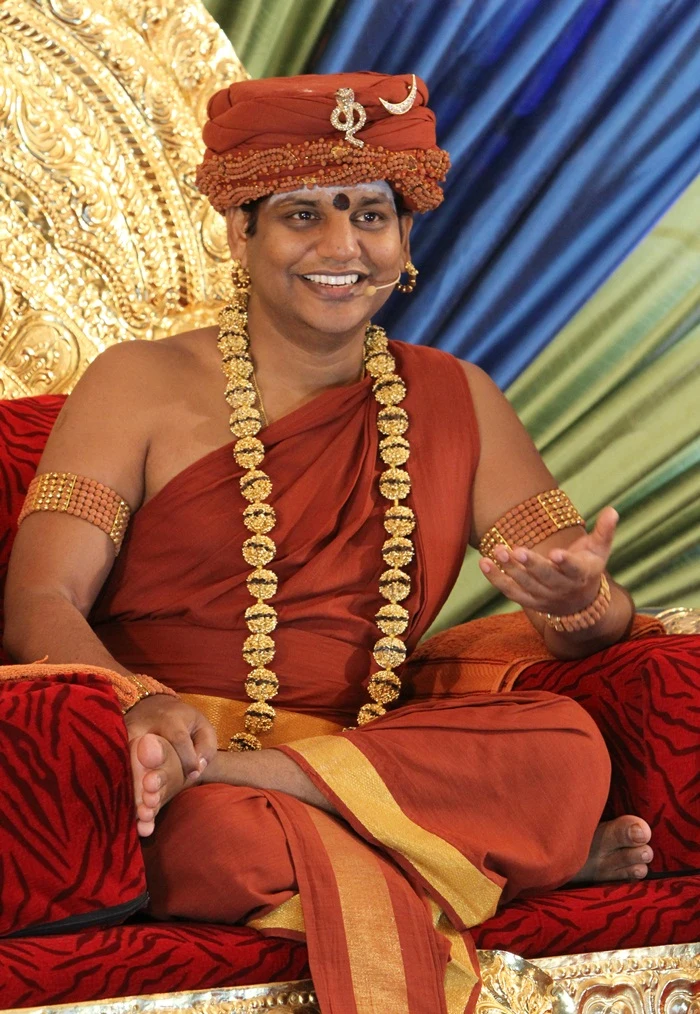
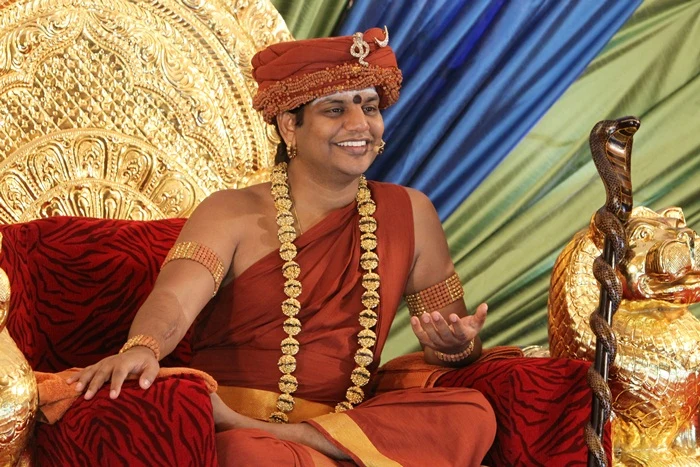
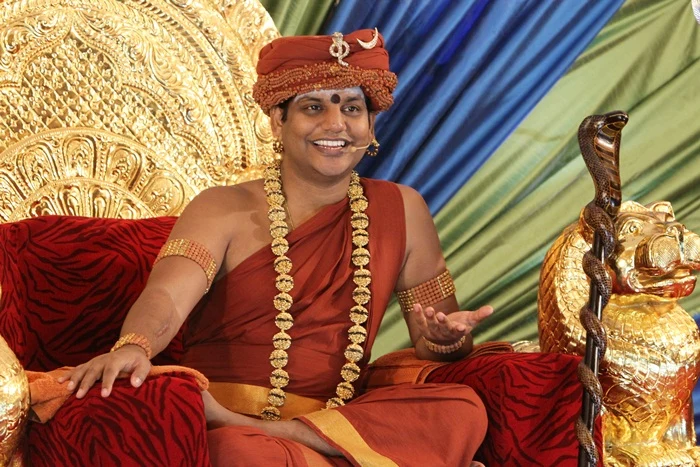
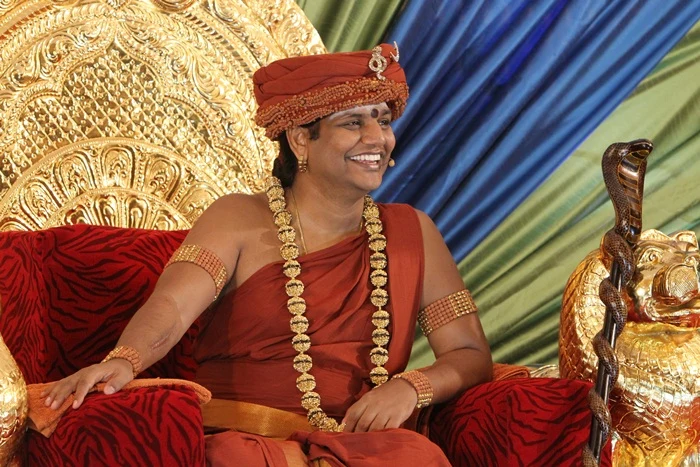
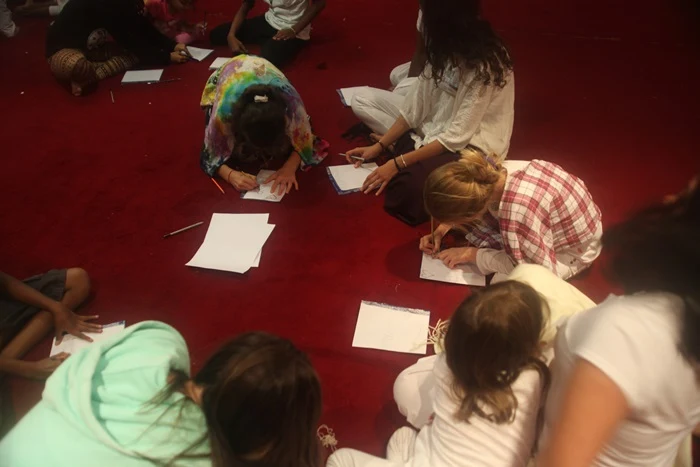
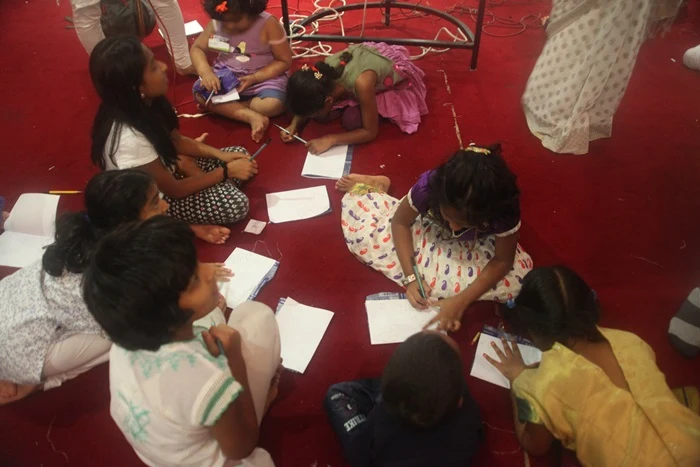
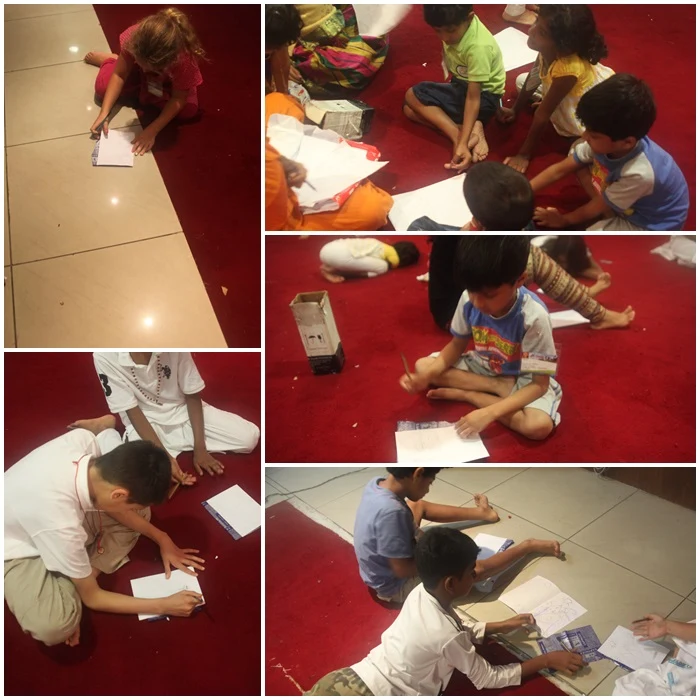


Samskara Dahana Kriya -Completion with you and everyone around you, Inner Awakening,
Photos
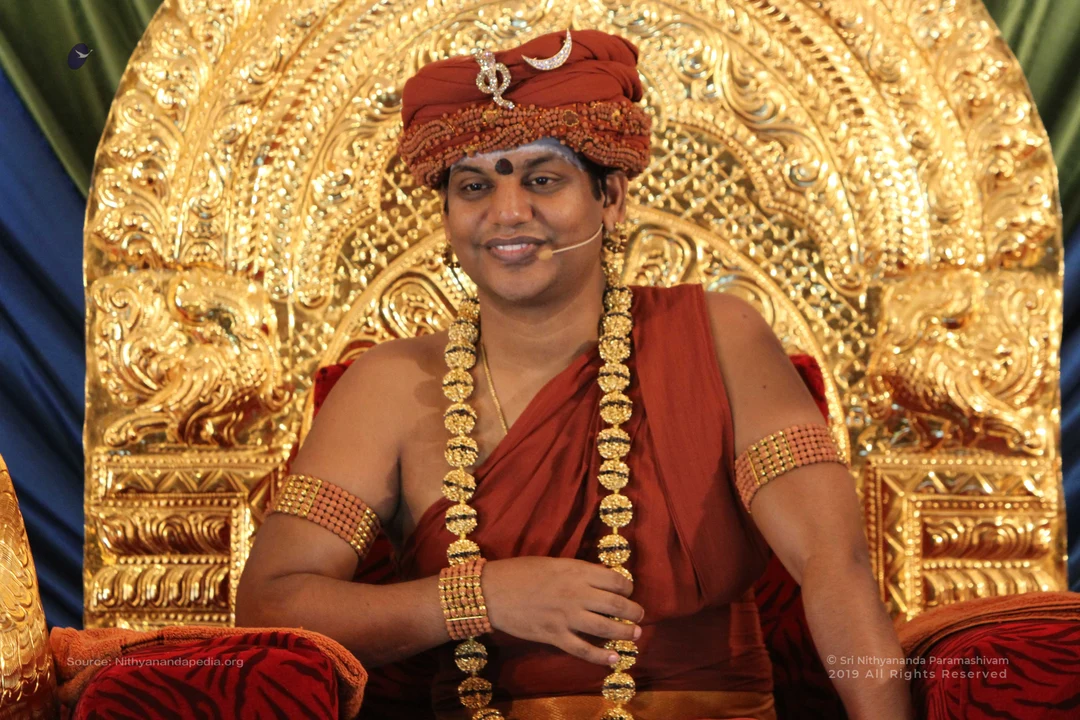
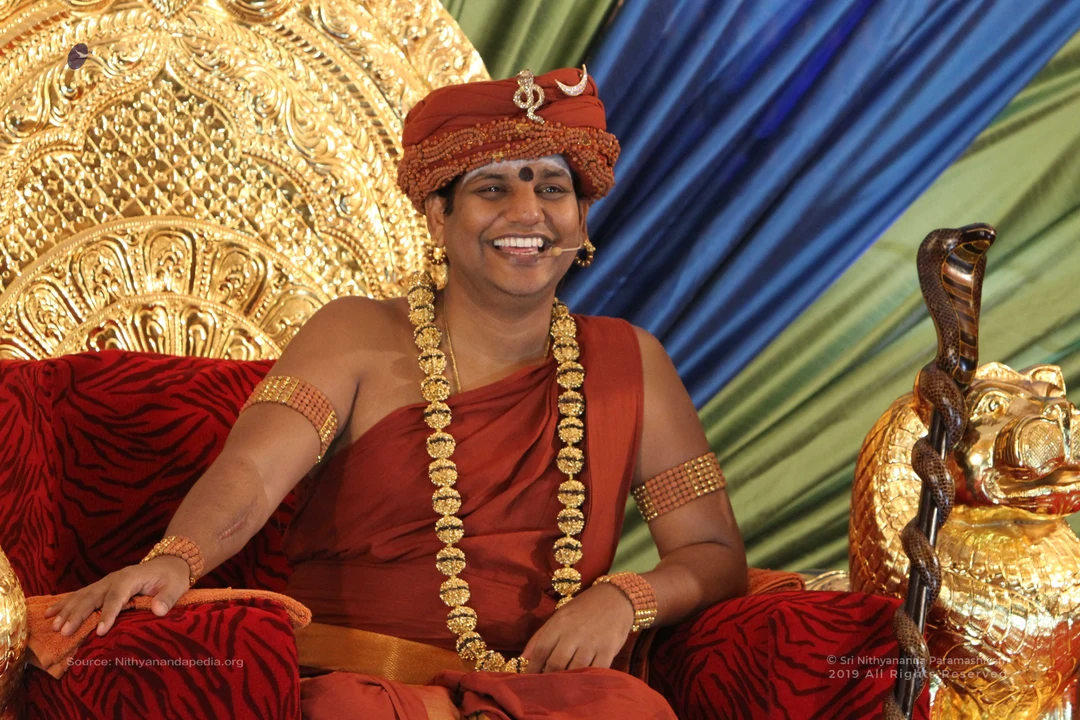
Tags:
Nithyananda,Swami Nithyananda, Paramahamsa Nithyananda, Healing, completion, Inner Awakening
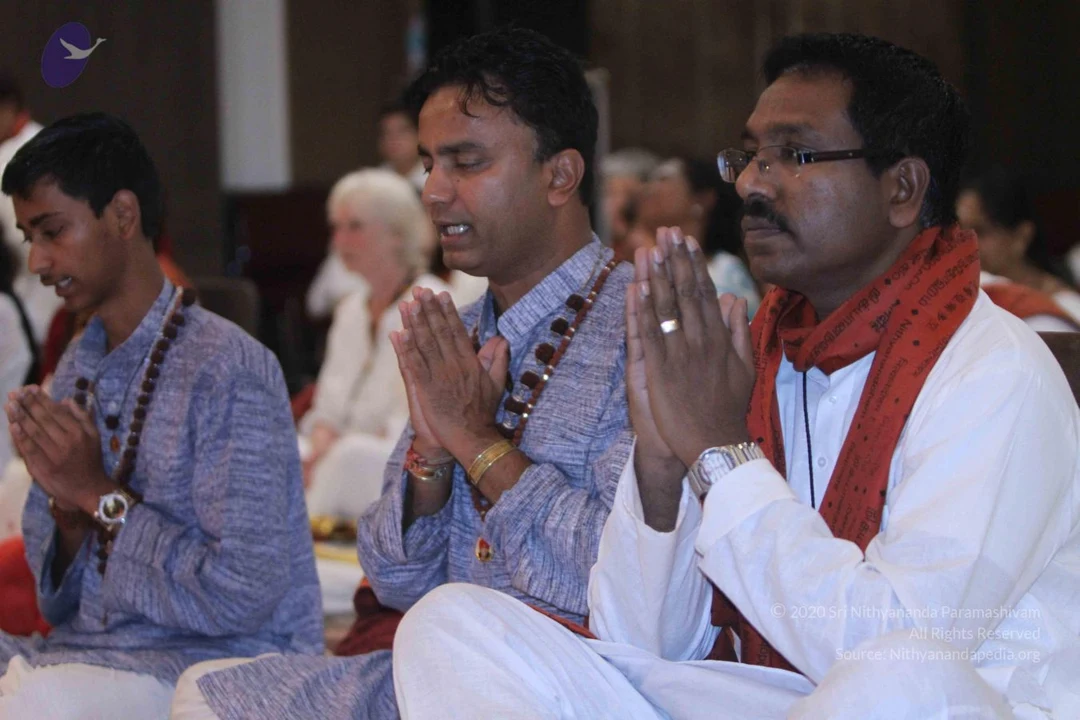
Photos Of The Day:
Nithya-Satsang-Kalpataru-IA-Darshan
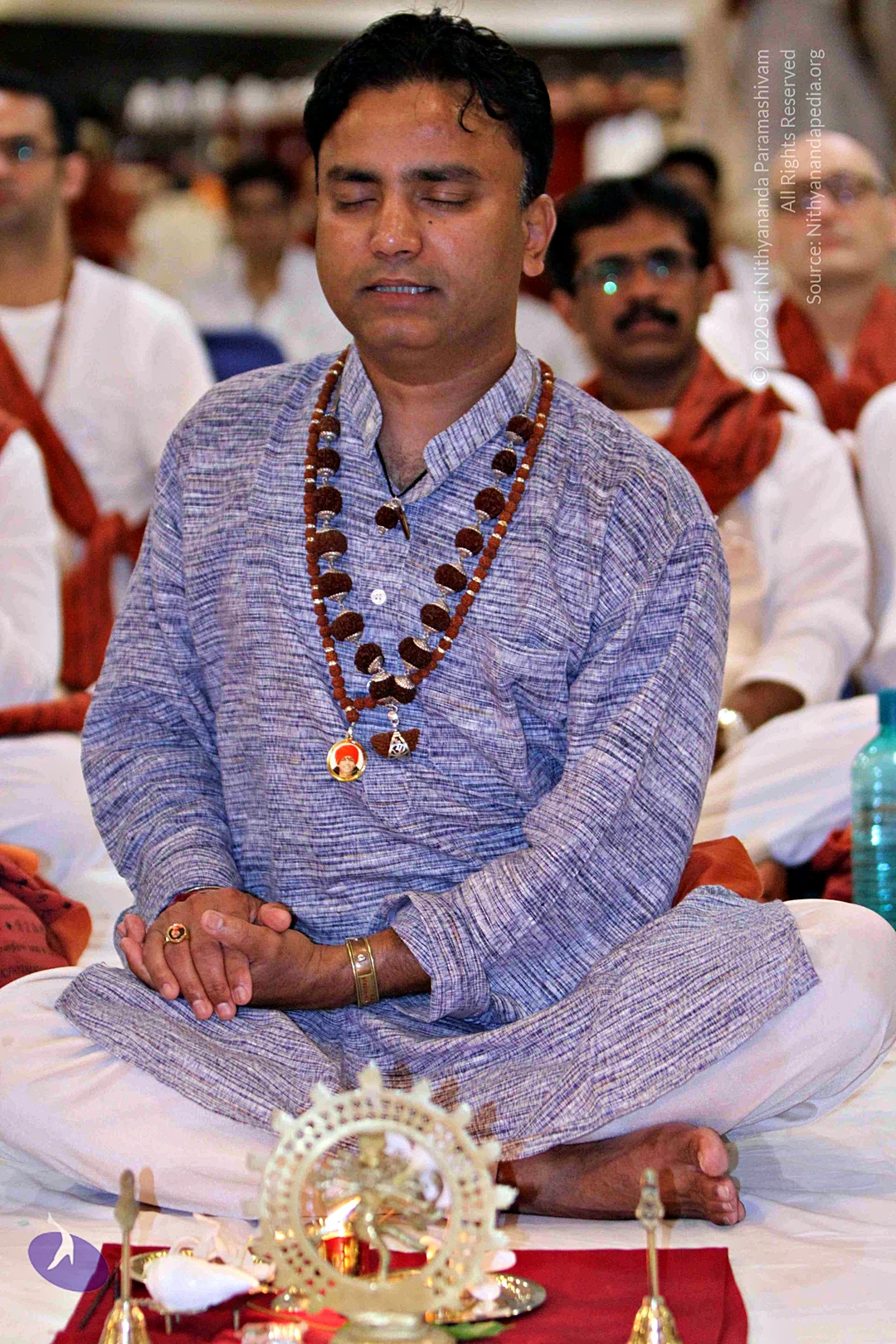
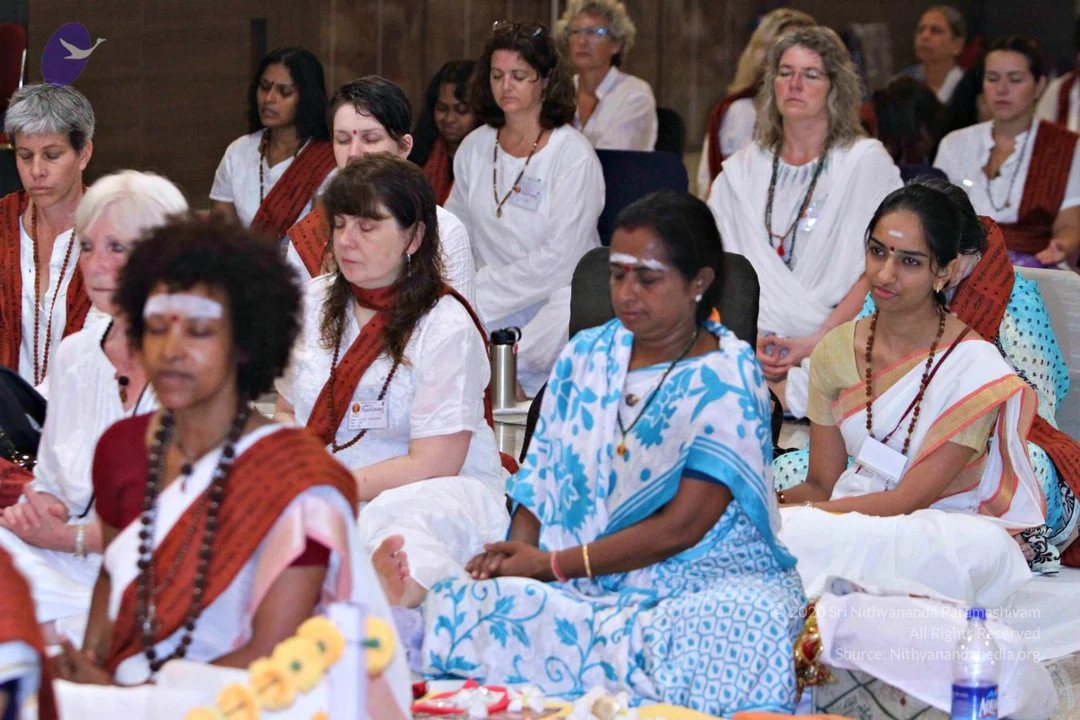
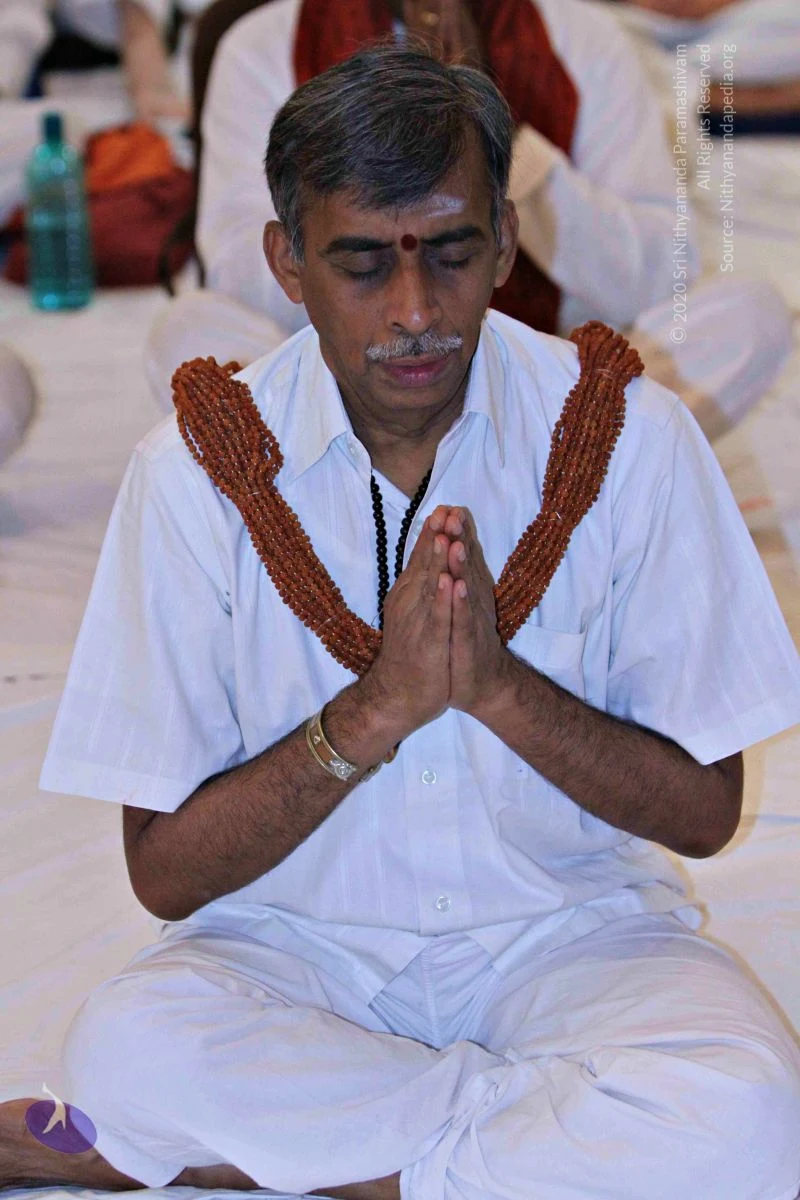
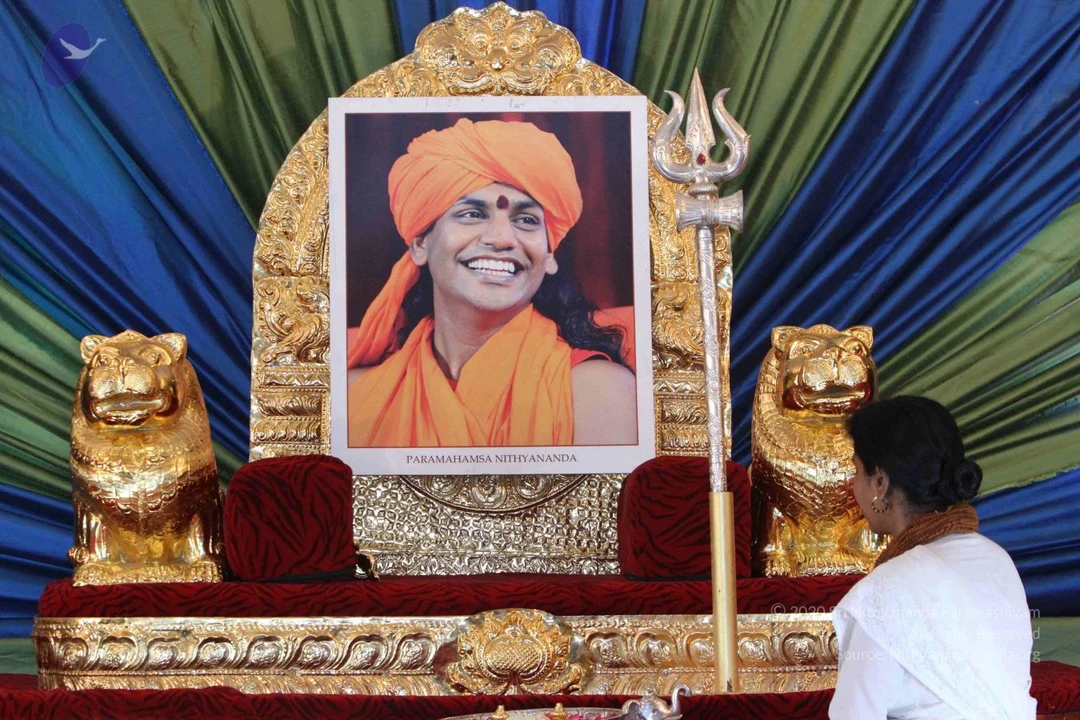
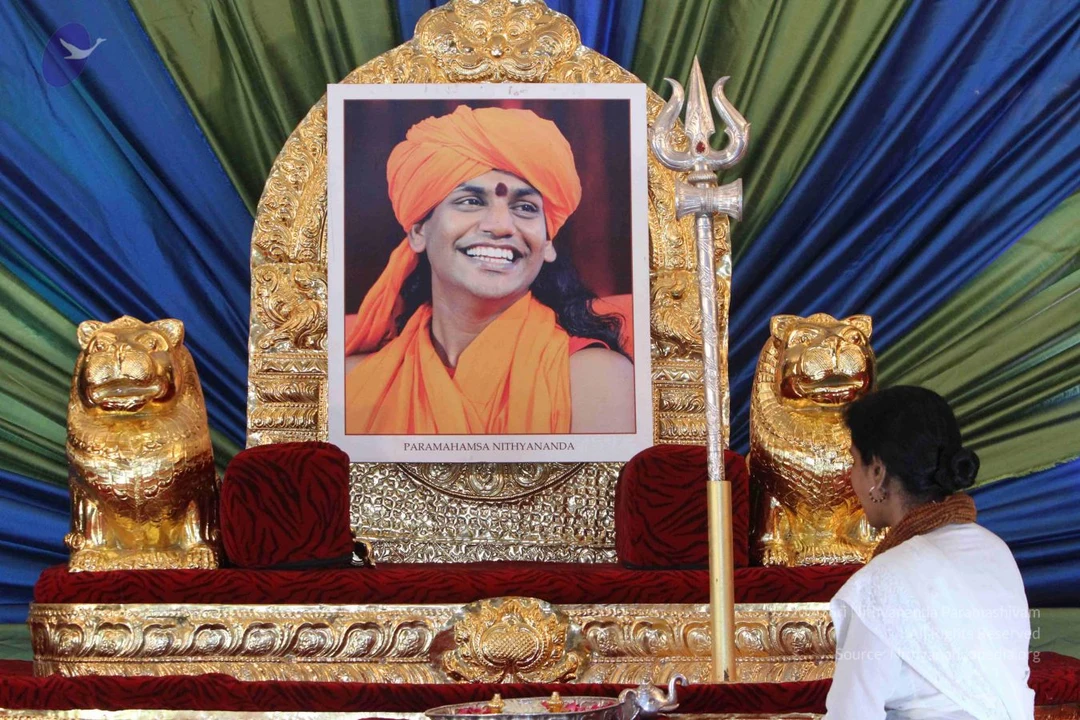
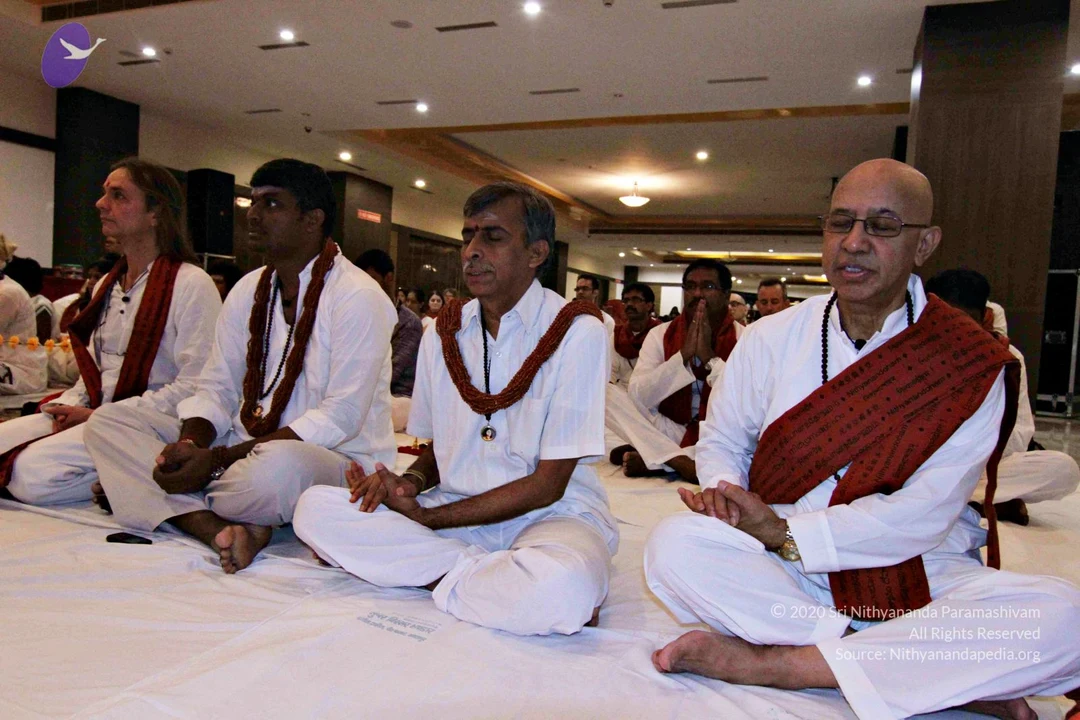

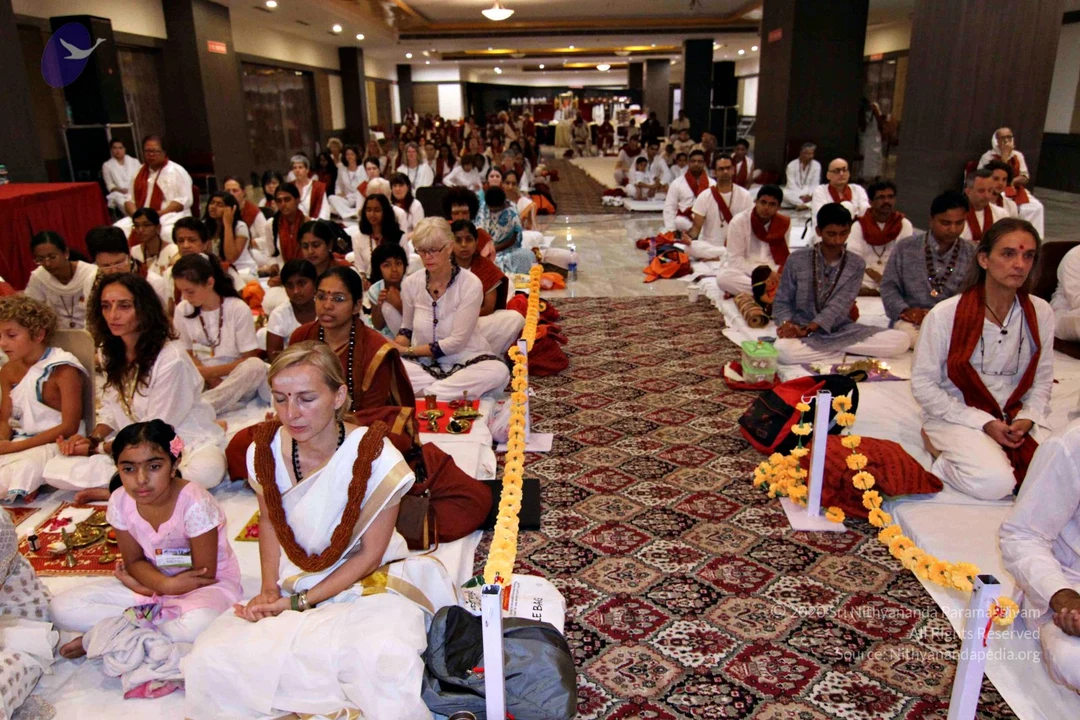
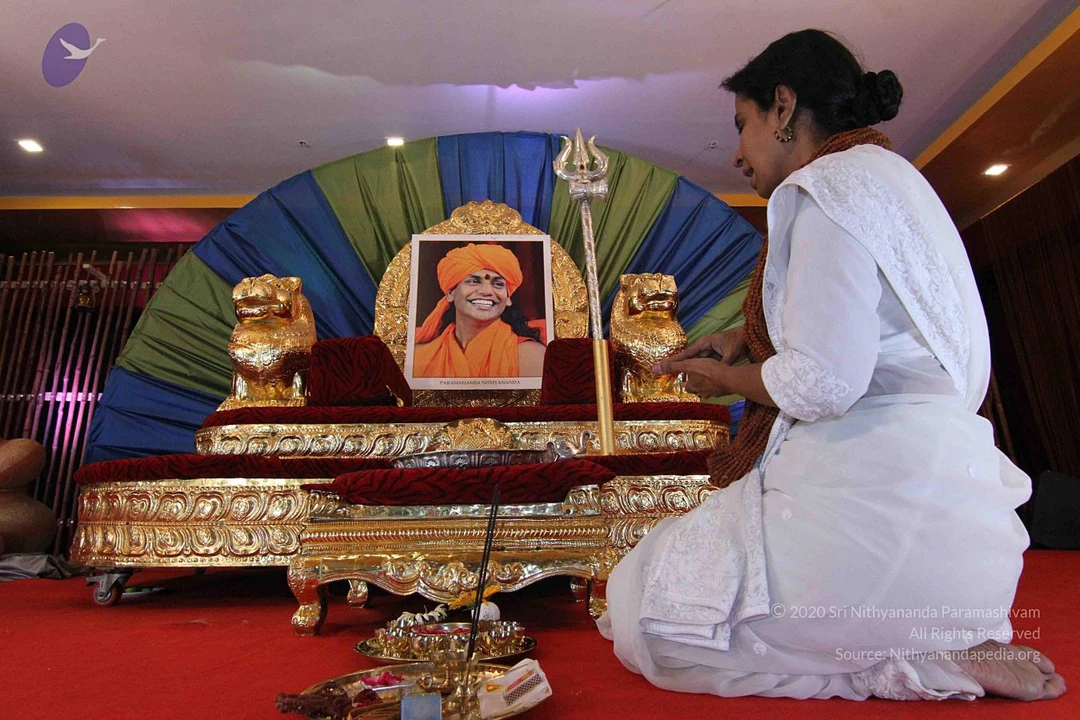
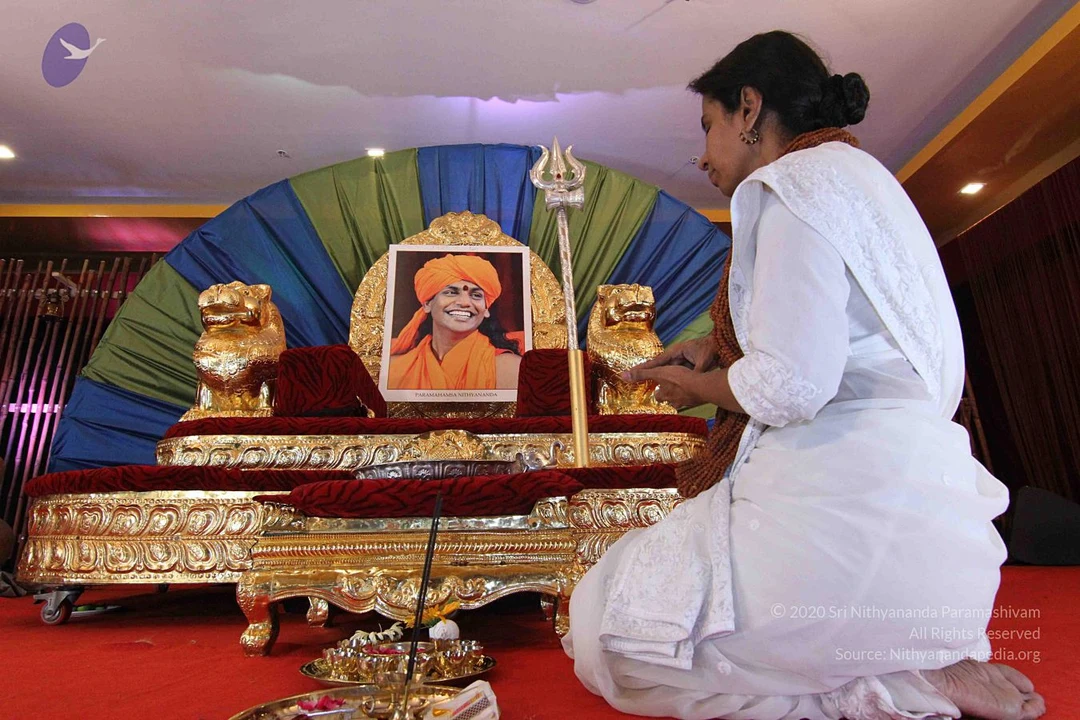
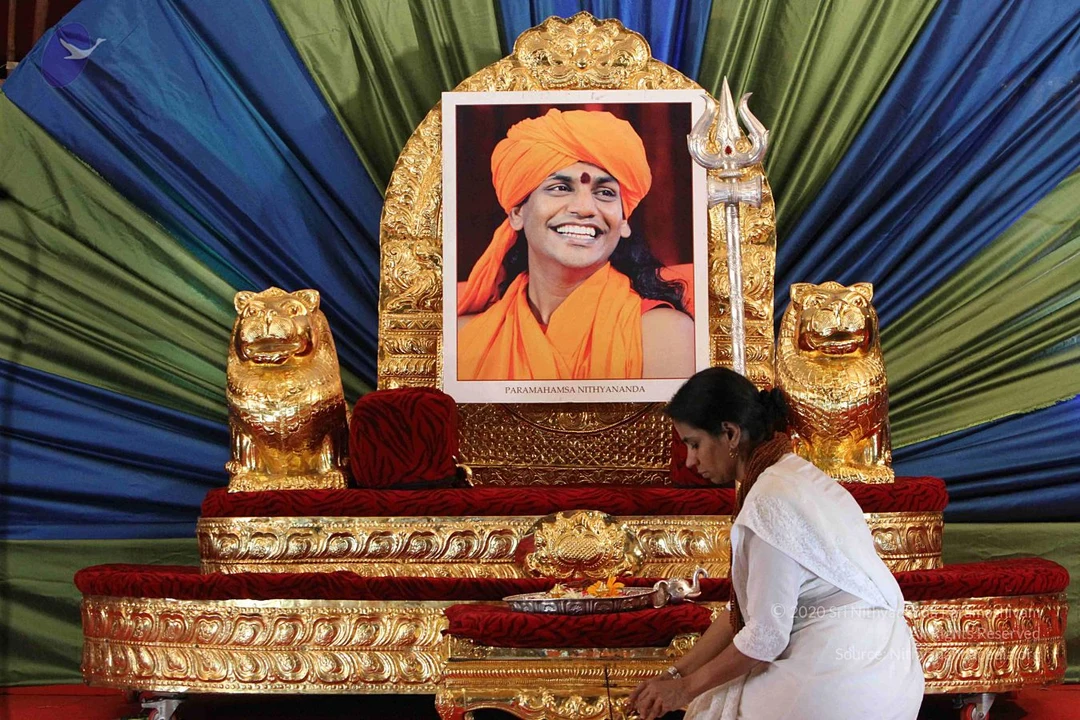
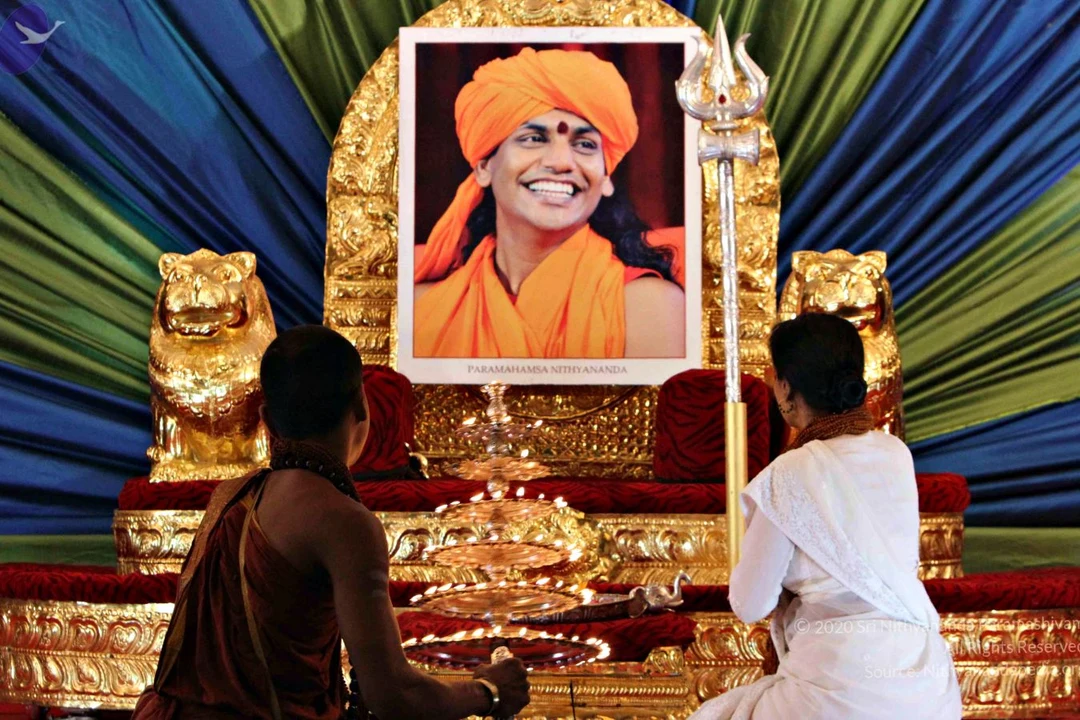
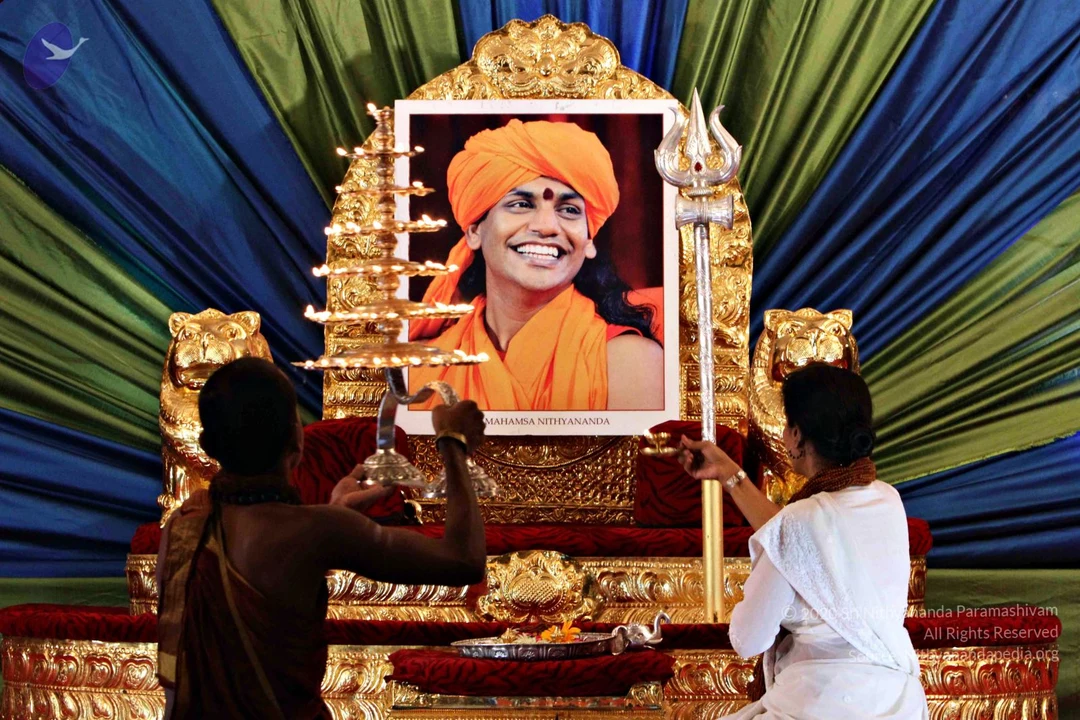
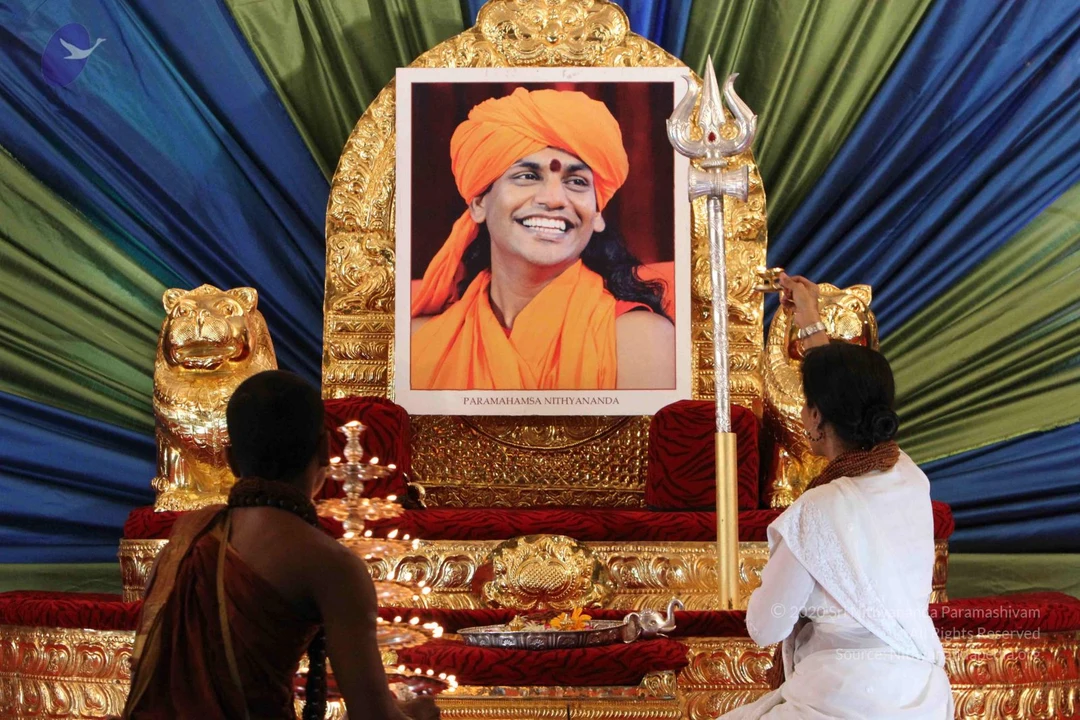
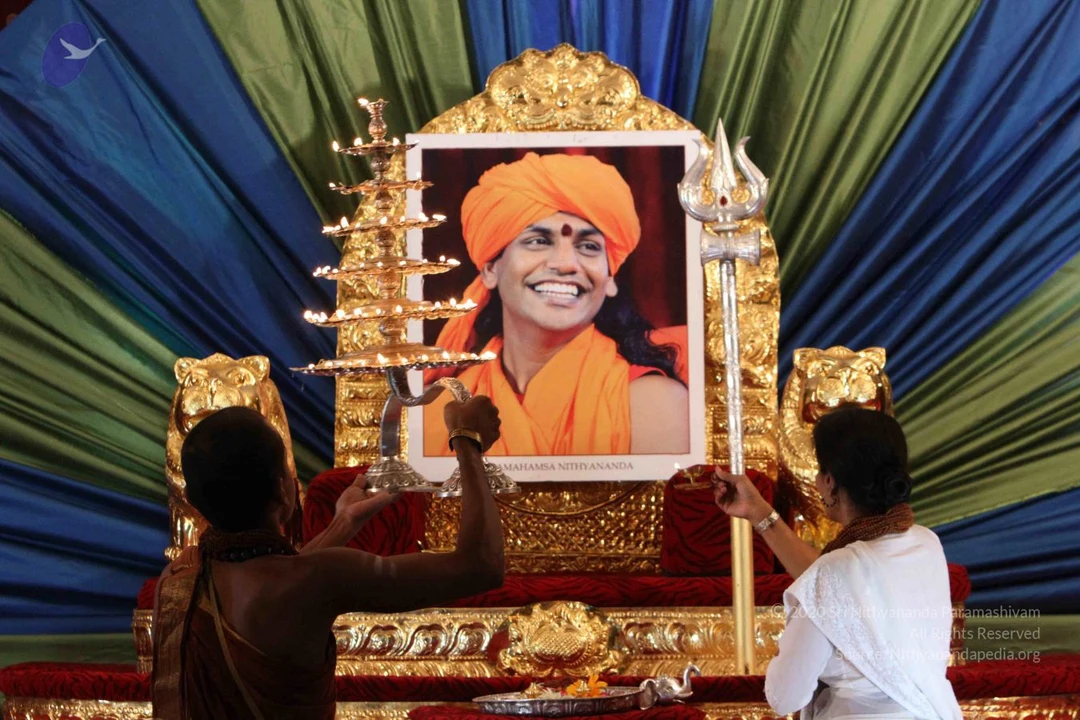
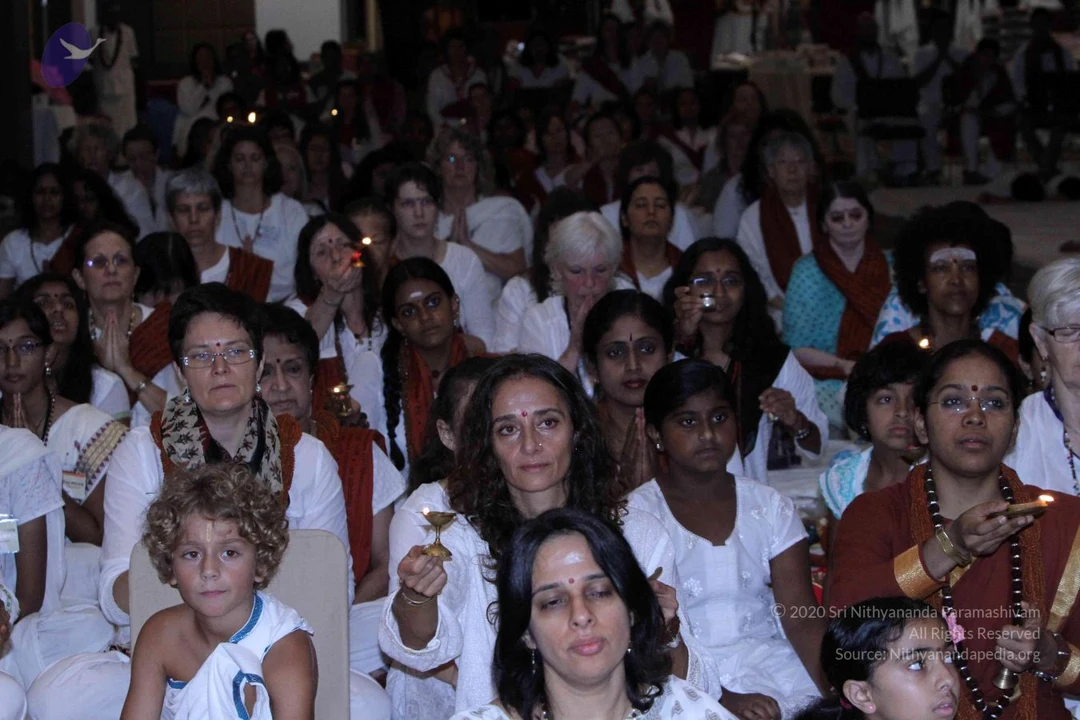
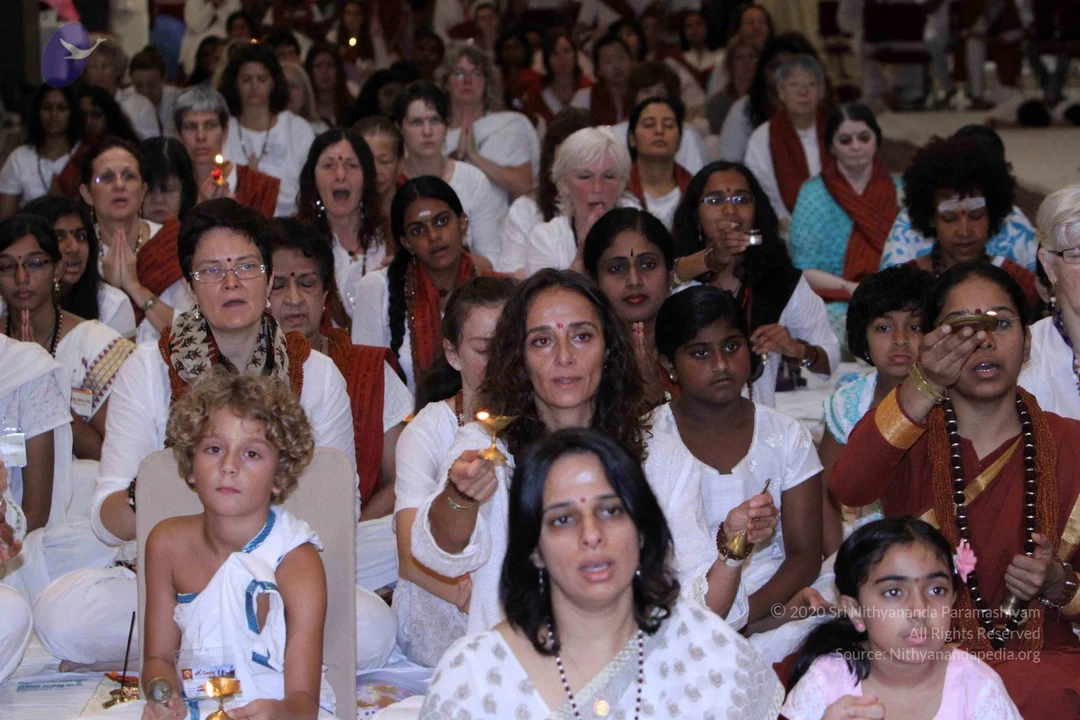
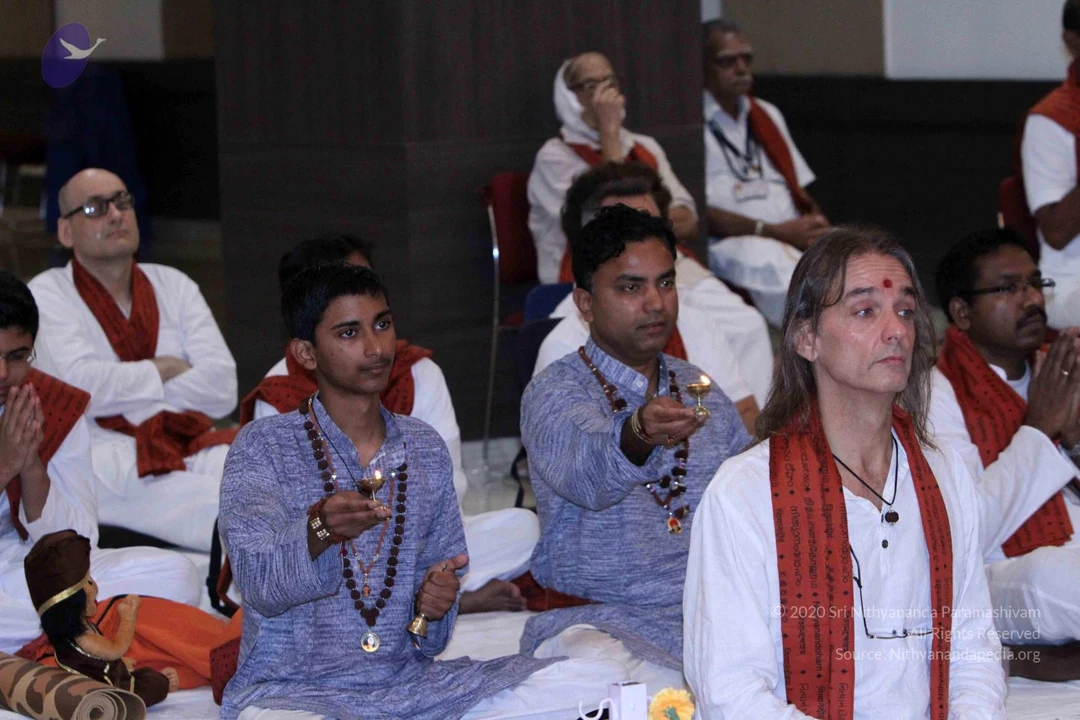
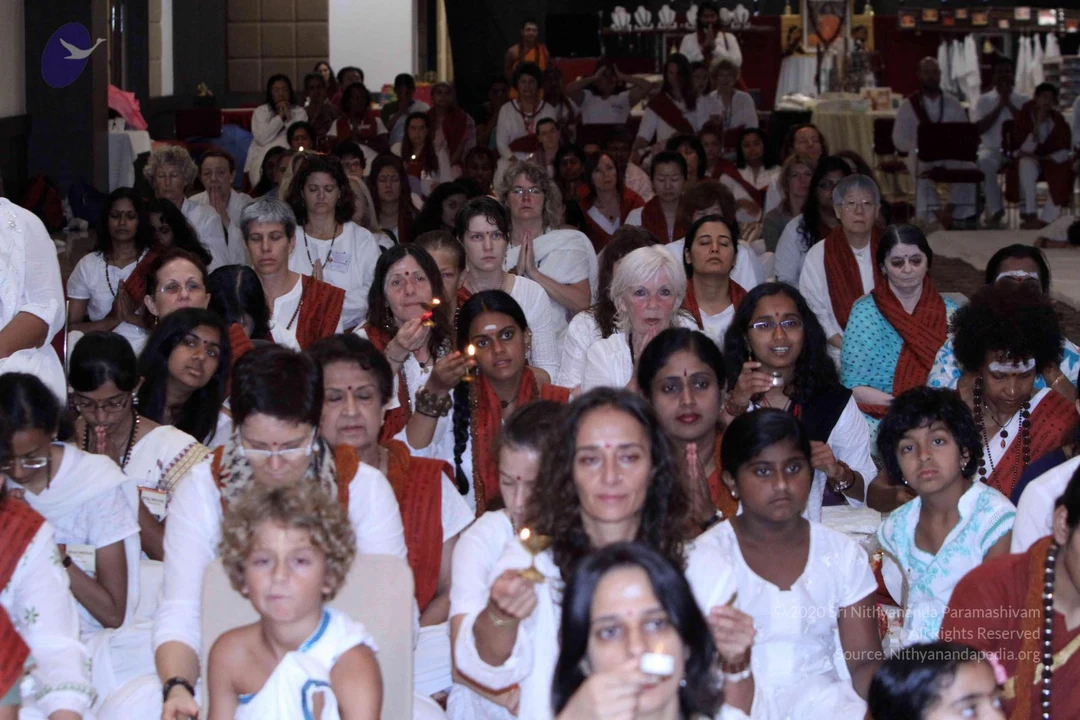
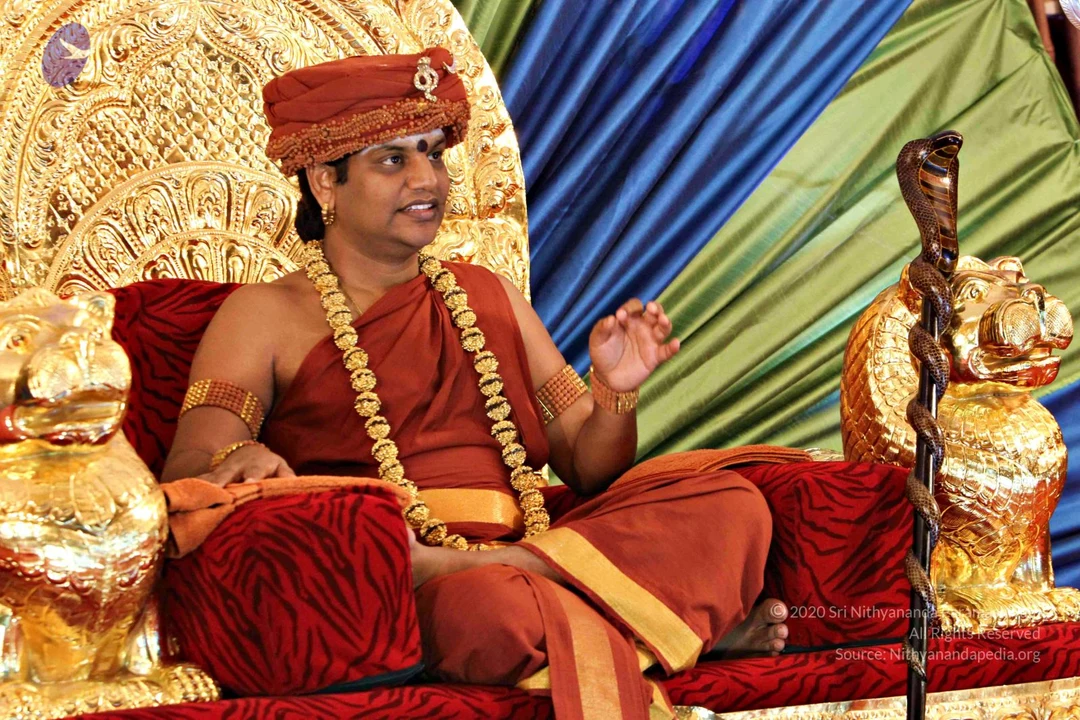
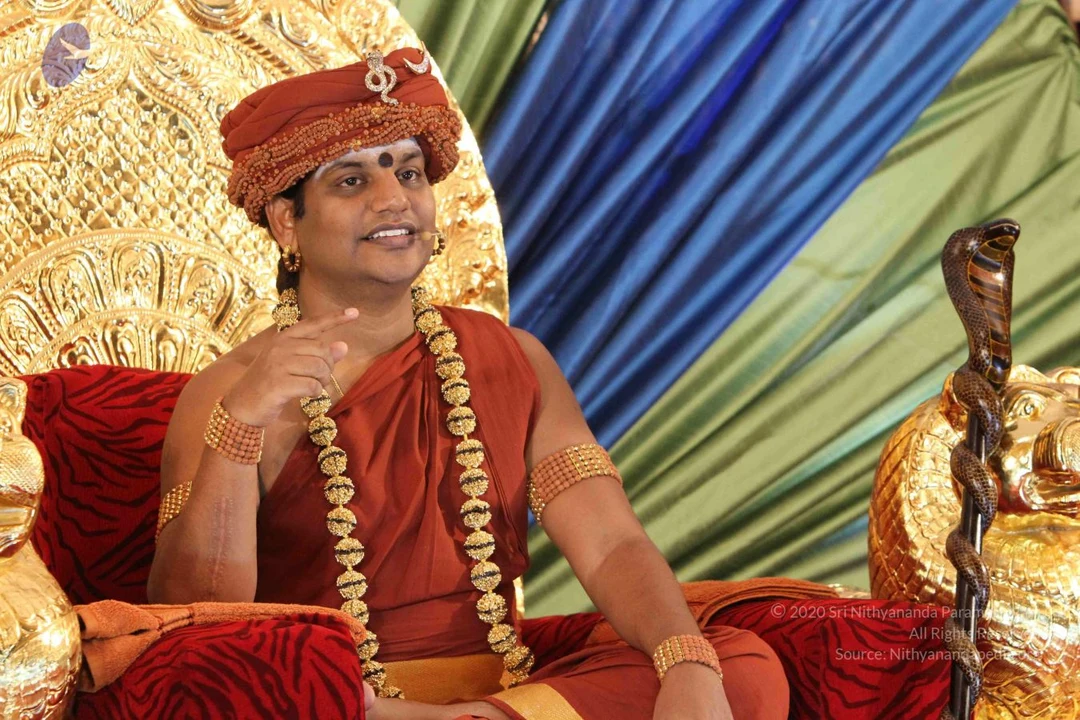
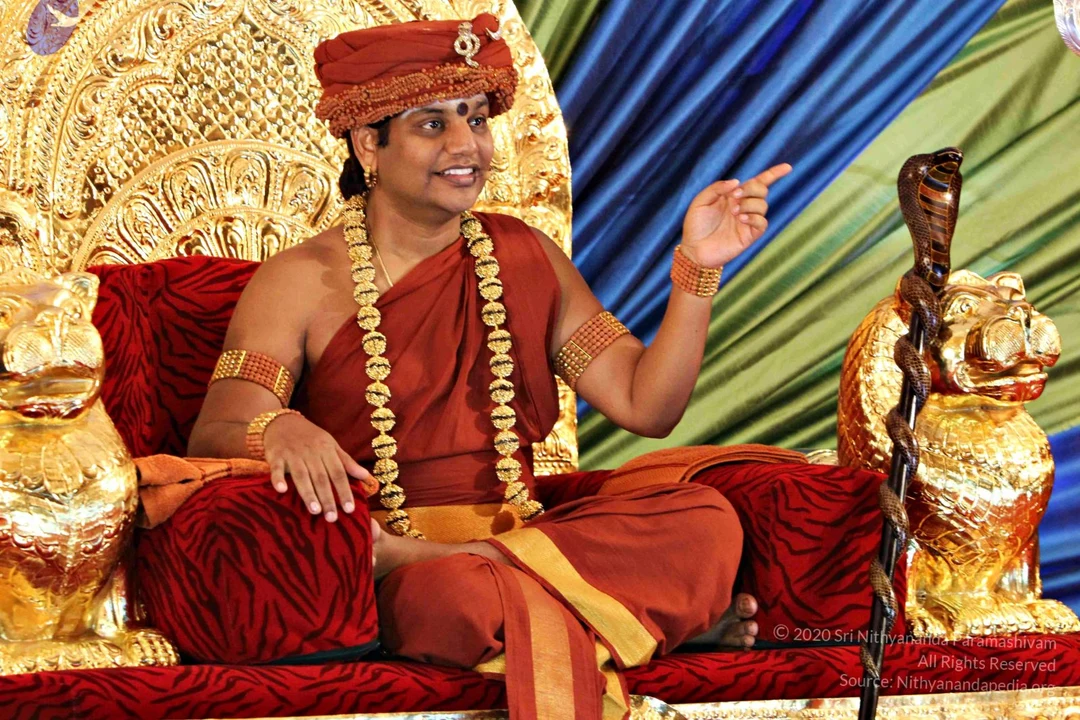
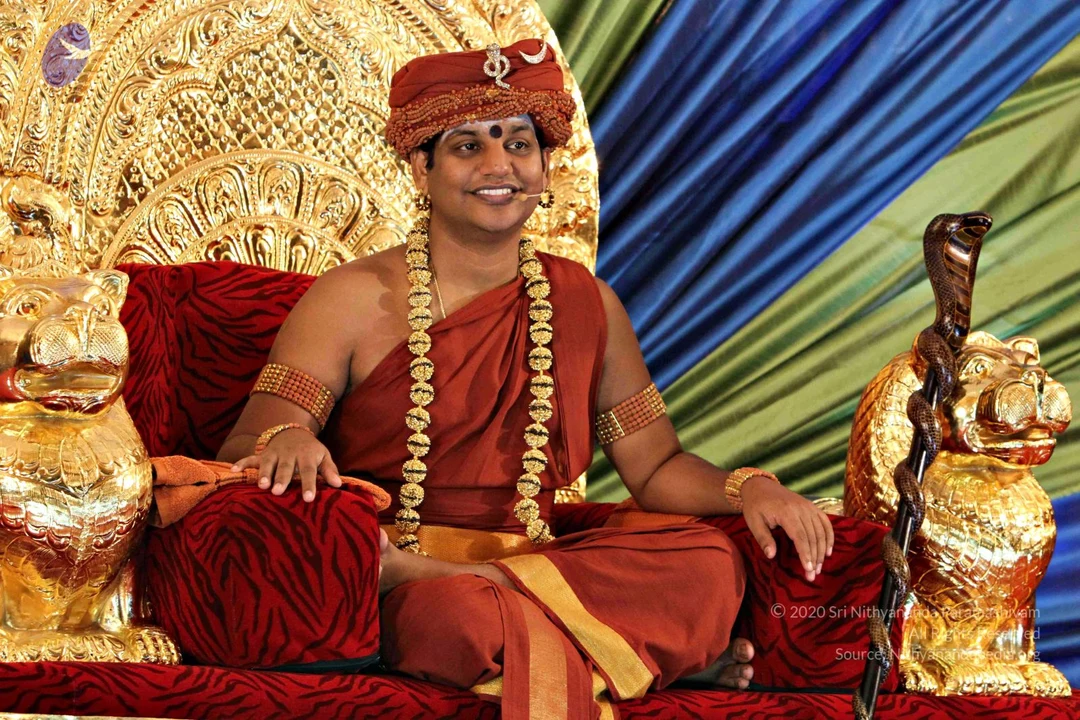
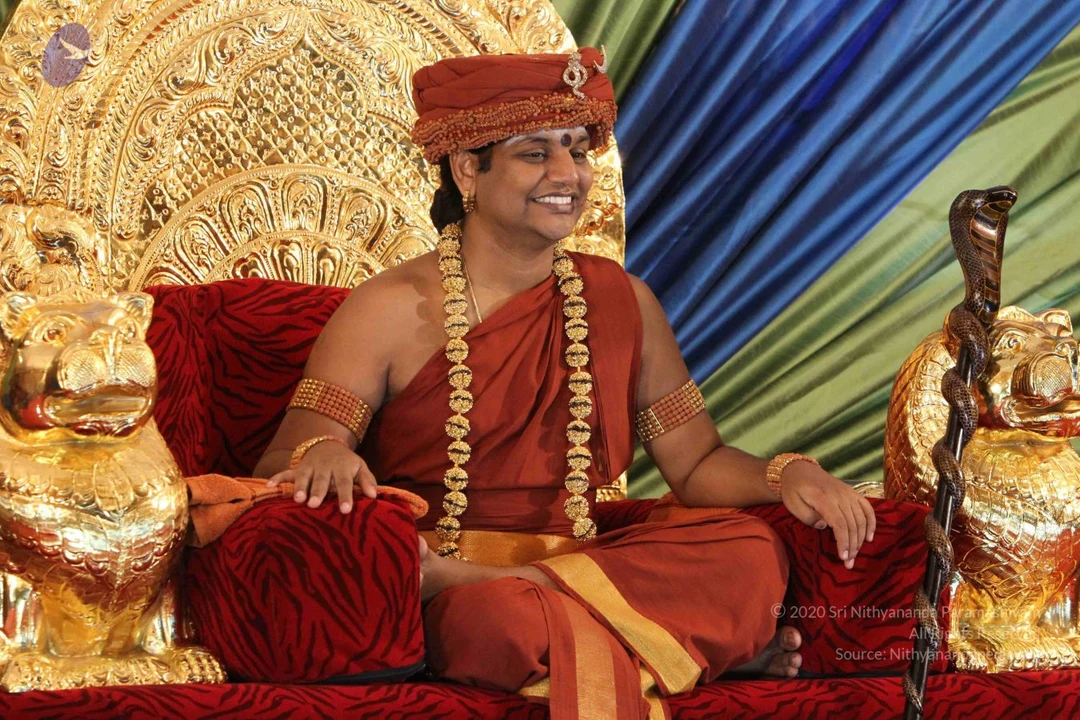
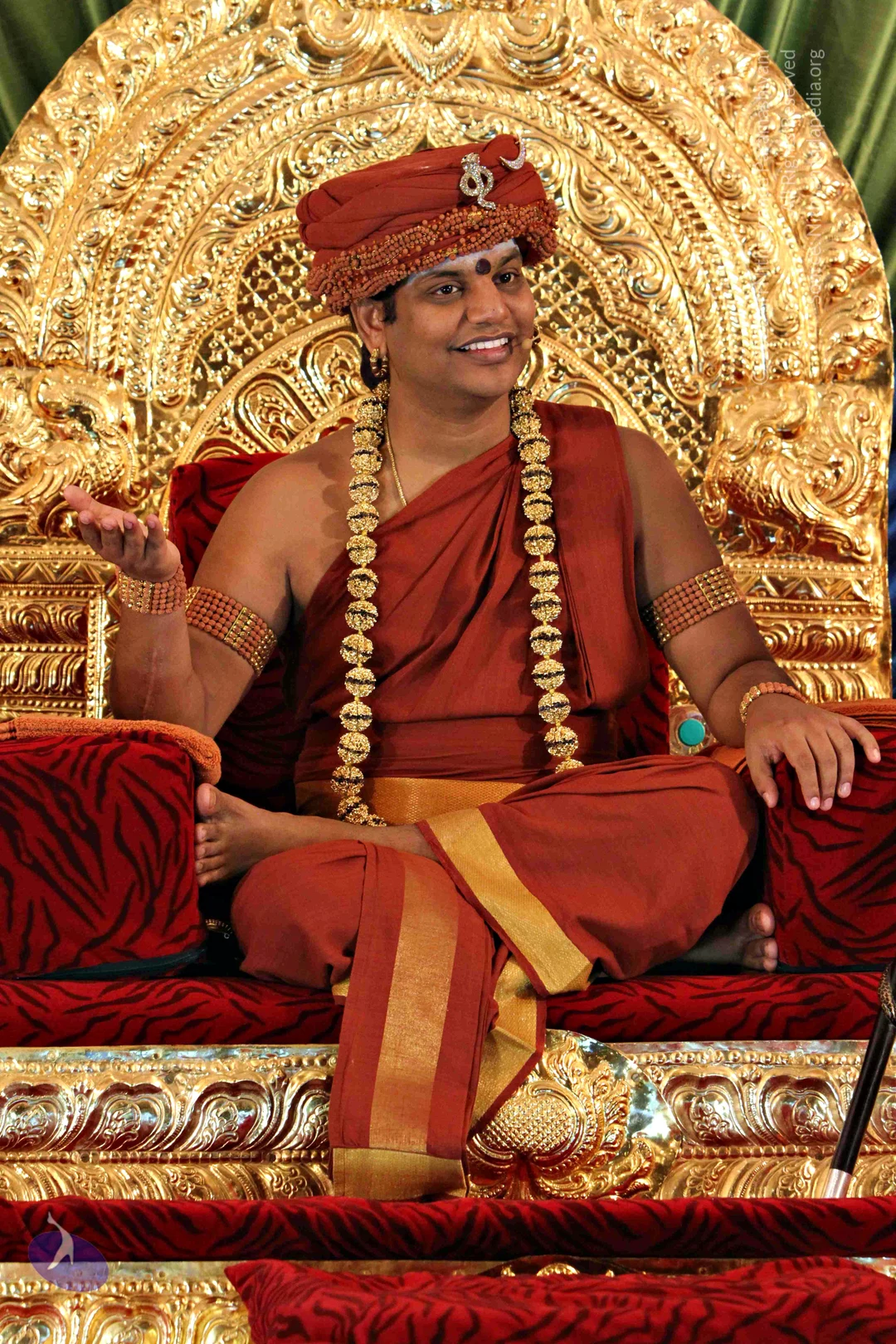
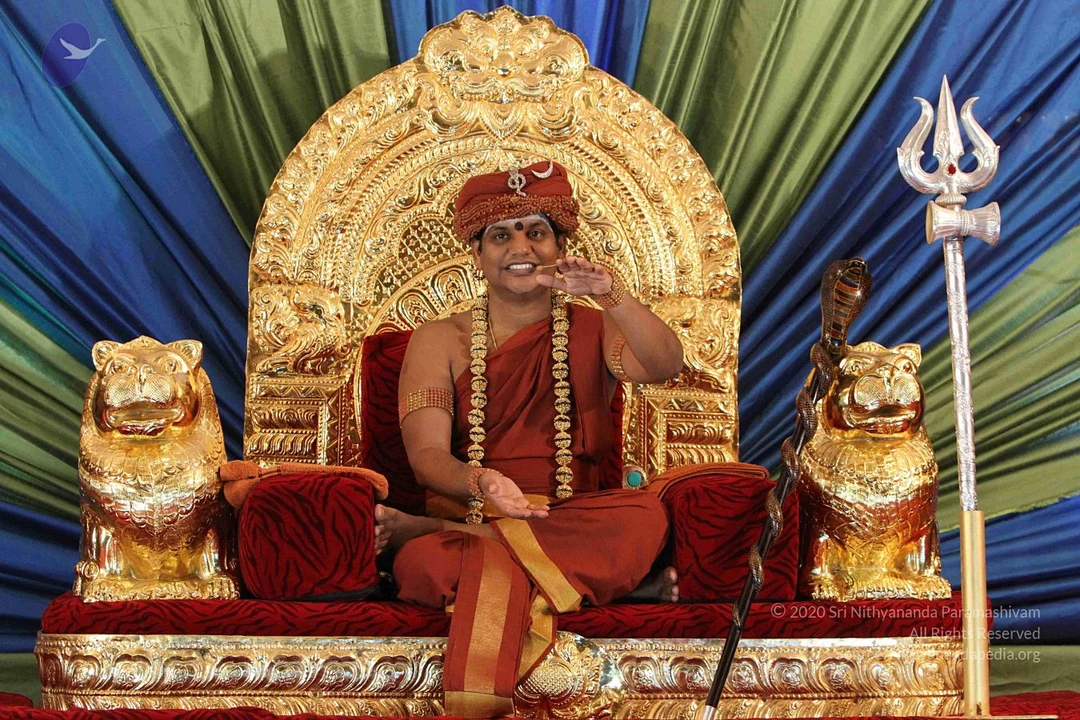
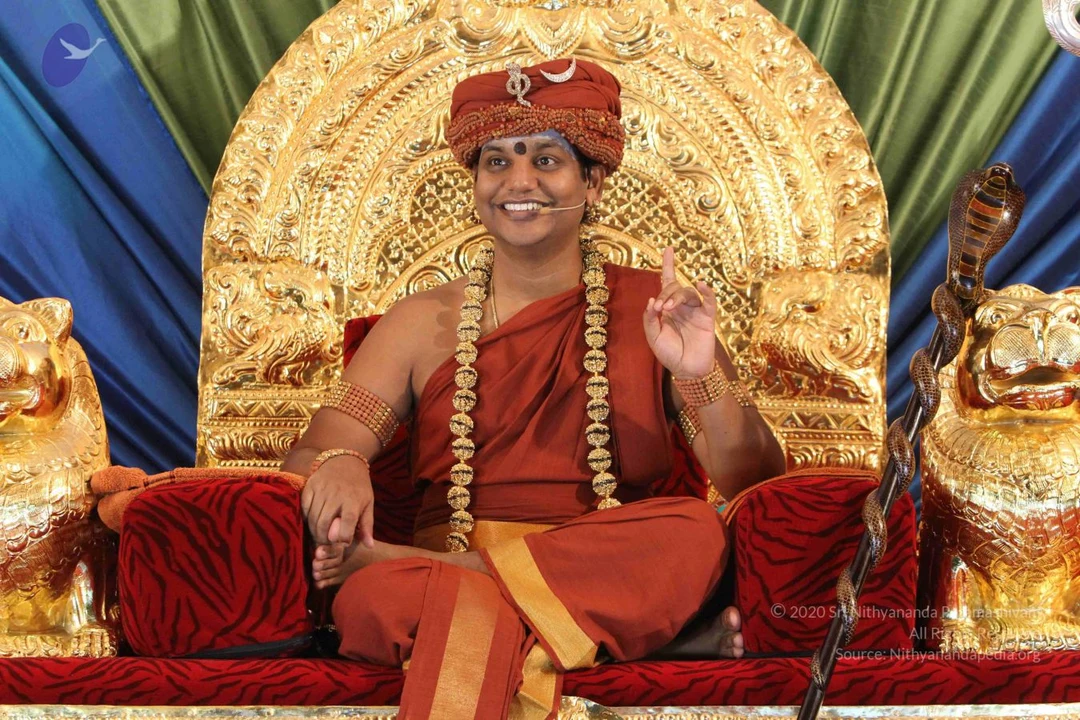
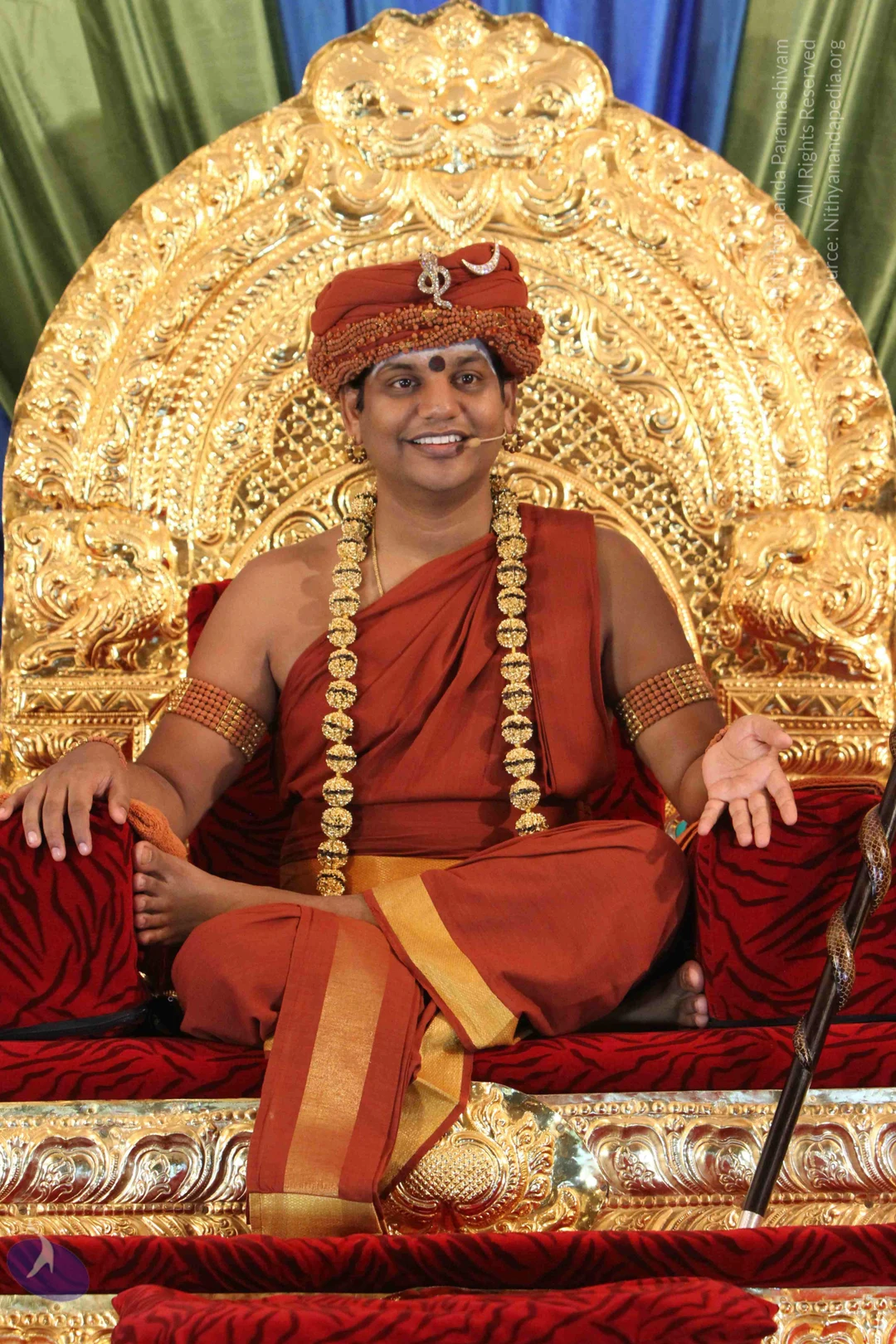
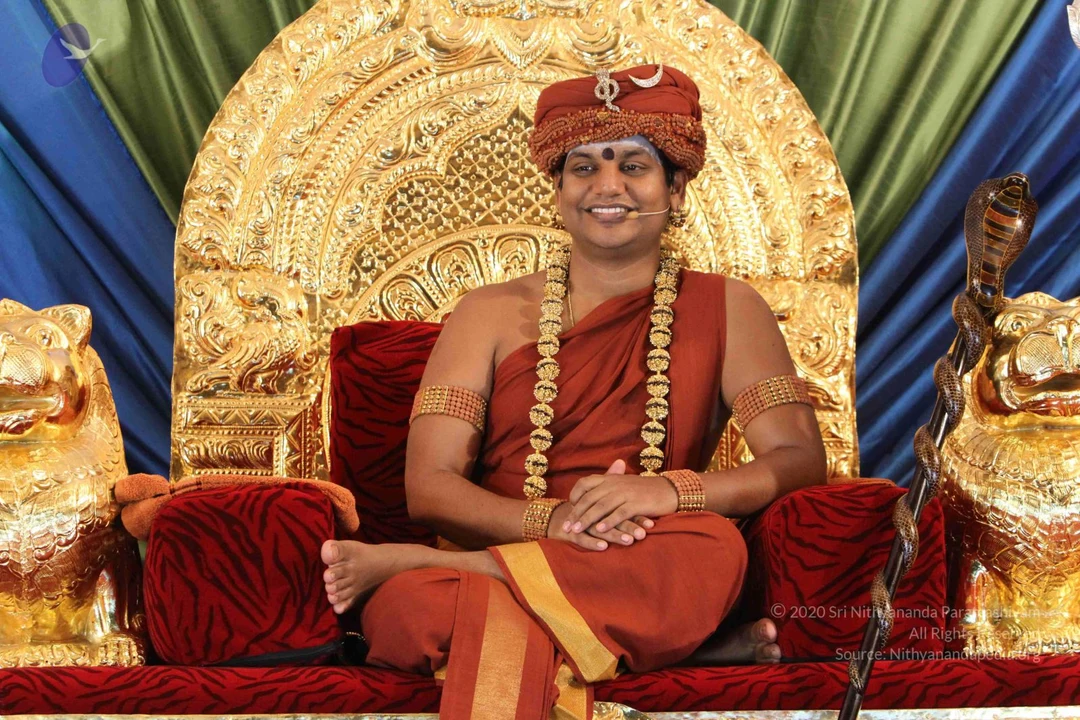
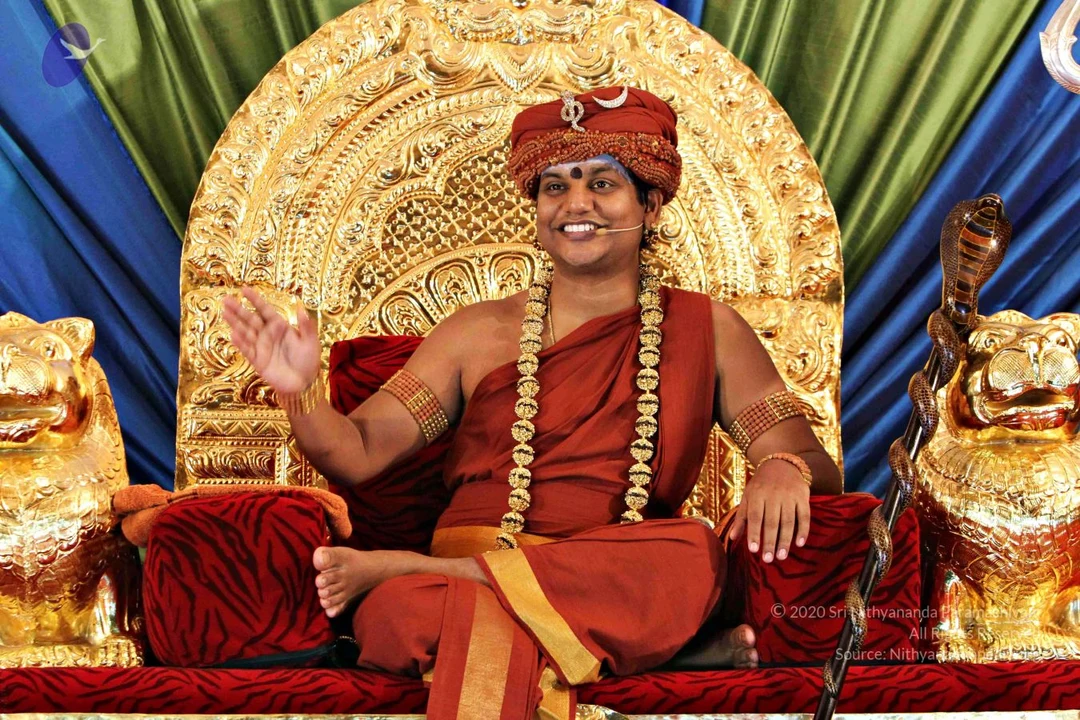
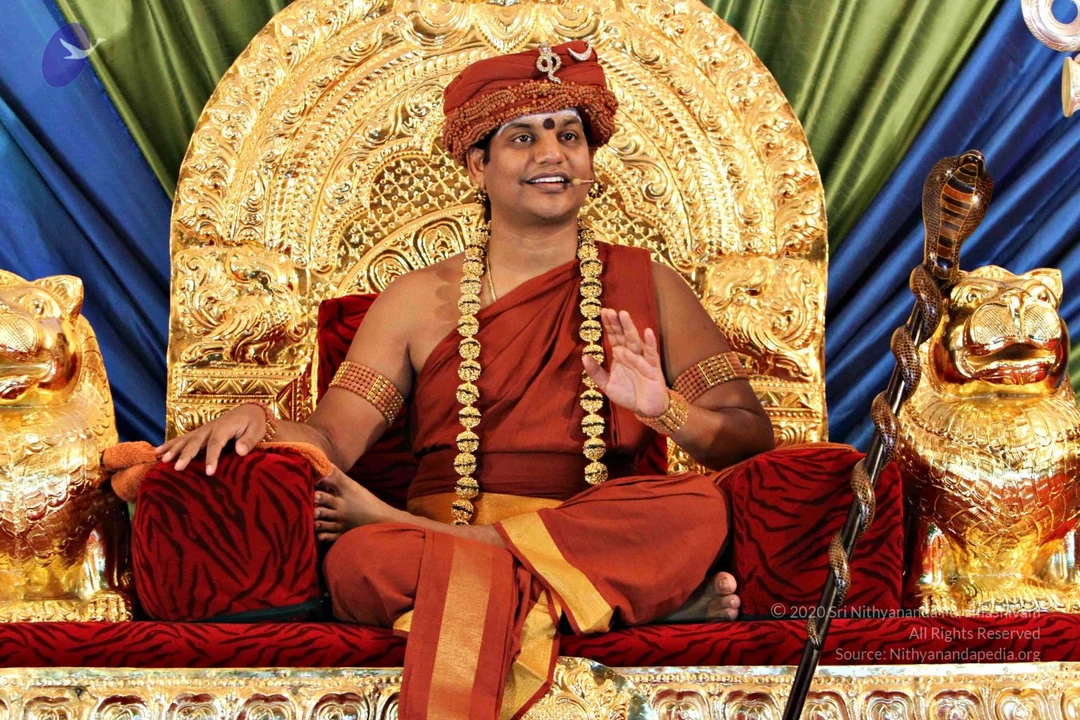
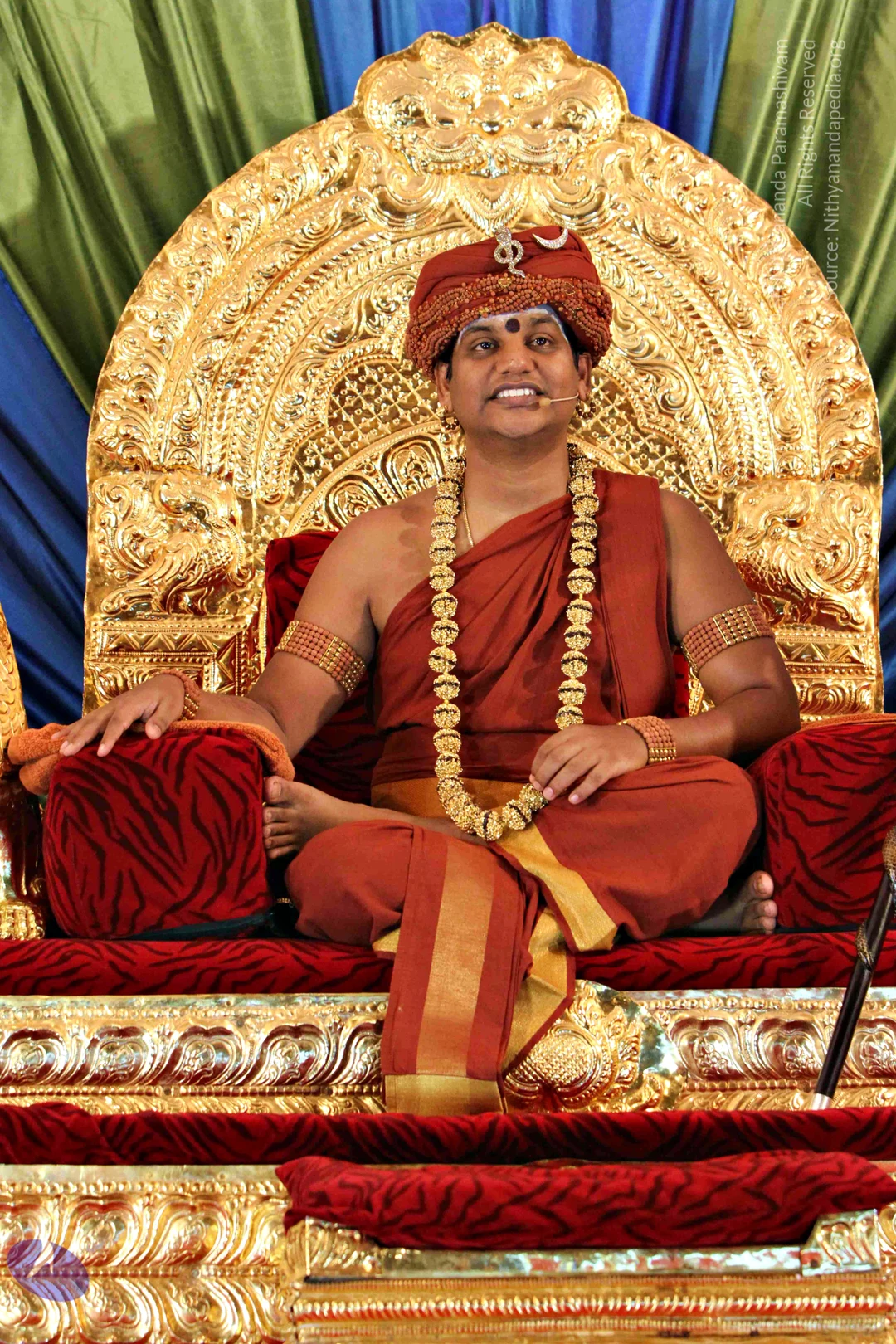
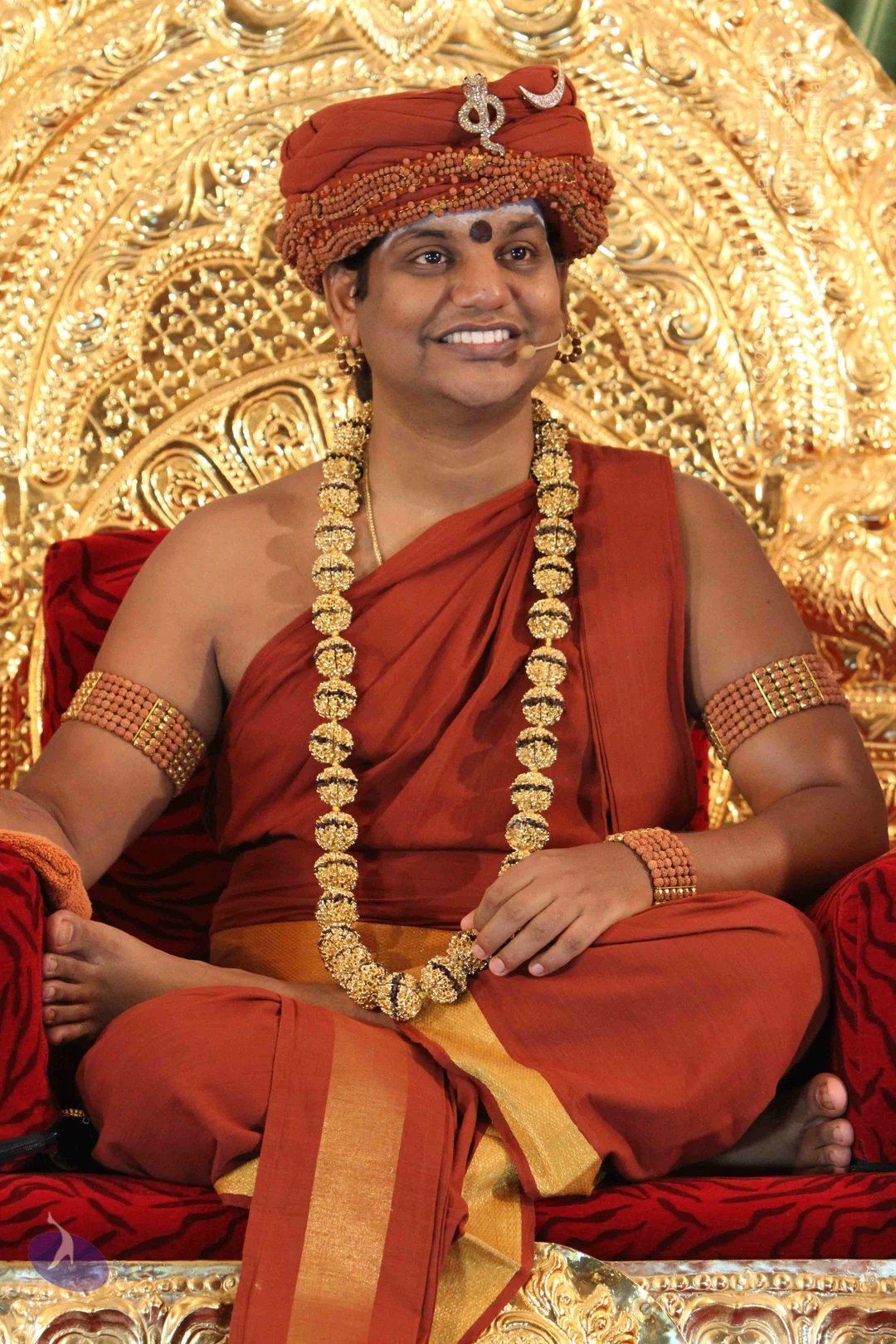
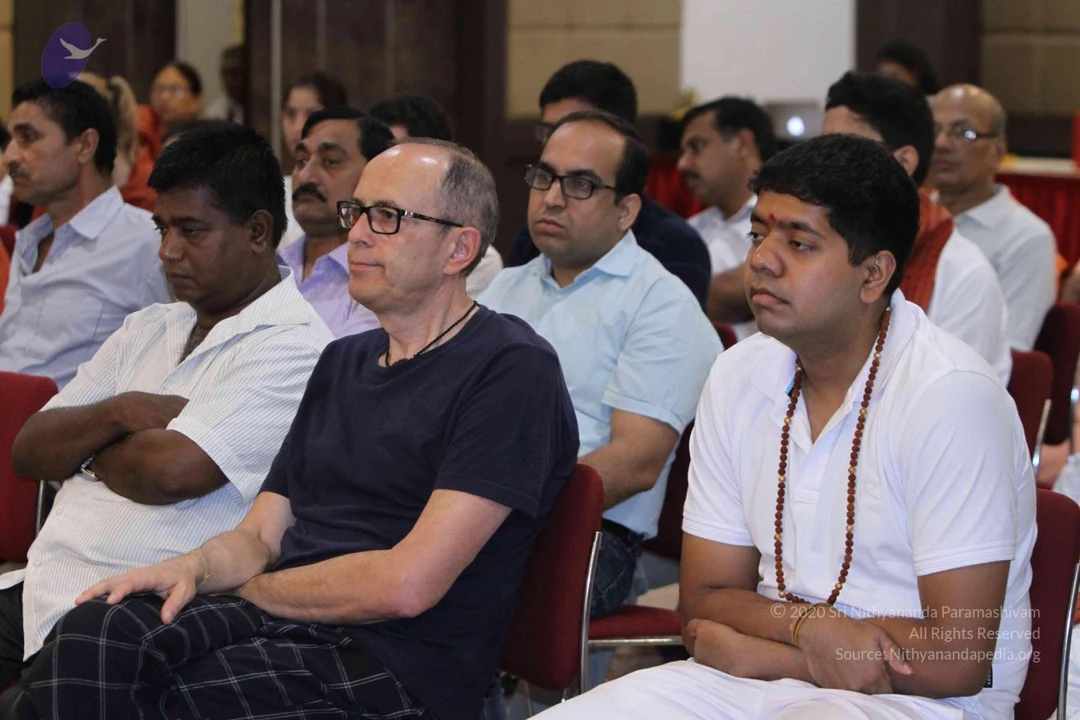
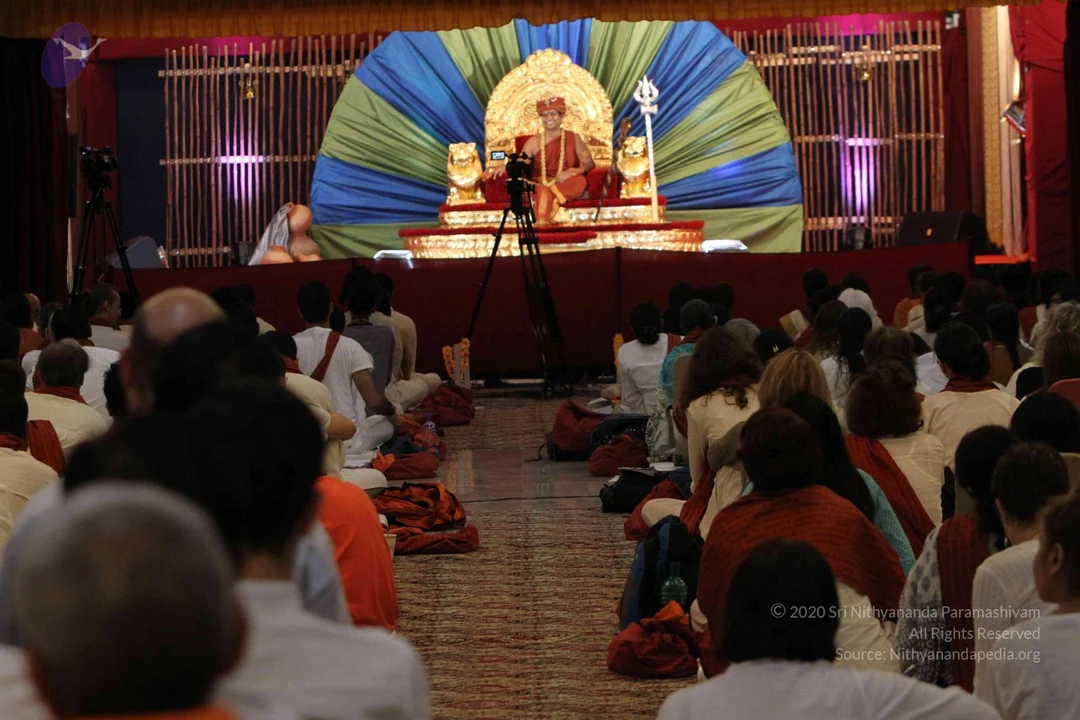
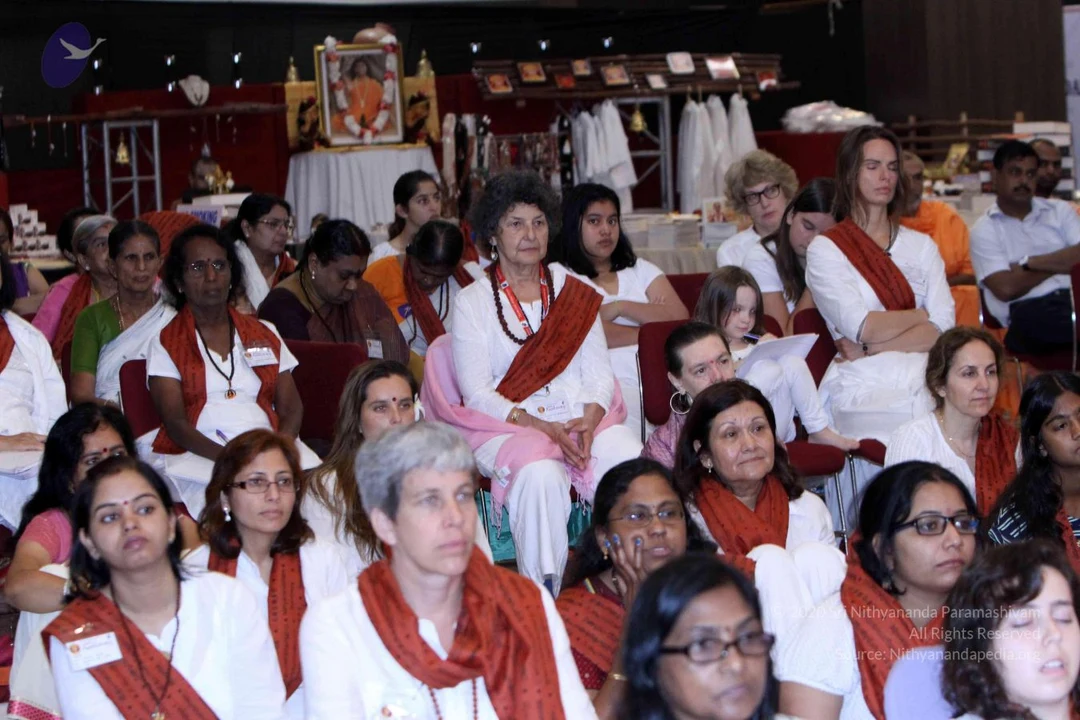
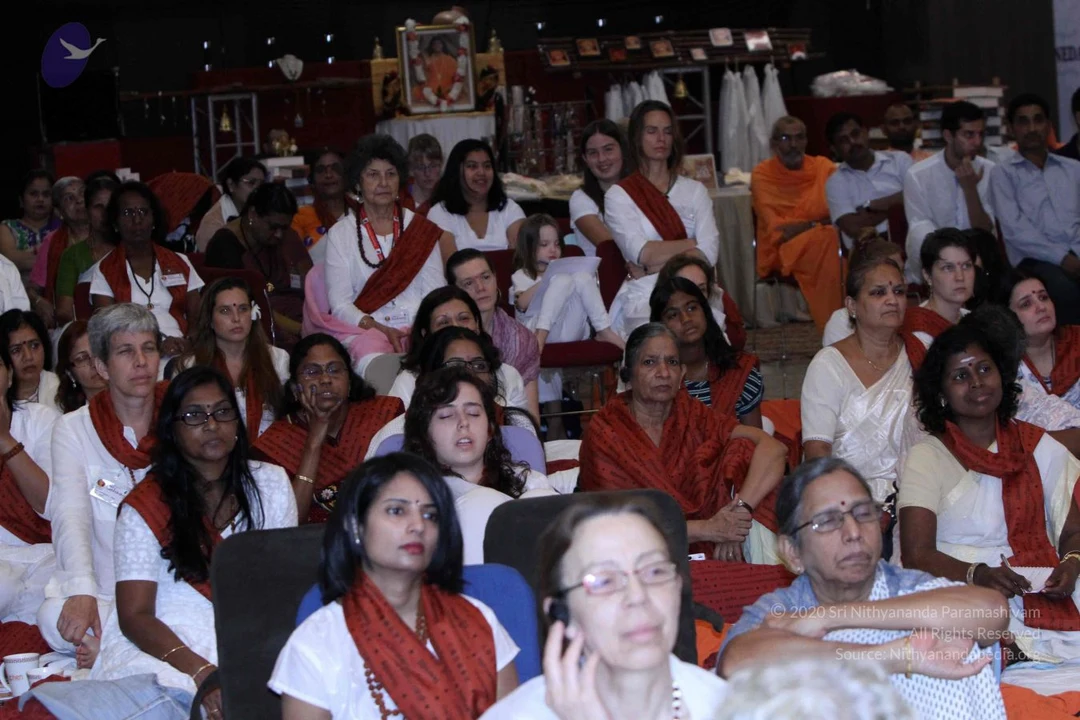
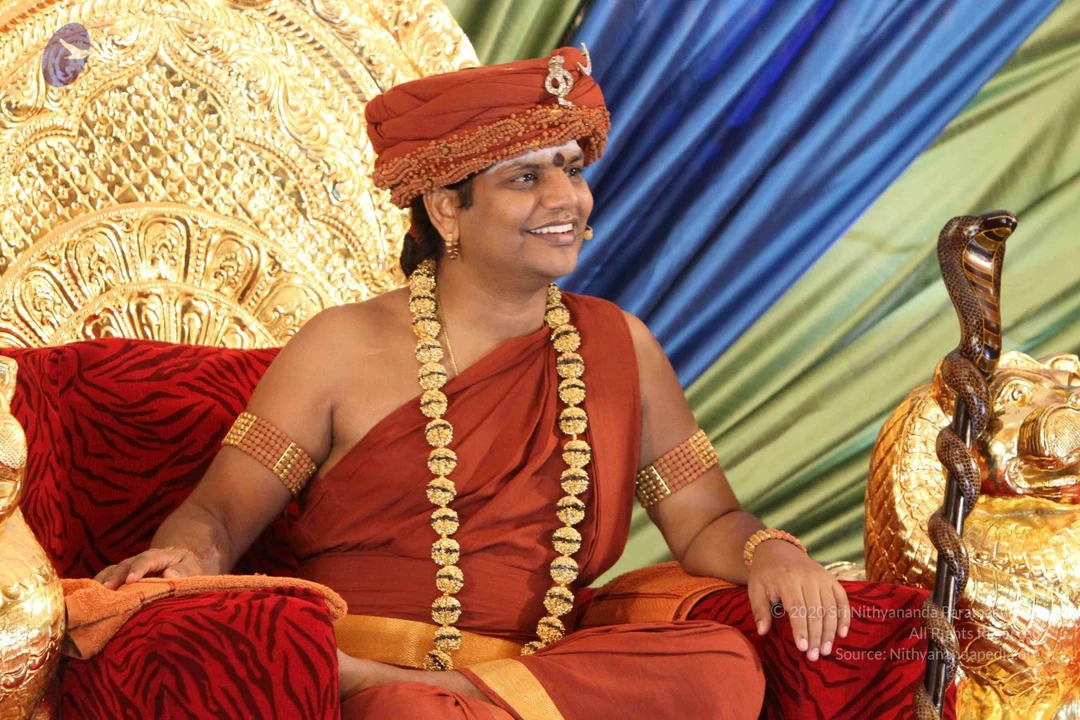
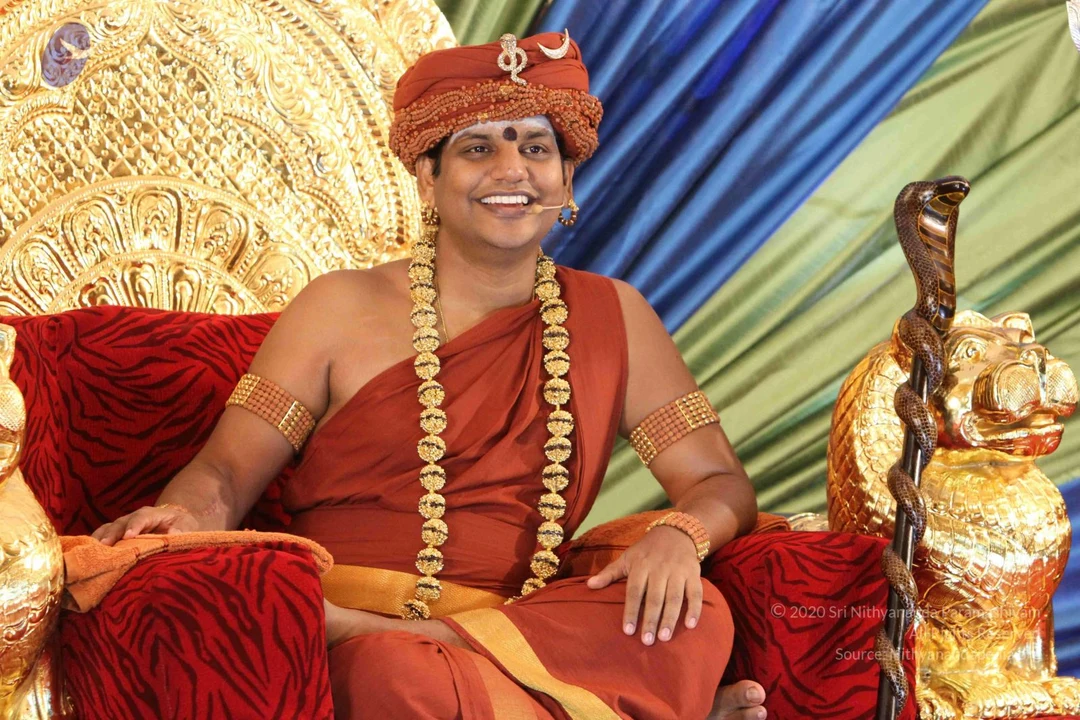
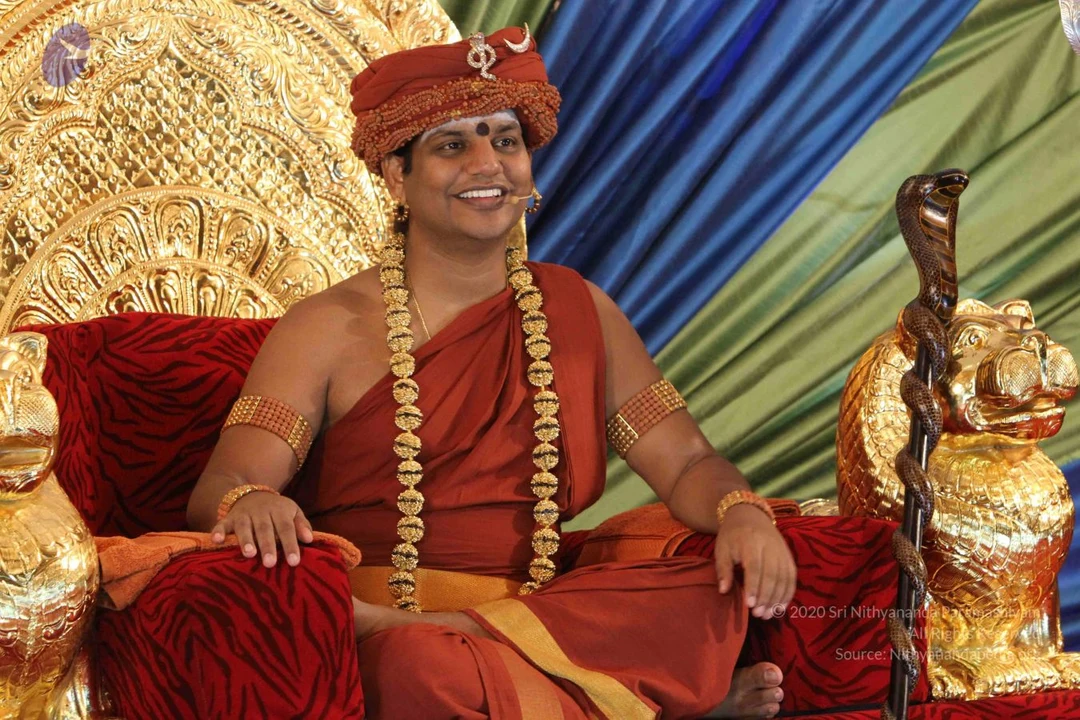
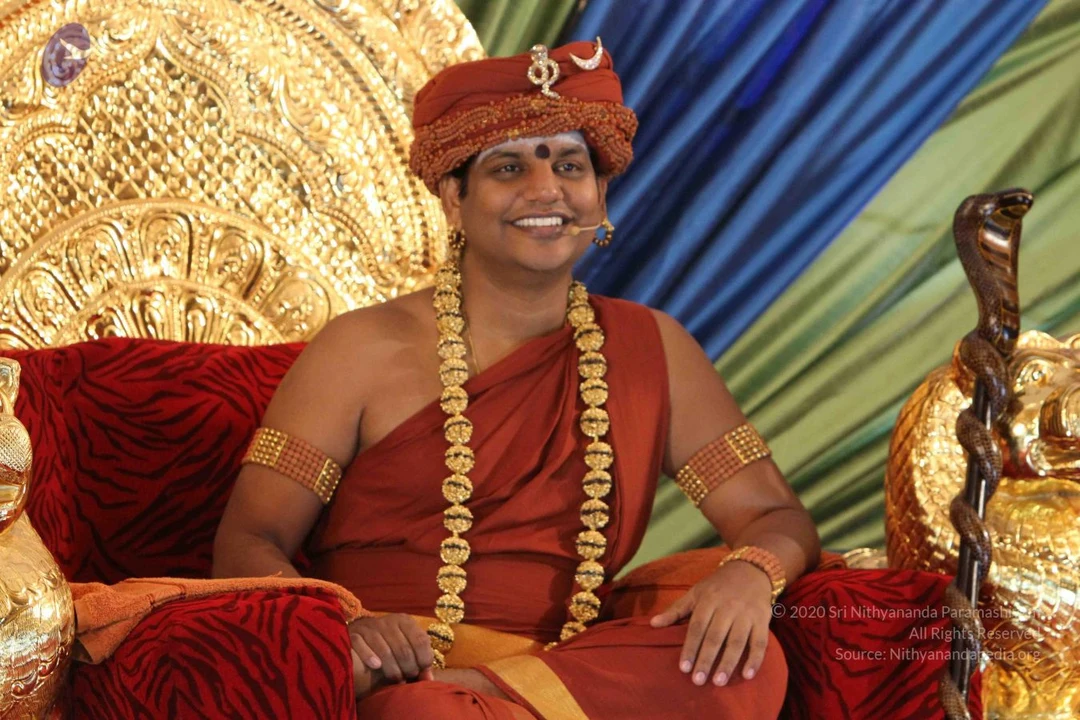
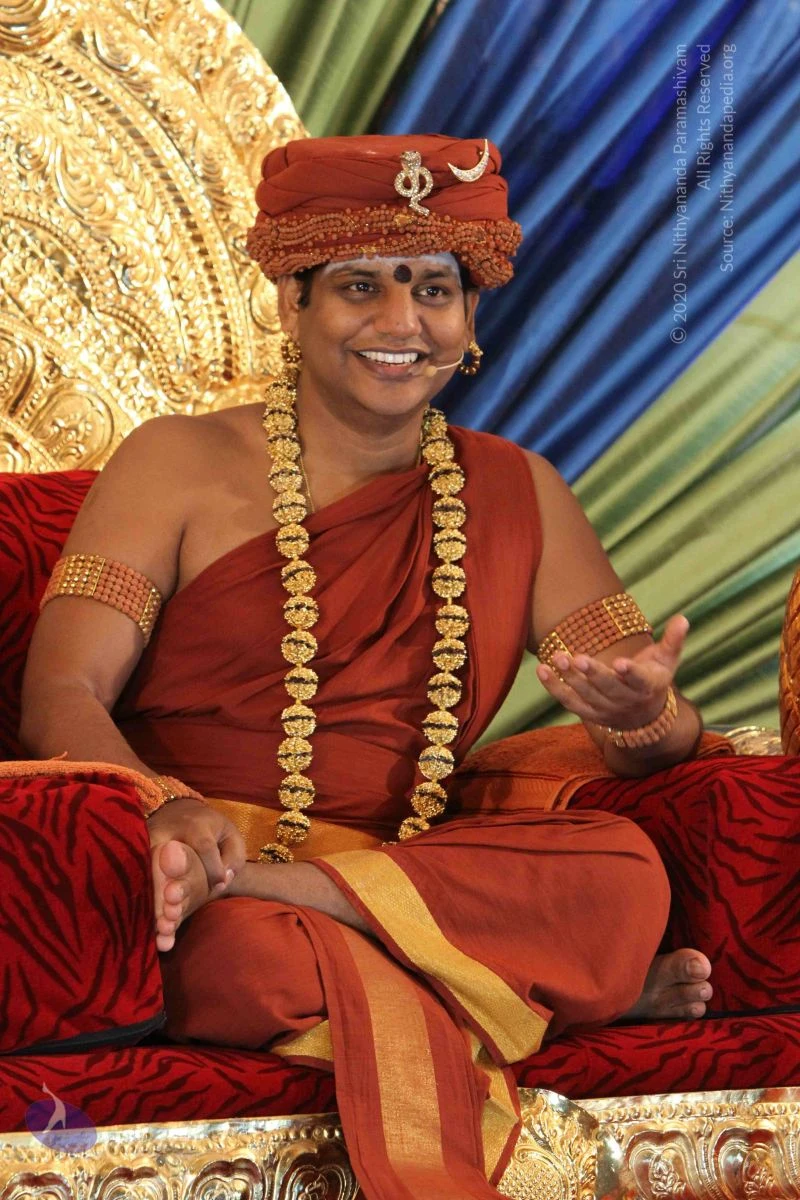
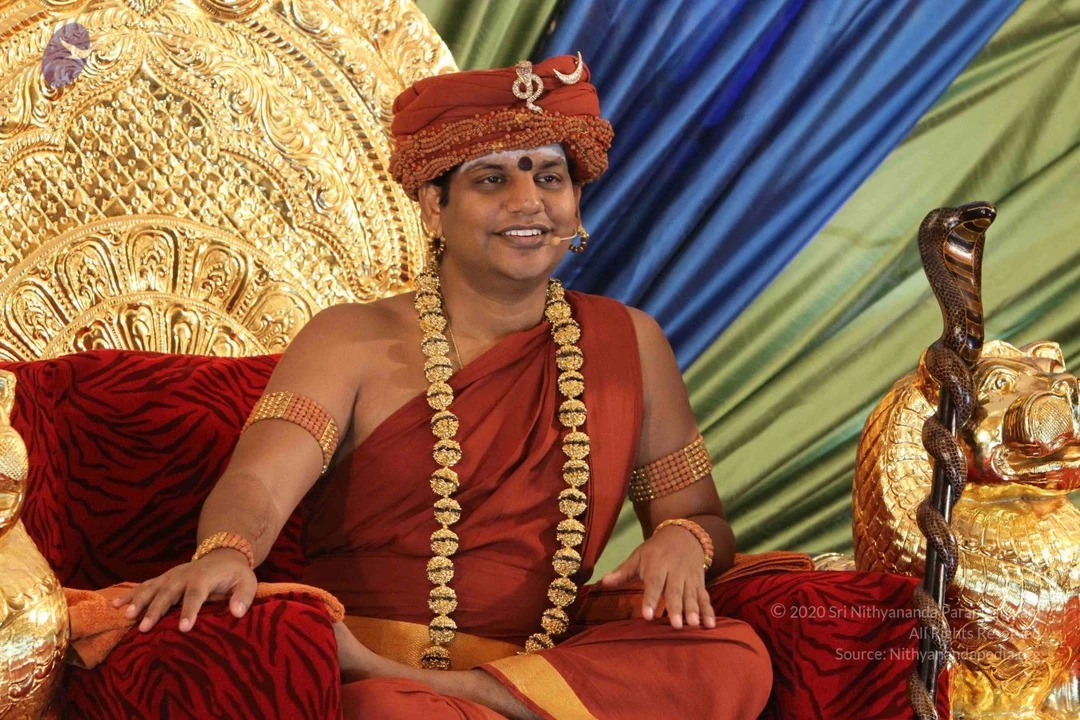
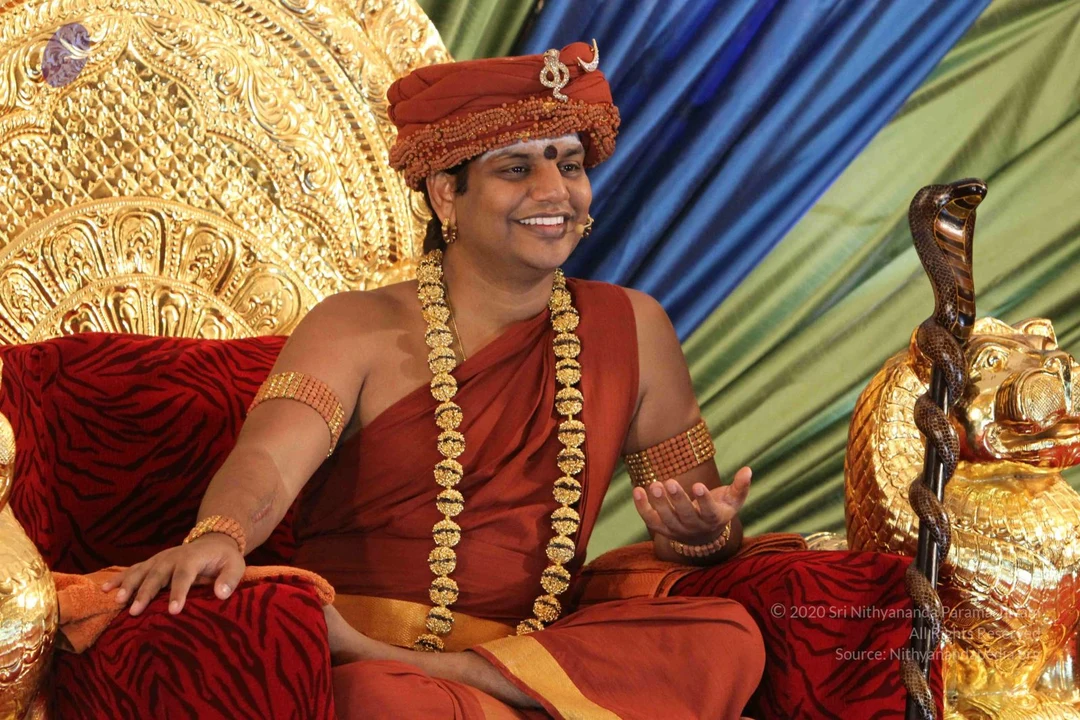
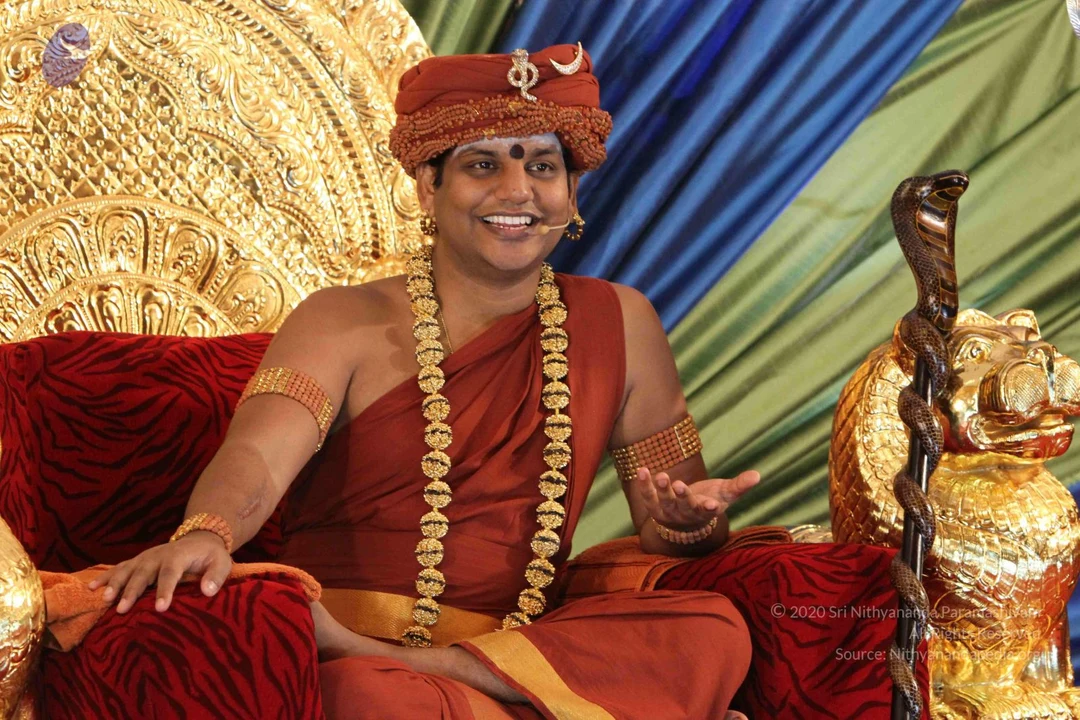
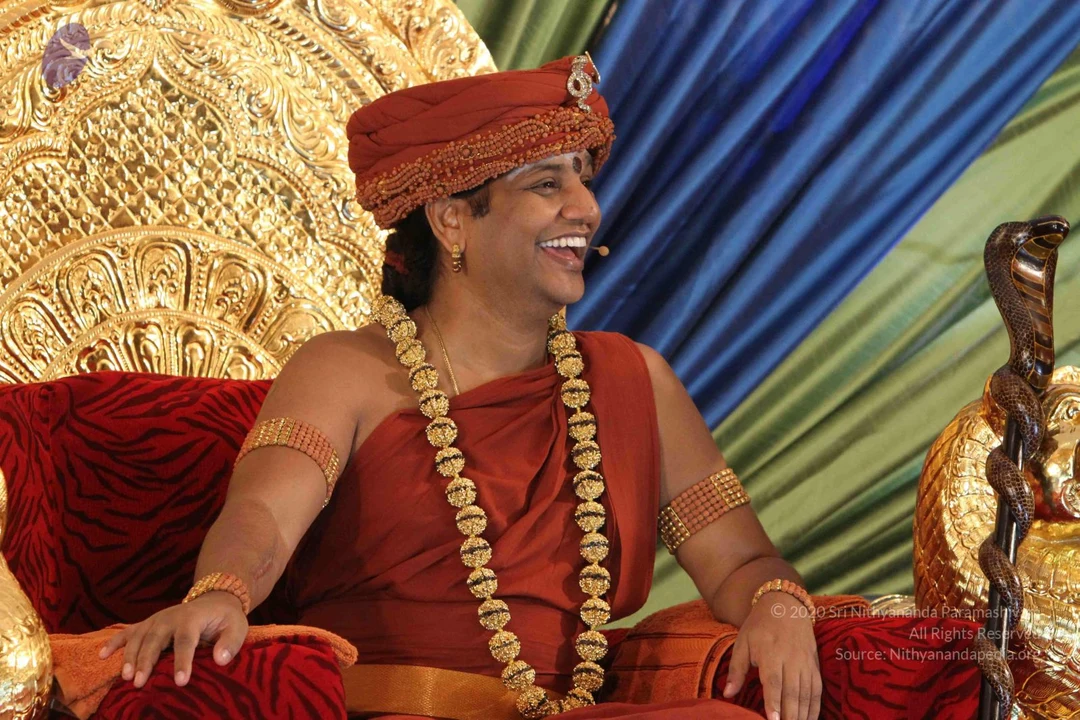
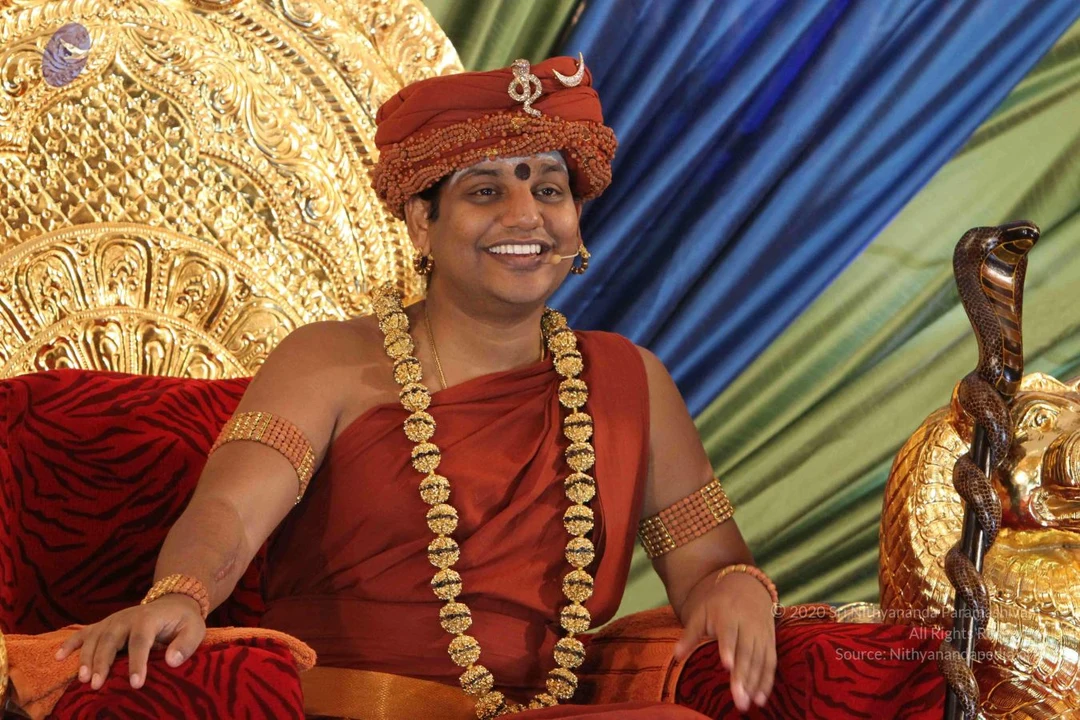
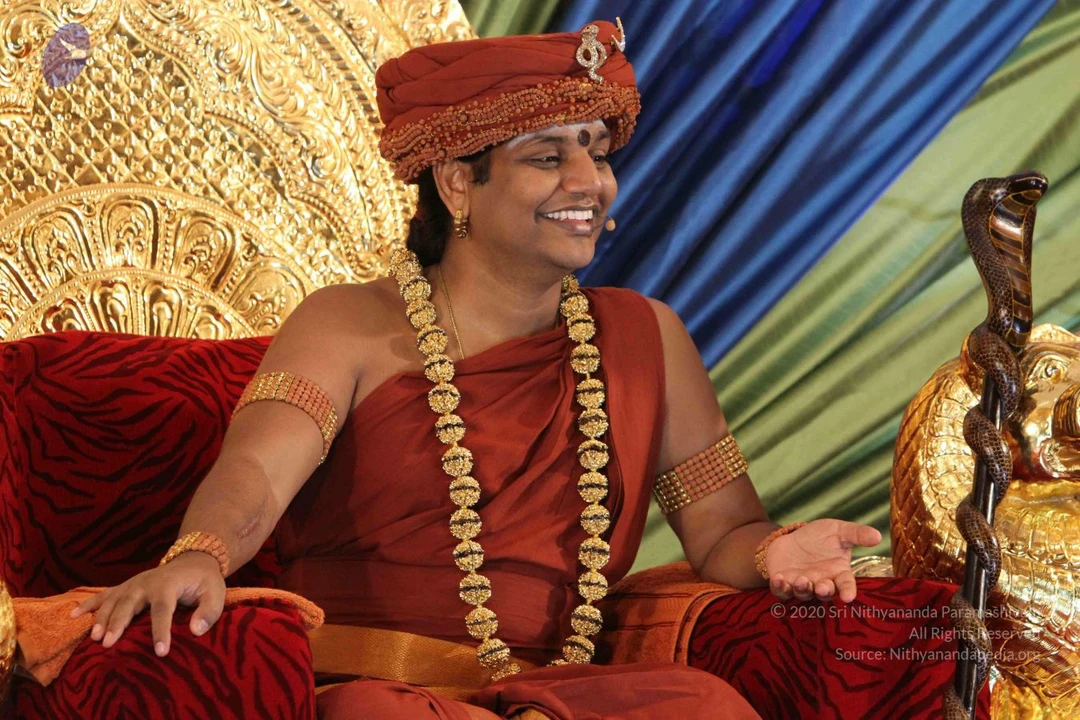
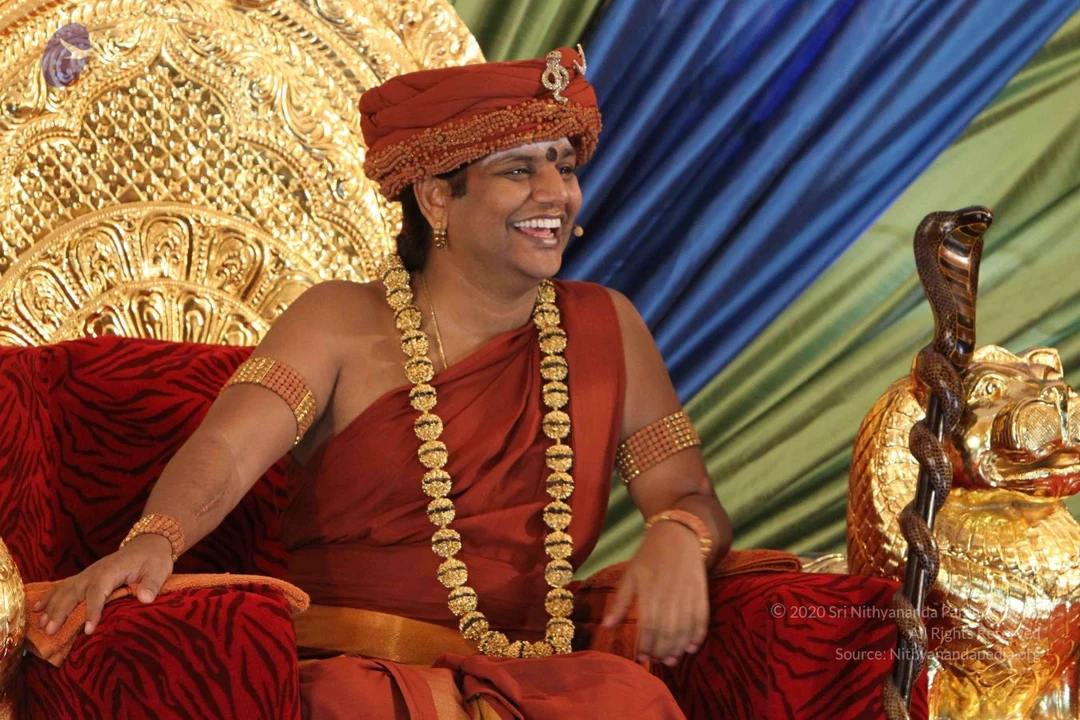
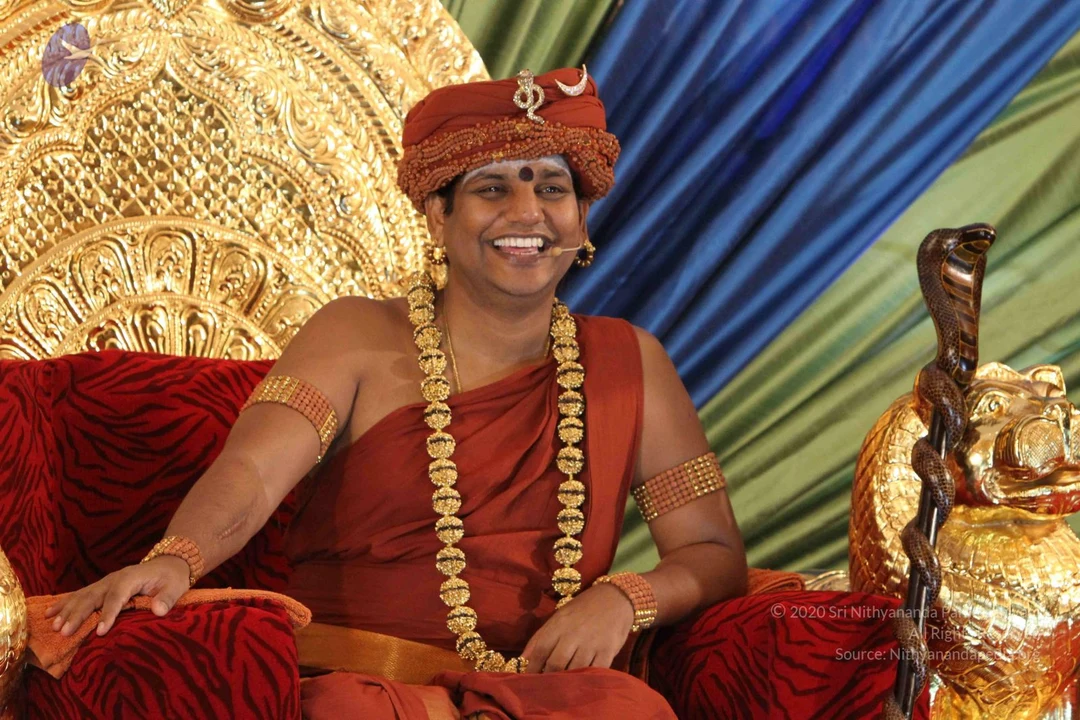
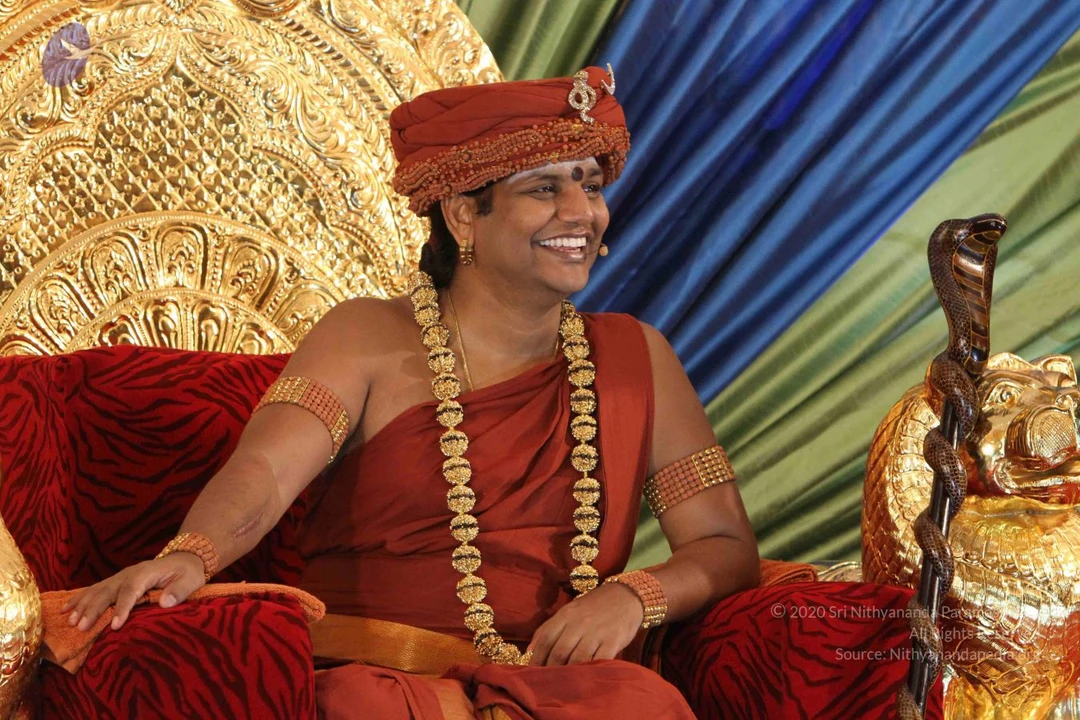

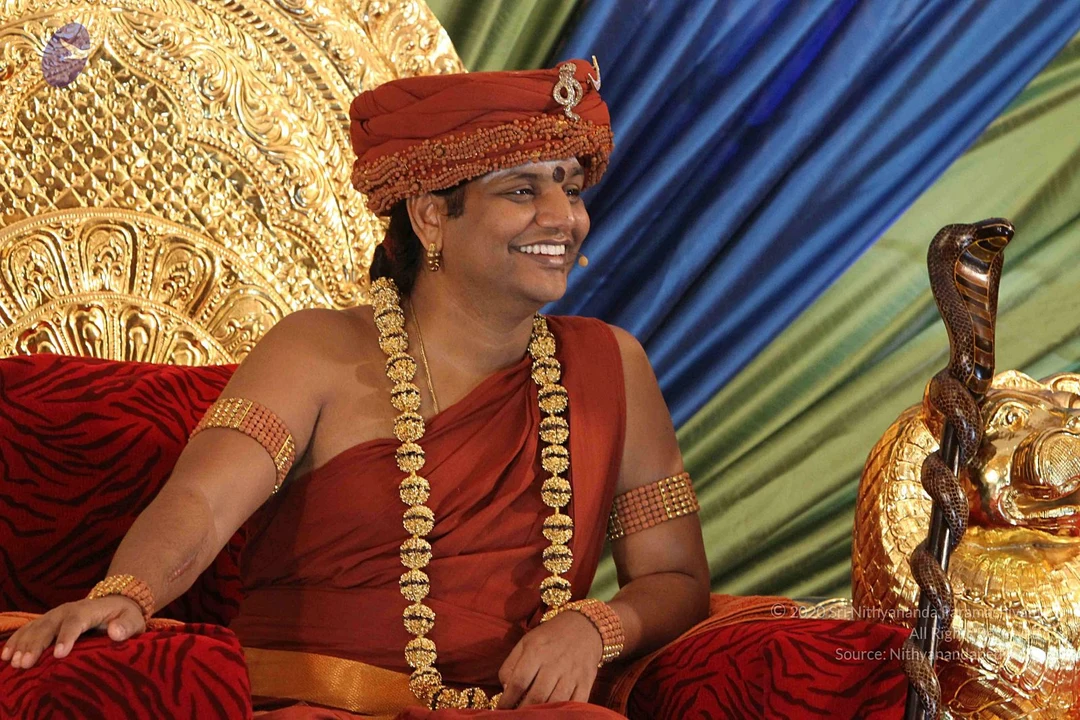
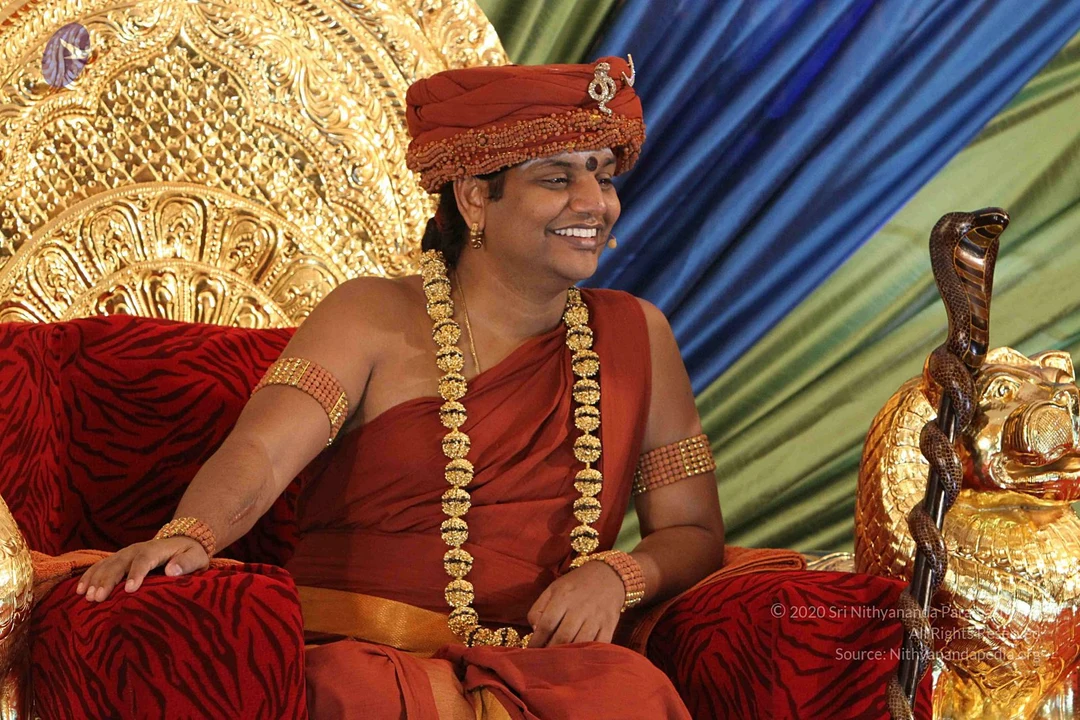
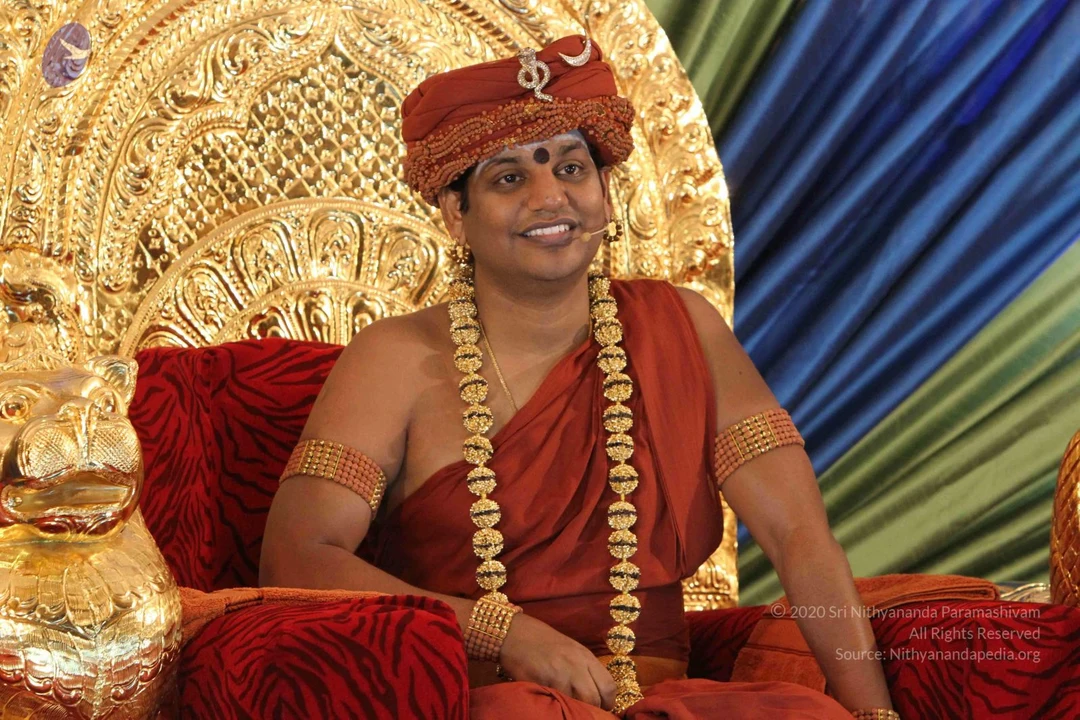
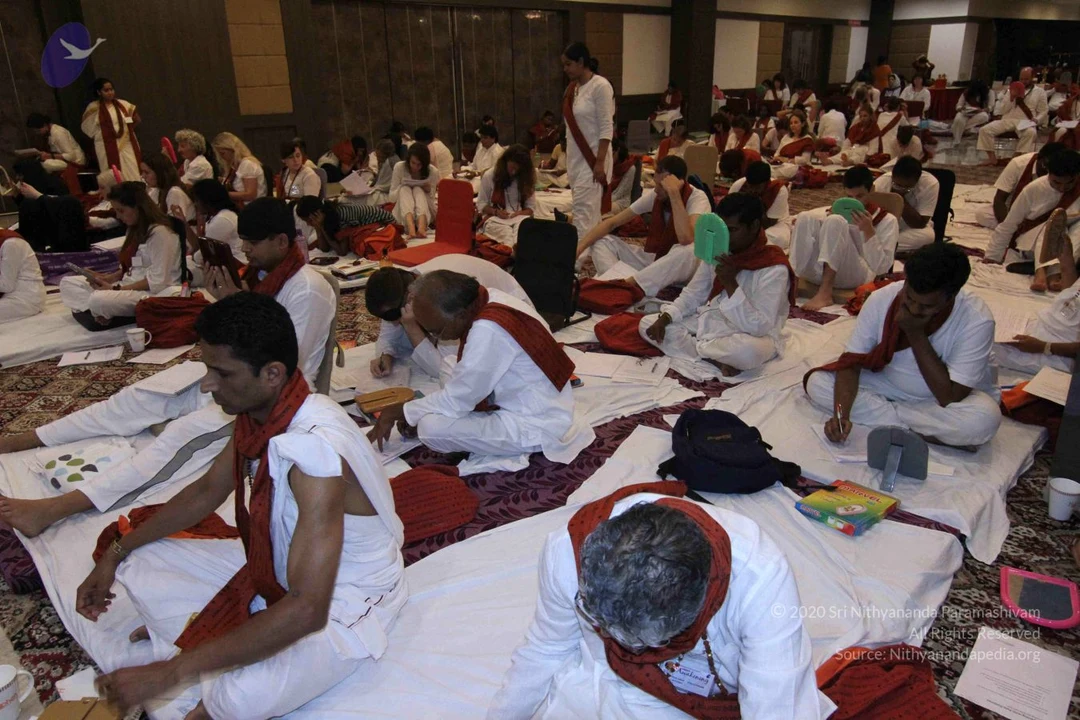
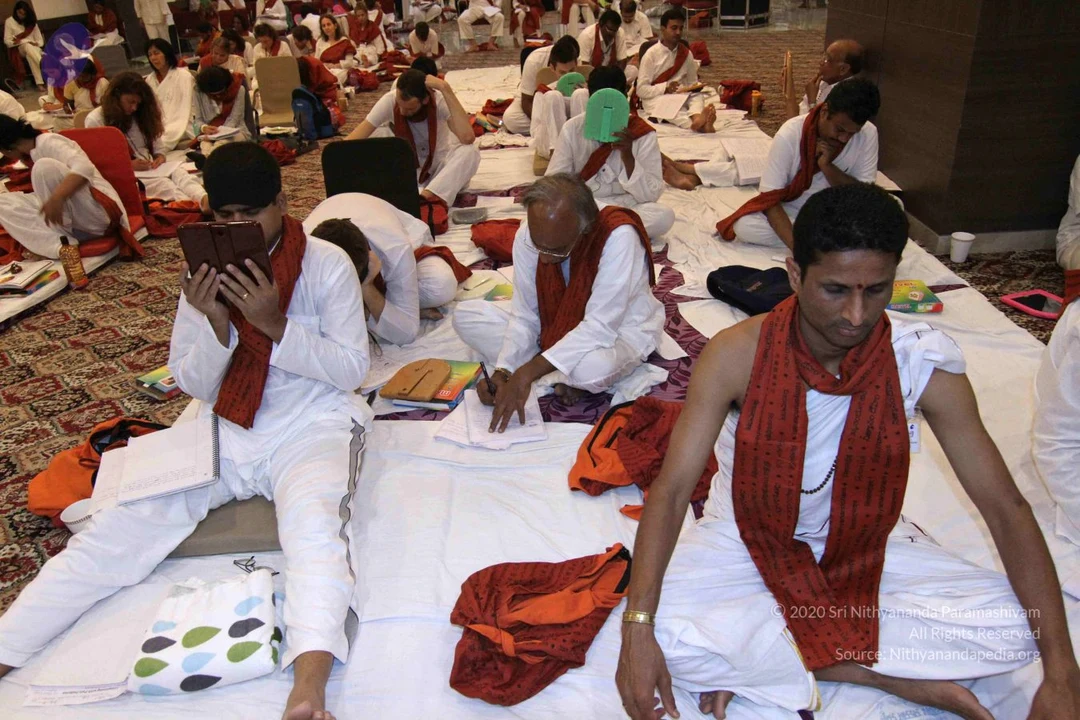
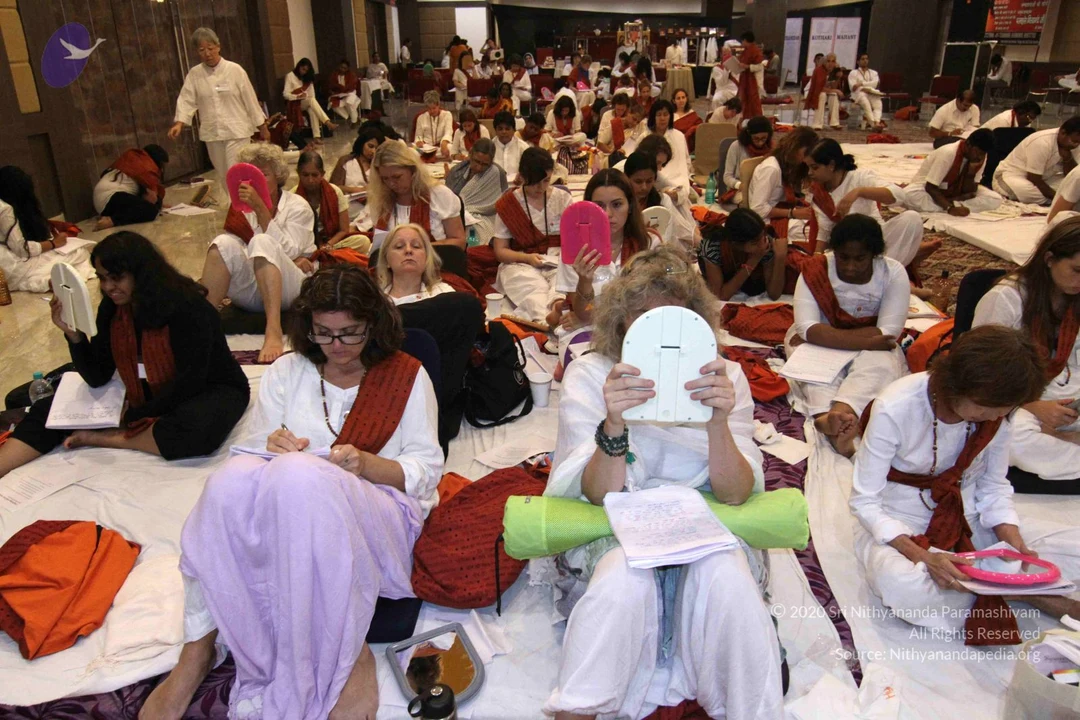
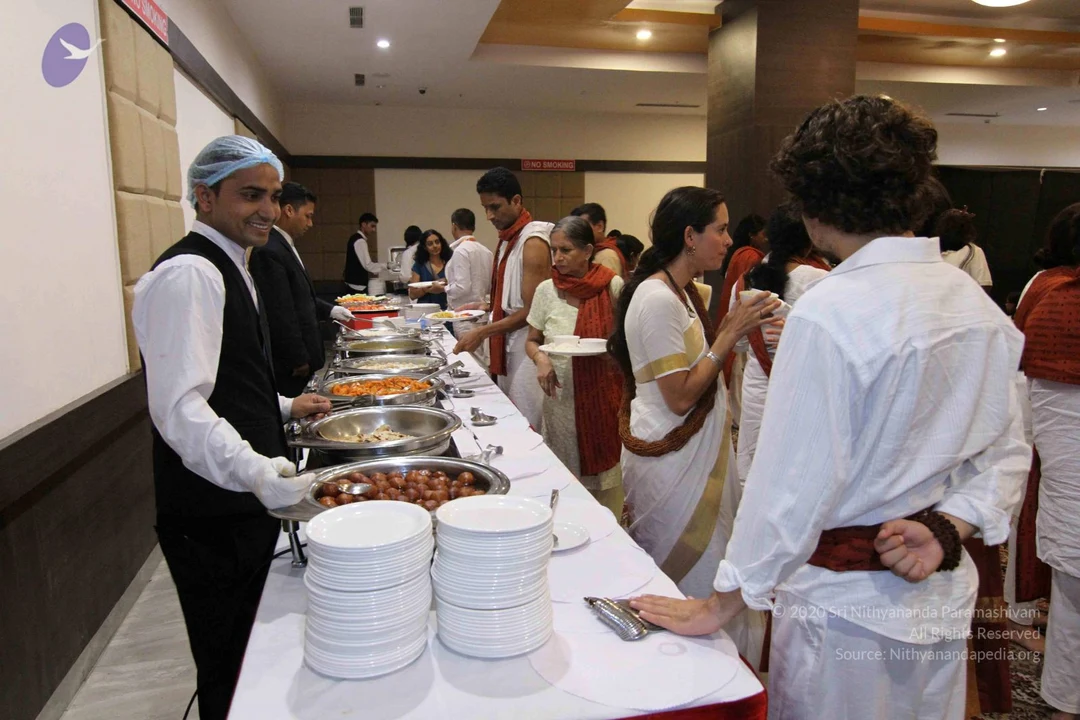
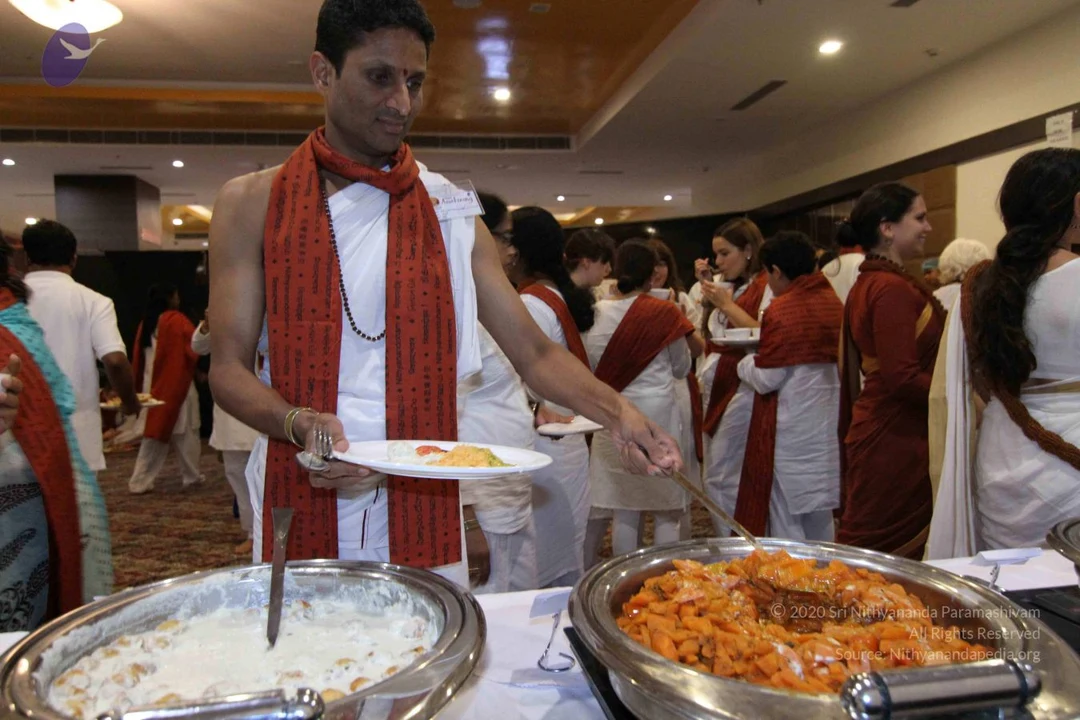
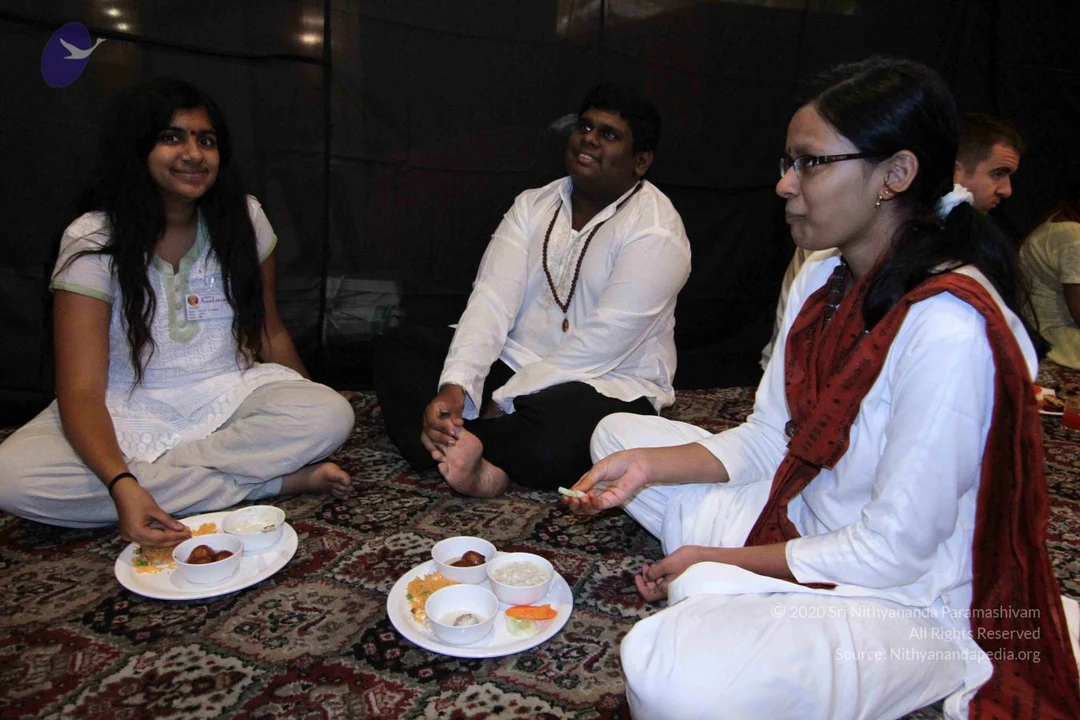
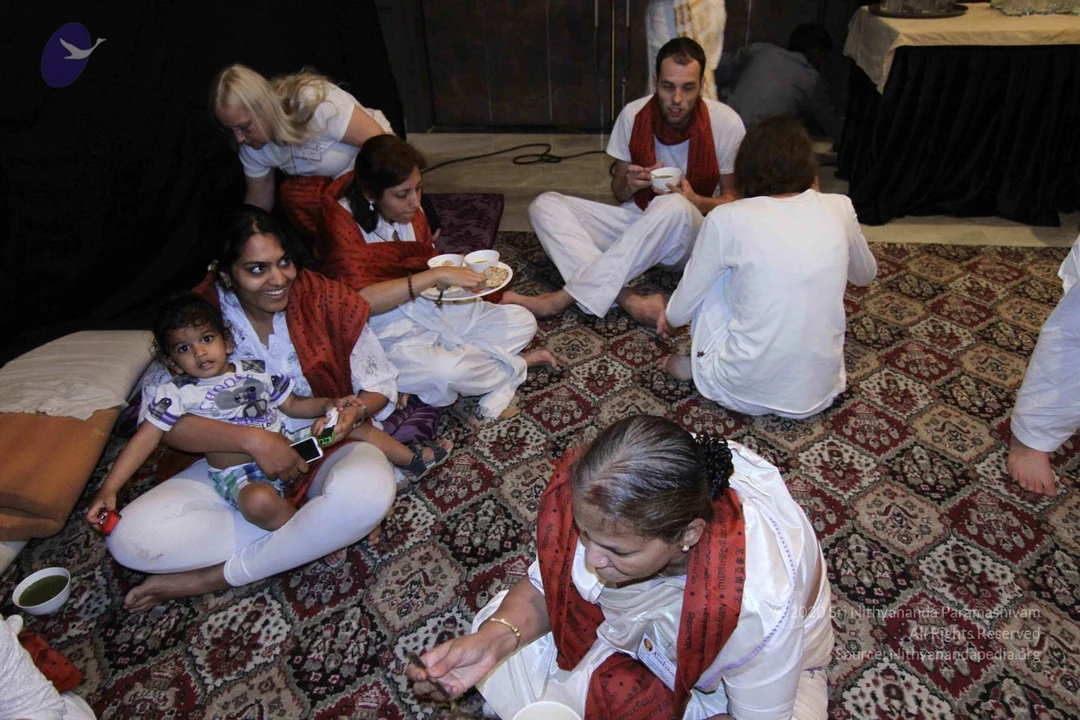
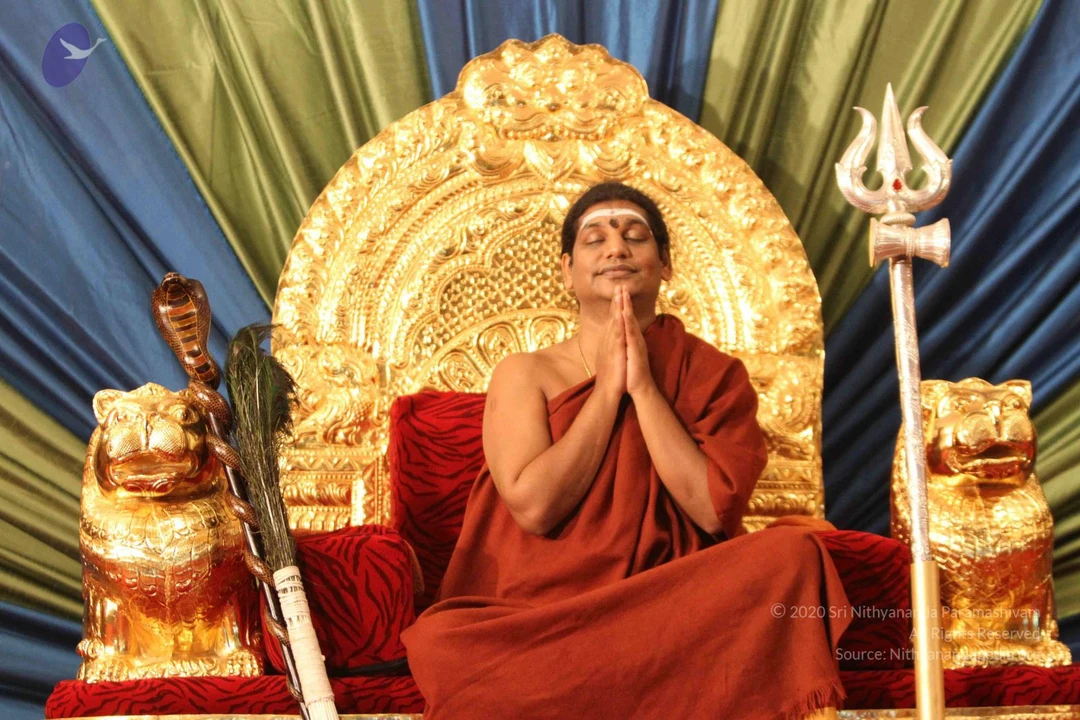
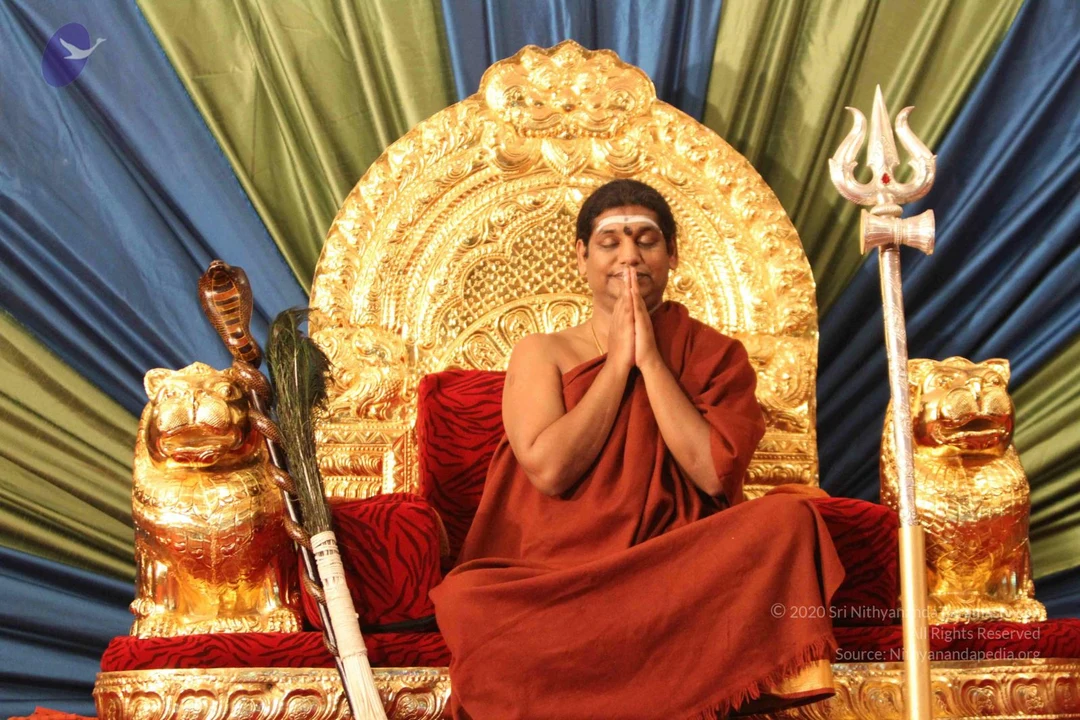
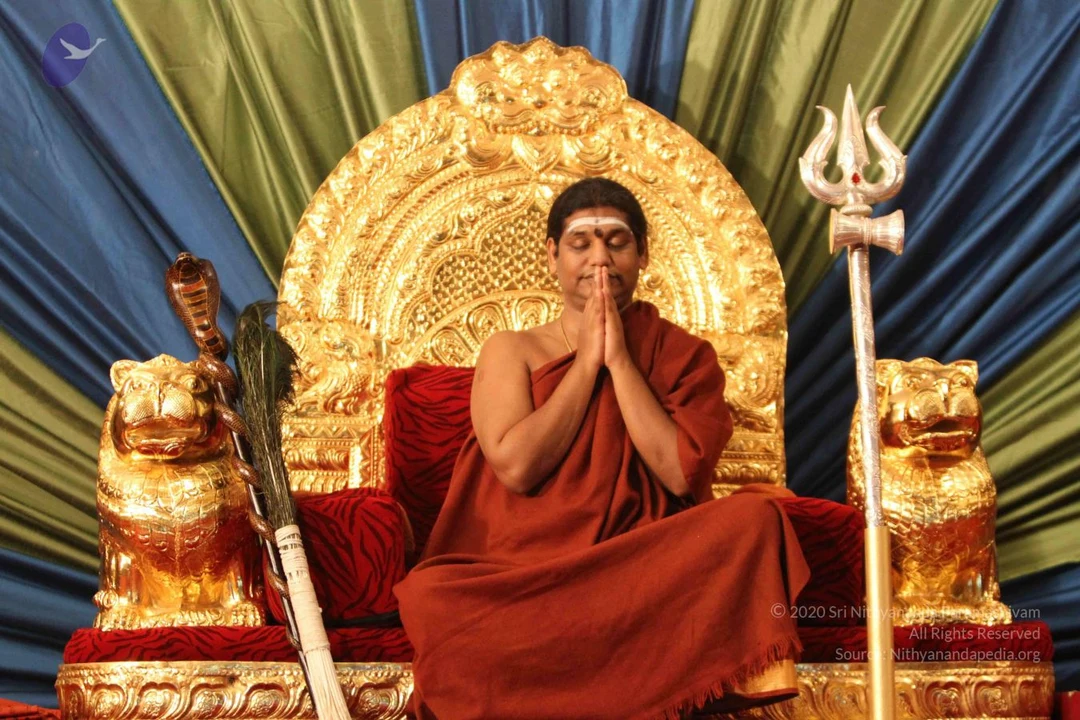
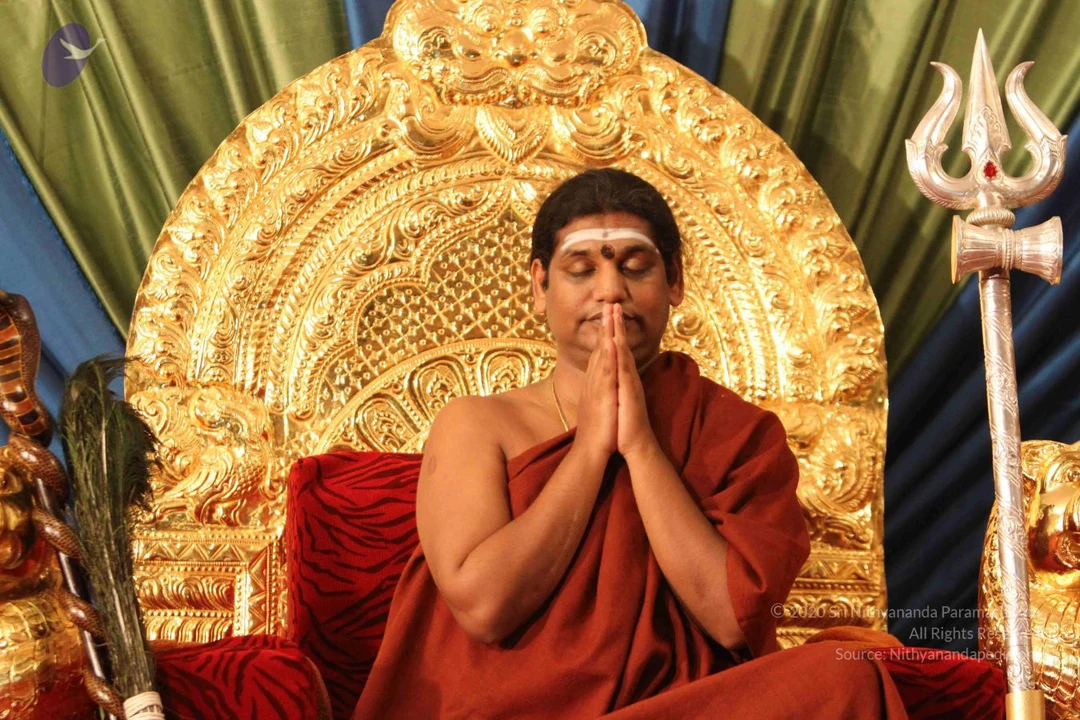
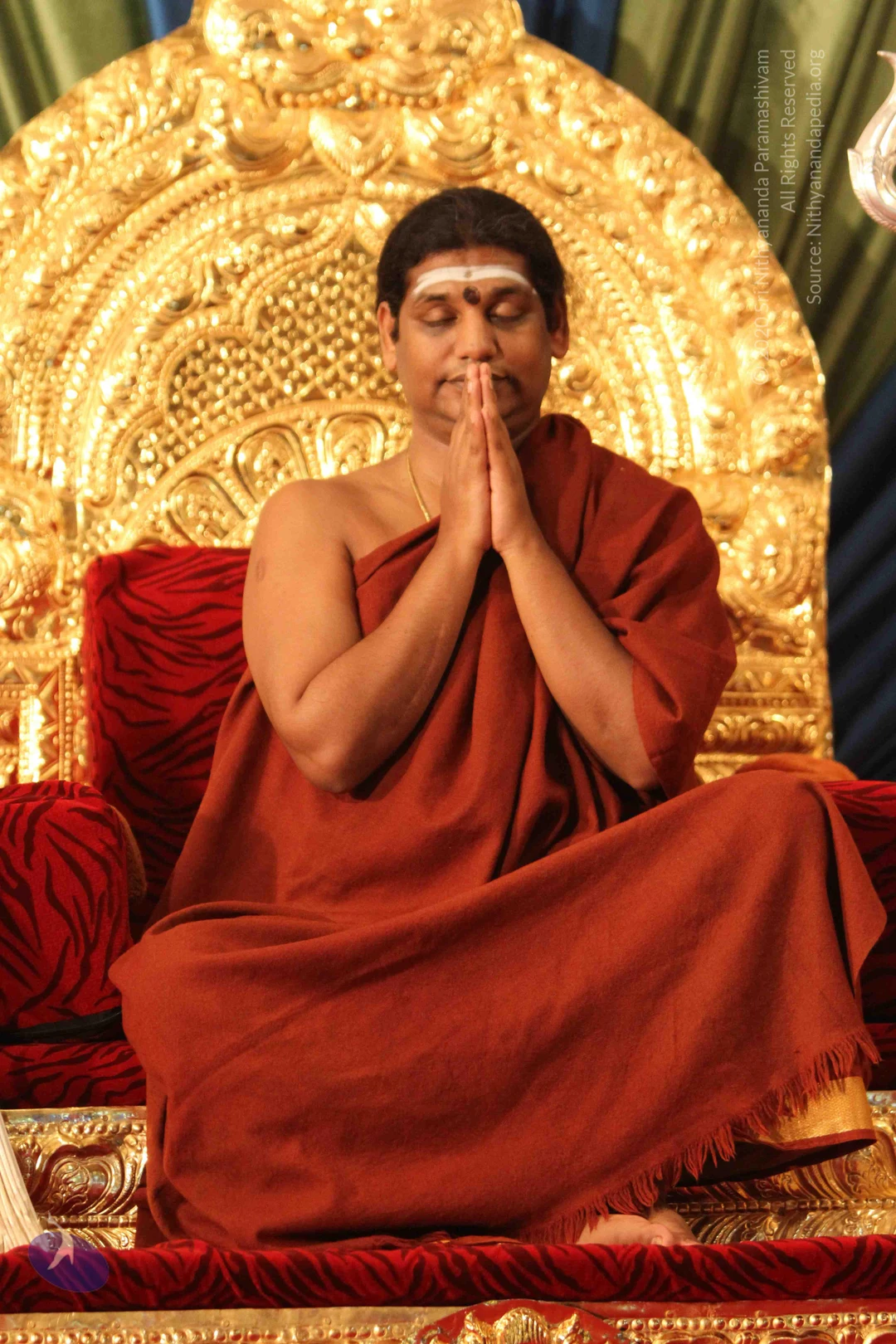
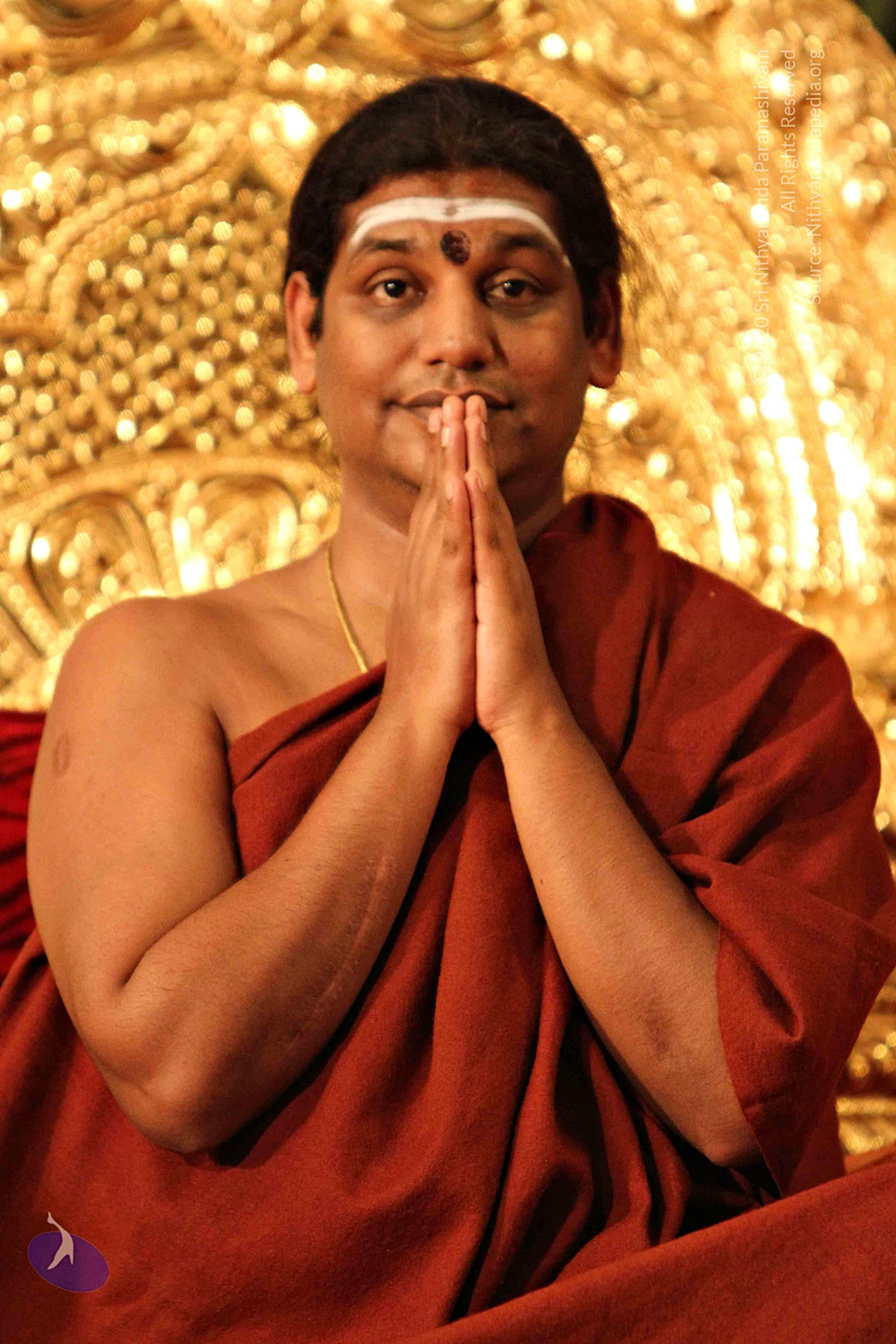
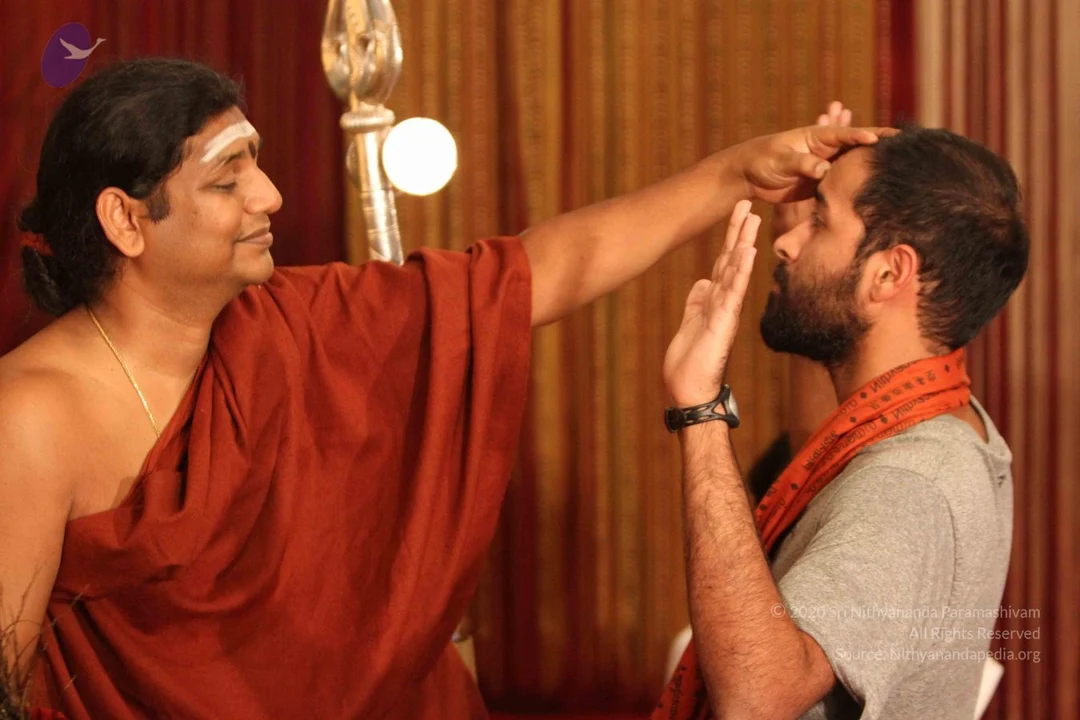

Kalpataru
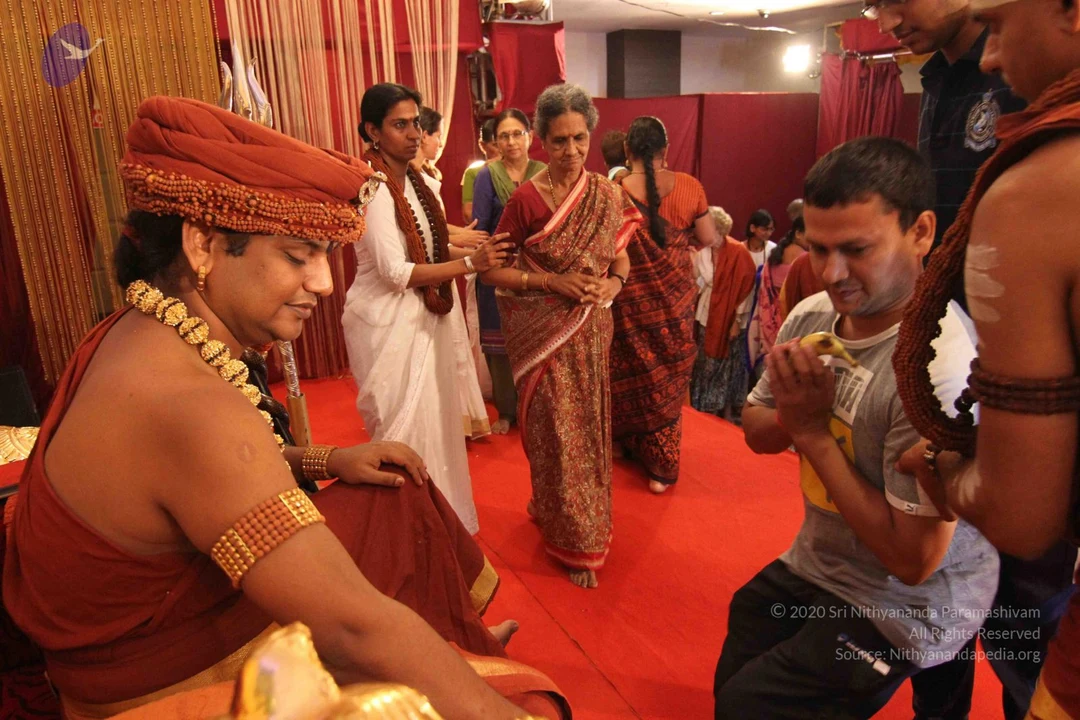
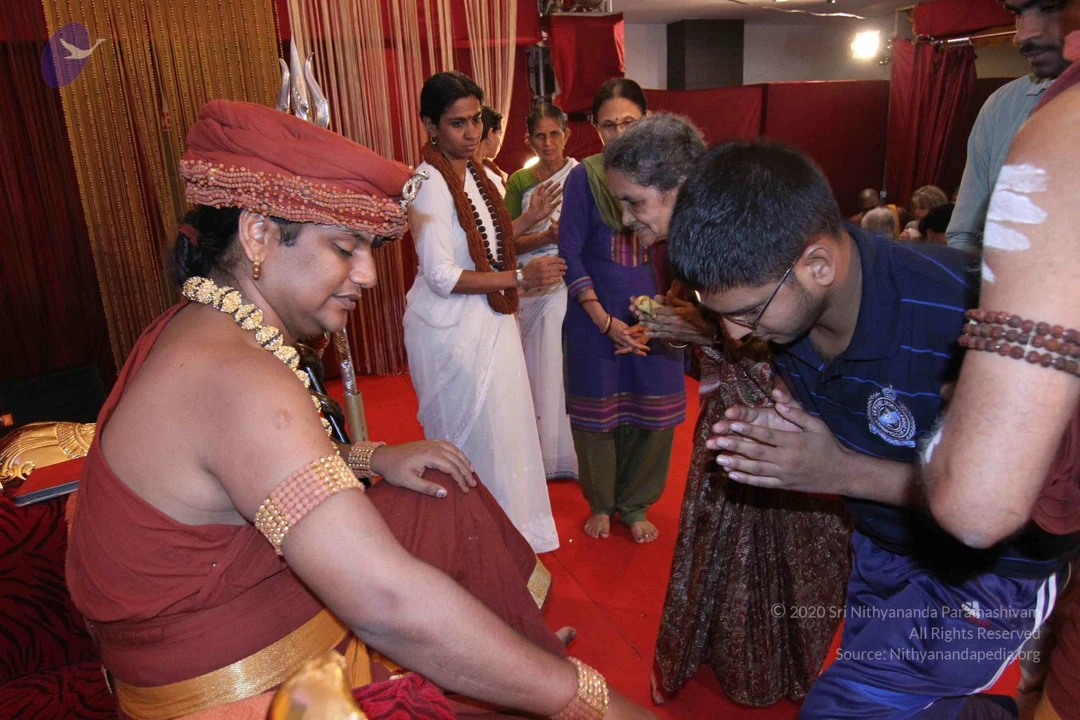
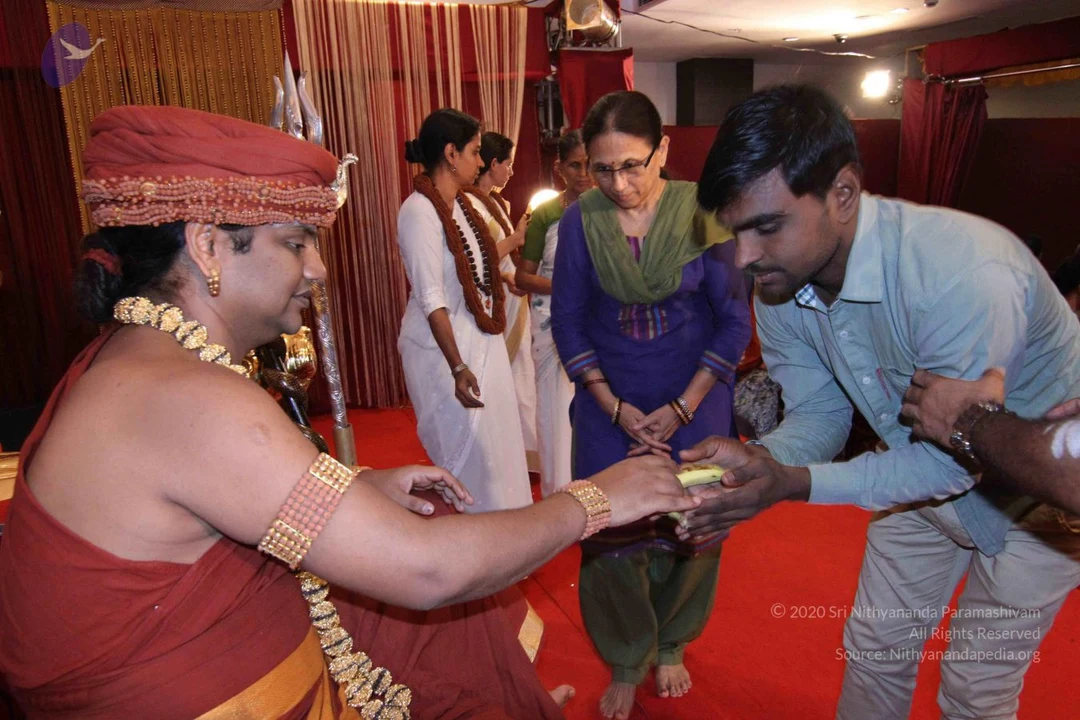
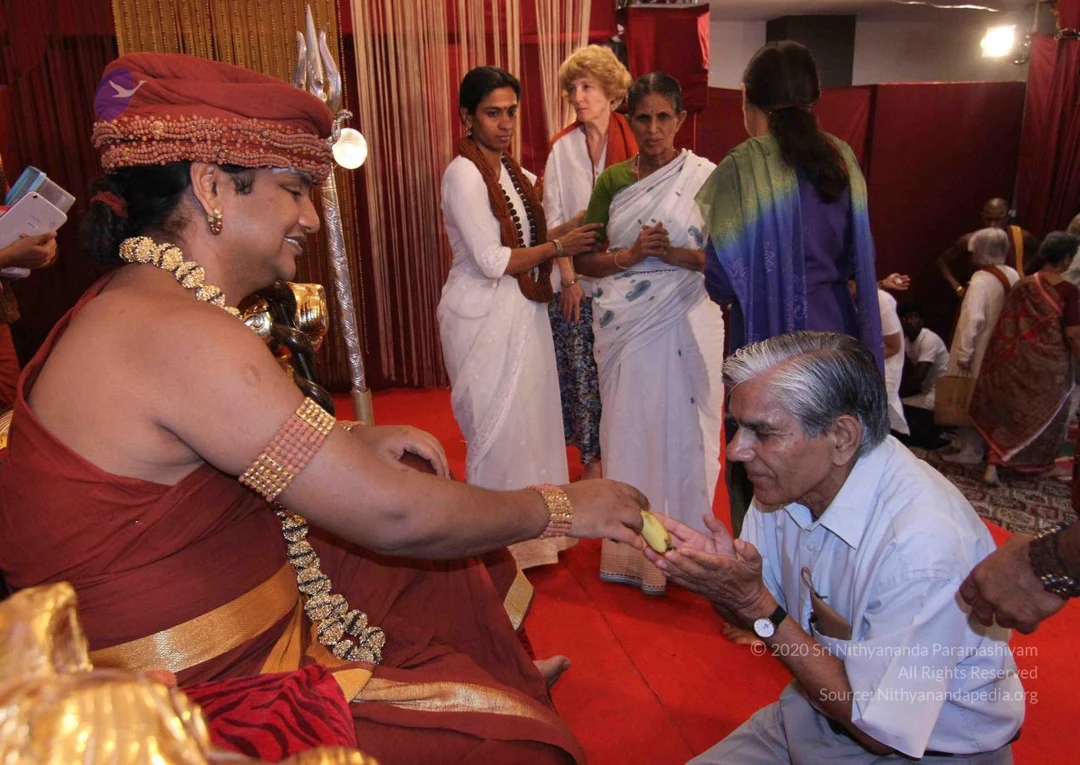
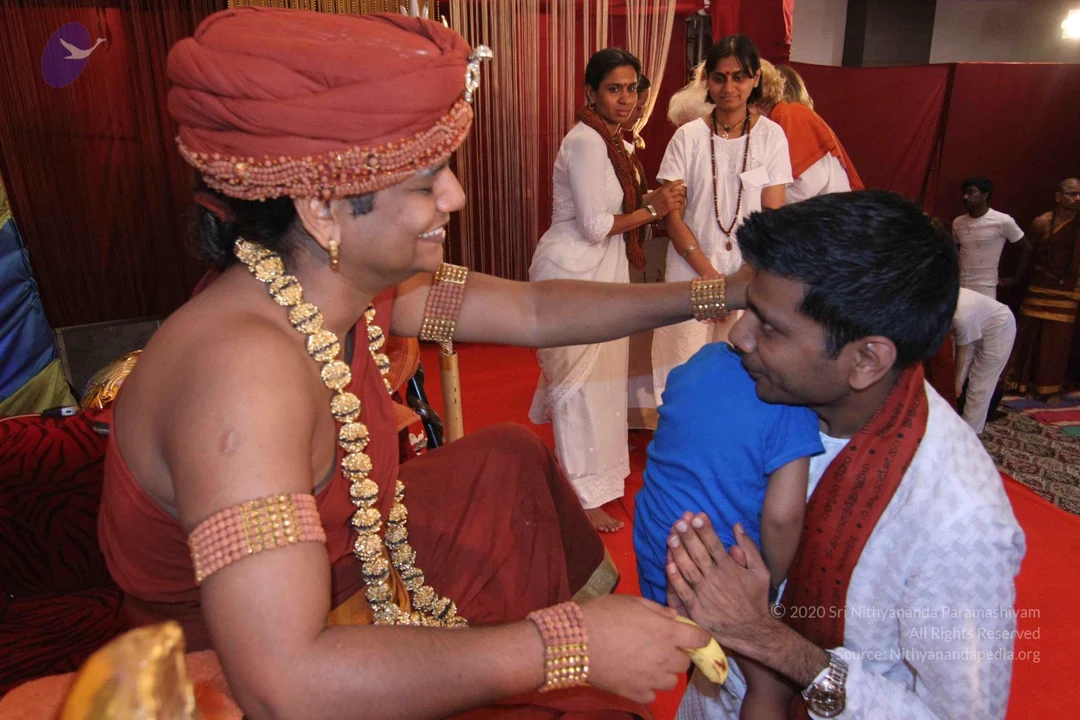

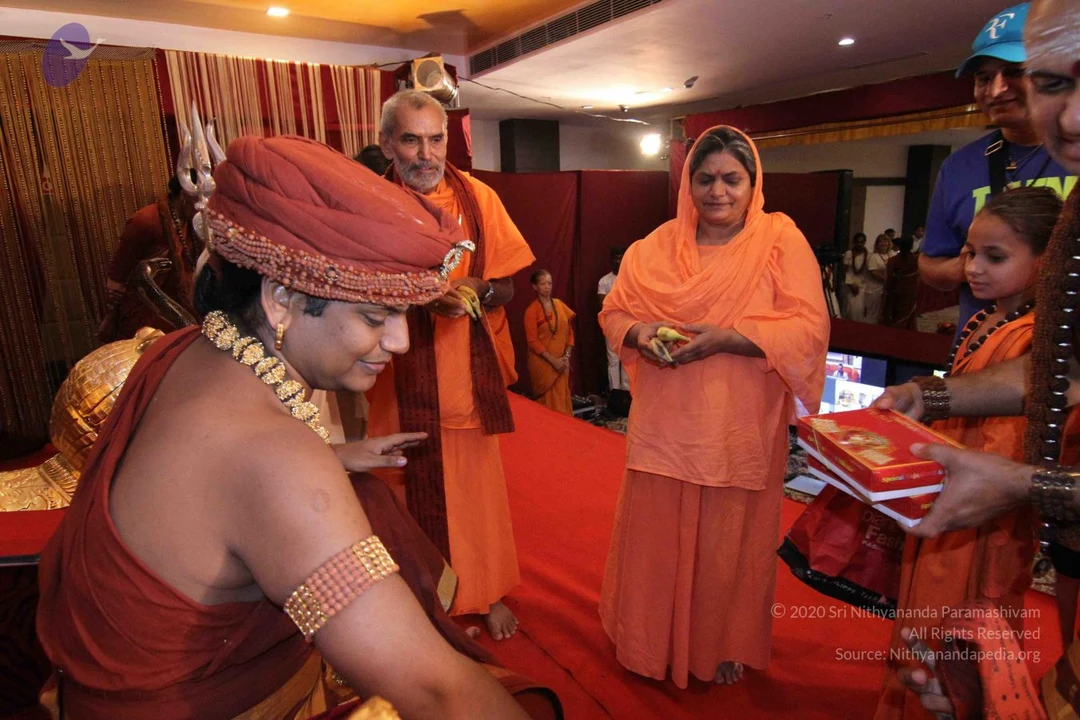
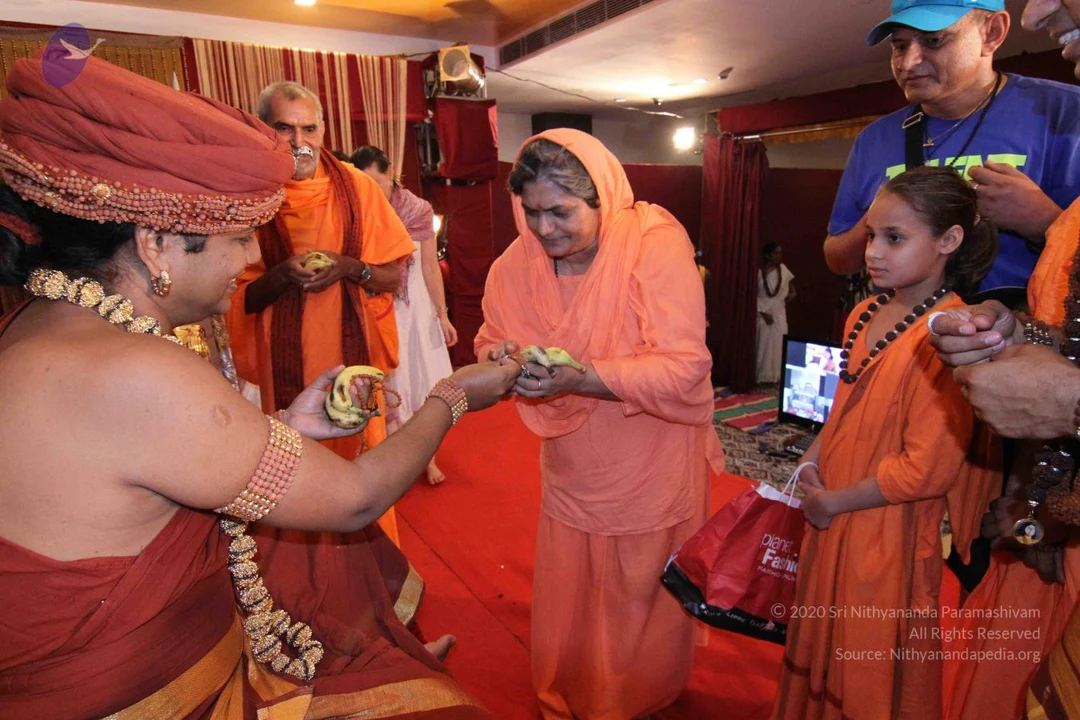
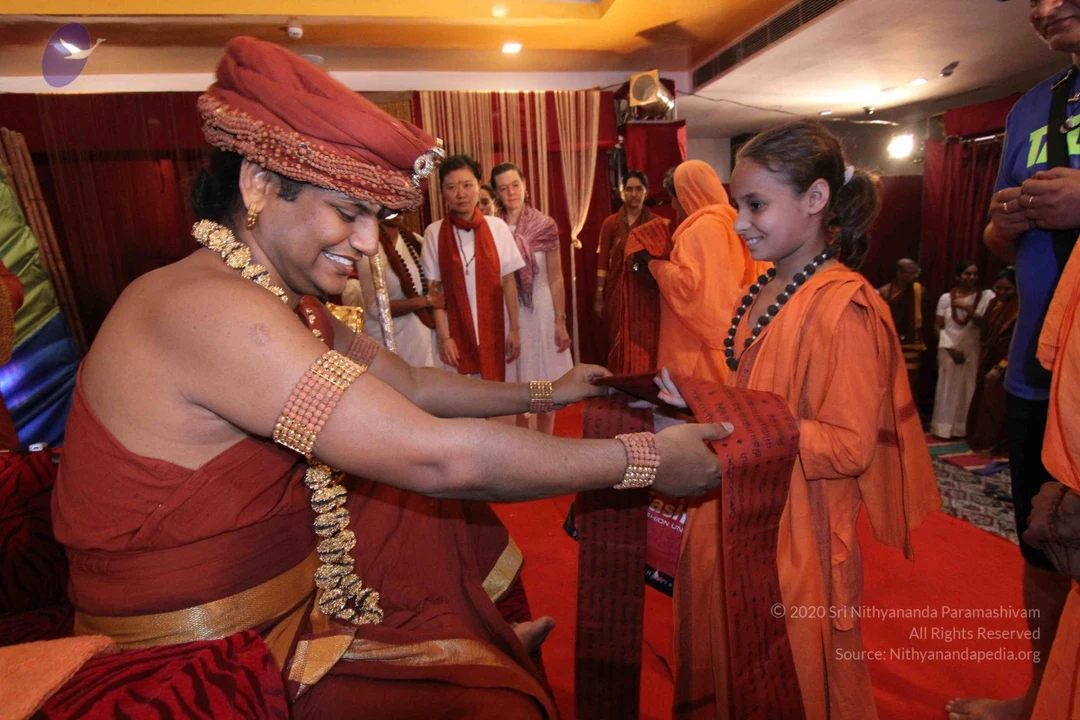
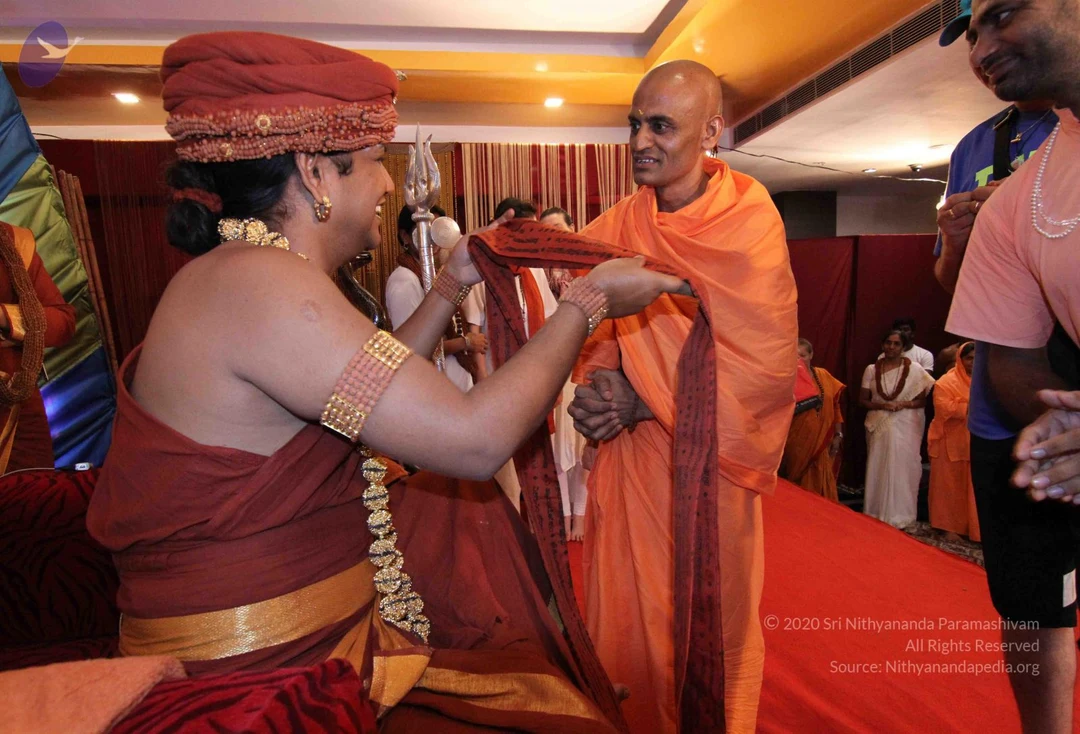
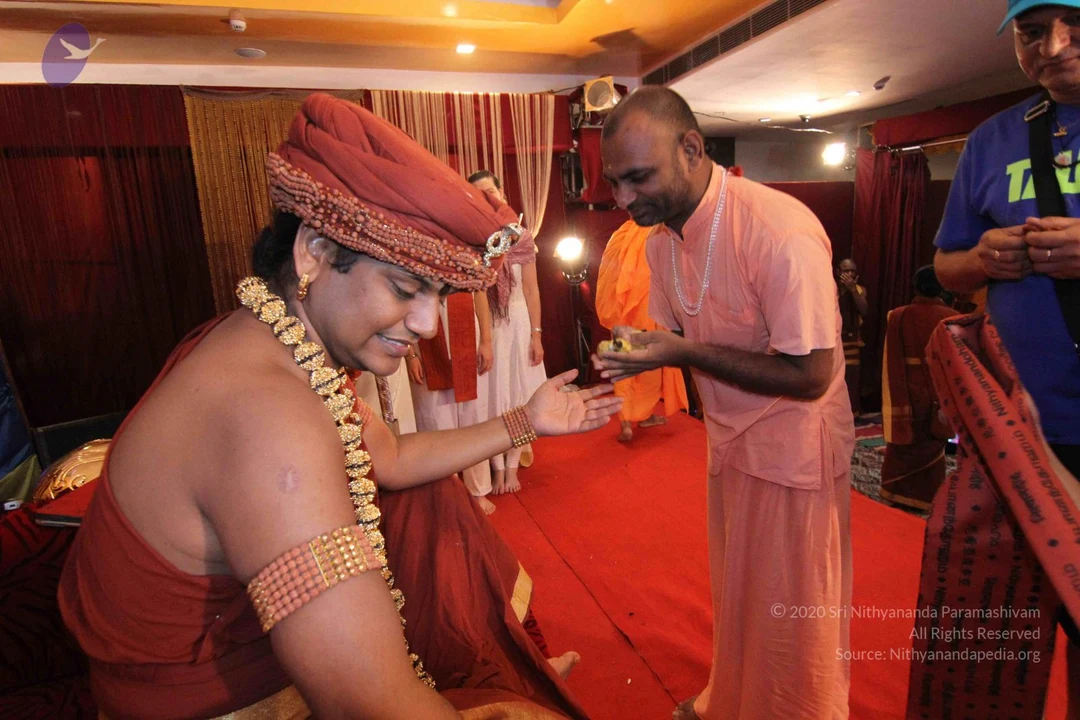
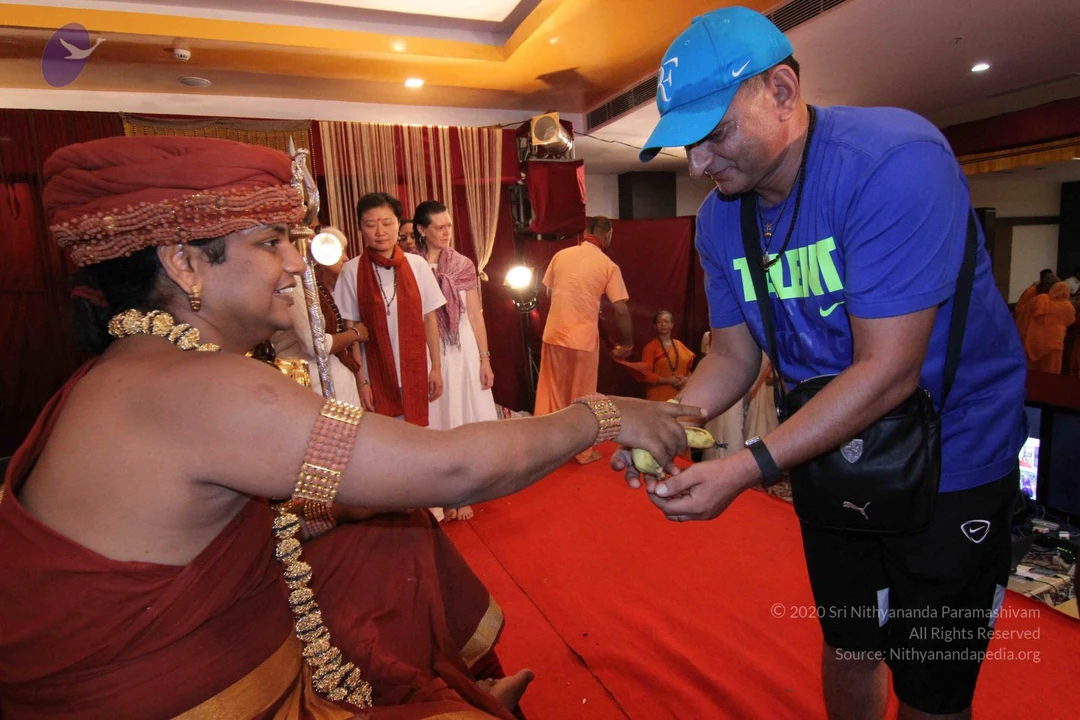

Photos from this day
View all 119 photosPhotos From The Day:
6 photosSource gallery
Photos From The Day:
10 photosSource gallery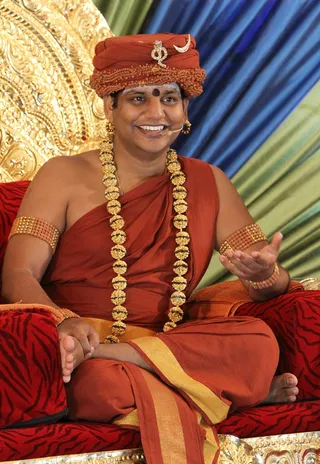
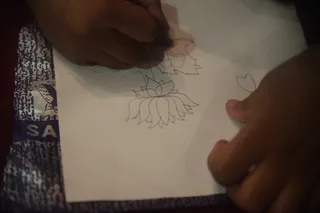
Photos
17 photosSource gallery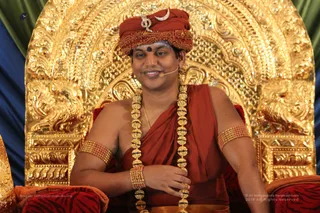
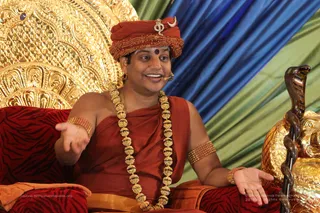
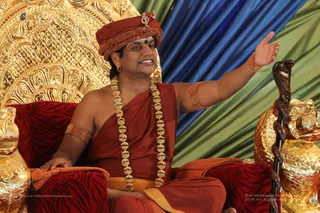
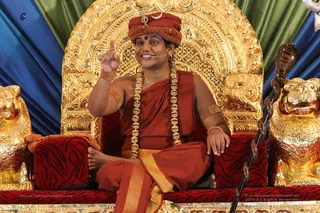
Nithya-Satsang-Kalpataru-IA-Darshan
70 photosSource gallery
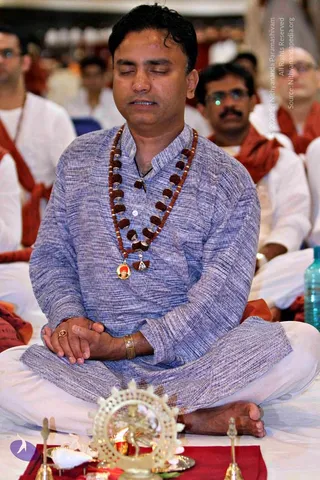
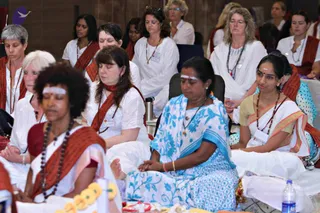
Kalpataru
16 photosSource gallery