Thursday
18 July 2013
ARE YOU AFRAID OF YOUR HIGHEST POSSIBILITY?
- Dated photos
- 596
- Source pages
- 1
- Media
- 2
July 18 2013
Original wiki pageTitle:
ARE YOU AFRAID OF YOUR HIGHEST POSSIBILITY?
Description:
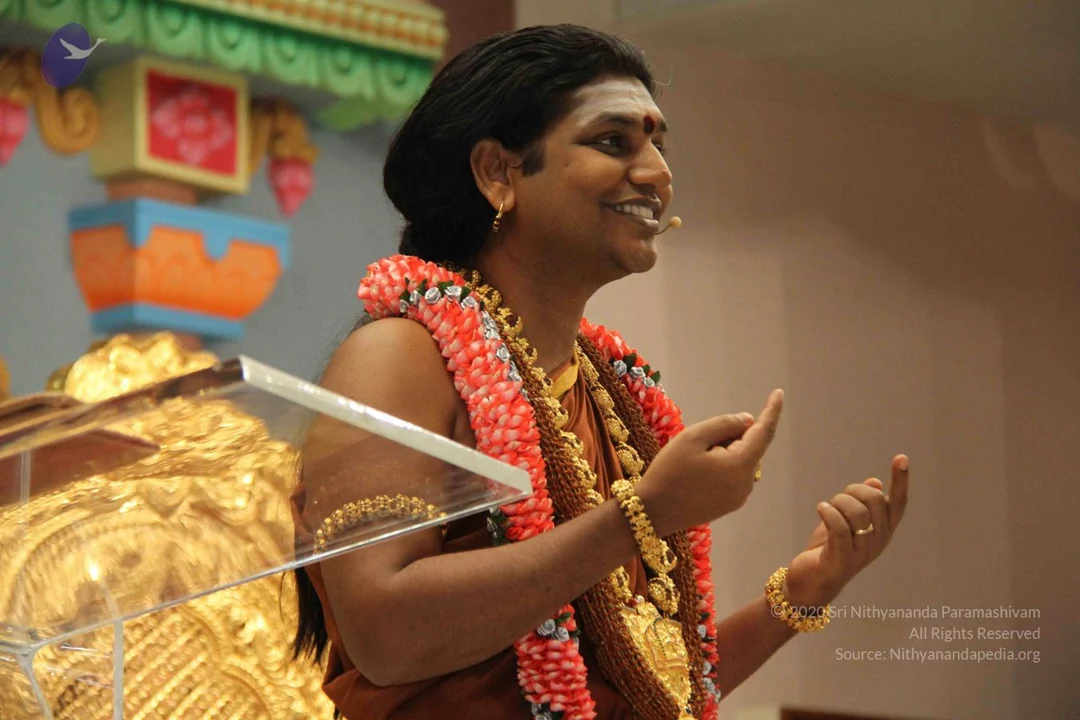
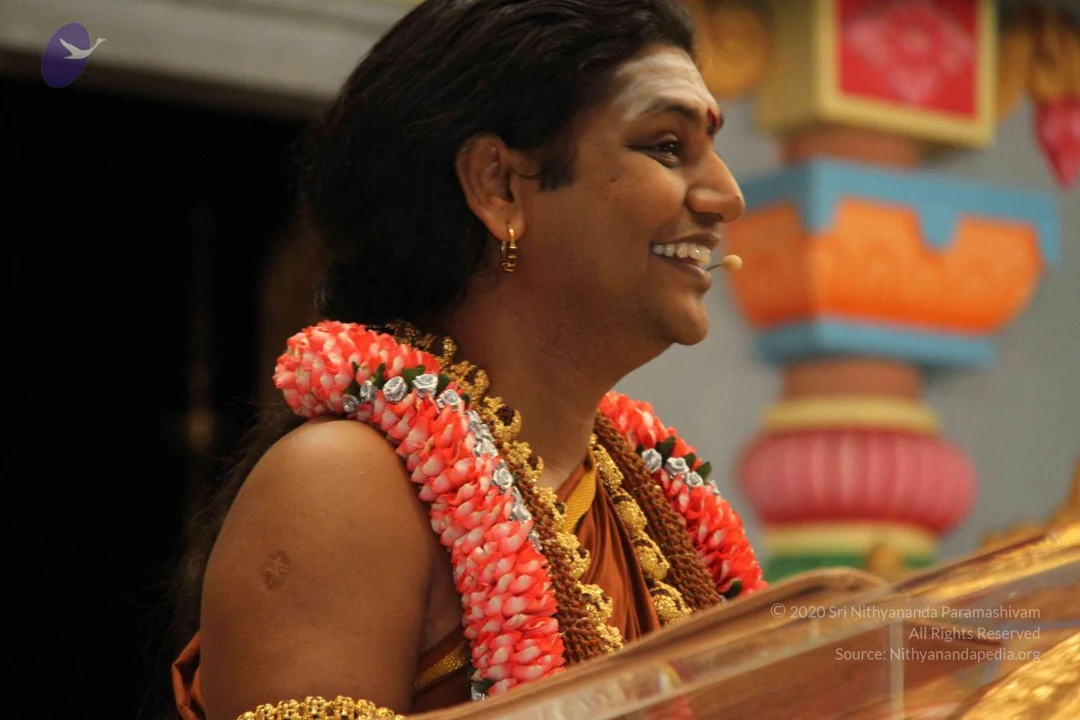
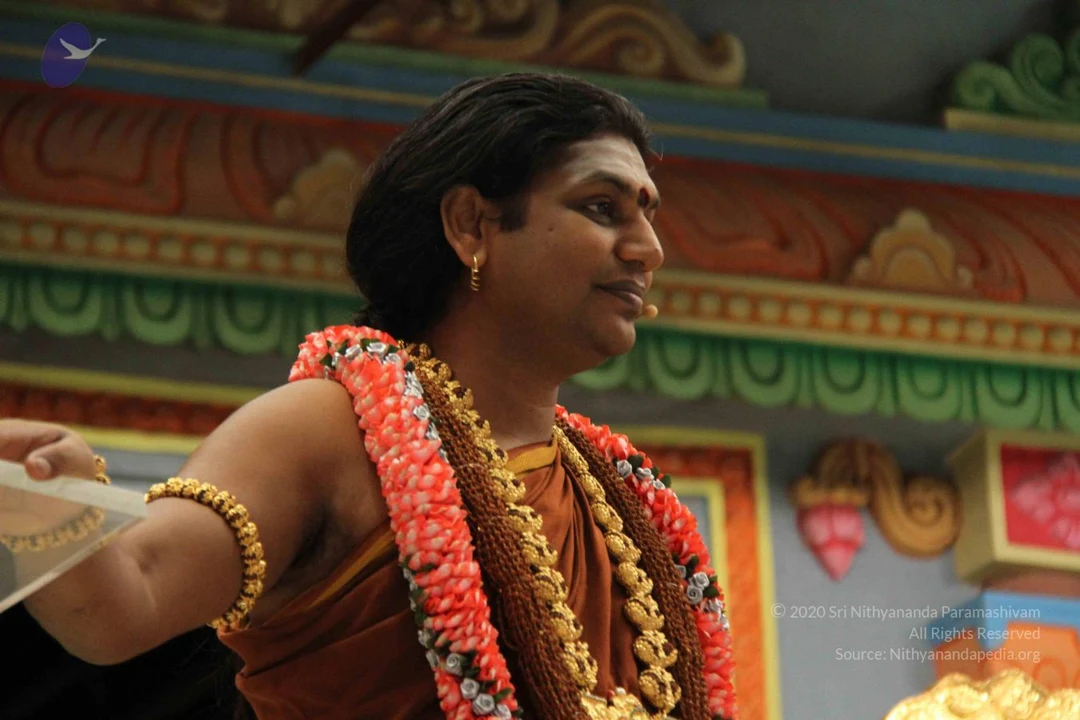
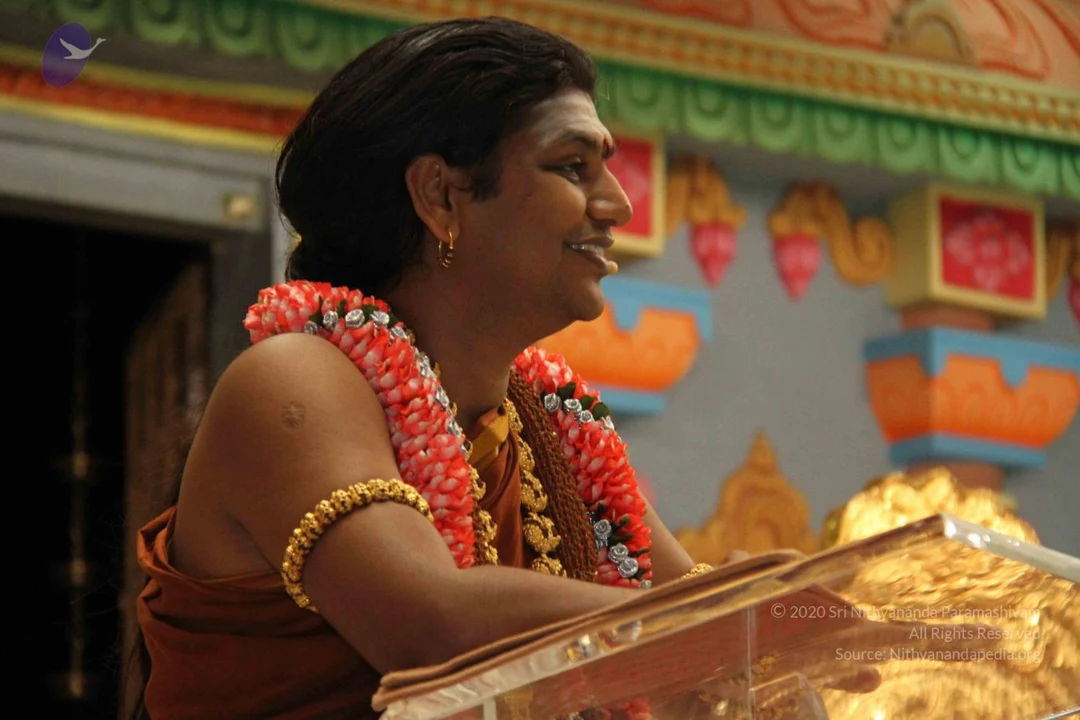
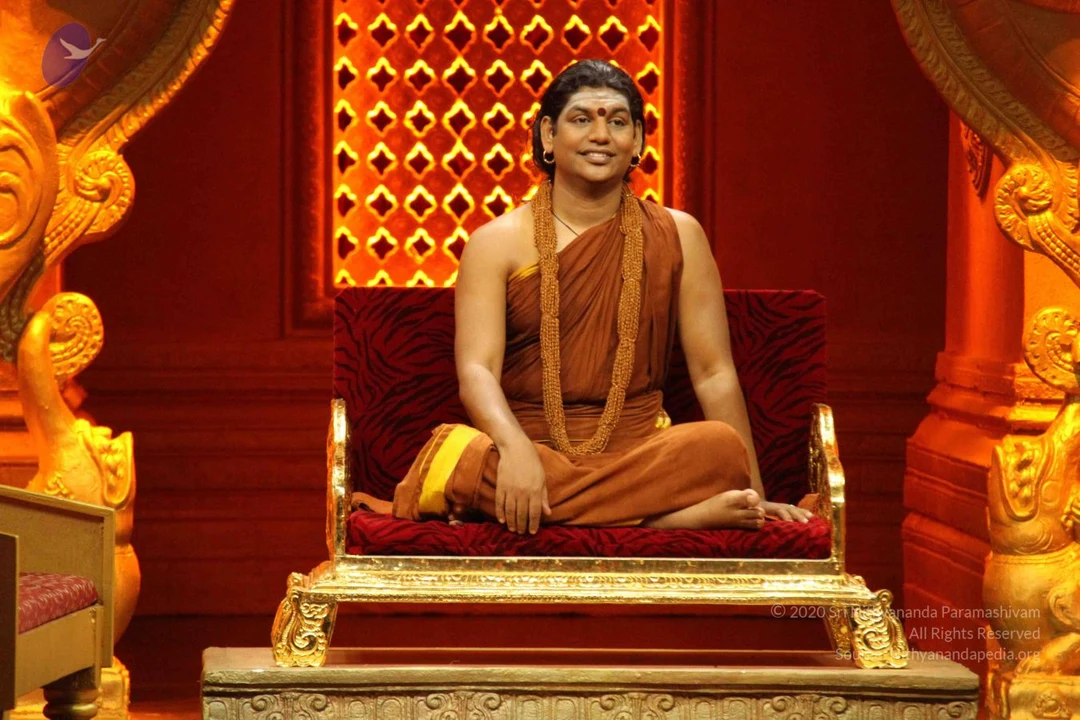
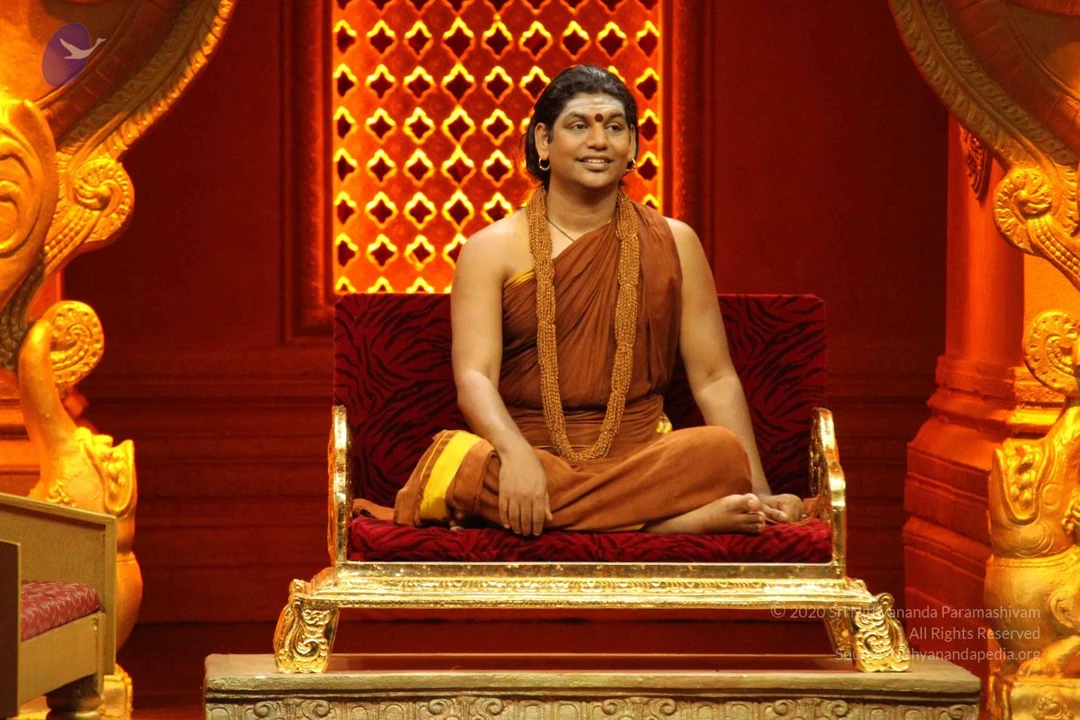
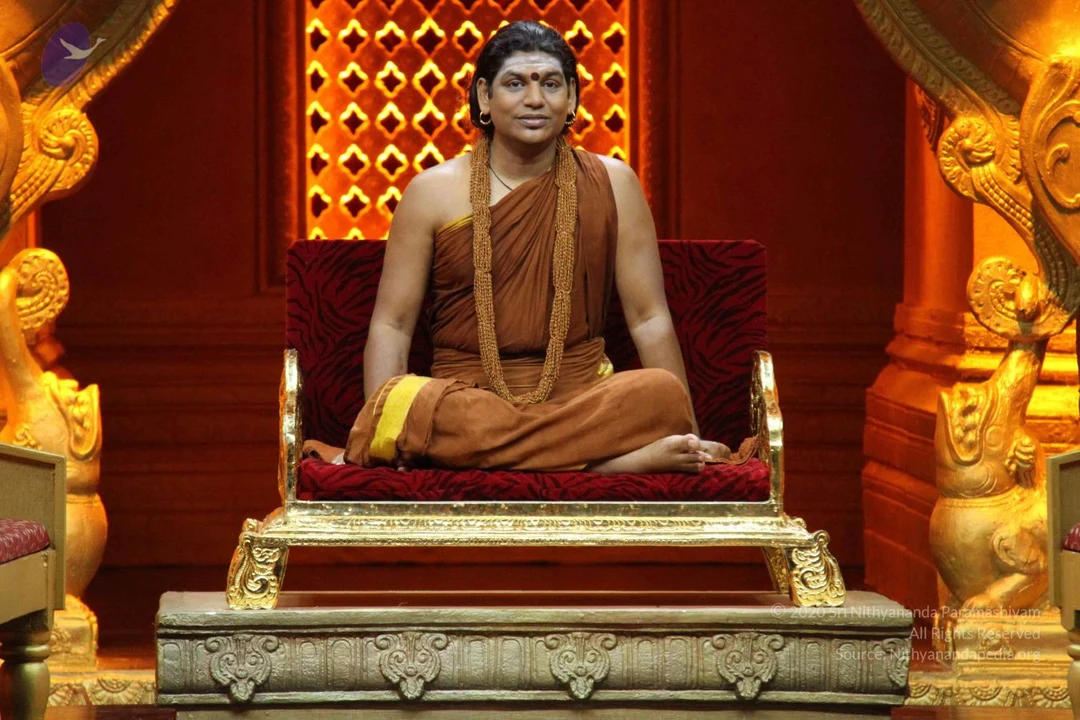
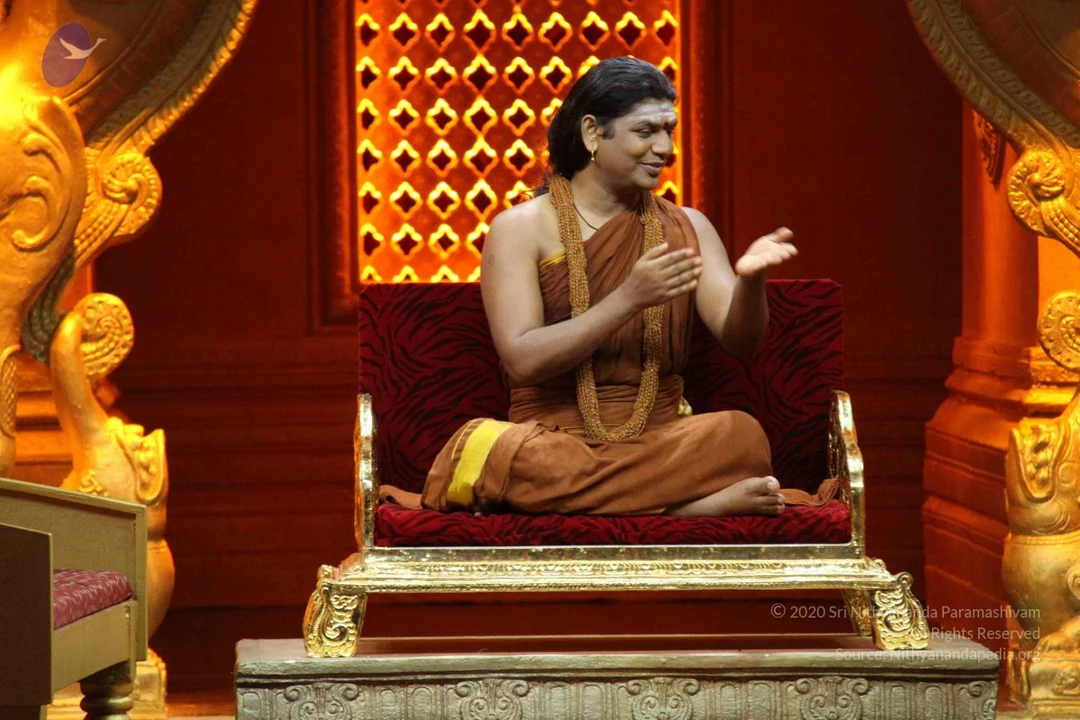
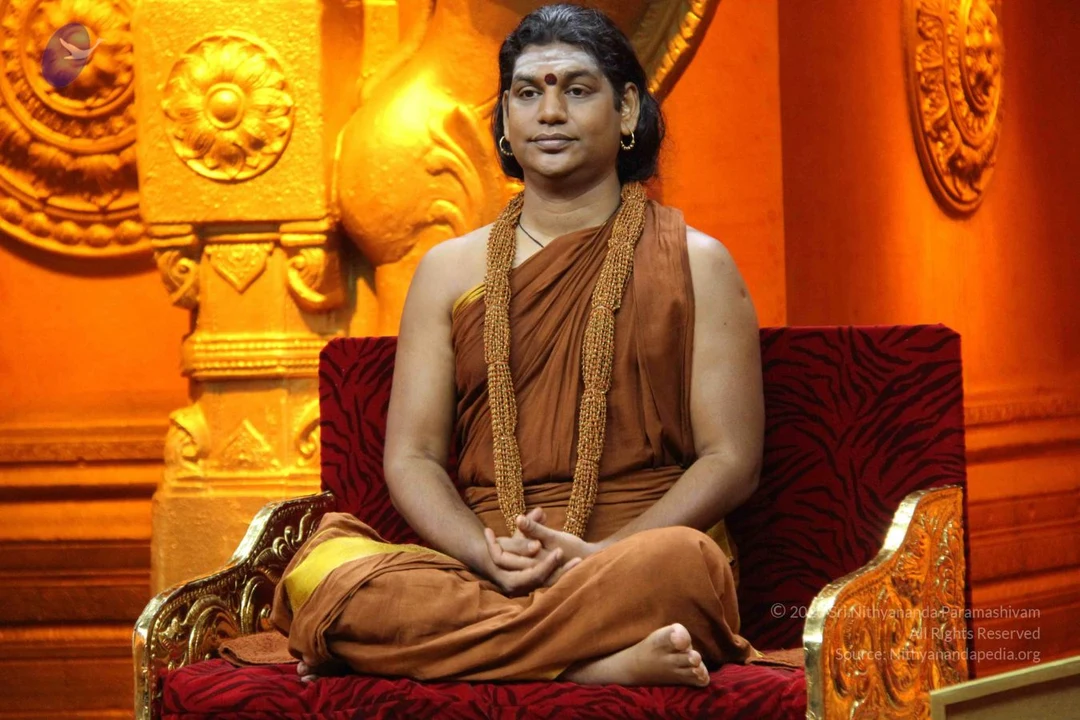
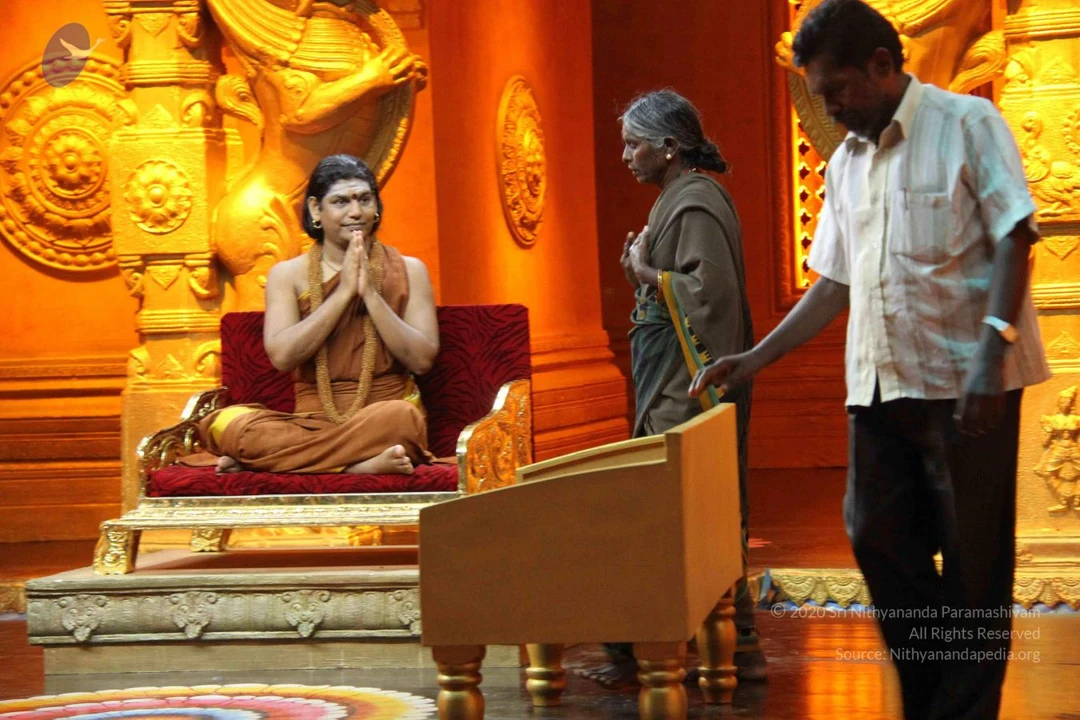
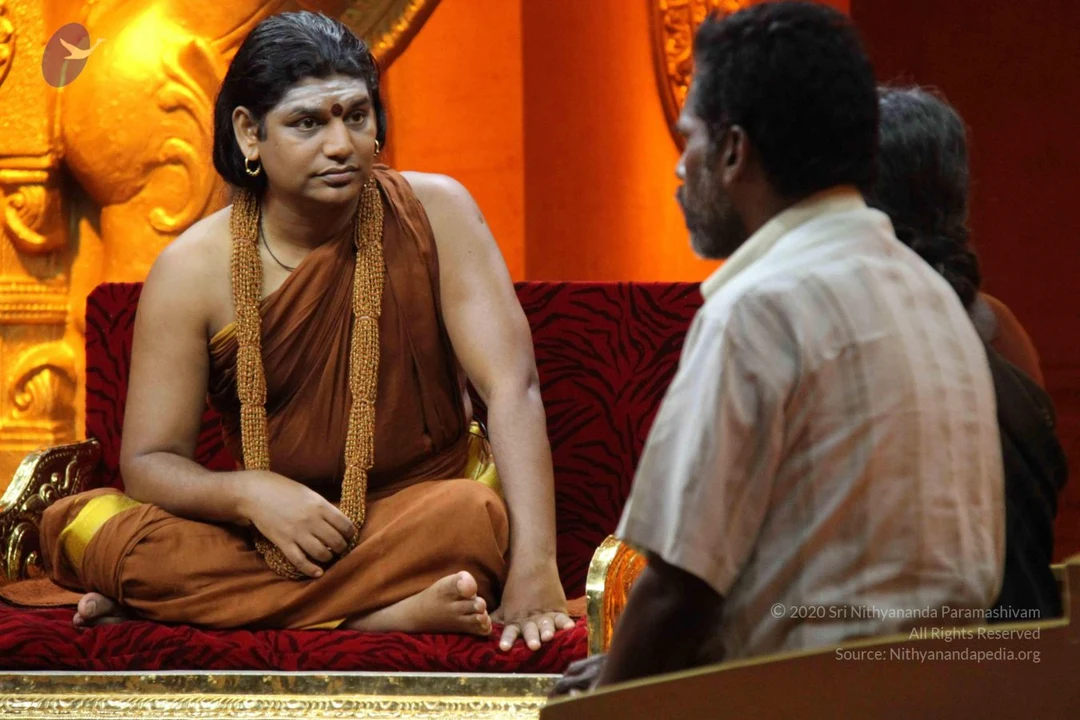
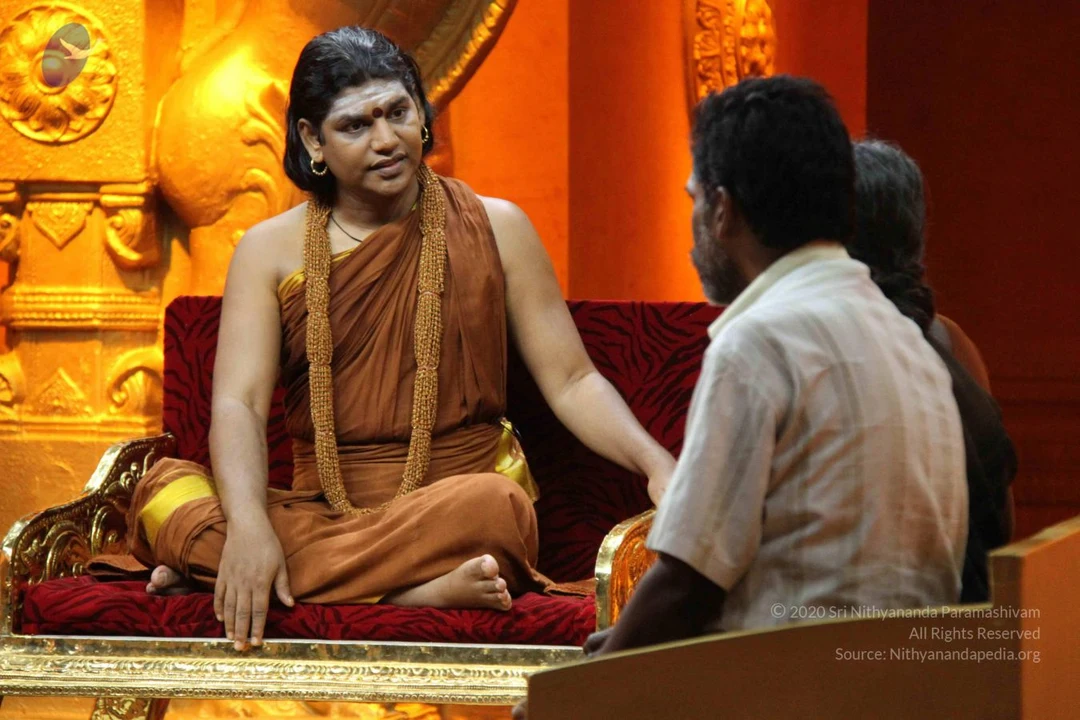
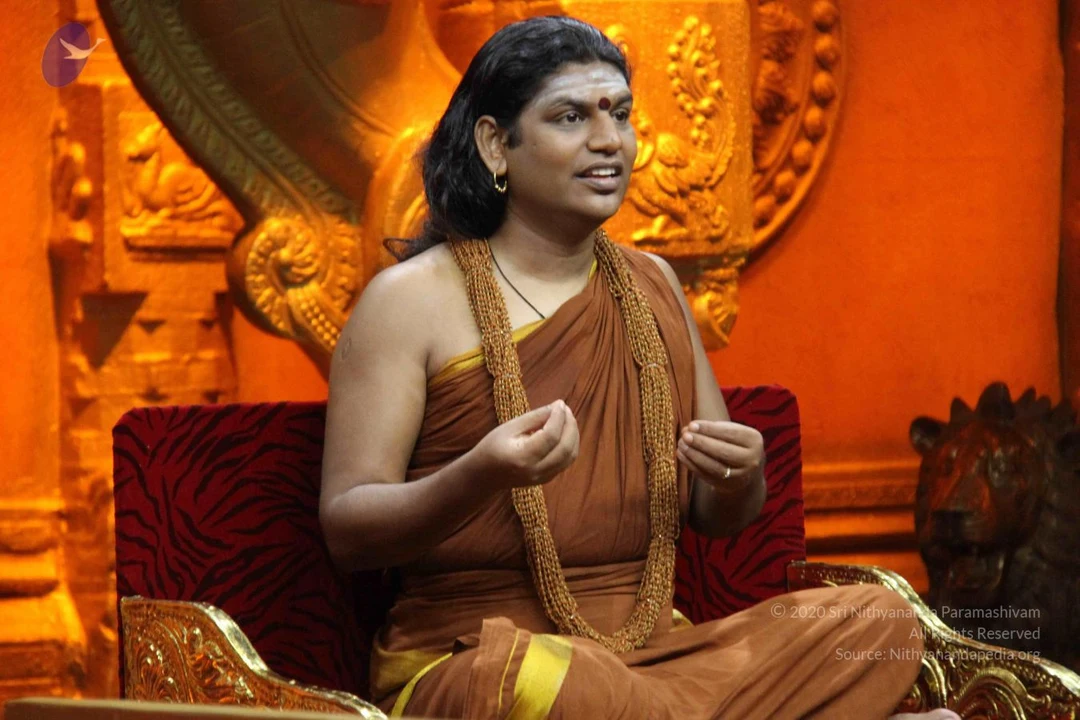
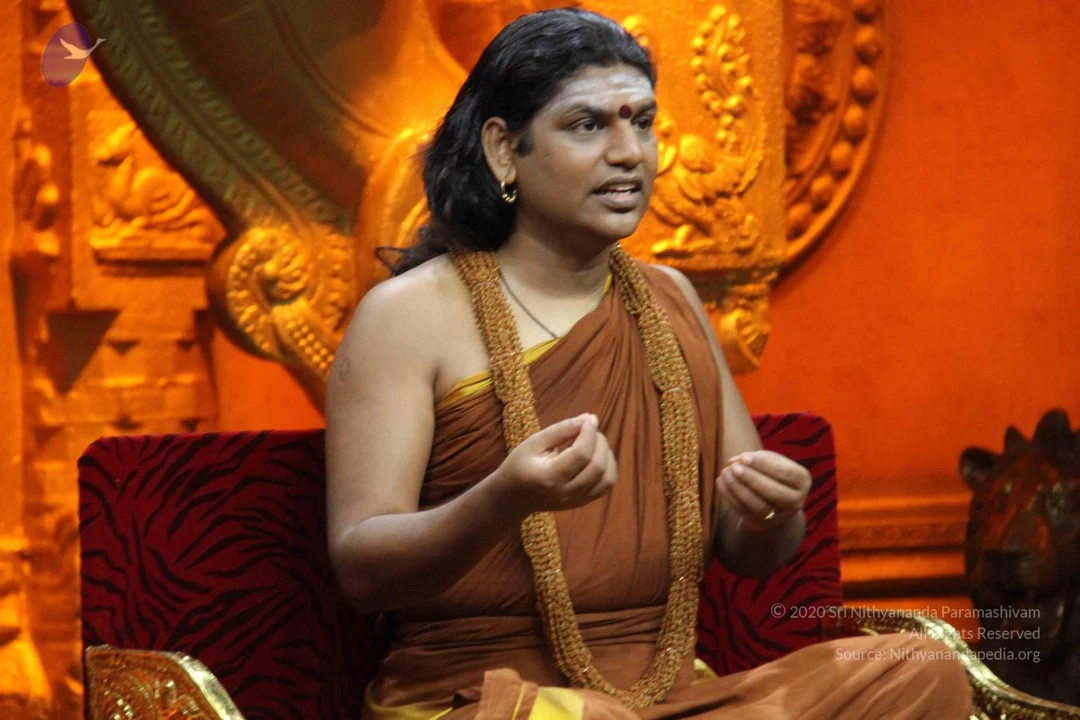
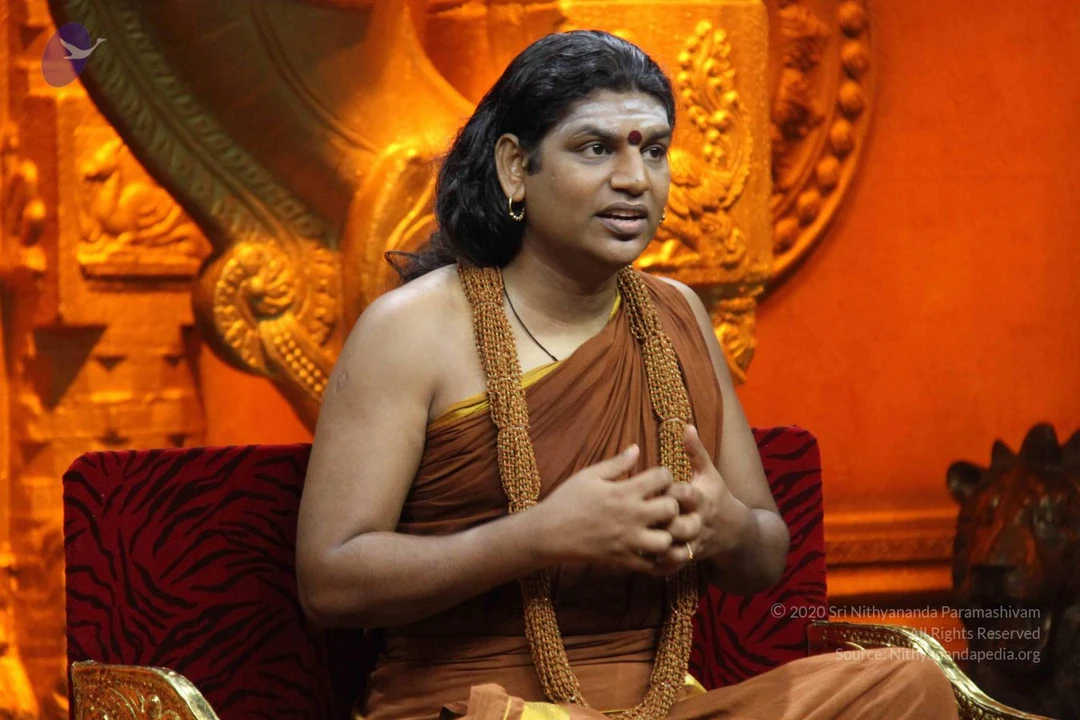
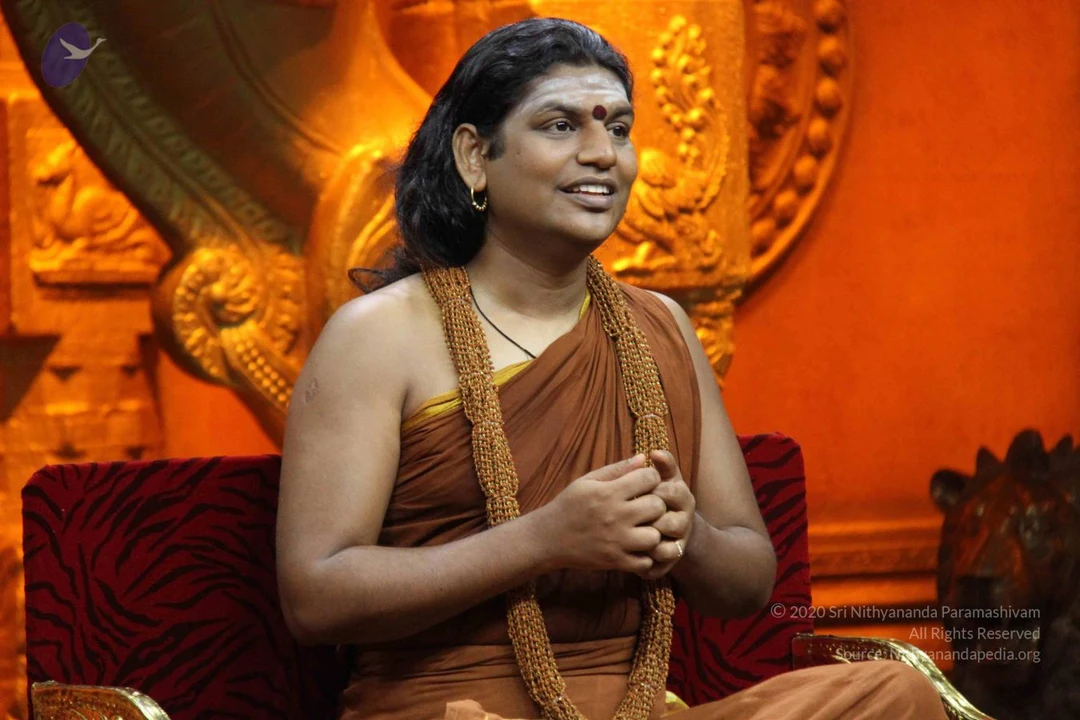
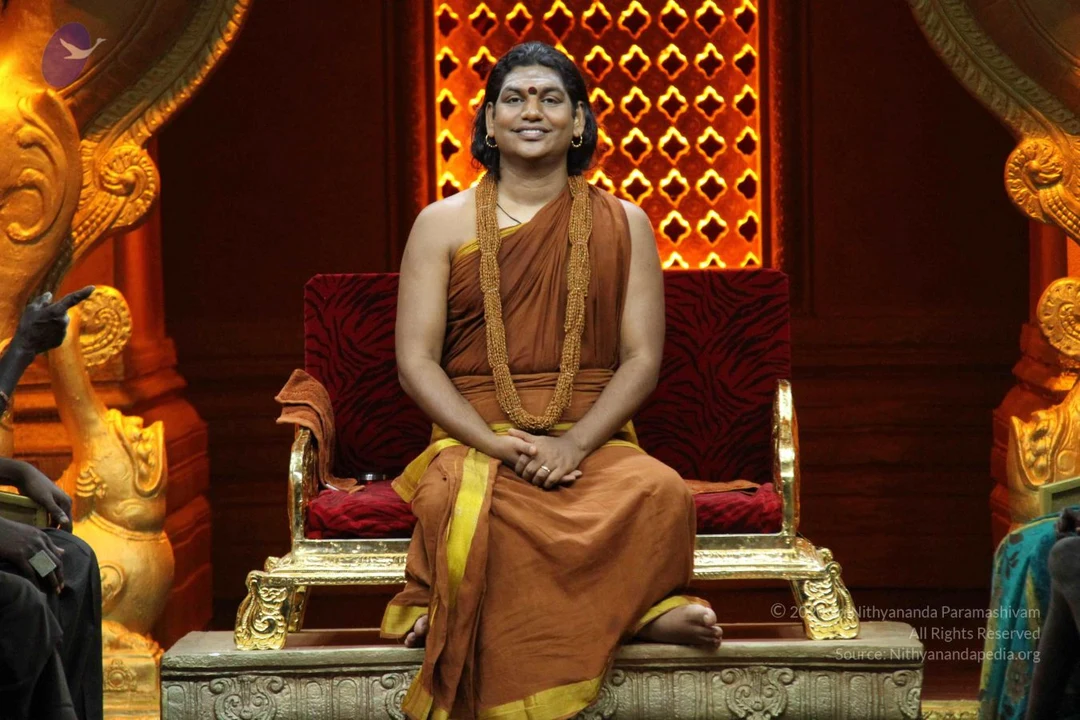
In today’s morning Satsang, Paramahamsa Nithyananda reveals that believing in the bigger possibility of us will give us the biggest breakthrough! Deep down inside, we fear and resist our own expansion and possibility. This innate fear of our possibility and the self-doubt we carry overpowers our consciousness, causing us to falsely believe our manipulating mind, which tells us that our patterns are more natural and possible for us. The possibilities can flower in us when we complete with the patterns of laziness, tiredness, and the idea of impossibility, allowing Authenticity, Integrity, Responsibility, and Enriching to happen in us.
Link to Video:
| Video | Audio |
Transcript:
0:20
I welcome all of you with my love and blessings.
Today’s subject for Nithya Satsangh is: ‘CREATION AND COMPLETION’.
Listen. I will continue to expand on Creation and Completion. Some of the important truths you need to know - because you are settled, your pattern looks more natural and comfortable, possible for you than your possibility. Because you are settled, because you are habituated, the pattern looks possible, and your possibility impossible. The biggest block in the road of your completion and creation is not the smallness of your pattern, but the bigness of your possibility. I tell you, even after having enlightenment at the age of twelve, it took ten years for my bio-memory to believe that is the ultimate truth.
Please understand, at the age of twelve, I had enlightenment experience. Always I was attracted to that experience because of the joy I experienced in that state, not because I believed that is the ultimate truth. Please try to get it. I was not in love with enlightenment because it is ultimate truth; I was in love with enlightenment because of the joy and bliss that state brought. It means, it is not a complete, right attitude, because the bigness, please listen, the bigness is the biggest block.
It is not that easy to believe your bigness. Your bio-memory loses power over you, you lose power over you, when you believe your bigness. Believing in your bigness gives you the biggest breakthrough. Believe in your bigness. I tell you, I will not ask any of my disciples followers to believe in anything, including the miracle powers attributed to me. Listen, I will not ask any of my disciple or follower to believe in anything, including the miracle powers attributed to me, but I will sincerely recommend you believe in the bigger possibility of you. Even if you believe the miraculous powers attributed to me, it will only be a little support for you in your life. But, if you believe the bigger possibility in you, it will revolutionize your whole life.
5:03
Don’t try to have enlightenment because of the joy, bliss it gives you. Try to have enlightenment because of the truth it is radiating. Try to have enlightenment because it is truth, not because it gives you joy. If you think because of the joy you want the enlightenment, you will try to find out the shortcuts; like marijuana. Marijuana is the shortcut found by people who tried to achieve nirvana in a very quick way.
Understand, while on the surface you believe that you are confronted by your patterns and limitations imposed by your patterns, deep down inside you, you actually resist expansion, you resist expansion. Just see, look around the society. Everything is nothing but the resistance to expansion.
(HINDI)
Understand, it is the fear of your possibilities you get into the space of impossible. Your patterns, fears, everything is directed only in one line – fear of your possibilities. Lack of Integrity is nothing but fear of confrontation. See, the moment I present the truth of Integrity, everyone thinks, ‘oh I can do this may be for two day, four day. I may even be able to do these vratas, vows, for one week.’ But no one, no one thinks or understands, realizes, why you are afraid of Integrity.
You strongly believe the manipulativeness of your mind has saved you, helped you in many situations, you may need the help of the manipulative mind set-up in your life. I tell you, lion not realizing it is lion, and thinking it is a sheep, is also not that big crime; but lion thinking it may need the help of a fox in its life, it’s a very important, and keeping fox as a friend and companion, is the biggest crime.
9:54
Please understand, you thinking your manipulative mental set-up, lack of Integrity, will be of an important use in your life, will help you in some dangers and confrontations and conflicts, and expecting that you may need the help of the manipulative mind and not deciding to declare Integrity in your whole life, itself is nothing but lion believing strongly it may need the help of a fox and keeping it with himself continuously and pampering, ‘No, no, please don’t go away. There may be some time I may need your help. You should not leave me and go away. I really want you in my life. You are part of my life.’ Slap the wolf. If needed slap yourself once.
Realize you are a lion who does not need the help of the wolf and foxes. Realize you are the being who does not need the help of the manipulative mind. So integrity is your strength. Lion’s roar is enough. No animal will even stand in that area. Your Integrity is enough. No problems can even stand in your breathing space.
Continuously human-beings resist expansion. Please understand, incarnations happen on the planet to remind human-beings their possibilities, expand human consciousness. That is why we are, again and again and again, doubted. And I don’t have a problem about it. I don’t have a problem about it; because I am trying to remind you the side of you which you neither saw nor wanted to see because it awakens you.
Many time, you may be holding a big post in your waking life. You don’t want to remember about it early morning, because if you remember the responsibilities, you have to wake up.
I have a small story:
Mother goes 8 o’clock to her son’s bedroom and wakes up, tells, ‘Come on, my dear, get up. You have to go to school’
The son resisting, ‘Tell me at least three reason why should I go to school, then I will go.’
Mother says, ‘Dear son, all the teachers and students will be waiting for you. Second, it’s already getting late. Third, you are the Headmaster of the school!’
Understand, many time, you don’t want to remember you are the Headmaster, because it wakes you up. Many time you don’t want to remember your possibilities, because inner awakening happens in you. Your possibilities awakens you.
14:41
Every persecution towards an incarnations and masters is a result of resistance that human-being has towards expansion which is the only thing an incarnation does to him. I just tell you, ‘You are a Headmaster. Wake up. You have to go to school.’ And you try to throw the blanket on me, and say, ‘No, no, no, you also sleep.’ Whether you throw the blanket on me, or bed on me, or cot on me, I can’t sleep. I have woken up.
(HINDI)
Understand, why do you feel you can’t commit to live the great principle of Authenticity? Because you have a innate fear, innate pattern, self-doubt about your laziness; self-doubt that your laziness may overpower your consciousness. Innate self-doubt, please listen, with Integrity, Authenticity, how many of you cognize you have a deep self-doubt created because of your laziness? (People raise their hand). That’s a biggest enemy for Authenticity. That is the biggest enemy for Authenticity. You have to complete with the pattern of laziness and with the greed for vacation, with the desire for being in non-doing physically, but lot of doing mentally. Please understand, non-doing physically. See, if you love non-doing mentally, that is great. That is all I wanted. But you love non-doing physically, but lot of doing mentally. Lot of doing happens mentally.
(HINDI)
18:39
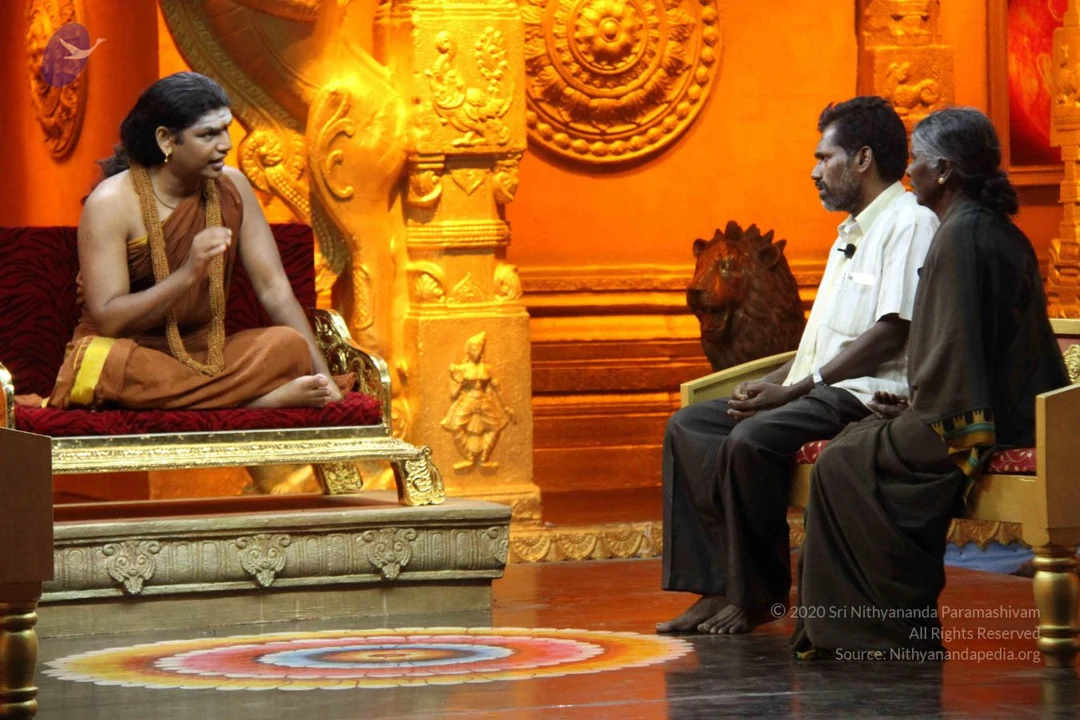
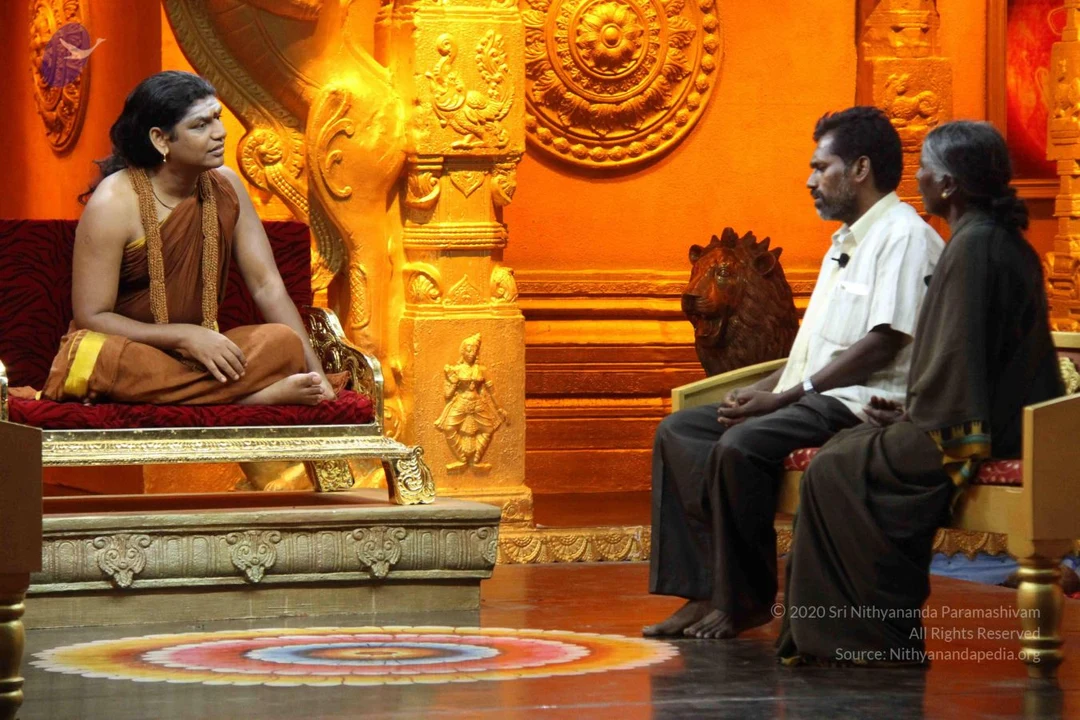
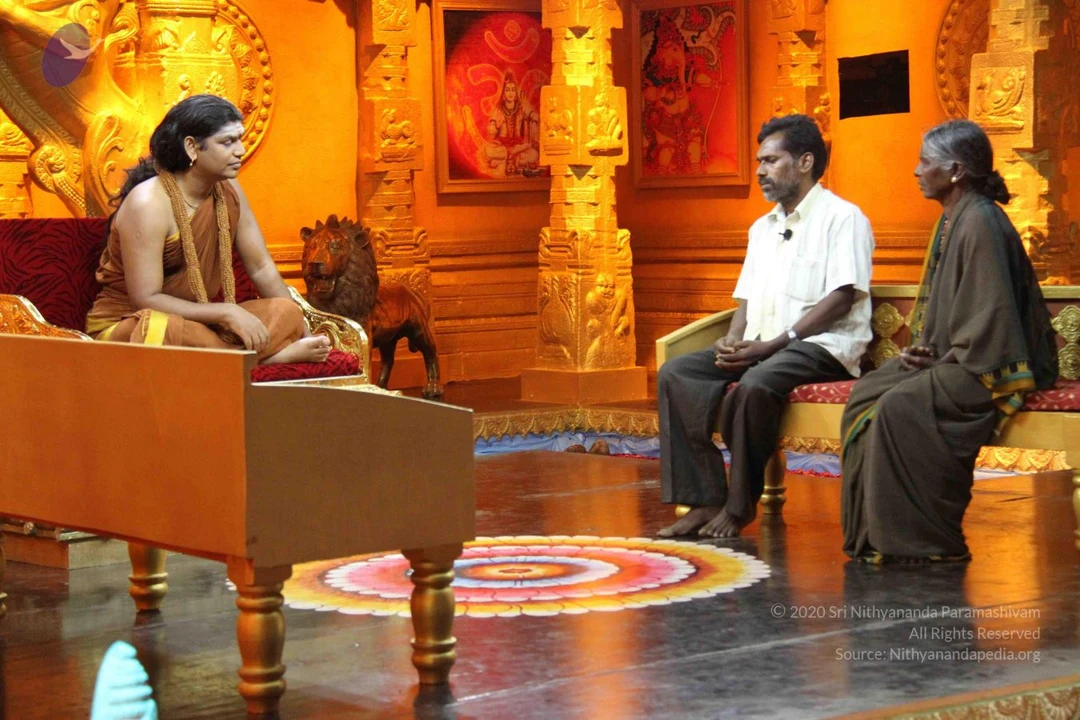
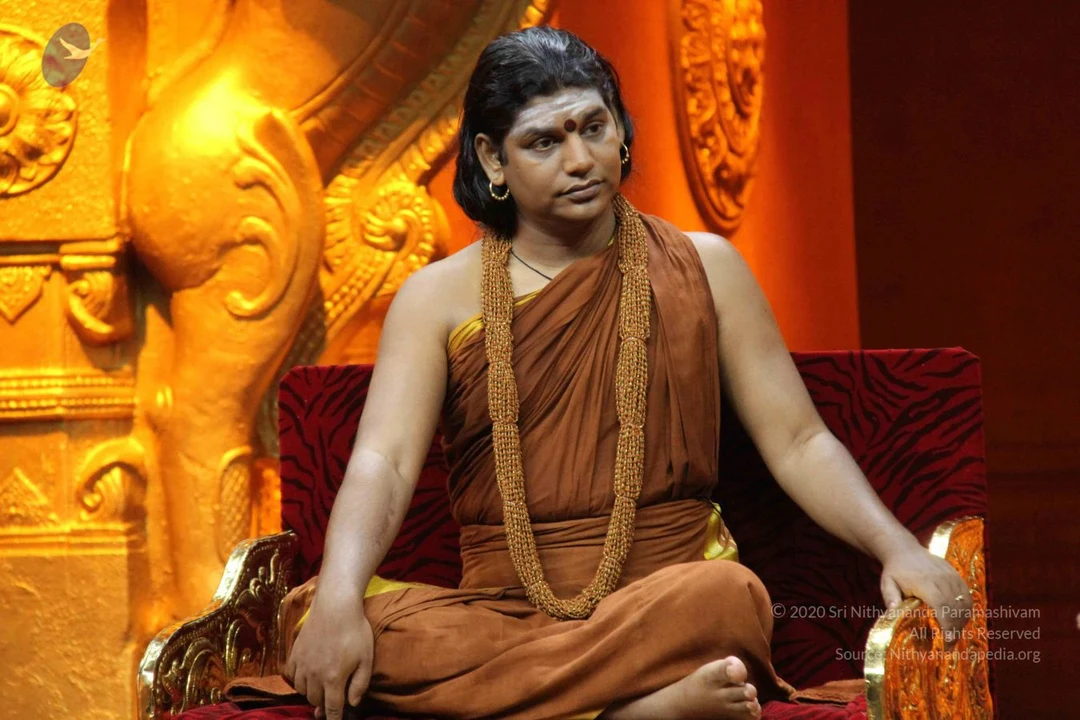
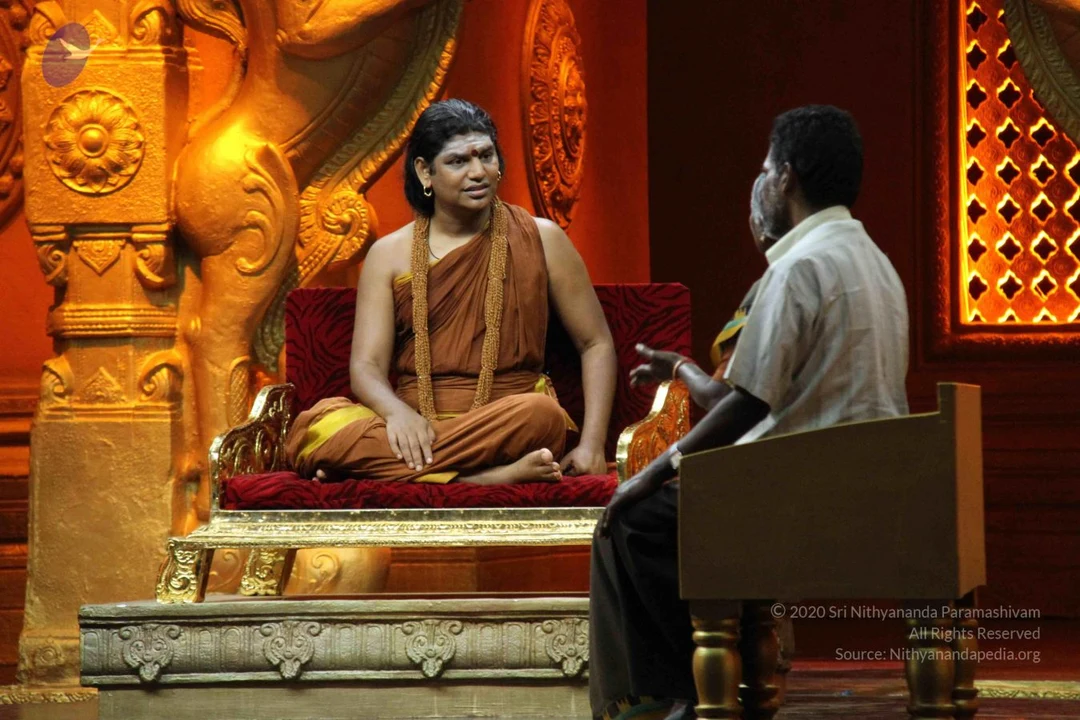
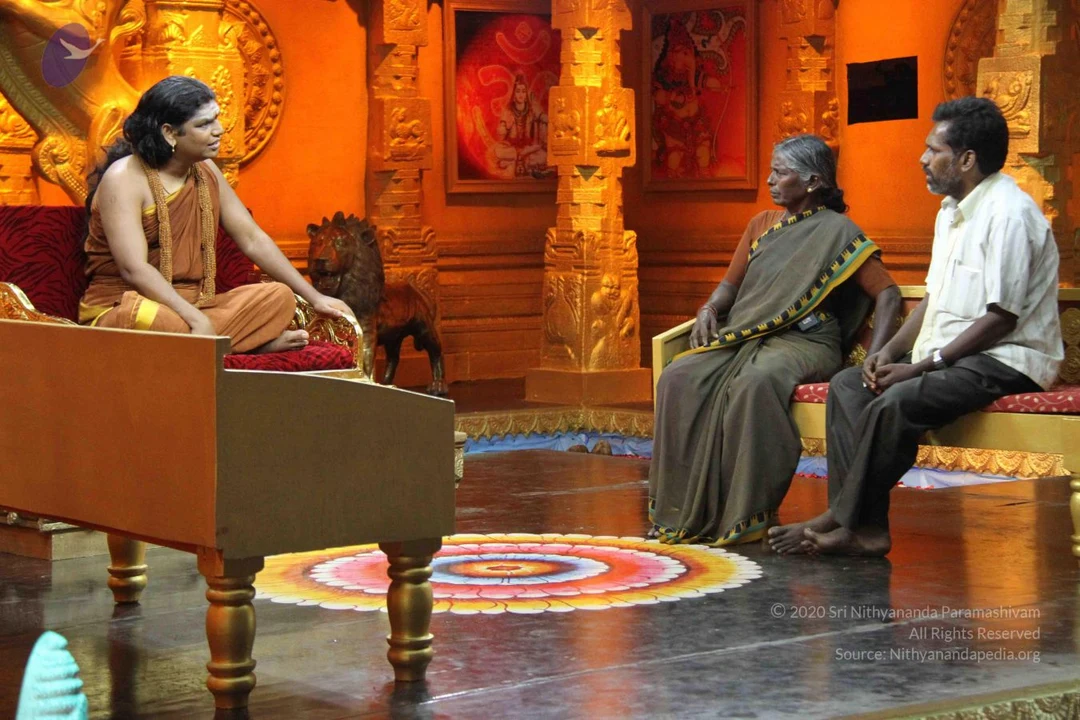
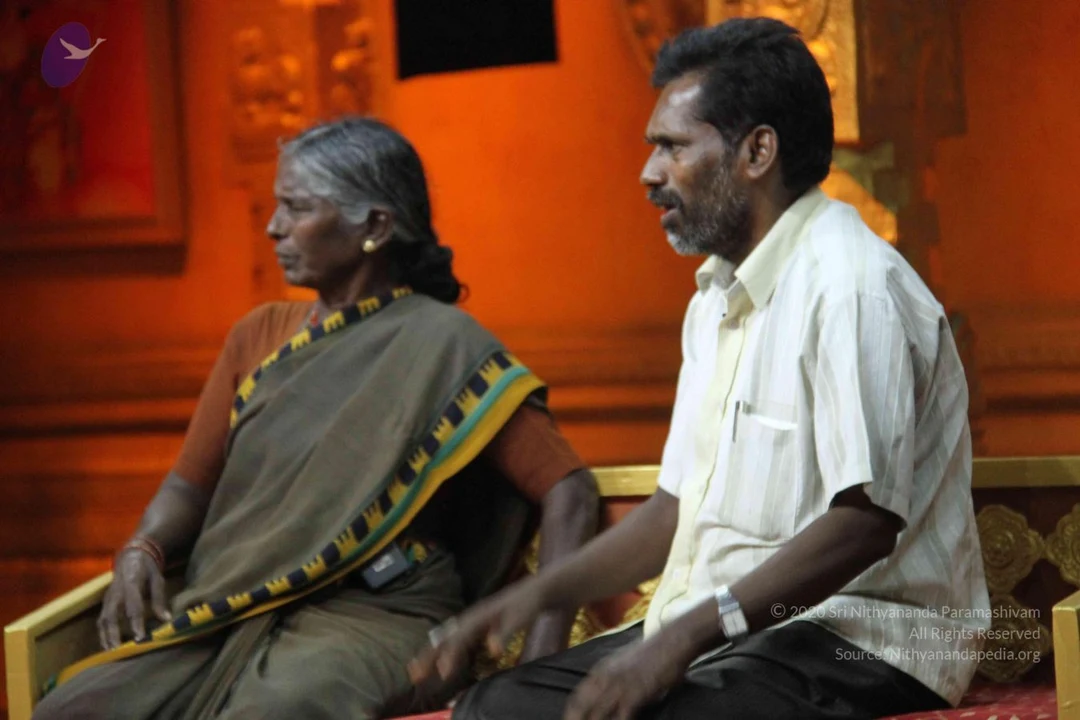
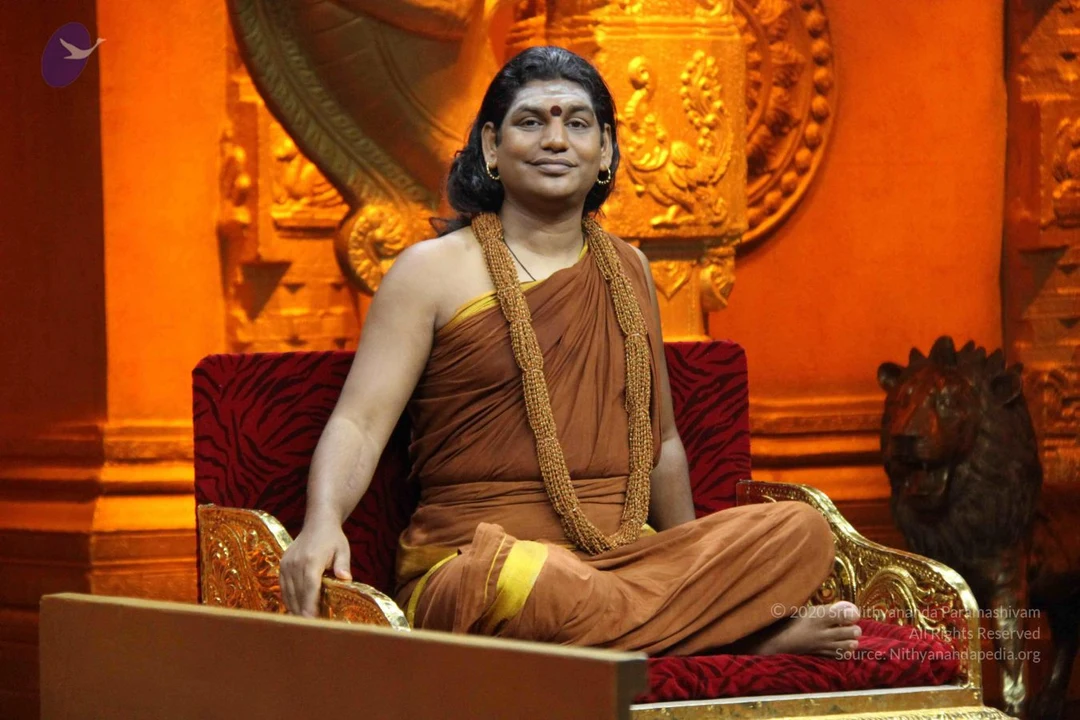
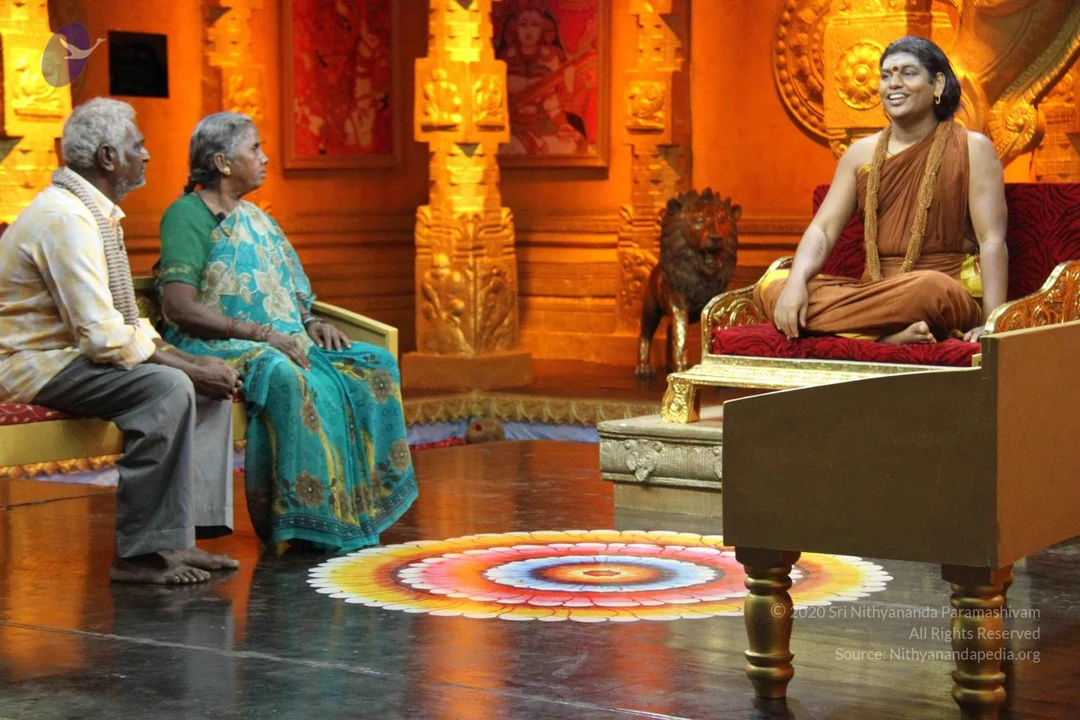
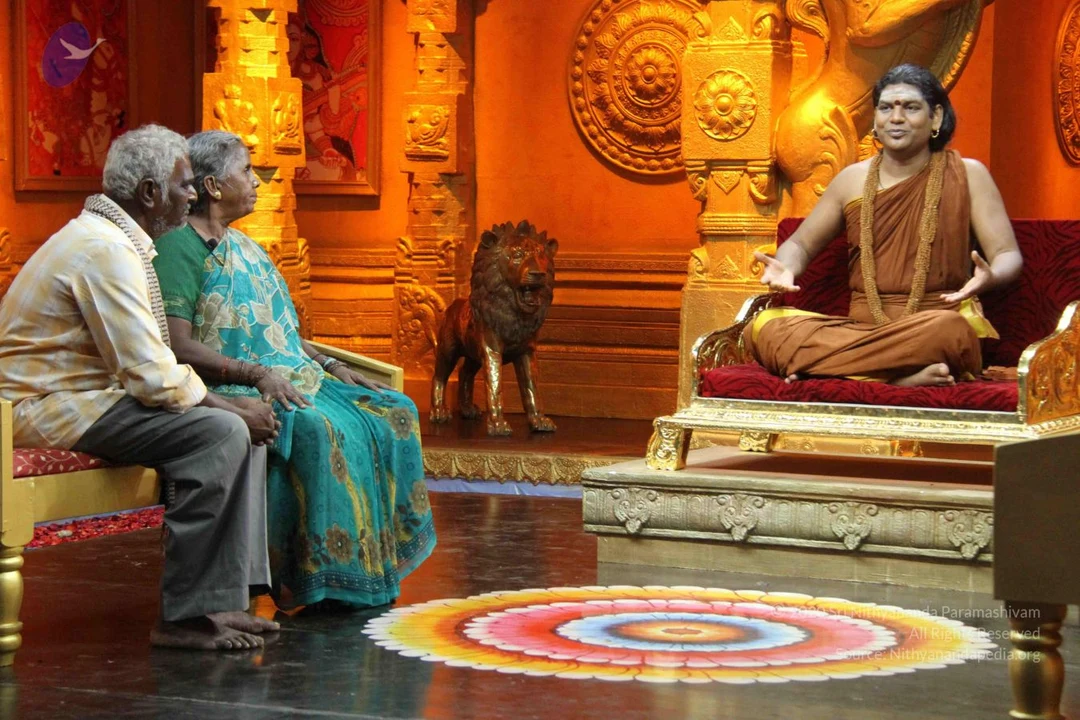
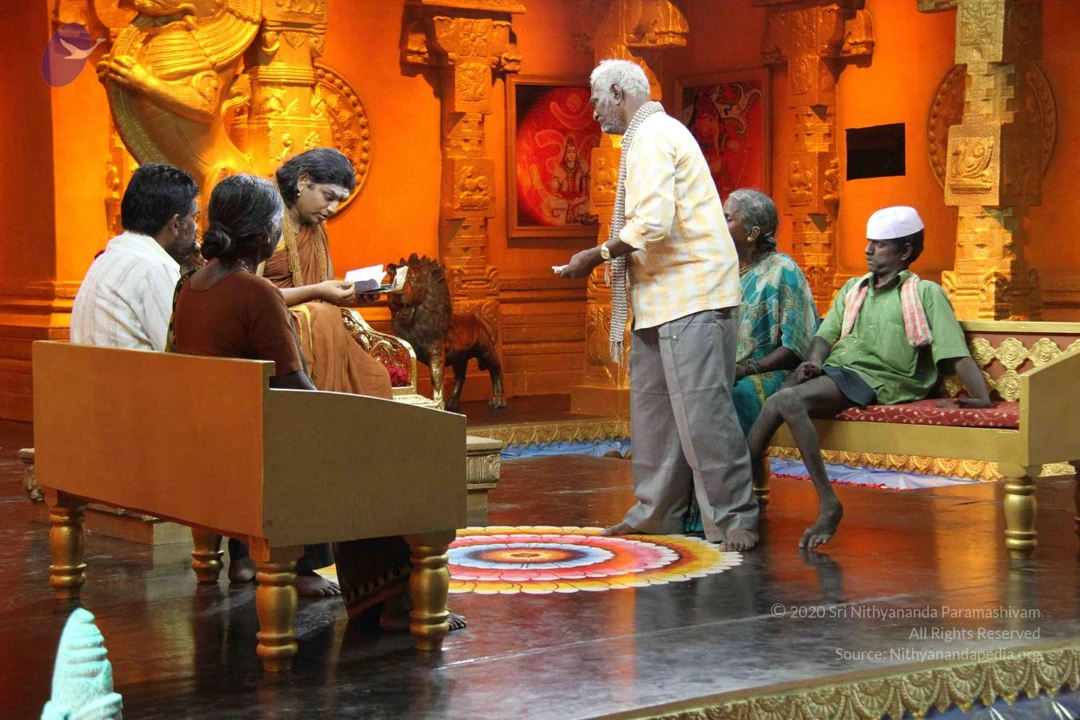
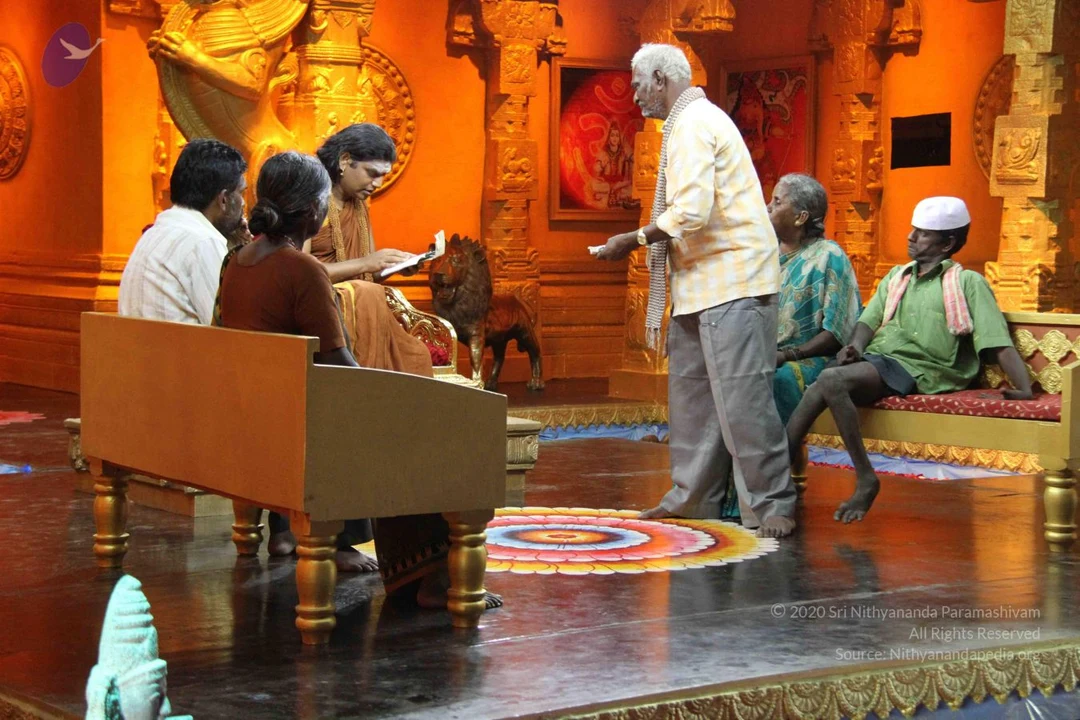
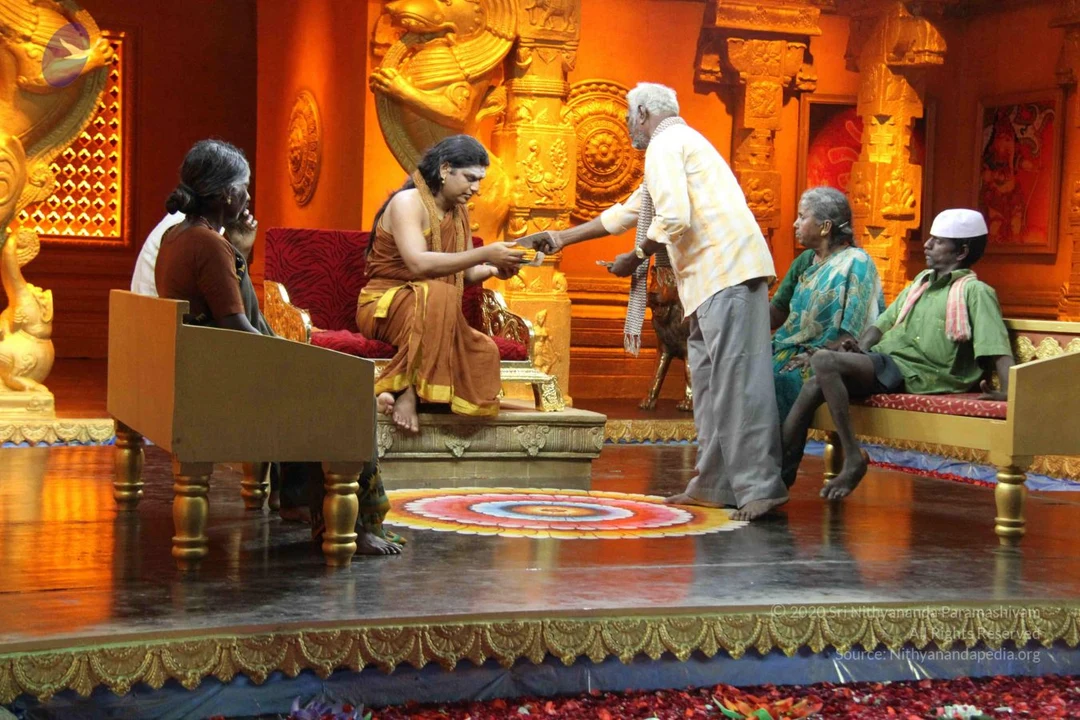
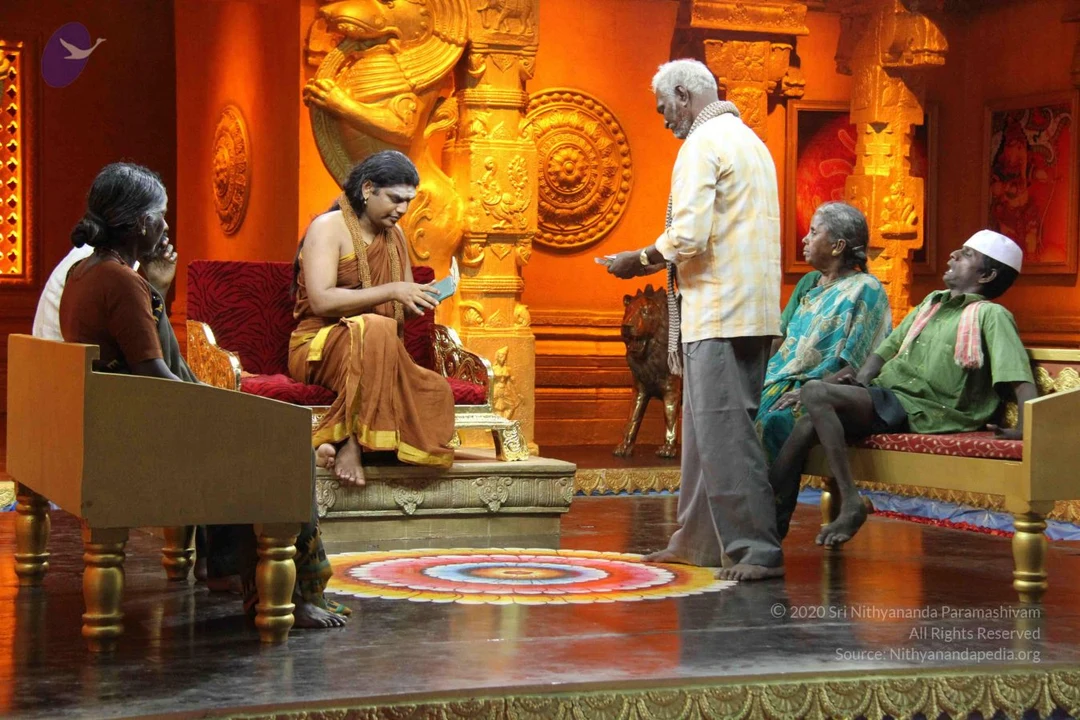
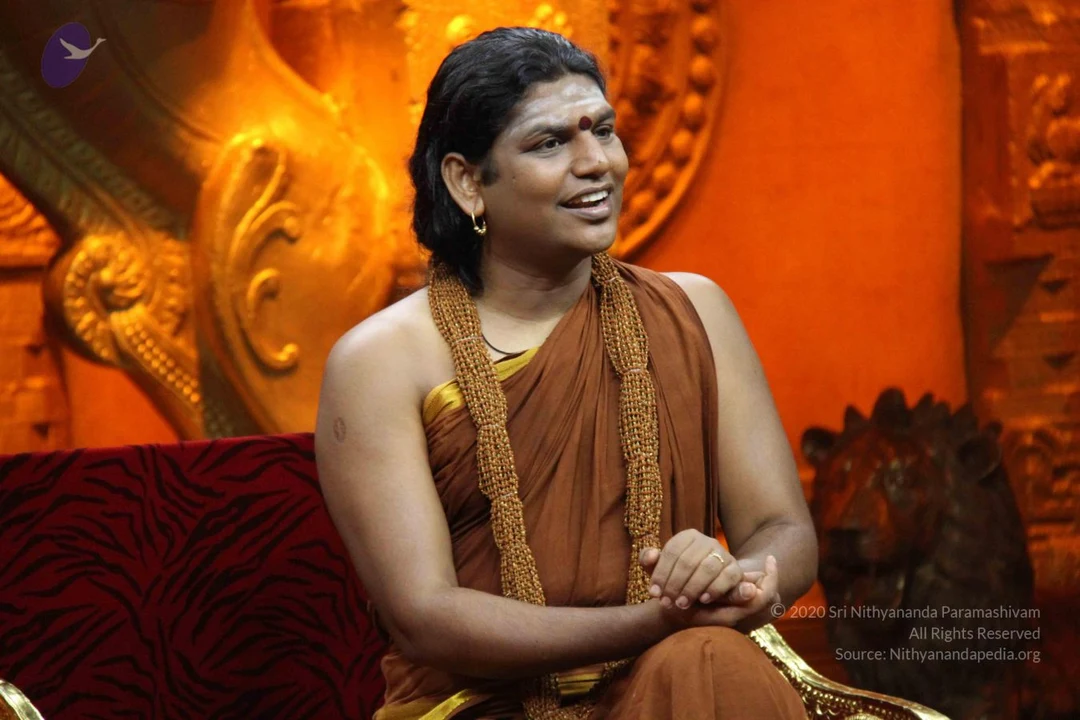
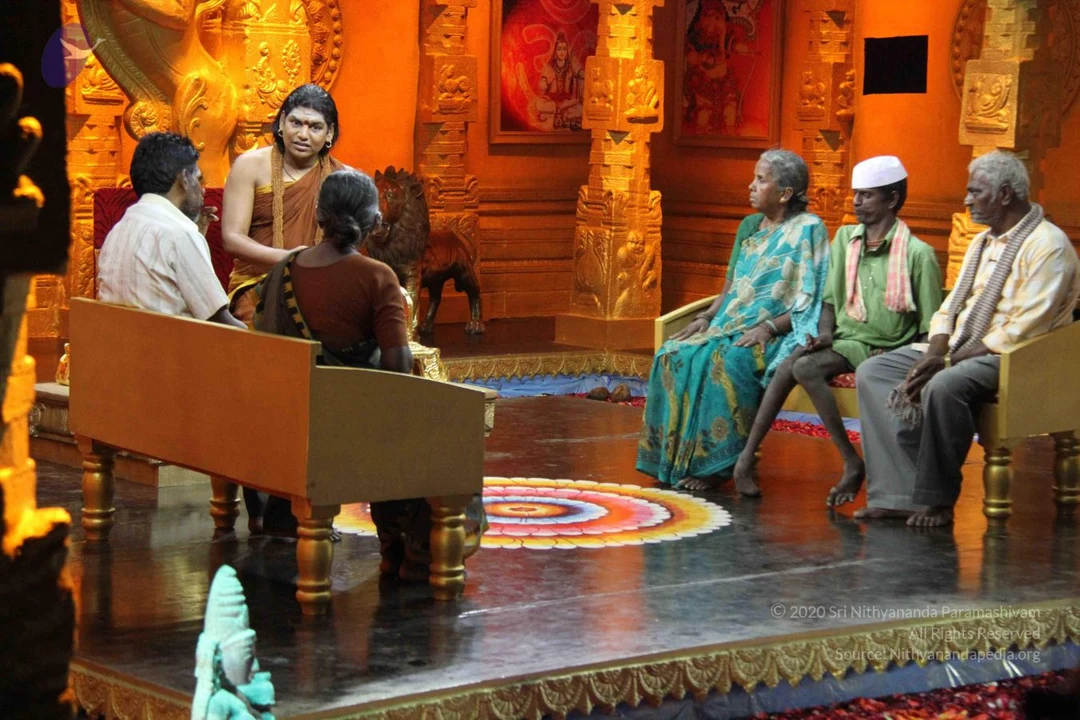
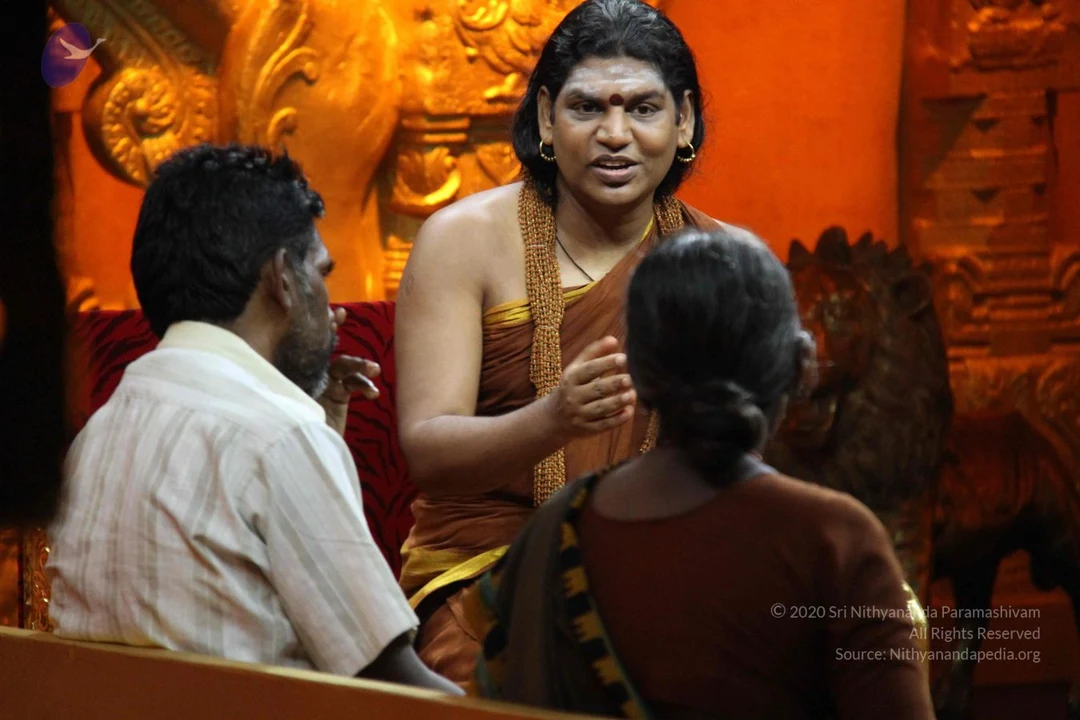
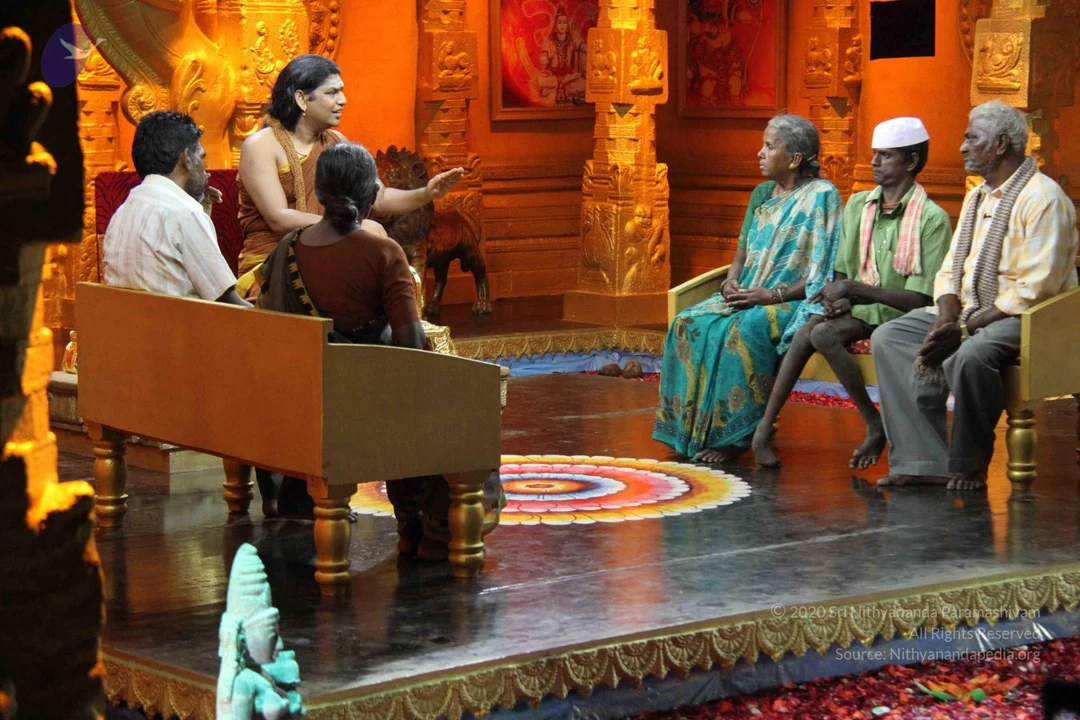
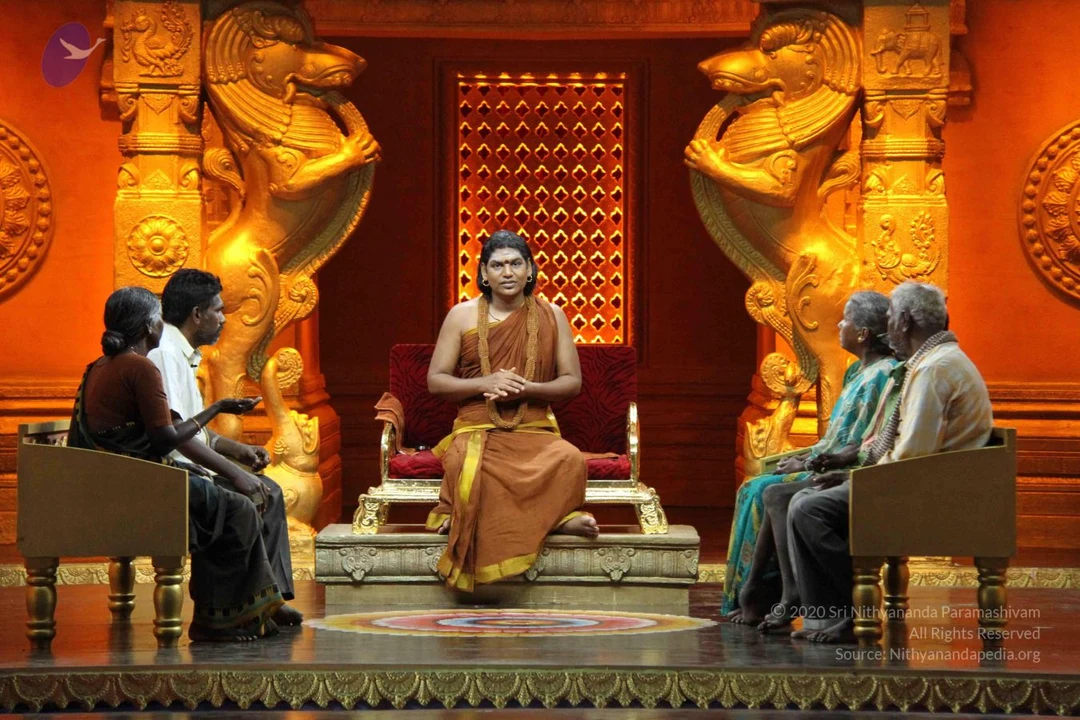
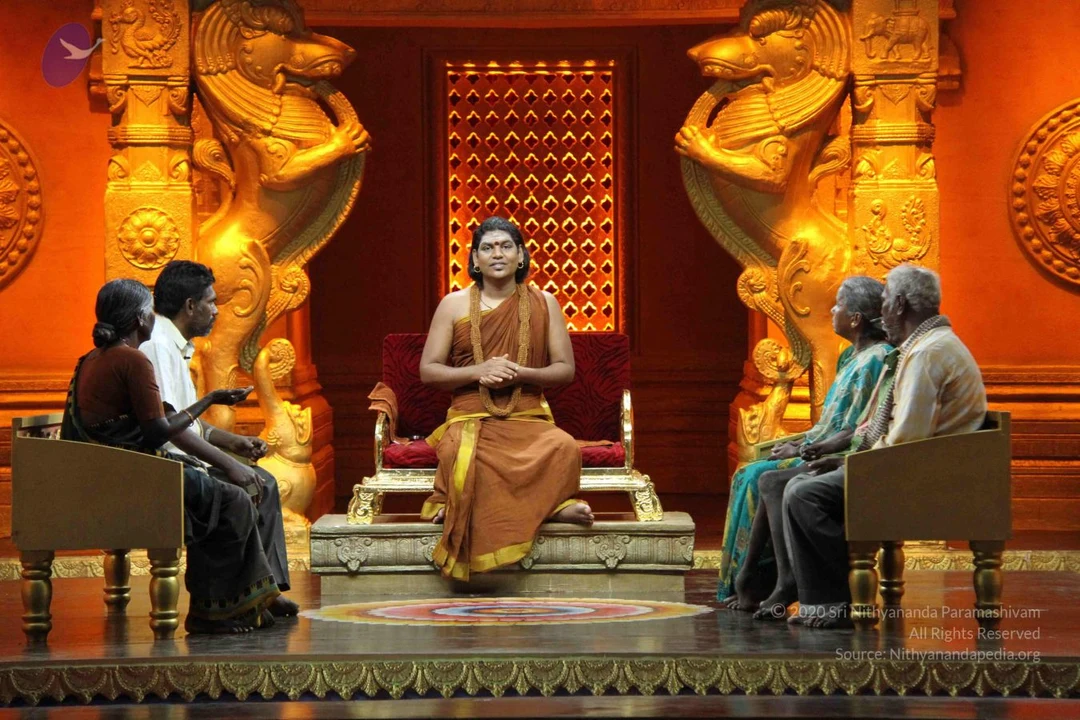
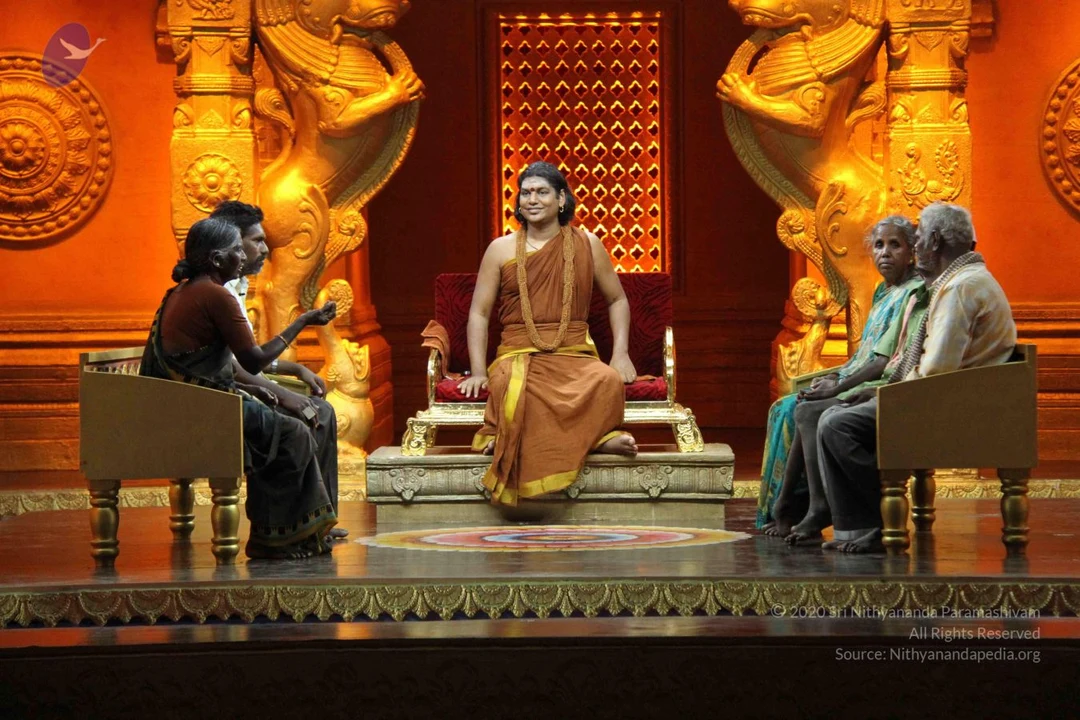
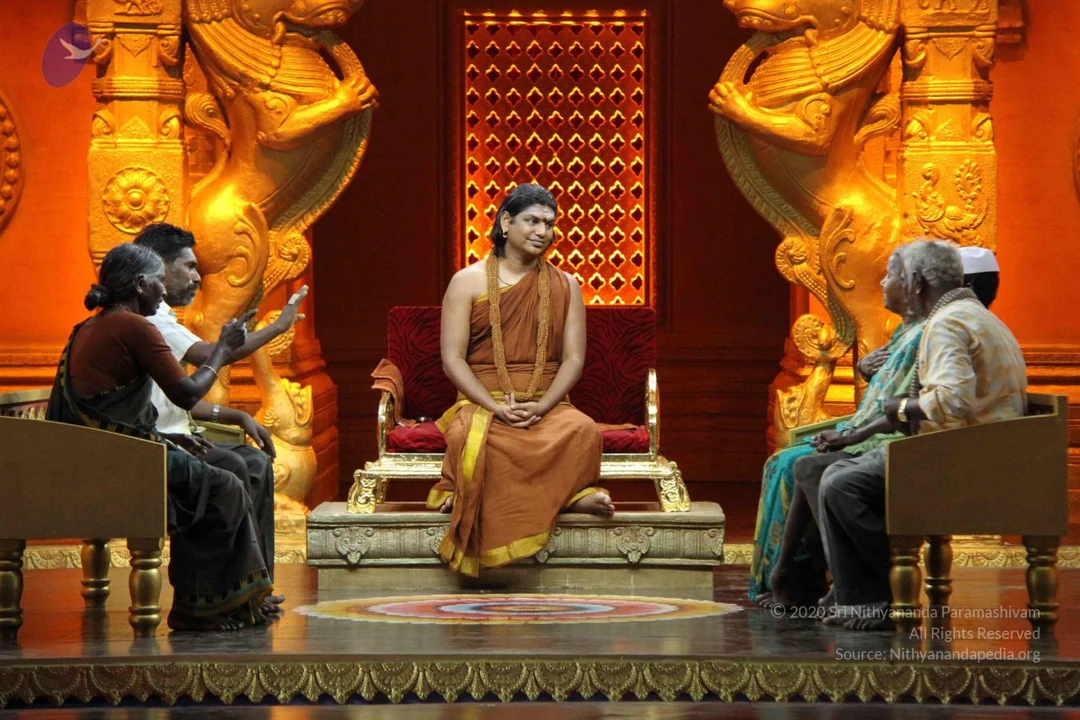
I tell you, Authenticity, Authenticity brings life in you. None of my secretaries were ready to believe when I decided to take up everyday night-time a Talk Show, a conflict-resolution show shooting.
They said, ‘What do you mean? Whole day you have sessions and you have to organize this, that. Inner Awakening is going on. Let us give time for them after the Inner Awakening is over.’
I said, ‘No, don’t worry. Go ahead. Every night I will spend time with them.’
Neither my secretaries are ready to believe, nor they are ready to do what I was telling.
I said, ‘No, do it.’ I said, ‘Do it.’
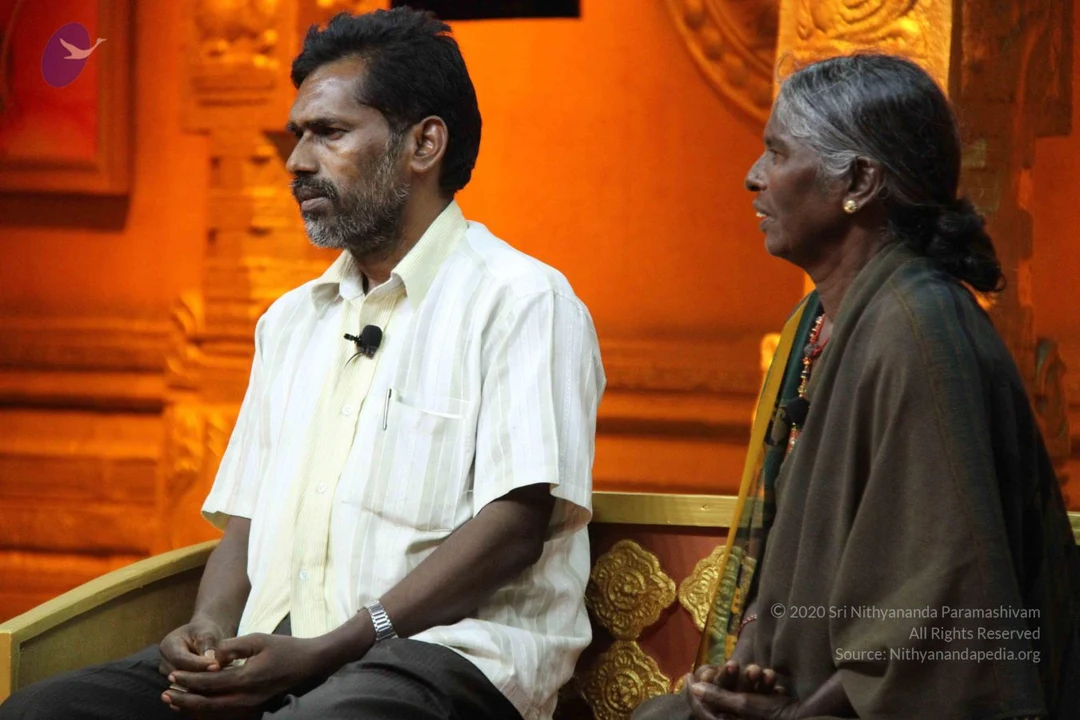
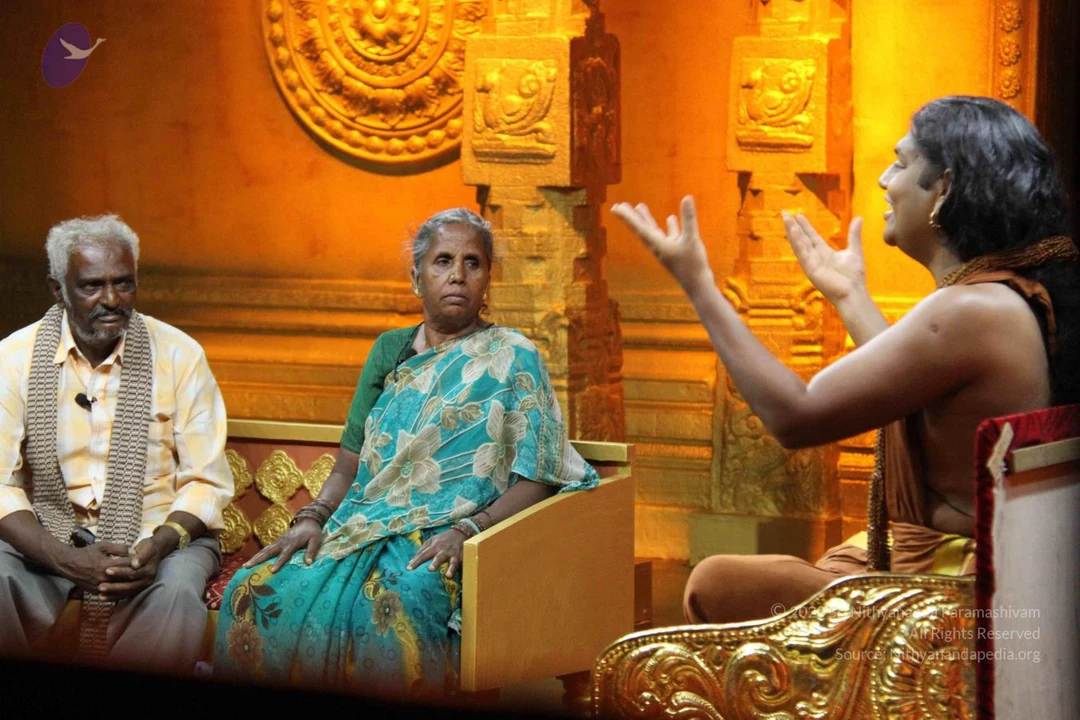
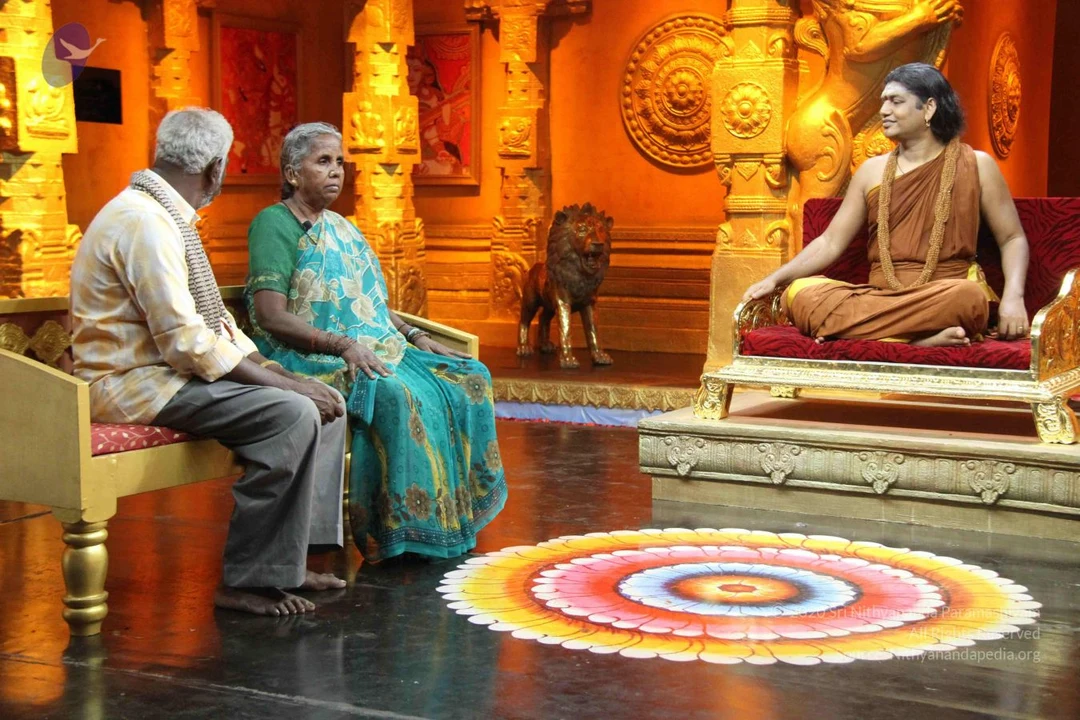
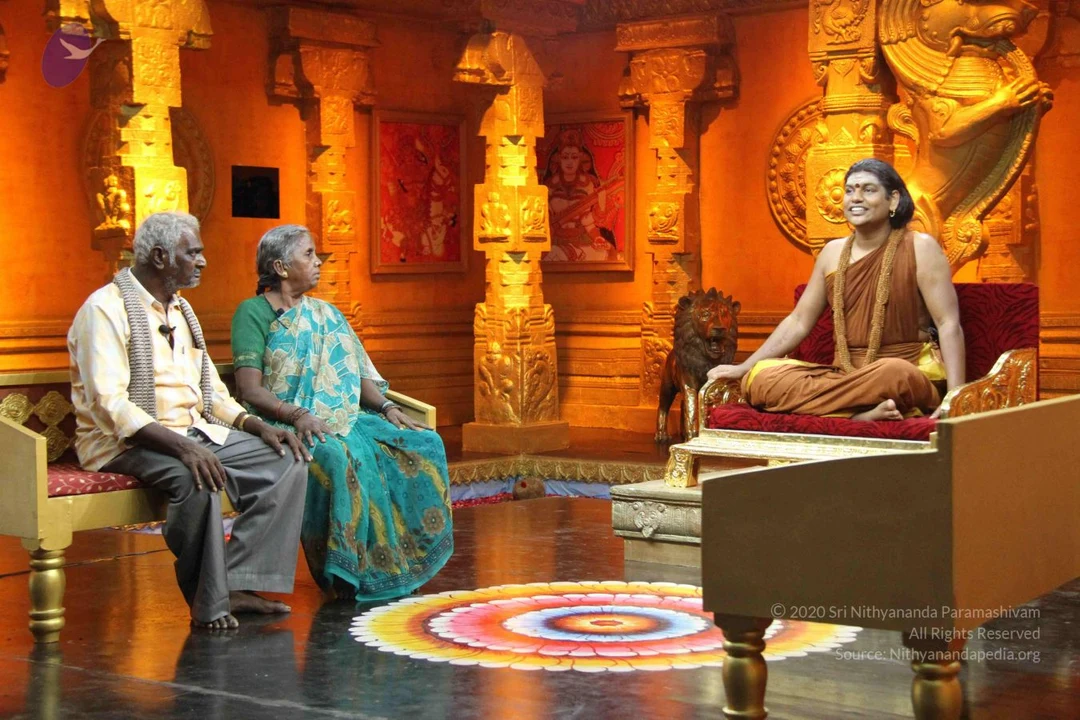
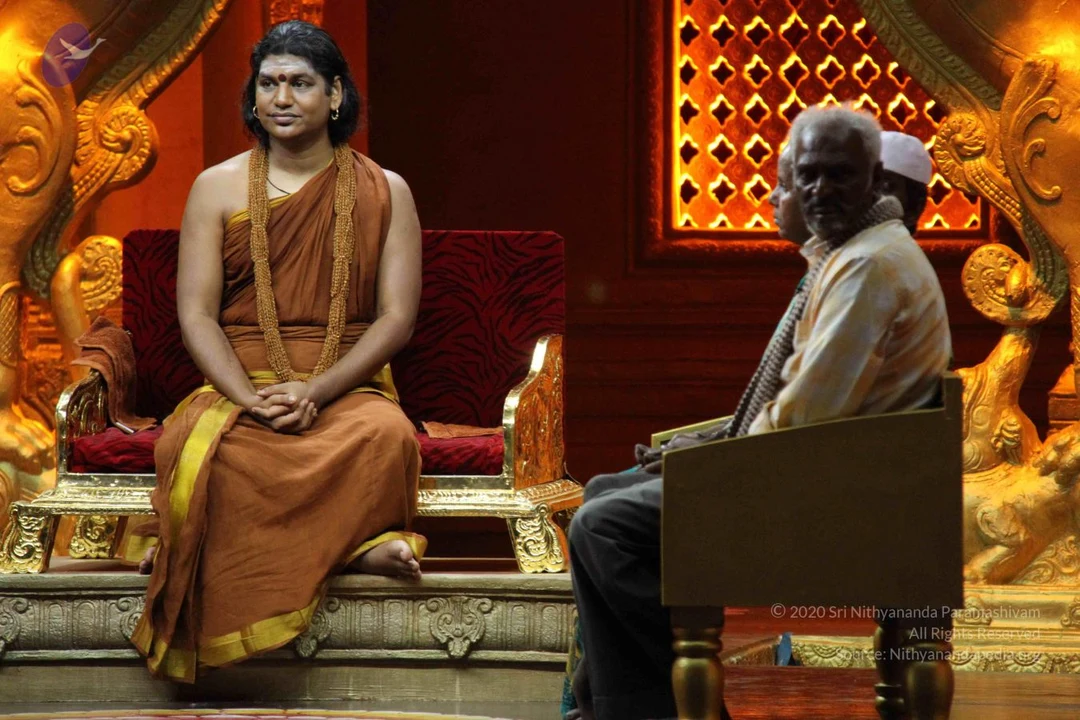
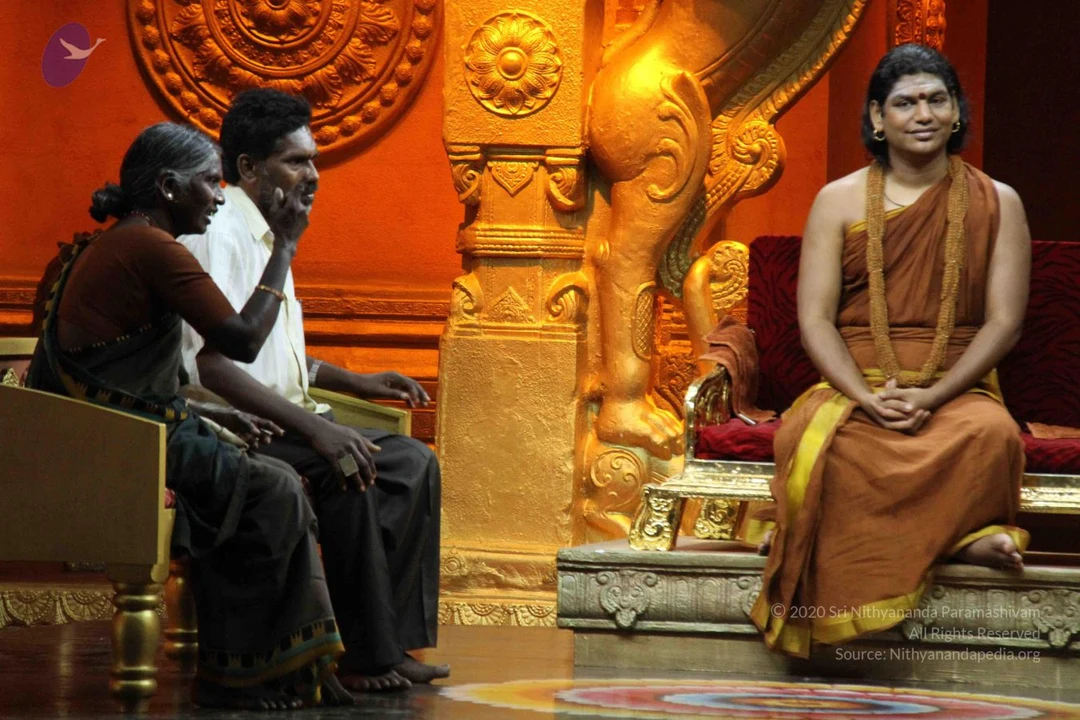
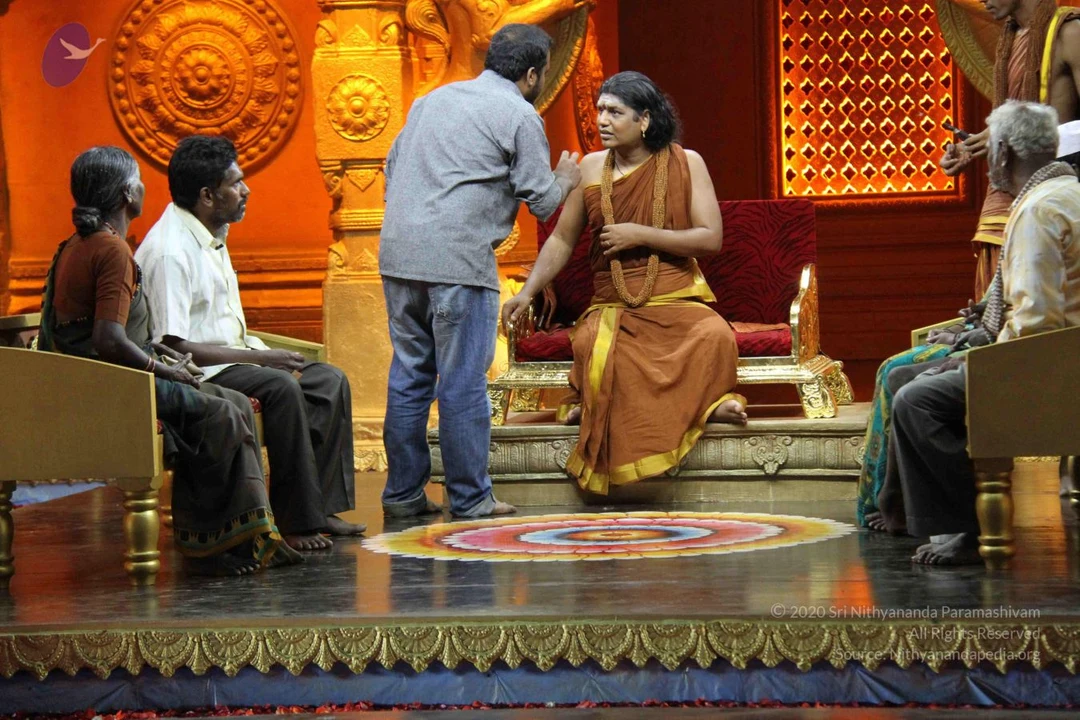
Please understand, I tell you, very authentically, continuously last three days, every night I am doing the shoot. Sometime it goes up to 2 o’clock midnight. Sometime 1 o’clock. Five to six hours the shoot goes on. But that only enriched me. That only added more to me. Now I am only learning more and more, better way of sharing the truth I am carrying, enriching others in a better way. Me taking up more responsibility means, me trying to stretch out. In the beginning, all my secretaries’ advised, even I thought, ‘Oh, it may be tiring. Then how will I do the next day morning satsang?’ All this was there. But when I started doing, I said, ‘Nothing doing. I will stretch. I will stretch myself to my peak possibility.’ Now I could see very clearly, there are so many things I learnt. When you interact with the ground level people, they teach you and remind you how to enrich them. Now I only saw I am enriched about how to enrich people. I never become tired. You can’t tell seeing my face last three days I did not sleep. And actually itself I am not feeling tired. I only feel more and more, better and better way of enriching people is revealed to me. Especially with so much of lighting on the eyes! I feel I am learning better and better ways, more and more ways of enriching people and their lives.
22:59
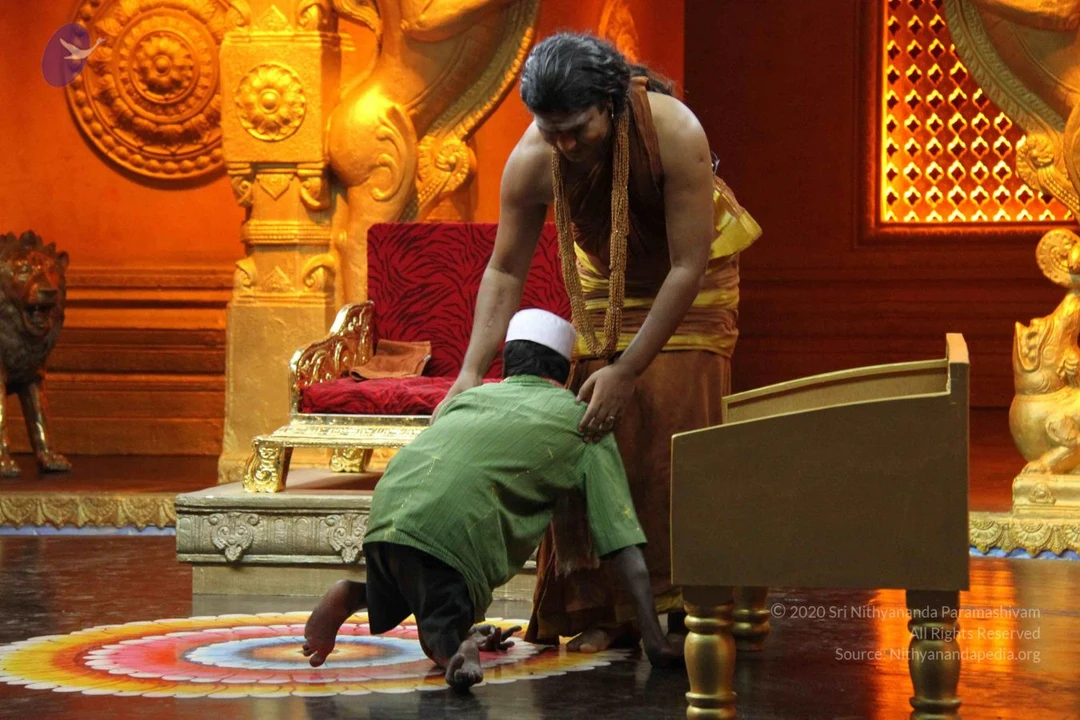
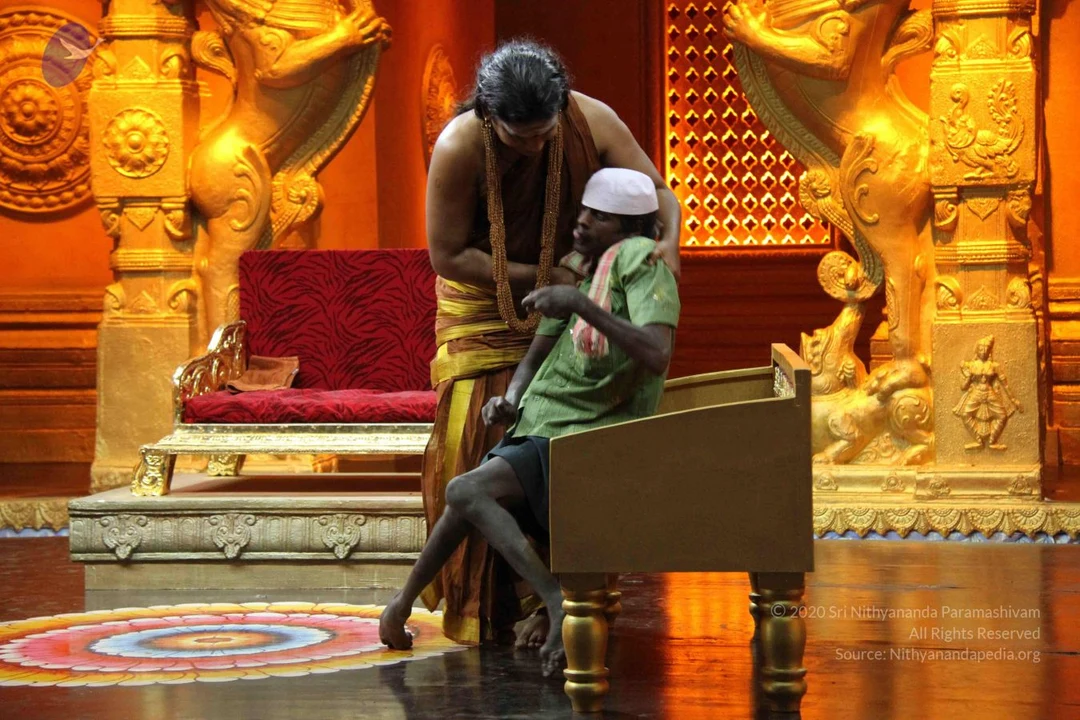
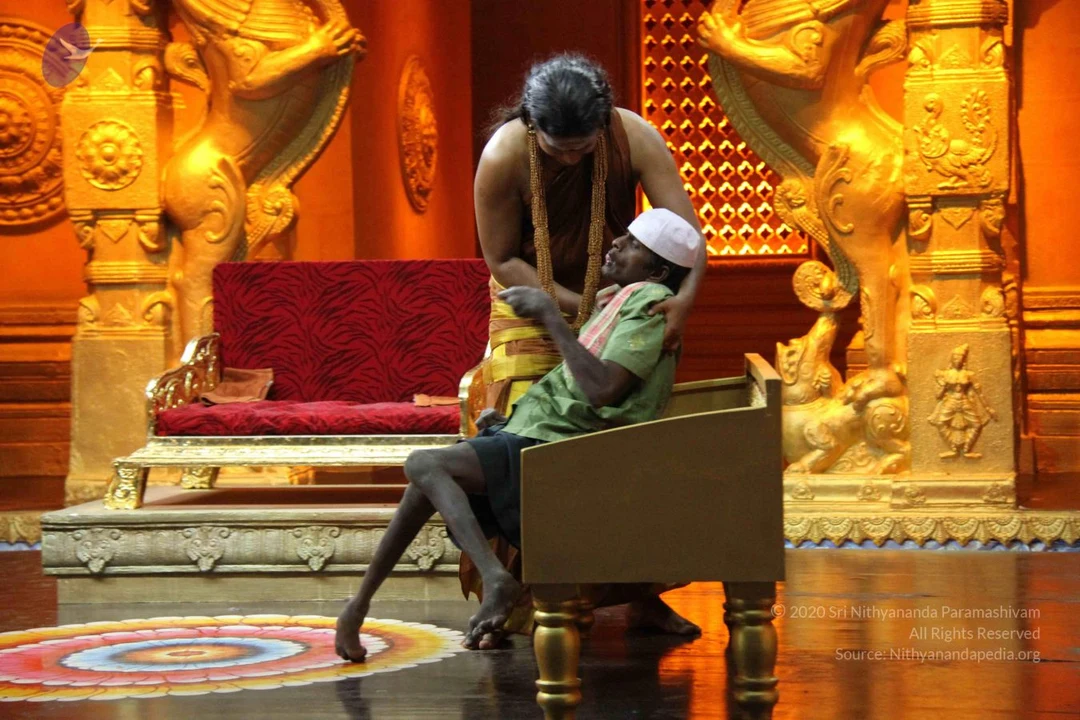
The show is called actually ‘Nithya Dharmam’. So, earlier we were doing in the campus, Nithya Yoga, Nithya Homa, Nithya Puja, Nithya Kriya, Nithya Dhyana. And now, Nithya Dharmam is also added. But I tell you, self-doubting pattern which is supported by your laziness is the biggest enemy who does not allow you to think about your possibility, does not allow you to trust your possibility.
(HINDI)
Life, possibility of expansion. Unfortunately human-beings get frightened about the possibility of expansion. That is why the society always teaches you, ‘What is there? Let us have one house and little food and one small family. Let us be content.’ ‘Content’ is taught to you in the wrong context. I tell you, human-beings need completion, not contentment. In the context of completion, contentment may happen, but in the context of contentment, completion should not happen. Please listen, in the context of completion, contentment may happen, but in the context of contentment, completion should not be tried.
(HINDI)
Please understand even your ignorance is nothing but your fear of expansion. Even your ignorance is nothing but fear of expansion. Many time, you continue to be in ignorance, you continue to have ignorance, you continue to pretend to be in ignorance, because of your fear of failure.
(HINDI)
27:04
Man starts praying to God at the age of eighteen, ‘God, let me win in the lottery.’
He sleeps that day.
Next morning, nothing happens.
Again, that night, ‘God, please bless me. Let me win lottery.’
Next morning, nothing happens.
Again that night, ‘God, please let me win lottery. I pray to you’ he cries bitterly.
Next morning, nothing happens.
This goes on for sixty years. And he is in late seventies, about to die.
One day, he really cries to God and God appears and asks, ‘My dear son, what do you want?’
He says, ‘God, I always asked you, just let me win lottery.’
God says, ‘Yes, my son, I am ready. Why don’t you buy a ticket even once?’
Many time, many time, we go on retaining our ignorance as a blockage, we go on standing up with our ignorance and continue to expect the miracles are possible. Listen. Expansion is possible when you are ready to become responsible to have it.
(HINDI)
Understand, continuously completing with self-doubts, especially the strong patterns you carry which tells you, ‘It is impossible, Oh God, working without sleeping till 2 o’clock, and next day morning again getting up. No, it is impossible.’
Then, only that you have to do immediately; complete with that pattern, complete with that pattern, complete with that pattern and you should do first thing only breaking that pattern.
(HINDI)
31:21
Why do you feel the fear of responsibility? Why you so much fear about responsibility? Because it brings you more and more of your possibilities to your light; means, you can’t continue to be asleep; you have to wake up.
Wealth wakes you up to more responsibility.
Health wakes you up to more responsibility.
Happy relationships wakes you up to more responsibility.
Everything you love wakes you up to more responsibility which you don’t like that.
Many things you love in your life, but the path to achieve it you don’t like. See the conflict. Many things which you love in your life demands you to wake up; and even while listening about it, you don’t want to wake up. One of the important thing our gurukul kids should do, and all the devotees, I will expect them to do is completing with your sleep pattern, completing with your laziness pattern. If you complete with your sleep pattern, laziness pattern Integrity, Authenticity, Responsibility and Enriching, everything flows inside you like life. Like life you go on and on and on, expand. I tell you, the laziness pattern is the only enemy; laziness pattern is the only enemy with which you suffer.
(HINDI)
34:51
I can see in my life, whenever I decided to break the pattern of laziness, whenever I decided to expand, go with authenticity, I was only added with more and more of completion and joy, not with tiredness. I tell you, tiredness frightens you saying, ‘If you wake up whole night and work, go to the extreme of you, you will become tired next day and you will not be able to do any work.’ Tiredness constantly keeps you under its clutch by frightening you. Tiredness has its own intelligence. Laziness has its own intelligence. It will tell you, ‘No, no, if you do this, you can’t do that. Then choose between these two.’ No. Who is saying ‘choose between these two’, that fellow himself should be thrown out. If somebody says, ‘Choose between that two’, don’t choose that fellow.
(HINDI)
Complete with the laziness pattern continuously. Complete with the tiredness pattern continuously. Complete with the pattern of boredom continuously. I tell you, then starts life; then starts something in your life. I call that as LIFE.
Intelligence and enlightenment is simply the reality of your life, once you start completing with your laziness and tiredness pattern.
Essence of today’s satsang:
Complete with the pattern of laziness, complete with the pattern of tiredness, complete with the pattern of ‘impossibility’. Allow Integrity, Authenticity, Responsibility and Enriching to happen in you.
(HINDI)
Transcript in Tamil
உங்கள் அனைவரையும் வணங்கி வரவேற்கின்றேன். உலகம் முழுவதிலிருந்தும் இந்த லோட்டஸ்நியூஸ் தொலைக்காட்சி மூலம் இந்த வாழ்க்கை வாழ்வதற்கே சத்சங்கத்திற்காக இணைந்திருக்கும் உங்கள் அனைவரையும் வரவேற்பதில் பெரும் மகிழ்ச்சி அடைகின்றேன். வாழ்க்கையின் மிக முக்கியமான தத்துவங்களான, சத்தியங்களான, பிரபஞ்சத்தின் விதிகளான நான்கு தத்துவங்கள் வைெநபசவைலஇ யரவாநவெைஉவைலஇ சநளிழளெடைிடைவைலஇ யனெ நசெைஉாபைெ ஒருங்குவித்தல், சிரத்தை, பொறுப்பெடுத்தல், வளமாக்கல் எனும் இந்த நான்கு தத்துவங்களை ஆழ்ந்து உள்வாங்கி, அவைகளை வாழ்க்கையின் சத்தியமாக மாற்றி கொள்வதற்கான நிகழ்ச்சி இது. முதலில் வைெநபசவைல. ஒருங்குவித்தல் என்னும் சத்தியத்தை ஆழ்ந்து உள்வாங்குவோம். ஒருங்குவித்தல். உங்களுக்கு நீங்களே கொடுத்துக்கொள்ளும் எண்ணங்களையும், வார்த்தைகளையும், மற்றவர்களுக்கு நீங்கள் கொடுக்கும் எண்ணங்களையும், வார்த்தைகளையும் நிறைவேற்றி அதனால் உங்களோடும், மற்றவர்களோடும், முழுமையை உணர்வது. உங்களுக்கு நீங்களே, கொடுத்து கொள்ளும் எண்ணங்களையும், வார்த்தைகளையும், மற்றவர்களுக்கு நீங்கள் கொடுக்கும் எண்ணங்களையும், வார்த்தைகளையும், நிறைவேற்றுவதன் மூலமாக உங்களோடும், மற்றவர்களோடும் முழுமைத் தன்மையை உணர்வது. ஆழ்ந்து புரிந்து கொள்ளுங்கள். இந்த உதாரணத்தை புரிந்து கொள்ளுங்கள். நண்பர் ஒருவருக்கு பத்து இலட்சம் ரூபாய் ஒரு வாரத்திற்குள் கொடுக்கிறேன்னு வார்த்தை கொடுத்தீர்களானால், உங்கள் வாழ்க்கையையே கொடுத்தாவது அந்த வார்த்தையை புர்த்தி செய்து விட வேண்டும். ஒருவேளை உங்க வாழக்கையையே கொடுத்தாலும் அந்த வார்த்தையைப் புர்த்தி செய் முடியாதுன்னு உங்களுக்கு தொிய வருமானால், அந்த முடியாது, இயலாது என்பதையாவது ஒரு வாரத்திற்கு முன்பாகவே, உங்கள் நண்பருக்கு சொல்லி, அந்த வார்த்தையிலிருந்து உங்களை விடுபடுத்தி கொள்ள வேண்டும். விடுபத்தி கொள்வதும் வைெநபசவைல தான். முடியாதுன்னு முன்பாகவே சொல்லி உங்களை அந்த உழஅஅவைஅநவெ-ல இருந்து விடுபடுத்தி கொண்டீர்களானால் அதுவும் வைெநபசவைல தான். ஆனால் நிறைவேற்றுதல், அல்லது விடுபடுத்தி கொண்டு முழுமையாக்கி விடுதல். இந்த இரண்டுல ஏதாவது ஒன்றை செய்தே தீர வேண்டும். ஏன் என்றால,் நீங்கள் கொடுக்கும் ஒவ்வொரு வார்த்தையிலும், உங்கள் ஜீவன், உயிர் இருக்கின்றது. அதேமாதிரிதான் நீங்கள் உங்களுக்கே கொடுத்துக்கிற வார்த்தைகள். நீங்கள் உங்களுக்கே கொடுத்துக் கொள்கின்ற ஒவ்வொரு வார்த்தையும், ஒவ்வொரு எண்ணமும், உங்கள் வாழ்க்கையின் பாகம். ஆழ்ந்து புரிந்து கொள்ளுங்கள். அது உங்கள் வாழ்க்கையின் பாகம். உங்கள் வாழ்க்கையை பற்றிய எல்லா திட்டமிடுதலும், உங்கள் வாழ்க்கையை பற்றிய, உங்களுடைய எல்லா அனுபவங்களும், உண்மையில் எல்லாமே உங்கள் வாழ்க்கையி்ல் வார்த்தையாகத்தான் உங்களால் உணரப்படுகிறது. அதனால் நீங்கள் உங்களுக்கே கொடுத்து கொள்ளும் வார்த்தைகள் மிகவும் முக்கியத்துவம் வாய்ந்தவை. நீங்கள் உங்களை பற்றி, உங்களுக்குள் என்ன சொல்லிக் கொள்கிறீர்கள். மற்றவர்களுக்கு உங்களைப் பற்றி என்ன சொல்லுகிறீர்கள். மற்றவர்கள் உங்களை பற்றி உங்கள் முன்னாலும், உங்கள் பின்னாலும் என்ன சொல்லுகிறார்கள். இந்த வார்த்தைகள் எல்லாம் சோ்ந்துதான் உங்கள் வாழ்க்கை. அதனால், வார்த்தைகள் மிகவும் முக்கியத்துவம் வாய்ந்தவை. துரதிருஷ்டவசமாக, நமக்குநாமே கொடுத்துக்கொள்ளுகின்ற வார்த்தைகளுக்கு, வேறுசாட்சிகள் இல்லாததனால், அதை நிறைவேற்ற வேண்டும் என்கின்ற கட்டாயமோ, தேவையோ நமக்கு இல்லாததுனால், அதை நிறைவேற்ற தேவையில்லை என்கின்ற மனதோடு வாழத் துவங்குகின்ற நீங்கள், சிறிது காலம் கழித்து, அதை நிறைவேற்ற தேவையில்லாதது மட்டும் அல்லாது, நினைத்துப் பார்க்ககூட தேவையில்லாத சூழ்நிலையில், உங்களை நீங்களே மாற்றிக் கொள்கிறீர்கள். ஆழமா புரிஞ்சிக்கோங்க. உங்களுக்கு நீங்களே கொடுத்து கொள்ளுகின்ற வார்த்தைகள், உங்கள் வாழ்க்கையையே நிர்ணயிக்கின்றன. திரும்ப, திரும்ப, திரும்ப நான் தொட்டா உருப்படாது. என்னால என்ன பண்ண முடியும் அப்படீன்னு நினைச்சிகிட்டே இருந்தீங்கன்னா, எதையுமே துவக்ககூட மாட்டீர்கள். துவக்ககூட மாட்டீர்கள். ஆரம்பித்தலே இல்லாதபொழுது, வெற்றி என்பது வாழ்க்கையில் விபத்தாக கூட வராத நிலையில்தான், உங்கள் வாழ்க்கை இருக்கும். துவங்கியவர்களுக்குதான் வெற்றி என்பது வாழ்க்கையில் விபத்தாககூட சில நேரத்தில் வரும். துவக்கமே செய்யாதவர்களுக்கு, வெற்றி என்பது வாழ்க்கையில் விபத்தாக கூட வராது. சில பேருக்கு வெற்றி அவர்கள் செயல்களின் விளைவாக வரும். சில பேருக்கு வெற்றி விபத்தாக வரும். சில பேருக்கு வெற்றி ஆபத்தாக வரும். சில பேருக்கு வெற்றி, வாழ்க்கையில் விபத்தாககூட வருவது இல்லை. சில போ் வாழ்க்கையில் வெற்றி வருமானால், வெற்றிக்கு அது ஆபத்தாக முடிந்துவிடும். தொடர்ந்து நீங்கள் உங்களுக்கு கொடுத்து கொள்ளுகின்ற வார்த்தைகள், வாழ்க்கையில் மிகவும் முக்கியமானவை. தொடர்ந்து உங்களுக்கு நீங்களே கொடுத்து கொள்ளுகின்ற வார்த்தைகள், வாழ்க்கையில் மிகவும் முக்கியமானவை. ஆழ்ந்து புரிந்து கொள்ளுங்கள். நீங்கள் உங்களுக்கே வார்த்தைகளை கொடுத்துக்கொண்டு அதை நிறைவேற்றாமல்விடும் பொழுதுதான், உங்களுக்குள்ளேயே மனச் சிதைவு நடக்க துவங்குகின்றது. அதனாலதான் பல நேரத்துல நீங்கள் ஏதாவது பொிய பிளான் பண்ணும்போது, திட்டம்தீட்டும் பொழுது, உங்களுடைய பாகம், ஒரு பாகம் உங்களைப் பார்த்தே சிரிக்கும். நீங்கள் ஹீரோ மாதிரி ஆக முயற்சி பண்ணீங்கன்னா, உங்களுடைய ஒரு பாகமே உங்களை காமடியன் மாதிரி பார்த்து சிரிக்கும். நீங்கள் உங்களுக்கே கொடுத்து கொண்ட வார்த்தைகளை நிறைவேற்றாதபொழுது, உங்கள் மீதே உங்களுக்கு நம்பிக்கை இல்லாமல் போகின்றது. உங்கள் மீதே உங்களுக்கு மரியாதை இல்லாமல் போகின்றது. உங்கள் வார்த்தைகள் மீது உங்களுக்கே எந்த விதமான சிரத்தையும் இல்லாமல் போகின்றது. உங்கள் மீதே உங்களுக்கு நம்பிக்கை இல்லாமல் போகும் பொழுது, உங்களுடைய வார்த்தைகள் உங்களால் மதிக்கப்படாபொழுது, காலையில ஒரு விதமா சிந்திப்பீங்க, மாலையில ஒரு விதமா சிந்திப்பீங்க. இரவு ஒரு விதமா சிந்திப்பீங்க. சிந்தனைகள் மாறி, மாறி திசை மாறி ஒடுவதனால், கால விரயம், நேர விரயம், சக்தி விரயம், வாழ்க்கையே விரயம். கால விரயம், நேர விரயம், சக்தி விரயம், வாழ்க்கையே விரயம். இங்க இரண்டு வார்த்தைகள் உபயோகம் பண்ணினேன். கால விரயம், நேர விரயம்னு. காலம் என்பது மனம் சார்ந்தது. நேரம் என்பது, கடிகாரம் சார்ந்தது. சில நேரத்துல உங்களுக்கு பிடித்தமான நபரோடு உட்கார்ந்து இருந்தீங்கன்னா, எவ்வளவு காலம் கழிகிறதுன்னே தொியாது. நான்கு மணி நேரம் கூட பத்து நிமிடம் போல் கழிந்து இருக்கும். நான்கு மணி நேரம் கழித்து ஓ நான்கு மணி நேரம் ஆயிடுச்சா! பத்து நிமிஷம் தான ஆன மாறி இருக்கு. உங்களுக்கு பிடிக்காதவர்களோடு அமர்ந்து இருக்கும்பொழுது, பத்தே நிமிடத்திற்குள் நாற்பது முறை உங்கள் வாச்சை பார்த்தது விடுவீர்கள். டைம் ஓடலையே, என்ன ஆச்சி, நேரமே ஆகமாட்டீங்கிது, வாட்ச் நின்னு போயிடுச்சா! காலம் என்பது உள்ளம் சார்ந்தது. நேரம் என்பது கடிகாரம் சார்ந்தது. உங்களுக்குள்ள வைெநபசவைல வரைன்னா, காலம் விரயம், நேரம் விரயம், சக்தி விரயம், வாழ்க்கையே விரயம்.
உங்களுக்கு நீங்களே கொடுத்துக்கிற ஒவ்வொரு வார்த்தையும், ஒன்னு நிறைவேற்றி விடனும். இல்ல நிறைவேற்ற முடியவில்லை என்று உங்களுக்கு நீங்களே தௌிவாகச் சொல்லி முழுமை ஆக்கிவிட வேண்டும். நிறைவேற்றவும் செய்யாமல், முழுமையாக்கவும் செய்யாமல், உங்களுக்கு நீங்களே கொடுத்து கொண்ட வார்த்தைகள்தான் குழுமல், குழுமலாக உங்களுக்குள் மனச் சிதைவை ஏற்படுத்தி வைத்து இருக்கின்றது. நான் பல நேரத்துல சொல்றது உண்டு, நீங்க ஒரு தனி நபர் இல்லை. ஒரு பொிய புசழரி ழக ிநழிடந டைஎபைெ ைெ ழநெ டிழனல. பல்வேறு நபர்கள் சோ்ந்து ஒரு உடம்பில் வாழ்ந்து கொண்டு இருக்கிறீர்கள். ஒரு கூட்டு குடும்பம் மாதிரி. சிலபோ் ஒரு யியசவஅநவெ உழஅிடநஒ மாதிரி. ஒரு பொிய னைெரளவசல யே ஒரு உடம்புக்குள்ள நடக்குது. காலையில மனம் ஒரு மாதிரி யோசிக்கிது. மாலையில மனம் ஒரு மாதிரி யோசிக்கிது. உங்களுக்கு வைெநபசவைல இல்லாதுனால, உங்களாலேயே உங்கள் மனதை கட்டுப்படுத்த முடிவதில்லை. உங்களுக்குள்ள வைெநபசவைல வரும்பொழுது அதாவது, உங்களுக்கு நீங்களே கொடுத்த எல்லா எண்ணங்களையும் நிறைவேற்றுவது அல்லது நிறைவேற்ற முடியாத எண்ணங்களை உங்களுக்கு நீங்களே முழுமை செய்து கொள்வது. அப்படீங்கிறதுல தௌிவாக இருந்தீங்கன்னா, இந்த முடிவைத் தௌிவாக எடுத்தீர்களானால், தௌிவாக இந்த முடிவோடு வாழ்தீர்களானால், ஆழ்ந்து புரிந்து கொள்ளுங்கள். தௌிவாக இந்த முடிவோடு வாழ்ந்தீர்களானால், உங்களுக்கு நீங்களே இந்த முடிவை எடுத்தீர்களானால், அதாவது எந்த எண்ணத்தை உங்களுக்கு நீங்களே கொடுத்தாலும், அதை நிறைவேற்றுவது அல்லது முழுமையாக்குவது. அப்ப முதல்ல என்ன நடக்கும்ன்னா, உங்களுடைய எல்லா எண்ண ஓட்டங்களும், உங்களுடைய யறயசநநௌள-க்கு வரும். உங்கள் உணர்வுக்கு தொிந்துதான் எல்லா எண்ண ஓட்டங்களும் நிகழும். உங்களுடைய உணர்வுக்கு தொிந்துதான் எல்லா எண்ண ஓட்டங்களும் நிகழும். உங்களுடைய எல்லா எண்ண ஒட்டங்களுமே, யறயசநநௌள -க்குள்ள நடக்க ஆரம்பிச்சிடும். உங்க எண்ண ஓட்டங்கள் யறயசநநௌள-க்குள்ள நடக்க ஆரம்பிச்சாலே, உங்களை நீங்களே அற்பணிக்கிற பல்வேறு விதமான எண்ண ஓட்டங்களை கண்டுபிடித்து, கண்டுபிடித்து சரிசெய்து விடுவீர்கள். ஆழமா புரிஞ்சிக்கோங்க. இப்ப பொிய பிரச்சனை என்னன்னா, உங்களுக்கு நீங்களே, உங்களை நீங்களே காயப்படுத்திக்கிற எண்ண ஓட்டங்களை கூட கண்டுபிடிக்காமலேயே உங்களுக்குள் ஓட அனுமதித்து கொண்டு இருக்கிறீர்கள். அது நோய் முற்றி, முற்றிய நிலைக்கு வரும்போது தான் கண்டே பிடிக்கிறீங்கள். னுநயவா அளவுக்கு எடுத்துட்டு போன பிறகு தான் னுயைபழௌளை ஸே பண்றோம். மரணம் வரும்பொழுதுதான் மருத்துவரீதியாக அந்த நோயின் அடையாளத்தையே கண்டு பிடிக்கிறோம். பல நேரத்துல உங்களை நீங்களே பலவீனமாக்கி கொள்ளுகின்ற வார்த்தைகளையே மீண்டும், மீண்டும், மீண்டும் சொல்லி கொள்கின்றீர்கள். உங்களை நீங்களே பலவீனமாக்கி கொள்கின்ற வார்த்தைகளுக்கு நீங்களே உயிர் கொடுக்கிறீர்கள். பொிய கொடுமை. அதுதான். உங்களை நீங்களே பலவீனமாக்கி கொள்ளுகின்ற வார்த்தை, உங்களை நீங்களே பலவீனமாக்கி கொள்ளுகின்ற கருத்துக்களை, மீண்டும், மீண்டும் பலமாக உங்களுக்குள் சொல்லிக் கொள்கிறீர்கள். அதை மட்டும் அல்லாது, அதை கண்டுபிடிக்காமலே கடைசிவரை வாழ்க்கையை வாழுகின்றீர்கள். பலபேரு உங்களுக்குள்ளேயே, நான் தொட்டால் உருப்பாடாது. என்னால என்ன செய்ய முடியும். நான் போய் இது எல்லாம் யவவநனெ பண்ண முடியுமா? அது என்ன மீறின காரியம் ஆச்சே. இது போன்ற எதிர்மறை எண்ணங்களை உள்ளுக்குள் ஓட்டி, ஓட்டி, ஓட்டி, ஒடவிட்டு, ஒடவிட்டு, ஒடவிட்டு தினந்தோறும் உங்களையே சக்தியின்மைக்குள் ஆழ்த்தி கொள்கிறீர்கள். இந்து மதத்திலே ஒரு அழகான ஒரு தியான நுட்பம் உண்டு. "அஜபா ஜபம்" னு. அதாவது சொல்லாமல் சொல்லிகொண்டு இருத்தல். நாக்கு கூட அசையாமல் இறைவனின் நாமத்தை உங்களுக்கு உற்சாகம் தரும் வார்த்தைகளை, நல்லா ஆழமா புரிஞ்சிக்கோங்க. மந்திரம் என்கின்ற சமஸ்கிருத சொல்லுக்கு, மனிதனுக்கு வழிகாட்டும் வார்த்தைகள் என்று பொருள். நமக்கு வழிகாட்டுகின்ற வார்த்தைகளை மீண்டும், மீண்டும் உச்சரித்தாலோ அல்லது நம்ம இஷ்ட தெய்வத்தின,் குருவின் பெயரை மீண்டும், மீண்டும் உச்சரித்தாலோ, சொல்லாமல் சொல்லுதல்னா, நாக்கு கூட அசையாமல் மனதிலேயே சொல்லிக் கொண்டே இருந்தால், அது அஜபா ஜபம்னு சொல்லுவோம். அந்த "அஜபா ஜபம்" எதற்காகன்னா, எதிர்மறையாக உங்களை நீங்களே, பலவீனமாக்கி கொள்ளும் வார்த்தைகளை சொல்லிக் கொள்ளாமல் இருப்பதற்காக. இல்லைனா என்ன பன்றோம். யறயசநநௌள இல்லாமல் சிந்தித்துக் கொண்டே இருக்கின்றோம். யுறயசநநௌள இல்லாம நாம செய்யற சிந்தனை ஓட்டம், நம்மை மீண்டும், மீண்டும், சக்தியில்லாதவனாக மாற்றுகின்றது. பலவீனனாக மாற்றுகின்றது. எதிரி நம்மை அழிப்பதற்கு முன்பாக, எதிரி நம்மை தாக்குவதற்கு முன்பாகவே, எதிரியின் சிந்தனையை வைத்து நம்மை நாமே தாக்கி, நம்மை நாமே பலவீனனாக்கி, நம்முடைய பலத்தை நாமே அழித்து, எதிரி நம்மை தாக்குவதற்கு முன்பாகவே, நாமே அழிந்து போகின்றோம். வாழ்க்கையின் ஒரு மிகப் பொிய கொடுமை, எதிரியை விட, எதிரியை பற்றிய நம்முடைய சிந்தனை நம்மை அழித்து விடுகின்றது. பலவீனன் ஆக்கி விடுகின்றது. சரியான சிந்தனை இல்லாத பொழுது, சரியான சிந்தனை மலராத பொழுது, நாம் மீண்டும், மீண்டும், மீண்டும் பலவீனன் ஆகிக் கொண்டே செல்லுகின்றோம். மீண்டும், மீண்டும், மீண்டும் பலவீனனாகவே வாழுகின்றோம். நாம் ஆழ்ந்து புரிந்து கொள்ள வேண்டிய சத்தியம், உலகமே எதிர்த்து நின்றாலும், உங்களை, நீங்கள் பலவீனன் ஆக்காதவரை, யாரும் உங்களை அழிக்க முடியாது. உலகமே எதிர்த்து நின்றாலும், நீங்கள் உங்களை பலவீனன் ஆக்கி கொள்ளாமல், உங்களை யாரும் அழிக்க முடியாது. நீங்கள் உங்களை பலவீனன் ஆக்கிக் கொண்டால், உங்களை அழிக்க யாரும் தேவையில்லை. யாரும் தேவையும் கிடையாது. நீங்கள் உங்களை பலவீனன் ஆக்கி கொள்வீர்களானால், உங்களை அழிக்க உலகில் யாரும் தேவையில்லை. நீங்கள் உங்களை பலவீனன் ஆக்கி கொள்ளாவிட்டால், உங்களை அழிக்க உலகில் யாராலும் இயலாது. உங்களை நீங்களே அழித்து கொள்ளும் எண்ண ஓட்டங்களை, சிந்தனைகளை, உணர்வு ரீதியாக துறப்பது, சன்னியாசம். சன்னியாசம,் இருப்பதை துறப்பது அல்ல, உங்களிடம் இல்லாததை துறப்பது சன்னியாசம். பலவீனம் உங்களிடம் இல்லாத ஒன்று. நீங்களே மீண்டும், மீண்டும் உருவாக்கி கொள்ளுகின்ற ஒன்று. அதை துறந்து விடுங்கள். பிறக்கும் பொழுது நாம் பலவீனர்களாக பிறப்பதில்லை. ஆனால் நம்மை நாமே பலவீனப்படுத்தும் வார்த்தைகளை மீண்டும், மீண்டும் நமக்குள் சொல்லிக் கொள்ள துவங்கும் பொழுது, நம் வாழ்க்கையை நாமே சீரழித்து விடுகின்றோம். உட்கார்ந்து ஒரு பத்து நிமிடம் உங்களுக்காக செலவு செய்து இது வரைக்கும் சிறு வயதில் இருந்து உங்களுக்கு நீங்களே கொடுத்து கொண்ட உறுதிமொழிகள், நிறைவேற்றாமல் நீங்கள் விட்டுவிட்ட உறுதிமொழிகள் அதை எல்லாம் எழுதுங்கள். அது ஒரு சின்ன விசயமா இருக்கலாம். ஒரு ஜஸ்கிரீம் சாப்பிடணும் அப்படீங்கிற உறுதிமொழியா கூட இருக்கலாம். உங்களுக்கு நீங்களே சநஉழபெணைந பண்ண உழபெணைந பண்ண, உணர்வால் நீங்கள் உணர்ந்துவிட்ட எல்லா, ஆசைகளும் நீங்கள் உங்களுக்கே, கொடுத்து கொண்ட வார்த்தைகள். ஆழ்ந்து புரிந்து கொள்ளுங்கள். உங்களுக்கு நீங்கள் கொடுத்து கொண்ட எல்லா வார்த்தைகளையும் பட்டியல் இடுங்கள். இந்த எல்லா வார்த்தைகளையும் பட்டியல் இட்டு, உங்களுக்கு நீங்கள் கொடுத்து கொண்டு ஆனால், நிறைவேற்றாமல் விட்ட எல்லா வார்த்தைகளையும் பட்டியல் இட்டு, உங்களுக்கு நீங்களே அமர்ந்து, உங்களுக்கு உள் நீங்களே அமர்ந்து, உங்களோடு அந்த வார்த்தைகளை முழுமை ஆக்கி கொள்ளுங்கள். எப்படி முழுமை ஆக்கறது. நீங்களே உங்களோட பேசுங்க. நாம ஊர்ல இருக்கிற எல்லாறோடயும் பேசறோம். ஆனால் நம்மளோட பேசறது இல்லை. உங்கள் மனம் குழந்தை போன்றது. நீங்கள் அதோடு பேசினீர்களானால், நீங்கள் சொல்வதை எல்லாம் கேட்கும். ஆனா துரதிருஷ்டவசமா நீங்கள் உங்க மனசோட பேசறது இல்லை. ஊர்ல இருக்கிற சமுகத்துல இருக்கிற எல்லாரையும் பேச விடறீங்க. அதனால்தான் அவங்க சொல்றதை எல்லாம் உங்கள் மனசு கேக்குது. நீங்க உங்க மனசோட பேசறதே இல்லை. ஆனா மத்த எல்லோரும் உங்க மனசோட பேசறாங்க. அதனால தான் மற்றவங்க எல்லார் சொல்றதையும் கேக்குது. அதே மாதிரிதான் உங்க குழந்தையும். உங்க குழந்தை மற்றவர்கள் எலே்லாரும் சொல்றதை கேட்குது. நீங்க உங்க குழந்தையோட பேசறதே இல்ல, அதனால தான், நீங்க சொல்றதை உங்கள் குழந்தை கேட்கறகே இல்லை. உங்கள் மனமும் ஒரு குழந்தை போல் தான். உங்கள் மனமும் ஒரு குழந்தை போல் தான். நீங்க பேசறதே இல்ல. உட்கார்ந்து உங்களோட பேசுங்க. நீங்க உங்களுக்கே குடுத்துக்கிட்டு ஆனா, நிறைவேற்றாமல் விட்ட வார்த்தைகள், அதை லிஸ்ட் எடுங்க. அந்த வார்த்தைகளை லிஸ்ட் எடுங்க. அந்த வார்த்தைகளை ஒன்னொன்னா, ஒன்னொன்னா, ஒன்னொன்னா, உங்களுக்கு நீங்களே அமர்ந்து முழுமை ஆக்குங்கள். உங்களோட நீங்களே பேசுங்க. சின்ன வயசுல நான் டாக்டரா ஆகணும்னு எனக்கு நானே முடிவு பண்ணி, எனக்கு நானே அந்த உறுதியை அளித்து கொண்டேன். ஆனால் என்னால ஆக முடியலை. ஏனா நான் இன்ஜினியர் ஆயிட்டேன். இப்ப அந்த வார்த்தைய என்னால நிறைவேற்ற முடியாது. அதனால் அந்த வார்த்தையில் இருந்து என்னை விடுபடுத்தி கொள்ளுகின்றேன் என்ற உறுதிமொழி, எனக்கு நானே கொடுத்த உறுதிமொழியில் இருந்து என்னை விடுபடுத்தி கொண்டு, என்னை முழுமை ஆக்கி கொள்ளுகின்றேன் அப்படின்னு உங்களுக்கு நீங்களே தௌிவாக சொல்லுங்கள். நாம நினைக்கலாம் இது என்ன முட்டாள்தனமா இருக்கே. இதனால என்ன நடக்கும்? உங்களுக்கு நீங்களே கொடுத்துக் கொண்ட எண்ணங்களை, நீங்கள் ஆராய்ந்து, ஆராய்ந்து முழுமை ஆக்கும் பொழுது, முதல்ல என்ன நடக்கும்னா, உங்களுக்கு நீங்களே சிந்திக்கின்ற எண்ணங்களைப் பற்றிக்கூட நீங்கள் பொறுப்பு எடுக்க துவங்குவீர்கள். உங்களுக்குள் ஓடுகின்ற எண்ண ஒட்டத்திற்கு நீங்கள் பொறுப்பு எடுக்க துவங்குவீர்கள். அந்த எண்ணம் உங்கள் உணர்வு சார்ந்து இயங்க துவங்கும். அதற்கு நீங்கள் பொறுப்பாக மாறுவீர்கள். ஆழமா புரிஞ்சிக்கோங்க. மனிதமனம். மனிதமனம் நமக்குள் ஒடுகின்ற எண்ண ஓட்டத்திற்கு மட்டும் நாம் பொறுப்பாக மாறுவோமானால், நம் வாழ்க்கை உடனடியாக இப்பொழுது இருப்பதைவிட, குறைந்தபட்சம் பத்து மடங்கு உயர்வடைந்துவிடும். நமக்குள் இருக்கின்ற, எண்ண ஒட்டங்களுக்கு நாம் பொறுப்பு எடுப்போமேயானால், நம் வாழ்க்கை இப்பொழுது இருப்பதைவிட பத்து மடங்குக்கு மேல் உயர்ந்துவிடும். பொிய பிரச்சரனையே, நமக்குள் ஒடுகின்ற எண்ண ஓட்டங்களுக்கு நாம் பொறுப்பு எடுப்பதே இல்லை. ஒவ்வொரு முறையும், சிறுவயதில் இருந்து உங்களுக்கு நீங்களே கொடுத்து கொண்ட உறுதி மொழிகள் எல்லாவற்றையும் பட்டியல் இட்டு நிறைவேற்றாமல் விட்டவைகள் அனைத்தையும், உங்களுக்கு நீங்களே அந்த உறுதிமொழிகளில் இருந்து உங்களை விடுவித்து கொள்வதன் மூலம், விடுபடுத்தி கொள்வதன் மூலம், முழுமை ஆக்கிக்கொள்ளுங்கள். அப்ப என்ன நடக்கும்னா, இதுக்கு மேல உங்களுக்குள்ள எந்த எண்ண ஓட்டத்தை, நிகழ்த்தினாலும், ஒண்ணு அதை நிறைவேற்றனும் இல்லை. முழுமை ஆக்கணும் அப்படிங்கிற பொறுப்பு உங்களுக்கு வந்து விடும். இப்ப குப்பை மாதிரி இருக்கிற, உங்களுடைய உள்ளத்தை கோவில் போல தூய்மை ஆக்கலாம். குப்பைபோல் இருக்கும் உள்ளத்தை கோவிலைப் போல் தூய்மை ஆக்கலாம். உங்களுக்குள் ஓடுகின்ற எண்ணங்களுக்கு பொறுப்பு எடுங்கள். எந்த எண்ணத்தை உங்களுக்கு நீங்கள் கொடுத்து கொண்டாலும,் அதை முழுமை ஆக்குவது அல்லது நிறைவேற்றுவது. நிஜமாக்குவது அல்லது முழுமை ஆக்குவது. ஒன்னு அதை நிஜமாக்கணும் இல்ல, அந்த உழஅஅவைஅநவெ-ல இருந்து அந்த உறுதிமொழியில் இருந்து உங்களை விடுவித்து கொண்டு, அந்த வார்த்தையில் இருந்து உங்களை விடுவித்து கொண்டு, உங்களை முழுமை ஆக்கிடறது. ஊழஅிடநவழைெ பண்ணிடறது. இத செய்யும் பொழுது என்ன நடக்கும்னா, உங்களுடைய சிந்தனை ஓட்டம், உங்கள் உணர்வோடு சோ்ந்து இயங்கும். இப்ப பார்த்தீங்கனா உங்க உணர்வு ஒரு திசையில இயங்கும், சிந்தனை ஒரு திசையில இயங்கும். சில நேரத்துல அலுவலகத்துக்கு போறதுக்காக வீட்டுல இருந்து கிளம்புவீங்க. அரைமணி நேரம் உங்களுடைய வறழ றாநநடநச நீங்கதான் னசைஎந பண்ணி சபைாவ எடுத்து, டநகவ எடுத்து டிசநயம போட்டு ளபையெட ல நின்னு ழககைஉந ல போய் சோ்ந்த அப்புறம்தான் திடீர்ன ஓ! ஆபீஸ் வந்துடுச்சா, இவ்வளவு நேரம் நானா ஓட்டிட்டு வந்தேன். அரை மணி நேரமா ஓட்டிட்டு வந்து இருக்கிறேனே, அப்படீன்னு நினைச்சு பார்ப்பீங்க. அப்படீன்னா என்ன அர்த்தம்? உங்கள் உணர்வு வேறாக, உங்கள் சிந்தனை ஓட்டம் வேறாக இயங்கி கொண்டு இருந்திருக்கின்றது. அந்த அரை மணி நேரமும் ஏதே ஒரு சிந்தனையிலே நீங்கள் உங்களை இழந்து விட்டீர்கள். உங்கள் உடல் மட்டும் வண்டியை ஓட்டிக் கொண்டு சென்றிருக்கிறது. நீங்க உங்களுக்கு மட்டும் இல்ல, மத்தவங்களுக்குமே ஆபத்து, உடல் வேறு, சிந்தனை ஓட்டம் வேறு, எண்ண ஓட்டம் வேறு, உணர்வு ஓட்டம் வேறு என்று தனித்தனியாய் பிரிந்து கிடக்கும் பொழுது நீங்கள் உங்களுக்கு மட்டும் அல்ல, மற்றவர்களுக்கும் ஆபத்து. ஆழமா புரிஞ்சிக்கோங்க. இப்ப பல நேரத்துல, பல நேரத்துல இல்ல, எல்லா நேரத்துலயுமே, உங்களுடைய சிந்தனை ஓட்டமும், உணர்வு ஓட்டமும், பிரிந்து கிடக்கின்றது. ஐவெநபசவைல-ய பிராக்டீஸ் பண்ண ஆரம்பிச்சீங்கன்னா, உங்களை ஒருங்குவித்தல் என்கின்ற பிராக்டீஸ் பண்ண ஆரம்பிச்சீங்கன்னா, உங்கள் உணர்வு ஓட்டமும், சிந்தனை ஓட்டமும் ஒருங்குபடும். உணர்வு ஓட்டமும், சிந்தனை ஓட்டமும் ஒருங்குபடும். உணர்வு ஓட்டமும், சிந்தனை ஓட்டமும் ஒருங்குபடும் பொழுதுதான,் உங்கள் வாழ்க்கைதரம் உயர துவங்குகிறது. உங்கள் வாழ்க்கை தரம் மேம்பட துவங்குகின்றது. நீங்க என்ன வார்த்தைய, உறுதிமொழிய உங்களுக்கு கொடுத்துகிட்டாலும், ஒன்னு அதை நிஜமாக்கணும், இல்ல கம்ப்லீட் பண்ணணும். ஒரு சின்ன எண்ணம் சினிமாவுக்கு போகலாம் அப்படீன்னு வந்தாகூட ஒன்னு நீங்க செஞ்சிடனும், இல்ல கம்ப்ளீட் பண்ணனும். கம்ப்ளீட் பண்ணனும்னா ஊழெஉழைரளள-அ உங்களோட உட்கார்ந்து அந்த எண்ணத்தை சினிமாவுக்கு போகலாம்னு நான் உறுதிமொழி எடுத்துகிட்டேன். அனால் நான் போகப் போறது இல்லை. இப்ப வேண்டாம். அந்த எண்ணத்தை கைவிடுவதன் மூலமா, என்னை நானே முழுமை ஆக்கிக்கிறேன். இதை திரும்ப, திரும்ப செய்ய வேண்டிய தேவை இருப்பதனால், உங்களுடைய அனாவசியமான எண்ணங்களின் எண்ணிக்கை டிராஸ்டிக்கா குறைஞ்சிடும். மிகப்பொிய விதத்தில் குறைந்துவிடும். இந்த இன்டகிரிடி ஒரே ஒரு சத்தியத்தை நீங்கள் வாழத் துவங்கினீர்களானால், உங்கள் வாழ்க்கை முழுமைத் தன்மையை உணர்ந்துவிடும். முழுமைத் தன்மையை அடைந்துவிடும். இந்த வைெநபசவைல-ங்கிற ஒரே ஒரு சத்தியத்தை நீங்கள் வாழத் துவங்கினாலேயே, உங்கள் வாழ்க்கையின் தரம் மிக உயர்ந்த நிலைக்கு சென்றுவிடும். இன்றைய வாழ்க்கை வாழ்வதற்கே நிகழ்ச்சியின் சாரம். சாரமாக நான் உங்களுக்கு சொல்ல விரும்பும் கருத்து, இதுவரைக்கும் சிறுவயதில் இருந்து உங்களுக்கு நீங்களே கொடுத்து கொண்ட வார்த்தைகள், உறுதிமொழிகள், நிறைவேற்றாமல் விட்டுவிட்ட வார்த்தைகள், உறுதிமொழிகளை அமர்ந்து பட்டியல் இடுங்கள். பிறகு ஒவ்வொன்றாக, நிறைவேற்றாமல் விட்ட வார்த்தைகளை உங்களுக்கு நீங்களே அமர்ந்து, உங்களை நீங்களே அந்த வார்த்தைகளில் இருந்து விடுபடுத்தி கொண்டு, உங்களை நீங்களே முழுமை ஆக்கிக்கொள்ளுங்கள். இதை செய்யும் பொழுது தான், அதன் பலன் உங்களுக்கு தொியும். தயவு செய்து ஆழ்ந்து இதை செய்து பாருங்கள். செய்யாமல் வெறுமனே வார்த்தைகளாக உள்வாங்குவதால், பலன் இல்லை. அதே மாதிரி உங்க வாழ்க்கையில கடைபிடித்து அனுபவமாக மாற்ற முடியாதவைகளை நான் சொல்லப் போவதும் இல்லை. பேசணுமே அப்படிங்கிறதுக்காக பேசற பேச்சாளன் நான் அல்ல. பேசுவதற்கு ஏதே அனுபவம் என்னிடம் இருப்பதினால், உங்களோடு அதை பகிர்ந்து கொள்ளுகின்ற பேச்சாளன். காரணமே இல்லாமல், எந்த பக்கம் வேண்டுமானாலும் பேசறதுக்குன்னு சில பேச்சாளர்கள் இருக்காங்க. நான் பேச்சாளன் அல்ல. பேச வேண்டும் என்பதற்காக பேசுகின்ற பேச்சாளன் அல்ல. உங்களுக்குள் இந்த அனுபவத்தை மலர வைக்க வேண்டும் என்பதற்காகவே, இந்த சத்தியங்களை உங்களோடு பகிர்ந்து கொள்ளுகின்றேன். அதனால் தயவு செய்து இதை செய்து பாருங்கள். செய்யும் பொழுதுதான் இந்த சத்தியம் உங்களுக்குள் மலருகின்றது. இந்த சத்தியம் உங்களுக்குள் மலர வேண்டும். இதை உங்களுக்குள் மலர வையுங்கள். இது உங்களுக்குள் மலர்வதைத்தான் நான் முழுமையாக விரும்புகின்றேன். அதற்காகத்தான் இந்த நிகழ்ச்சியையும் உங்களோடு பகிர்ந்து கொள்ளுகின்றேன். இன்றைய வாழ்க்கை வாழ்வதற்கே நிகழ்ச்சியின் சாரம் இதுவே. தொடர்ந்து அடுத்த சத்தியமான சிரத்தை. சிரத்தை என்கின்ற அடுத்த சத்தியத்தை எப்படி வாழ்வது? அதை எப்படி சத்தியமாக வாழ்க்கையில் மாற்றிக் கொள்வது? என்பதை அடுத்த, அடுத்த வாழ்க்கை வாழ்வதற்கே நிகழ்ச்சிகளில் காண்போம்.
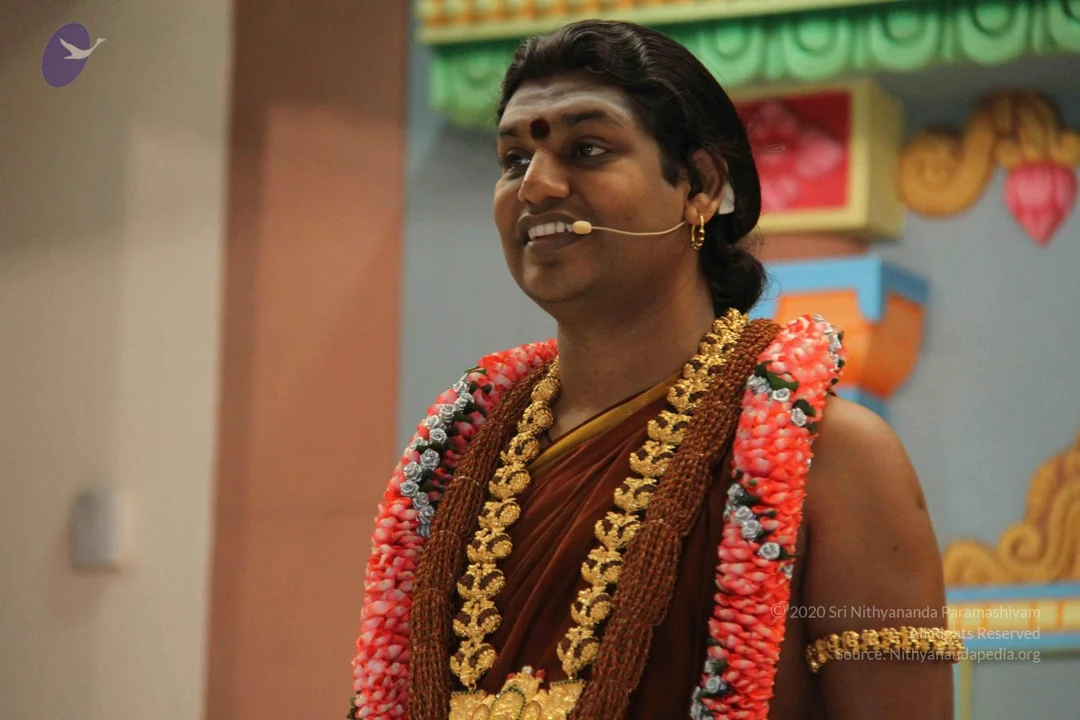
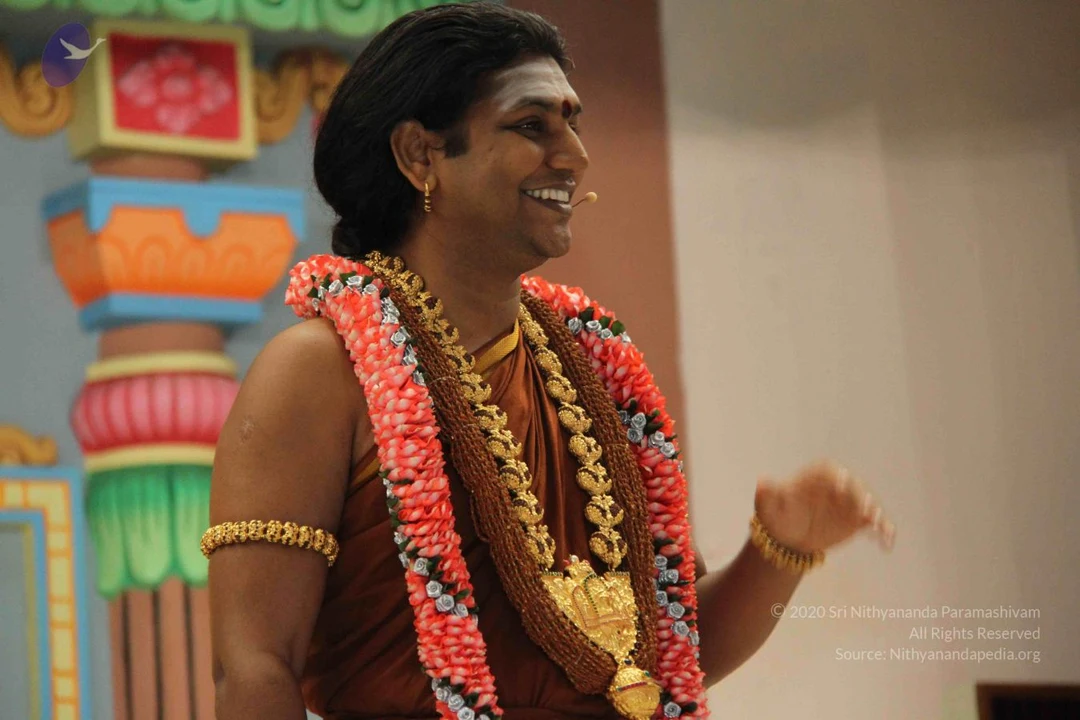
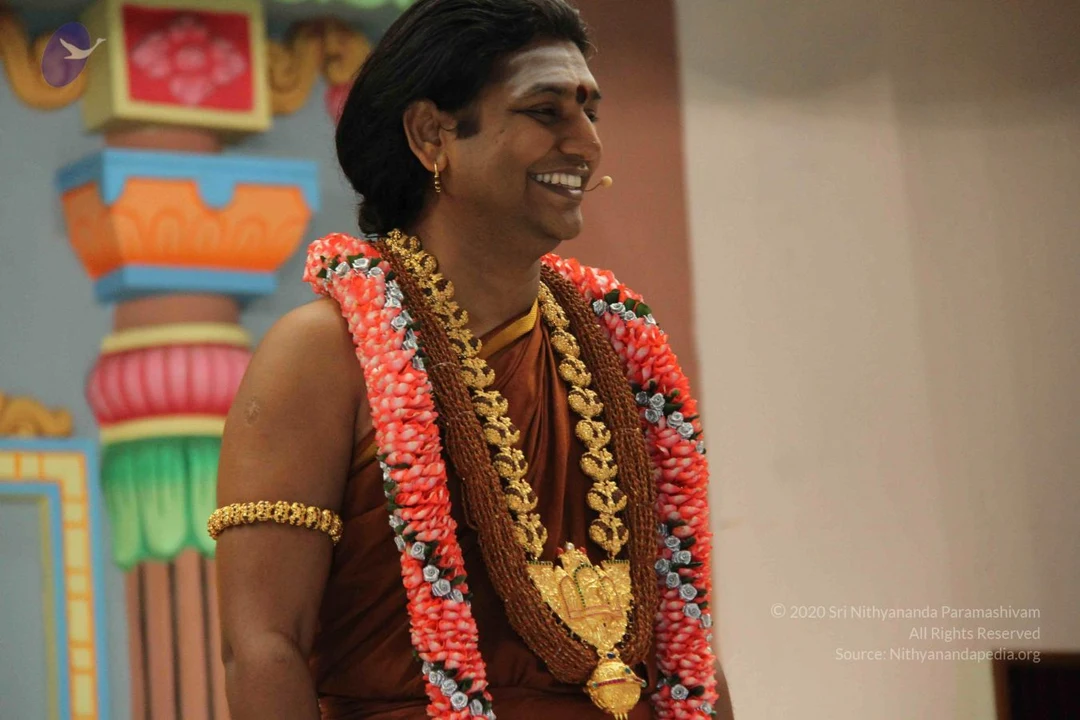
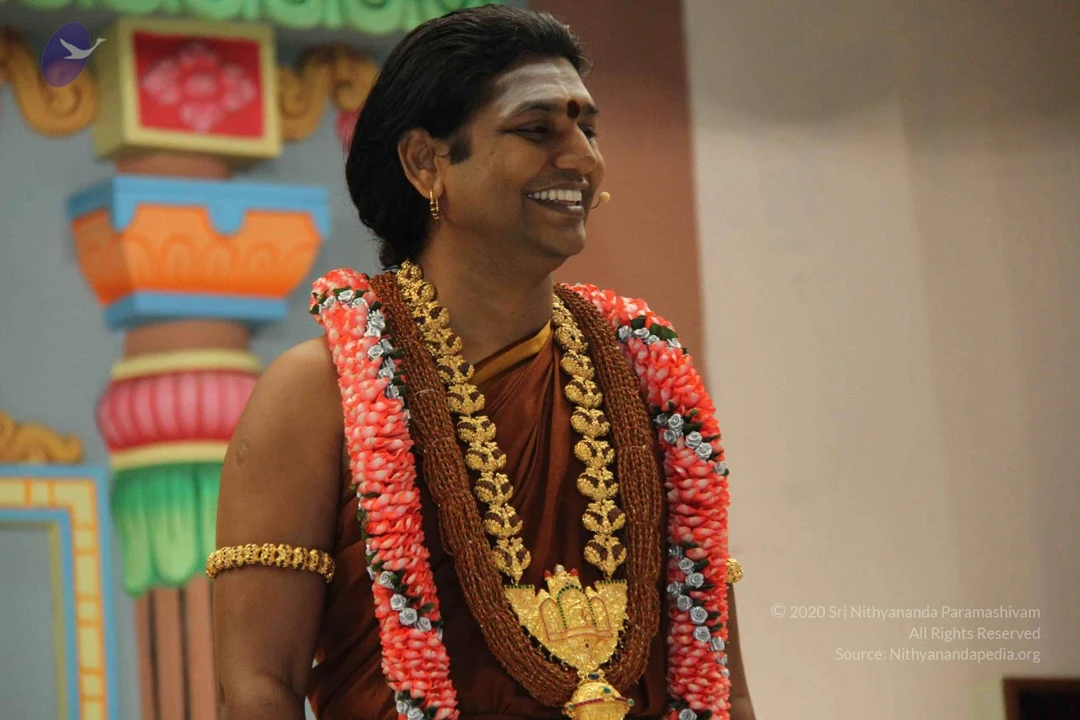
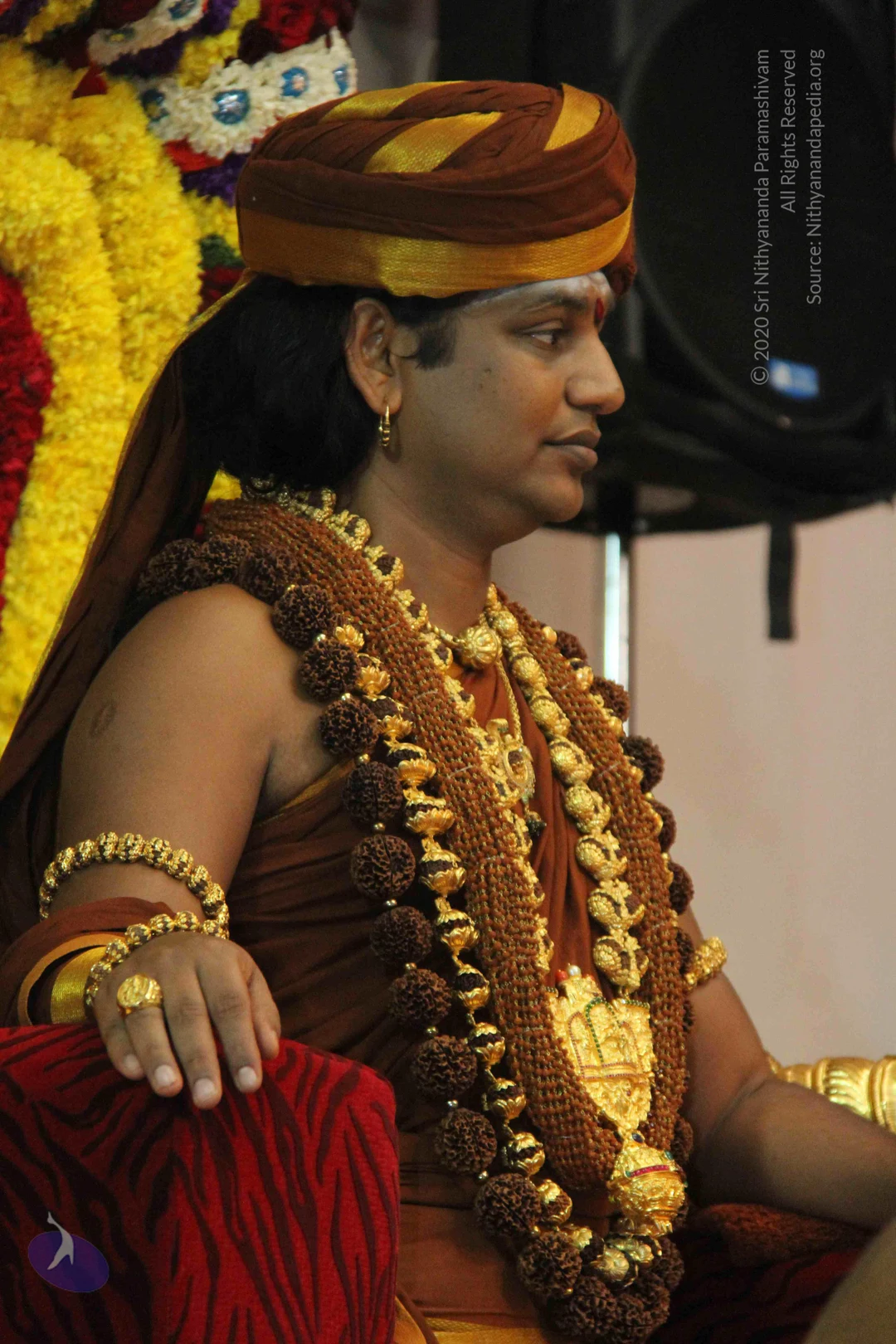
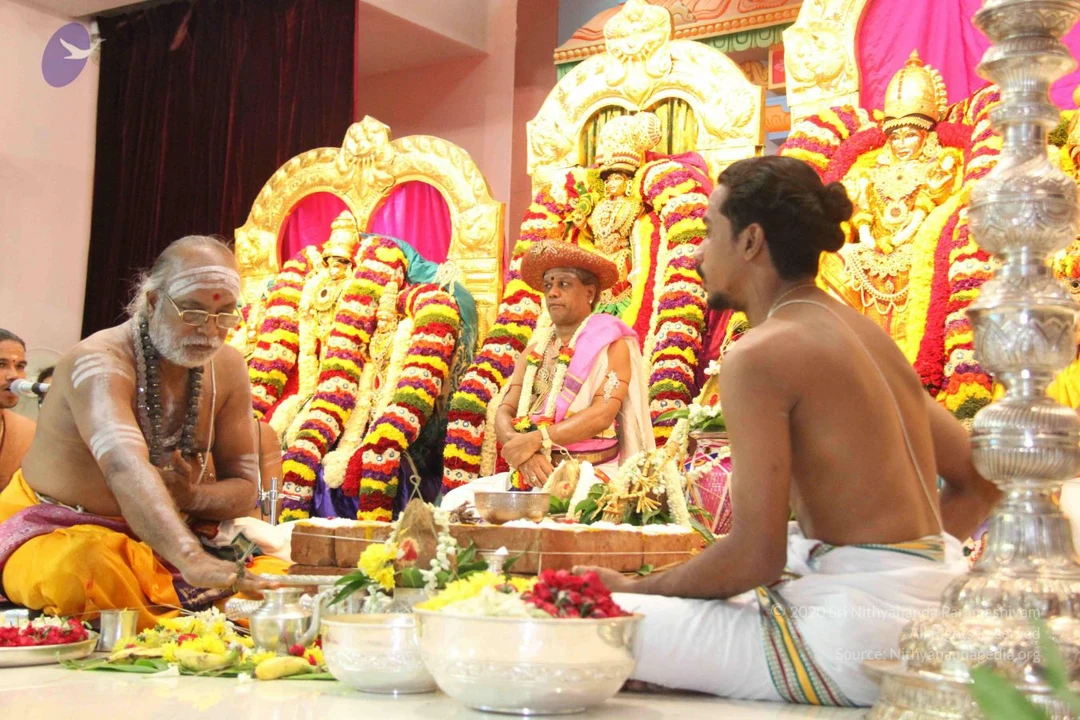
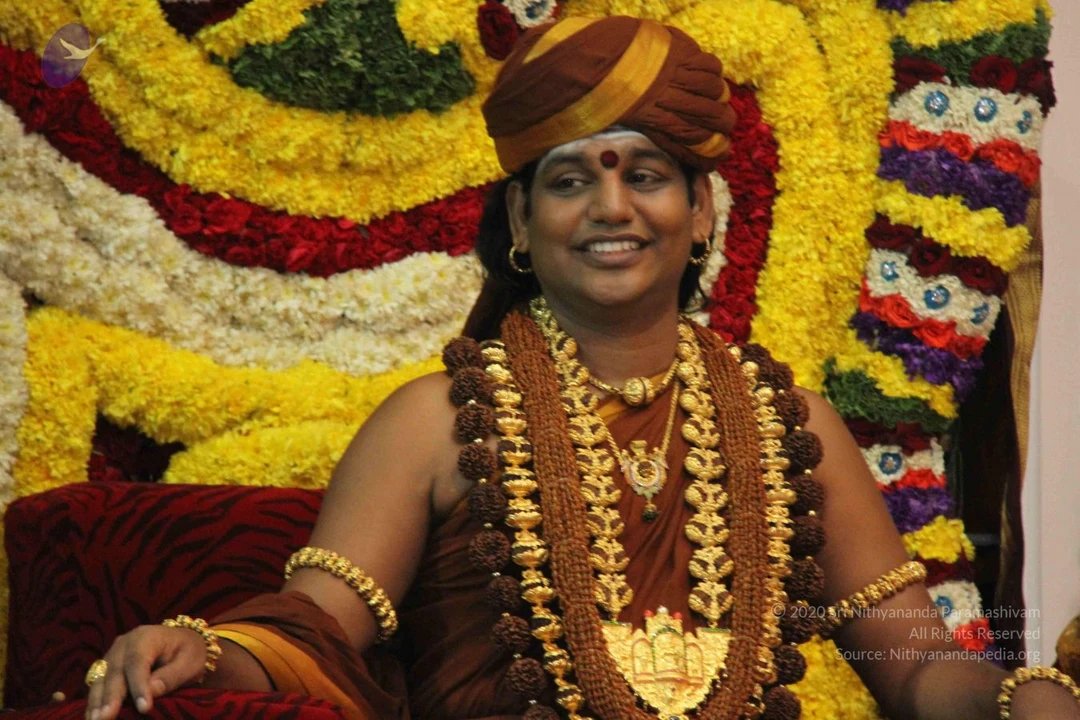
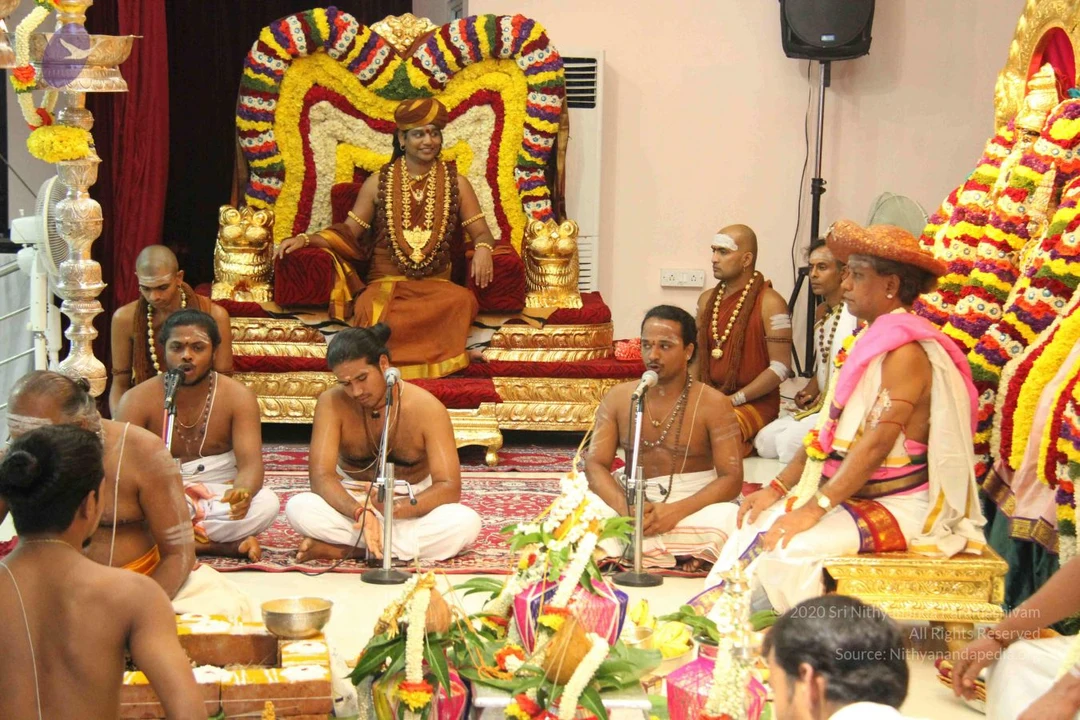
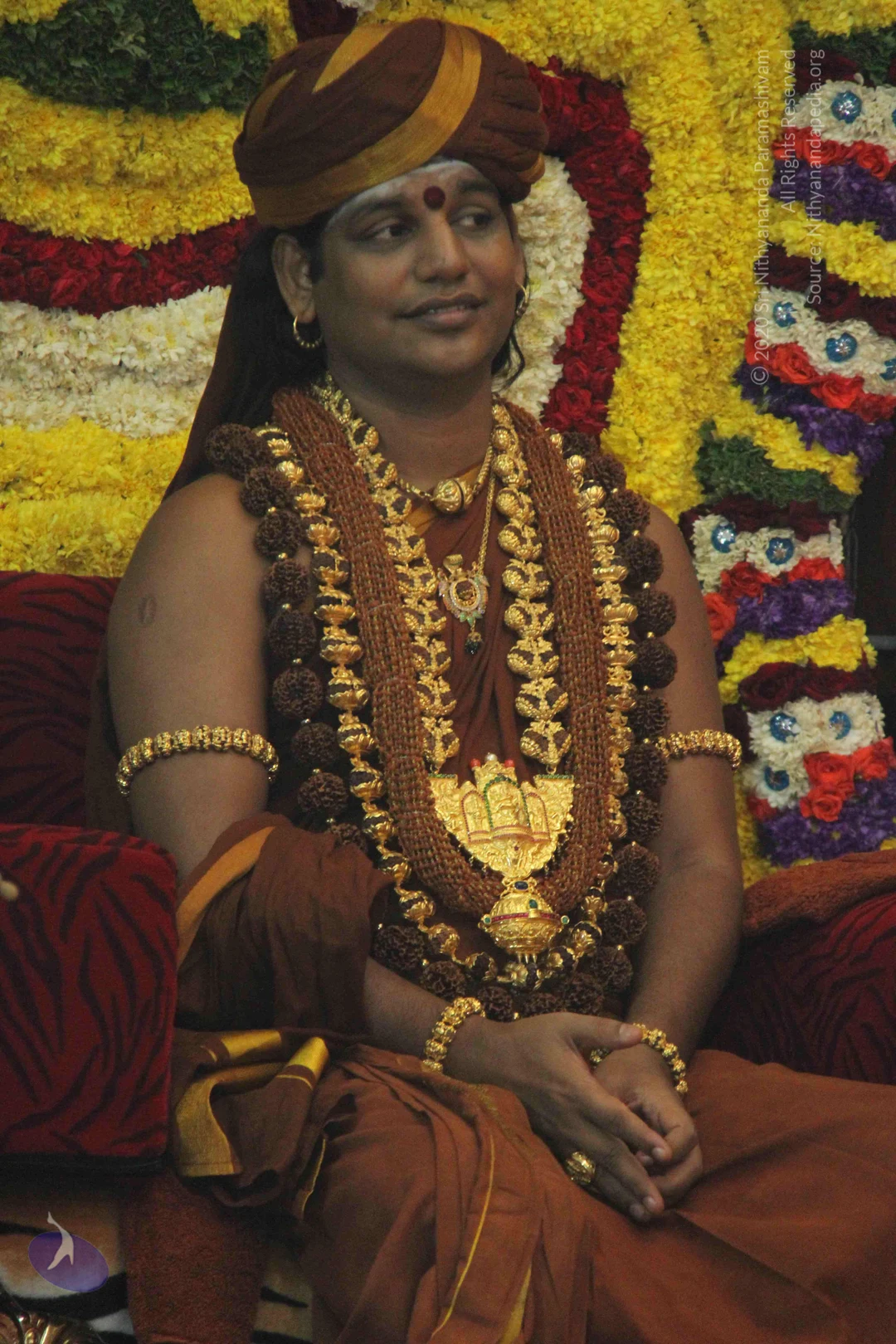
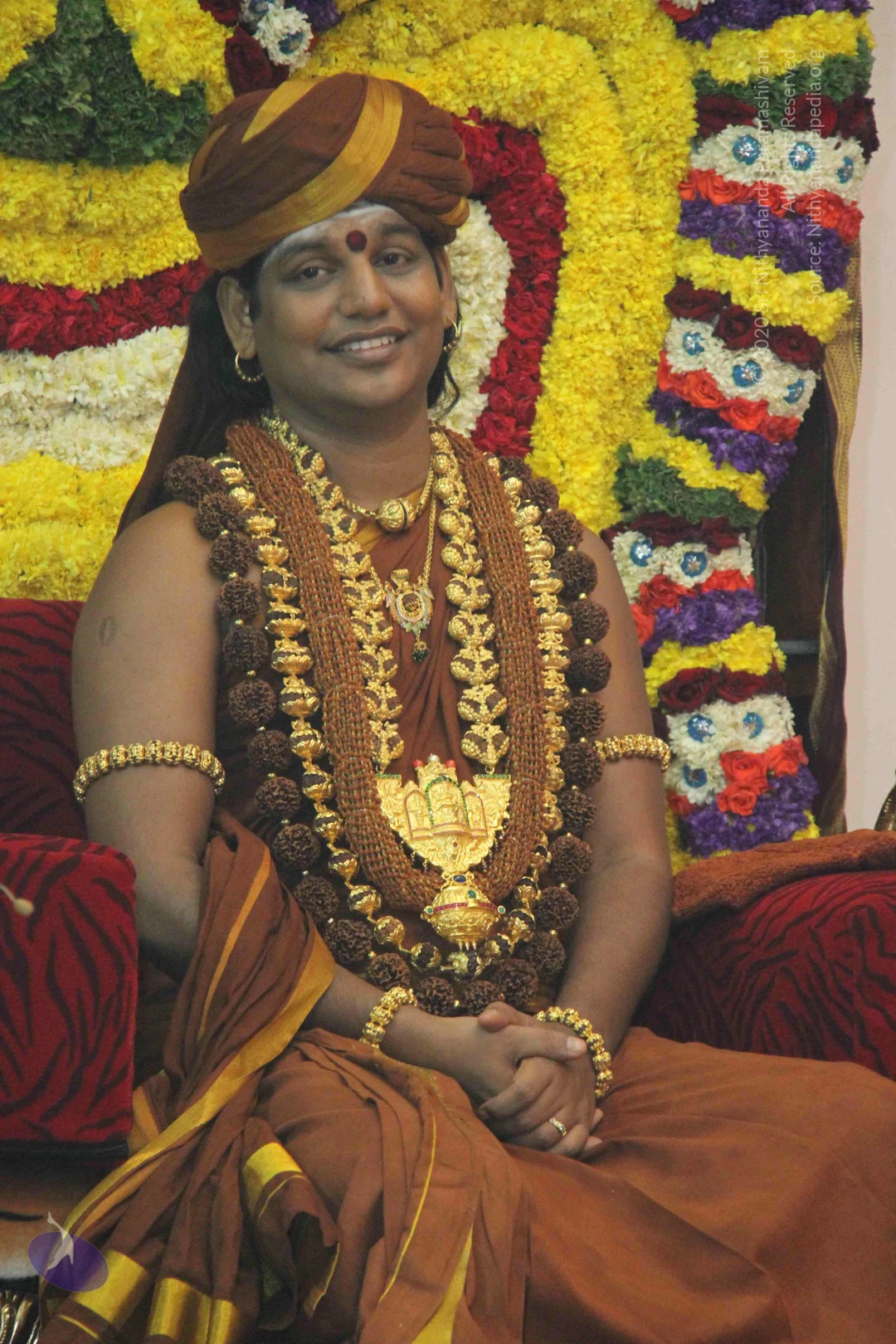
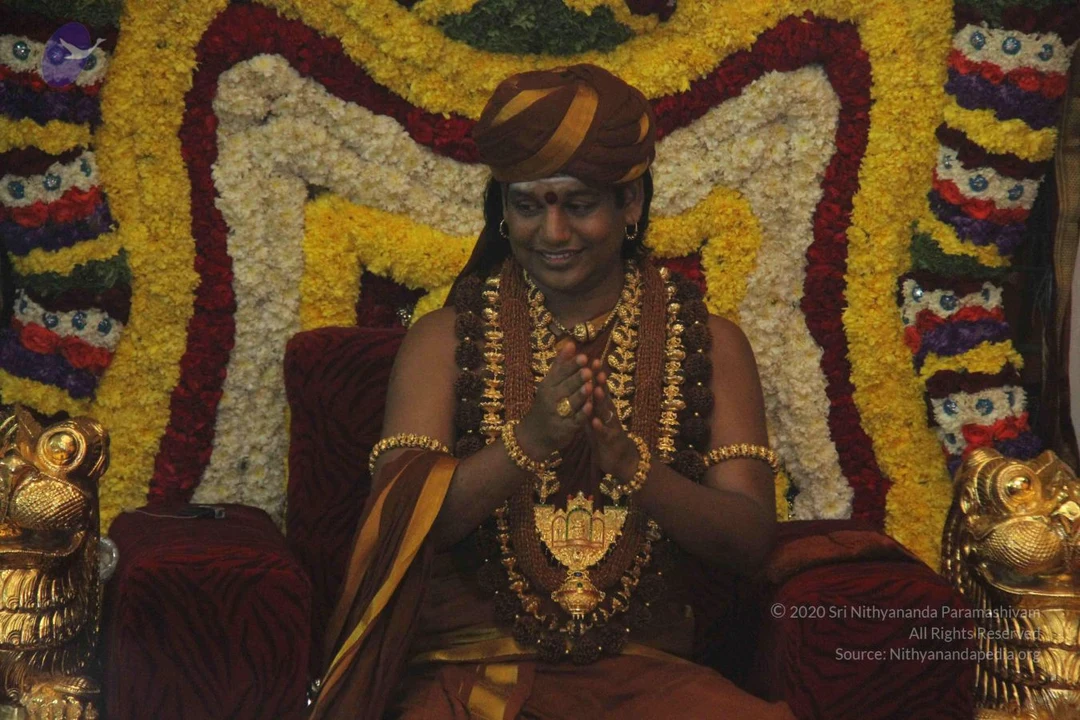
Photos Of The Day:
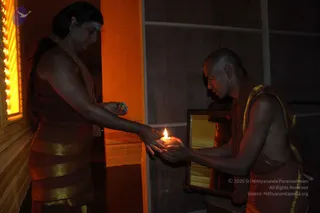
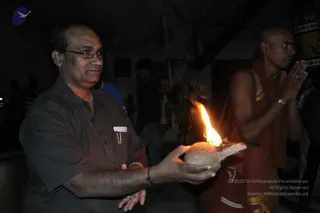
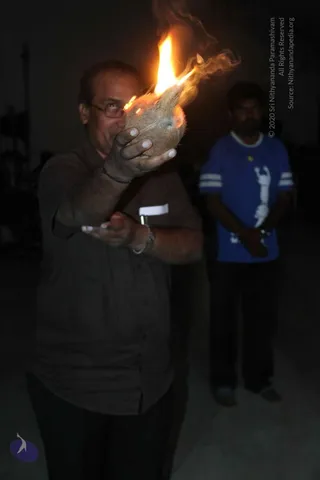
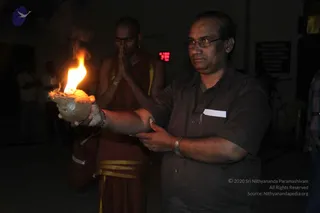
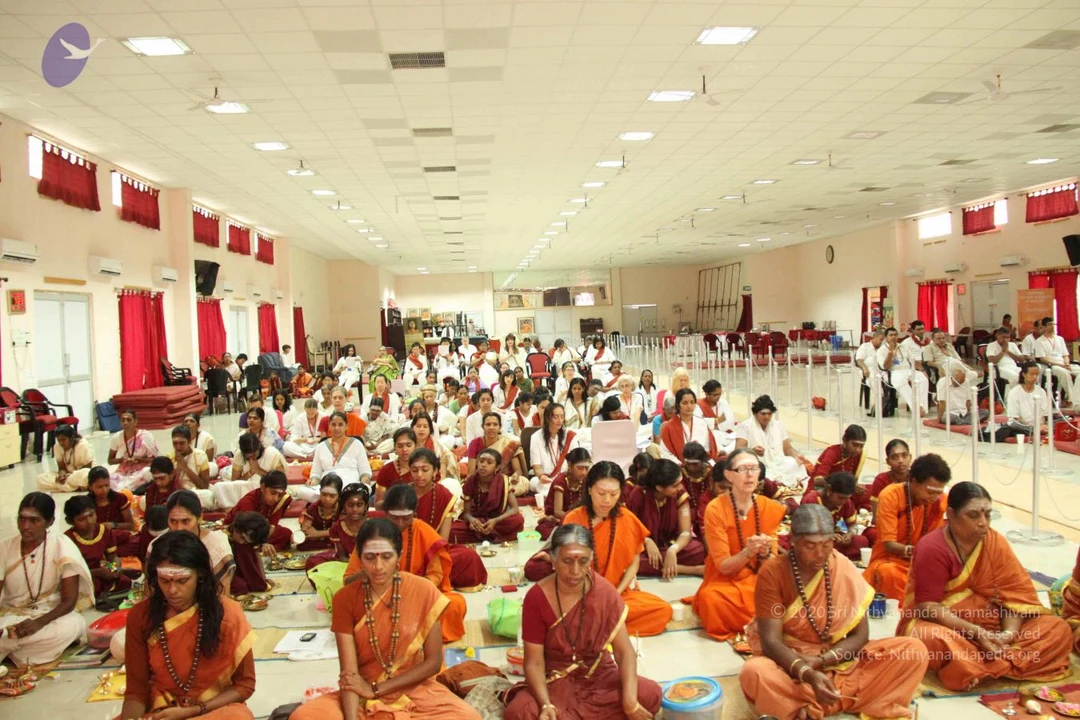
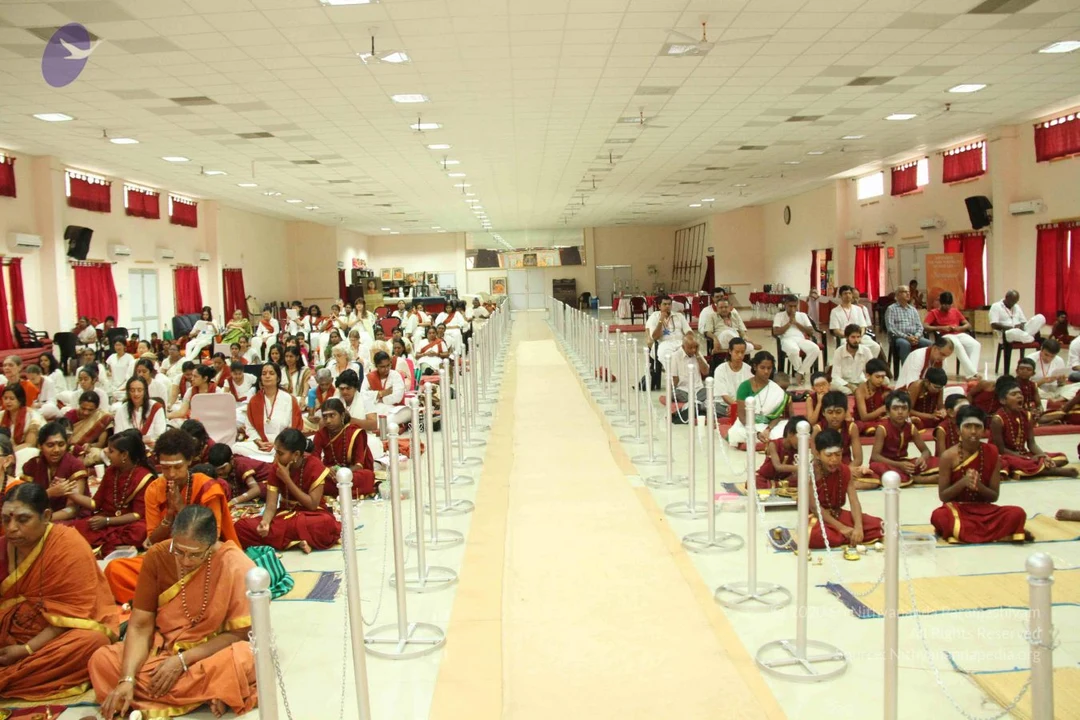
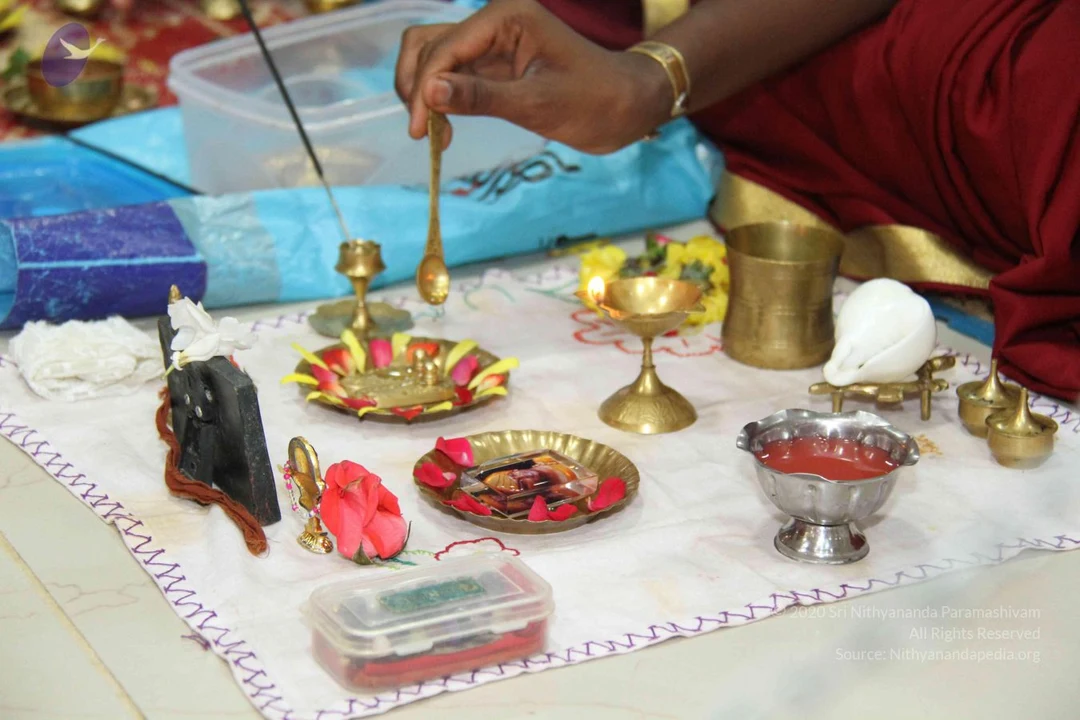
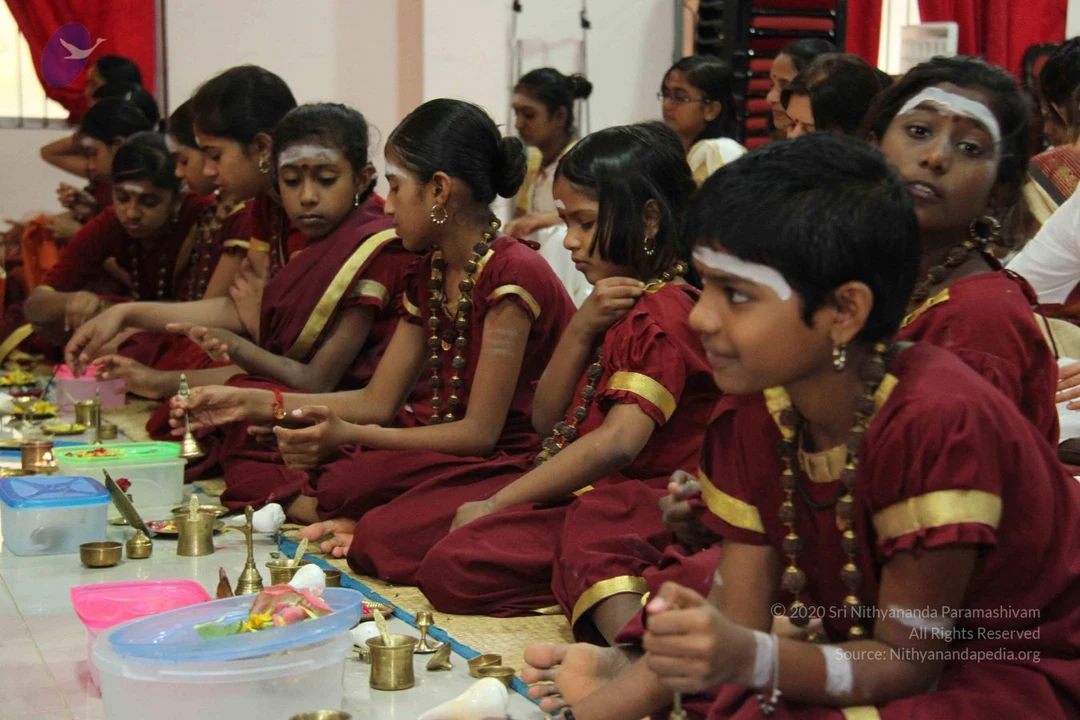
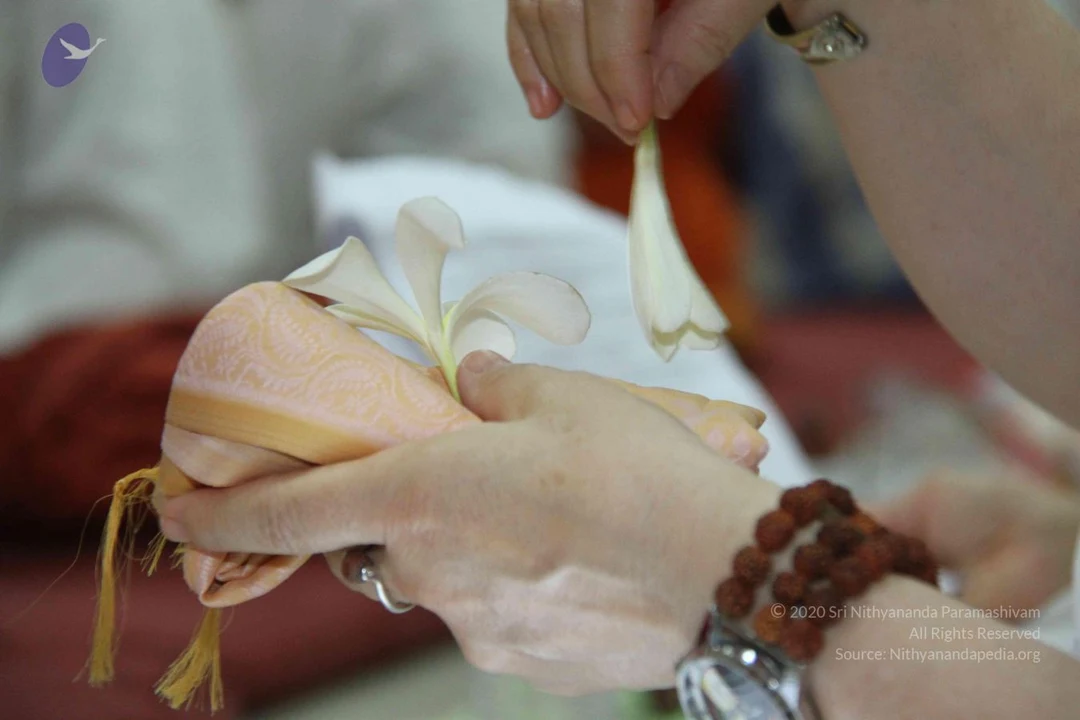
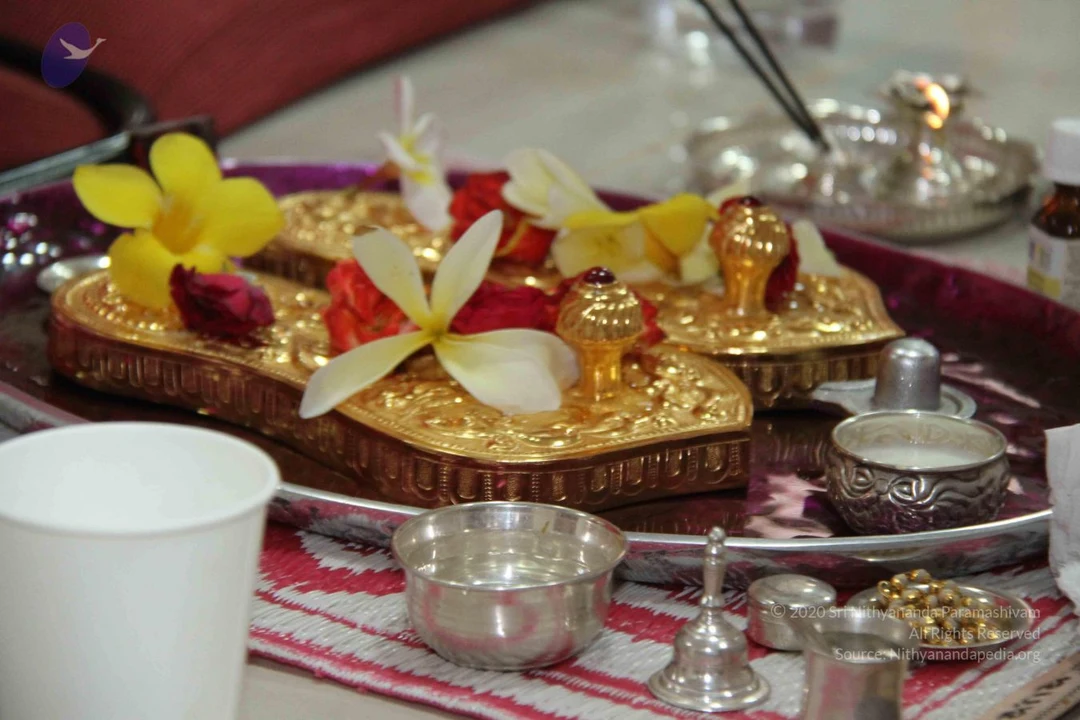
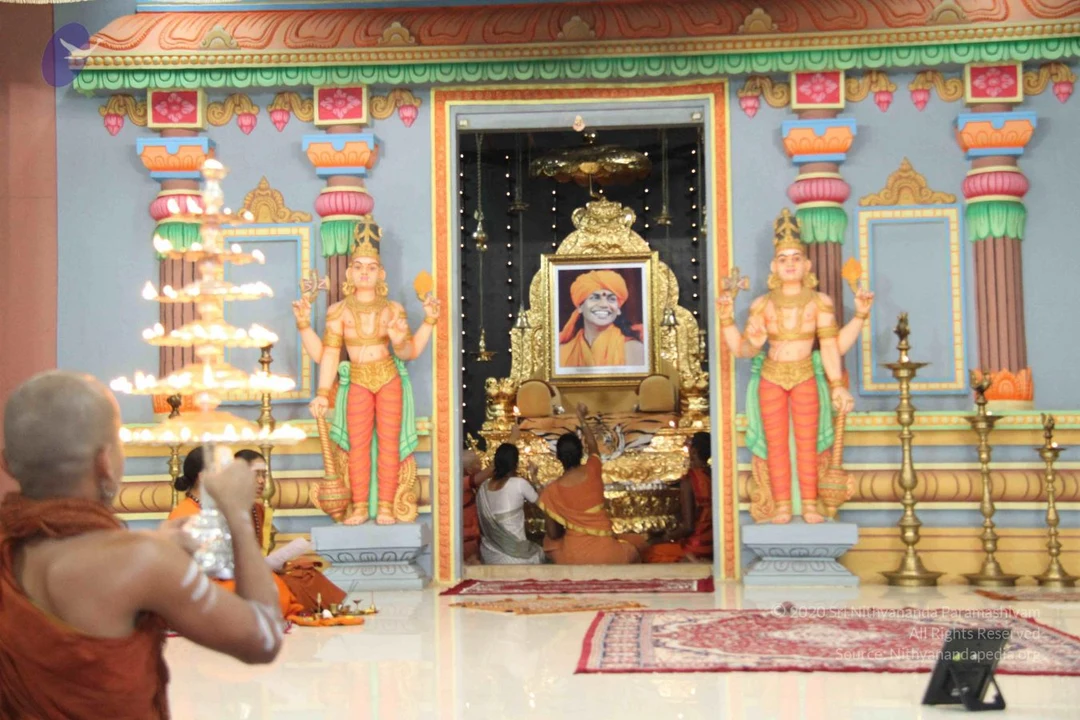
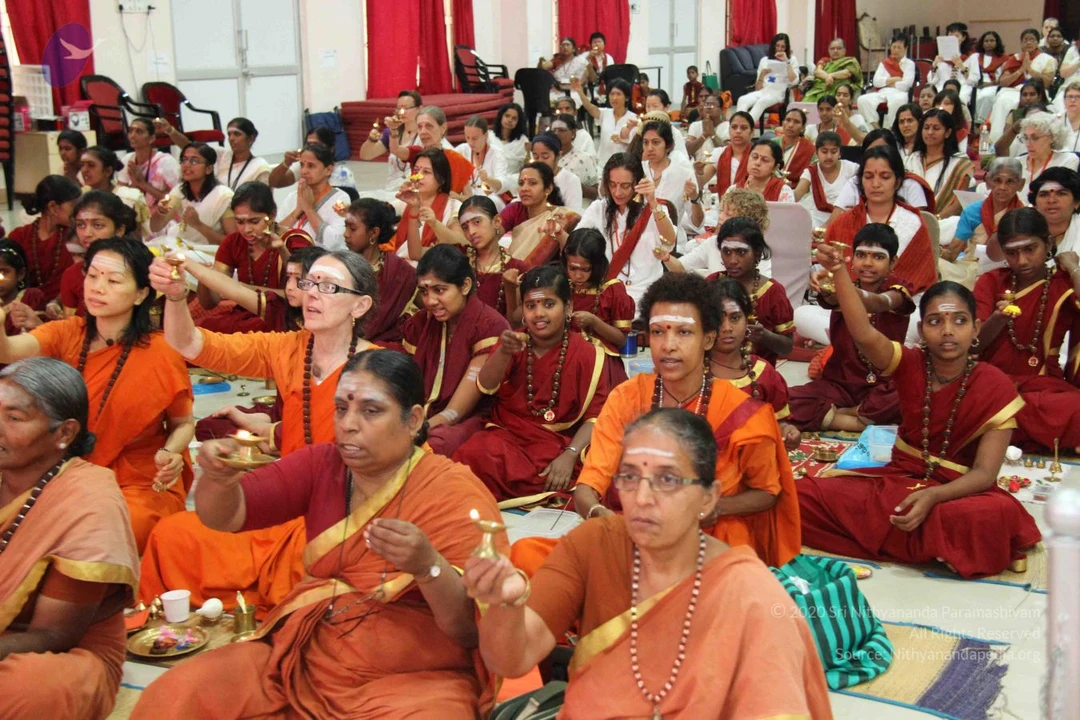
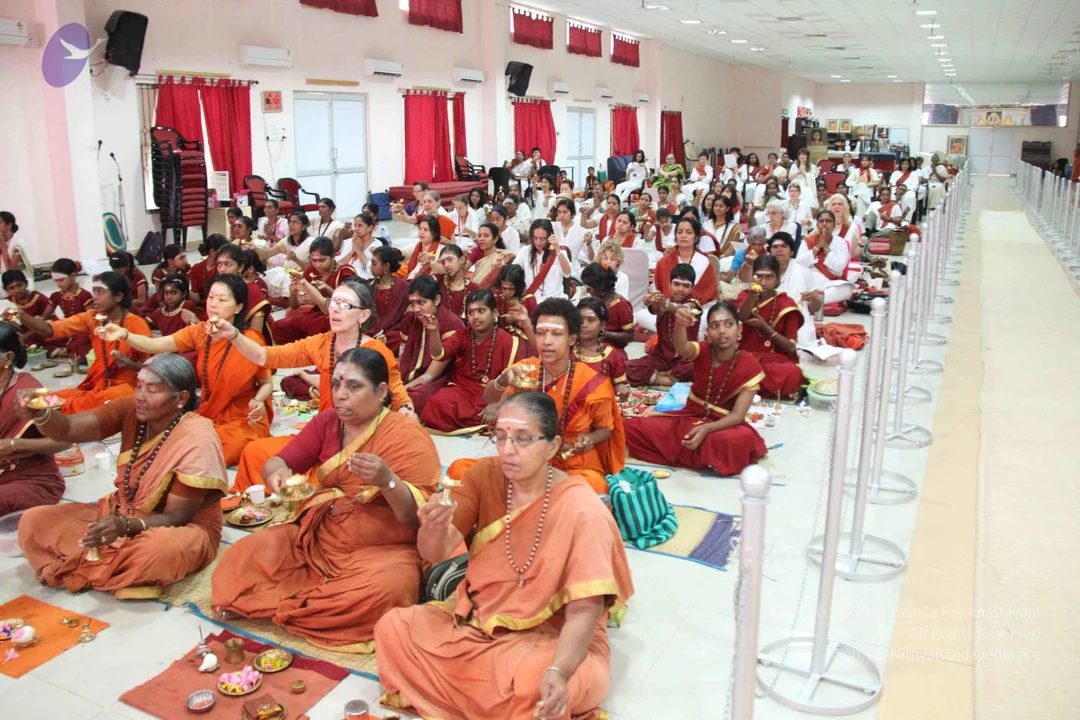
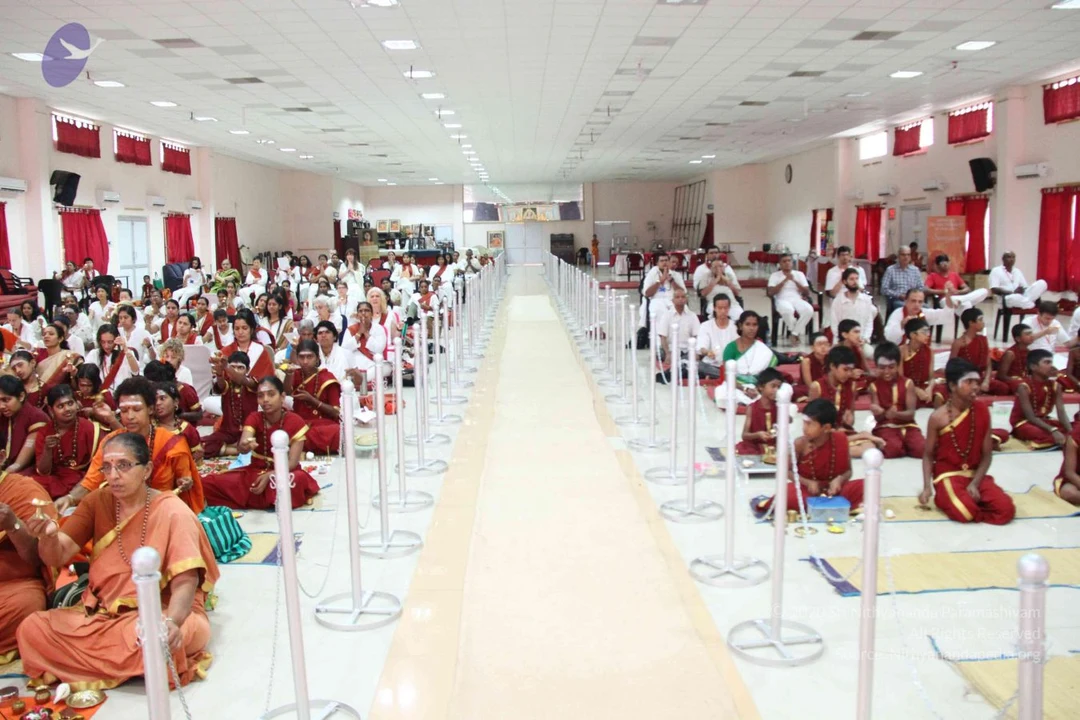
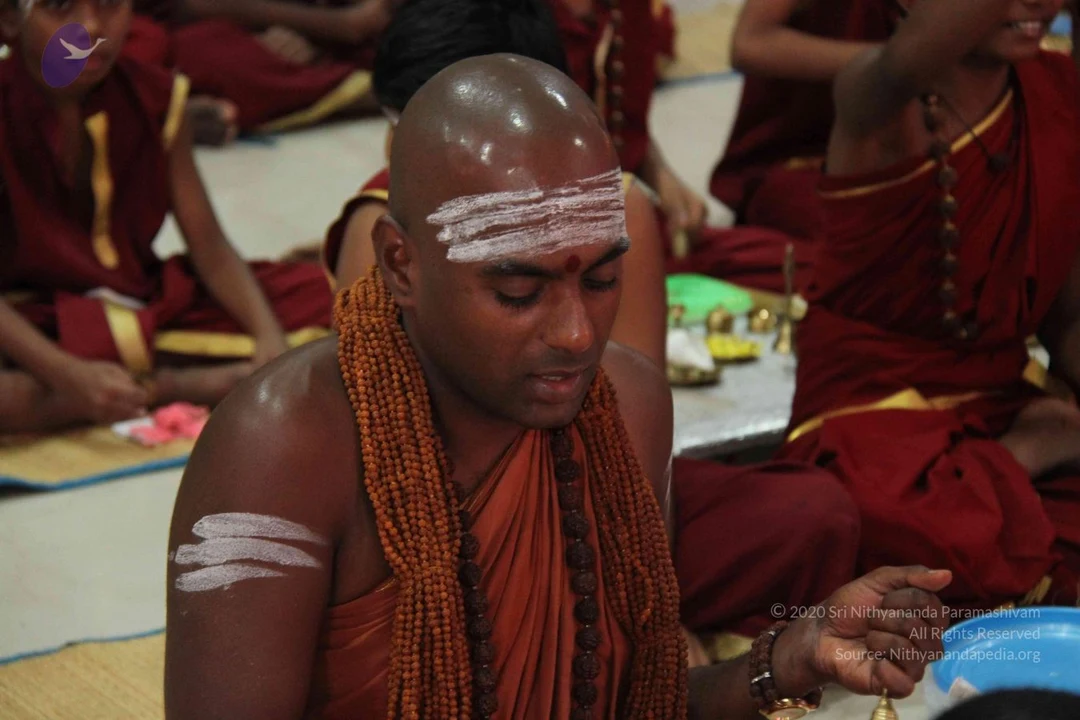
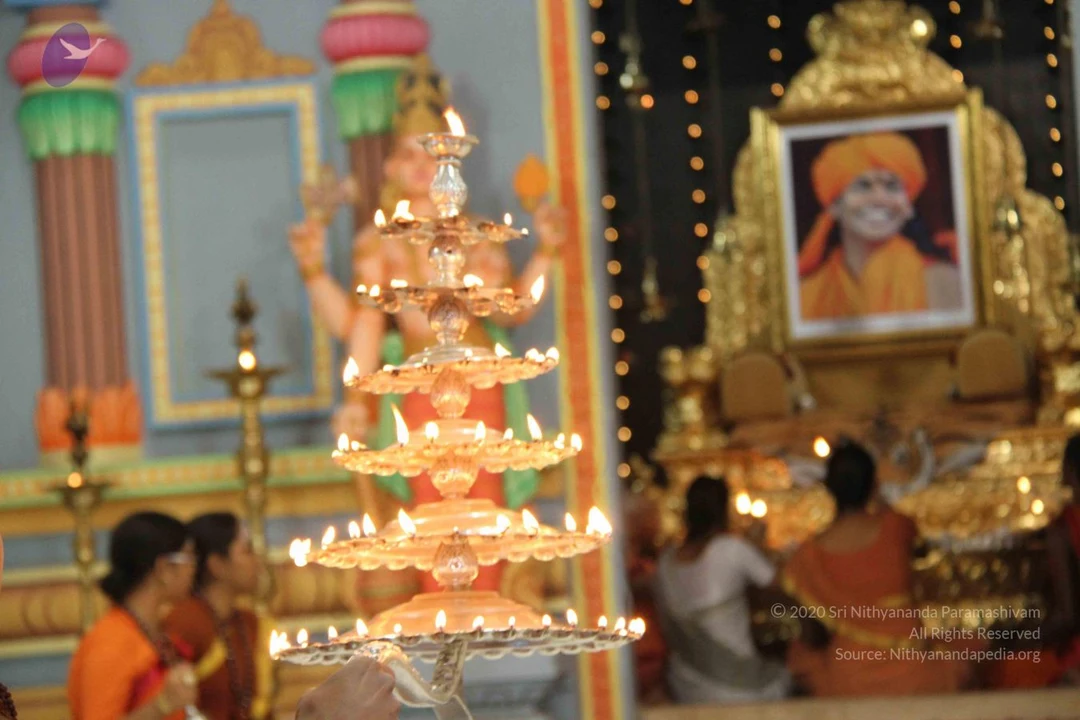
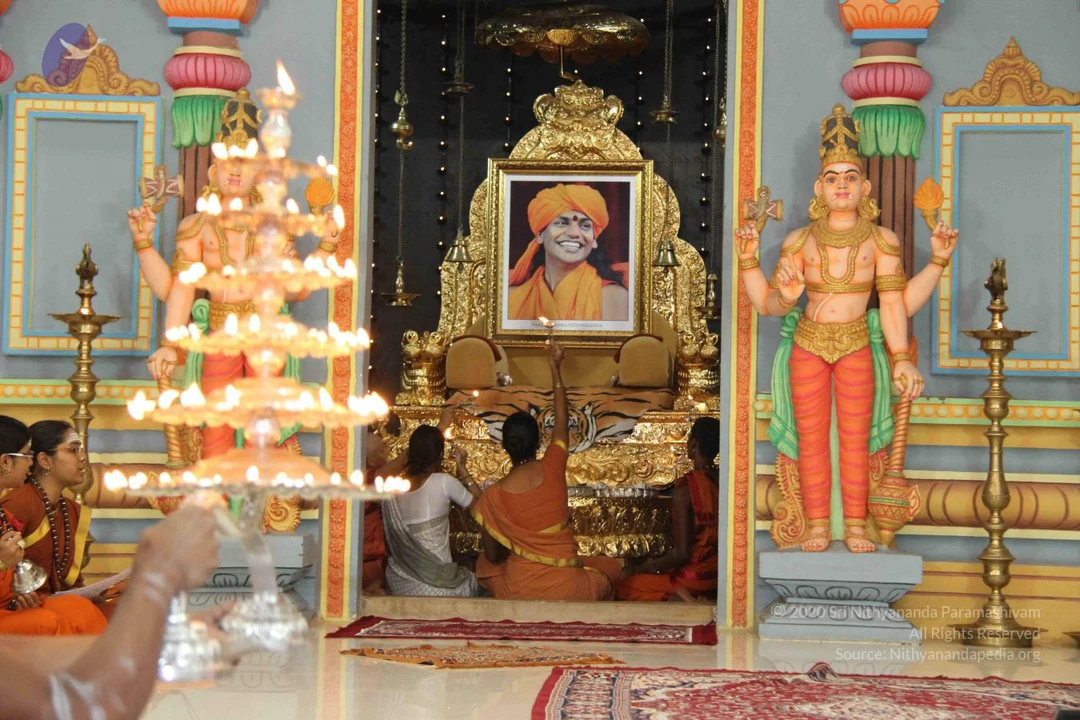
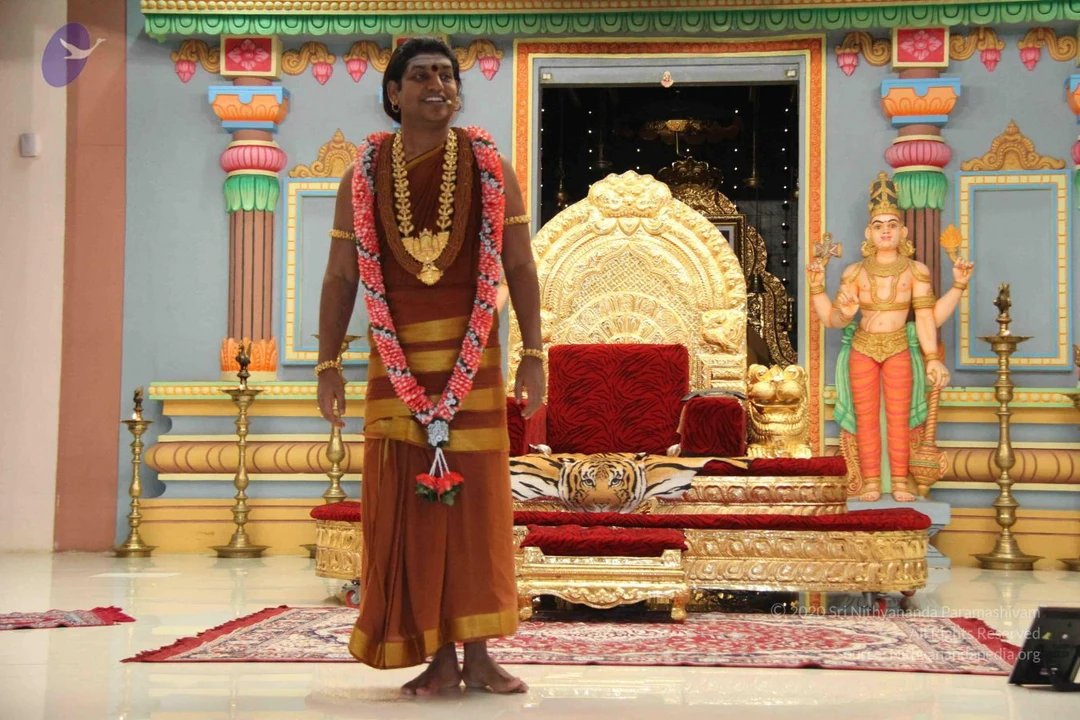
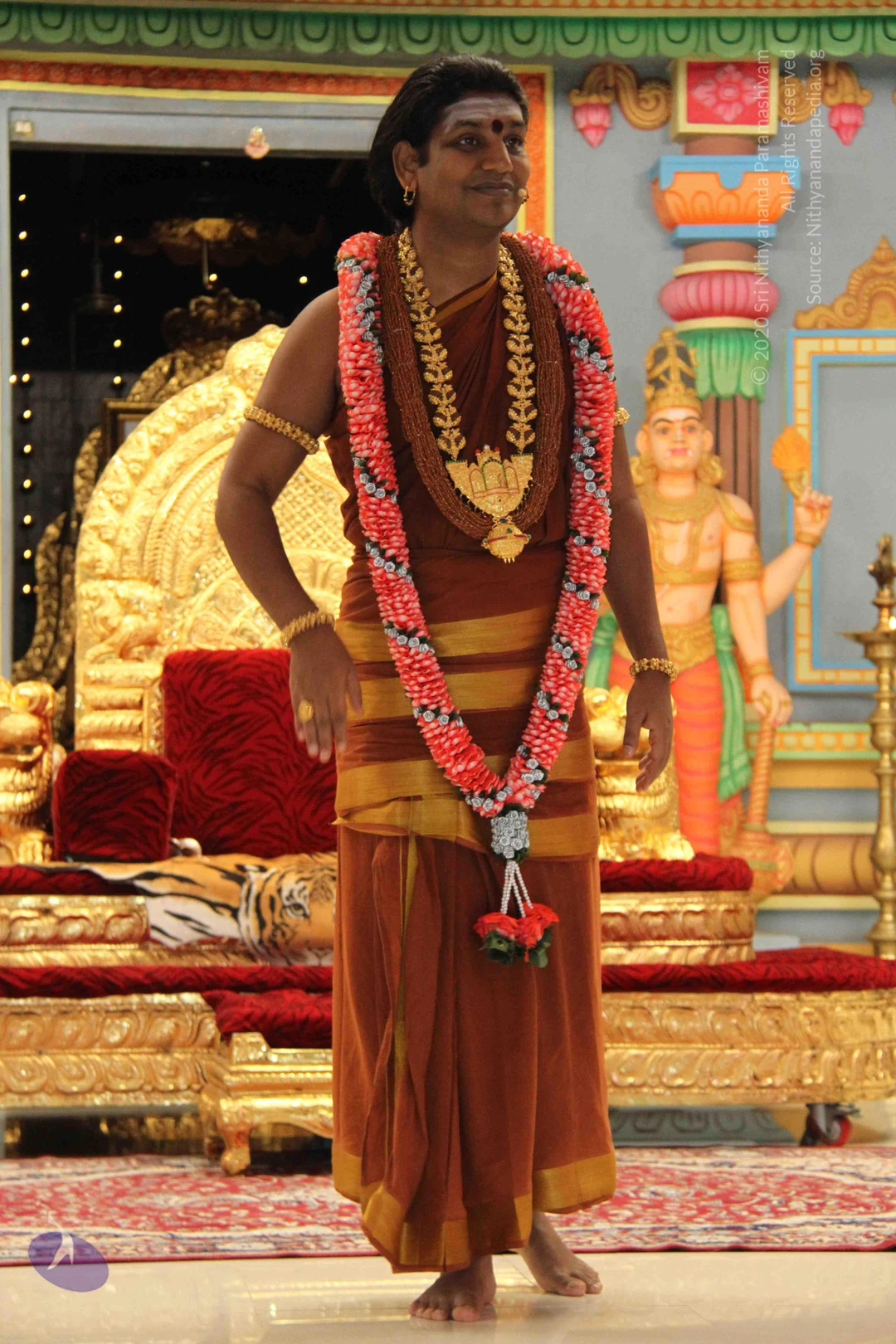
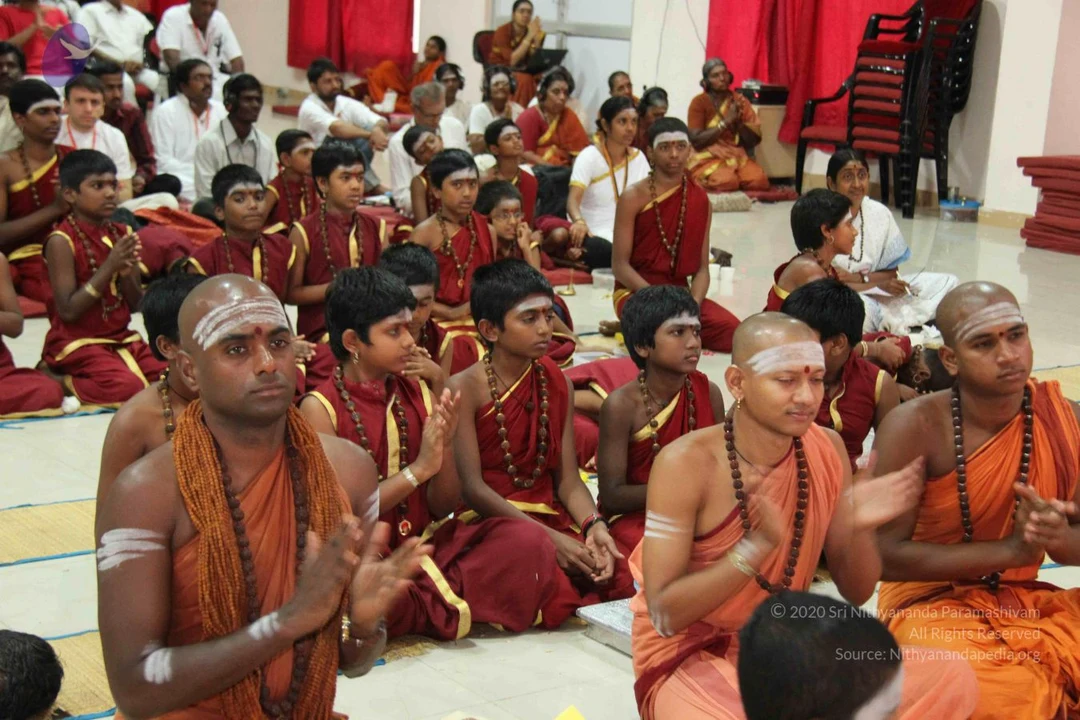
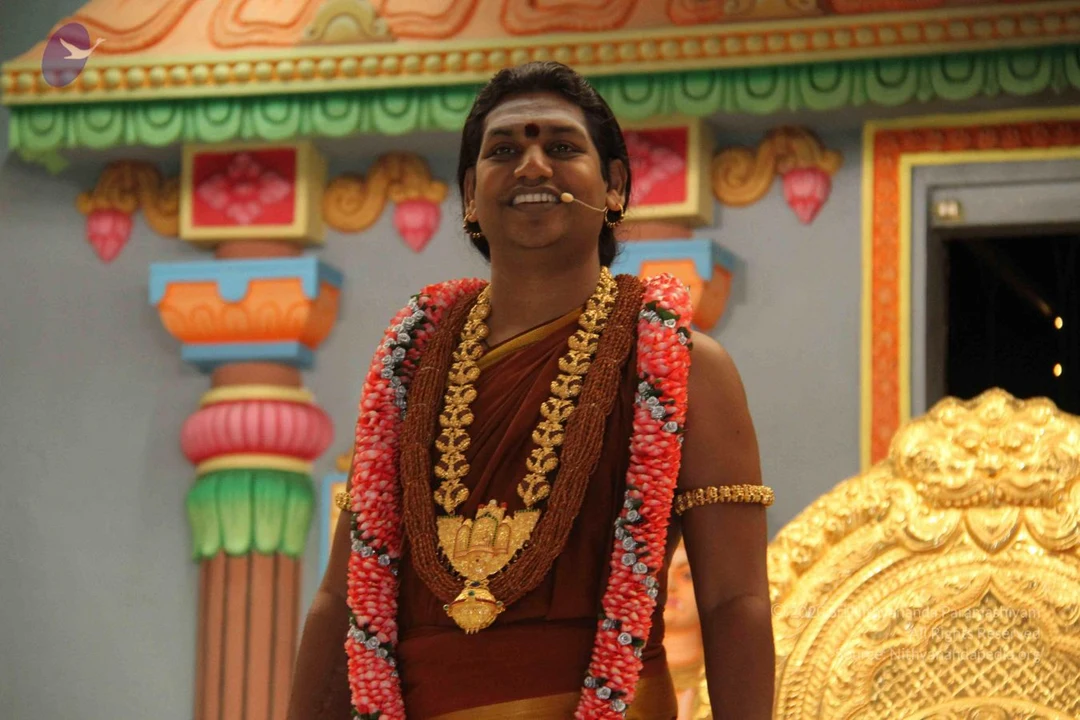
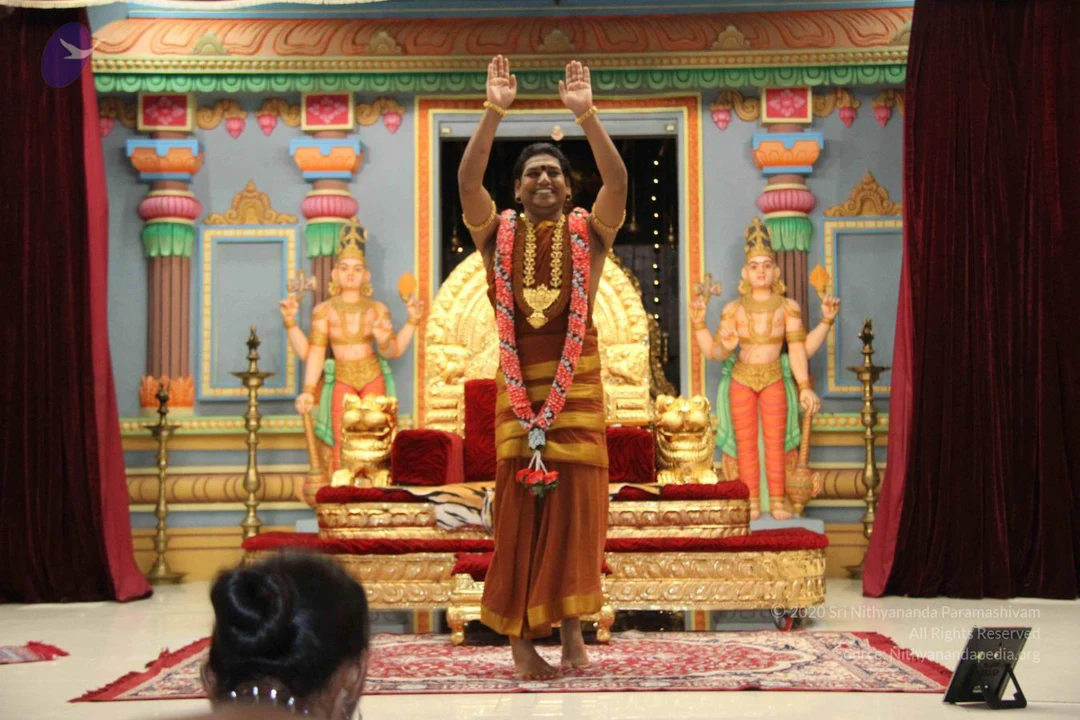
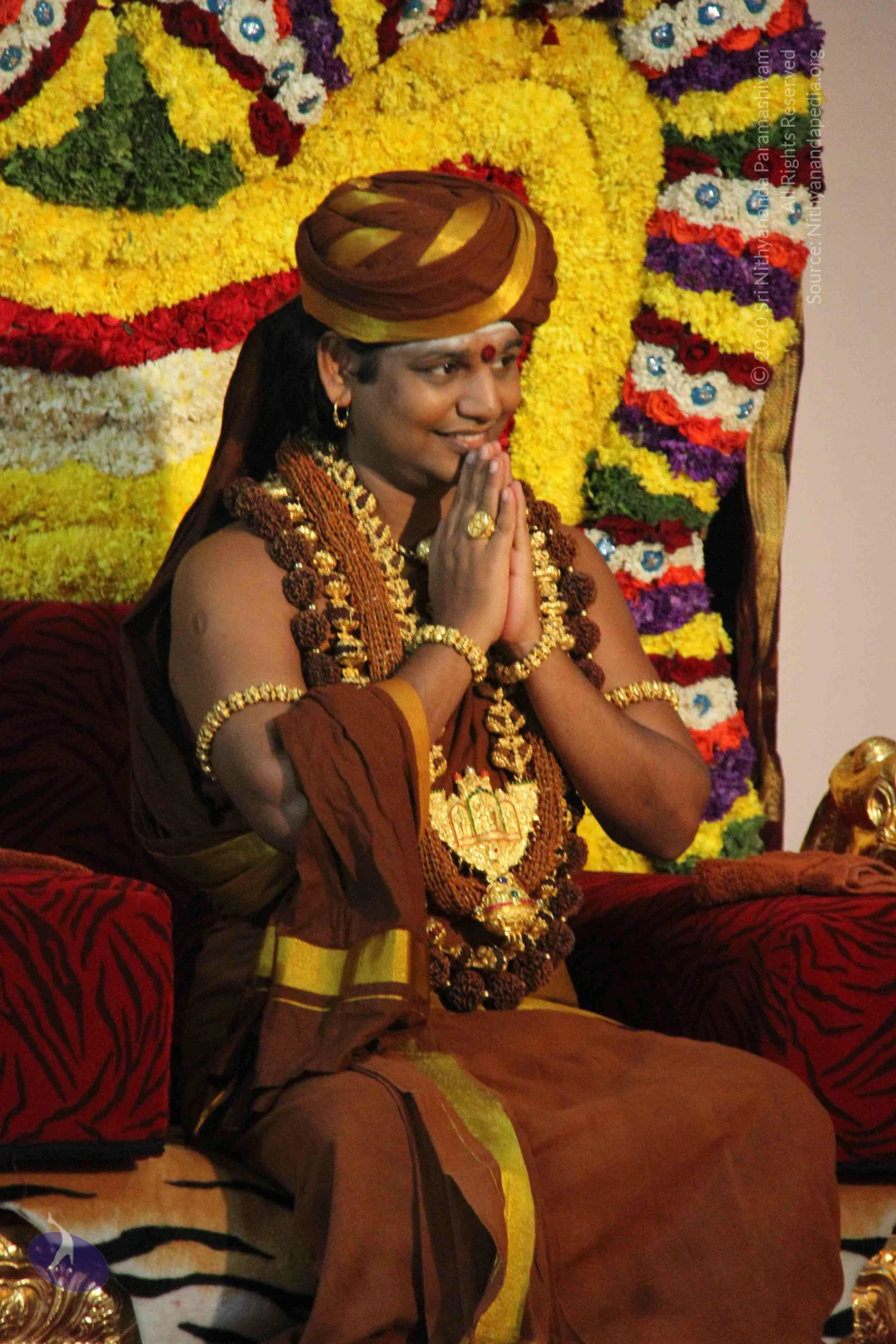
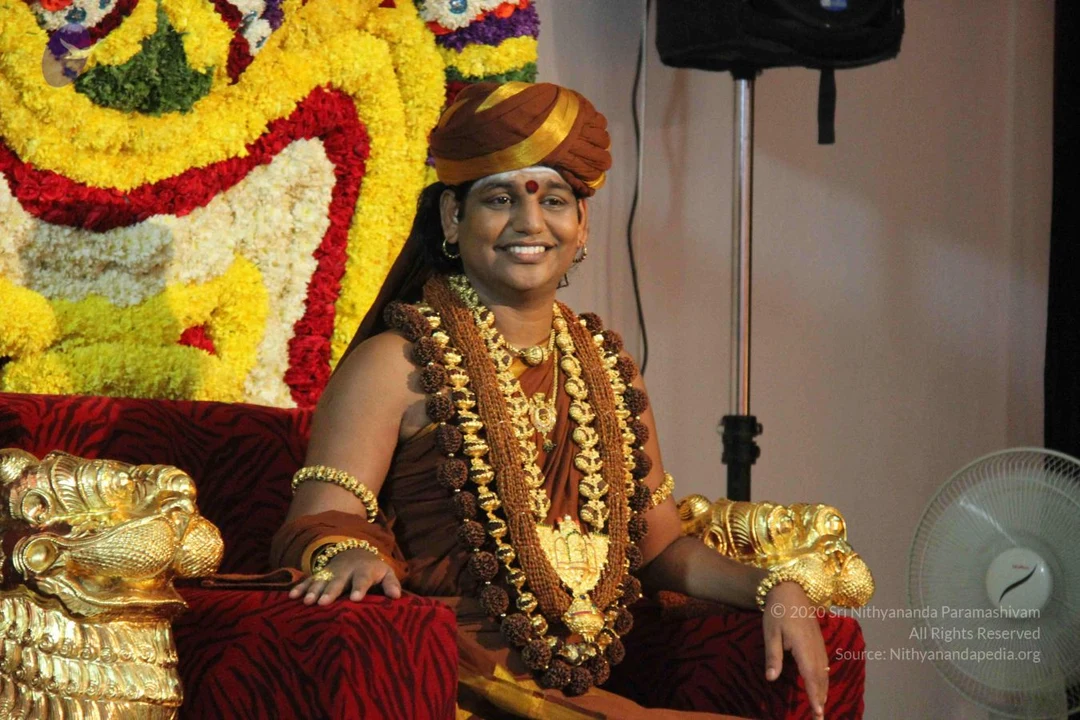
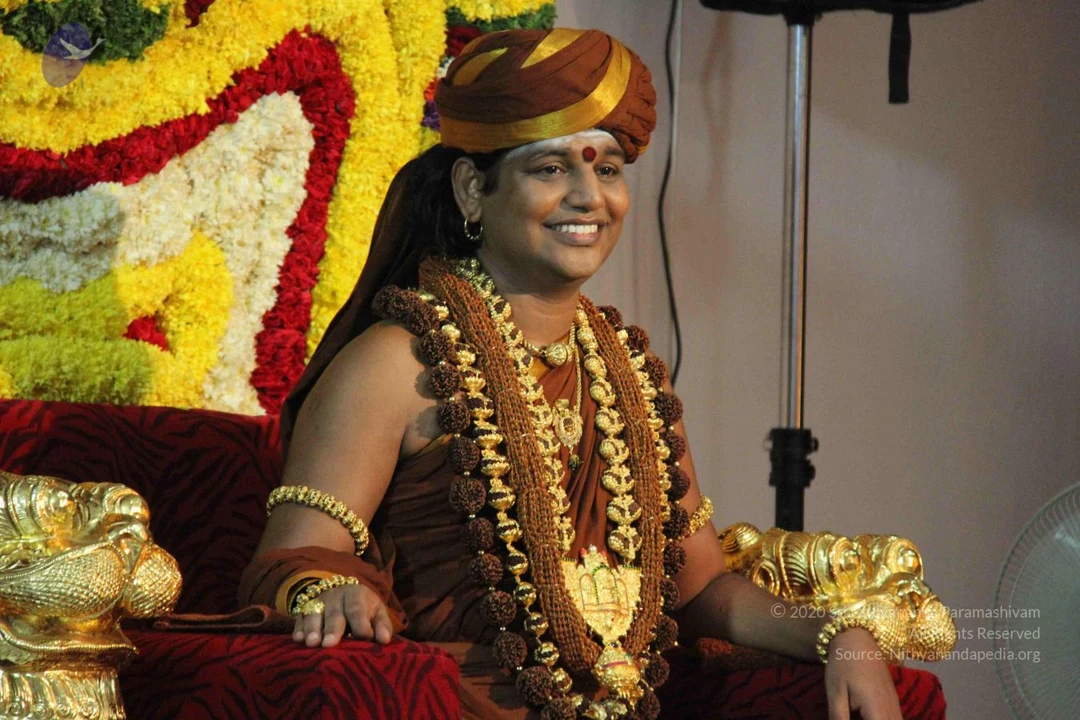
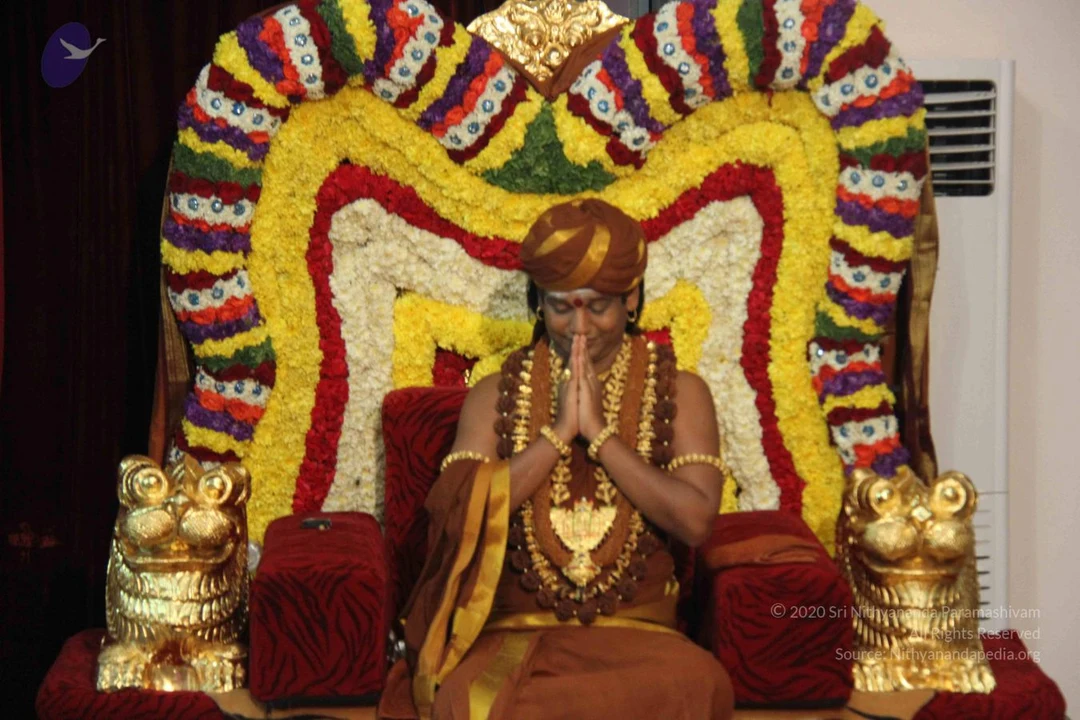
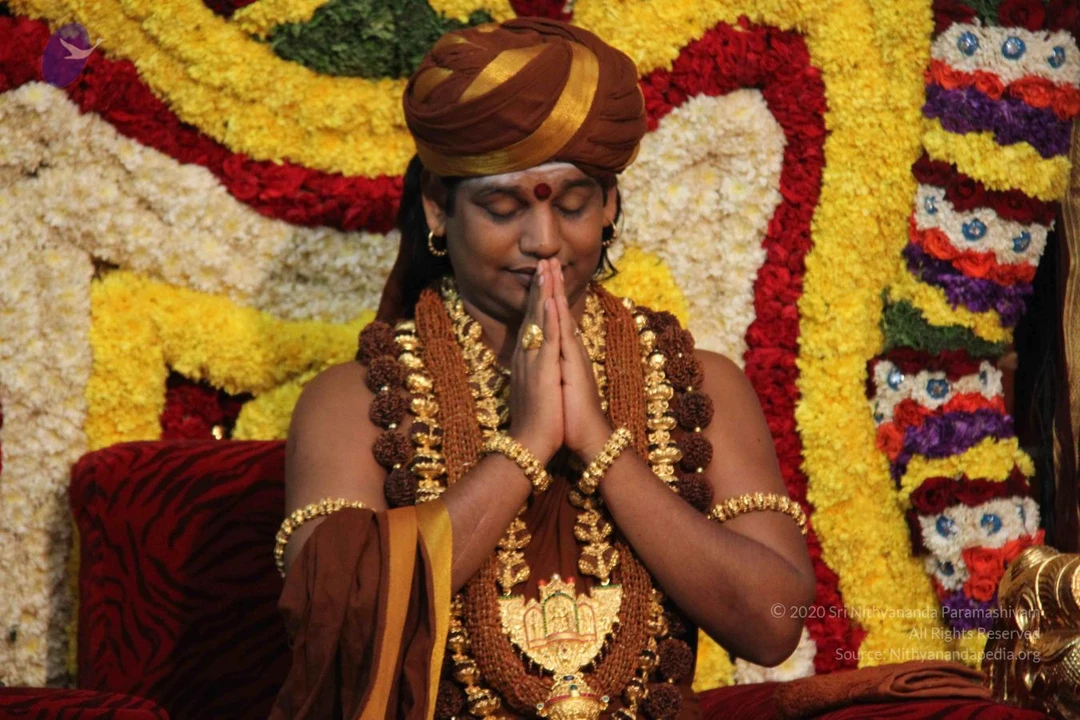
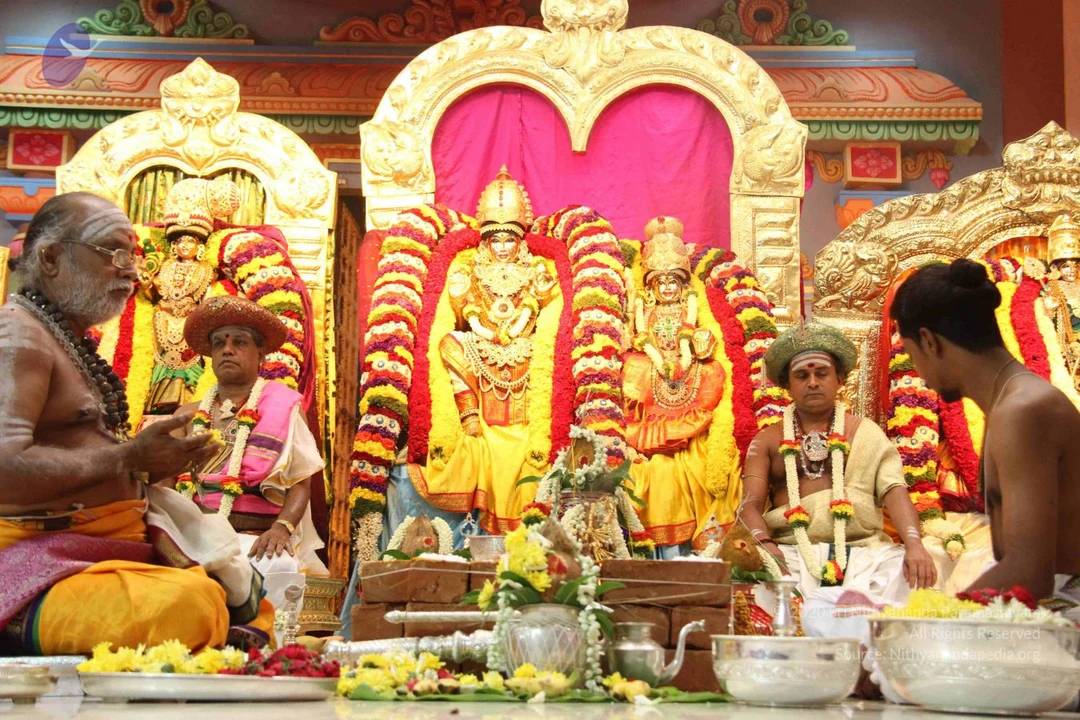
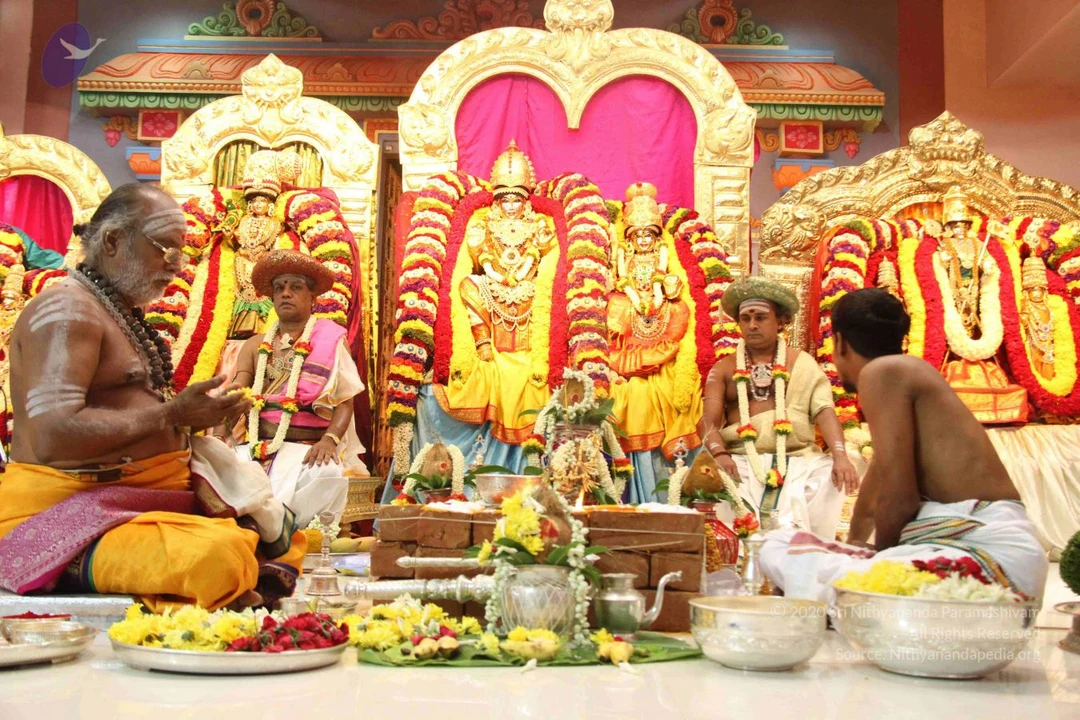
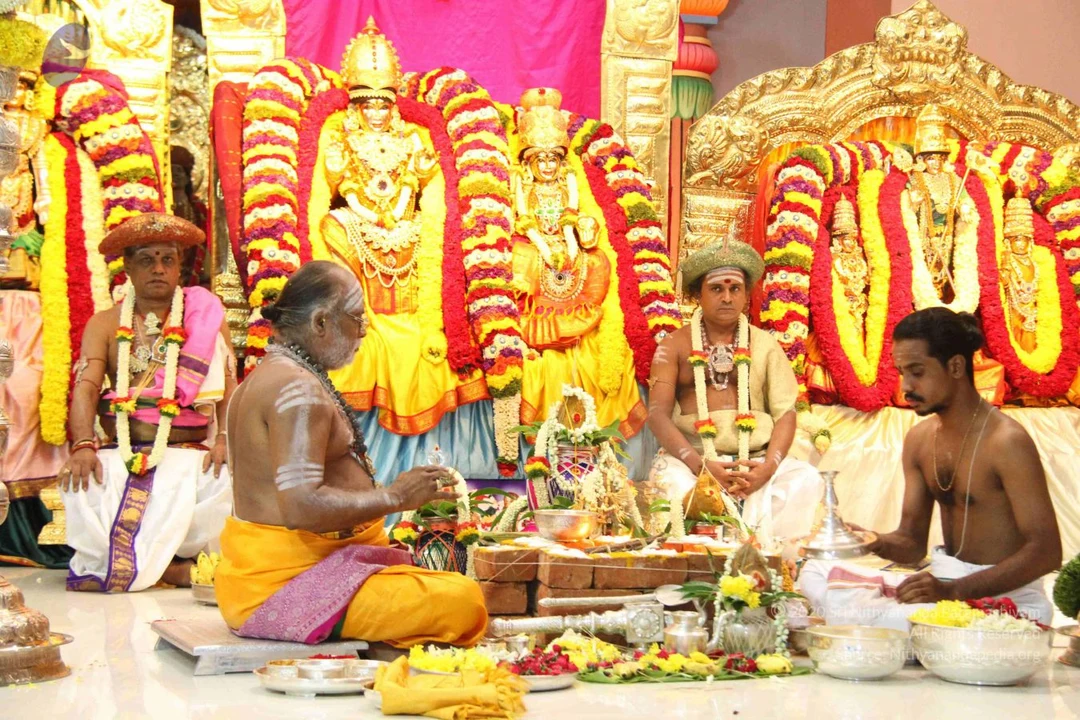
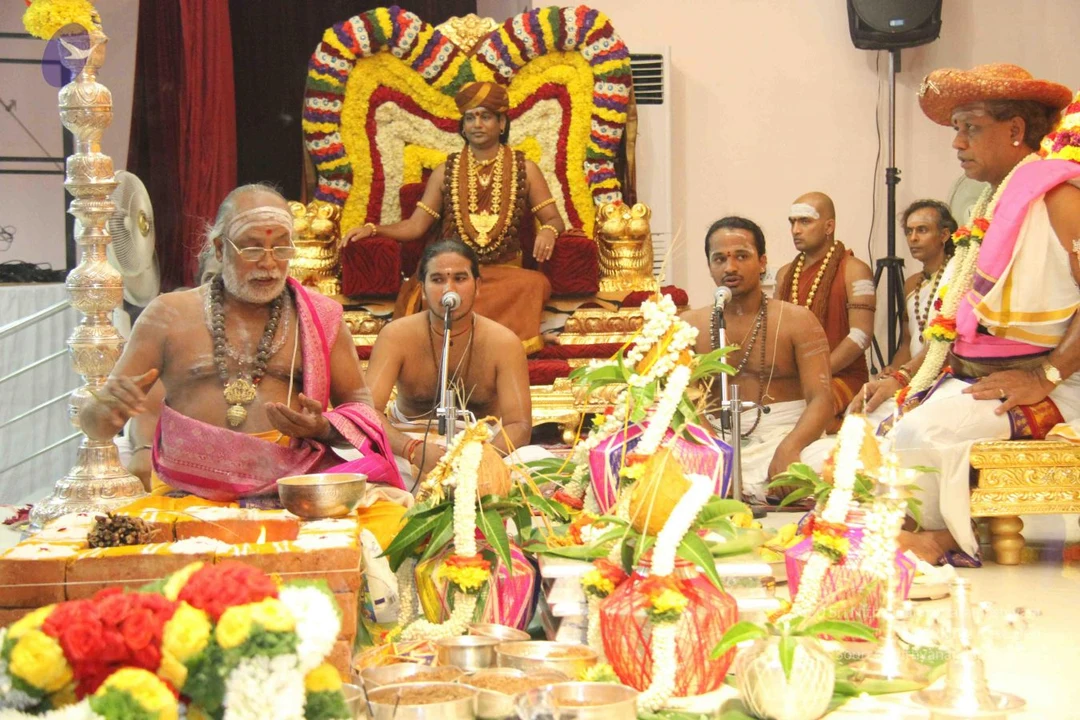
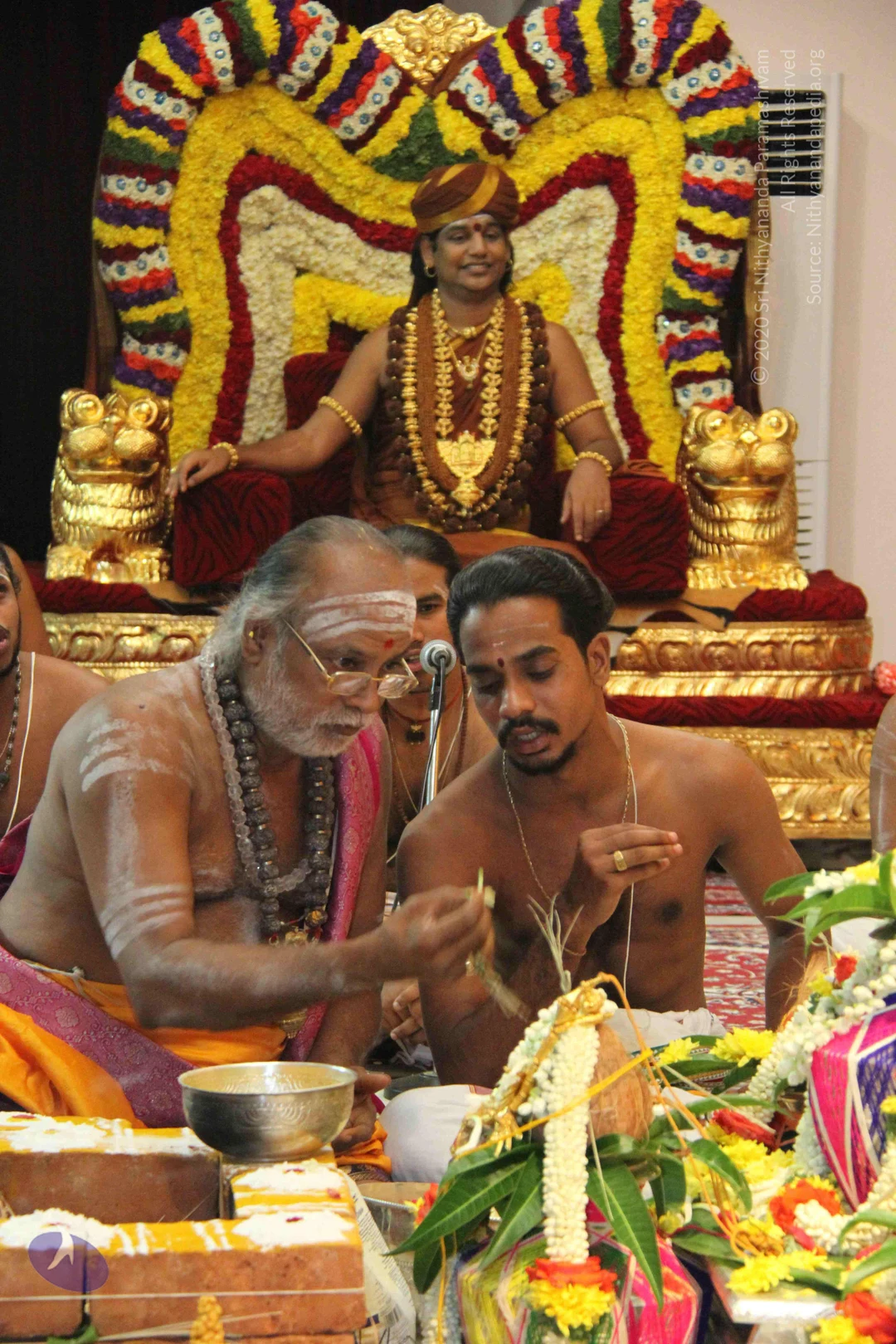
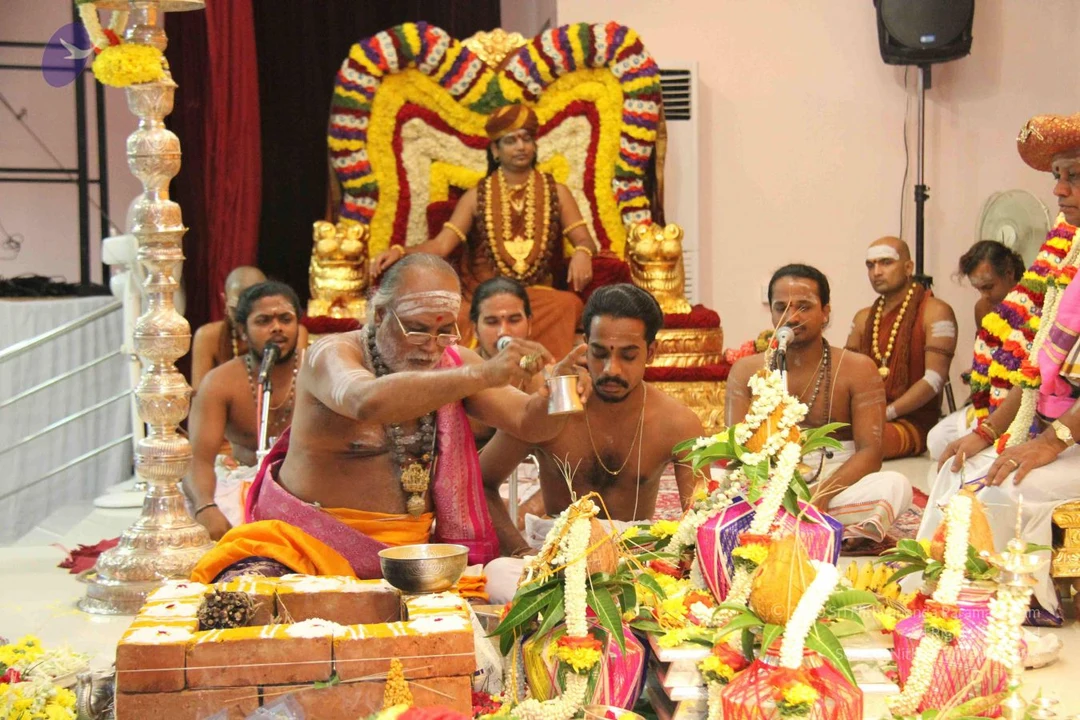
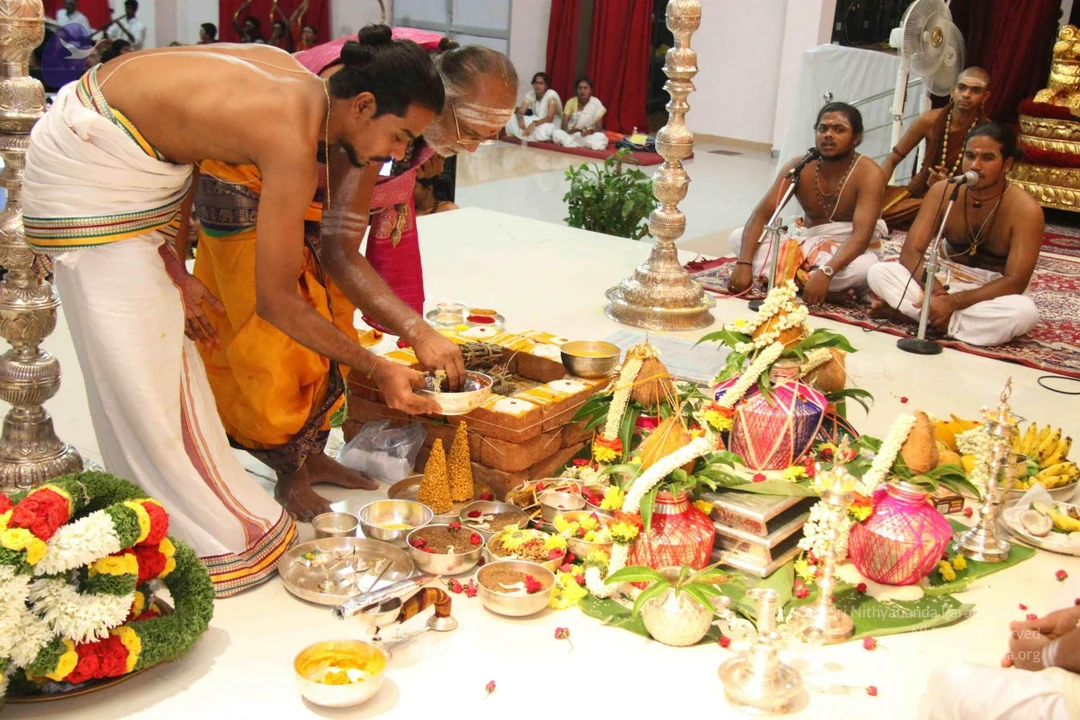
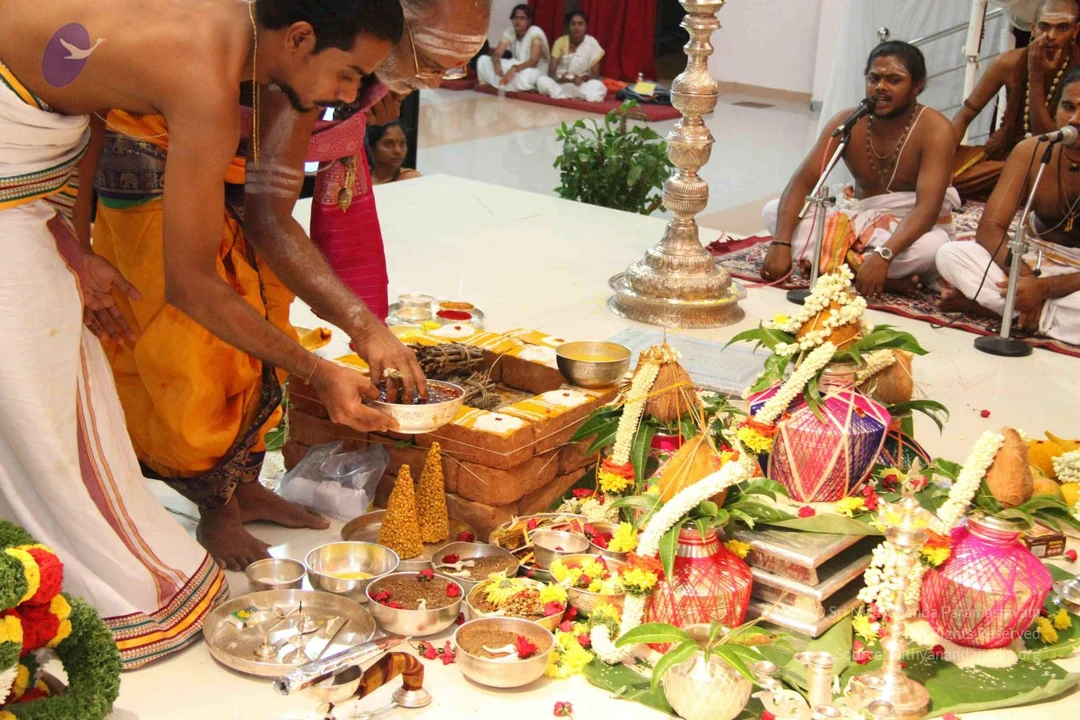
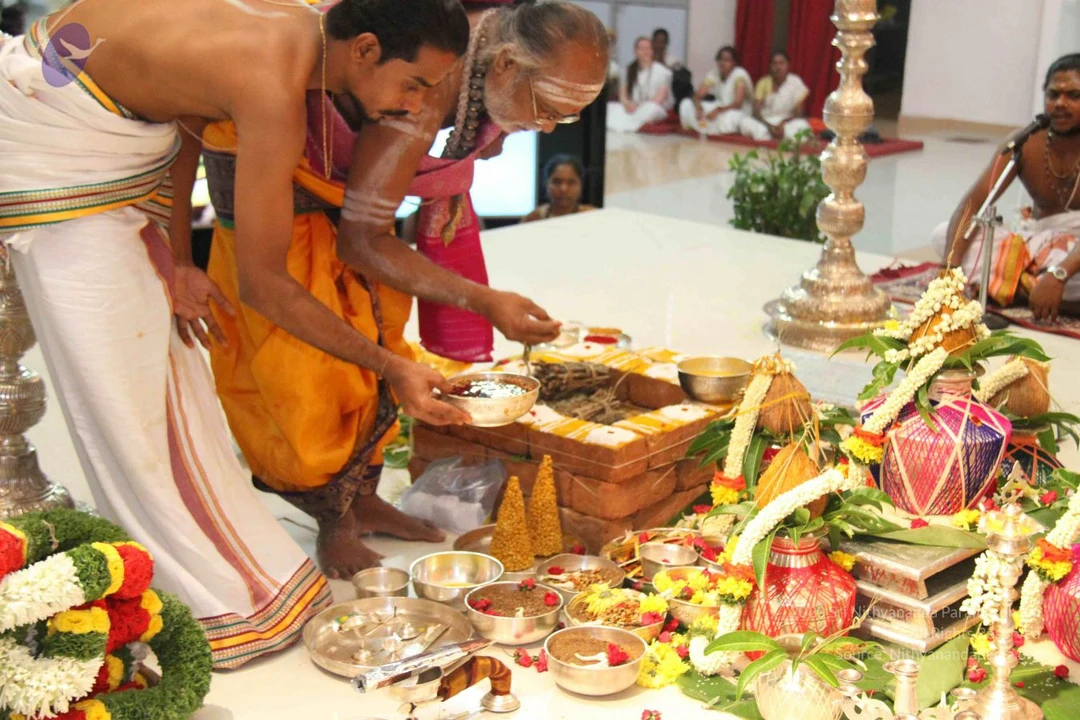
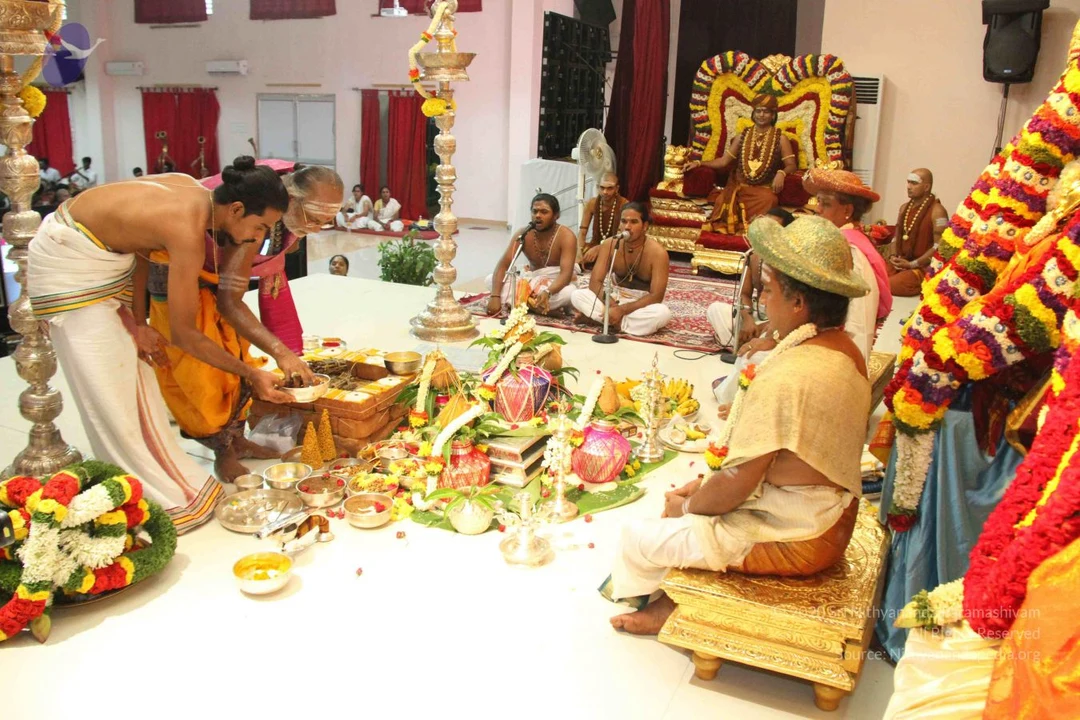
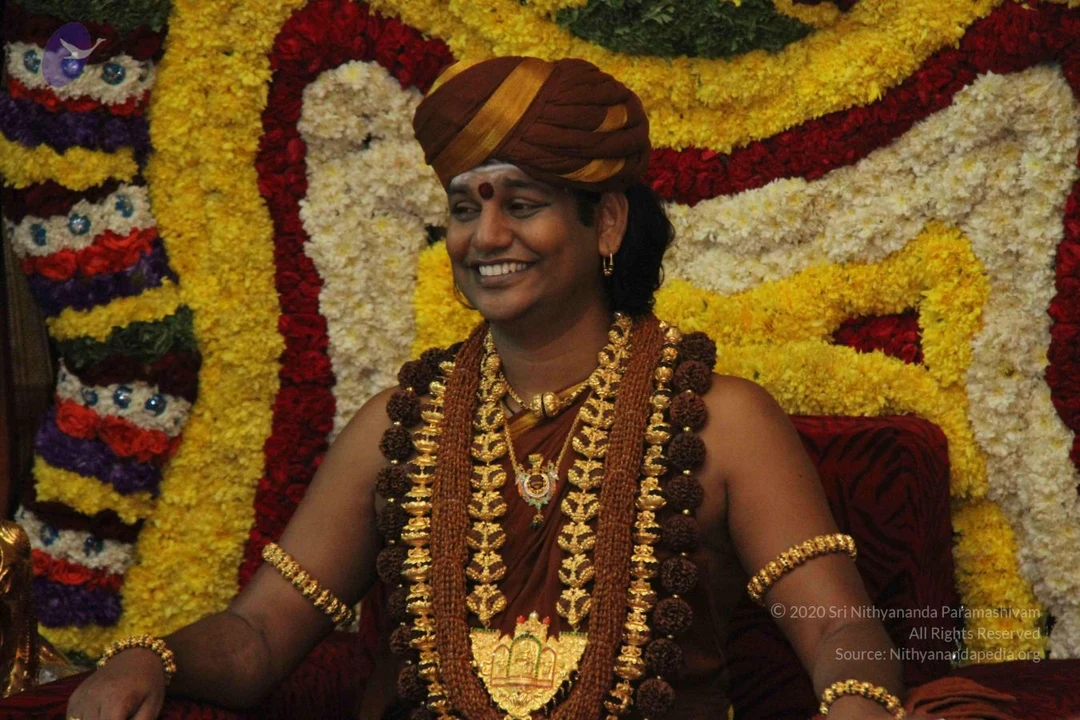
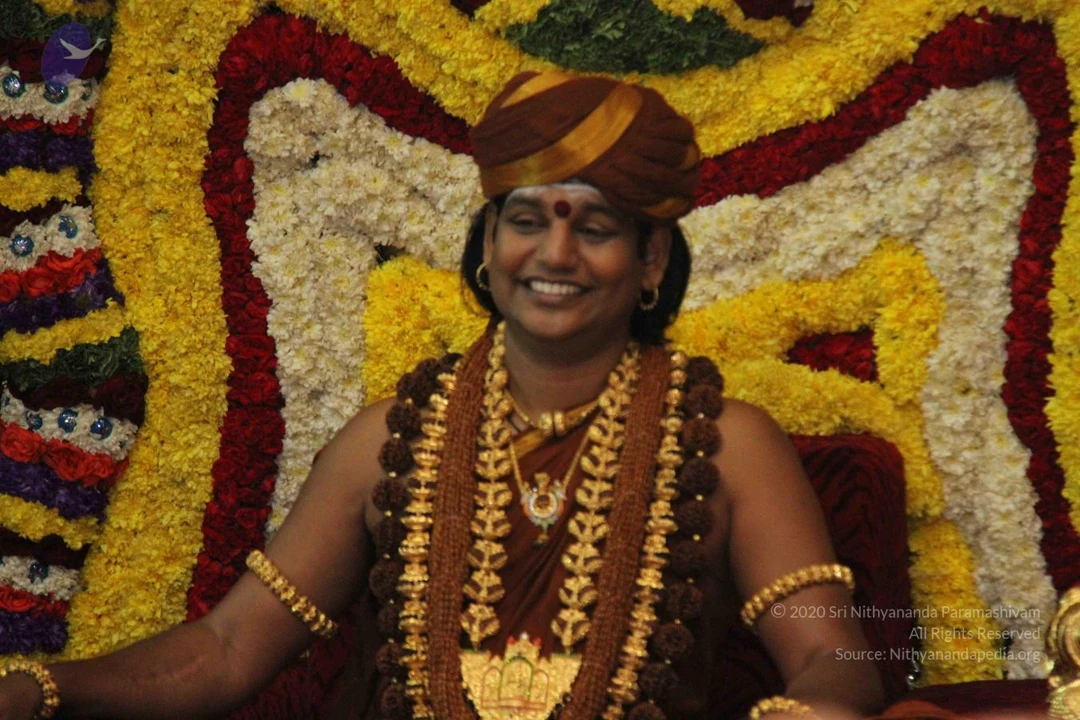
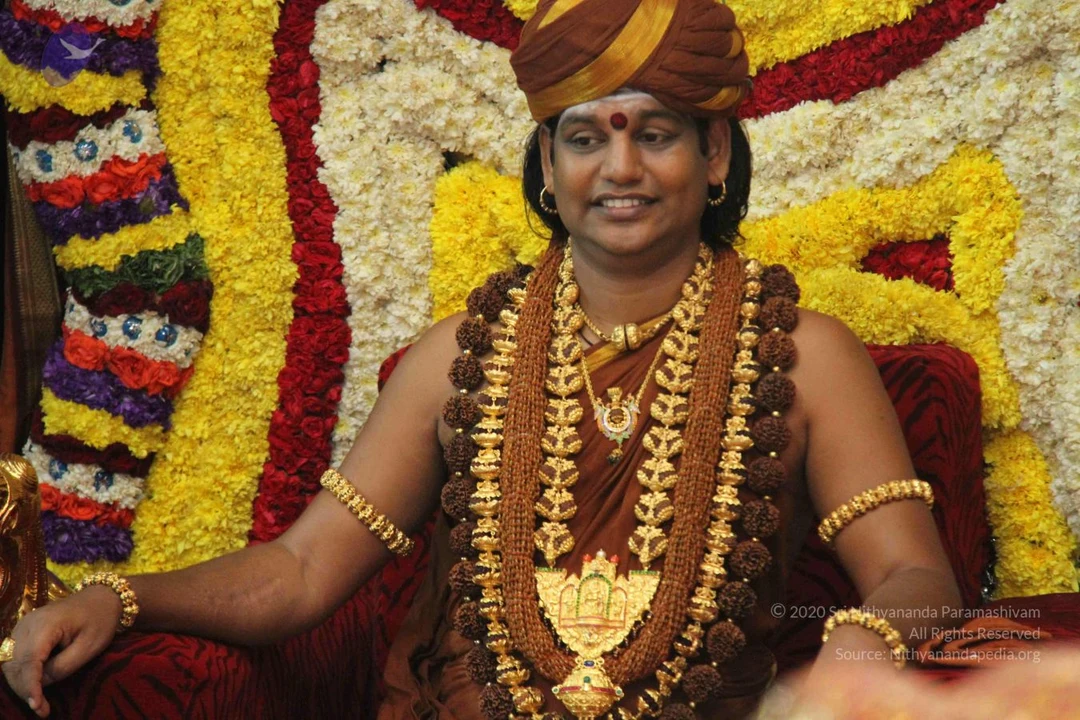
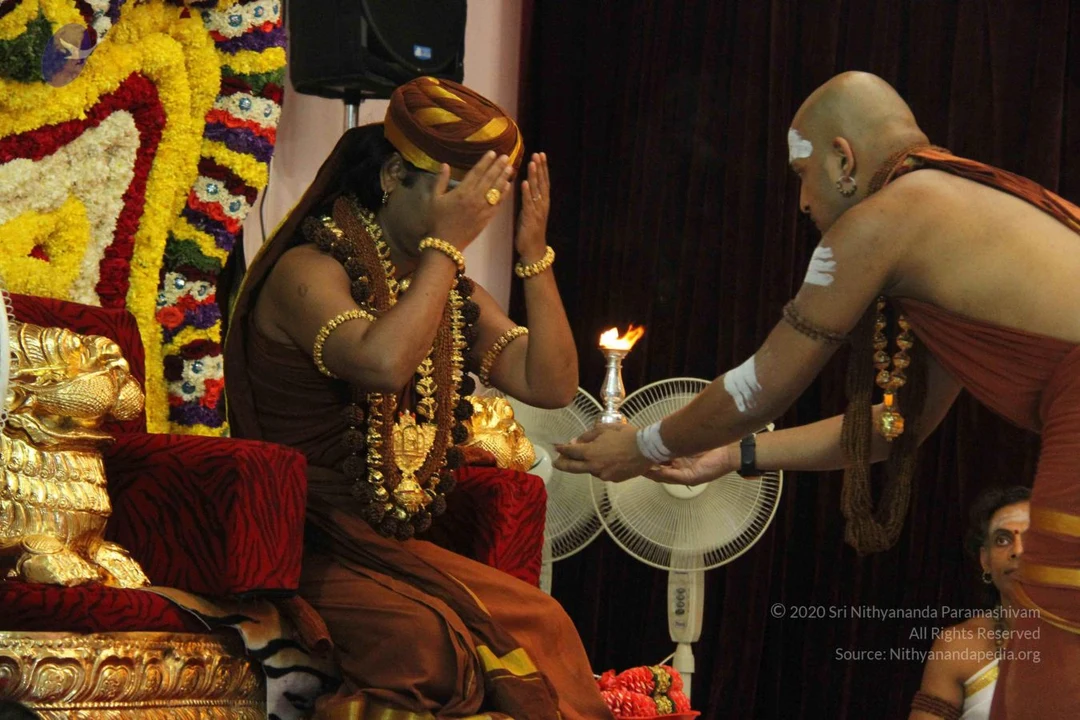
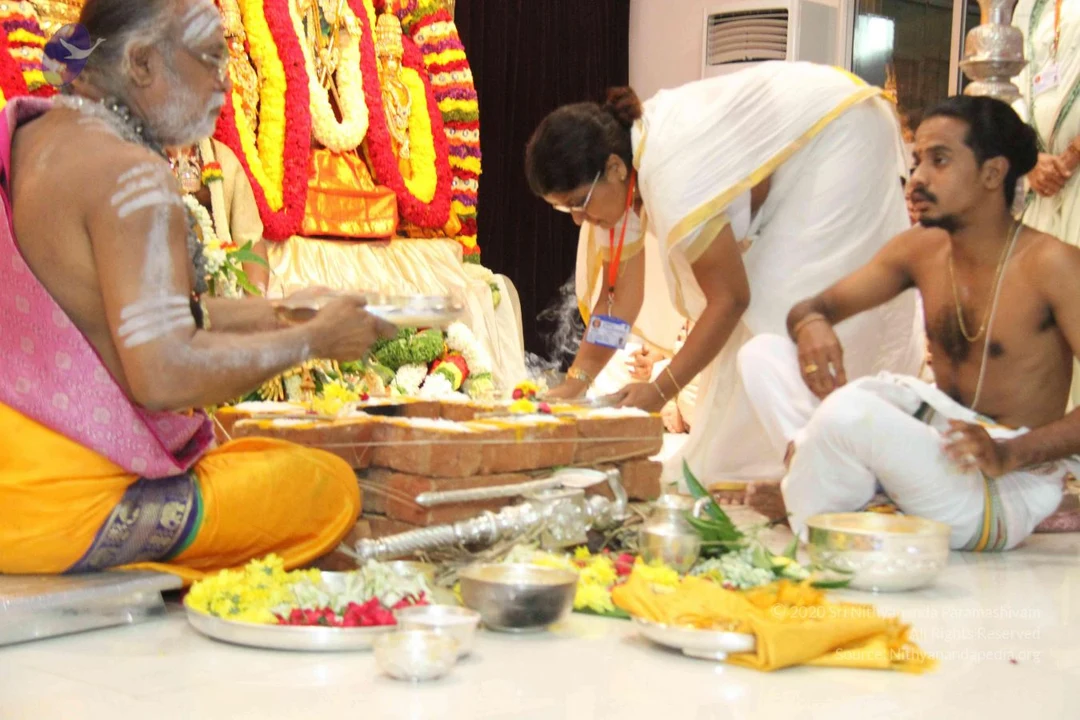
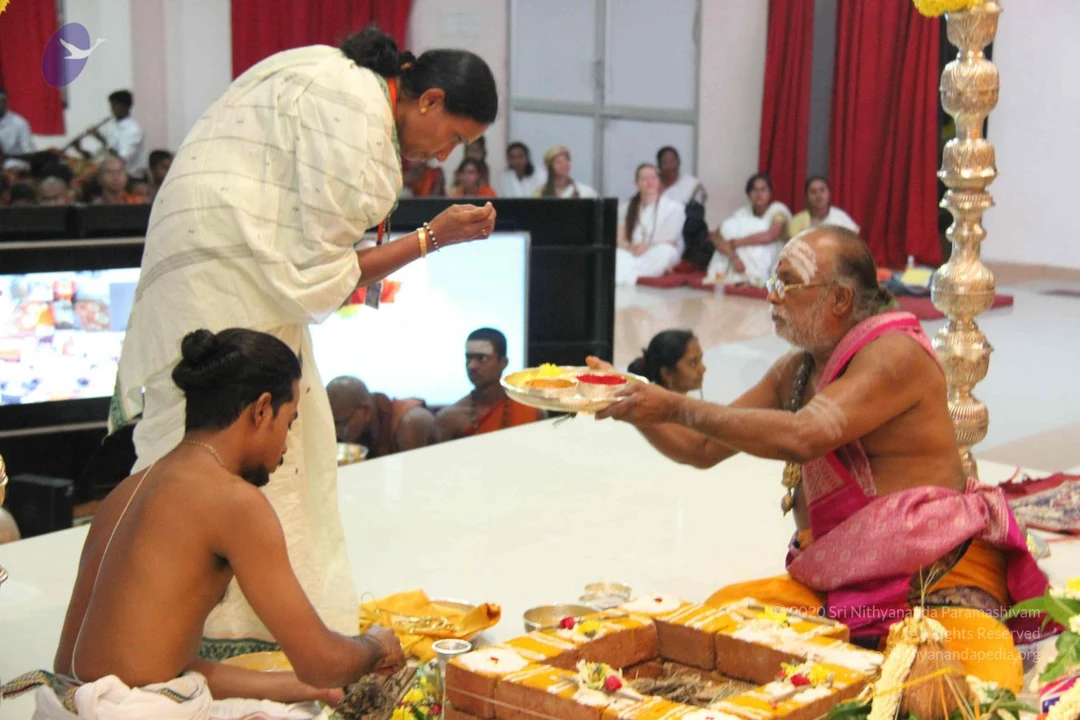
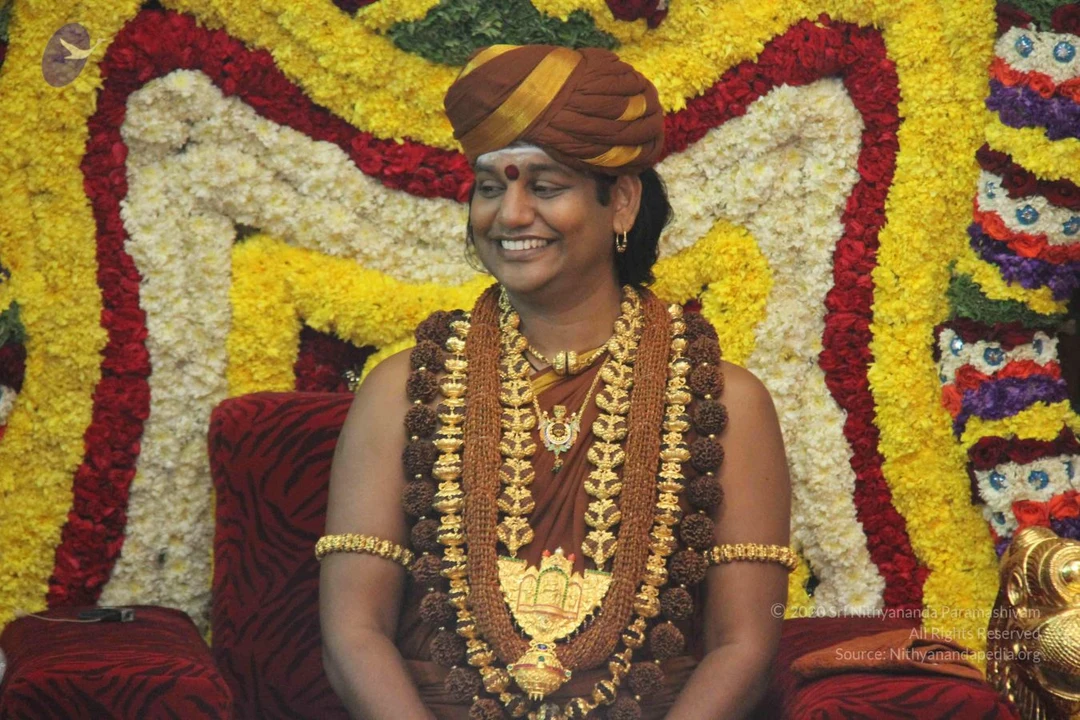
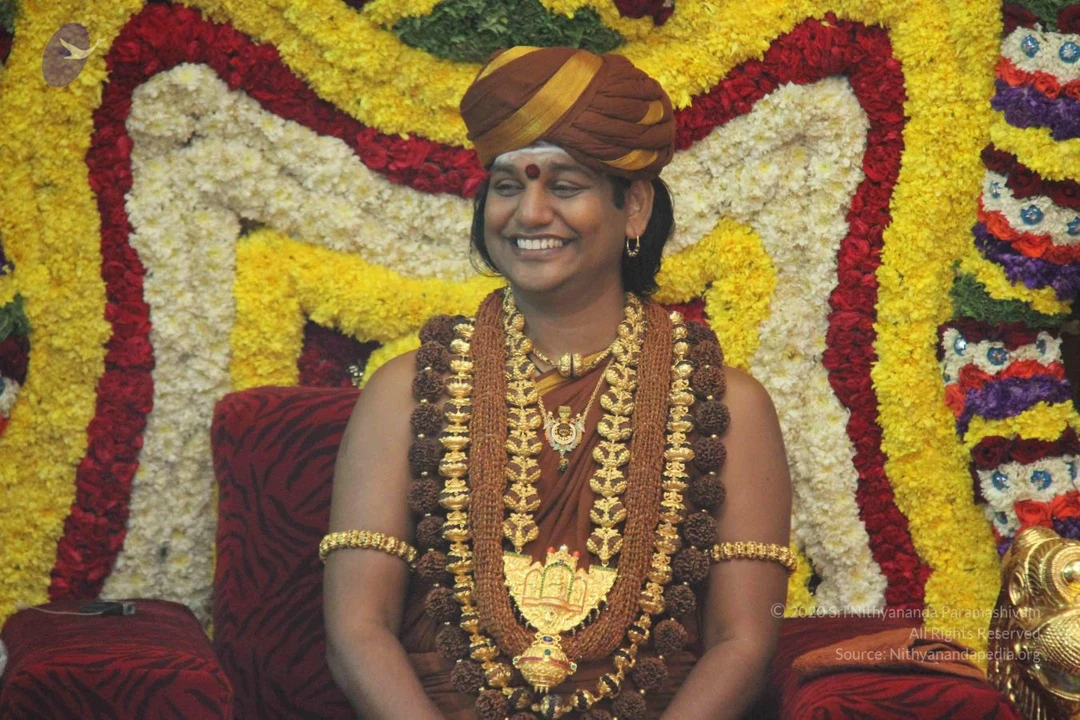
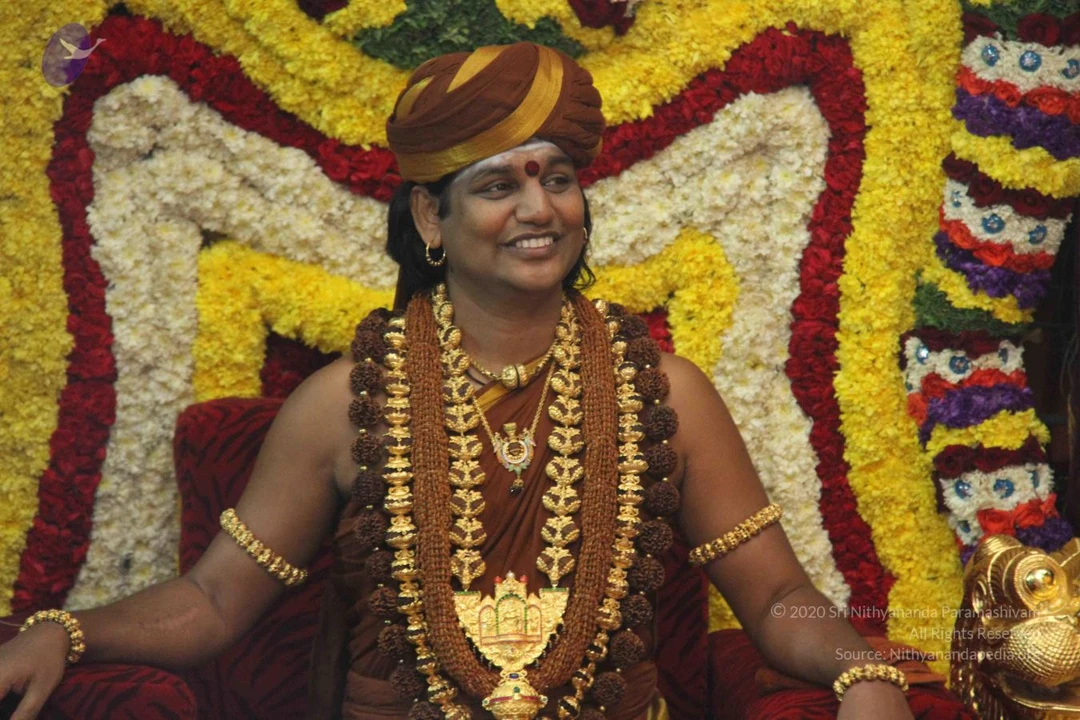
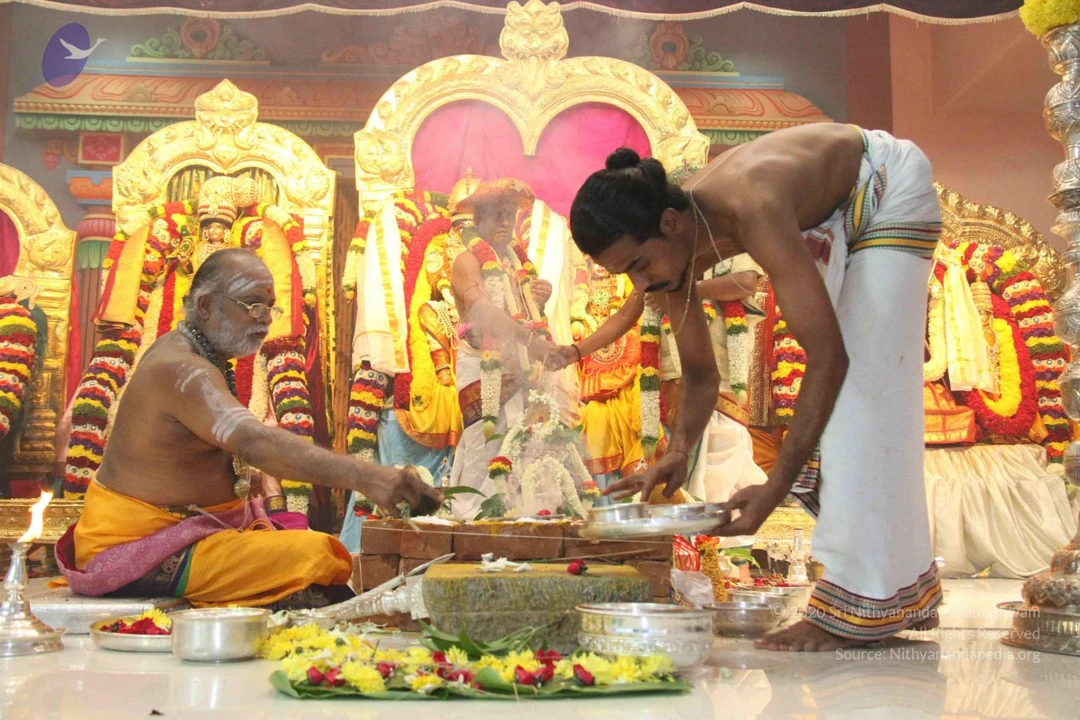
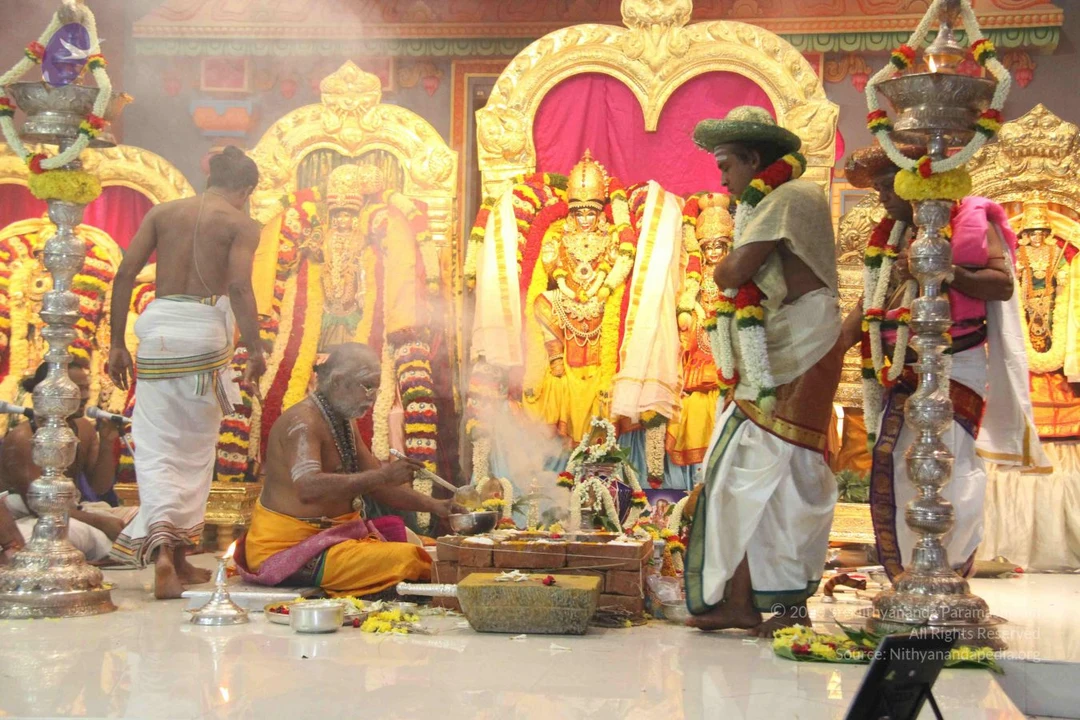
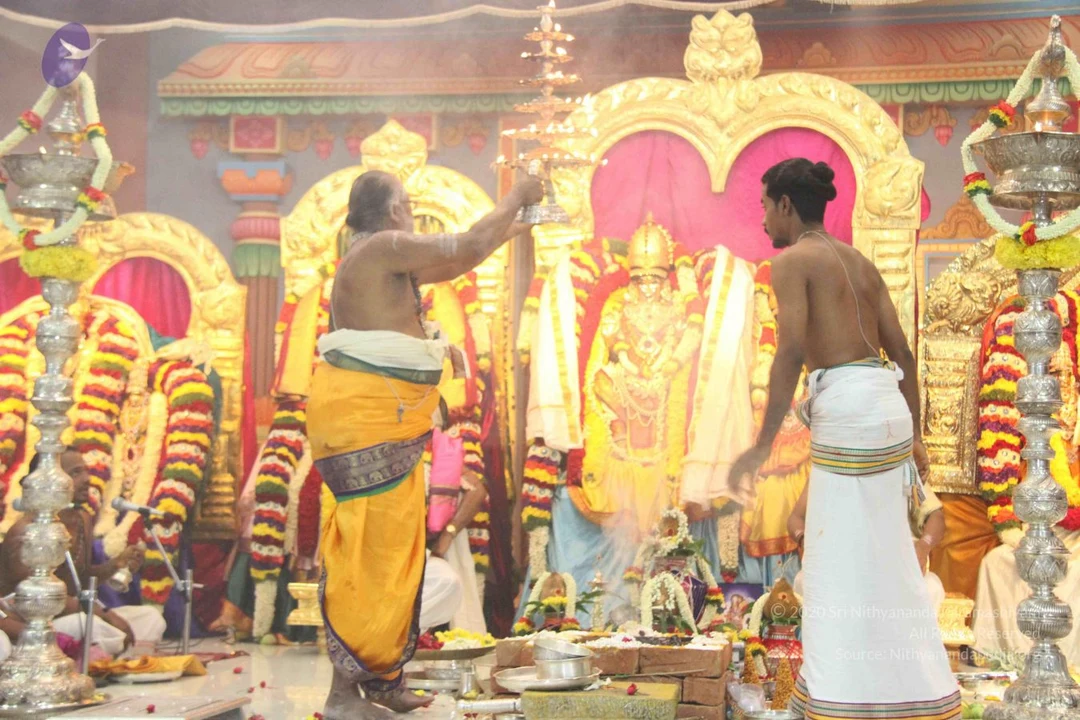
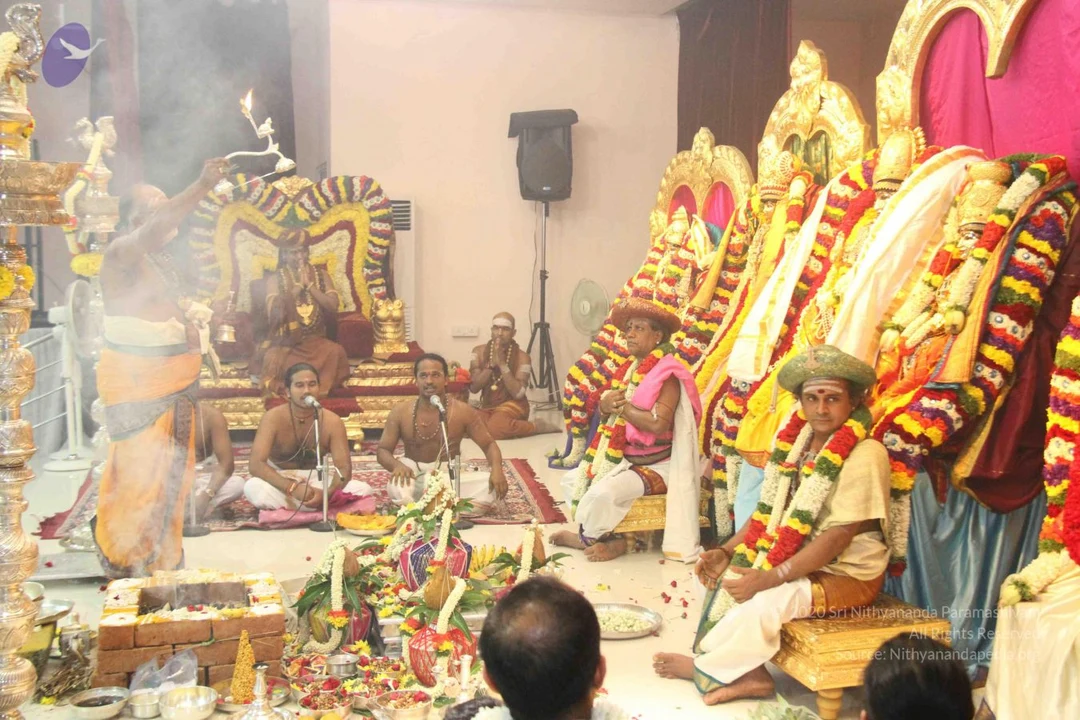
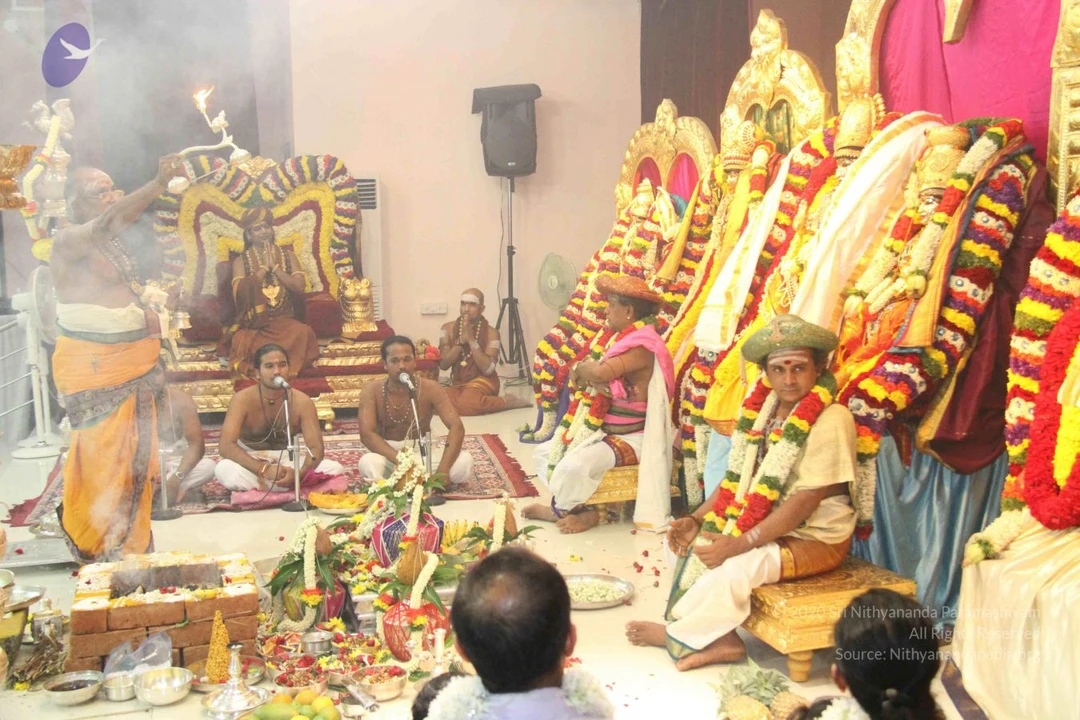
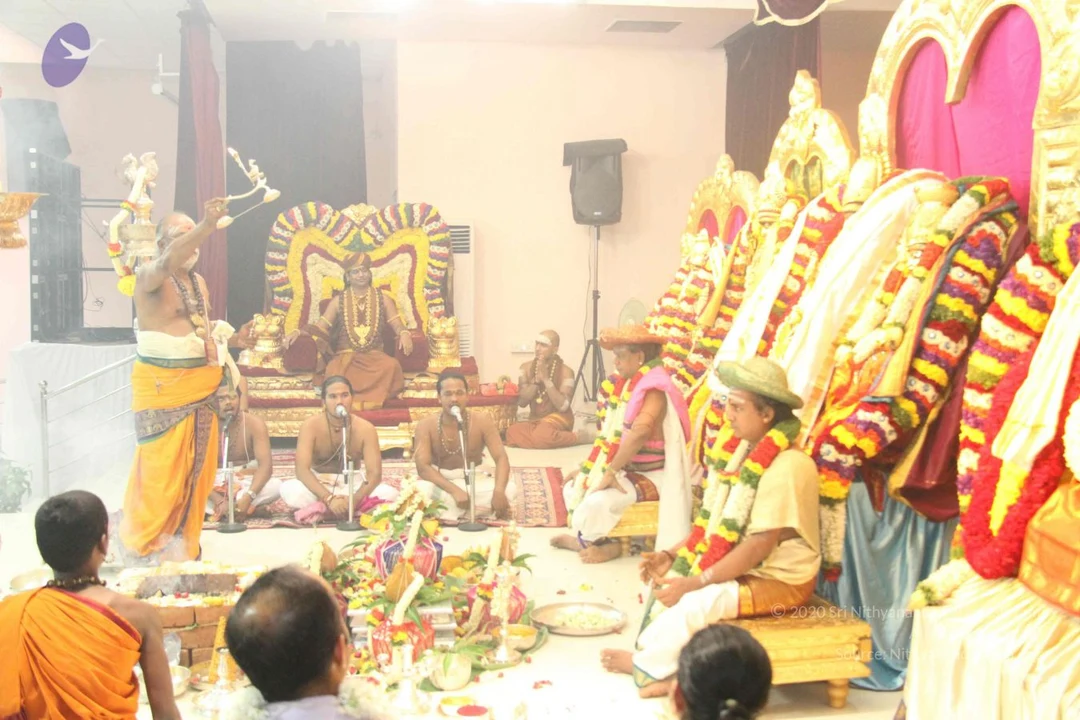
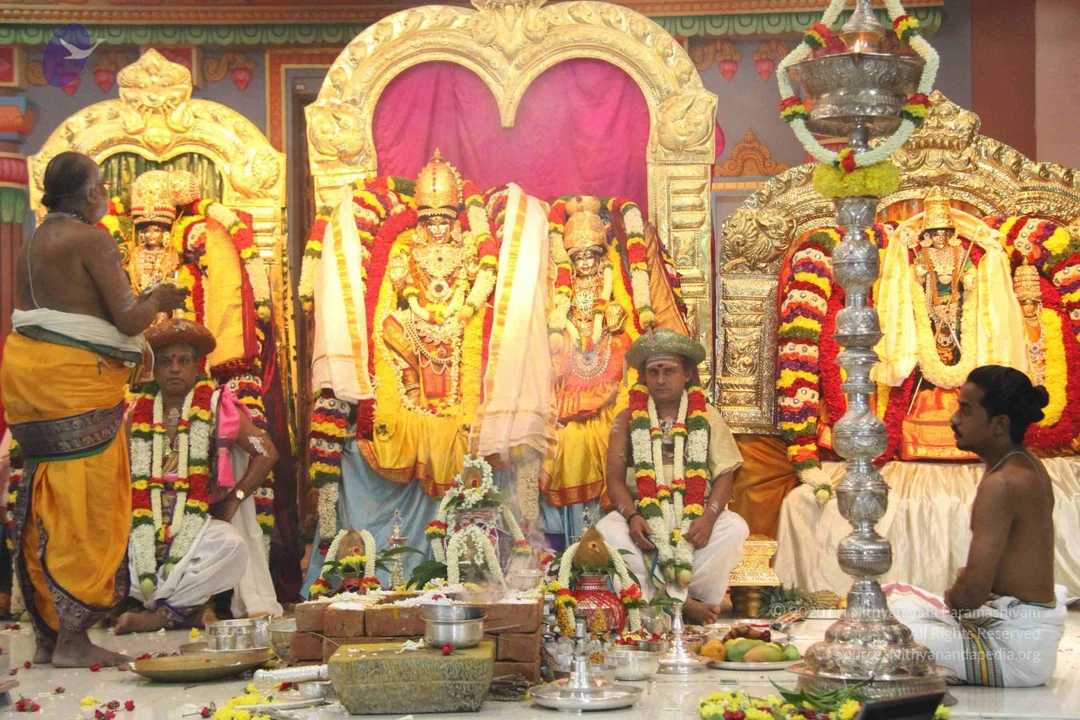
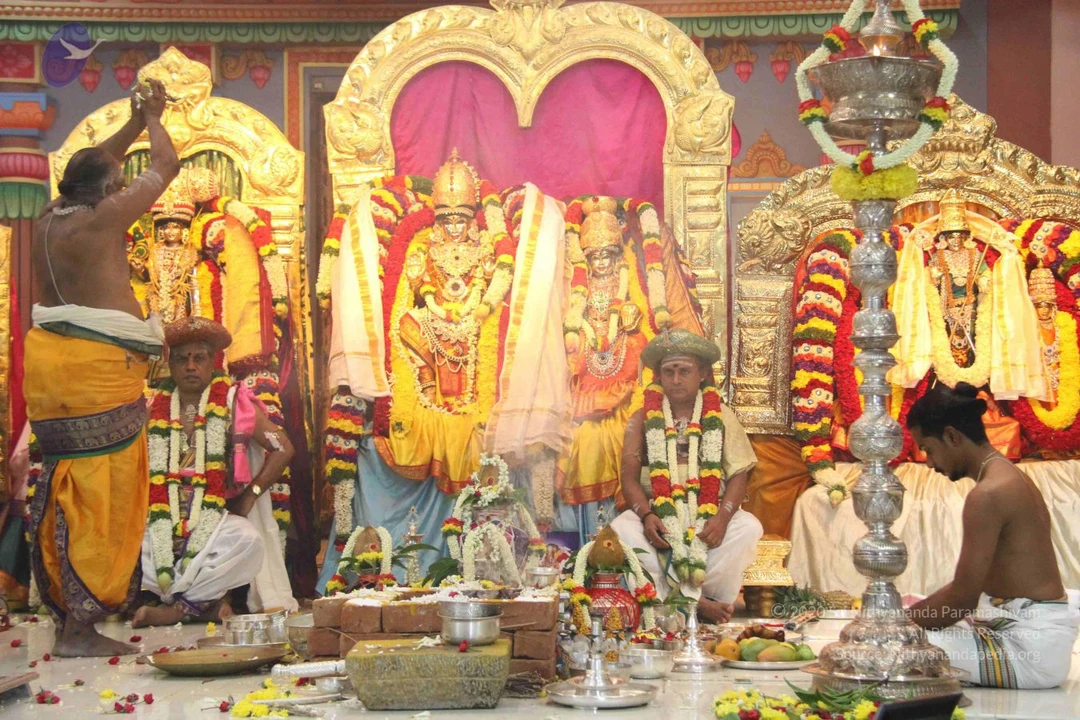
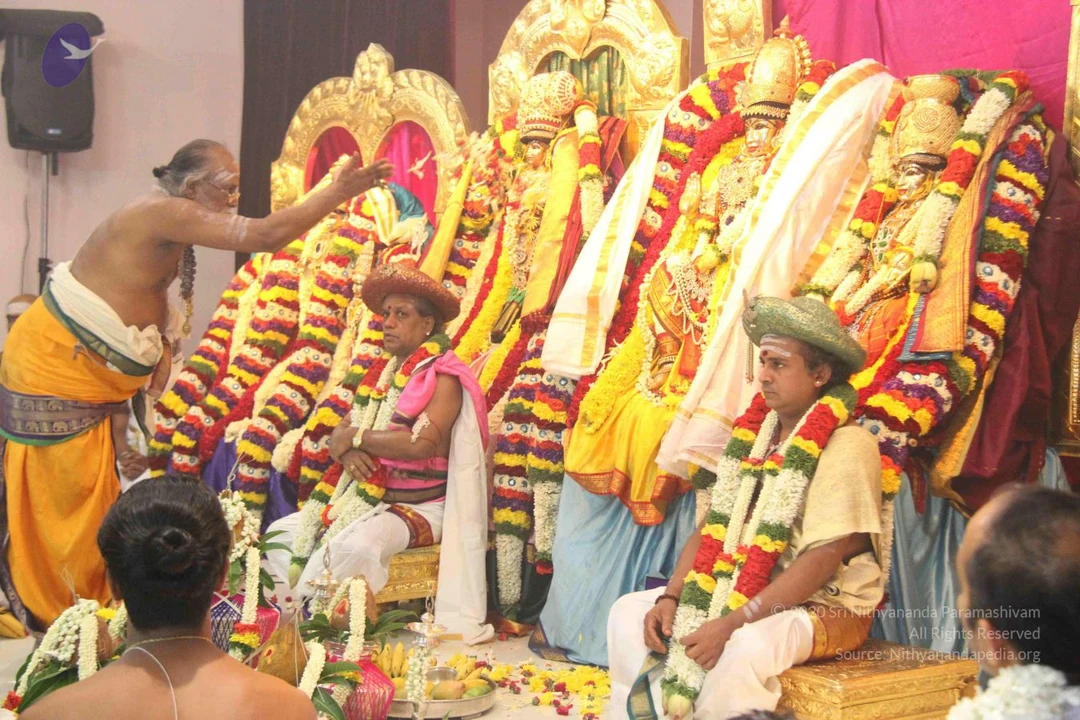
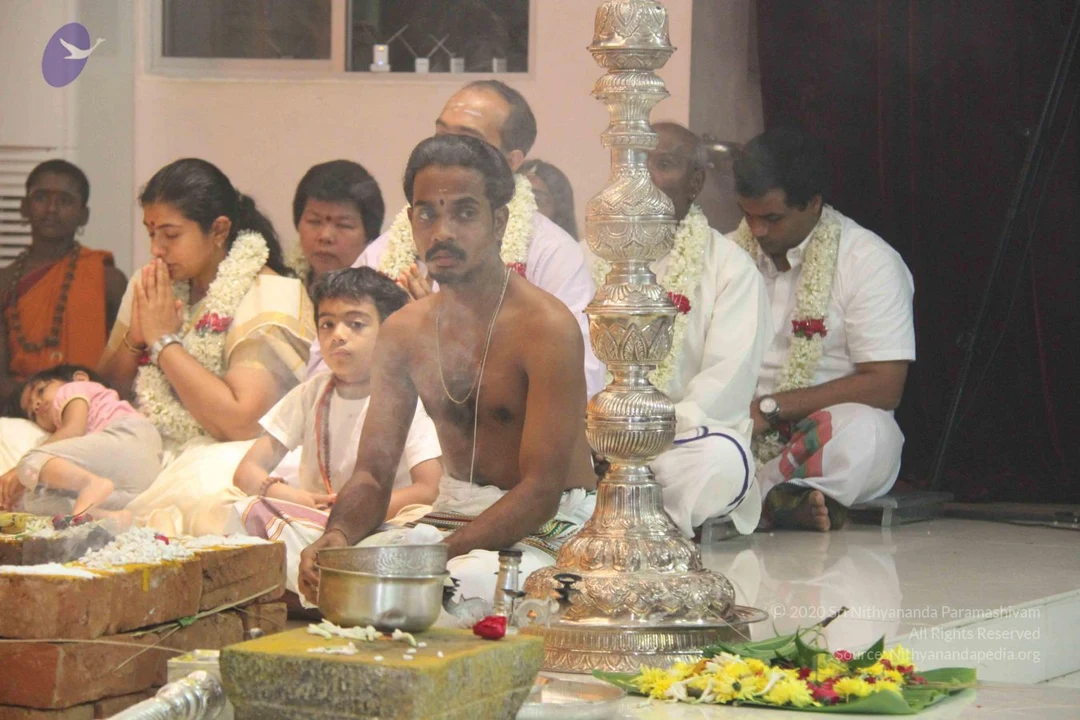
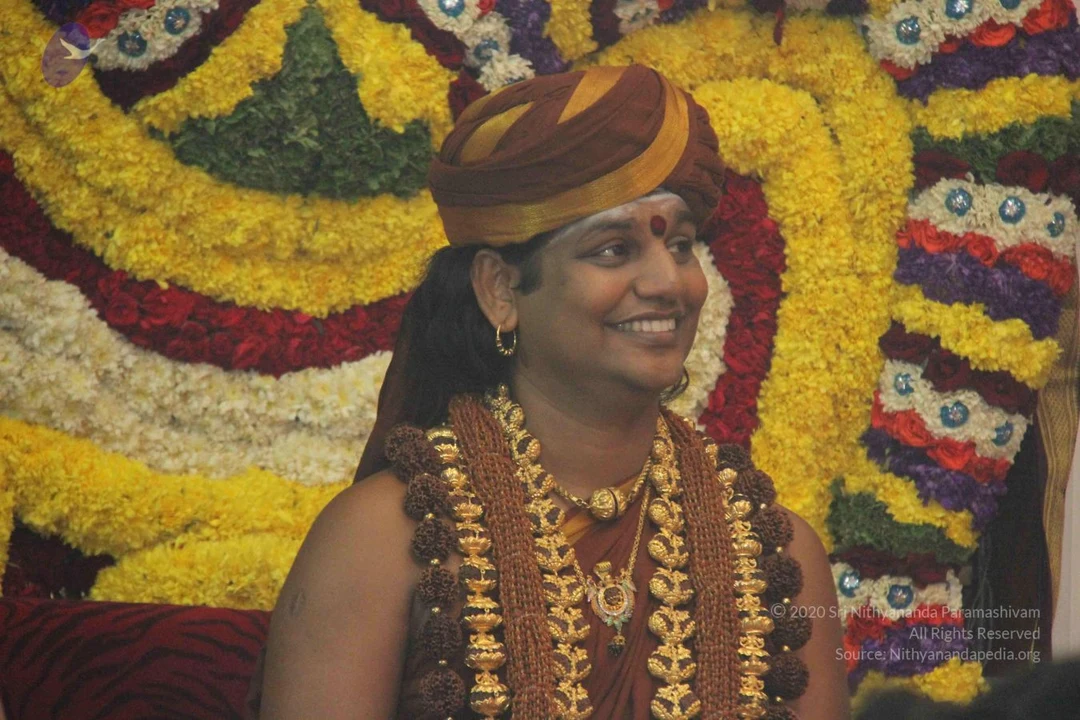
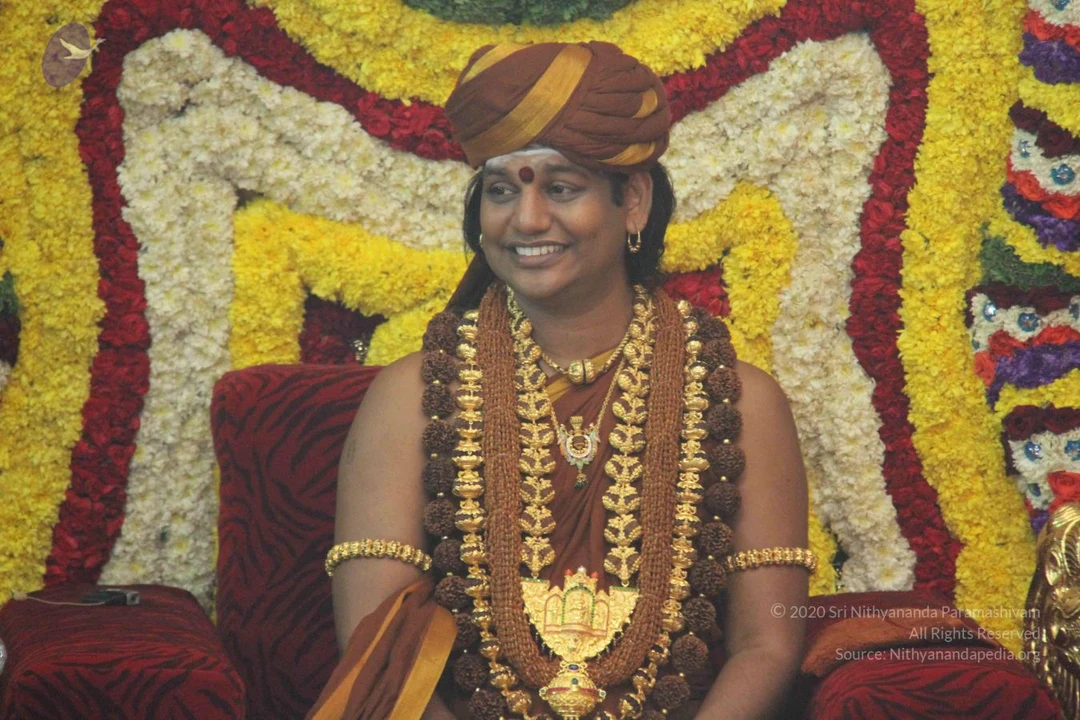
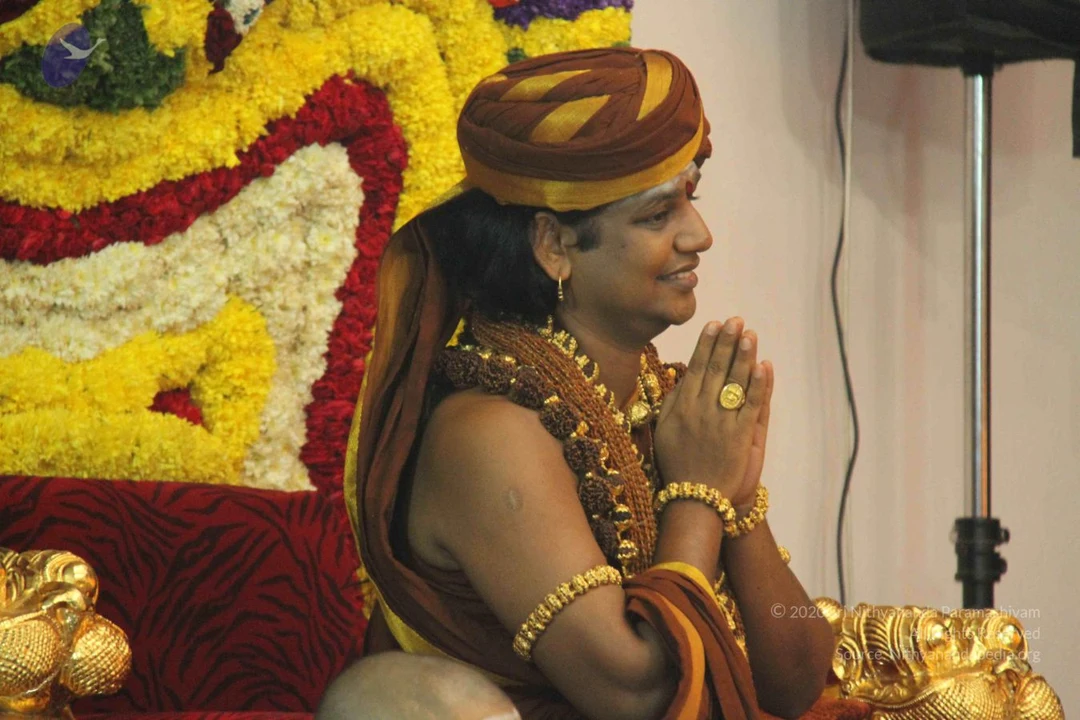
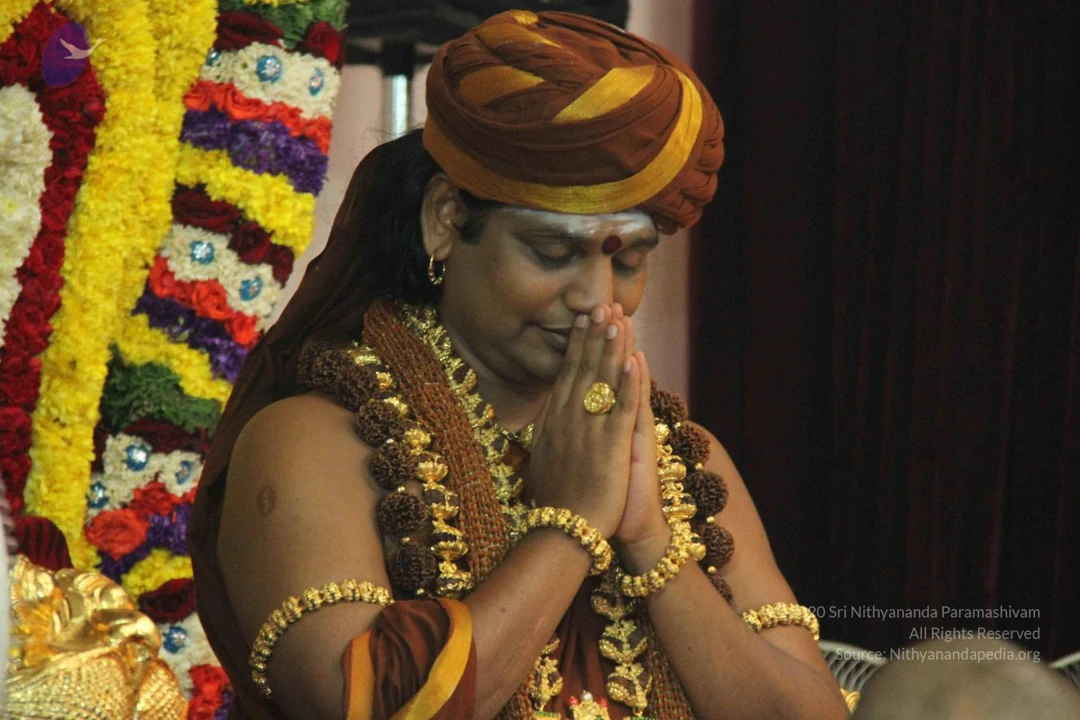
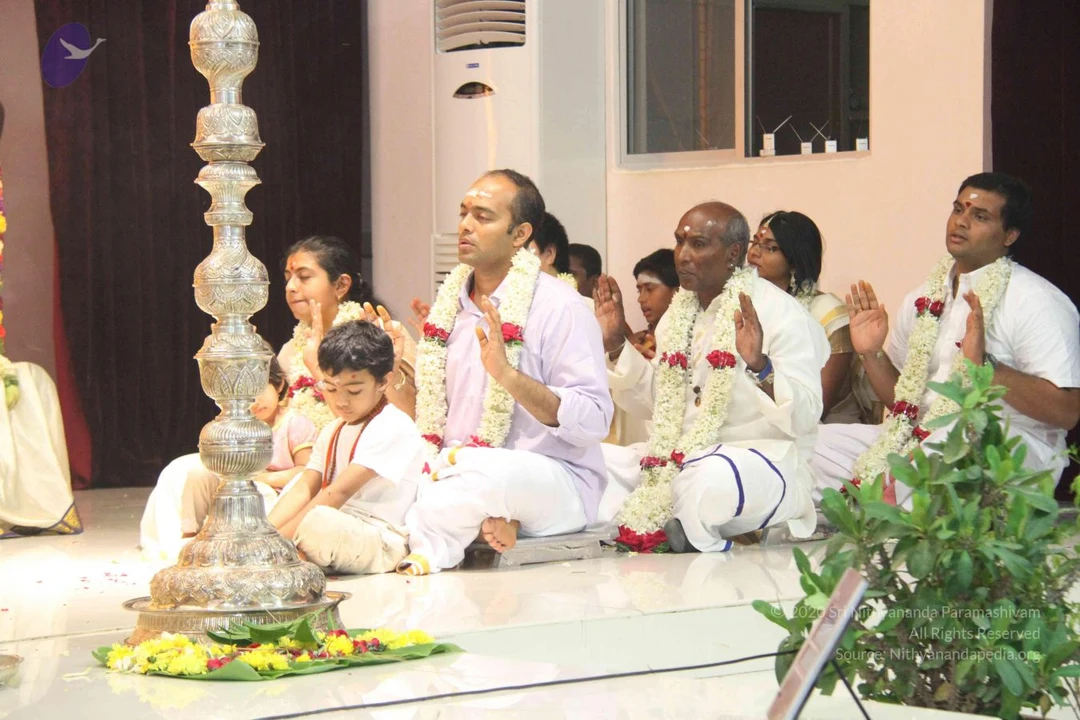
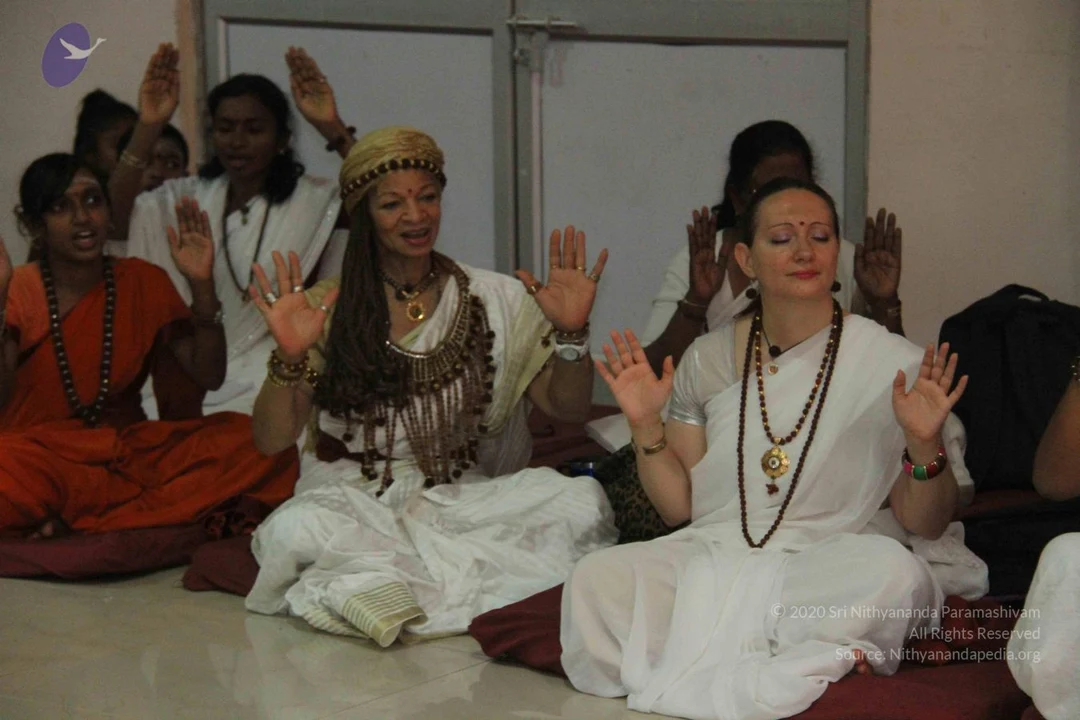
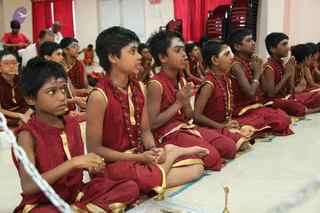
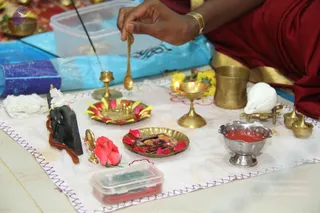
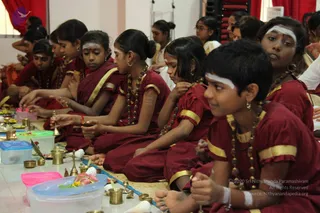
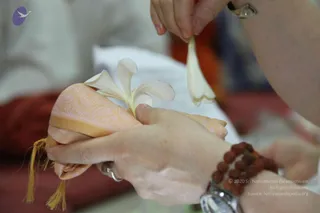
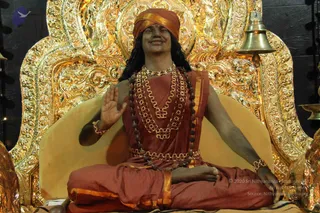
paduka-puja


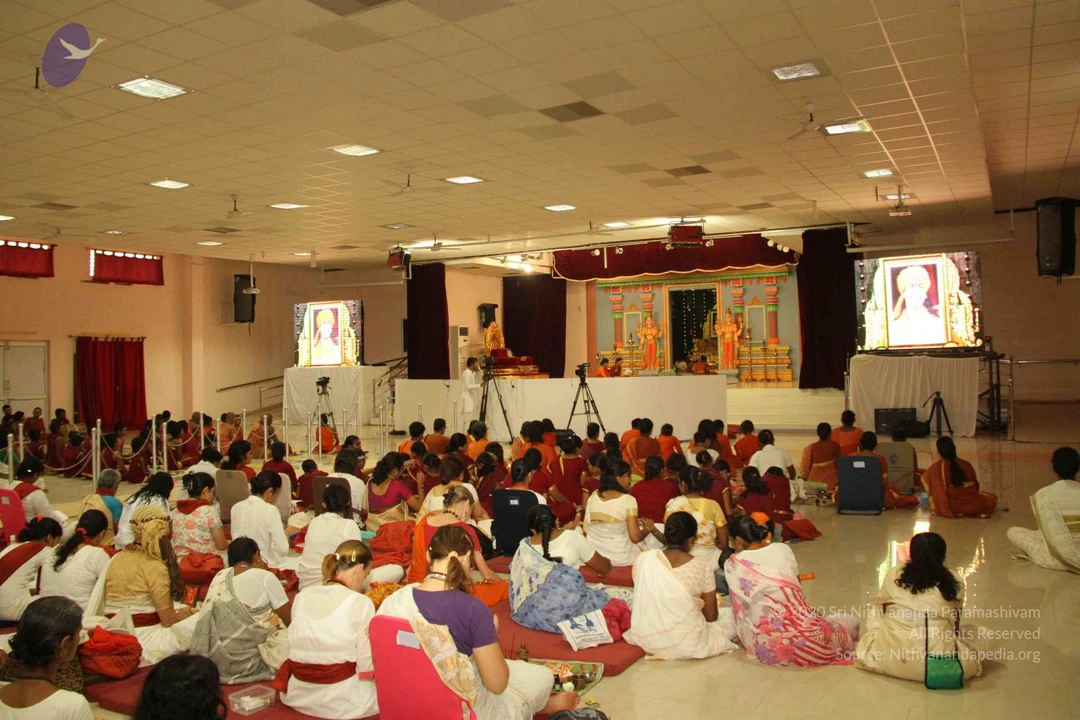
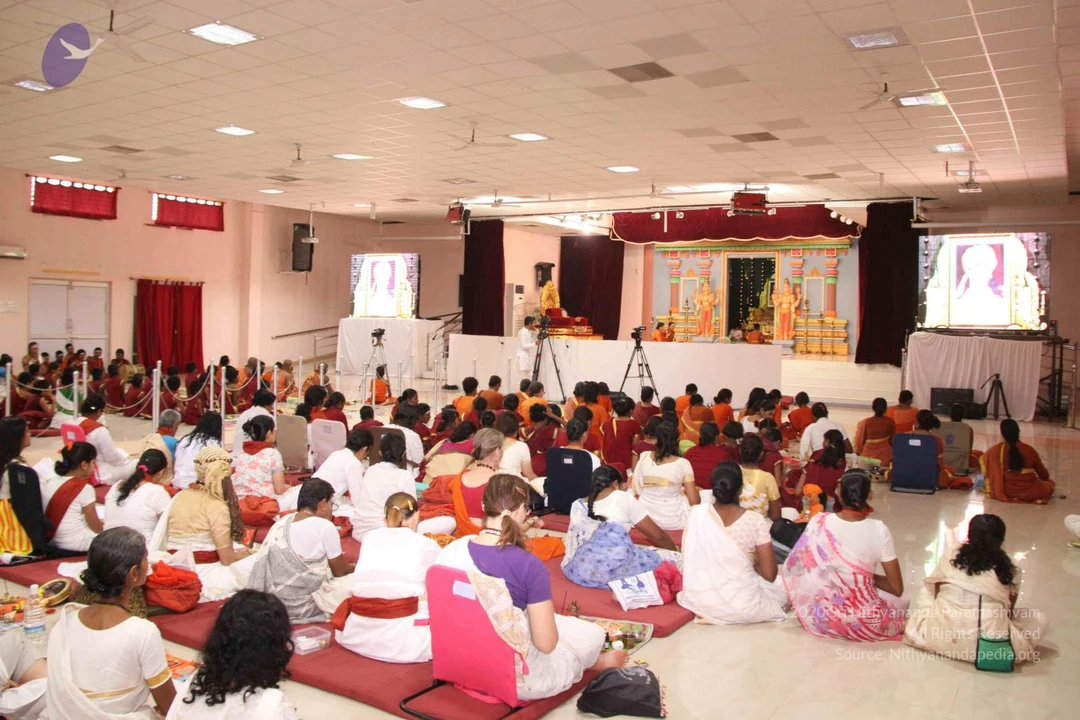
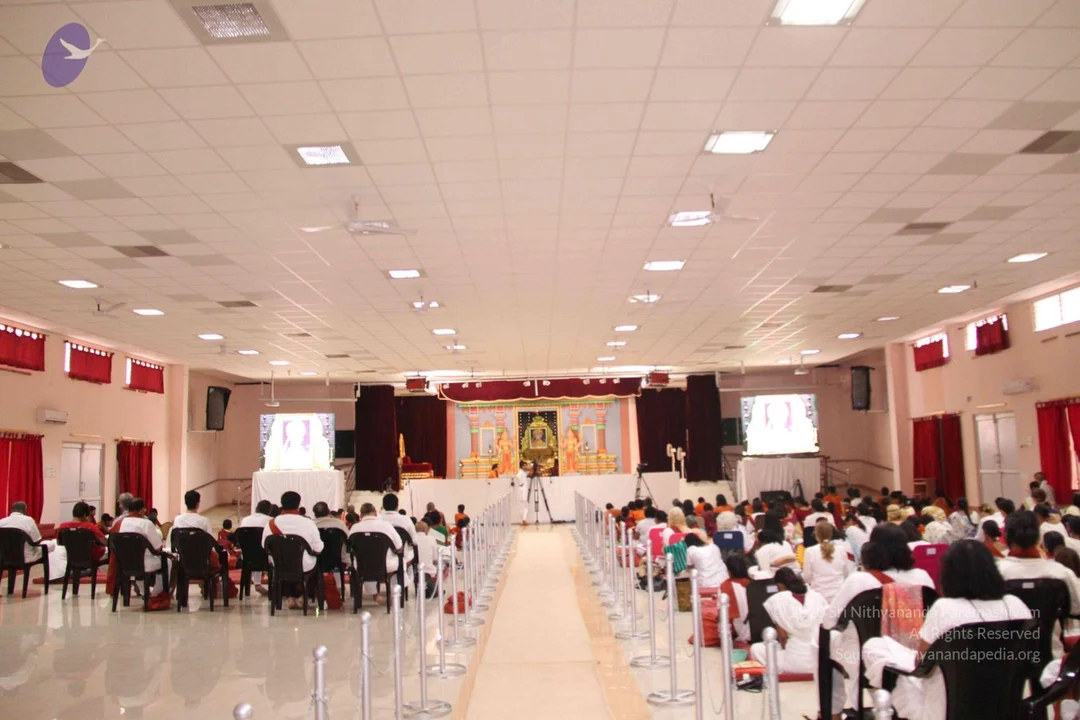
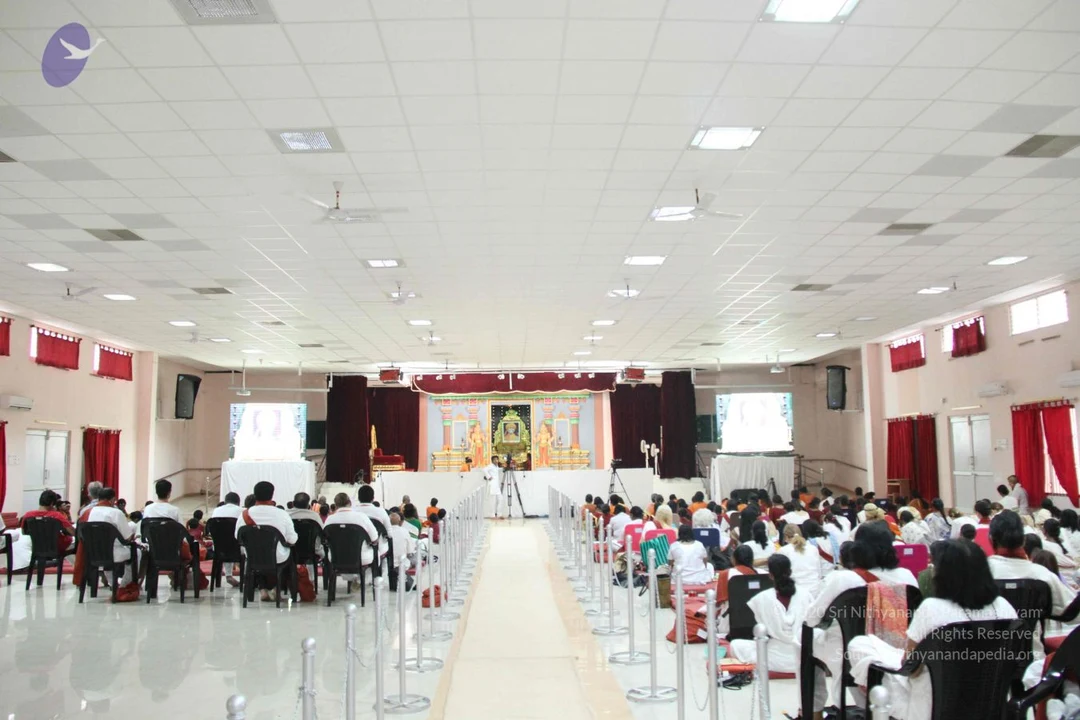

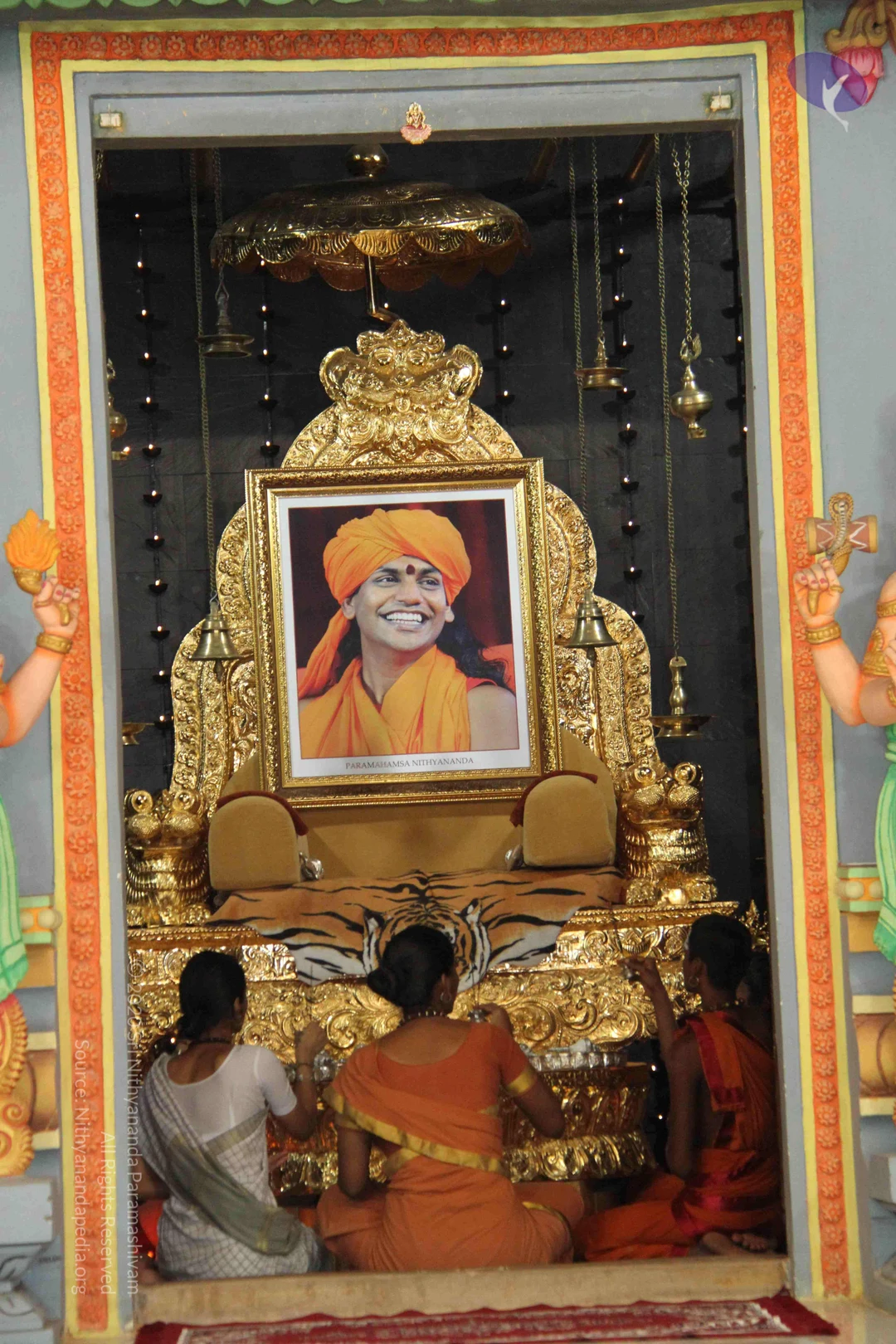
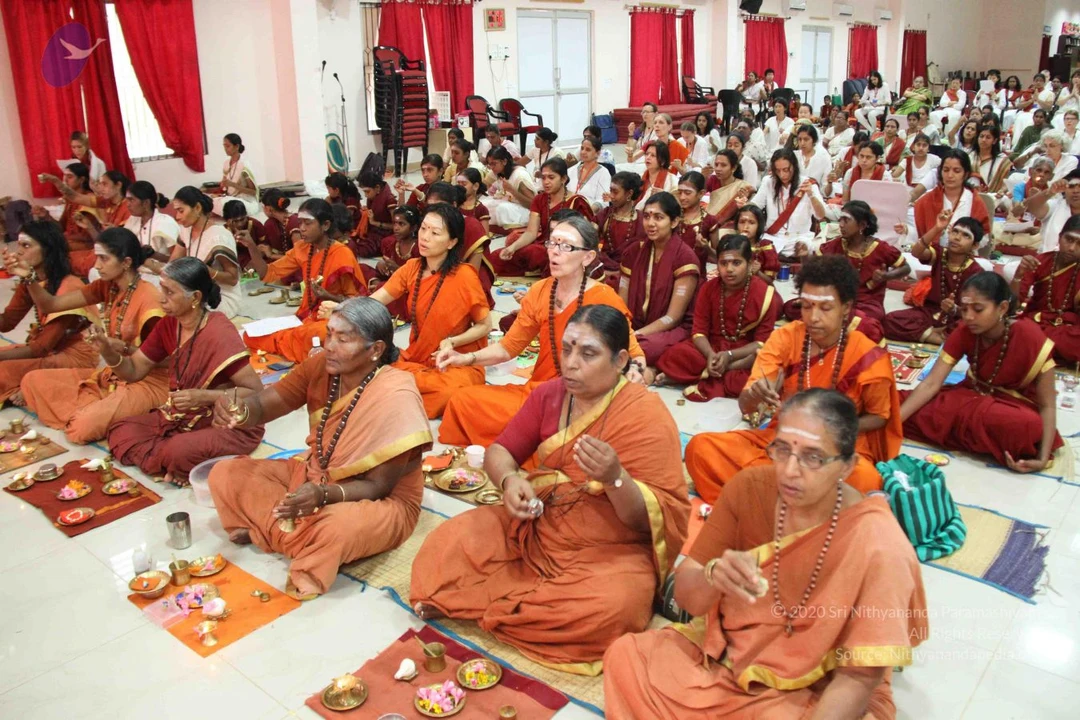
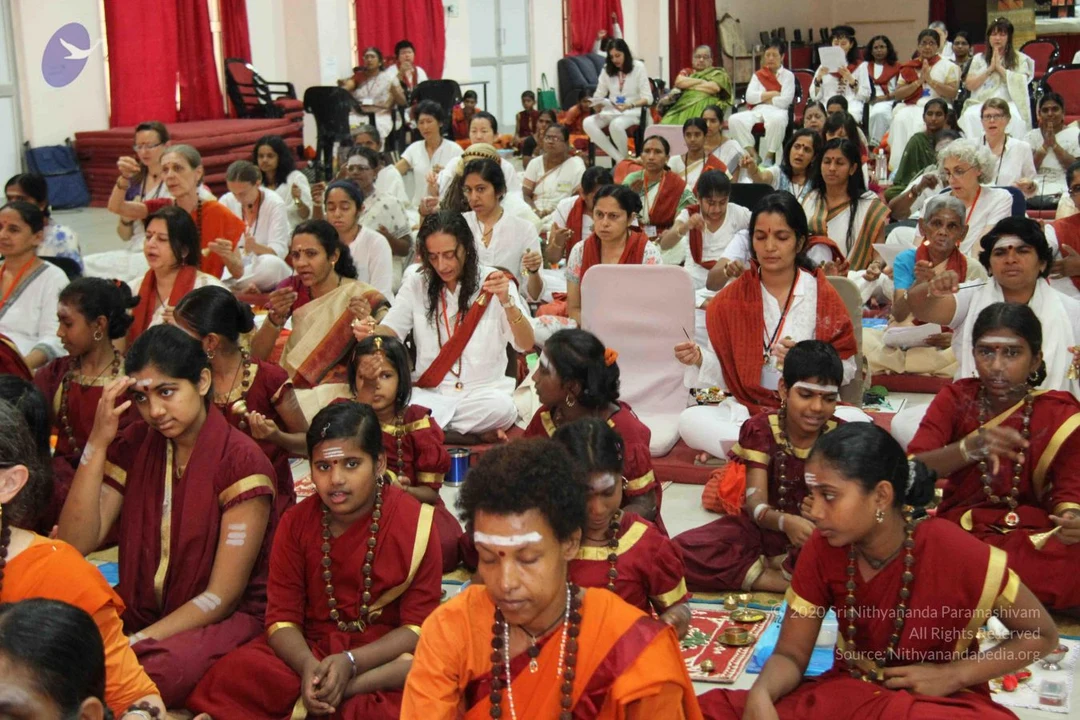
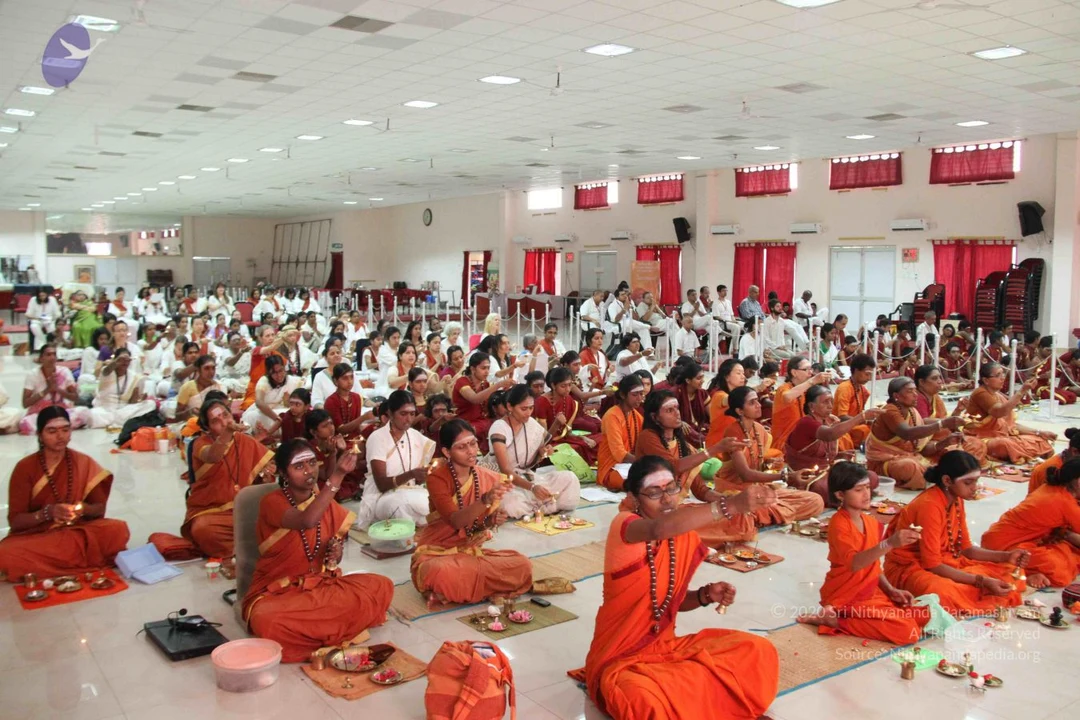
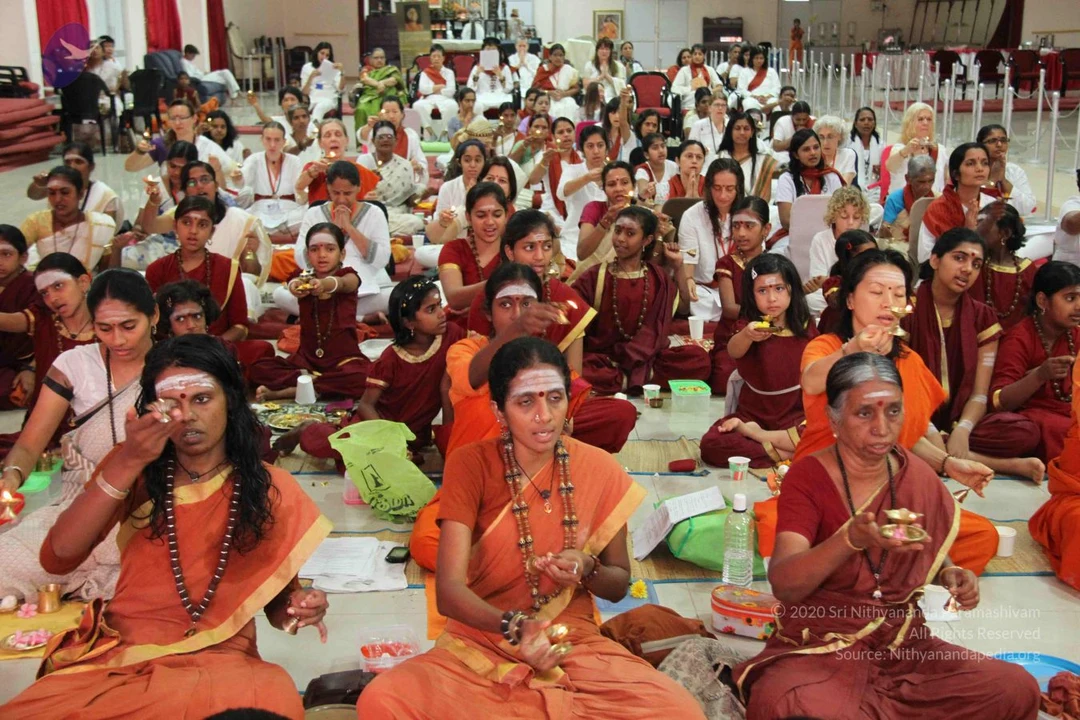
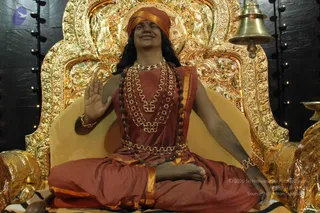
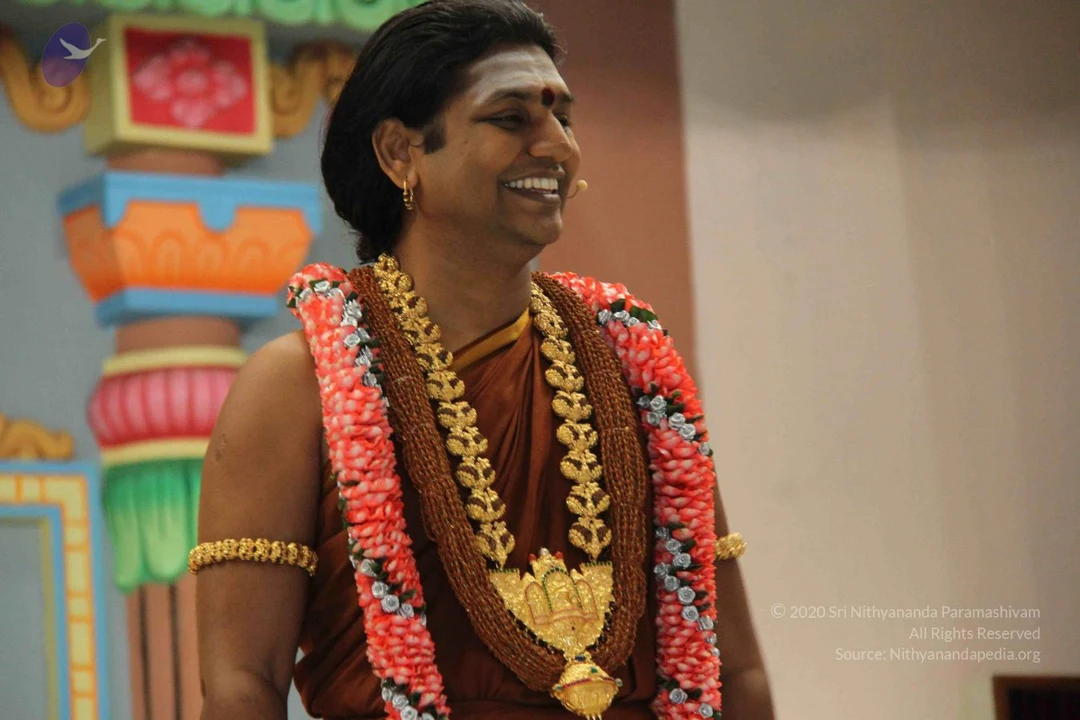
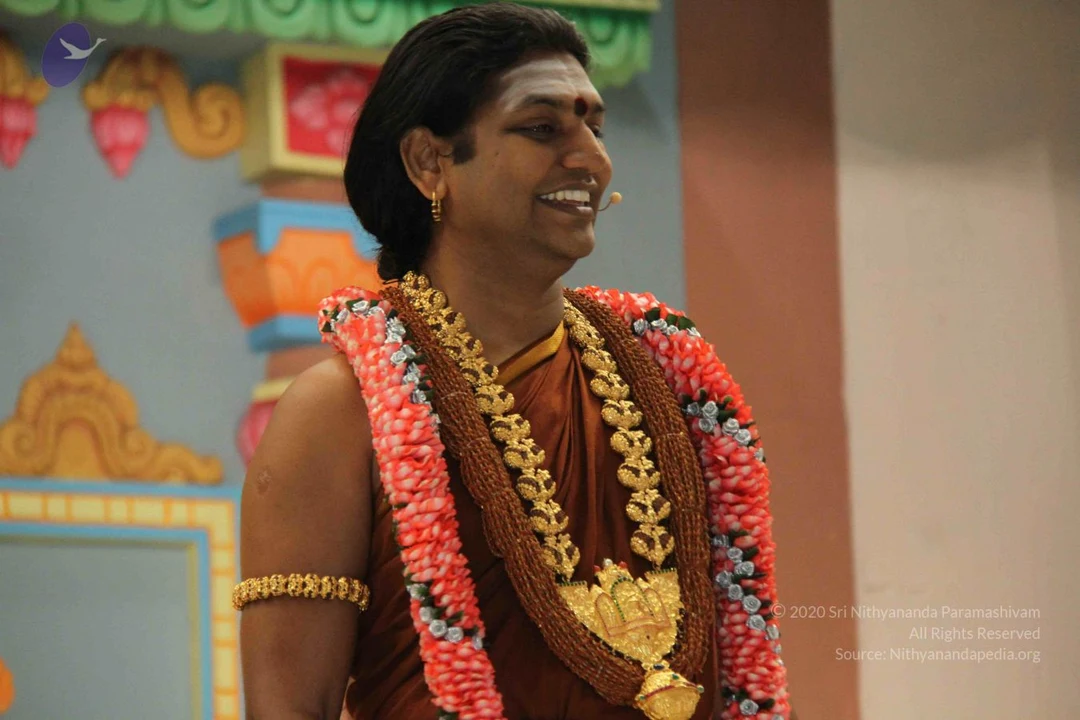
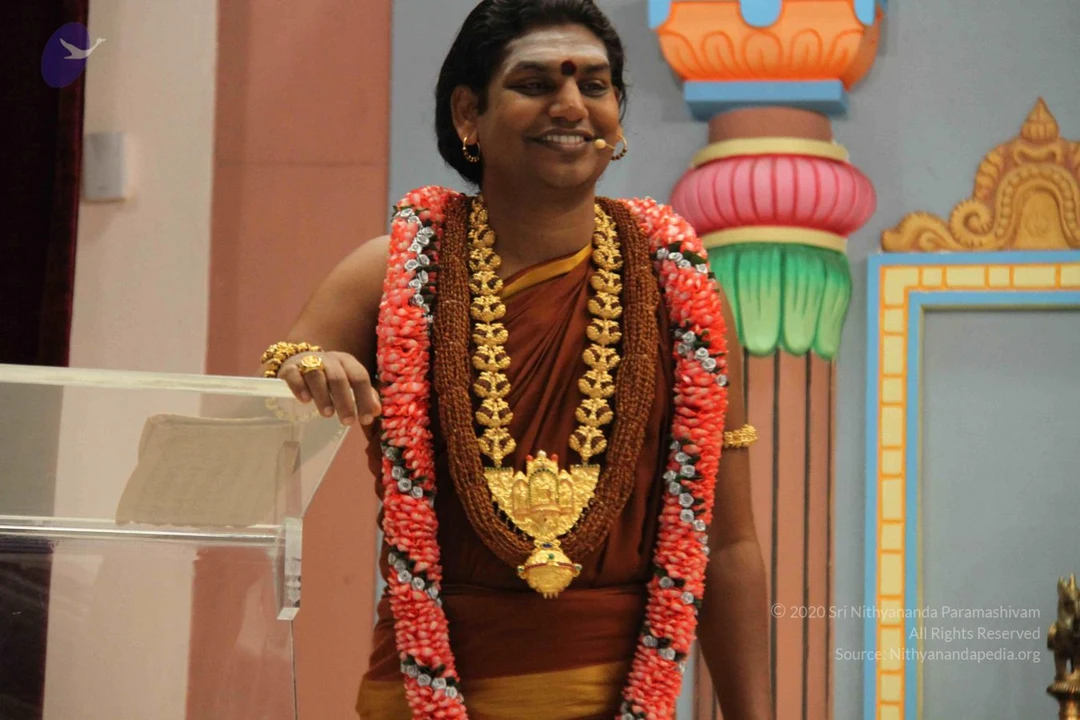
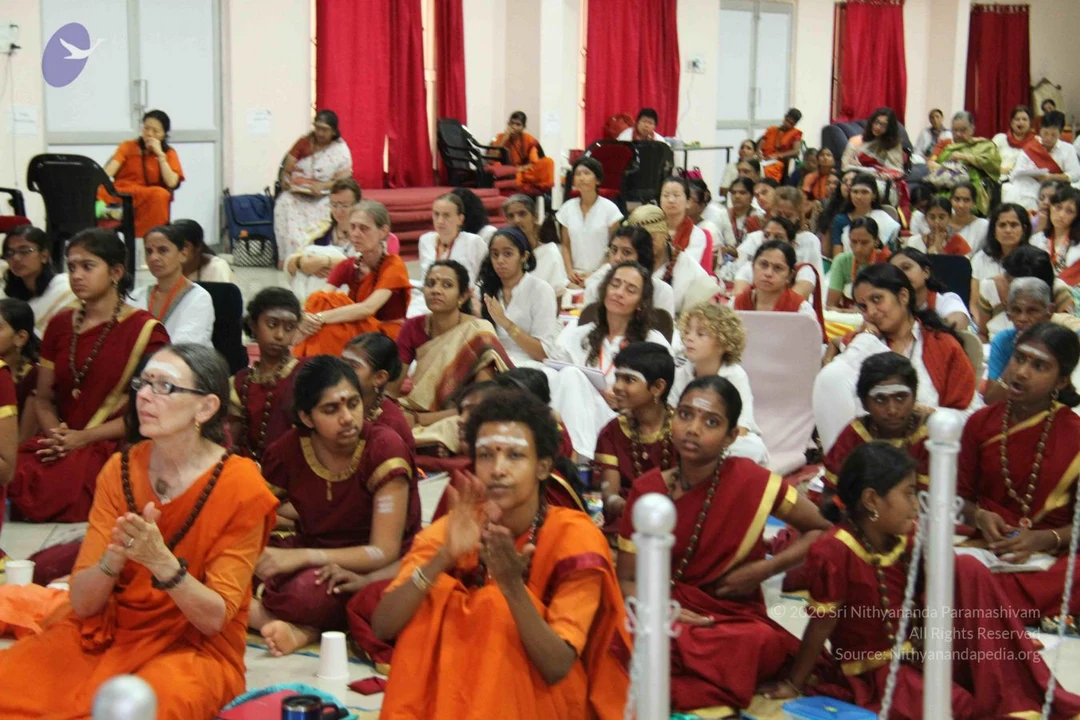
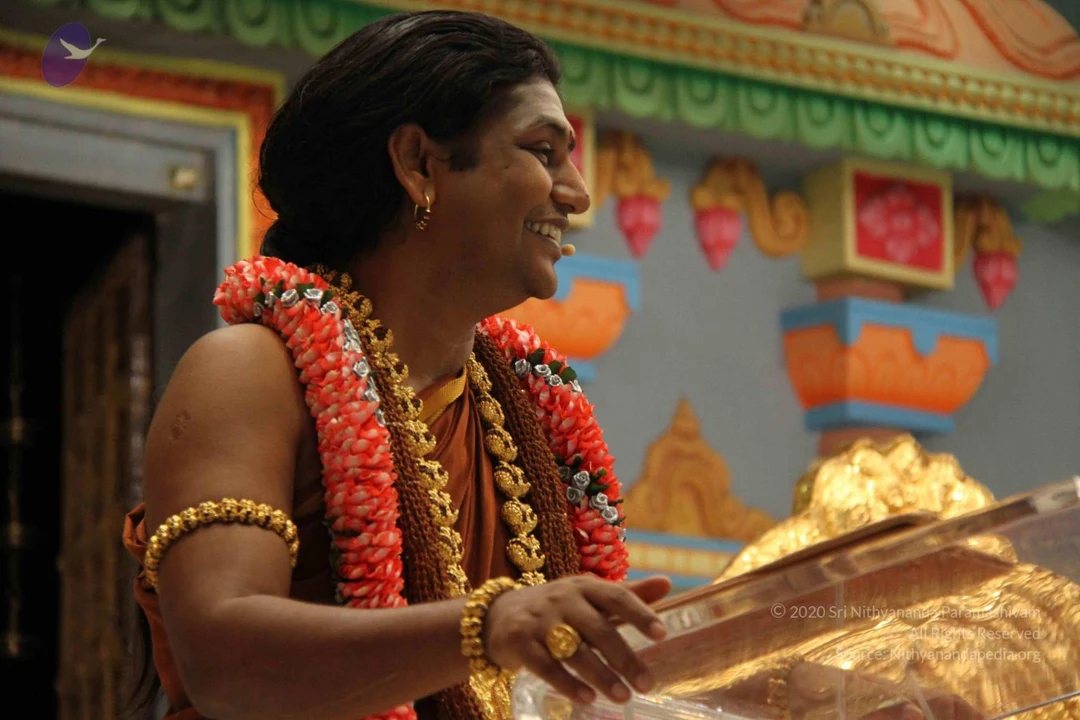
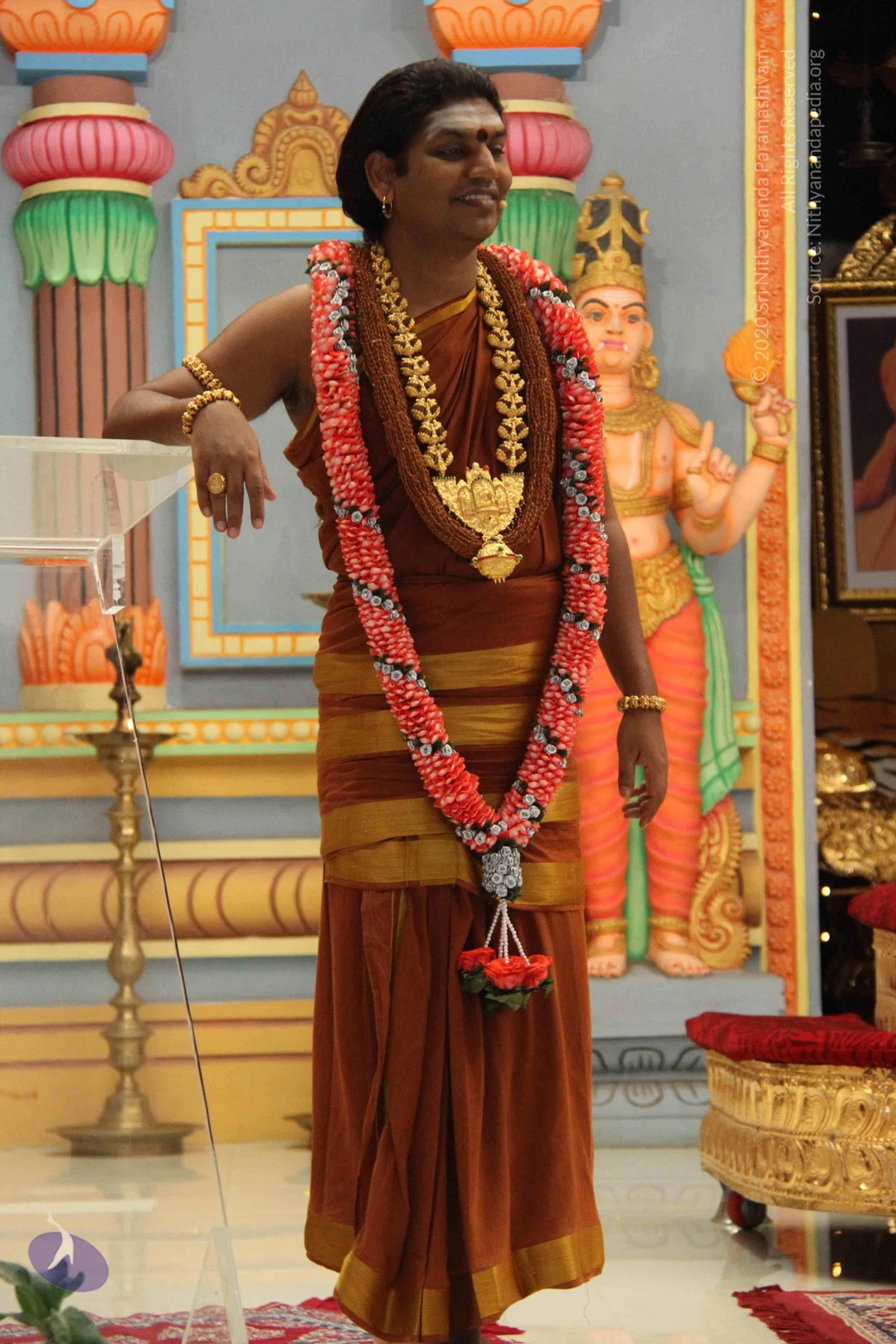
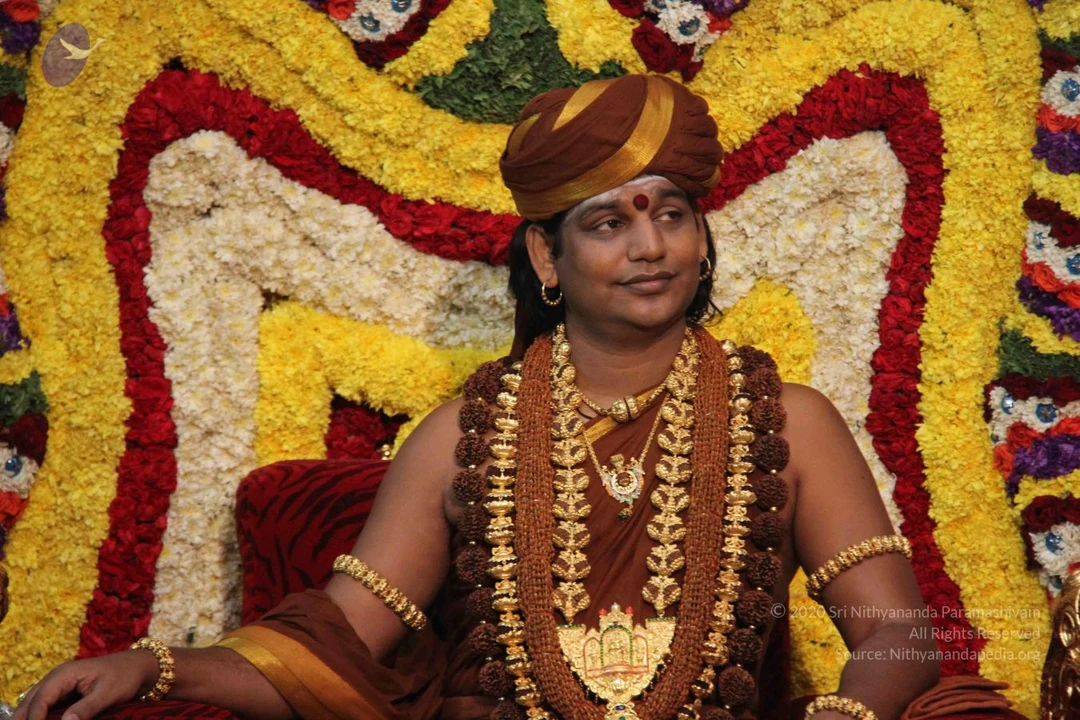
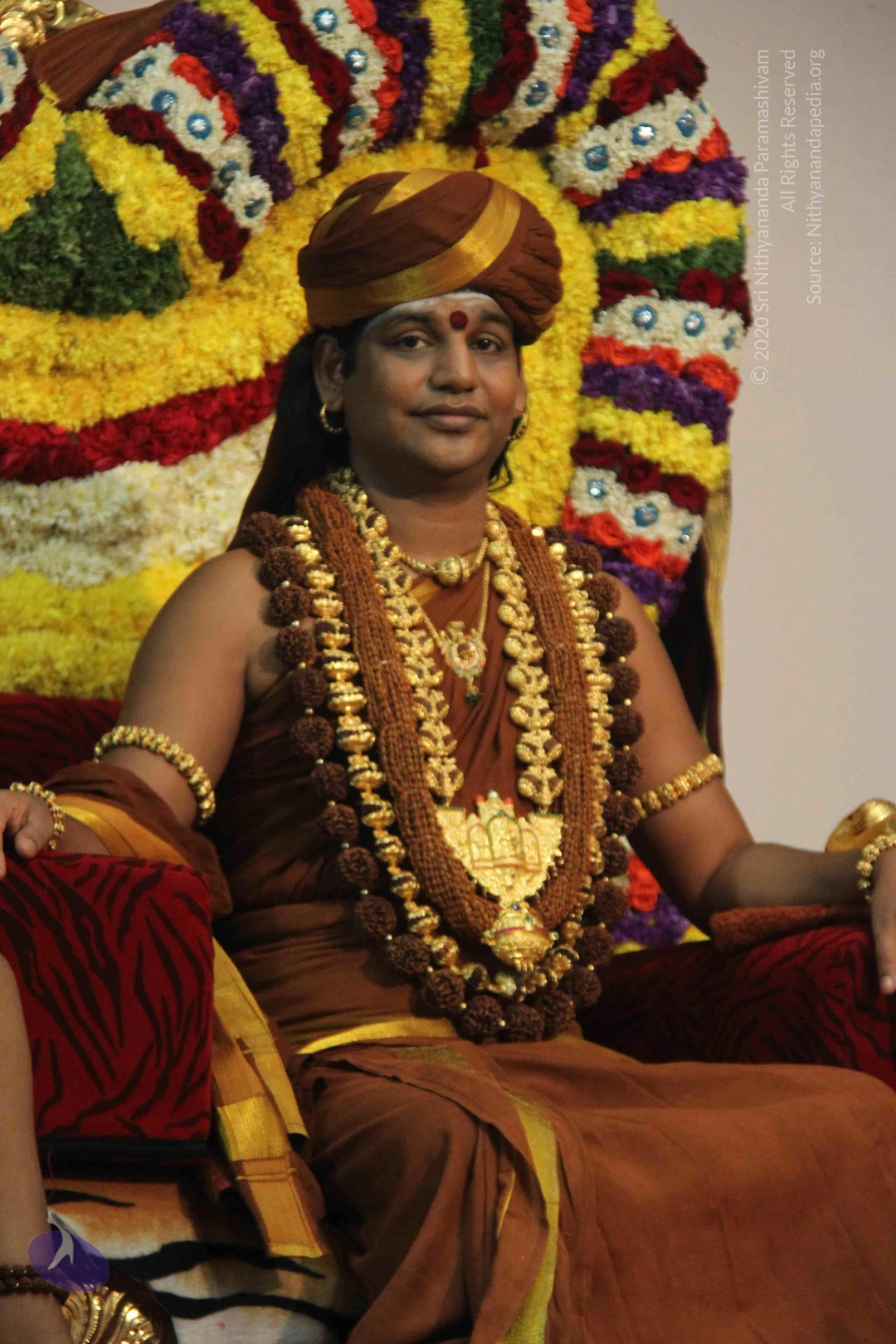
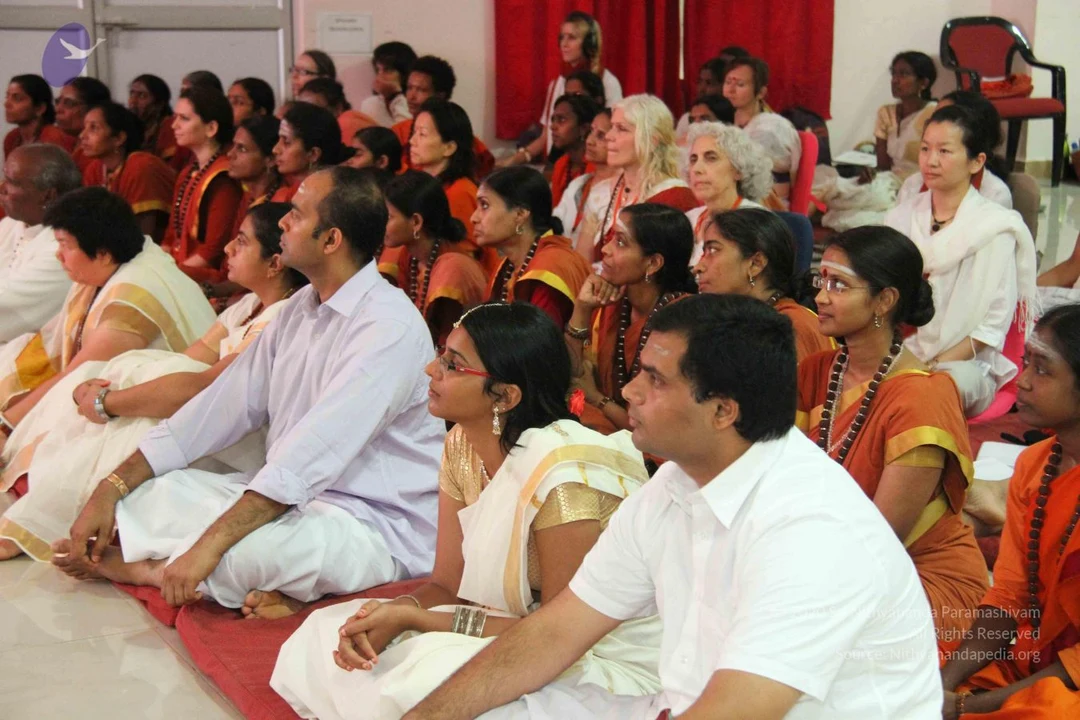
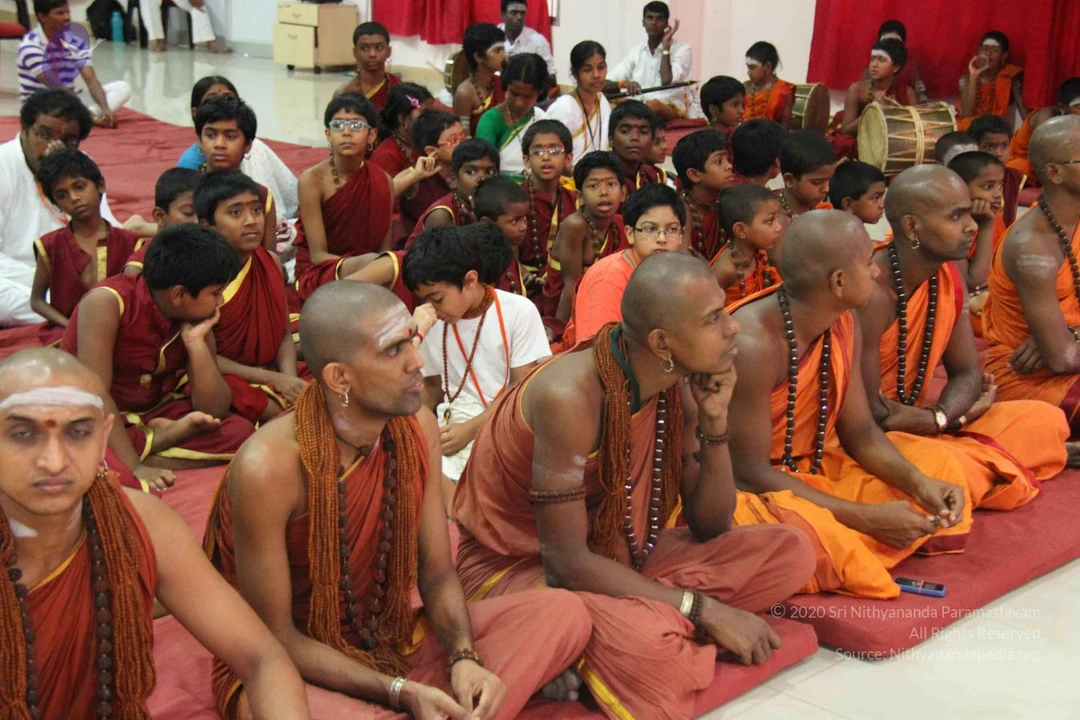
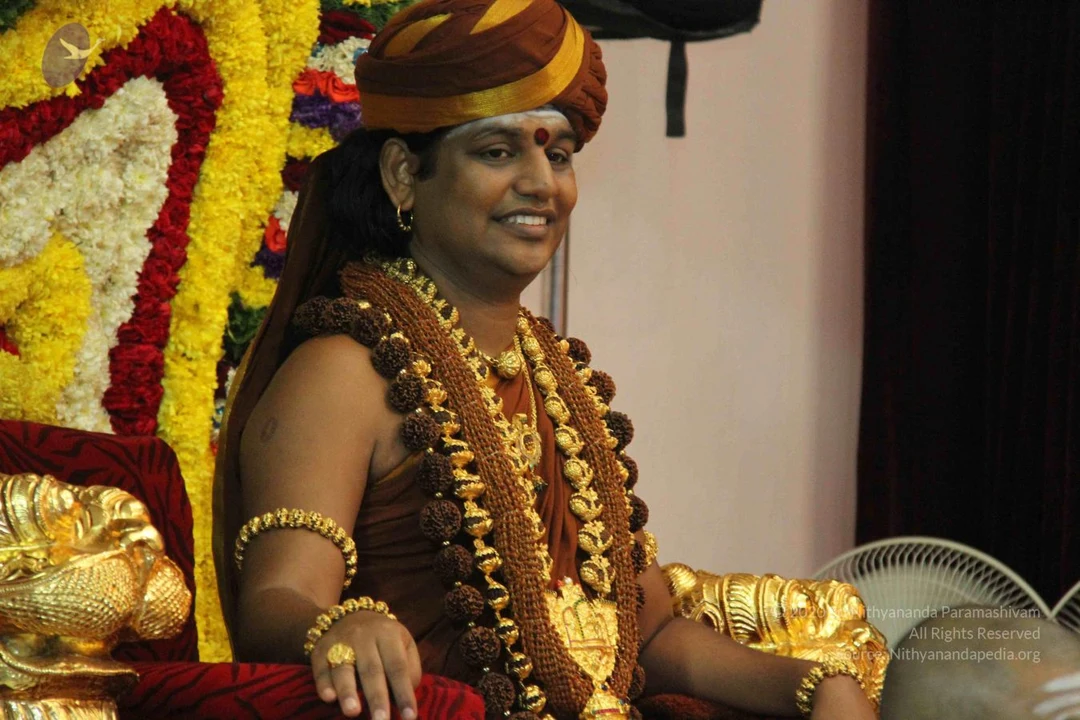
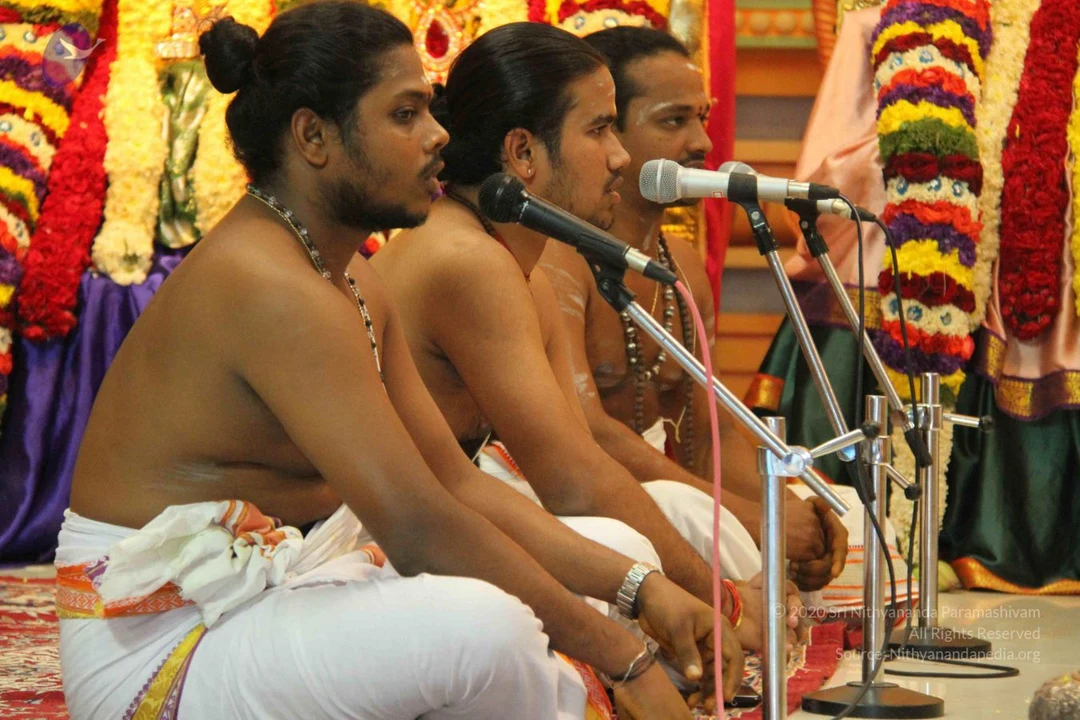
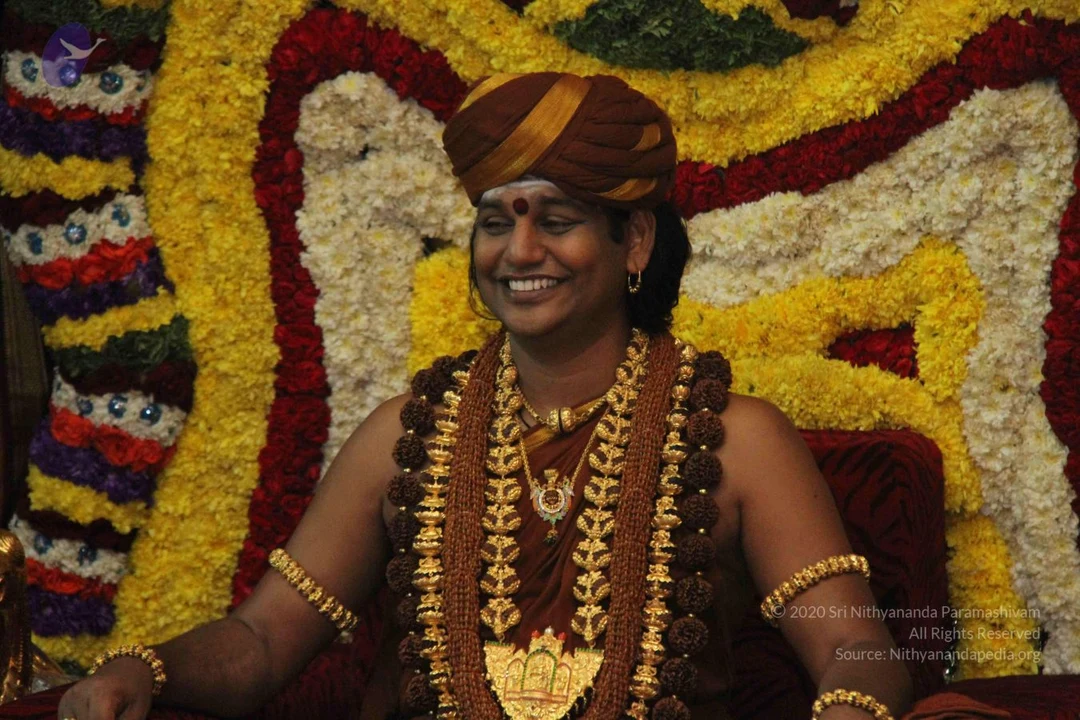
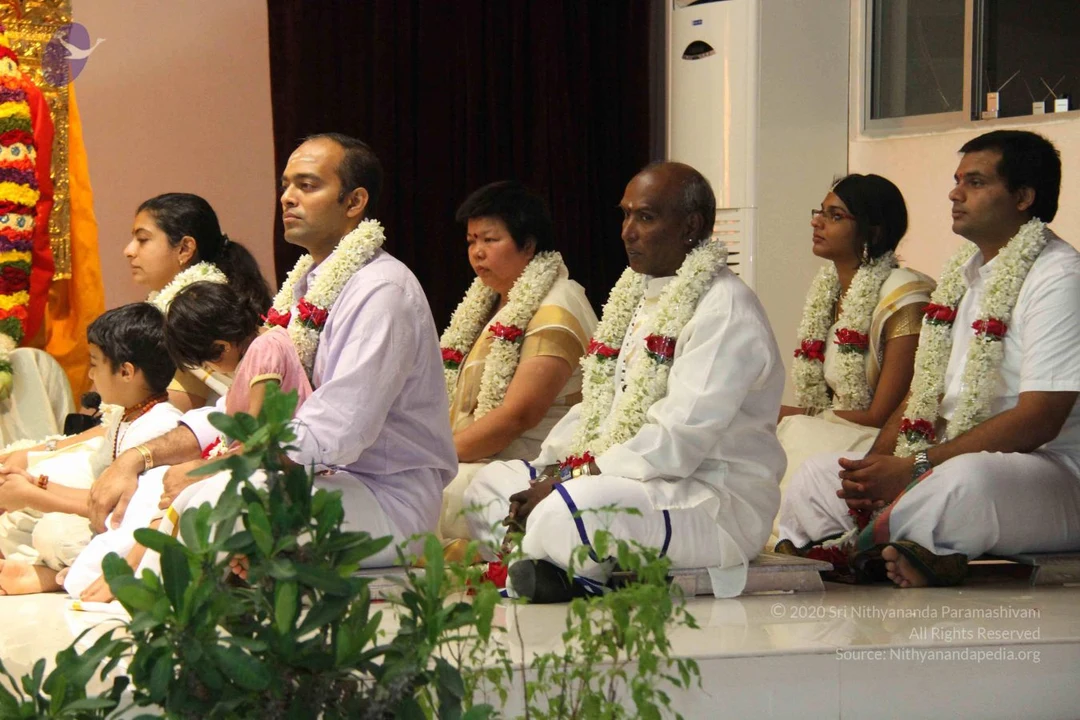
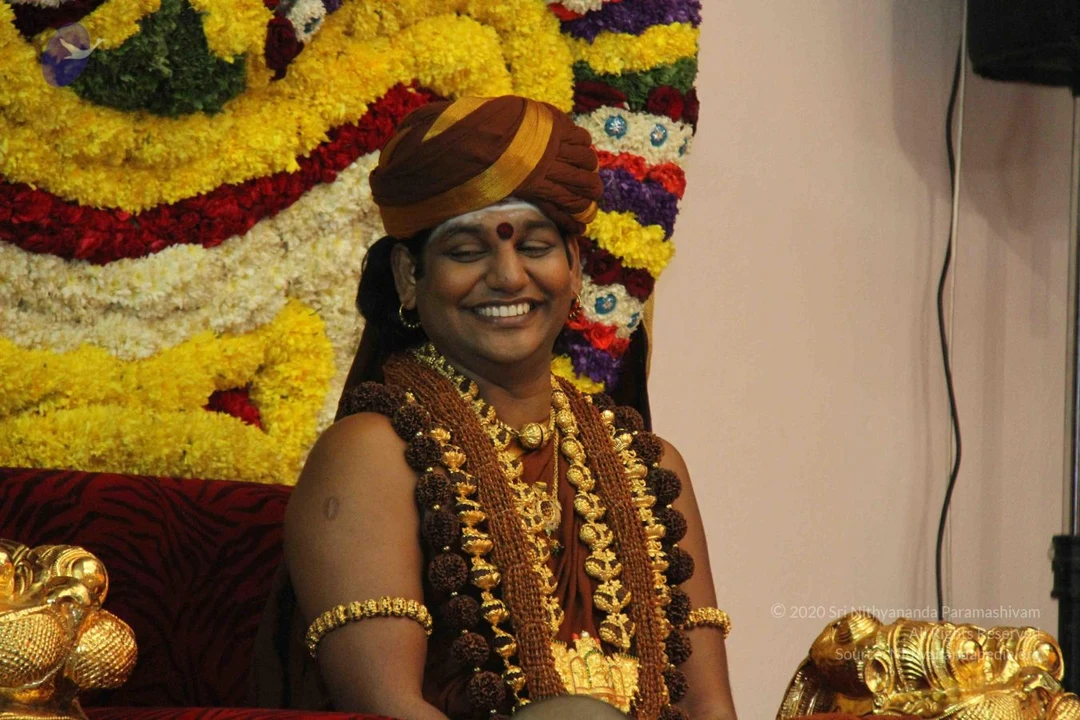
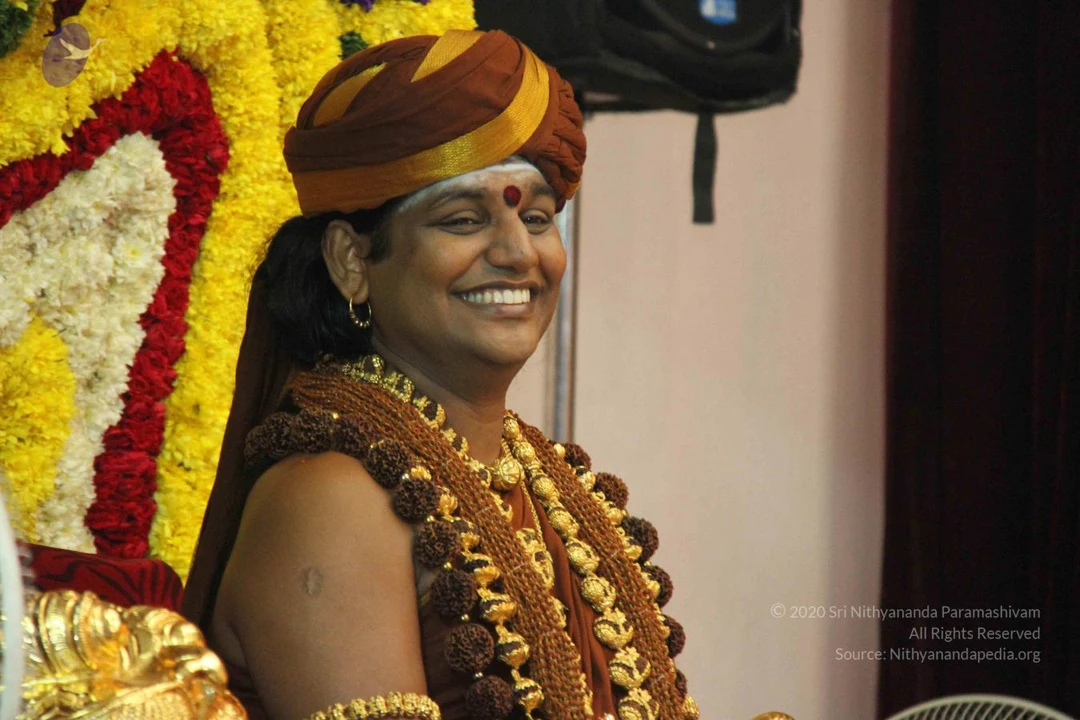
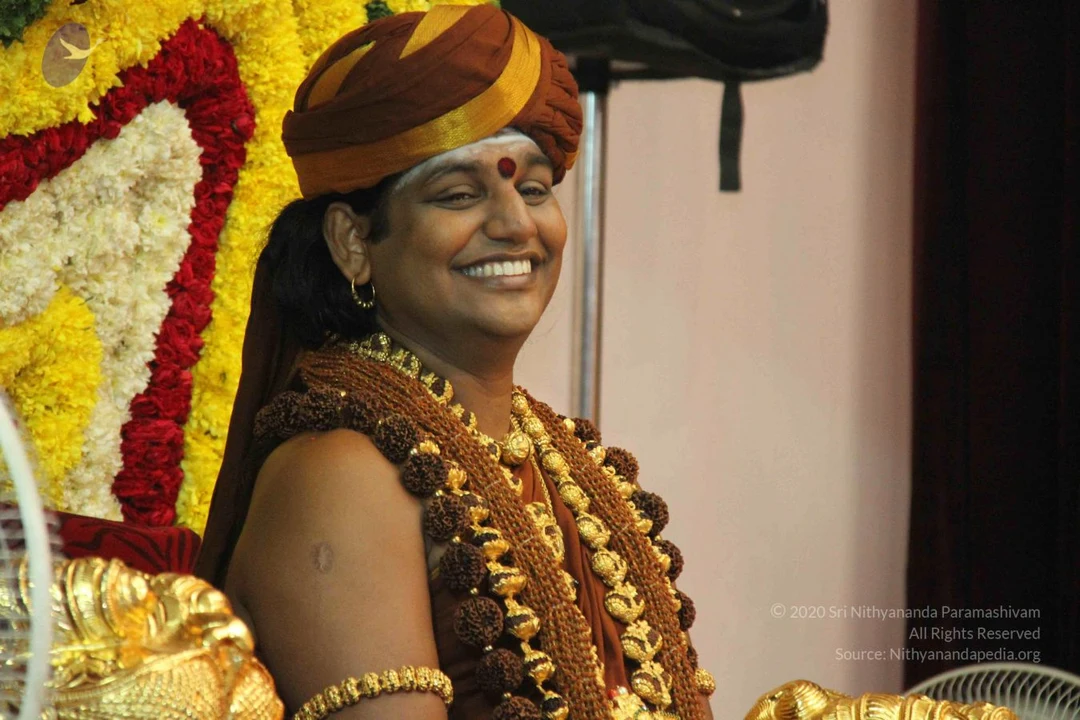
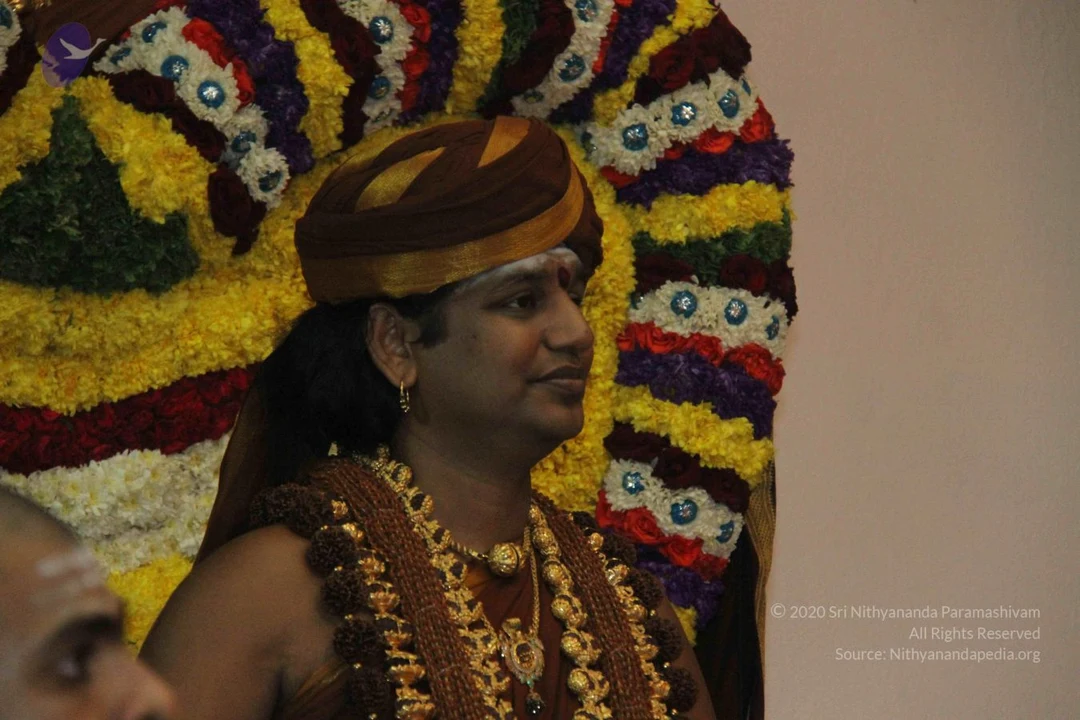
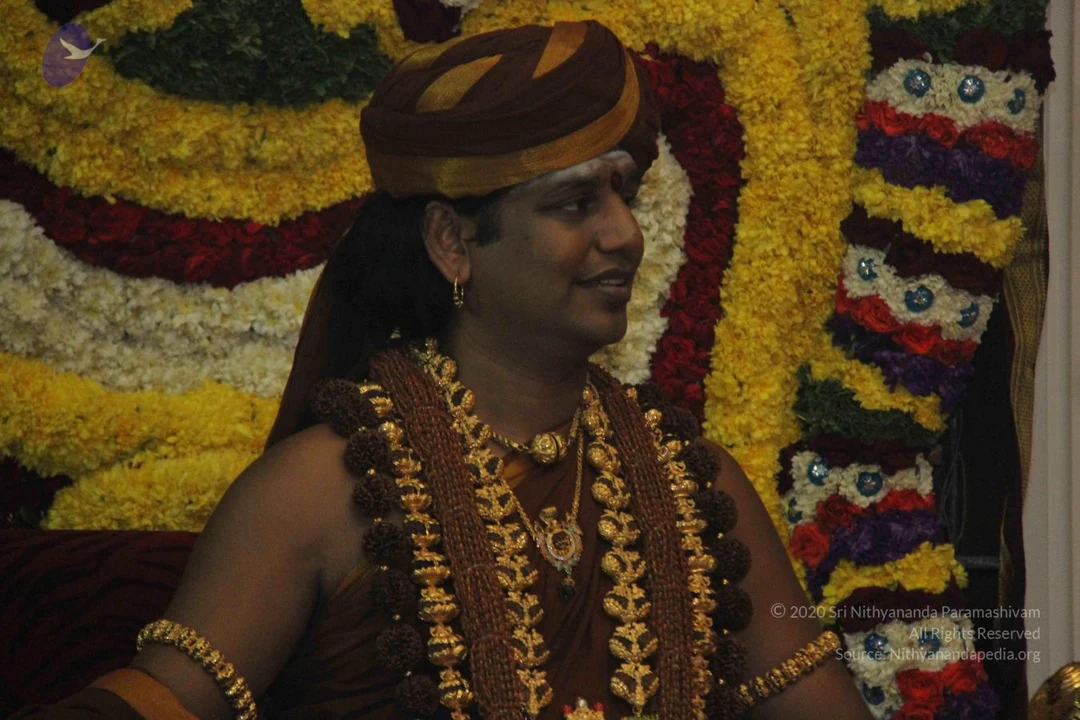
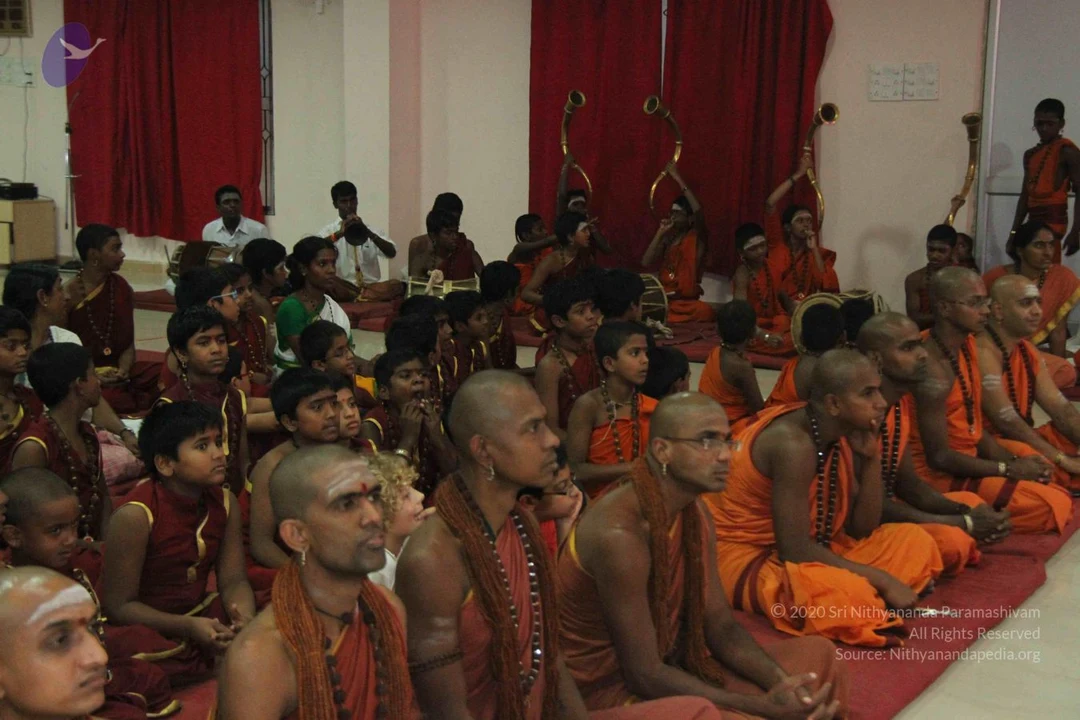
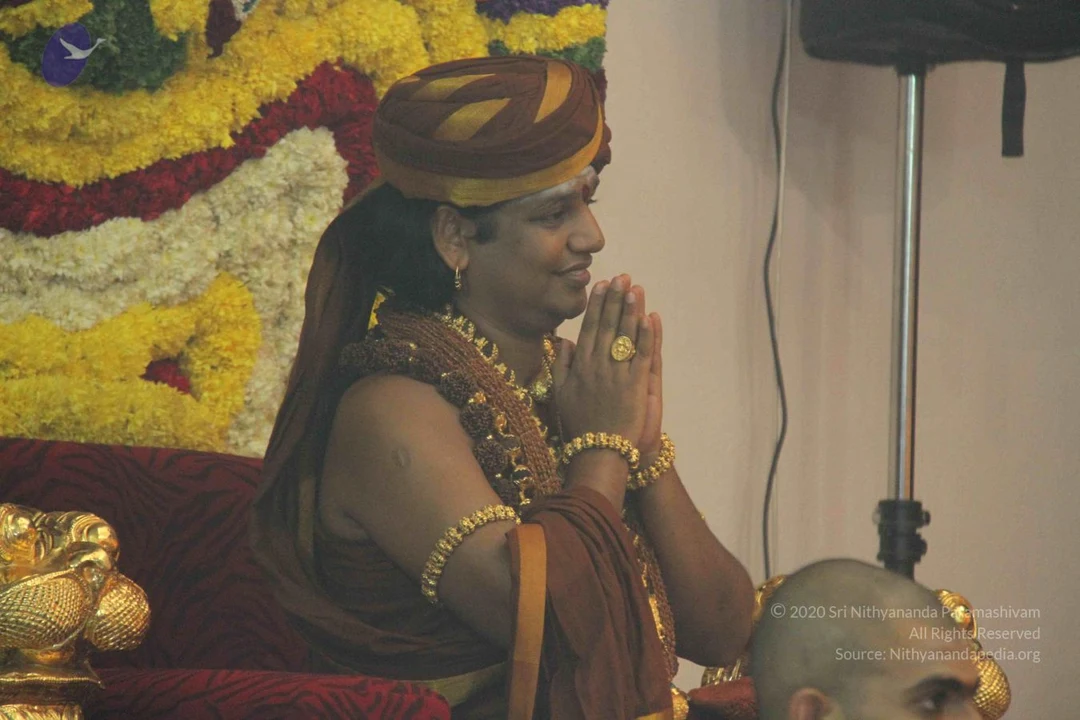
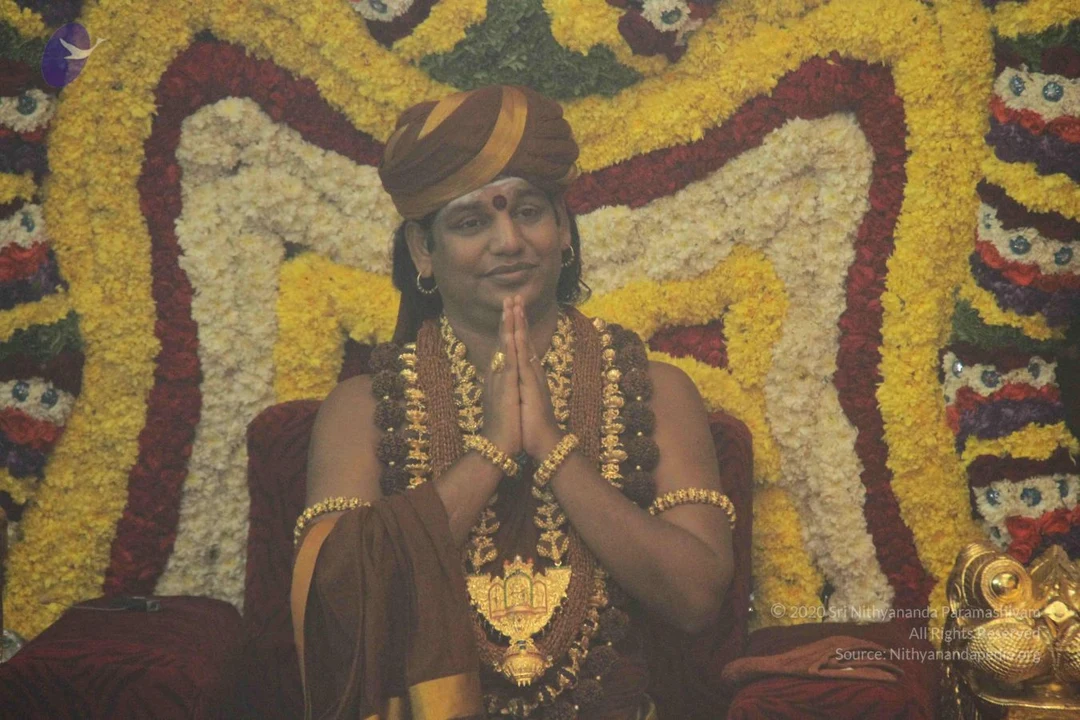
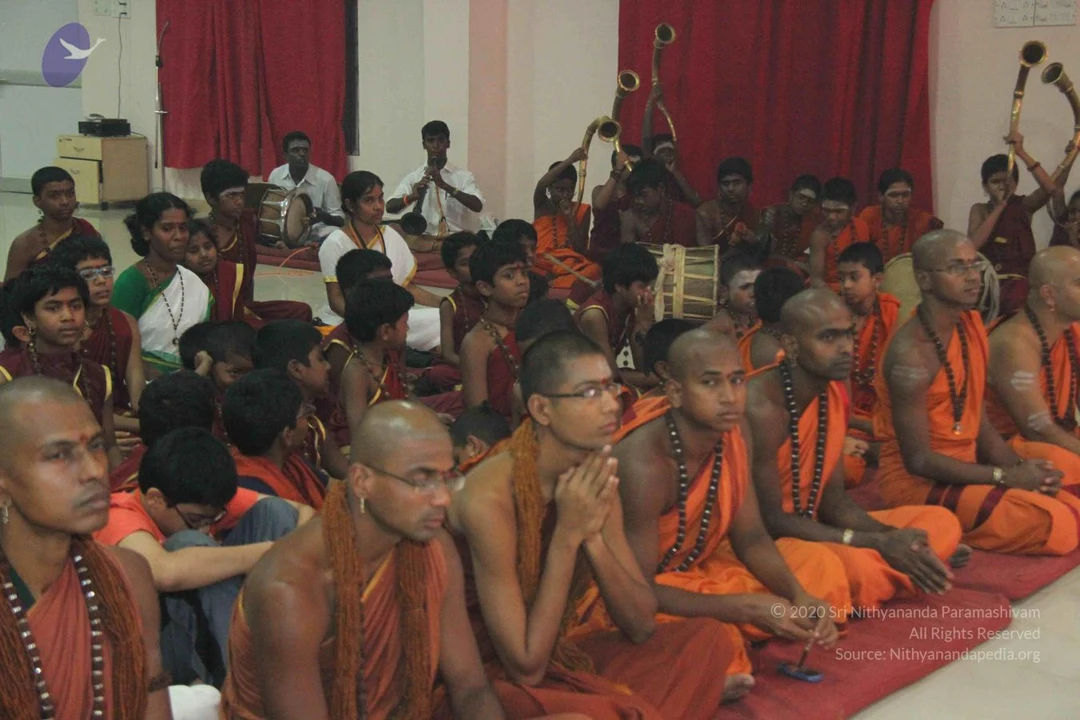
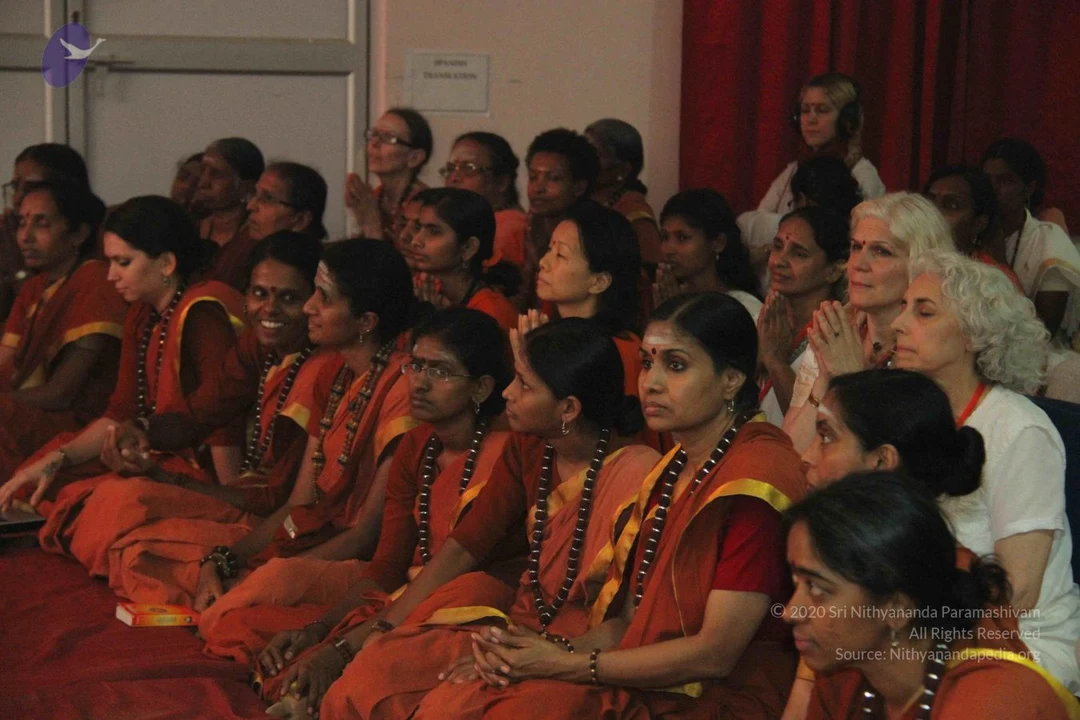
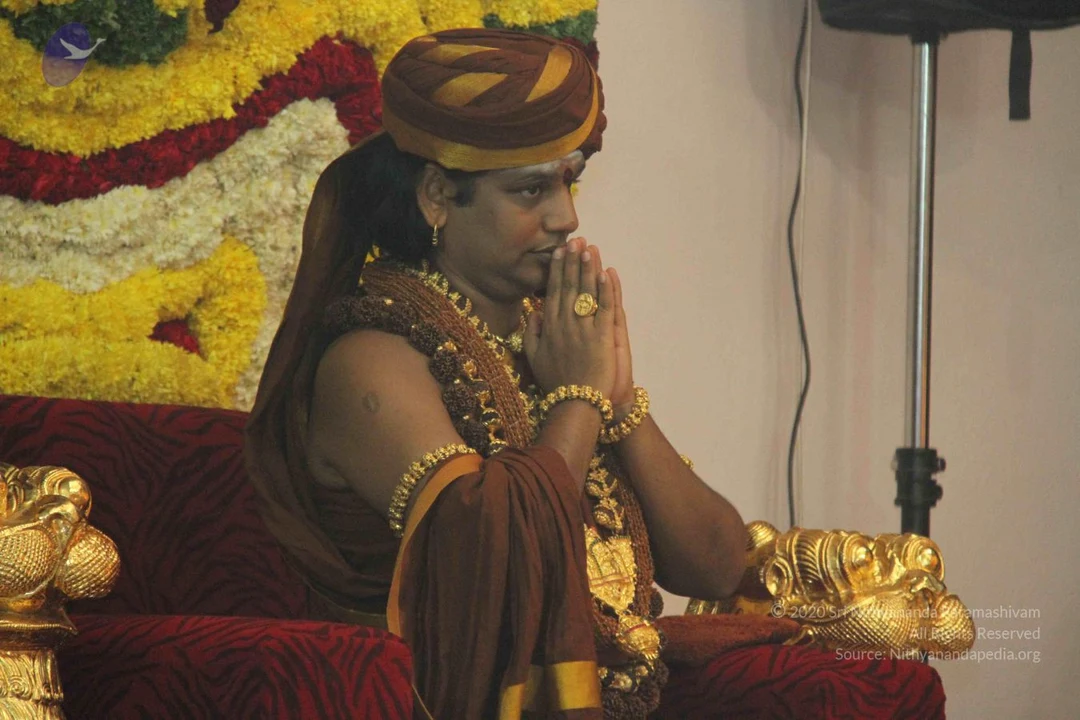
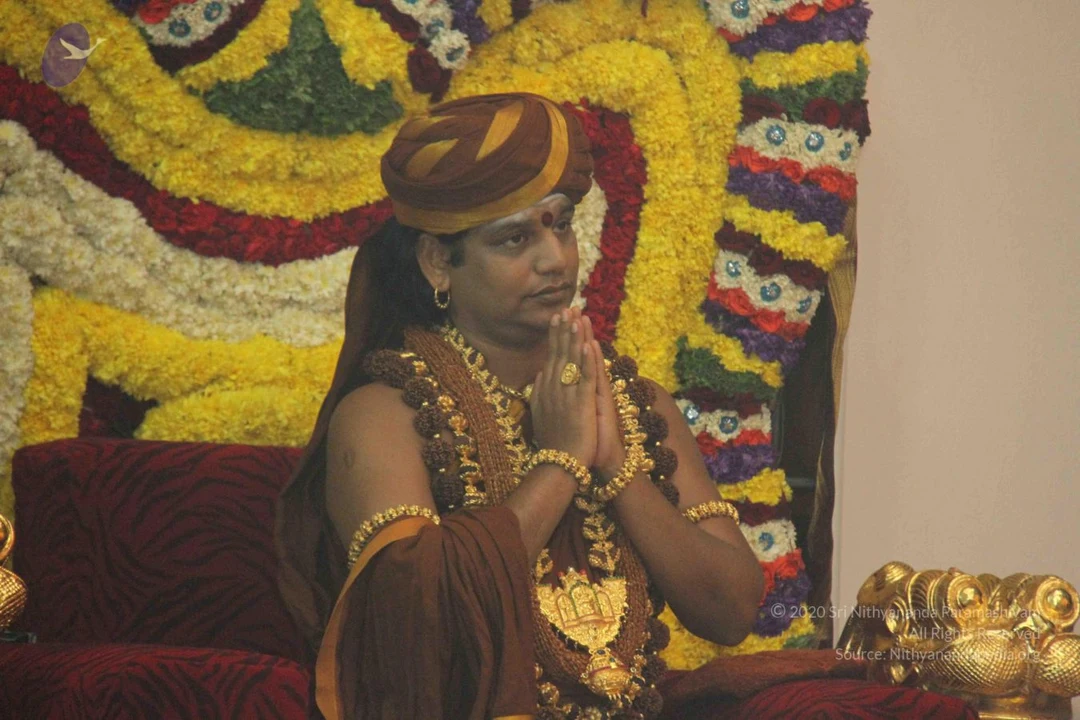
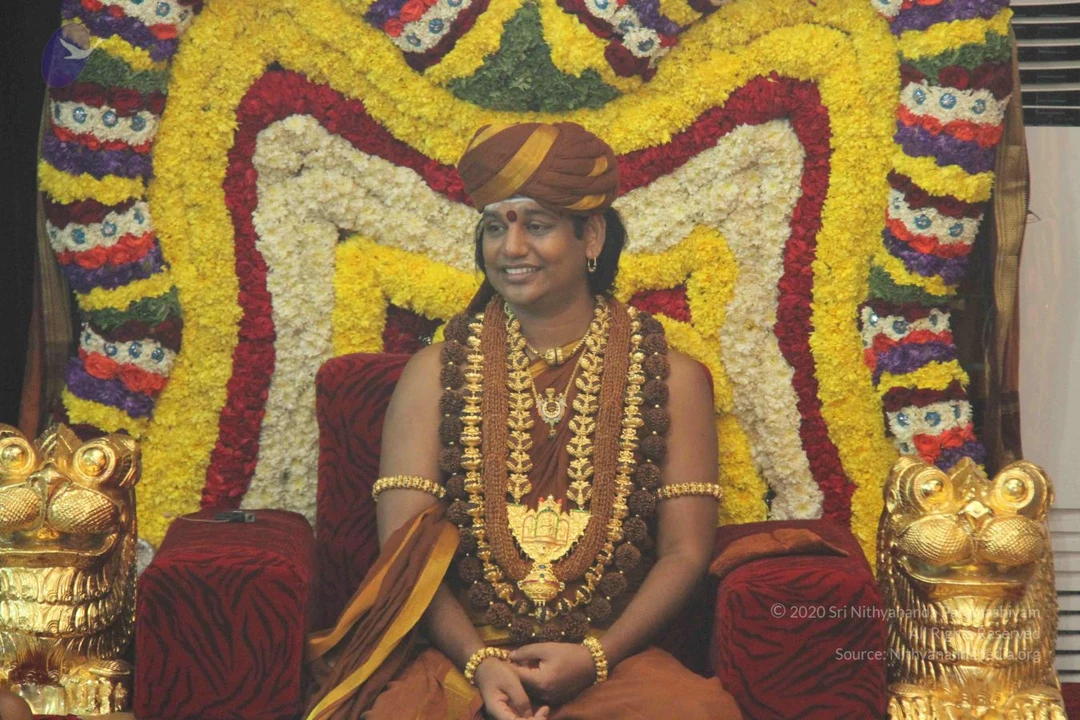
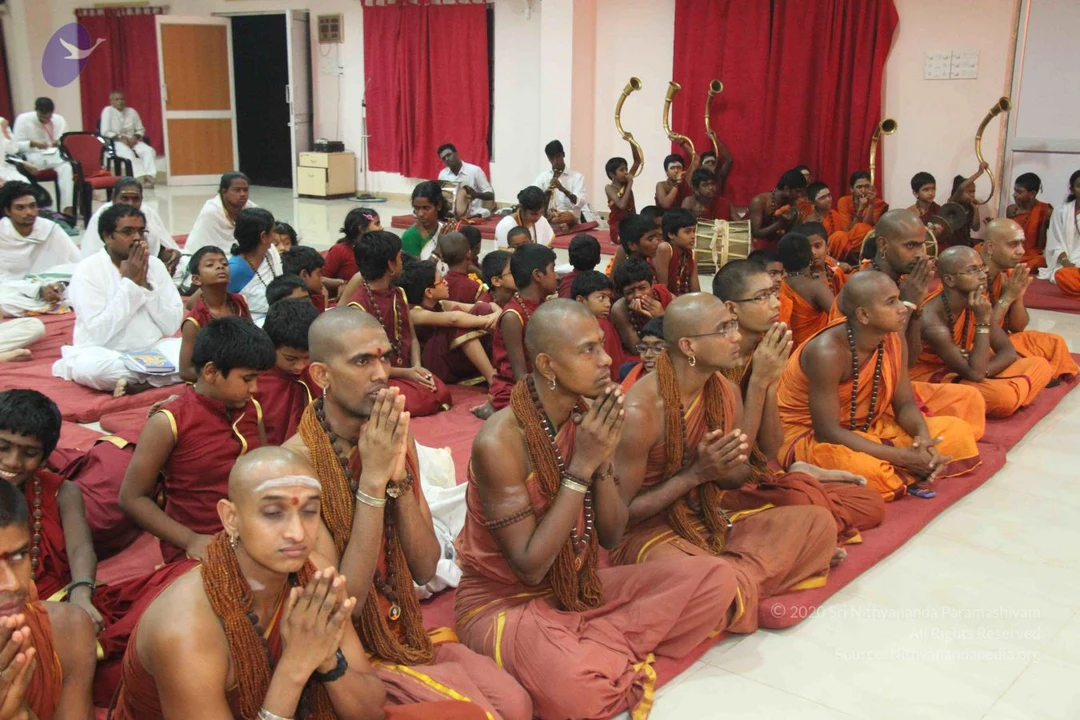
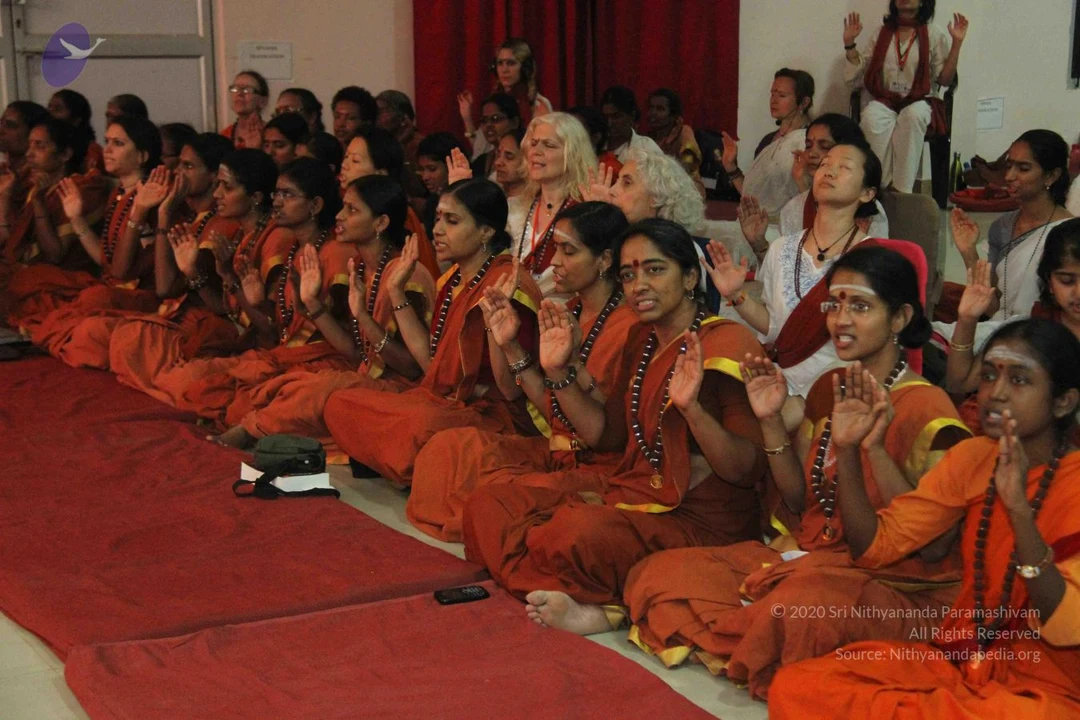
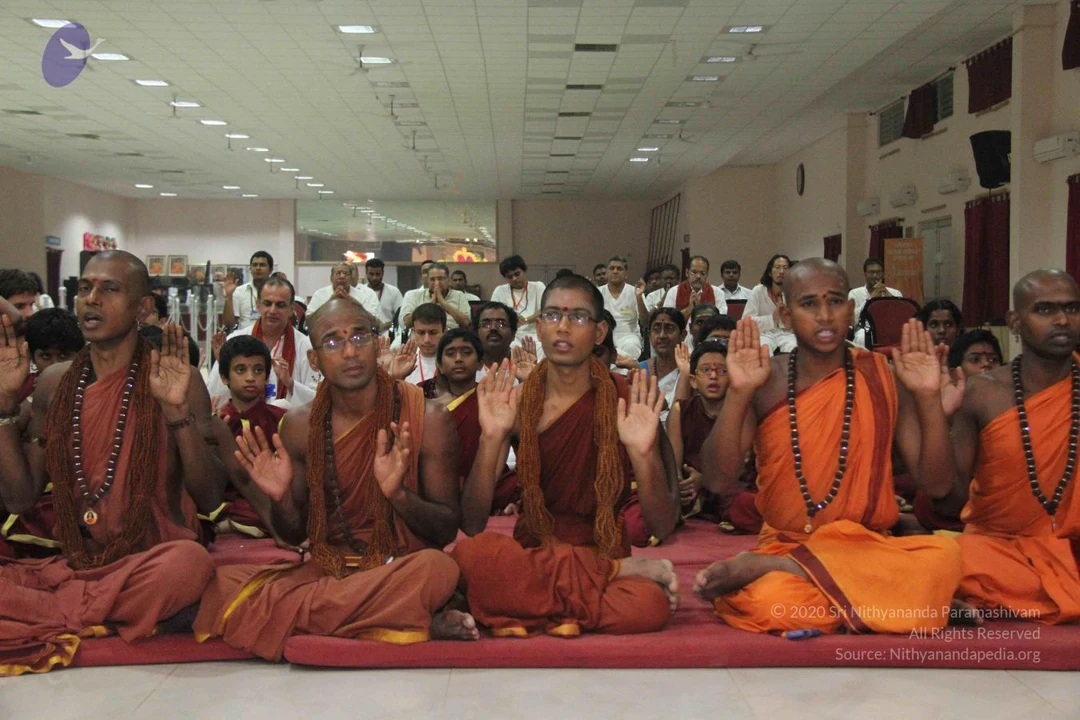
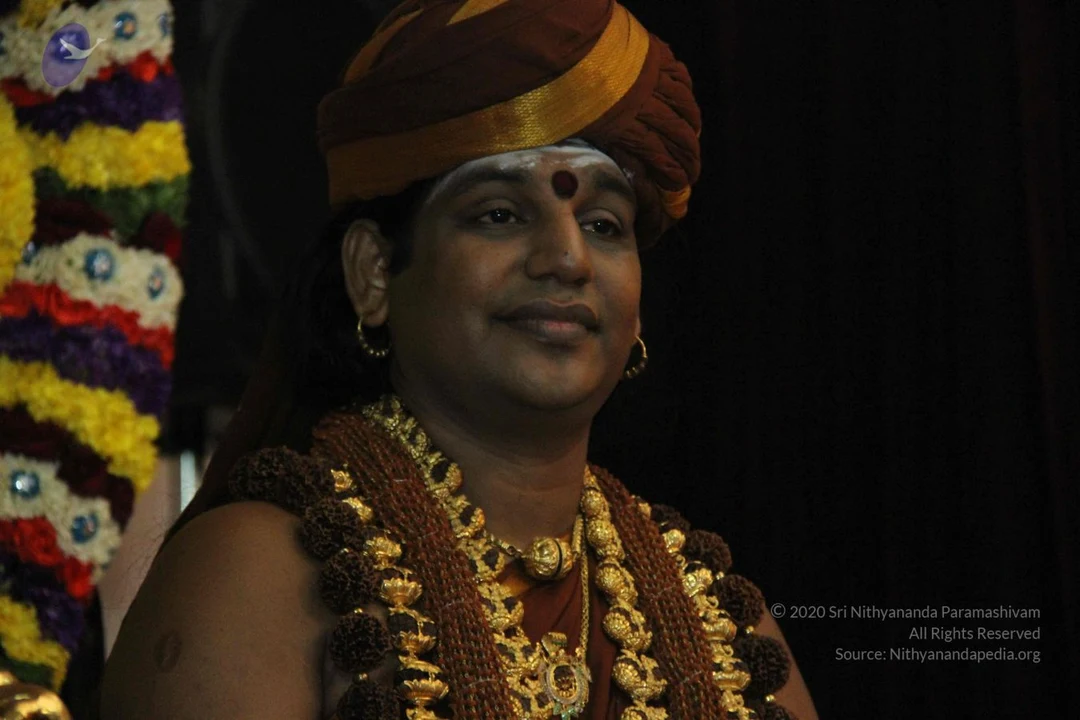
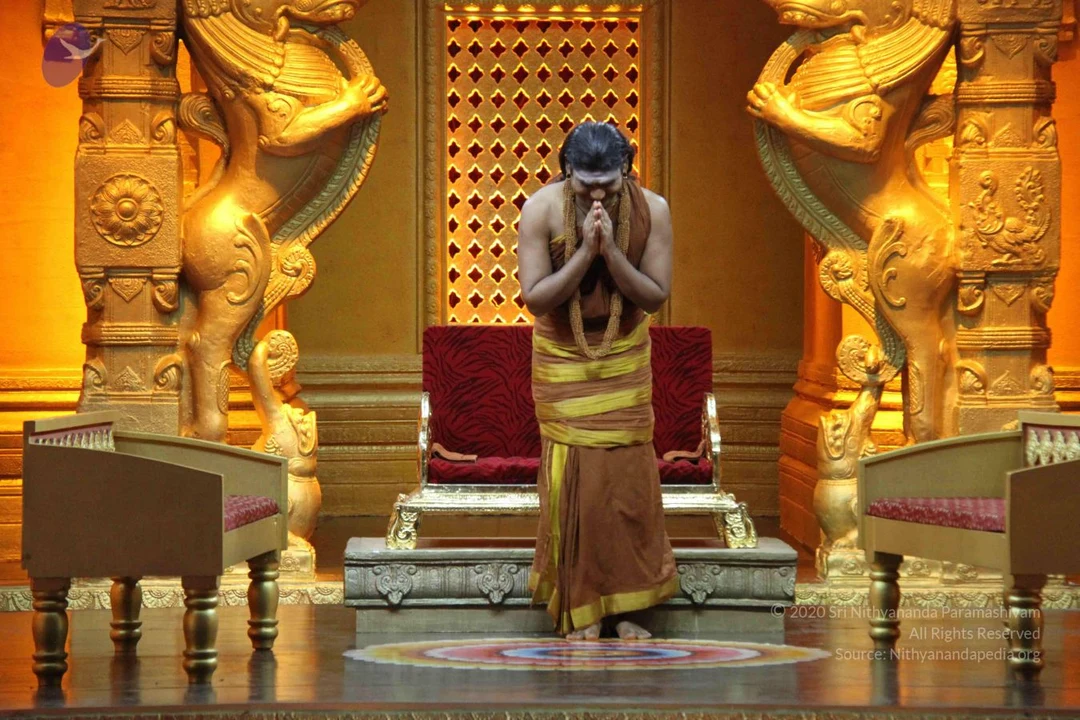
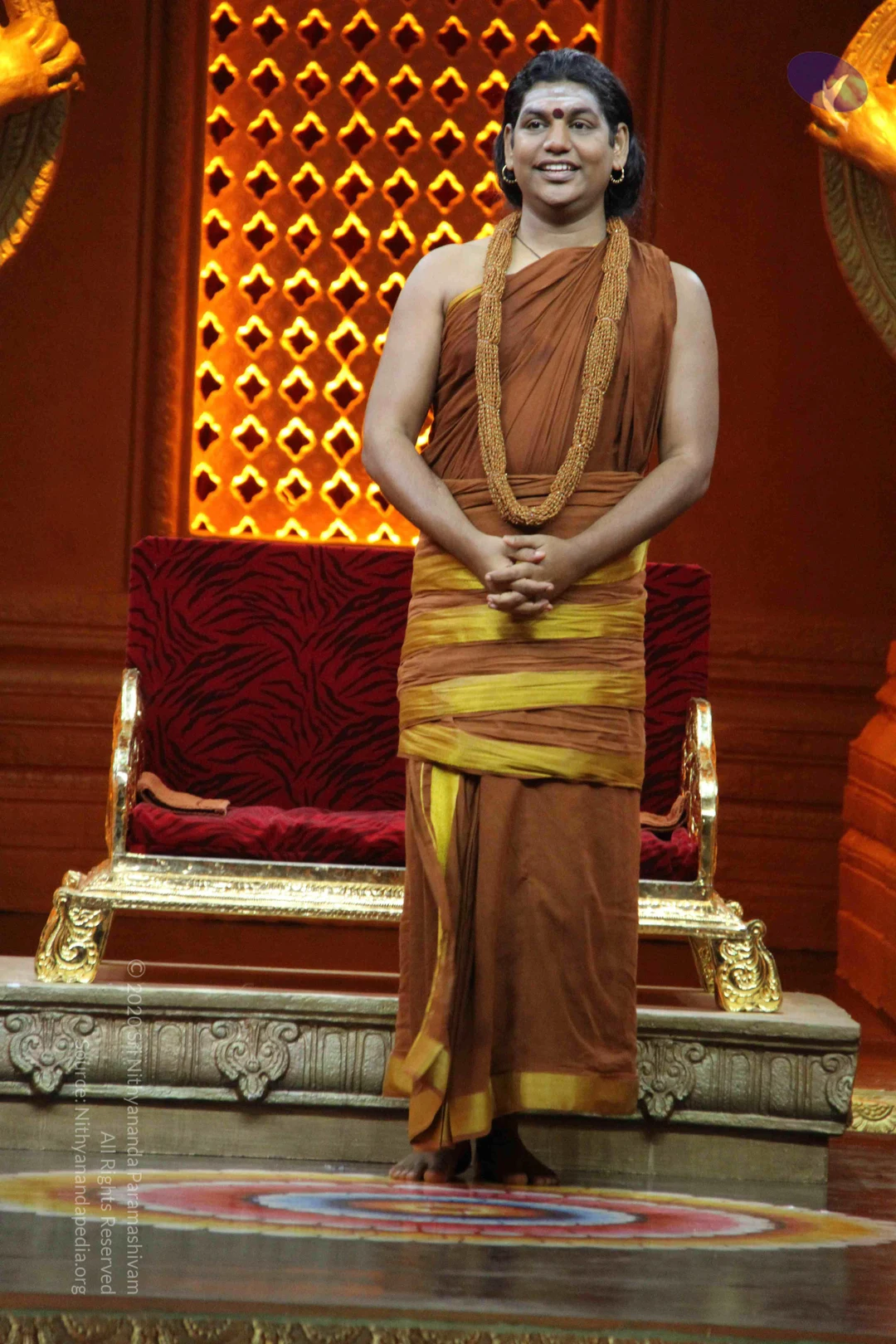
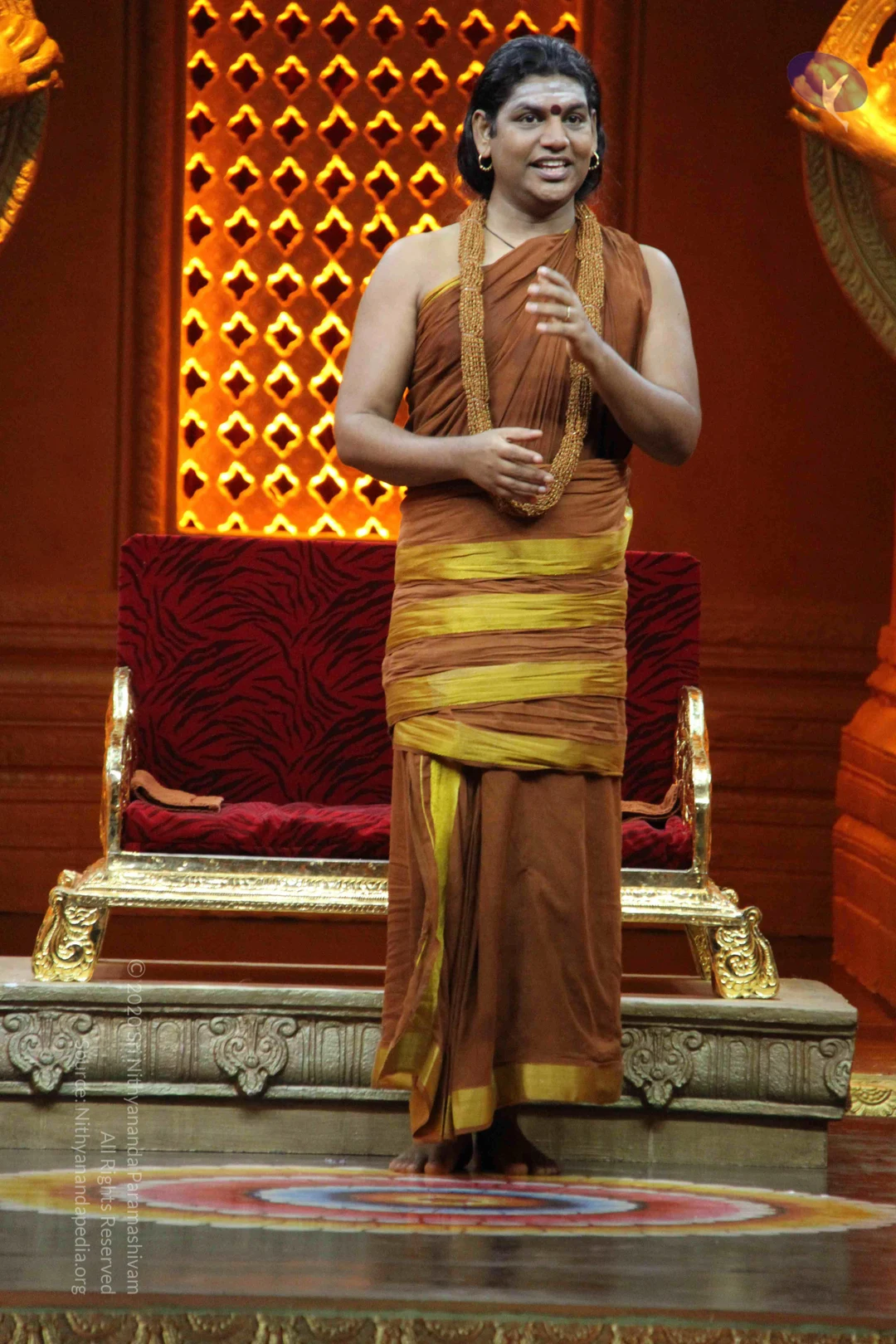
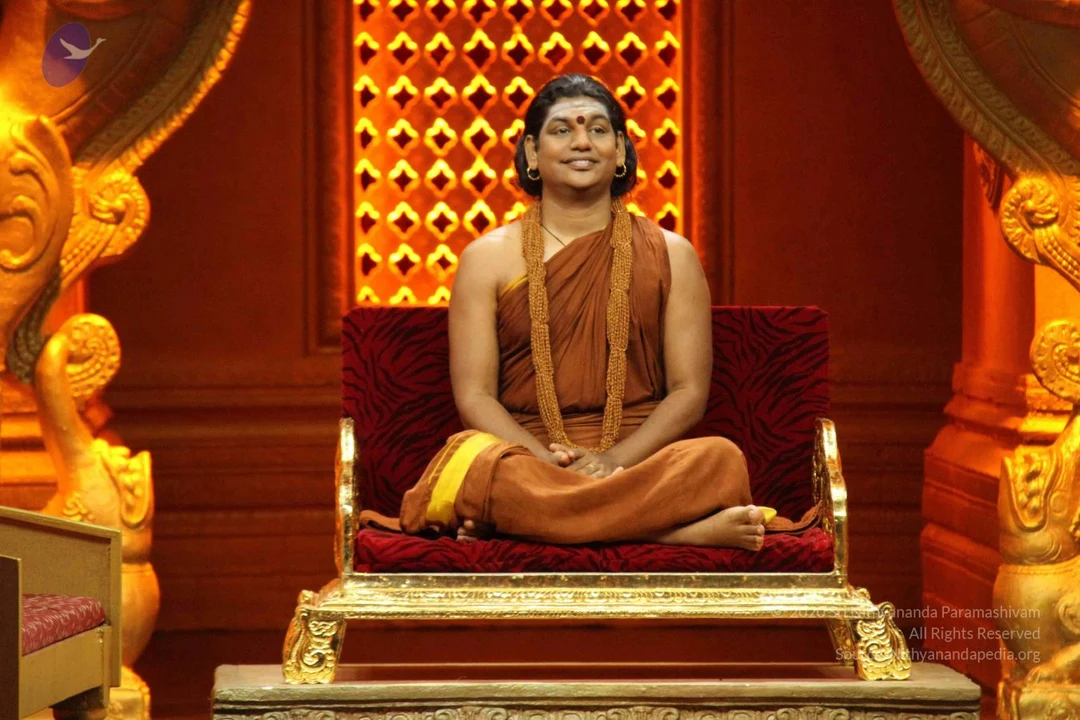
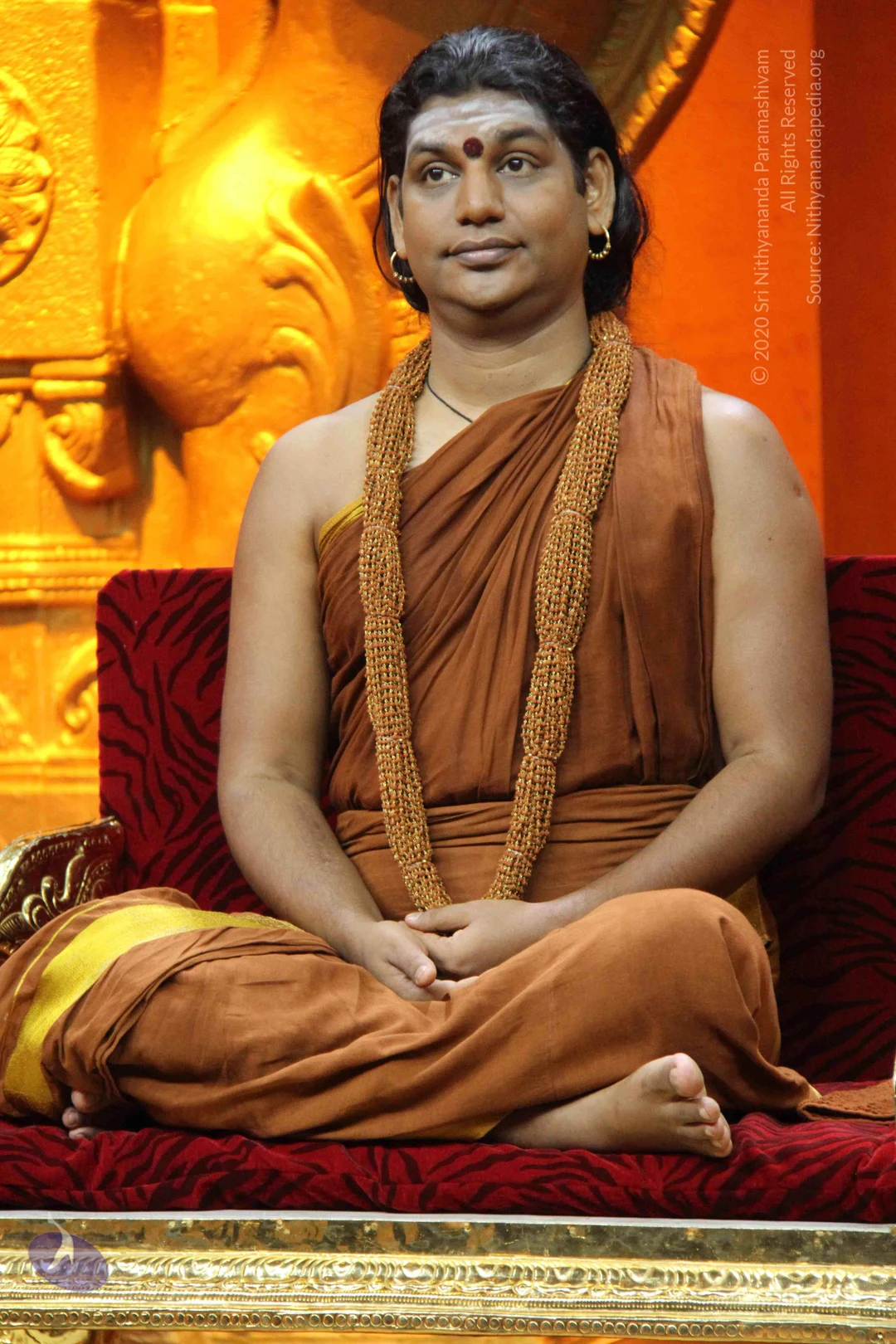
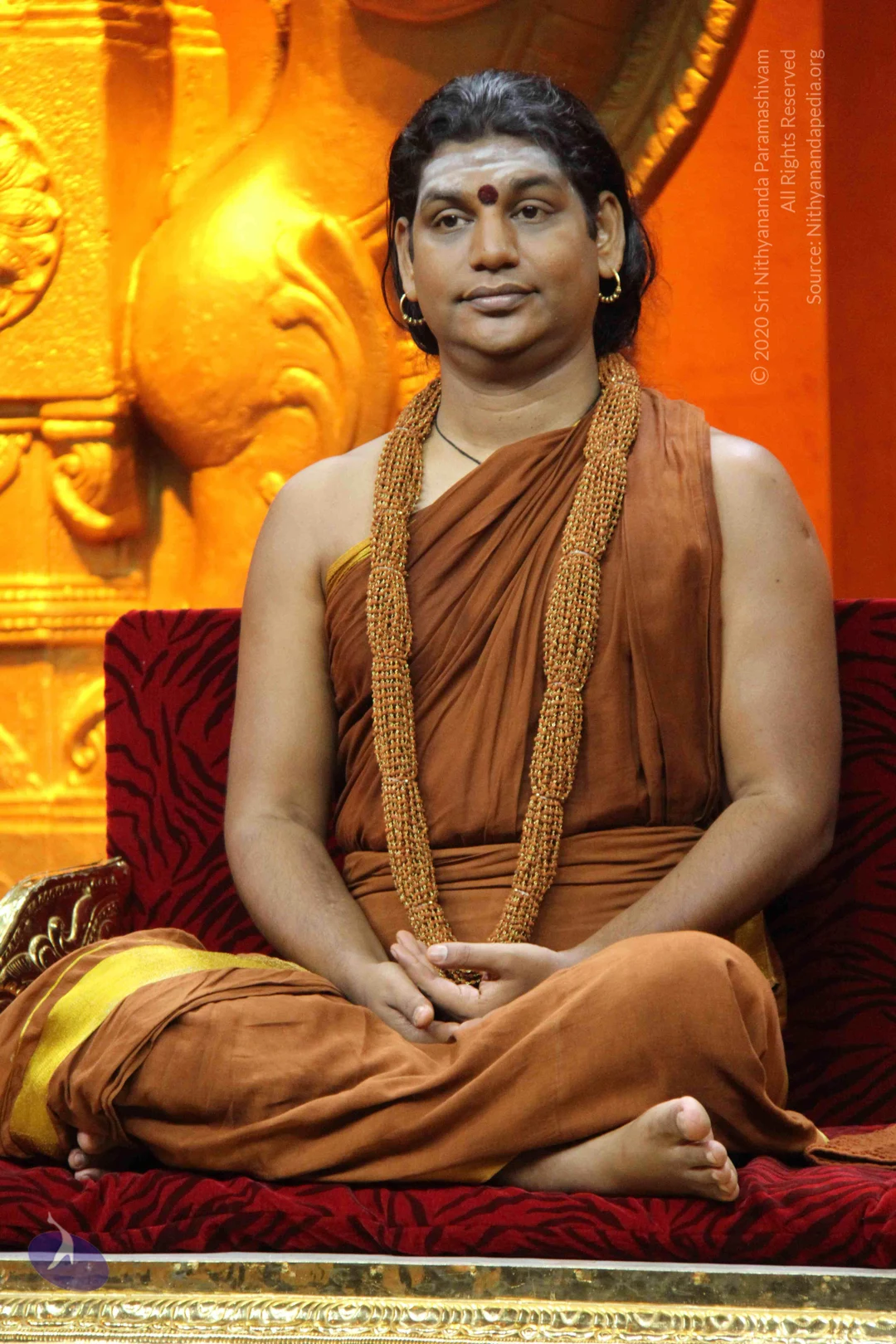
nithya-satsang
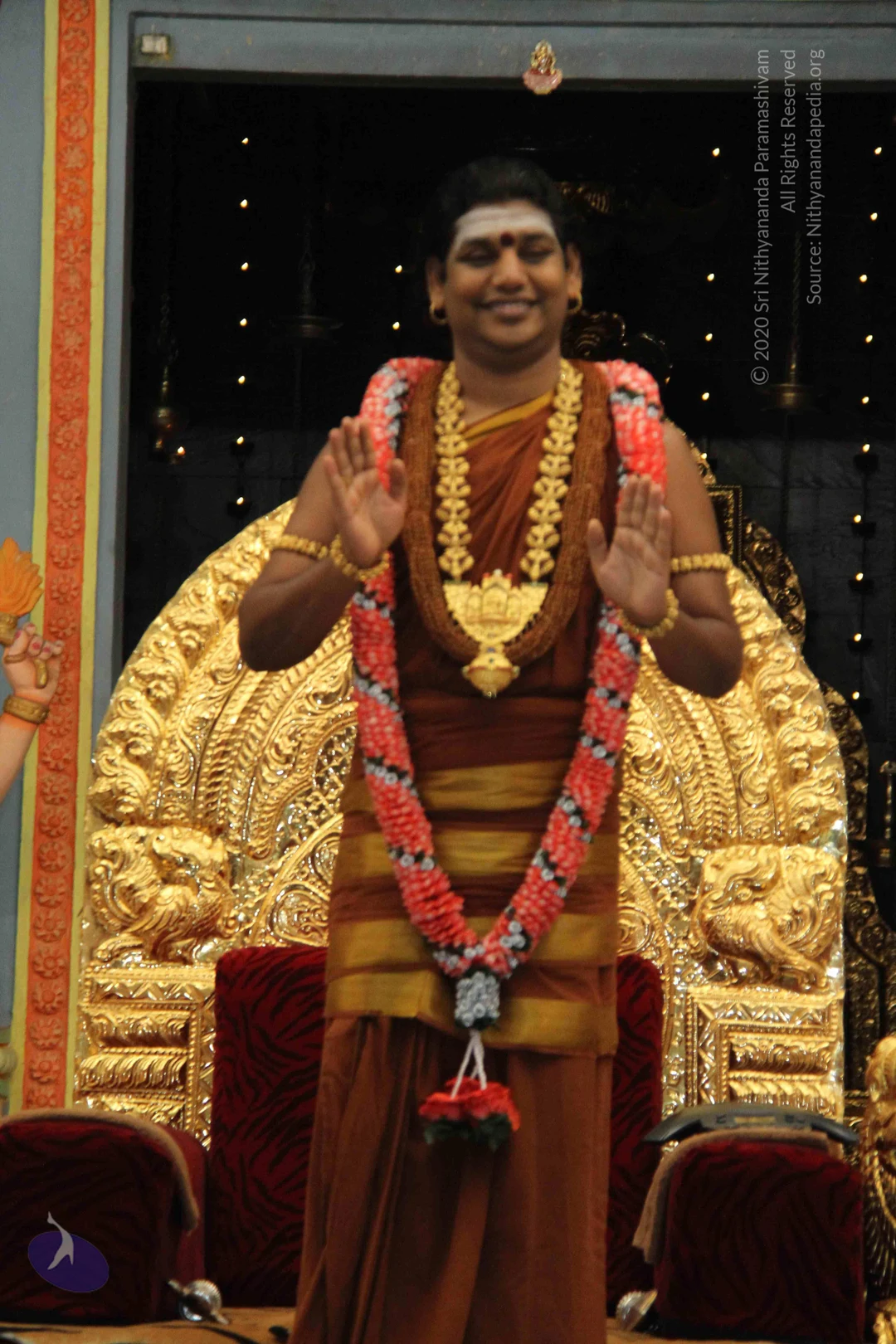
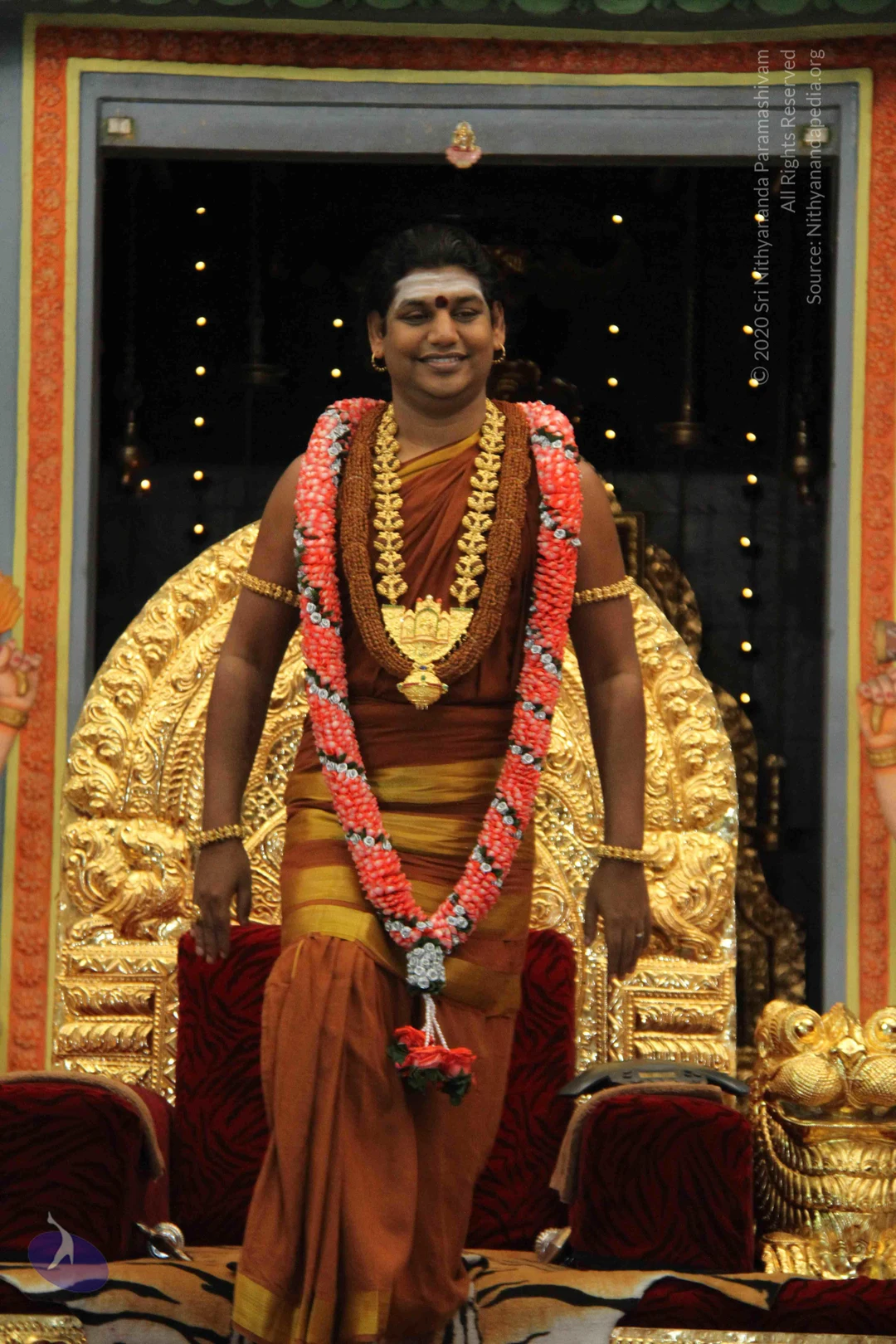
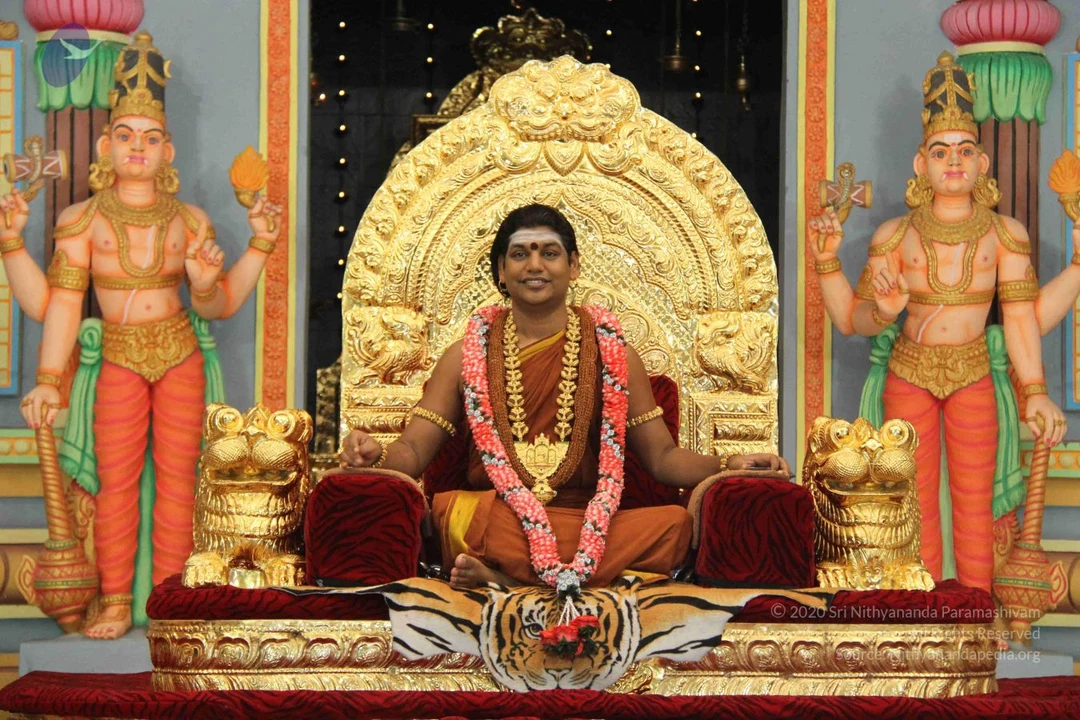
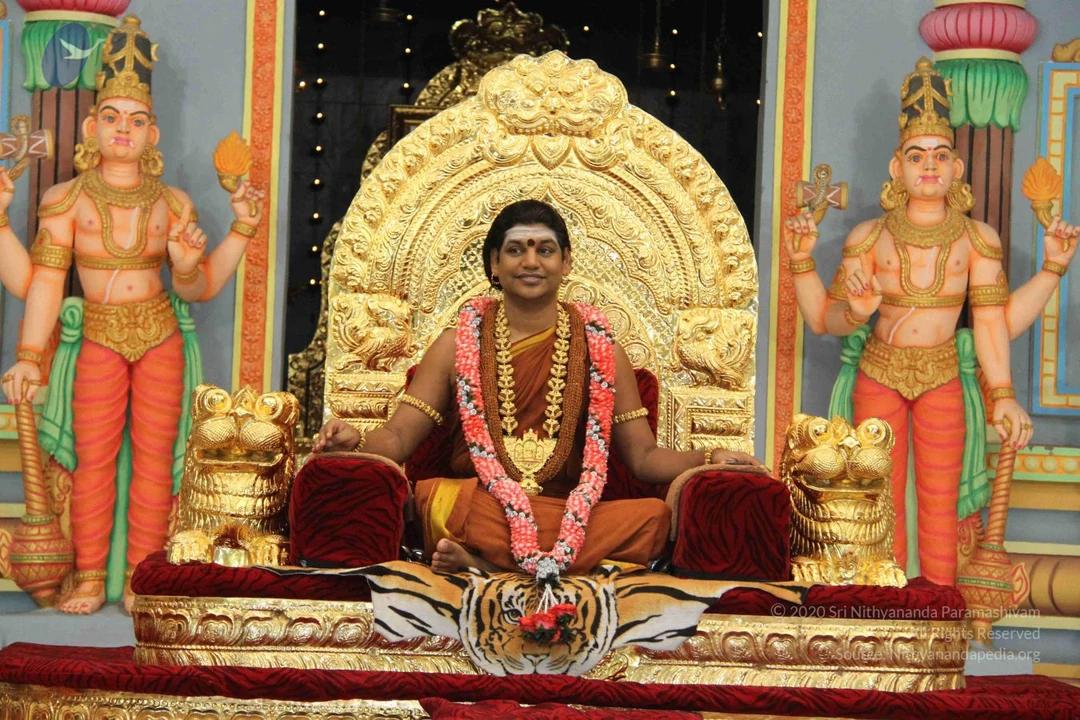
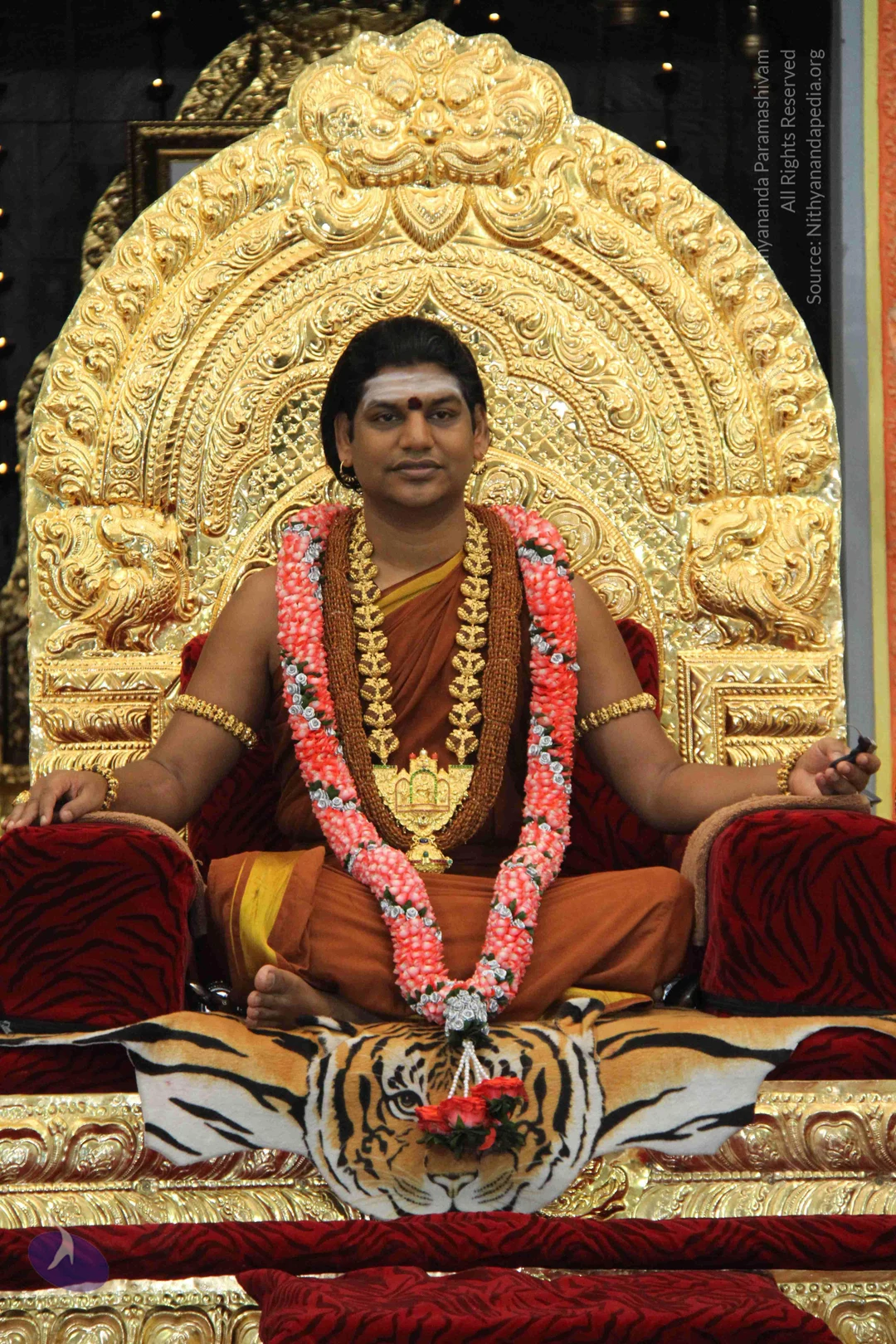
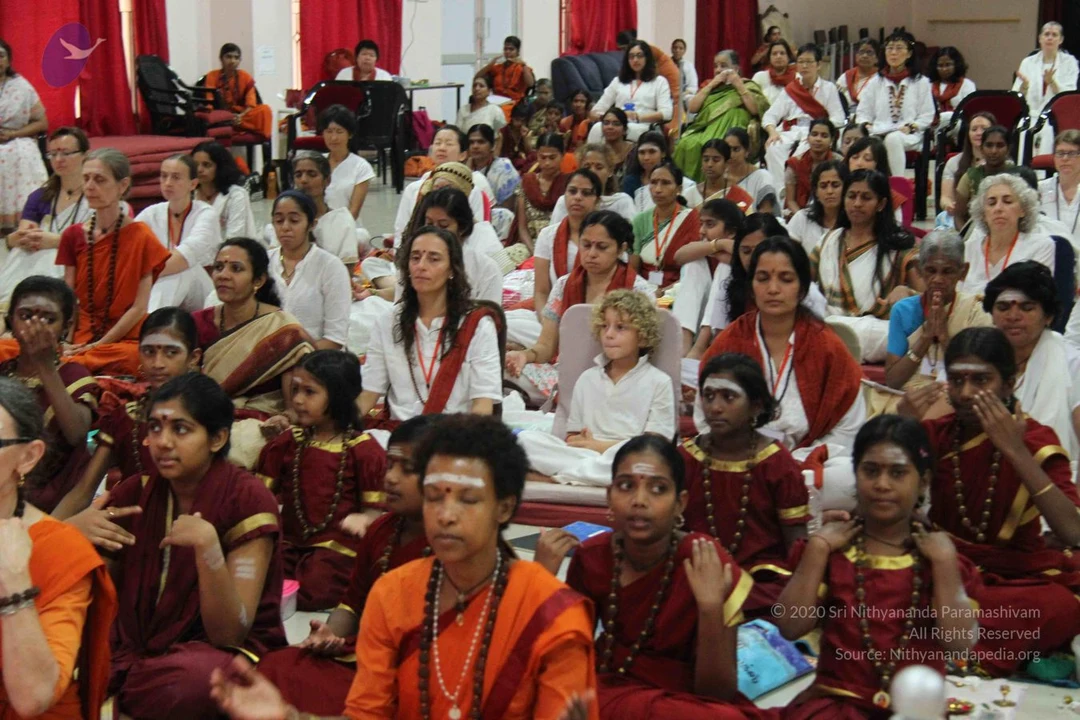
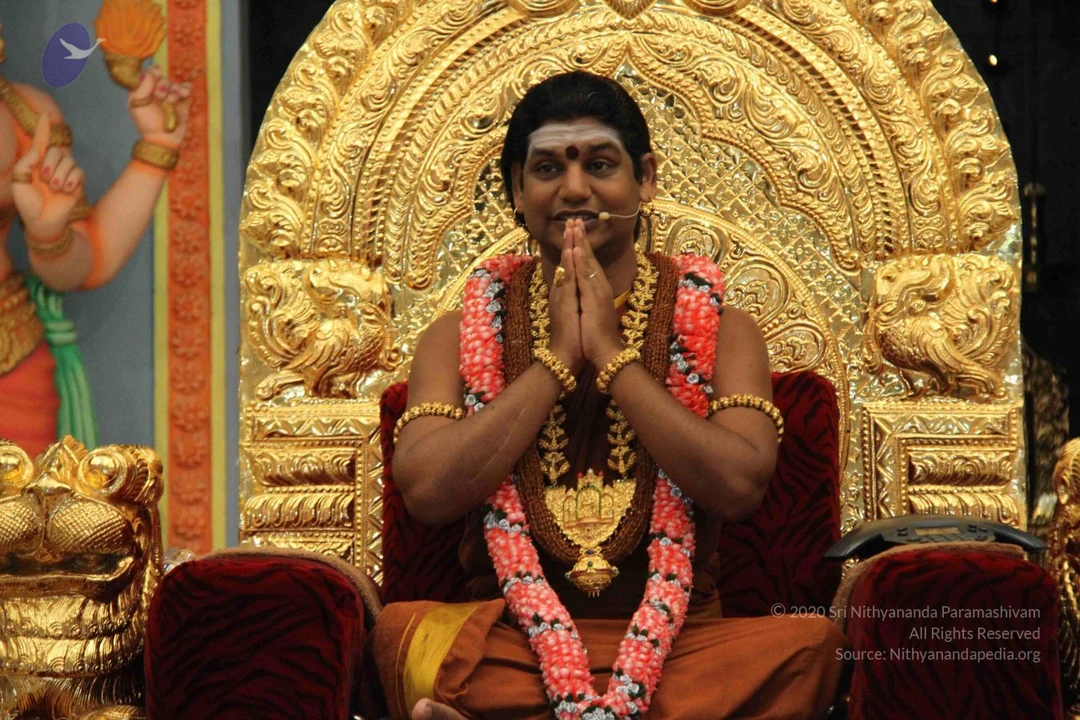
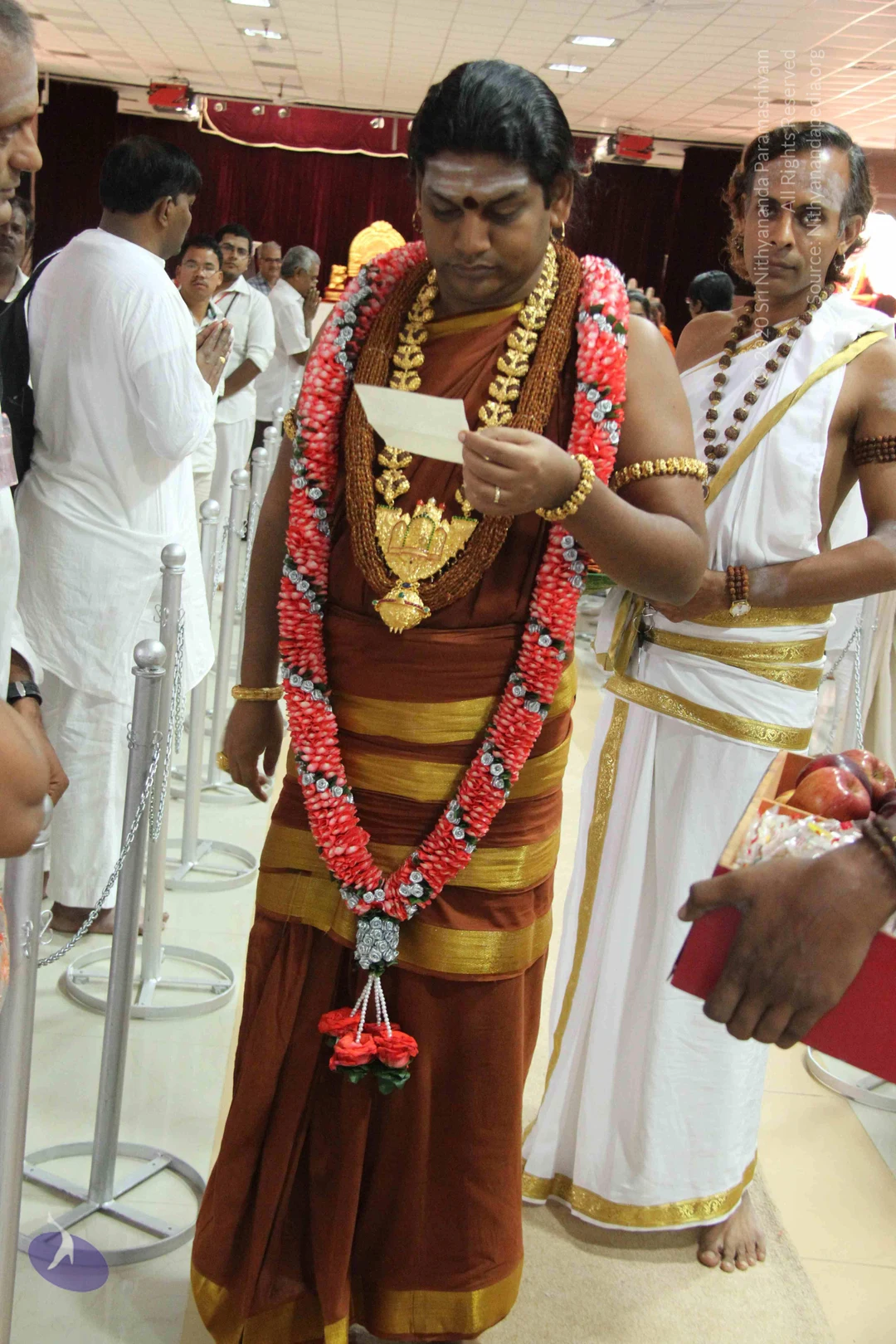
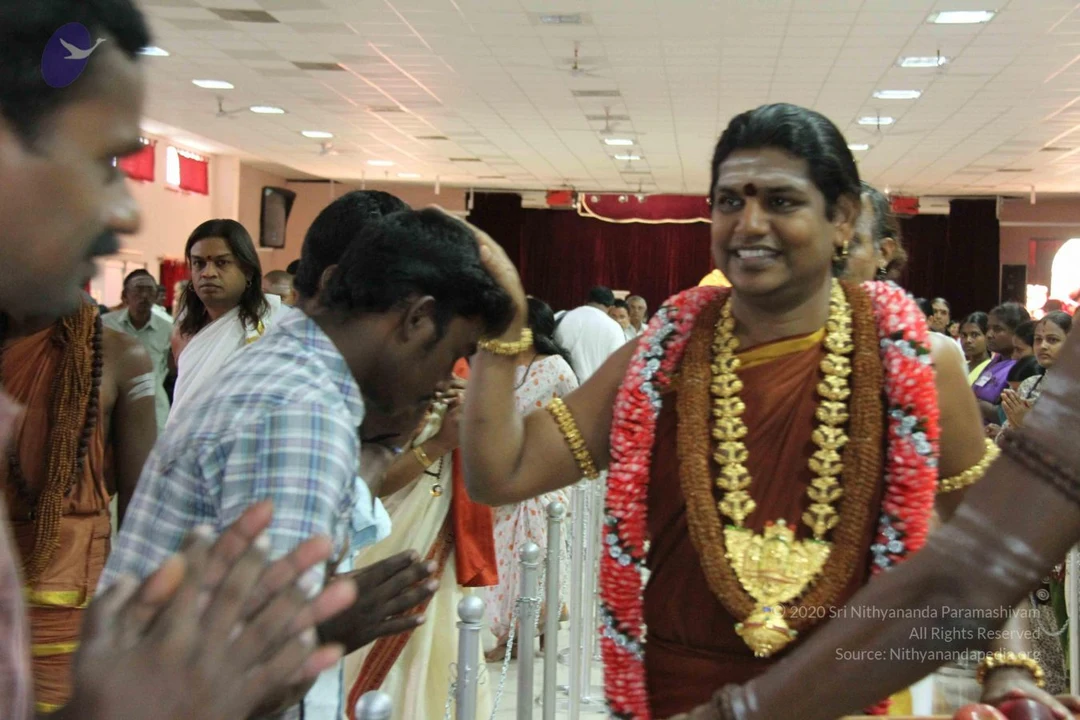
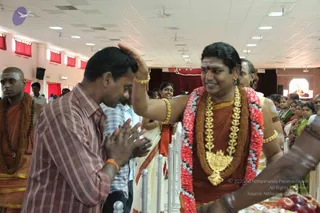
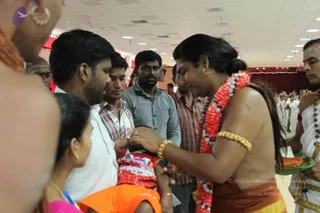
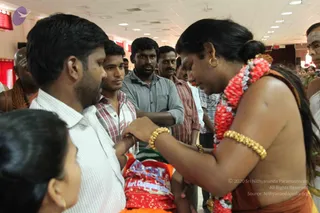
sarva-darshan
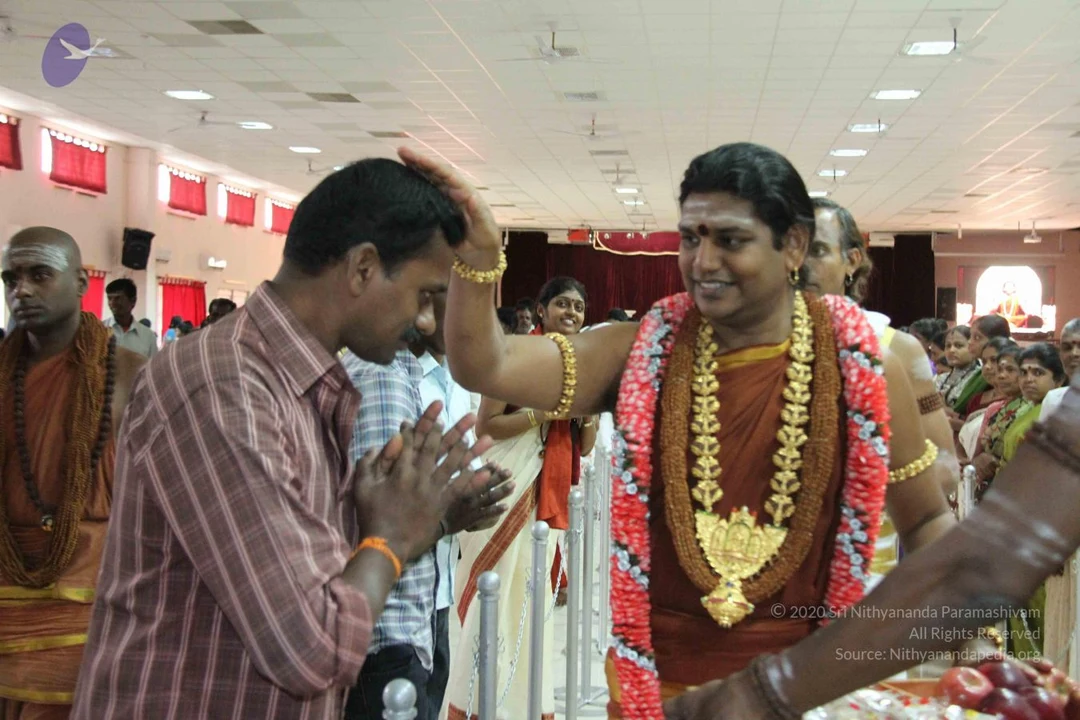

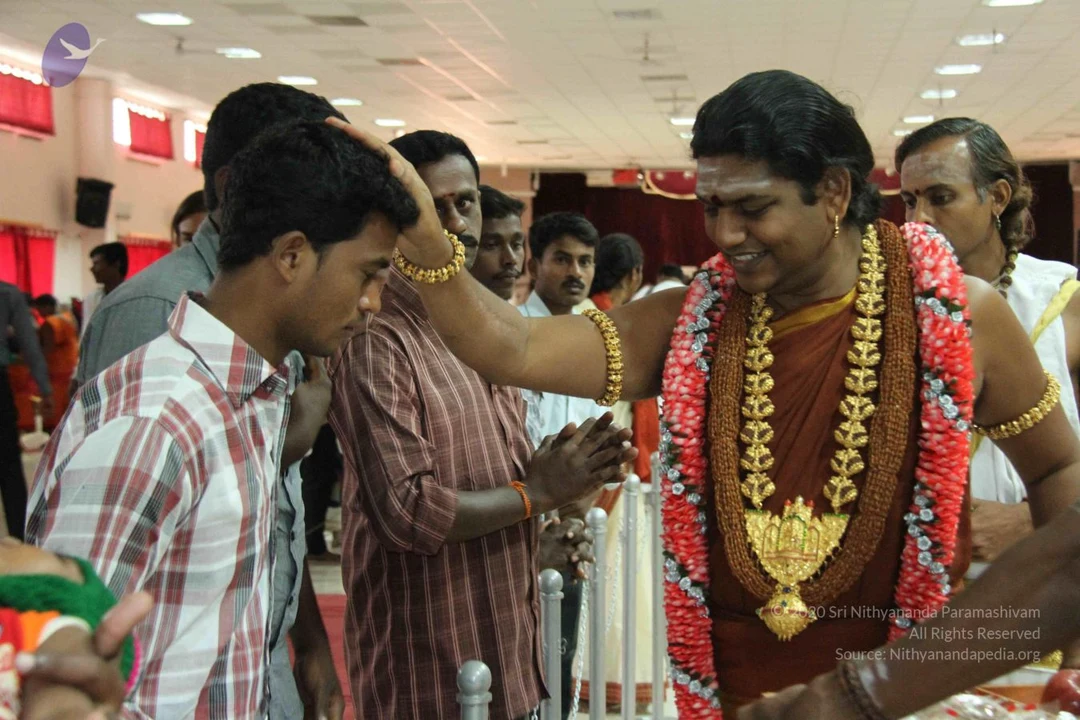
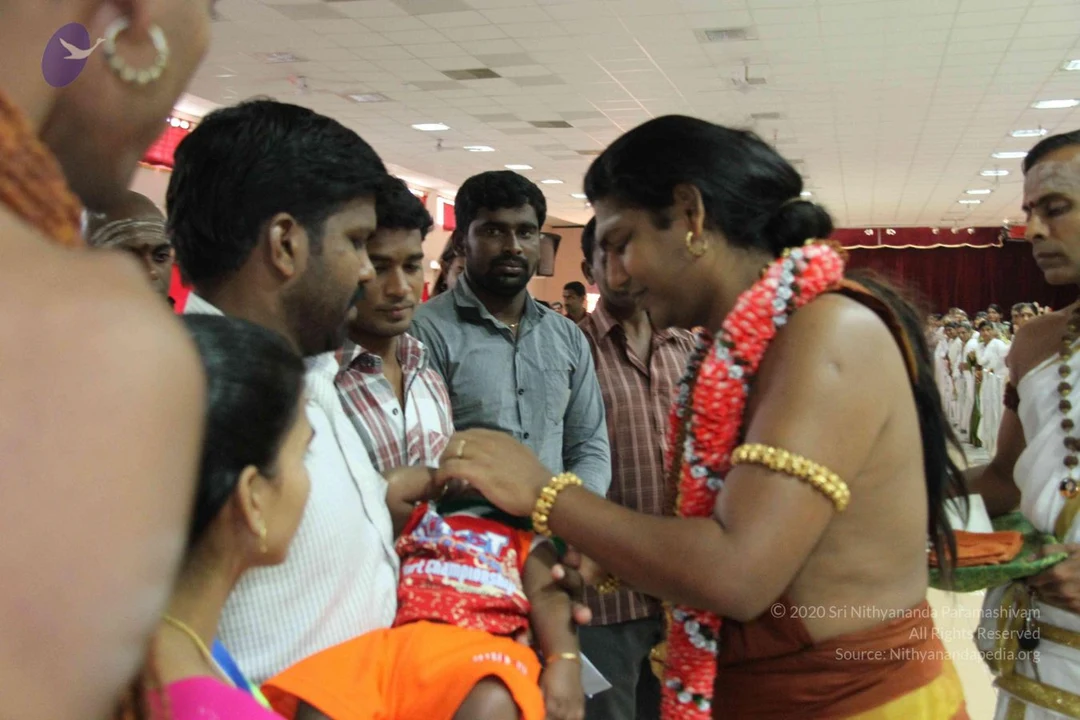
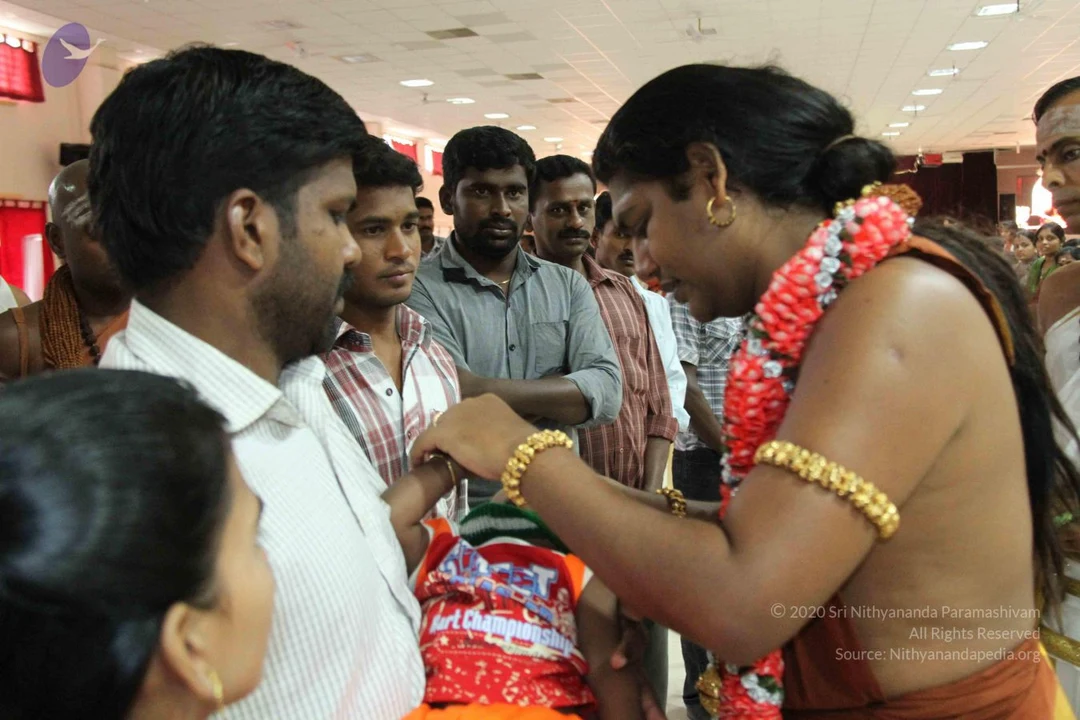
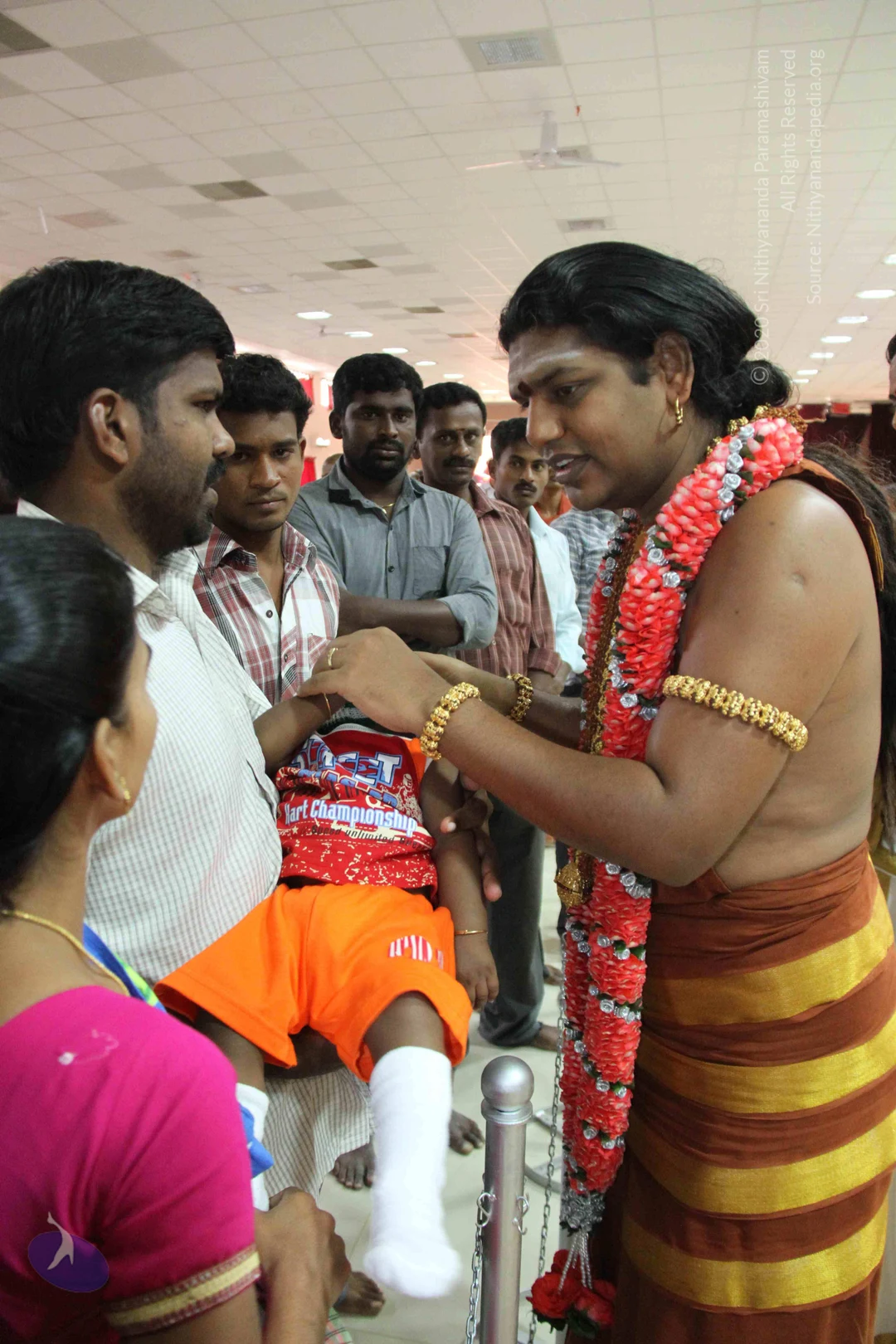
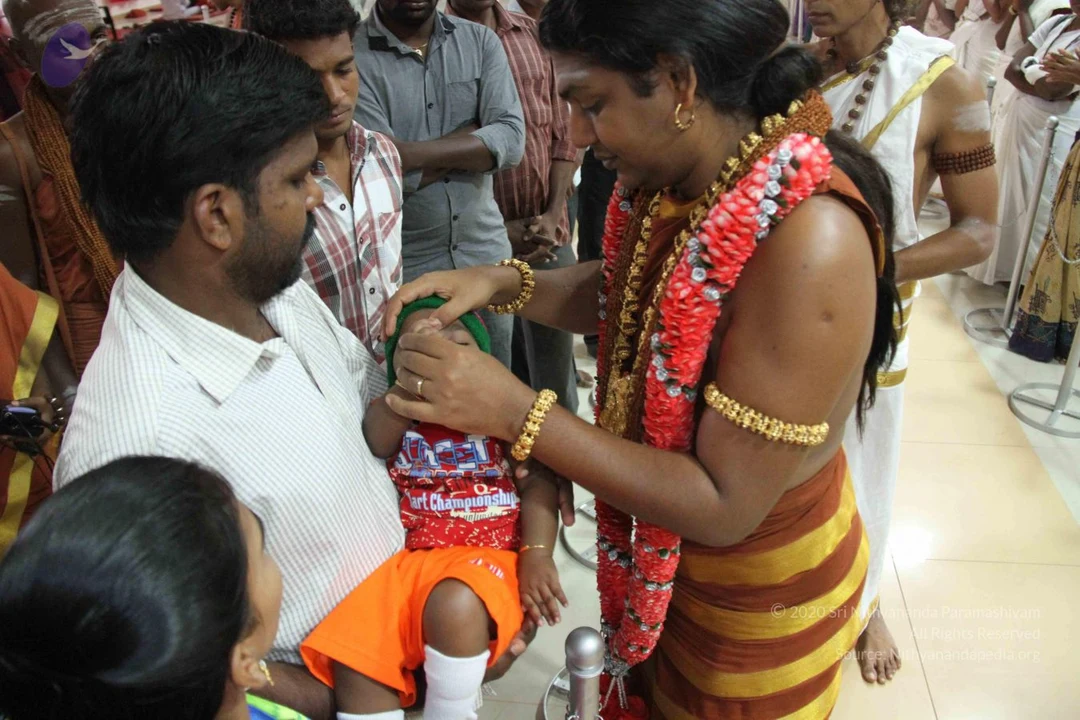
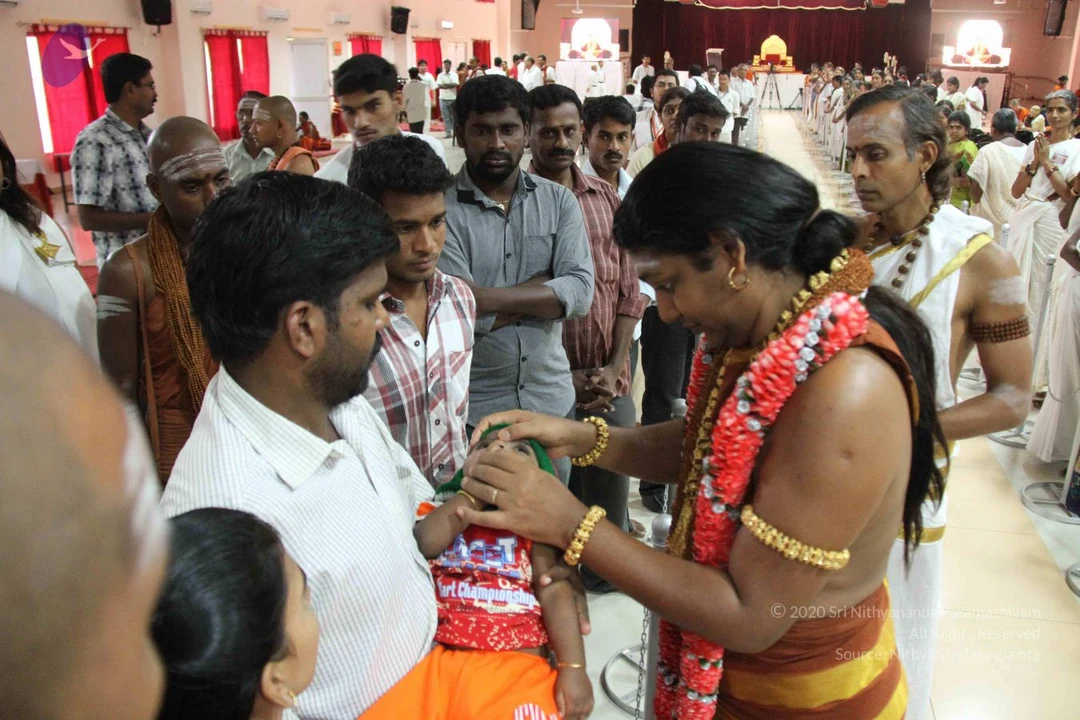
final-blessing
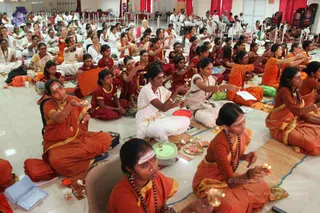
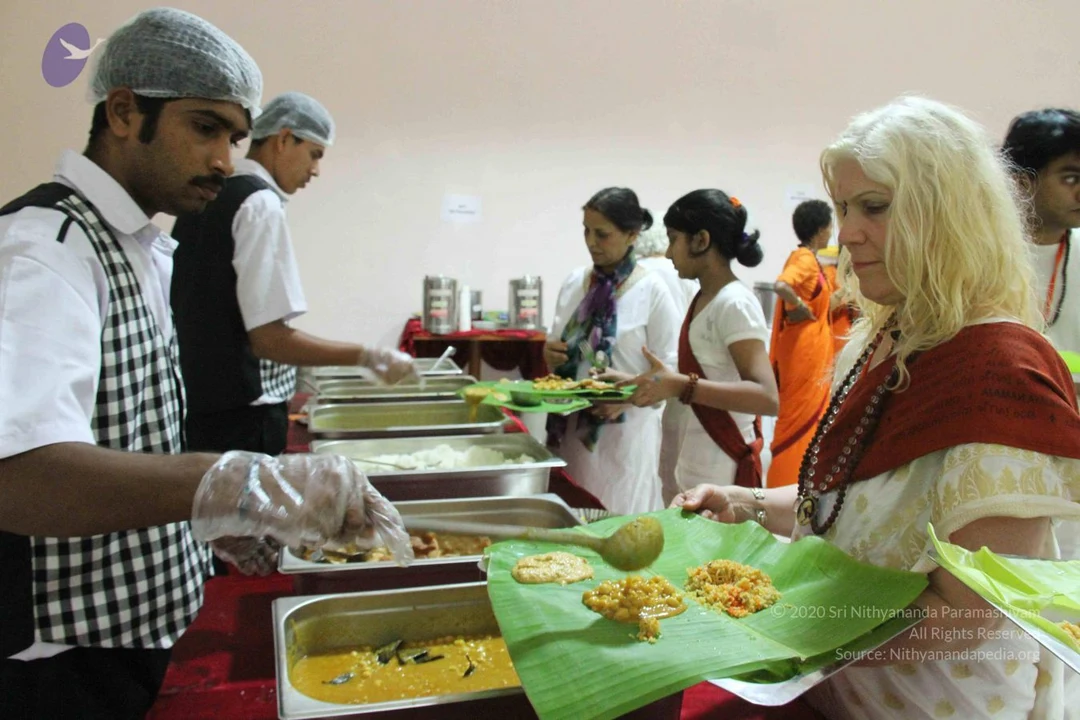
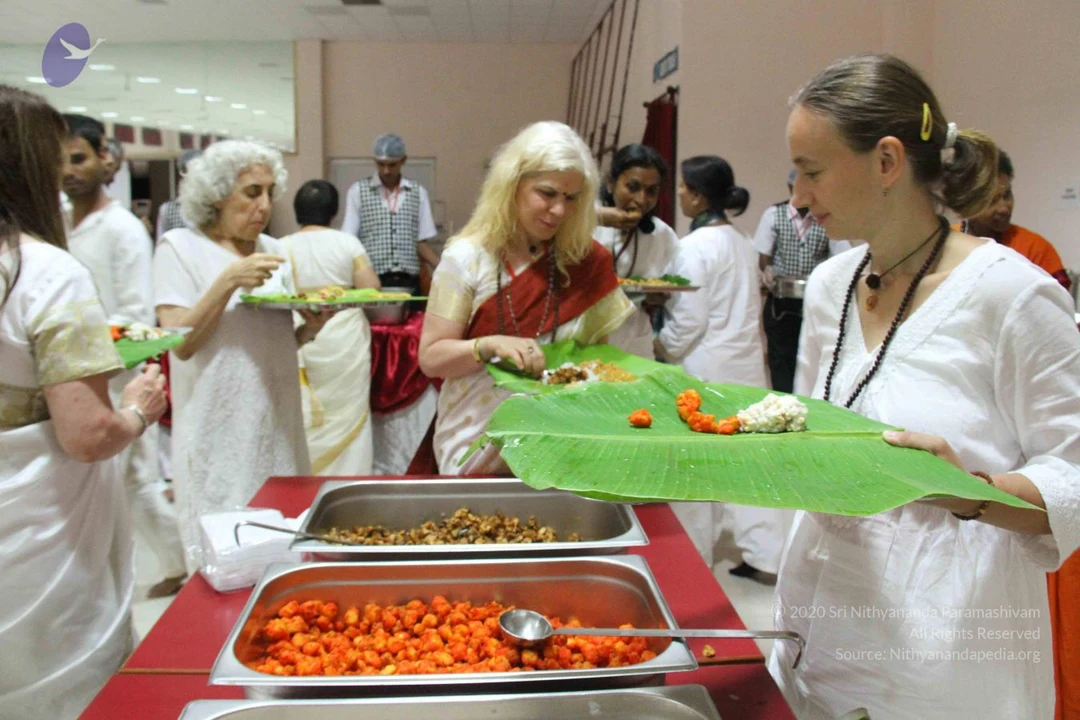
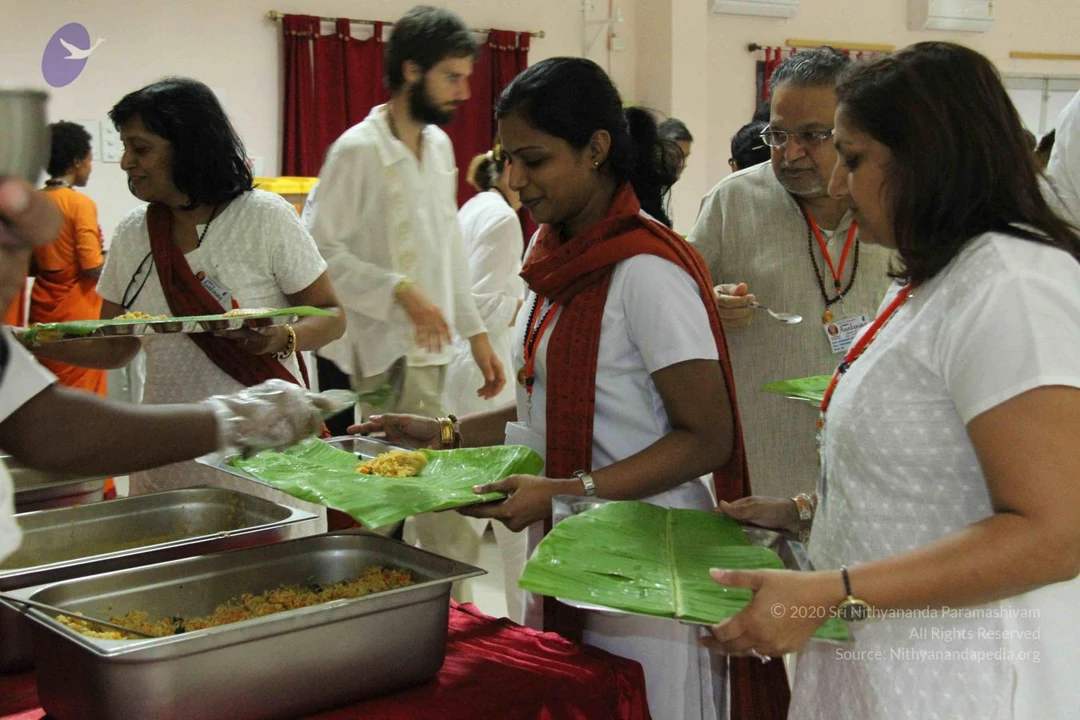
ia-day18-food
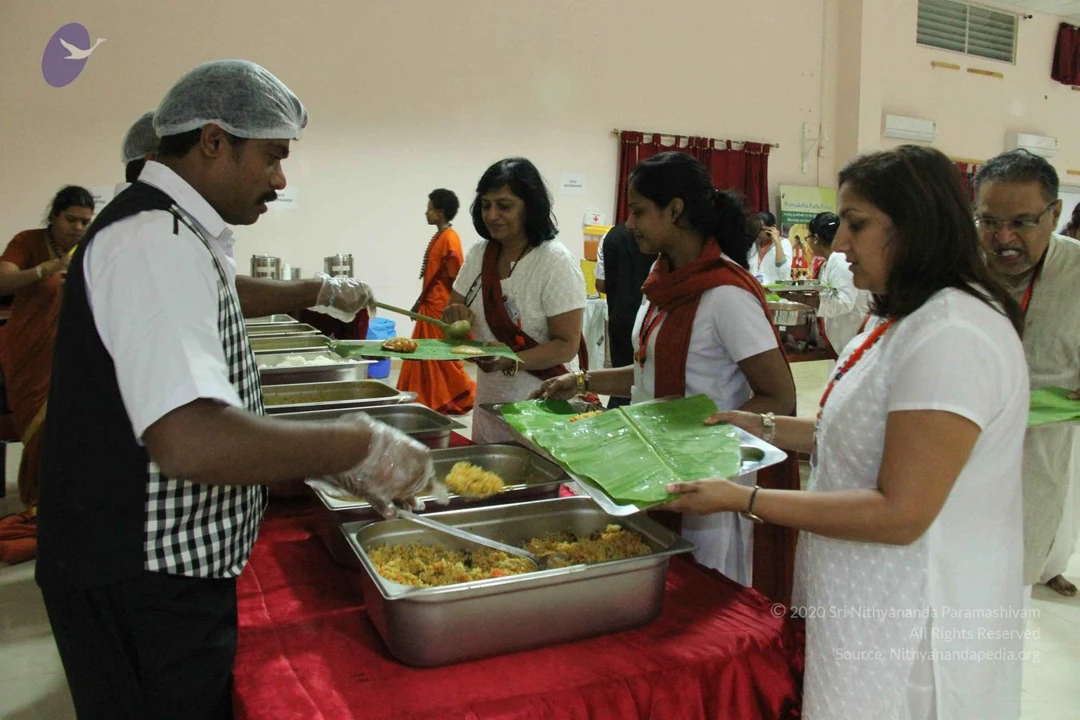
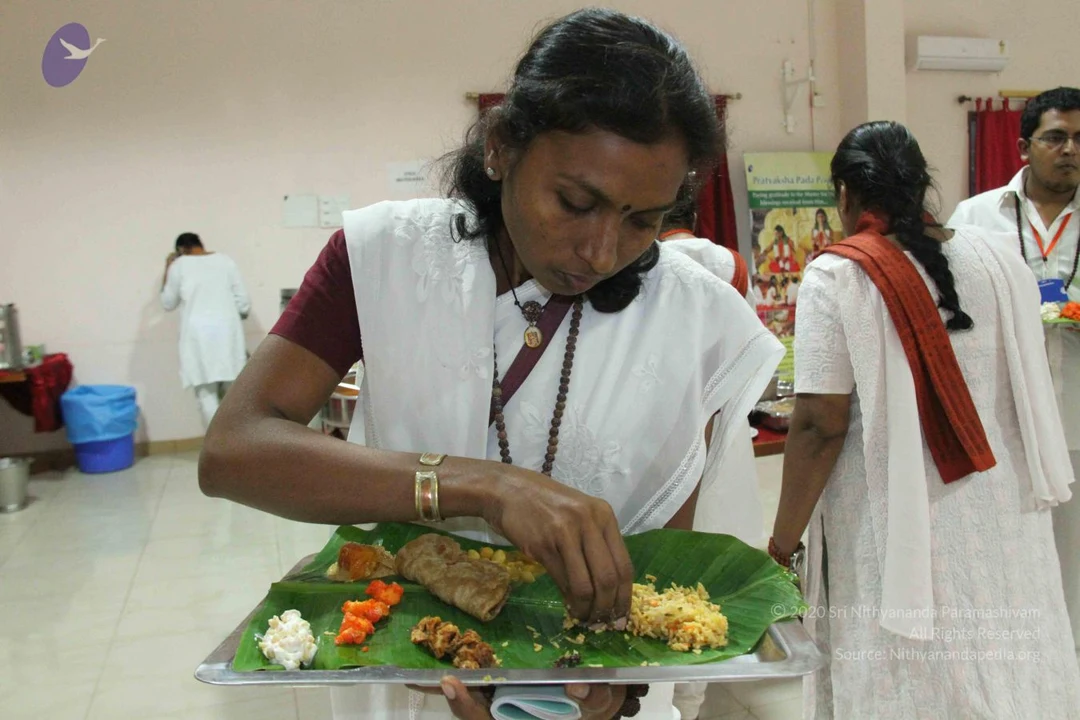
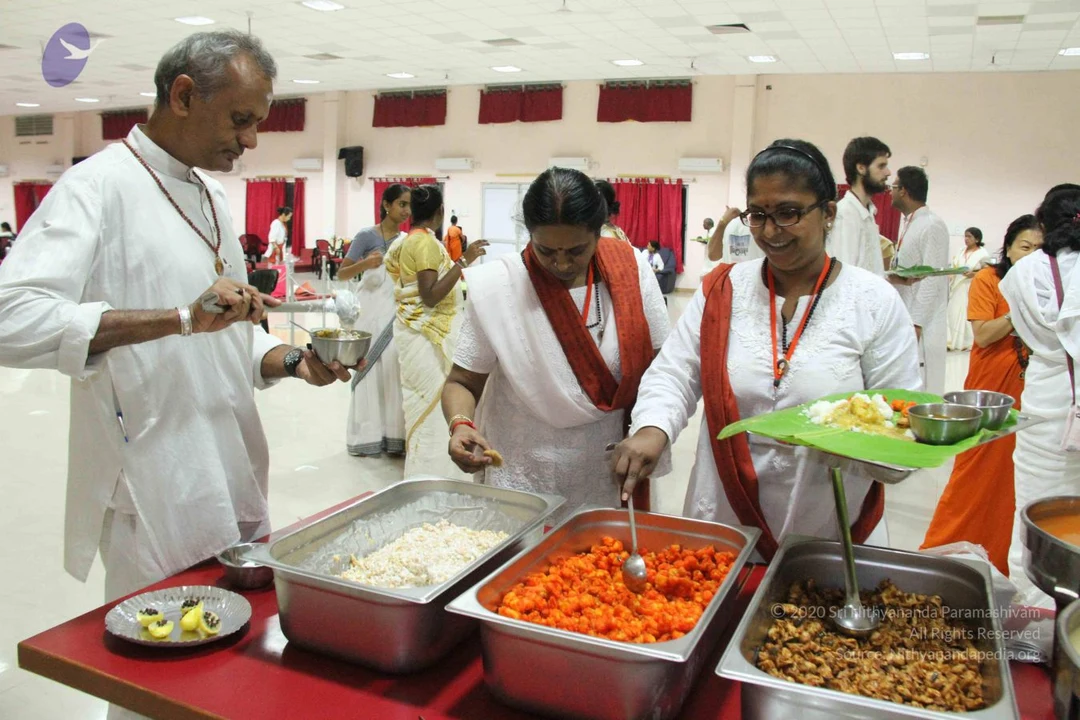
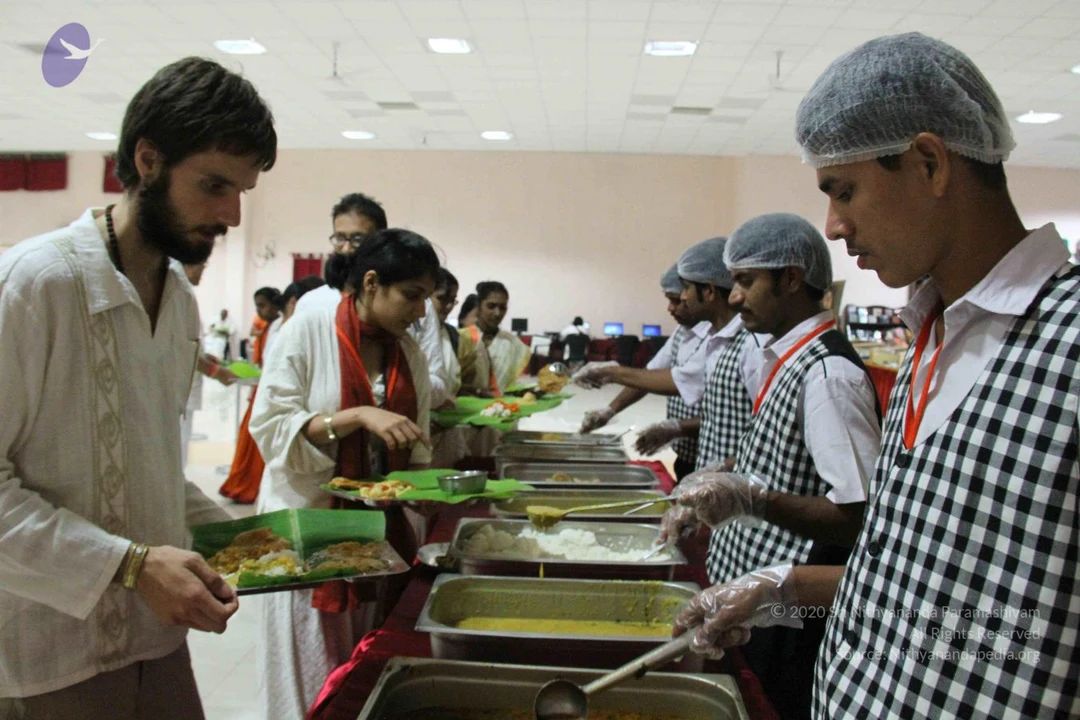
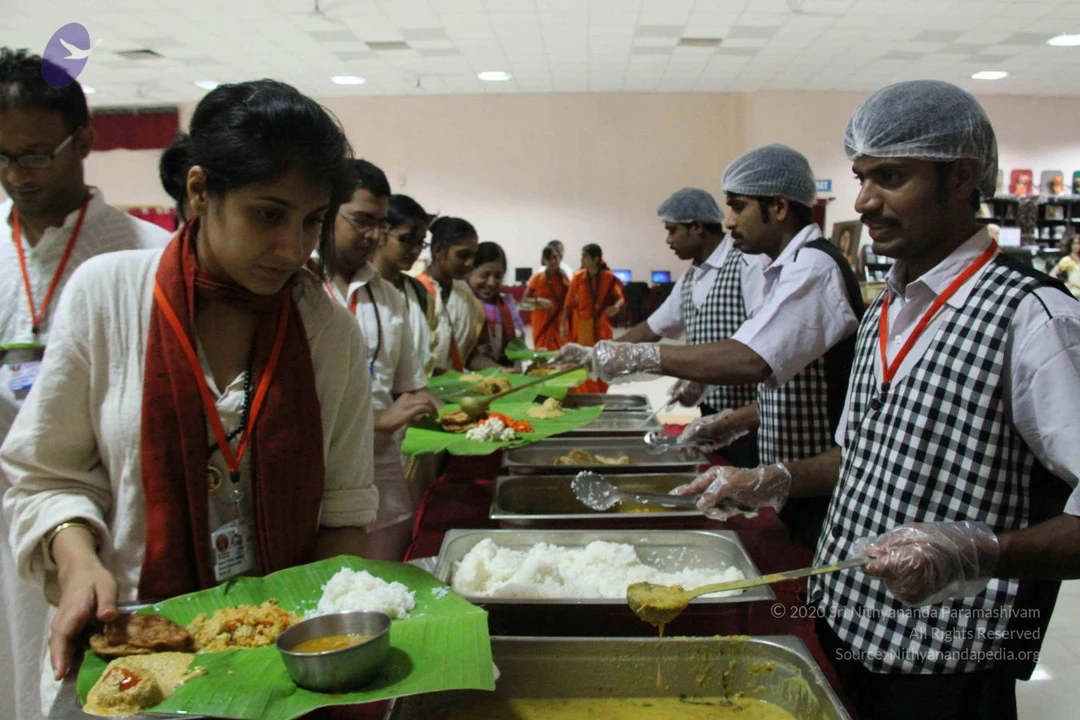
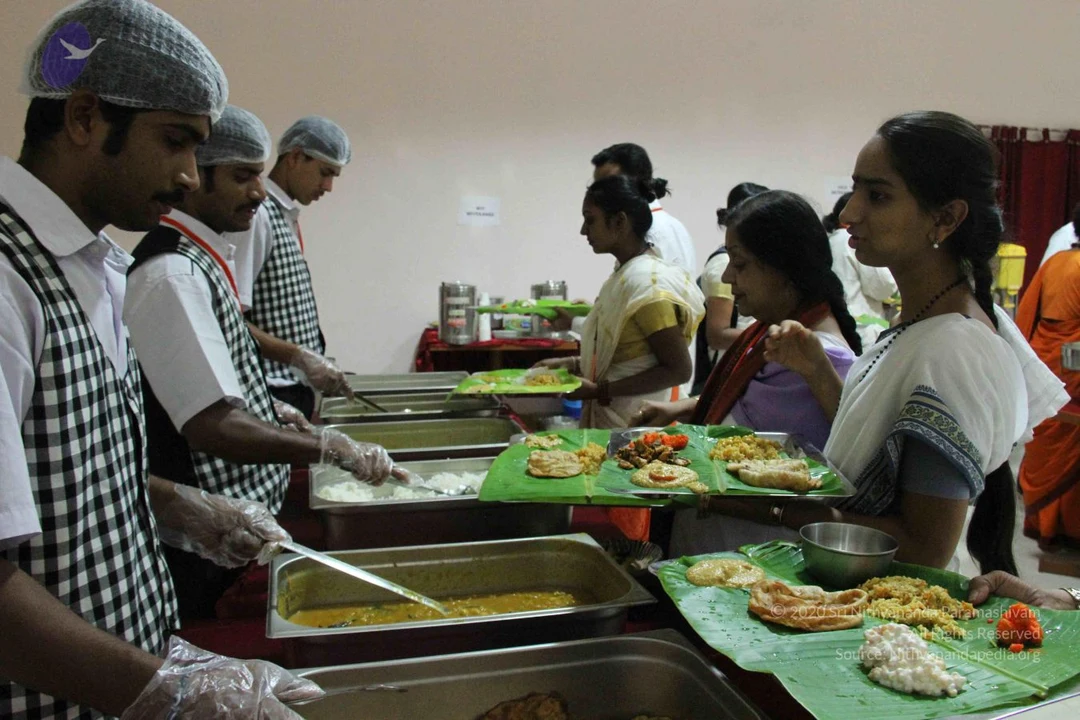
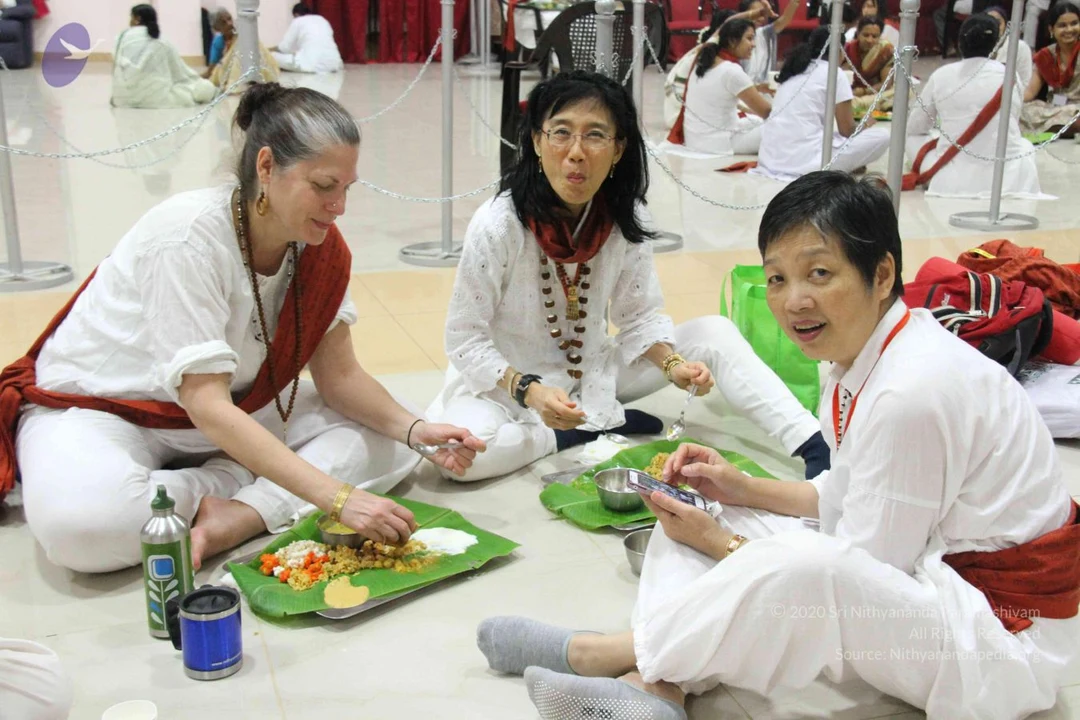
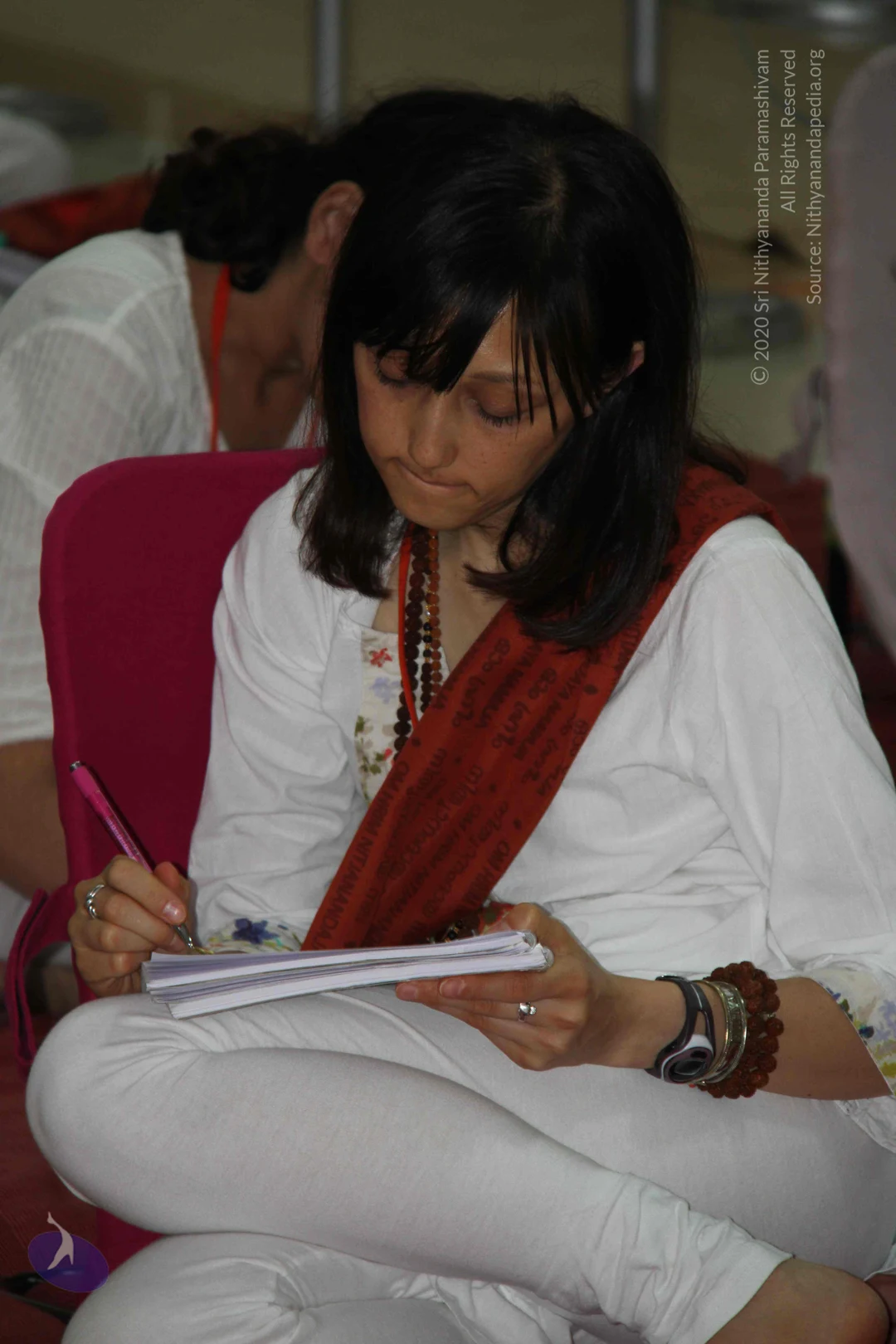
ia-day18-participants-writing
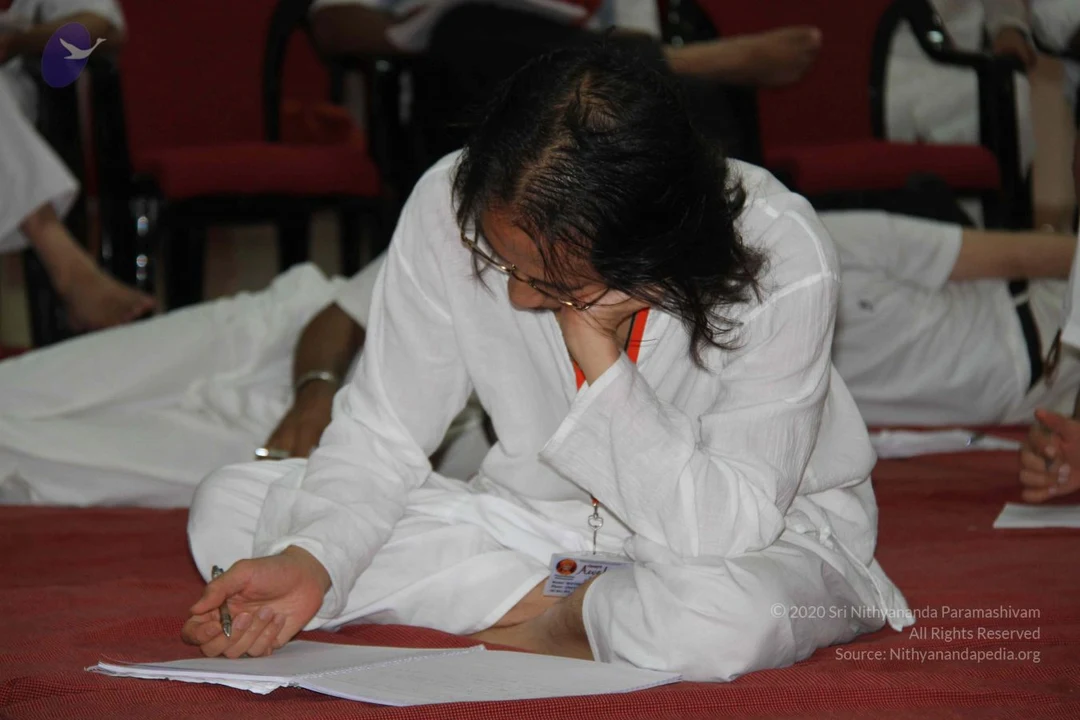
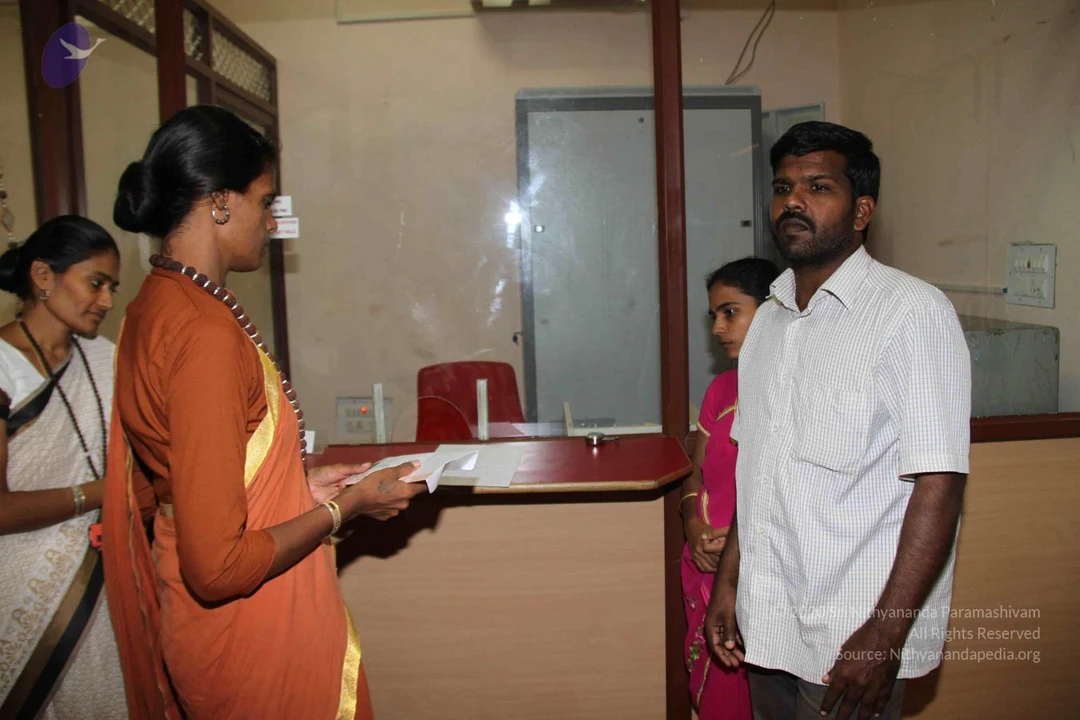
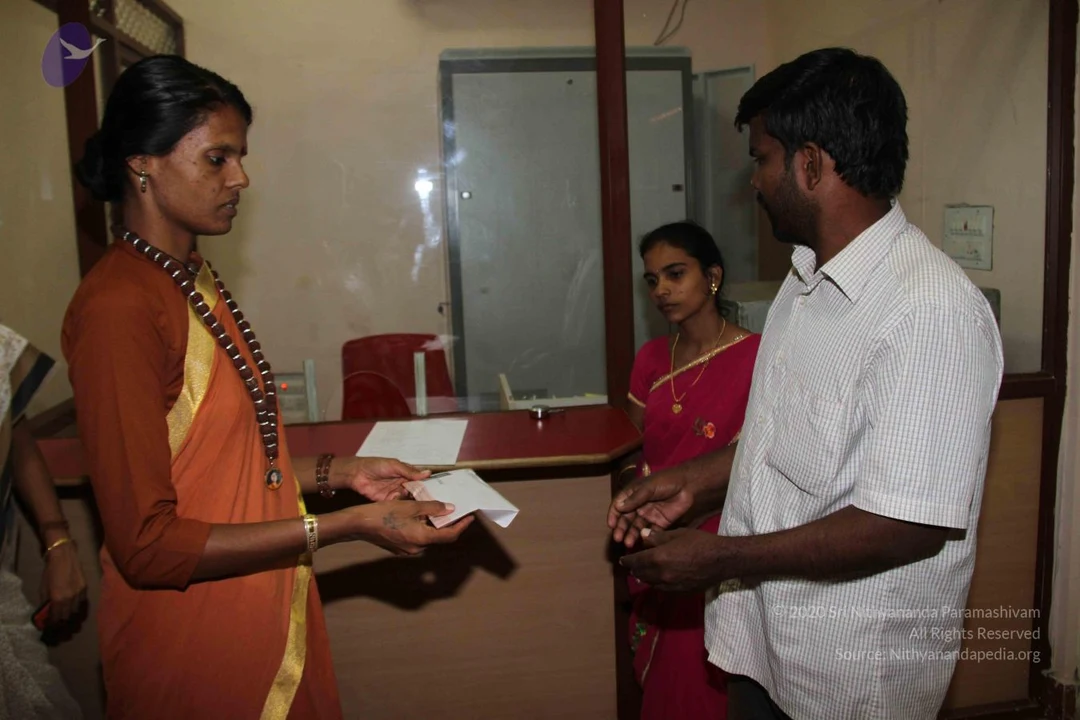
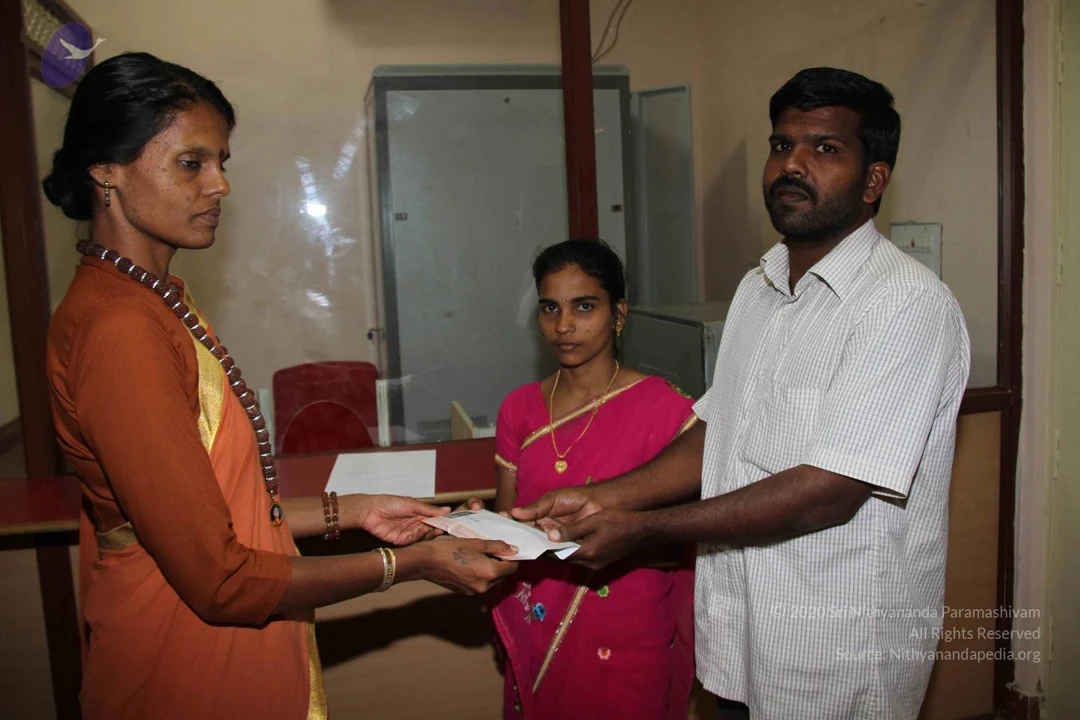
nithya-dharmam-donation

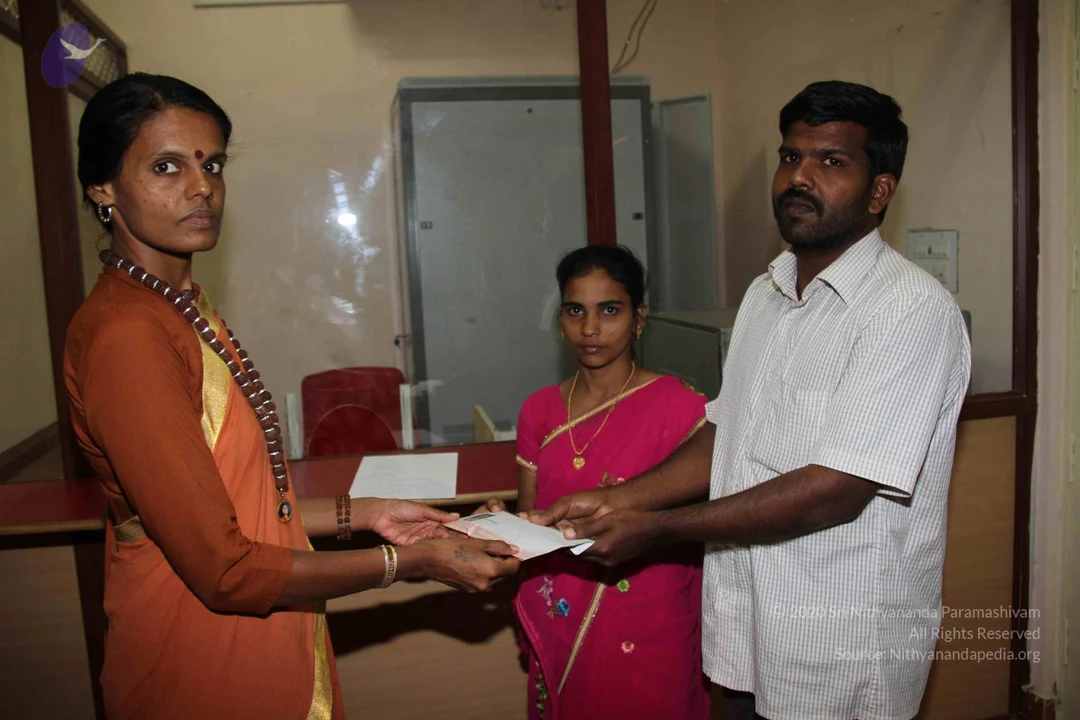
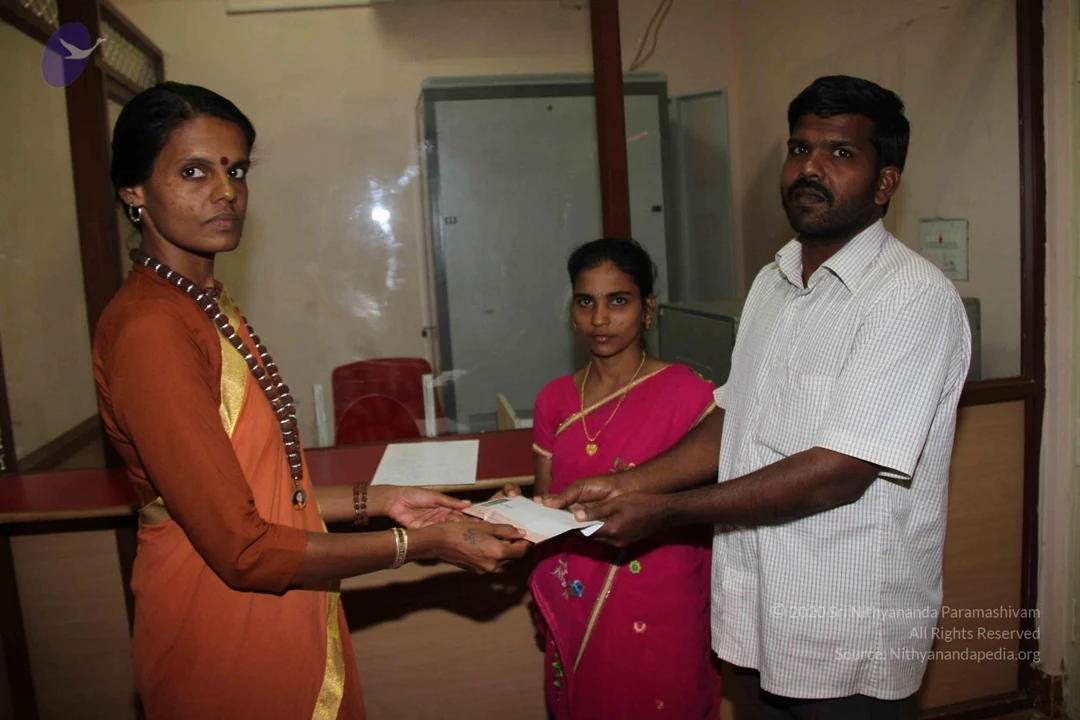
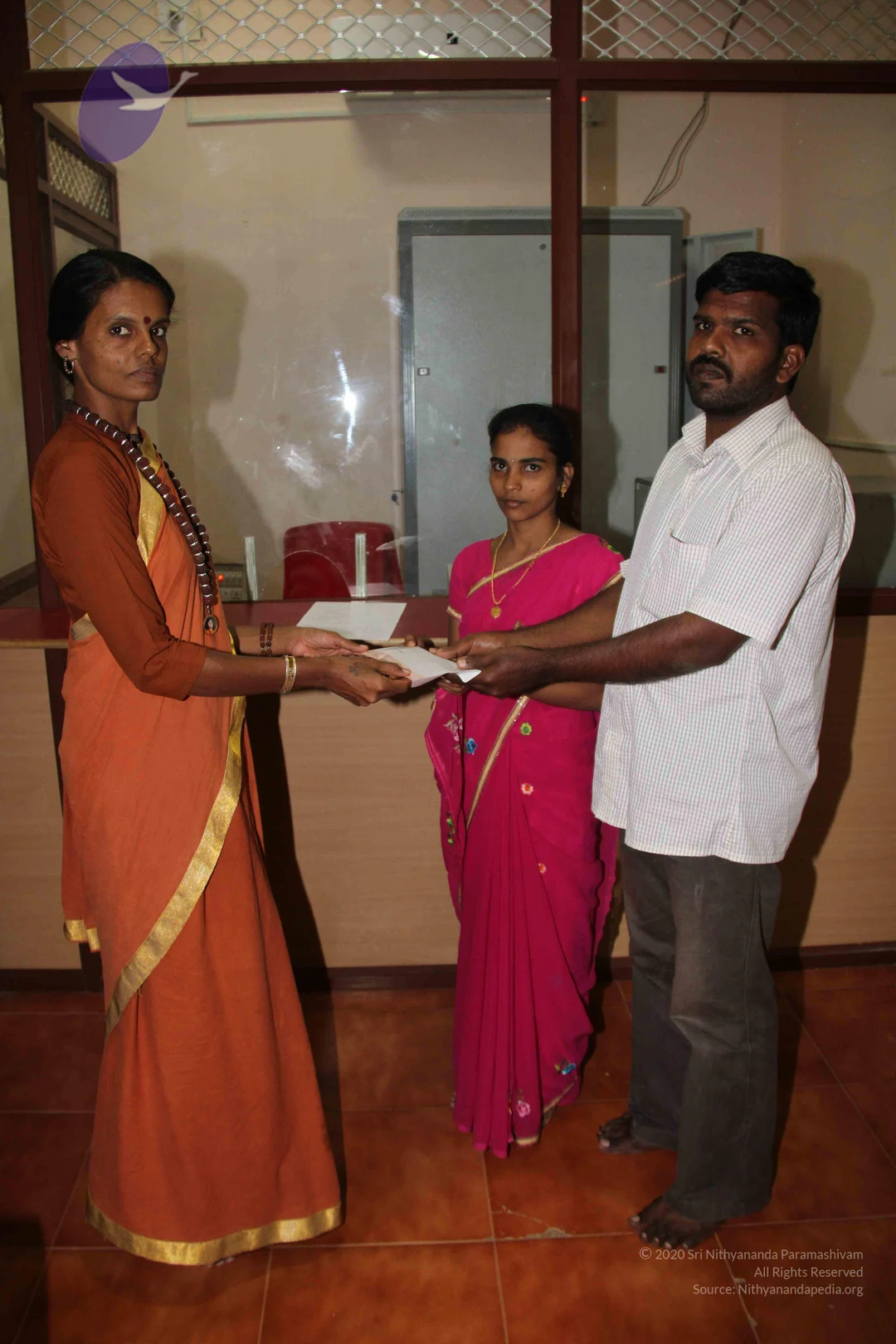
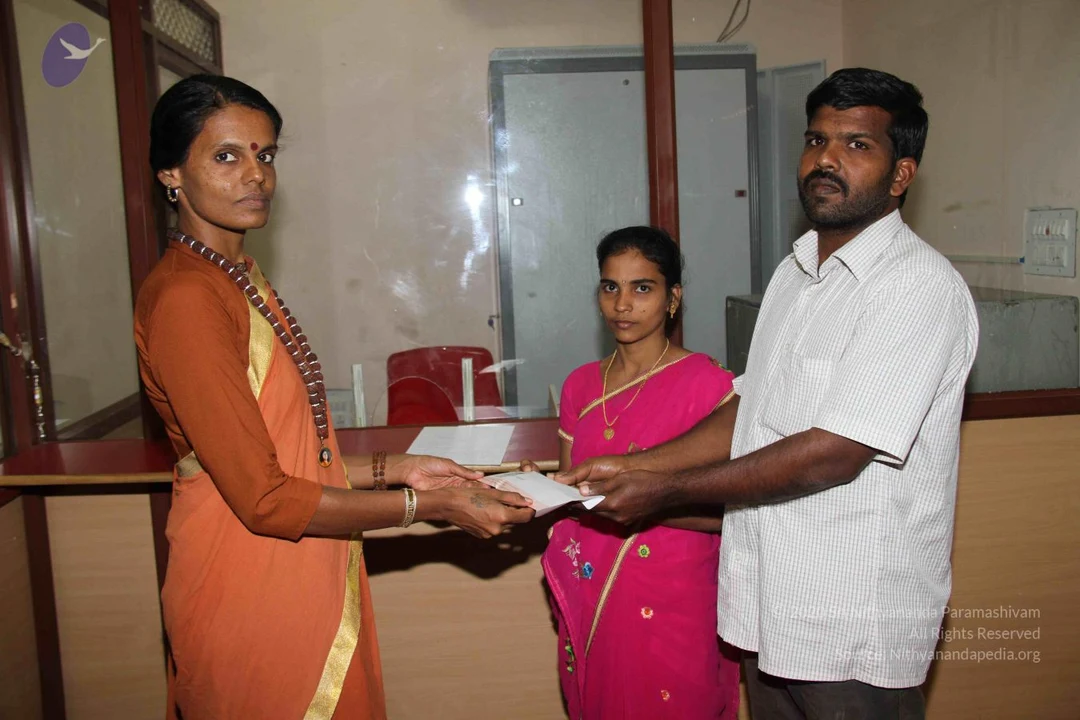
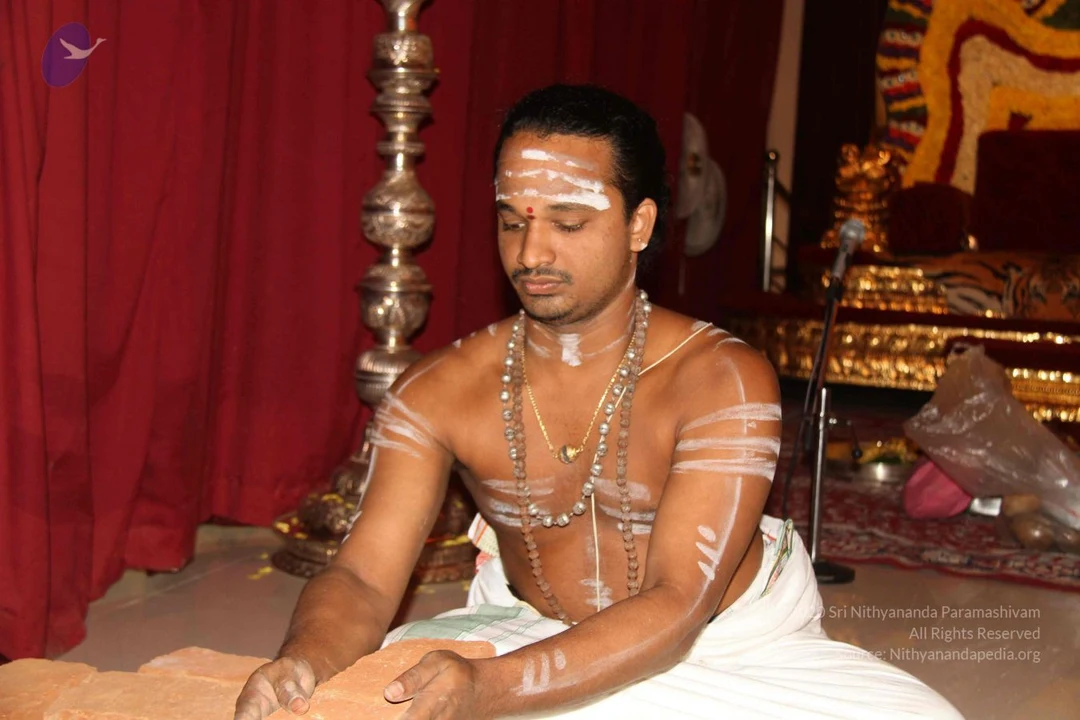
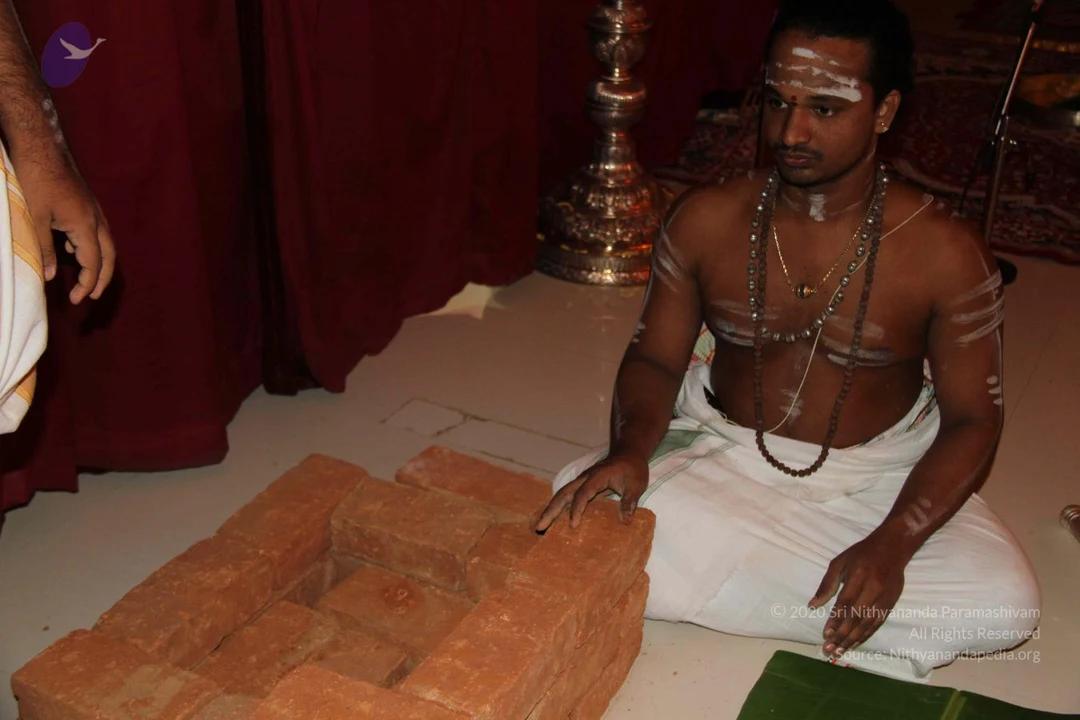
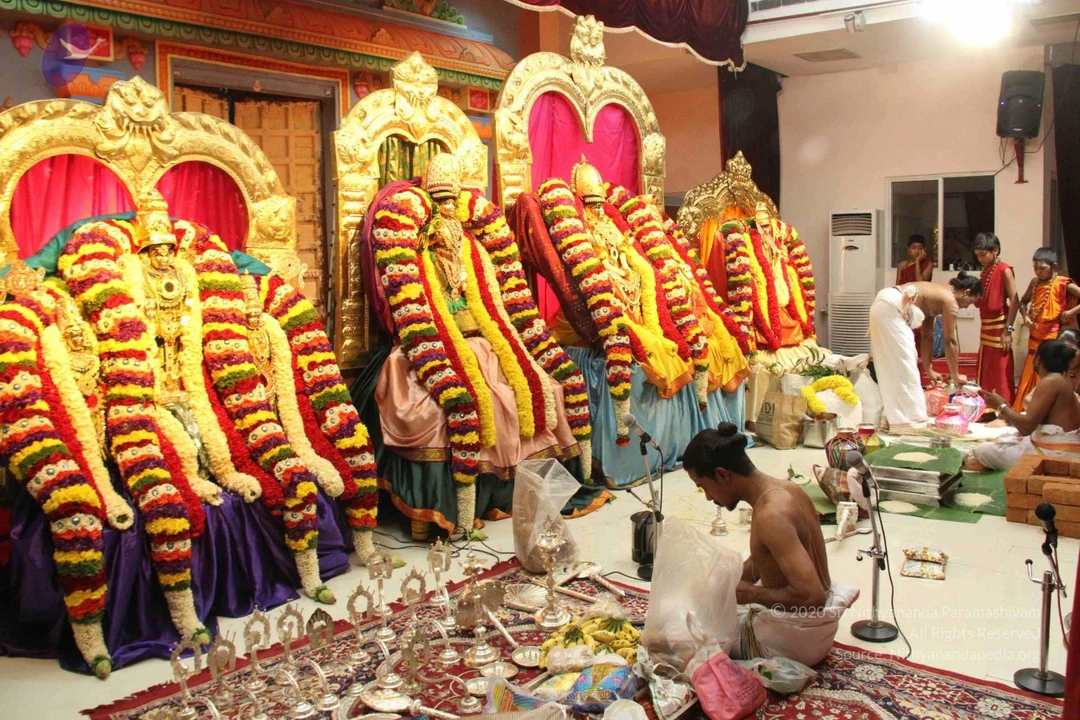
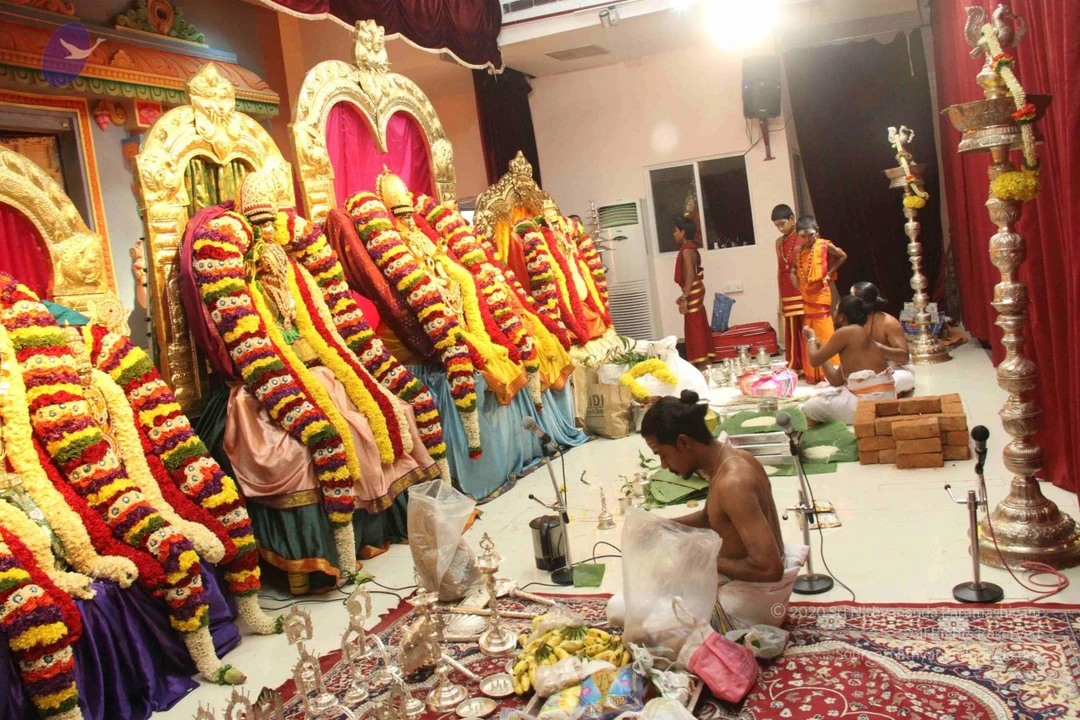
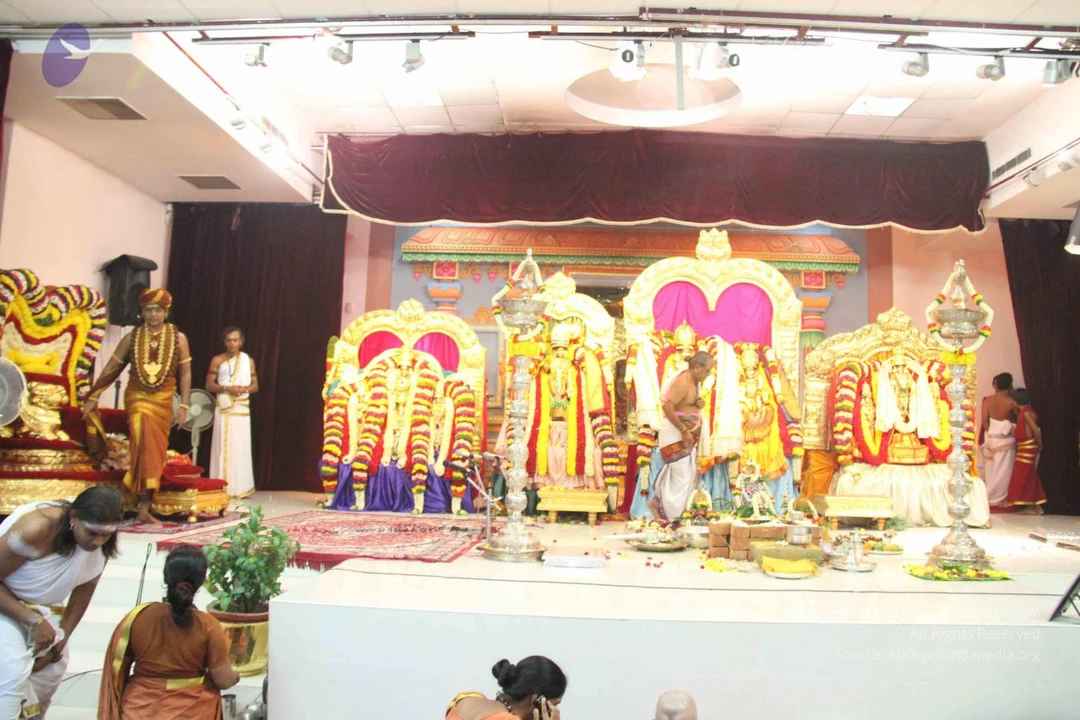
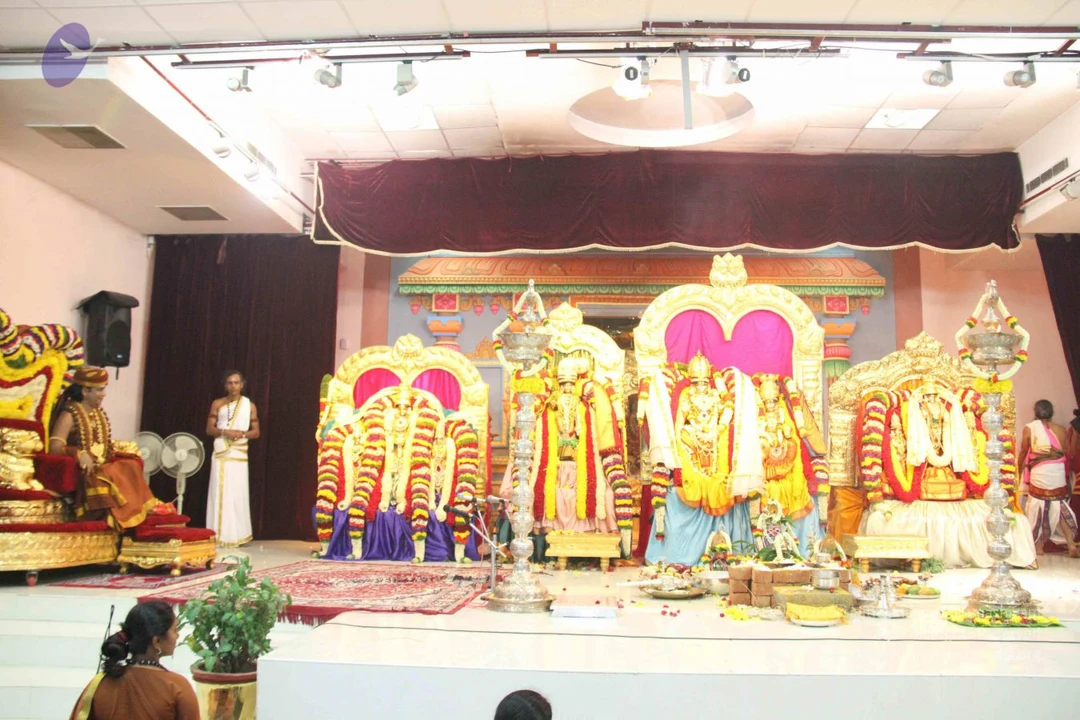
thirukalyanam-deity-preparation
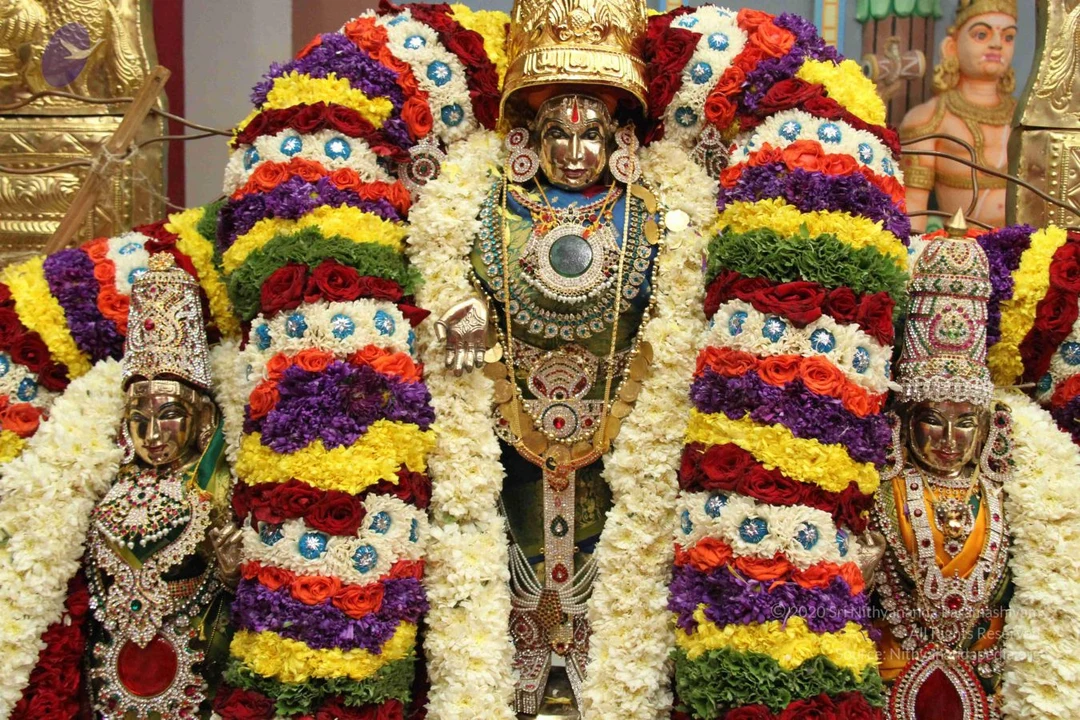
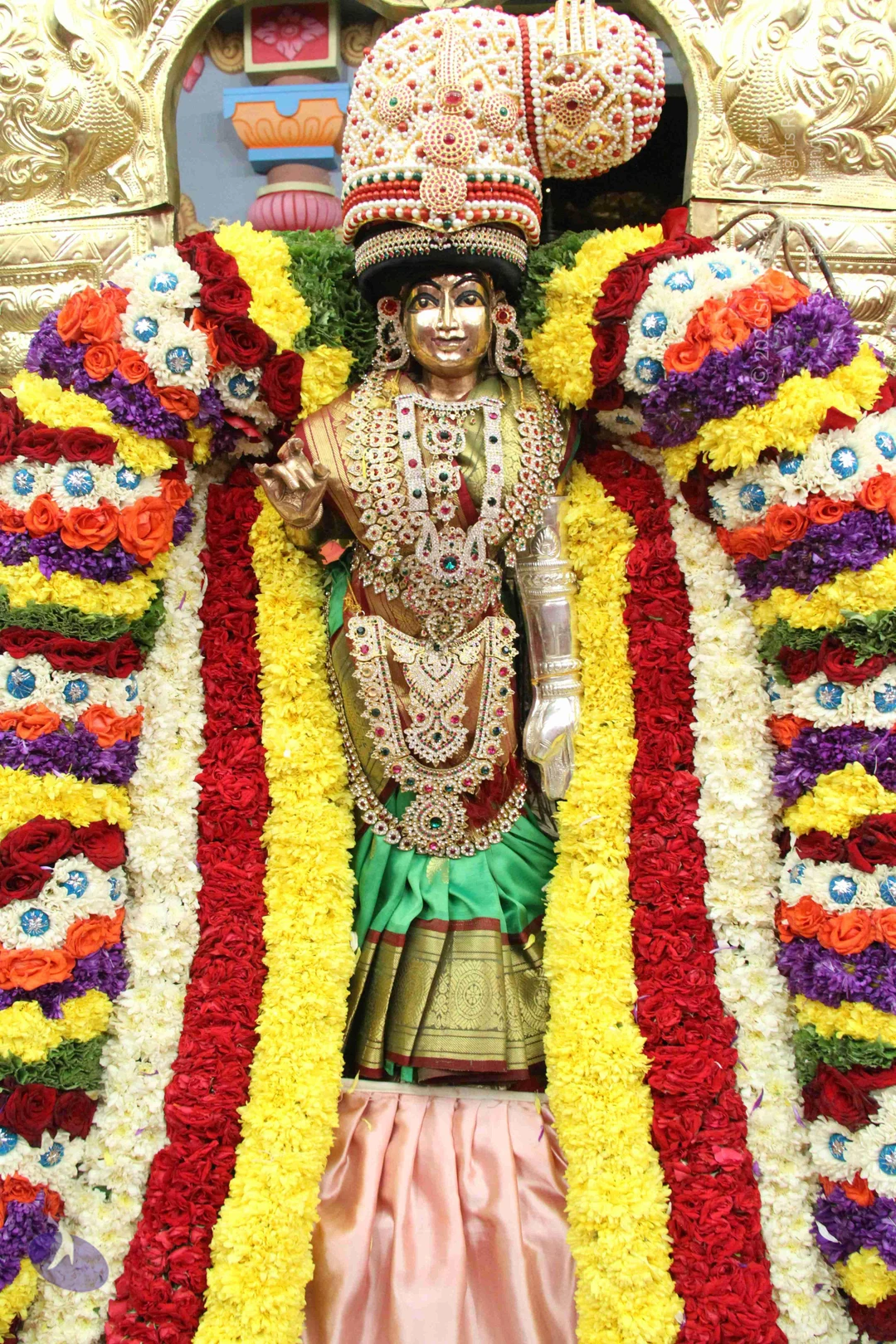
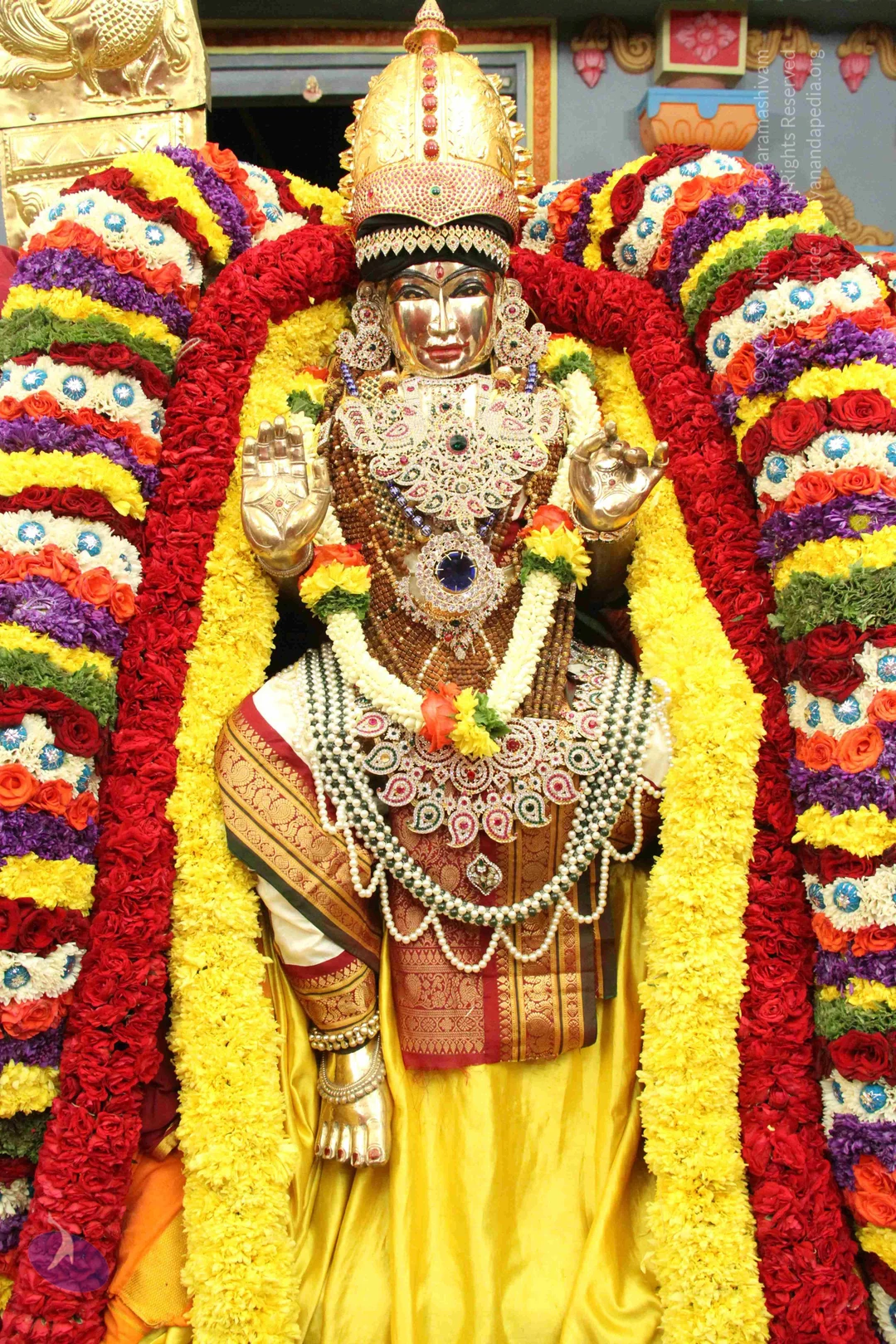
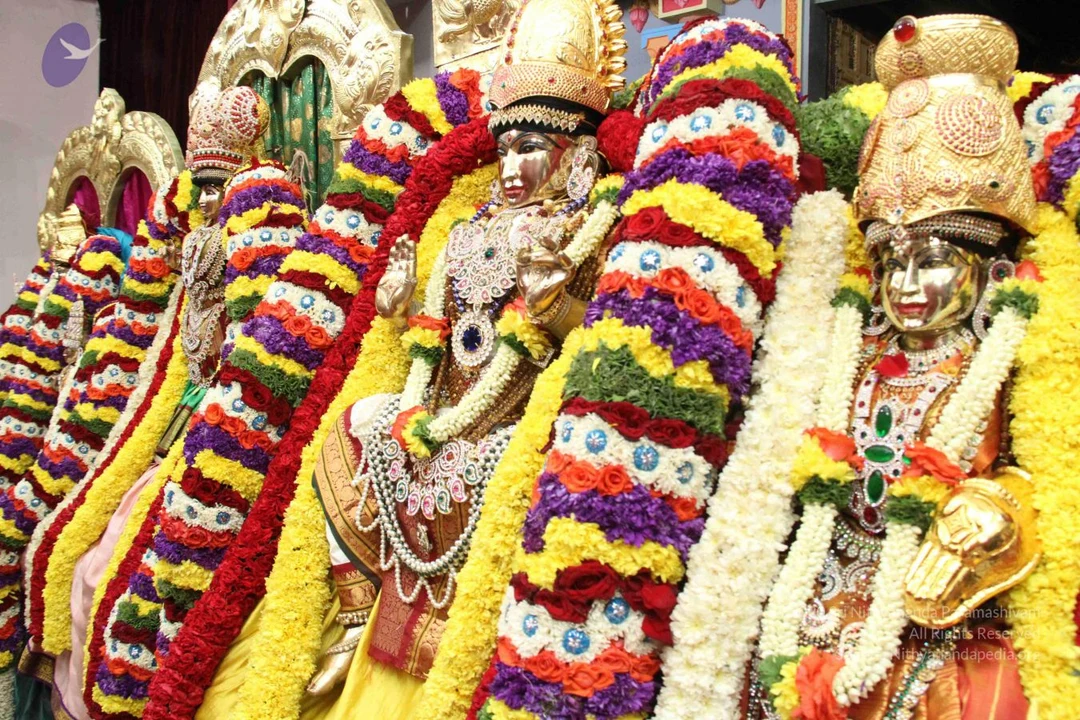
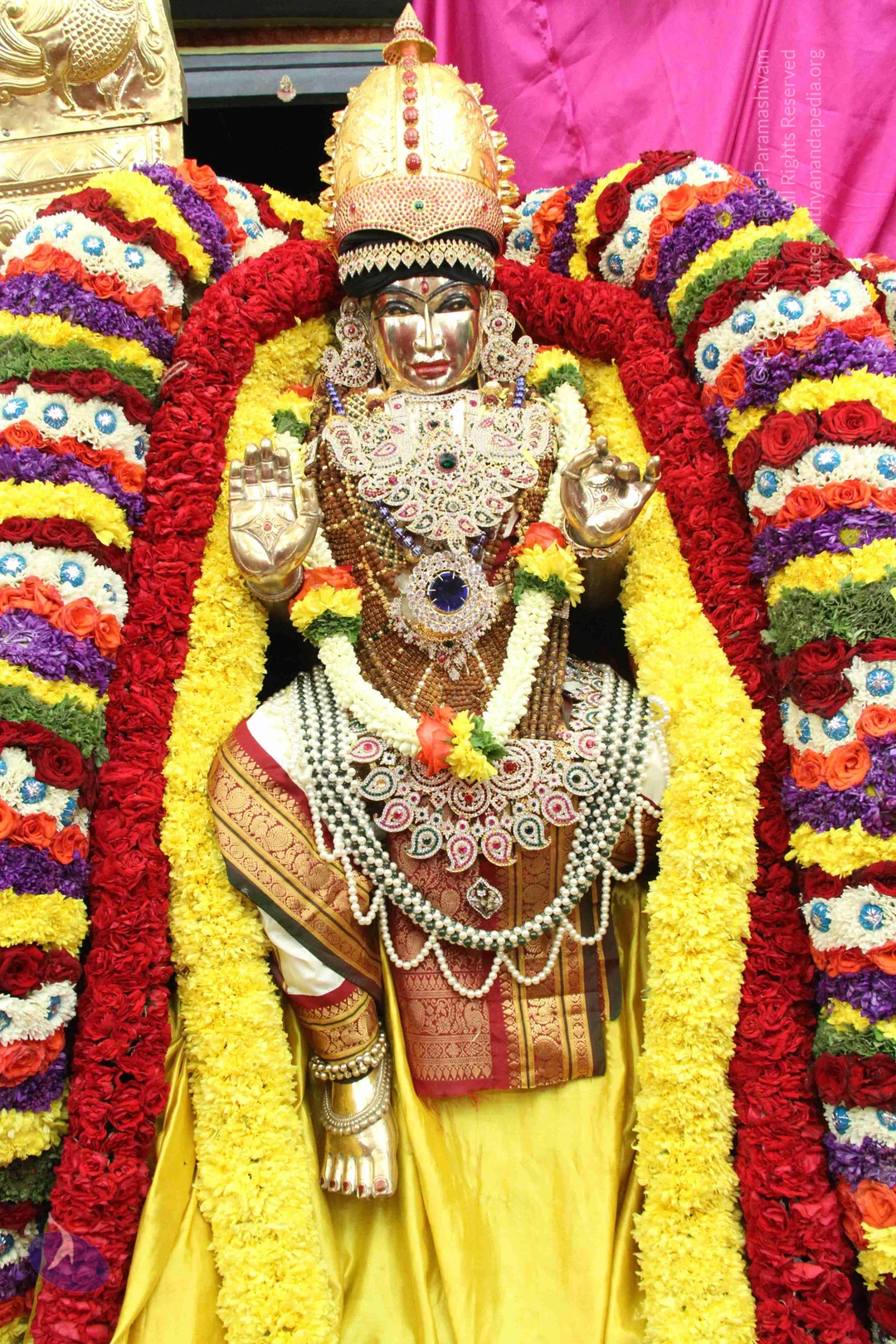
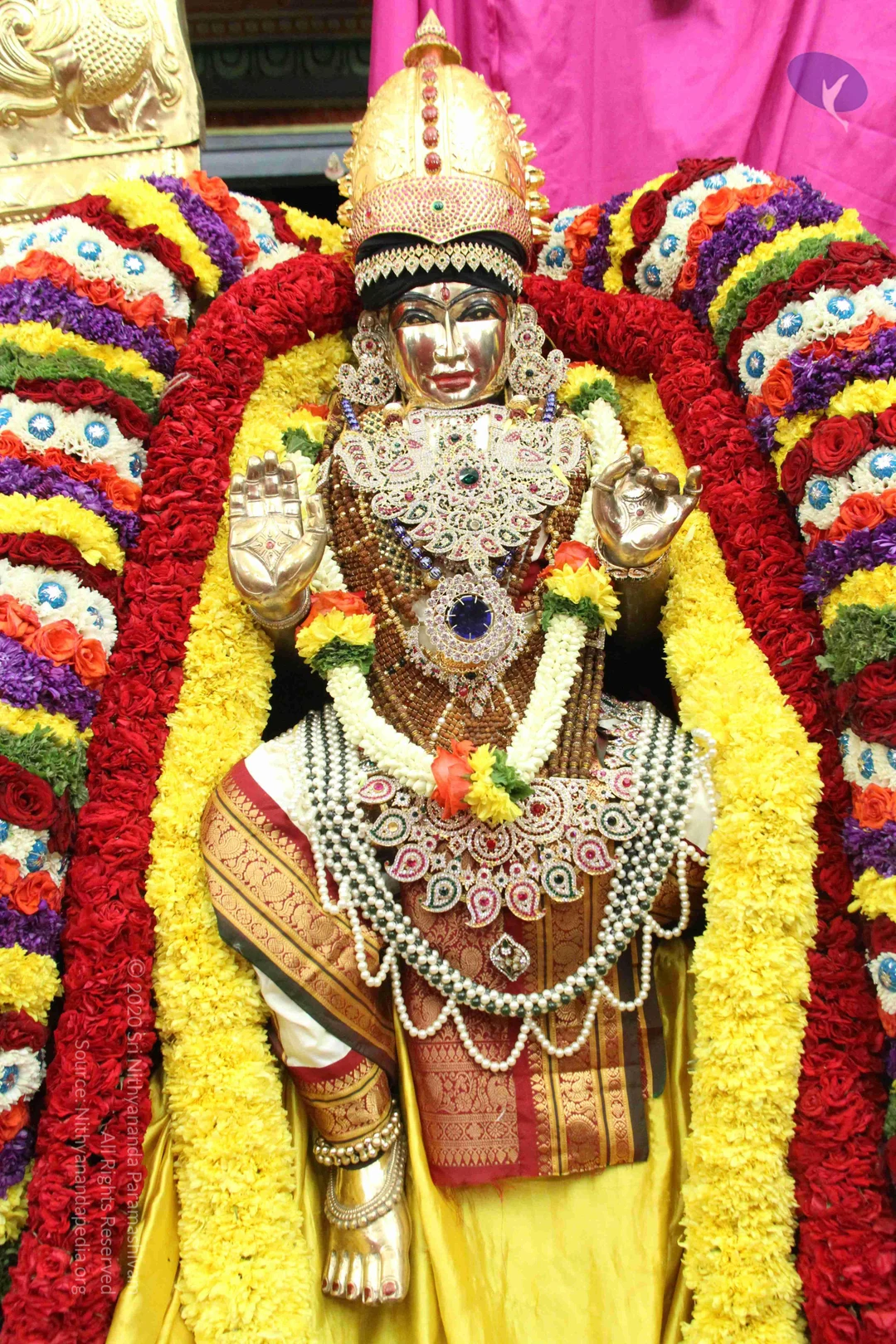
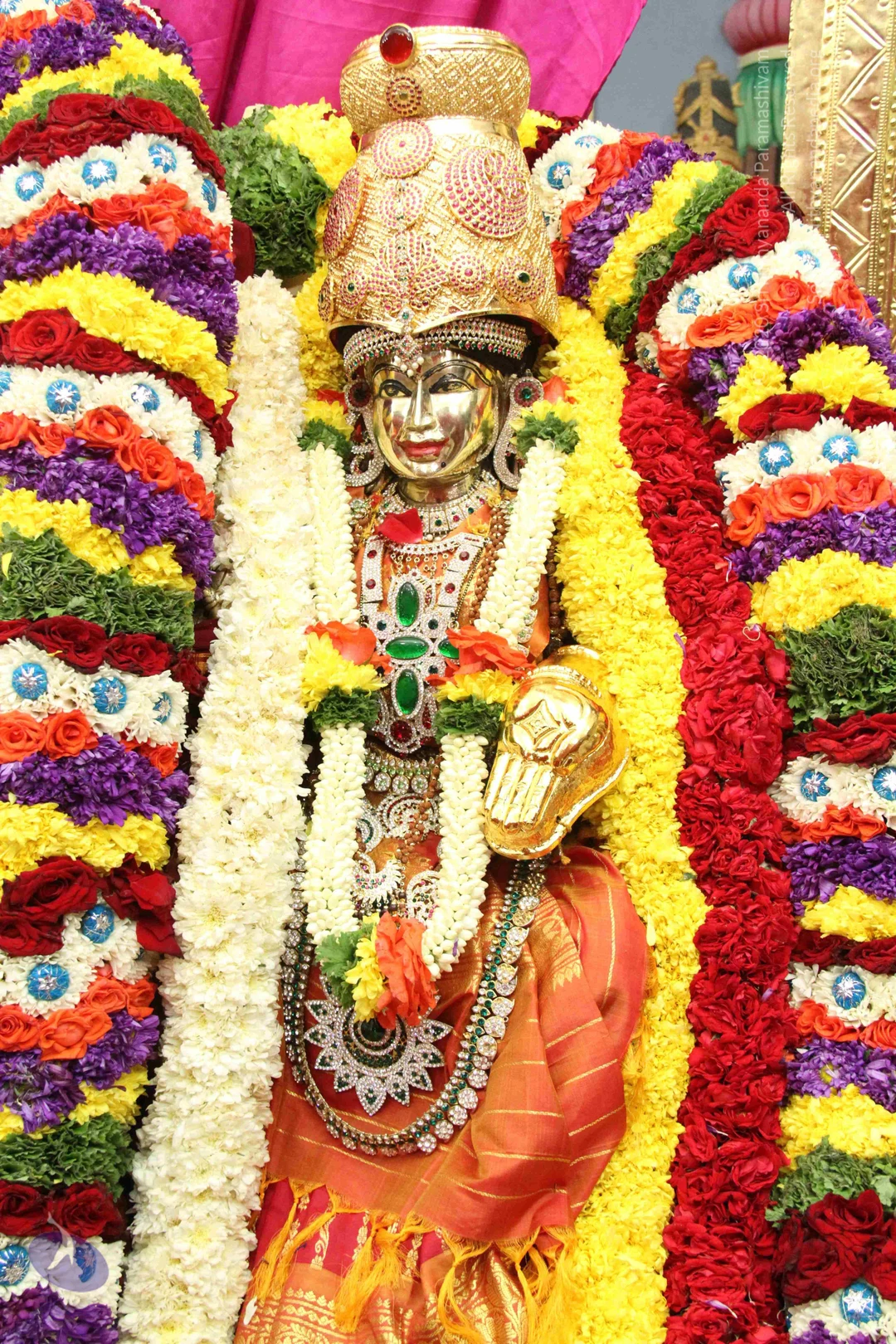
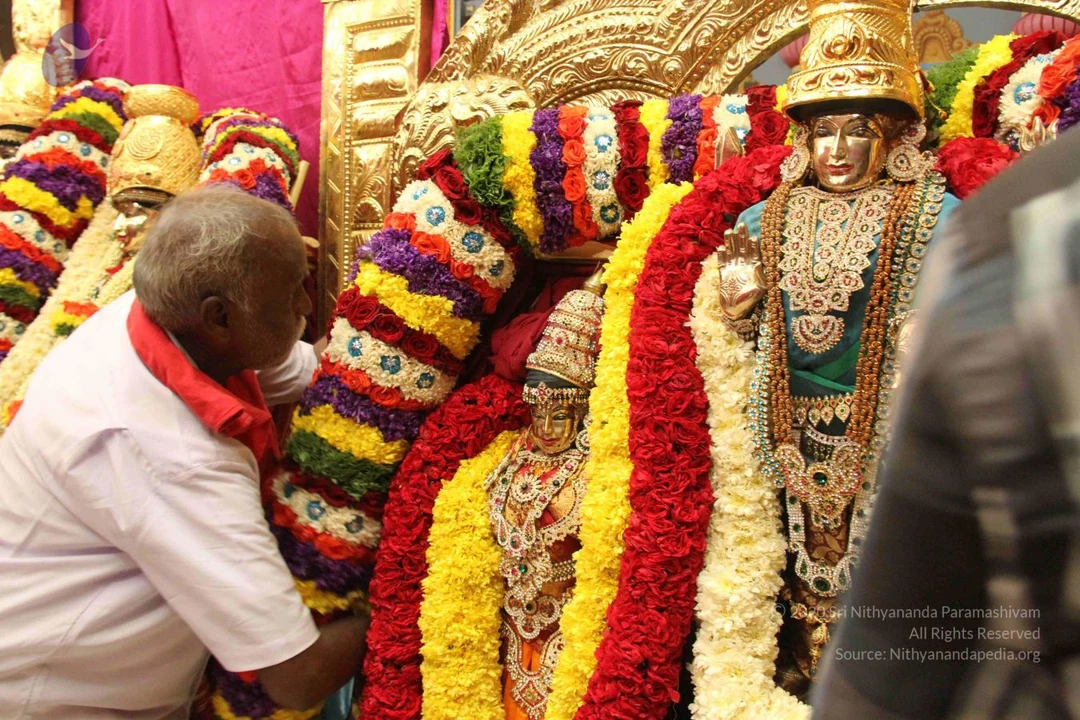
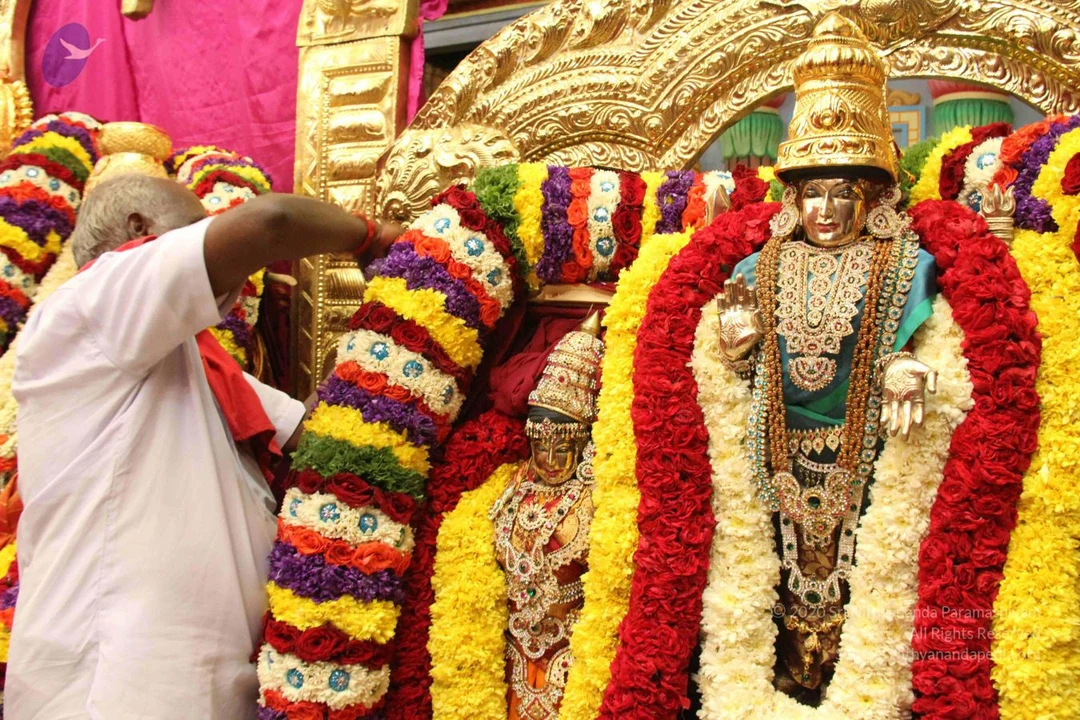
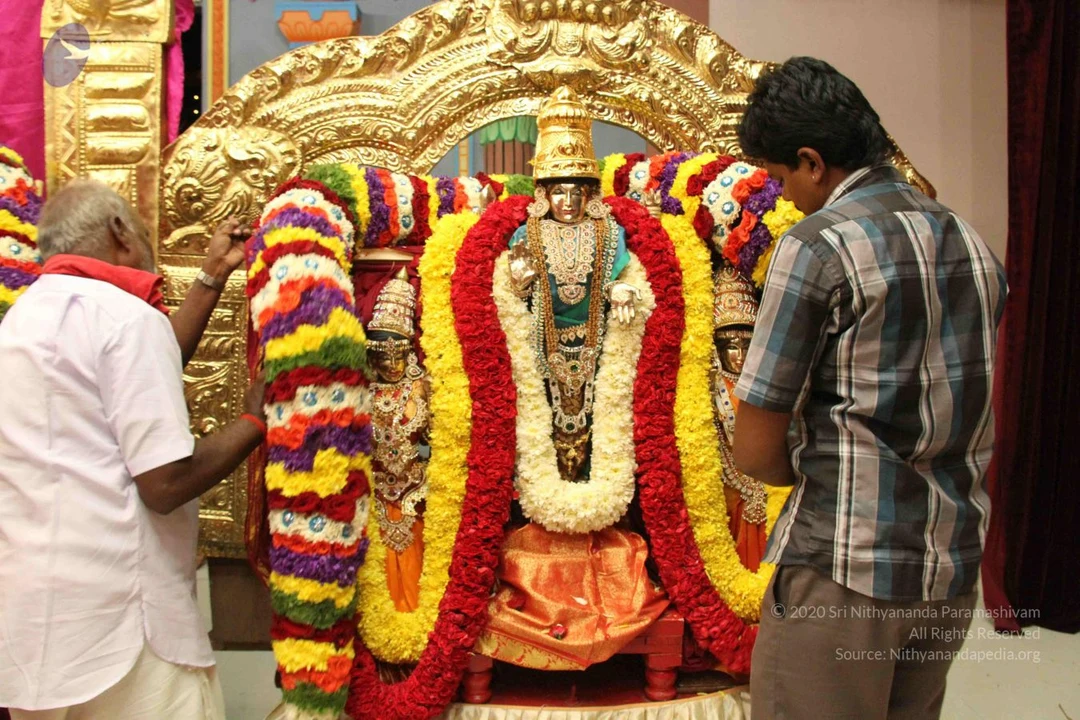
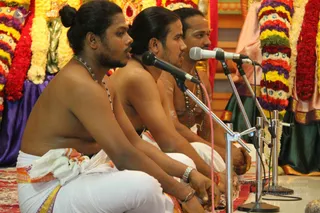
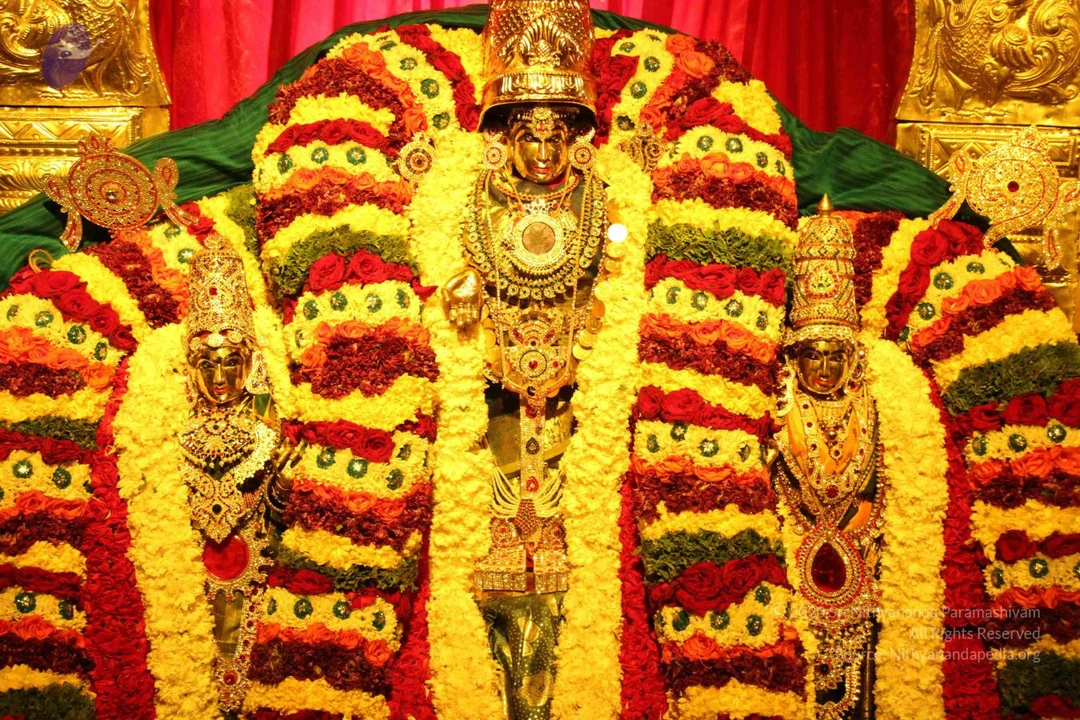
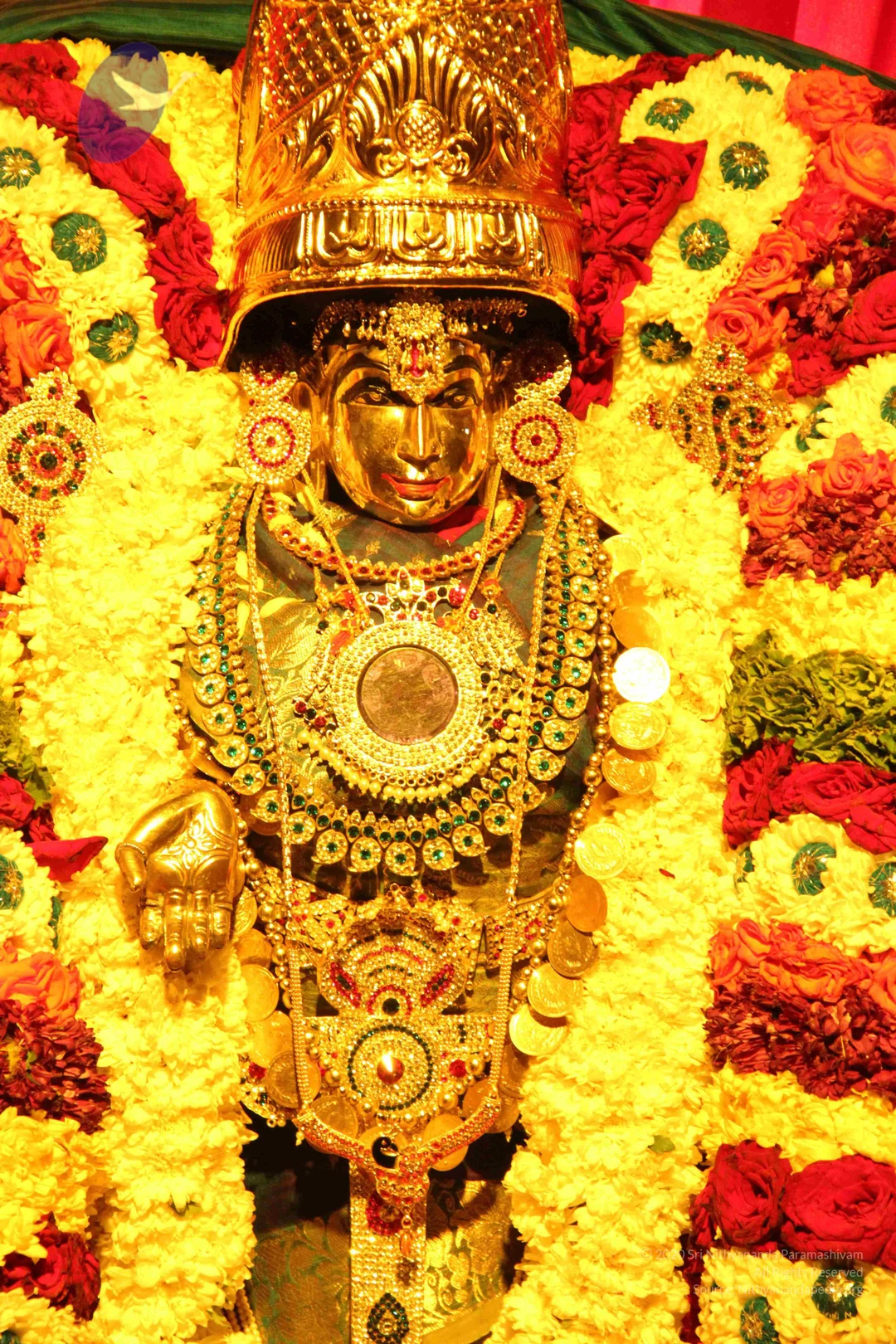
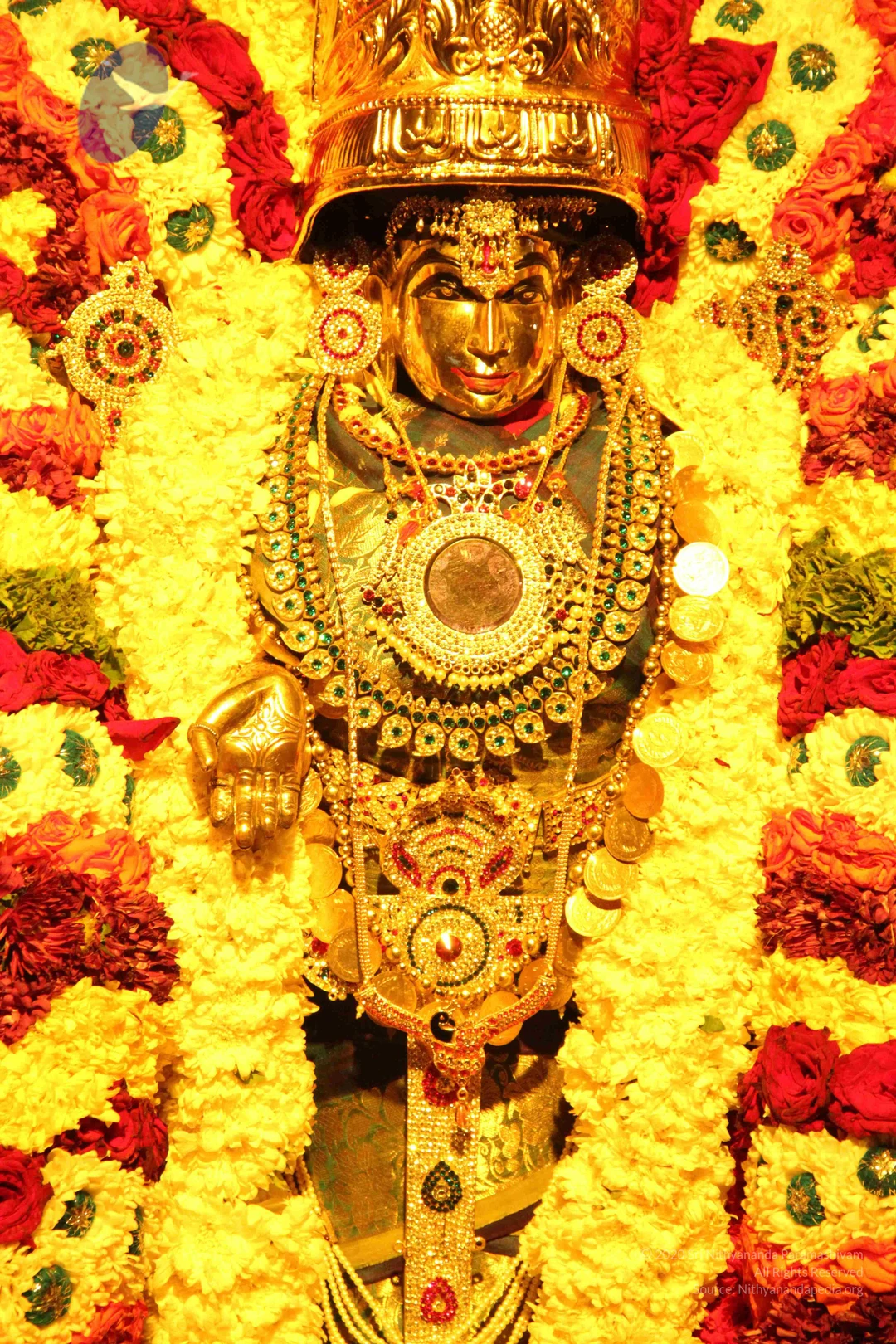
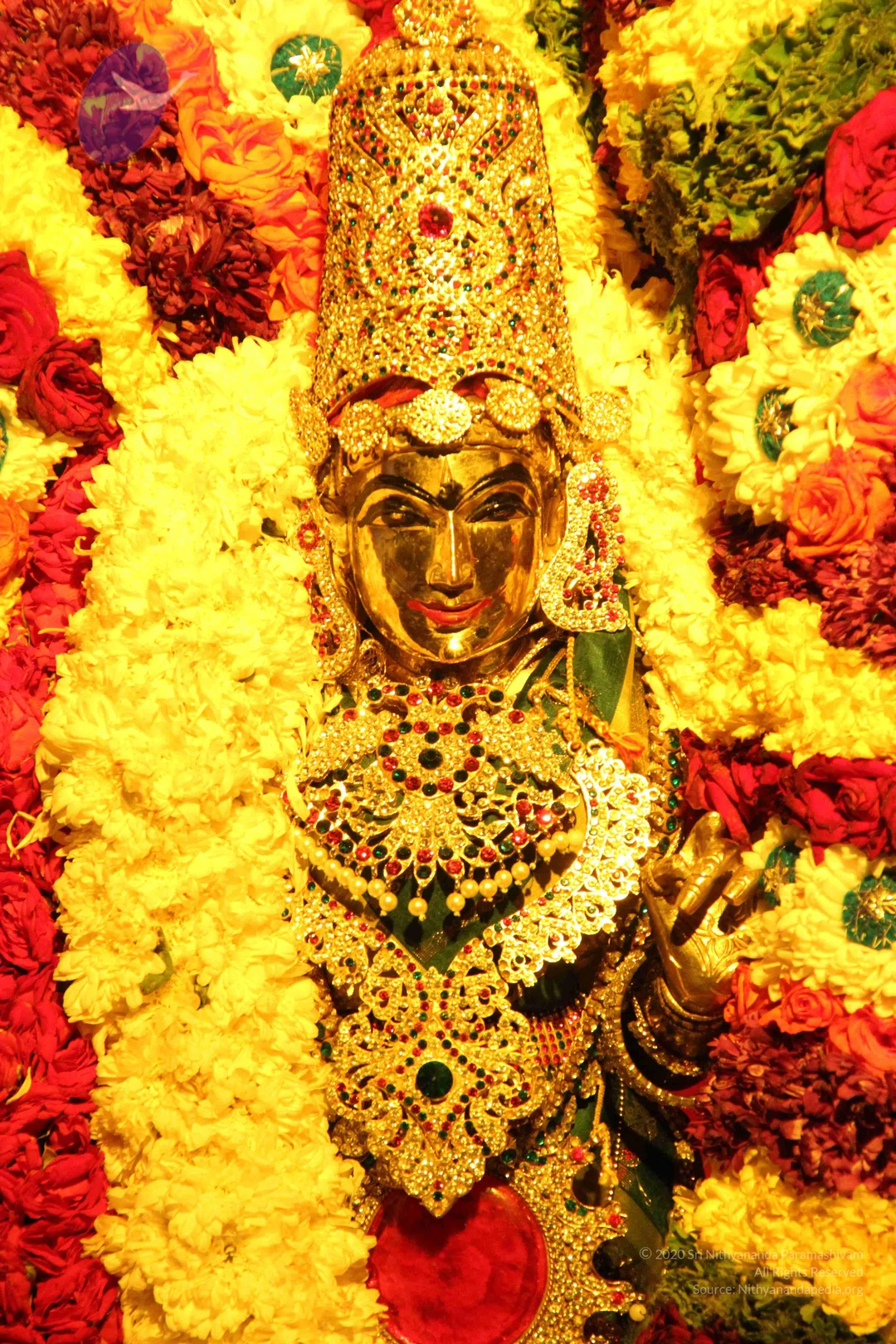
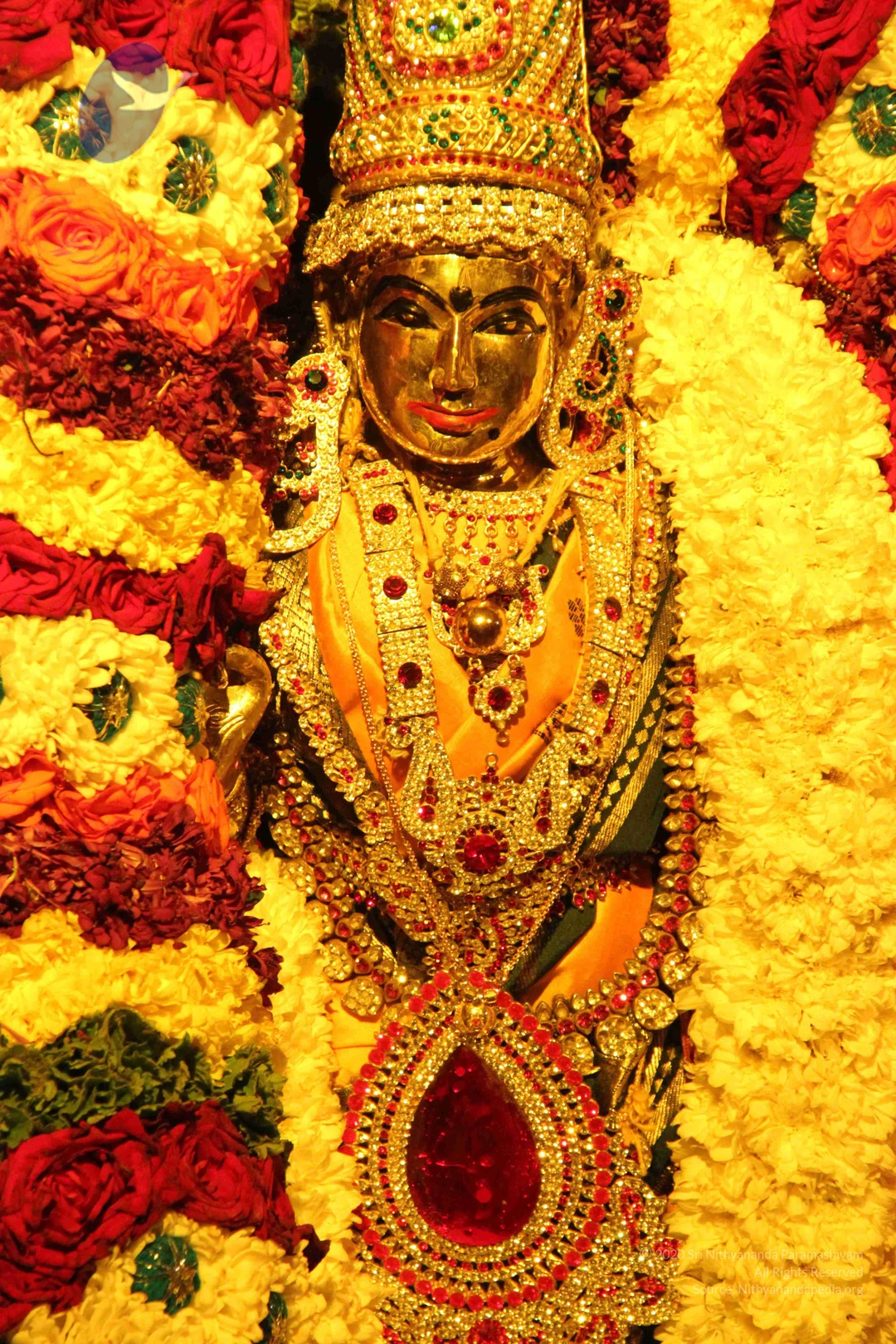
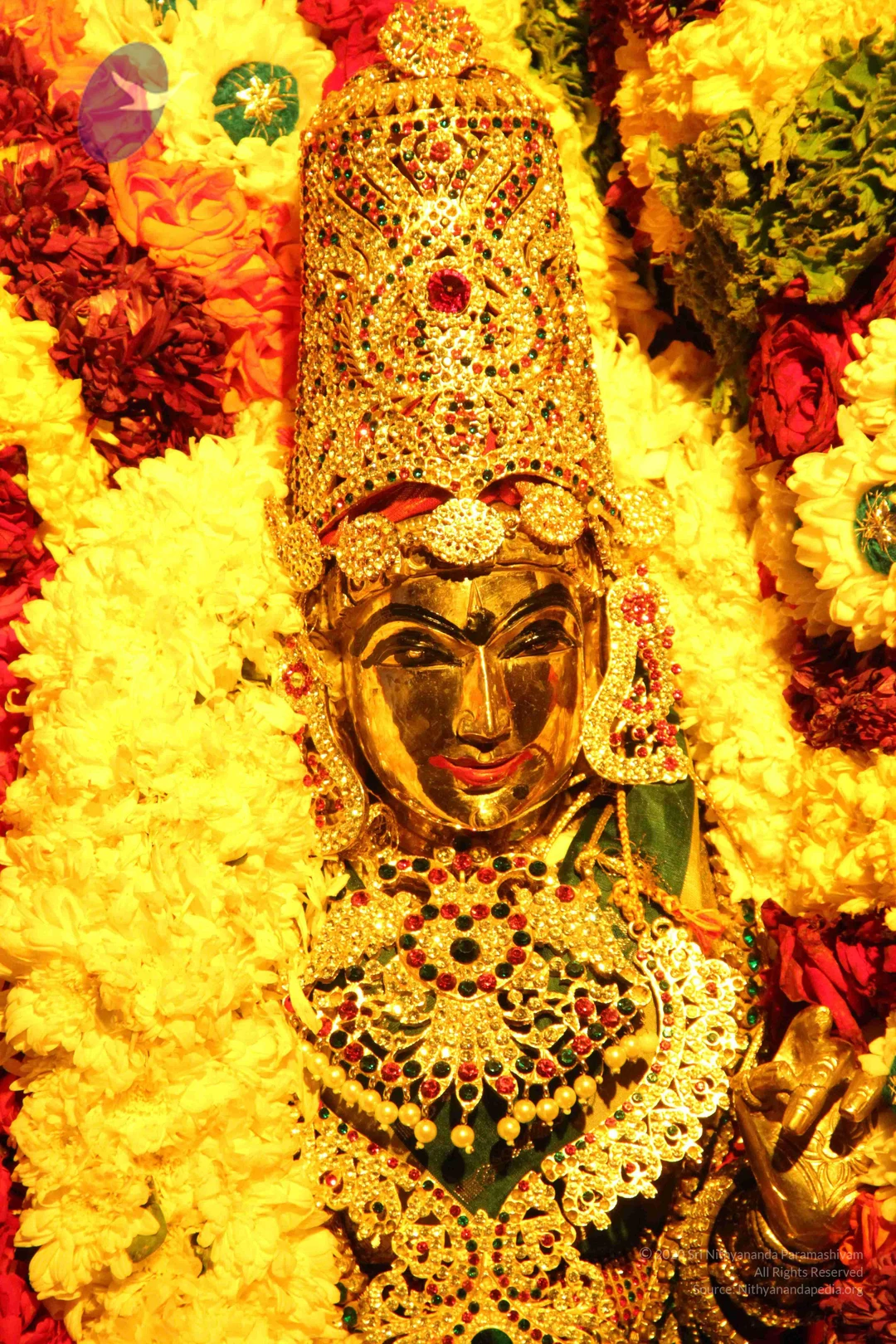
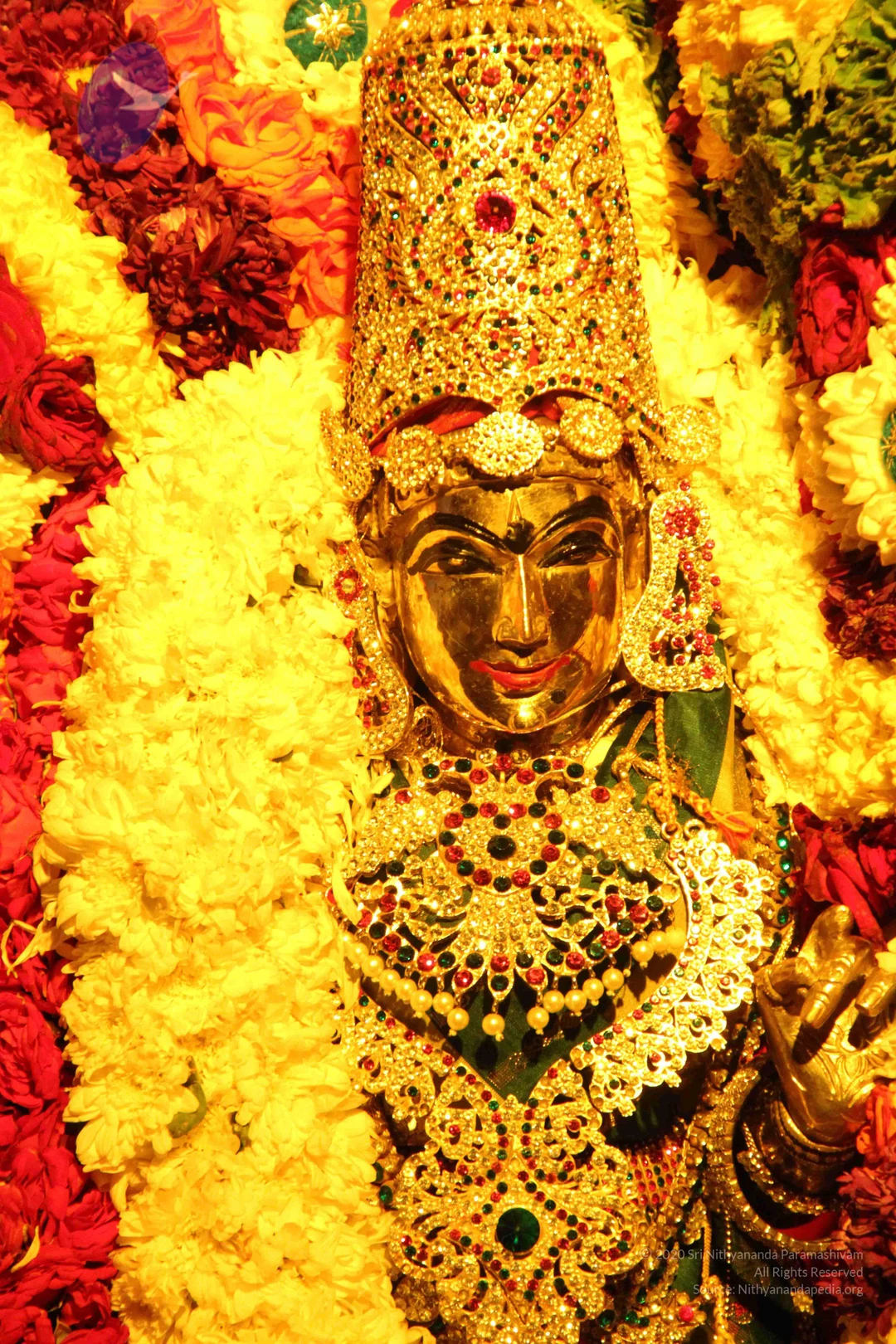
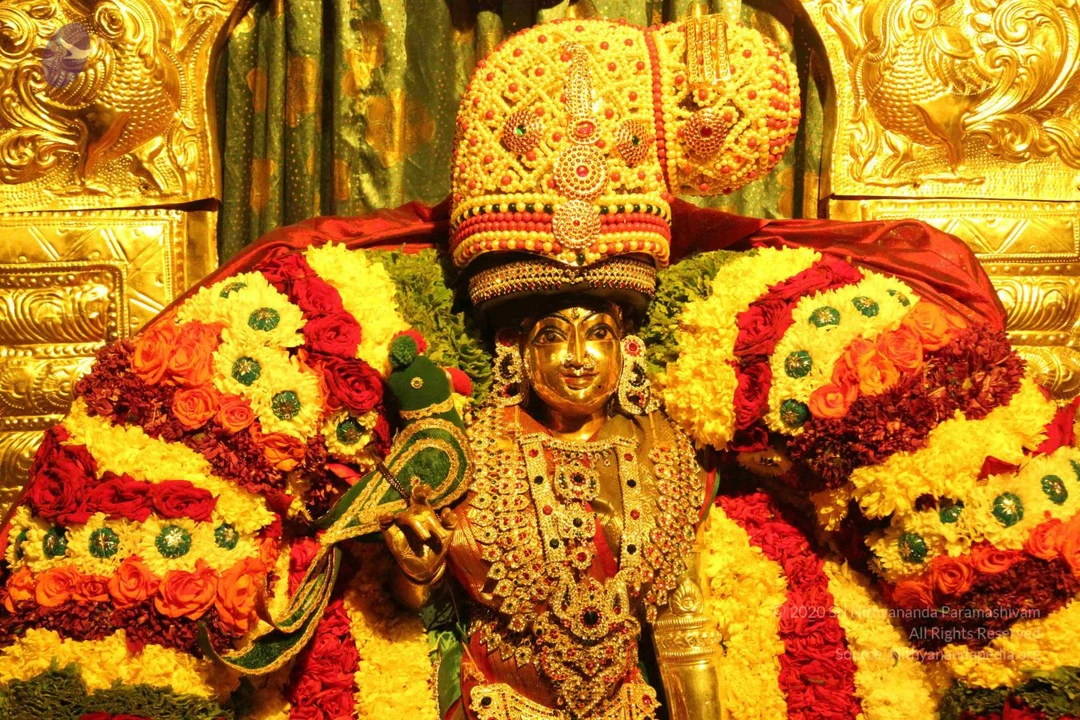
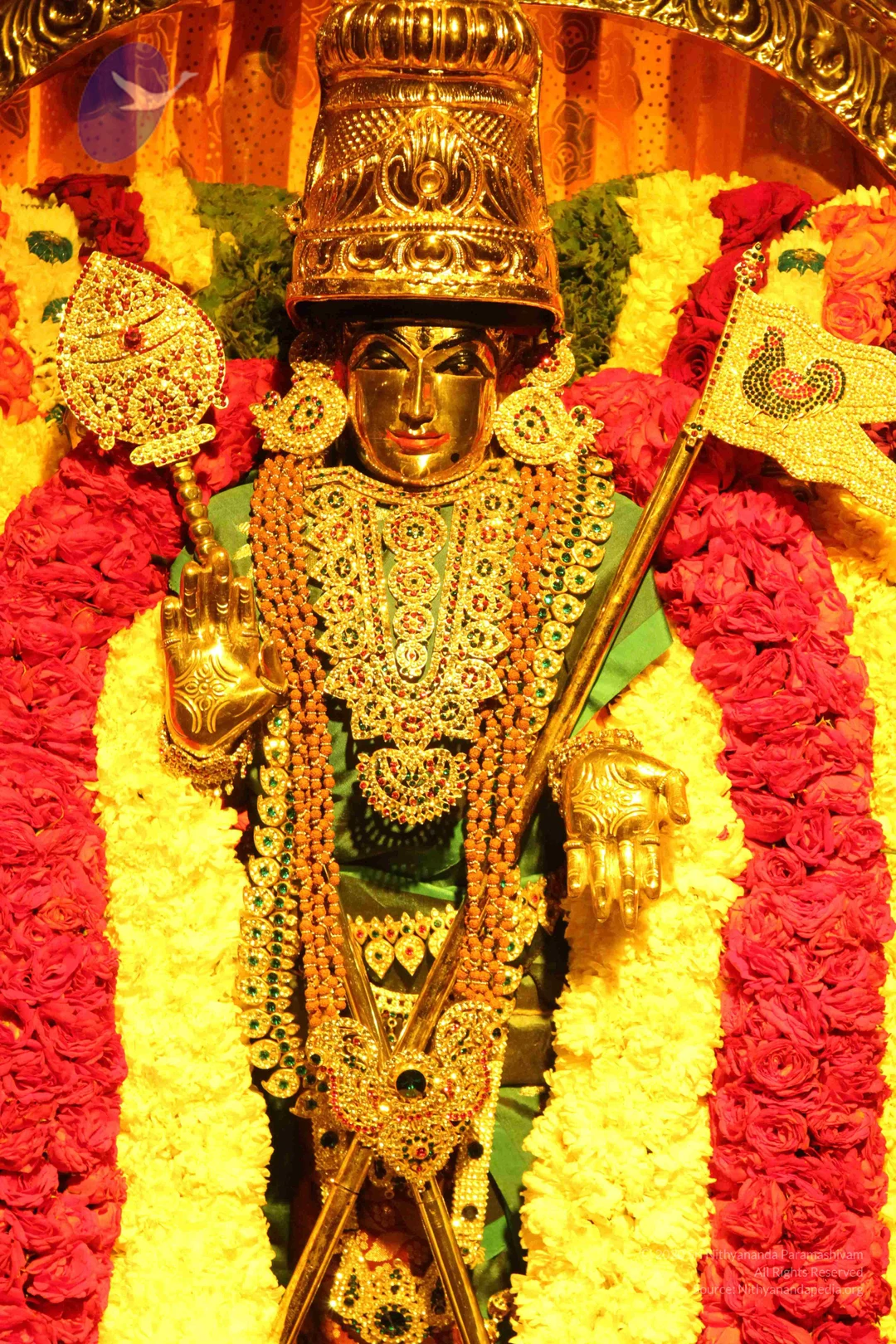
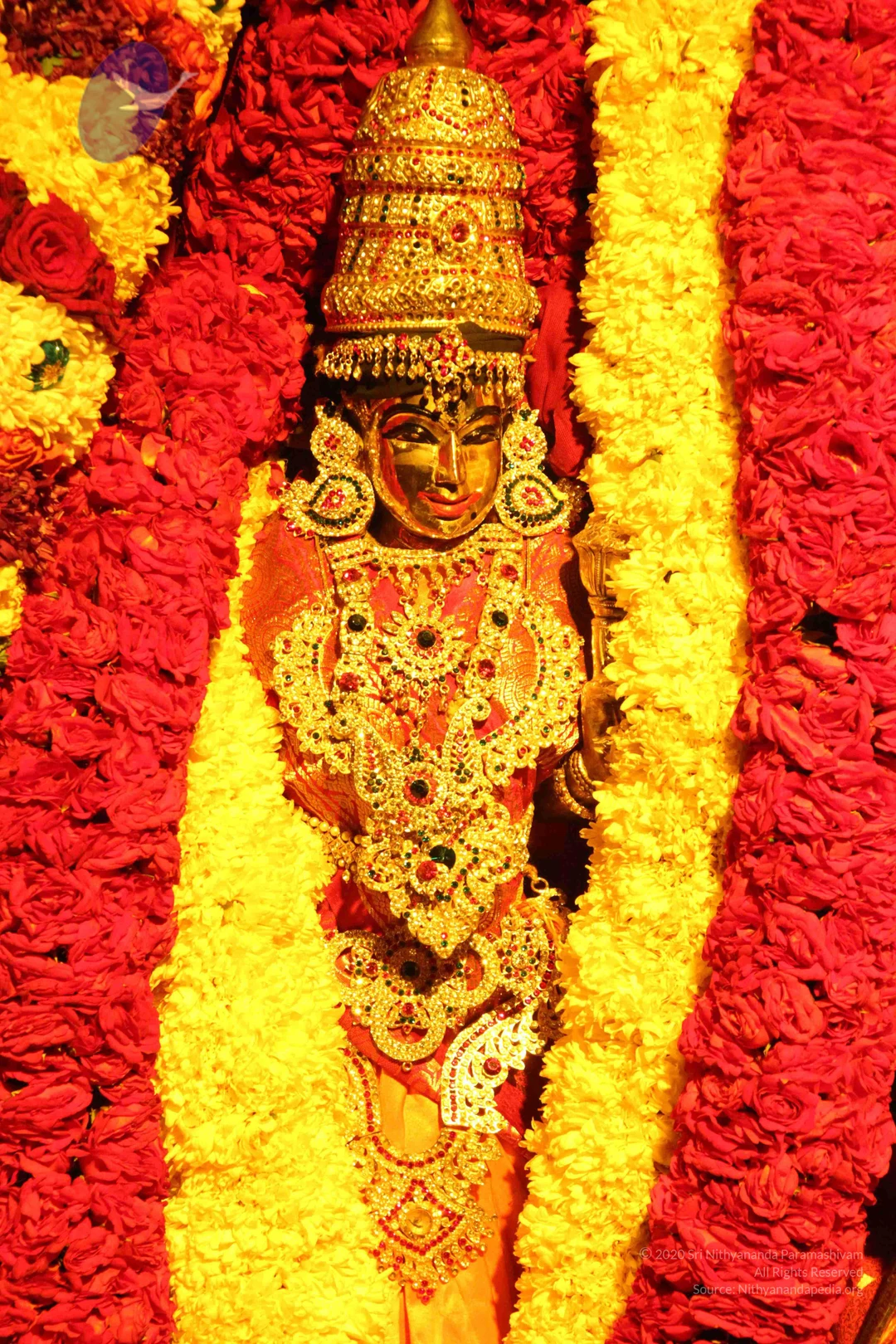
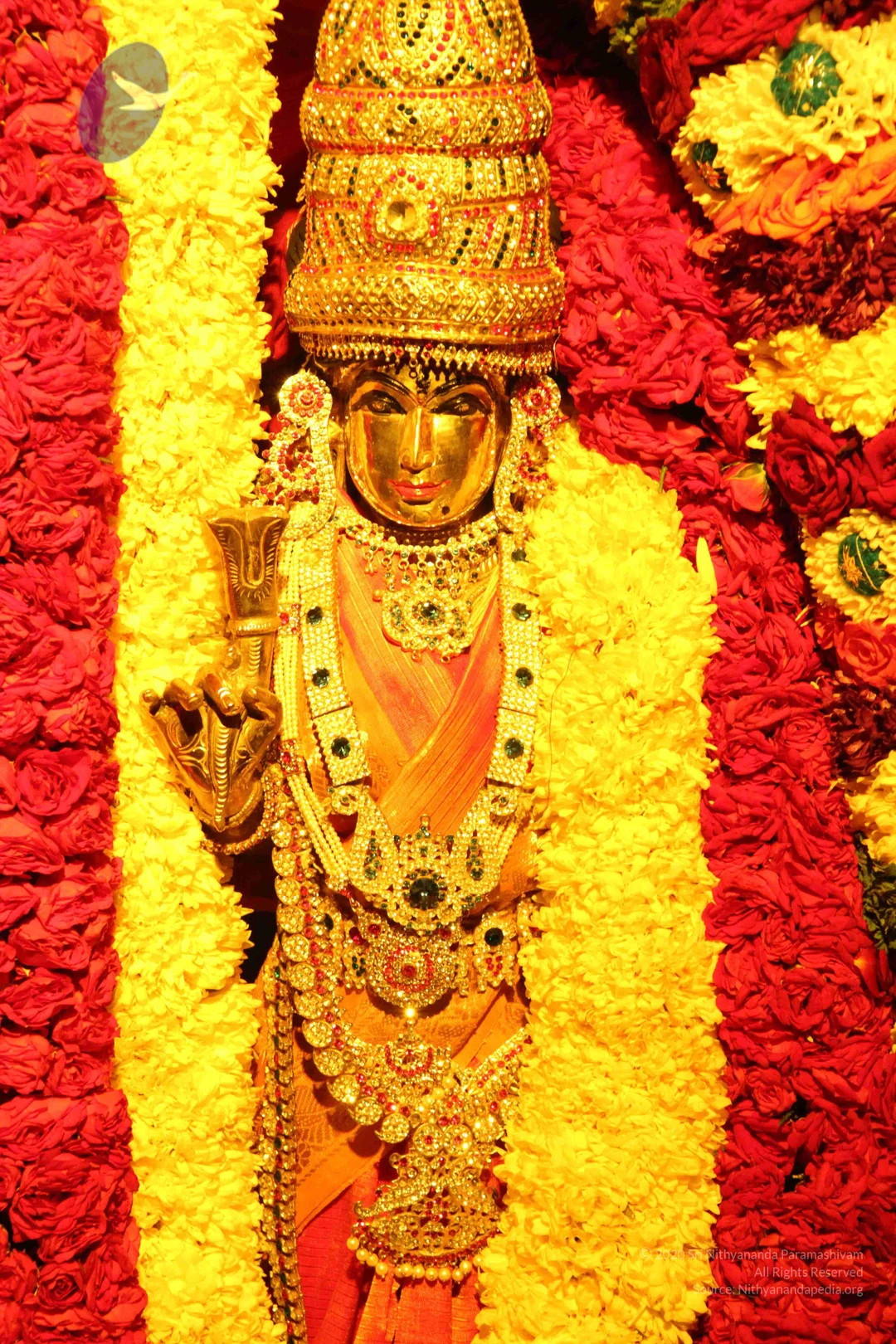
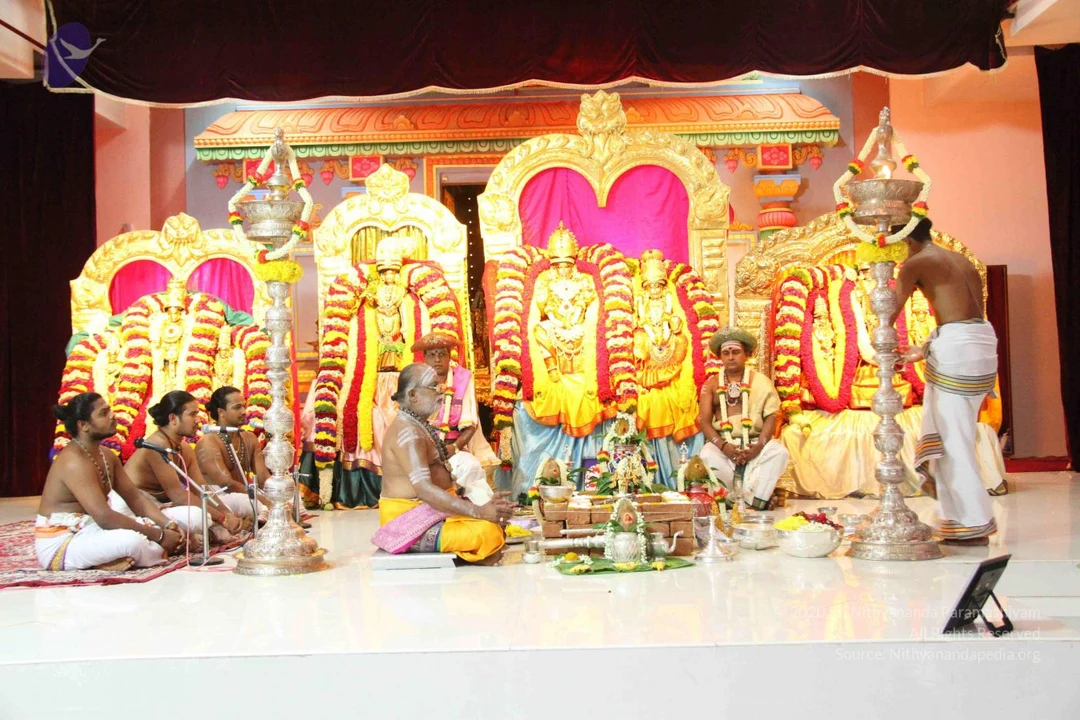
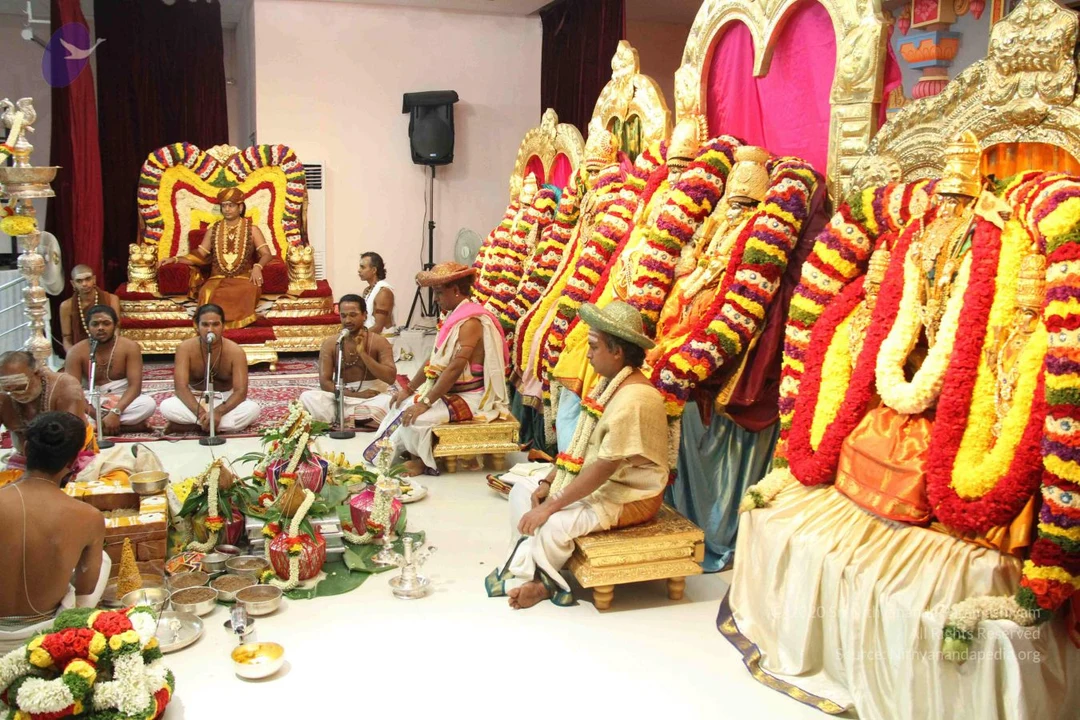
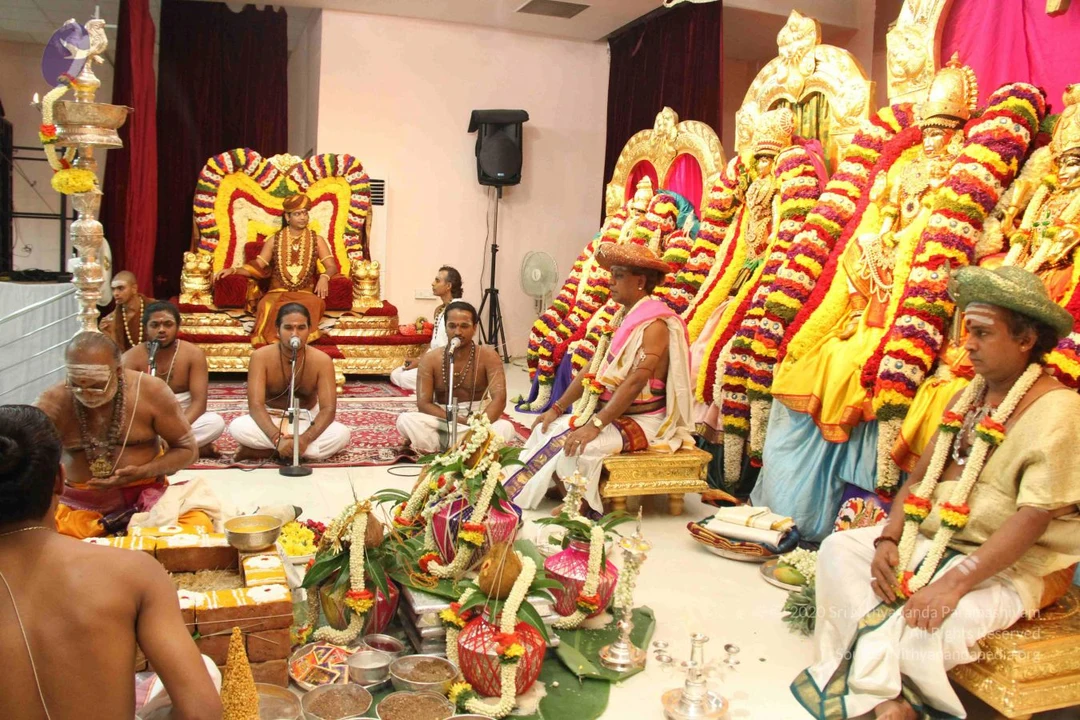
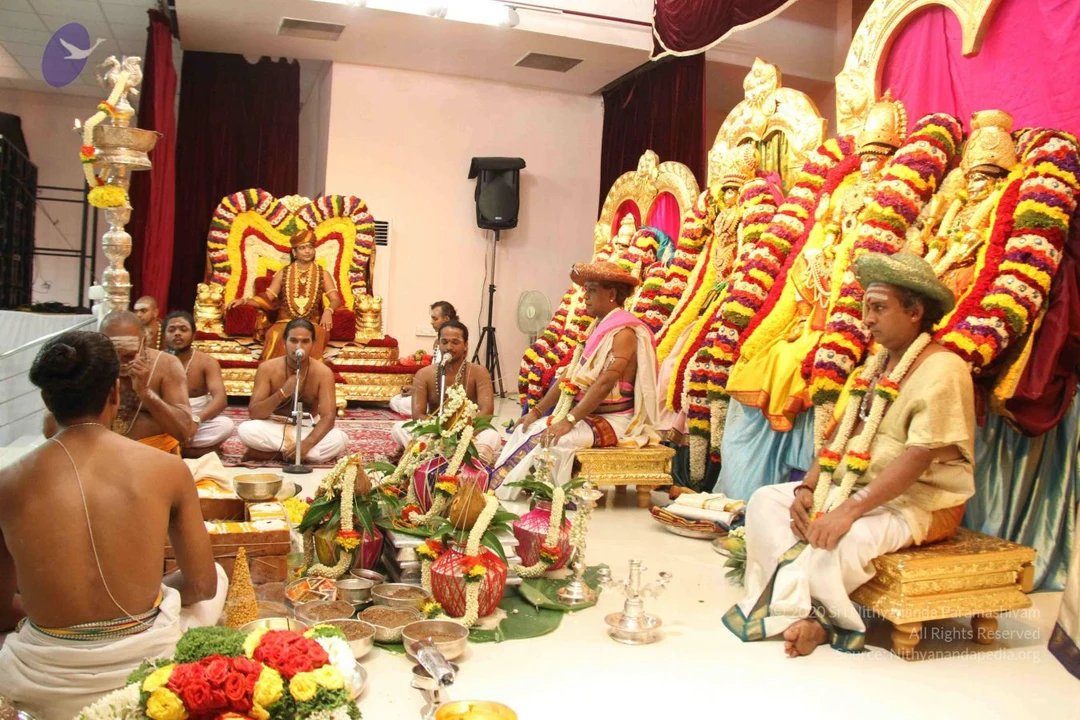
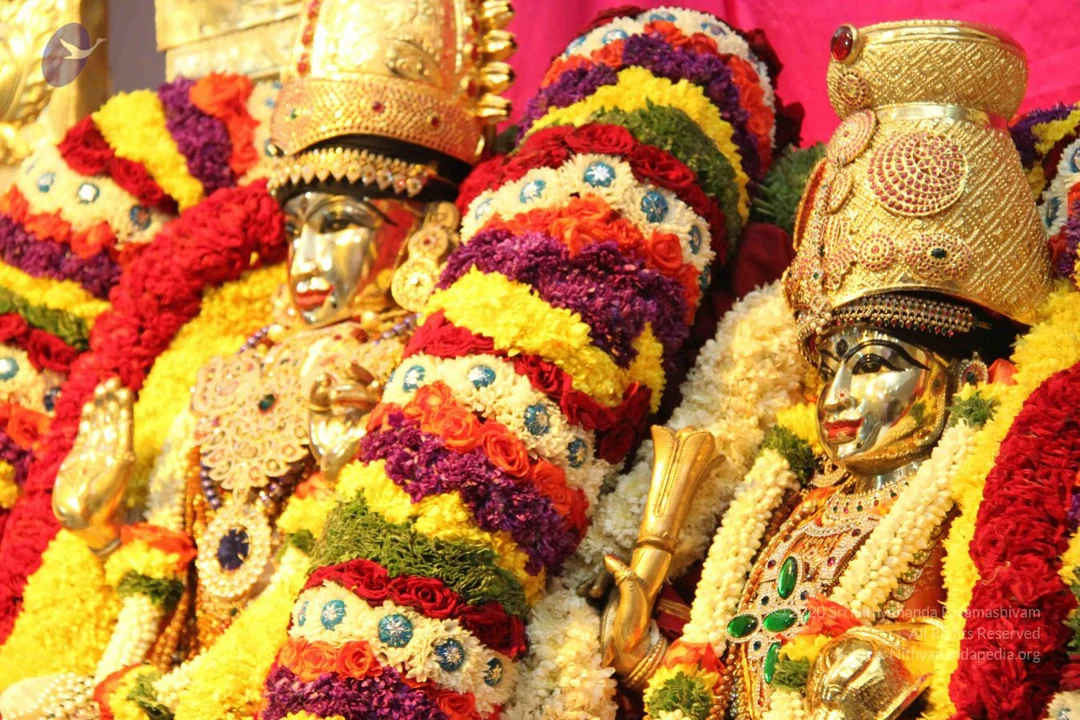
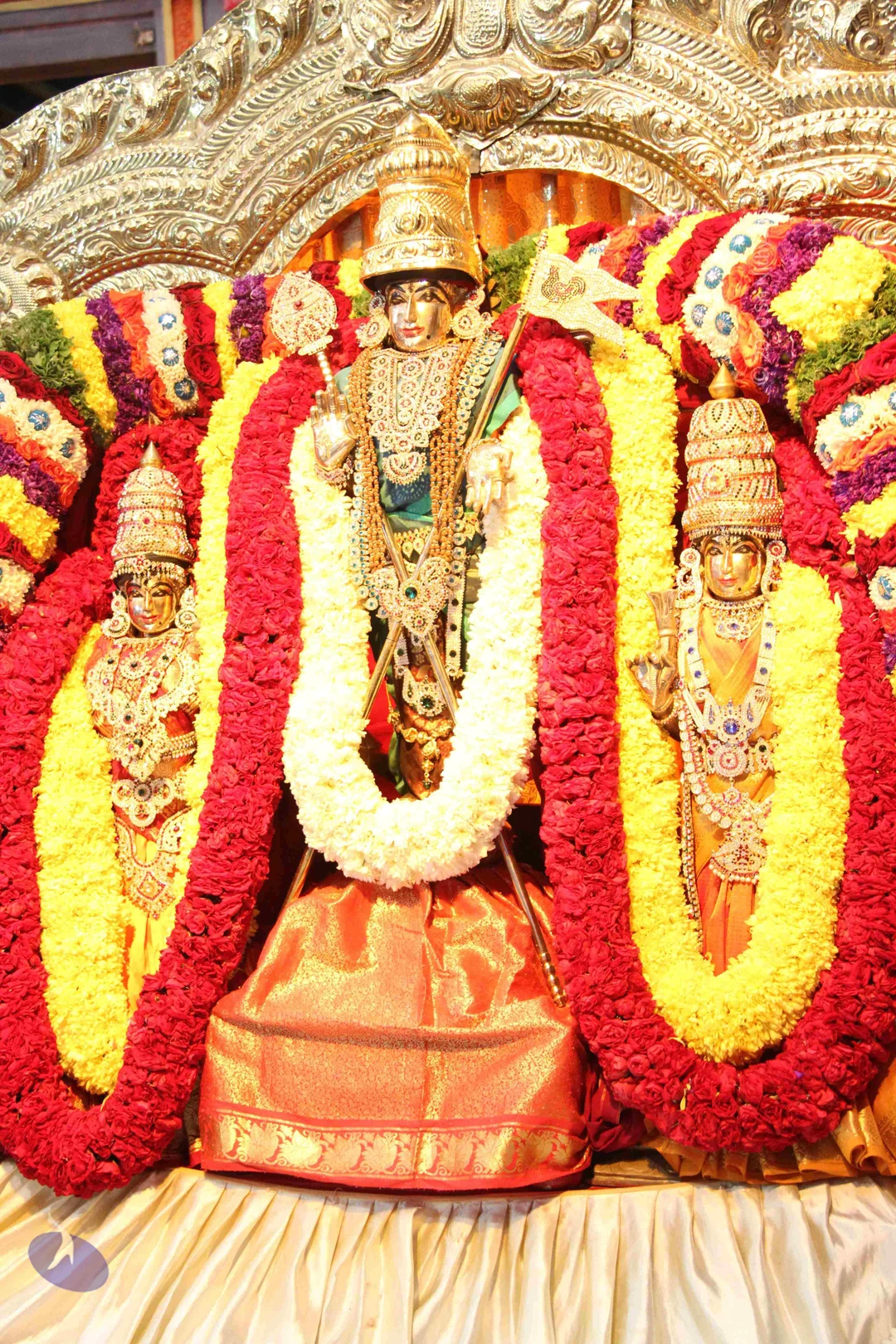
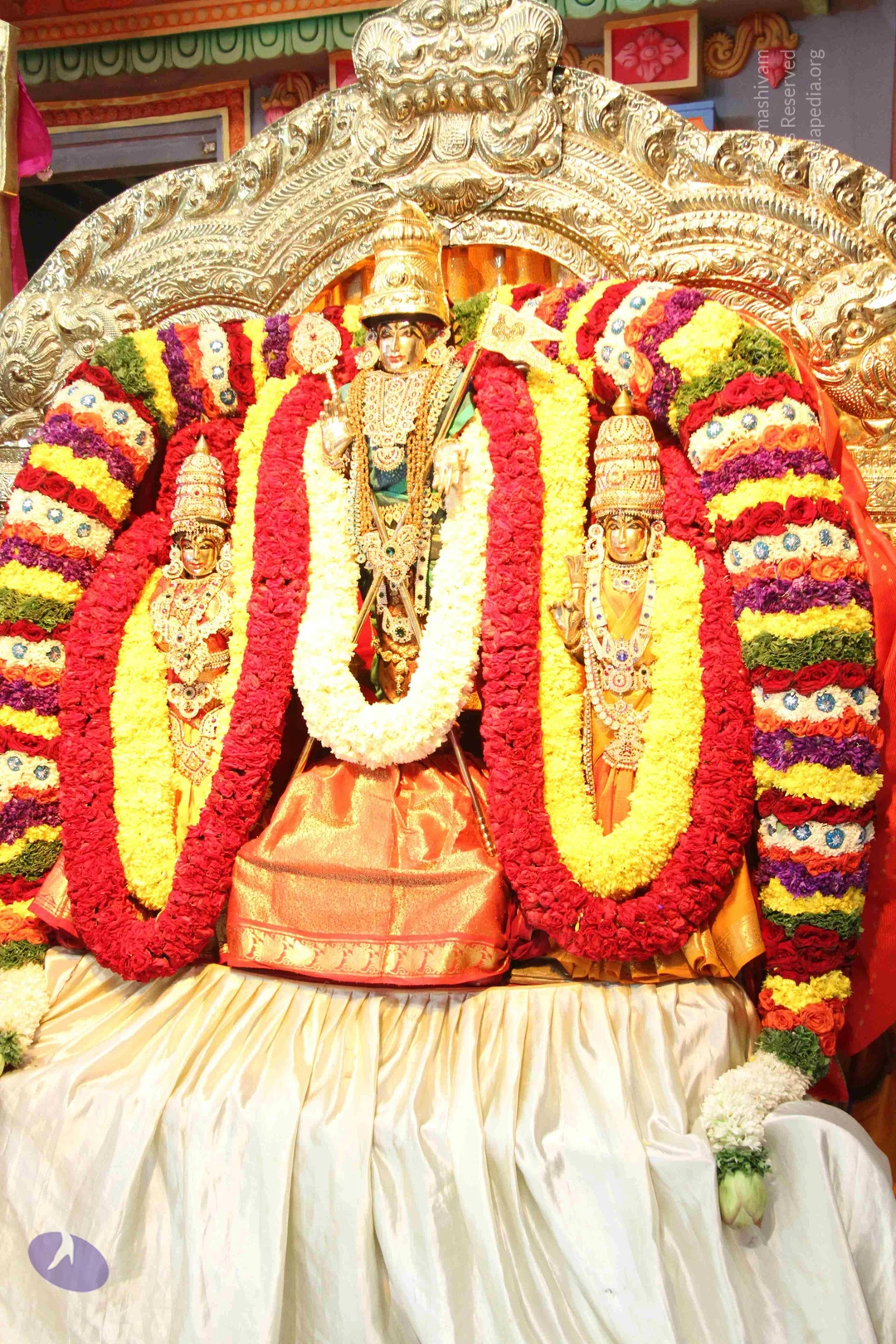
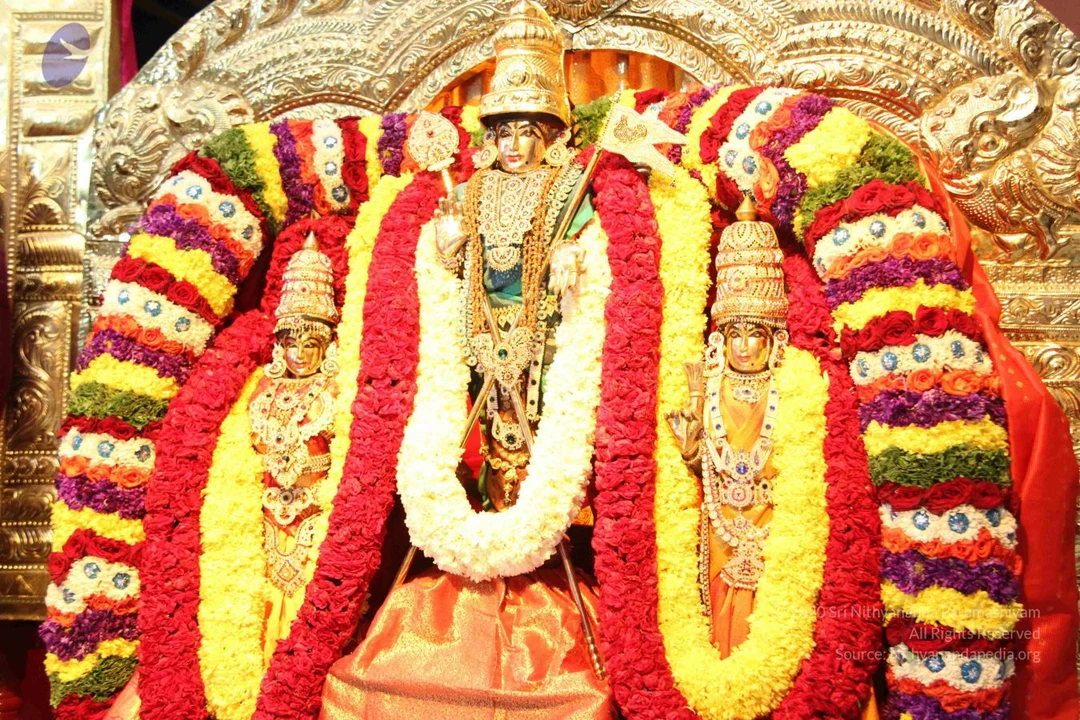
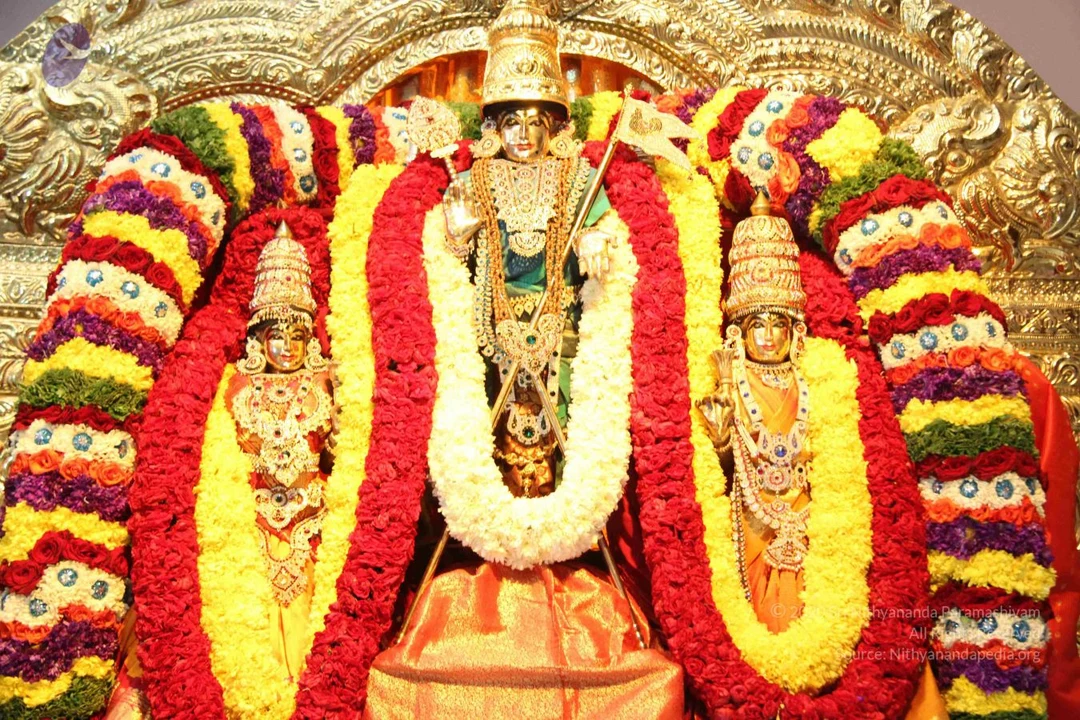
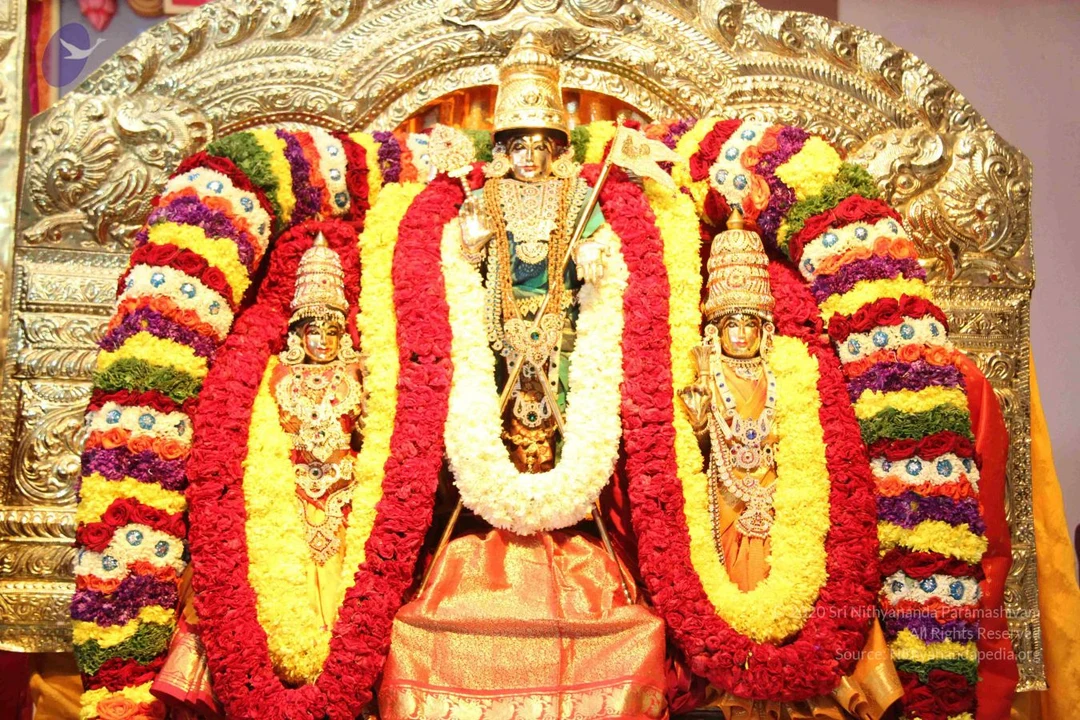
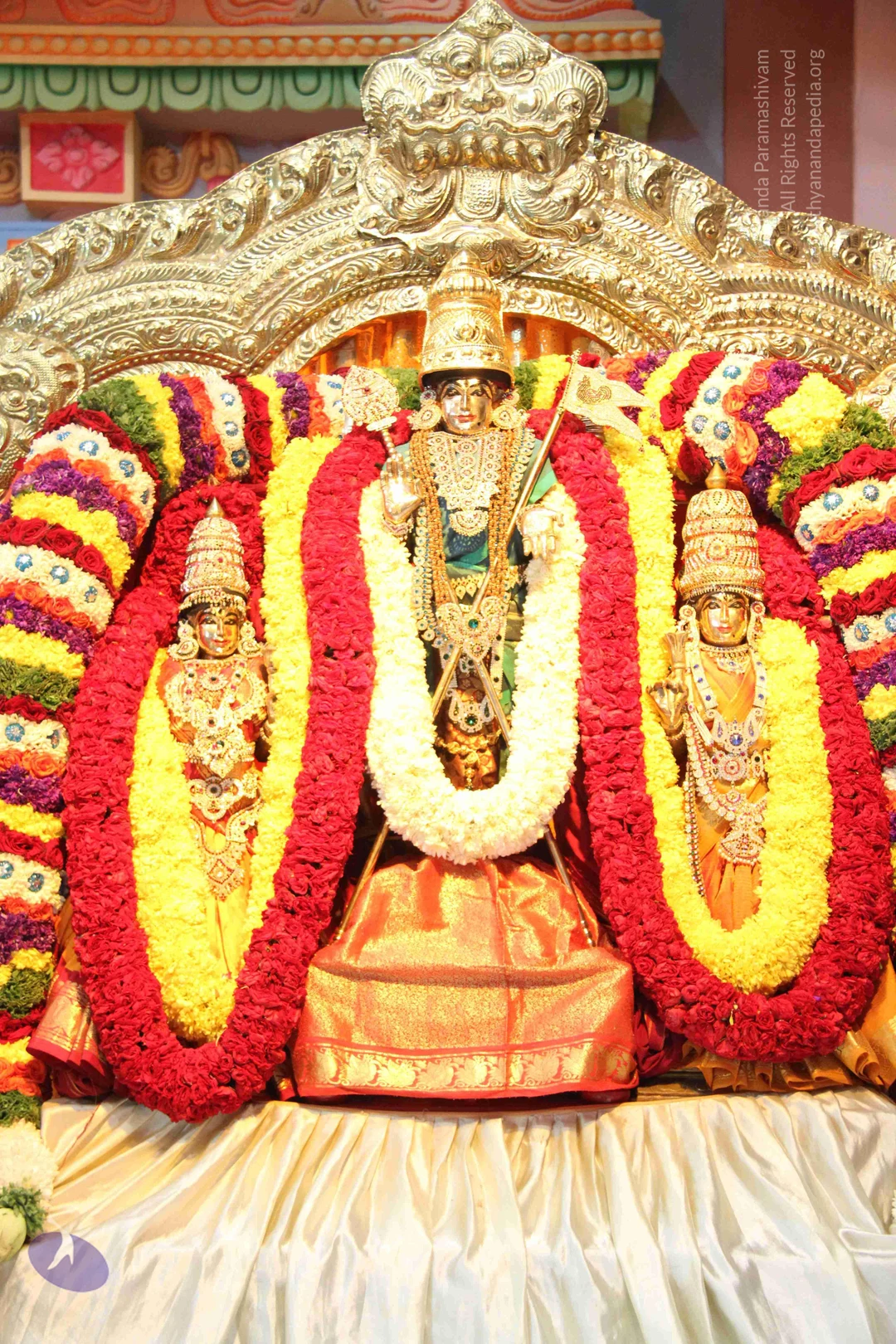
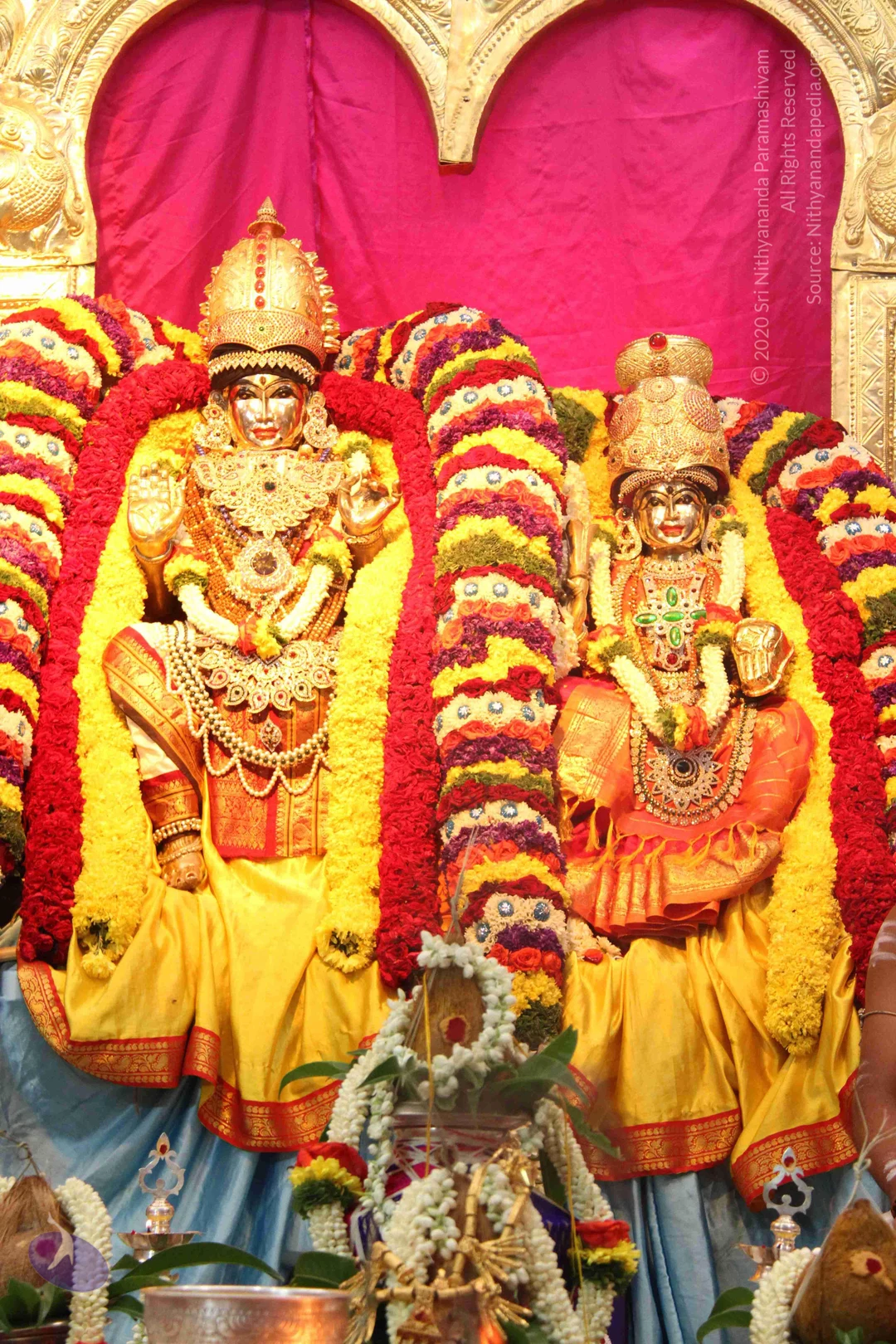
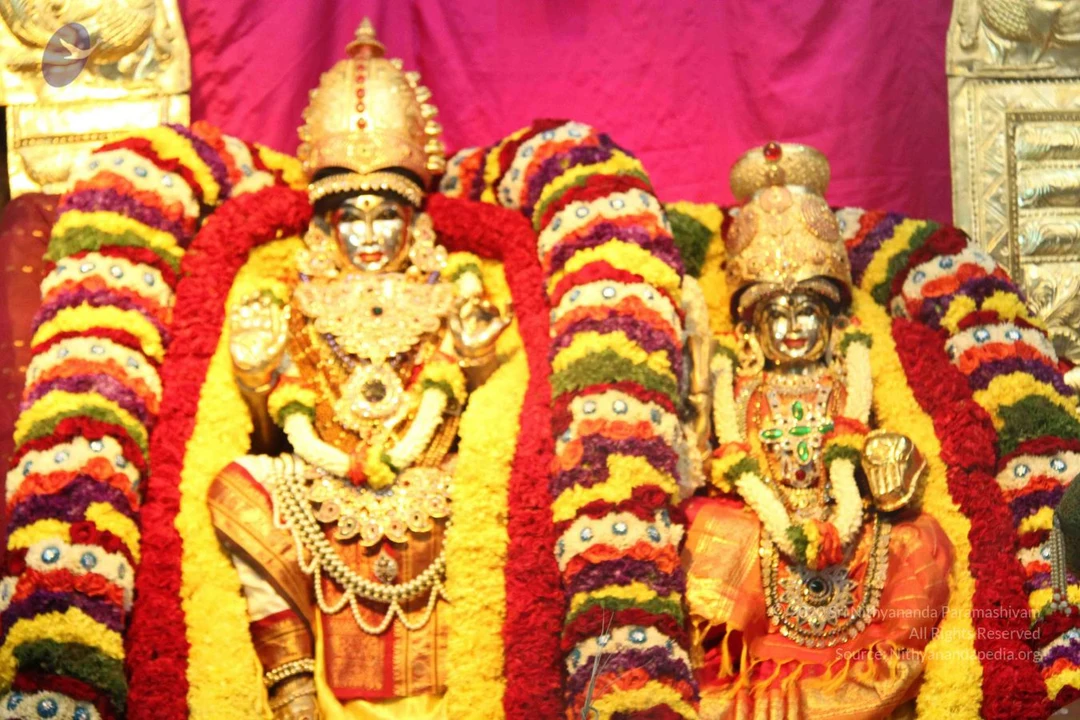
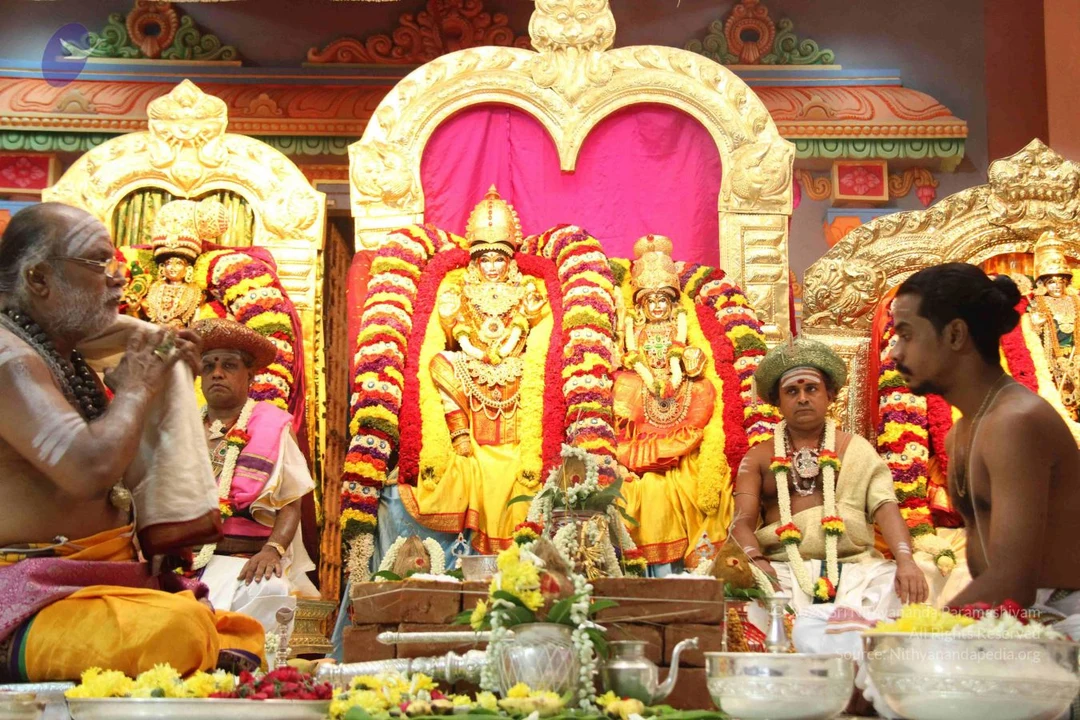
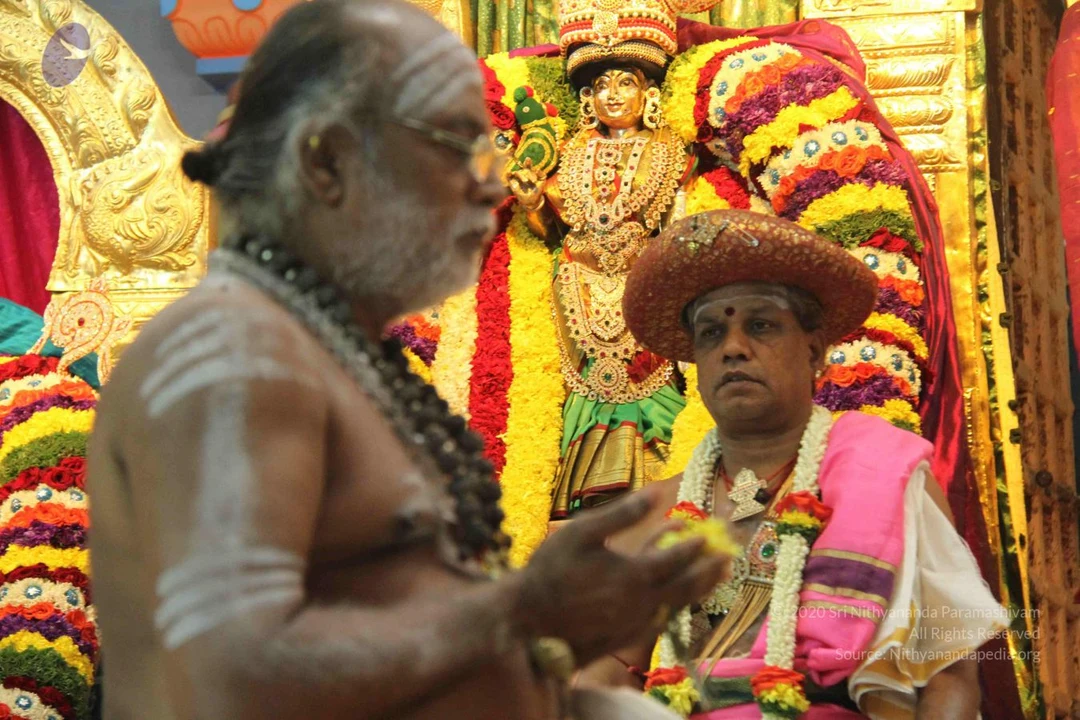
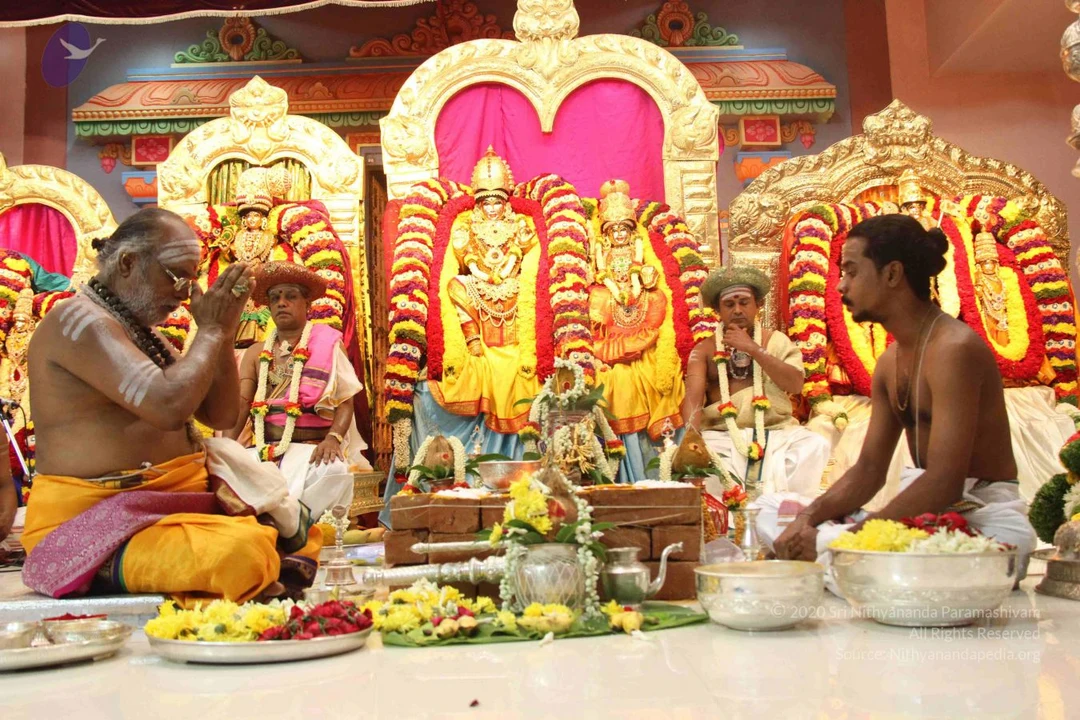
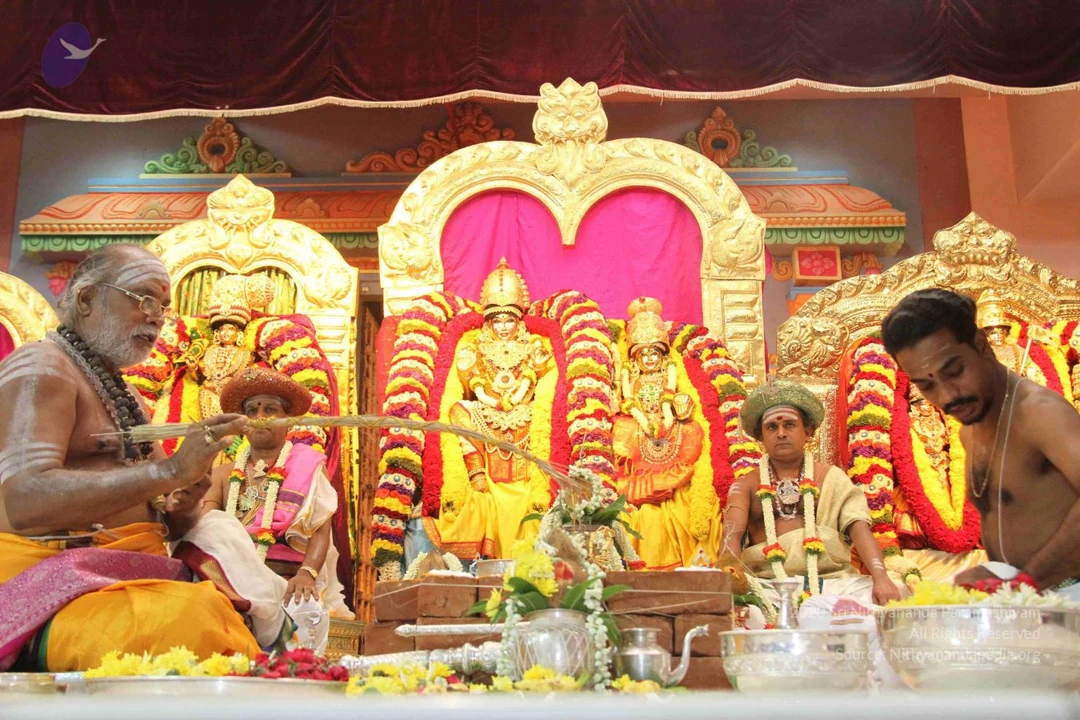
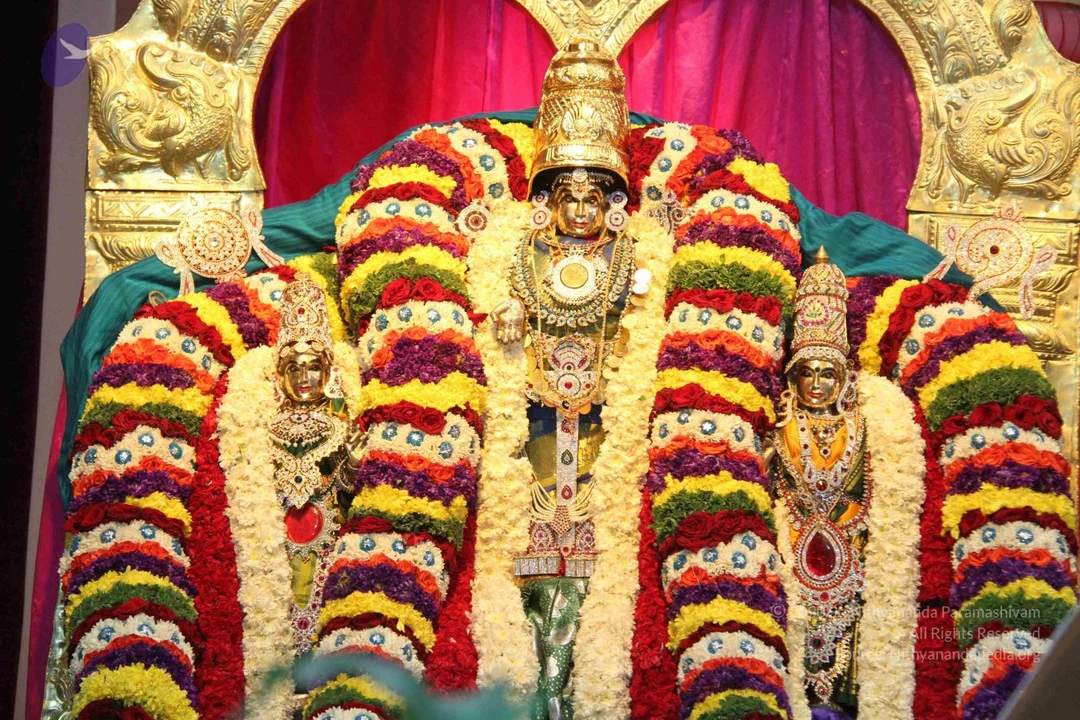
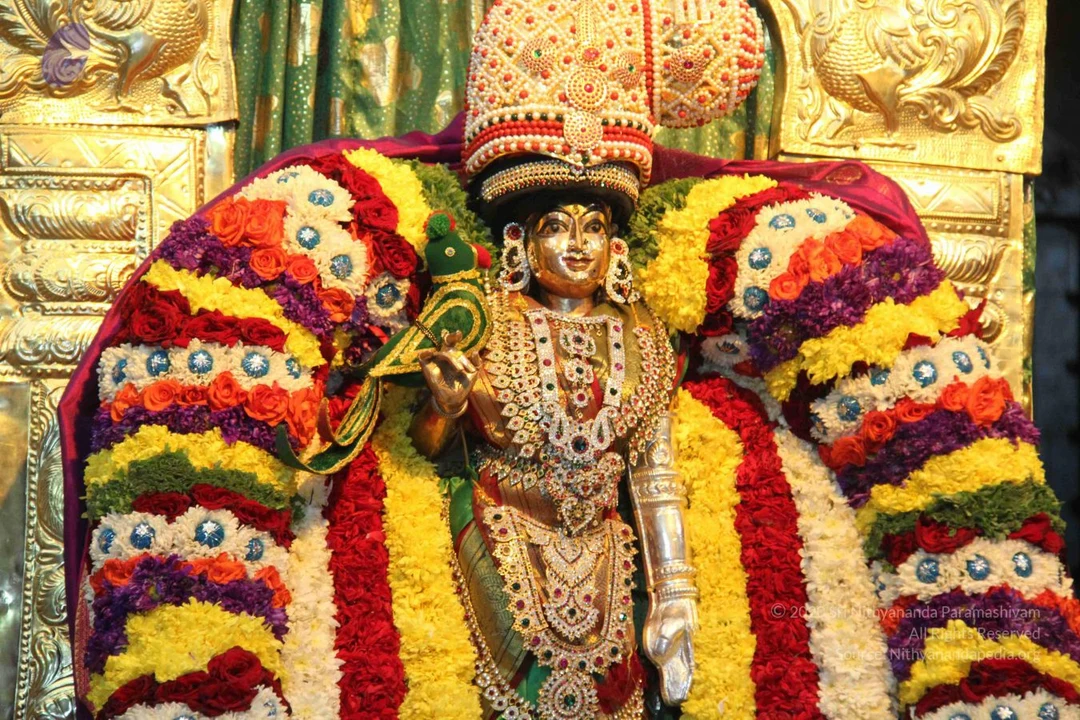
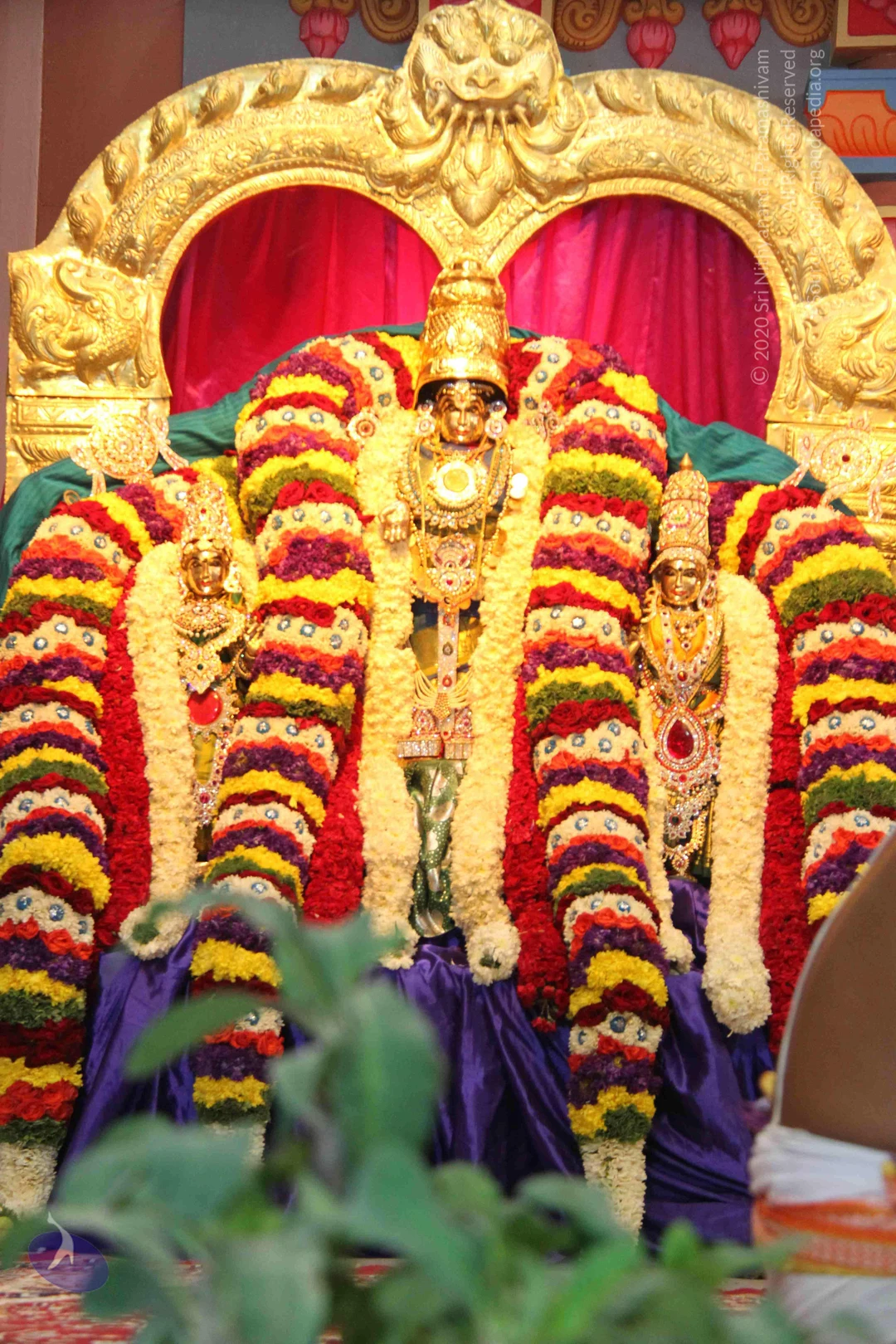
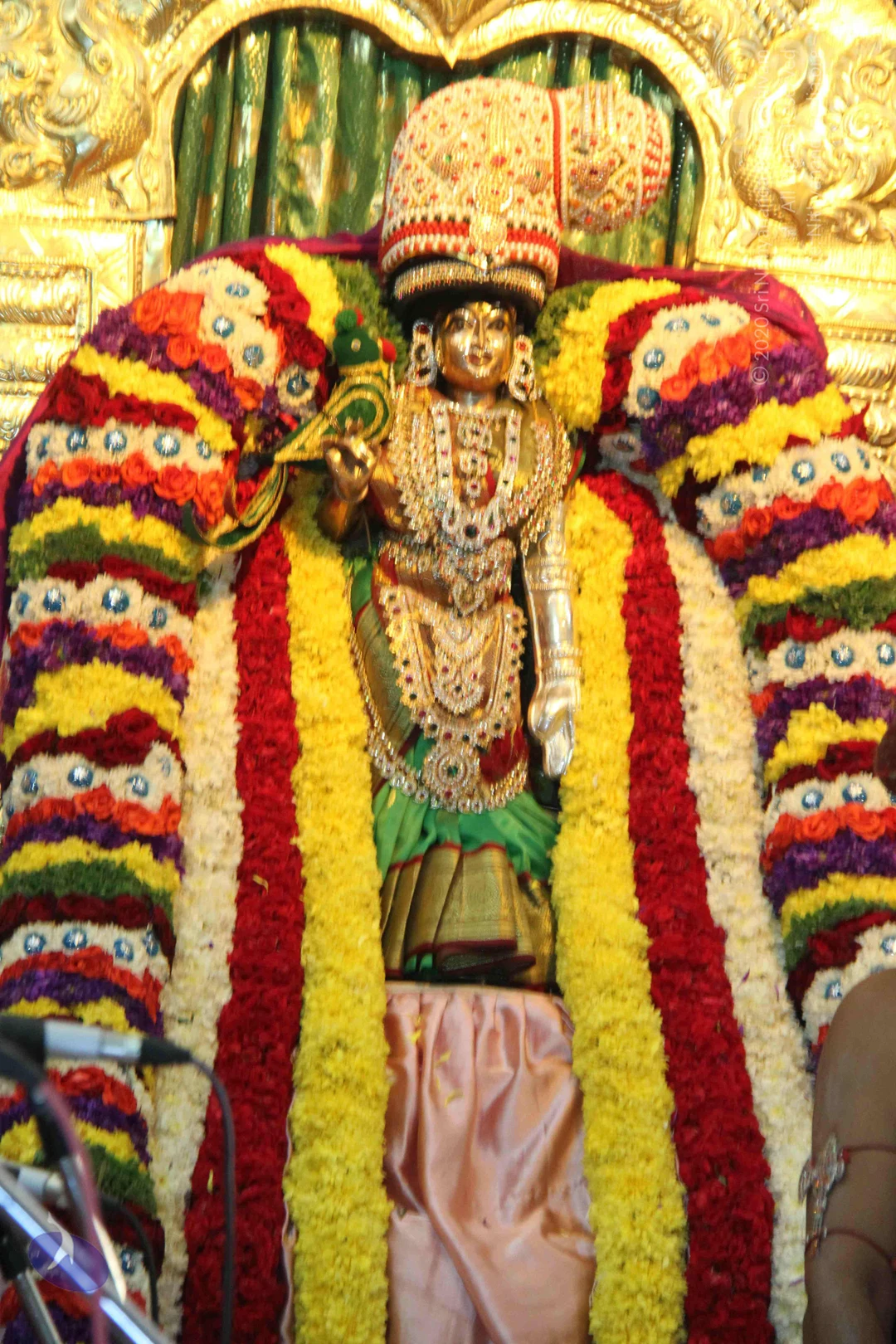
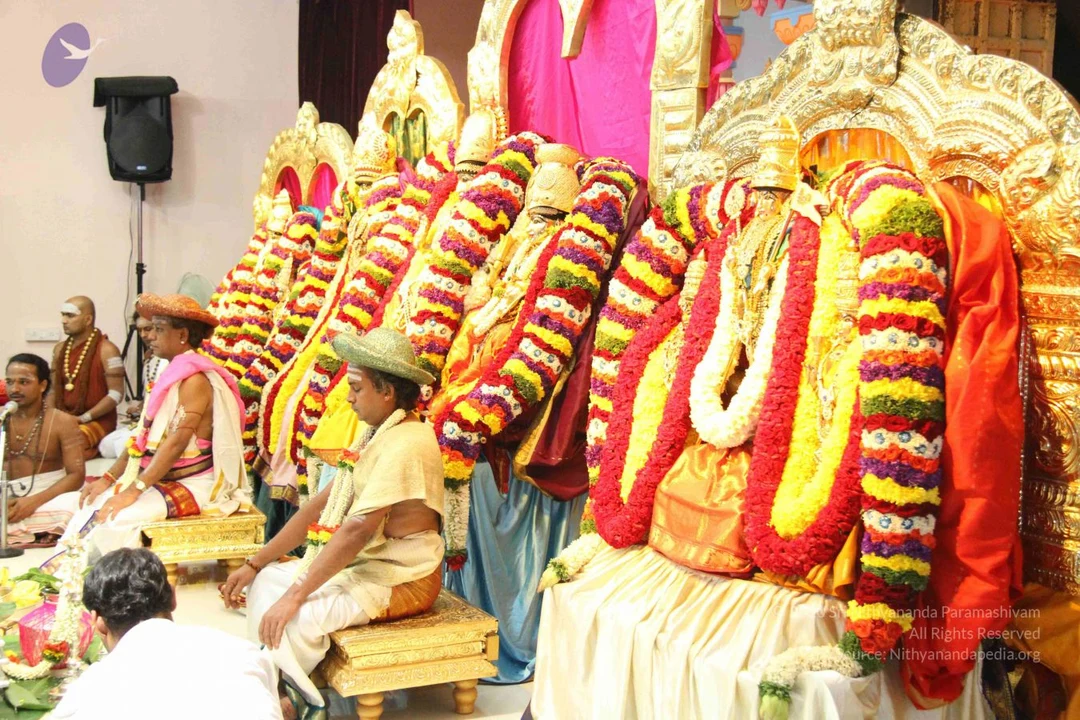
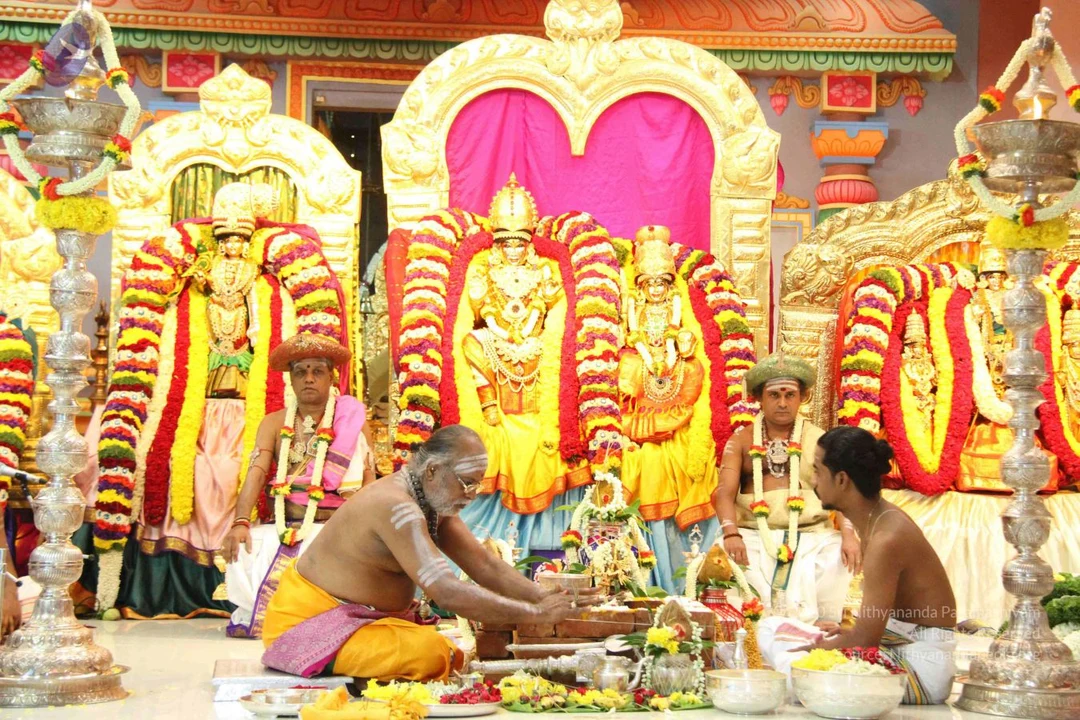
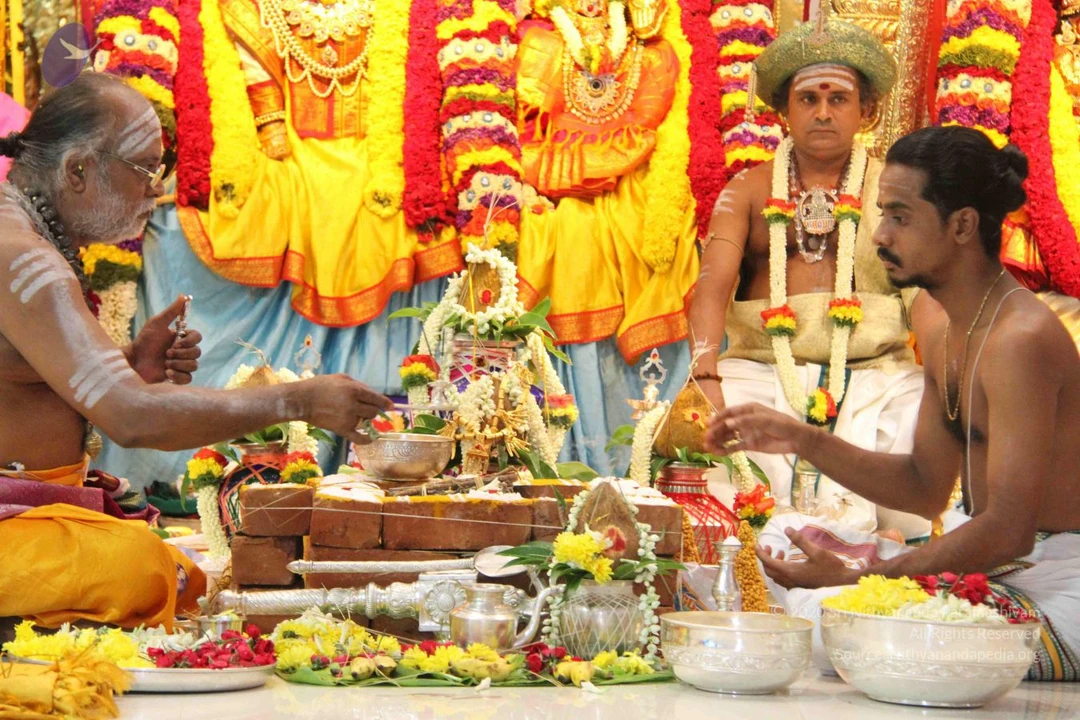
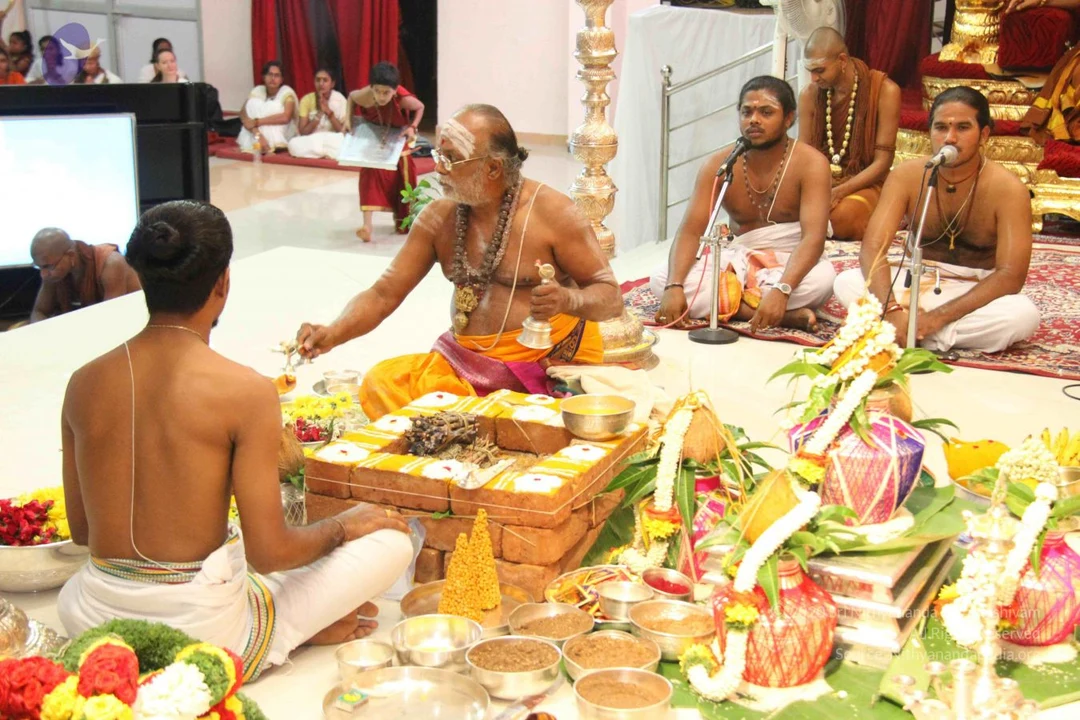
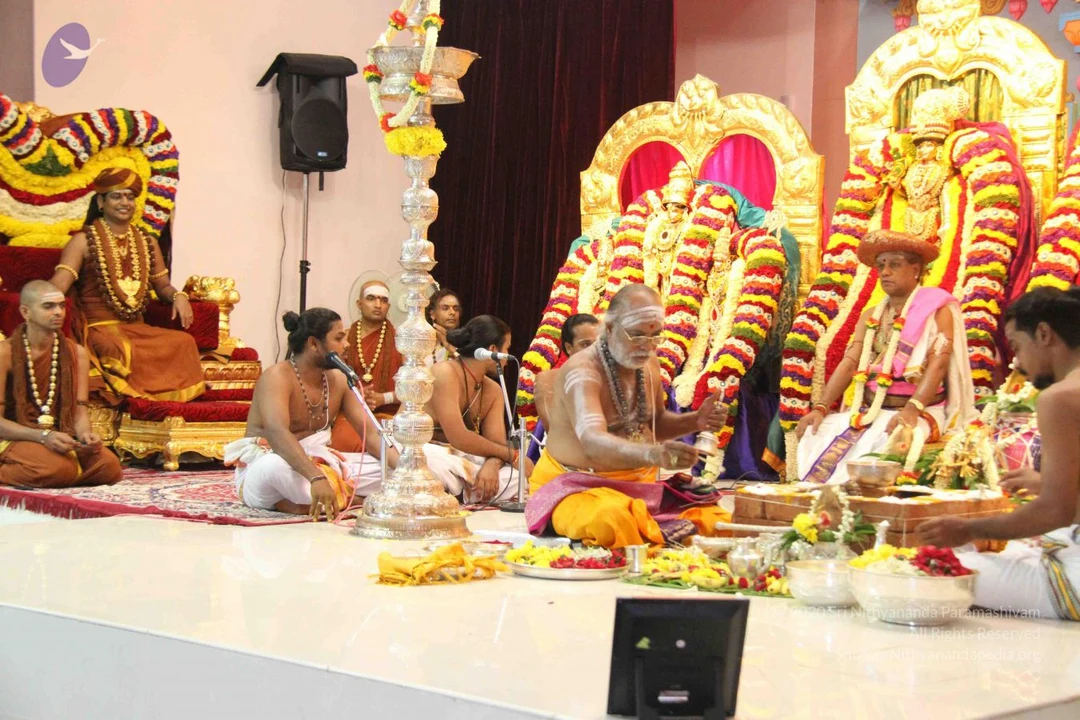
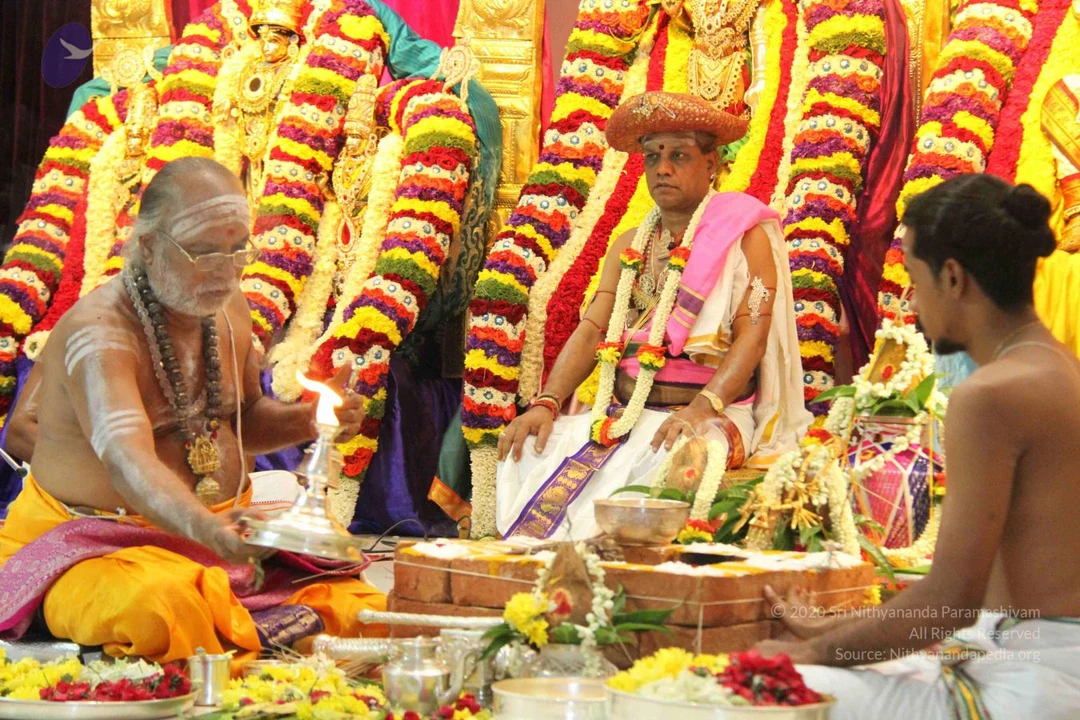
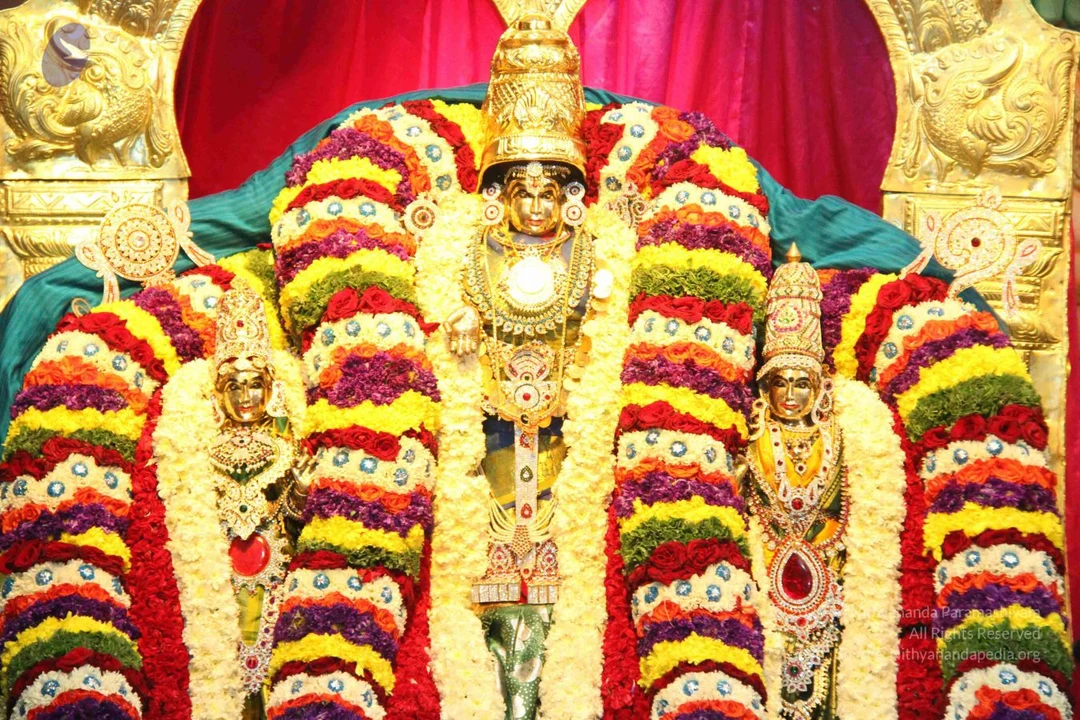
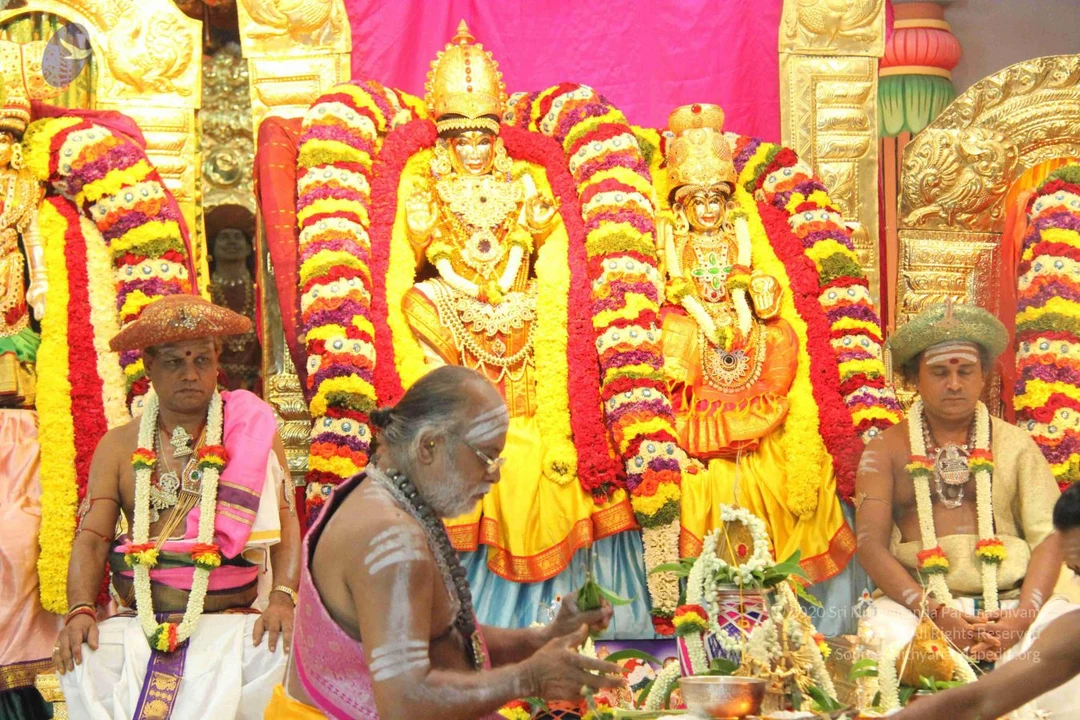
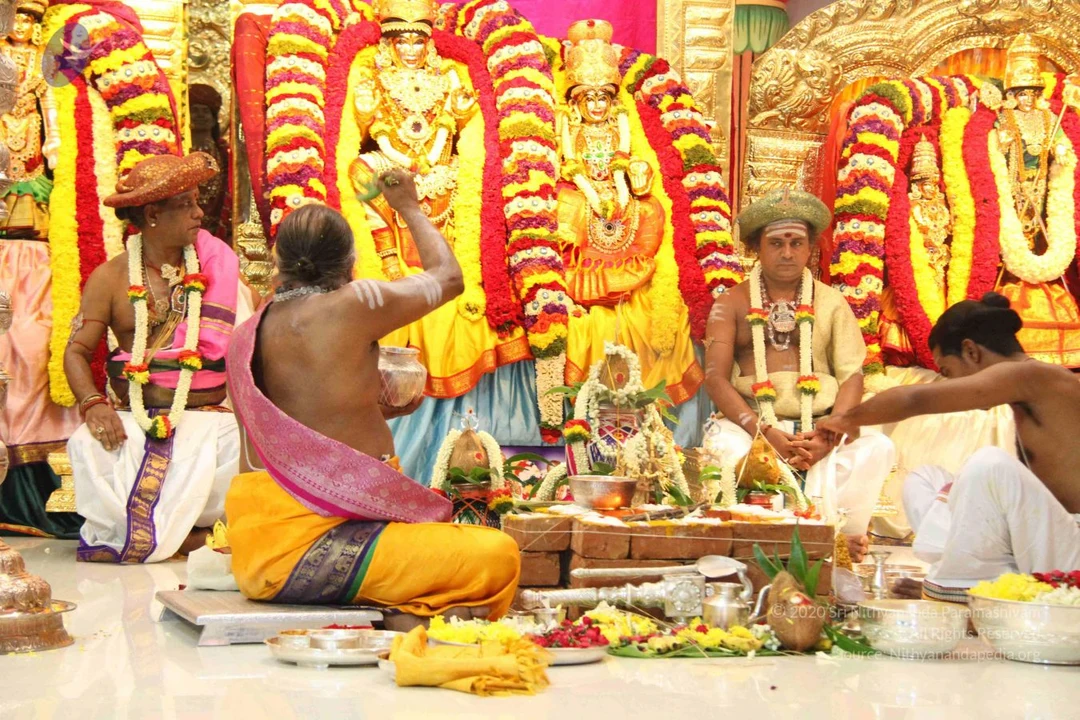
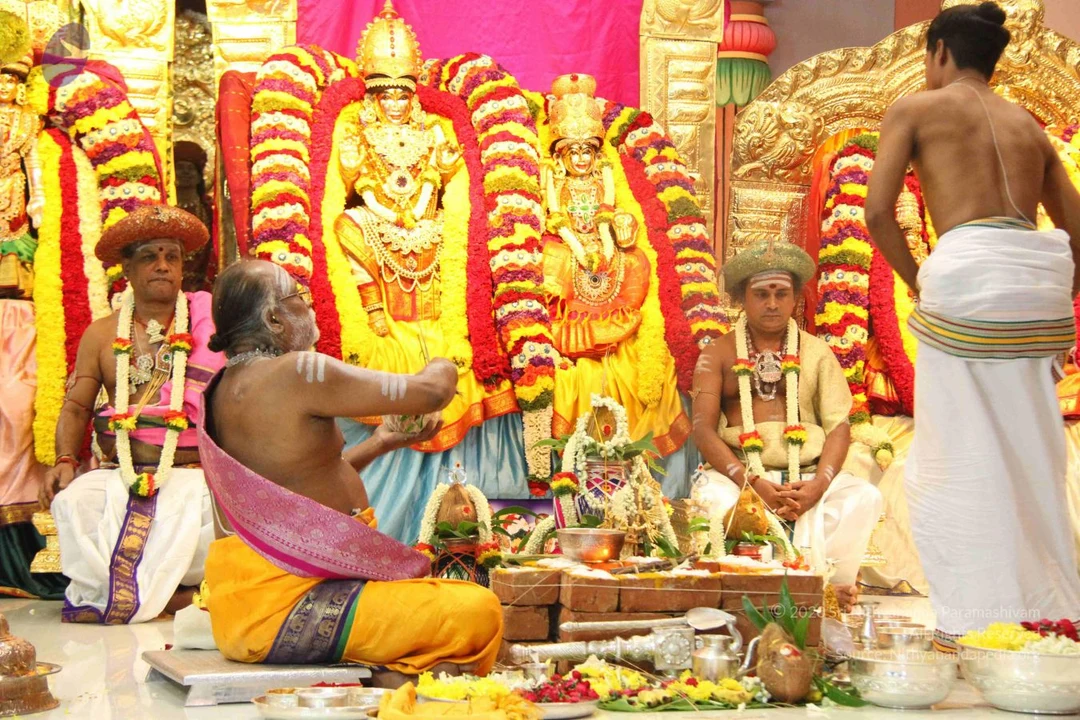
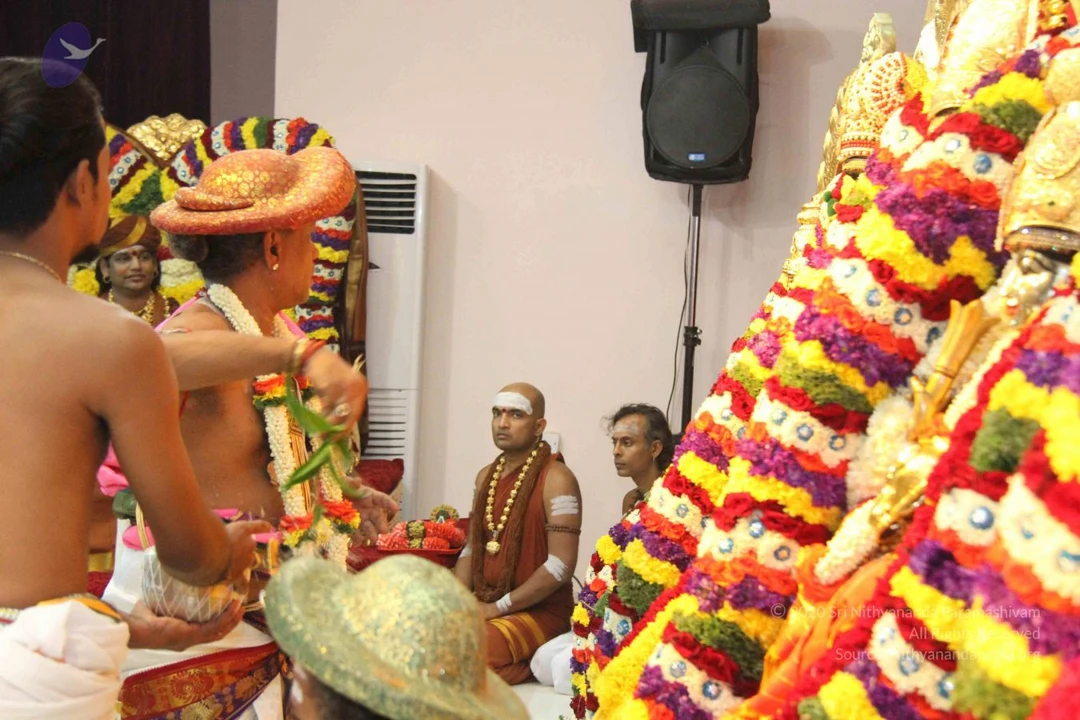
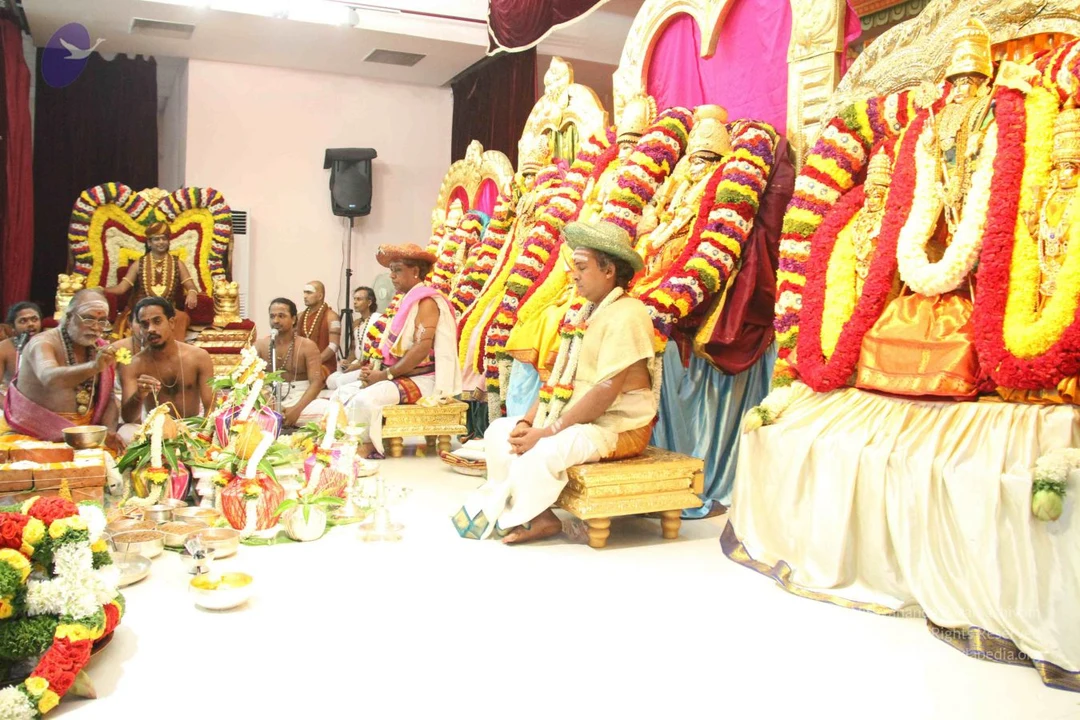
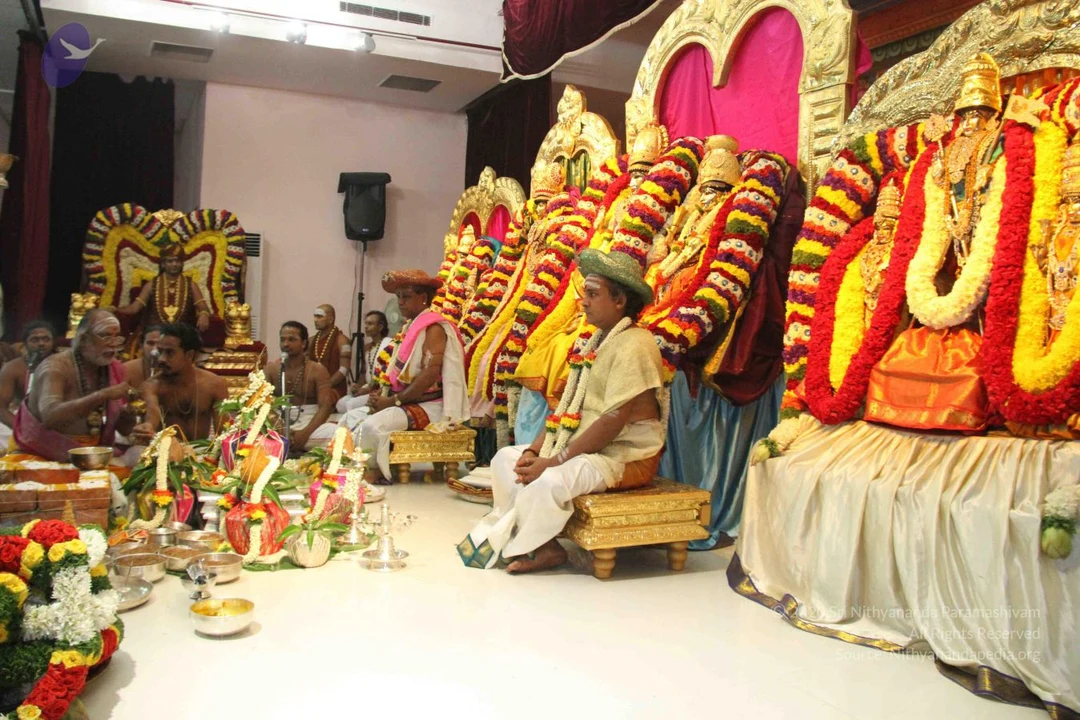
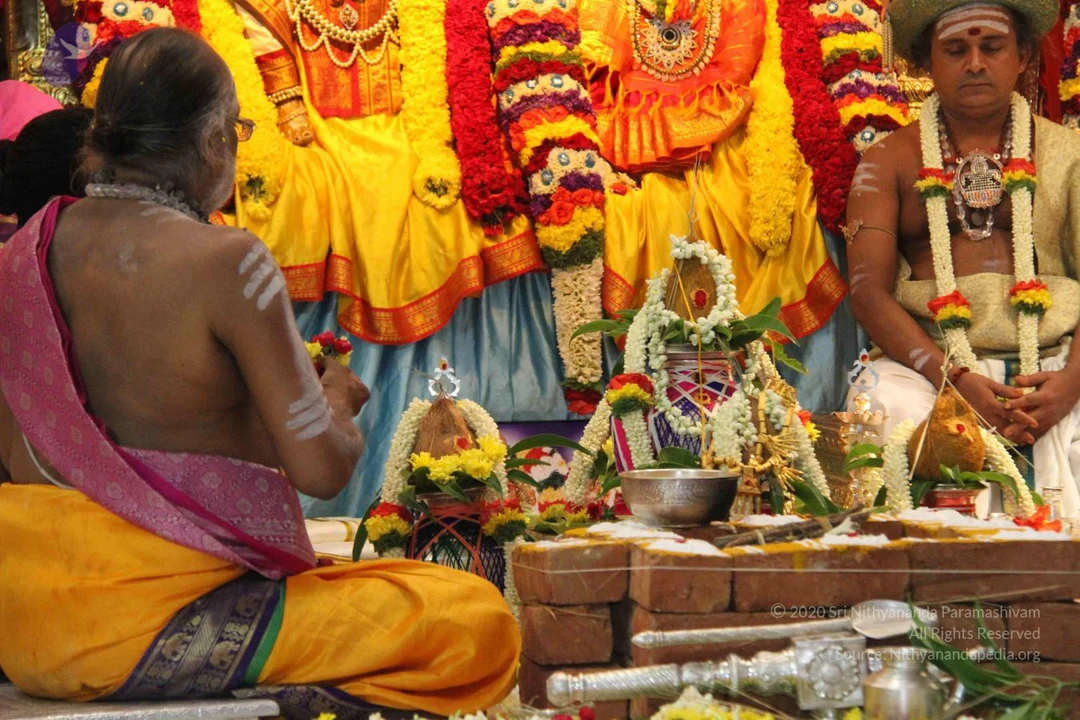
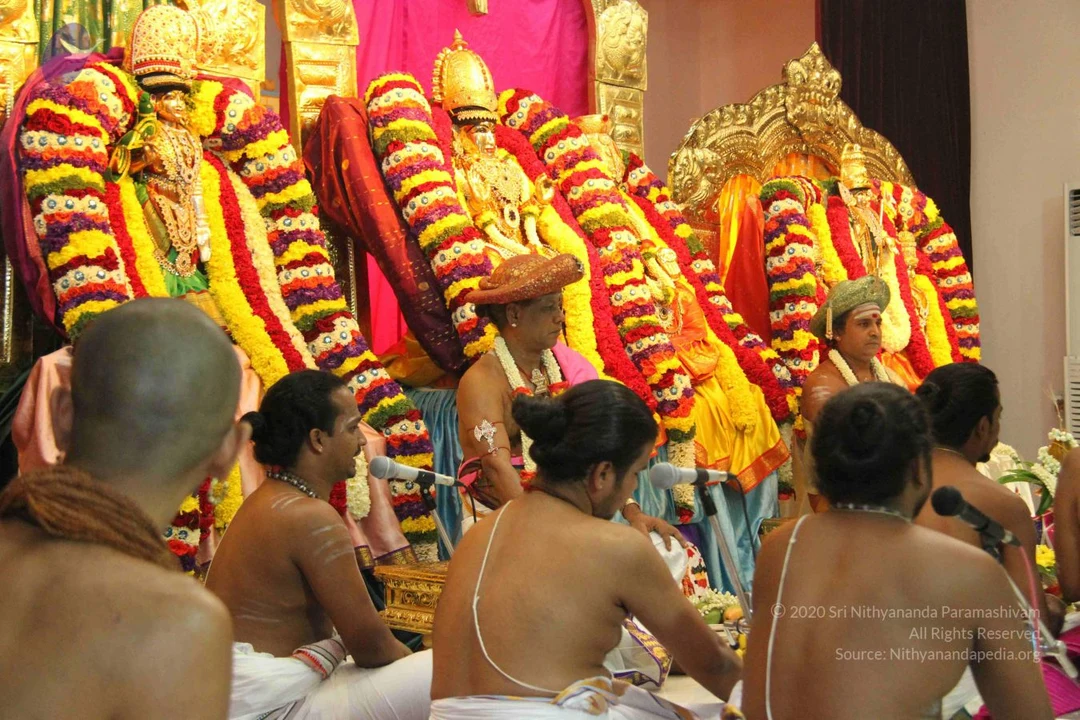
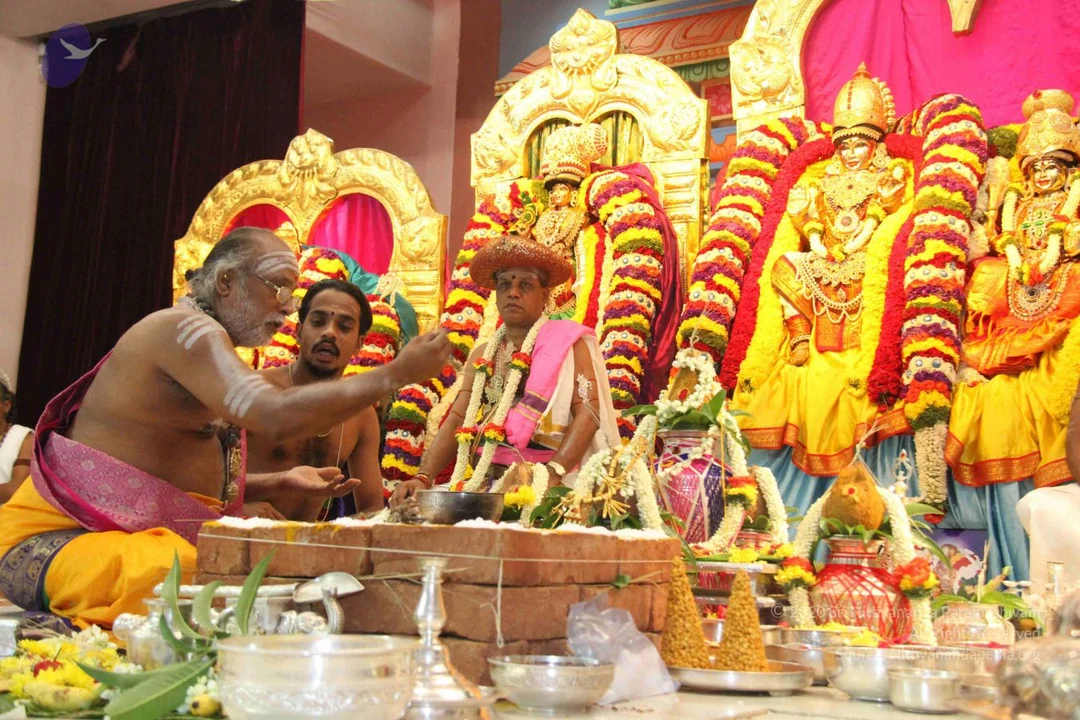
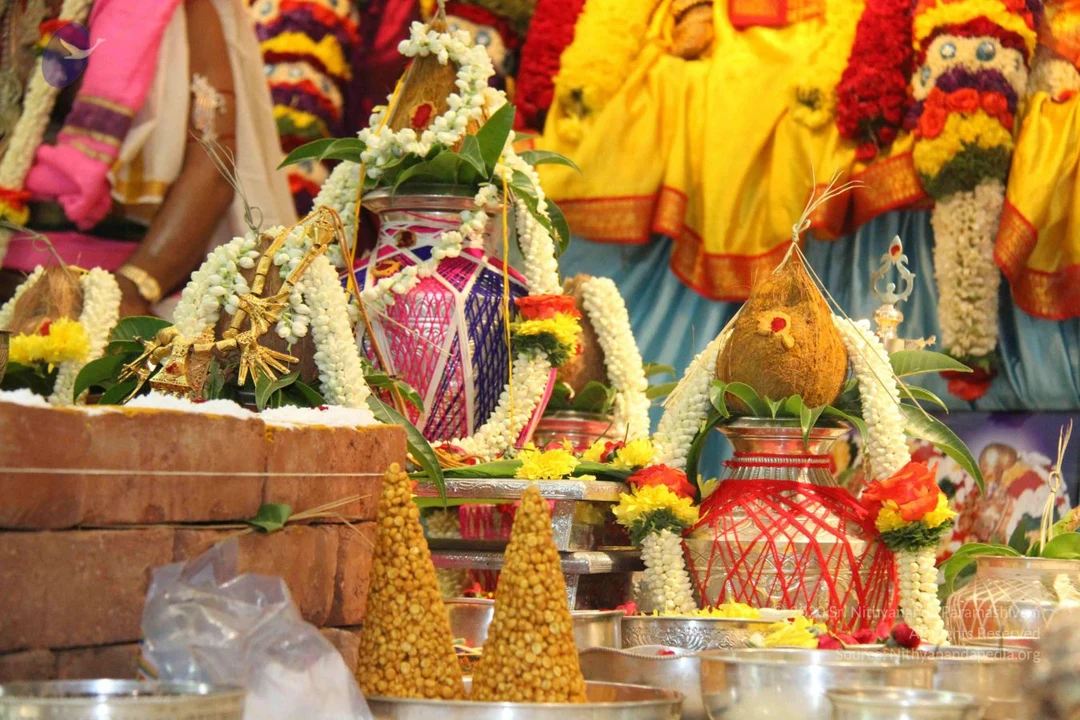
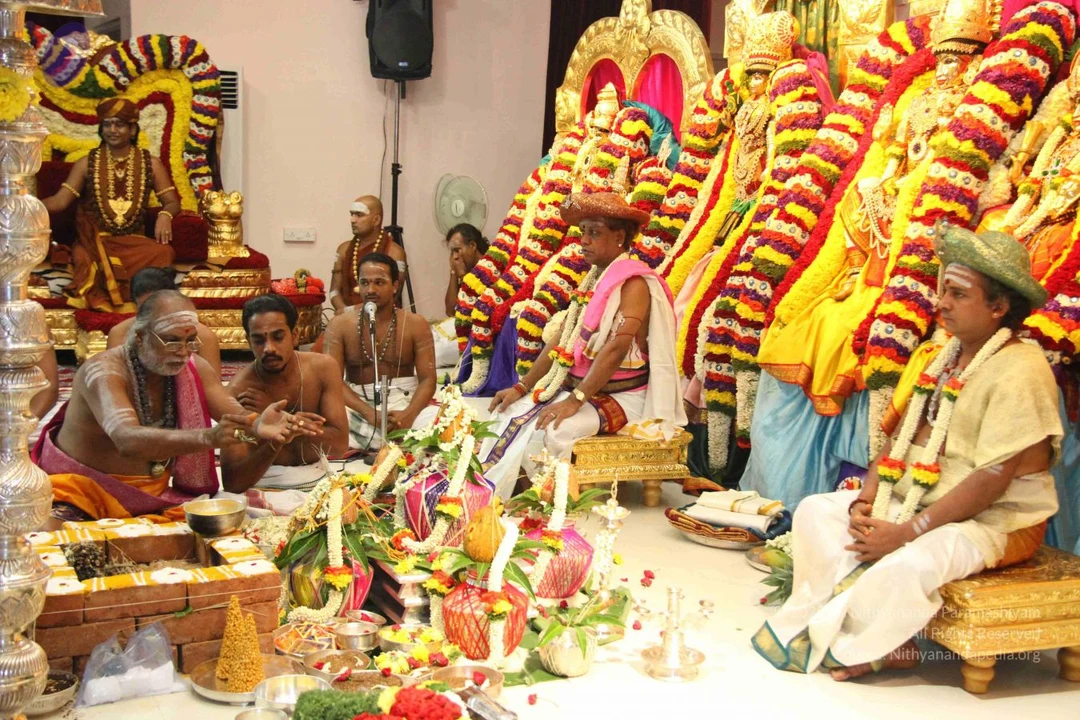
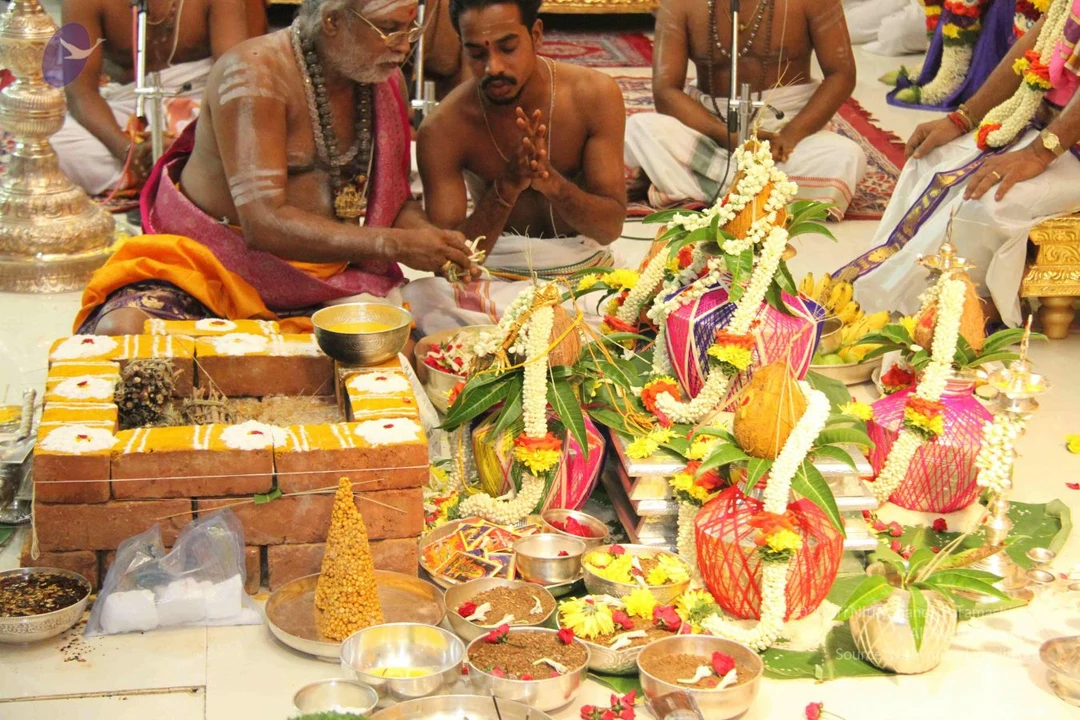
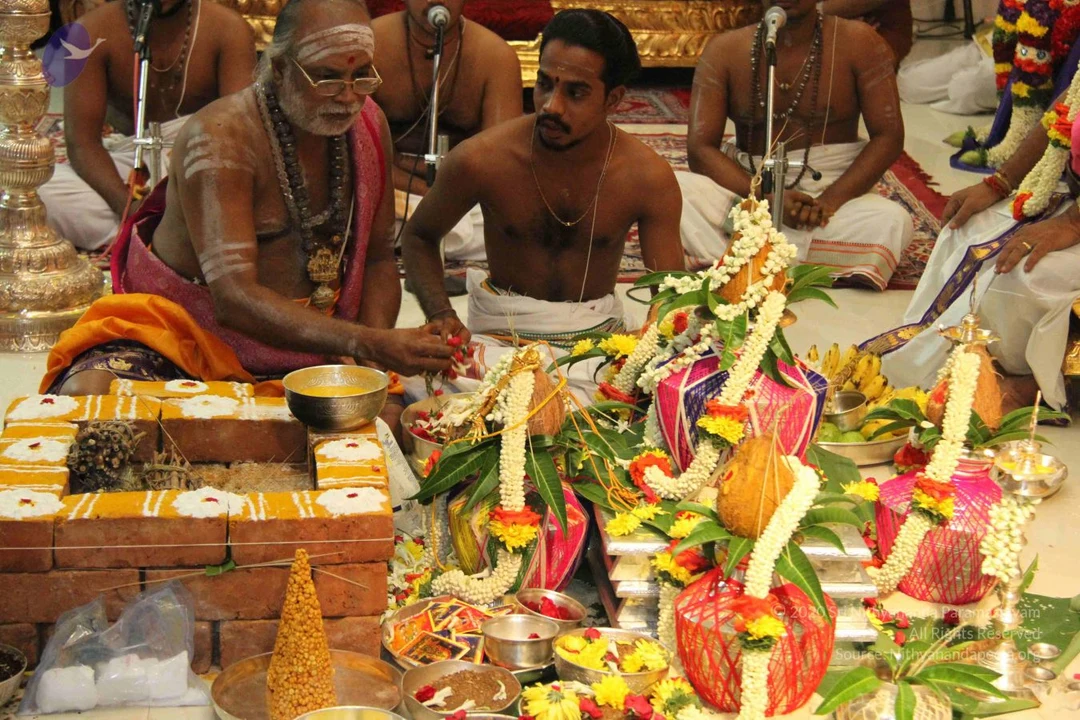
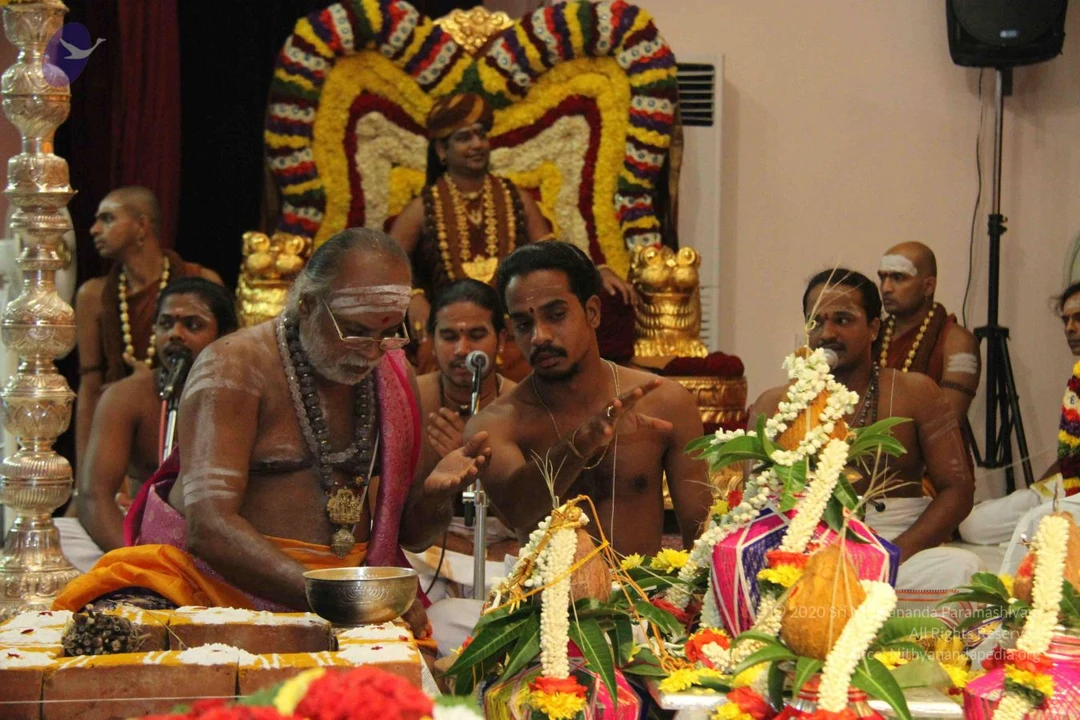
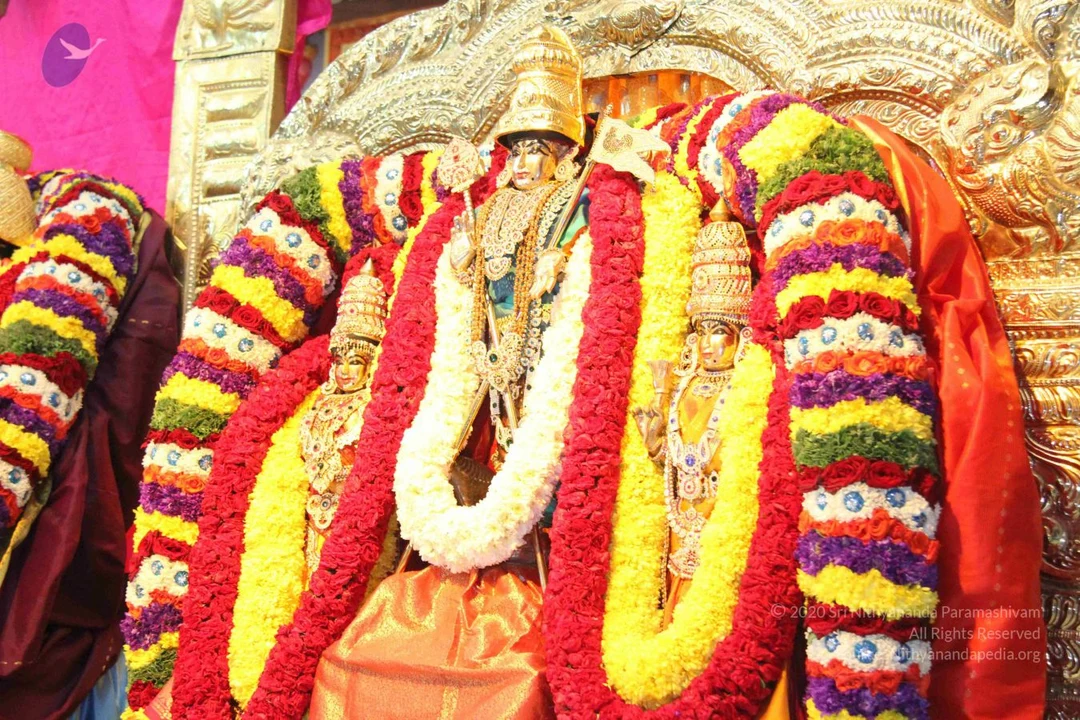
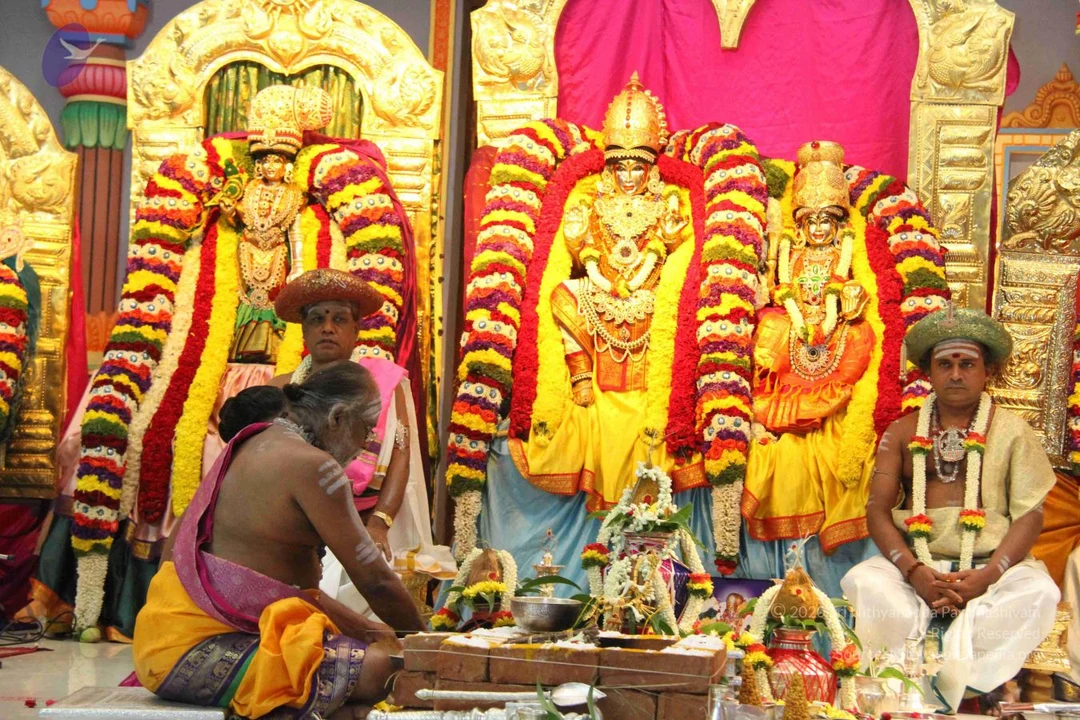
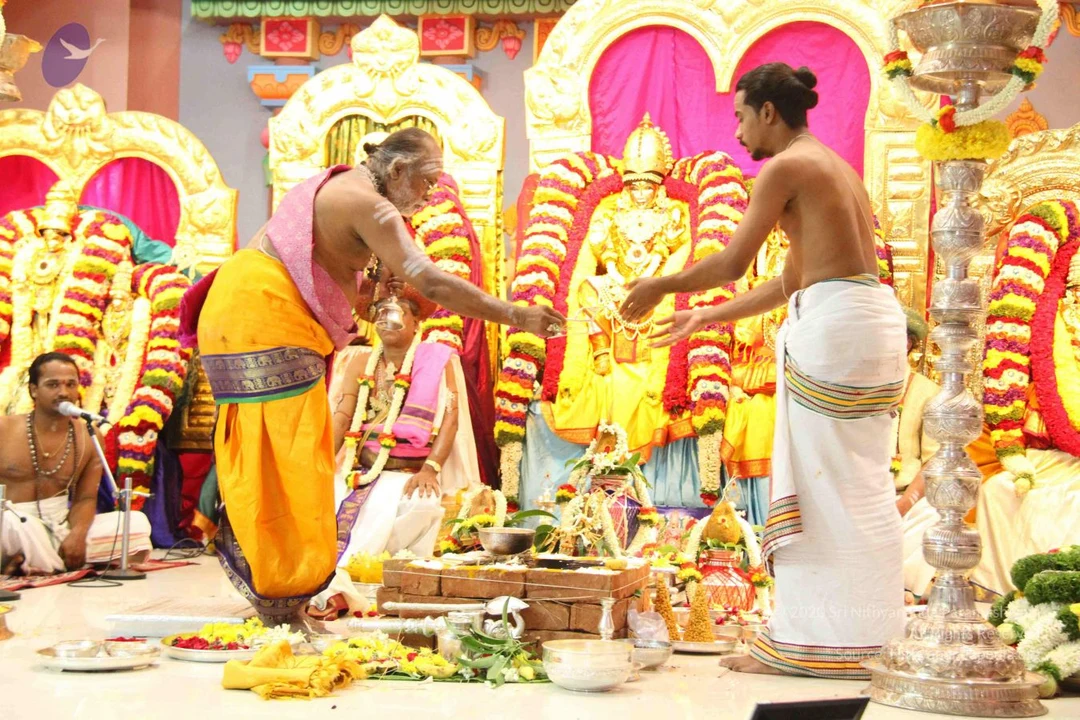
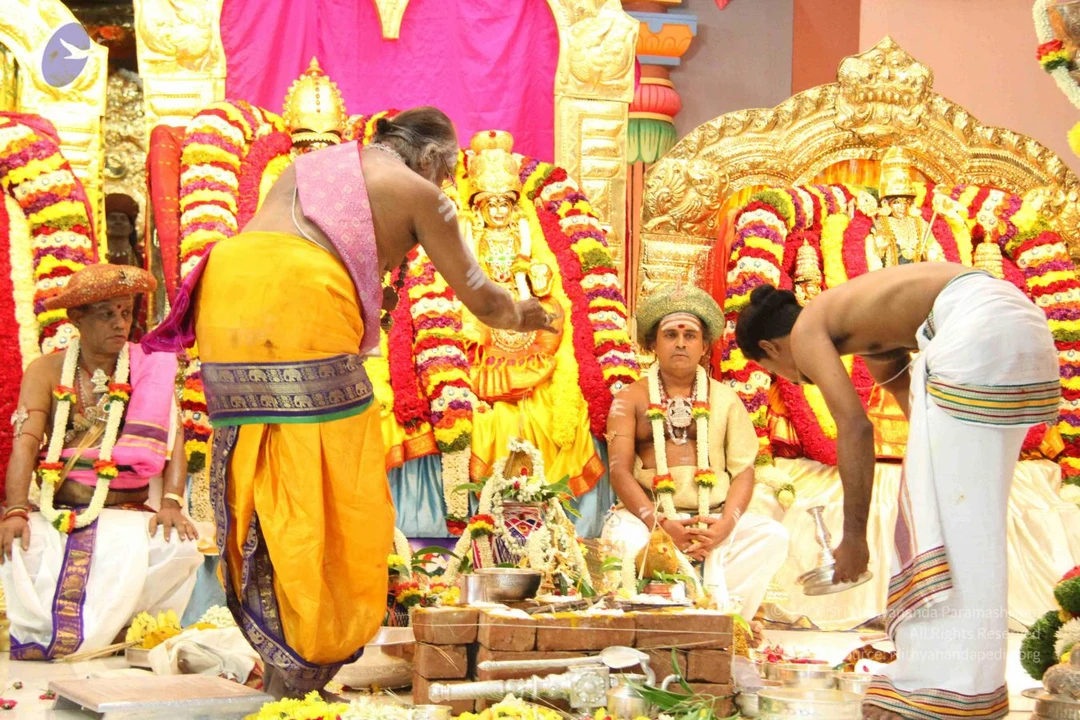
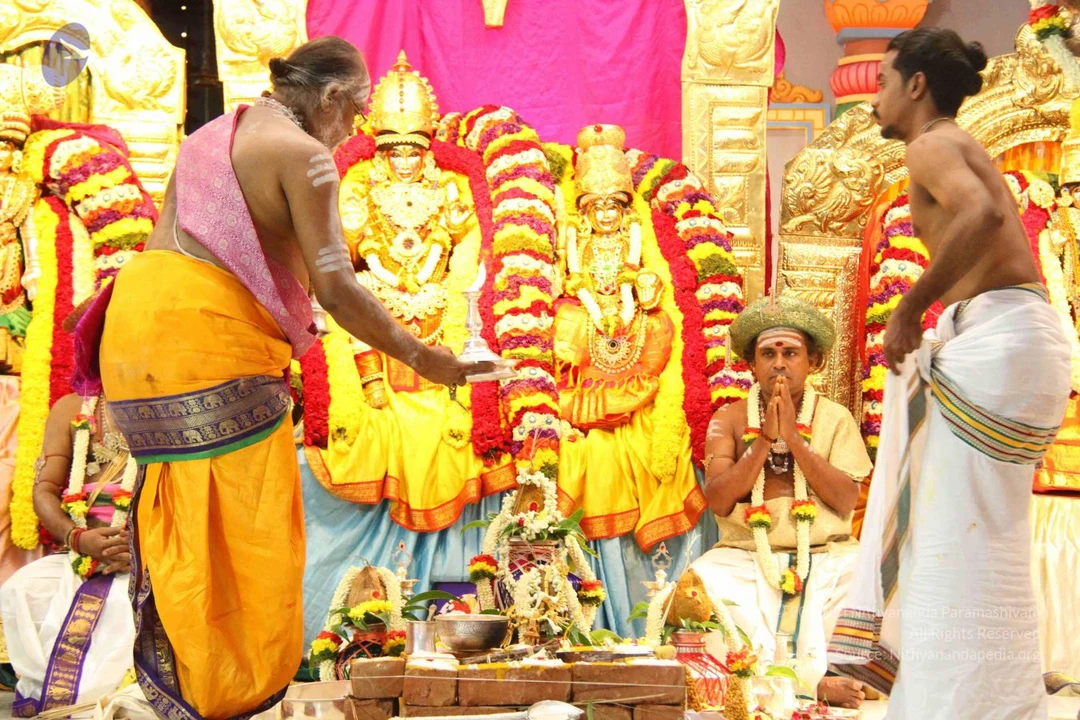
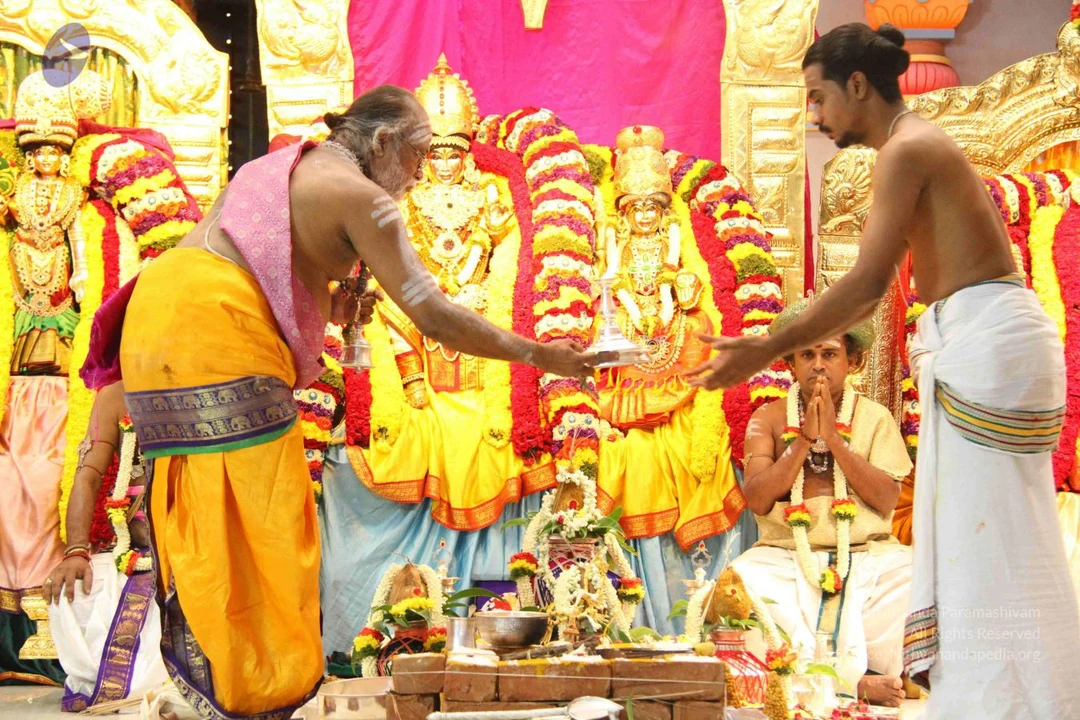
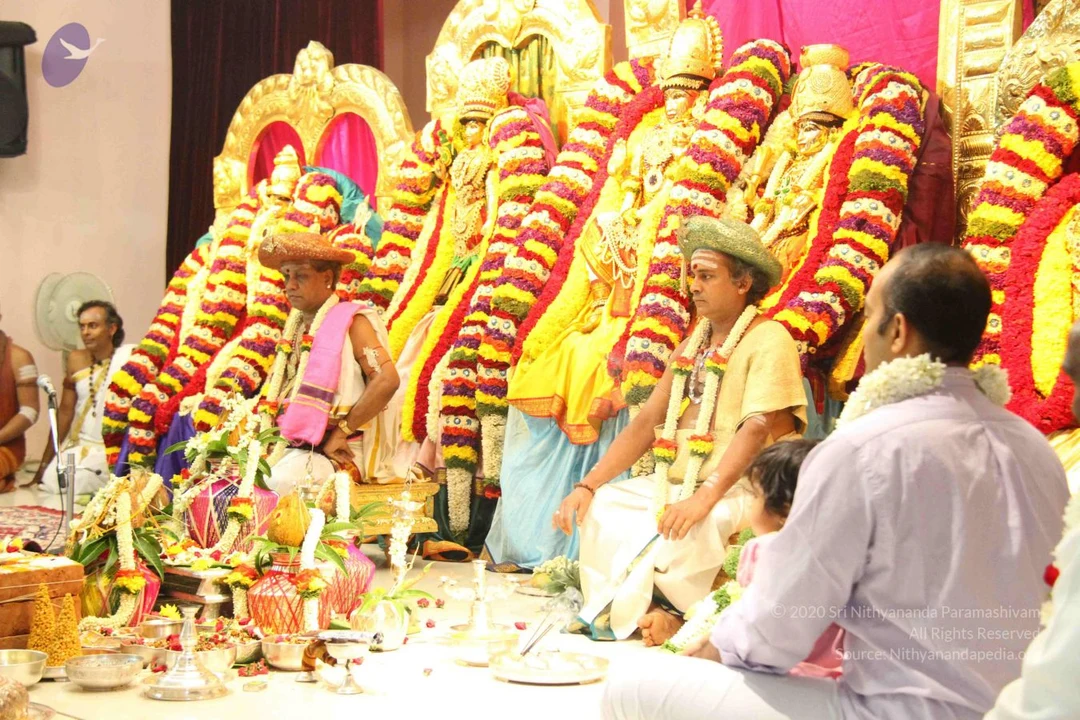
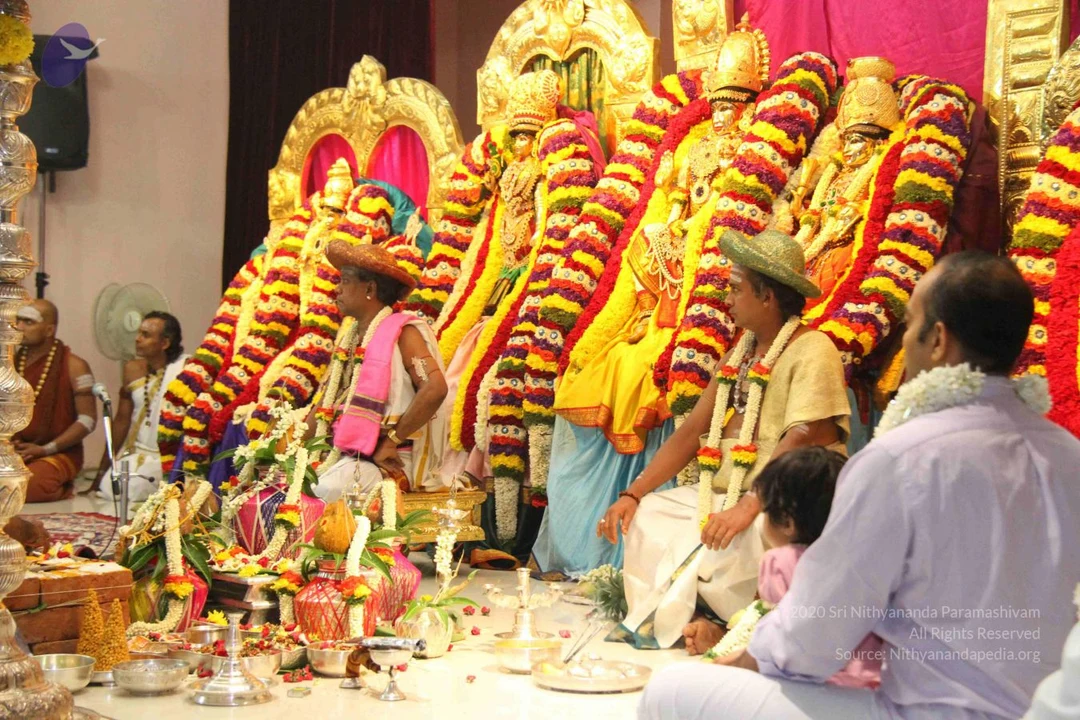
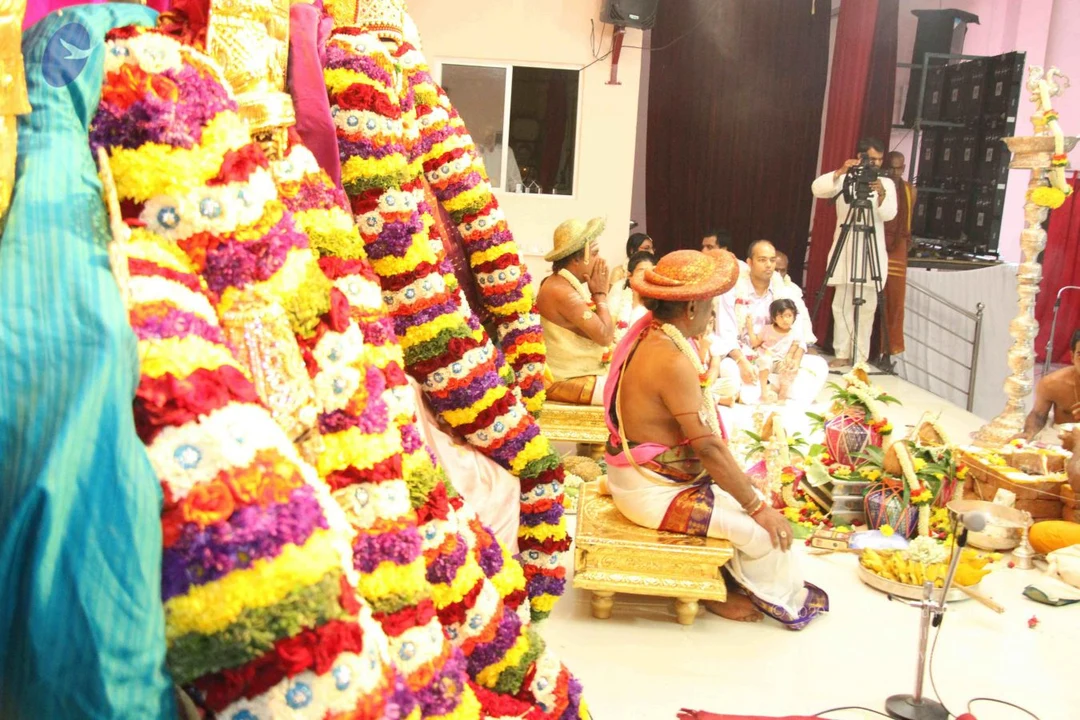
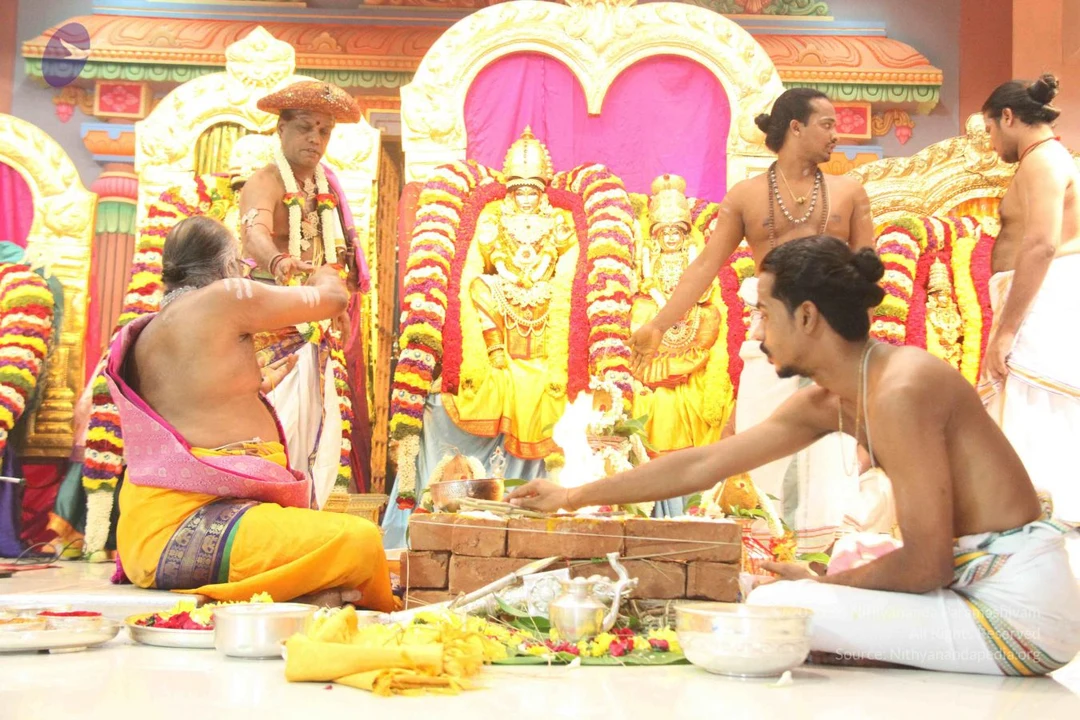
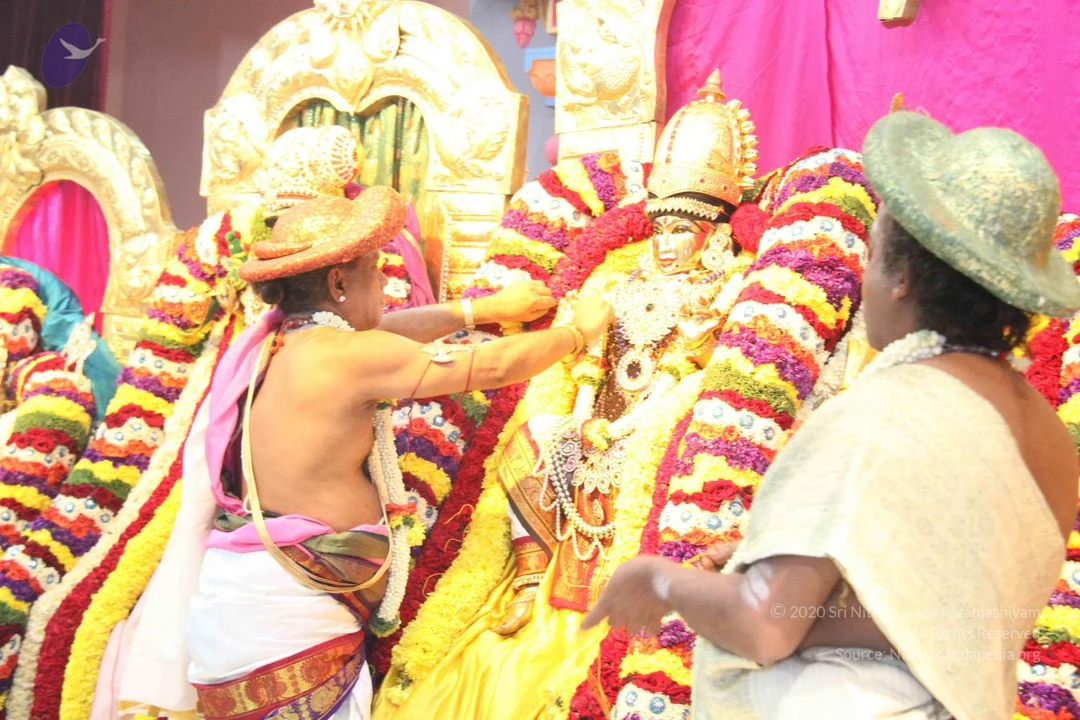
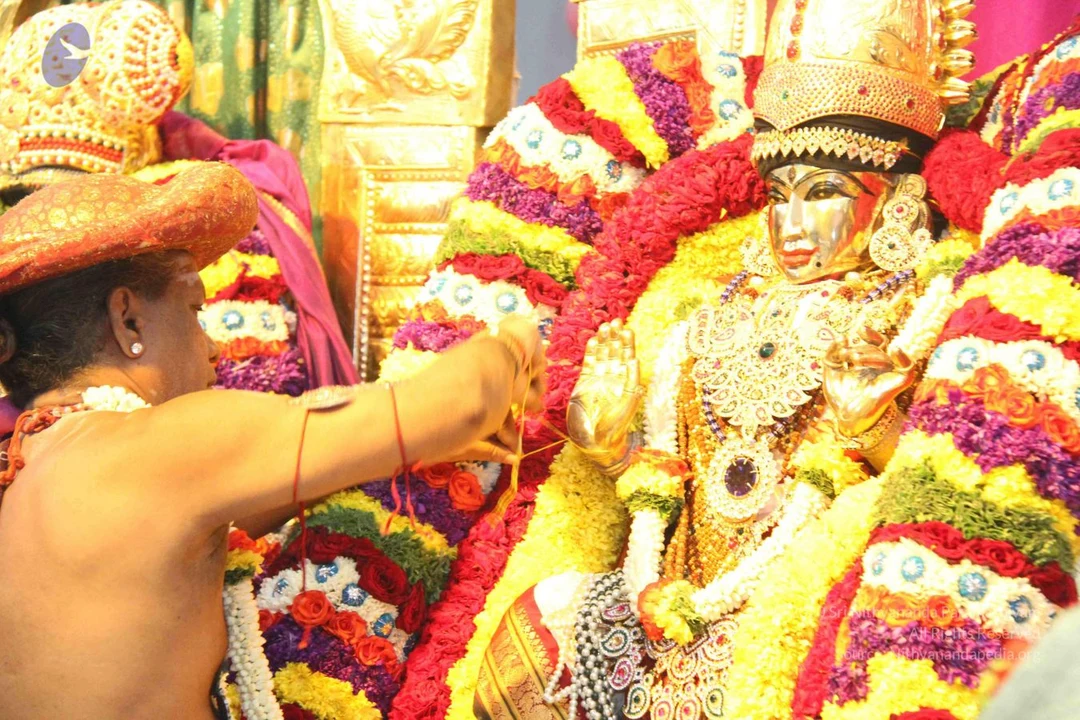
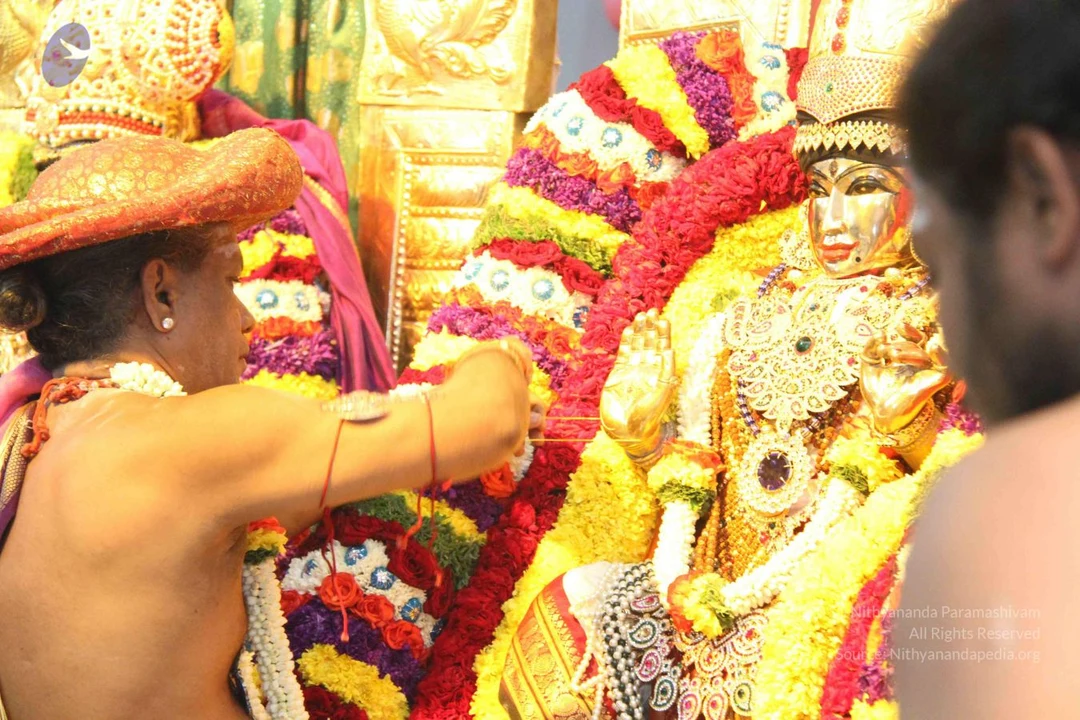
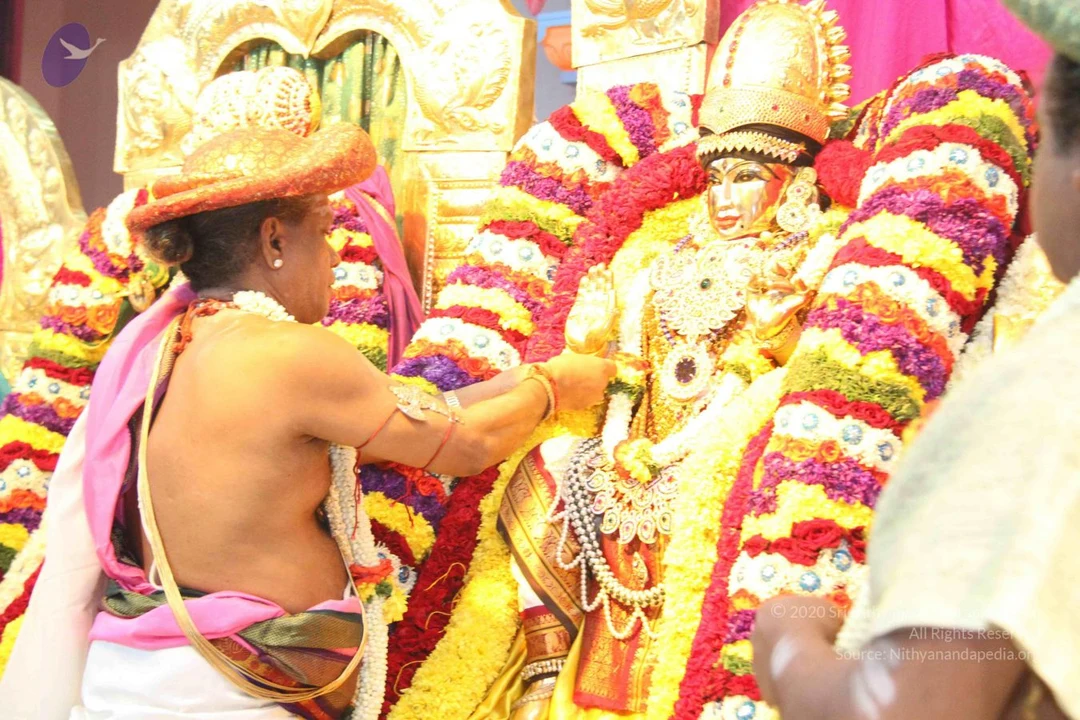
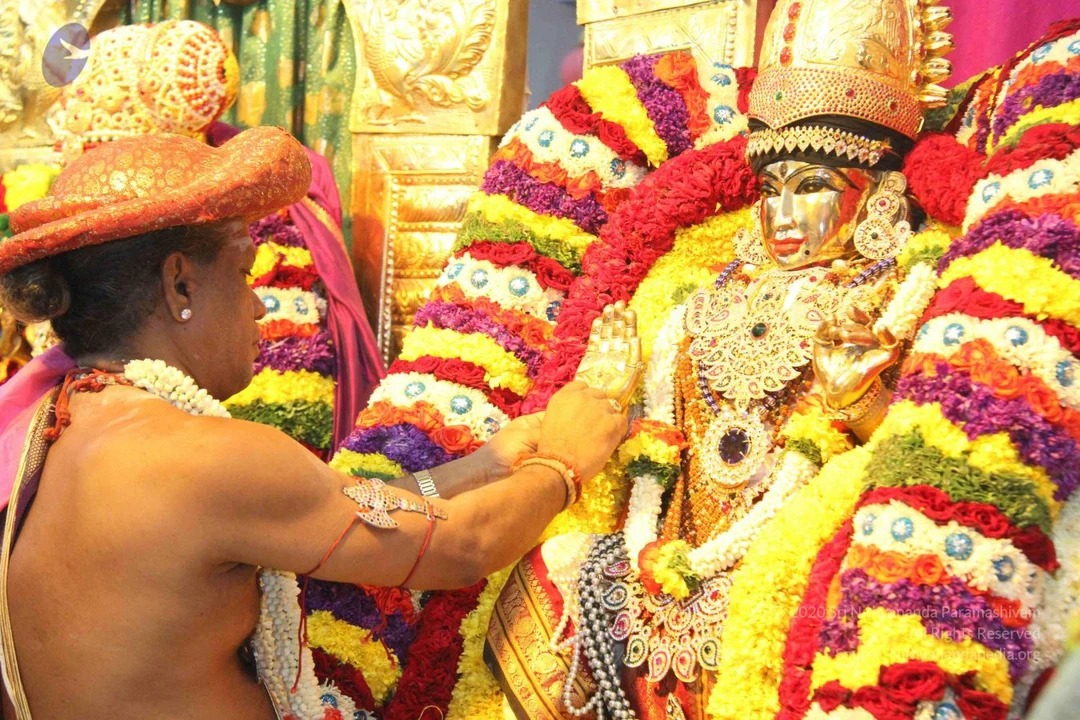
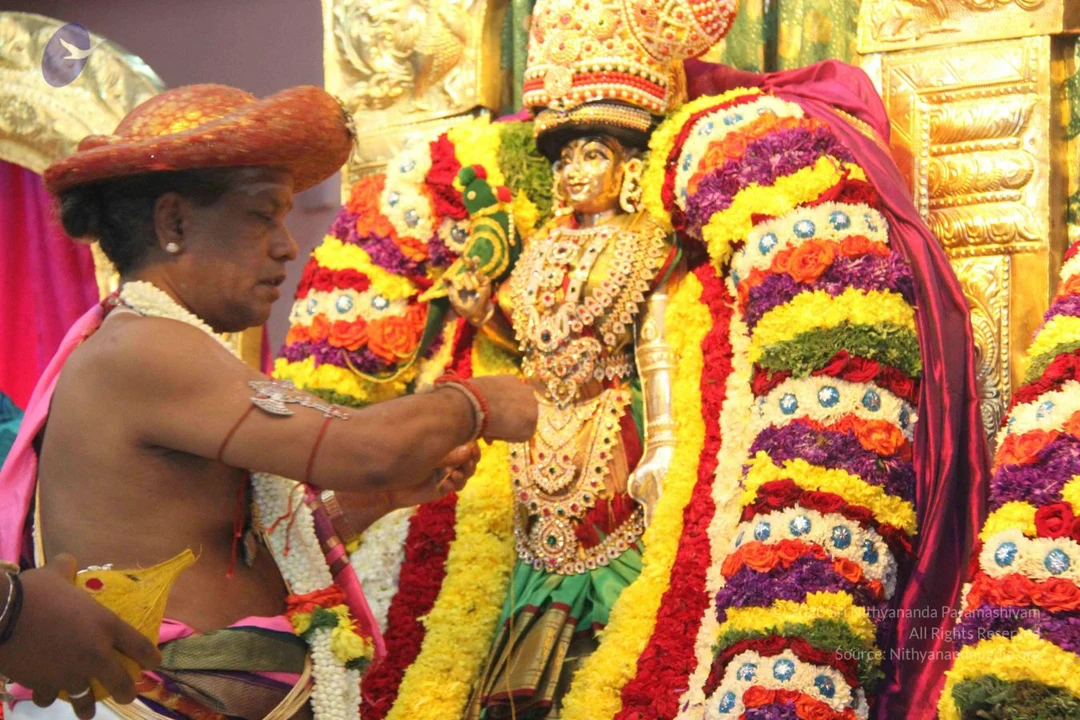
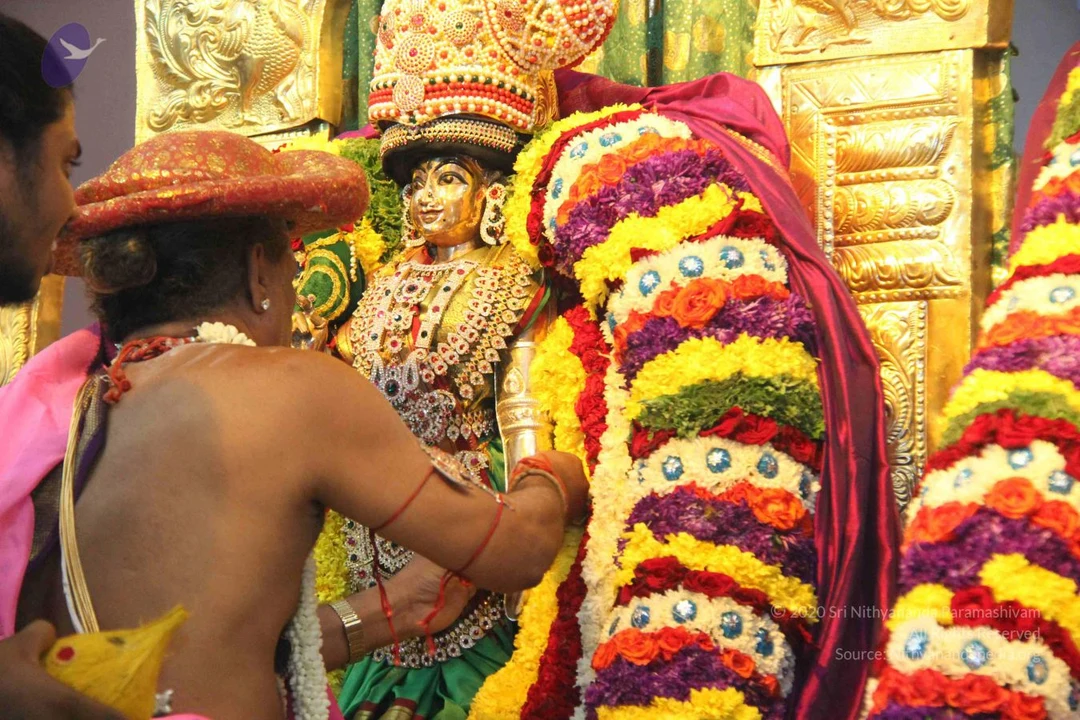
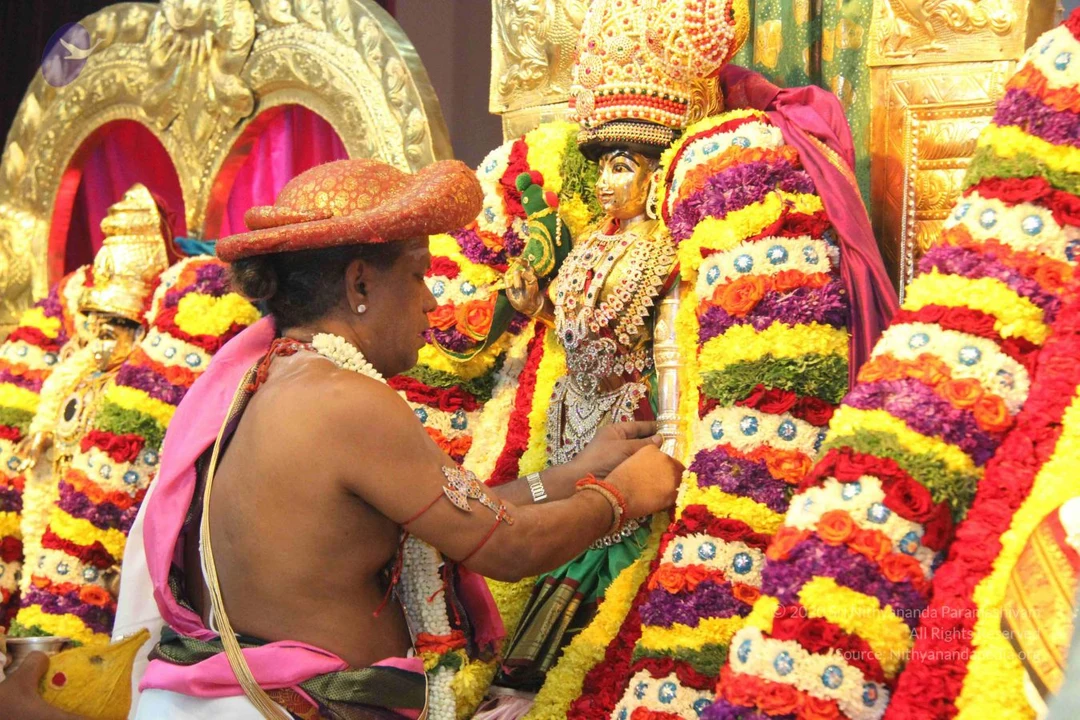
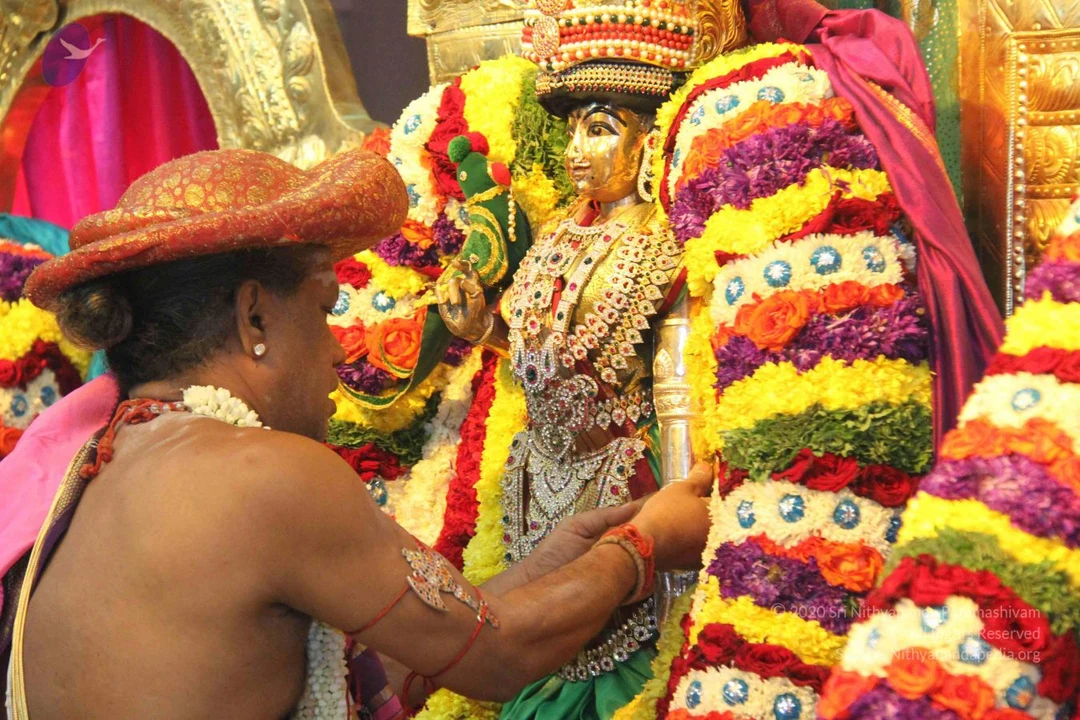
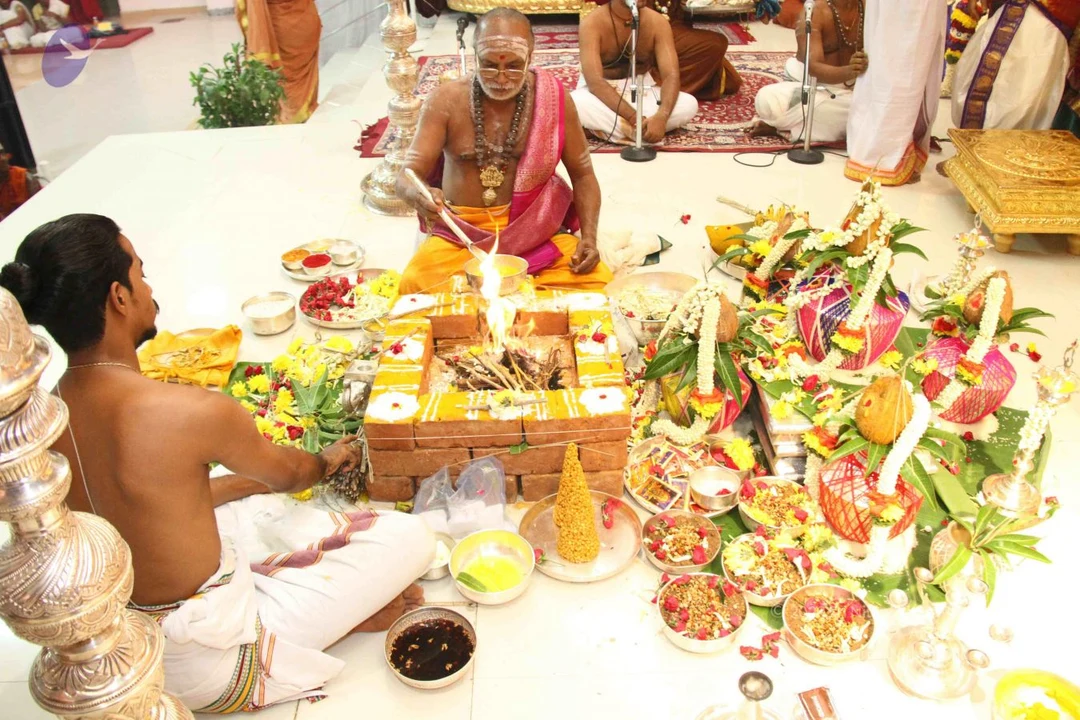
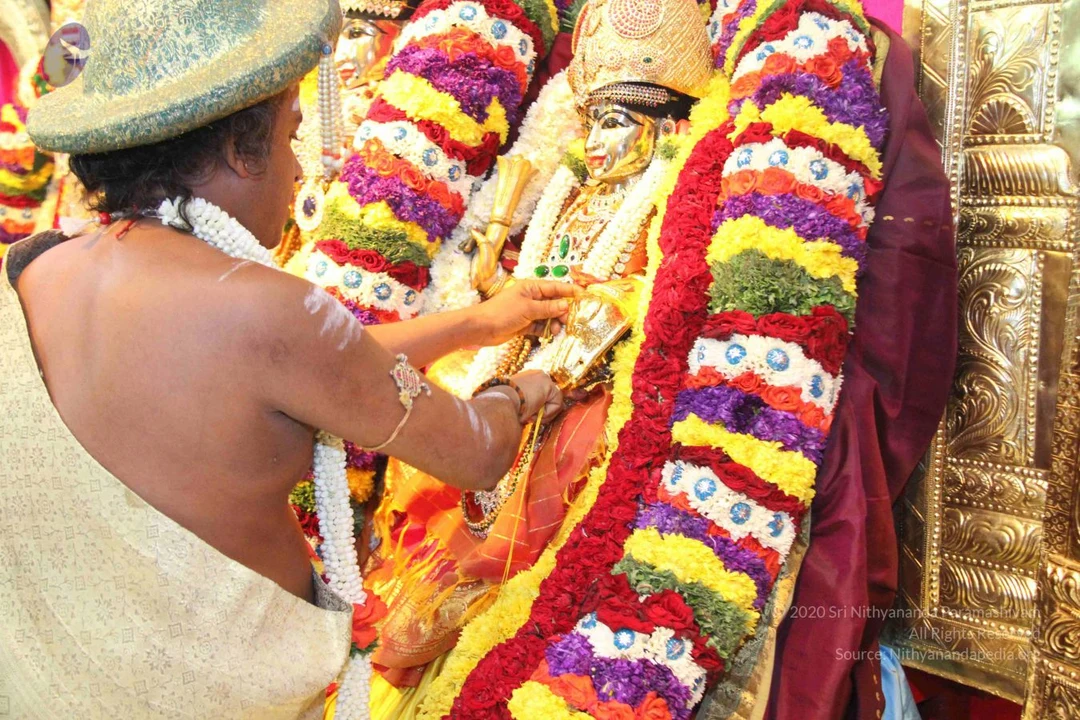
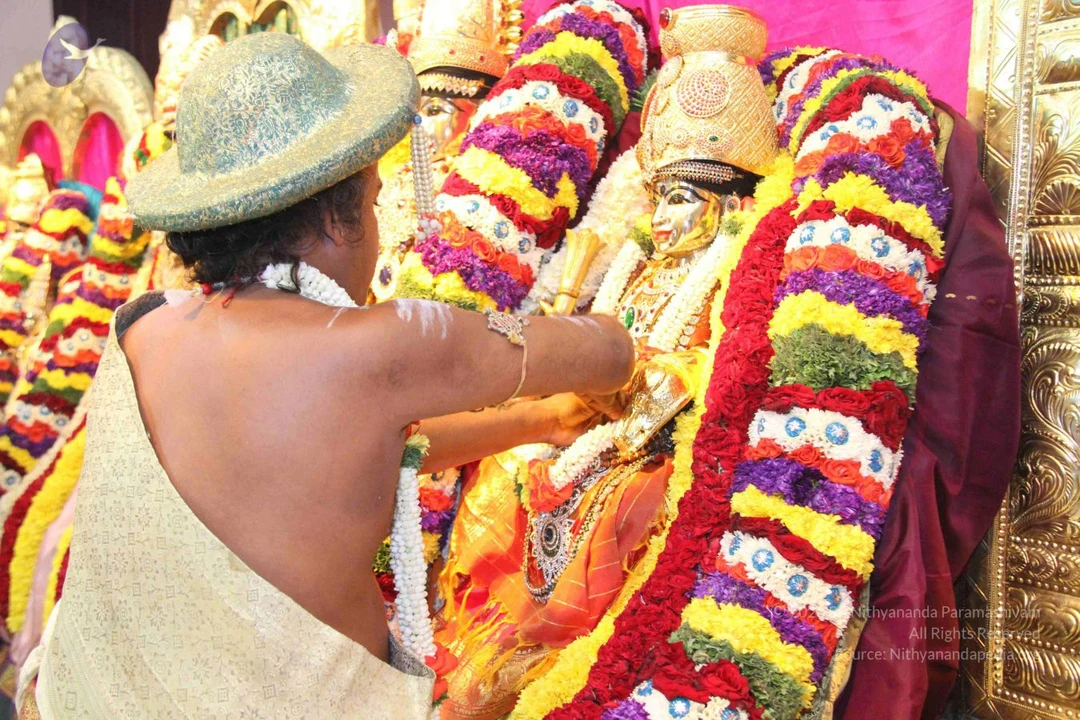
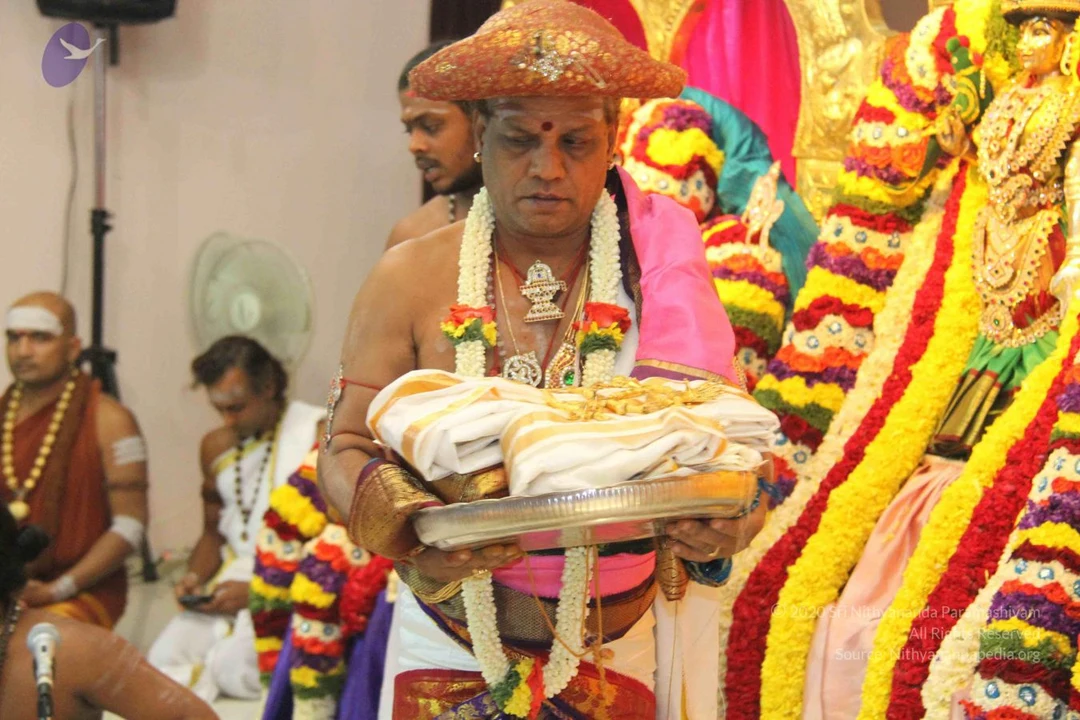
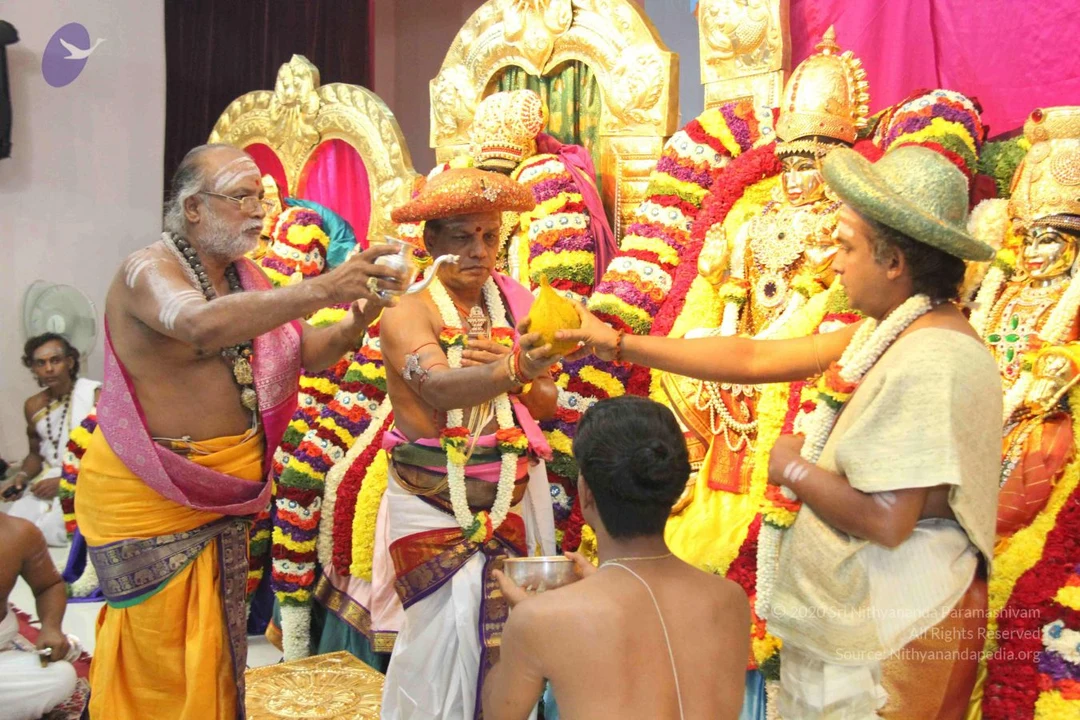
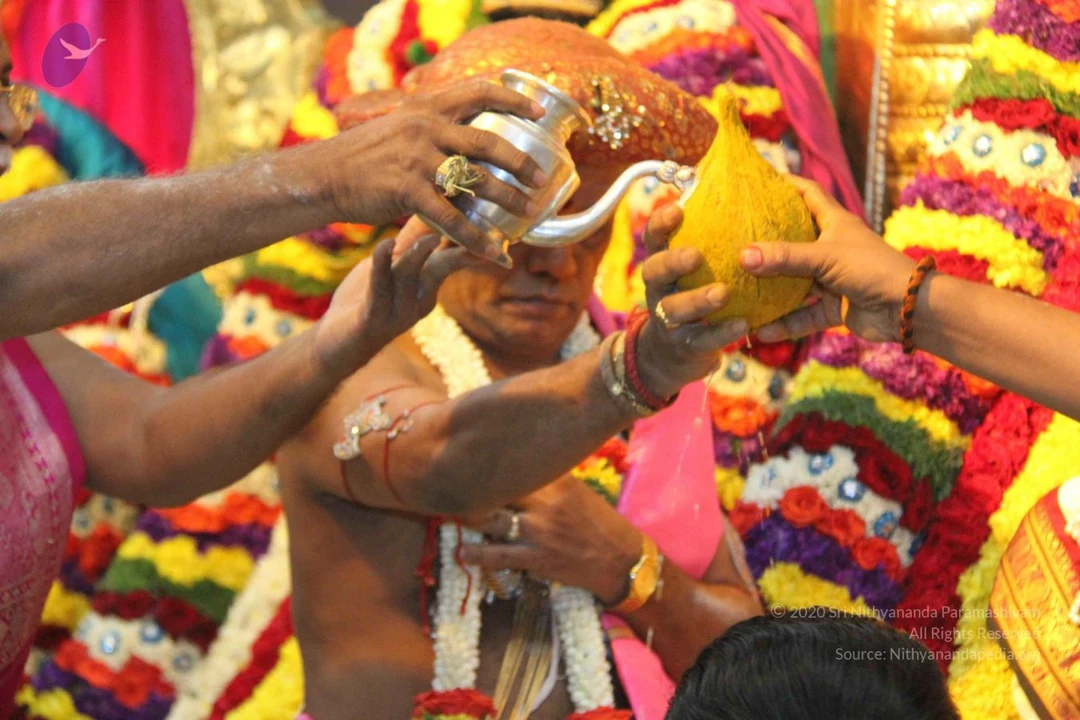
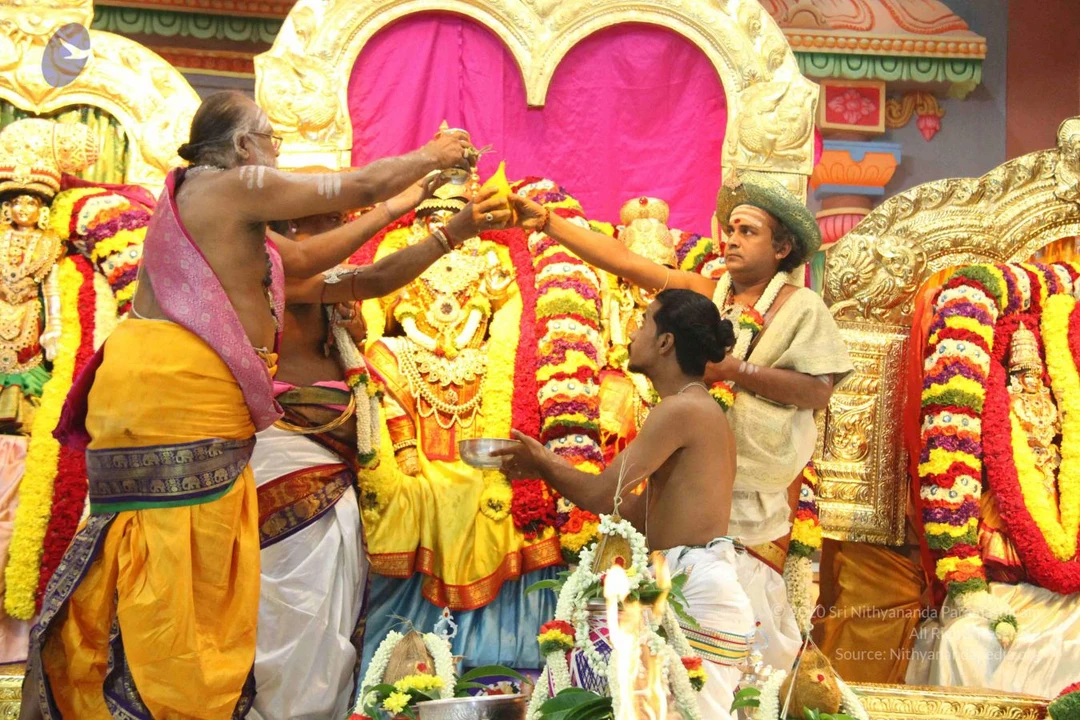
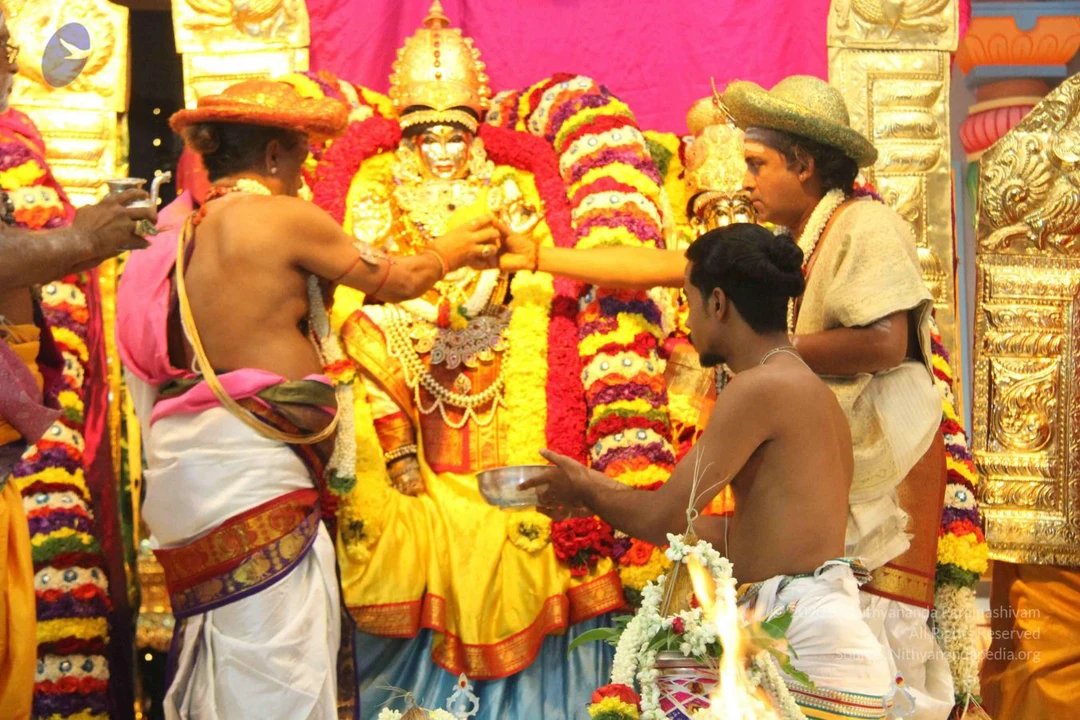
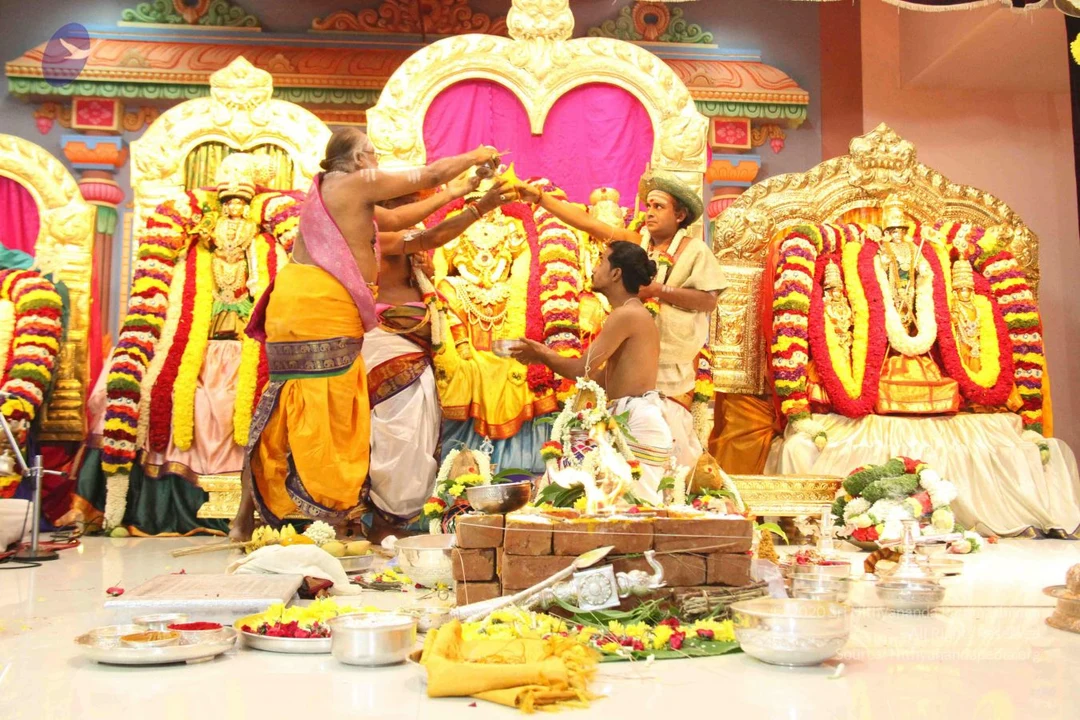
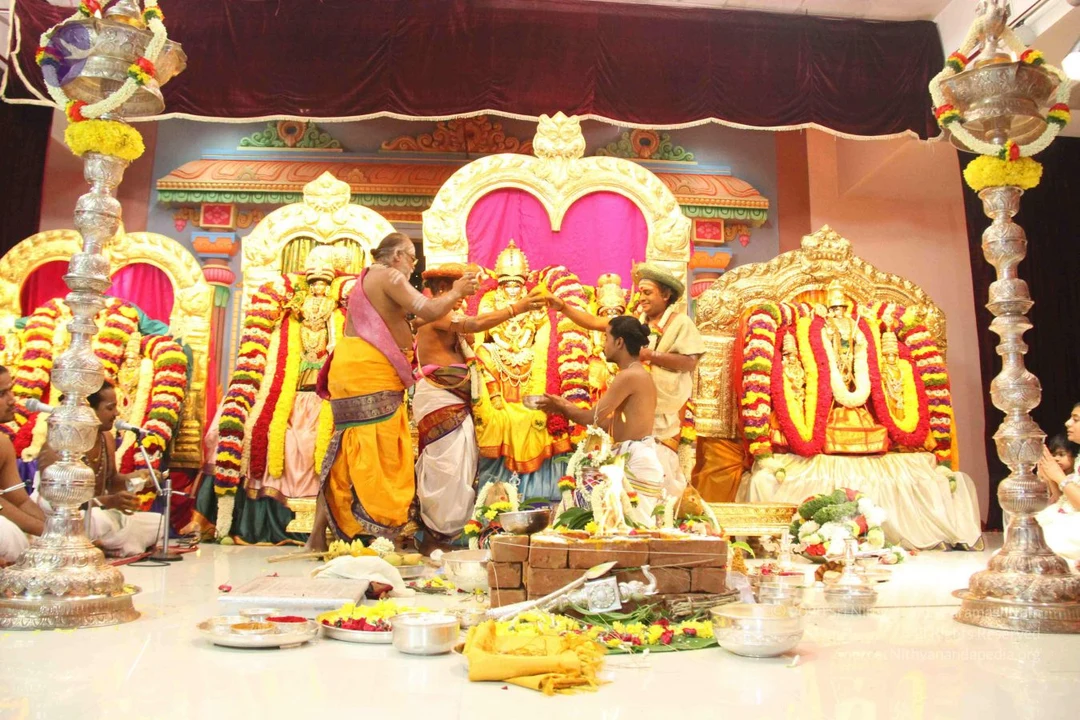
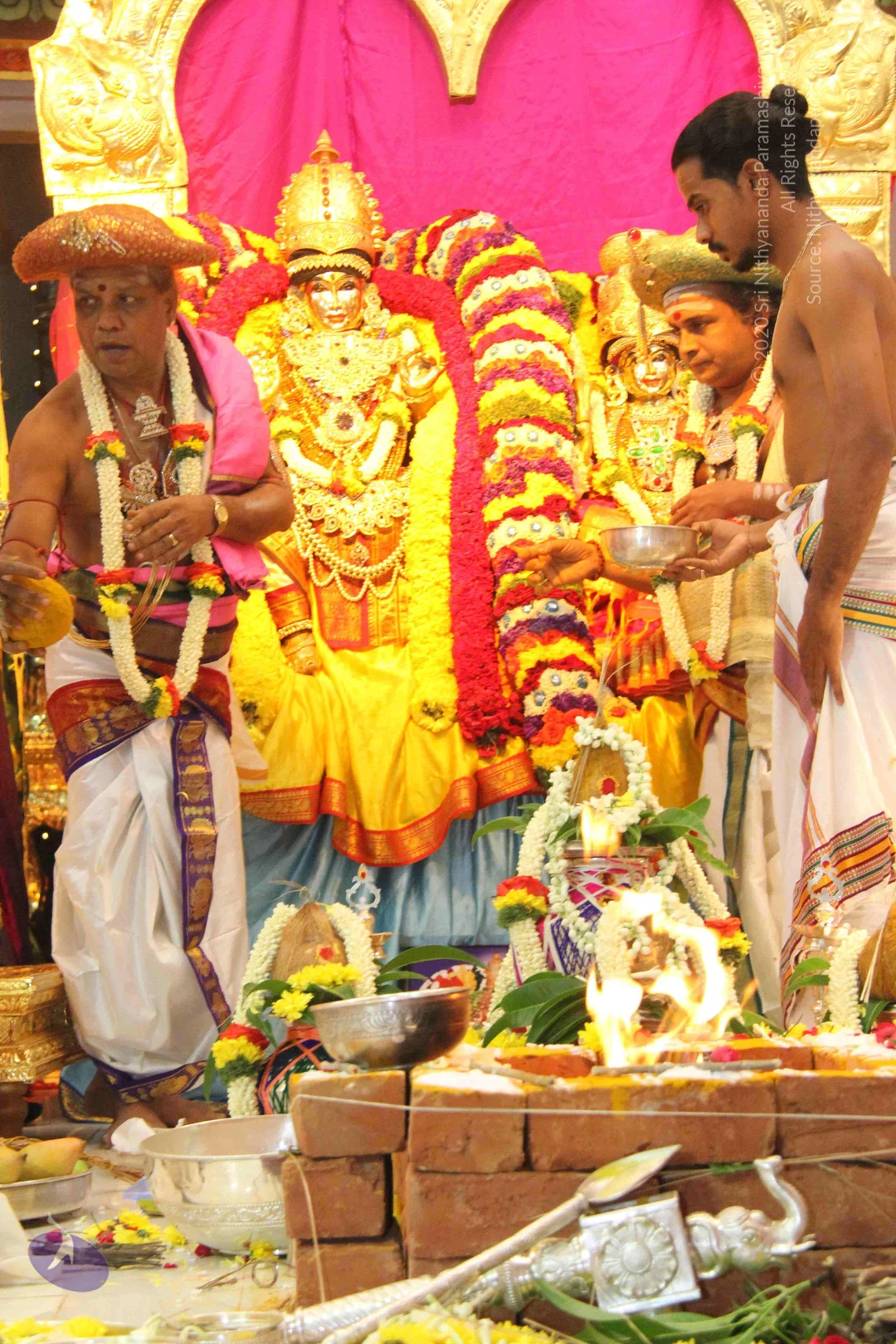
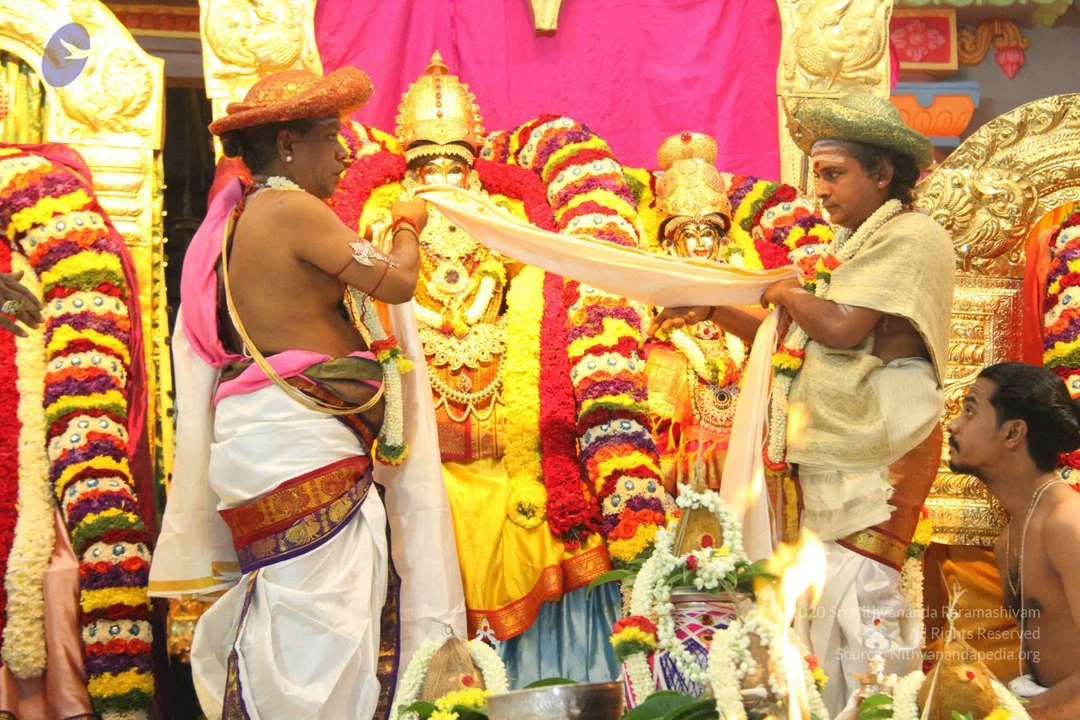
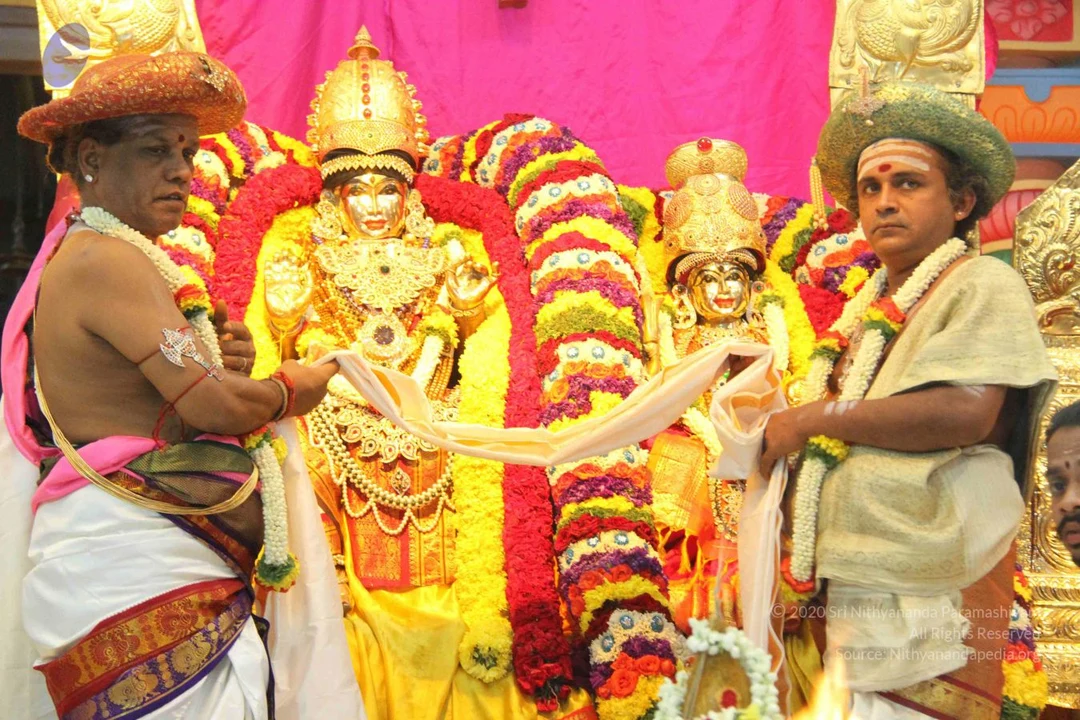
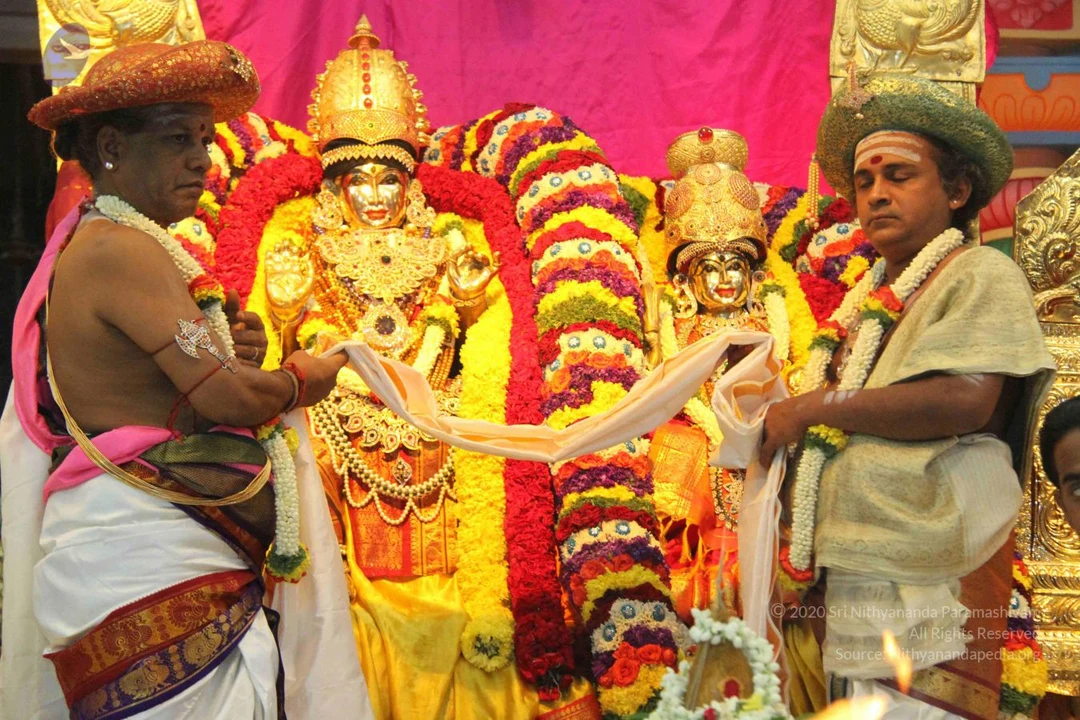
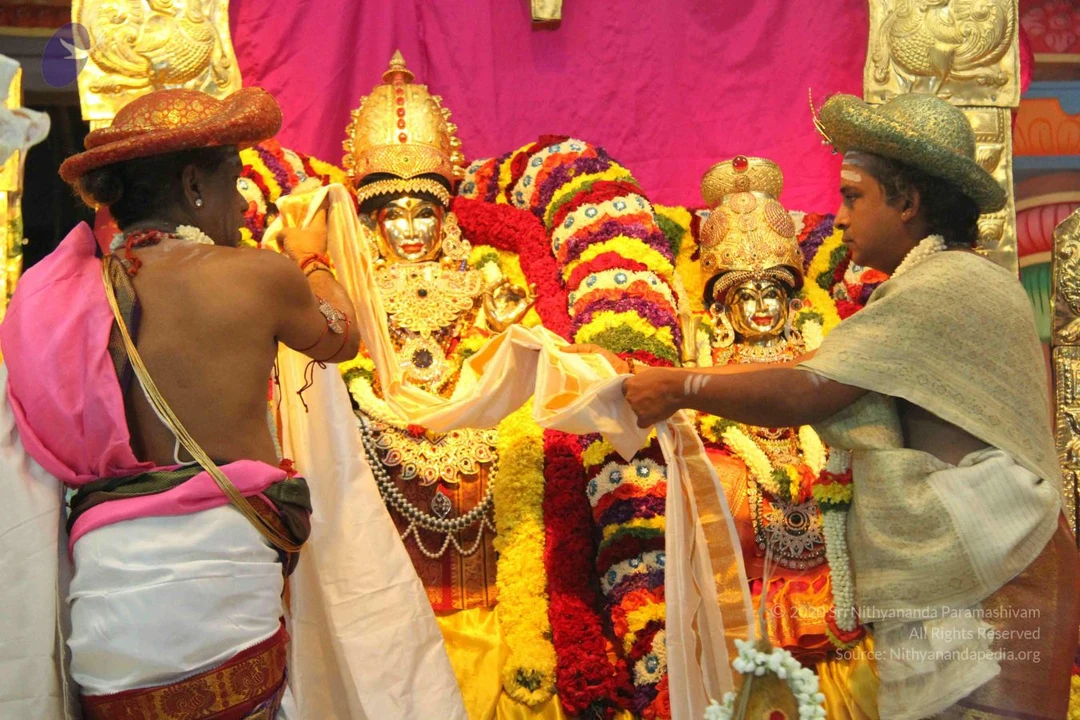
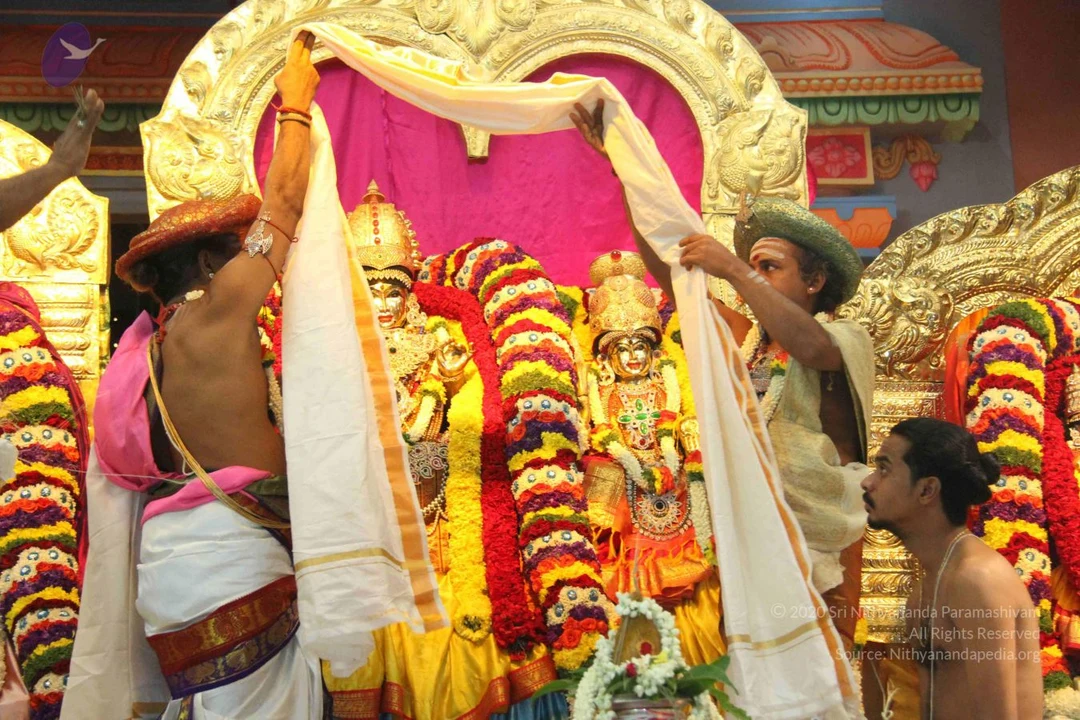
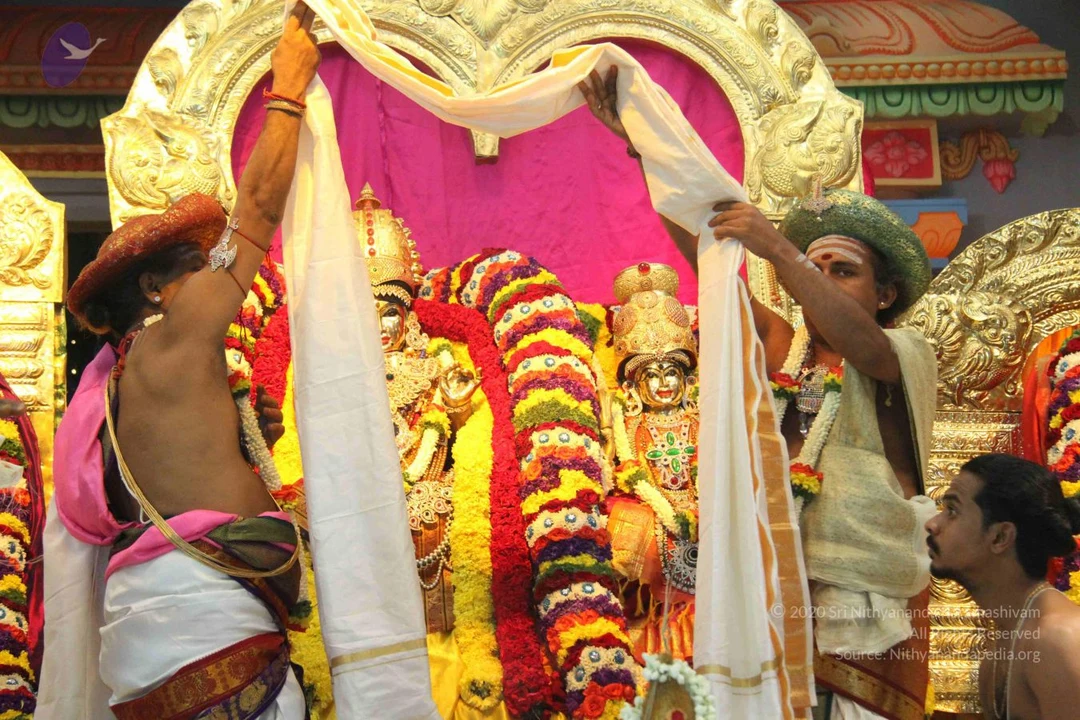
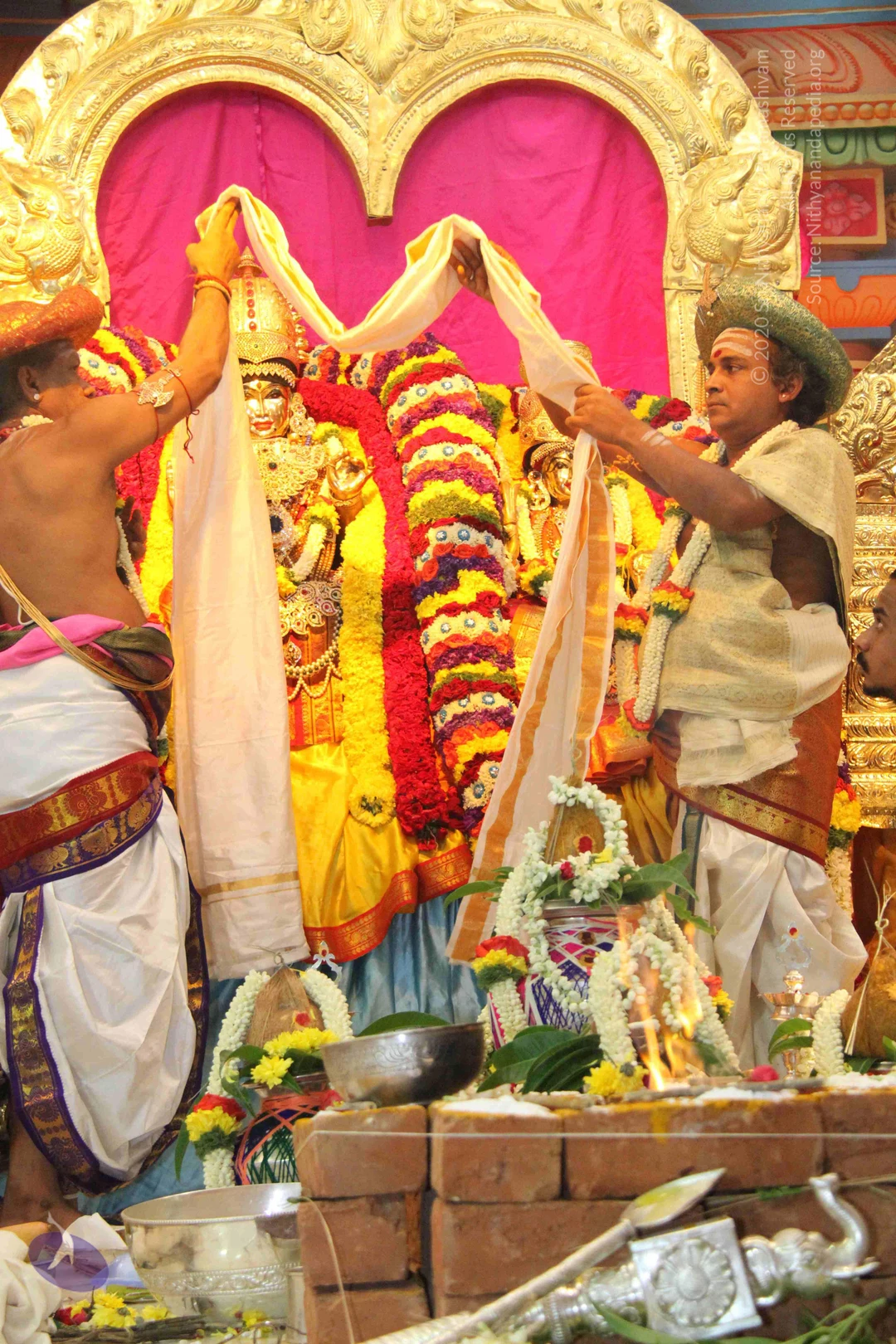
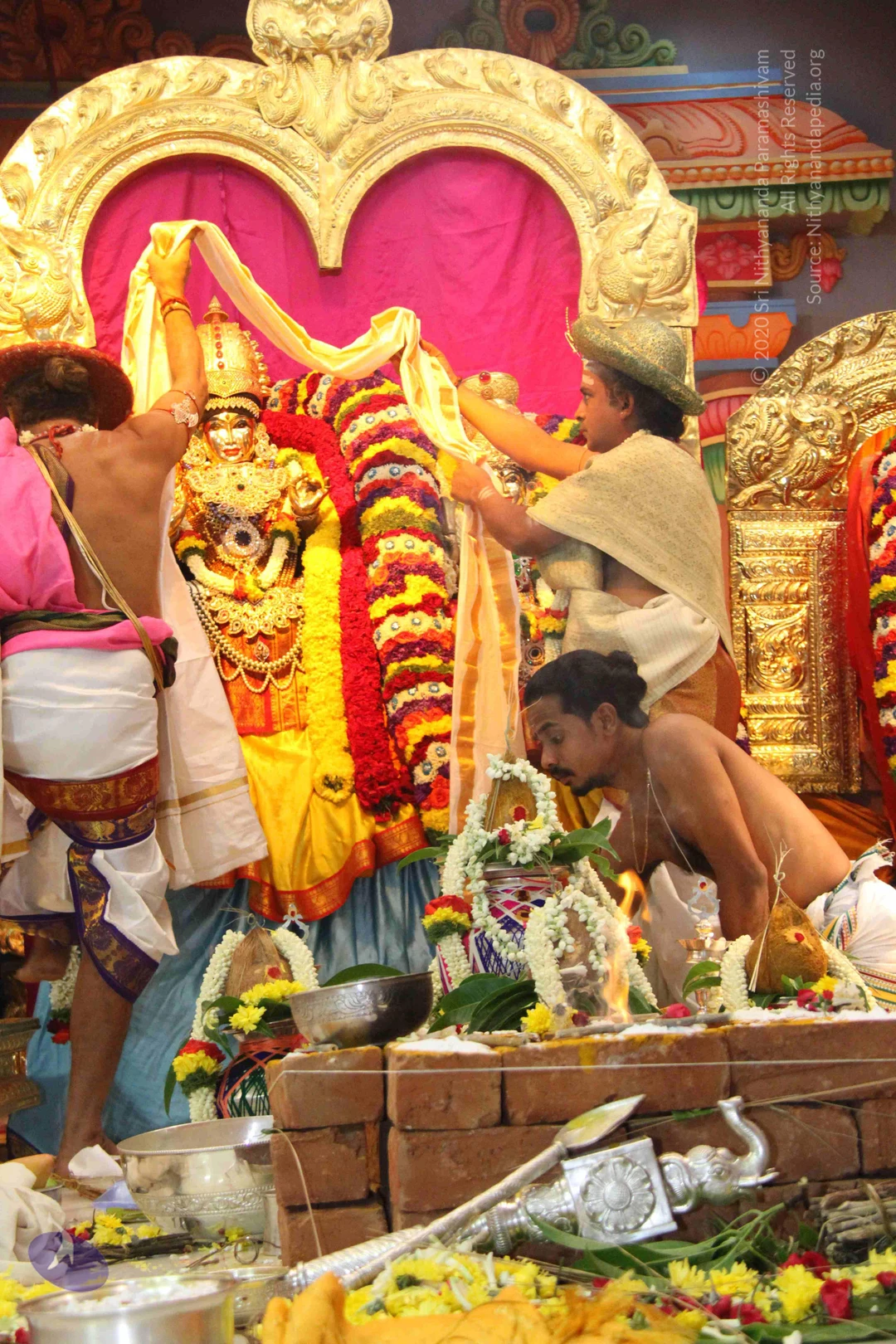
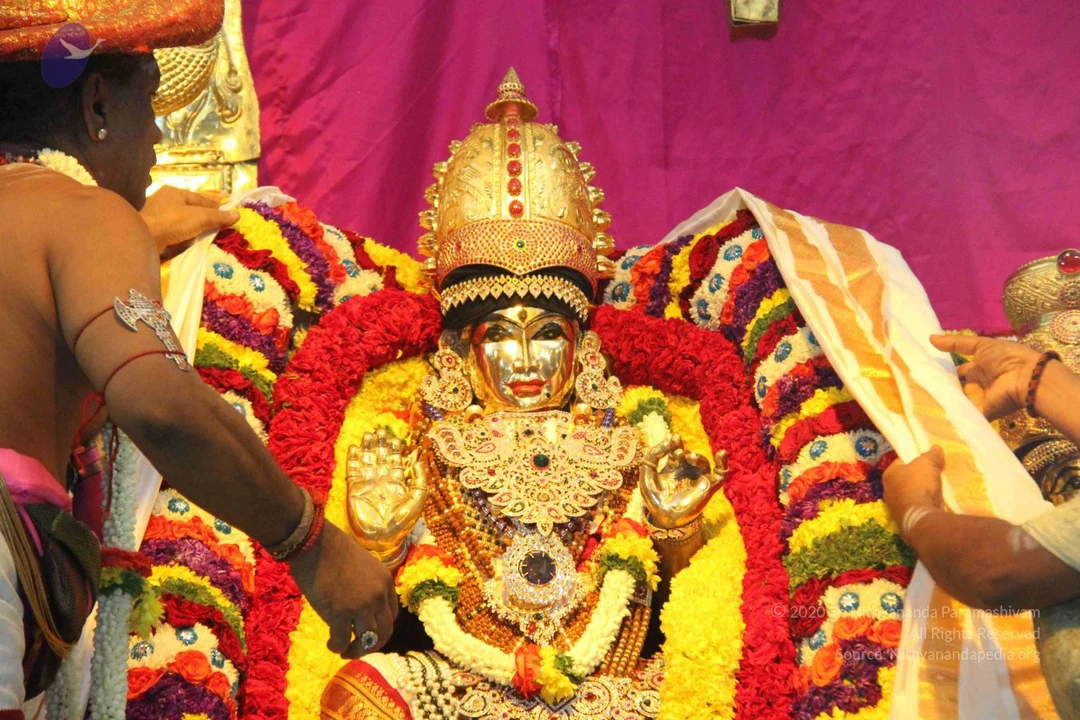
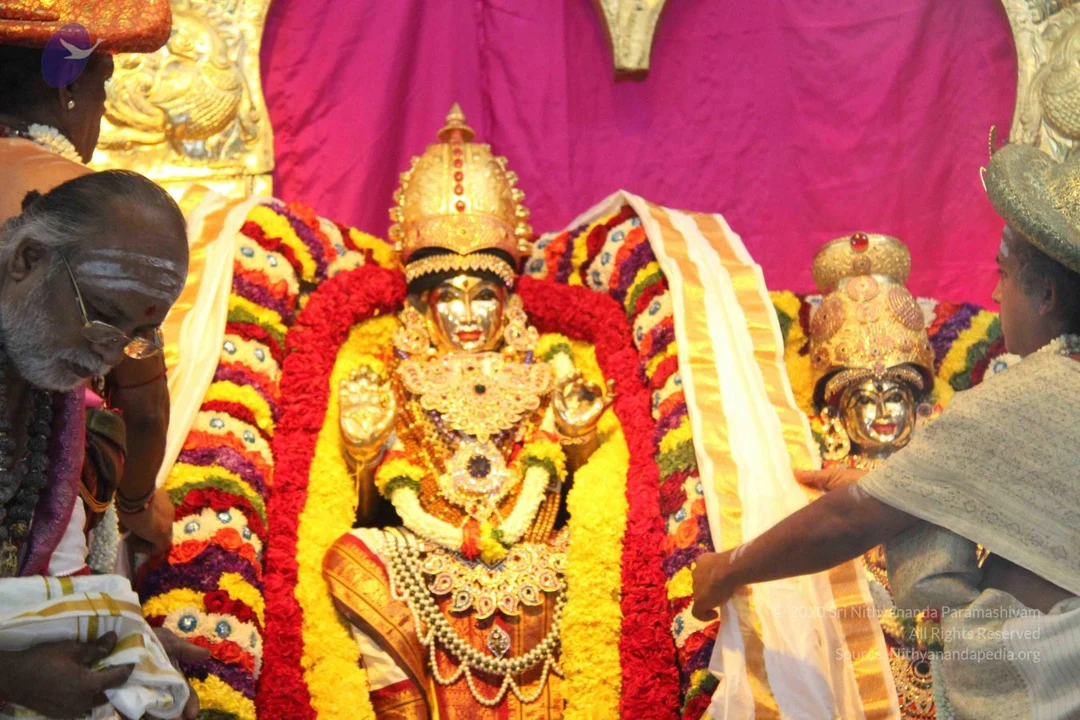
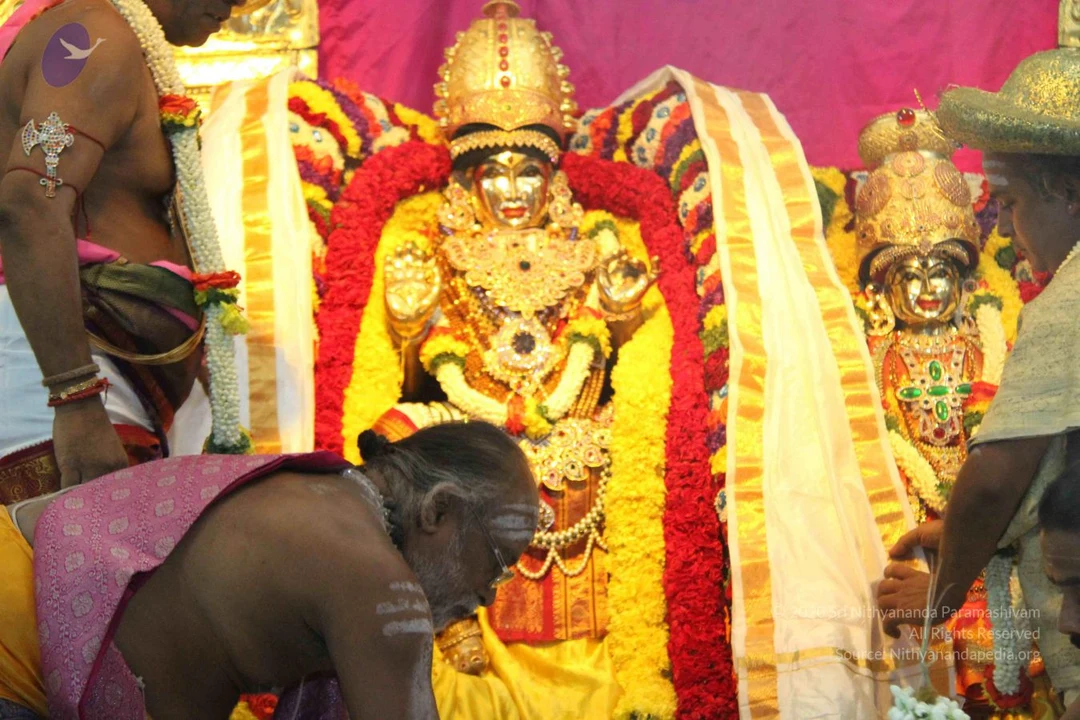
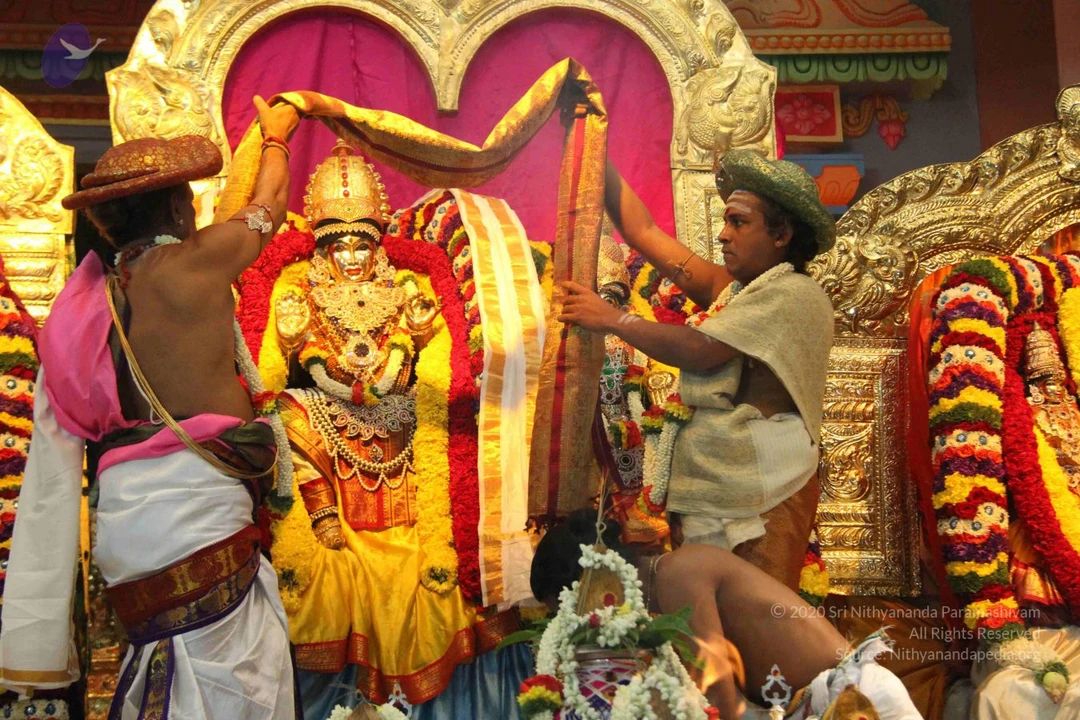
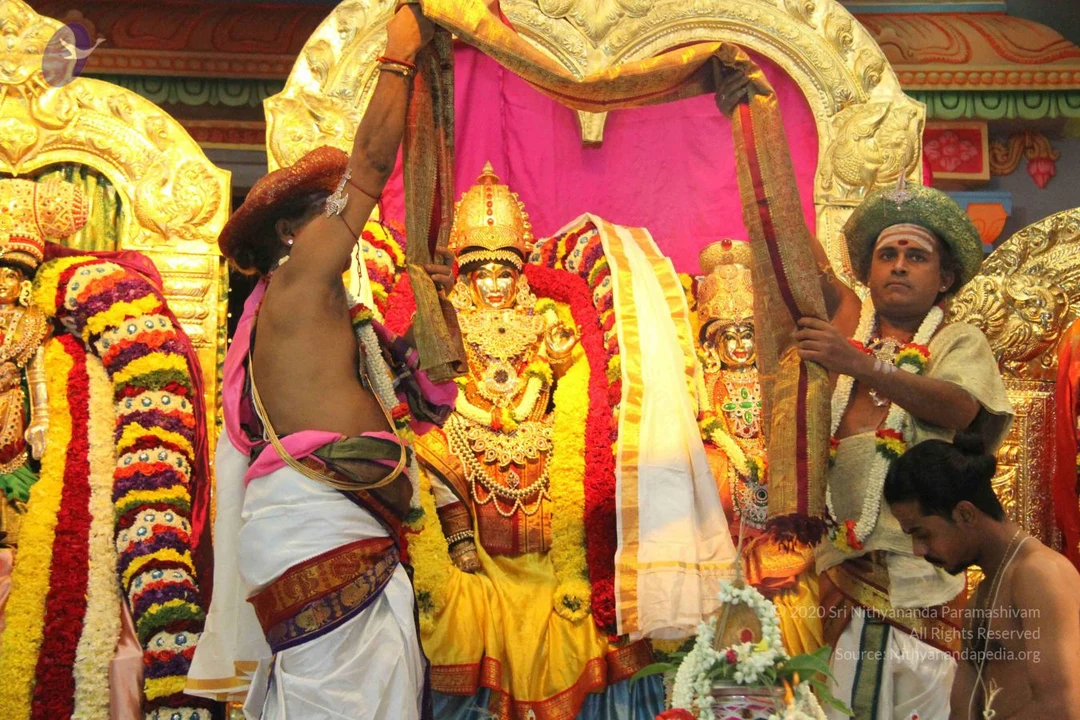
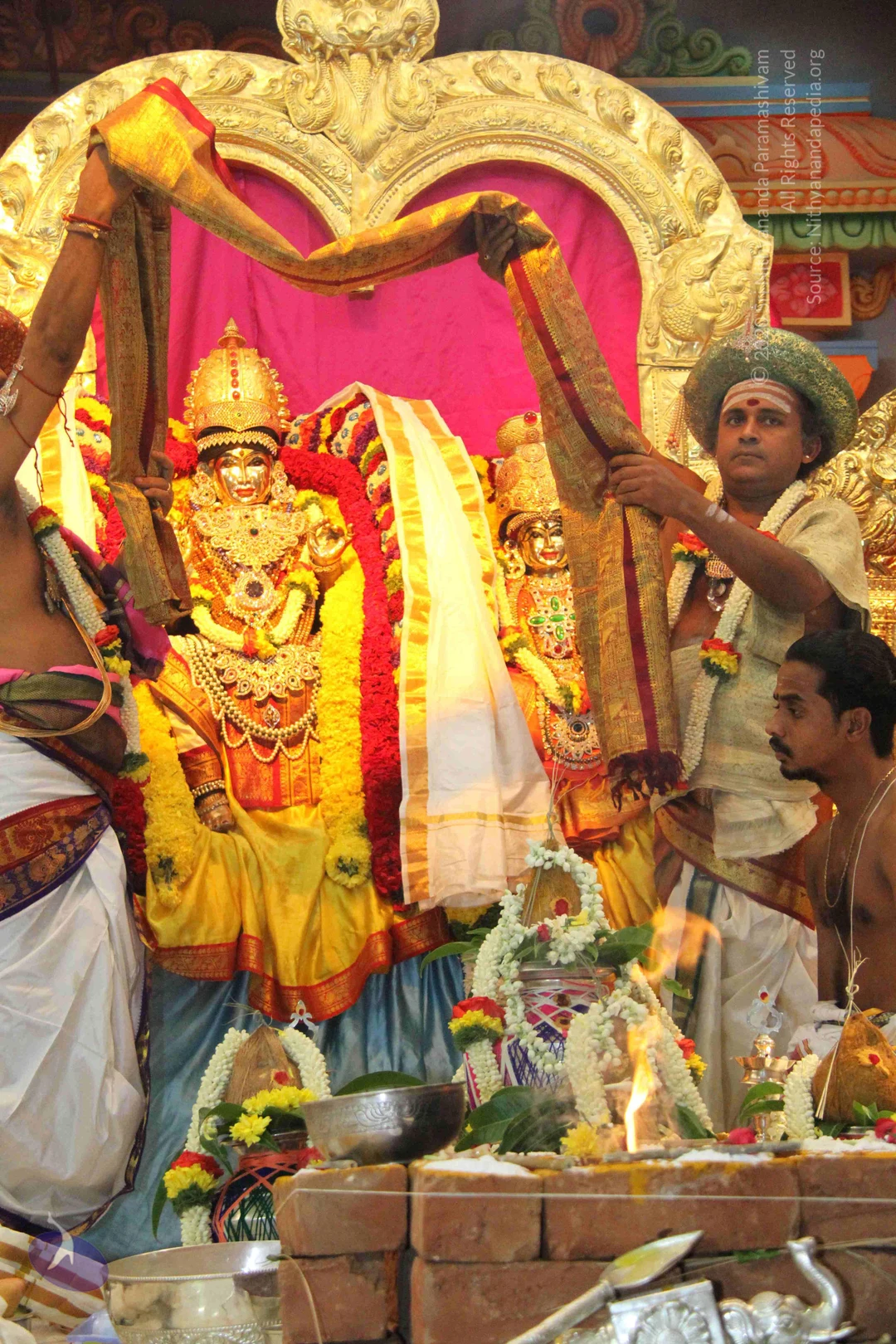
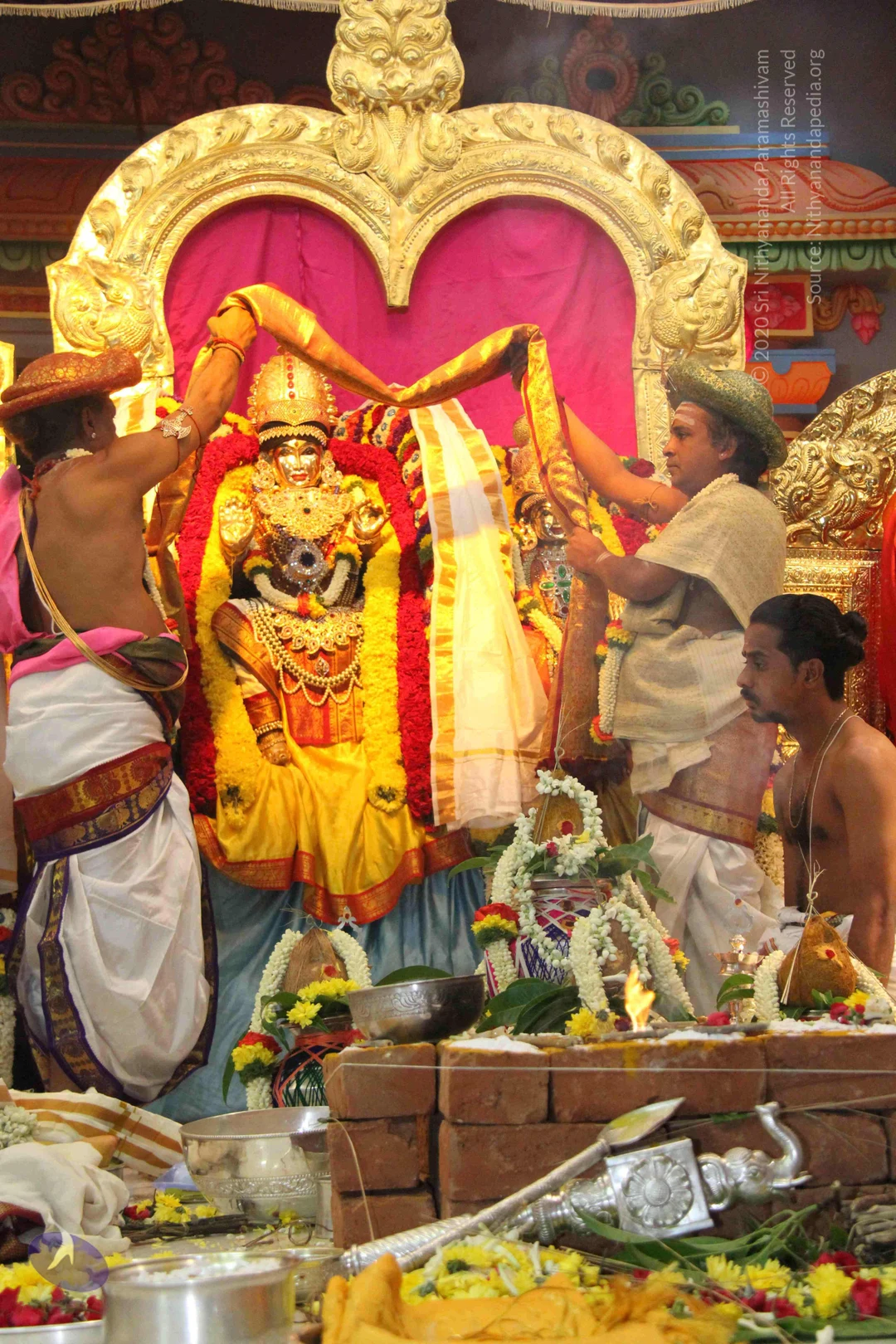
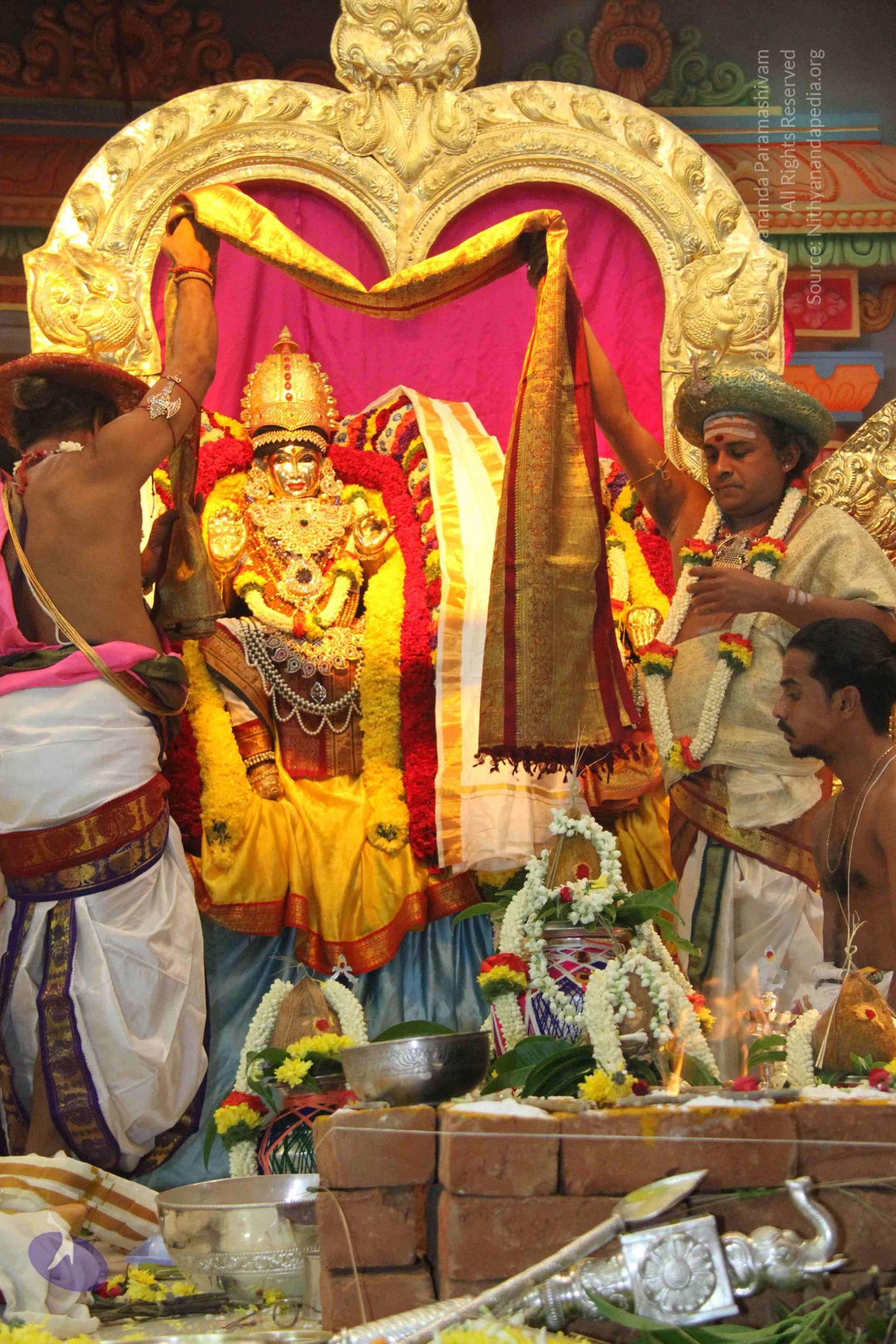
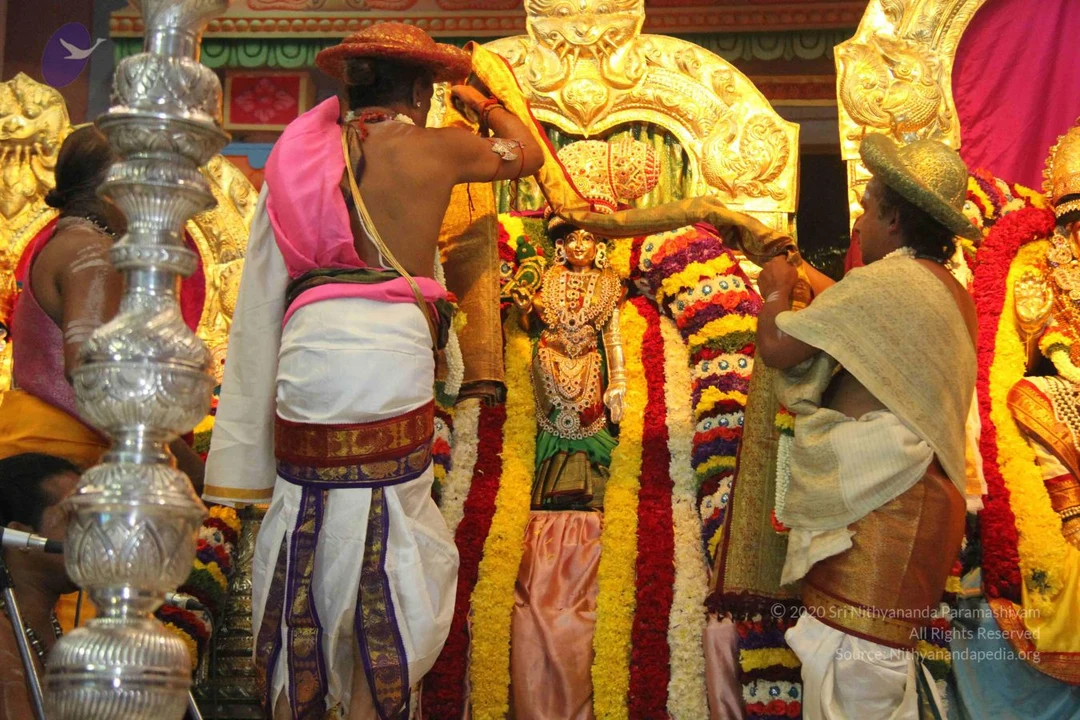
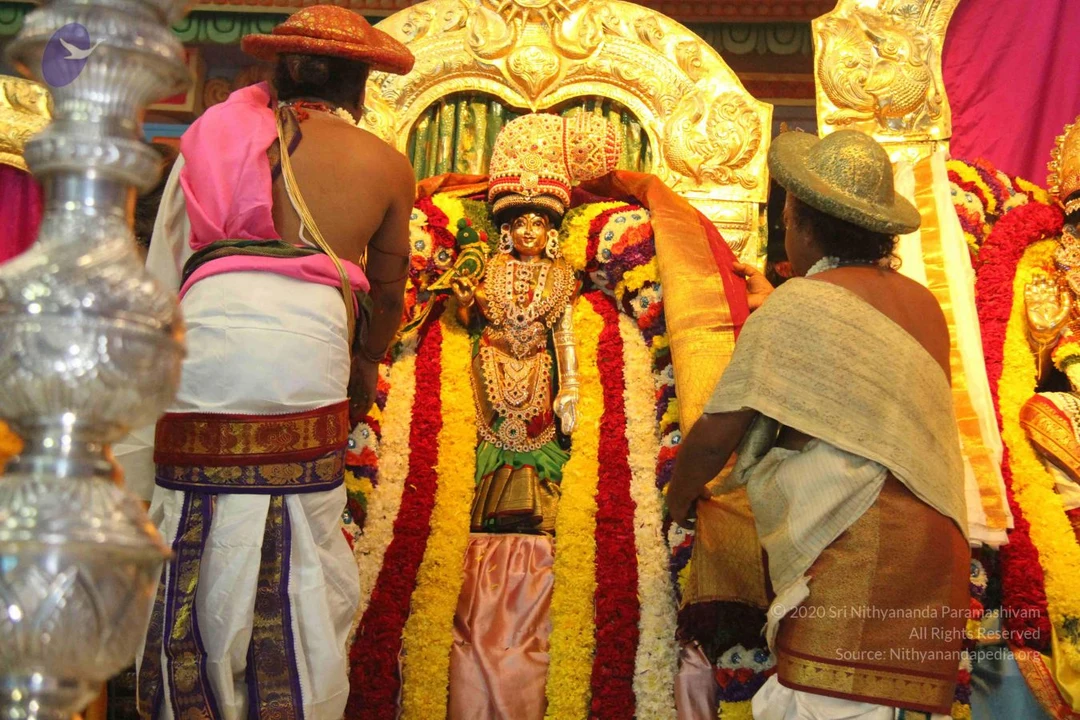
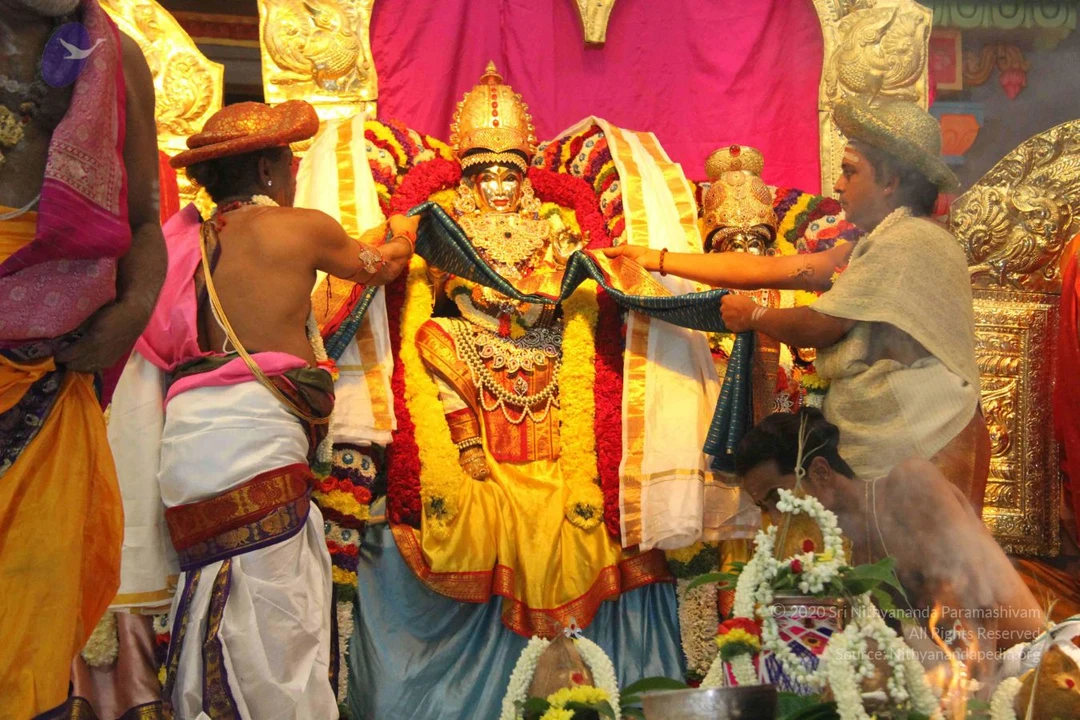
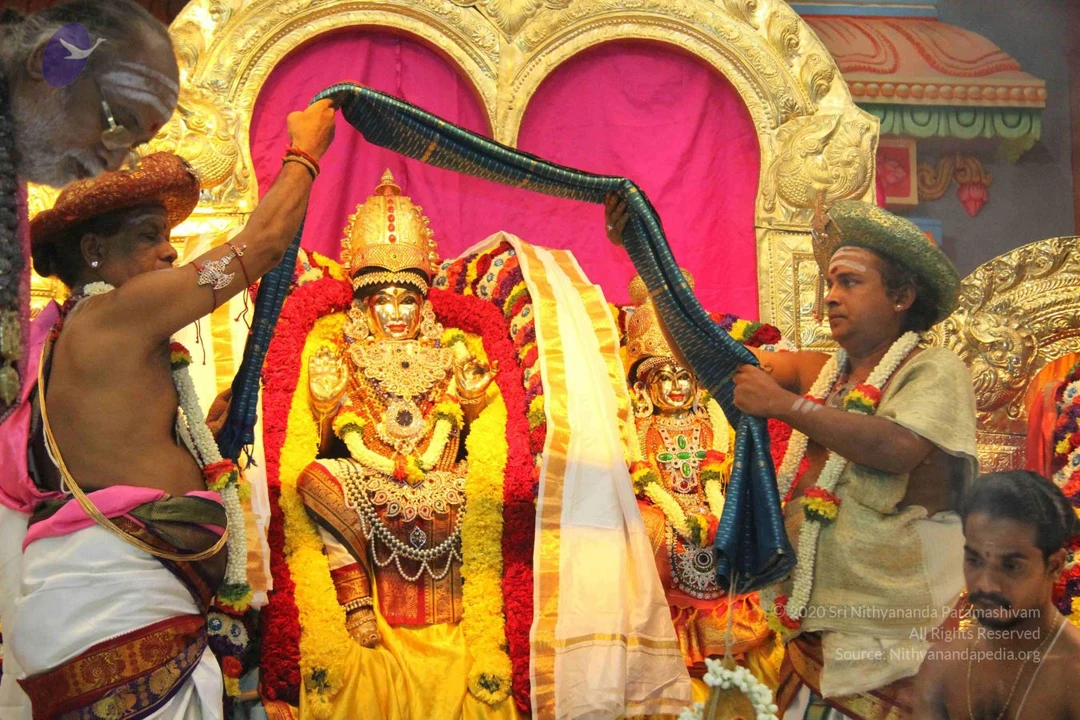
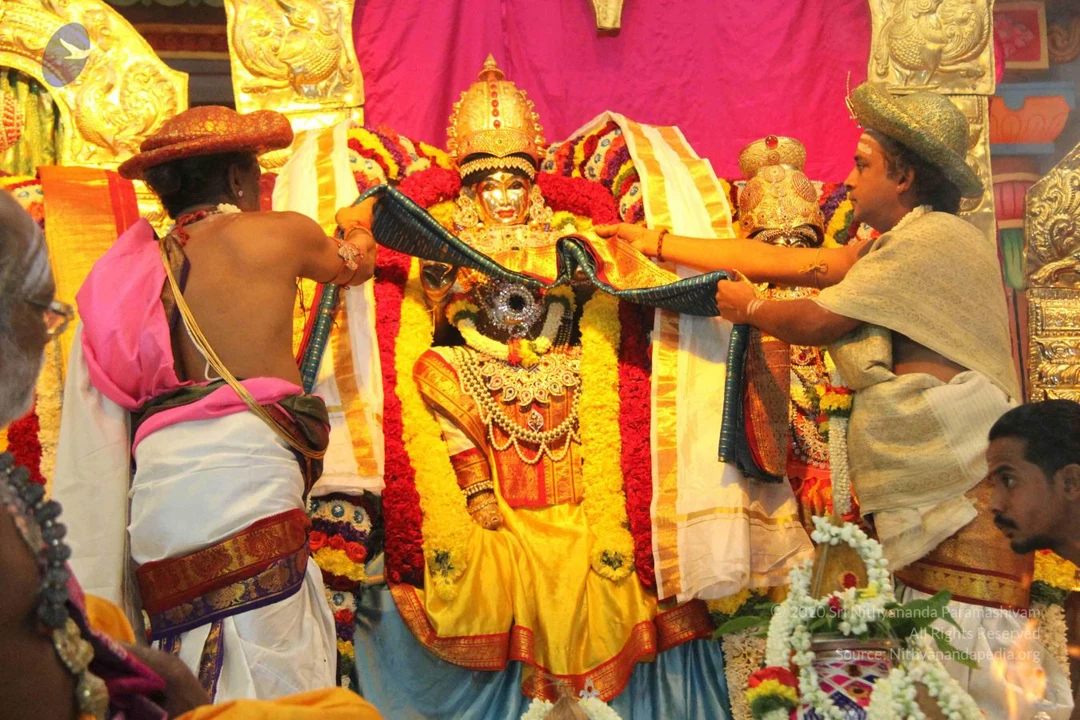
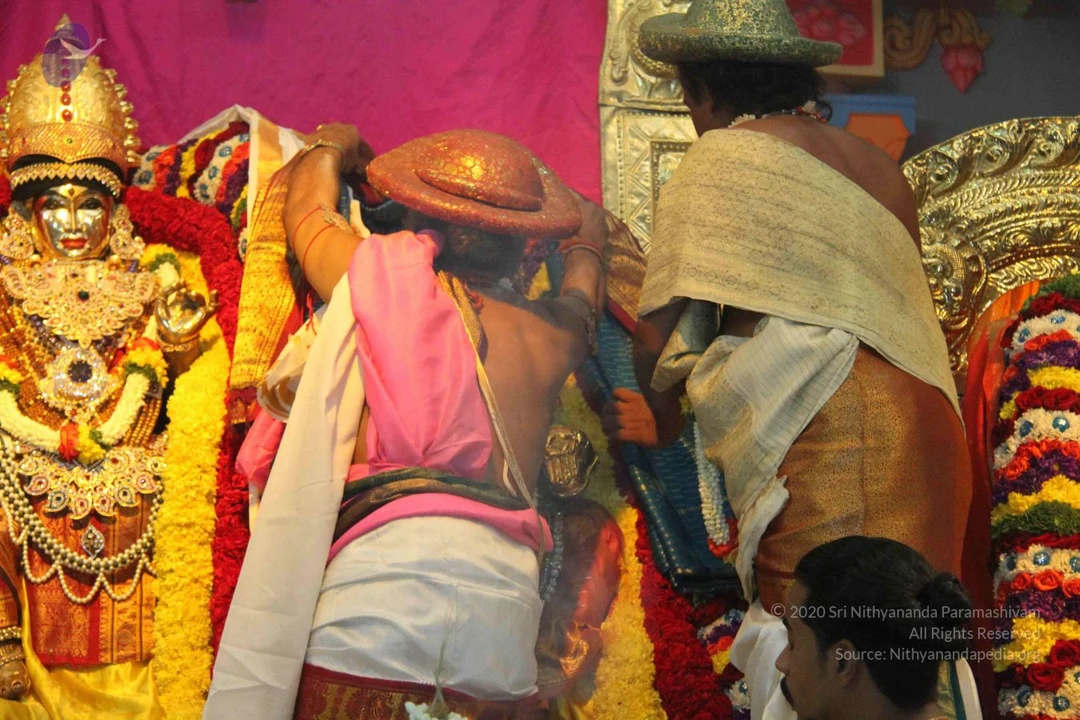
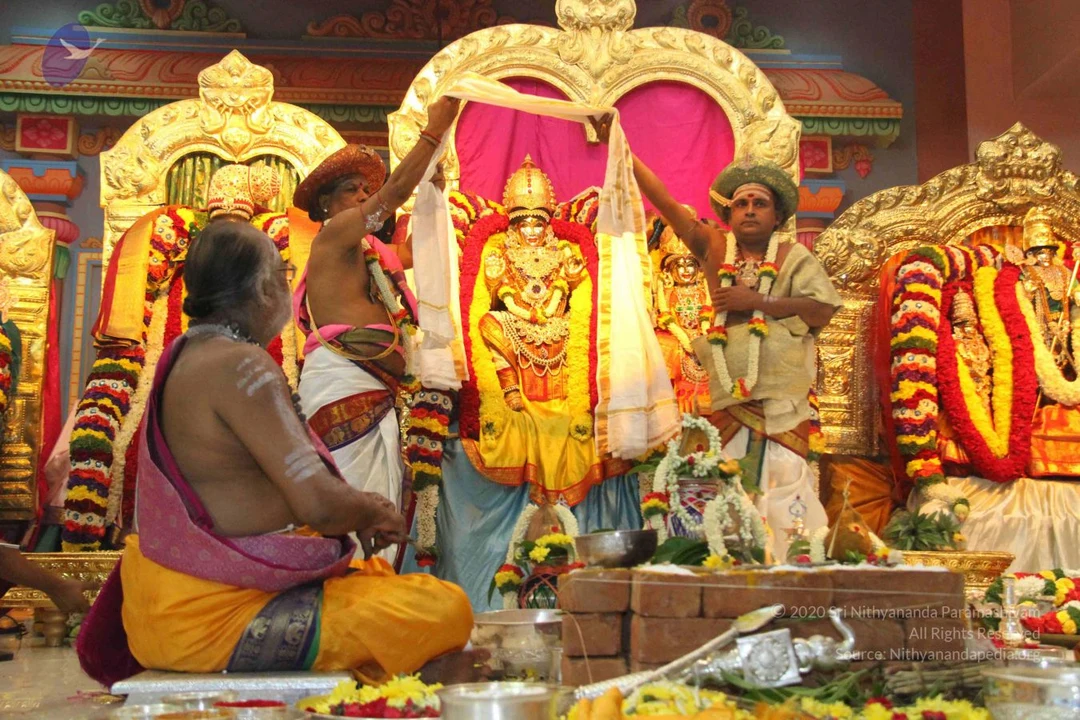
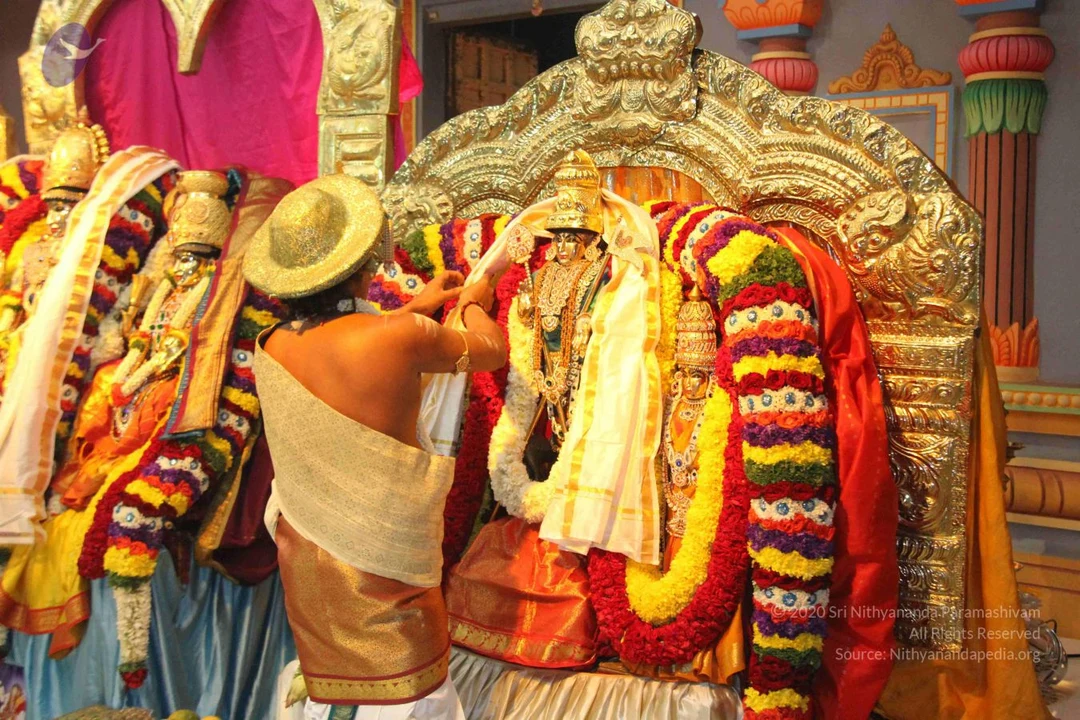
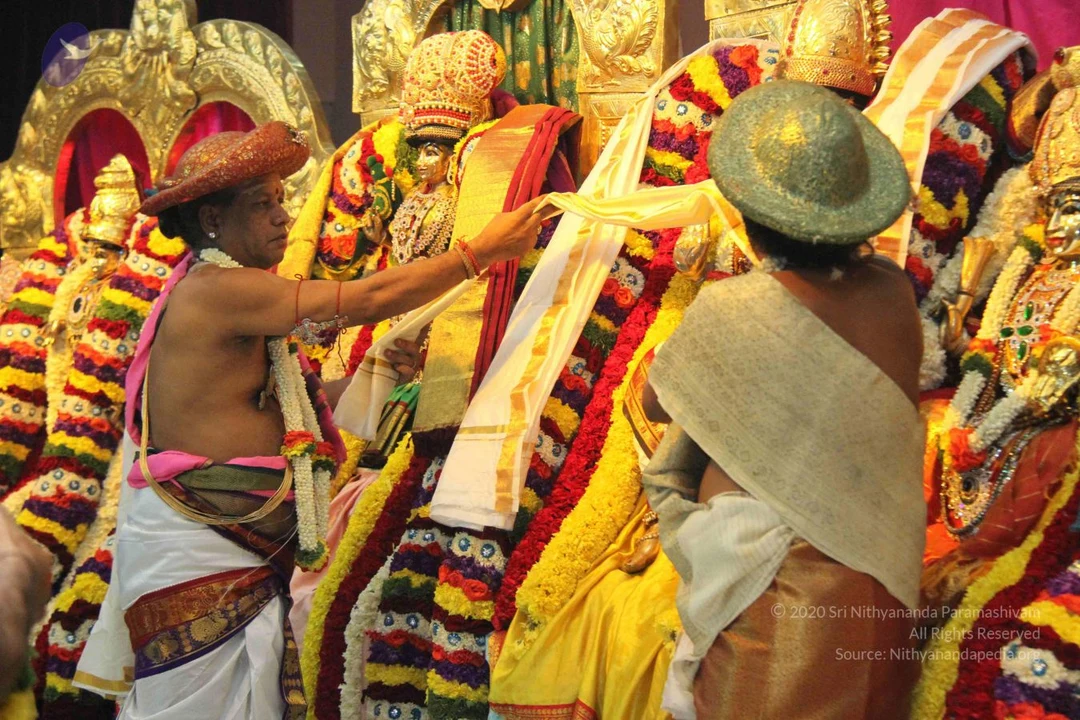
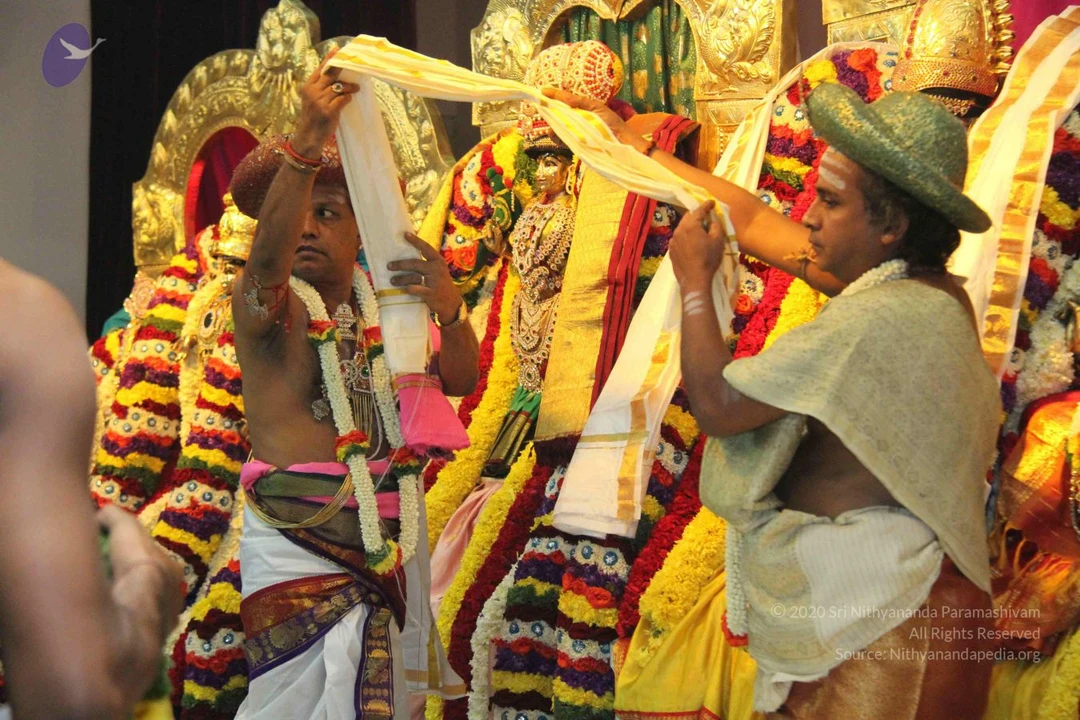
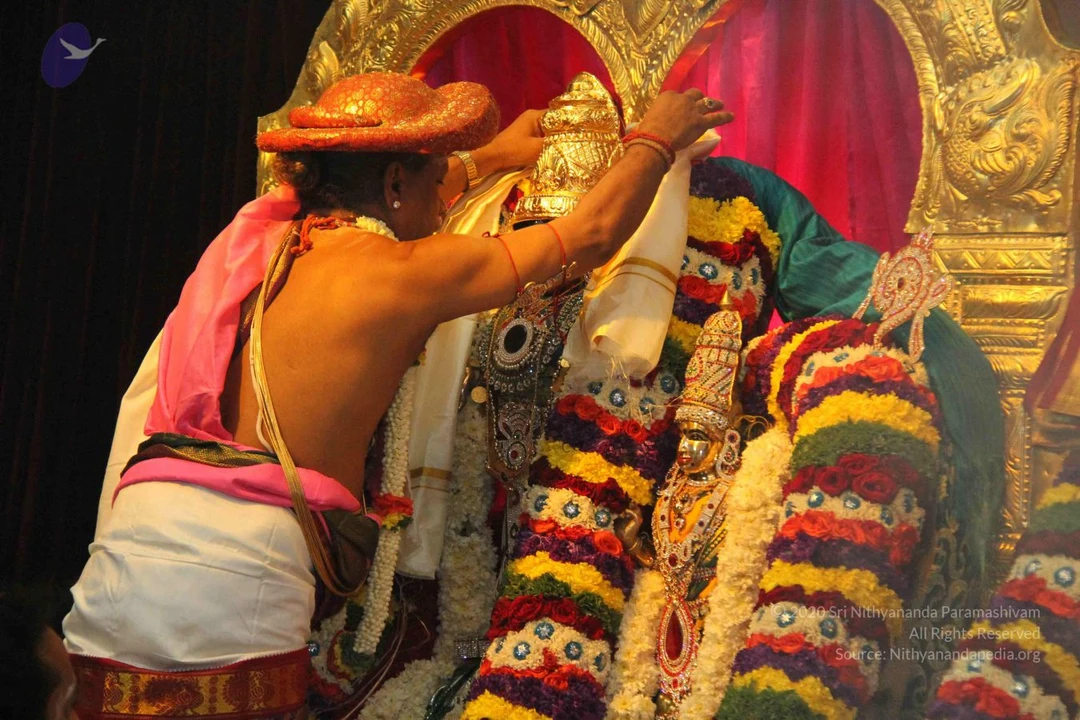
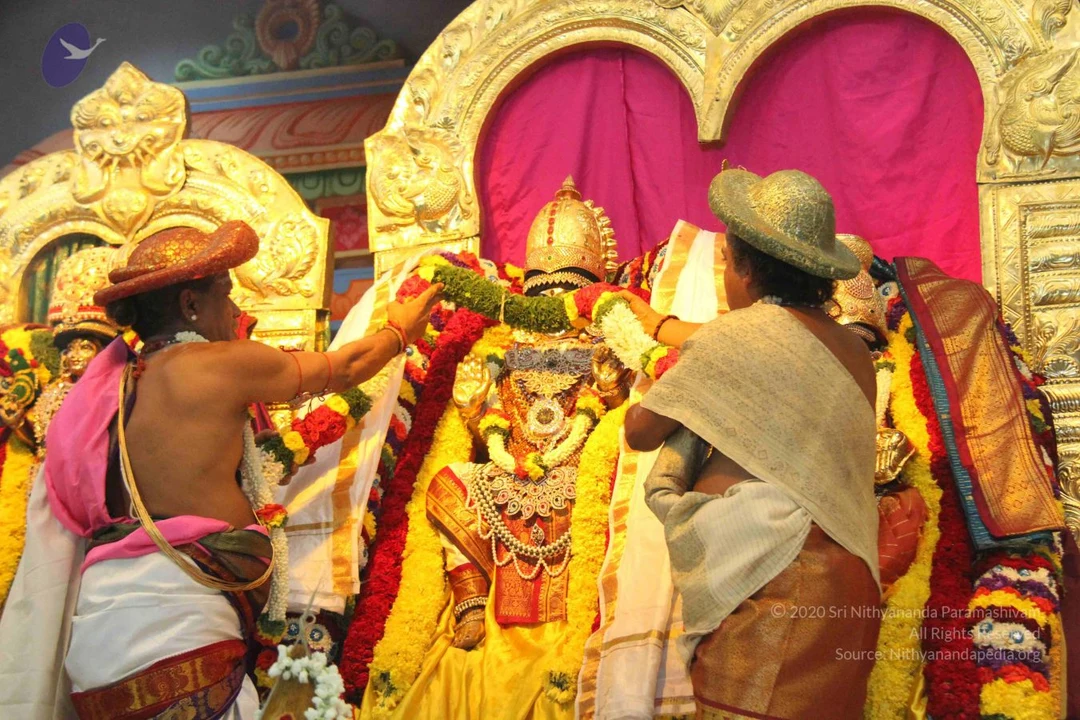
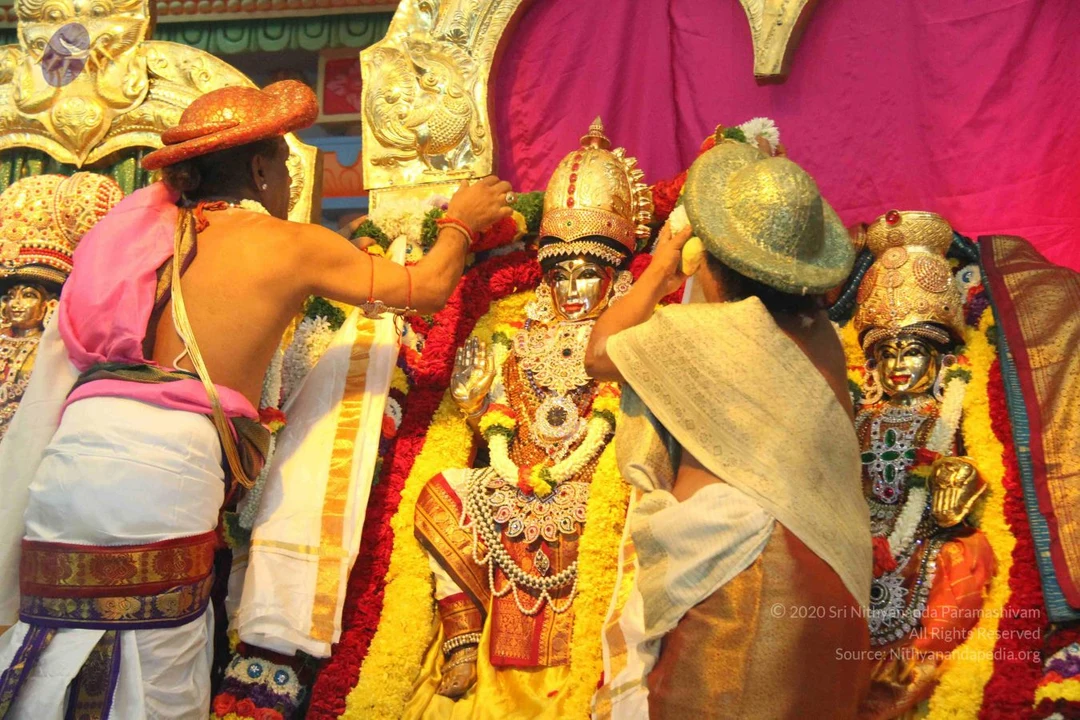
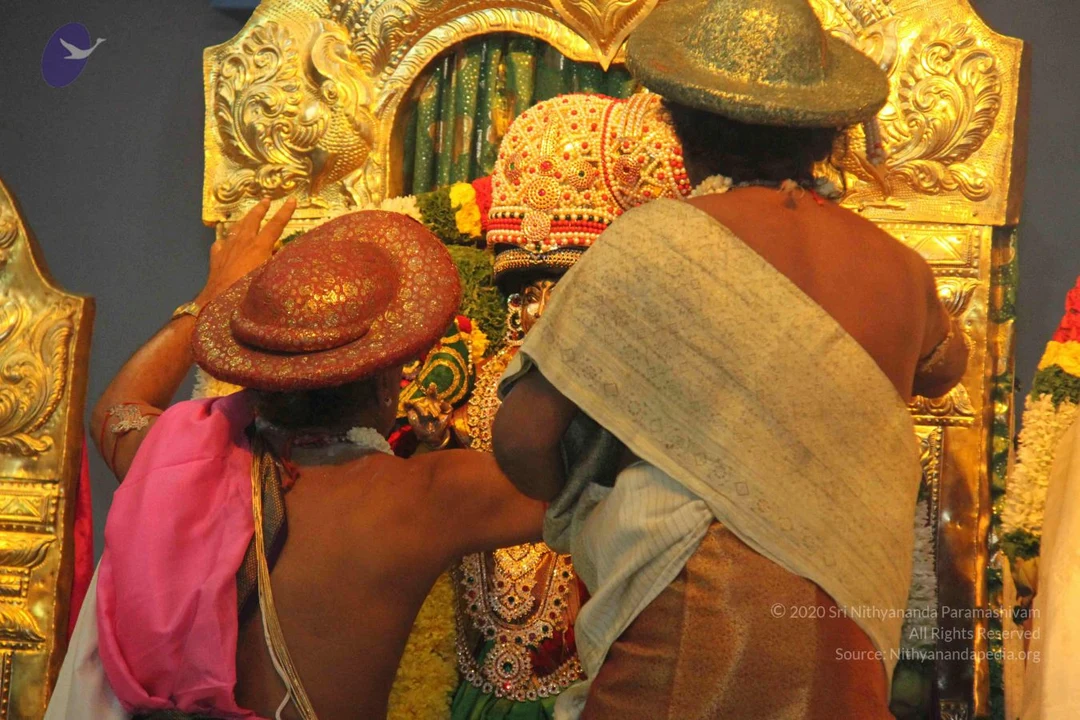
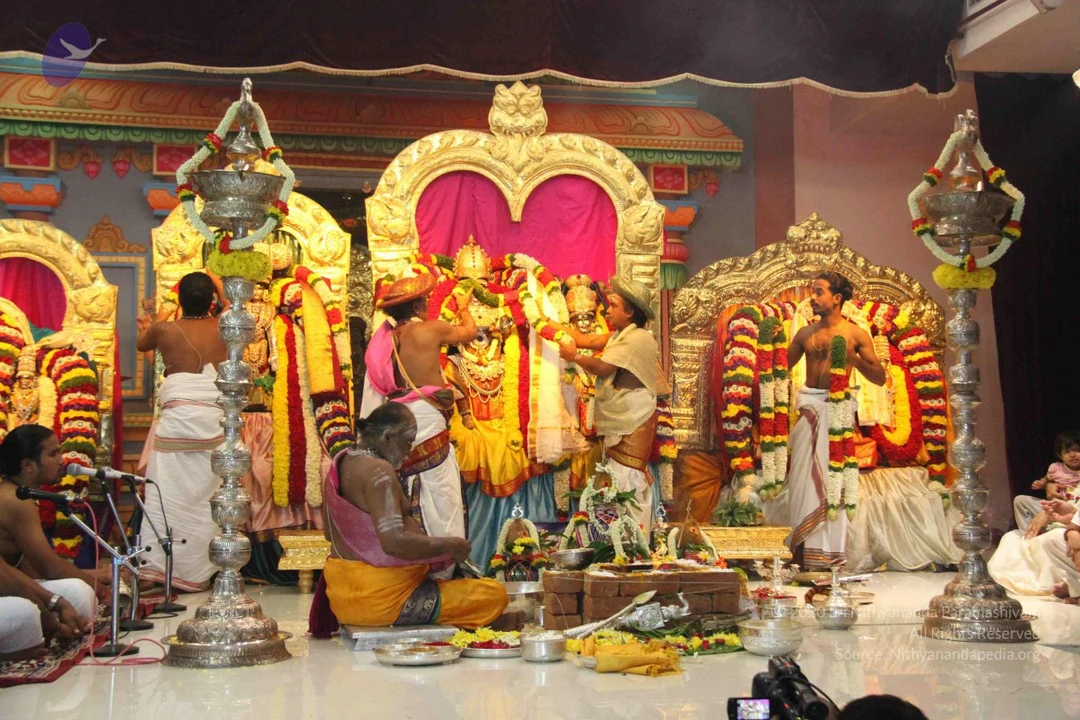
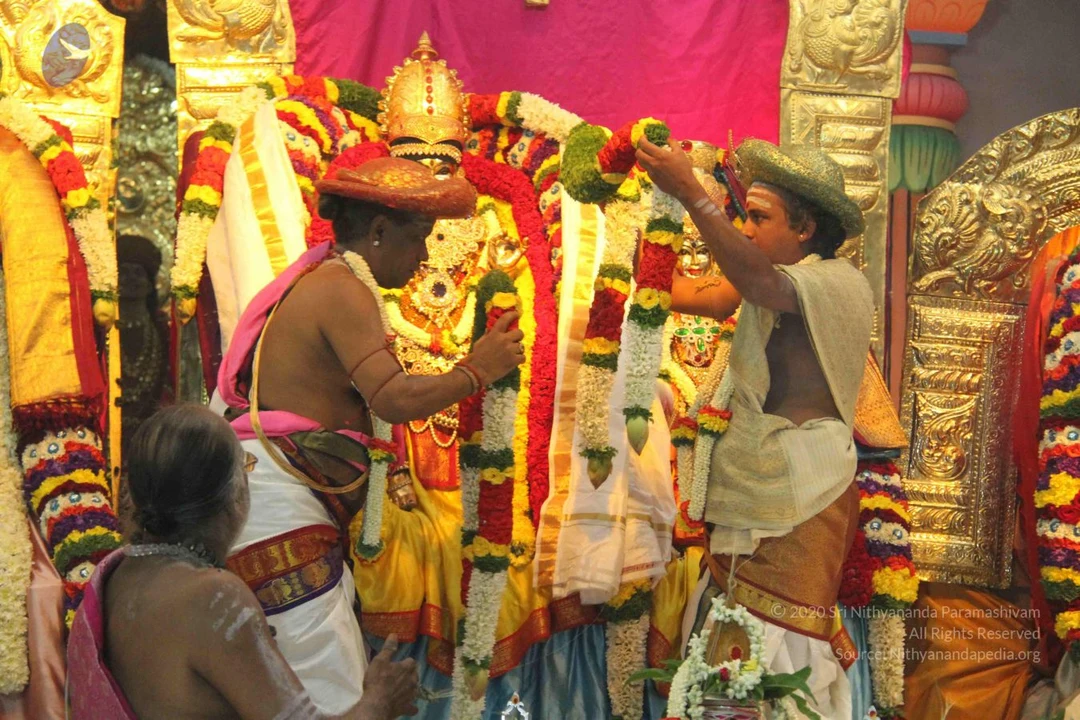
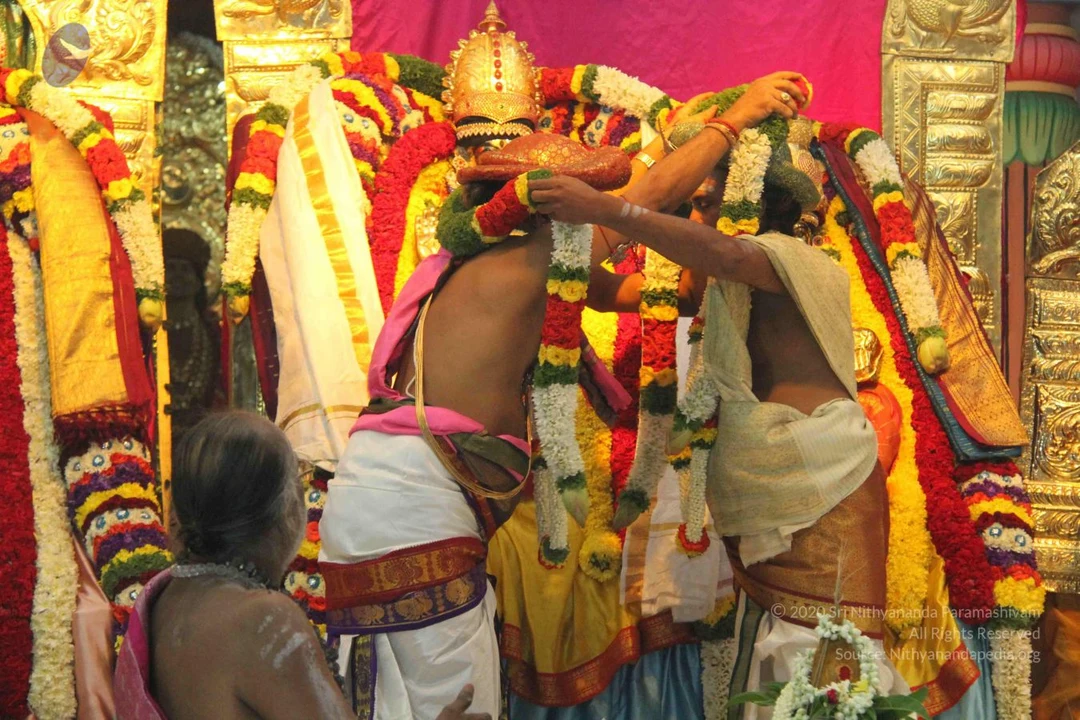
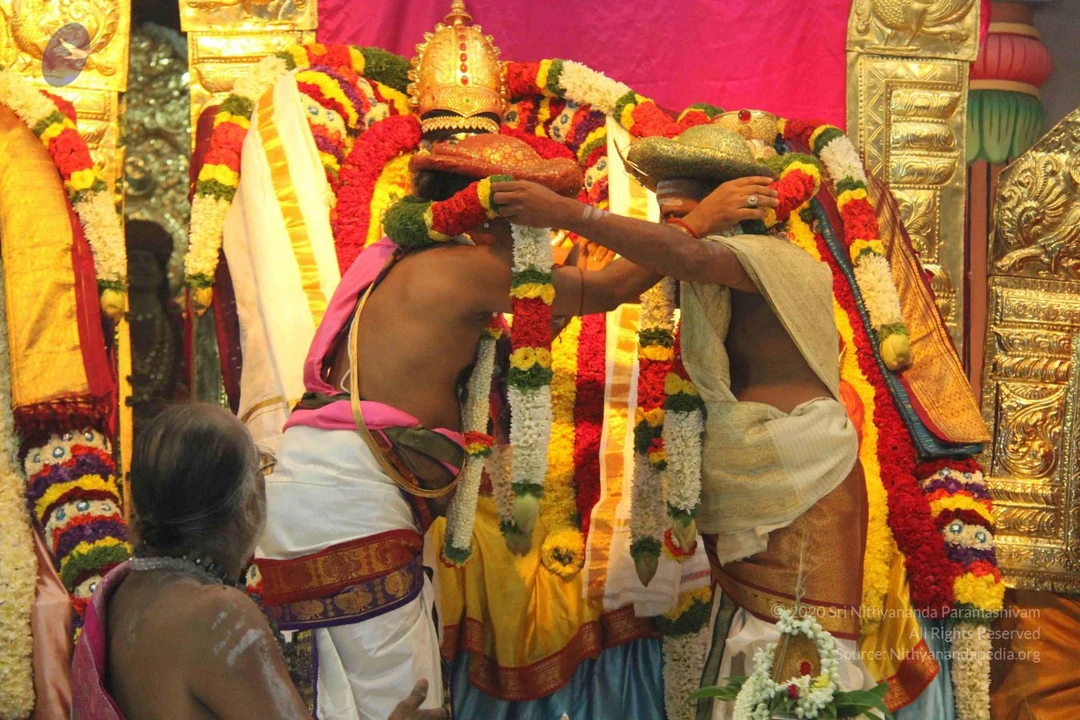
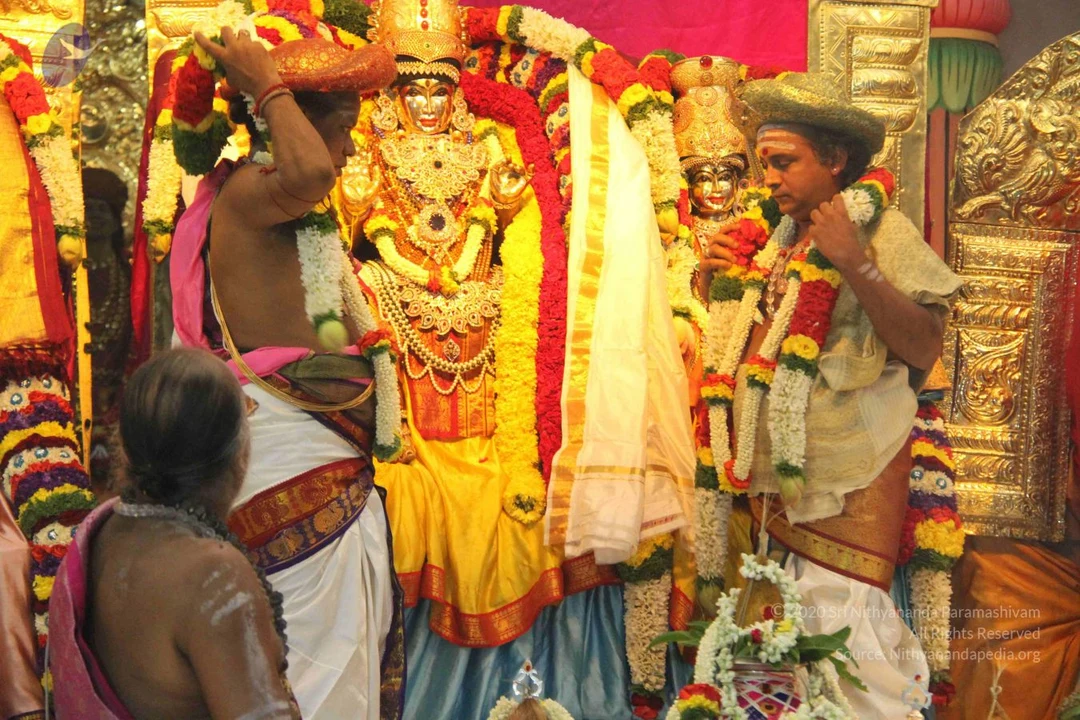
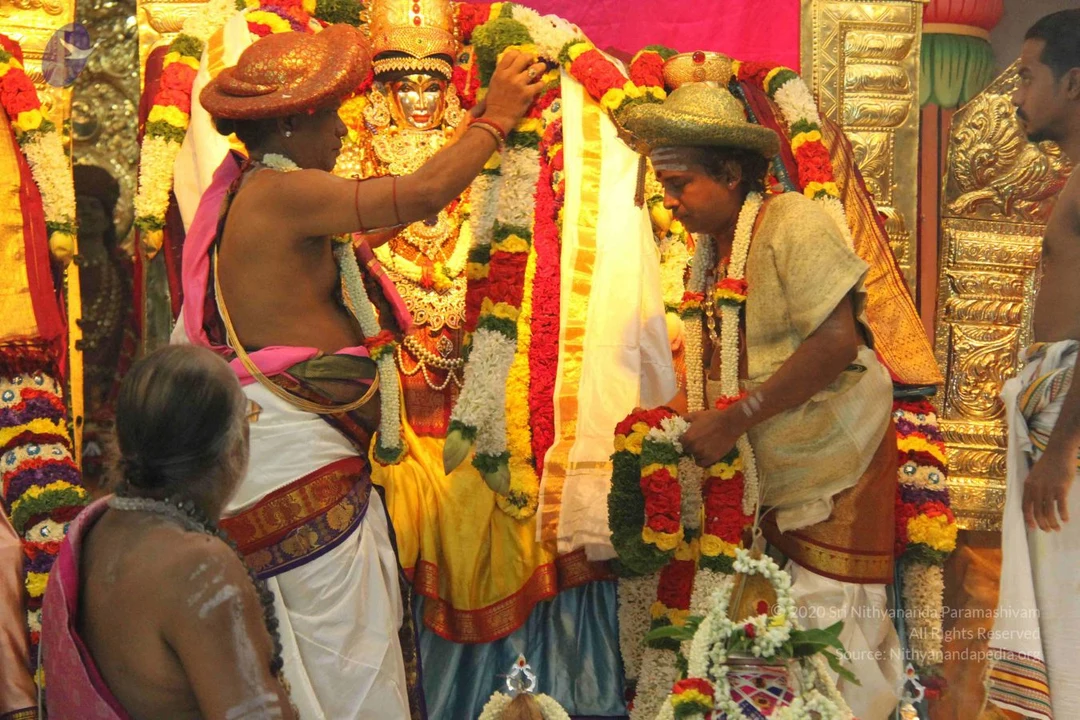
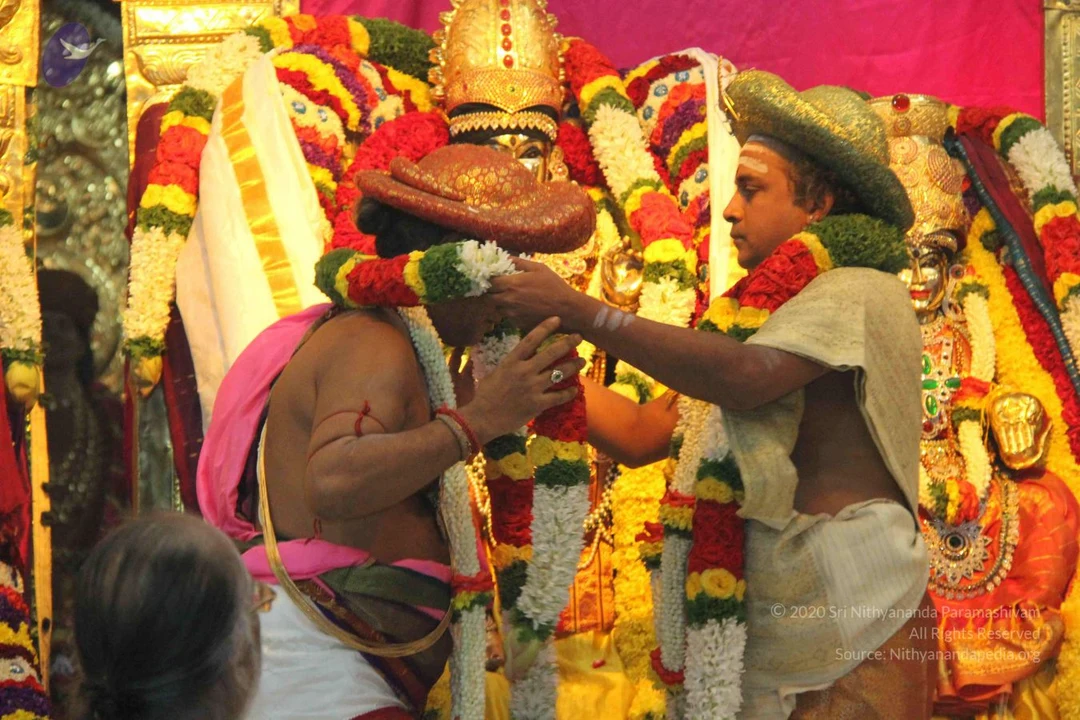
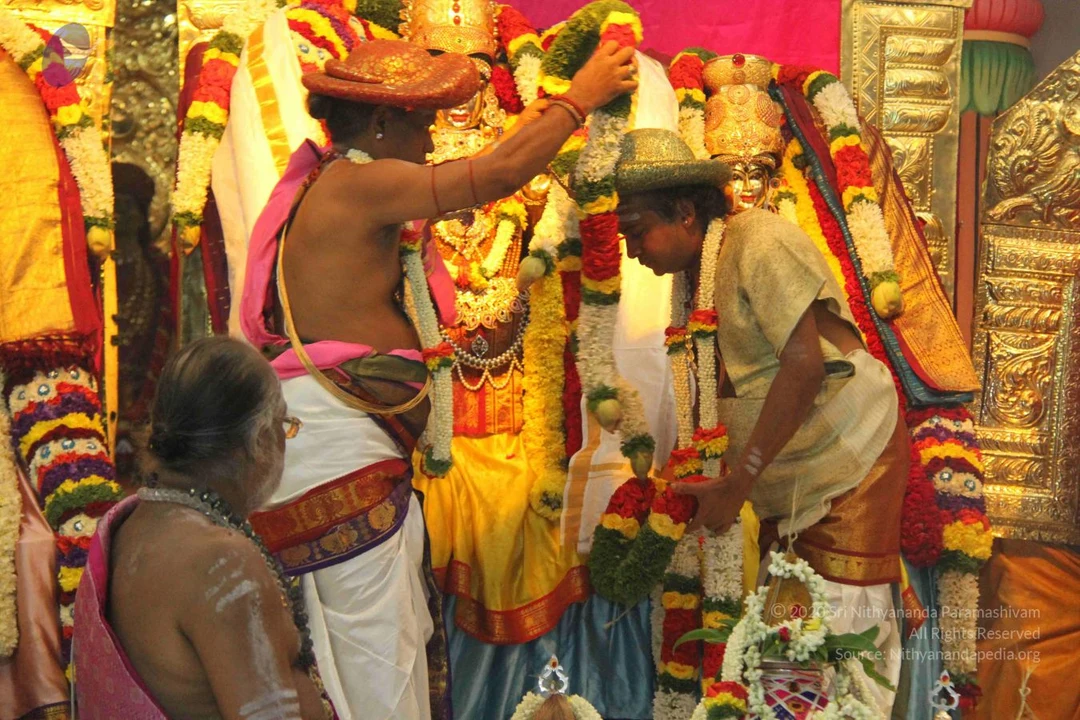
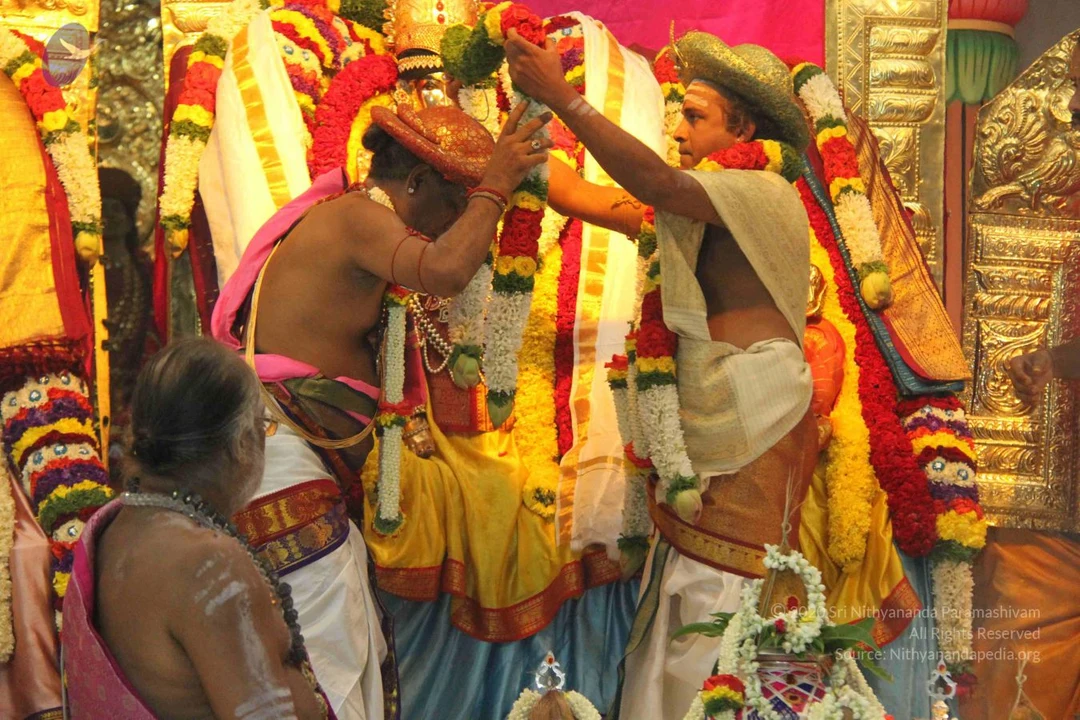
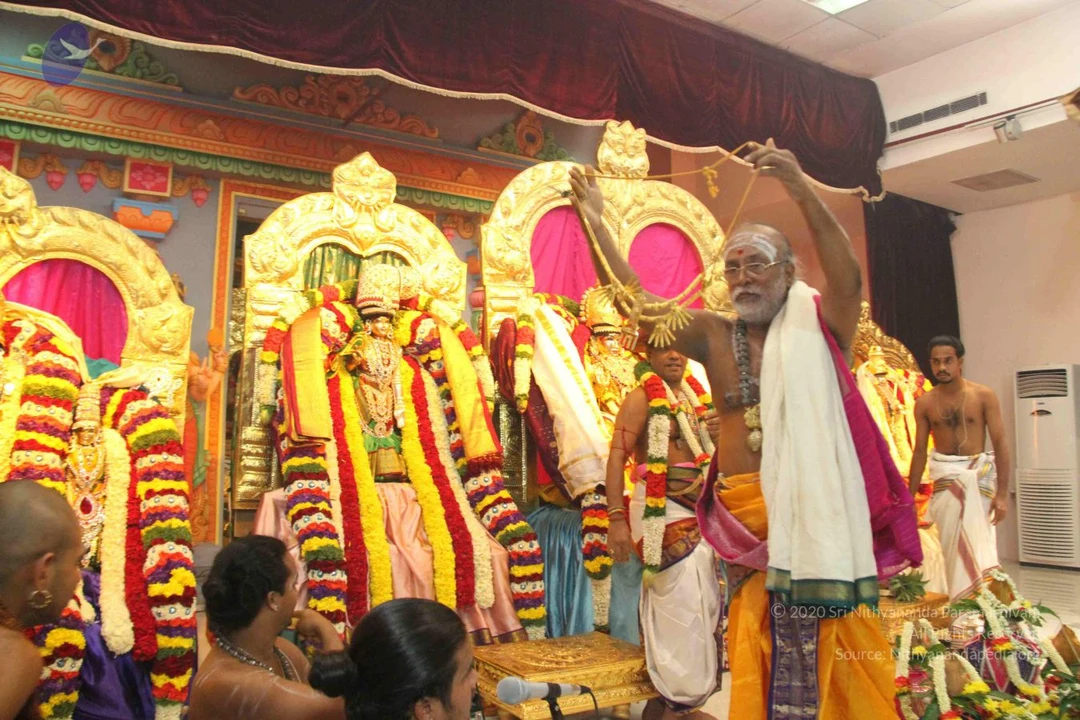
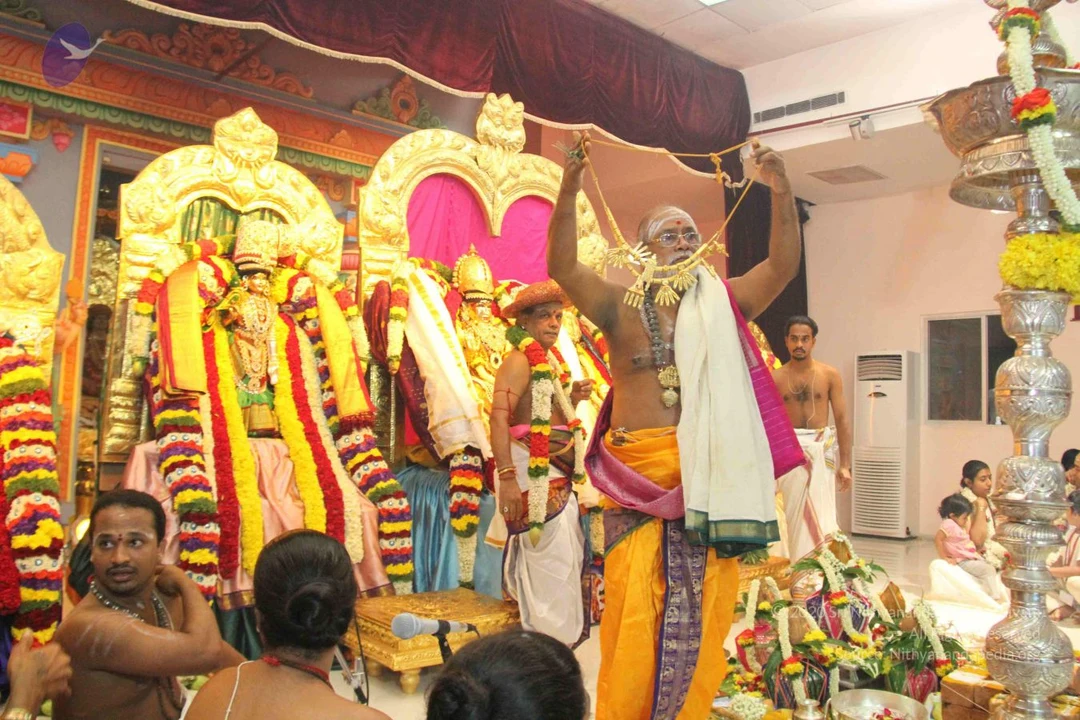
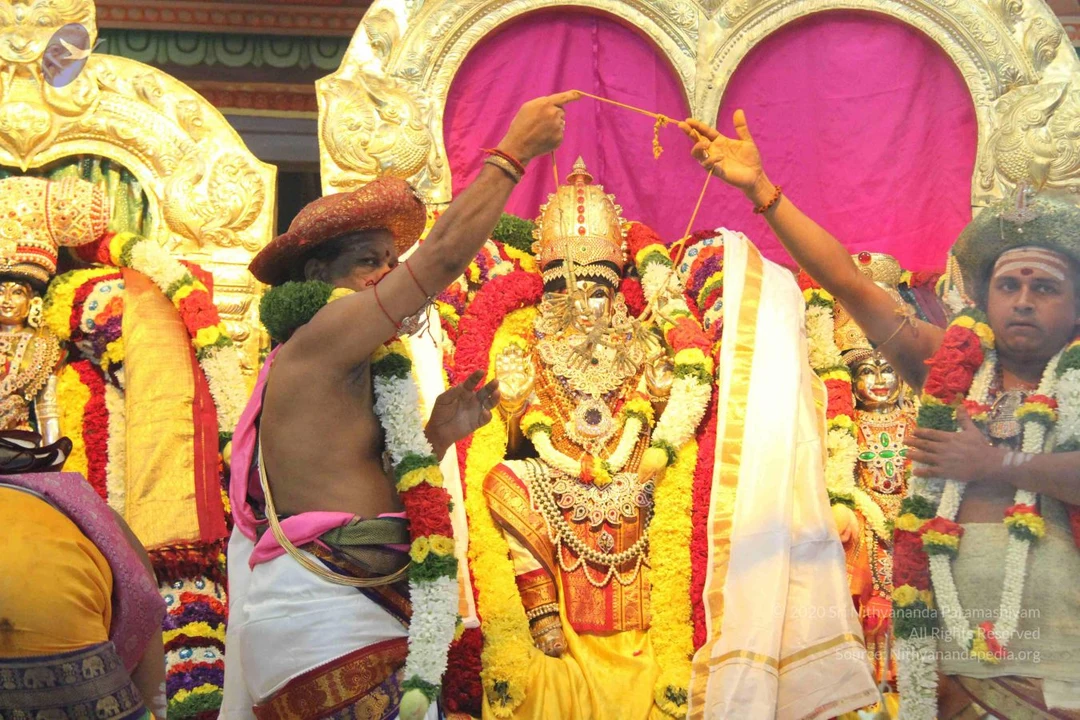
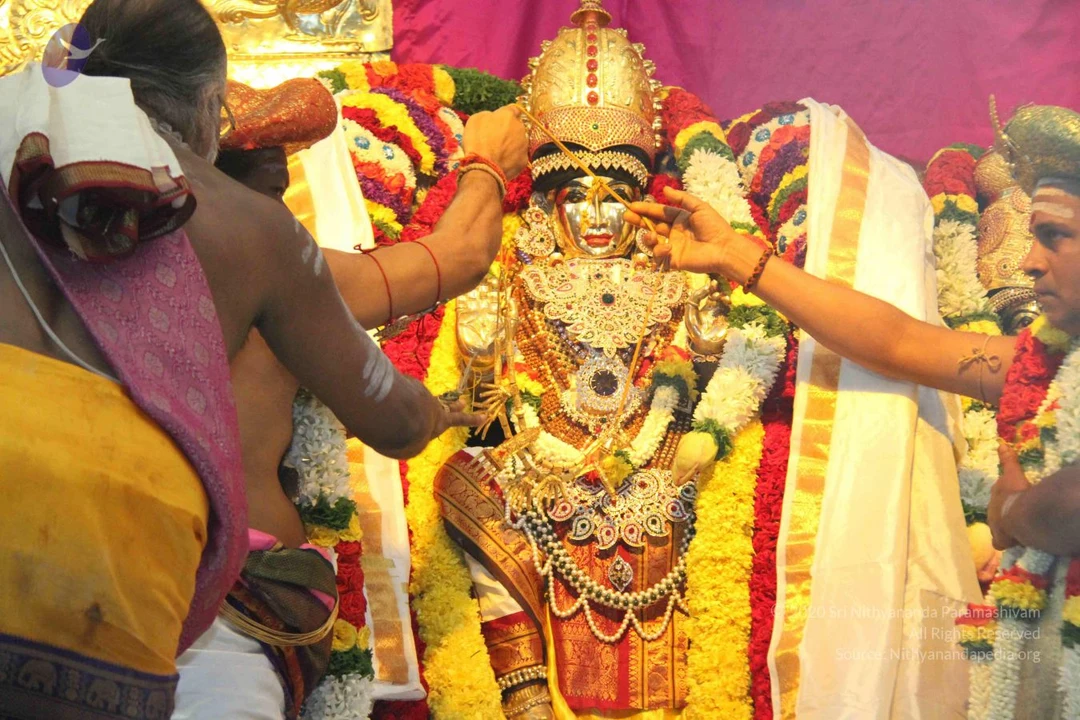
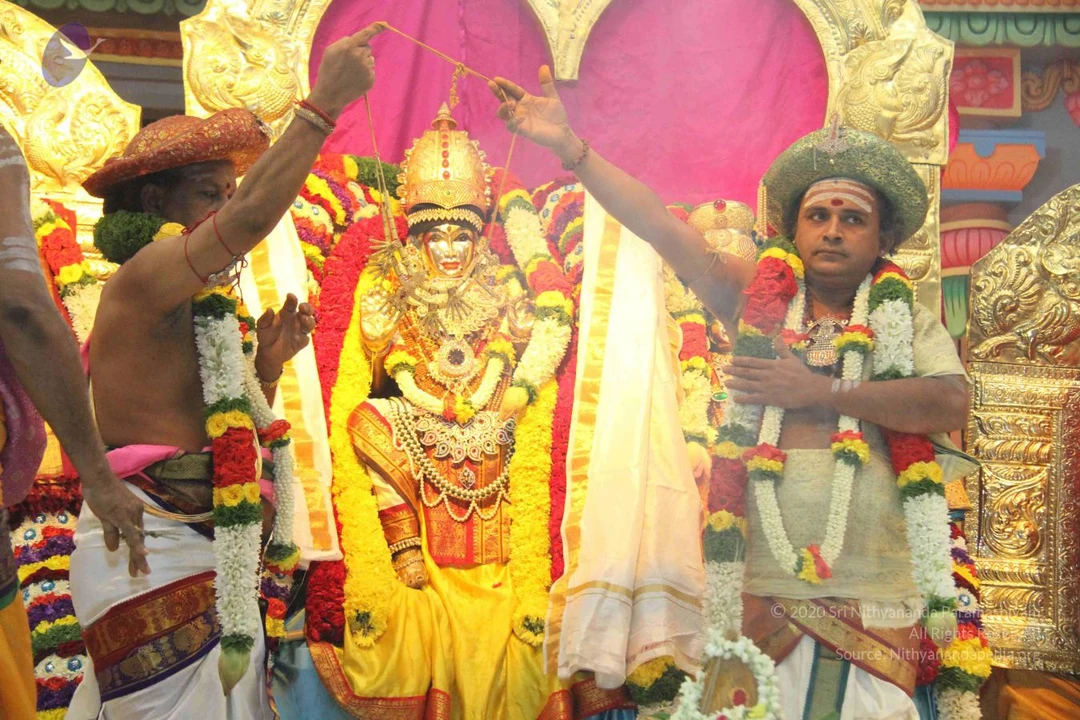
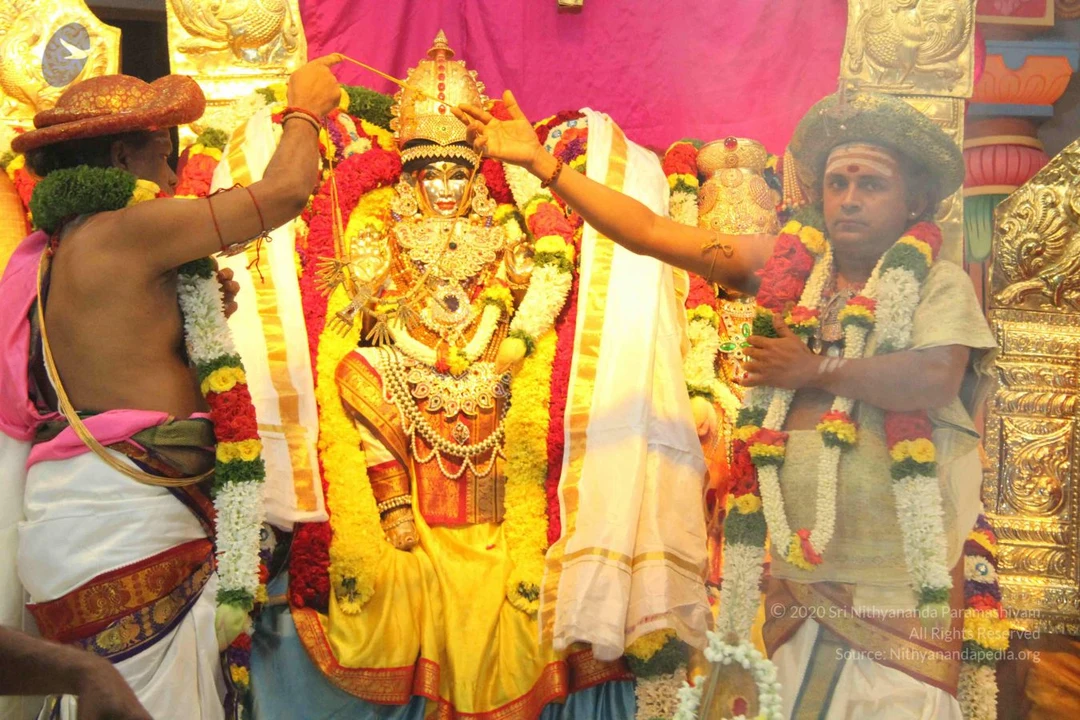
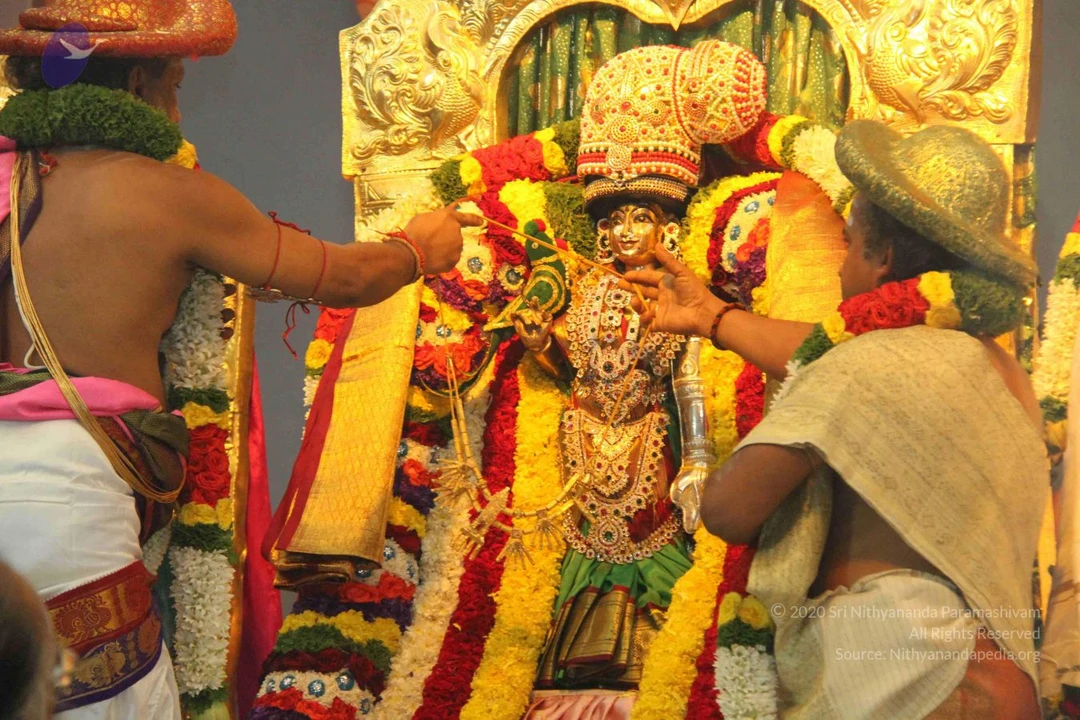
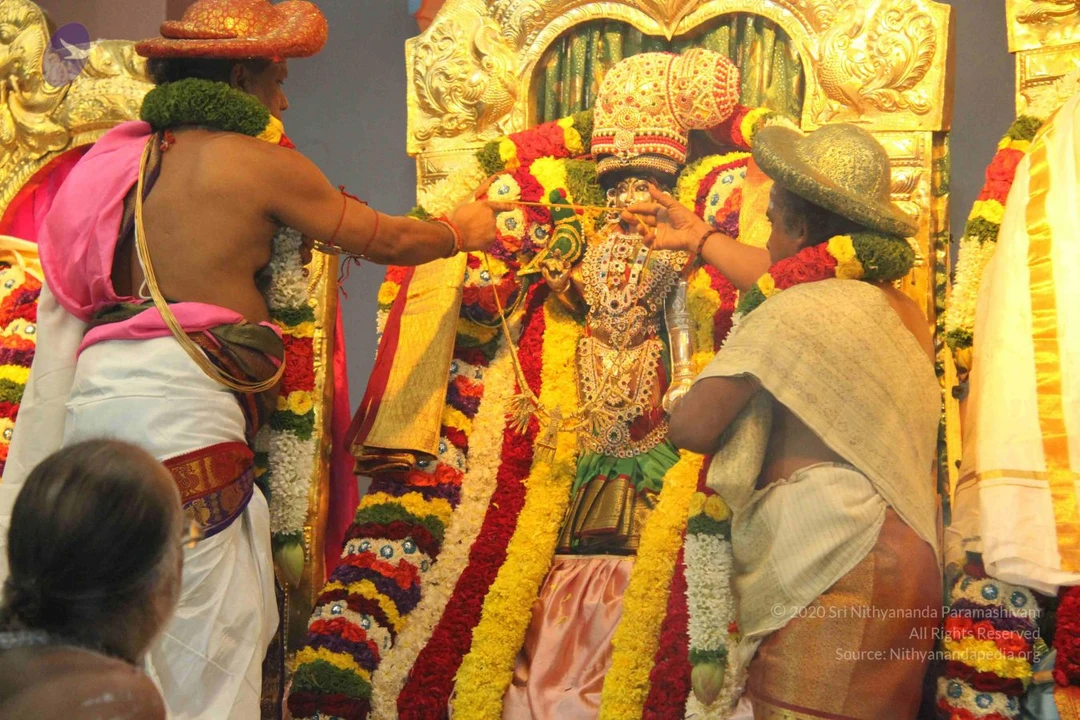
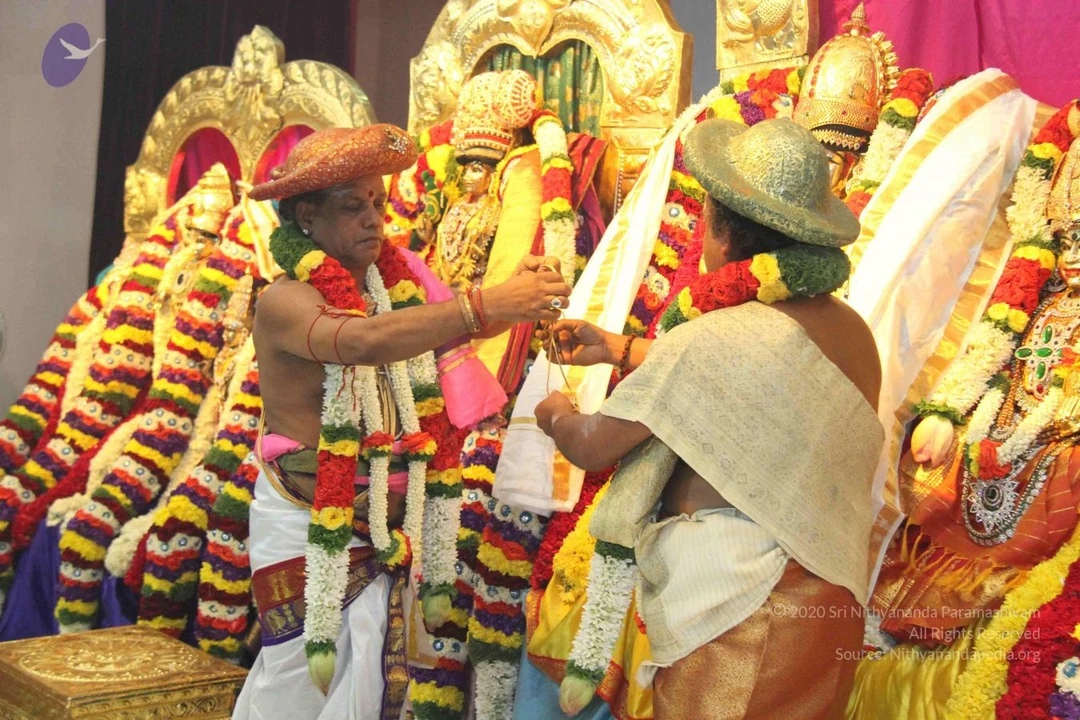
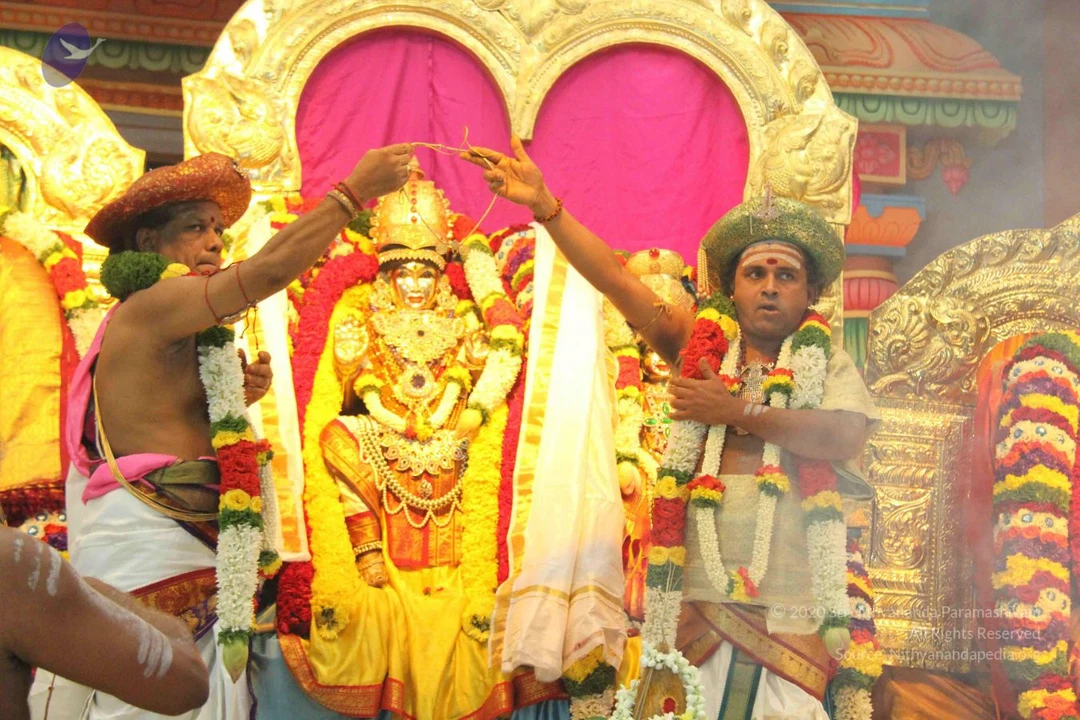
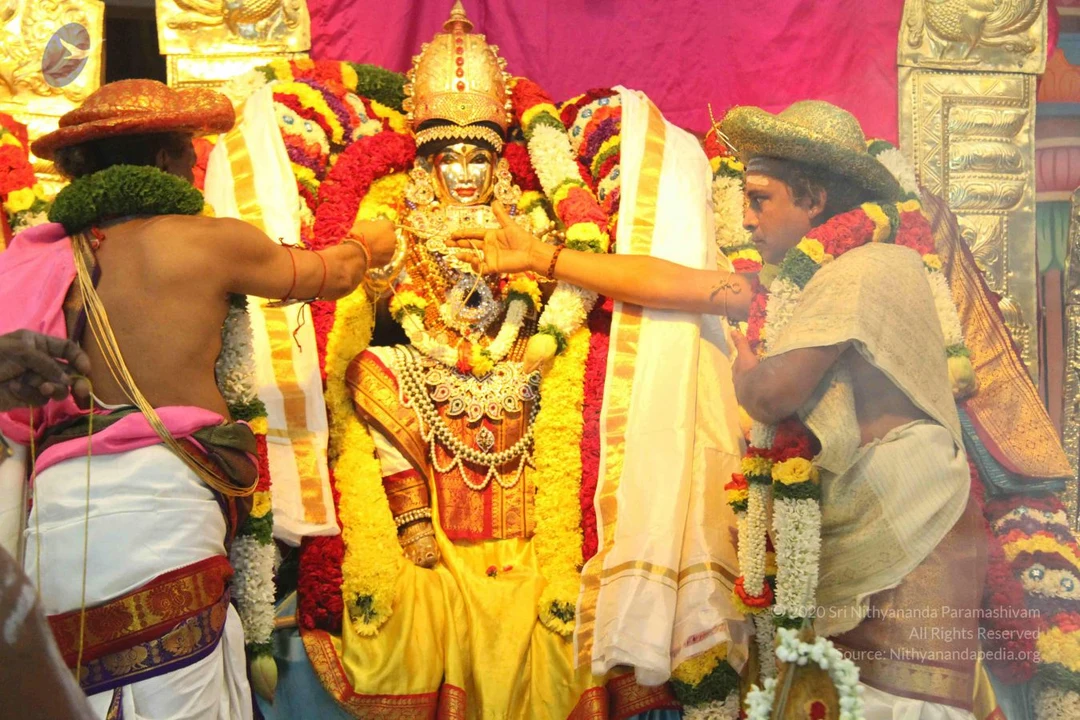
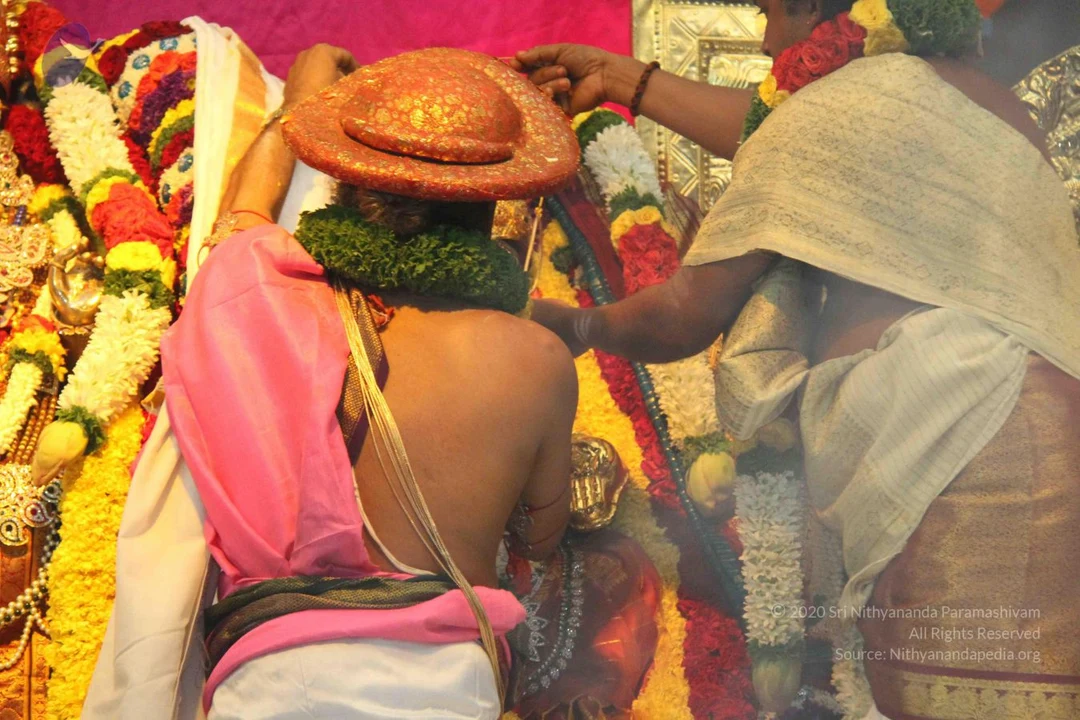
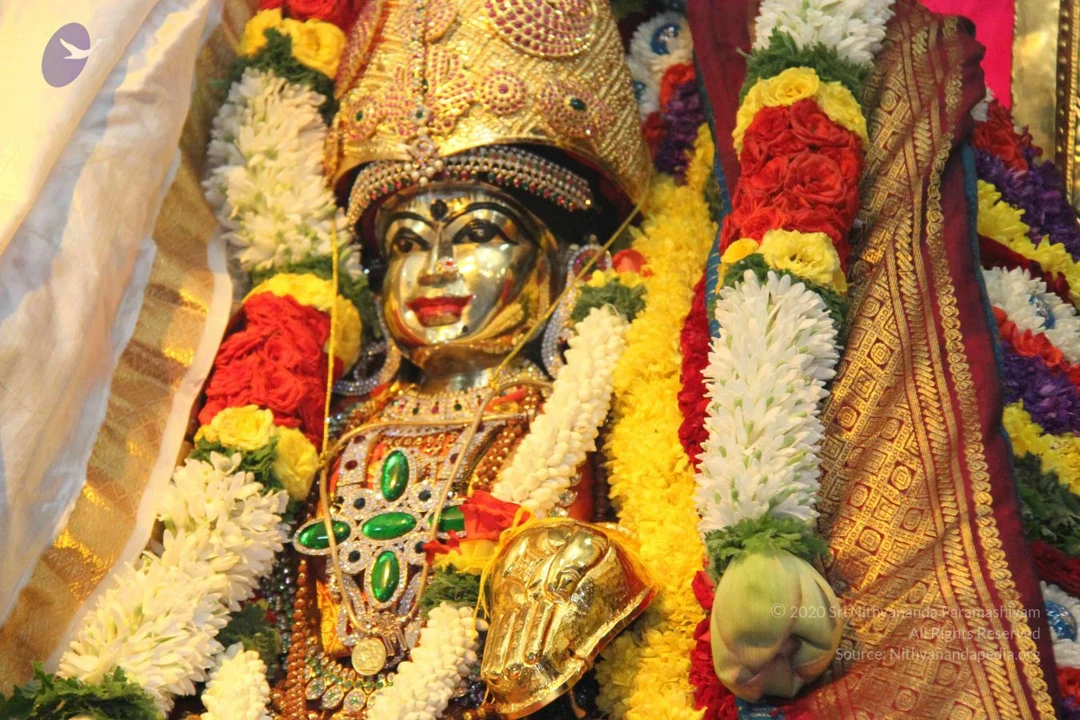
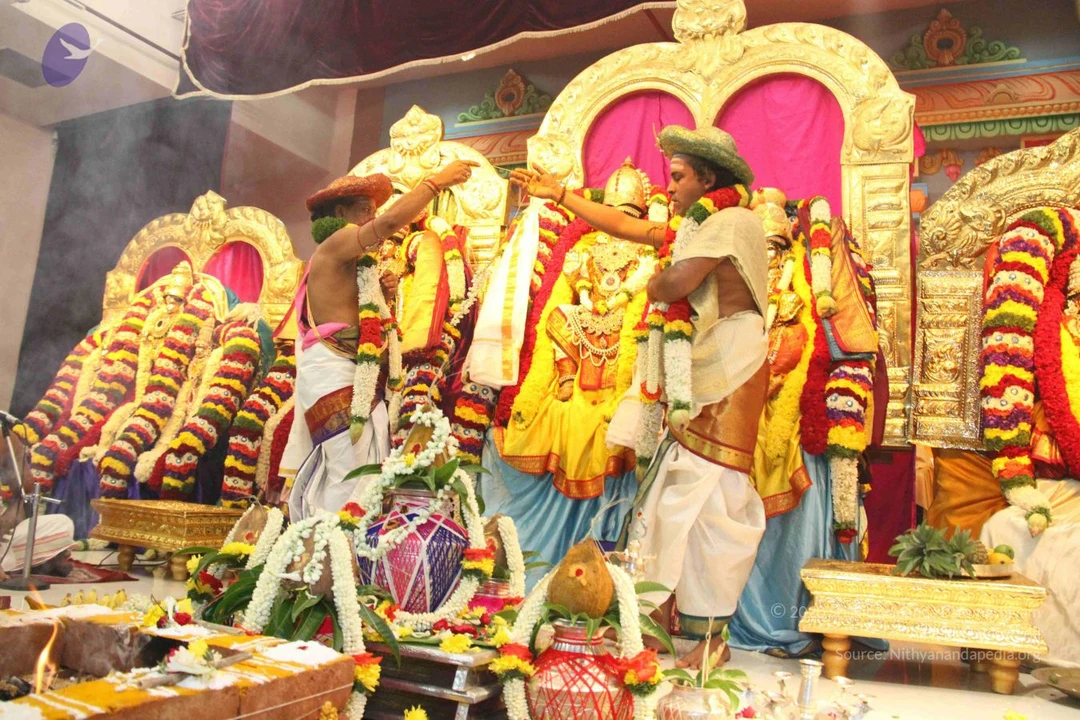
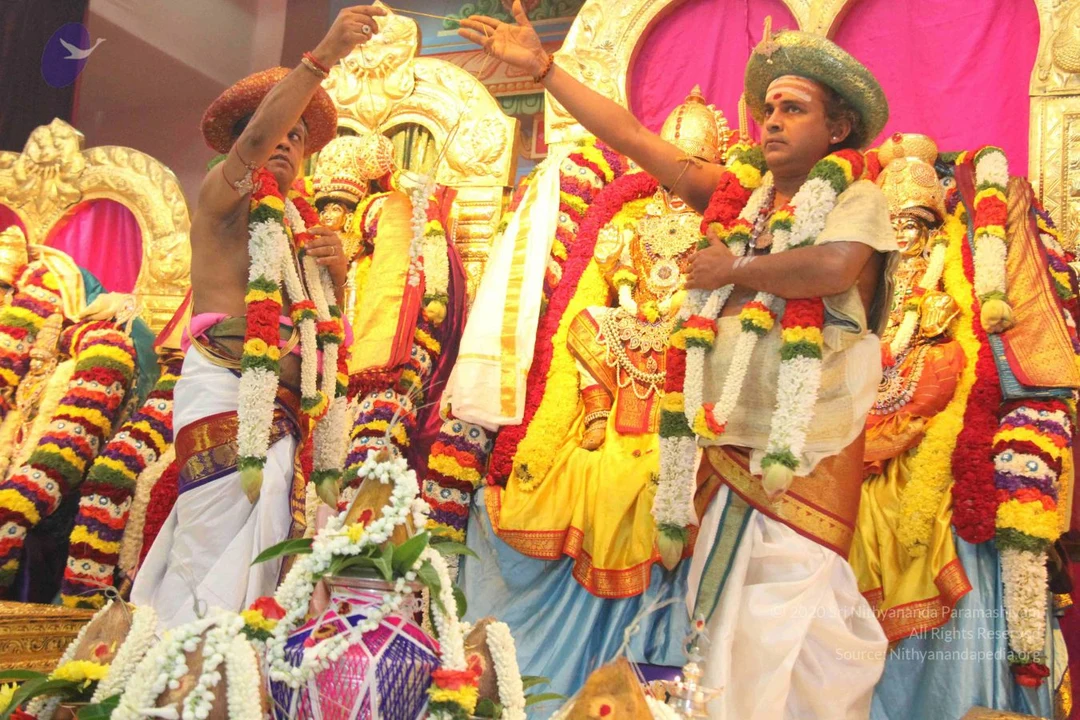
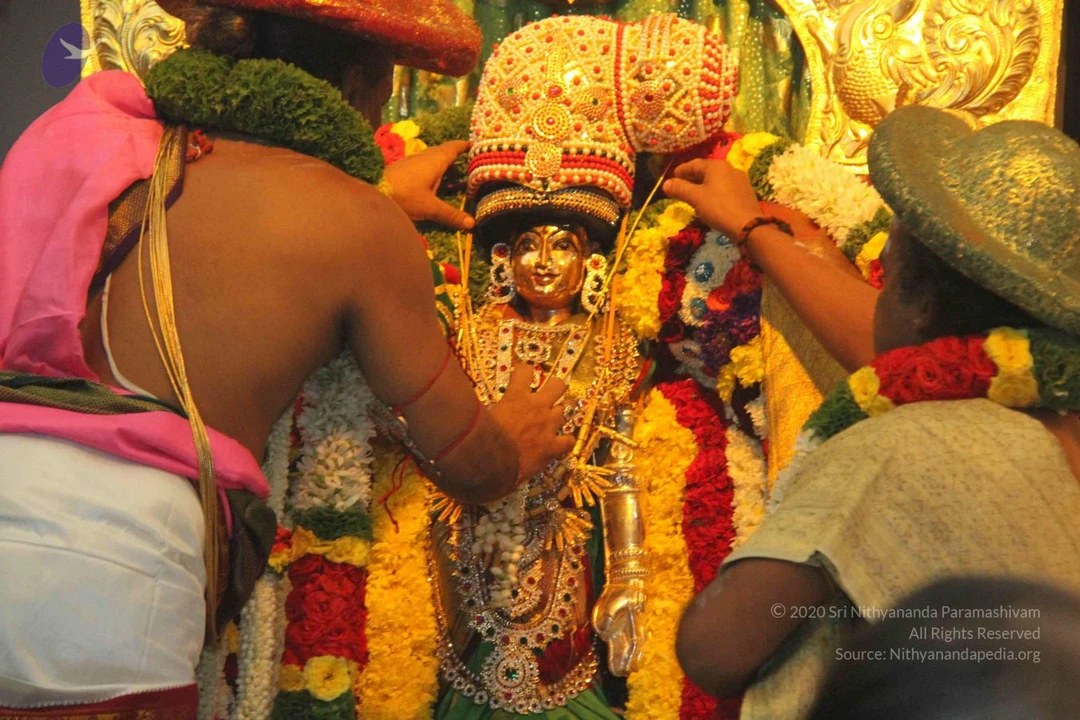
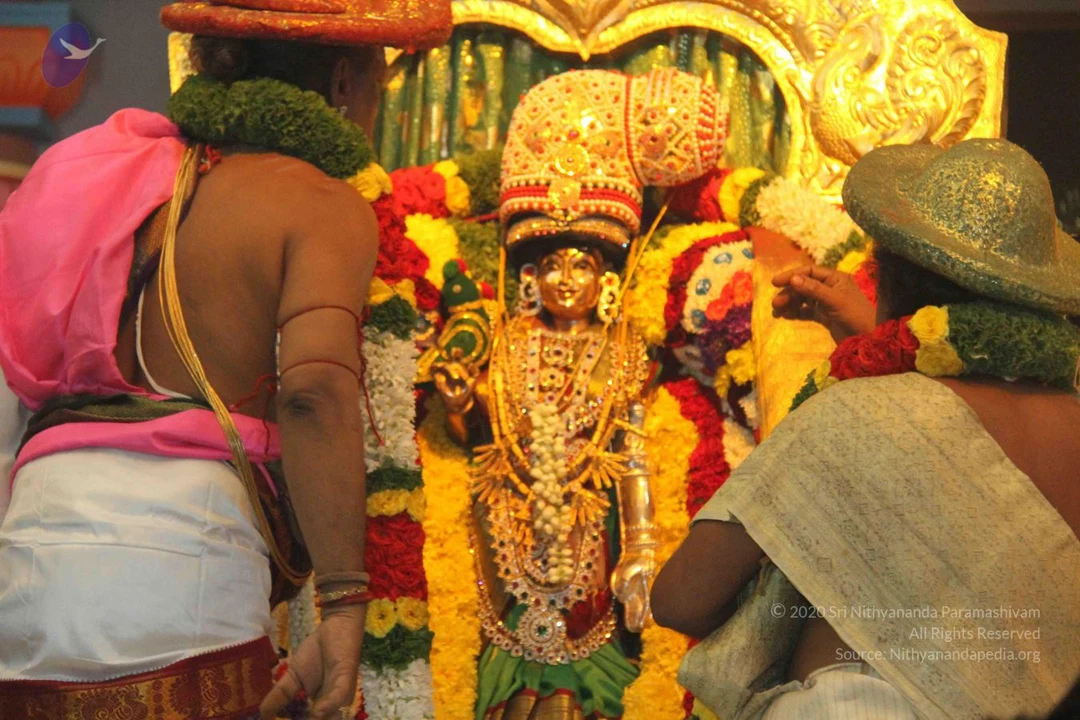
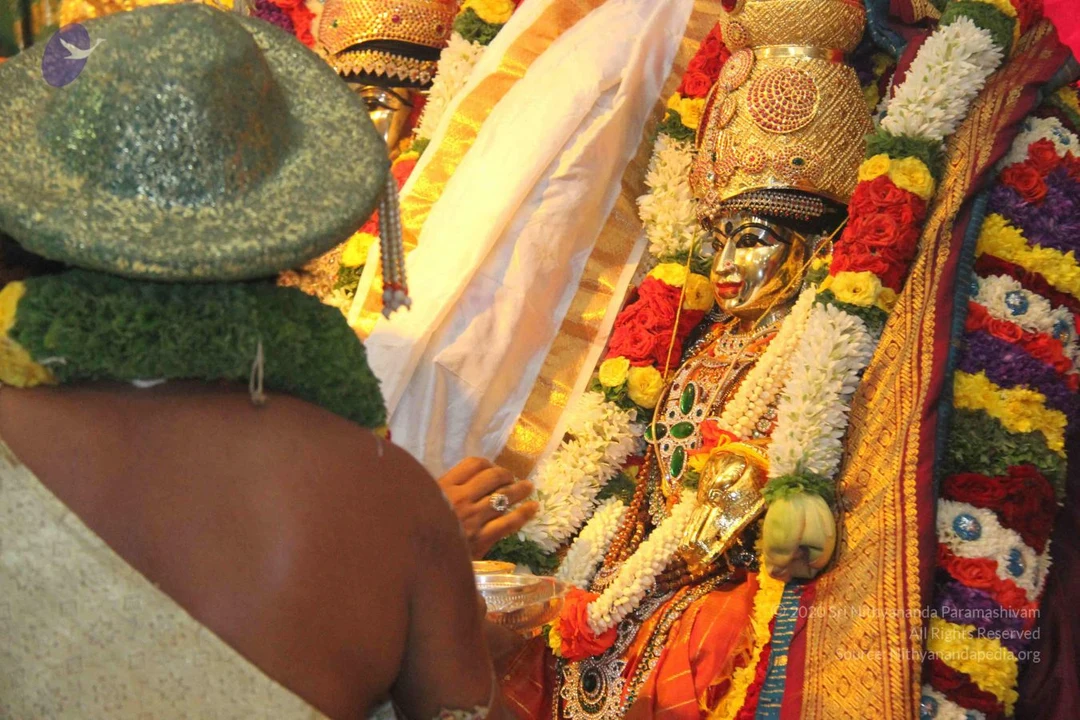
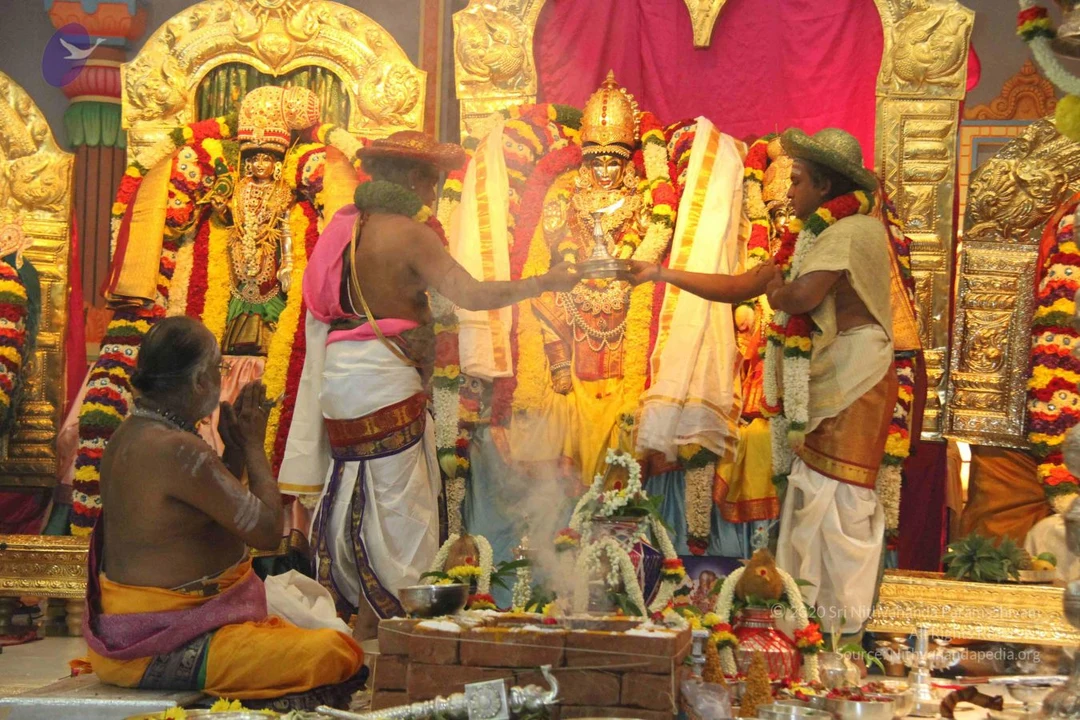
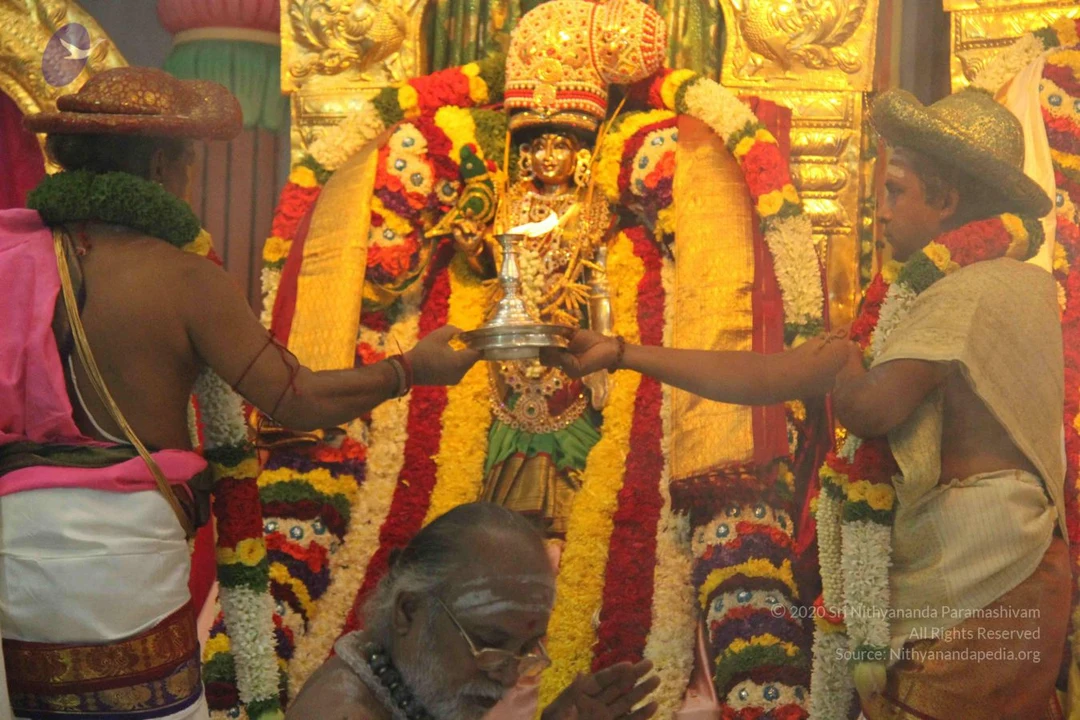
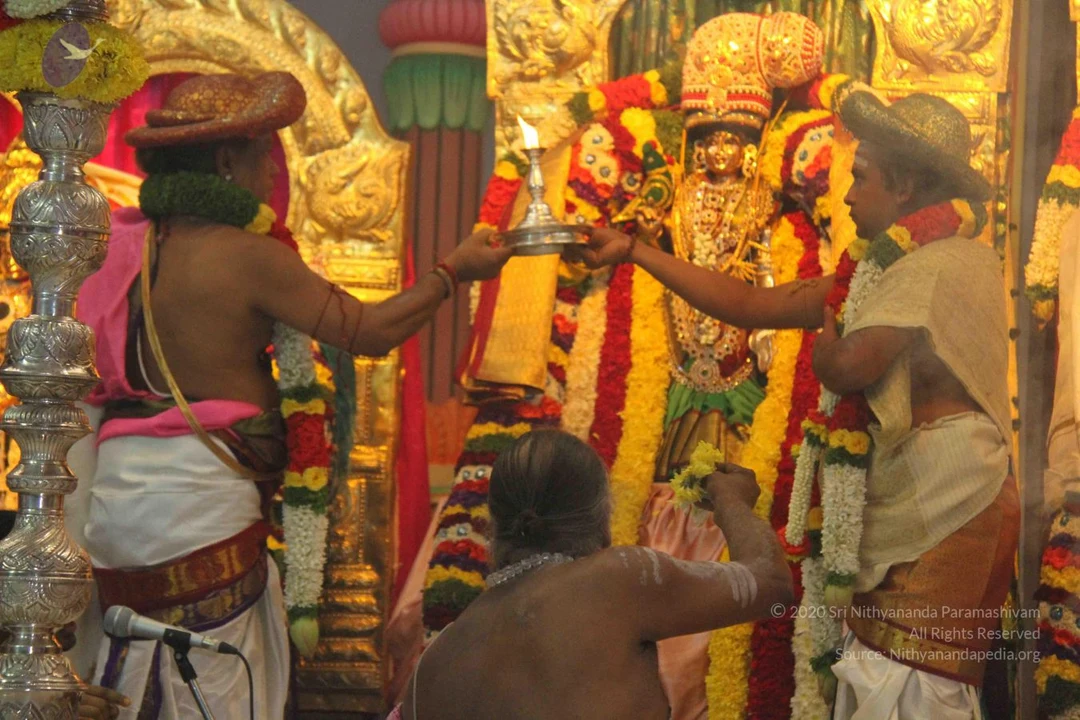
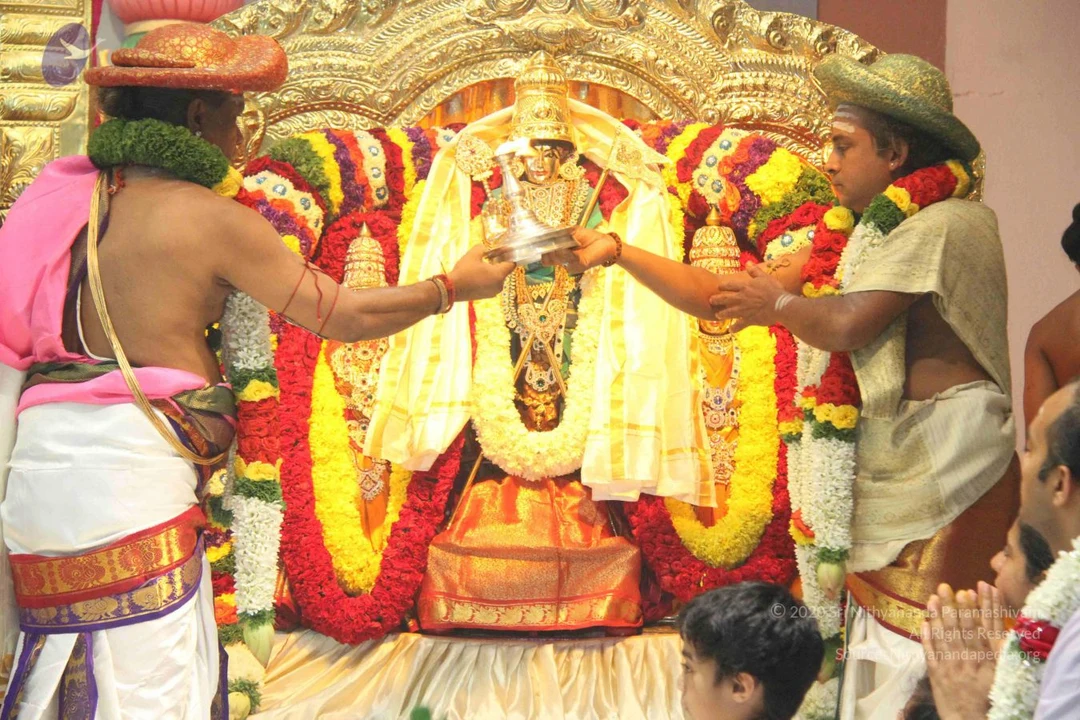
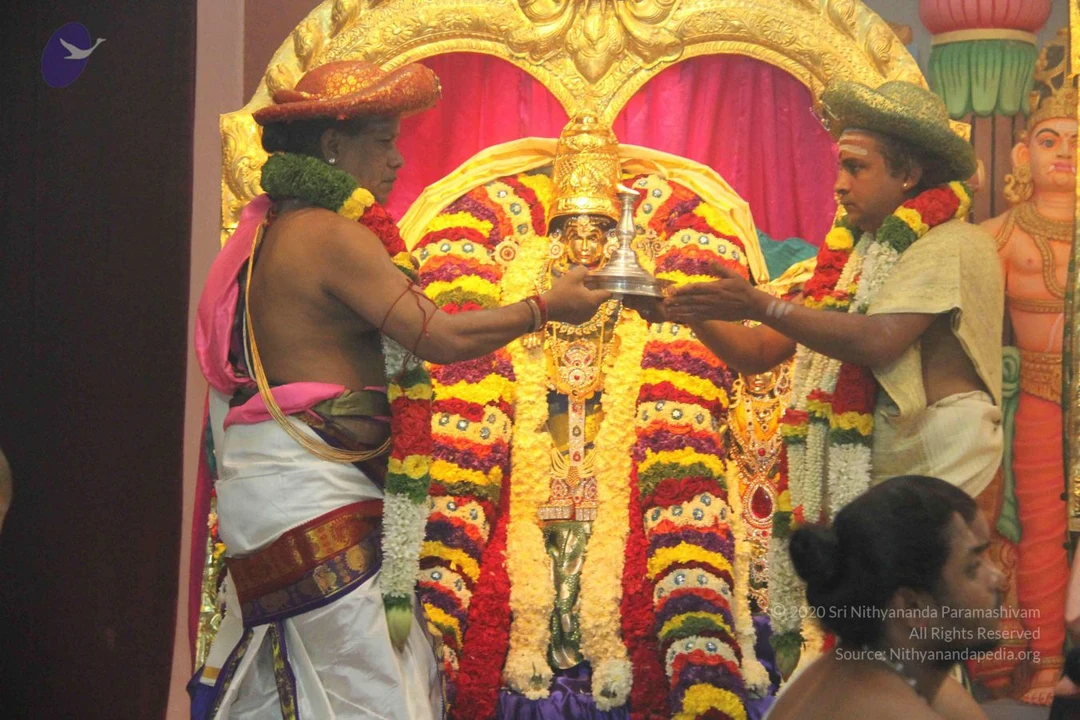
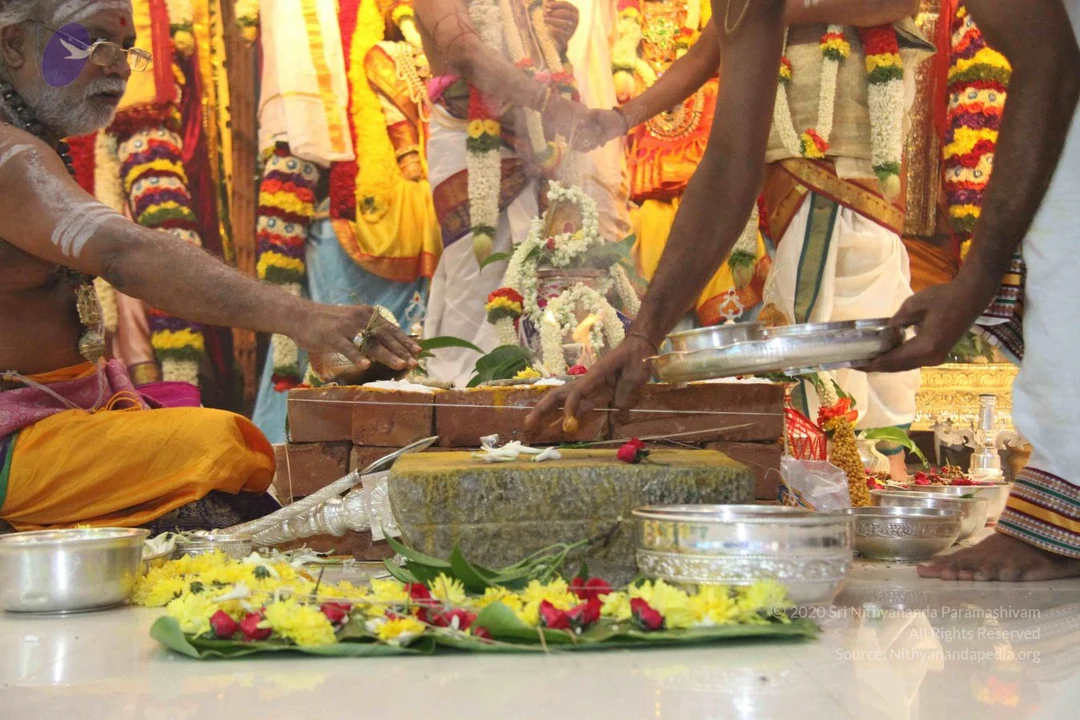
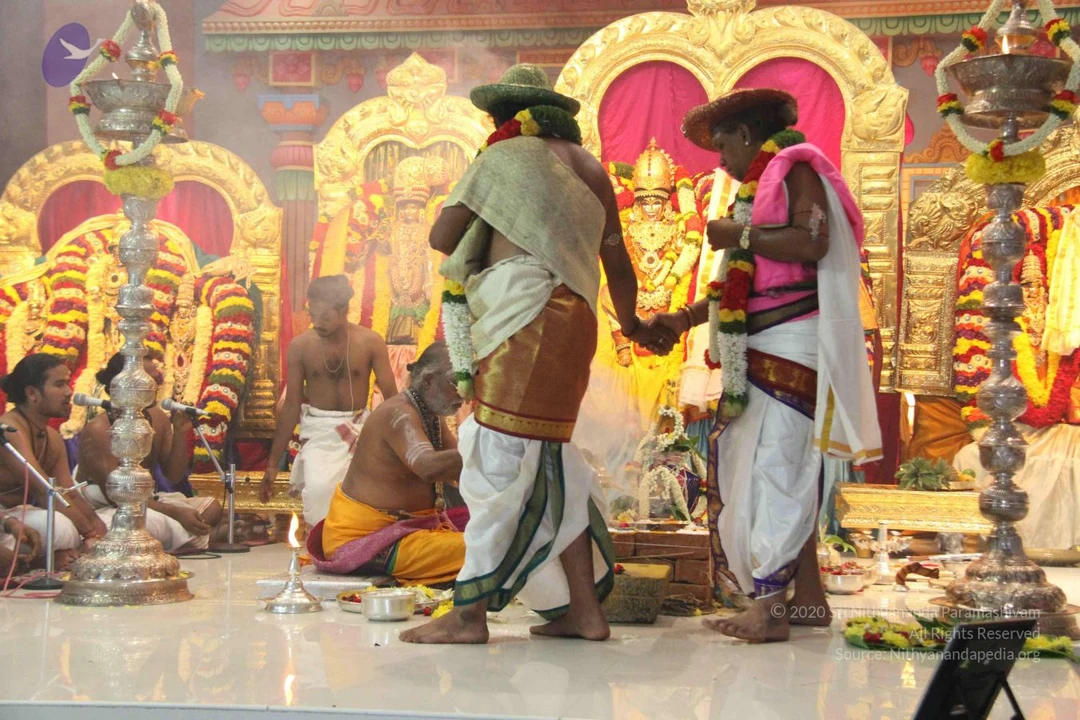
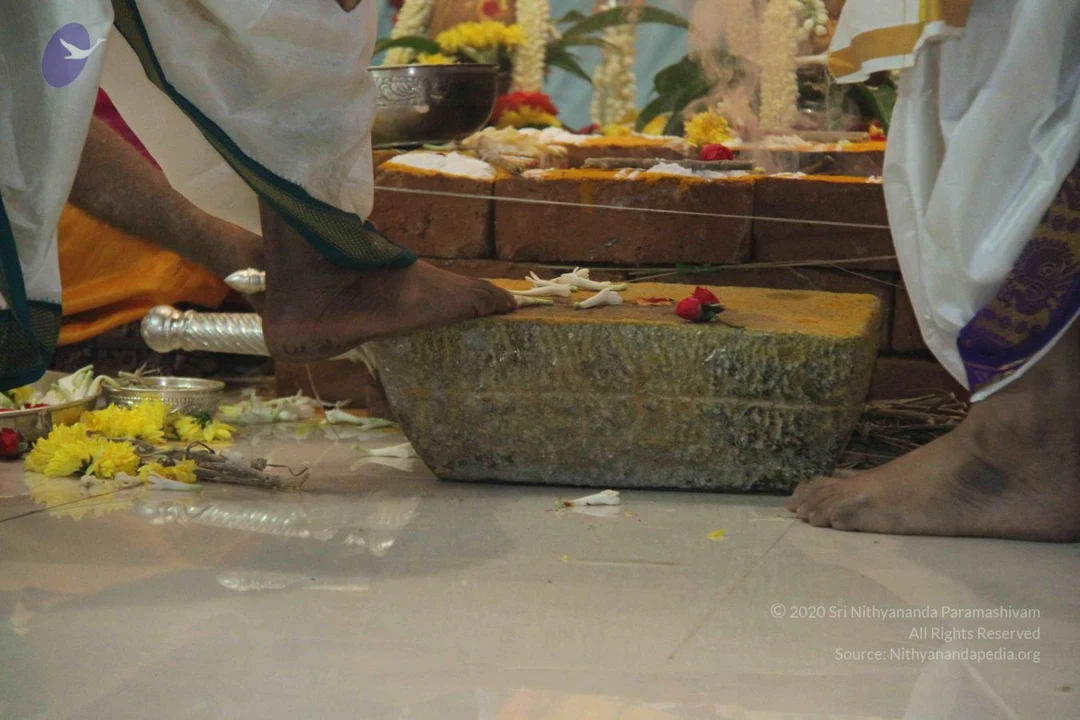
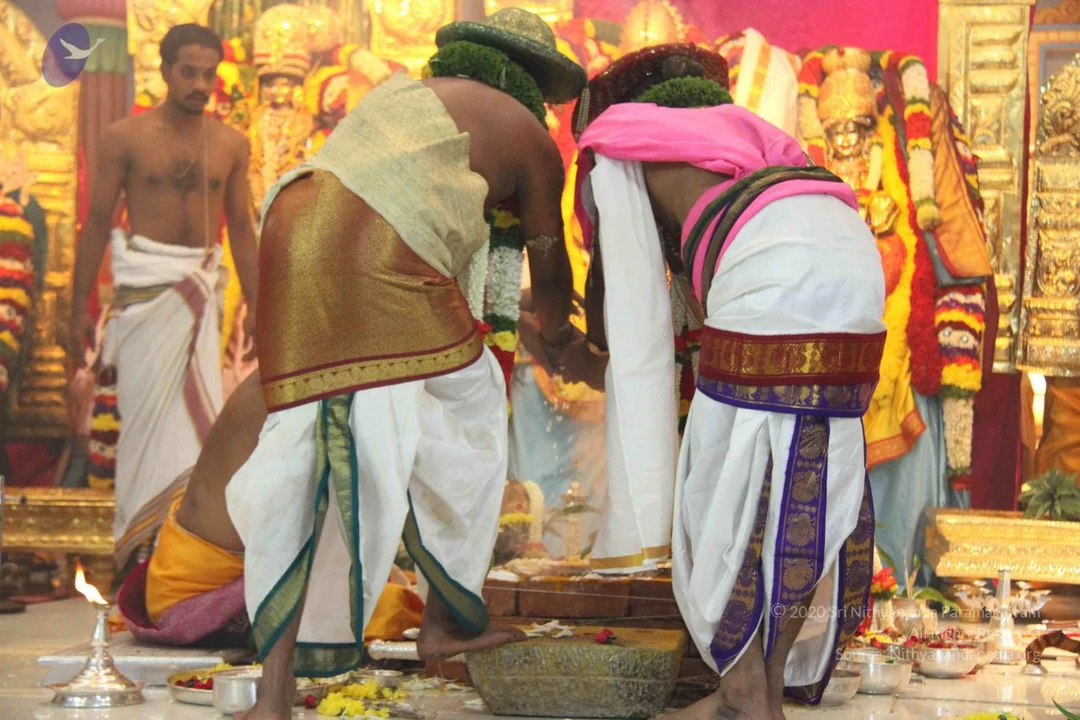
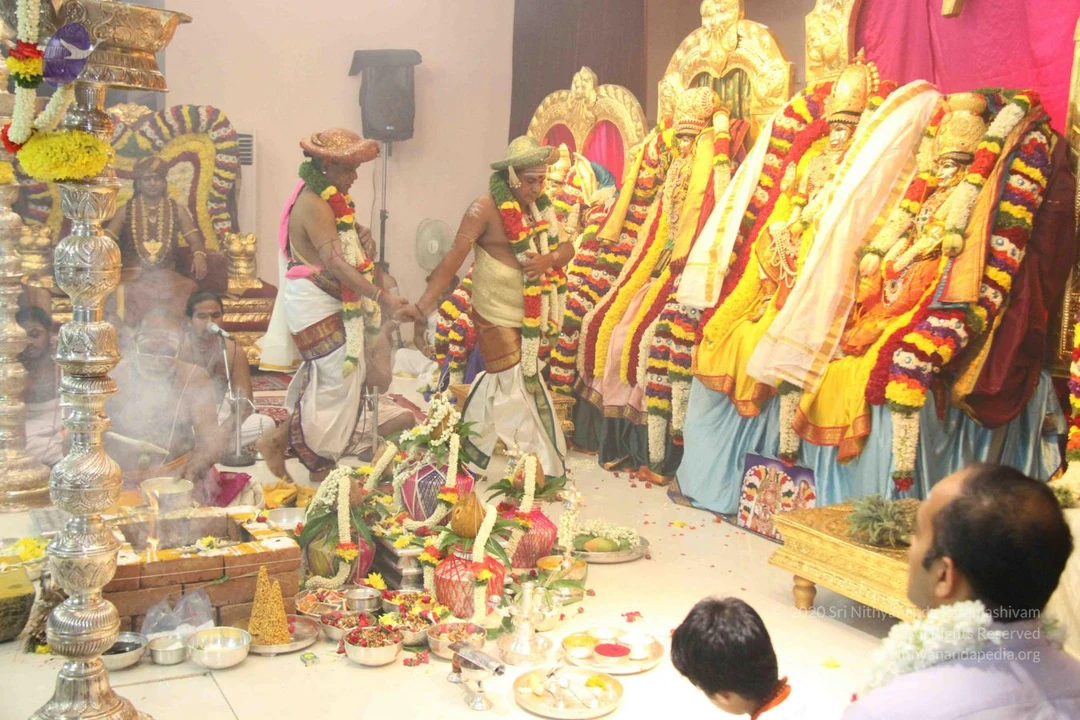
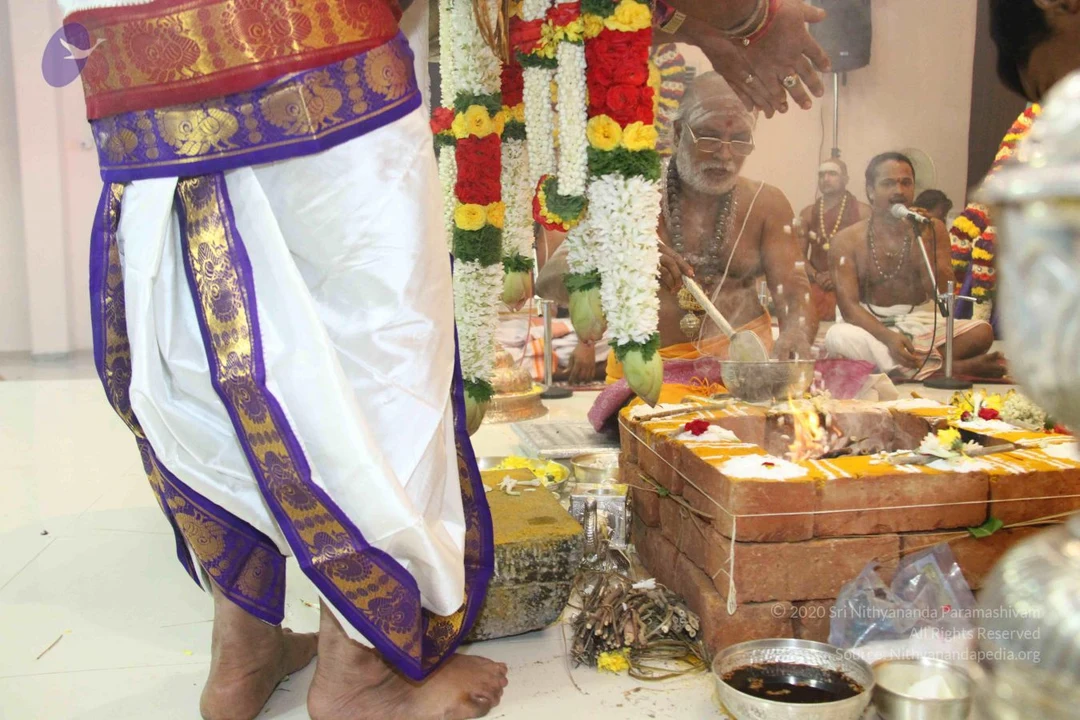
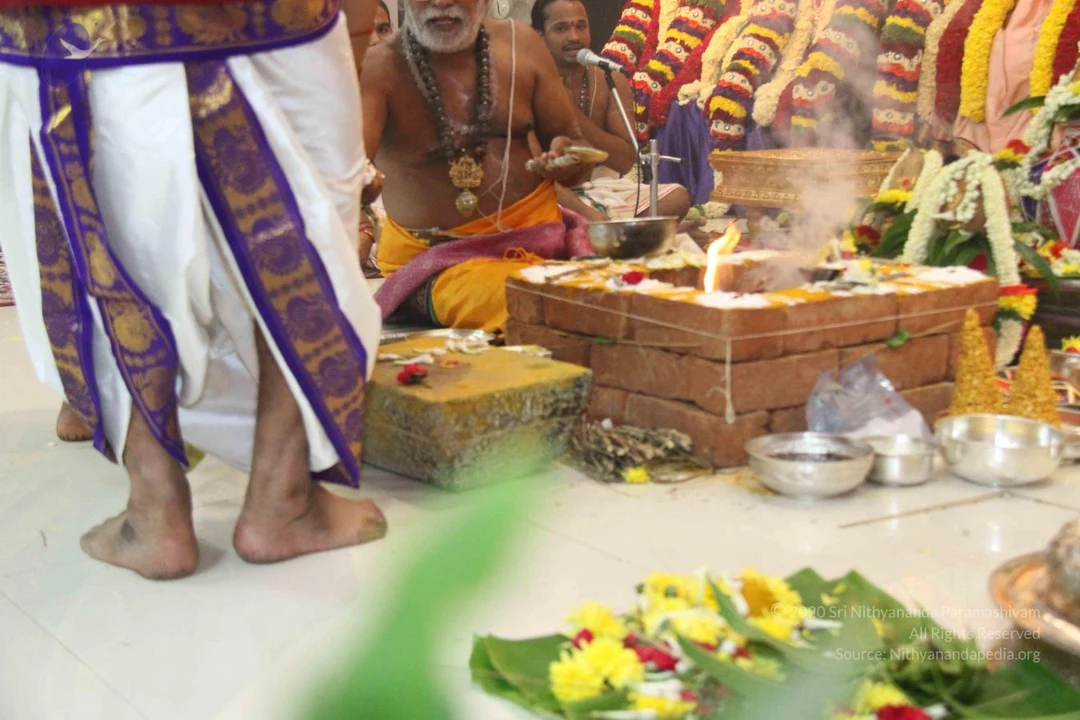
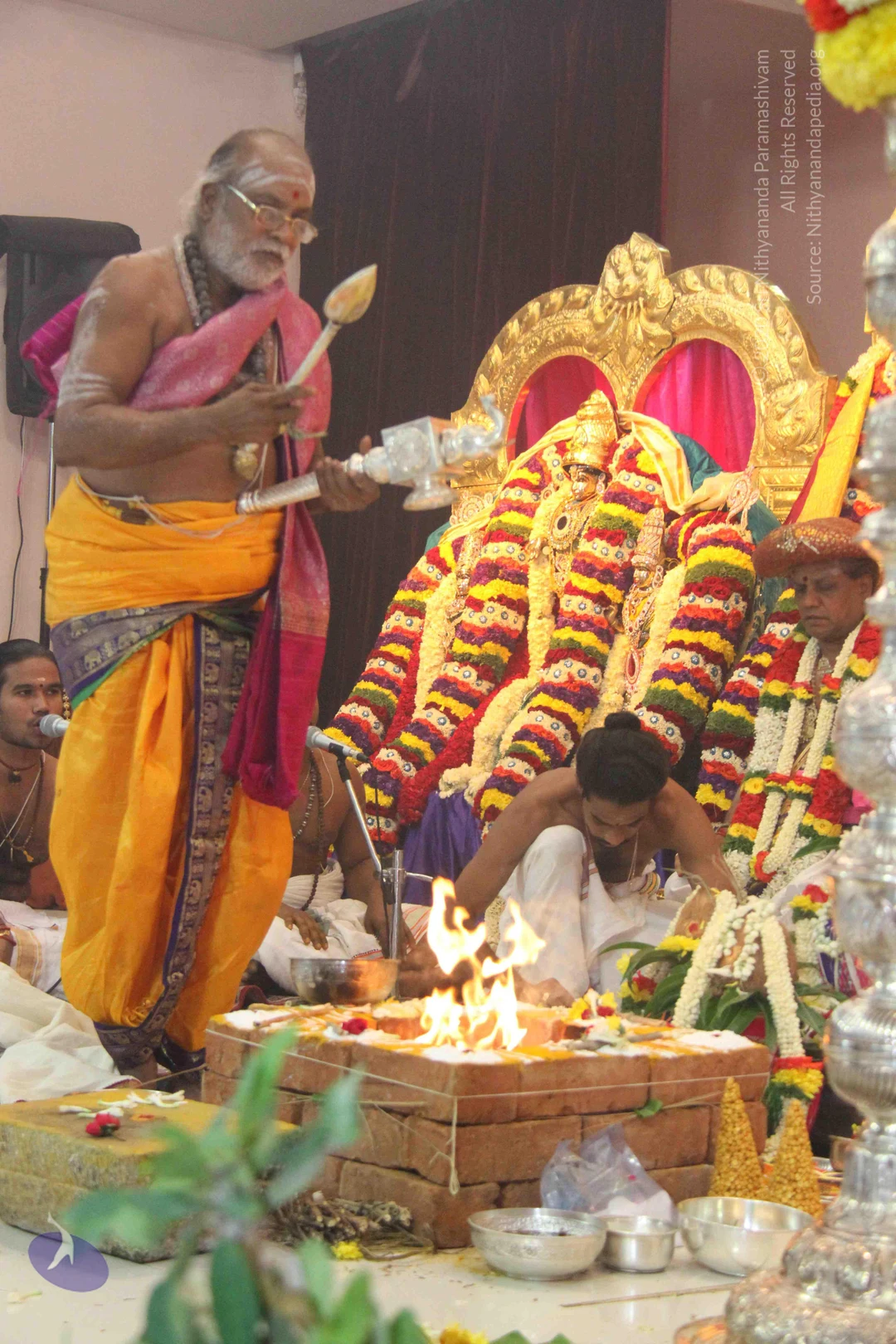
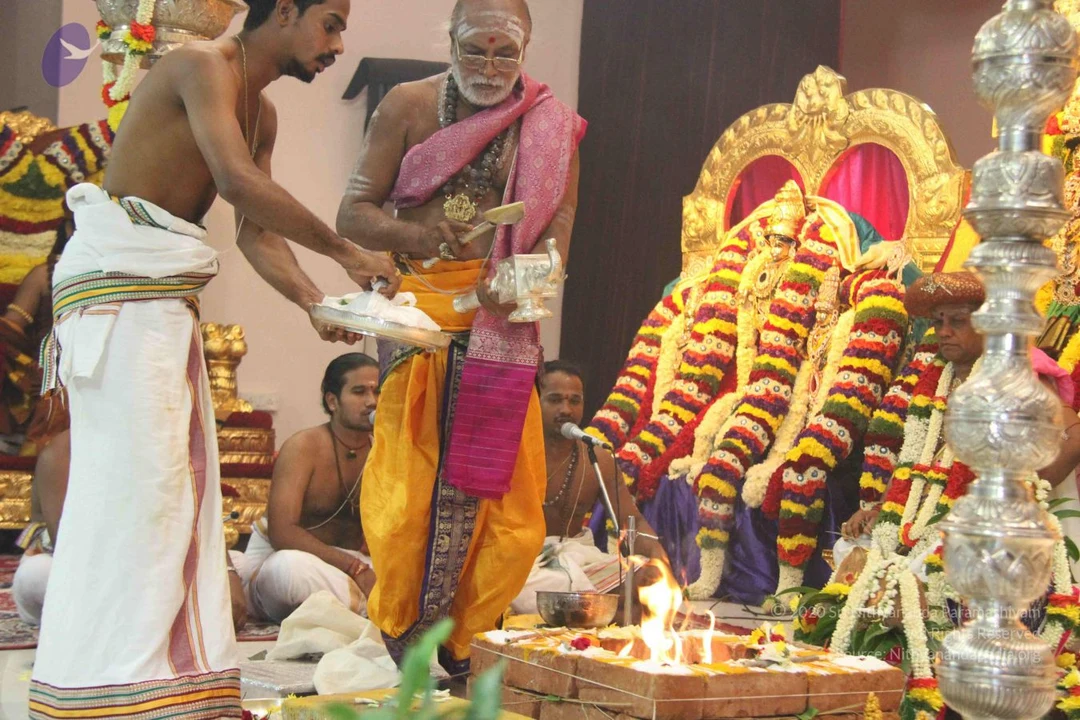
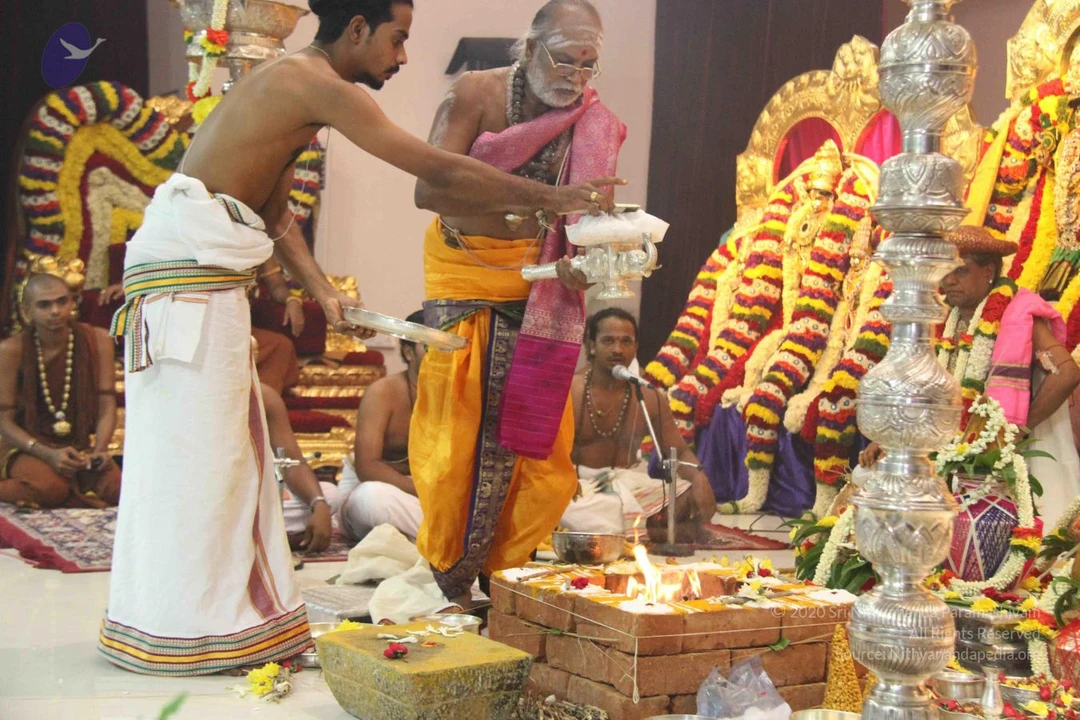
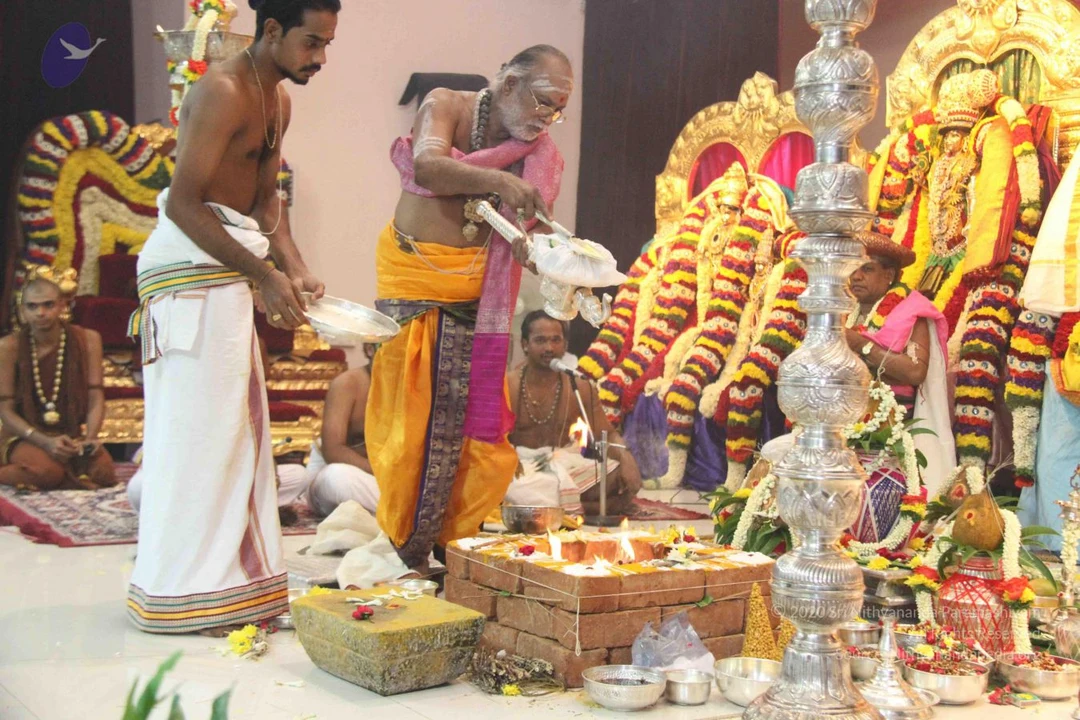
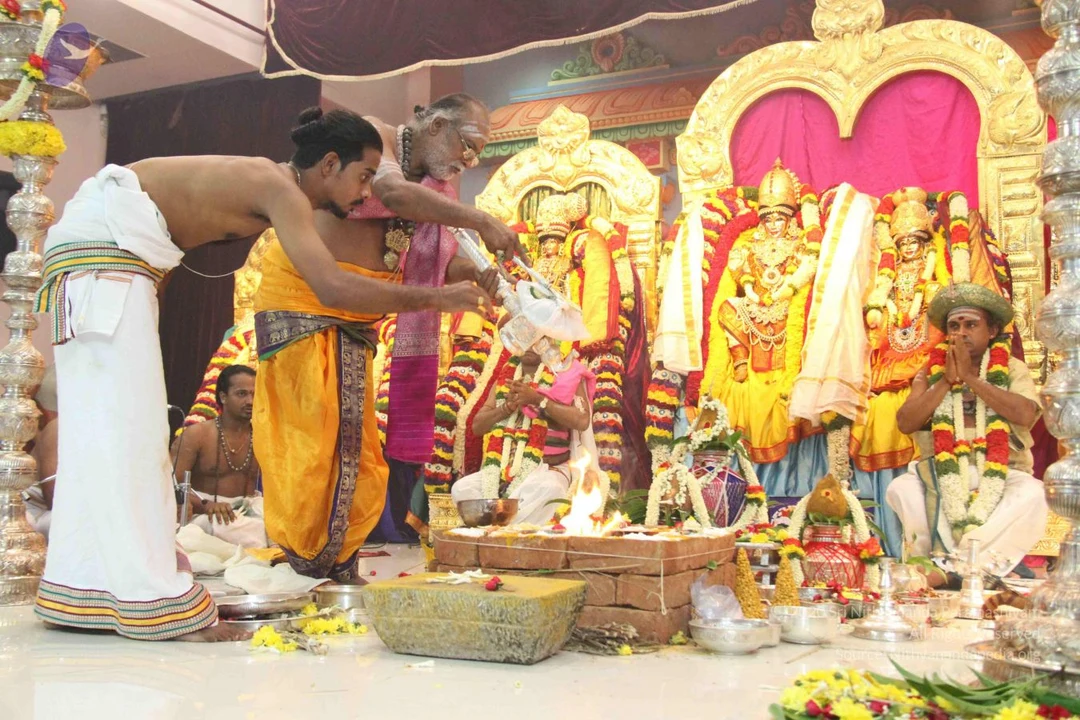
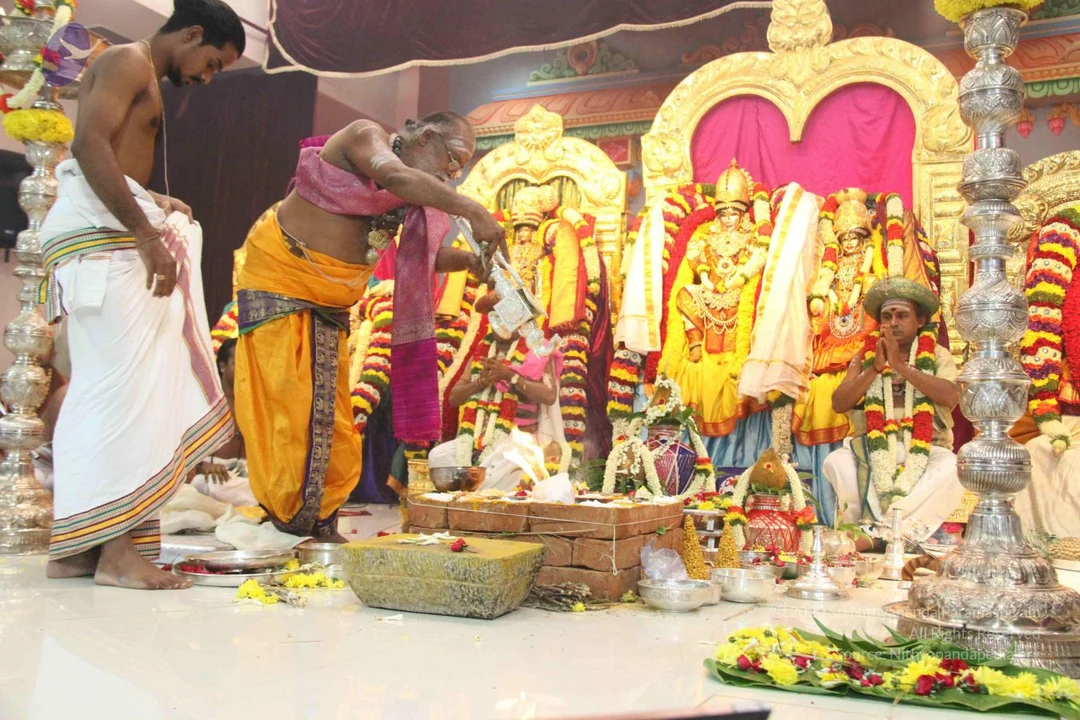
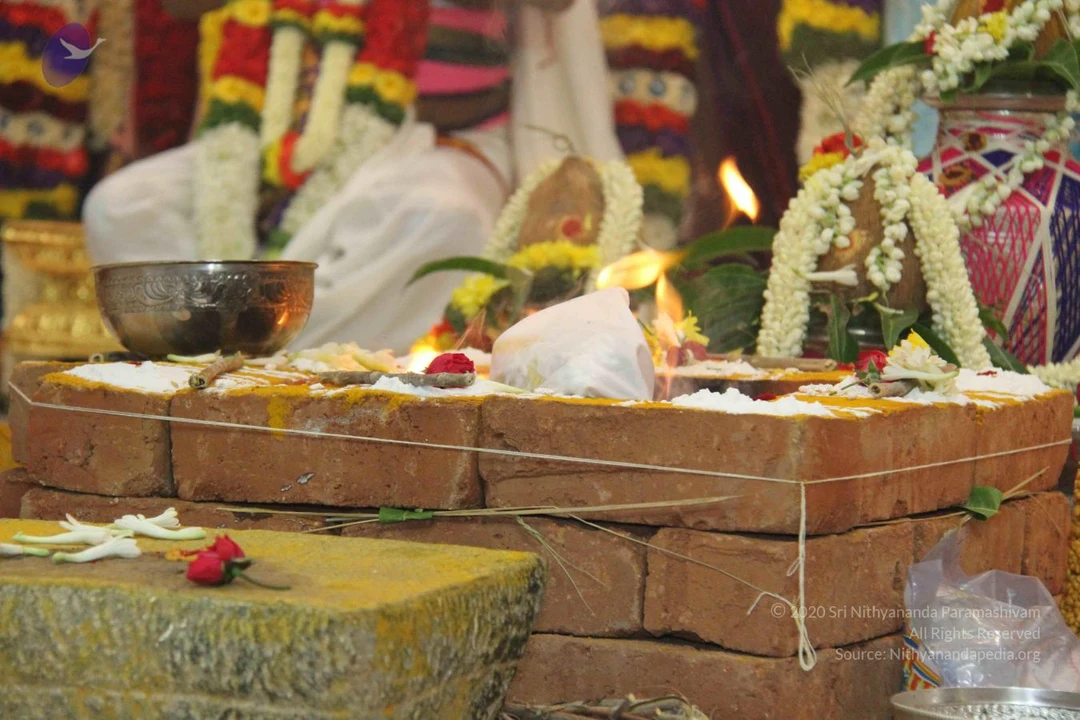
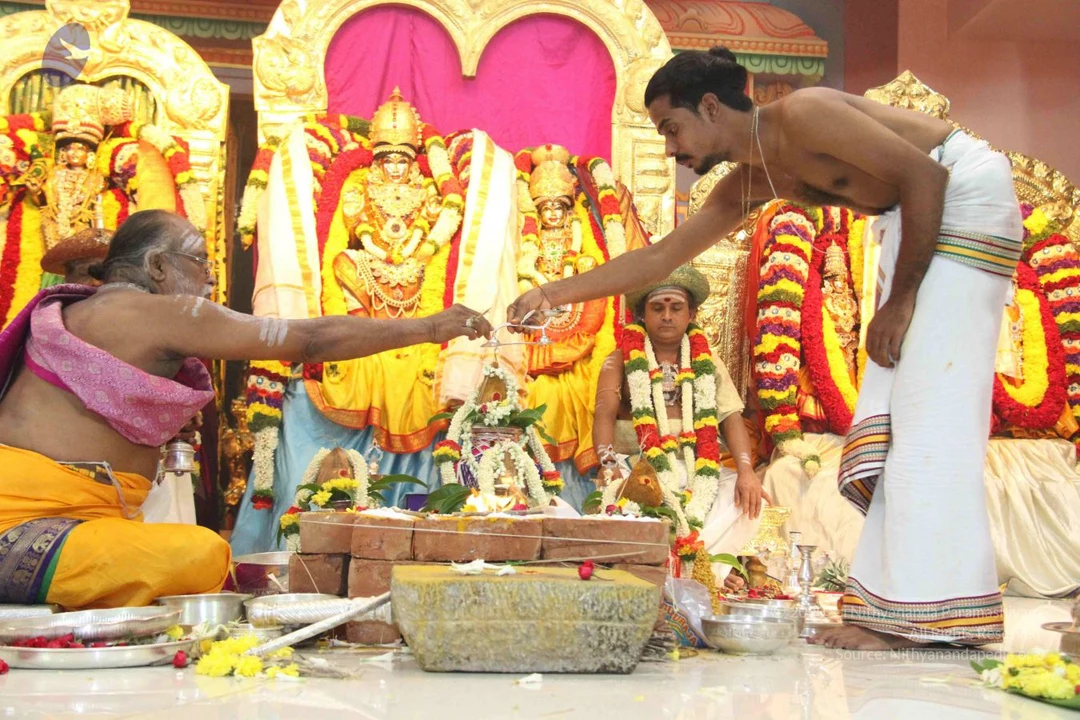
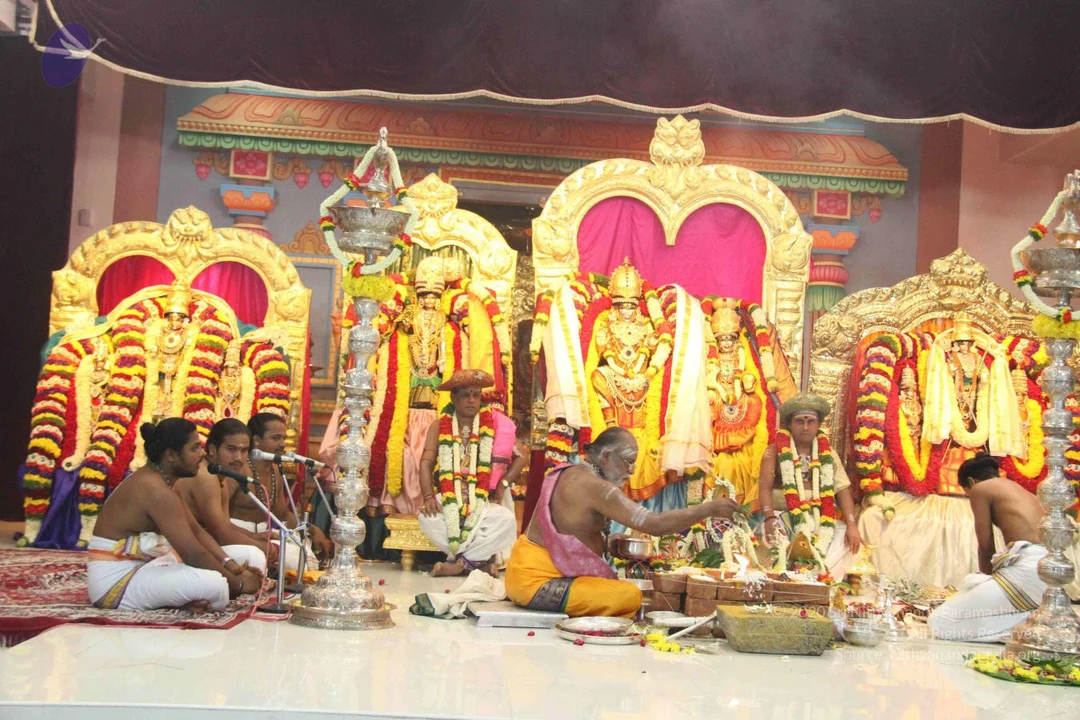
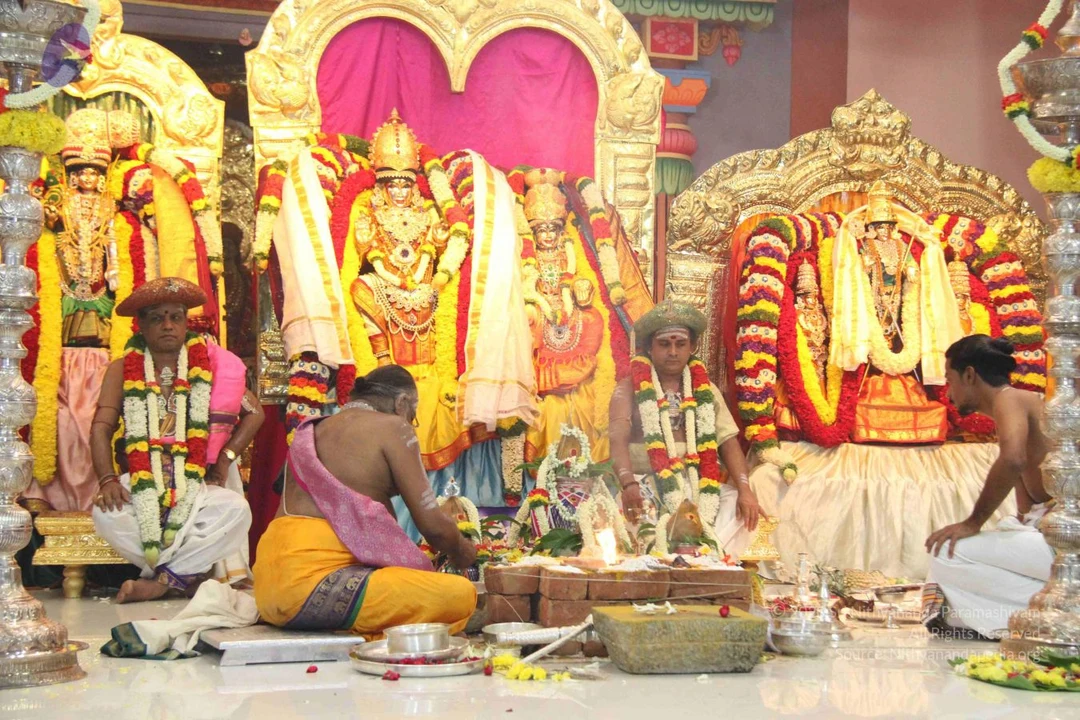
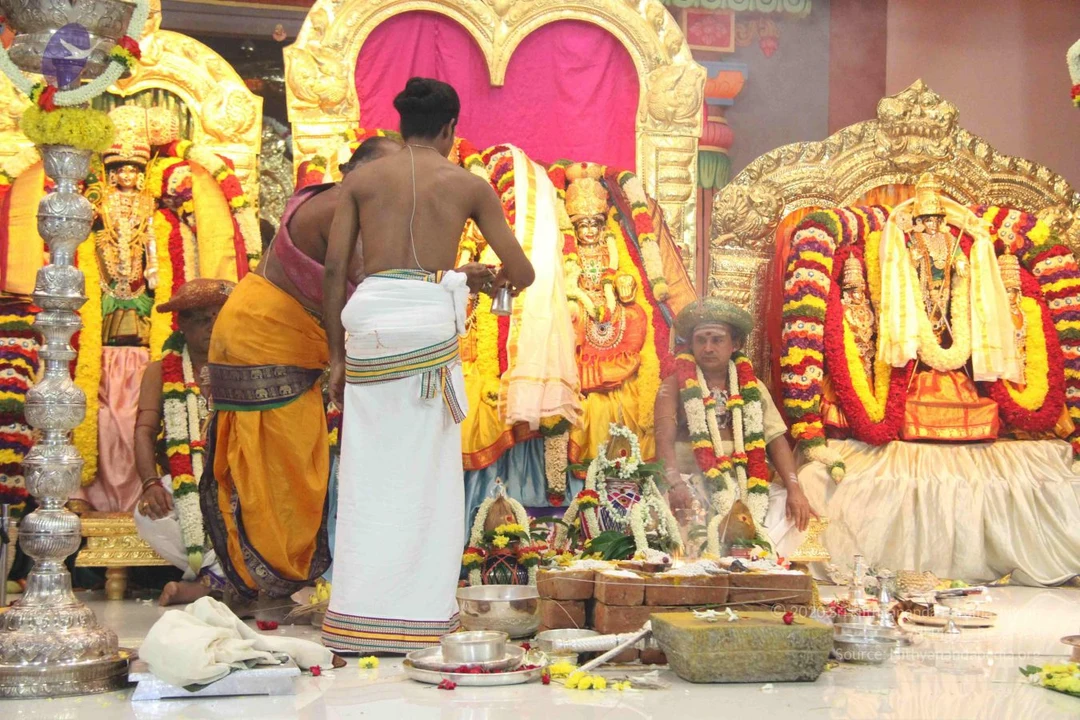
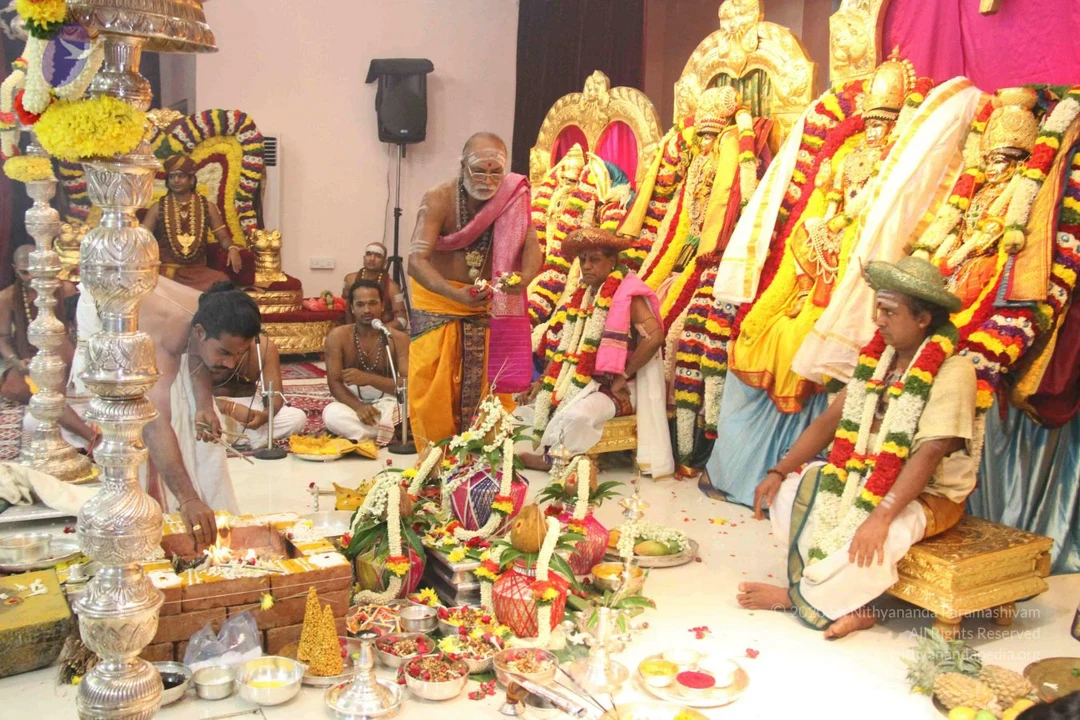
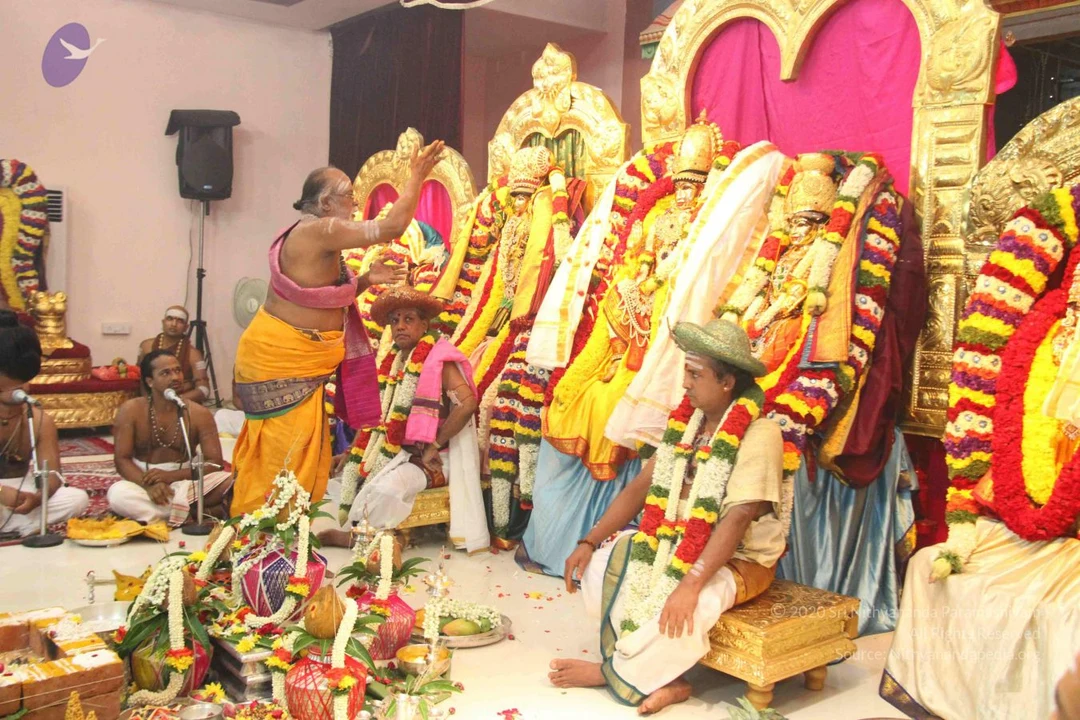
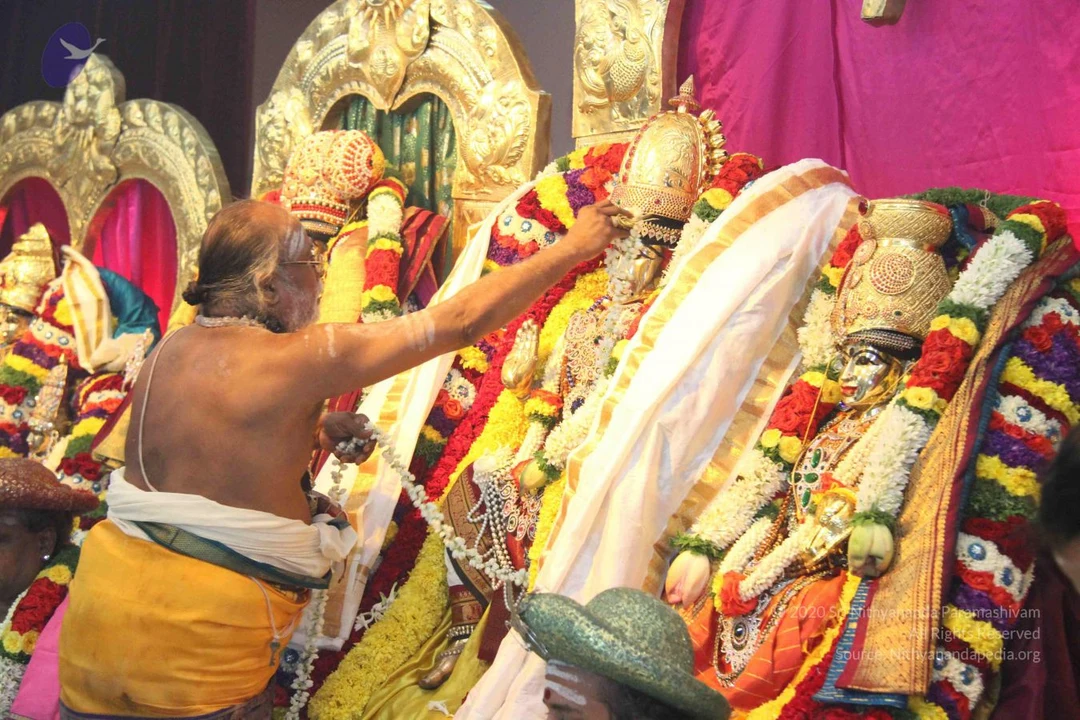
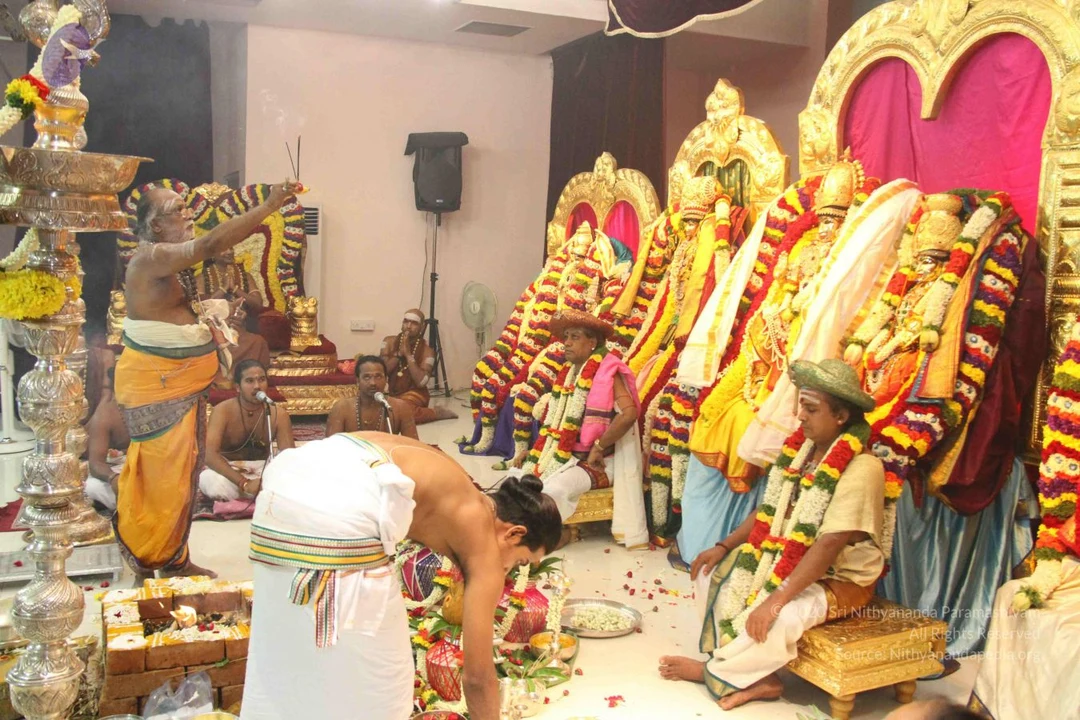
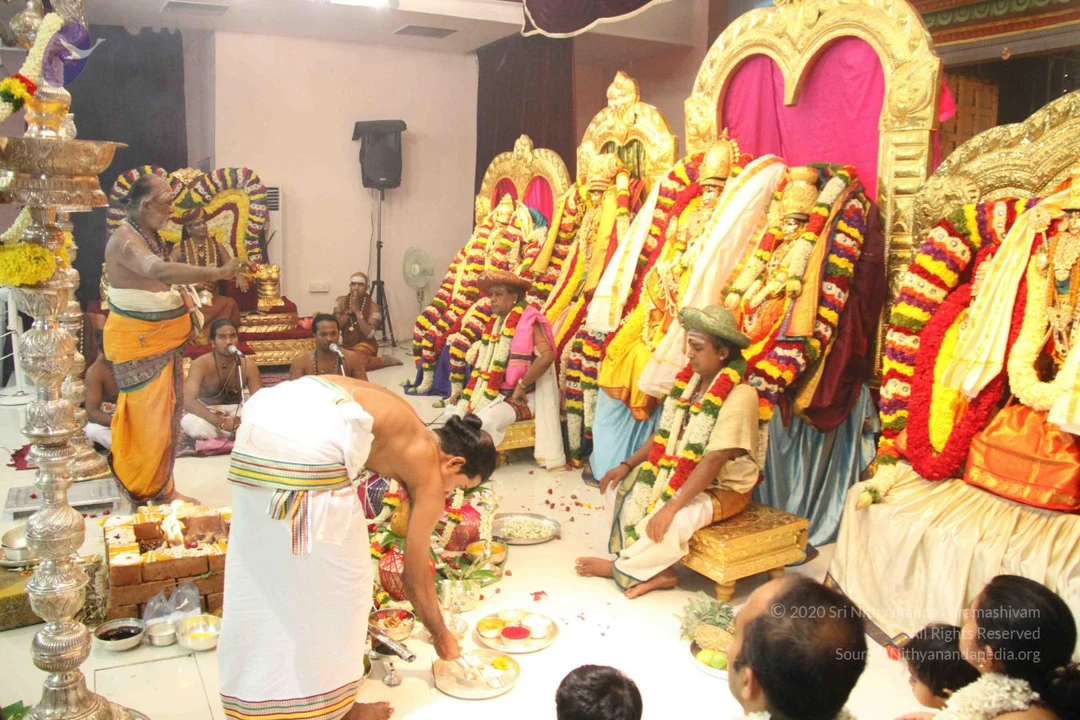
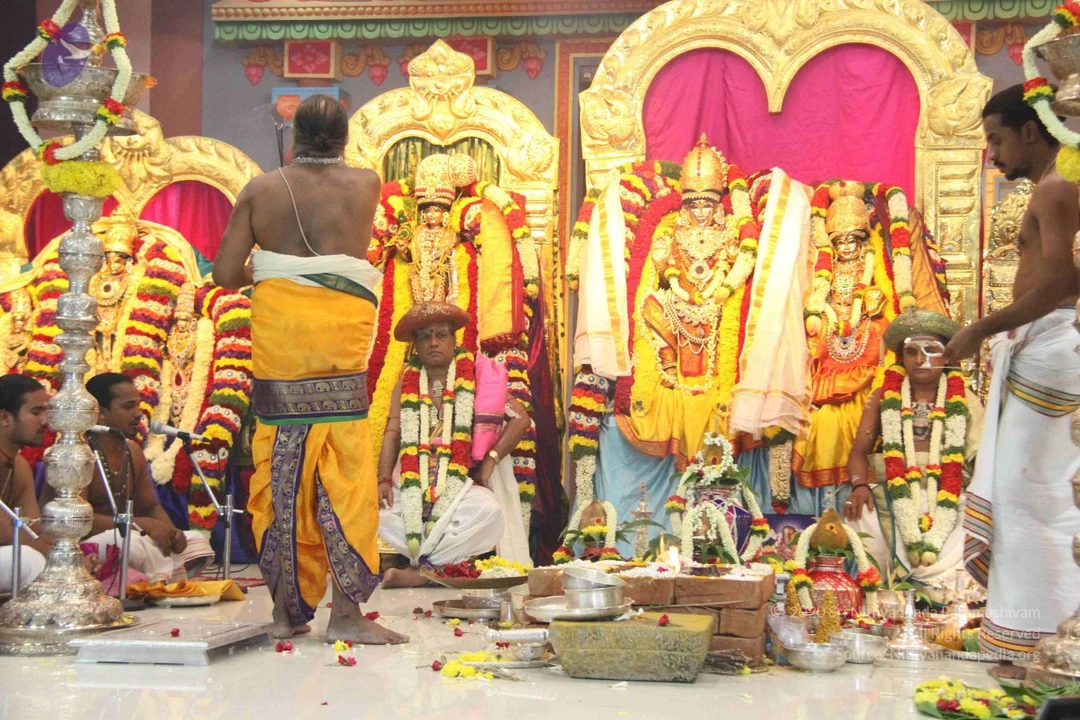
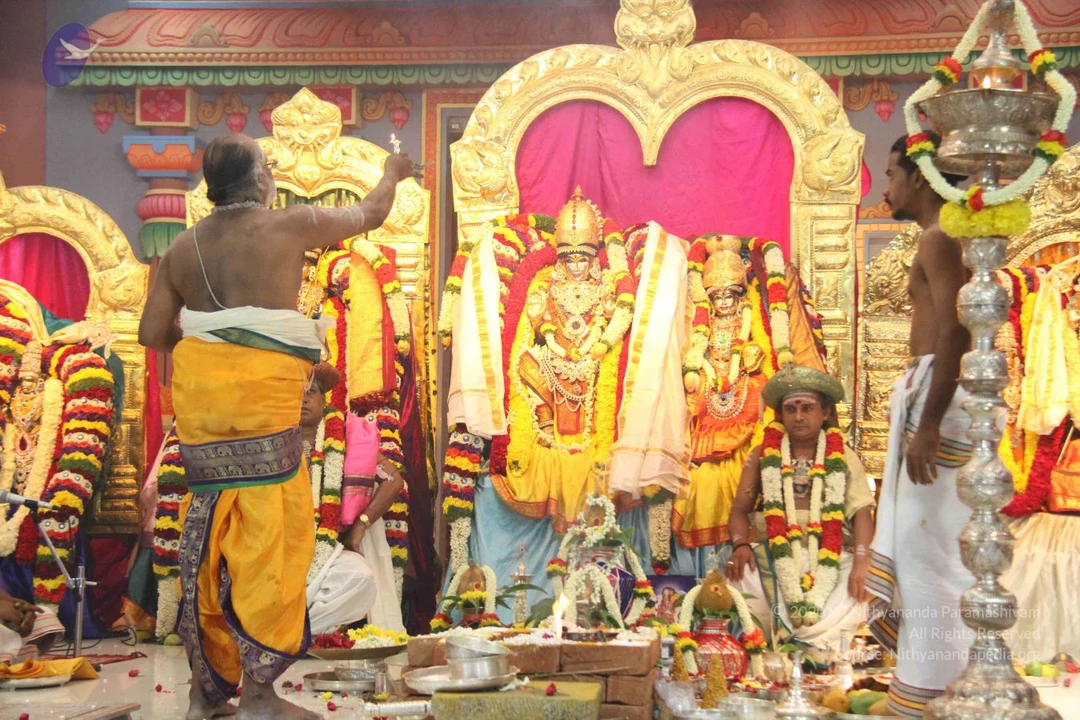
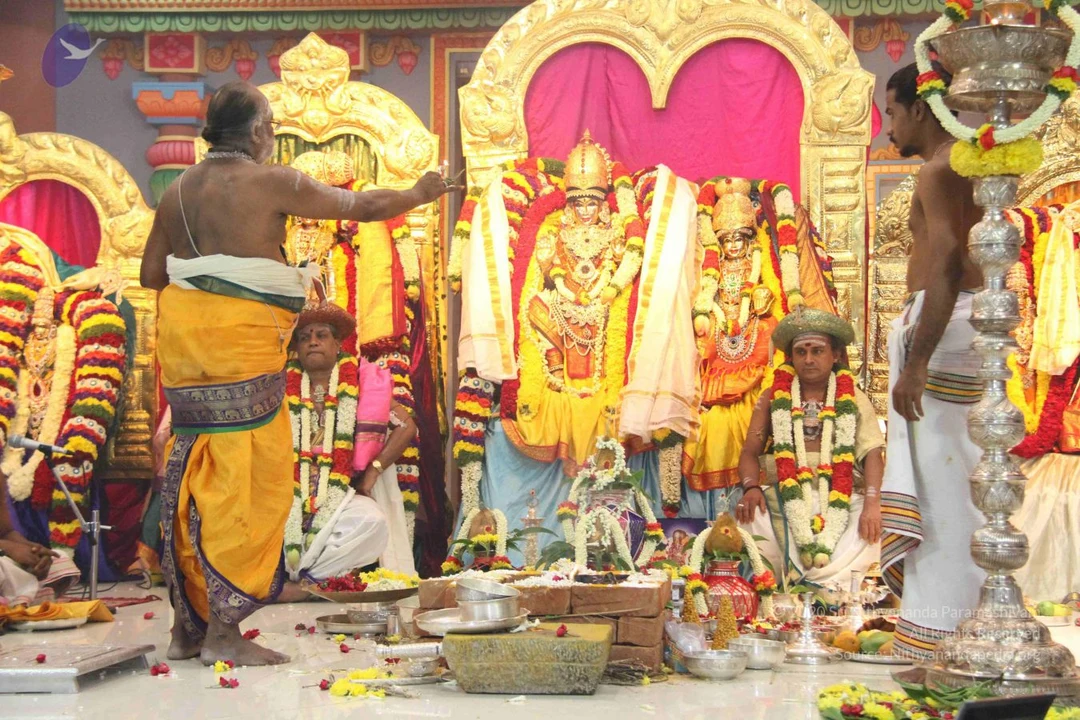
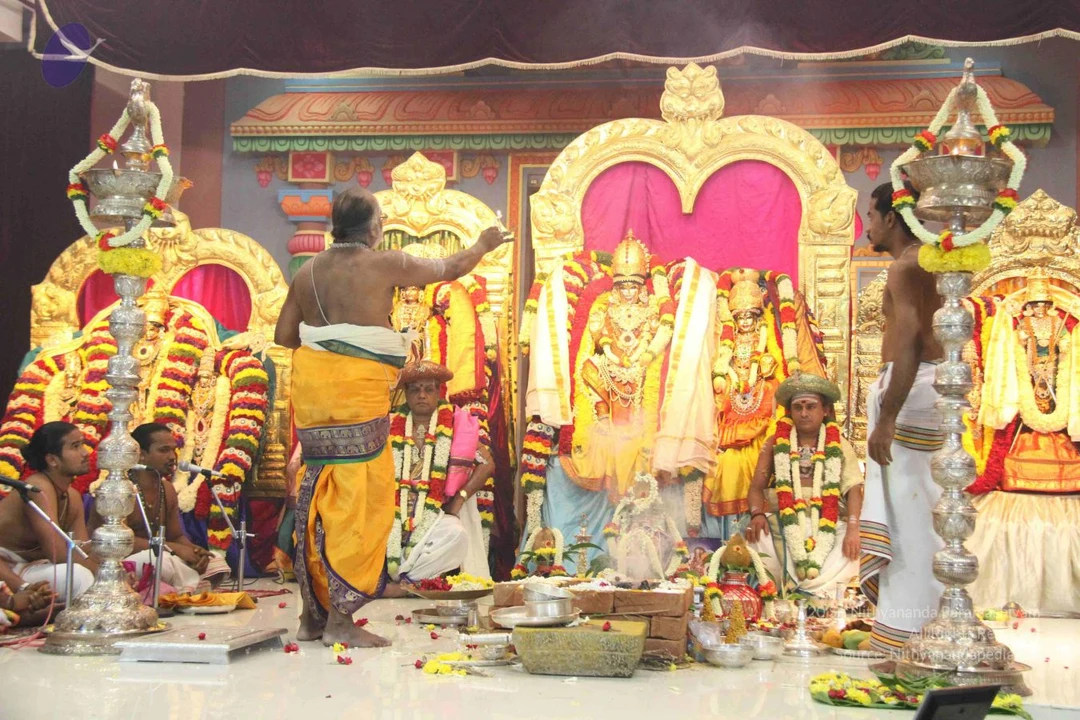
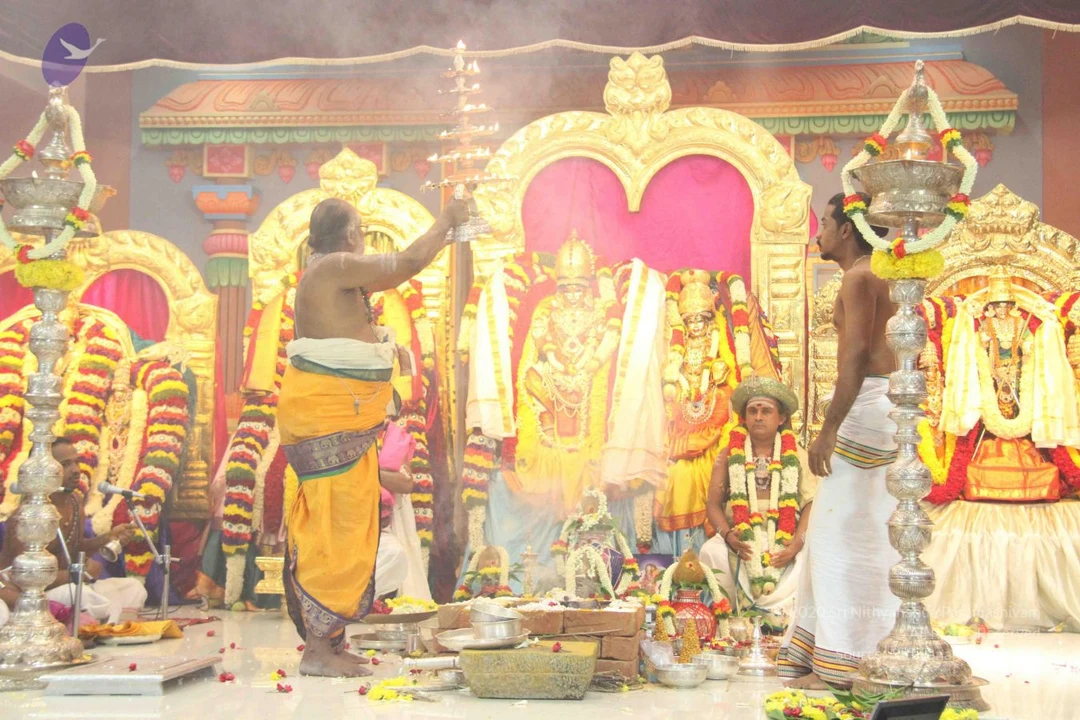
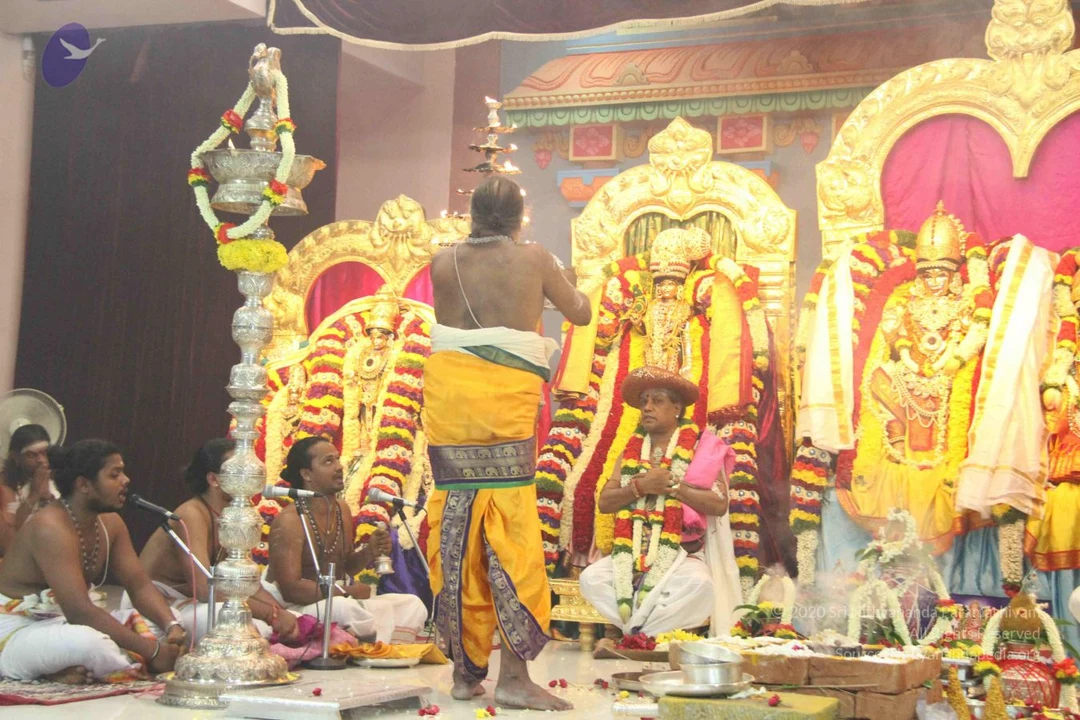
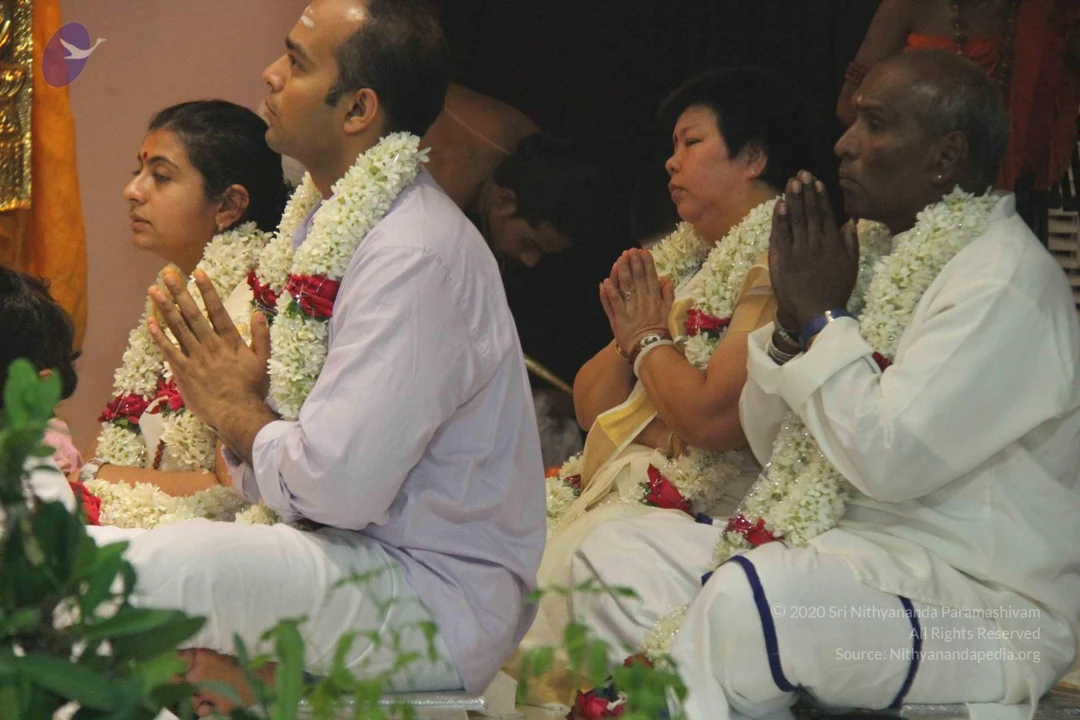
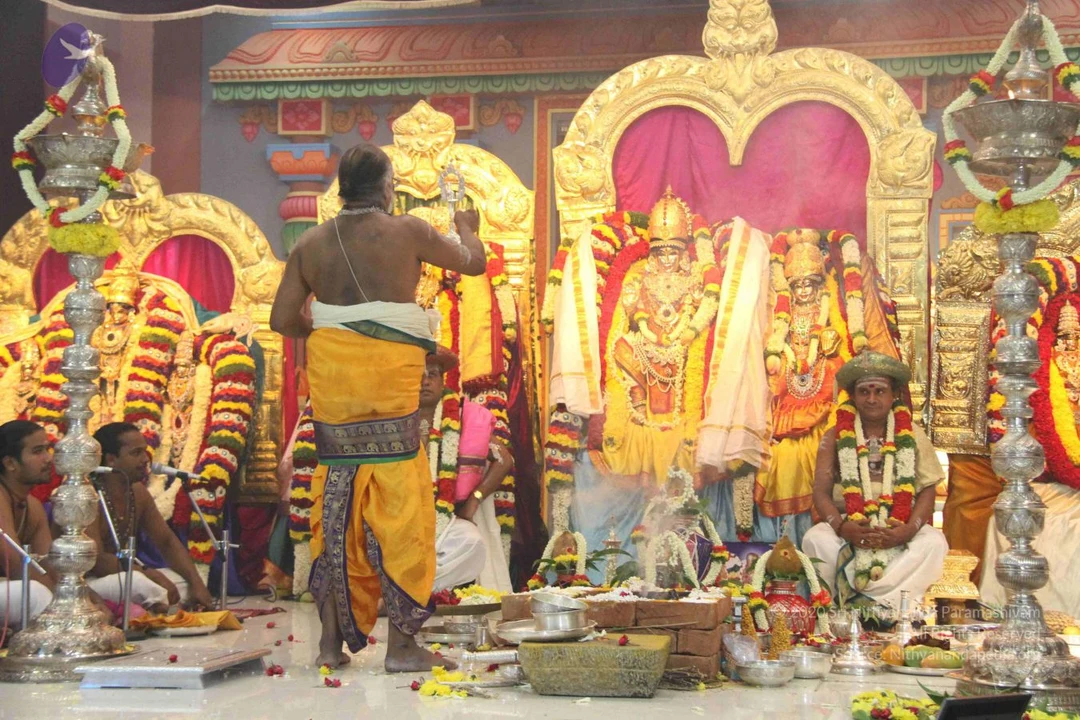
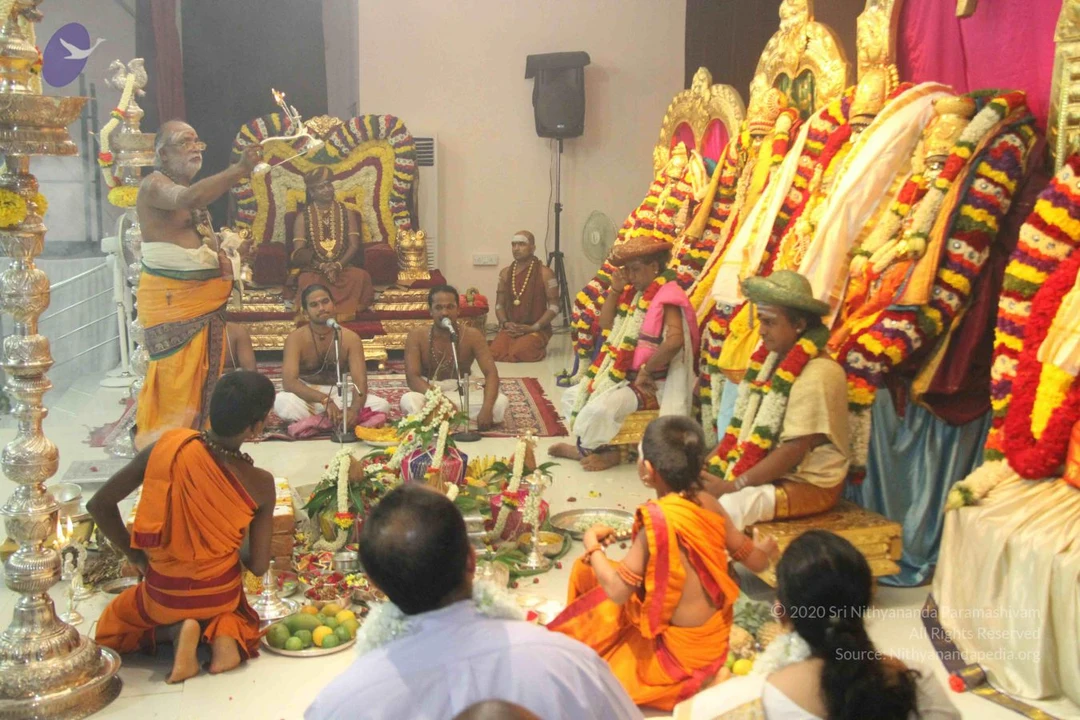
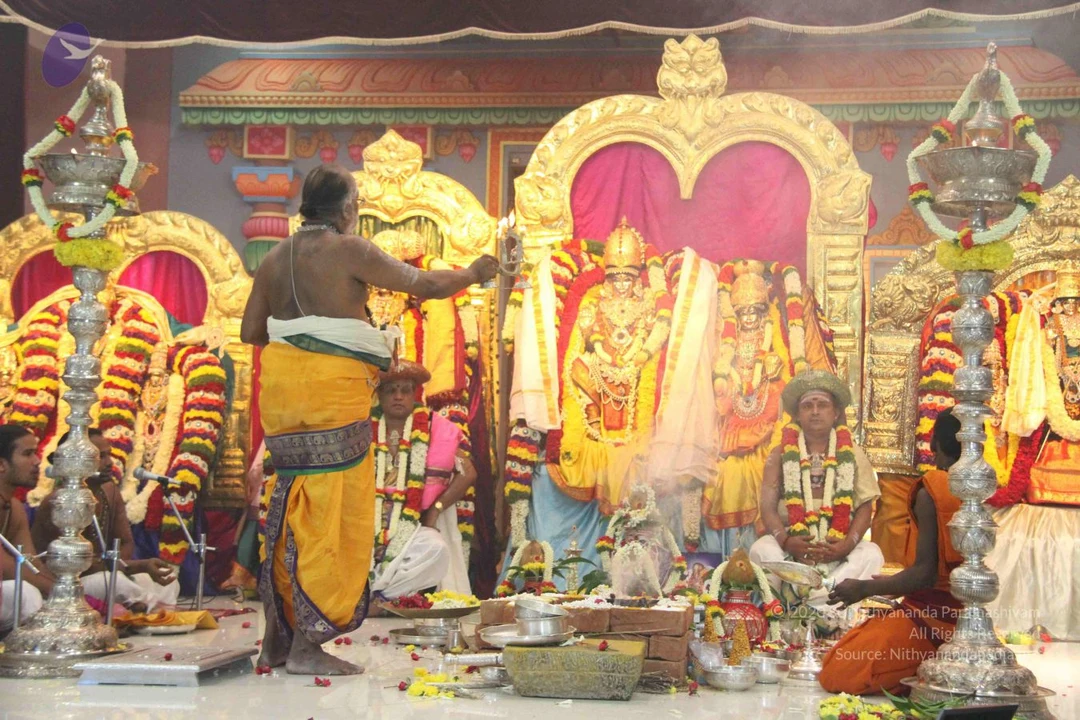
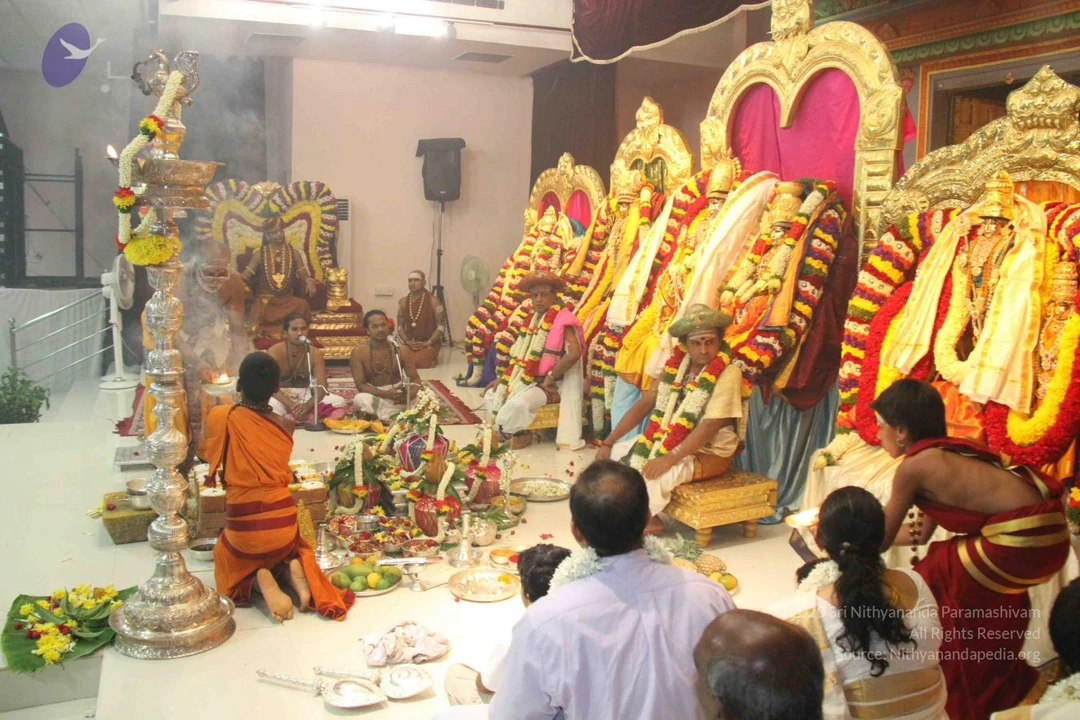
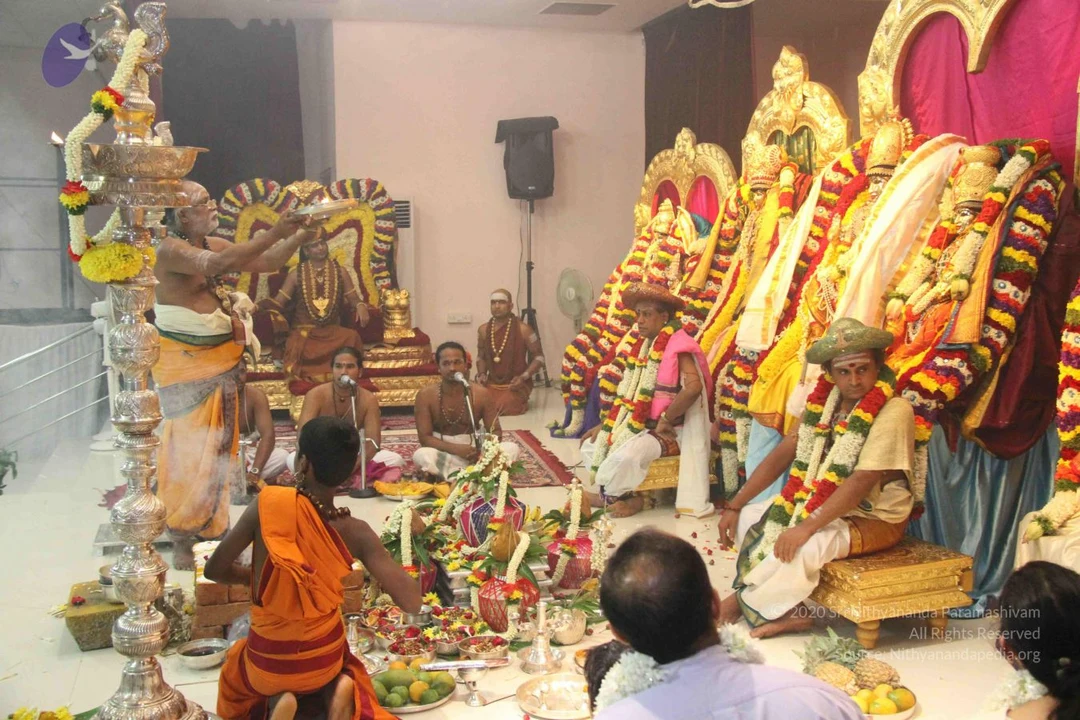
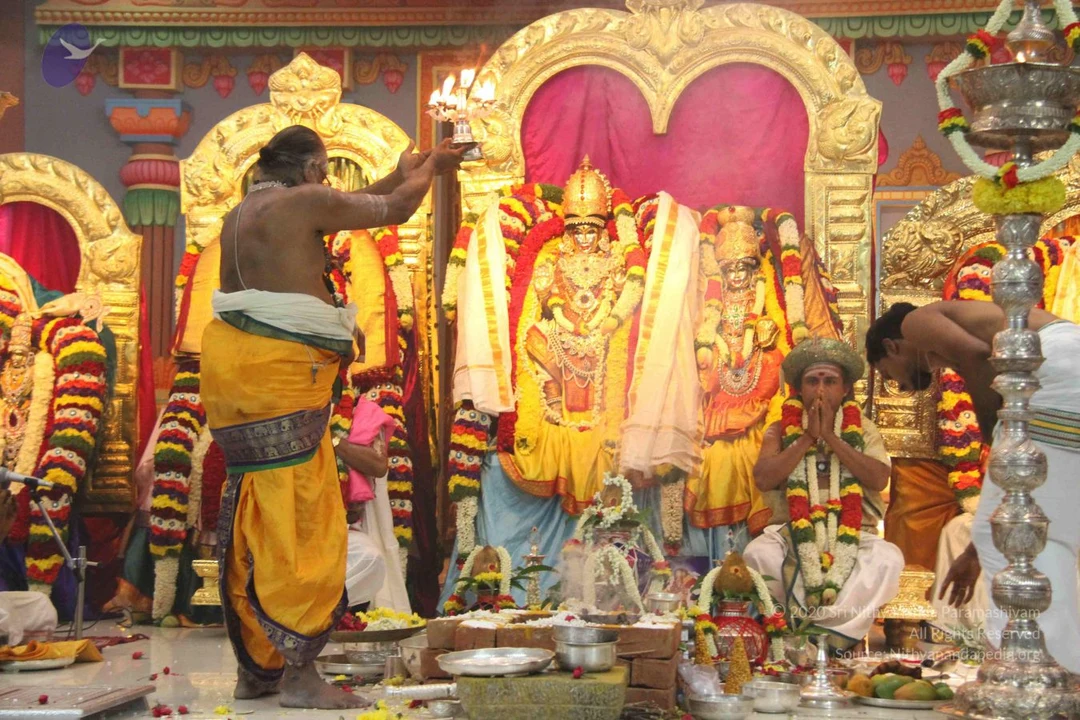
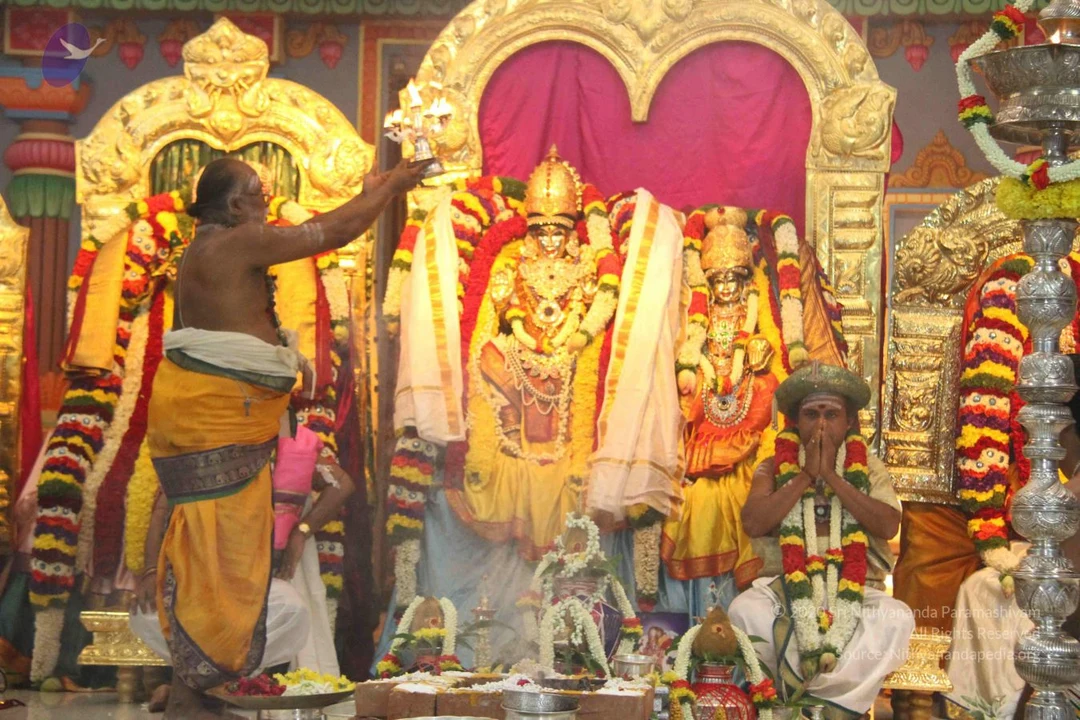
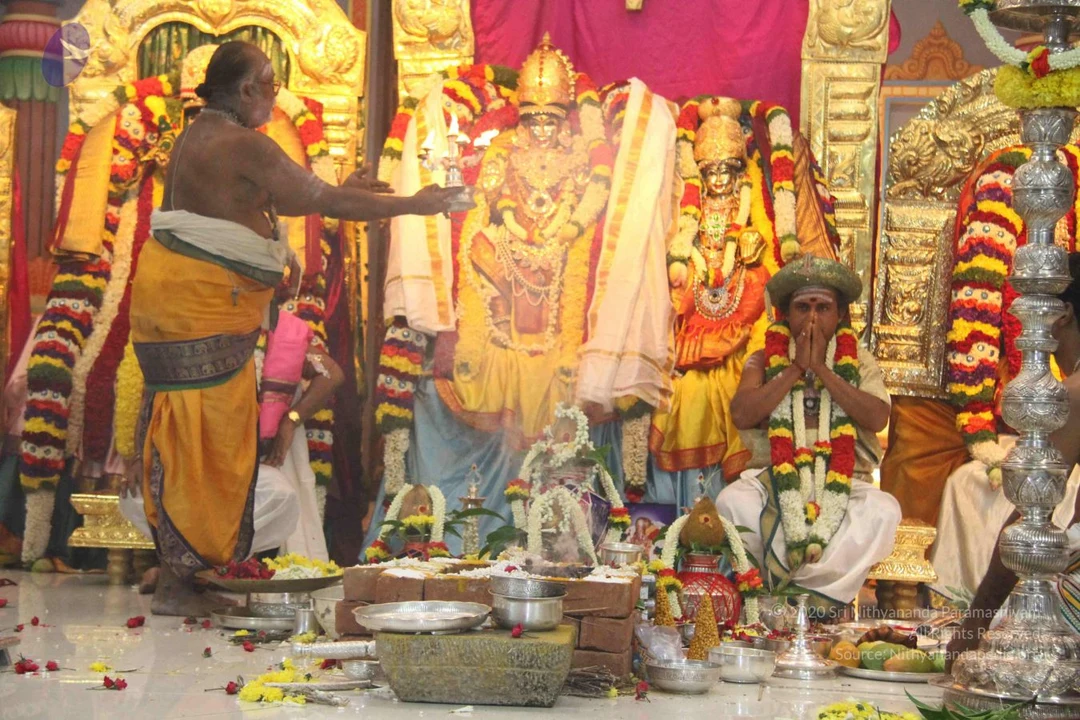
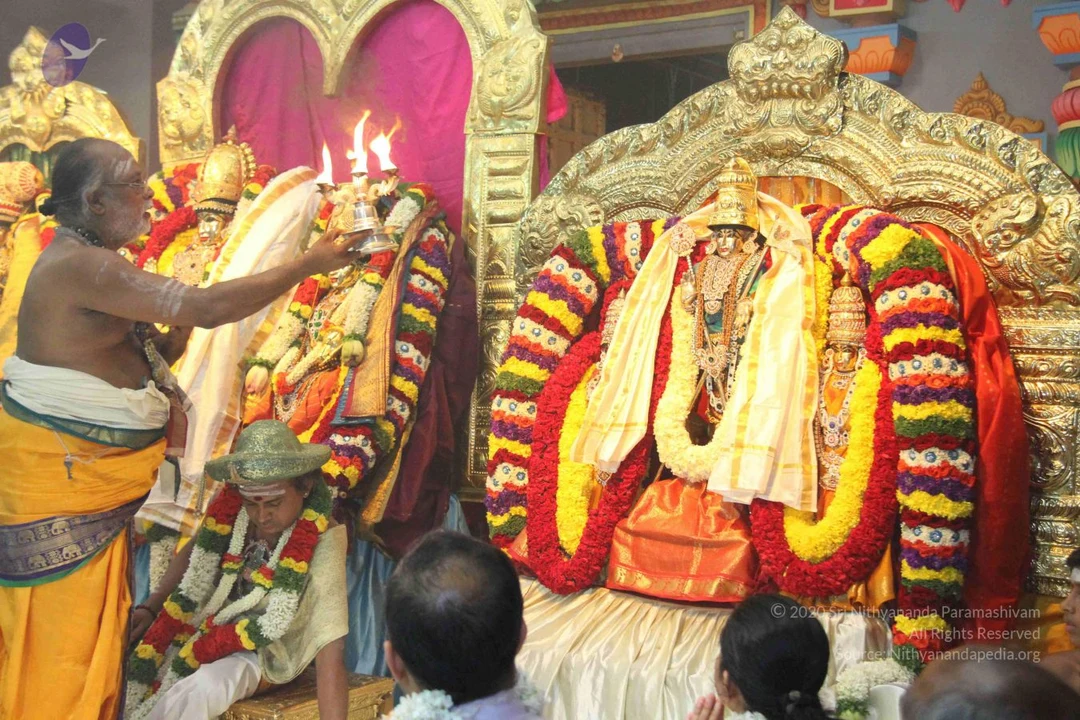
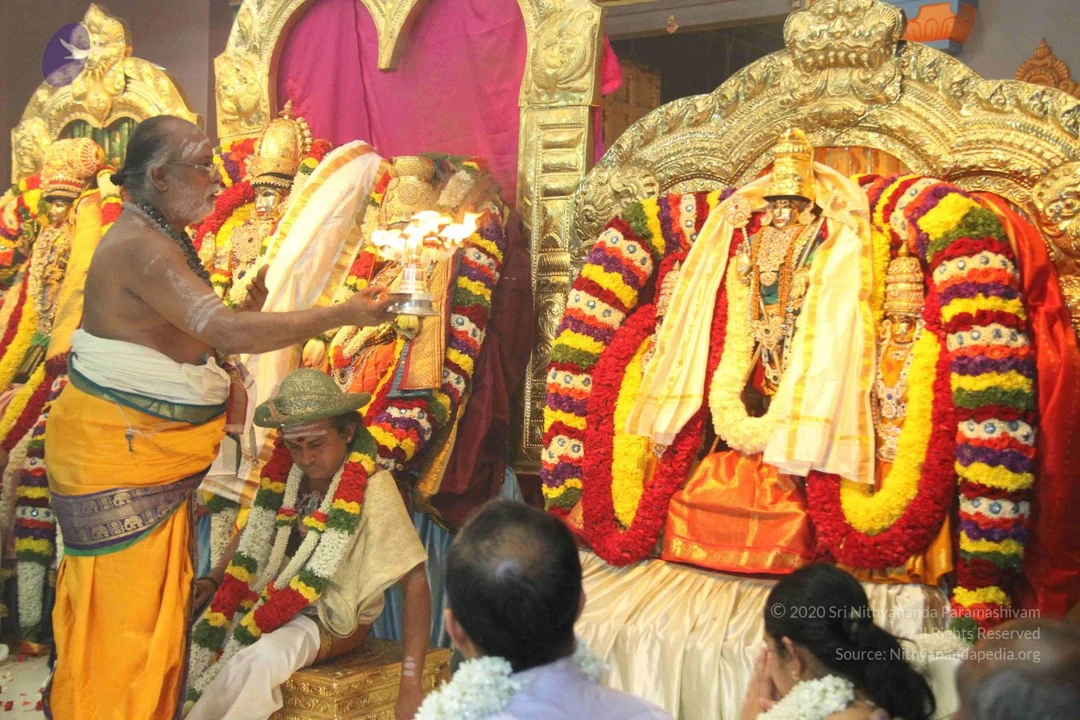
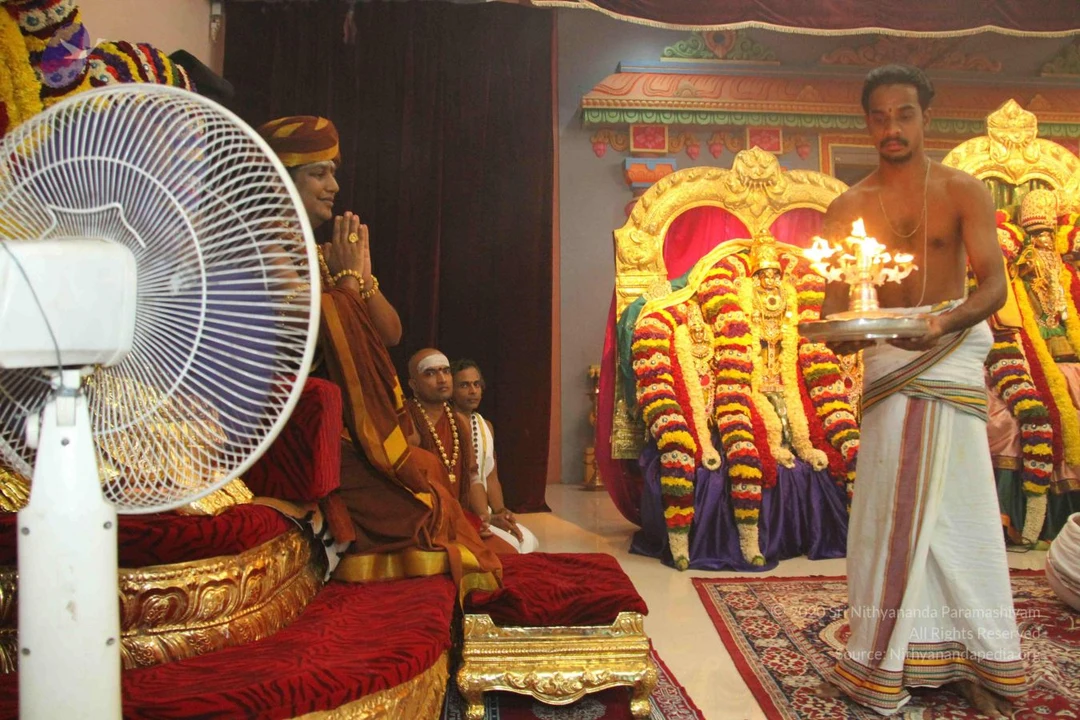
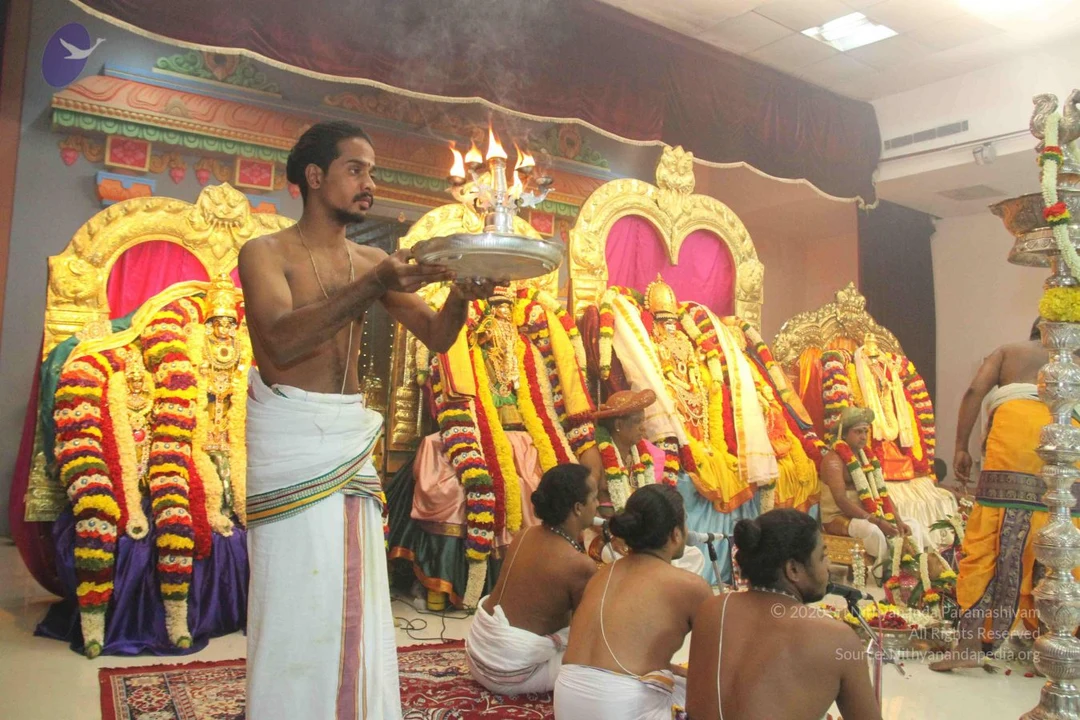
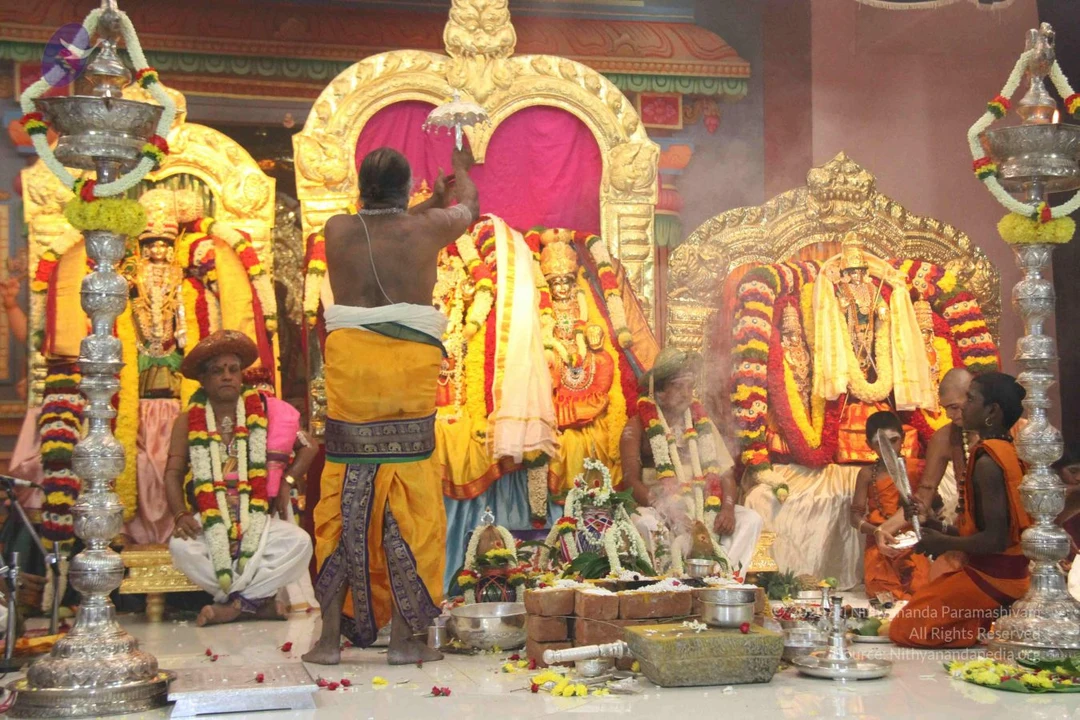
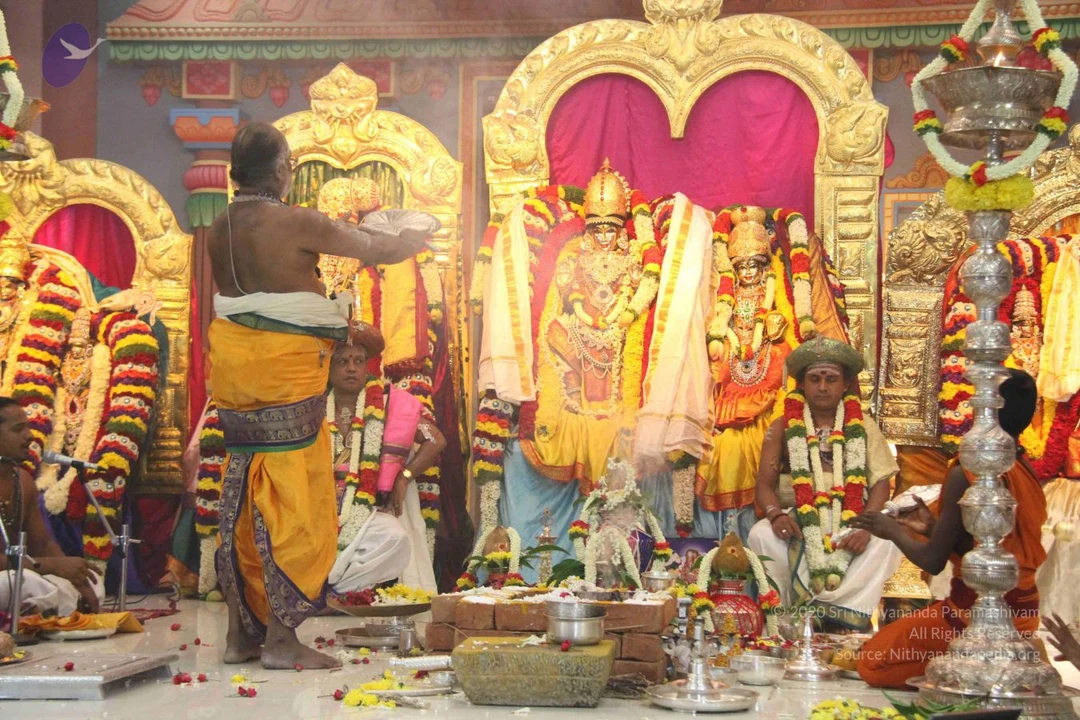
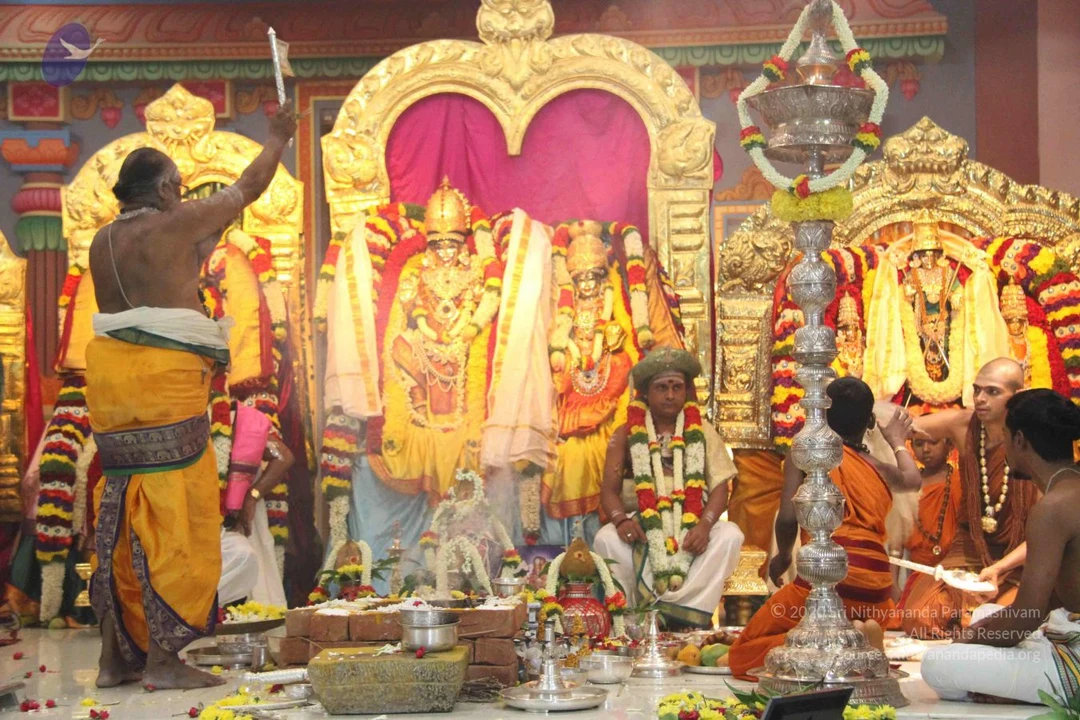
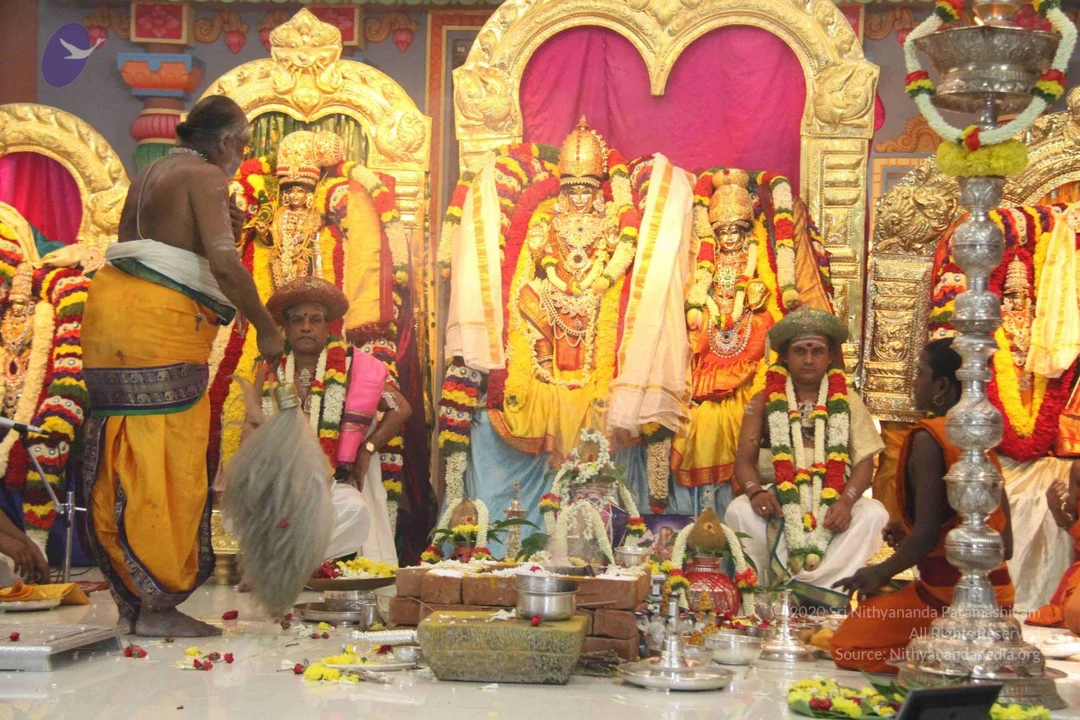
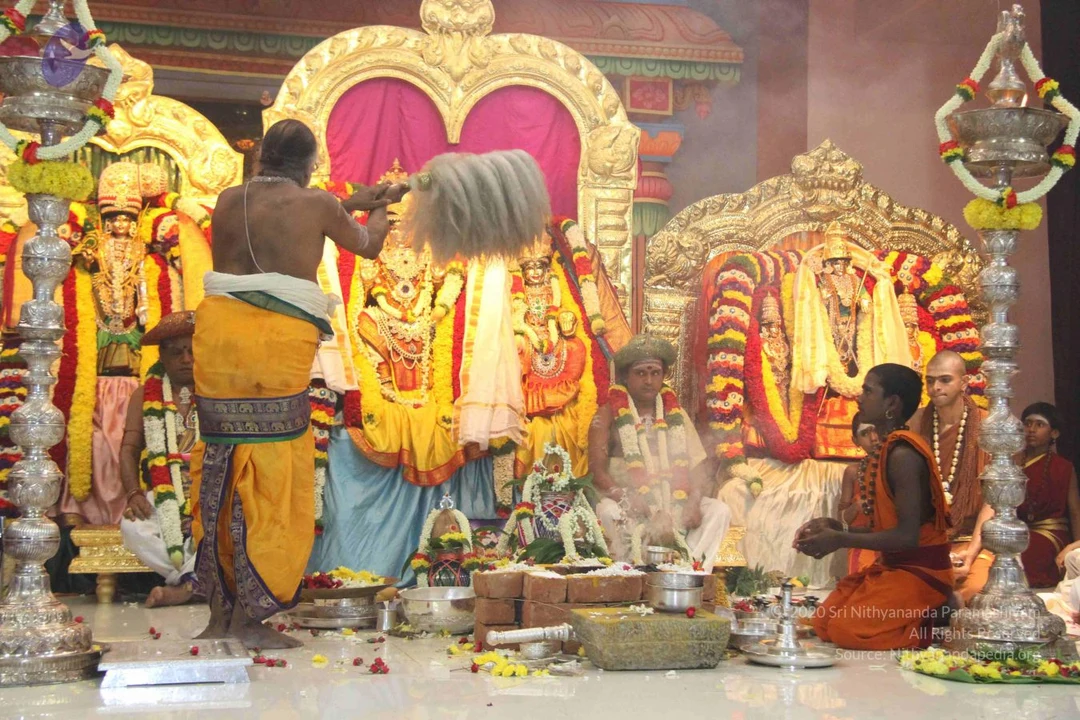
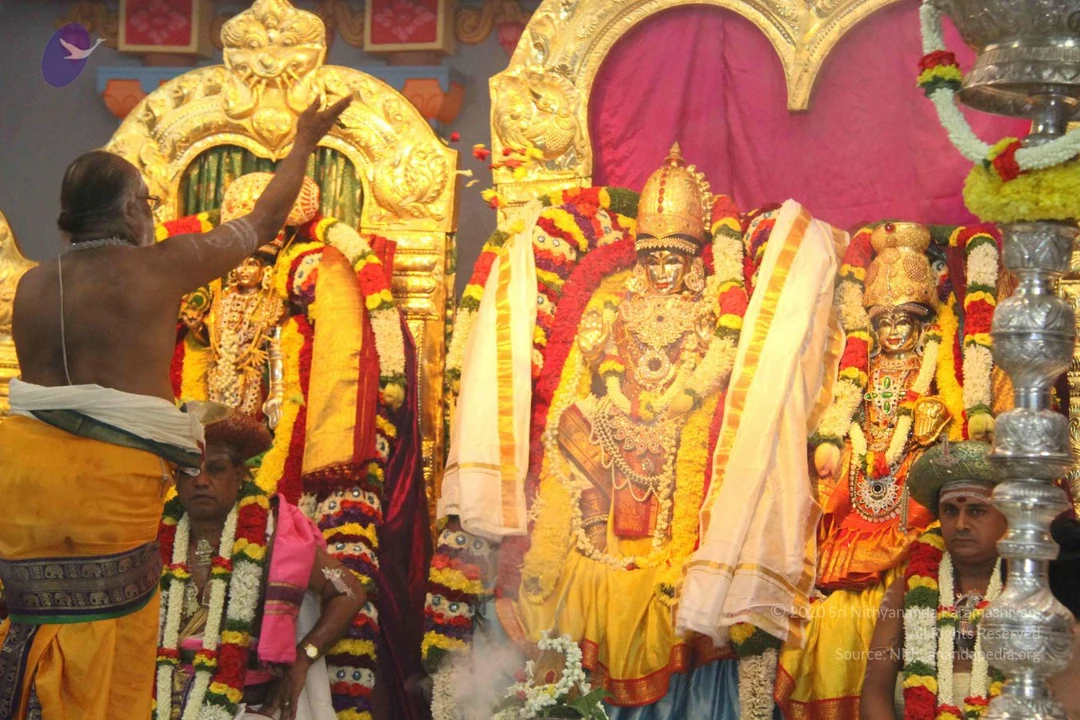
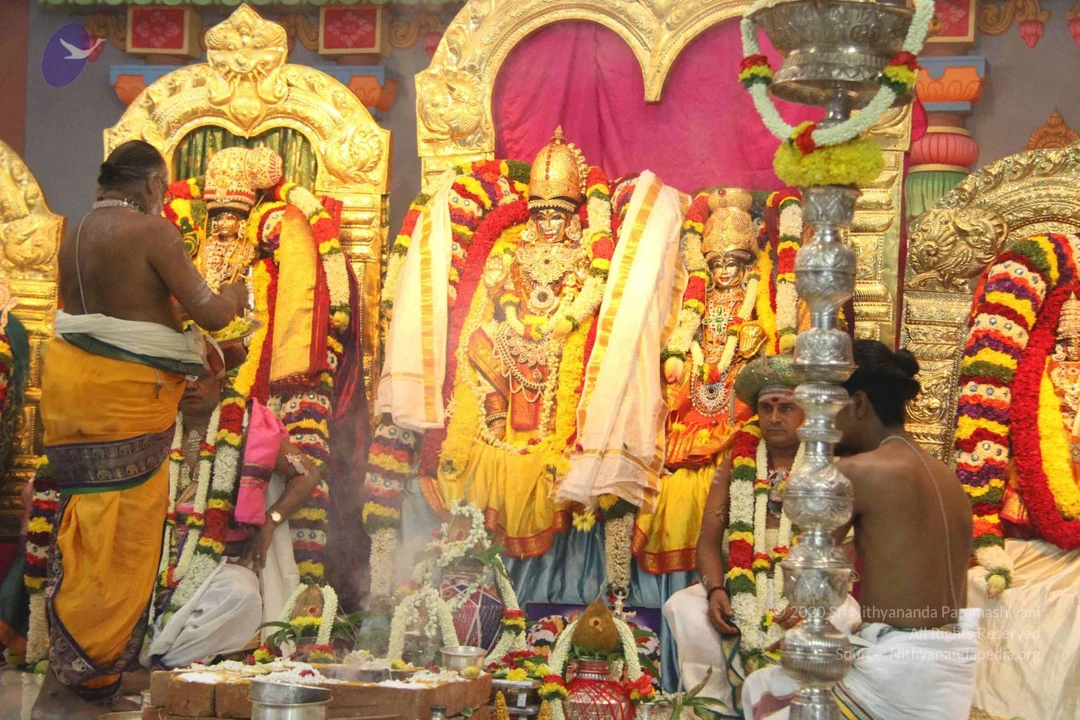
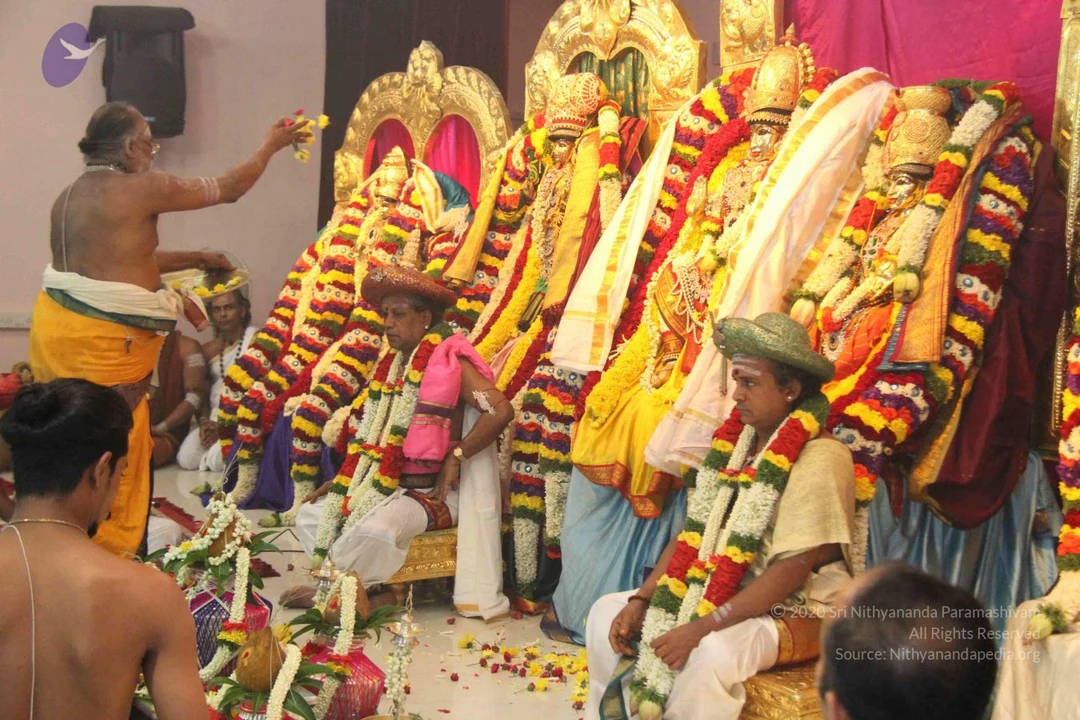
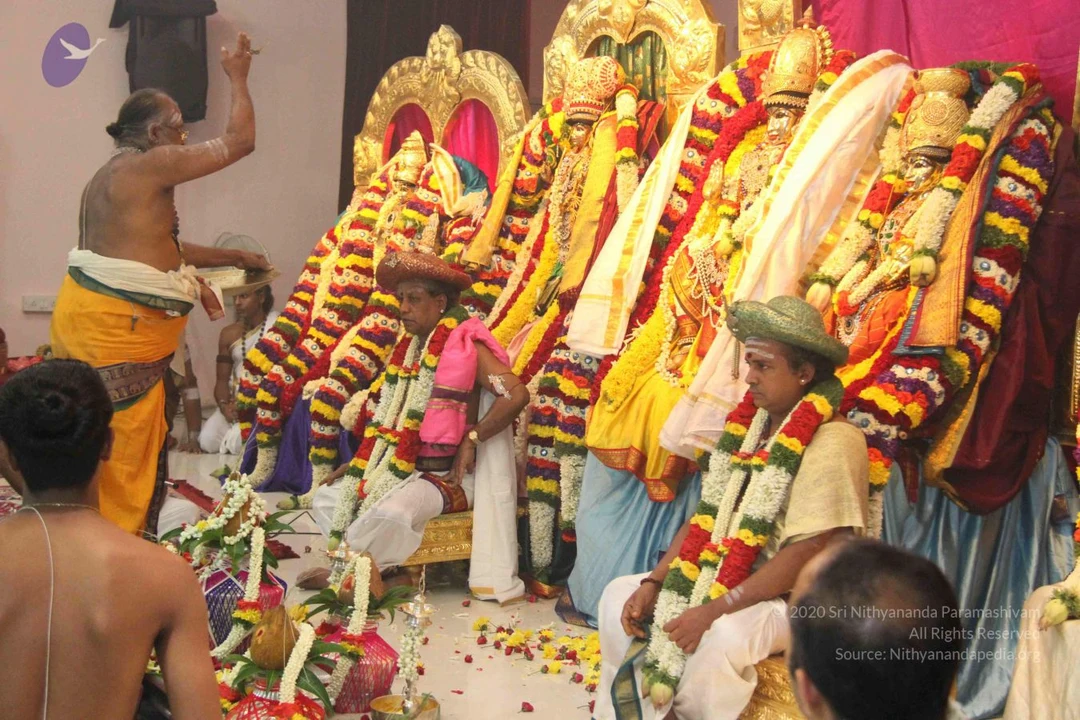
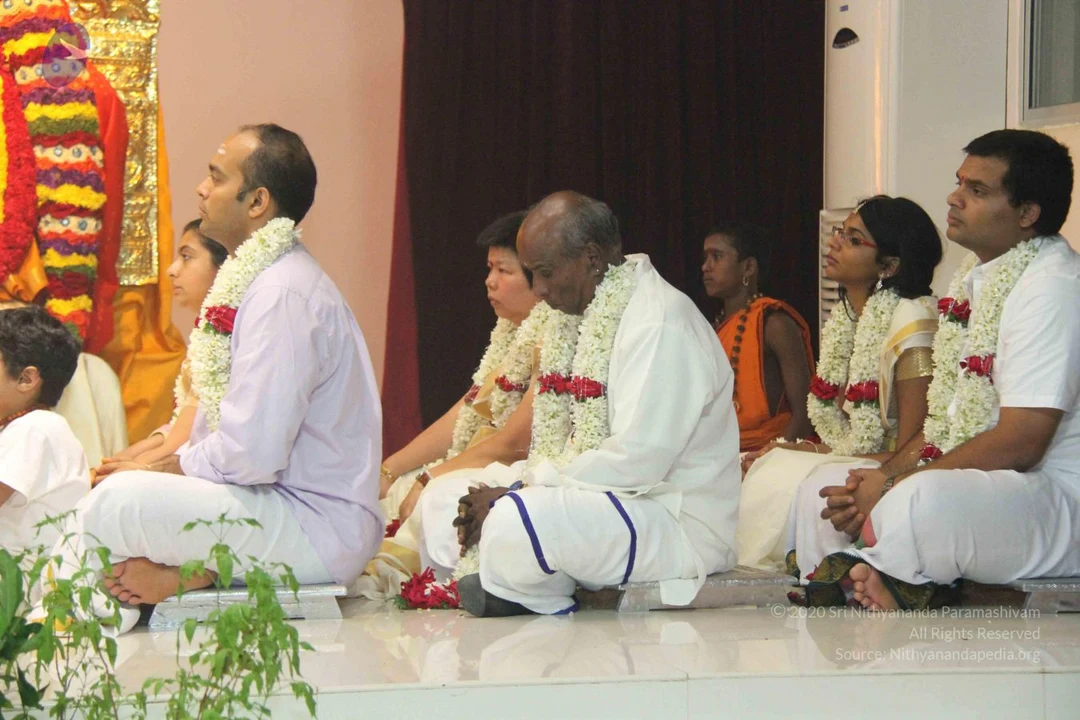
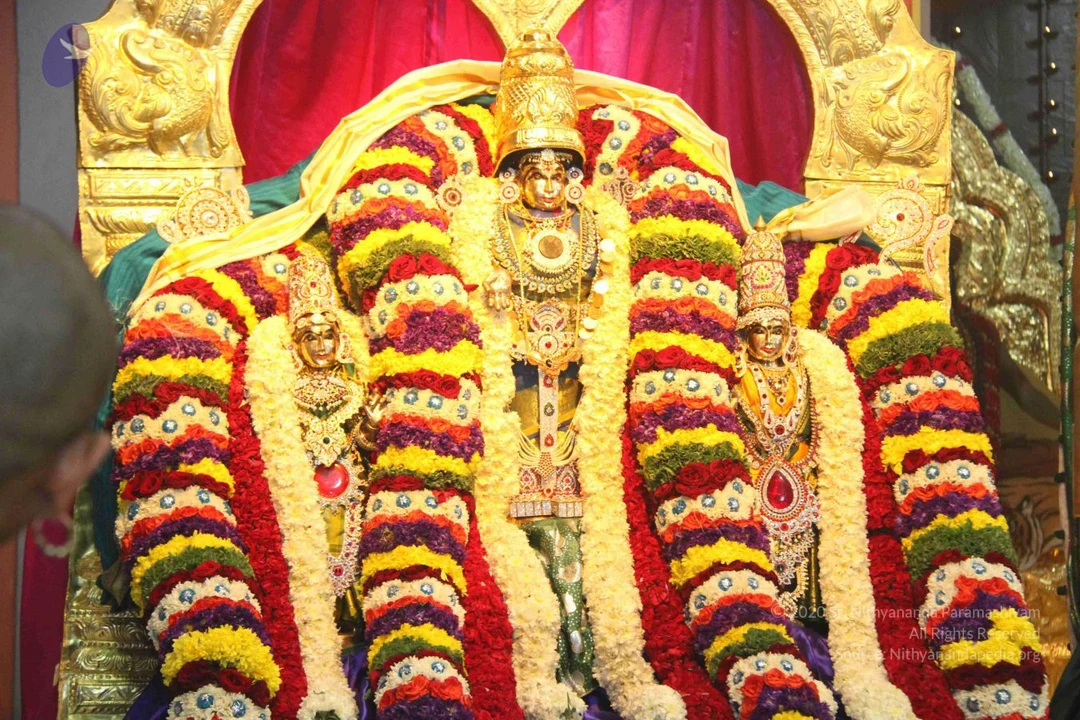
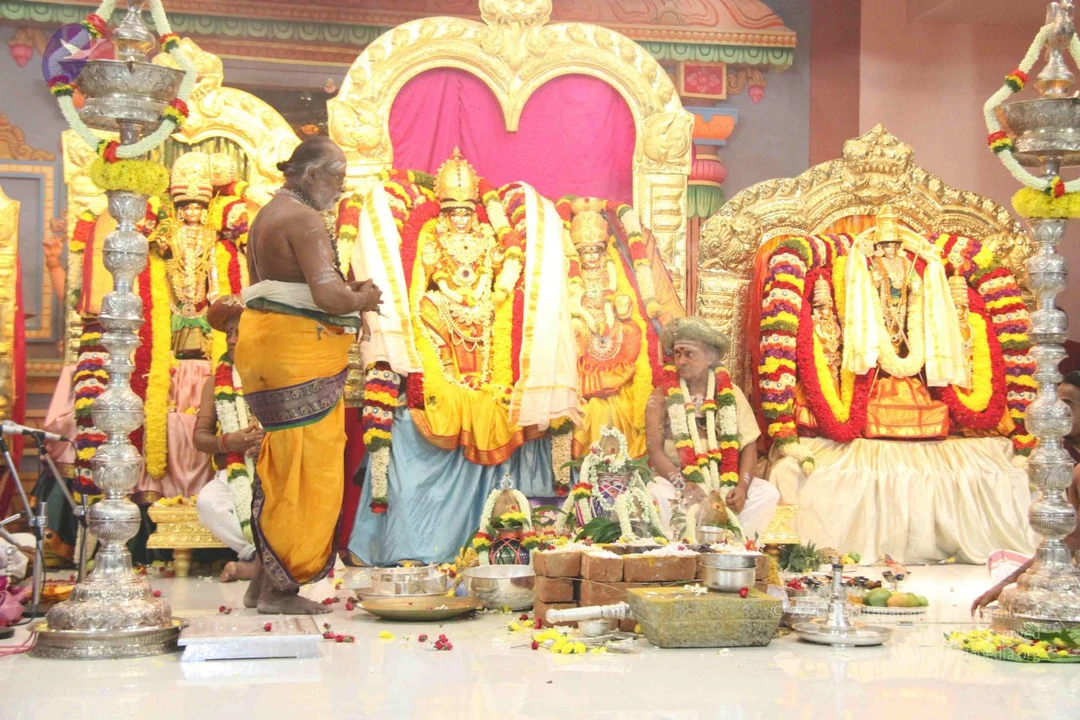
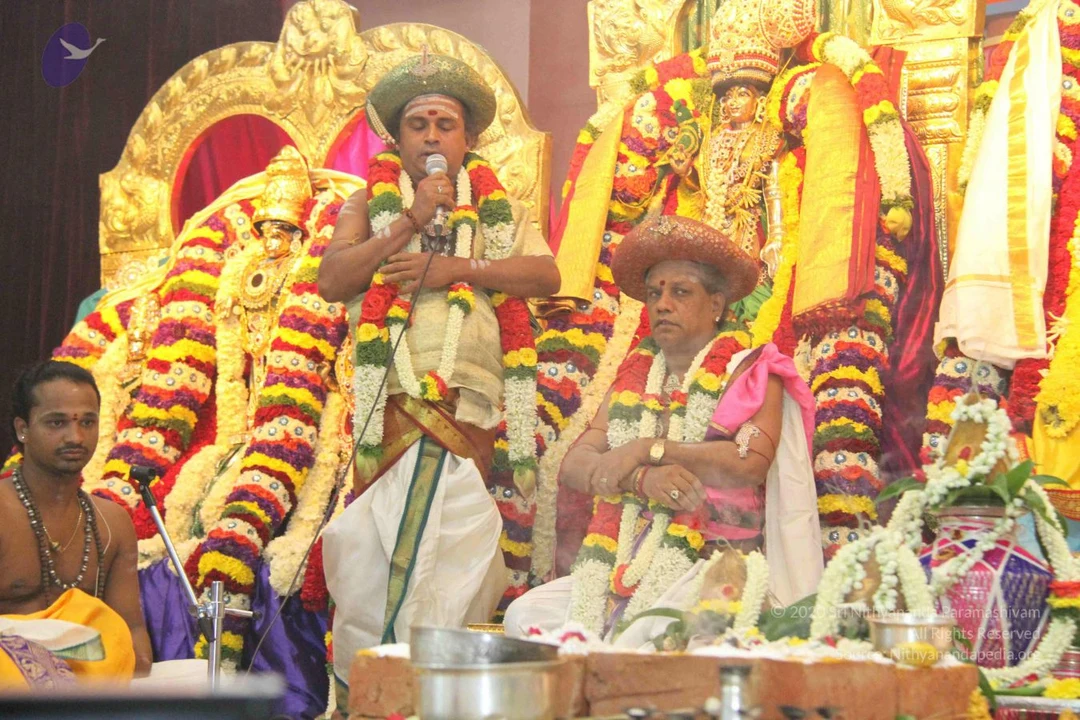
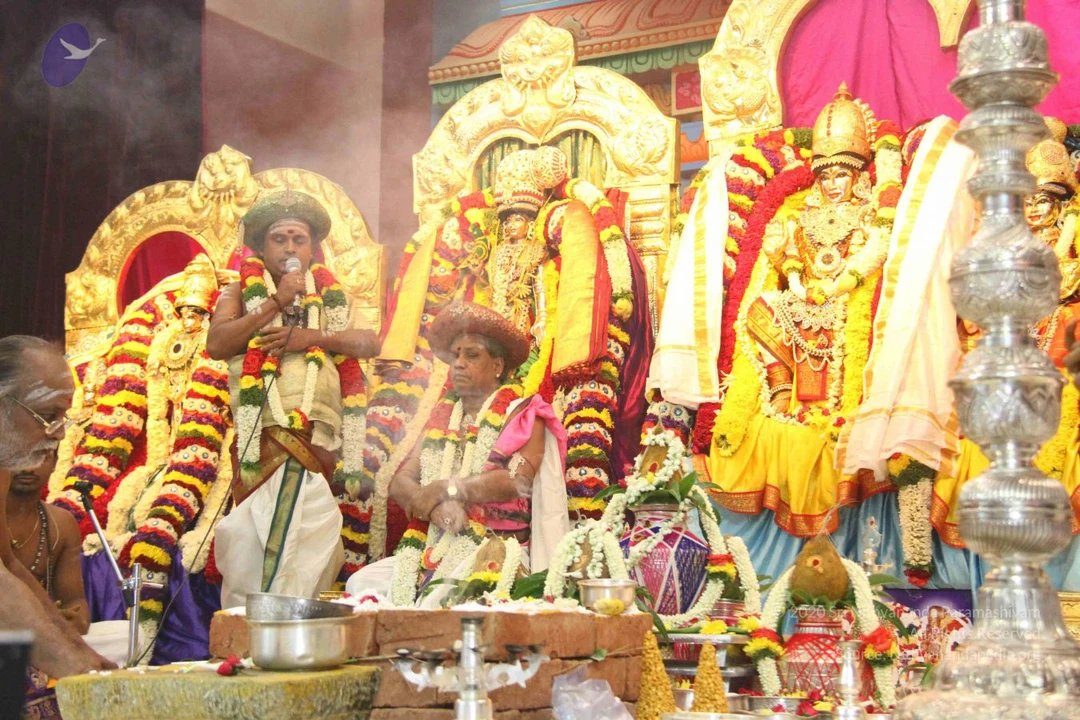
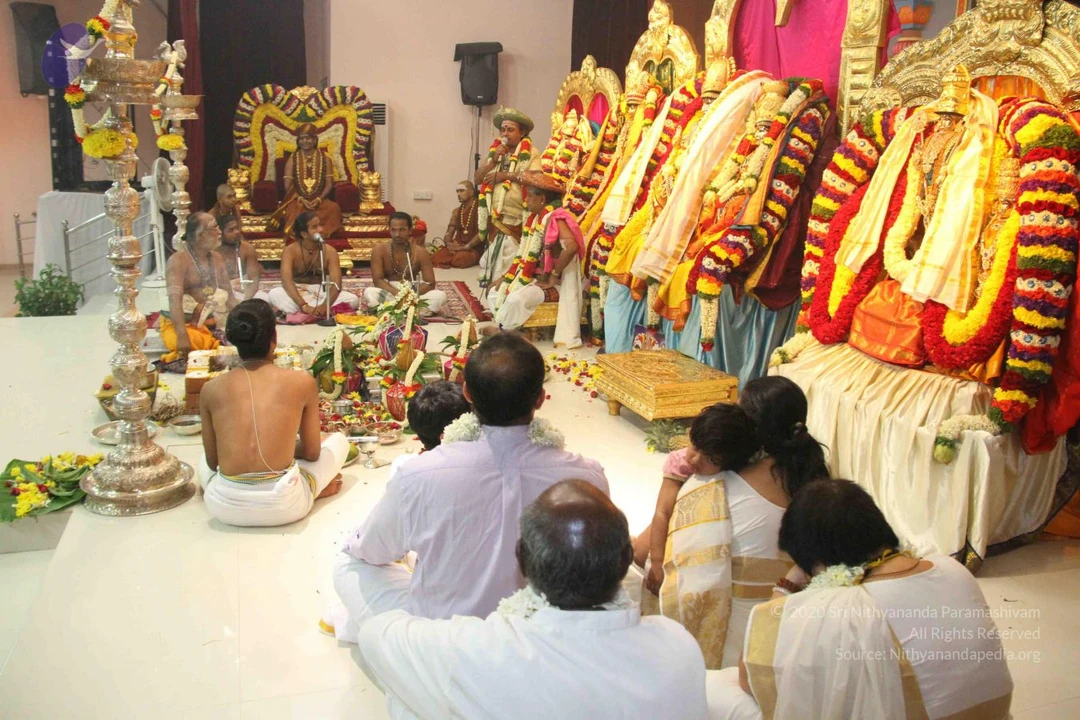
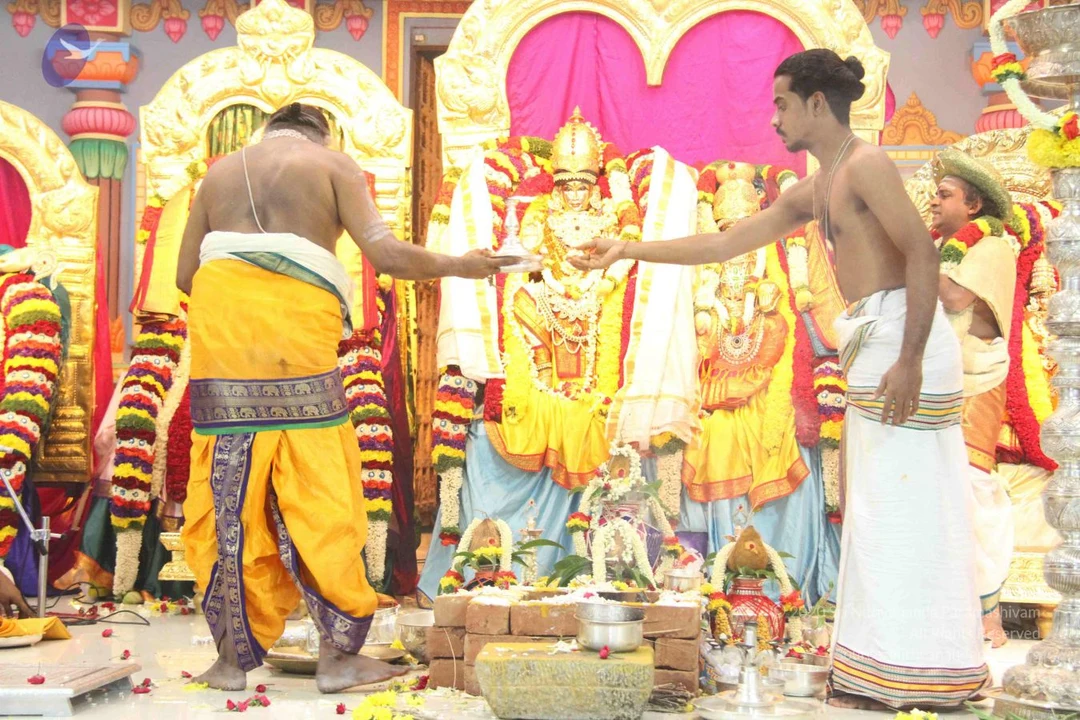
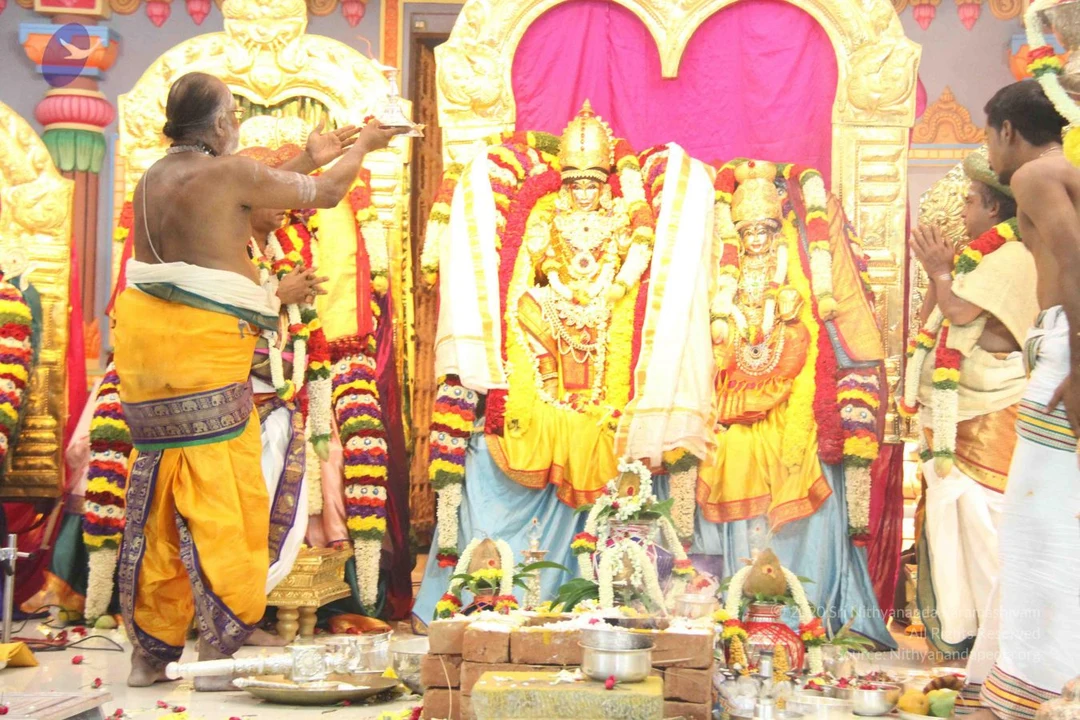
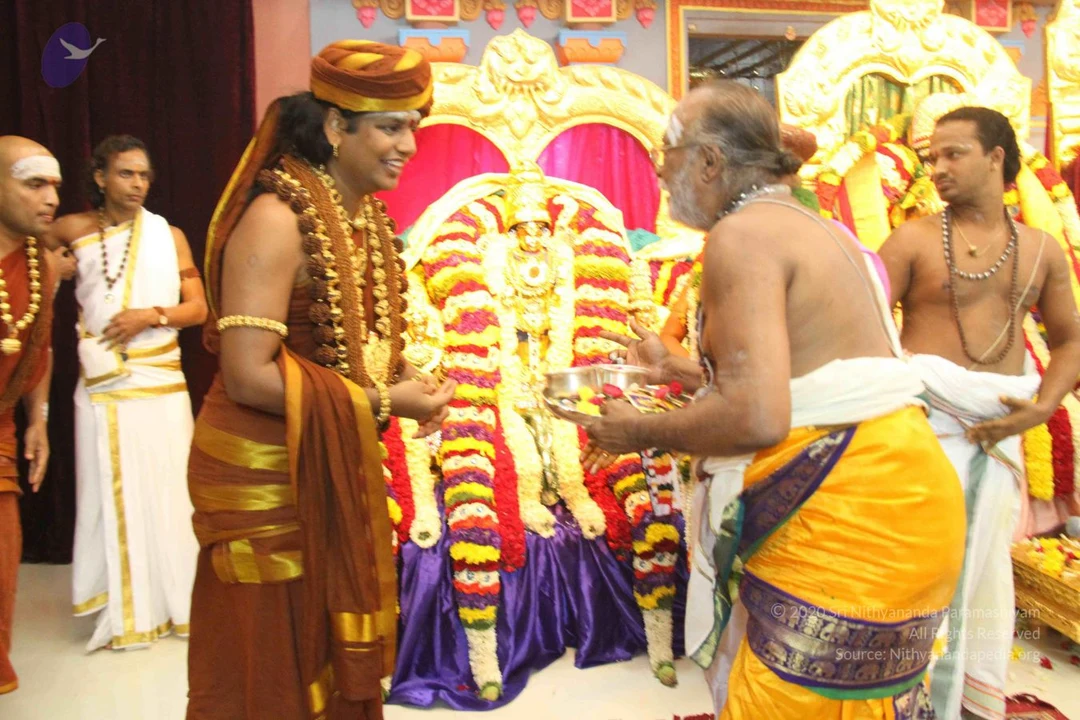
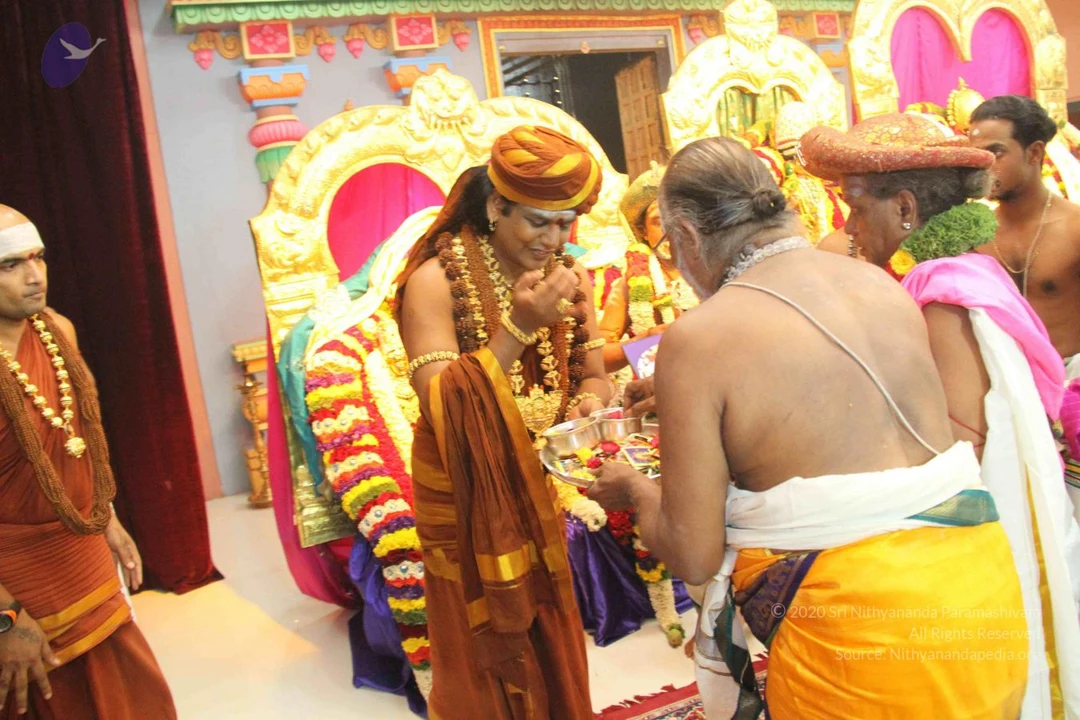
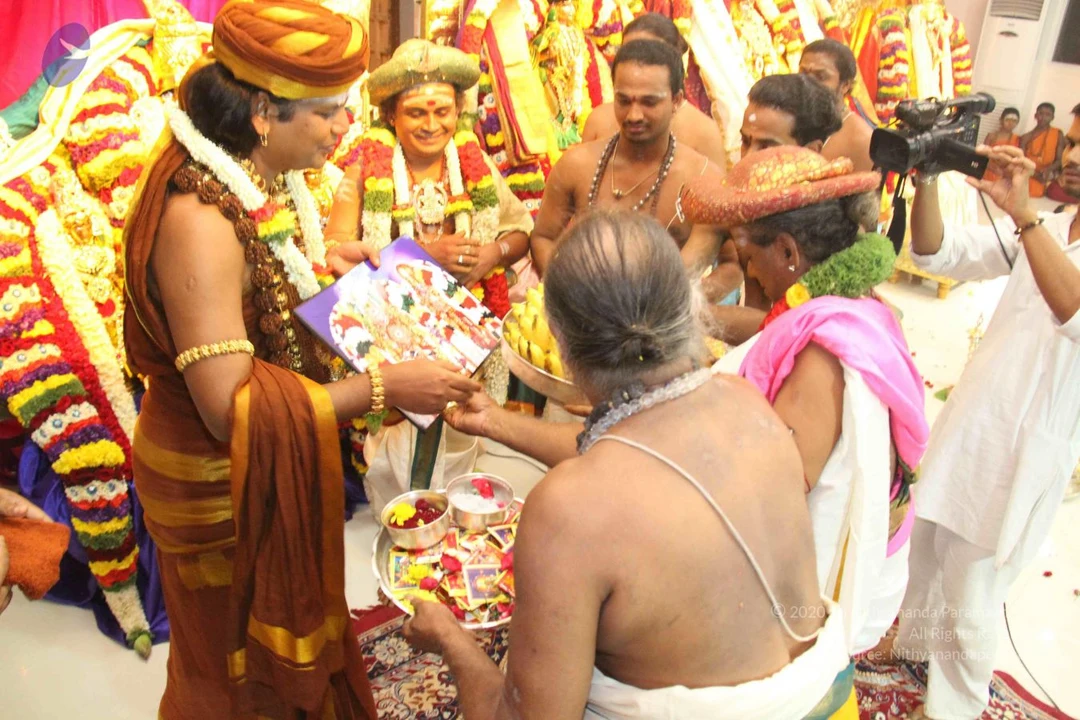
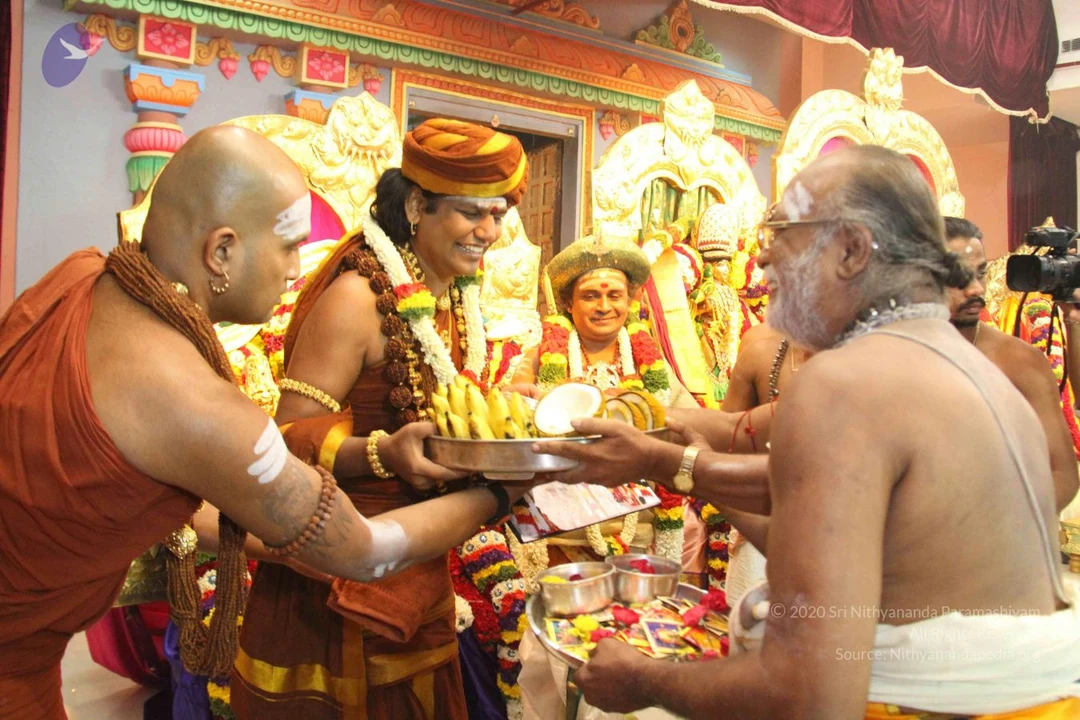
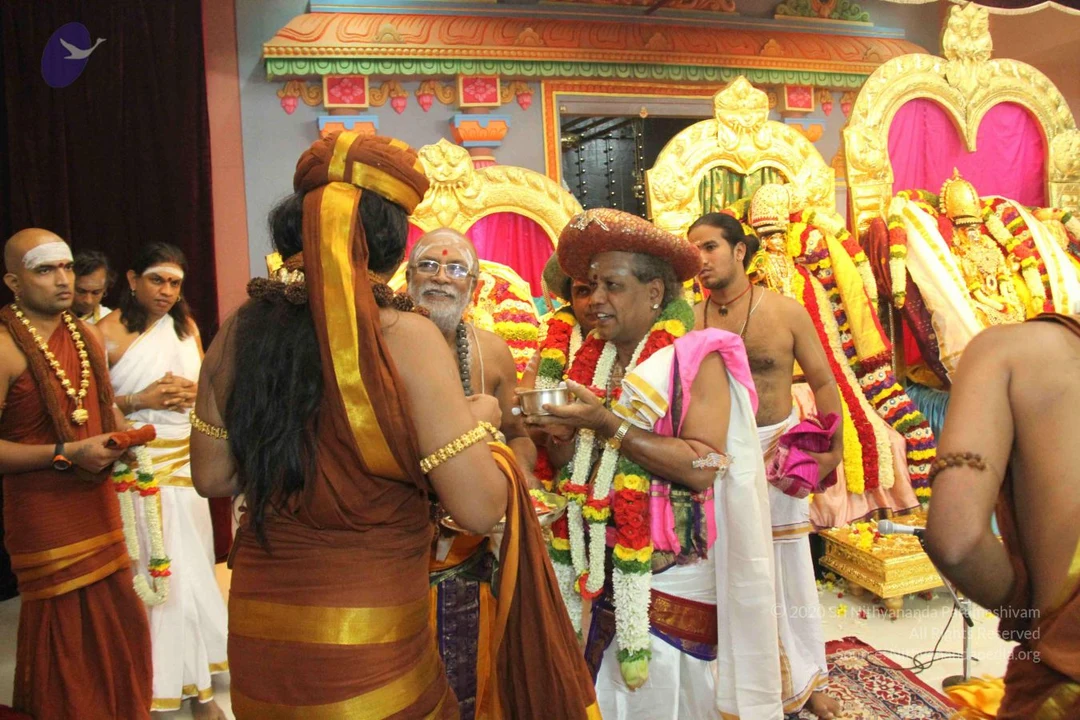
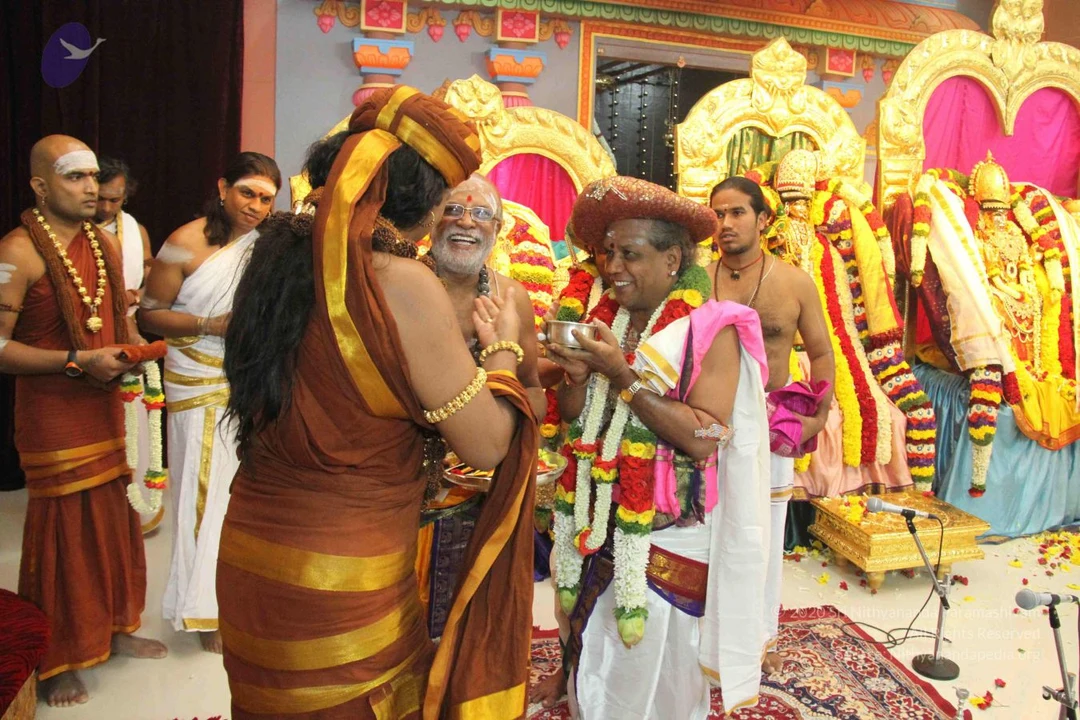
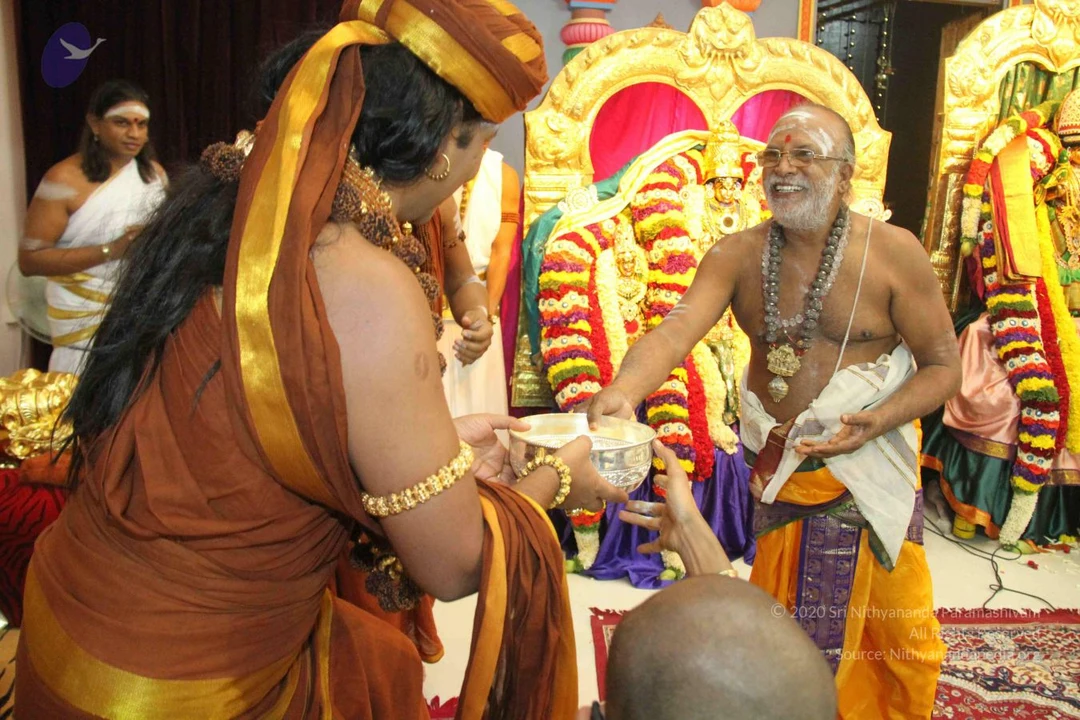
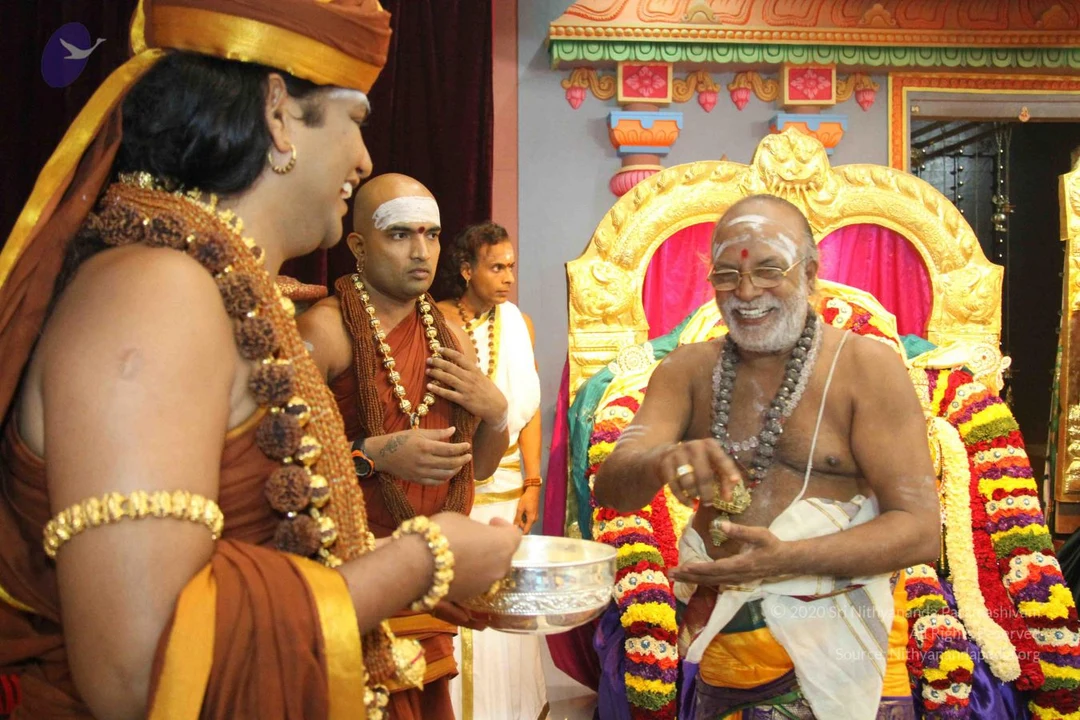
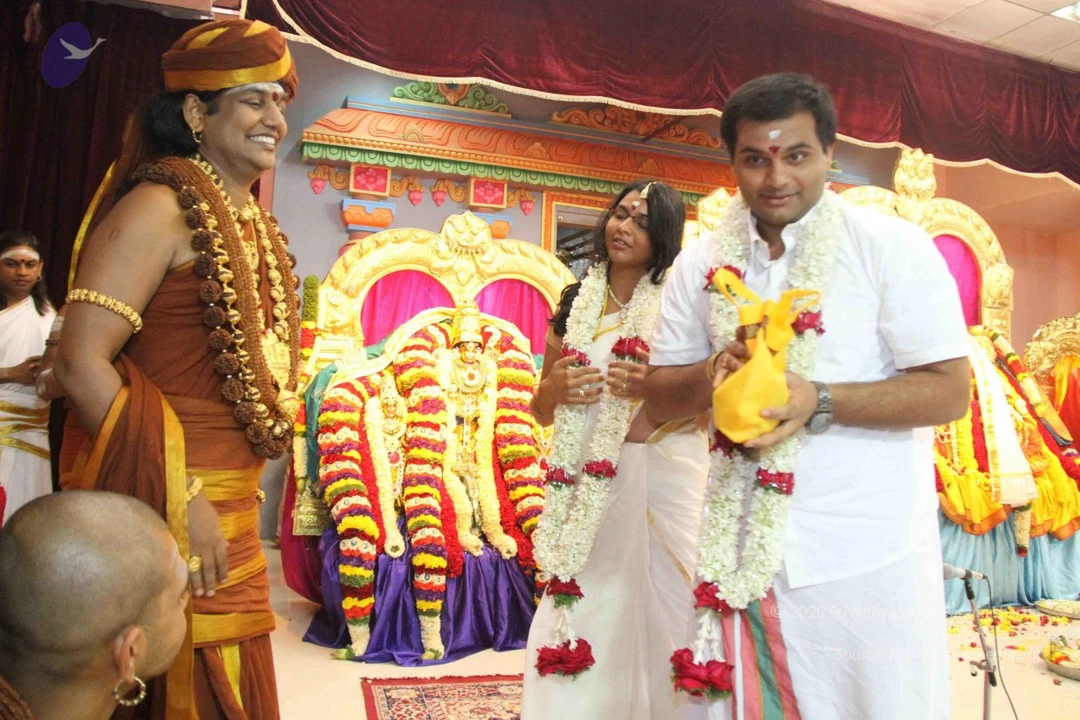
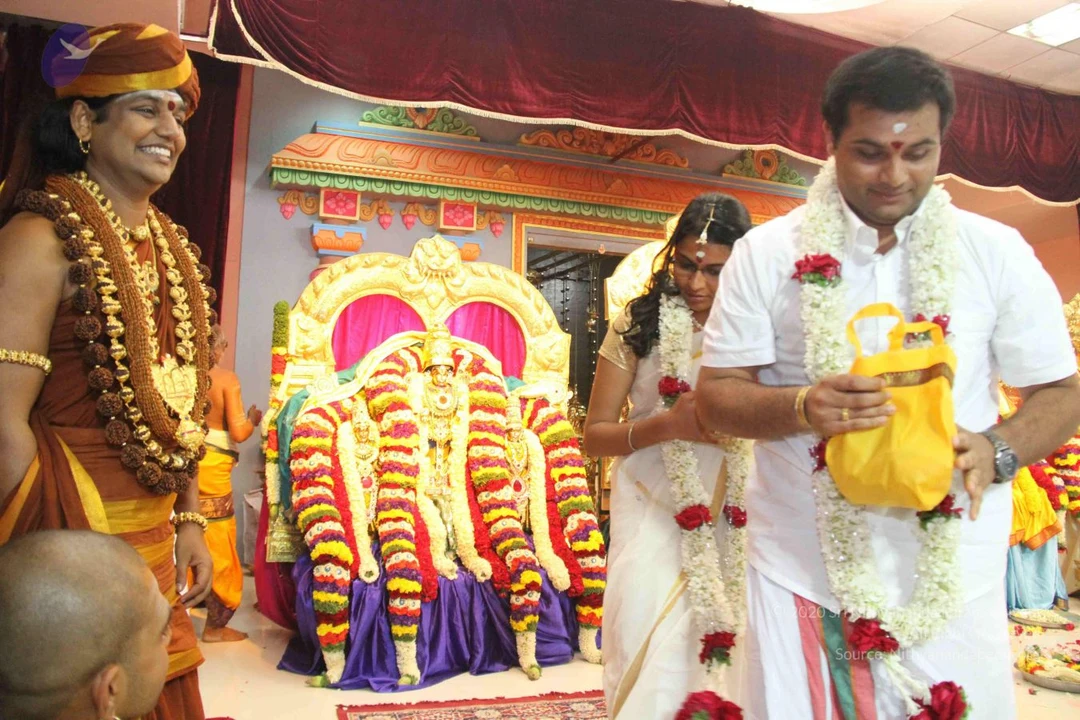
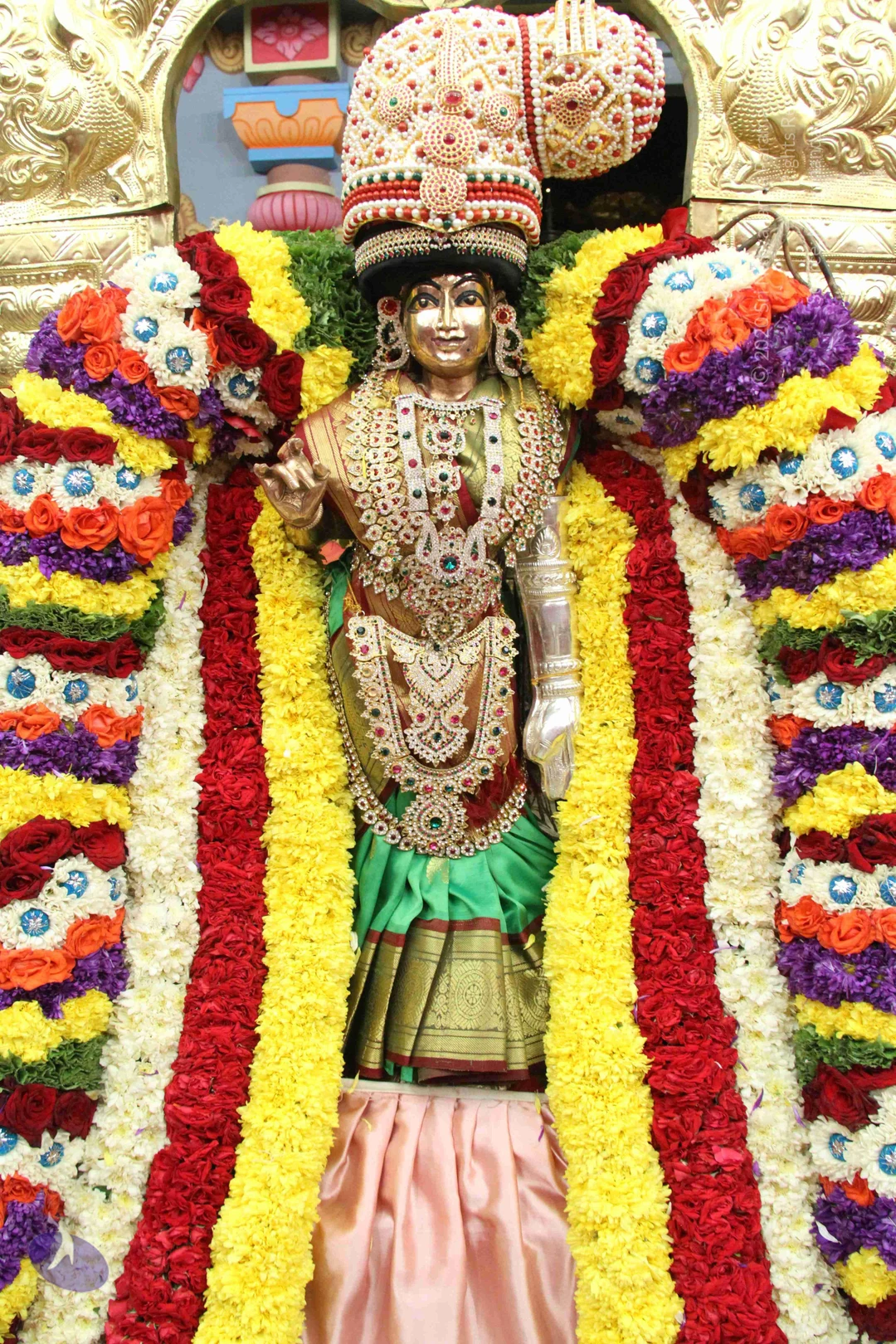
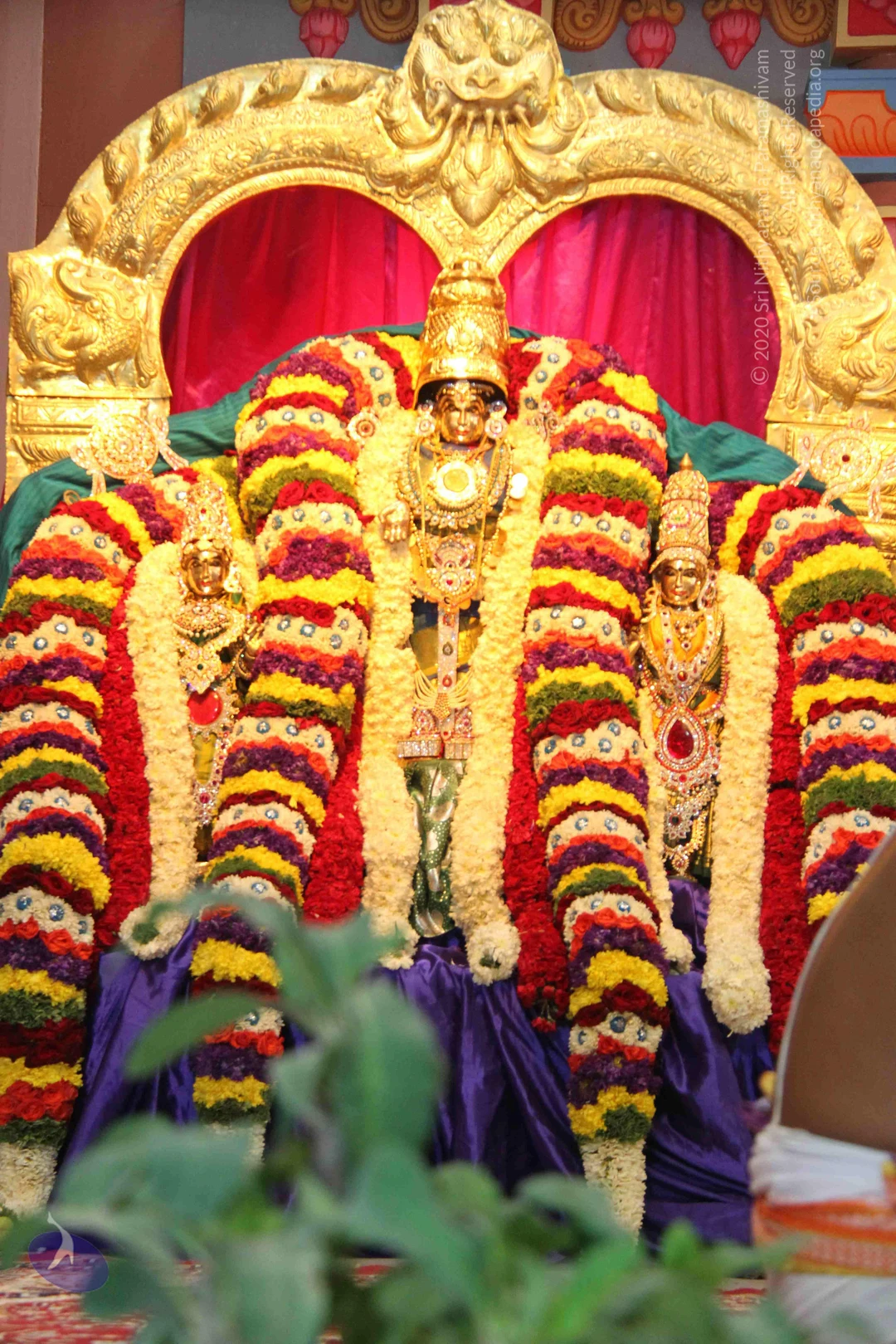
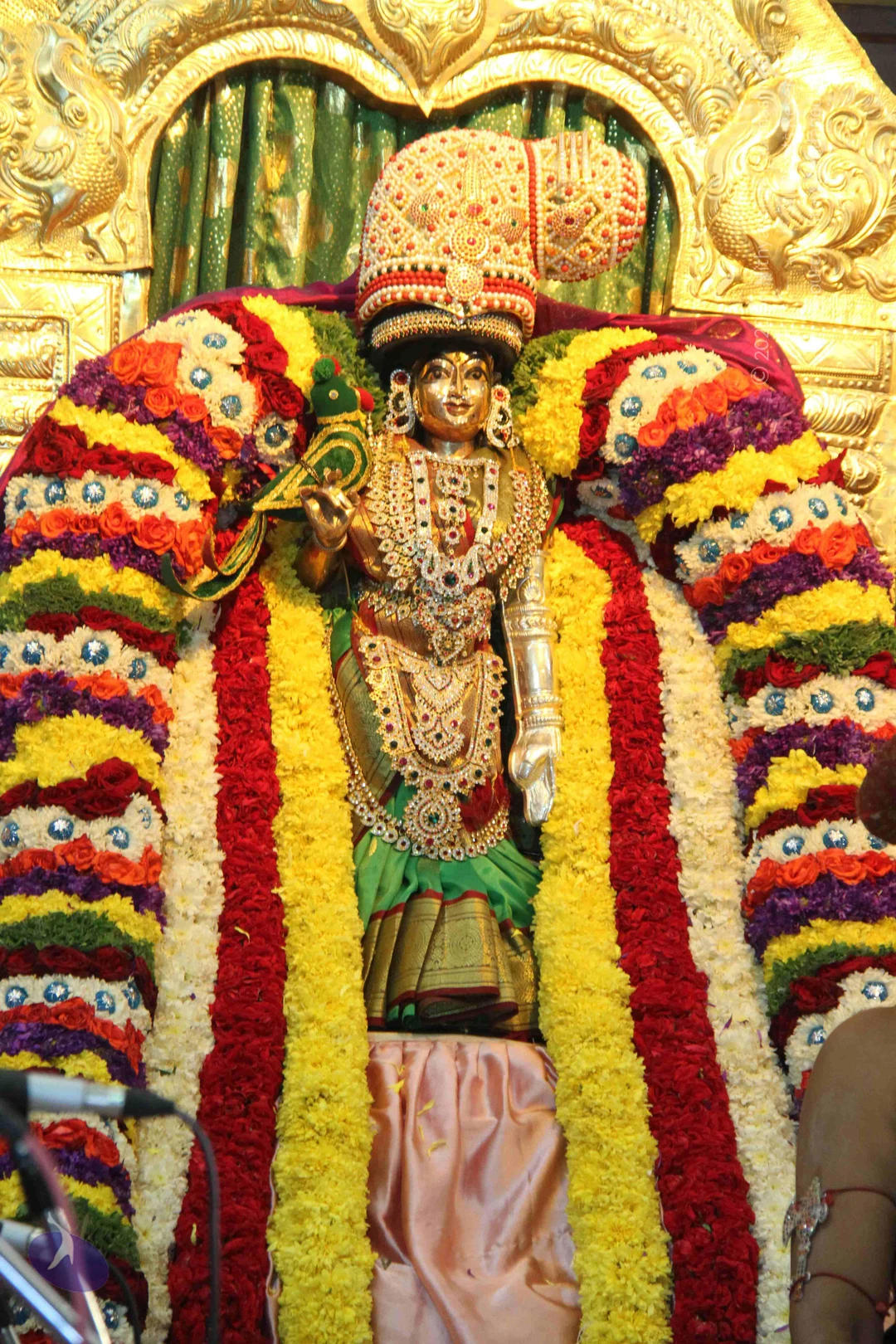
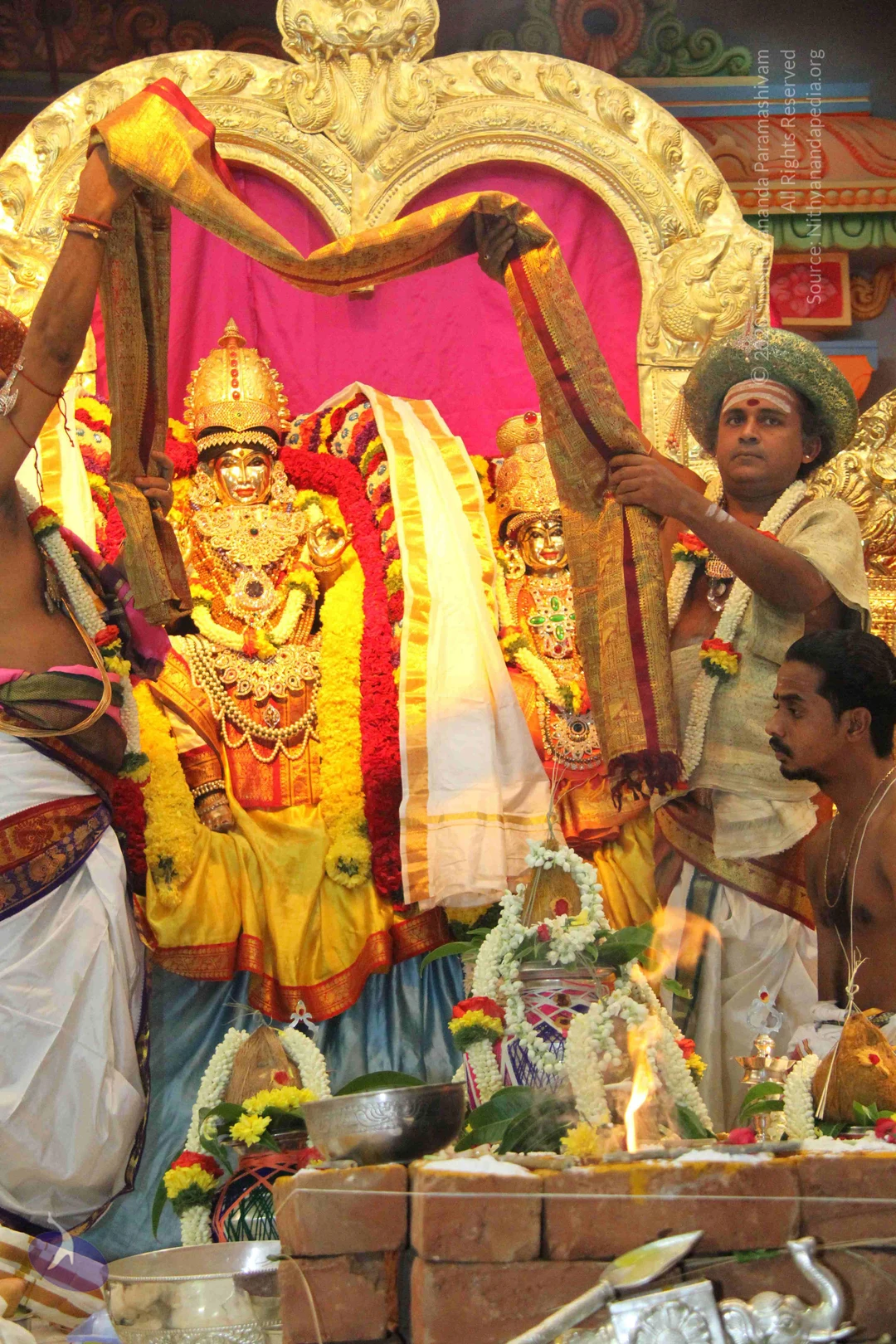
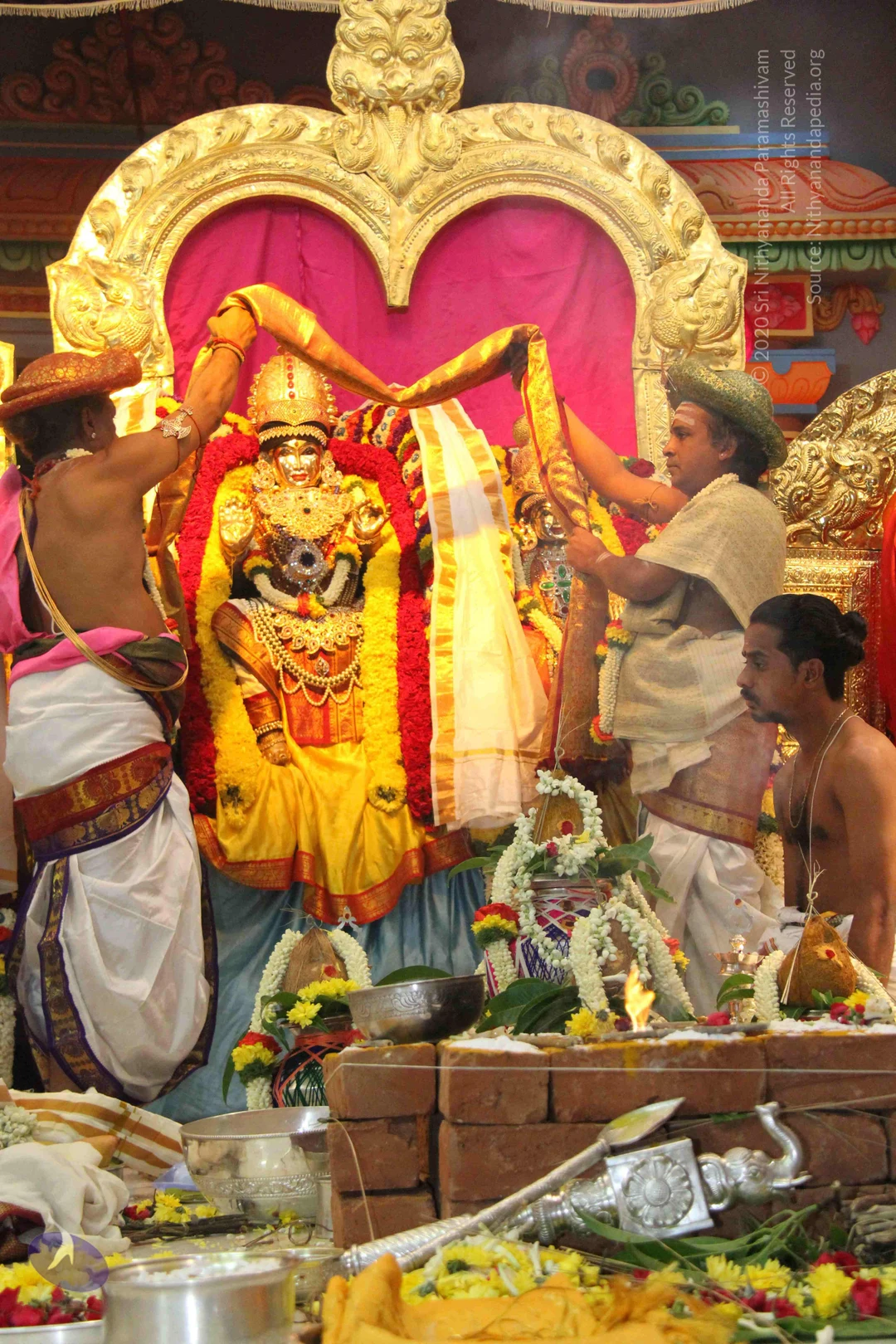
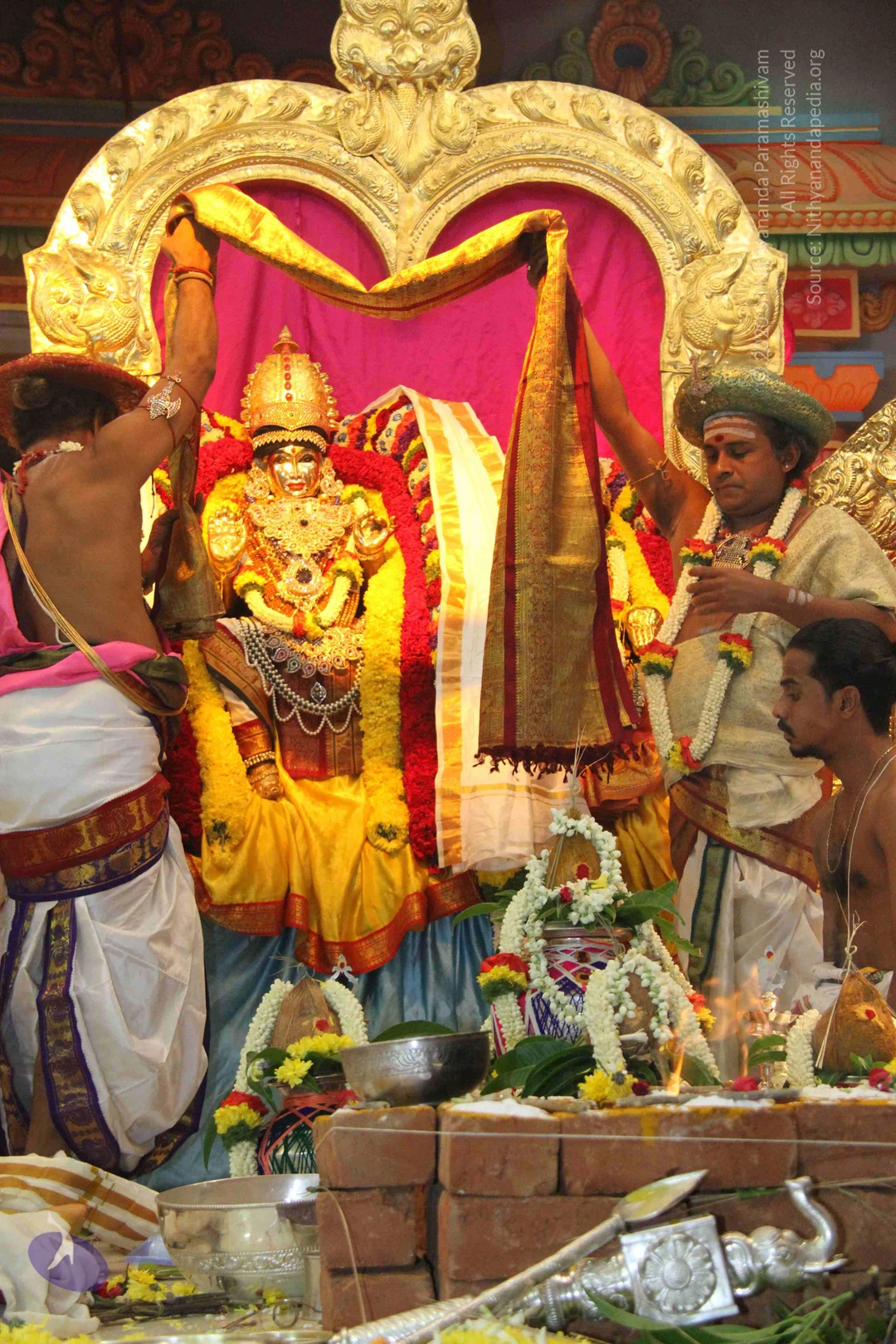
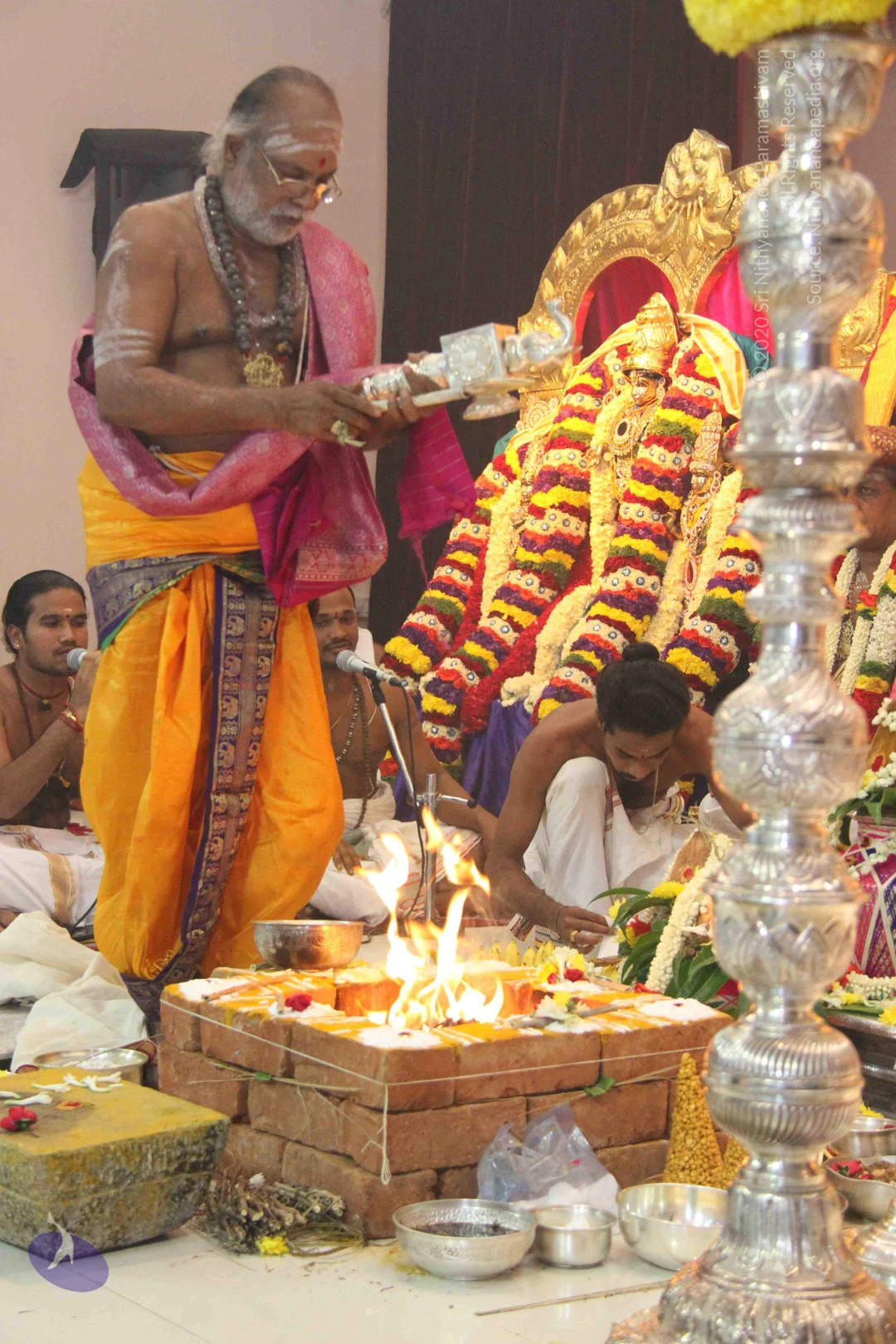
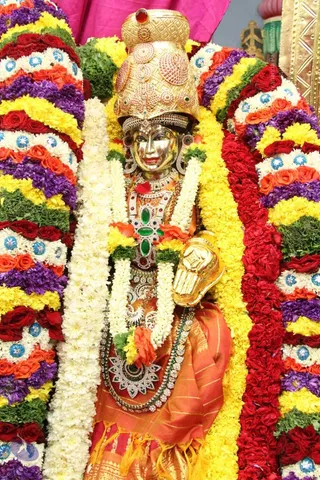
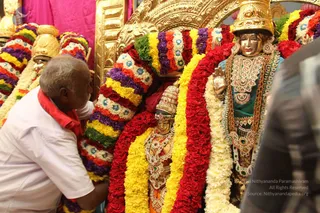
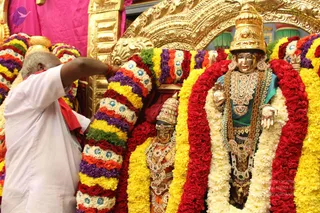
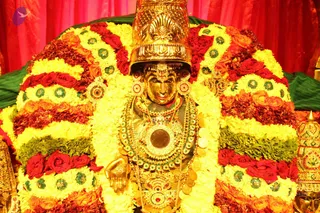
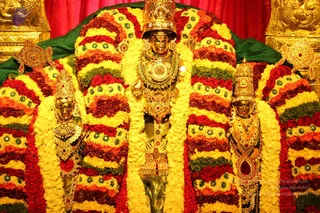
Meenakshi-Thirukalyanam
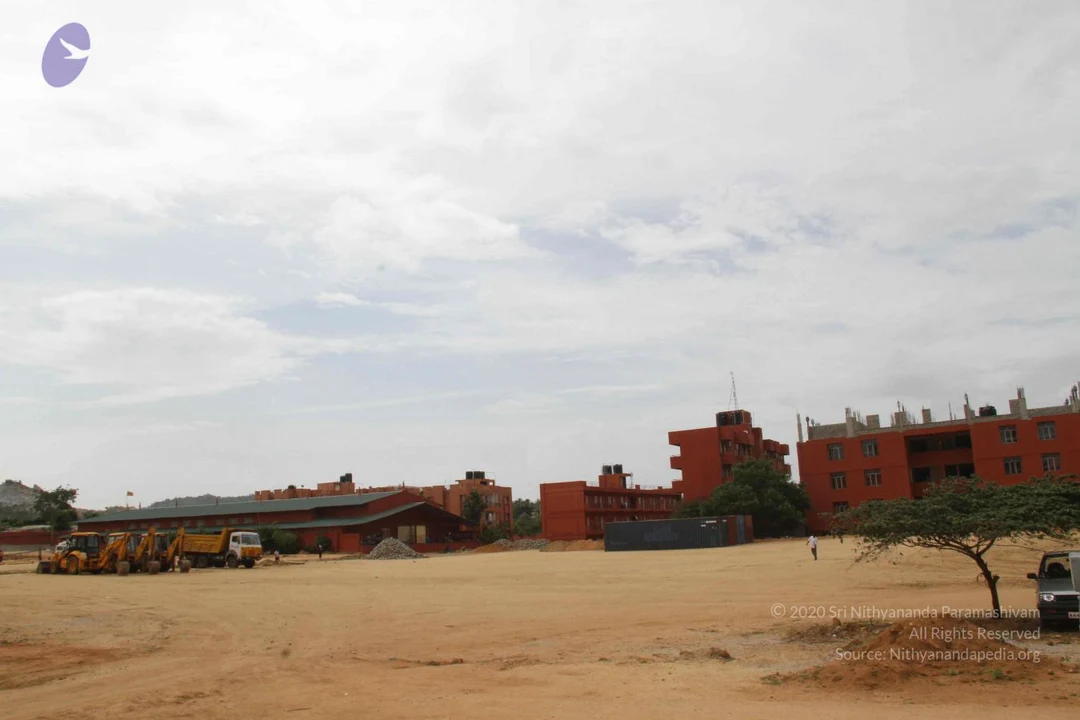
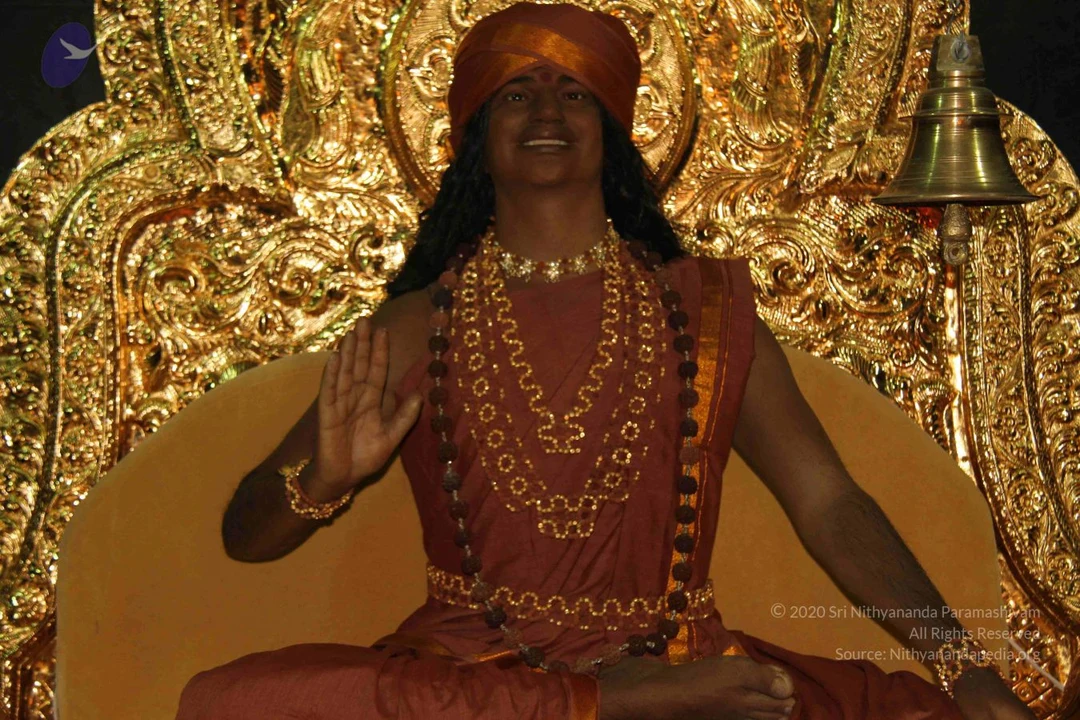
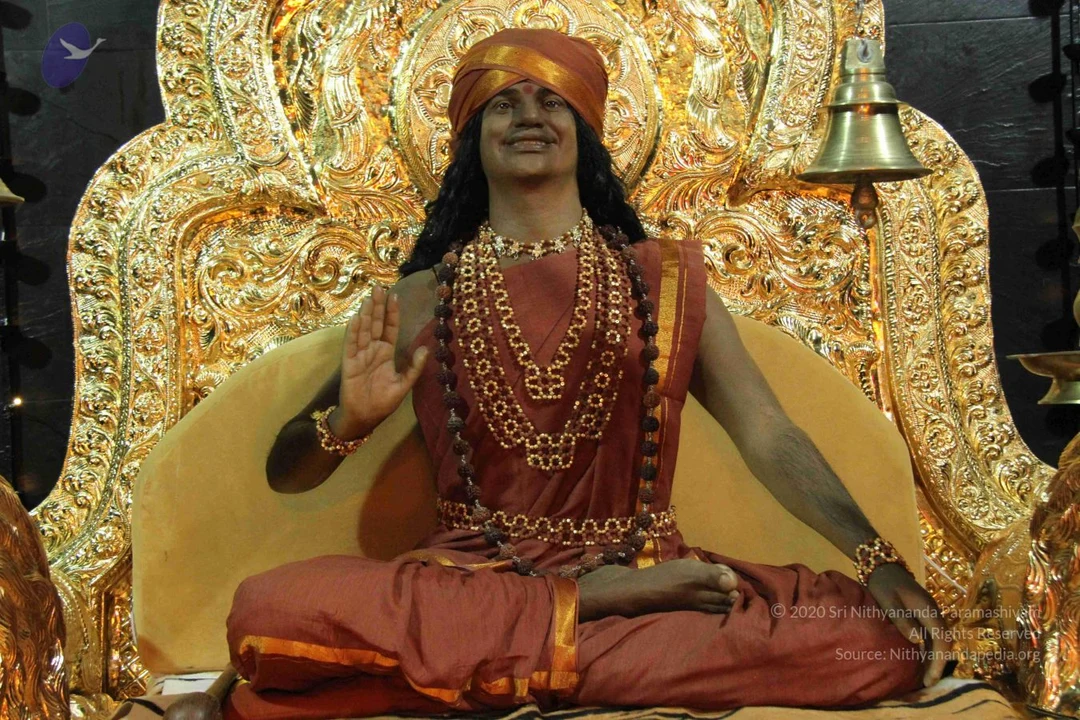
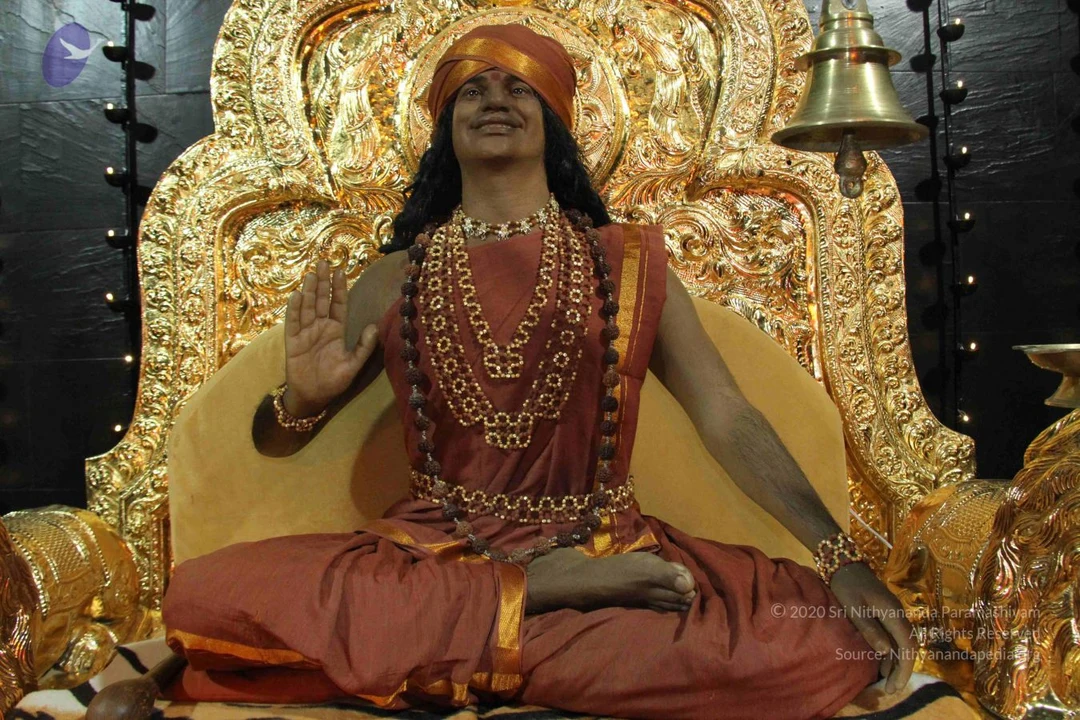
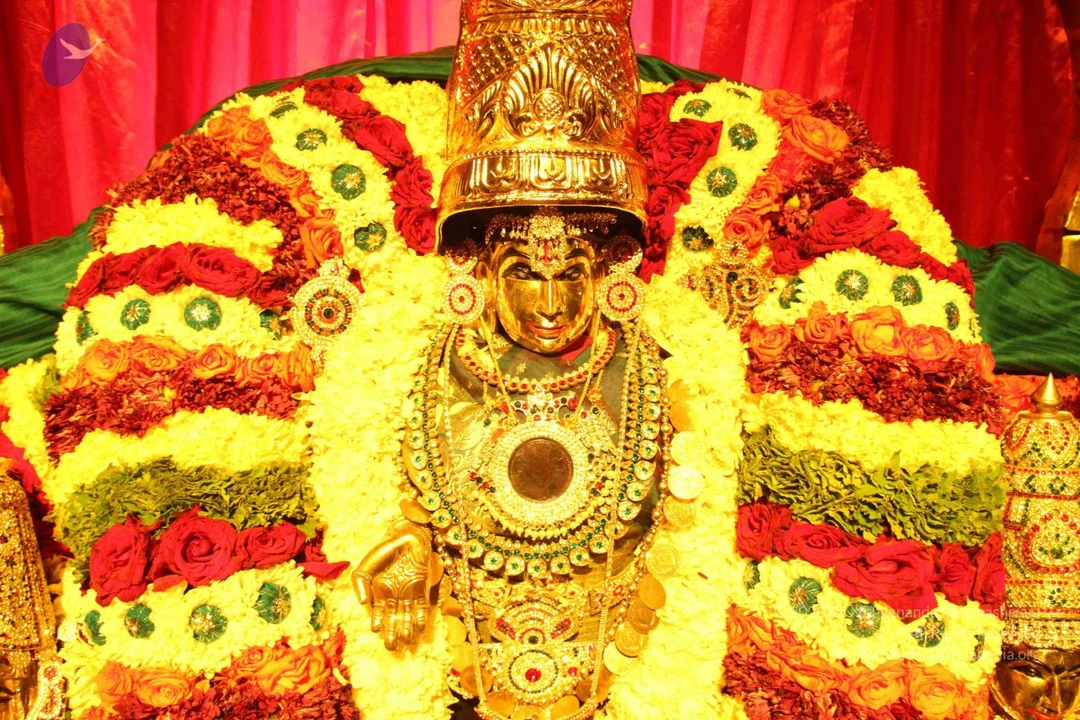

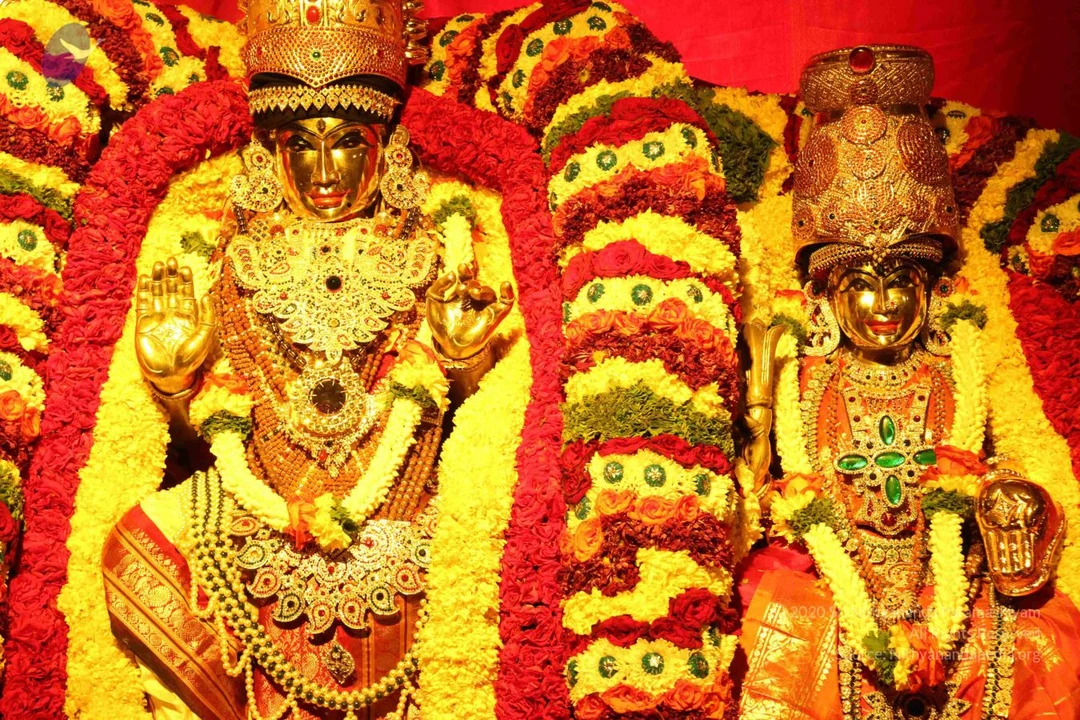
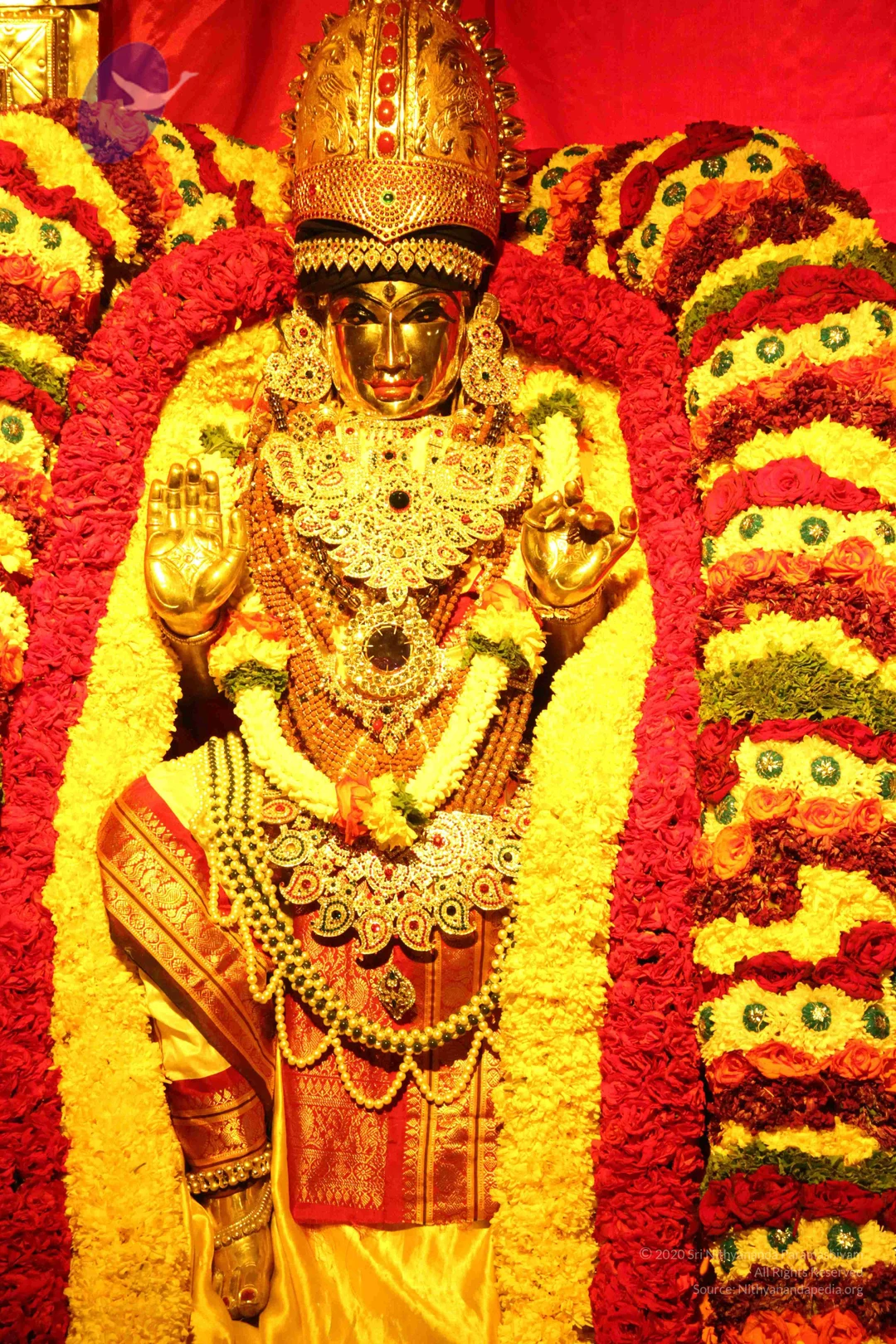
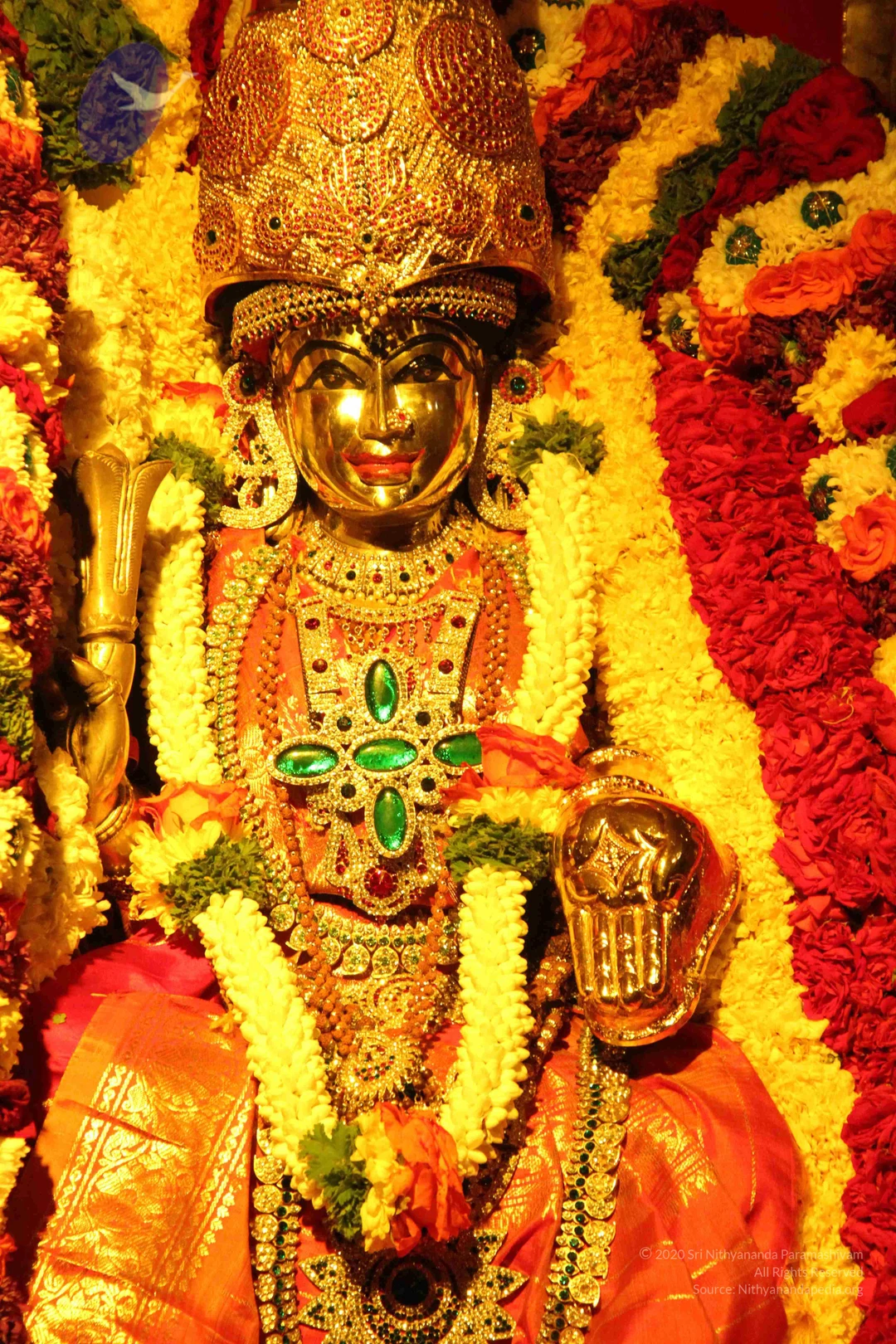
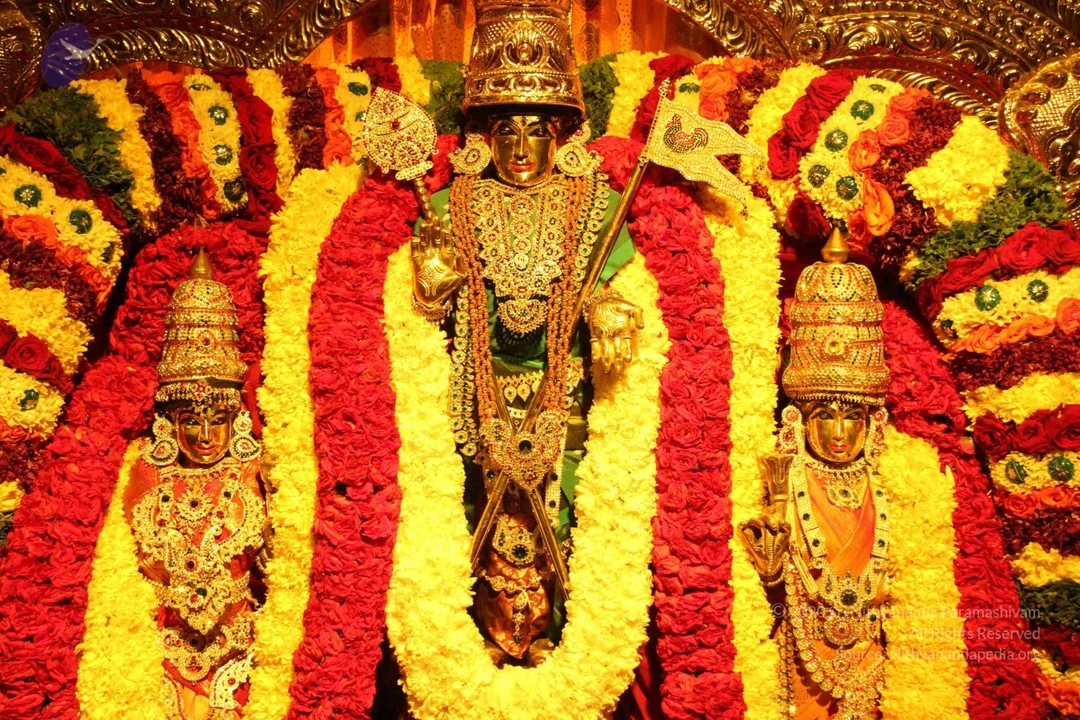

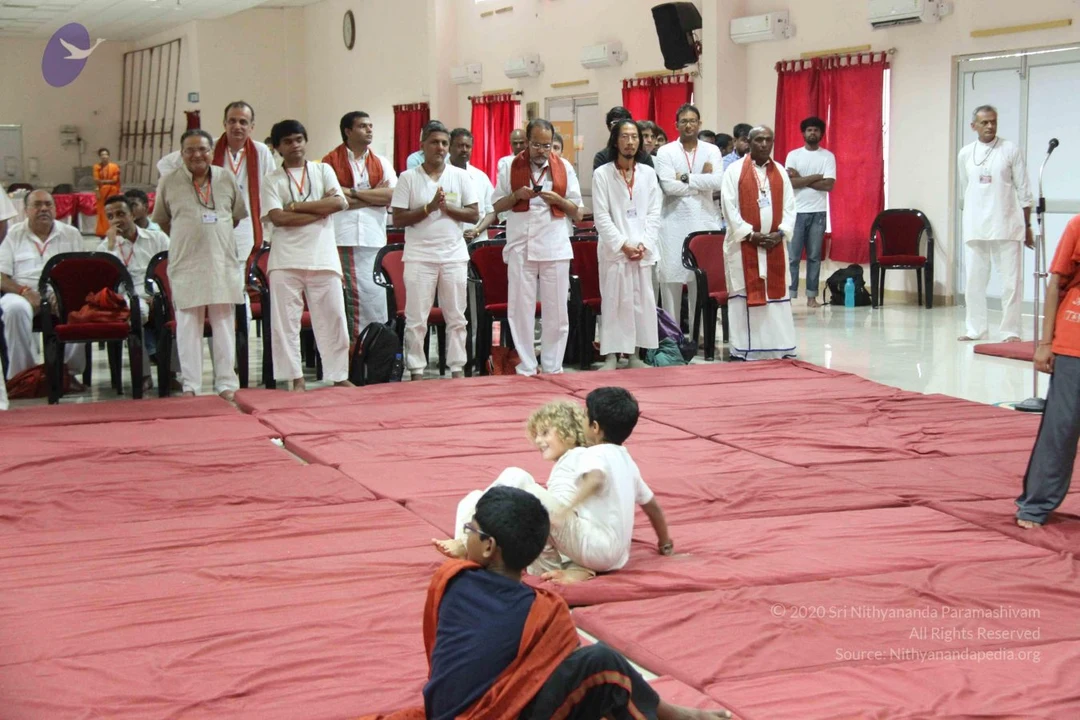
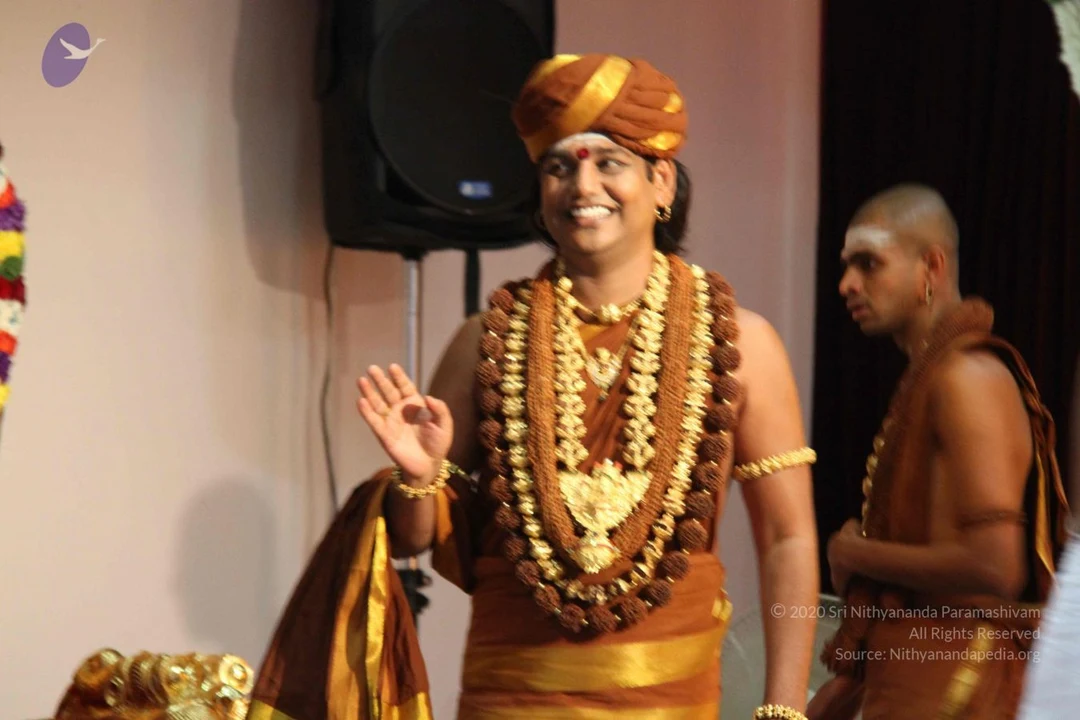
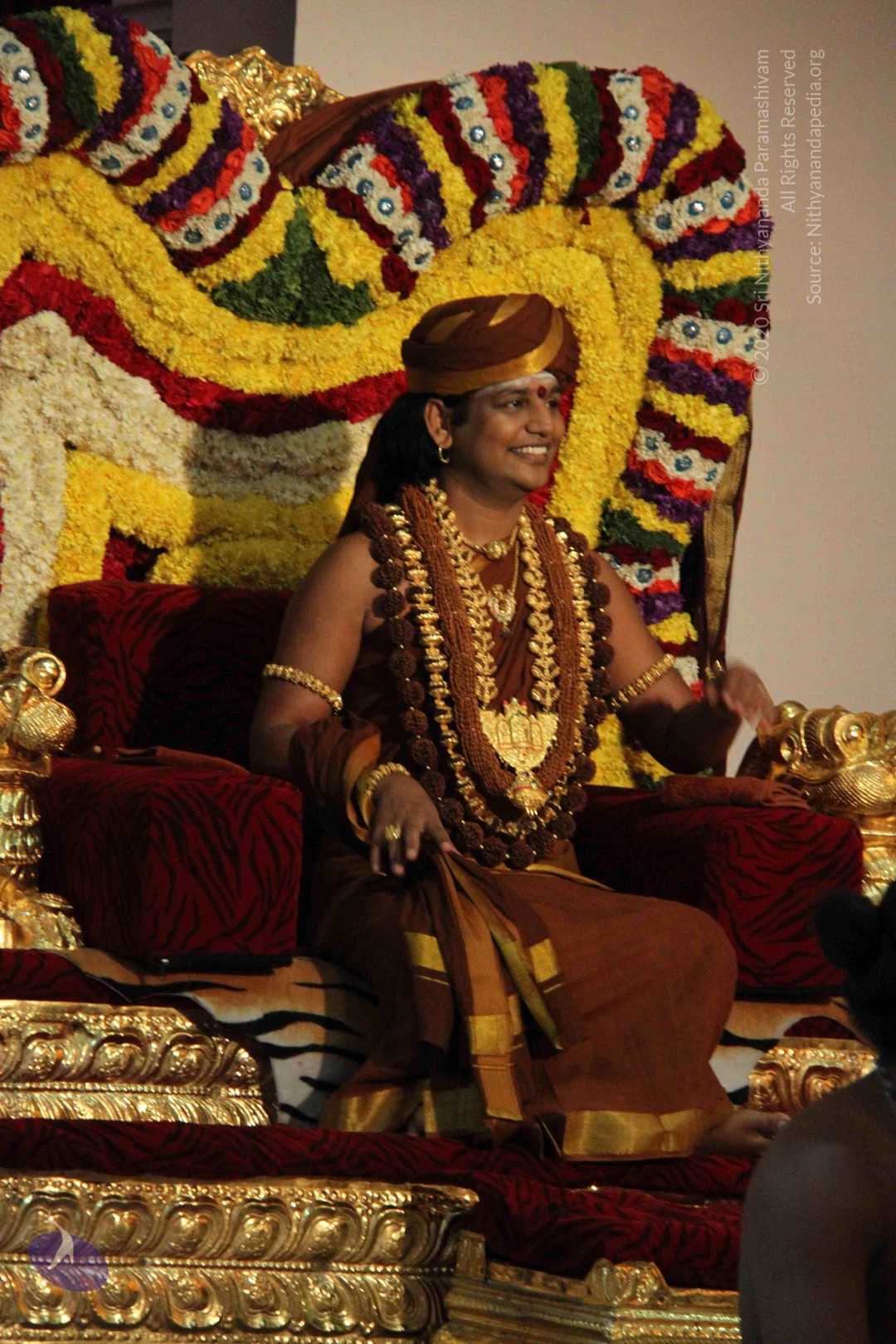
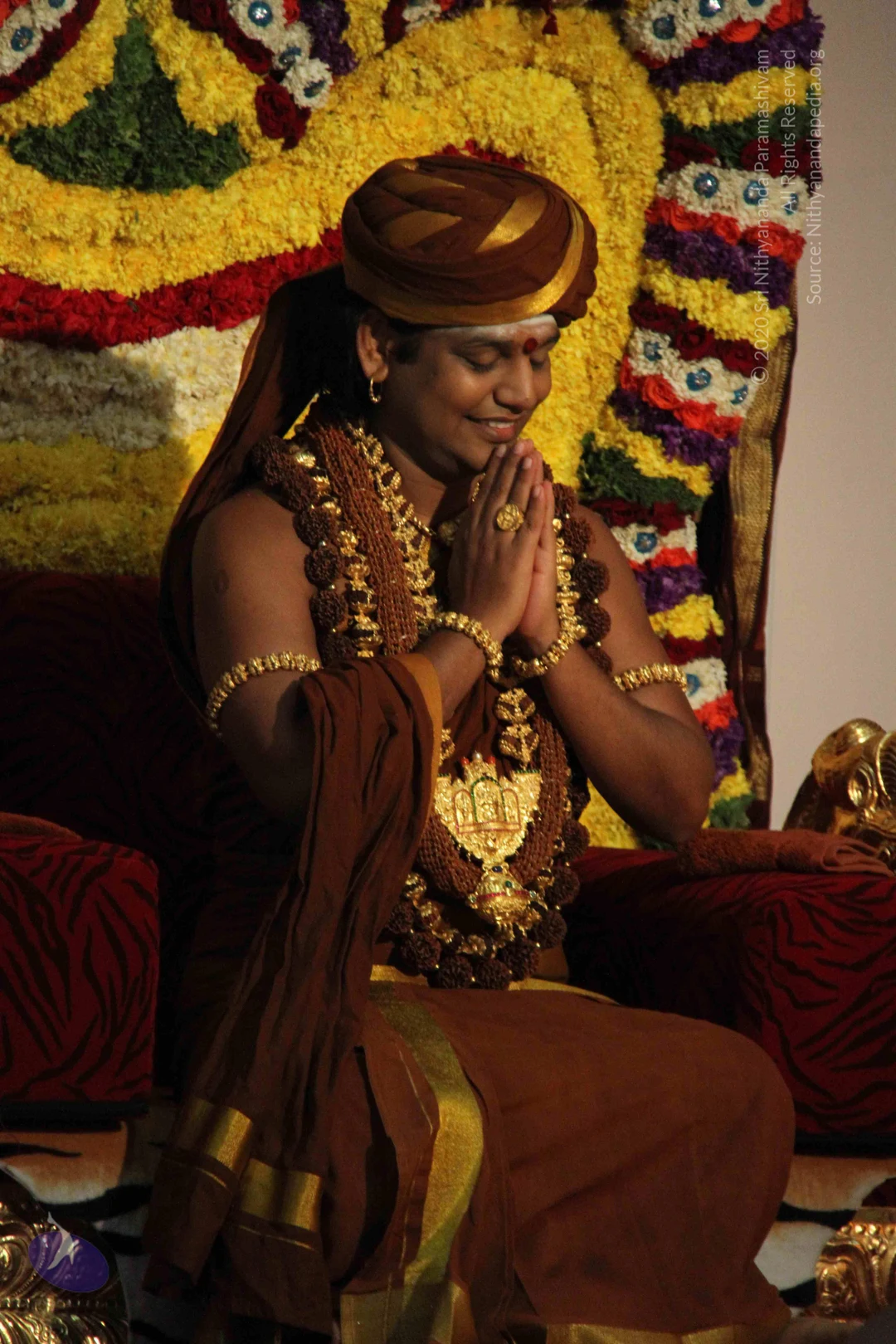


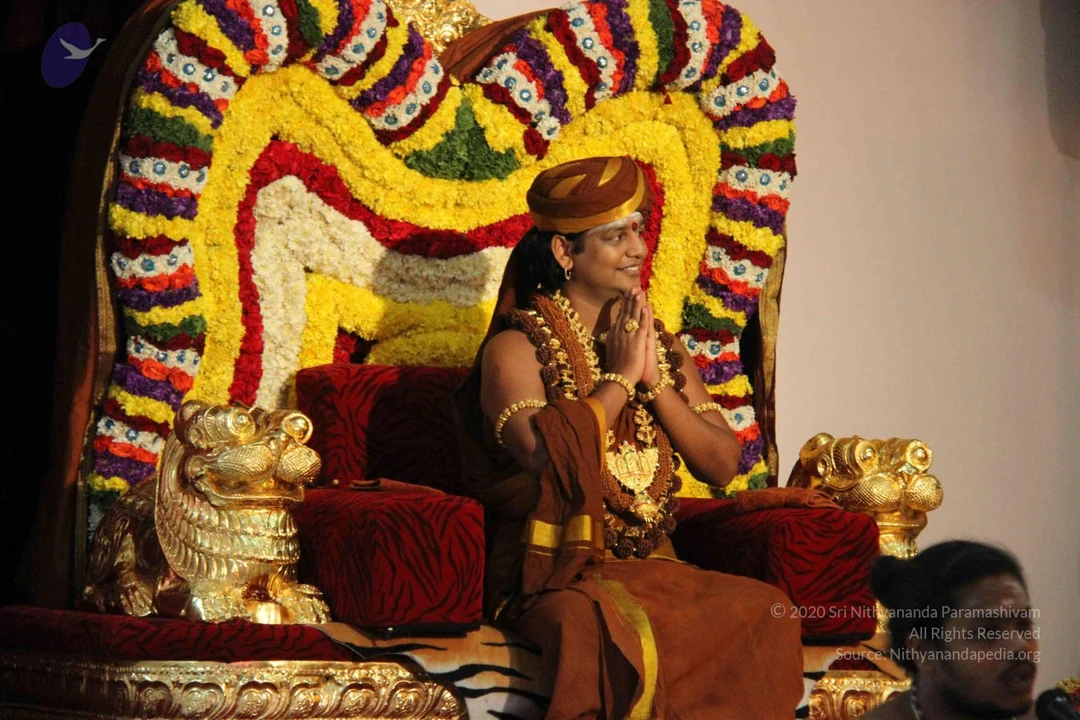
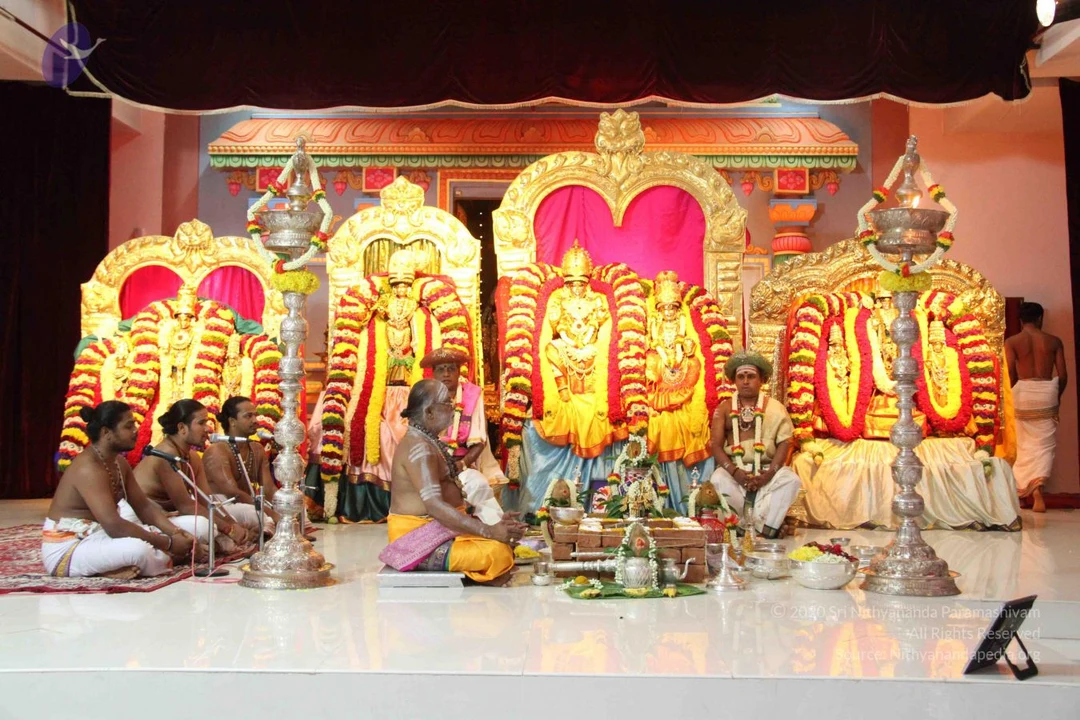
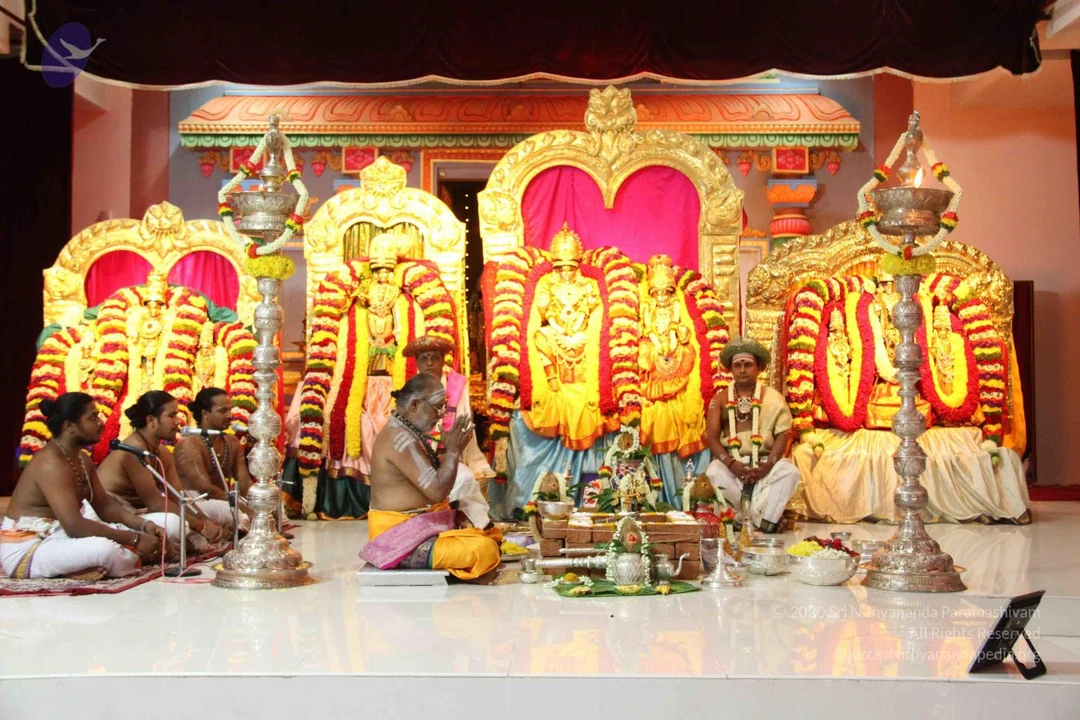
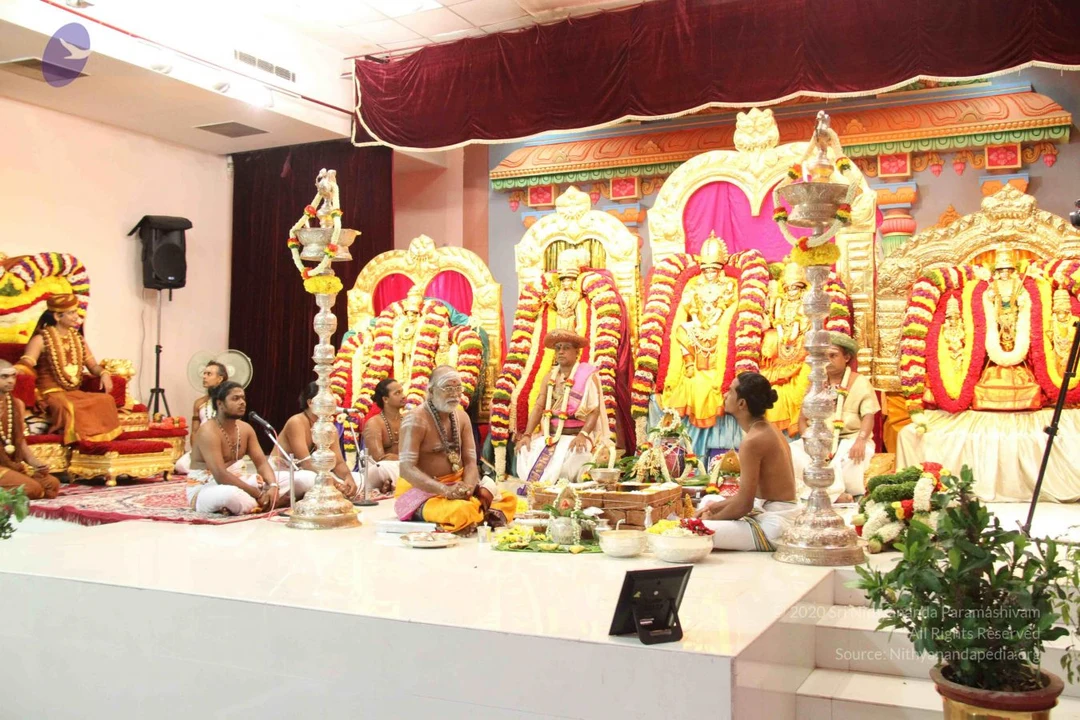
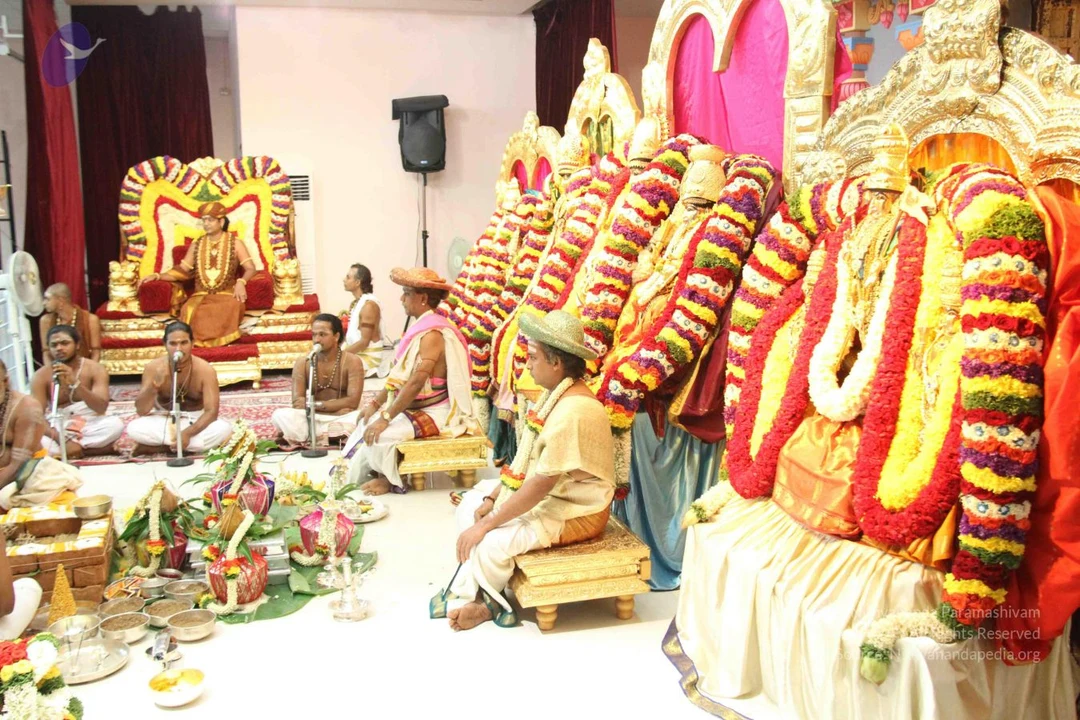
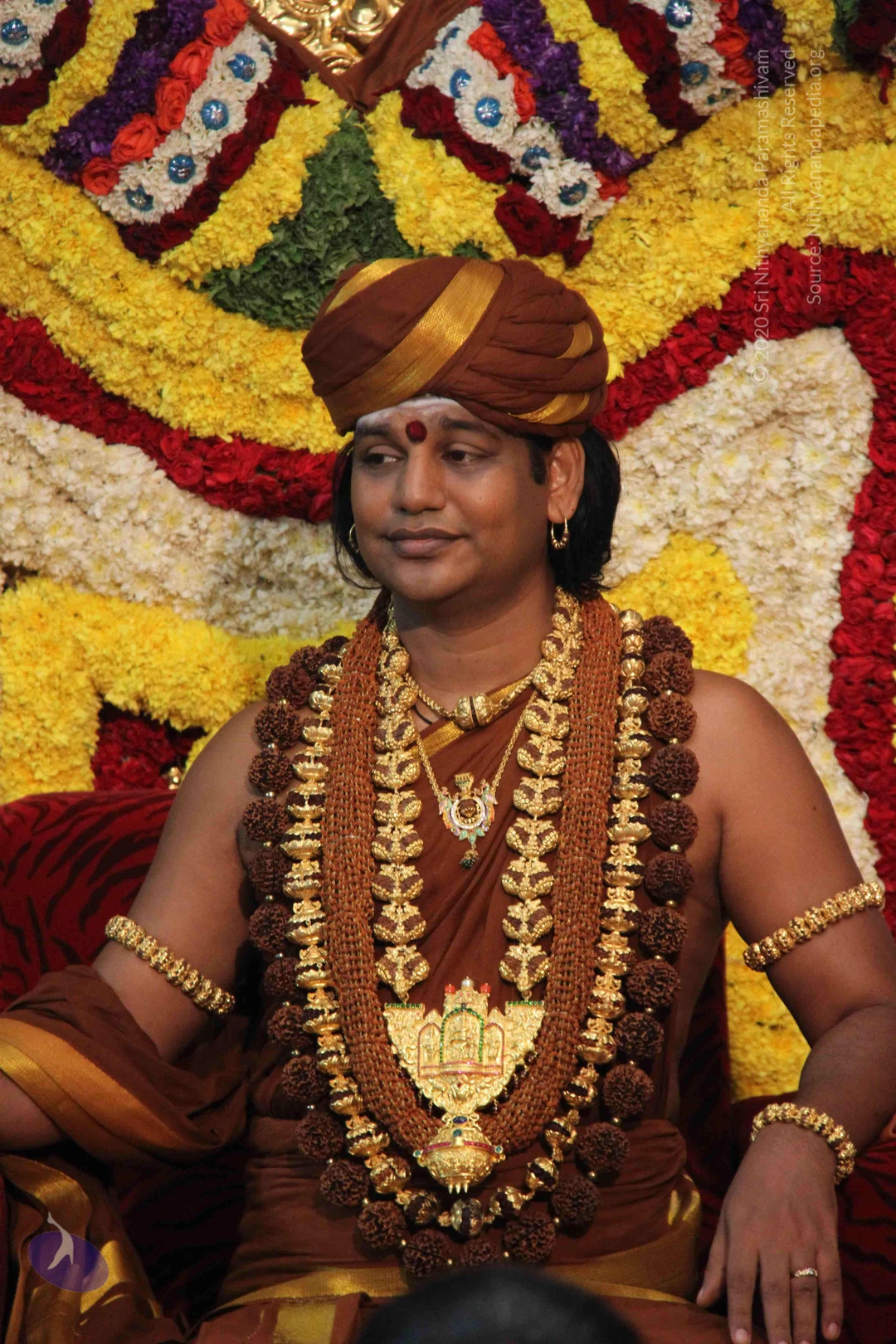
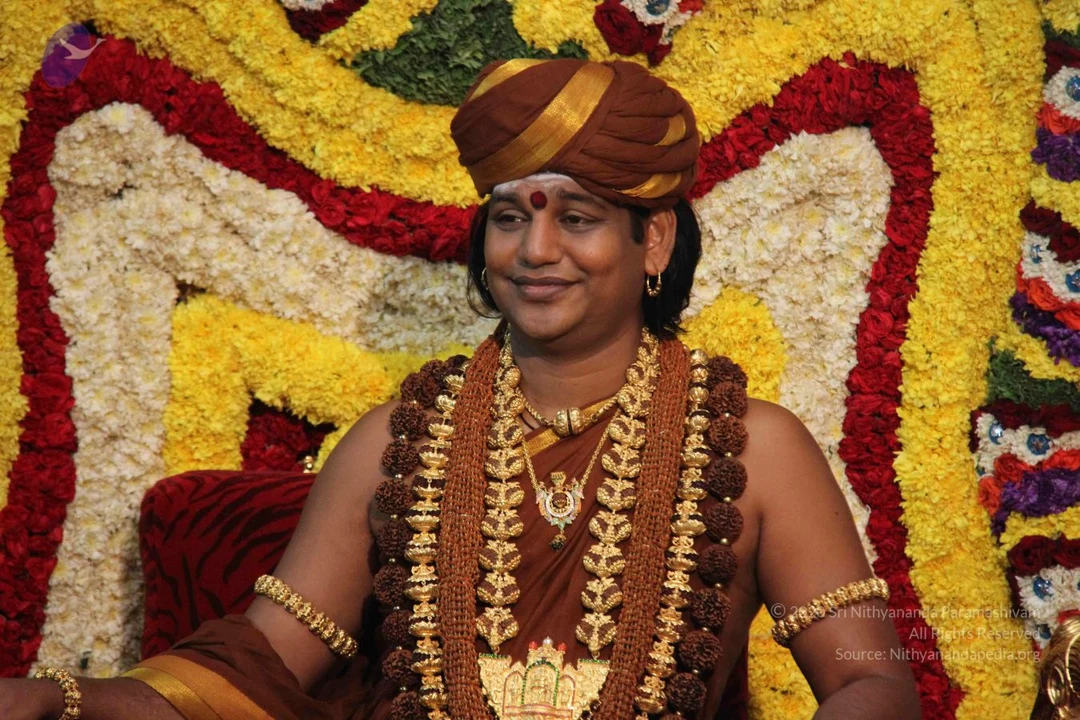

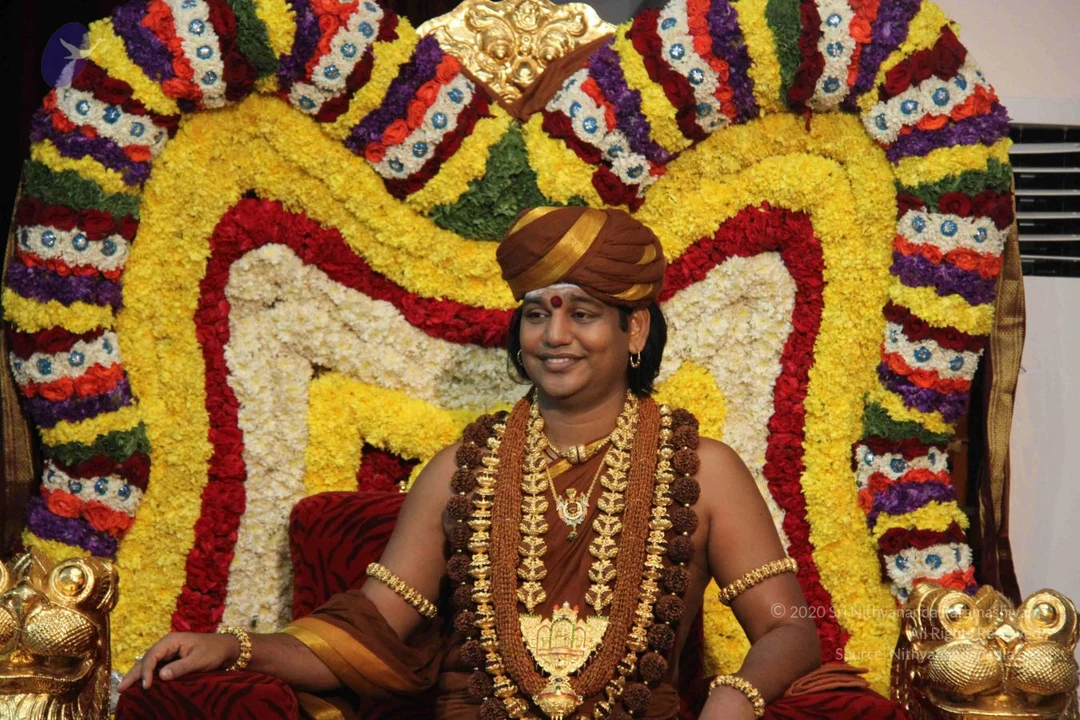
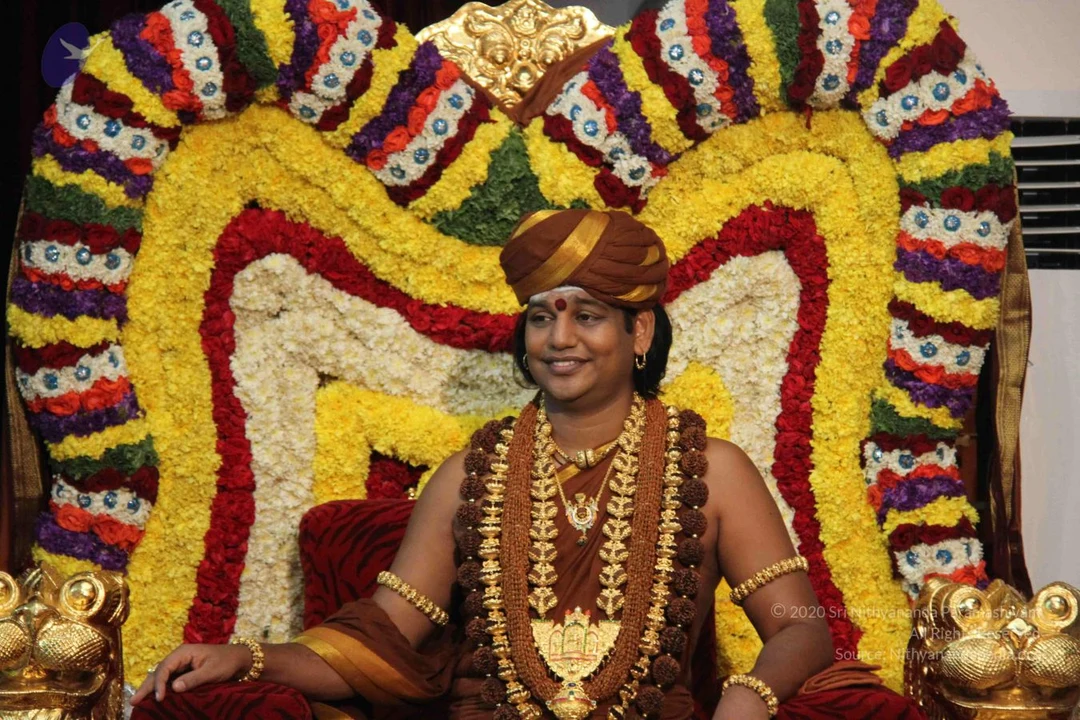
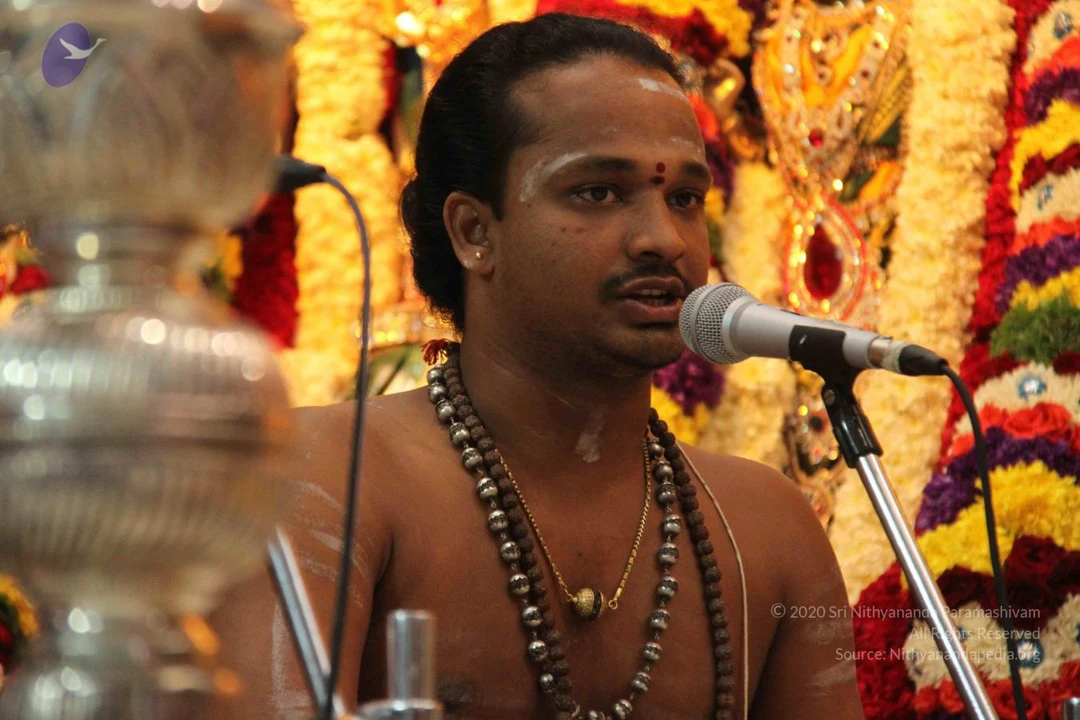
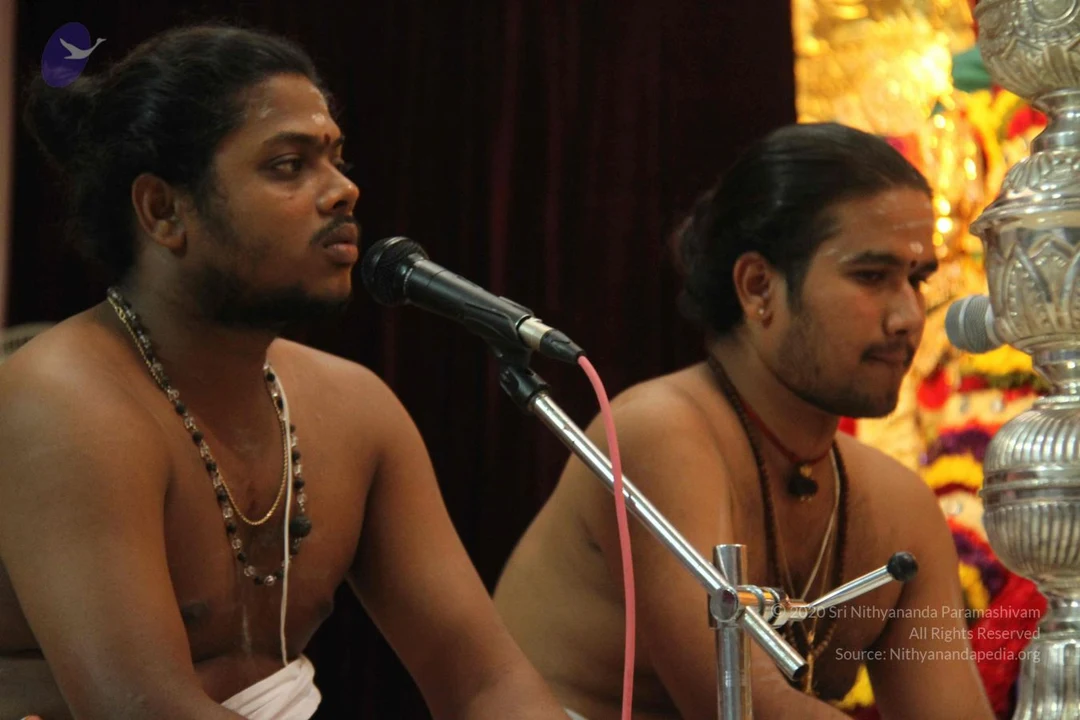


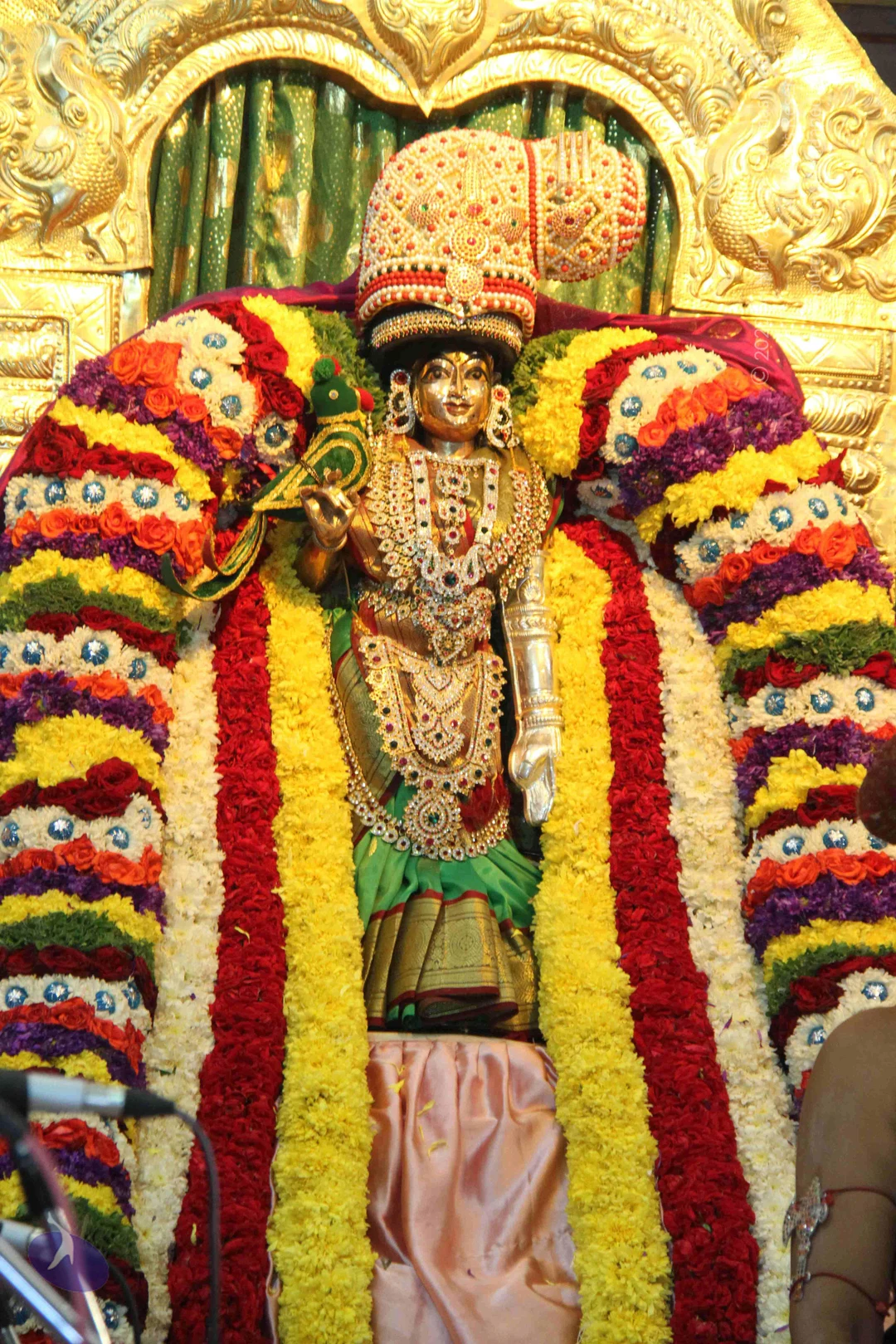
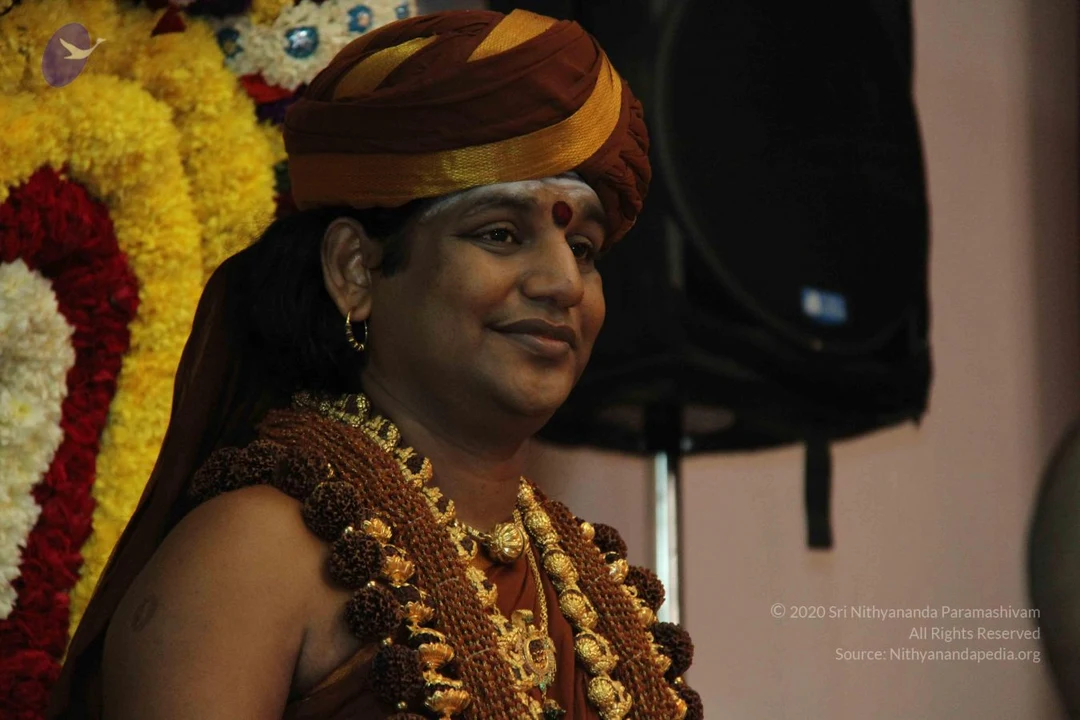
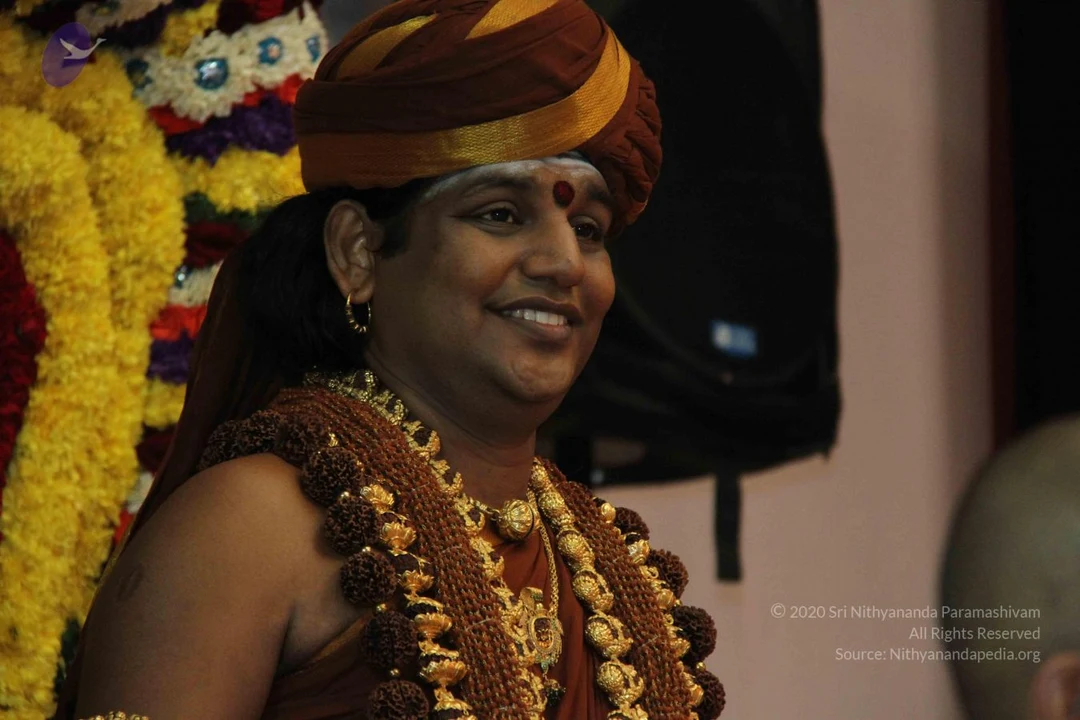
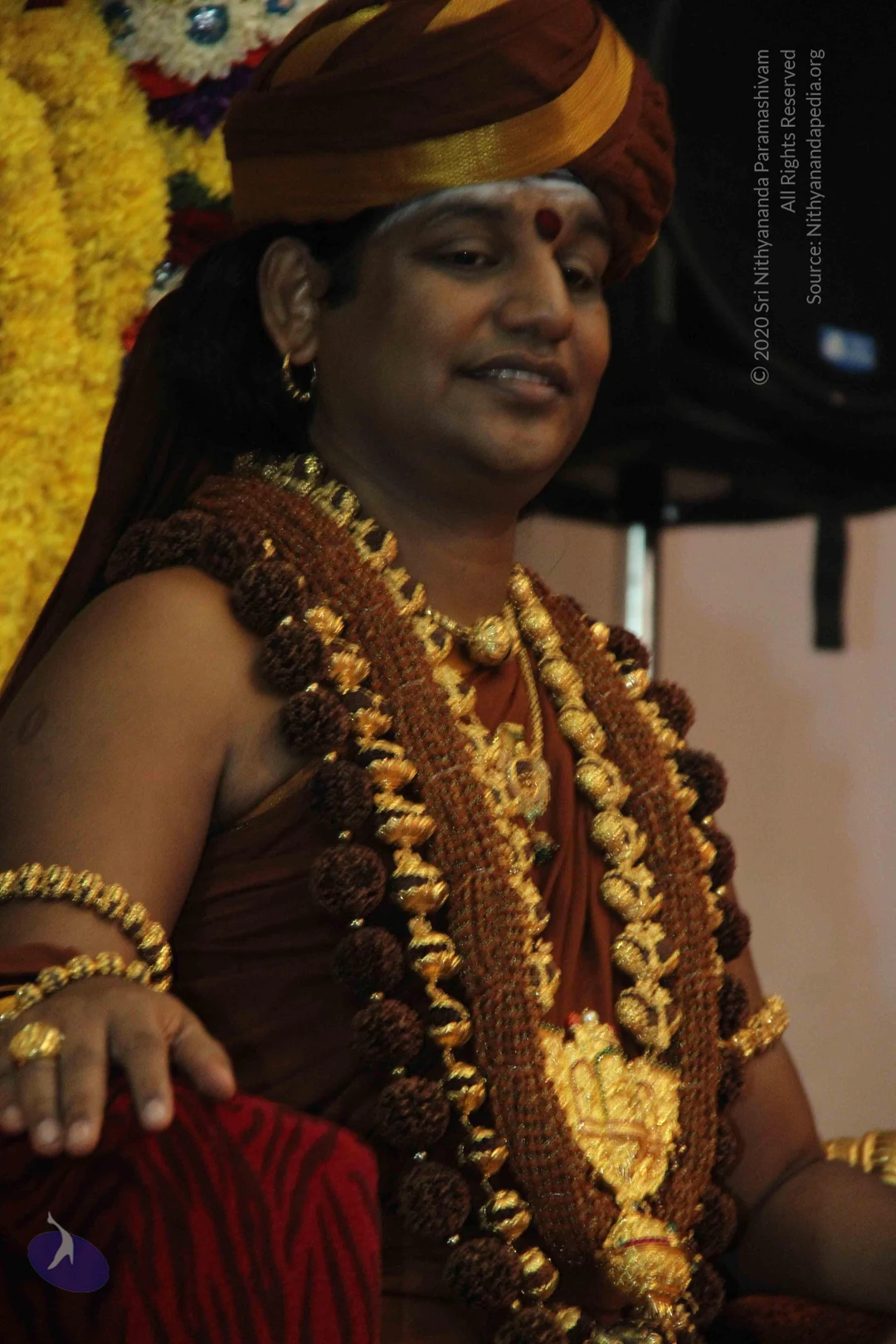


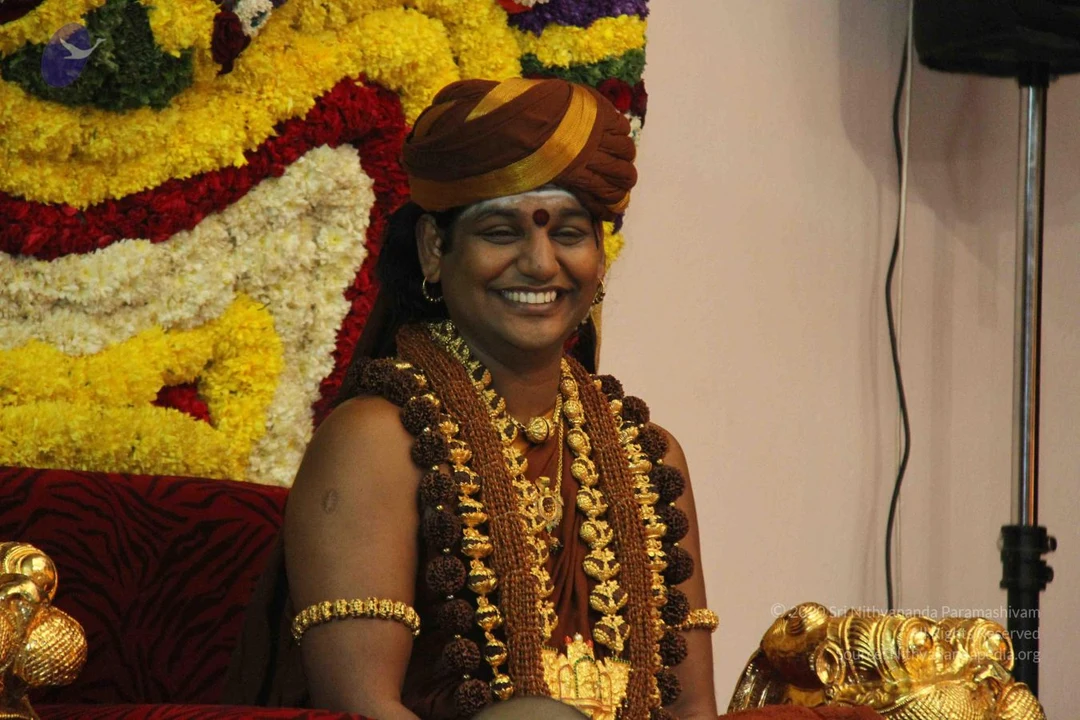
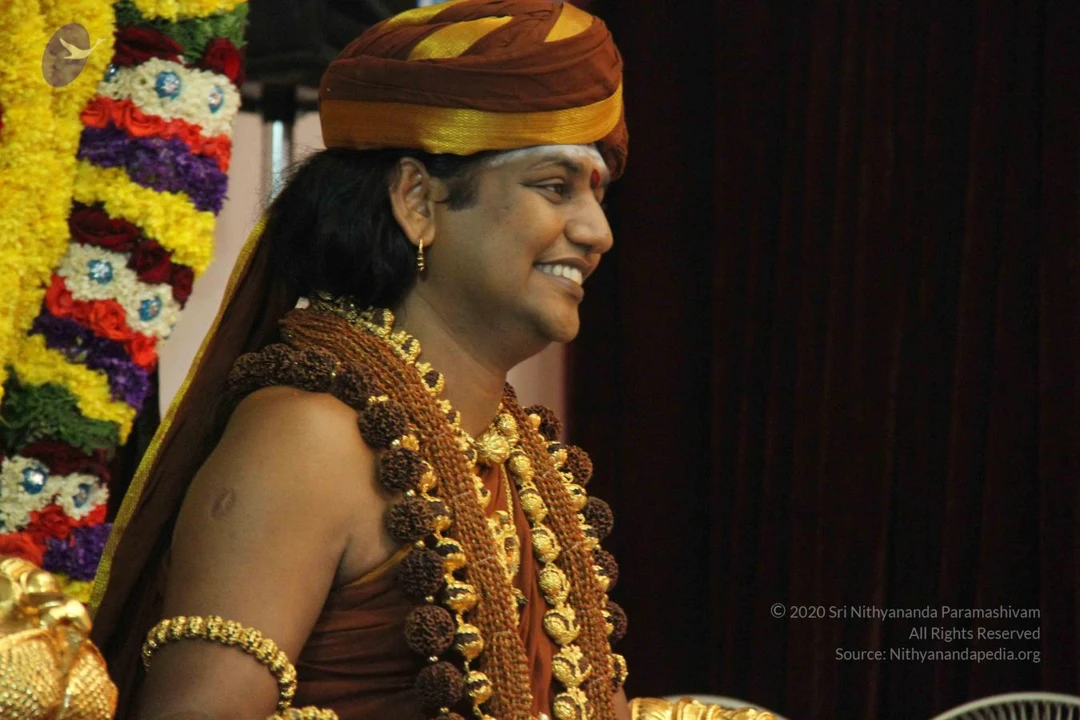
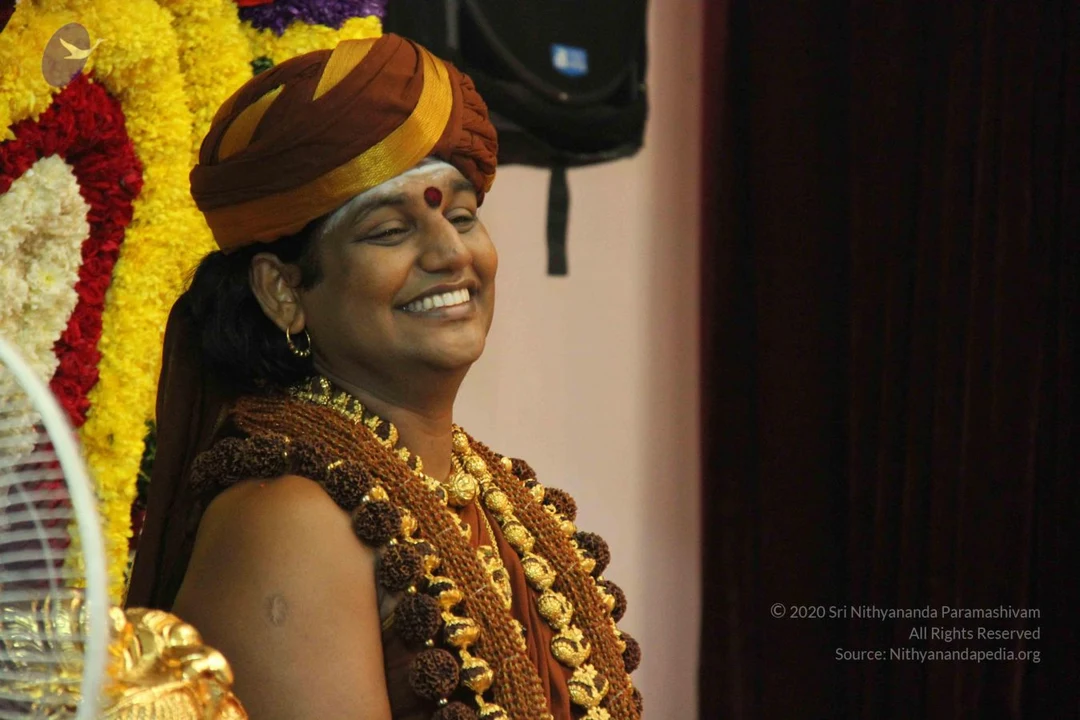
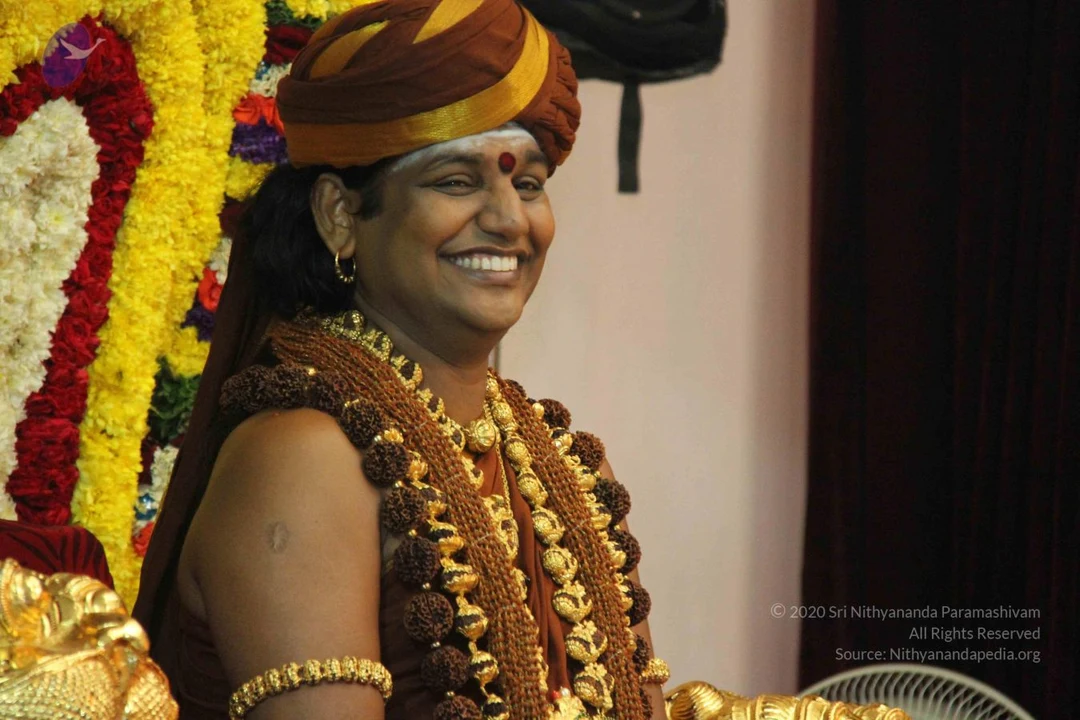
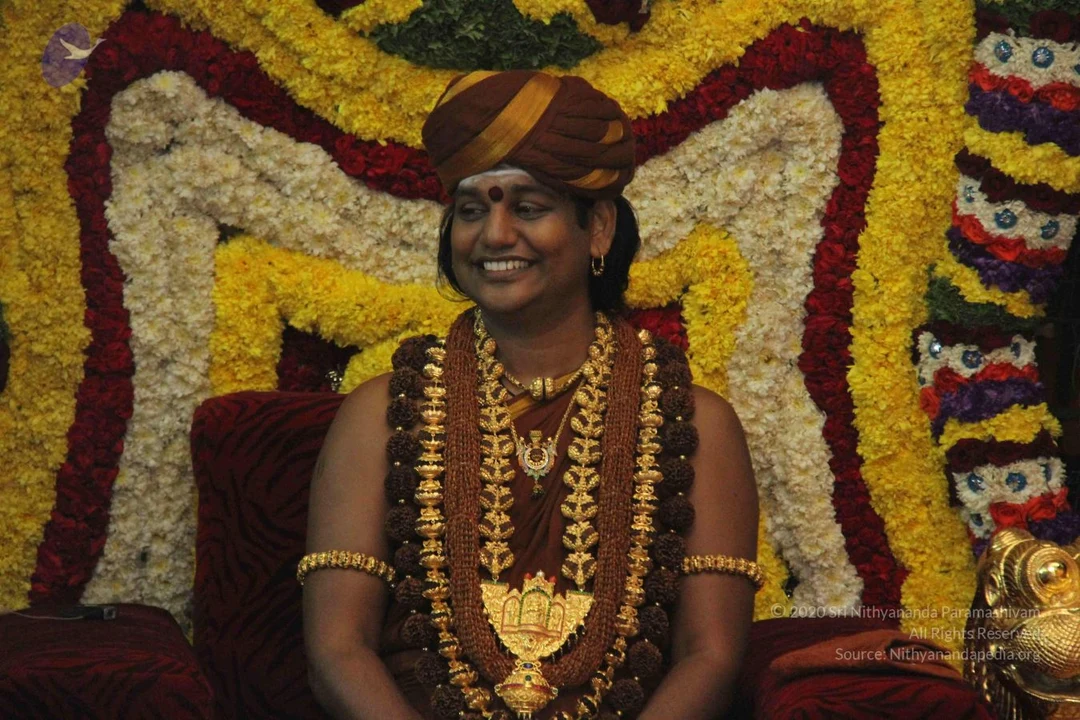
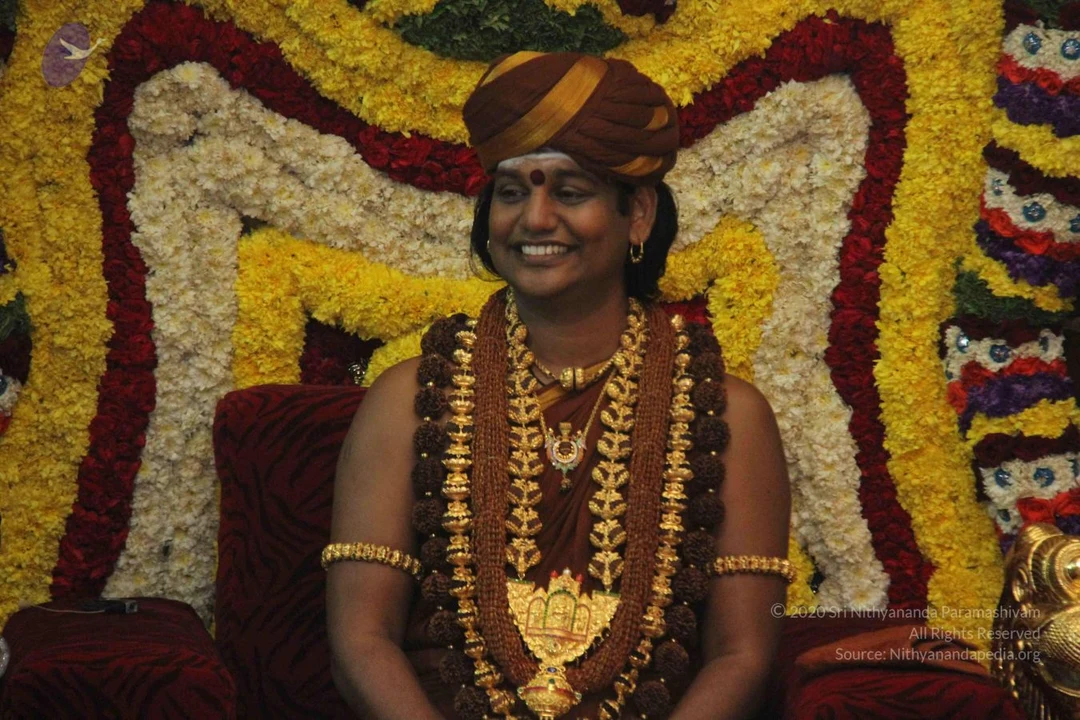
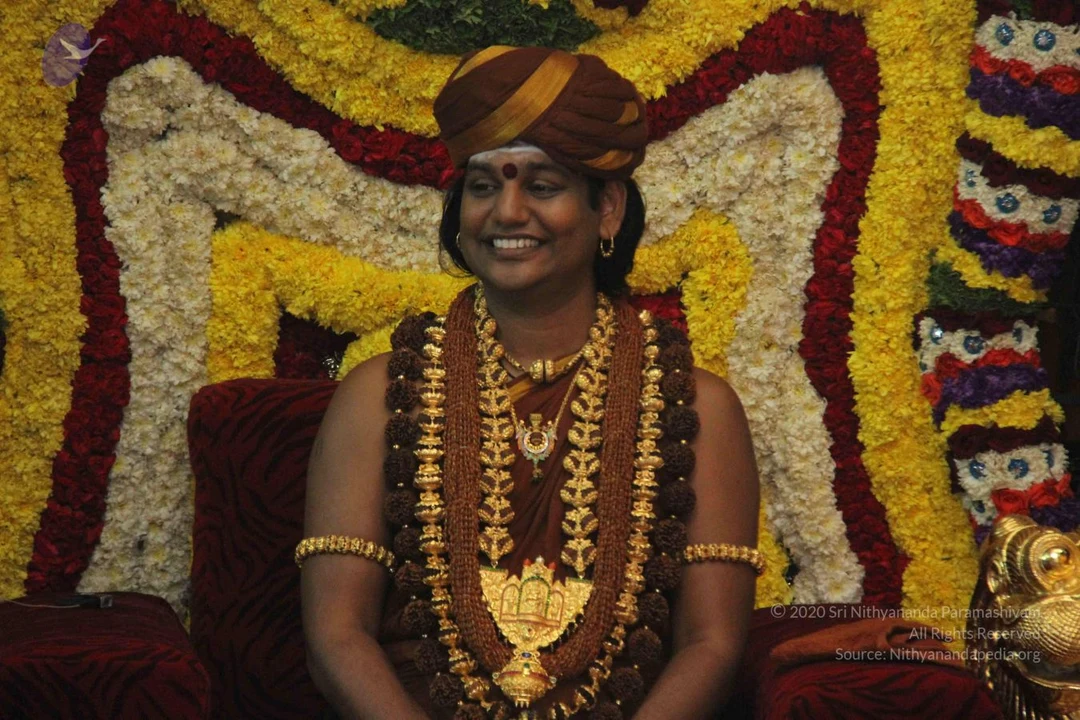
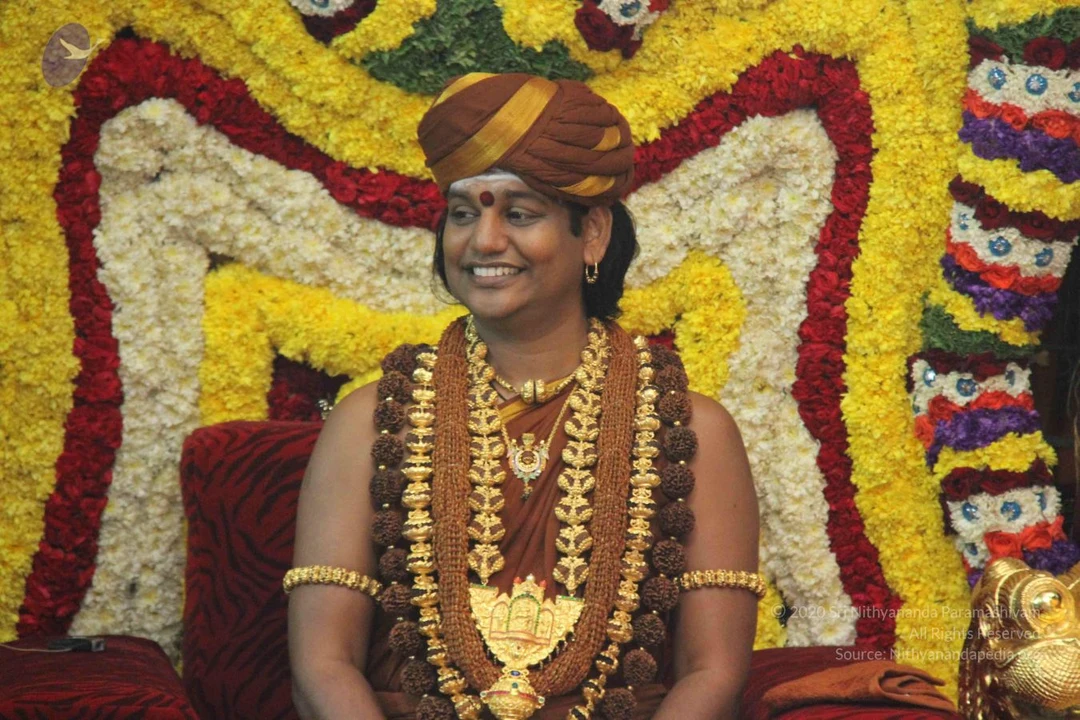







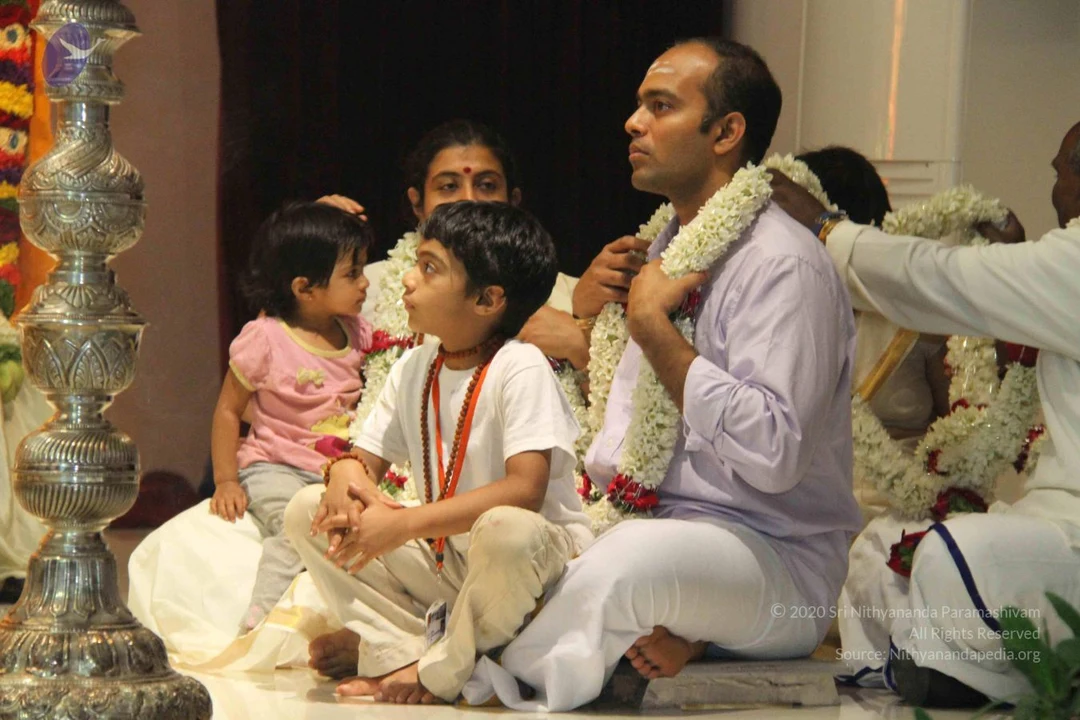
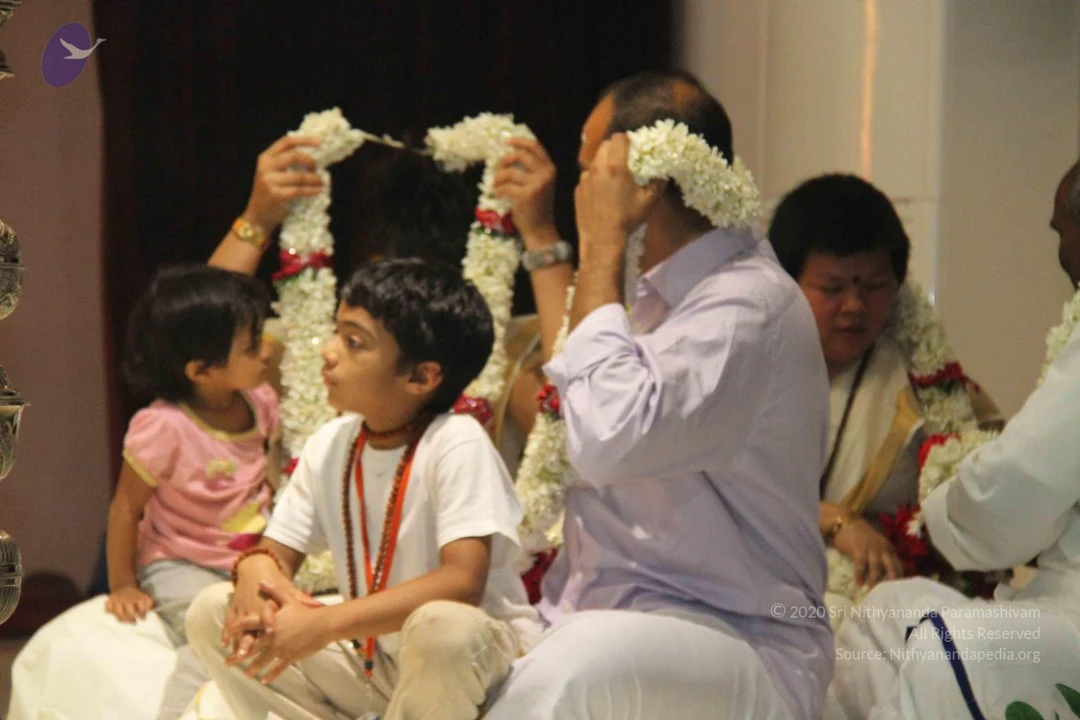
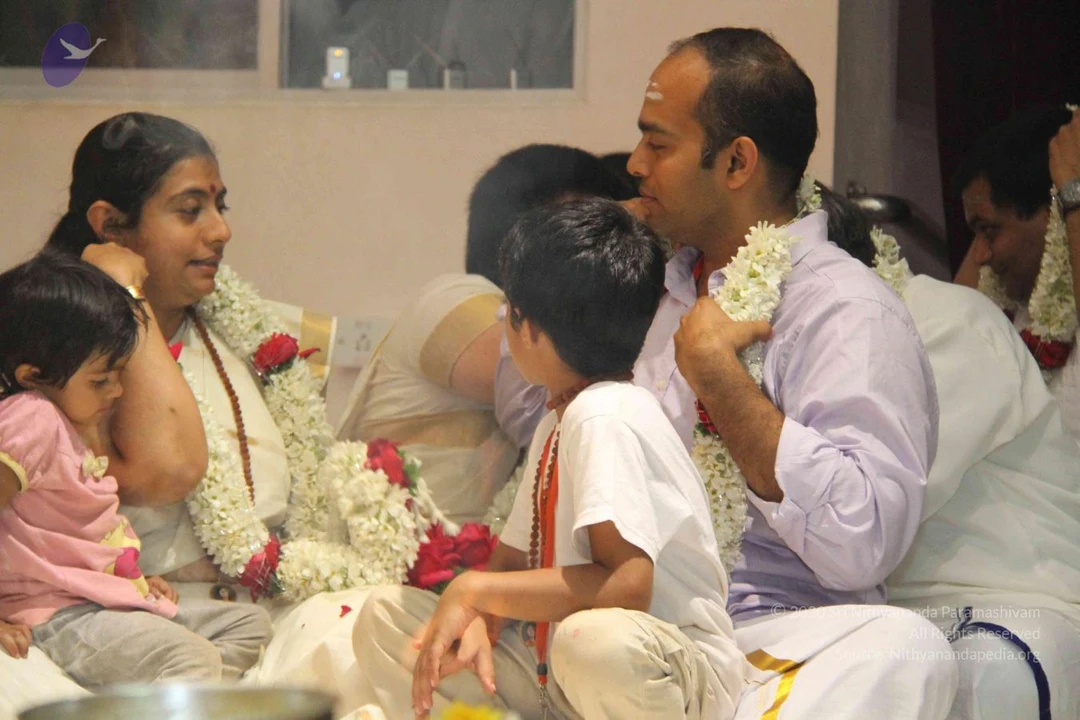
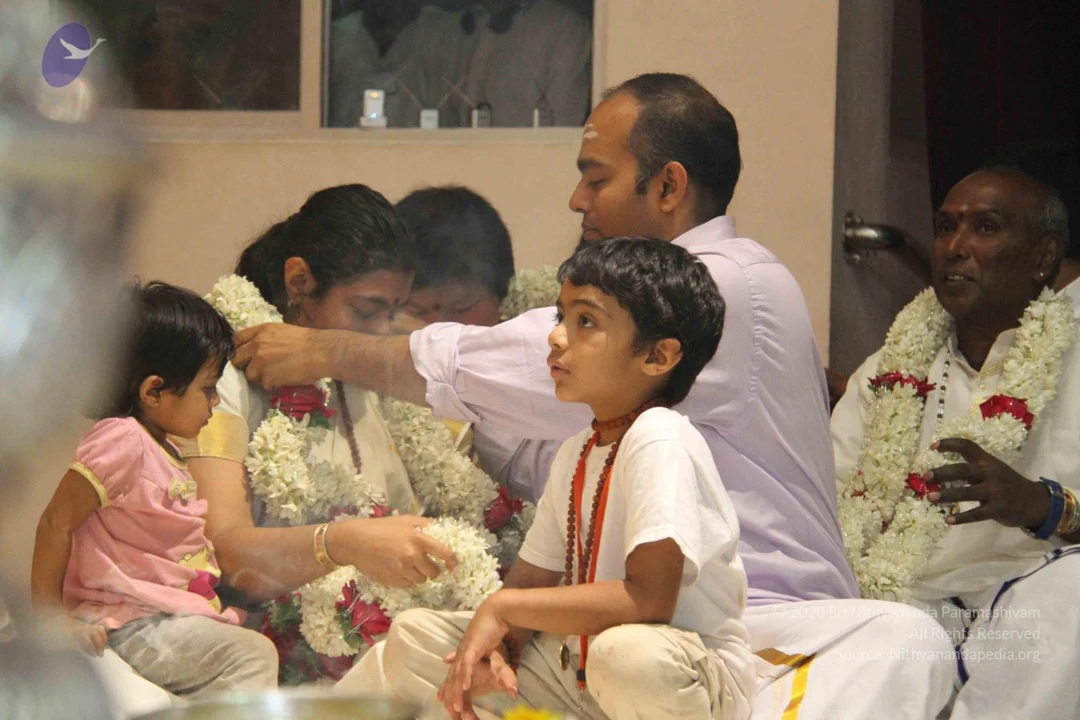
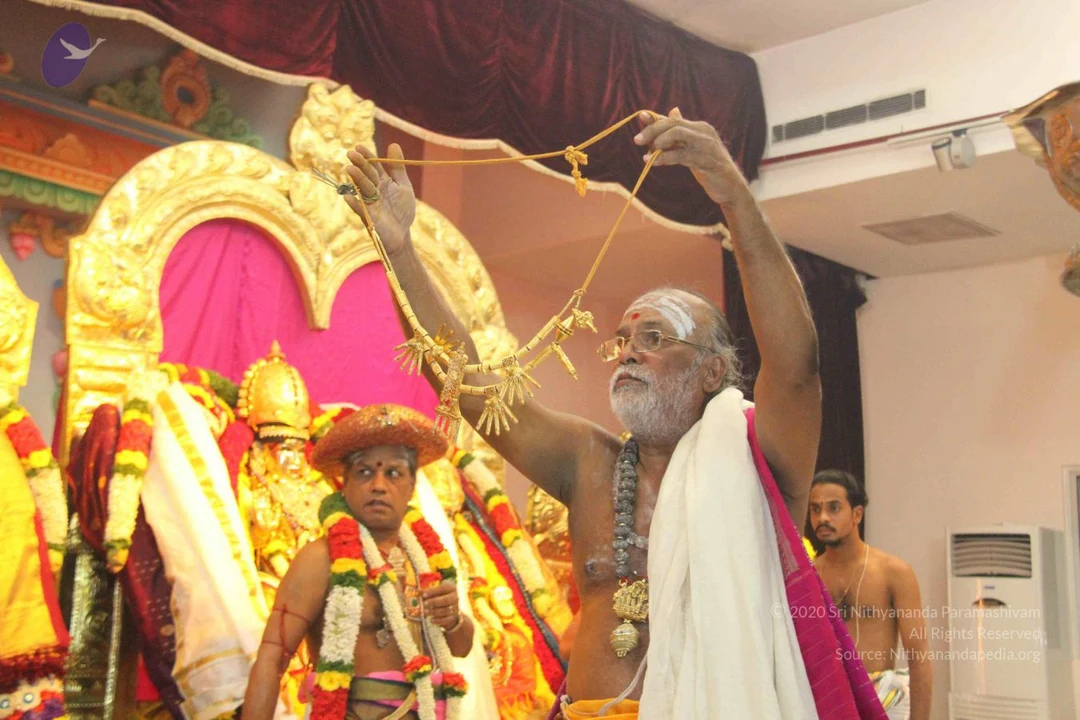
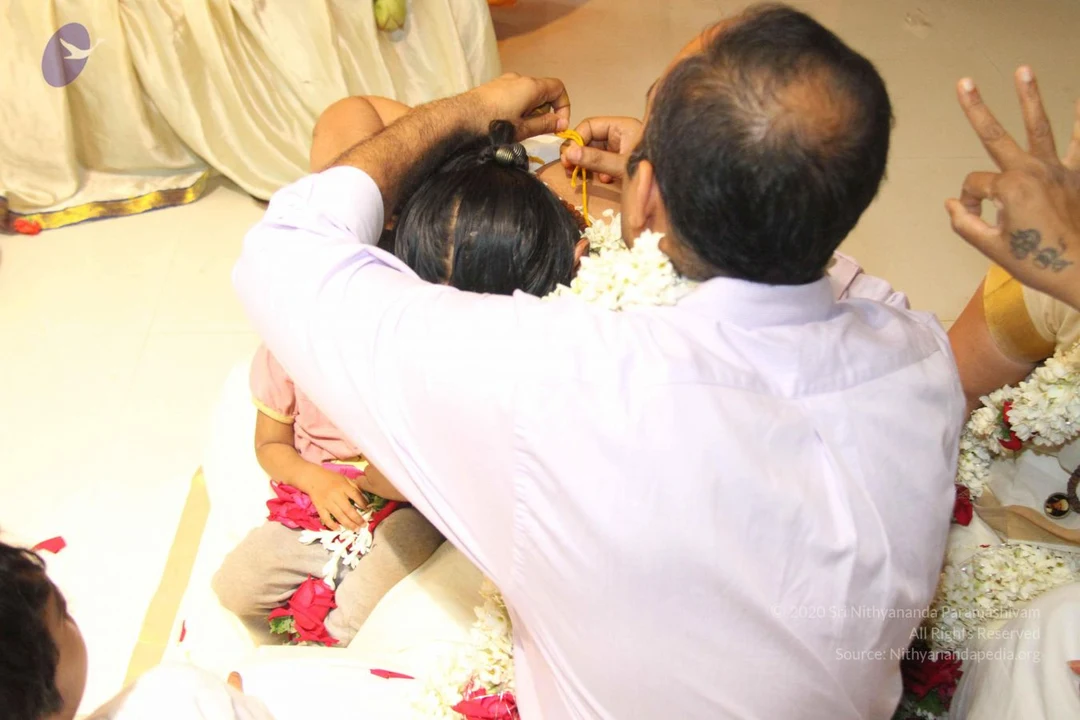
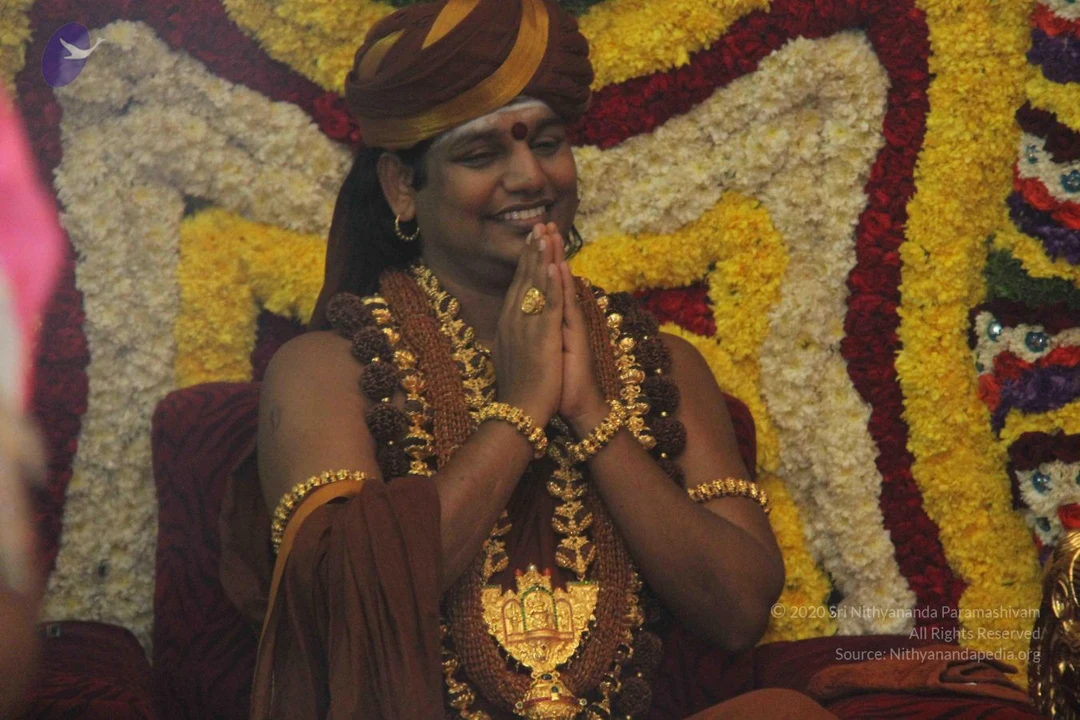
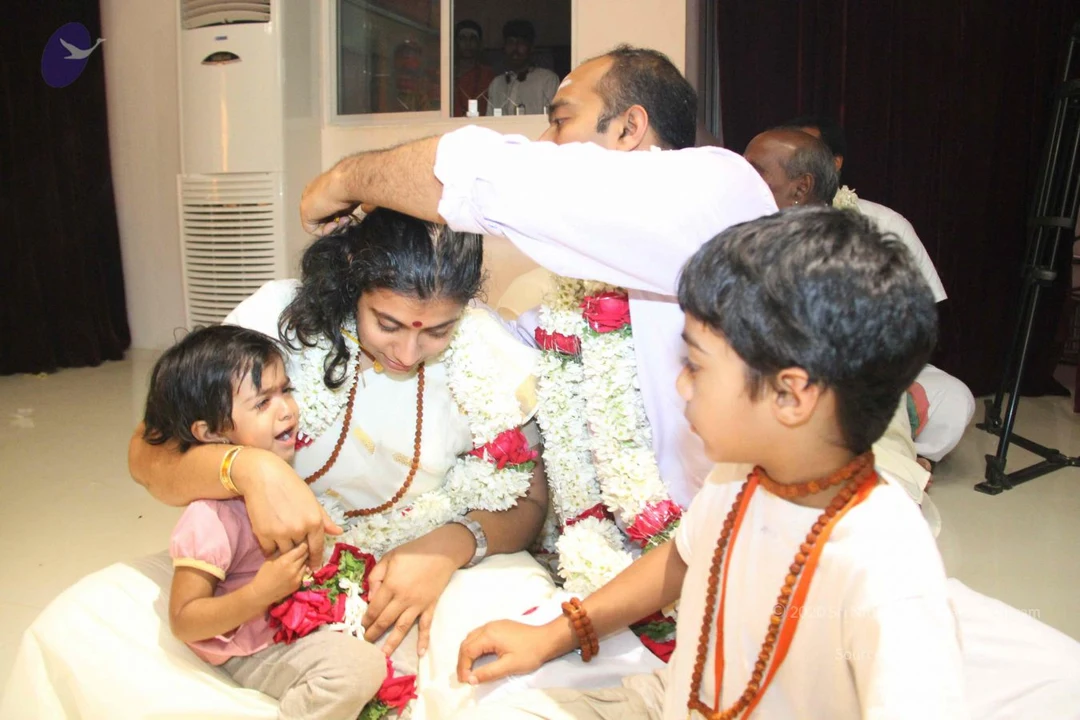
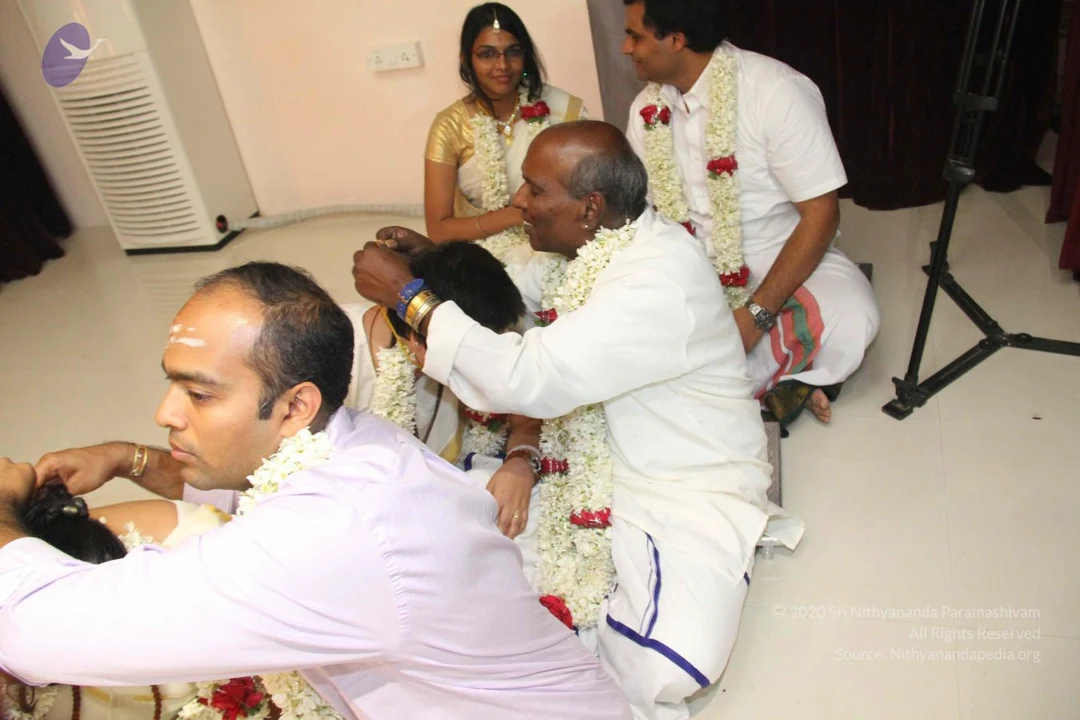













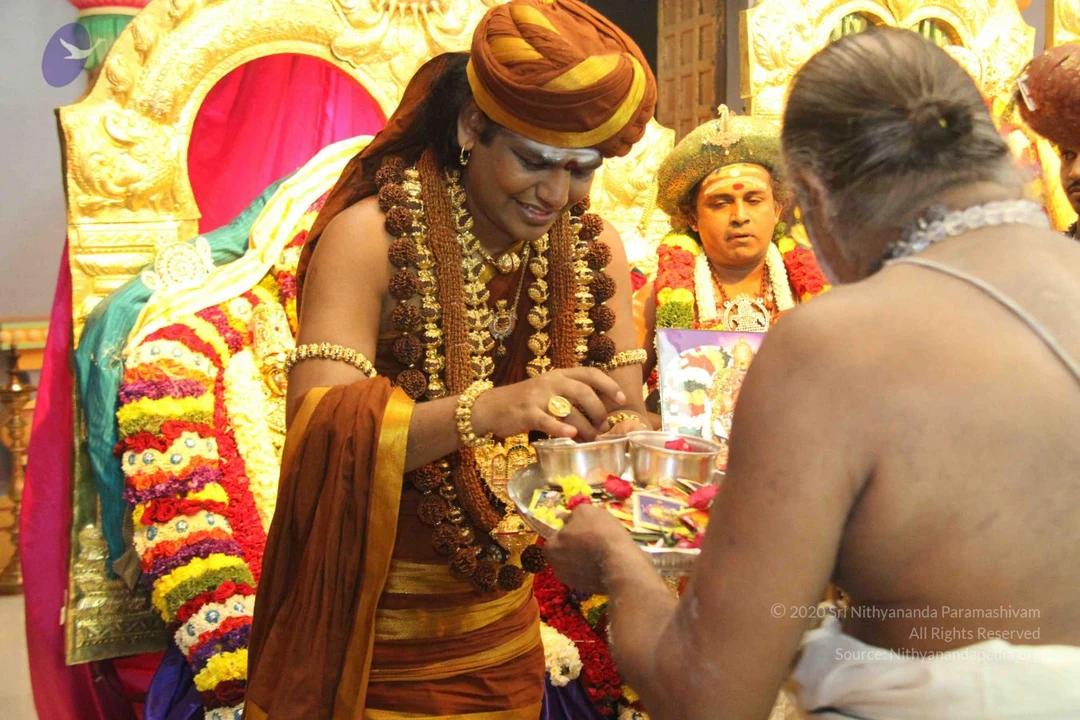
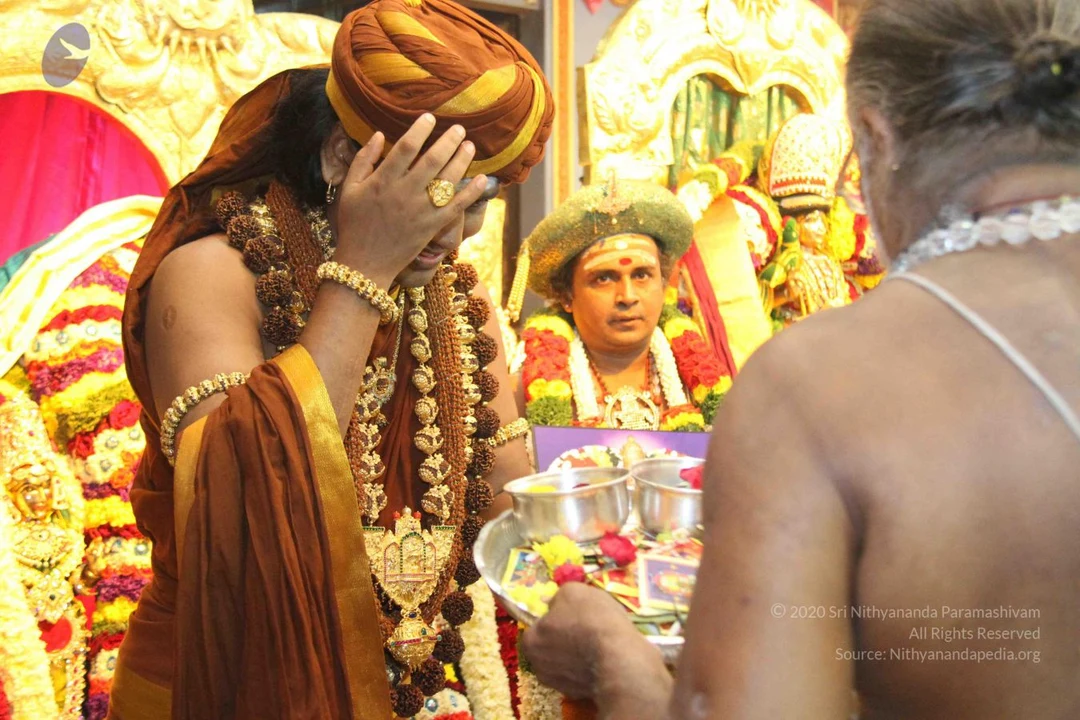
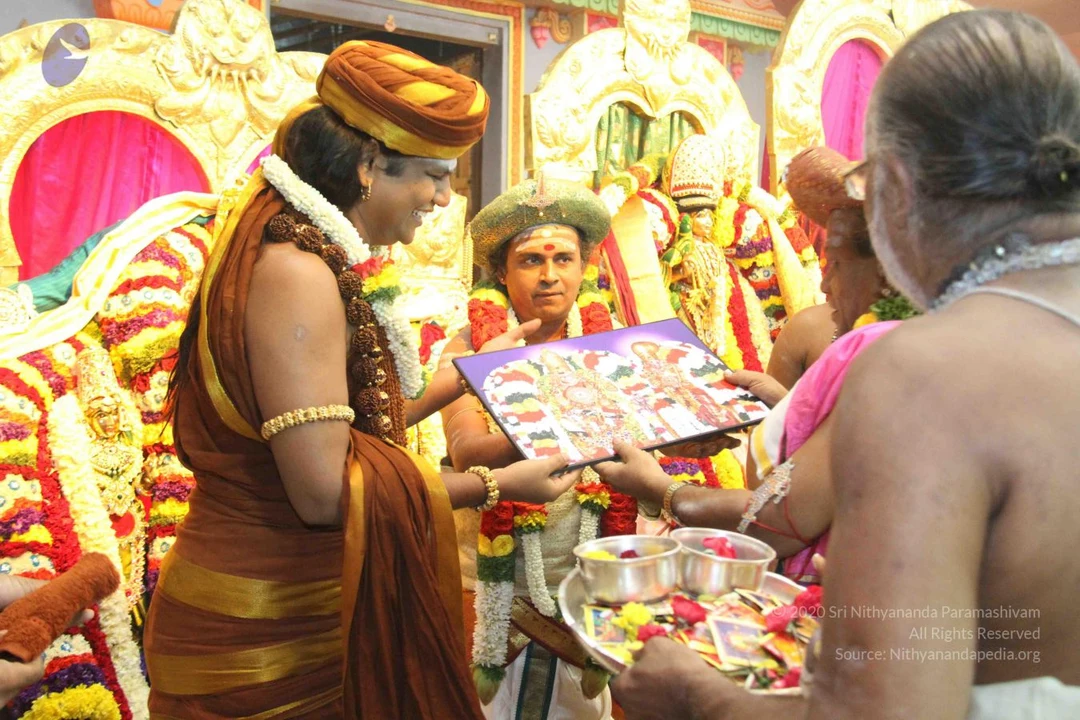
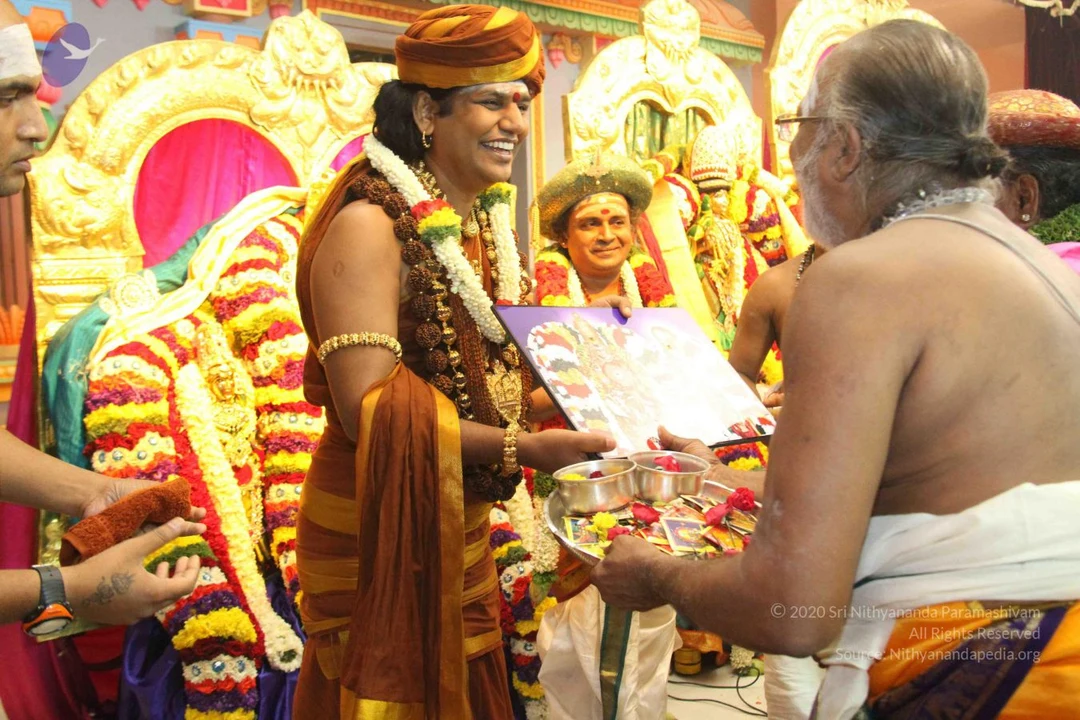


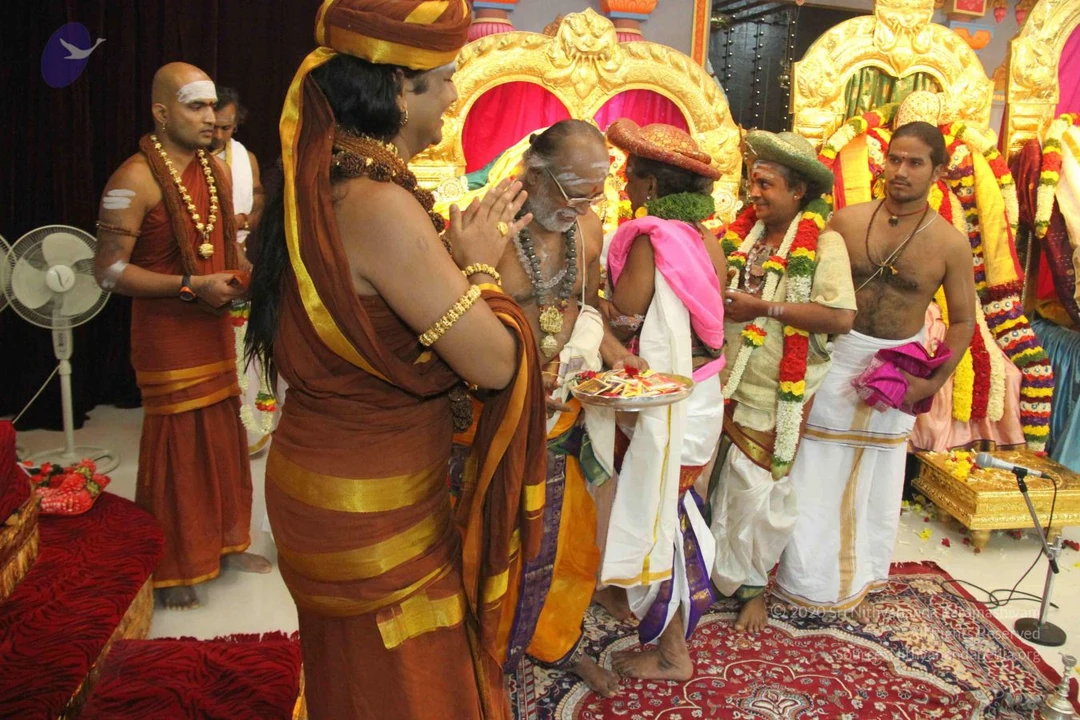
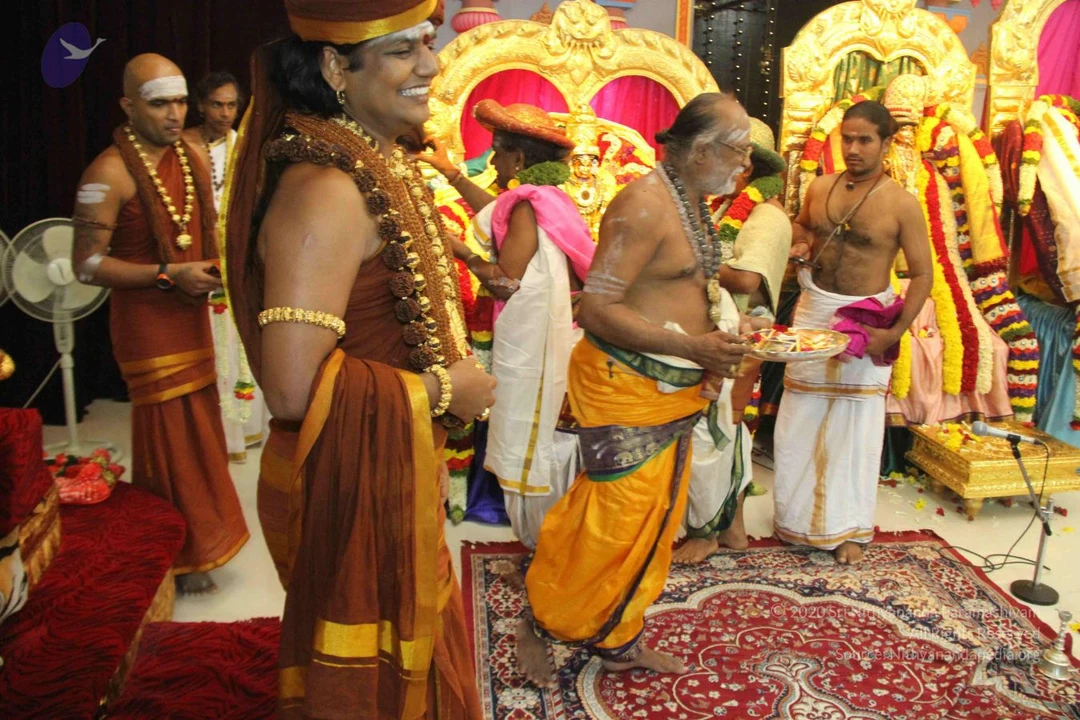
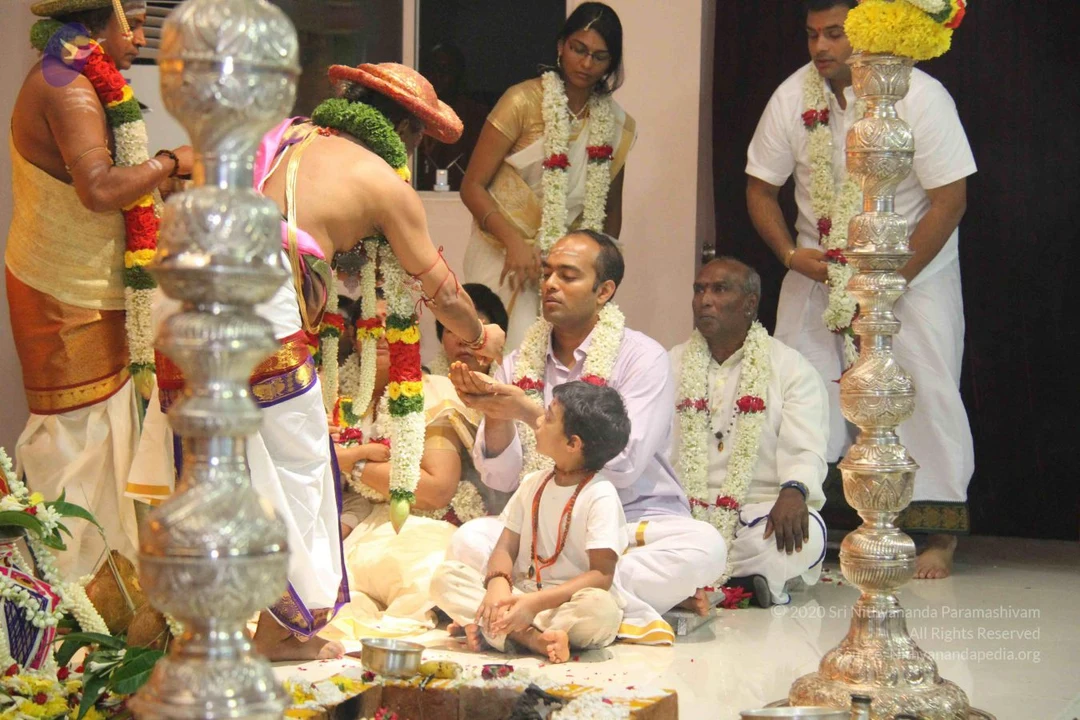
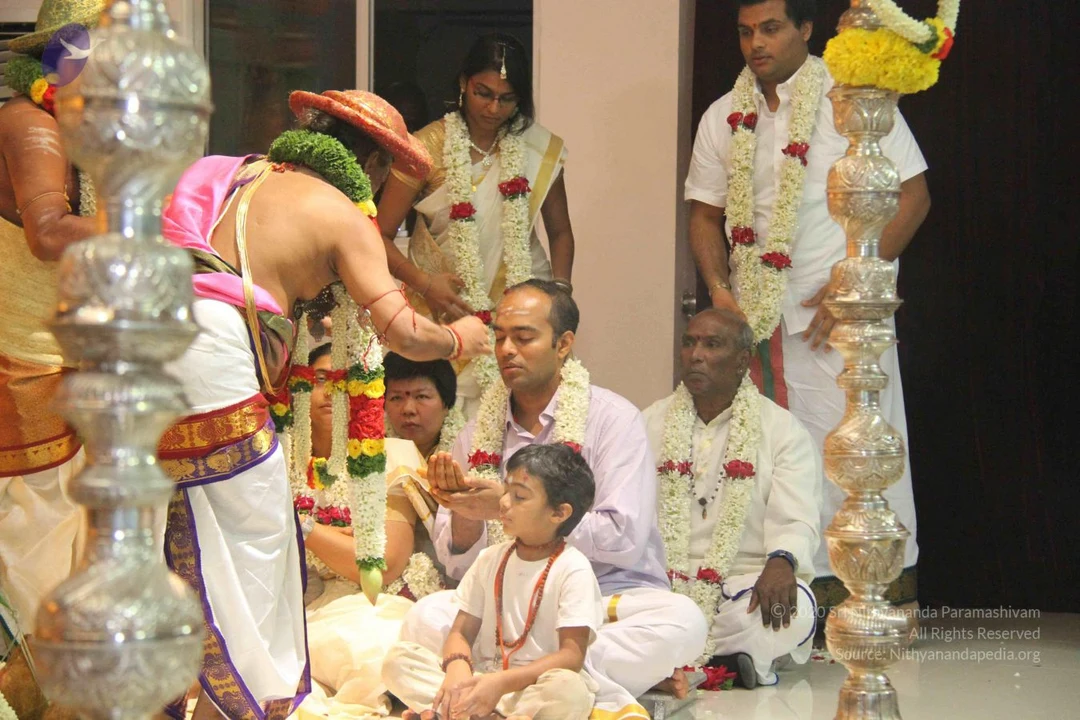
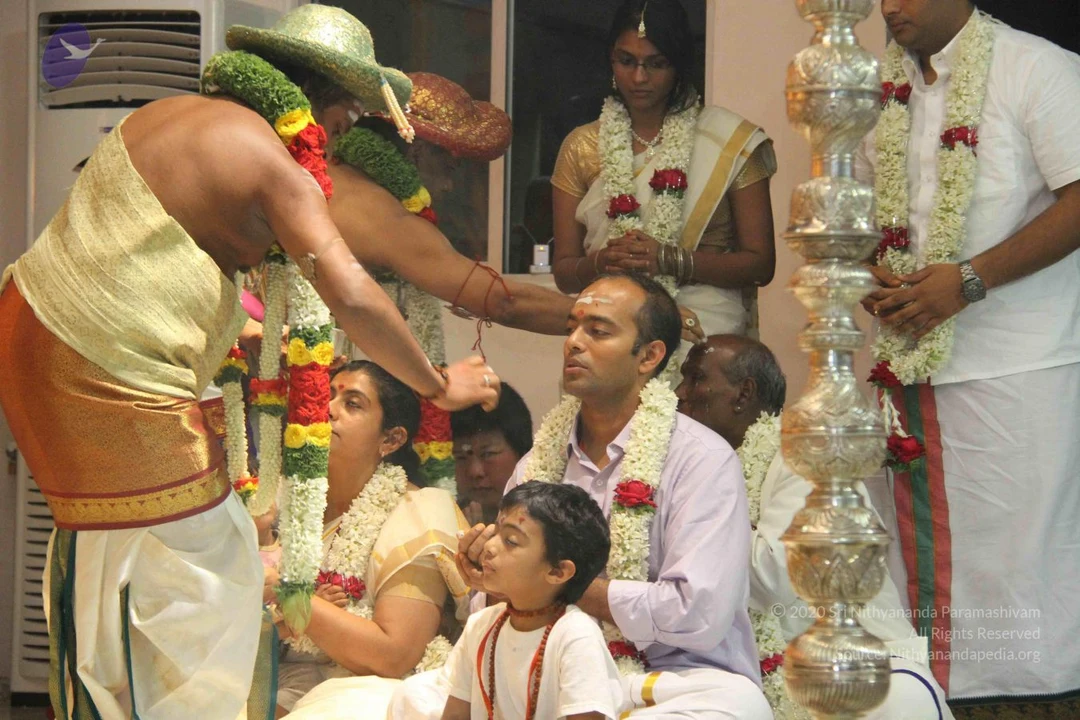
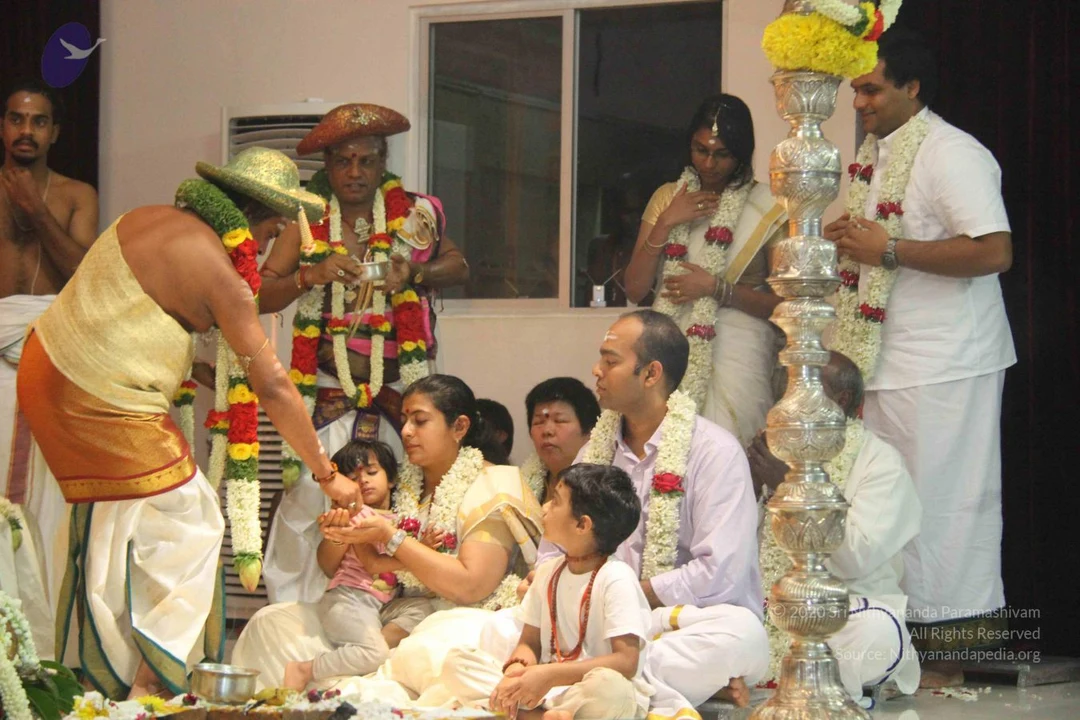
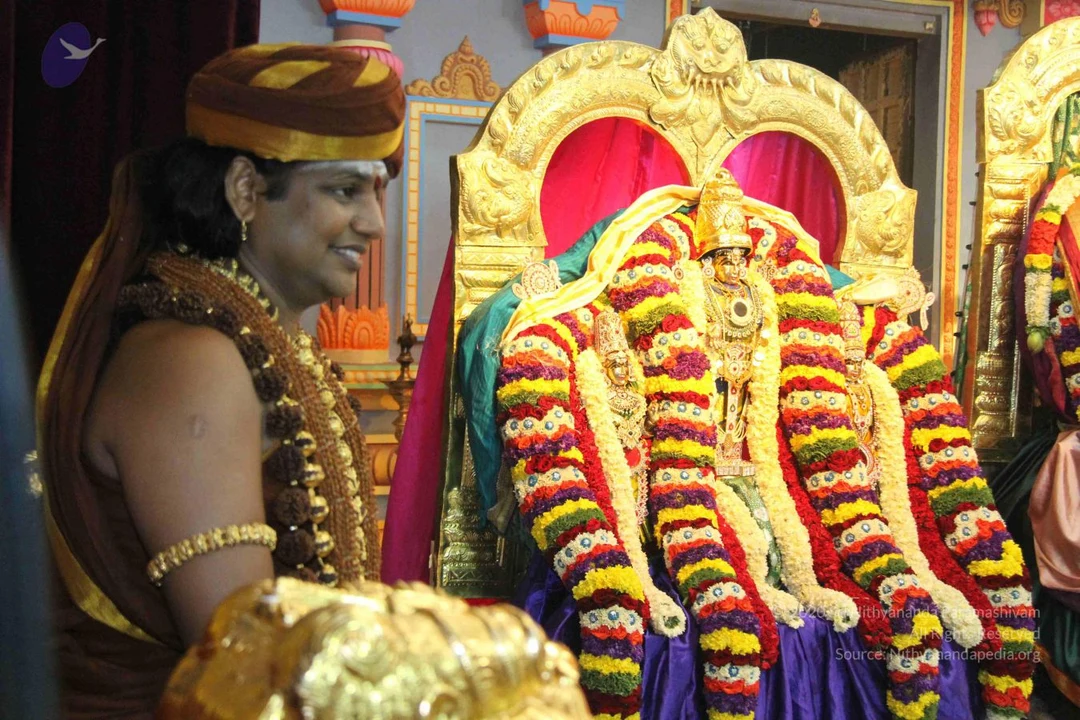
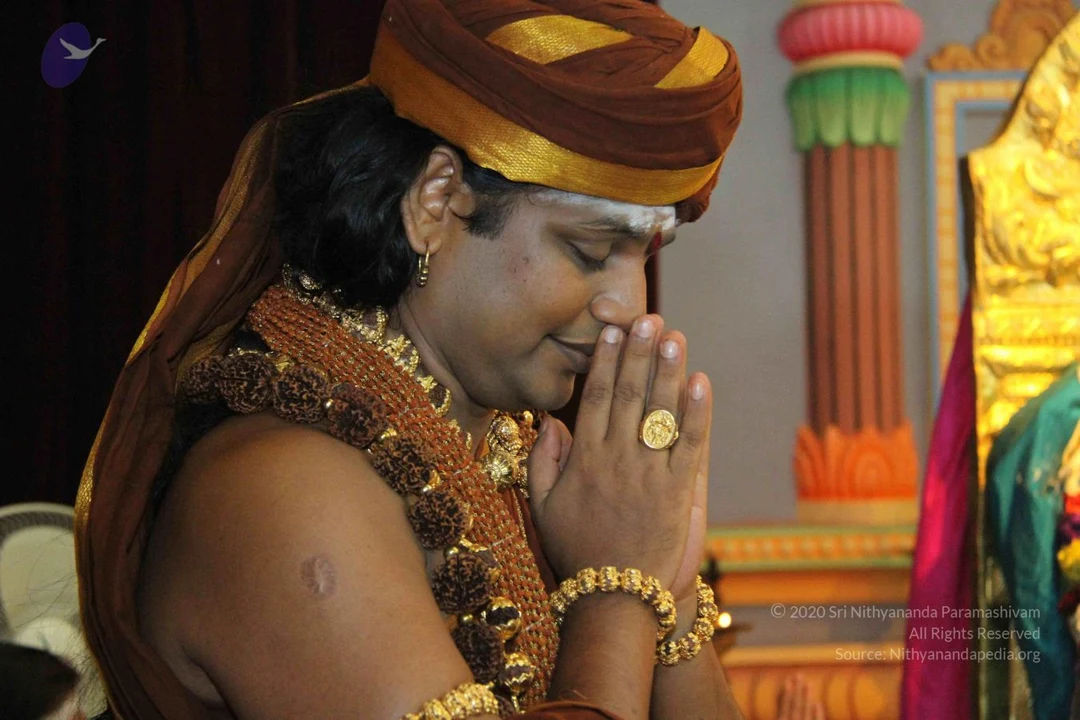

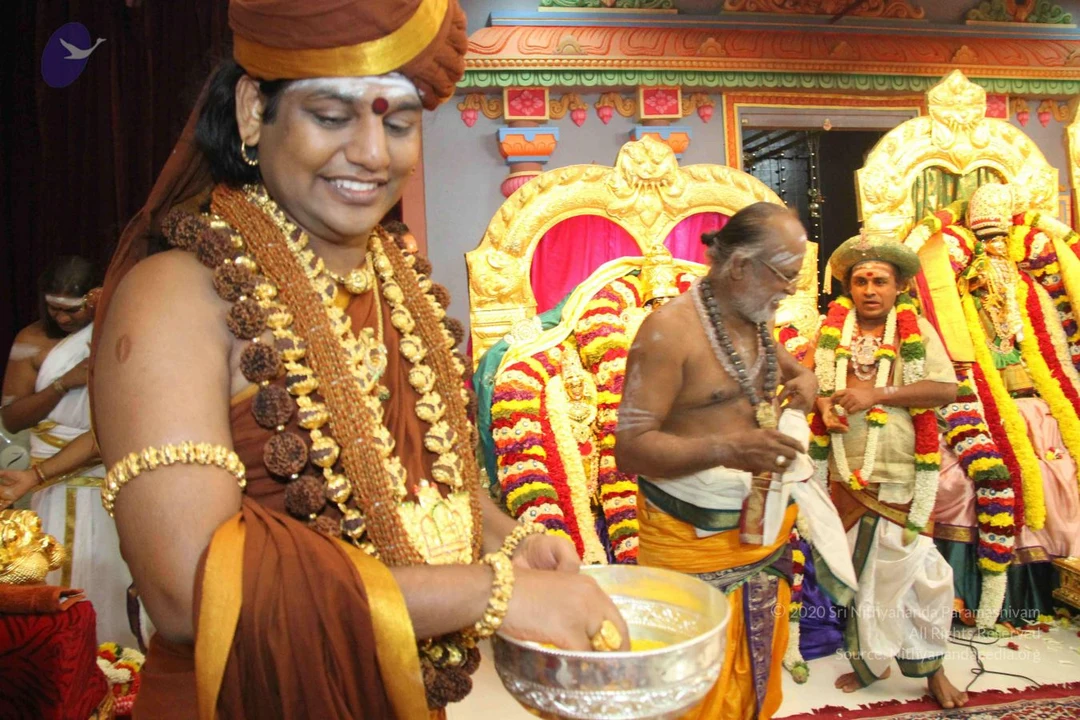
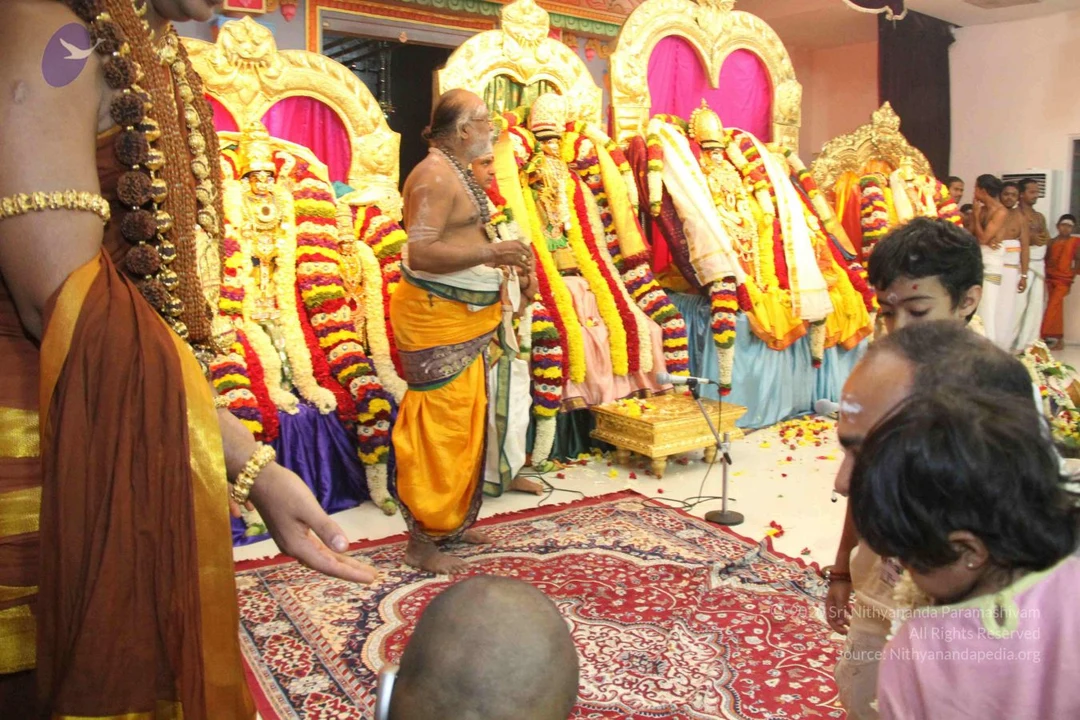
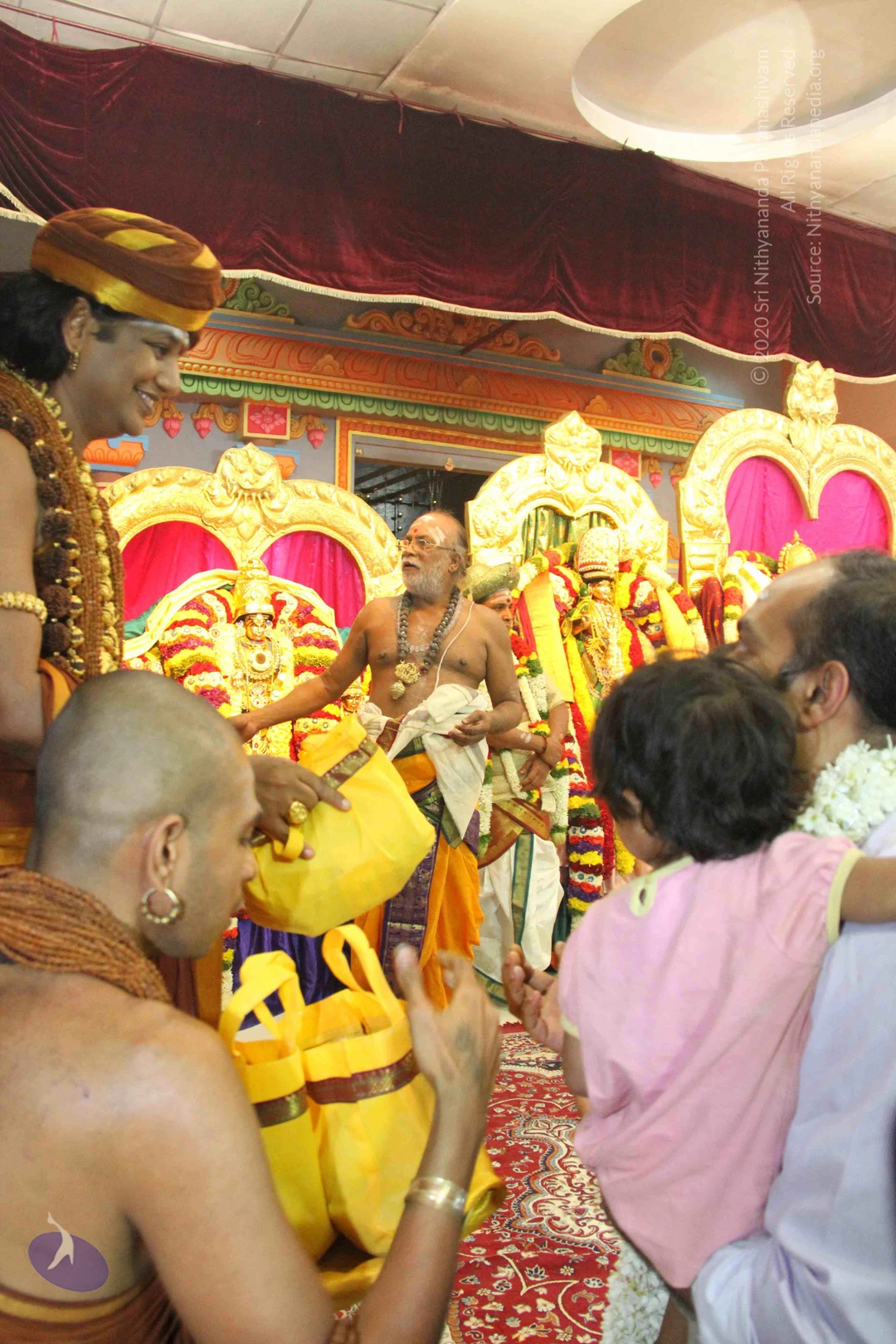
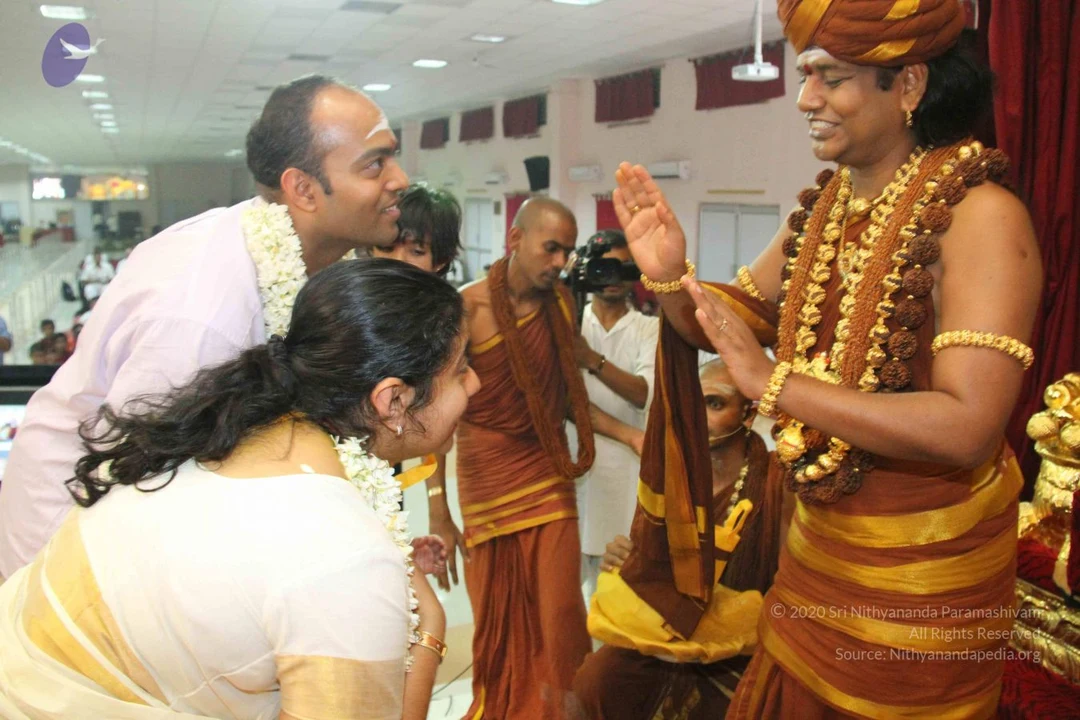
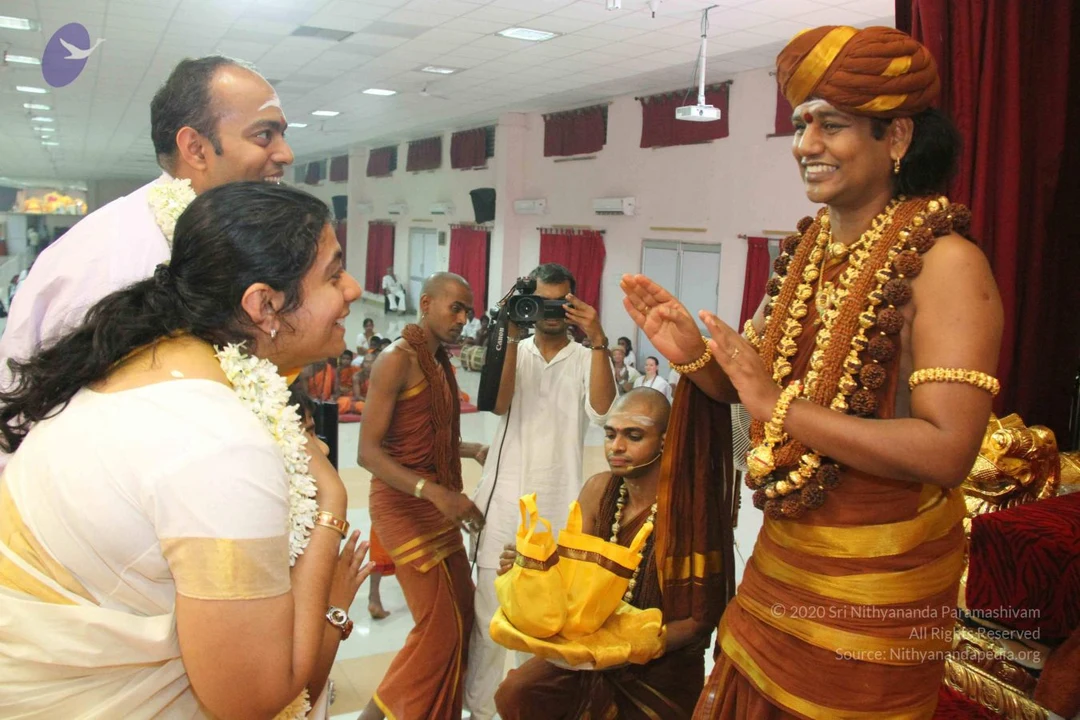
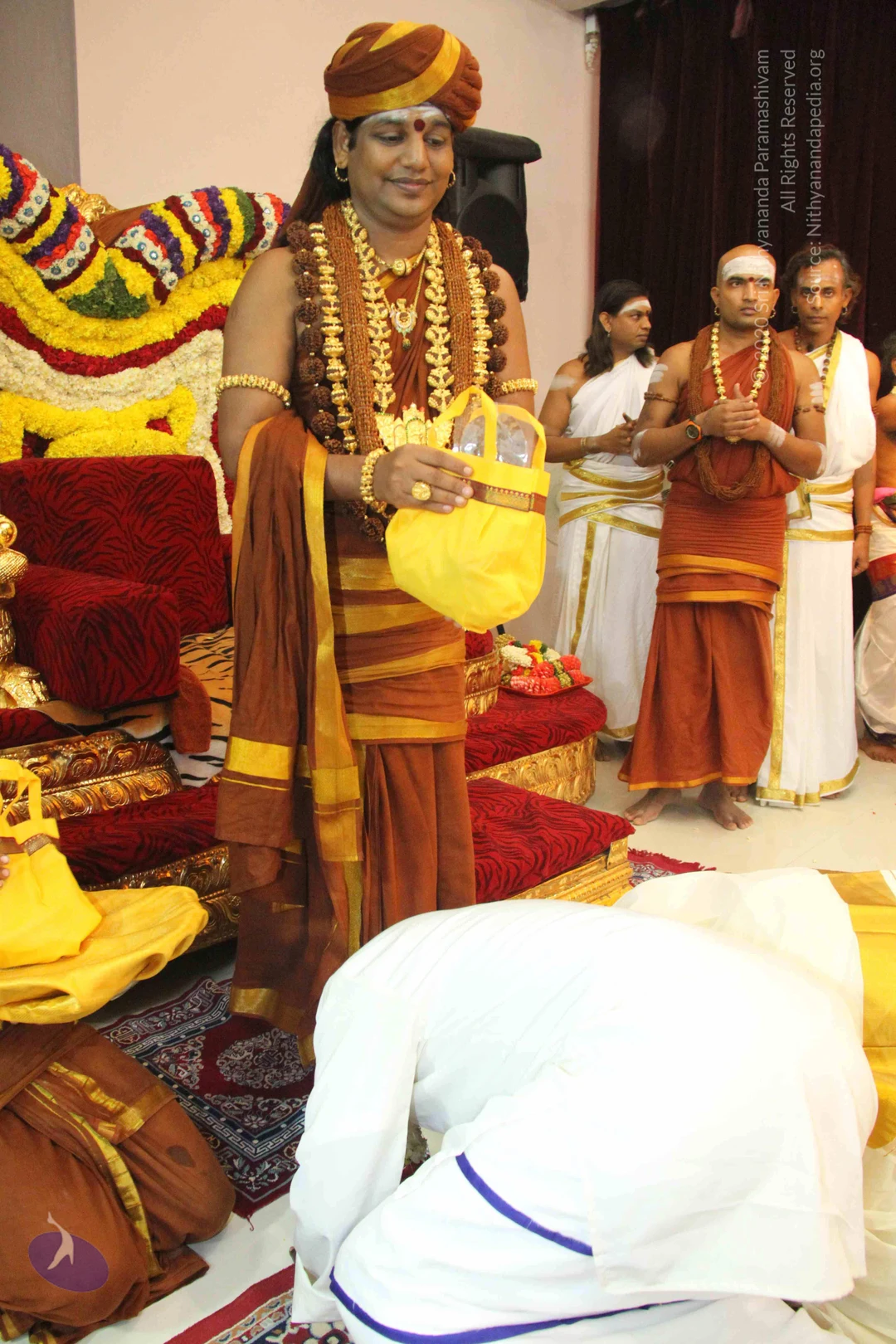
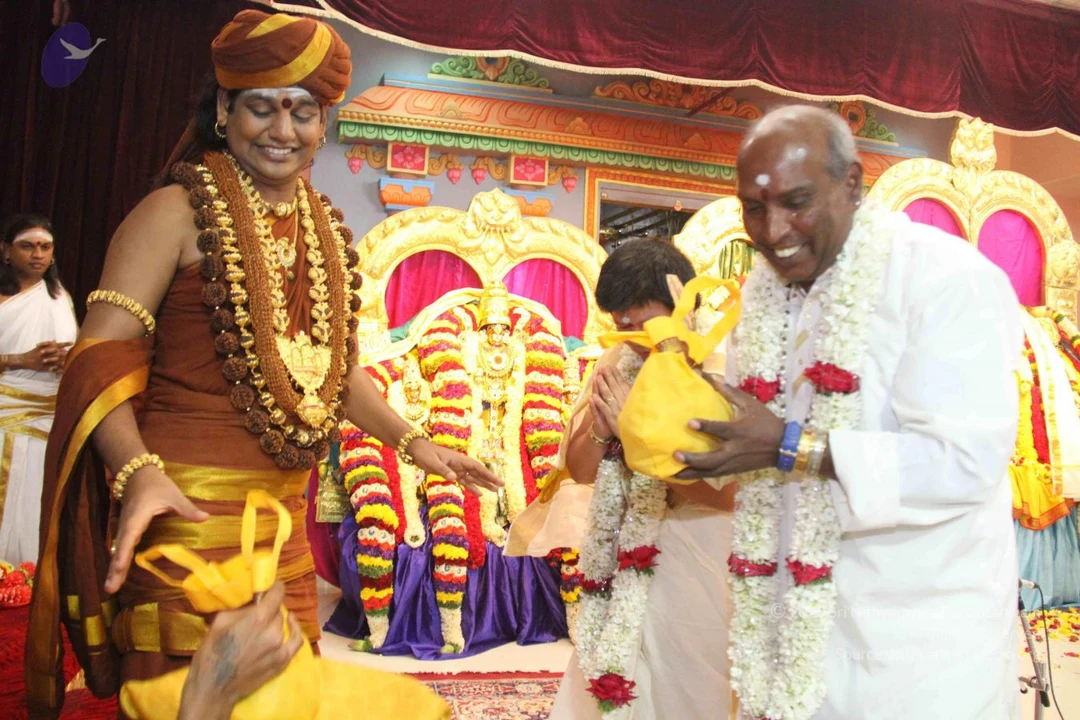
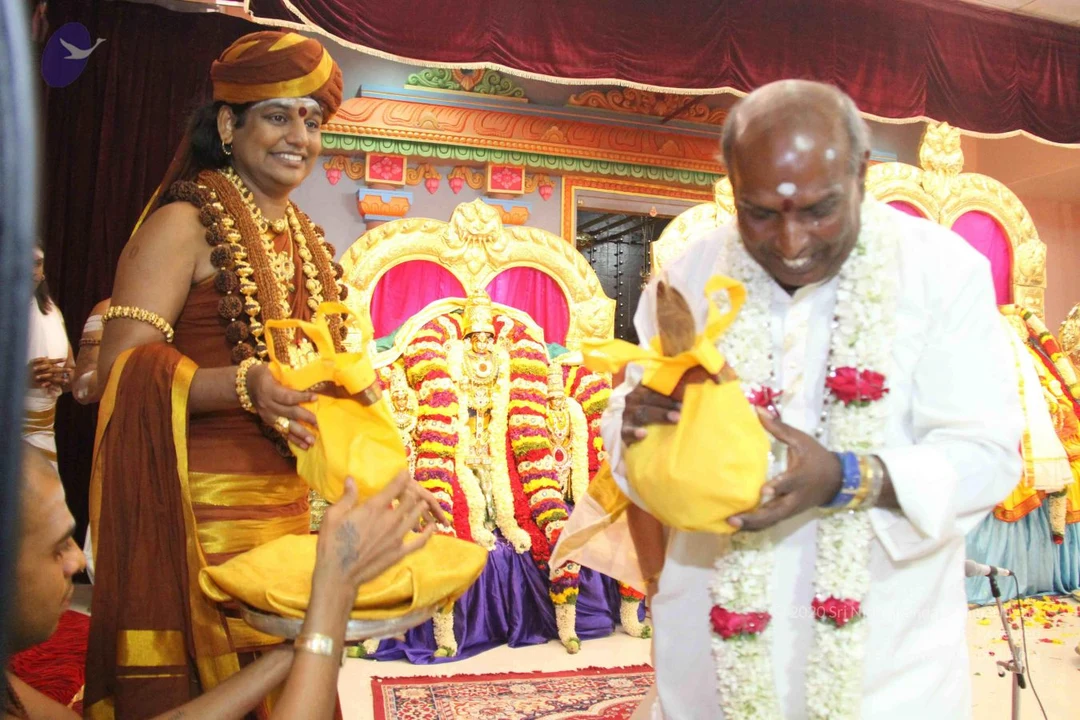
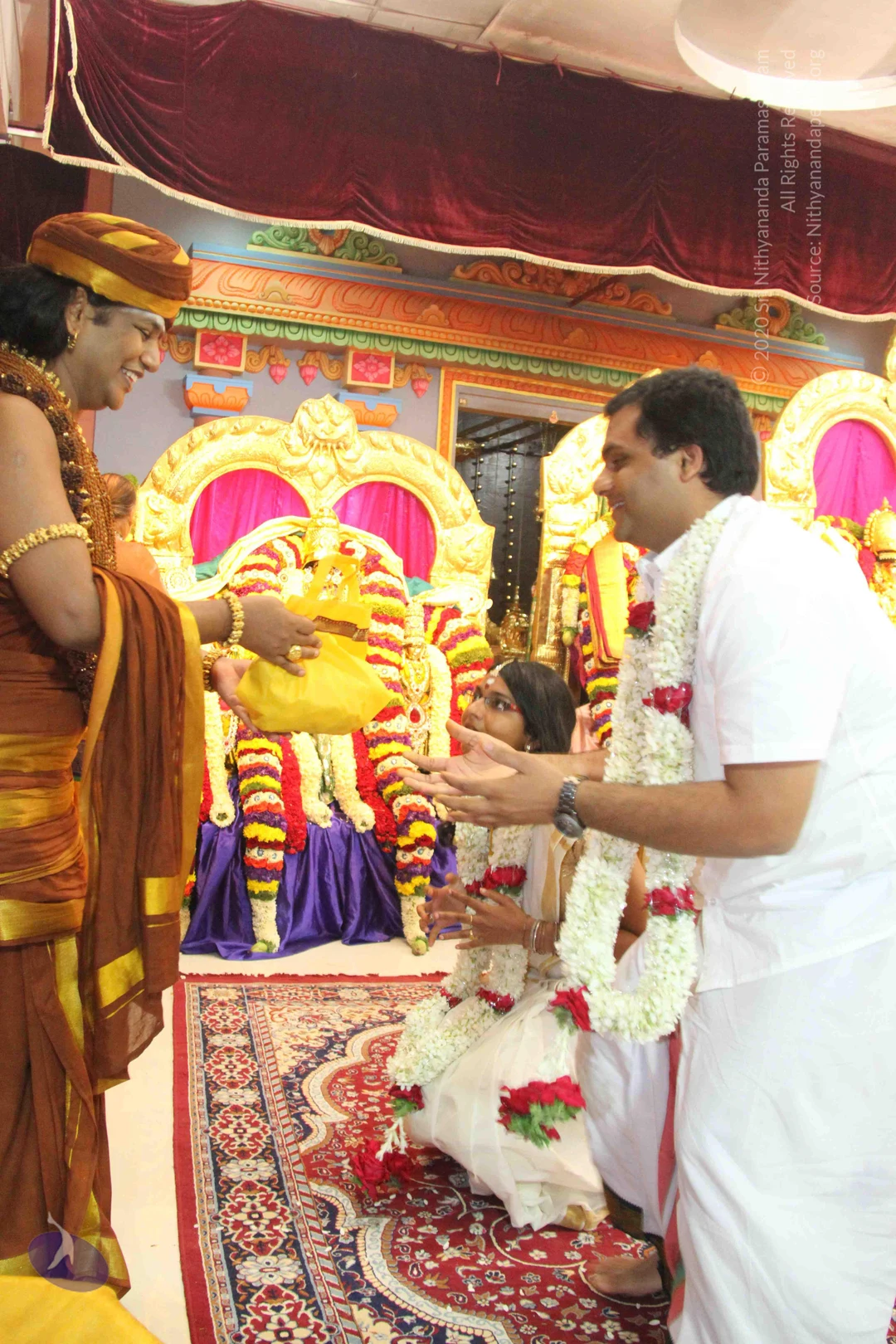
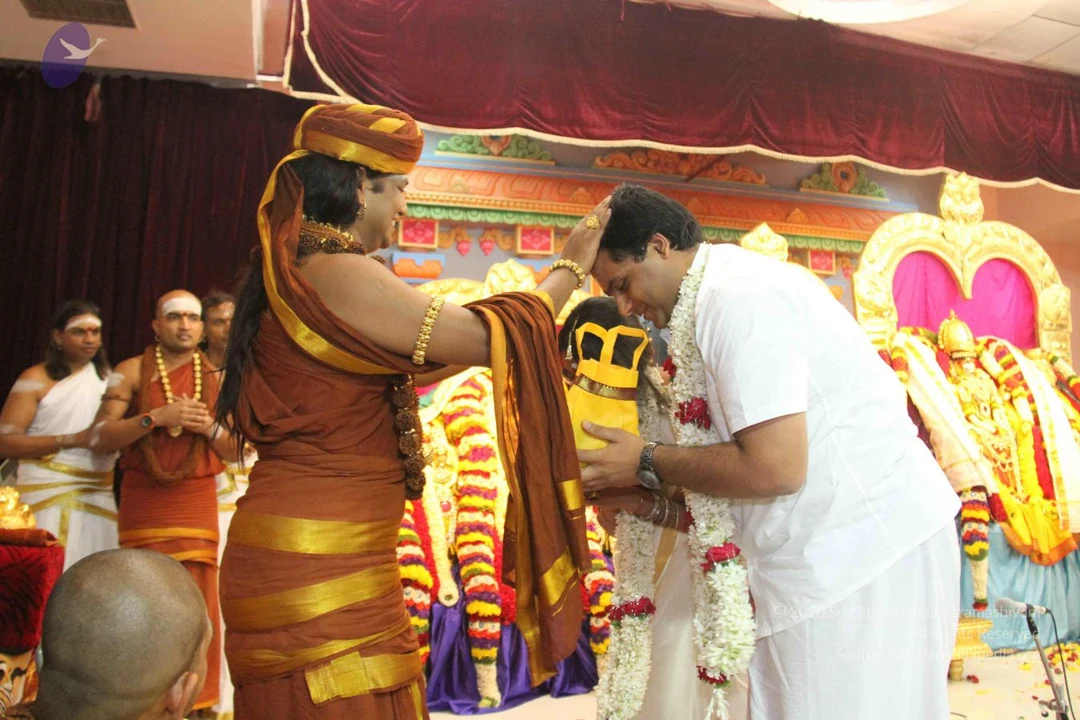
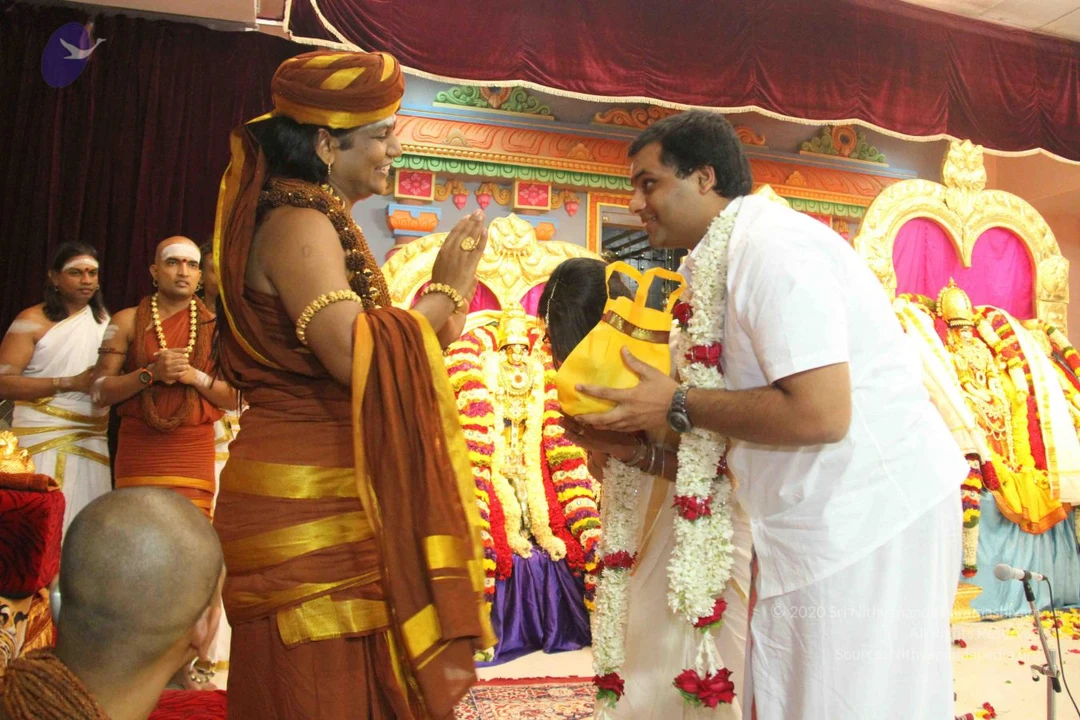
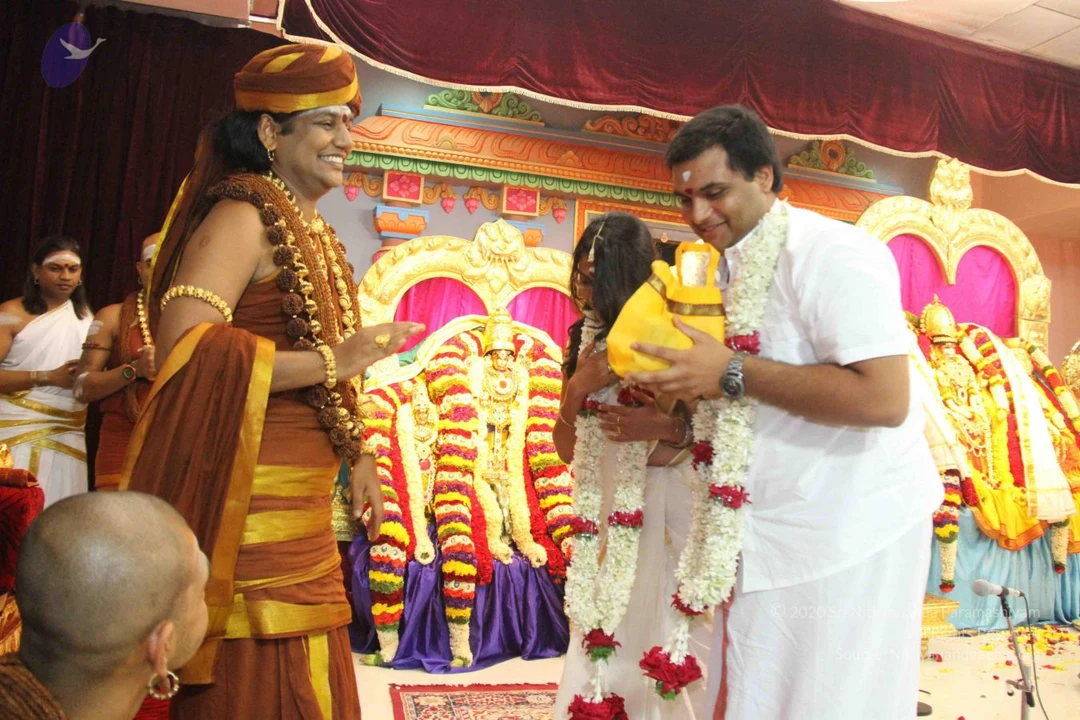
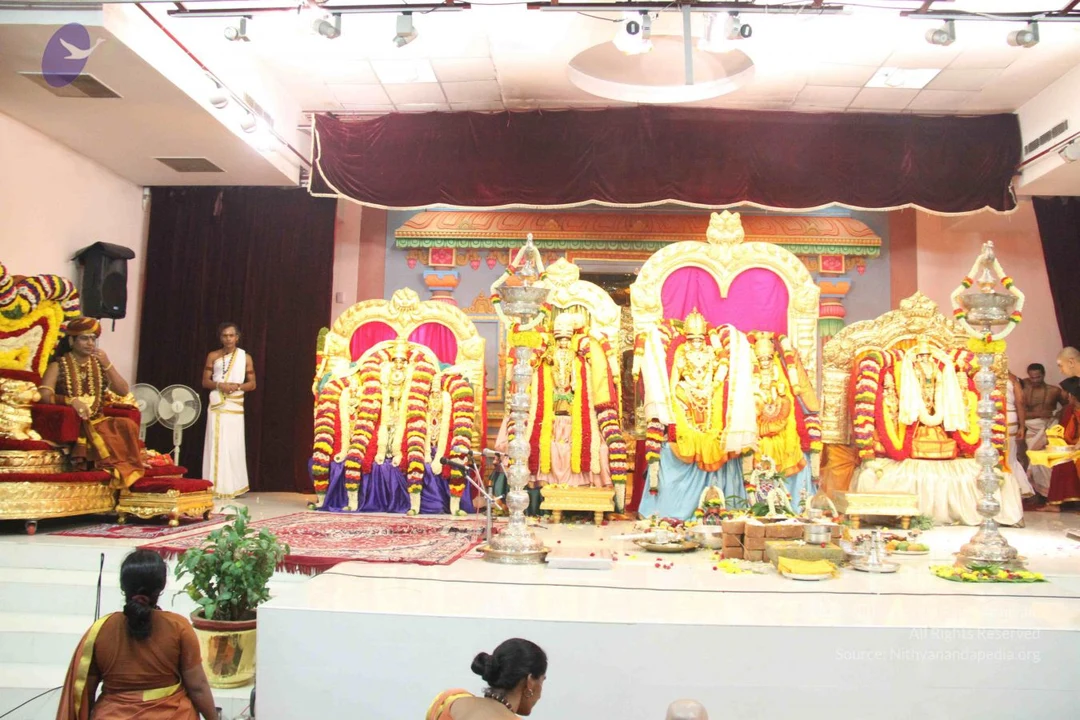
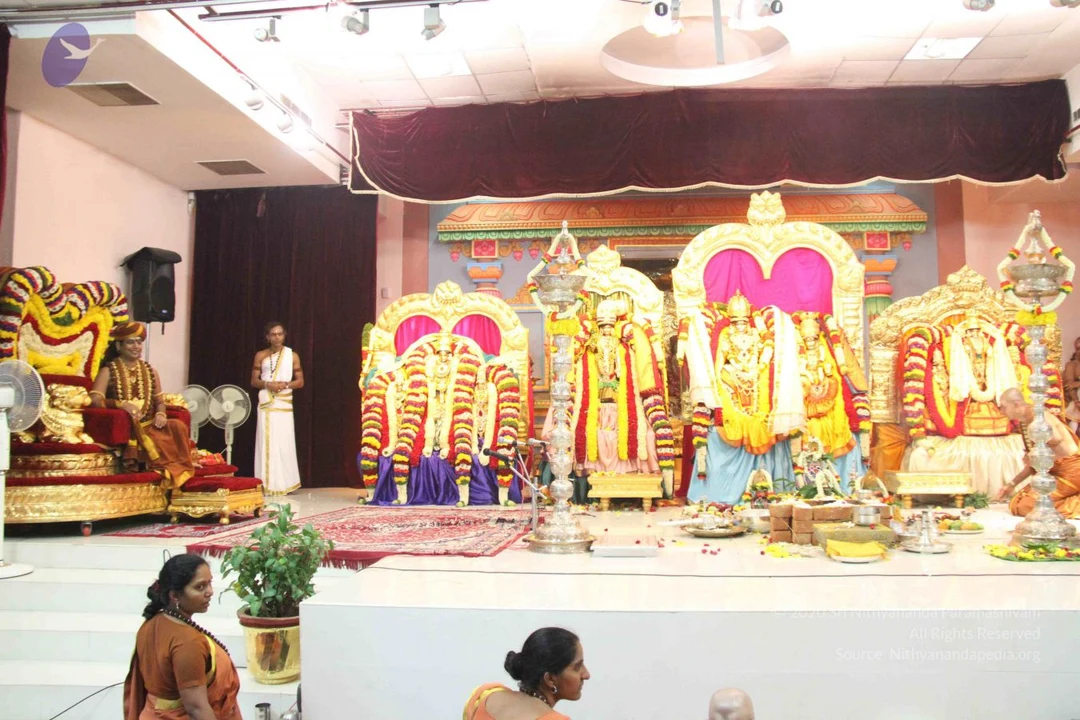
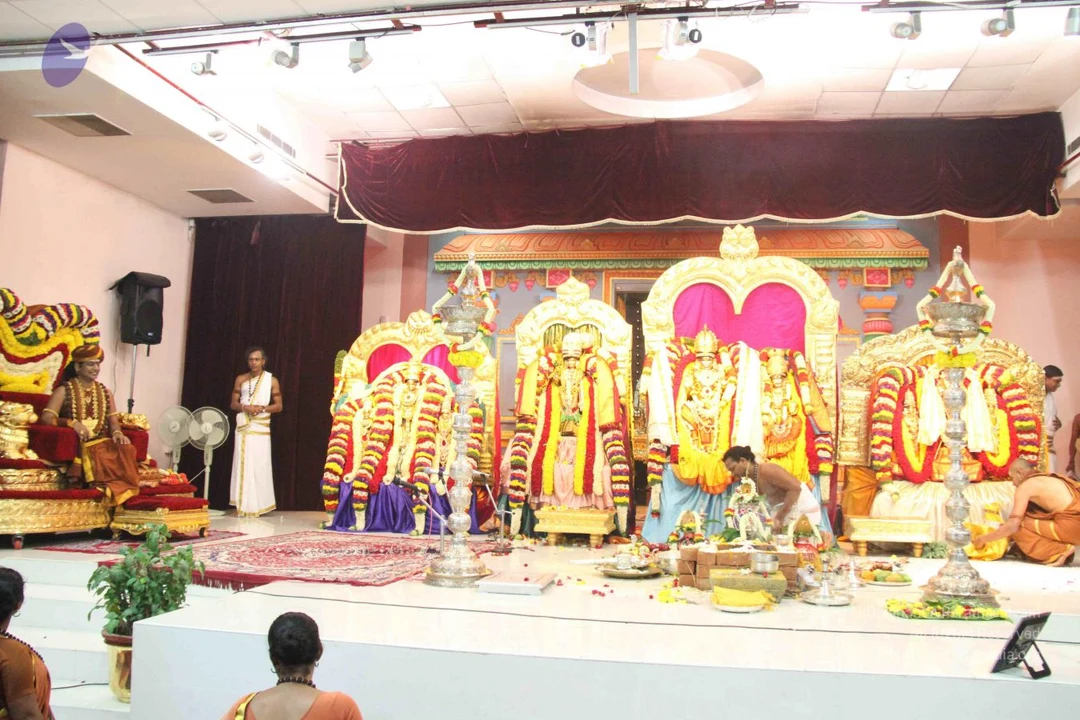
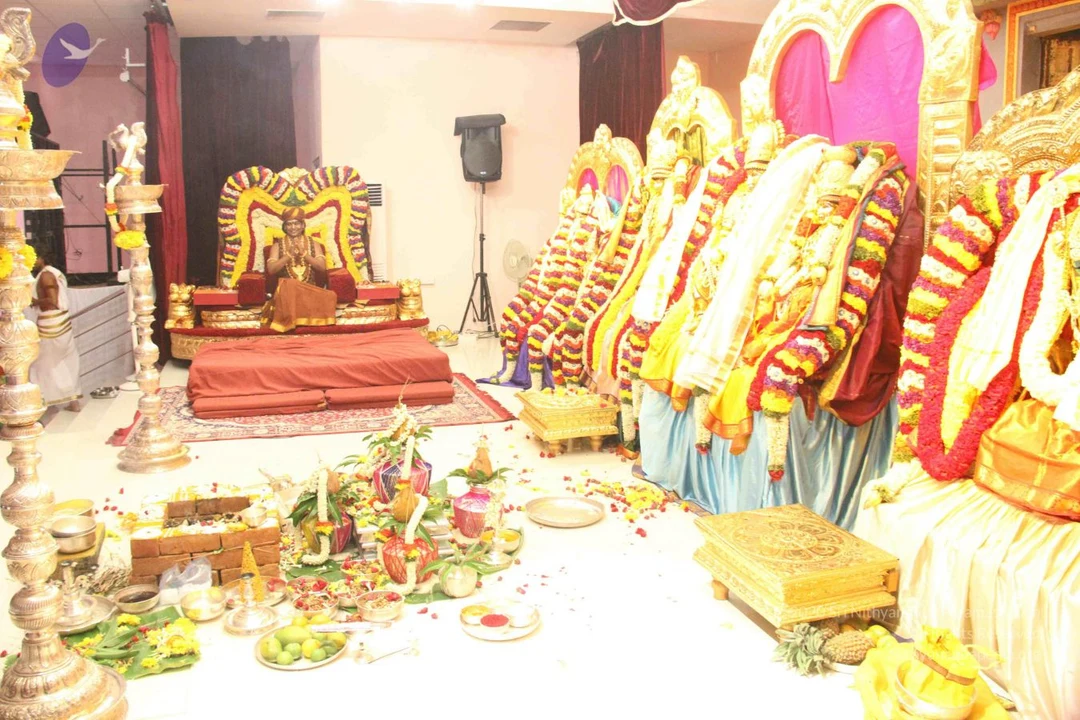
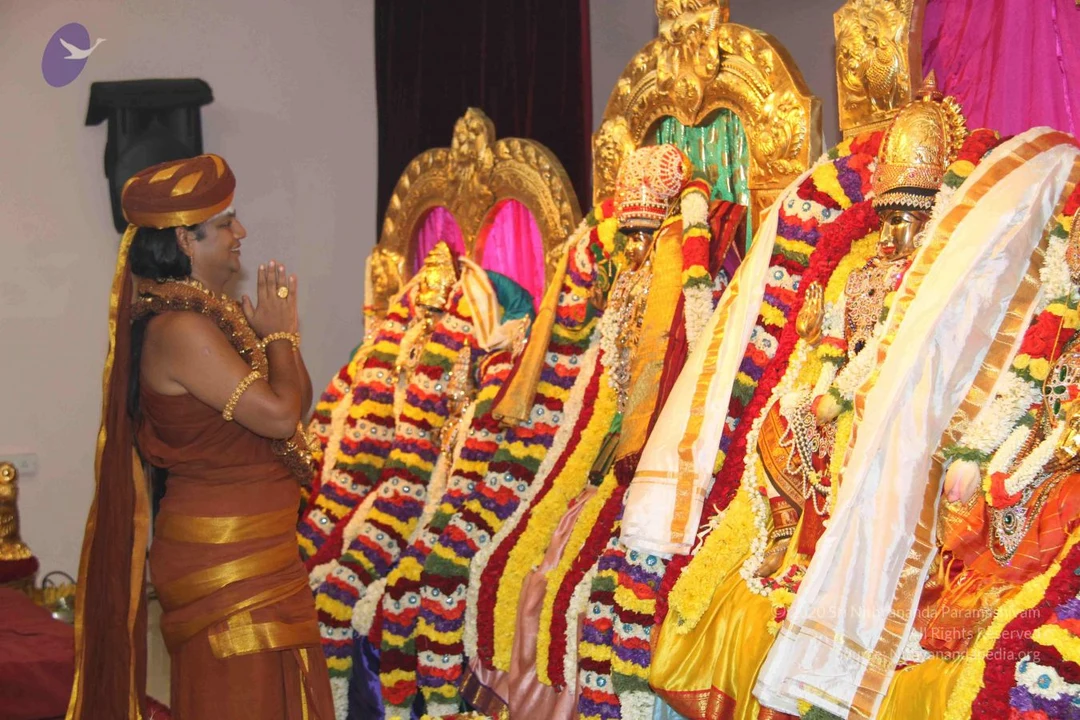
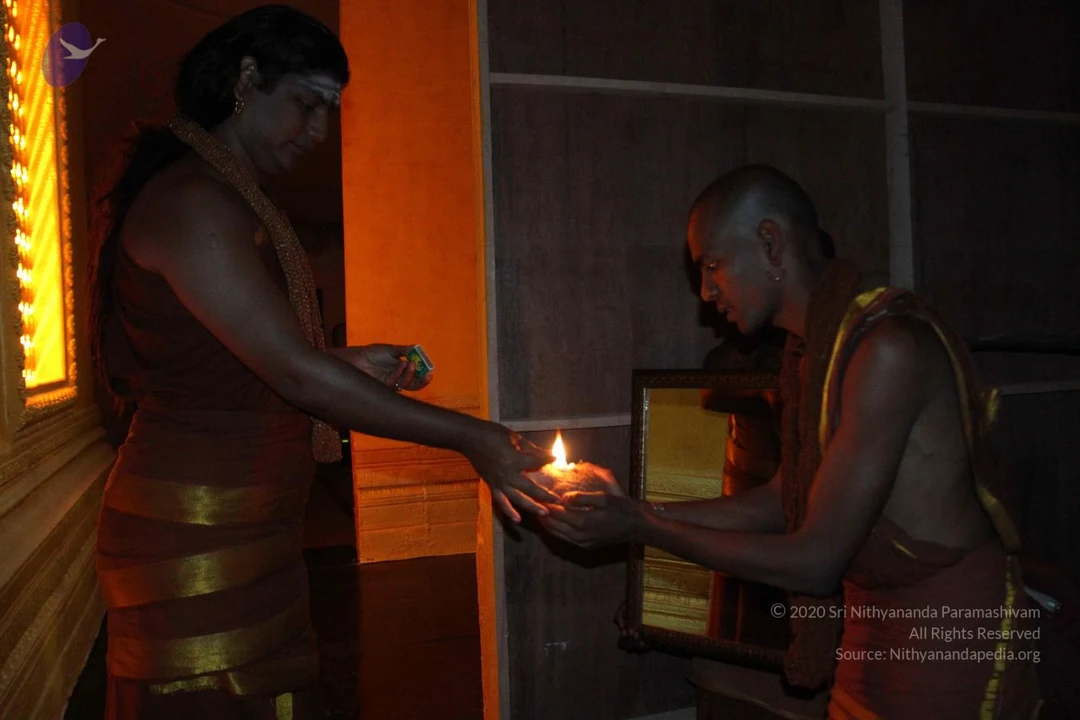
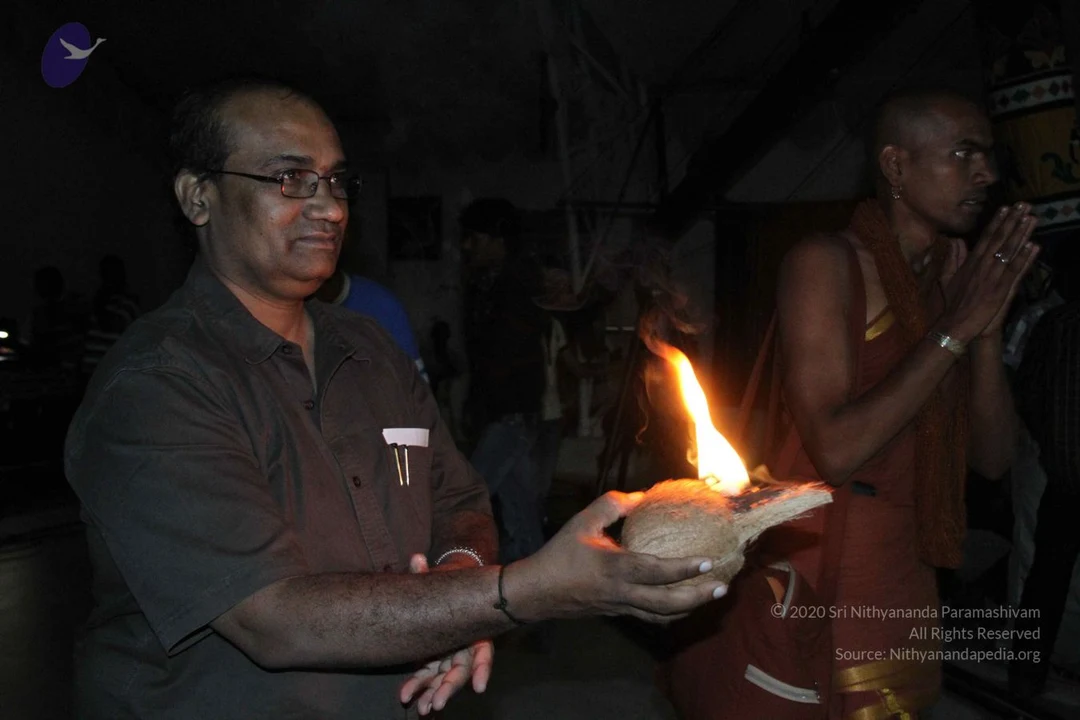
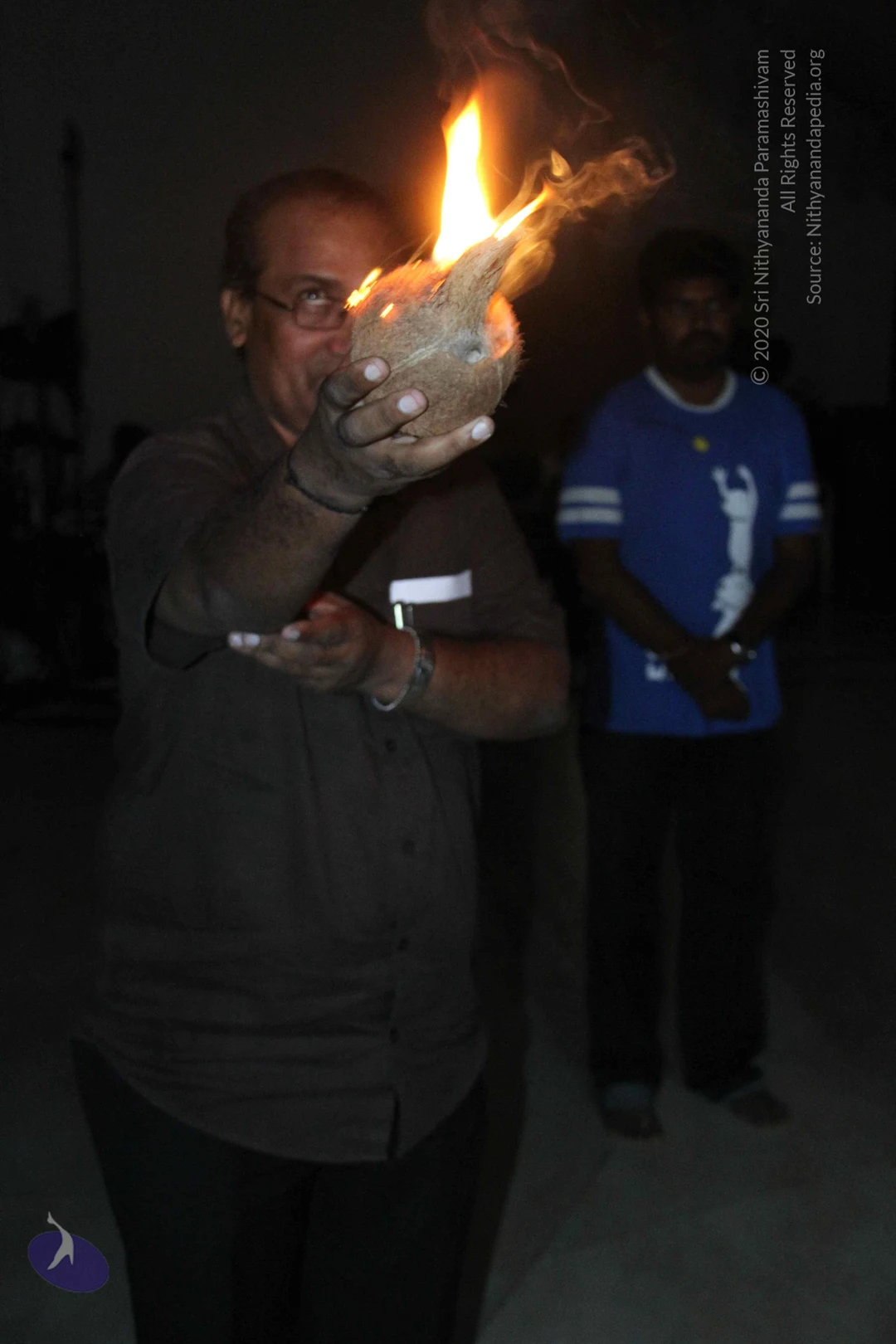
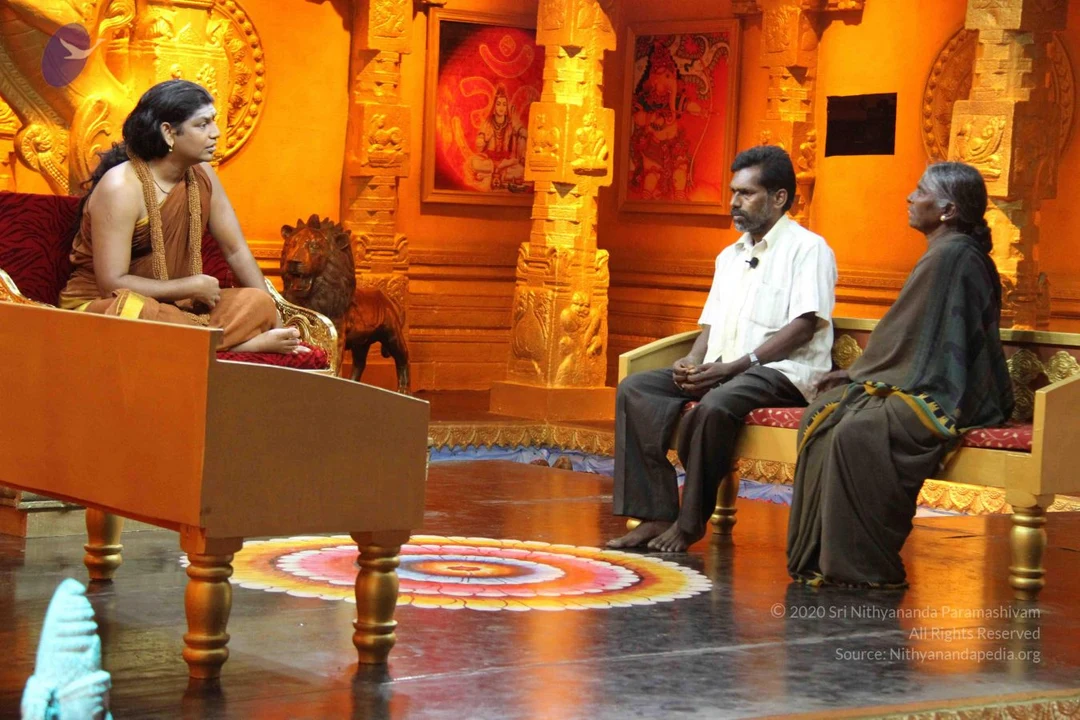
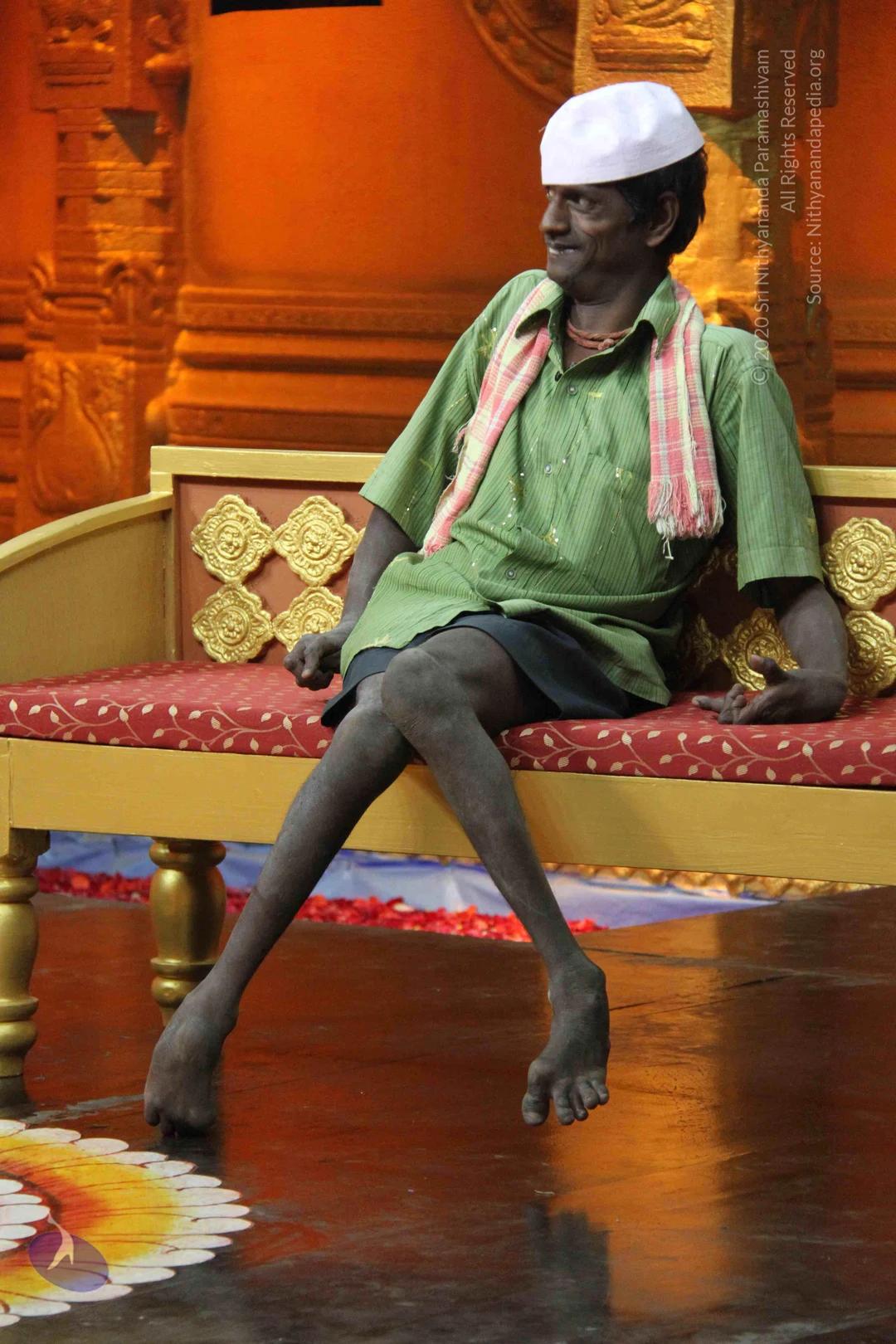
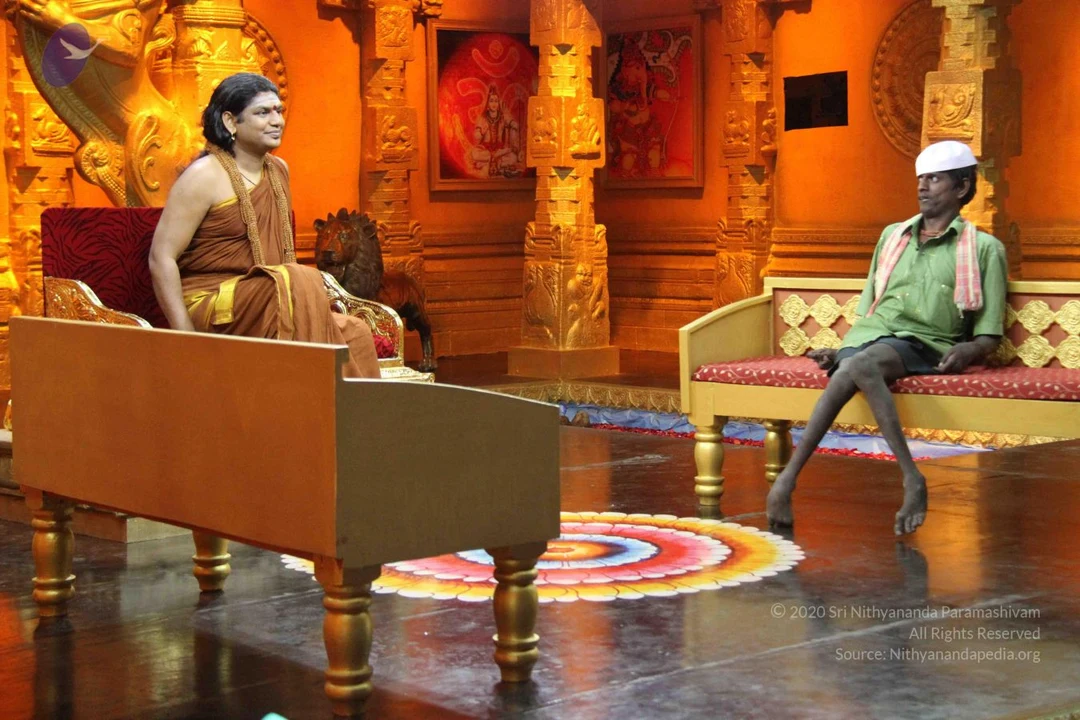
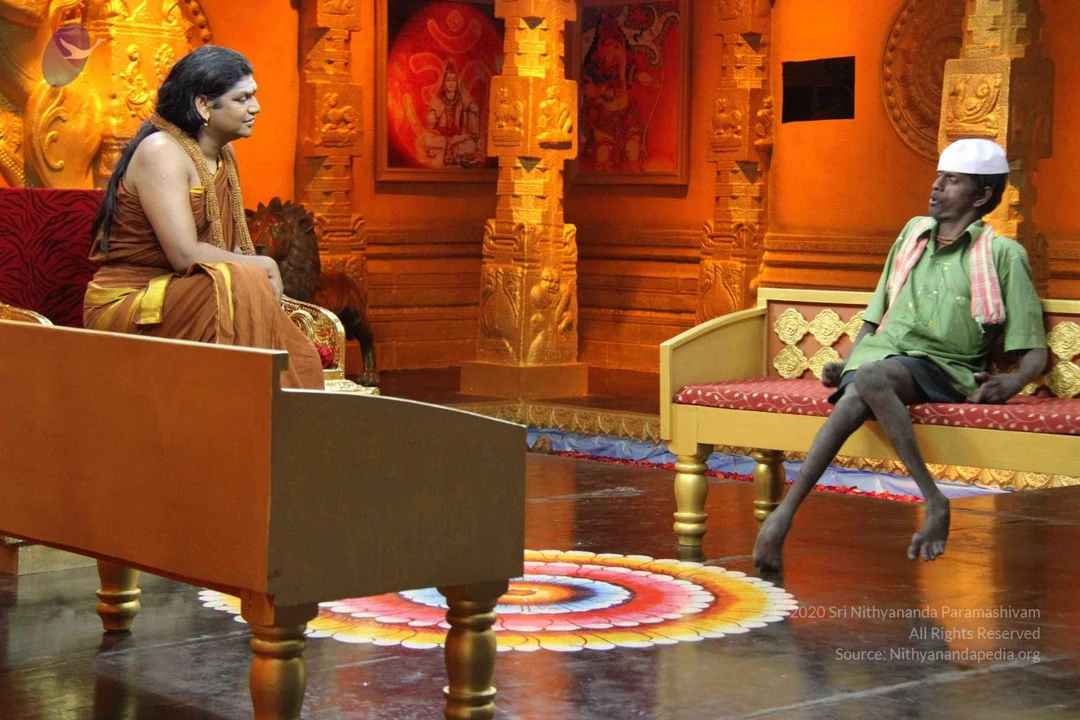
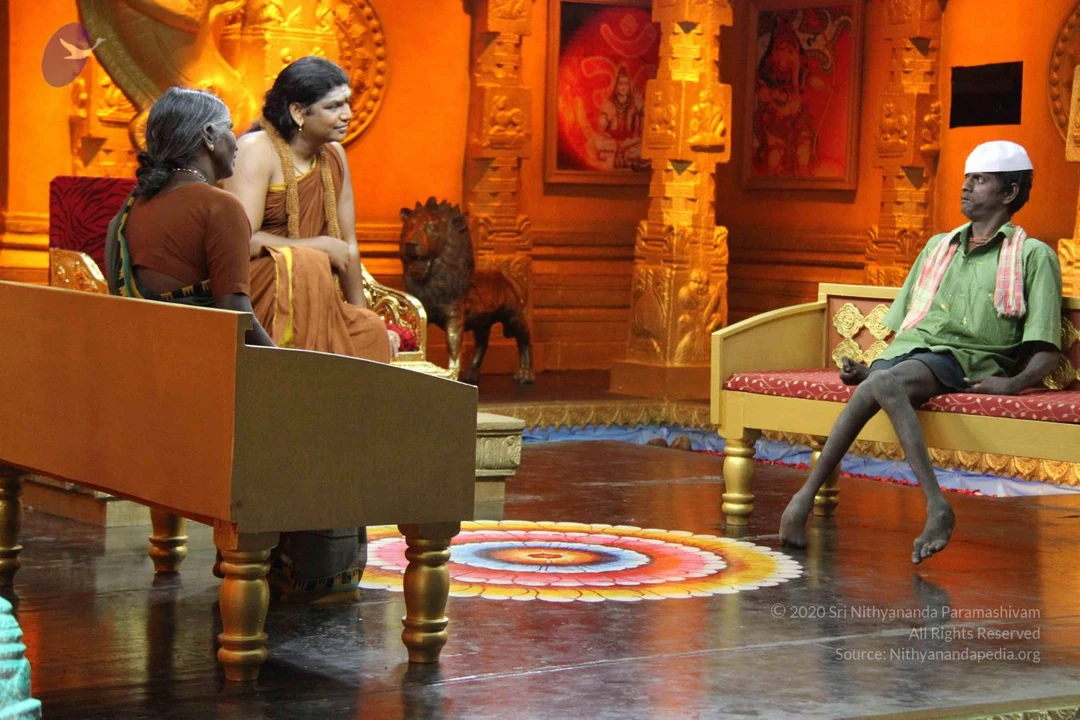
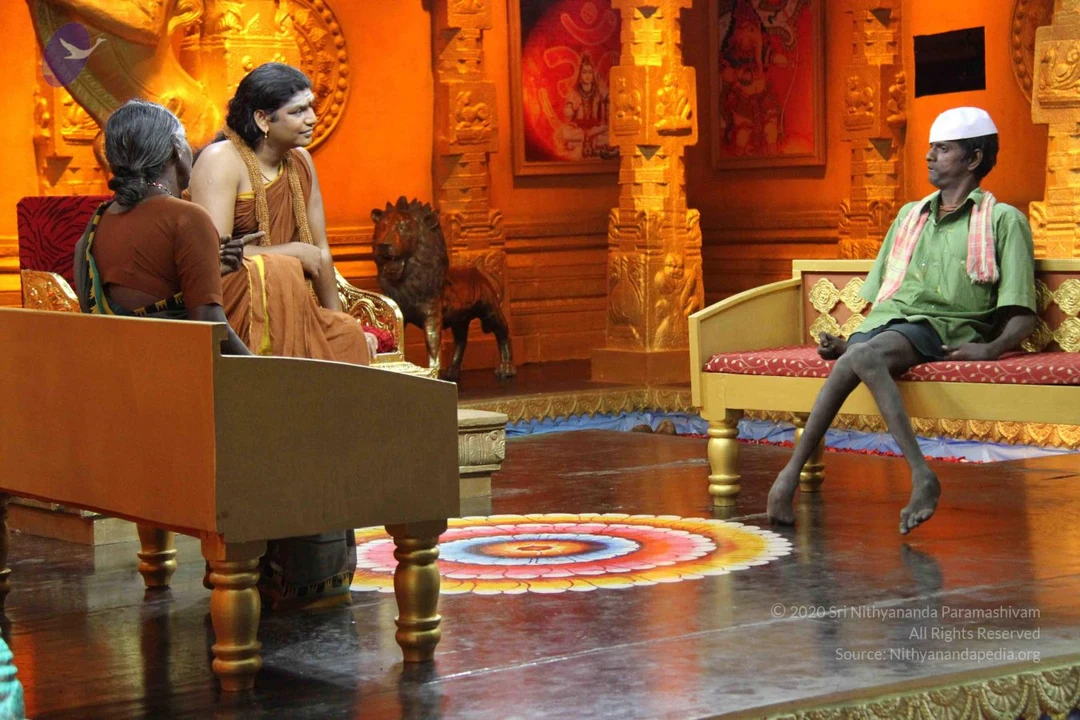
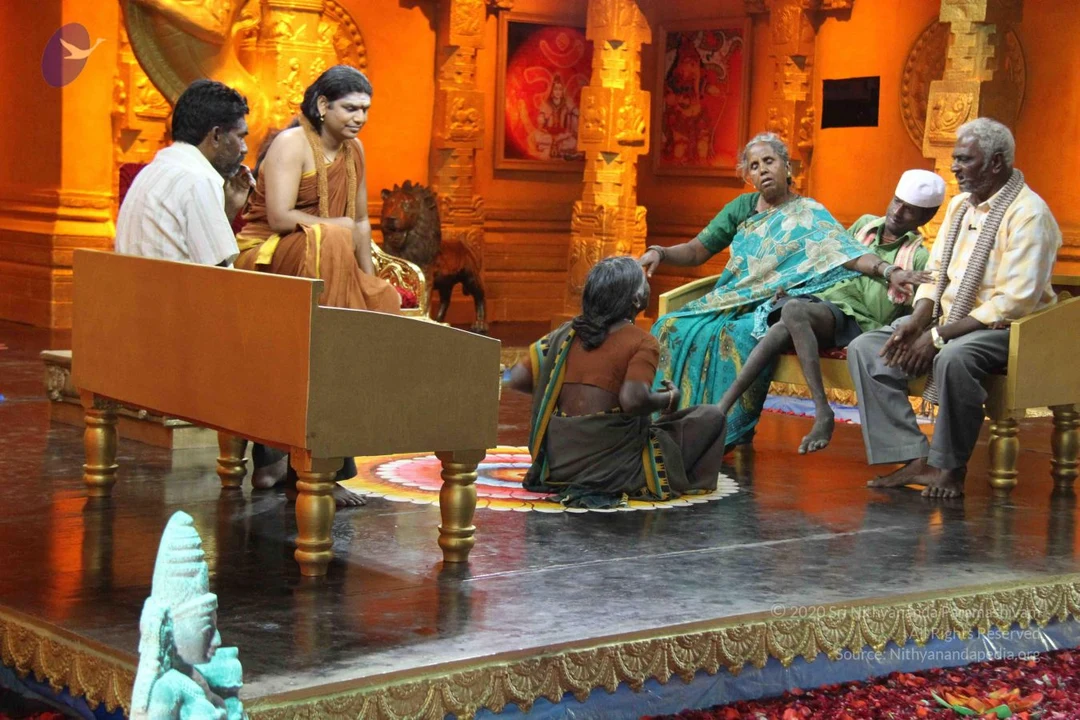
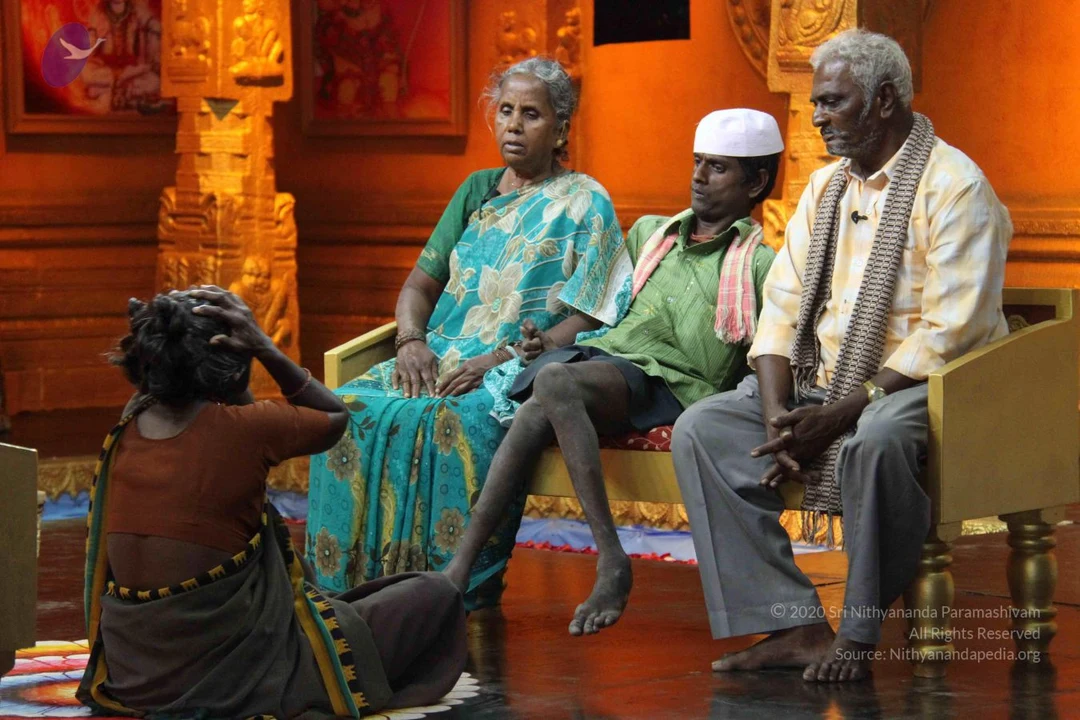
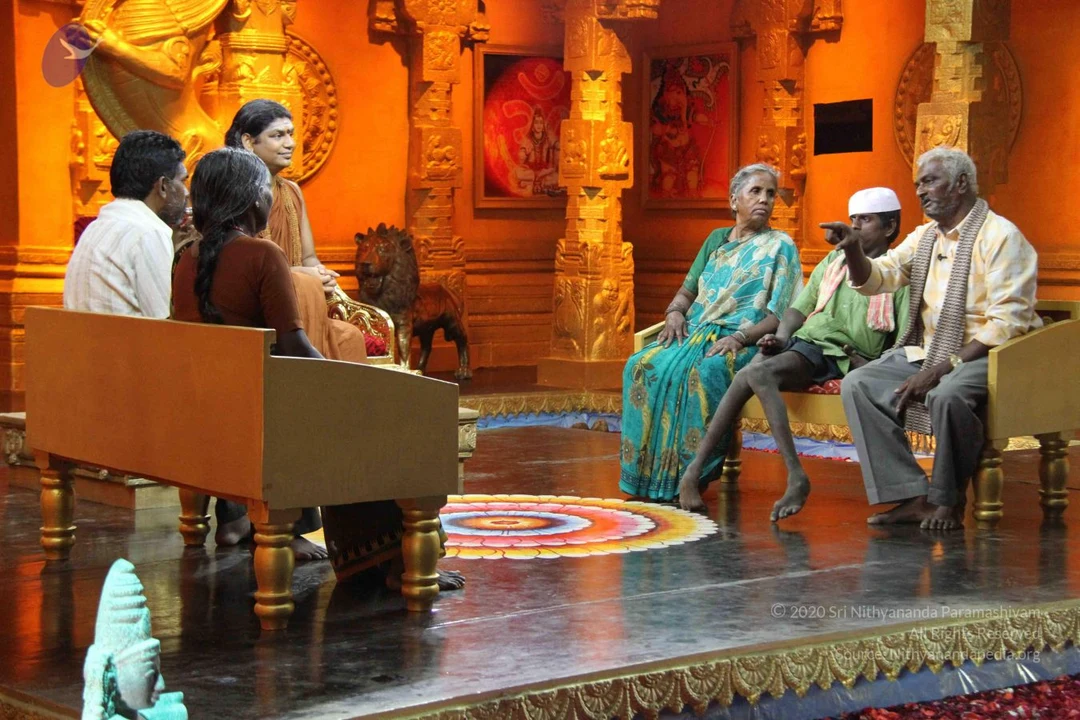
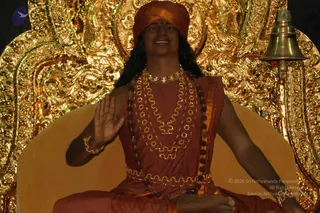
Thanthi-TV-day4-show
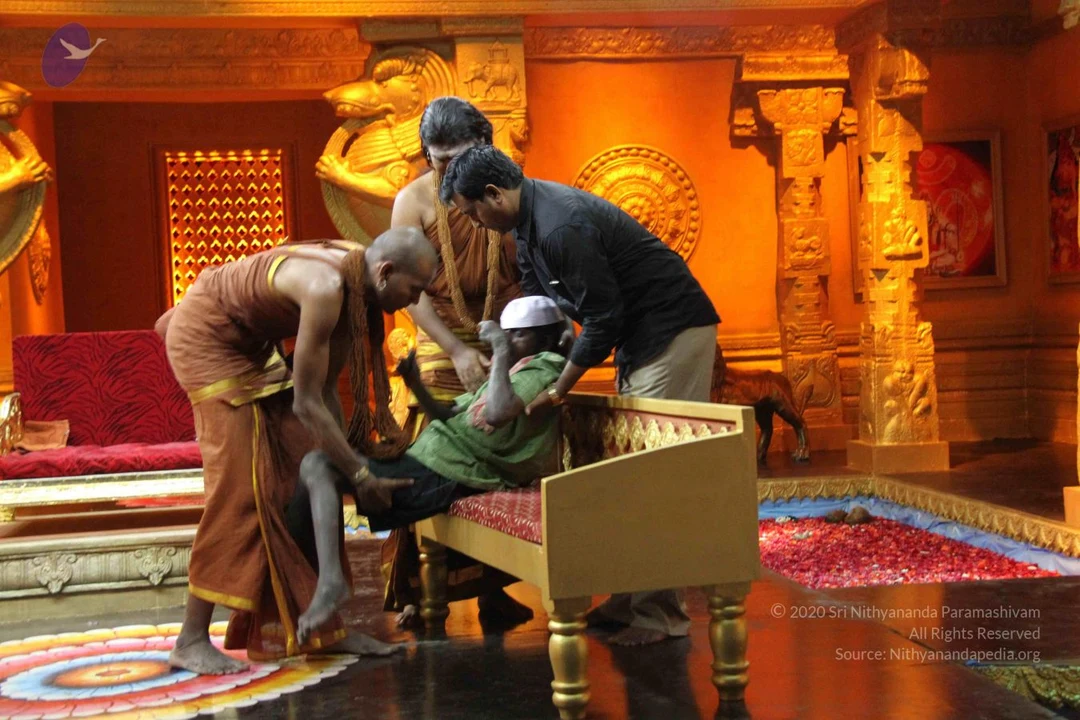
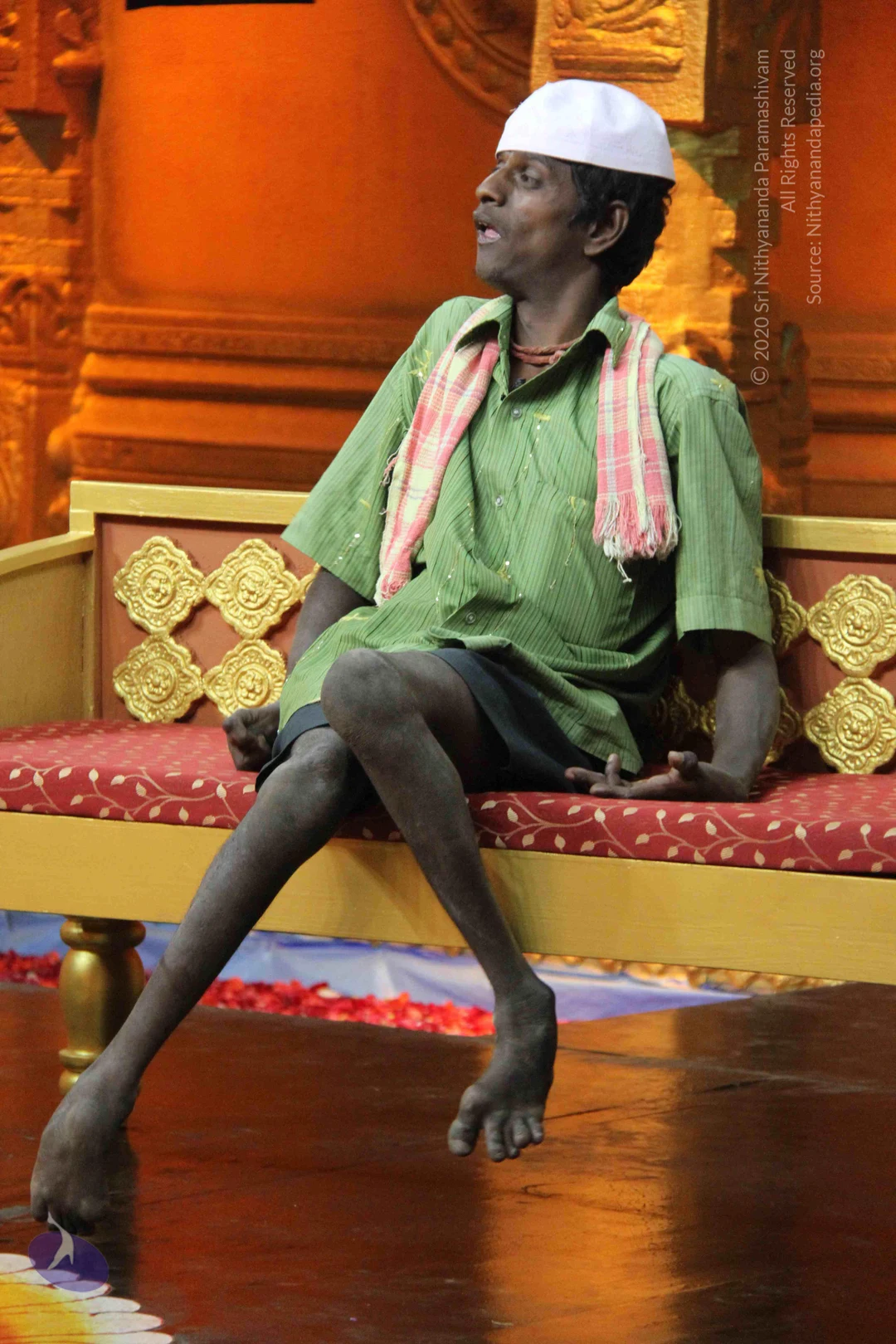
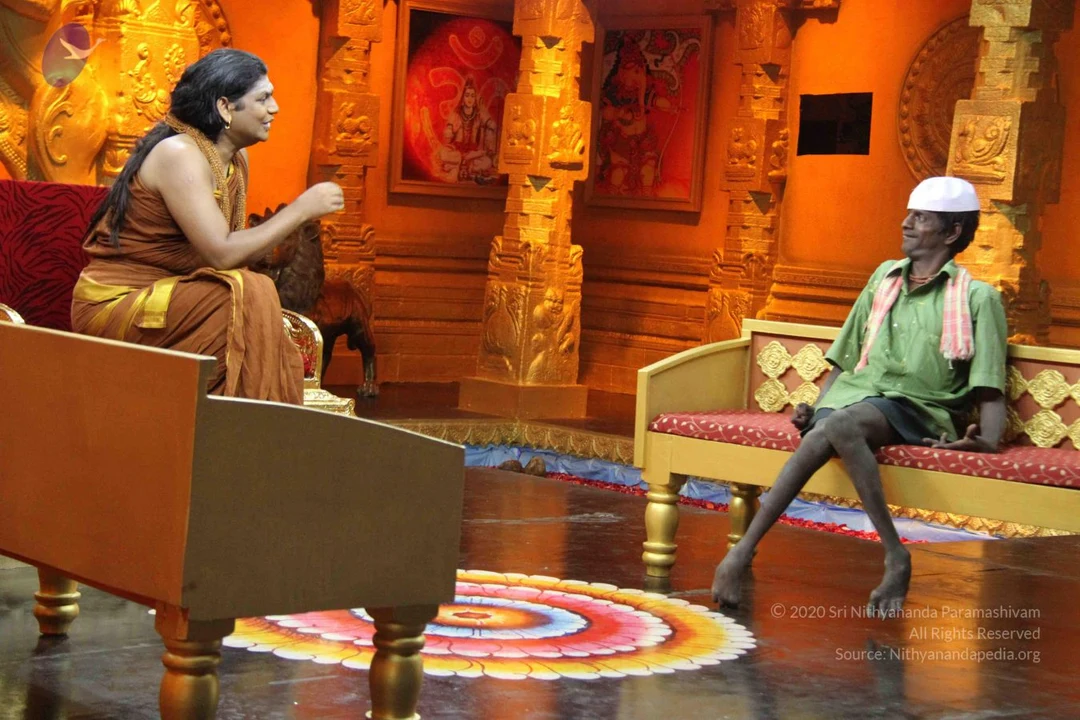
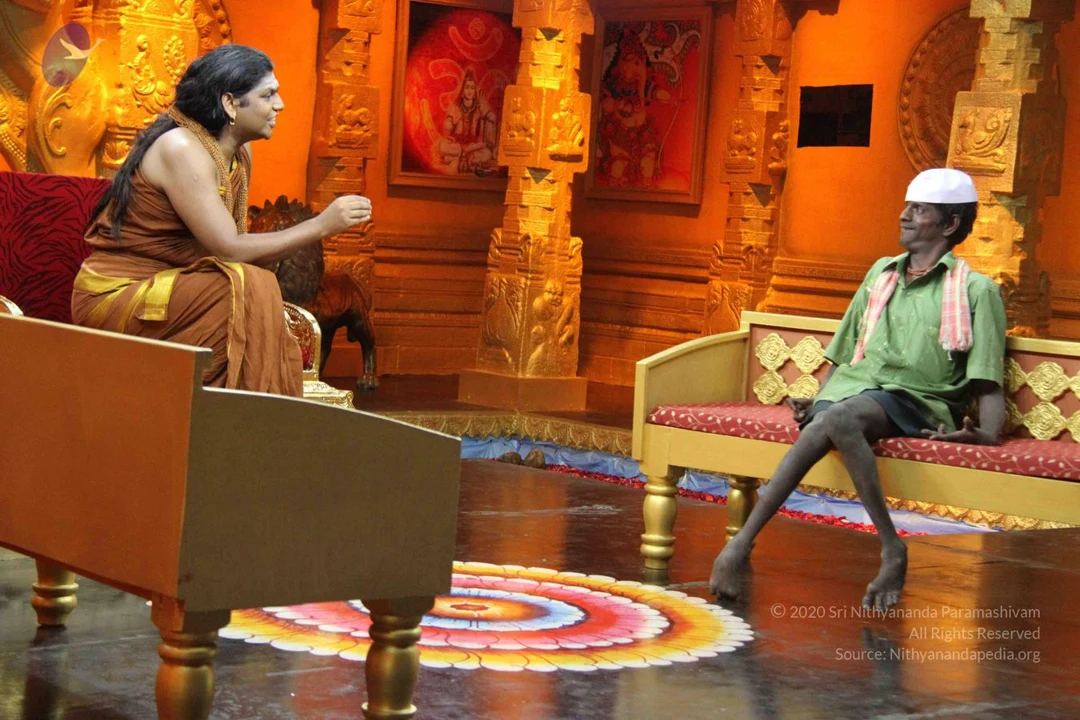
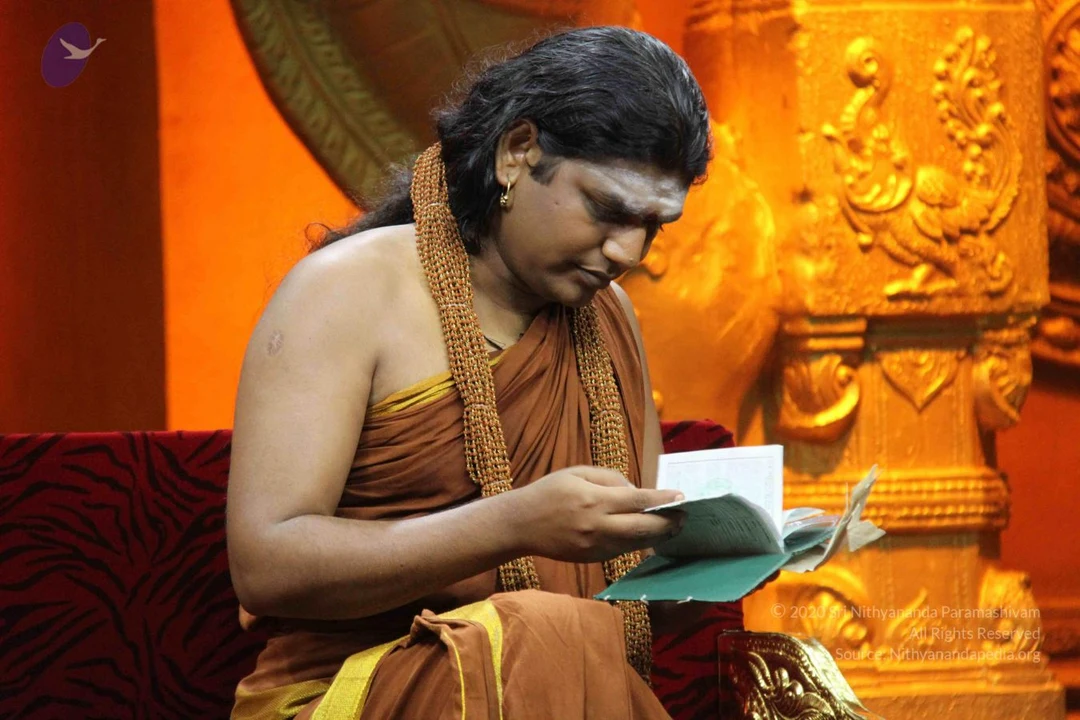
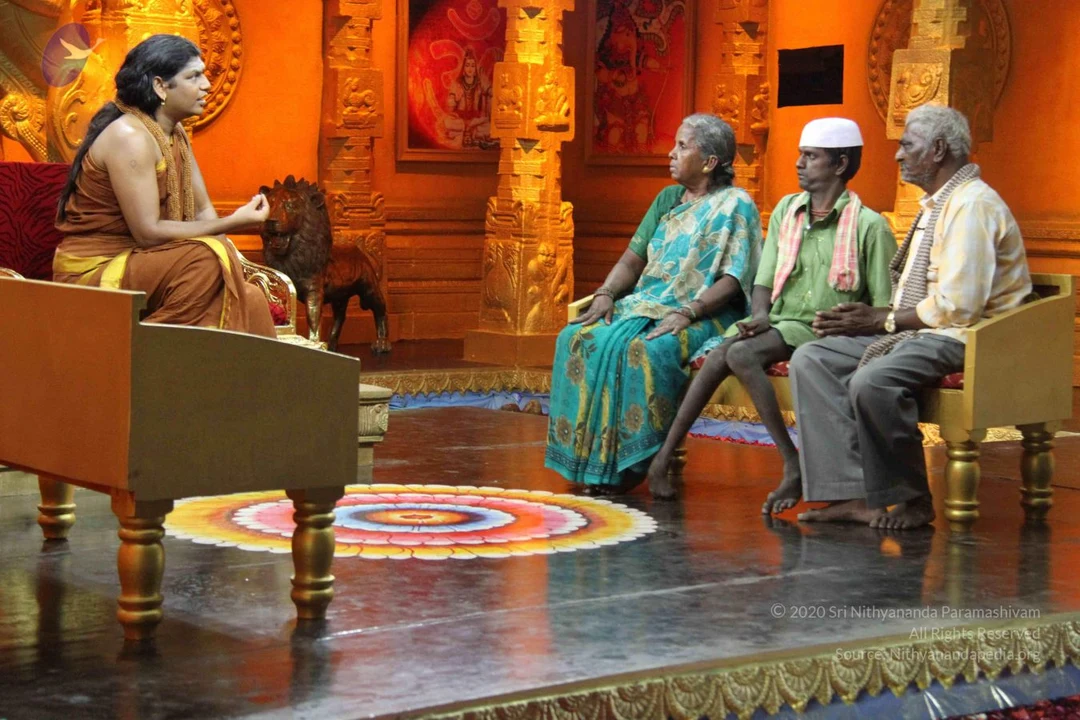
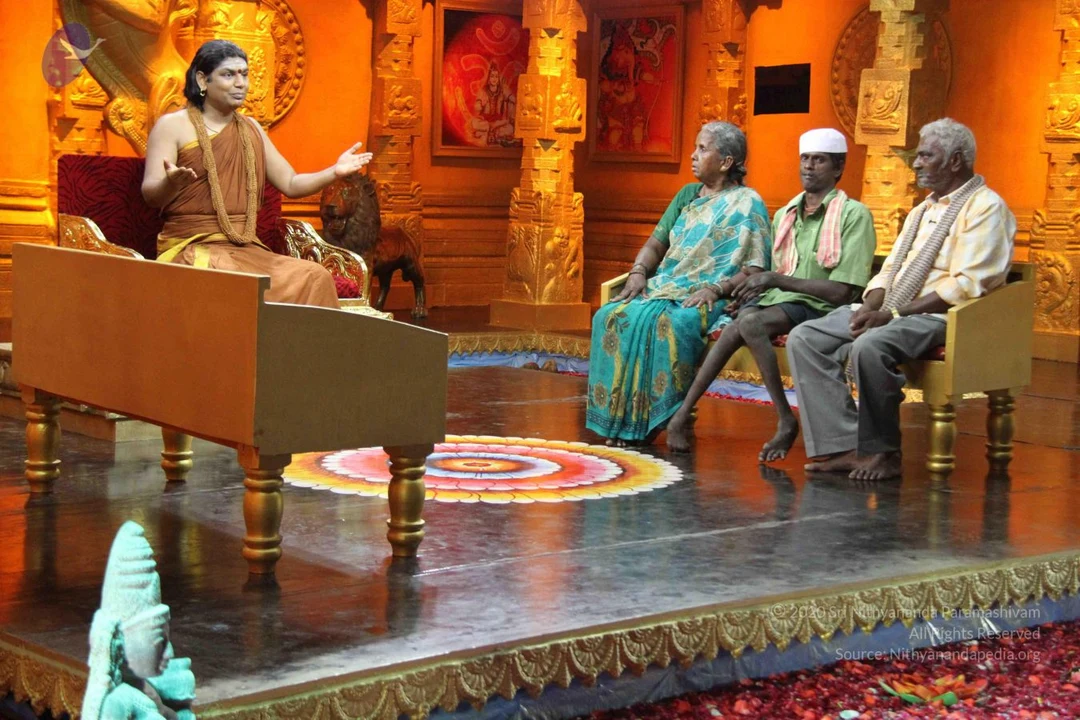
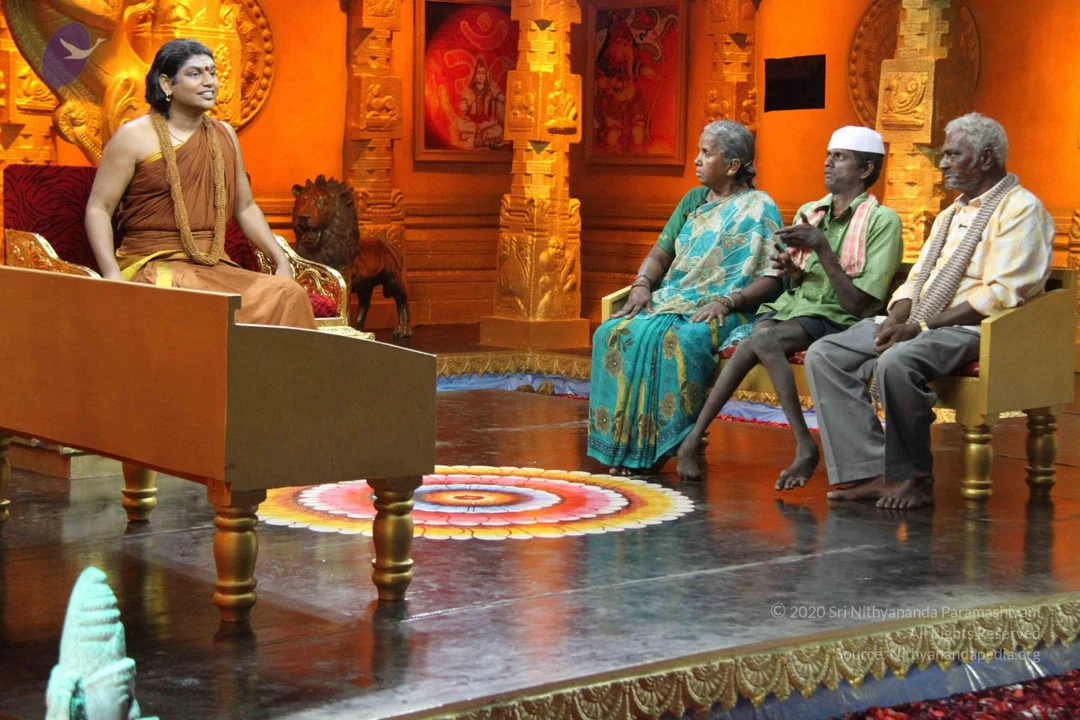


Tags:
Paramahamsa Nithyananda, expansion, possibility, self-doubt, consciousness, mind, patterns, flower, Authenticity, Integrity, Responsibility, Enriching.
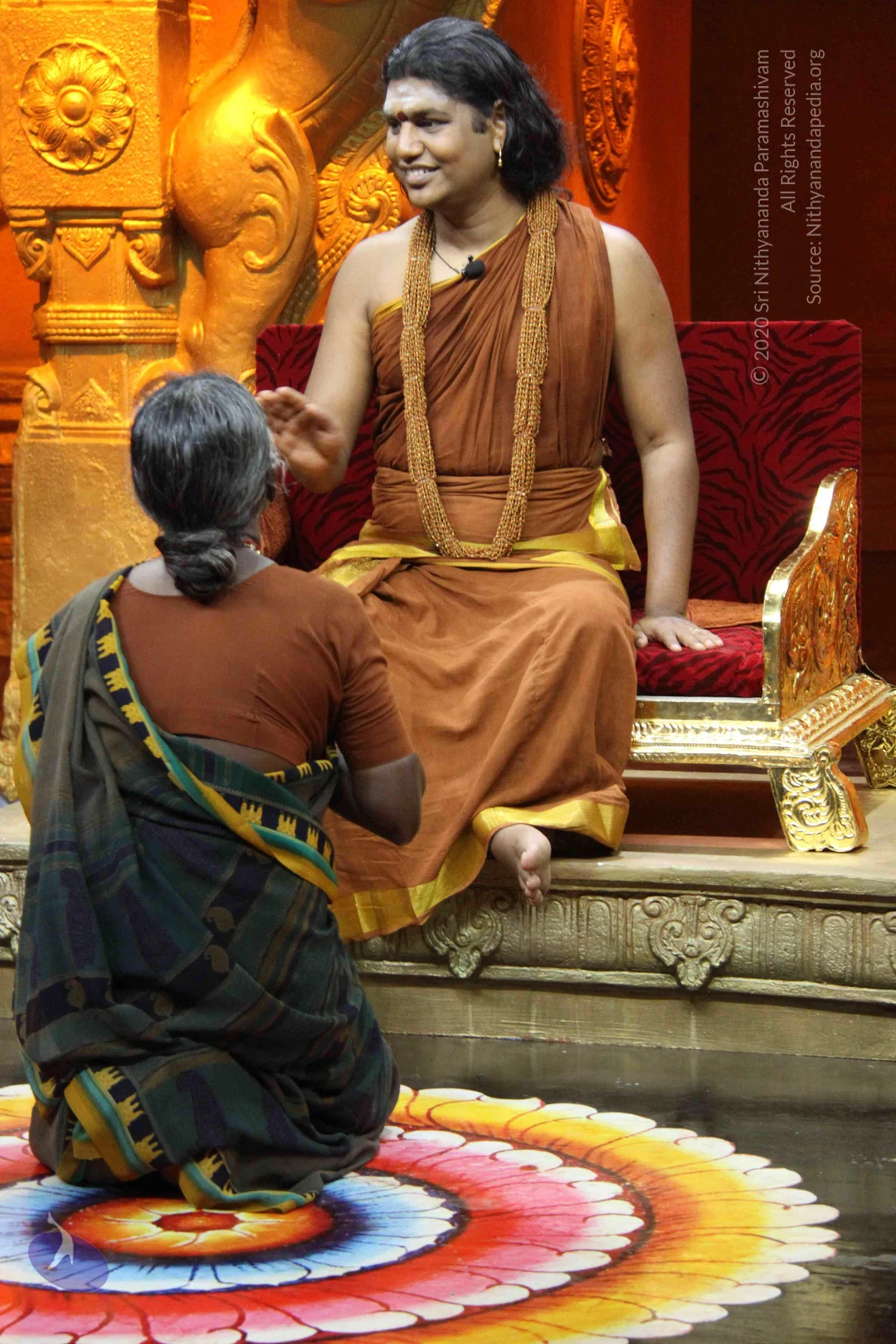
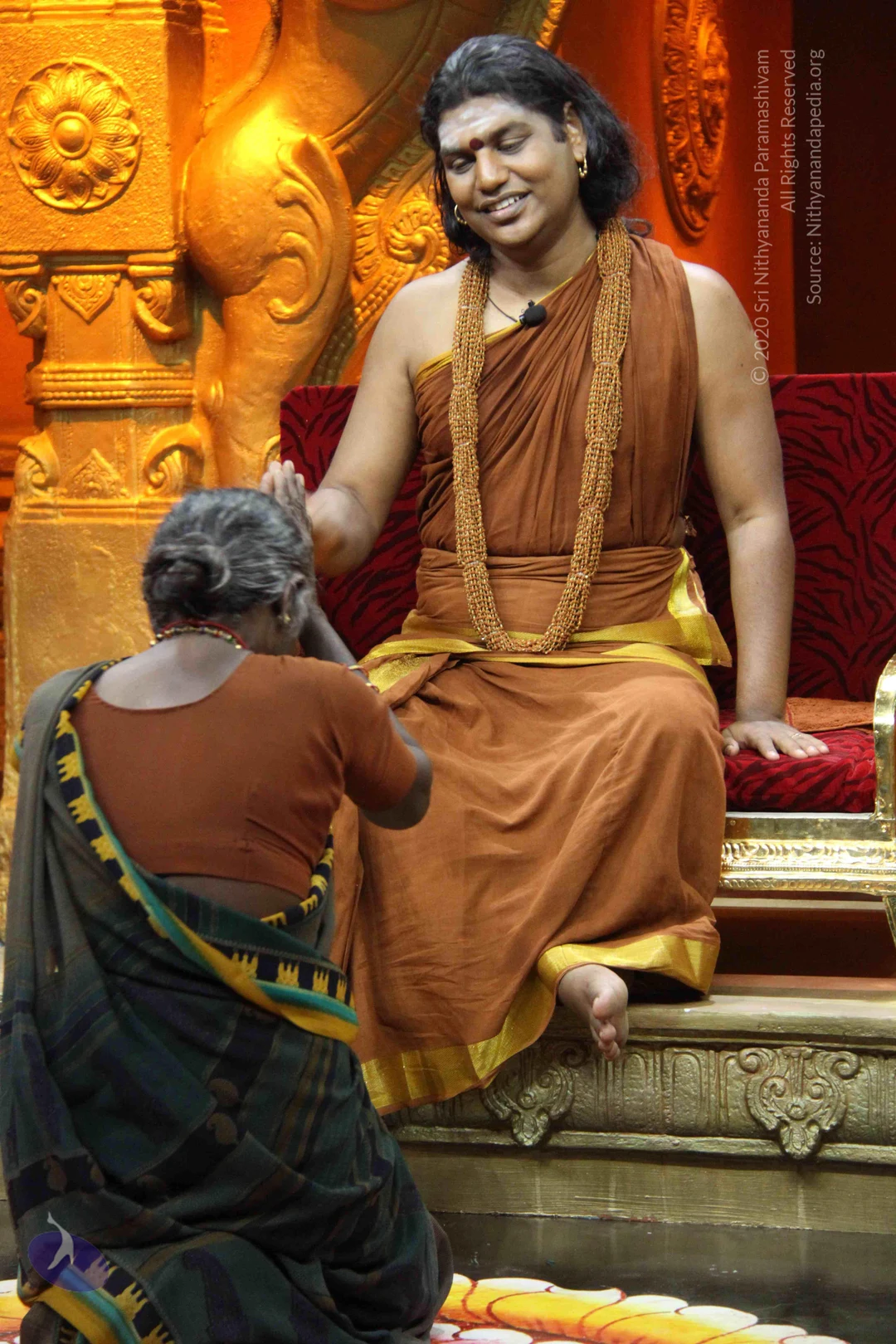
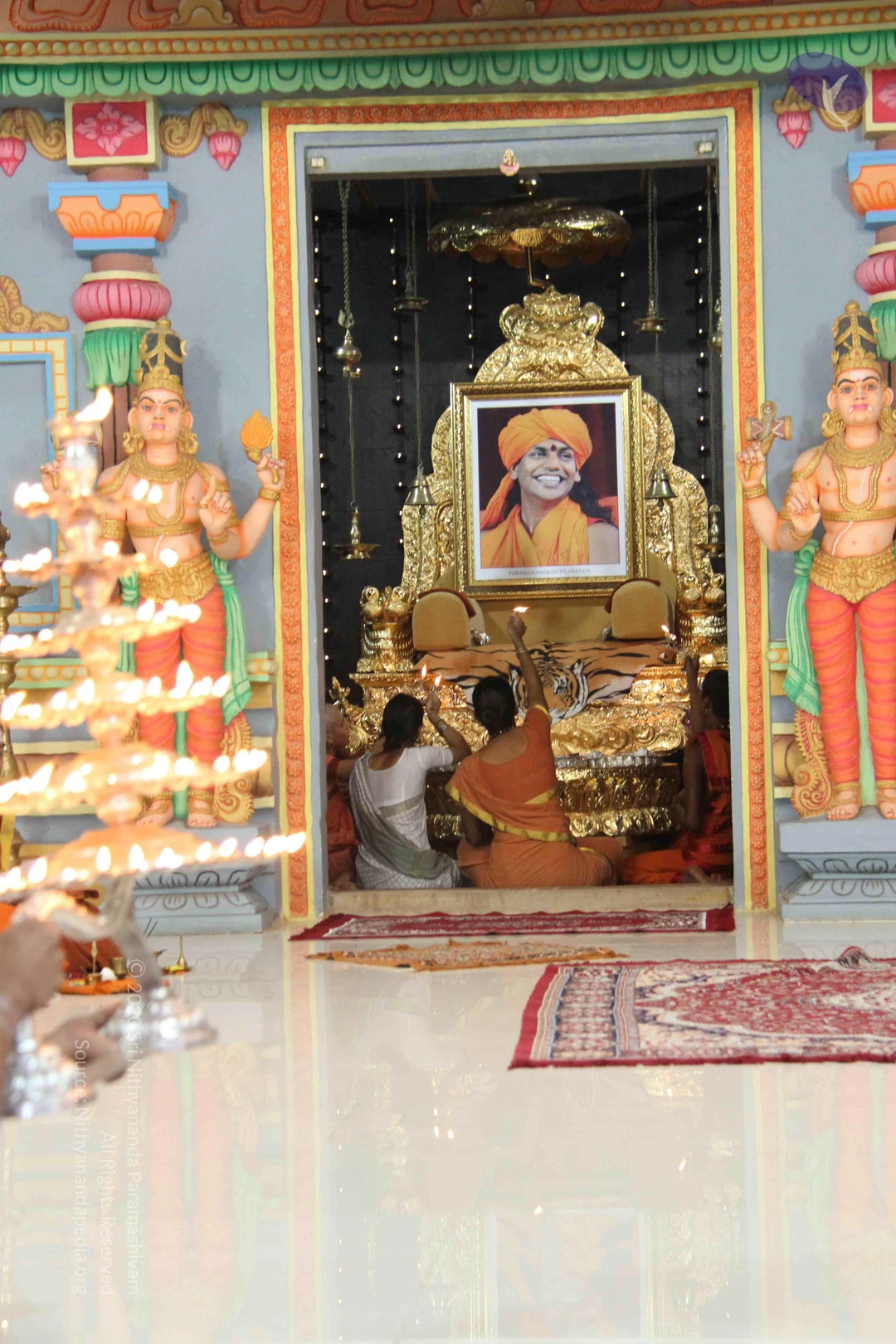
01-PADUKA-PUJA
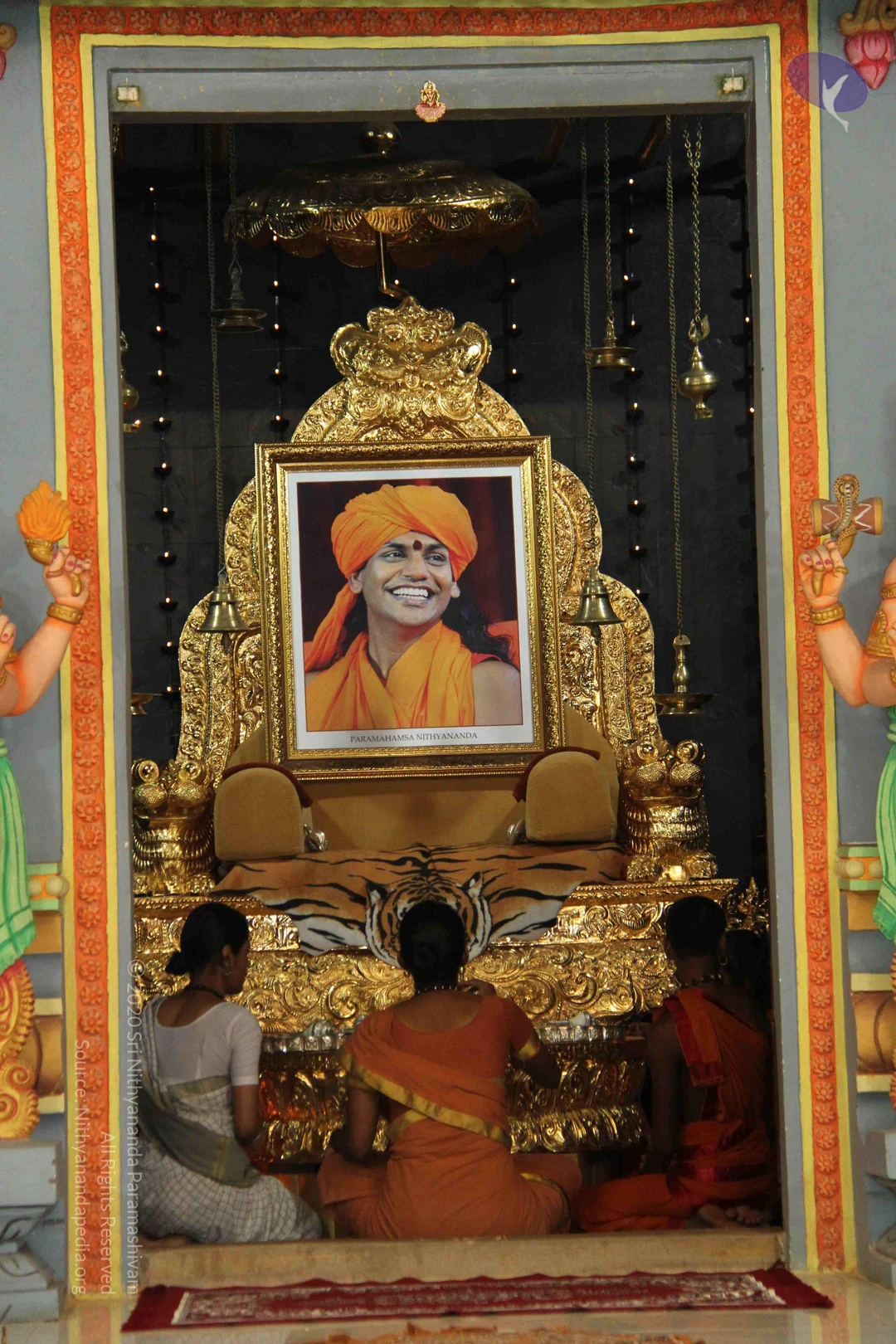
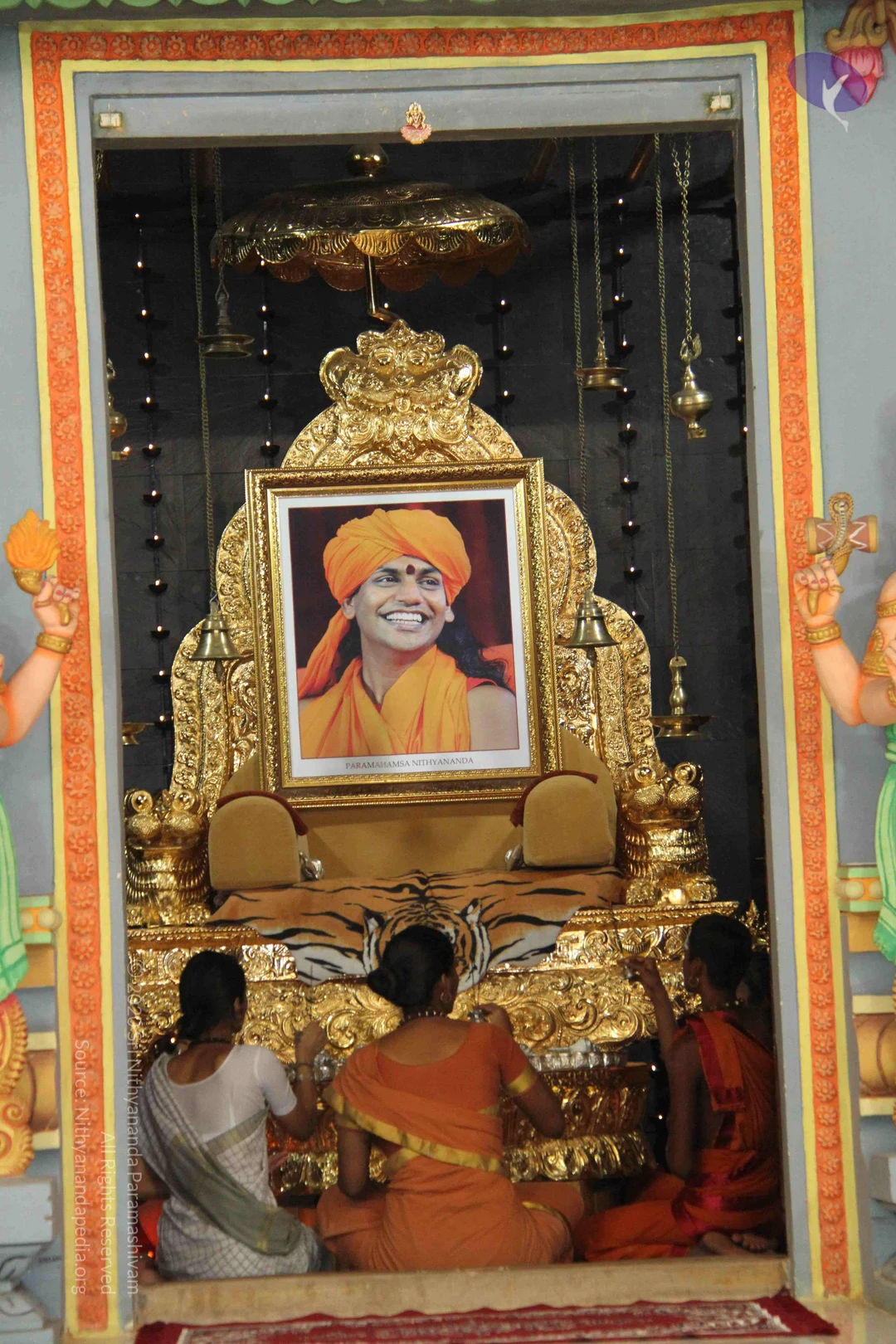
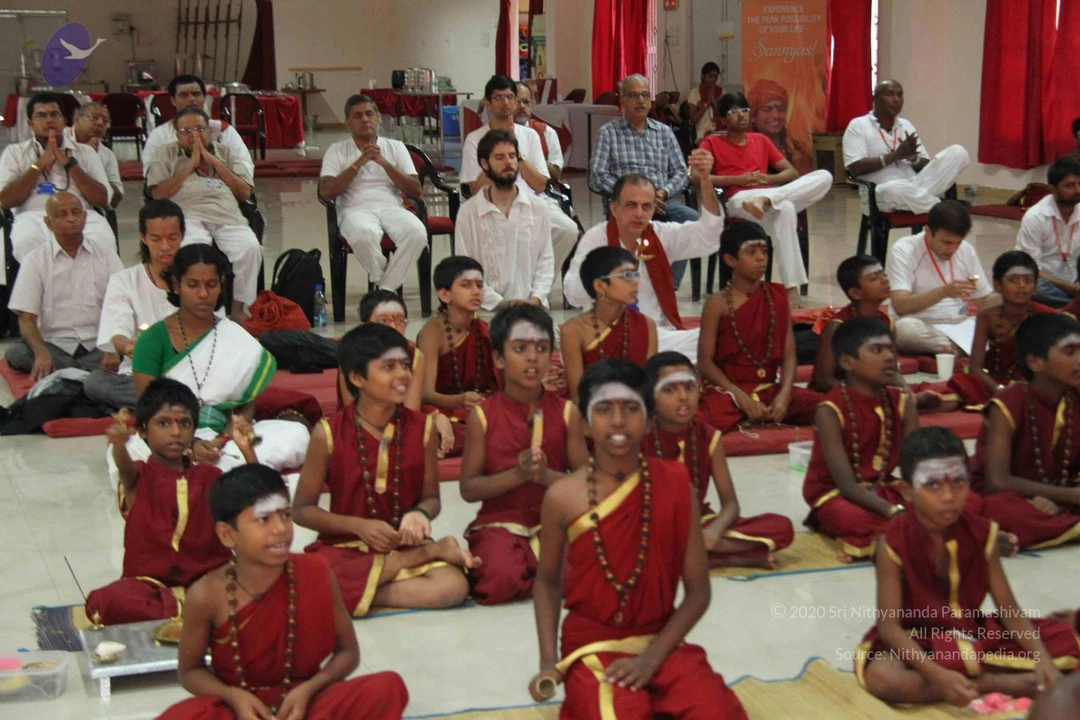
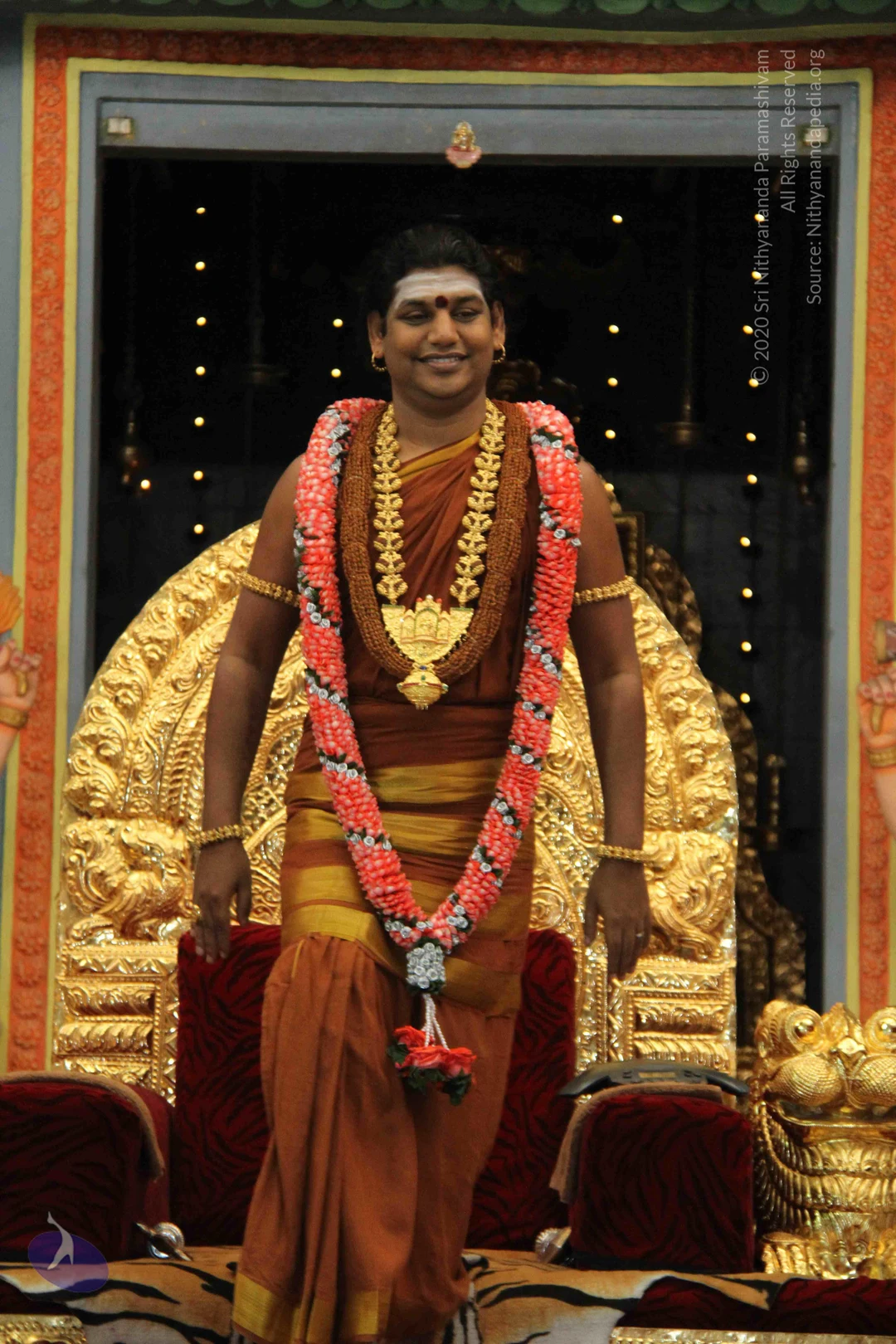
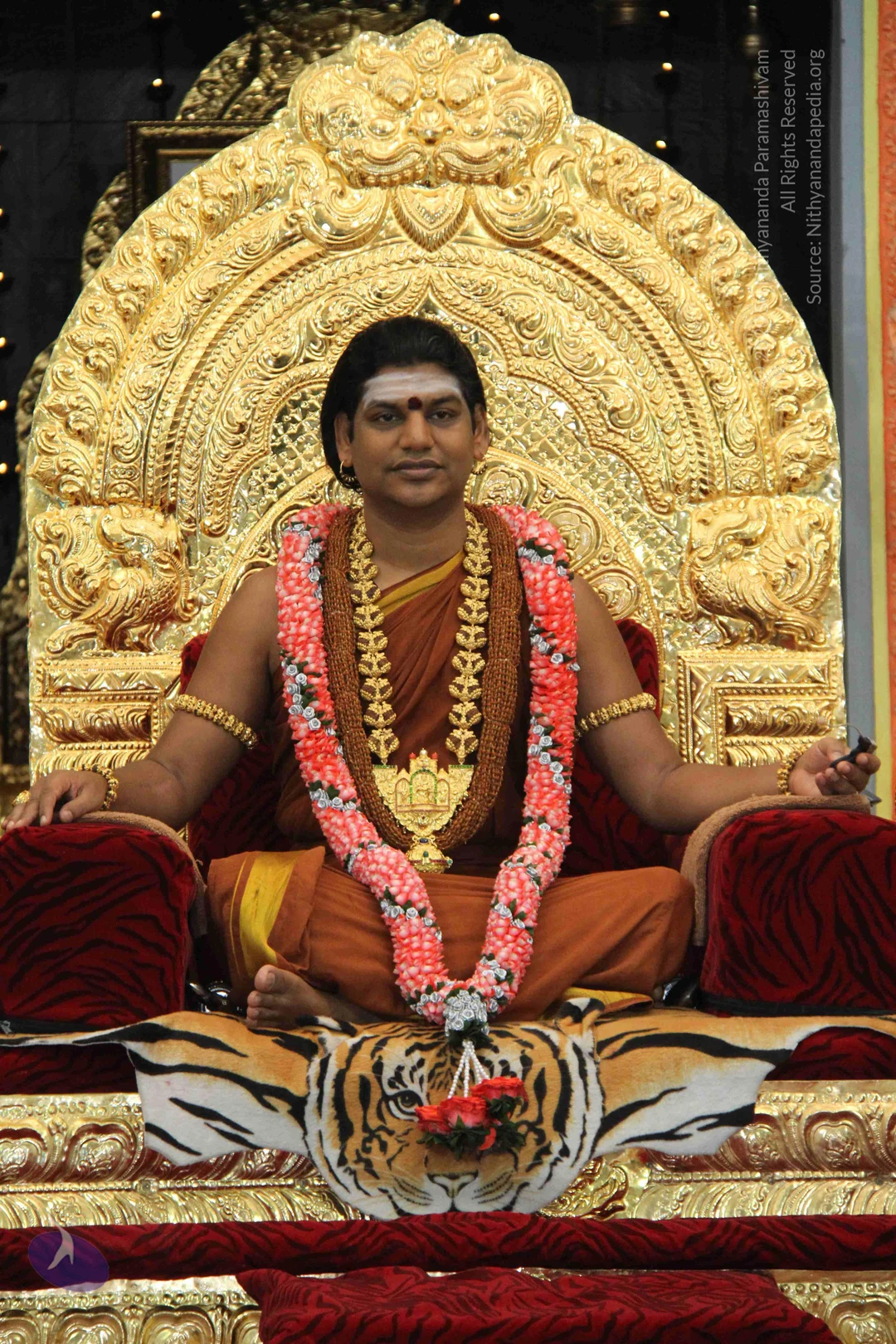
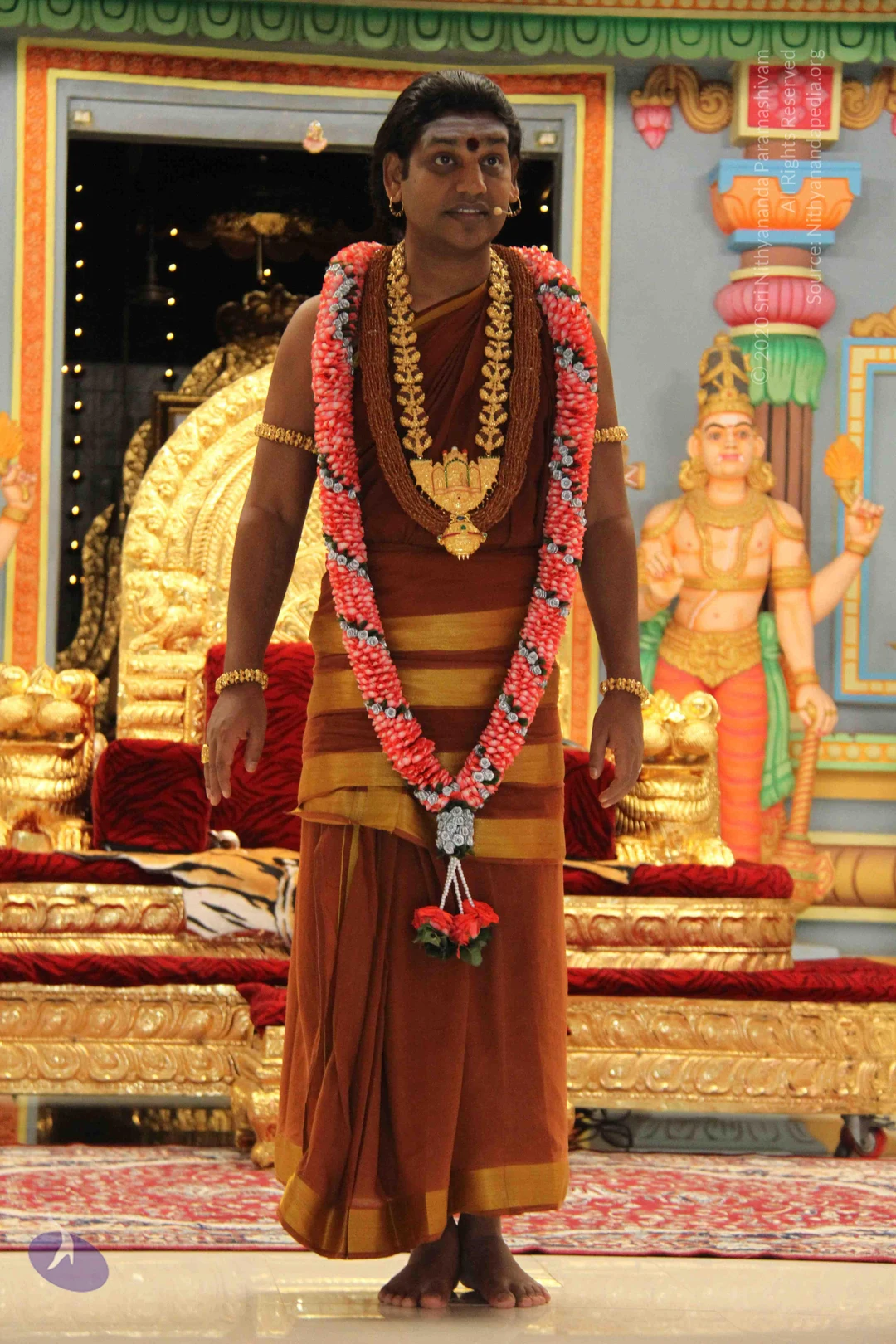
02-NITHYA-SATSANG
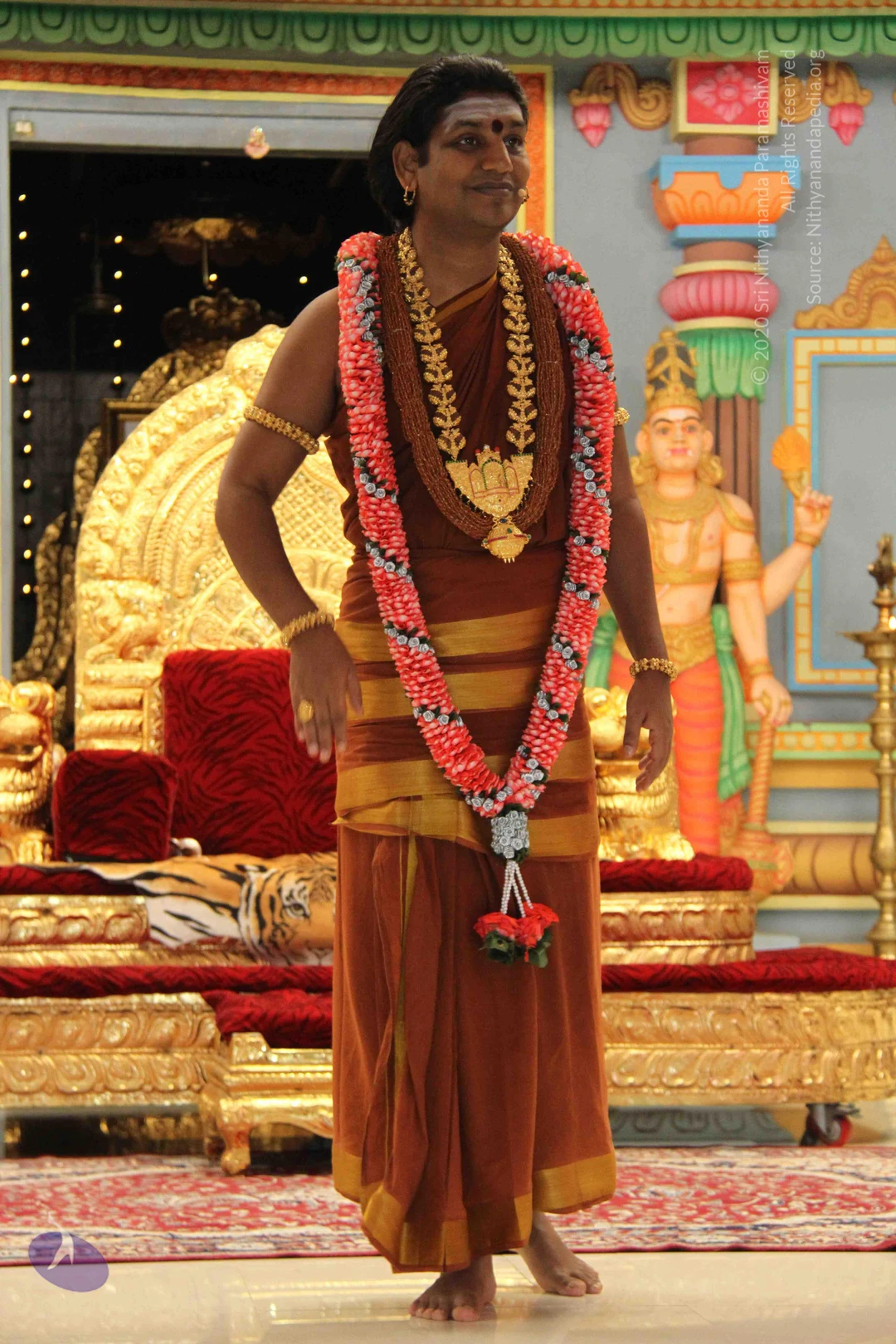
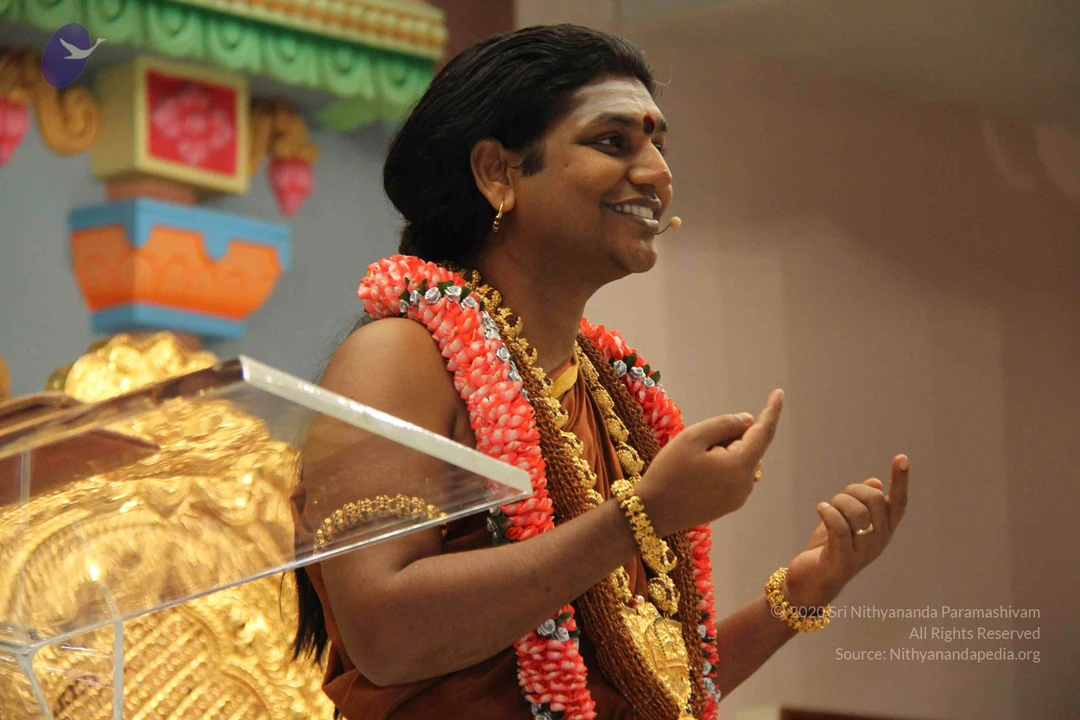
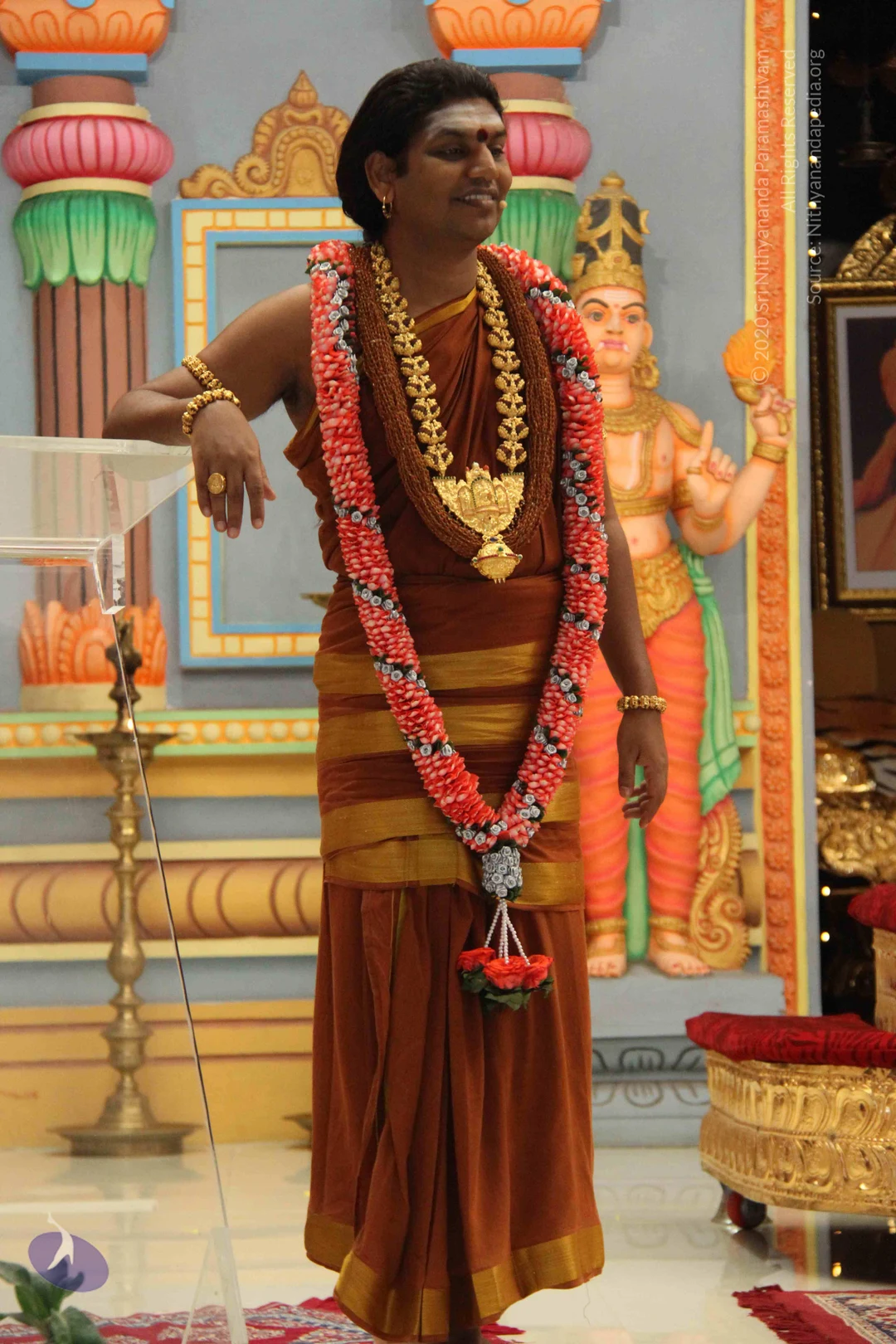
03-SARVA-DARSHAN
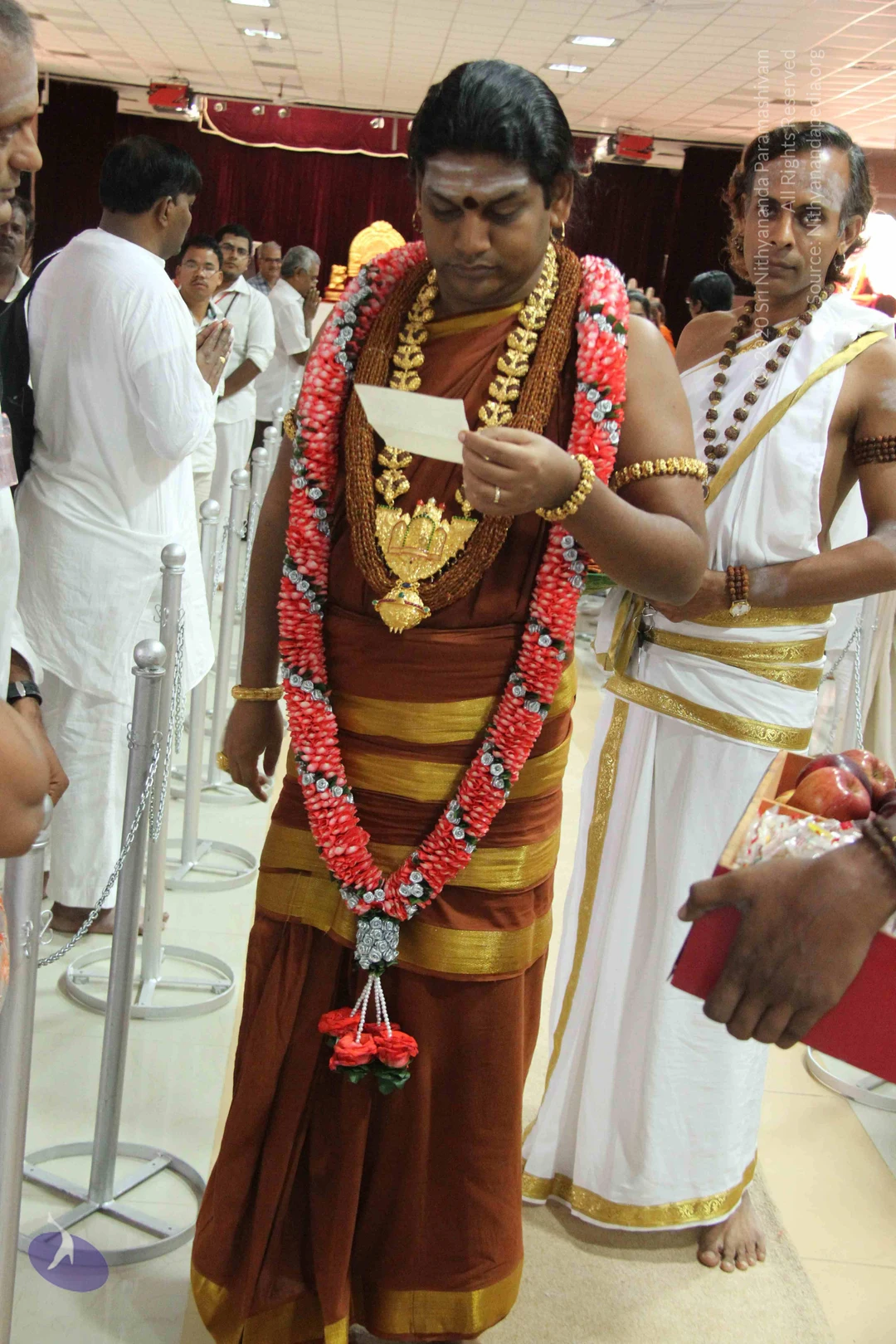
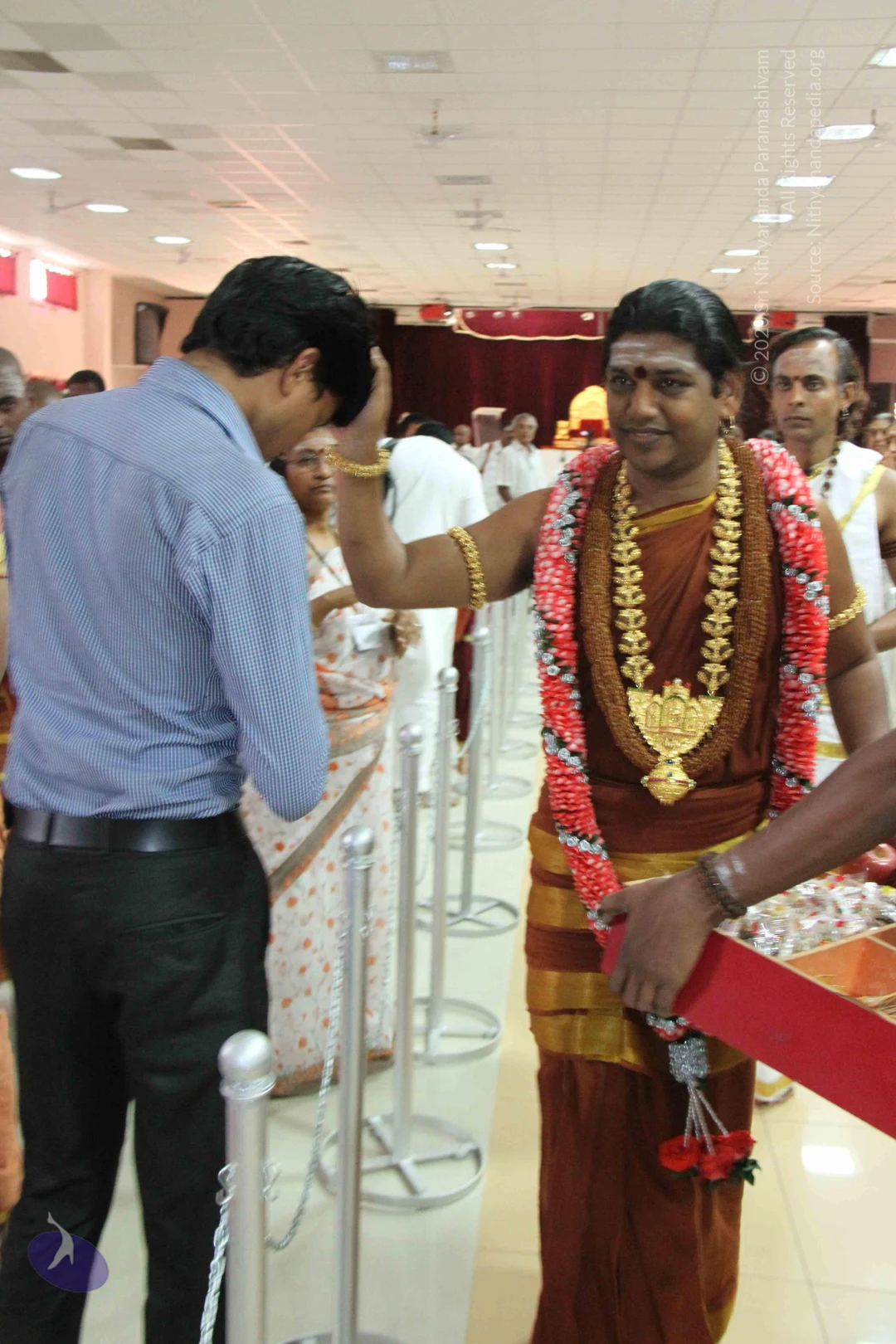
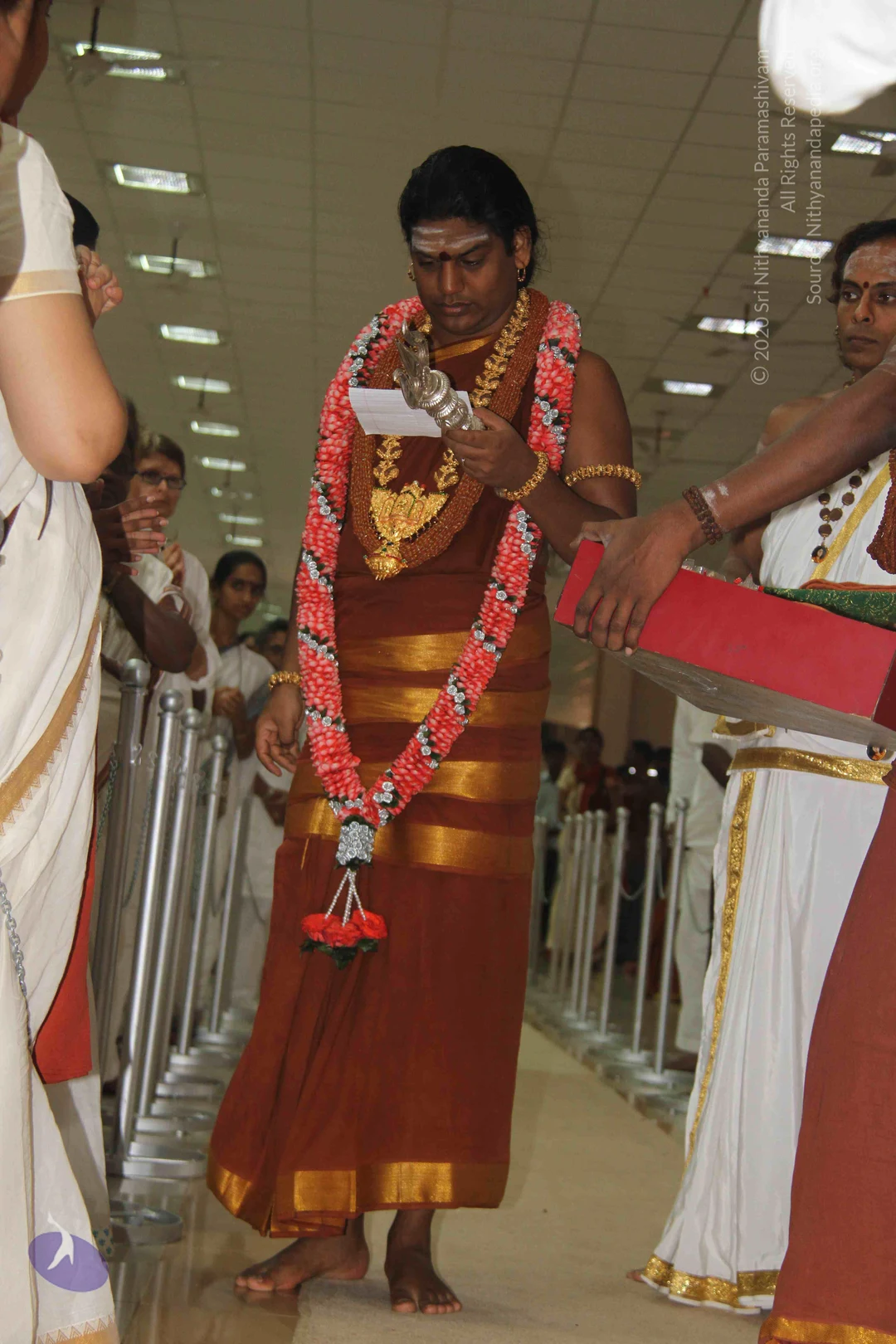
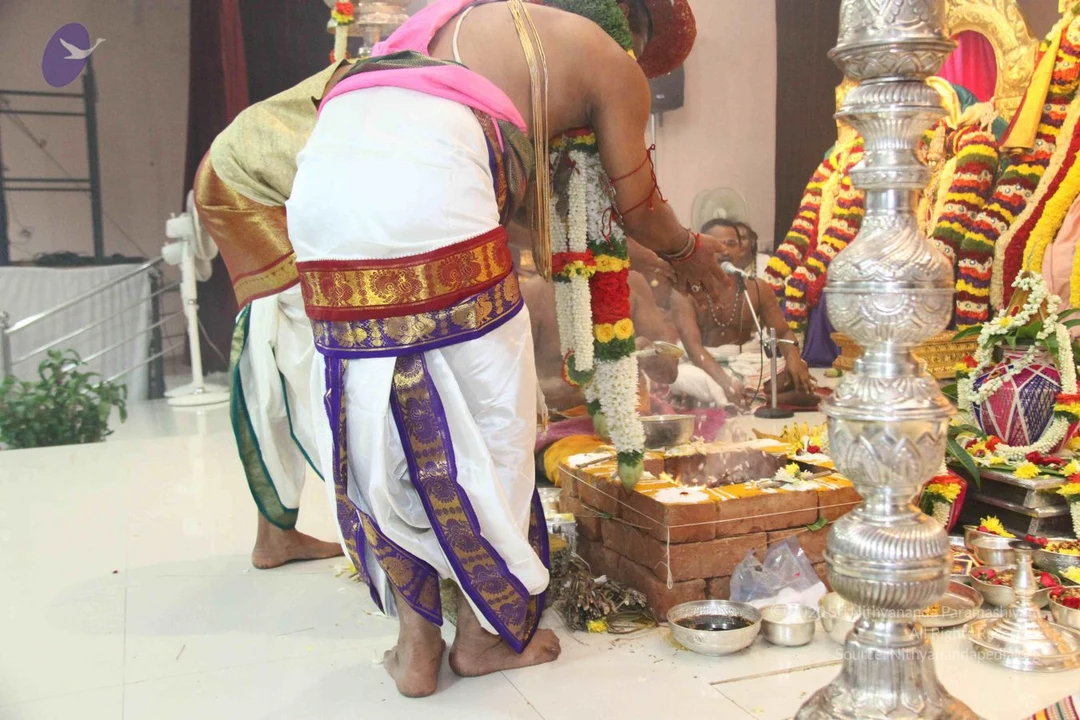
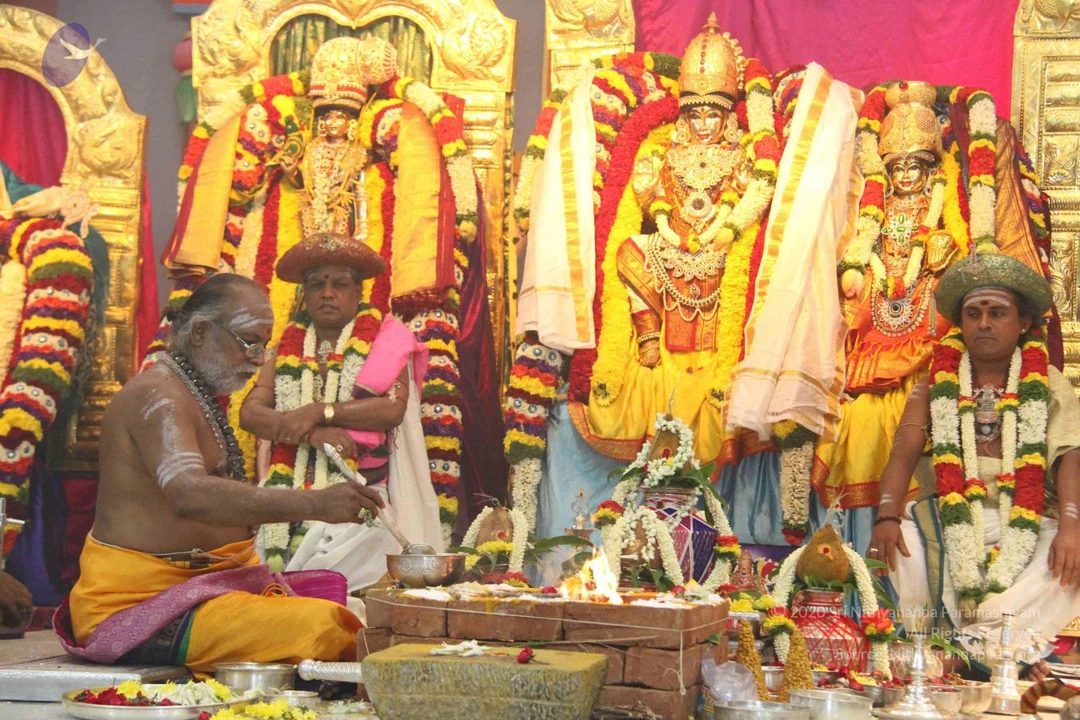
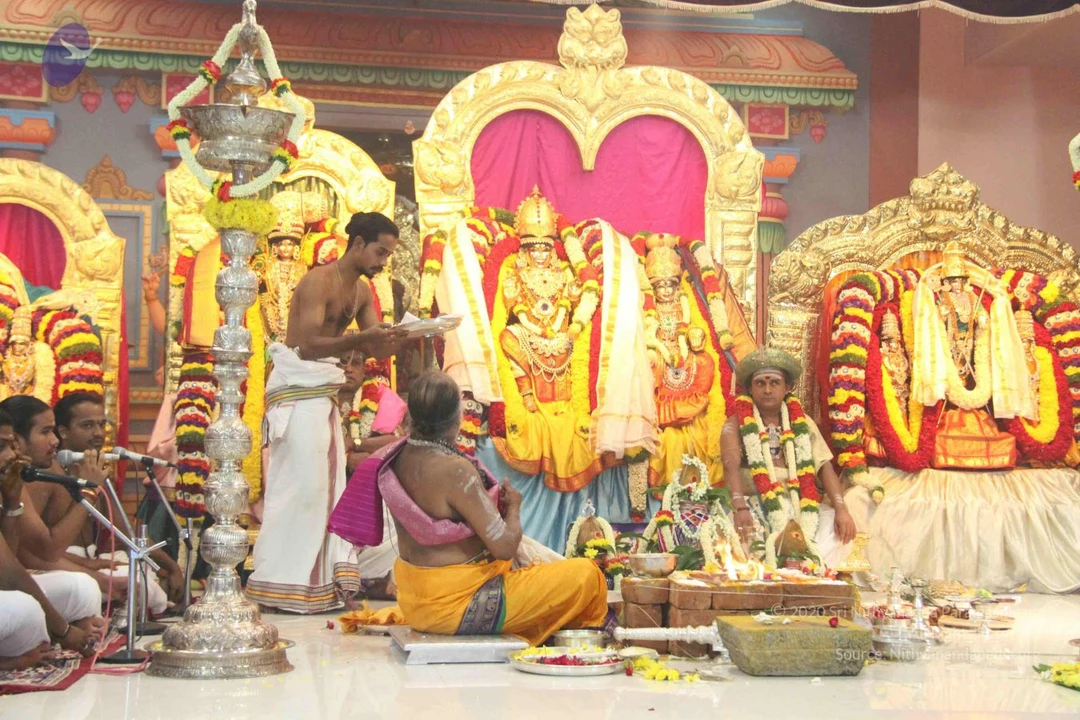
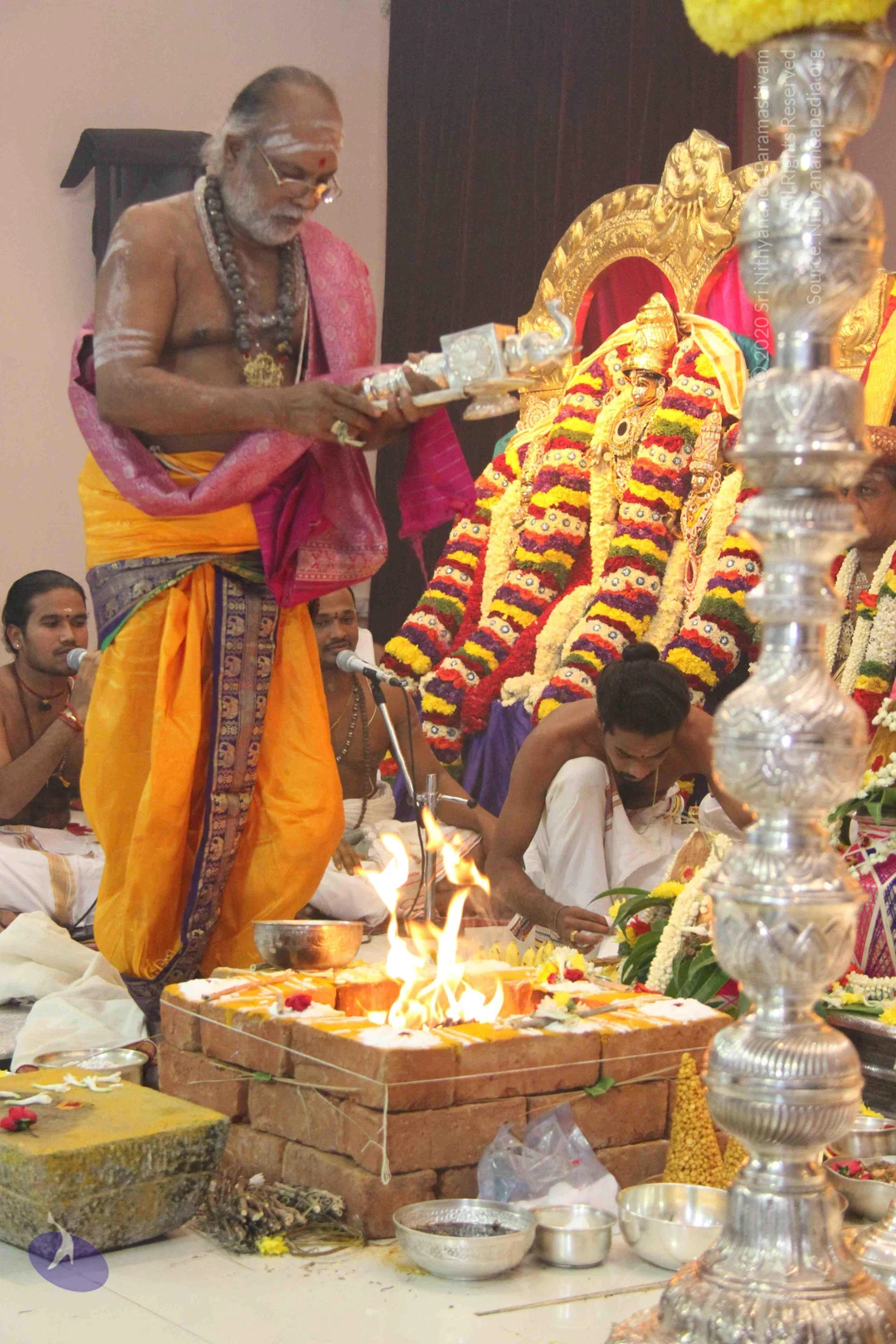
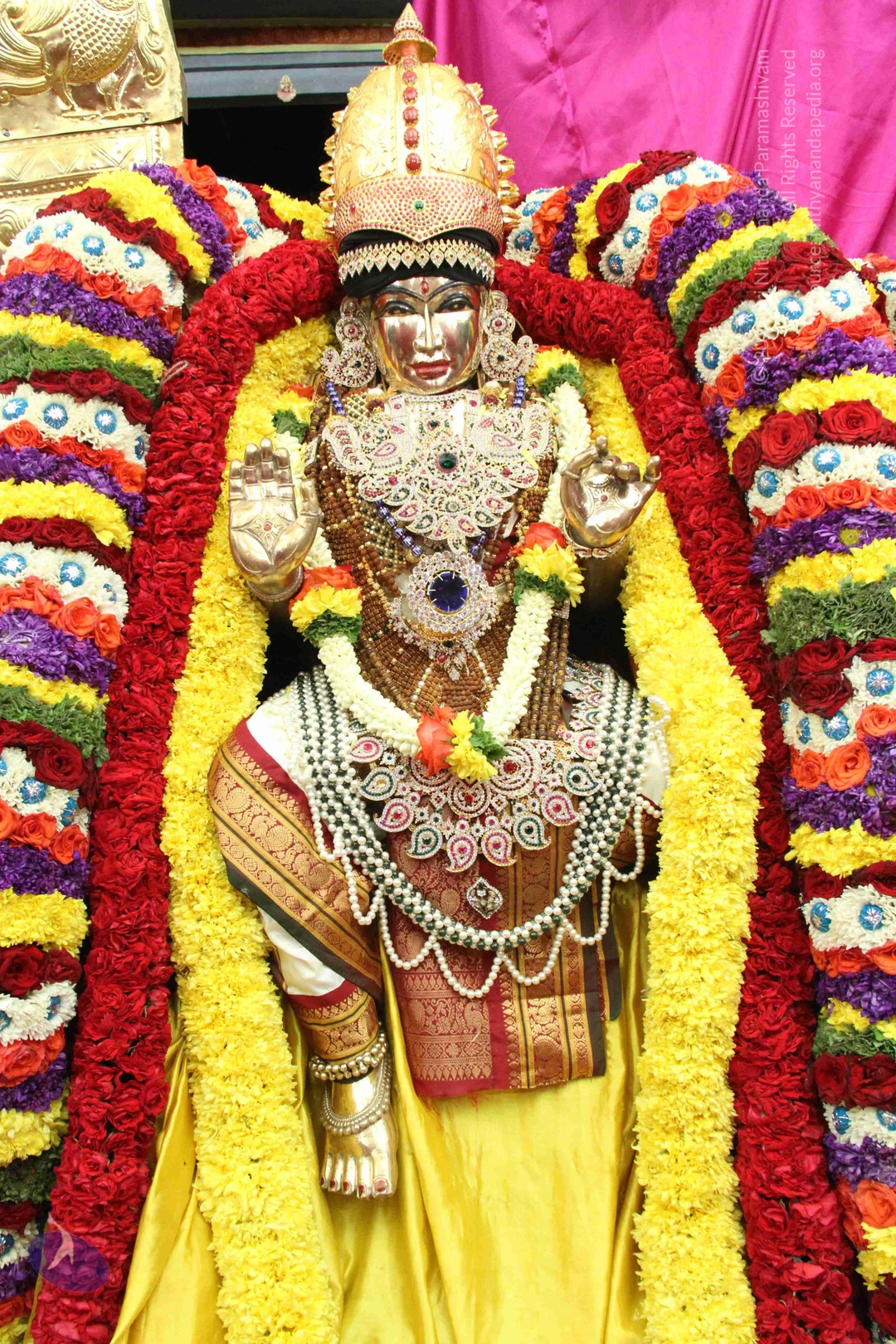
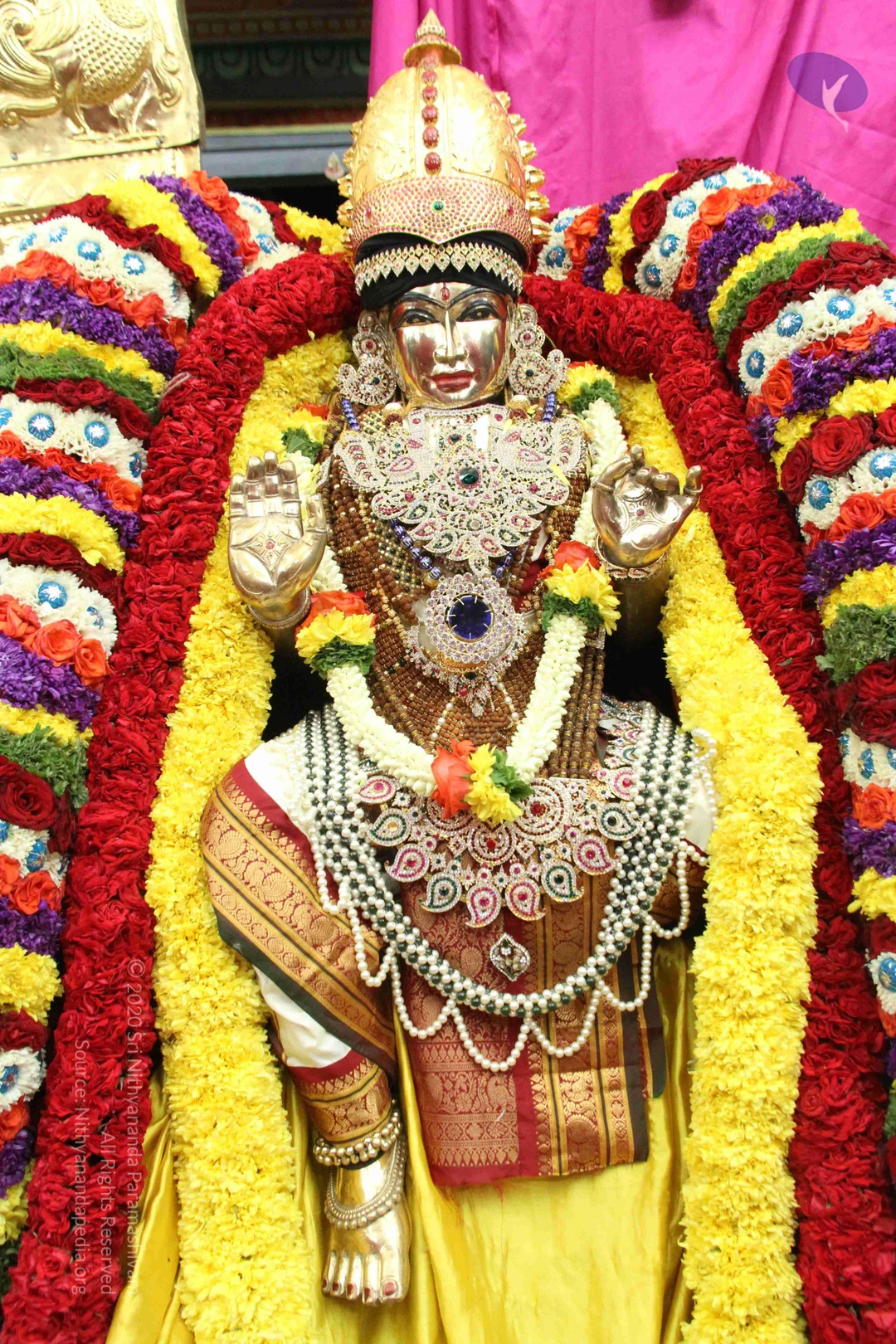
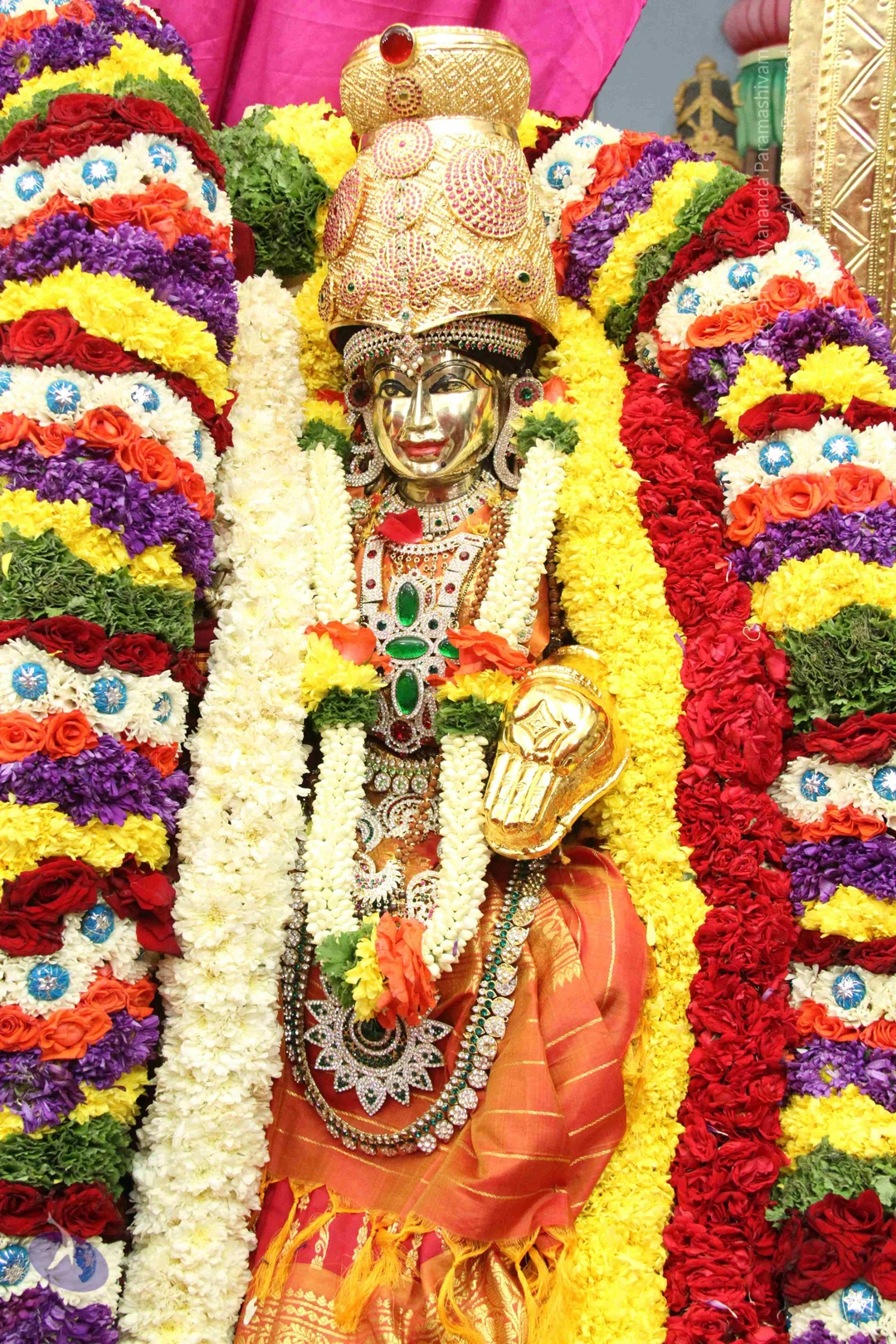
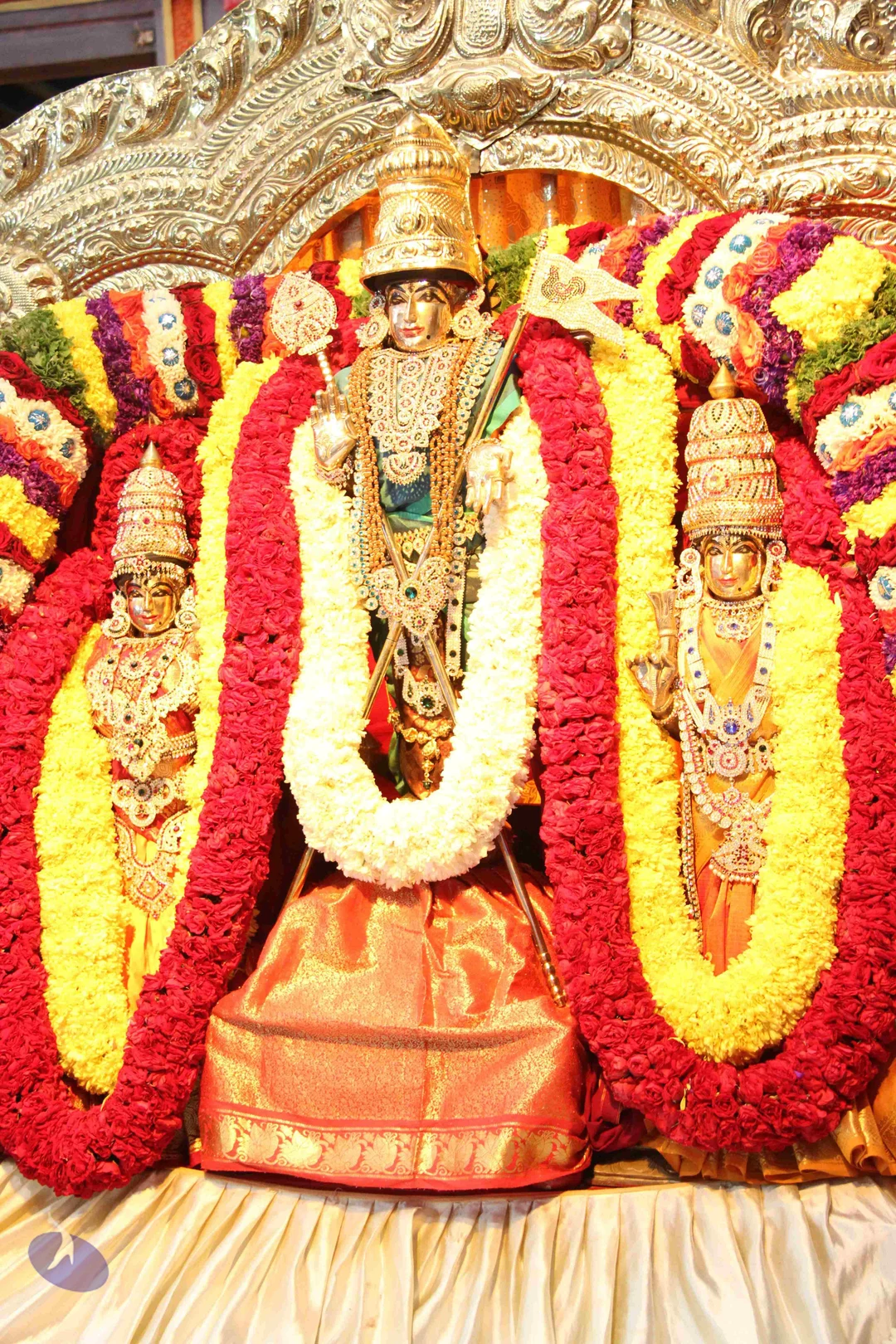
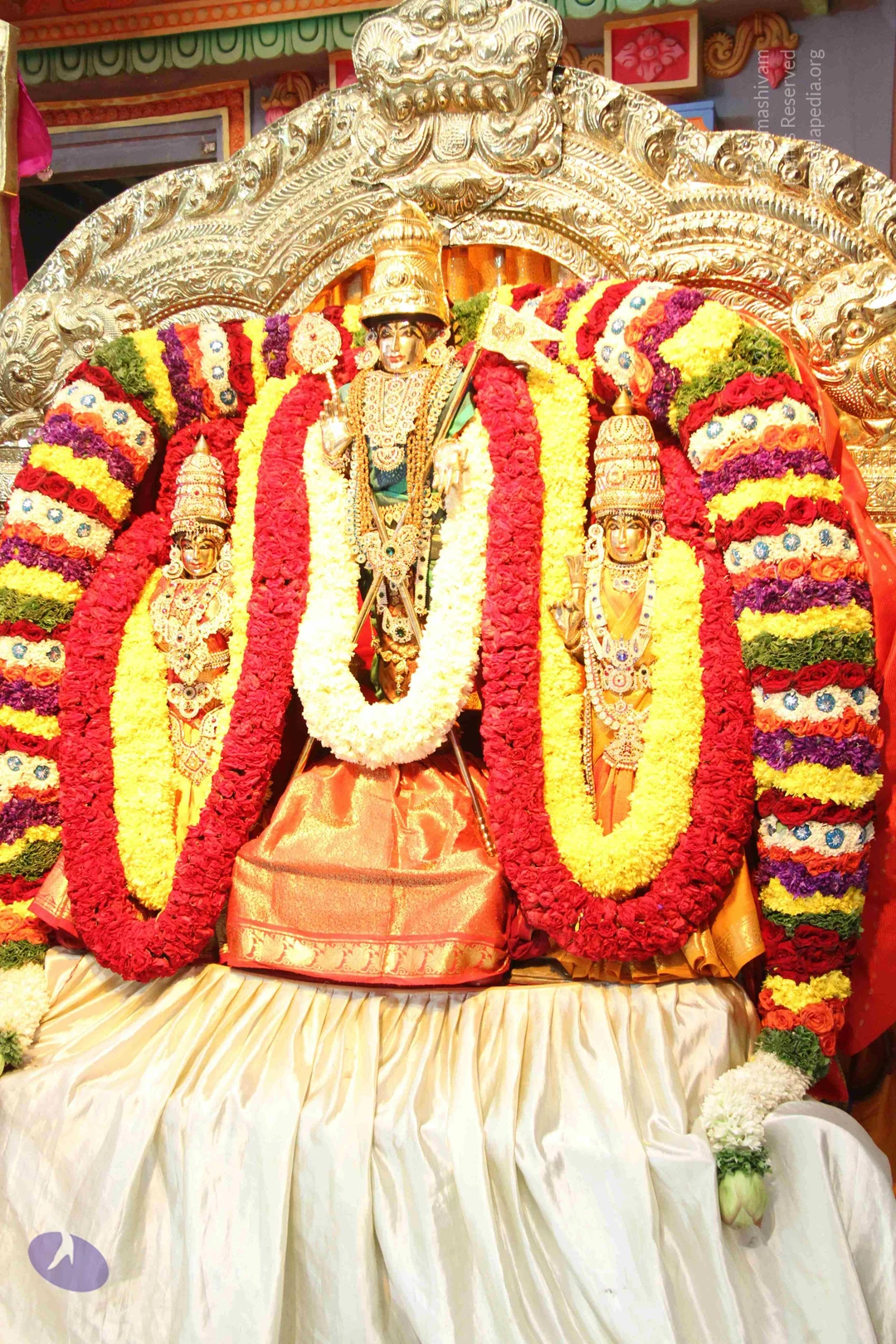
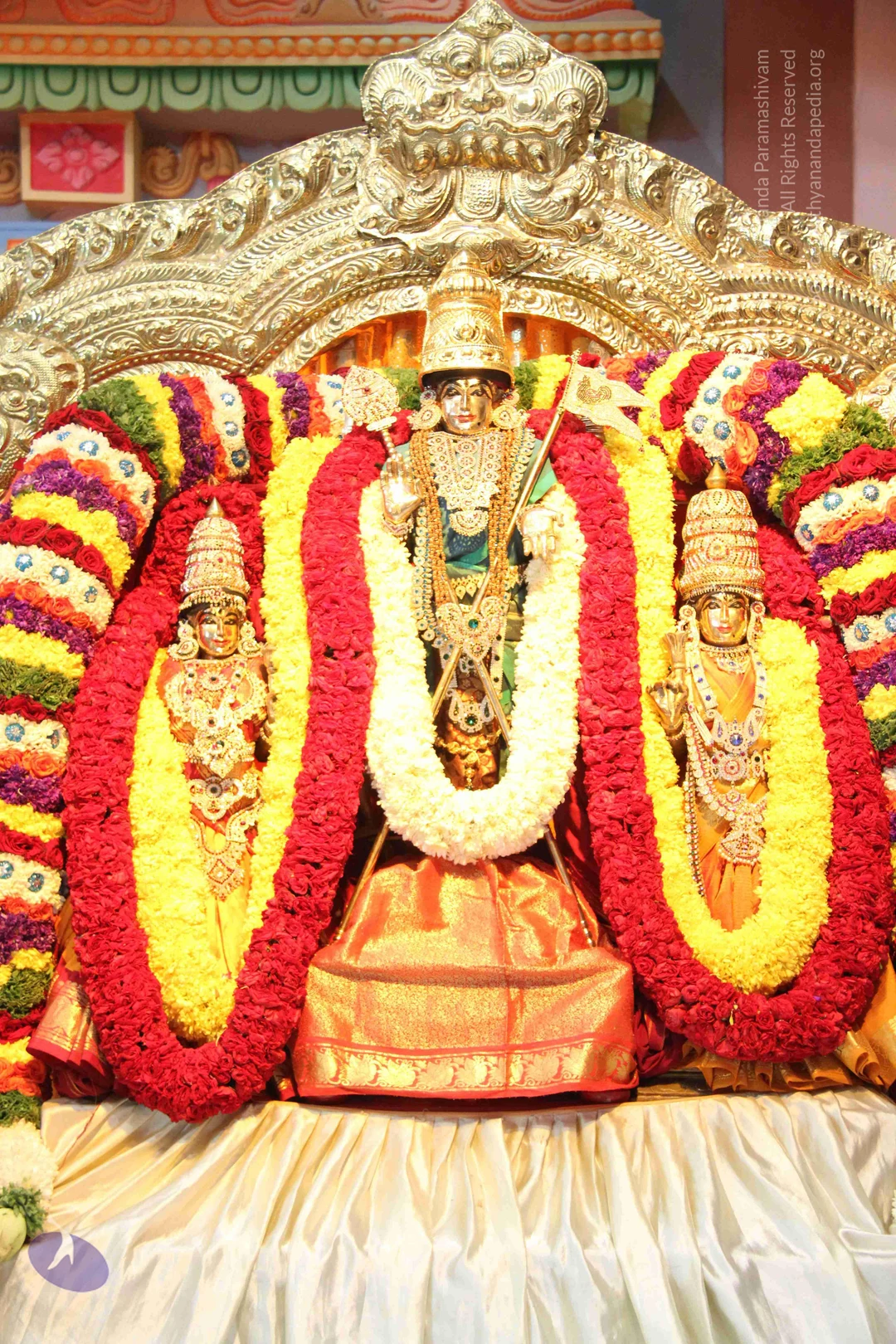
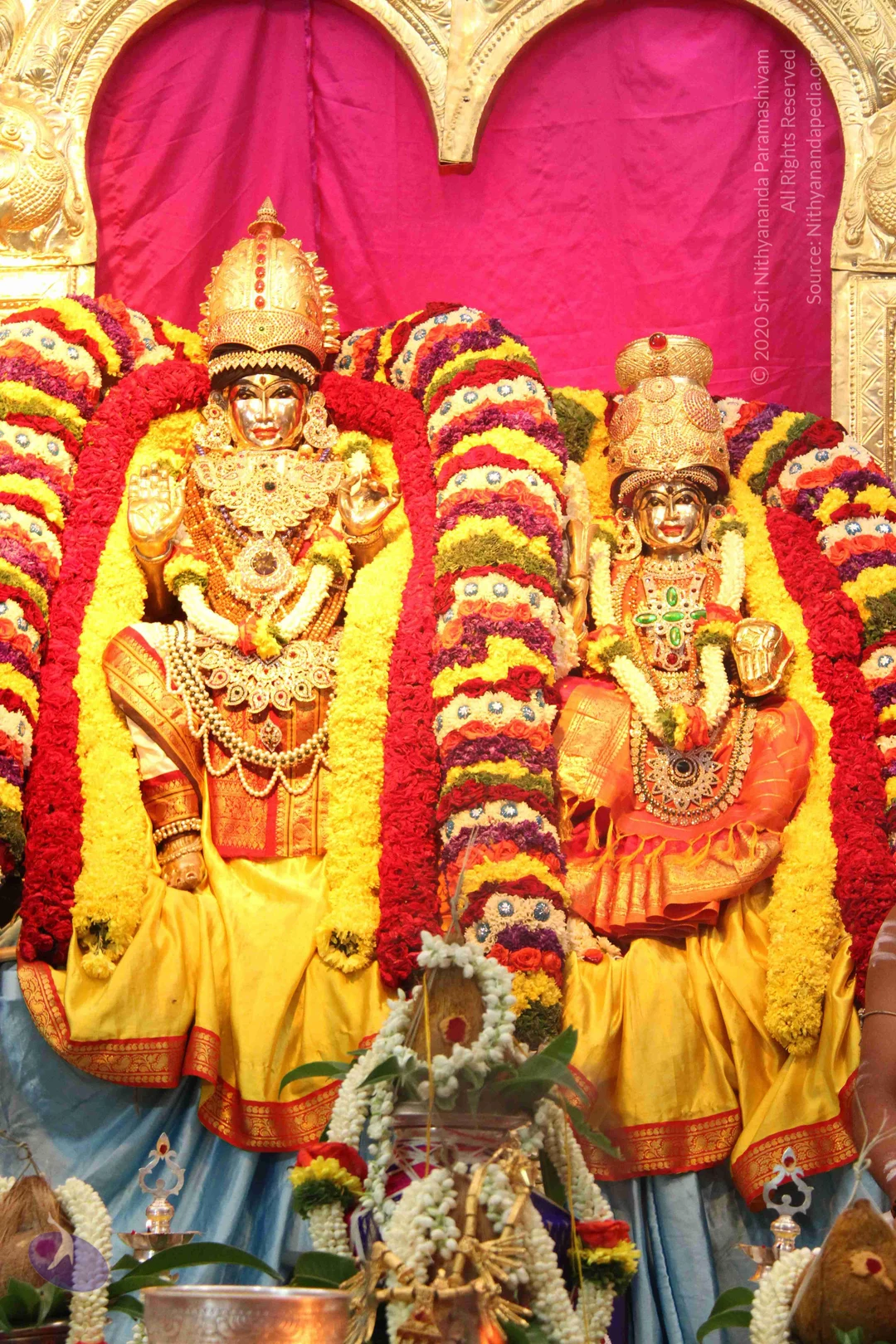
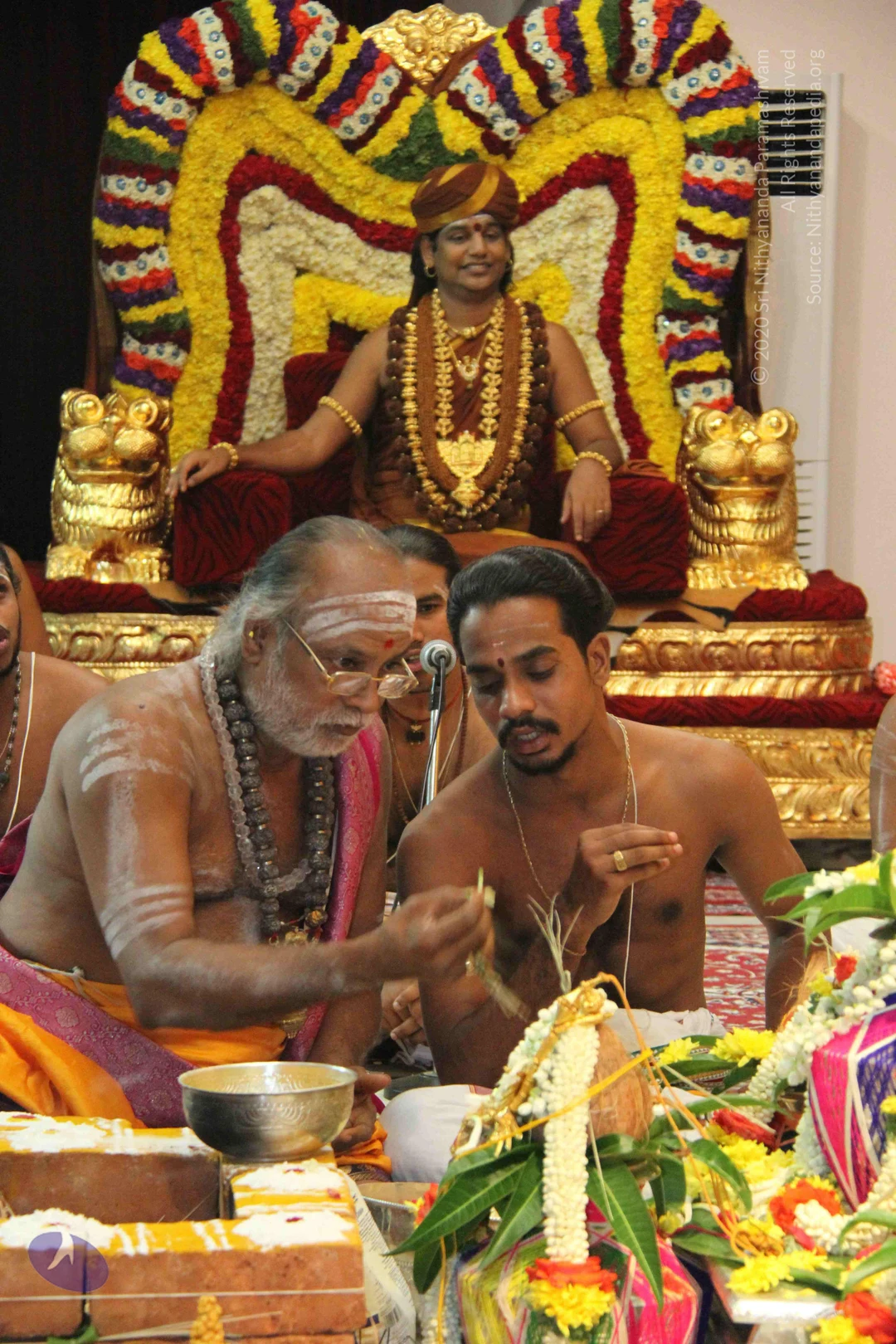
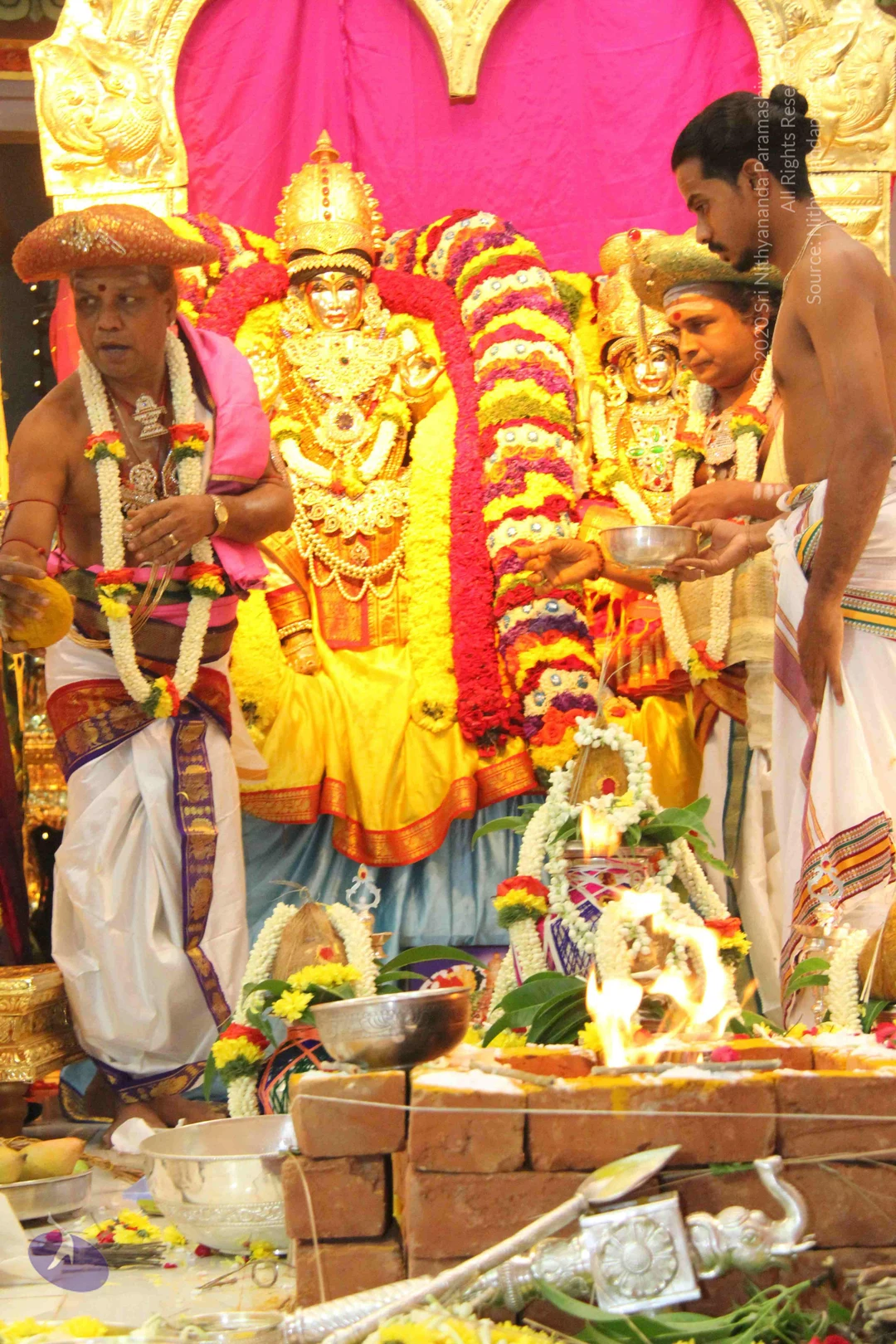
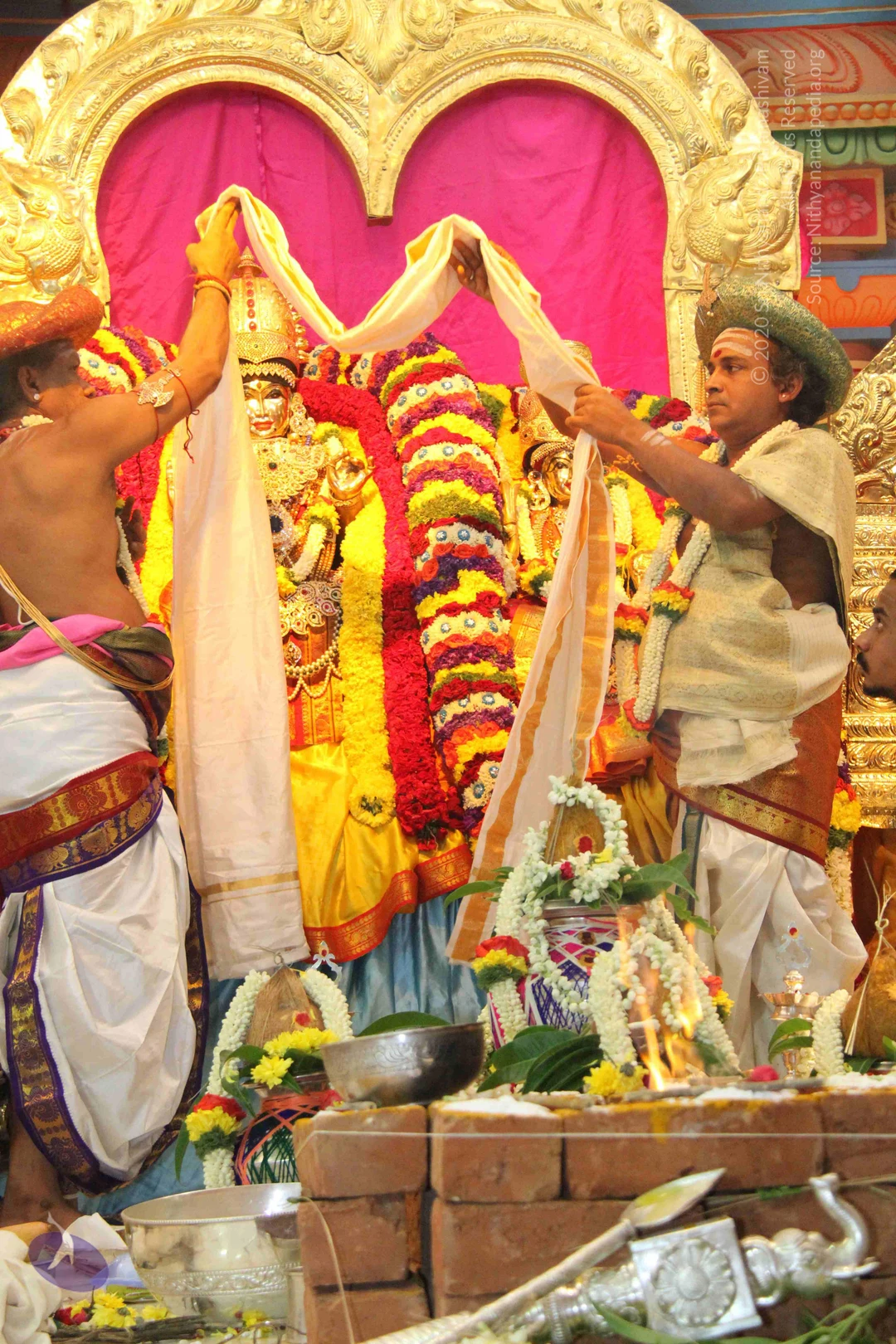
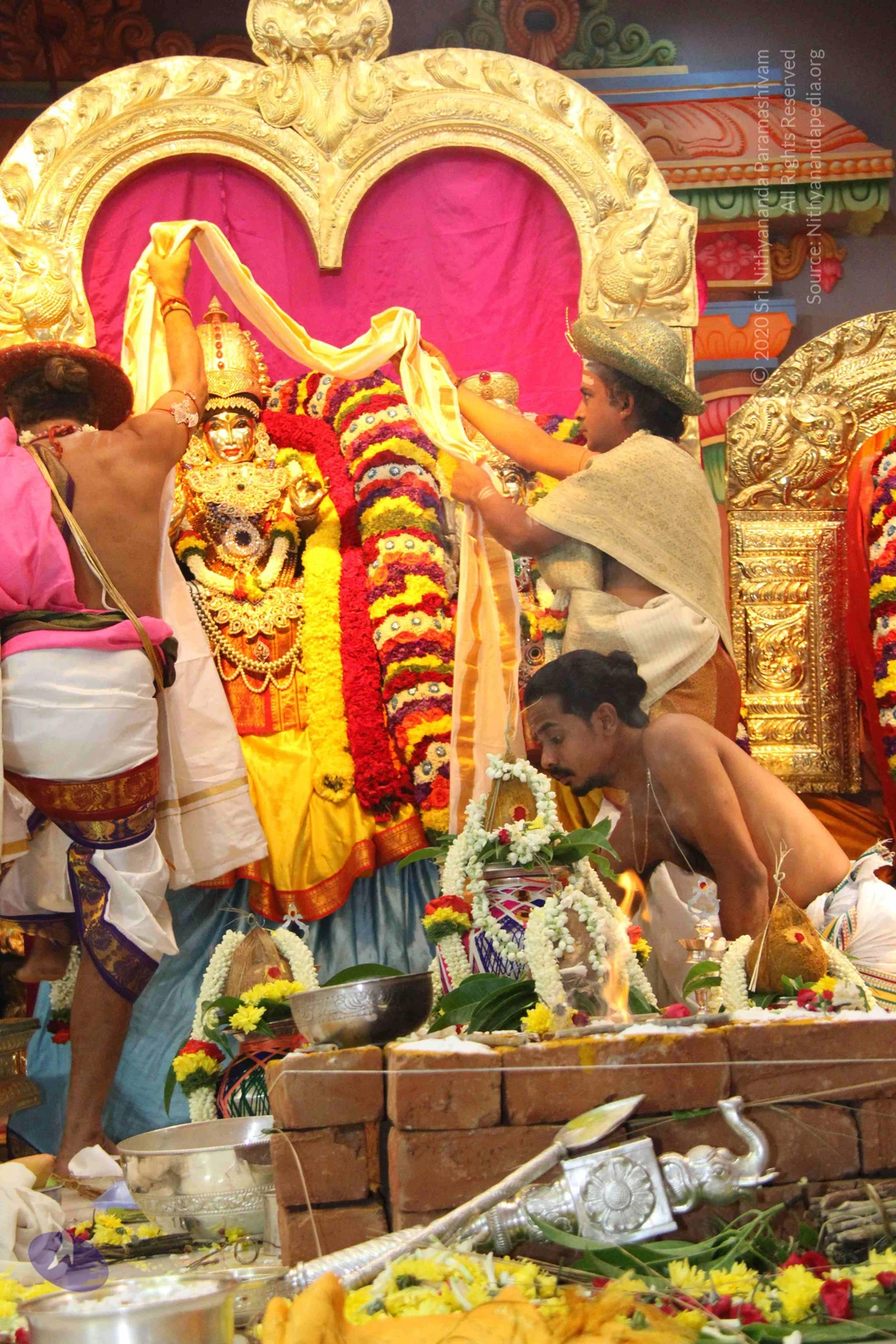
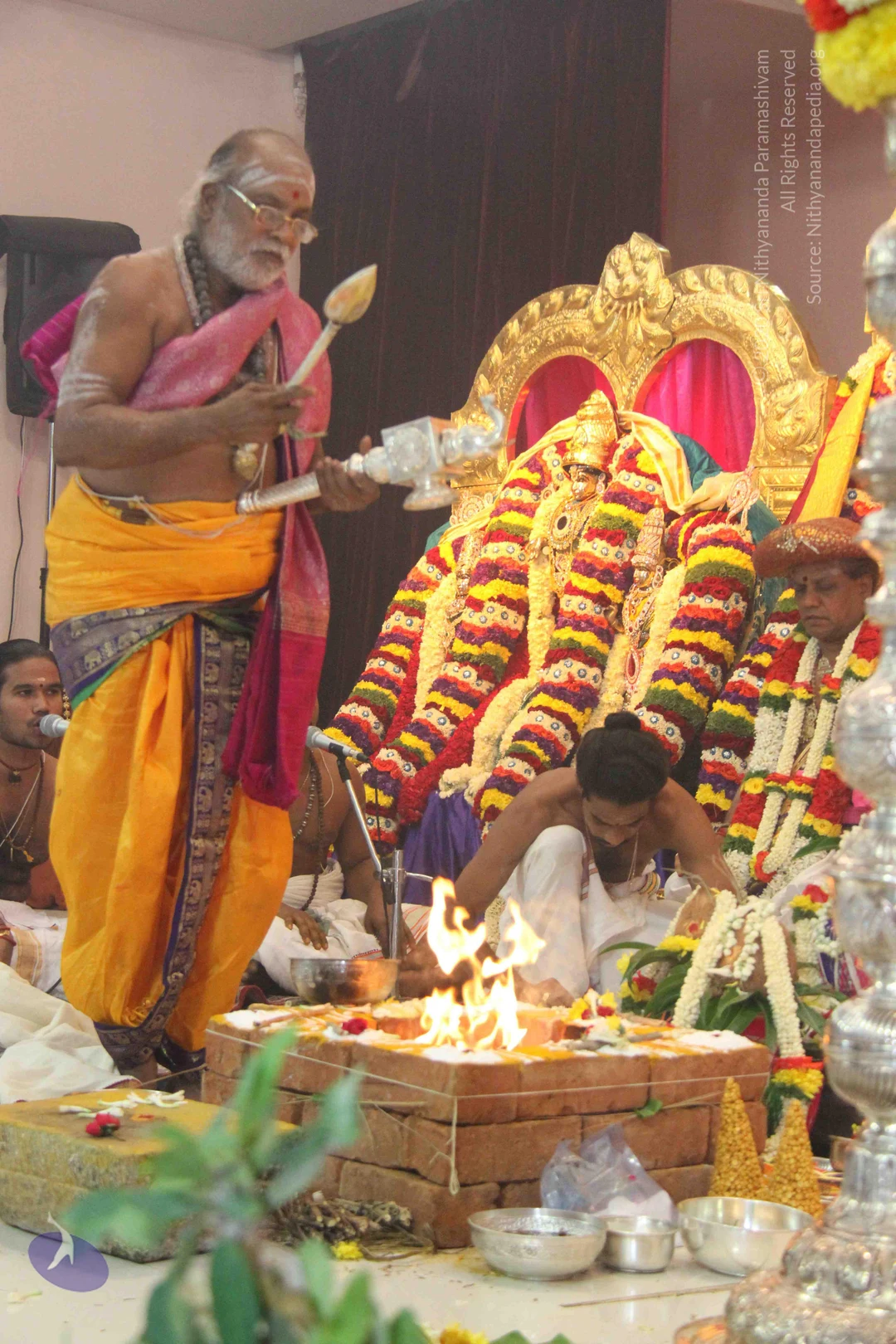
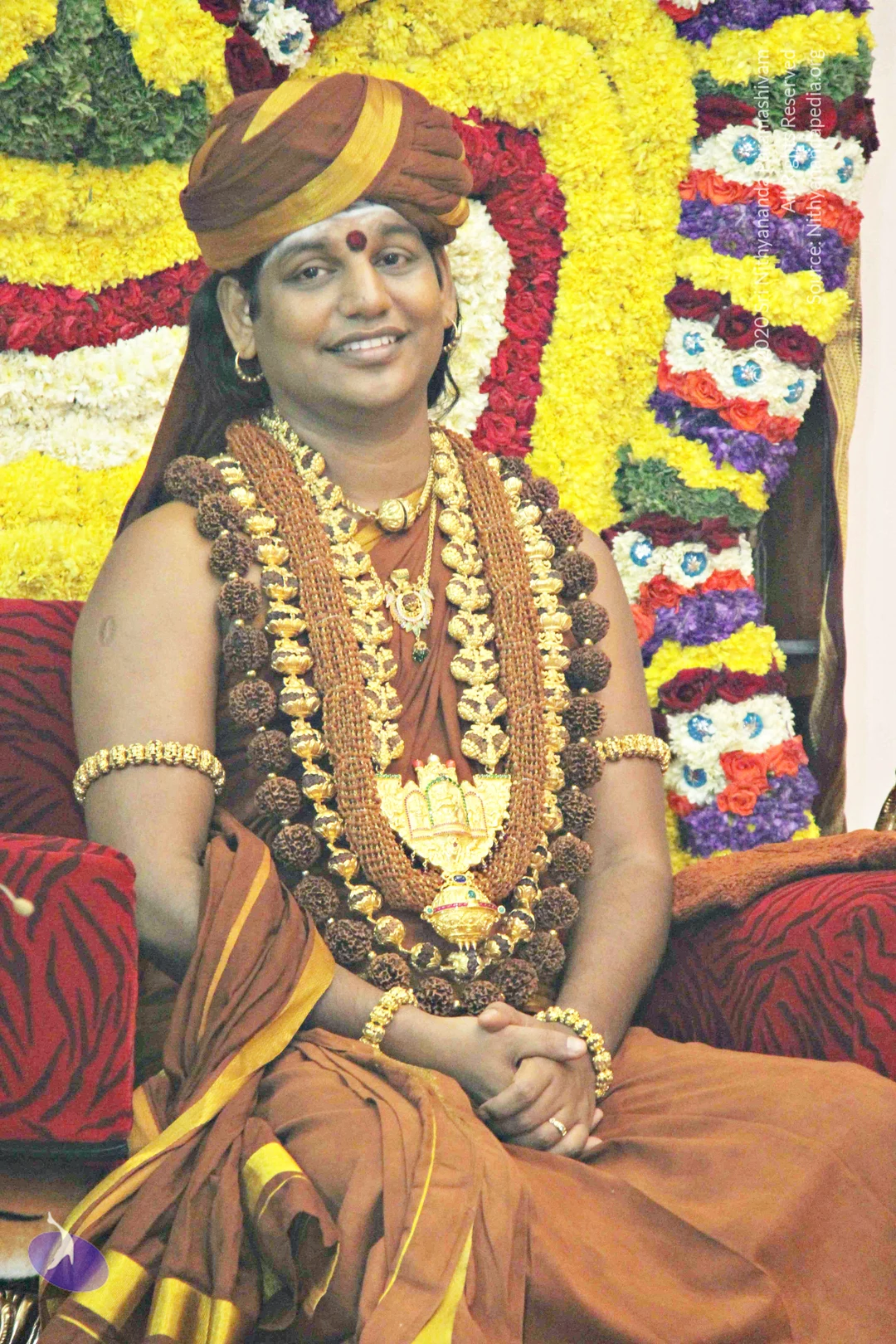
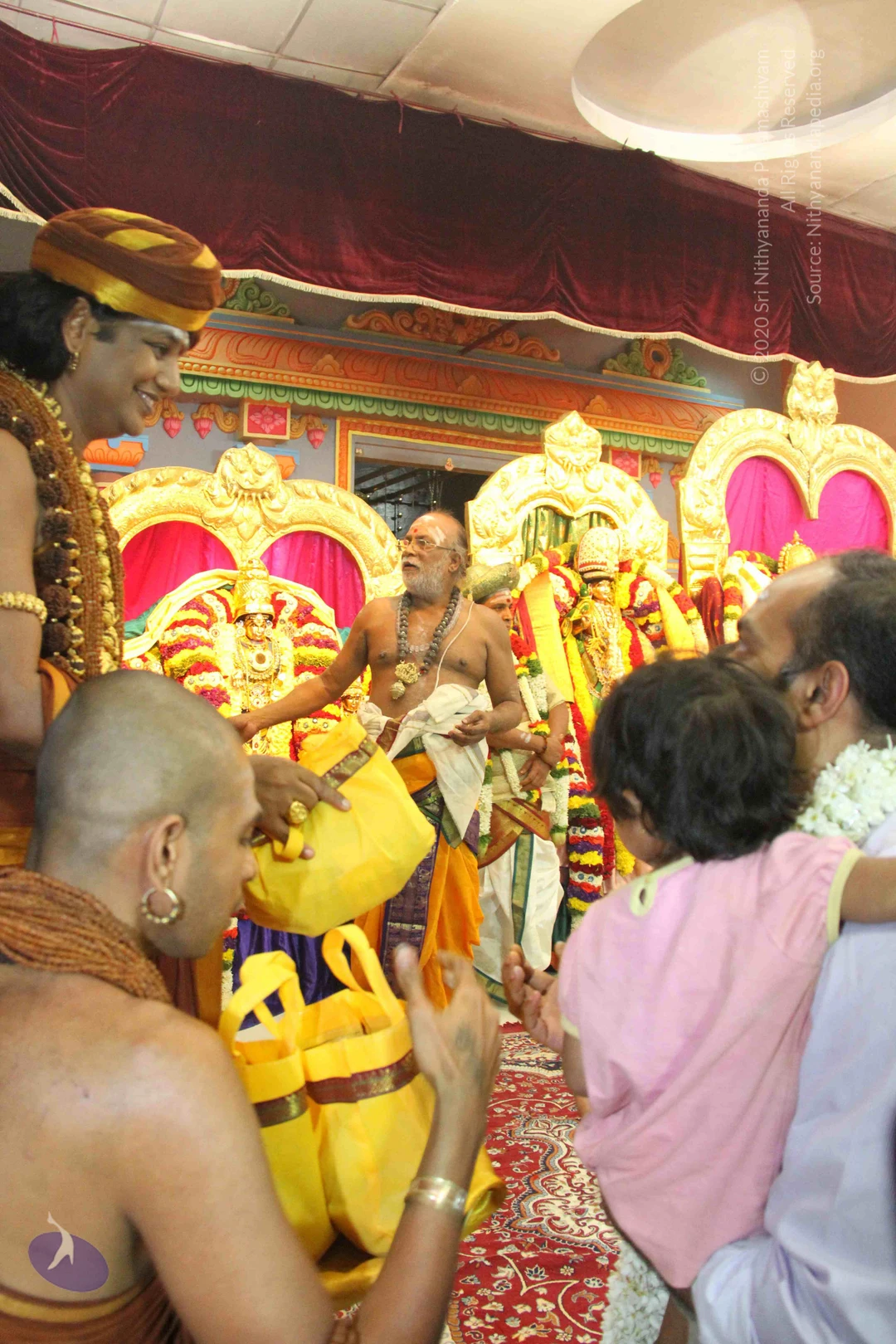
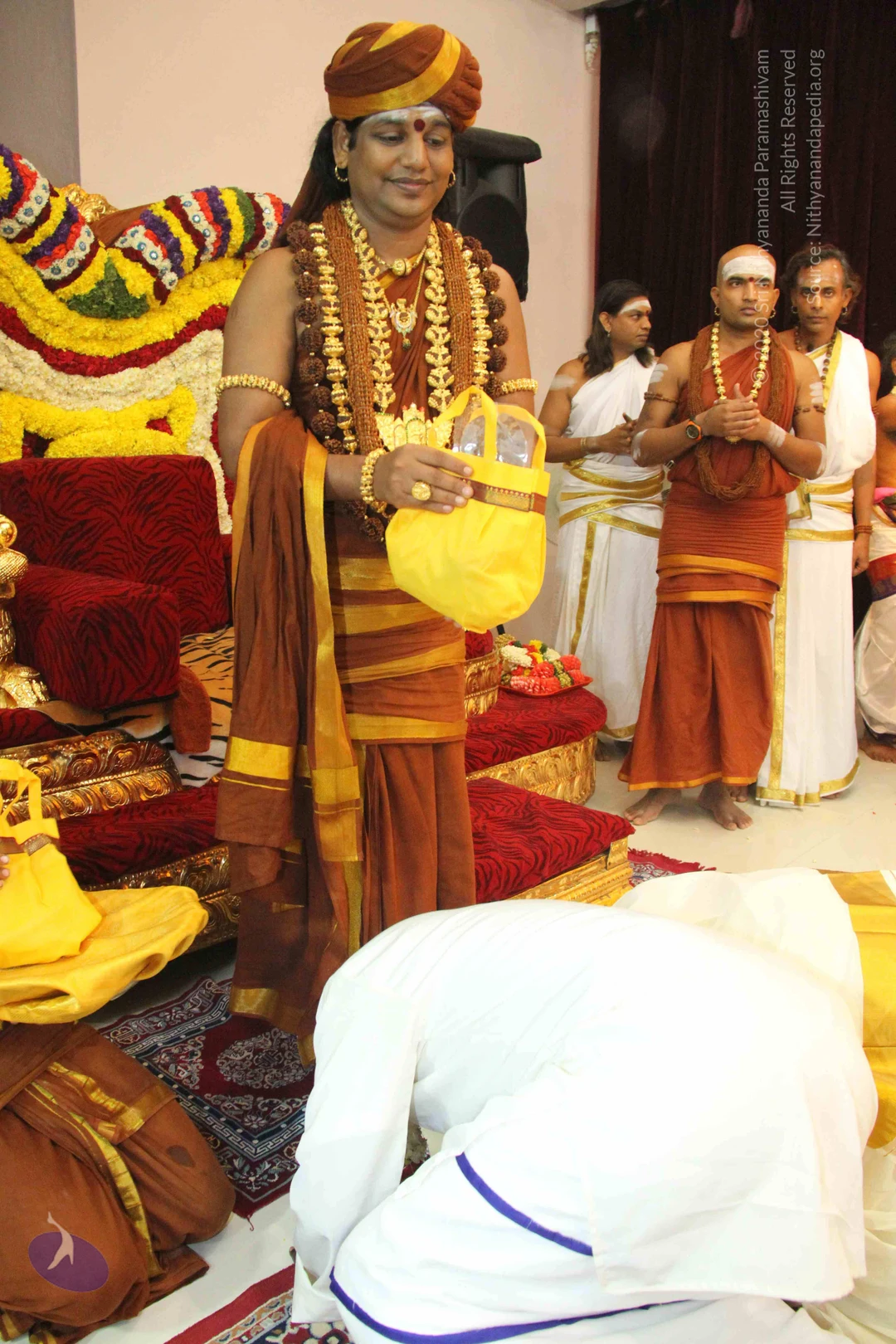
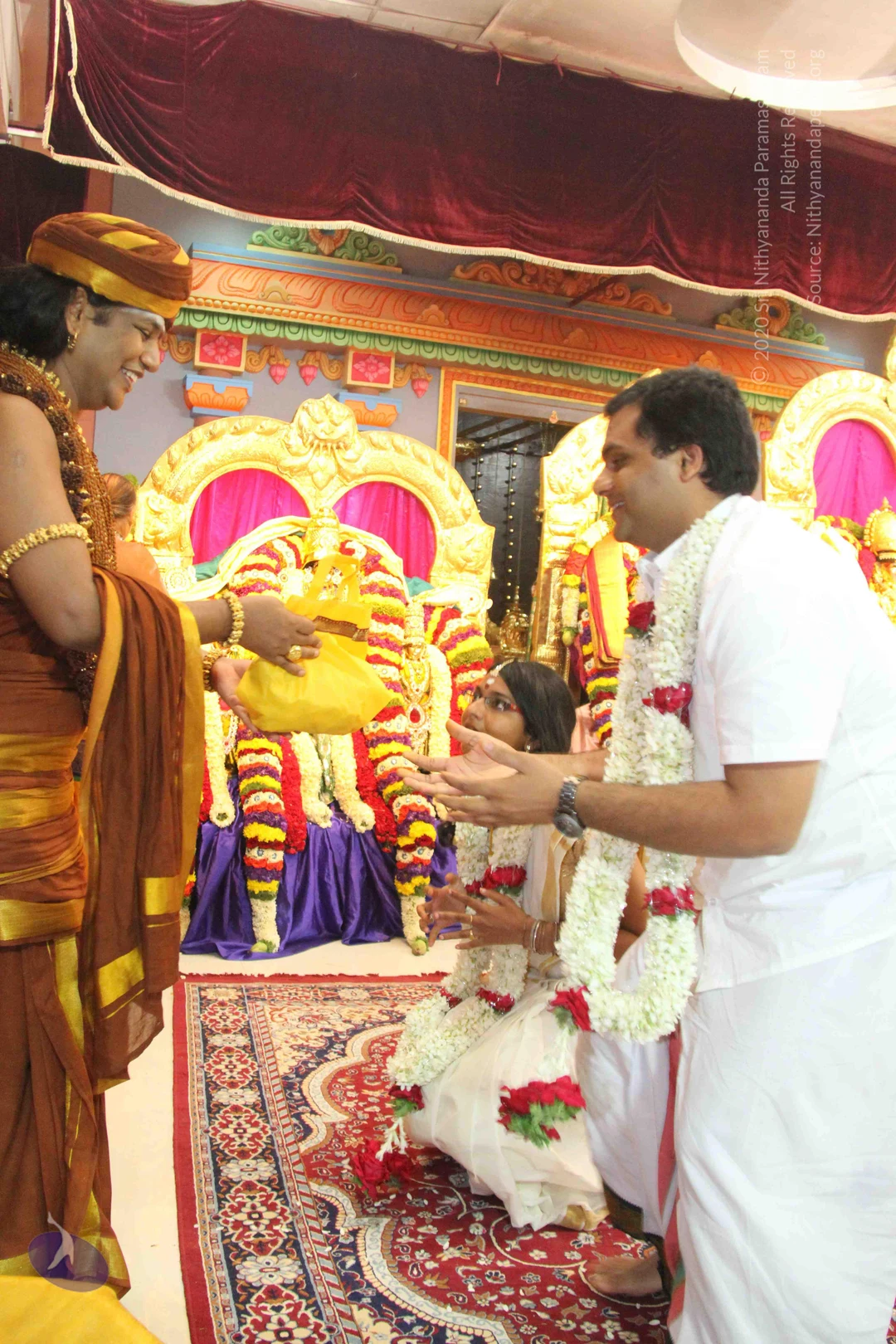
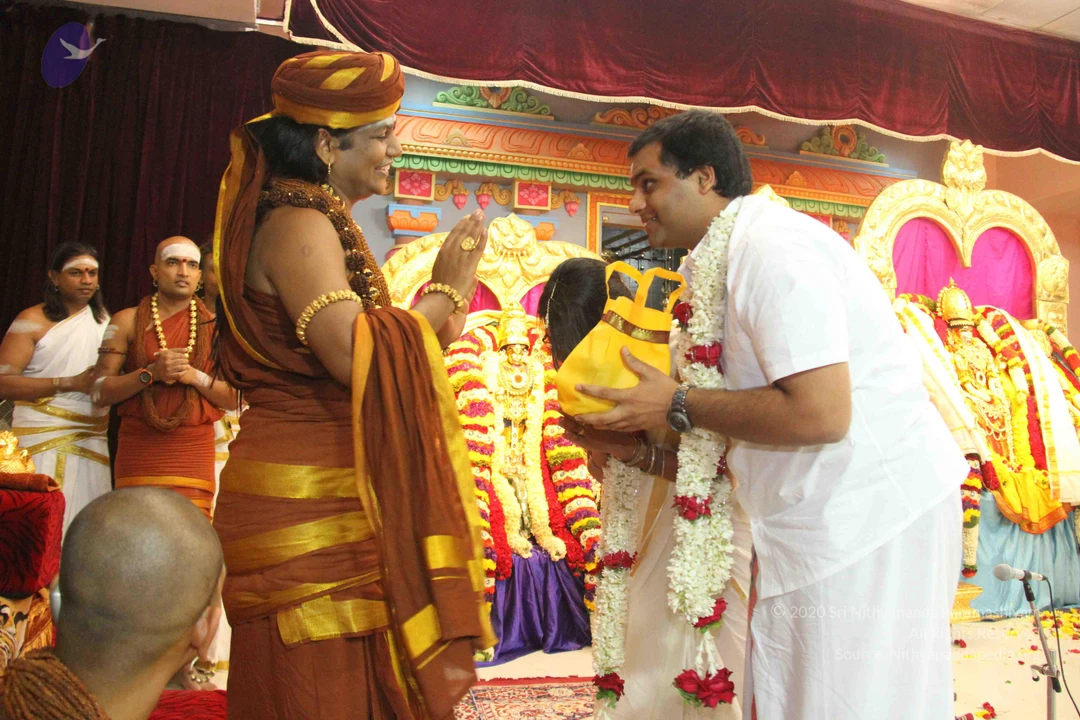
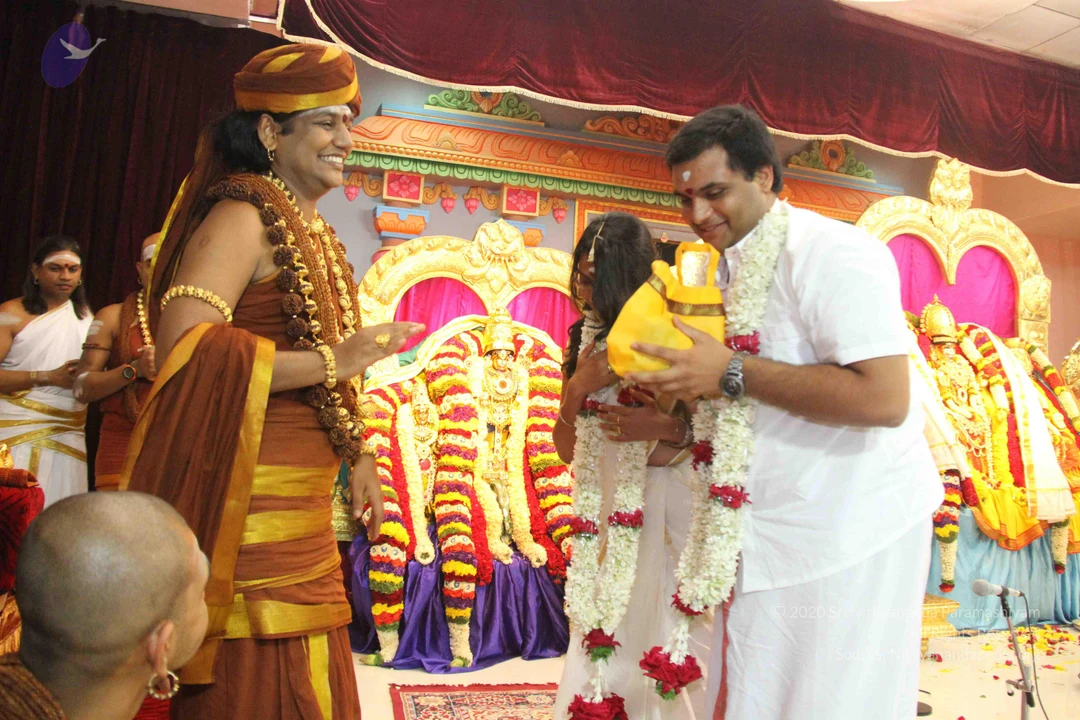
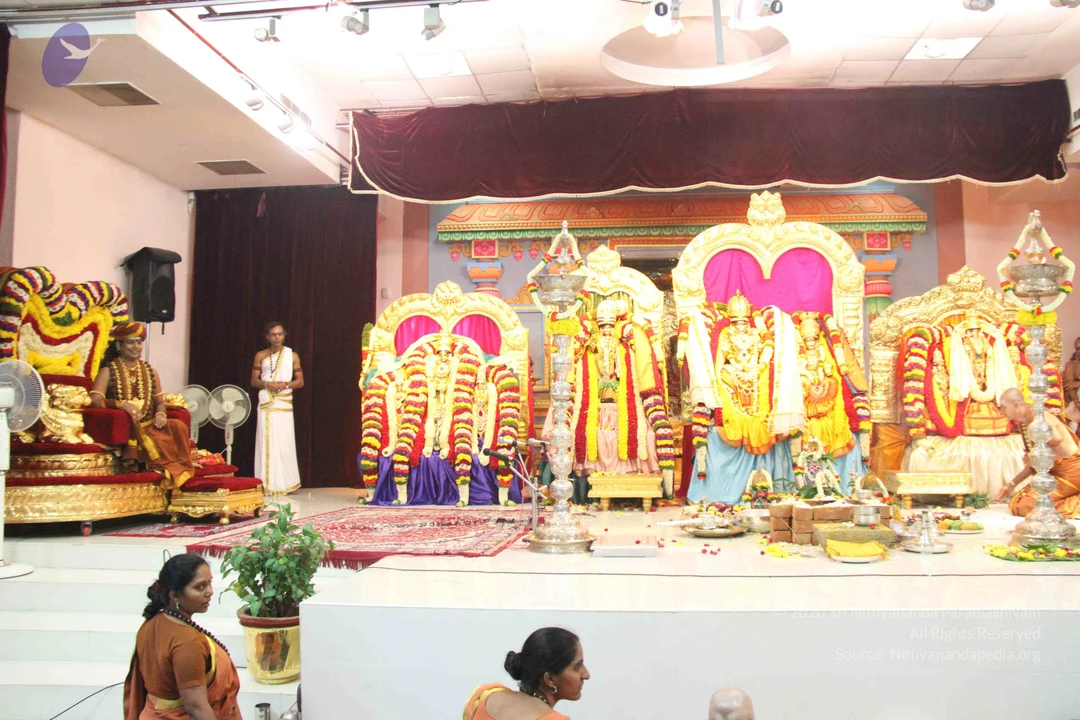
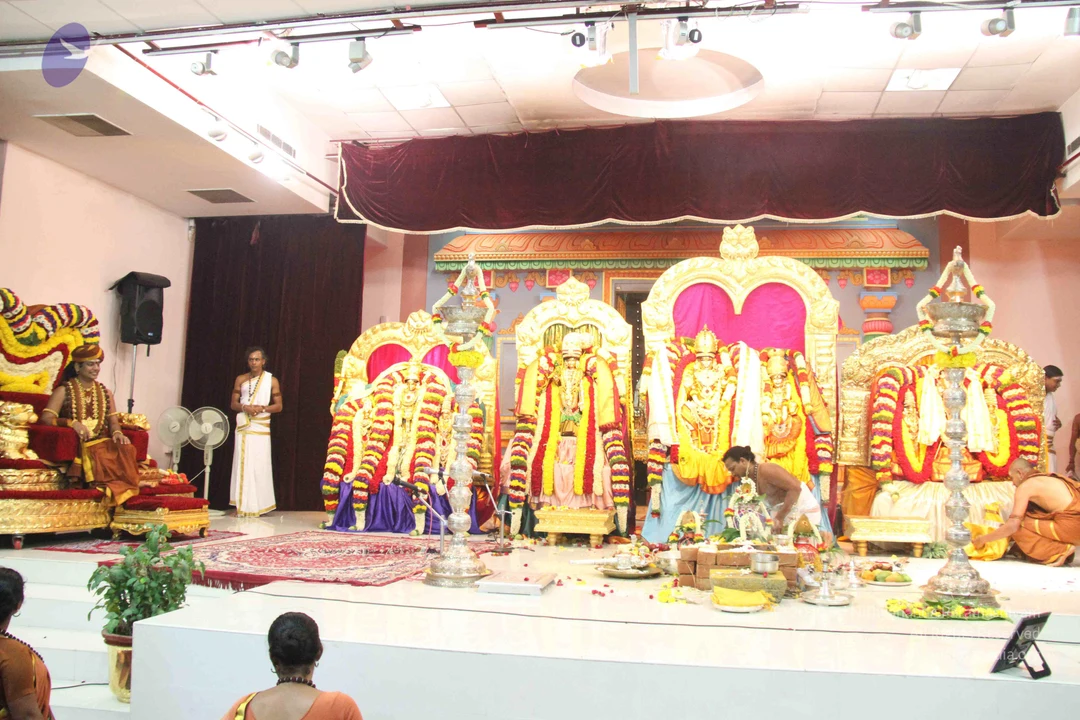
04-MEENAKSHI-THIRUKALYANAM
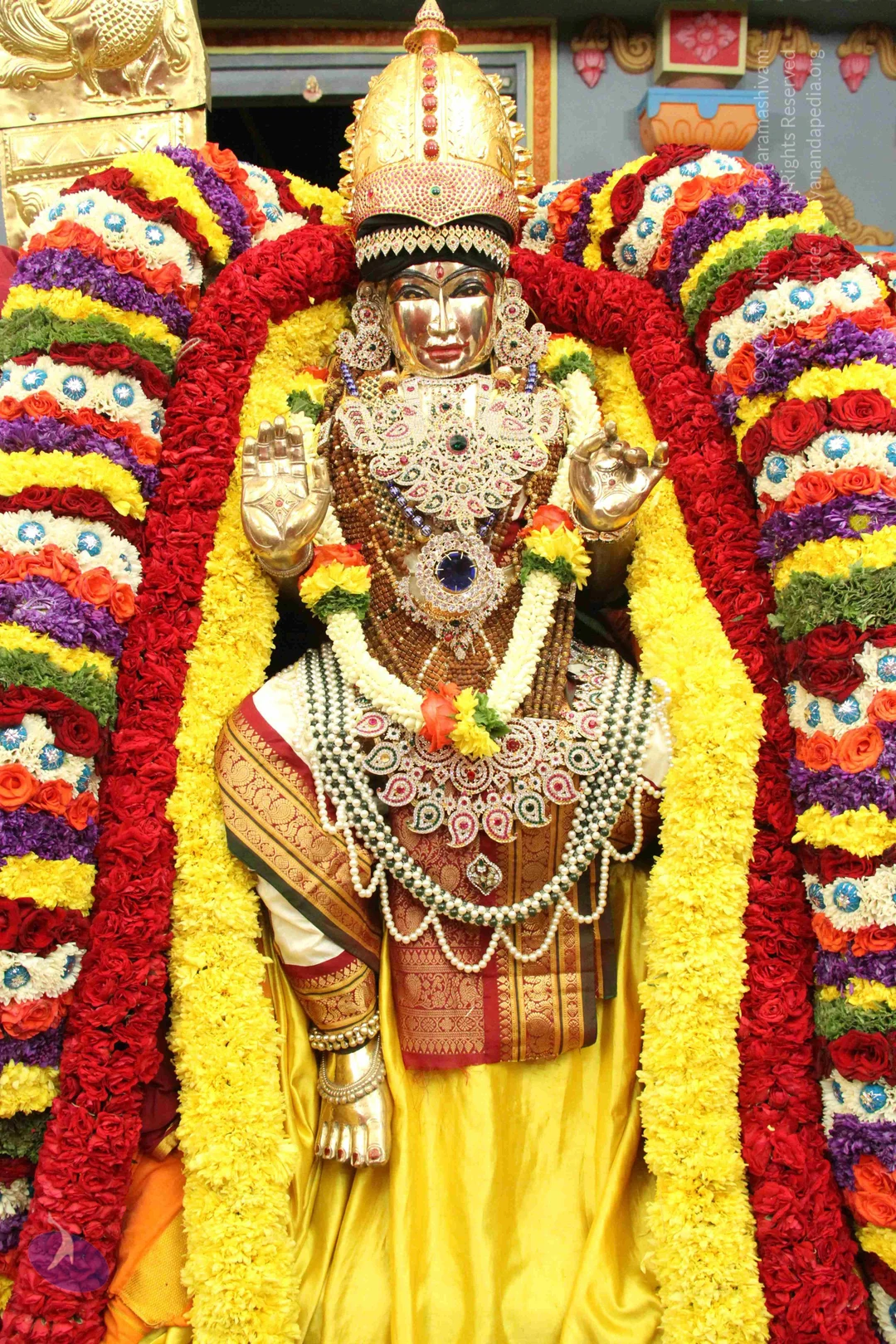
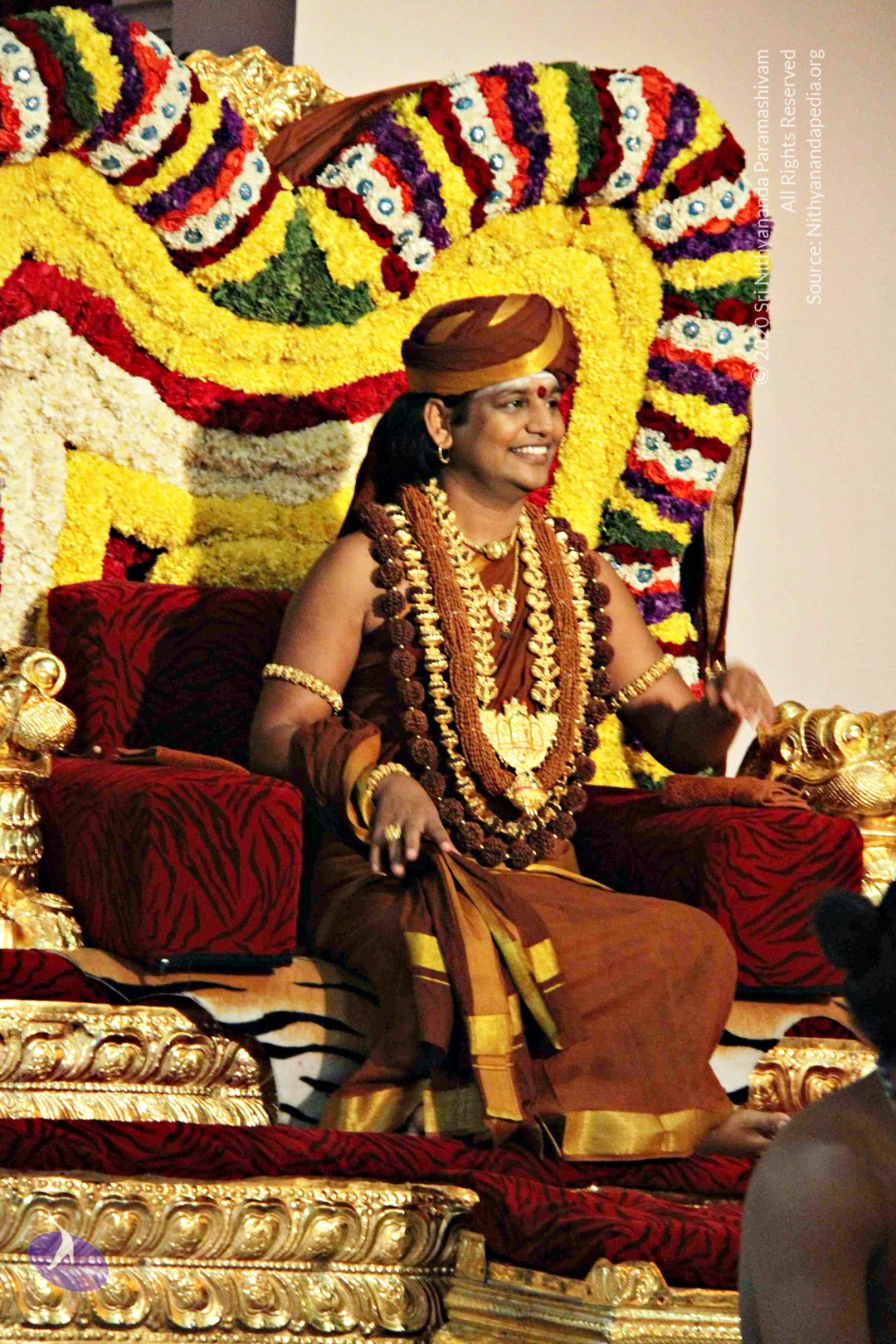
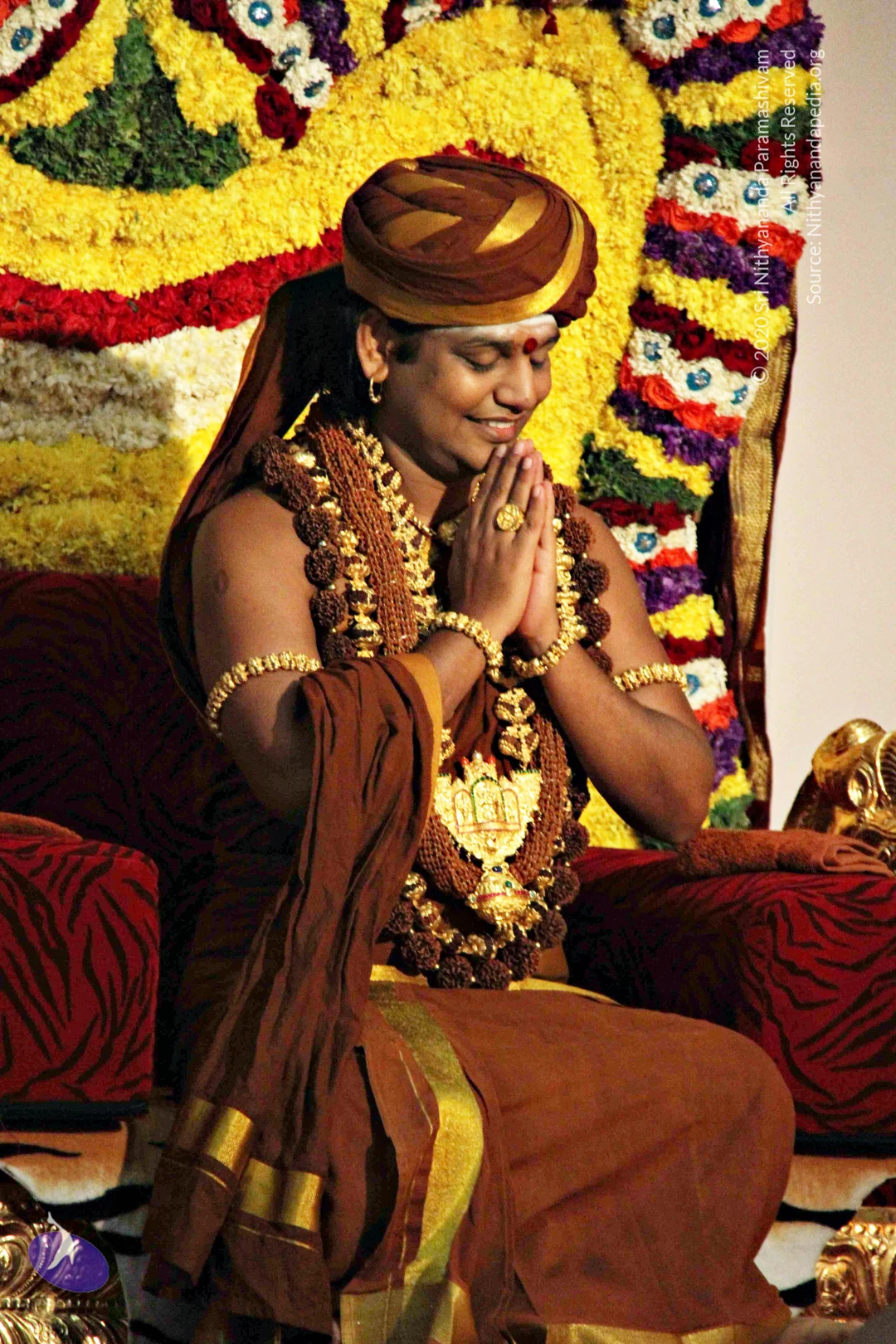
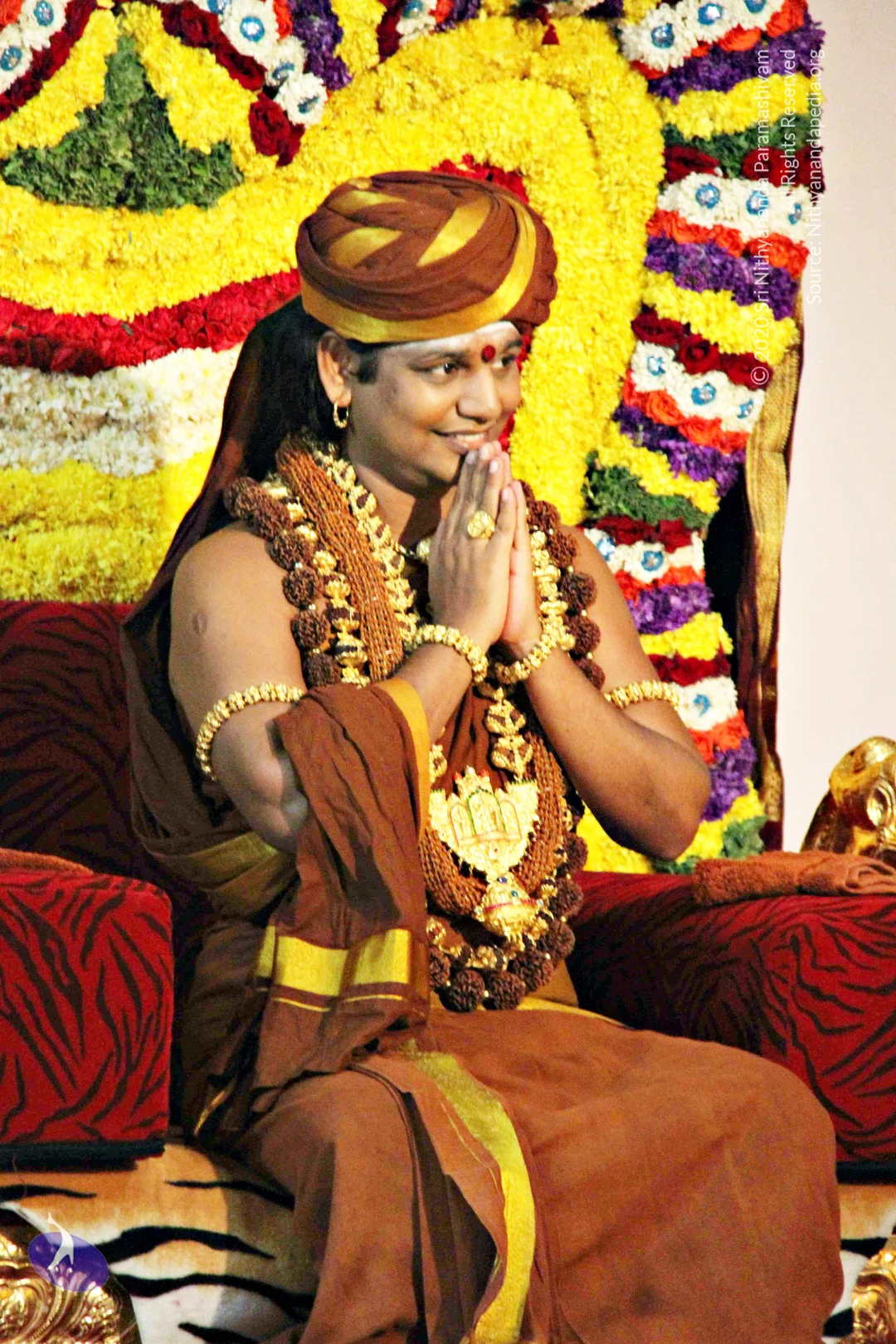
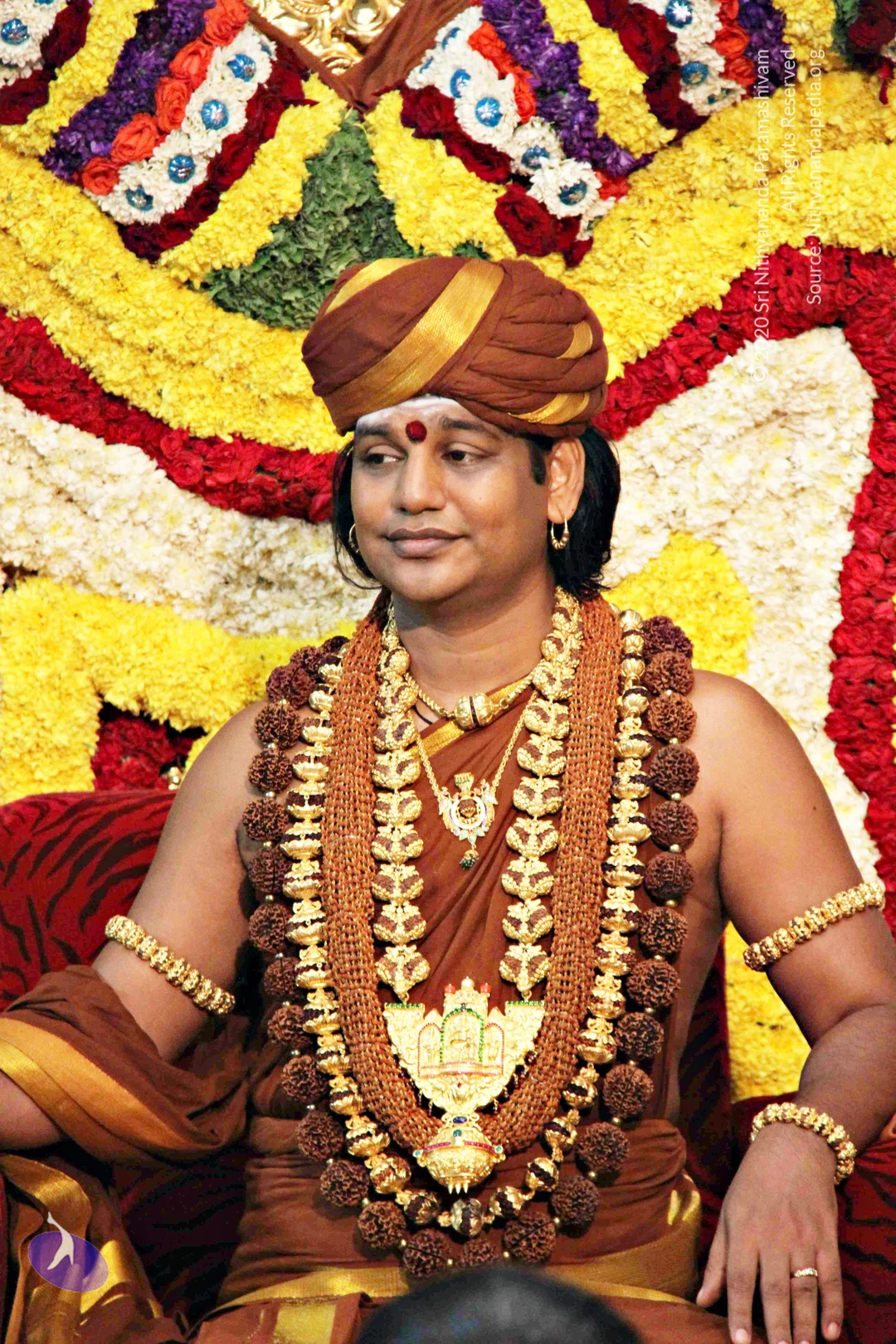
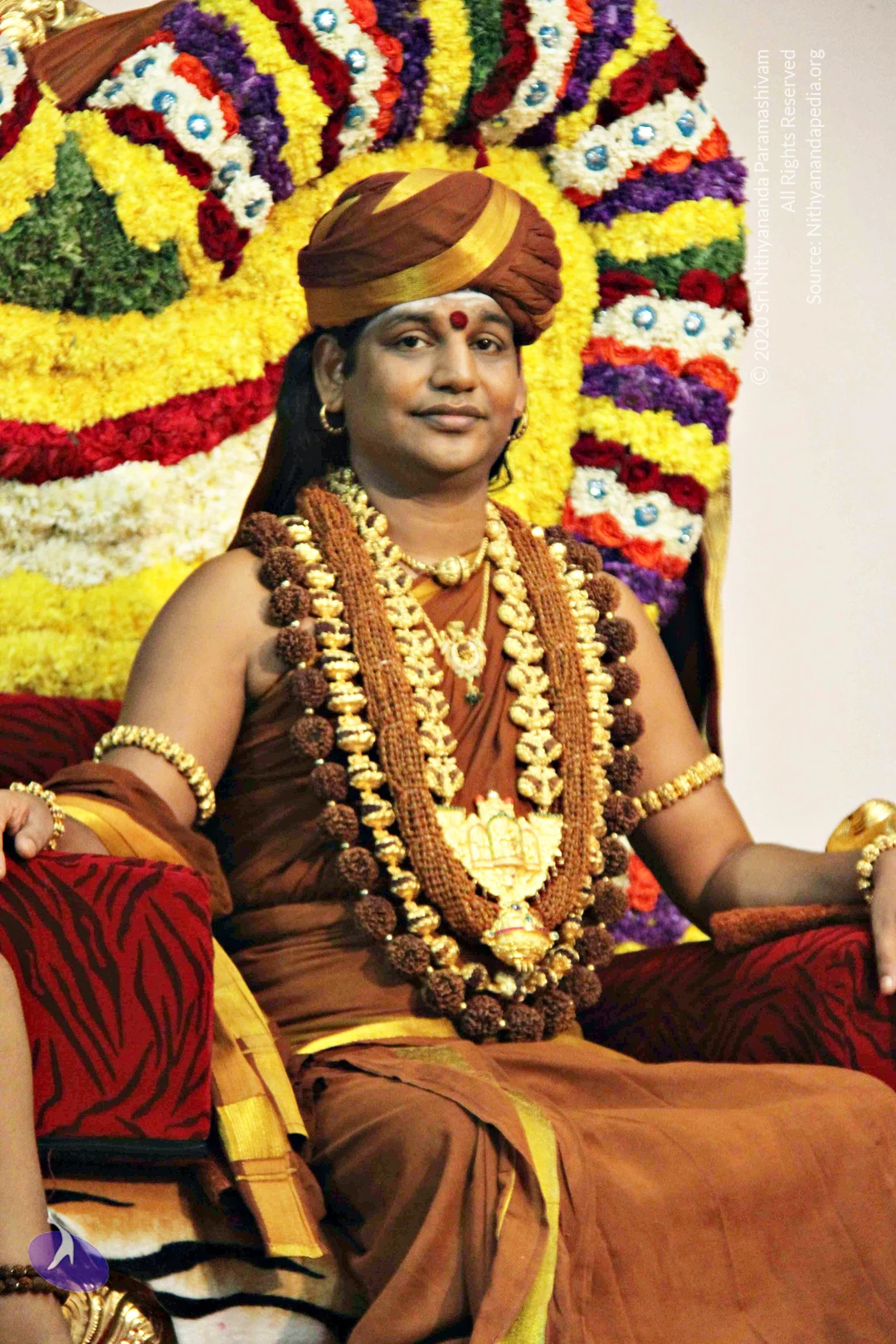
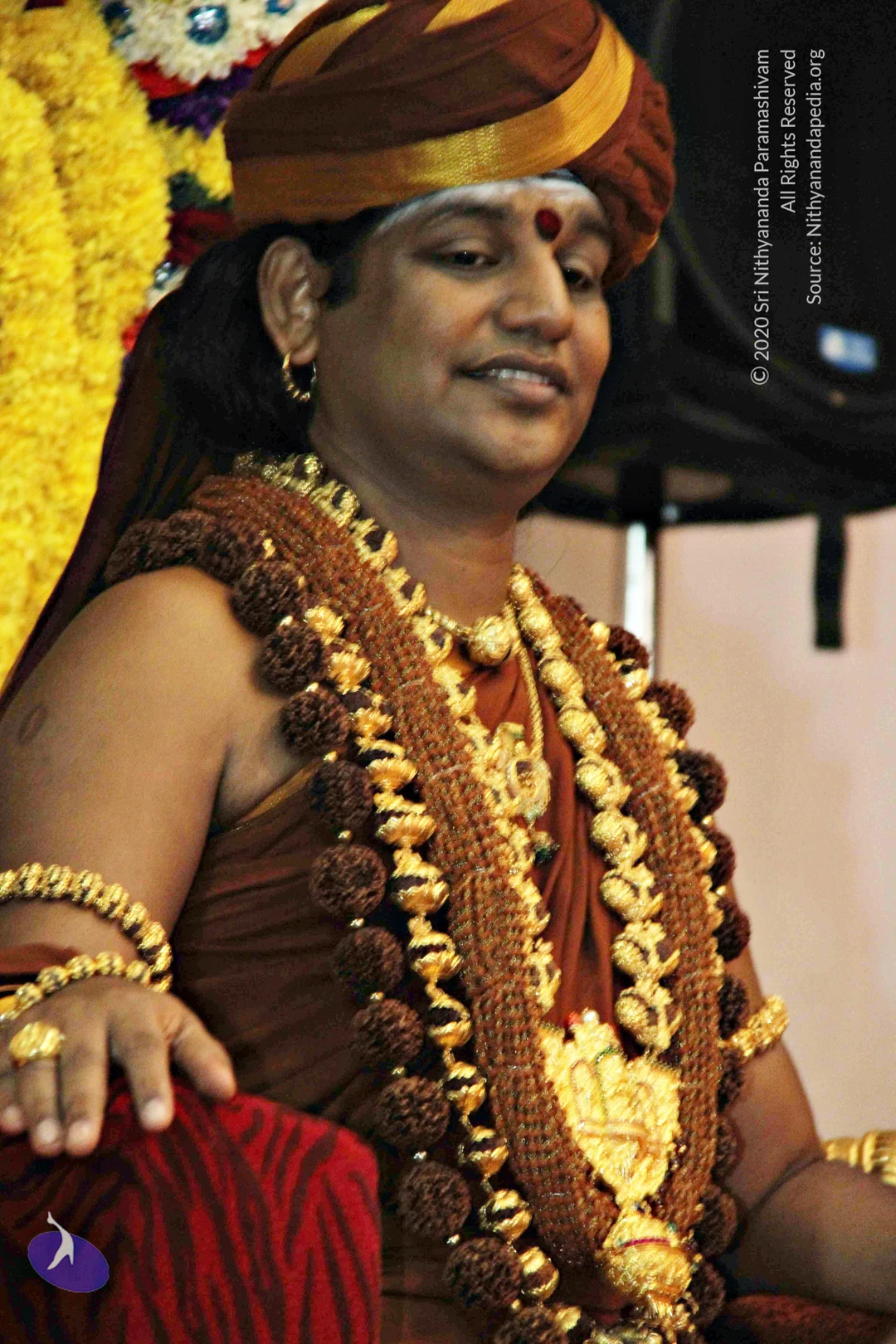
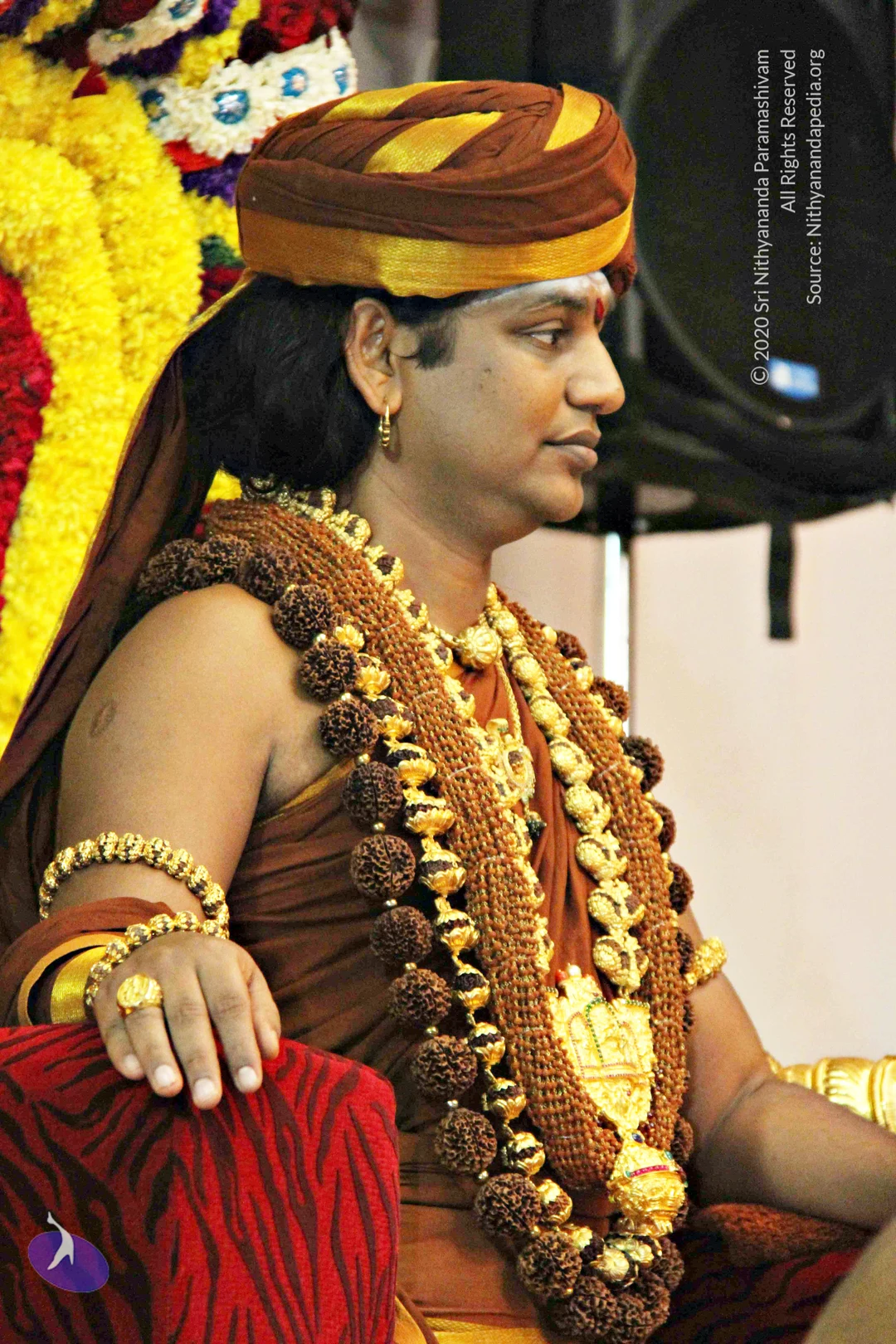
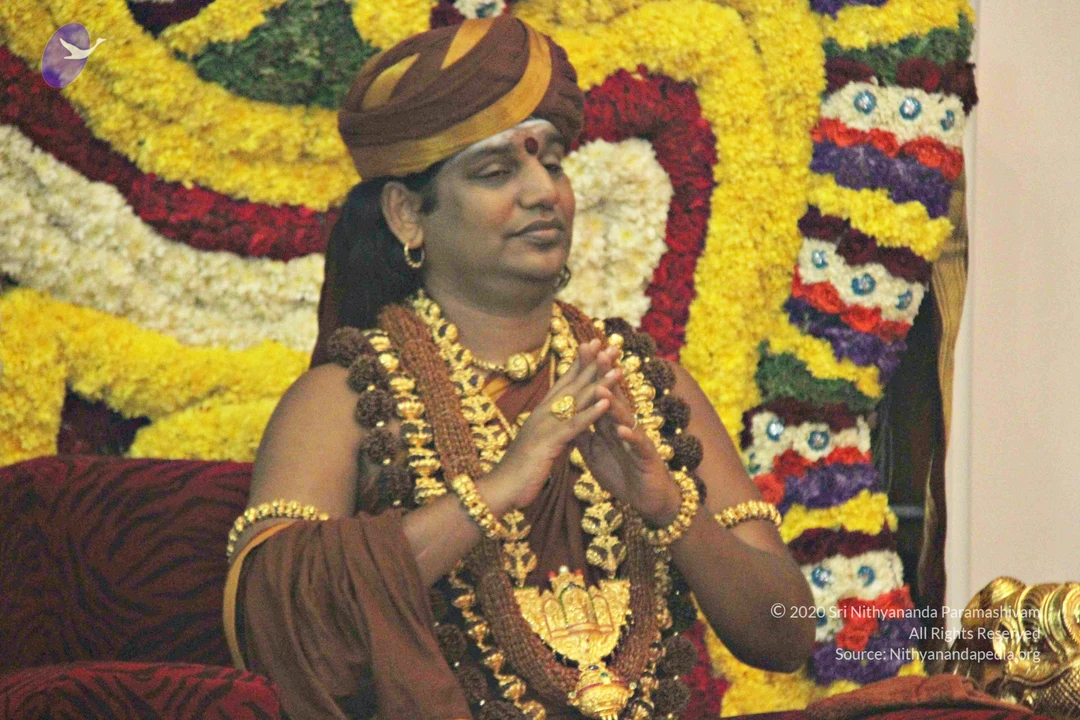
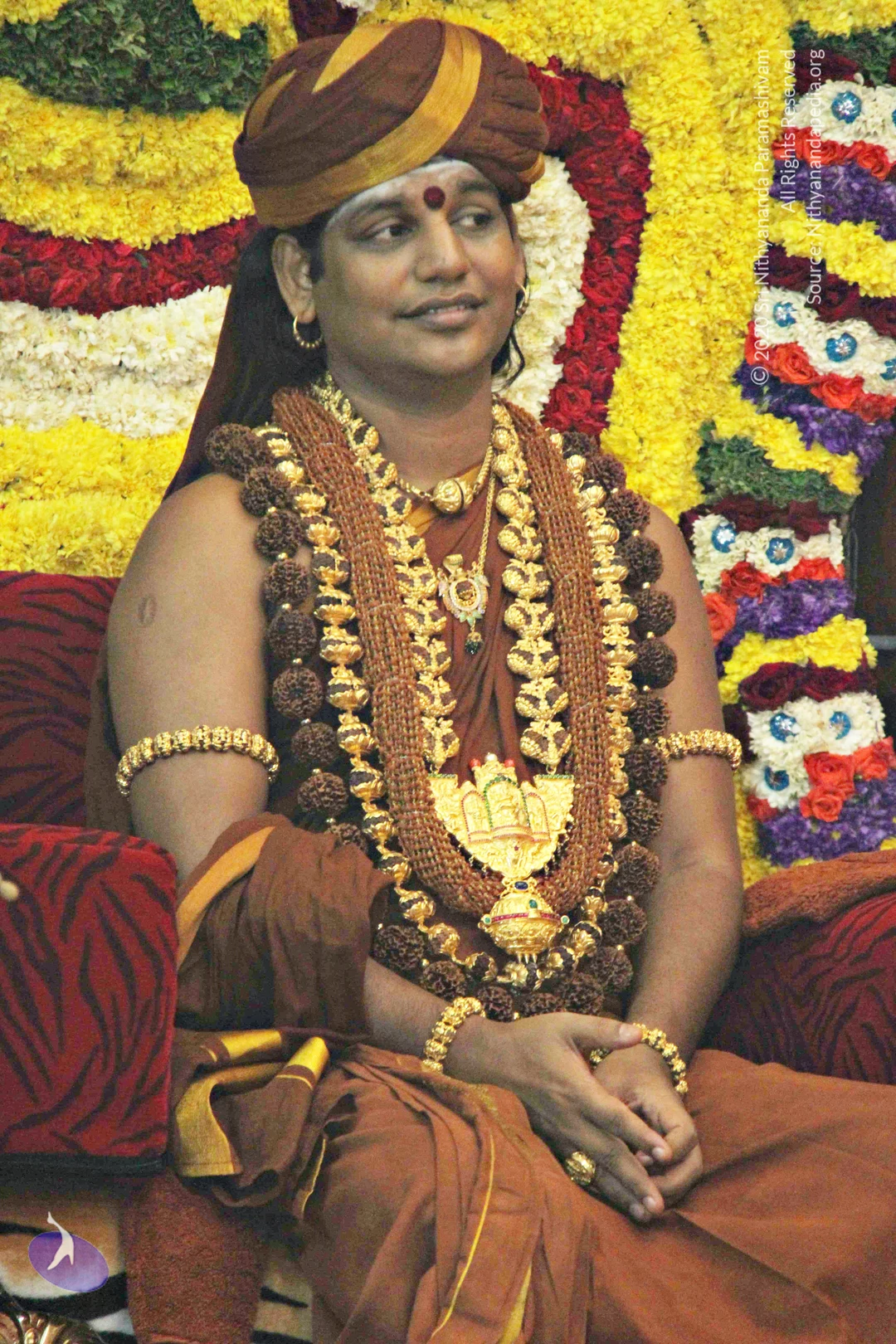
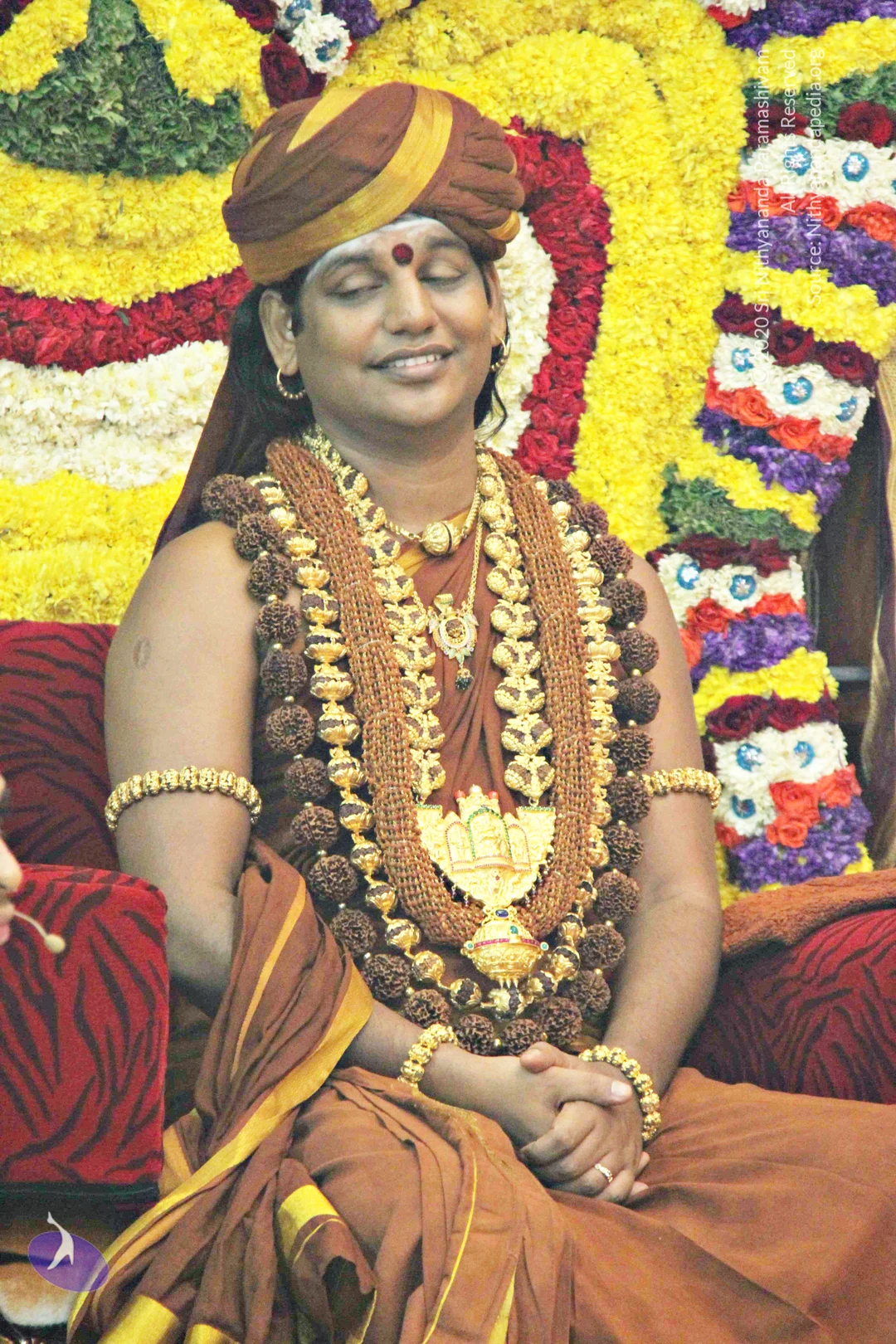
05-THANTHI-TV-DAY-4-SHOW
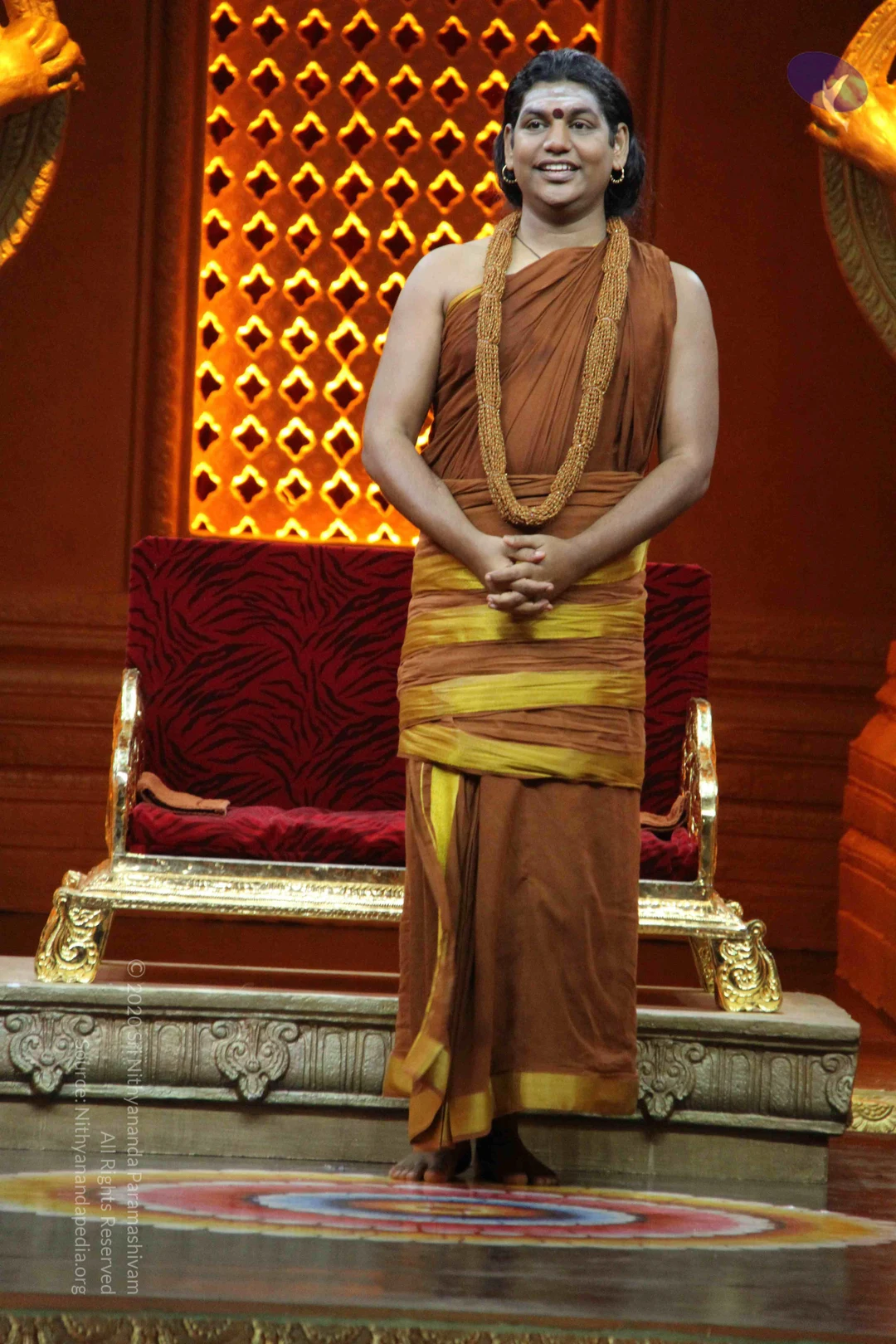
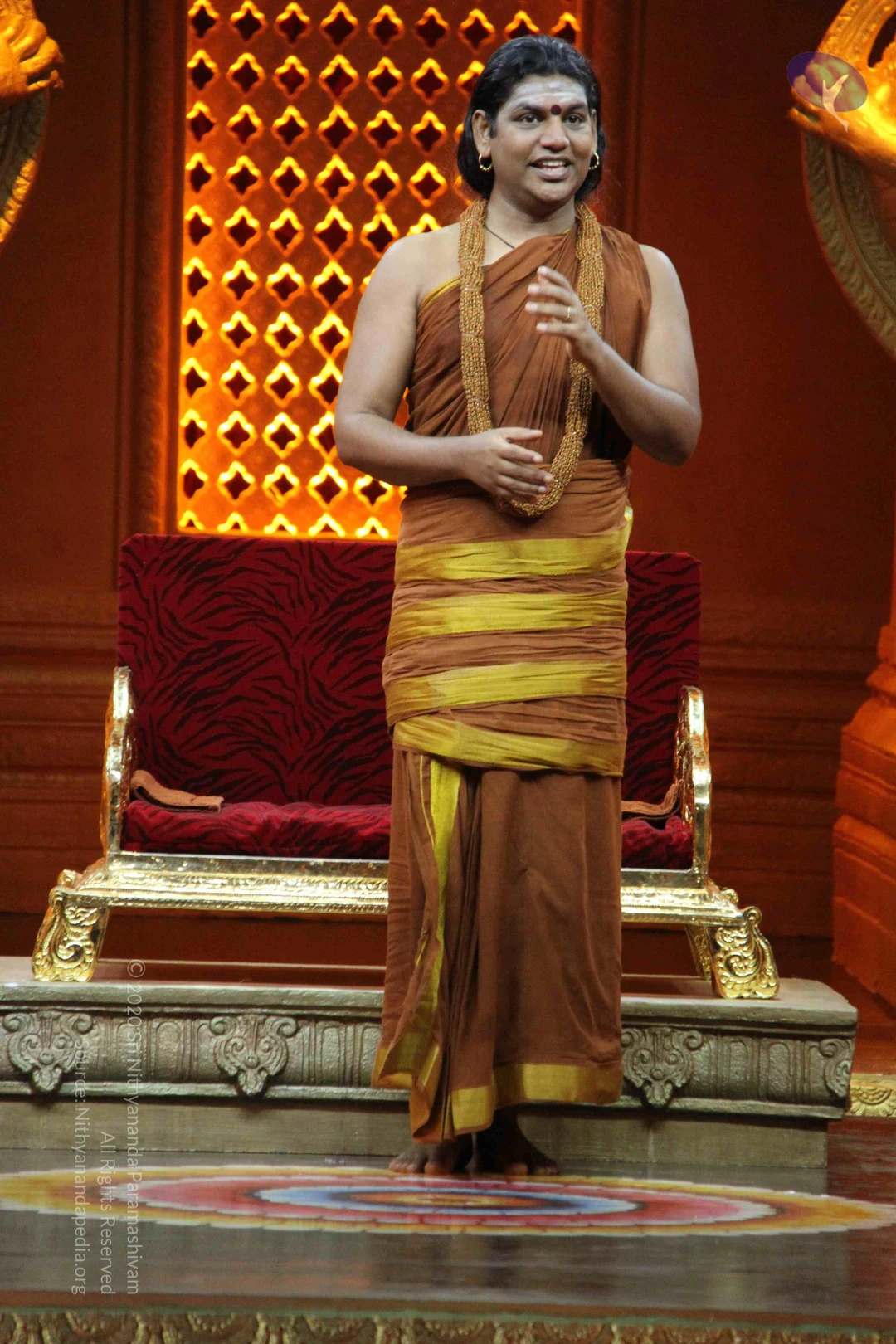
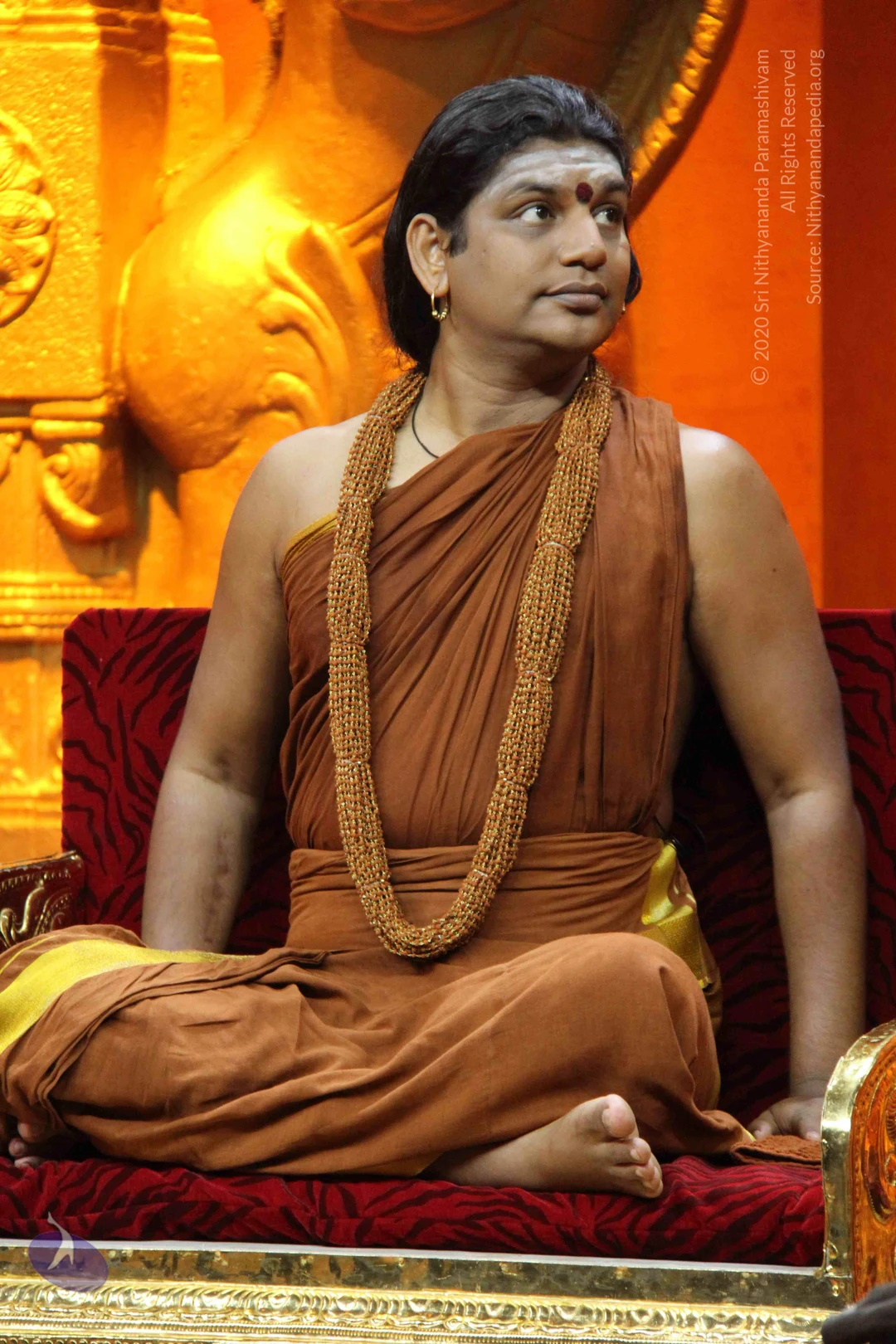
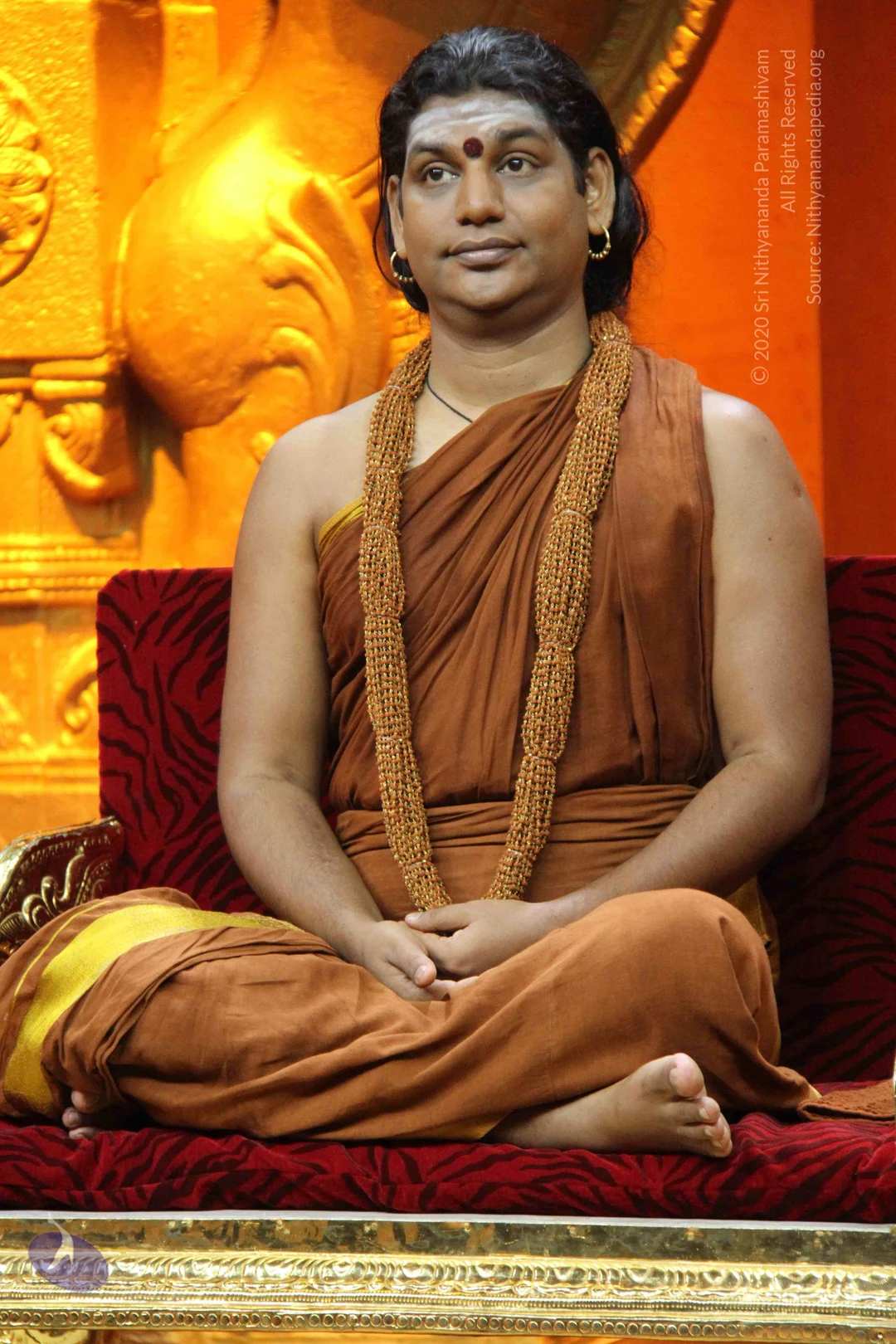
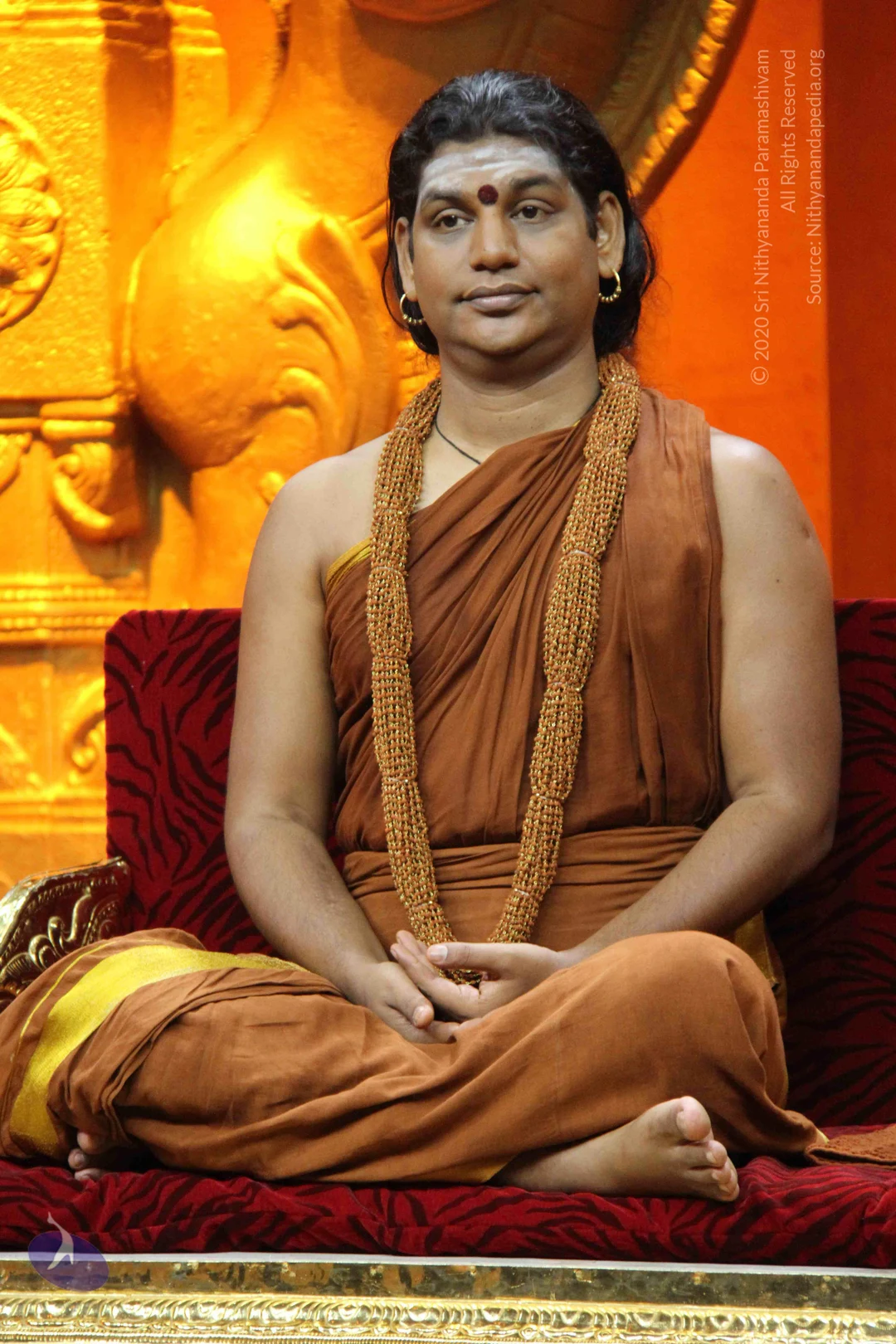
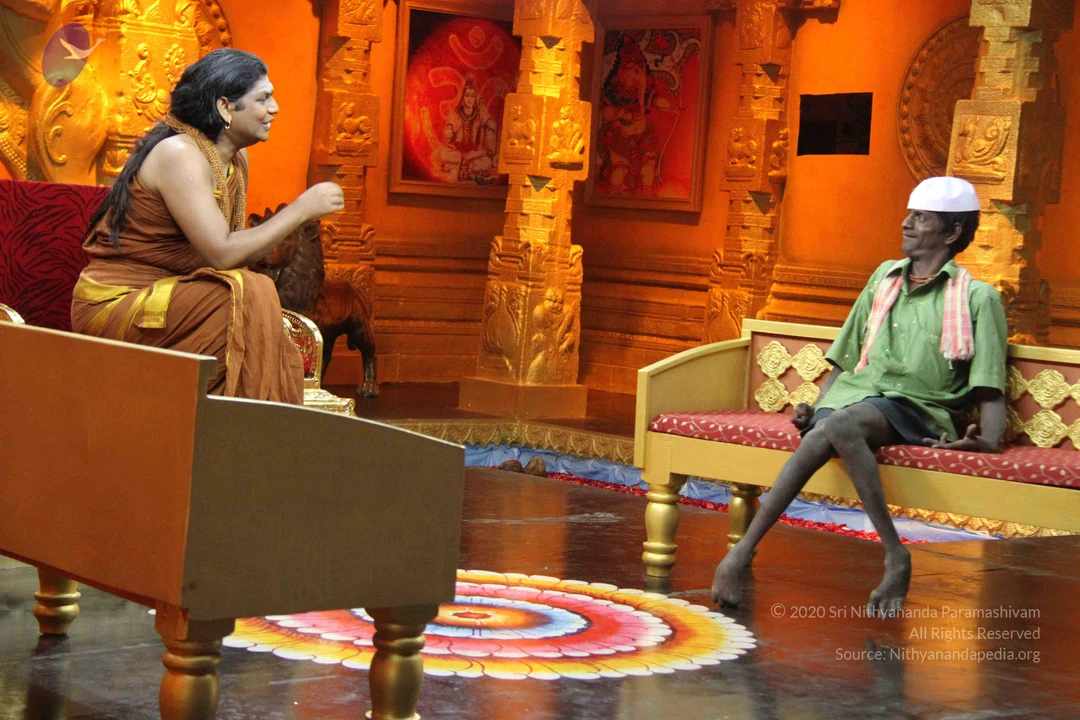
Photos from this day
View all 596 photospaduka-puja
35 photosSource gallery
nithya-satsang
18 photosSource gallery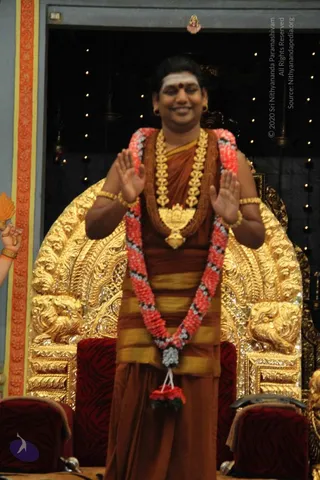
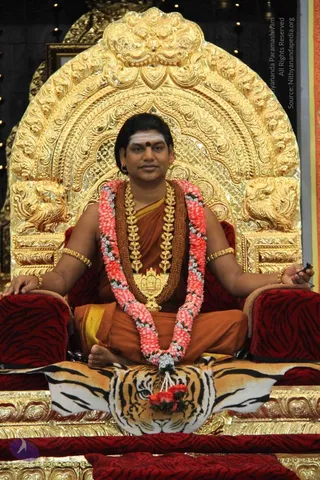
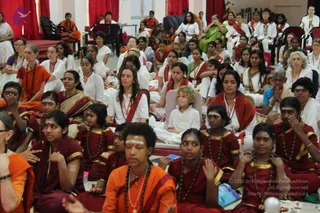
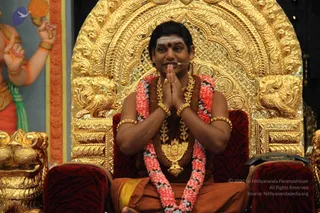
sarva-darshan
12 photosSource gallery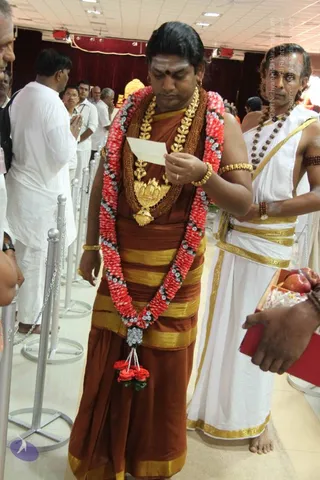
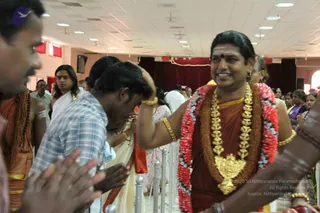

final-blessing
1 photoSource gallery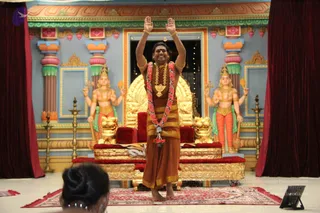
ia-day18-food
8 photosSource gallery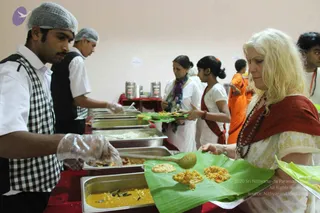
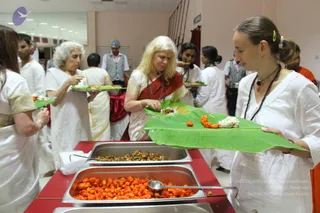
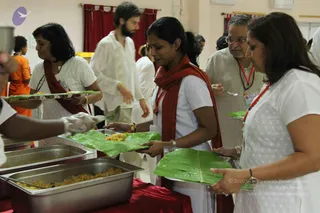
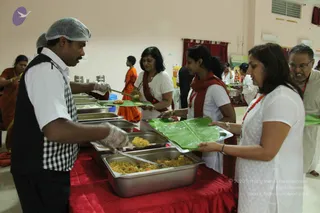
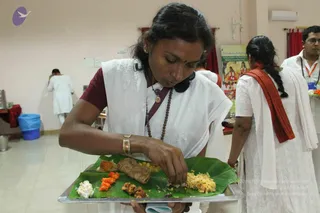
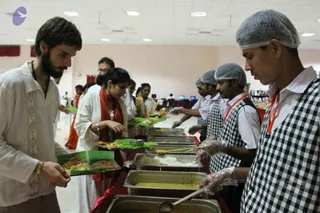
ia-day18-participants-writing
1 photoSource gallery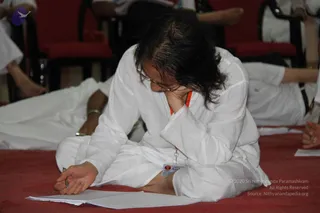
nithya-dharmam-donation
8 photosSource gallery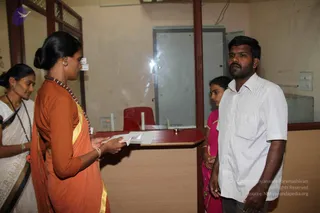
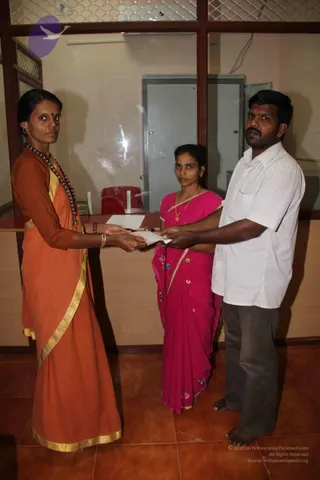
thirukalyanam-deity-preparation
7 photosSource gallery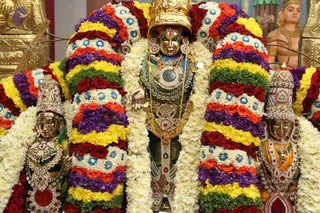
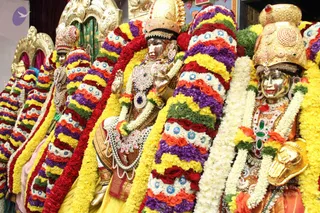
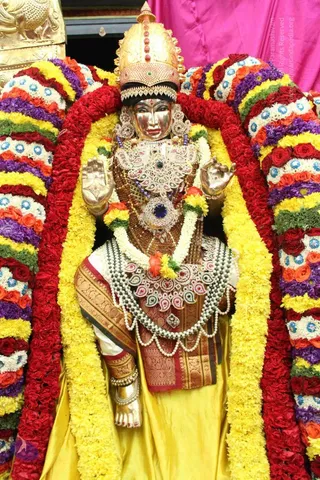
Meenakshi-Thirukalyanam
339 photosSource gallery
Thanthi-TV-day4-show
71 photosSource gallery