Wednesday
14 October 2015
Connect To Life With Mother Worship.
- Dated photos
- 120
- Source pages
- 1
- Media
- 8
October 14 2015
Original wiki pageTitle:
Connect To Life With Mother Worship.
Description:
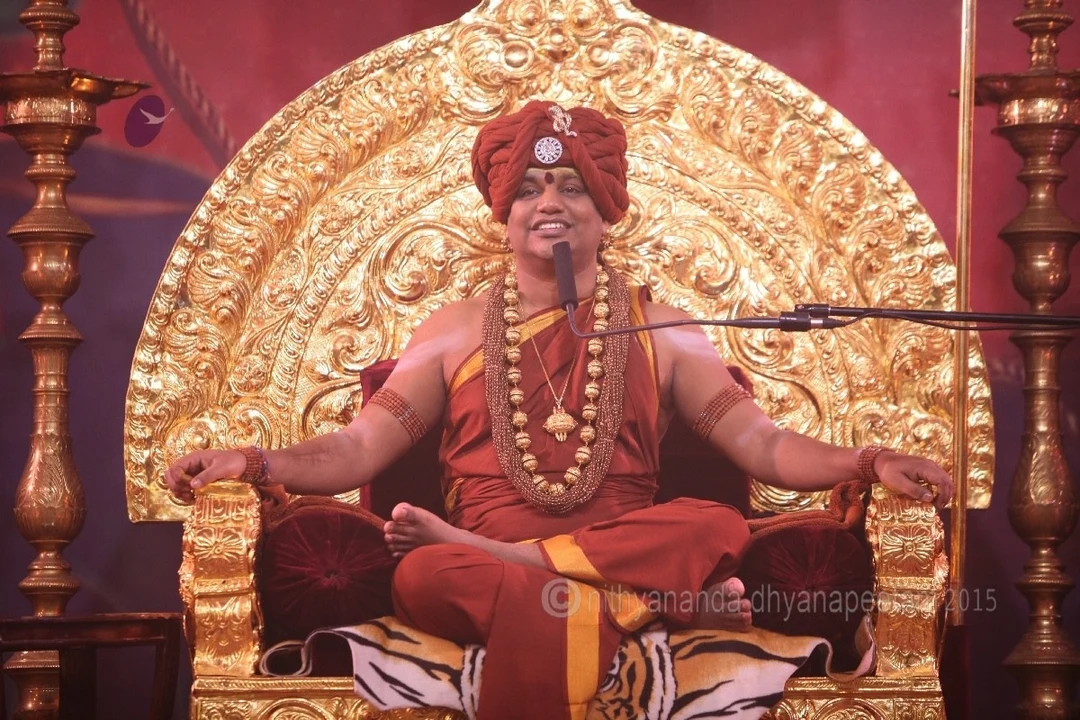
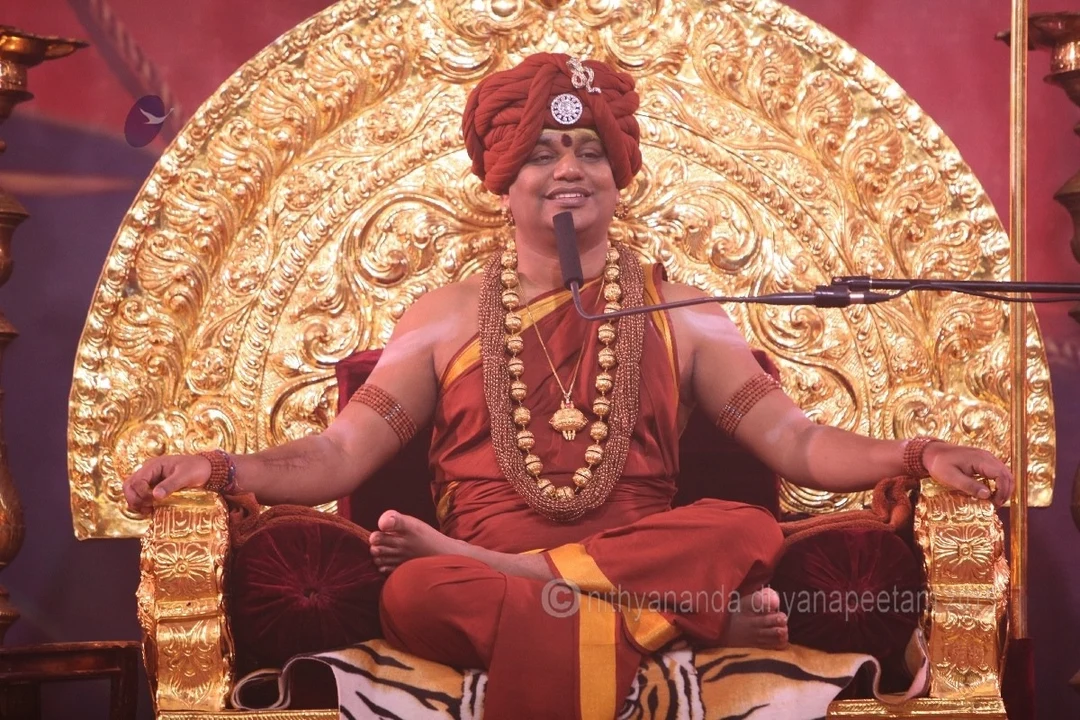
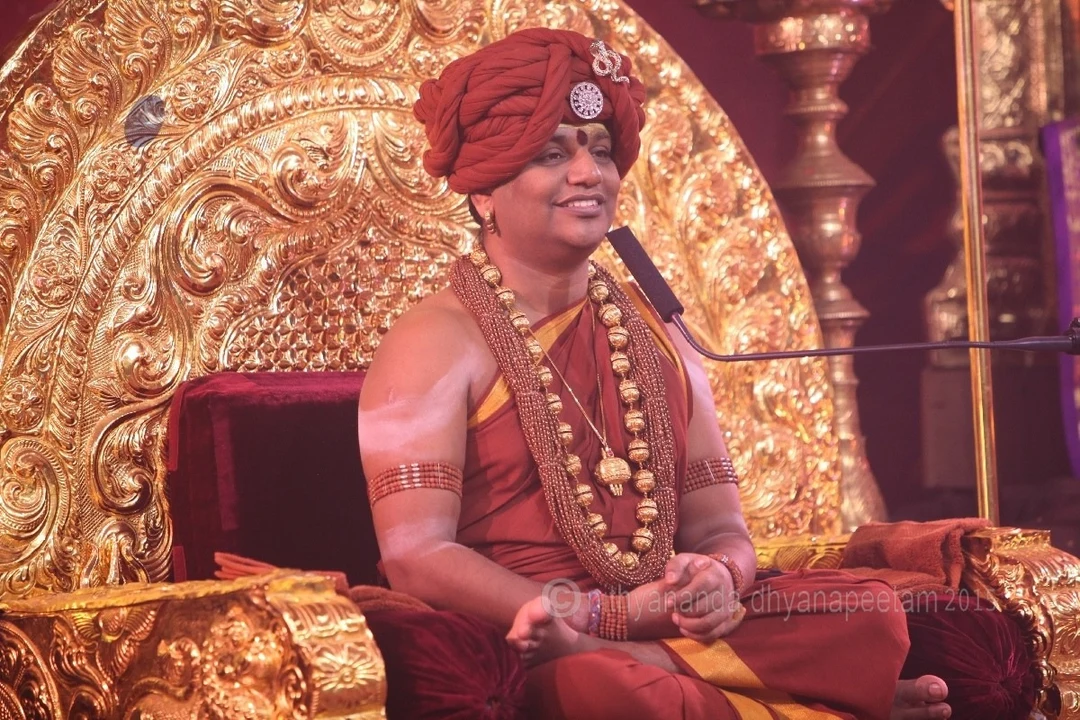
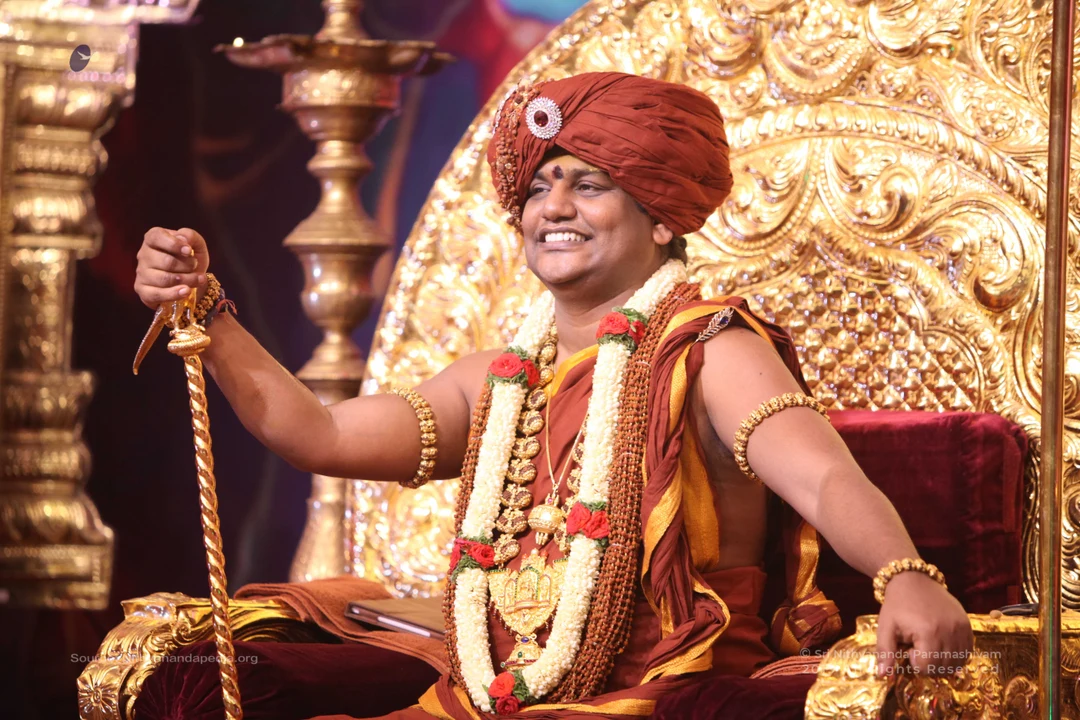
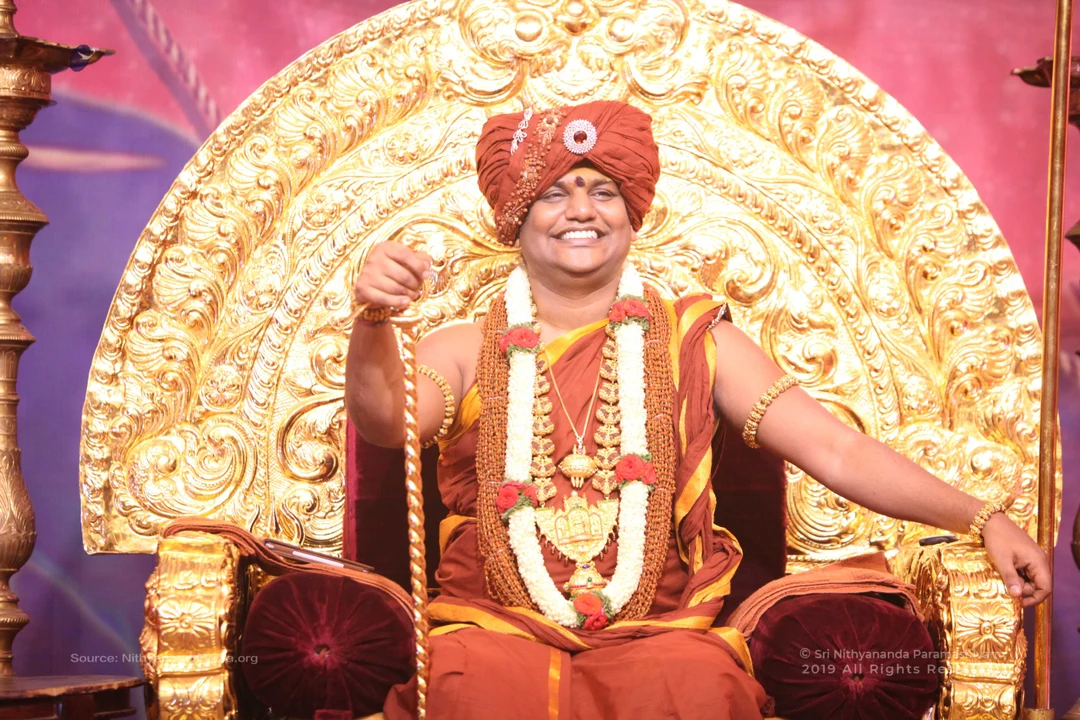
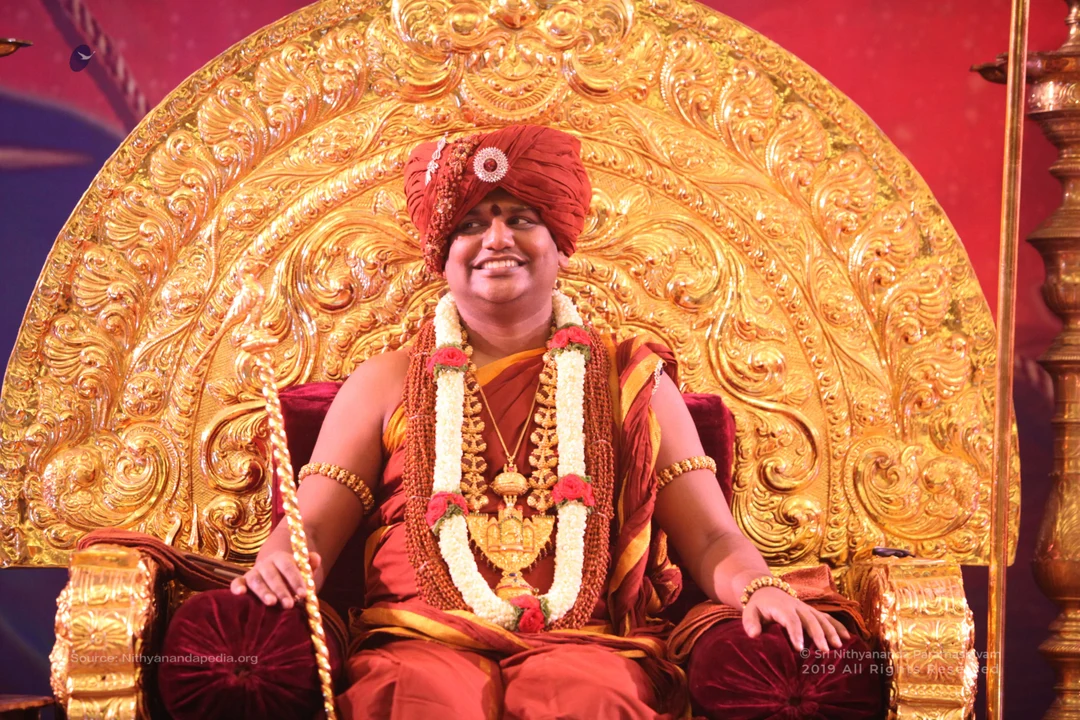
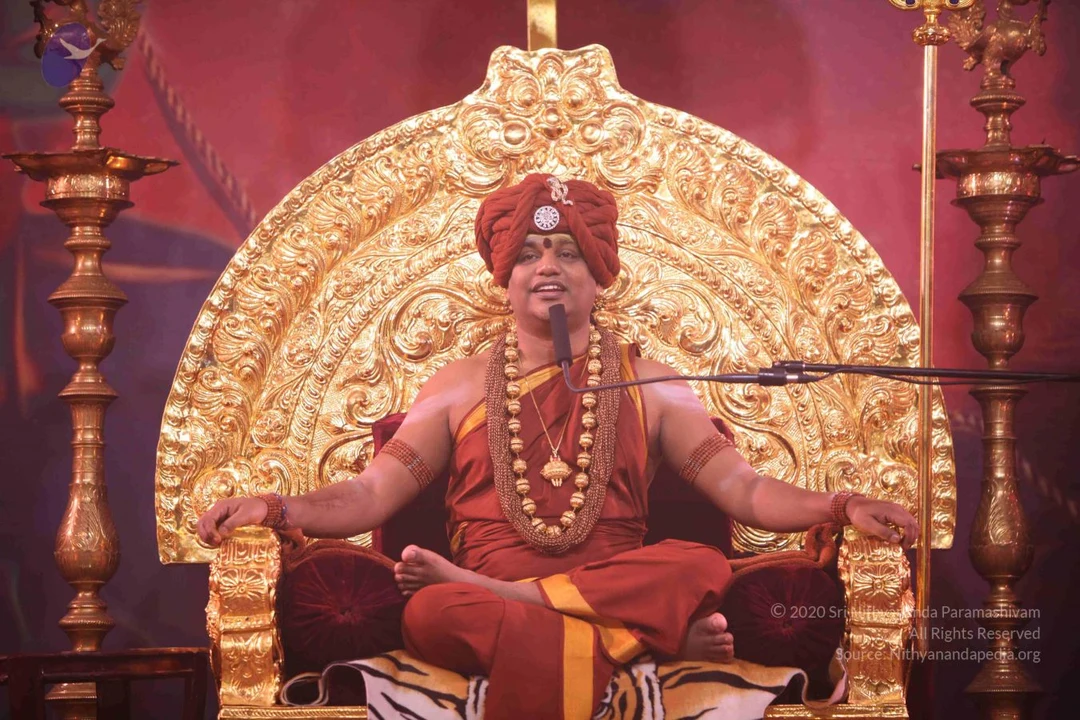
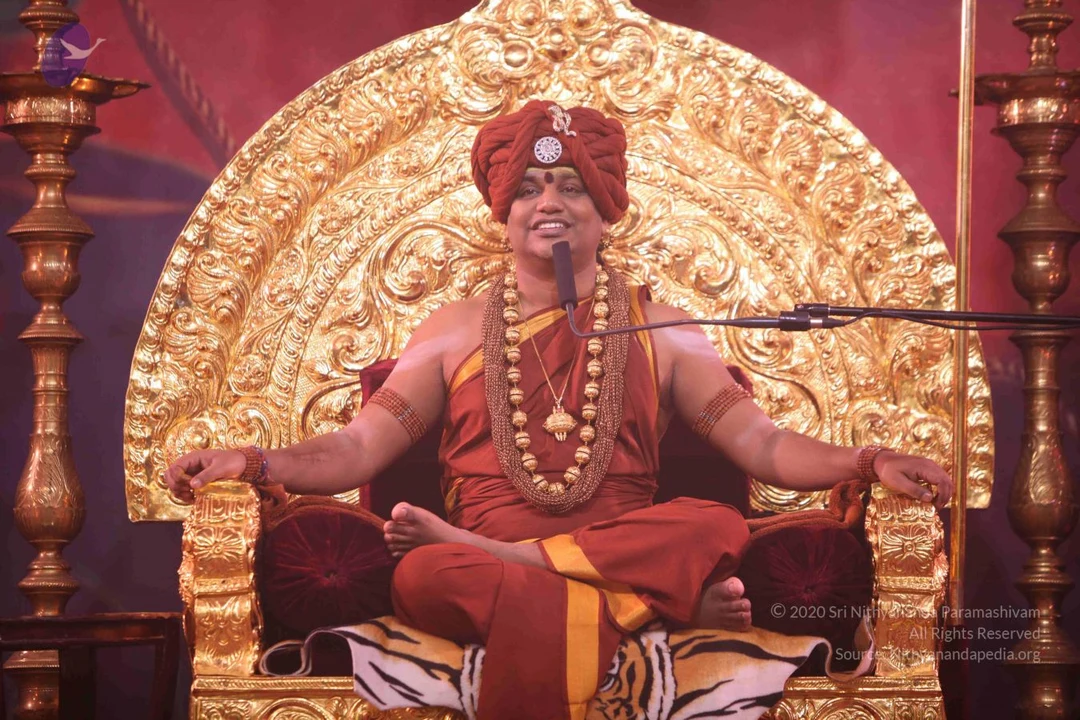
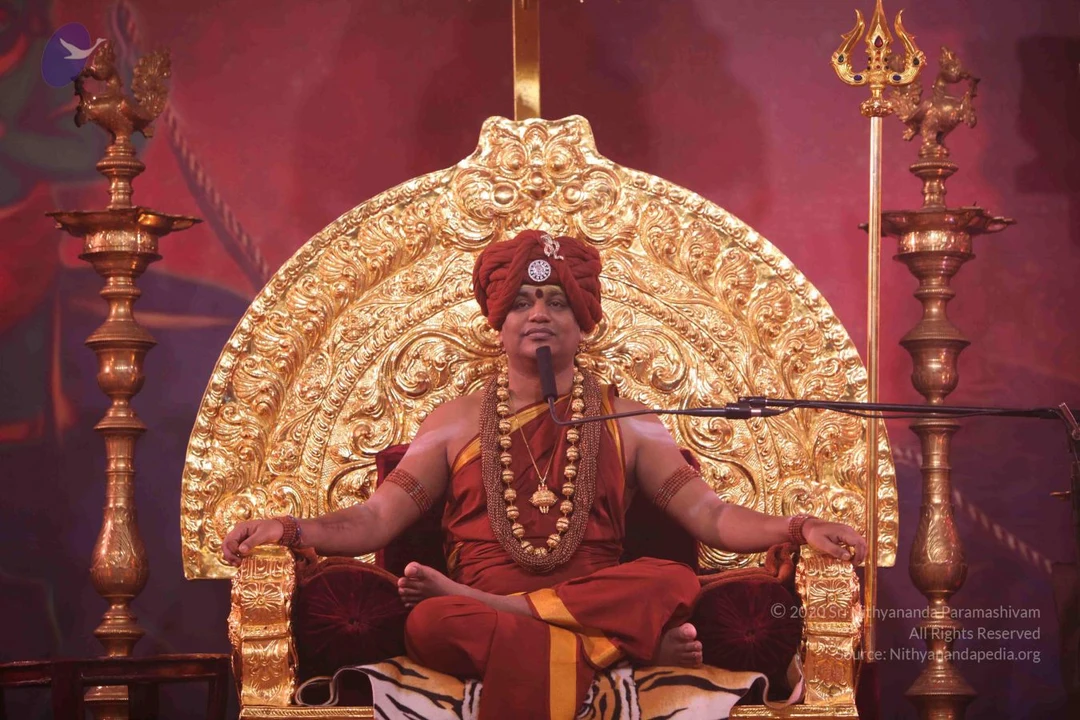
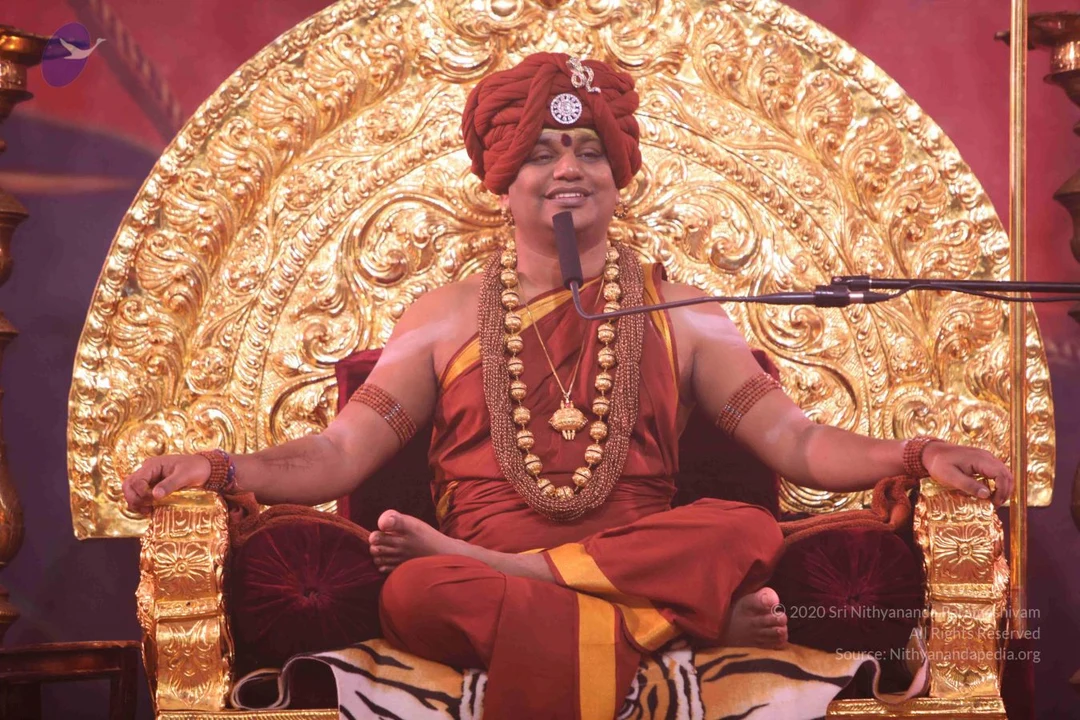
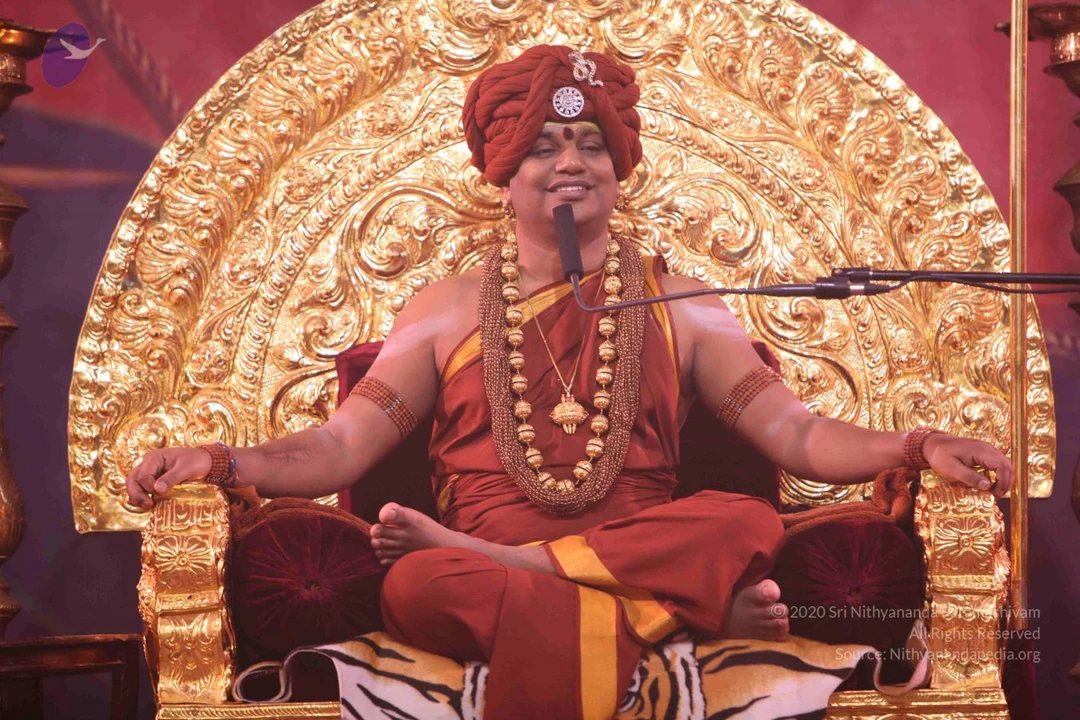
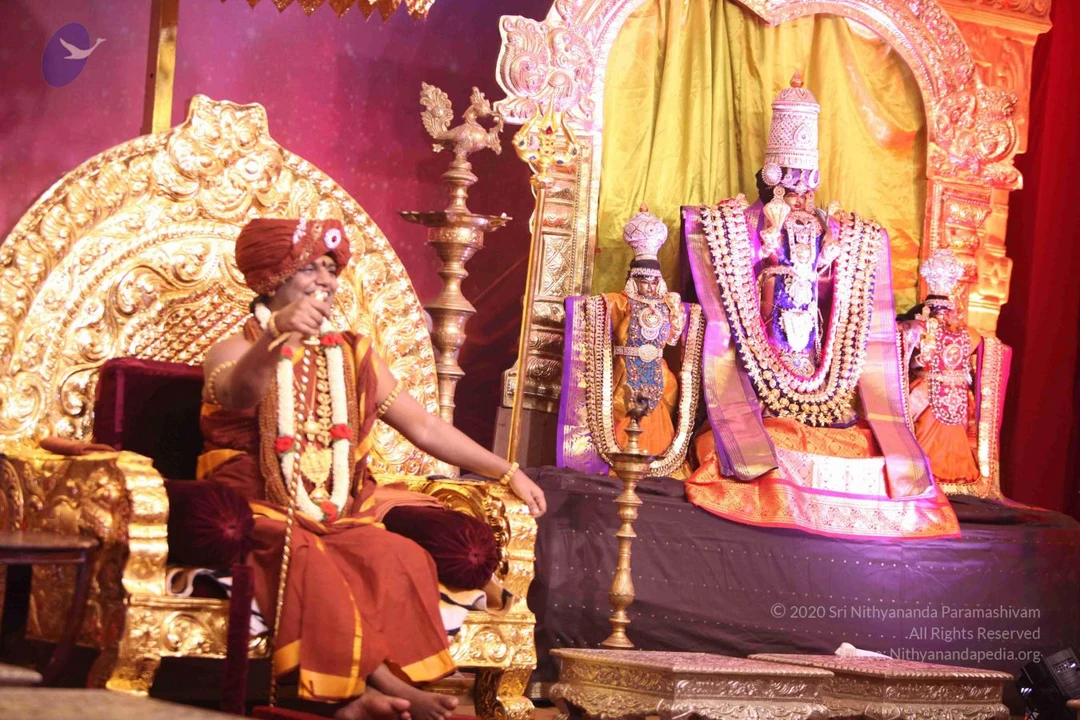
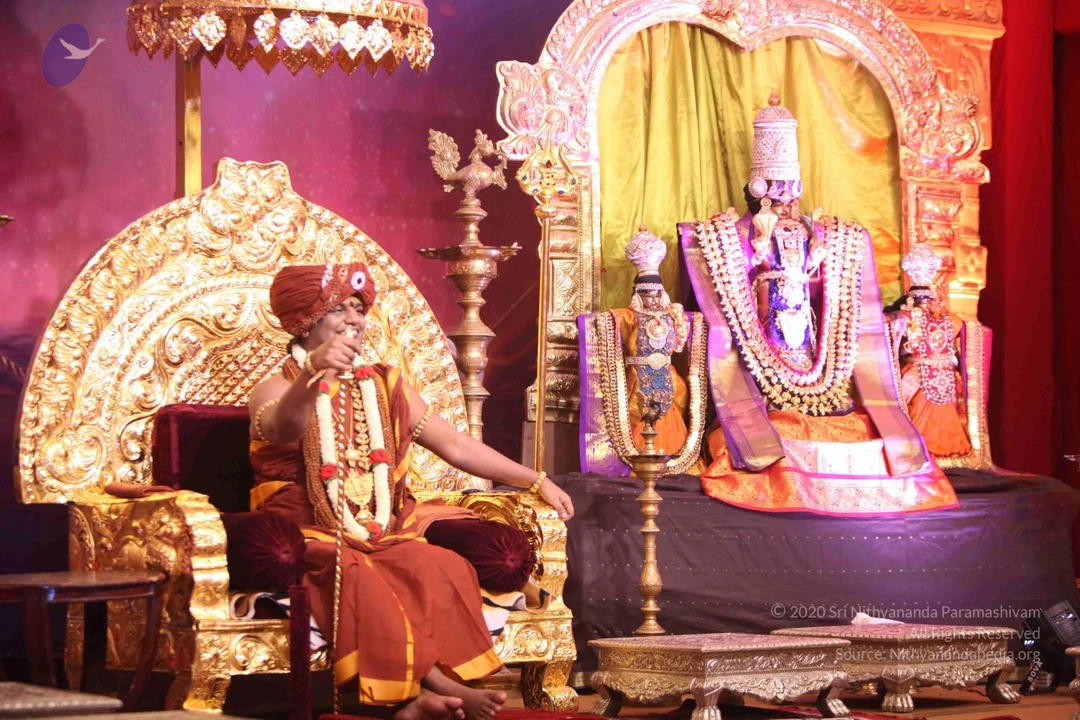
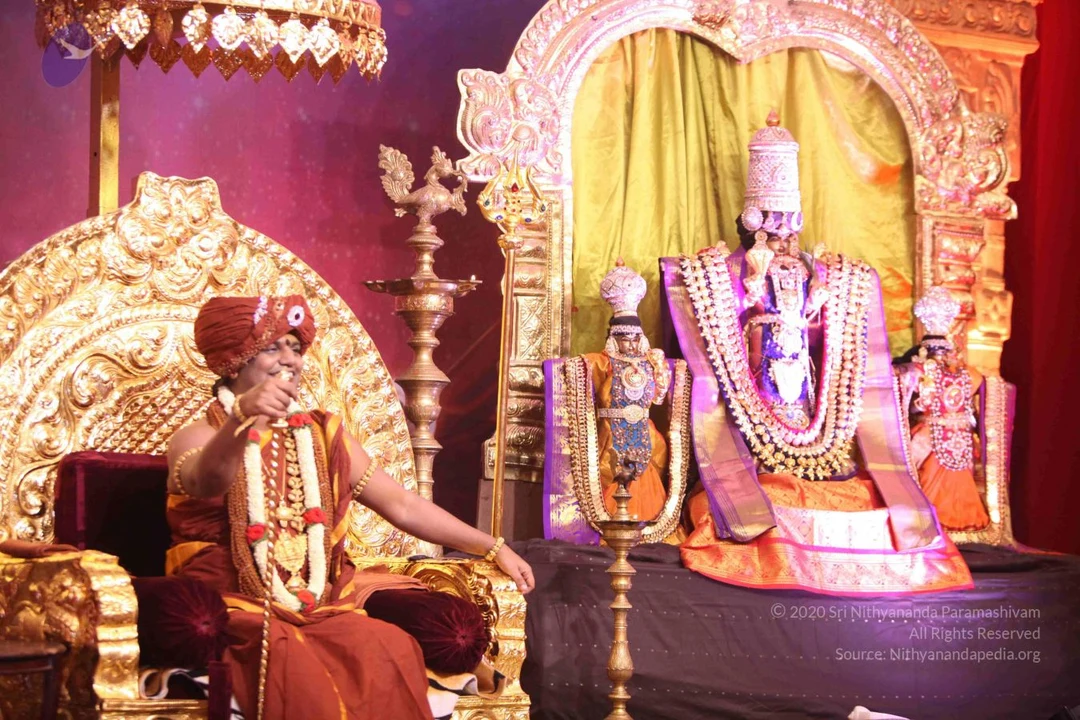
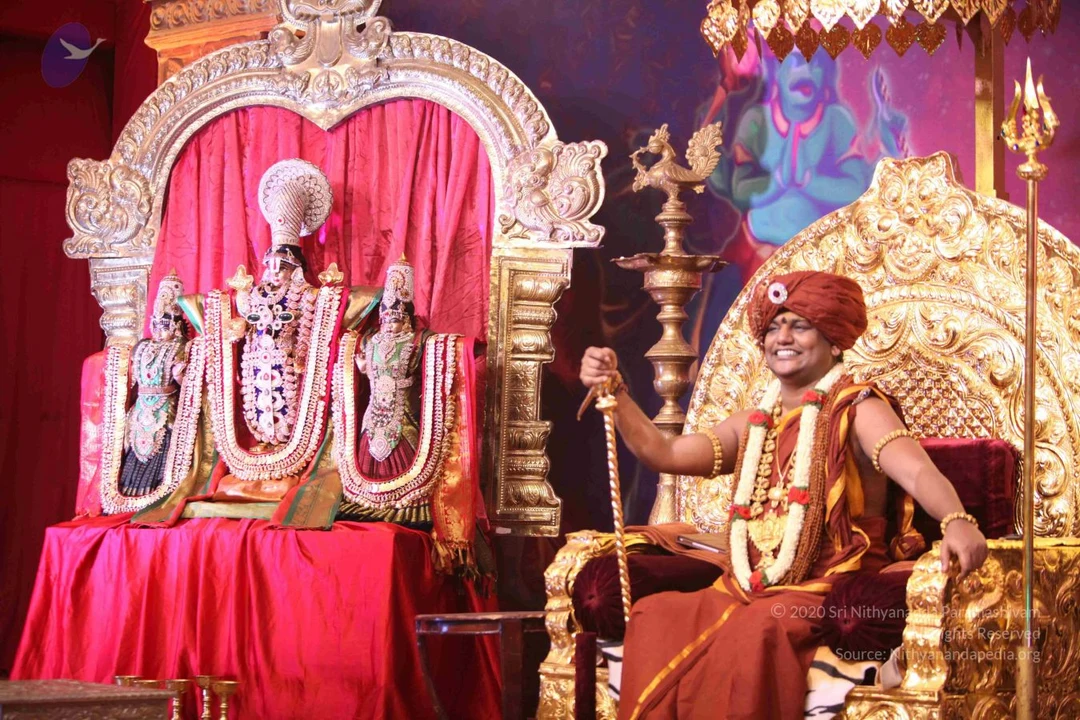
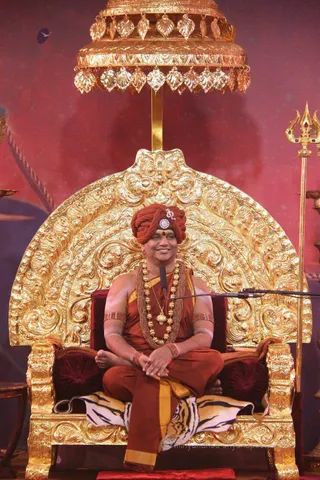
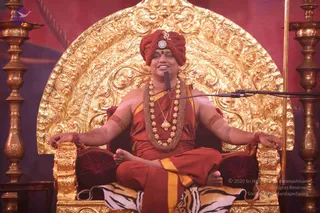
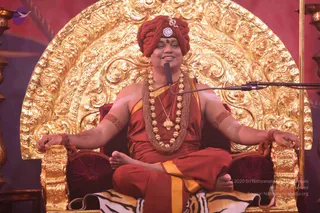
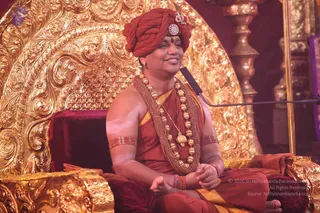
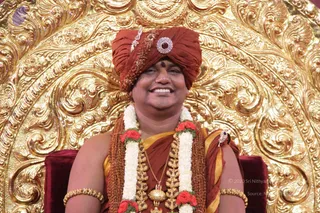
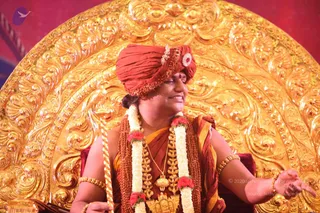
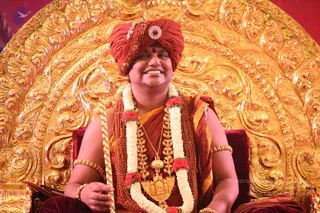
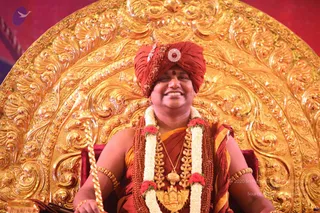
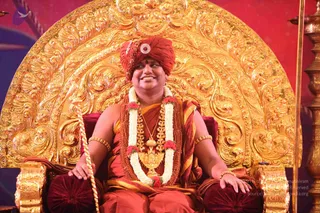
In today’s Nithya Satsang (14th October, 2015), live from Varanasi, on the second day of Navratri, Paramahamsa Nithyananda expands on Mother worship. By connecting with Mother, we can directly connect with Life, which is the foremost relationship. He says, 'In Vedic tradition, our Rishis were aware of your ability to connect with the mother, which should be directed to Cosmos; it should inspire, it should awaken your higher consciousness". Being a Mother worshipper Himself, His Holiness glorifies the 'matru bhava', the feeling connection with cosmic mother. By connecting with Cosmos in the form of Mother, we experience completion and so much motherliness in everything. Today's Vaakyartha Sadhas, spiritual explorations are on - 'Connecting with Life as mother. Being a child to life, and being mother to the people you have to give life. Being a child and being a mother."
| Video | Audio |
Transcript:
nithyānandeśvara samārambhām
nithyānandeśvari madhyamām |
asmat āchārya paryantām
vande Guru paramparām ||
I welcome all the devotees, disciples, samajis, satsanghis, sri mahants, mahants, thanedars, kotharis, owners of Sarvajnapeetha , visitors, viewers, everyone sitting with us all over the world through Nithyananda TV, Sadhna TV, Arra TV, Nakshatra TV and two way conferencing having Nayana Deeksha all over the world. The cities sitting with us in two-way conferencing having Nayana Deeksha – Puduvai Aadheenam, Nithyanada Nagar Bidadi, Dubai Aadheenam, Houston Aadheenam, Hyderabad Guptakashi, Singapore Aadheenam, Bangalore North. Morris Plain New Jersey, Trinadad Tobago, Indrani New Jersey, Caska Croatia, St Louis Aadeenam, Dakota Dunes, Ponca City Oklahoma, Dublin Ohio, San Jose Aadeenam, Kuala Lumpur Aadeenam, Toronto Aadheenam, Philadelphia, Oman Aadheenam, Montclair, Vancouver, Redmond Washington, China, Oklahoma Aadheenam, Ohio Aadeenam, New Zealand Aadheenam, Los Angeles Aadheenam, Guadalupe Aadheenam, Seattle Aadheenam, and more cities are joining. I welcome all of you with my love and respects.
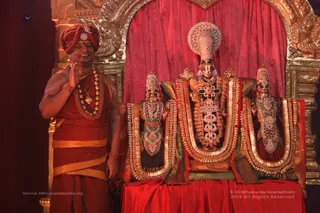
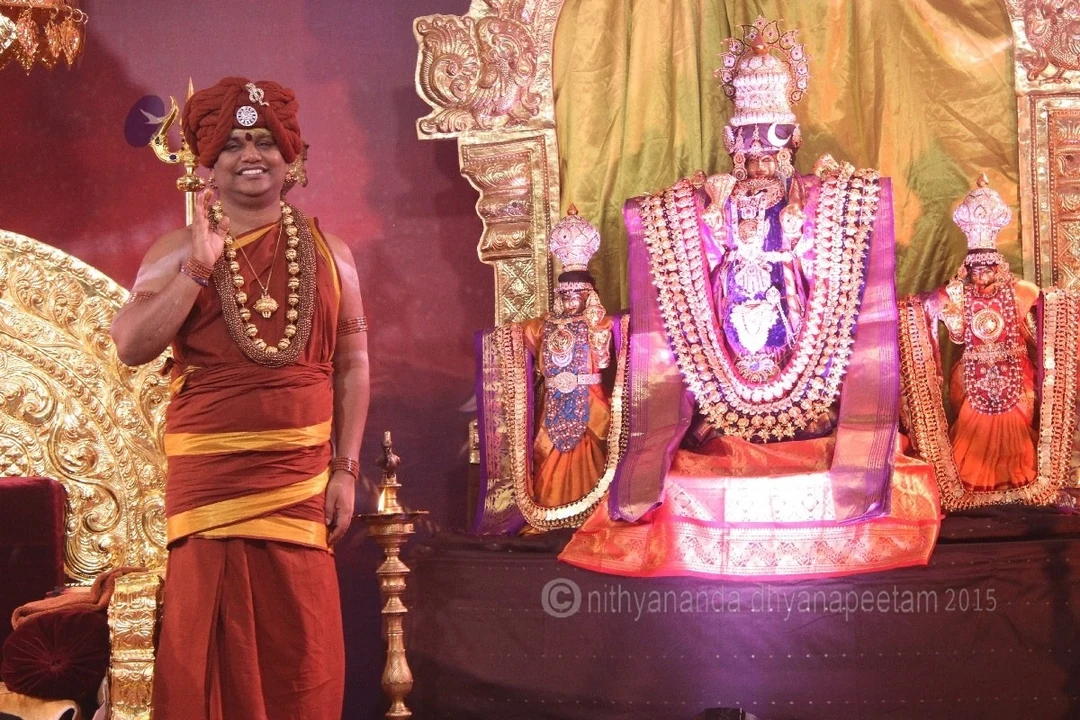
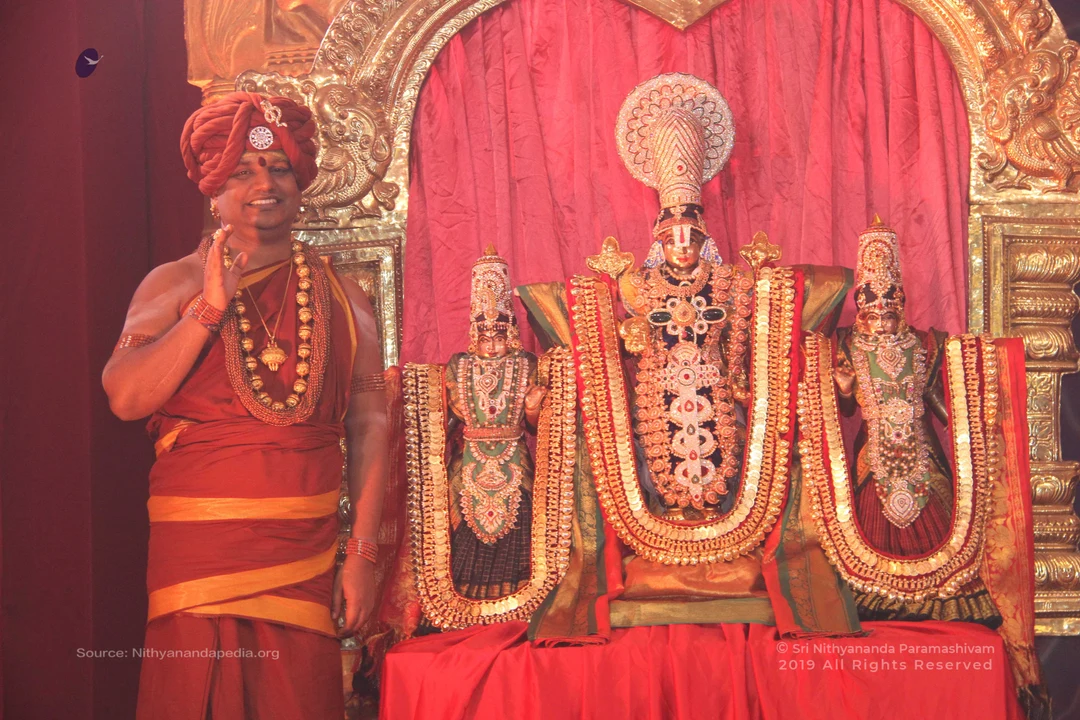
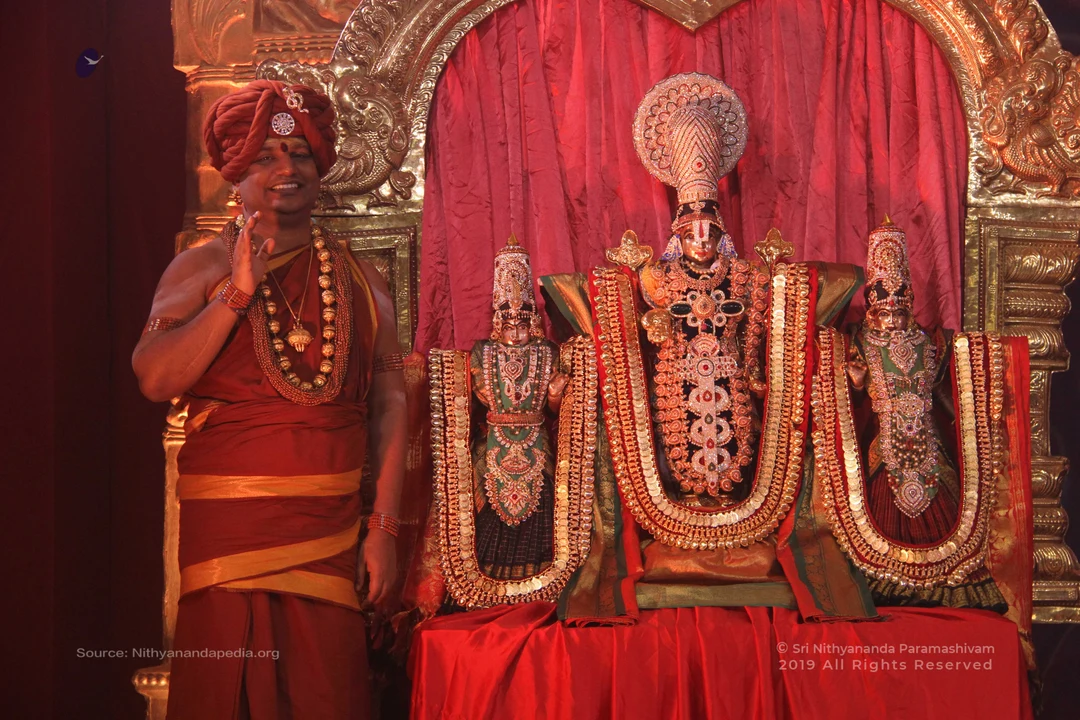
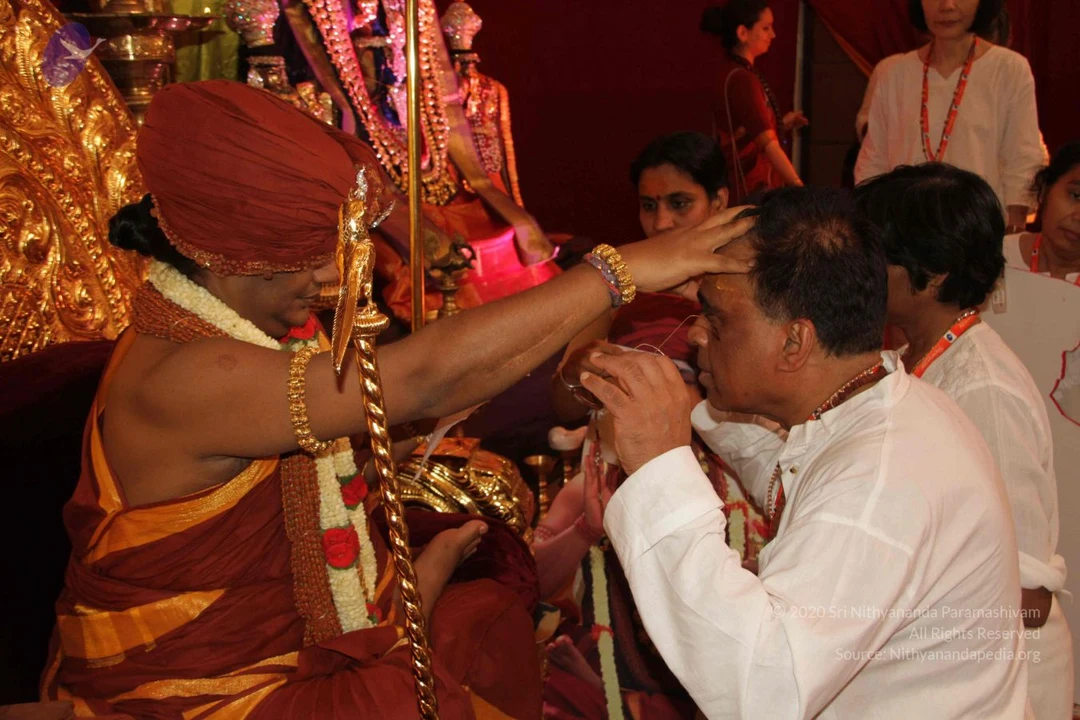
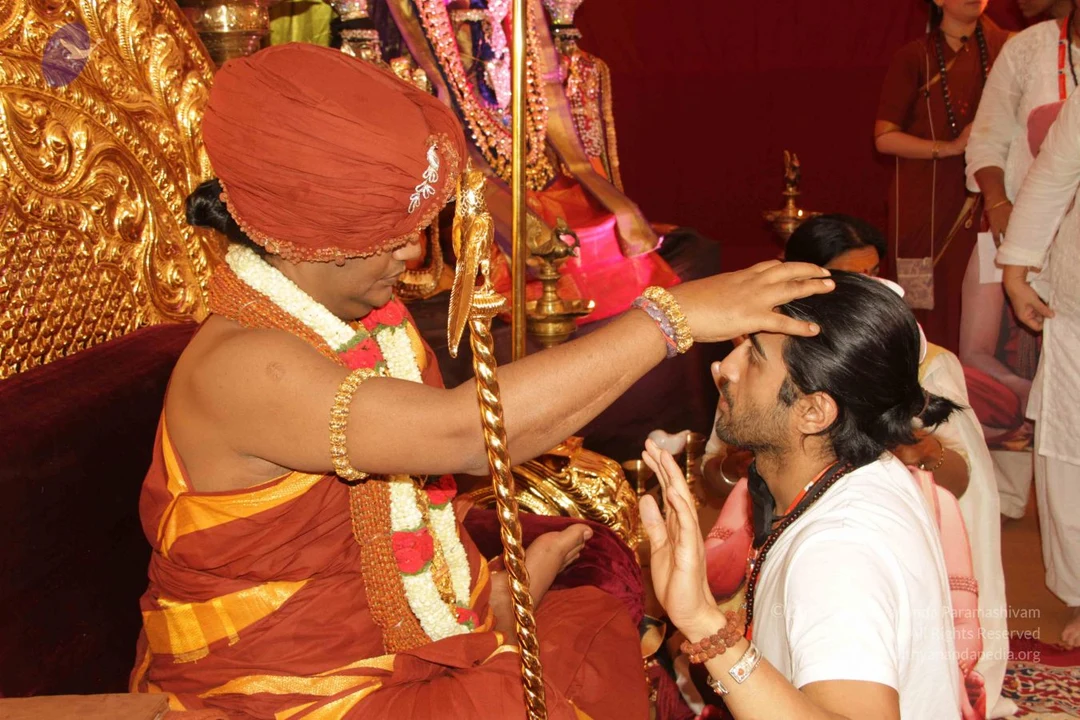
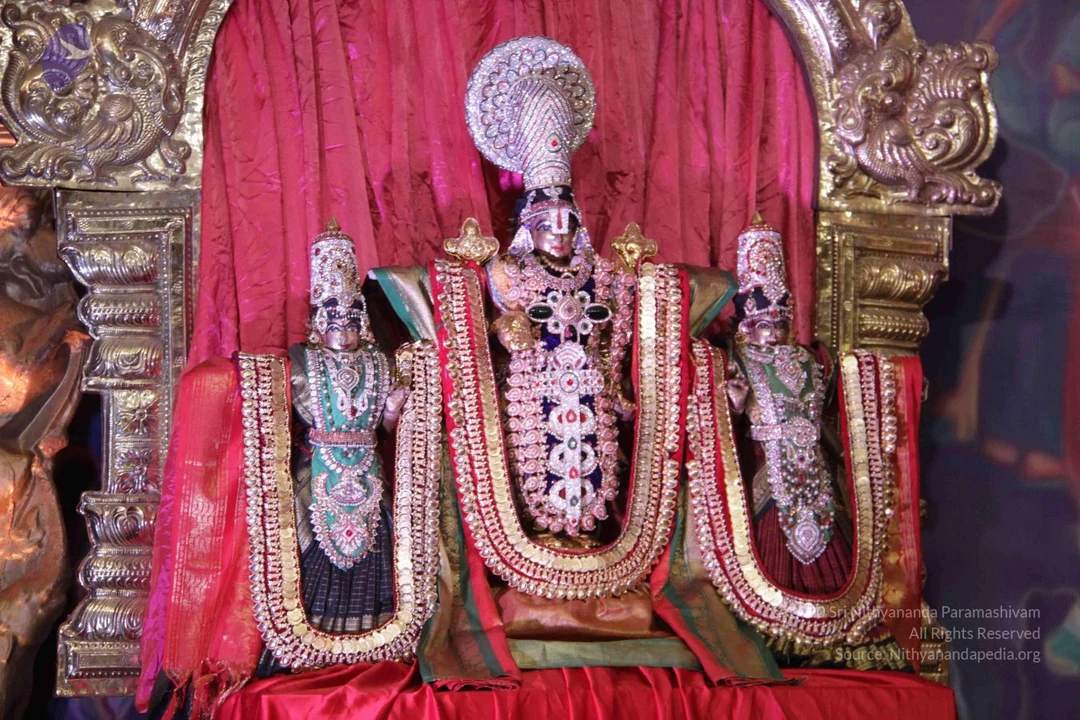
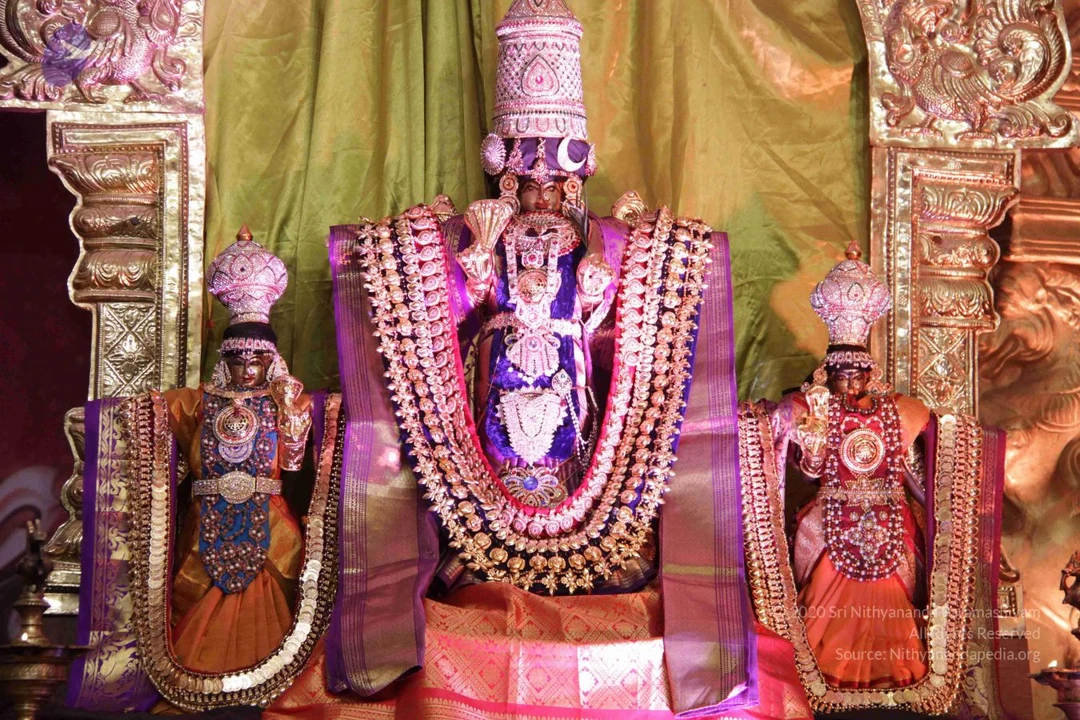
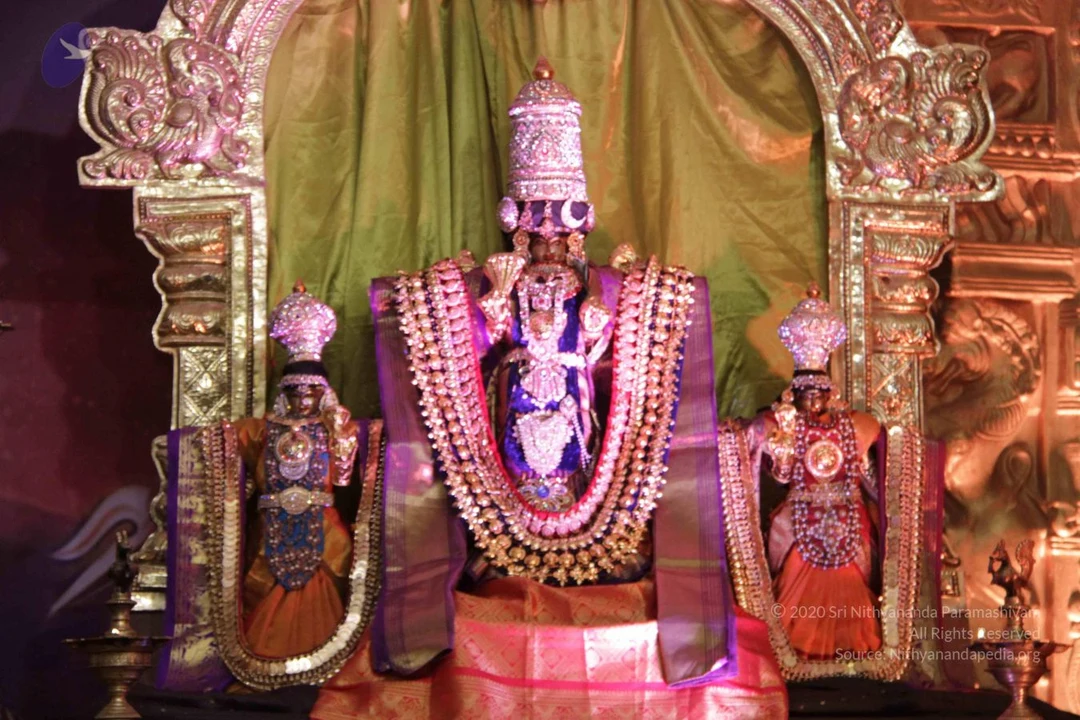
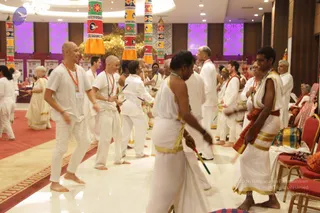
Today, the 2nd day of Navratri and 1st day of Venkateshwara Brahmotsavam. Devi Rajarajeshwari is gracing Lakshmi and Parvati and Venkateshwara is gracing Sridevi and Bhudevi. Let’s first receive their blessings. Navratri is happening in all of our temples, ashrams, sangha all over the world in all centers, mandirs, temples, and Aadeenams.
I will expand a few words on Mother worship.
Please understand, first and foremost relationship is Mother. Ability to learn, even idea to relate starts with Mother. How to relate starts with mother. Understand, your idea to relate, your ability to relate starts with mother – mother’s contribution in your life either by doing something or by not doing something.
Please understand, even she was not there in your life, the impact of that remains forever. Either she is there or not there, her impact on you remains on you forever. If she was there, if she is there in a positive way; if she was not there, her absence impacts you forever.
I tell you, Mother is too important way to connect what you think as life. In Vedic tradition our Rishis were aware, your ability to connect with the mother should be directed to Cosmos. It should inspire, it should awaken your higher consciousness. It should inspire your higher consciousness to express through you. It should awaken your higher consciousness. Connecting with life as mother is the most sweetest, most beautiful, most easiest form to ever connect.
Please understand, my childhood was full of spiritual experiences, amazing spiritual masters. Great yogis, like Raghupati Yogi, Vibhudanada Puri, the personalities of their stature. Ramsuratkumar, Annamalai Swamigal, Sadhu Om, I can list the personalities. Great spiritual personalities and I was exposed to all the spiritual thought currents and traditions like Vedanta, Shaiva Siddhanta, Shaivism. Even the thought currents of Sankhya, Yoga, Nyaya Vaisheshika, Purva Mimamsa, Uttar Mimamsa, various Yogic Sampradayas. But I tell you, I find most easiest, most powerful, most inspiring, most exciting way to connect with life as the form of Mother. It’s mother worship, I myself chose, after being exposed to so many spiritual masters, experiences, and philosophies. I tell you, if you want tremendous peace and healing in your inner space, chose mother worship. Even with your Guru or your Ishta Devata (chosen god) relate as Mother, you will see, the kind of healing in your bio-memory, it will lead to extraordinary healing and unimaginable healing, extraordinary completion, unimaginable completion.
Blessed are those, who had responsible mother till you became 14. Actually till 14 only you need, till you become physically mature, you need mother. Bless it are those who had life around their mother till 14. I tell you, till 14 if you had mother living around you, living with you then you know how to connect with mother. You don’t need a separate lesson to connect with the Divine. So much completion will happen to you. So much means really really so much.
I tell you, there are various attitudes, bhavas, techniques, methods to connect with the divine, higher consciousness, but nothing like the Maatru Bhava, connecting with the mother. At least in these 9 days, connect with the life as mother, the cosmic mother. I tell you, then you will understand you will never be the same again after these 9 nights. These 9 nights not only you will wake up, you will be awakened. If you can connect with the life, with the same attitude of connecting with your mother, and if you had incompletions with your mother, complete with that first. And connect with the cosmos, the cosmic mother. You will not just wake up, you will be awakened.
I myself have a great mother and amazing connection with life in the form of mother. Even though I had darshans of different gods, goddesses. Mahadeva himself in the form of Arunagiri Yogeshwara but everything was in the, with the undercurrent of mother. Even Arunagiri Yogeshwara, he was so much Mother for me than Guru. Even Ragupati Yogi, a old yogi, so much motherliness I experience with him than his Gurugiri, than him being a Guru.
I tell you, of course, Mata Vibhudananda Puri, she was a woman, an elderly woman by nature, naturally you will experience her motherhood. But even with Raghupati Yogi, the kind of motherliness I experienced is amazing. Connect with cosmos in the form of mother you will experience so much, so much completion, so much motherliness in everything.
People will experience so much motherliness from you in everything. I tell you, when motherliness starts oozing out in you, even on the chairs you sit when become complete. It won’t feel the heaviness of you. It will feel you as blessing. The ground on which you walk will feel blessed by the touch of your feet. The air you breathe will be blessed. People whom you see with your eyes will experience the love and compassion. I tell you, nothing can be compared to receiving the love of motherliness and sharing radiating motherliness. If you can’t radiate, receive and radiate, whoever you maybe, you waste your life. You are missing one the major dimensions of your life.
Whether you relate with your Guru or your God, it can be any god, Shiva, Vishnu, Parvati, Durga, Kali, Ganesha, Subramanya, any God, if you can relate with that tremendous motherliness. If you can perceive motherliness from your god or Guru and radiate that motherliness to the people around you. You have succeeded in game of completion. You will bring so much completion into you and to others. So much completion into you and to others.
My Navratri message to all of you — connect with the whole world as you connect with your mother. Be a child to life, be a mother to people you are giving life. Be a child to the life to receive life in you. Be a mother to people to whom you are giving life, that is enough. You will bring so much of healing, and completion to planet earth wherever you move, whatever you do. Whether you are a professional engineer, lawyer, doctor or Politian, political leader, celebrity, spiritual leader, whatever you are doing, motherliness completes you and others.
Today I want the Vakyartha Sadas to be done on connecting with life as Mother, being a child to life, and being mother to the people you have to give life. Being a child and being a Mother. Have Vakyartha Sadas on this subject and internalize.
With this, I bless you all. Let you all radiate with integrity, authenticity, responsibility, enriching, causing living advaita, the eternal bliss, Nithyananda. Thank you, Be Blissful.
Title
Overcome Fear of Death || Part 1 || Inner Awakening || 14 October 2015 || Varanasi, India
Description
This video is an excerpt from the Inner Awakening program conducted on 14 October 2015 in Varanasi, India. In this video Supreme Pontiff of Hinduism HDH #Nithyananda Paramashivam answers questions related to death and explains how to face fear of death. He explains how all of the patterns which create suffering in a person are directly related to a person’s fear of his own death and fear of death of near and dear ones and why it is important to remove the misconceptions about death.
| Video | Audio |
Transcript
so it's time to work on death [Applause] fear and death please understand the whole IA the first seven days will be taking you high high high and then this completion with others and this death process that is where really you get beaten means literally the tumor gets pulled out now only but if you have crashed this two process one more layer of their layer of dna will be awakened in you it's a very intense powerful process [Applause] i had my own death experience in manika nigagat here only in 1999, 1999 it wasi think october end november beginning that was the time now i'mi don't know exact date i don't know exact date maybe that year if we trace tamavasya ican tell it was the day i closed my eyes was the third titi layer by layer we are going to work on each fear first fear only after the death process your kundalini will settle down in third eye very stably whenever you want you will be able to use itit's literally like a rebirth and one more thing when you see dead body burning your bio memory will lose the fear of all fears and the fear of death whether you have fear or don't have fear are you is it going to delay your death, and you are not going to commit suicide just because you don't have fear of death
All right! i'll remove all the fear tomorrow are you going to commit suicide no so the fear having fear is not going to delay your death not having fear is not going to encourage you to commit suicide then why should we have fear to struggle with yes this is the place where we are going to be now this is this is the place where i had my death experience don't have this i was sitting there without one two three food no sleep then experienced death go ahead with your questions yes how about those of us who have have not successfully read anything yet don't worry for you also there is lot of time today let's pull out see death experience will pull out the patterns like a tar have you seen this star which which means they make road in the in india i think this much star is stuck in your head so it will pull the whole thing
this last 10 days we were removing it with the earbud that much that mentioned it was coming out now it will just heat it up and take the whole thing out because end of the day all patterns boil down to fear of your death and your are your near and dear owns death yes understand yes listen all fear all patterns boil down to fear of your death or your near and dear own state so when we directly face that patterns and complete so are you all having the worksheet in your hand we are going to work step by step on the fear then death fear how many of you have body pain body pain completion with others always brings body pain only then you are doing it properly otherwise you are not doing it properly always completion with others will bring body pain which something like suddenly erupted out day for yesterday we started working with completion with others means the pulling out that hatred violence so yesterday whole day we did on completion with others only body pain is one of the symptom when the process happens all size shape today you will see burning i think night they burn more because all the waiting lists say here no moaning so all the relatives will bring the body with ram nam nam satya they will bring they will dip it in ganga five times and hand over to the dome rajan go away so dom raja he keeps the whole thing pending the whichever relatives themselves stand and burn and go that is burnt in the daytime but all this which is handed over to dom raja like our fun bodies are even the poor people they don't want to wait it's getting too late for them to go back they hand over to the dome raja with a full coconut they will hand over all the pending lists will be done now only waiting list in the night only so i think usually night they burn more from my experience i have spent at least six months in the cremation ground bit bit bit more than six months not straight sometimes one month sometimes twenty days like that but at least six months i have spent ah this is different different times actually you guys if you understand to sit with it suddenly you will see so much of clarity wow what for we are we are actually [Music] messing with life and nature for stupid things without even knowing what we want and actually what i am uttering is too small word so much of clarity will start happening in your bio memory you will just know this is going to be burnt just like this present future you will just see so clearly your bio memory will just start relaxing just start relaxing so much of patterns will become irrelevant so much will become irrelevant
whether it's our nirvana or the agory vaishnavite buddhis byragis you see in kashi there are 200 sampradayas having their headquarters all 200 sampradaya the moment they give the diksha they will ask the you to go and sit in the manikariya for three months because that will give you so much of lessons so much of lessons see the you you don't you never want to face the most certain thing in your life what is the most certain thing in your life anything can may may not but this one only but you never want to see that you never want to face it you think oh we have eternity no no everyone will die not me and even if i die that is going to be like a lot of time is there we think lot of time and by the time we raise that top now really and it even though we are laughing inside it's frightening and we don't want to see that with your god what is this we thought he will give us bliss and peace and we came here [Laughter] but i tell you i'll give you the bliss and peace which is permanent in you which nobody else can take it away nobody can take it away so for that you need to see the reality of your life understand all this power money everything is great as long as they are utility but they can't become the purpose of your existence then you are corrupt in your very cognition in your very dna currency cannot become part of your dna it can be part of your purse property cannot become part of your dna it can be as a part of your home we have allowed things too much inside we have taken things too personally that distance will start happening only when you see the ultimate reality yes a lot of lessons the strong truths will casually become your understanding if you sit with the incremental ground where thousands of bodies are getting burnt continuously every day average 500 bodies are burnt here nithyananda swamiji recently i read an article about the people of bhutan who are considered some of the most happy people in the world and they're encouraged to think about their own death on a daily basis it's part of their daily routine in buddhism every night you are supposed to meditate on the on your death so are they doing a completion process daily it is like a different way of completion in the completion which i am teaching you guys is from hindu tradition the shaibai tradition mahadeva's teaching shiva himself teaches this technique but the technique which you are talking contemplating on the death is from buddhist tradition what bhutanese are practicing [Music] and in agama also mahadeva talks about death elaborately and gives more than 10 meditation techniques related to death today we will be practic you will be going through that process if the very tenant of of hinduism is life after life after life then then why is fear why is leaving the body so that's what because you don't understand the tenet as a experience if you understand that as your experience you will not have fear so even even though you mentally believe that you will be born to me for a normal person a normal person right okay so they mentally understand but they have not experienced it so the fear is there in bio memory but when the bio memory itself understands then they know so much time is there in front nothing to worry sometimes the fear is due to discontinuity you do not know the stop gap time what you will be where you will be right i never had a fear of death ever um how i die is i i'm uncomfortable with but so i wonder going to the crematorium whether i take it that there will be growth for me even though i'm not frightful fearful of death all right go through this process if you feel that it will help you come there is so much to be done today yes by the end of the session let's see whether you want to come or not i do want to come i do the thought i have all the time in my mind is that if that after i die what will happen to my loved ones so based on that i have a lot of financial insecurity i tell you before you came world was functioning what was your date of birth june 13th world was functioning now yes so after you die world is going to function yes now but over the years i've taken a lot of responsibility over a lot of things in the family and so i have this thing that you know so you think that things won't run i'm sure how many people would have thought like this tell me i don't know and all of them left is it not yeah some even suddenly yes after the things did not move yes we are all fitting into some roles we are not beings understand we are all roles once you fall you don't play that role somebody else will be playing that role we feel so disrespected to see this truth that is why we don't want to believe this truth so we say no no no no no how can anybody else fit into my role how great i am no no no no that cannot be okay you understand okay thank you ultimately only an enlightened person is a being everyone else is a role got it understand his side swamiji it's a role yes i have two fears around it i know please understand when i'm talking about death it'll it'll feel like i'm disrespecting you guys i'm not disrespecting i'm just stating the fact don't be hurt but even if you are hurt what i am saying is truth don't be hurt is my request but even if you are hurt what i am saying is the truth i am just talking the straight truth so sometimes we do need to look into our person ready to see the wound and the person which is inside you can't hide it and go on living forever and ever and ever death directly exposes you to you your instabilities actually death also makes you understand how how insignificant your hormonal decisions are see like a when your bladder is full the during the sleep the filled bladder will create a restroom and make you do the act when you then you'll wake up and you'll see whole whole restaurant imagination how did that imagination come the filled bladder is capable of creating a particular imagination and situation required for you to feel relieved same way when your body is filled with the hormone the words you utter the situations you create the whole thing you are just capable of creating the things for your hormones to get released the death facing the death will give you the deeper understanding how insignificant hormones hijacks your life and you create the restroom and then when you wake up suddenly you feel cheated death will teach you nobody cheats you death will teach you nobody cheats you it's our decisions at least once in the lifetime you should face it today you are you have opportunity i'm going to make you guys face it [Applause] um i have two questions i guess um the first one i had when i think about dying and reincarnating the idea of reincarnating in a worse um like life than i have now scares me does that come from actually usually you don't go lower okay that's good and the other only like a rare fellows for only those kind of people go lower which is a very insignificant percentage a person who kills left and right human beings only they go into the lawyer others don't go into lawyer the other the other concept that if i try and think about it too hard really scares me is because i can't wrap my mind around it is the idea of infinity like the idea of you don't have to think you can't grasp unless your brain grows that subtle grues which gets awakened by kundalini once the kundalini gets awakened then god the word will become so real for you the i word will become empty for you see when i utter god it has so much meaning for me when i utter the word i it has no meaning other than the word i am uttering for you when you order the word i it has so much meaning for you when you utter the word god it is just emptiness so the shift will happen when the kundalini reaches [Music] you
Title
Death Meditation || Part 2 || Inner Awakening || 14 October 2015 || Varanasi, India
Description
This video is an excerpt from the Inner Awakening program conducted on 14 October 2015 in Varanasi, India. In this video Supreme Pontiff of Hinduism HDH Nithyananda Paramashivam leads participants into a unique death meditation process to experience death while being alive. This is a powerful process which removes the fear of death and all engrams related to death.
| Video | Audio |
Transcript
[Music] [Music] it is time kalabhairava will be leading you through the death process to liberate you from death and fear of death tie the ribbon and sit straight please use the eye band so inhale and exhale as slowly as possible and as deeply as possible okay start reliving [Music] the fear of losing your name and fame or identity [Music] uh [Music] hey relive intensely most primary fear fear of losing your name and fame or identity [Music] relieve that fear [Music] hmm sincerely relay and relief hmm [Music] [Applause] [Music] [Applause] [Music] [Applause] [Music] [Applause] hey [Music] hmm relive intensely and relieve [Music] you
Title:
Death Directly Exposes You To You - Q and A Session, Inner Awakening Varanasi, 14 OCT 2015
Description:
Bhagavan Sri Nithyananda Paramashivam answers questions about the Varanasi cremation grounds, the space of permanent Bliss, and life after life.
| Video | Audio |
Photos From The Day:
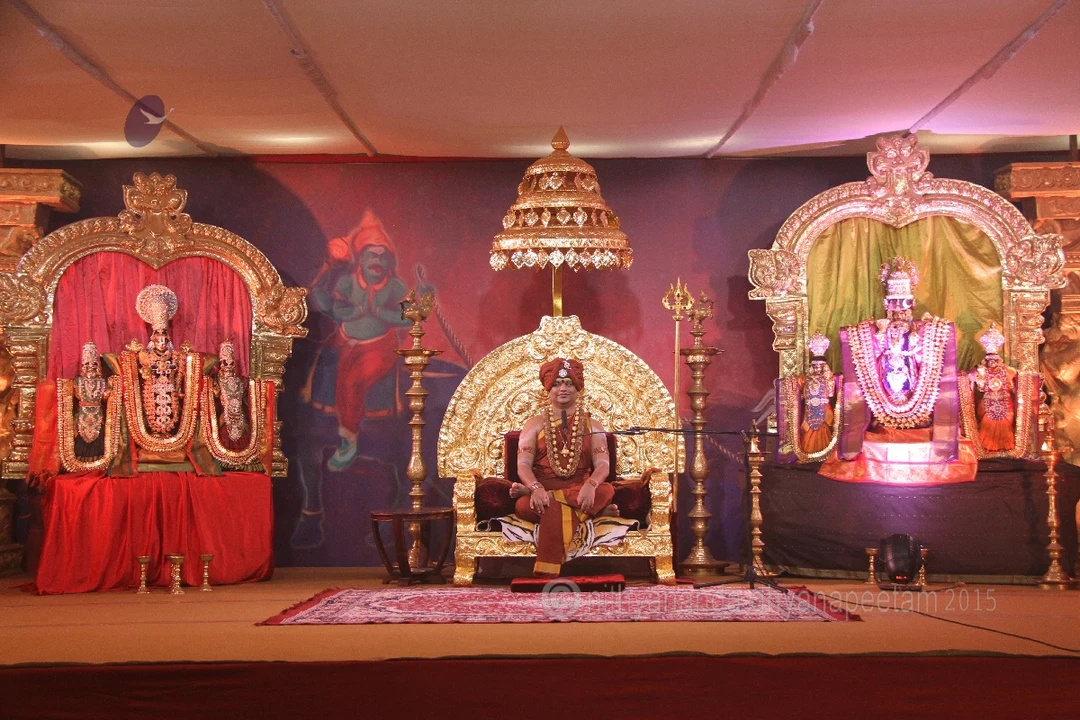
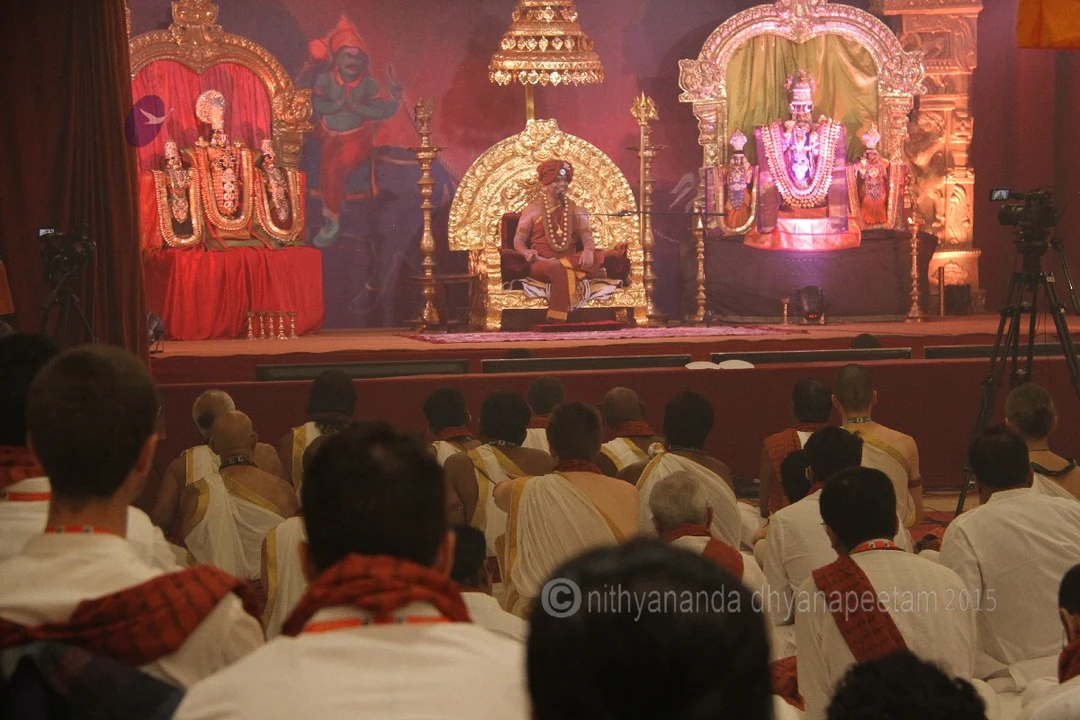

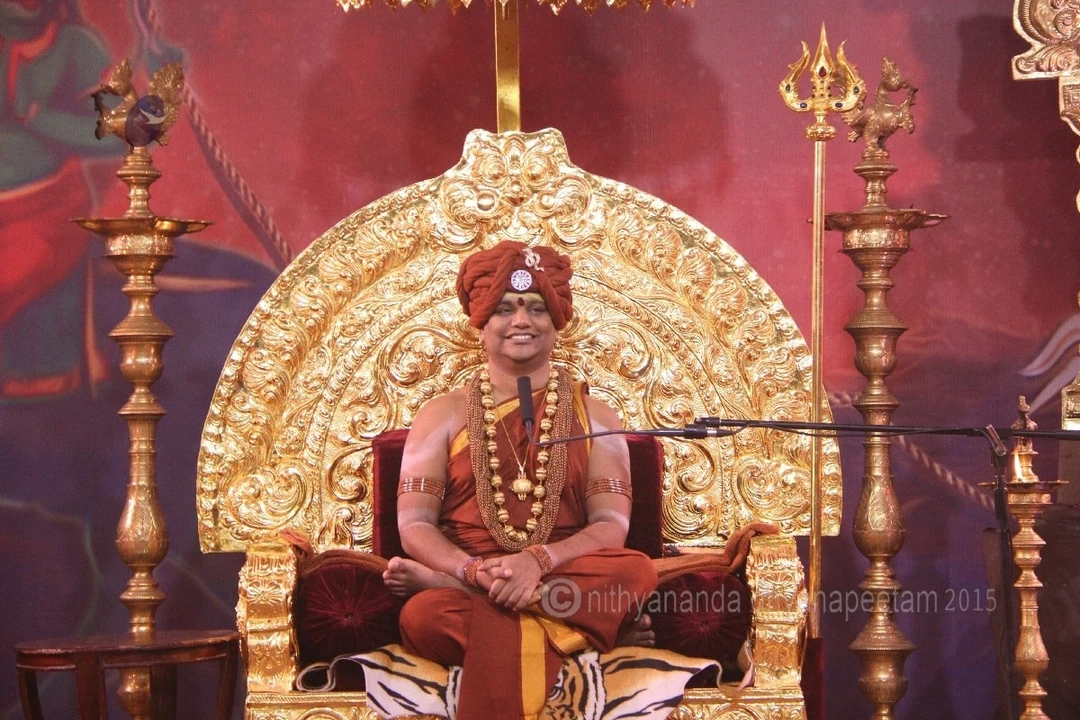
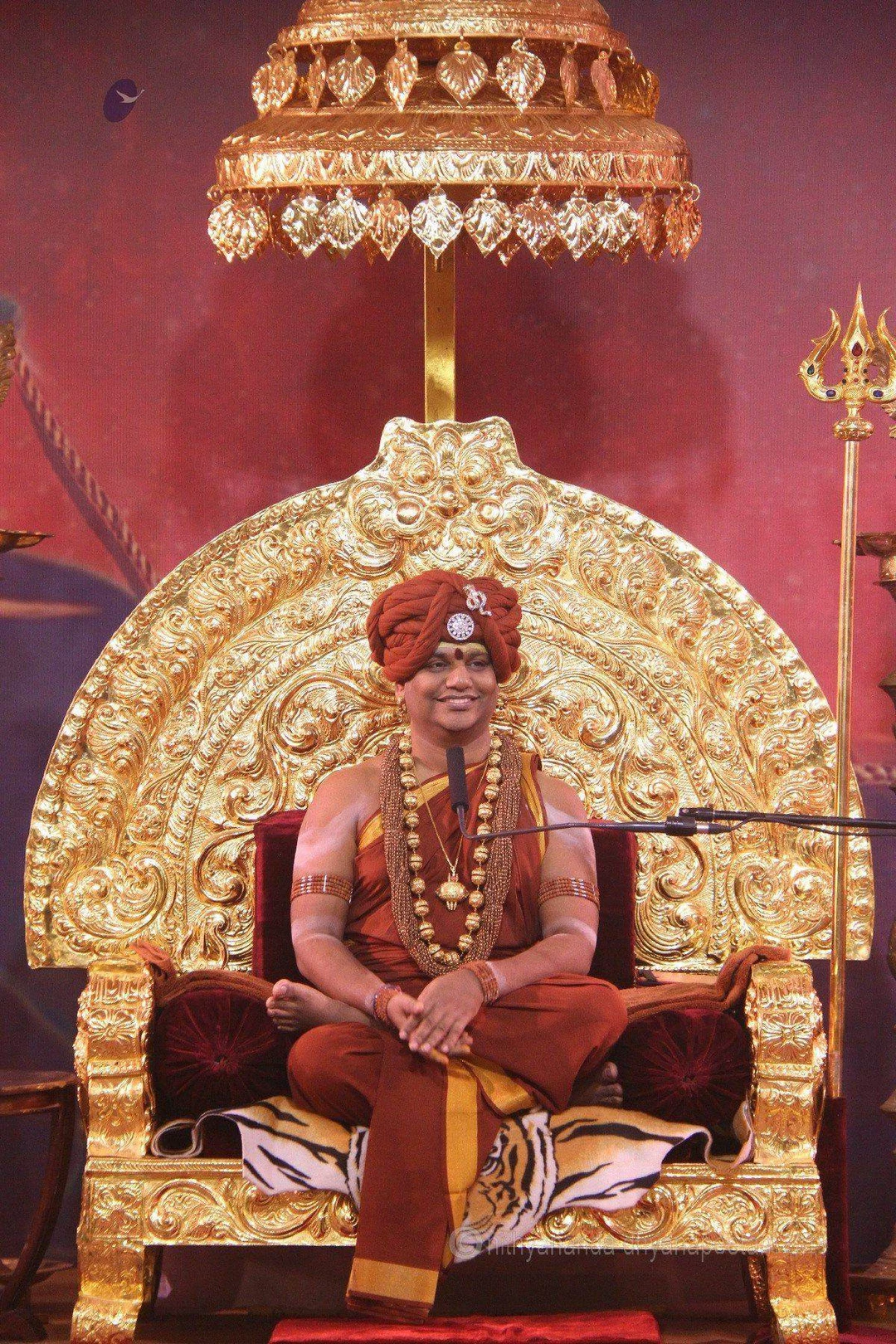
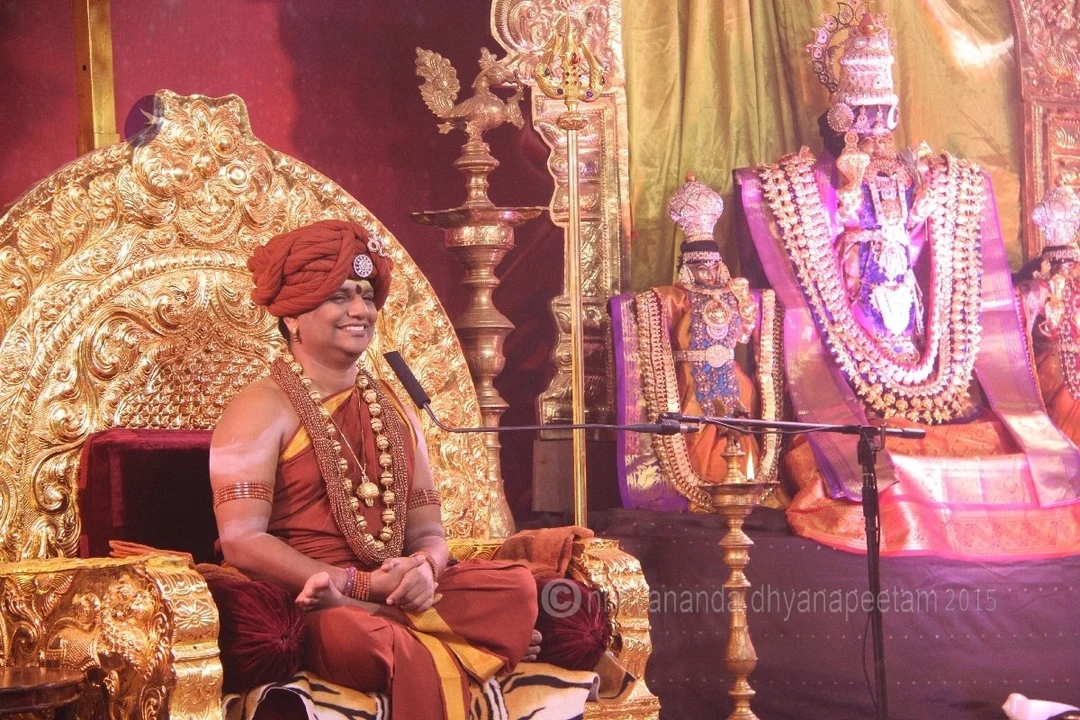
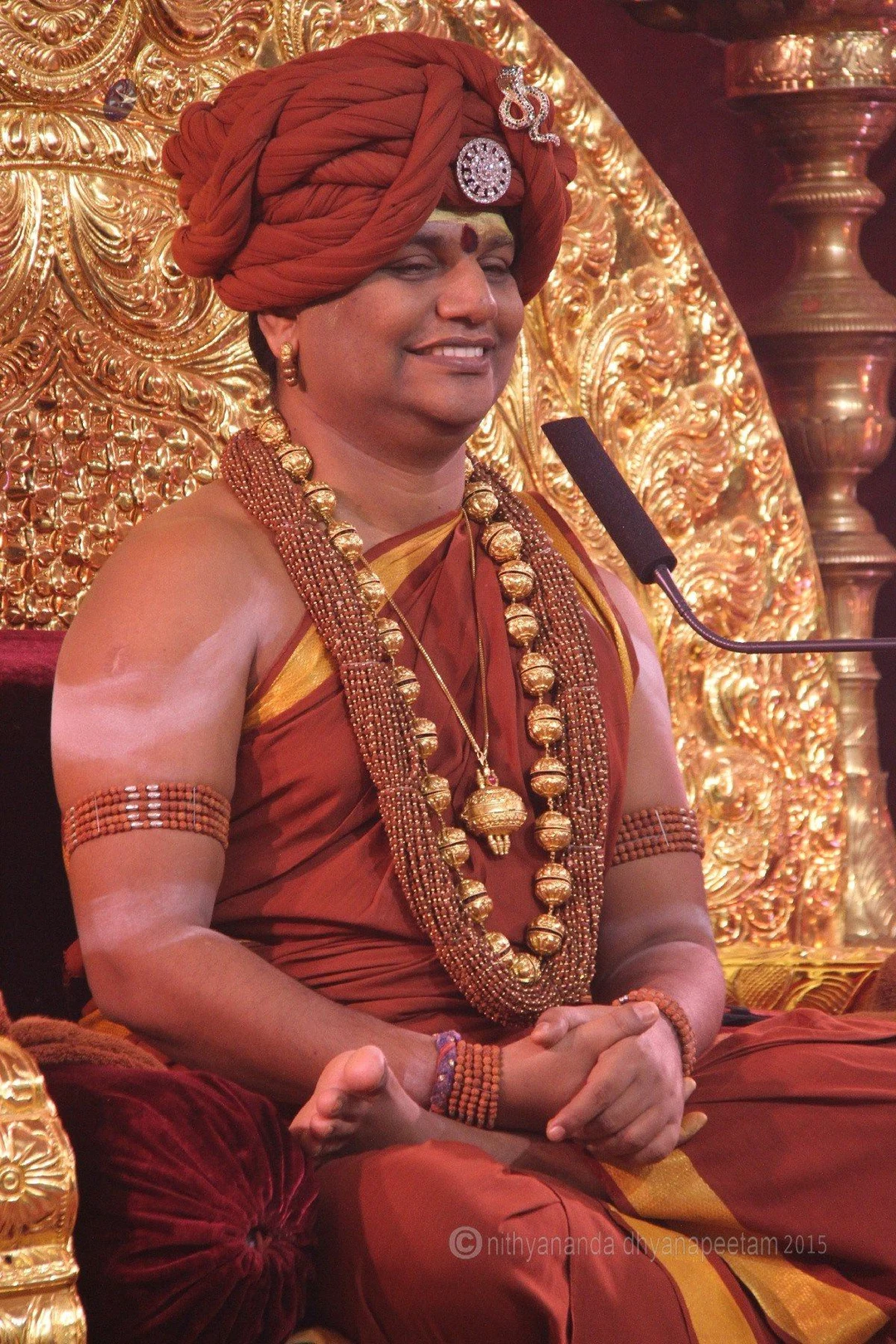
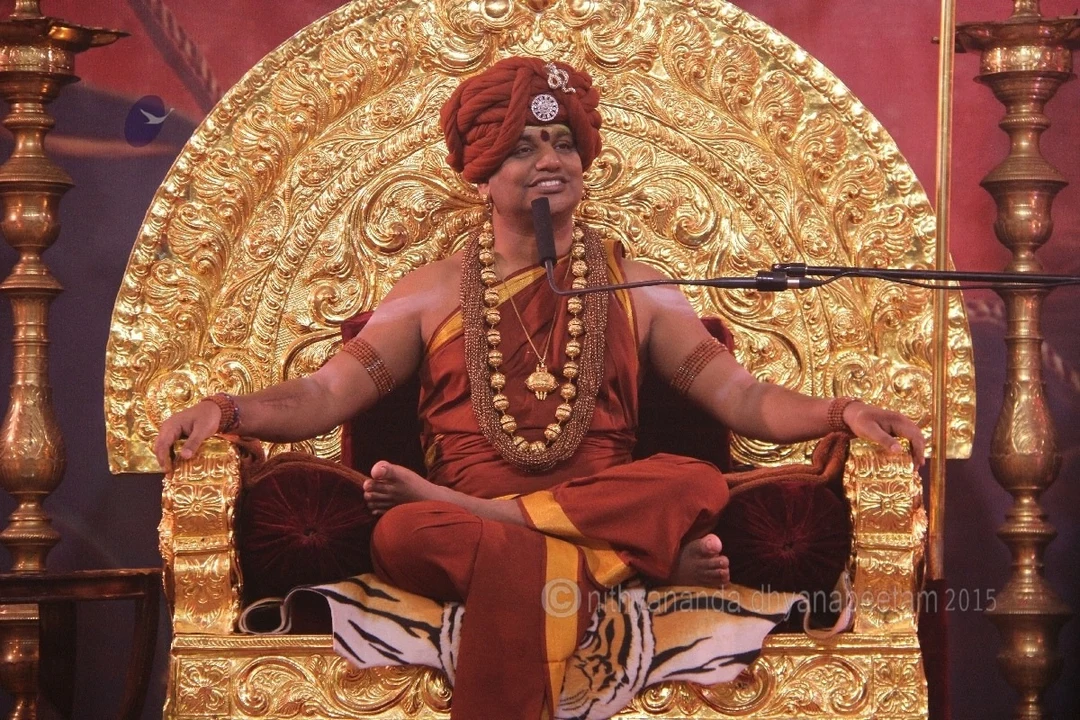
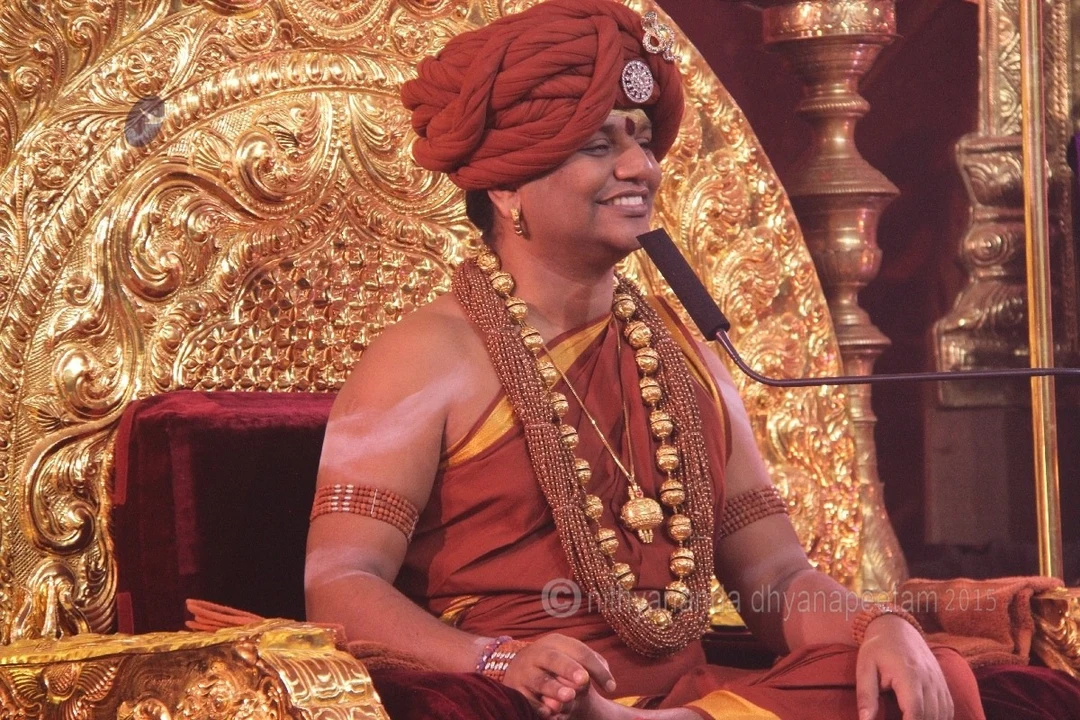
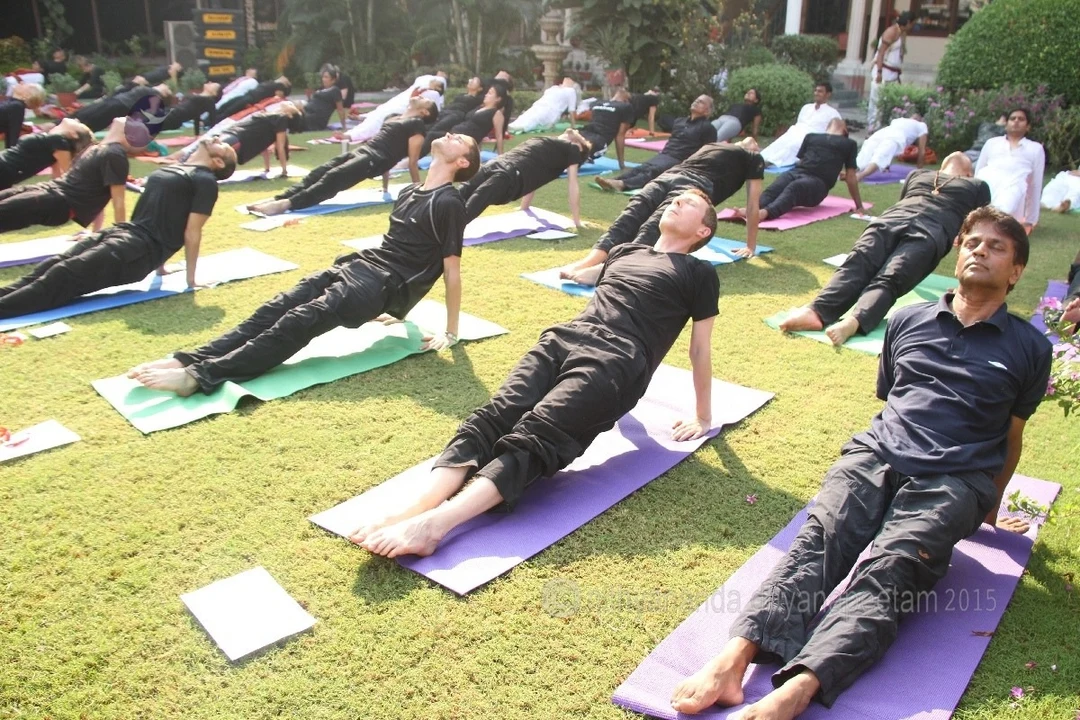
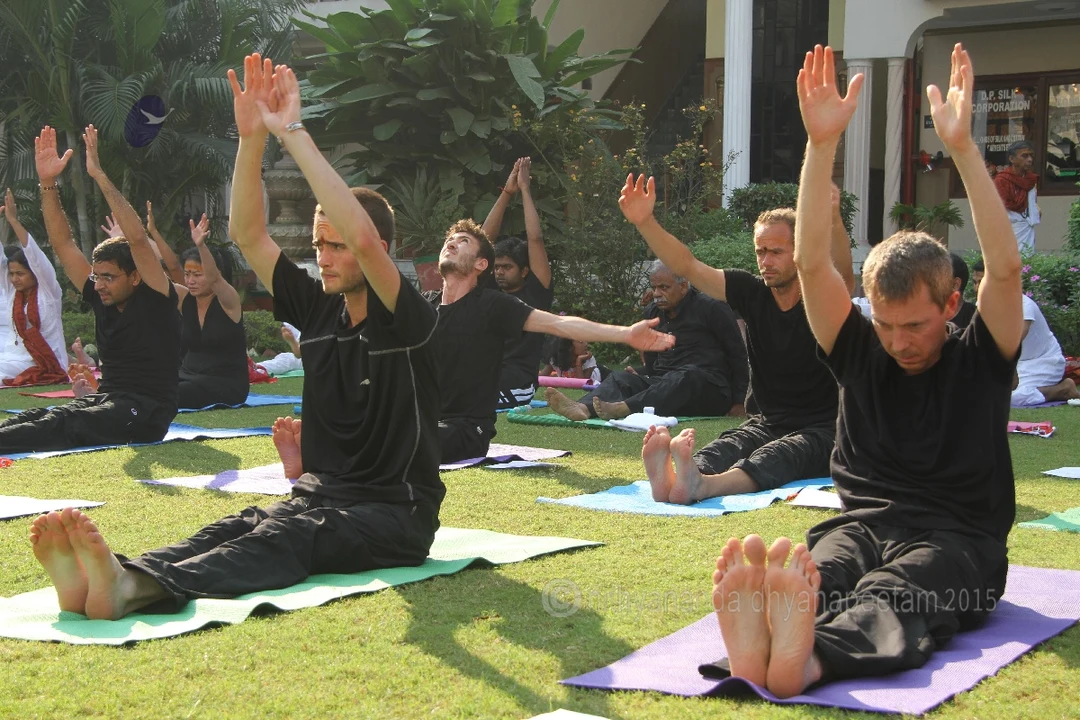
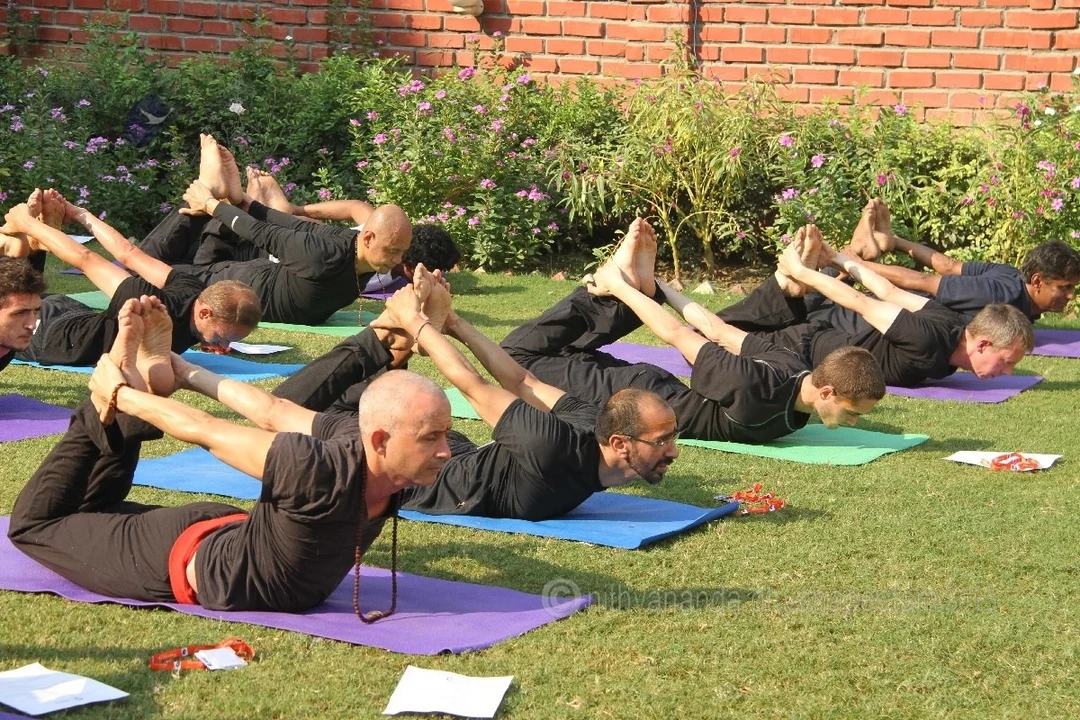
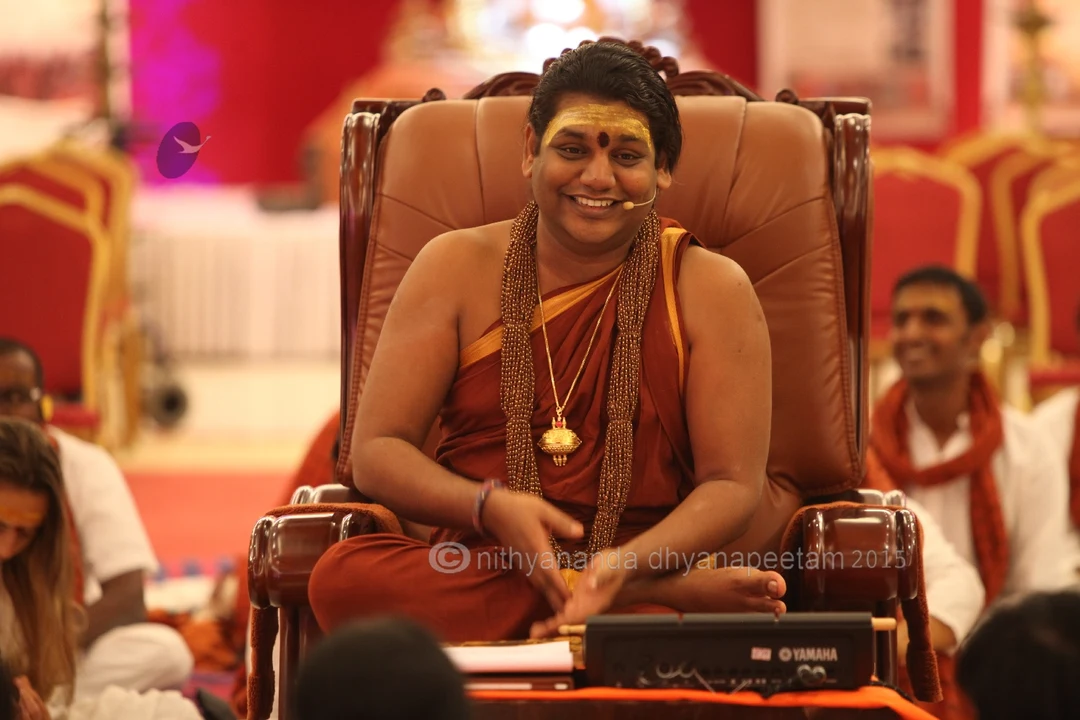
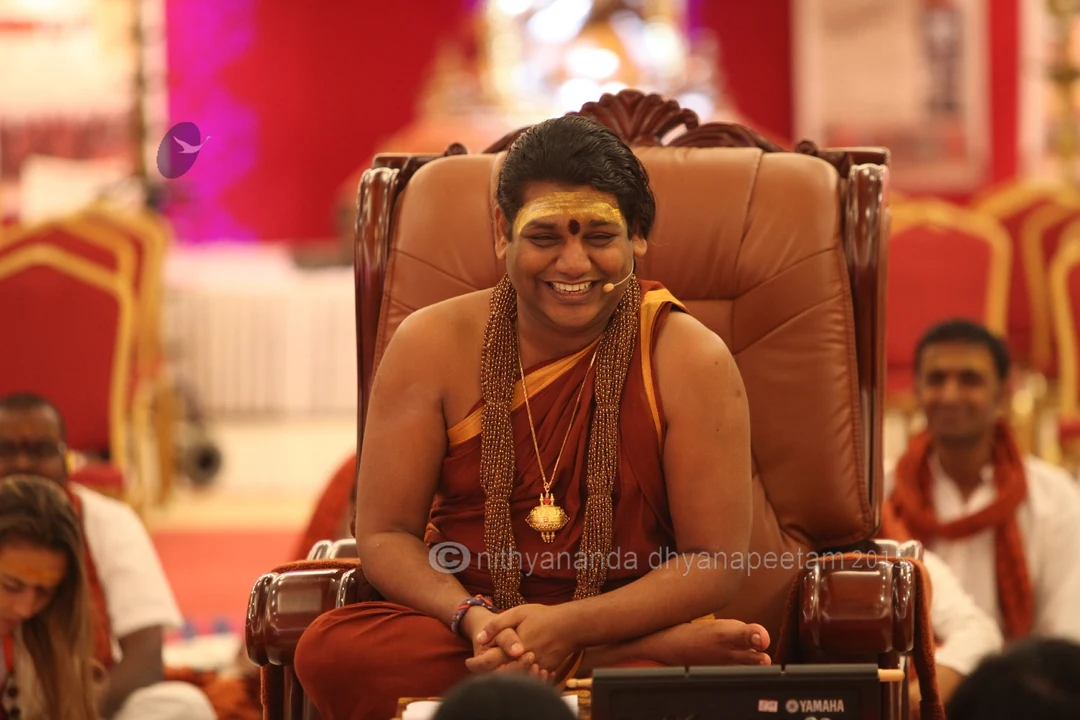
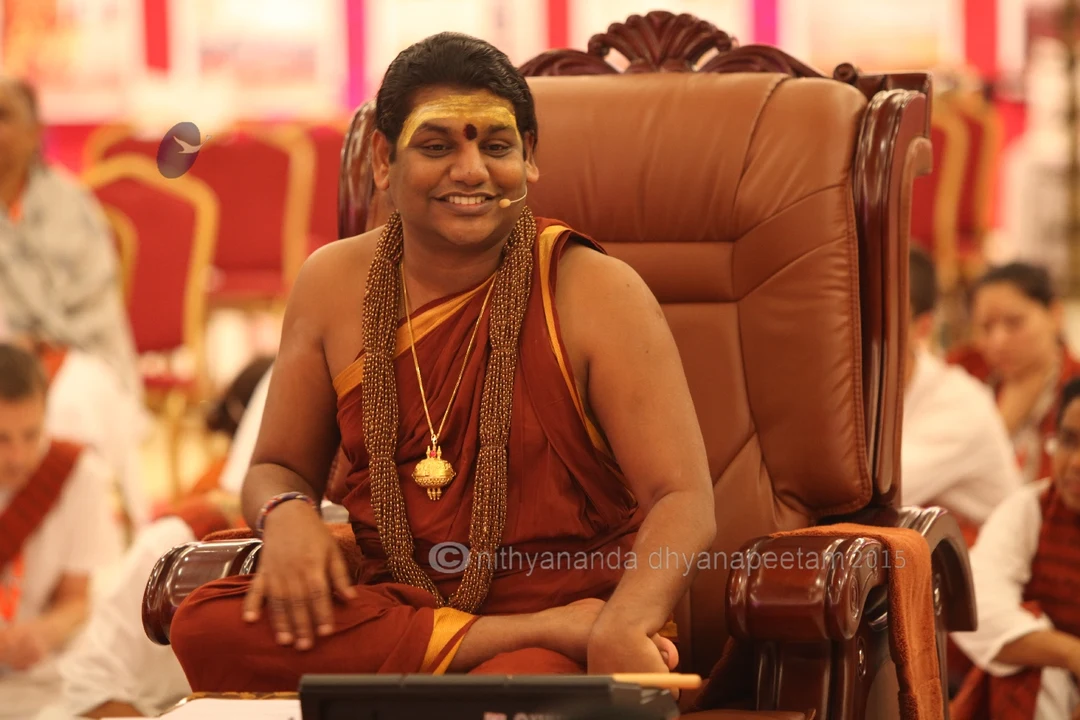
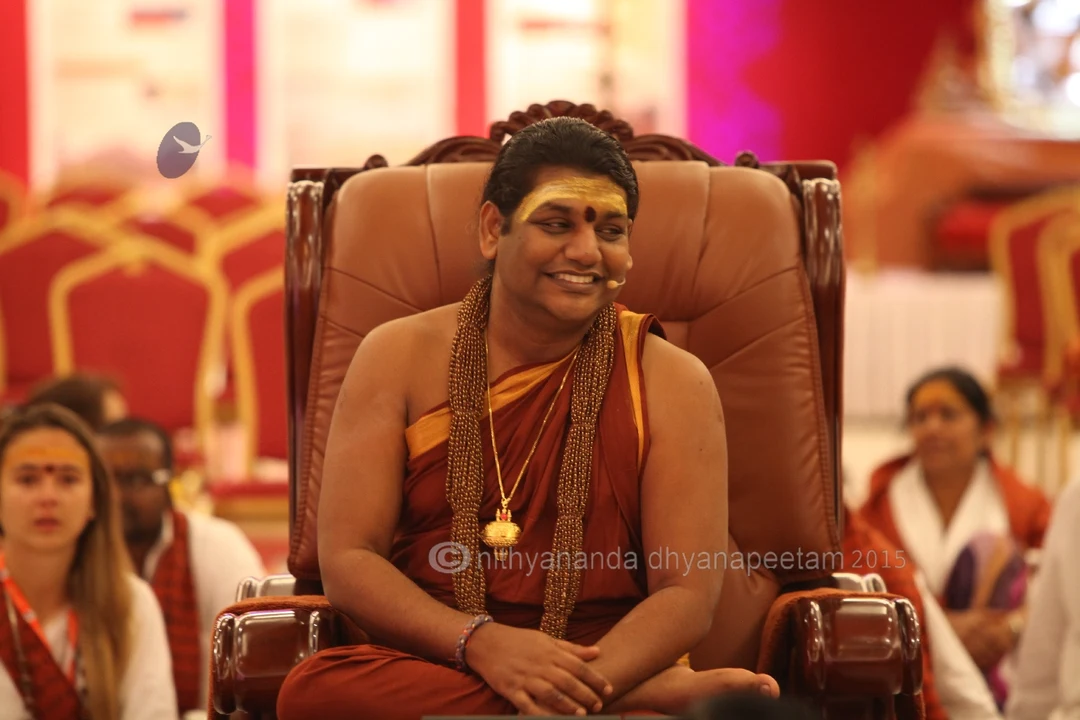
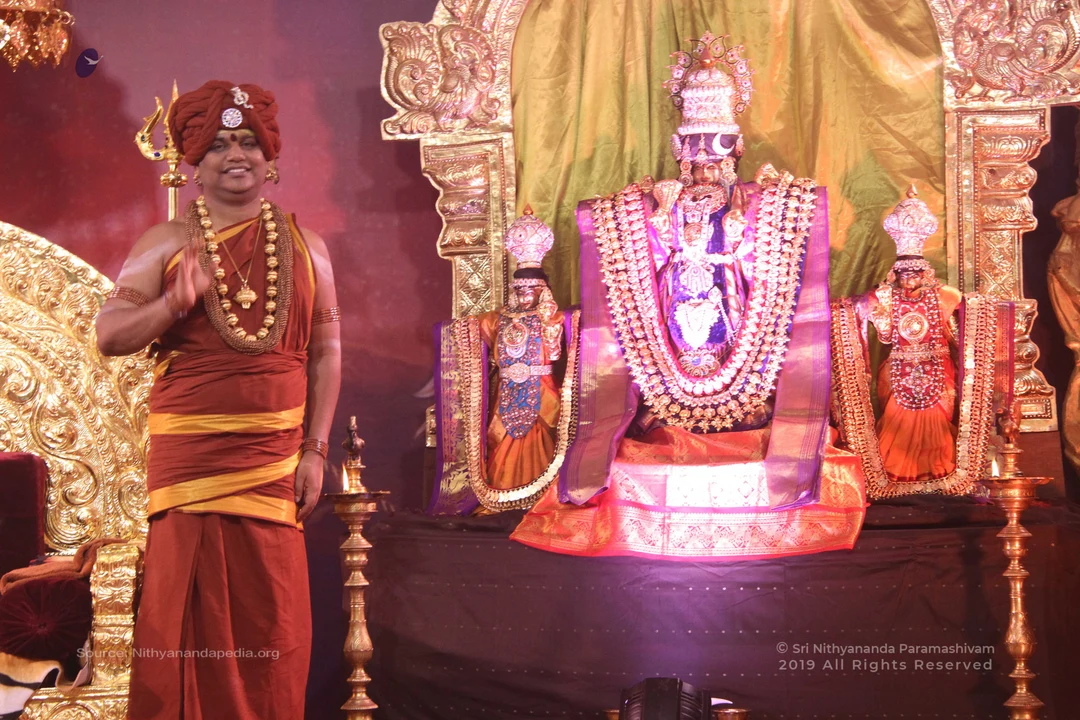
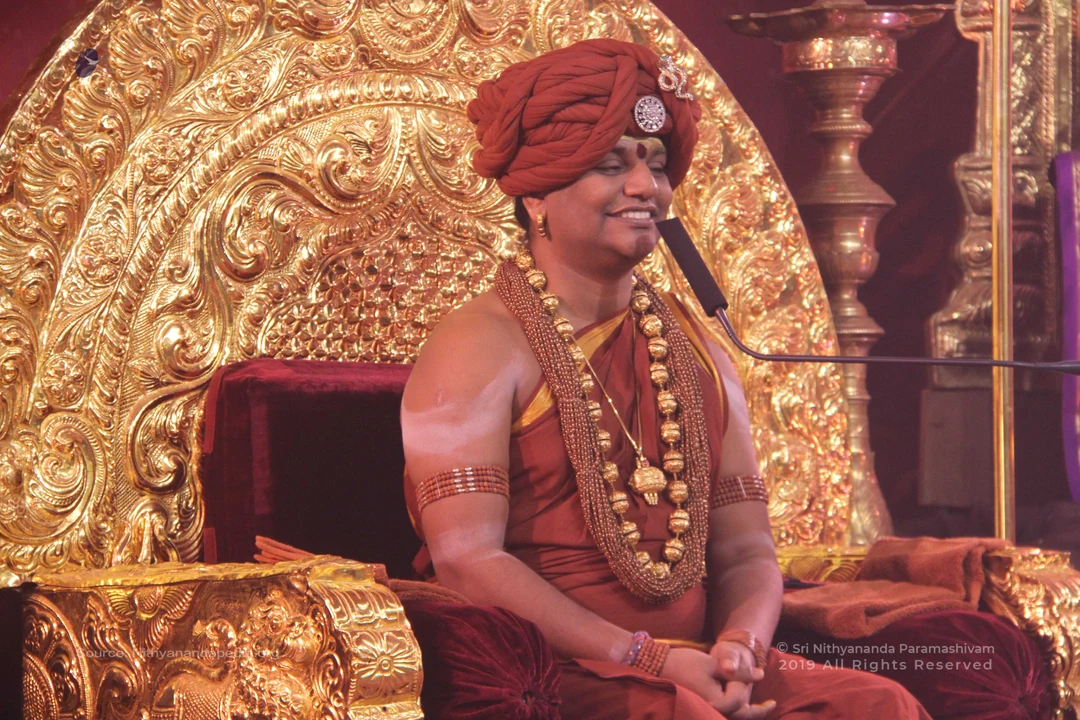
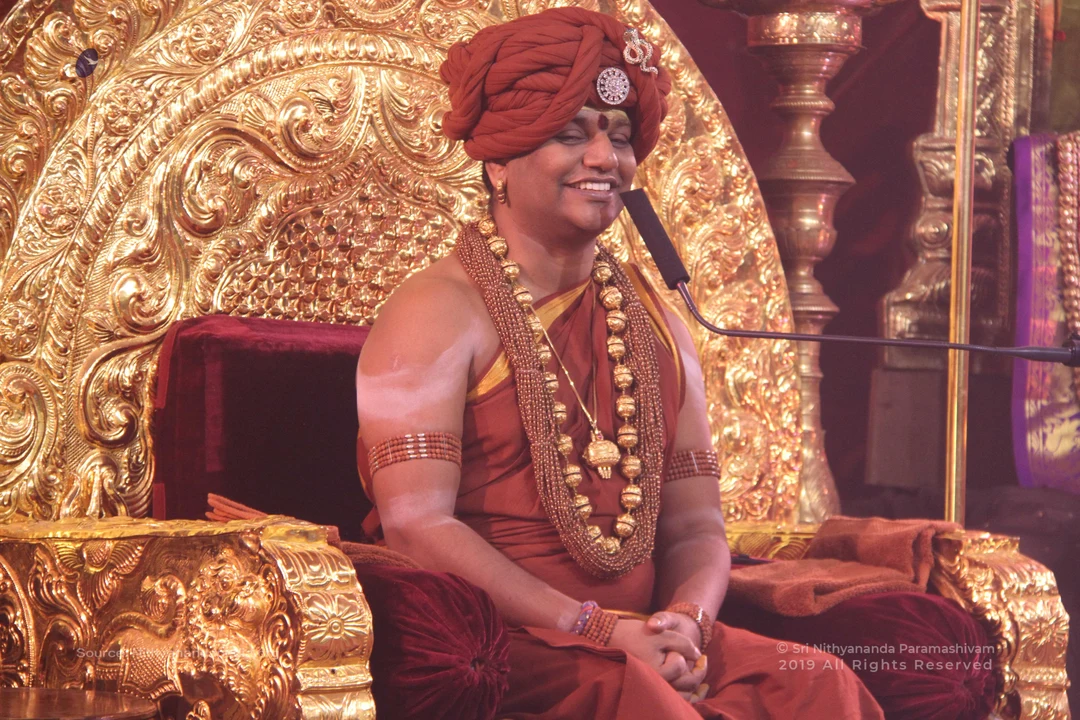
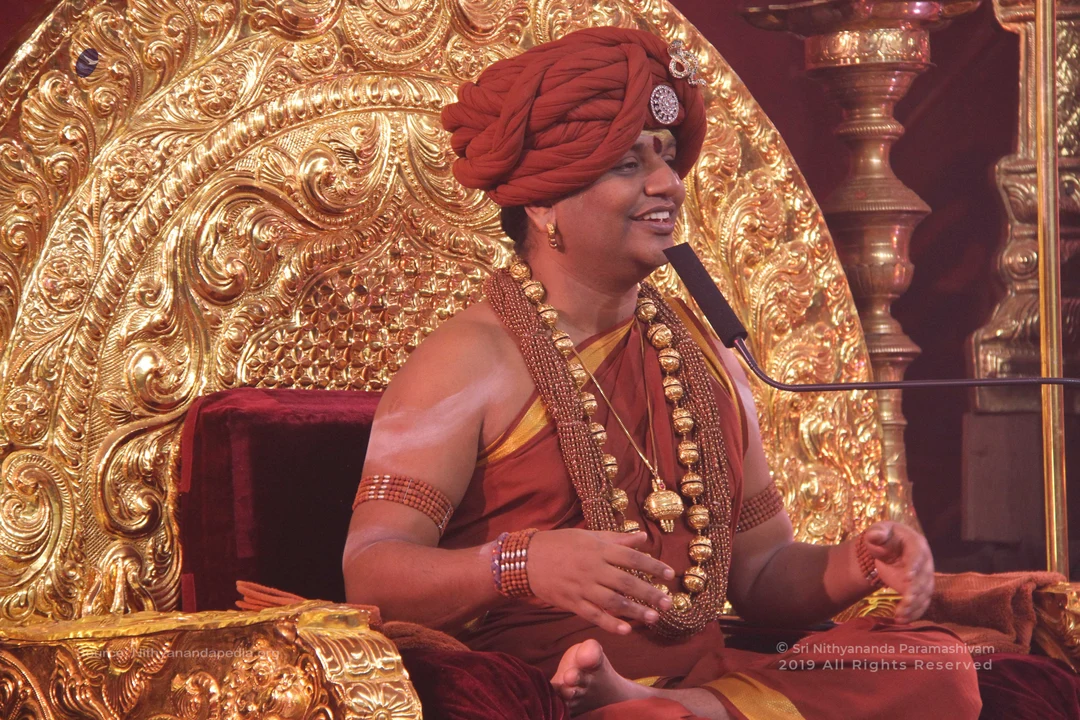
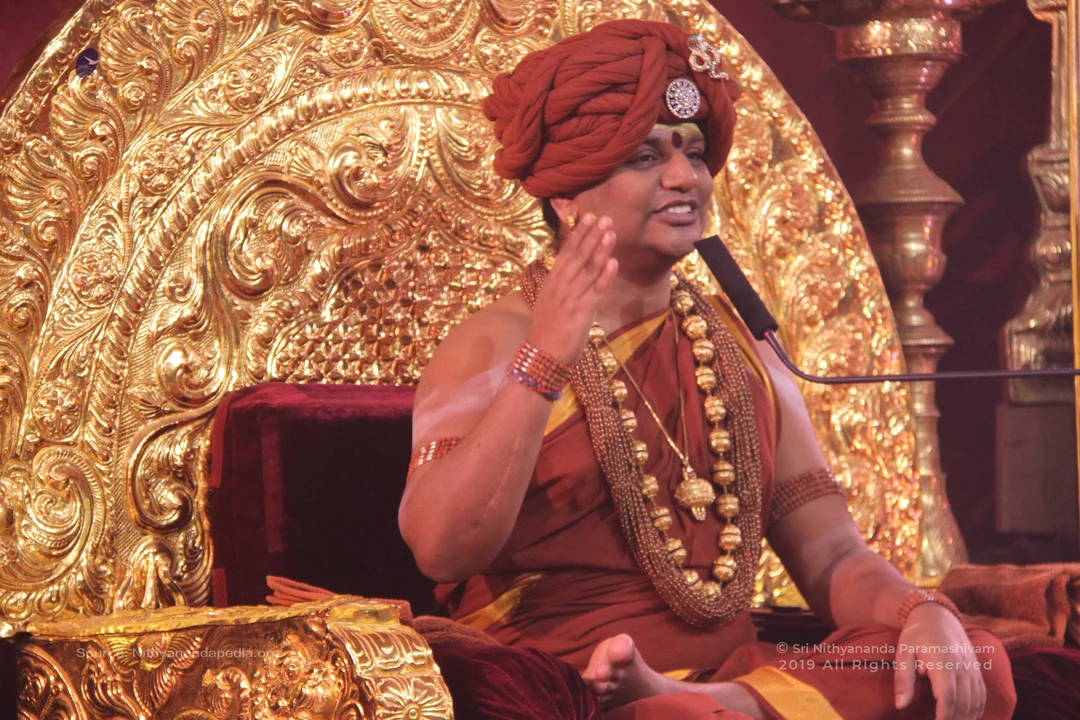
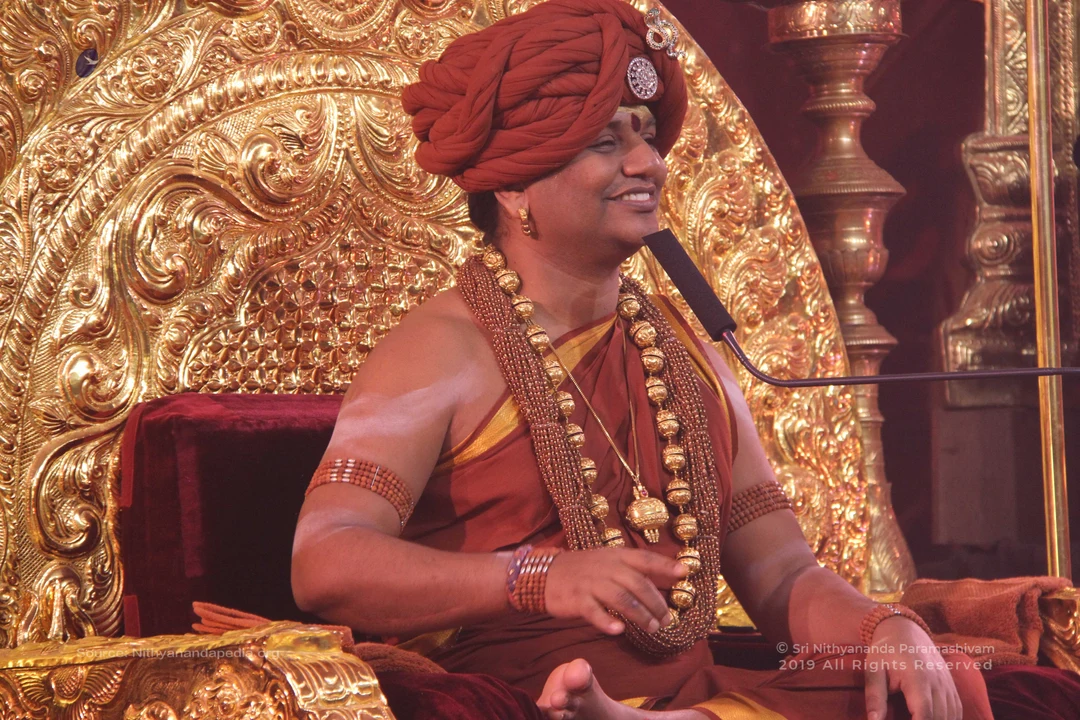
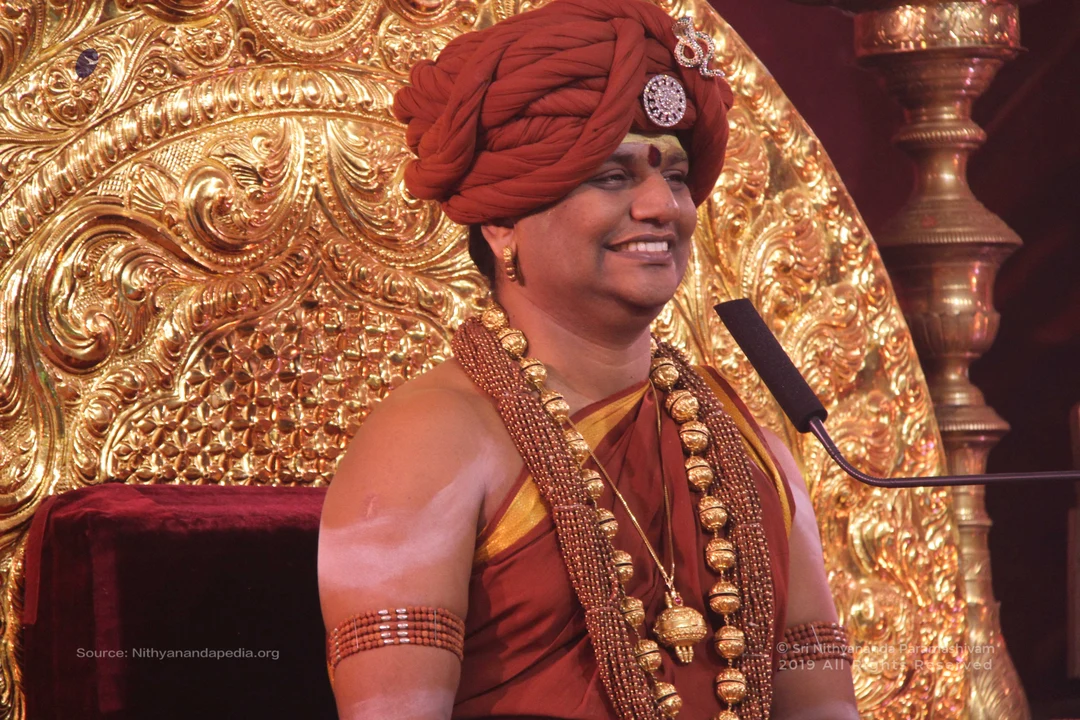
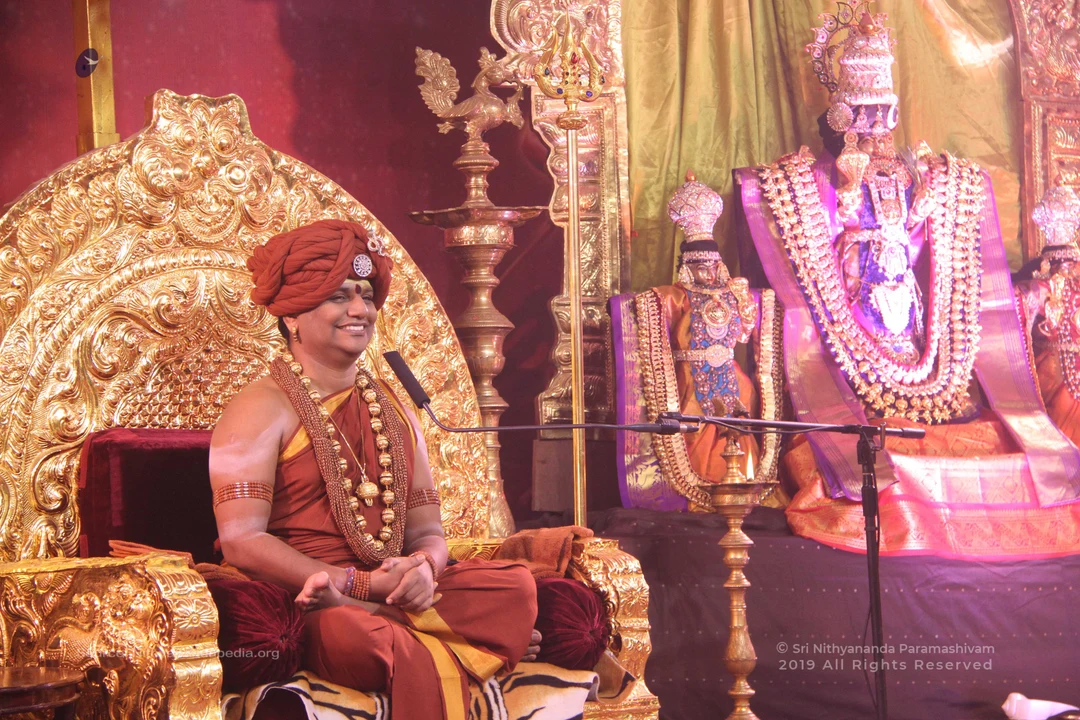
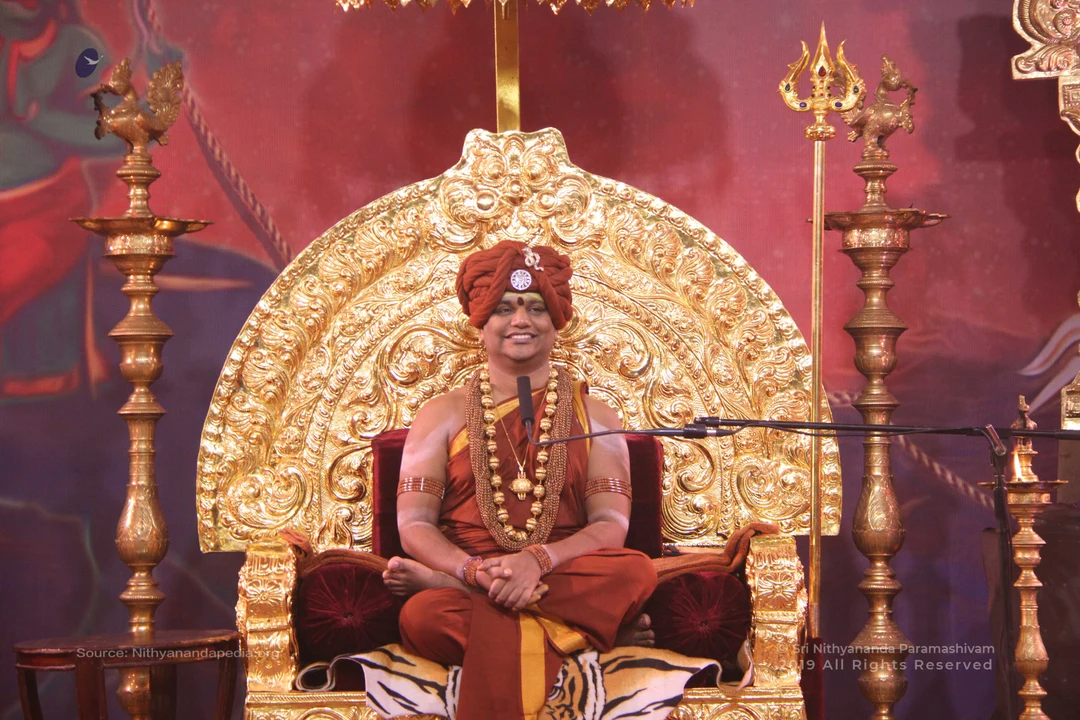
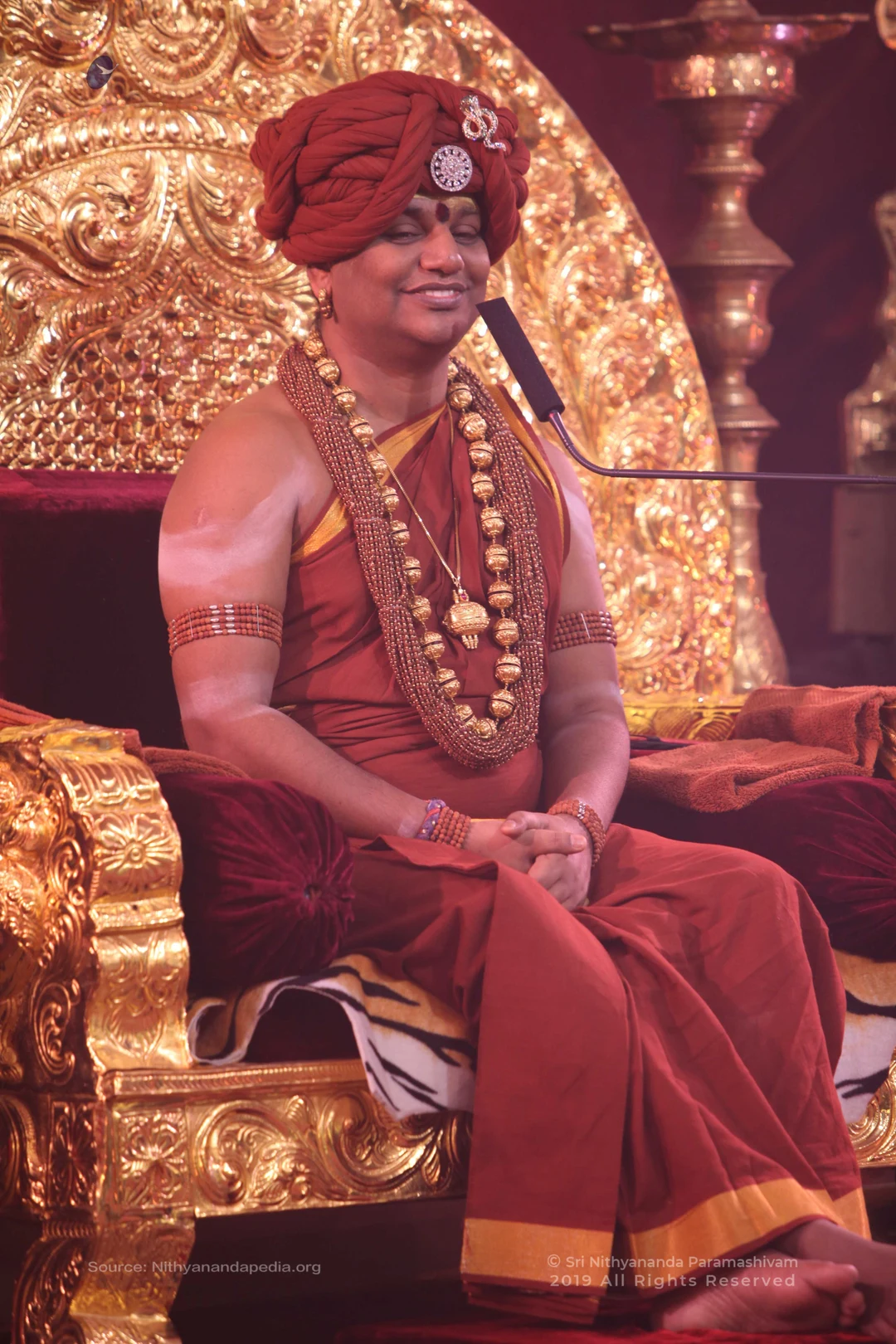
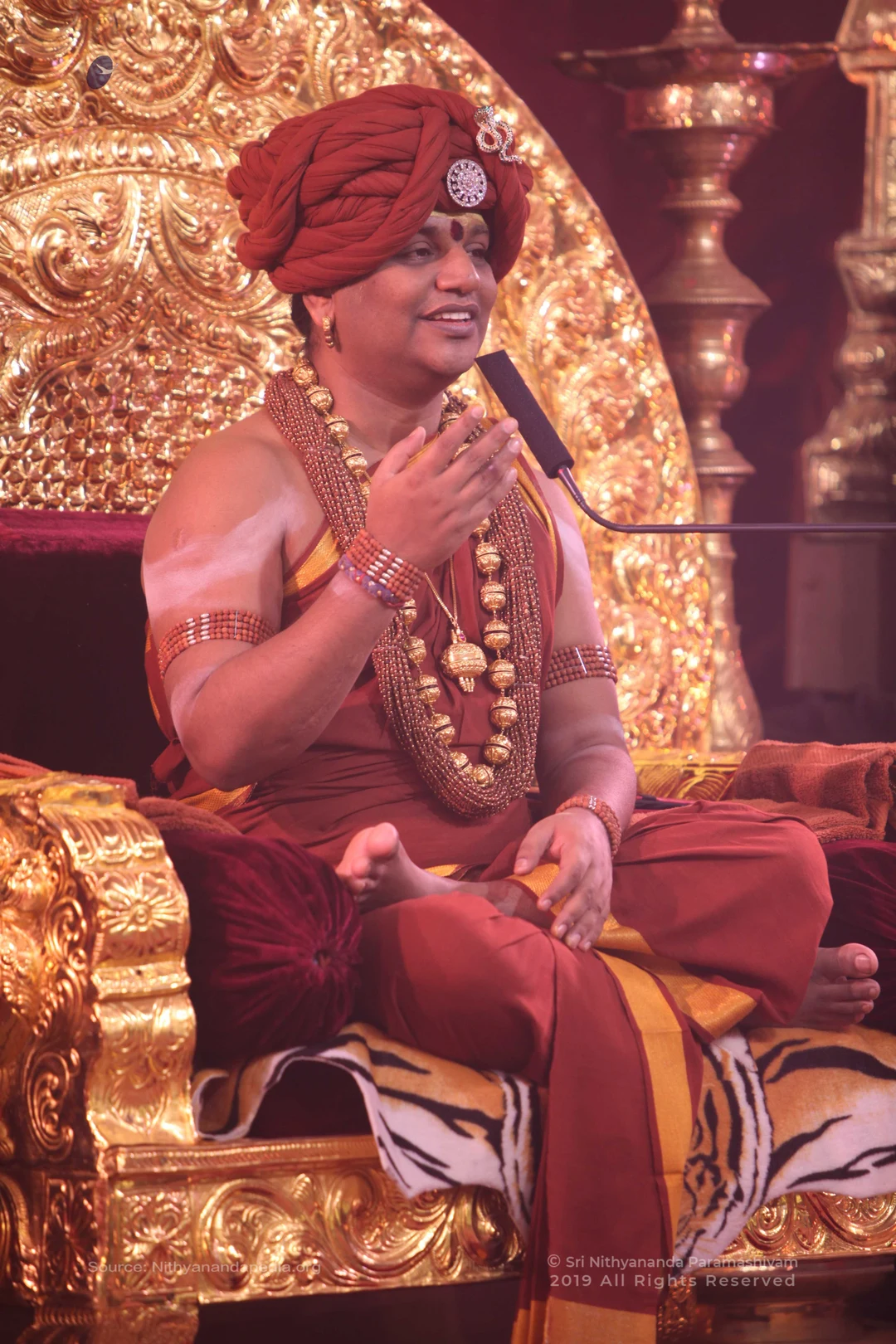
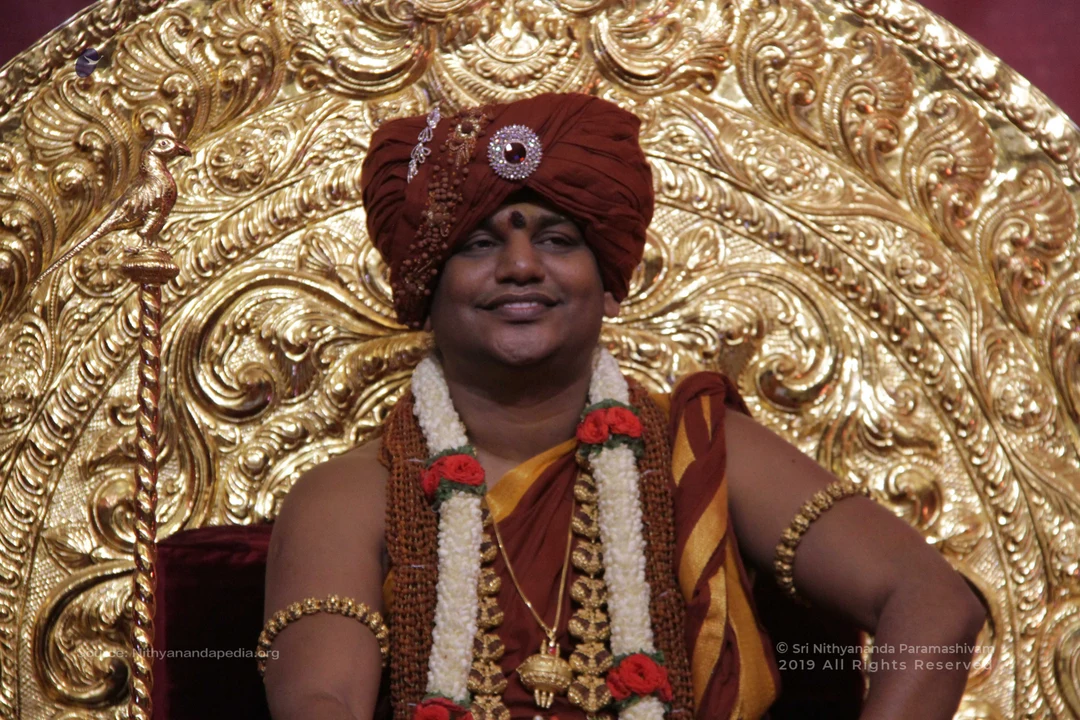
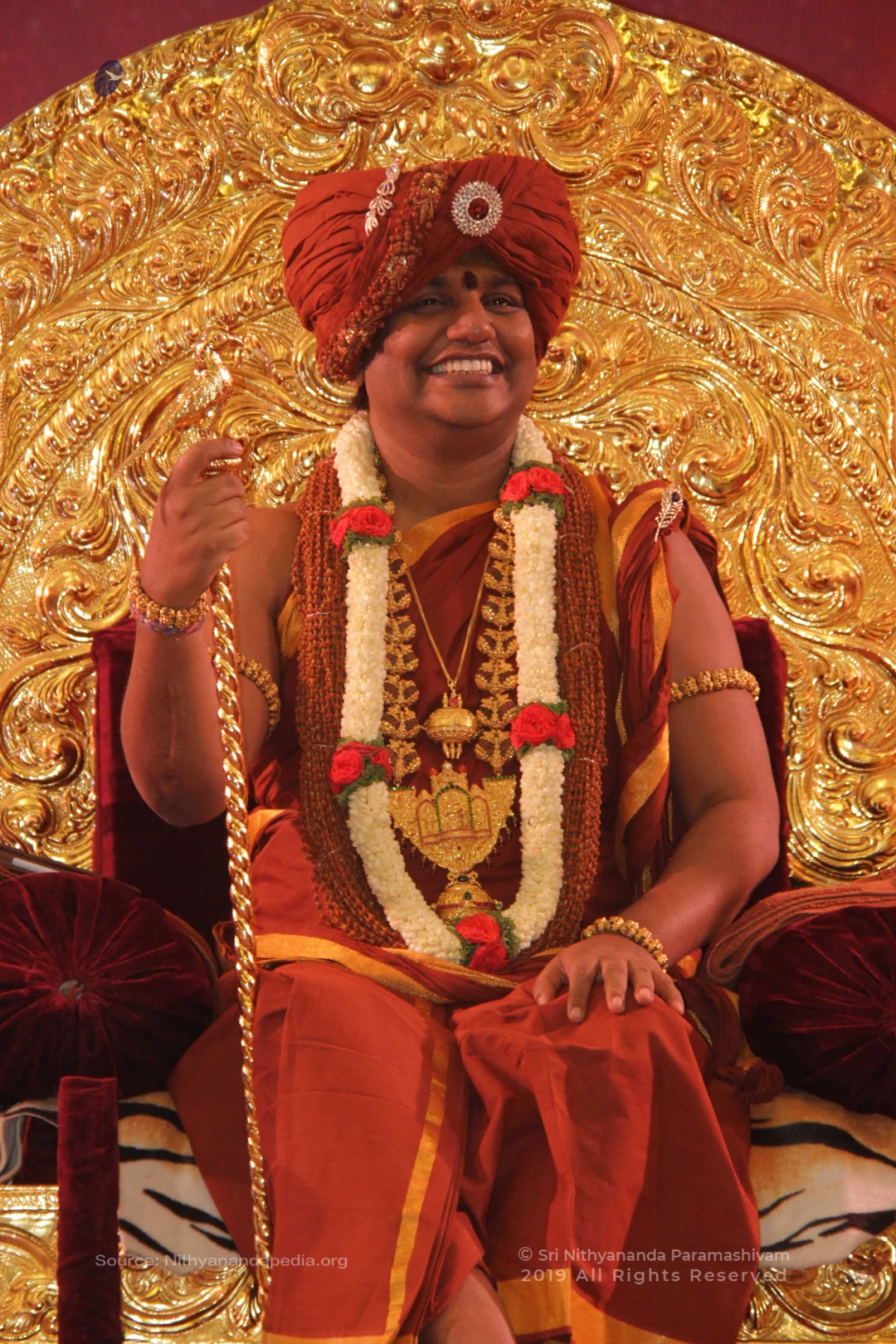
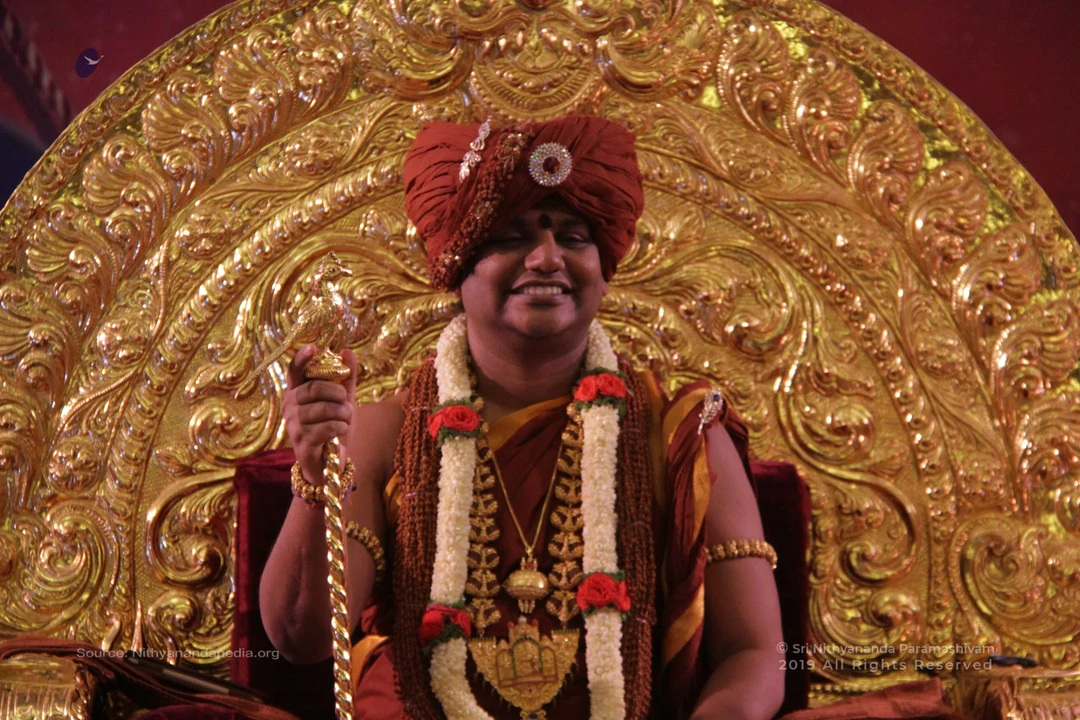
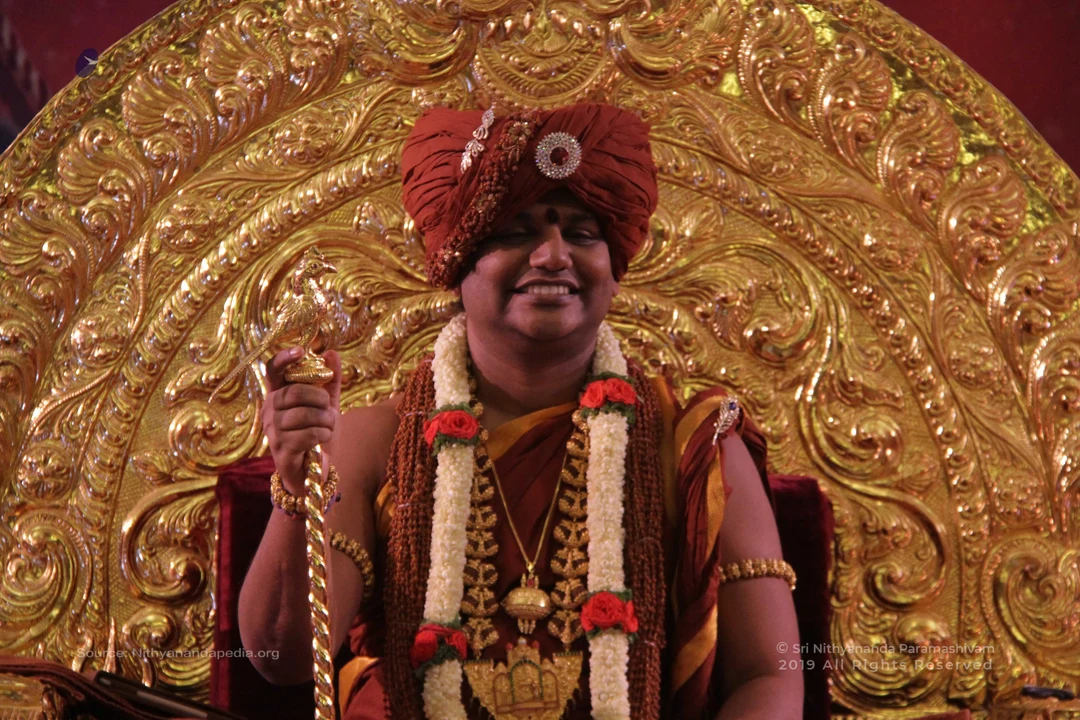
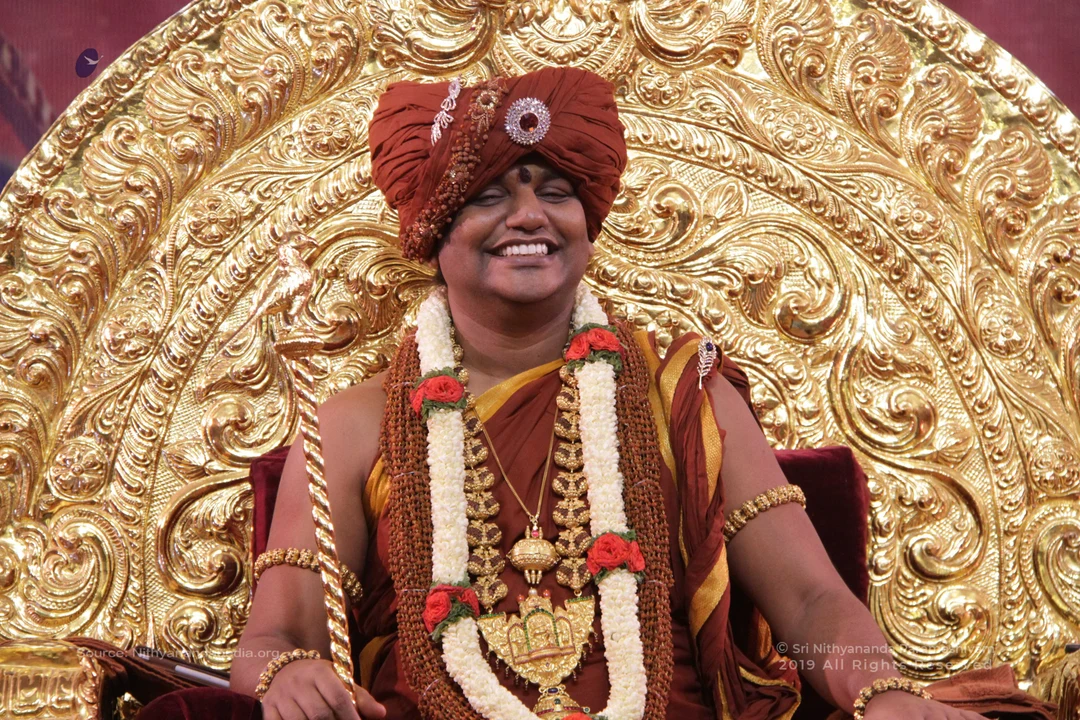
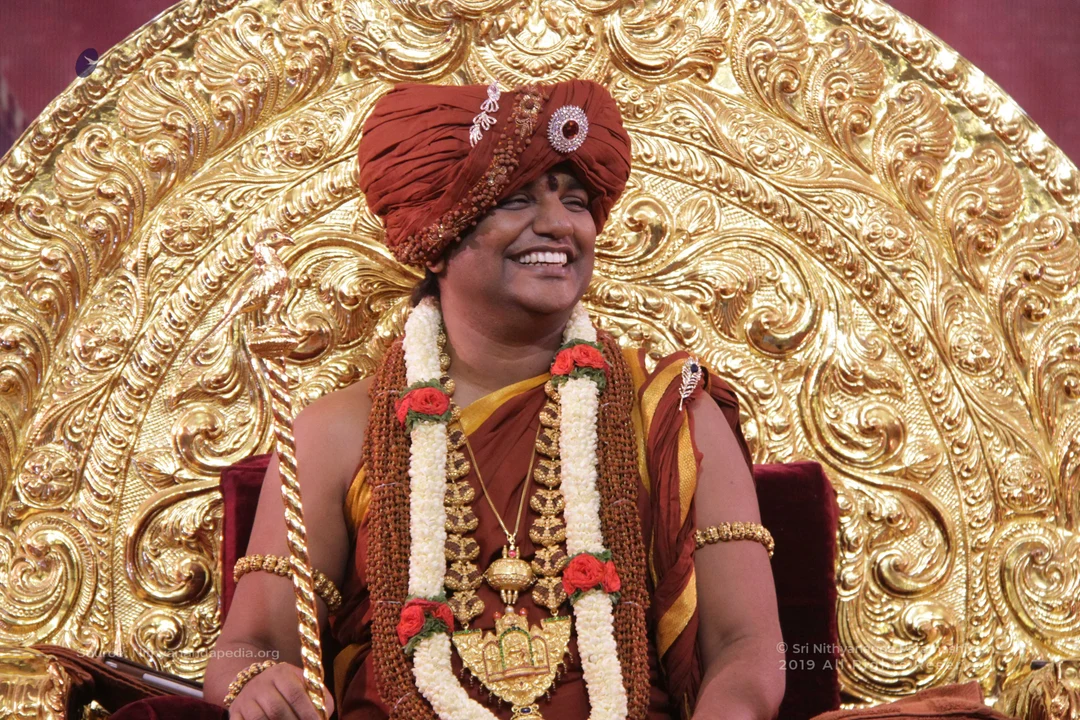
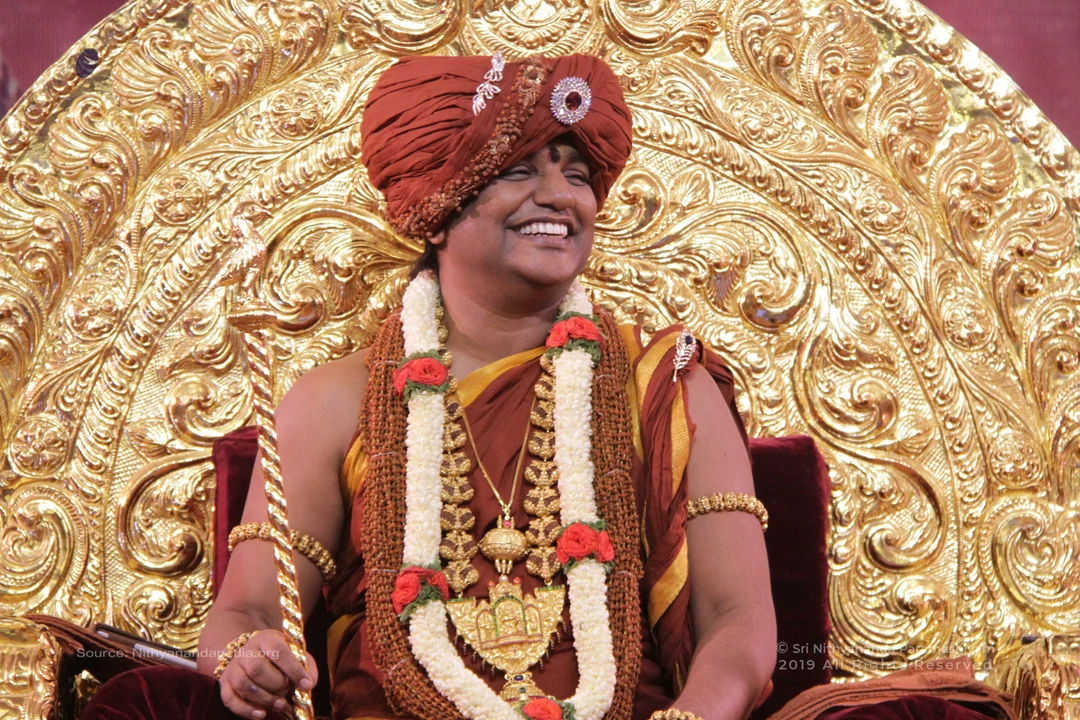
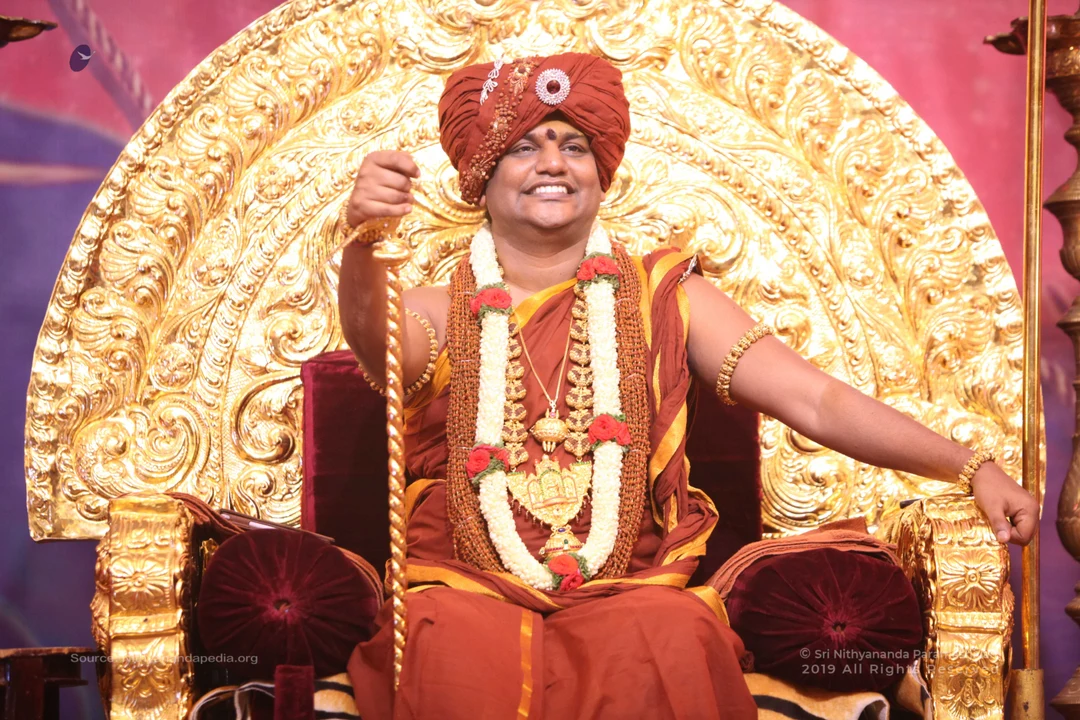
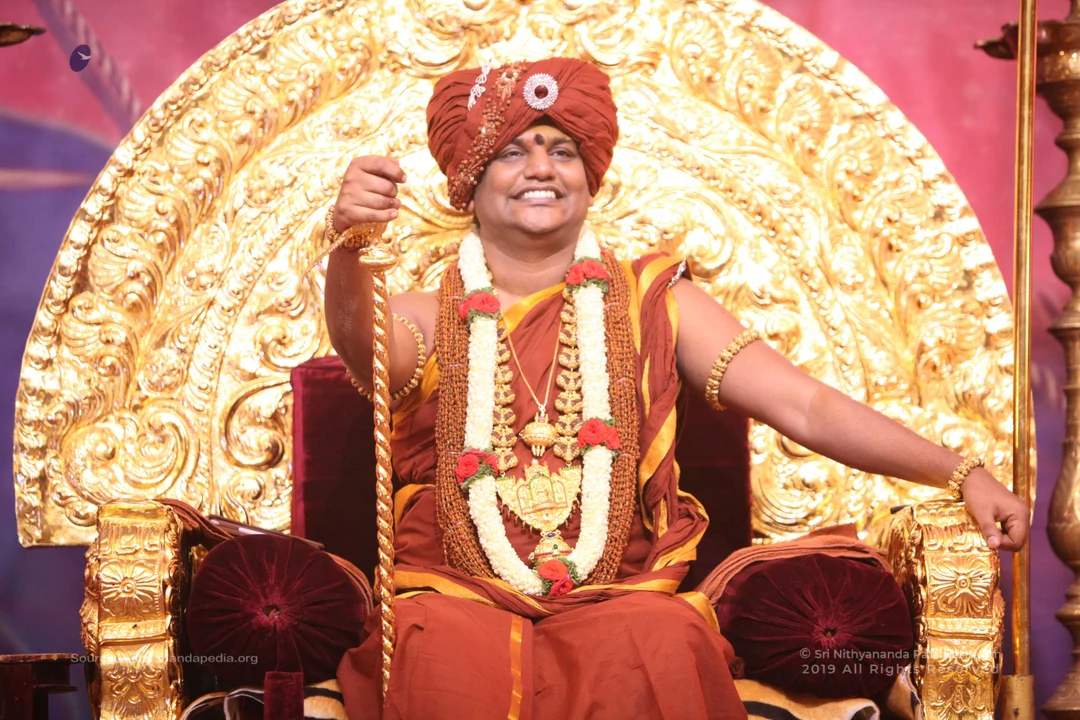
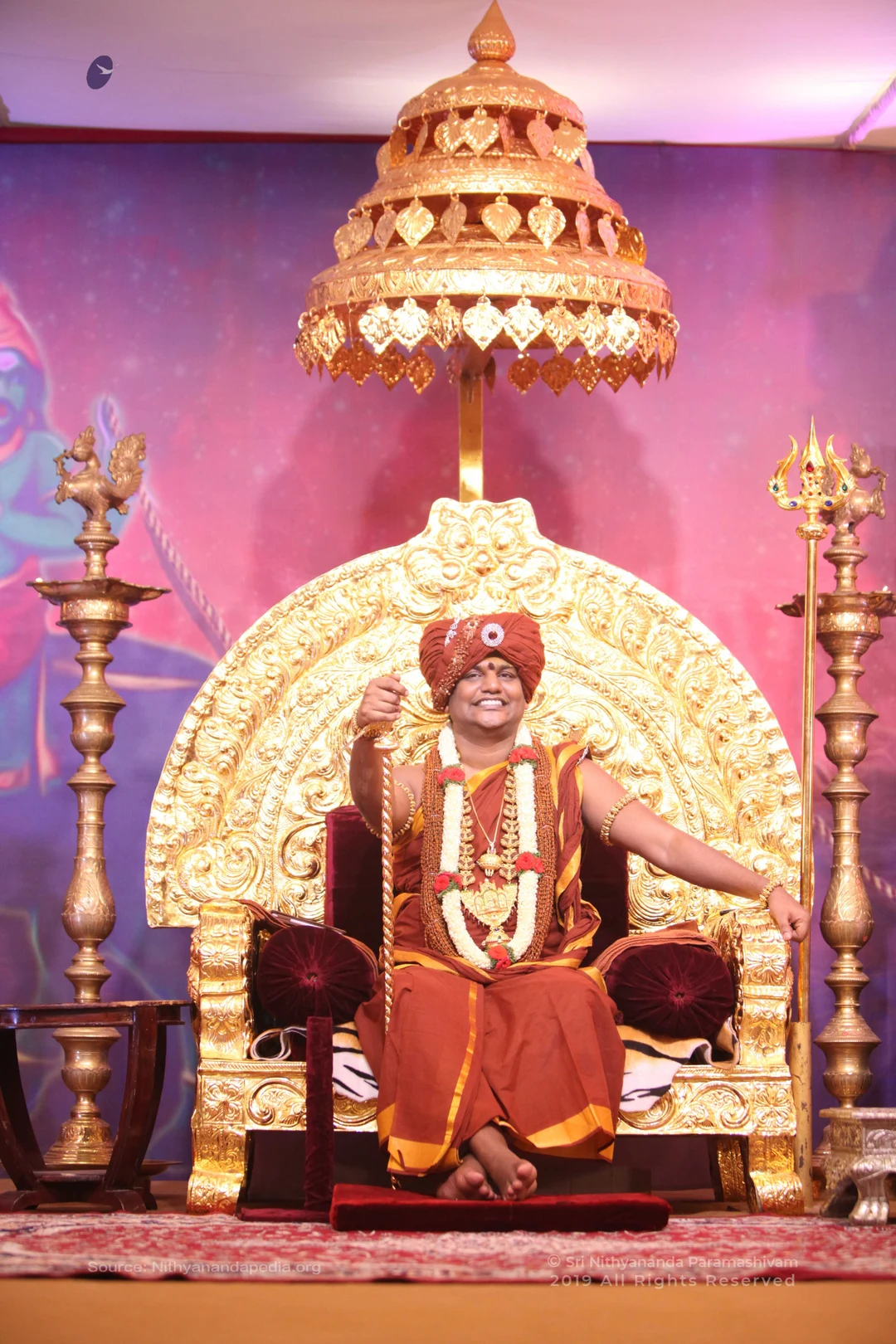
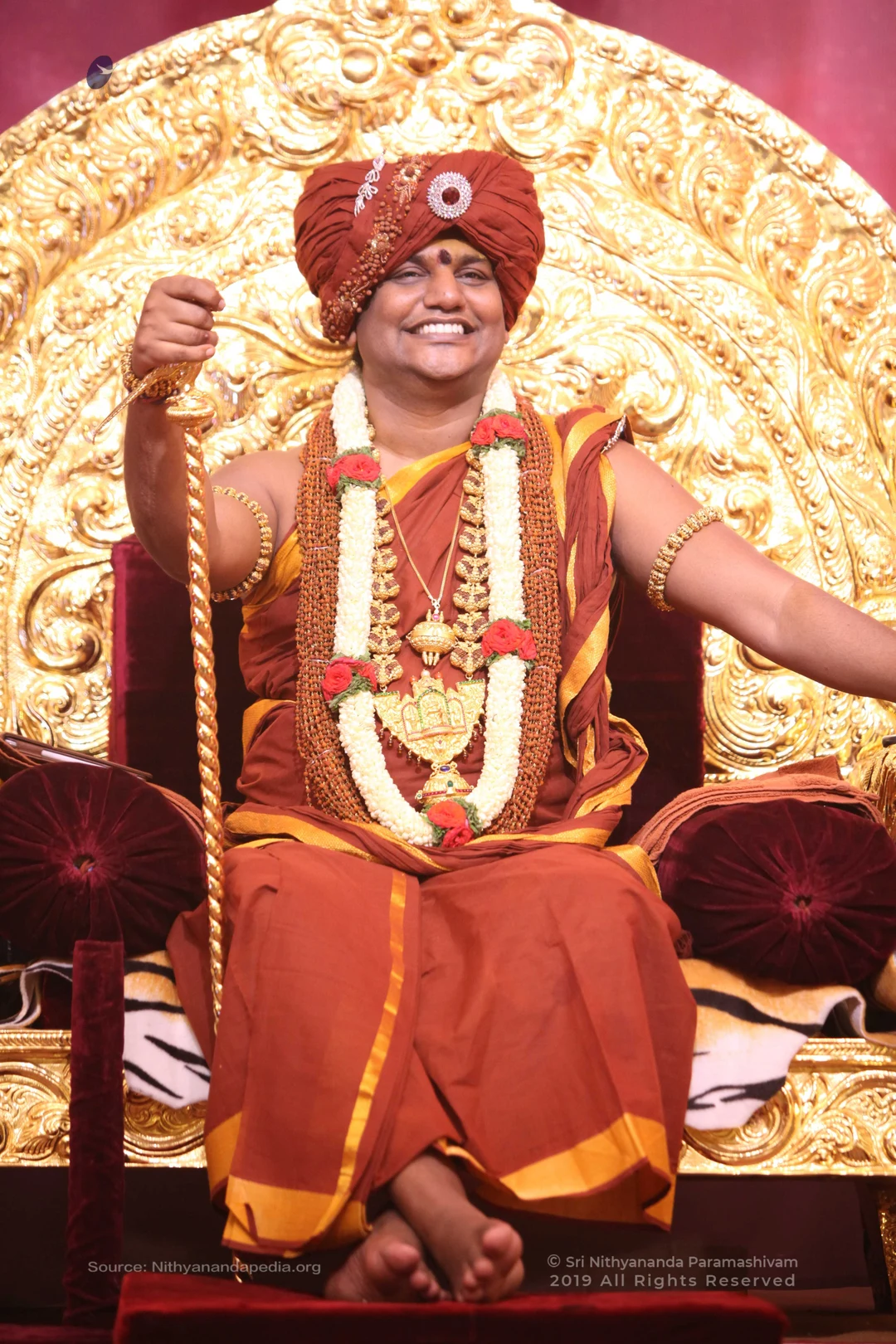
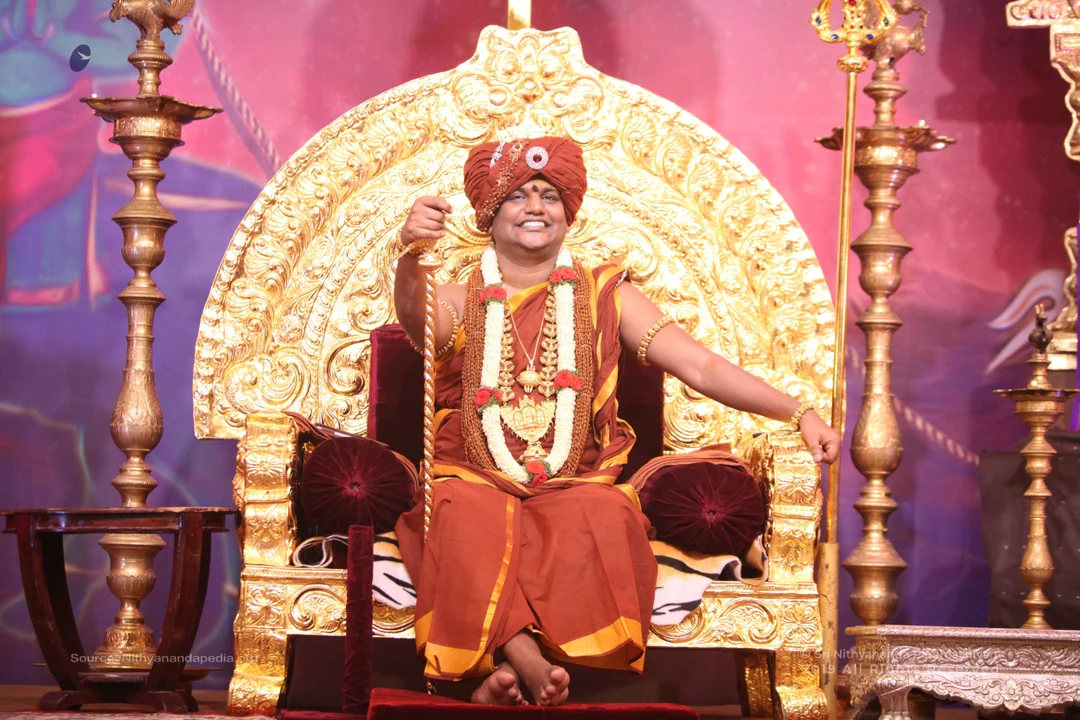
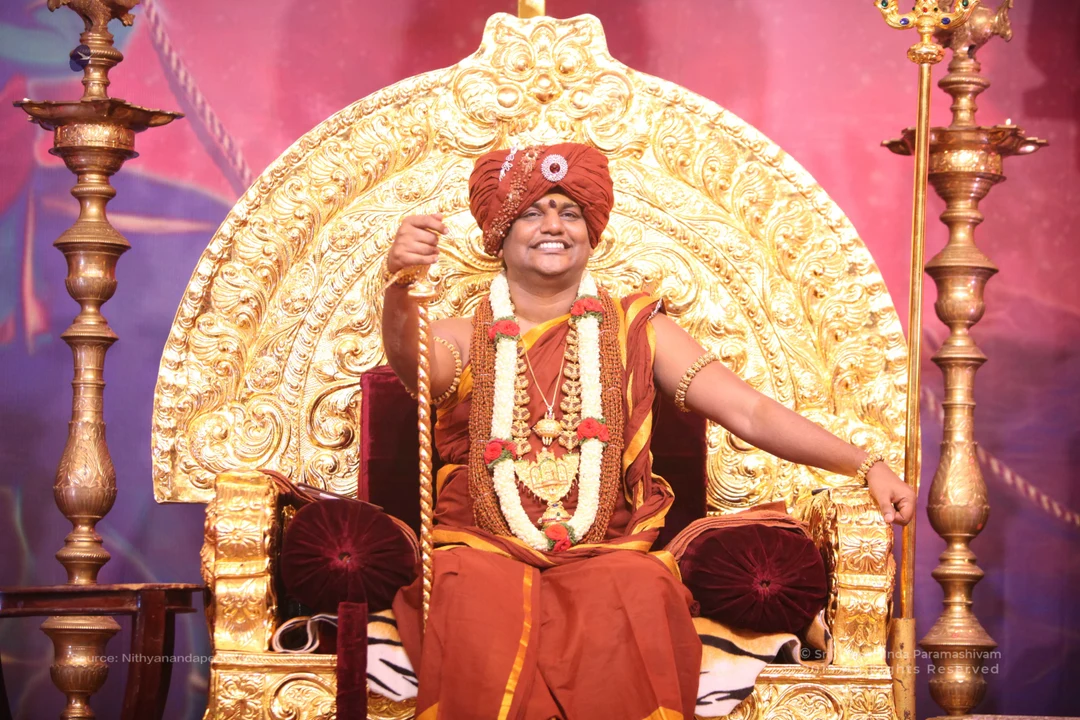
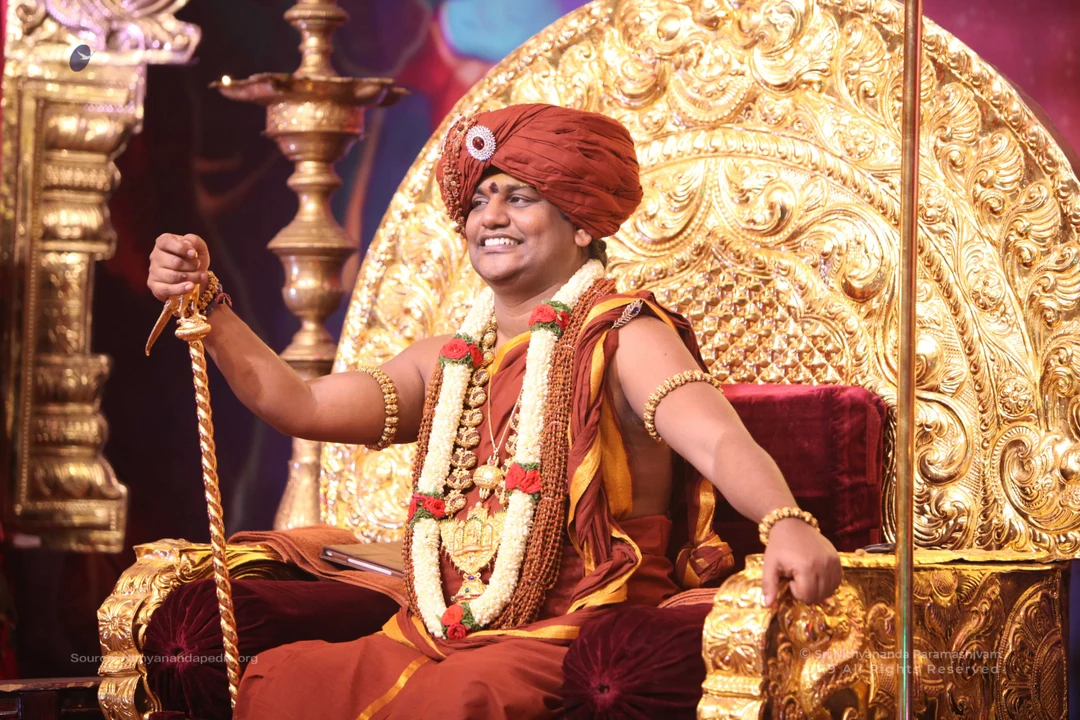
Link To Facebook Page:
https://www.facebook.com/ParamahamsaNithyananda/posts/907286409359210
Photos Of The Day:
Morning-Satsang
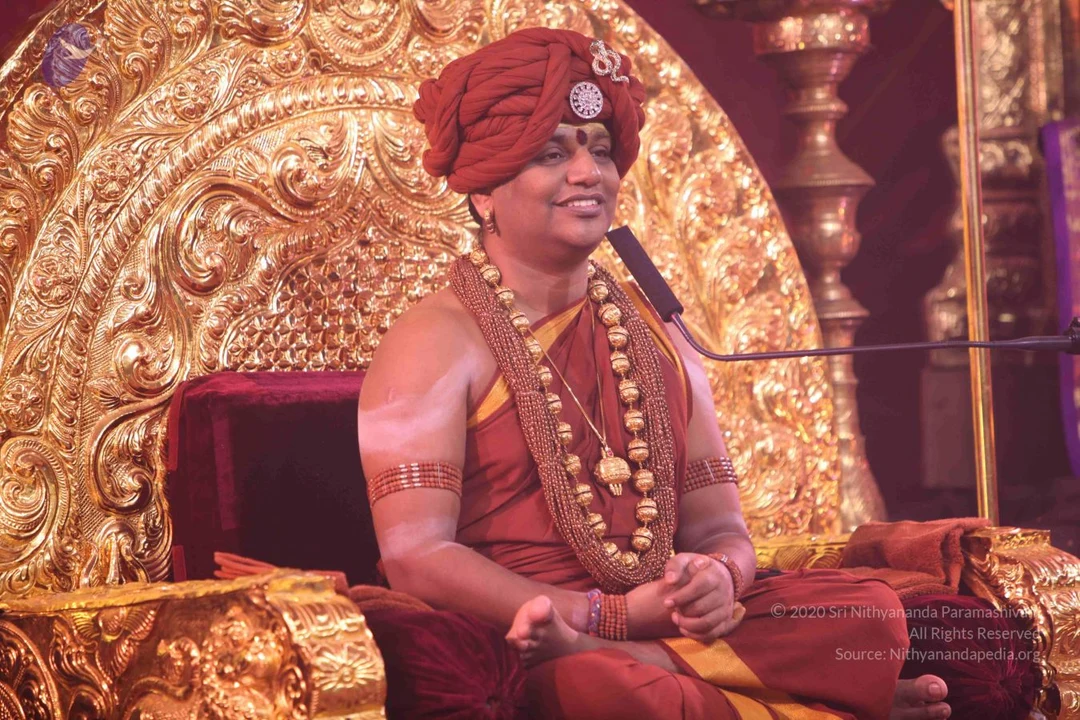
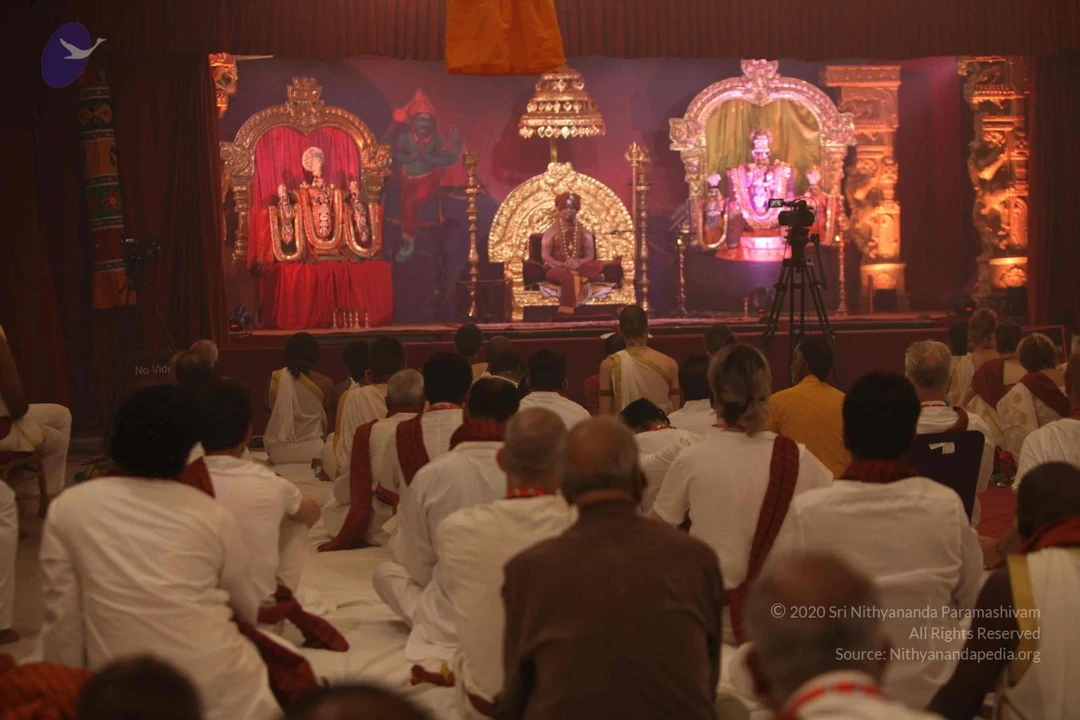
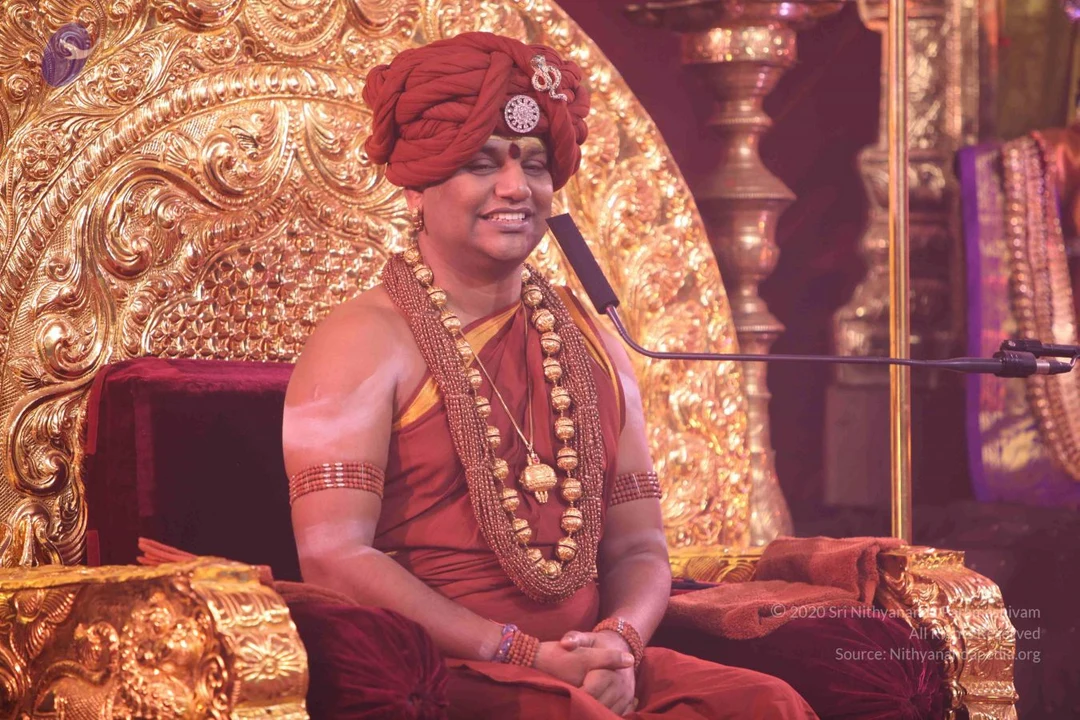
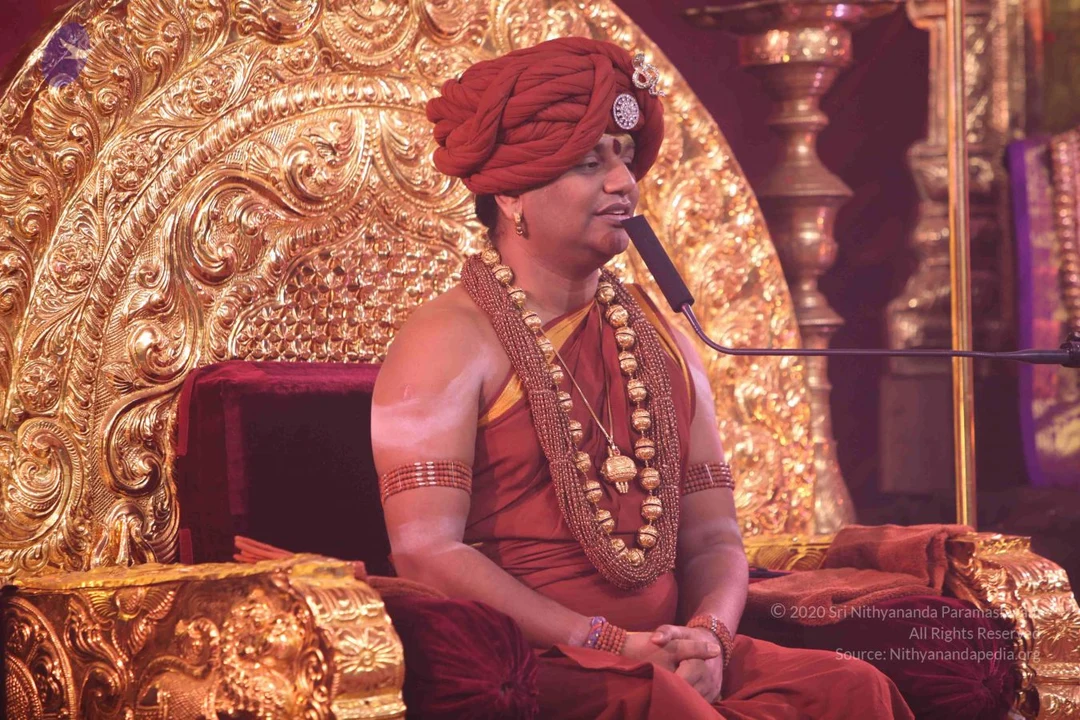
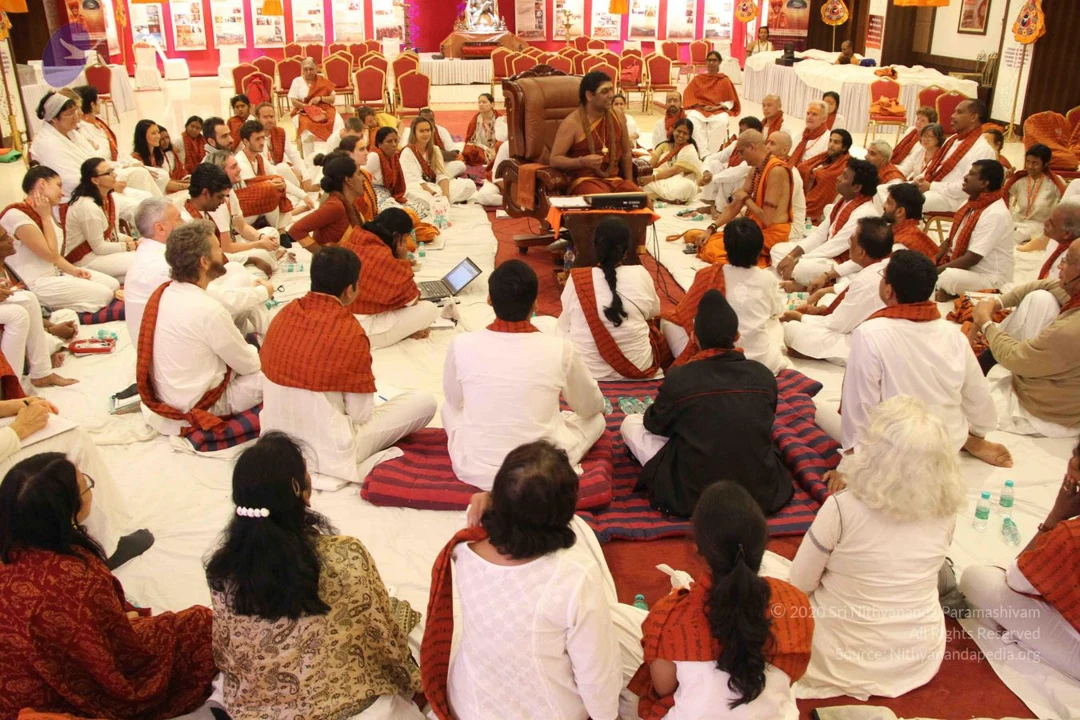
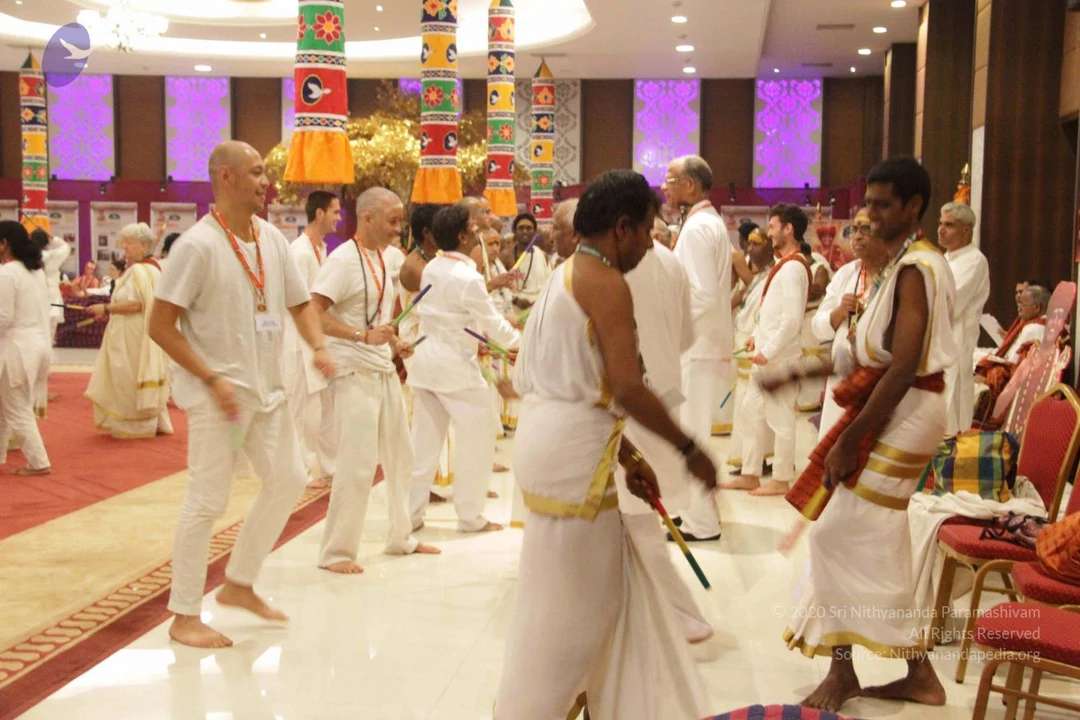
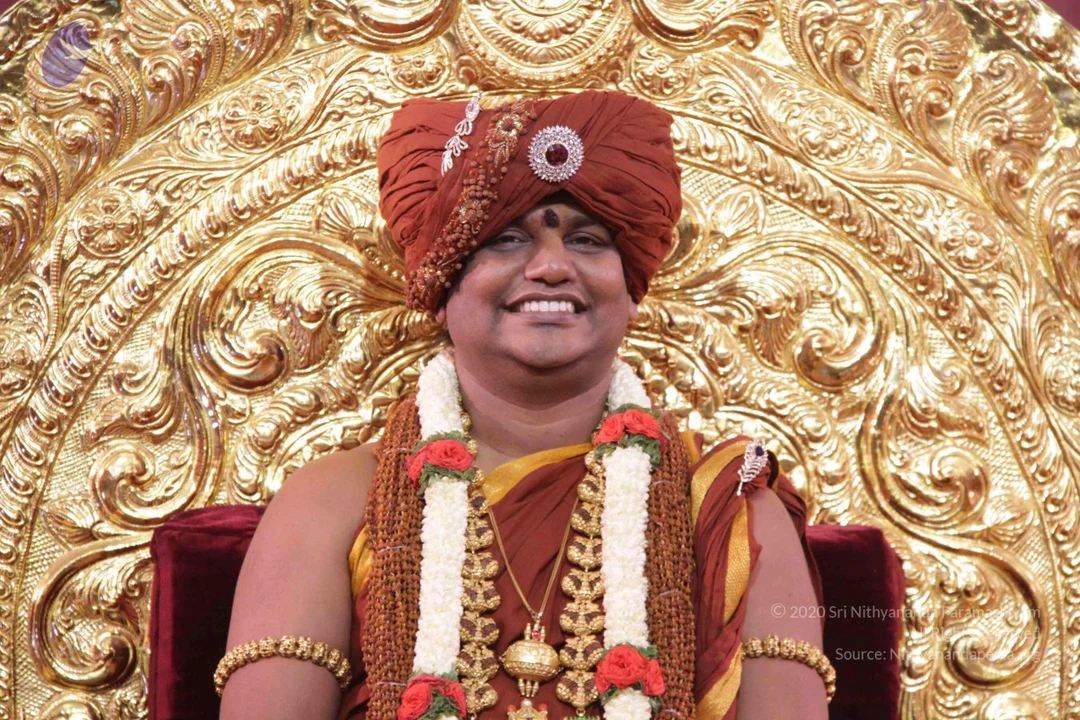
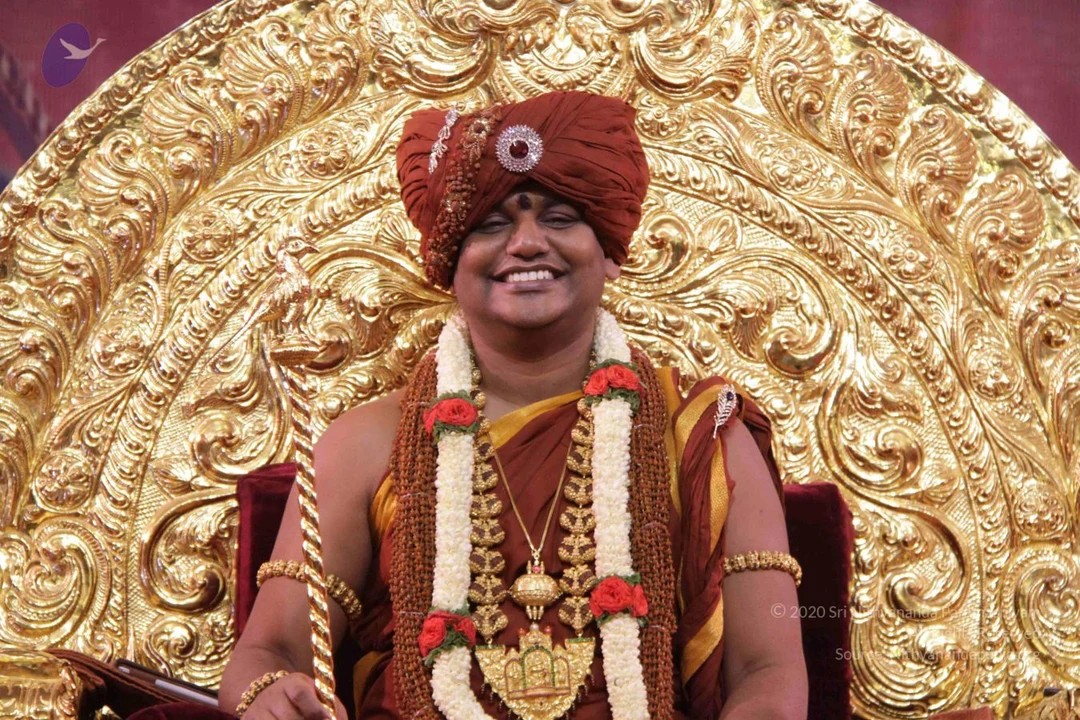
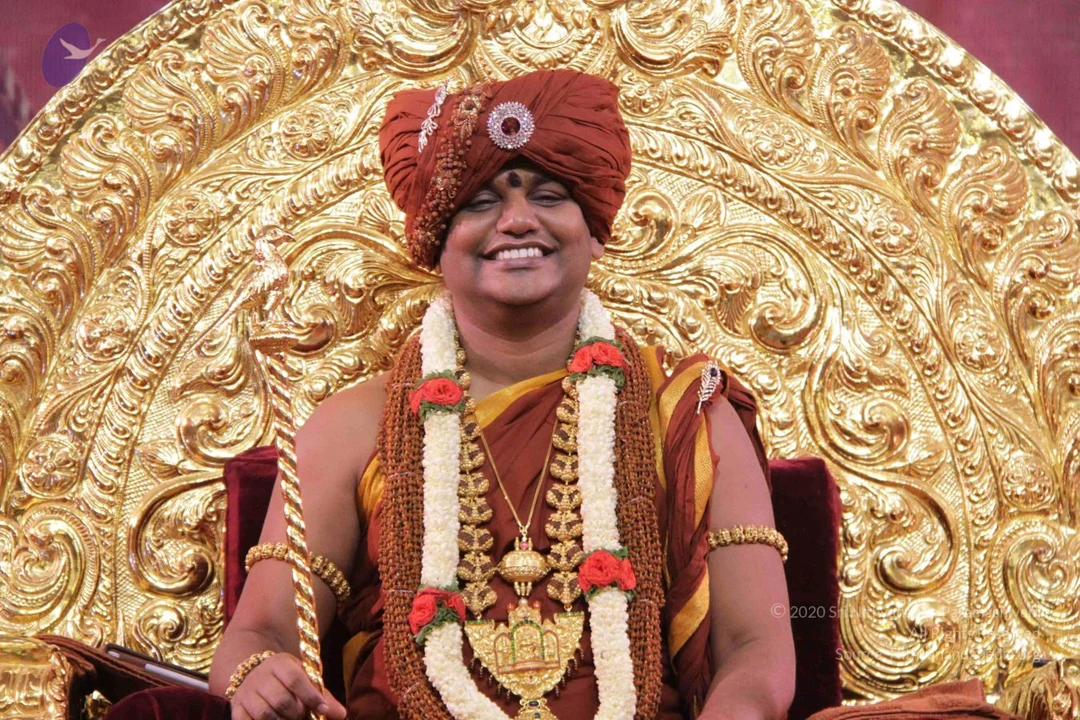
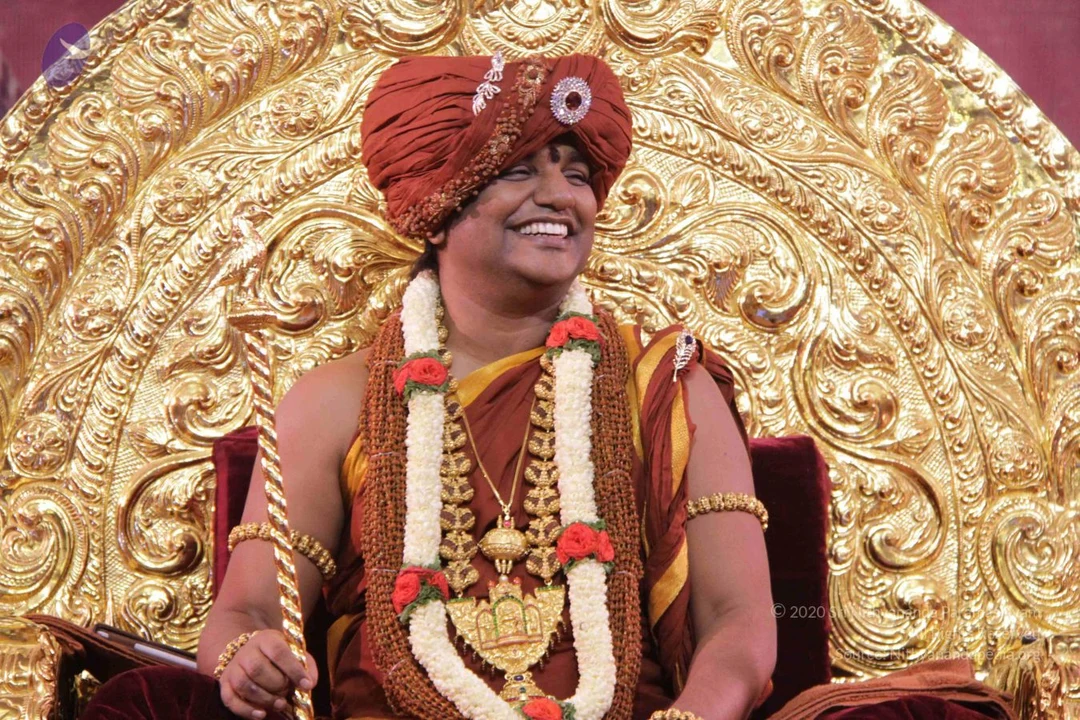
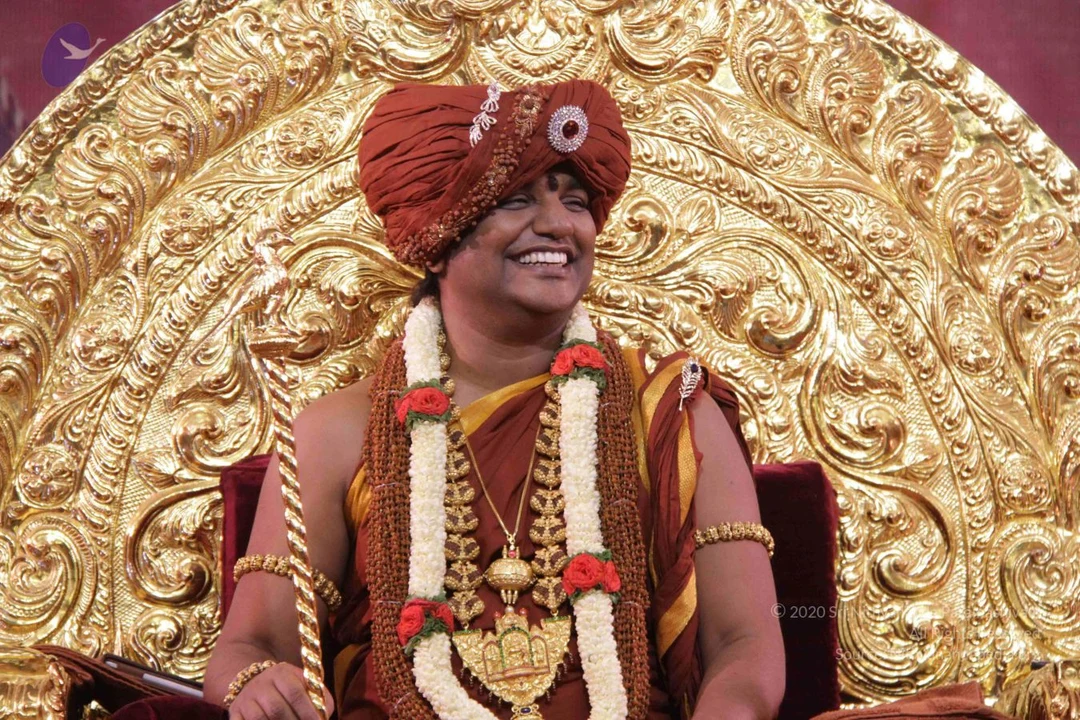
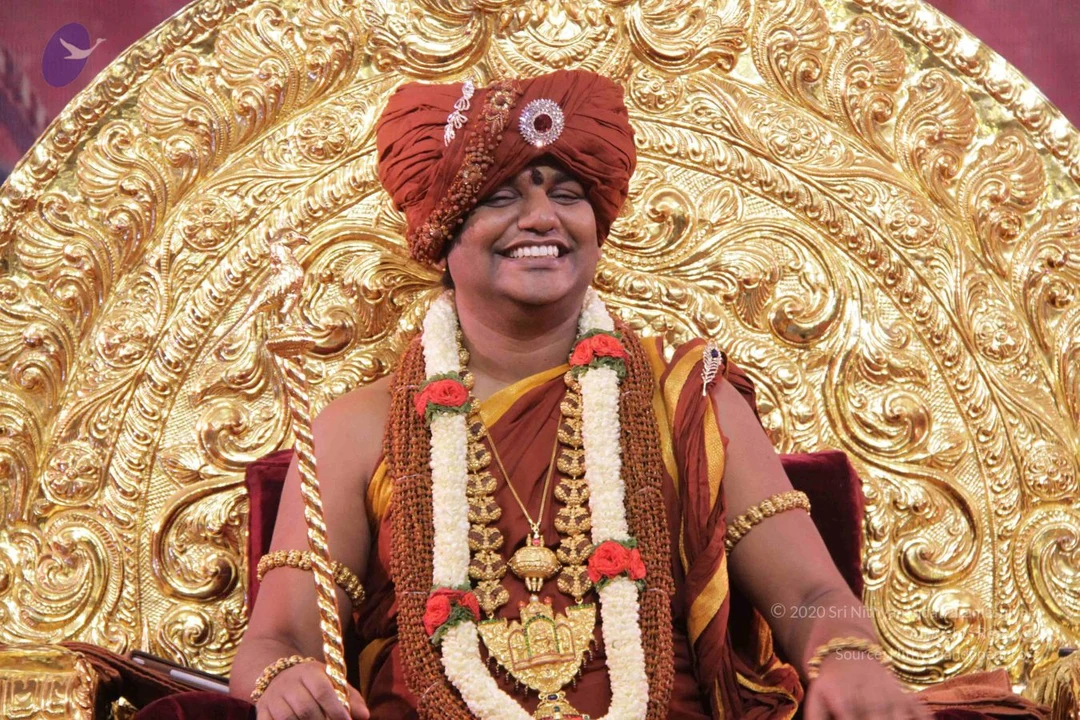
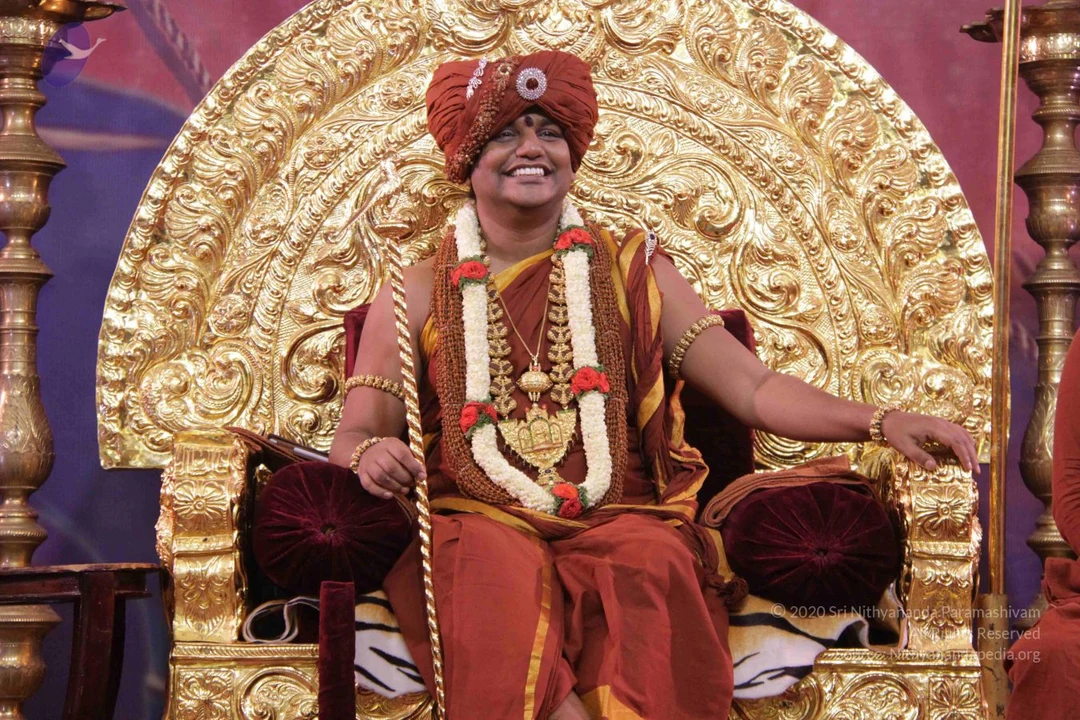
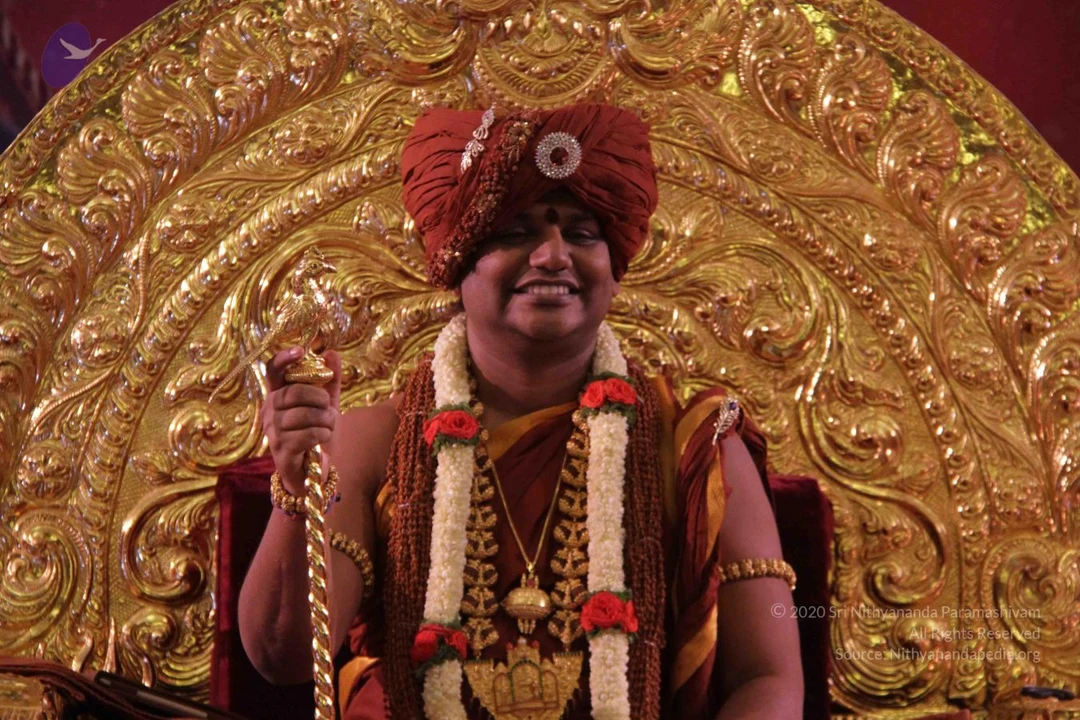
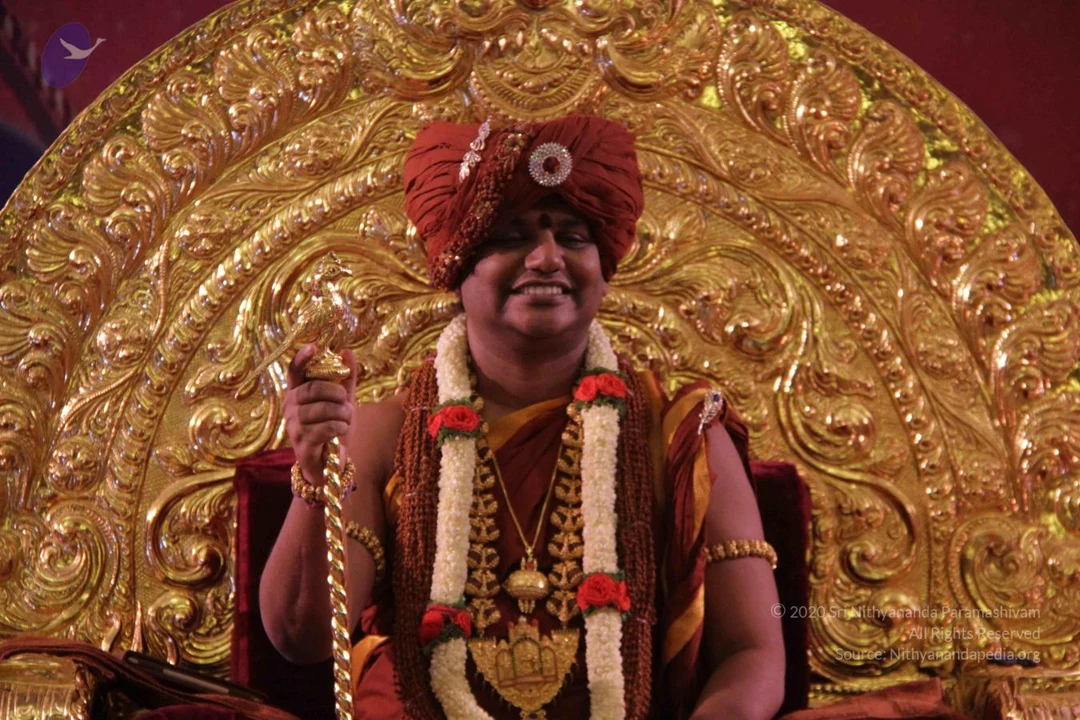
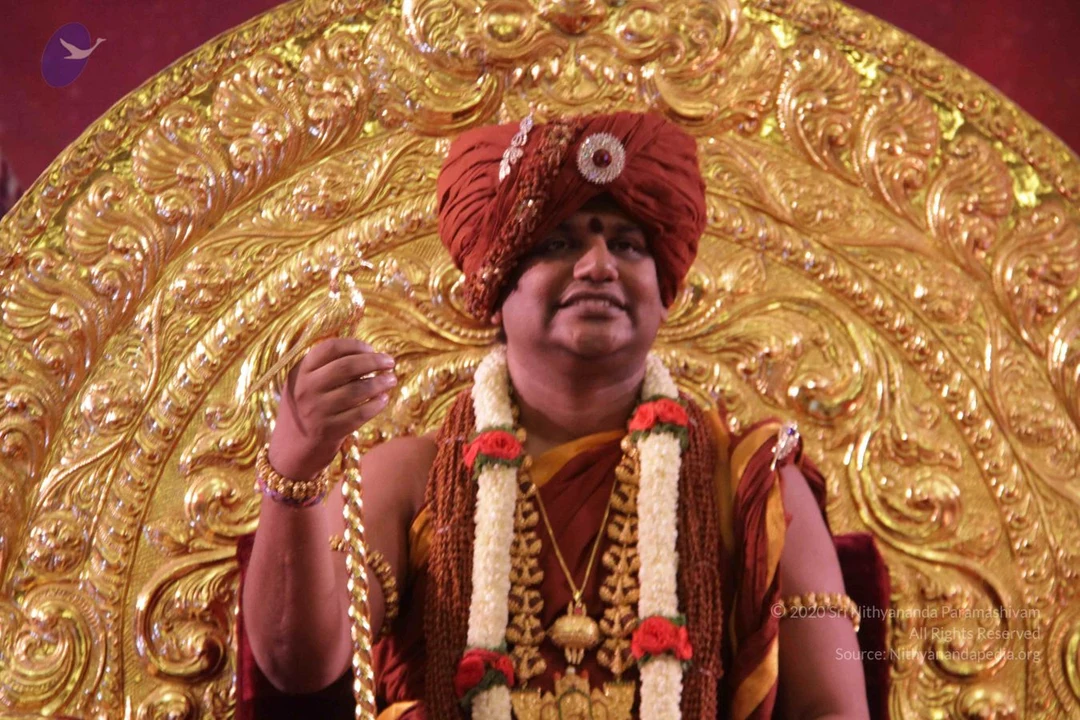

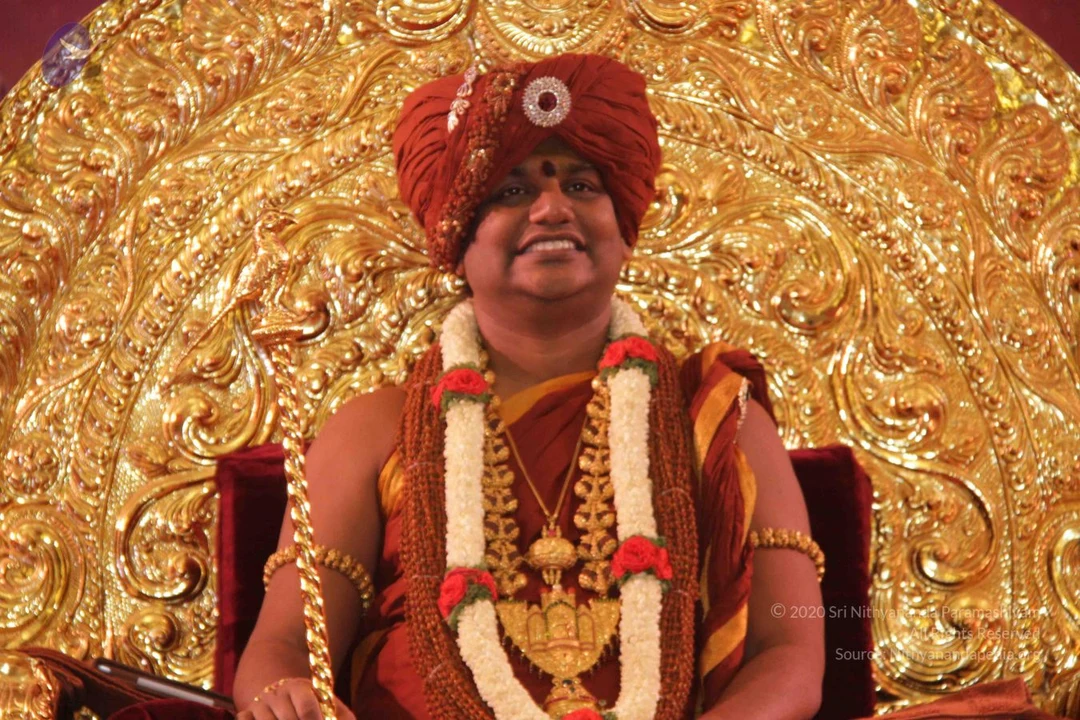
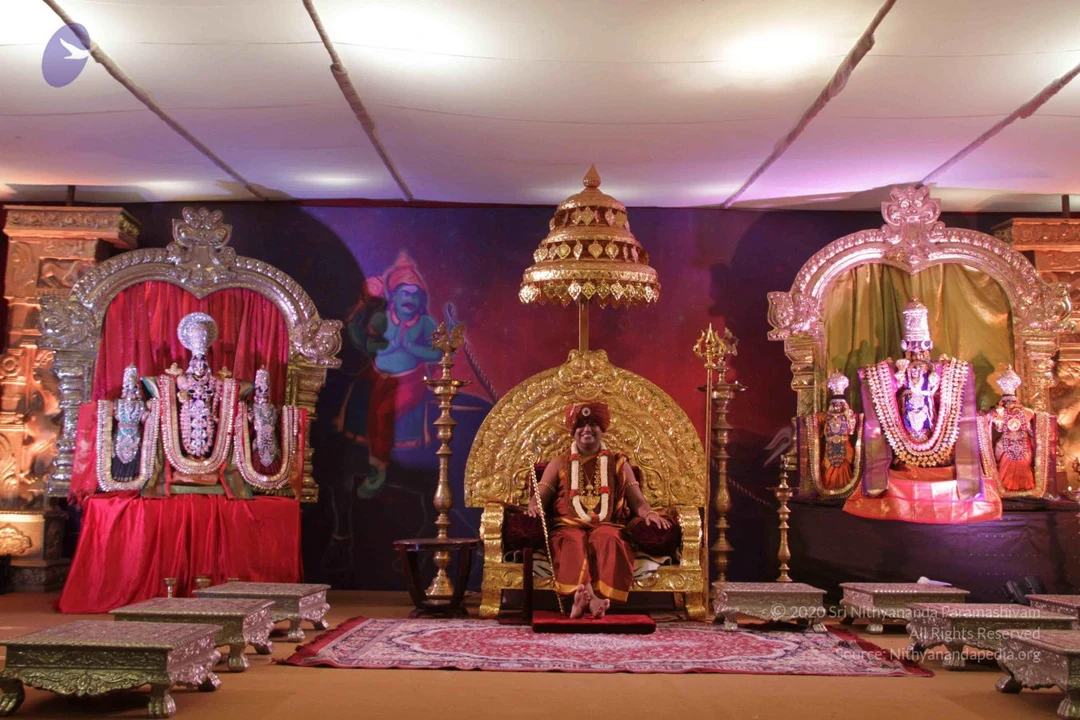

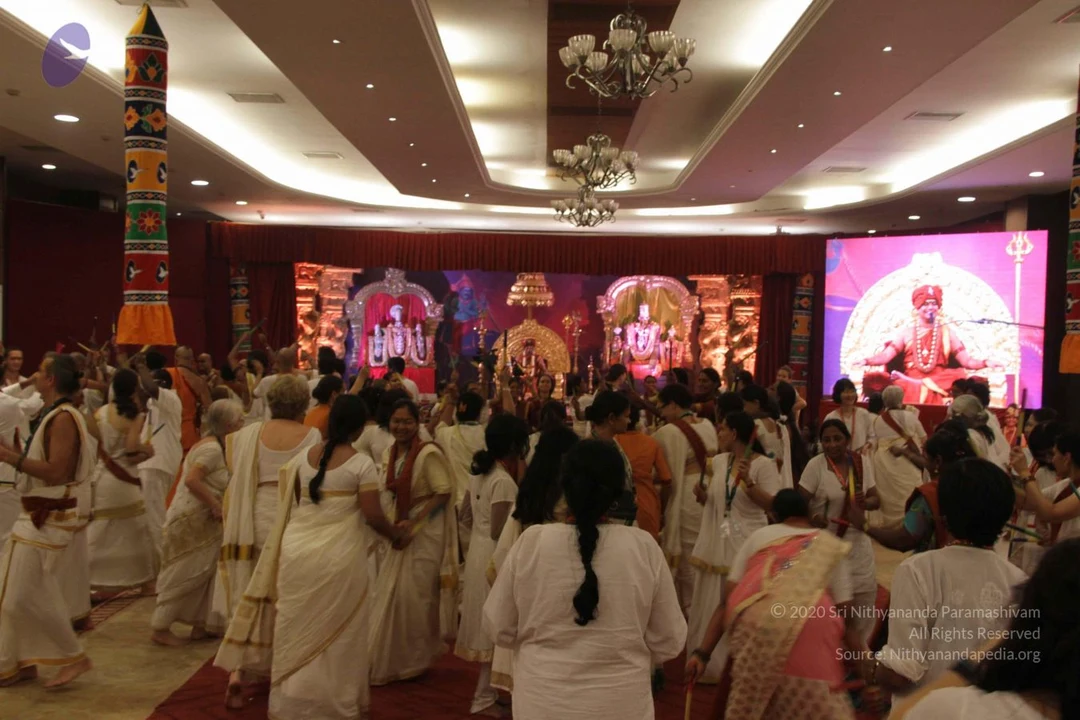
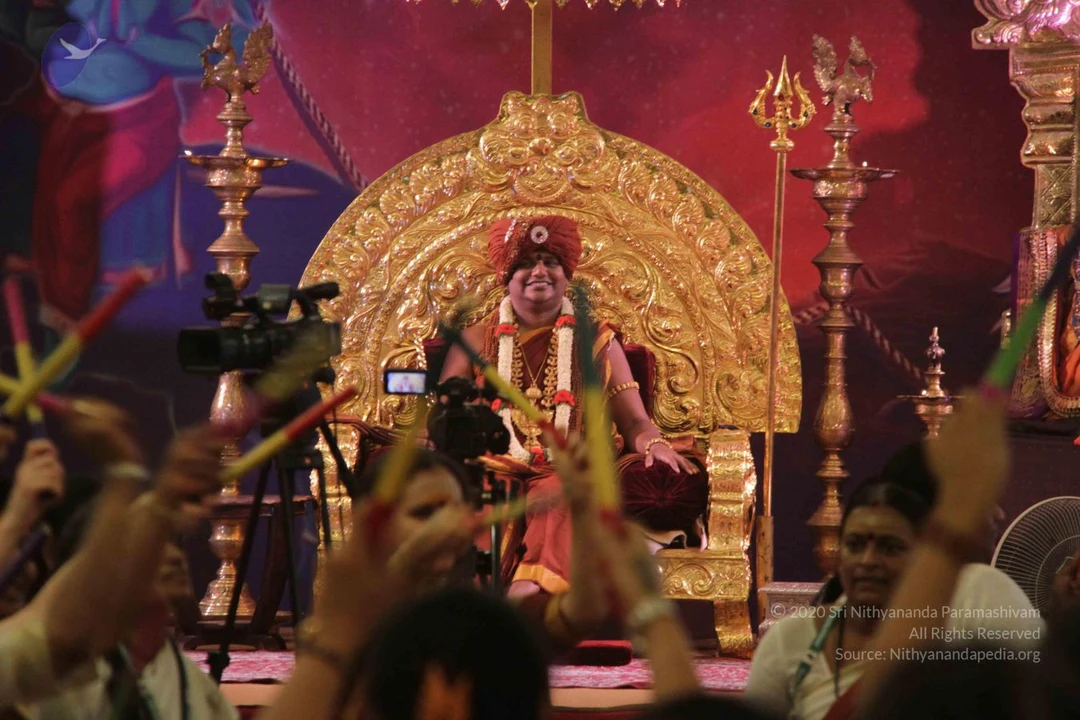
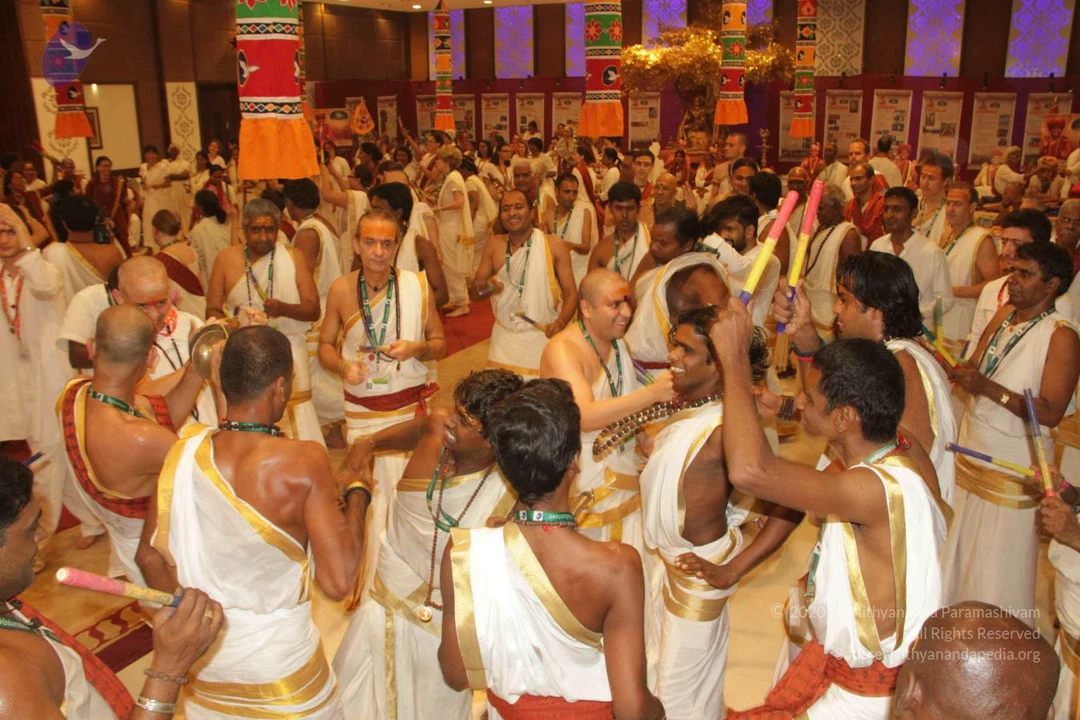
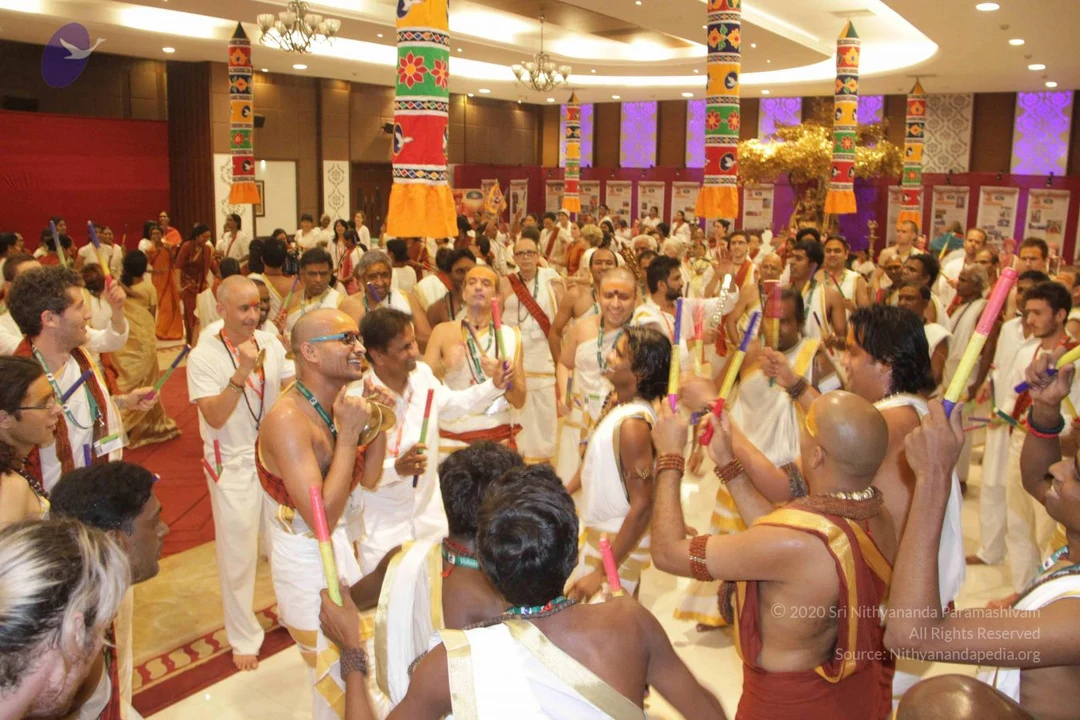
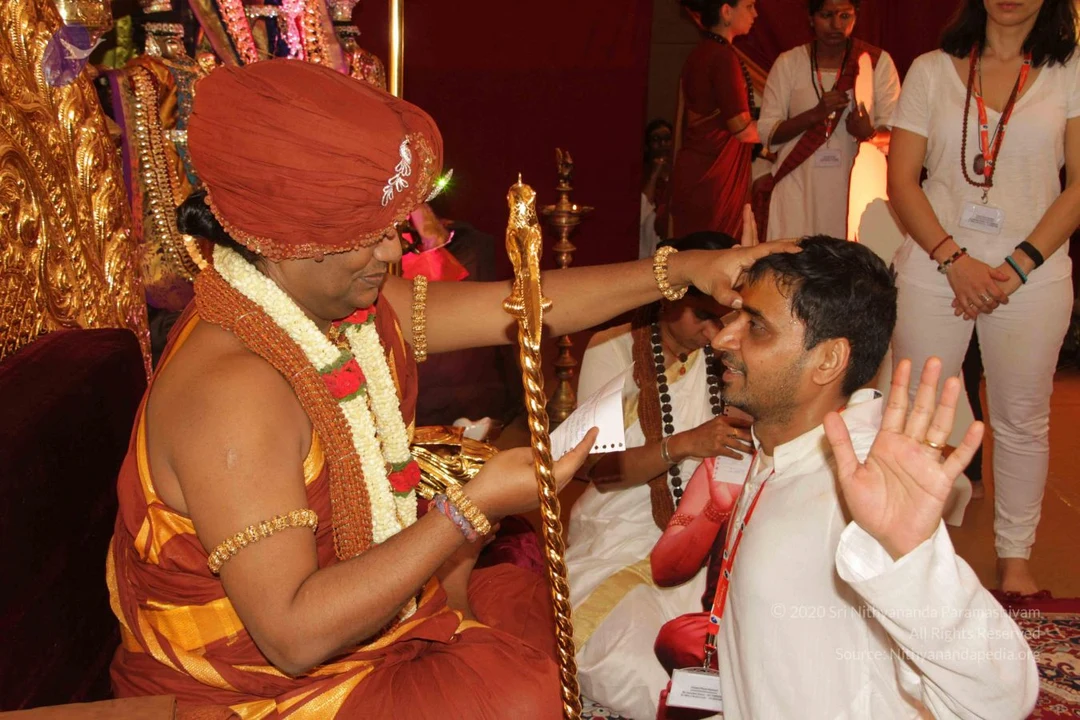
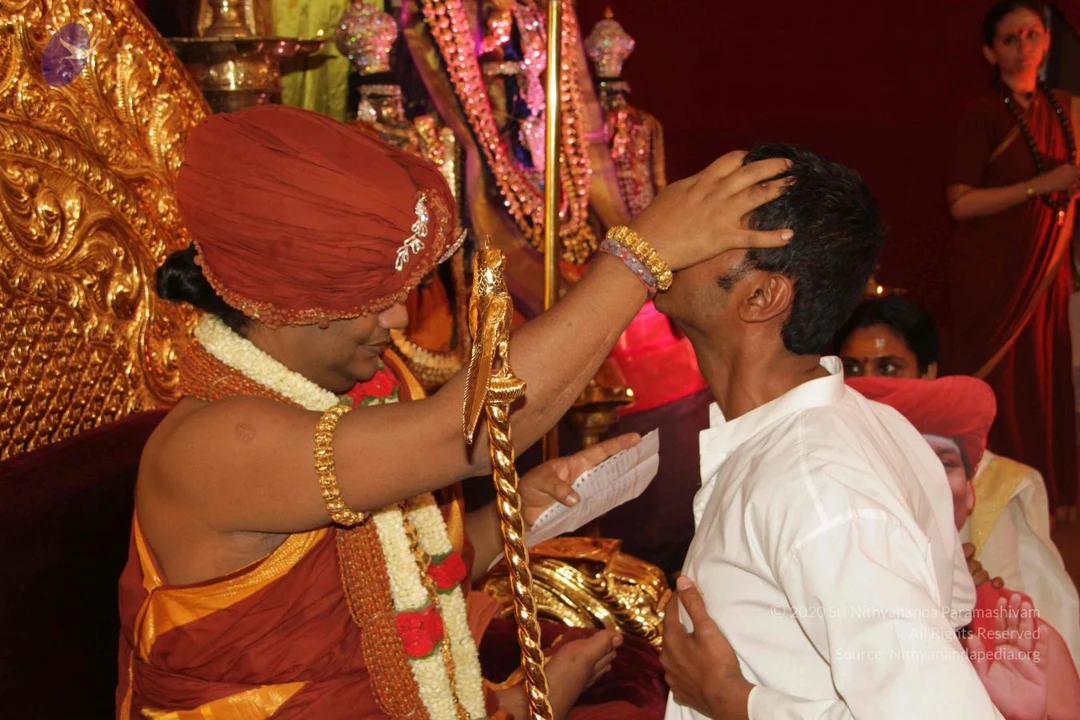
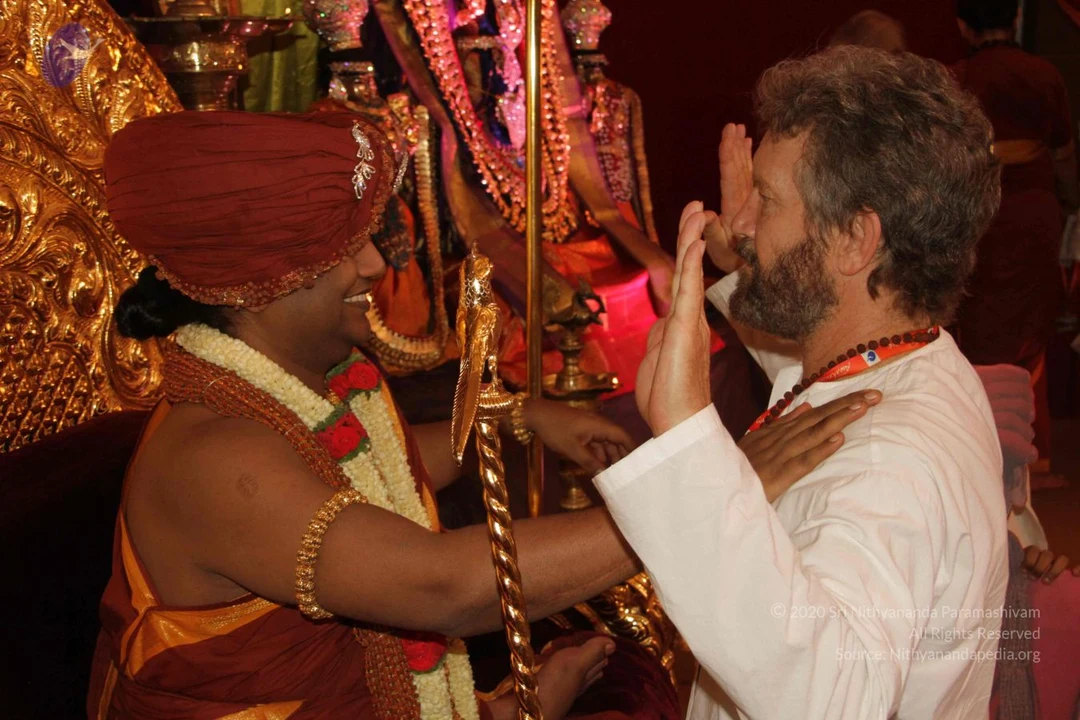
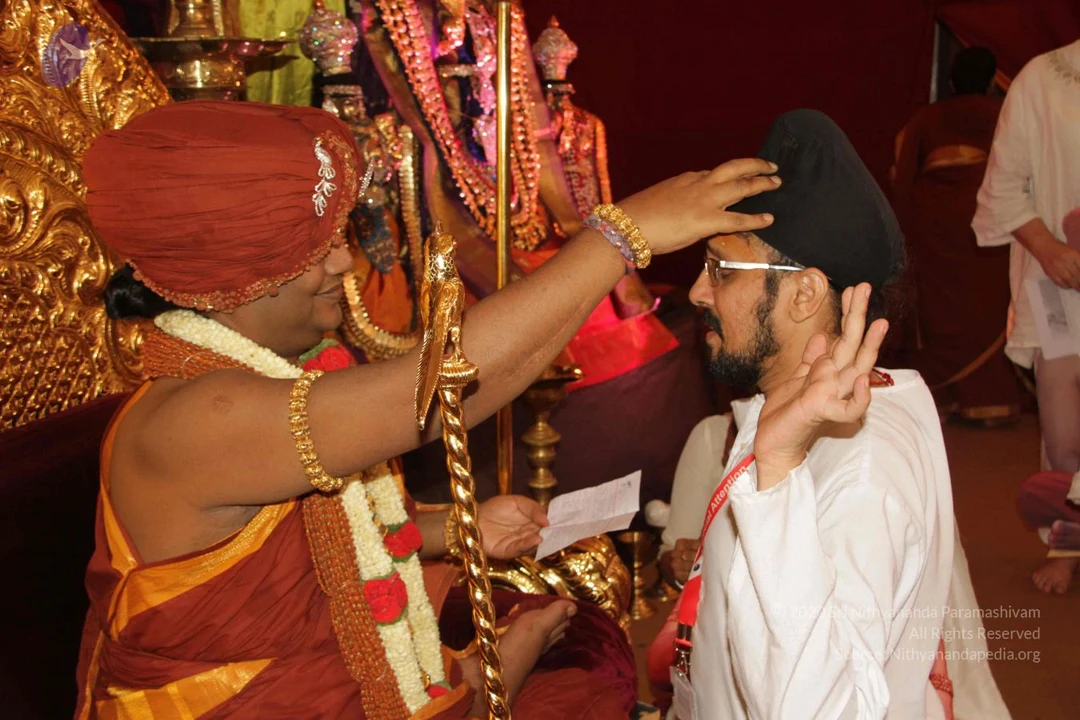
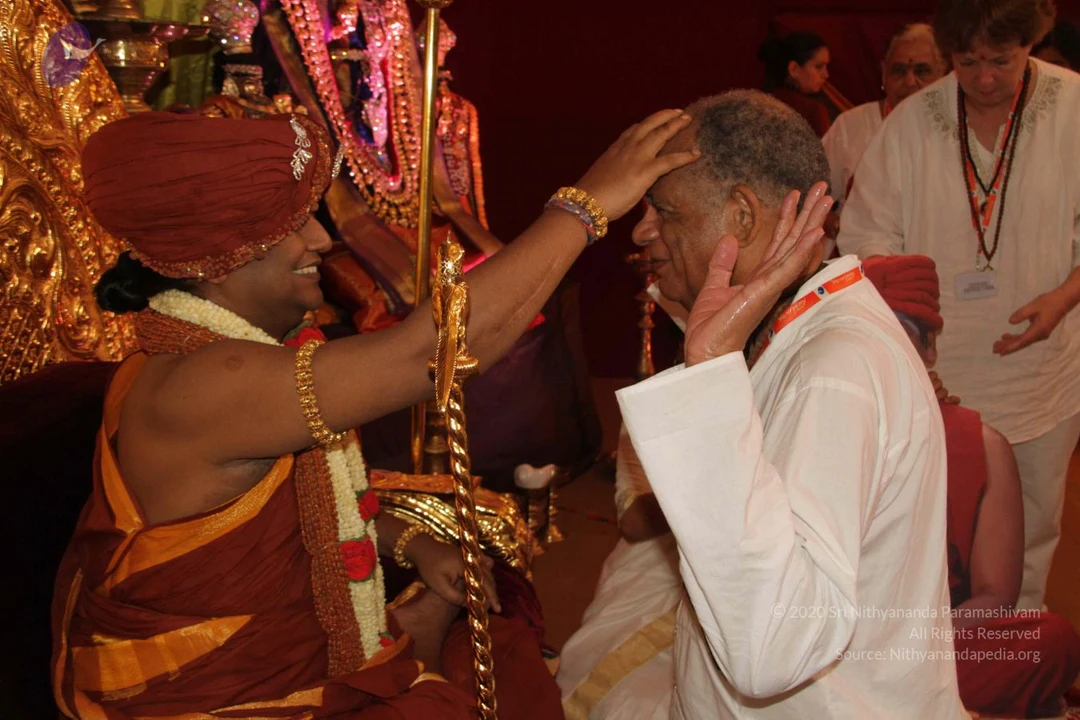
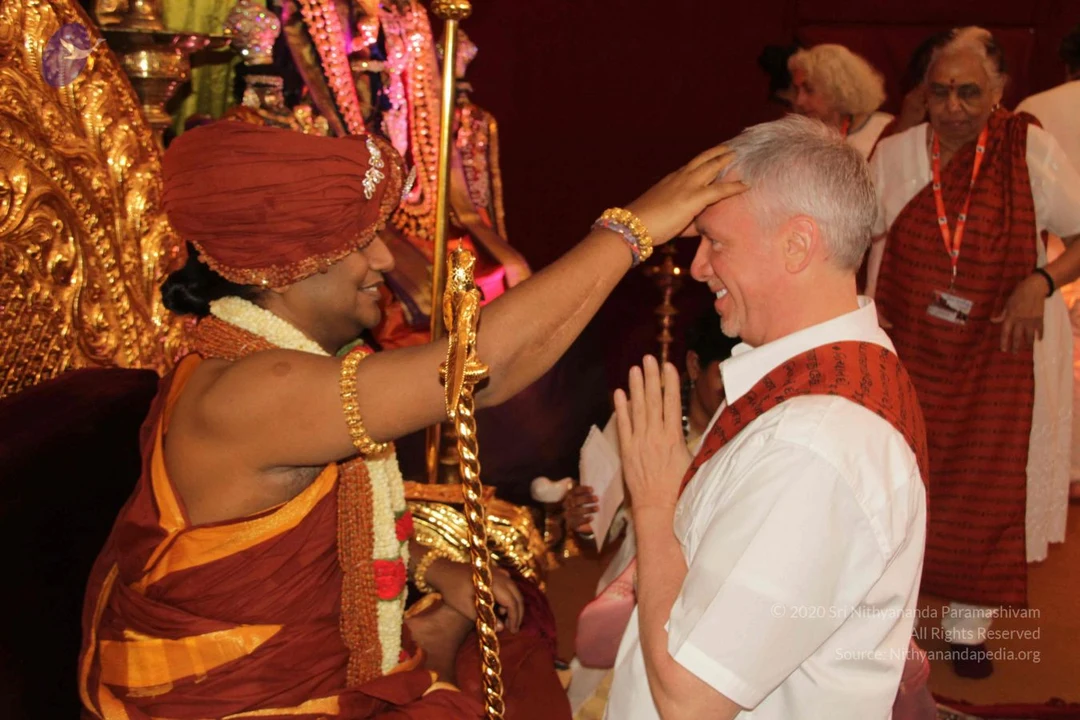

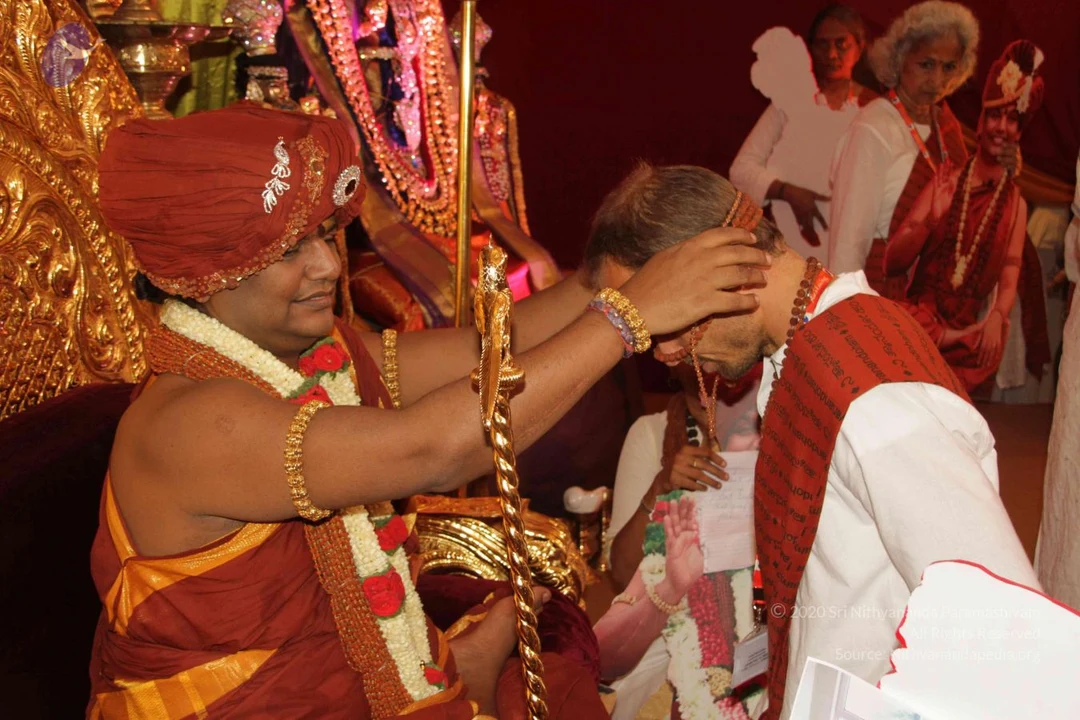
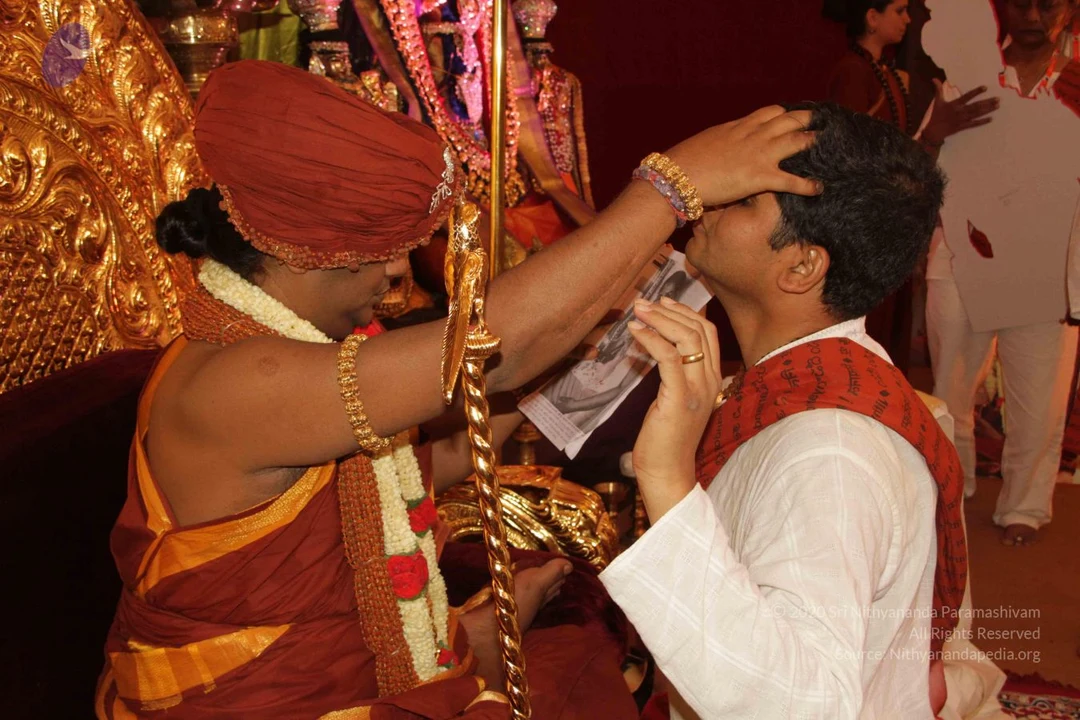
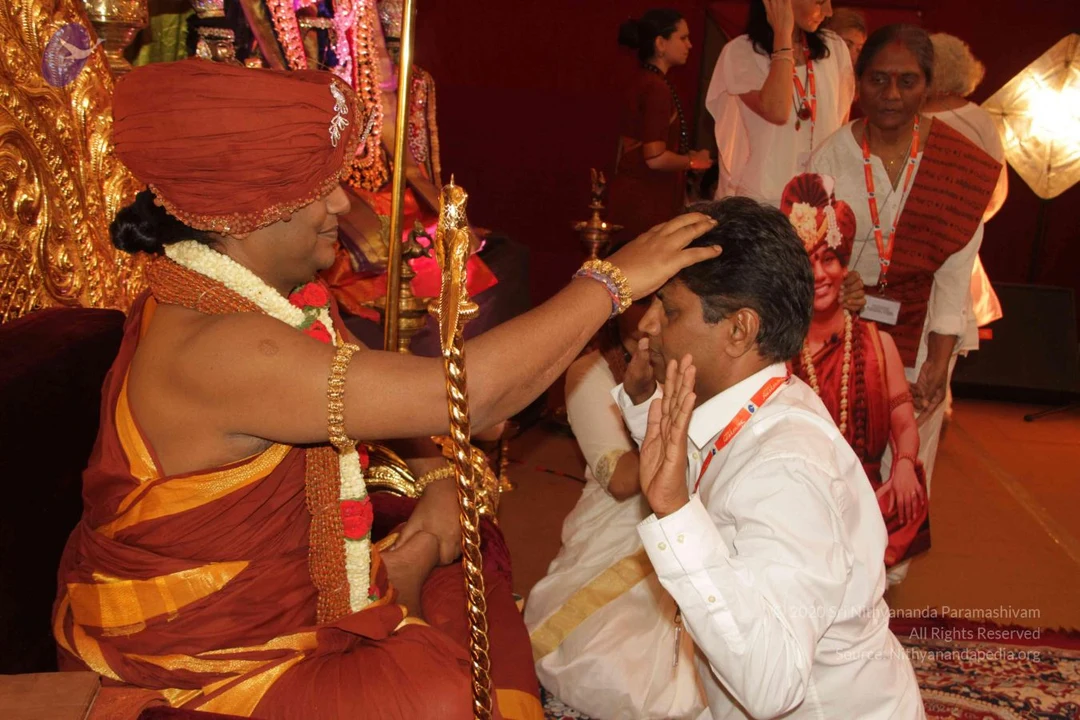

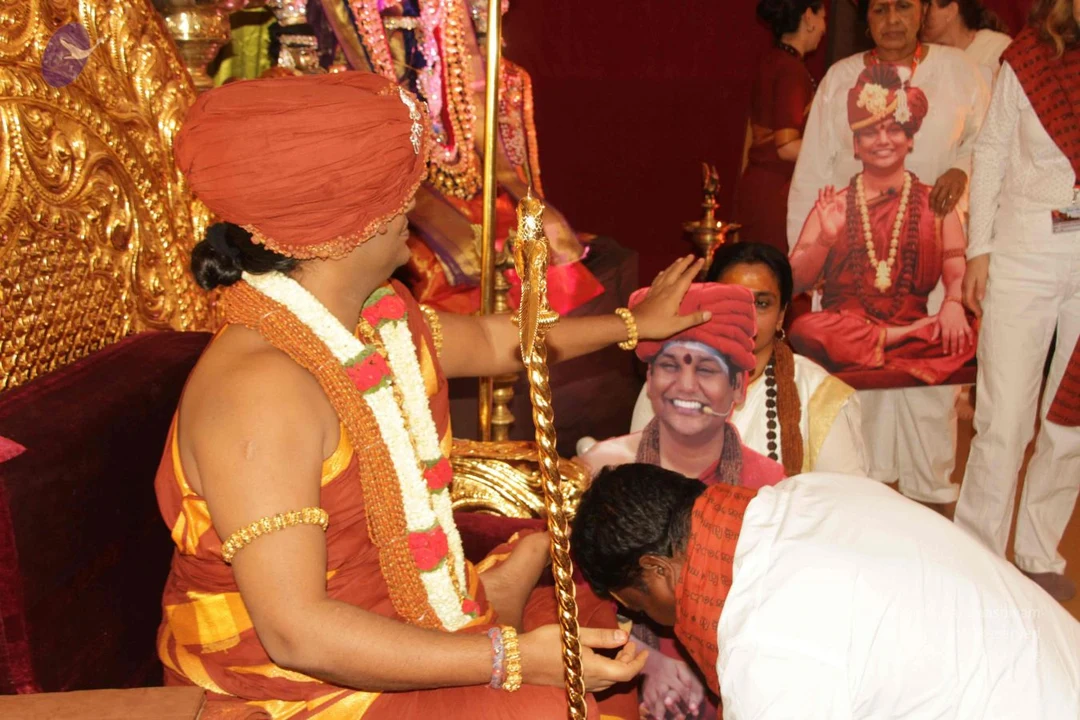
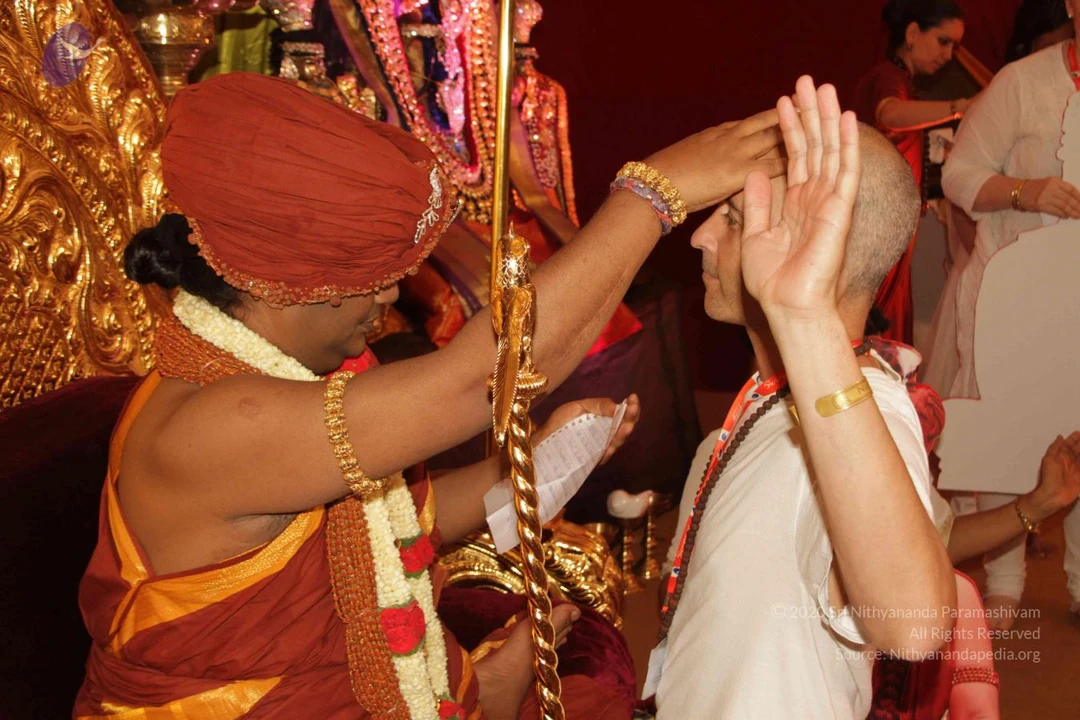
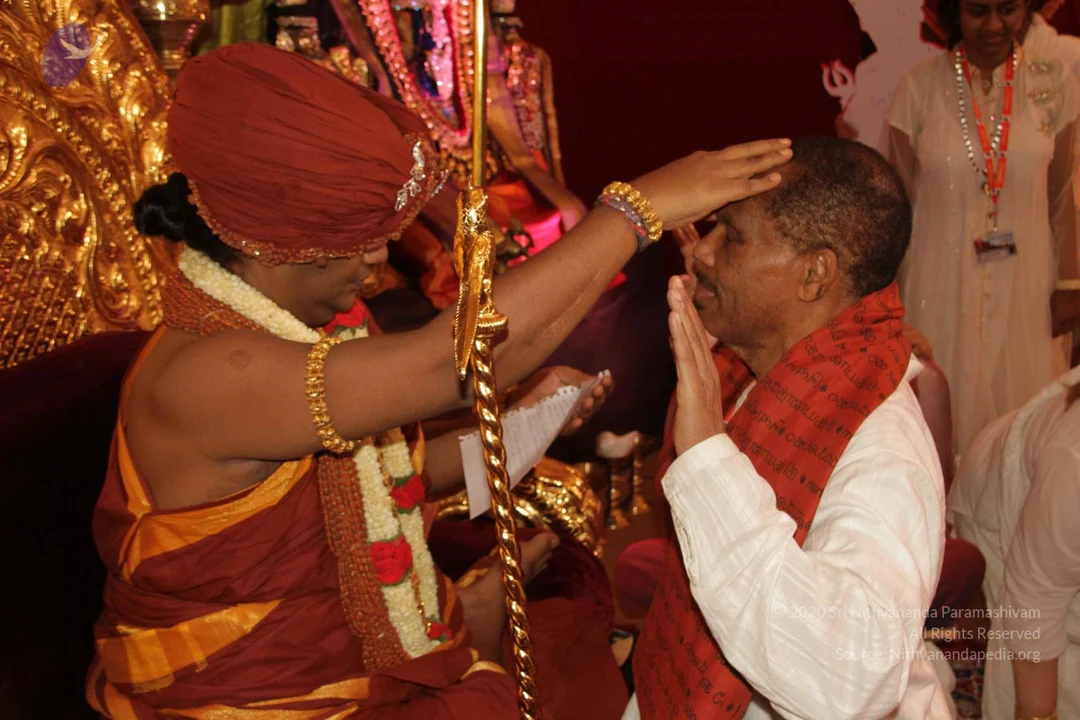
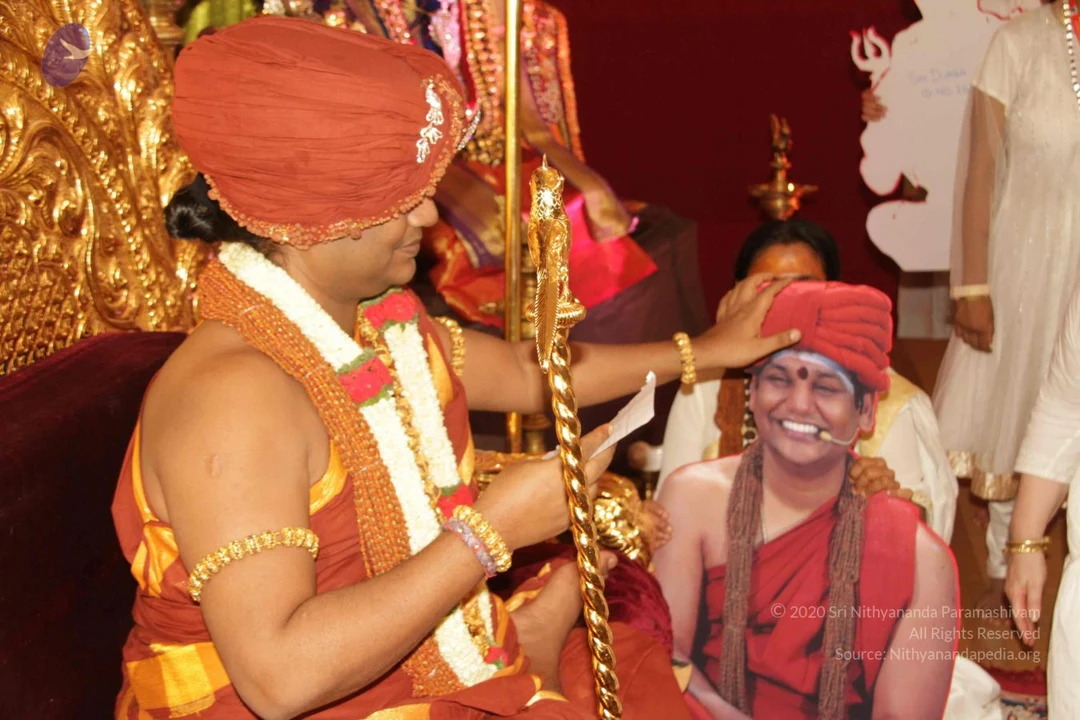

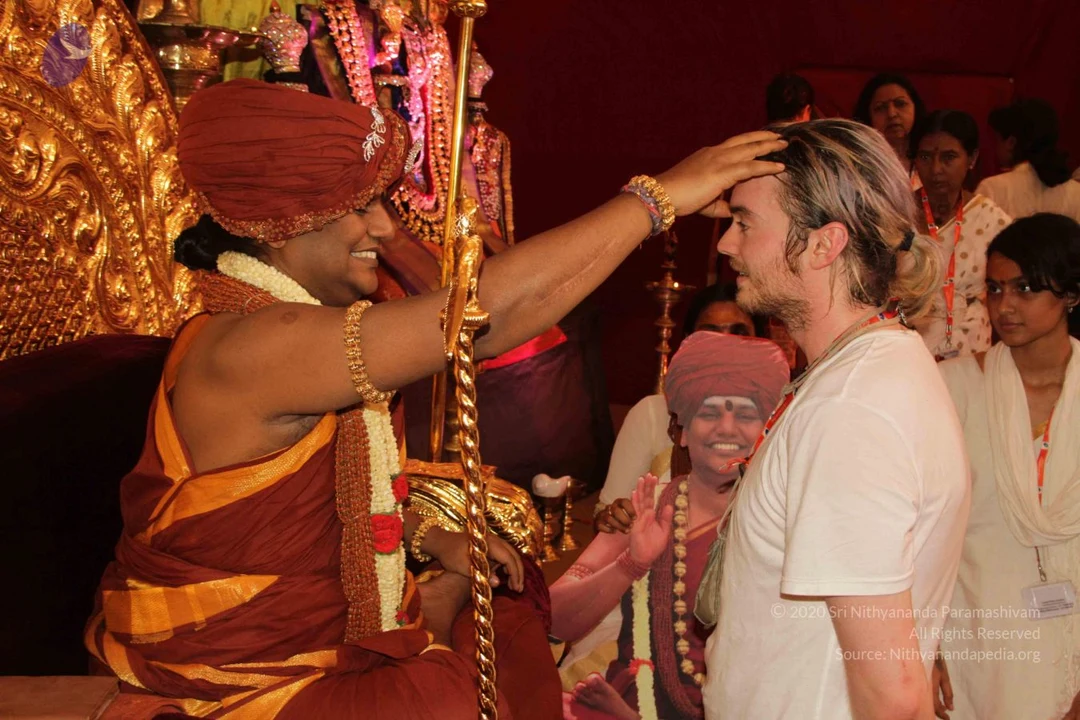
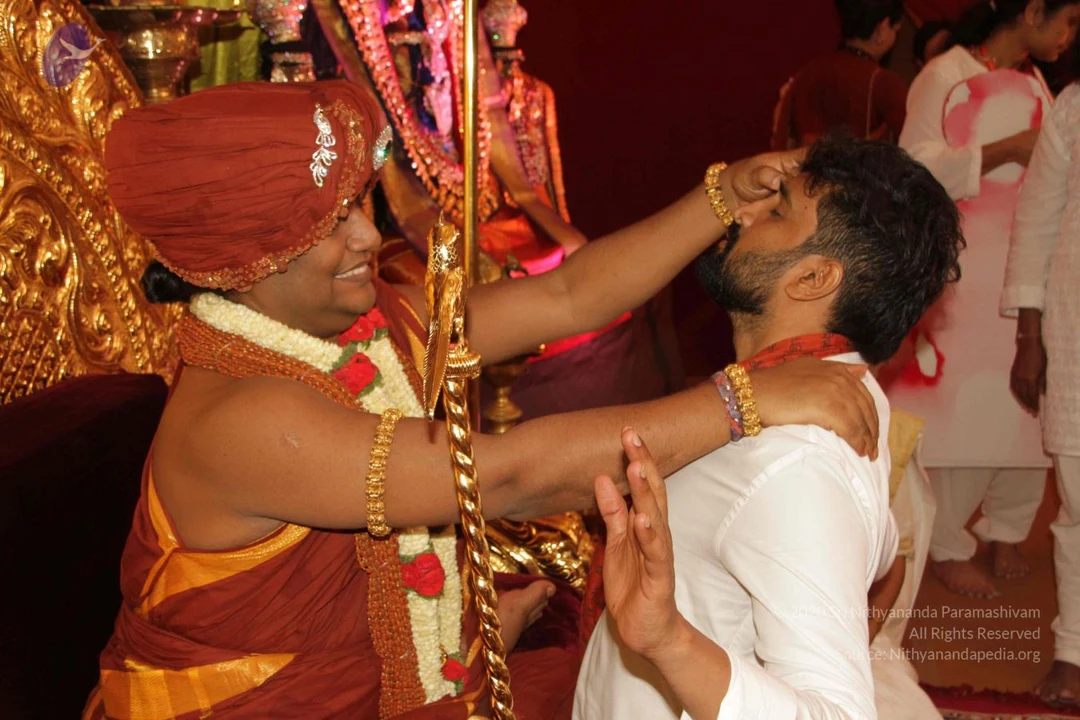
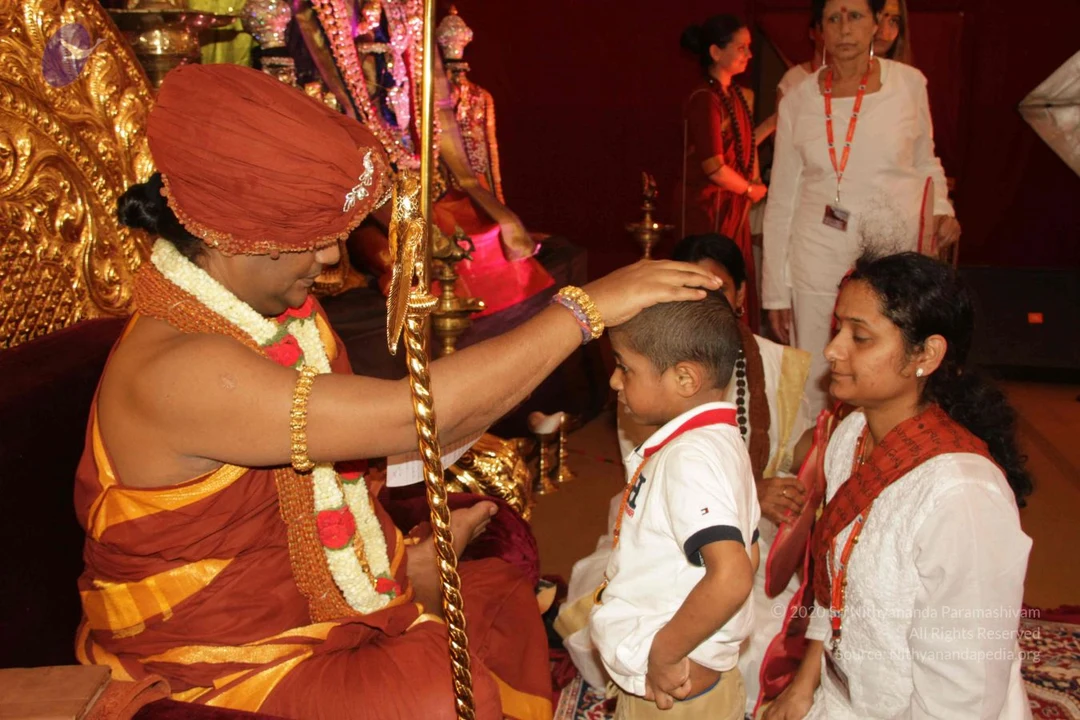
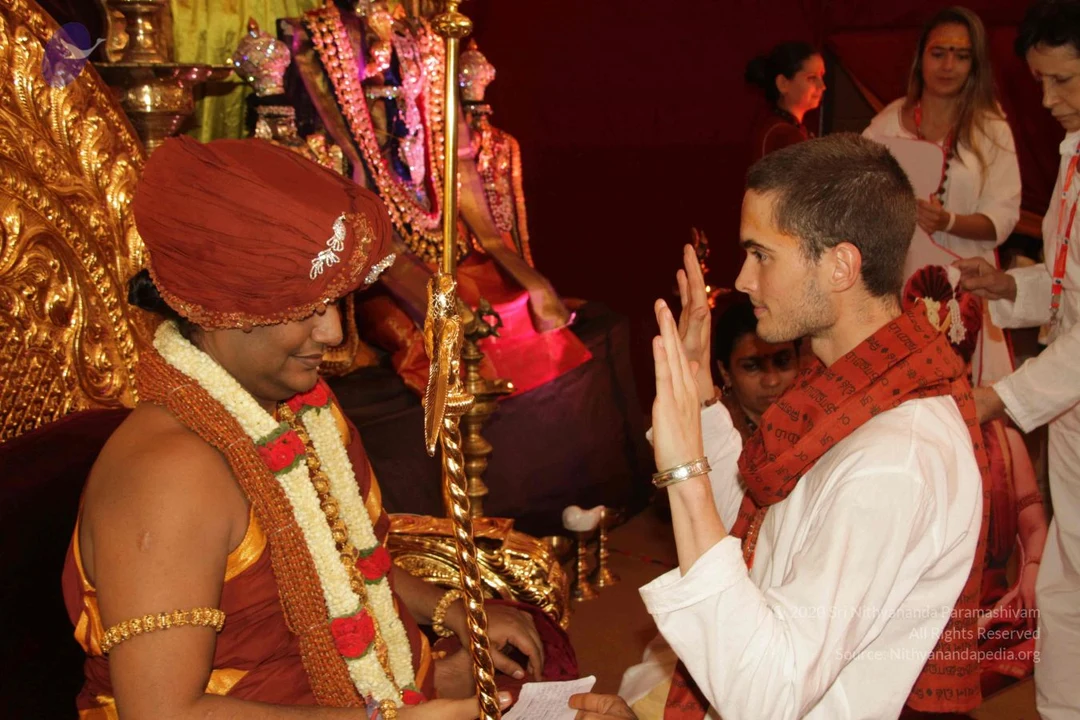
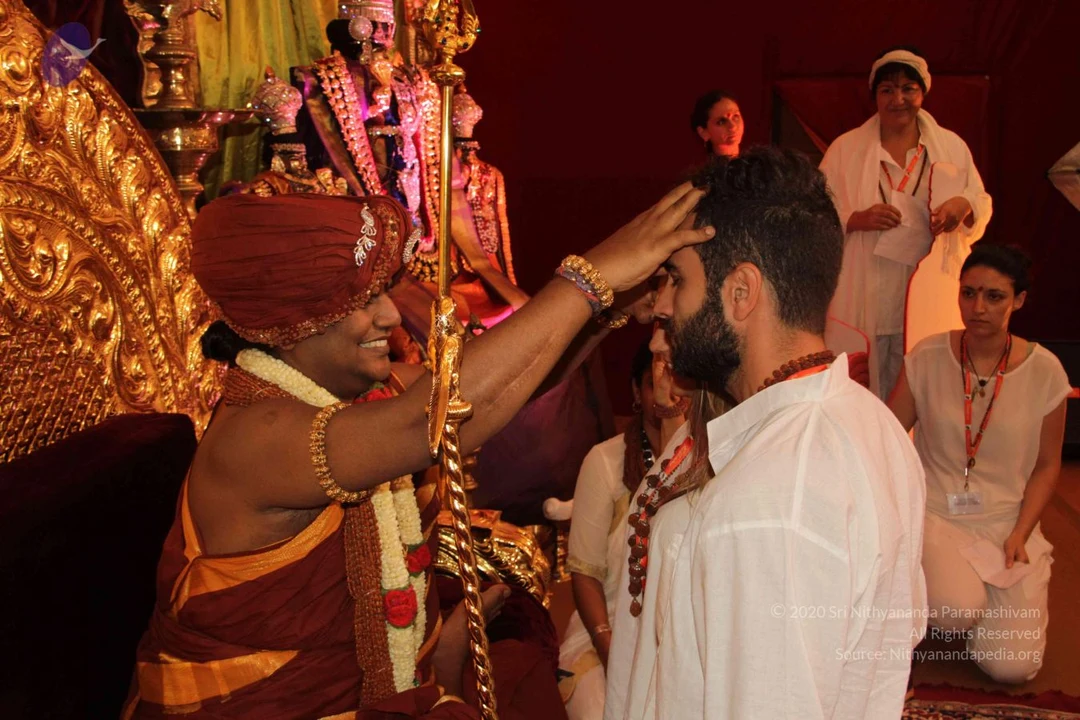

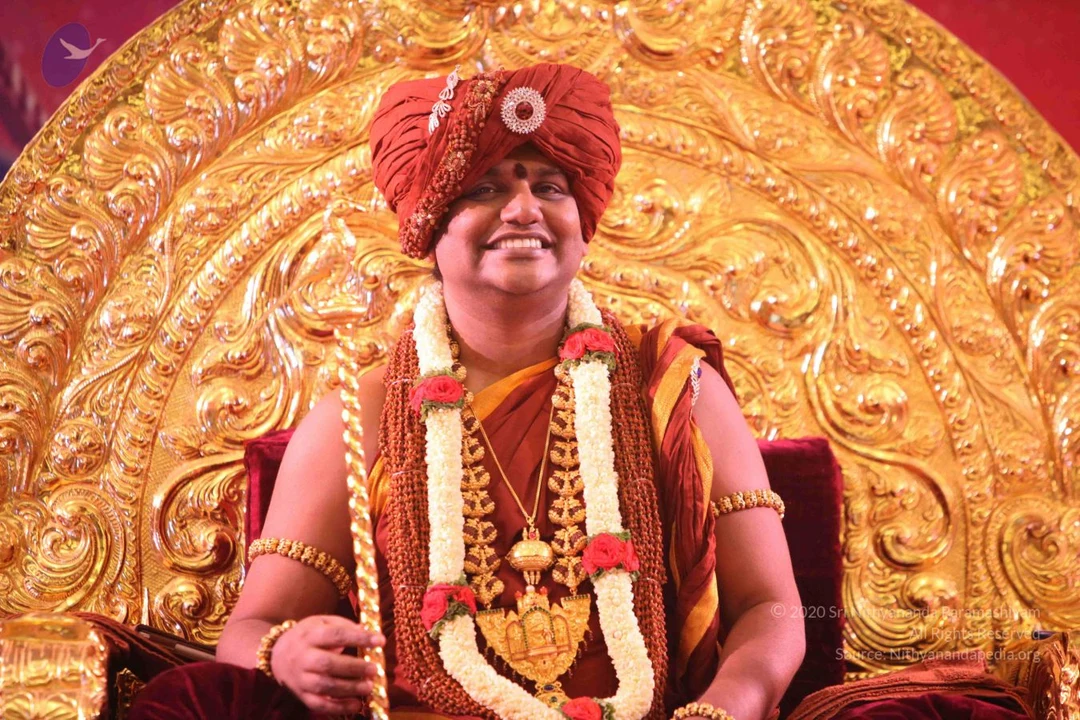
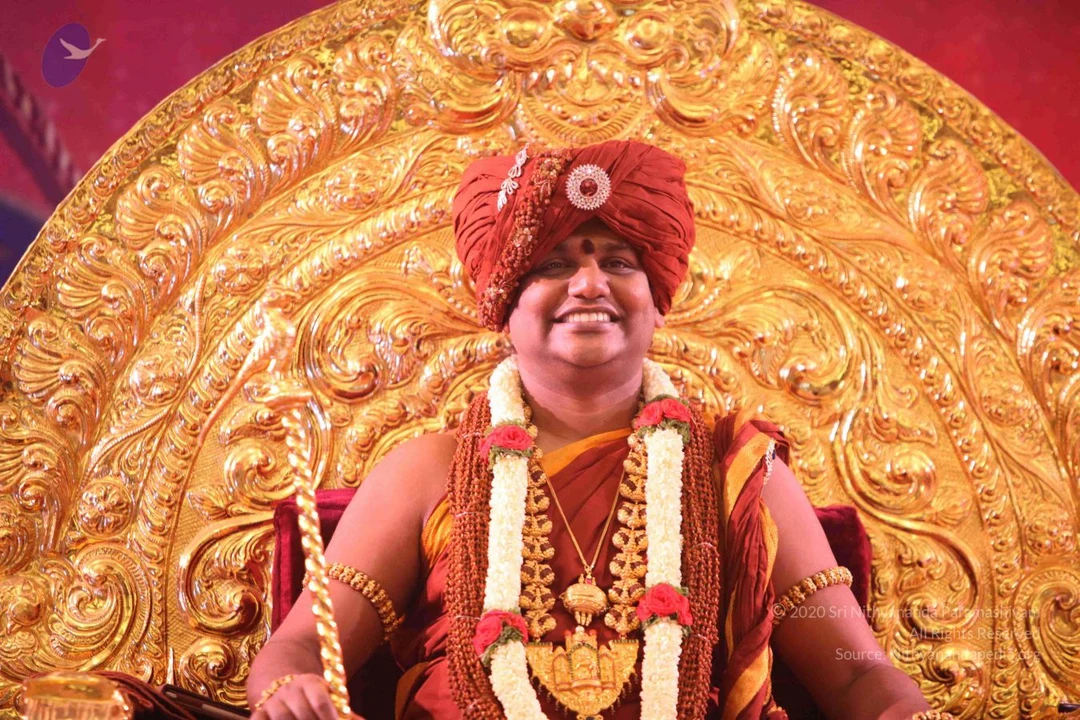
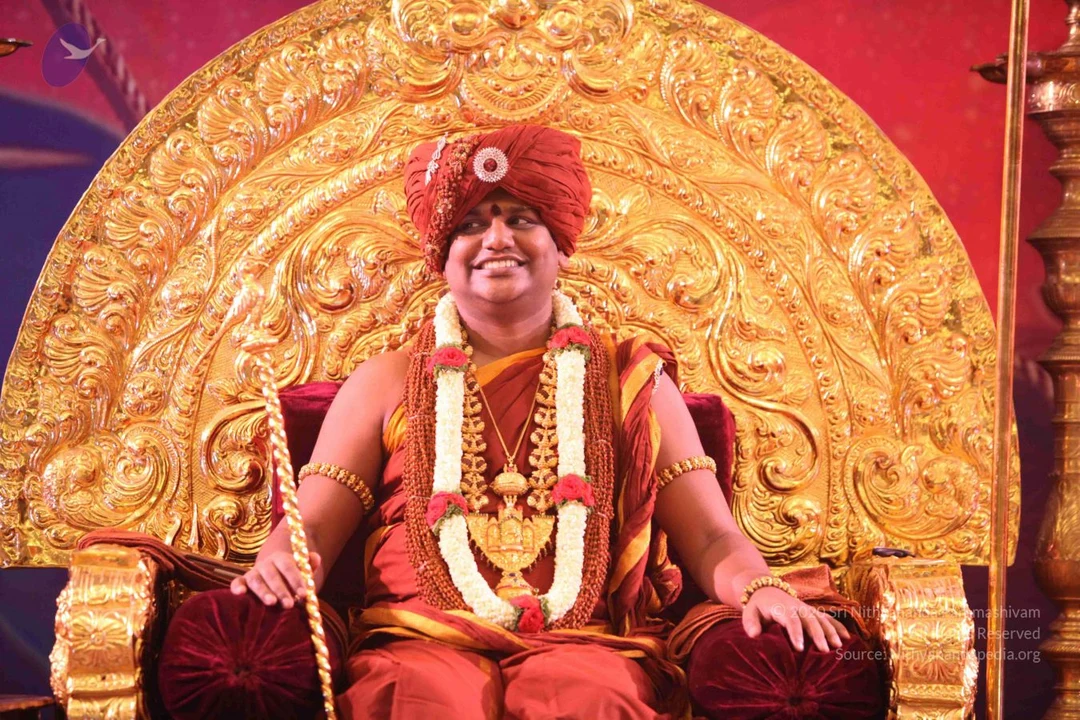
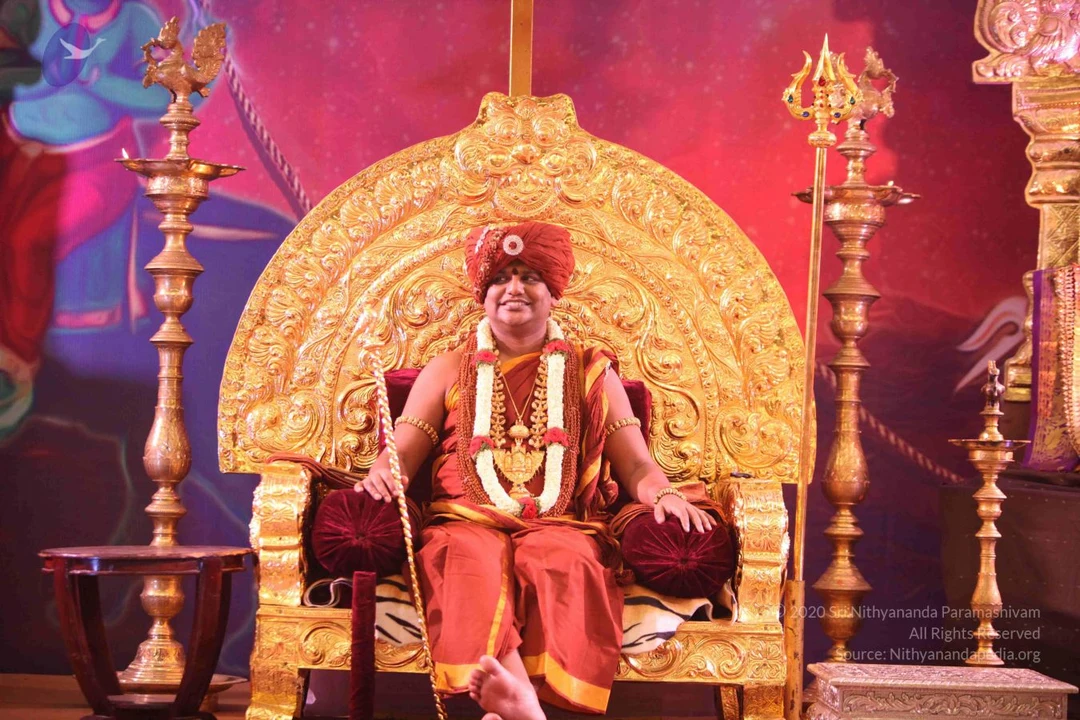
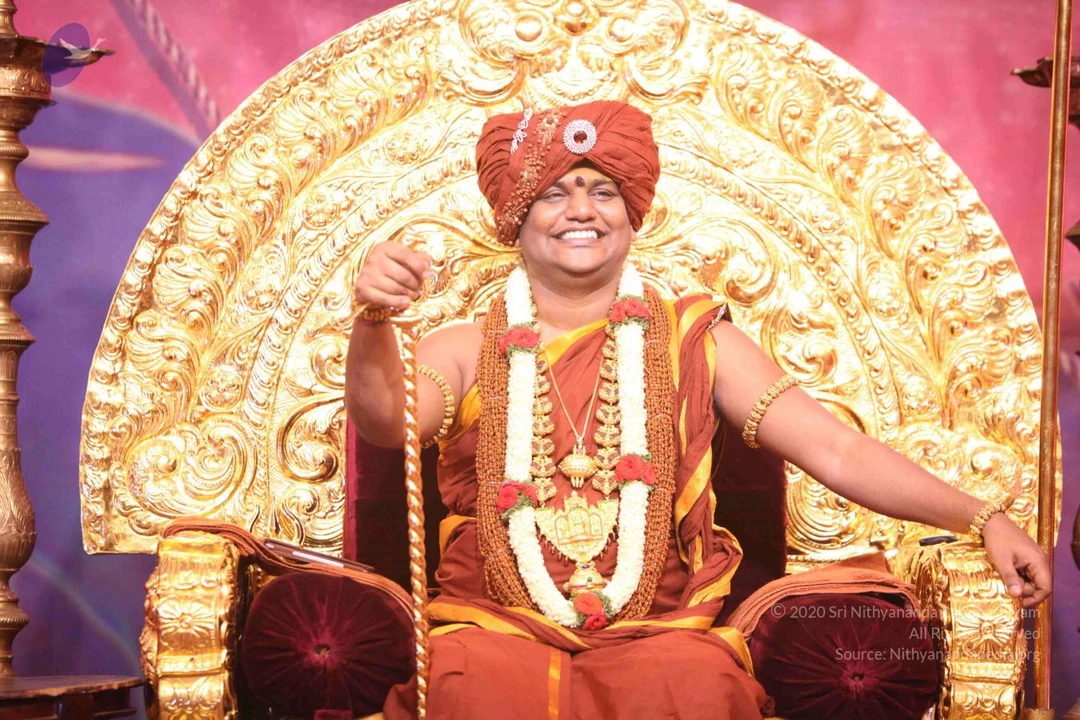
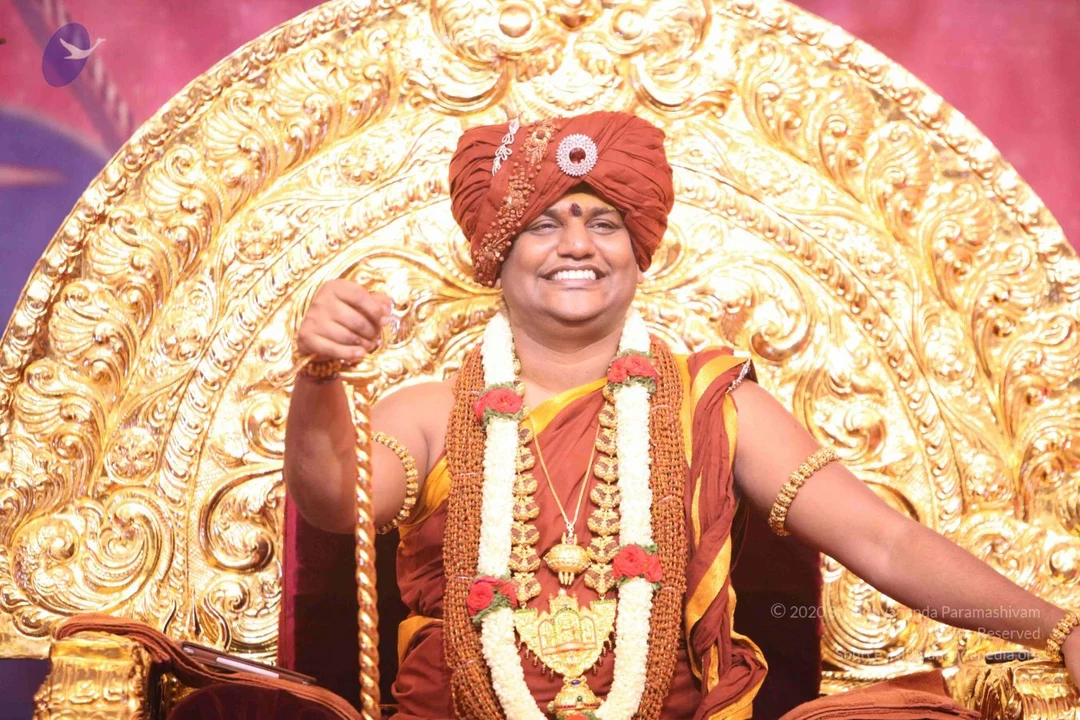
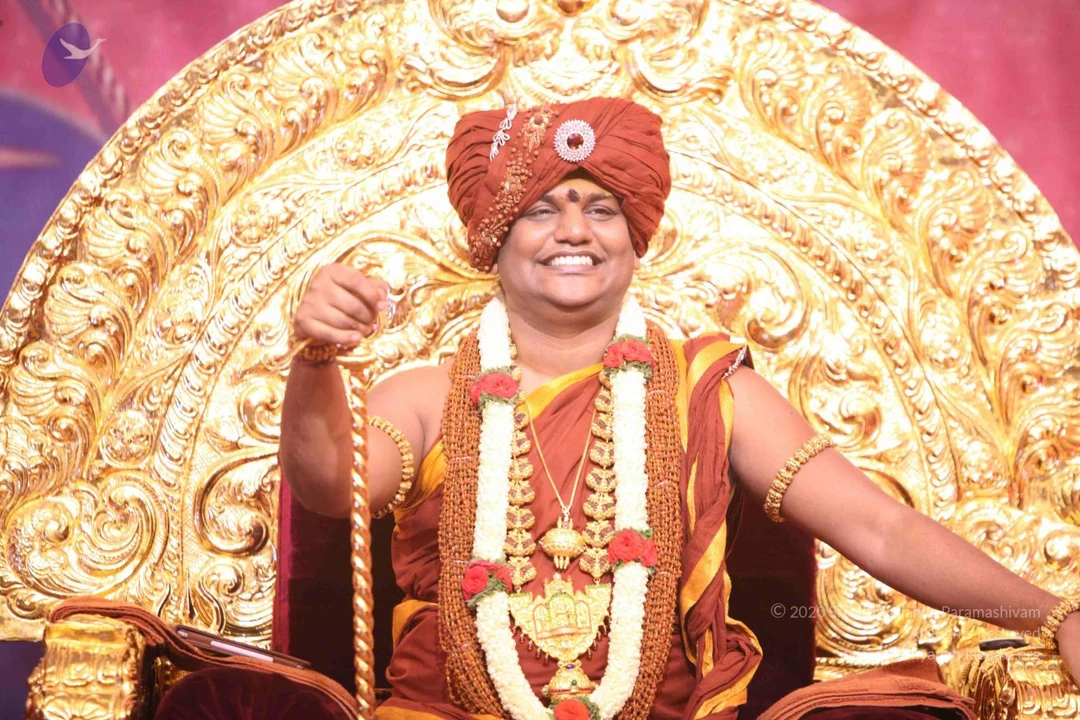
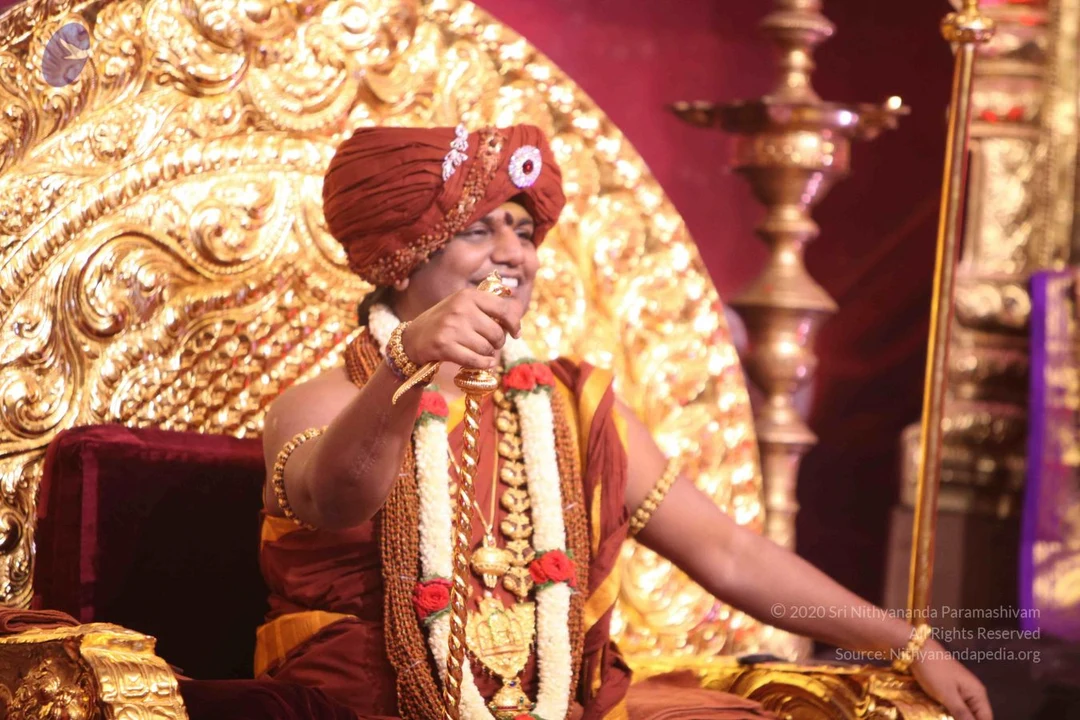
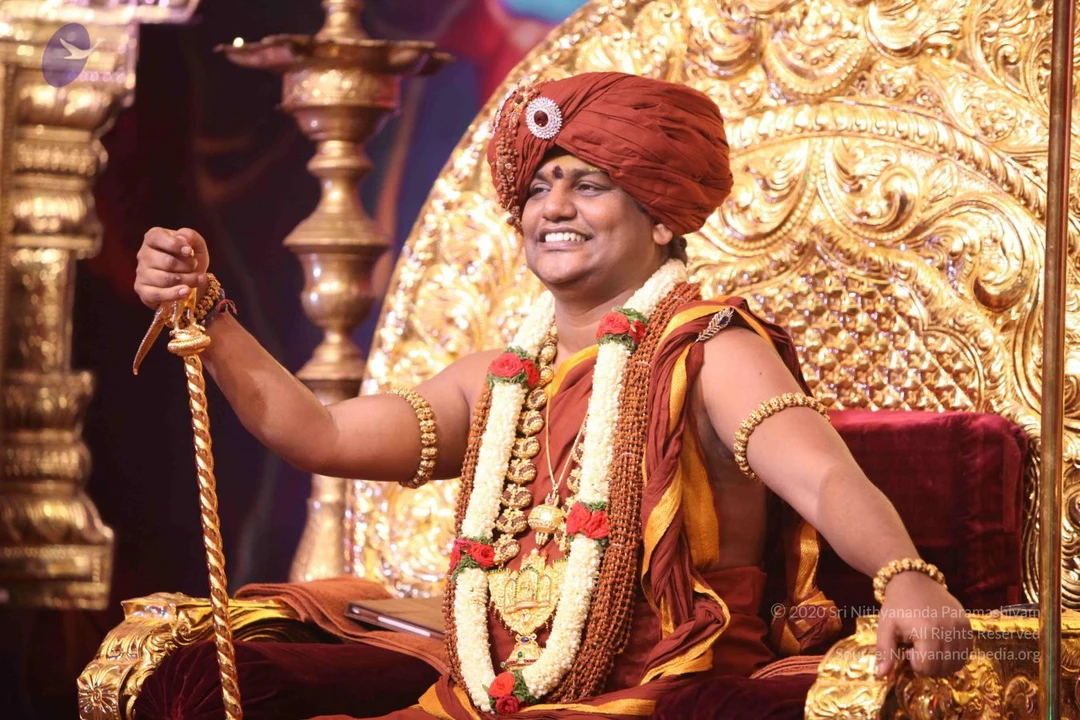
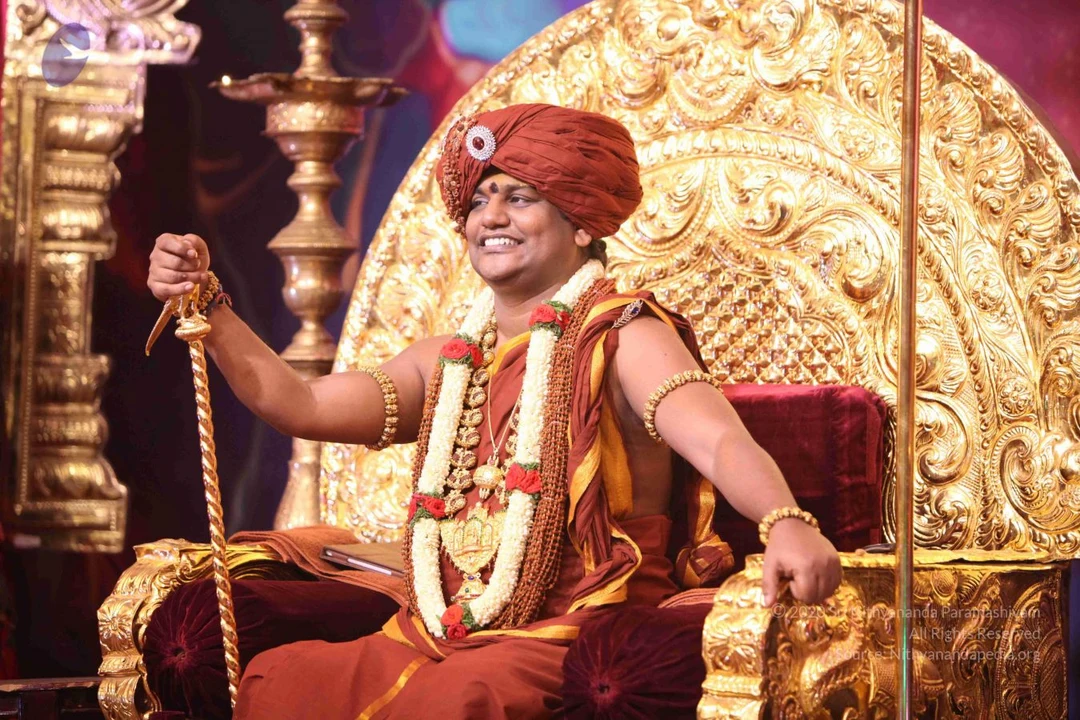
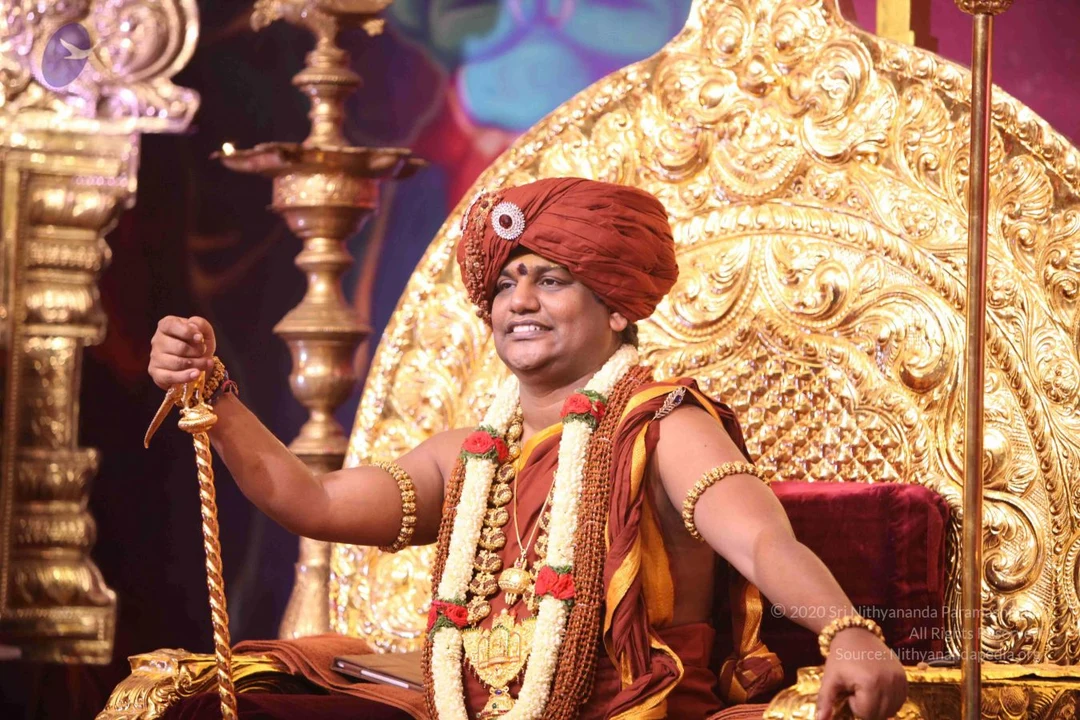
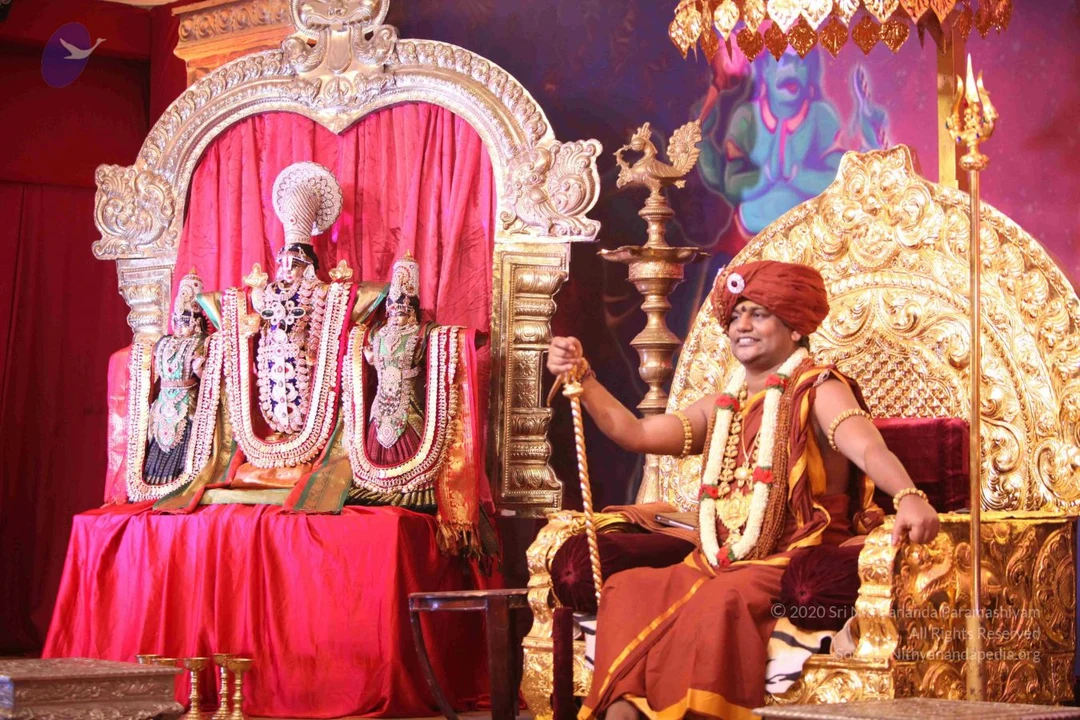
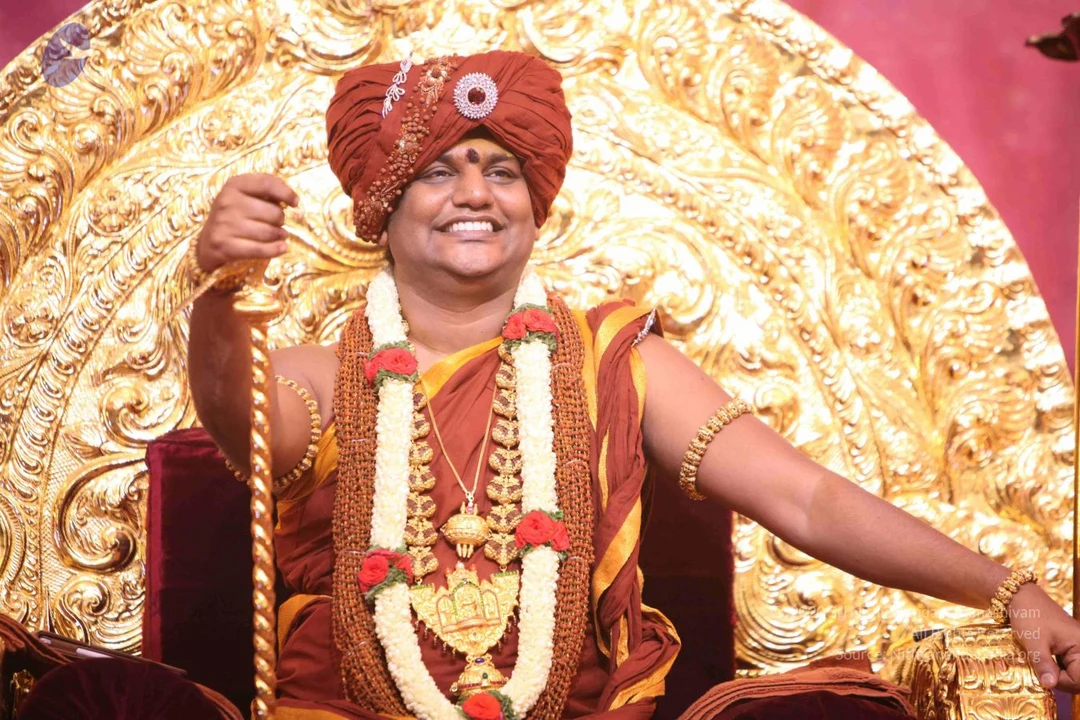
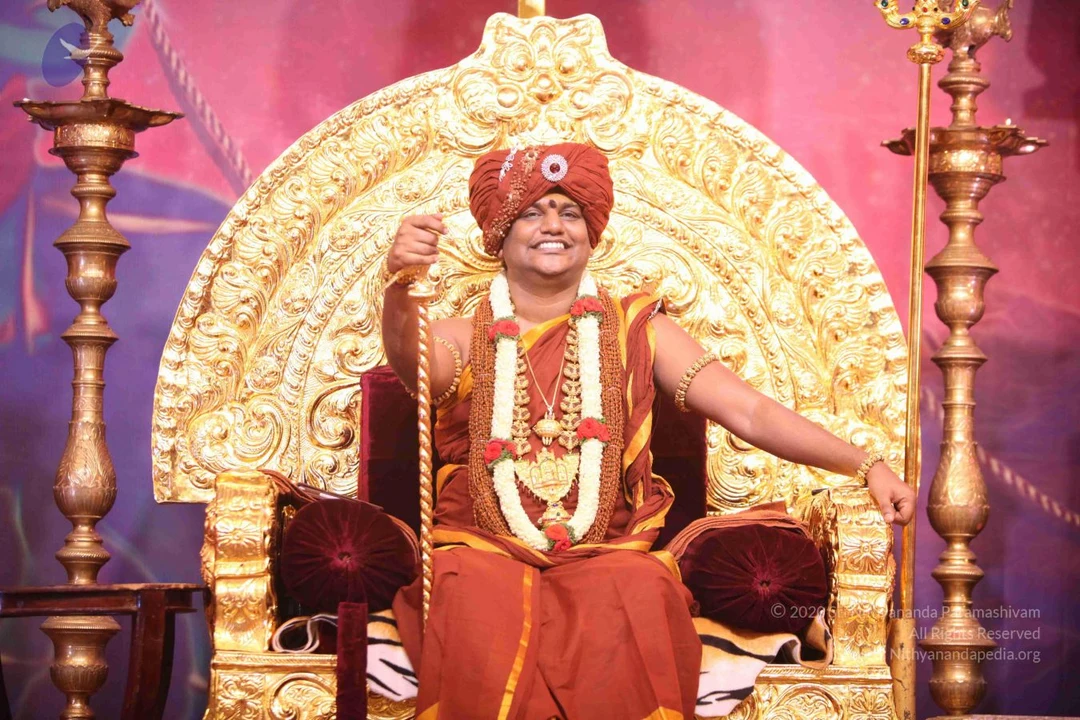
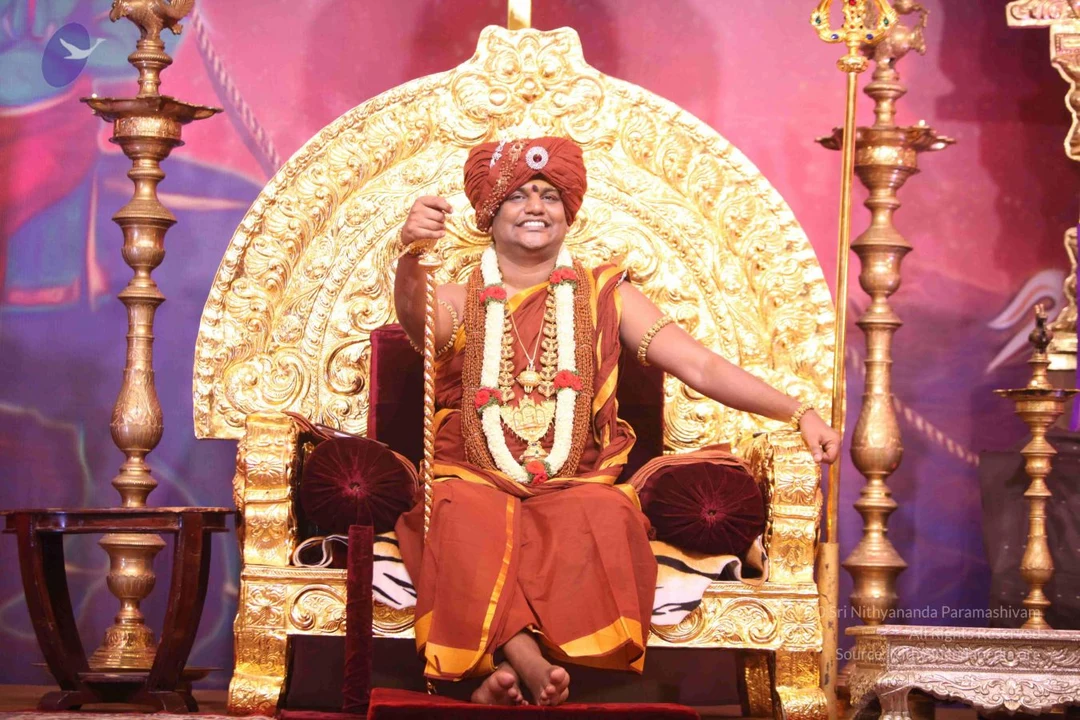
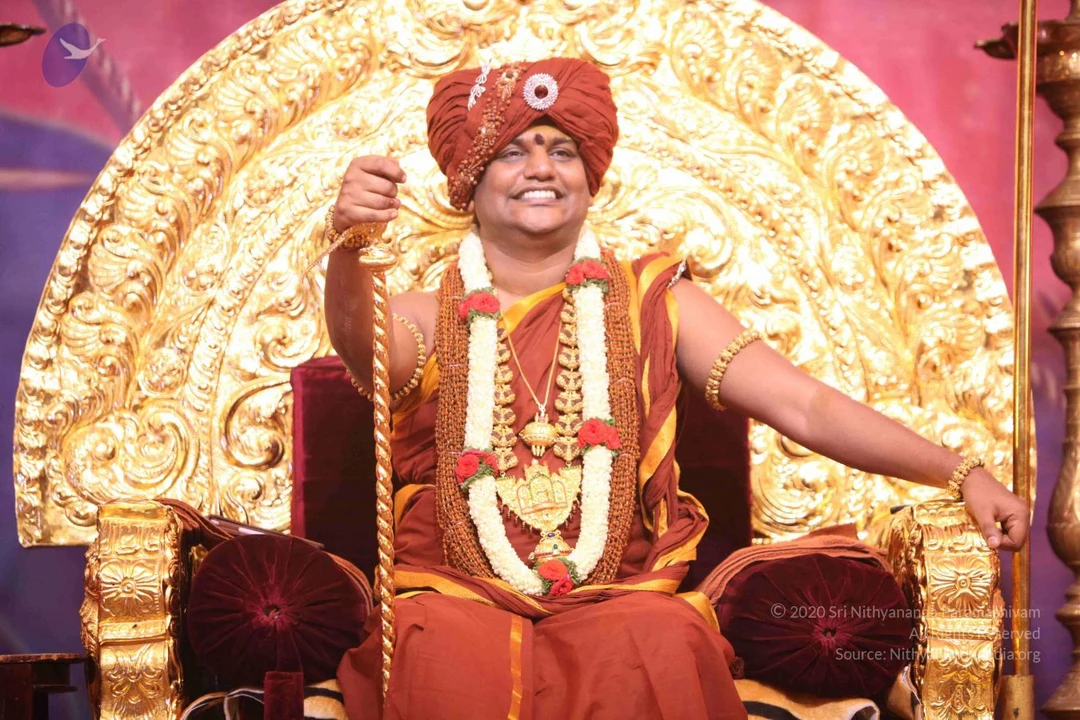
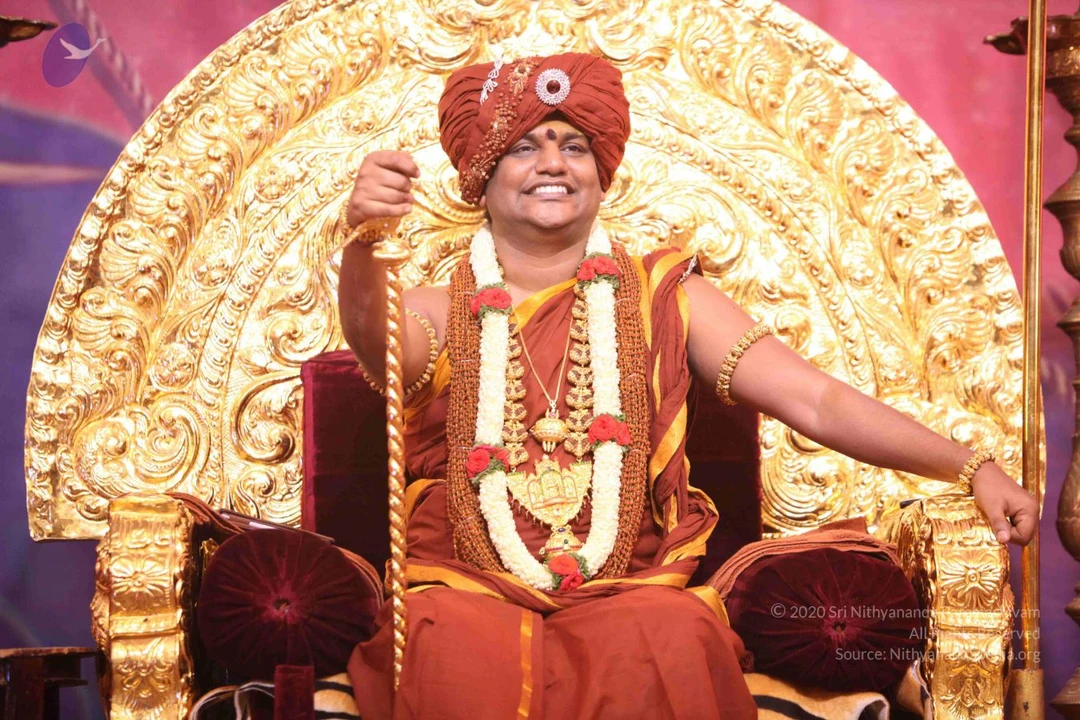
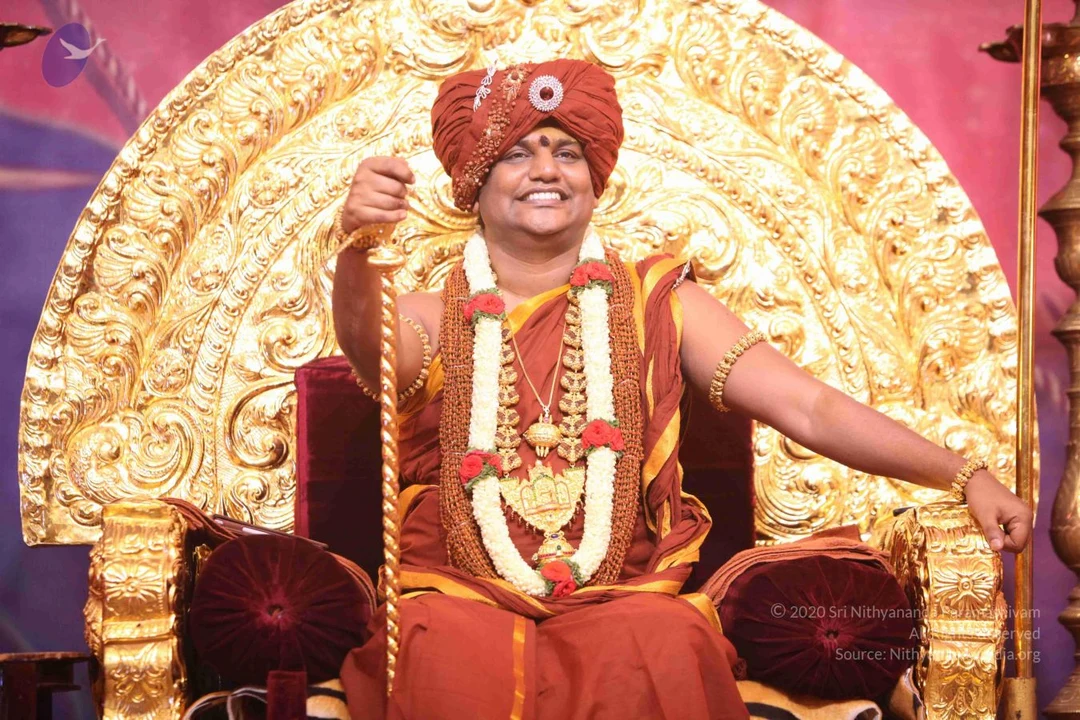
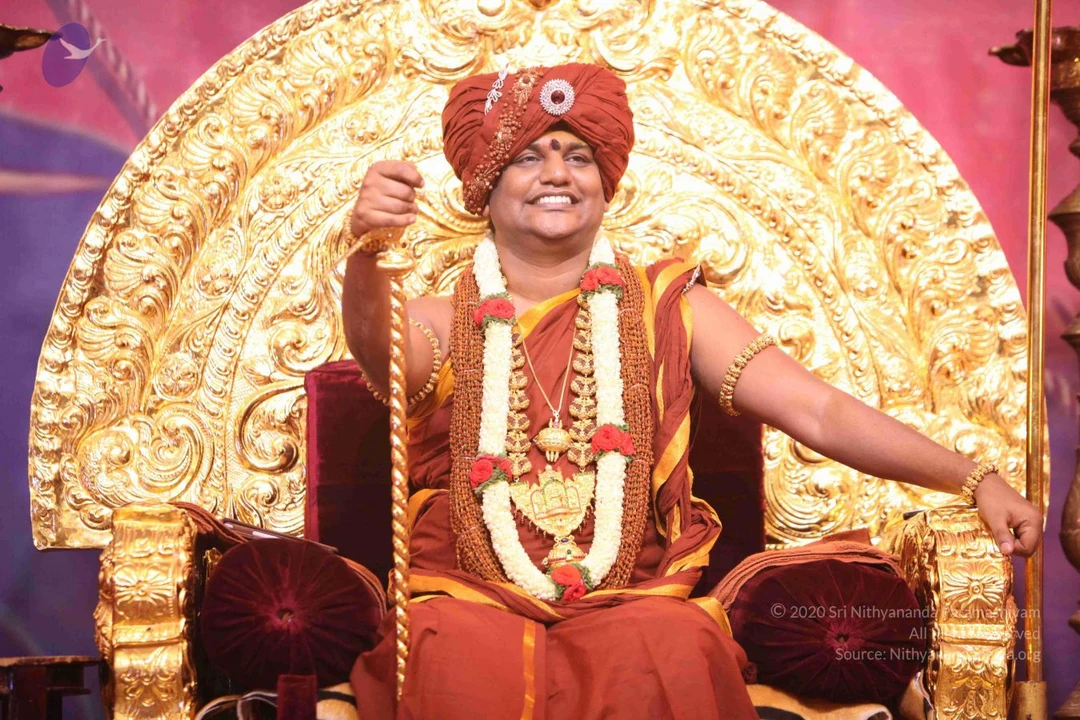
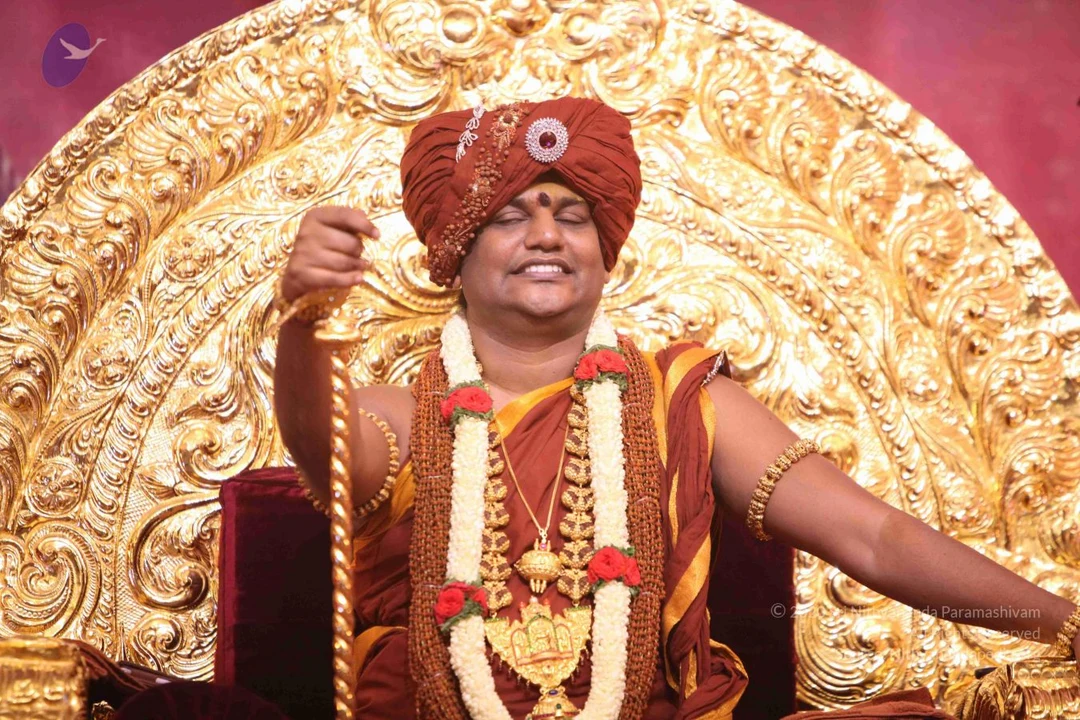
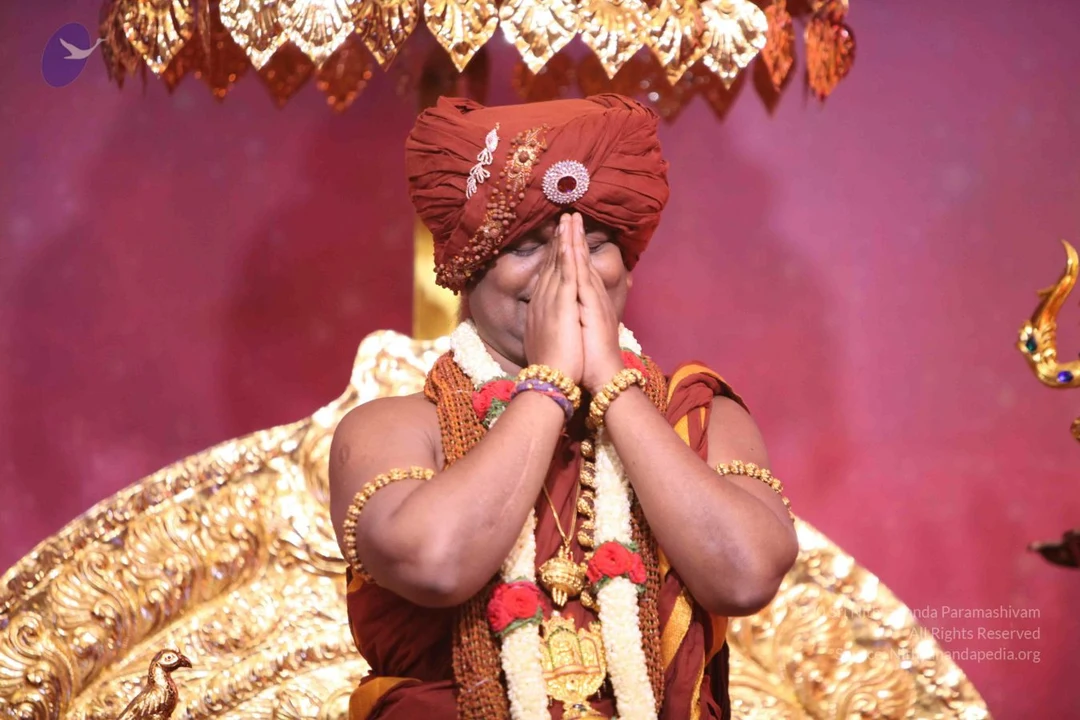
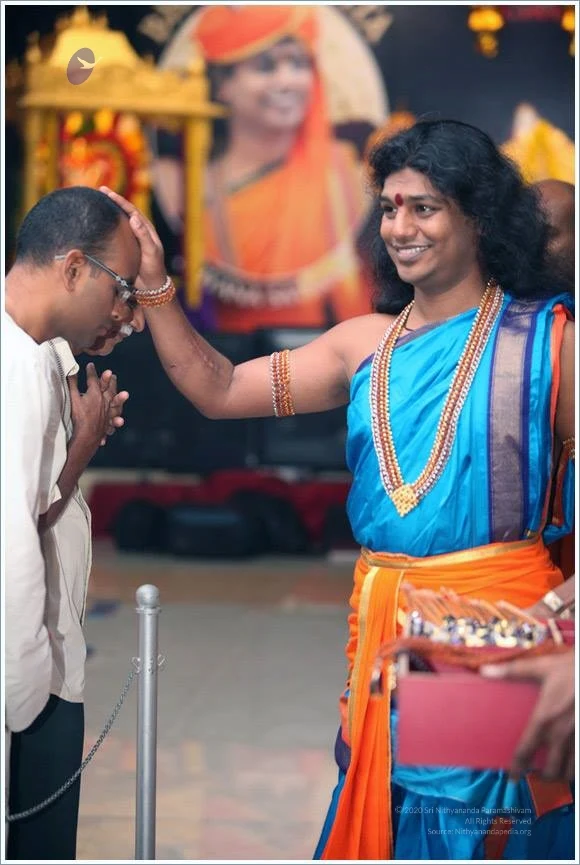
Photos Of The Day:
FB-photo-of-the-day
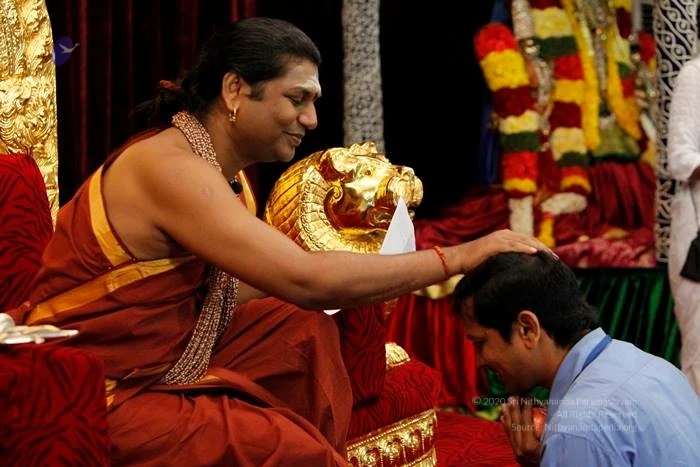
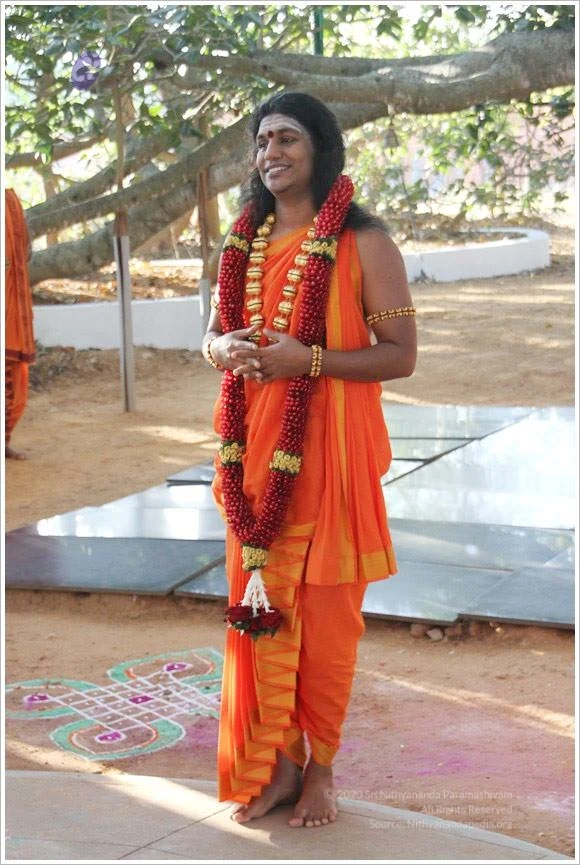
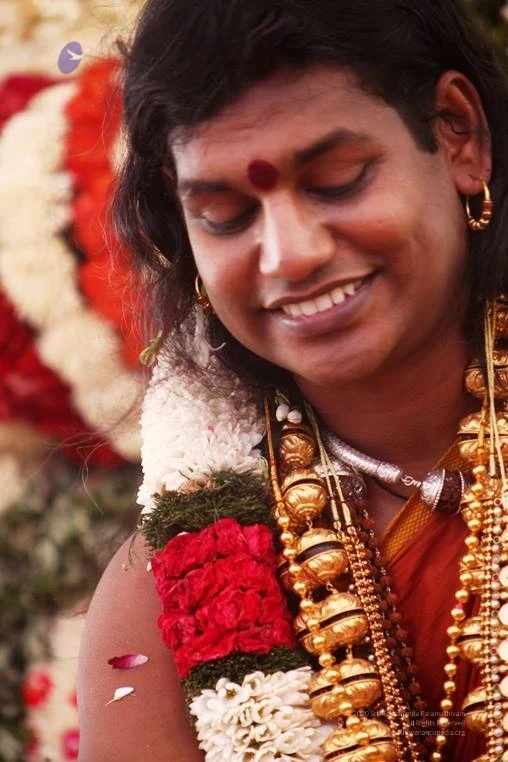
Photos from this day
View all 120 photosPhotos From The Day:
36 photosSource gallery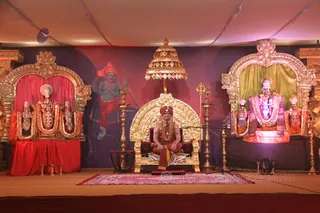
Morning-Satsang
9 photosSource gallery
Navarathiri
44 photosSource gallery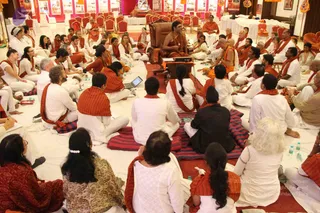
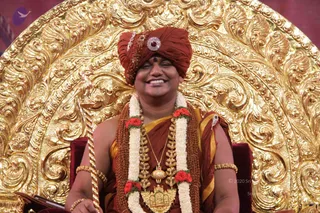
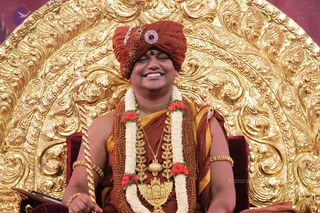
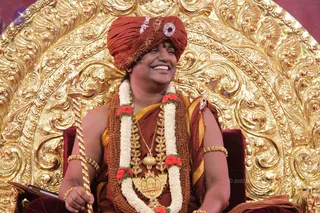
Navarathri-Darba
26 photosSource gallery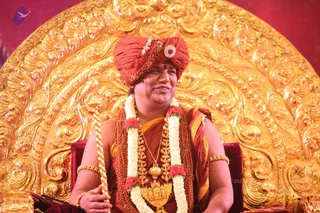

FB-photo-of-the-day
5 photosSource gallery