Sunday
22 February 2015
Say Yes To The Company Of Good People
- Dated photos
- 107
- Source pages
- 1
- Media
- 3
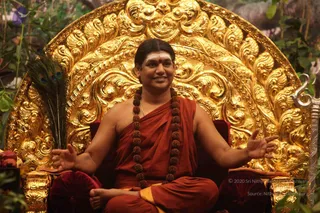
February 22 2015
Original wiki pageTitle:
Say Yes To The Company Of Good People
Description:
February 22, 2015 Today’s (22nd February, 2015) Morning Satsang continues with the Upanishads Series - Living Advaita. Isha Upanishad–Verse 3 continues: asuryā nāme te lokā andhena tamasā’vṛtāḥ | tāṁs te pretyābhigacchanti ye ke cātma-hano janāḥ || 3 || In this profound delivery of the Isha Upanishad, Paramahamsa Nithyananda advises that following bad people is a huge blunder in our lives and can cause us to miss the Guru, even after 100s of janmas of tapas. Continuously check if you are with people who are saying yes to life; for even just being in the company of good people, we can become enlightened!
Link to Video:
| Video | Audio |
Transcript:
Nithyanandeshwara Samaarambhaam
Nithyanandeshwari Madhyamaam |
Asmath Aachaarya Paryanthaam
Vandhey Guru Paramparaam ||
I welcome all of you with my love and respects. I welcome all the devotees, disciples, samajis, satsanghis, Shrimahants, Mahants, Thanedars, Kotharis, sitting with us through Nithyananda TV, Sadhna TV, Arra TV, and two-way video-conferencing having Nayana Deeksha.
The cities sitting with us through two-way video-conferencing having Nayana Deeksha: Surrey-Canada, Madurai, North San Antonio, Rajapalayam, Chicago, Hyderabad, Dubai, Hong Kong, Trinidad, Charlotte, San Antonio-Texas, Minot-North Dakota, Singapore-Singapuram, Winston-Salem, Doncaster-UK, Vancouver-Bhubaneshwar, St. Louis-Tirumala, Indrani-New Jersey, Hyderabad-Gupta Kashi, Los Angeles-Hollywood, and China, Charlotte-Srisailam, Toronto-Thiru Kailayam, Seattle-Chidambaram, Kuala Lumpur-Palani, Guadeloupe-Rameshwaram, St. Louis-Tirumala, Ohio, Los Angeles-Arunachalam, Oman-Sivagangai, Kulim-Tiruttani, and Malaysia, Chennai-Tiruvanmiyur.....and lot more cities.
I welcome all of you with my love and respects.
Let us enter into third verse of Ishavasya Upanishad. I will continue to expand on it, because so many questions need to be answered, so many answers need to be questioned.
असुर्या नाम ते लोका अन्धेन तमसाऽऽवृताः ।
ताँस्ते प्रेत्याभिगच्छन्ति ये के चात्महनो जनाः ॥
Asurya naama they lokaa andhena thamasaavruthaah |
Thaagumsthey prethyabhigachchanthi ye ke chaathmahano janaah ||
असुर्या नाम ते लोका अन्धेन तमसाऽऽवृताः ।
ताँस्ते प्रेत्याभिगच्छन्ति ये के चात्महनो जनाः ॥
Asurya naama they lokaa andhena thamasaavruthaah |
Thaagumsthey prethyabhigachchanthi ye ke chaathmahano janaah ||
Listen! “Athmahana”, saying “NO” to life, leads to the lower levels of existence, “Dussangha”, company of the lower level people. I tell you, that is the hell! That is the hell! Company of the lower level people, because, they will somehow brainwash you to get into their space, and they will make you do what they want you to do. Finally, they will put you in trouble; then they will escape; because they are very shrewd. They will escape so that they will go and haunt the other person.
One fellow, very popular preacher of suicide theology, he will preach, teach, literally mesmerize, hypnotise everyone to commit suicide, and lot of people have started committing suicide. Teaching death is very easy. That is why all death-based concepts spread like a wildfire. All the death-based religions, concepts, killing yourself and killing others, they spread like a wildfire. But the life-based religions, concepts, take lot of time. The best life-based religion in toto, hundred percent, is Jainism. The pure, life-based religion, Ahimsa and life, saying “YES” to life! But how much struggle that religion has to go through to spread! Actually, there are no followers; literally there are no followers of Jainism. That is the truth. Except a handful of monks, a few people! Because, it is life-based, doesn’t spread that wildly. But all death-based concepts, they just spread like wildfire!
Please understand, billions of animals are killed every year for our food. Still I can’t imagine how will you kill somebody for your snack?! How will you kill somebody for your snack?!! It takes a lot of time to accept life-based truths, understandings. It is very easy to receive and teach, spread death-based ideas and concepts, because, it is all agitating. Agitation is misunderstood as excitement.
This suicide theology fellow, he spreads so much, and people commit suicide!
Somebody asked, ‘Why are YOU not committing suicide? You are teaching to so many people!’
He said, ‘No, if I die, then who will teach this idea and make more and more people commit suicide?’
Dussangha! Understand, biggest warning this Upanishad is giving is “Dussangha”, the “wrong company”.
असुर्या नाम ते लोका अन्धेन तमसाऽऽवृताः ।
ताँस्ते प्रेत्याभिगच्छन्ति ये के चात्महनो जनाः ॥
Asurya naama they lokaa andhena thamasaavruthaah |
Thaagumsthey prethyabhigachchanthi ye ke chaathmahano janaah ||
असुर्या नाम ते लोका अन्धेन तमसाऽऽवृताः ।
ताँस्ते प्रेत्याभिगच्छन्ति ये के चात्महनो जनाः ॥
Asurya naama they lokaa andhena thamasaavruthaah |
Thaagumsthey prethyabhigachchanthi ye ke chaathmahano janaah ||
Lower-grade worlds, abodes of demonic people, “asurya”, asuras, understand?
Once, when I was in Ramakrishna Mission, I met a very senior sadhu, a great “thapasvi”. His name is Nandananda, Swami Nandanandaji. Great “thapasvi”! Very rarely I have seen “thapasvi” of his calibre! Actually, he has a little difficulty in hearing; not a little, lot of difficulty. Literally he can’t hear! But he is such a beautiful, innocent being, he is almost like a deaf grand-father of the whole family! If there is a deaf grand-father in the family, how these grand-kids will tease him and play around him and go near him, shout, scream, and make fun. He can’t hear, so he will be screaming and running around, chasing. So, he was exactly the deaf grand-father of the family. We small young brahmacharis will be running around him and teasing him, playing with him. He was such an innocent being and such a loving being, caring being, he will enjoy the whole thing! Just all by himself, walking from village to village, he established Ramakrishna Sangha in whole Andhra! So much he has done just by walking from village to village! He will take Ramakrishna’s photo on his head and go from village to village and established the Sangha. In whole Andhra he has established the Ramakrishna Sangha!
When I met him, he was already well above ninety! There is every possibility he can even be still alive! Because, there was no sign of death in him! And I have not heard the news he left the body. There is a possibility he would have left the body and I have not received the news, or there is a possibility he has not left the body. At least, when I met him, there was no sign of death in him. And I am hundred percent sure he has achieved Bhaava Samadhi, means he can converse with, he can talk to Shri Ramakrishna directly! Because I have seen him fulfilling the people’s prayers by talking to him, talking to Shri Ramakrishna! Actually, when people ask him, the village people come to him and ask him any prayers, he will note that in Telugu. He is from Andhra basically. Born in Andhra, but I think, brought up in North. Anyhow, he can write Telugu. He will write, note that down in Telugu, and when he comes and sits in the room, when he gets into that Bhaava Darshana, bhaava, means when he starts doing japa and meditation, when he gets into bhaava, I used to help him, assist him.
Sadhu Seva is one of the greatest part of my lifestyle. With all my work, I will never miss serving any elderly sadhu whom I come in contact. From the time I know, I remember me, Sadhu Seva – serving the sadhus – was an important component of my life. It is an instruction from Kuppammal. ‘Hey, serve the sadhus. You will be served thousand times better!’ And the word always came true! The word always came true! Now I can say I am the most served Guru on Planet Earth! Not with any pride or arrogance, I can be very straightforward: Most served, most attended, most physically, literally, worshipped! The whole thing is just because of the Sadhu Seva I did. Understand? Never miss serving elderly sadhus, especially when you know that they are honest sadhus, they are sincere sadhus. They might be enlightened or unenlightened, they might be in the various levels of enlightenment, various levels of Samadhi, but if you know them that they are sincere sadhus, never miss serving them. So, I used to serve him.
In the night time he will ask for a little hot water and all that. And one problem with people who have a less hearing is, they will think we also can’t hear; so they will speak very loudly! They will speak very loudly! From his room if he calls, I can listen from my room which is almost hundred feet away! ‘Khokhaaaa!’ He will call like that! “Khokha” means “small boy”. I am the youngest in my batch. Actually, when I was accepted in the Mutt, I was a minor. Minors are usually not accepted; legally you have to be a major, eighteen years. But I did not completely my eighteen years, but they accepted me. So I was called as “Khokha”. And, he will scream! When I run to his room, he will ask for a little hot water. Very simple person; not much things needed; just a little hot water to drink in the night, and, very rarely he will ask for one banana. And, very simple person! So, when I give the hot water and wait for him to....I used to wait some time that if he wants to give some instruction or if he wants to ask something further. So that time I have seen him getting into that Bhaava Samadhi and he will start talking to Ramakrishna! He will start talking to Ramakrishna! Please understand, he was not in any delusion or illusion, because, he will ask me, ‘Hey, bring that paper from that table!’ There was a small table nearby. I will bring the paper and give it to him. And whatever devotees have asked him, he would have penned down in that paper. He will ask one by one. And whenever he comes and stays in Mylapore Mutt, around that place there are a few slums, city slums. There is Kapalinagar, Dhideerkuppam, and Ramakrishna Nagar. From those slums people will come to see him. He was well-known for fulfilling the prayers of people. So, they will come to see him and he will tell Ramakrishna that, ‘This person wanted his daughter to get admission in the college. Will it happen? When it will happen?’ Just like talking to us, he will talk to him (Ramakrishna). And then he will pick up a pen, and, ‘Oh, okay, it will happen aa? Alright.’ No, he will tick. And next day when those devotees come, he will explain to them, he will tell them. I have seen this whole scene personally, end to end! Means, when devotees come to him and talk to him how he notes down, and the night time how he sits and talks to Ramakrishna and notes down Ramakrisna’s answer. And next day when the devotees come, he will call them and pick up that paper, and slowly read one by one with his loud voice. He will explain, ‘Thakur bolchey...’ He will mix Bengali also into his Telugu, Tamil, all mix language. He has his own language. And he knows some four-five languages. So, he will mix all that and... ‘Thakur bolchey’ means, ‘Ramakrishna said’. And he will explain. At least, whatever I have seen, not even one case failed! Not even one reply he got back failed! And it will be very precise! Very precise! Not collective or superficial, rough. No! Very precise!
I am a great Vedanthi. I will not believe any of this easily. For me, only my gurus are enlightened! I will not bend, bow down in front of anything, anybody. So, I tested two-three times.
And, I used to take him to the shop where his hearing-aids are made. So I used to travel with him. Closely also when I sit next to him also I will watch, ‘Has he really achieved Bhaava Samadhi? Or, is he just having some illusion or delusion?’ But, continuously, I have seen him being in that space of joy and innocence. Finally, one day, I was very clear, means, all my doubts are cleared that I am hundred percent sure he is in Bhaava Samadhi, and he really talks to Shri Ramakrishna, and he really gets the response! That much I realized, I understood.
Nandanandaji was even in Madurai Ramakrishna Mutt. He spent a lot of time in Madurai Ramakrishna Mutt also. And, he will go and talk to Sundareshwara also! He will go to temple and stand in the garbhamandir, and talk to Sundareshwara (Mahadeva). One day I was really convinced about his greatness and he is established, he is established in Bhaava Samadhi.
I asked him, ‘Swamiji, you are talking to Shri Ramakrishna for the sake of every one. Can you tell me what should I ask Ramakrishna? What YOU ask from him for you, you tell me. I want to ask the same thing for me from him. Because, if you are talking to him, then you know best what should be asked from him. You would have asked that for you. You tell me. I want to ask the same thing for me from him. Through you only! But, you tell me what should be asked, what is the best thing to be asked from Bhagawan Shri Ramakrishna.’
Usually he will speak loudly. Suddenly, he just pulled my hand, and pulled me near him, and started telling me very lightly, means, I think he is trying to convey something very secret (in a whisper), ‘Hey, ask Bhagawan always to have good company and never you should get into bad company. That’s all you need to ask. Never you should be attracted to bad people and bad company! You should always be with good people and good company. Have only good people’s satsangha. Never you should be influenced, attracted by bad people. That’s all I ask him for me. I will ask the same for you also.’
That’s it! I tell you, still I remember the power of those words! It may look very superficial and simple for you guys. Only if you know the context, the situation, a man who can talk to God directly every night as he wants, says, ‘I think I should ask only this: “Let me not have bad people’s company who influence me wrongly”.’ I tell you, bad people’s company is such, they can even steal, rob, Guru in your life, who happened after janmas of “thapas”, understand! After hundreds and hundreds of births, your prayers, your “thapas”, your fasting, your meditating, a living Guru happens in your life! The bad company – Asurya naama they lokaa andhena thamasaavruthaah (असुर्या नाम ते लोका अन्धेन तमसाऽऽवृताः) – these people, asuras, the company of the asuras, bad people, can take away, rob even the greatest happening, that Guru, from your life! Be aware! Be careful! Be aware! Be careful!
Asurya naama they lokaa andhena thamasaavruthaah
असुर्या नाम ते लोका अन्धेन तमसाऽऽवृताः
Nandanandaji, that Swamiji said, ‘Whether when I am living, or after death, don’t allow bad people’s company to happen to you. That’s all I wanted.’
He used to tell me, ‘I told Thakur, if he doesn’t give me health I have no problem; if he doesn’t give me wealth, I have no problem; I don’t want name and fame; I don’t ask anything; I don’t want anything; Whatever he gives he gives, if he doesn’t want to give, he doesn’t want to give. I only ask one thing: Let me have satsangha. Let me not have dussangha. Let me not have bad company who move me away from spiritual lifestyle.’
Dussangha is the worst curse, I tell you! Because, even you falling into depression or slipping from spiritual lifestyle, spiritual practice, is not crime; it may be mistake; but you can, if you have good company, you can recover and come back. But, company of the bad people is blunder! Blunder! Blunder! Understand? They will be so enchanting, enticing, I tell you, always the bad people will be enticing, because they are encouraging all your basic instincts, they are encouraging all your agitative excitements; they don’t let the maturity happen. So, the company of bad people is the blunder!
Asurya naama they lokaa andhena thamasaavruthaah
असुर्या नाम ते लोका अन्धेन तमसाऽऽवृताः
Today’s subject for Vaakyaartha Sadhas is “Satsangha and Dussangha”. What is Satsangha? What is Dussangha? How Satsangh does good? How Dussangha does bad?
Asurya naama they lokaa andhena thamasaavruthaah
असुर्या नाम ते लोका अन्धेन तमसाऽऽवृताः
This line – Asurya naama they lokaa andhena thamasaavruthaah (असुर्या नाम ते लोका अन्धेन तमसाऽऽवृताः) – this line is the subject for Vaakyaartha Sadhas, today’s Vaakyaartha Sadhas. Company of good people! Not having the company of bad people!
असुर्या नाम ते लोका अन्धेन तमसाऽऽवृताः ।
ताँस्ते प्रेत्याभिगच्छन्ति ये के चात्महनो जनाः ॥
Asurya naama they lokaa andhena thamasaavruthaah |
Thaagumsthey prethyabhigachchanthi ye ke chaathmahano janaah ||
Understand? Good company, just good company is enough; you will become enlightened! What else has happened in the Shivoham process? Whole Shivoham process which happened in Cambodia, which is going to happen in Varanasi, is all just satsangha! Sit with the Master; simply the enlightenment happens, Shivoham experience flowers! Especially, Varanasi! Moorthi, Theertha, Sthala, all the three.
Theertha, the Ganga! In Kaamika Aagama, Mahadeva says, ‘Ganga is the ever-pure water!’ In the “Bhasmasnaana Vidhi”, he says, ‘Just like Ganga is ever-pure water, bhasma is ever-pure!’
Ganga: Theertha!
Sthala! What better sthala you will get than Varanasi? His very own address! If Kailaasa is his address, Varanasi is his bedroom! It is his private quarters! If Kailaasa is his address, Varanasi is his private quarters! What better place you will find?
And Achala Moorthy: Vishwanatha! Sachala Moorthy: Gurudeva!
And the concept you are going to work on is “Shivoham”! Actually, when you start the program only, you will even chant “Shivoham”. You will end up as Shiva, Shiva, Shiva, because, “aham” will not be there to tell even “Shivoham”. It will end up as “Shiv, Shiv”!
Satsangha! Satsangha! Satsangha!
असुर्या नाम ते लोका अन्धेन तमसाऽऽवृताः ।
ताँस्ते प्रेत्याभिगच्छन्ति ये के चात्महनो जनाः ॥
Asurya naama they lokaa andhena thamasaavruthaah |
Thaagumsthey prethyabhigachchanthi ye ke chaathmahano janaah ||
I will continue to expand on –
ताँस्ते प्रेत्याभिगच्छन्ति ये के चात्महनो जनाः
Thaagumsthey prethyabhigachchanthi ye ke chaathmahano janaah
Prethyabhi (प्रेत्याभि) means, “after death”. Prethyabhi (प्रेत्याभि) – “after death”. Listen! Whoever does “Athmahana”, “killing the Athman”, after death they get into the space where negative people live. It is a simple truth. Same frequency attracts same frequency. Birds of same feathers flock together! That’s all! It is a simple fact; nothing mystical about it. And, if you are a negative person, you will not be happy even in satsangh. You will get only negative people and (gossip) – ‘Pssst! Do you know what he is doing? Do you know what he is doing? Do you know what she is doing?’ Only with that kind of talk you will also be comfortable! ‘Yes! Wow! I feel so relieved! And she is such a nice person and such good friend!’ And, same way, if you are a person aligned to the truth, and FOR life, spirituality, you will feel comfortable only with those kind of friends. I tell you, this one statement: ‘Tell about who is your friend, with whom you are hanging out, I will tell about you!’ This is the ultimate sutra! I think this can even be added into Upanishads! No, I can tell in our Sangha, based on who is walking with whom, who is hanging out with whom, who is sitting with whom, who is talking with whom, just with that I can tell whether this fellow is going to be evolving, or he is going to be disappearing soon, running away soon. I can very clearly tell! Same way, among devotees also, who hangs out with whom, and who takes selfie with whom and puts it in the Facebook, no, with that I know very clearly it is going to pass or fail!
Understand? Prethyabhigachchanthi (प्रेत्याभिगच्छन्ति)! After death where you are going to go, prepare yourself for that. The best place to prepare yourself for the journey of “after death” is Varanasi! Actually, this Varanasi Inner Awakening is going to the experience of Upanishads literally! Literally the experience of Upanishads! And the construction of Varanasi Ashram and Gurukul is happening in superfast speed. Inner Awakening programme itself may not be held in the Varanasi Ashram now, but we may be inaugurating, at least installing the deity in the Varanasi Gurukul.
असुर्या नाम ते लोका अन्धेन तमसाऽऽवृताः ।
ताँस्ते प्रेत्याभिगच्छन्ति ये के चात्महनो जनाः ॥
Asurya naama they lokaa andhena thamasaavruthaah |
Thaagumsthey prethyabhigachchanthi ye ke chaathmahano janaah ||
Understand?
Yesterday I was expanding on how saying “YES” to life raises you, saying “NO” to life disturbs you. I was explaining about “vairaagya”. Listen! I wanted to add something further. If you feel the sensory pleasures of your life, saying “NO” to it is saying “NO” to life, and, when life teaches you ‘Sensory pleasures are not ultimate. Move!’, not ready to learn that lesson is also saying “NO” to life! Remember, whenever life gives you the experience, ‘Hey, sensory pleasures are not ultimate! Come on! Come next! Move, move further! Move further! Let your pleasures be matured! Let your aspirations be matured!’, and you say, ‘No, no....I think that is too much. Too much risk I have to take. I think....it is okay, I am here. Good.’, that is again saying “NO” to life! Saying “NO” to the evolution of life is saying “NO” to life. If you are confused, ‘Now, if I say “YES”, am I saying “YES” to my passions and “YES” to my sensory pleasures, or should I say “YES” to my maturity, evolution? I think life has also told me many times that sense pleasures are not ultimate; it is asking me to get matured. What should I do?’ Always, even if you think it is going to be mistake, decide FOR maturity. Because, even if it is a mistake, it is a right side to err! Right side to err! Err on the right side!
So, understand, lot more thinking through is required about this concept of “saying YES to life”. That is why I insist on Vaakyaartha Sadhas. All the seekers should either listen or participate in Vaakyaartha Sadhas. I tell you, in Vaakyaartha Sadhas, so much of “vaadha-prathivaadha”, internalizing, exploring happens. The beauty of Vaakyaartha Sadhas is, it makes even your body matured, listen, not just mind. Your body gets matured! Whenever you do intense yoga, kriya, pranayama, don’t think just your body gets matured; your mind too gets matured! When you work on the body, mind also gets matured! When you do Vaakyaartha Sadhas, body also gets matured!
In all our ashrams, the sound of the mantras in the temple, and the smell of the “goshaala” (cow pen), and the sound of the food being cooked in large quantity and served freely, and sound of the bell ringing in the temple, and the sound of the Vaakayaartha Sadhas should be continuously heard! All these should be the brand of Nithyananda Sangha ashrams!
असुर्या नाम ते लोका अन्धेन तमसाऽऽवृताः ।
ताँस्ते प्रेत्याभिगच्छन्ति ये के चात्महनो जनाः ॥
Asurya naama they lokaa andhena thamasaavruthaah |
Thaagumsthey prethyabhigachchanthi ye ke chaathmahano janaah ||
Those who kill the Athma, who does “Athmahana”, they get into the space of demons, the hells coerced by blinding darkness, and all the negative qualities of “Thamas”. So, wake up! Decide FOR LIFE! Never give up! Come what may, look through it; you will see the light in the other side of the tunnel! However long the tunnel may look, you will see the light on the other side! Don’t give up! And I have the right to tell that word experientially! Don’t give up! As Hindus, we have the right to tell that word – ‘DON’T GIVE UP!’ After being beaten so much, attacked so much, understand? I am not even talking about three-thousand years. Just last three-hundred years, the amount of Hindus killed, tortured, abused, just because of our faith, our way of life! After all that, we are still standing! And we have a right to say DON’T GIVE UP! And, I tell you, after all this torture, we are made to believe, our own upper caste has killed our own lower caste. That is the peak of crime! After being destroyed, the remaining few of us are made to believe, ‘No outsider killed. You guys killed each other!’ Because we are seeing so many dead bodies all around. How to dispose? What to do? Who killed it? Who did it? ‘No, you guys did it among yourself, when you were sleeping. When you were sleeping, you rolled on that person, he rolled on you, and he got killed.’ This is the story we are told! Anyhow...! All these we withstood! We have not given up! It is time for us to win. We won’t give up! And we will teach people not to give up! Because, we have faced all the worst situations where anybody would have given up, and we did not give up, we have a right to tell you guys, DON’T GIVE UP! Always decide FOR LIFE! Always decide FOR LIFE! Always decide FOR LIFE!
असुर्या नाम ते लोका अन्धेन तमसाऽऽवृताः ।
ताँस्ते प्रेत्याभिगच्छन्ति ये के चात्महनो जनाः ॥
Asurya naama they lokaa andhena thamasaavruthaah |
Thaagumsthey prethyabhigachchanthi ye ke chaathmahano janaah ||
Those who do “Athmahana”, deny life, get into the worst abodes filled with negative people and negativity.
Description
The Daily Video Magazine of the Nithyananda Sangha. Nithyananda Times - 22nd February, 2015
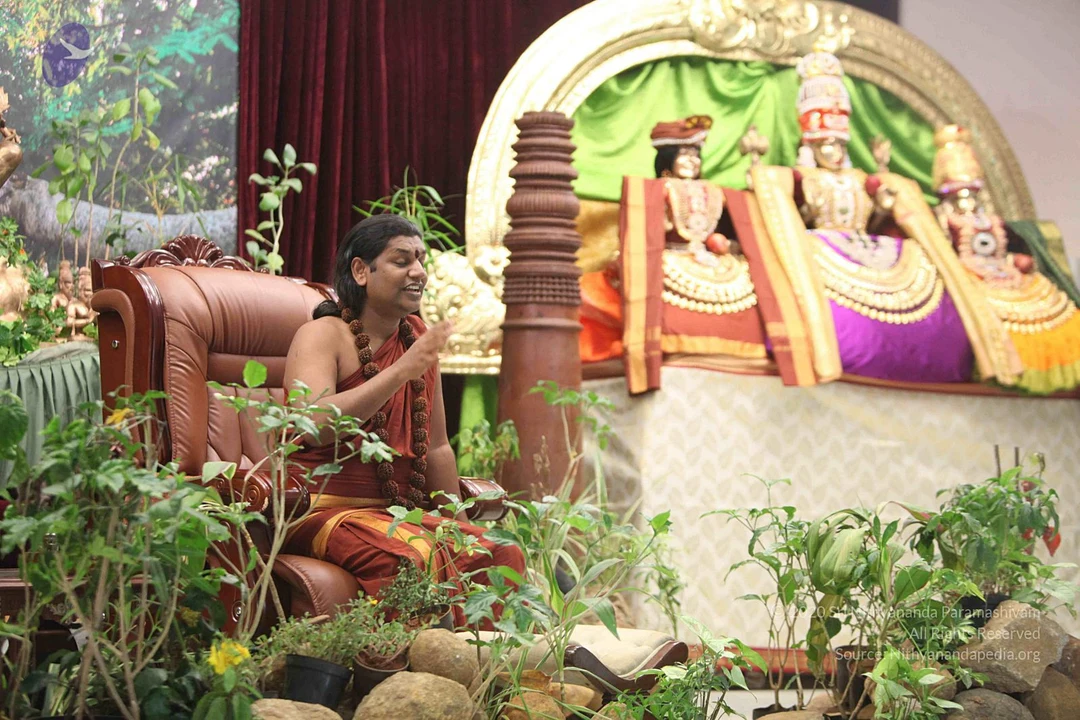
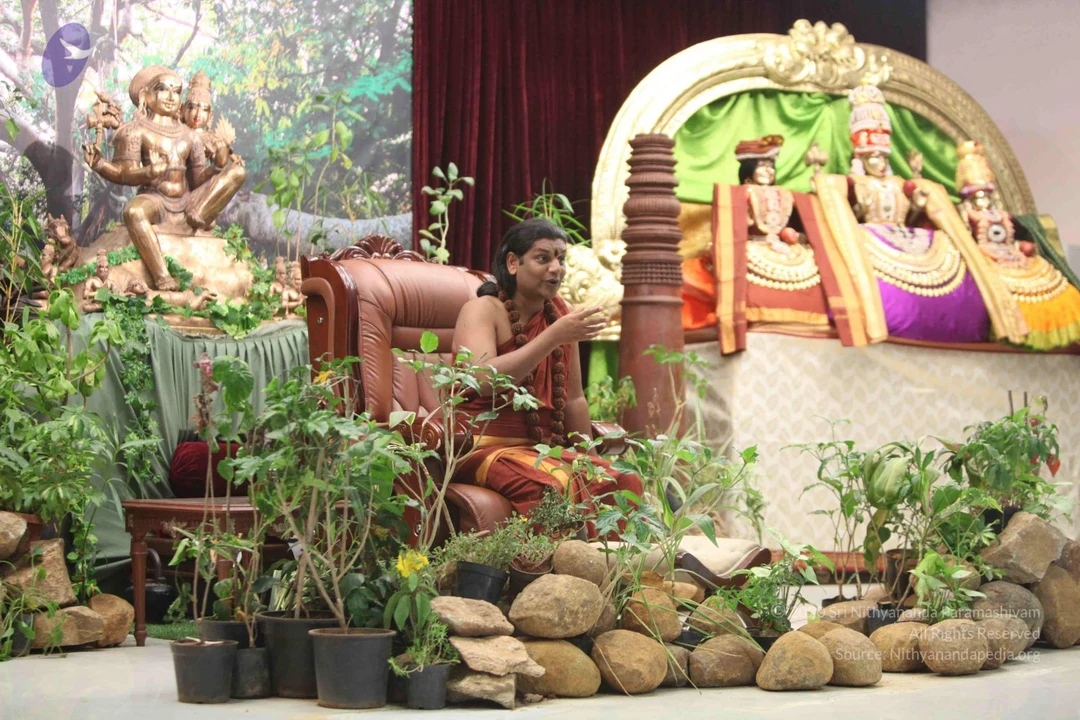
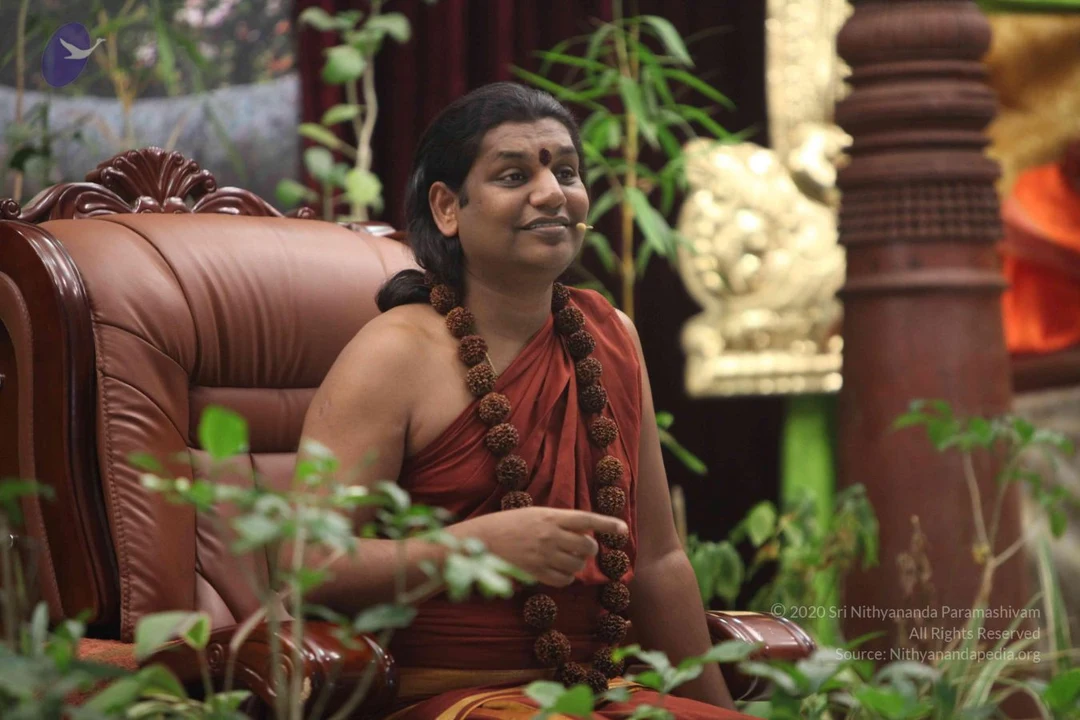
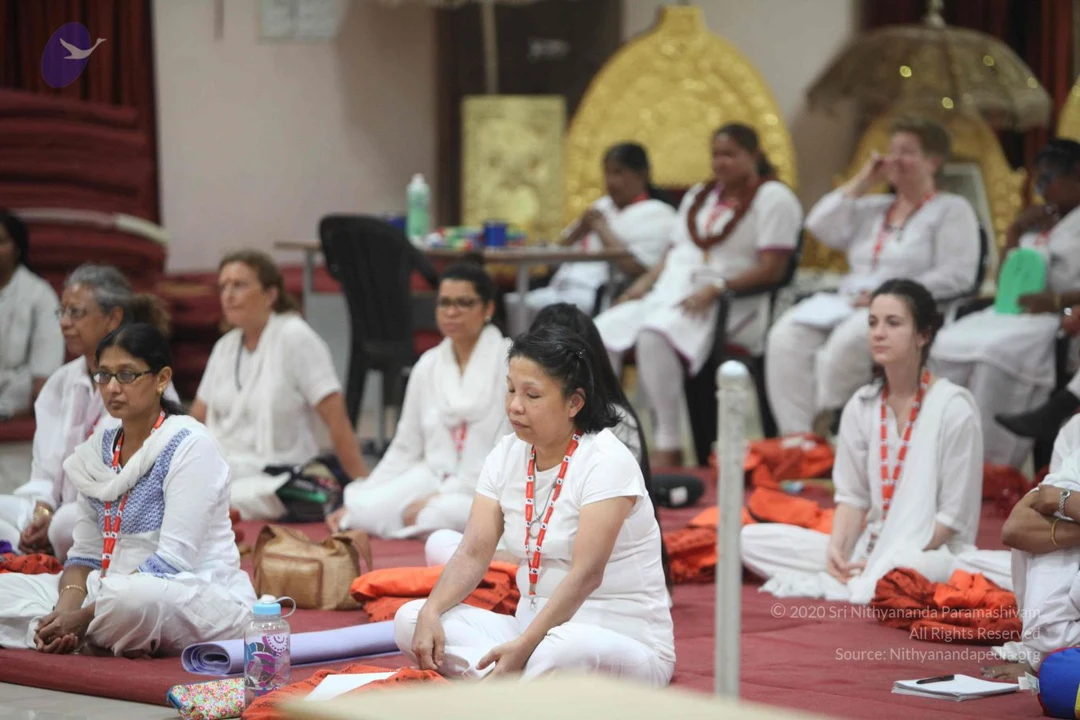
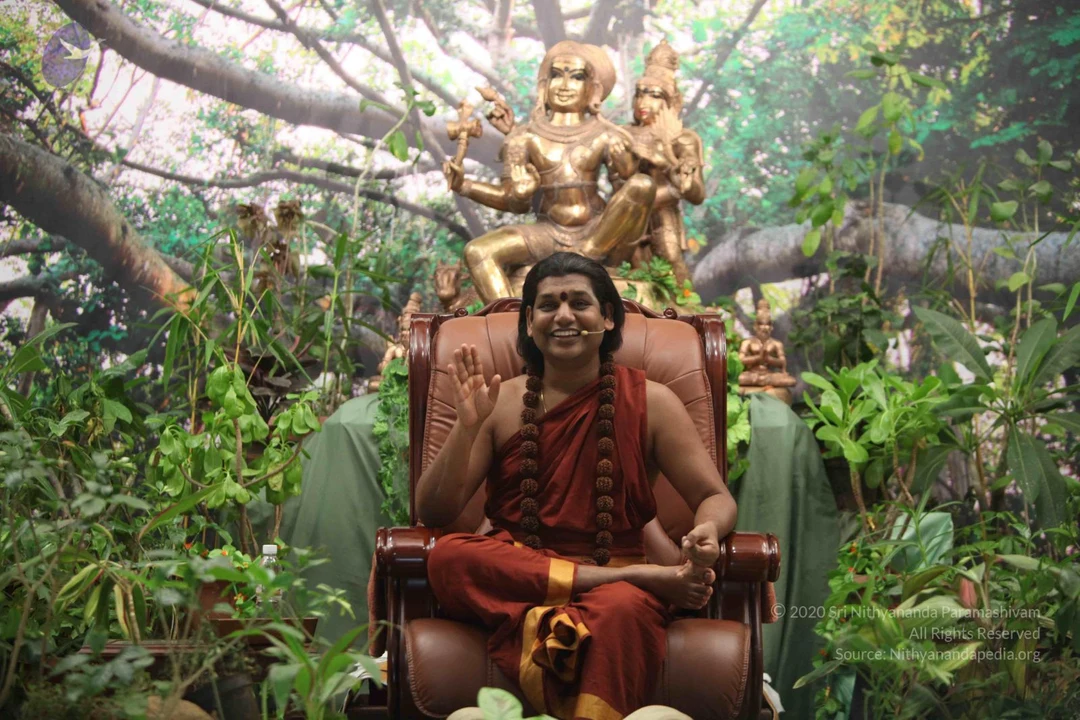
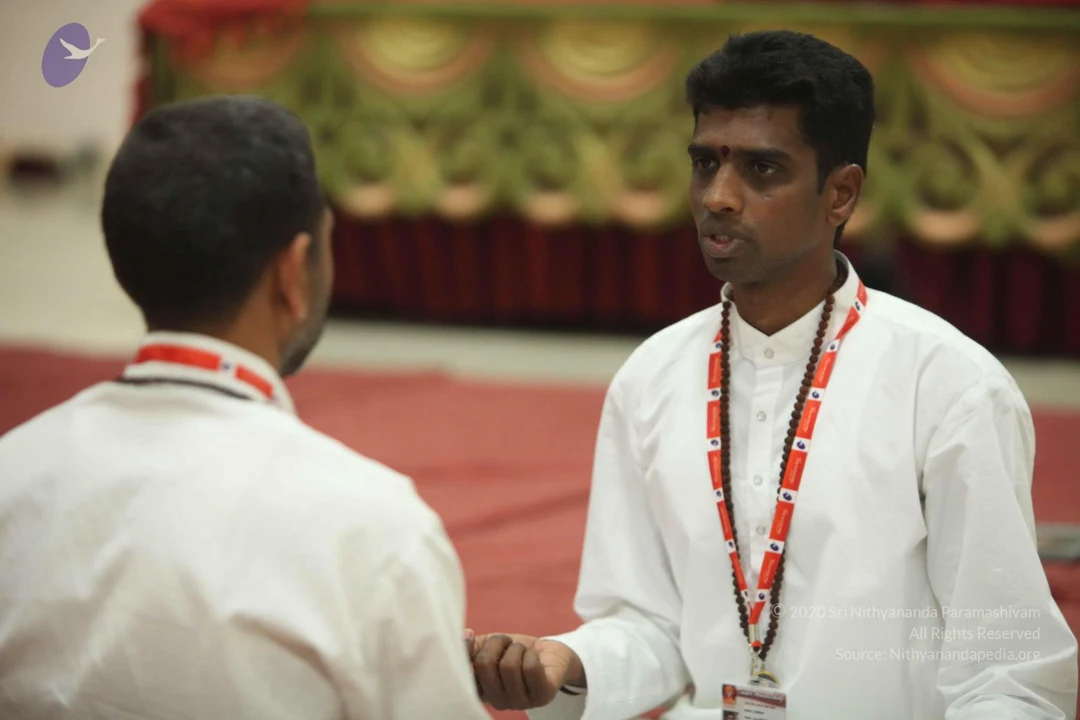
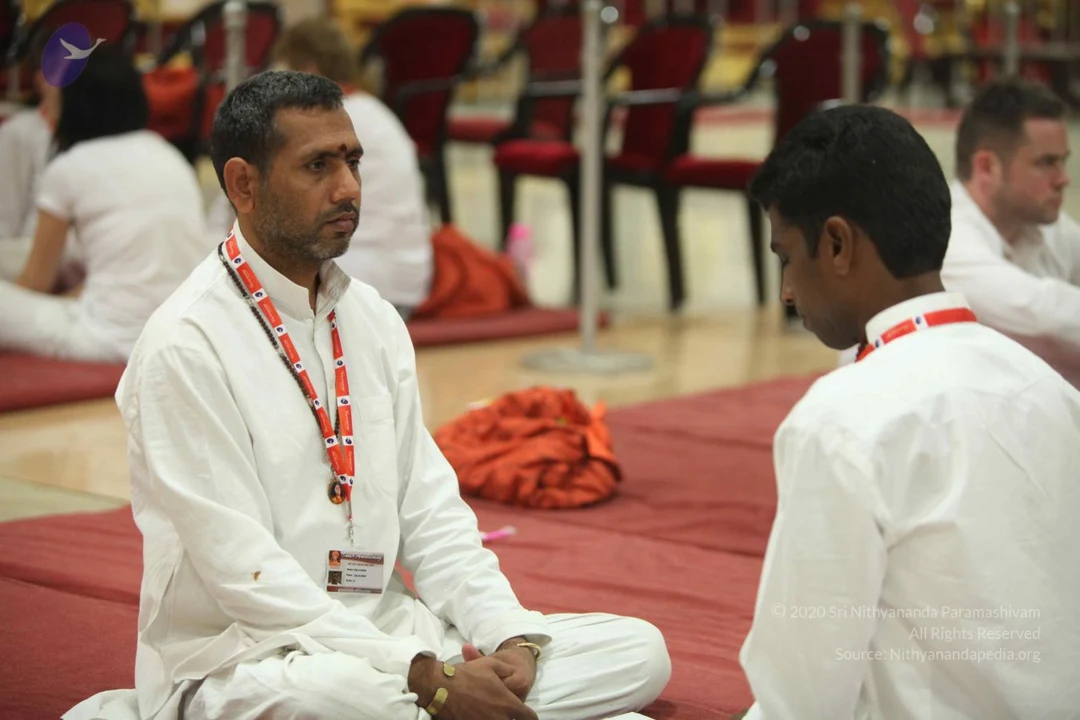
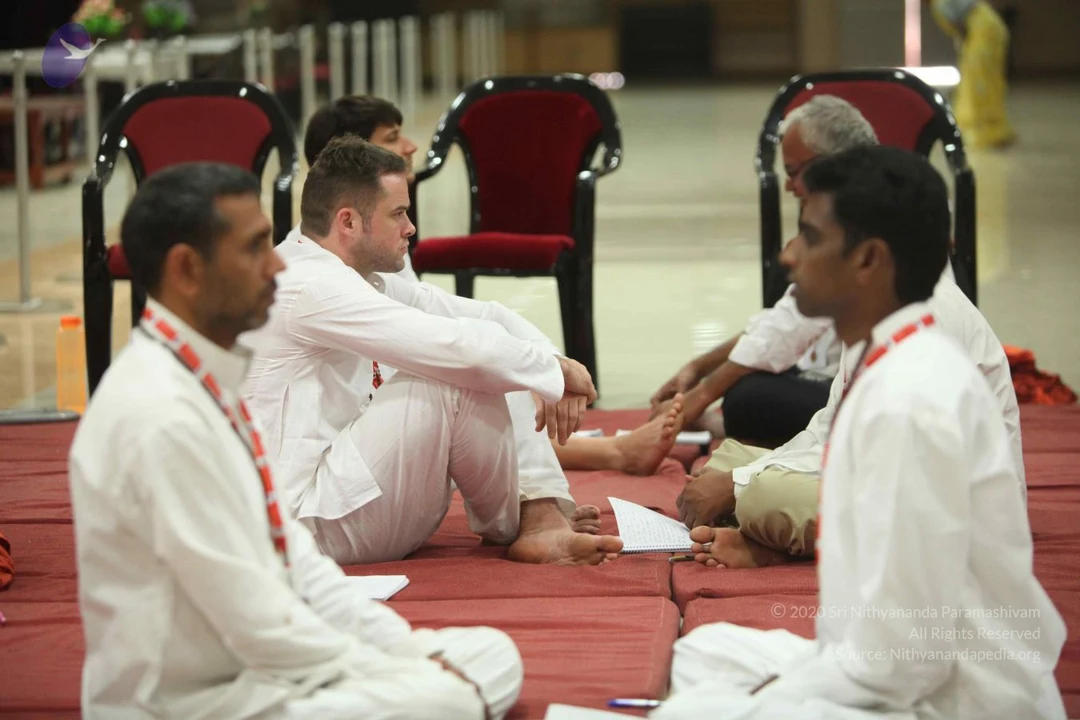
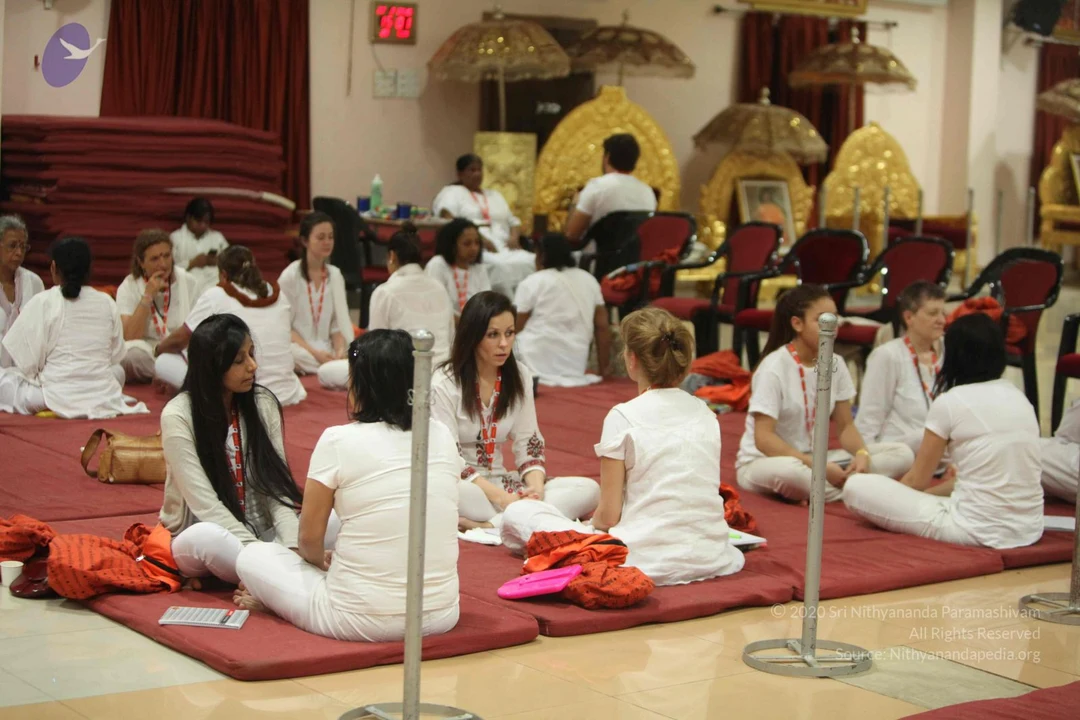
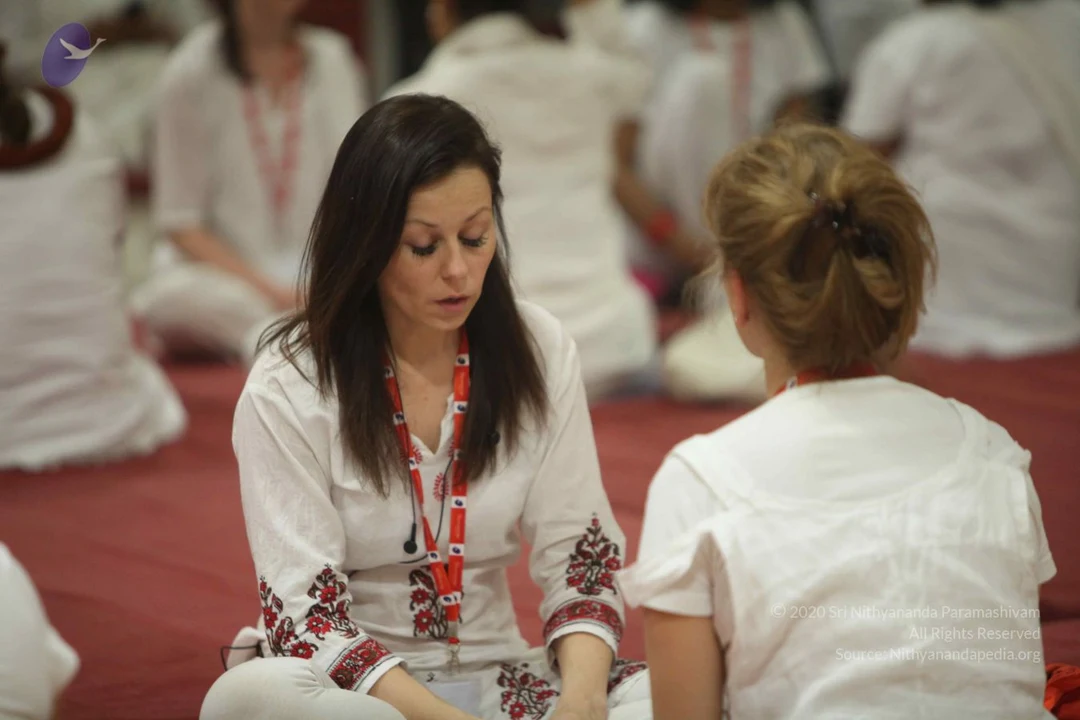
Photos Of The Day:
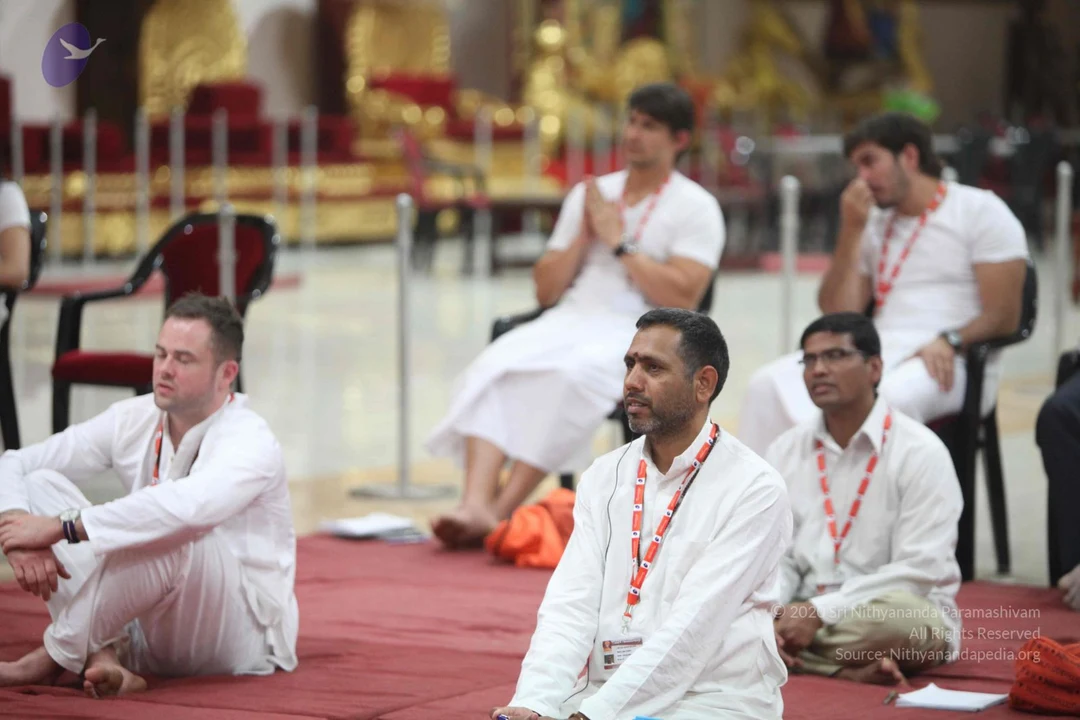
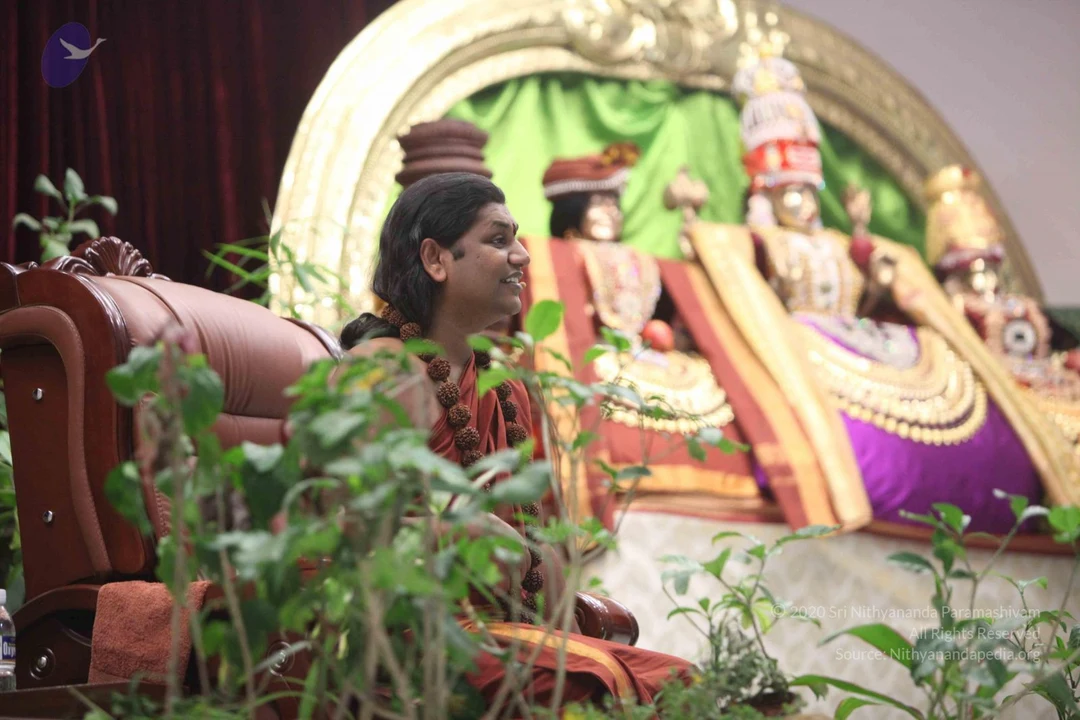
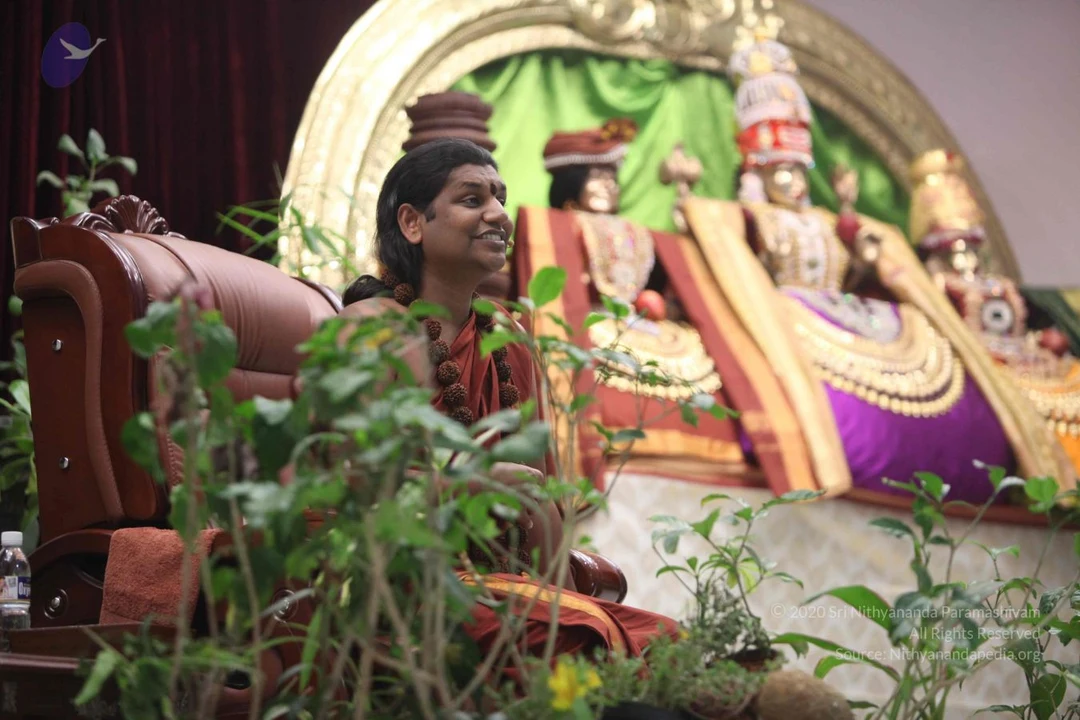
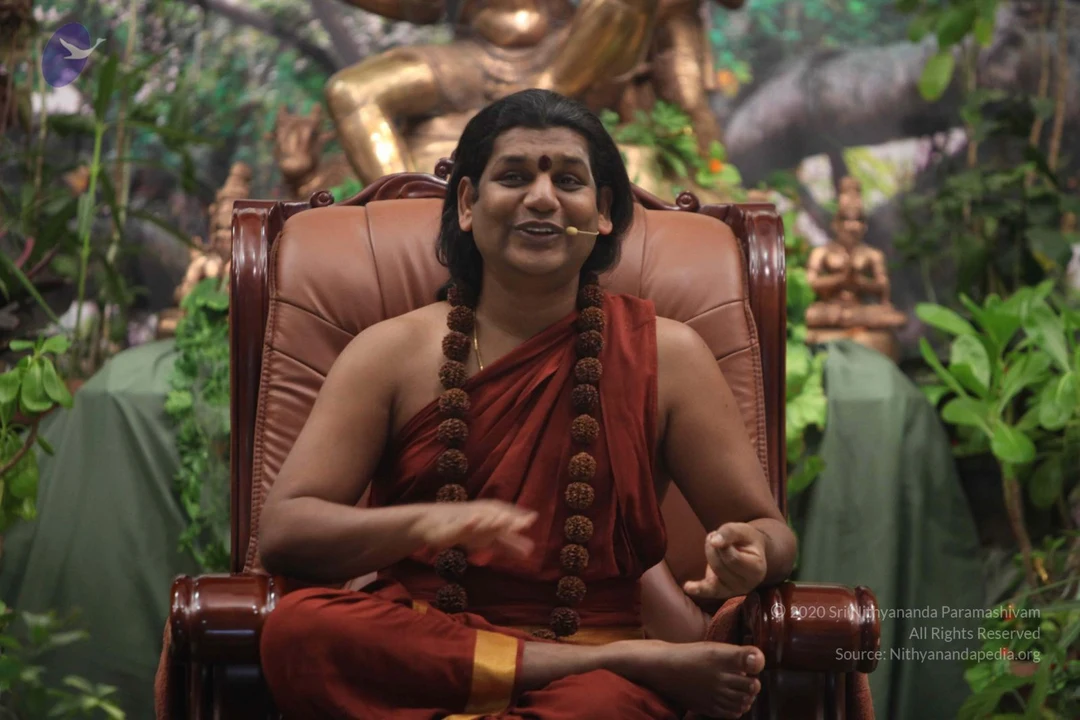
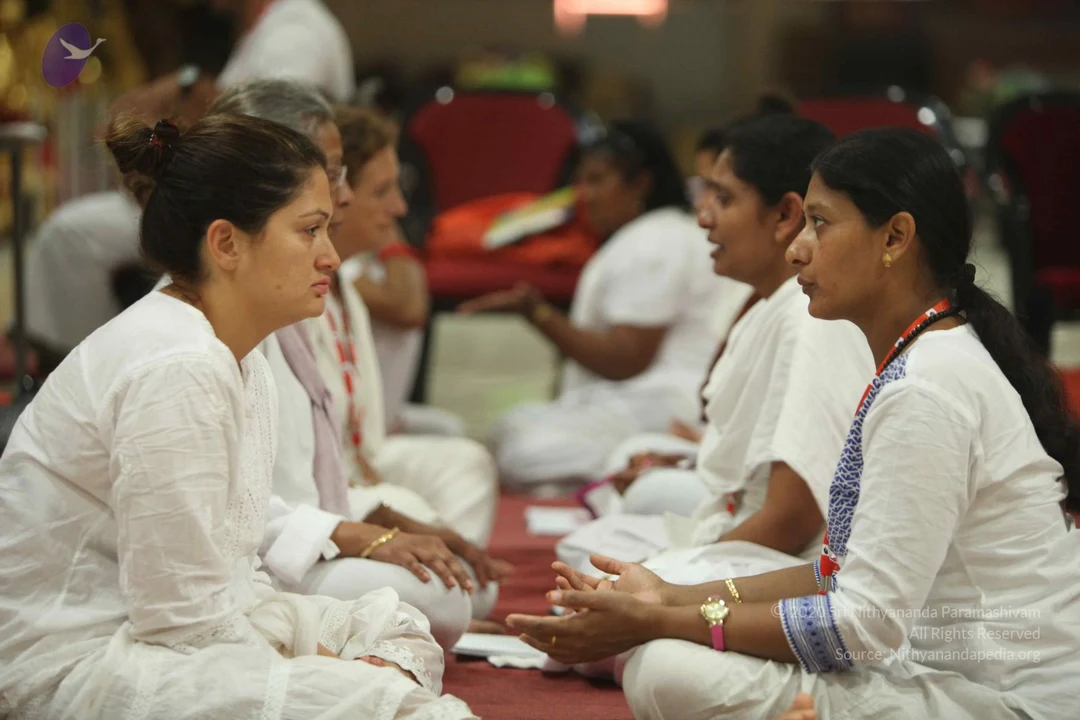
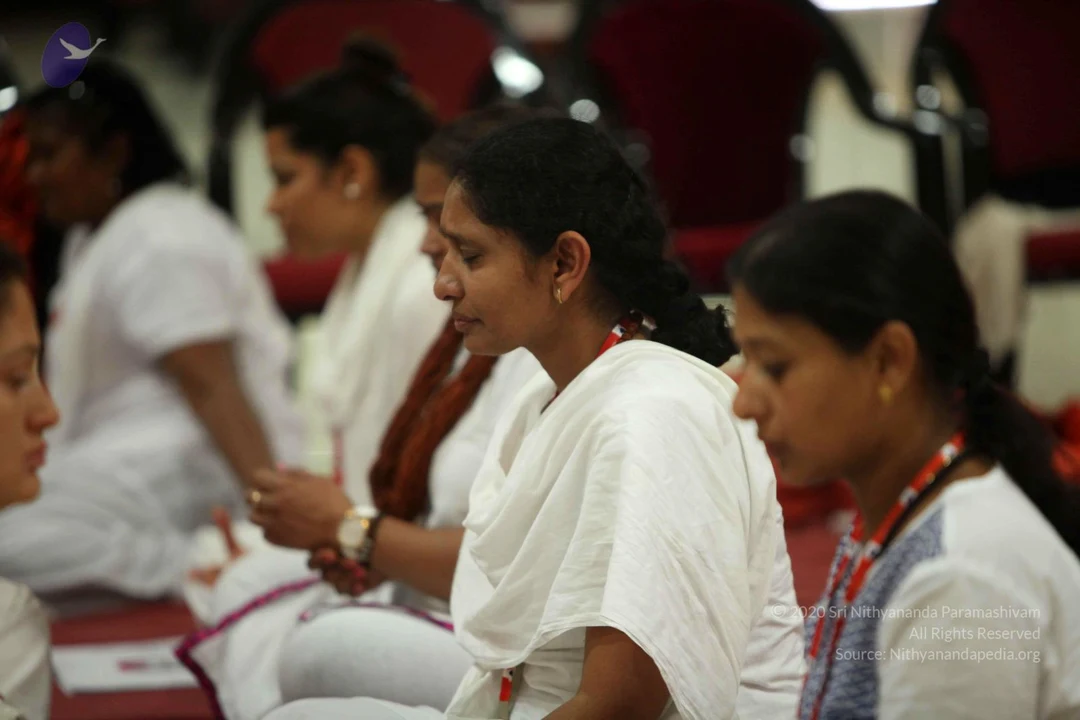
Inner Awakening Afternoon Session
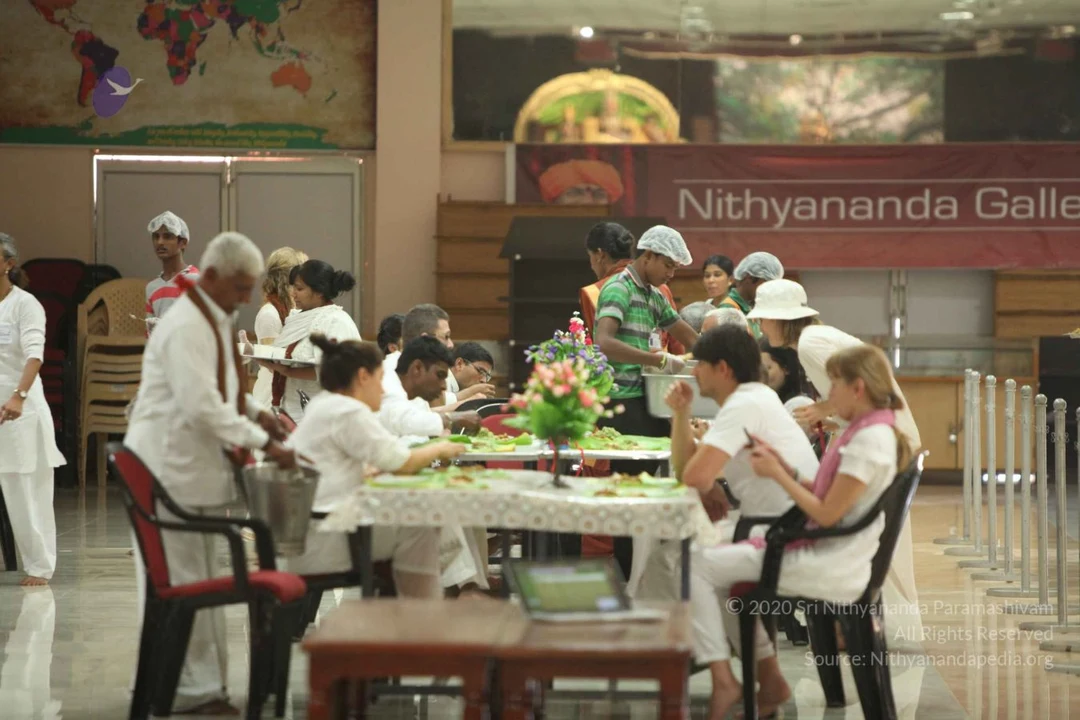
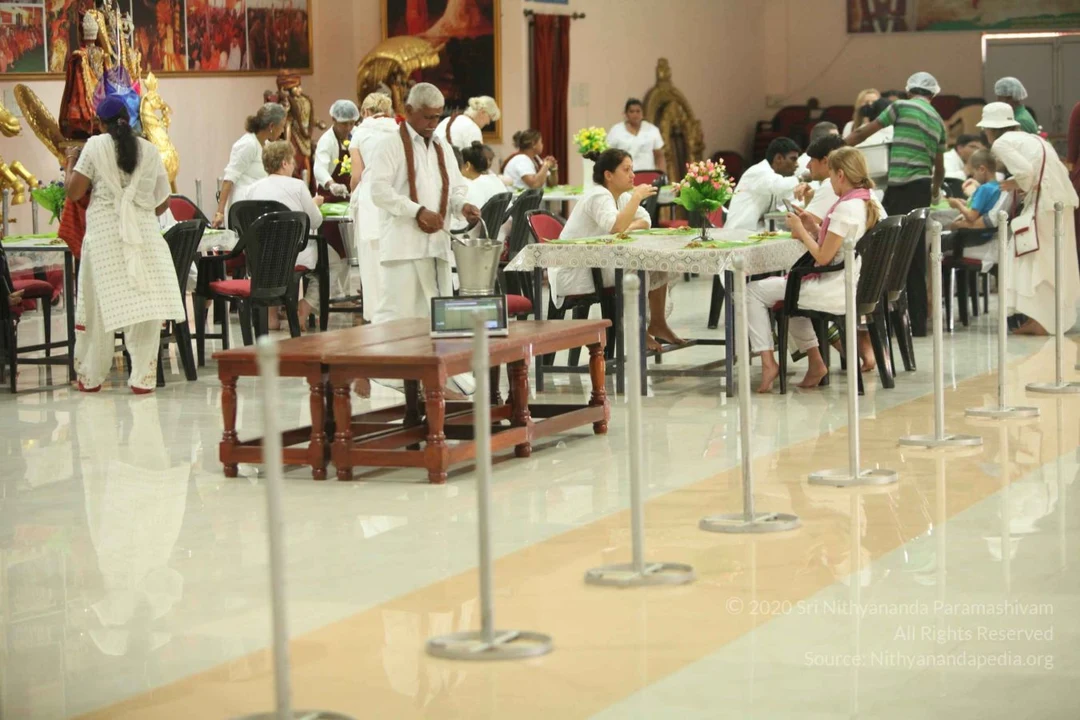
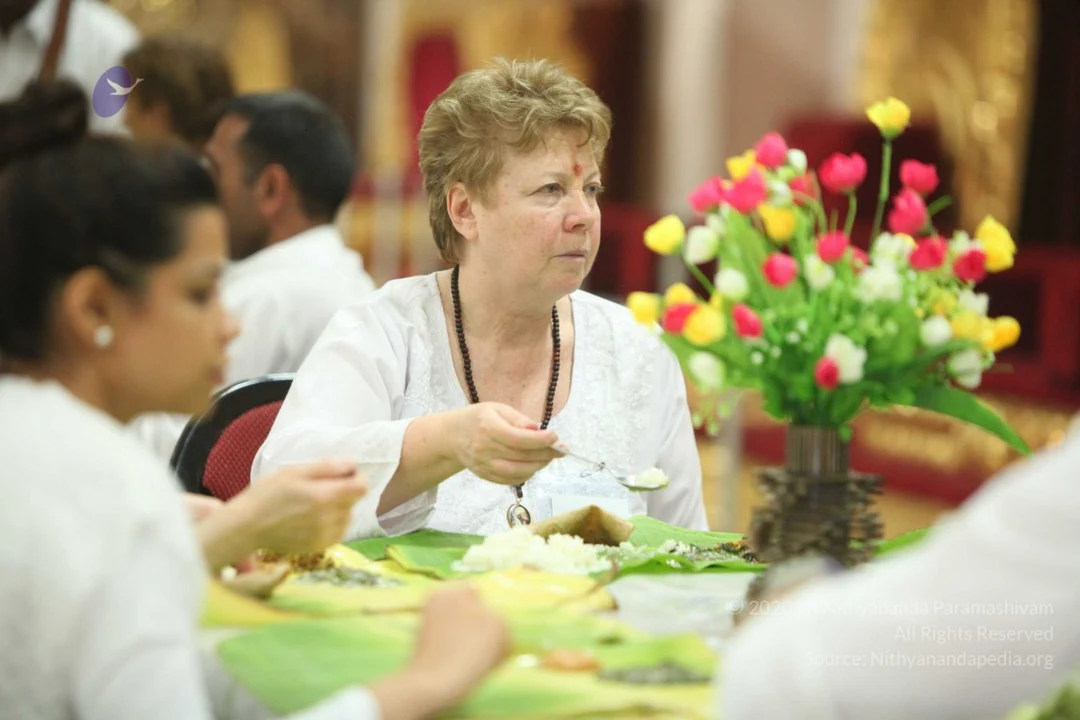
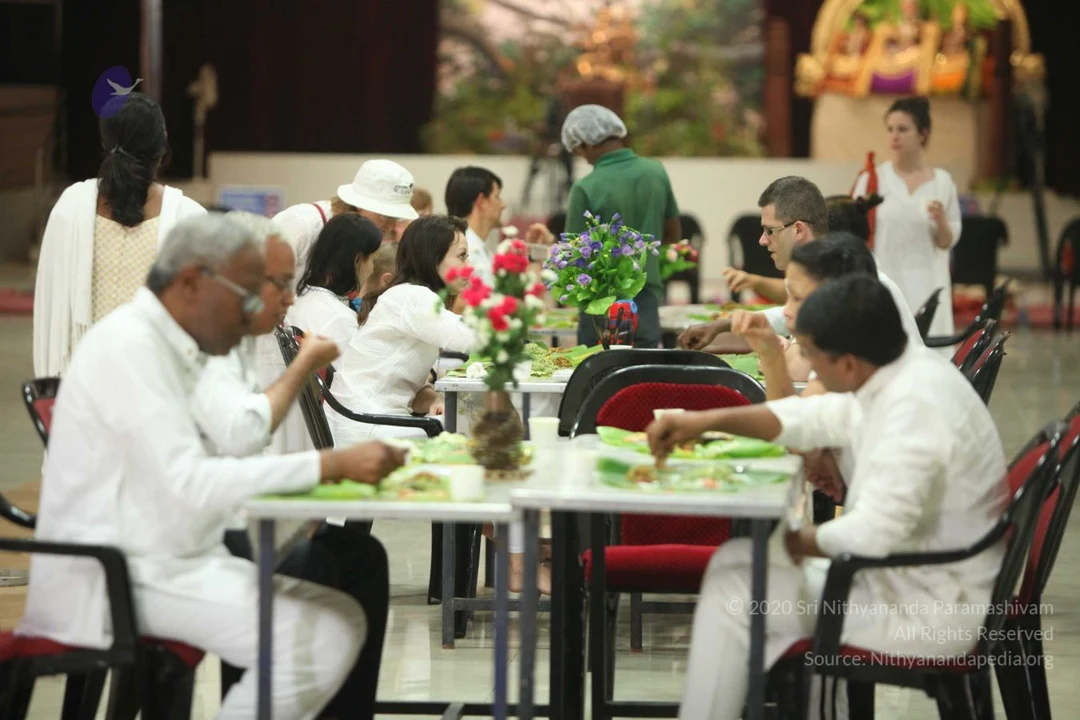
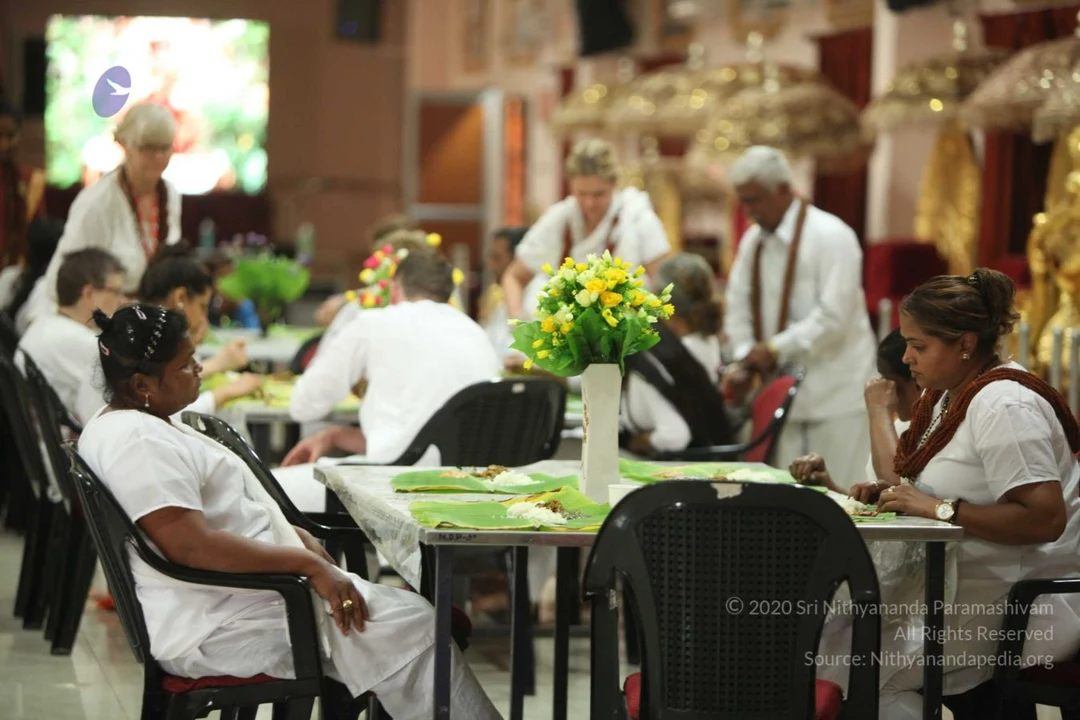
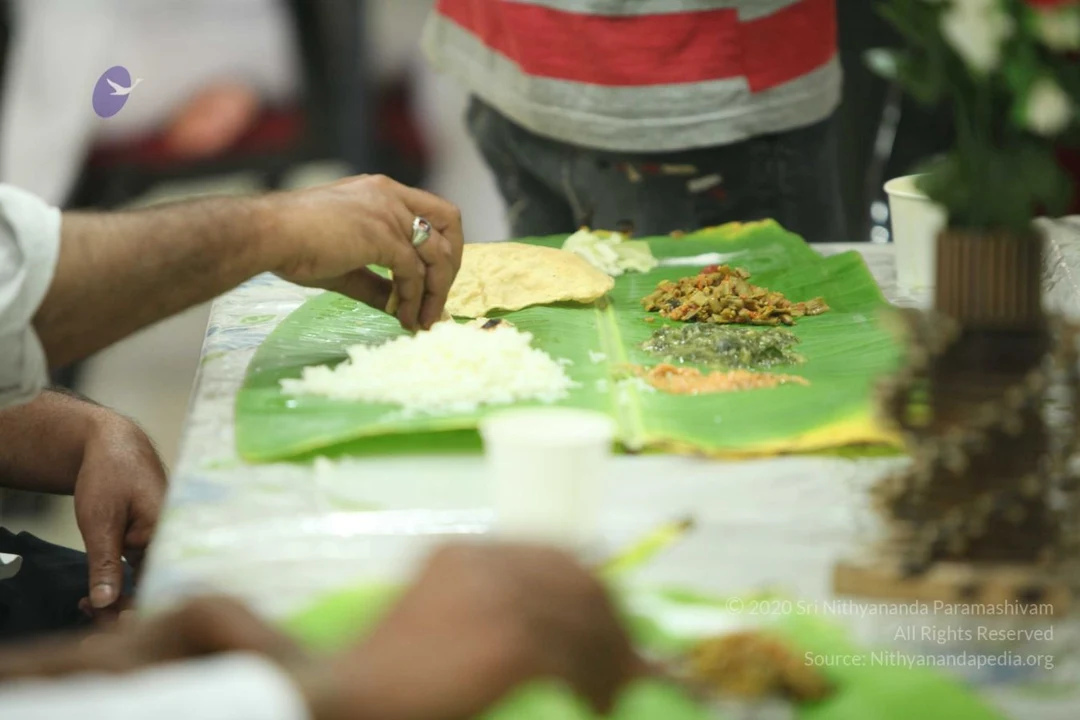
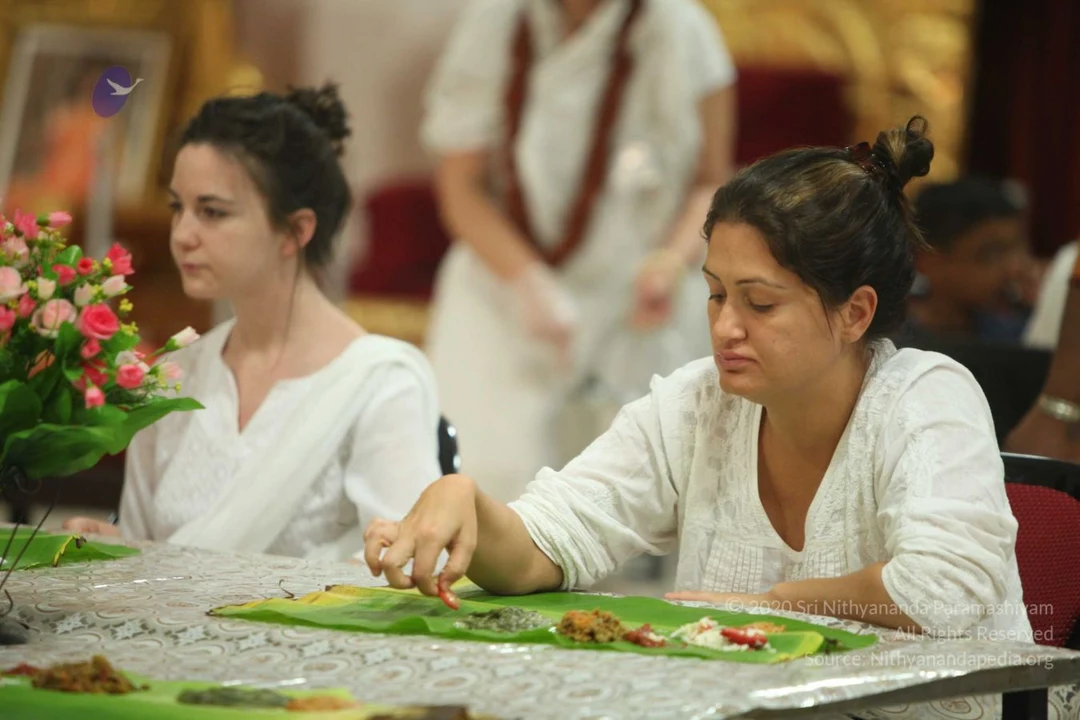
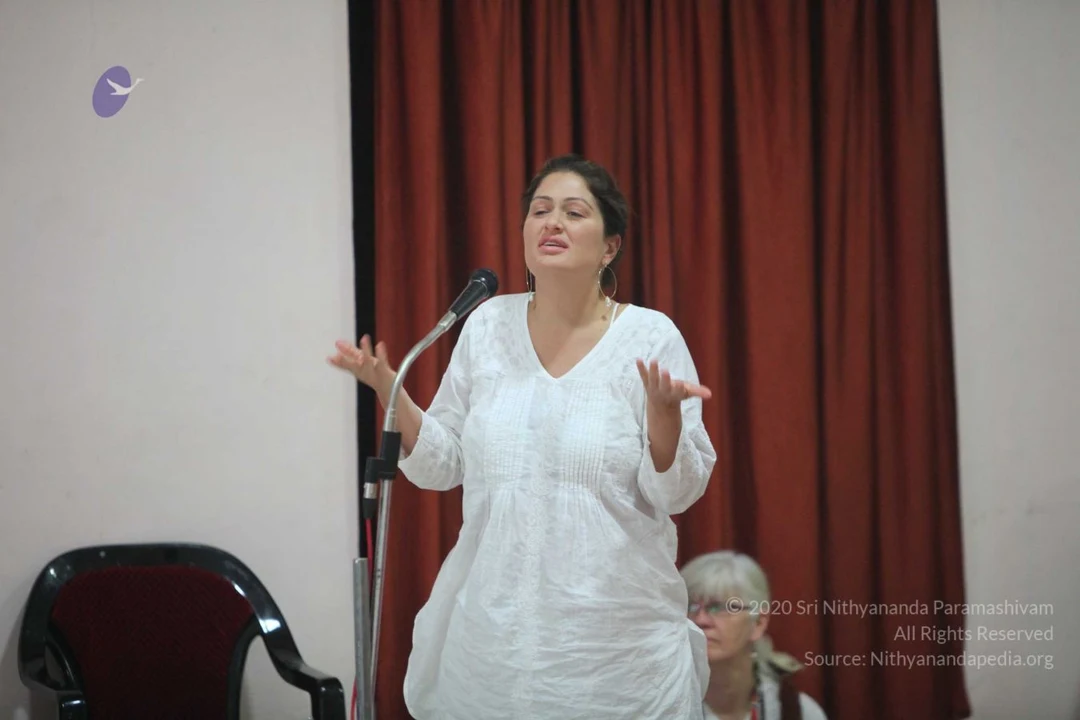
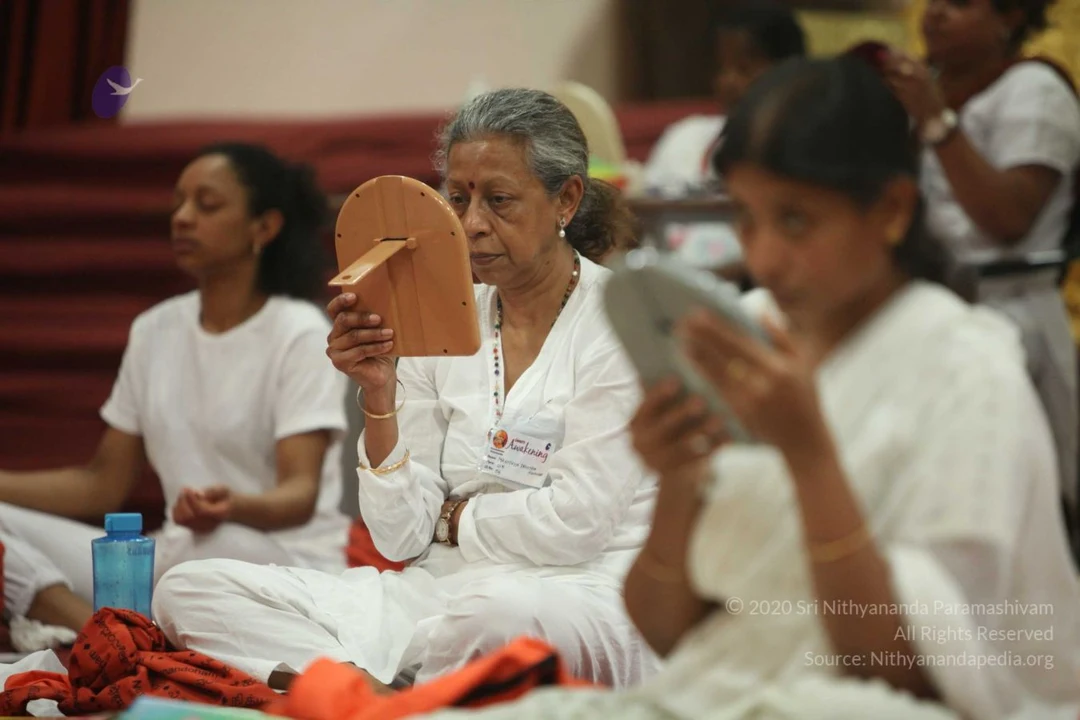
Inner Awakening Mirror Completion Session
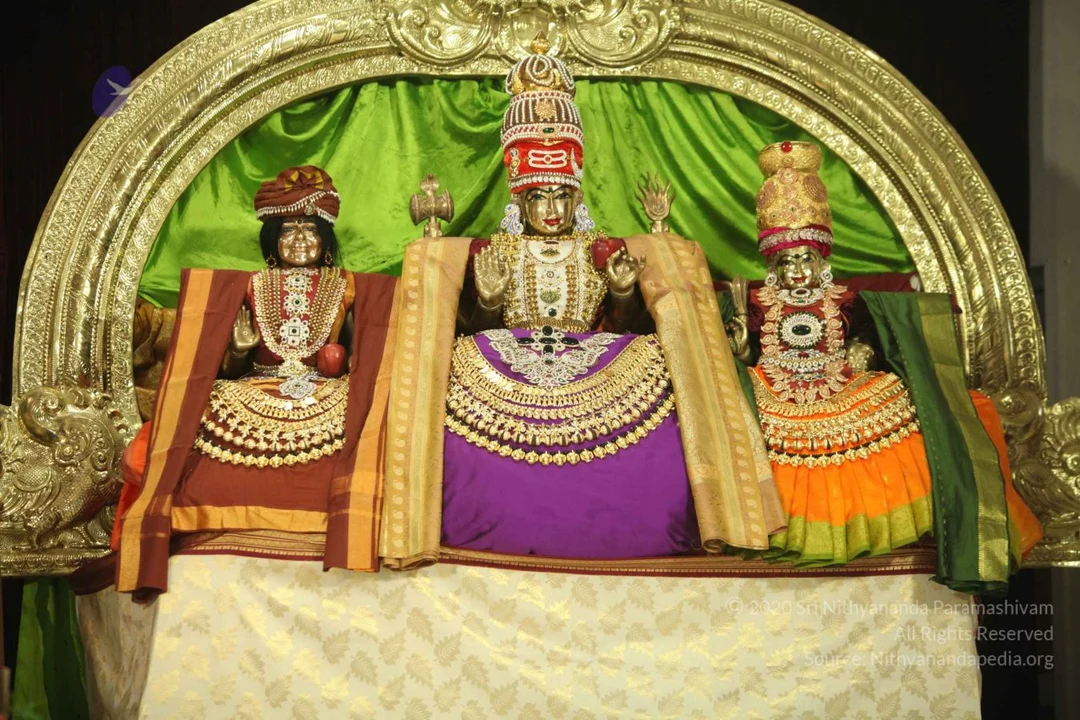
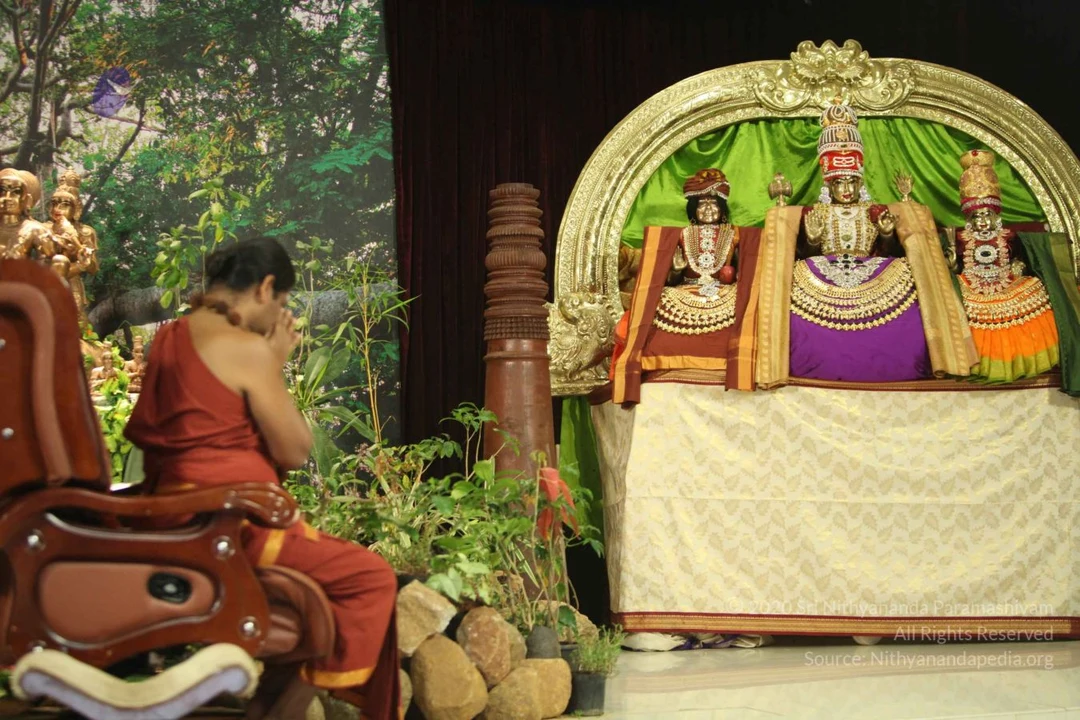
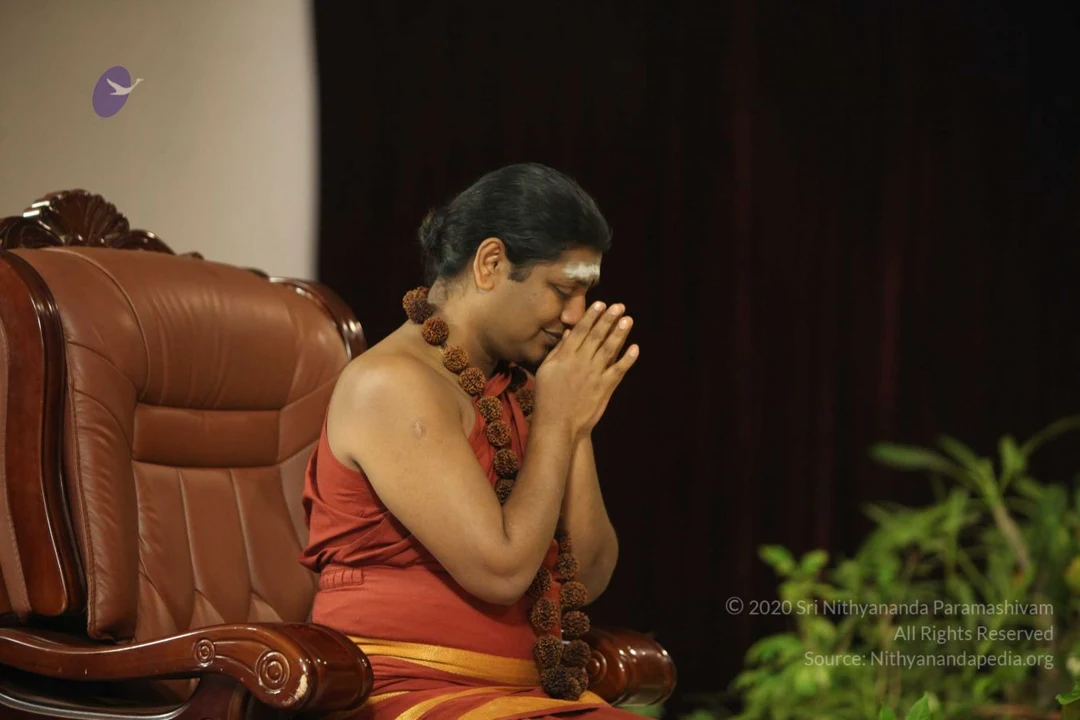
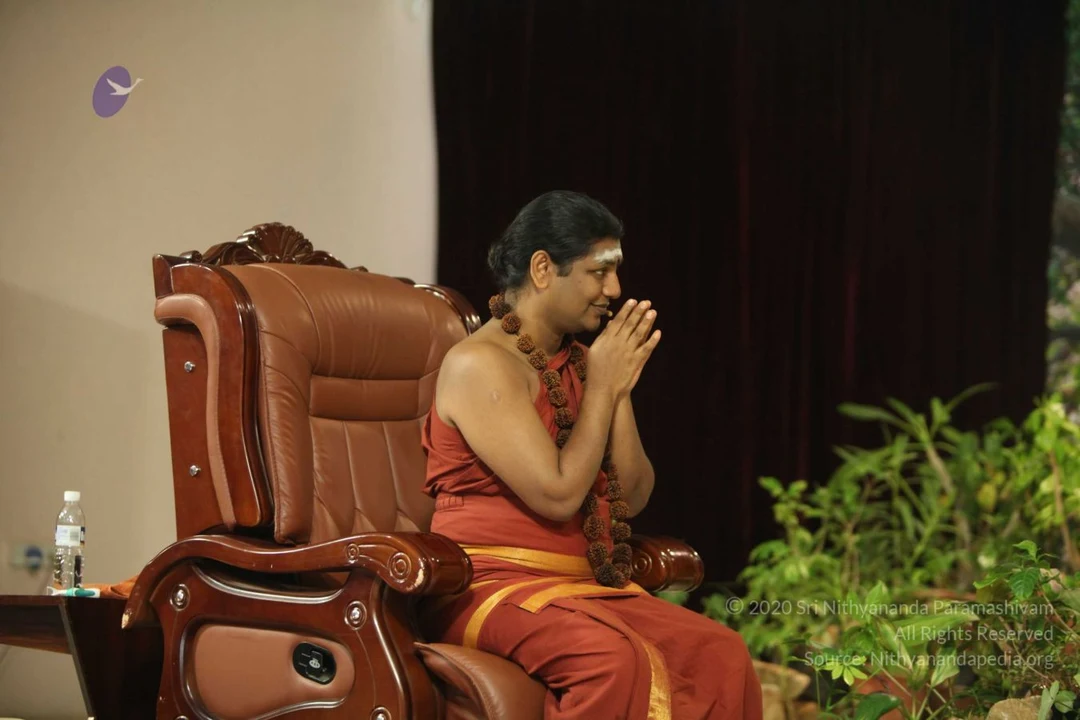
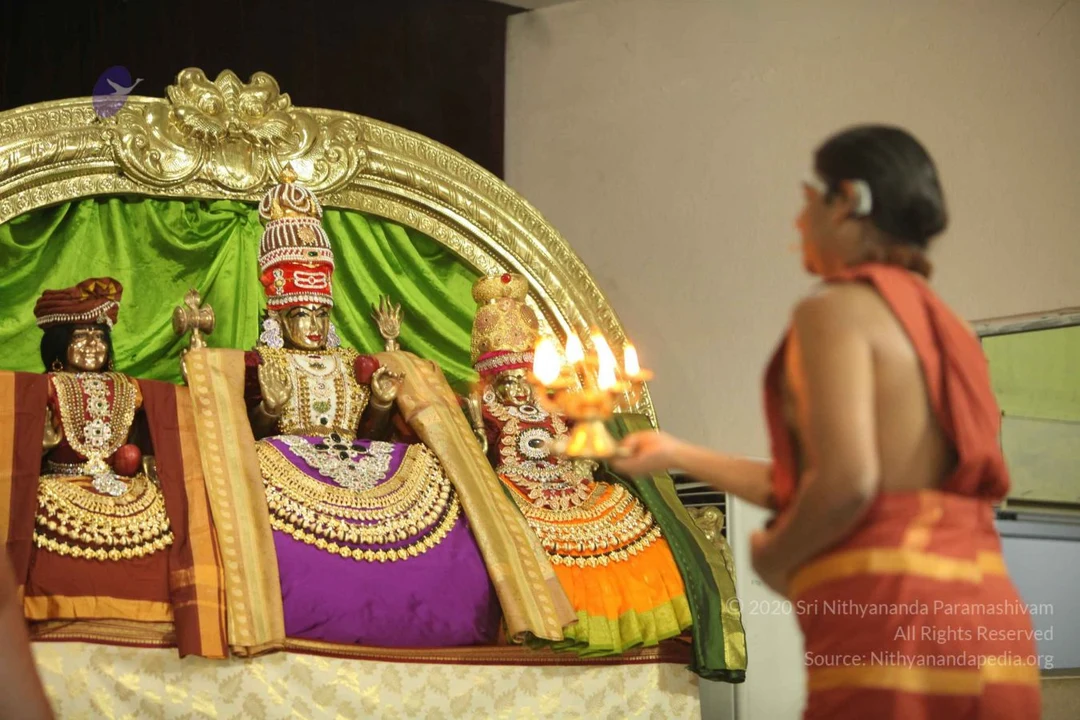
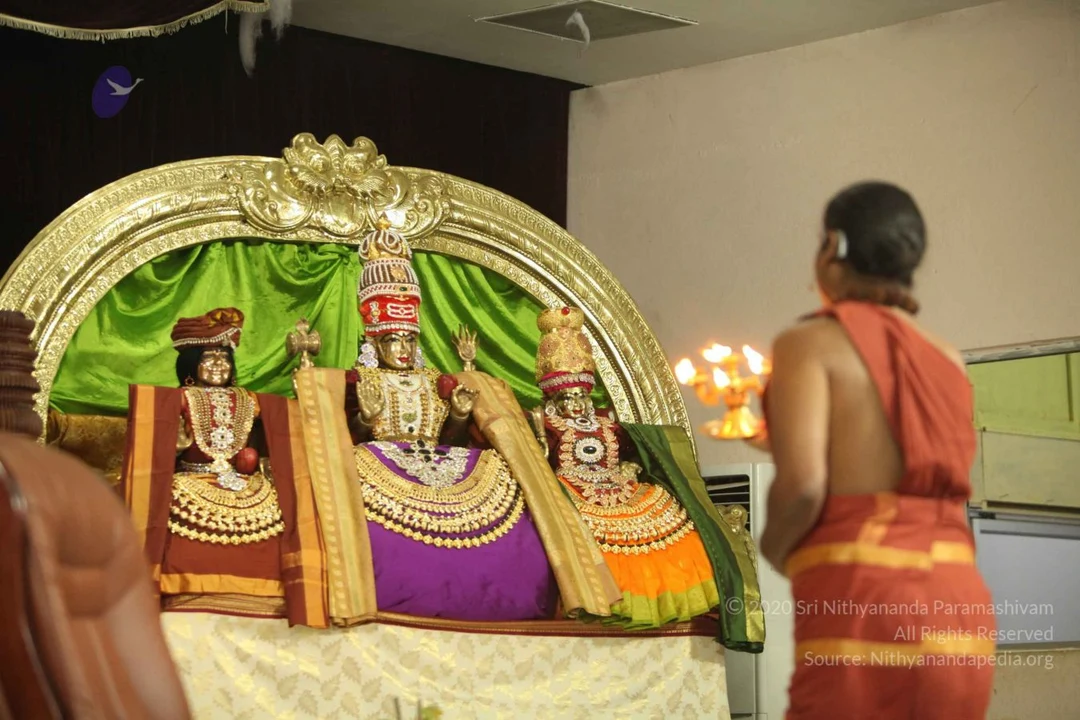
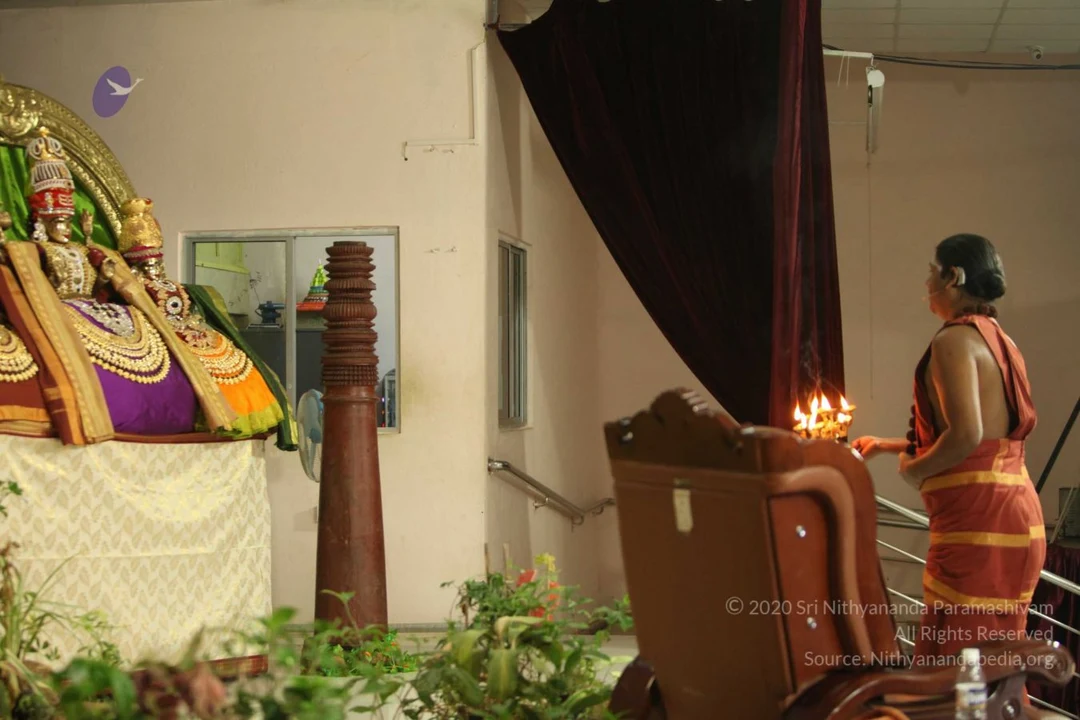
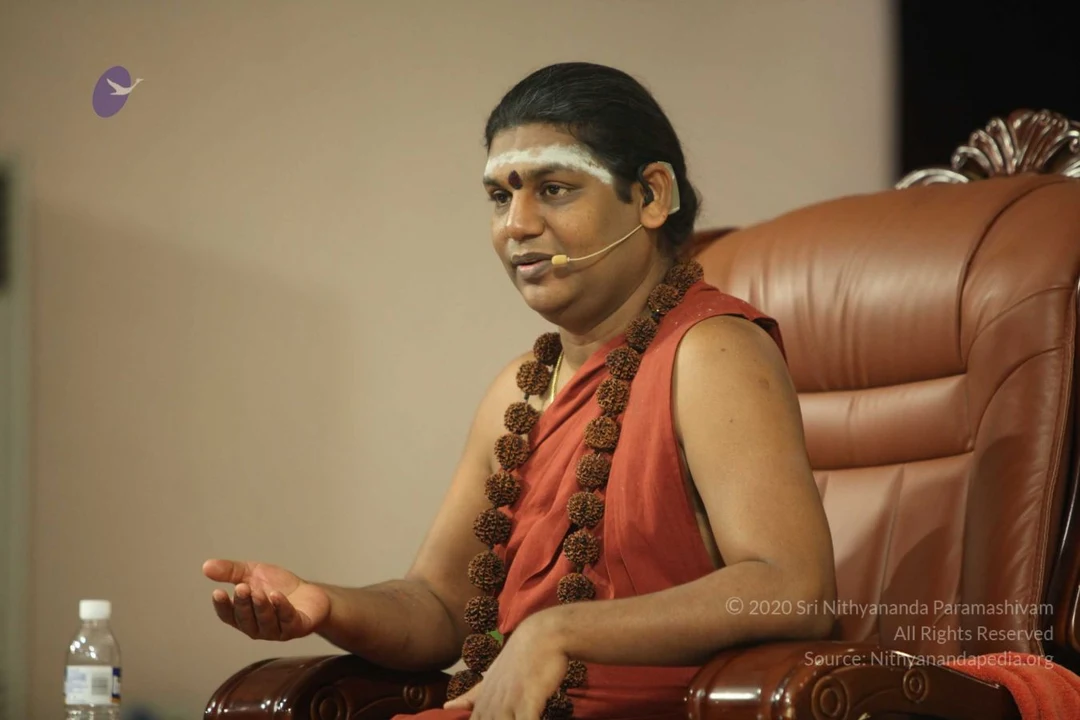
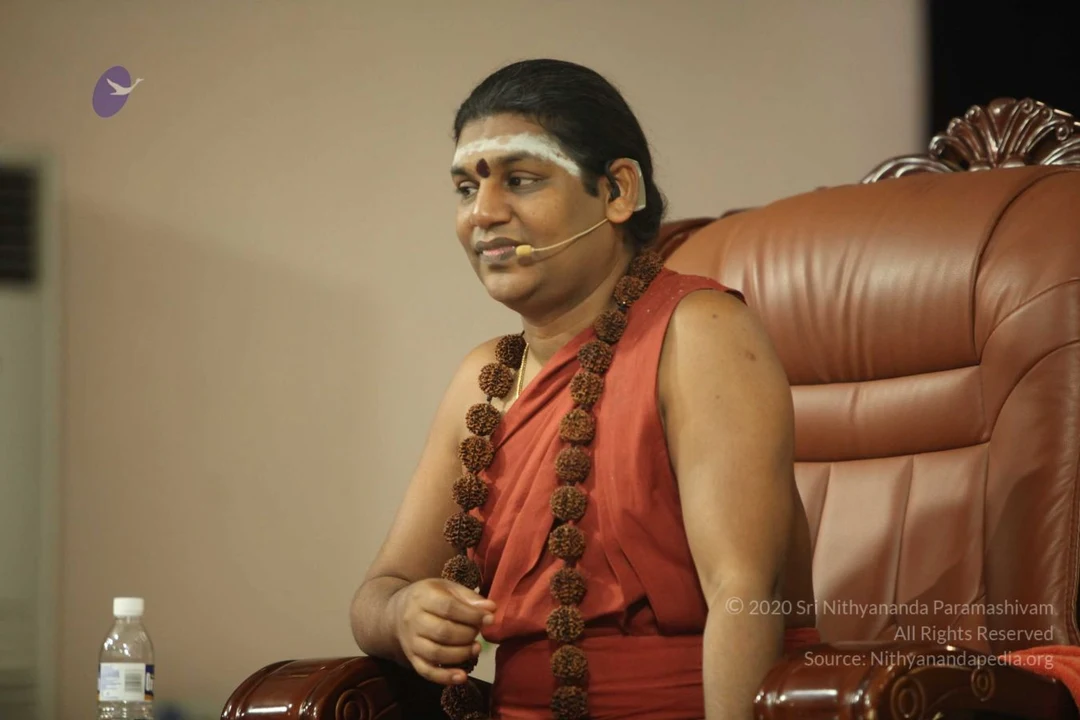
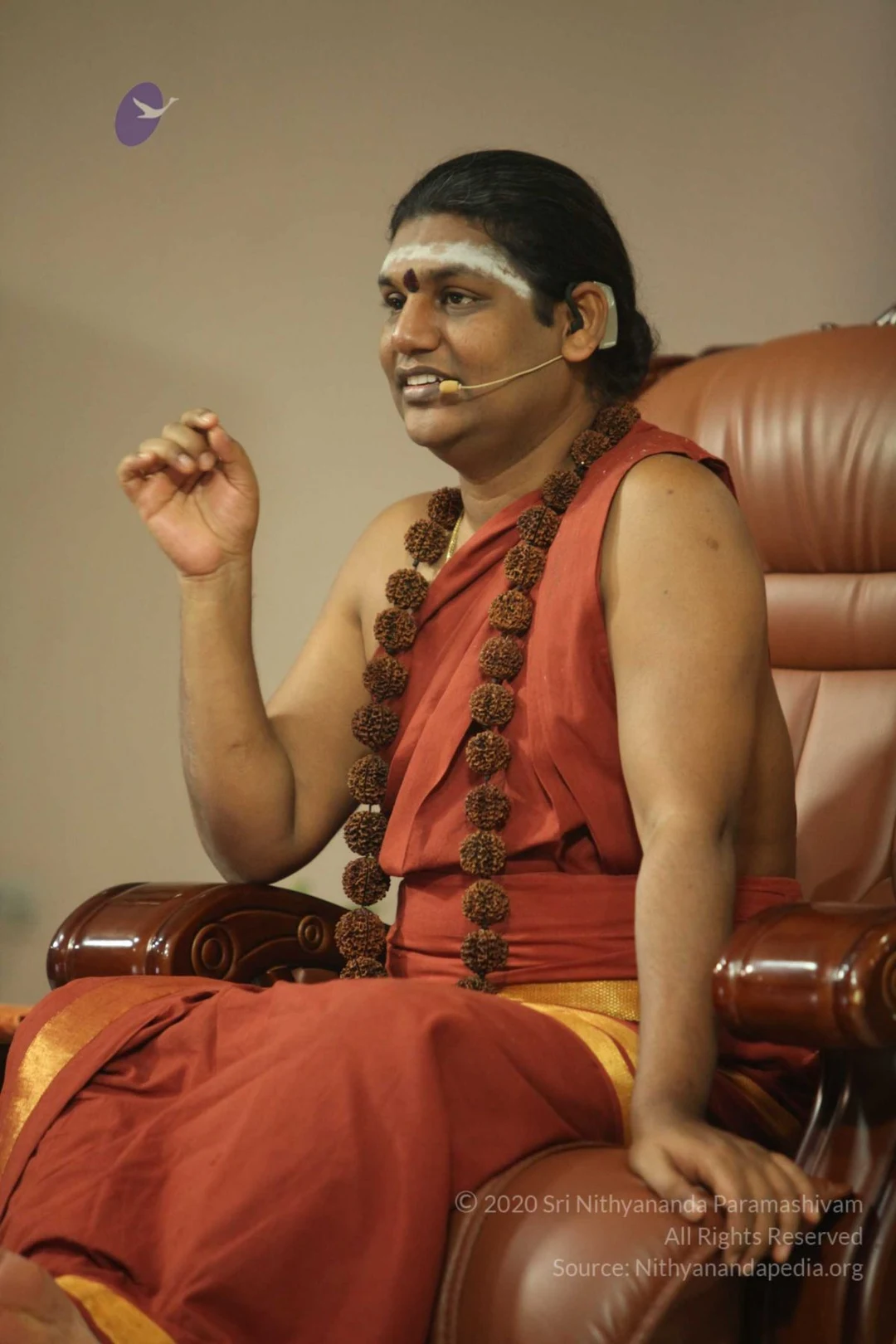
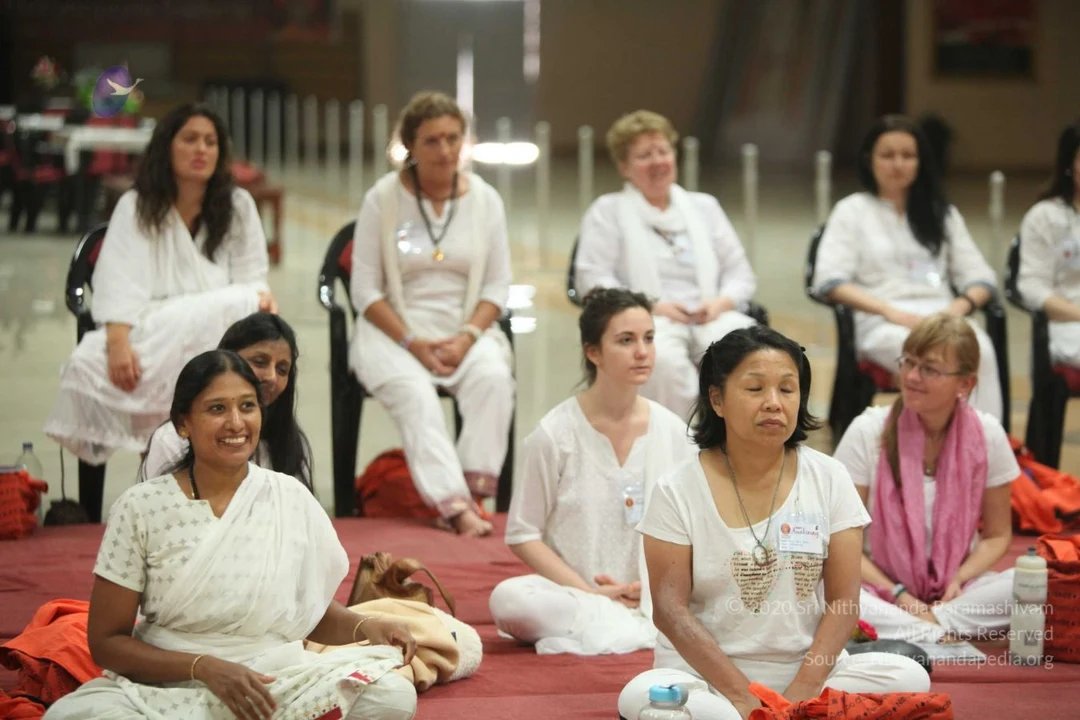
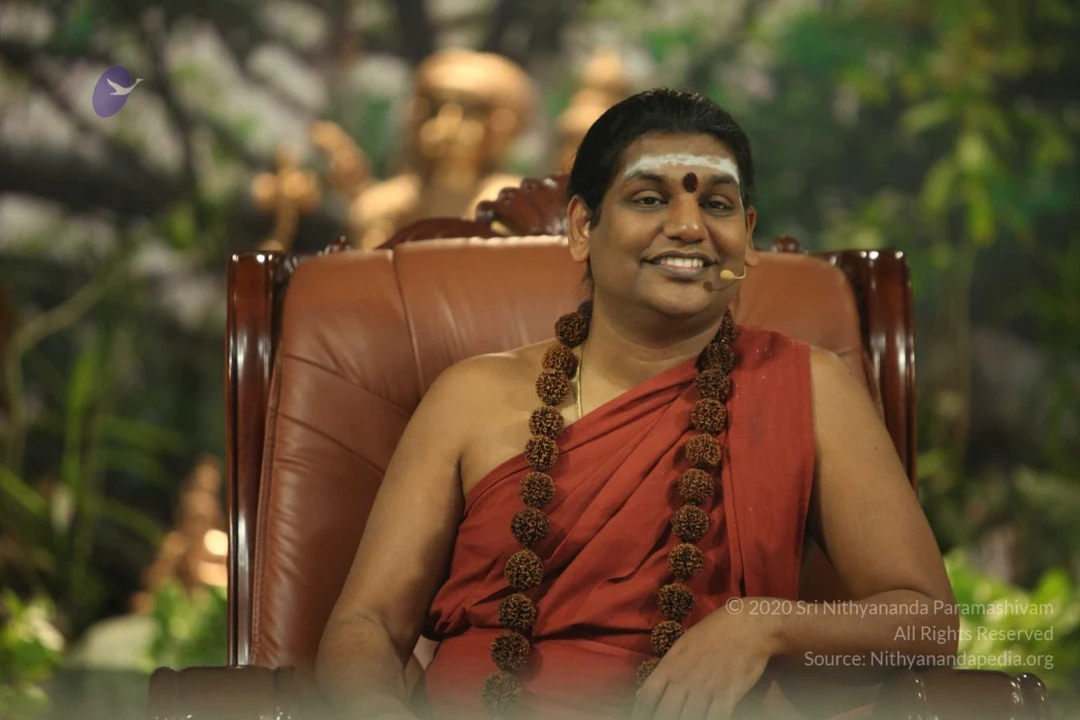
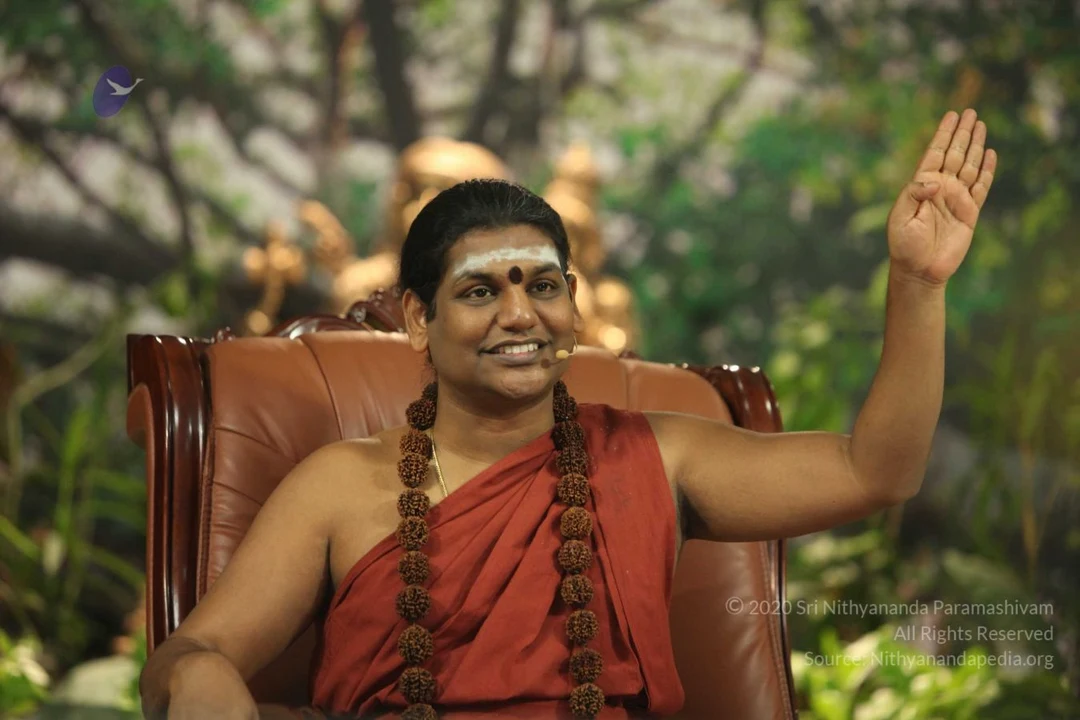
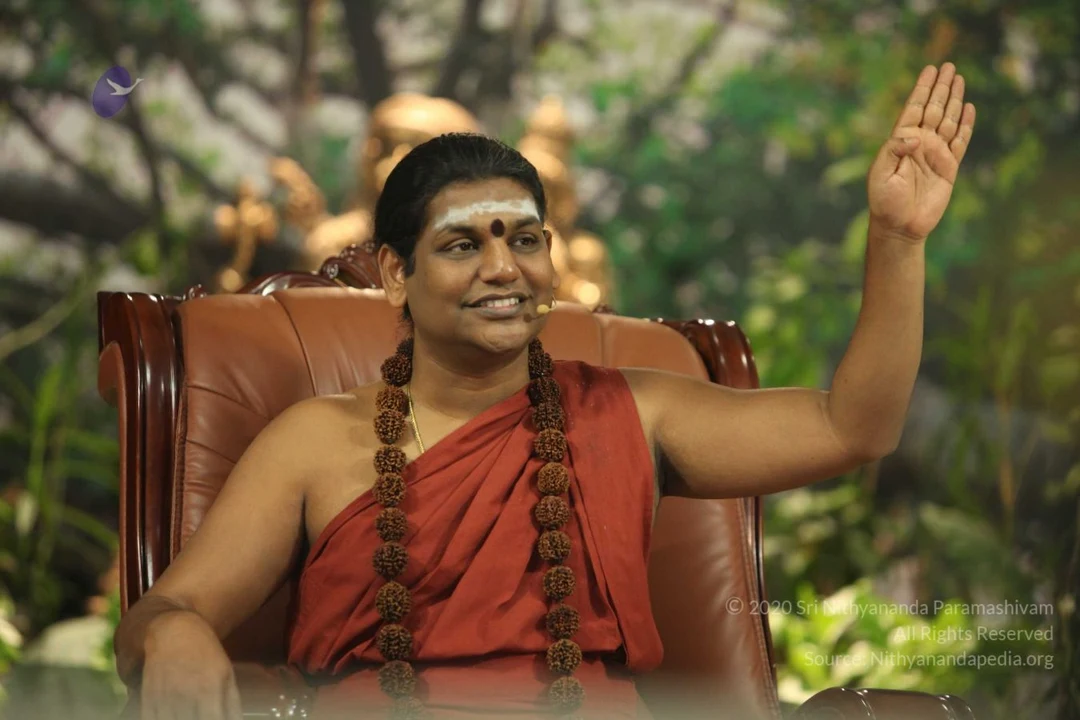
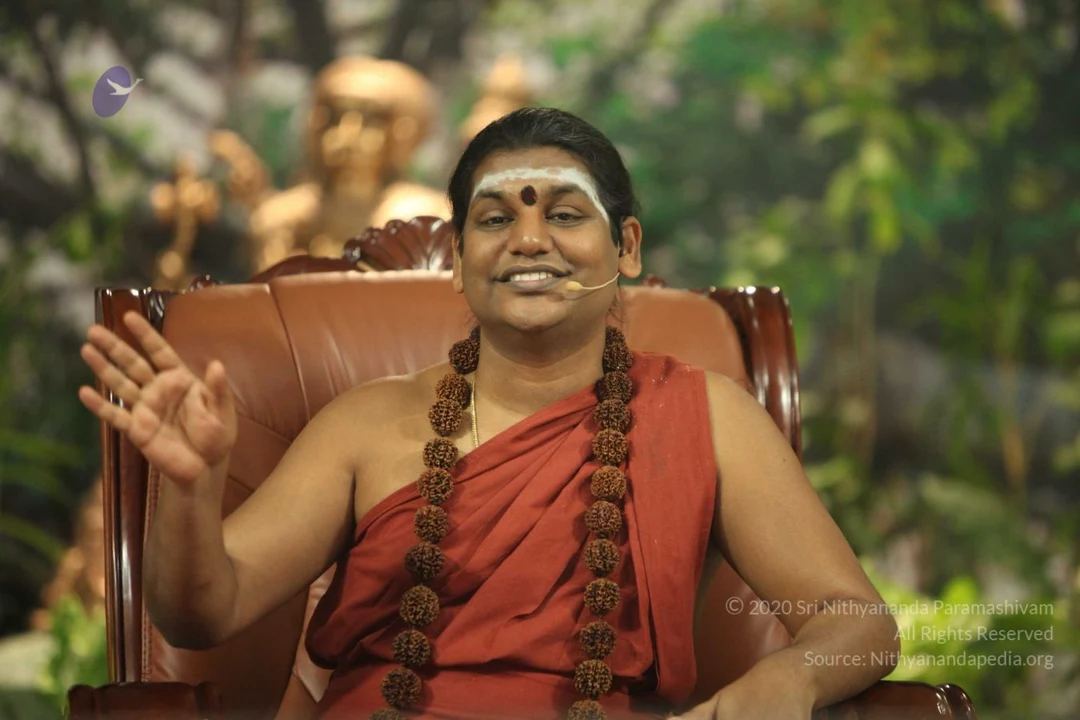
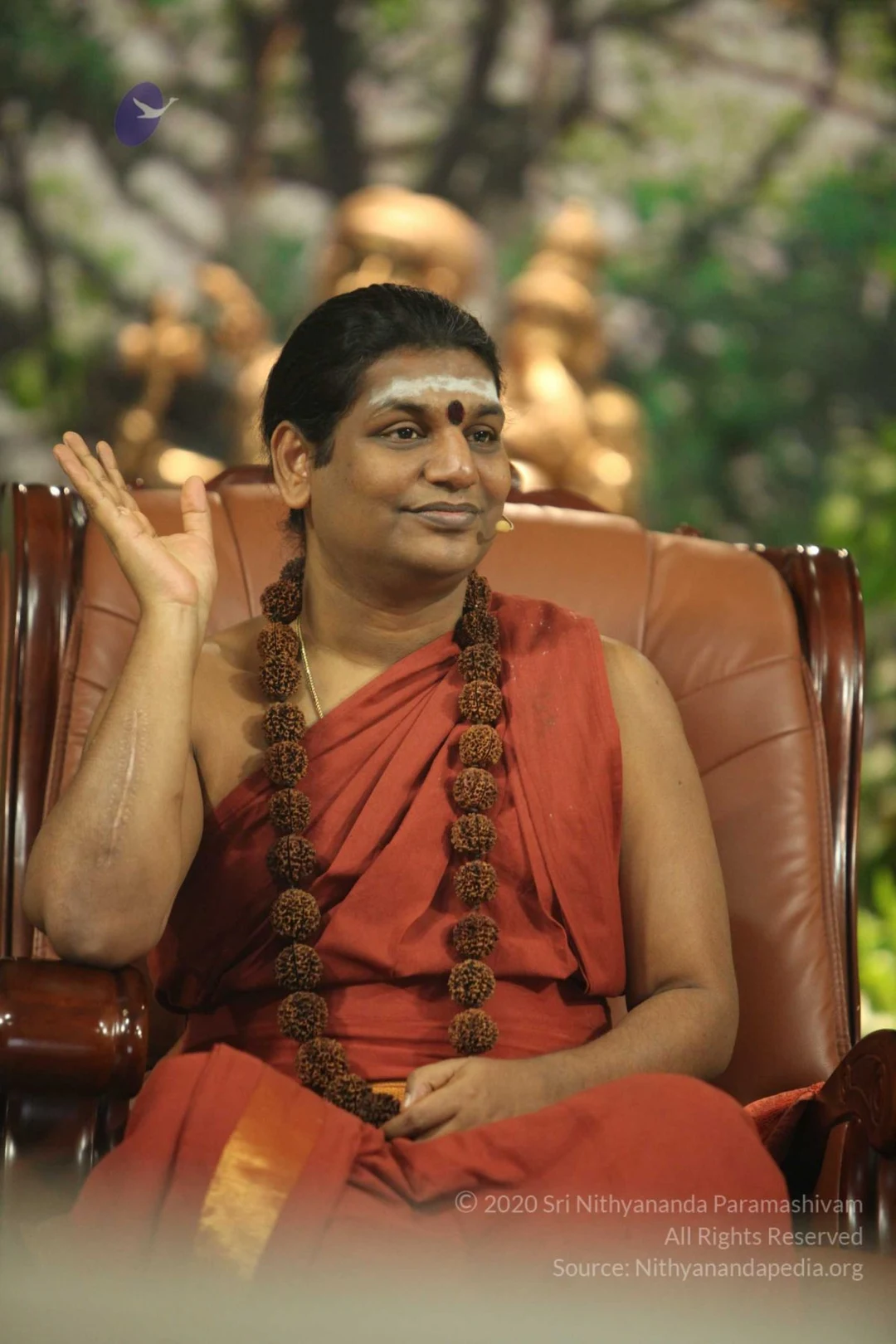
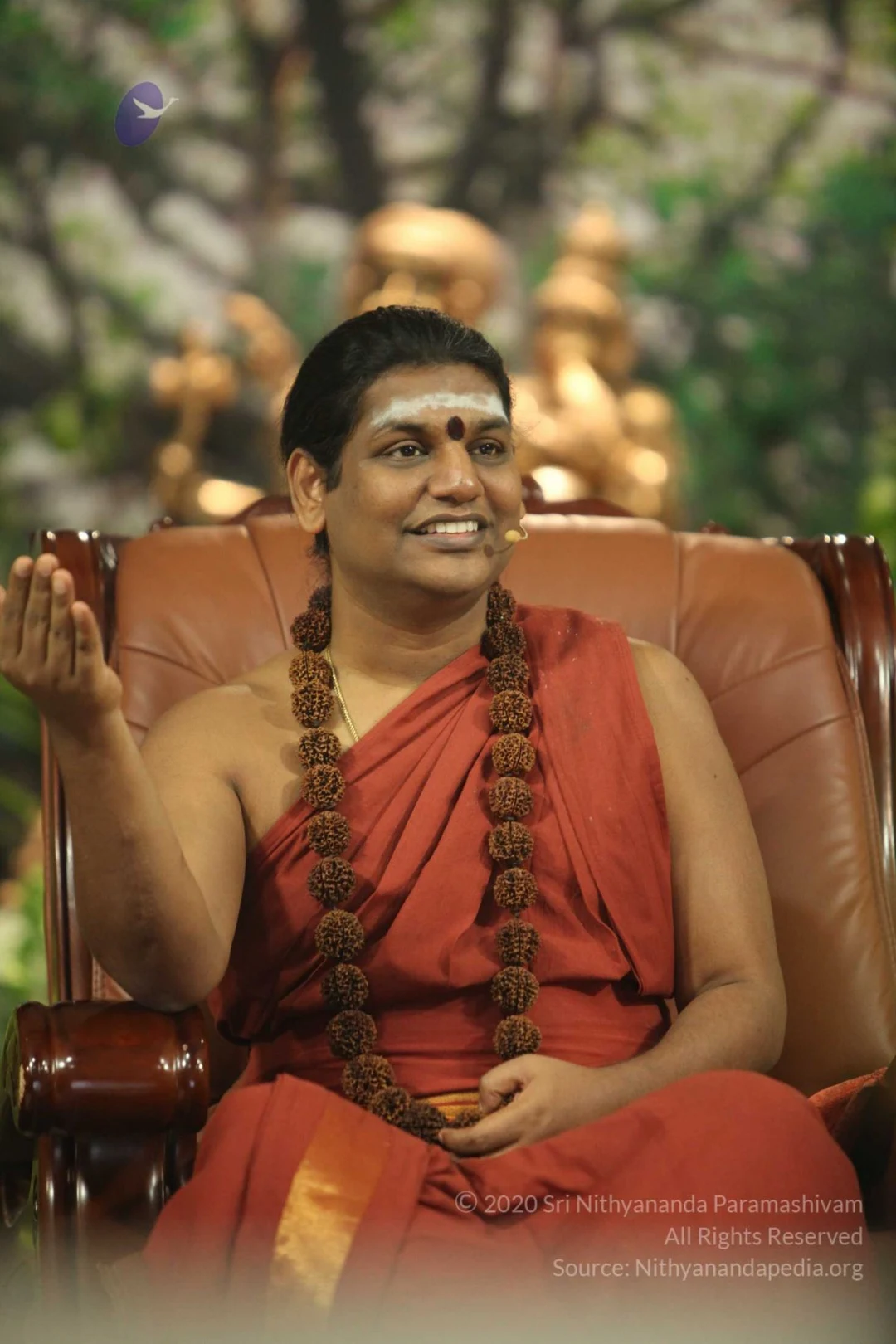
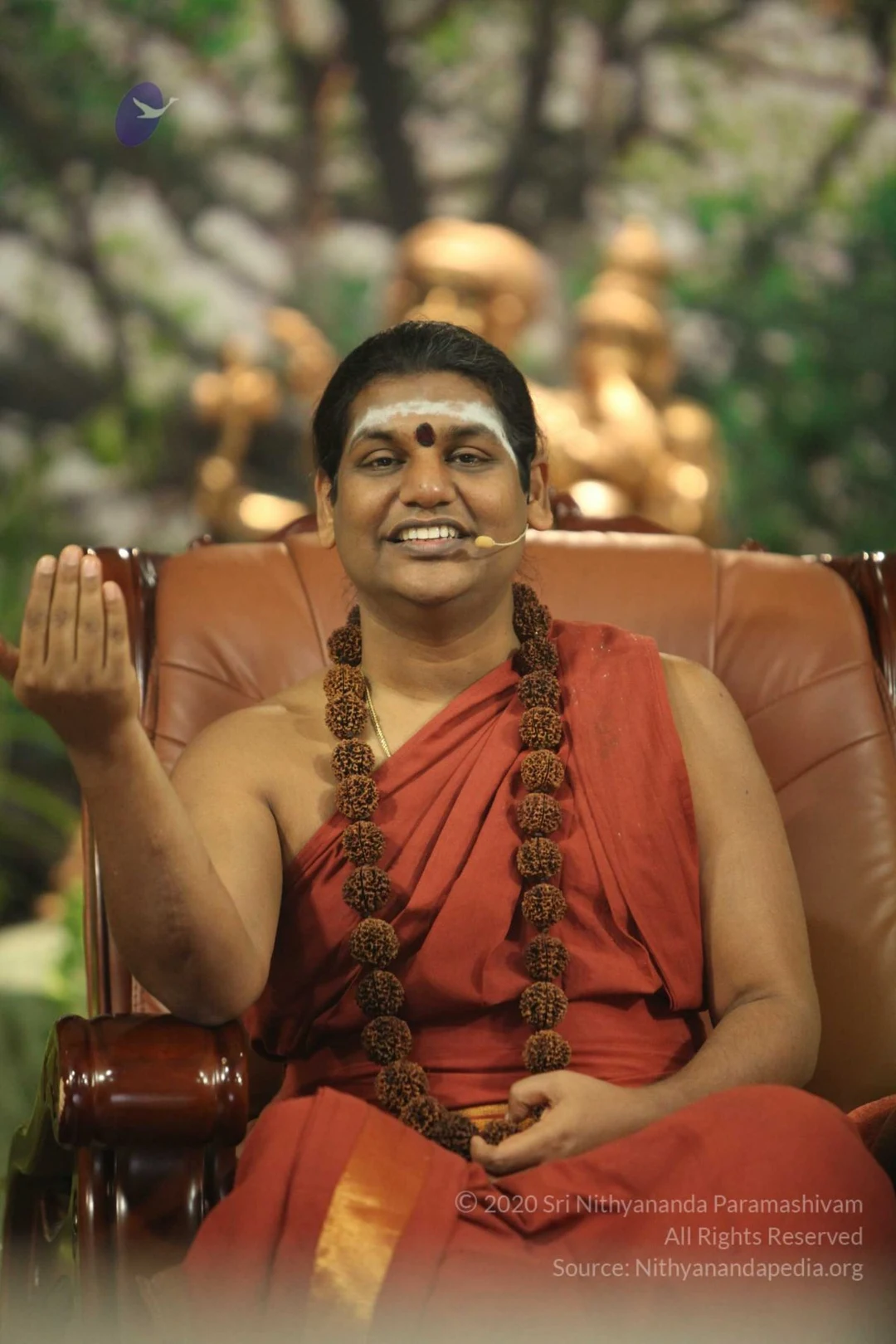
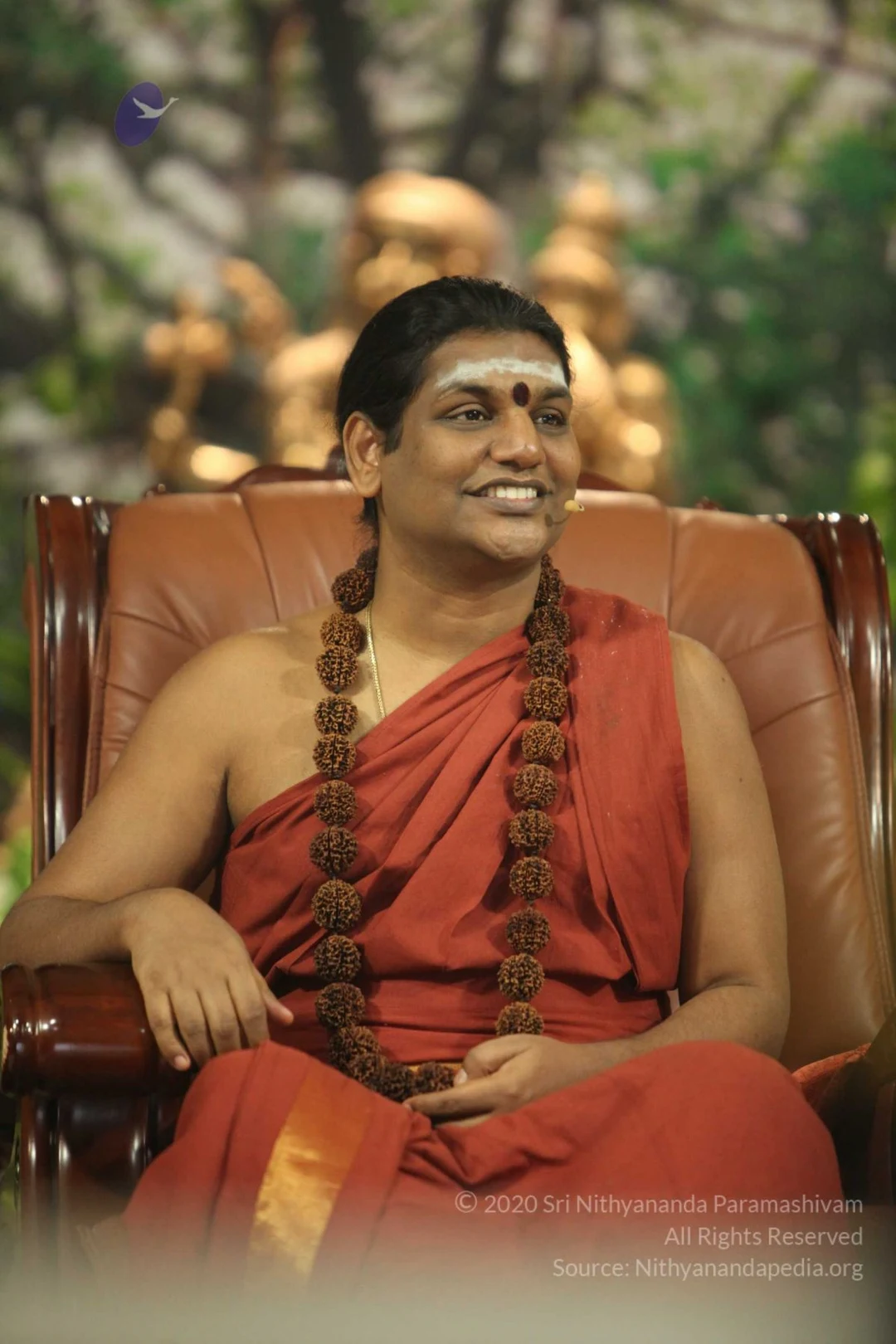
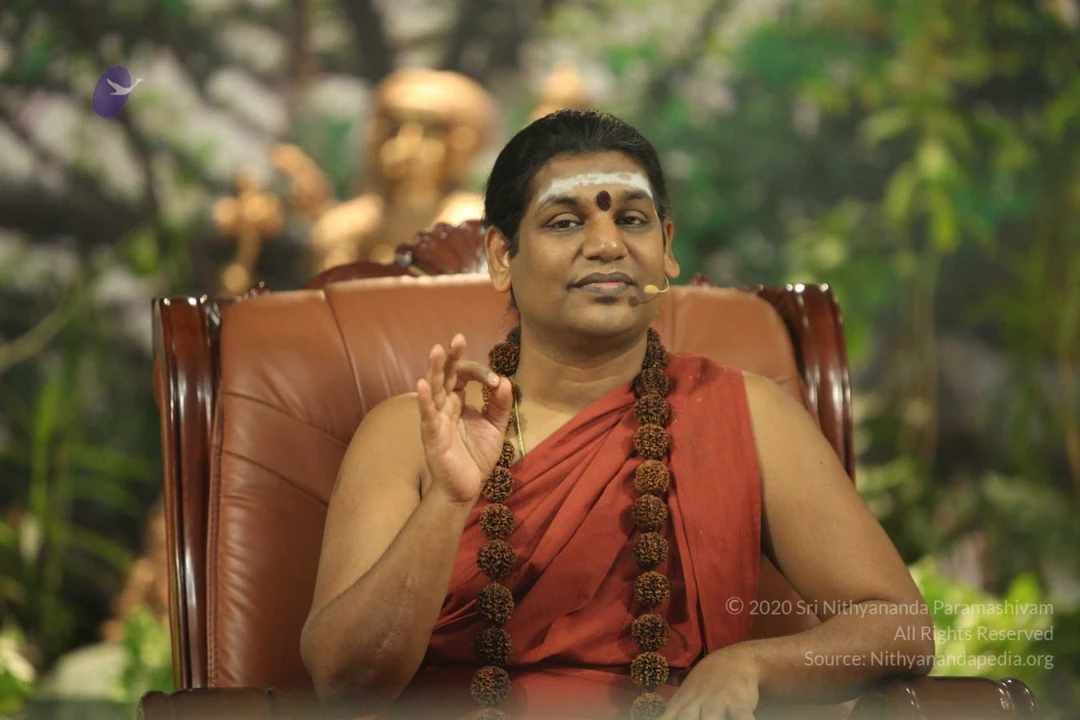
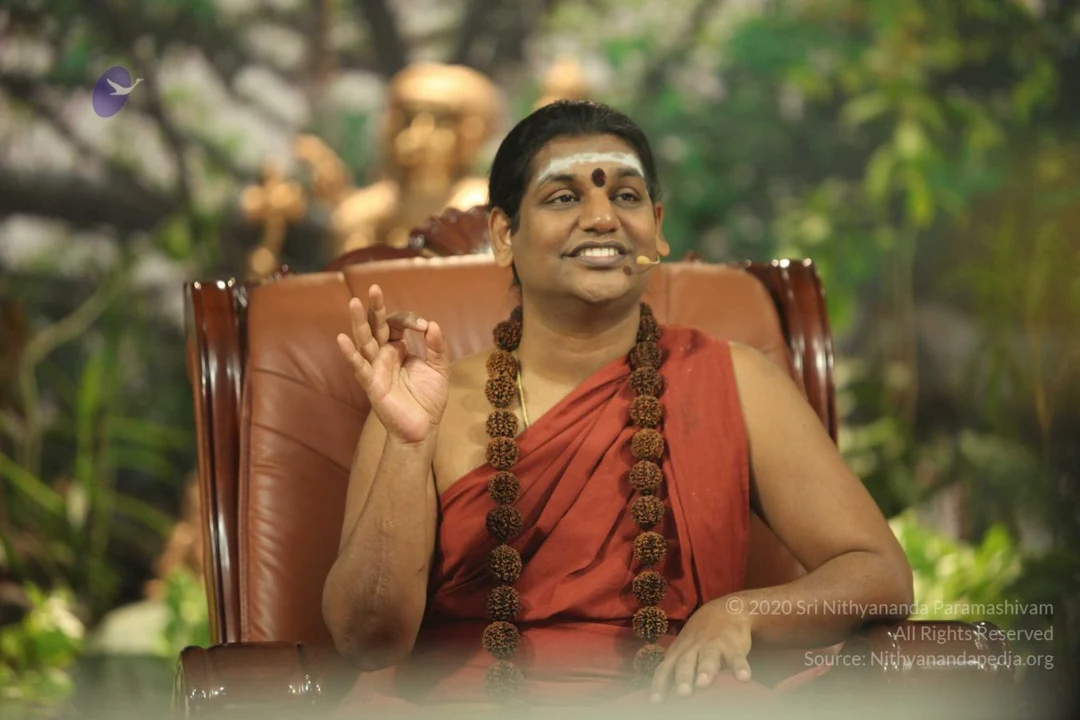
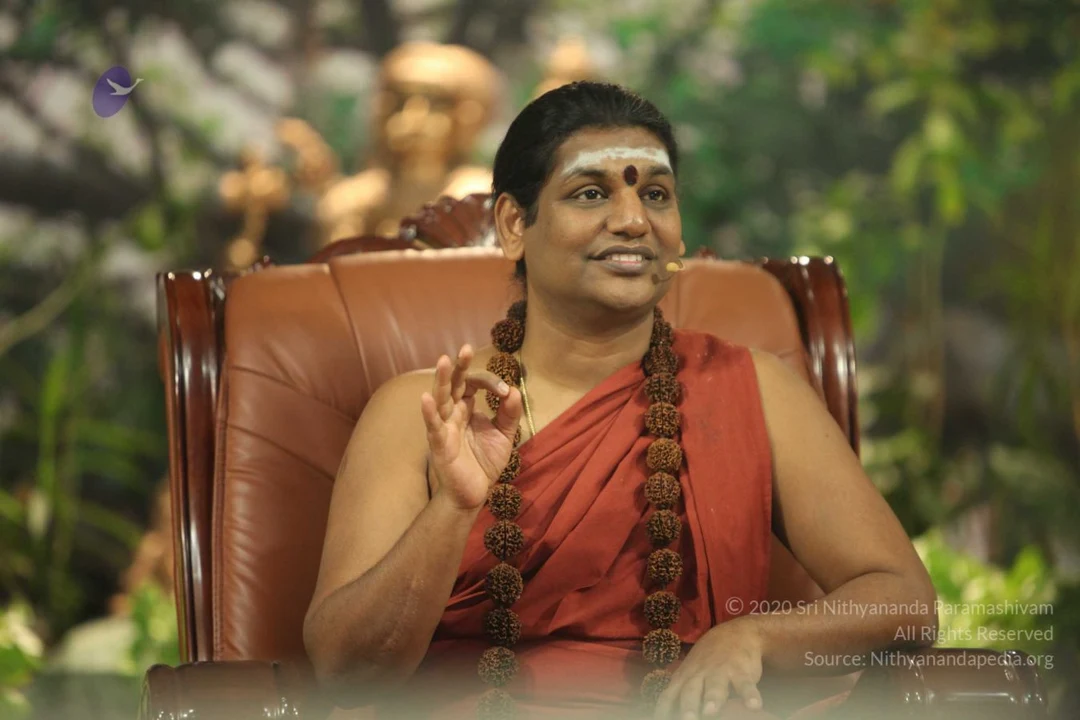
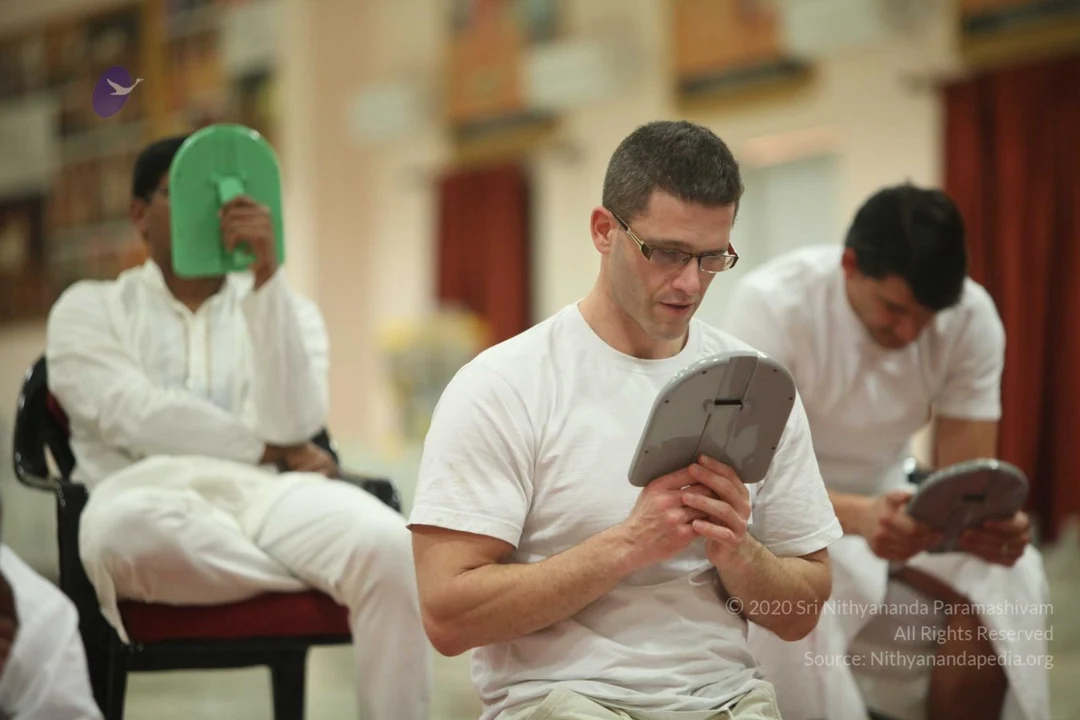
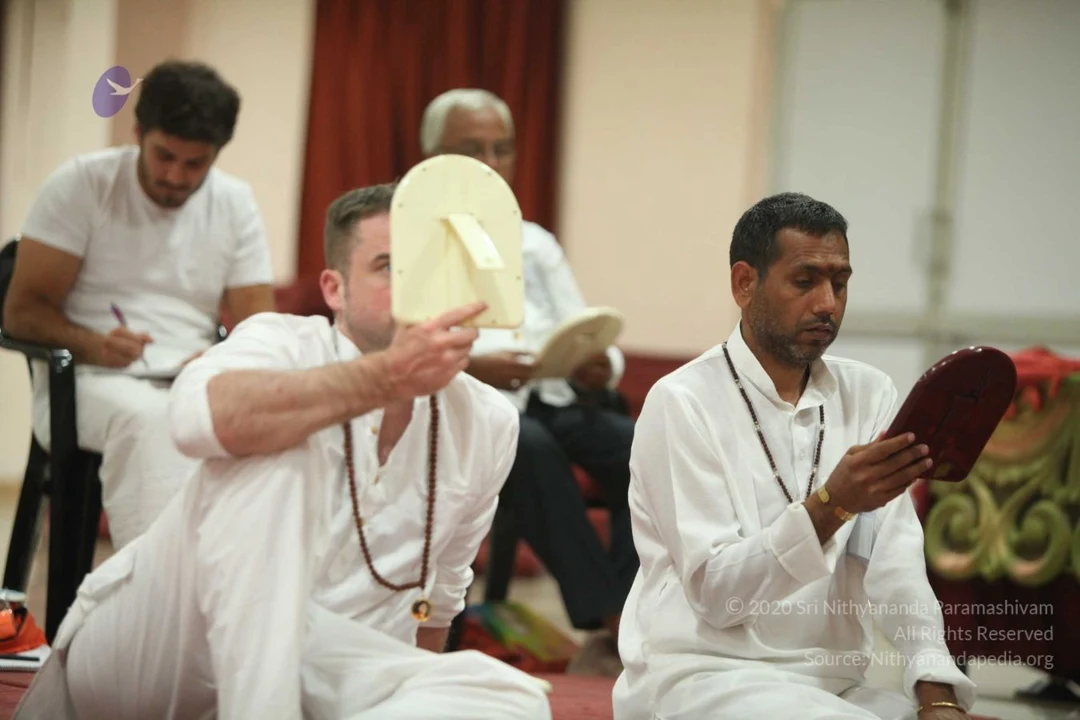
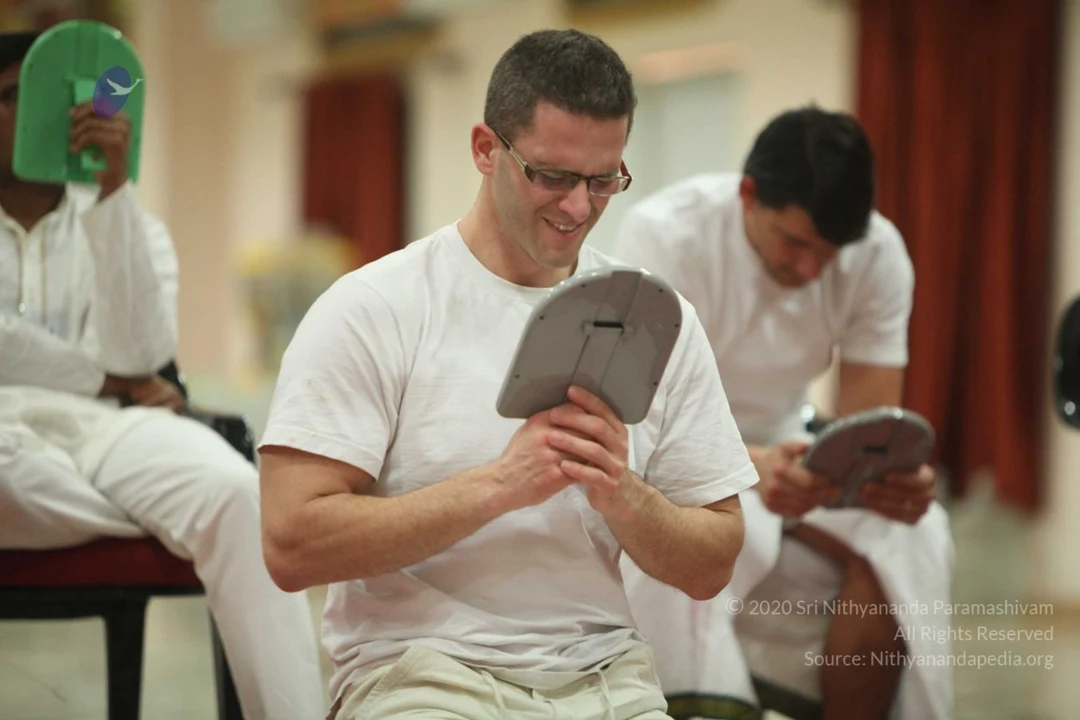
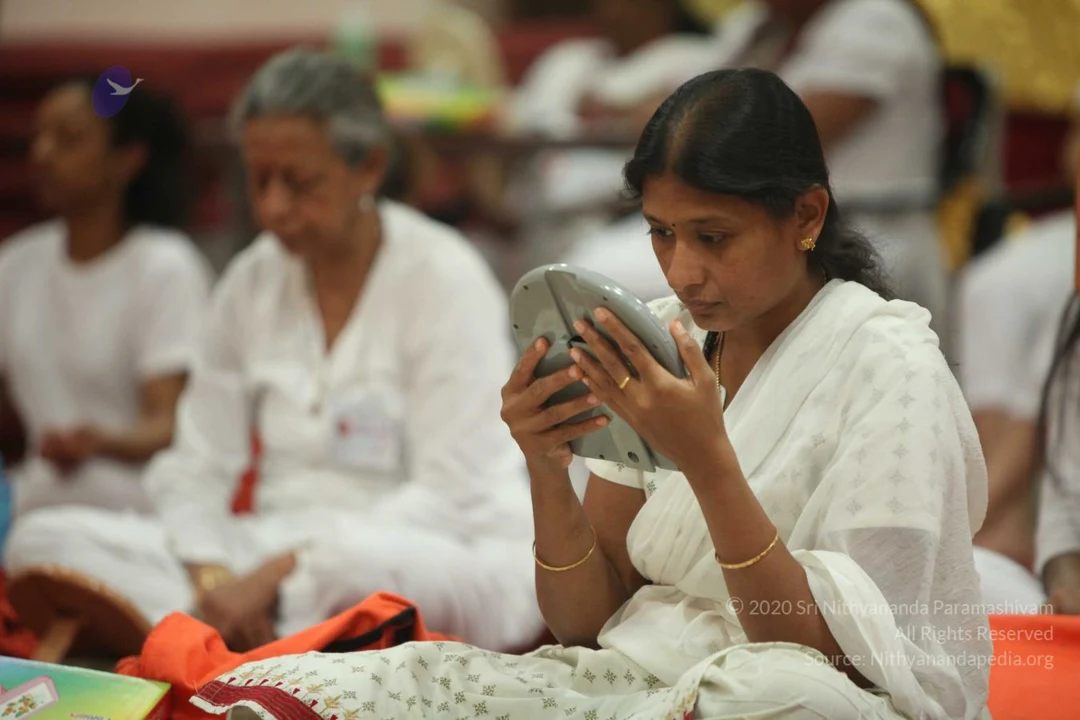
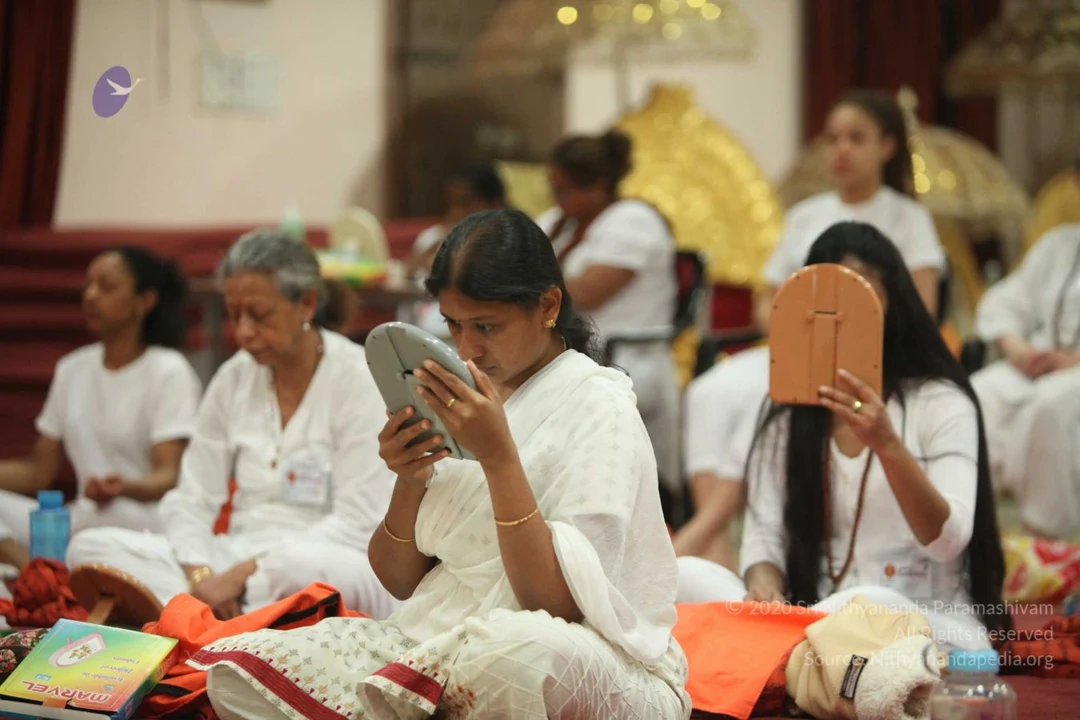
IA-Darshan
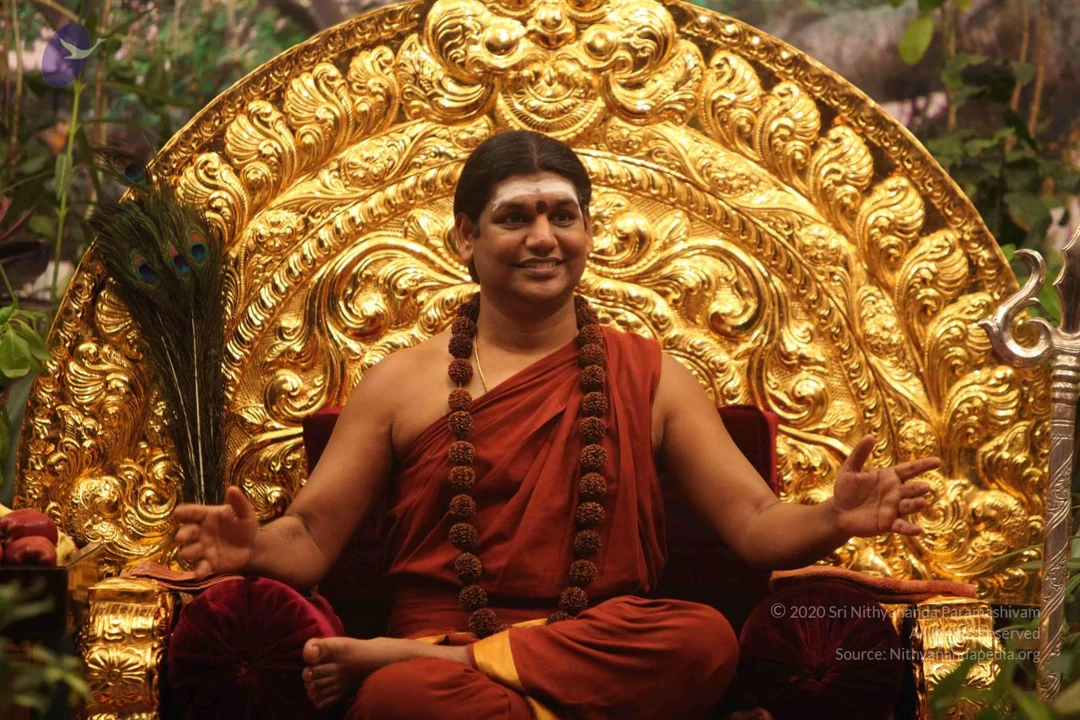
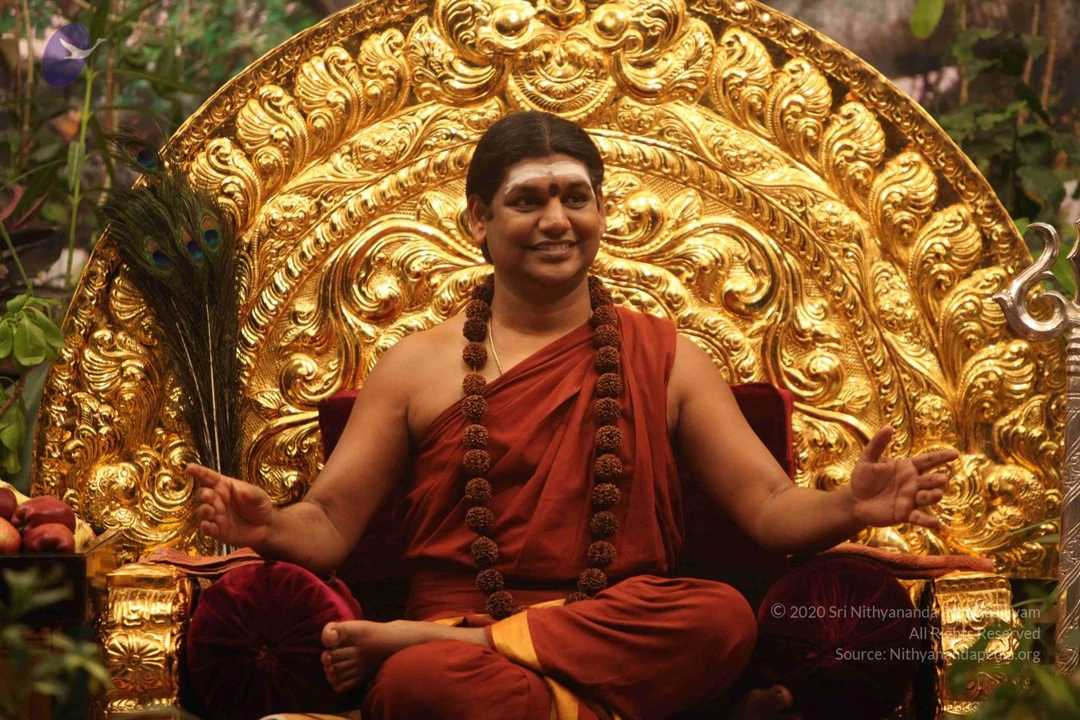
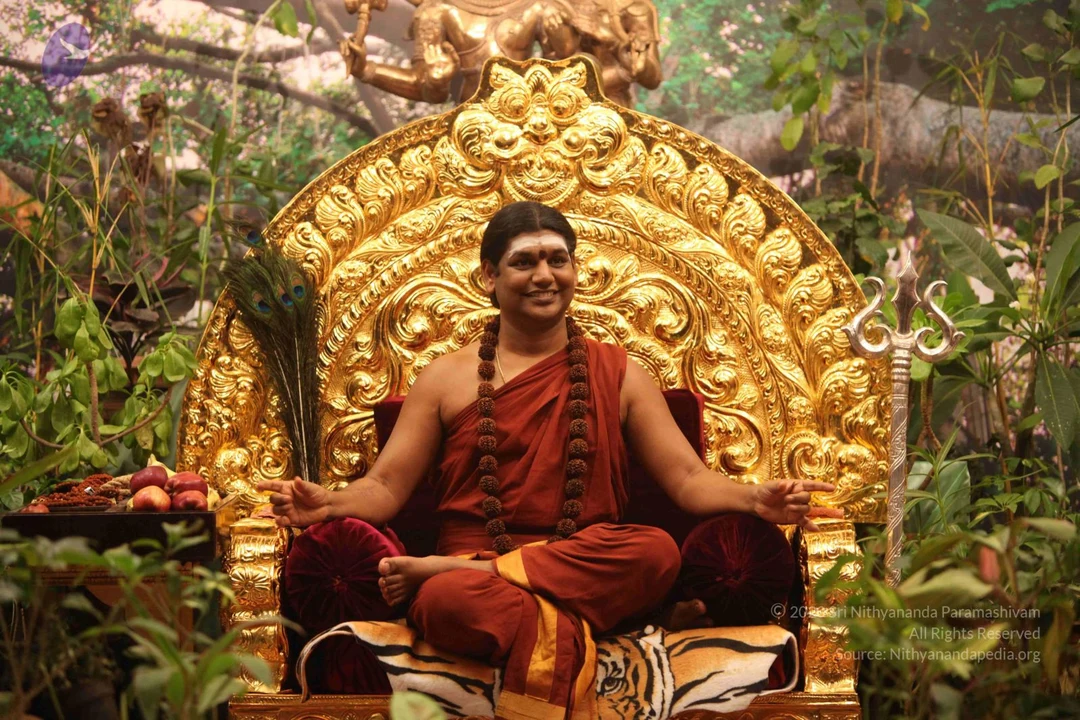
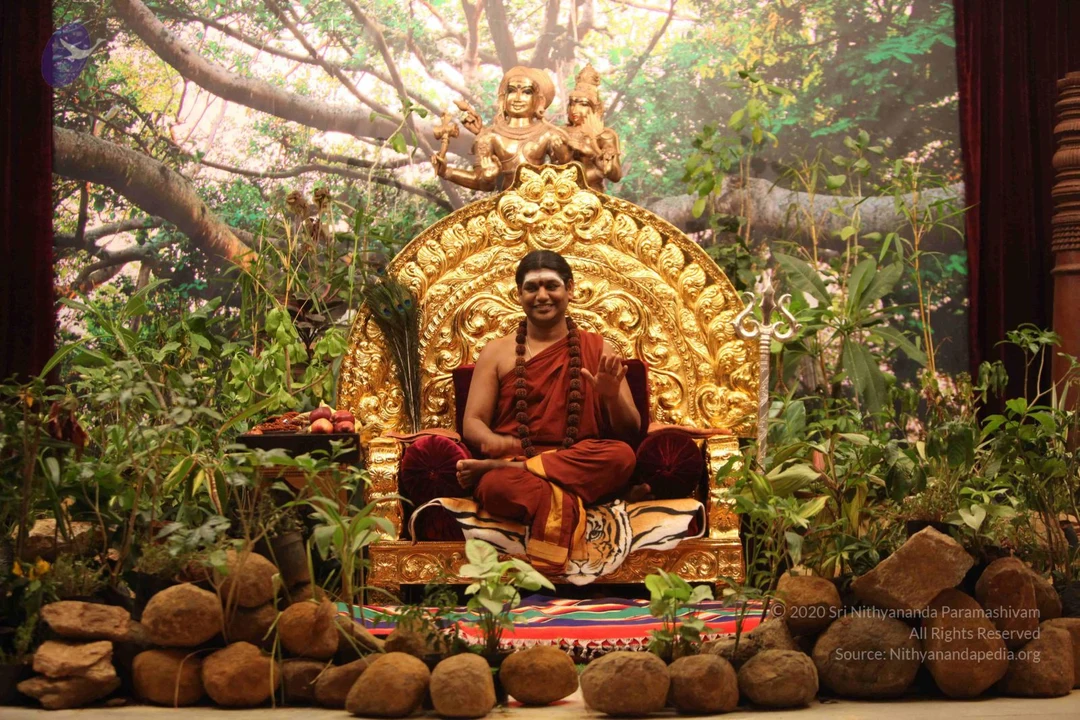
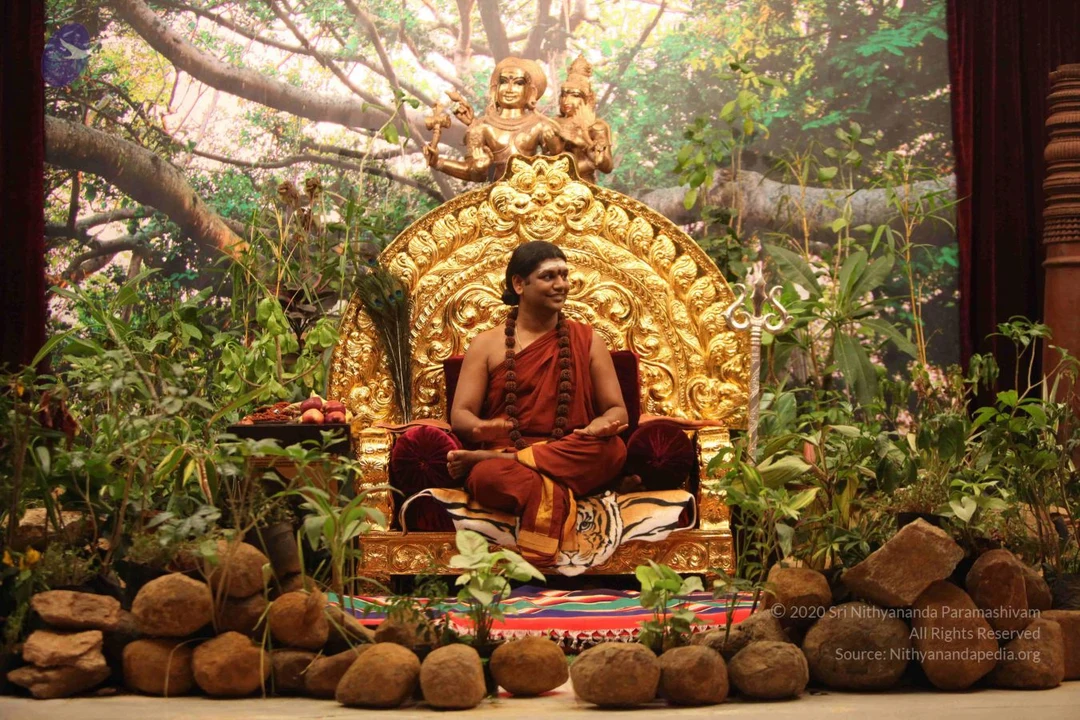
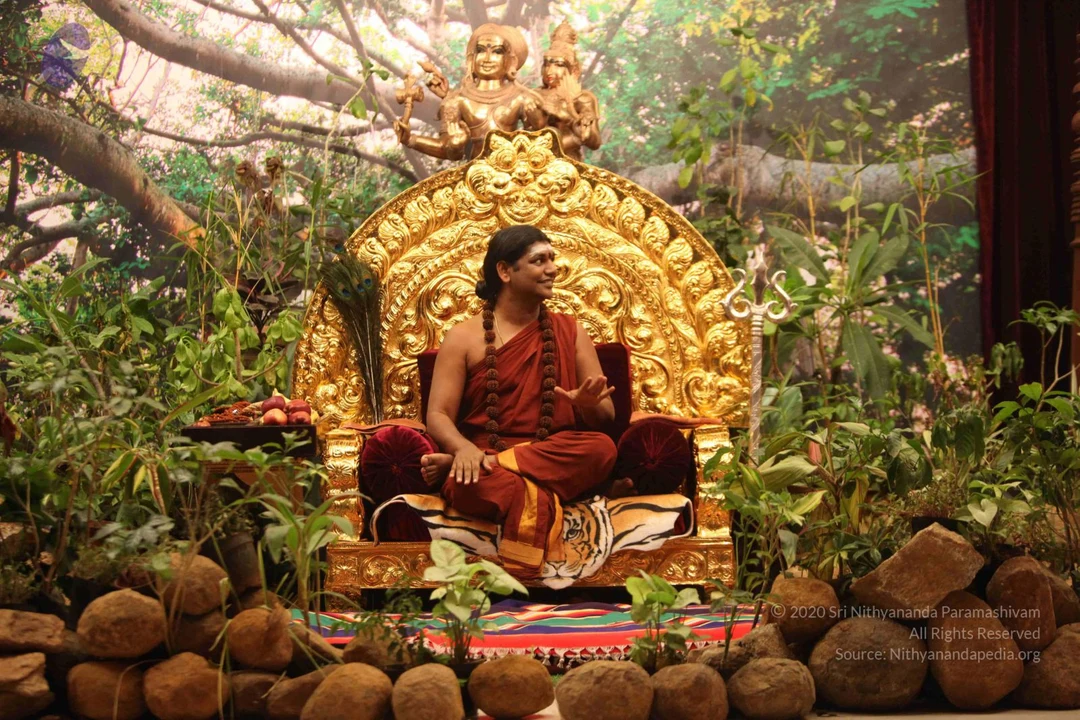
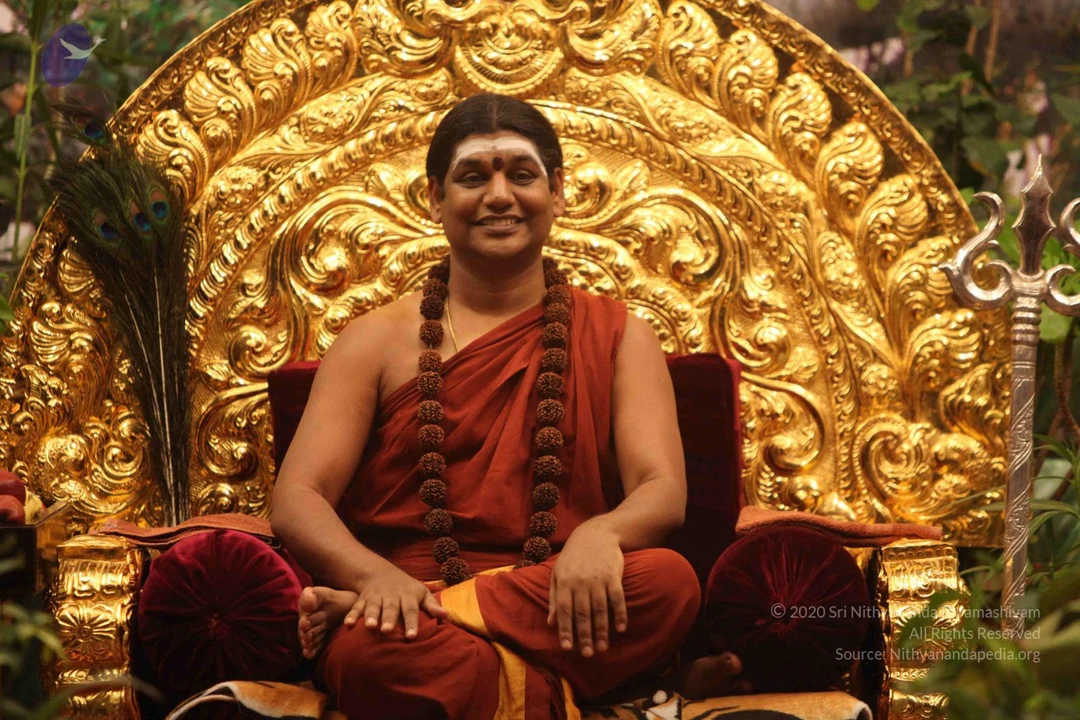
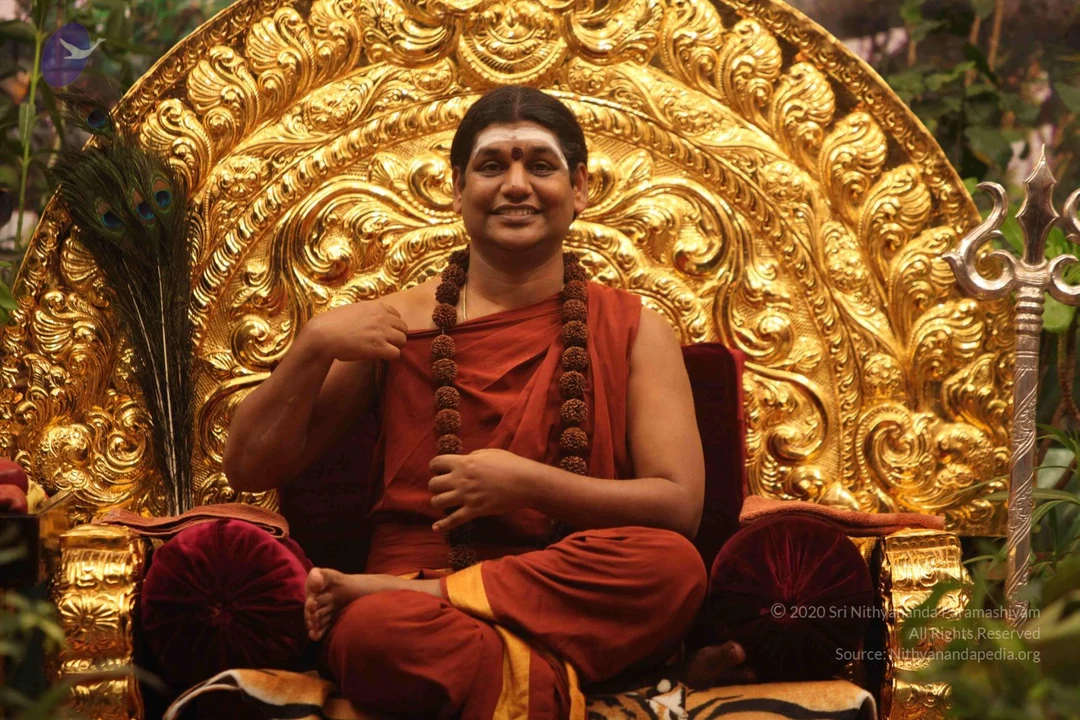
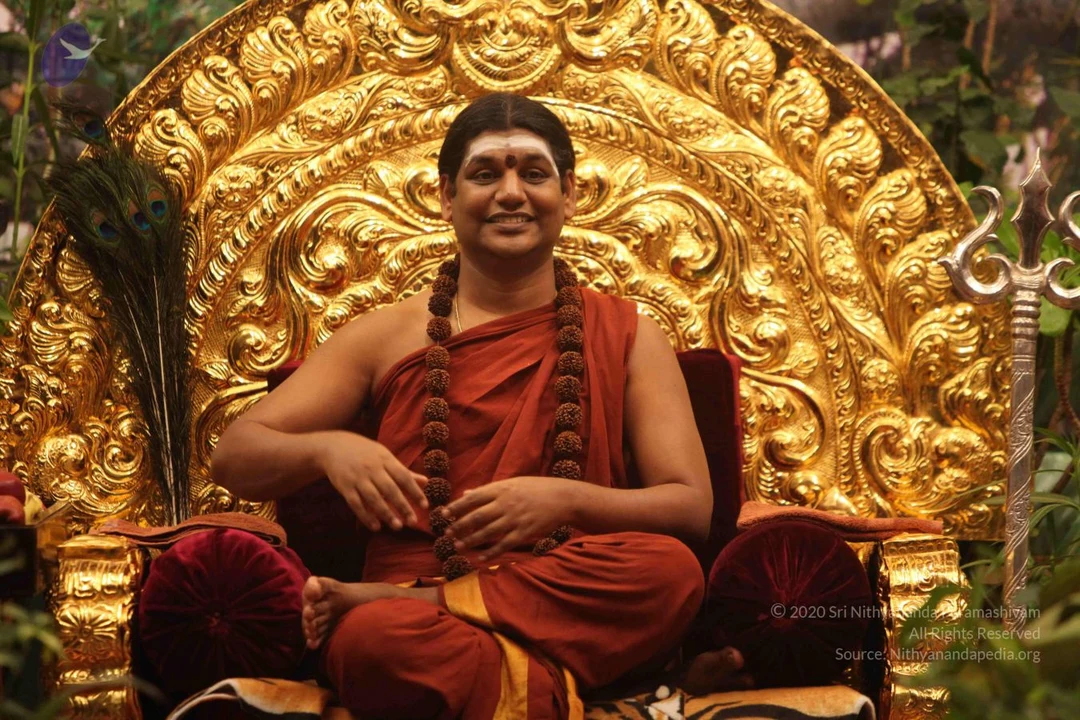
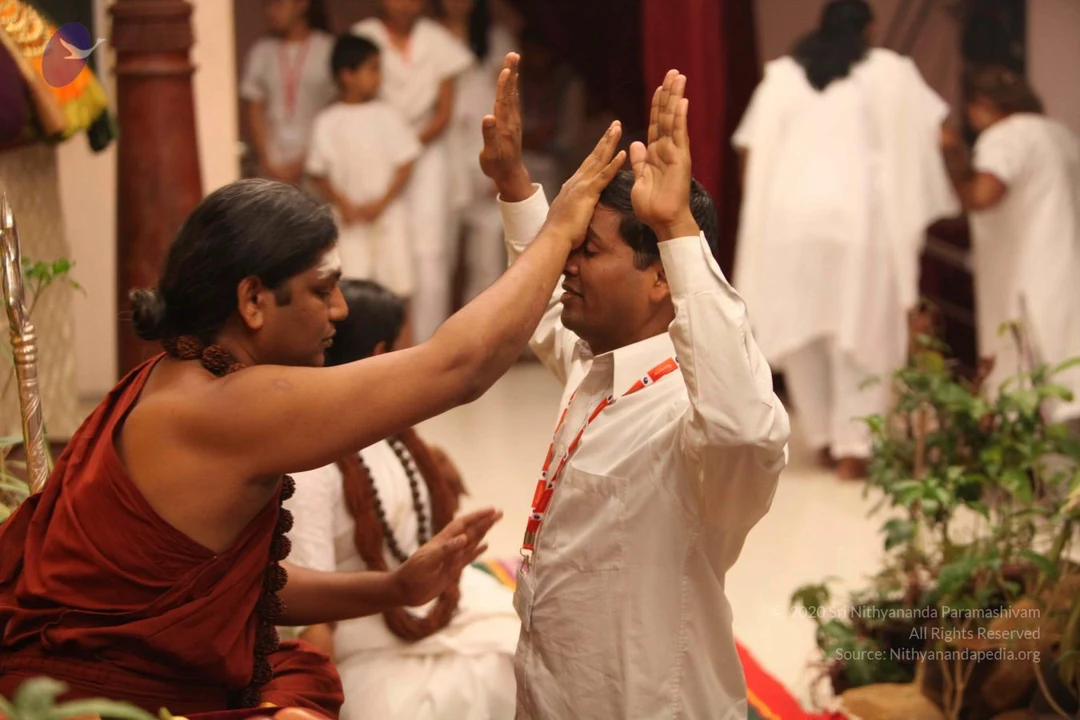
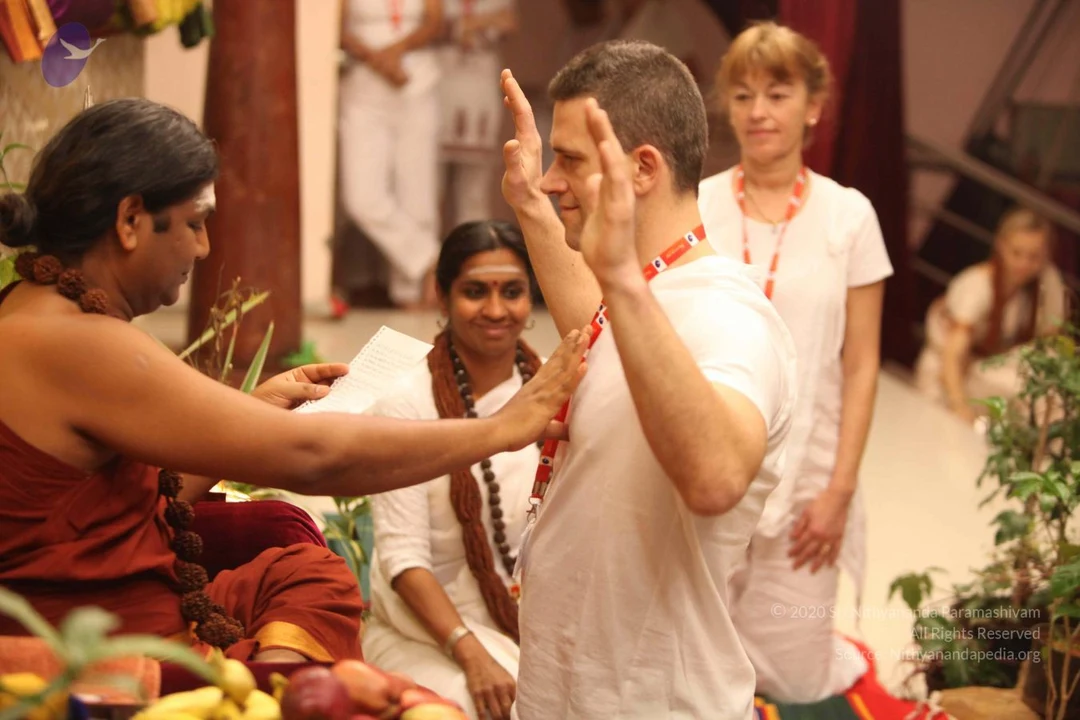
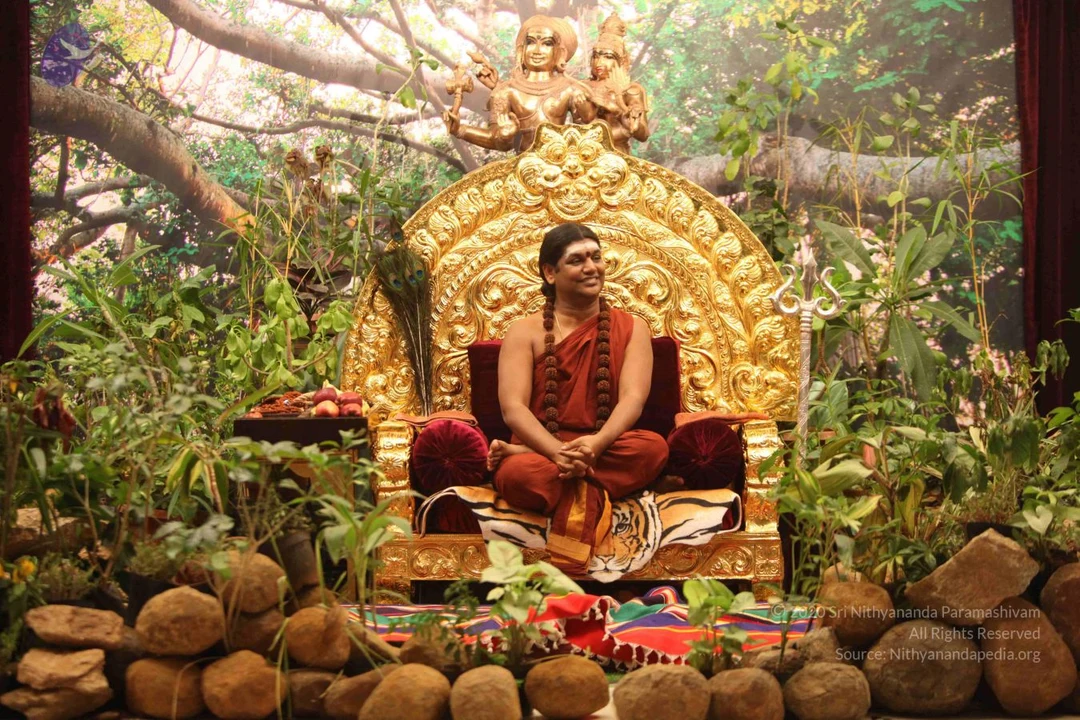
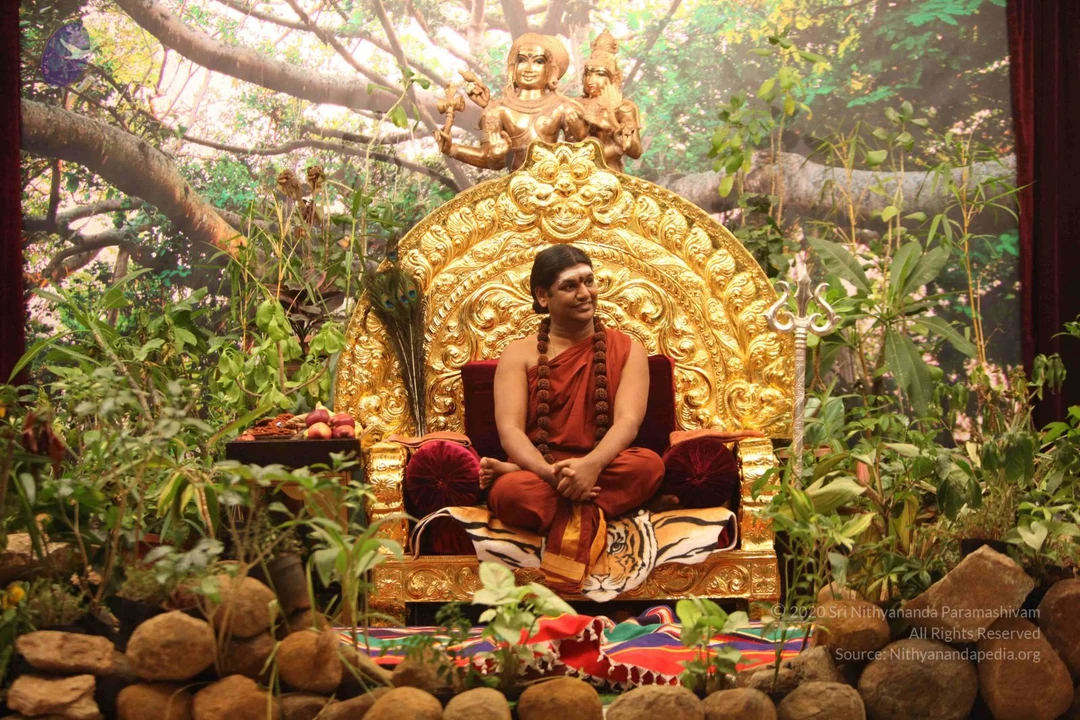
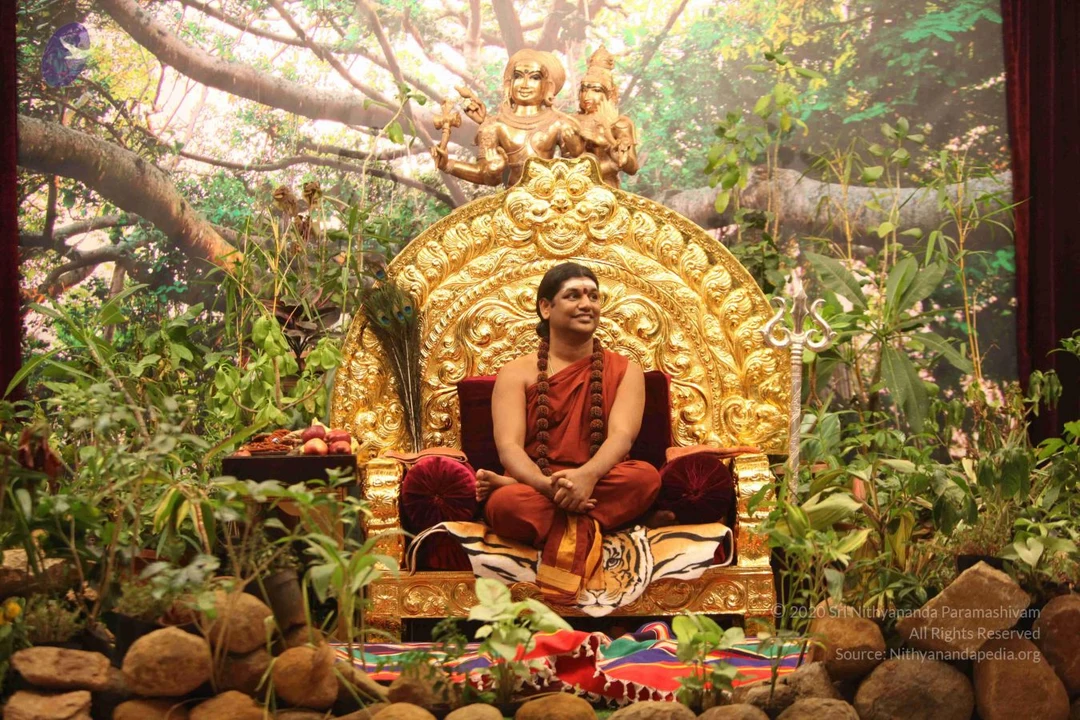
Kalpataru-Darshan
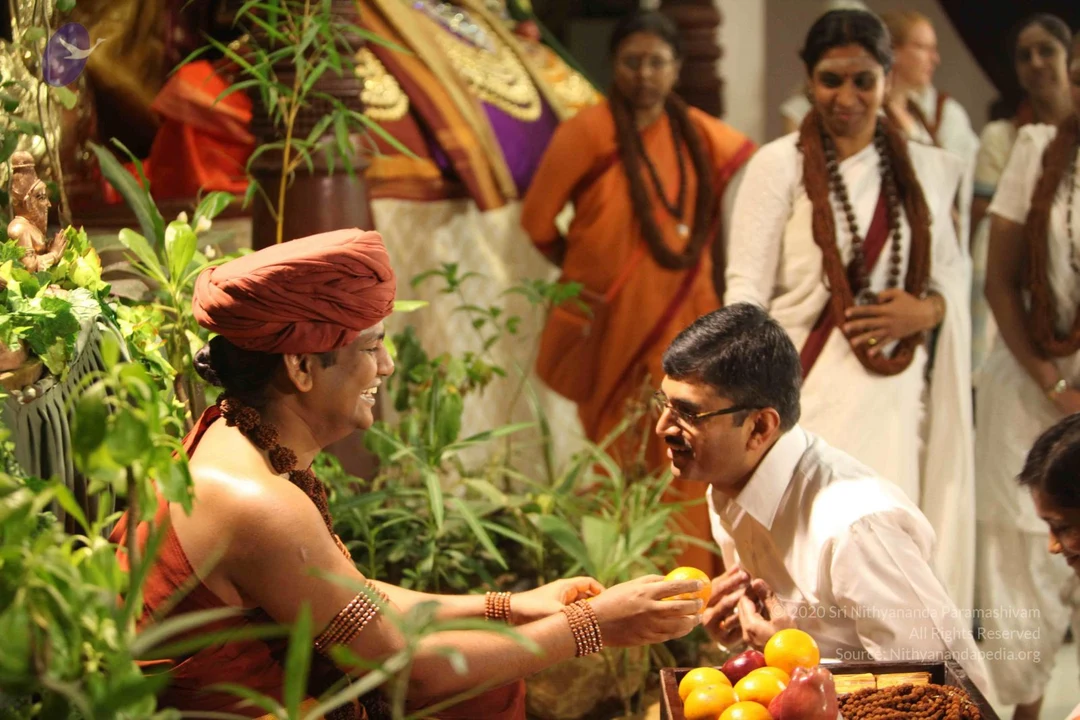
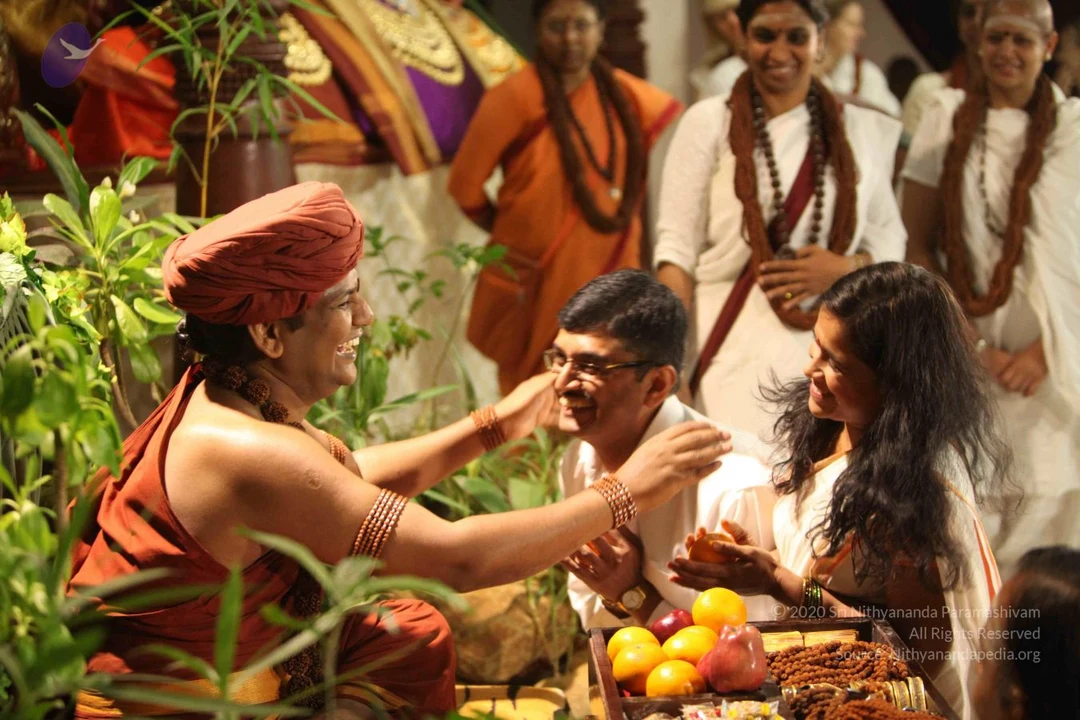
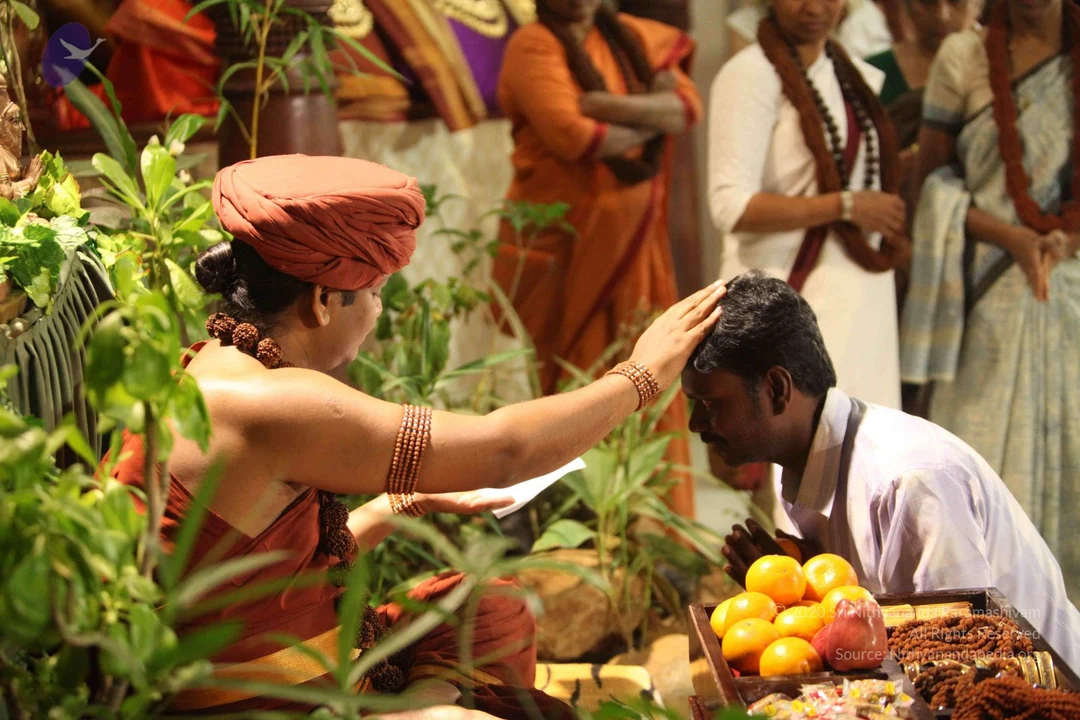
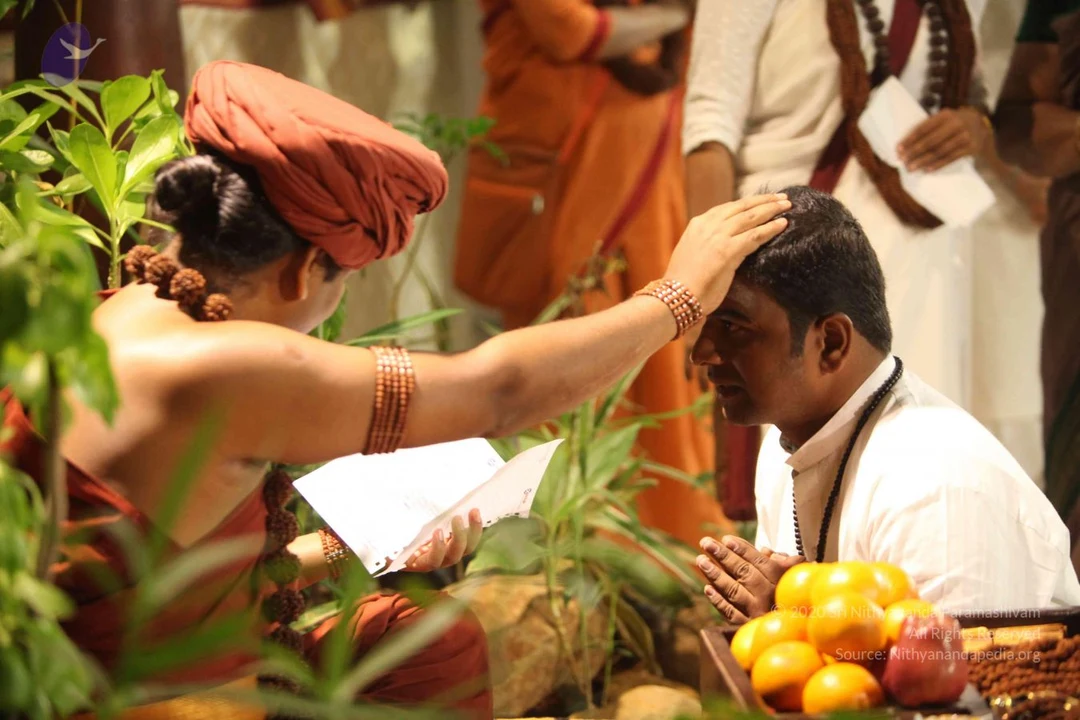
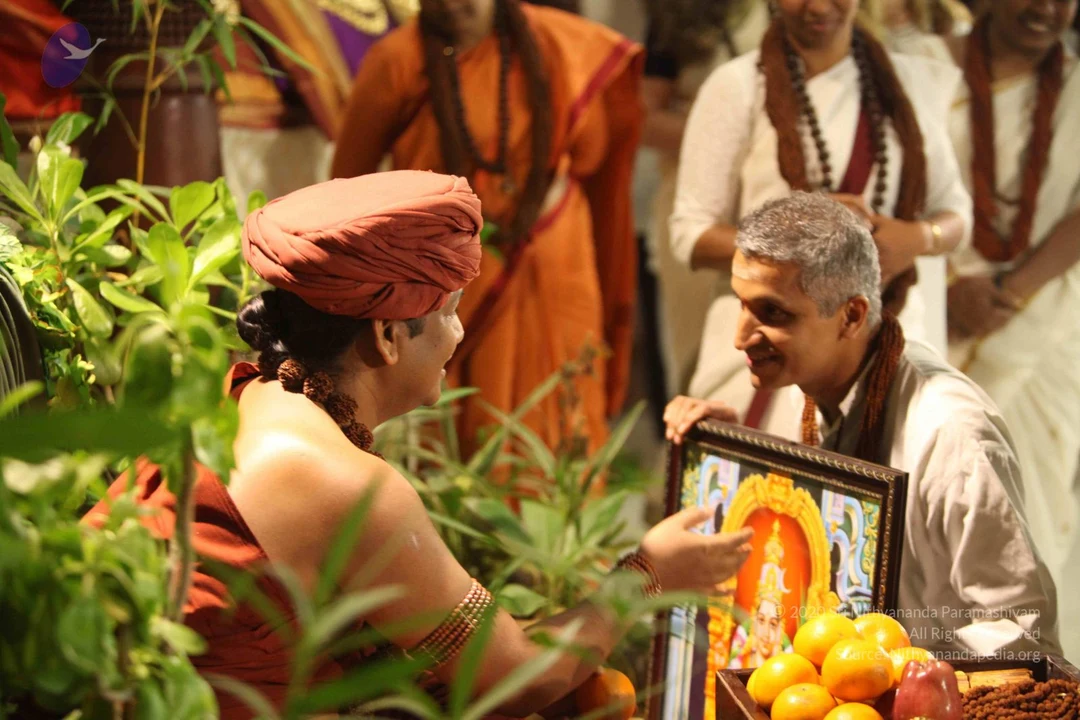
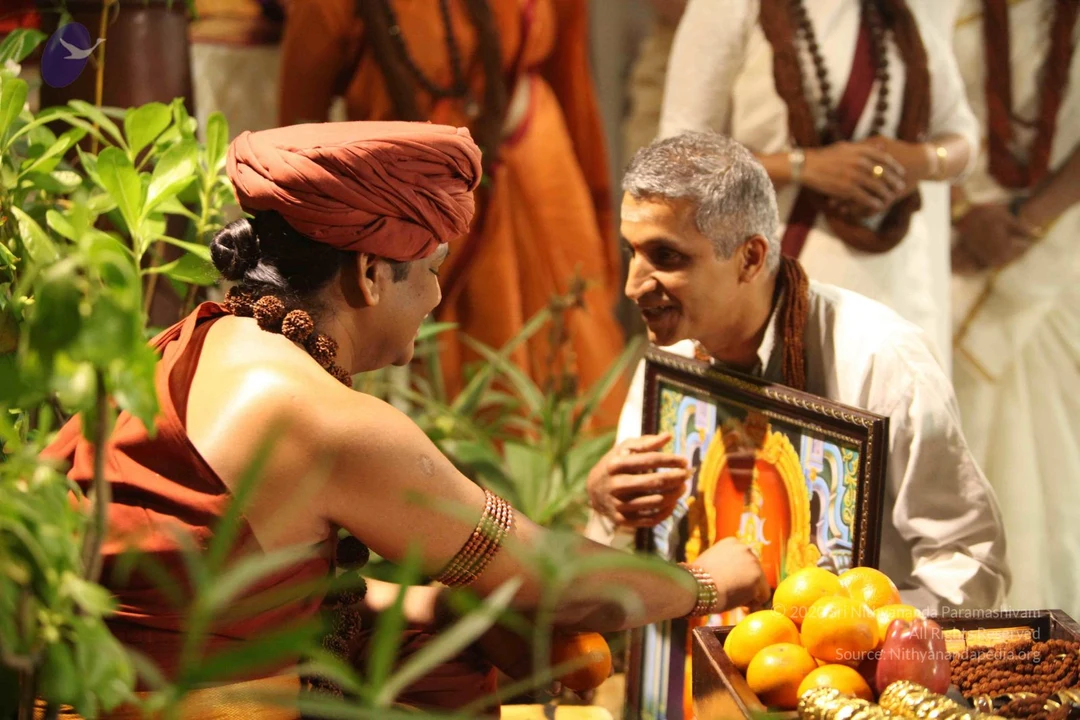
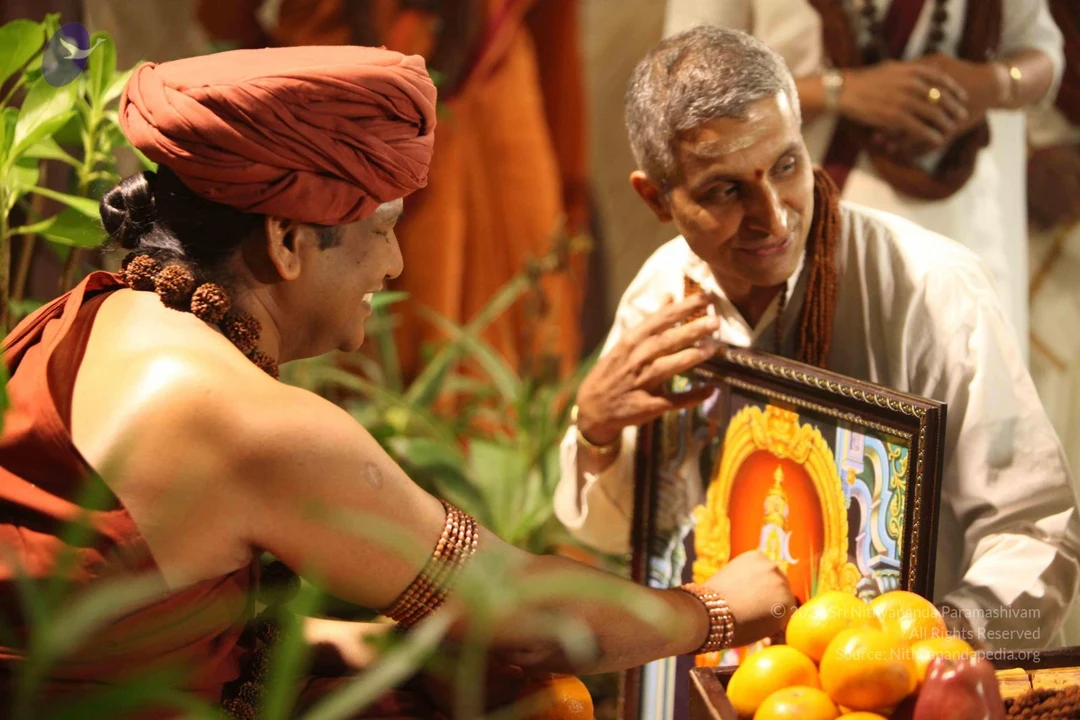
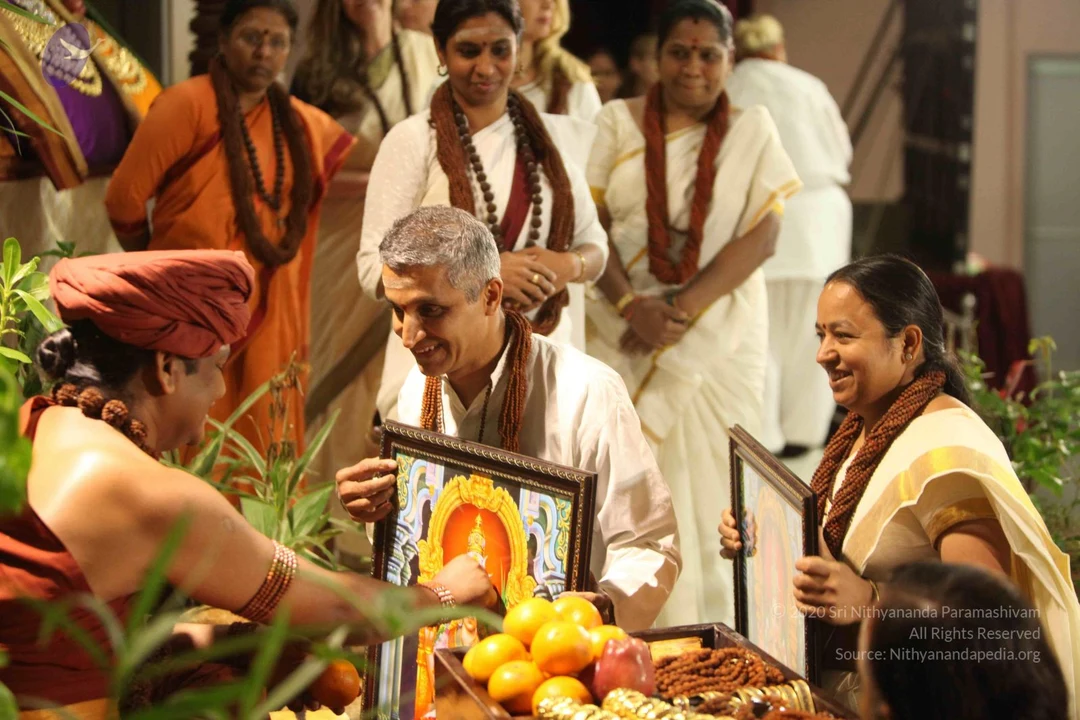
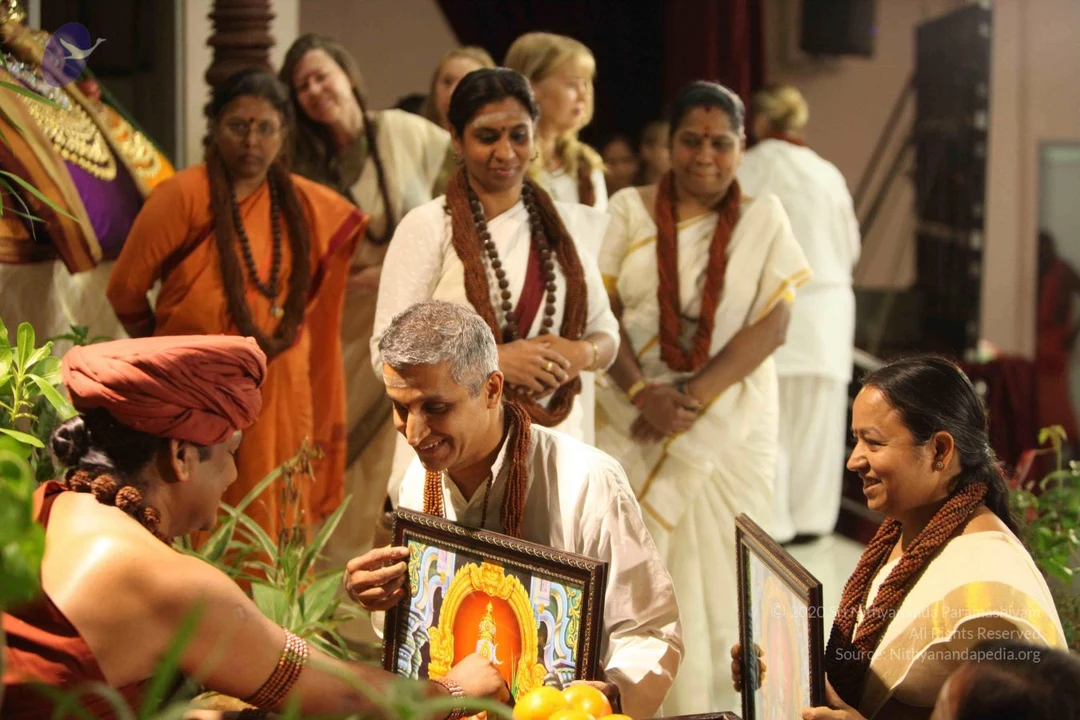
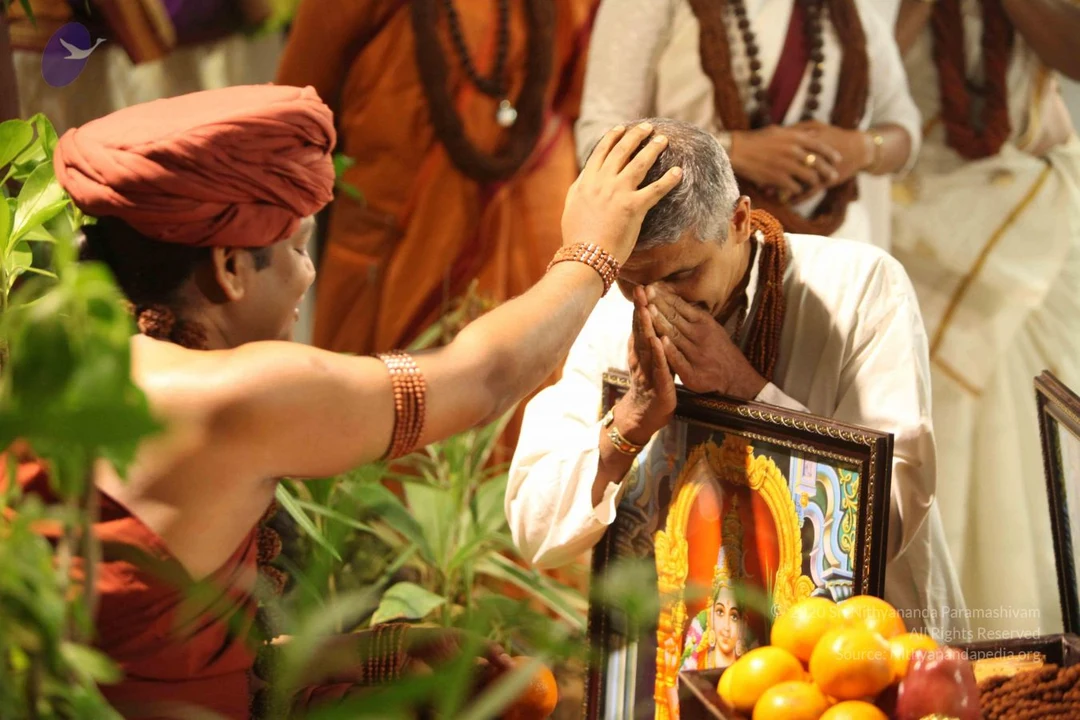
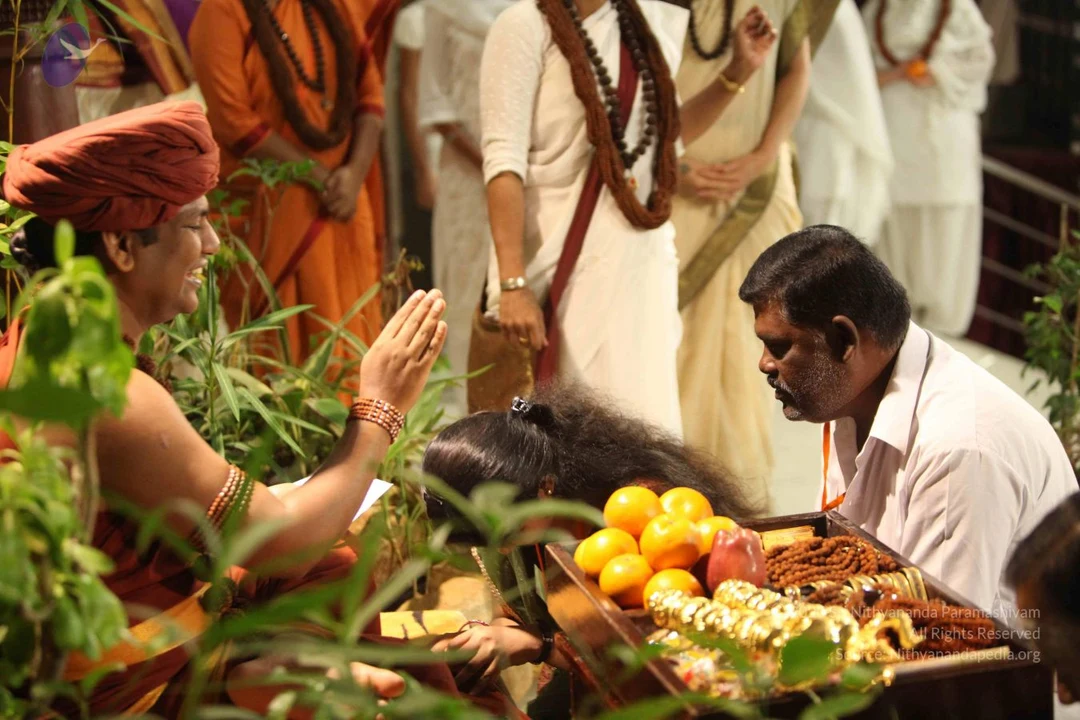
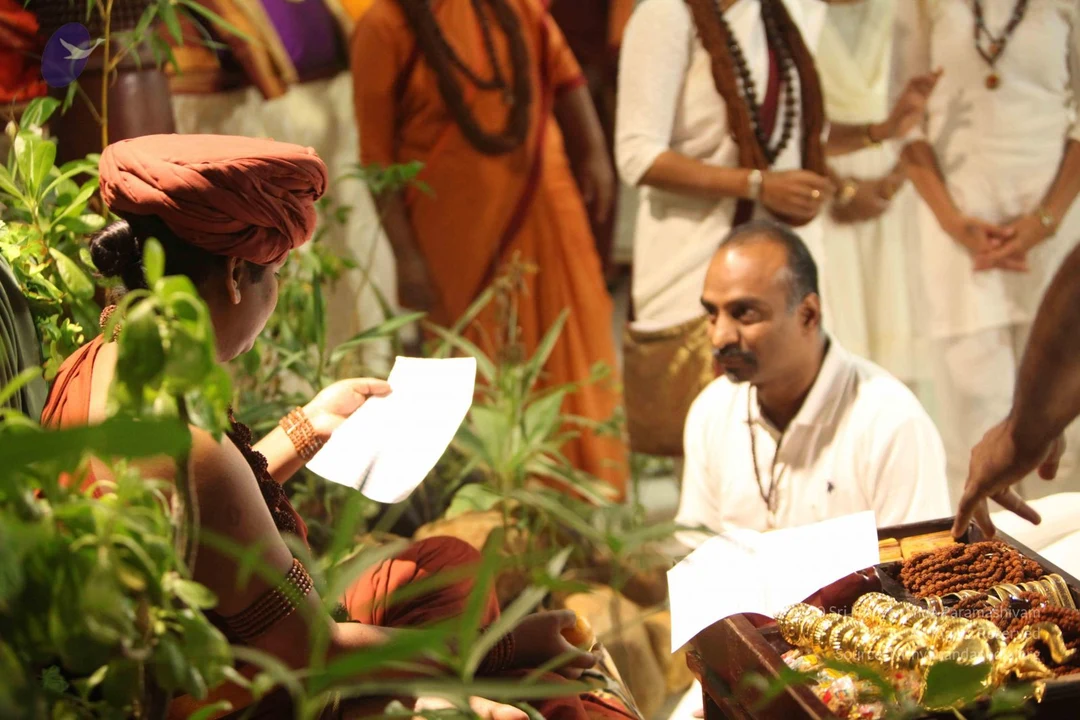
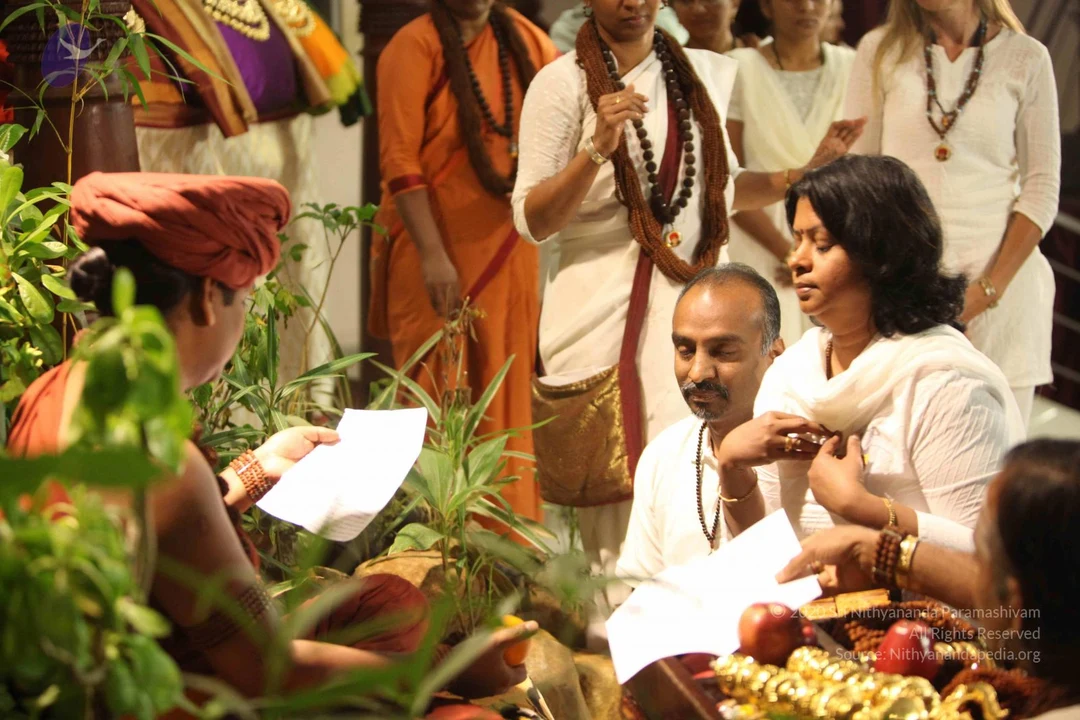
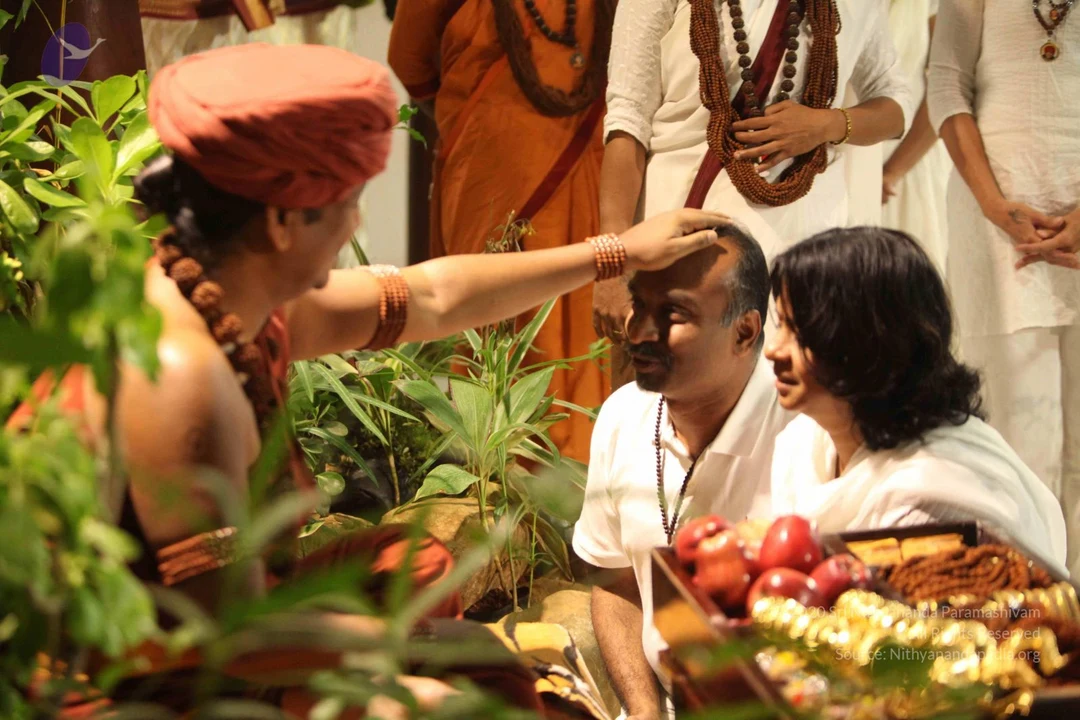
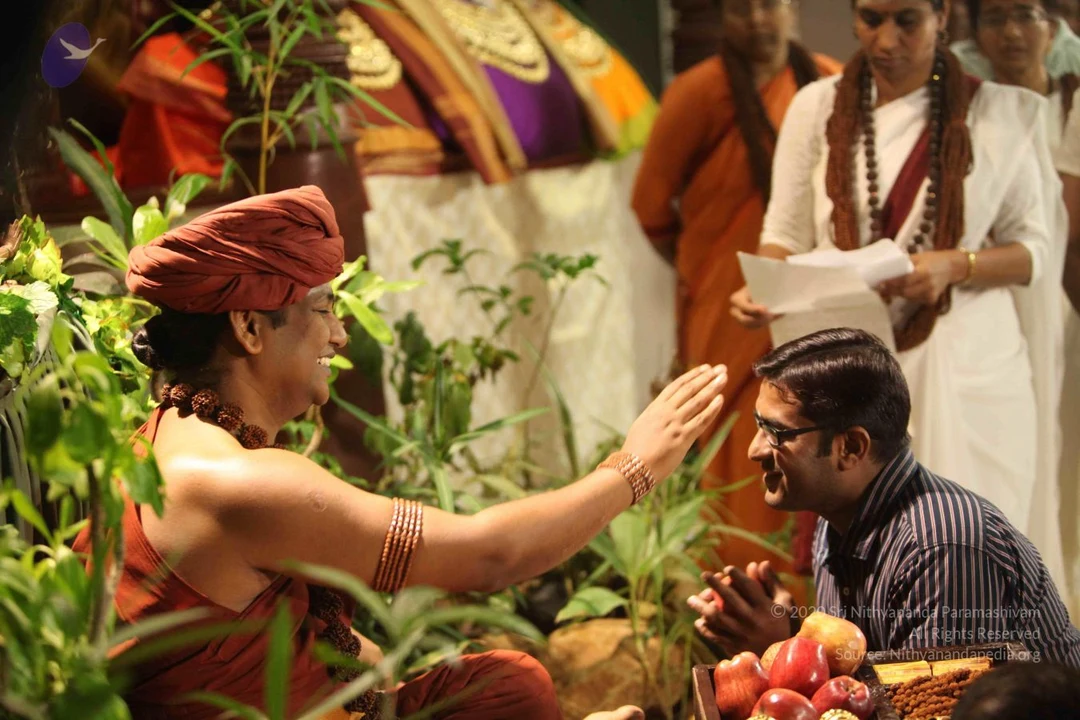
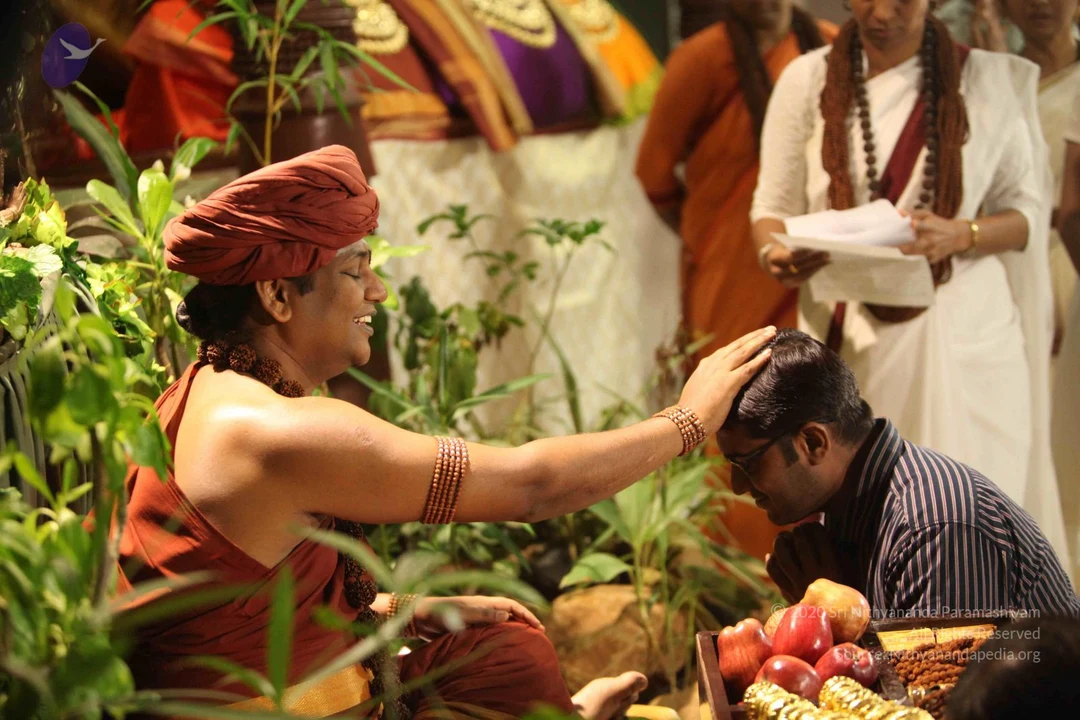
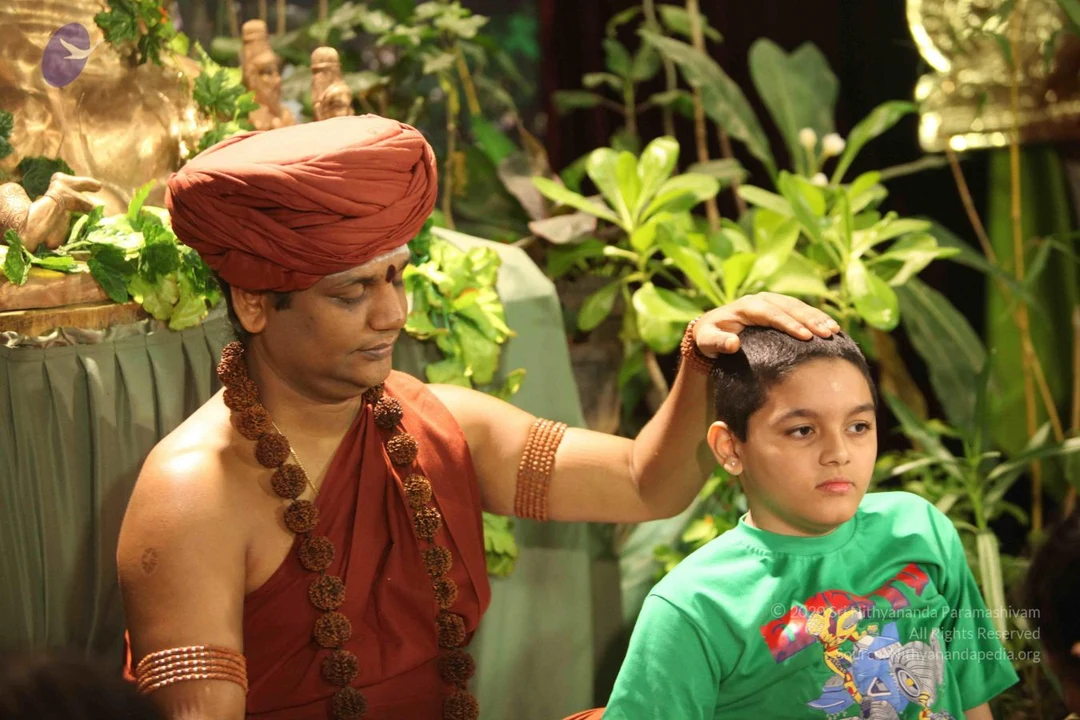
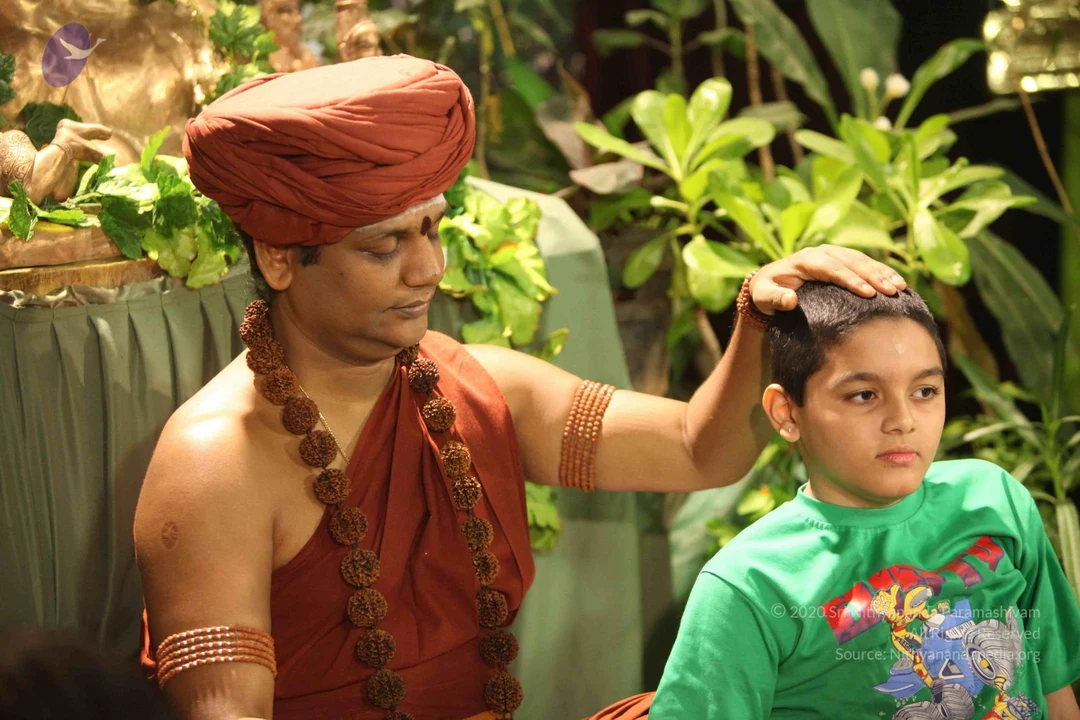
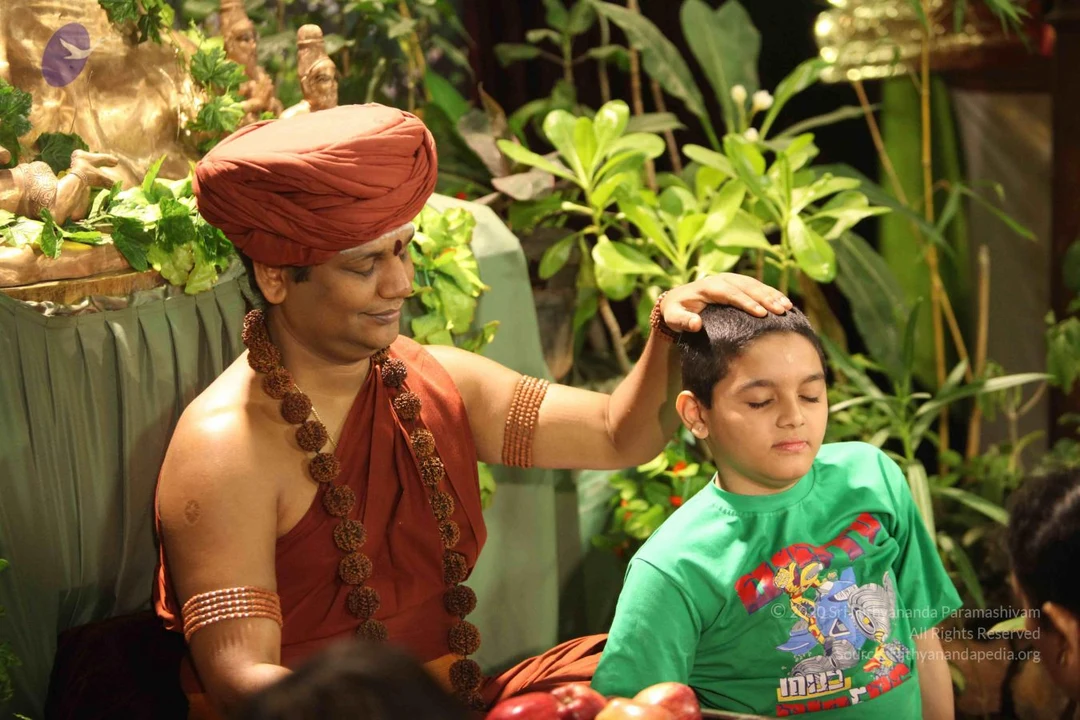
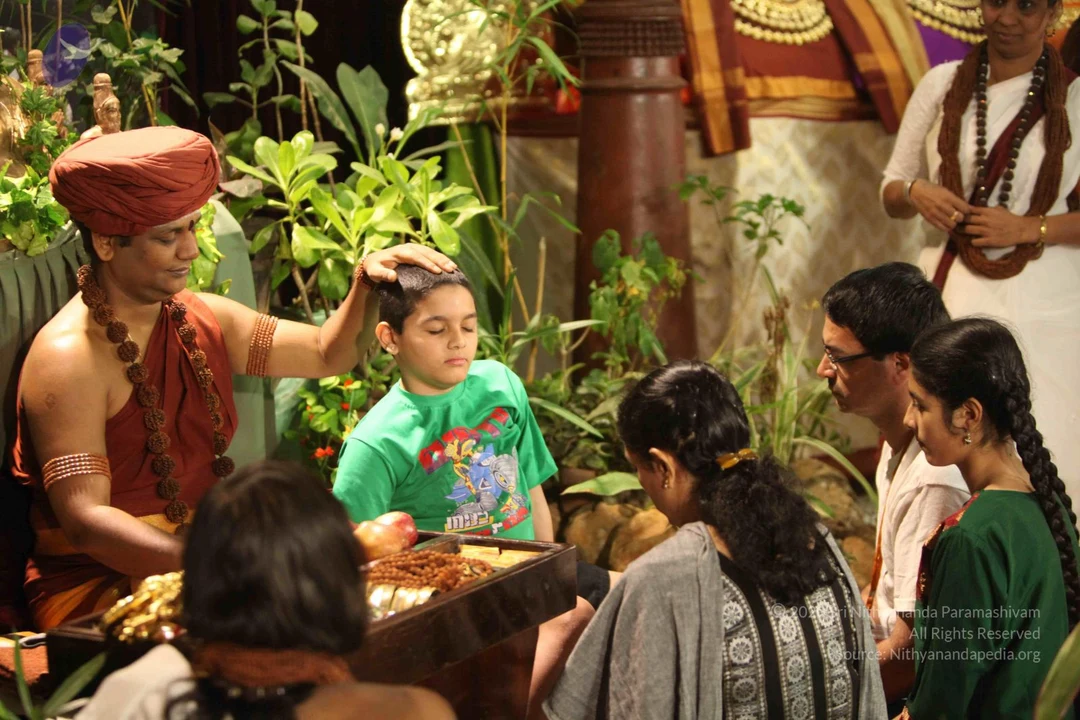
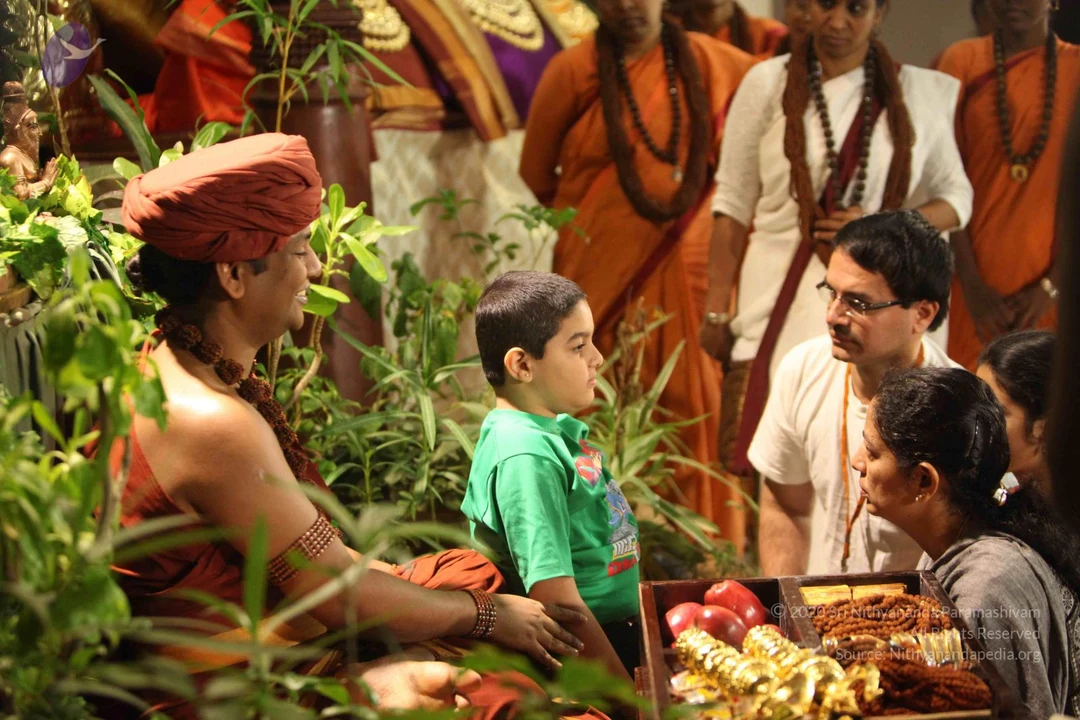
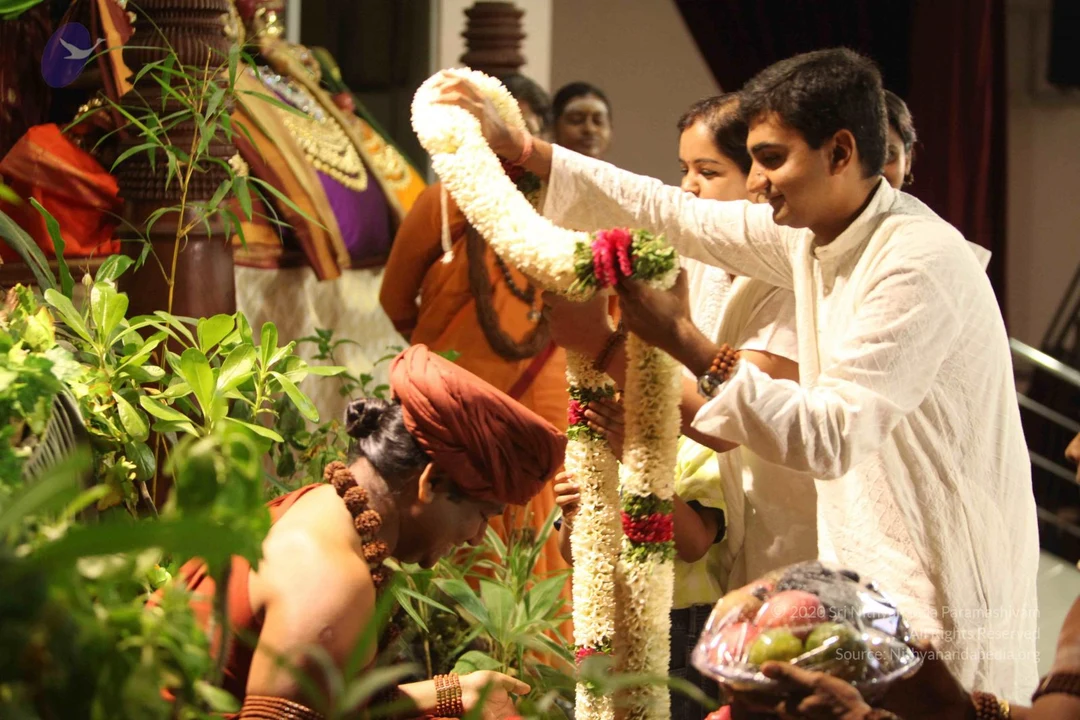
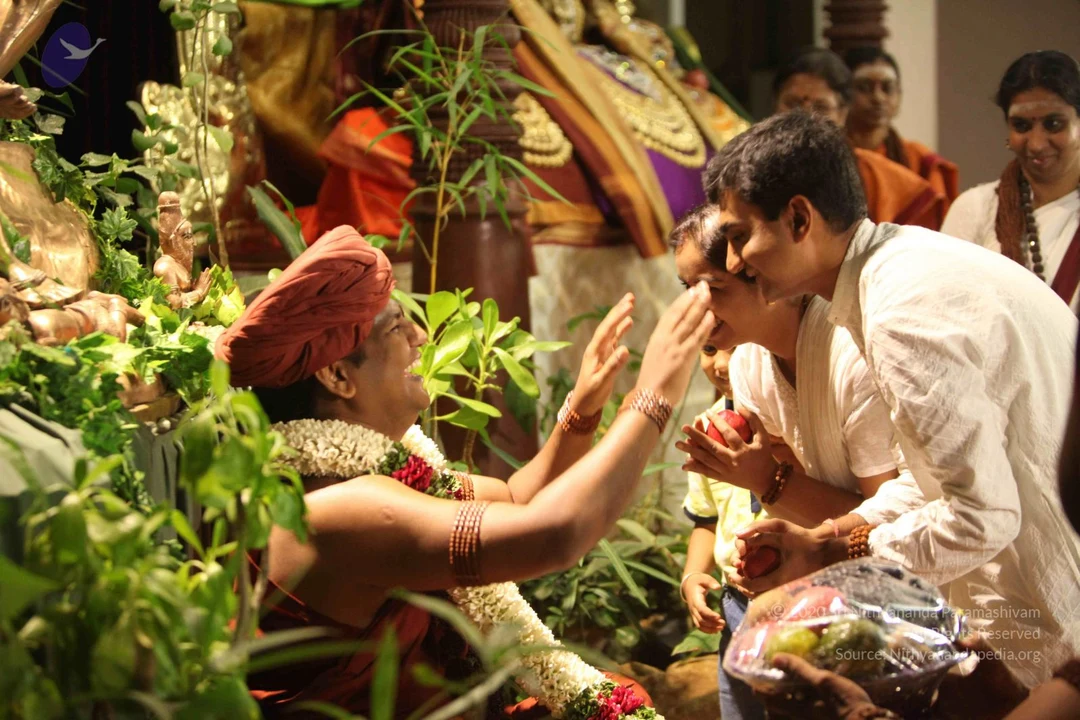
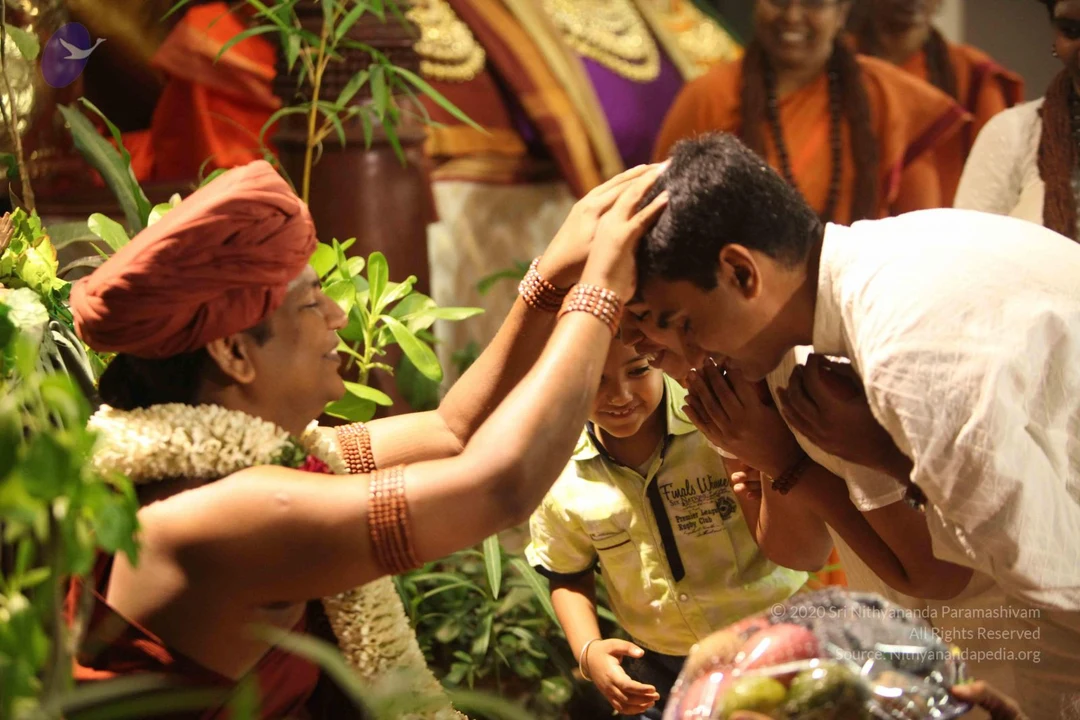
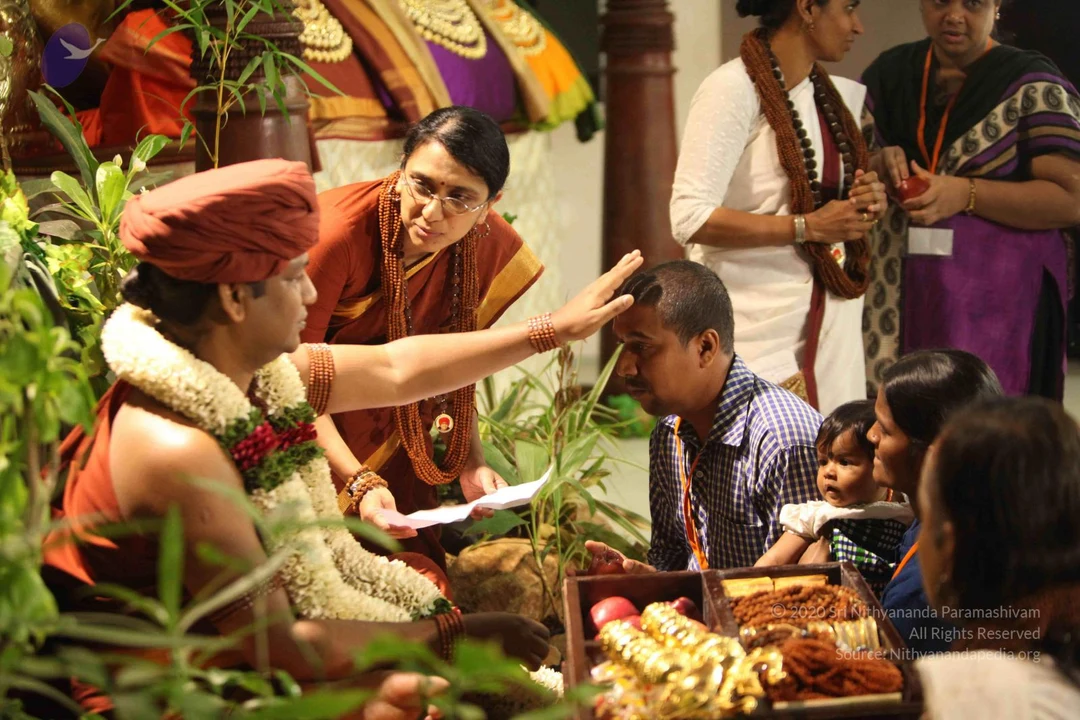
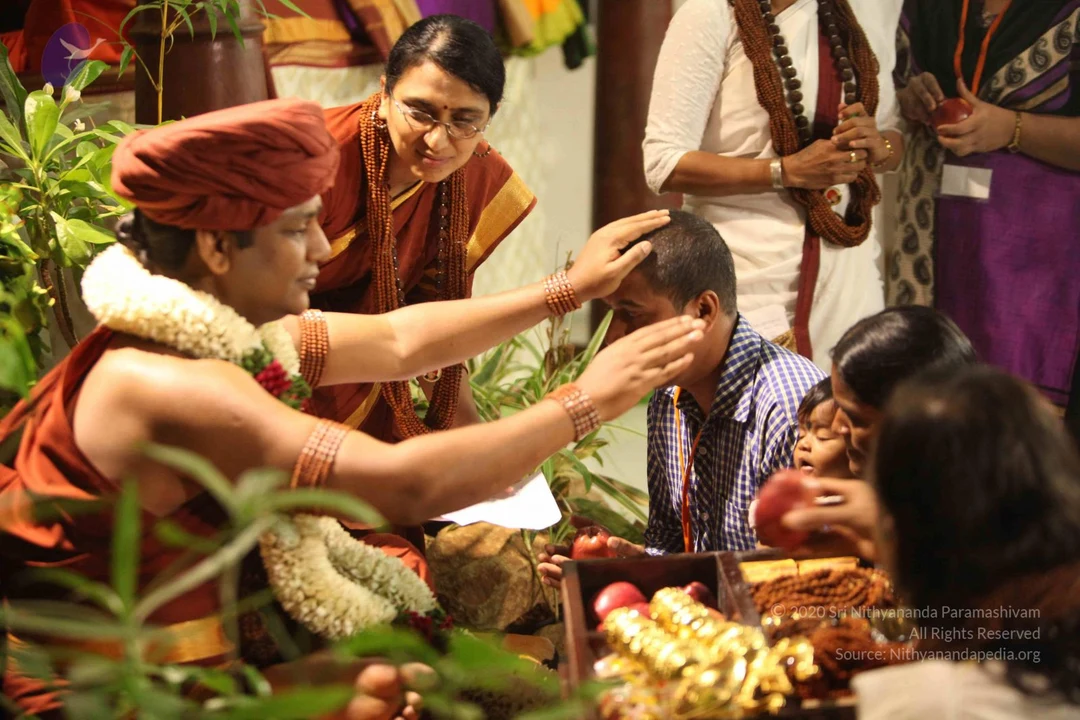
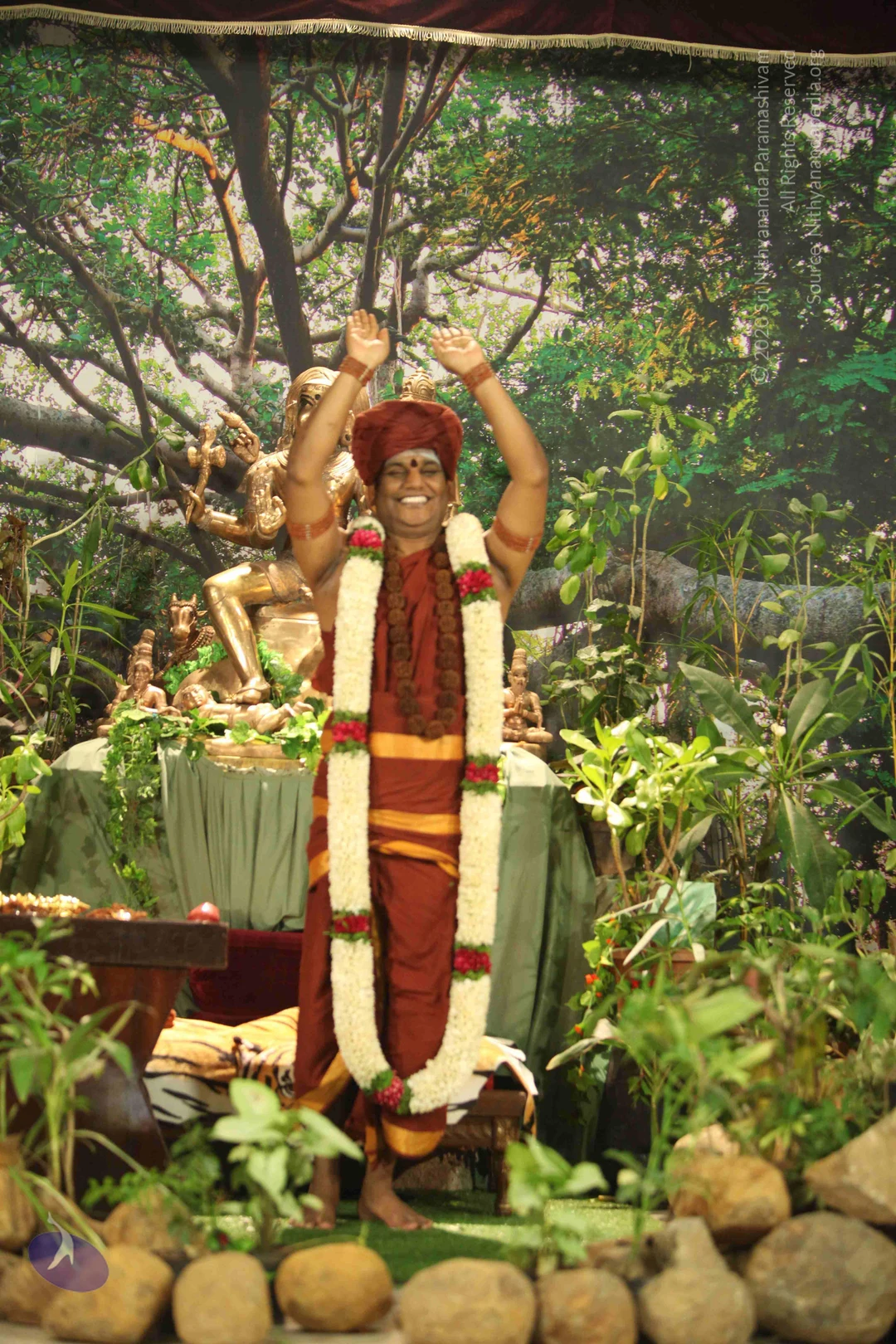
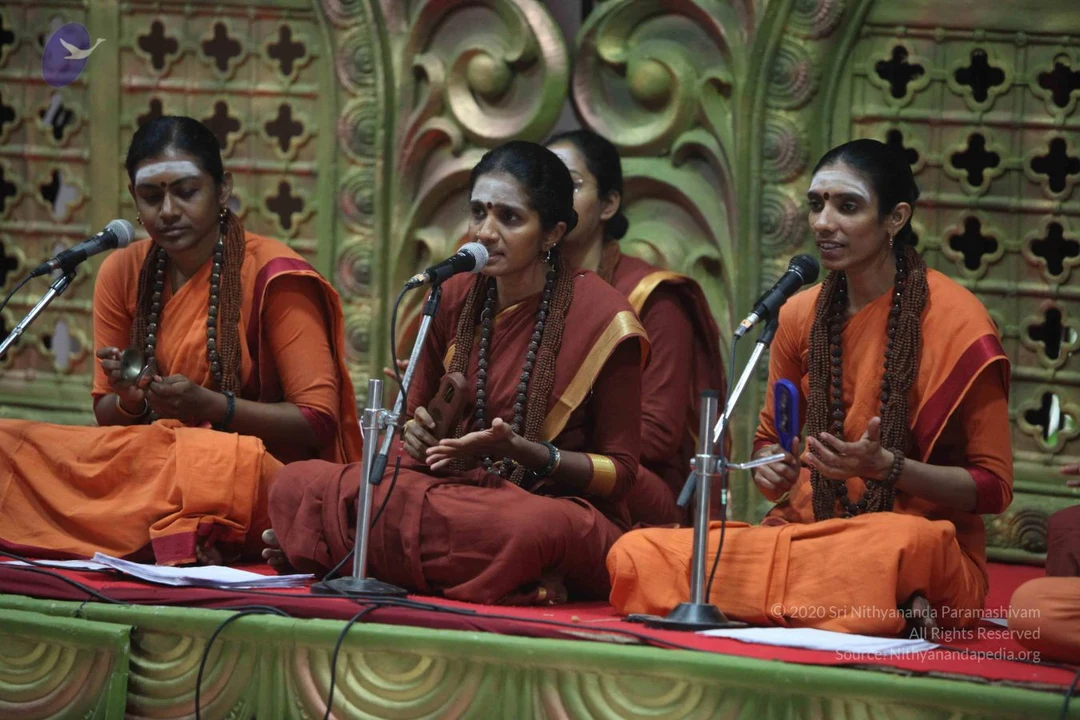
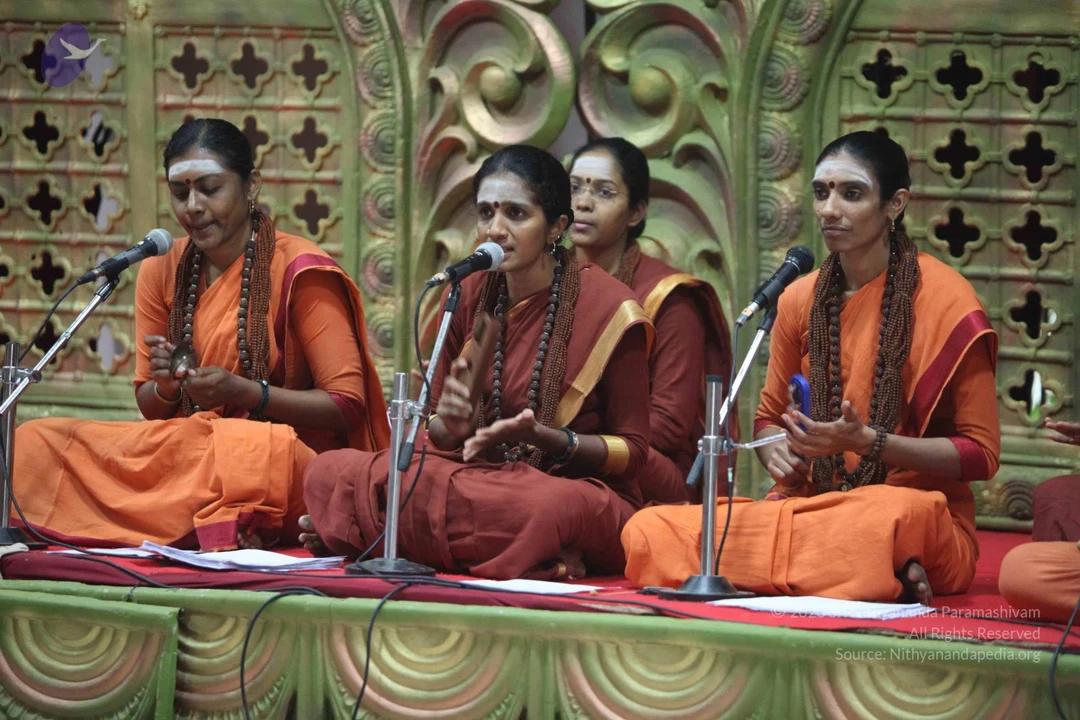
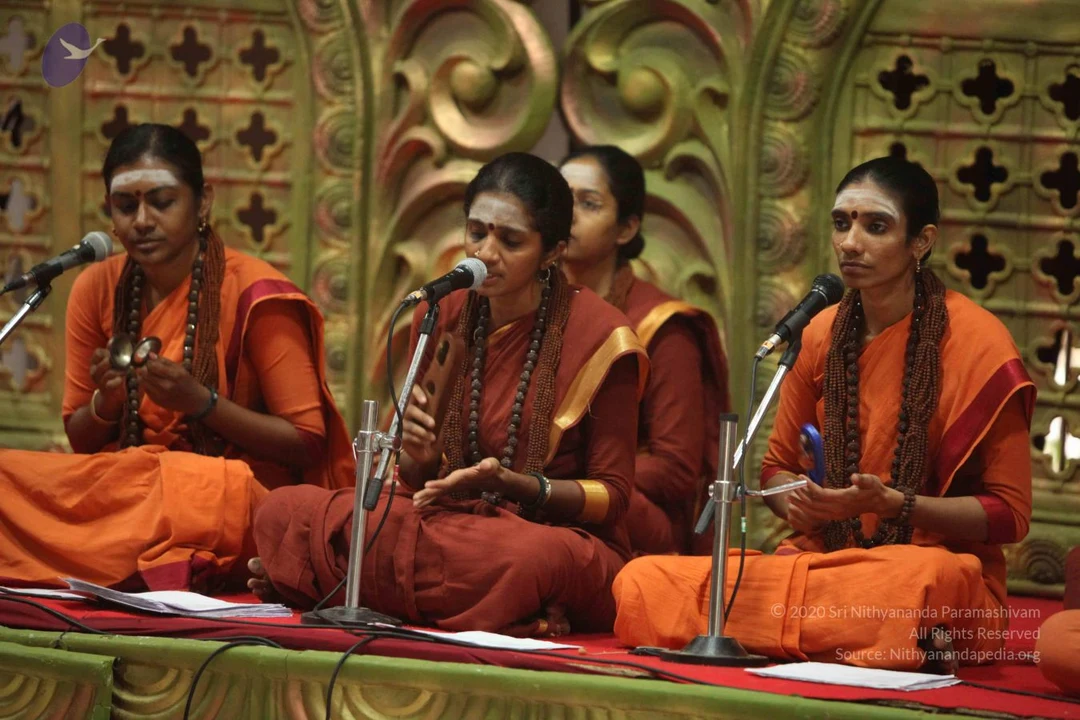
IA-Completion-Sharing-With-Others
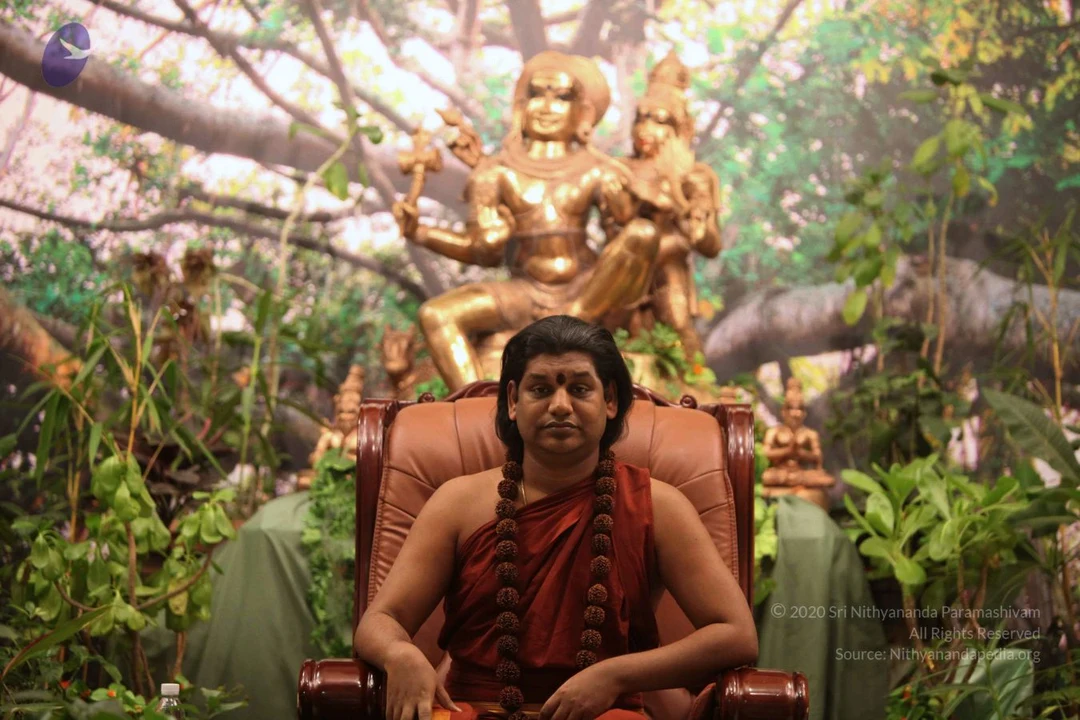
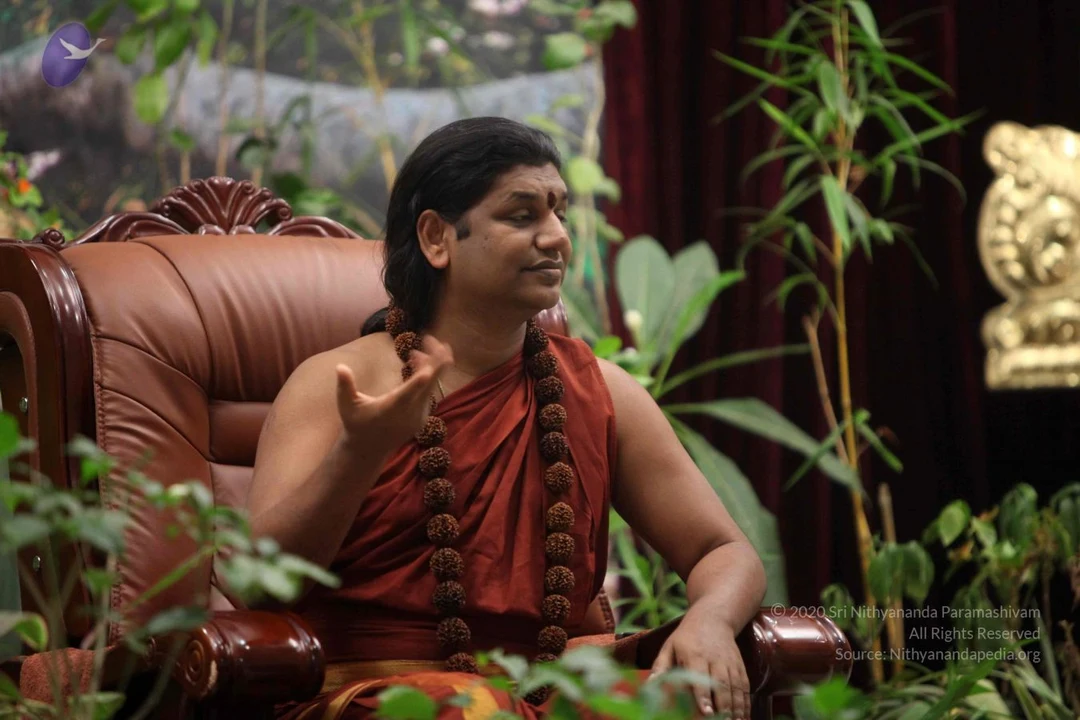
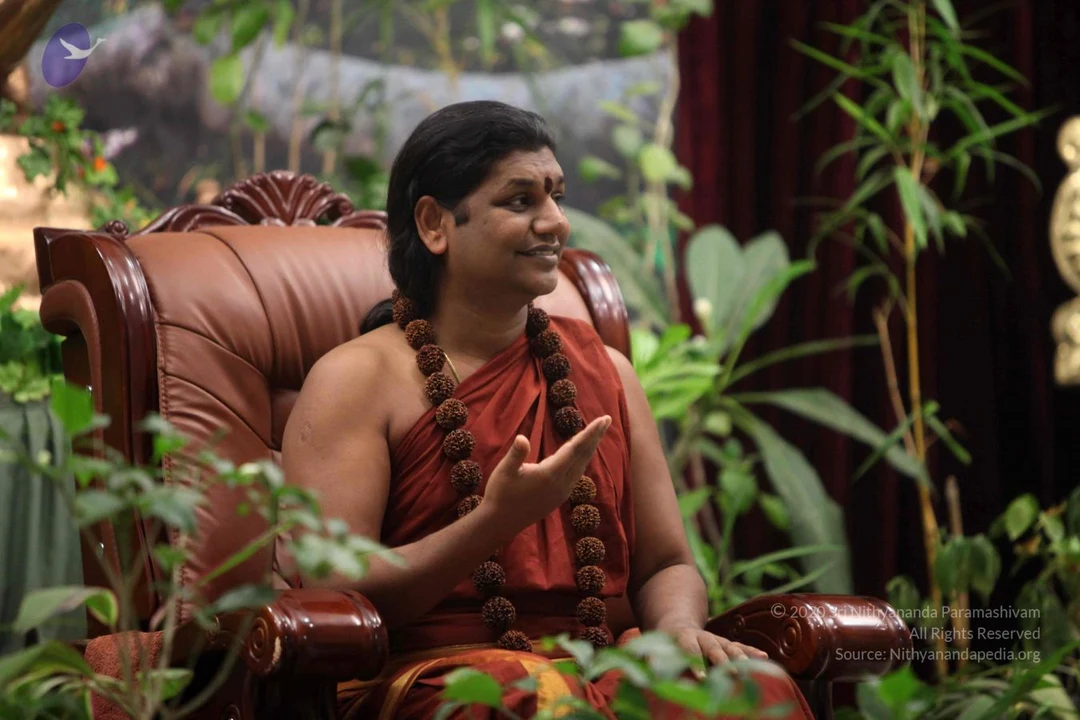
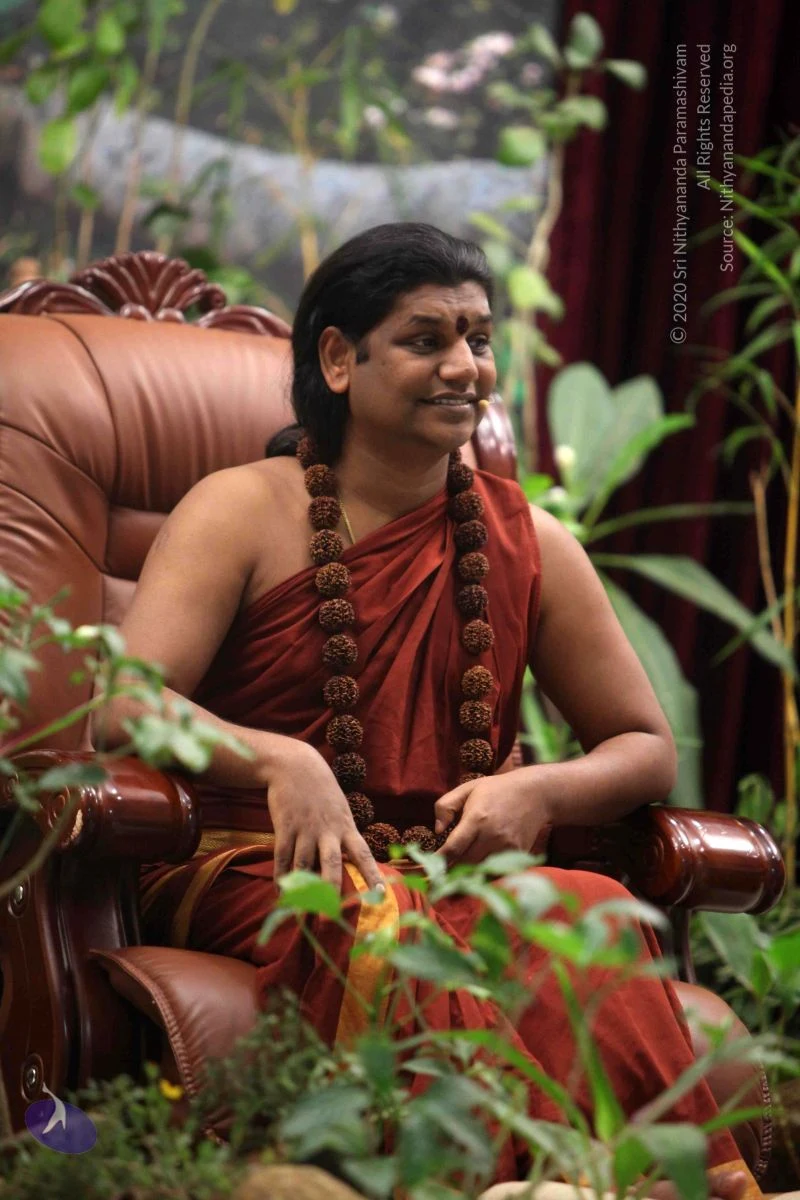
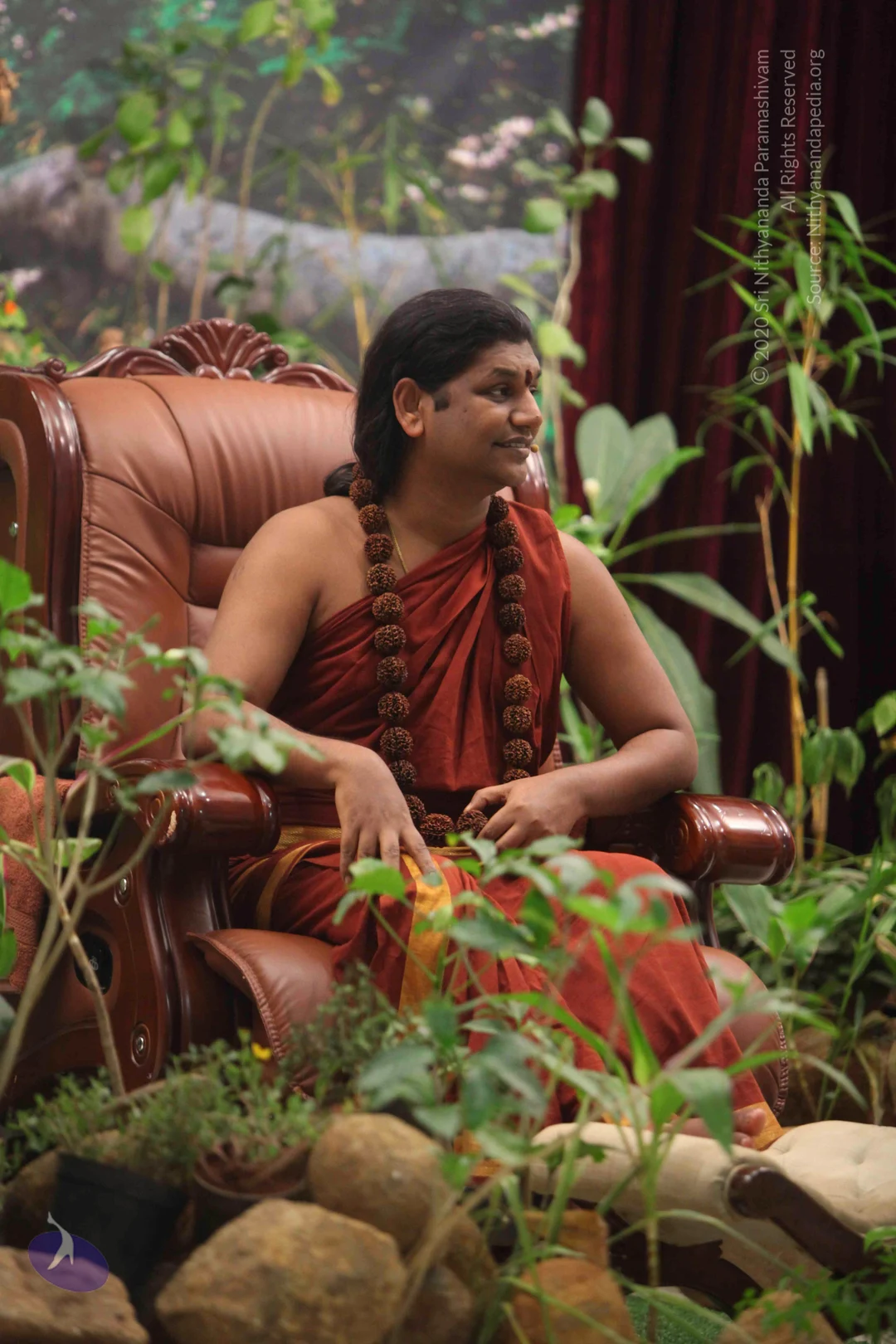
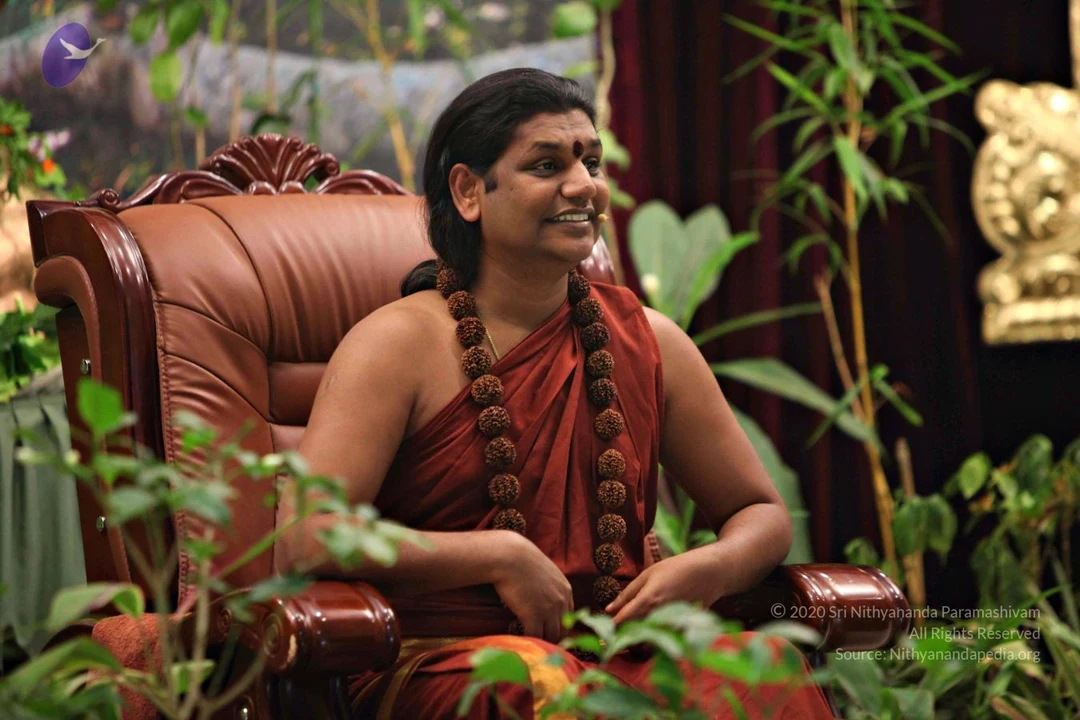
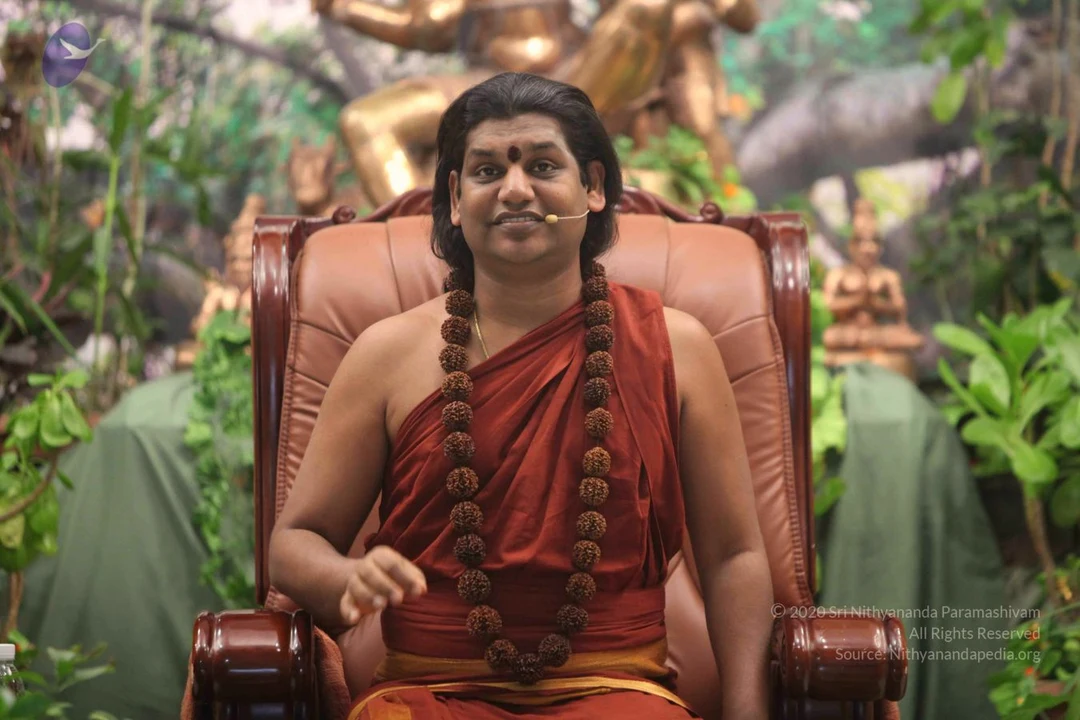
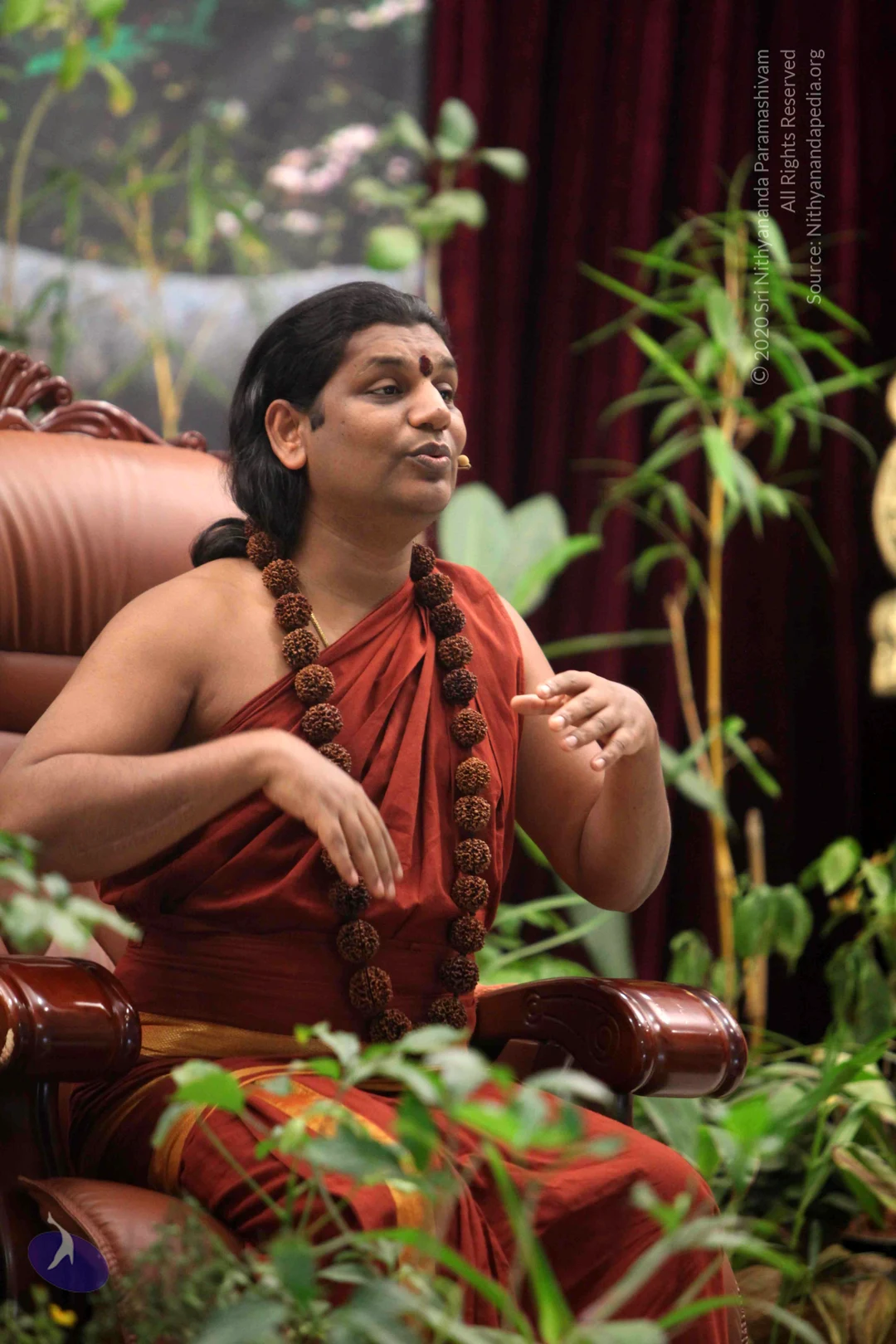
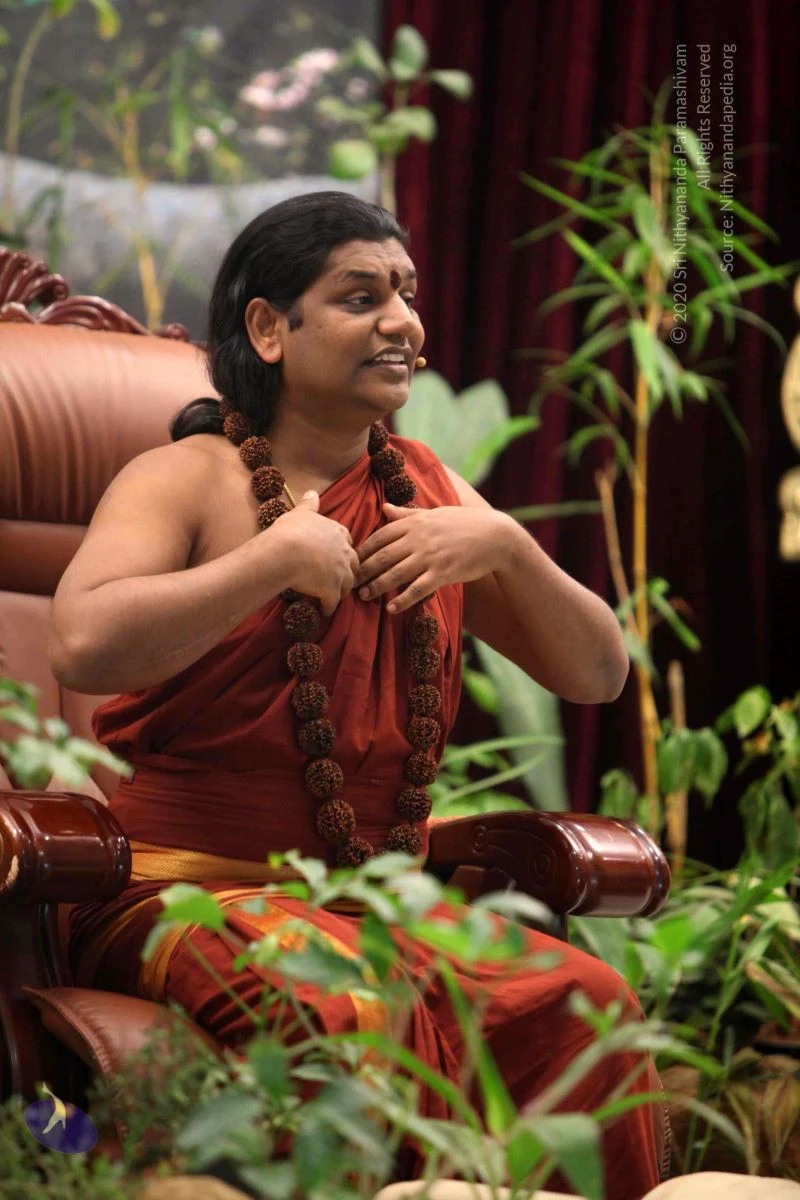
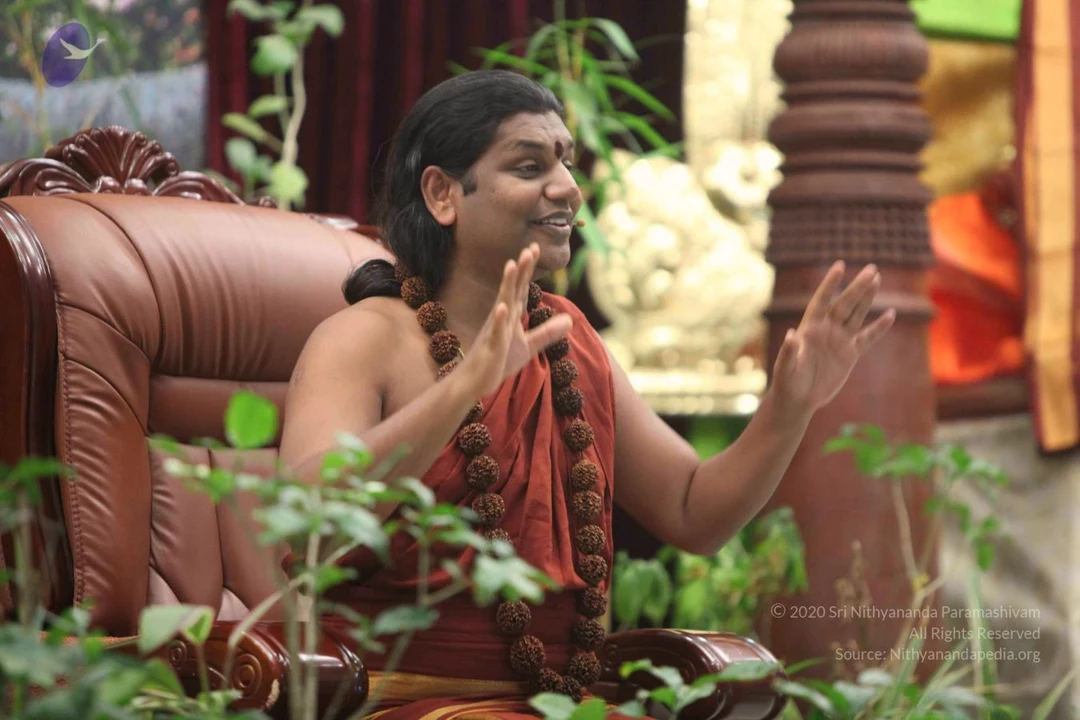
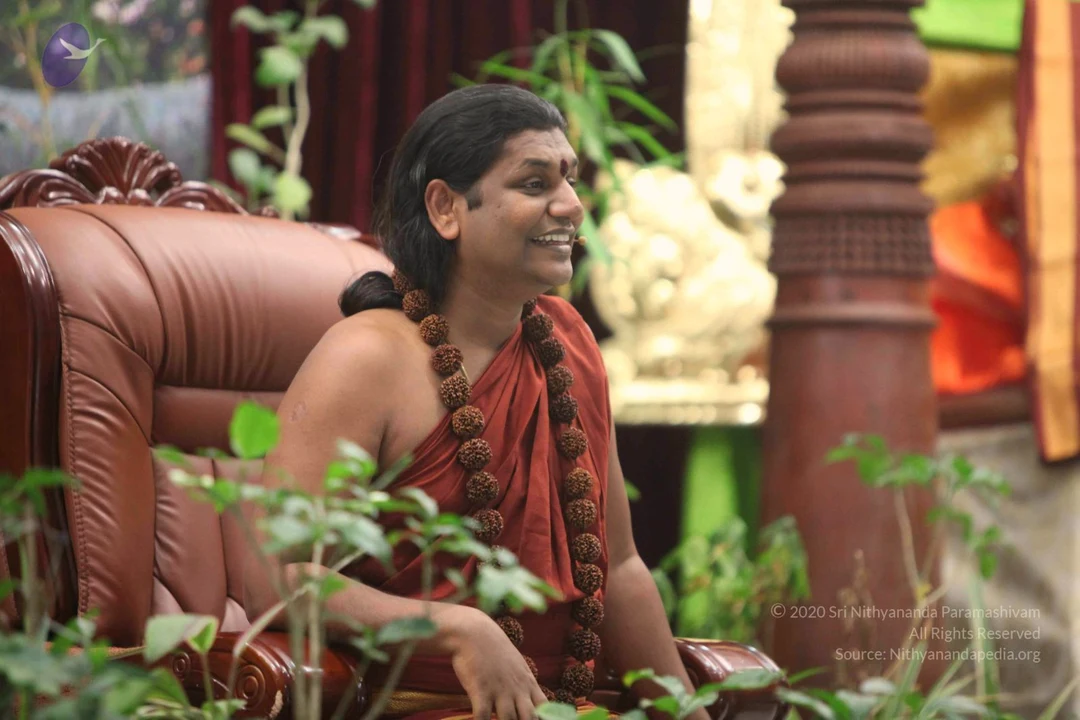
Link to Facebook Post
https://www.facebook.com/ParamahamsaNithyananda/photos/a.321615927926264/793033000784552
Tags:
Upanishads, Advaita, Isha Upanishad, Isha Upanishad Verse 3, Paramahamsa Nithyananda, Isha, Satsang, tapas, janmas, enlightened
FB-Photos-of-the-Day
Photos from this day
View all 107 photosInner Awakening Afternoon Session
8 photosSource gallery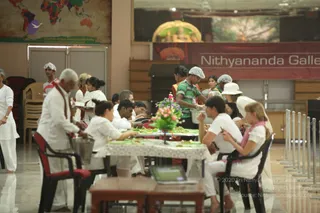
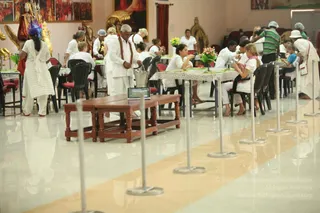
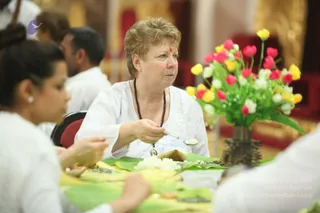
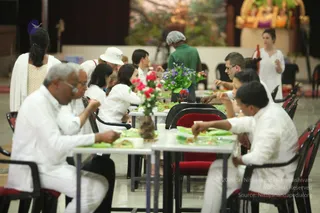
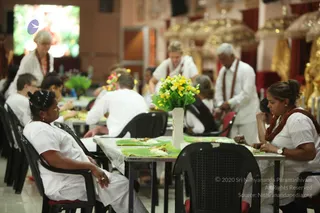
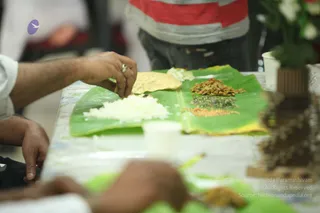
Inner Awakening Mirror Completion Session
28 photosSource gallery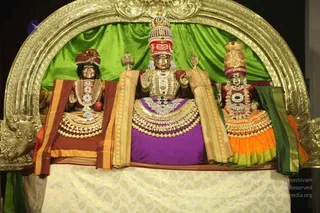
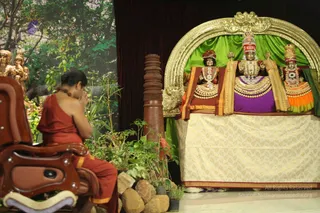
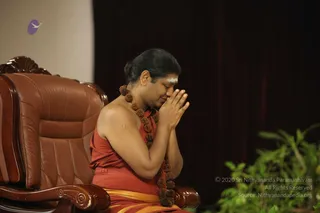
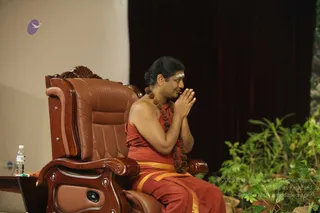
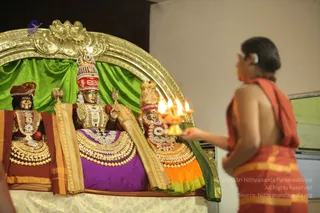
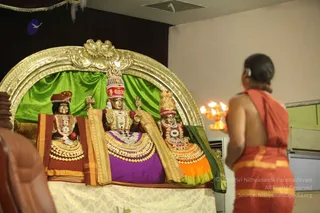
IA-Darshan
14 photosSource gallery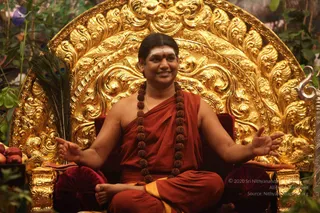
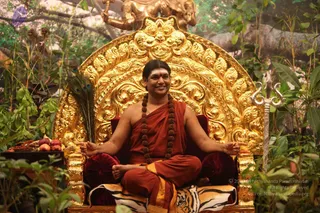
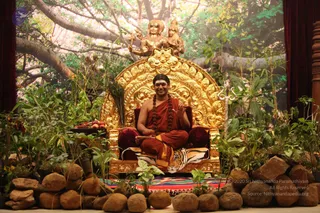
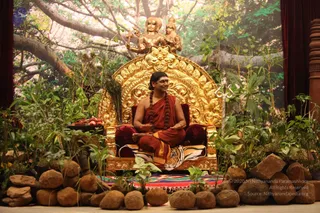
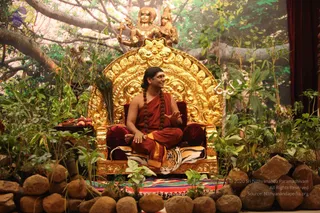
Kalpataru-Darshan
30 photosSource gallery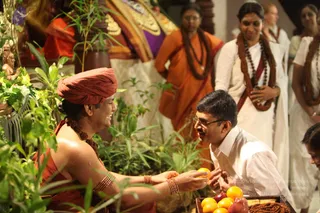
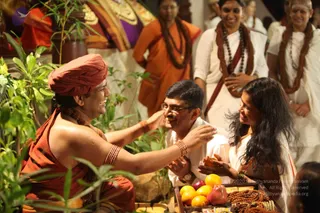
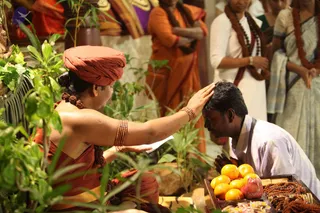
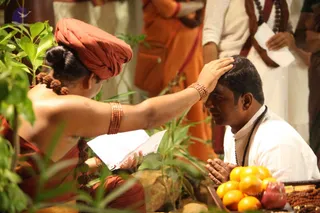
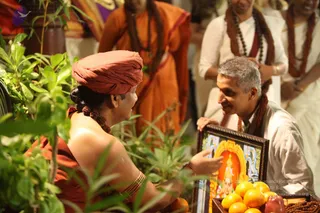
IA-Completion-Sharing-With-Others
27 photosSource gallery