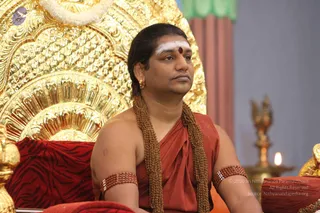
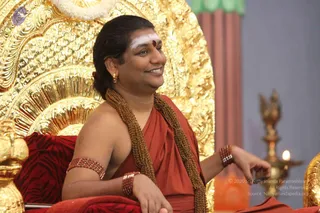
Wednesday
3 December 2014
- Dated photos
- 168
- Source pages
- 1
- Media
- 4
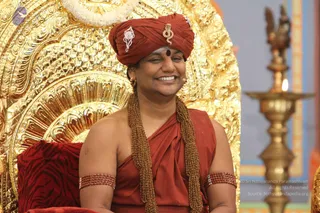
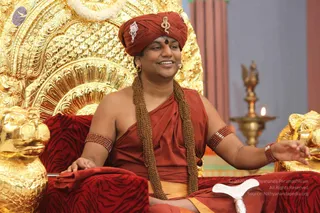
December 03 2014
Original wiki pageTitle
Power of Subjective Truth
Description
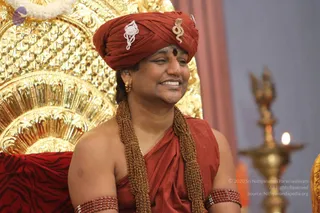
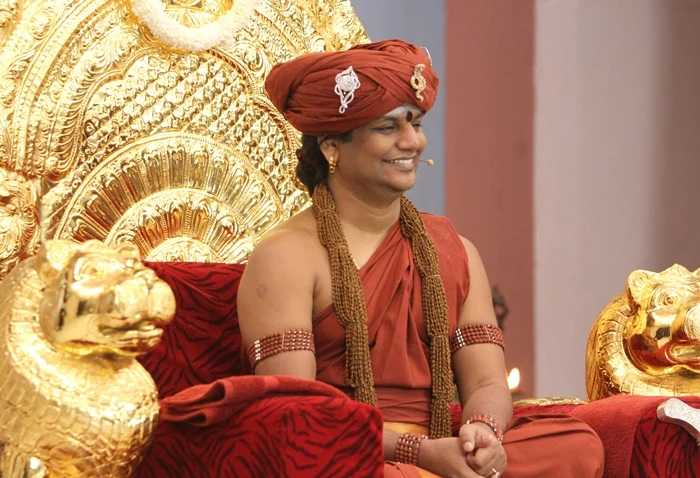
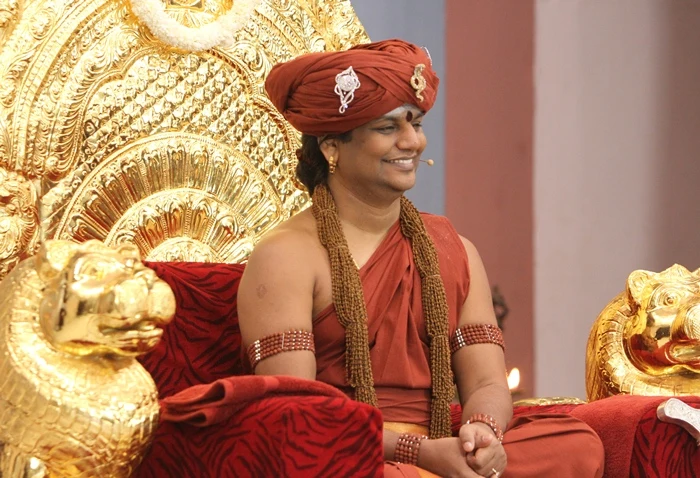
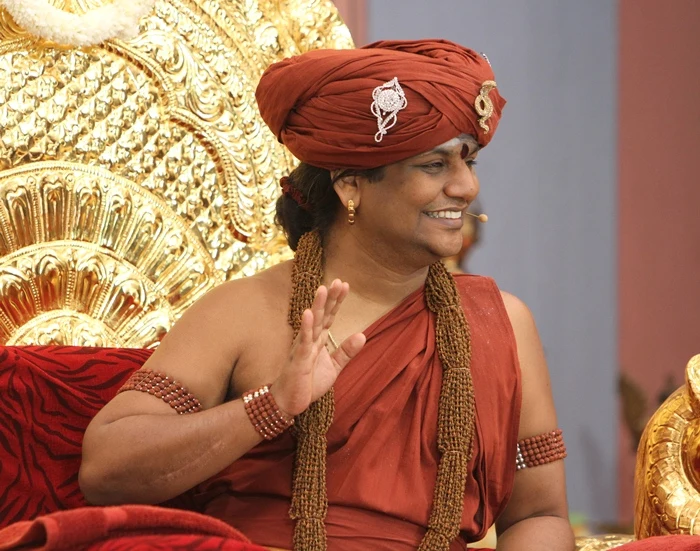
In today’s (03rd December, 2014) morning Satsang, Paramahamsa Nithyananda explains how in Sanatana Hindu Dharma, our subjective truth is encouraged to flower, allowing the power of possibilities to open inside of us. Even the Guru cannot interfere with what we feel our subjective truth is; they can only guide us and give us techniques to encourage our chosen truth to further evolve us.
| Video | Audio |
Transcript:
Nithyanandeshwara Samaarambhaam
Nithyanandeshwari Madhyamaam |
Asmath Aachaarya Paryanthaam
Vandhey Guru Paramparaam ||
I welcome all of you with my love and respects. I welcome all the devotees, disciples, samajis, satsanghis, Shrimahants, Mahants, Thanedars, Kotharis, sitting with us through Nithyananda TV, Sadhna TV, and two-way video-conferencing having Nayana Deeksha all over the world.
I welcome everyone who are sitting with us through the two-way video-conferencing having Nayana Deeksha.
The cities sitting with us in two-way video-conferencing having Nayana Deeksha: Simi Valley-California, Ohio-Prayag, Guadeloupe-Rameshwaram, Jorpati-Nepal, St. Louis-Tirumala, Oman-Sivagangai, Hong Kong-Sirkazhi, Colombo-Sri Lanka, Pattaya-Thailand, Nithyananda University-Paris, Houston-Kalahasthi, Tiruvannamalai, Dubai-Vaidyanatham, Hyderabad, Austin, New Jersey-Omkareshwar, Hyderabad-Gupta Kashi, Scottsdale, Toronto-Thiru Kailasam, Singapore East, San Jose-Madurai, Los Angeles-Arunachalam, Seattle-Chidambaram, Oklahoma-Somanatham, Houston-Kalahasthi, Los Angeles-Hollywood, Enriching Temple-Bidadi.....and some more cities.......
I welcome all of you with my love and respects.
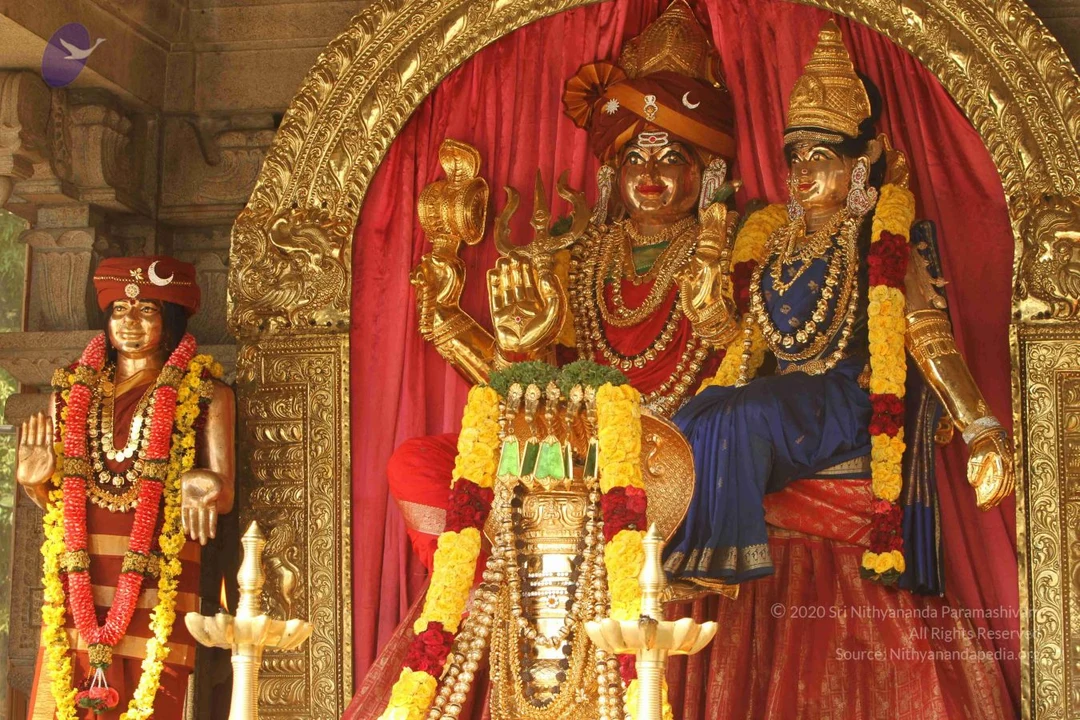
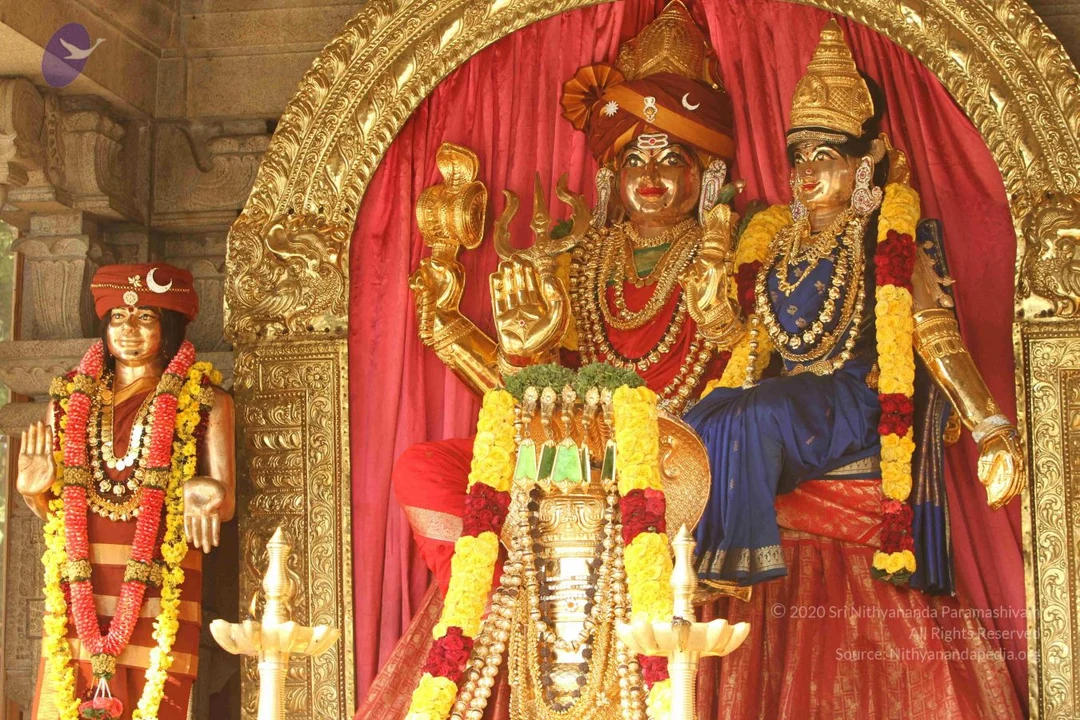
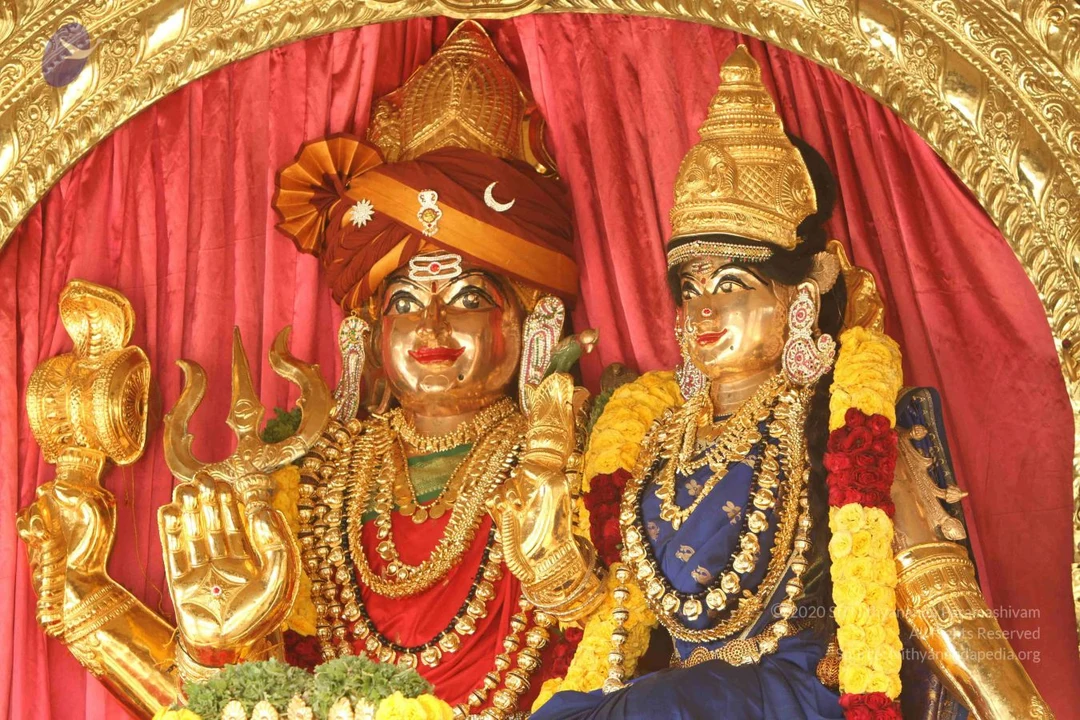
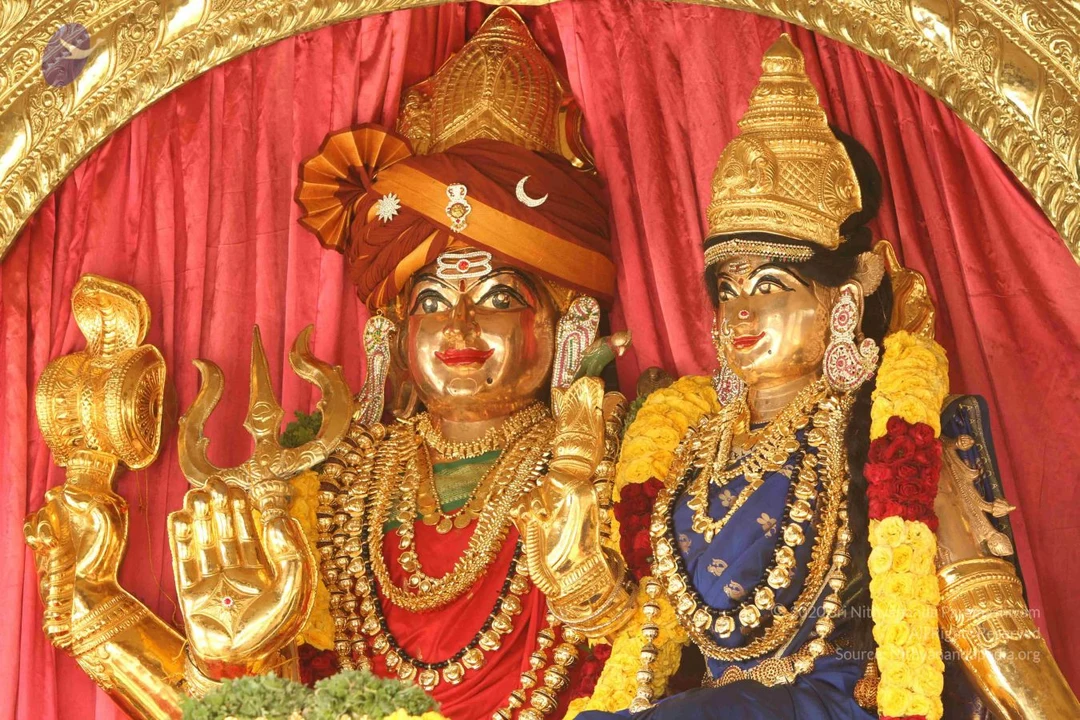
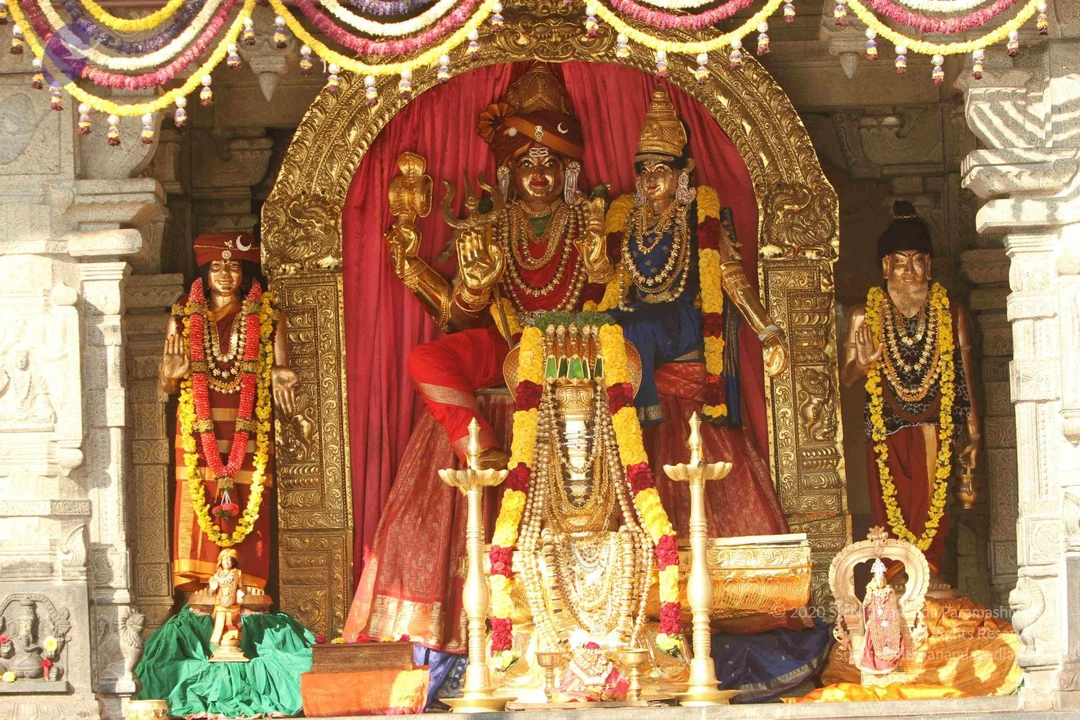
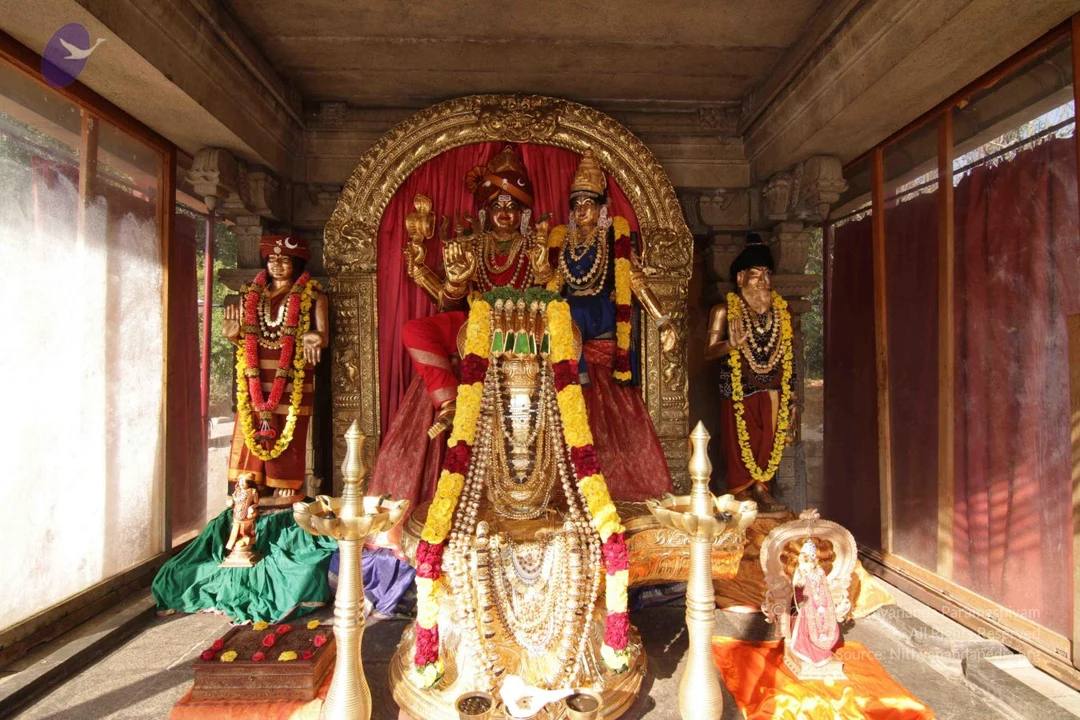
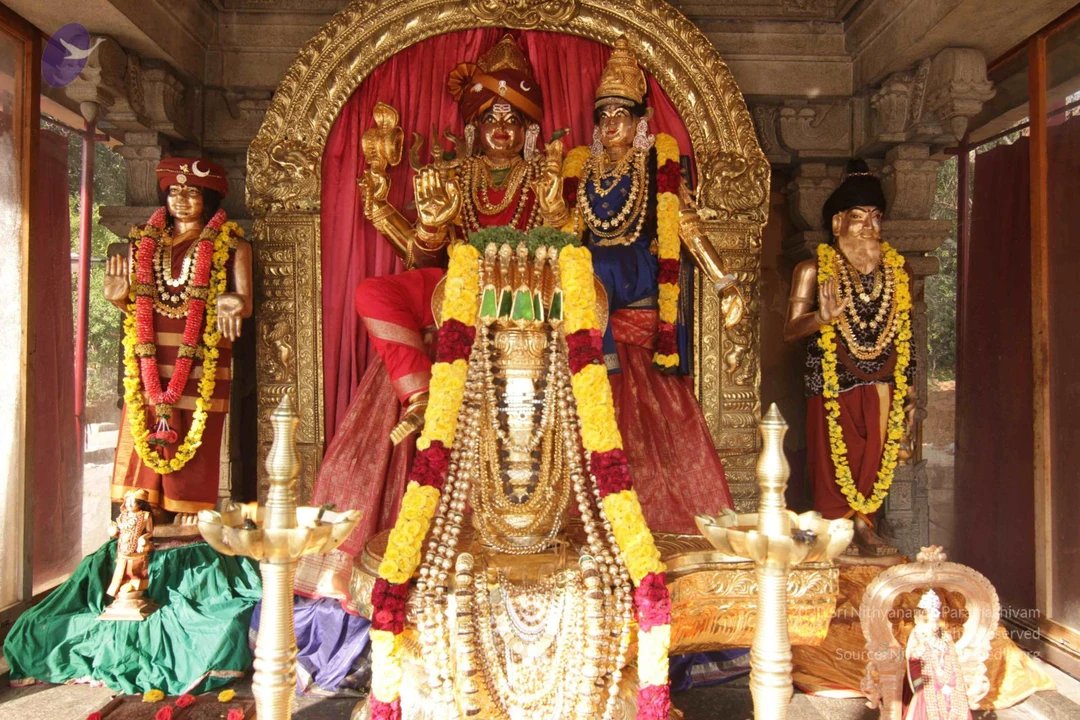
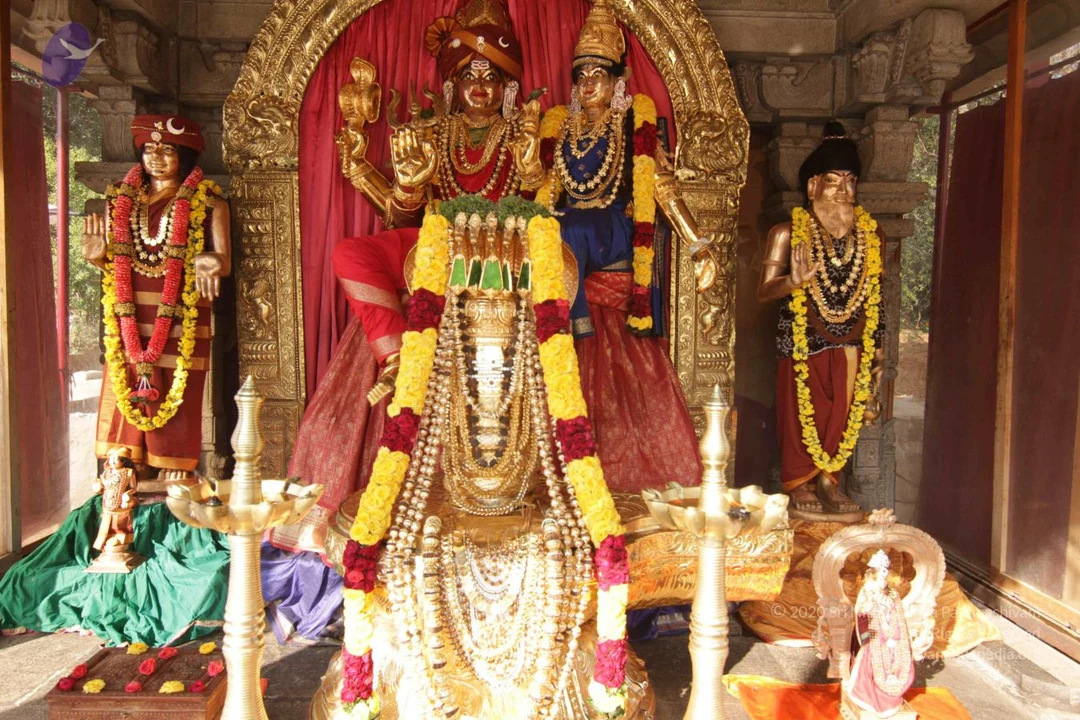
Today, eighth day of the Nithyanandeshwara Brahmotsavam! Mahadeva is gracing with Devi. Let us first receive his blessings.
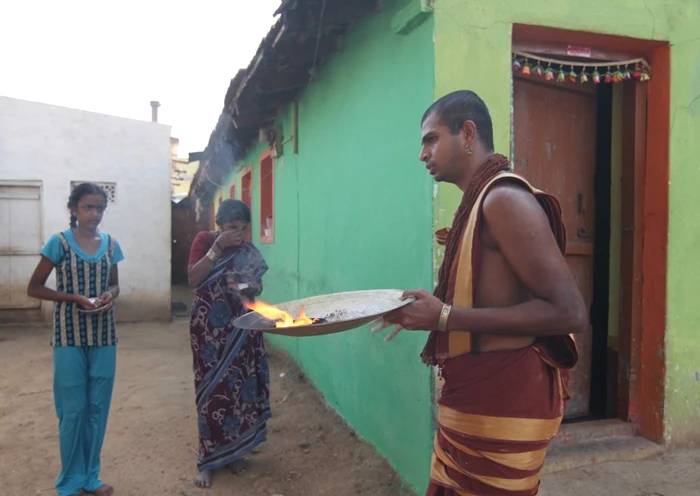
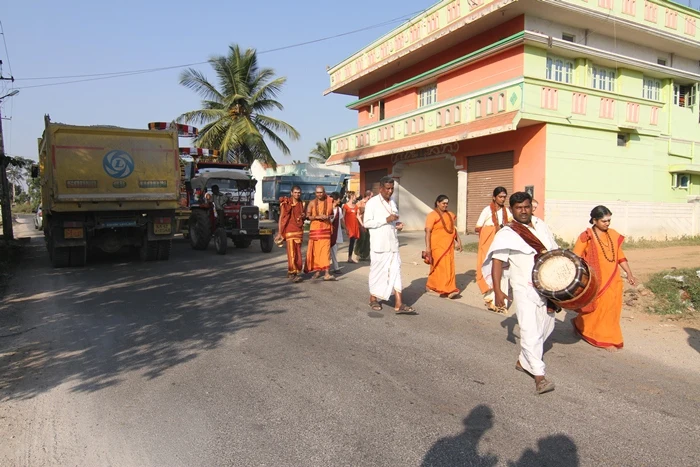
Today, eighth day of the Brahmotsava, where Mahadeva himself goes around for bhiksha, receiving bhiksha, and enriching the world with Shivoham experience. So, today, everyone in the Sangha, all SMKTs (Shrimahants, Mahants, Kotharis, Thanedars) should go for bhiksha at least twenty-one houses. And, all the Bidadi Mahants, Shrimahants, Kotharis, Thanedars, bhiksha, whatever you go round and bring bhiksha, we will all cook and eat together. I will make myself available.....at least little time for cooking with you guys and eating. So, may be all you guys have to go in the morning itself......or have morning breakfast and go in the noon and bring. Whatever you bring, in the night we can all cook and eat. So, we will celebrate the Bhikshadana Utsava, Mahadeva going around and having bhiksha.
Alright! I have decided, today I myself going to go for bhiksha! I am going to go out and receive bhiksha and bless people. And I request all the Shrimahants, Mahants, Thanedars, Kotharis to go round and have bhiksha at least from twenty-one places, and bring it, cook, and offer to Mahadeva, and share it as naivedhyam, teamily dinner, with all the devotees, SMKT.
So, let us celebrate the Mahadeva’s Bhikshadana Utsava.
And, day-after-tomorrow, 5th December, Mahadeepam! So, all centres all over the world, light the lamp in the night top of a nearby hill in your country, in adherence to the legalities of your country. Some country it is allowed. So, based on the legalities of your country, you can light Mahadeepam in your local area.
So, I will continue on ‘SHIVOHAM’.
Shivoham! Shivoham! Shivoham!
The word ‘Subjective Truth’, when the world knows to respect the Subjective Truth, this becomes a place to live. When world learns to encourage others’ Subjective Truth, this becomes heaven! The most unique point of Sanatana Hindu Dharma: Everyone’s Subjective Truth is encouraged. Everyone’s Subjective Truth is enriched. Everyone is asked to live the Subjective Truth. Of course, hypocrisy is never allowed. Hypocrisies were weeded out. But, never the freedom to interfere in the Subjective Truth was given; even to Guru! Understand, even I do not have right to interfere or demolish your Subjective Truth! If you feel oneness with Mahadeva, Shivoham is your Subjective Truth, I have no right to disrespect it. I have right only to initiate you. I don’t have right to interfere.
For example, if you suddenly say, ‘I am Mahadeva! From today I am going to keep Trishula and Kapaala (Trident and Skull), and I am going to eat only in the Kapaala and Trishula!’, I have no right to interfere. ‘From today I am going to live like Mahadeva!’, I have no right to interfere. I have only the right to explain if there is some hypocrisy. If there is some hypocrisy .... For example, if you say, ‘No, I am not going to do any work like Mahadeva!’, then, if you are joyful like Mahadeva, no problem; you don’t need to work. Your very joy will enrich the world. But if you are hypocritical, ‘Only when it comes to work I will be like Mahadeva. I will not do anything. And whole day I will be lying and sleeping.’, then I have the right to expose your hypocrisy to you. But I don’t have a right to interfere in your Subjective Truth. I cannot say, ‘No, no, no, you are not Mahadeva! You are a servant of Mahadeva, or son of Mahadeva, disciple of Mahadeva!’ I have no right, understand? Even Guru has no right to interfere in your Subjective Truth in our Hindu tradition. The only right denied to the Guru is interfering with the Subjective Truth.
Ramanuja’s Guru was an Advaithi, great Advaithi; but he did not have legitimate right, dharmic authority to interfere with the Visishtadvaitha, Subjective Reality of Ramanuja. Ramanuja’s Guru was a great Advaithi; but he did not have the right, dharmic right to interfere with the Subjective Reality of Ramanuja which is Visishtadvaitha.
And Govindapada (Adi Shankara’s Guru), Gaudapada (Govindapada’s Guru), they are such great Advaithis; they did not have legitimate right to interfere with the devotion, Subjective Reality of Adi Shankara. He sang so many amazing verses on devotion! Shankara is a great Advaithi, no doubt; but, whenever he want to experience the Subjective Reality of devotion – Dvaitha, Visishtadvaitha – Gaudapada and Govindapada, could not interfere.
I tell you, whether it is your Duality (Dvaitha) or Non-Duality (Advaitha), or Visishtadvaitha, Advaitha, I have a right, Guru has a right only to expose your hypocrisy, inauthenticity, to you; but, even Guru does not have a right to interfere in your Subjective Reality.
There are tons and tons of evidences. Chaitanya was initiated in the Advaitha Sampradhaya. He belongs to Puri Sampradhaya. His Sannyas name was ‘Chaitanya Puri’. But, his Advaithic Guru was not able to interfere into the Subjective Reality of Chaitanya....into the Subjective Reality of Chaitanya. Not possible!
Understand, with all the integrity and authenticity, and lot of joy, I am telling you, I am born in the tradition which respects everyone’s Subjective Reality, Subjective Truth. I am so happy this tradition not only allows, encourages everyone’s Subjective Truth to become reality. See, the Subjective Truth is like a small lamp. When it is growing, growing, there is a possibility you can just blow and put it off. That blowing is stupid, fanatic preachings. (Swamiji blows in the air) Poof! Nothing else exists! Over! And the Subjective Truth will be put off; the fellow is spiritually dead.
I tell you, how declaring bankruptcy means ‘economically dead’, same way we say ‘socially dead’, ‘politically dead’, ‘career-wise dead’. Like that, if somebody’s Subjective Truth is put off, he is ‘spiritually dead’. I am so happy, Sanatana Dharma, in Sanatana Hindu Dharma, we never put off a Subjective Truth, and we also encourage everyone to evolve, evolve, evolve in their Subjective Truth and make it into Objective Reality. We only give them the science: ‘Hey! Do this Pranayama. Do this Kriya. Do this understanding. Do this Homa. Do this Puja. Do this ritual. Do this Japa. Use all this and open up your Subjective Reality.’
This science can be used whether you are a Vaishnavite, Shaivite, Hindu, Shaktha. And if you don’t like any of these things, you can create your own: one god with elephant face, lion tail, and big wings like a bird, you can create all that and give your own name! We have no problem! If you like any one god which is available in pantheon of Hindu gods, choose one if it matches with your Subjective Reality, Subjective Truth. If nothing matches, create your own; no one will question you. If your name is ‘Sangimangi, you can give the name Sangimanginatha to your god; we have no problem. And build a temple; your disciples will worship it!
No, please understand, we are all laughing or smiling in a superficial way because we have been infected by the stupid Macaulay’s logic. But, you need to know how vital and important this freedom is for the real spiritual growth and understanding the truths of the Cosmos. Only if you have been beaten, abused by fanatic religions, you will understand the value of this freedom. You guys took it for granted. I tell you, we, Sanatana Hindu Dharmis never bothered about political freedom; we always bothered about our Subjective Reality freedom, freedom to live, practice our Subjective Truth. That is why I am telling you, all religions came and lived with us, they also learned Subjective Truth. Look around! We never bothered about political freedom. And with all the pride, I want to tell you guys, we only bothered, cared about freedom to practice our Subjective Truth.
Yesterday, I was seeing a small video clip of the Arunachaleshwara’s Brahmotsavam, the whole ‘rathothsavam’. And, to one of my Mahant I was explaining how all this works out, happens. I was just feeling, ‘What a beautiful people! What a great country! Such large gathering, one billion people gather to celebrate the presence of Mahadeva and dispersed without a single crime!’ People are never allowed to gather publicly for any purpose, because of the fear of riot or violence, or some ideas getting instigated. So, many of these ideological spreading has to happen in social media, because, physically you are not allowed to gather. But, see this greatest country, in every village, lakhs of people gather, celebrate and disperse without a single crime! I bow down to this great Bharat which respected, respecting, will ever respect the freedom to live, cherish, enjoy the Subjective Truth.
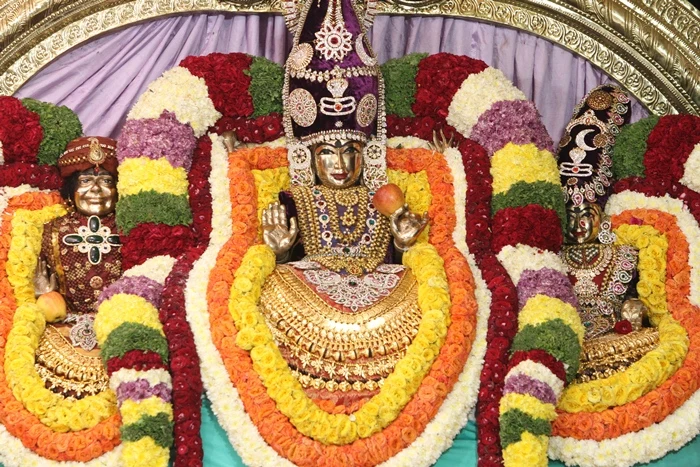
If you feel Mahadeva is your Subjective Reality, Truth, great! But if you feel there are some qualities from Vishnu also is great and you wanted that qualities also as part of your Subjective Truth, no problem! Immediately Hinduism gives you the solution: Make “Shankaranarayana” – half-Vishnu, half-Shiva! And he is your Subjective Truth. Celebrate! ‘Shankaranarayanoham!’ No one will question you. Everyone will encourage you. And the science is available: ‘Do this Pranayama. Do this Kriya. Do this Puja. Do this Japa. You will experience Shankaranarayana!’ Not just as your Subjective Truth, you will experience him in reality! And ‘Thathaasthu’ from all of us! And if you feel ‘Hmmmm....I think even that doesn’t seem to be complete, I think some qualities of Devi also I wanted to add.’, come on, then put all three together and.....Venkateshwara! The matted lock of Mahadeva, and the Shankha-Chakra of Vishnu, and the long hanging hair and the aabharanas of Devi! Come on, have Venkateshwara now! The possibilities were never snubbed in the bud level. Only hypocrisy, if there was an inauthenticity and hypocrisy, it was exposed to you; but, always possibilities were encouraged.
I wanted all our temples to have pantheon of gods. That means, we encourage all possibility; we encourage, we stand for supporting your Subjective Truth. No question of denying any possibility, understand. That is the beauty of Sanatana Hindu Dharma. And I wanted, even though we belong to Shaiva Sampradhaya and we practice Shaiva Sampradhaya, all our temples, our organization, stands for ‘No question of denying any possibility. We encourage and enrich all possibility.’ So, all our temples should not stop with just having Mahadeva, Devi, and my murthy; it should provide pantheon of gods as much as possible. This is the statement we make, saying, ‘We encourage and enrich all possibilities. We encourage and enrich all possibilities.’ That is why I wanted even our libraries to have all beautiful Puranas of Hindu tradition. Some are contradicting each other. Don’t bother! Devi Bhagawatham says all Dashavatharas came out of nail of Devi. Vishnu Purana says, Devi herself is just Vishnu maaya. No problem. If that clicks with you, that is your Subjective Truth, if this clicks with you, this is your Subjective Truth. Work on your Subjective Truth; you will realize the Objective Reality; that’s all! This beautiful way of not denying the Subjective Truth, not denying the Subjective Truth, understand, that is one of the greatest quality of Sanatana Hindu Dharma, because we know the power of Subjective Truth.
Understand, in Varanasi there was a great saint called Ramadasa. He meditated Mahadeva in the form of a buffalo and realized! Mahadeva gave him darshan in the form of a buffalo! The power of Subjective Truth!
Do not try to generalize and franchise. At least, in spiritual reality, do not try to generalize and franchise.
Subjective Truth should be encouraged and enriched. Monastery is a place where the Subjective Truth is encouraged, enriched, and made to flower. For example, in the society, people may just destroy your Subjective Truth when it is blossoming. But, in a monastery, where you are protected, guided, slowly the Subjective Truth is made to blossom, where you are encouraged to live, radiate, cherish the Subjective Truth.
Strengthen the Subjective Truth you are carrying – Shivoham – more and more and more. Open up the possibilities more and more and more.
I bless you all - radiate the reality, ‘Shivoham’!
With this, I bless you all! Let’s all radiate with Integrity, Authenticity, Responsibility, Enriching, and Causing eternal bliss, Nithyananda! Thank you!
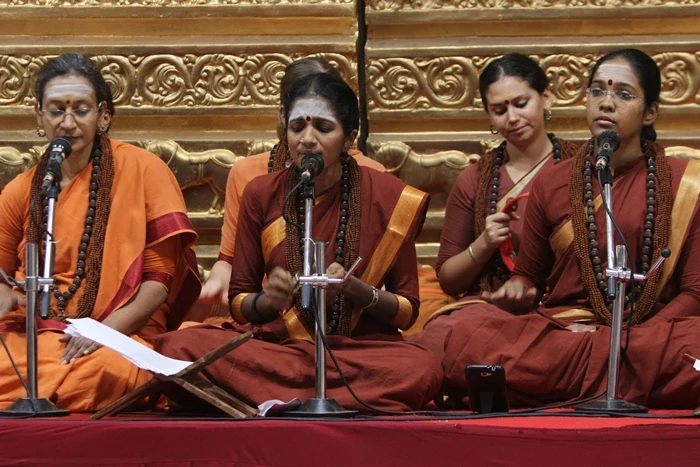
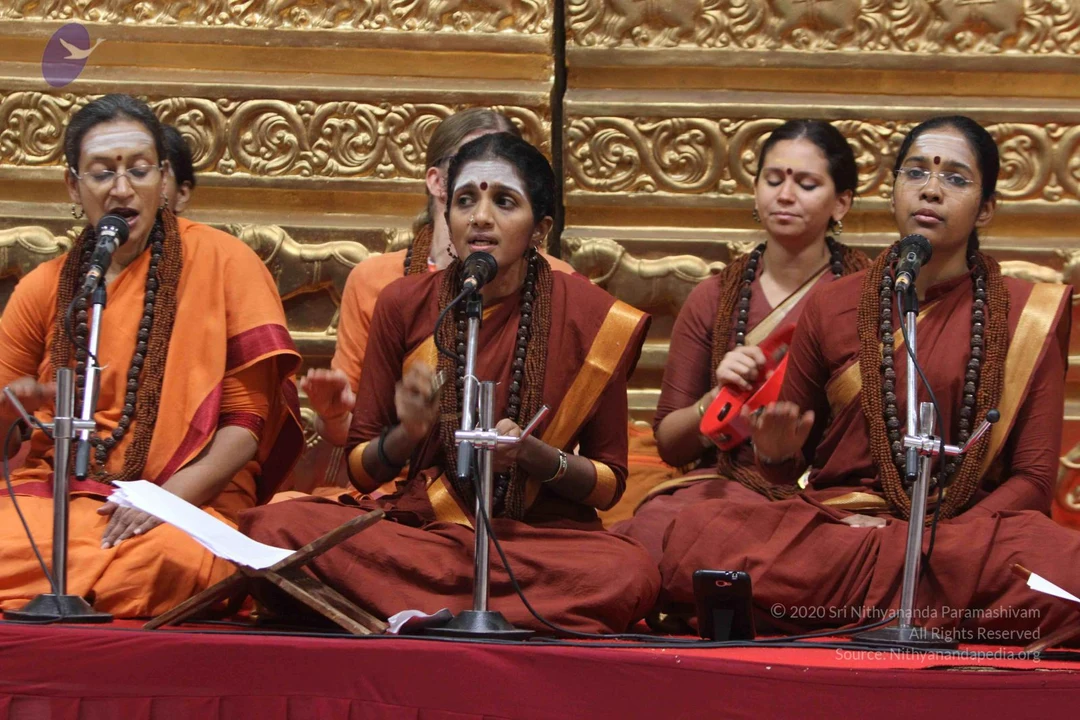
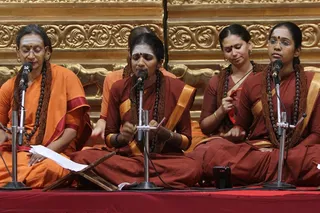
Nithya Kirtan:
Hey Shiva Sankara Namami
Bhrama Murai Surachitha Lingam
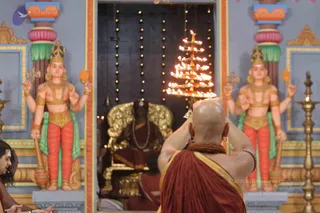
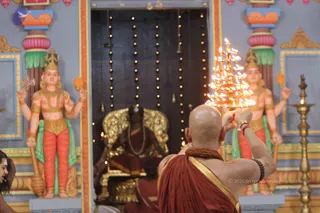
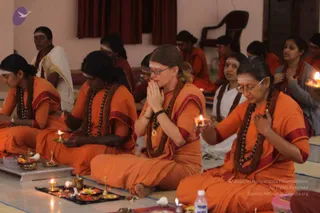
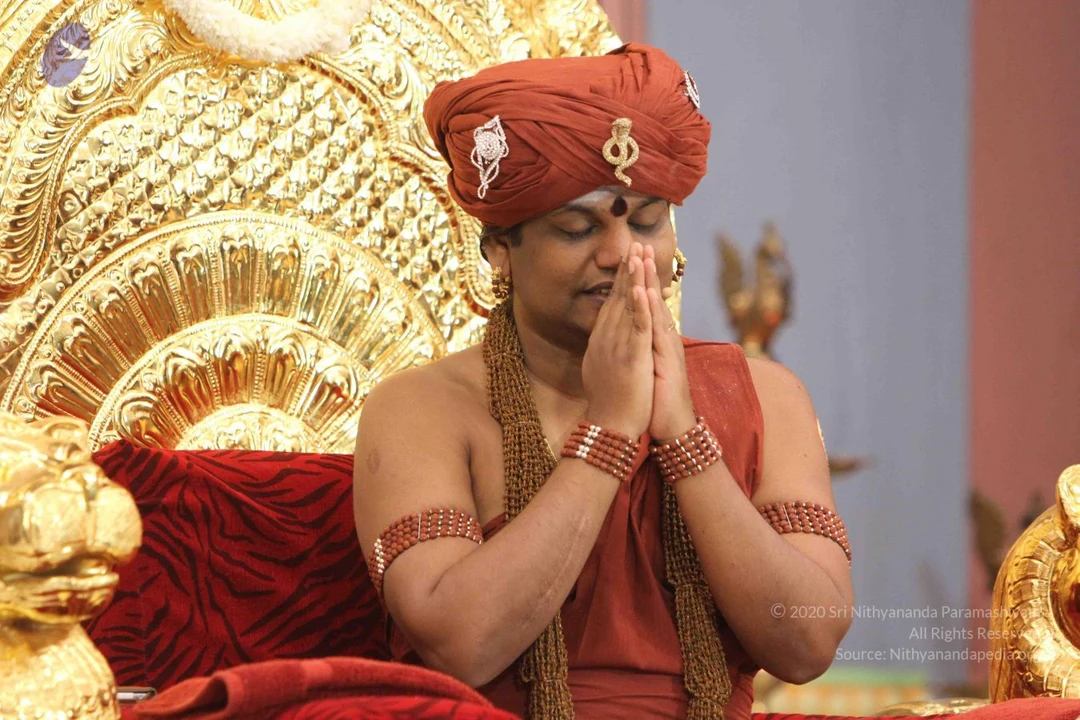
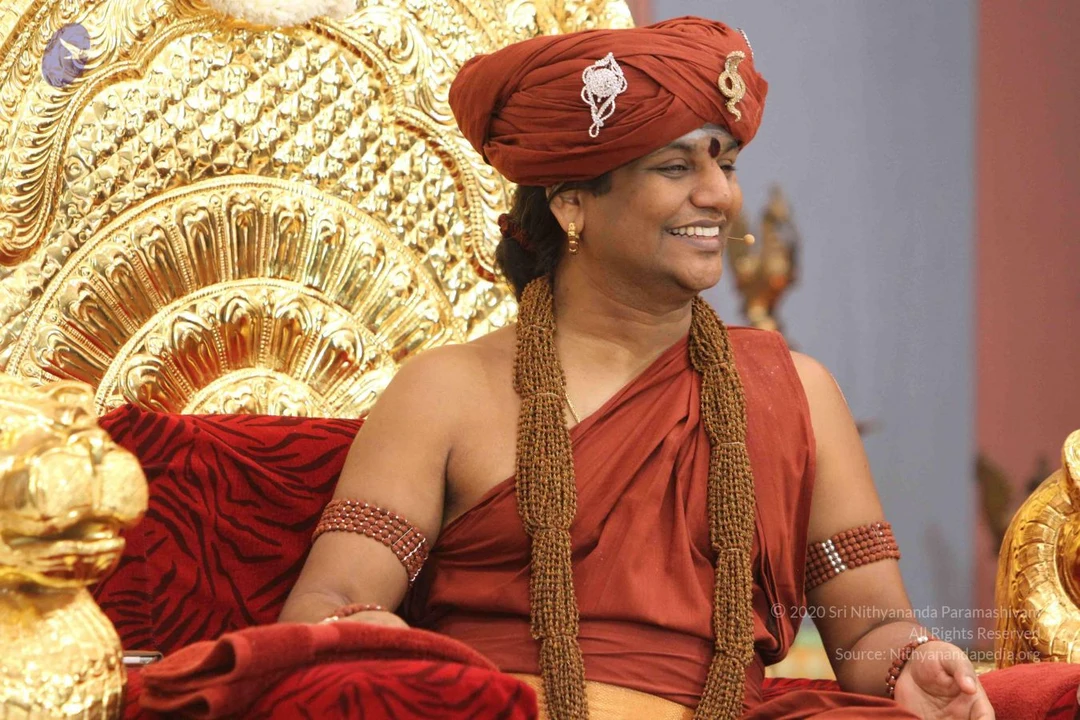
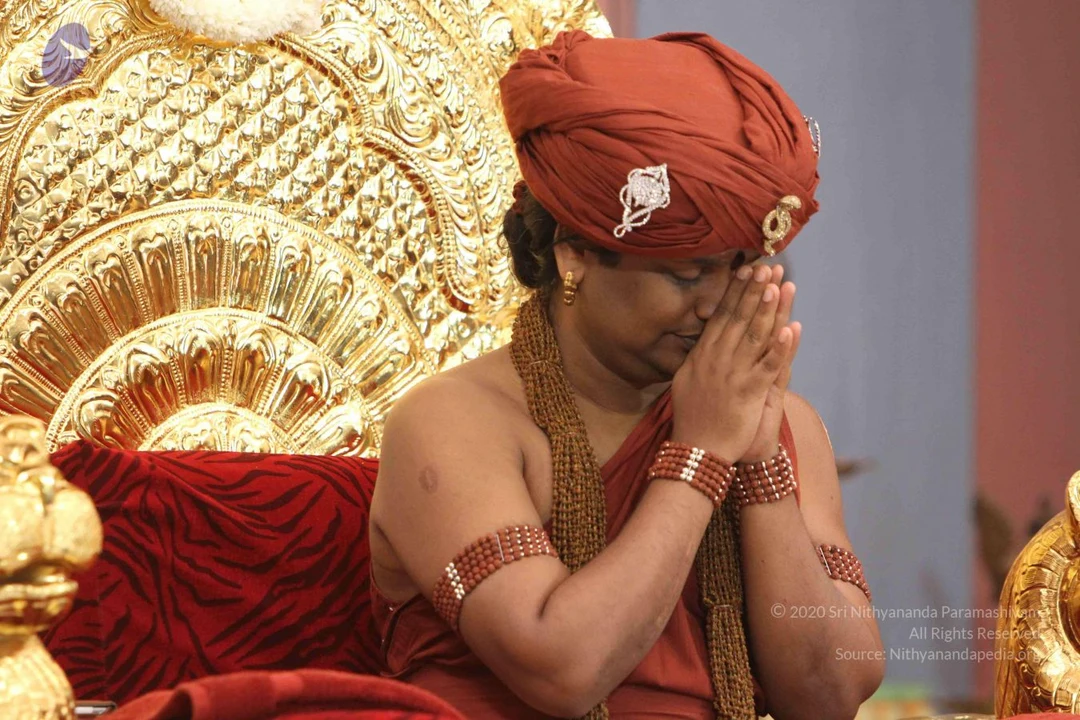
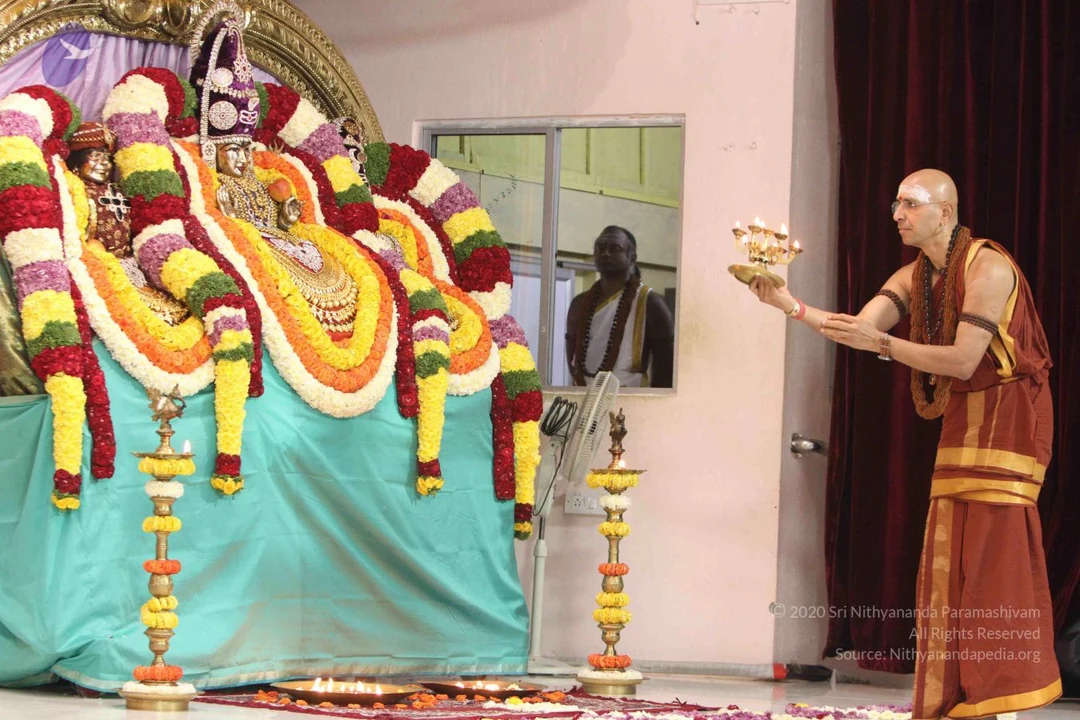
Photos From The Day:
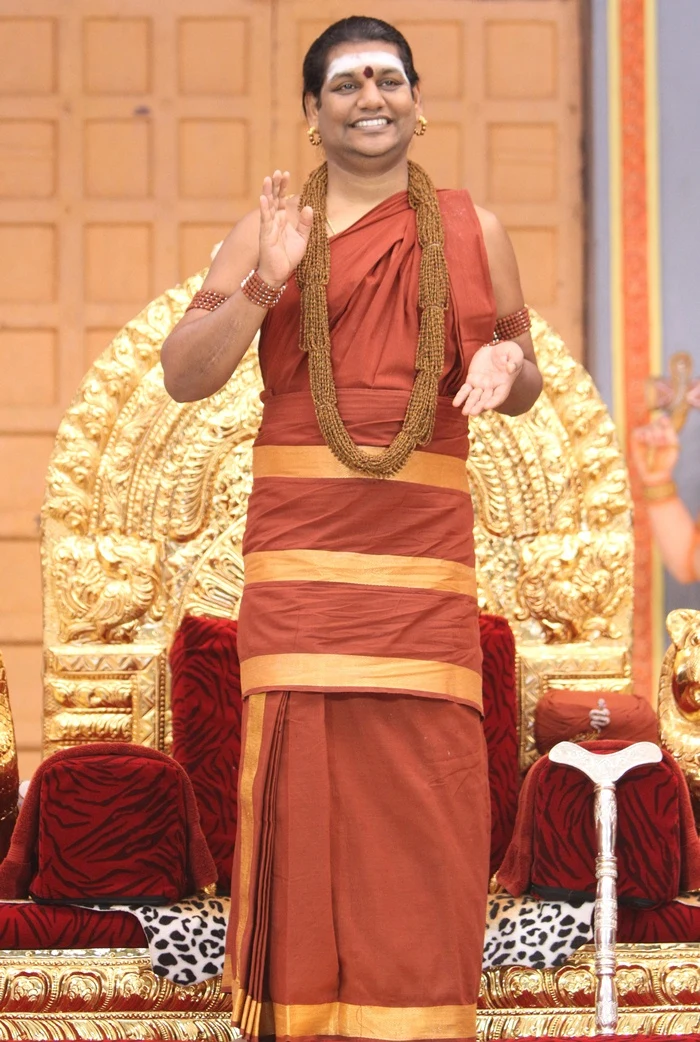
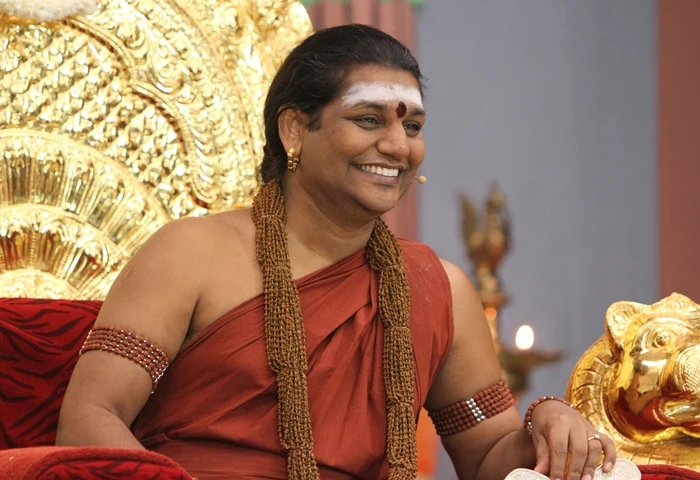
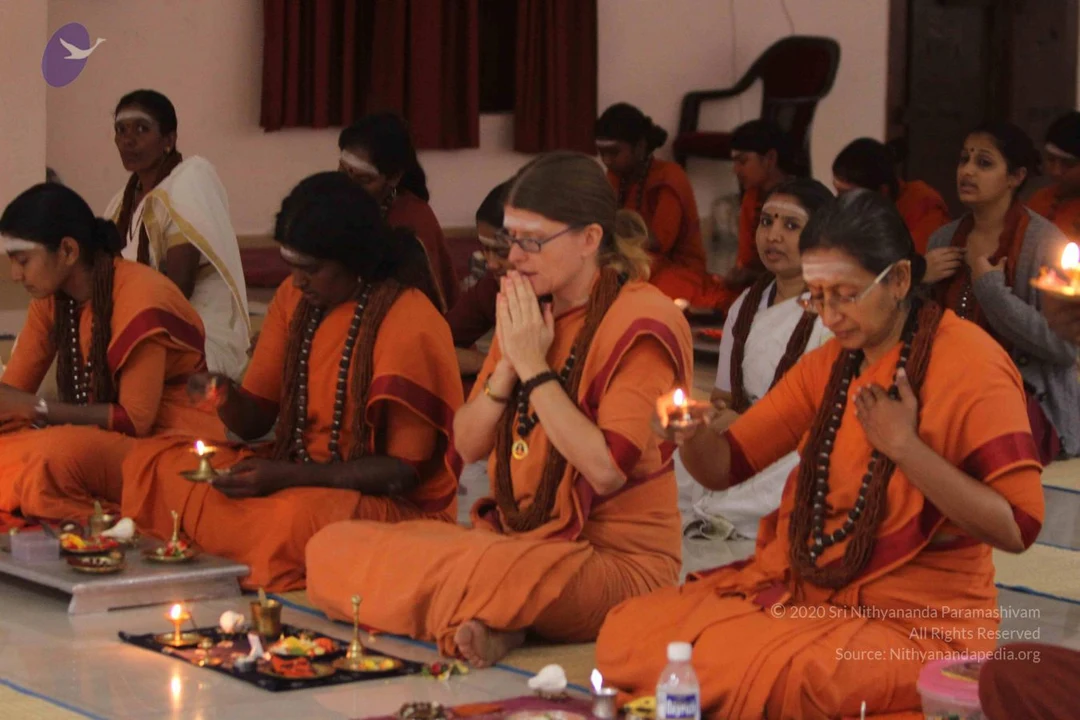
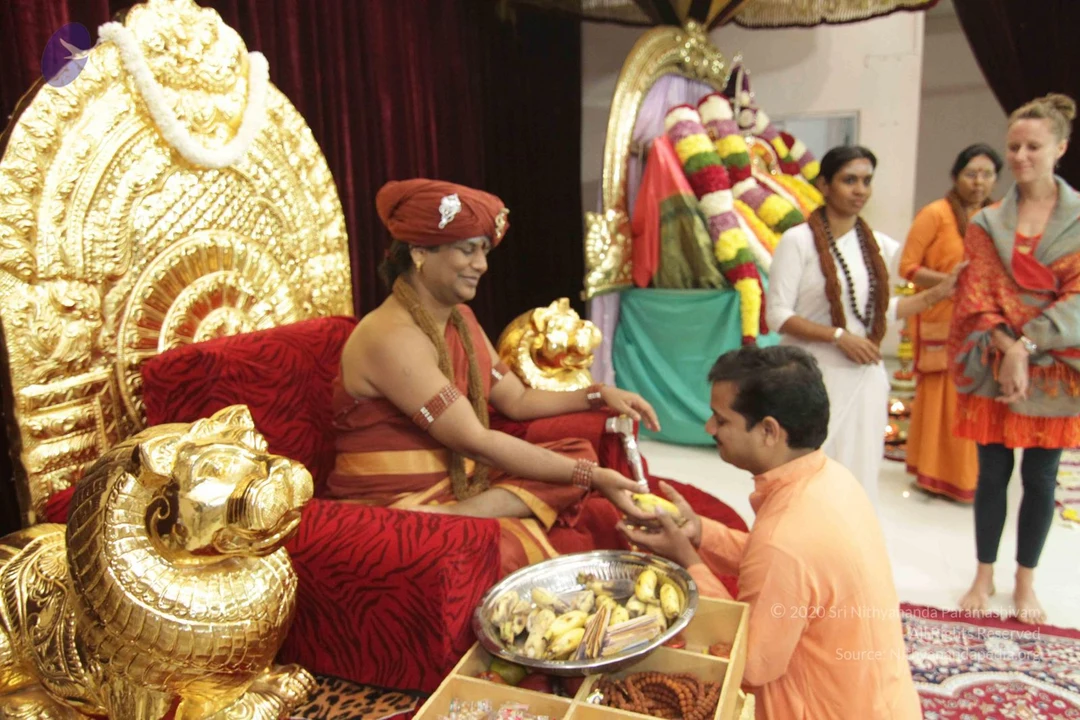
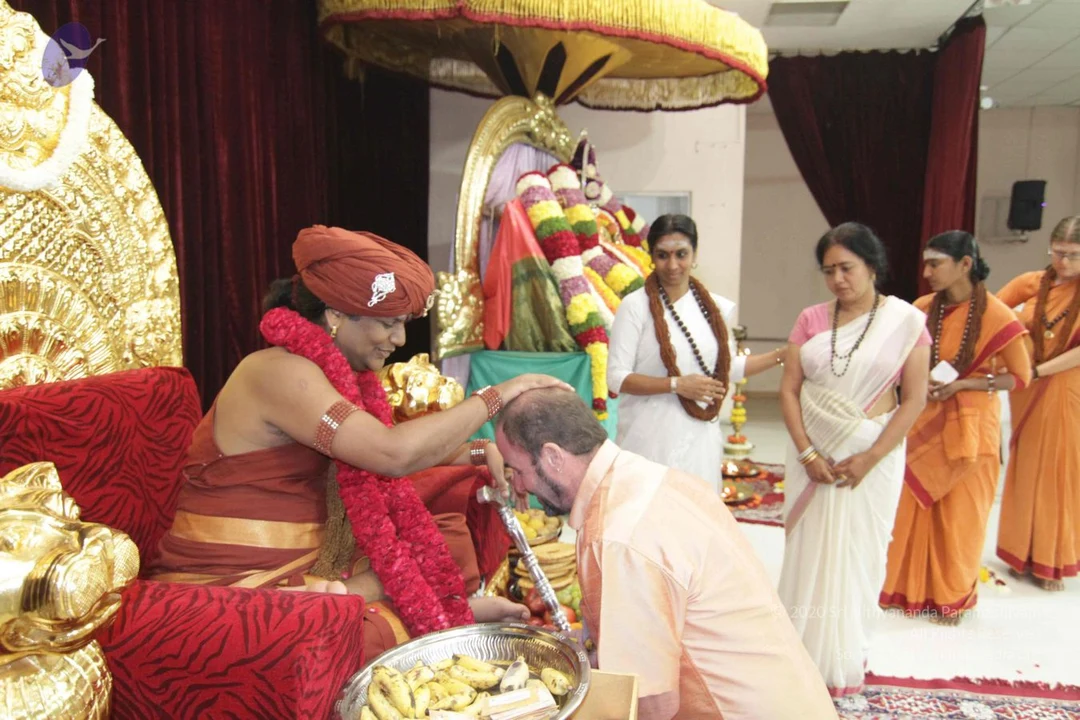
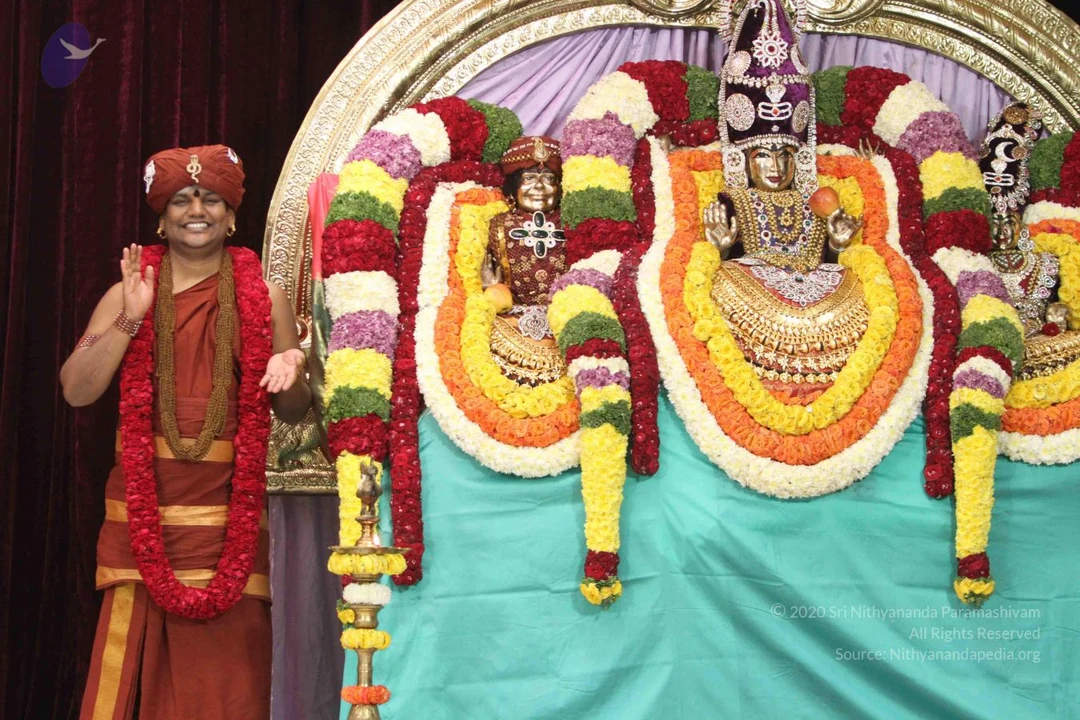
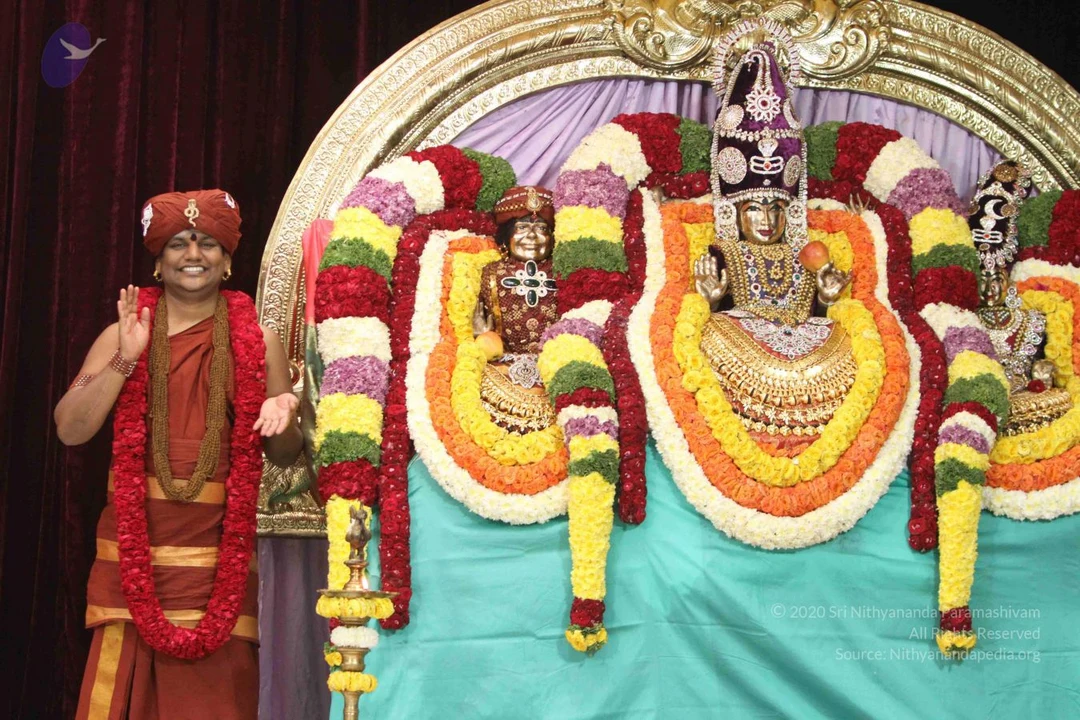
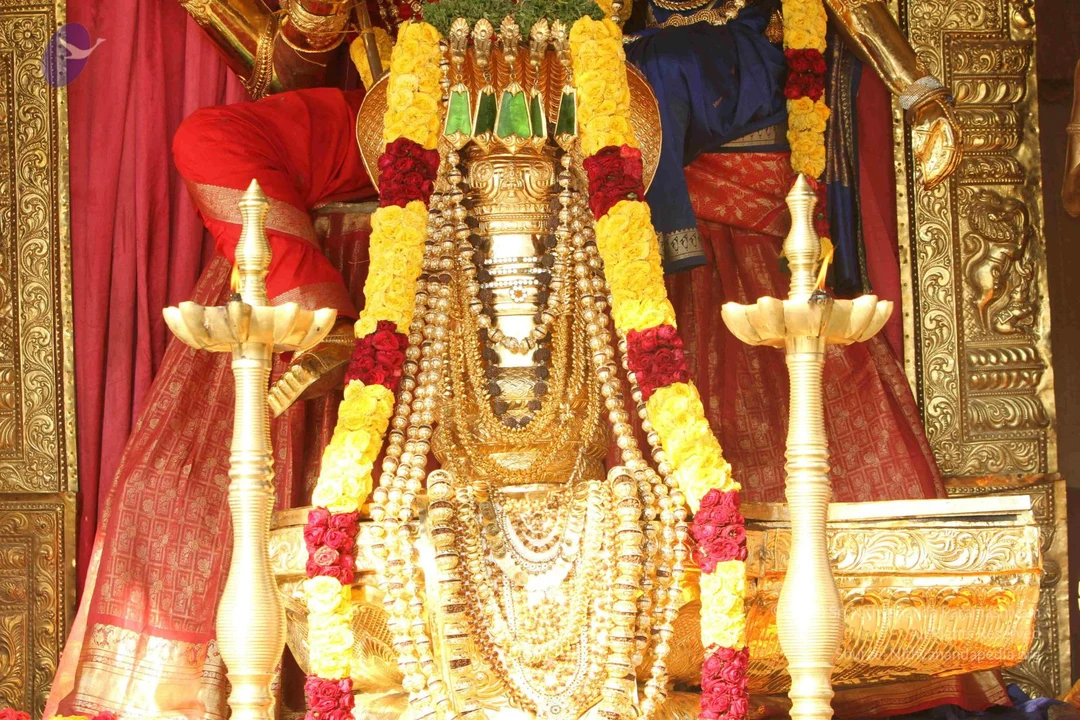
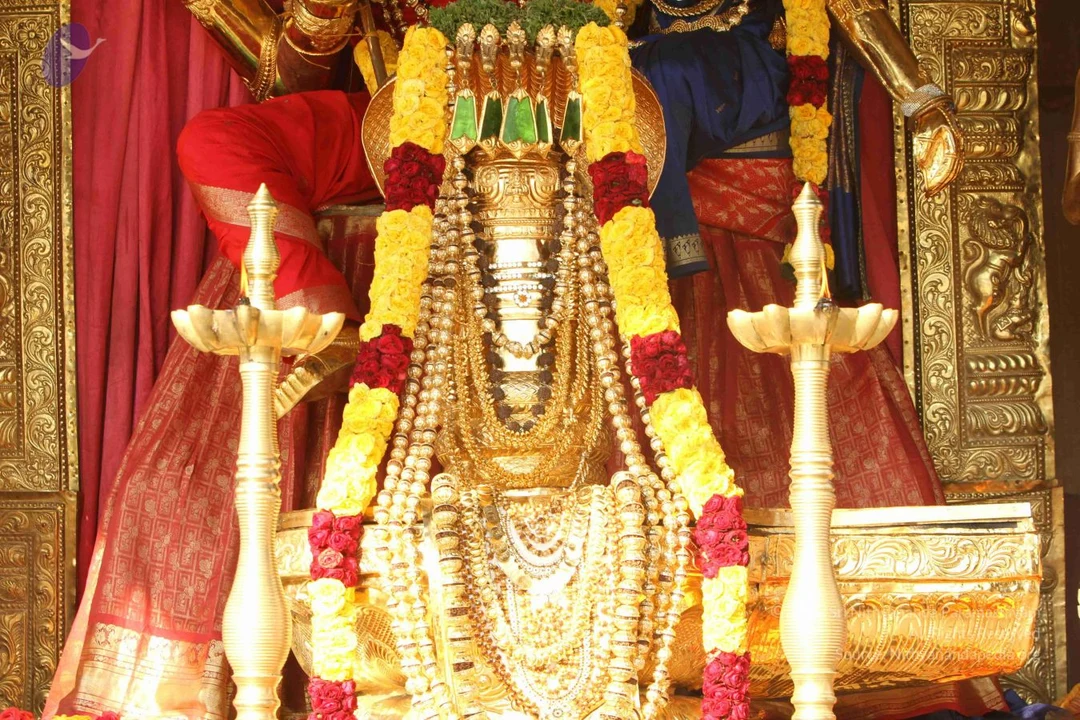
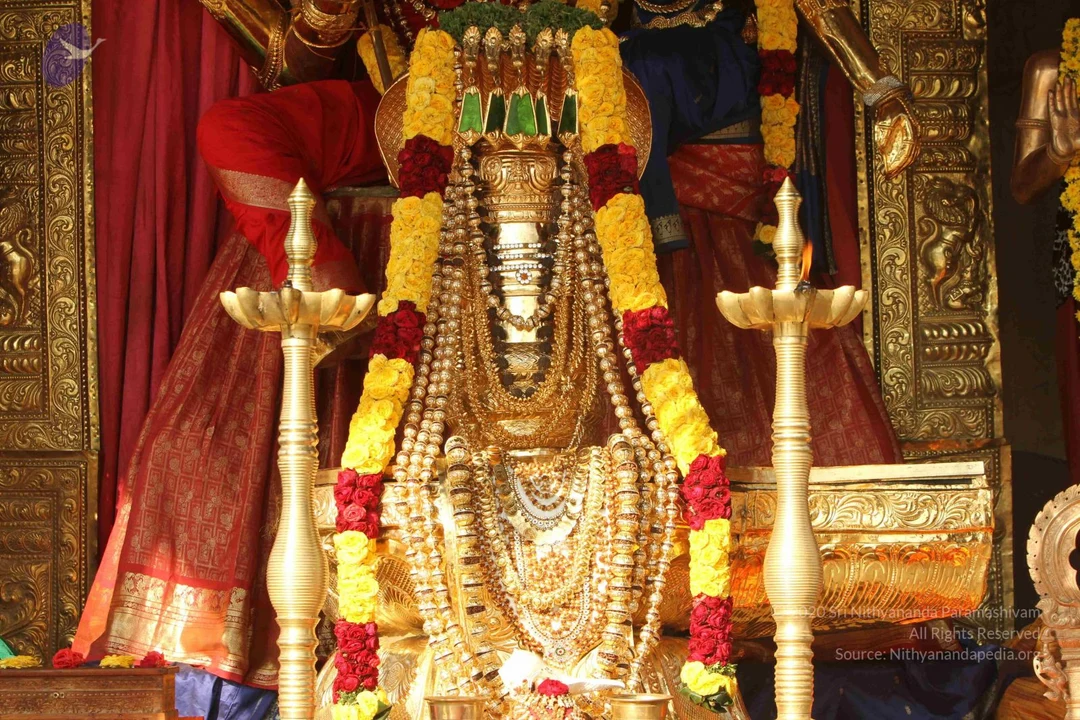
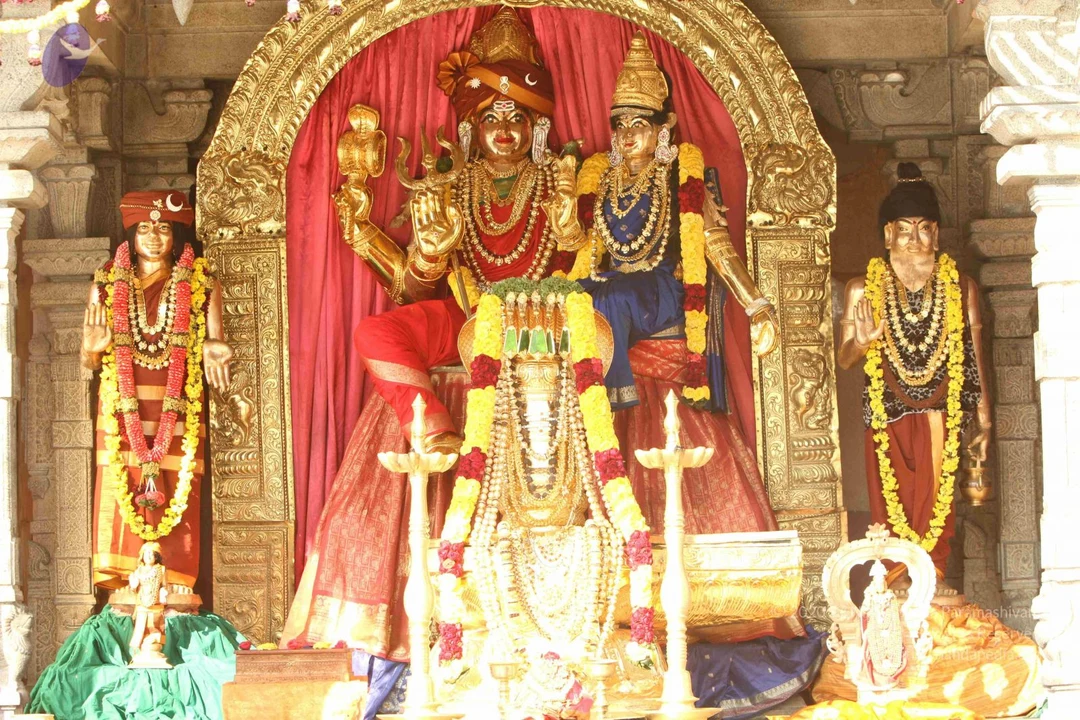
Nithyananda Diary 03rd December 2014 | Nithyanandeshwara Brahmotsavam Day 8 | Paduka Puja| Nithya Kirthan | Satsang | Kalpataru Darshan | Biksha Vandanam
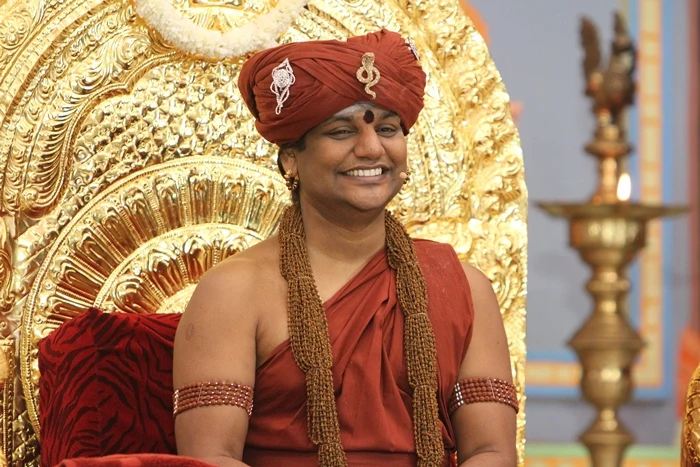
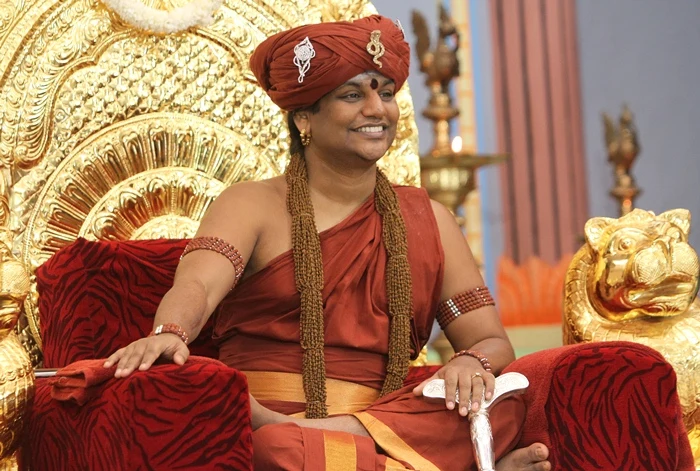
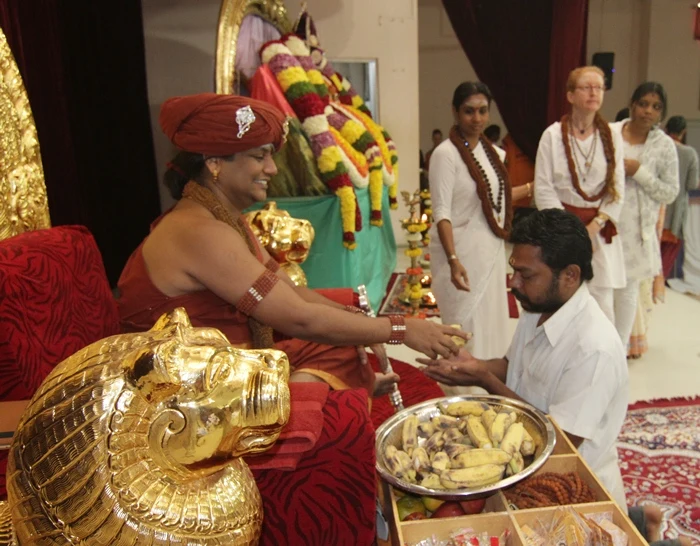
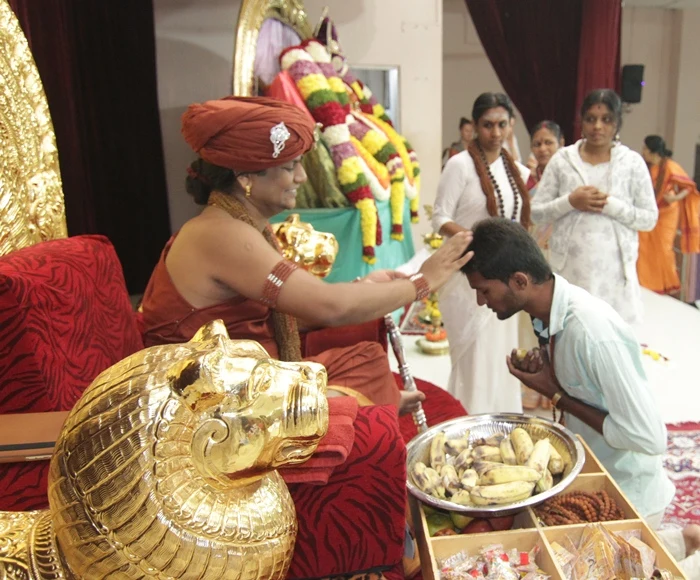
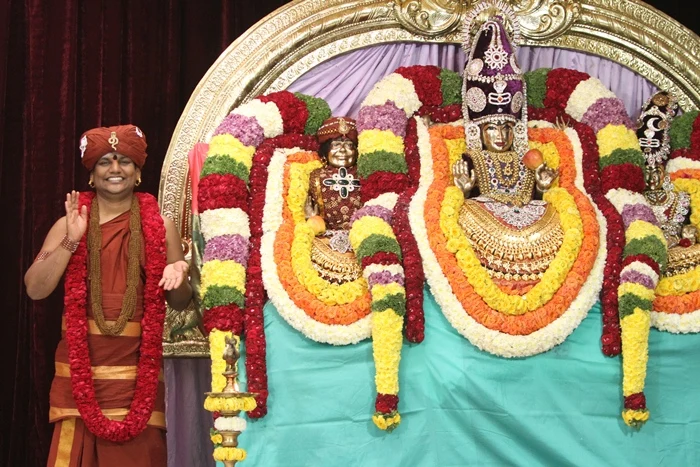
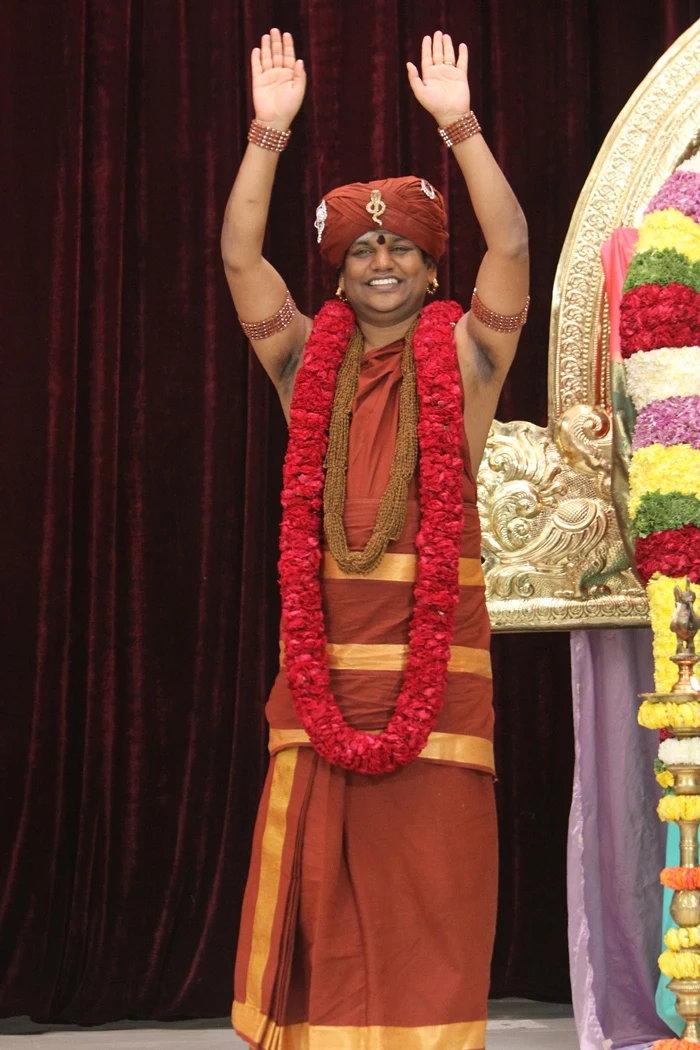
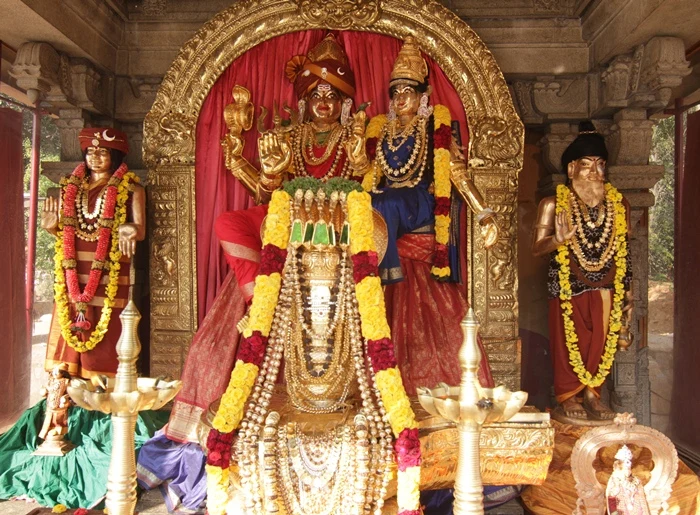
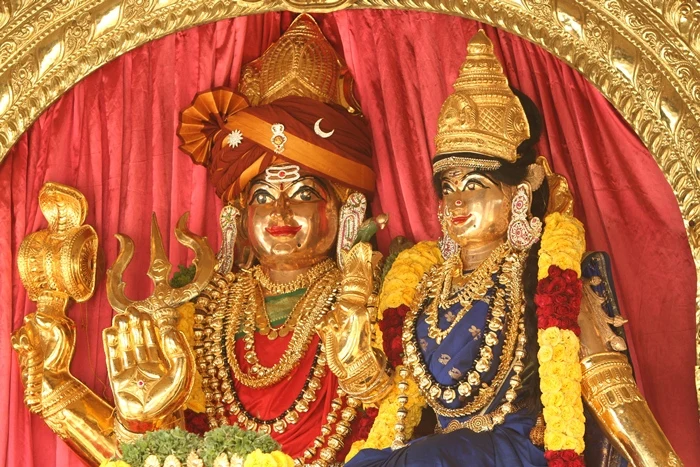
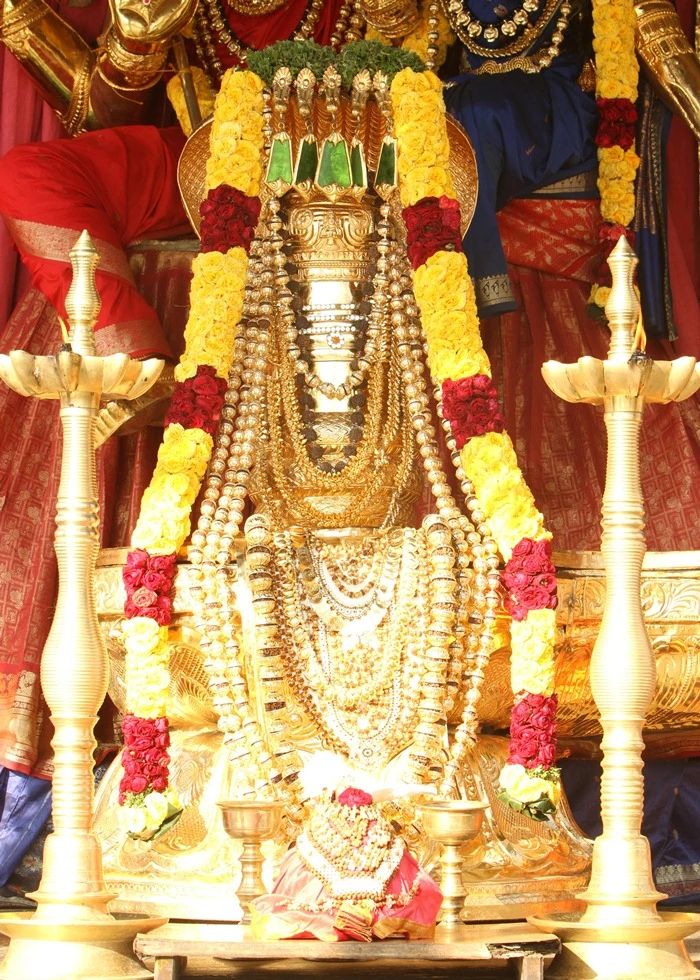
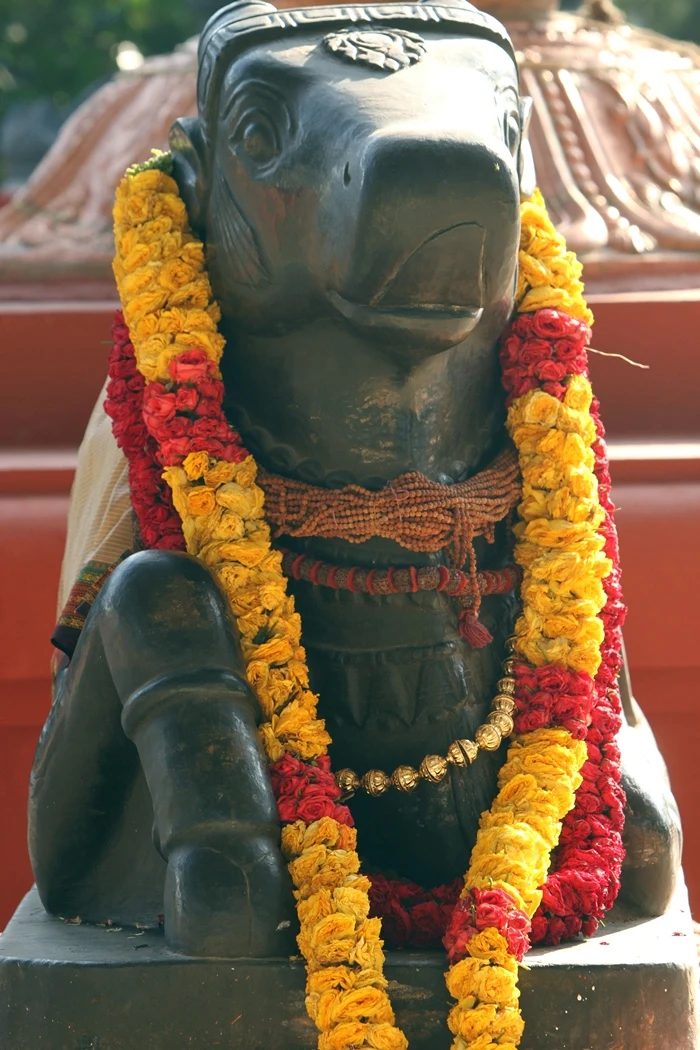
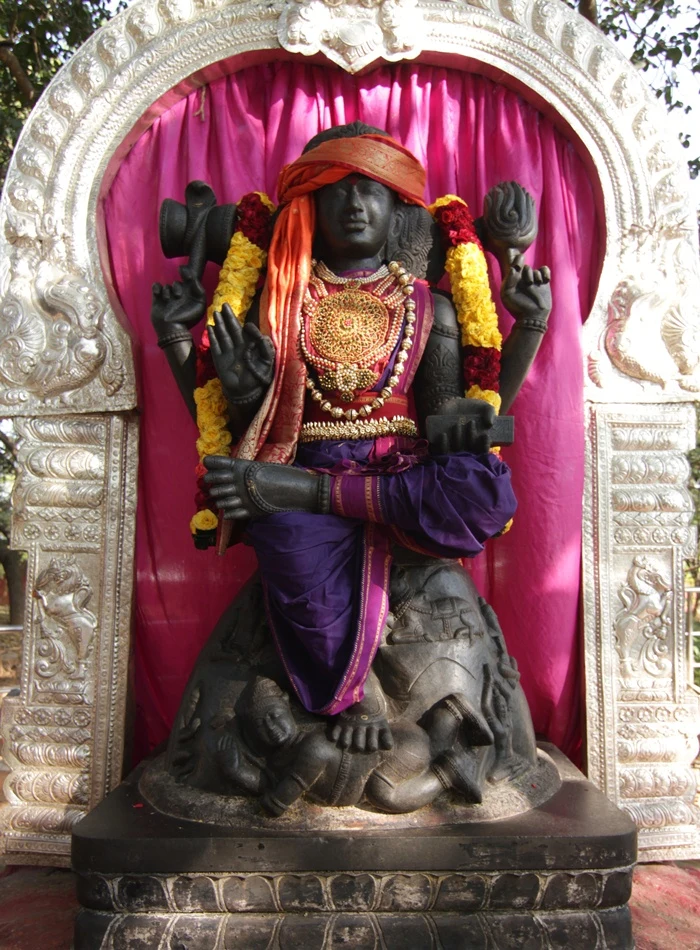
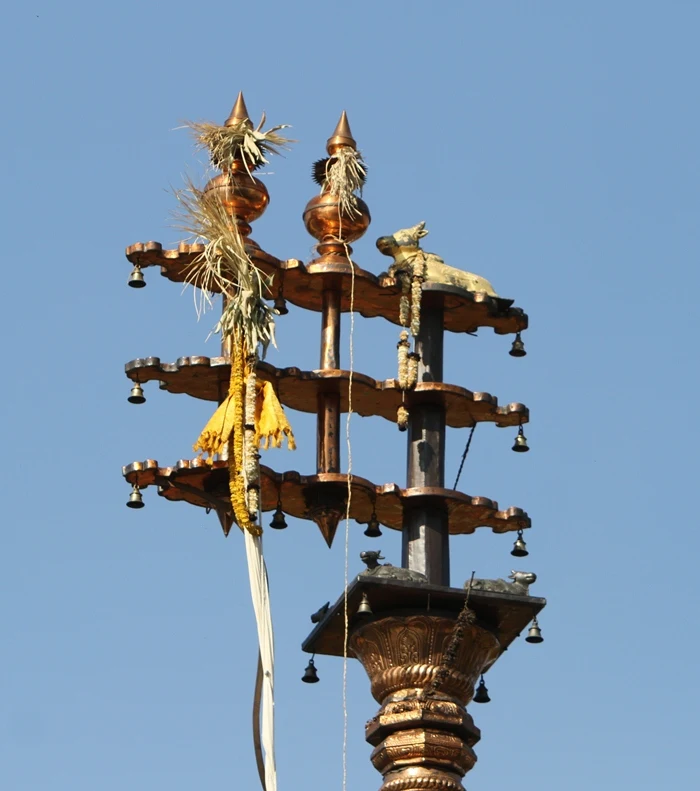
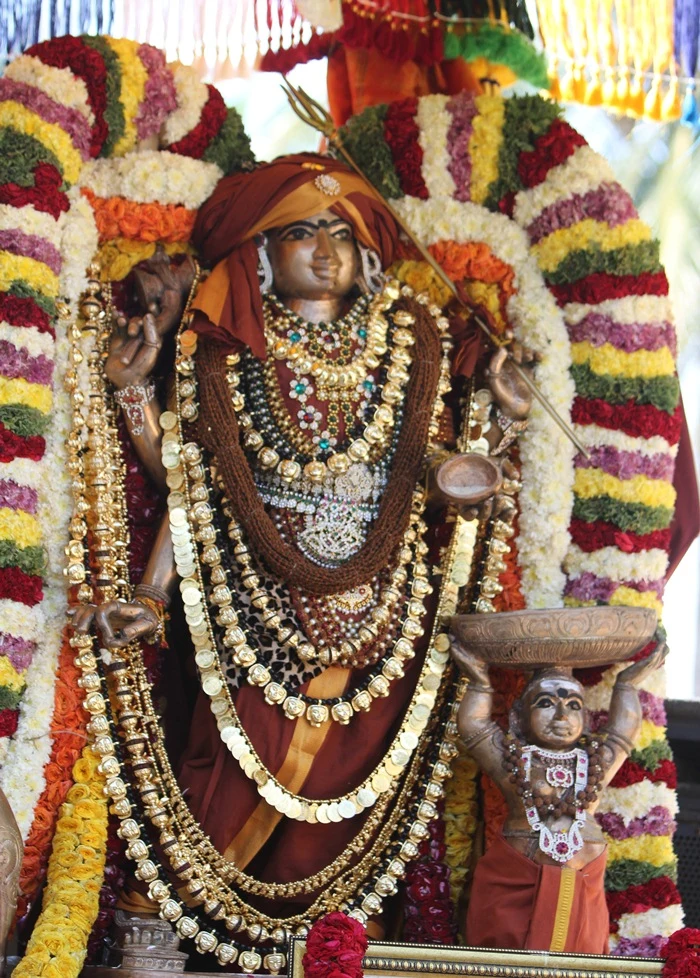
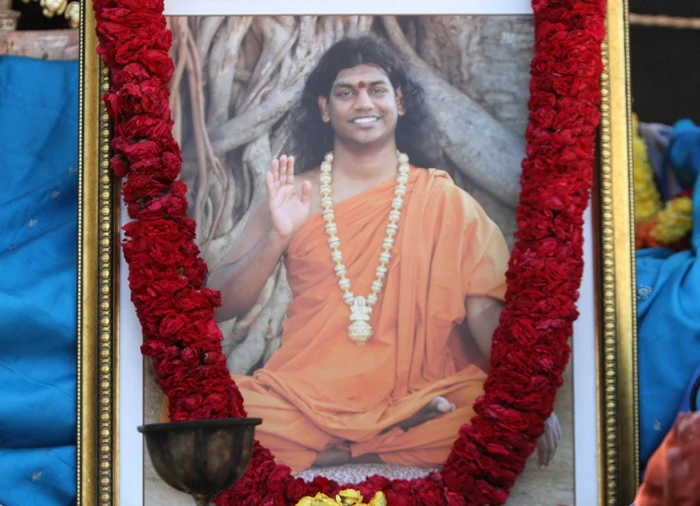
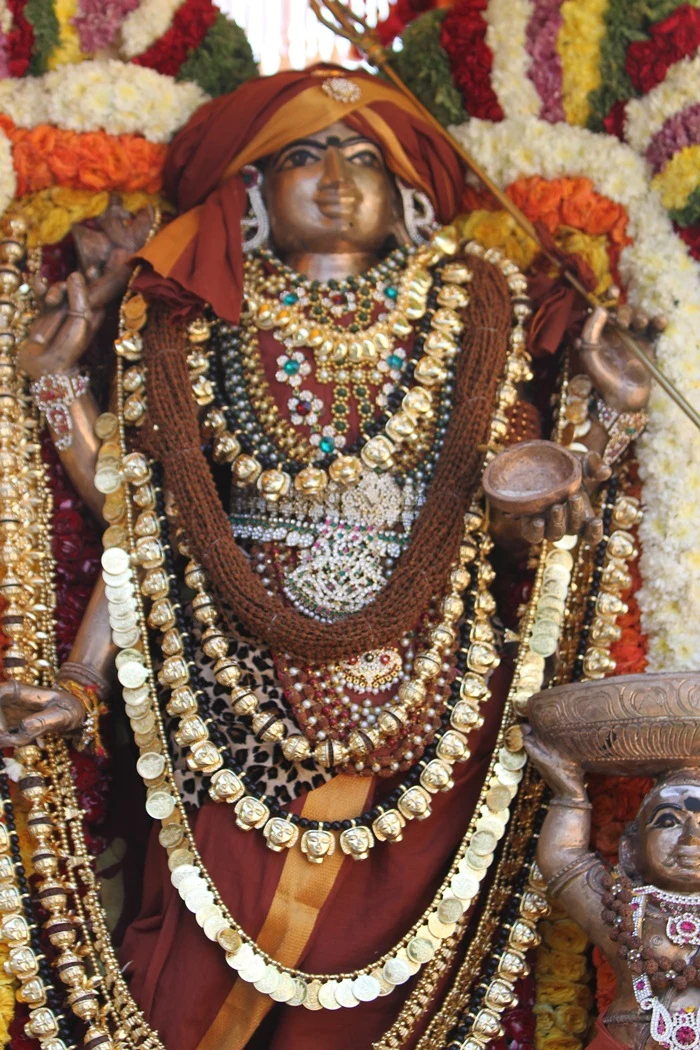
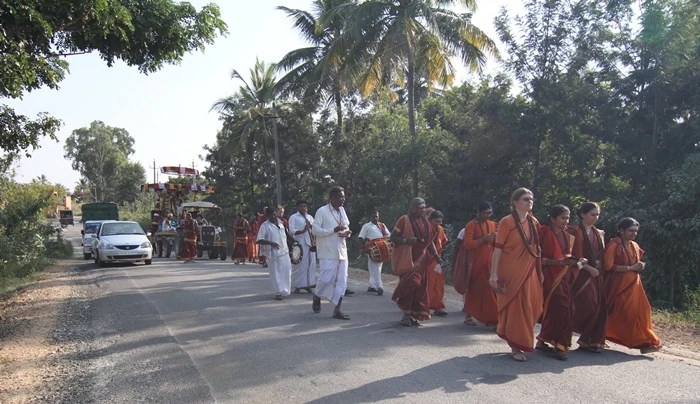
Photos Of The Day:
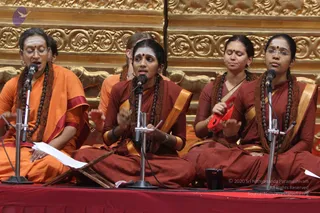
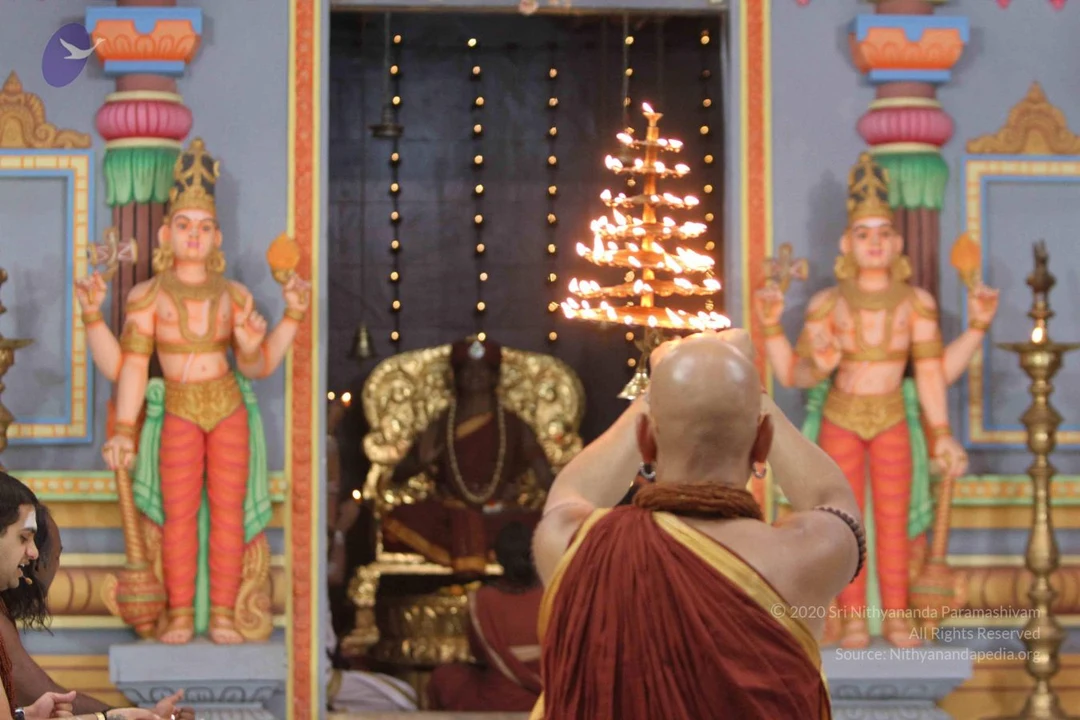
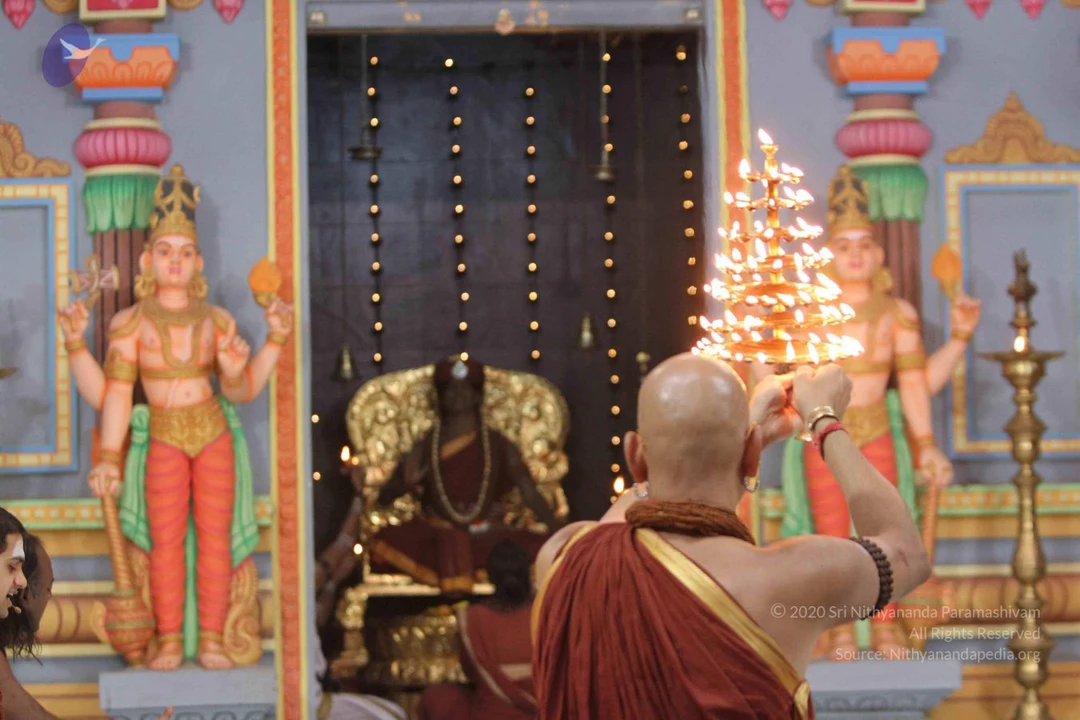
Bhajan-Satsang
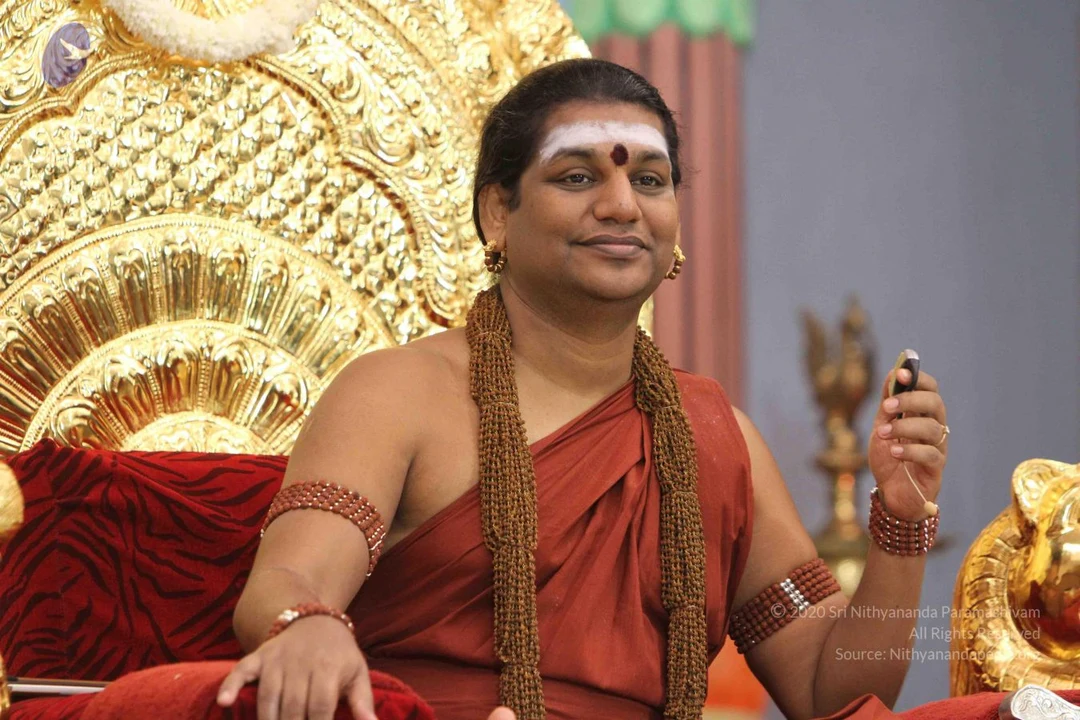
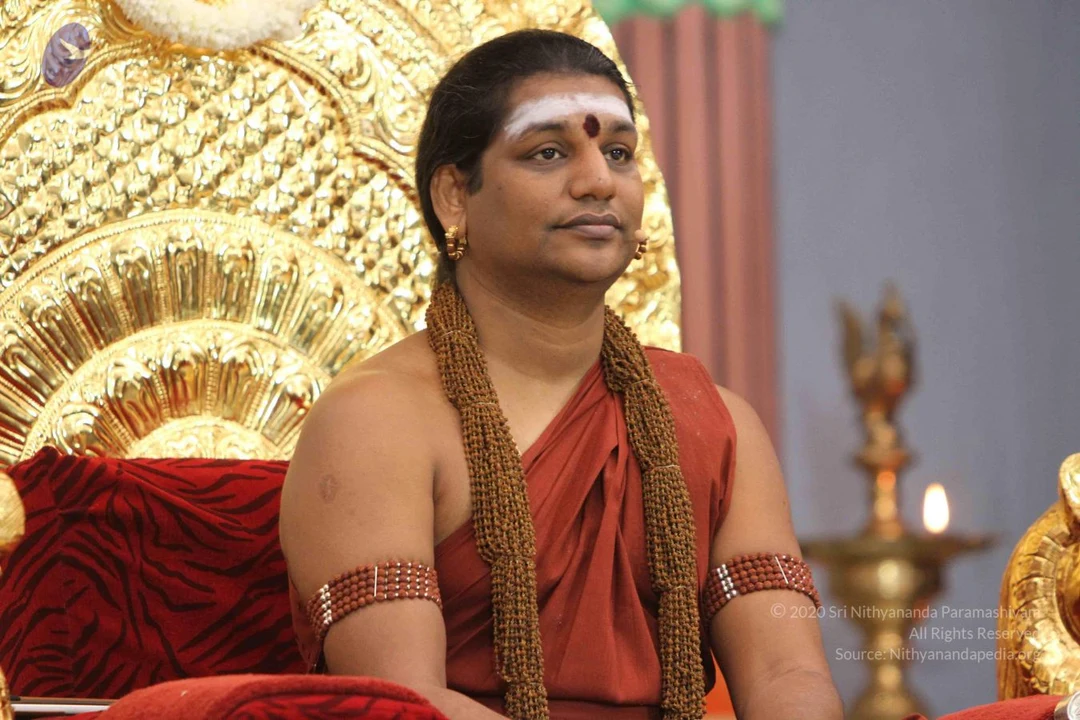
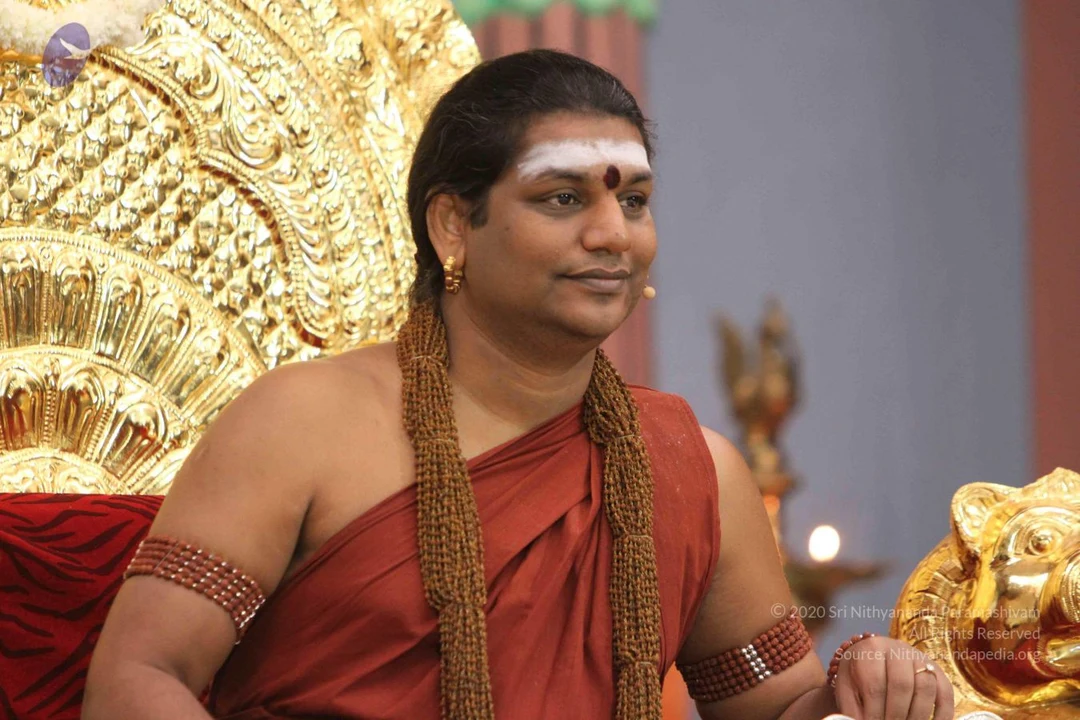
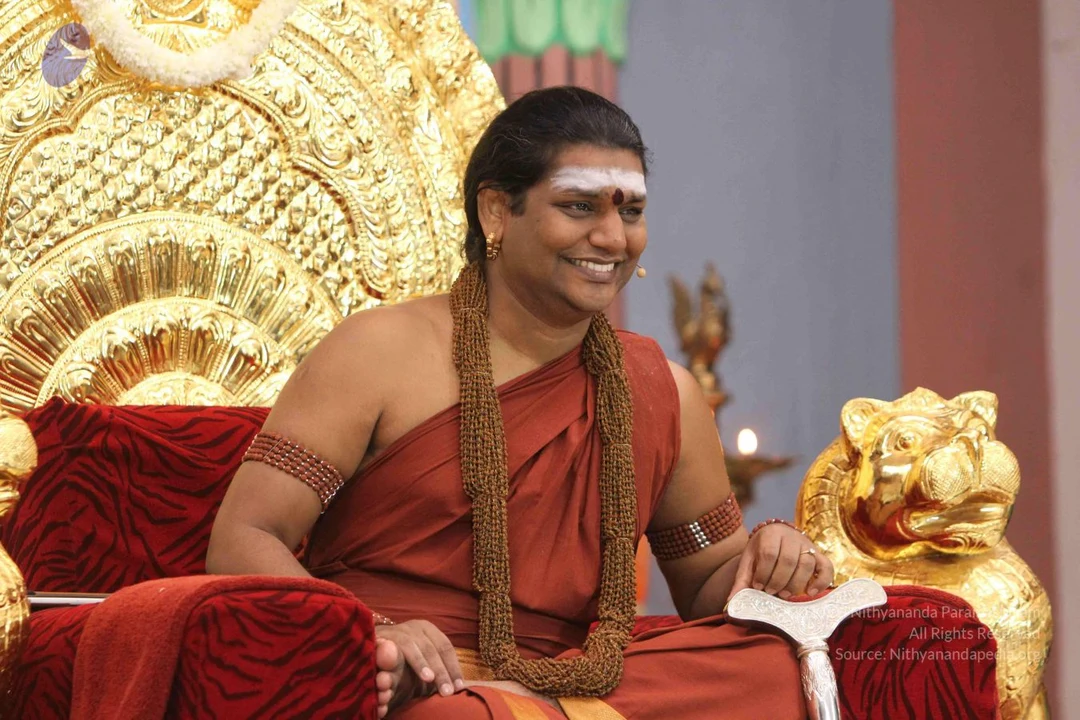
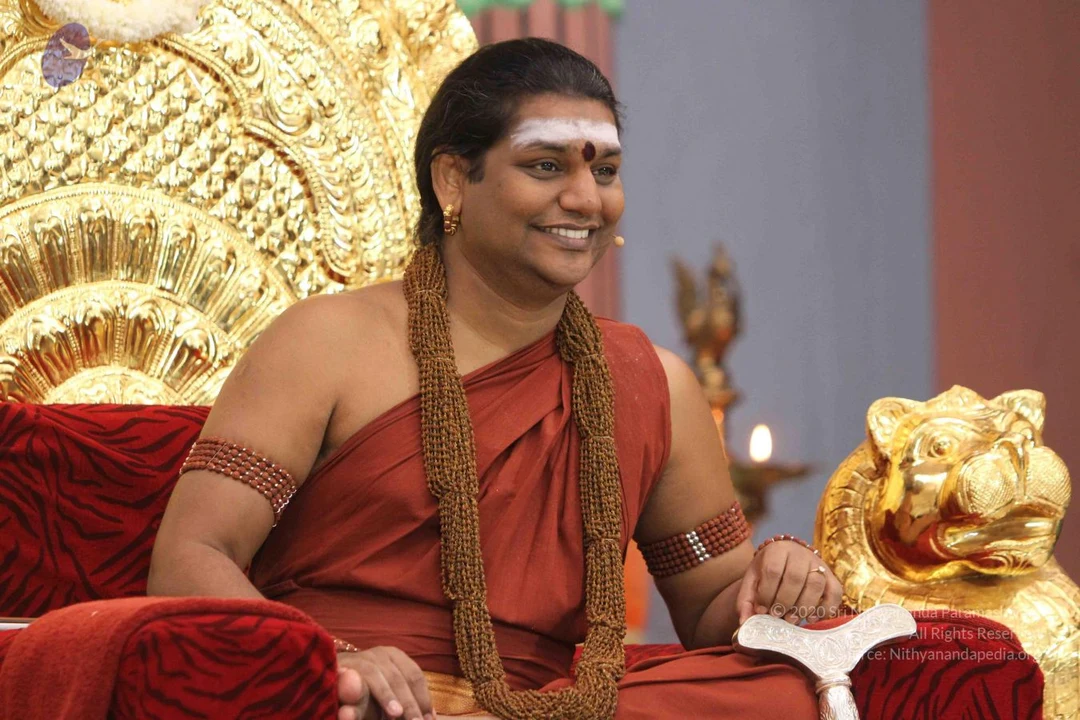
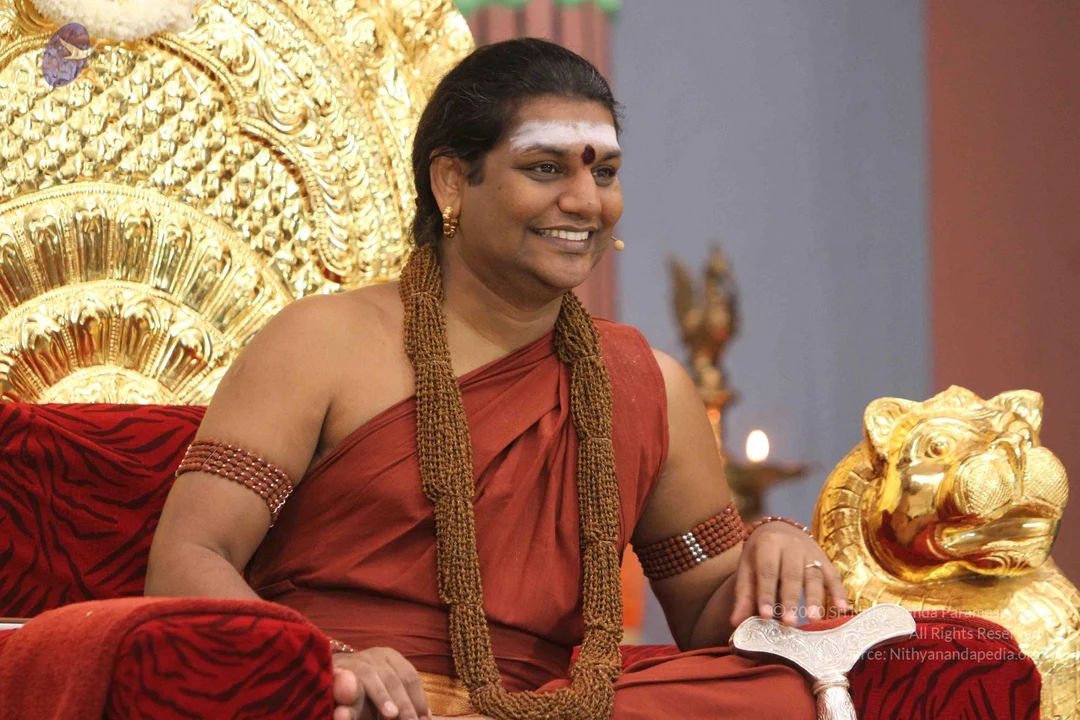
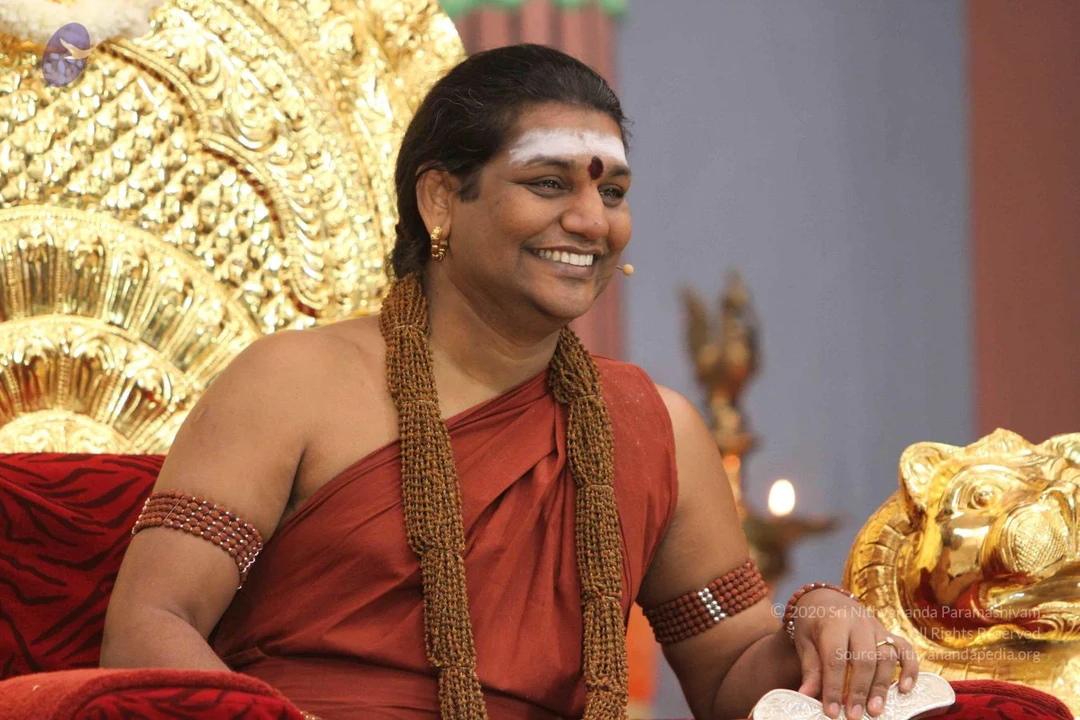
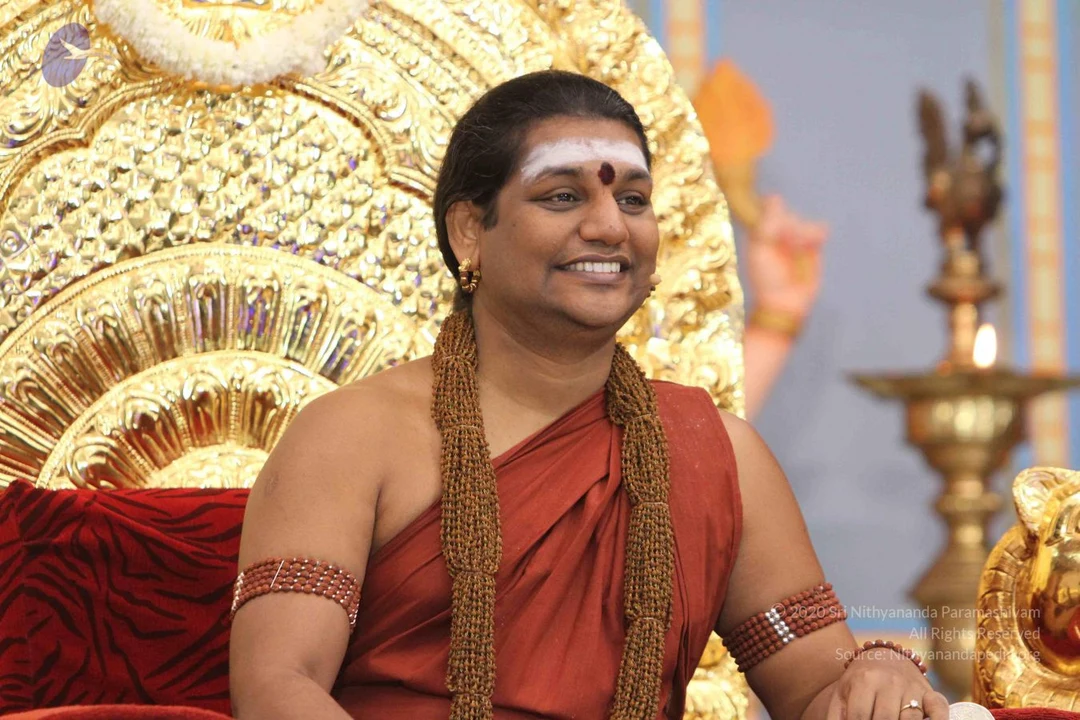
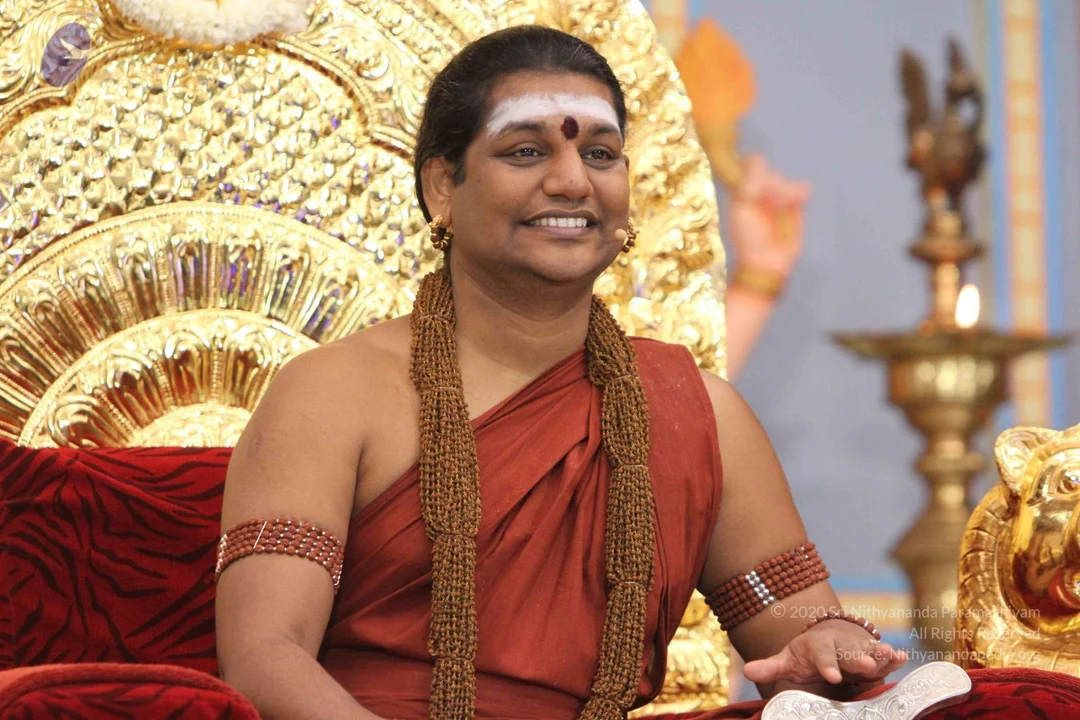
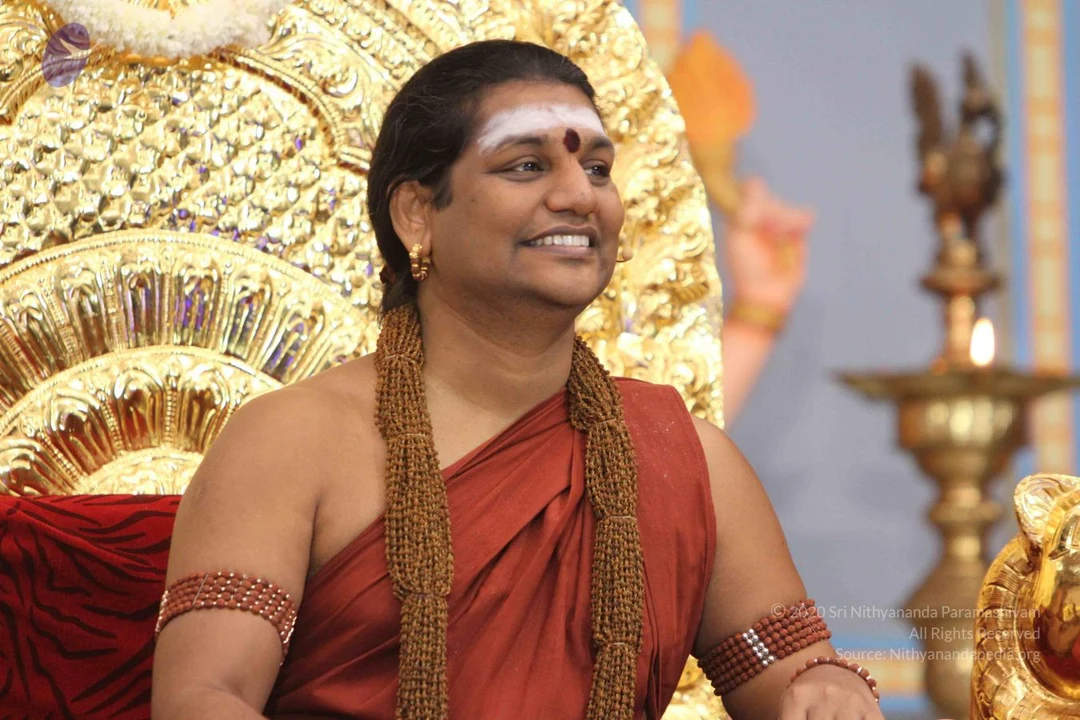
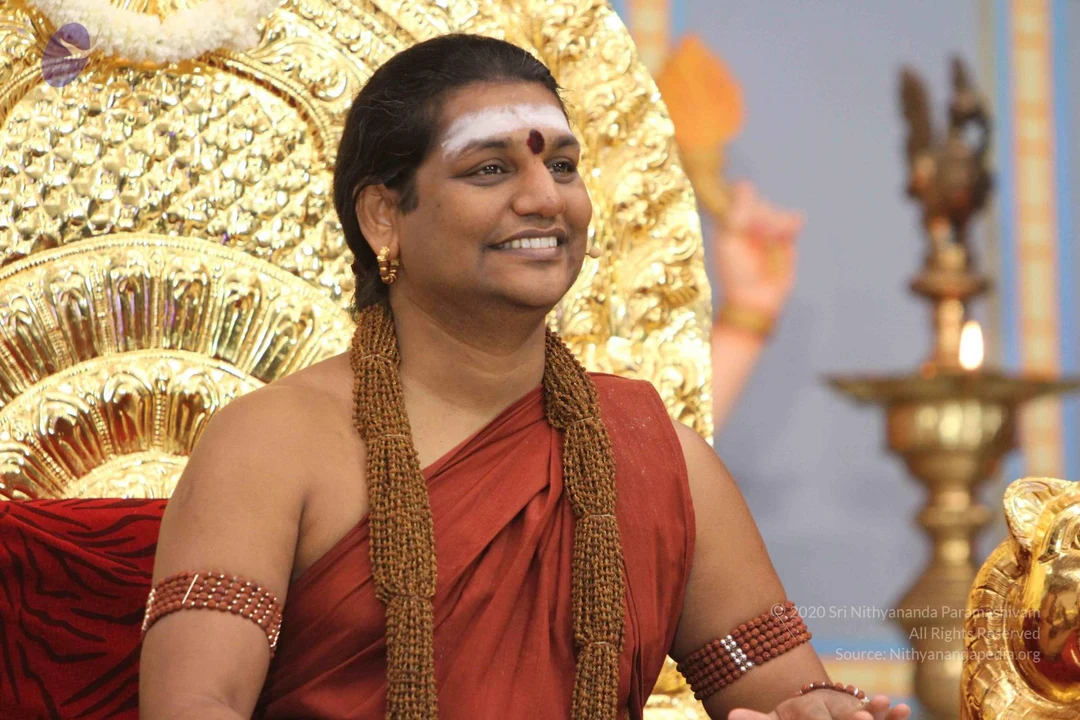
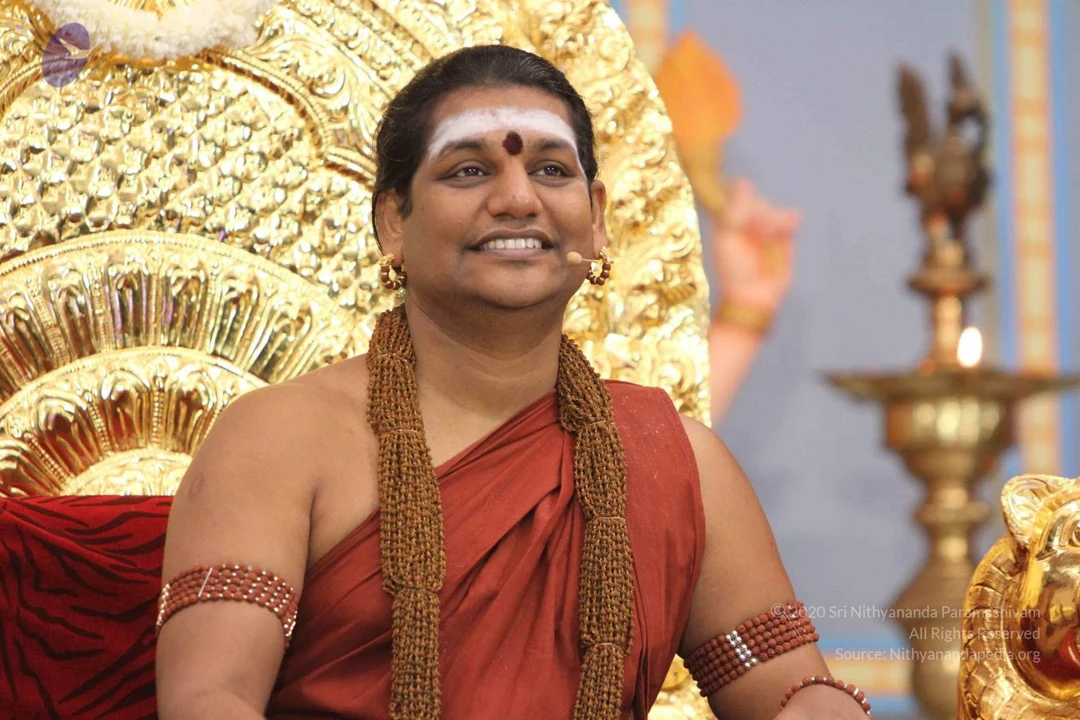
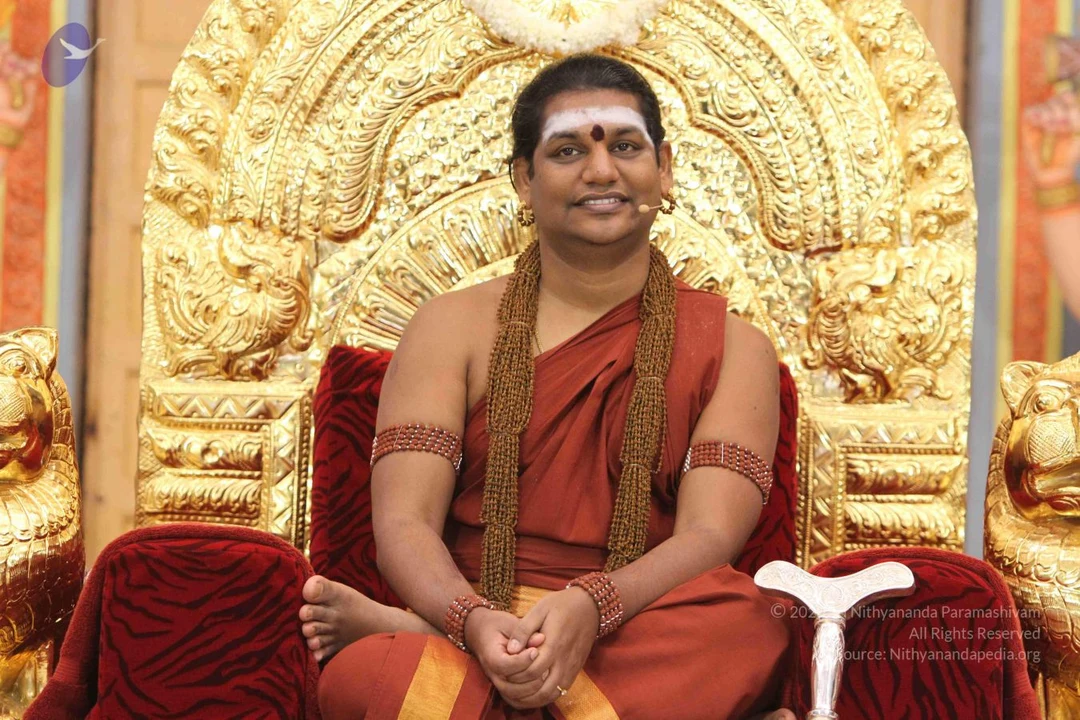
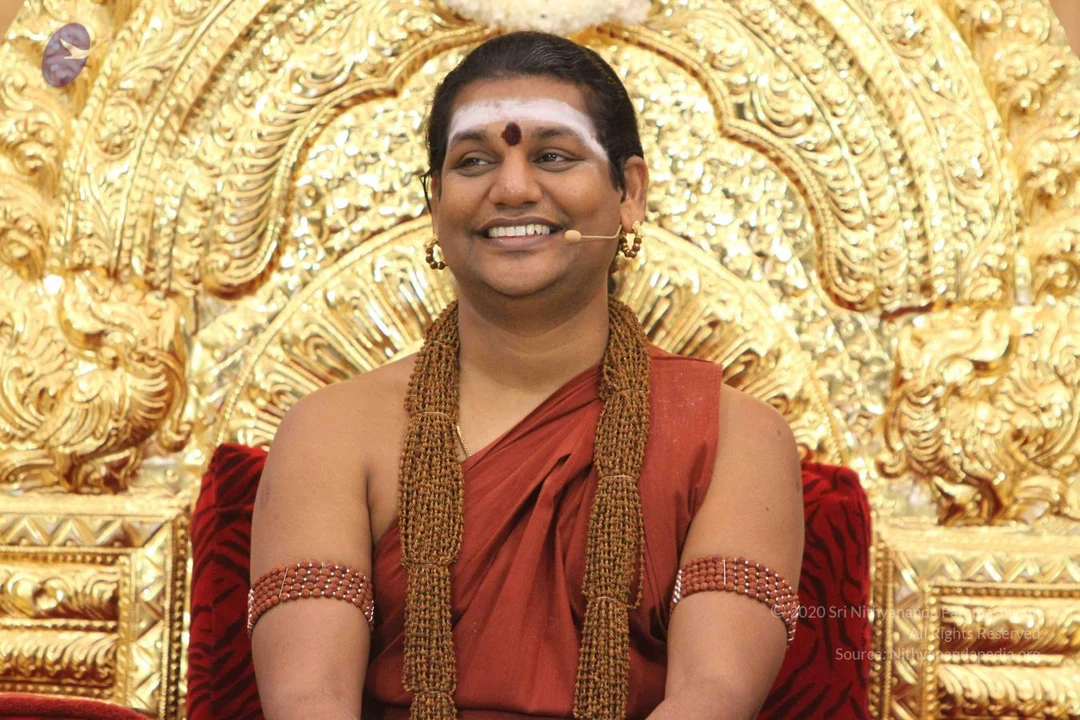
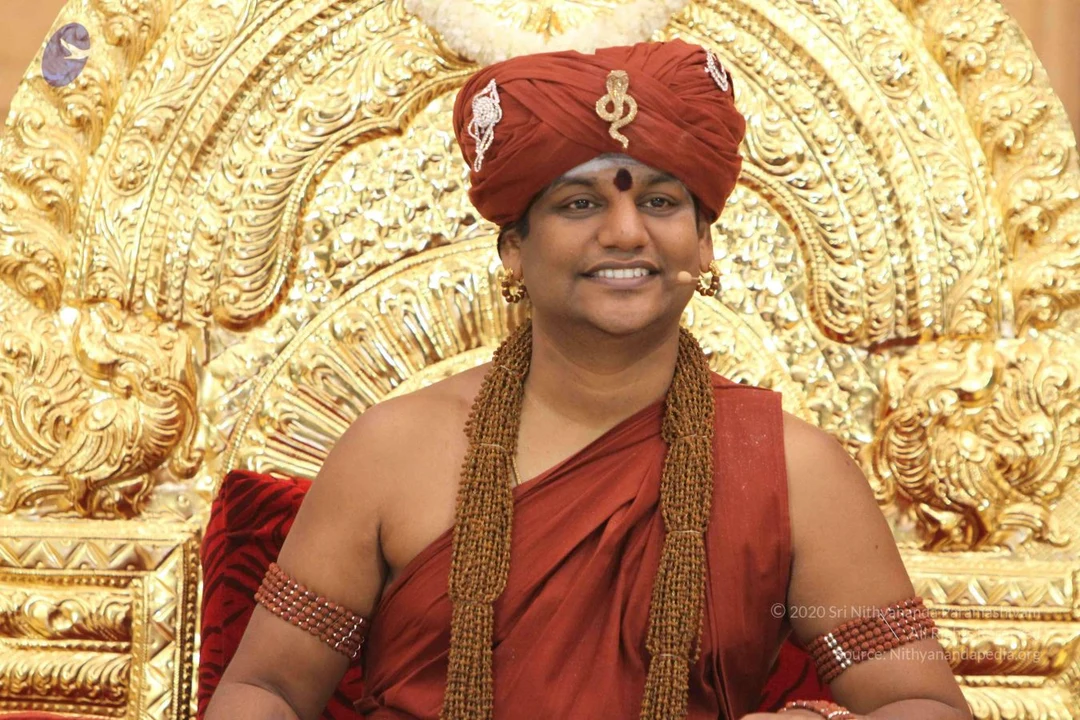
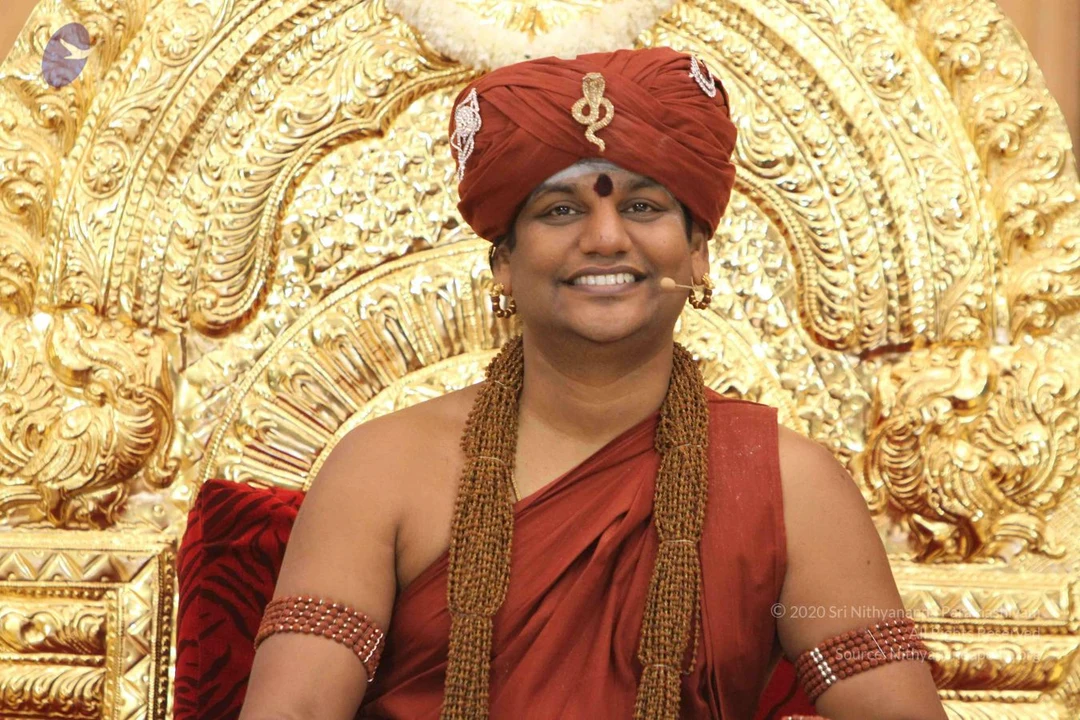
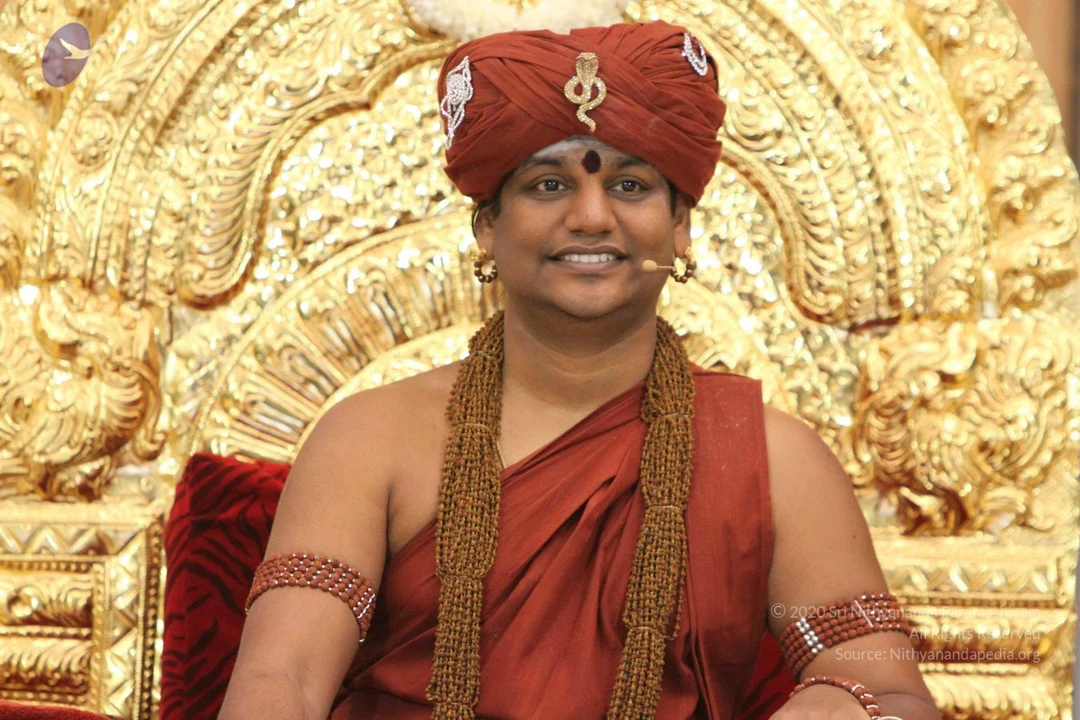
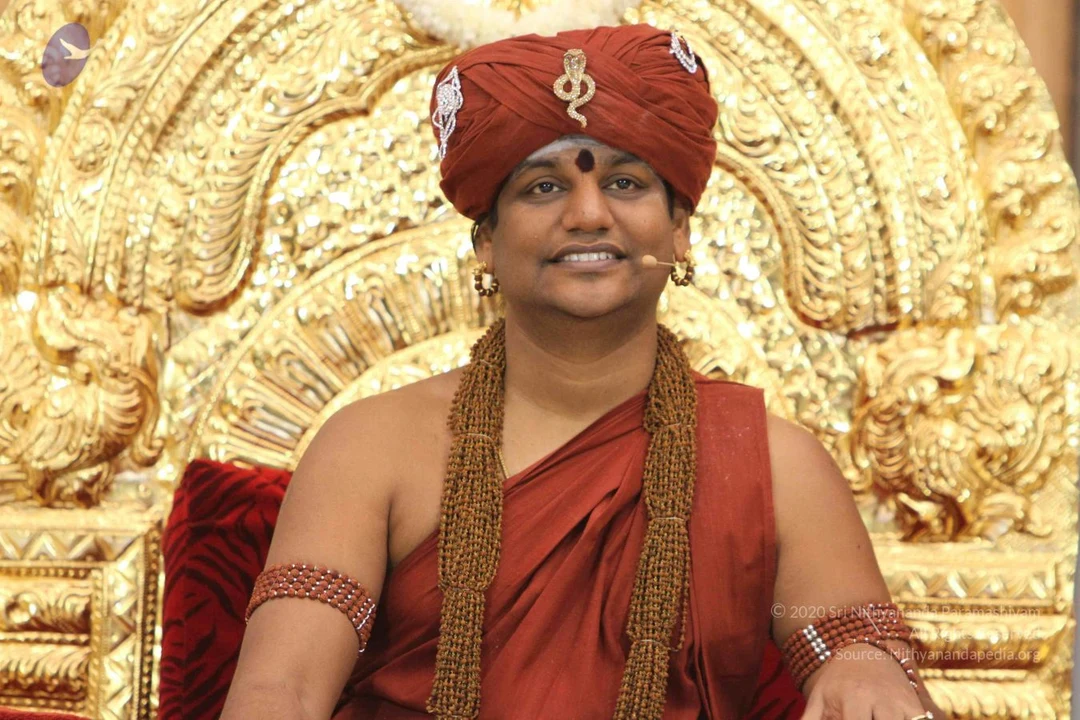
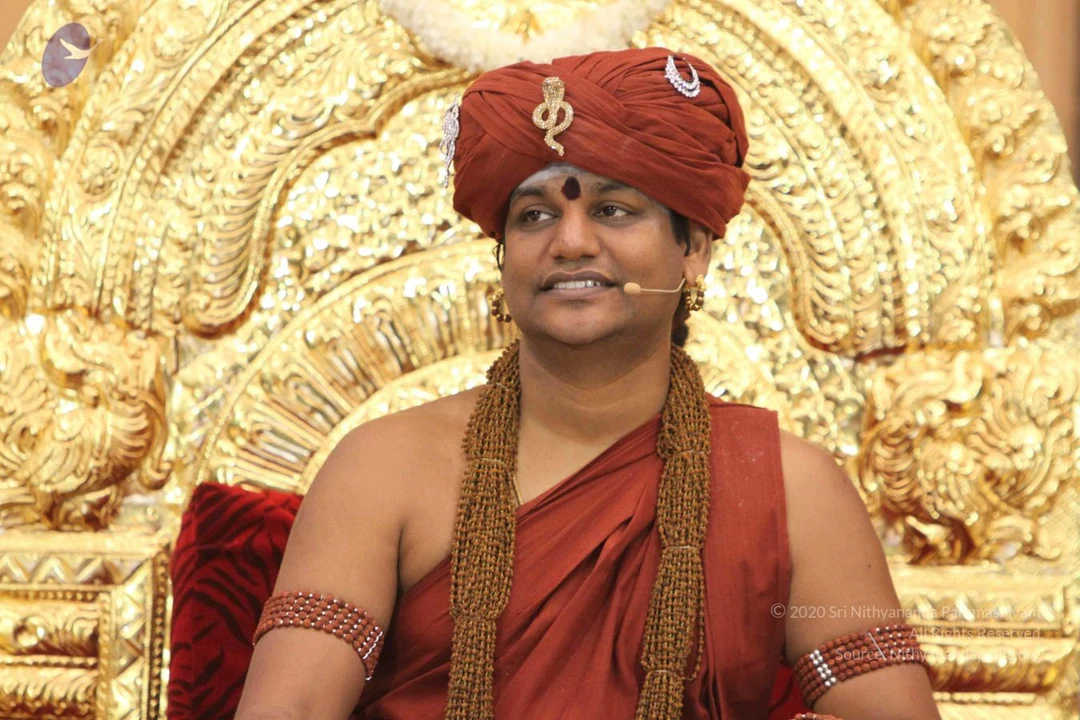
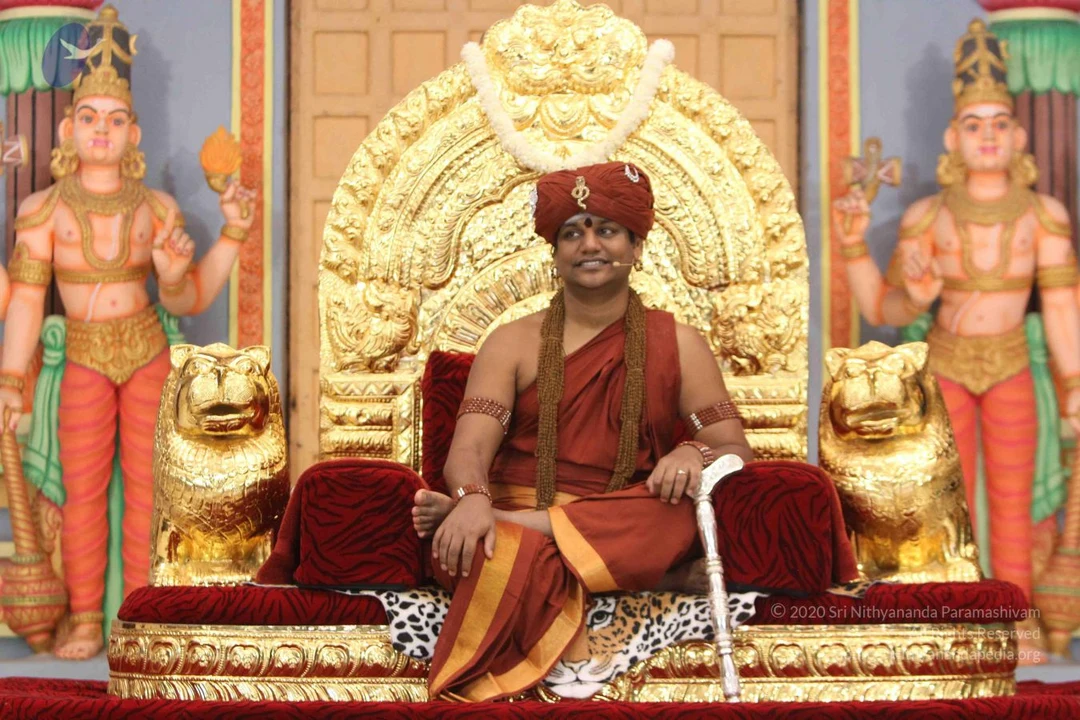
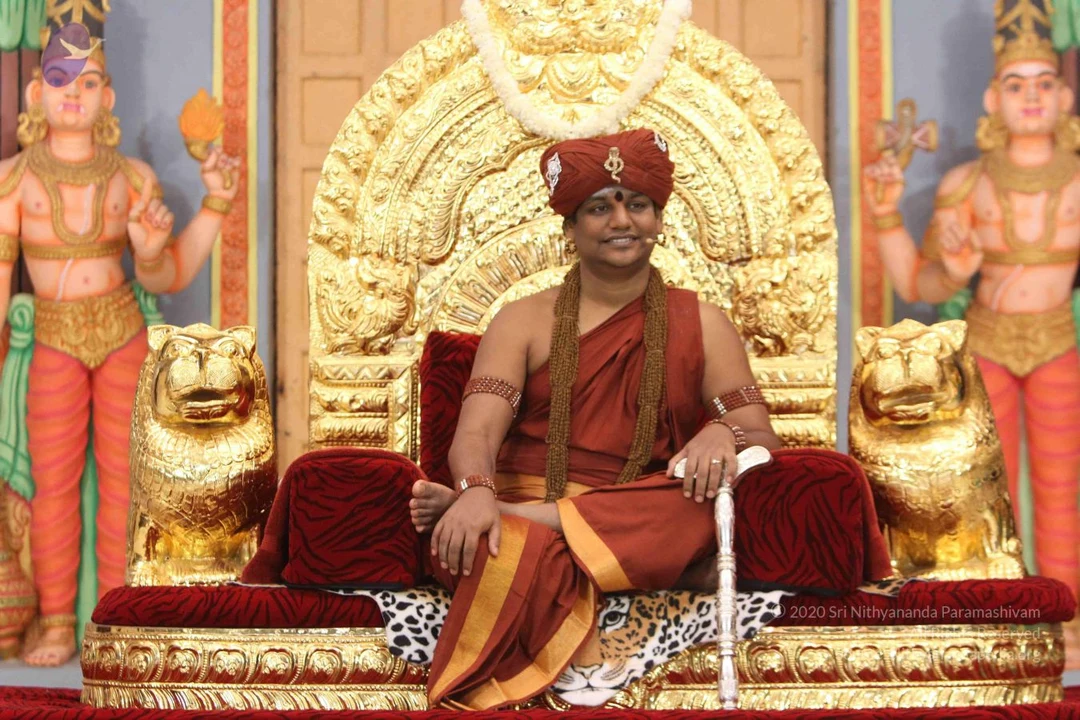
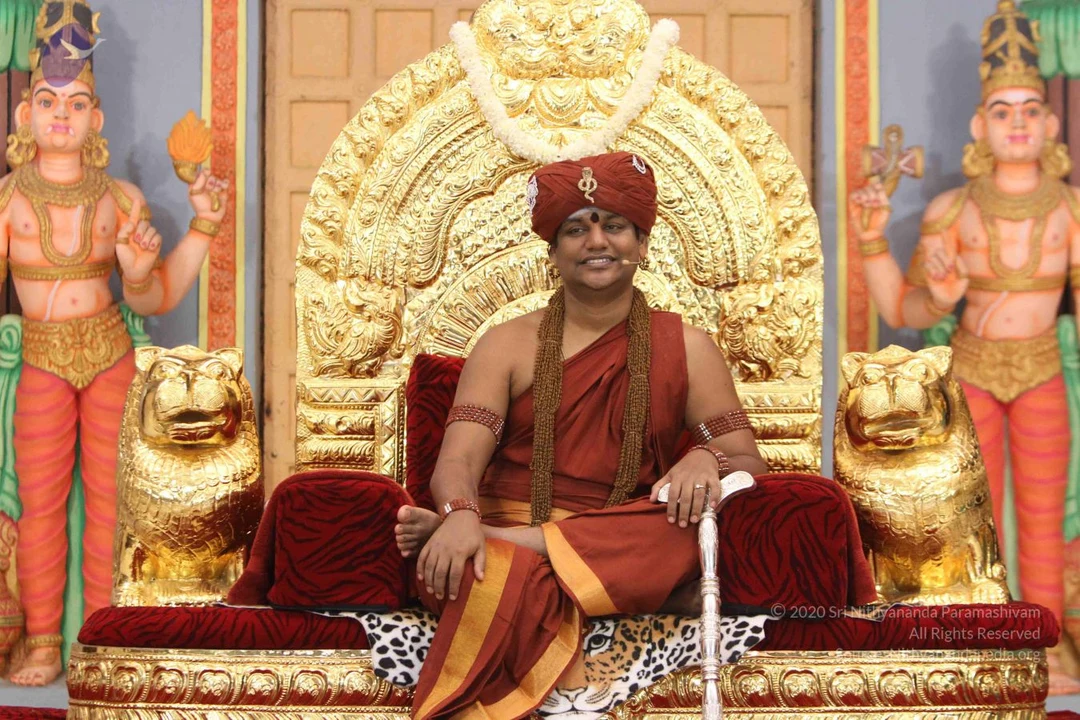
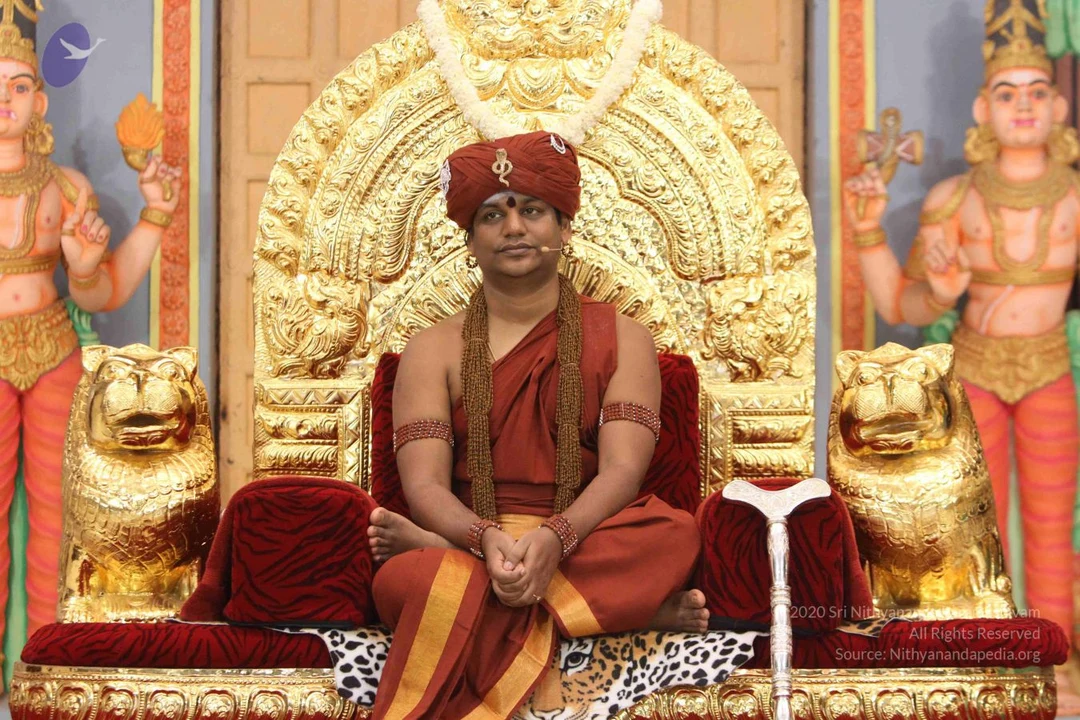
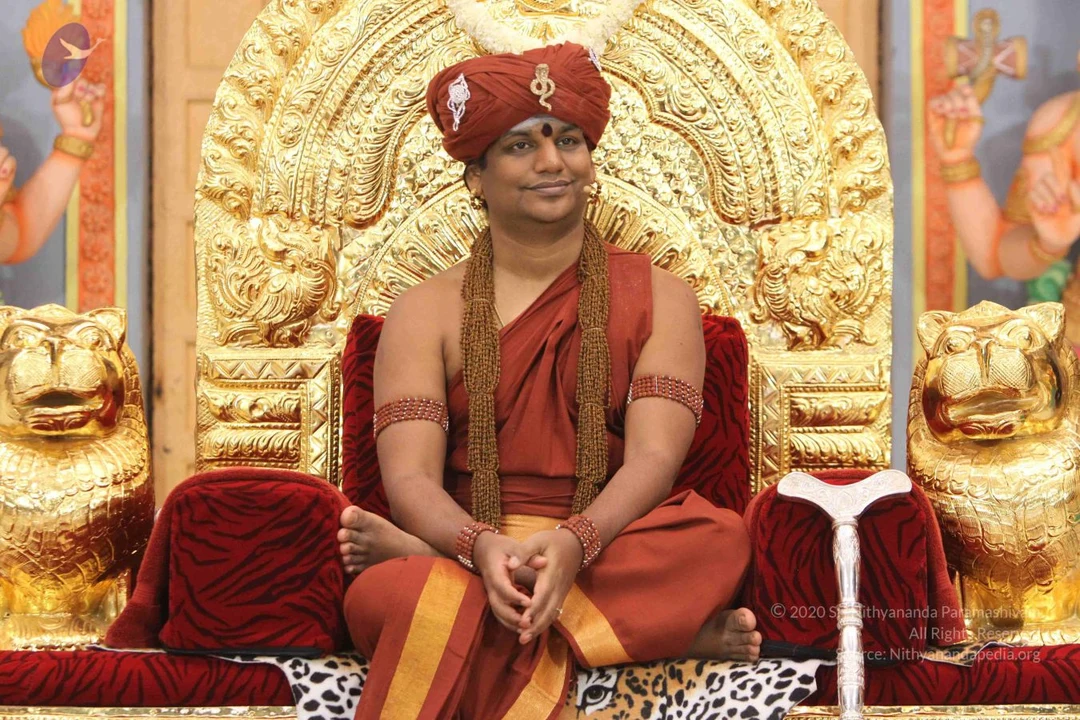
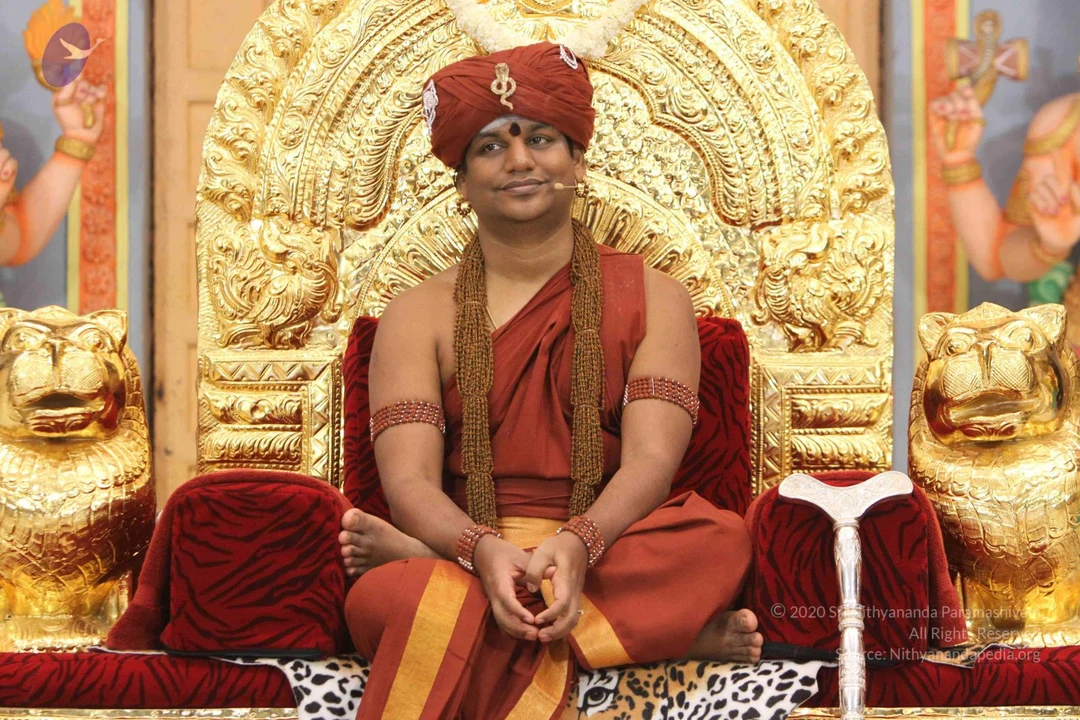
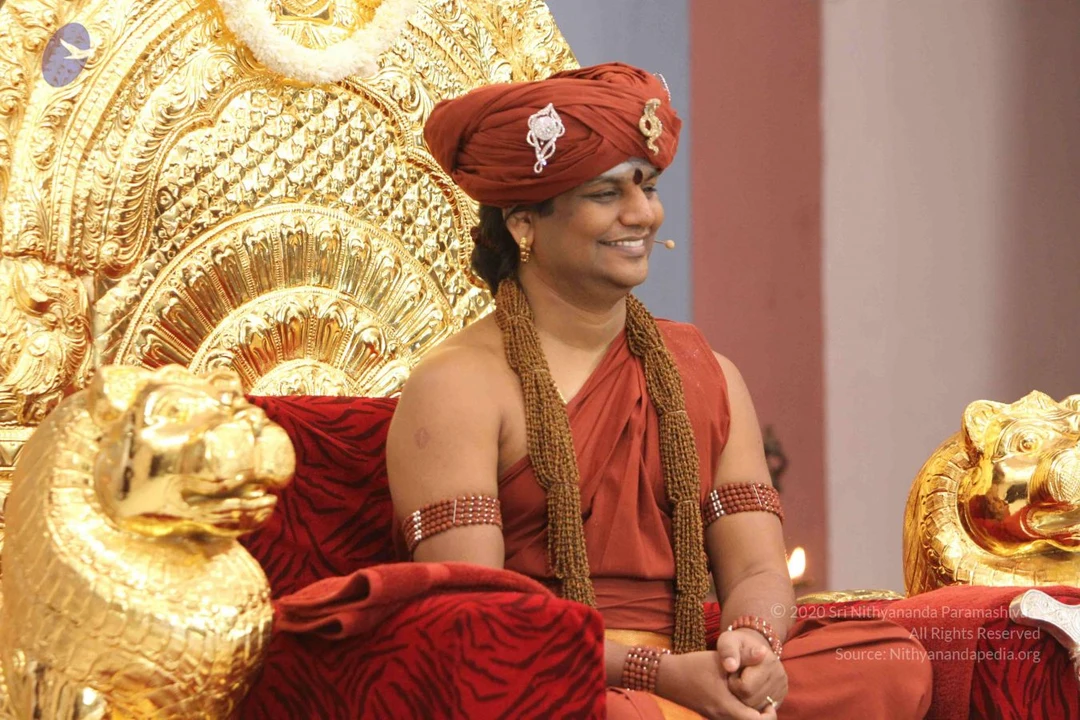
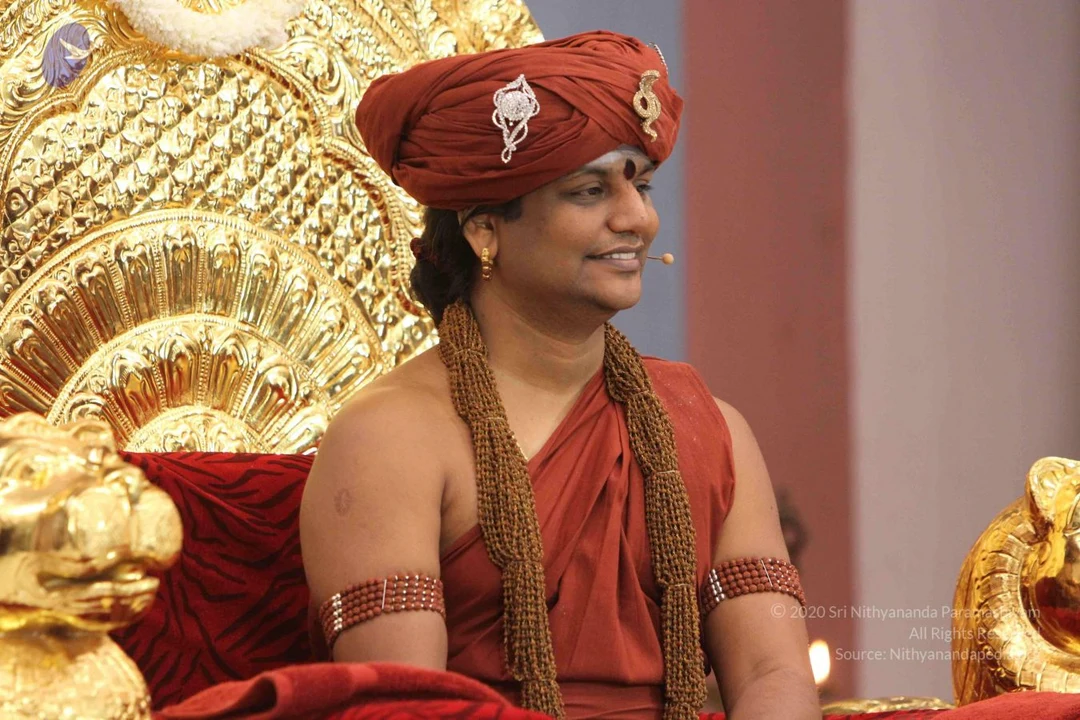
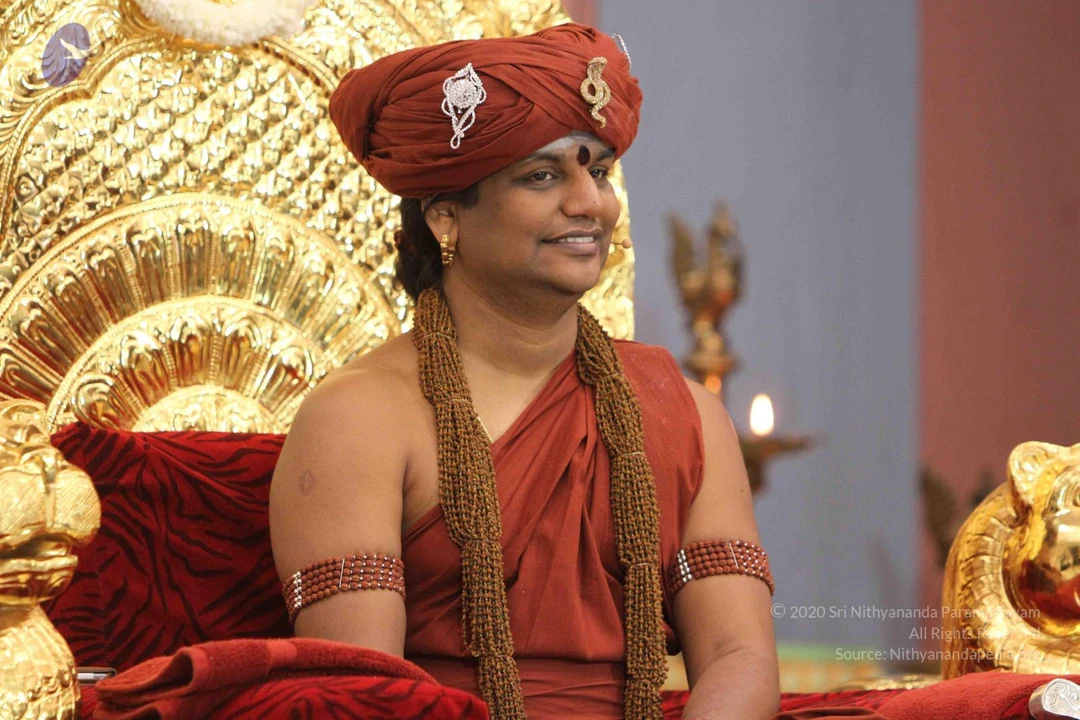
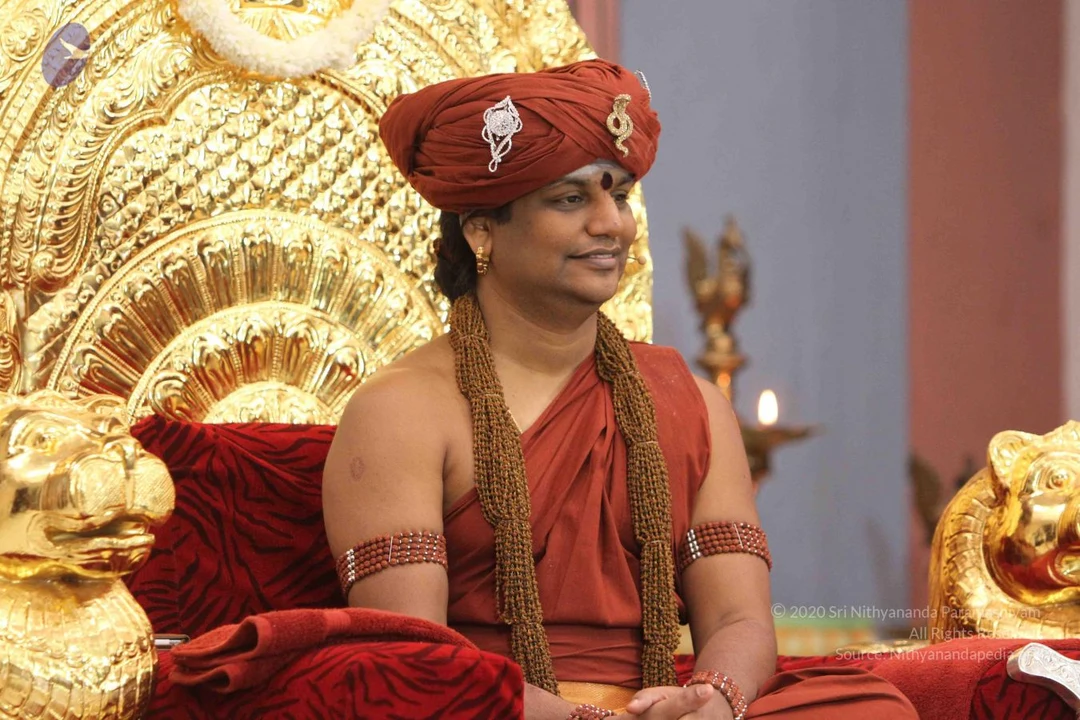
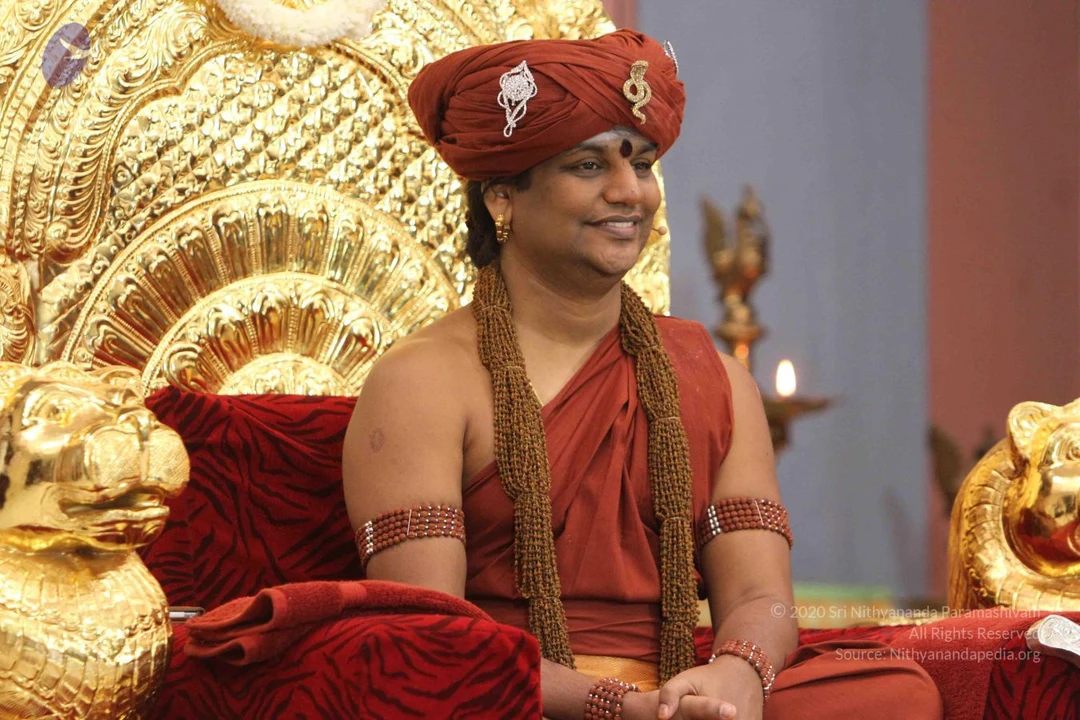
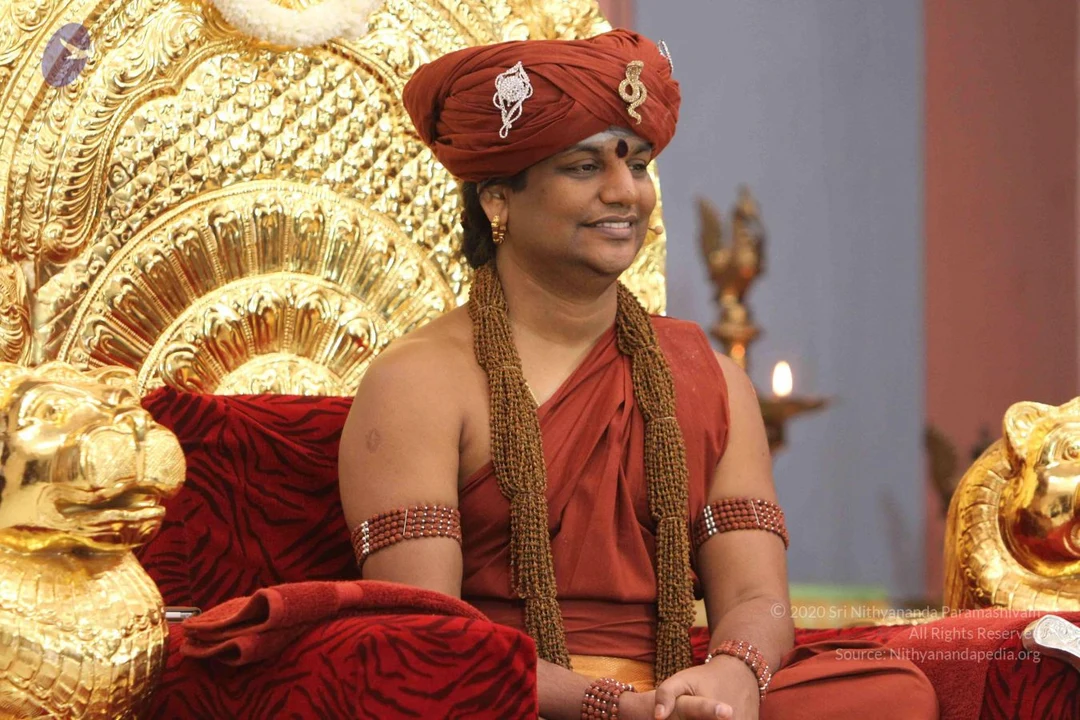
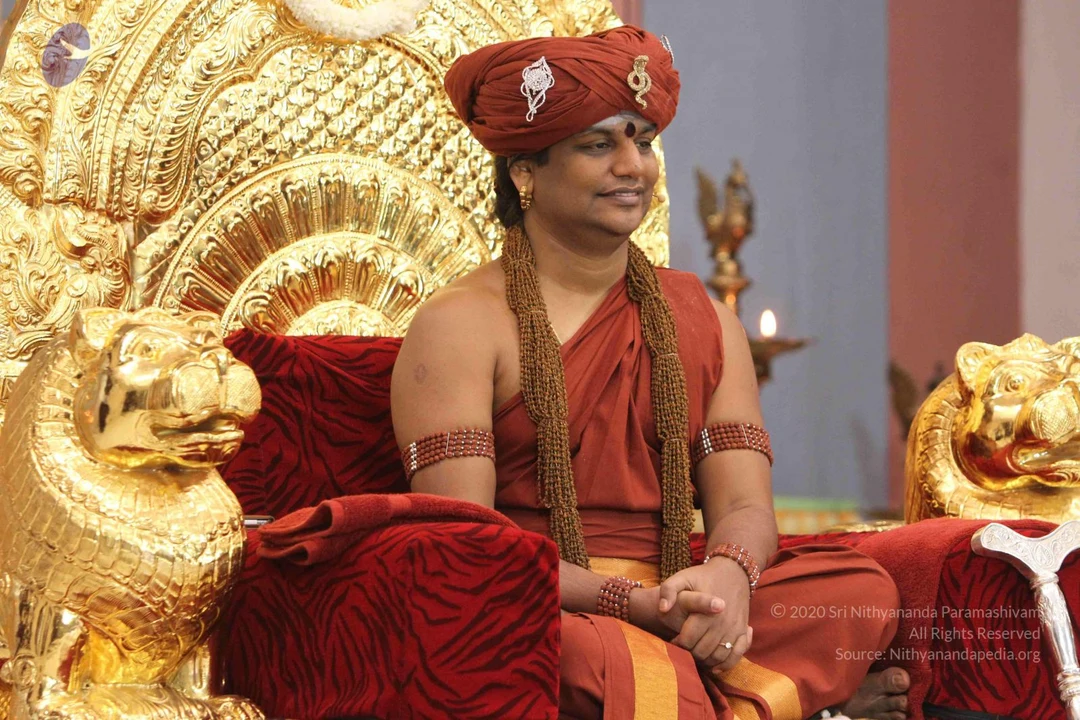
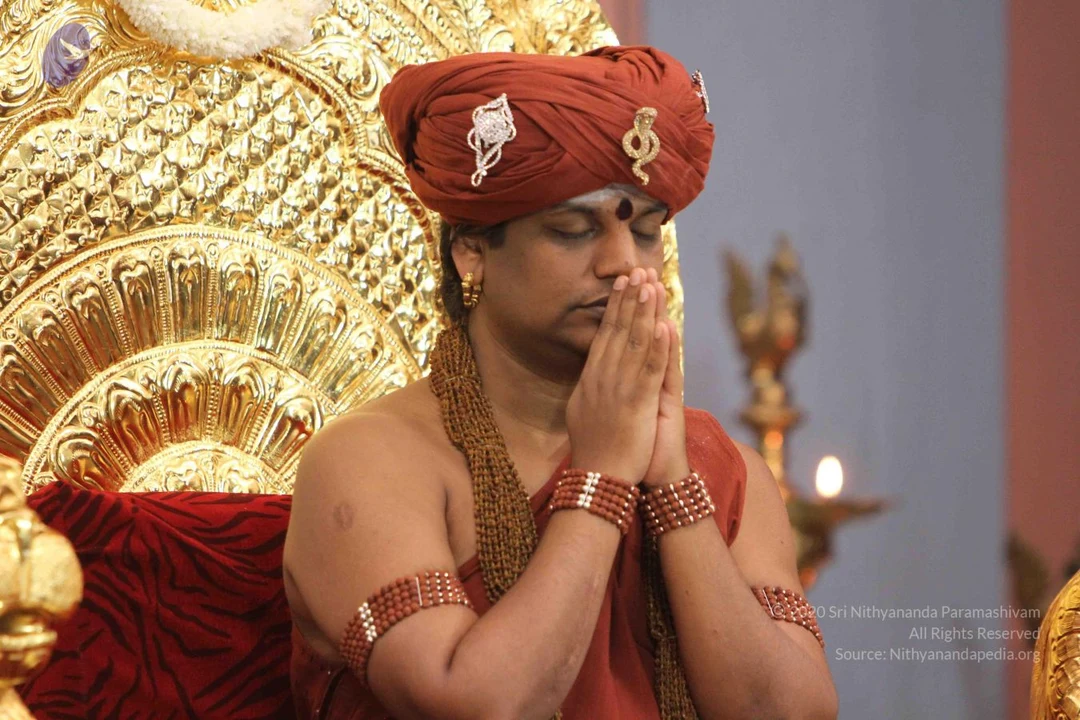
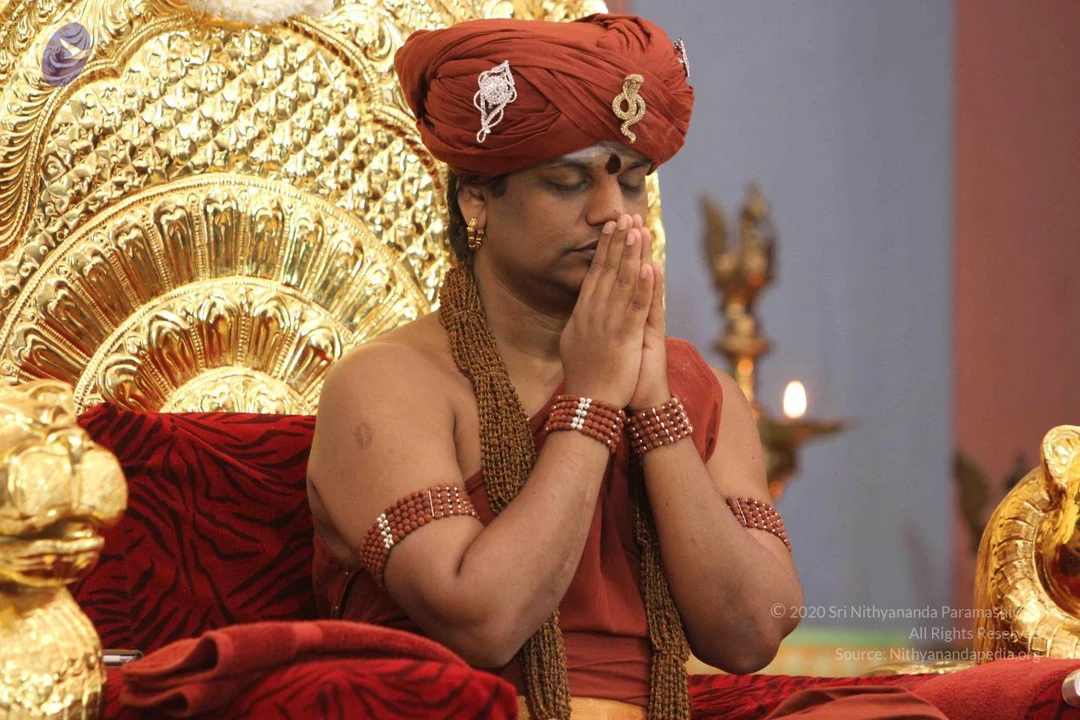
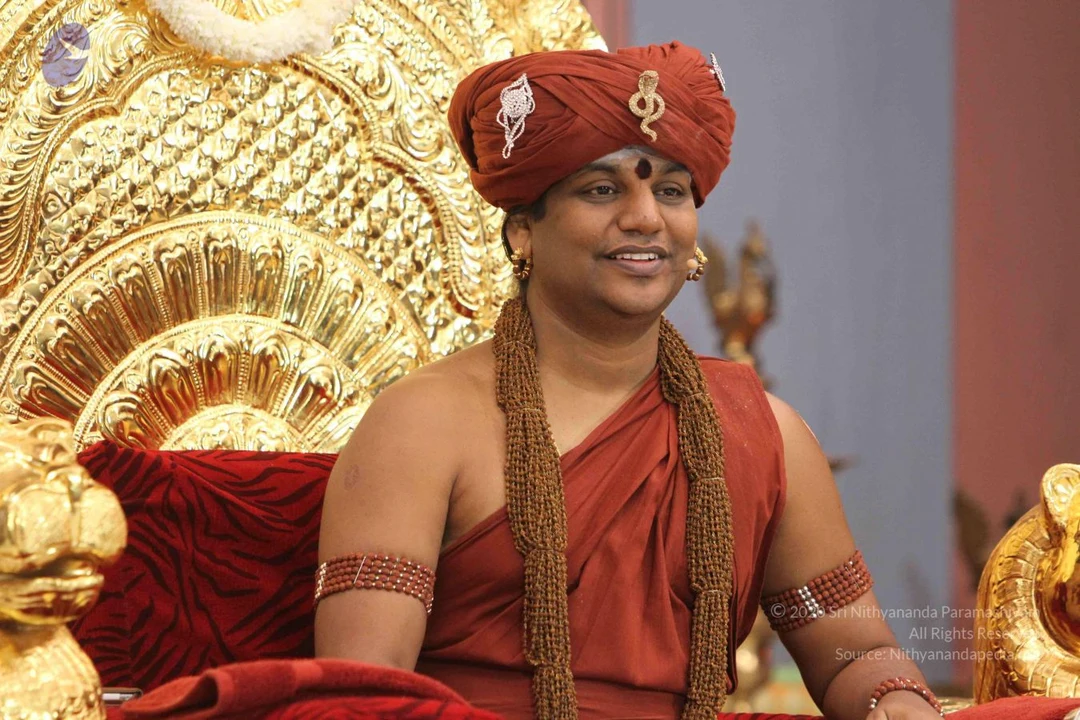
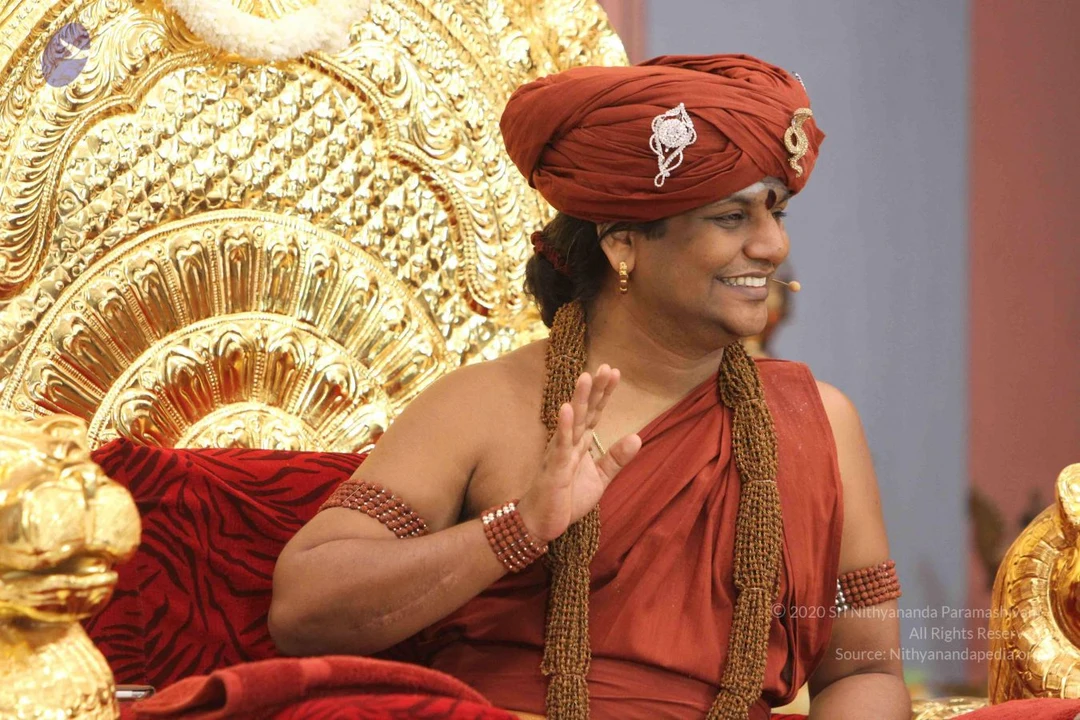
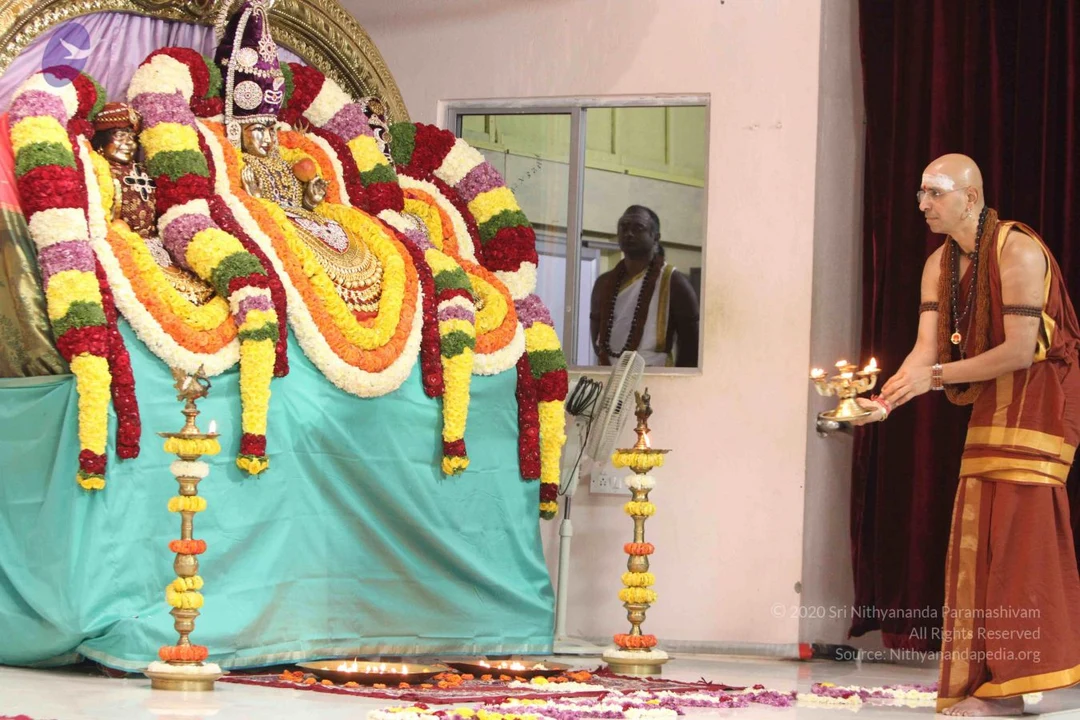
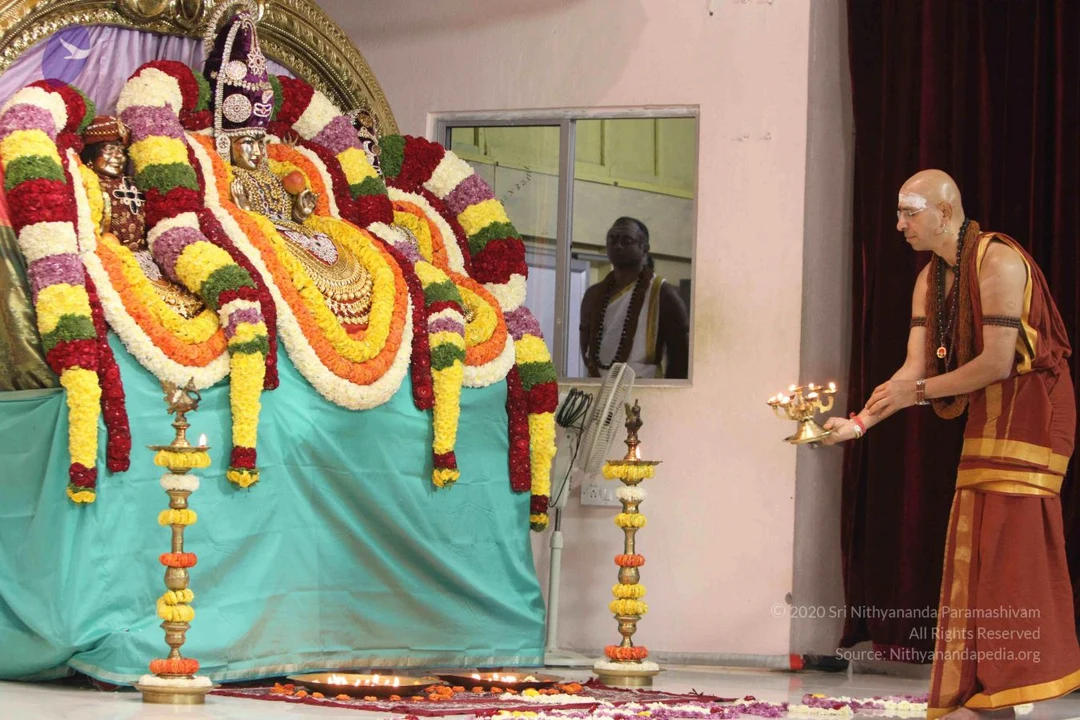
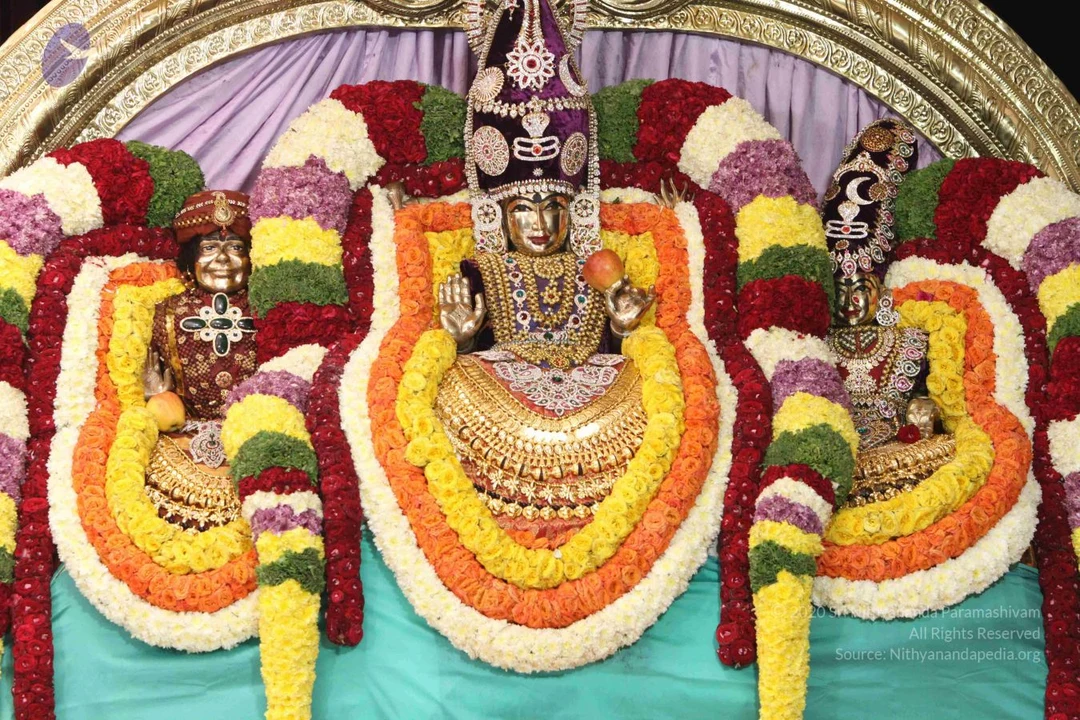
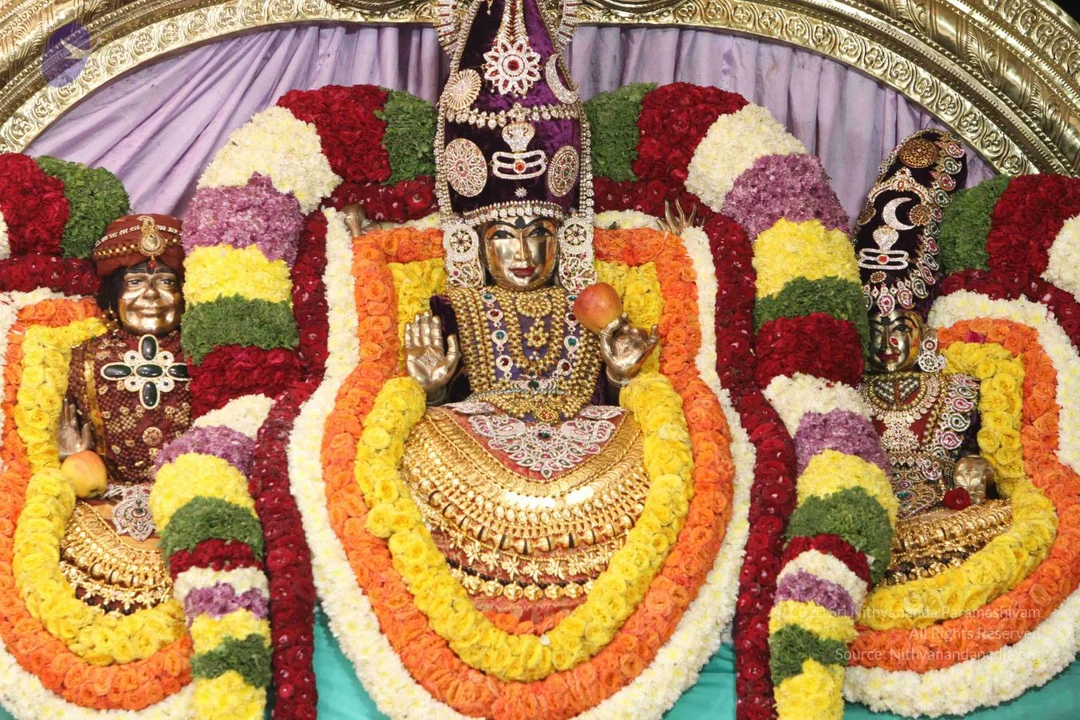
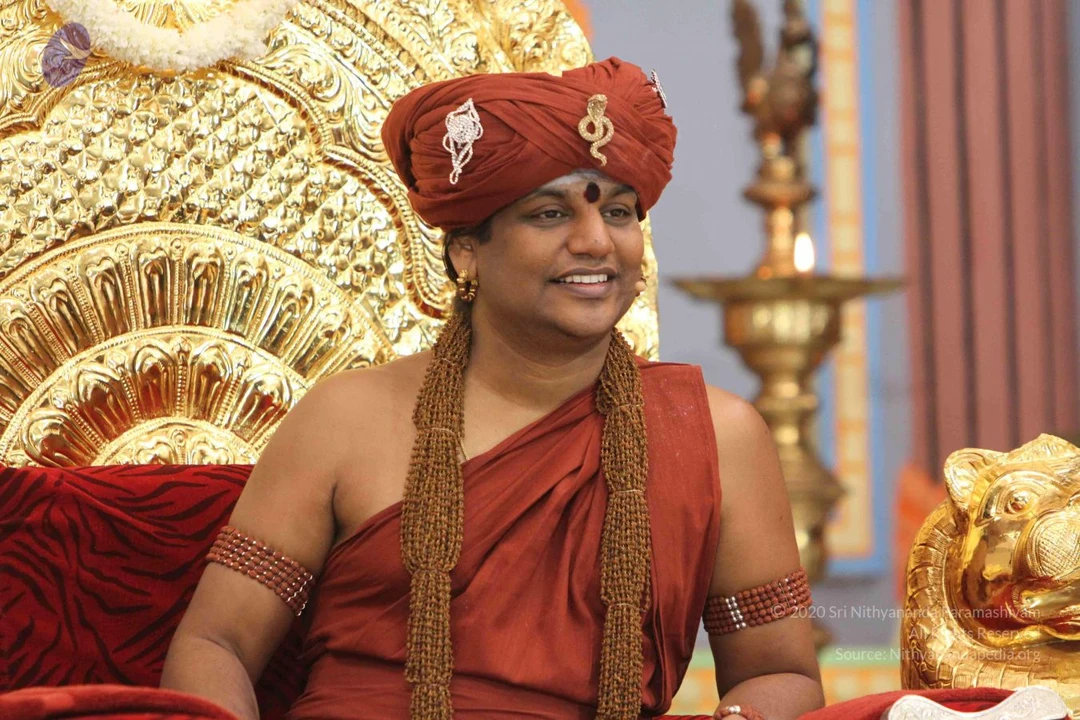
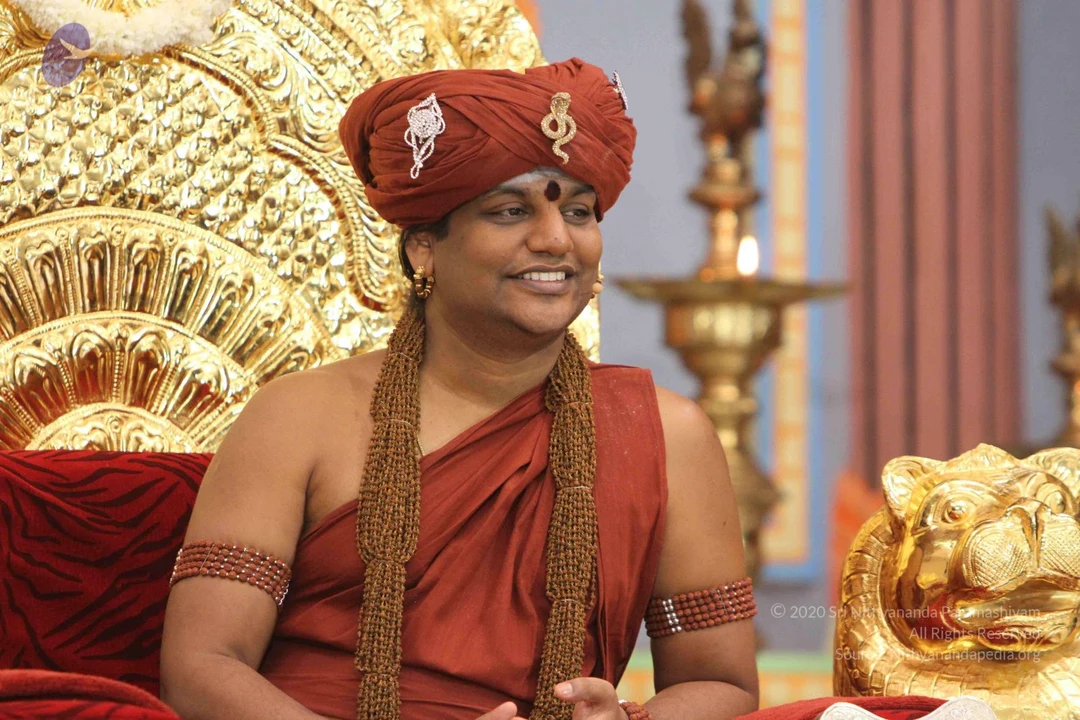
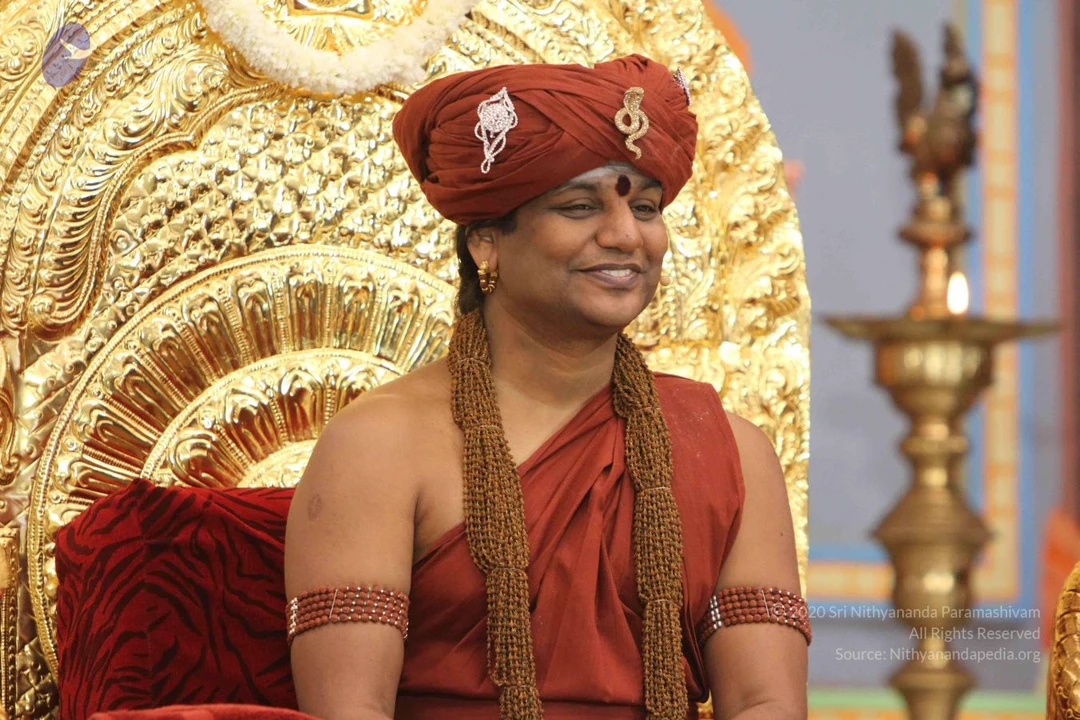
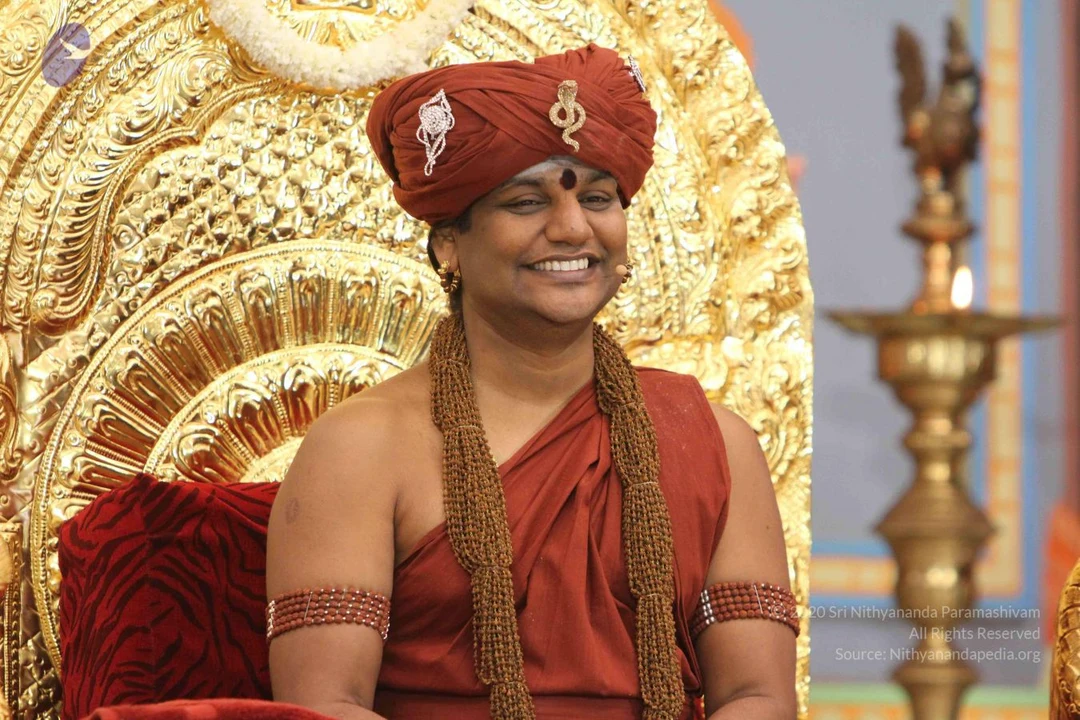
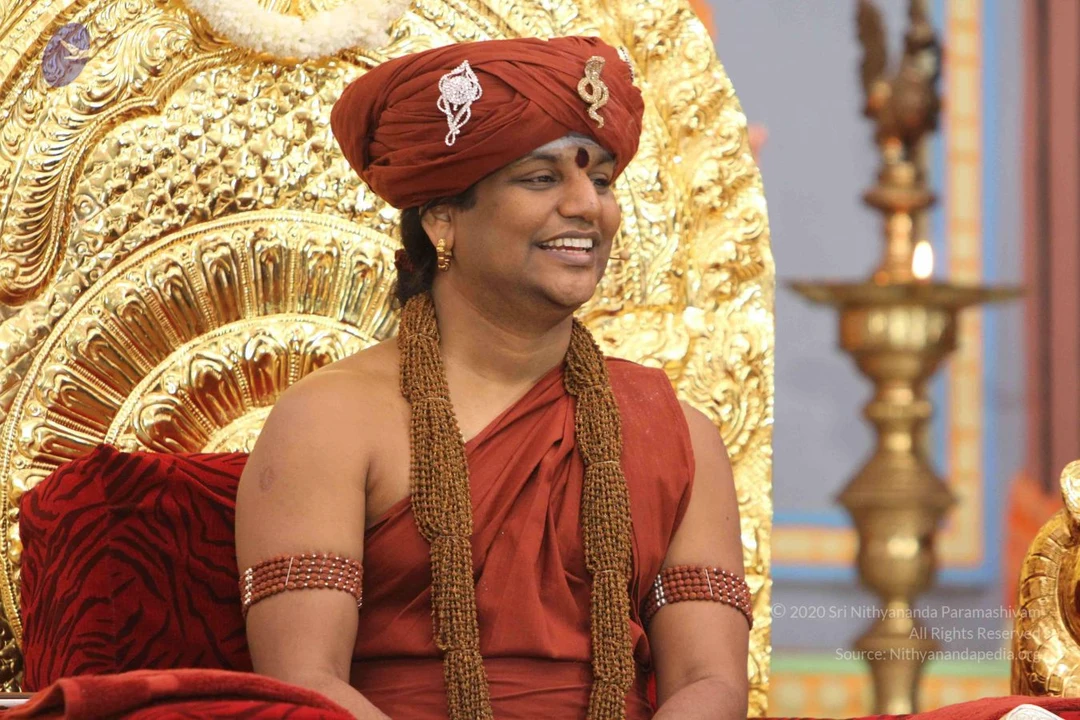
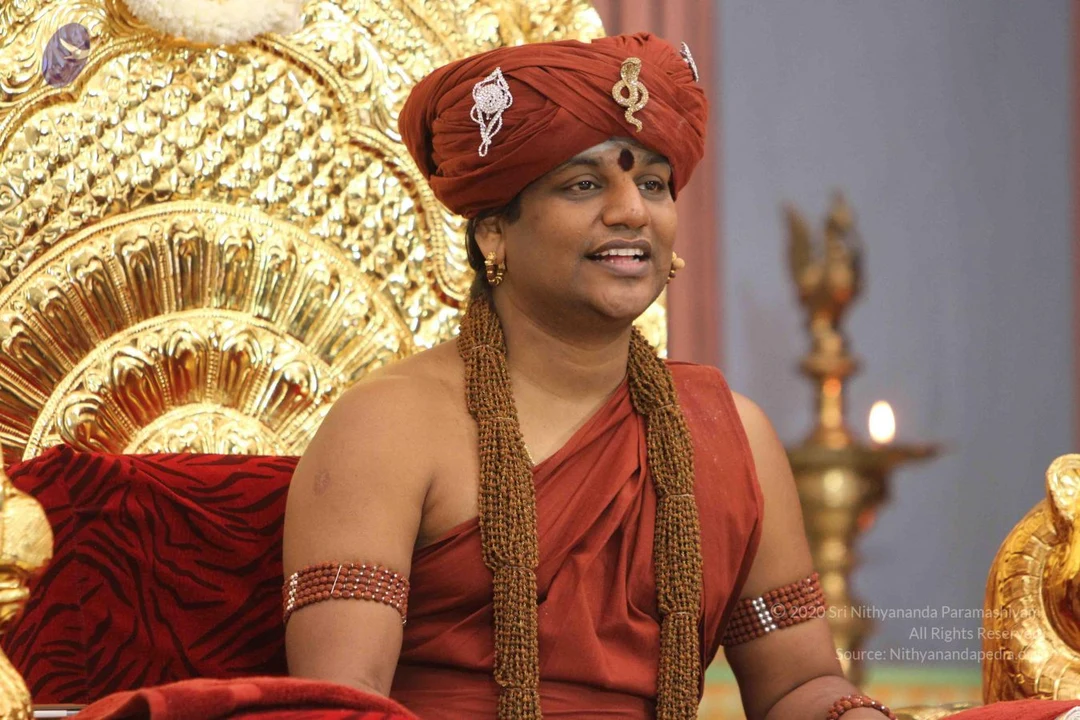
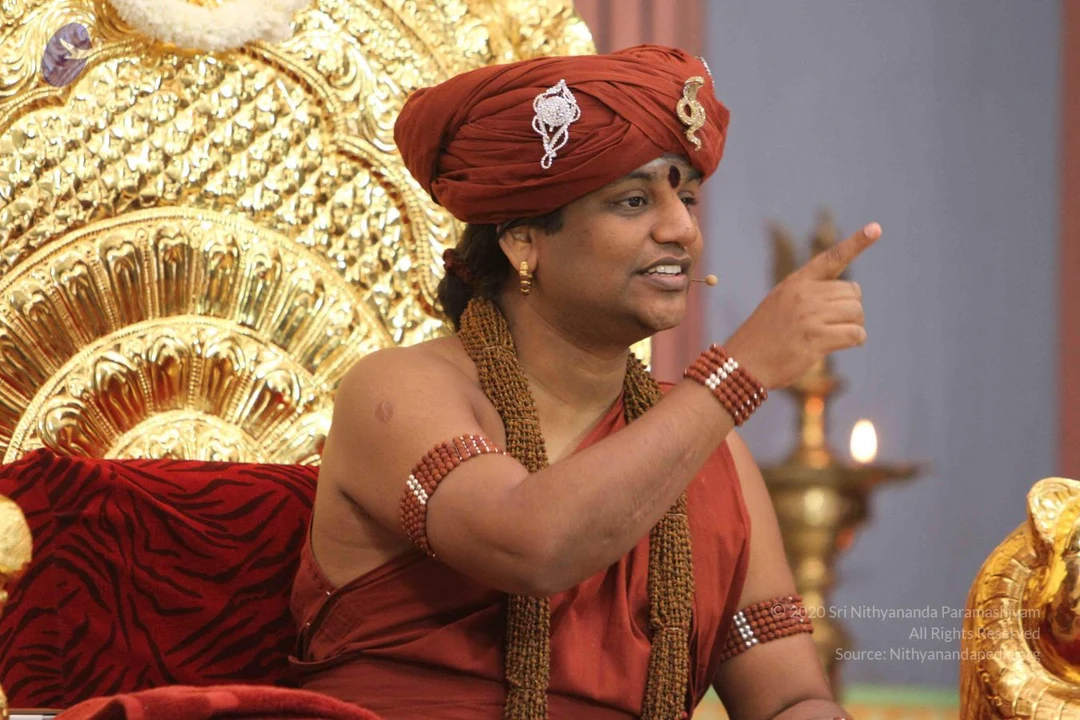
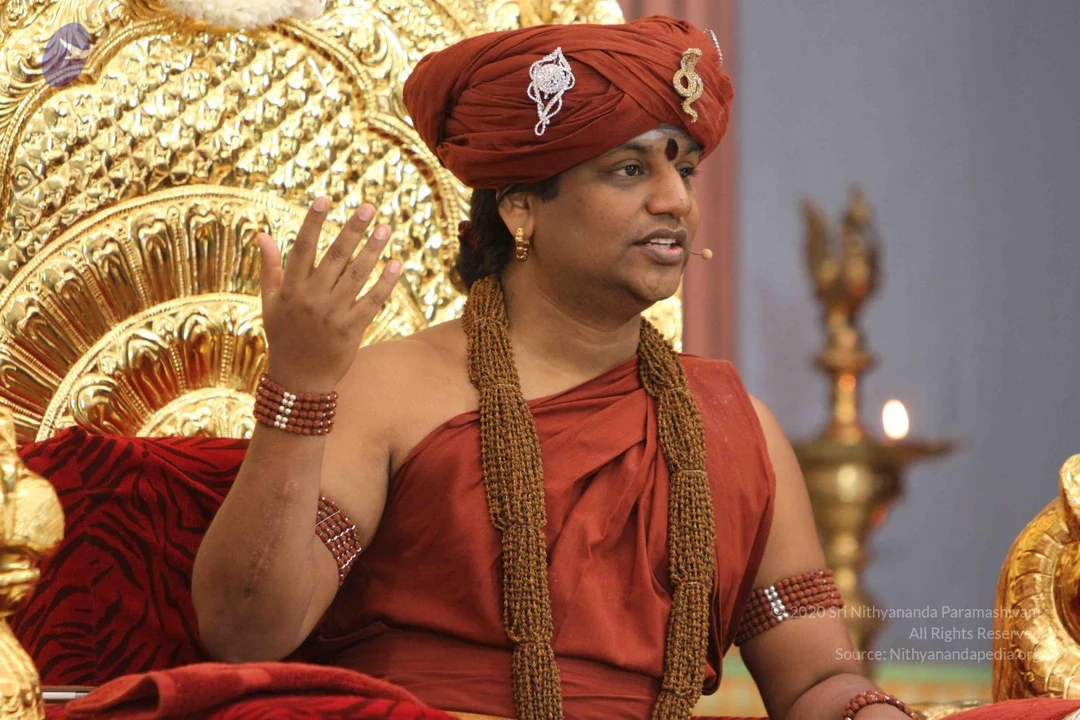
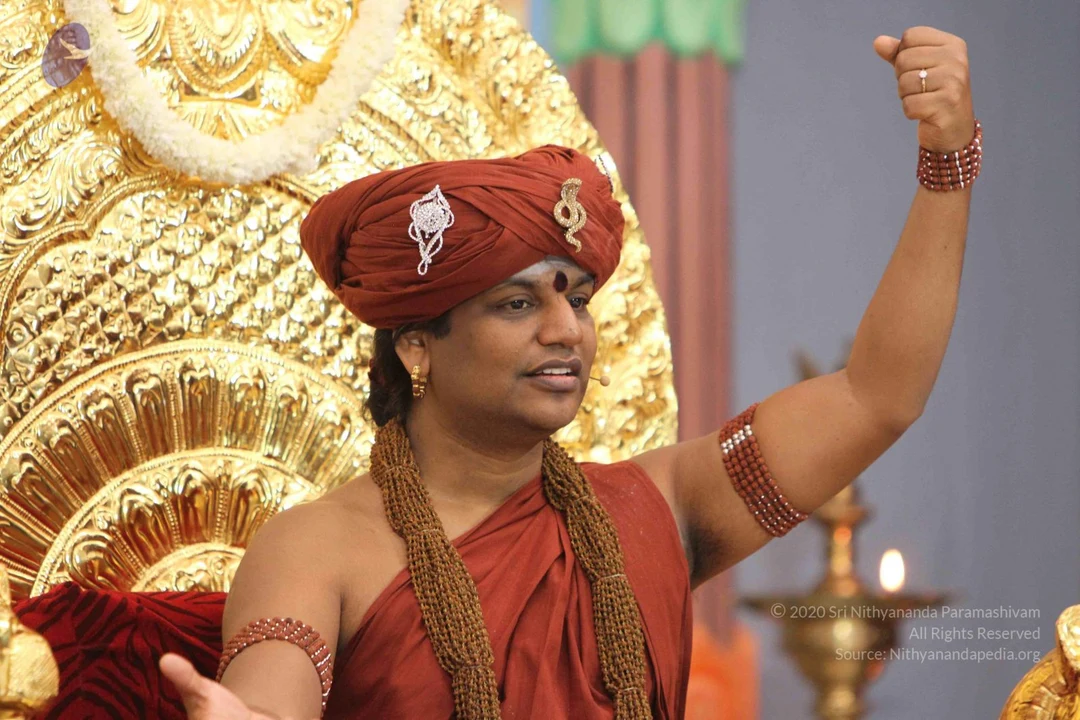
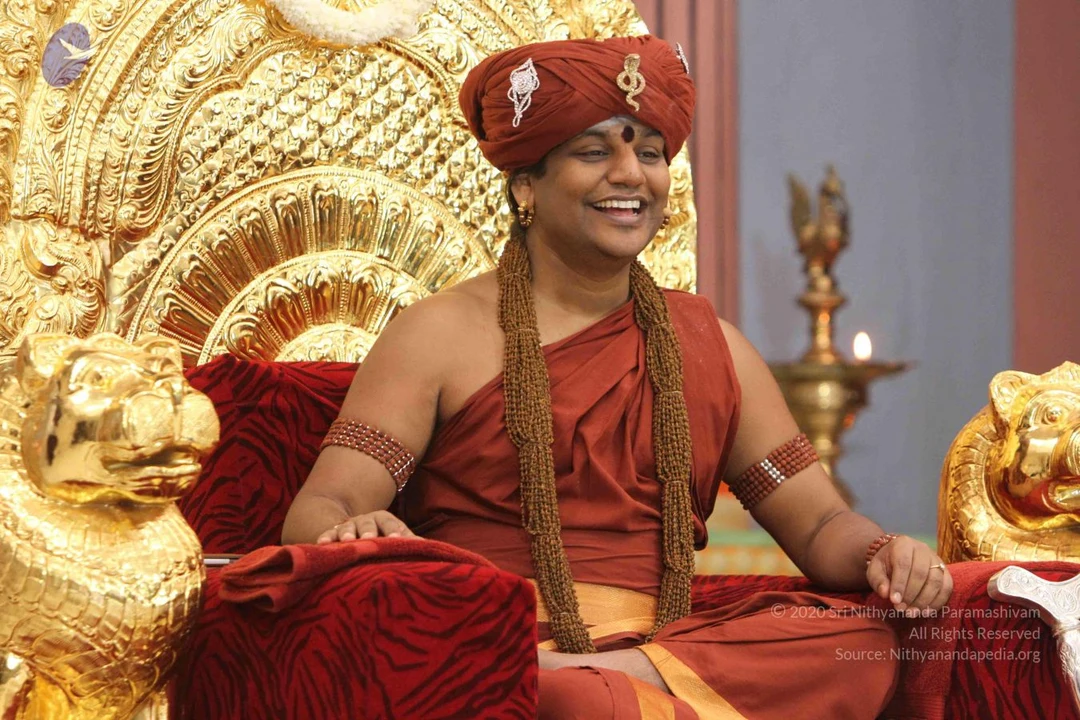
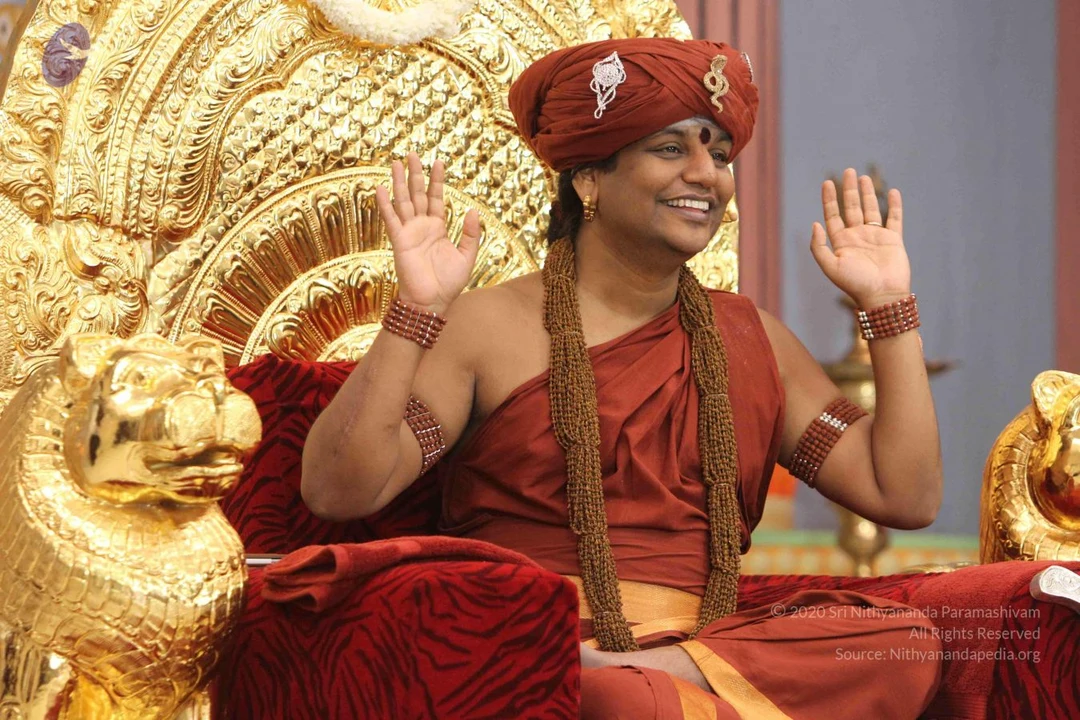
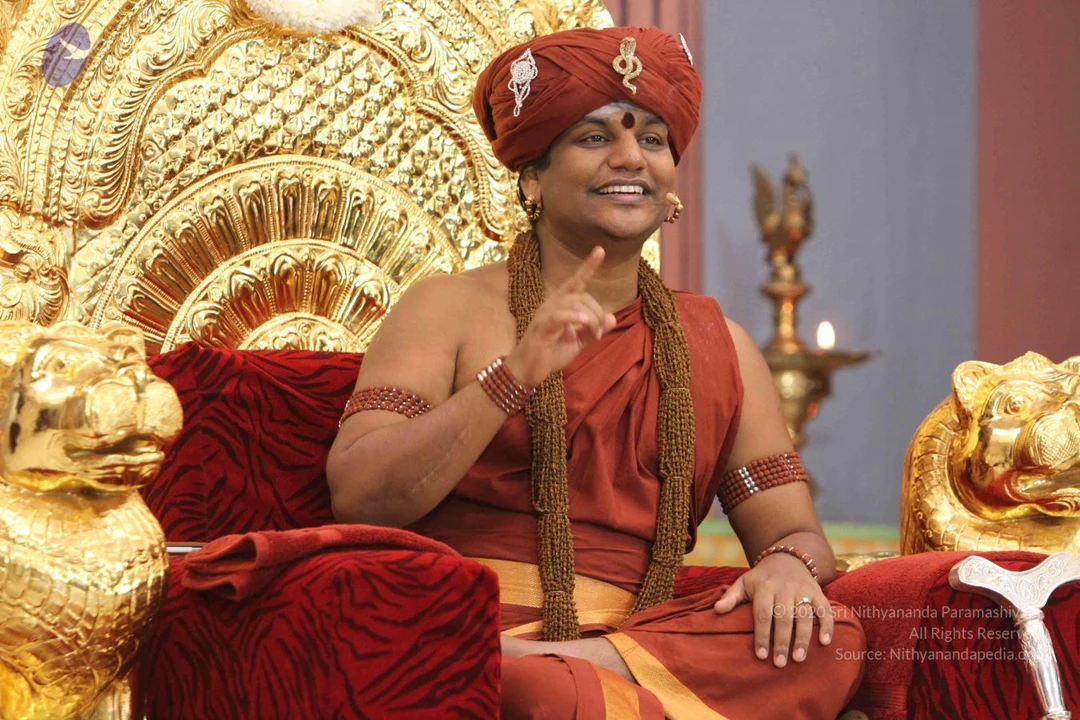
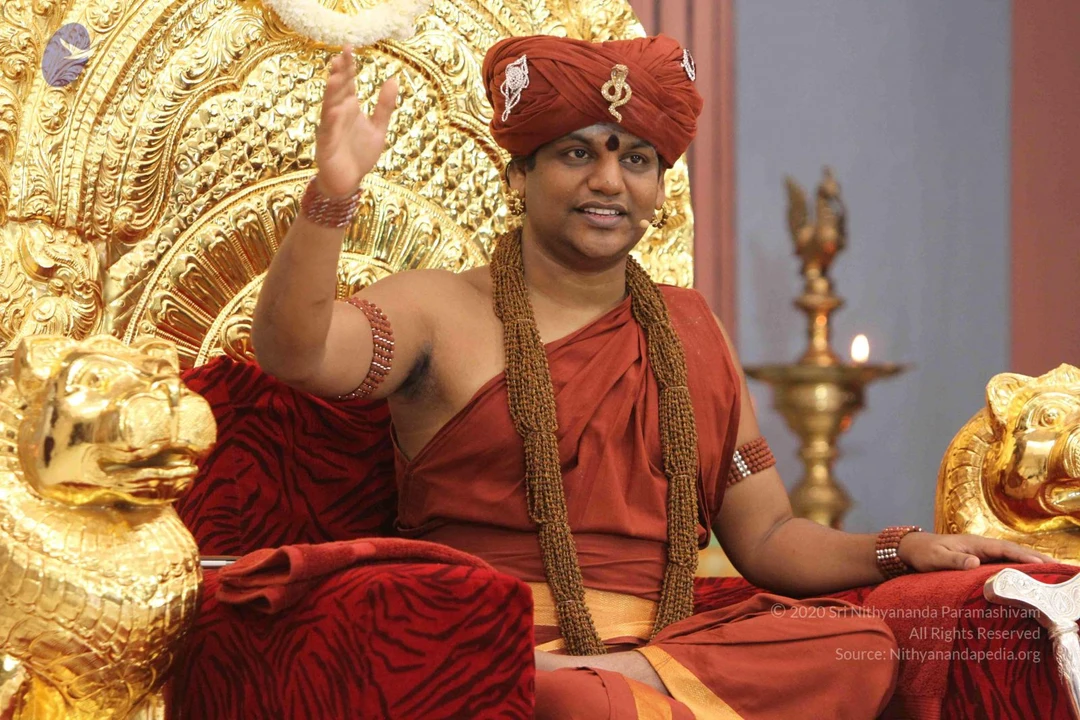
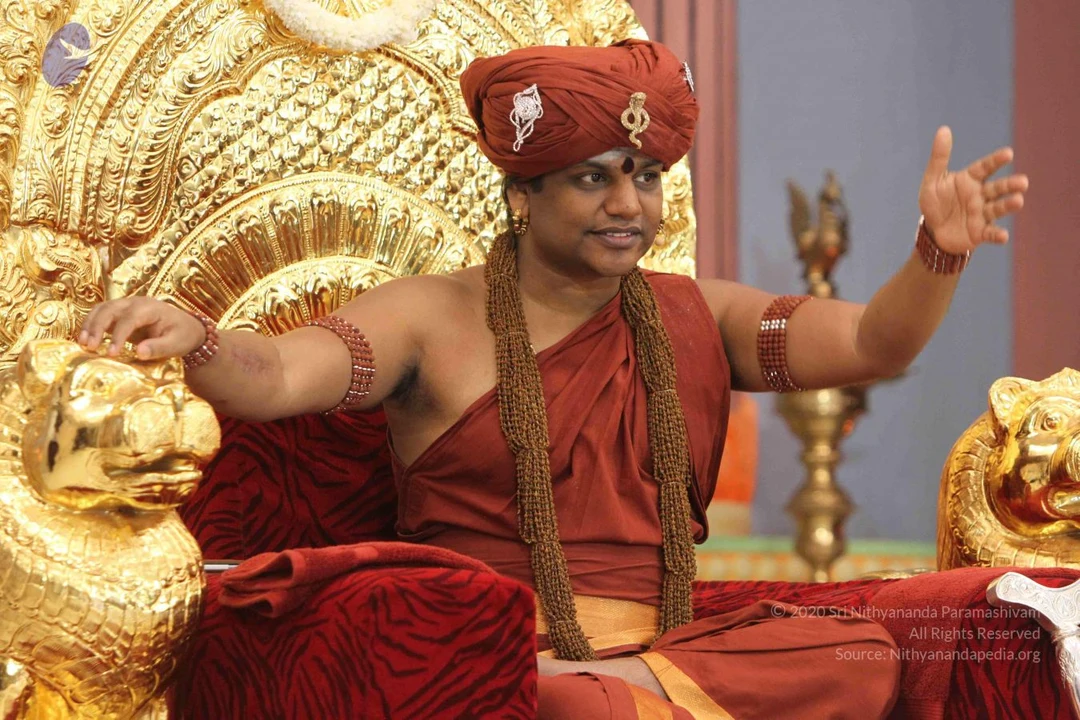
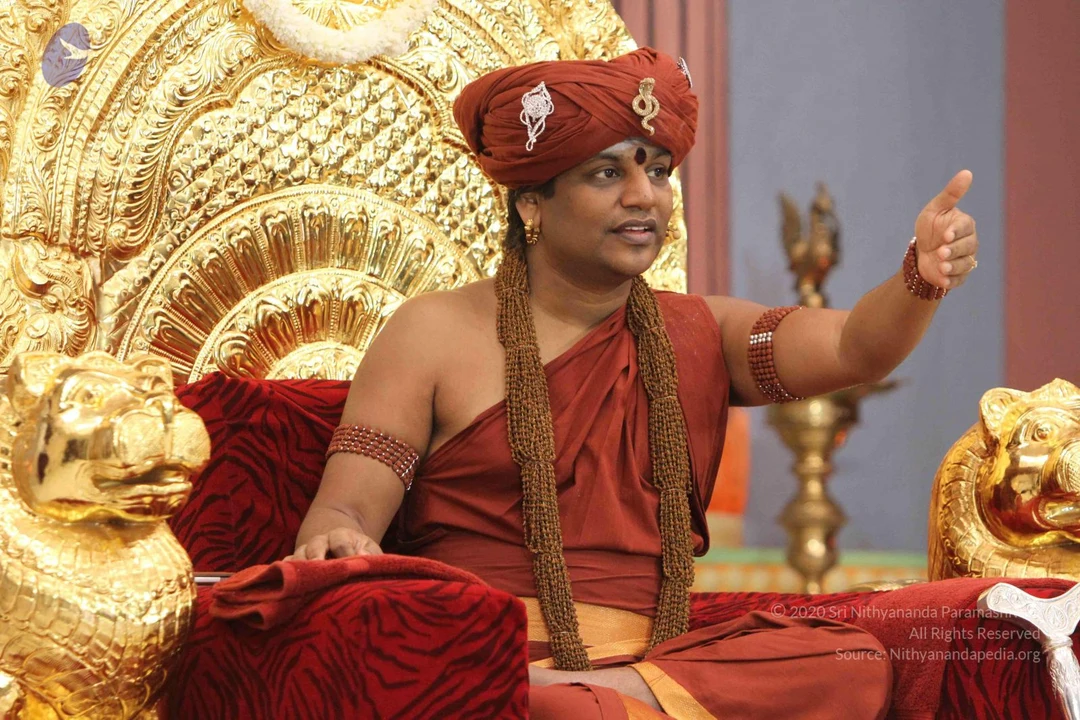
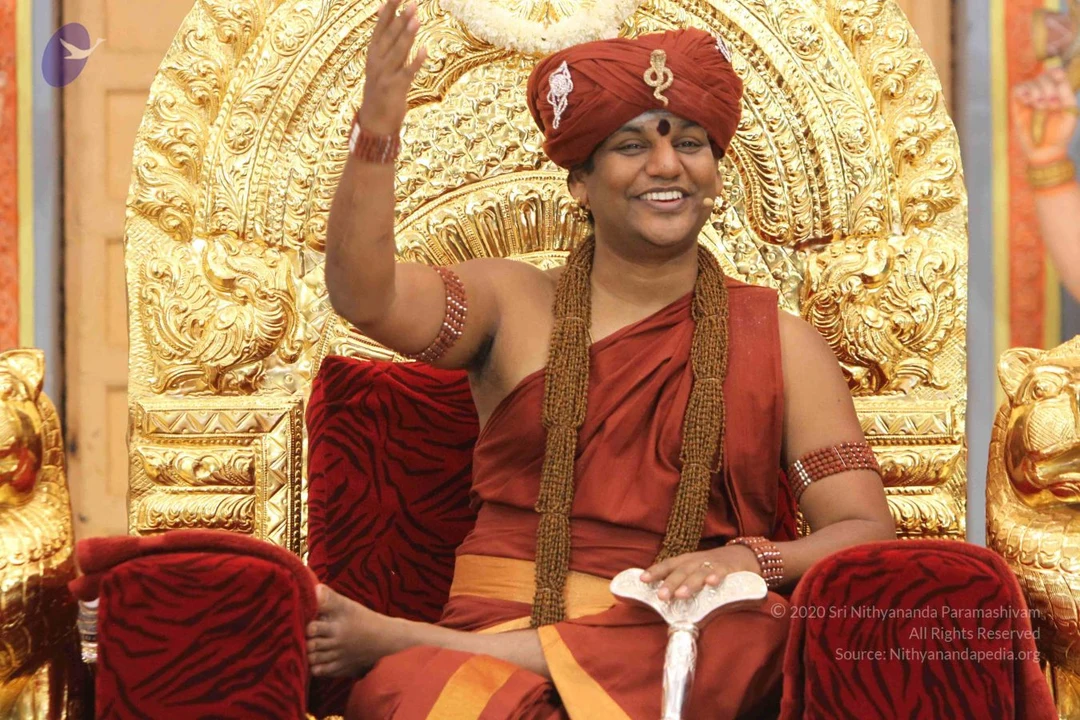
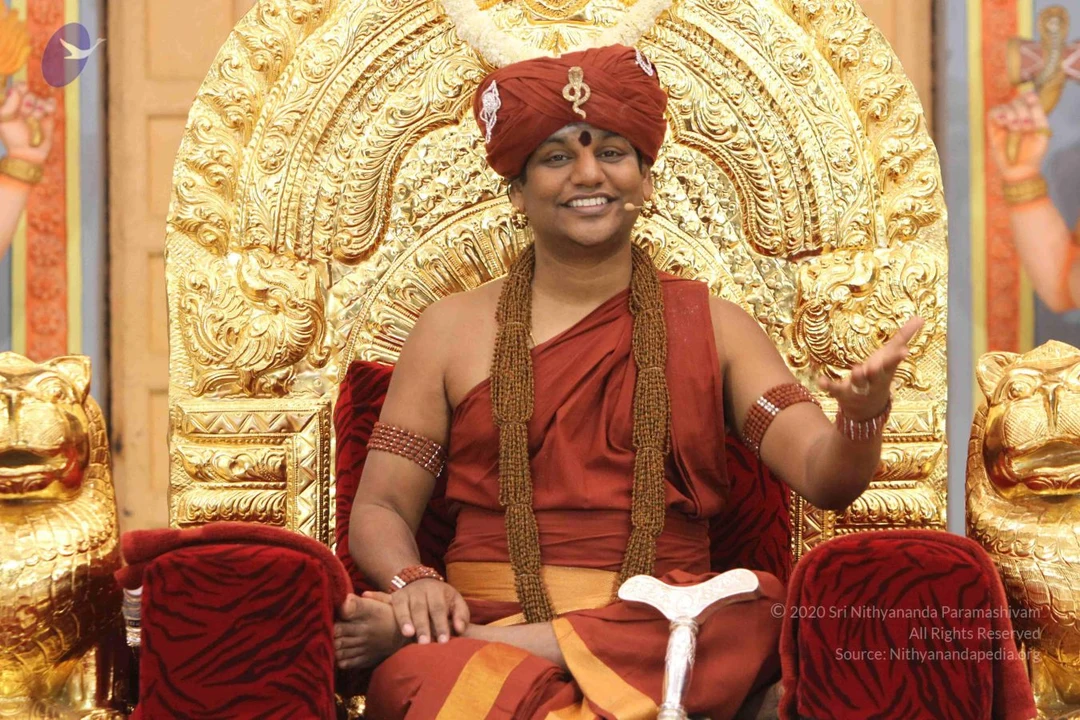
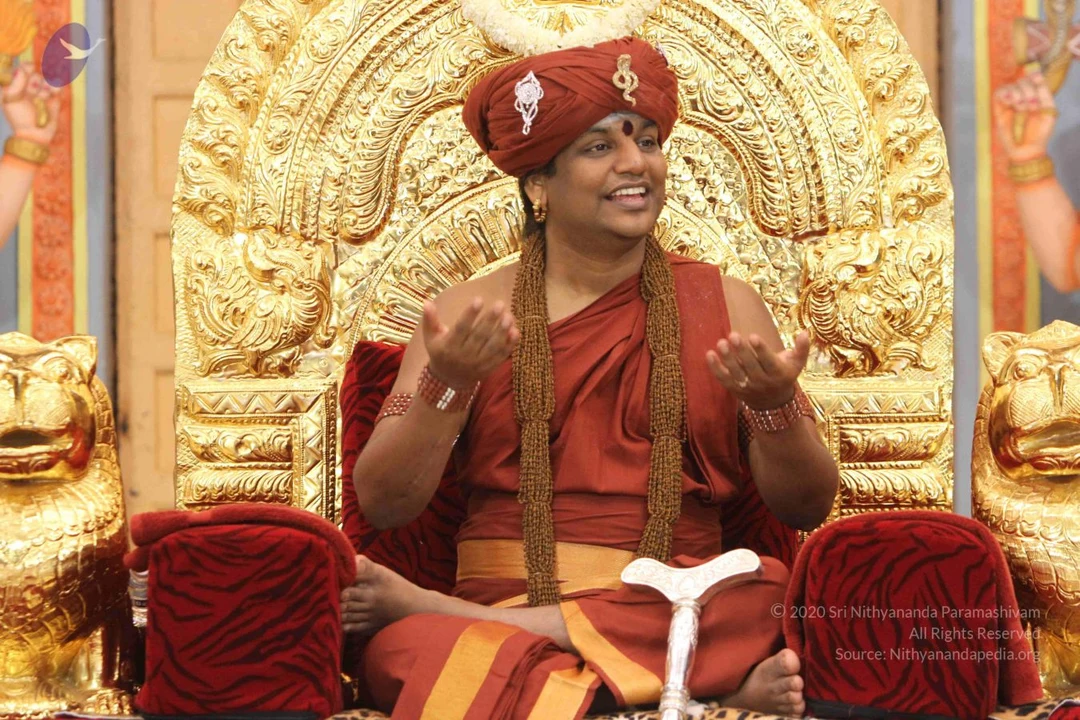
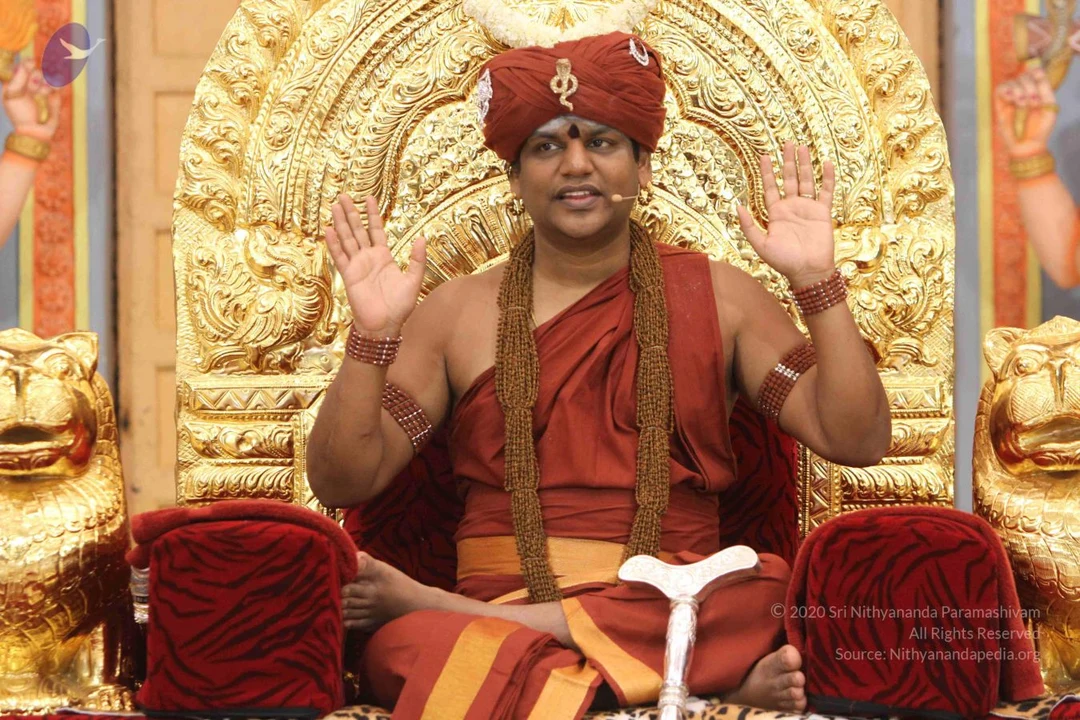
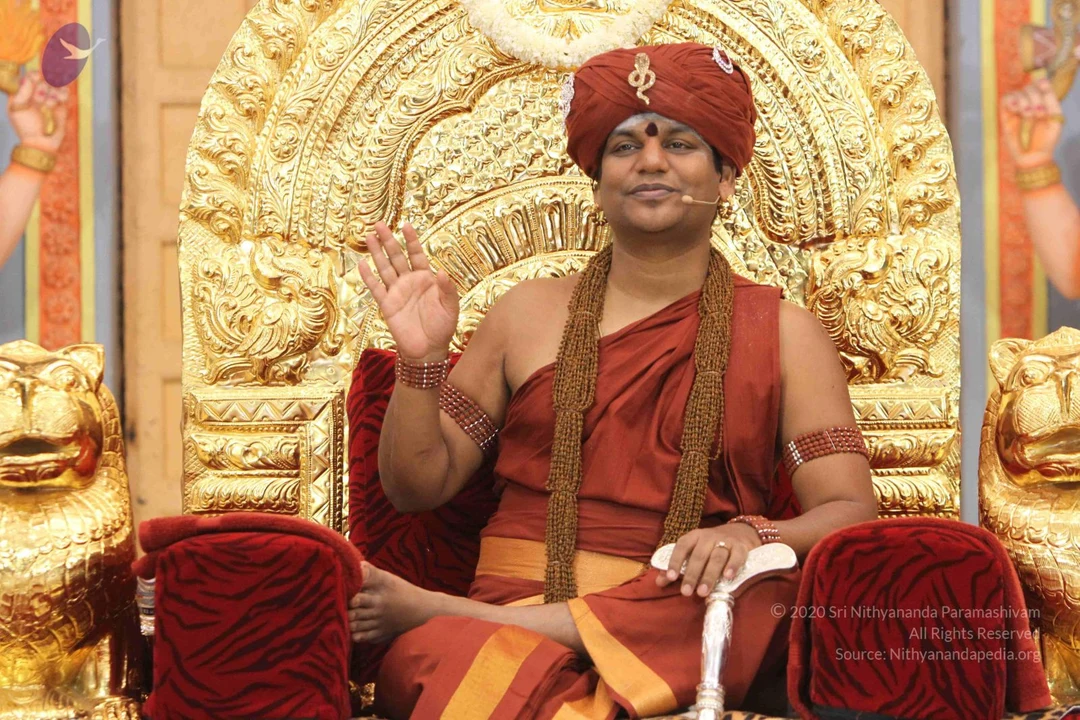
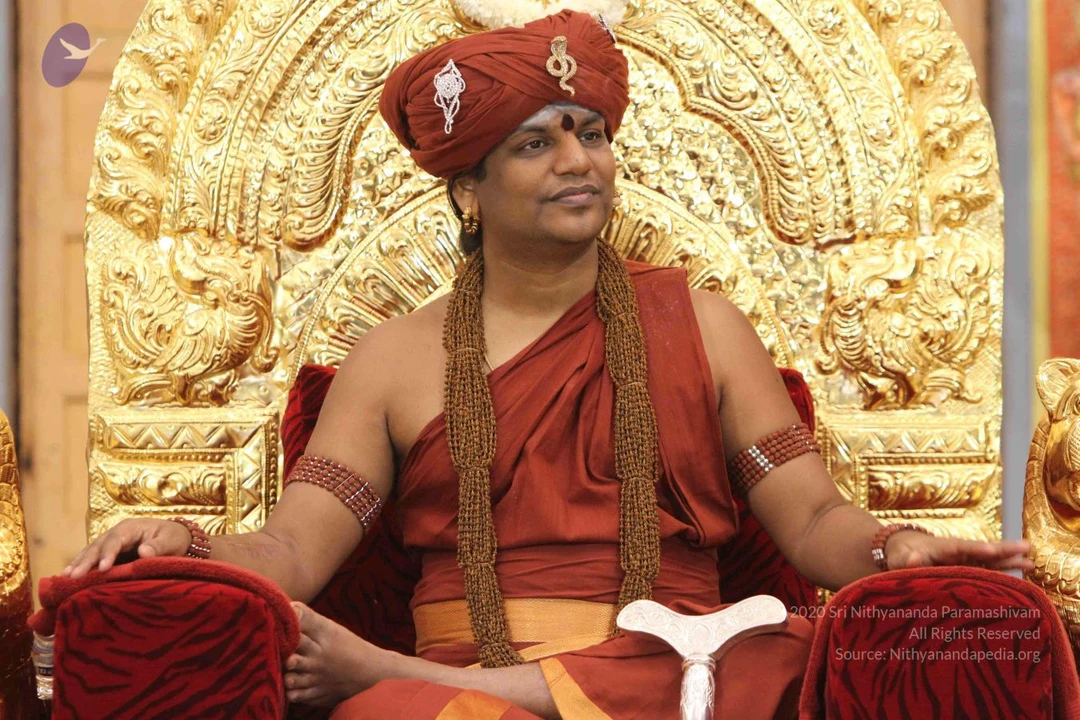
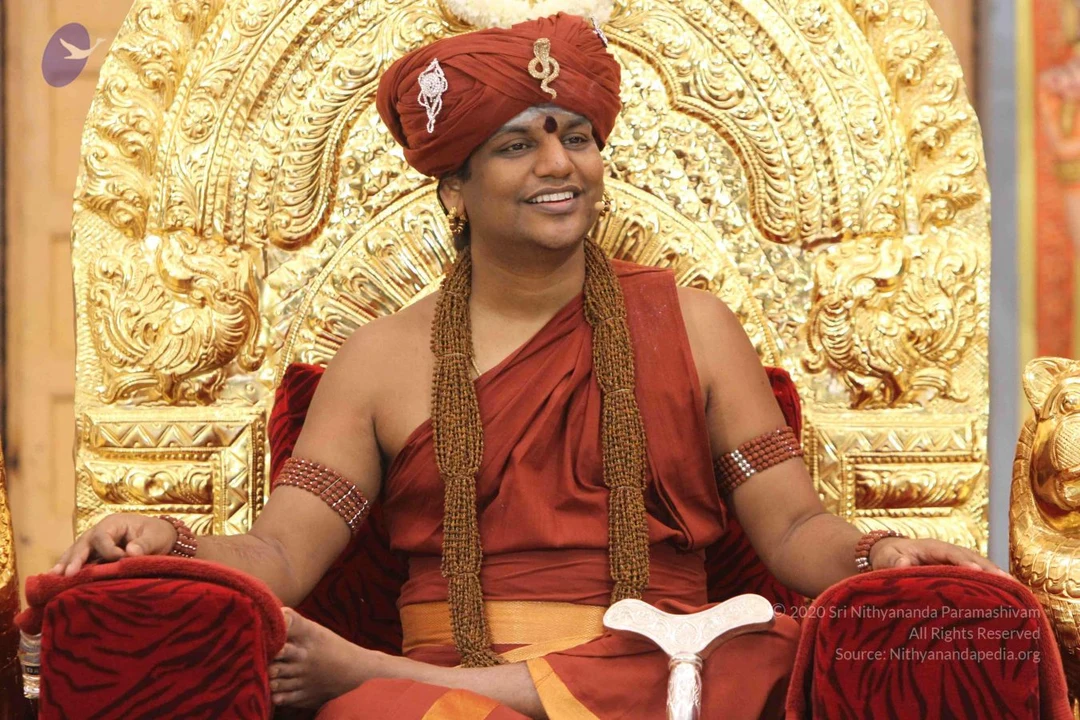
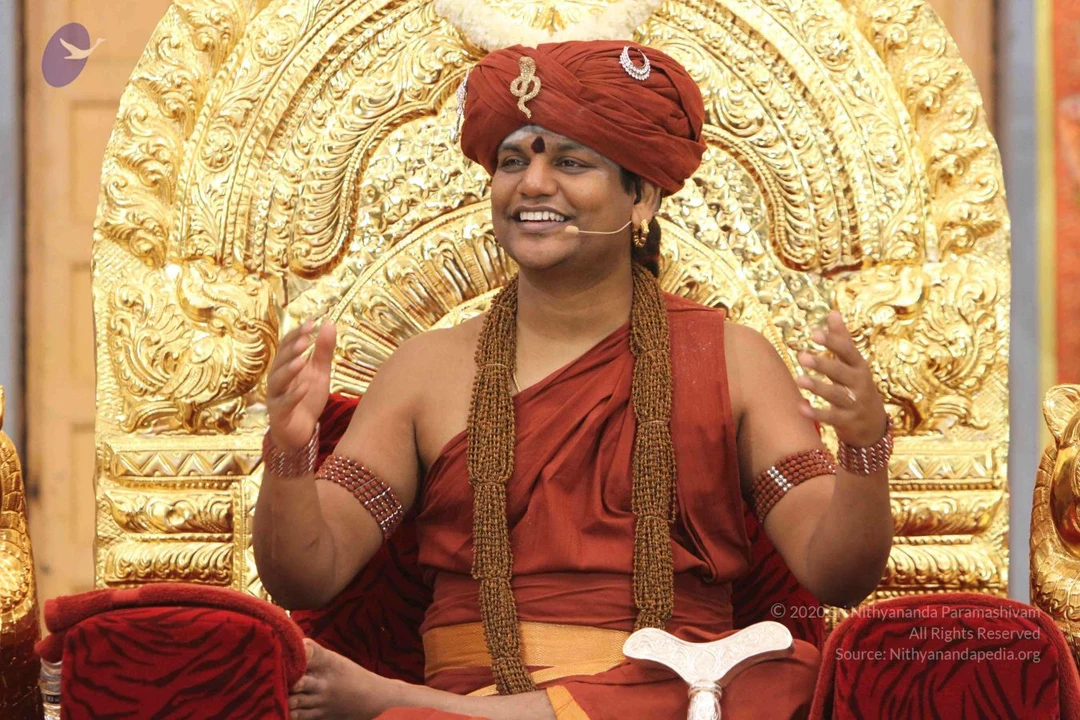
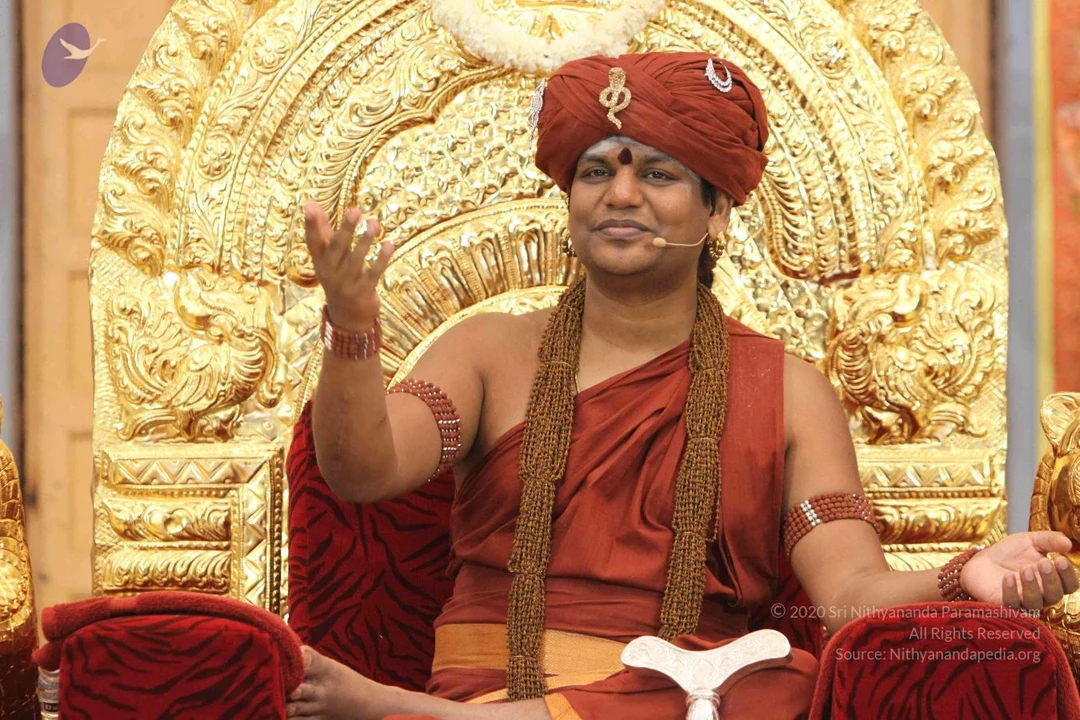
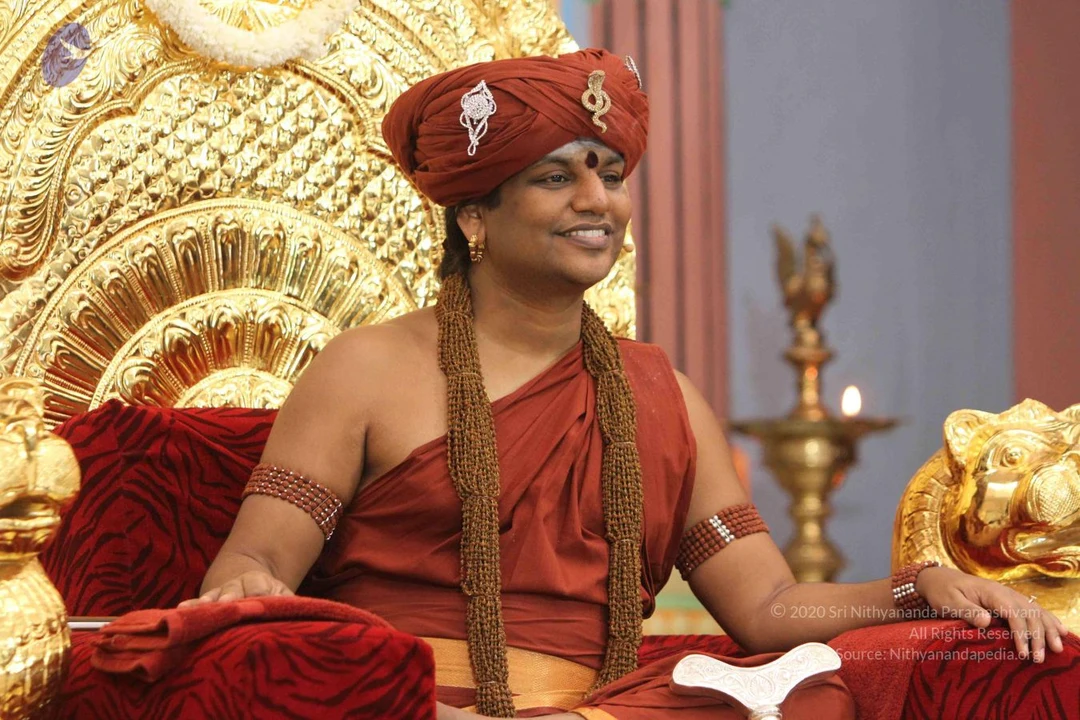
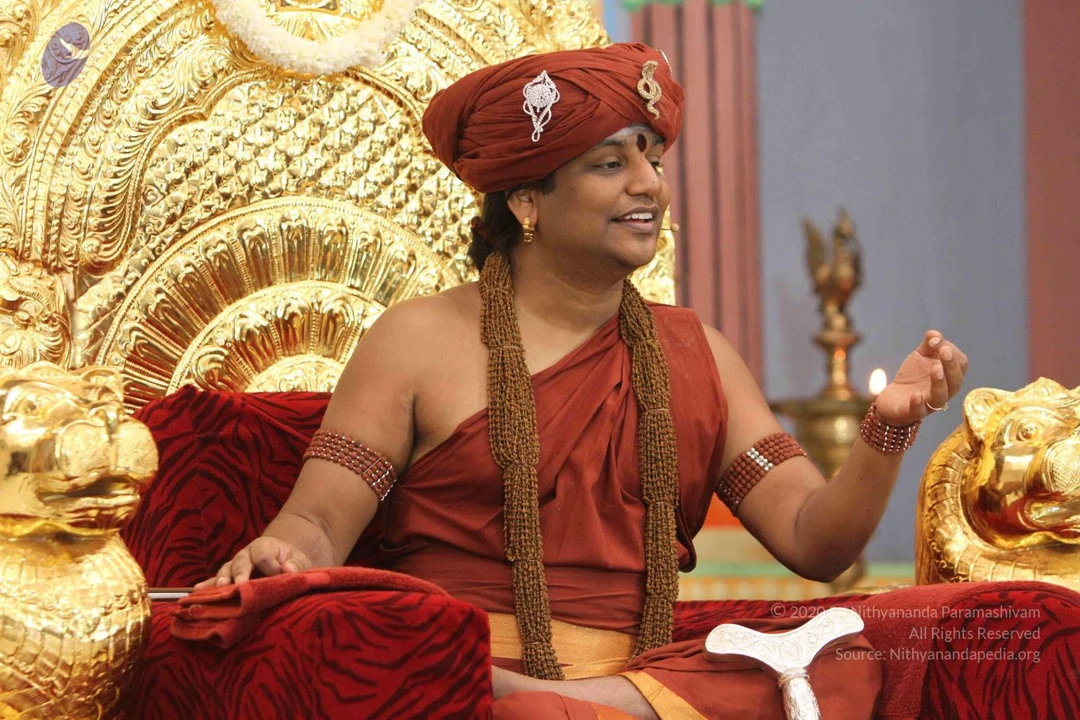
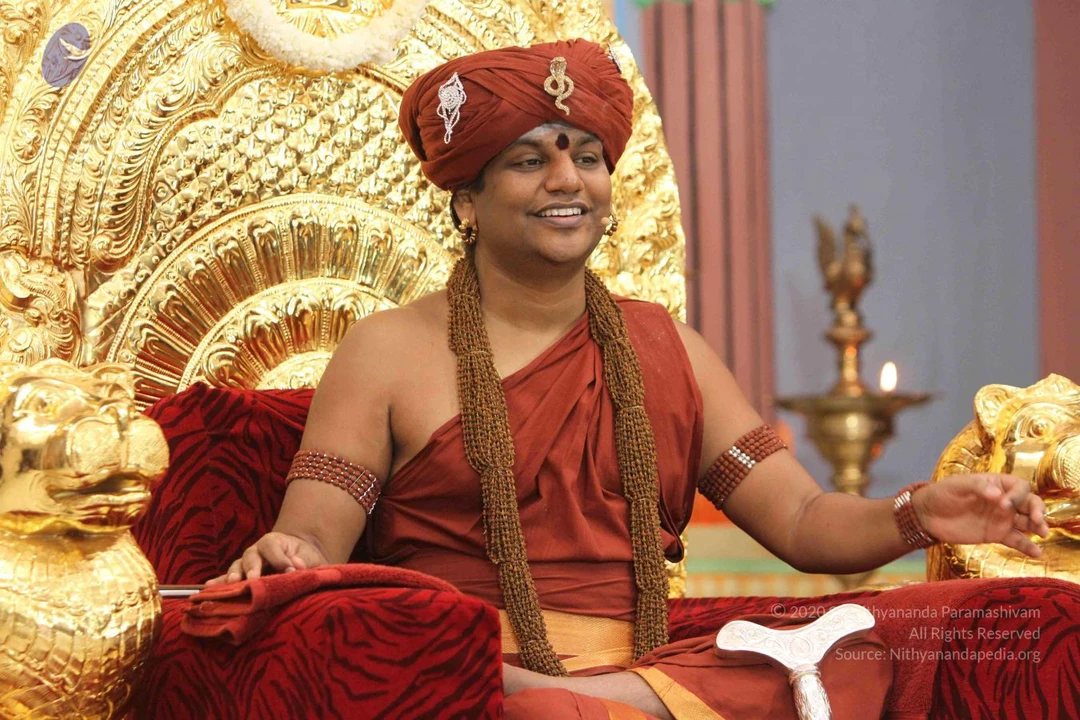
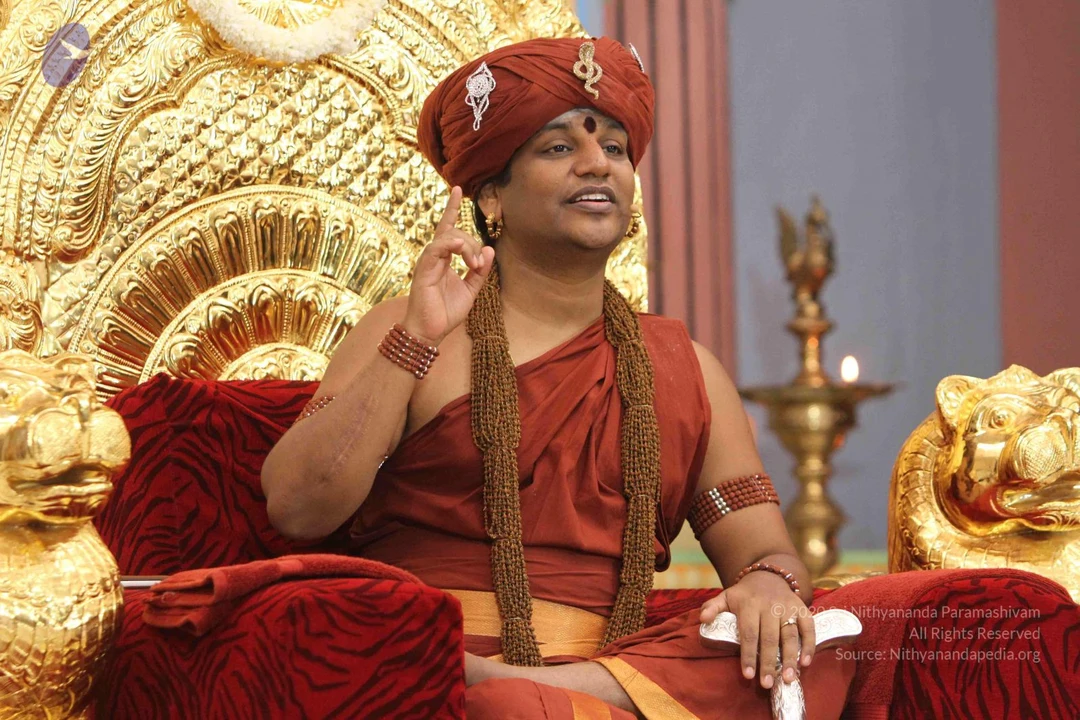
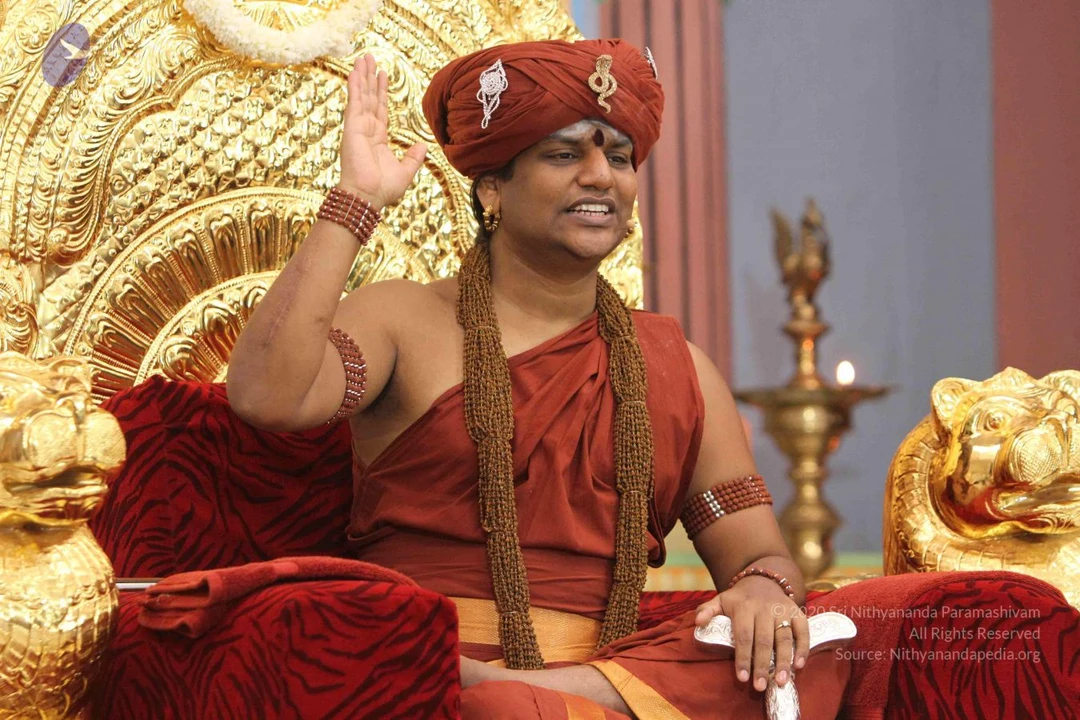
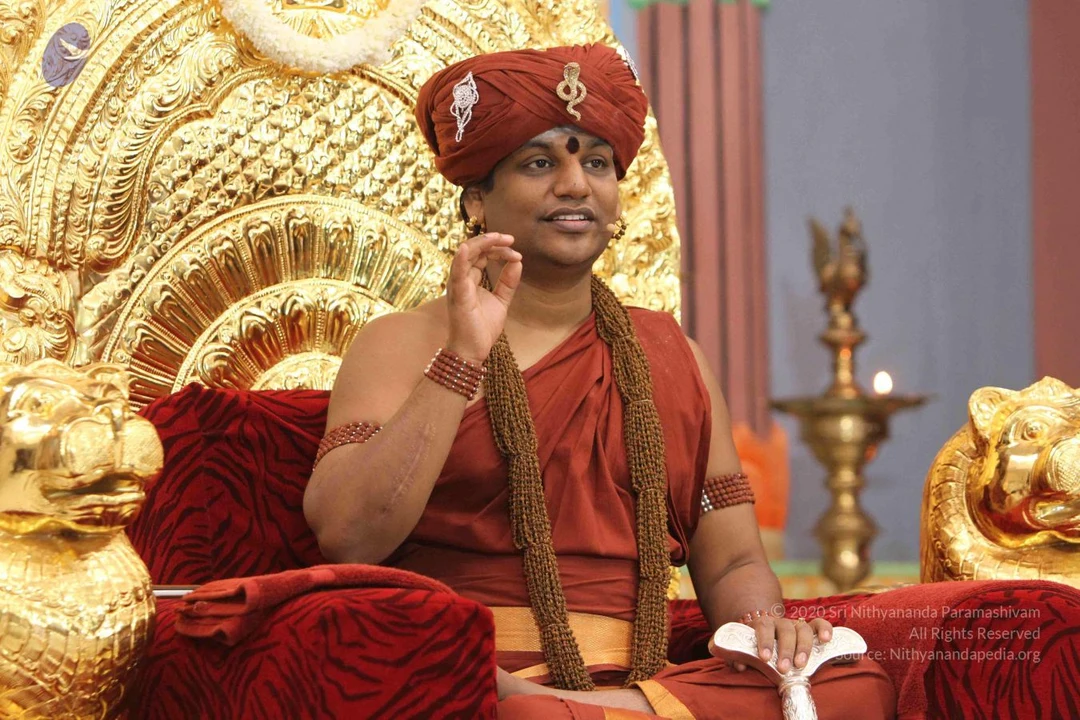
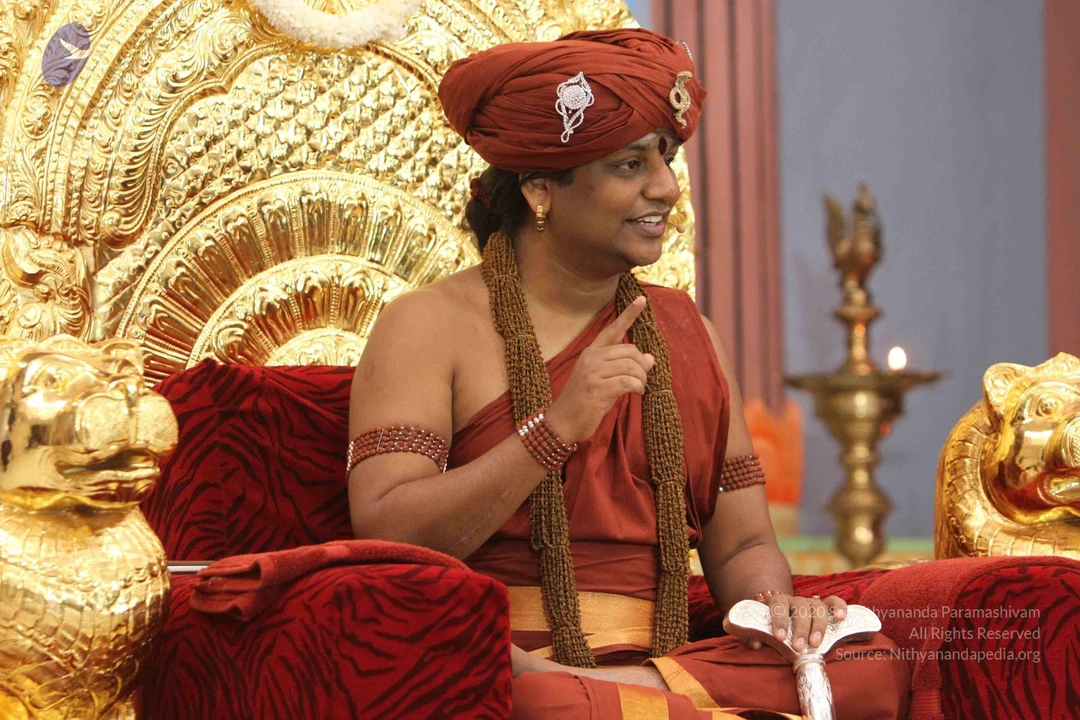
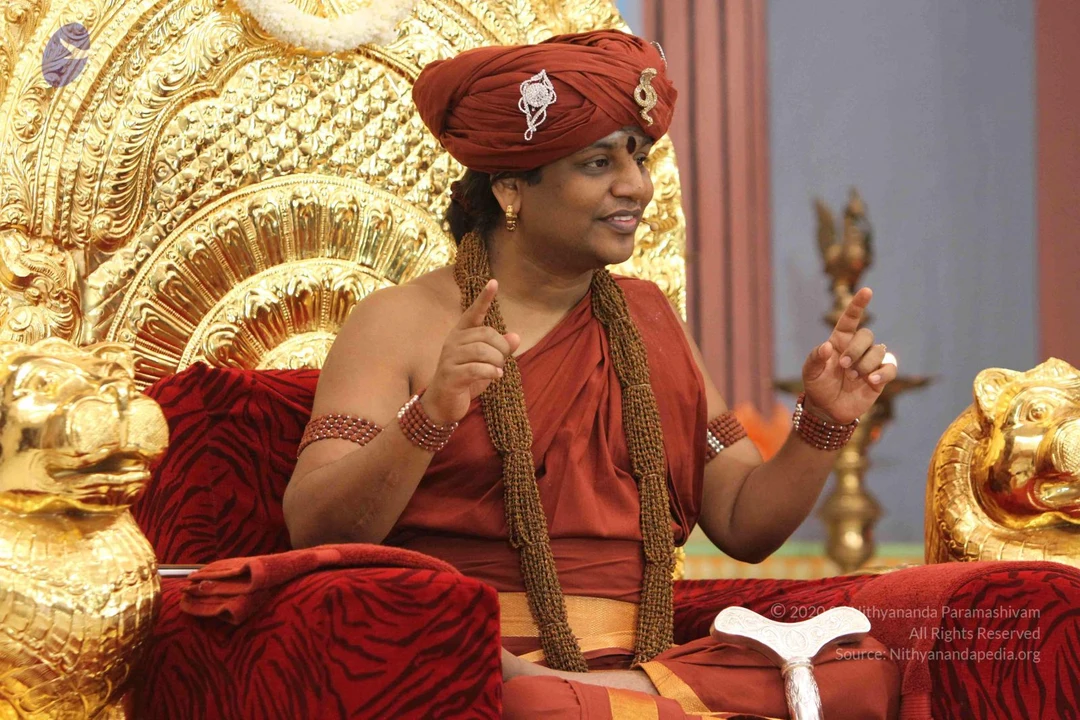
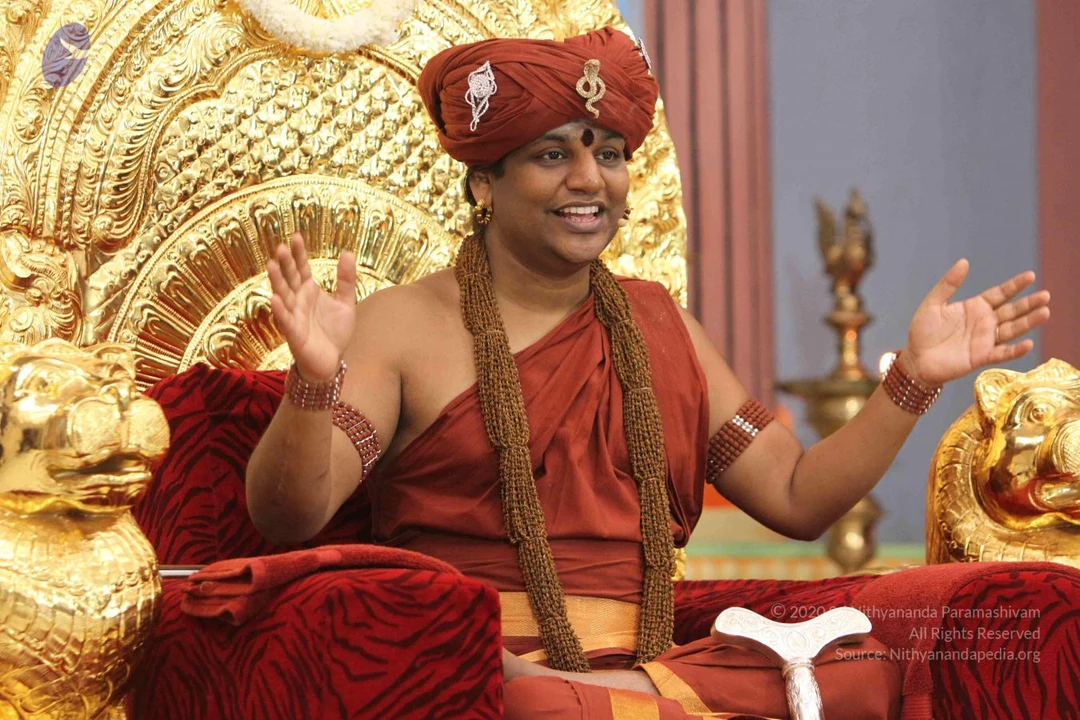
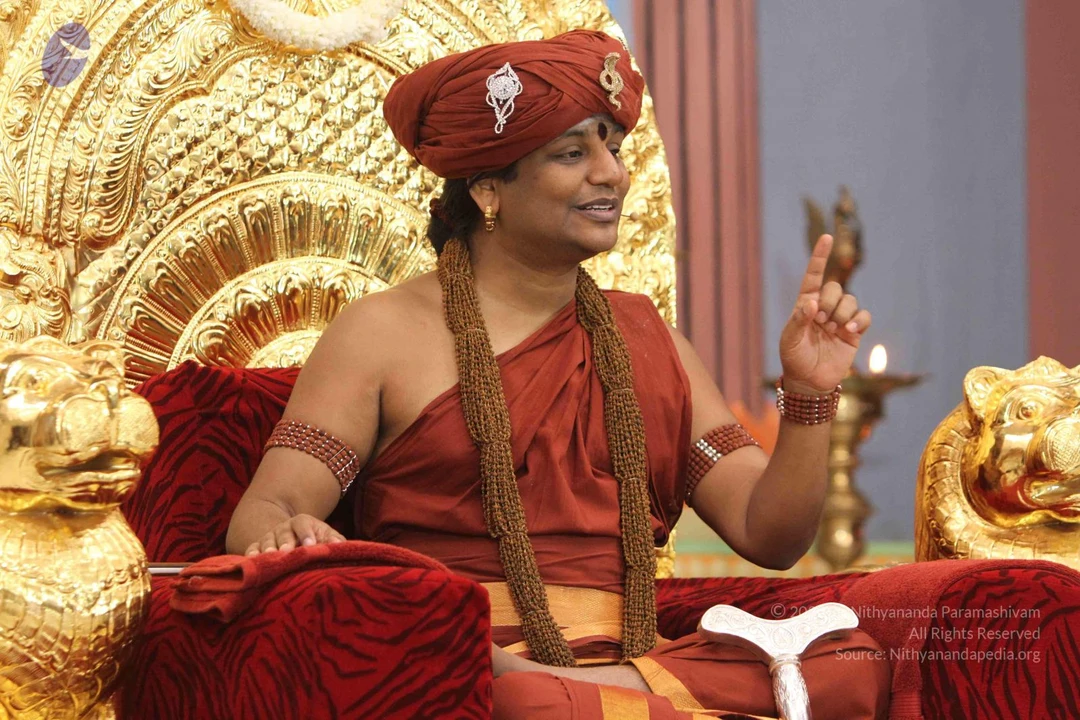
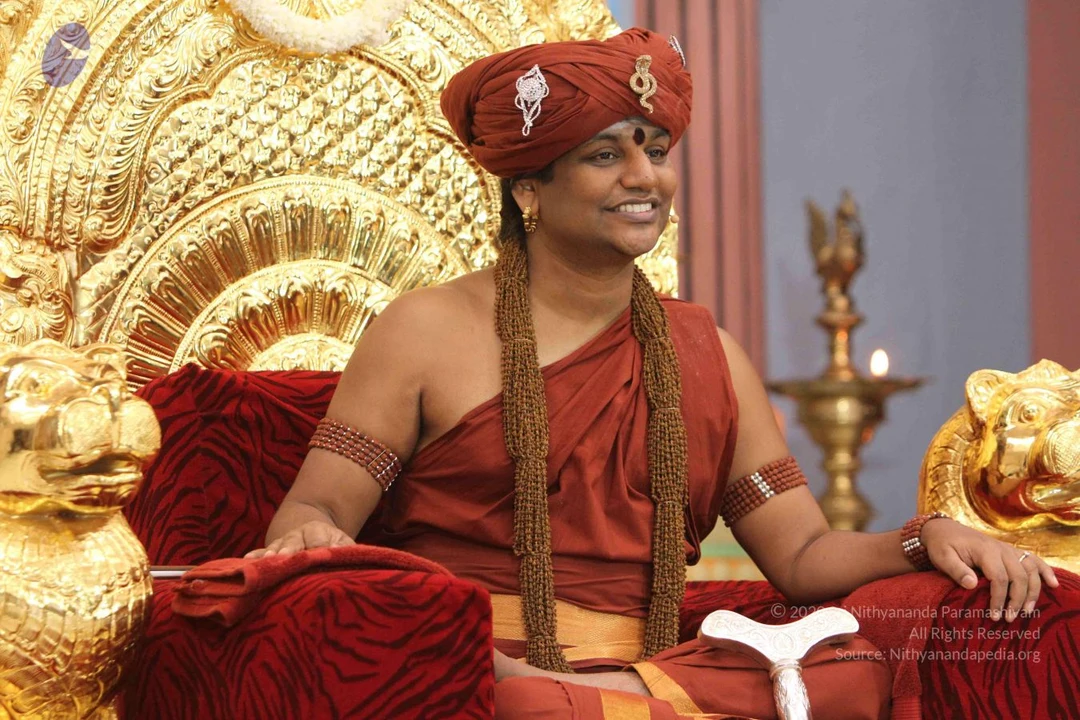
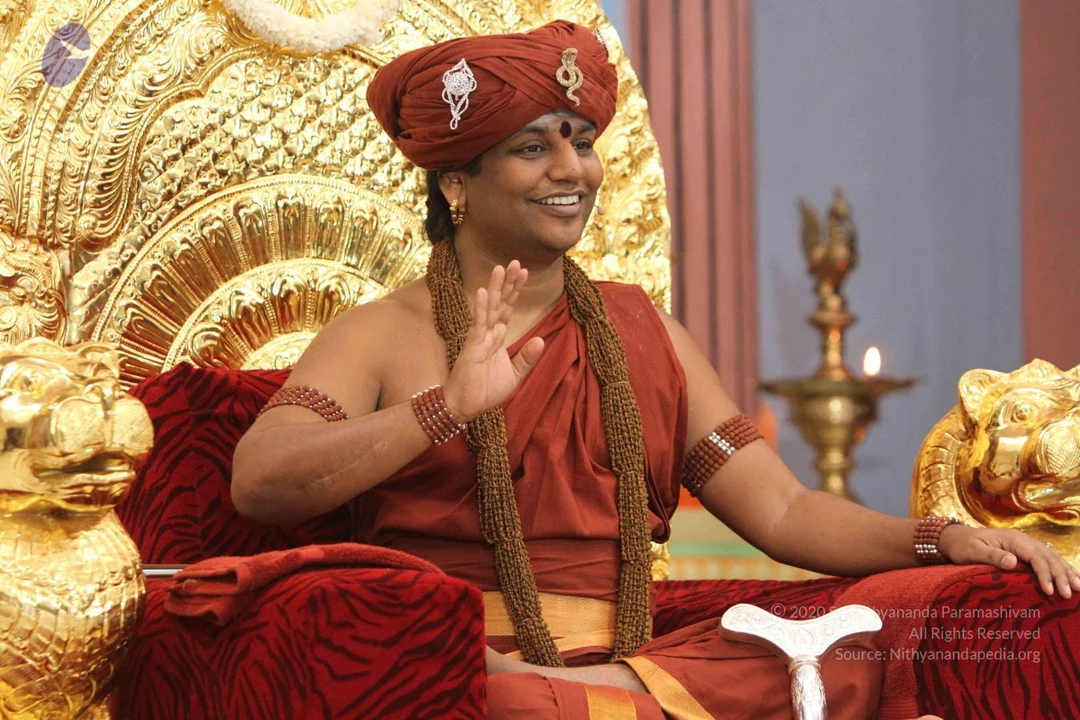
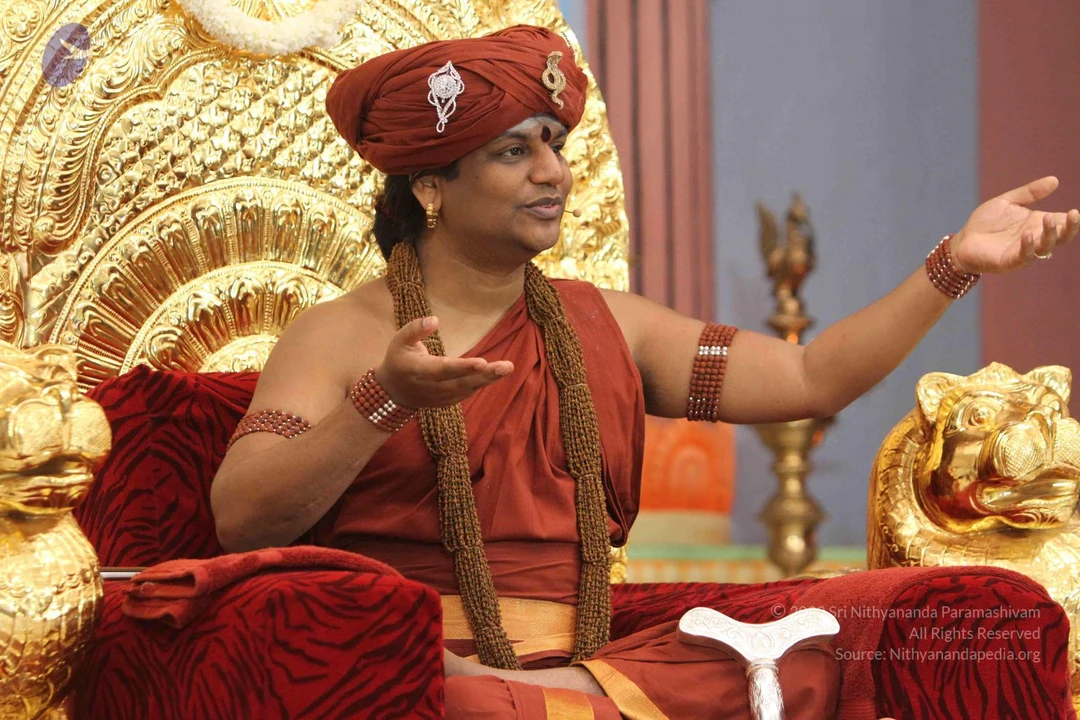
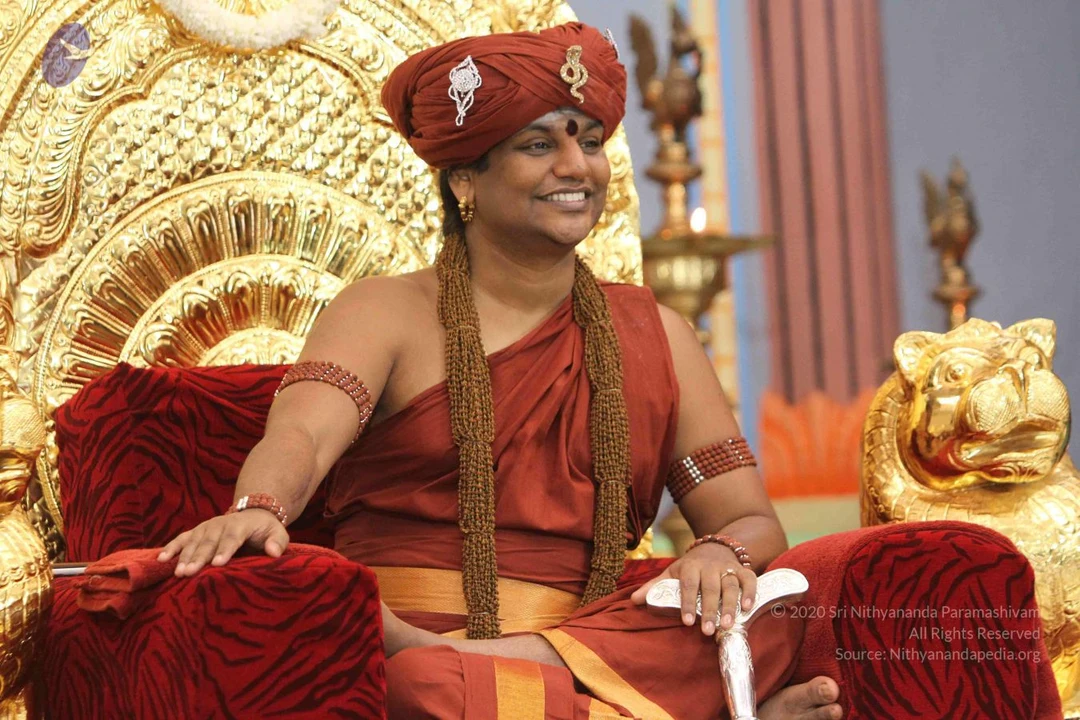
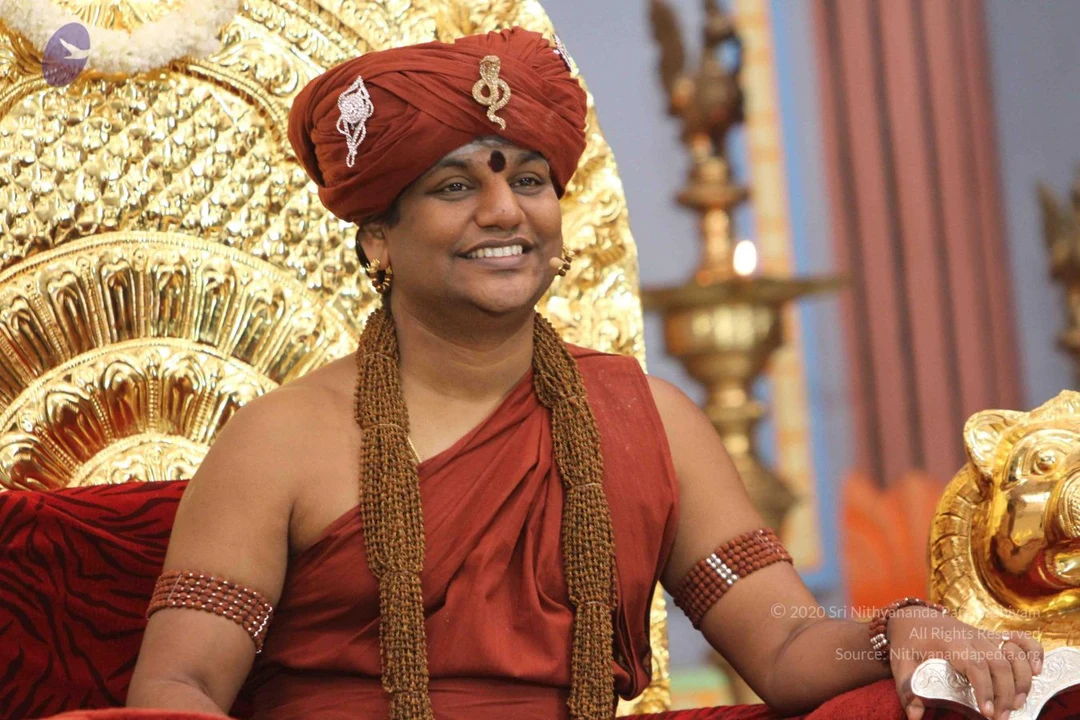

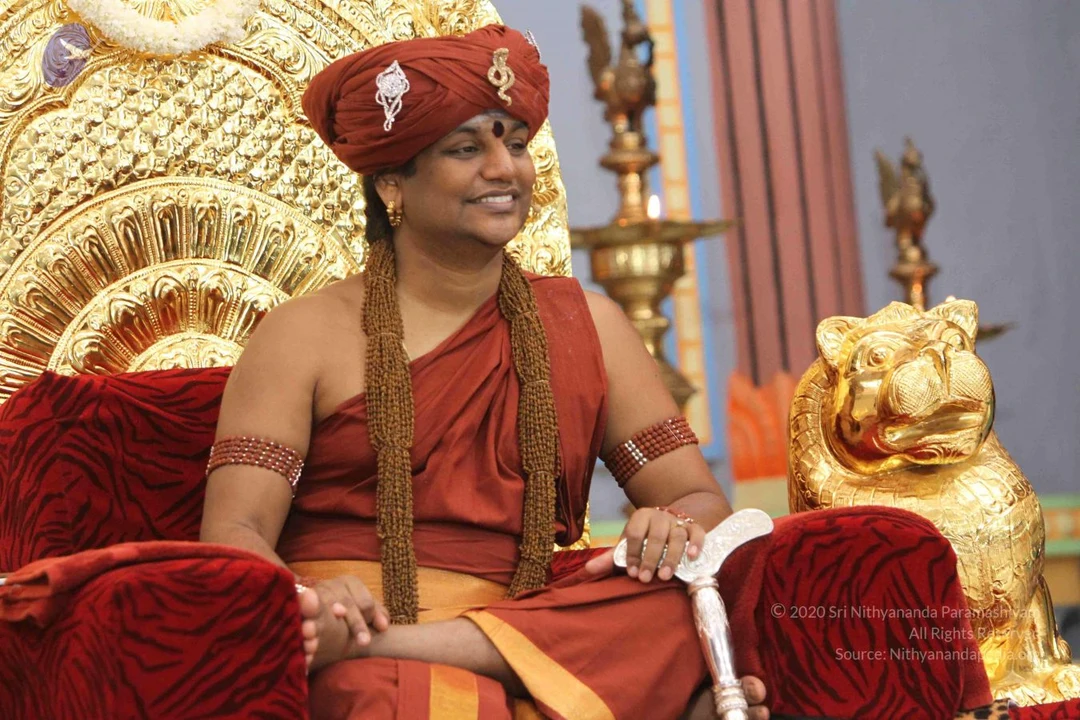
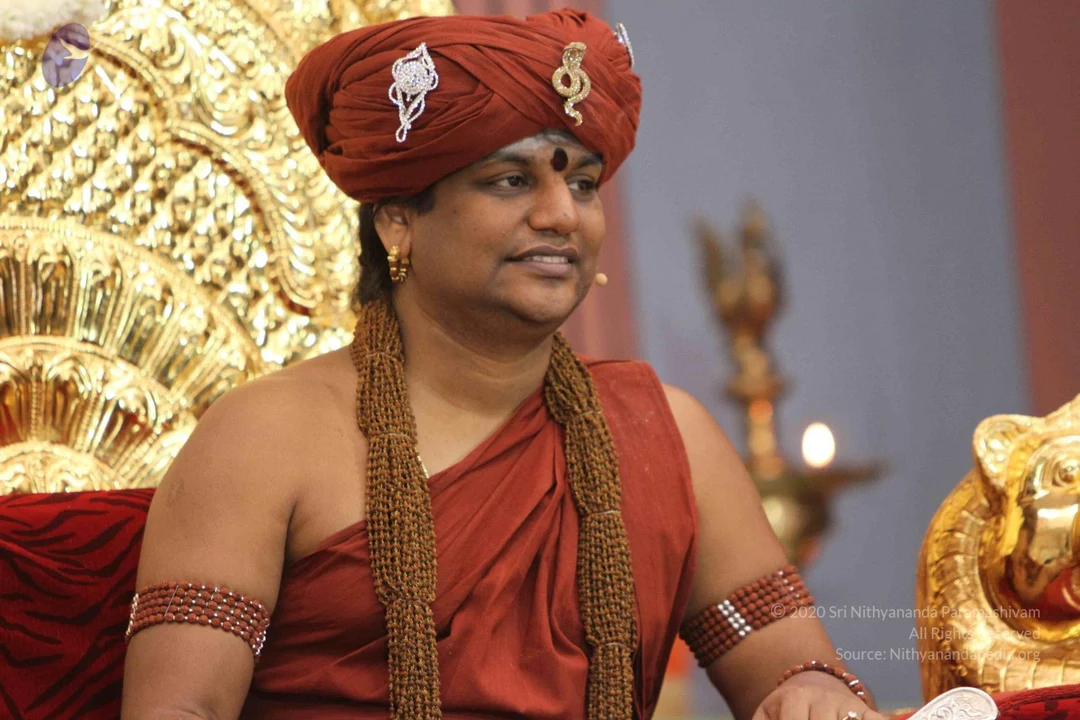
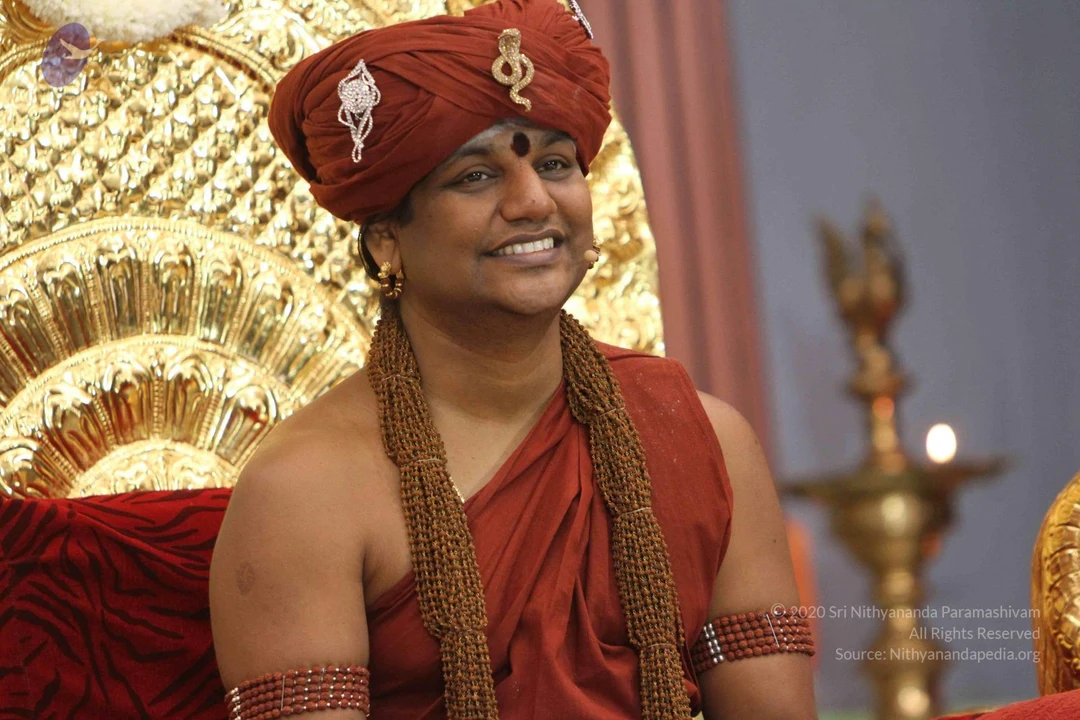
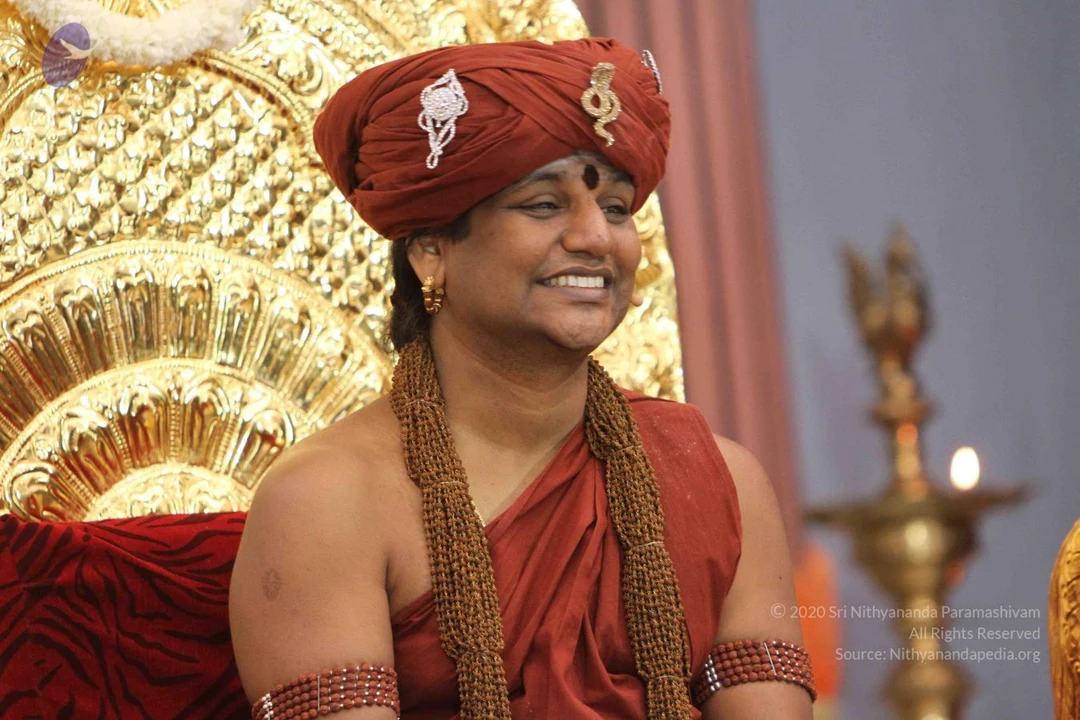
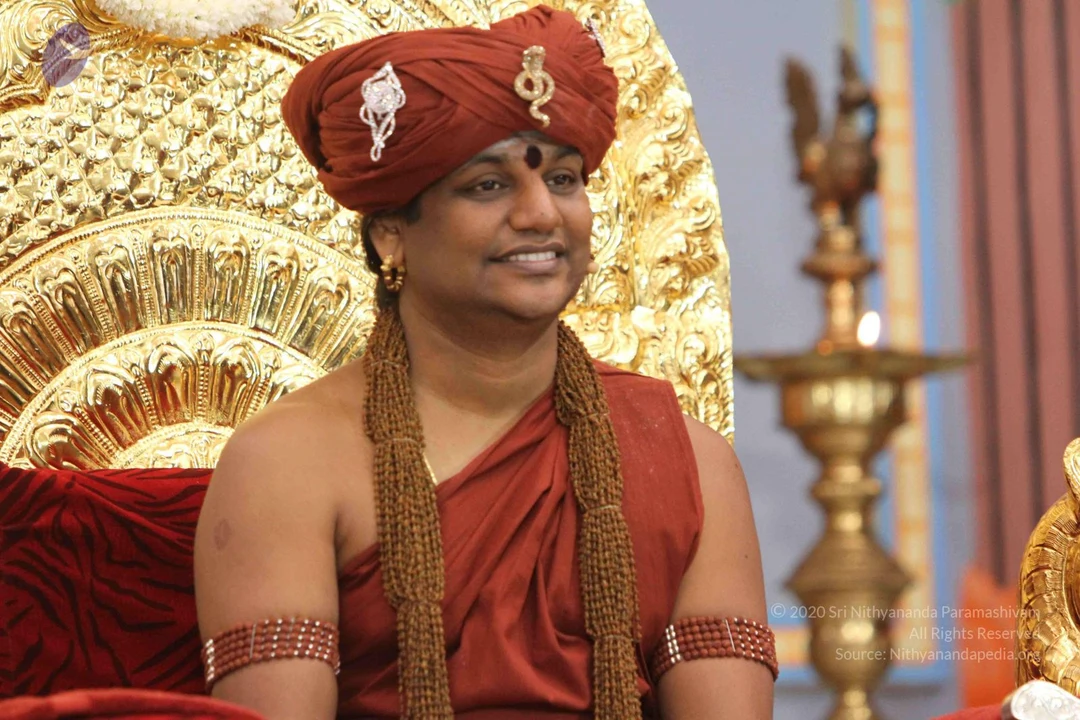
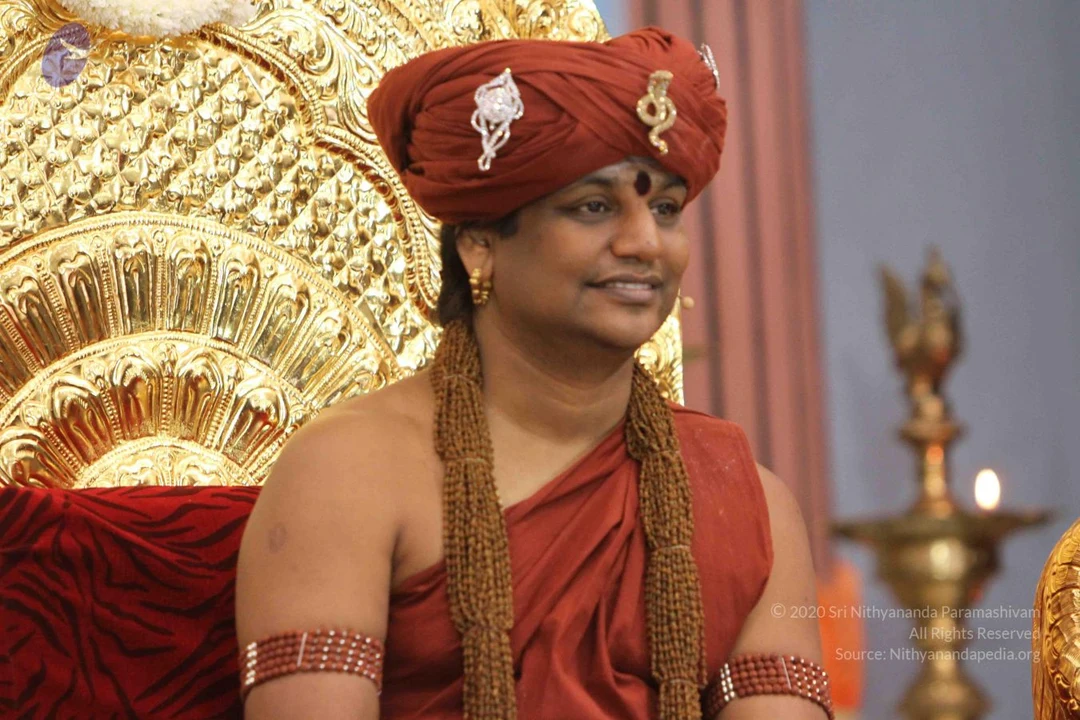
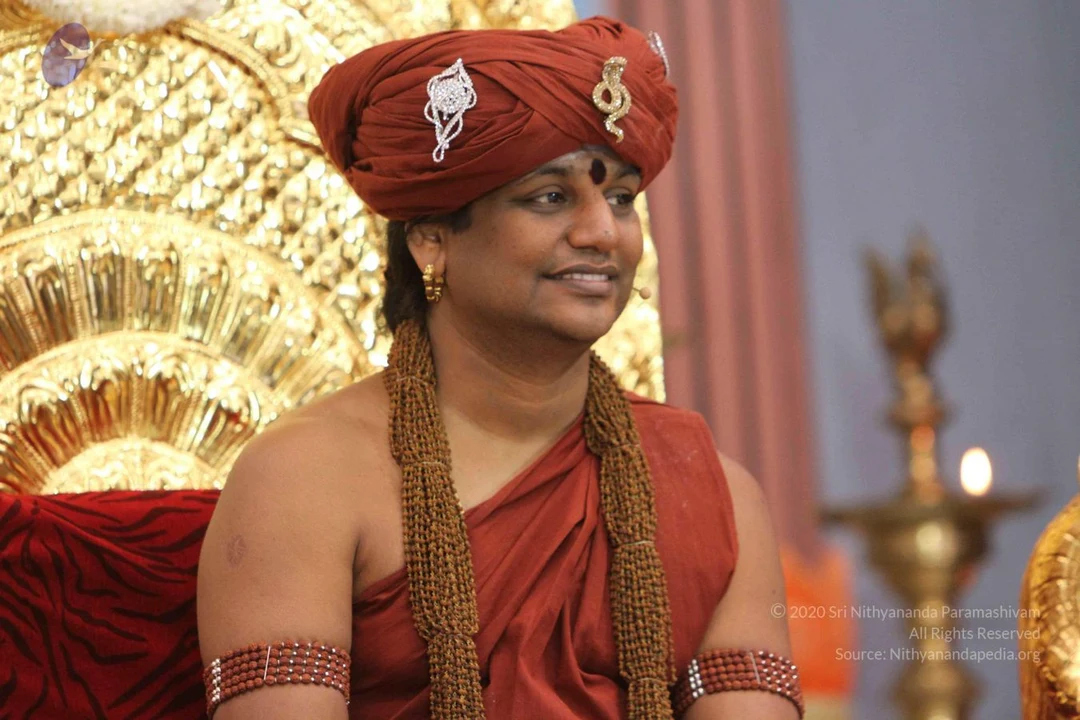
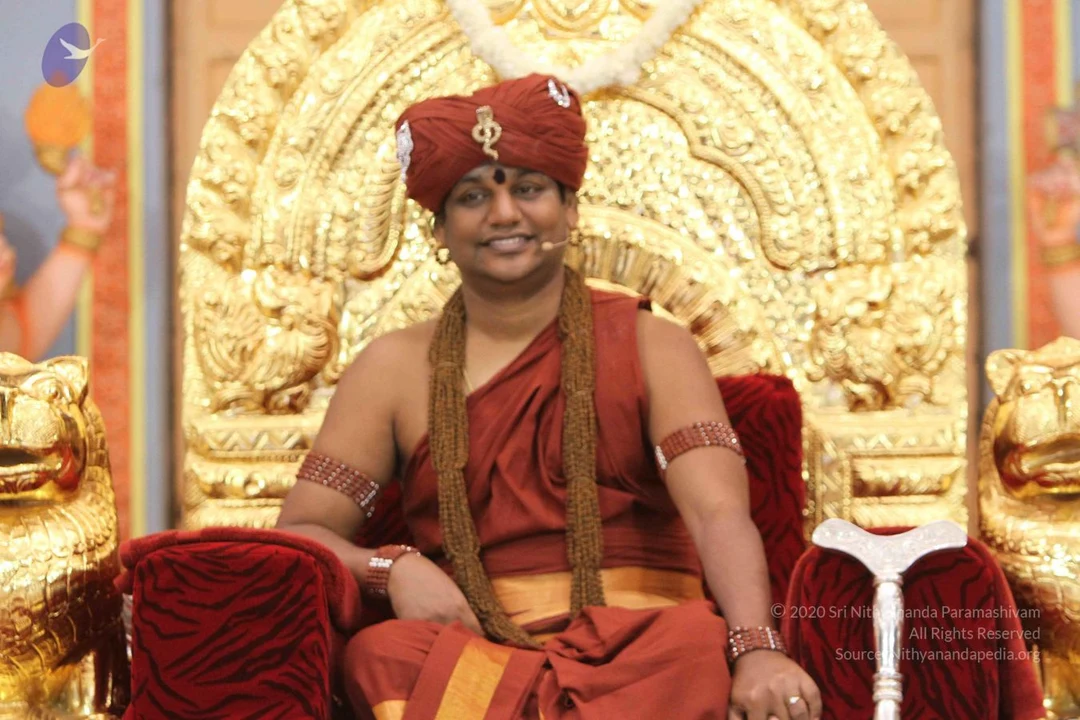
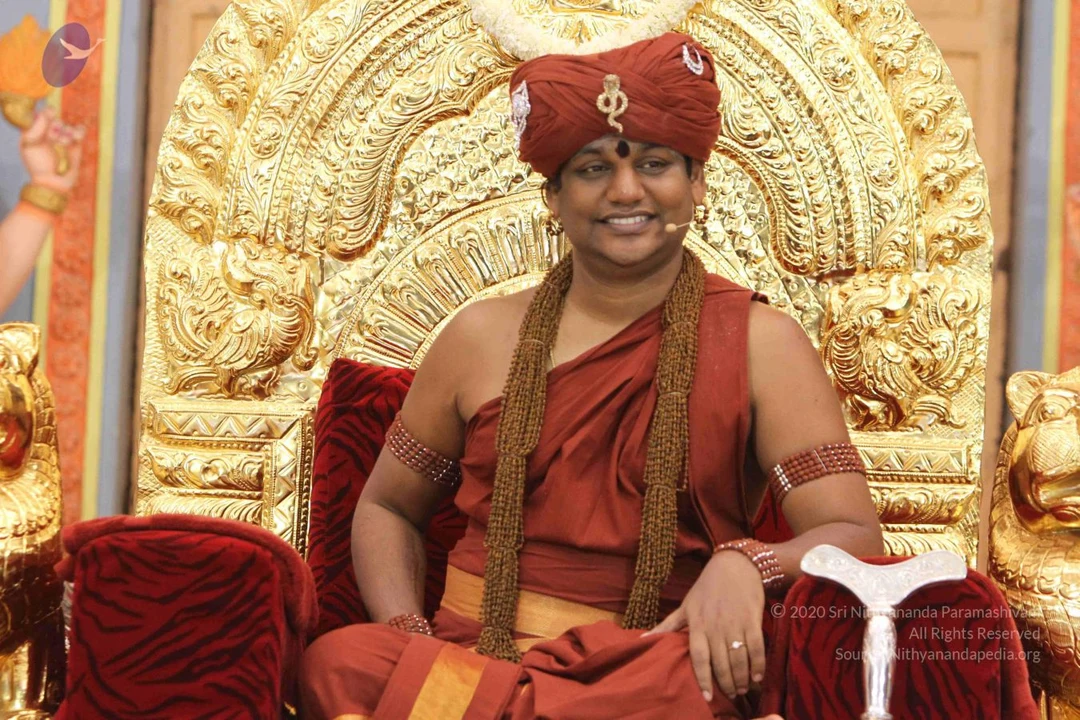
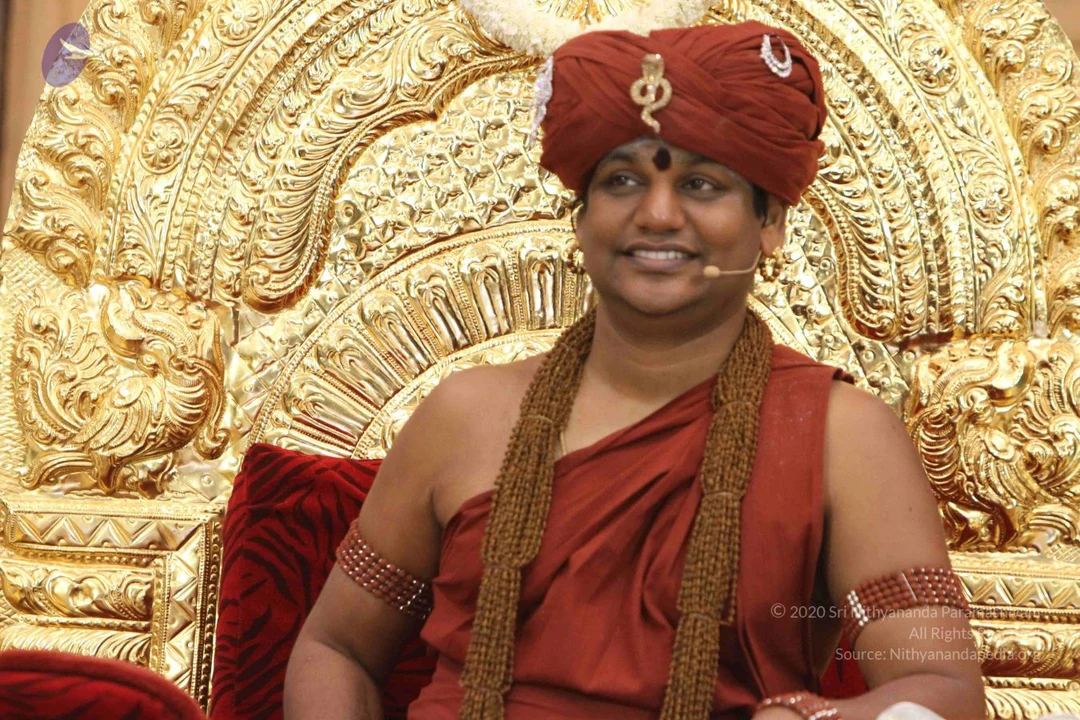
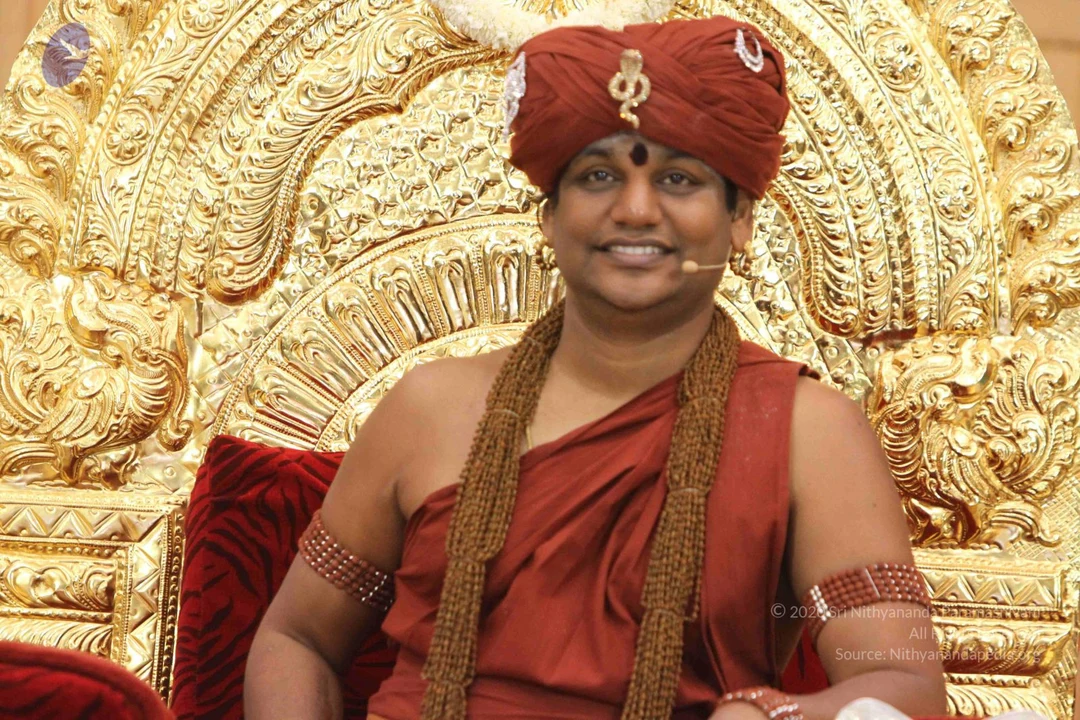
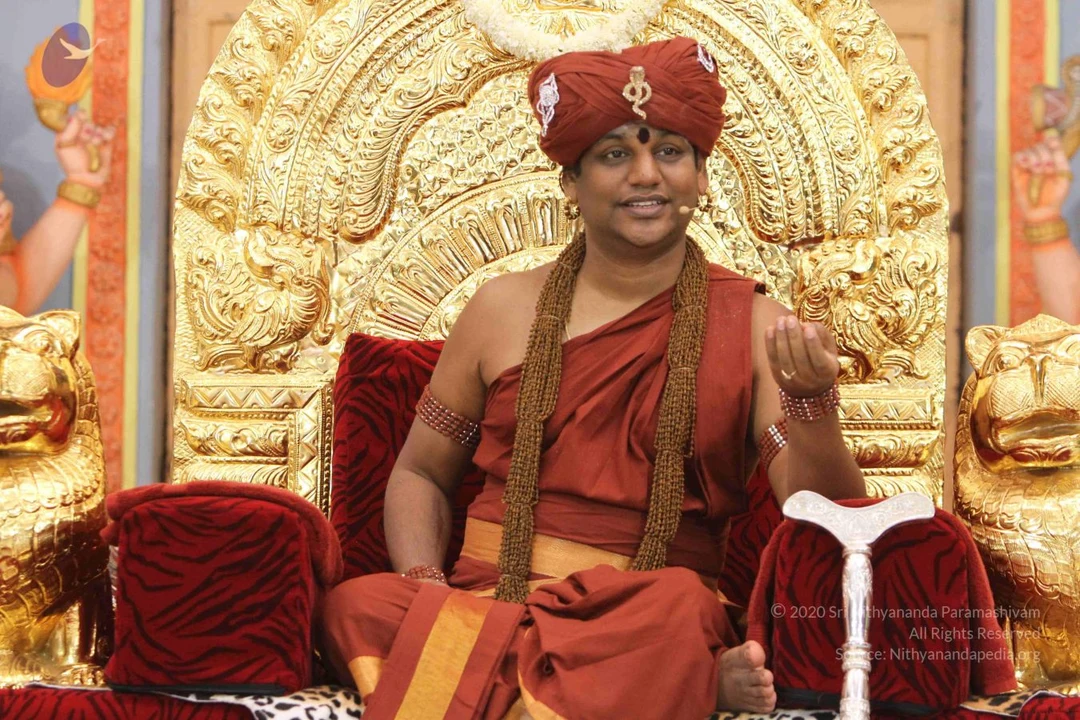
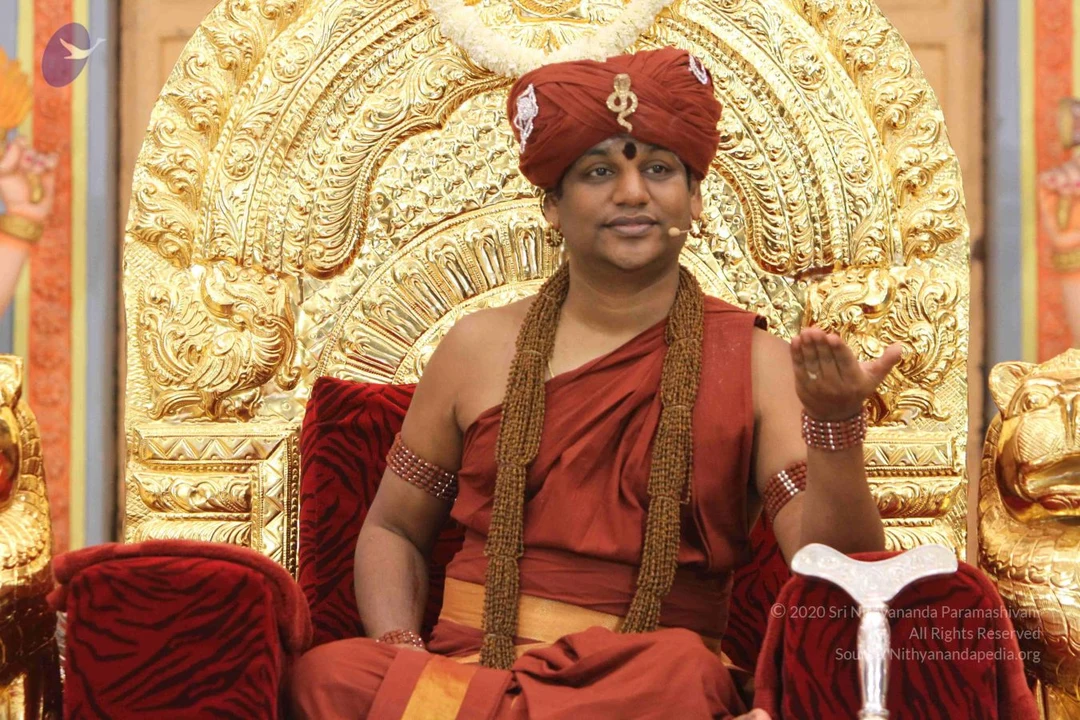
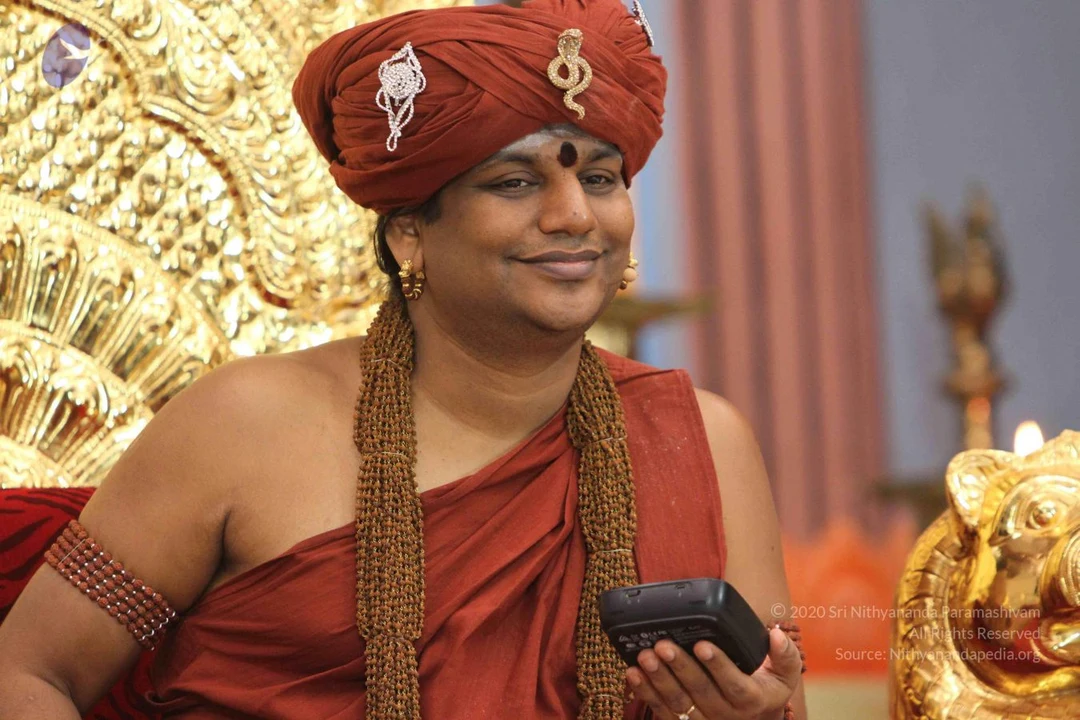
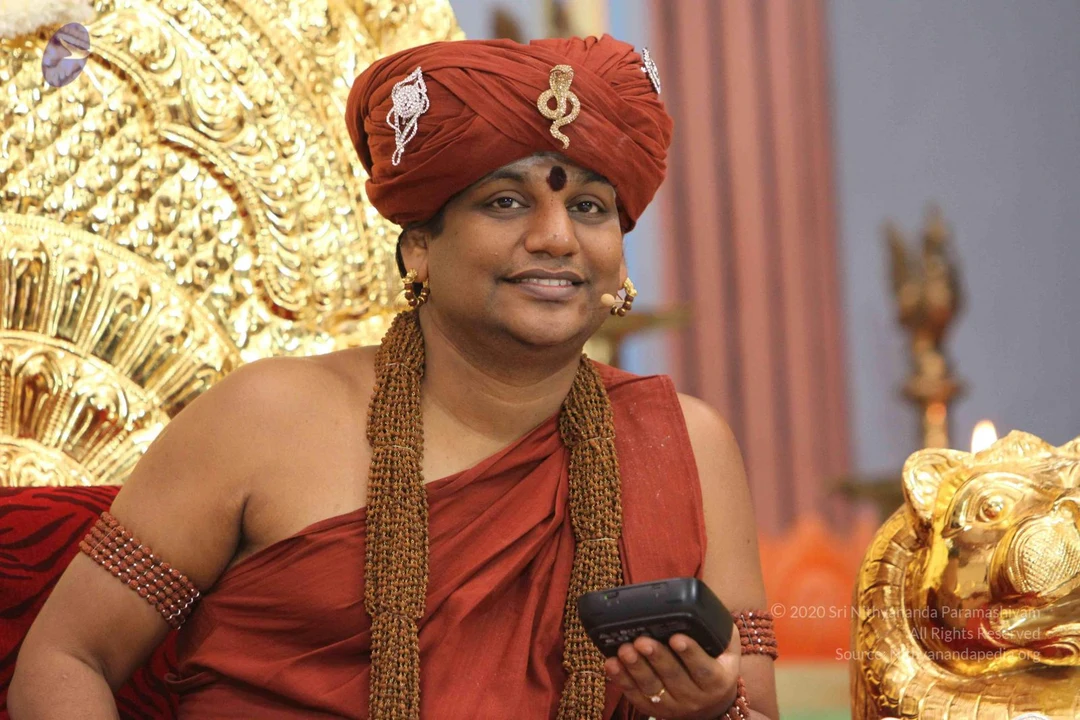
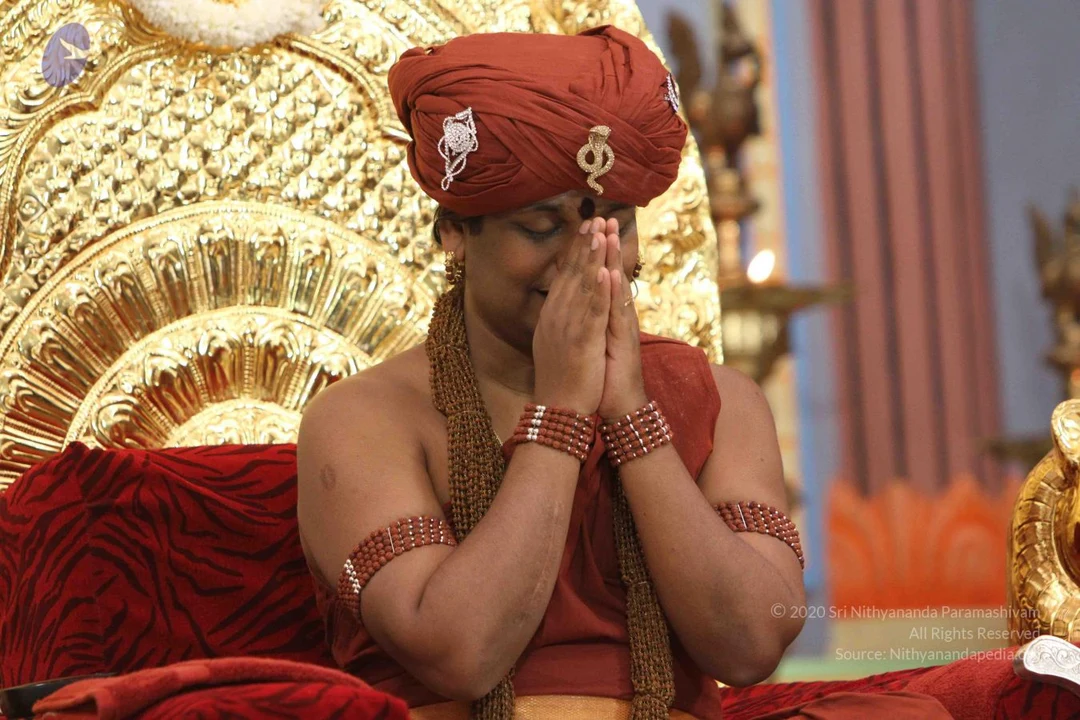
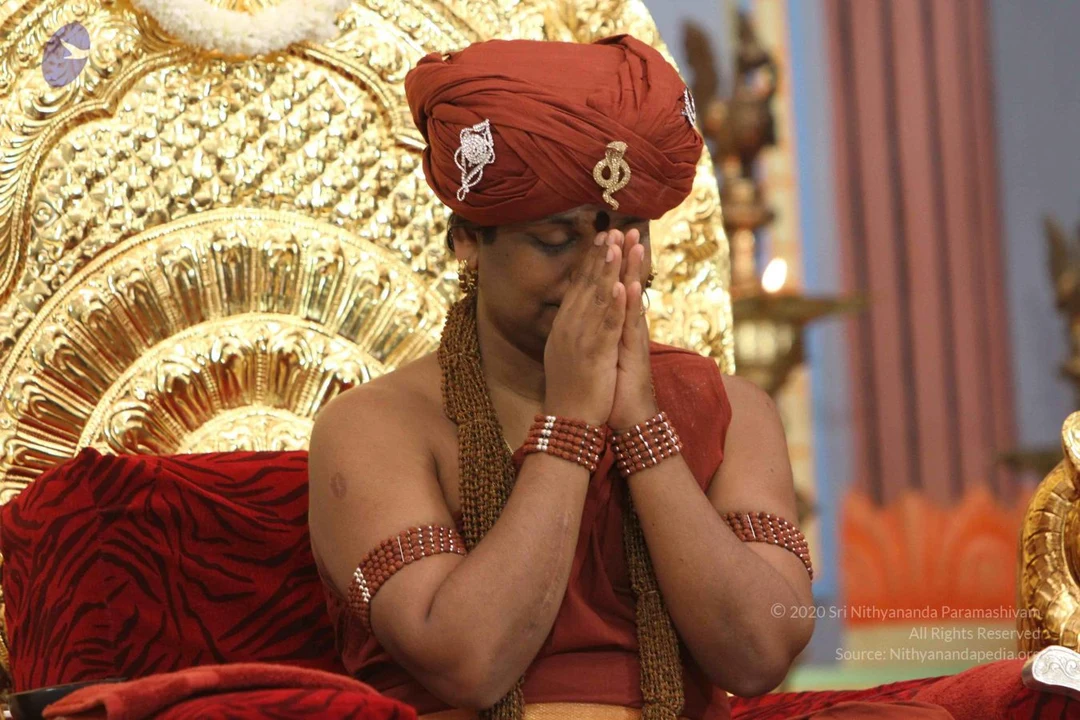
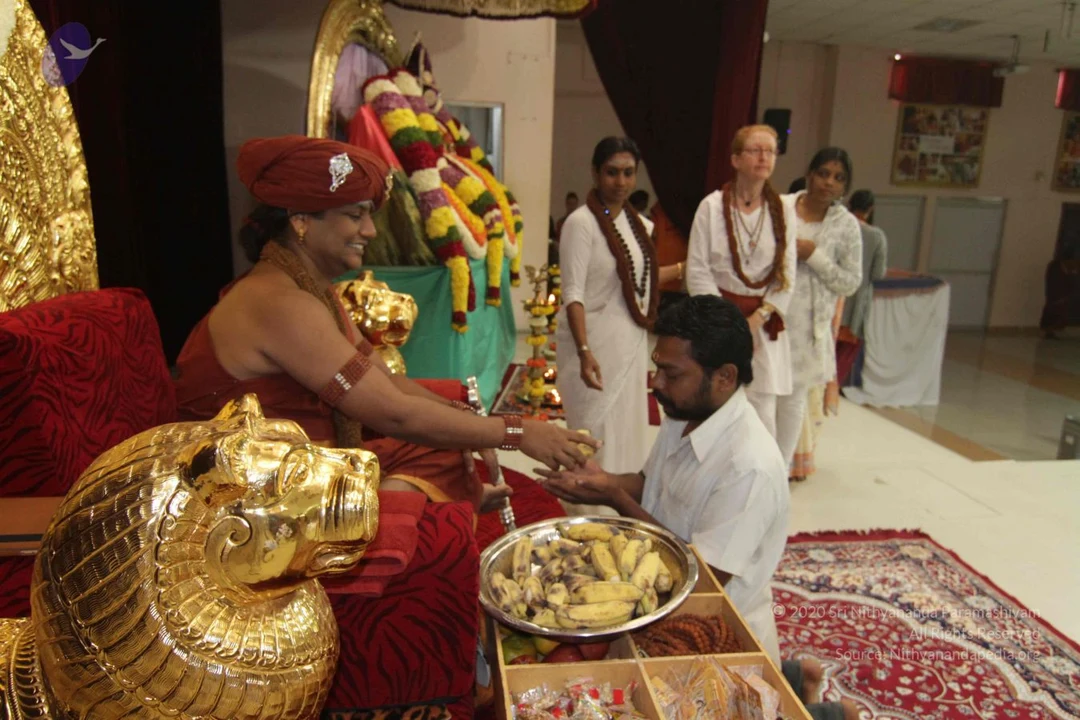
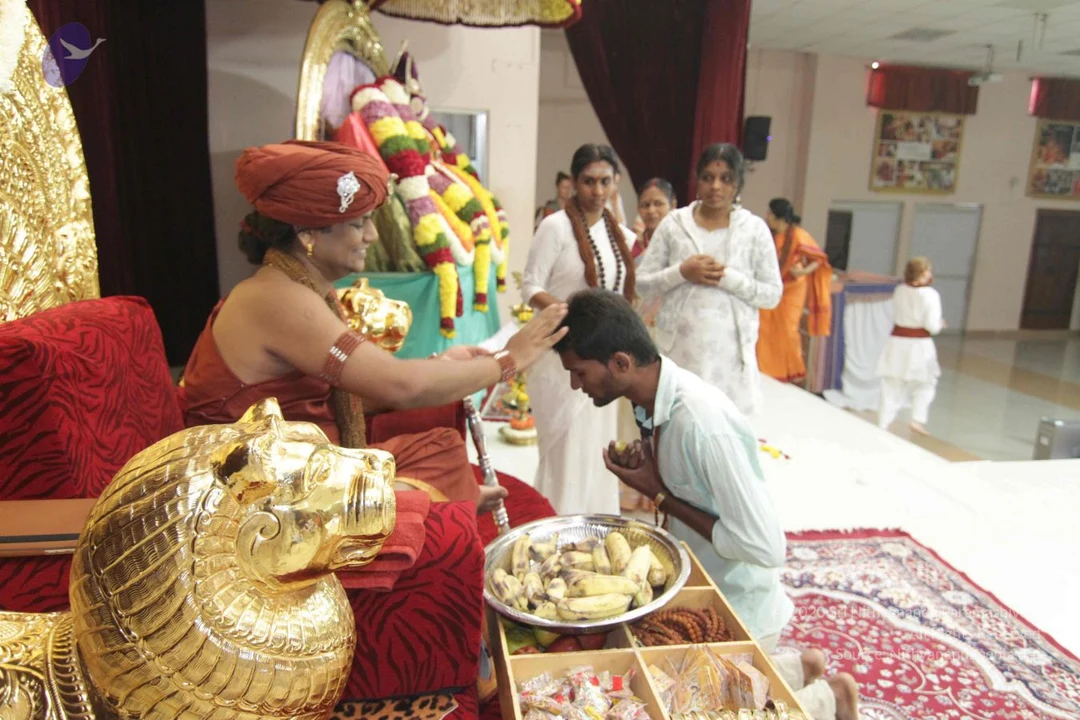
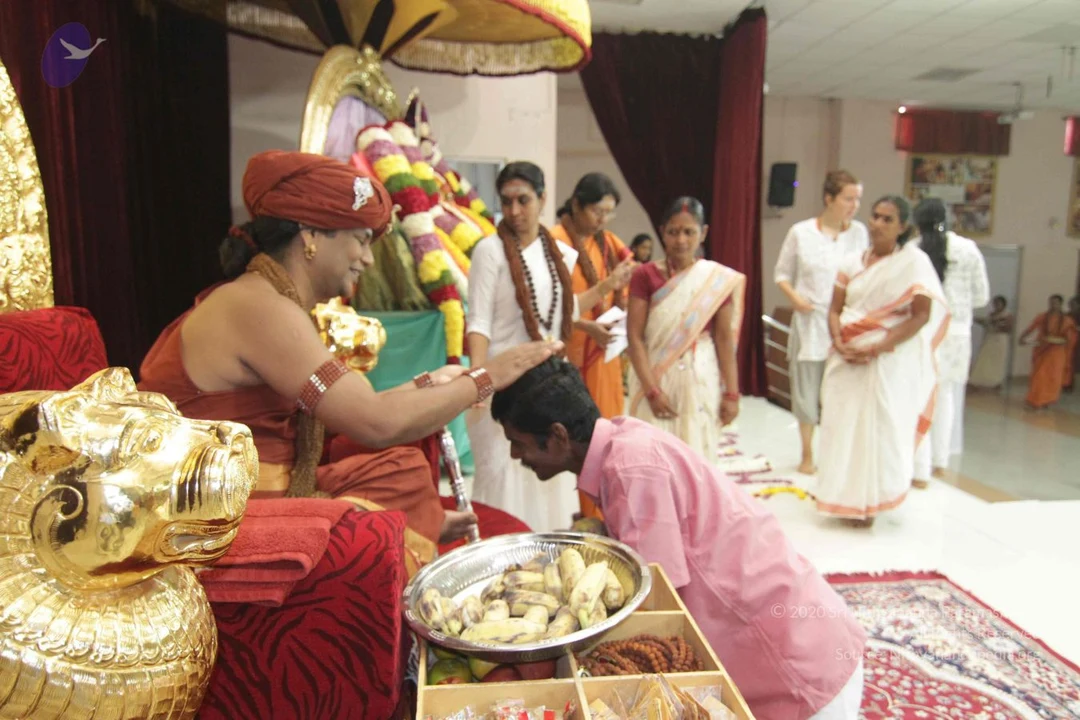
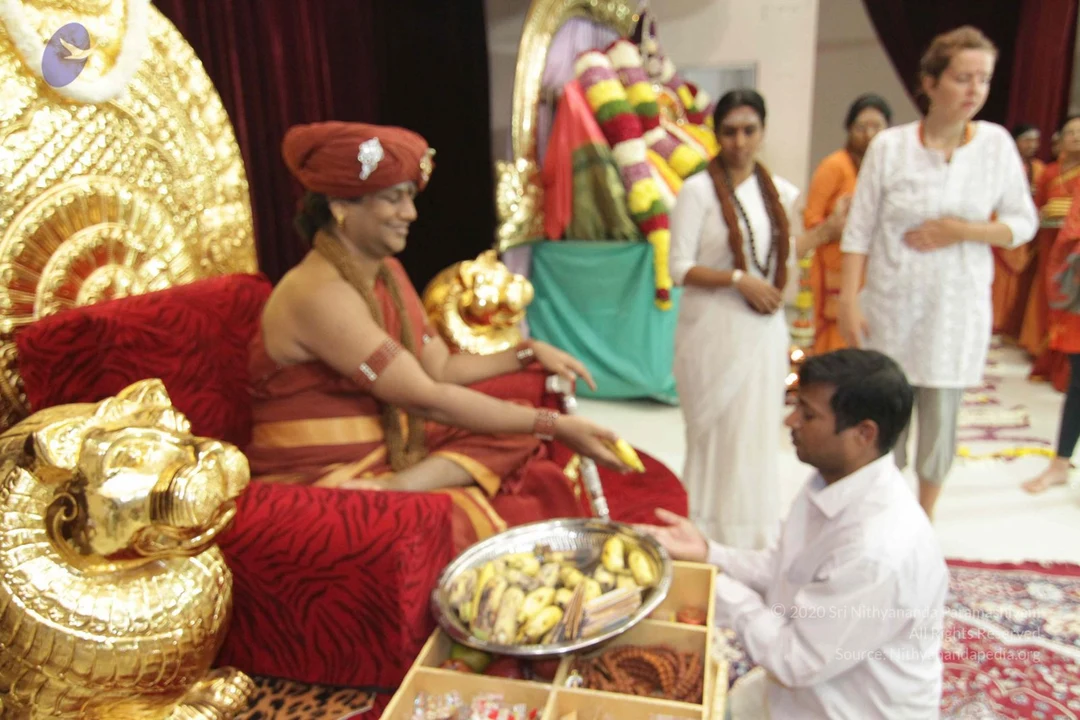
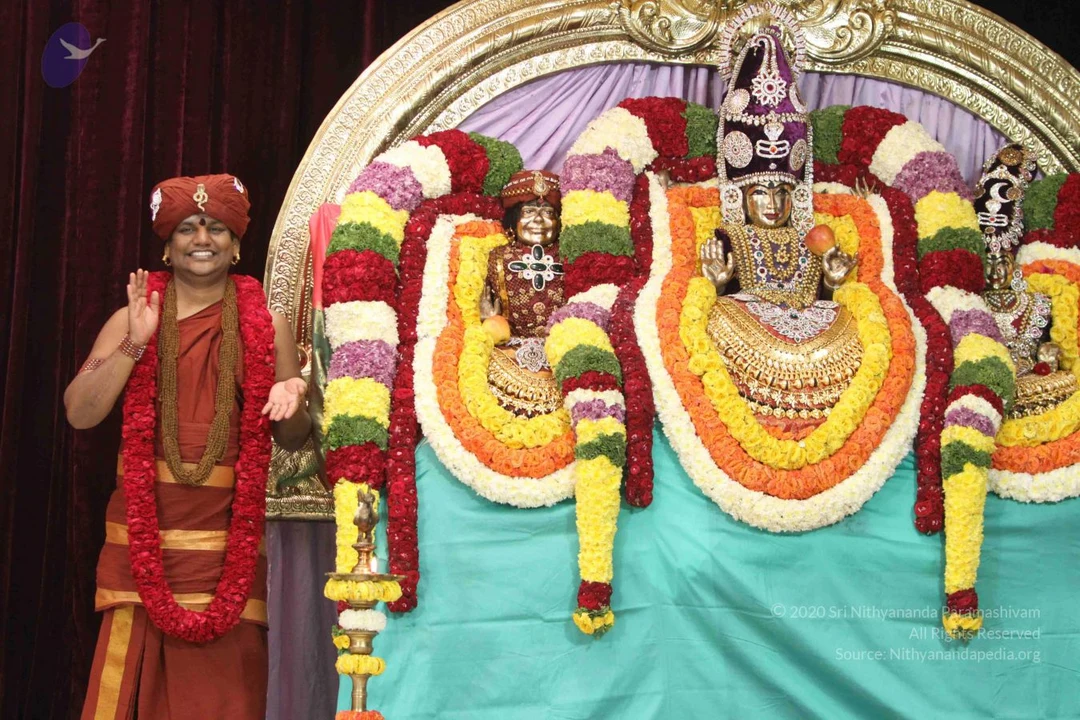
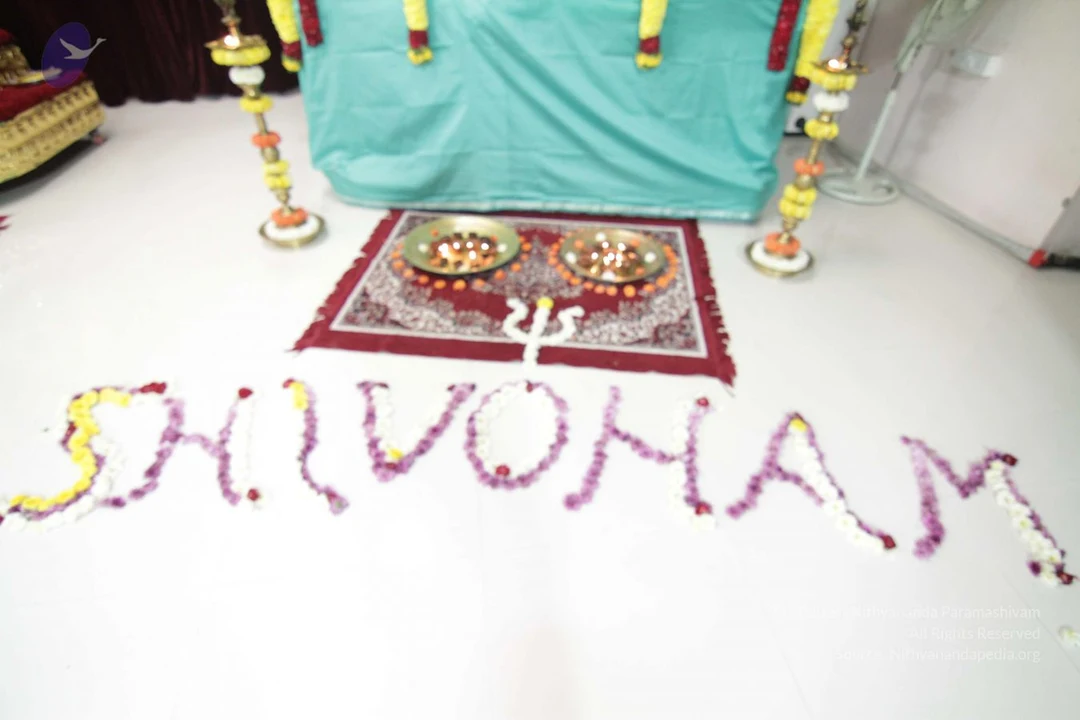
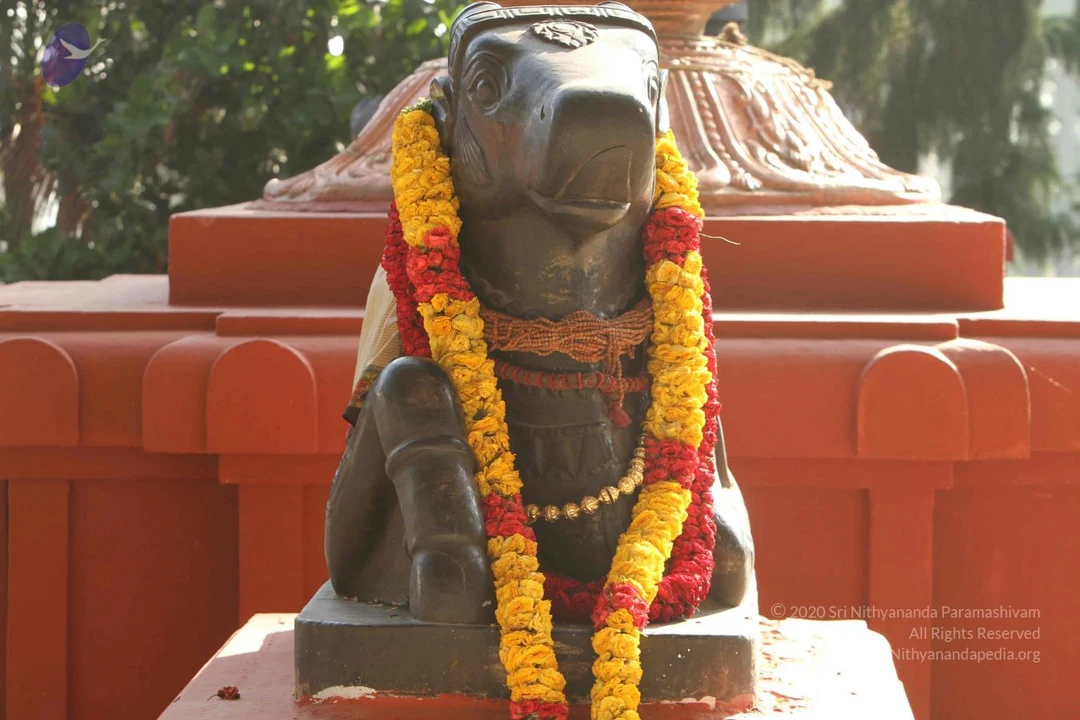
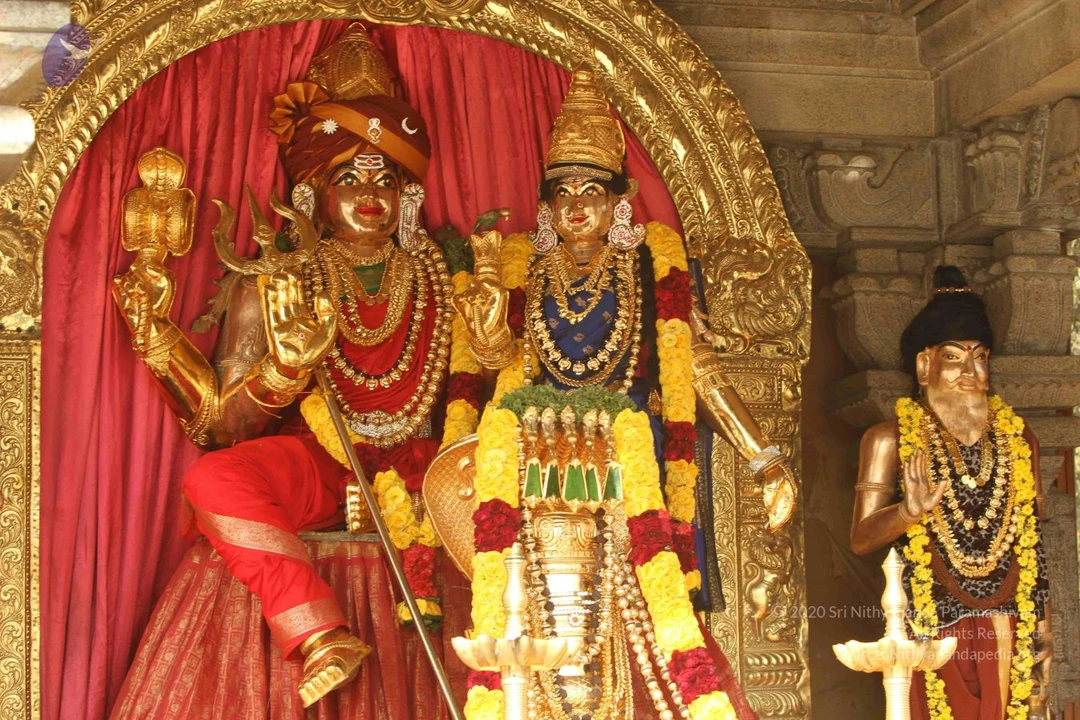
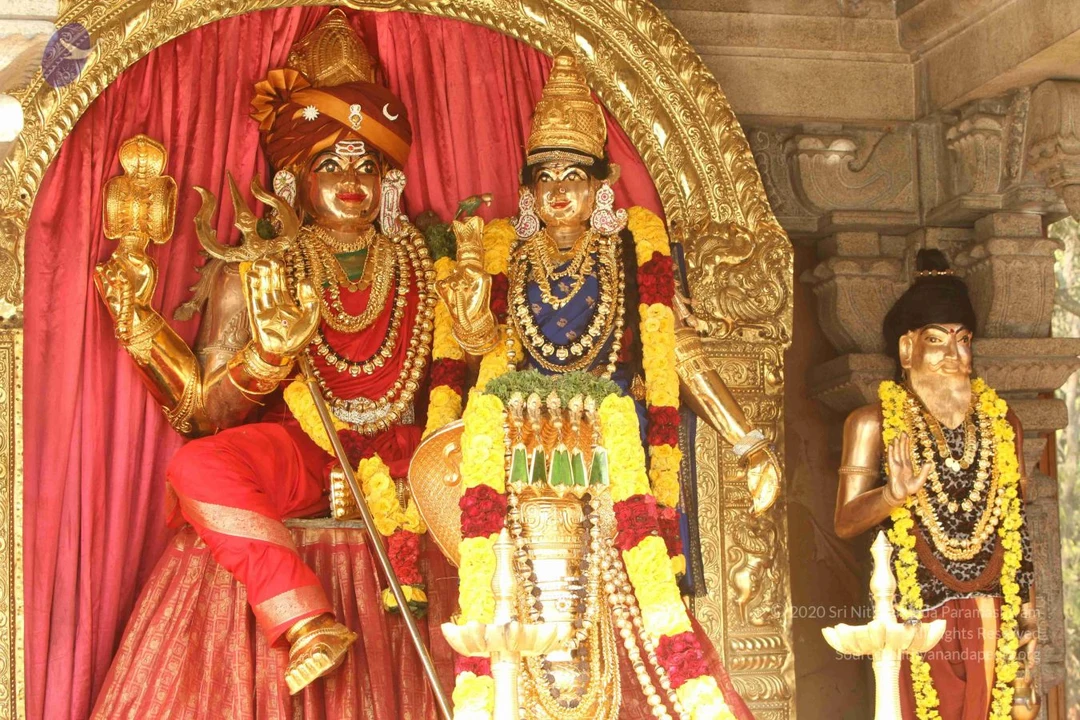
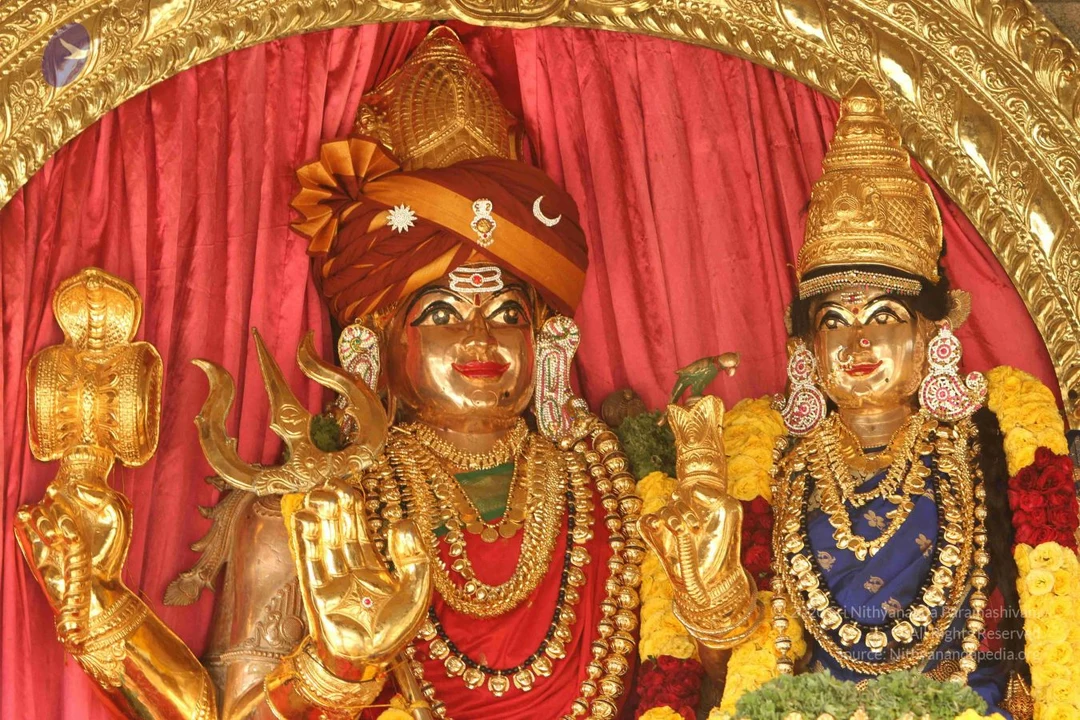
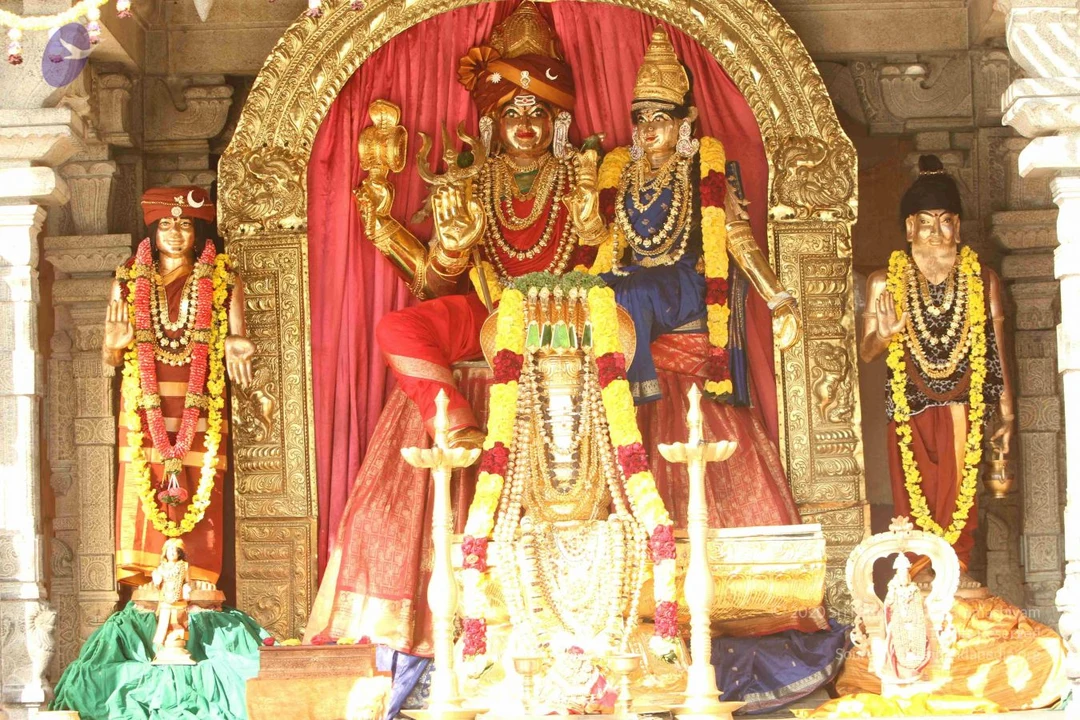
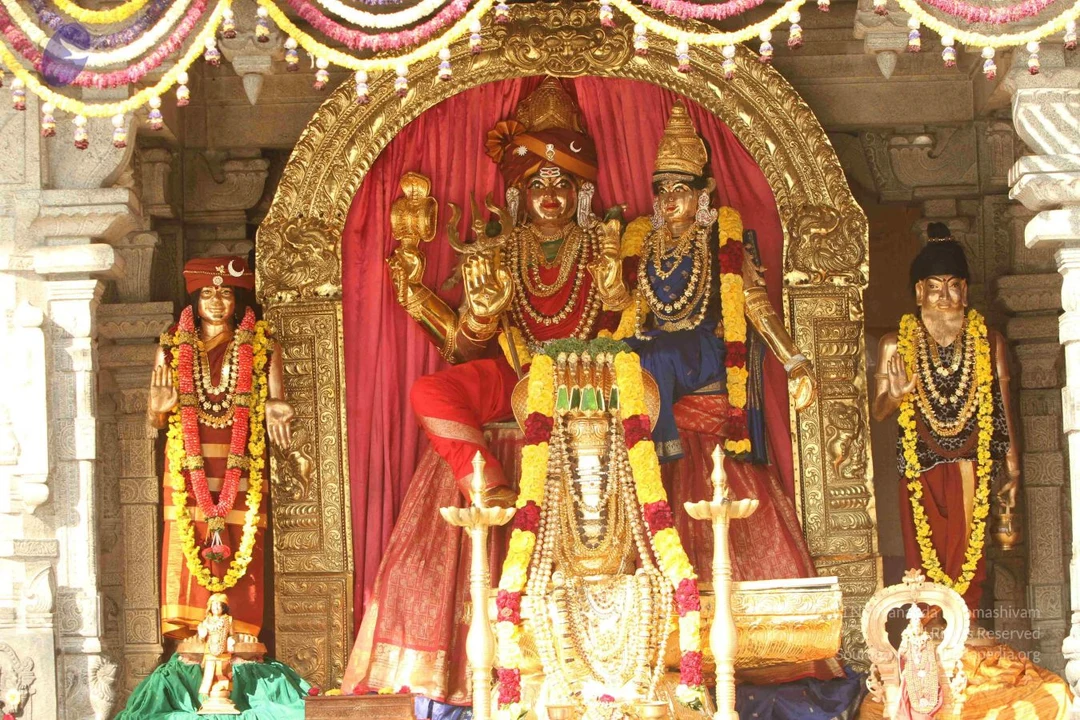
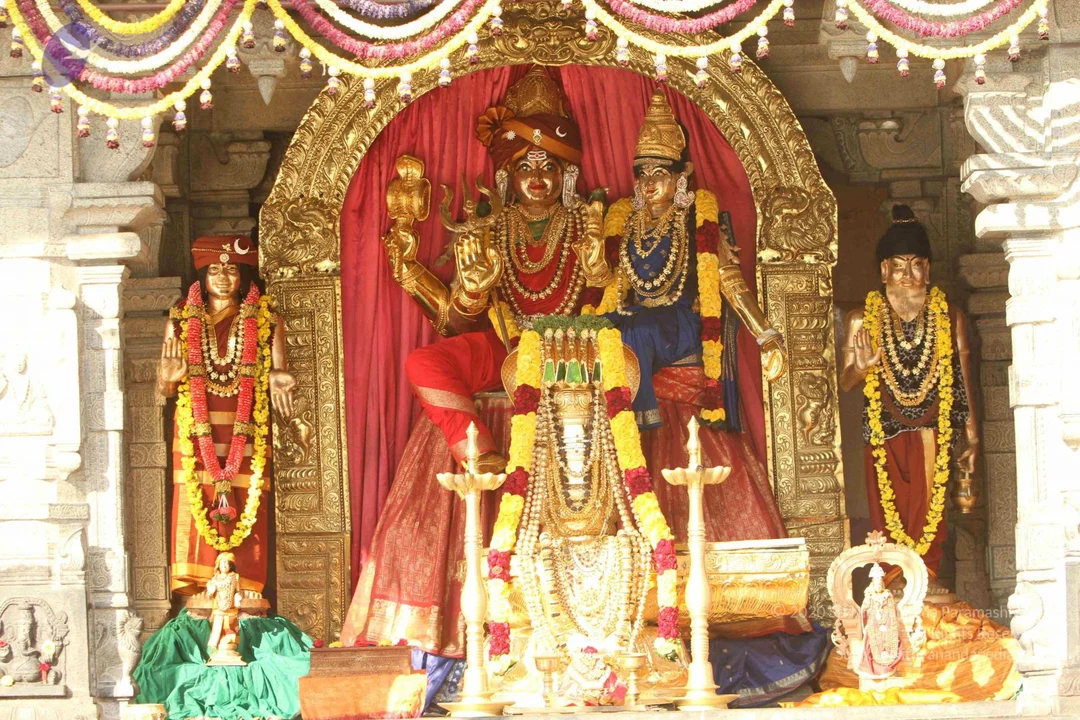
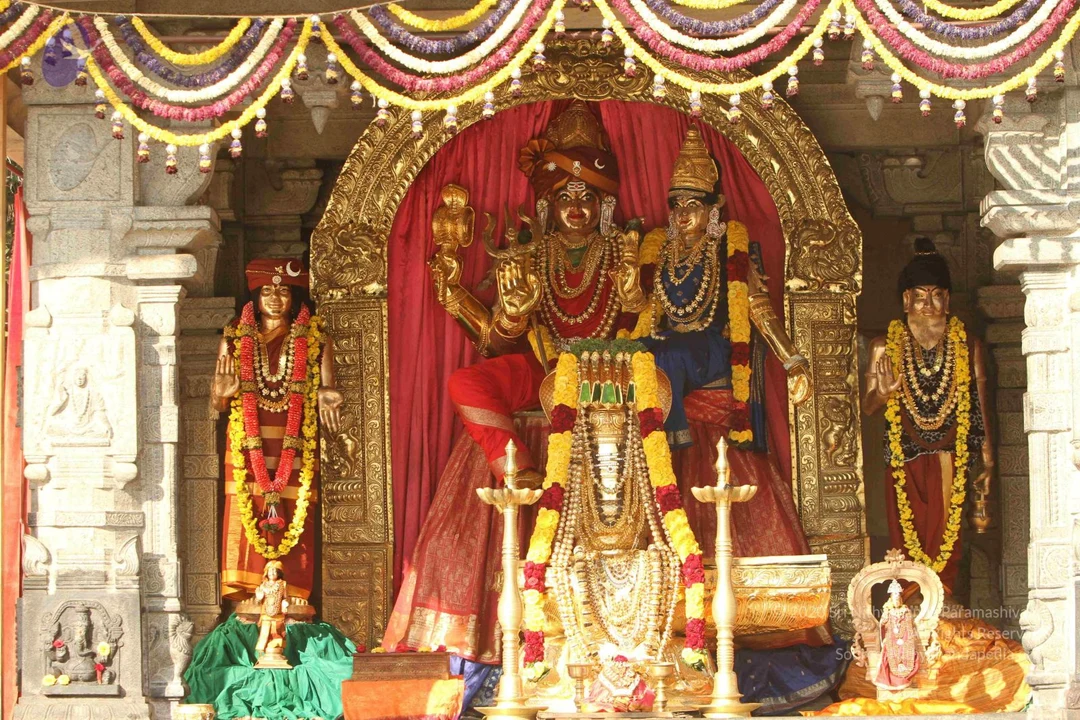
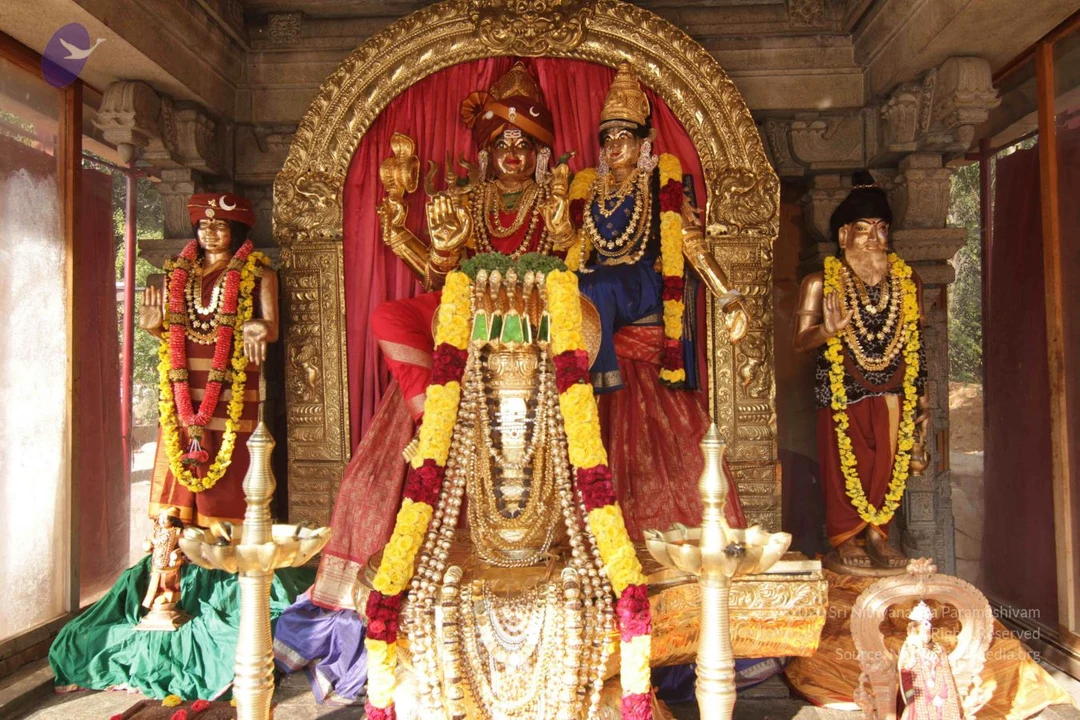
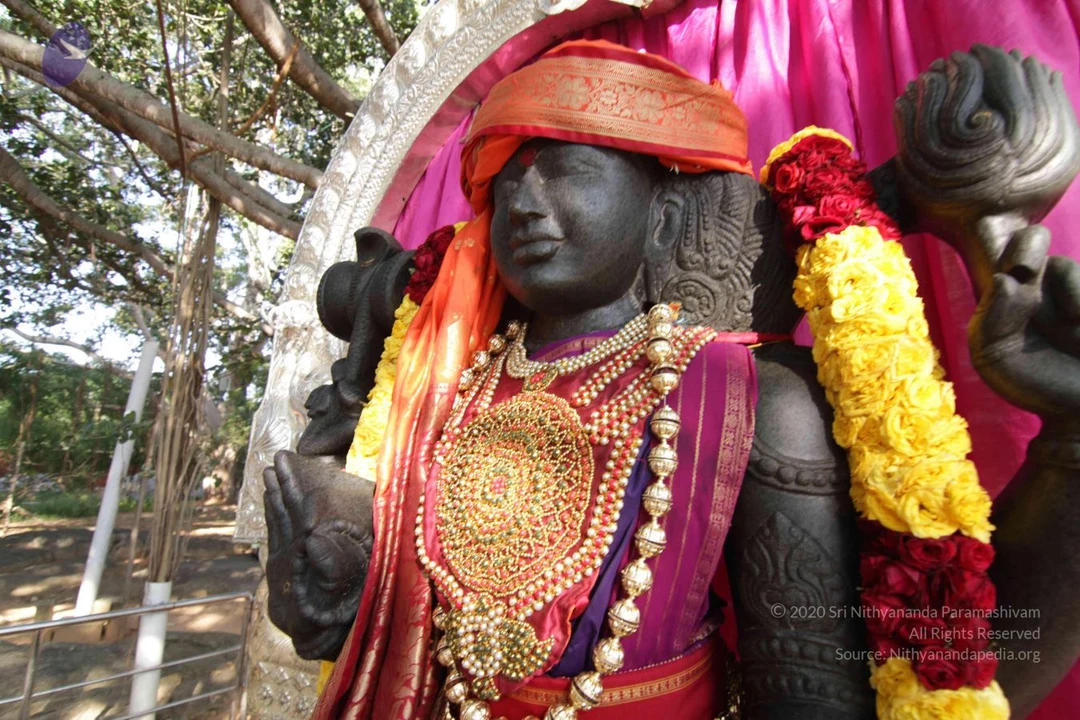
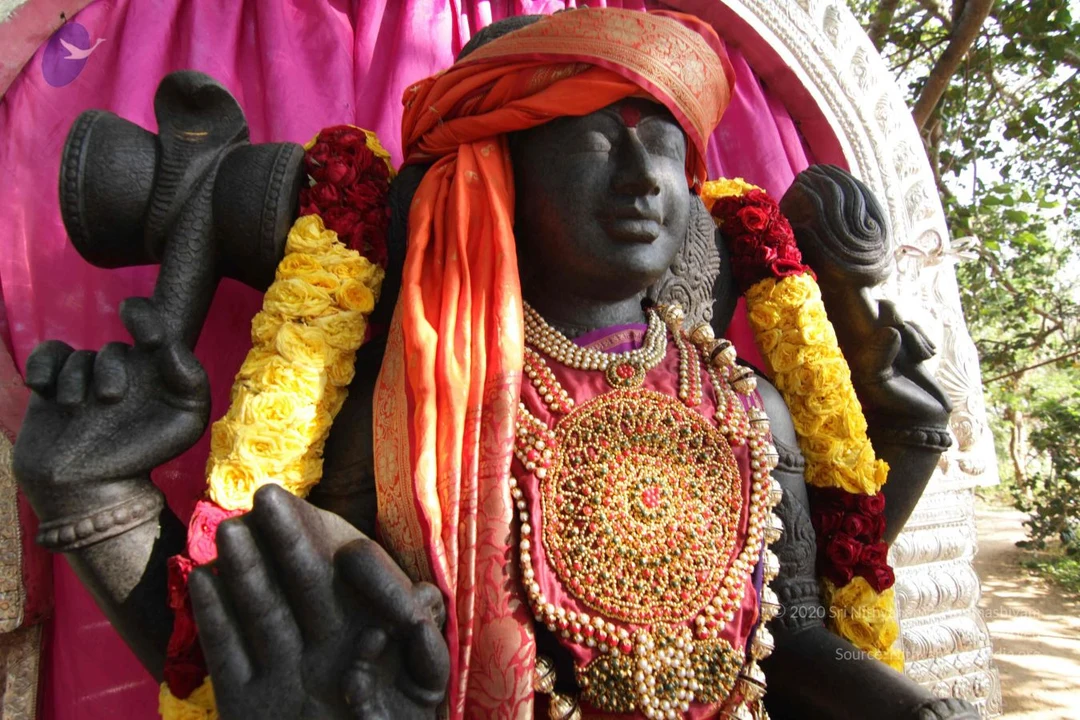
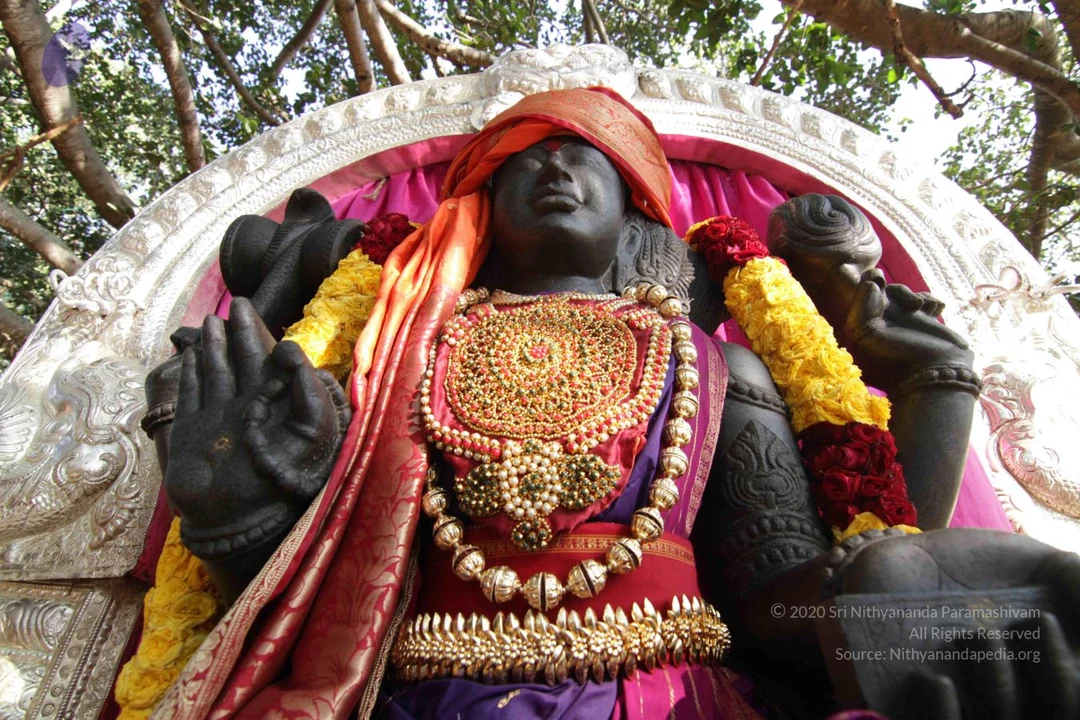
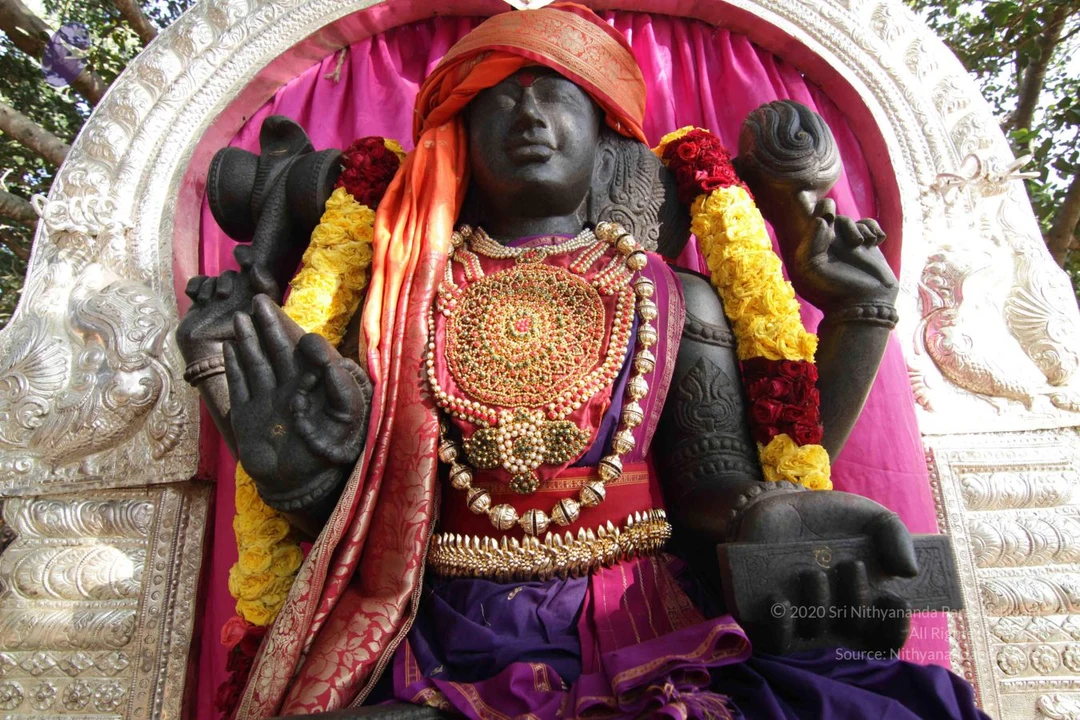
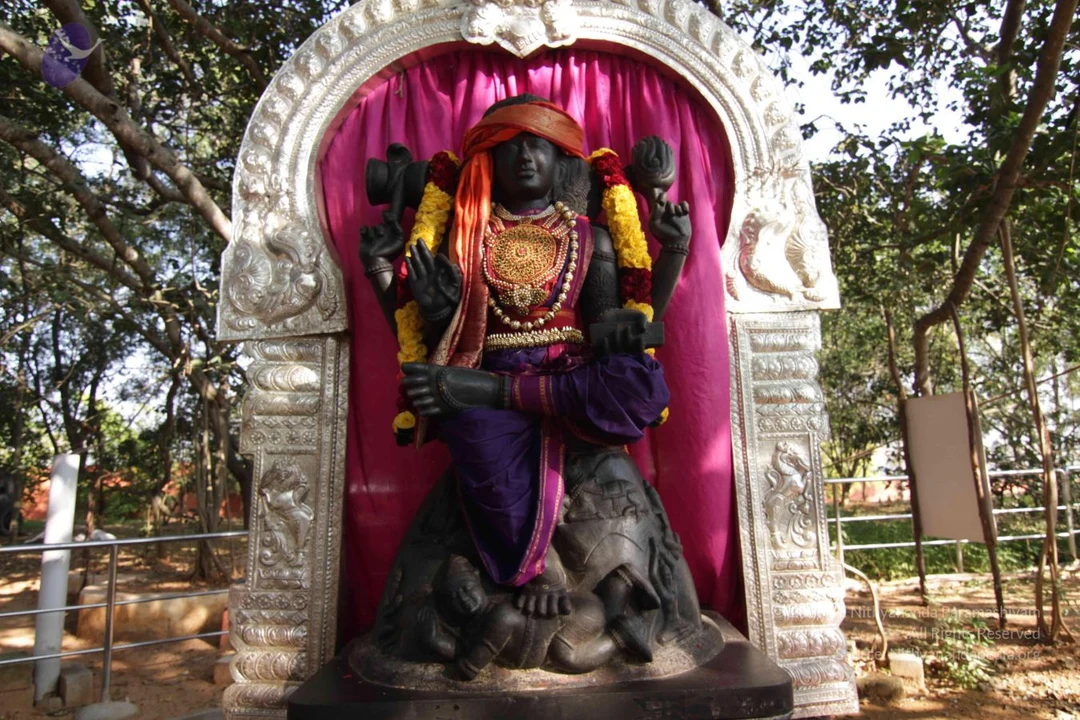
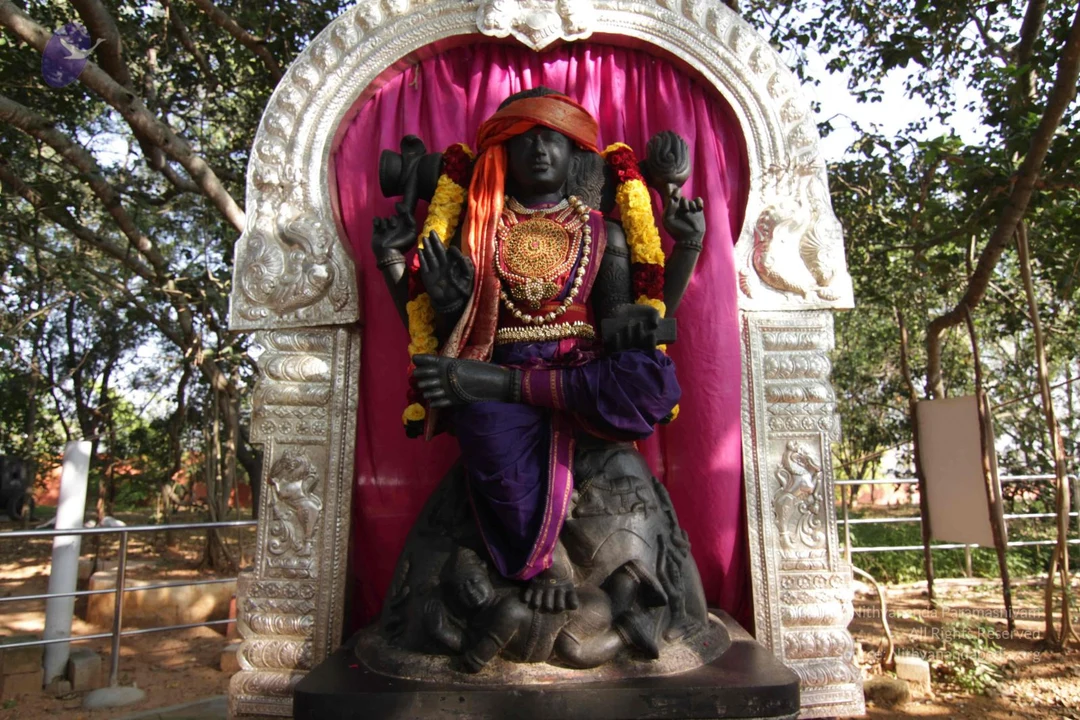
Photos from this day
View all 168 photosNithyananda Diary 03rd December 2014 | Nithyanandeshwara Brahmotsavam Day 8 | Paduka Puja| Nithya Kirthan | Satsang | Kalpataru Darshan | Biksha Vandanam
22 photosSource gallery
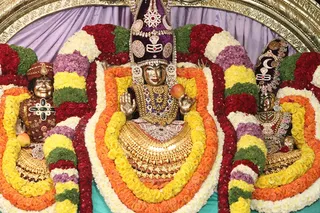
Bhajan-Satsang
146 photosSource gallery