Friday
3 October 2014
- Dated photos
- 625
- Source pages
- 1
- Media
- 2
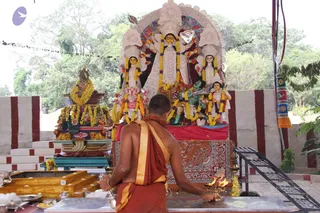
October 03 2014
Original wiki pageDescription:
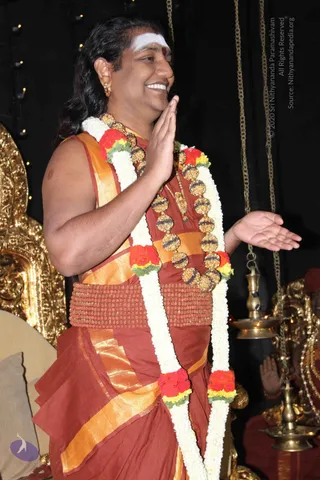
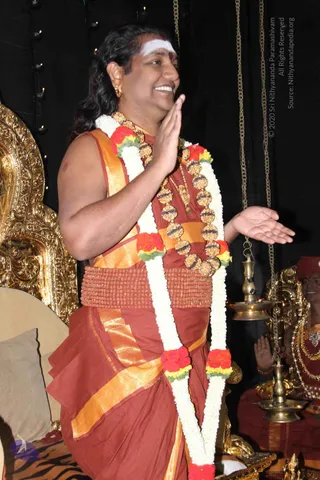
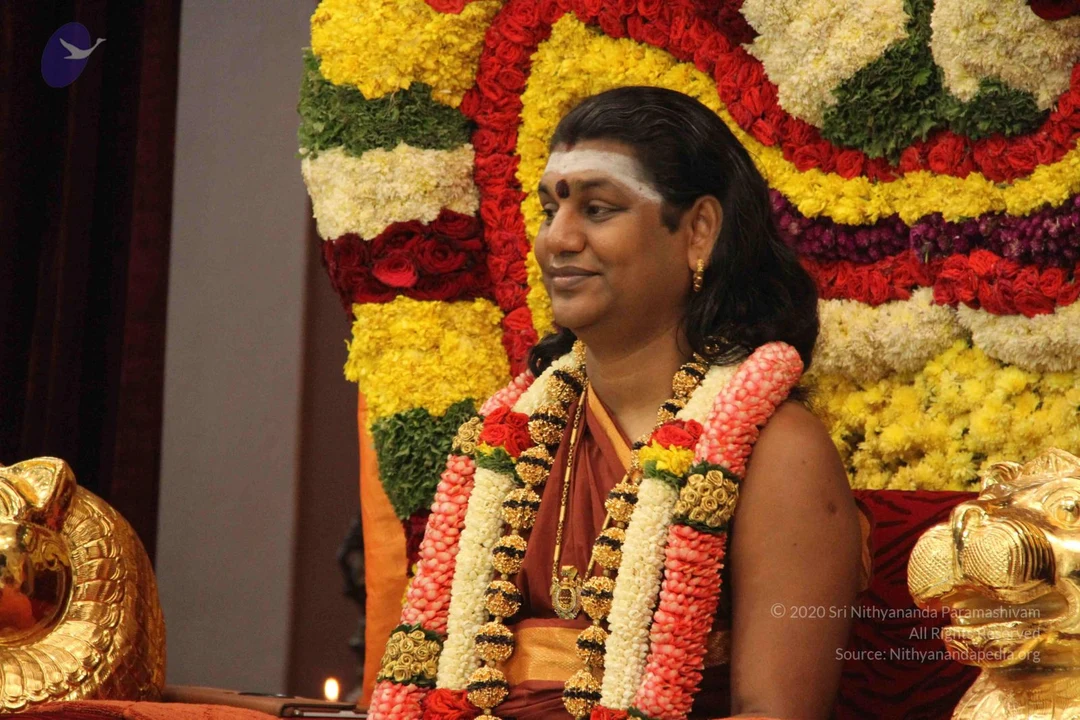
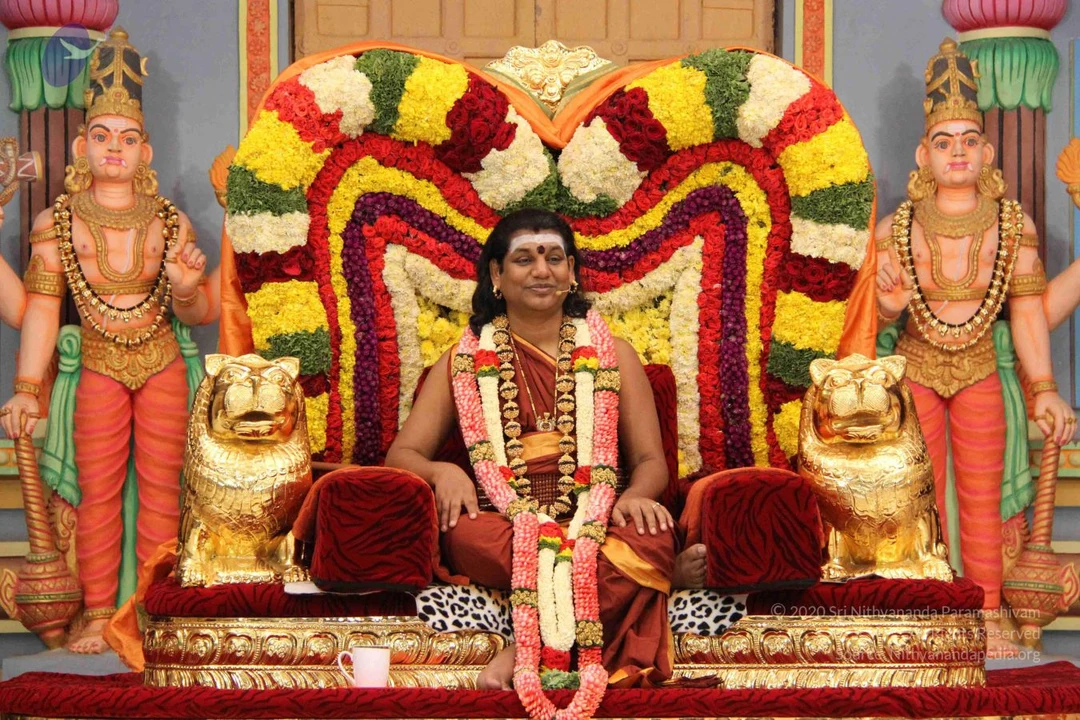
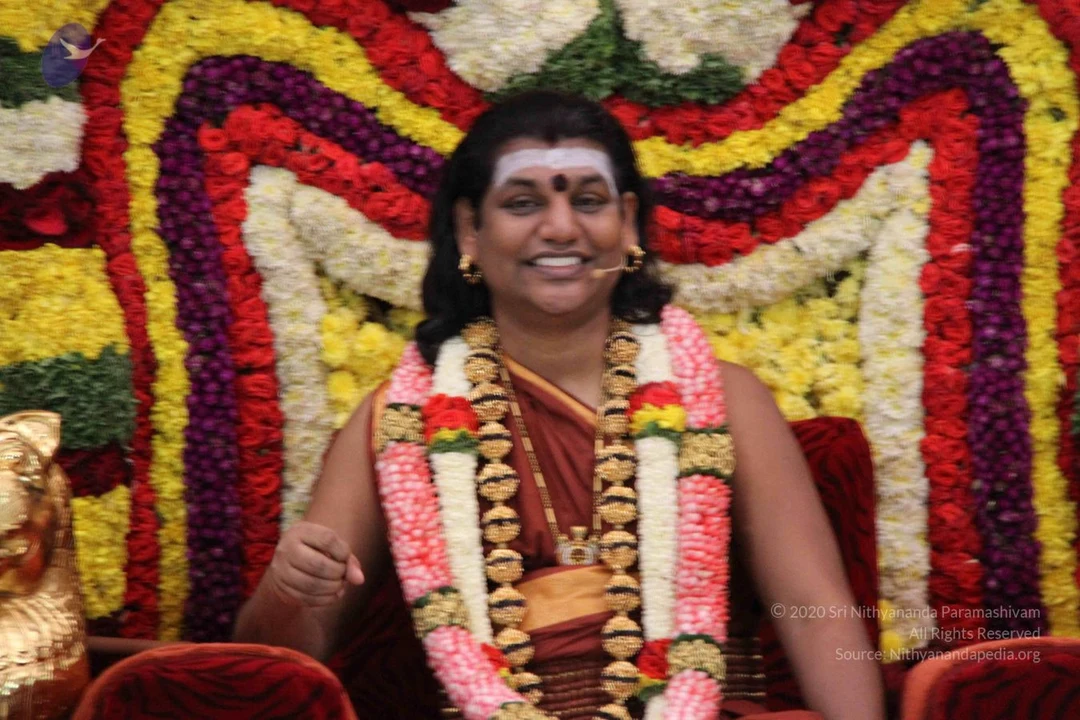
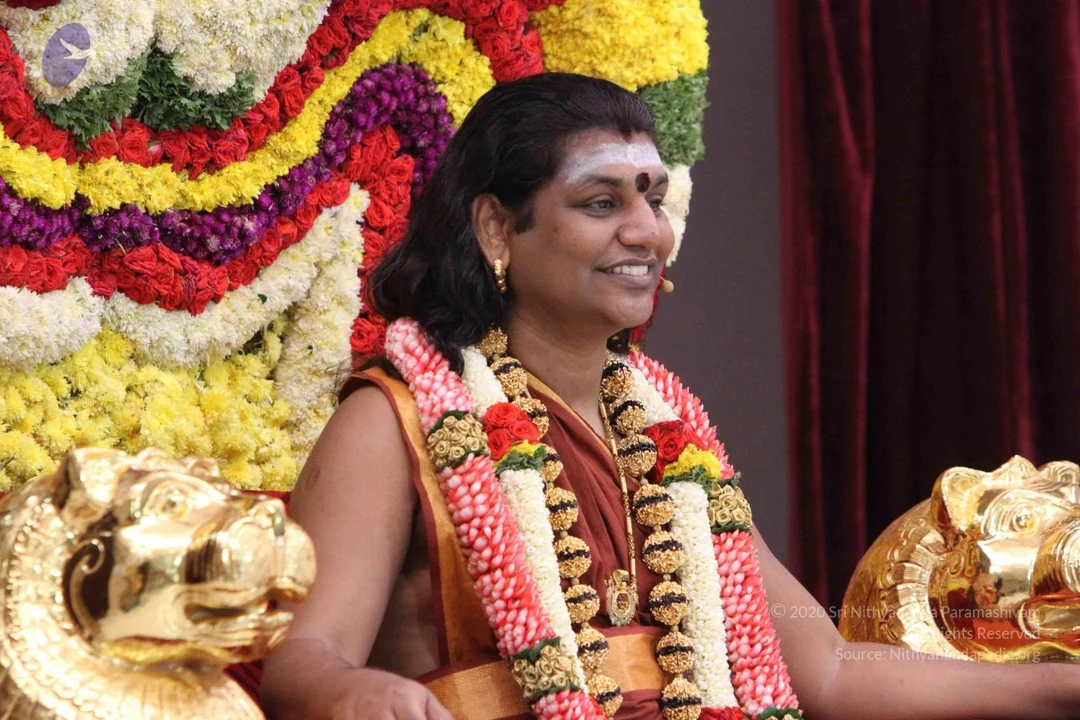
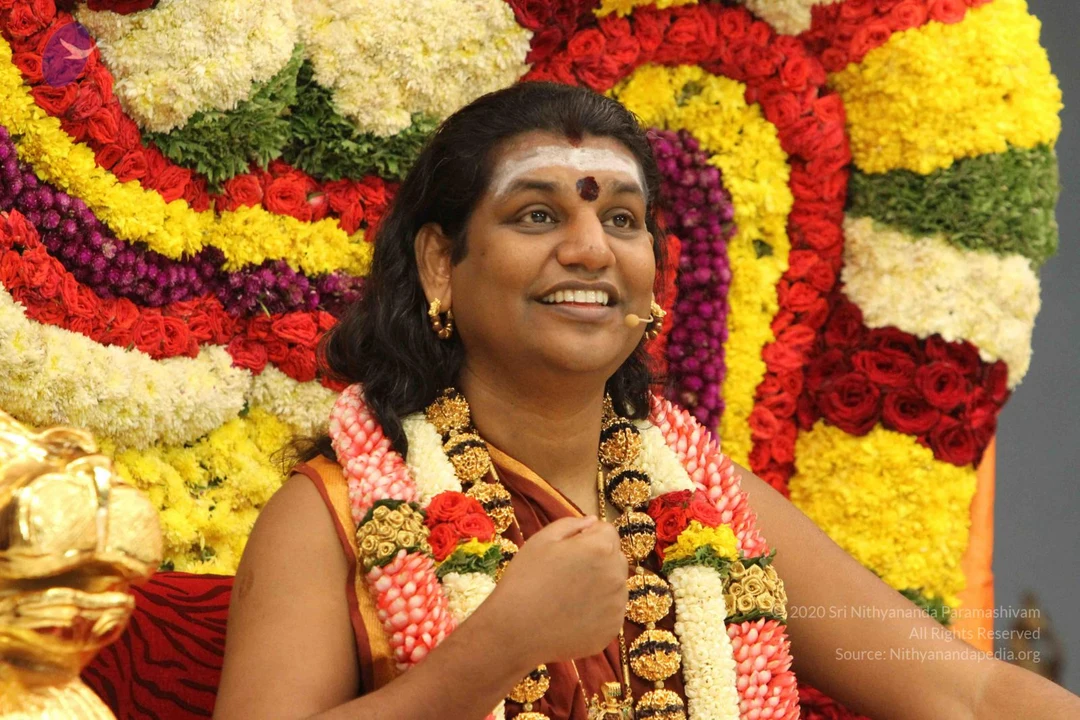
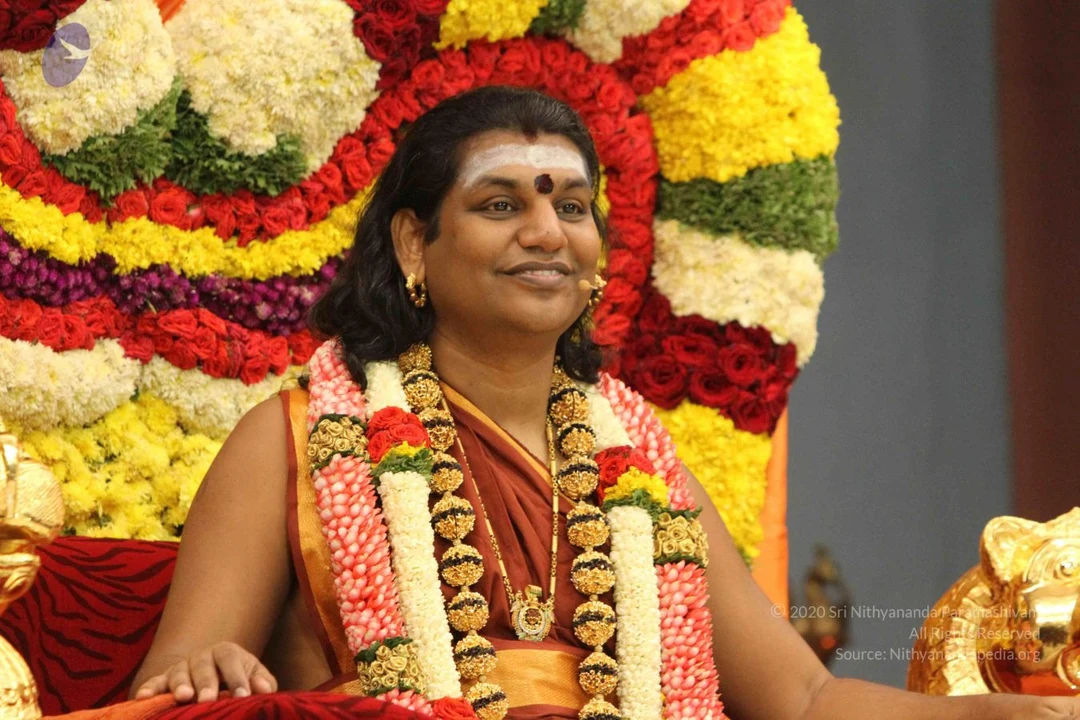
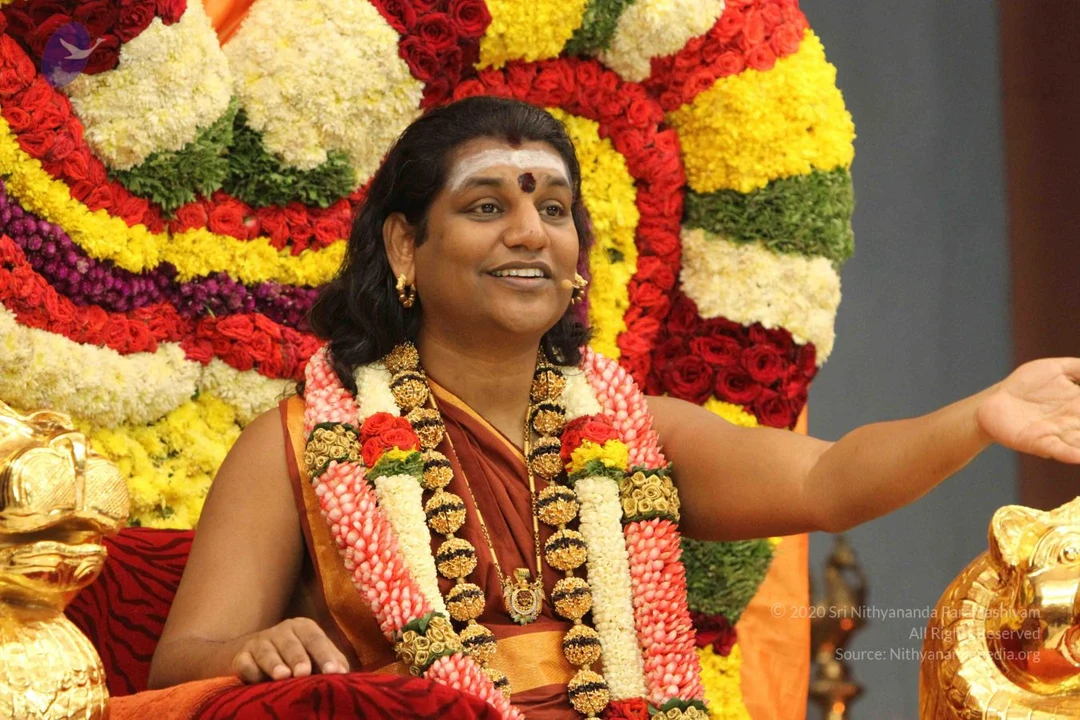
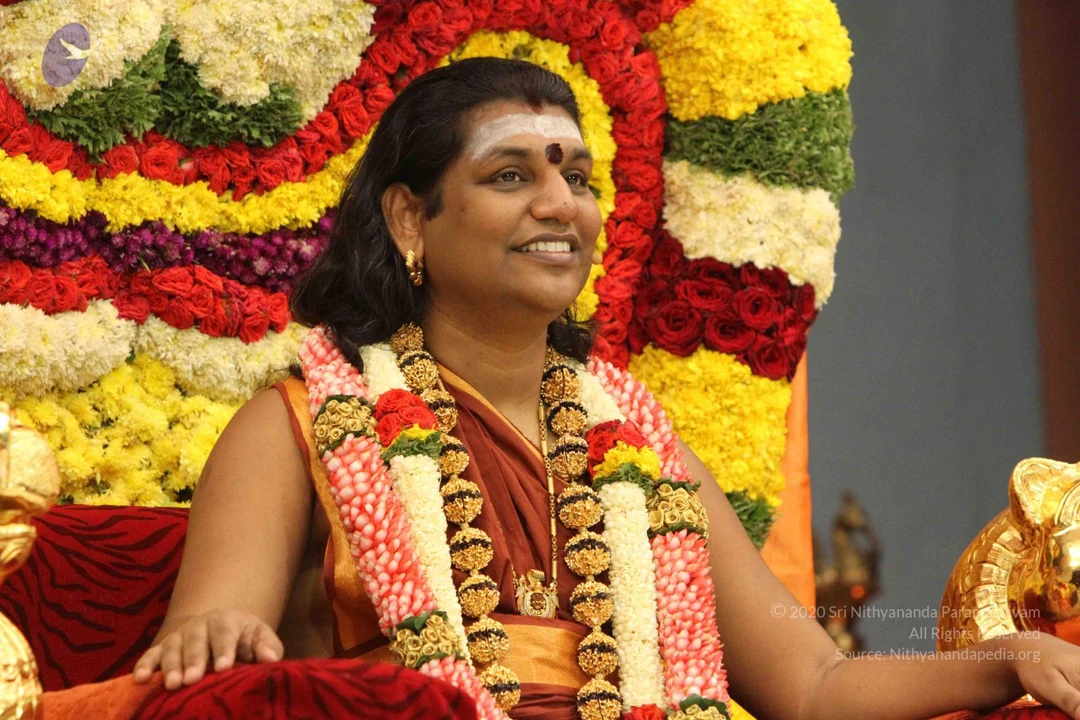
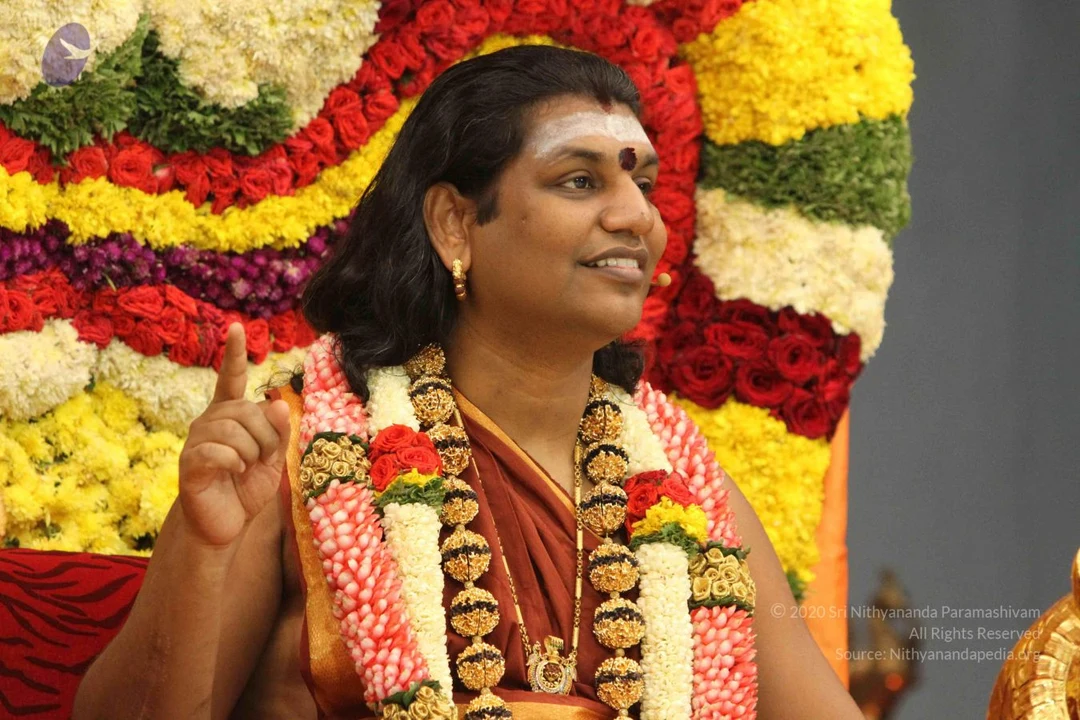
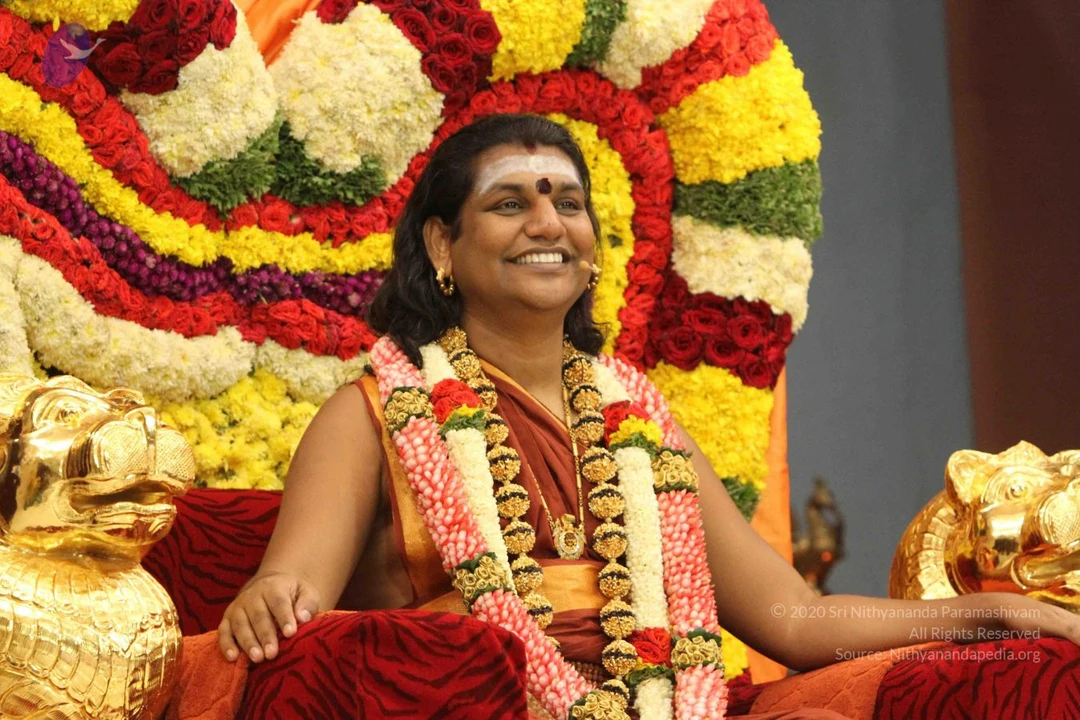
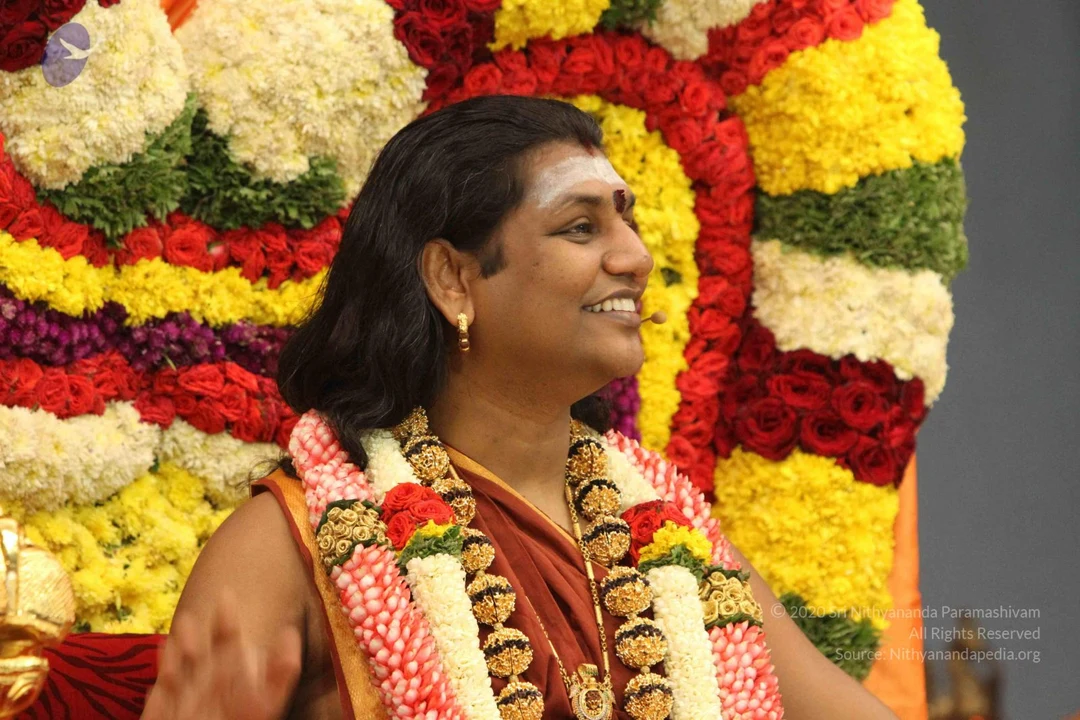
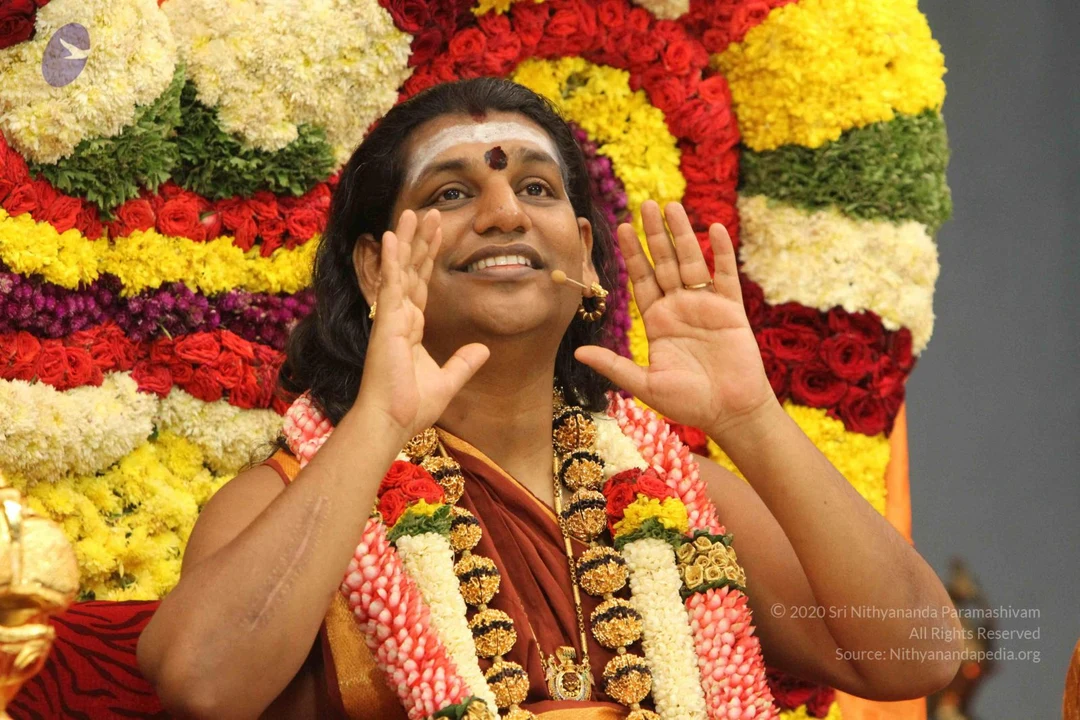
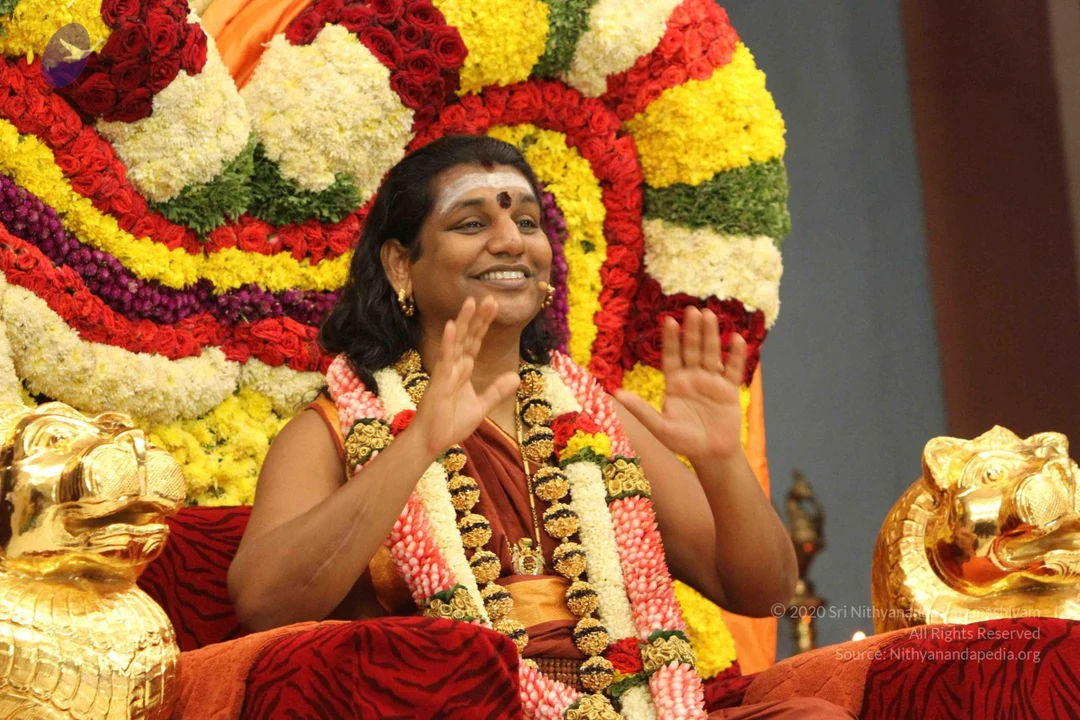
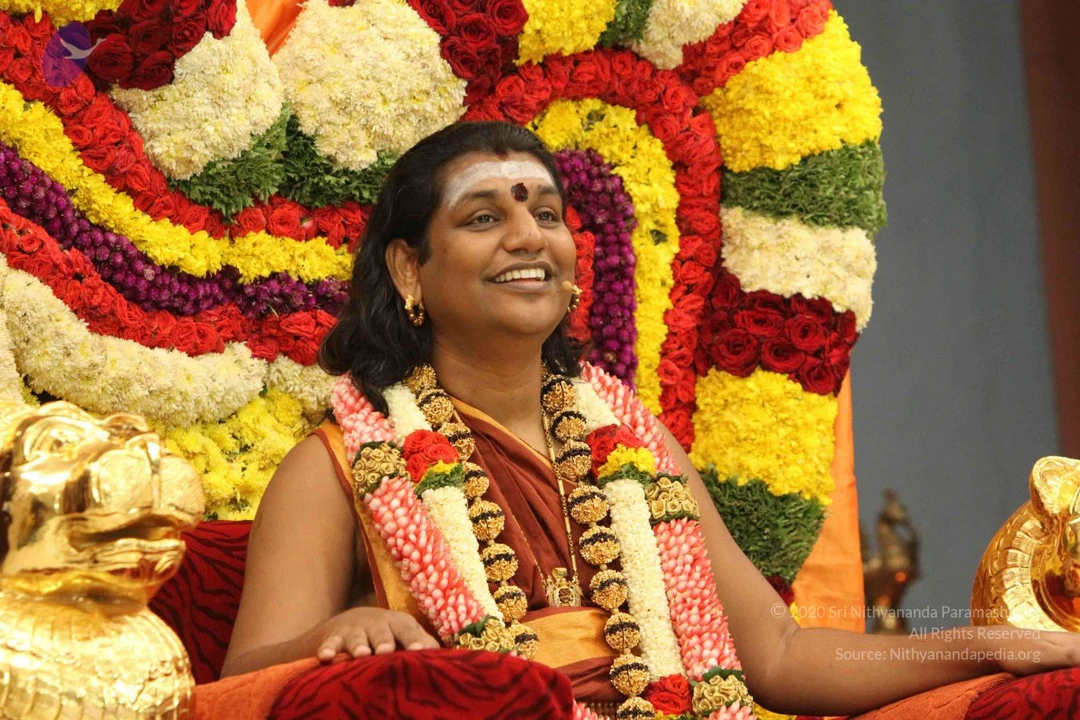
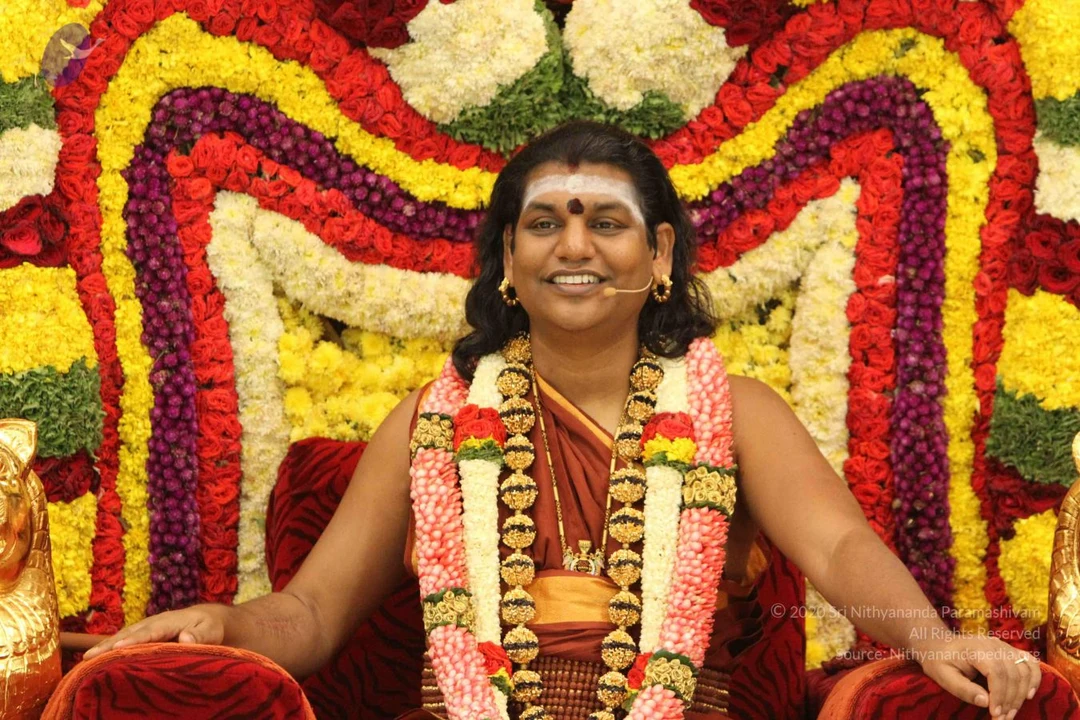
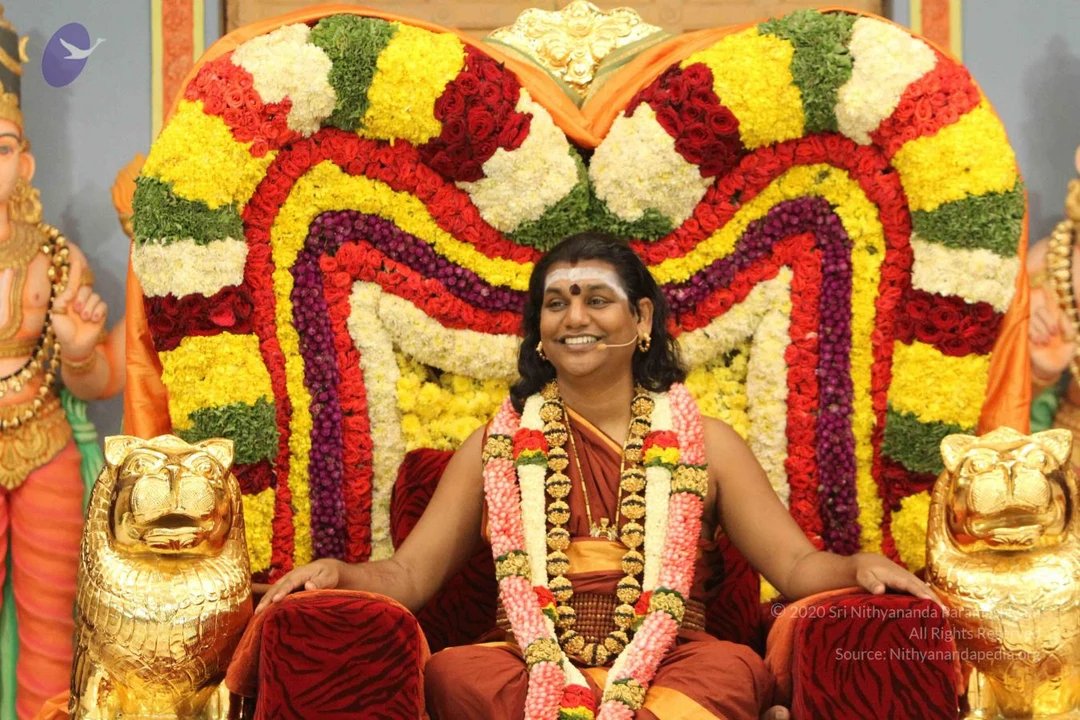
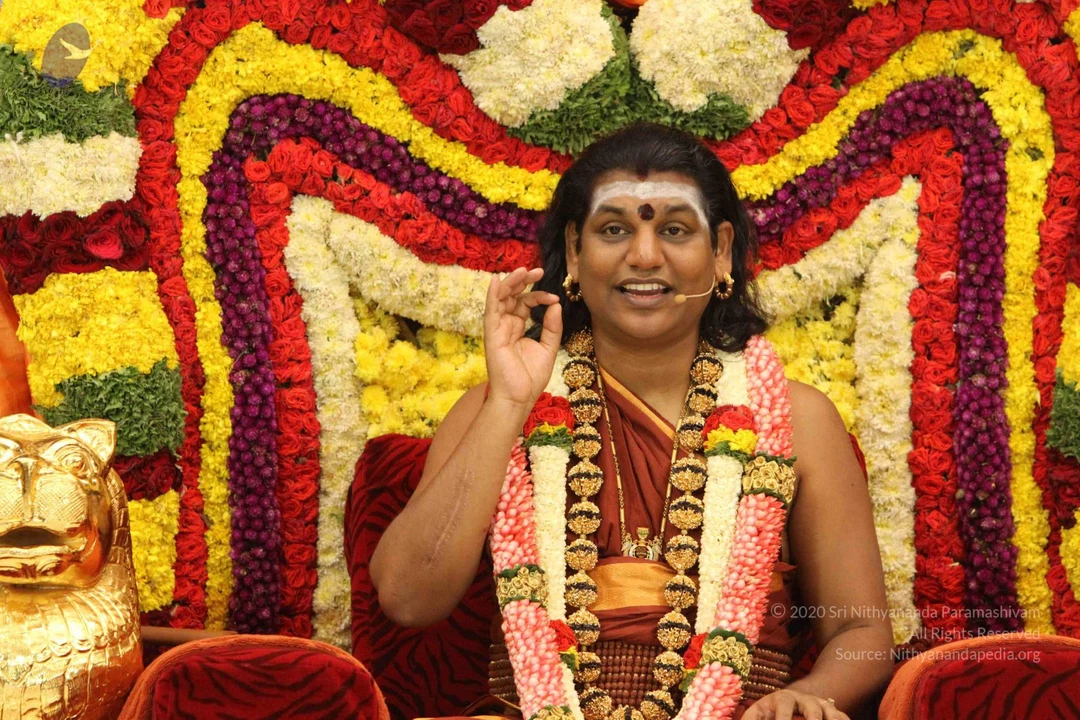
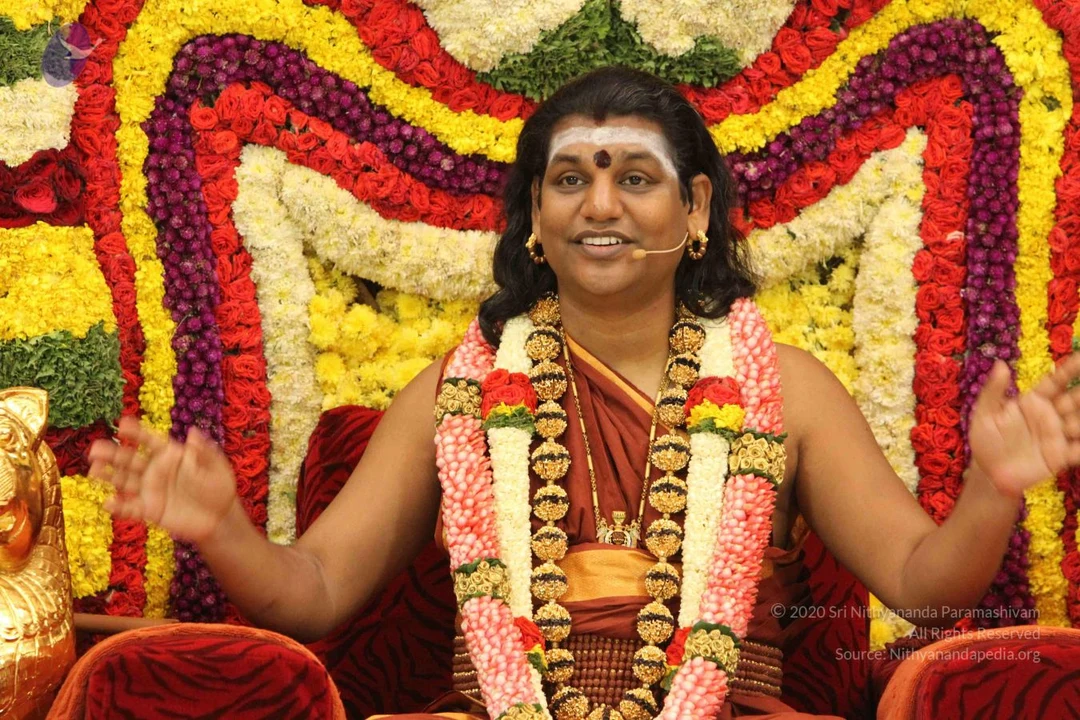
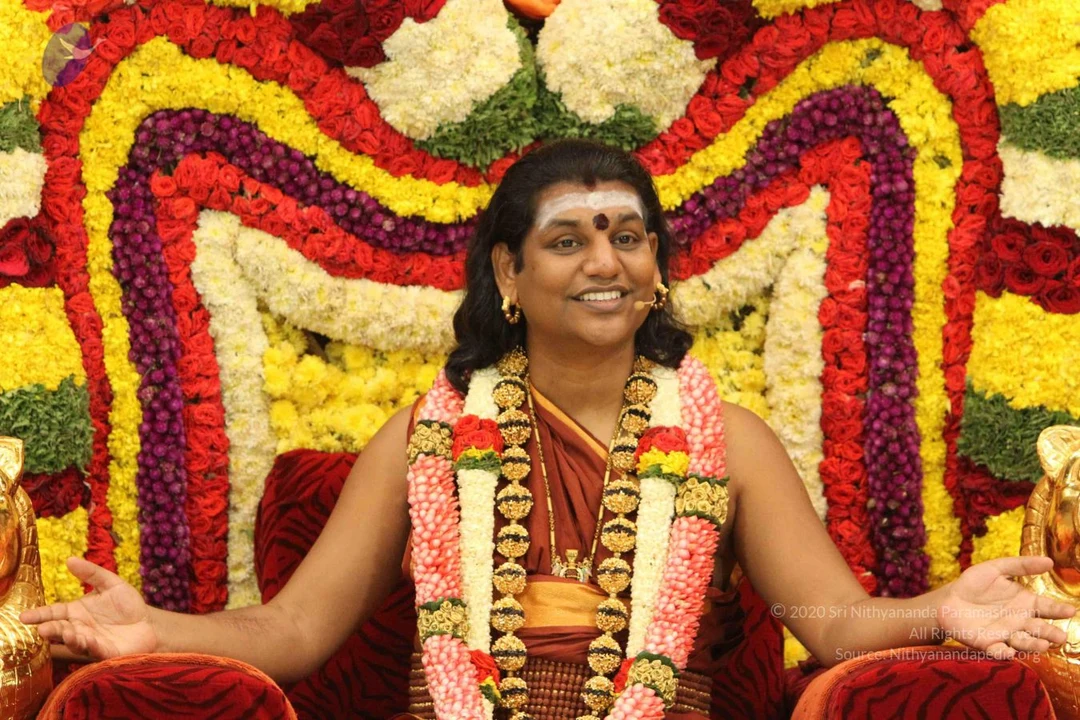
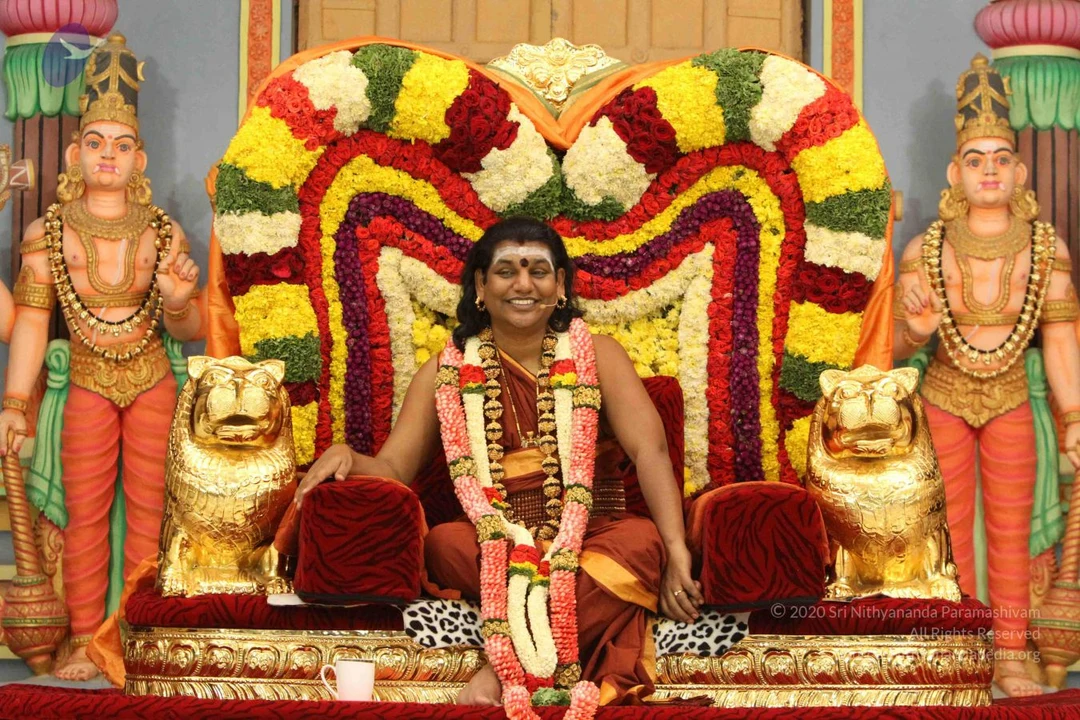
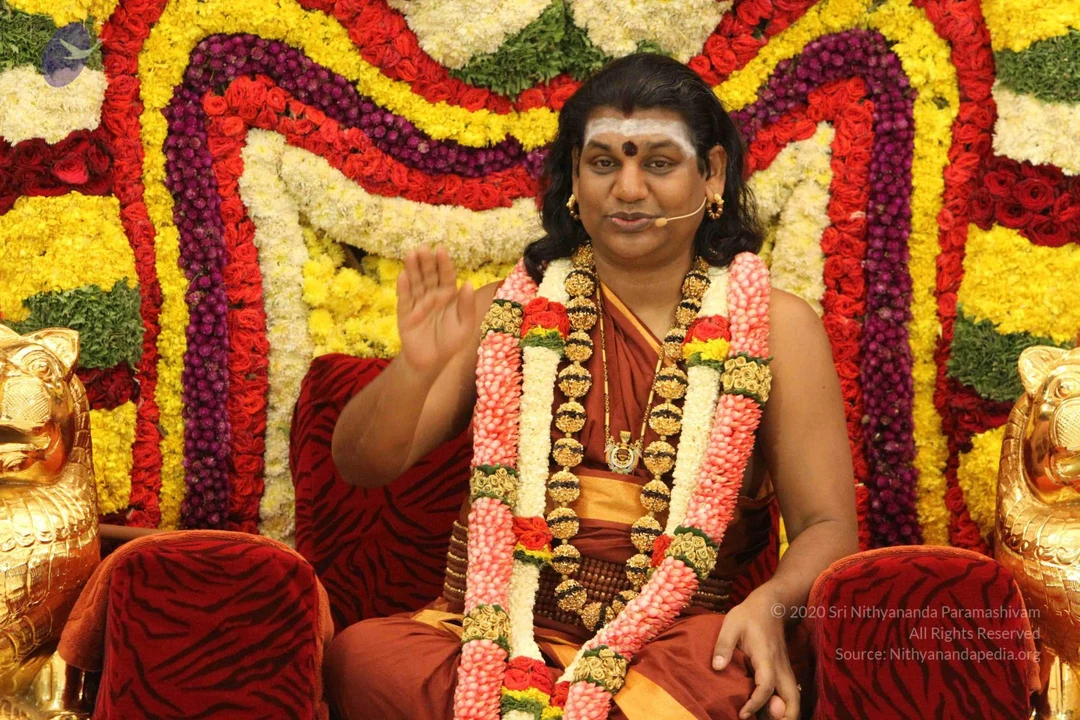
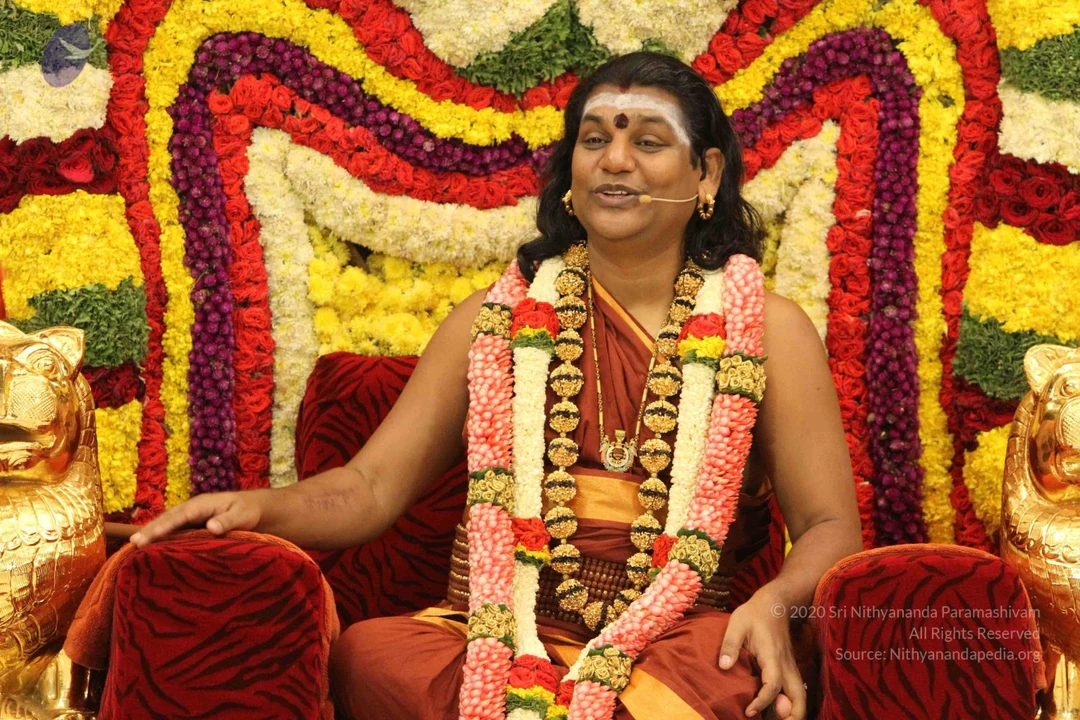
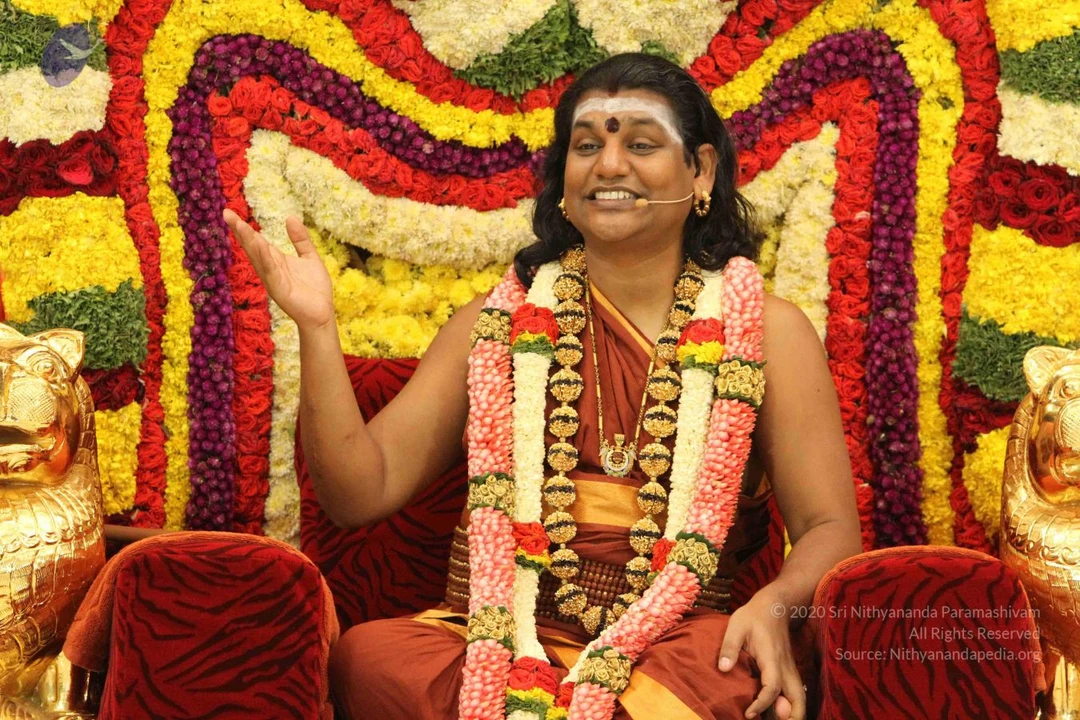
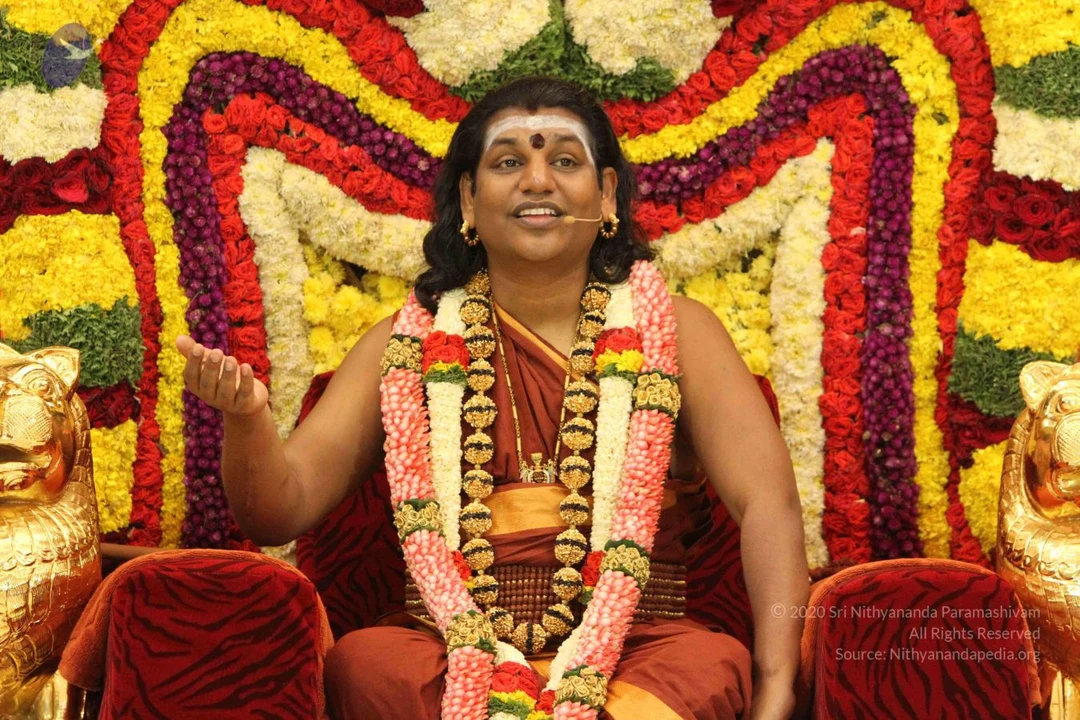
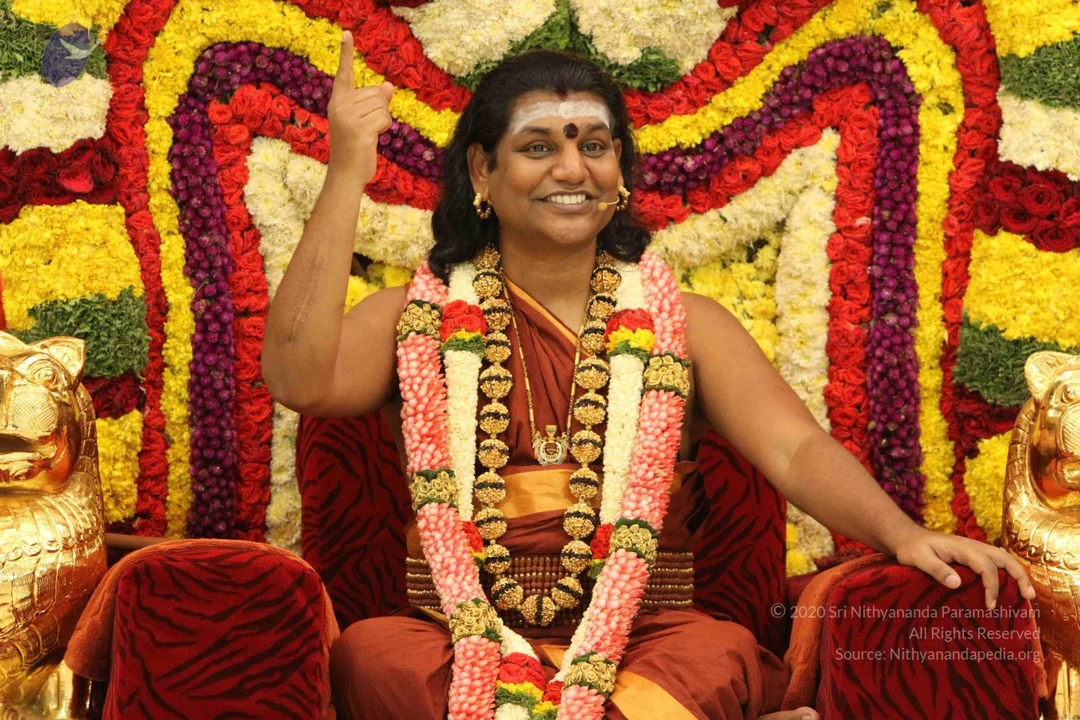
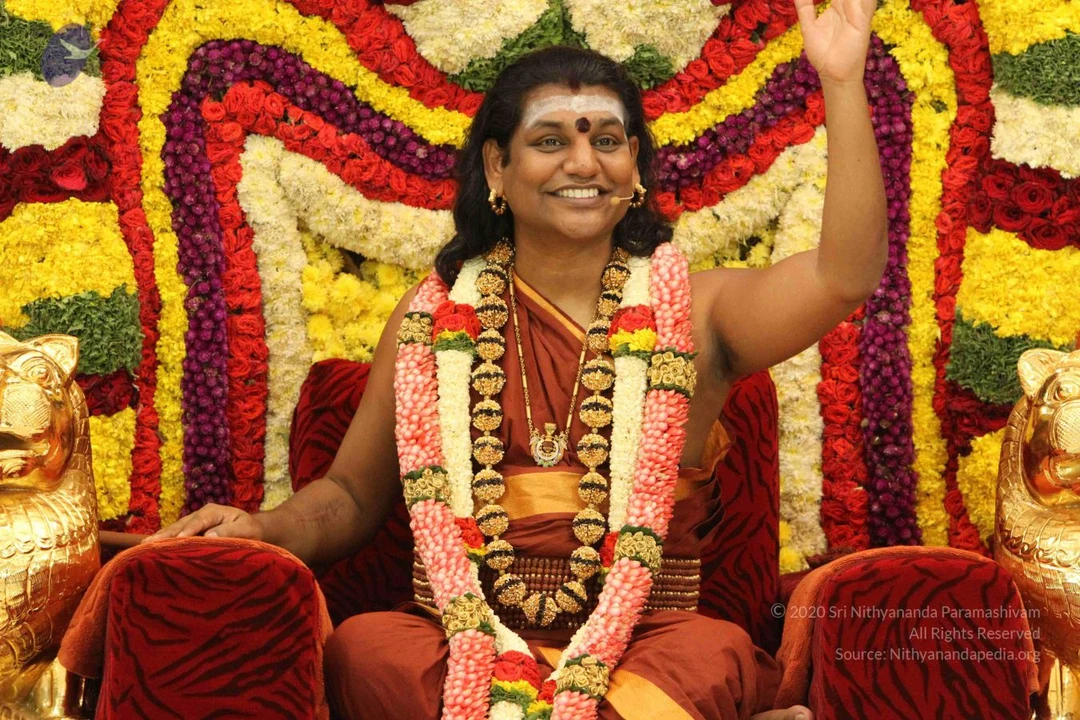
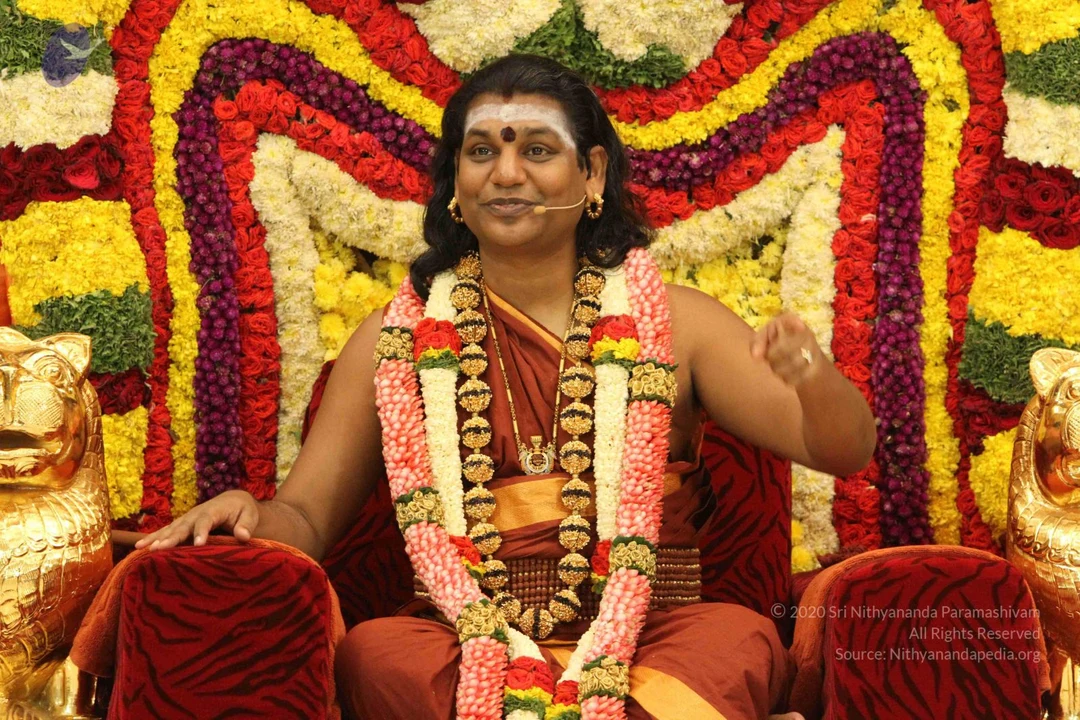
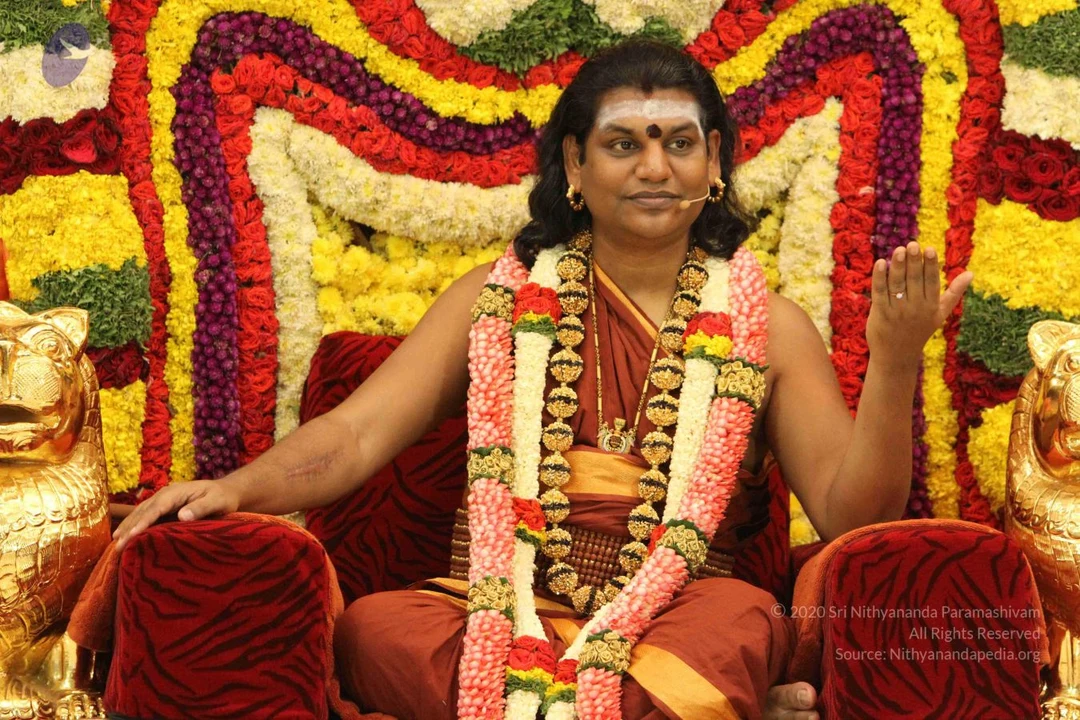
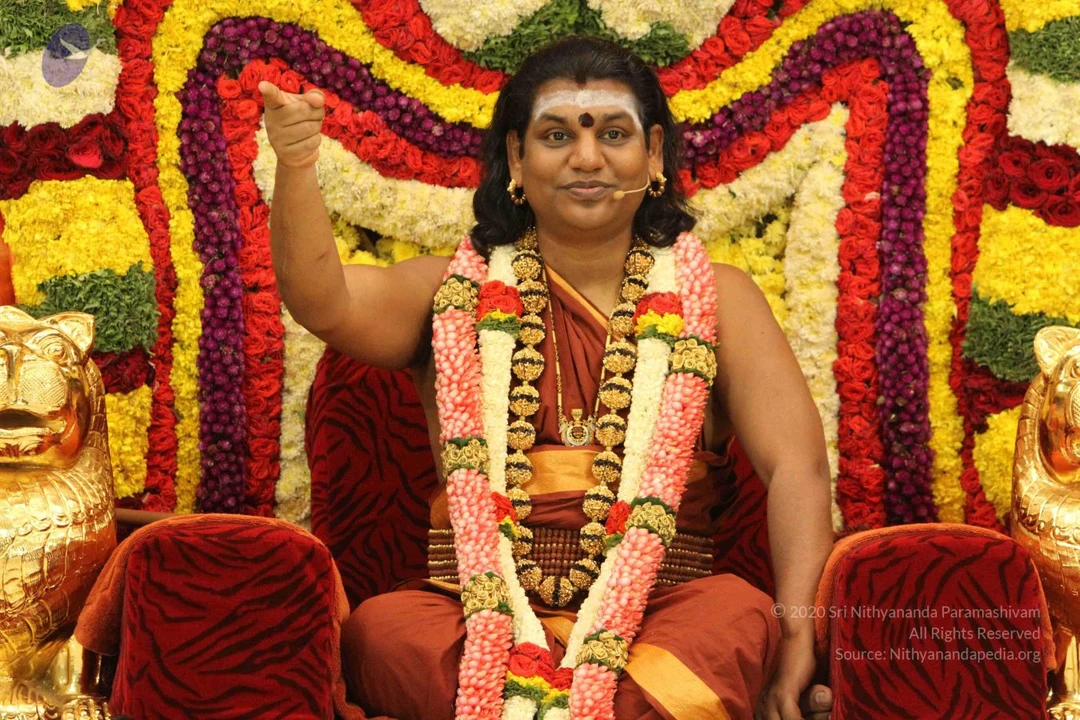
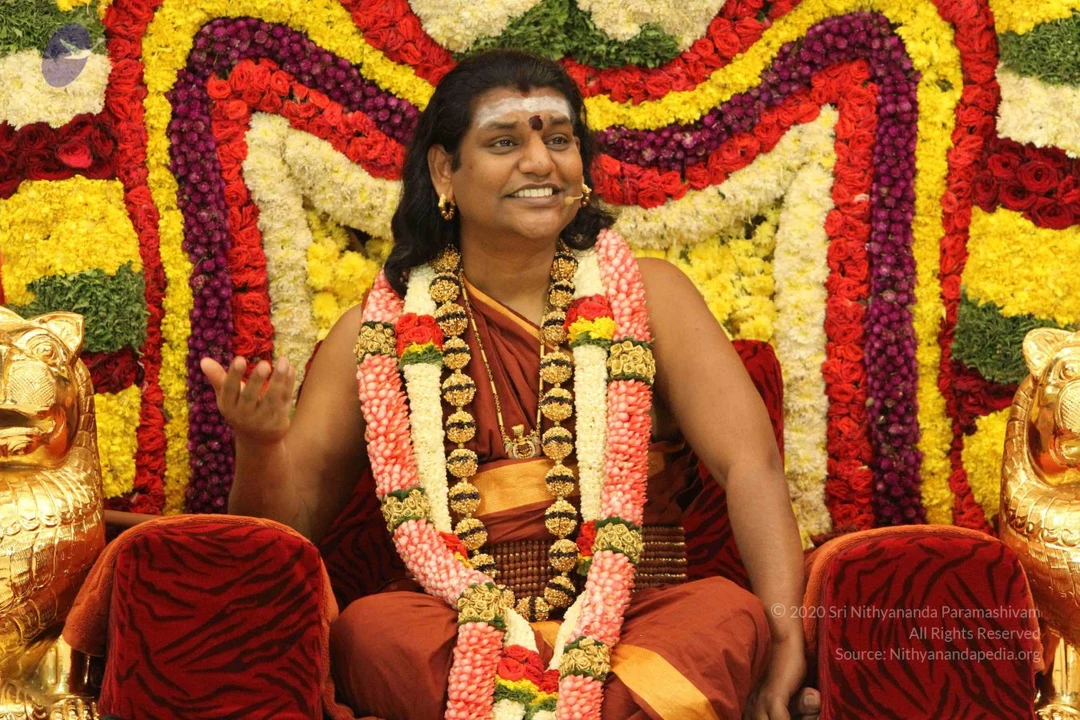
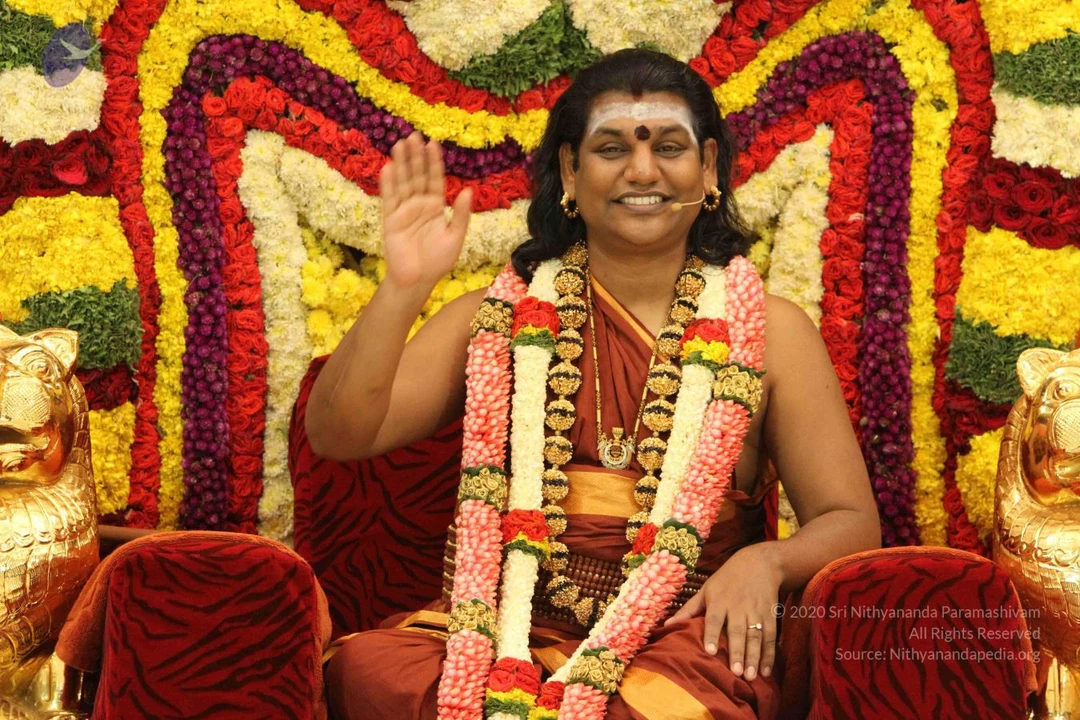
In today’s (3rd October, 2014) morning satsang, Paramahamsa Nithyananda answers a profound question: what is the one belief or incompletion in which all humanity is suffering? He explains it is our belief that we can be violated. We can never be violated because it is the law of life. As we are not the body, mind or emotions, we cannot be cut, killed, burnt or dried. We are pure consciousness!
Link to Video:
| Video | Audio |
Transcript:
Nithyanandeshwara Samaarambhaam Nithyanandeshwari Madhyamaam | Asmath Aachaarya Paryanthaam Vandhey Guru Paramparaam ||
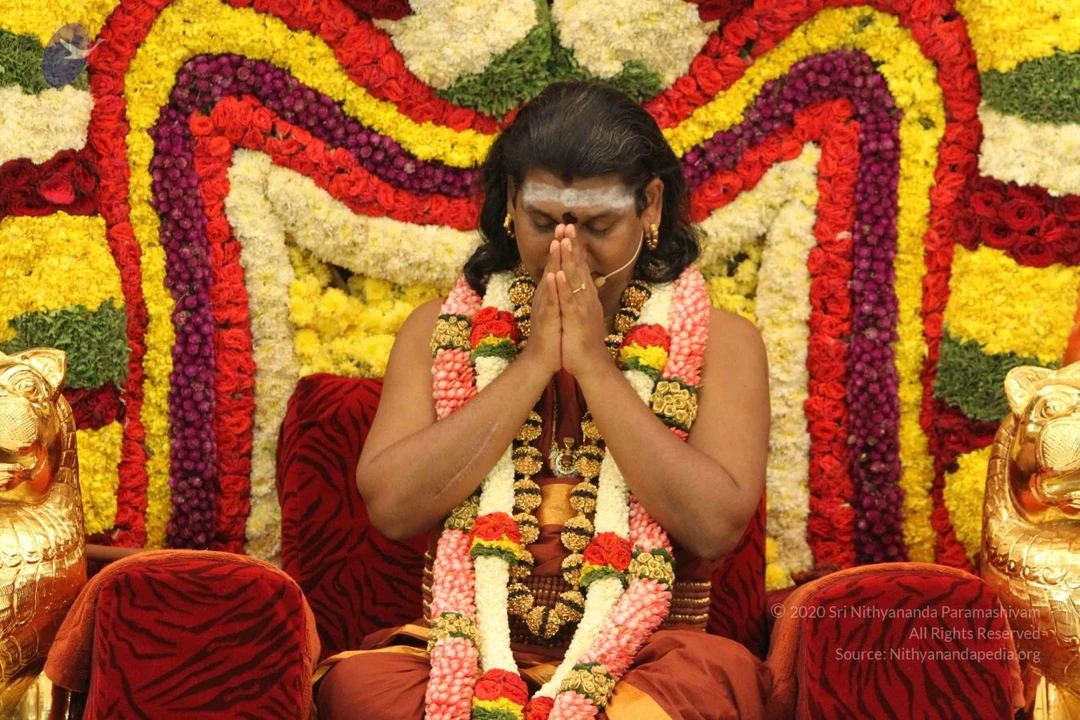
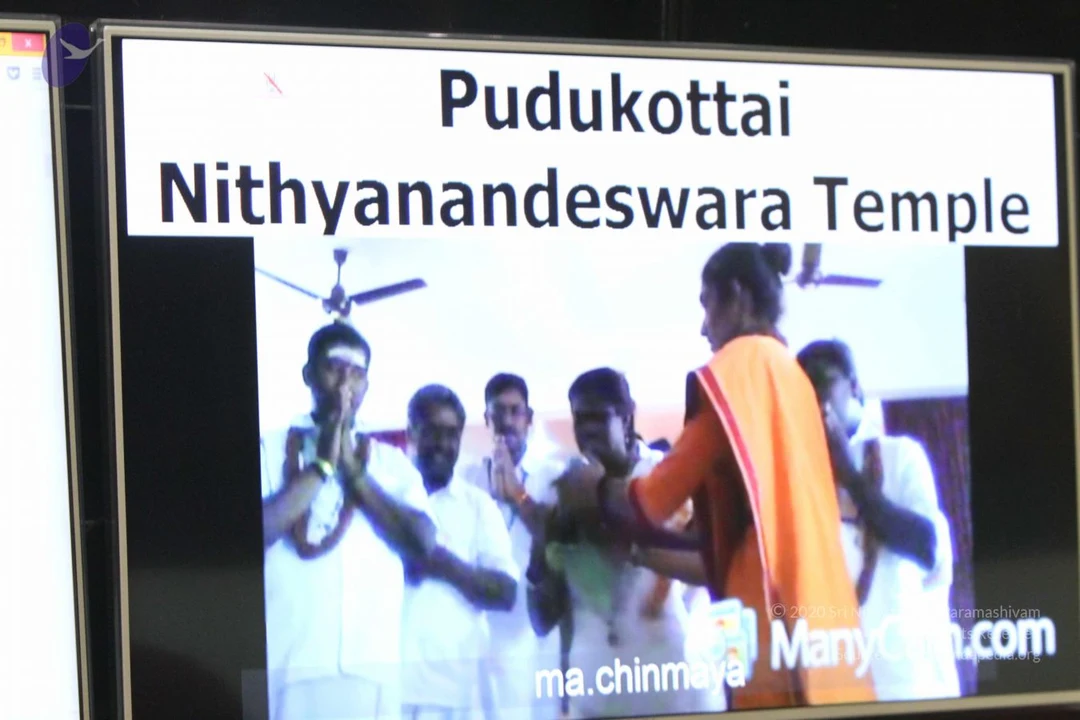
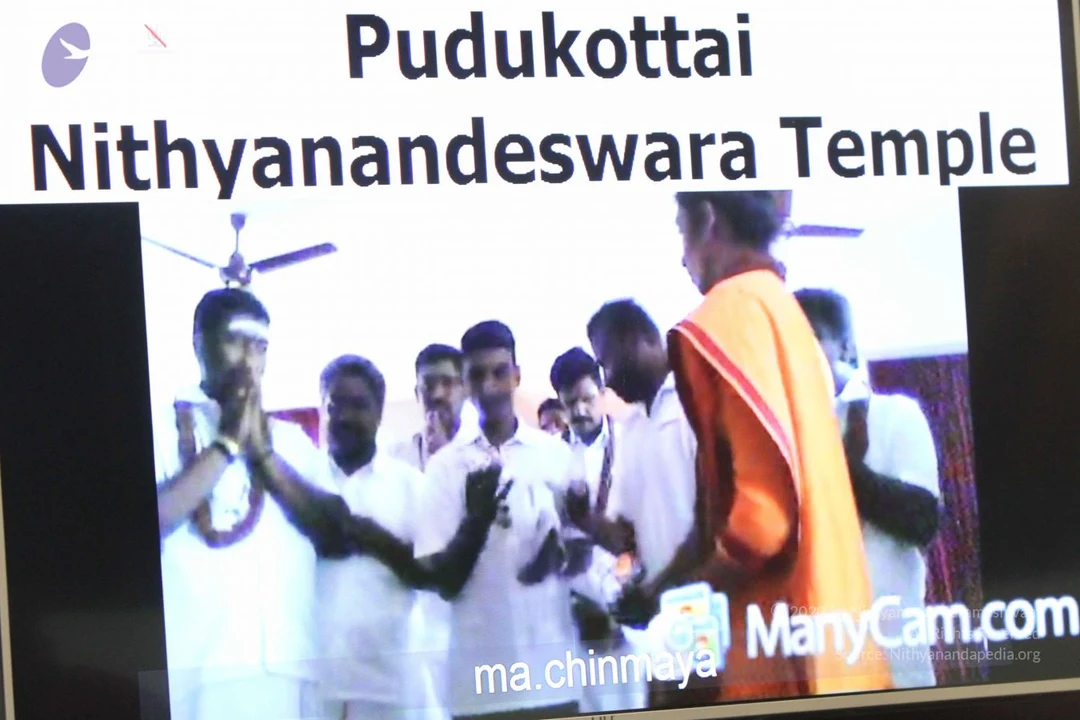
I welcome all the devotees, disciples, samajis, satsanghis, Shrimahants, Mahants, Thanedars, Kotharis, sitting with us through Nithyananda TV, Sadhna TV, and two-way video-conferencing having Nayana Deeksha.
Cities sitting with us through two-way video-conferencing having Nayana Deeksha: Vancouver-Bhubaneshwar, Calgary-Amarnath, Houston- Kalahasti, Guadeloupe-Rameshwaram, Surrey-Canada, Oklahoma-Somanatham, Hyderabad-Gupta Kashi, Los Angeles, Toronto-Kailasam, Nithyananda University-Los Angeles, Los Angeles-Hollywood, San Jose-Madurai, Seattle-Chidambaram, Poprad-Slovakia, Oman-Sivagangai..... There are some more cities.....Hong Kong-Sirkazhi, Colorado Springs-USA...
I welcome all of you with my love and respects.
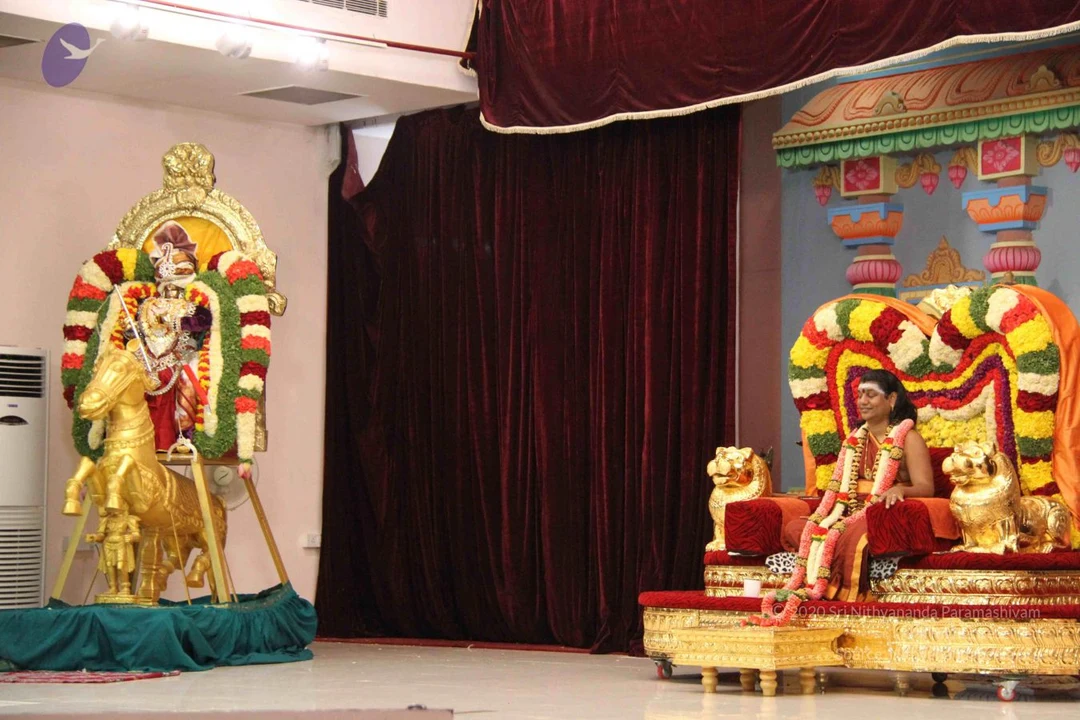
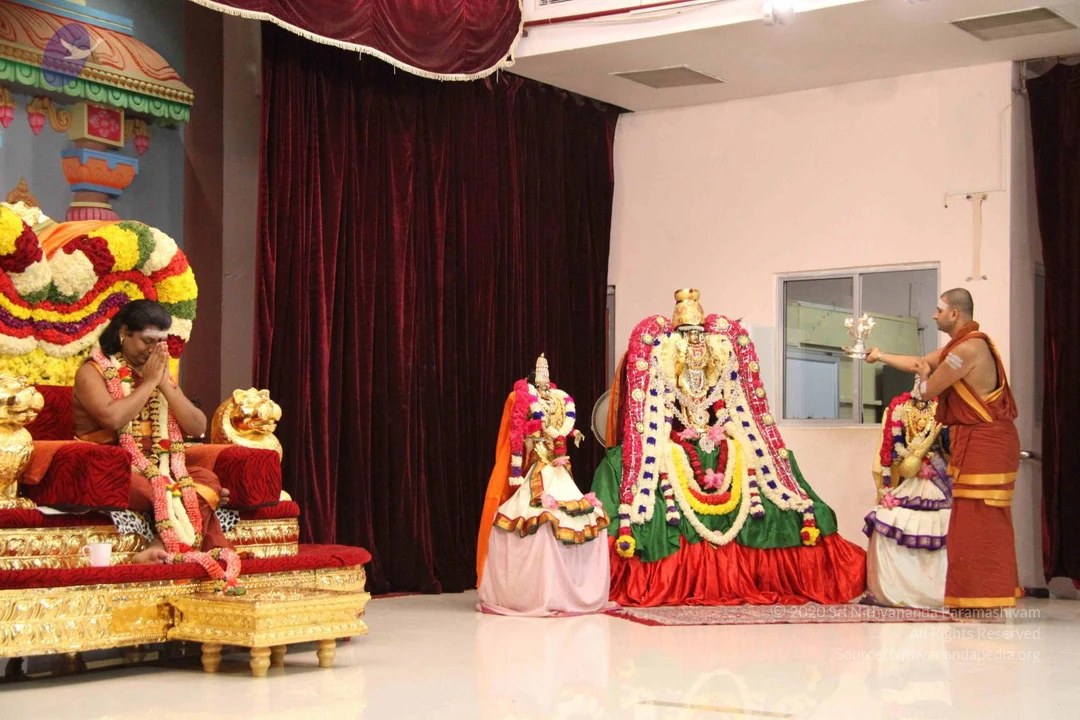
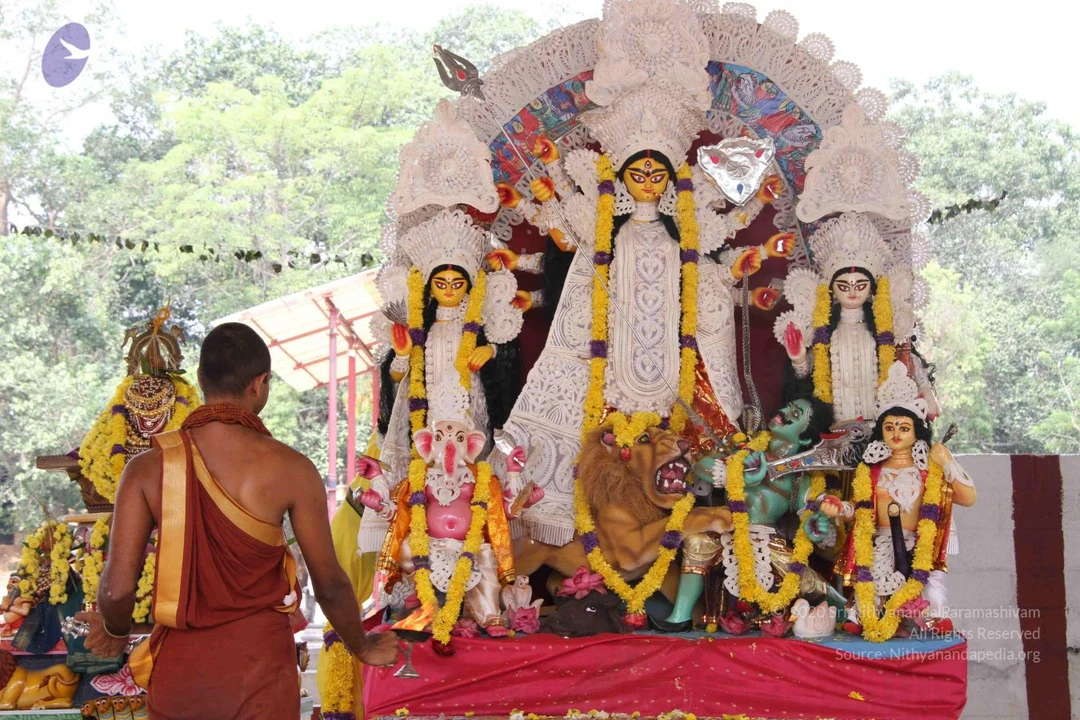
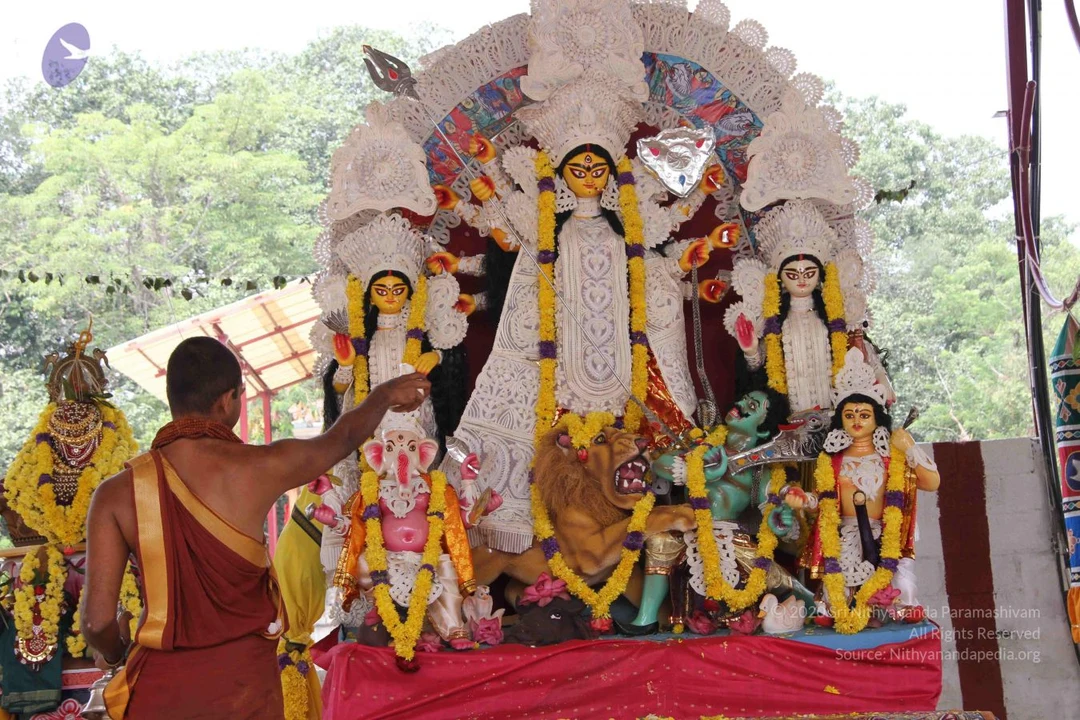
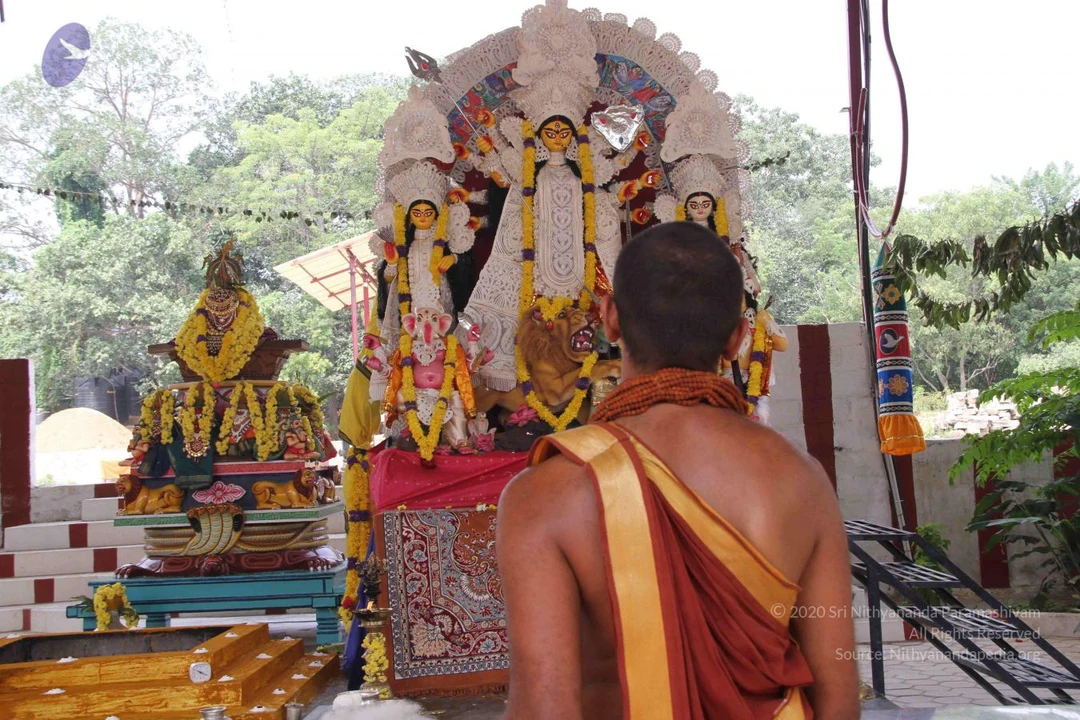
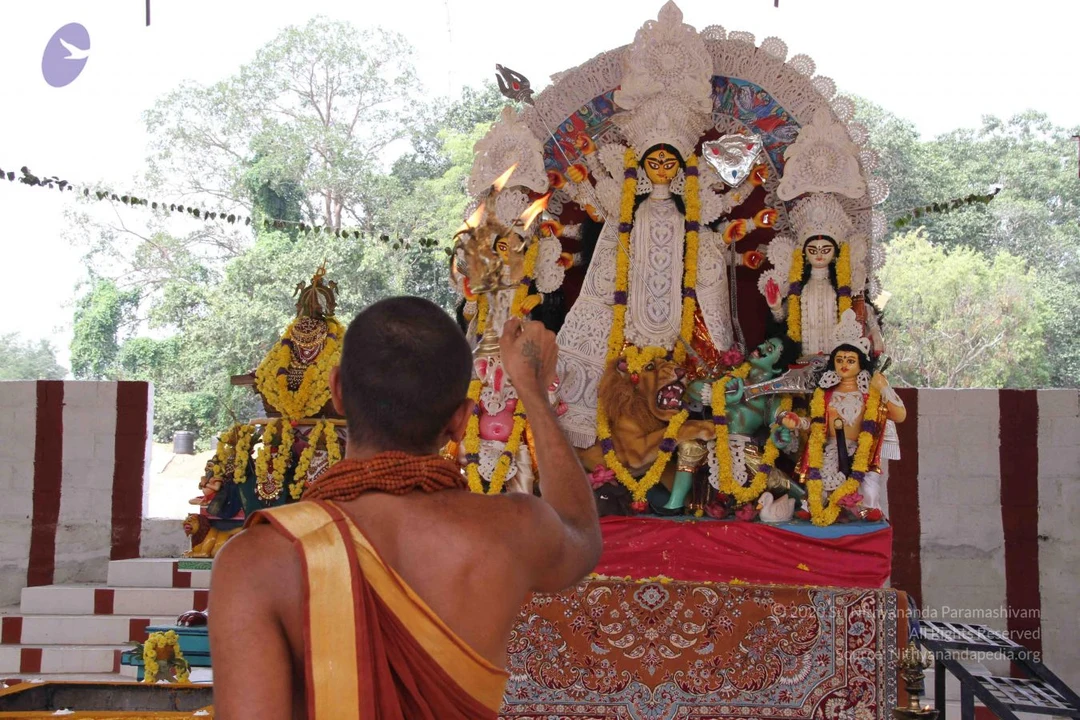
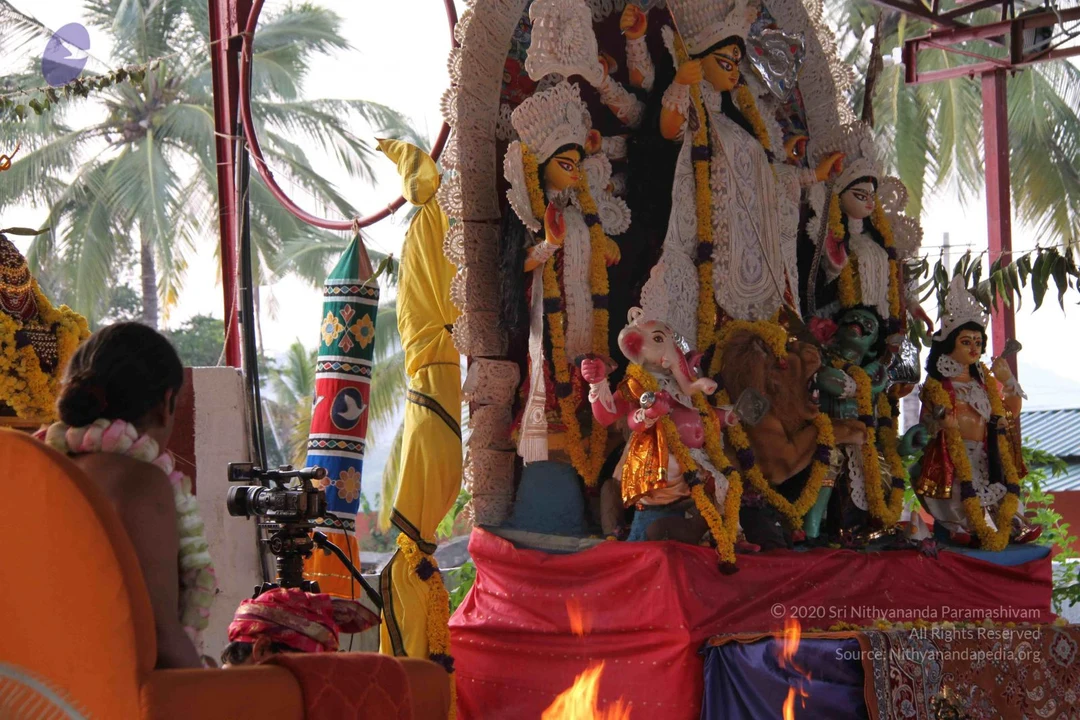
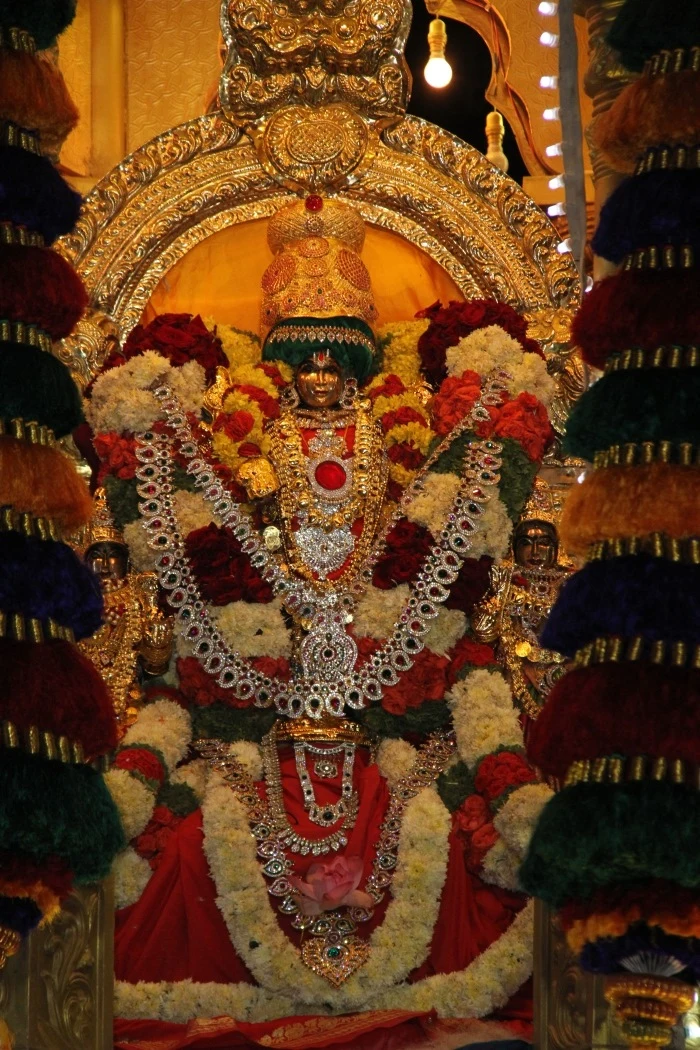
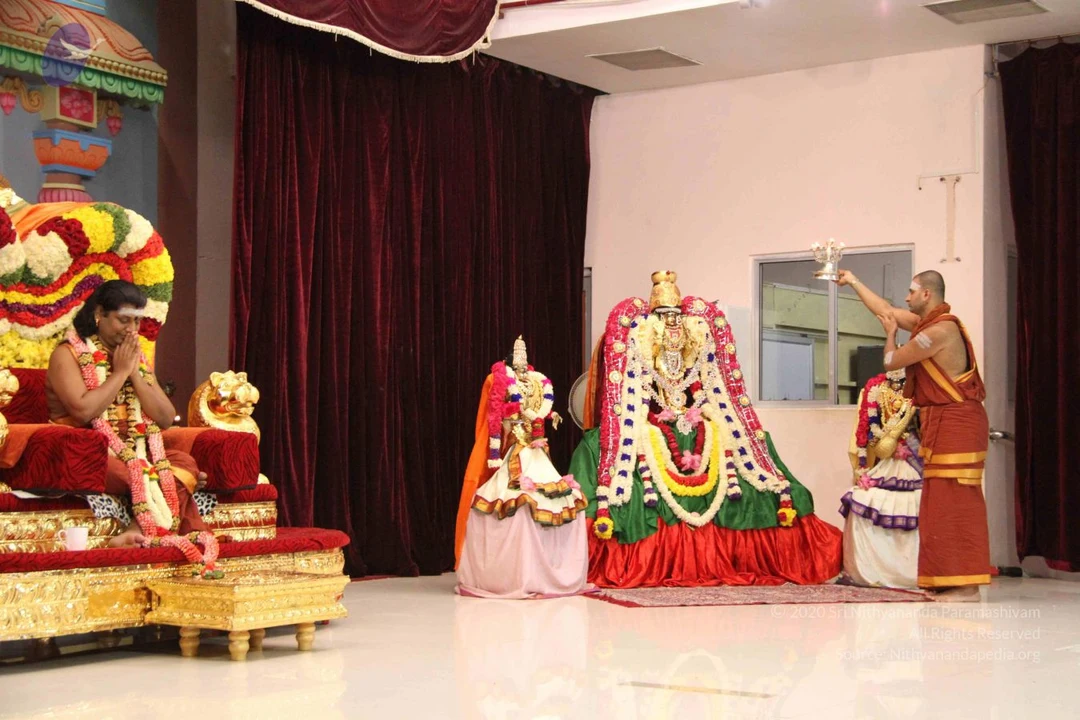
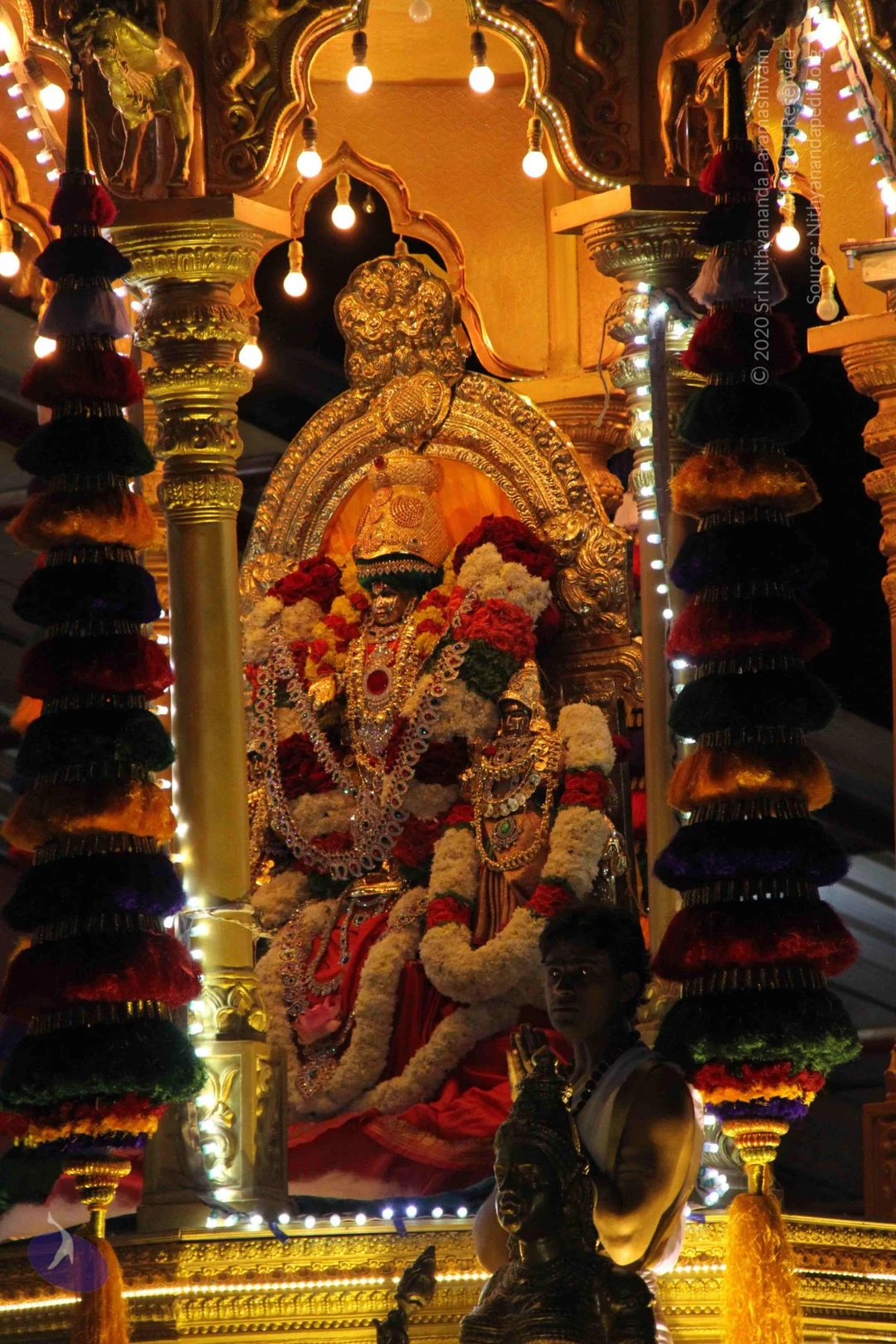
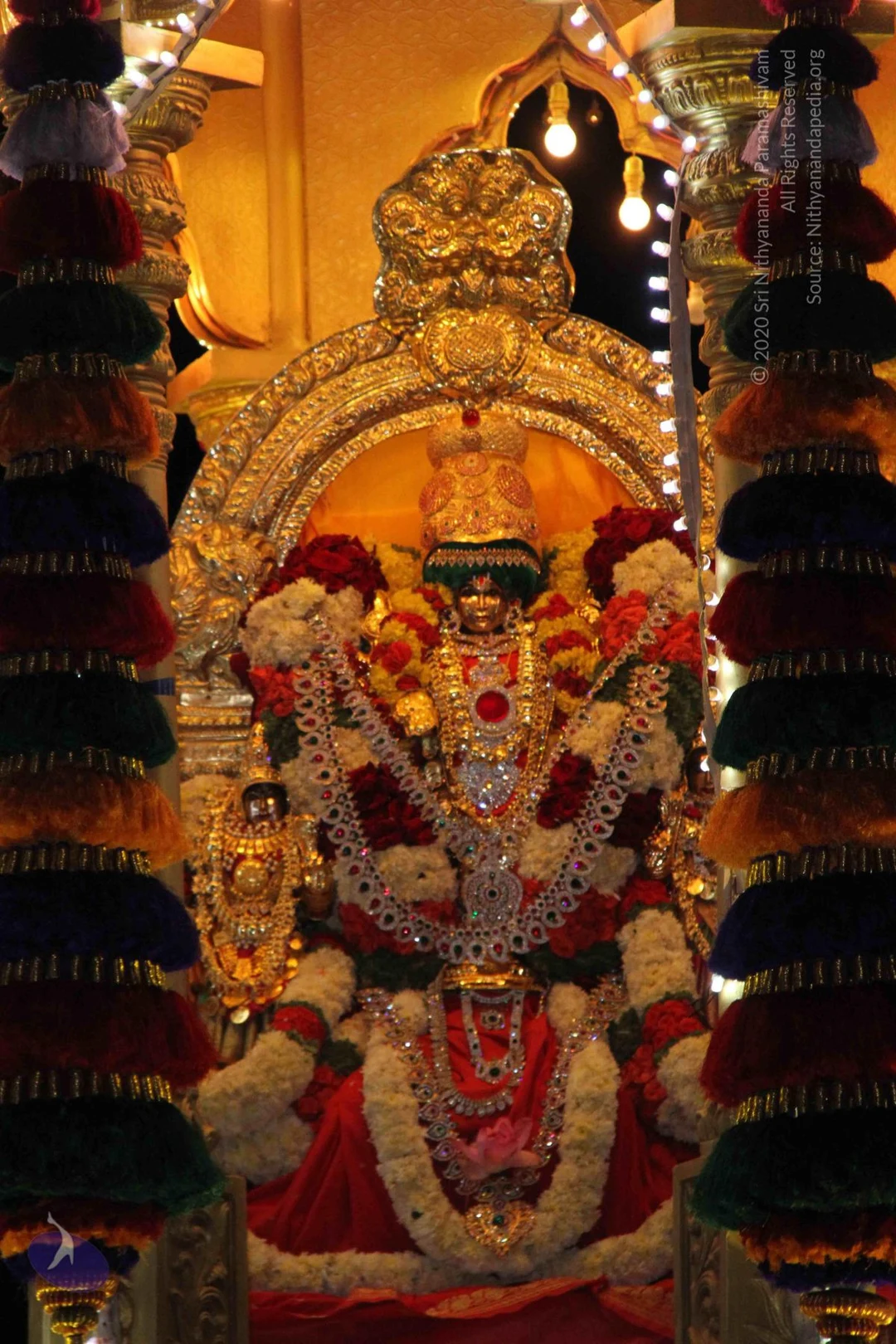
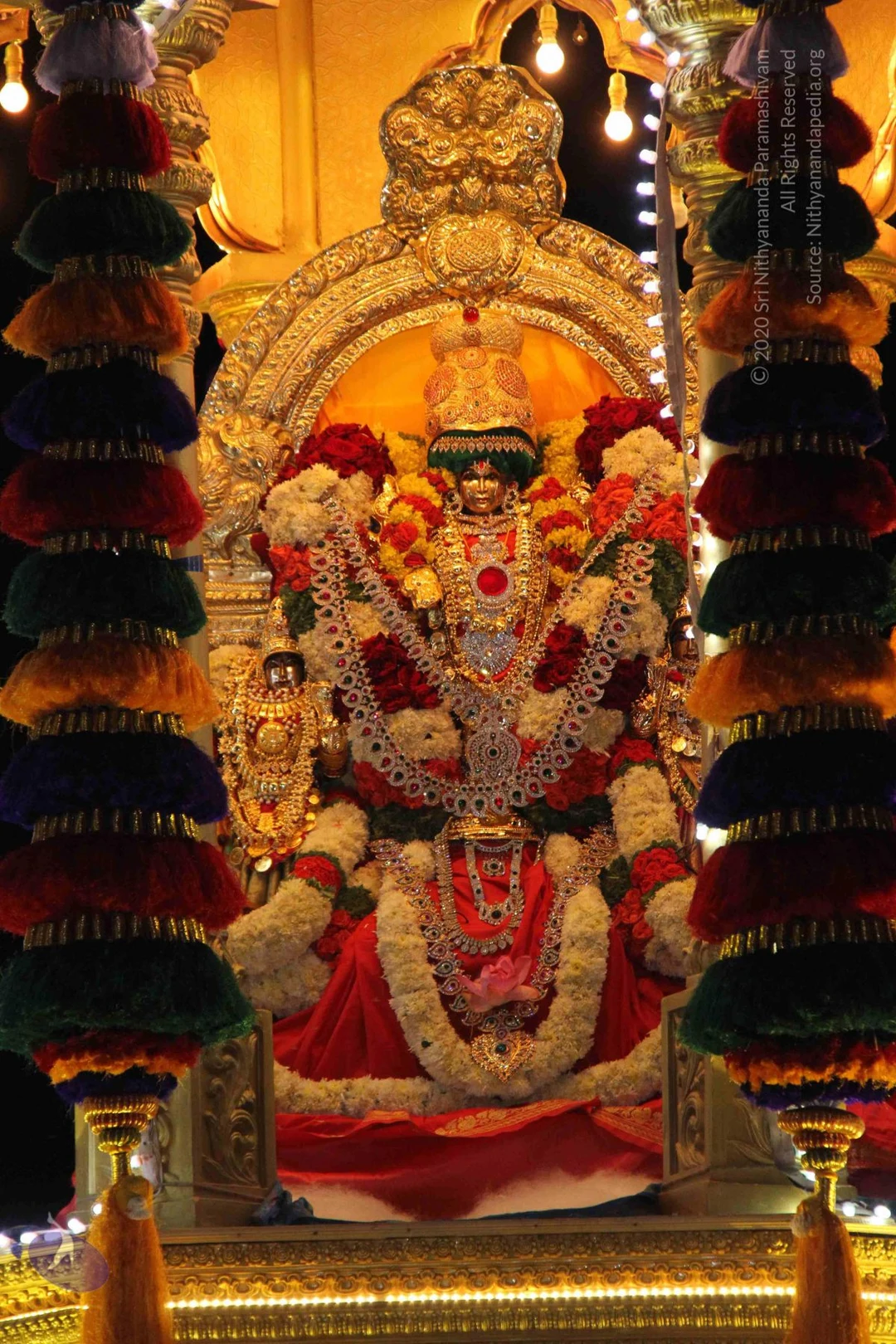
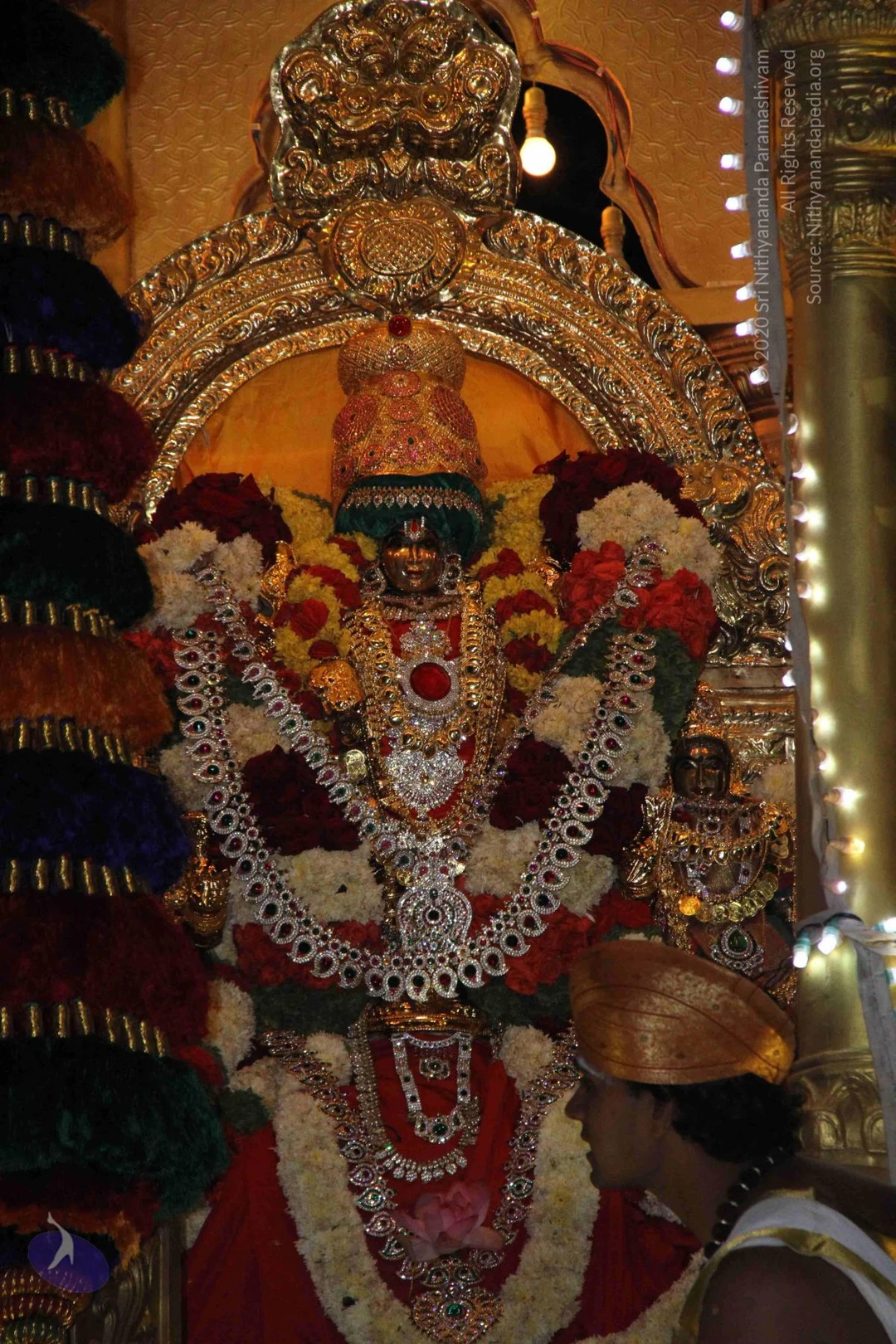
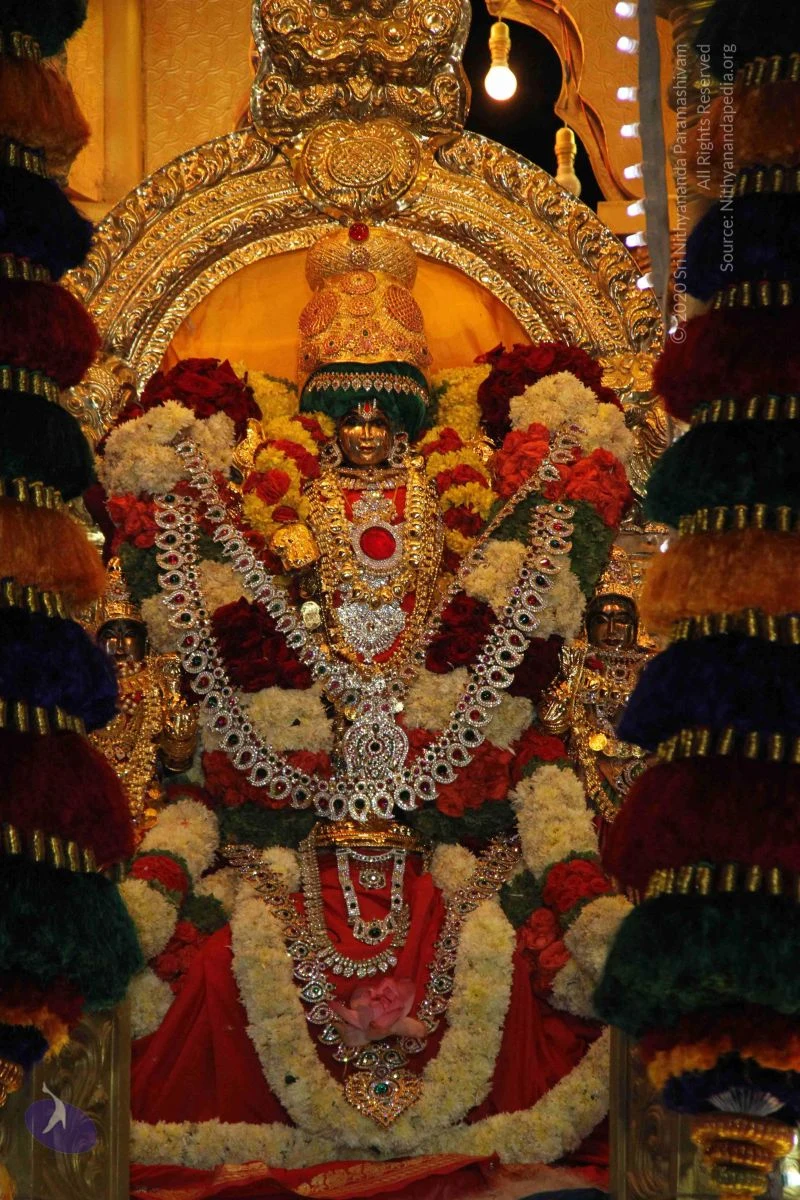
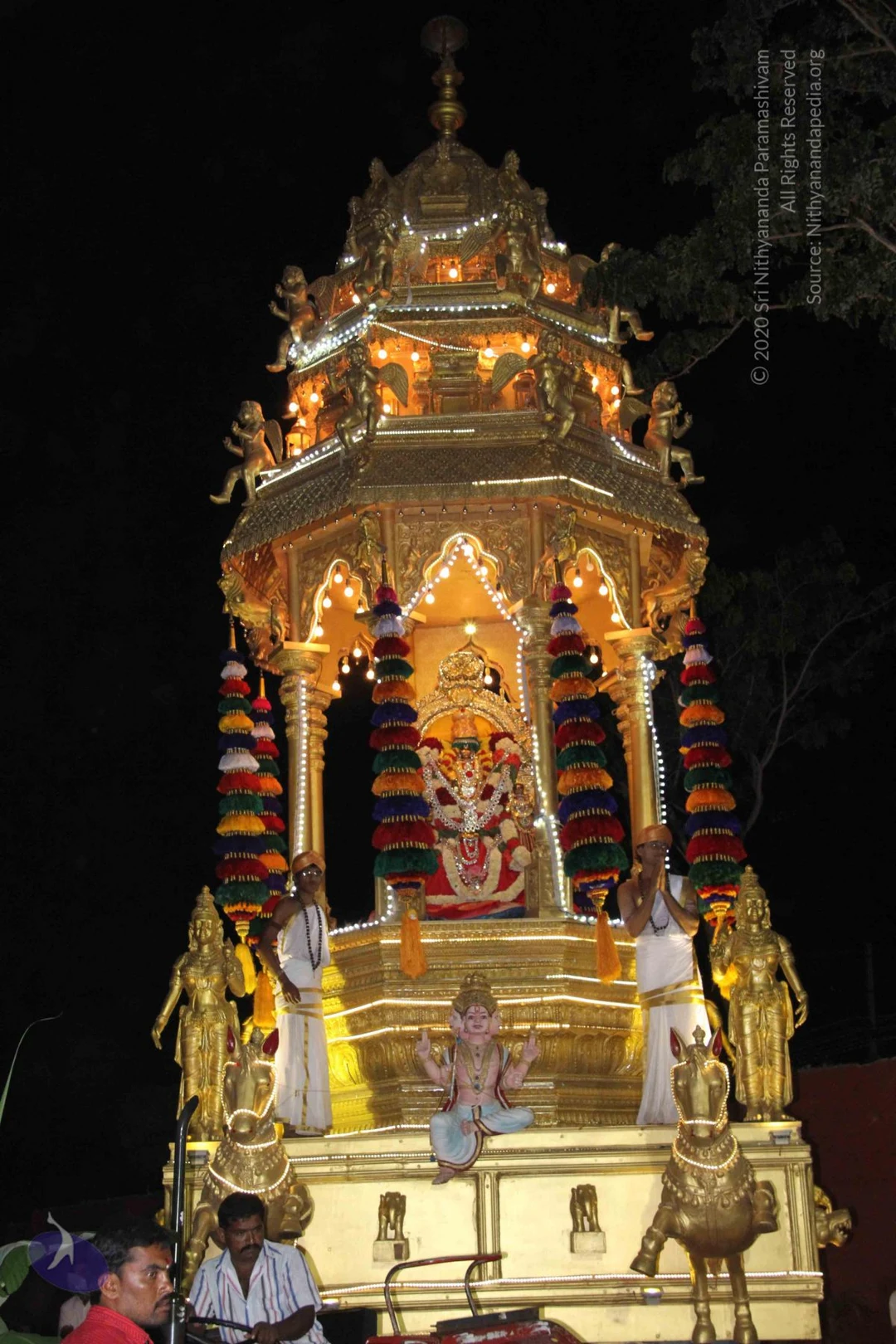
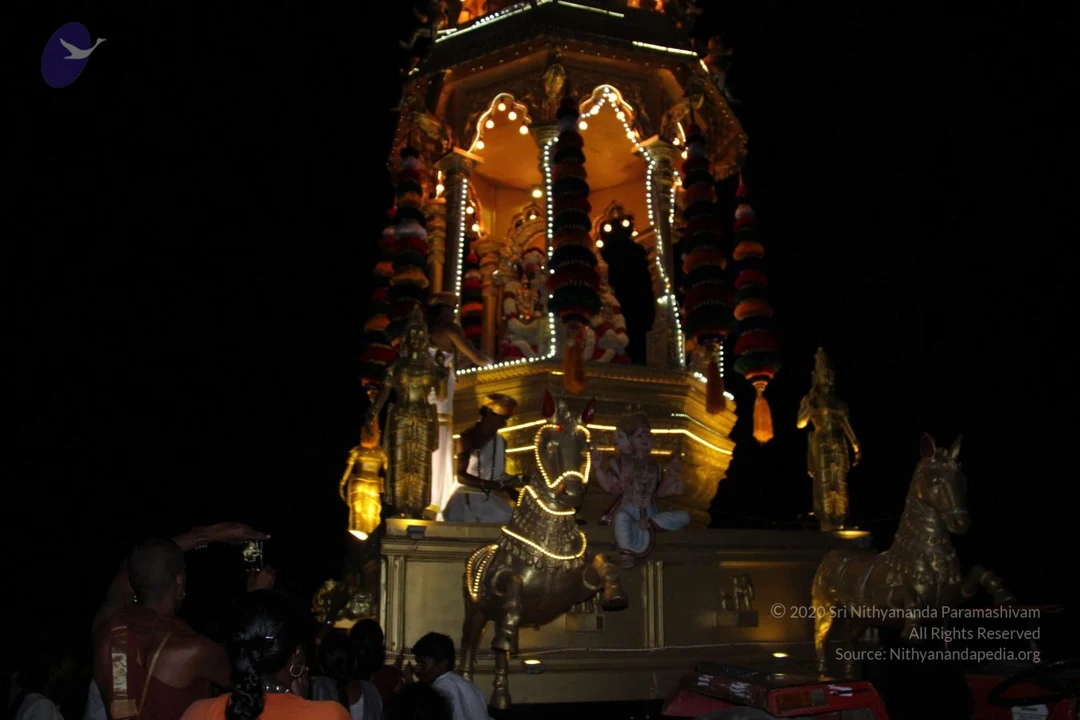
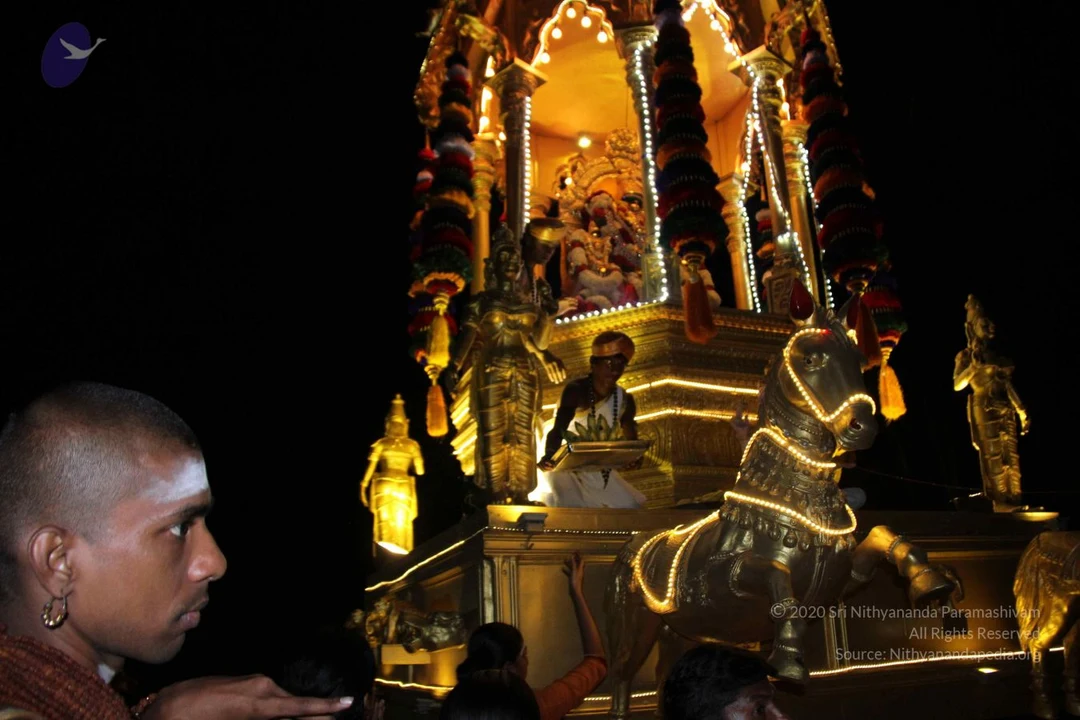
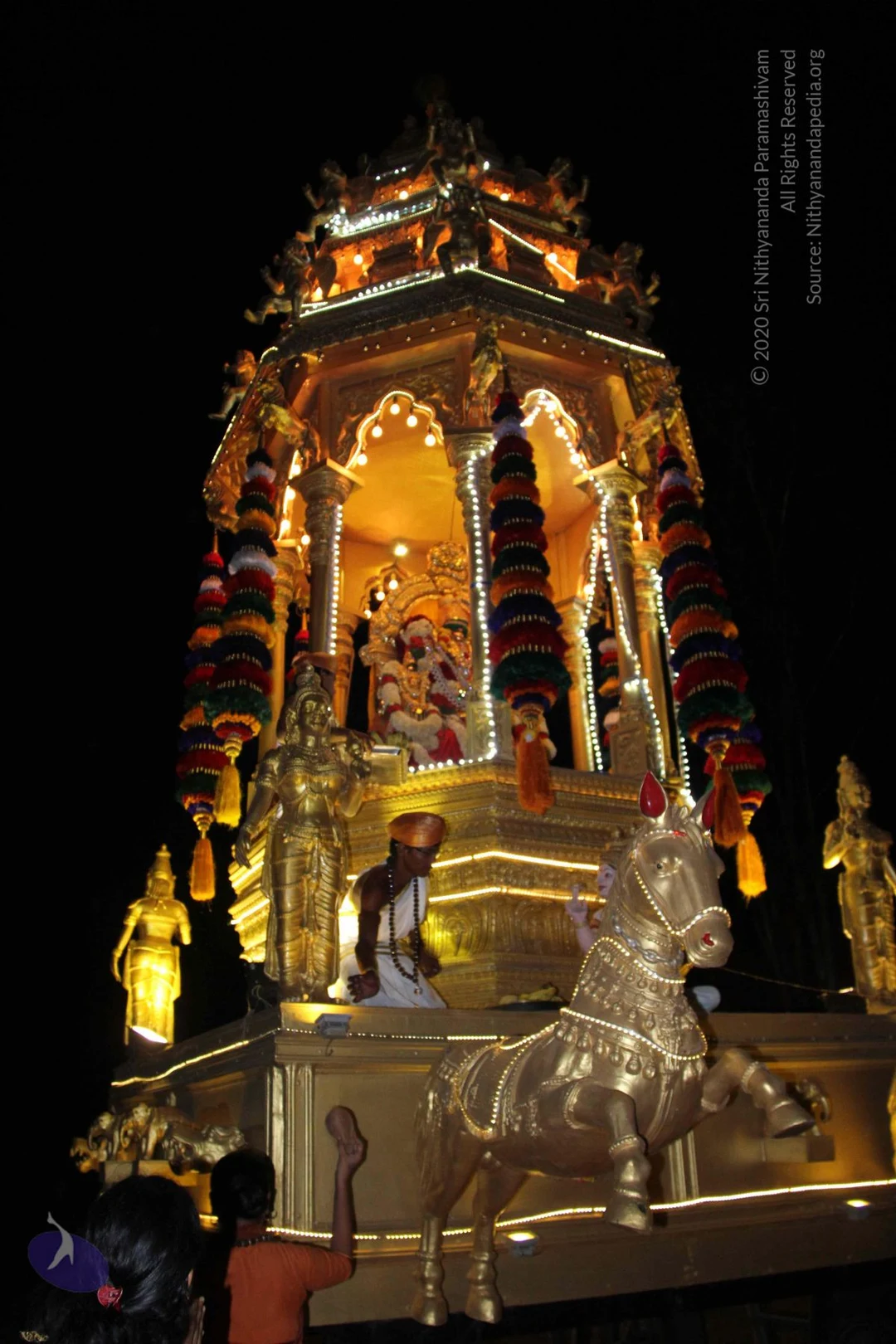
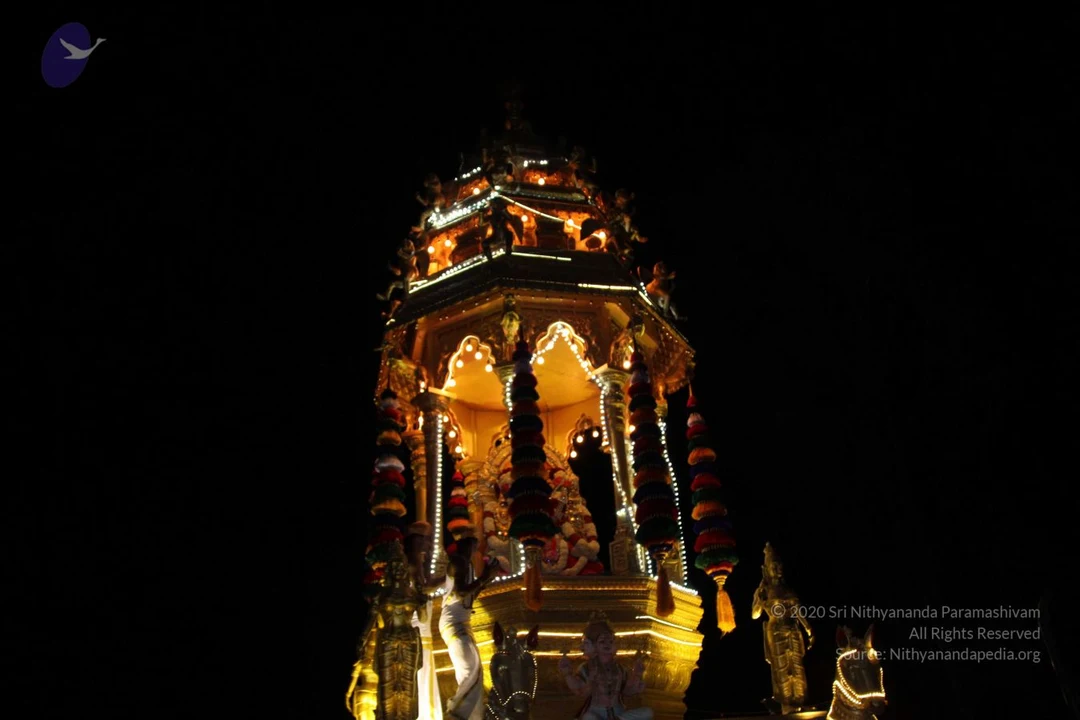
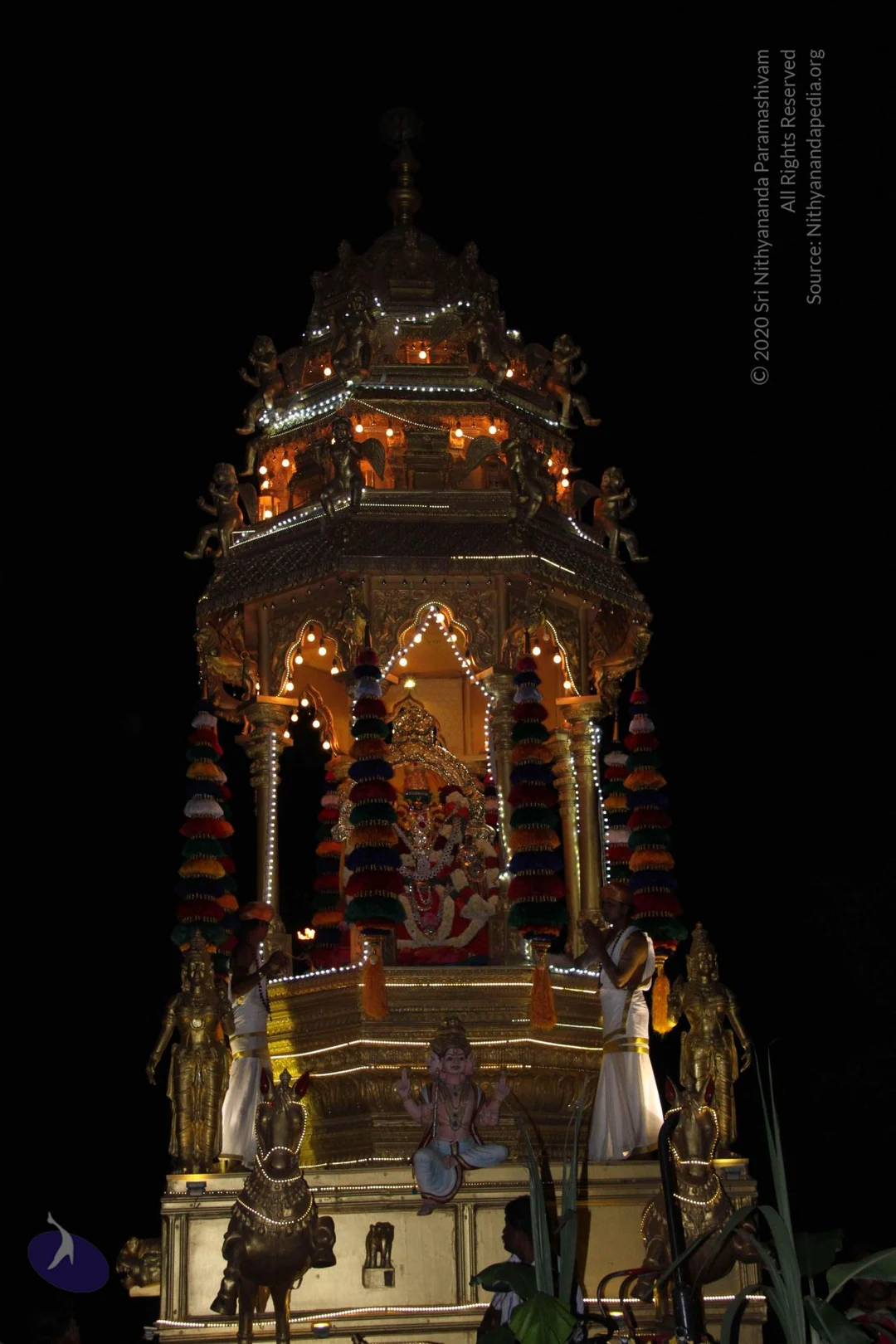
Today, the tenth day of Dasara. Navaratri can be only nine days; it cannot be ten days. So, the tenth day of the Dasara, and eight day of the Venkateshwara Brahmotsavam. Venkateshwara is gracing us on the Suvarna Ashwa Vaahana, Golden Horse Vehicle; and, Devi is gracing all of us with Lakshmi and Saraswathi, with the Suvarna Kavacha, means, the Golden Covering, Sarvaalankara Bhooshitham. “Sarva Alankara” means, all the jewels which she is supposed to have from head to toe, the Karna, all the jewels is called Sarva Alankara. She is gracing us in the Sarva Alankara.
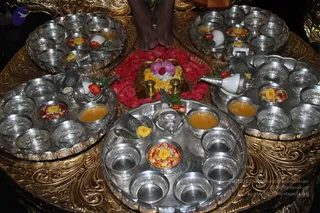
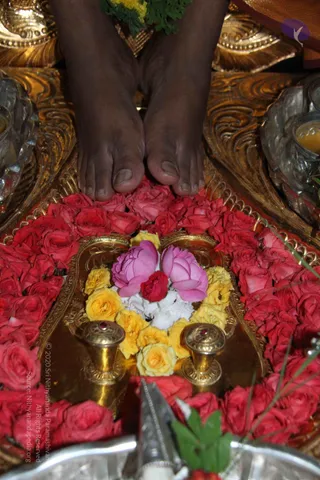
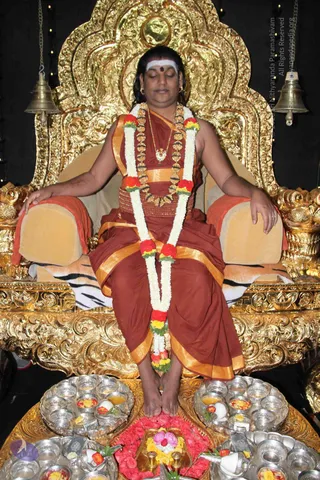
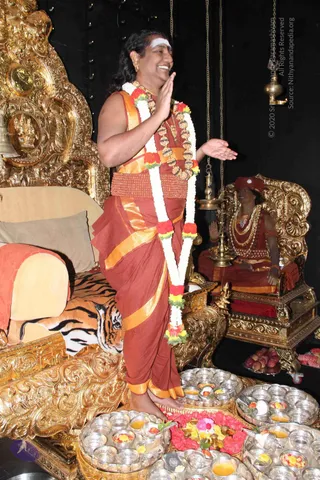
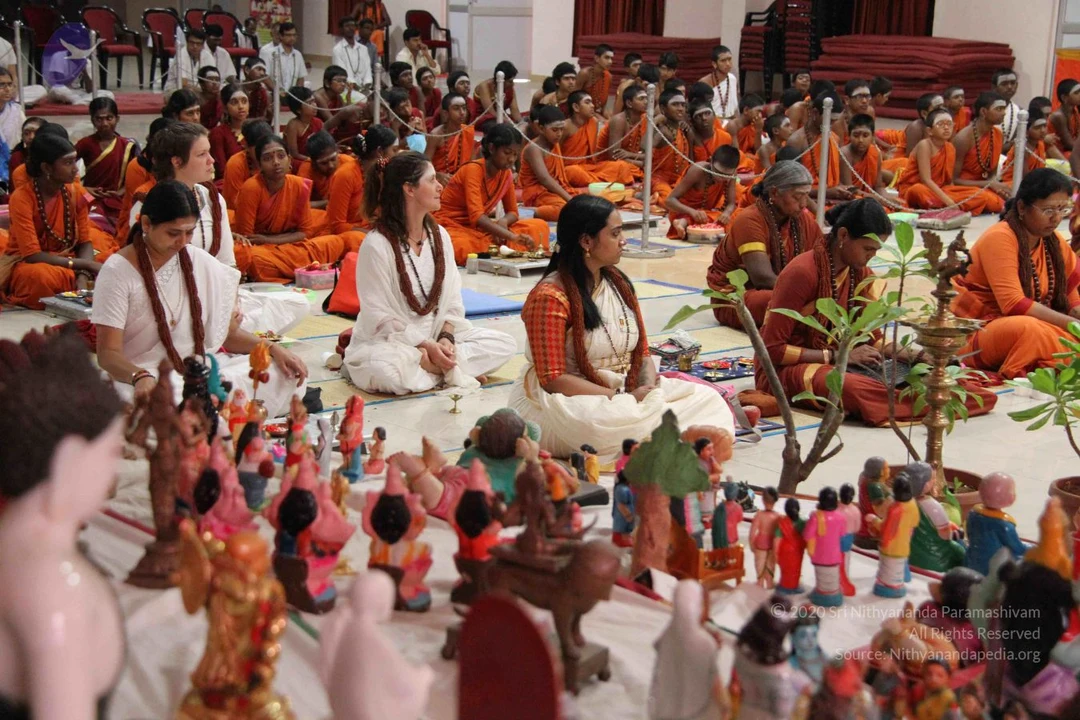
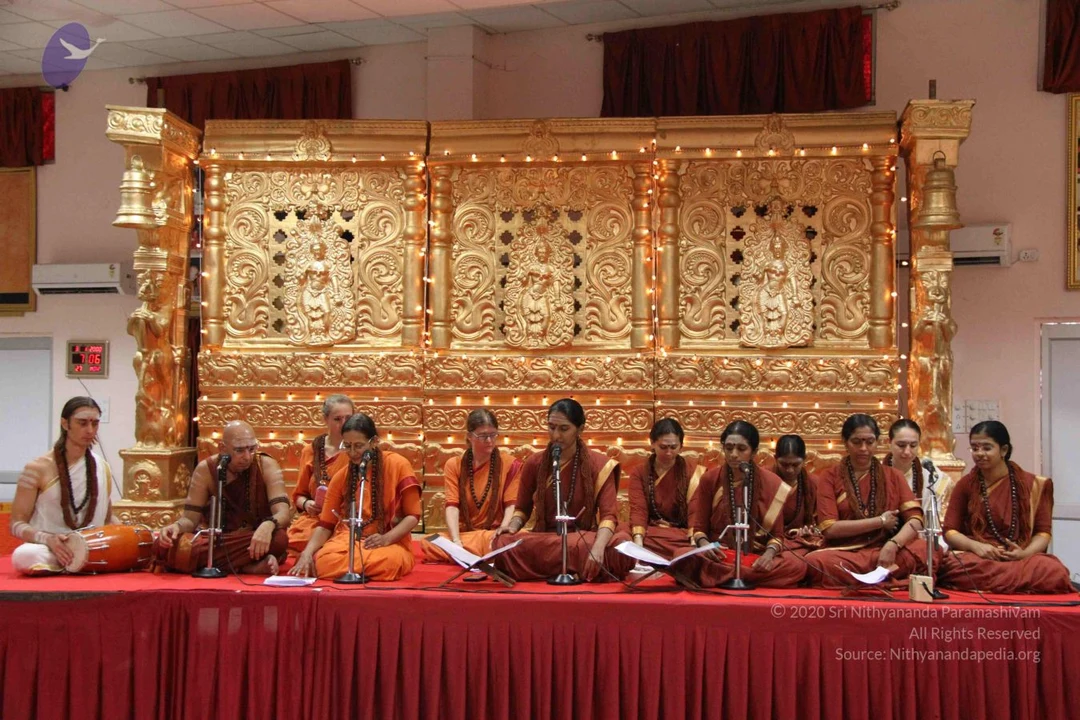
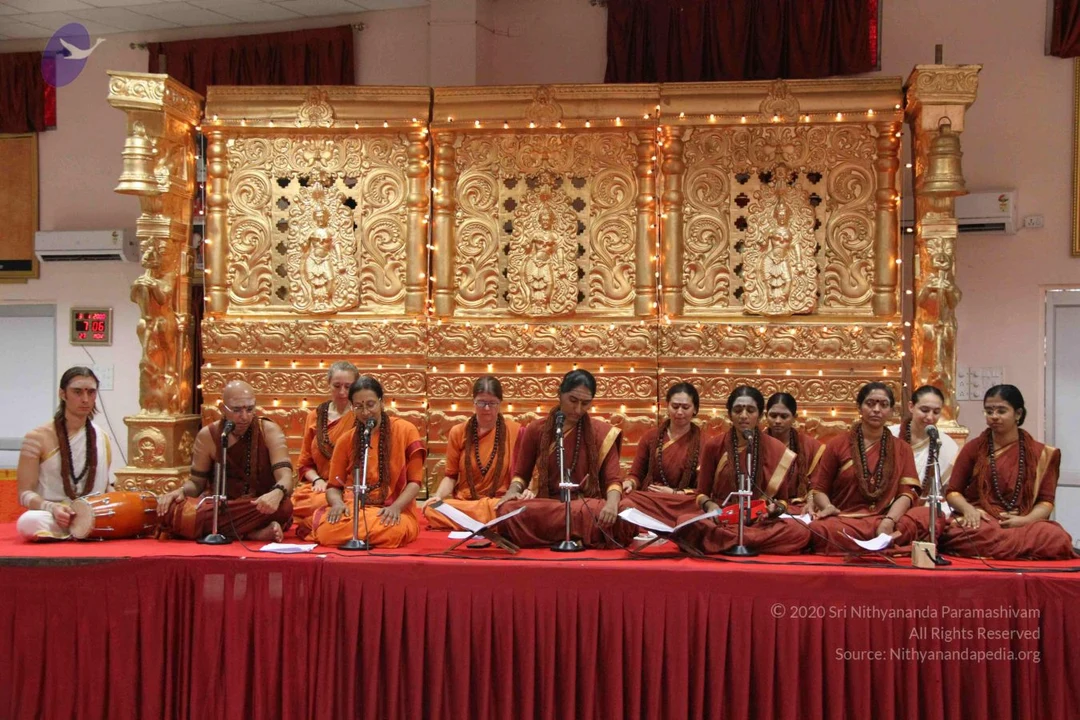
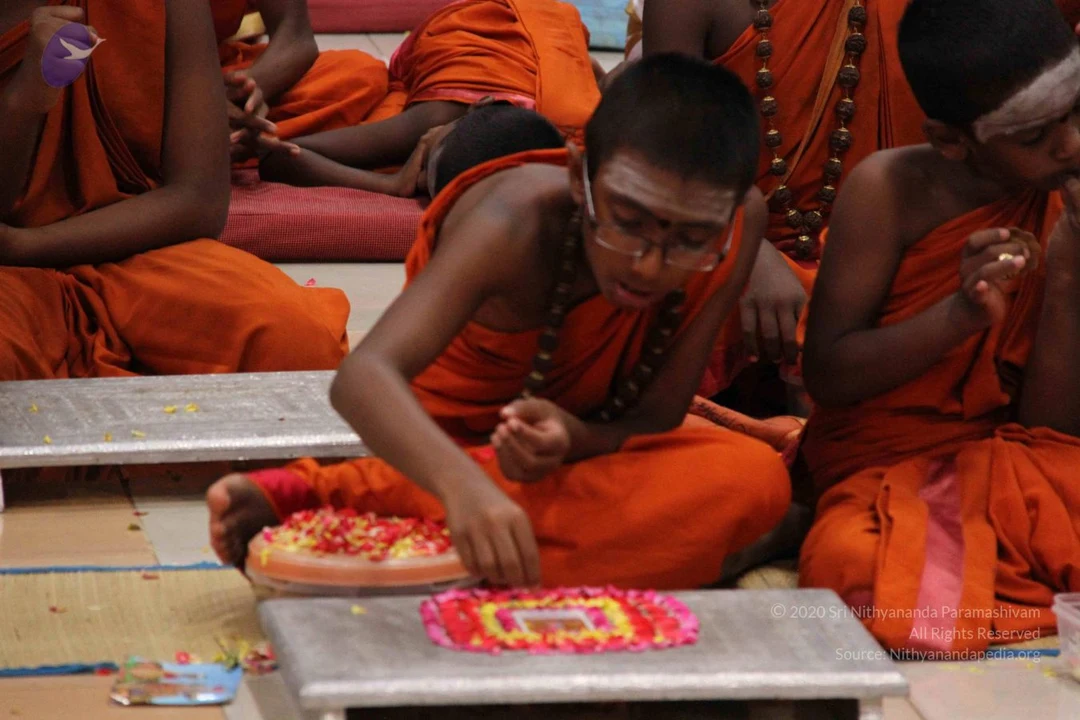
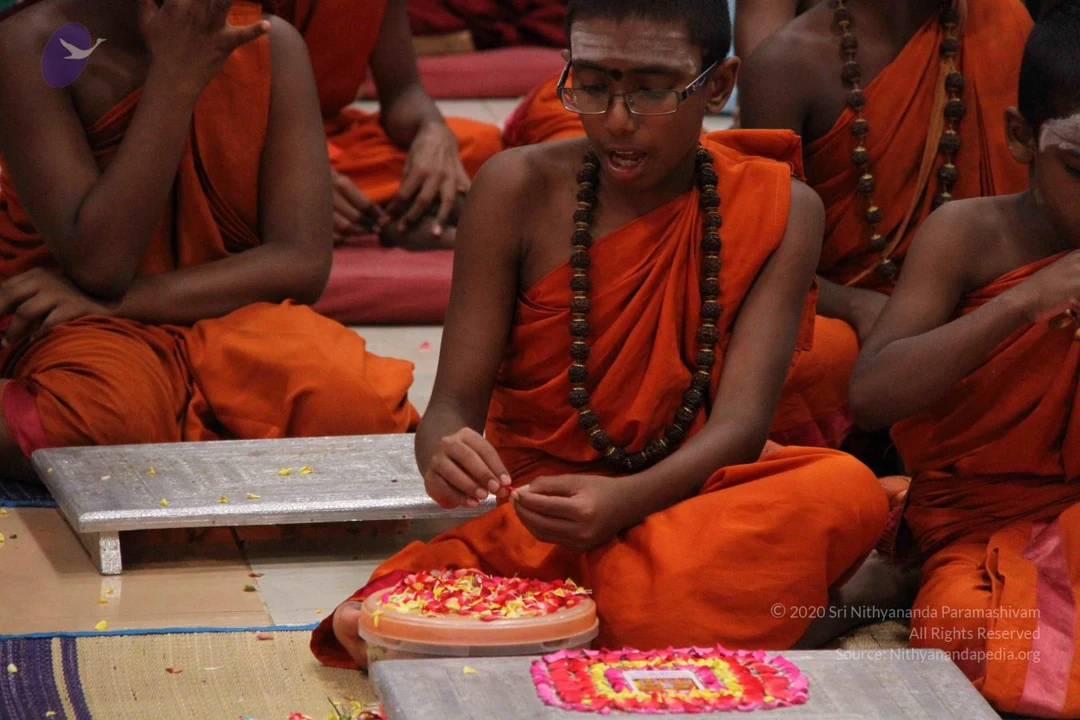
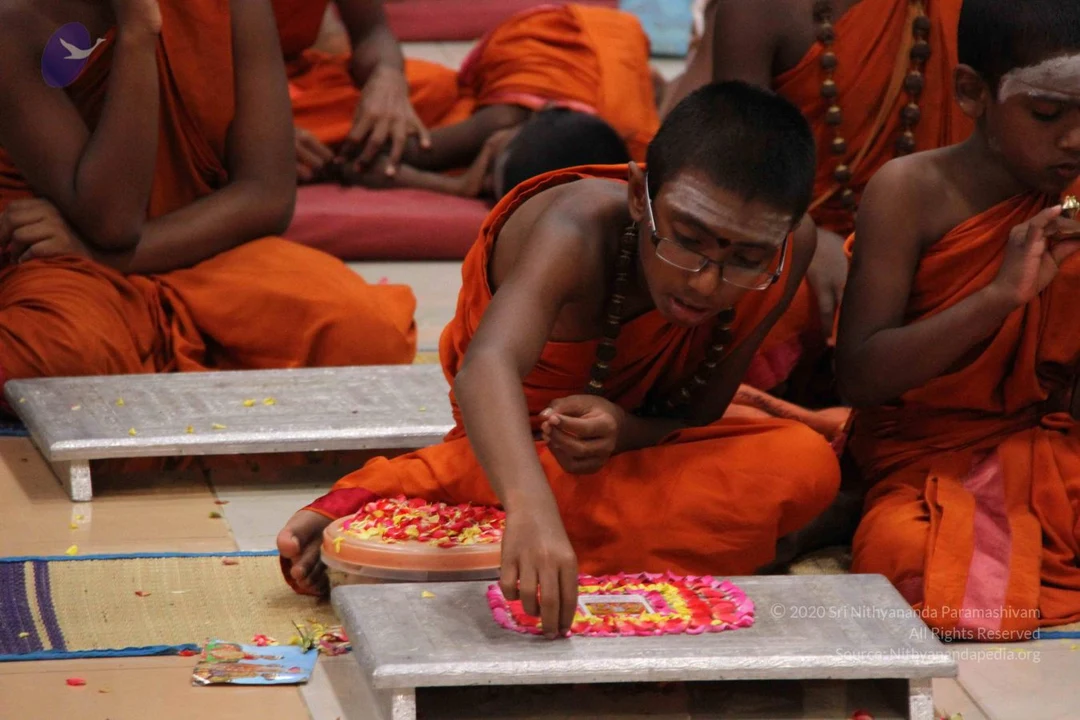
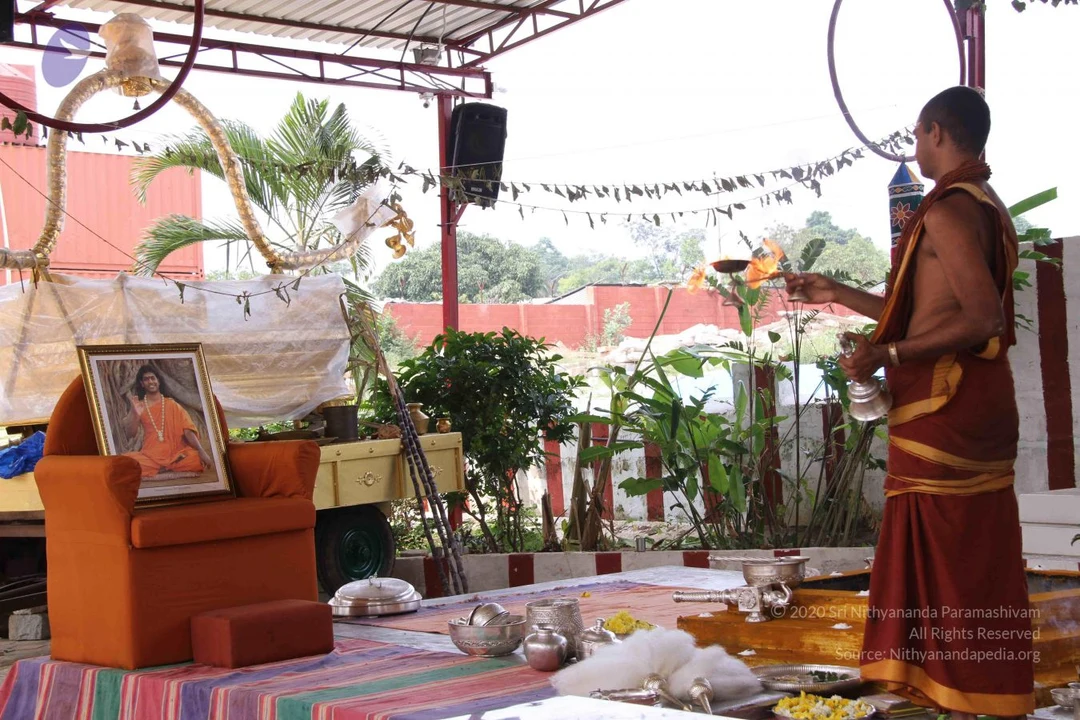
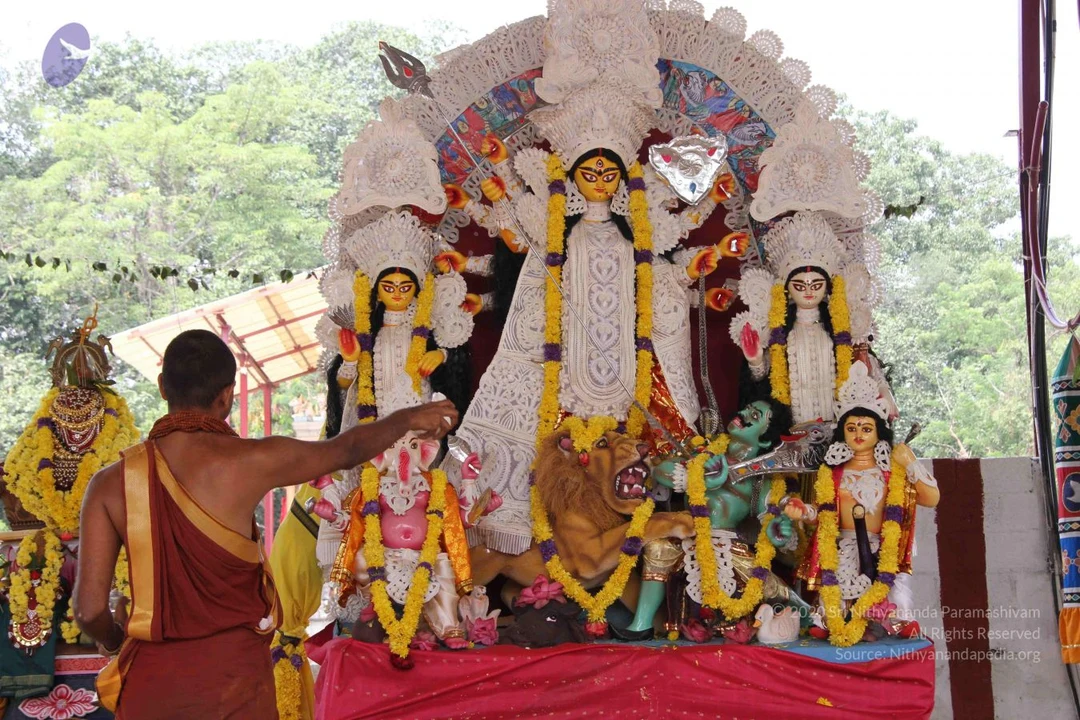
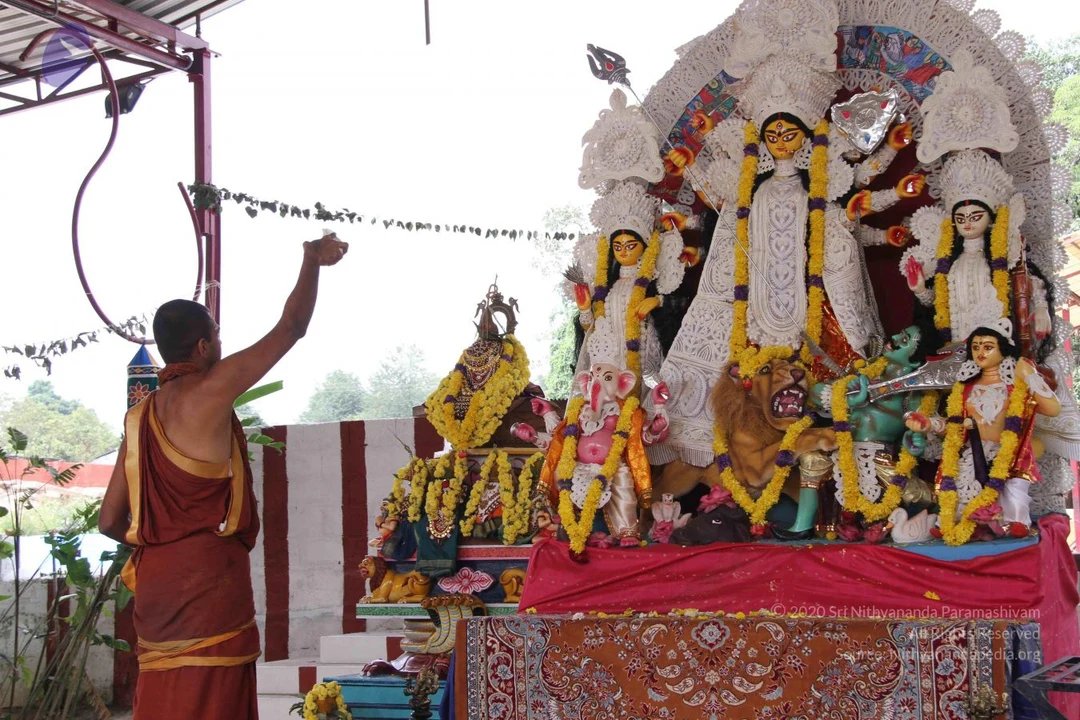
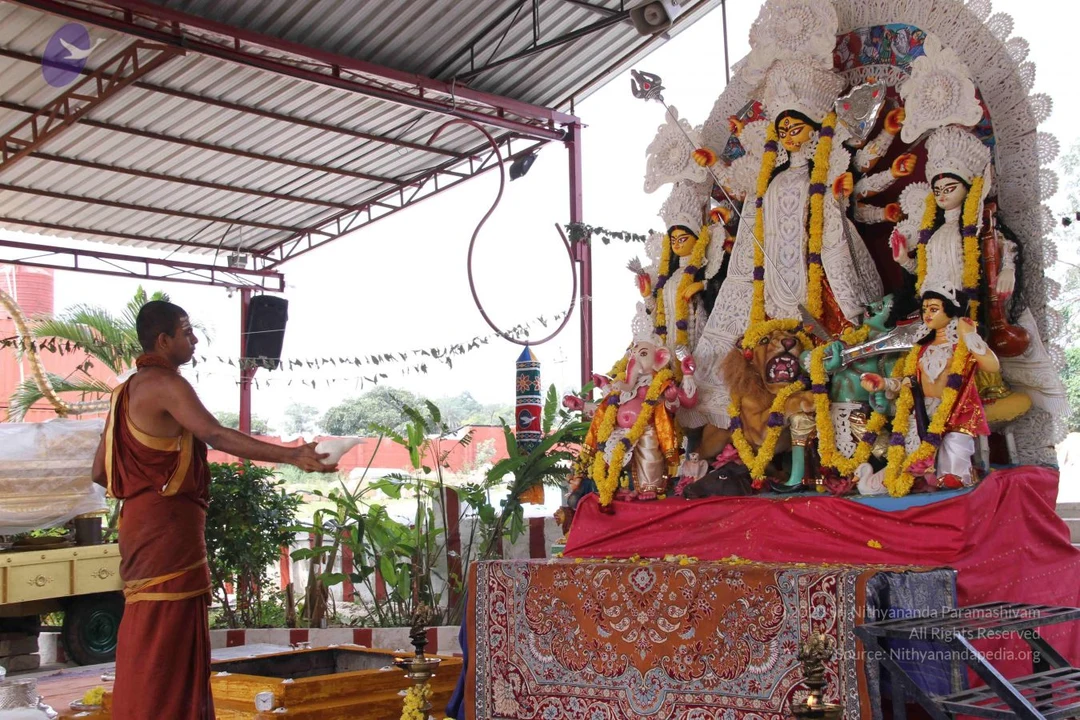
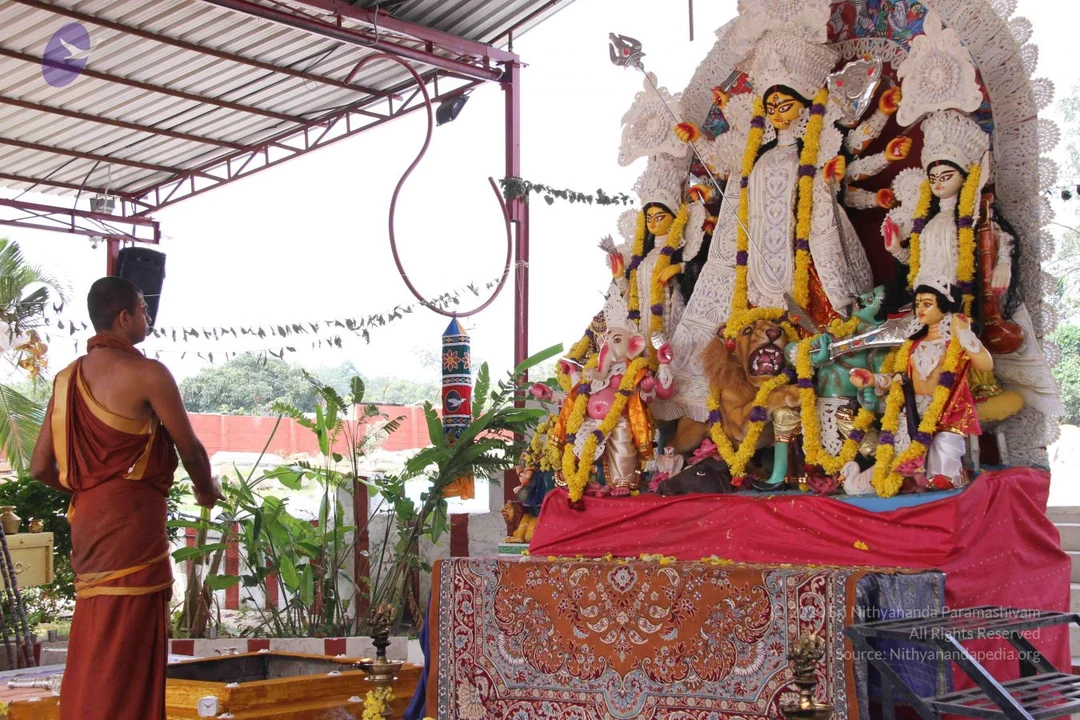
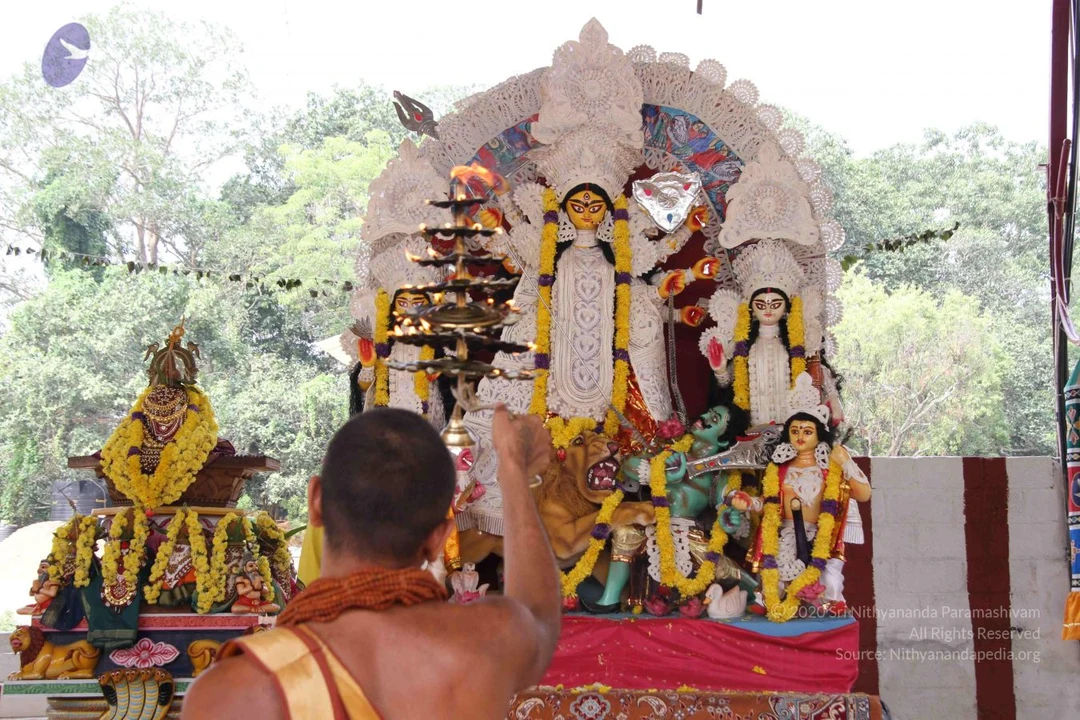
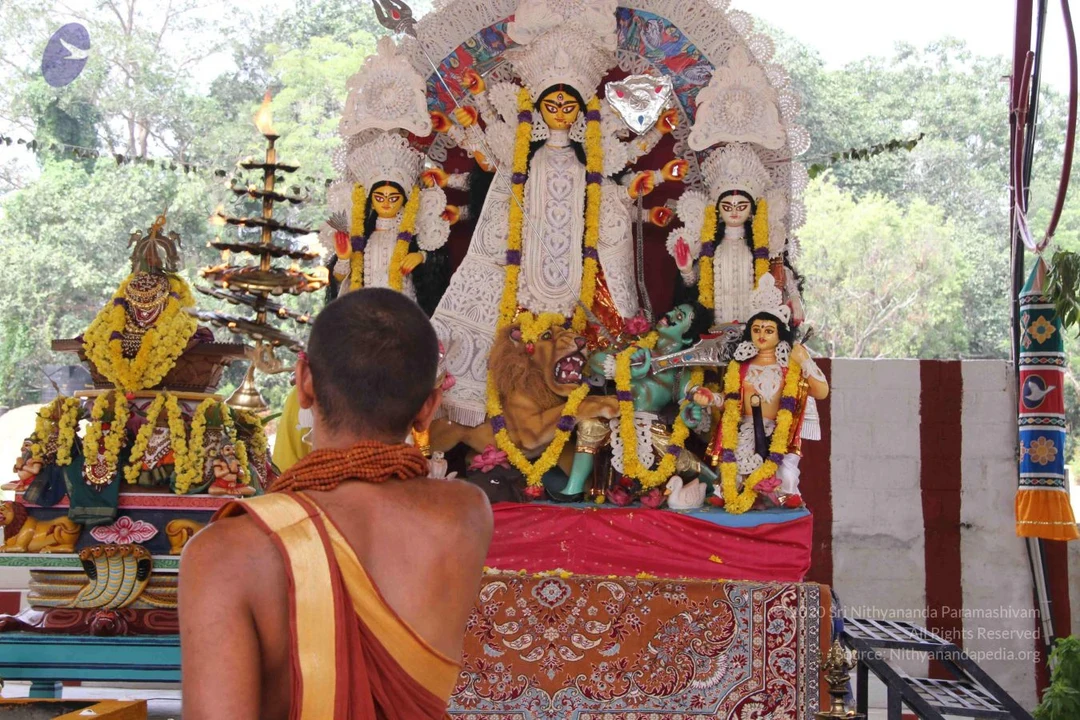
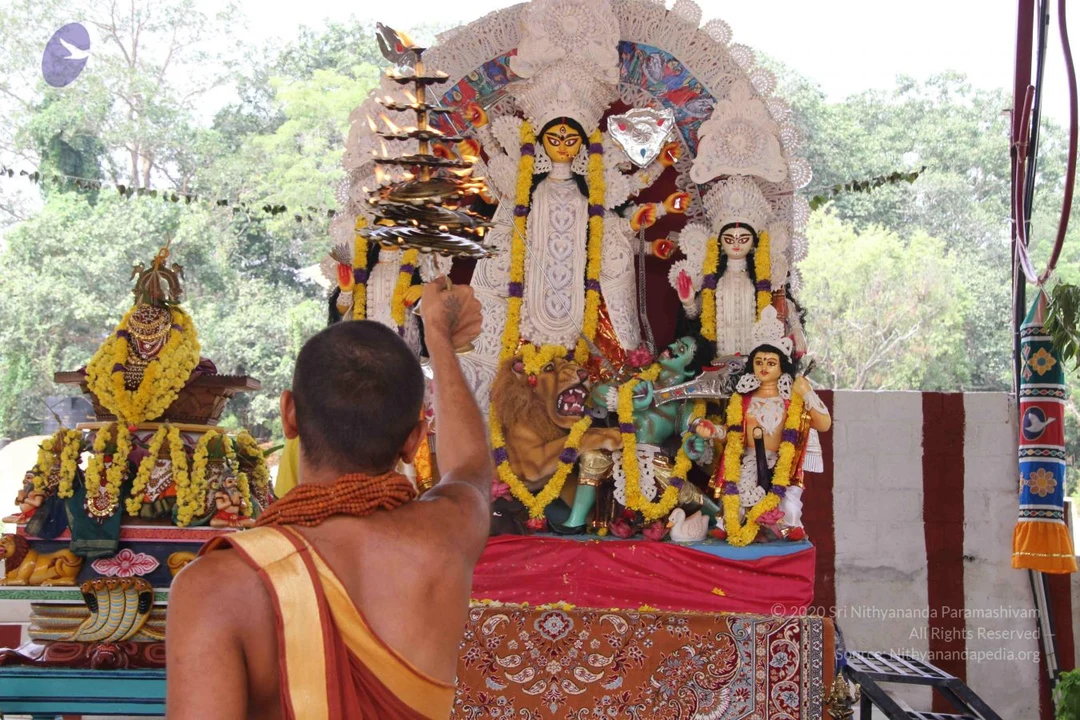
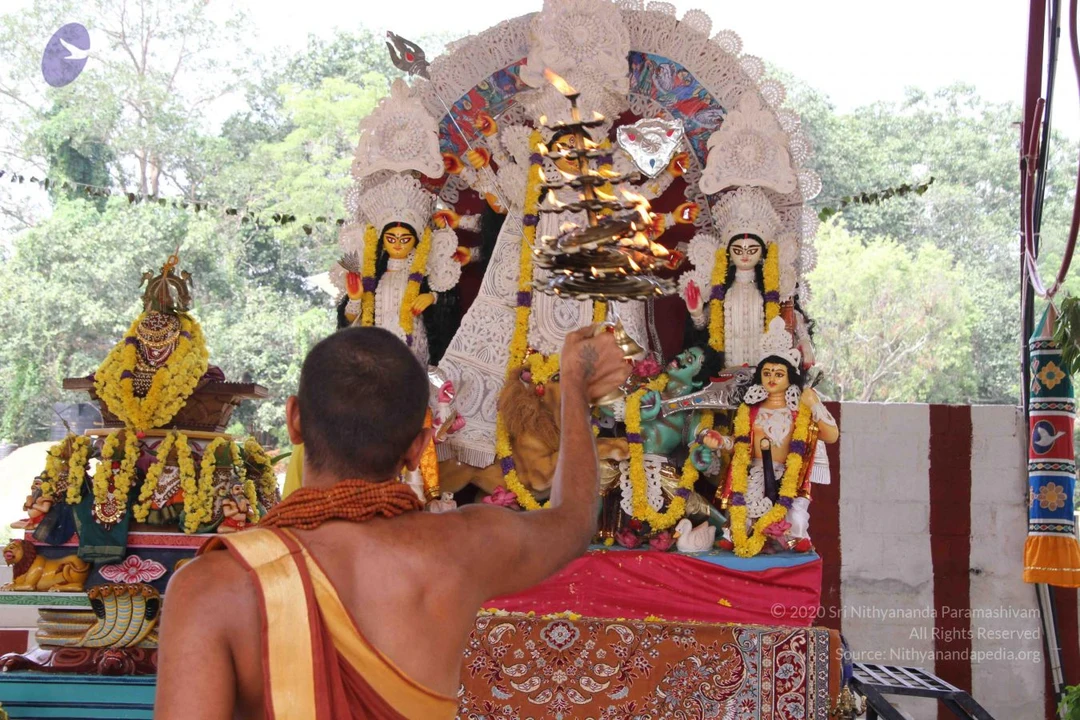
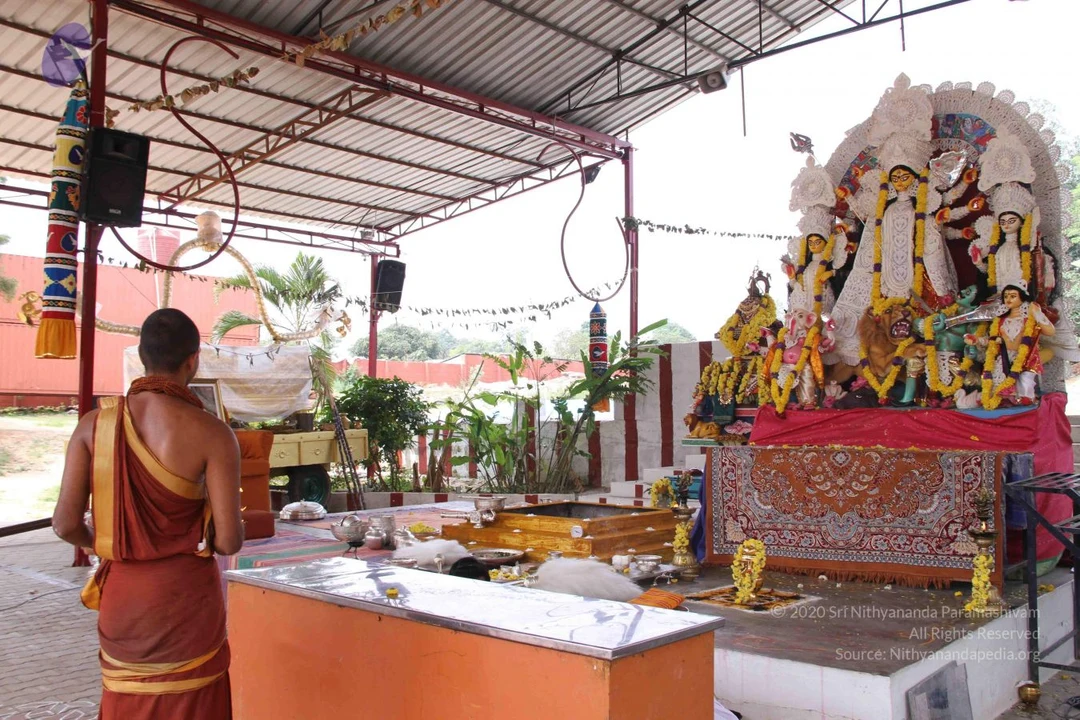
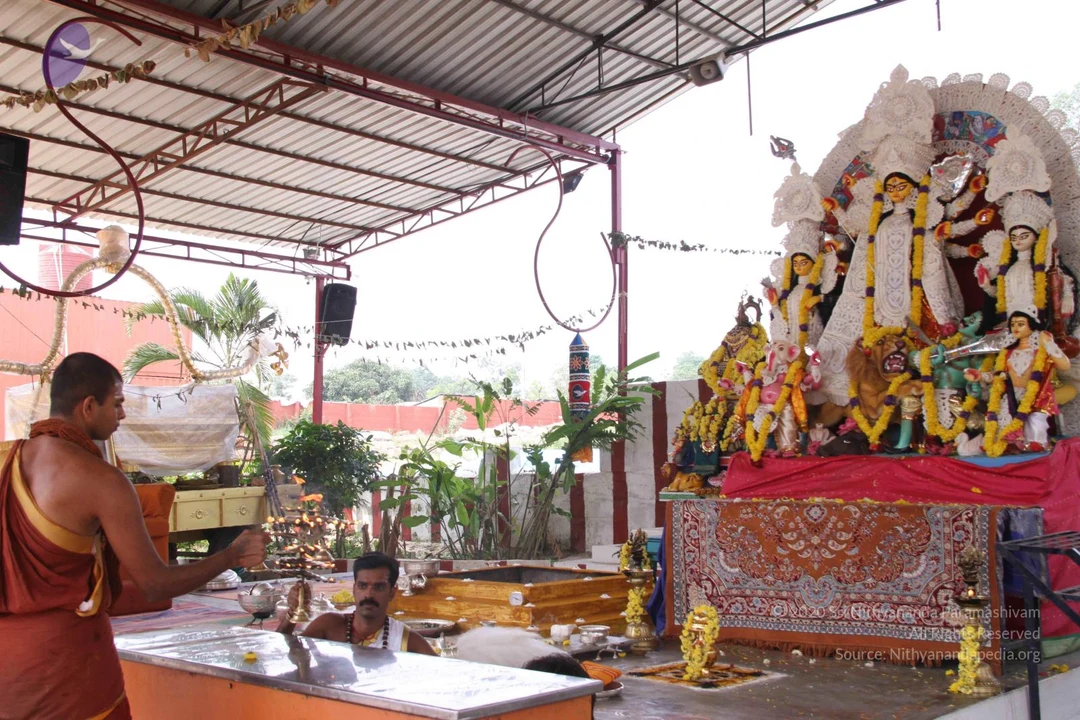
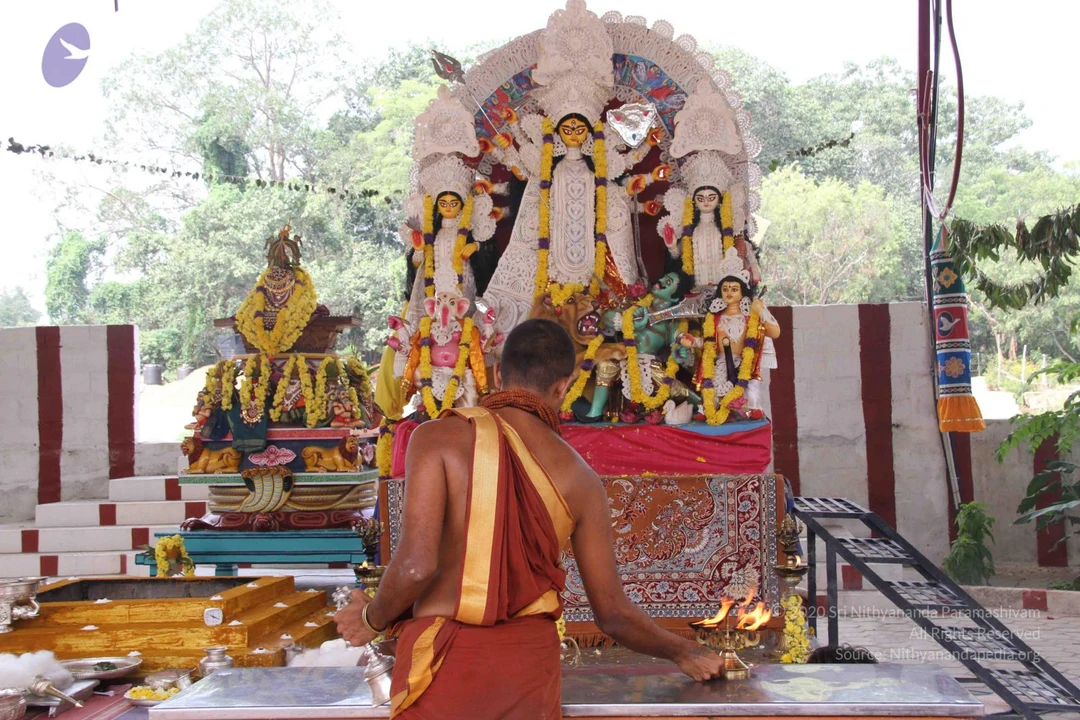
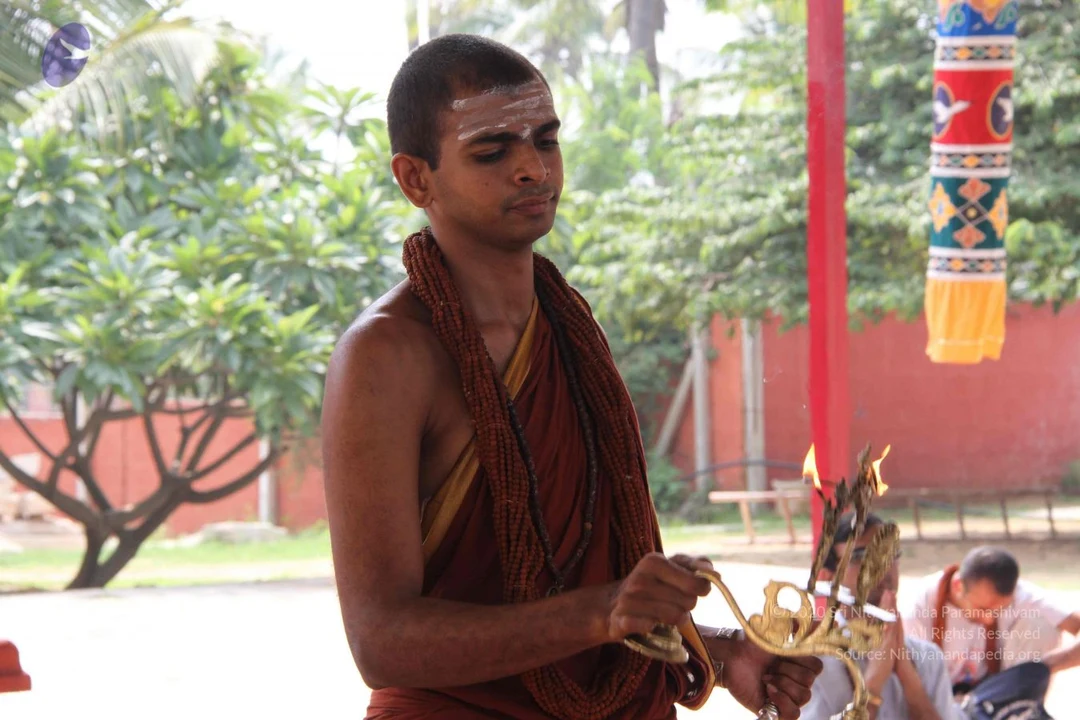
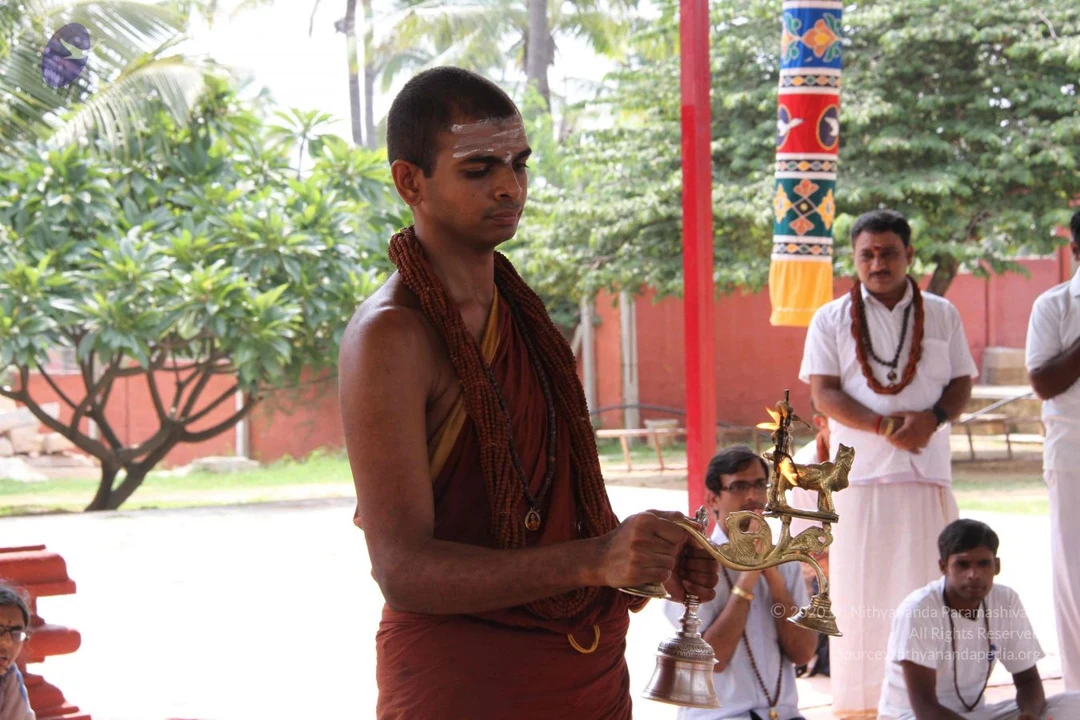
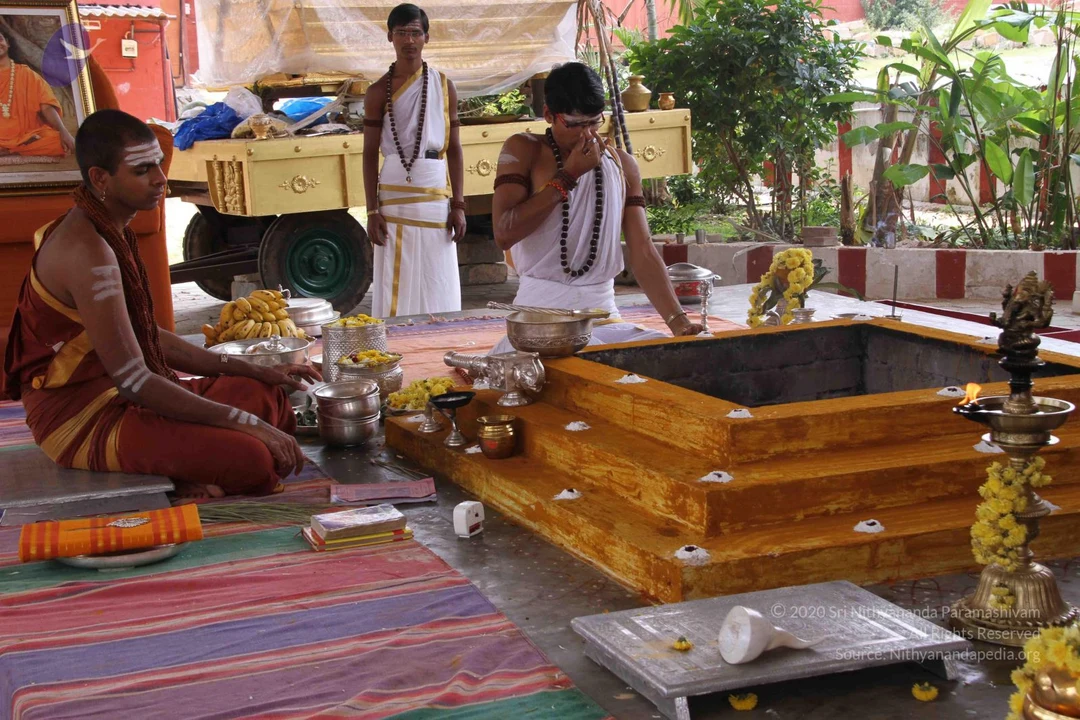
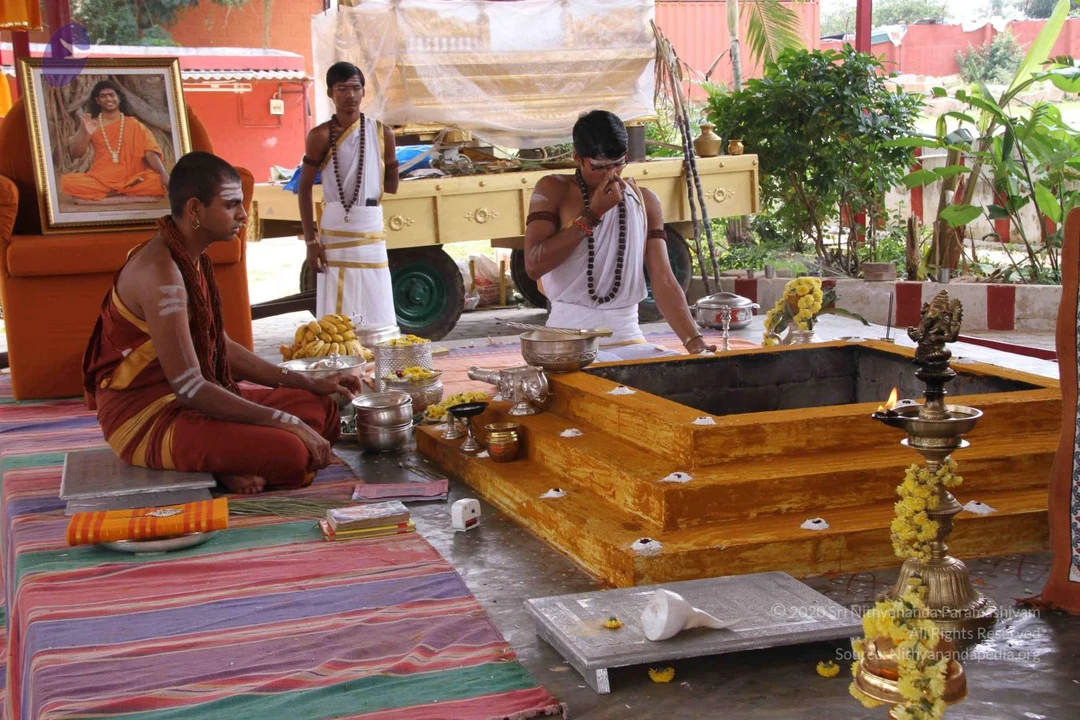
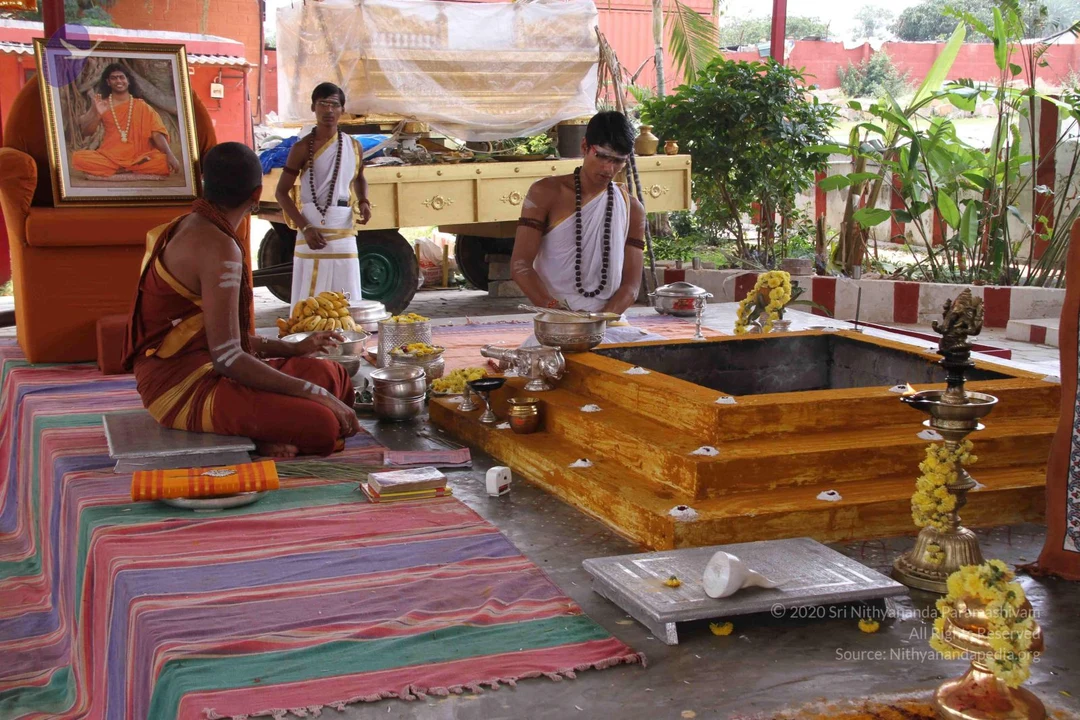
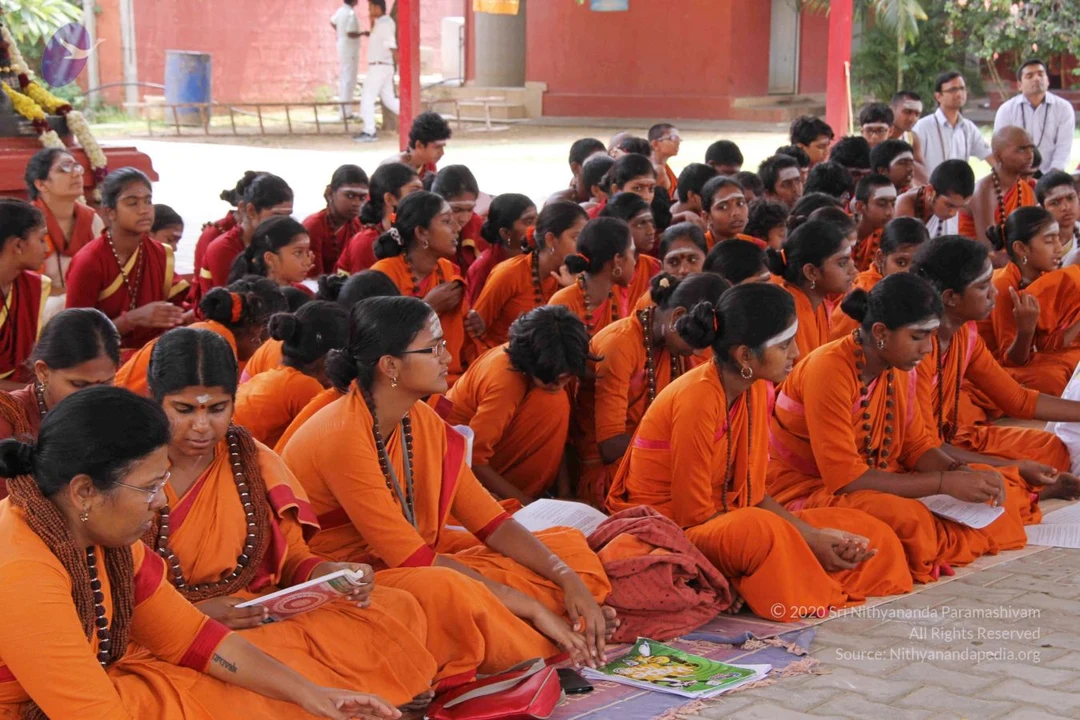
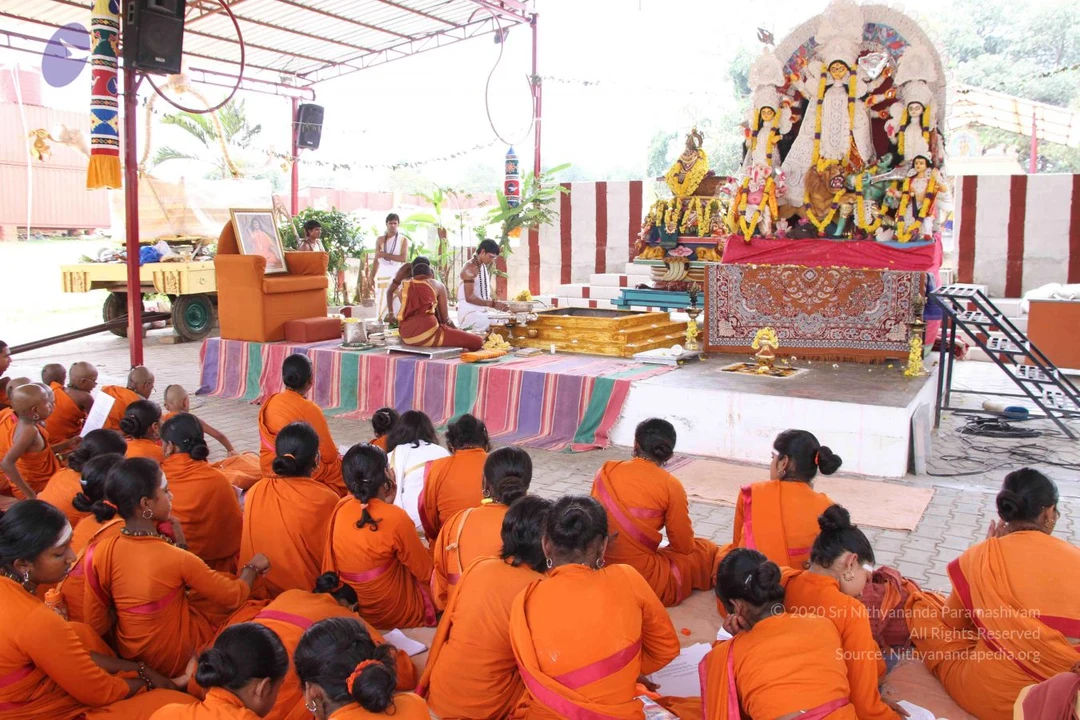
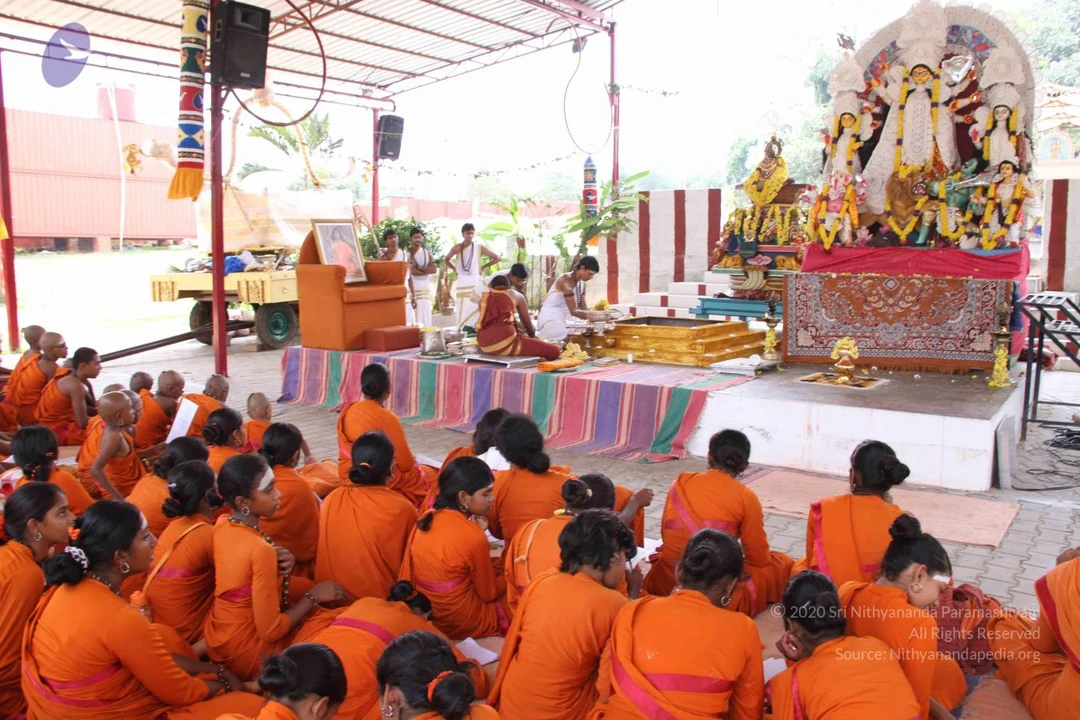
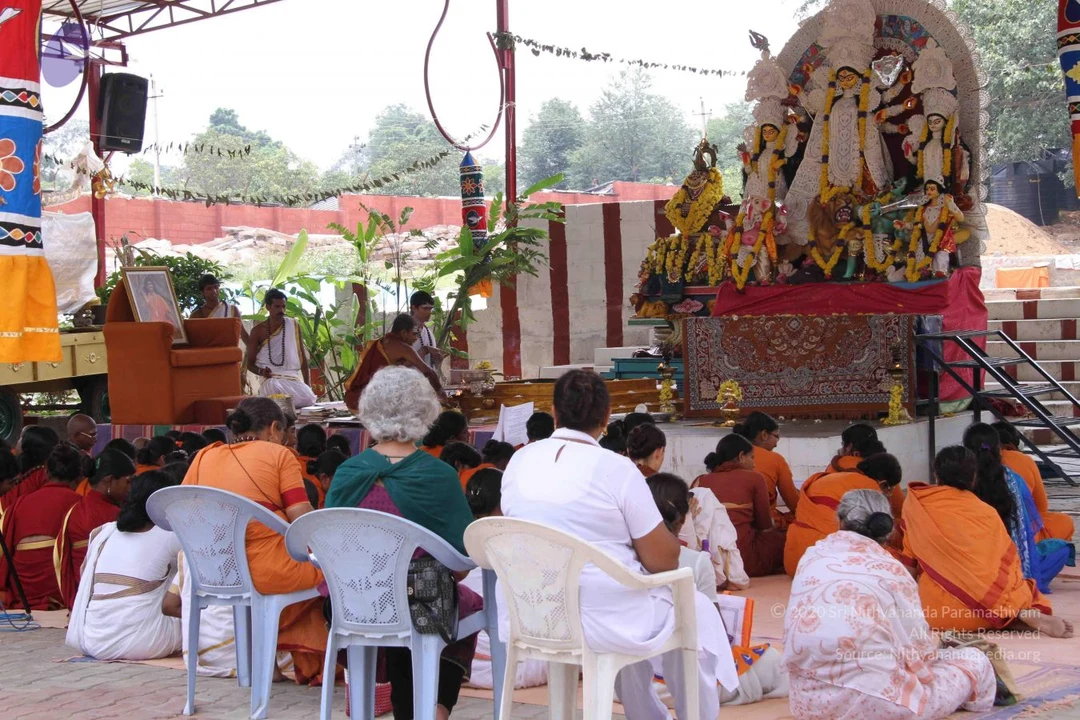
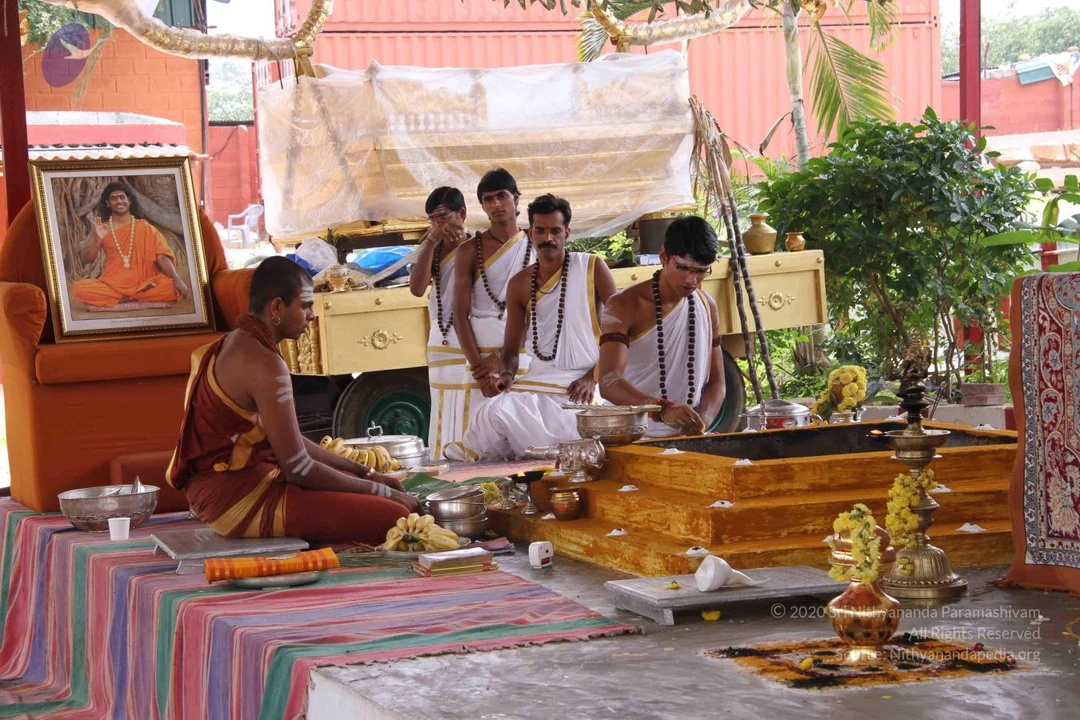
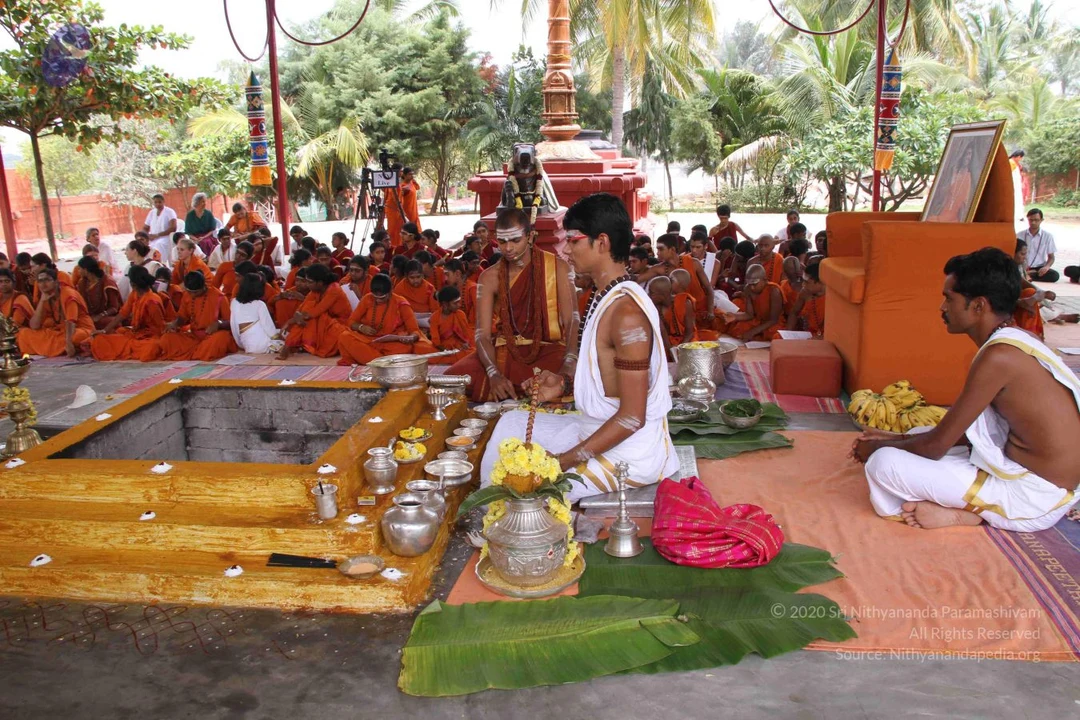
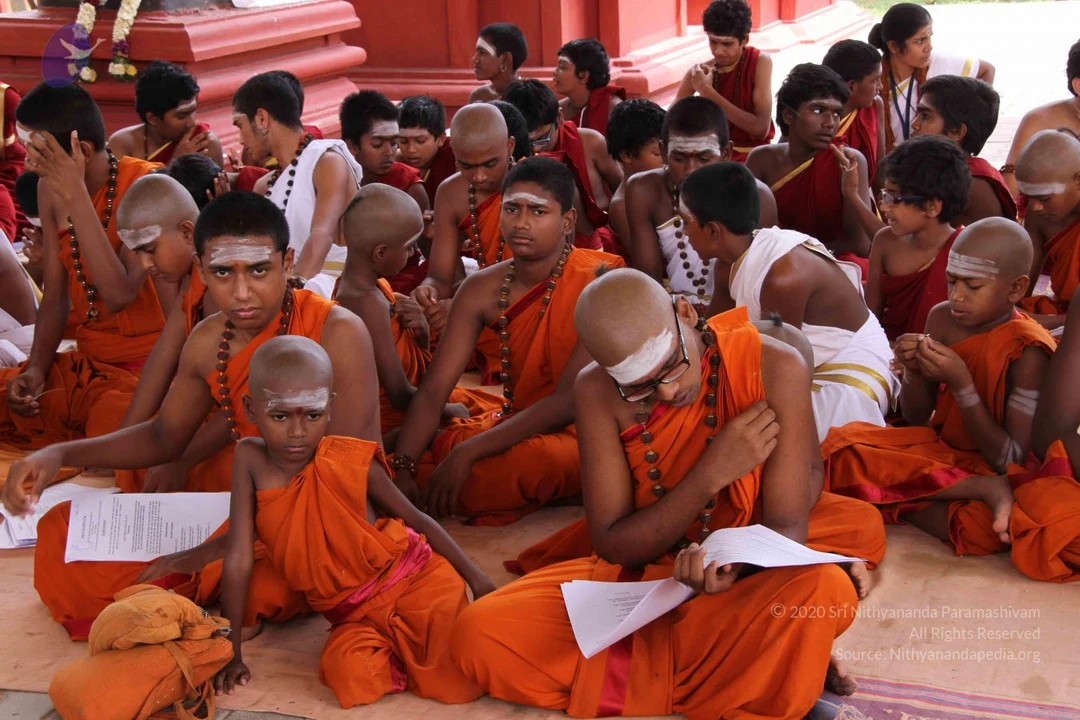
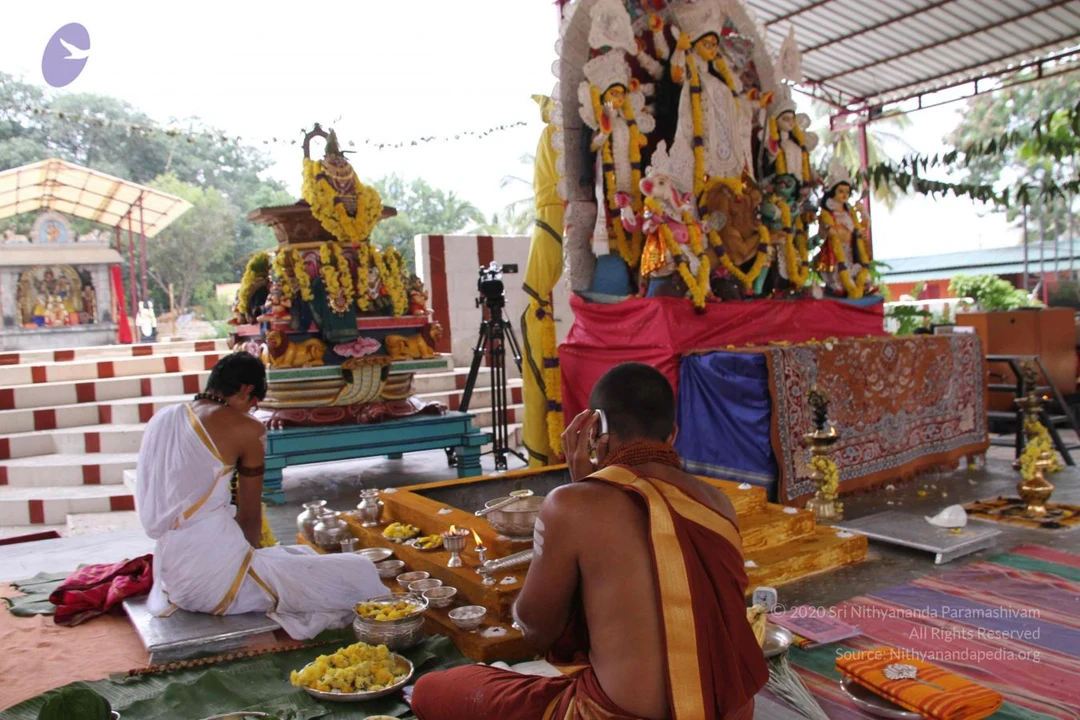
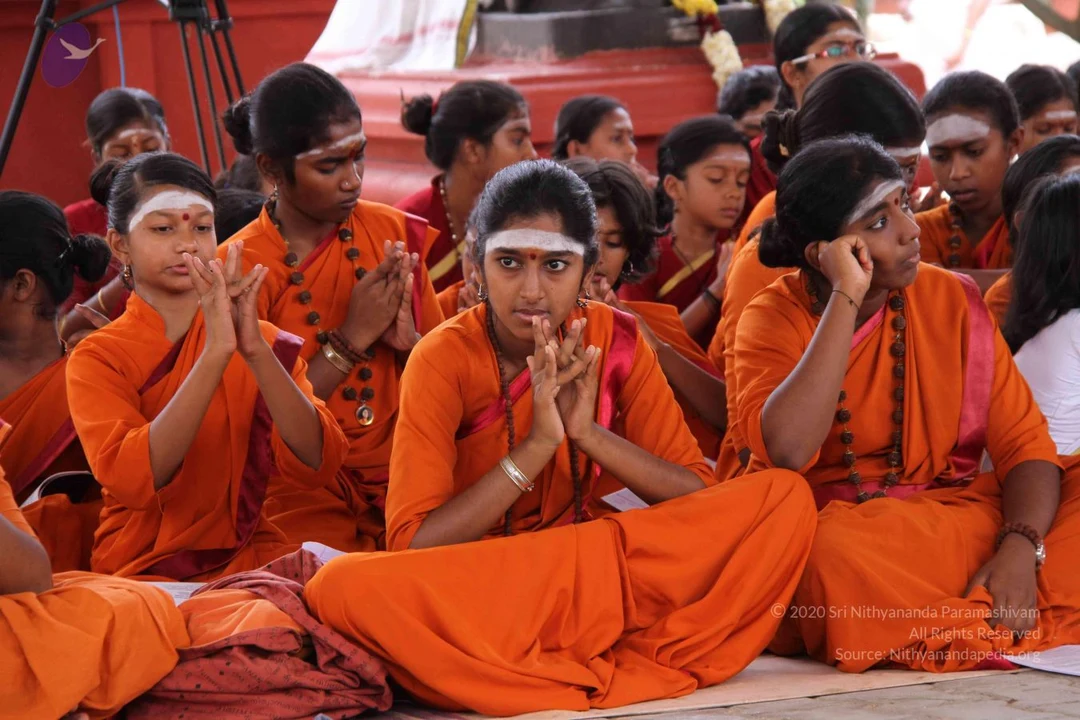
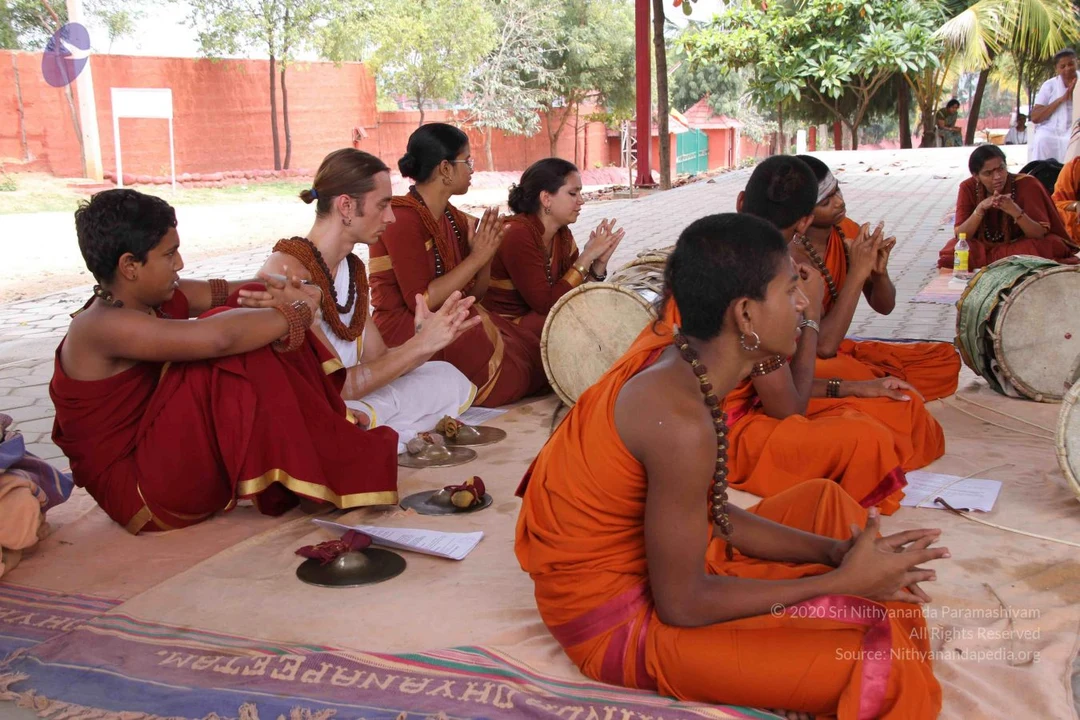
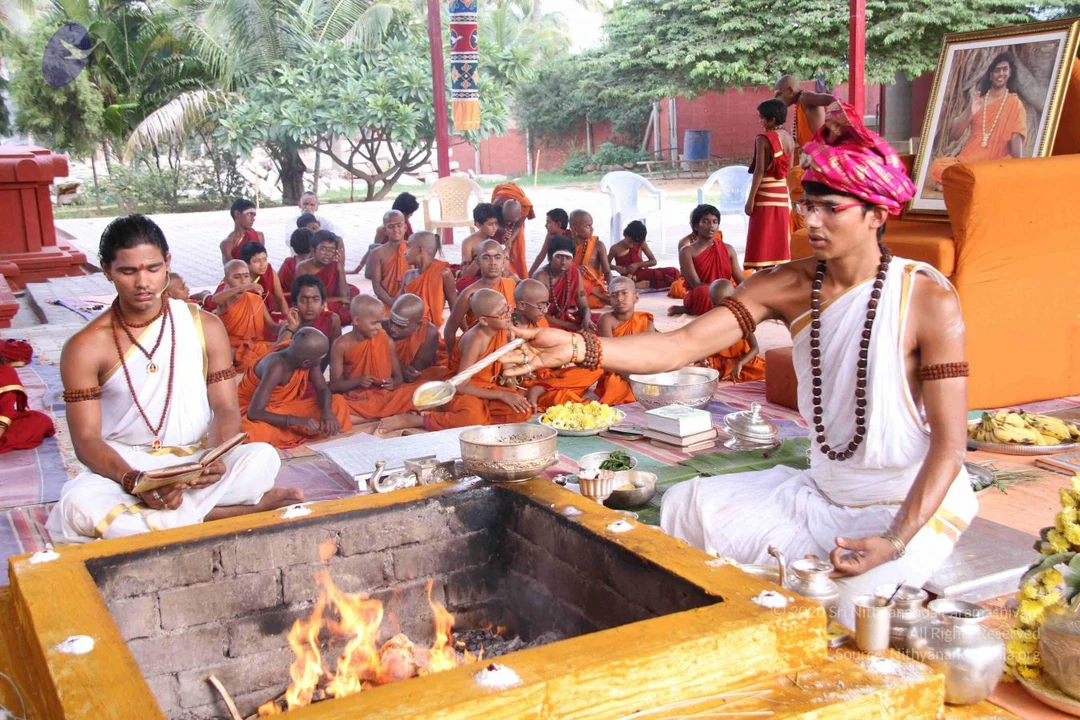
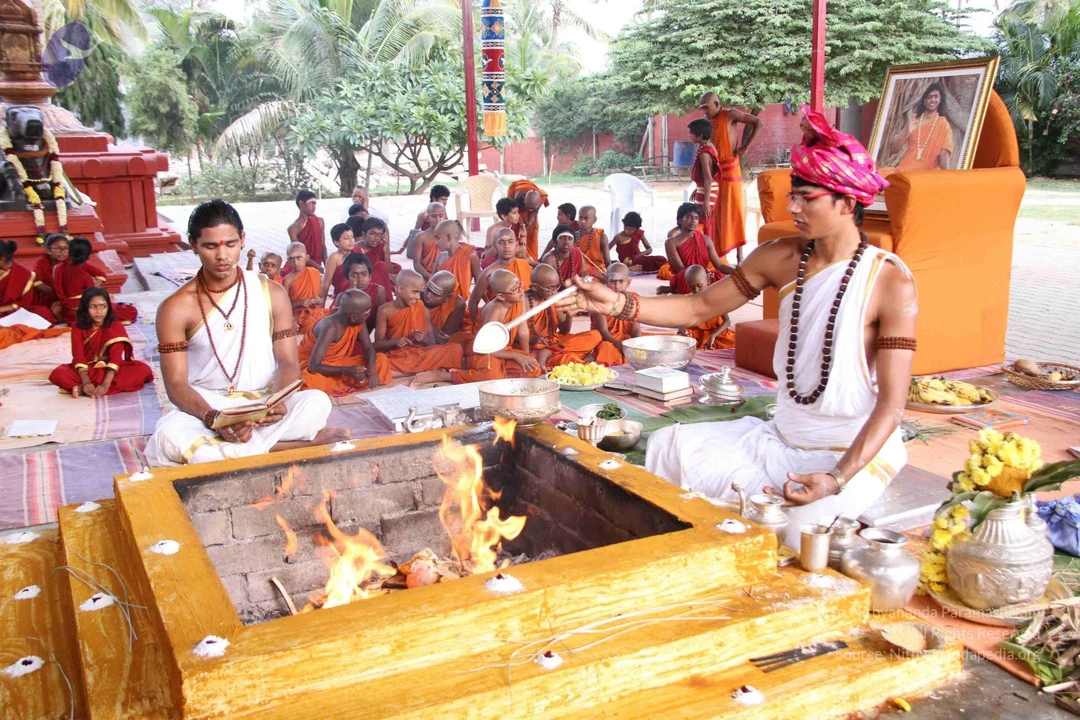
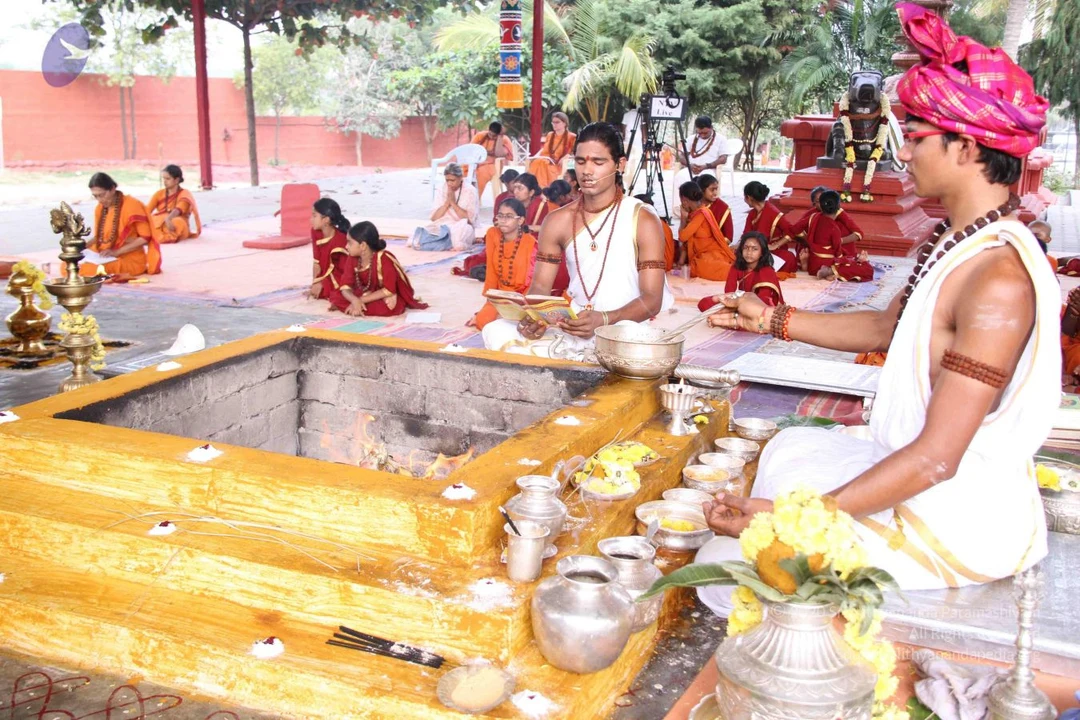
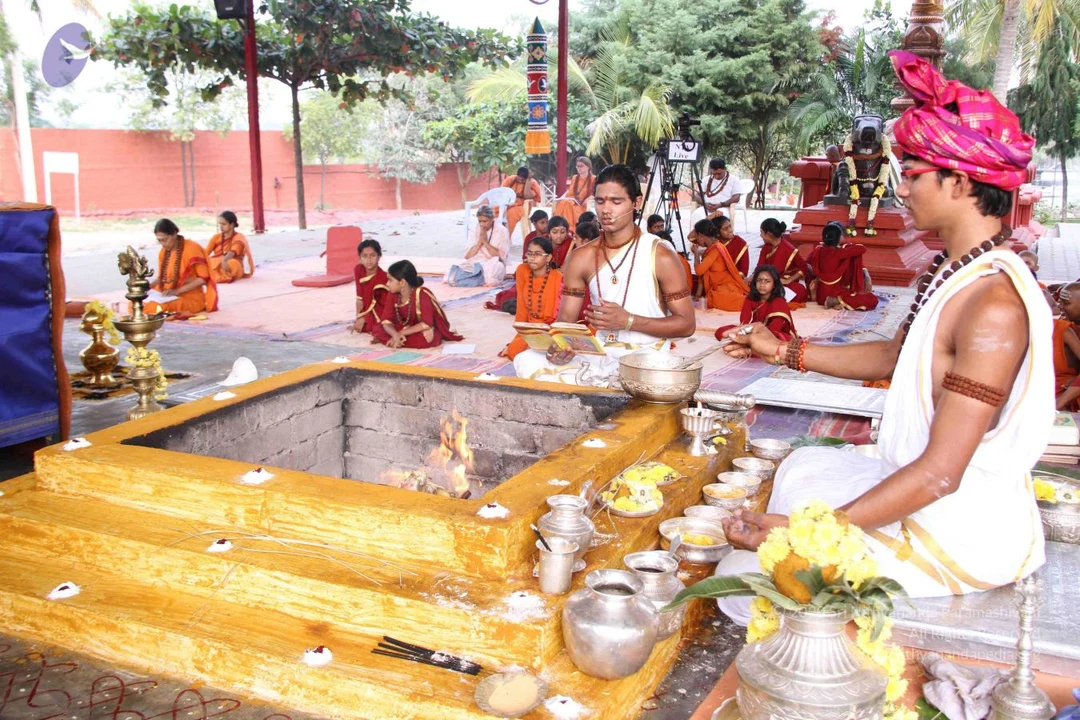
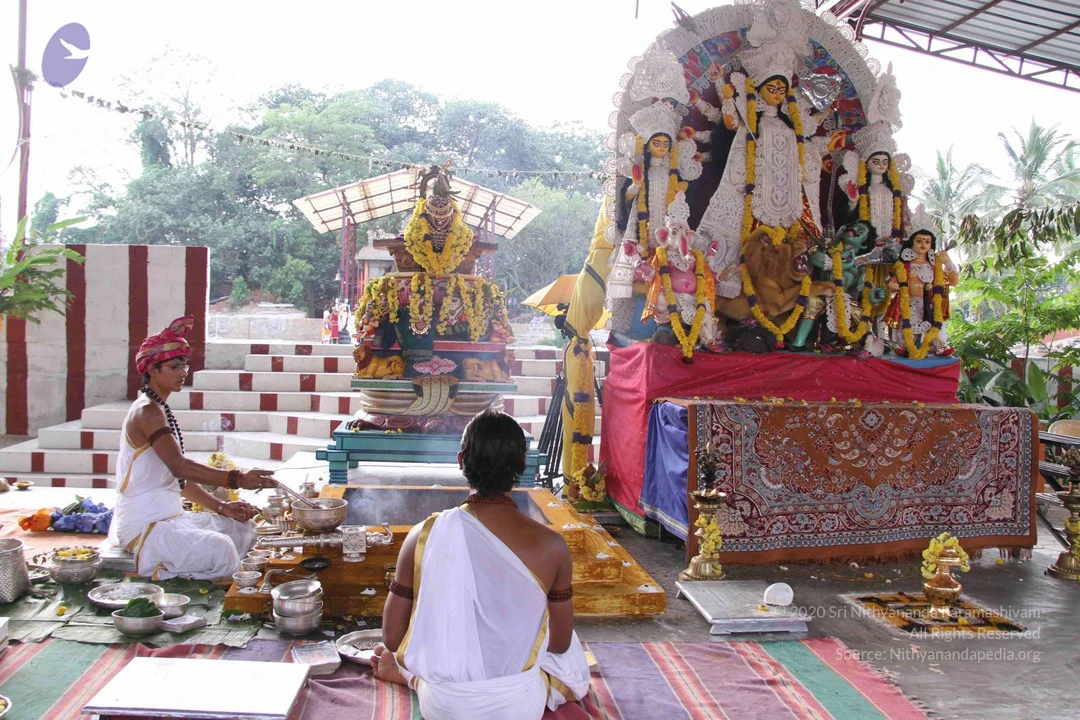
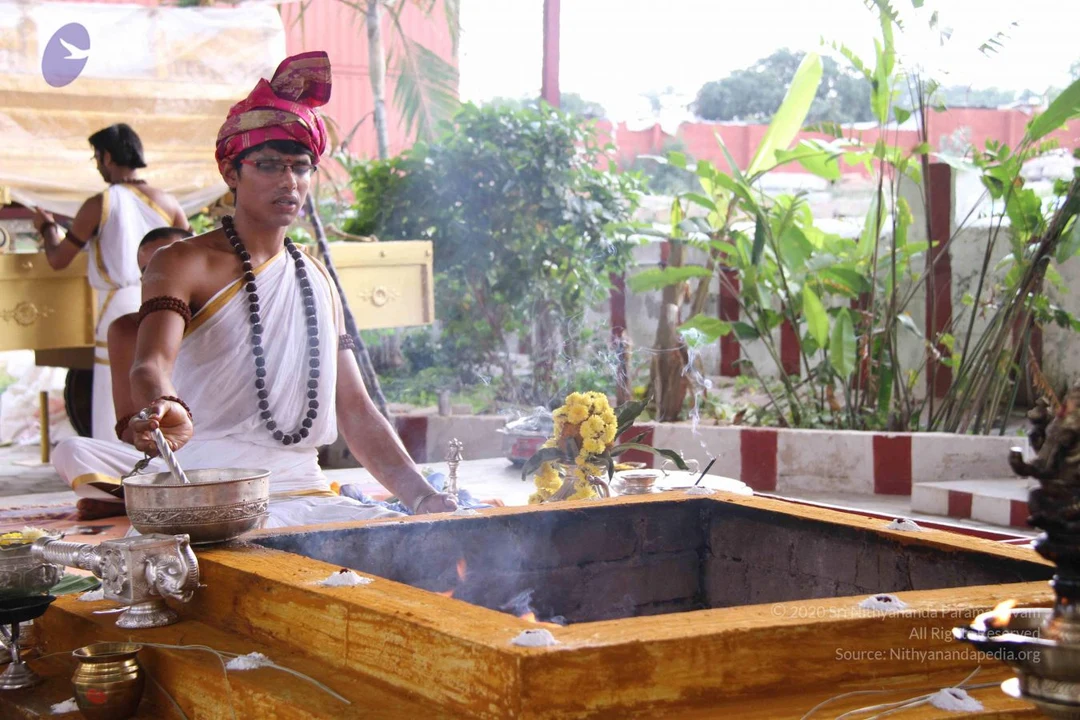
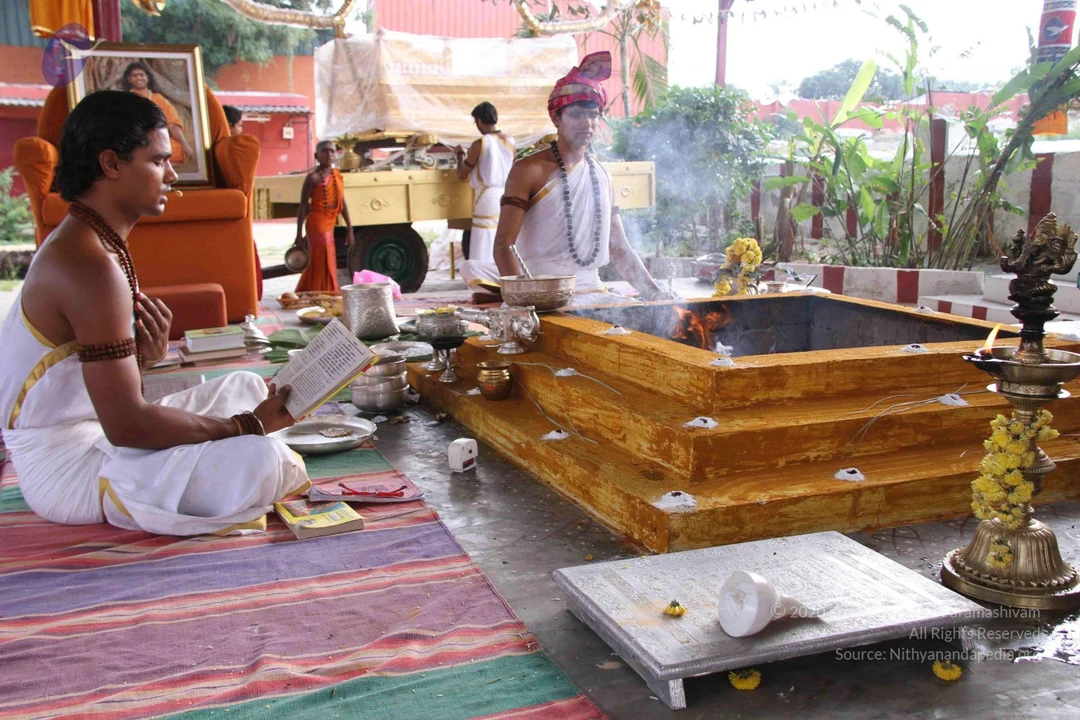
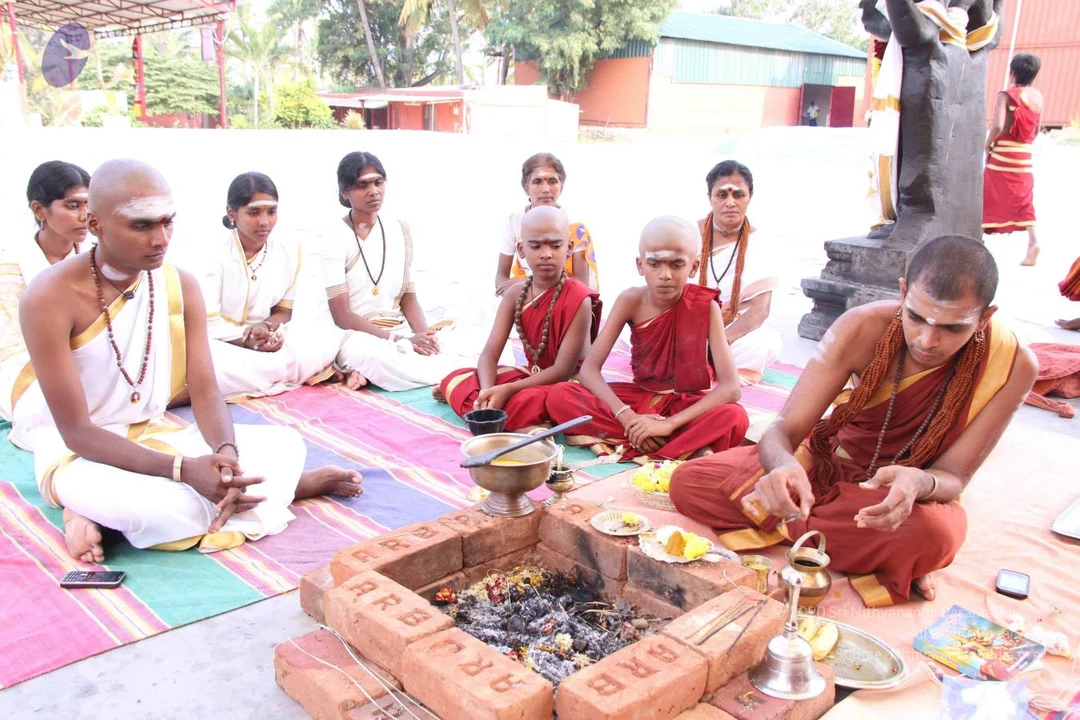
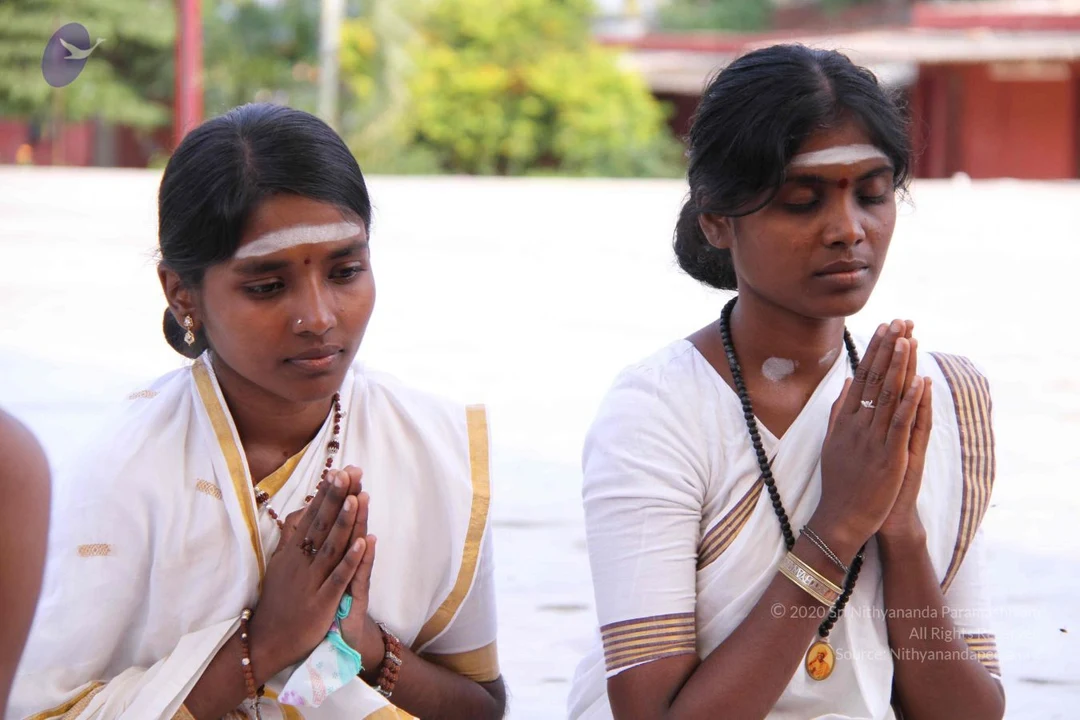
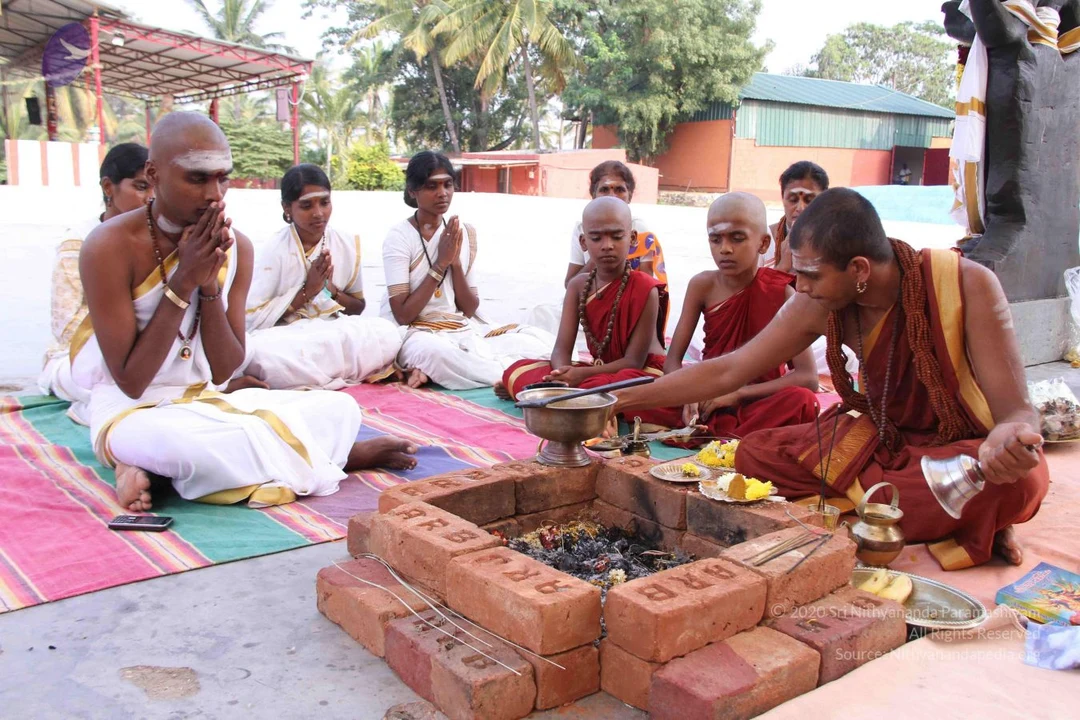
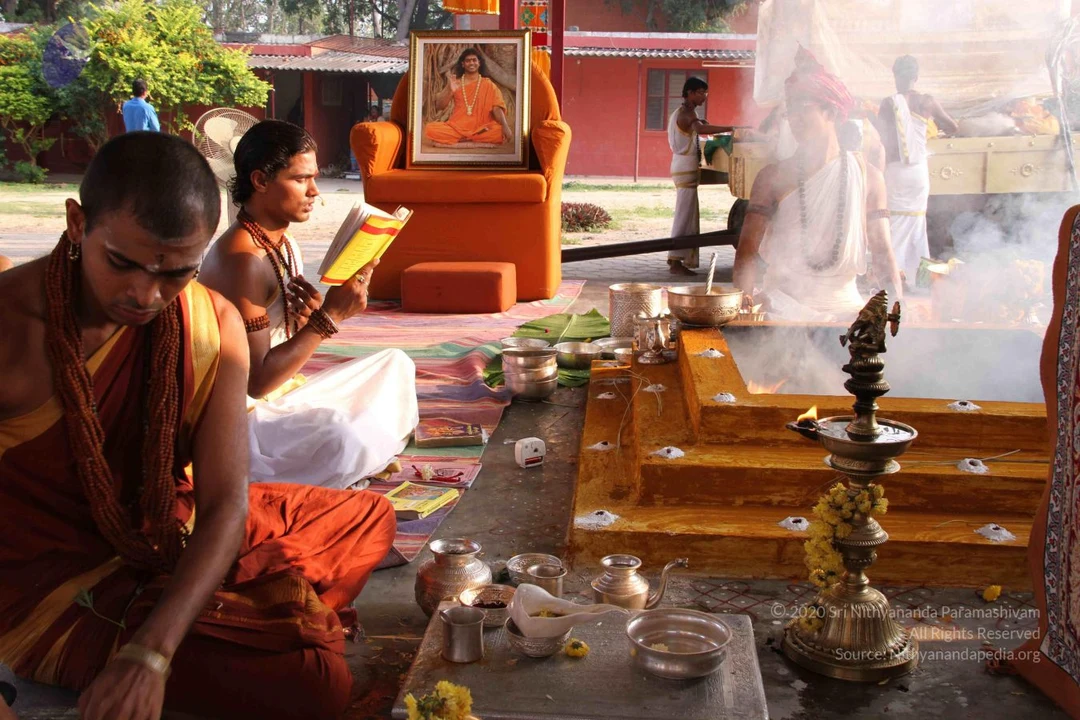
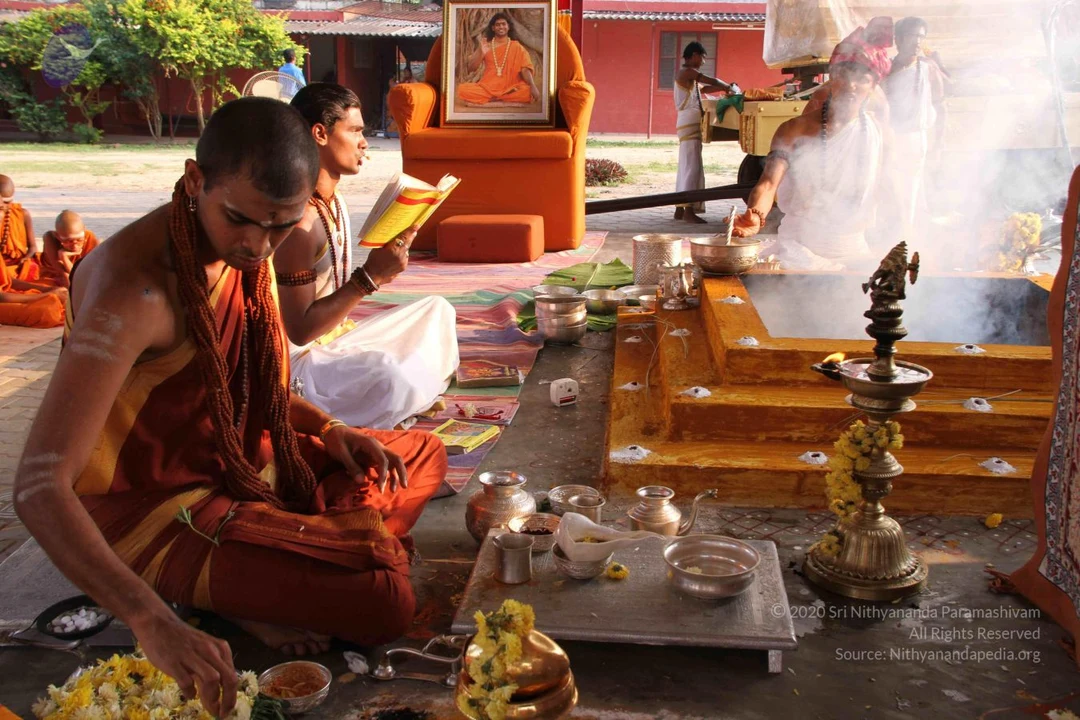
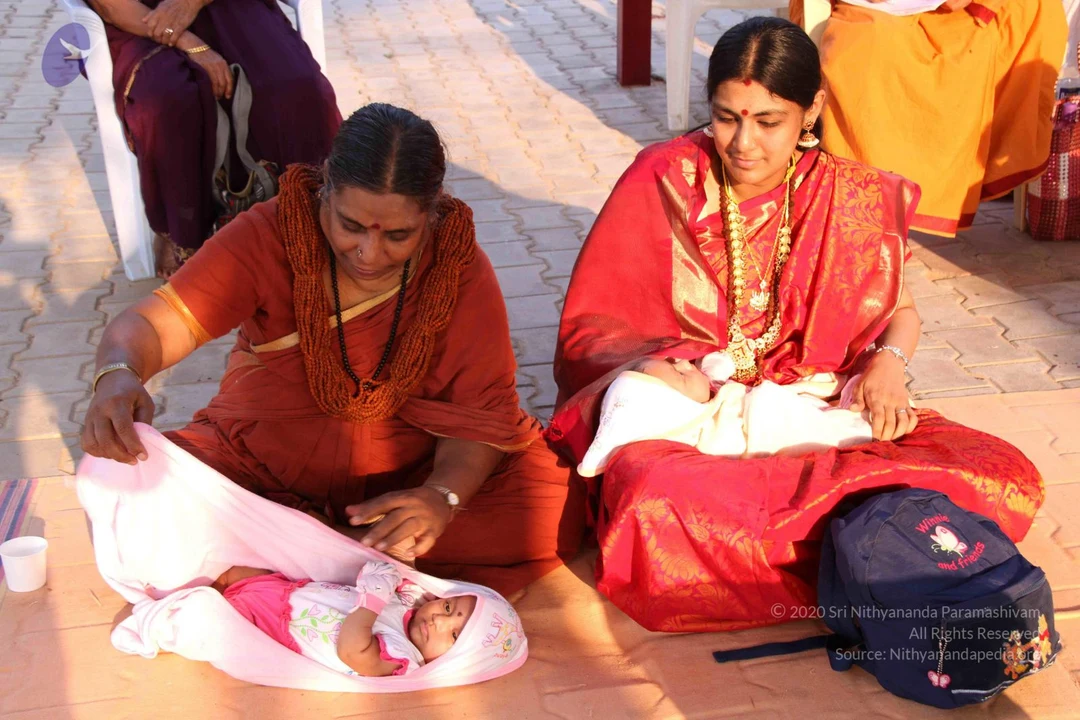
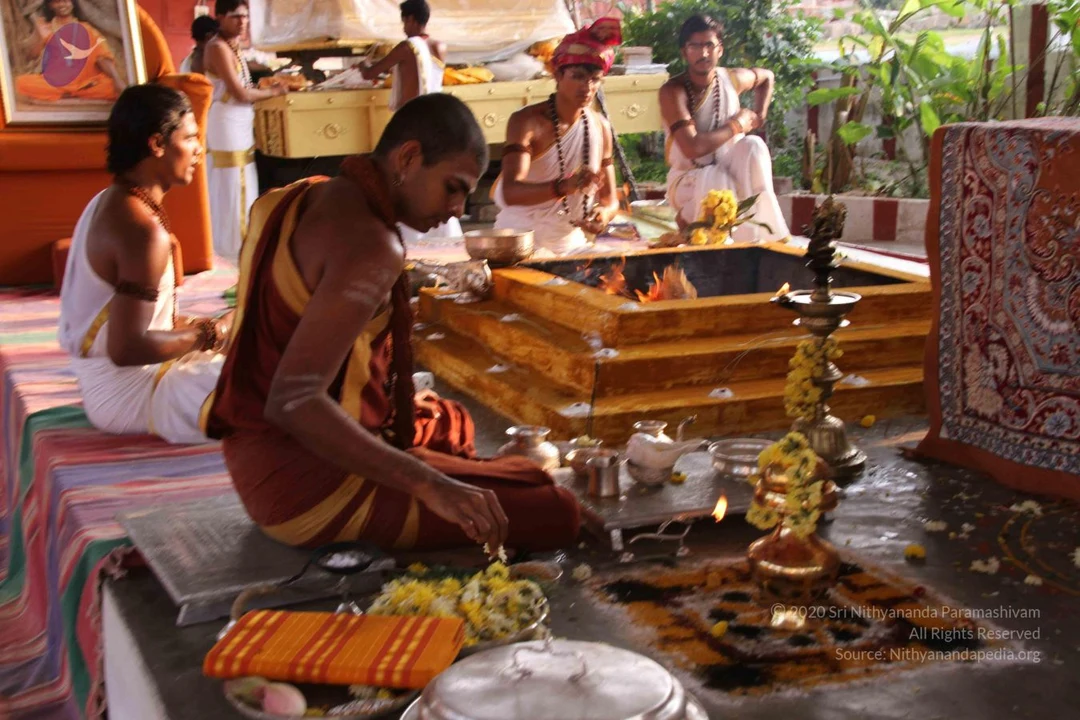
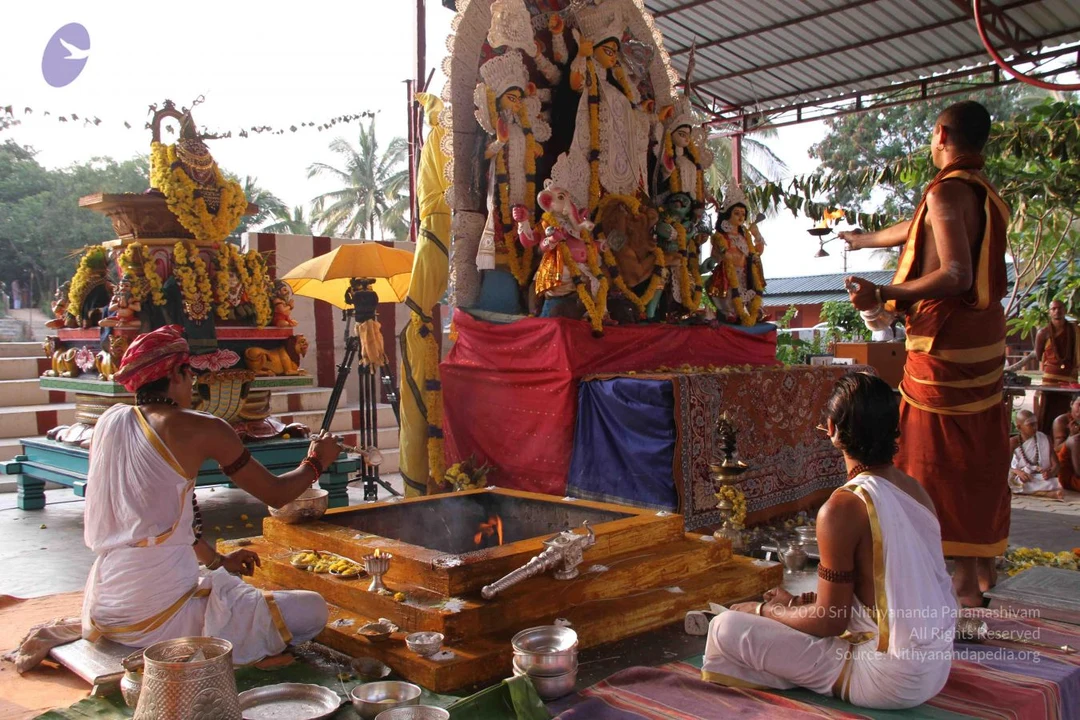
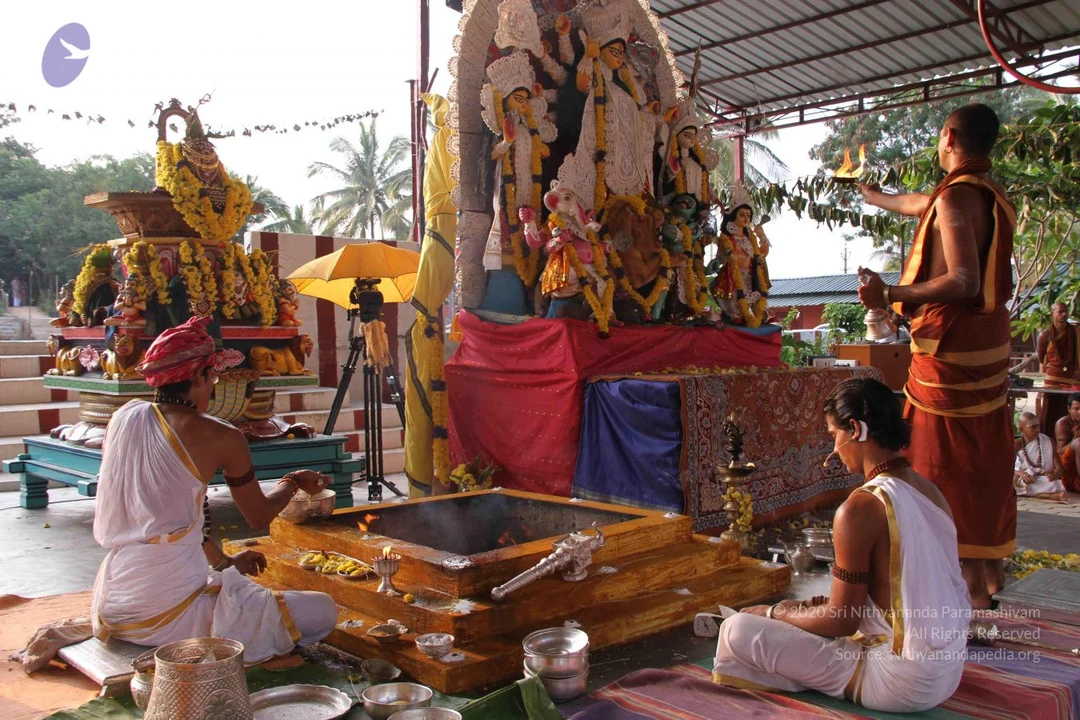
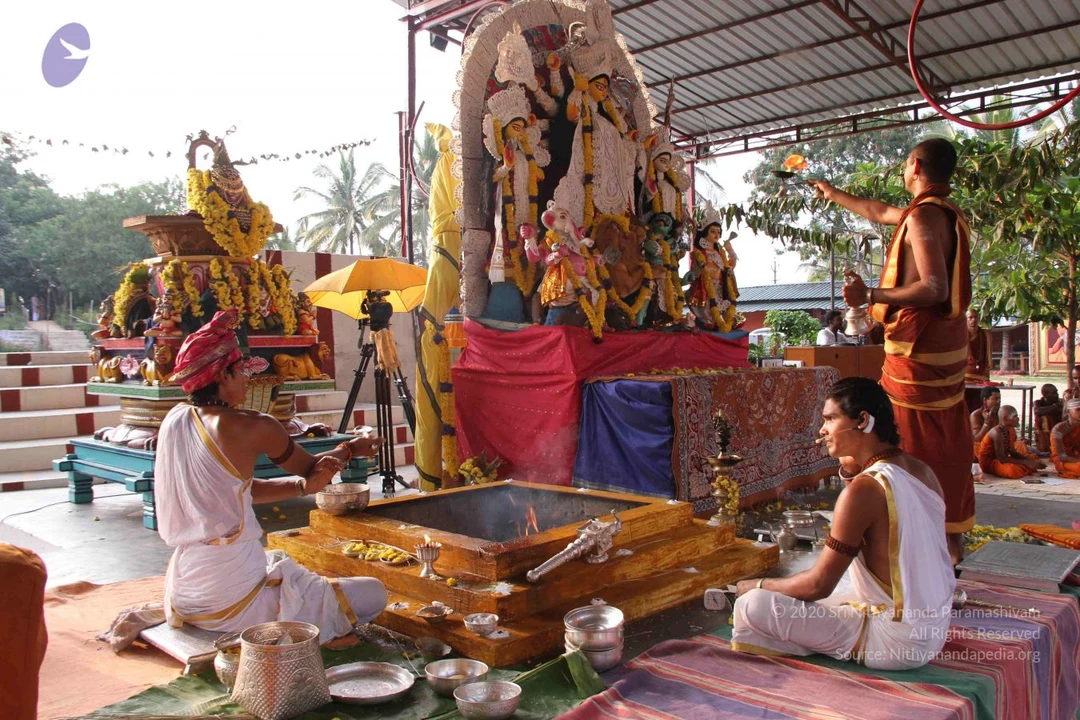
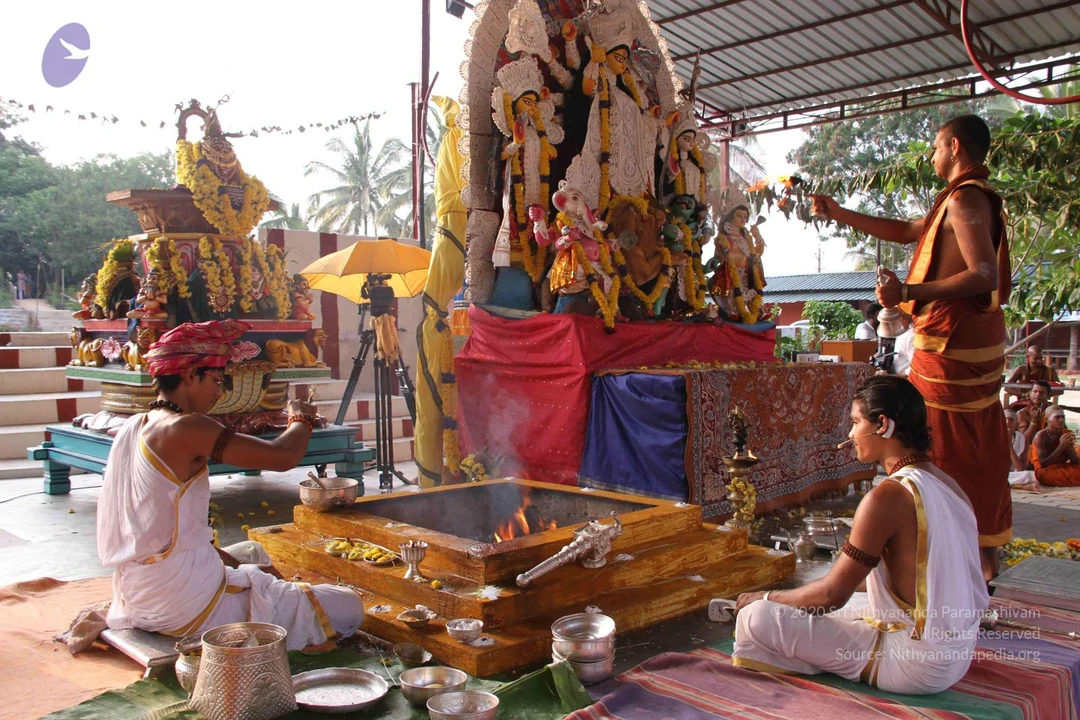
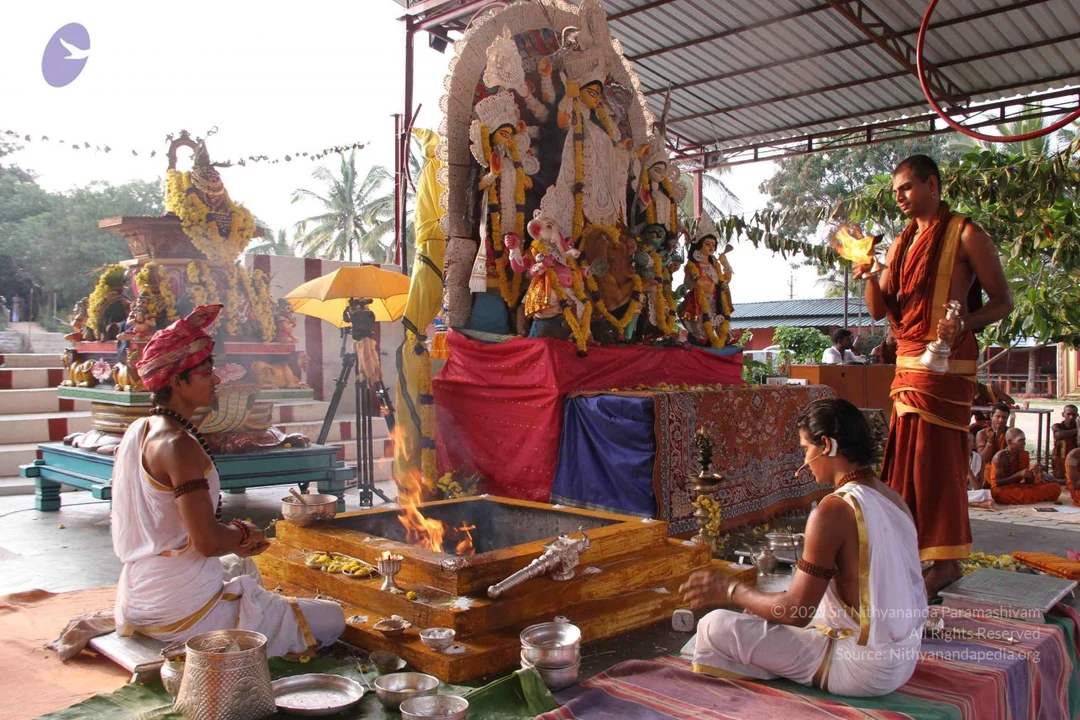
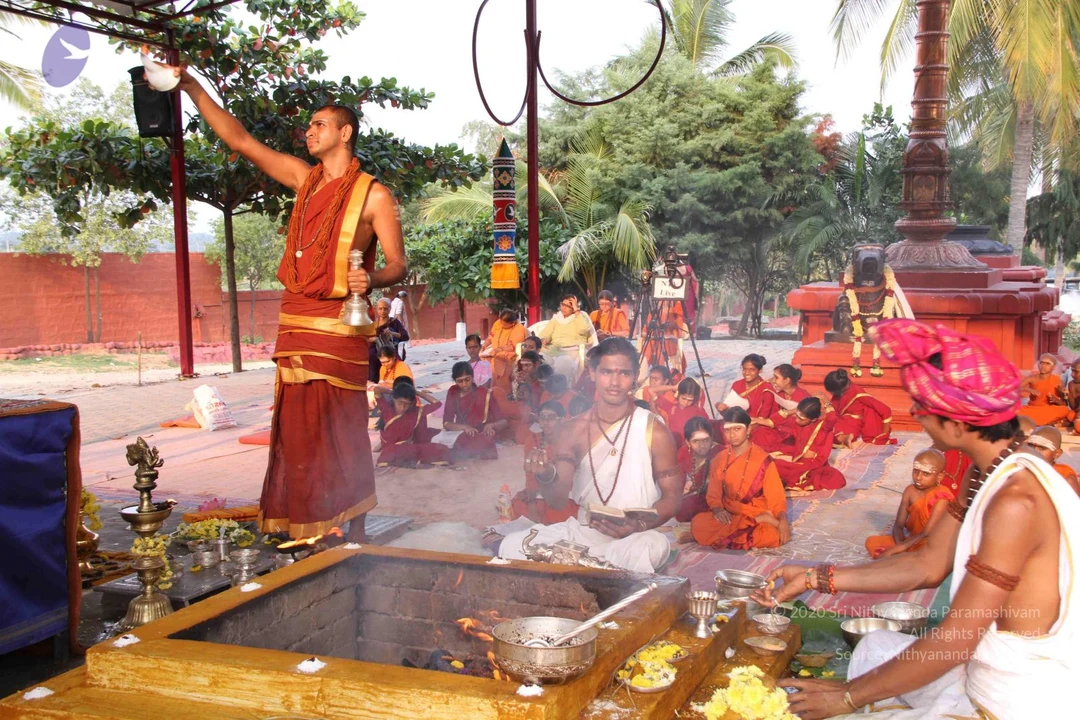
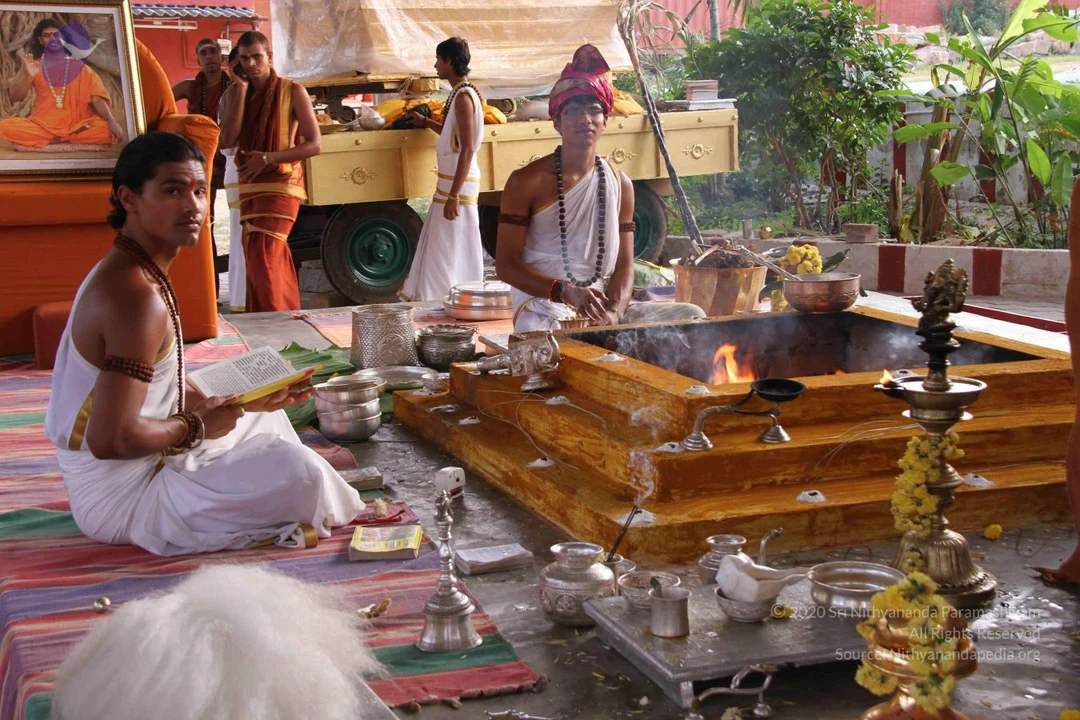
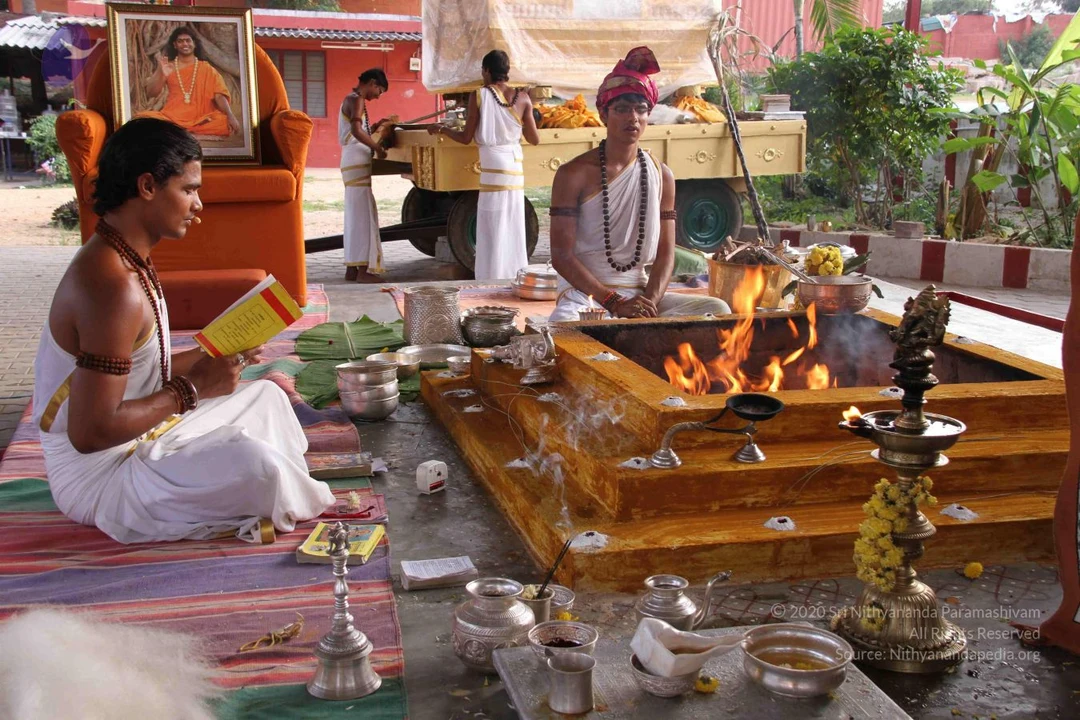
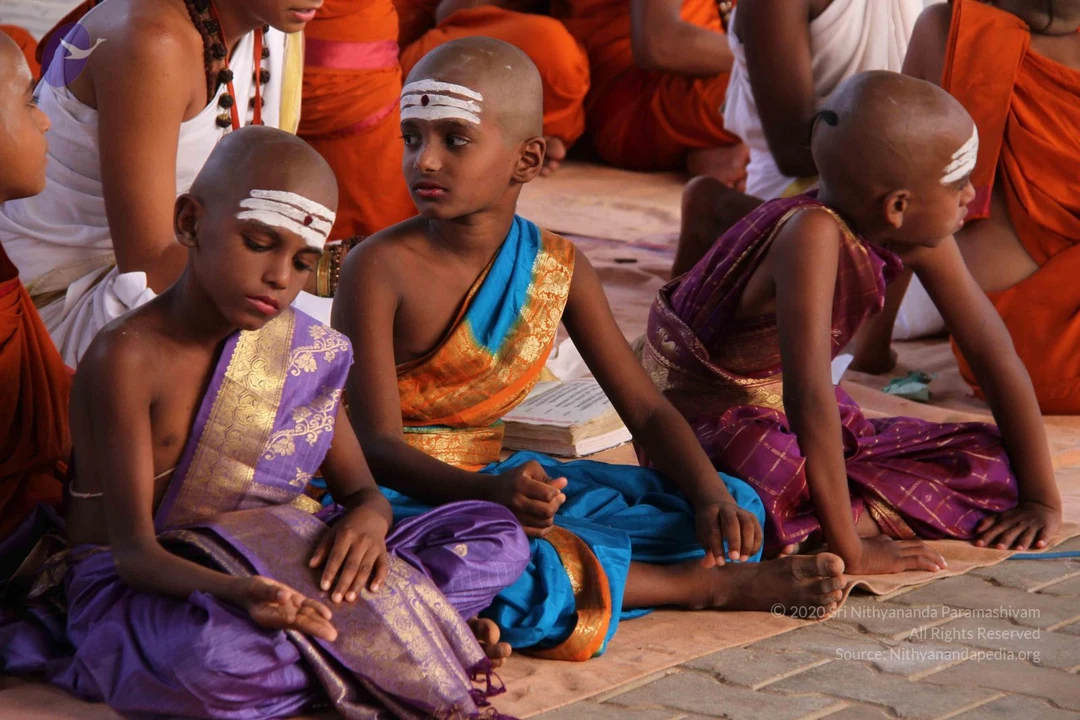
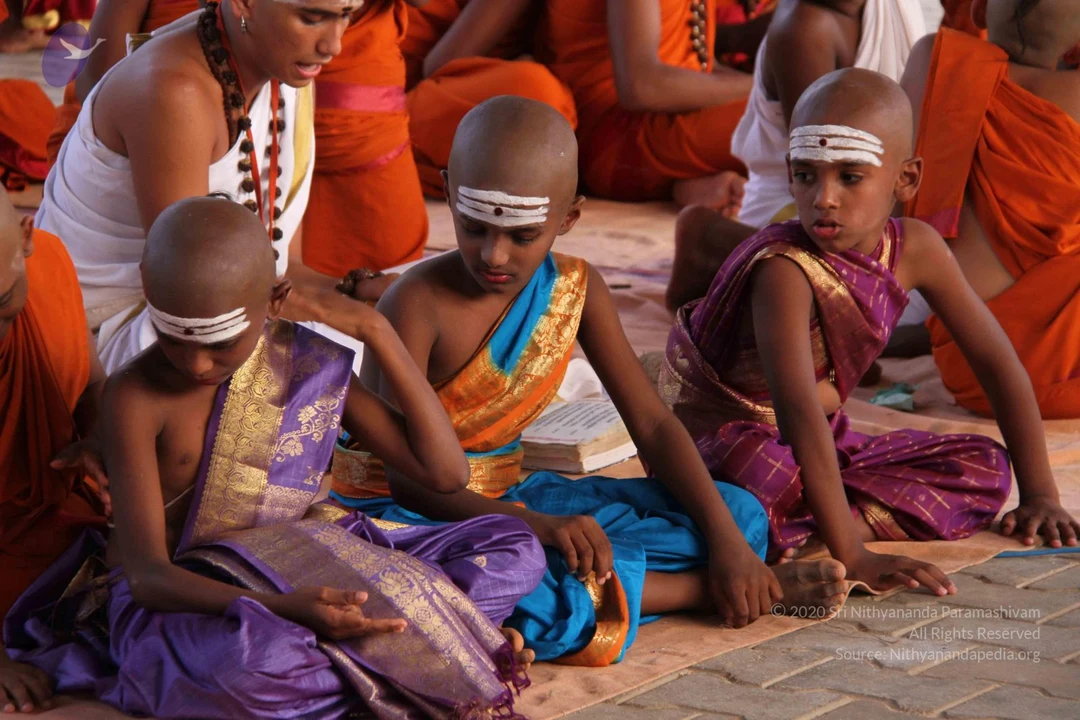
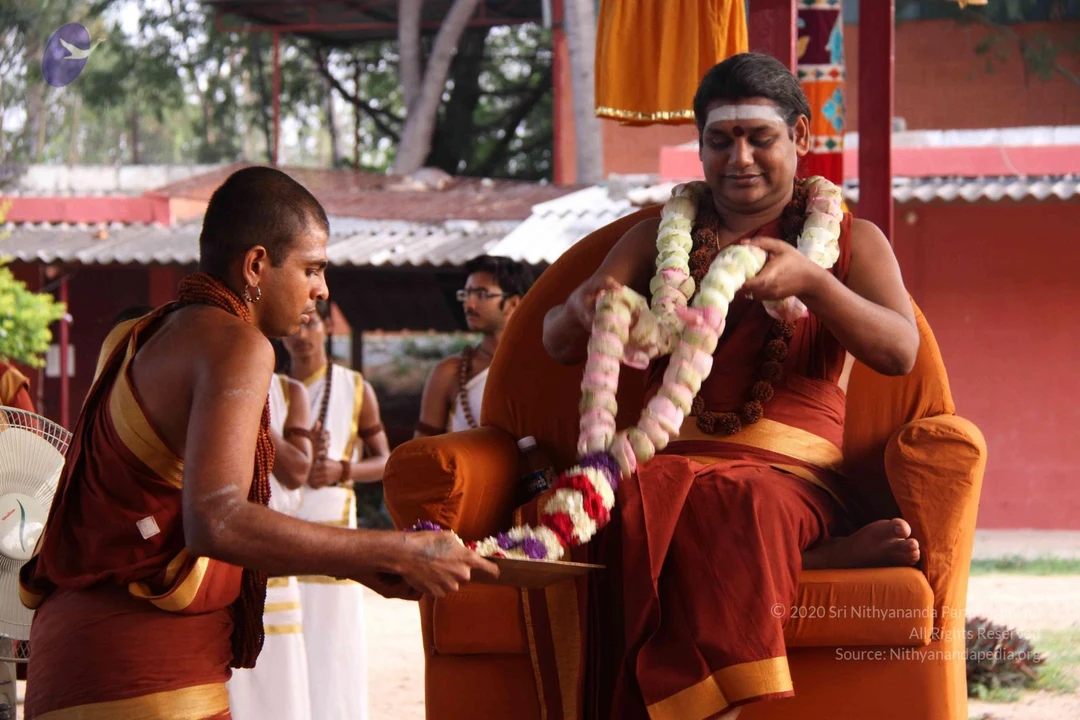
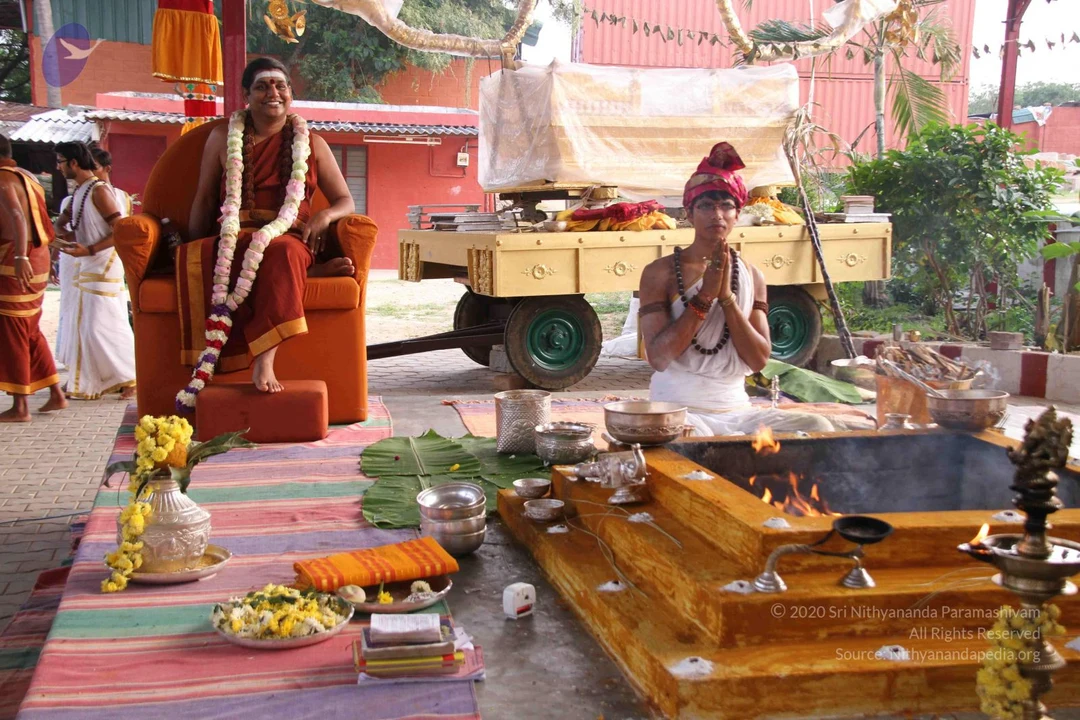
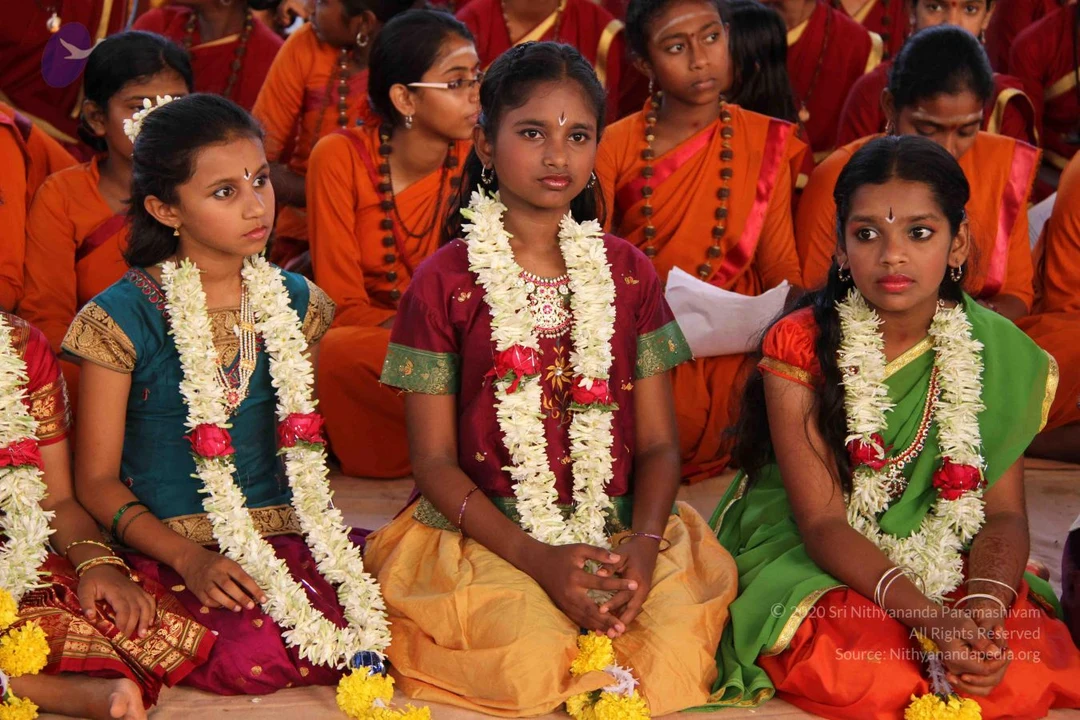
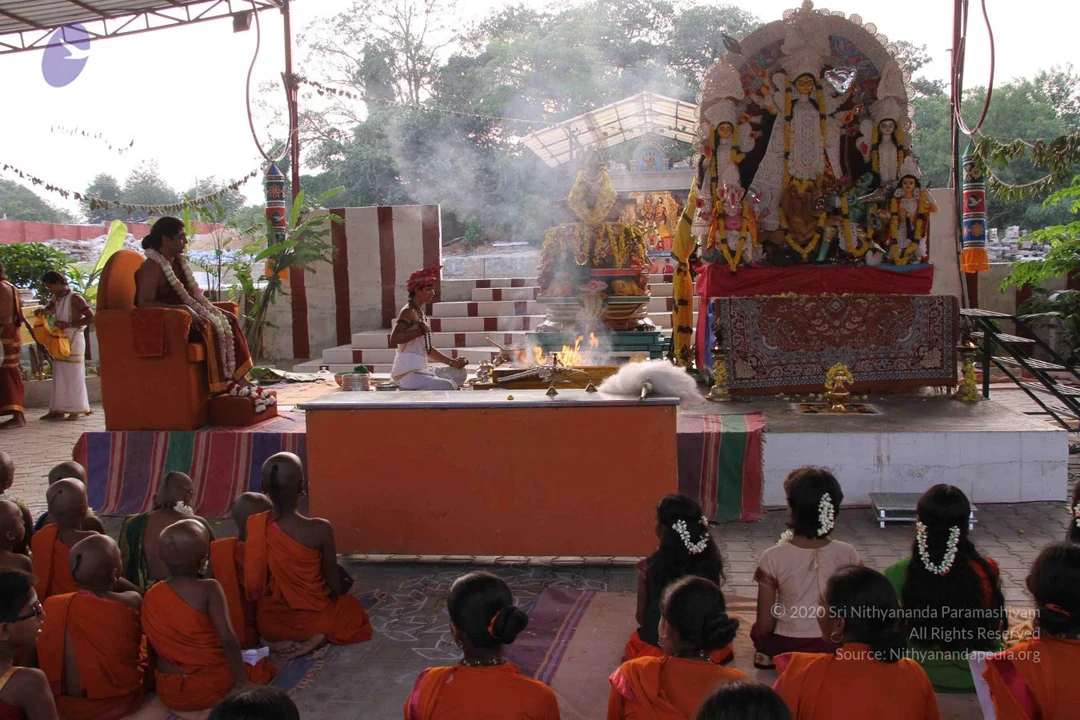
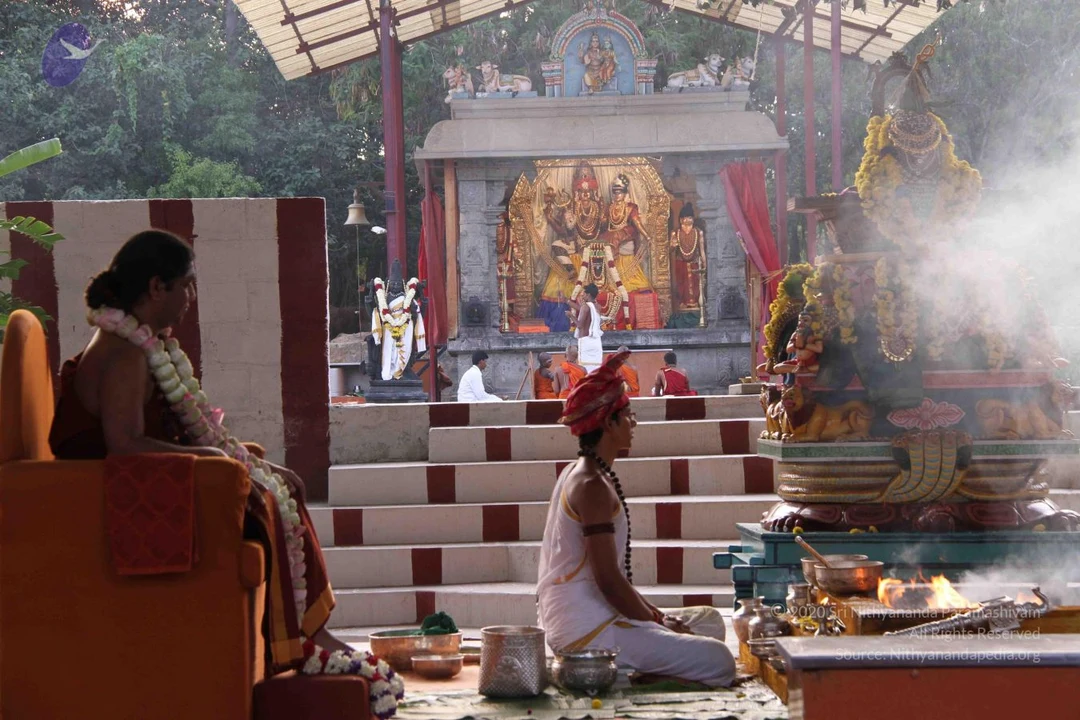
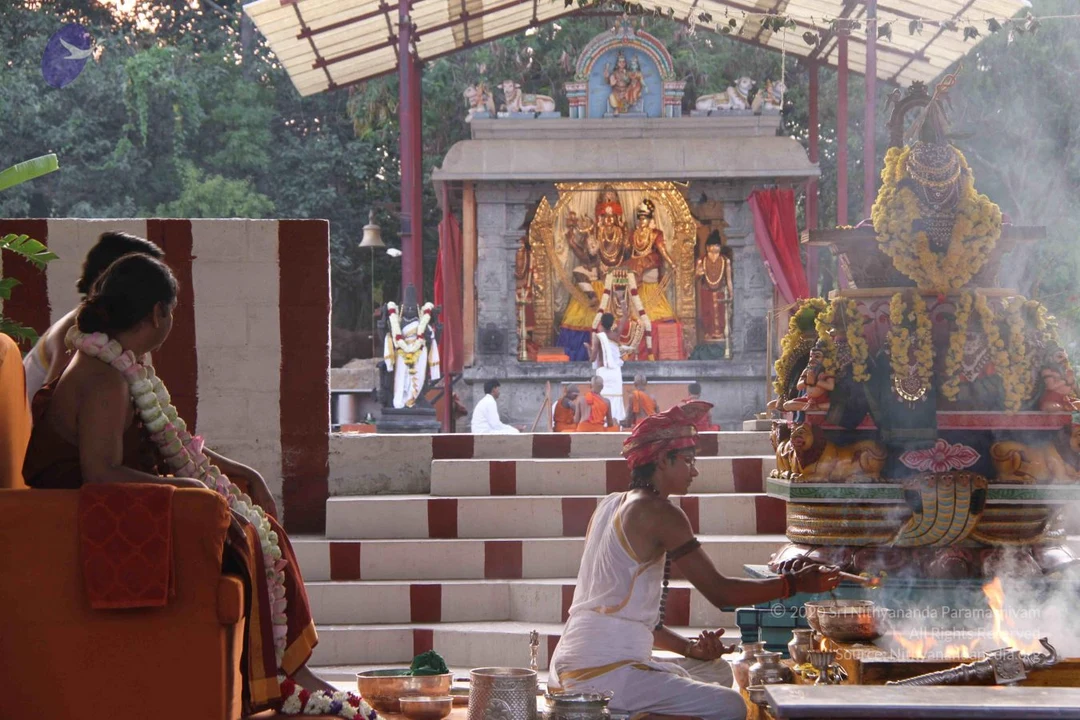
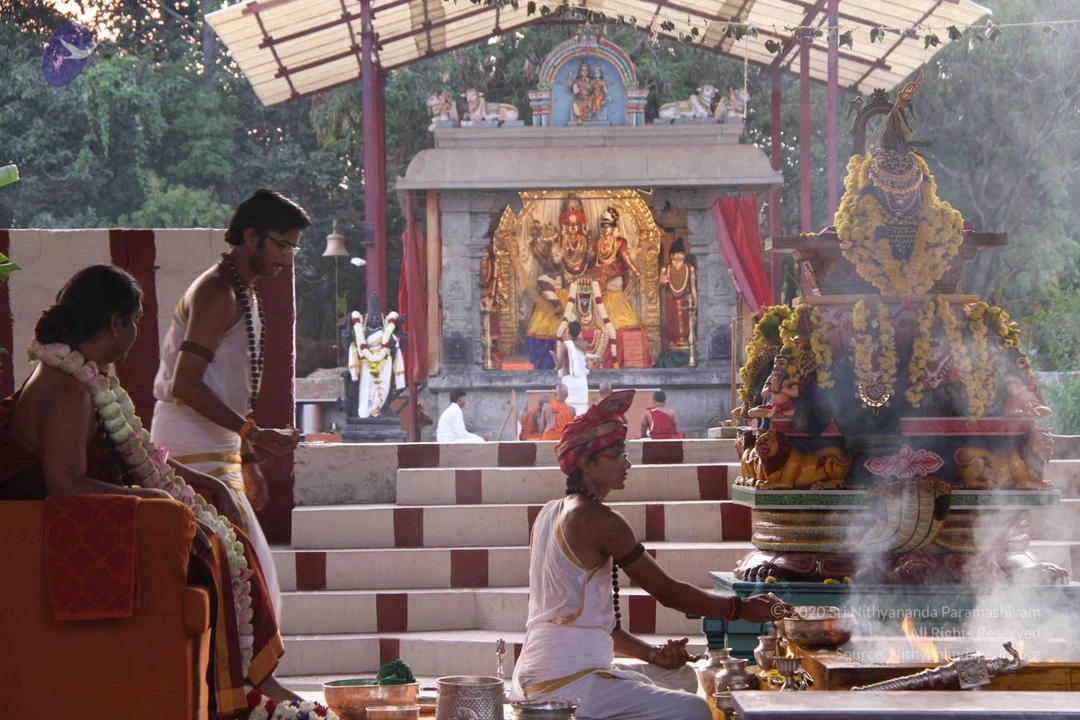
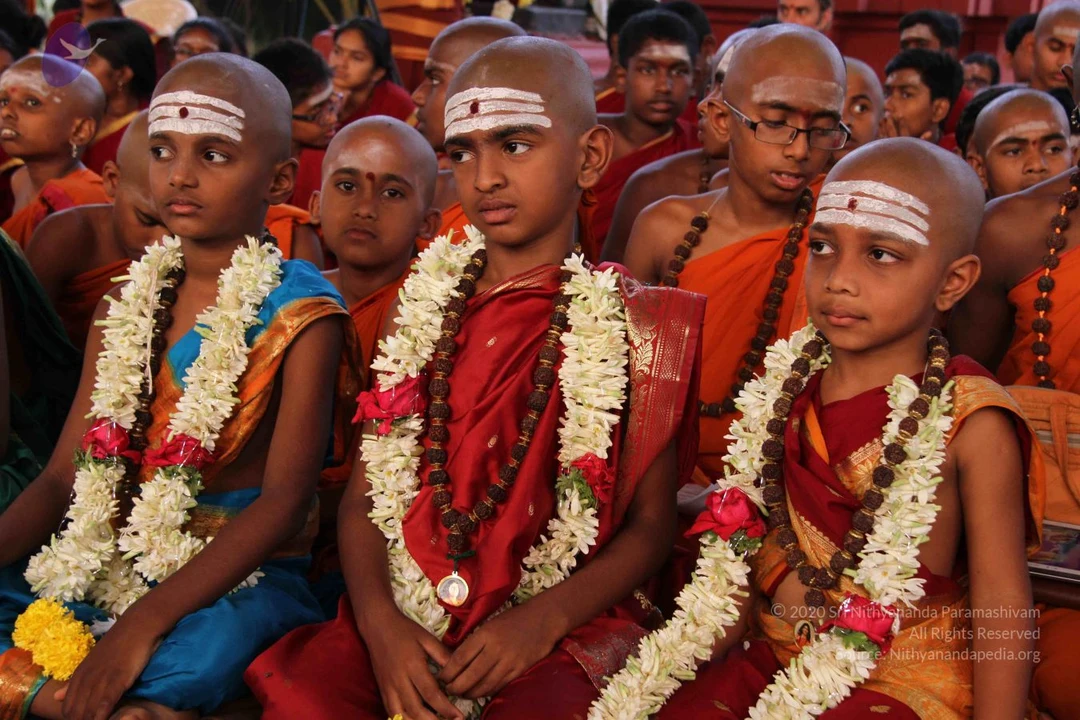
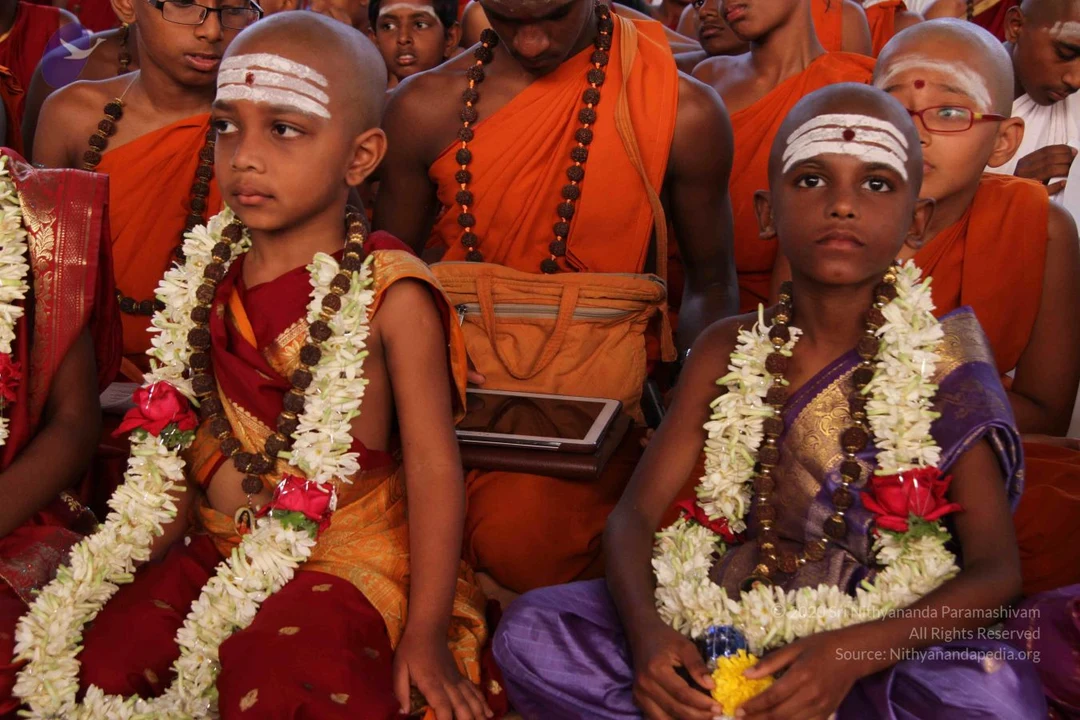
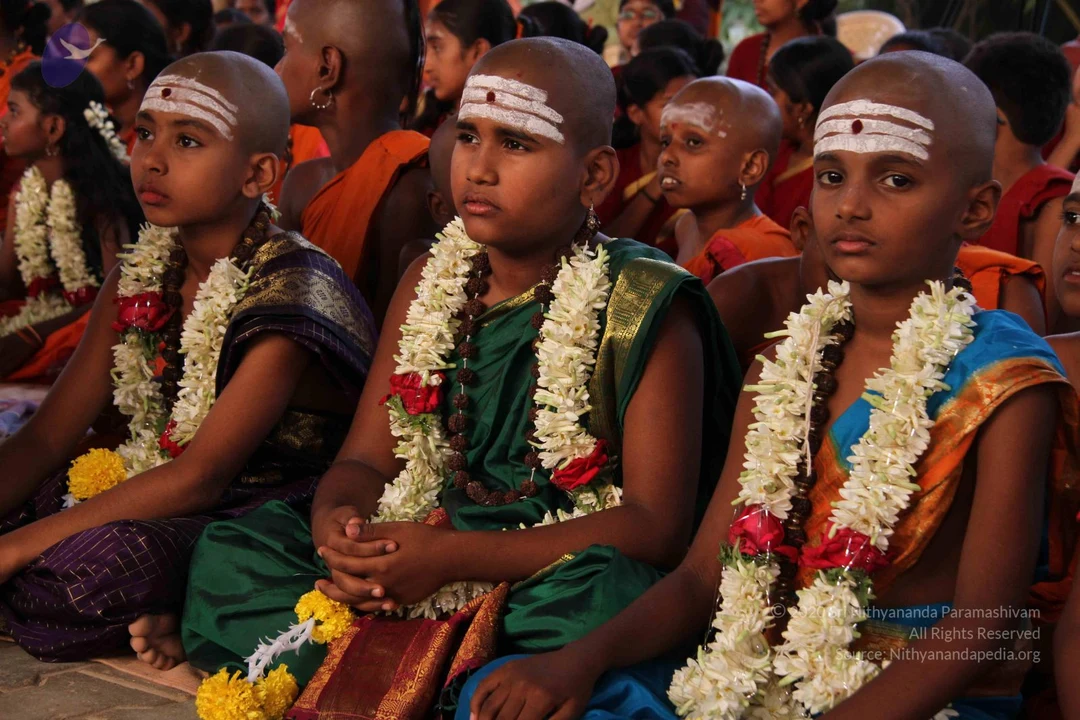
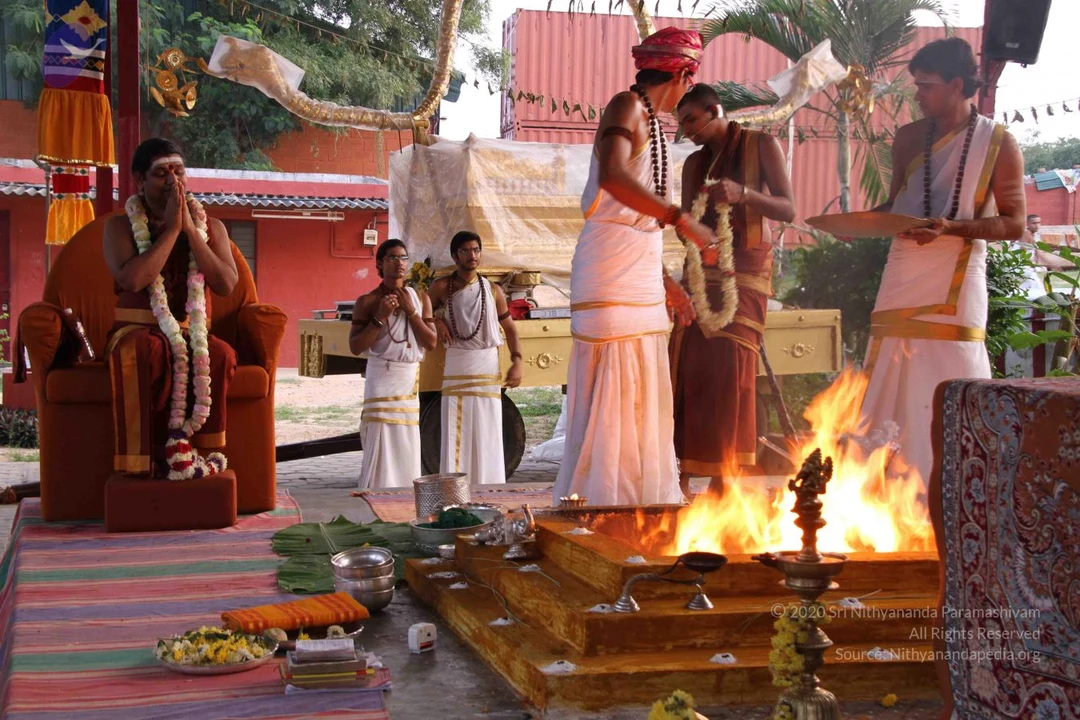
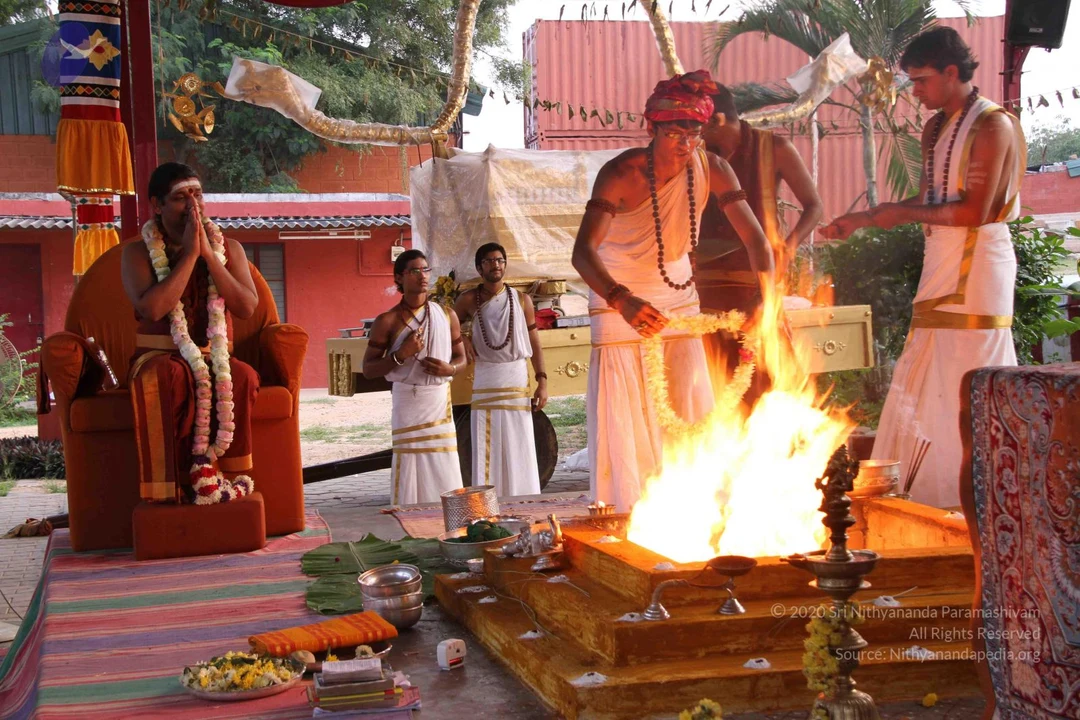
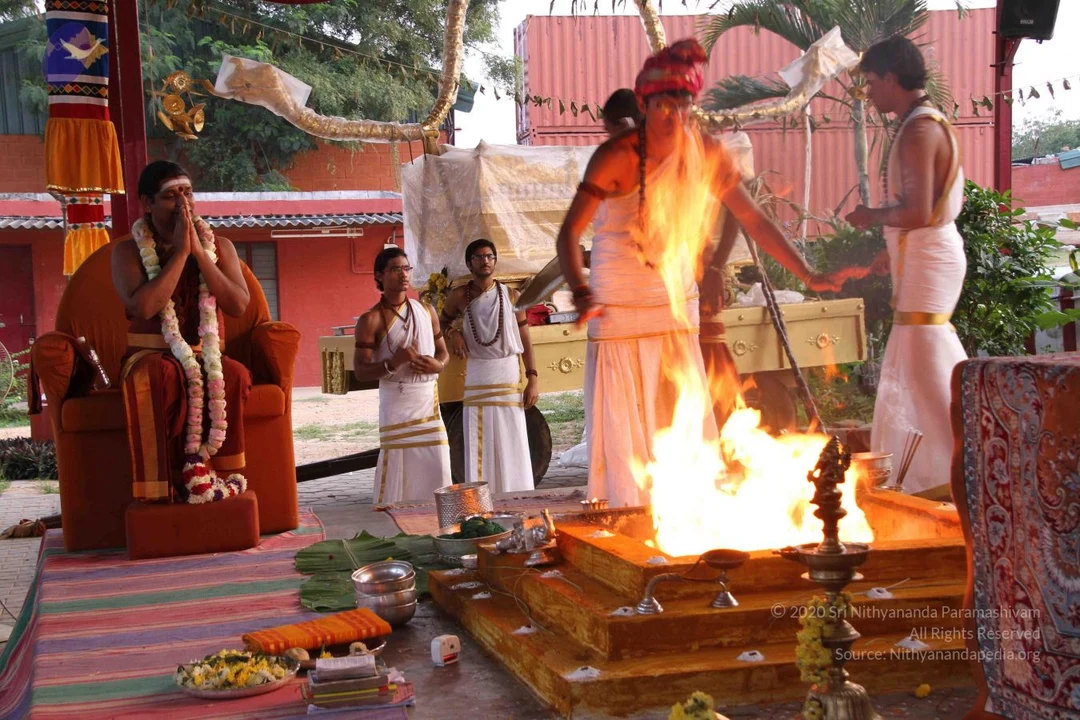
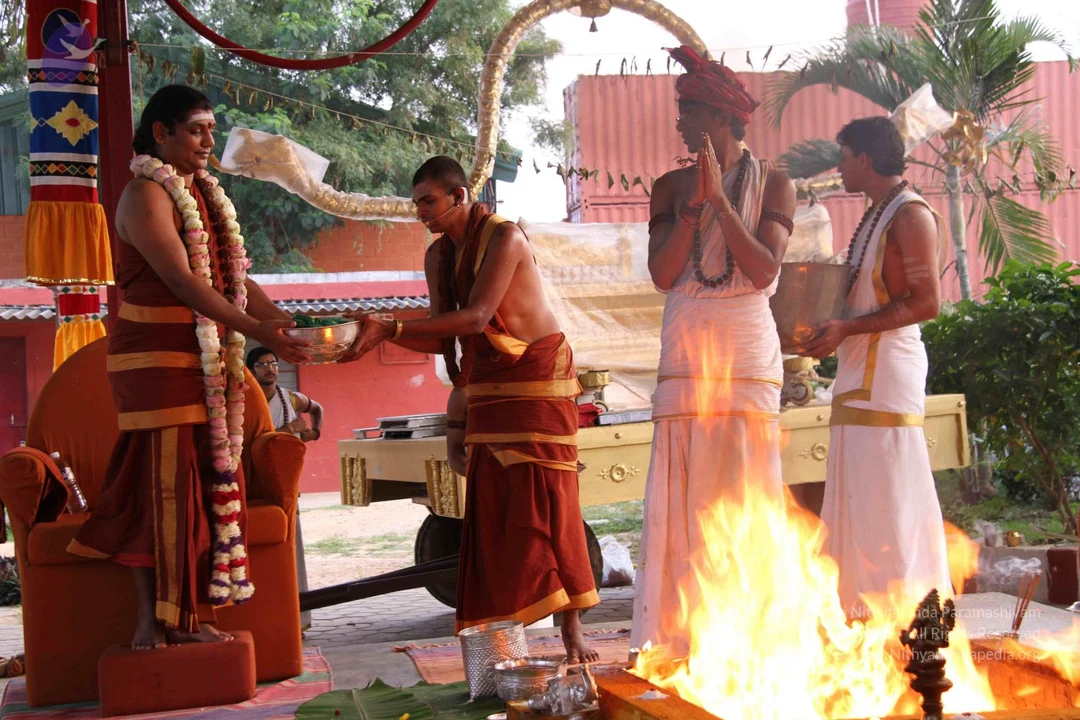
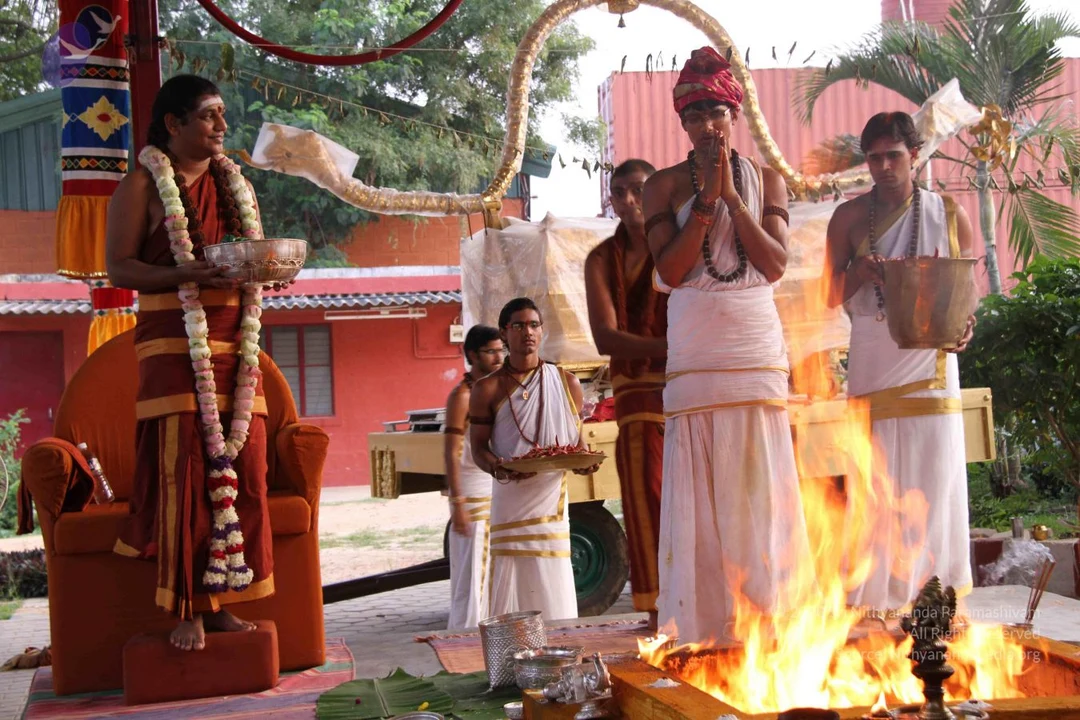
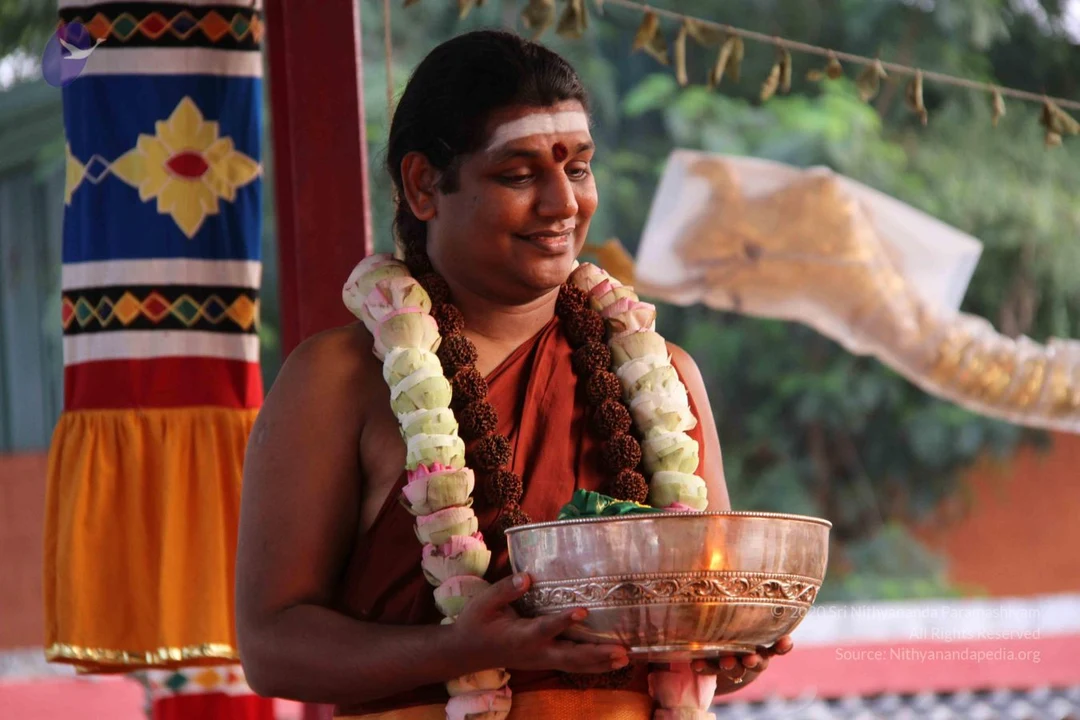
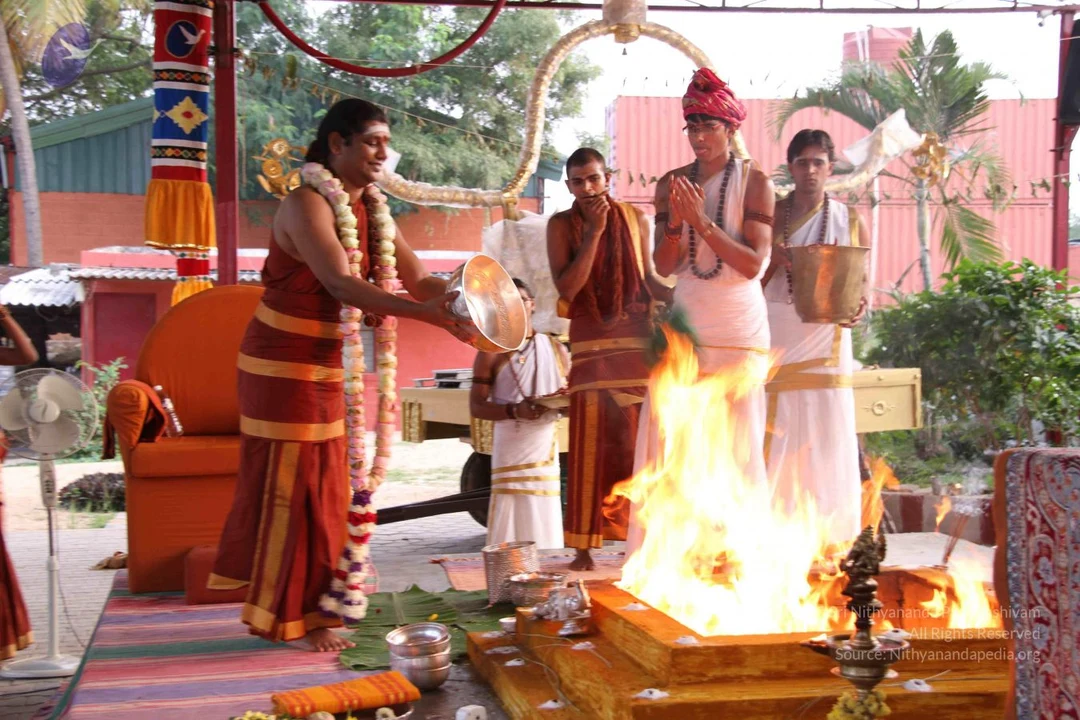
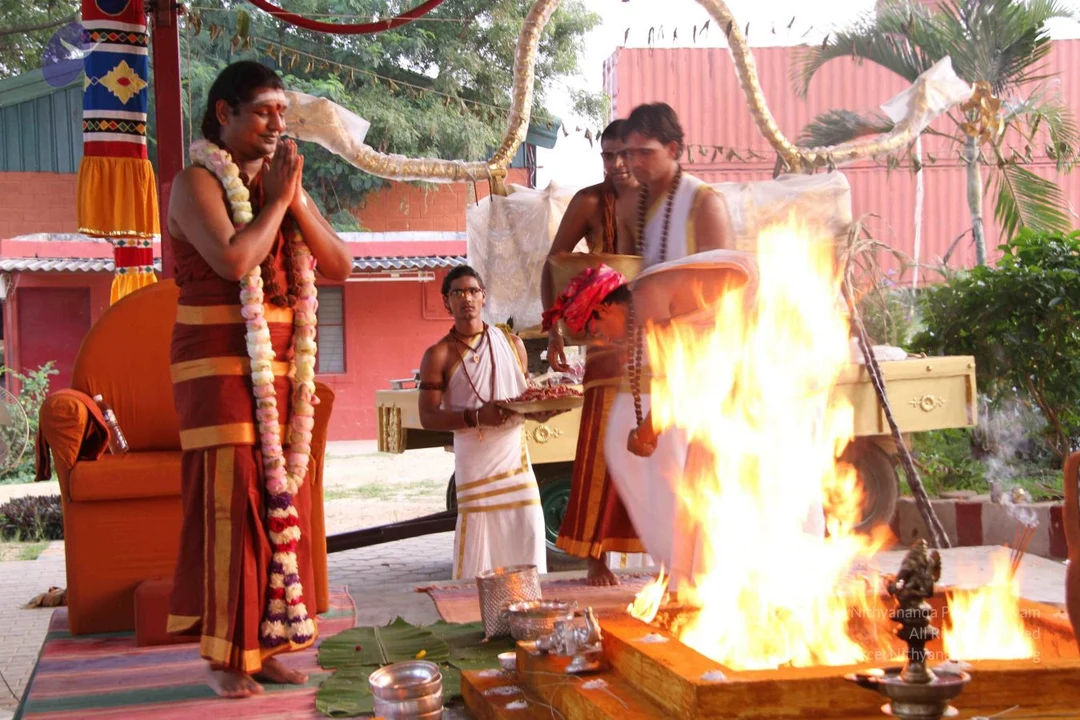
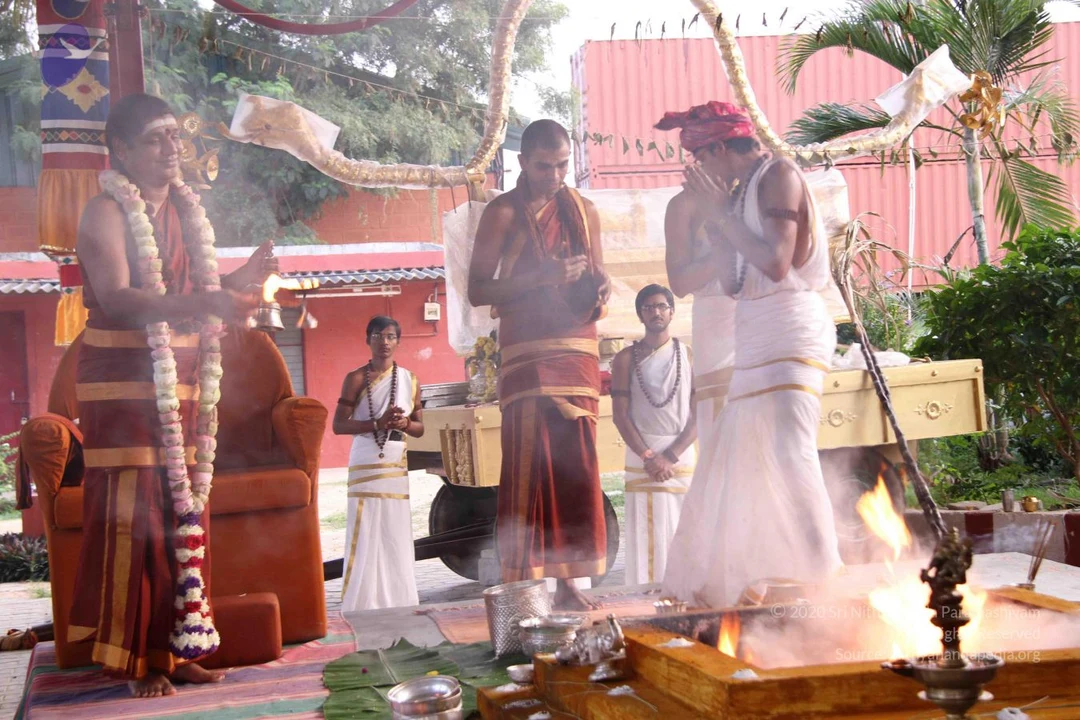
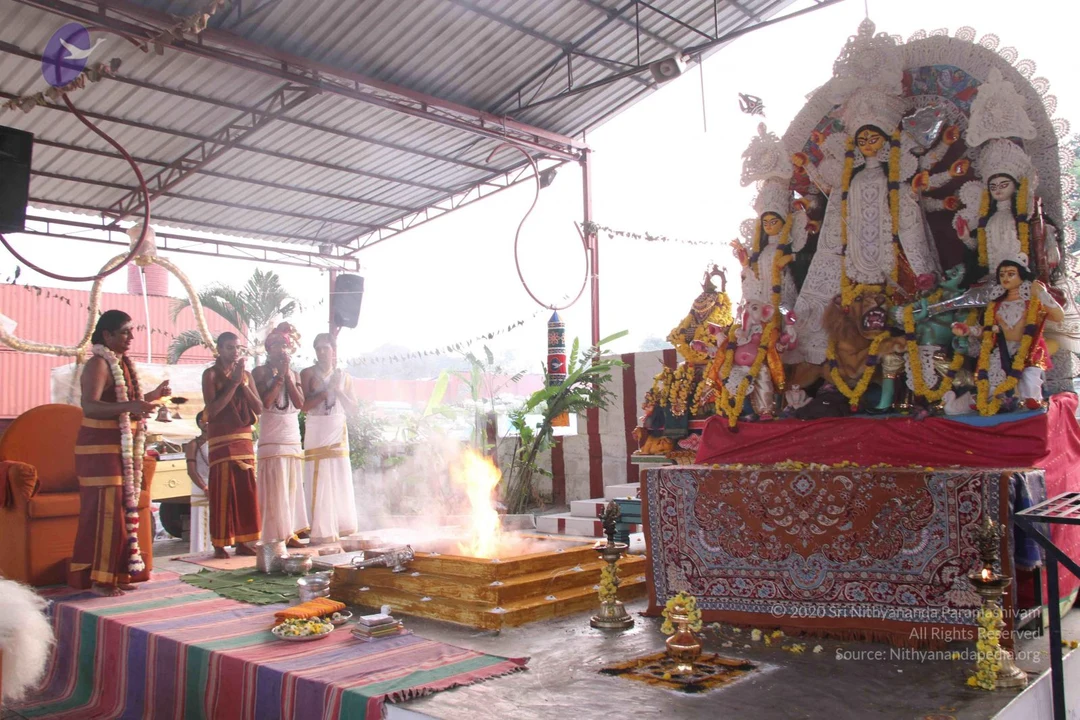
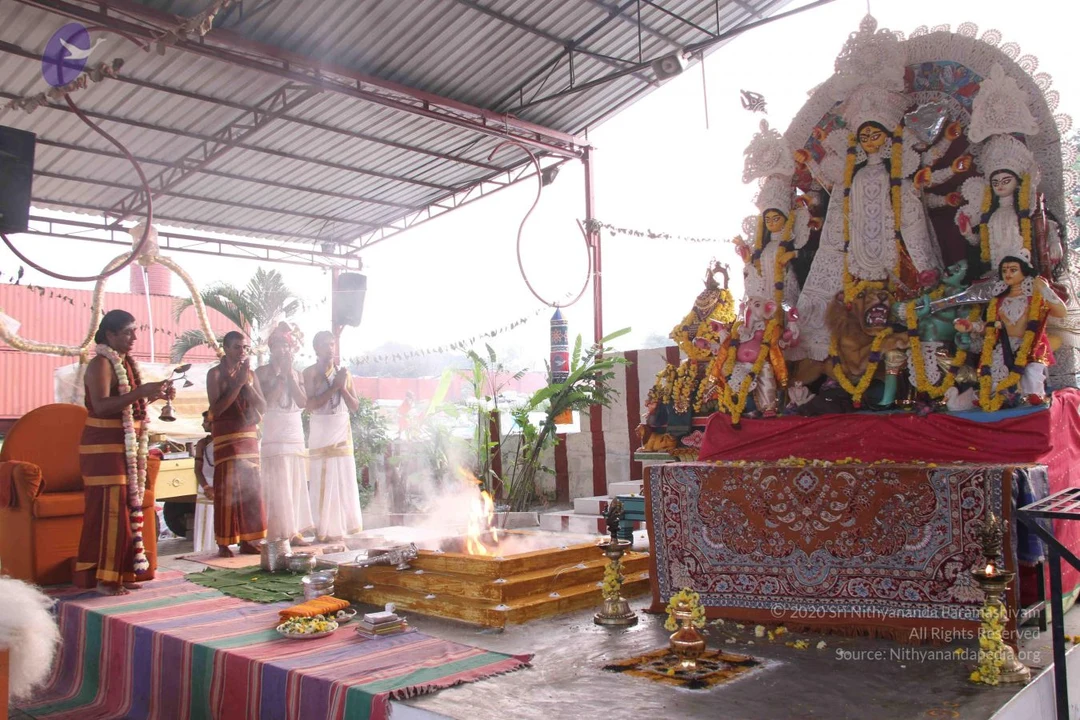
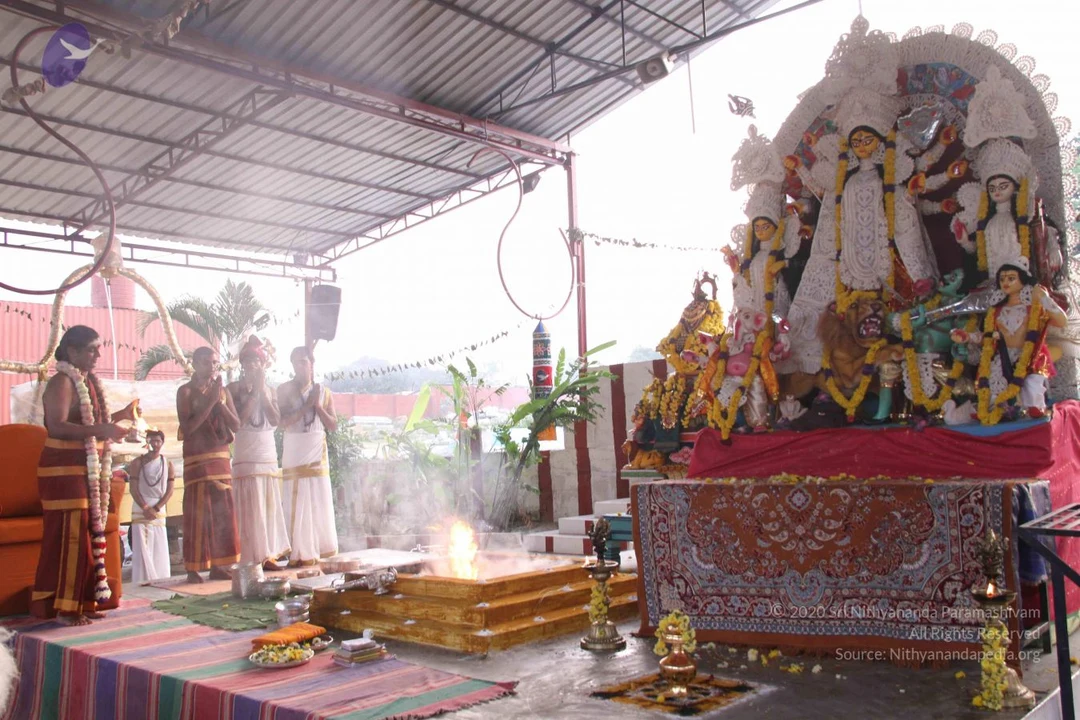
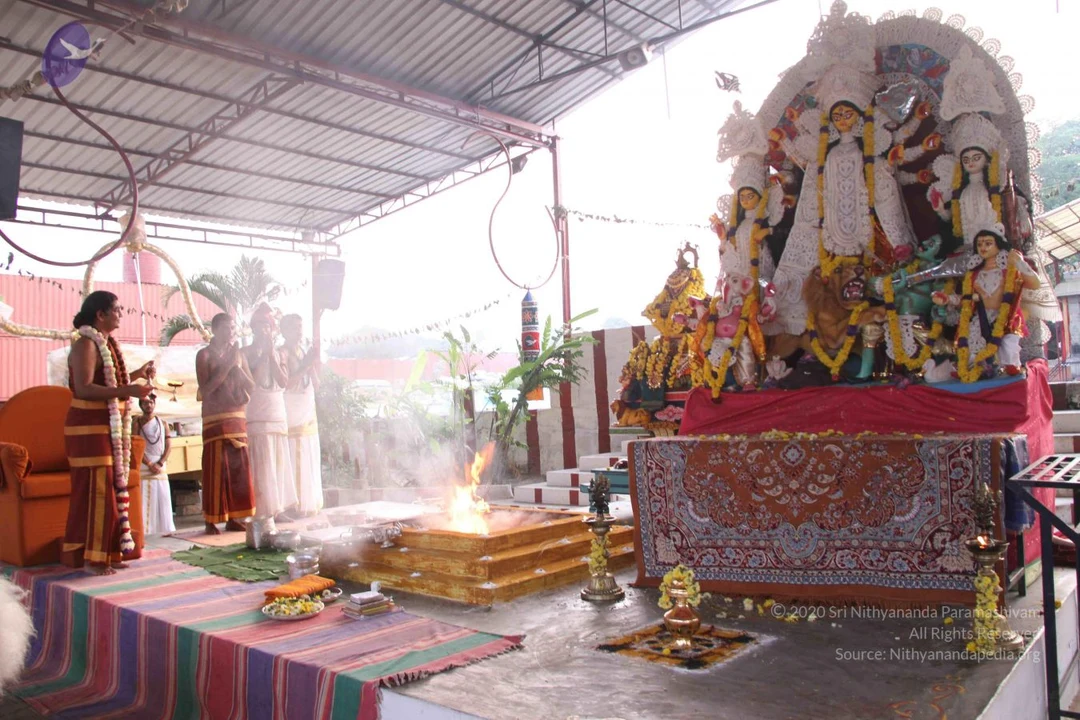
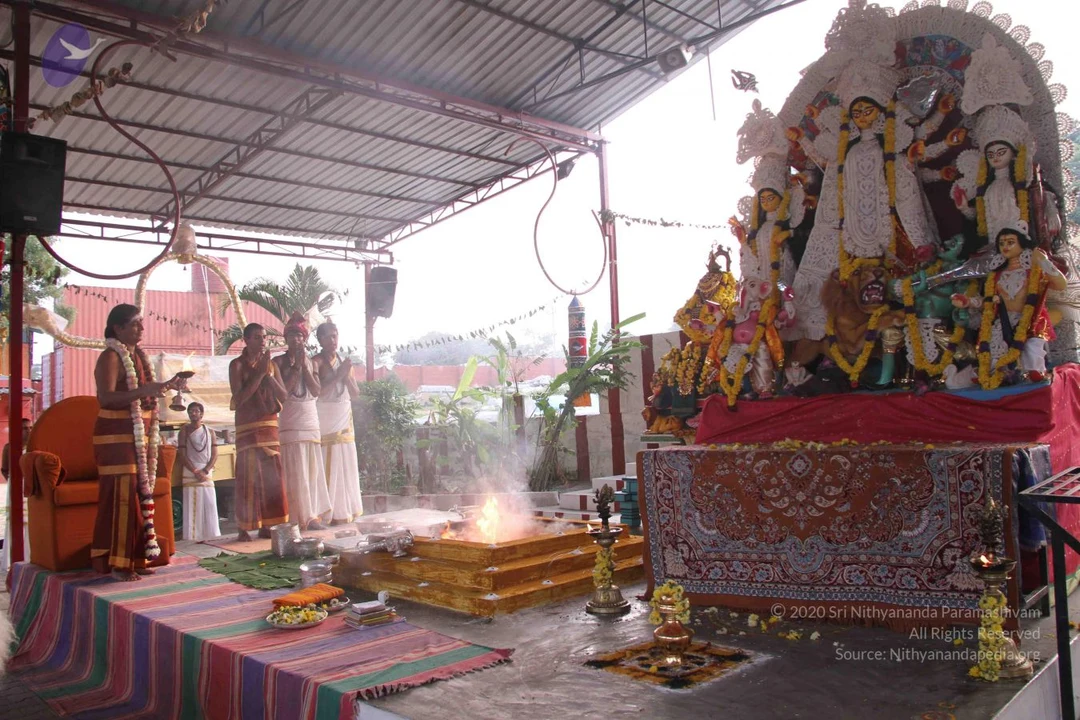
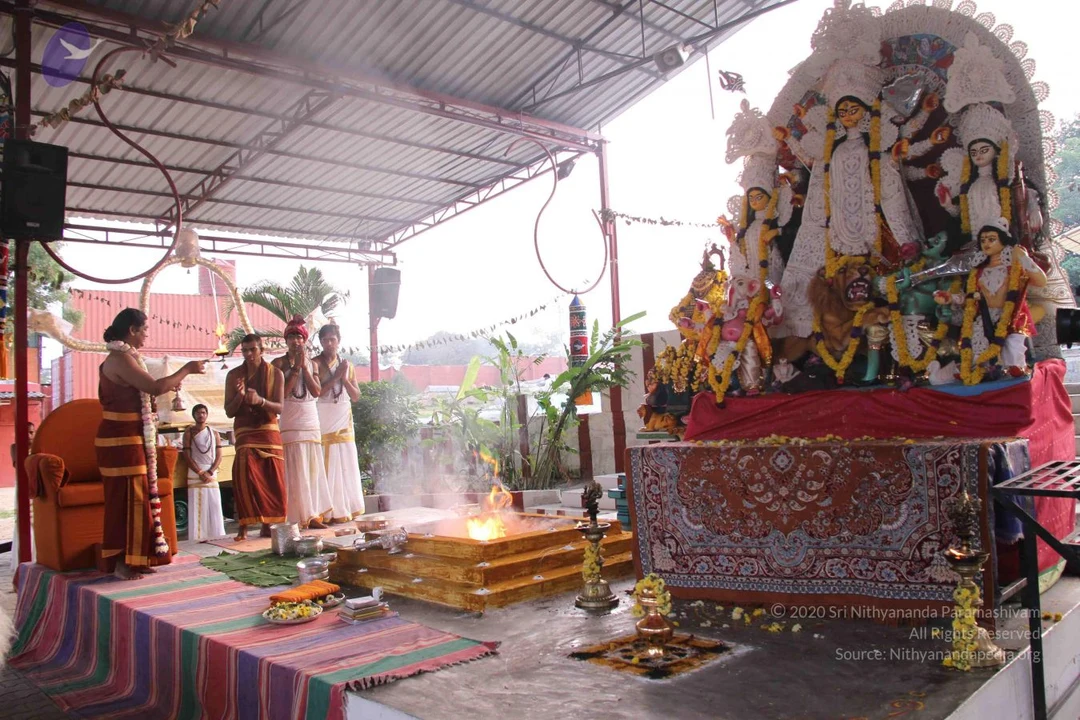
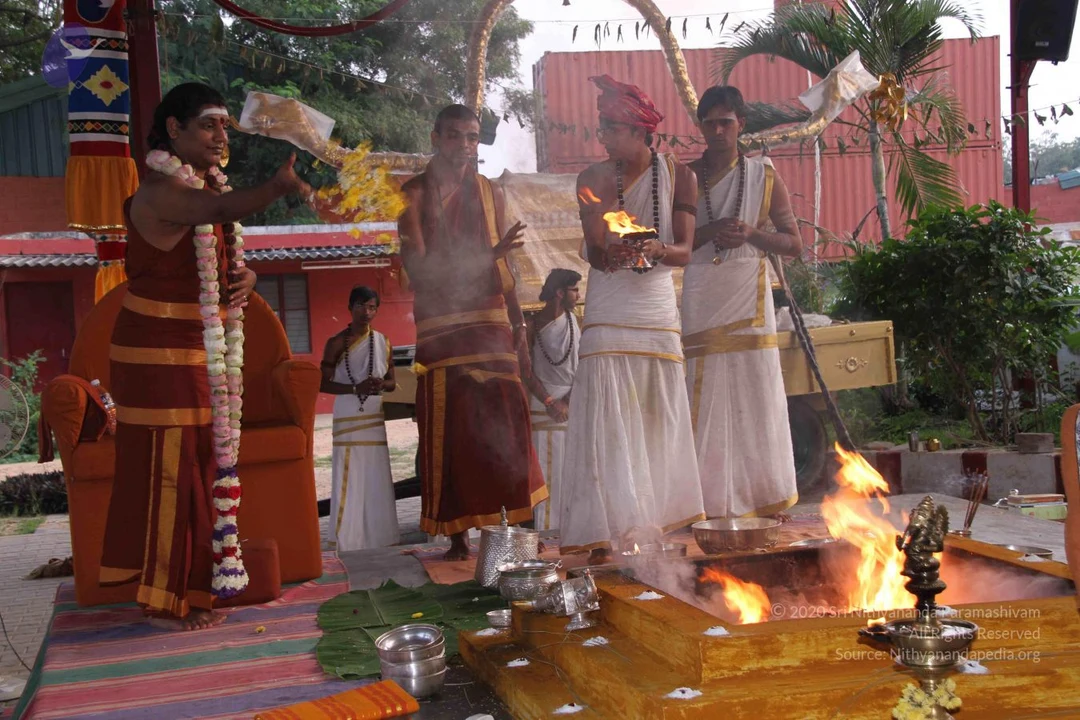
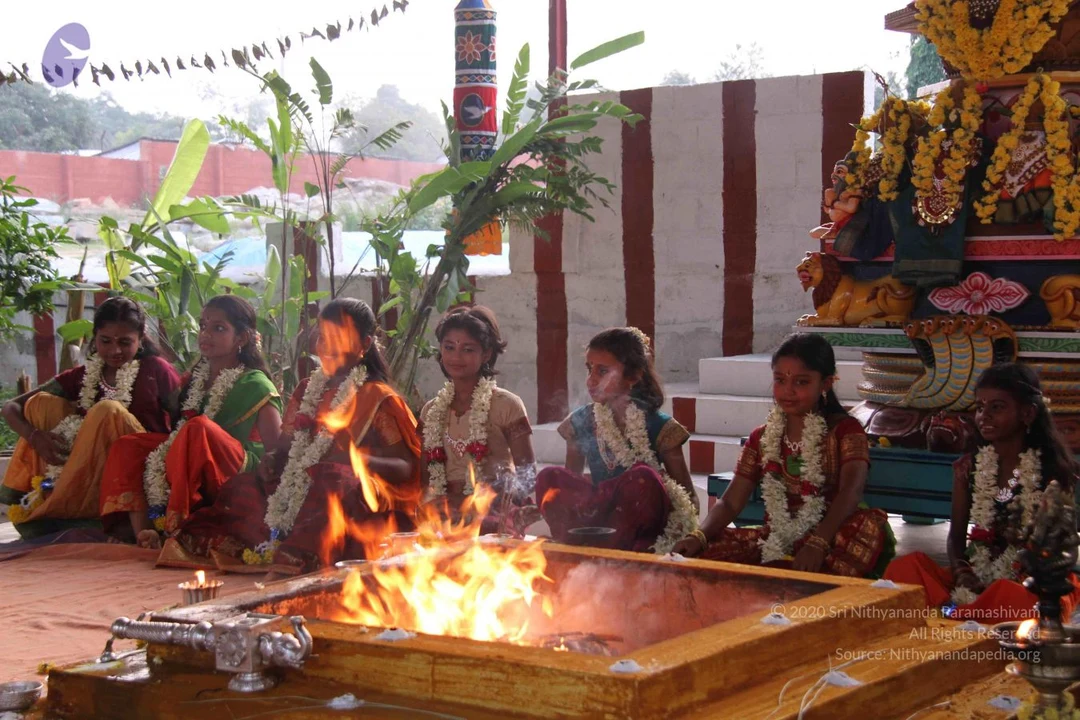
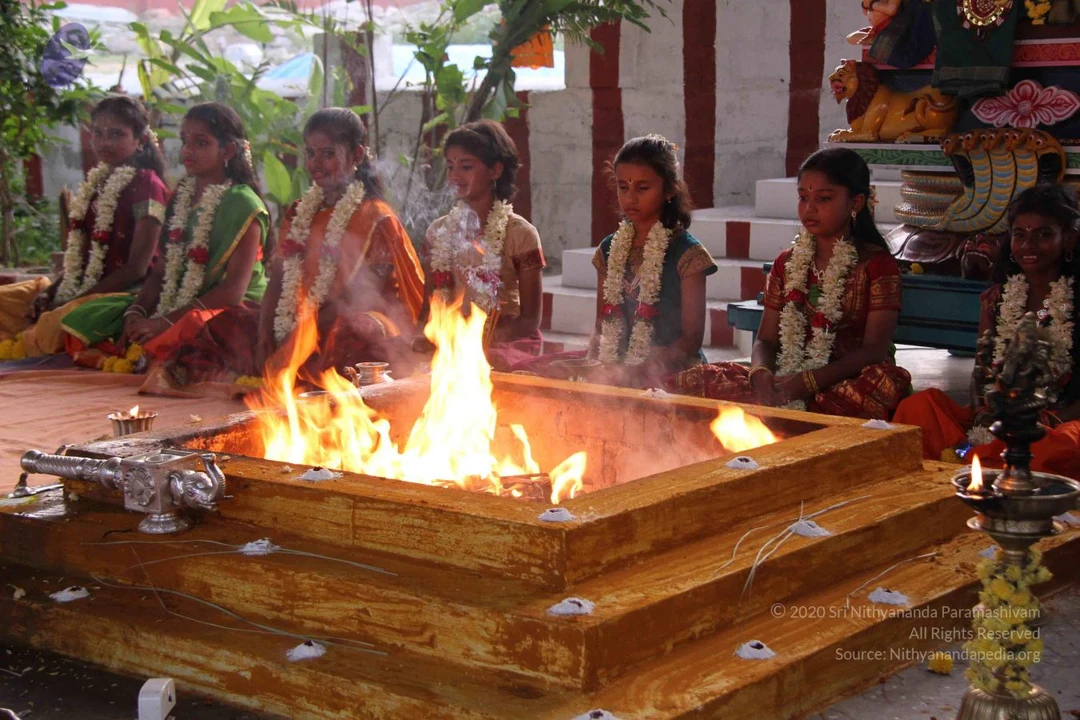
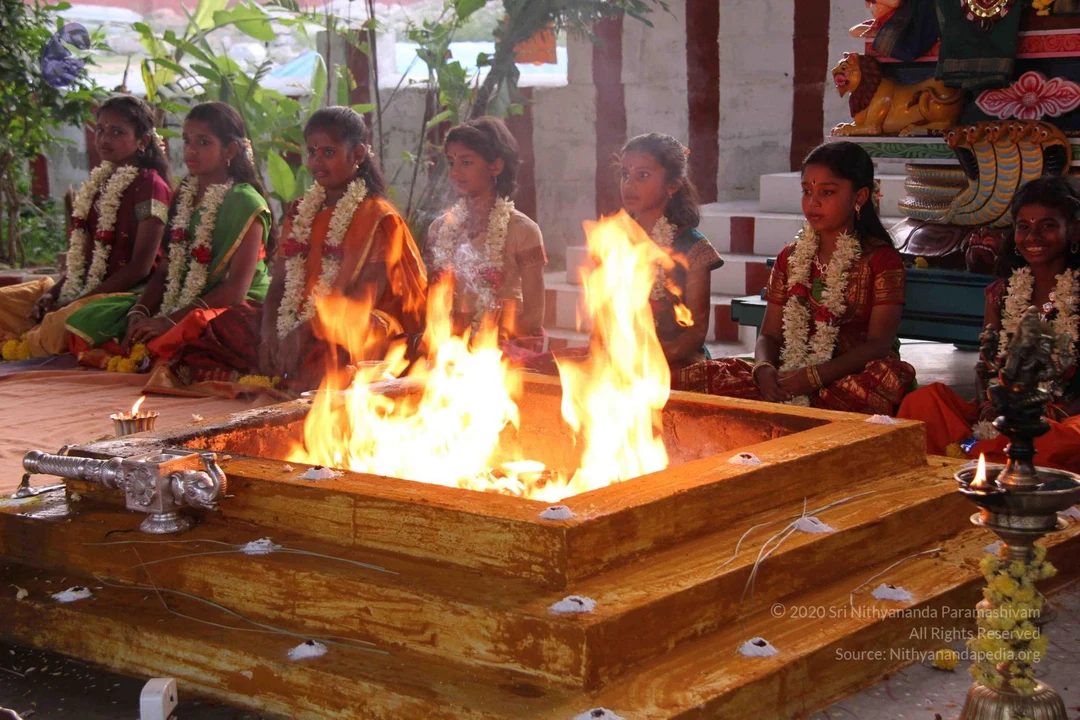
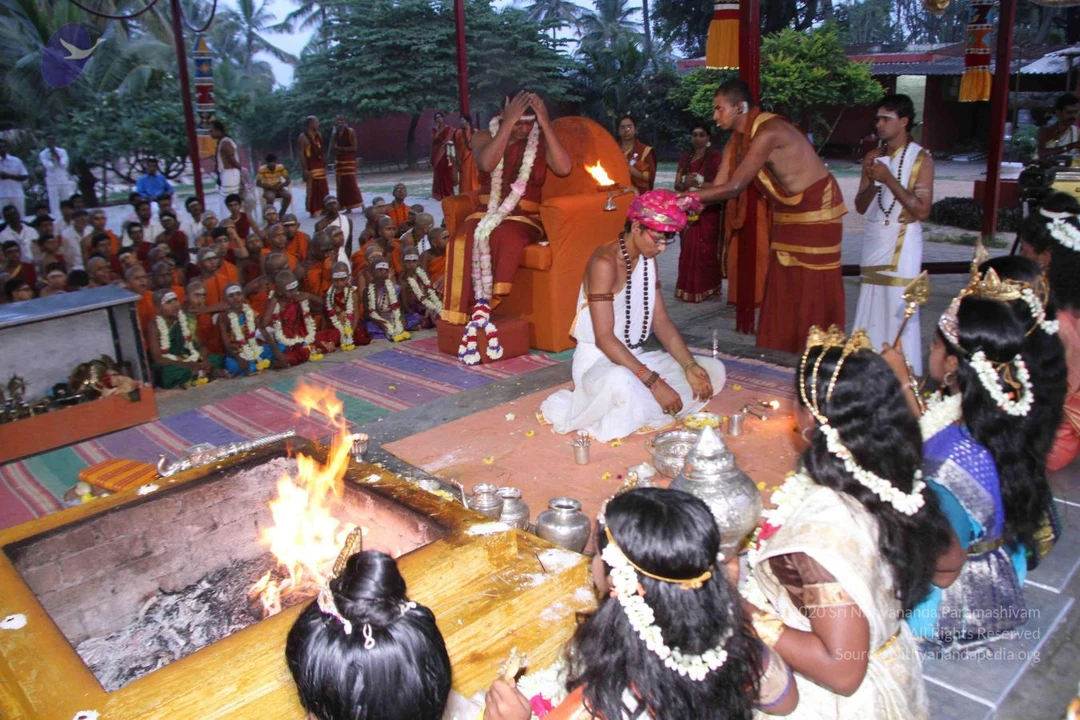
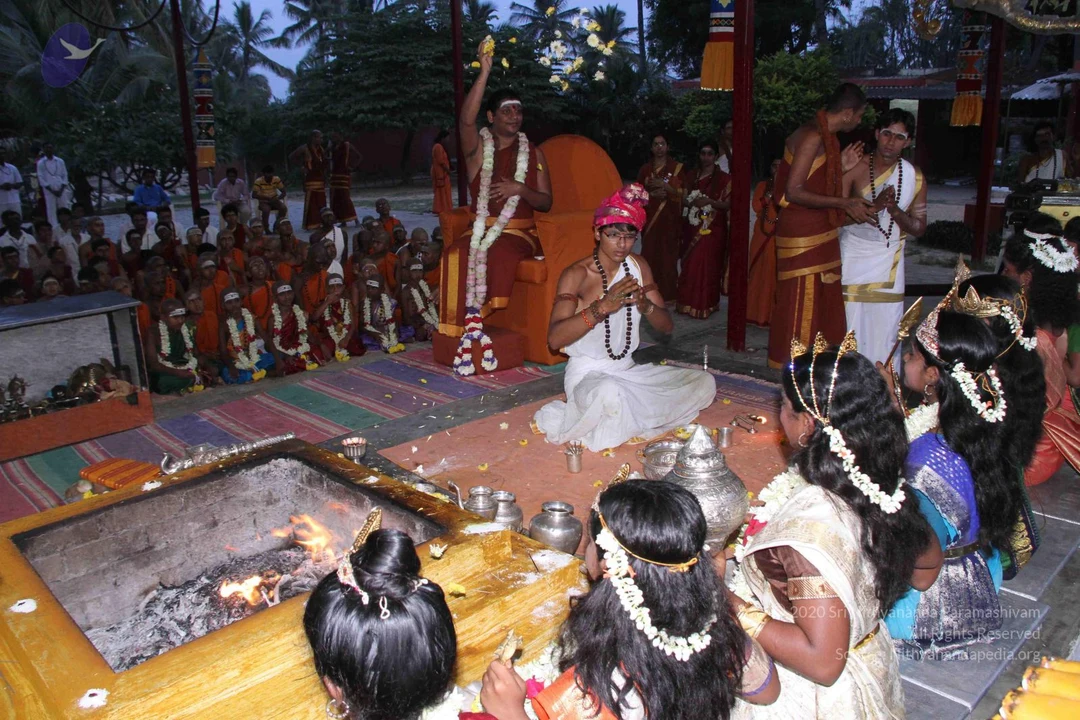
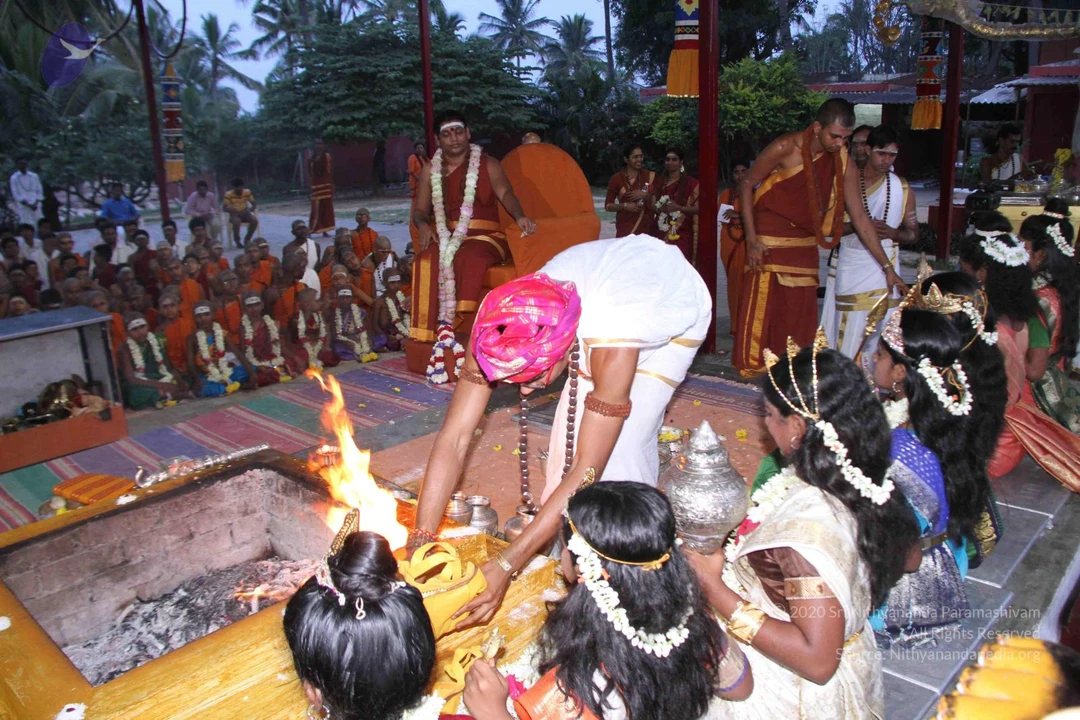
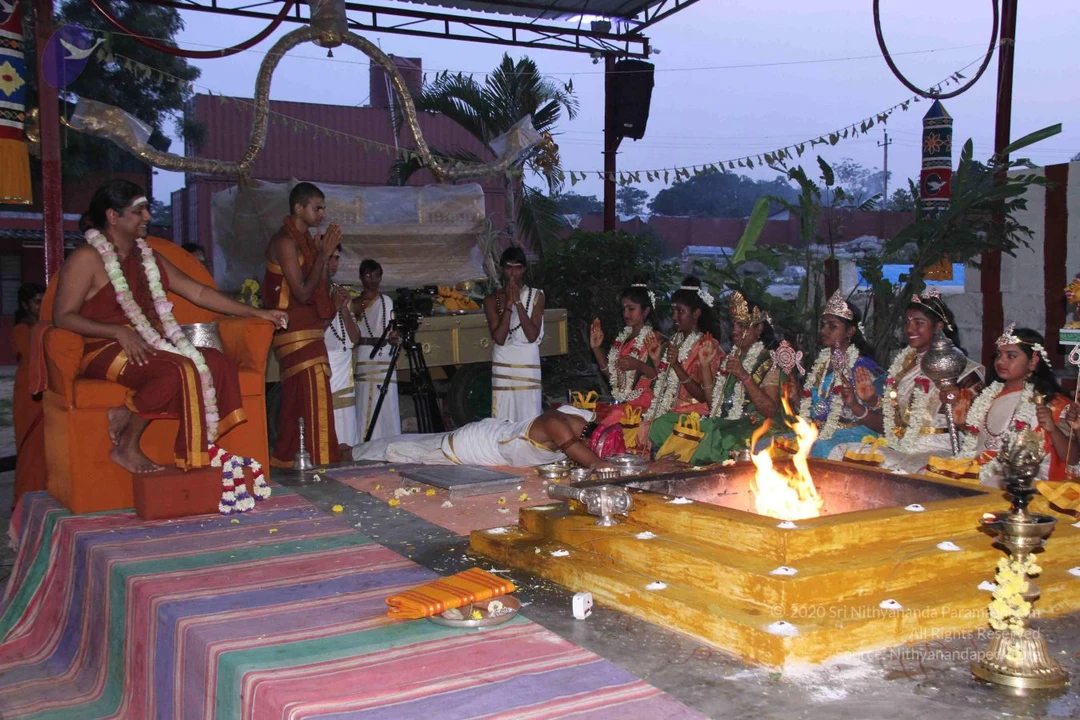
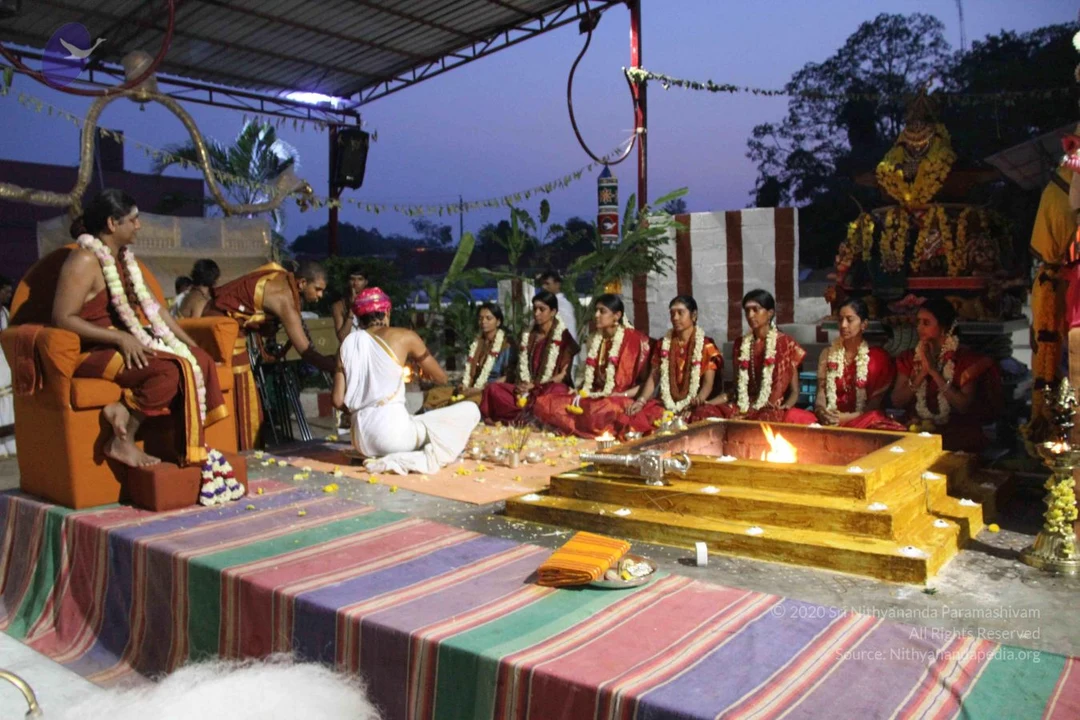
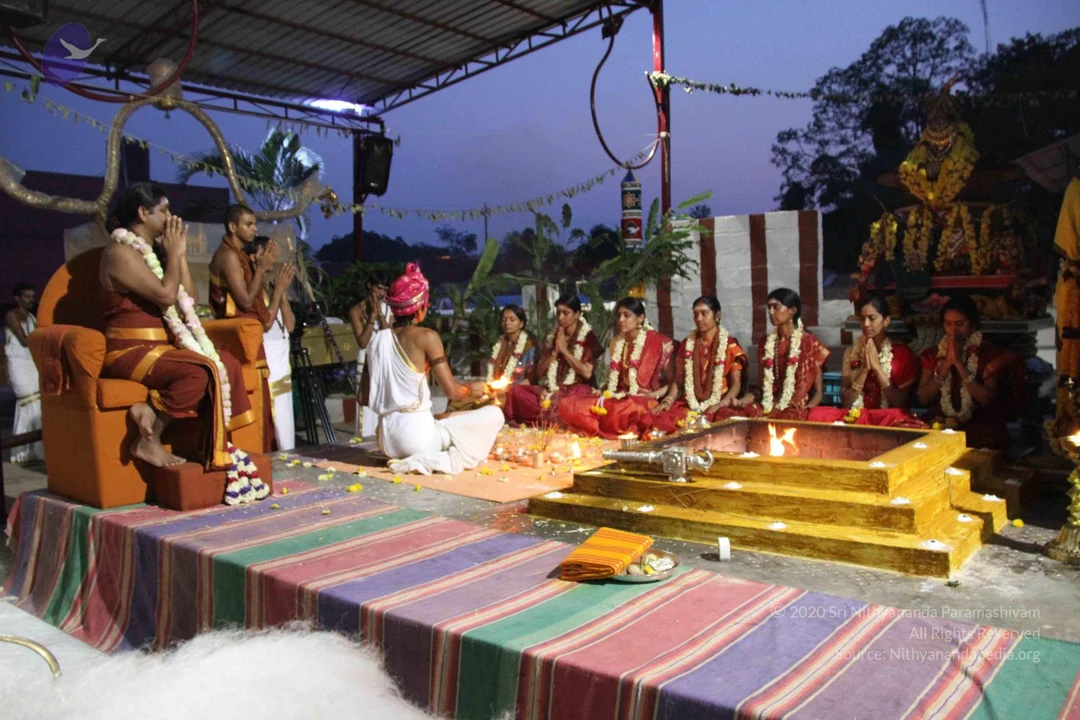
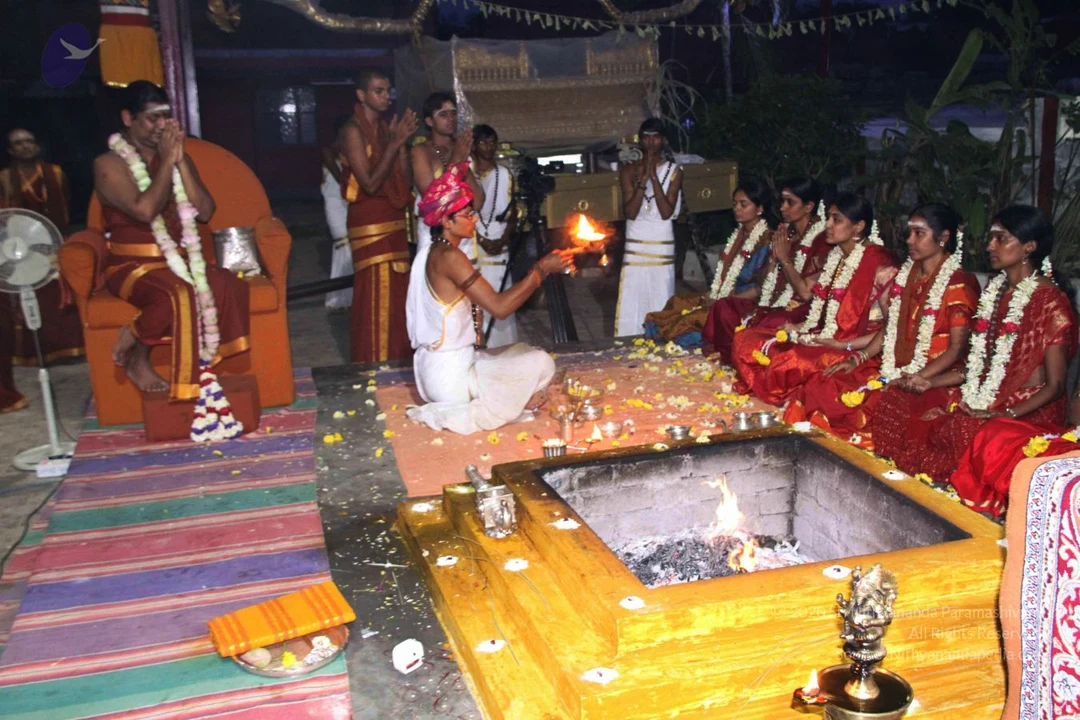
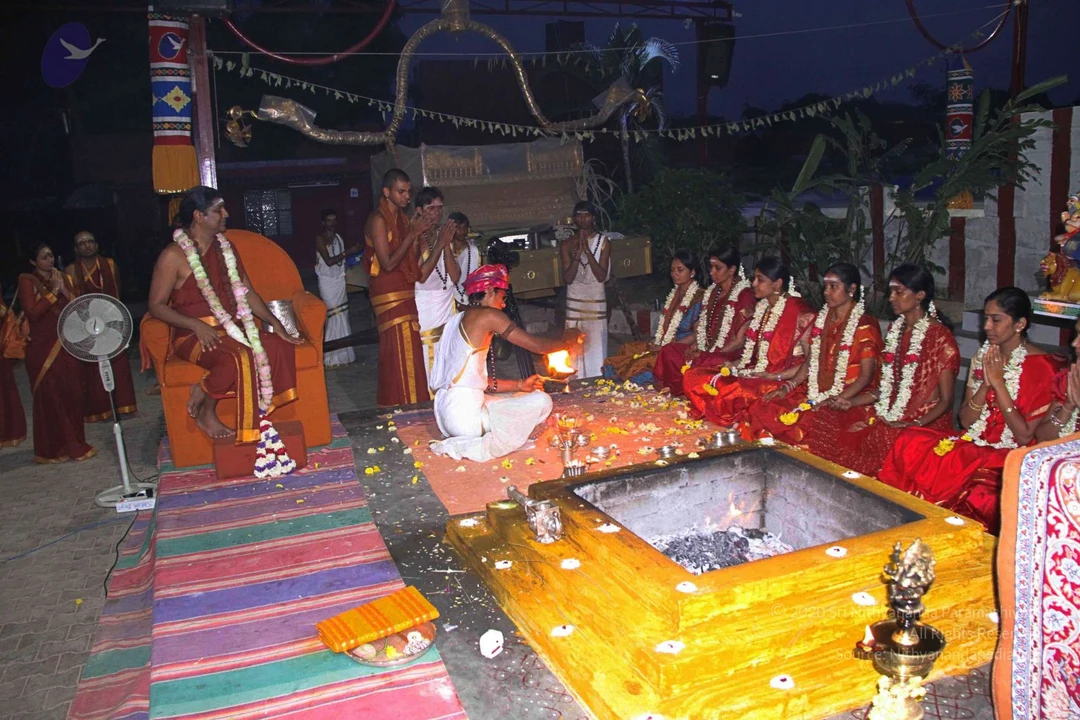
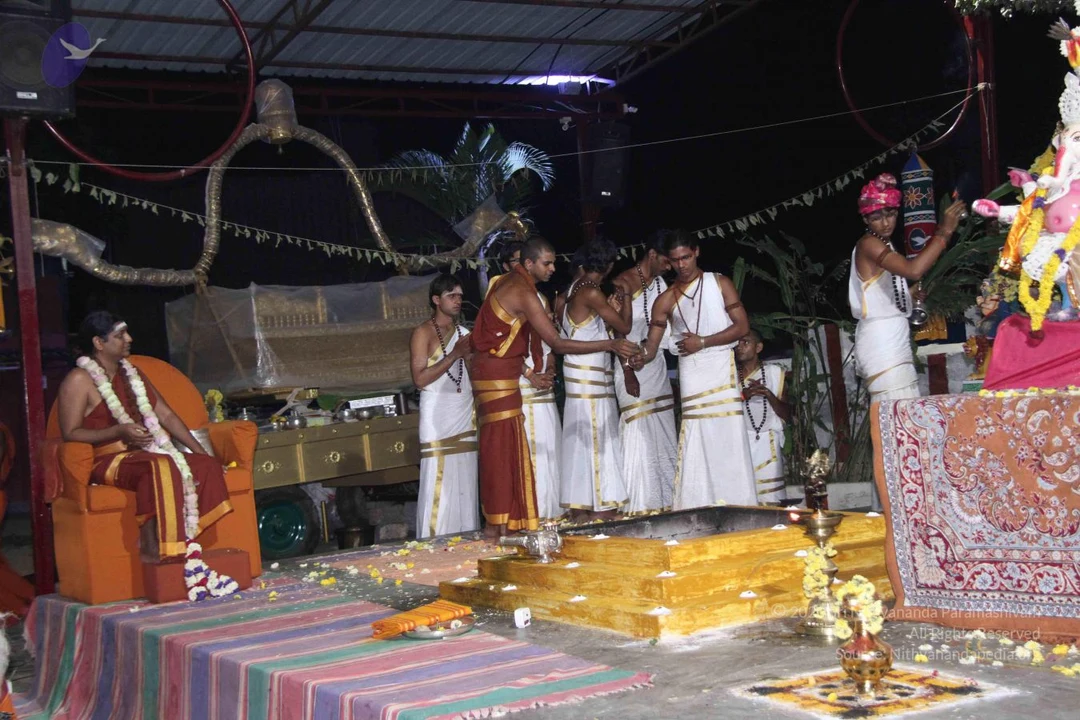
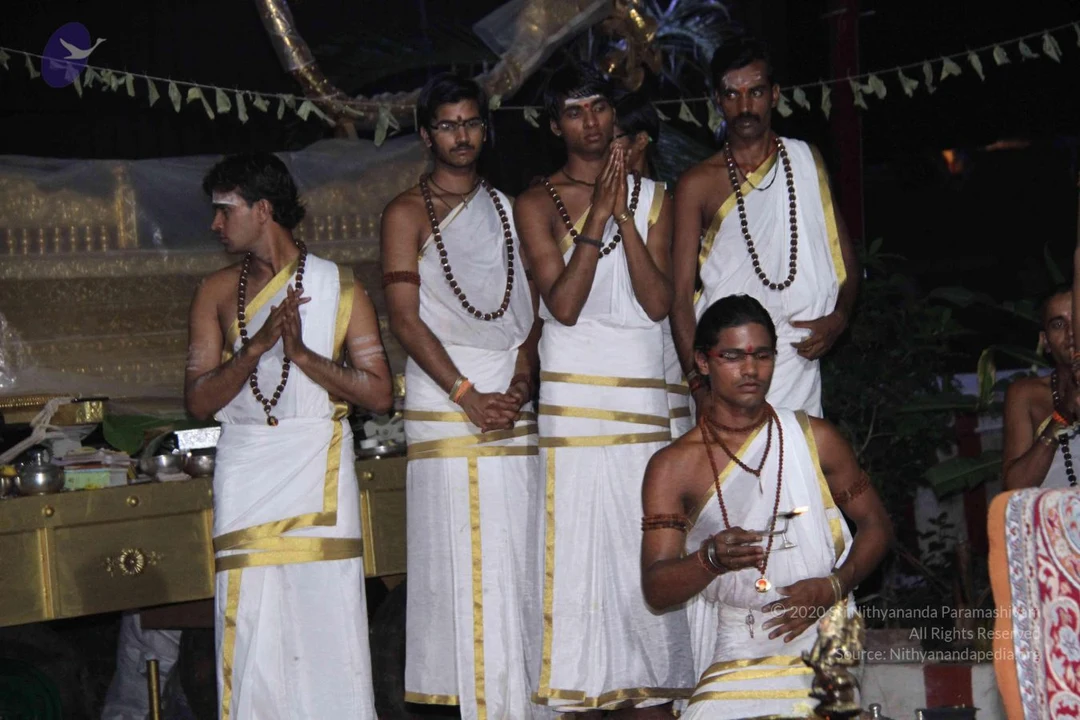
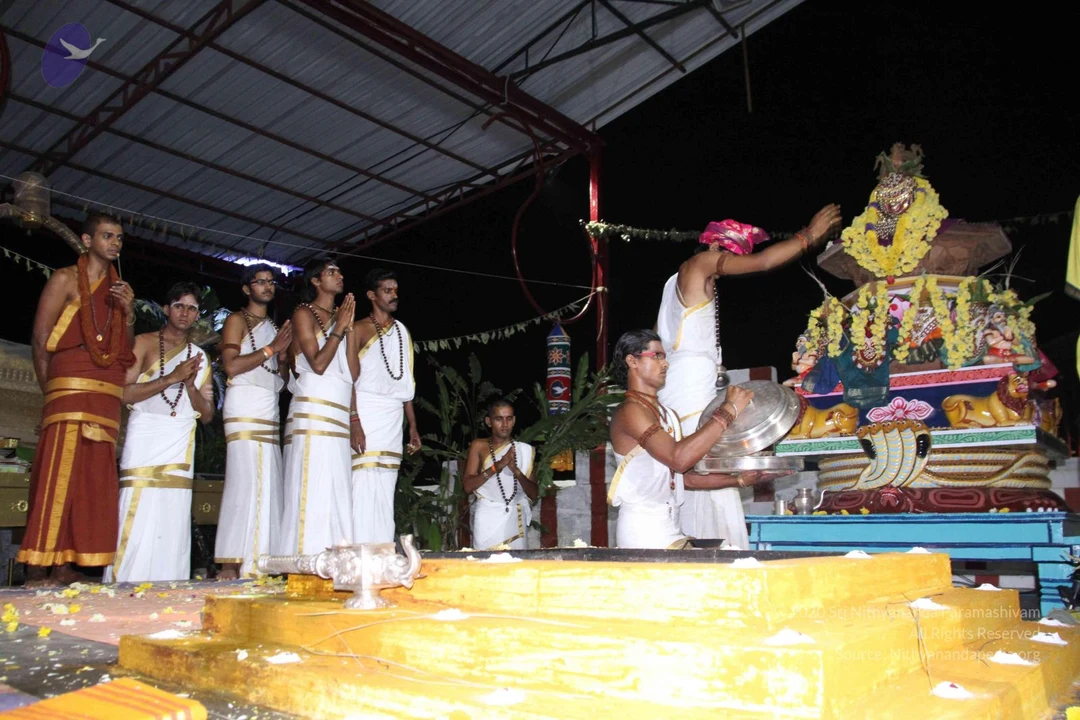
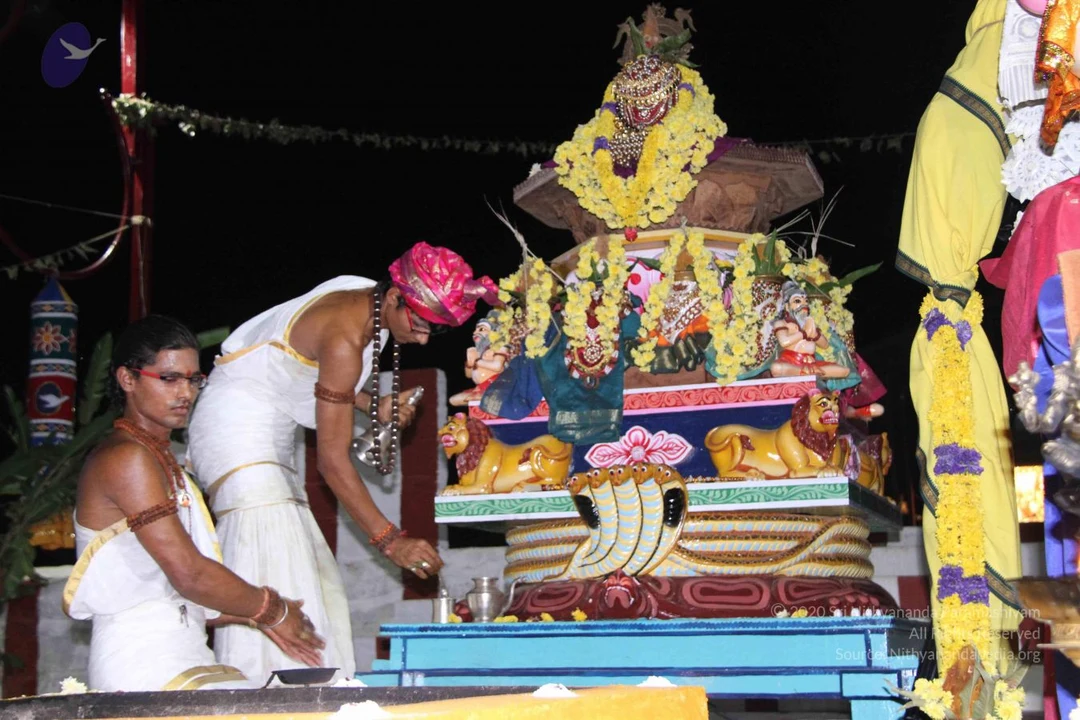
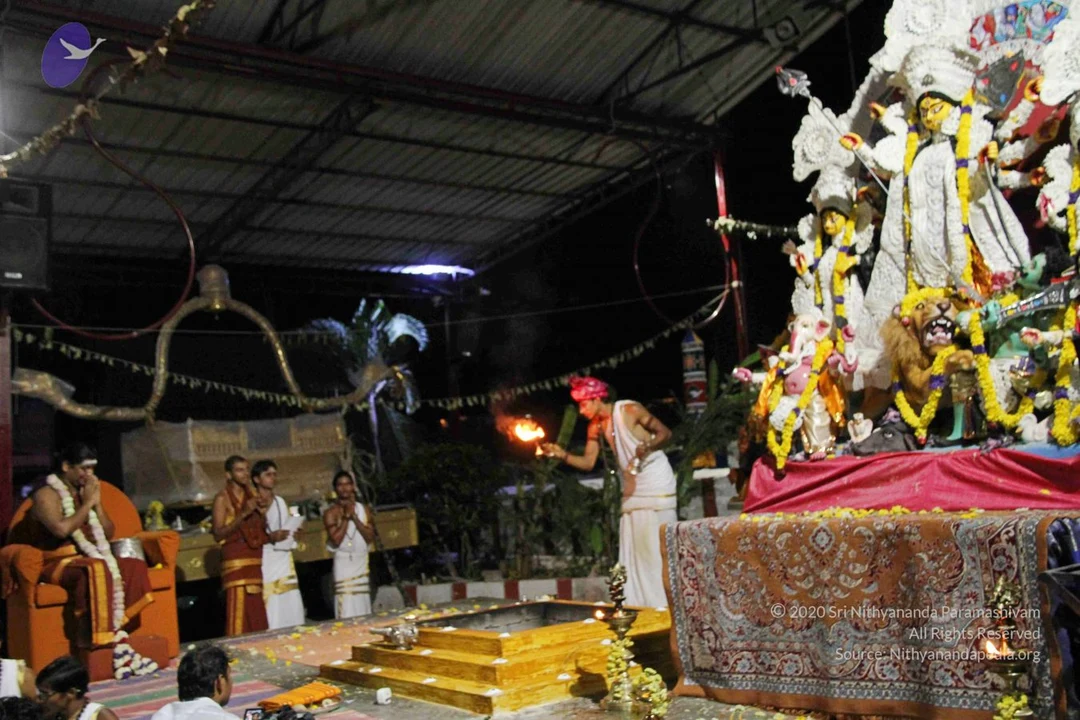
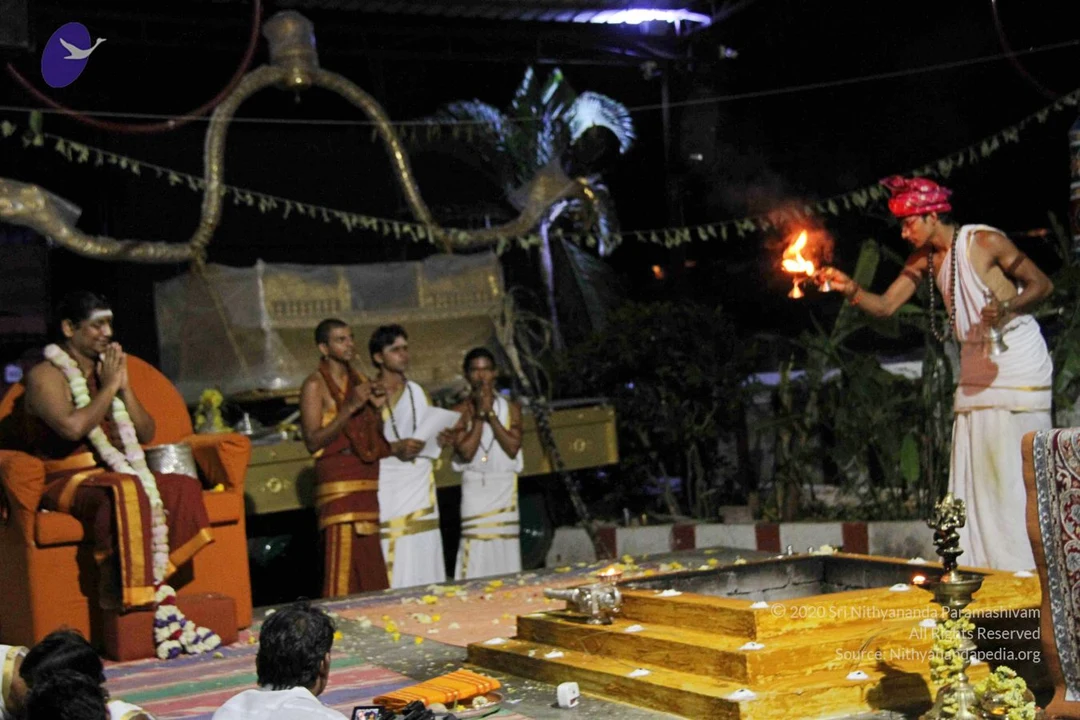
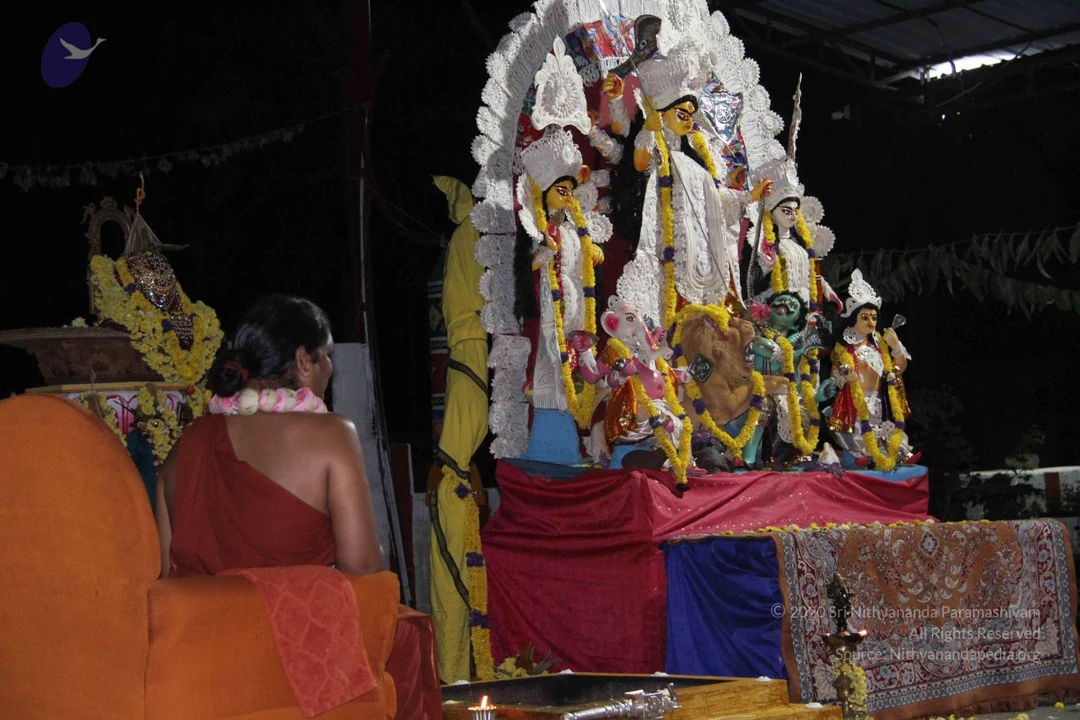
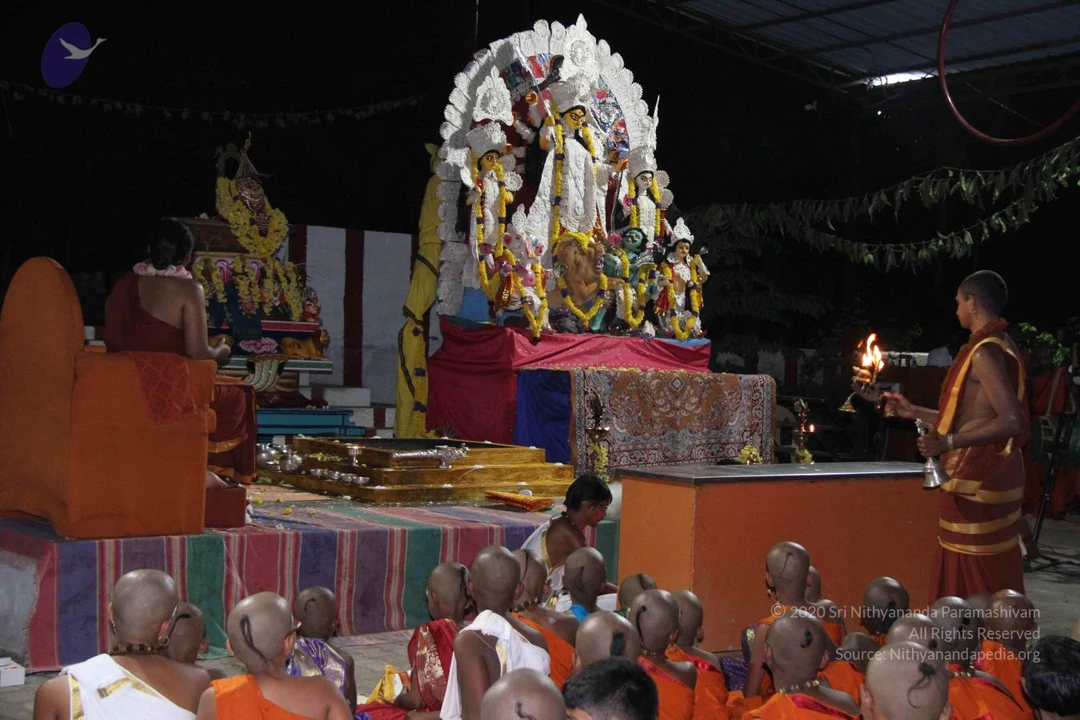
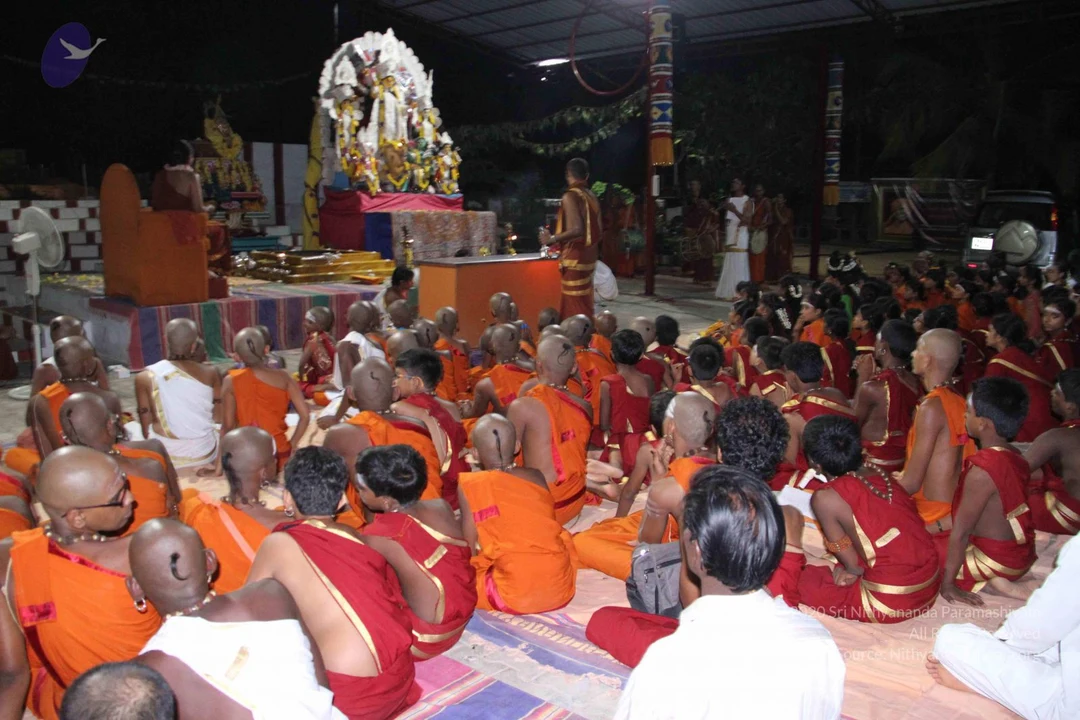
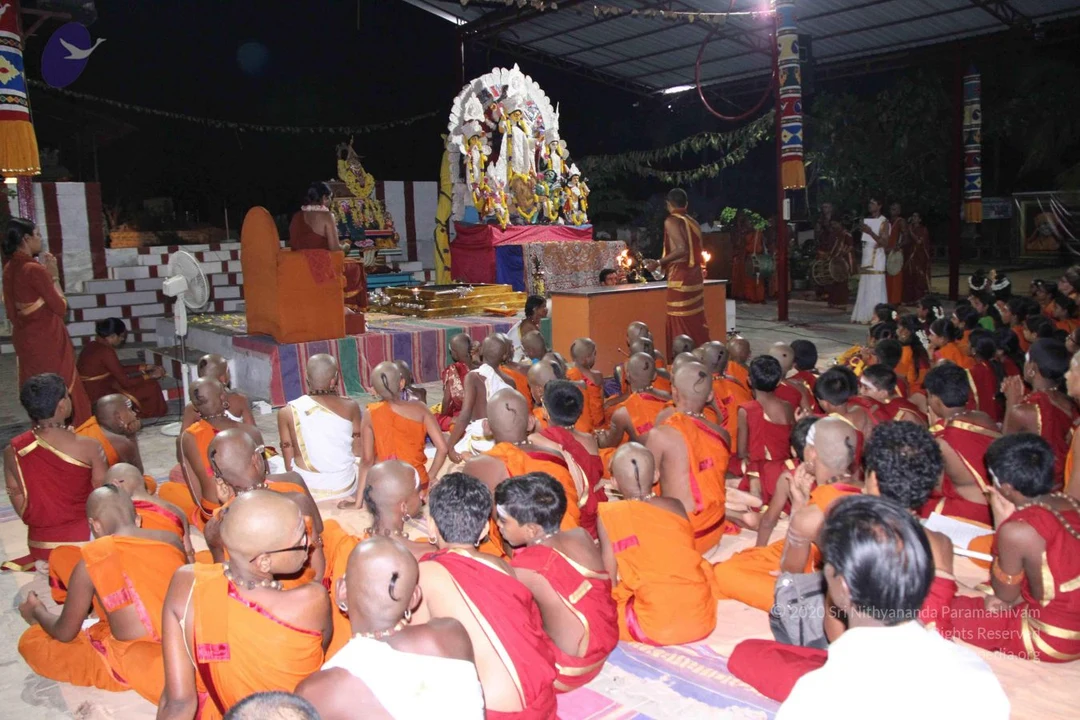
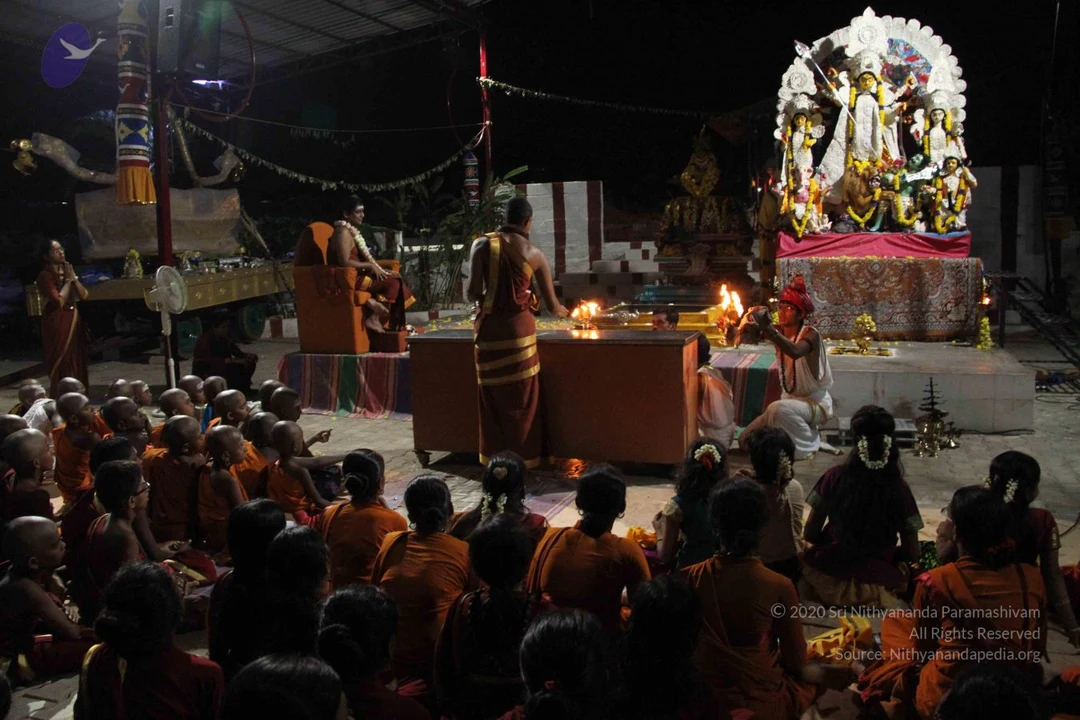
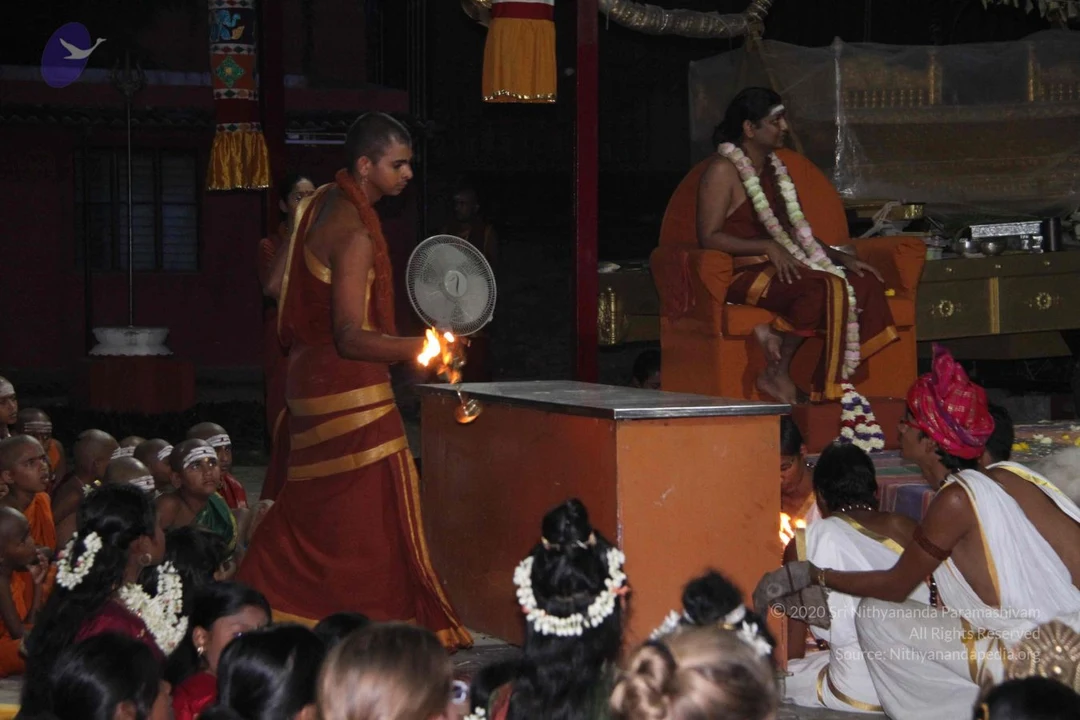
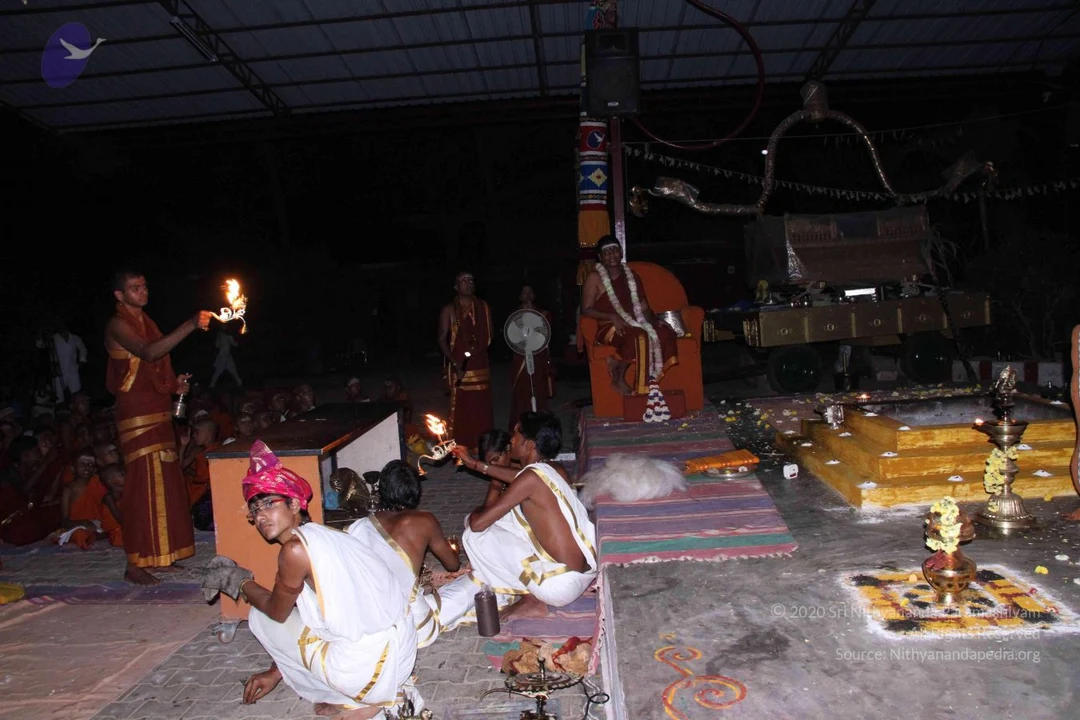
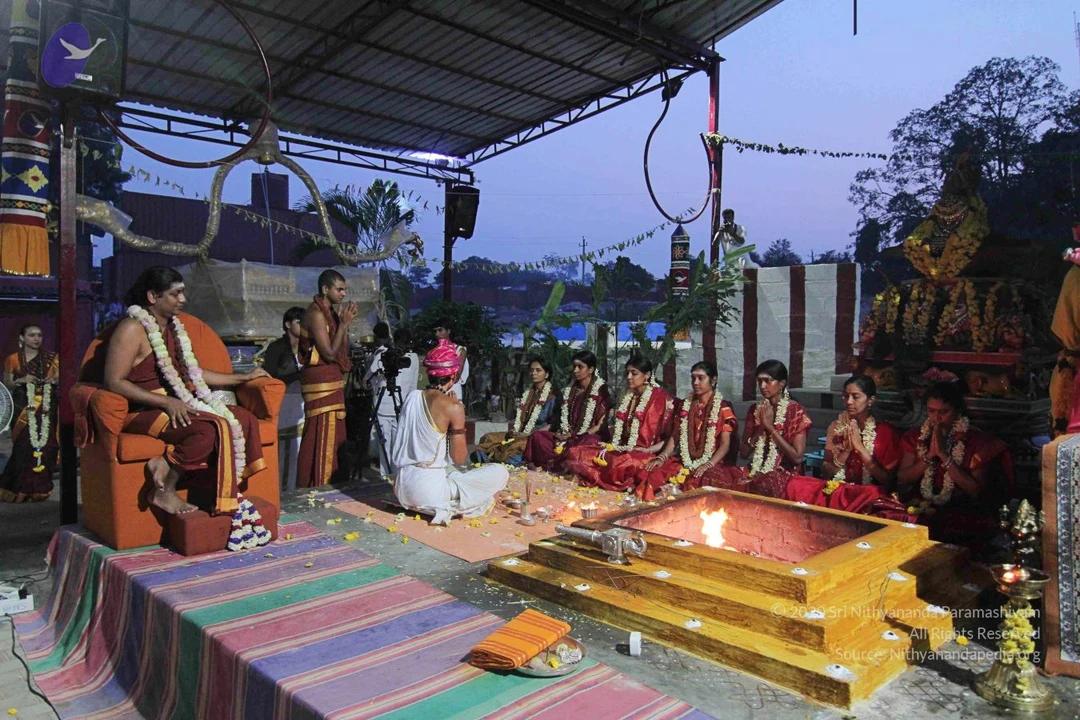
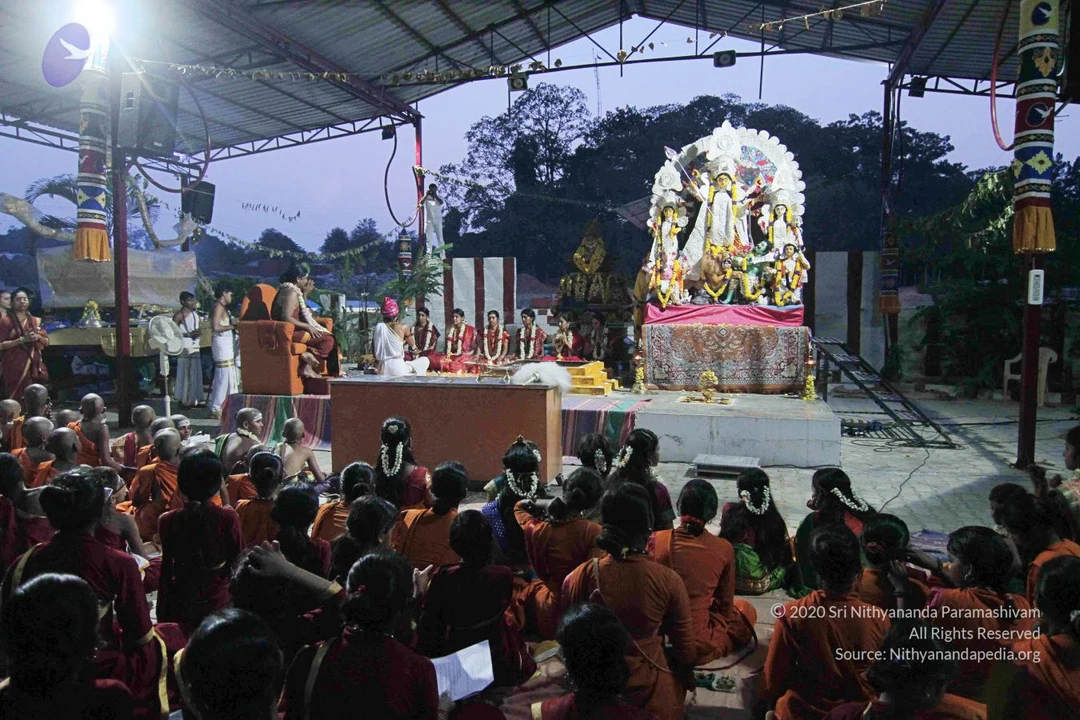
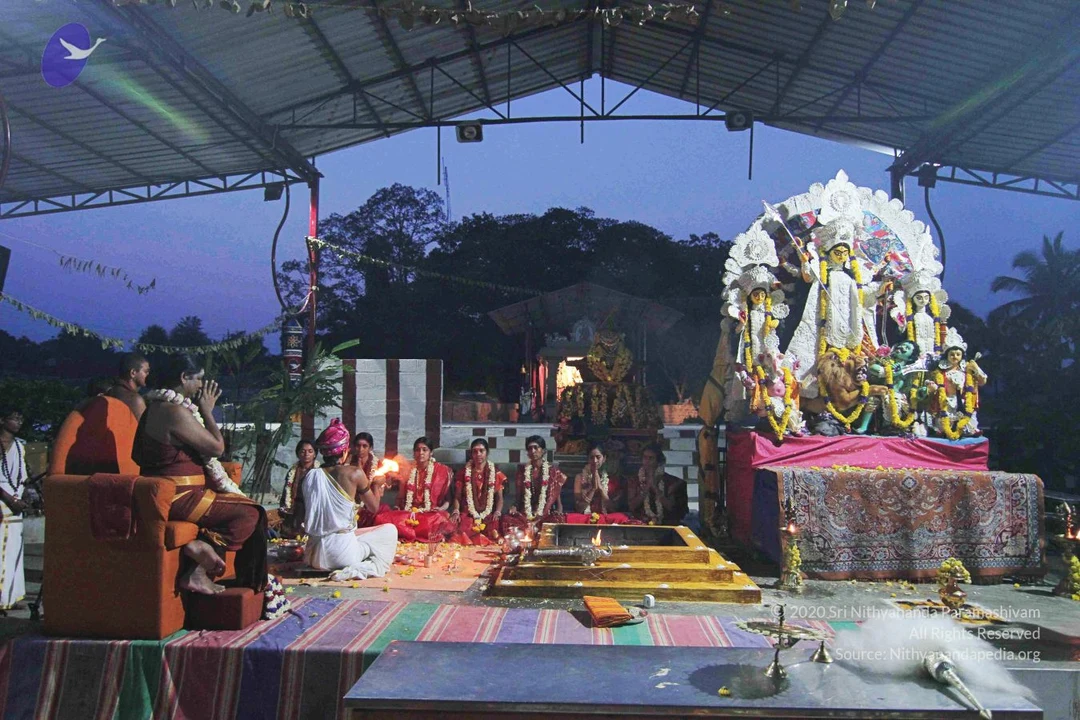
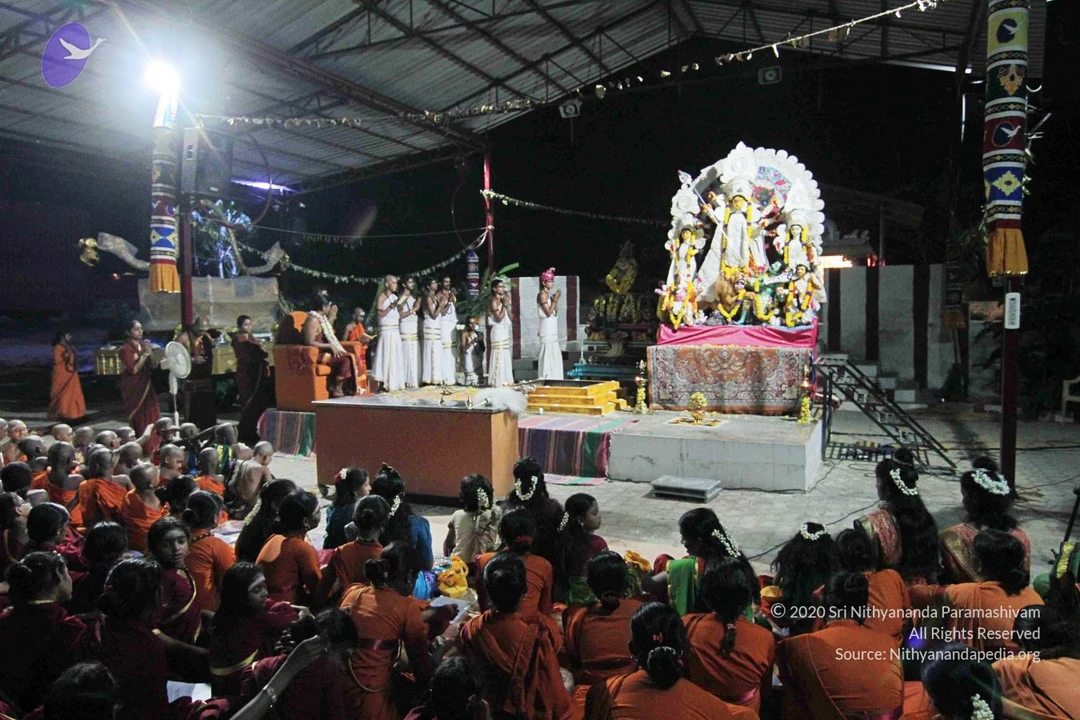
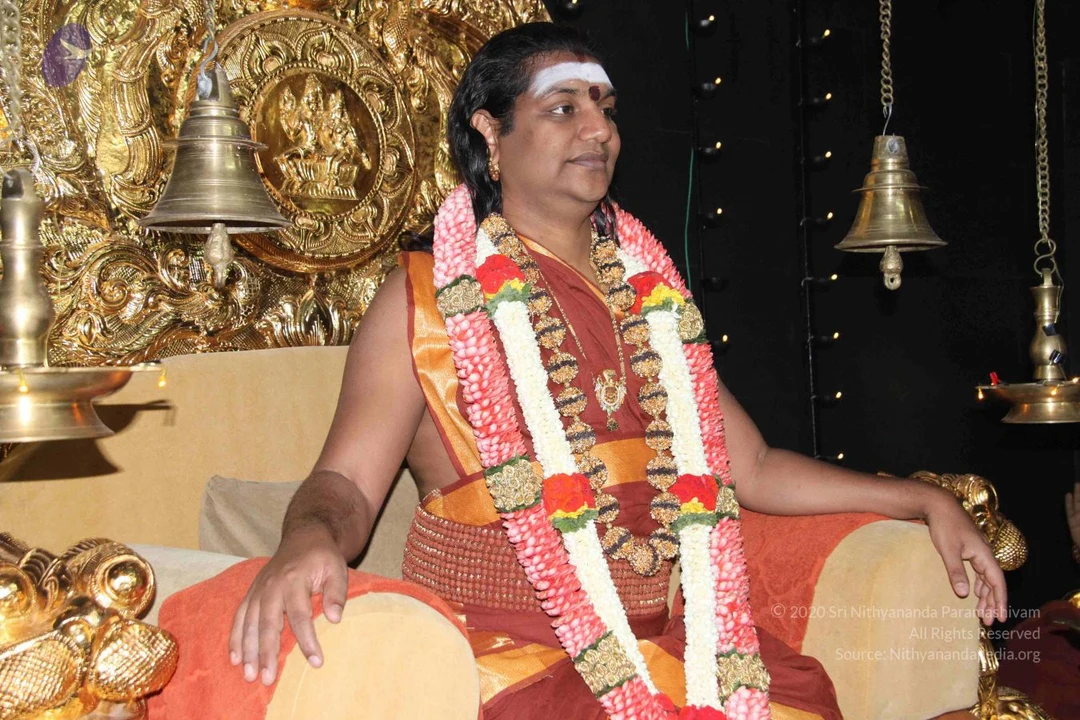
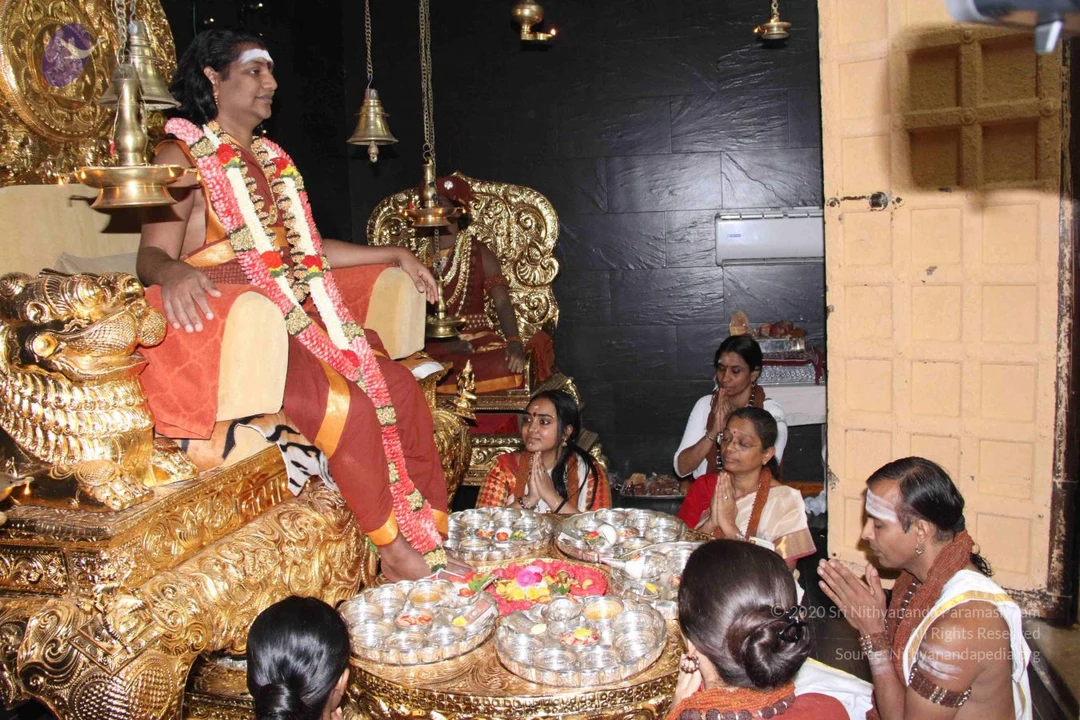
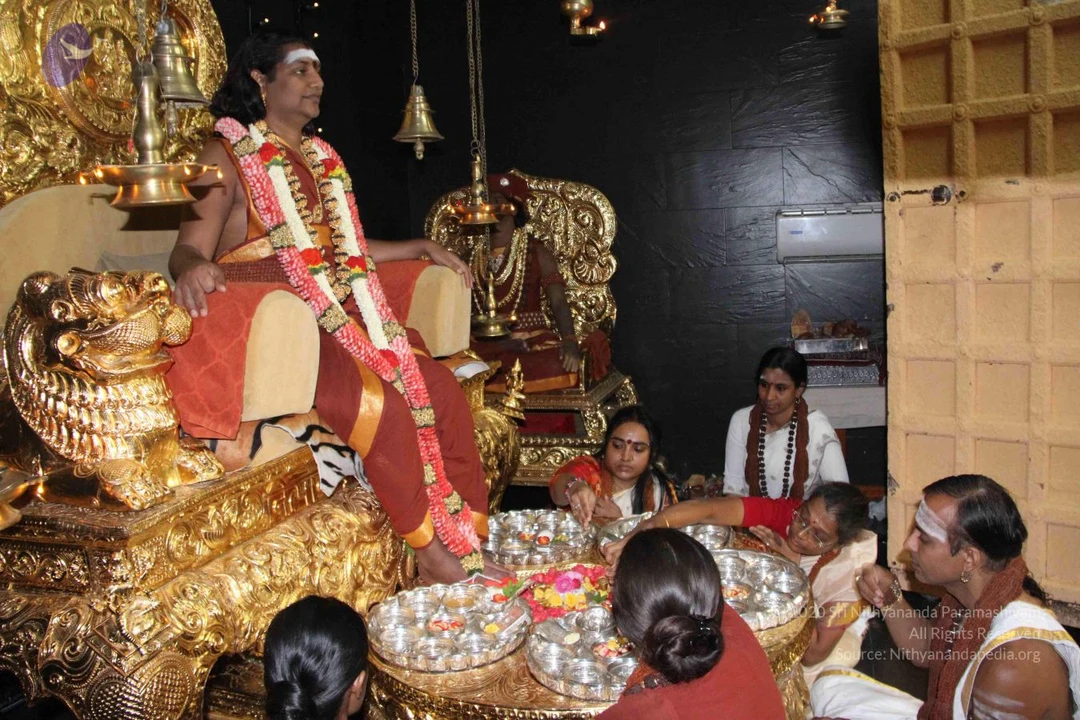
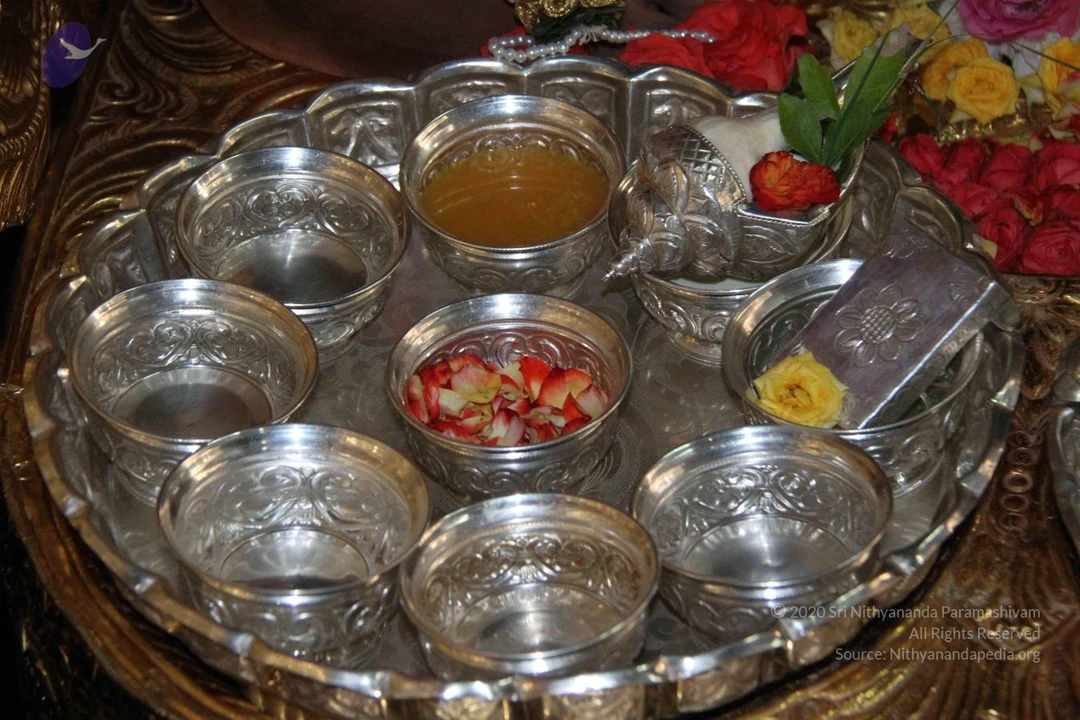
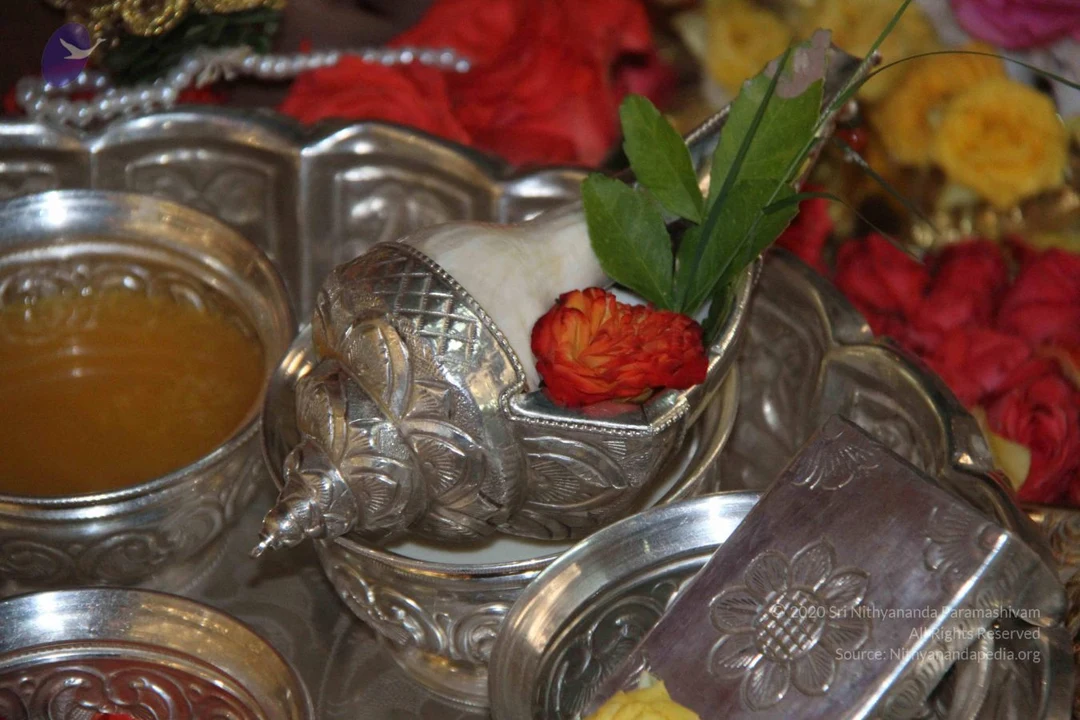
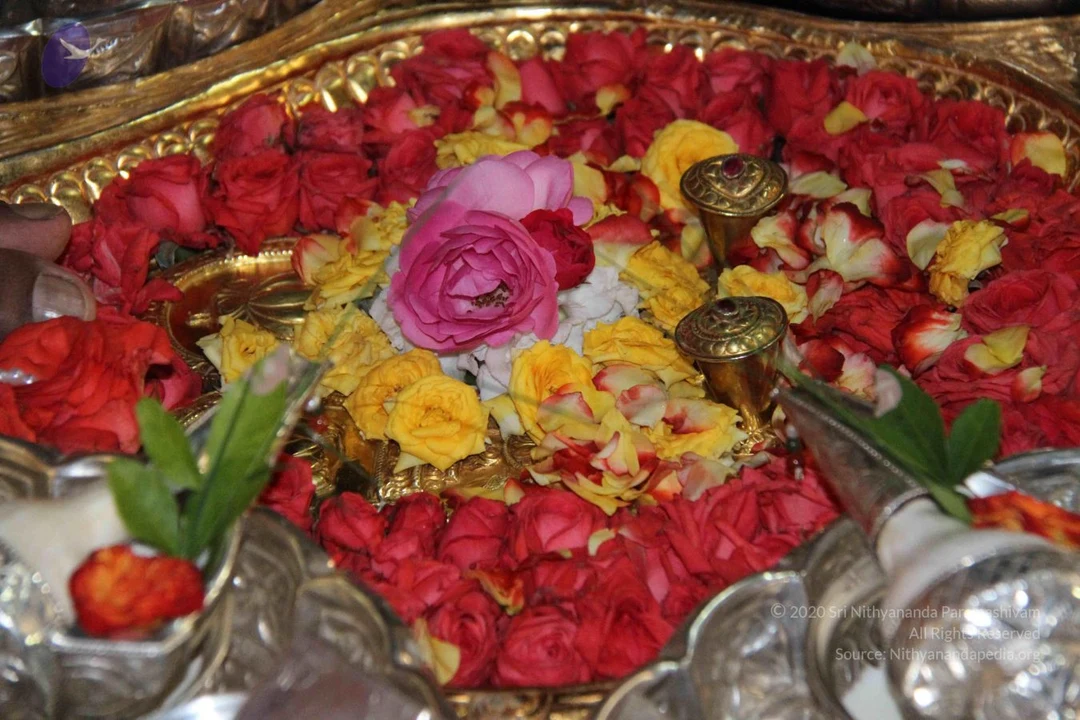
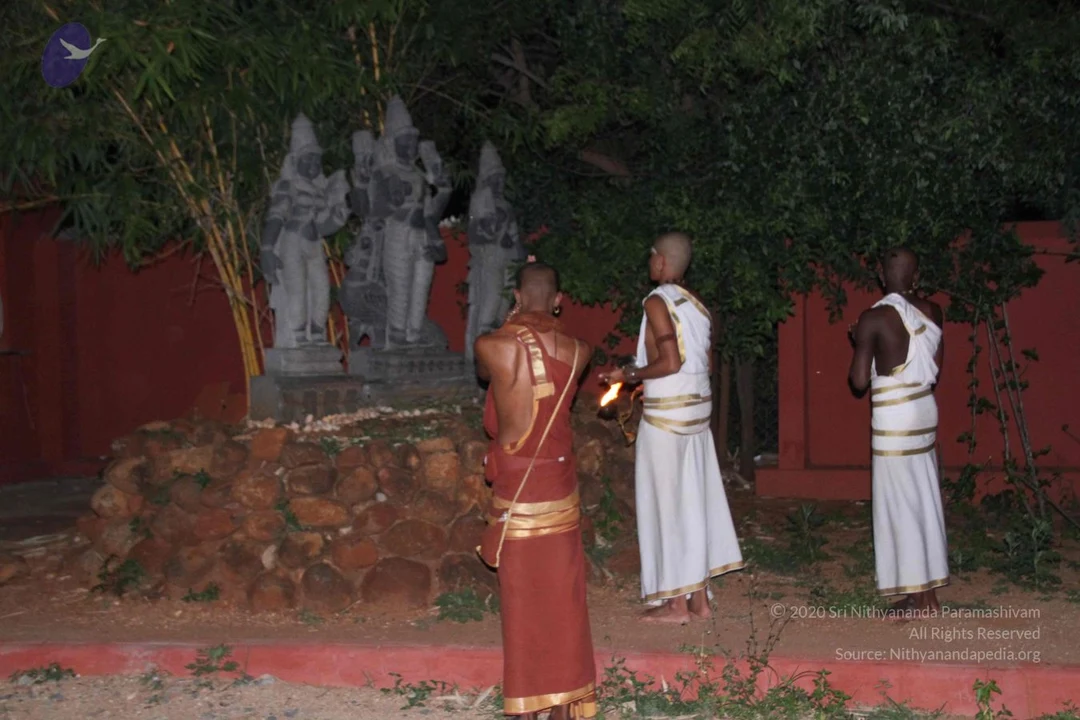
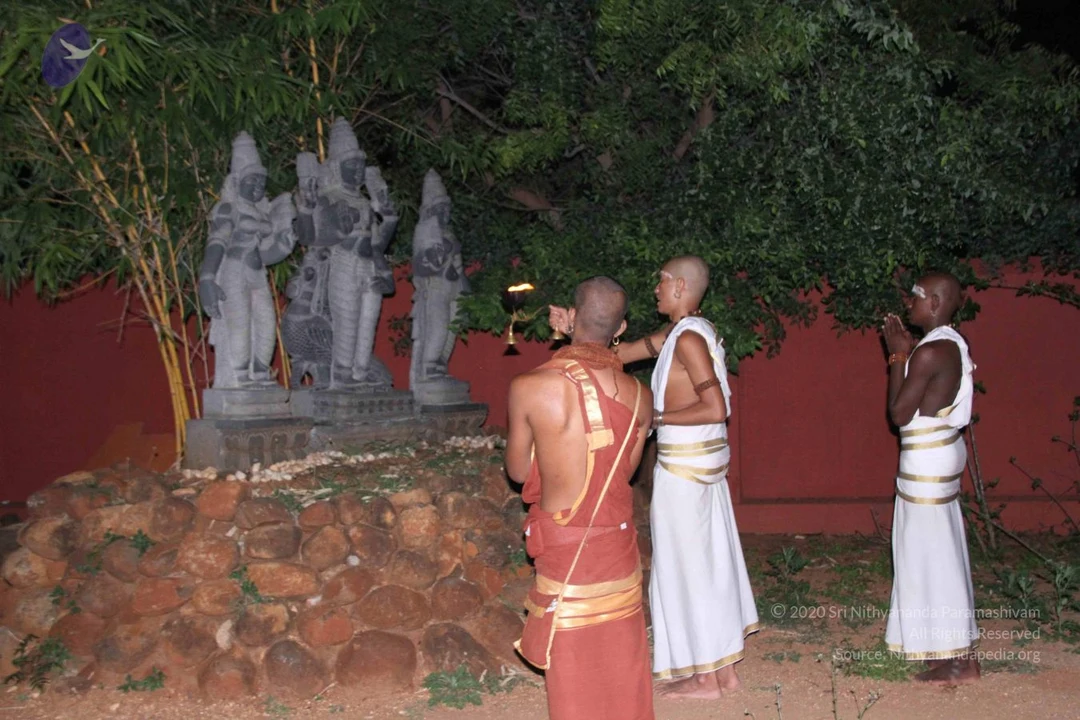
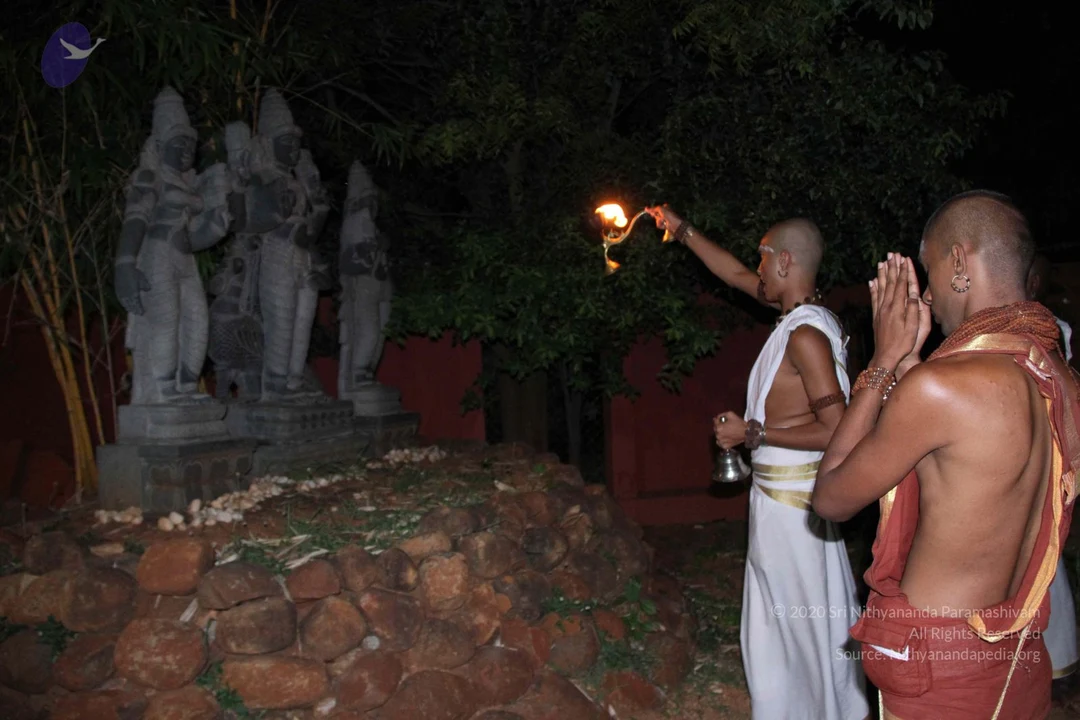
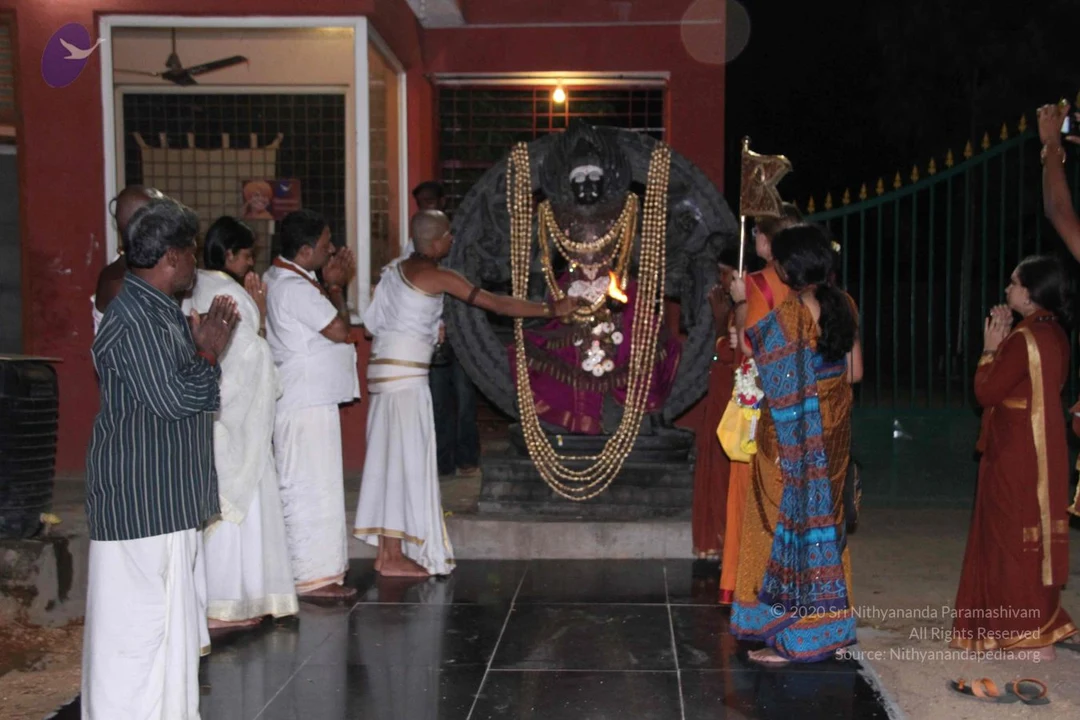
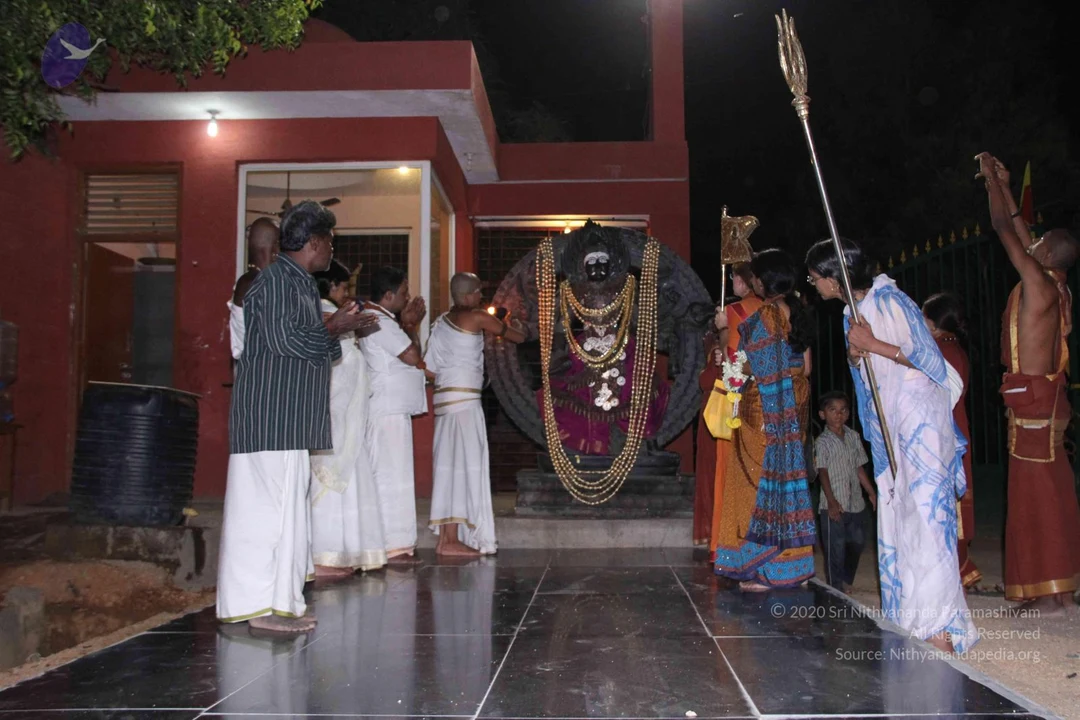
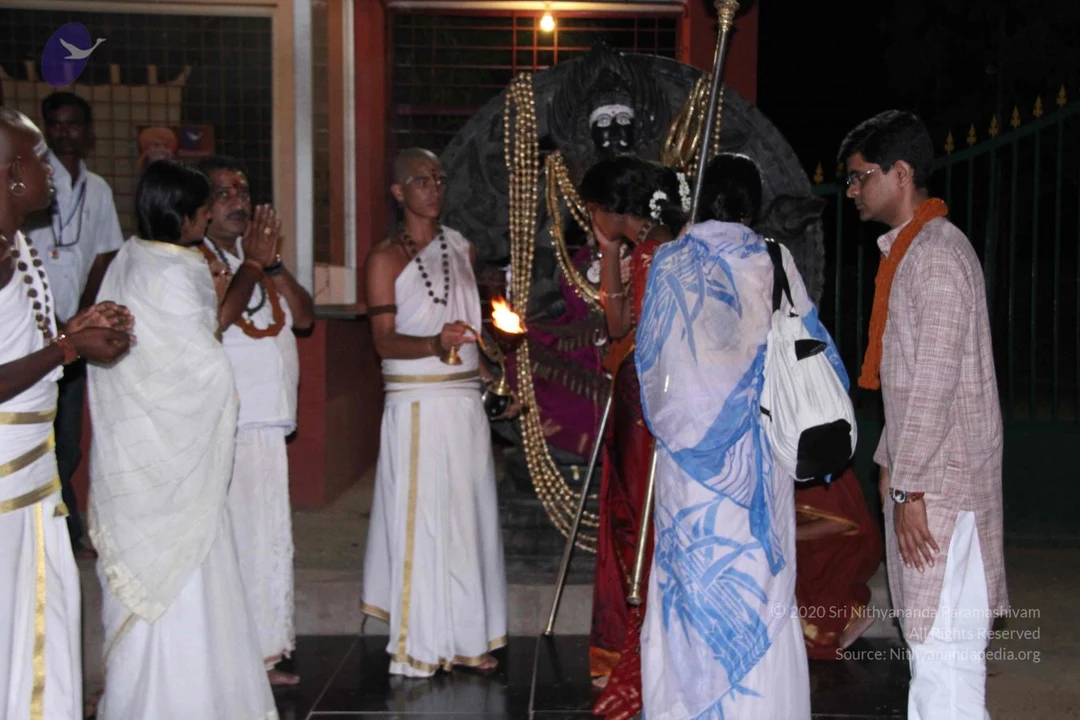
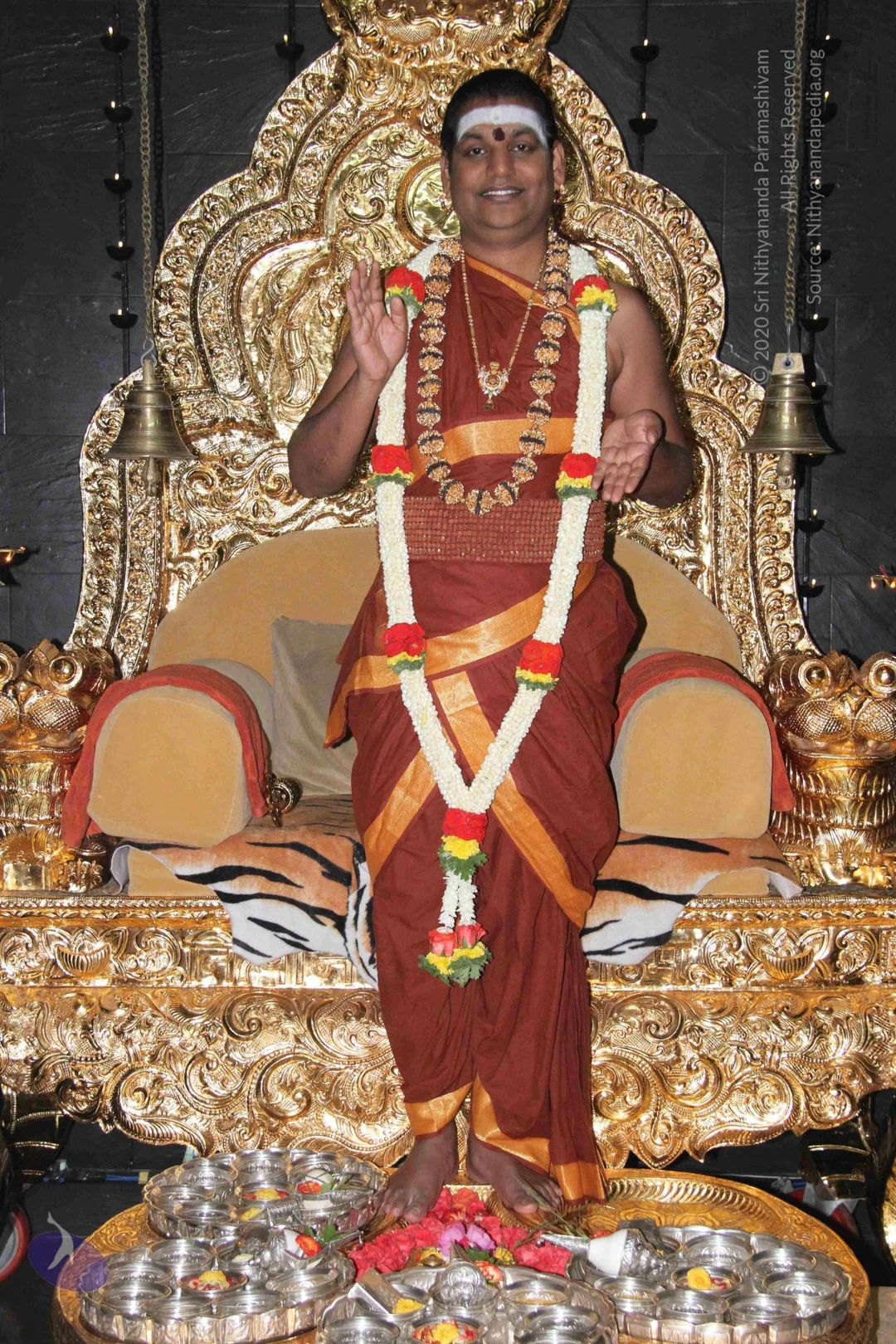
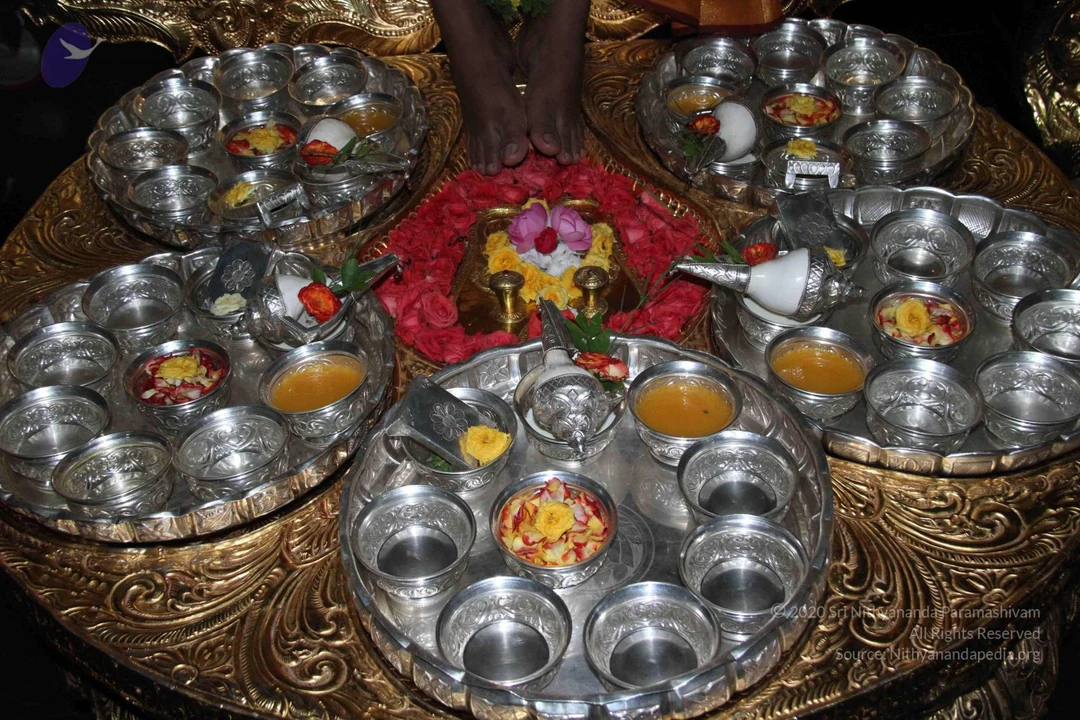
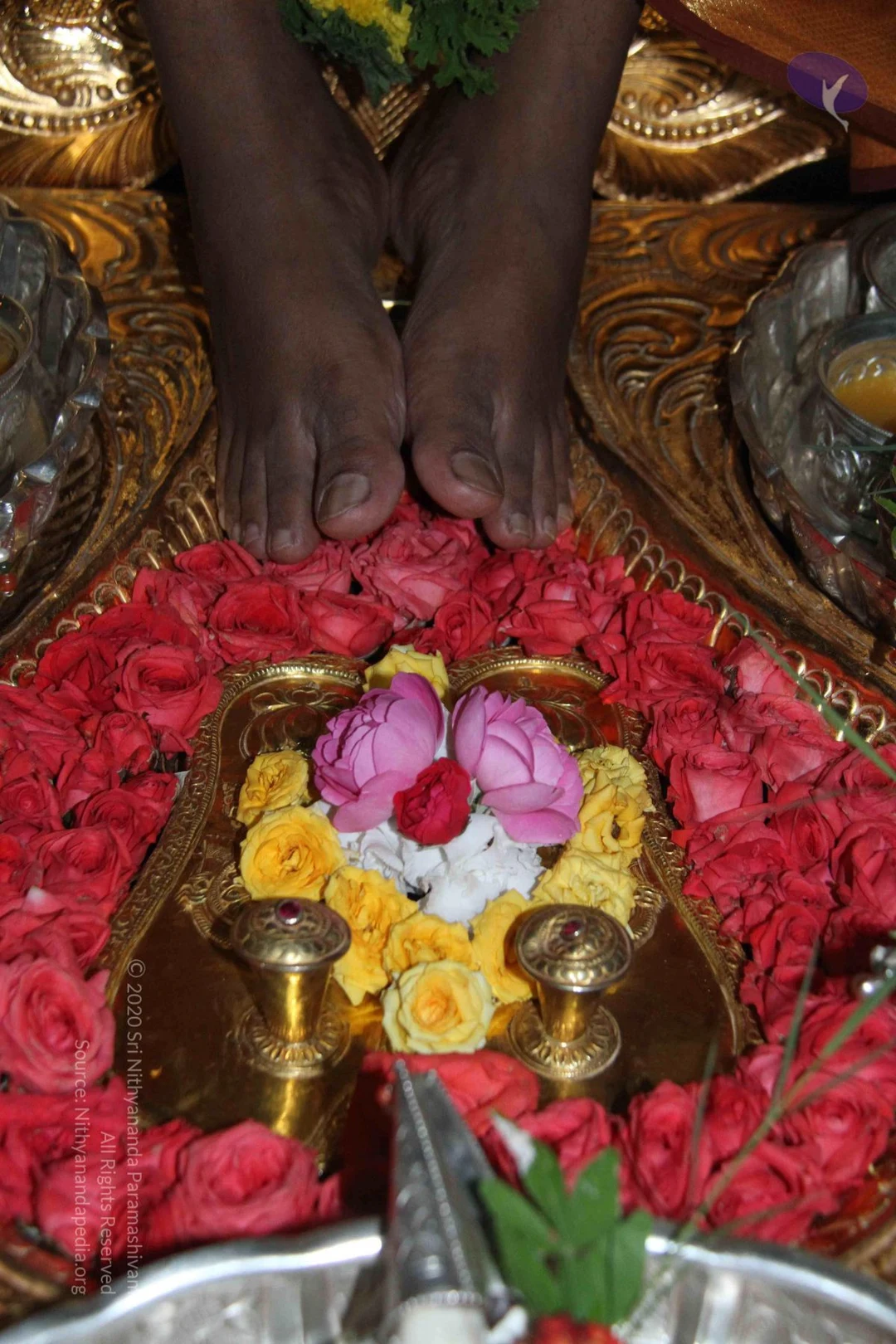
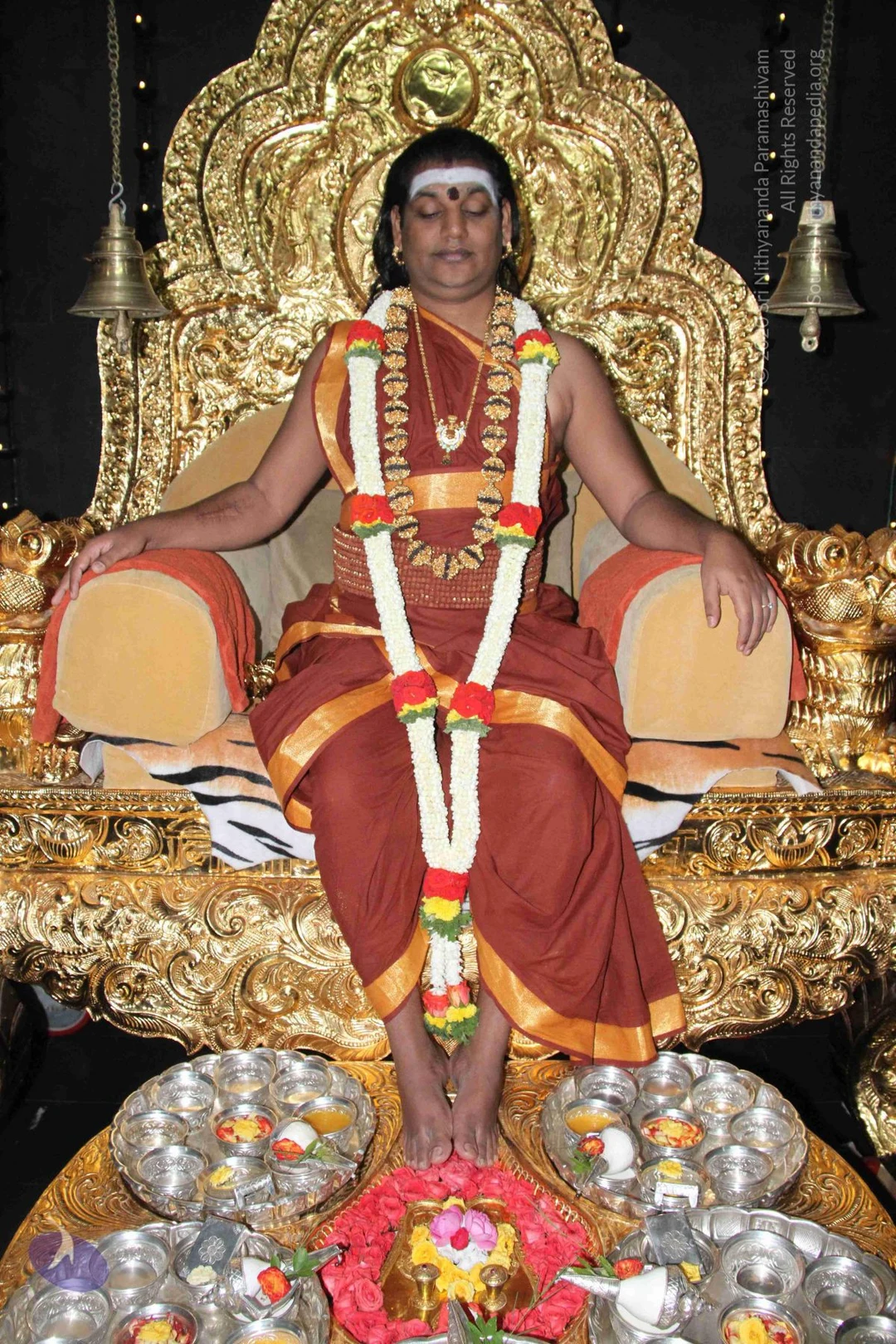
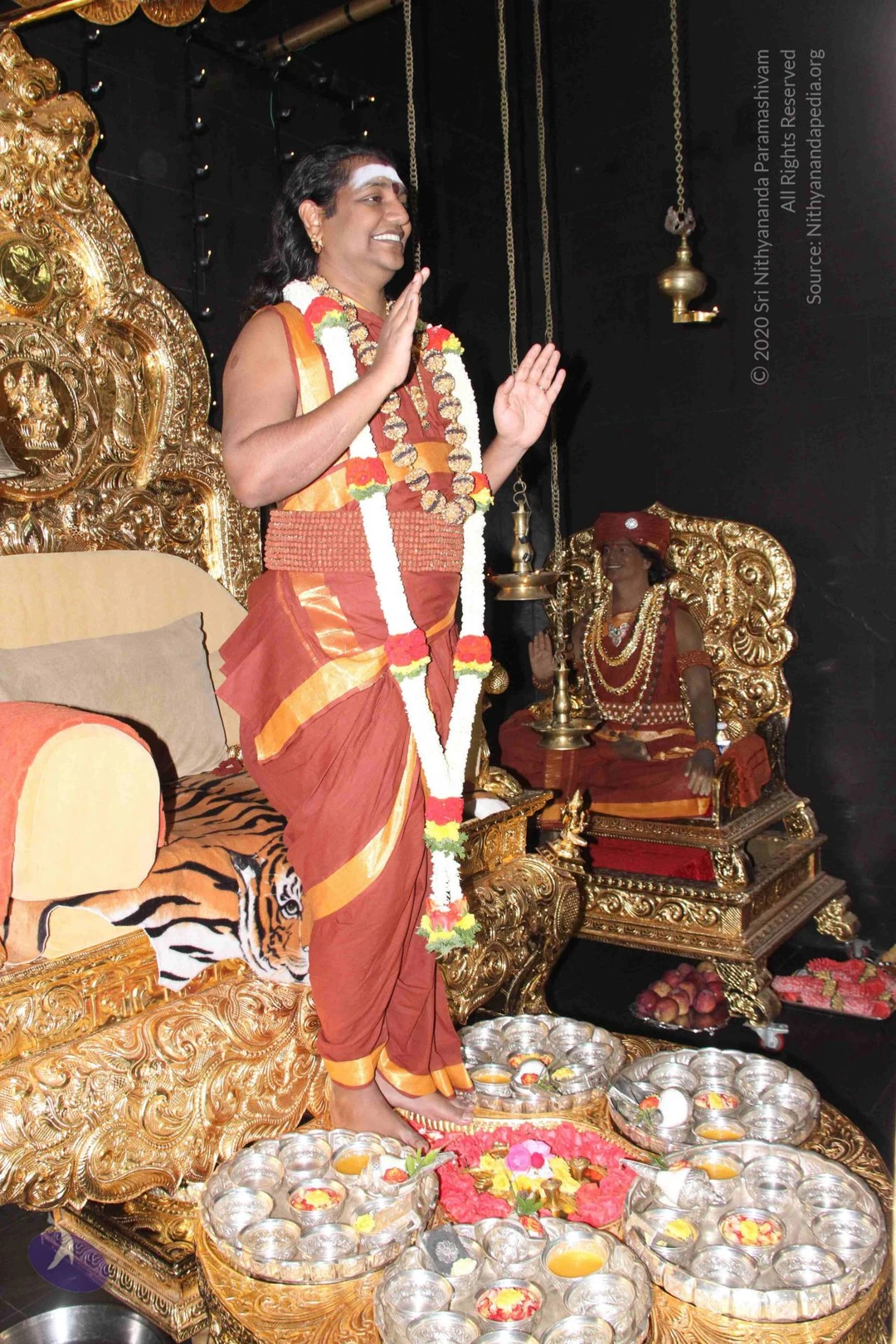
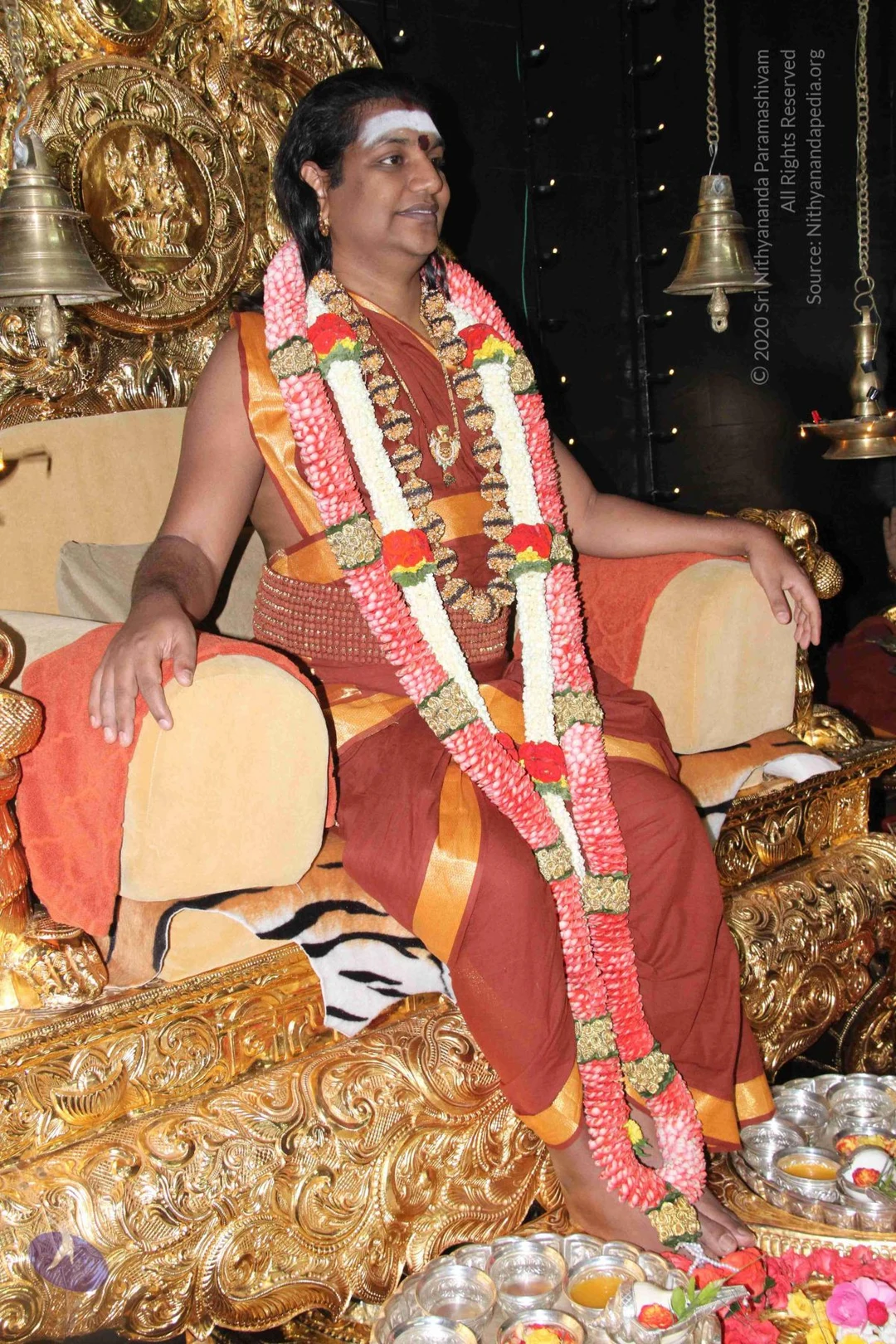
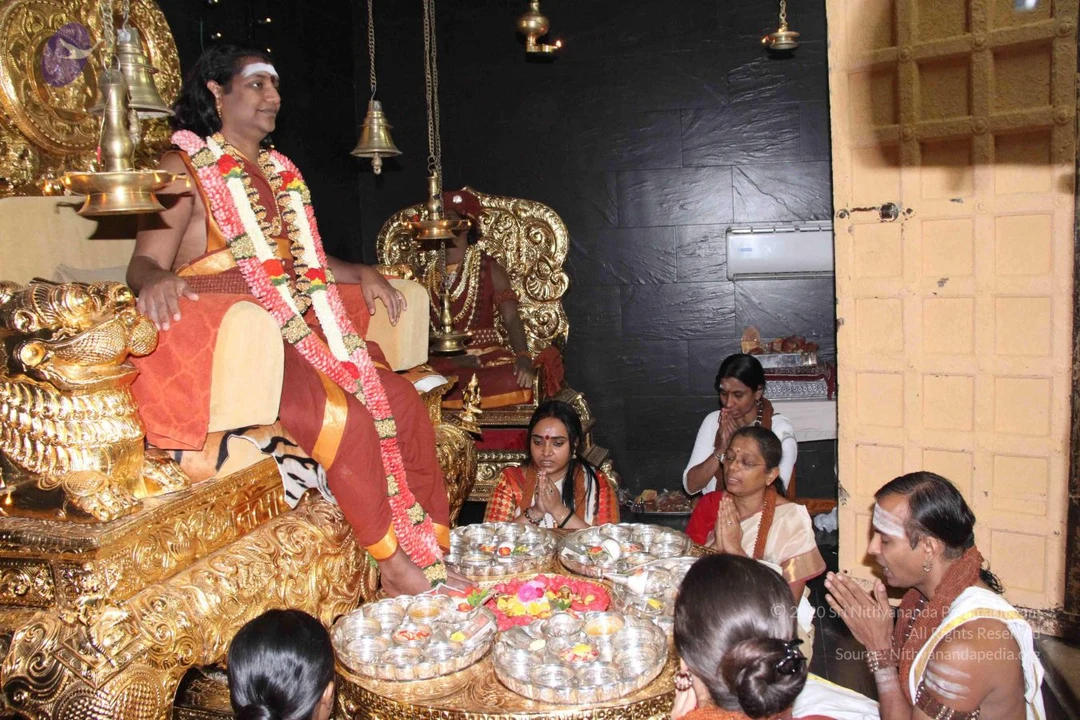
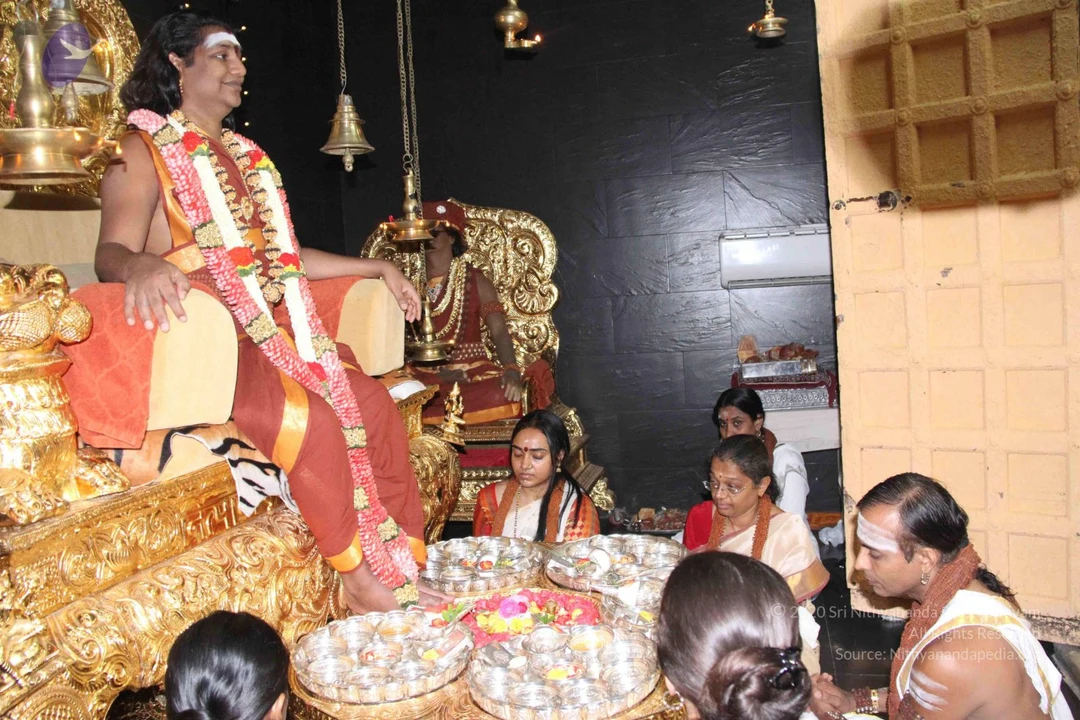
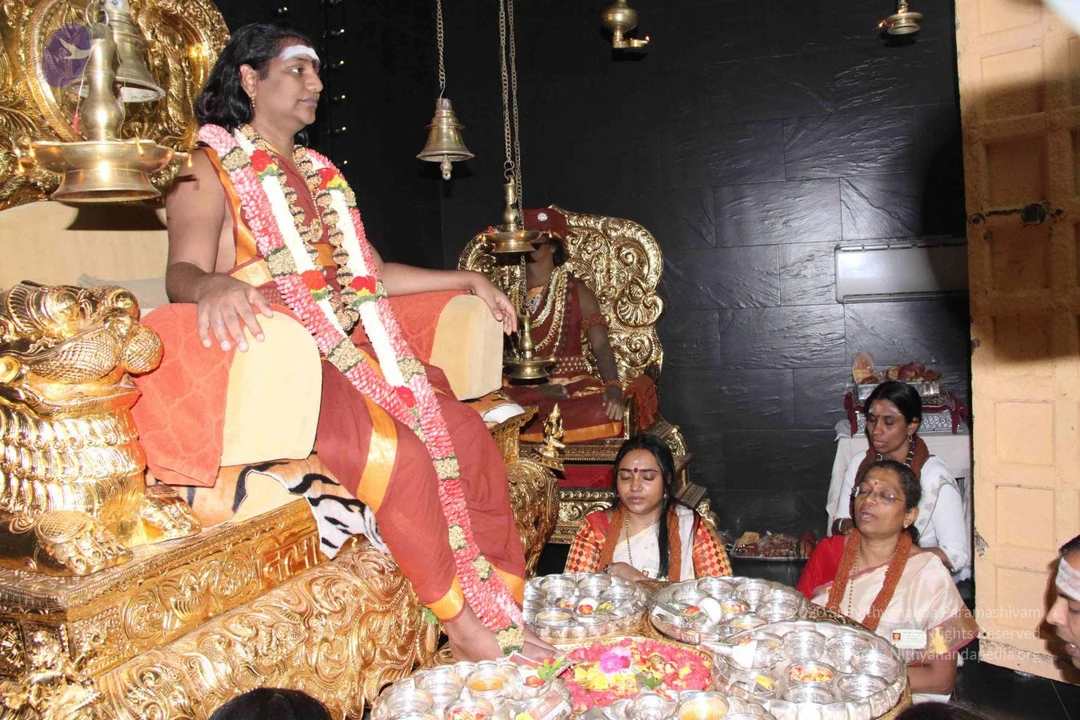
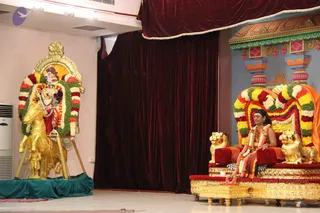
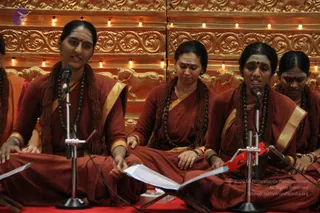
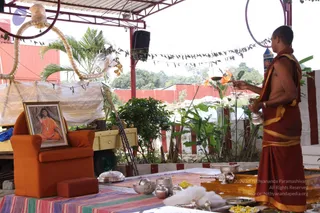
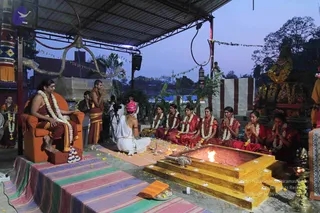
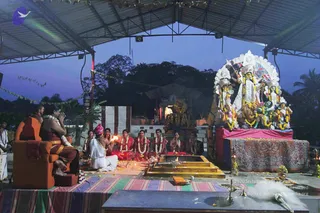
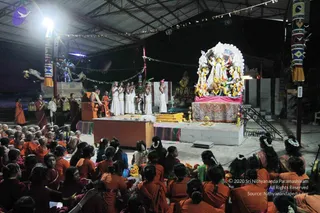
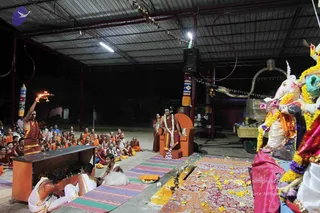
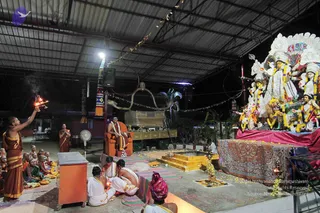
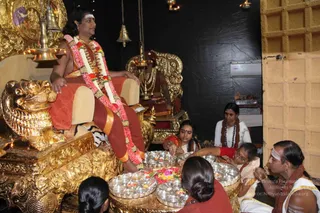
Today we have many beautiful ceremonies in the temple, Navaratri festival ceremonies and pujas. Maha Navami Puja happened from morning 5:30 am, 9:30 Maha Bhoga for Durga Devi, and 10 o’clock aarathi for Mahadevi, And again 11:45 Maha Bhoga for Mahadevi, and 12 noon Chandi Puja begins. Evening 4:30 important Suhasini Puja, Kanya Puja, Kumari Puja, and Vatuka Puja, where the kids, male and female kids are made to sit and worship is done to them as representatives of Bhairava and Durga, then Sandhya Puja, and, today, Chandi Paath. Continuously all these pujas will be happening. Everything will be live on Nithyananda TV. I welcome all of you to tune in to Nithyananda TV and tune in to Nithyananda itself! Now, let us have the grace of Devi and Venkateshwara.
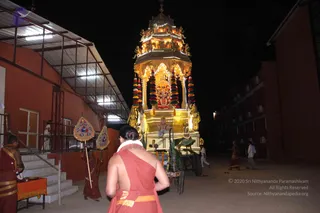
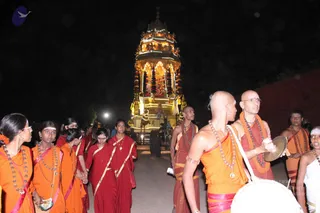
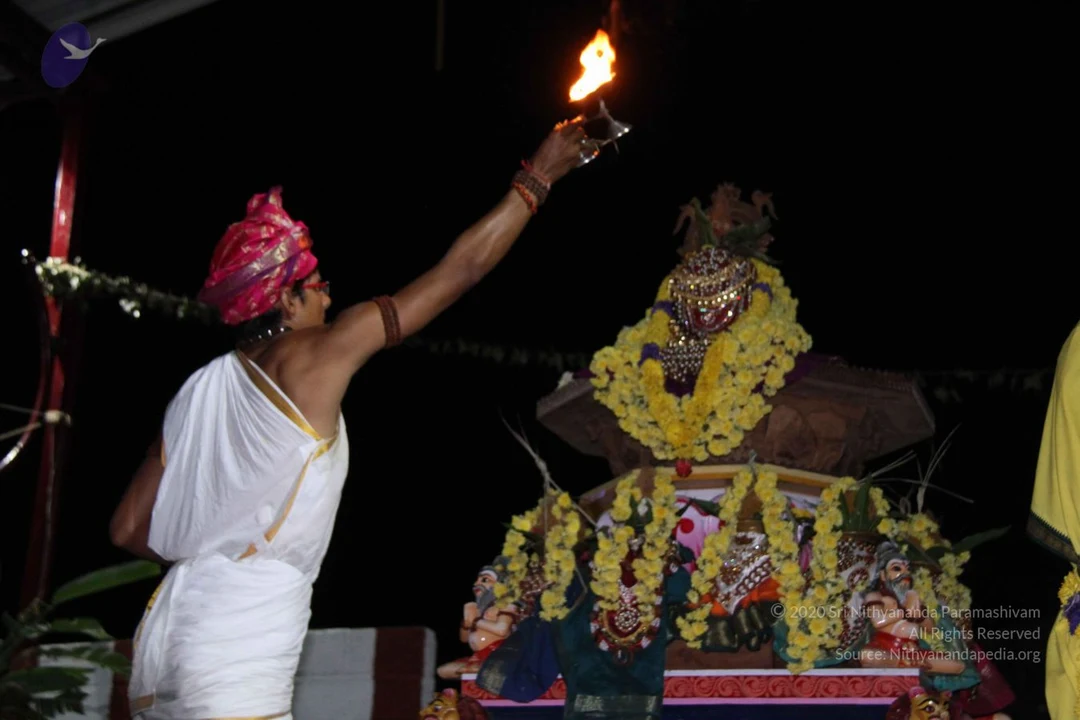
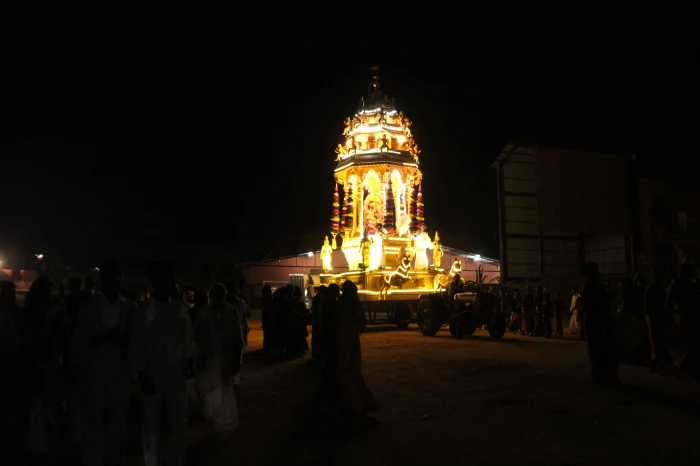
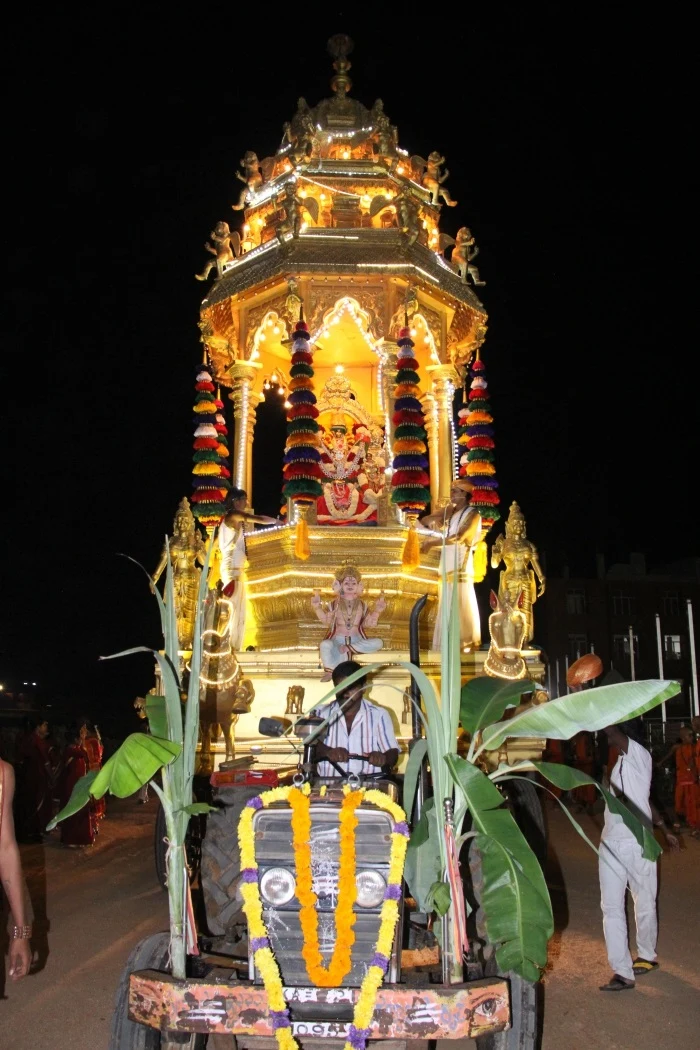
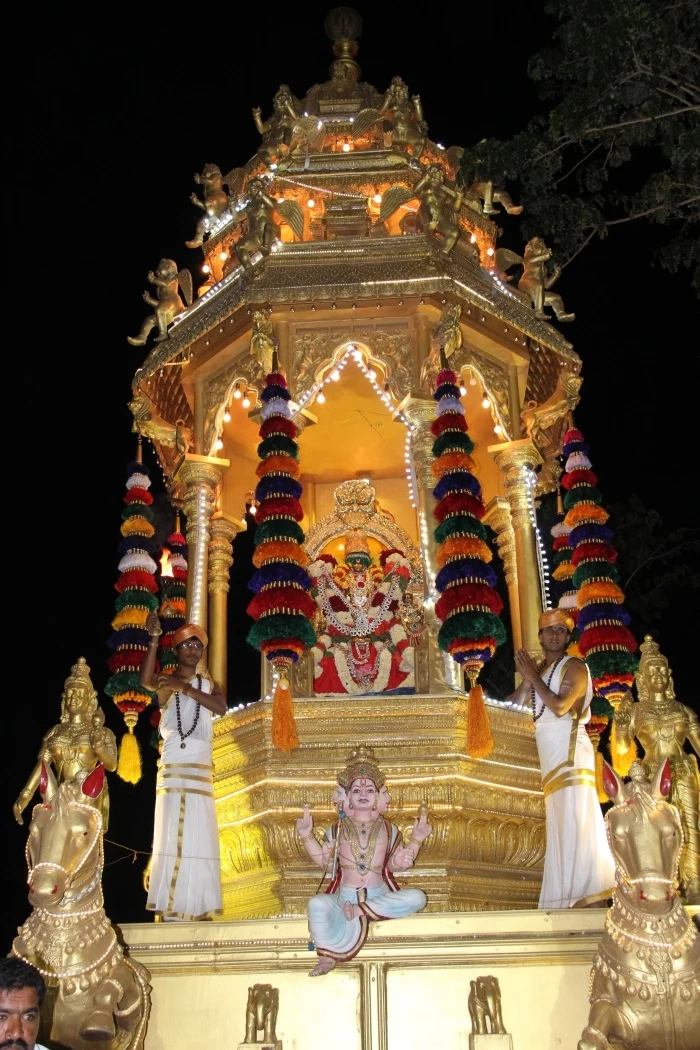
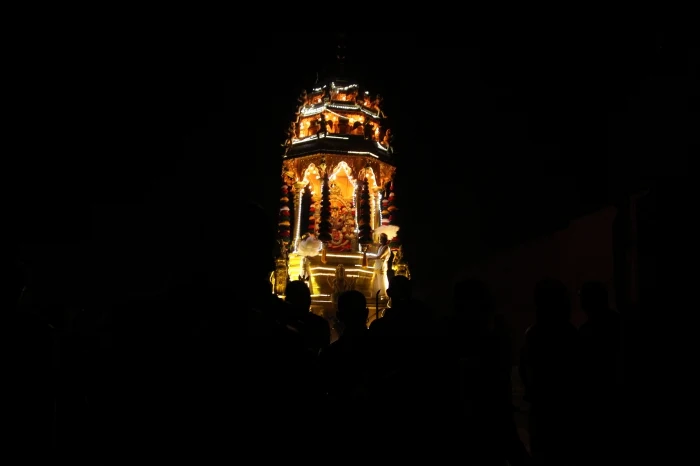
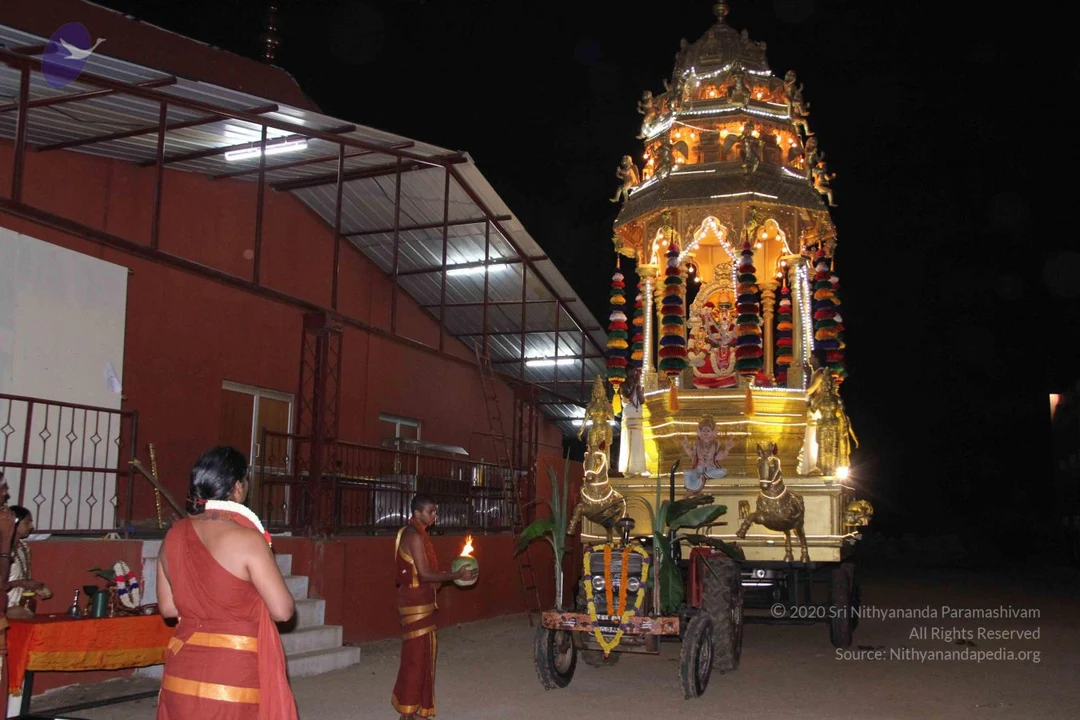
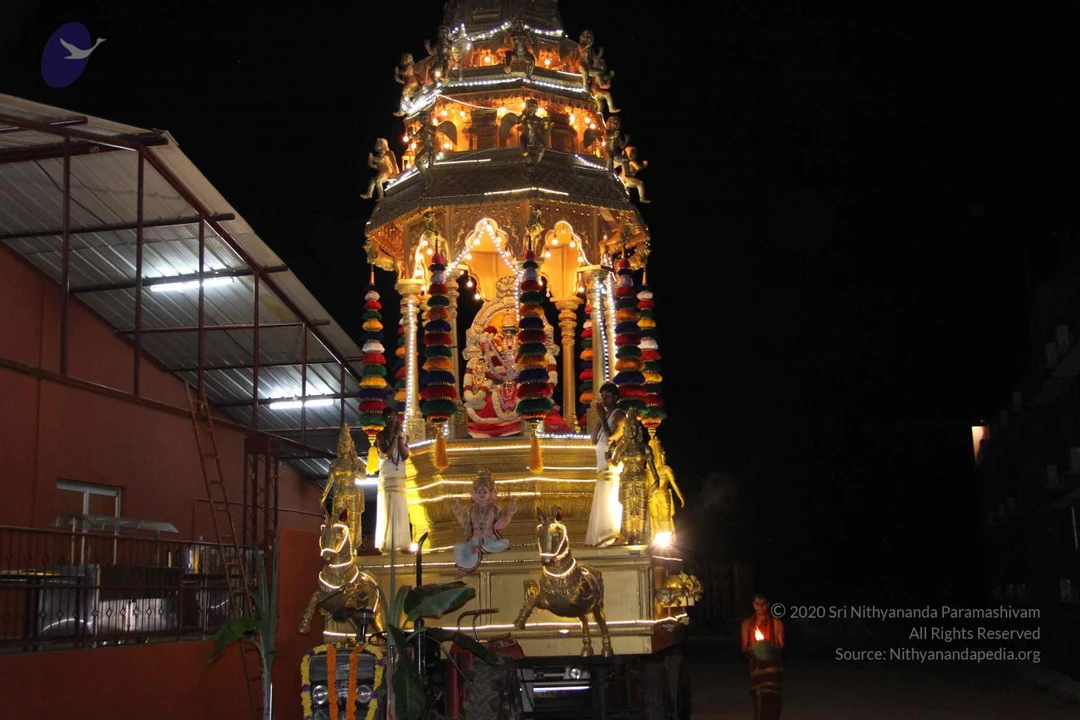
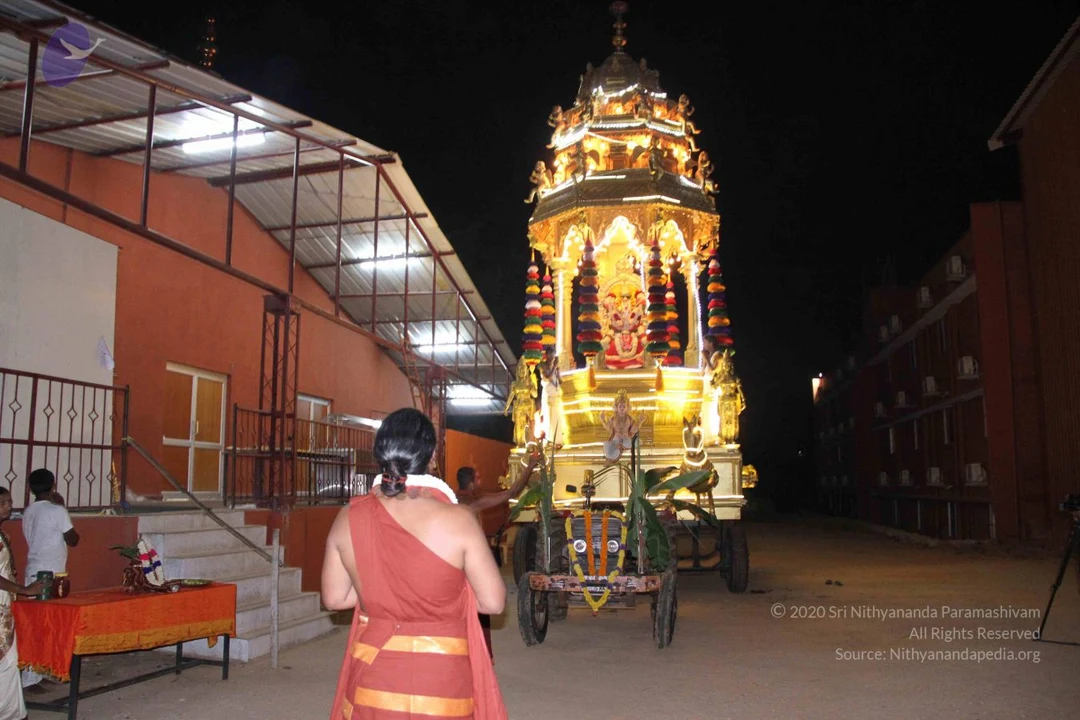
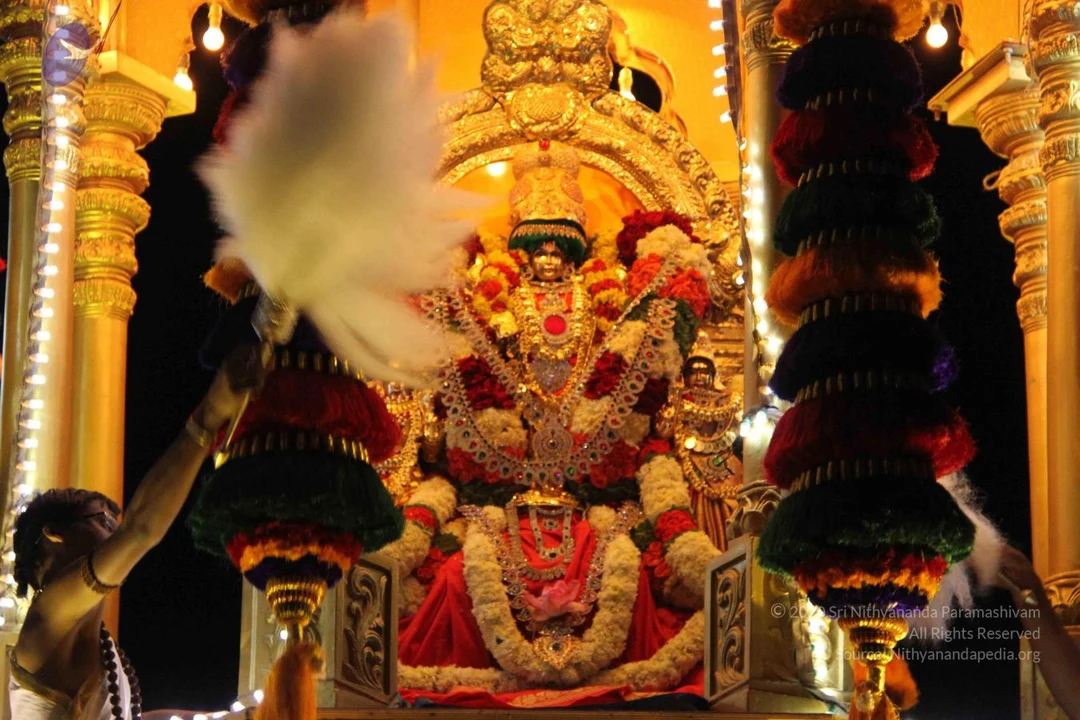
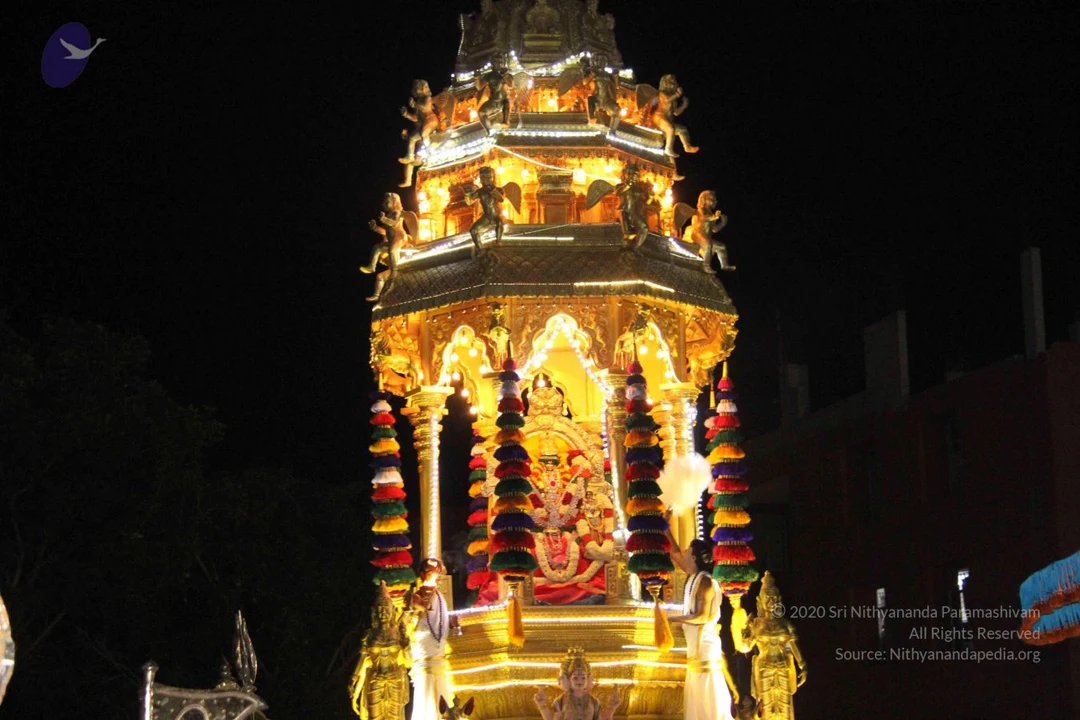
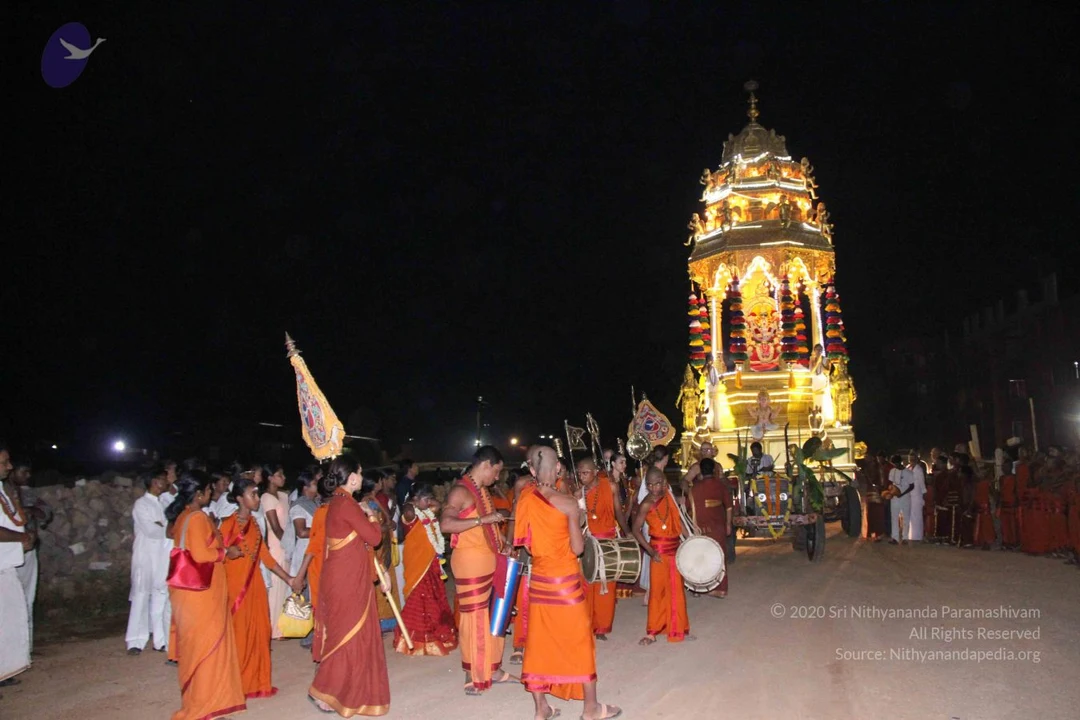
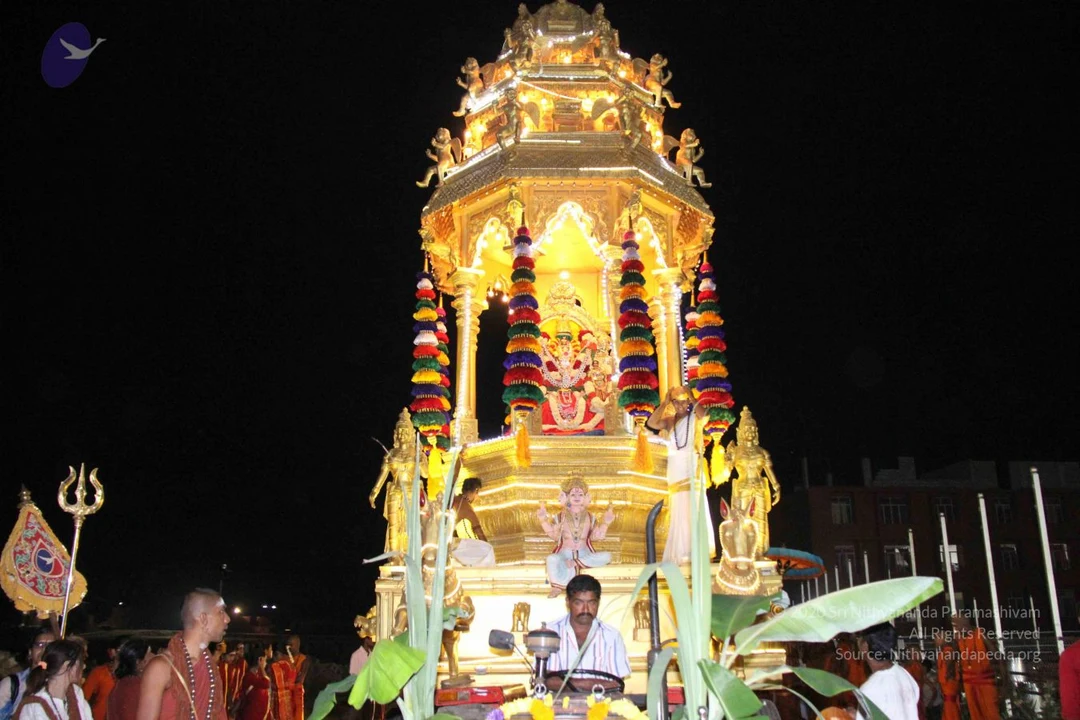
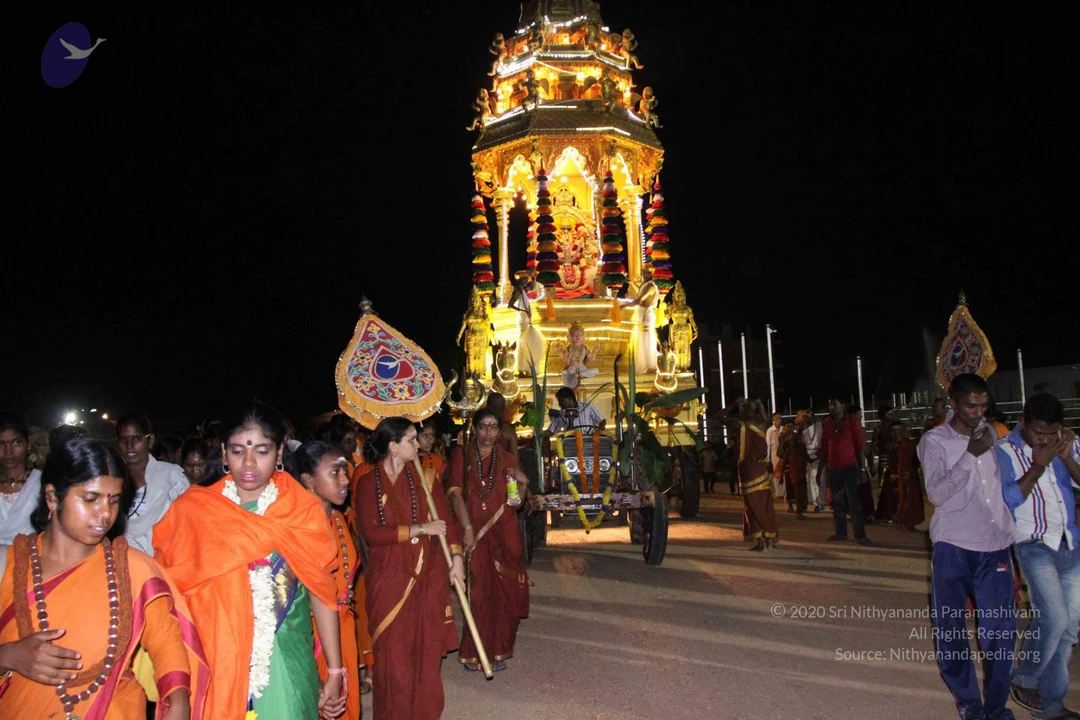
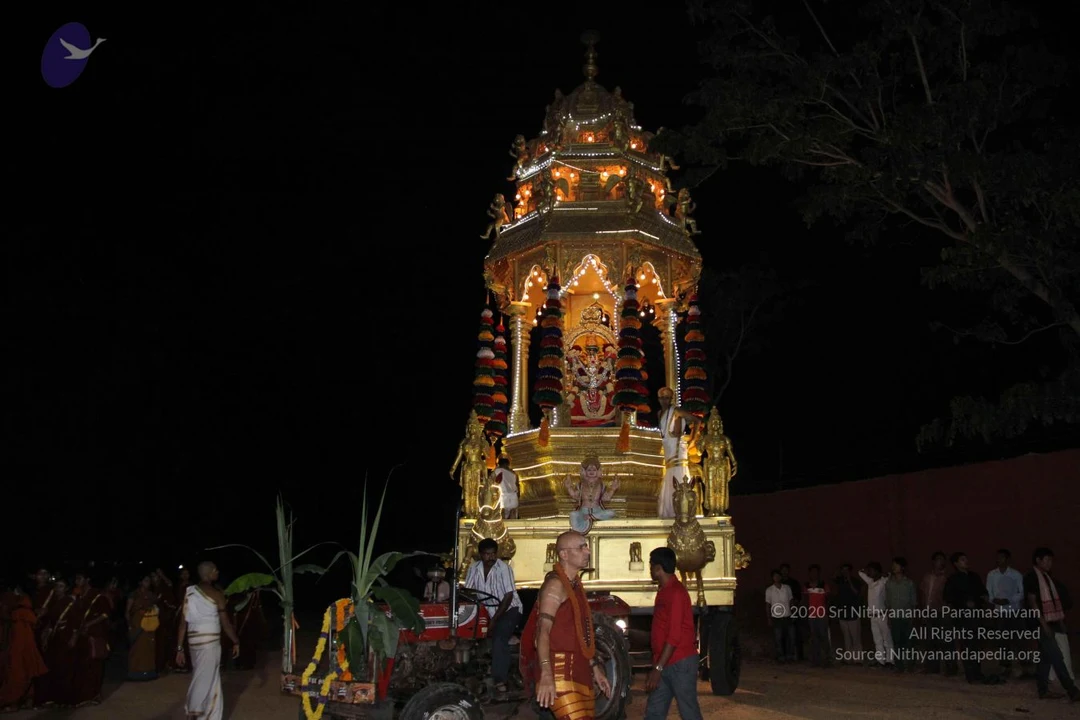
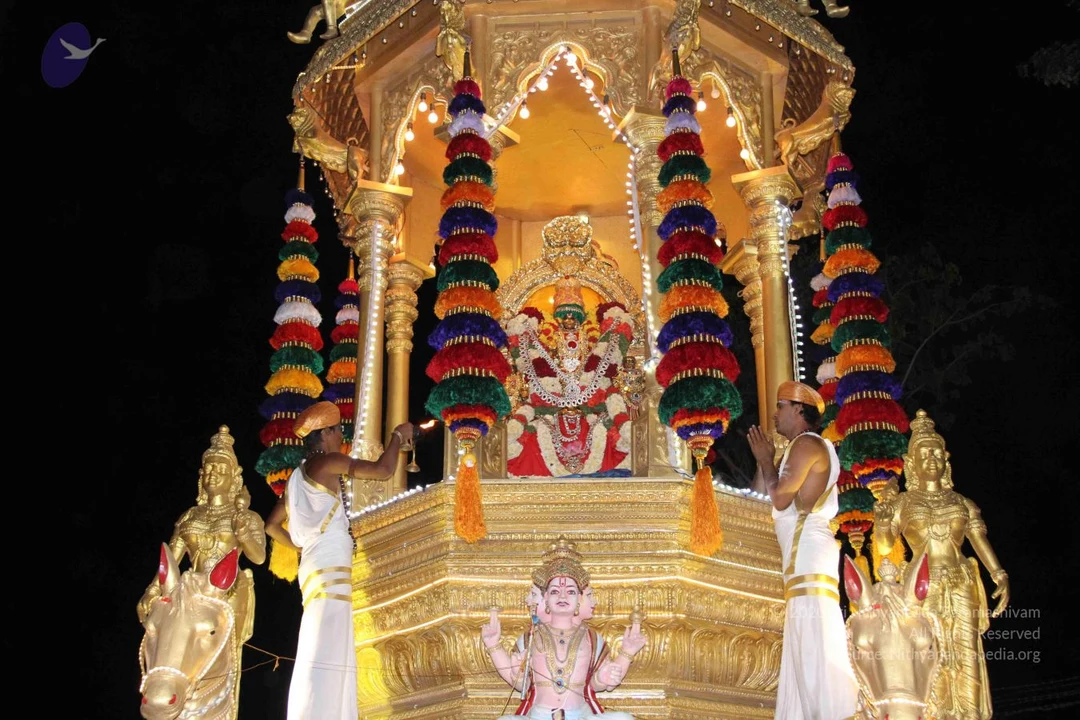
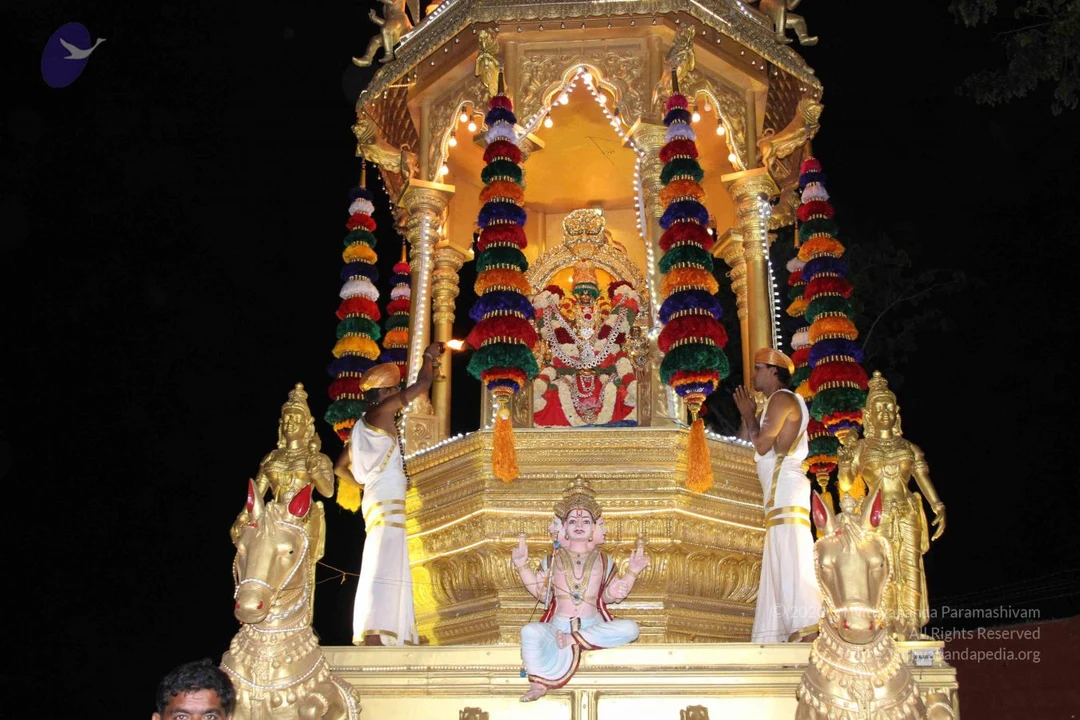
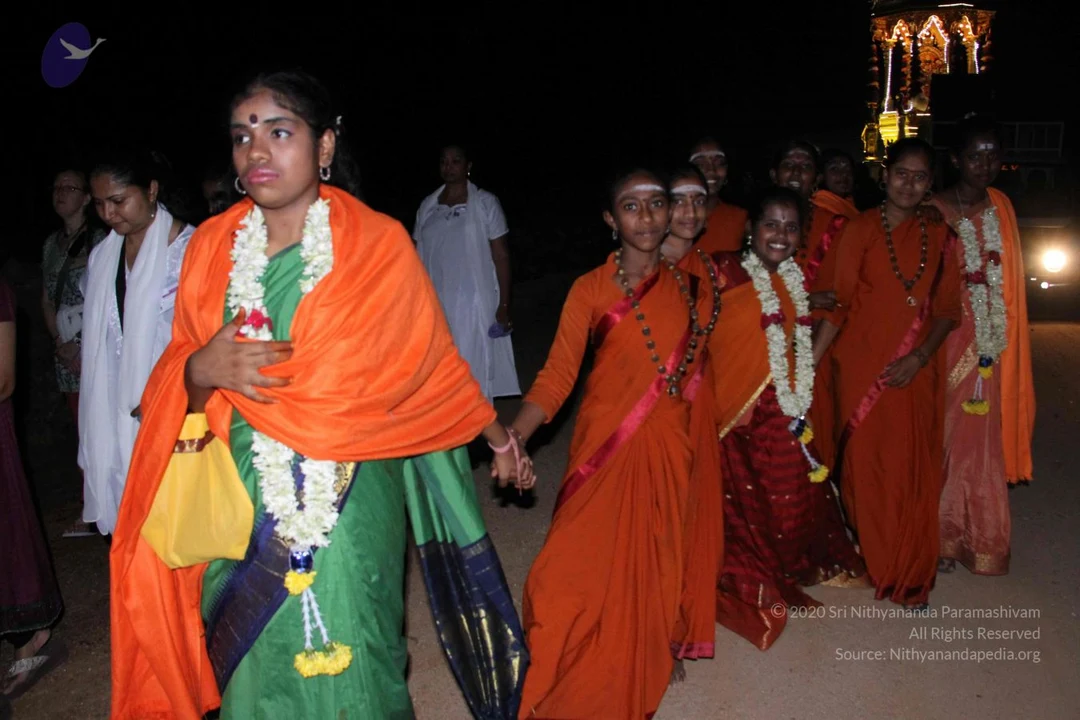
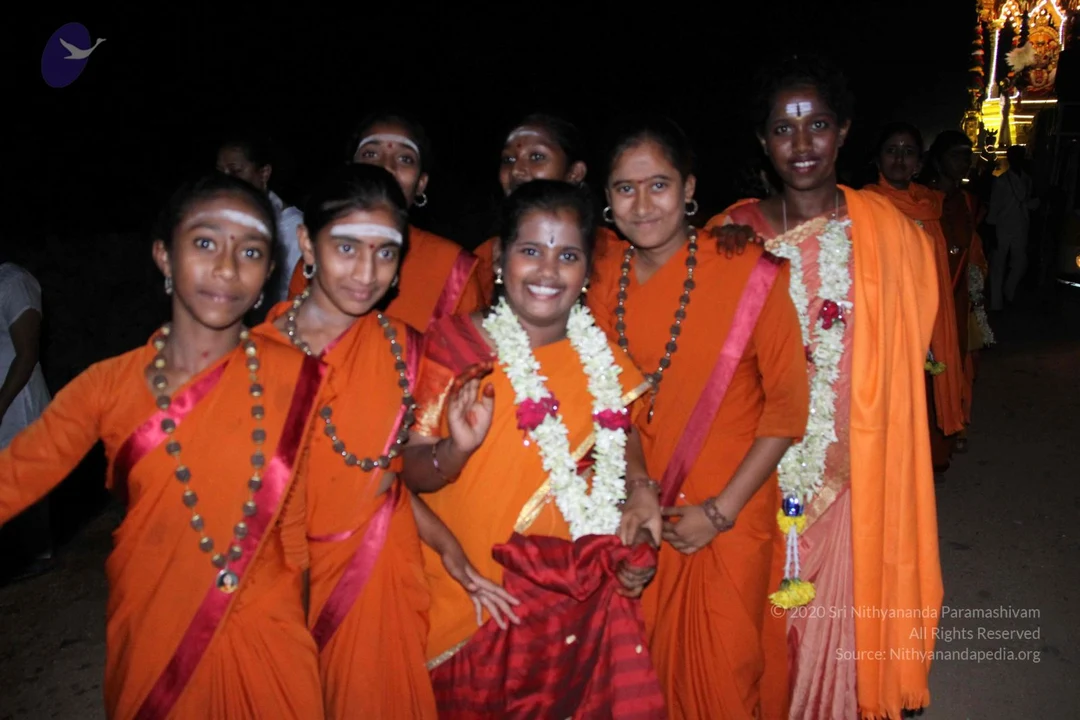
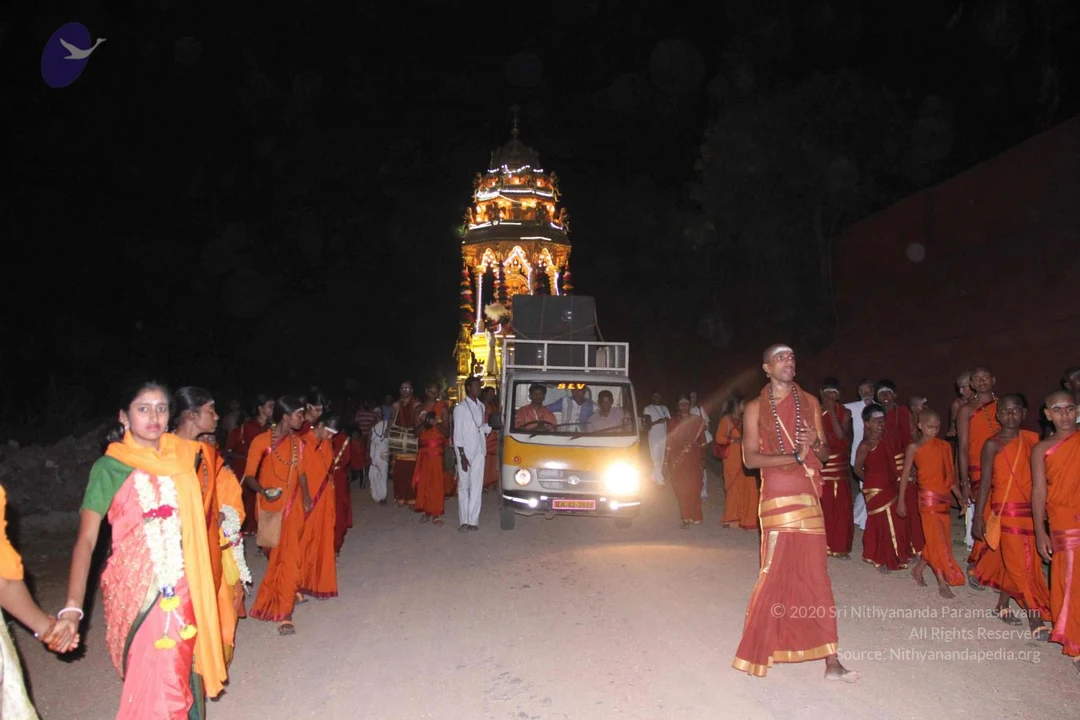
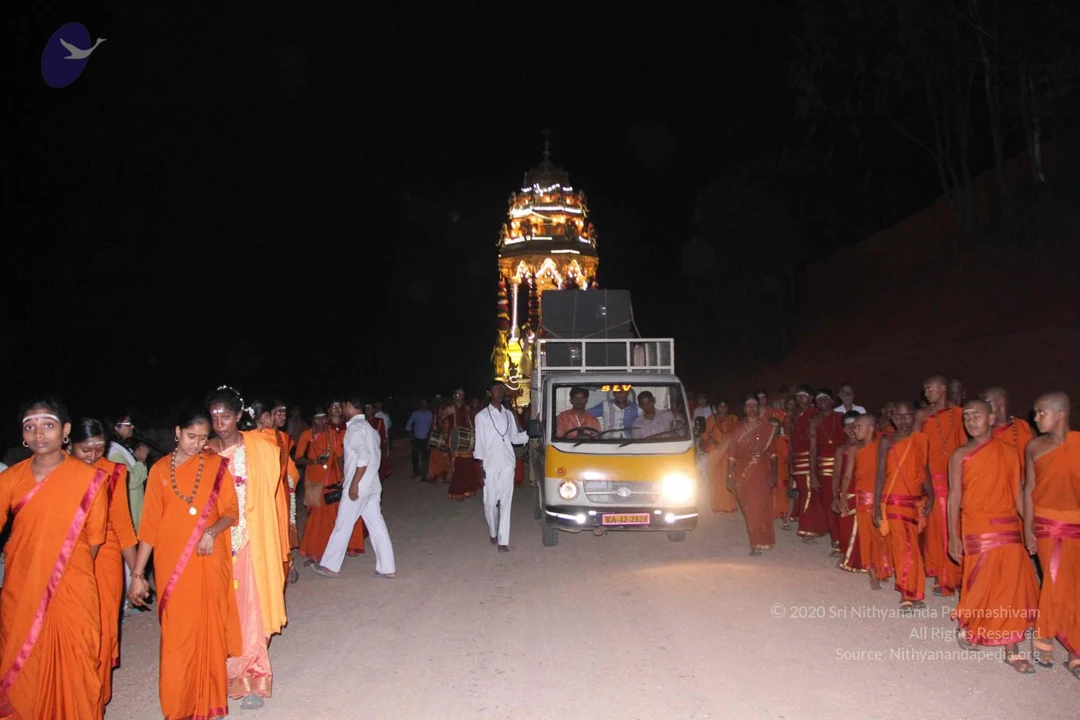
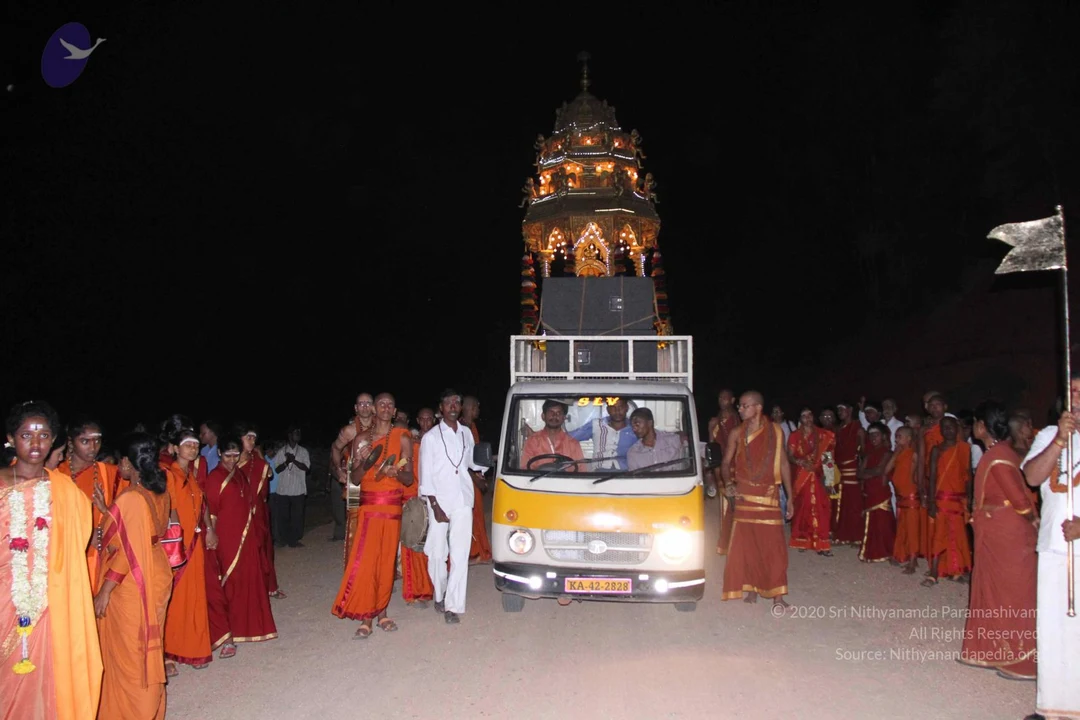
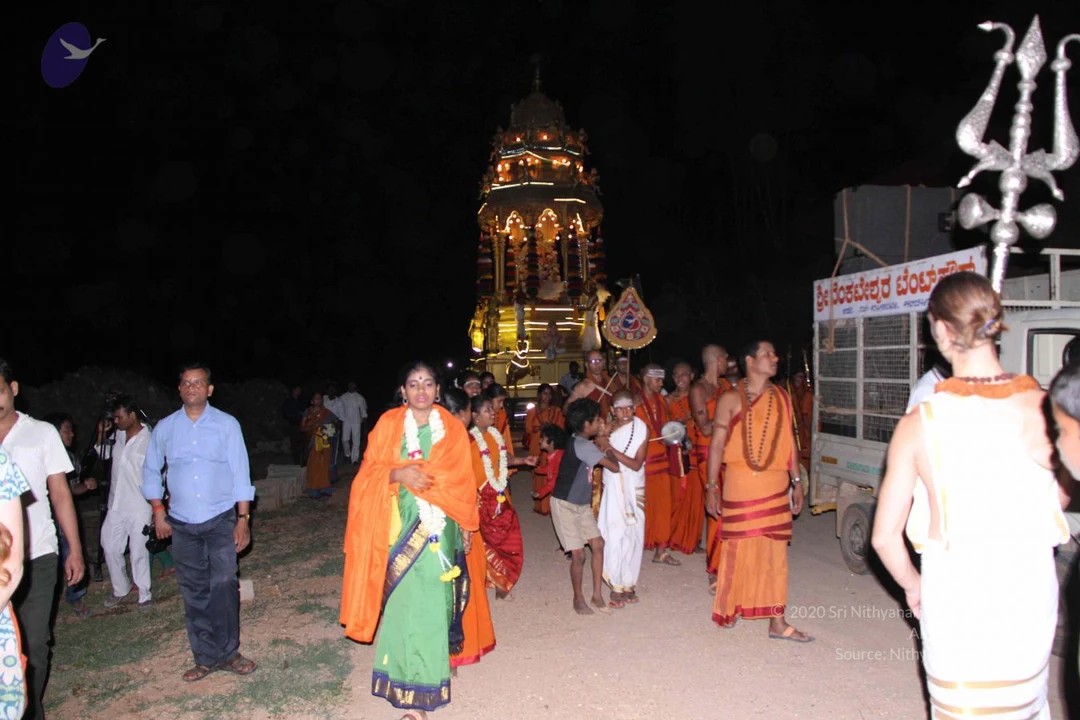
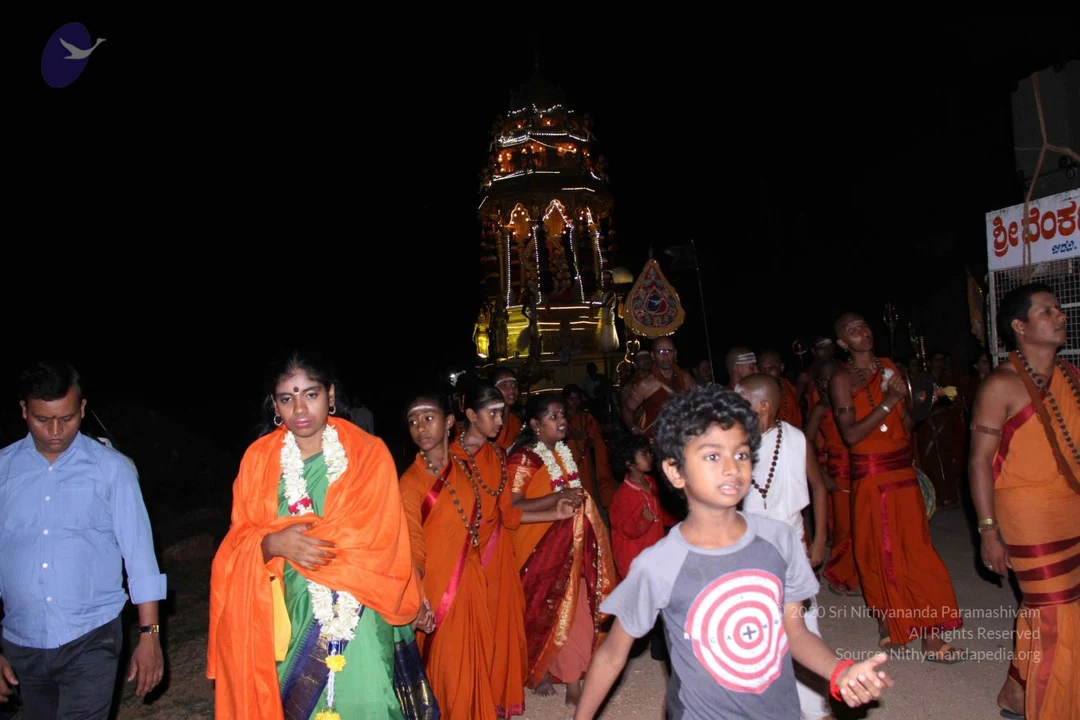
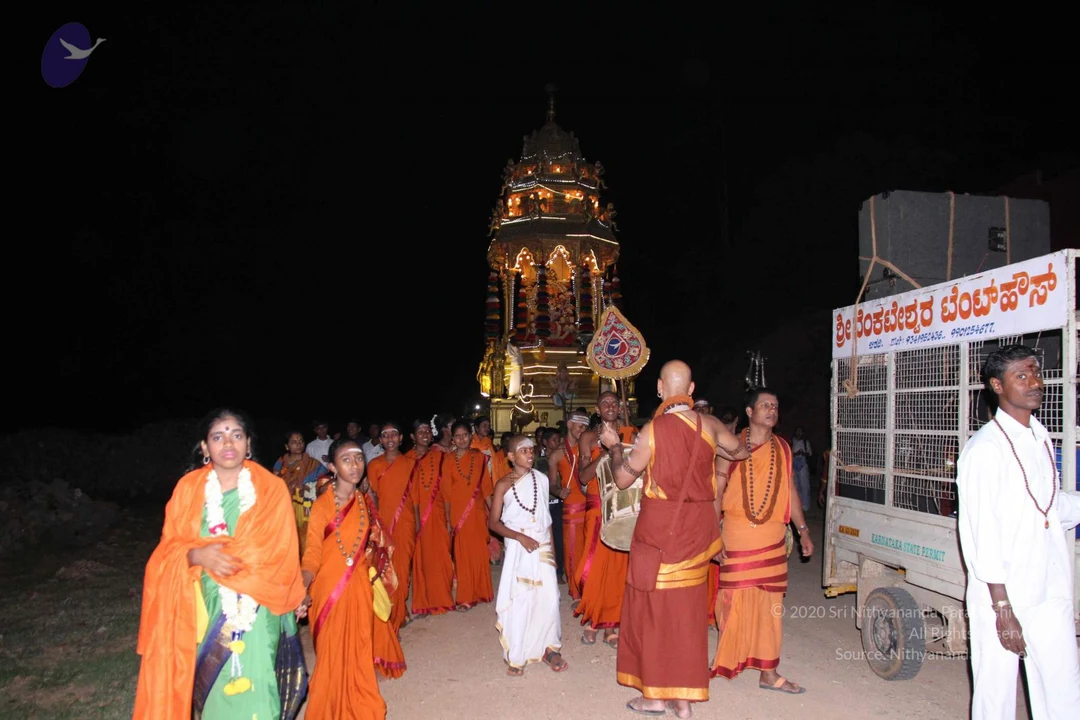
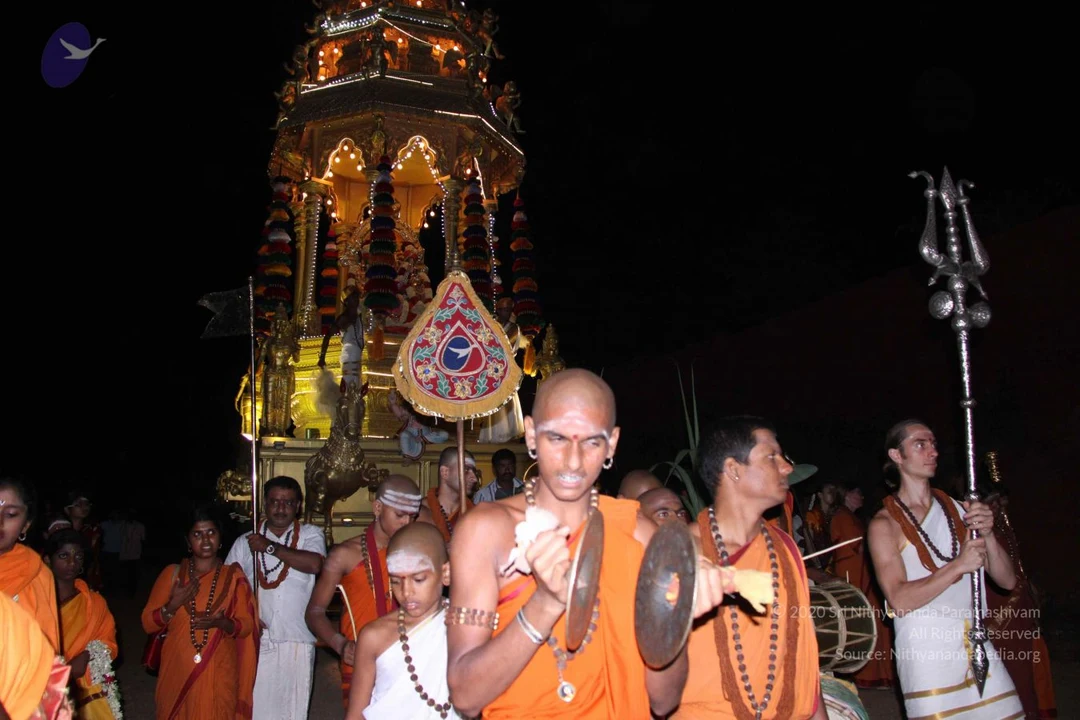
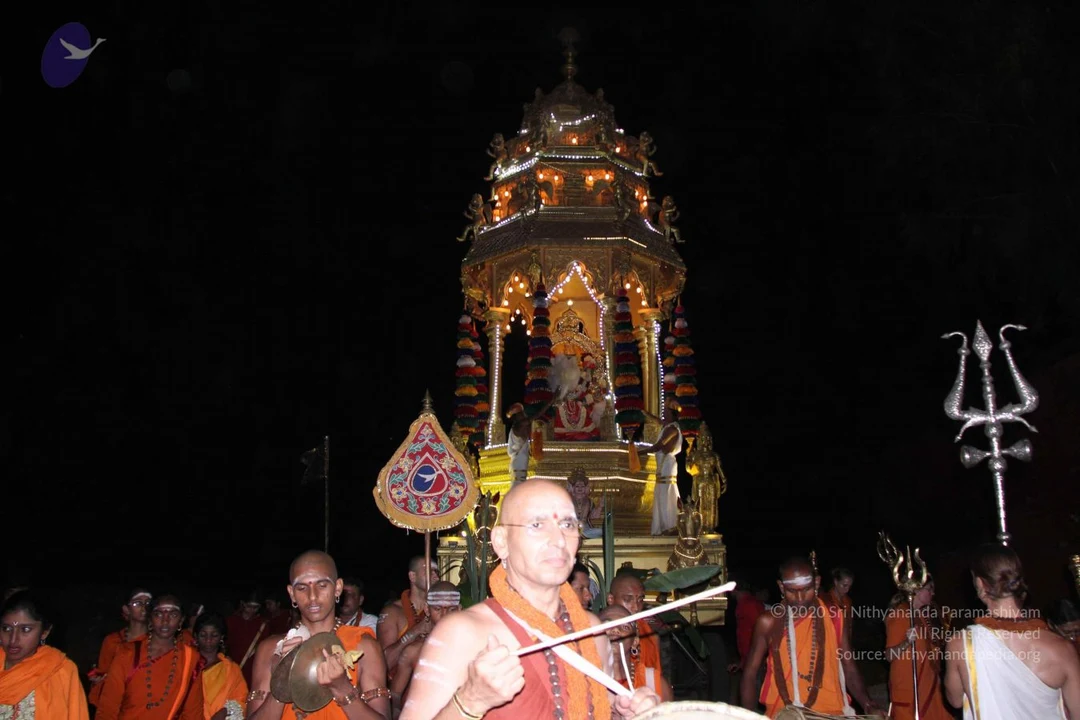
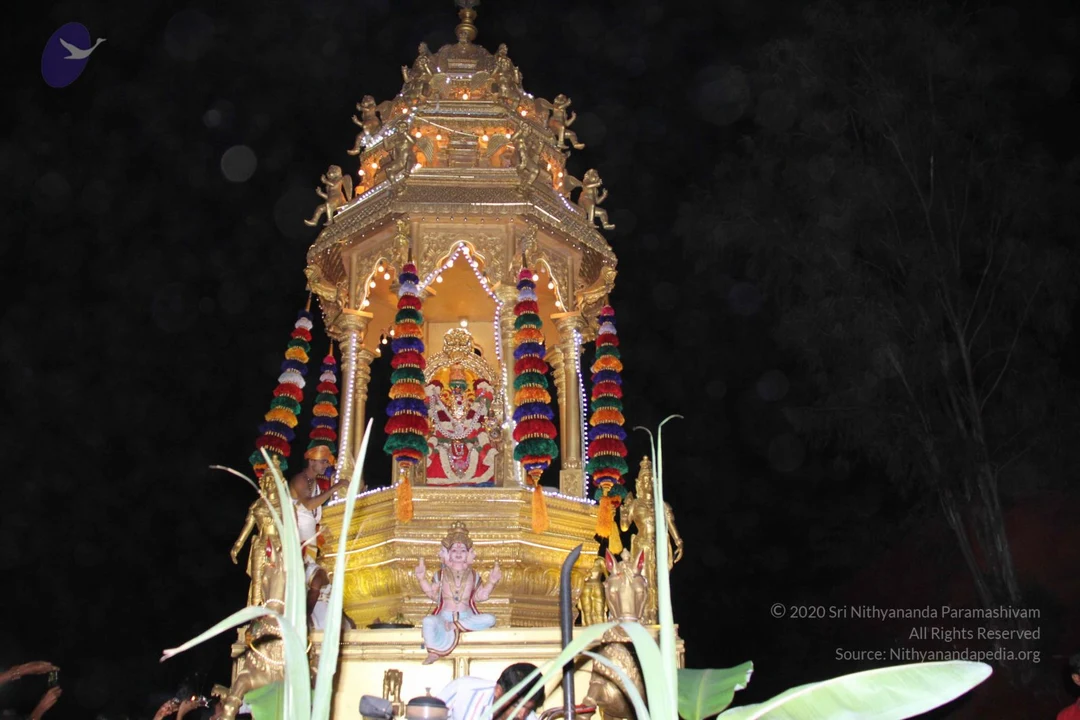
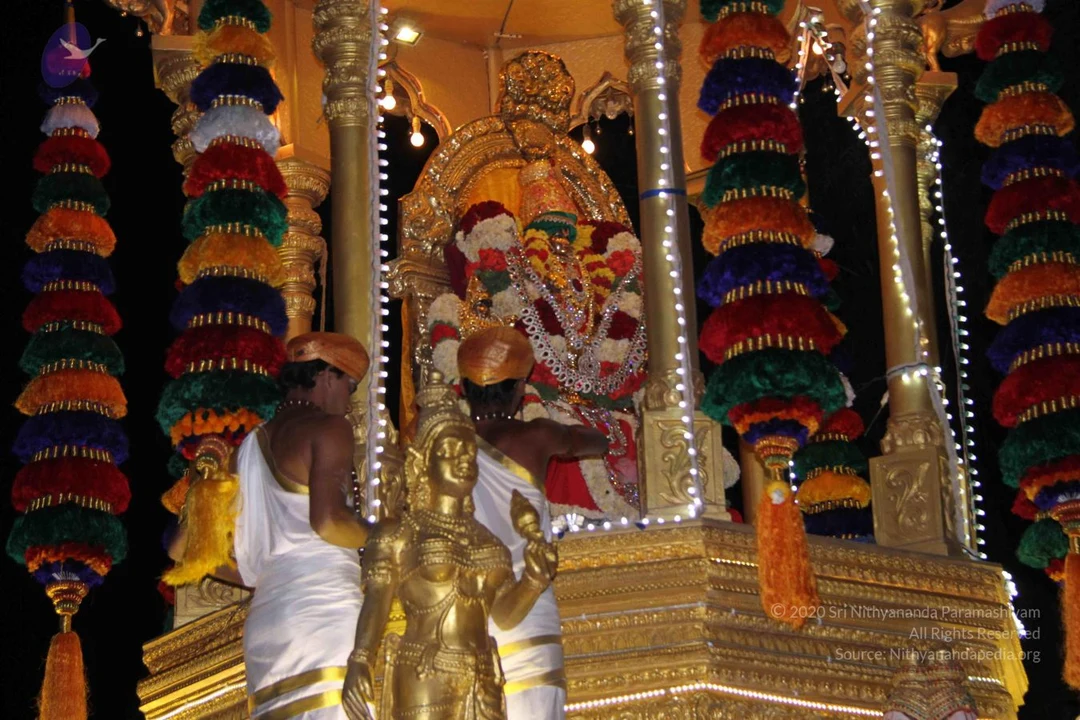
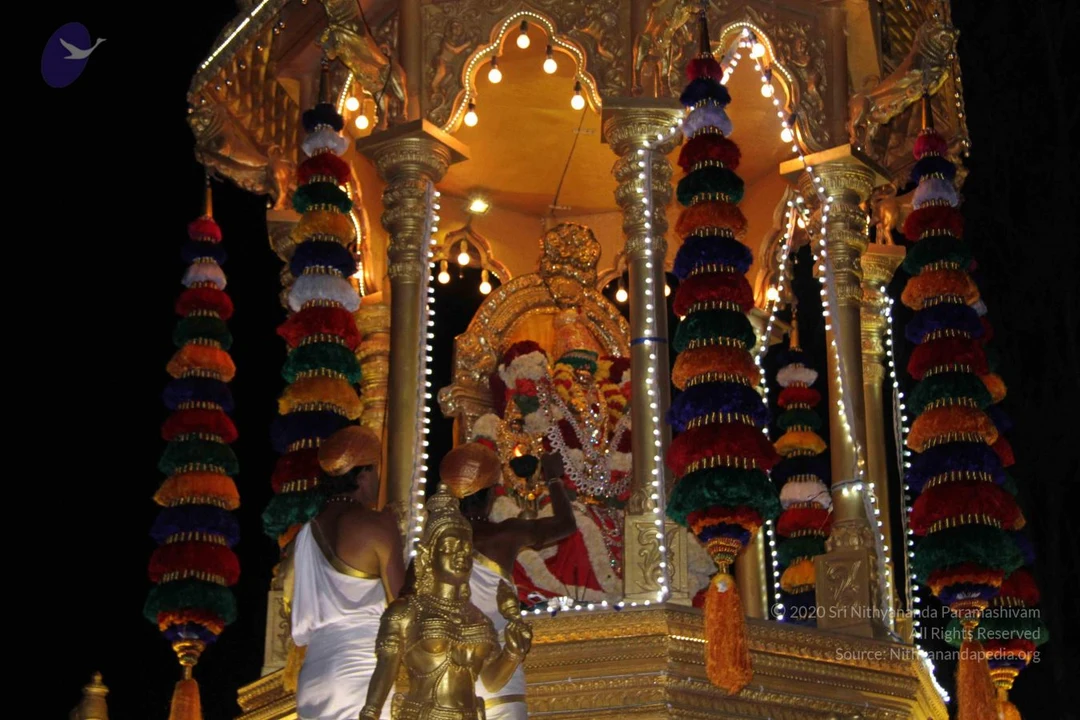
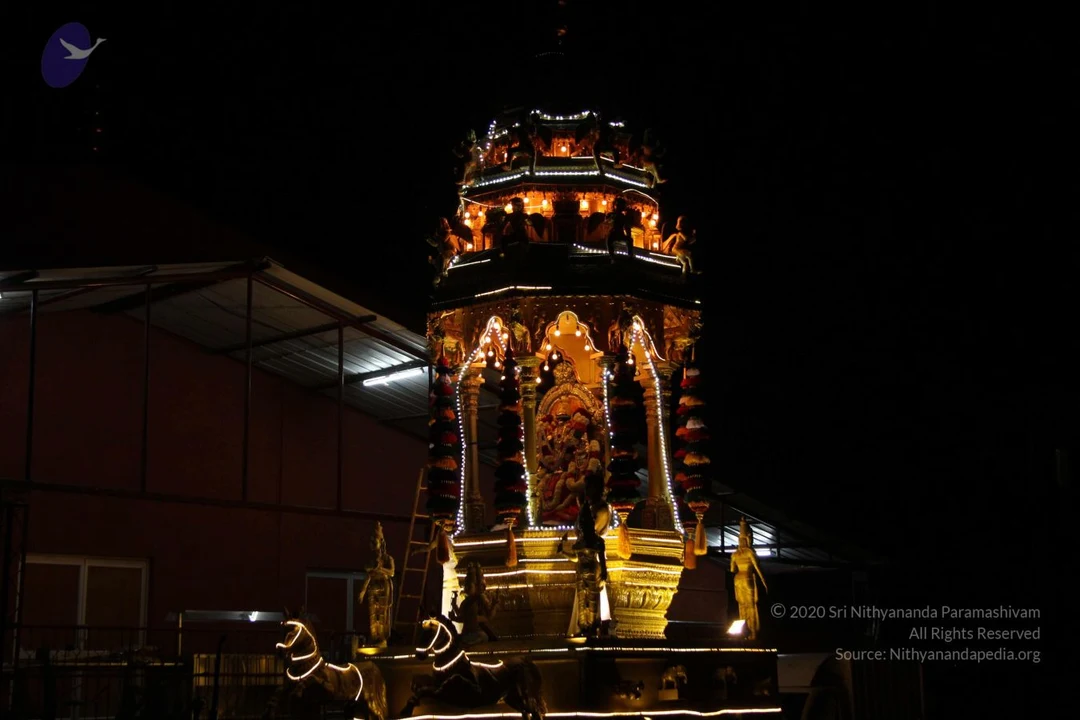
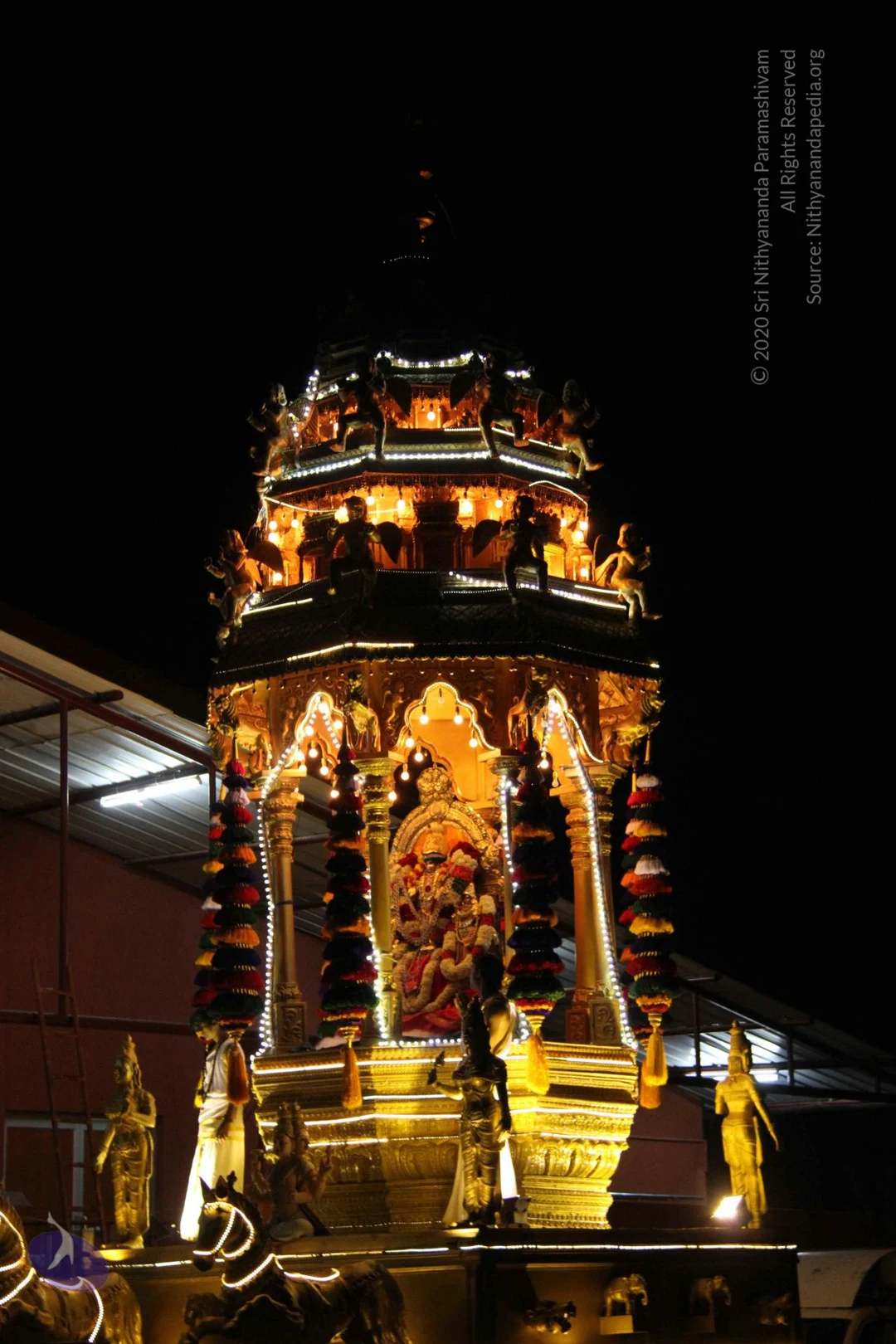
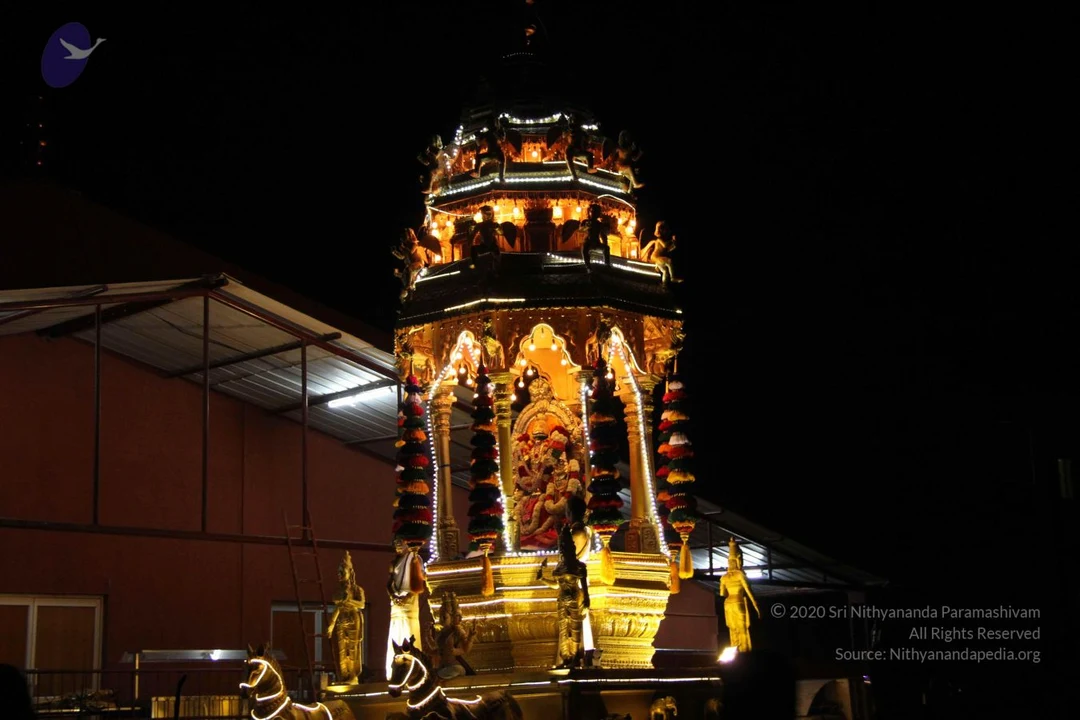
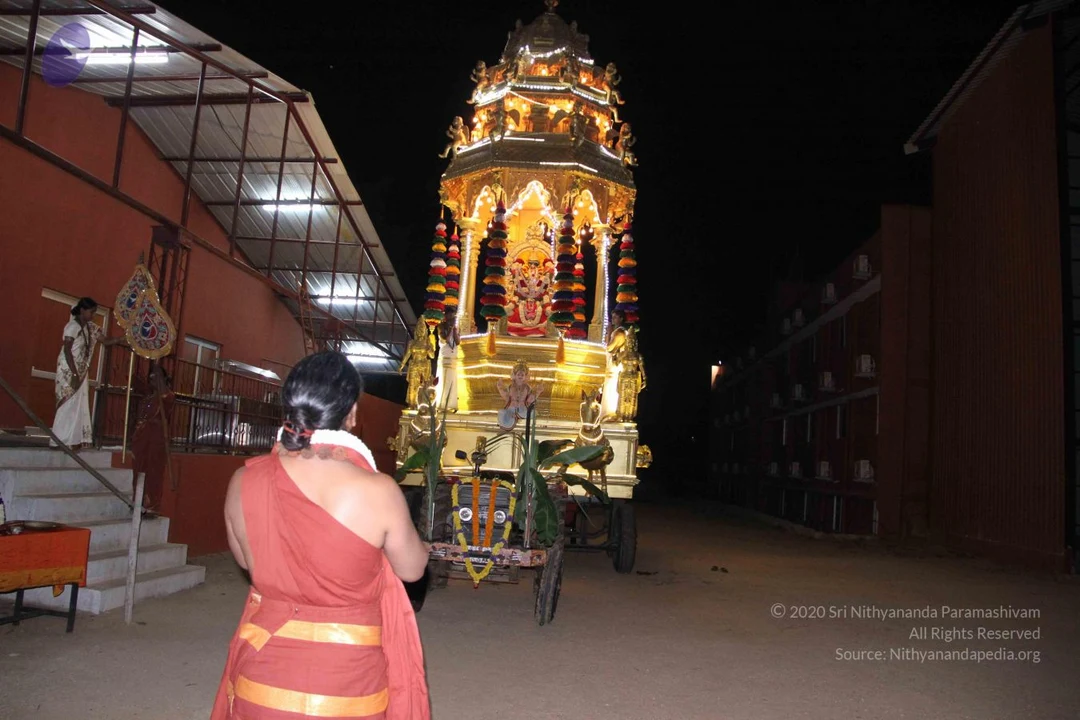
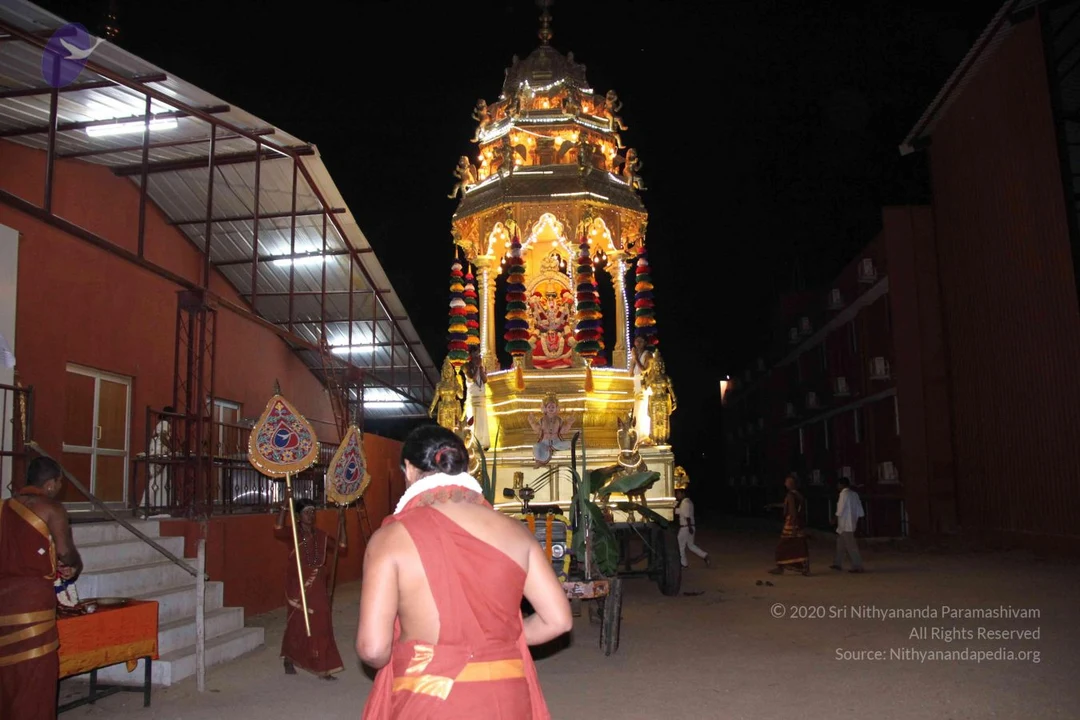
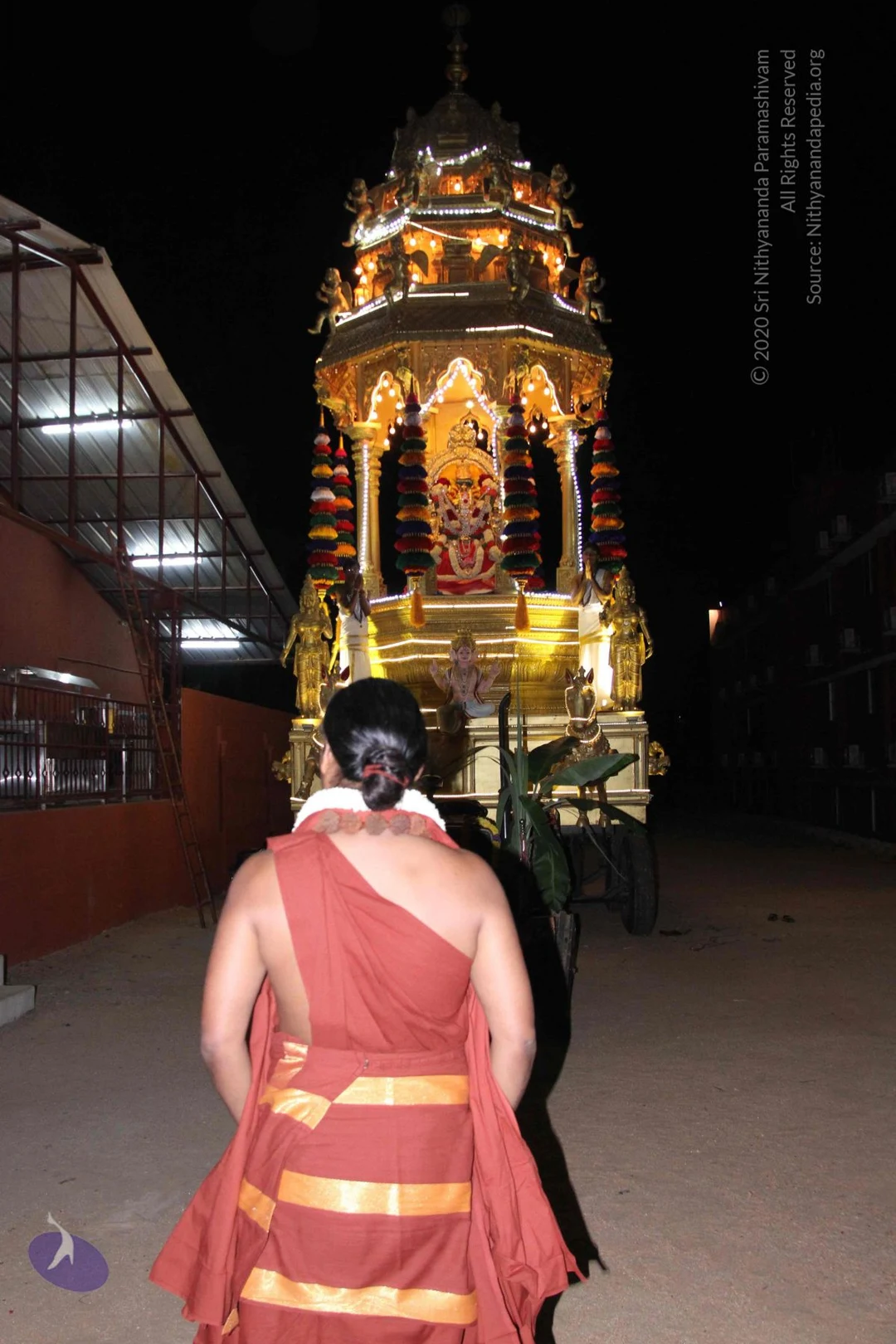
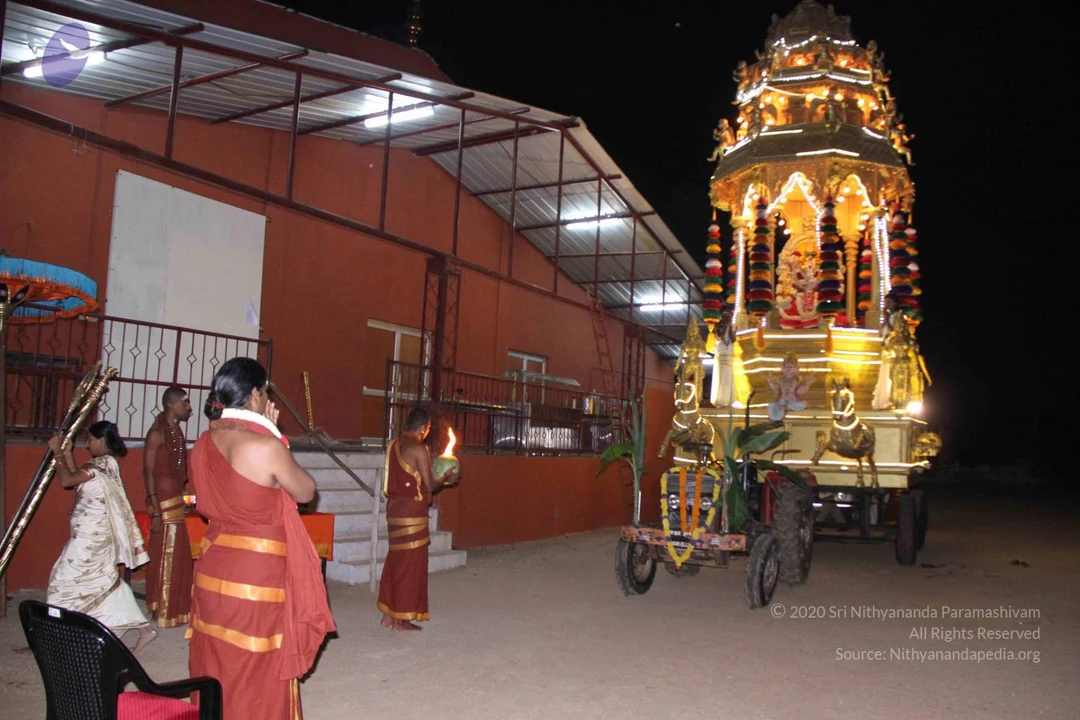
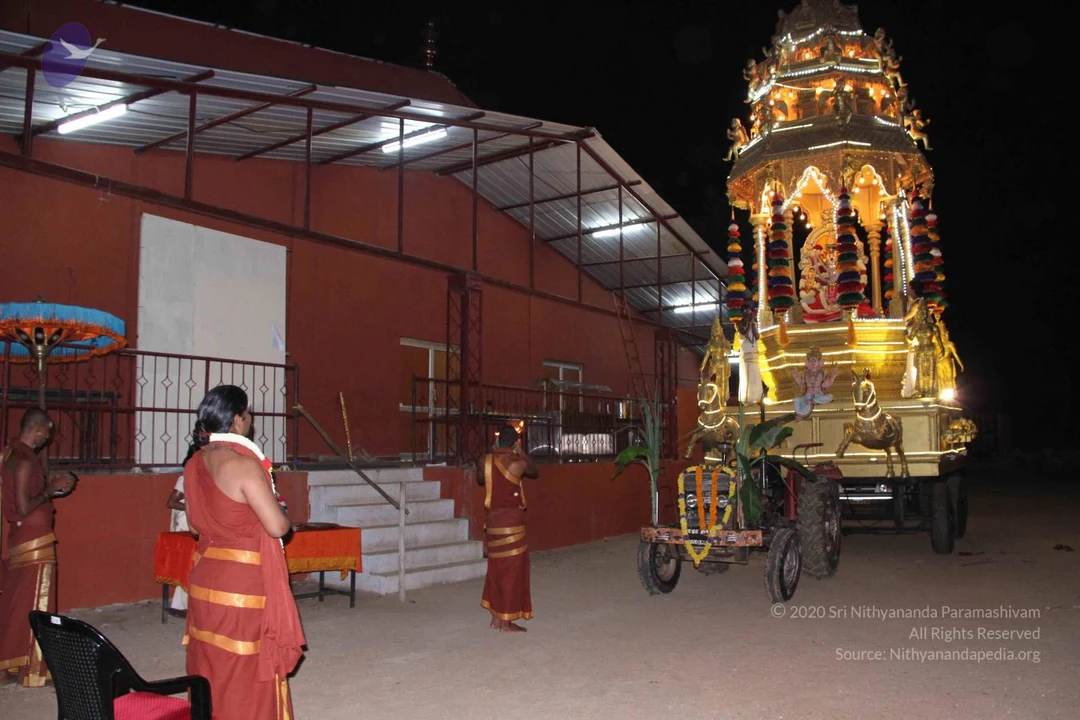
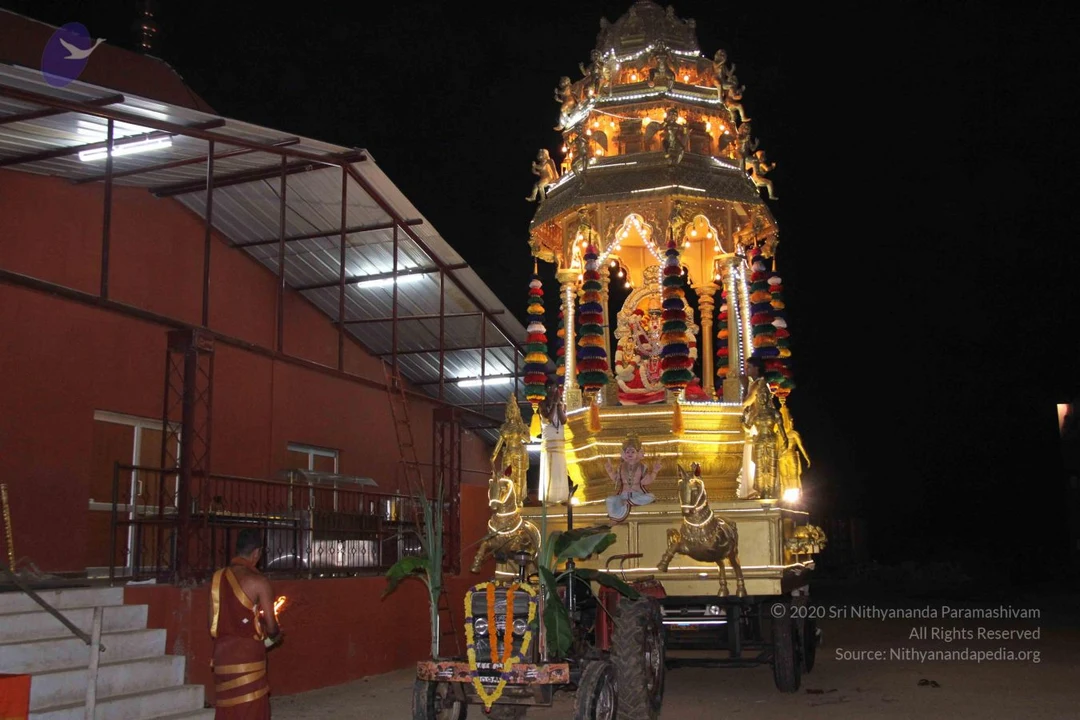
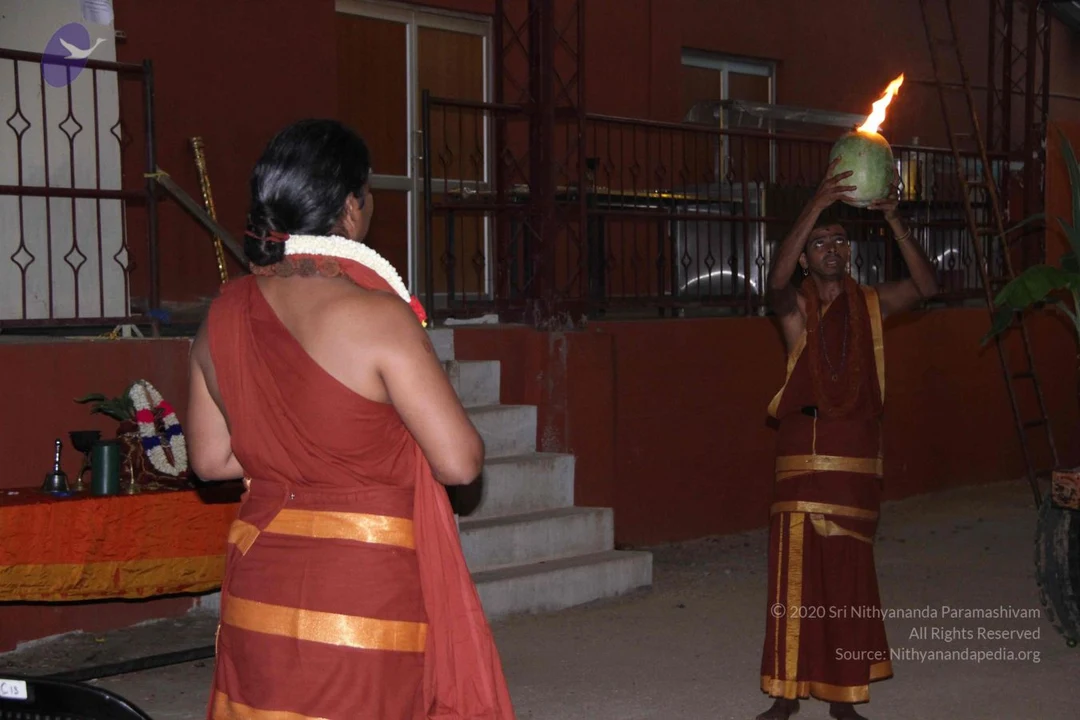
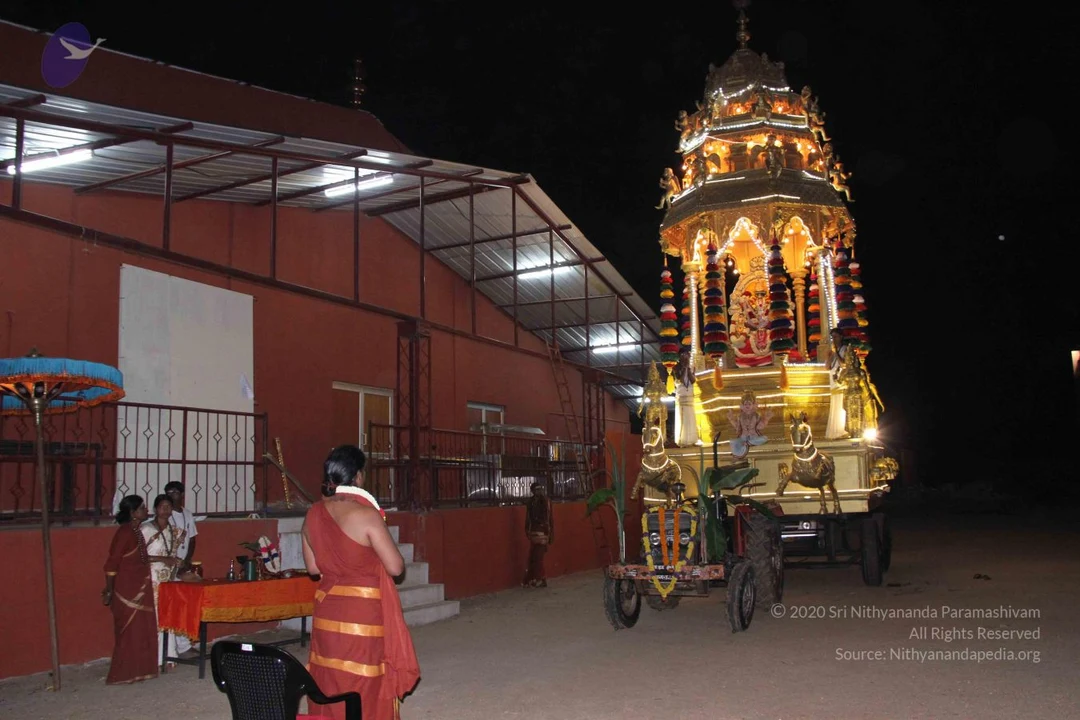
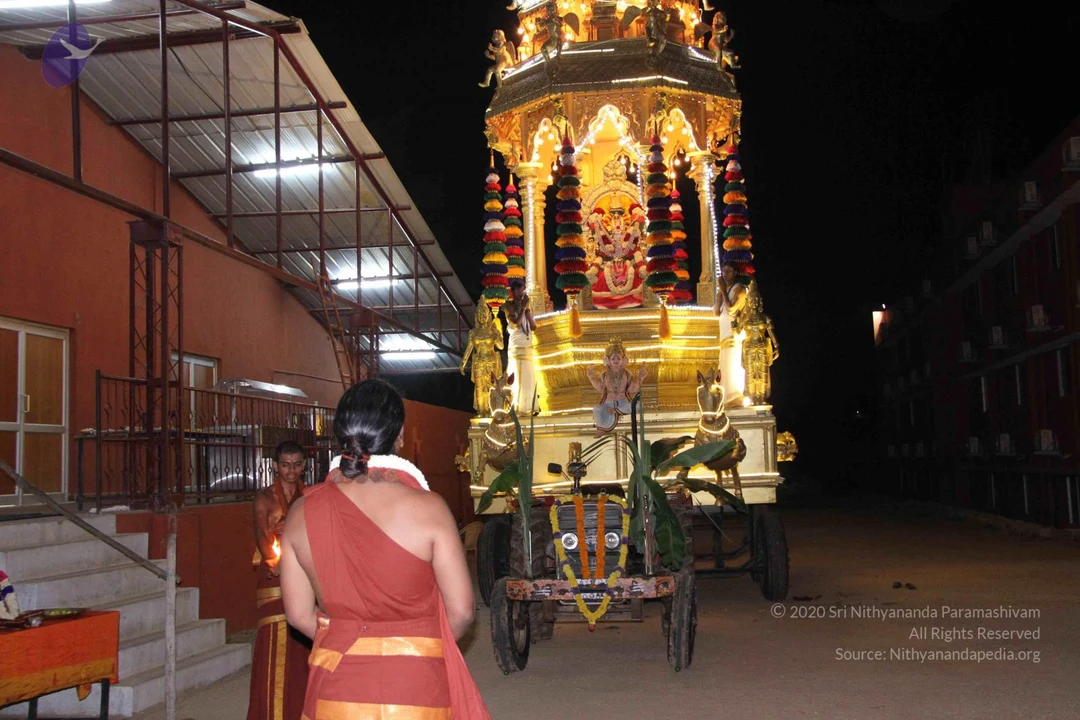
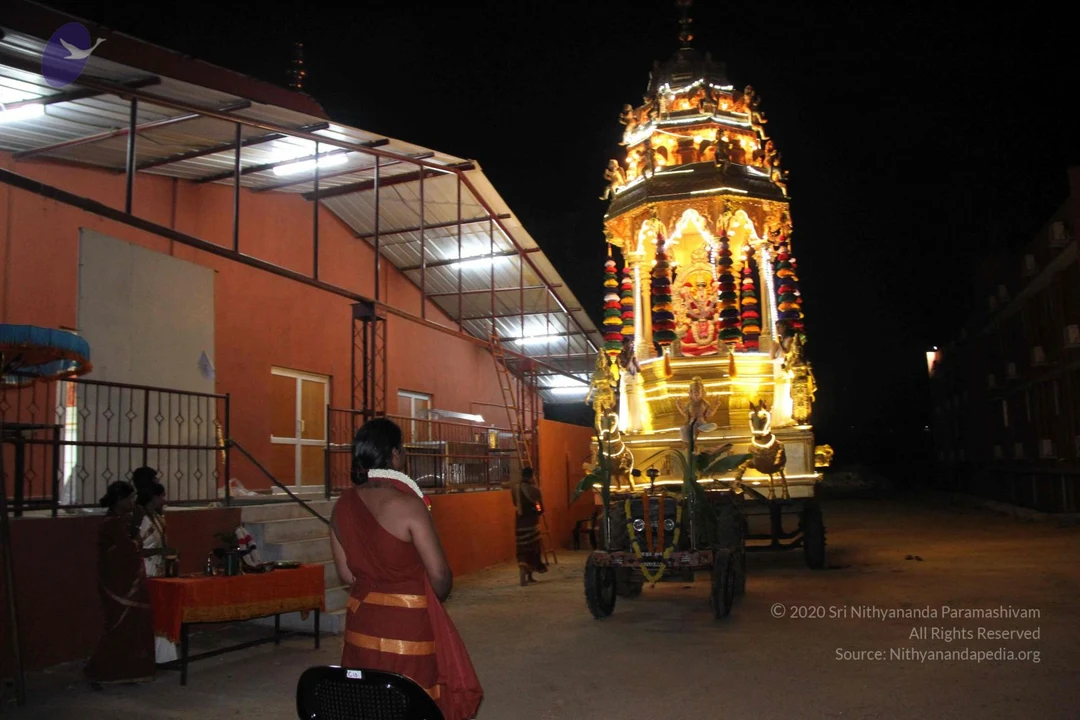
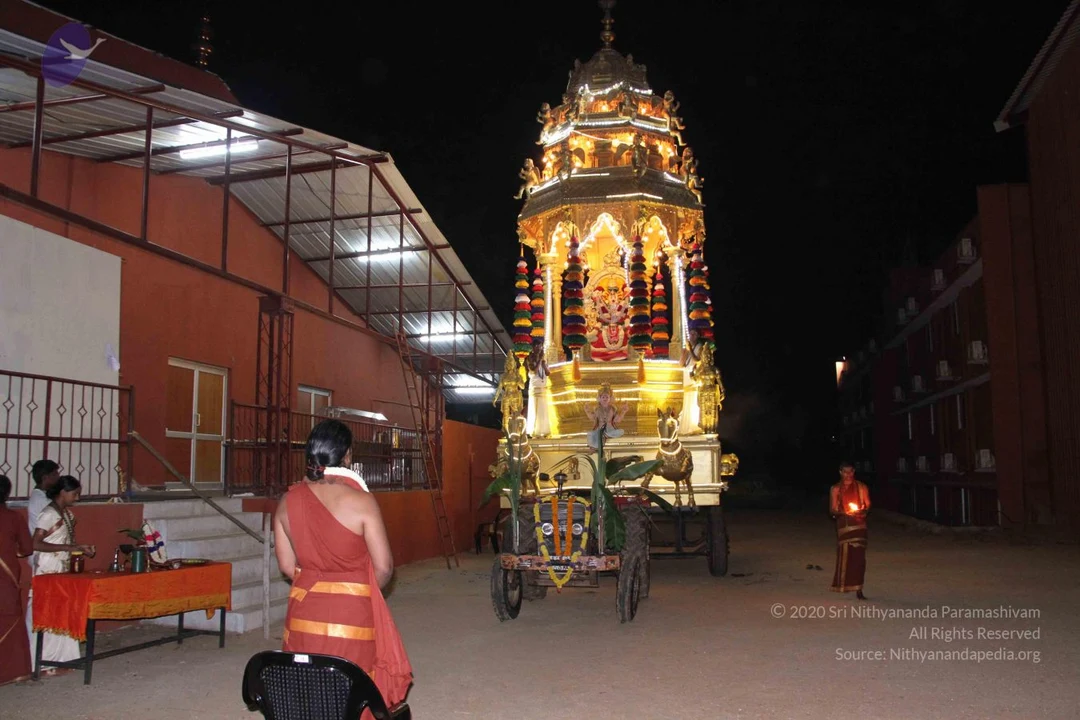
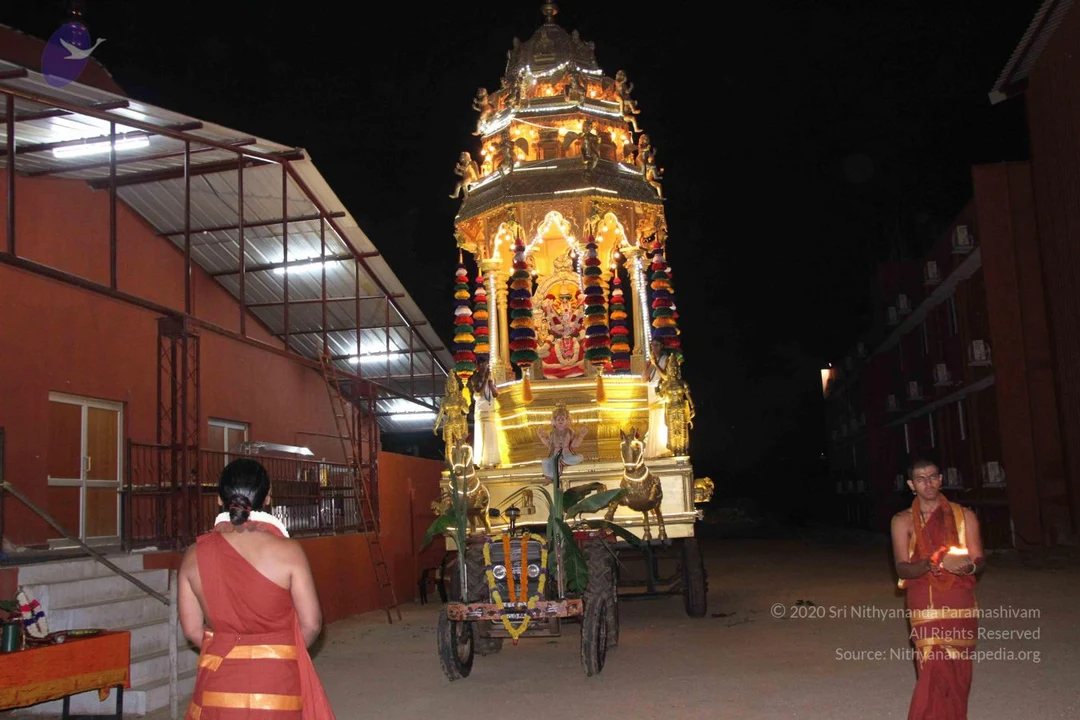
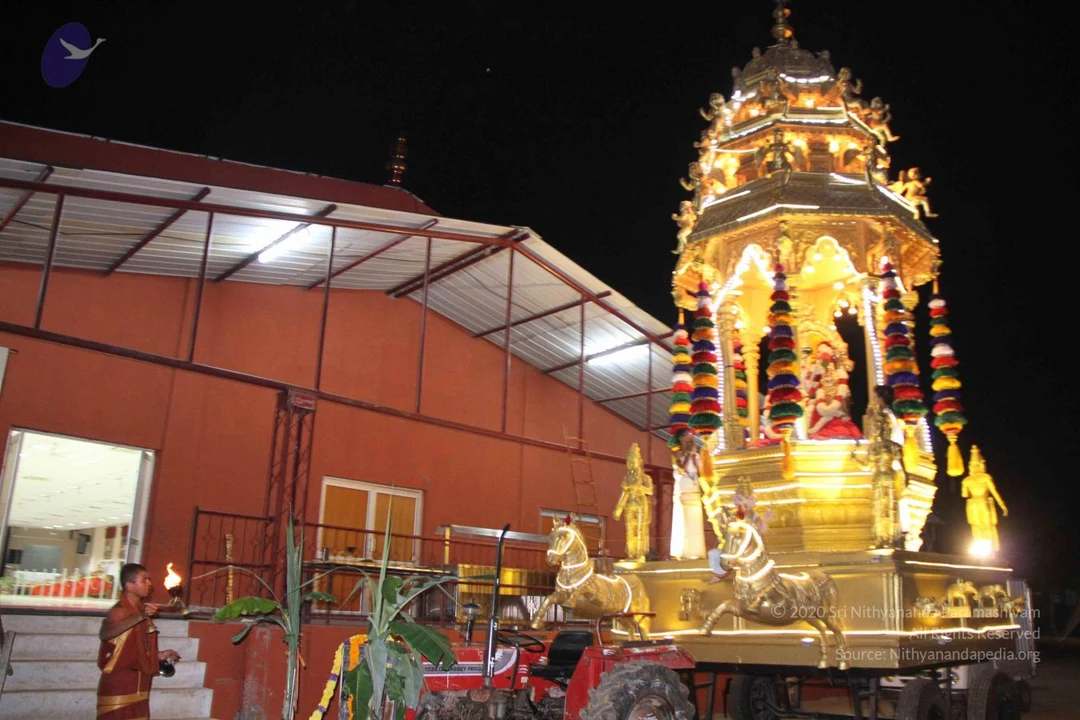
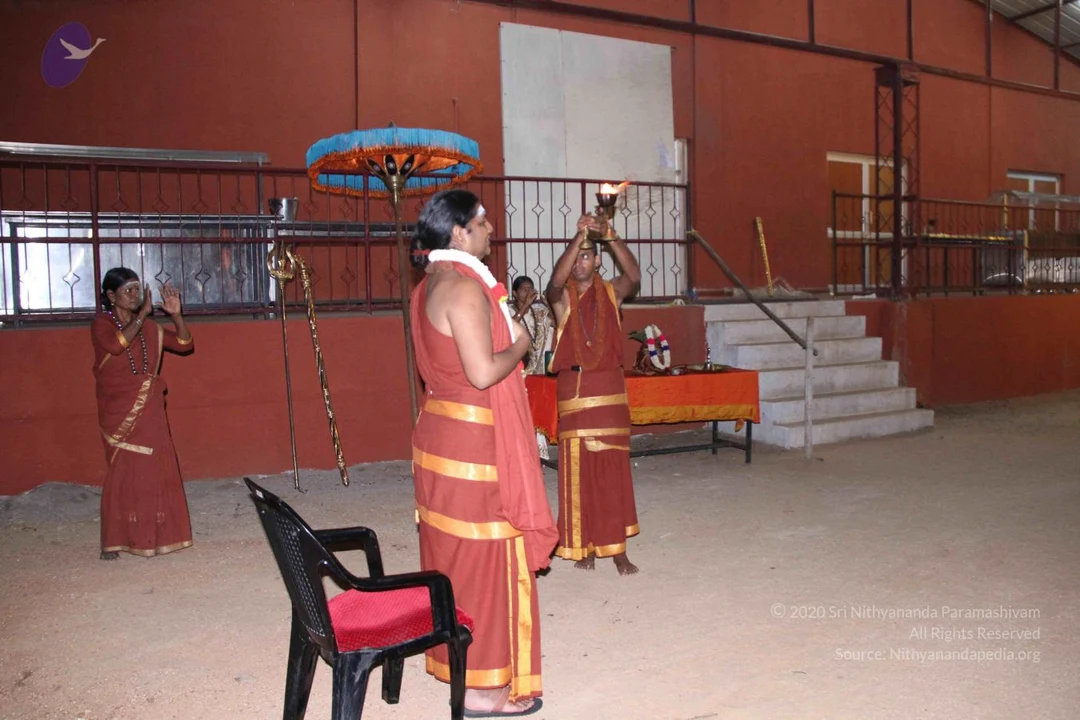
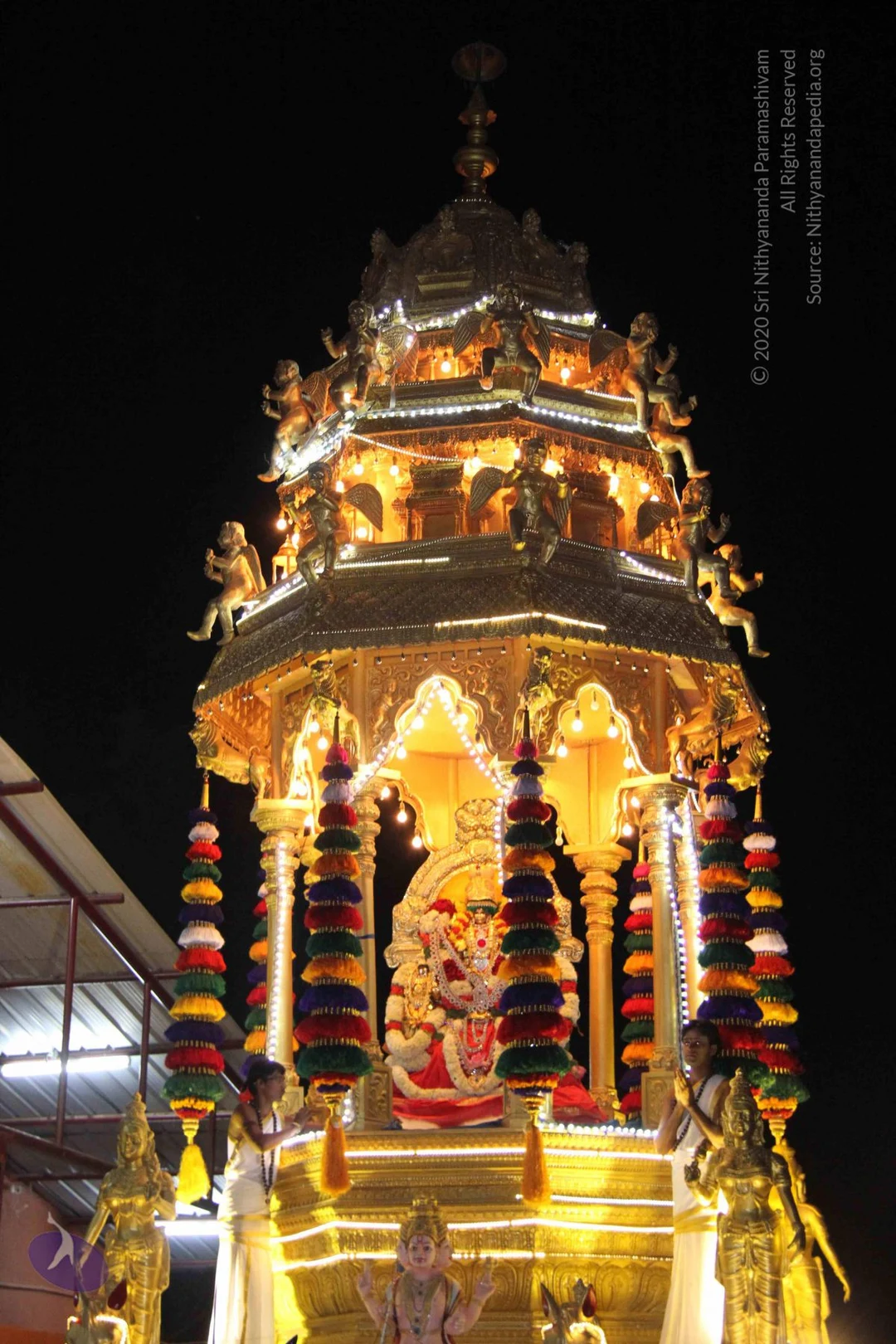
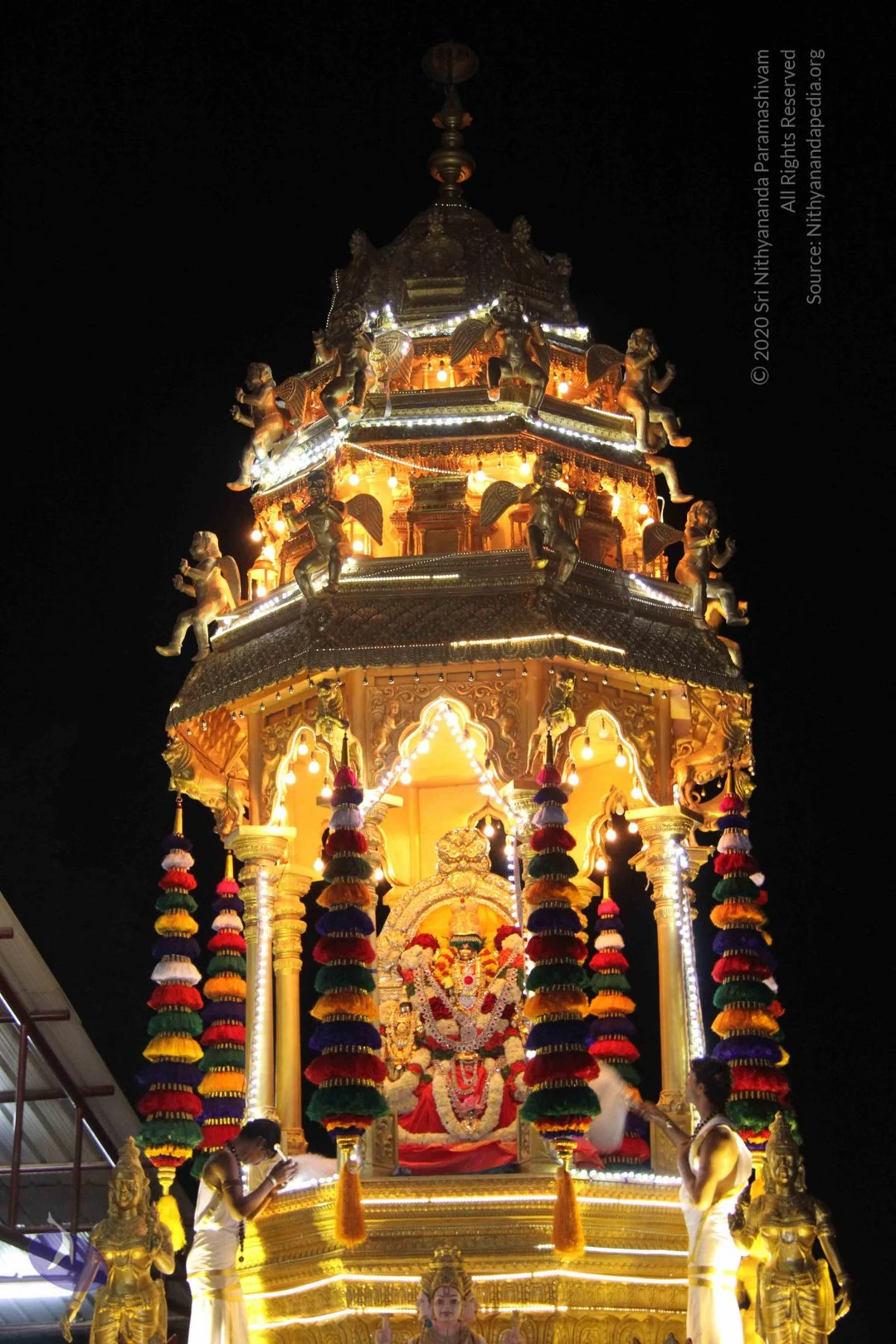
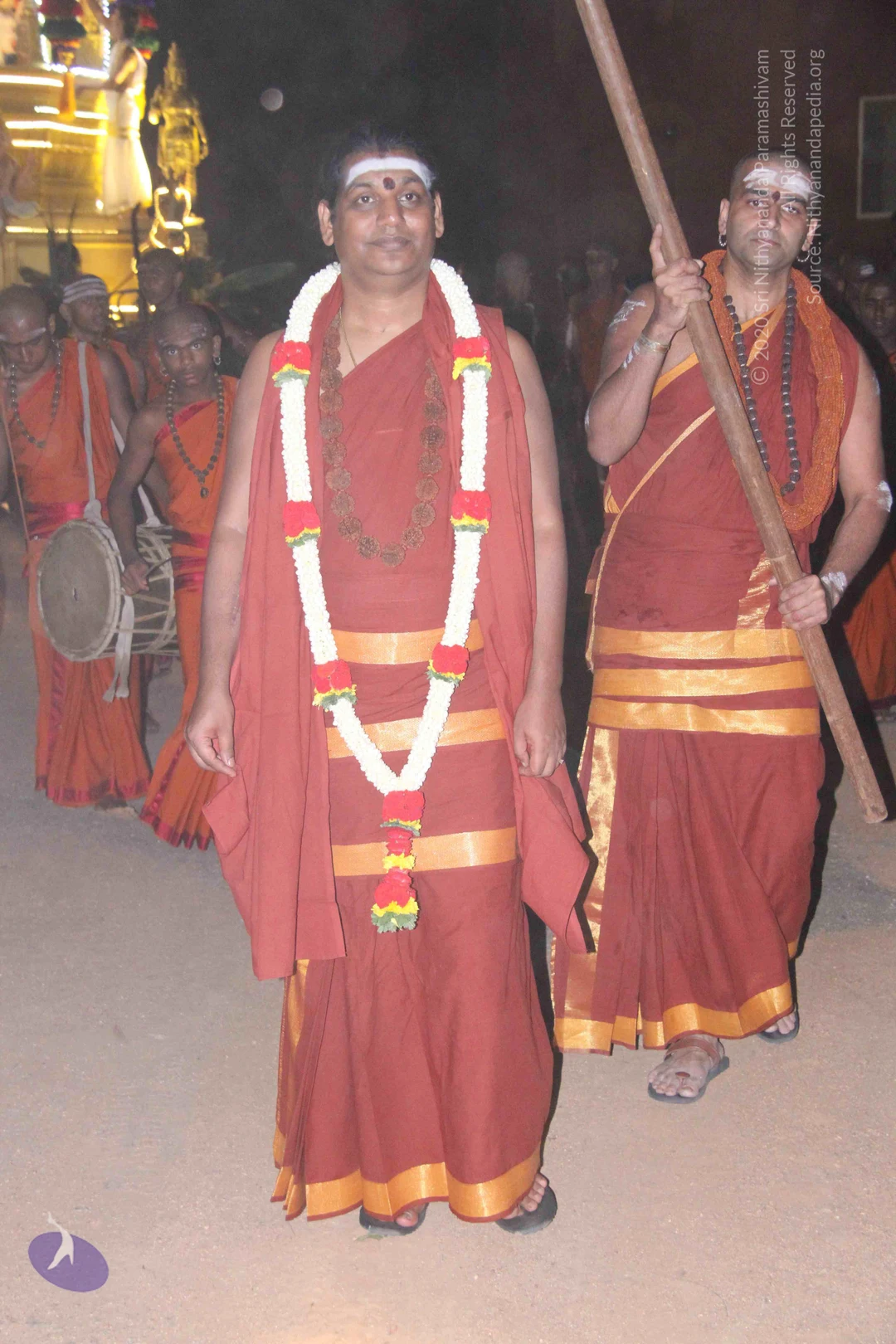
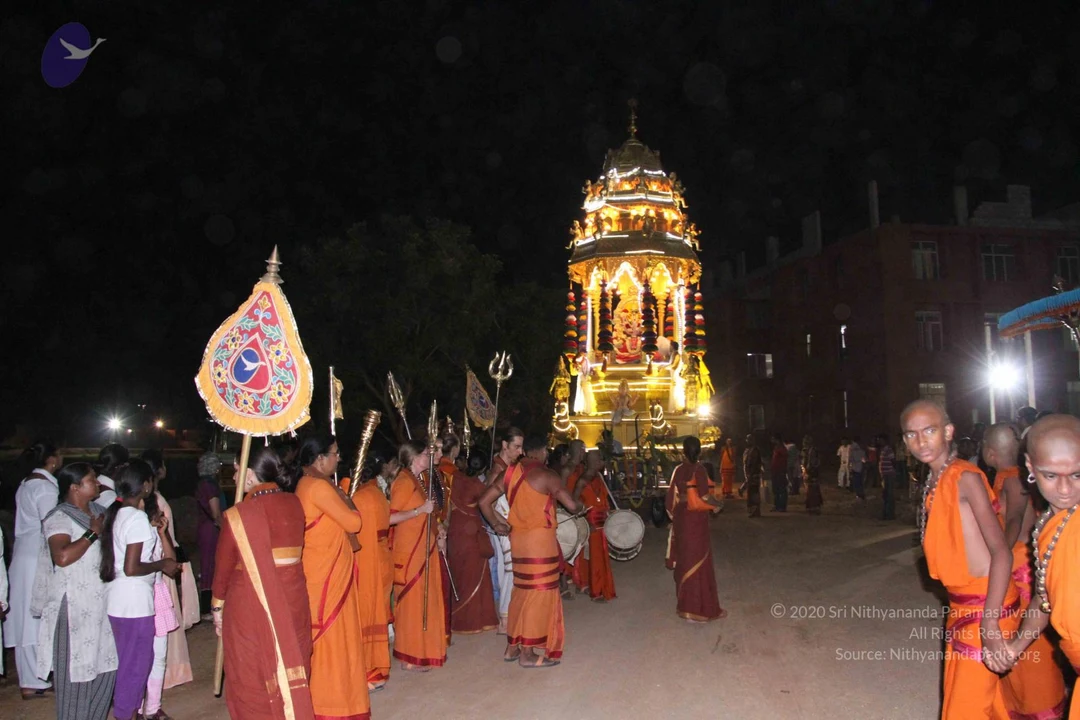
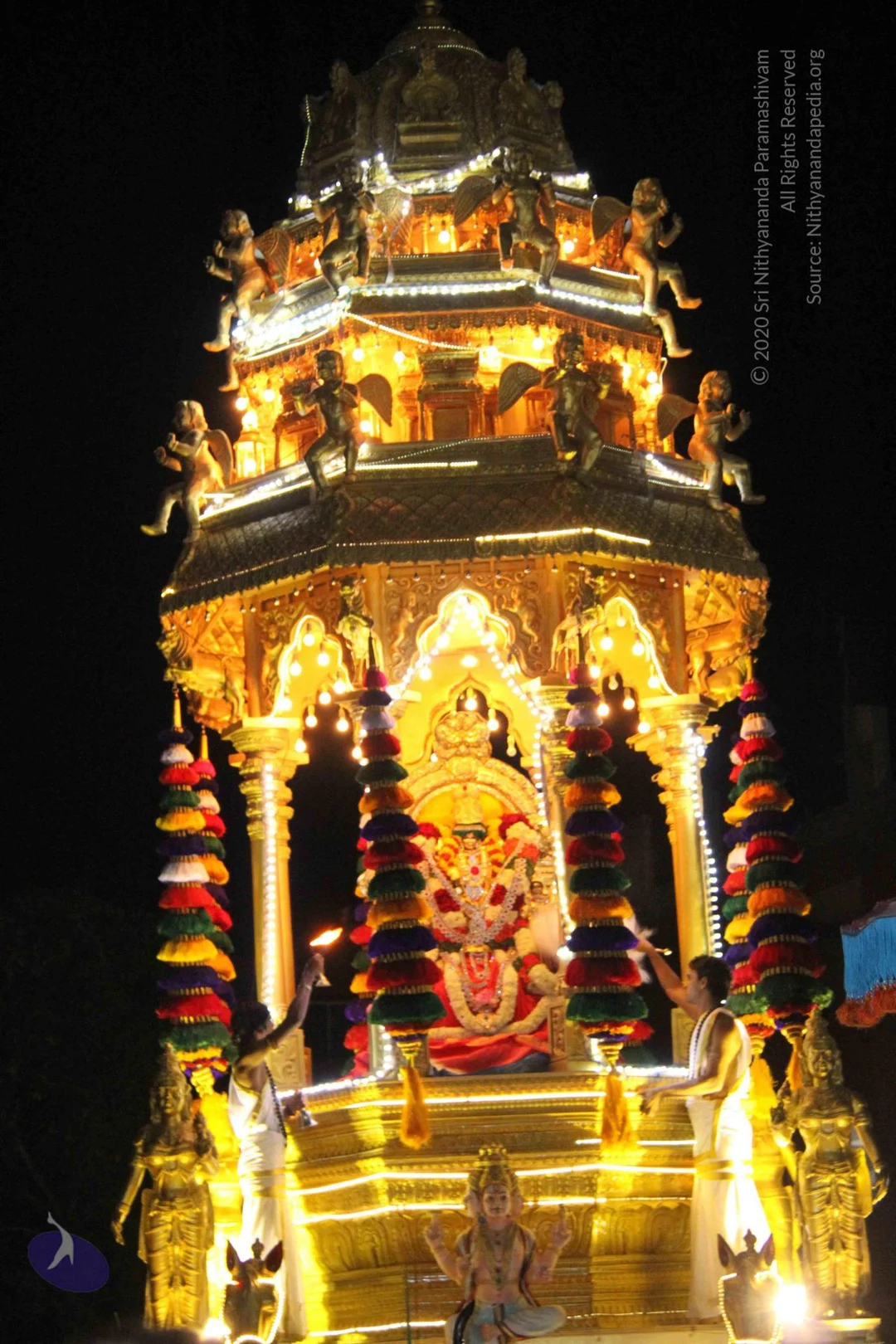
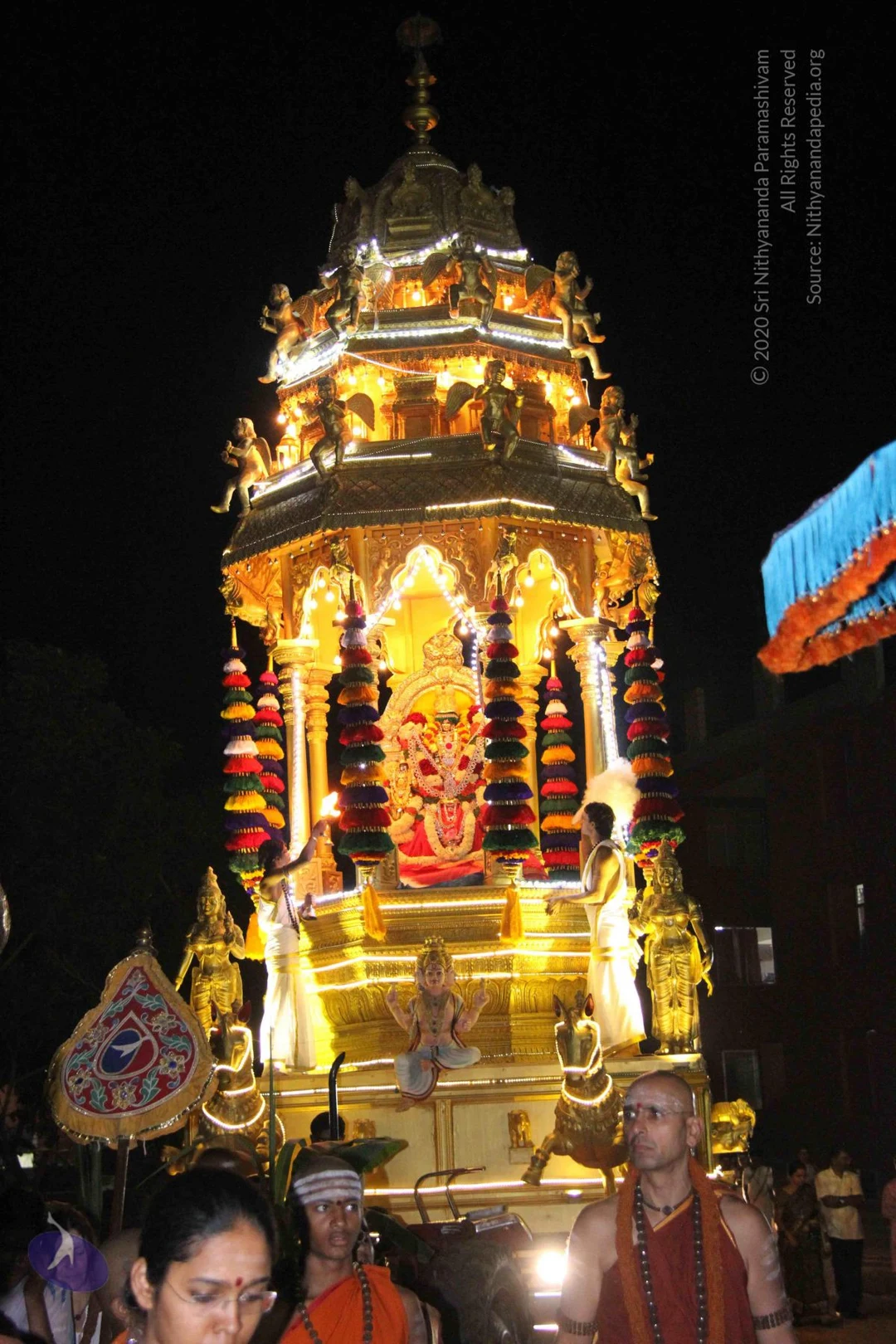
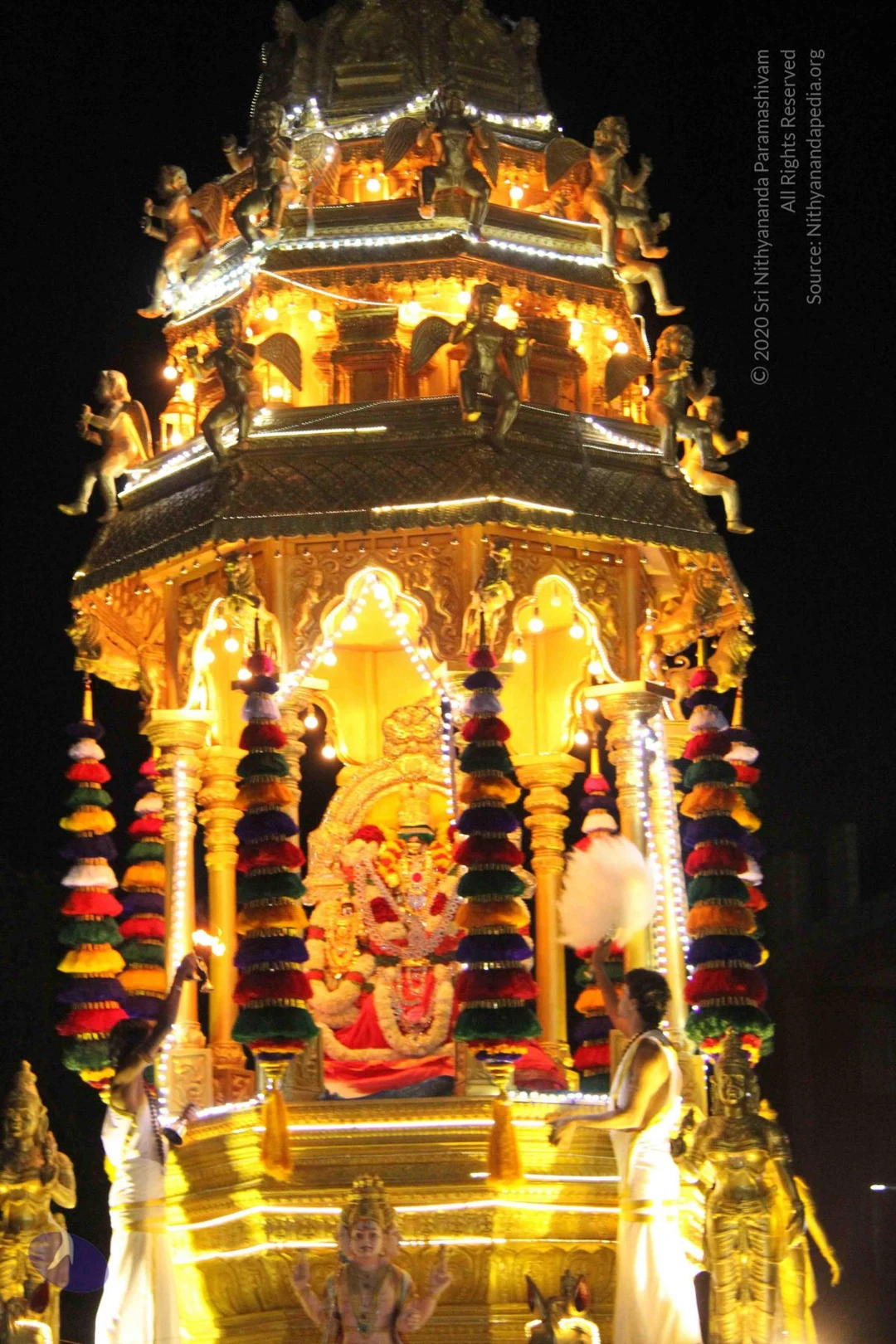
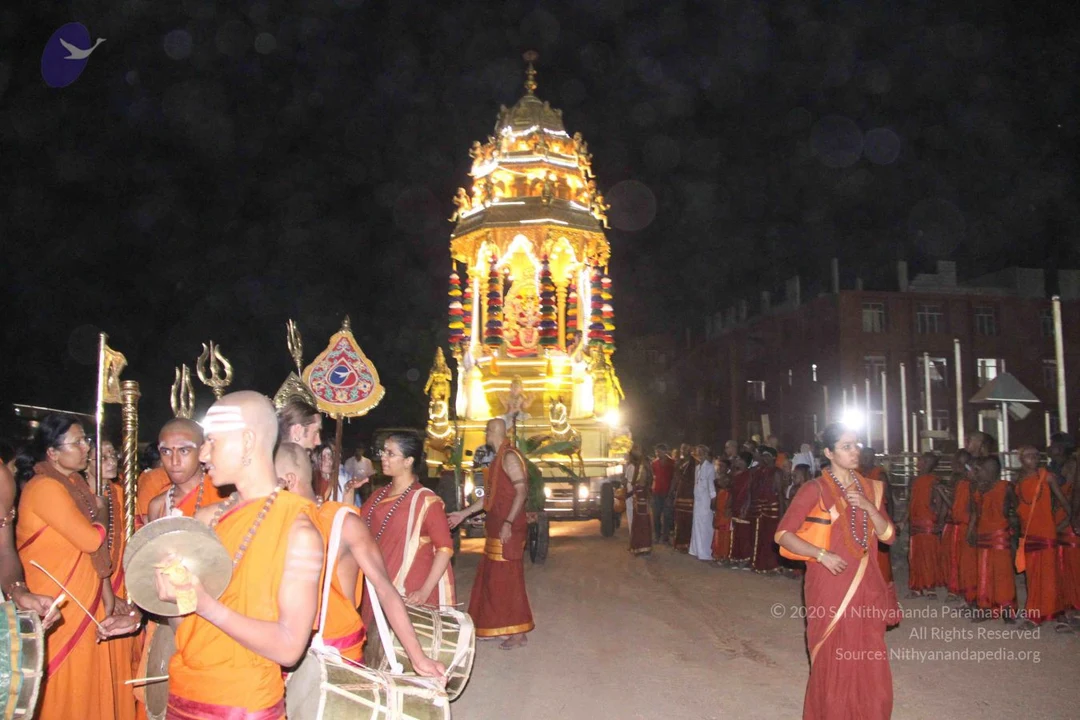
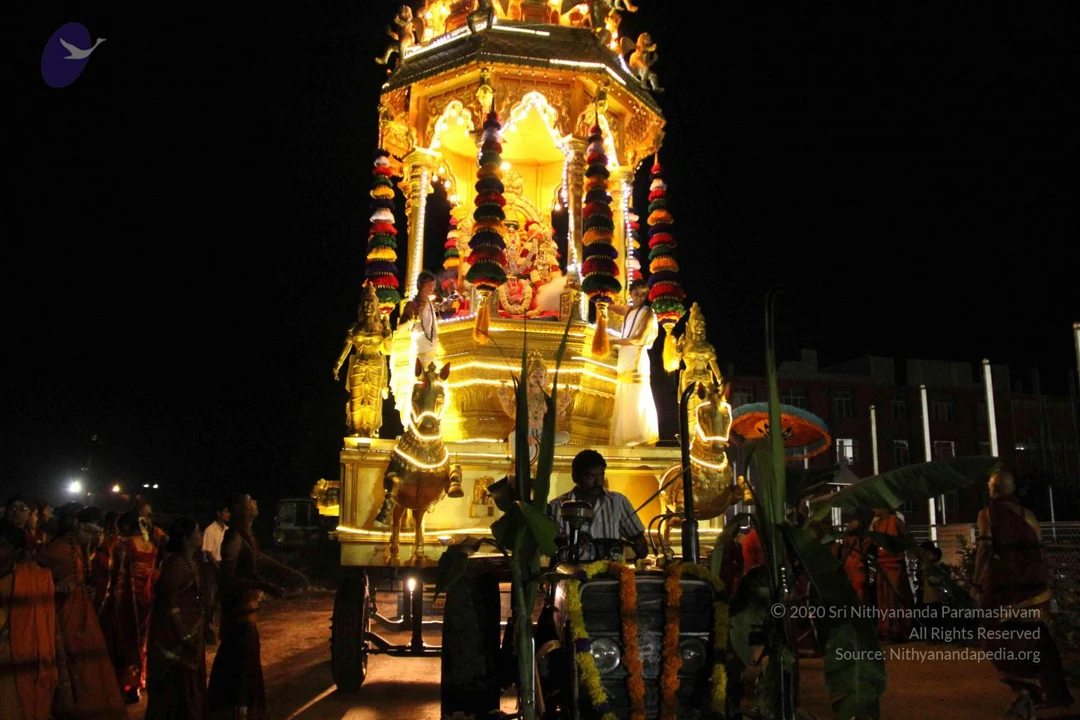
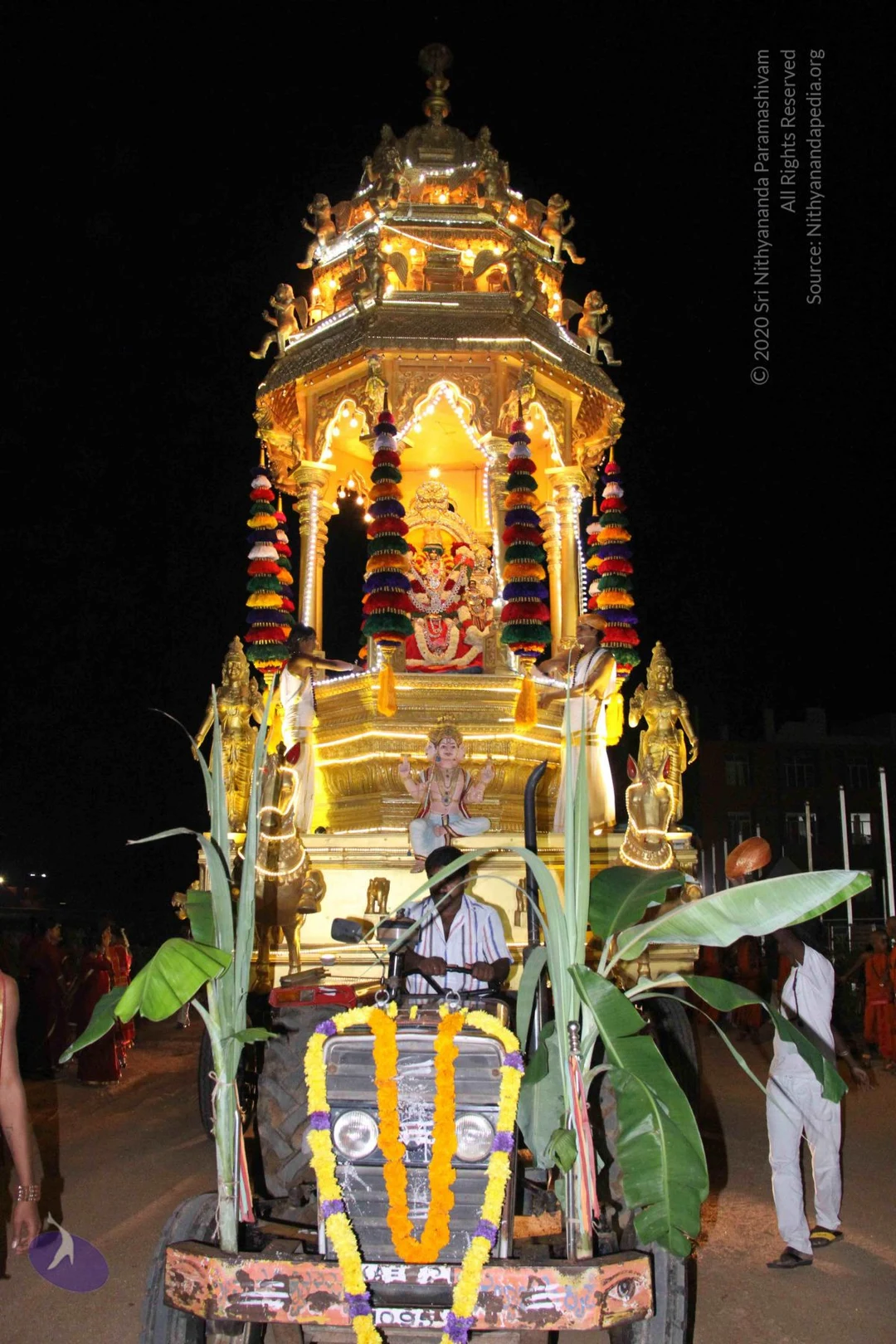
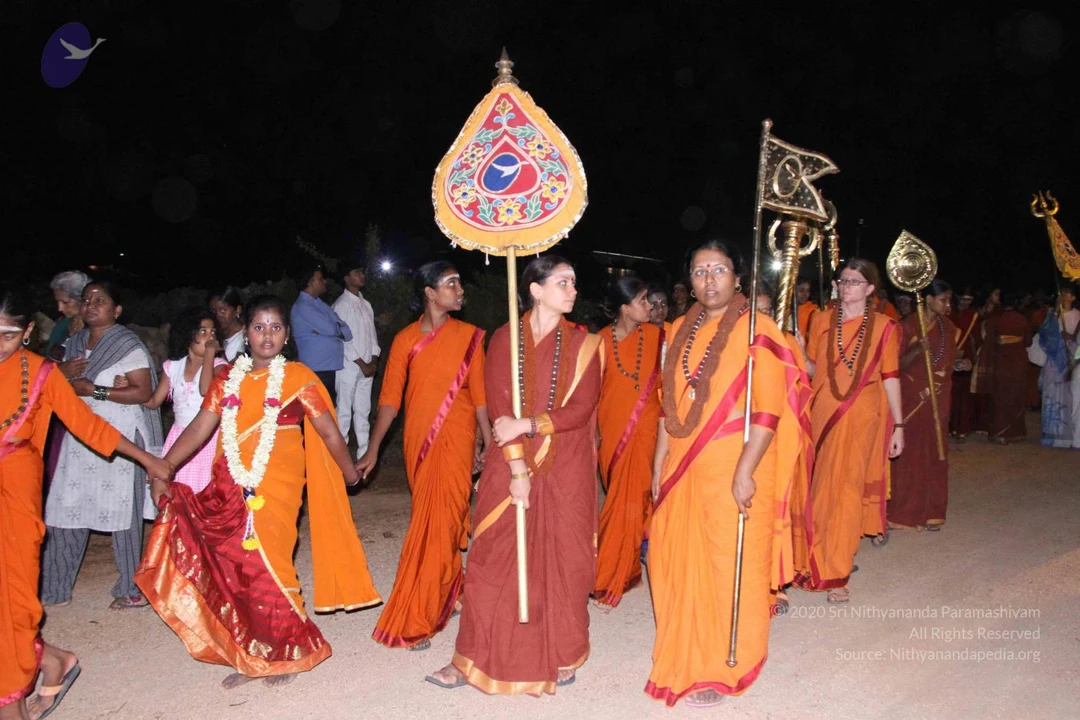
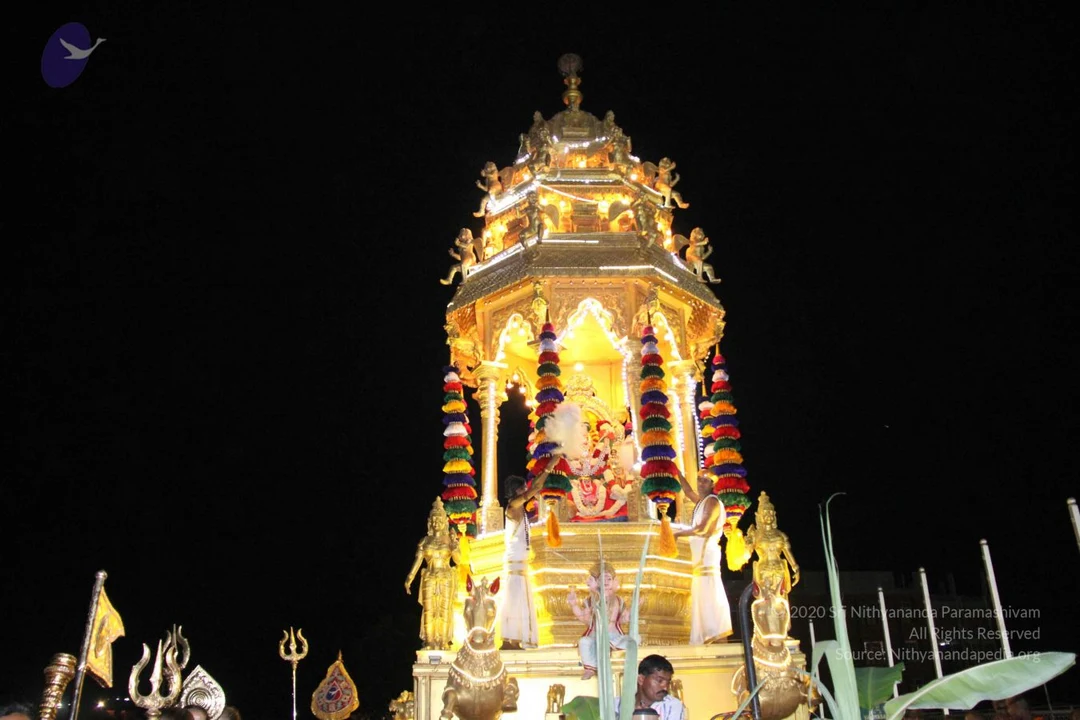
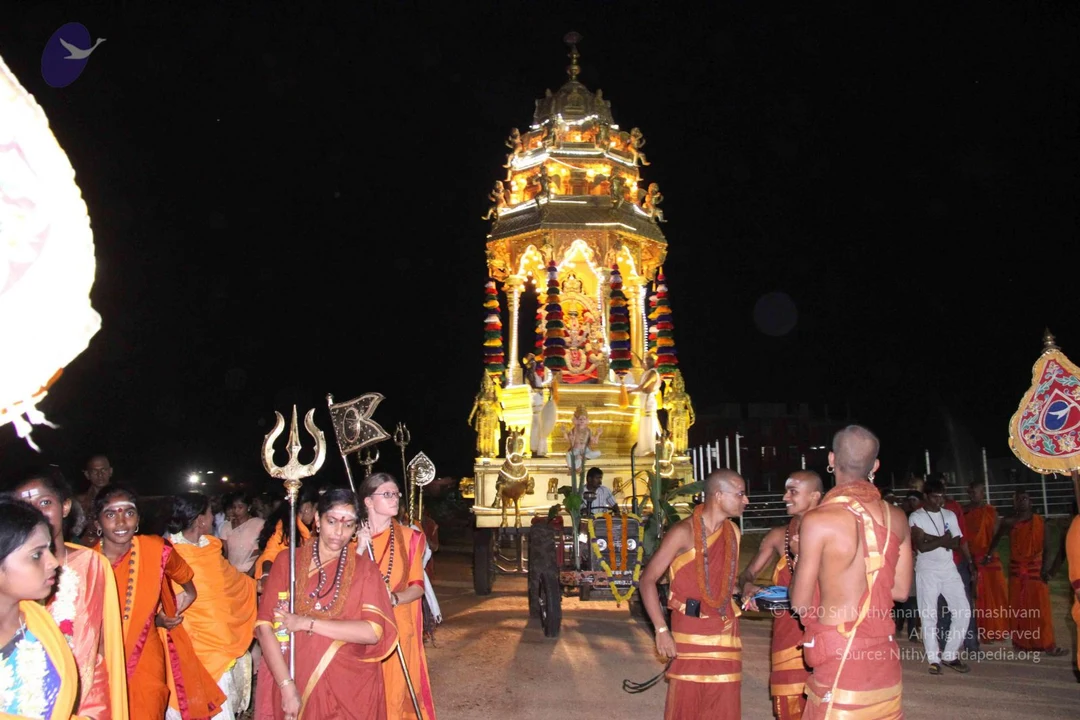
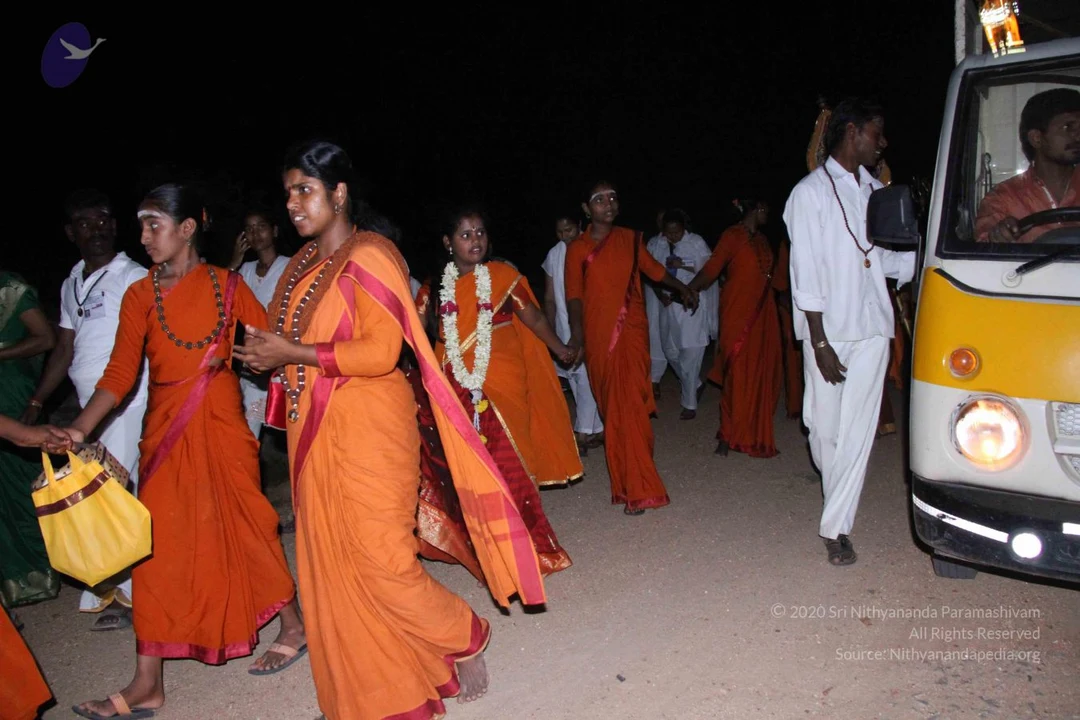
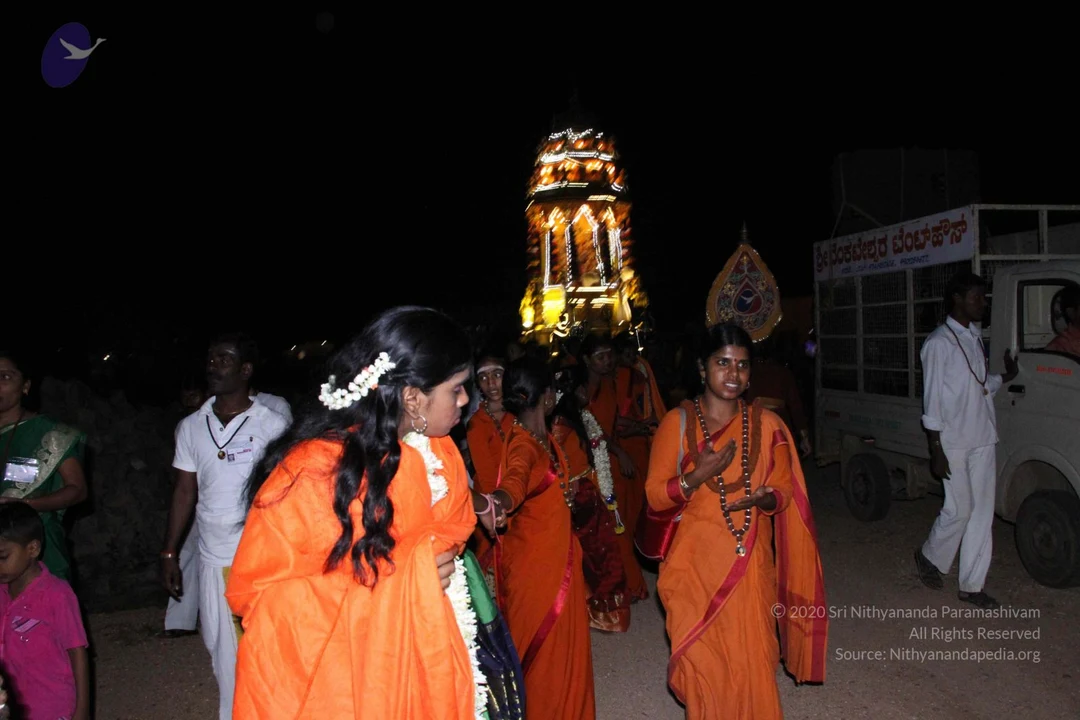
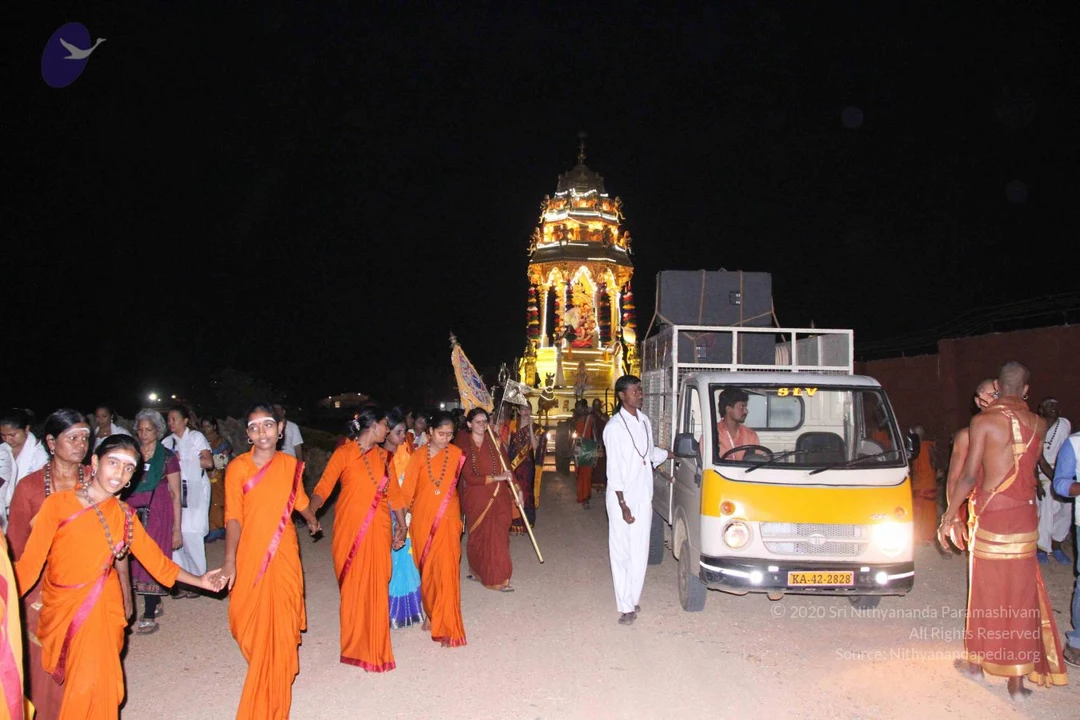
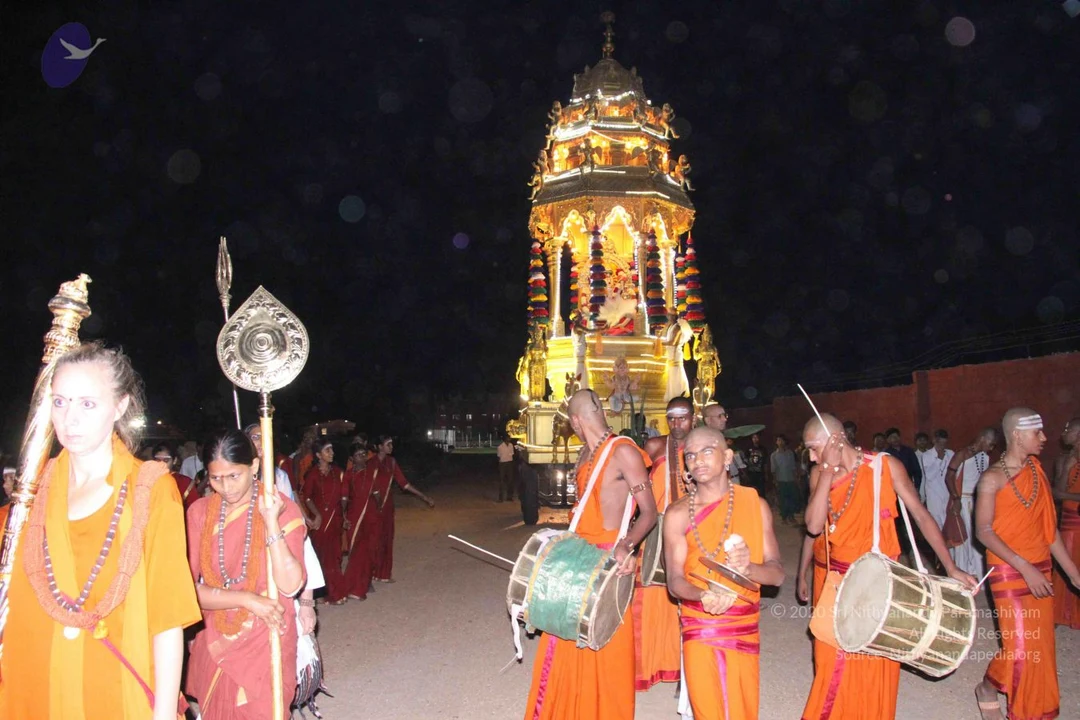
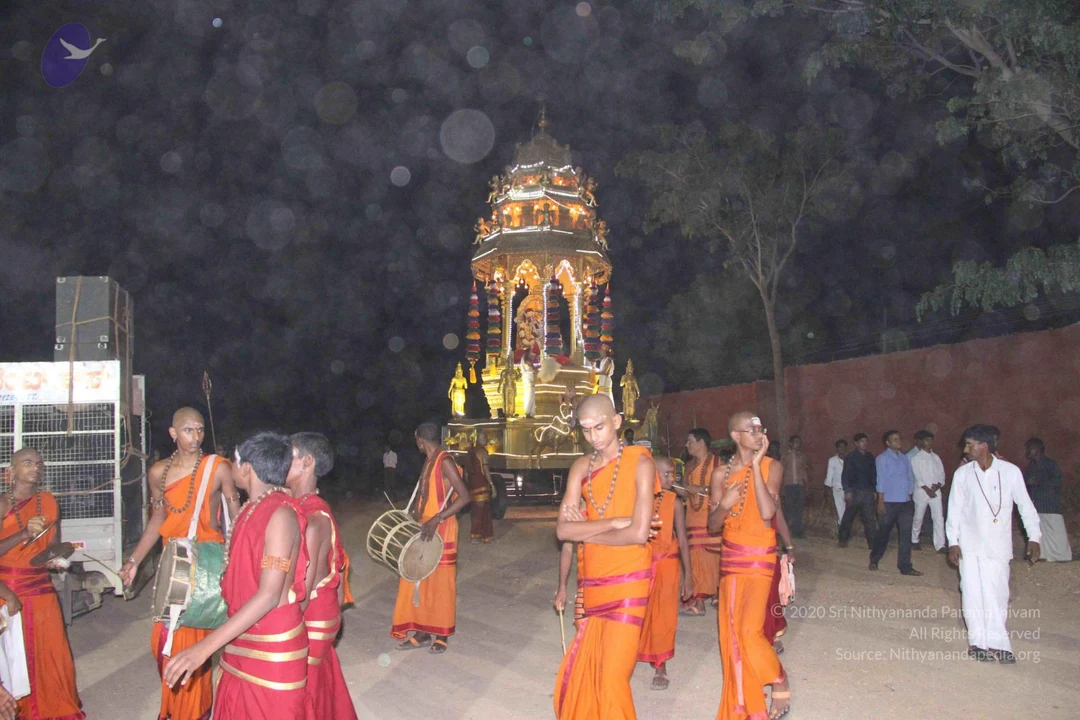
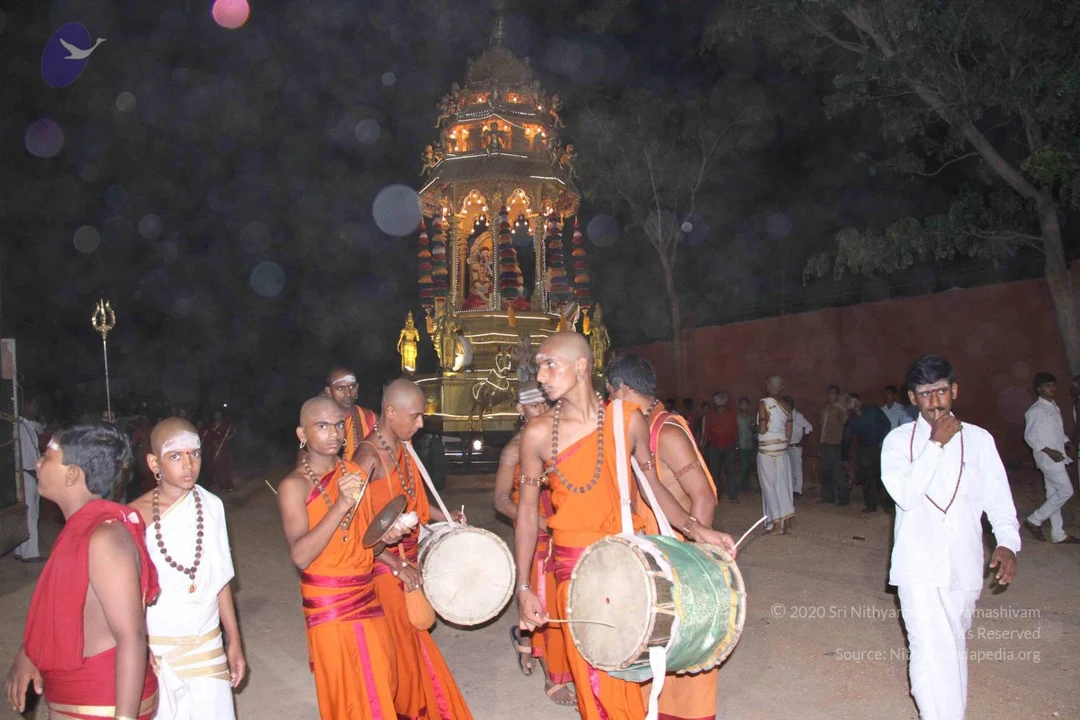
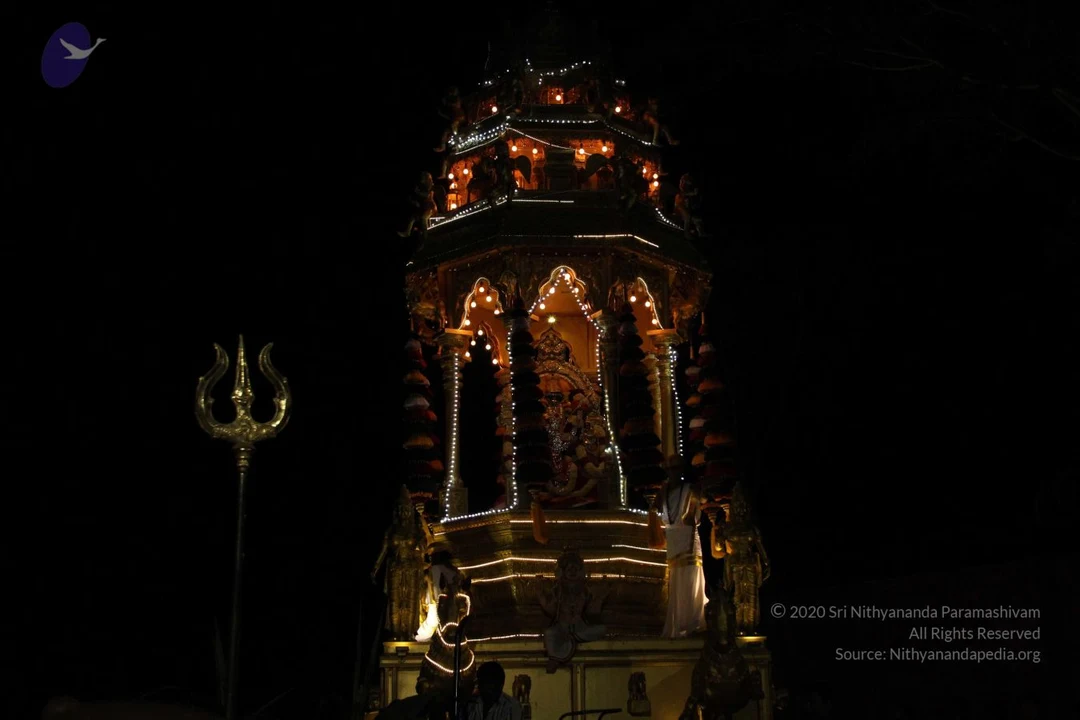
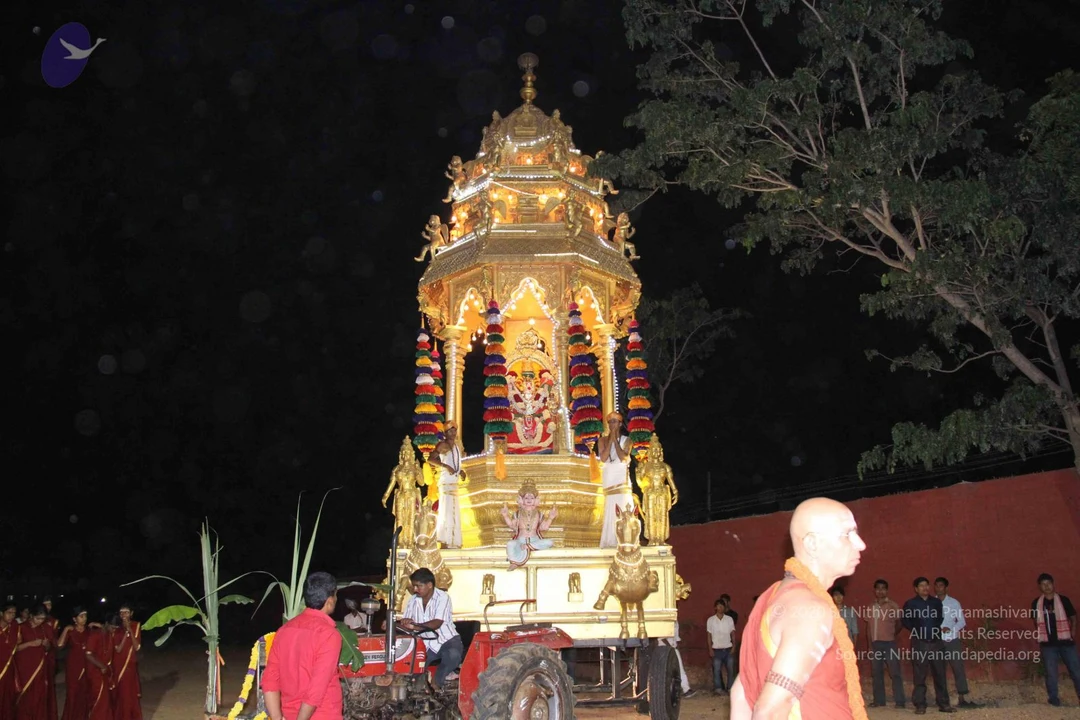
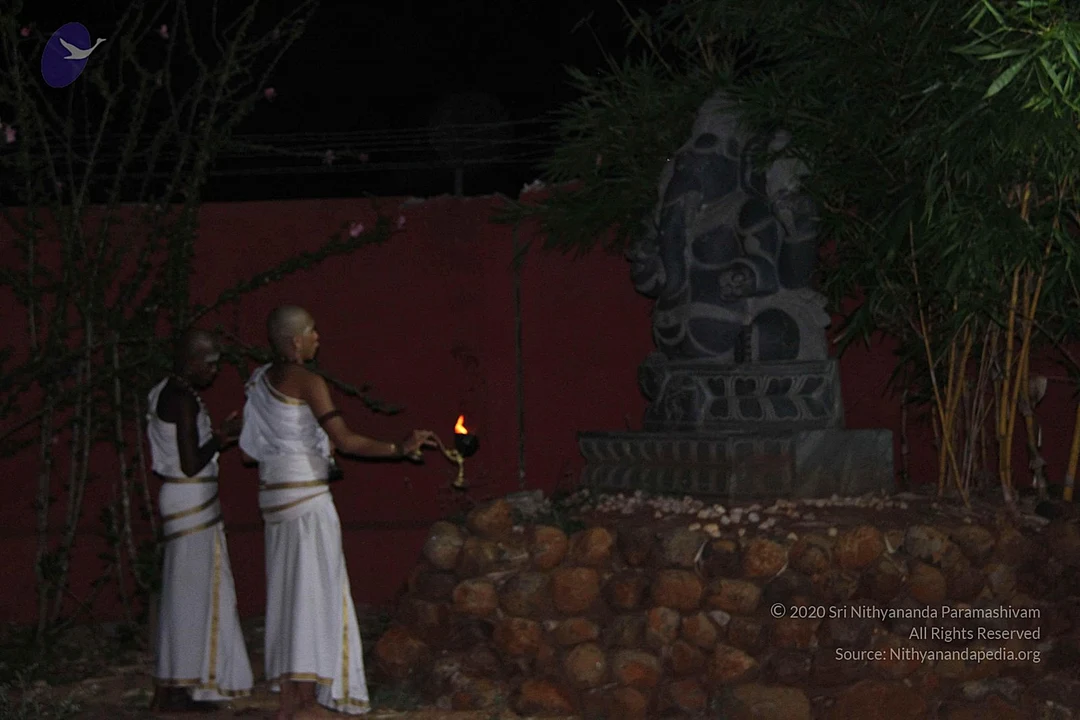
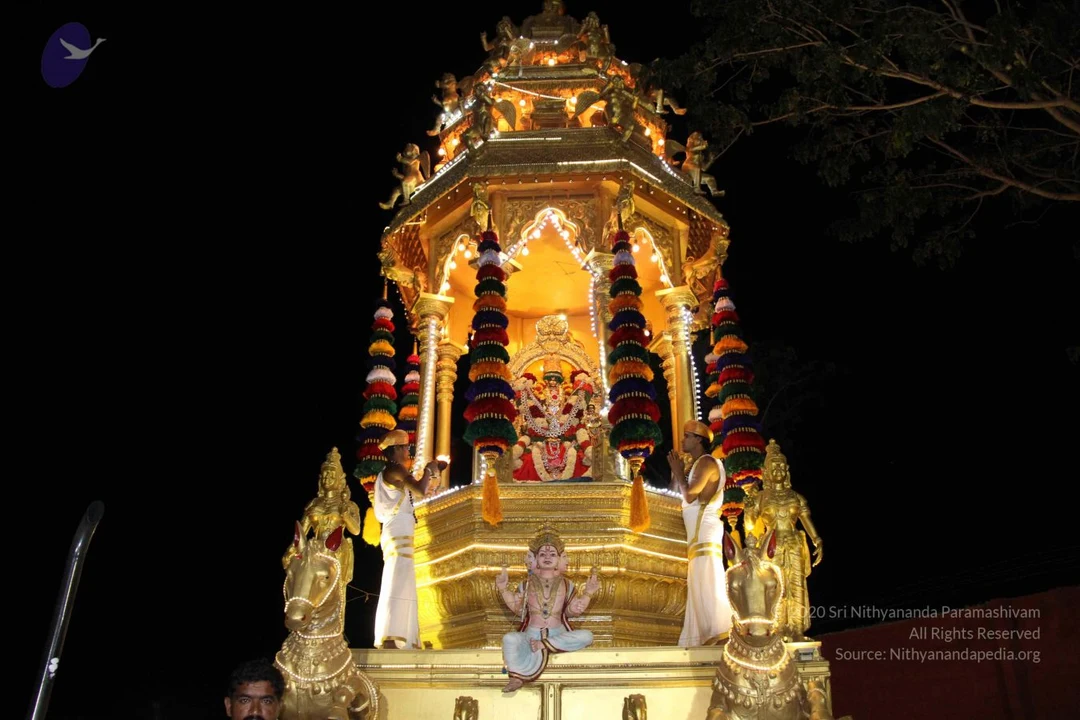
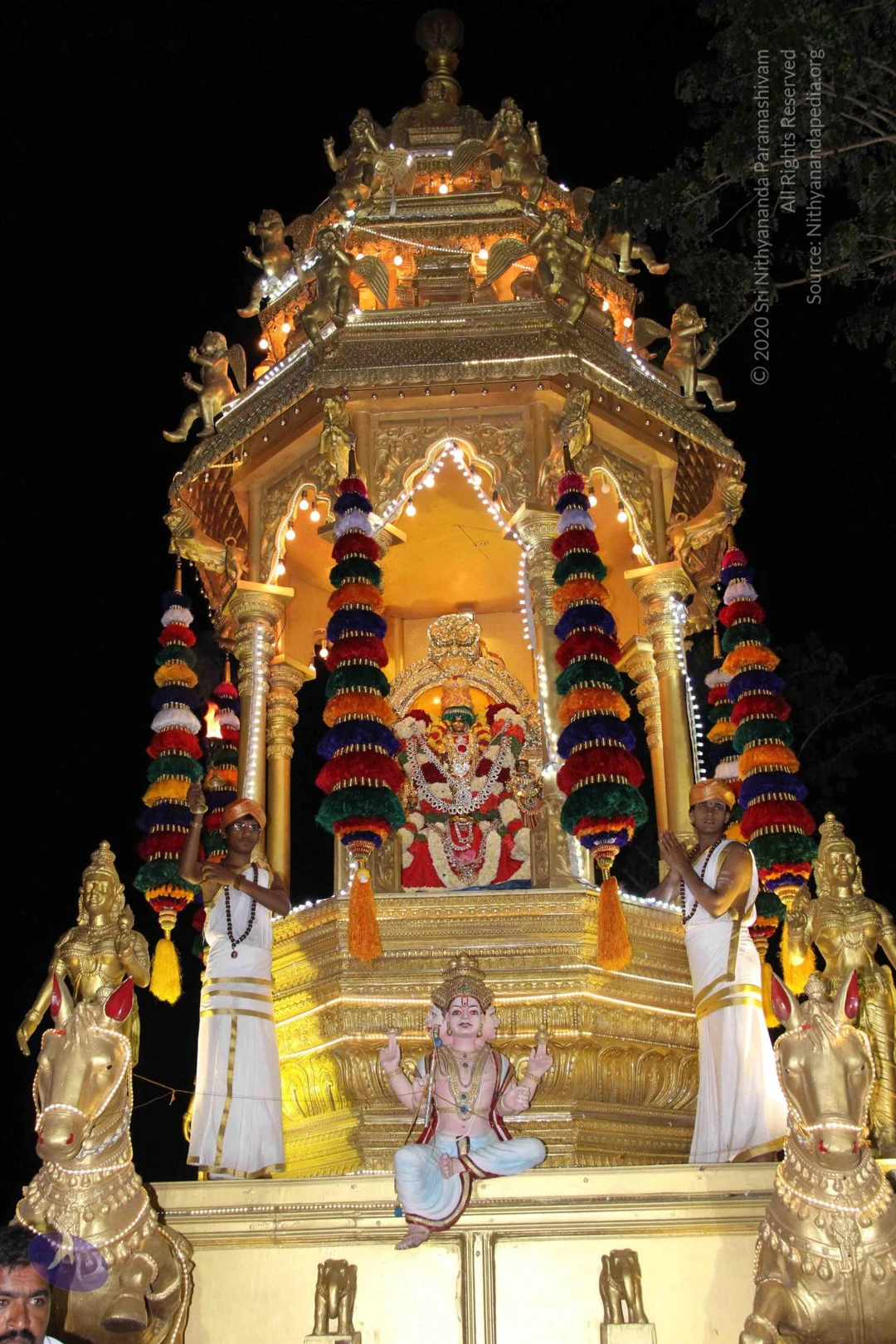
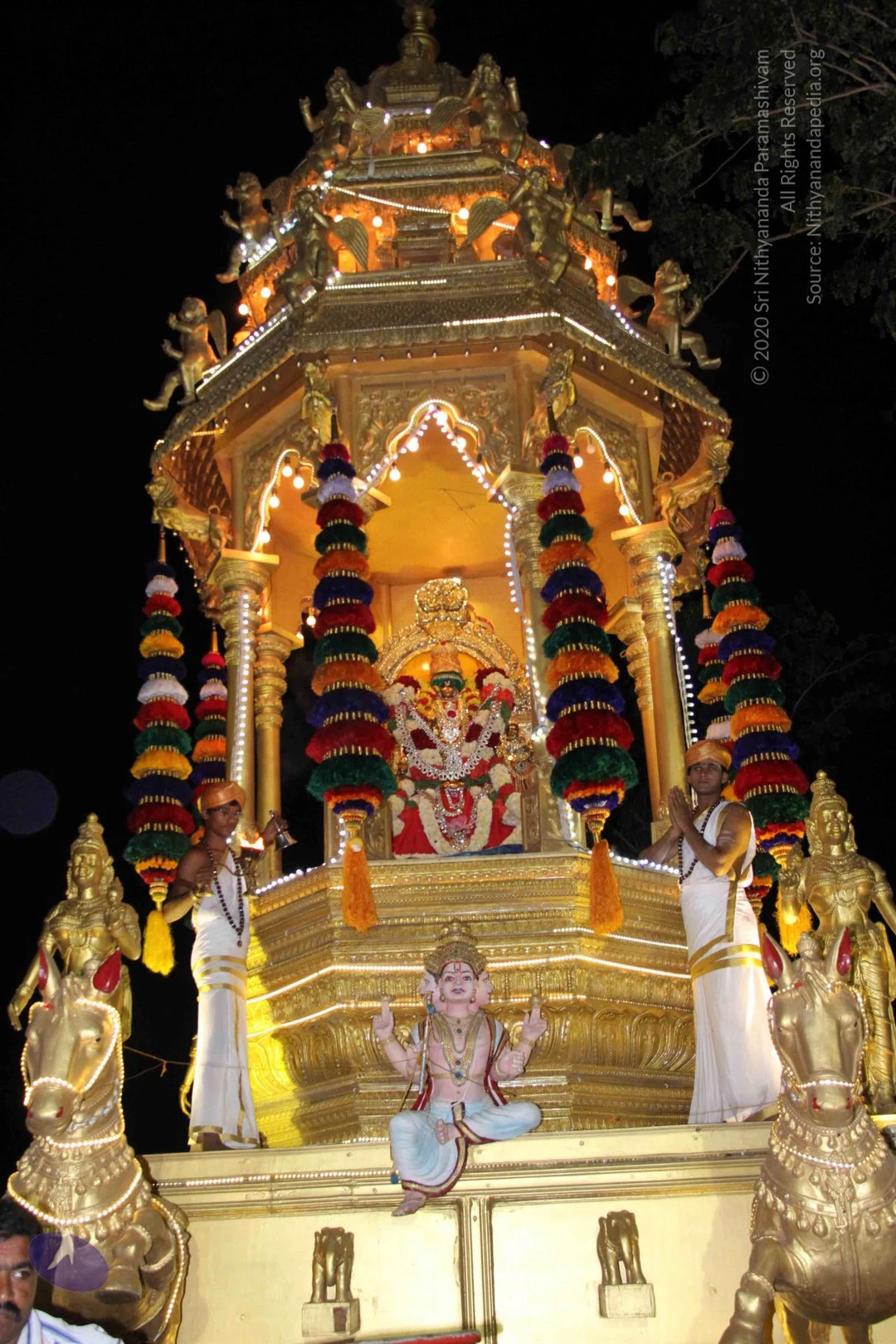
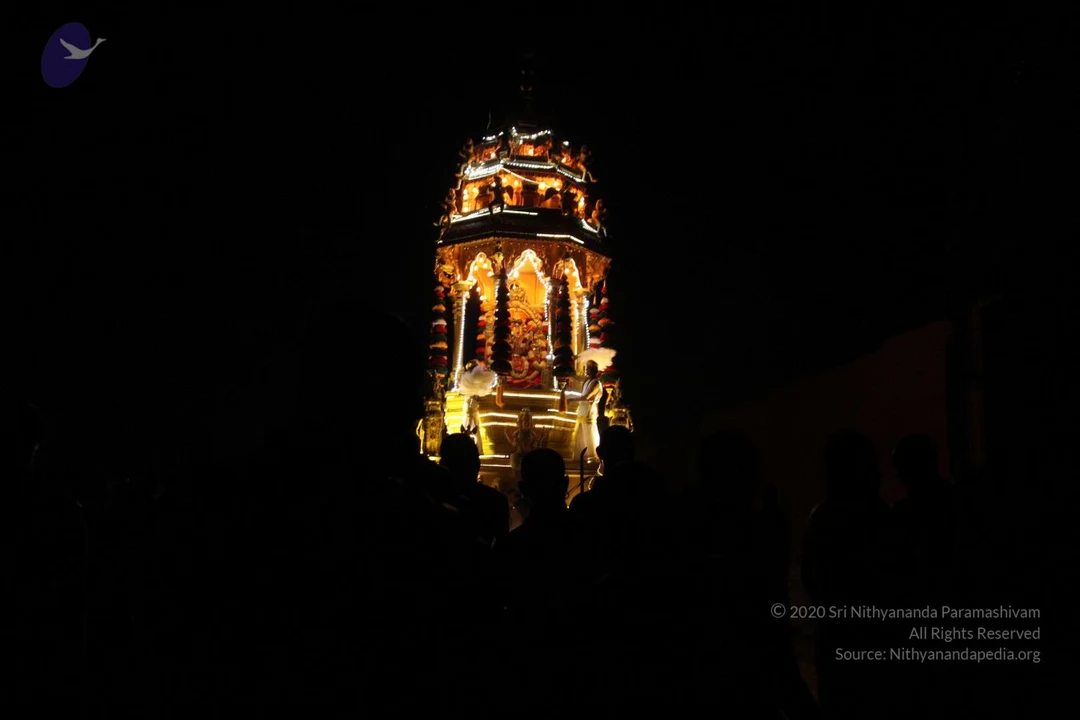
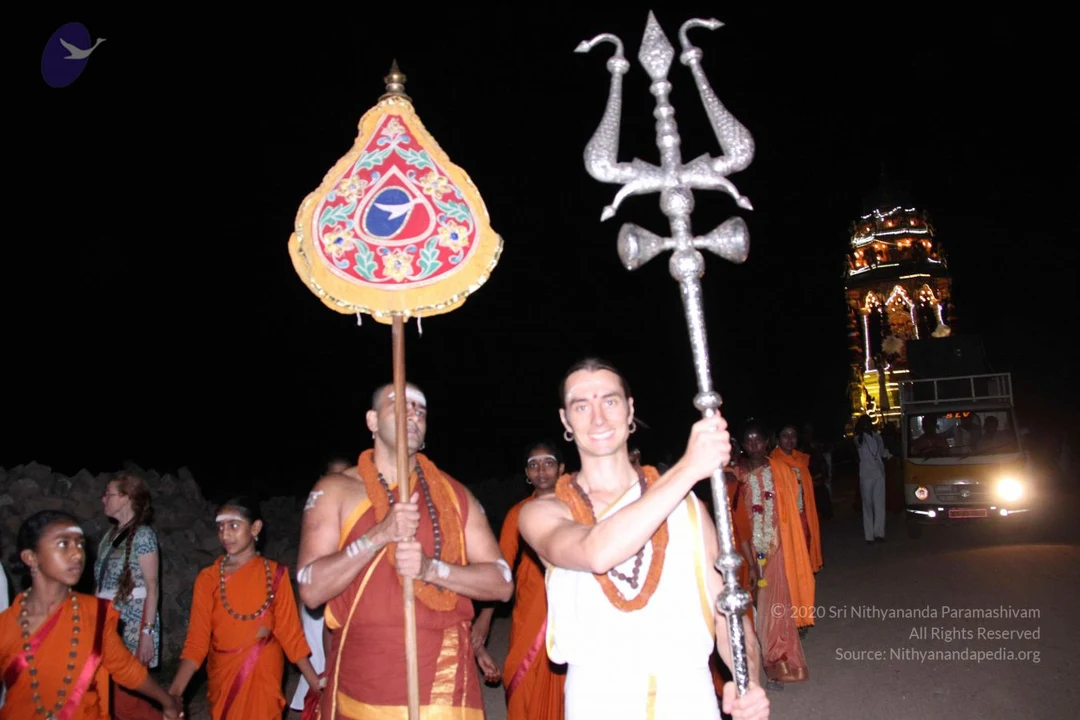
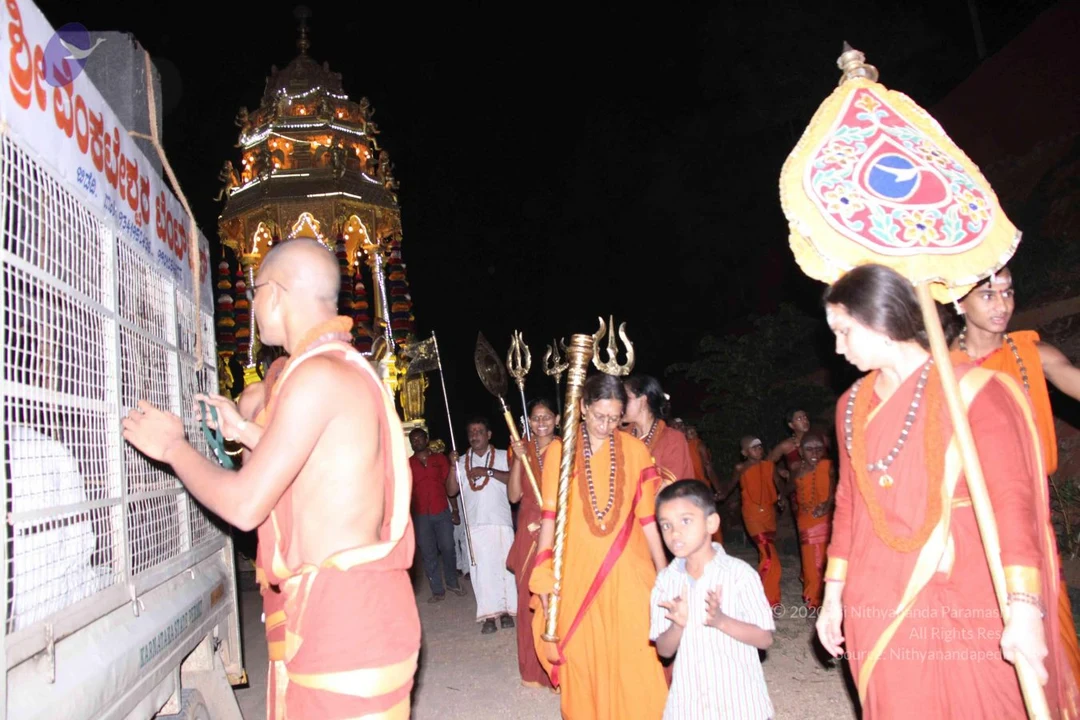
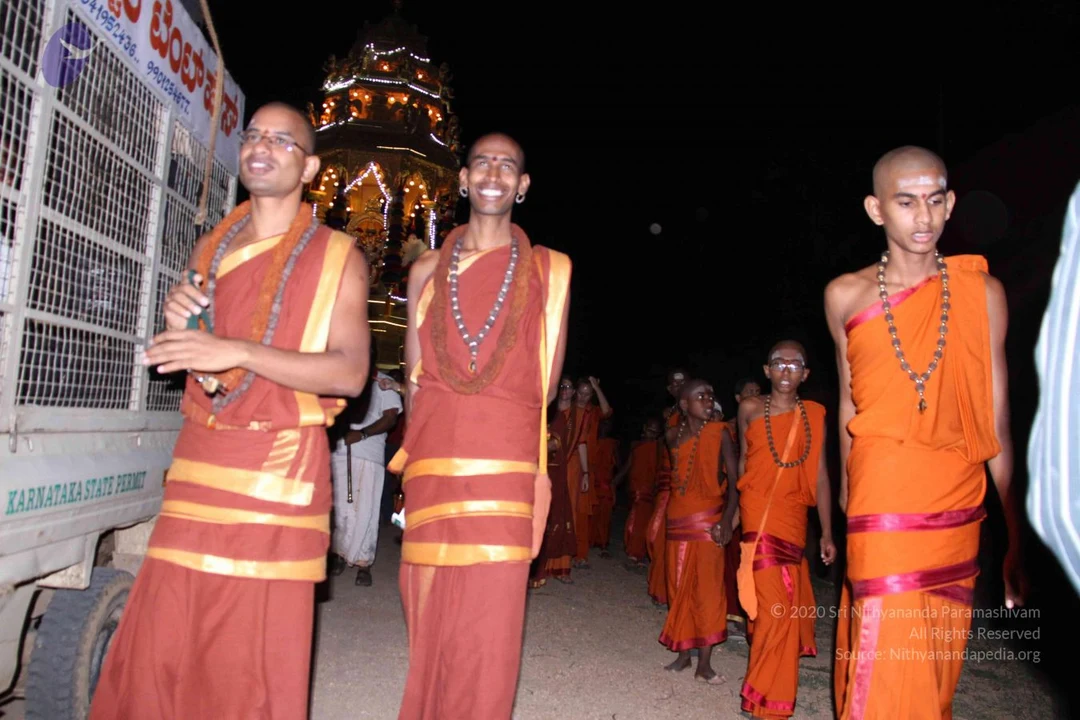
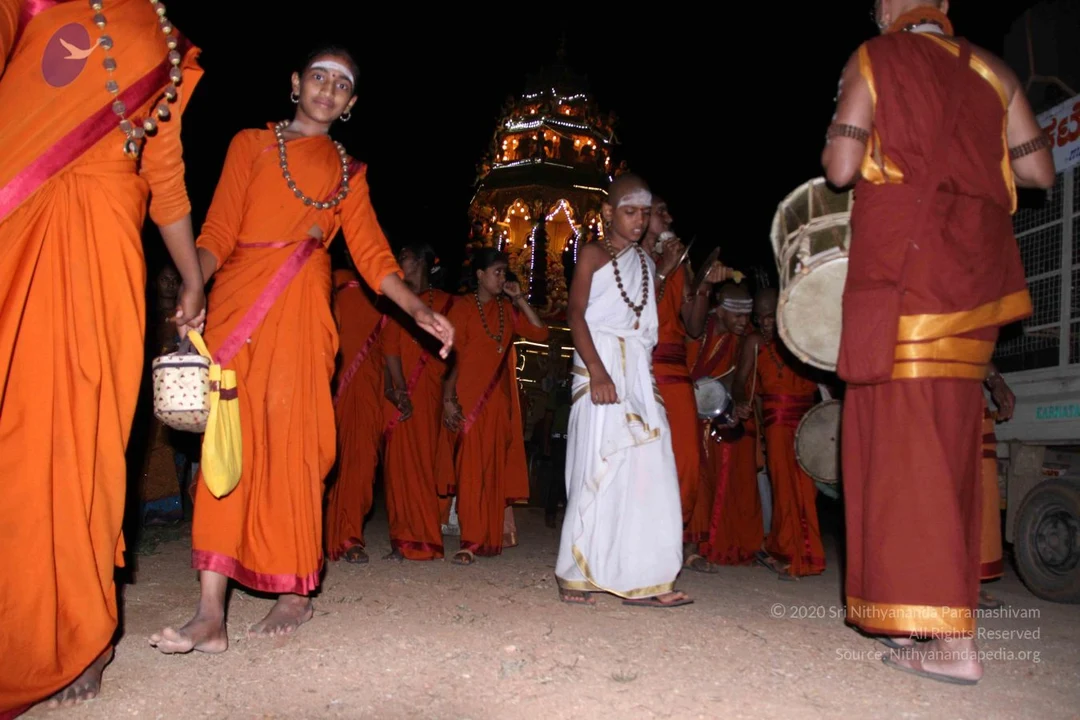
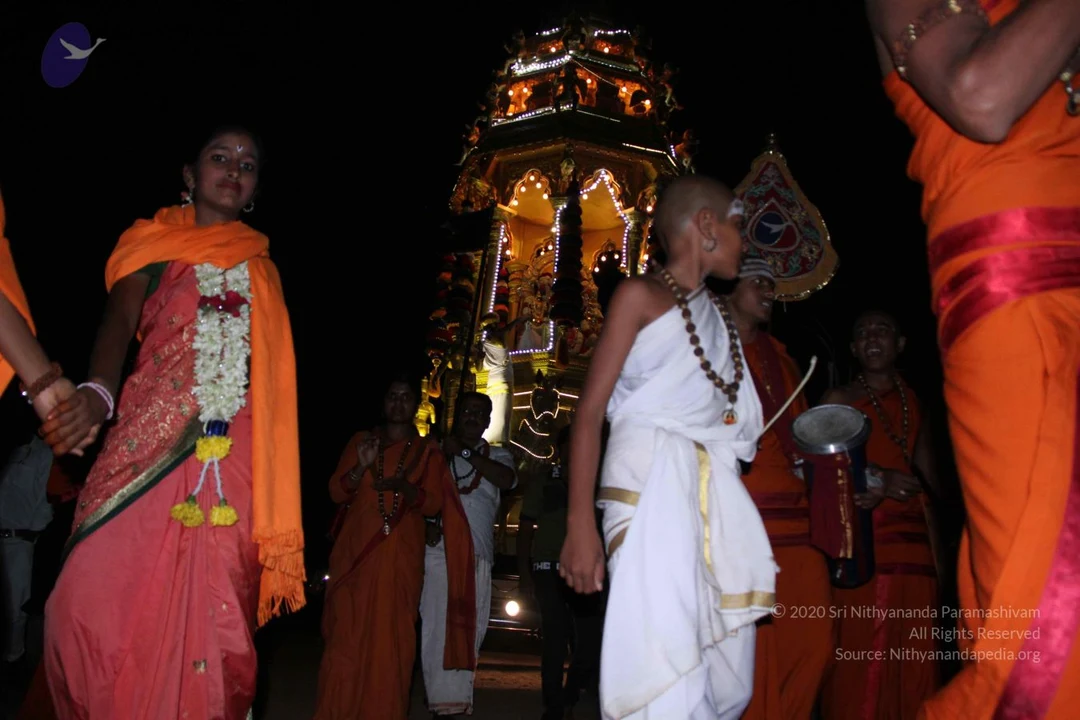
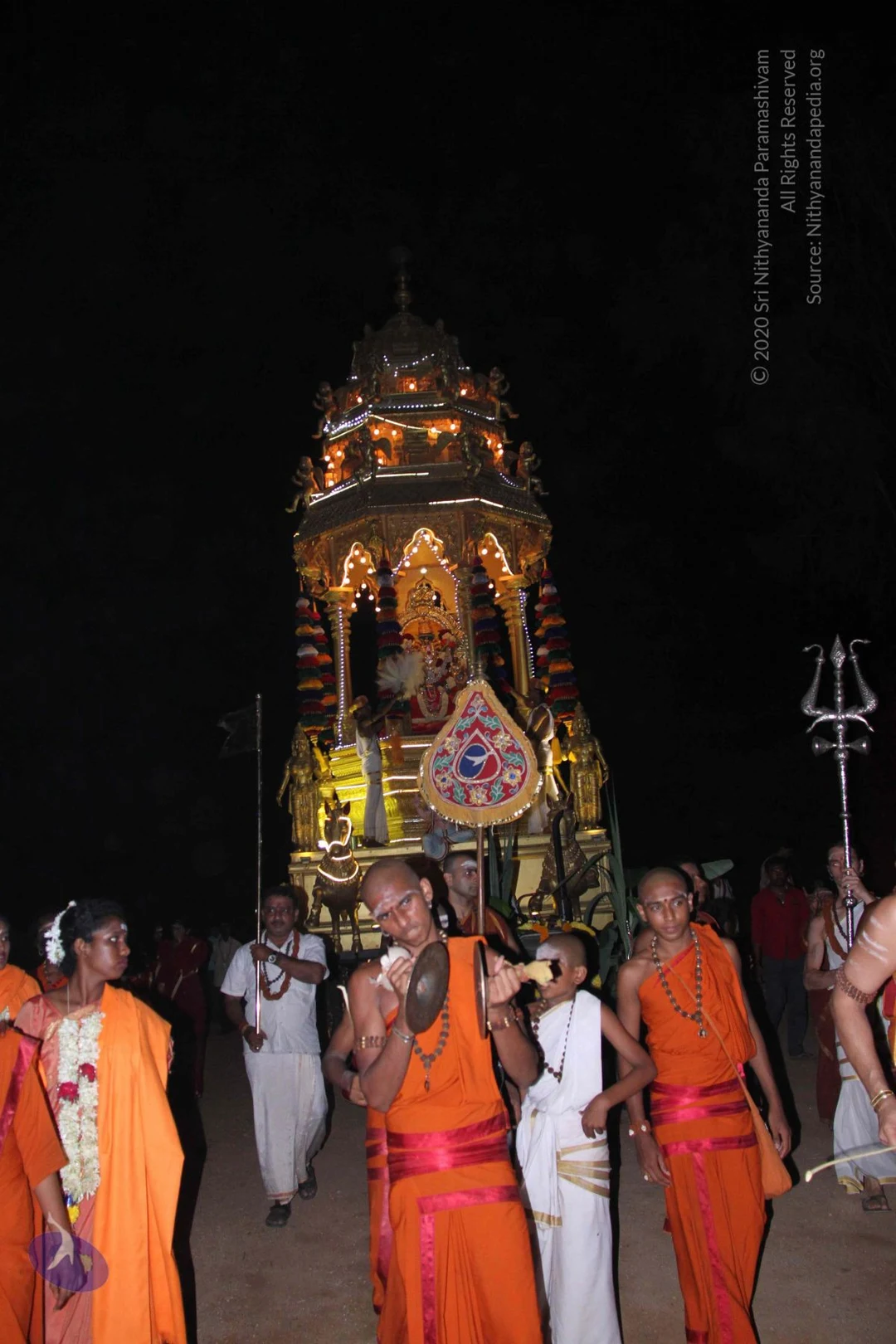
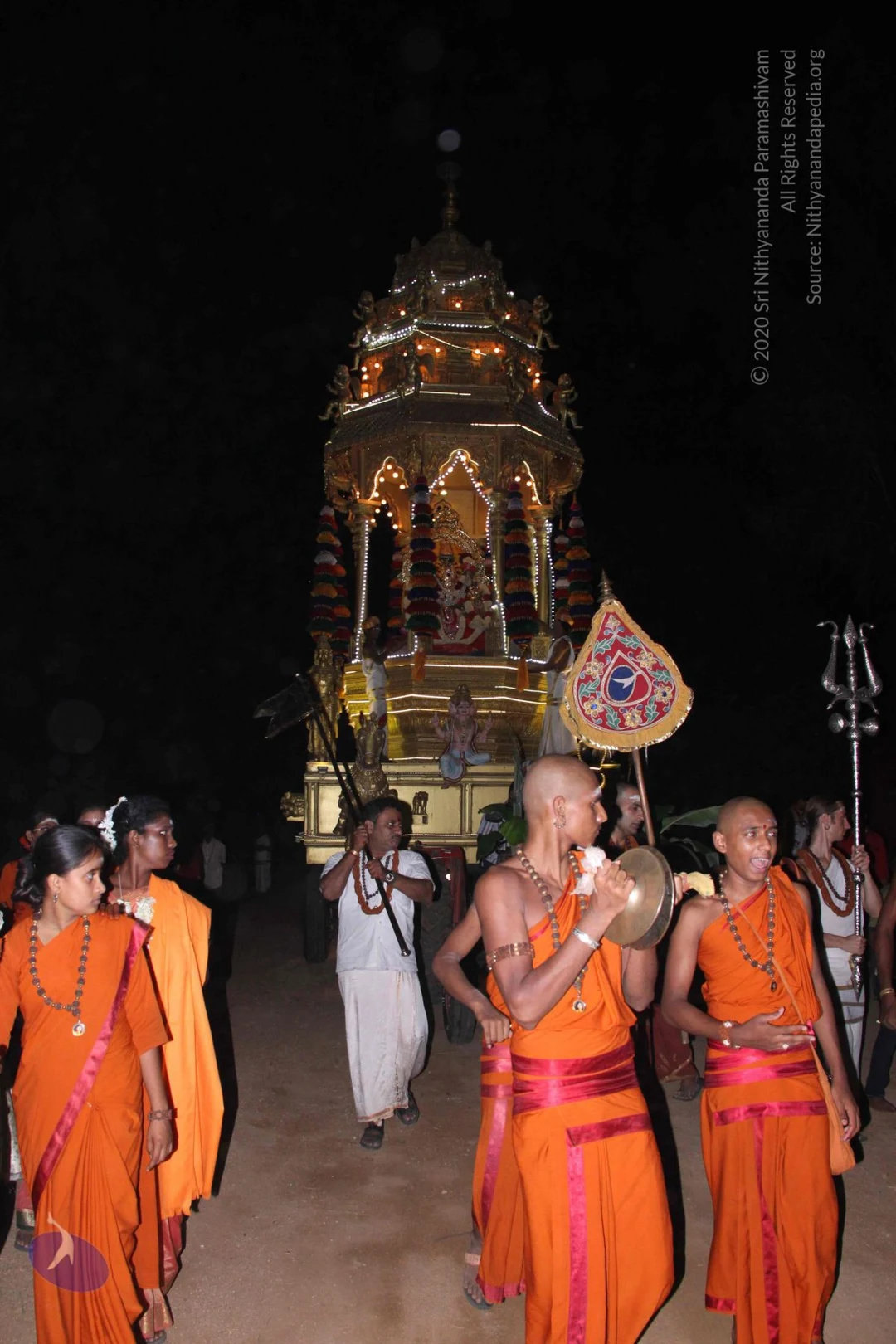
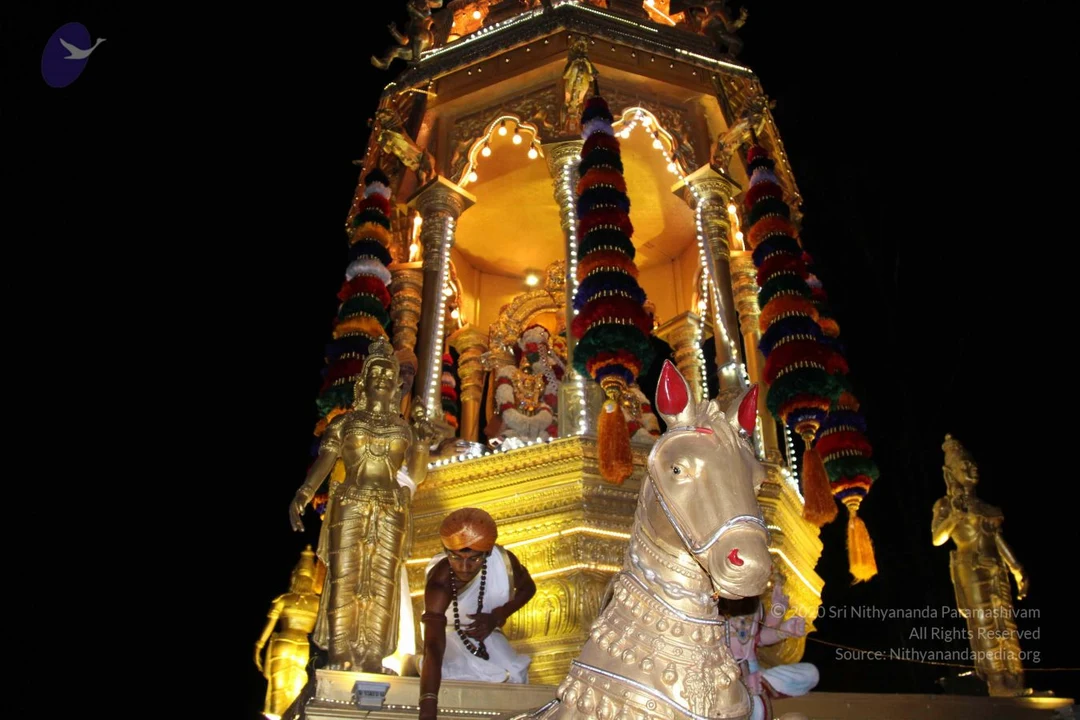
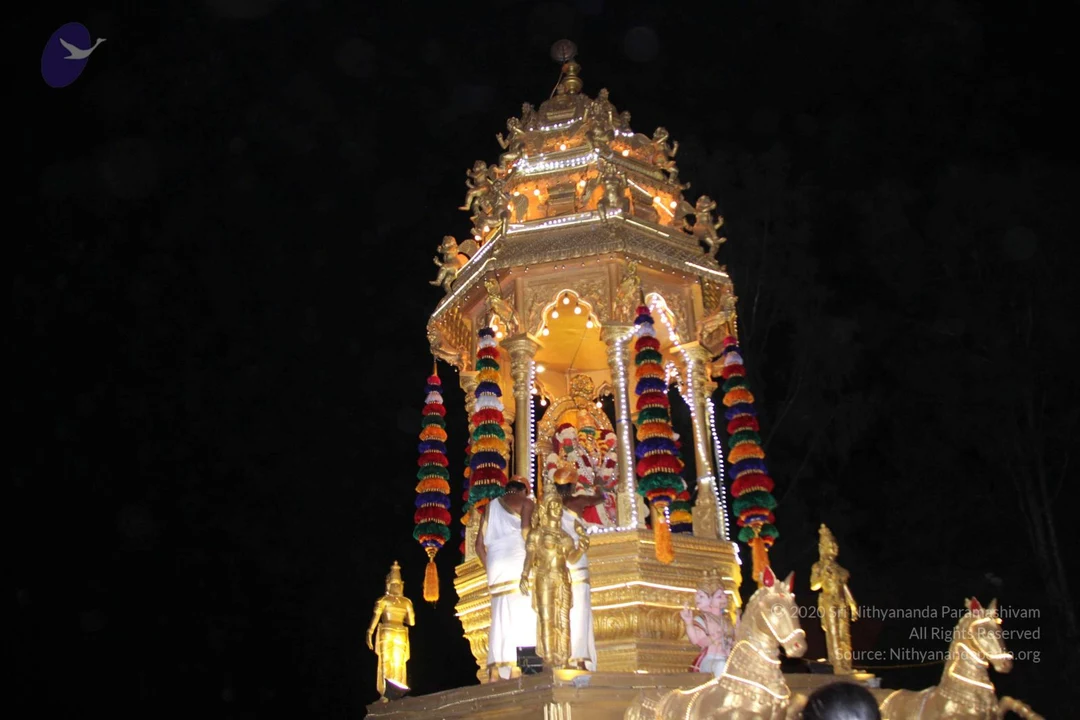
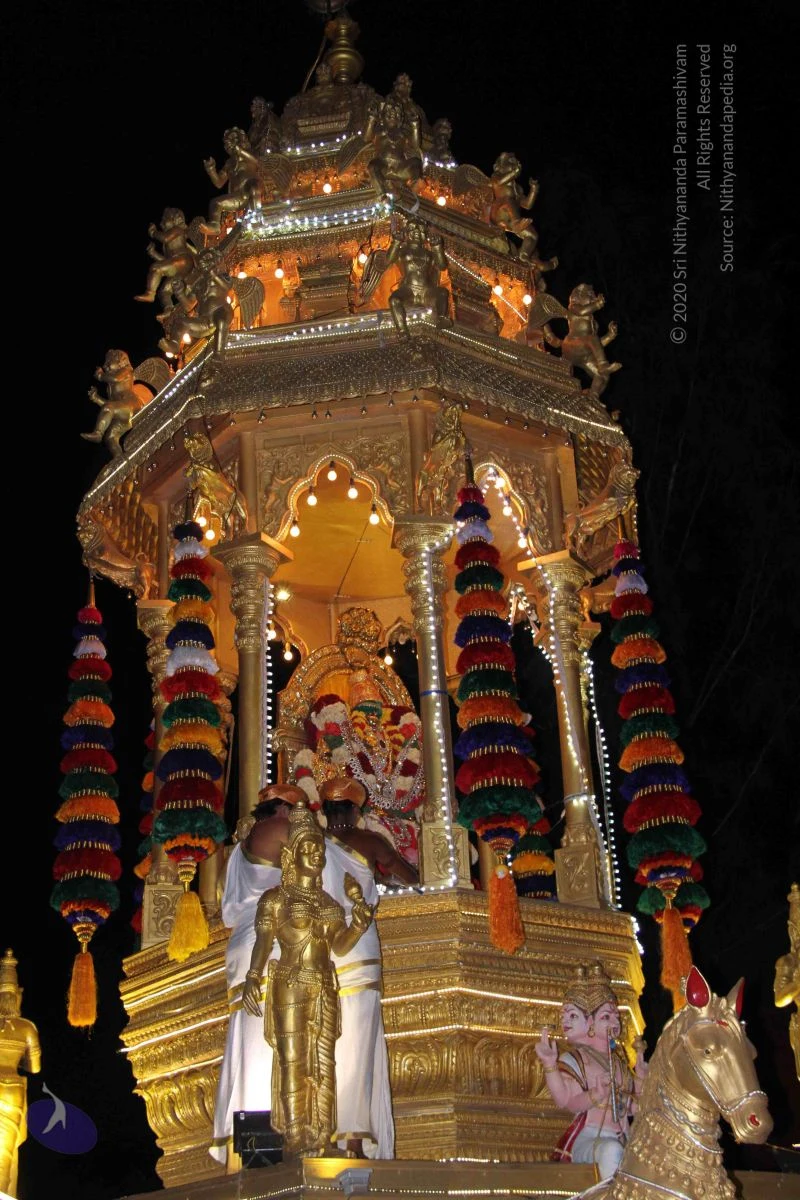
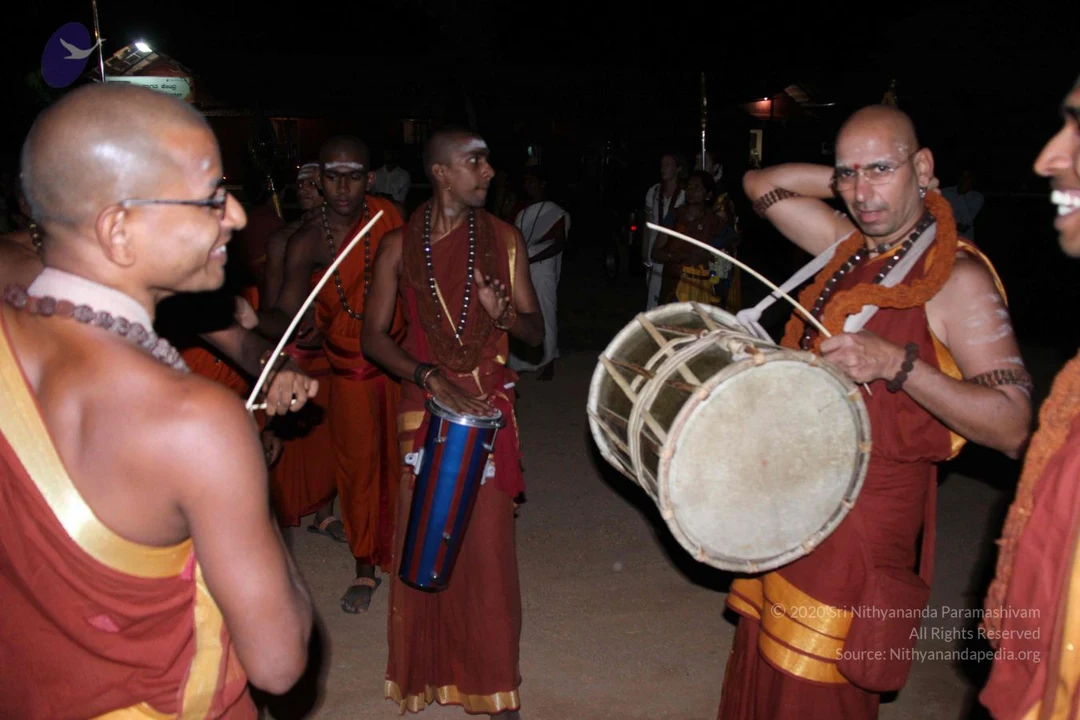
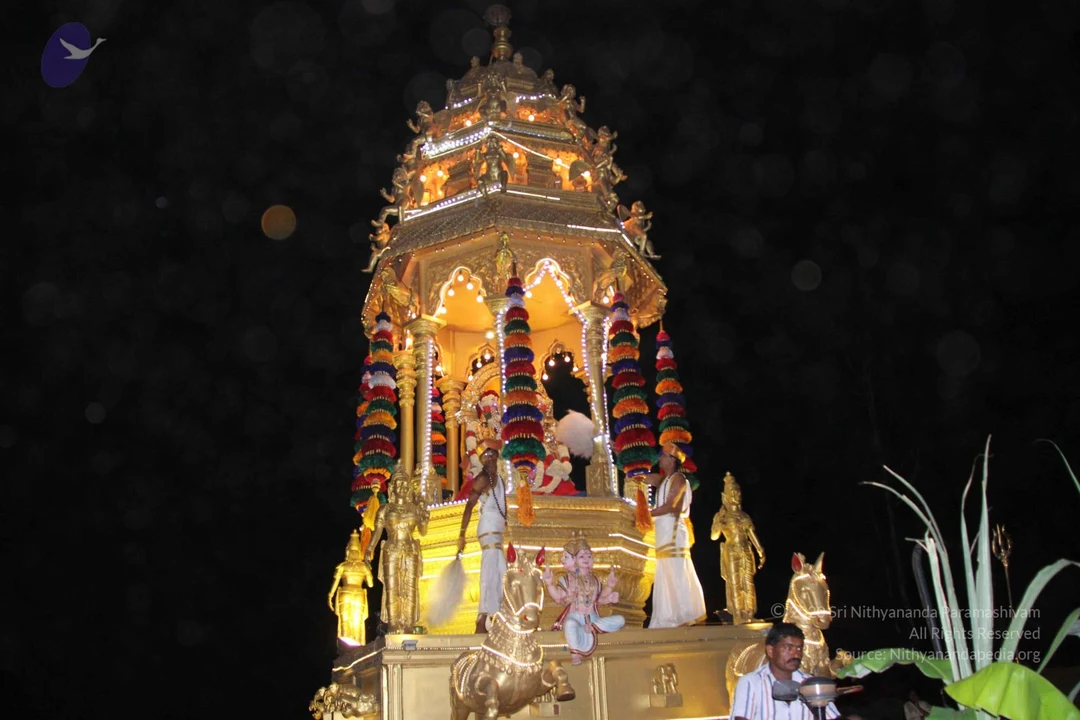
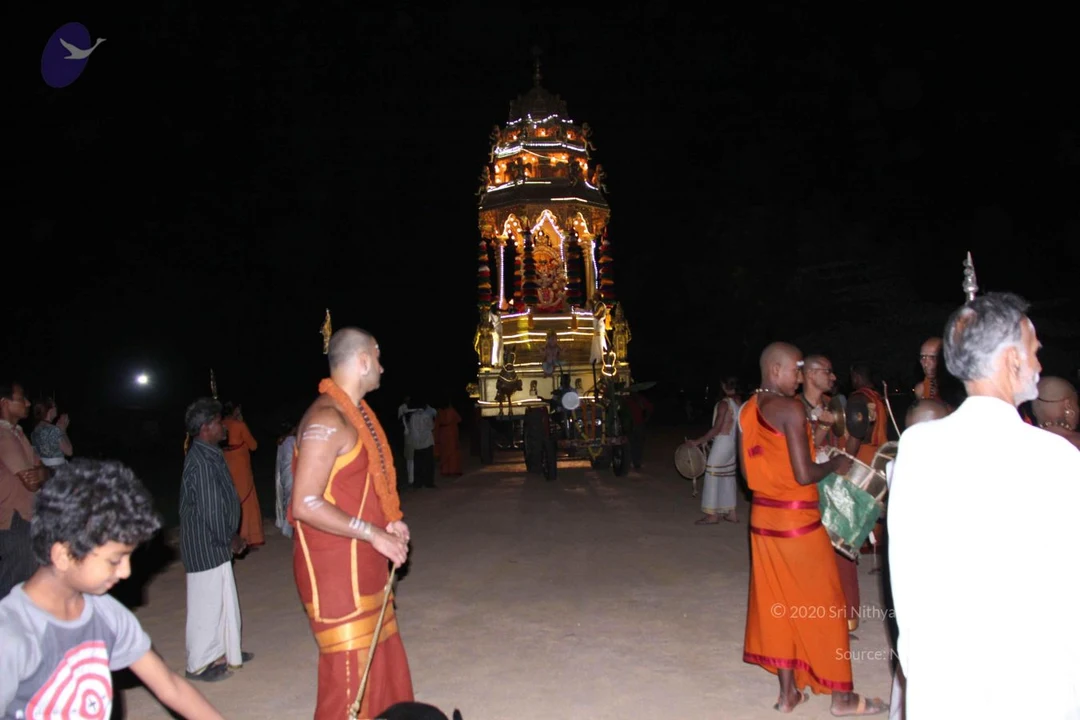
Today we also have an important festival – Rathotsava of Venkateshwara, Venkateshwara Rathotsava – as part of the Brahmotsava.
Today I wanted to expand on two important Advaitha Sathyas.
Please listen! Go into the depths of Completion, deeper and deeper and deeper levels of Completion. You will discover you are your friend and you are your enemy, you are your God and you are your demon. Please listen! Go to the depths of Completion. When you come to the subtle layers of, the deepest layers of your incompletions, it is almost like a.....
Listen! A small movement inside the earth’s plates causes a huge earthquake on the surface of the earth, and causes tsunami and damage. But the root cause is just a small movement in the earth’s plates in the deeper level. If you get into your system, into your being, and do more and more and more Completion, you will also touch the space, the source of earthquake and tsunami. In that space you will realize you are your best friend if you do Completion, you are your worst enemy if you don’t attend to yourself. You are your God if you complete with yourself. You are your enemy if you don’t complete with yourself. You are your demon if you don’t complete with yourself.
Listen! If you do more and more Completion with yourself – I am not giving you false promises – you will experience so many miracle powers! So many miracle powers, so casually will be expressing! And, if you don’t complete with yourself, within no time, before even you come to your senses, before you even realize, you would have sunk, you would have gone so deep, you will be constantly attracting accidents, you will be seeing the channel of accidents, your whole life will be a long chain of accidents. Whether you want your life to be a long chain of miracles or long chain of accidents, choose, decide. Whether you want your life to be a long chain of accidents or you want your life to be a long chain of miracles, choose.
And, I tell you, within a month of regular Completion, you will realize how you yourself cherish so many things which you want to give up, how you yourself celebrate your ignorance. Find out the reason why you celebrate your ignorance, irresponsibility. Your anger towards your boss, you just want to do opposite to what your boss wants. So, what your boss wants? He wants you to be responsible. ‘Come on! Let me be irresponsible and challenge him and see what he can do to me! He cannot get anything out of force from me!’ Fool! By this decision you destroy your possibility! He will not be the loser, you will be the loser. It's like a stupid You drink the poison and you expect your boss to die? Your anger towards your father decides you never to take any responsibility or involvement in life. Your anger towards your mother, look in, it is so subtle incompletions. And, I tell you, the most stupid belief a human-being can have is the belief that he can be violated, understand? The belief that you can be violated is the most stupid belief you can have. Neither physically nor emotionally or psychologically or at the being level you can be violated. Understand! You can never be violated! Your wrong perceptions about you will always be violated. If you think you are the body, you will constantly be violated even by the look of somebody! If you think you are the mind, you will constantly be violated just by the word of somebody! If you think you are emotions, you will constantly be violated just by somebody not respecting you as you want! Whatever gives you the feeling you can be violated, renounce that as early as possible.
Renounce that as early as possible! I am not giving you false promises, understand. You are eternal life! You can neither be cut by a weapon, nor be burnt by fire, or made wet by water, or can be dried by air. You are eternal life! Drop all the ideas, complete with all the ideas, incompletions, which tell you that you can be violated. You can’t be violated, understand? The belief that you can be violated is the worst violation that can happen to you. You can neither be violated in body, nor in mind, being, emotion, or in any level. Anything which makes you believe you can be violated is the violation! If your body makes you believe you can be violated, understand, your body cunningly is asking you to believe you are that, so that your whole life you will be wasting protecting it.
Your mind, instead of asking you shelter, it makes you believe you are that, and with that stupidity you are bound, and your whole life you go on trying to protect that without getting violated, and you forget that has violated you. And, if your body and mind ask you, ‘I am your servant. Please protect me so that nobody should violate me.’, and you give abhaya (refuge), ‘Yes, I will give you abhaya. And, because through you I have to do what i want to do I will protect you without being violated.’, at least it is the right context. But your body and mind make you believe you are that, and your whole life you are running around to protect it without getting violated, and, finally, end of the day, you realize you are violated by the very fellows whom you are protecting, protecting, protecting, and getting the fear you may be violated, violated, violated, they violated you! End of the day, when your life is taken out of you, then you will realize, ‘Oh God, I was protecting this body and mind thinking I should not be violated, but, finally these fellows have violated me!’ Understand, the worst belief.... Actually, it is the revelation of today morning’s, early morning Samadhi by Kaalabhairava. Yesterday night itself I was told that today there is Pada Puja. So, whenever there is Pada Puja, I don’t stretch my body completely and lie down; I will just sit and stretch my leg so that I can wake up in the morning early. So, may be around 3 or 3:30, I was out of Samadhi and just sitting. I can say that I was out of Samadhi, but not moving the body; sitting in that sahaja space, space of Sahaja Samadhi, I just contemplated, ‘What is the one belief with which....one incompletion with which all human-beings are suffering? This one truth today I reveal should remove all the sufferings of human-beings and put all of them into bliss.’ Because, I was sitting and I was just remembering the few things which need to be energized to be installed in temples. We have some sphatika lingas getting energized and a few semi-precious stones, lingas, getting energized.
Usually, I have all these in my inner space what all needs to be energized. Whenever I am out of Samadhi, sitting in the Sahaja Samadhi, I connect with all of them and do the energizing process. So, during the energizing, if I pass on some ideas, that will also get programmed in that deity. So, that deity will become that emblem, ideal, representation of that idea. Today I was thinking, ‘What is that idea, one idea with which I should do prana prathishta of these lingas, so that forever humanity gets blessed, completed and experiences the eternal bliss?’ I am also energizing some twenty Shiva Linga - Sri Chakras, Shri Yantreshwaras, means, Shiva Linga on which Sri Chakra is carved. I am going to give to all the authentic Mahants. They can keep it and do puja every day. And, wherever they go, they can carry and go to houses and do puja. So, this is the energizing process. See, there are many methods of energizing. You can energize purely with consciousness, and you can energize the deity for a particular, specific idea, or you can energize fully with consciousness this one idea as the immediate priority.
So, usually, what I do is, I energize fully with consciousness and two-three concepts as the first priority. So, I was just thinking what should be the idea, what should be the energy. See, if a deity is energized with one specific idea, whoever comes in the space of that deity and goes out, within twenty-one hours, automatically, somehow that idea will get into their brain from the air and they will start contemplating about the idea, the seed will be put in their system. So, I wanted to pick up one idea. So I was just sitting. Of course, the source of all the ideas, the great Kaalabhairava, I was sitting with him. Actually, all these words I am uttering more in a dual sense for all of you to understand; but it is not dual; it was complete non-dual oneness. This one idea just jumped up! Just this one idea! If you complete with this one incompletion, you are Mahadeva, you achieved the space of Nithyanandoham, Shivoham! Just this one idea that you can be violated should be completed. You cannot be violated! There is nothing in you which can be violated! And anything which tells you that you can be violated, discard it, because THAT IS VIOLATING YOU!
If your body makes you believe you can be violated, drop that idea. Tell that body, ‘Get out of me!’ Don’t commit suicide. I am not saying ‘Commit suicide.’ But tell your body, ‘Get out of me! If you are going to tell me I can be violated, it is you who are violating me!’ If your emotions are telling you can be violated, tell your emotions, ‘Get out of me! If you say I can be violated, you are only violating me! Get out of me!’ If your mind is telling, ‘No, no, you can be violated.’, then tell your mind, ‘Get out of me!’ Whoever makes you believe you can be violated, tell them to get out of your life. You can never be violated!
As long as you hold on to these stupid things which tell you that you can be violated, anything will violate you, ordinary grass will poke you and you will have a wound, that wound will never get healed, and your leg will be removed and you will die. Don’t think I am building up a story. As long as you believe you can be violated, you don’t need even a big weapon to kill you; you are not that big a guy; ordinary grass in the street is enough; you are done! All the deities which I am energizing now are fully pumped with the pure consciousness with this one idea as priority. Anybody who comes into the breathing space of the deity and goes out will suddenly have the clarity, ‘I cannot be violated! Anything which tells me I can be violated is not me!’ Understand, I wanted this to be a lesson for all my disciples and gurukul kids. Note down in your Book of Heart. And, today and tomorrow, till tomorrow evening, tomorrow we have Krama Brahmacharya initiation. But no Sannyas initiation. Tomorrow only Krama Brahmacharya. By tomorrow evening, you should all be completed with all the incompletions which make you believe you can be violated. By tomorrow evening you should all be clear, ‘I cannot be violated!’ I tell you, Kaalabhairava is eternal. Just like you change your dress, you can change your body. Even if you don’t know, the law is law only for you. The good news is, whether you believe it or not this news that life is eternal, you can change, throw your body as you want, this news is informed to you. And, the best news is, even if you don’t believe, the law applies for you. Even if you don’t believe you have eternal life, you have eternal life. The good news is, somehow Kaalabhairava tells you, reaches this good news to your ears that you have eternal life, nothing to worry; don’t worry; there is nothing to be lost, nothing to be violated; there is nothing in you which can be violated.
As Bhagavad Gita says:
नैनं छिन्दन्ति शस्त्राणि
नैनं दहति पावकः (nainaḿ chindanti śastrāṇi nainaḿ dahati pāvakaḥ | )
न चैनं क्लेदयन्त्यापो
न शोषयति मारुतः || २.२३ (na cainaḿ kledayanty āpo na śoṣayati mārutaḥ ||)
“Weapons cut it not, Fire burns it not, Water wets it not, Wind dries it not.”
I was so happy when that revelation happened! Wow! With this one incompletion, stupidity, whole humanity is suffering! I don’t know on which tower I should stand up and beat the drum and shout loudly: ‘Hey! Don’t suffer! You cannot be violated! This is the truth of life! And even if you don’t believe also, this is the law of life with which you are going to be handled! This is the law of life! Good news is, it reaches your ears. Best news is, even if you don’t believe, this is the way you are going to be handled!’ You cannot be violated, understand? I tell you, today and tomorrow, sit and pen down all the beliefs, incidents, which started making you believe you can be violated, and complete with them. I am blessing you guys! I will support you all in this Completion.
If you can physically come, tomorrow evening bring all the patterns after completing, drop them, the paper, into the Chandi Homa fire in Bidadi. If you cannot physically come, at least tomorrow after the Chandi Homa burn it away with those patterns and the paper. I tell you, complete with this one stupid belief that you can be violated. You will be so free! It will be as if inside your head some two-hundred worms were moving around all the time and eating the brain, and all the worms have been flushed out and cleaned, and you are free! All the unknown fears and unknown sufferings, unknown tortures you do to yourself will all be cleaned. You cannot be violated!
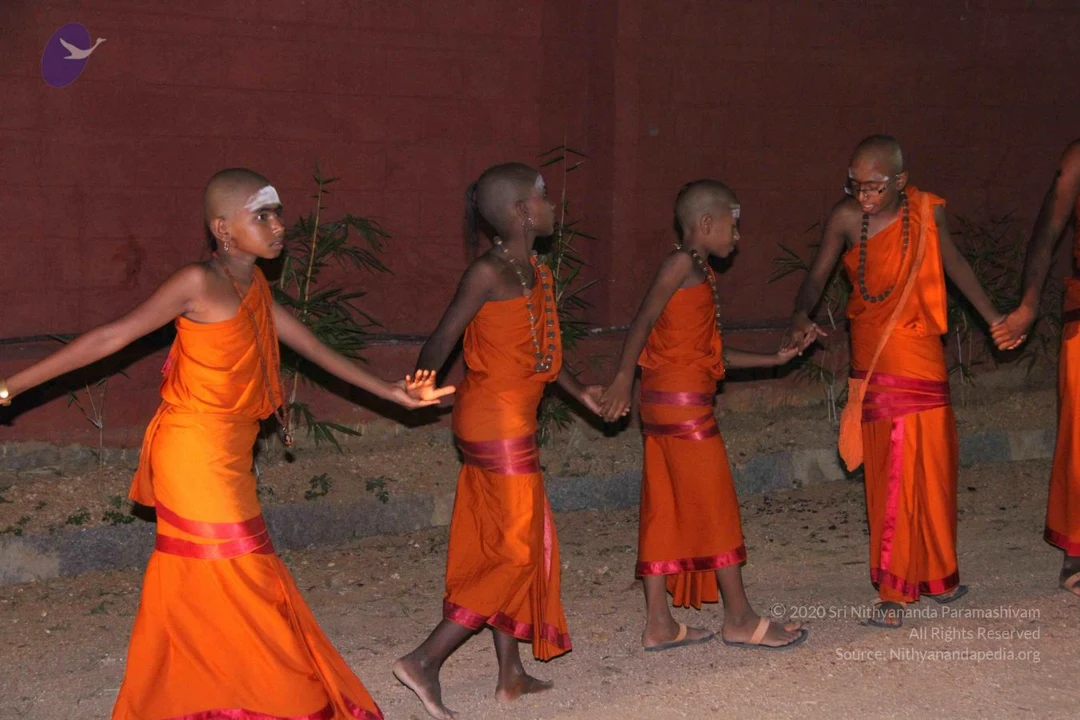
And, I want all the gurukul kids to practice this one truth: YOU CANNOT BE VIOLATED! Because, as a kid, even if your brother or friend or somebody slaps you or touches you, or snatches away your pencil, even those small things, you will start believing you are violated, and that idea of being violated becomes such a strong pattern in you. All our gurukul kids should learn when you are a kid itself, now itself learn: YOU CAN NEVER BE VIOLATED!
You can never be violated! You are pure consciousness, understand? You can neither be cut nor be killed or be burnt or dried. And, I tell you, if you create your whole nervous system with this one clarity – “I CAN NEVER BE VIOLATED” – what a power you will radiate, what energy you guys will radiate!
I wanted all our disciples to go to the tallest towers and mountains near your place, stand on the top and shout to the world: YOU CANNOT BE VIOLATED! Whatever makes you believe you can be violated is stupid! I really feel like Ramanuja today! That is what Ramanuja did. When he got a click that Ashtaakshari, the eight-letter name of MahaVishnu, Bhagawan, when he repeated, immediately that enlightenment he experienced, he could not control himself. He got on to the temple tower and shouted: ‘My guru has told me not to give this mantra to anyone and everyone. But I am telling you all, come, get the mantra. You can immediately get enlightened and Vaikunta! Take it! What happens to me, don’t worry!’
And, I am telling you, I am so sure of what I am talking! Not only I want to climb the tallest tower building available here, I want every one of you to climb your nearest tallest tower, hill, building, and shout from there to the whole world: ‘You cannot be violated! Anything which makes you believe you can be violated is stupidity! Anything which makes you believe you can be violated is only violating you!’ Not only it will be useful for our kids to create a new life, even this will help you to create a new body and mind.
This will heal your whole system! I don’t even want to just talk from the utility angle, I just want you to know the truth, It's the law of life whether you understand it or not. Because this came from Kaalabhairava, that is why I am telling the Kula Kundalini which is in all of you, which is extension of pure Kaalabhairava. See, it is through Kula Kundalini you and me and Kaalabhairava, all of us, are connected. We are all one in the space of Kula Kundalini which is the source of all of us. That is why I am requesting the Kula Kundalini which is present in all the bodies, please awaken the truth: We can never be violated! All the ideas we started cherishing that we can be violated, let Completion happen to those ideas. “Kula Kundalini” means, even in the form of sleeping, the Kundalini exists in your system. “Kundalini” means, awakened Kundalini. “Kula Kundalini” means, awakened or sleeping, the existing Kundalini, the Moola Kundalini. Some people may have Kundalini Shakti or not, but Kula Kundalini everyone will have, because it is the source from which the Kundalini awakens. Kundalini is depicted as an awakened snake. Kula Kundalini is sleeping snake. Whether it is awakened or sleeping, it is there.
The truth is, you can never be violated physically or mentally or emotionally or psychologically or consciously. There is no man, no woman, no human, no animal. It is the pure space of Advaitha Sathya, Advaitha Anubhava, Advaitha Poorna, Advaitha Tejomaya! Roopaaroopa Viroopa Advaitha Tejomaya! Beyond the form and formlessness!
So, the first idea I wanted to complete, first sathya I wanted to convey to all of you: You are the best friend for you, you are the worst enemy for you. If you do Completion, you are the best friend for you. If you don’t, you are the worst enemy for you. You are the god for you if you do Completion. You are the demon for you if you don’t do Completion.
This is the first Sathya. And second, the greatest Sathya, today’s message for all of you from Kaalabhairava directly:
YOU CAN NEVER BE VIOLATED! YOU CAN NEVER BE VIOLATED!
And anything which makes you believe you can be violated is superstitiousness. Anything which makes you believe you can be violated is atheism, atheistic idea, stupidity. Drop it! I bless you all and request Mahakaalabhairava to bless everyone, all of us, to radiate this great Sathya, Advaitha Sathya: WE CAN NEVER BE VIOLATED! And all the ideas, incompletions, which tell me I can be violated should be completed. And, let the realization “I can never be violated” forever become the source cognition of all of us. Let Kaalabhairava bless all of us to be in this one great experience.
Don’t carry this: ‘Many Completions I have done. Nothing works for me!’ No! Every time when you do new-new processes, the Completion level increases. Just the tipping point..... Who knows, today’s Completion can be the tipping point, the fifty-one percent! So, have the clarity, courage, confidence, and do Completion. Experience “I cannot be violated”.
The essence of today’s satsangh: I CANNOT BE VIOLATED IN ANY FORM, IN ANY WAY! I AM ABSOLUTELY UNVIOLATABLE!
I AM ABSOLUTELY NON- VIOLATABLE!
Then you will become non-violent. The real non-violence will happen only when you know you are non-violatable. Because, that gives you the tremendous fulfilment, Completion!
Then why will you violate somebody? It is Completion which makes you give the space of Completion to others. When you declare in the Inner Image: ‘I cannot be violated!’, your outer image will be naturally - I will not be violate!’, Others Image will be: ‘He will not be violating!’, your Life Image and Others Image will be: ‘No one will violate anyone! No one will violate anybody!’
So with this I bless you all! Let you all radiate with Integrity, Authenticity, Responsibility, Enriching and Causing eternal bliss, Nithyananda!
Tags:
Swami Nithyananda, Nithyananda, Life, Bliss, Foundation, Meditation, Yoga, Spirituality, Suffering, Humanity, consciousness, emotions, violated, kundalini, enlightenment
Photos Of The Day:
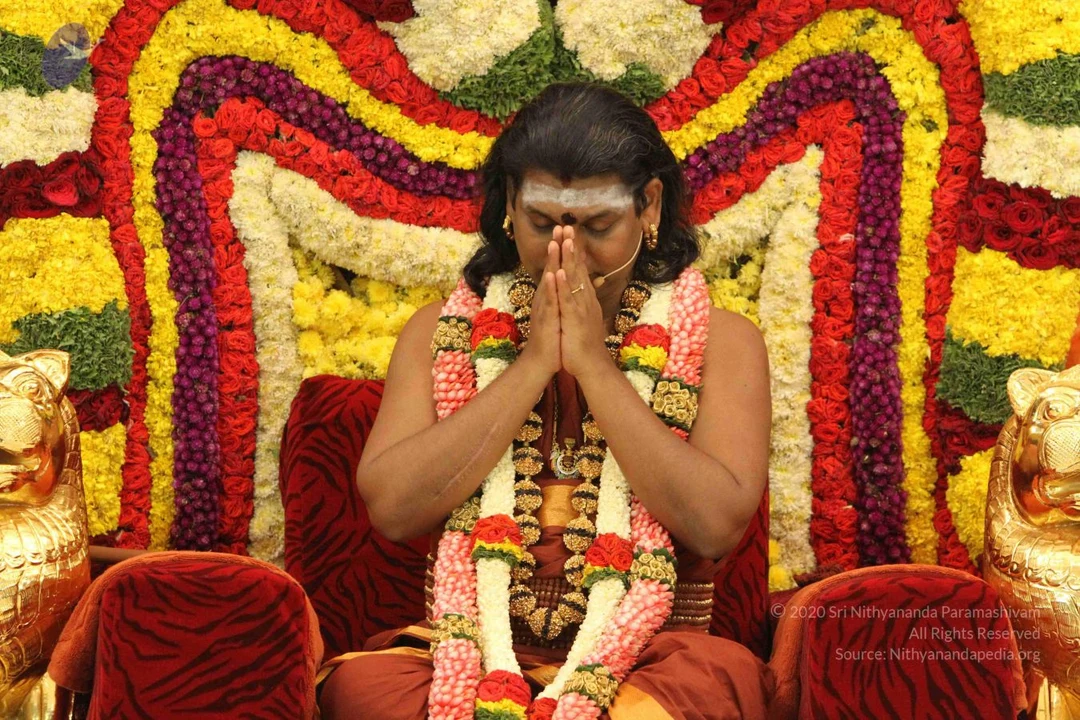
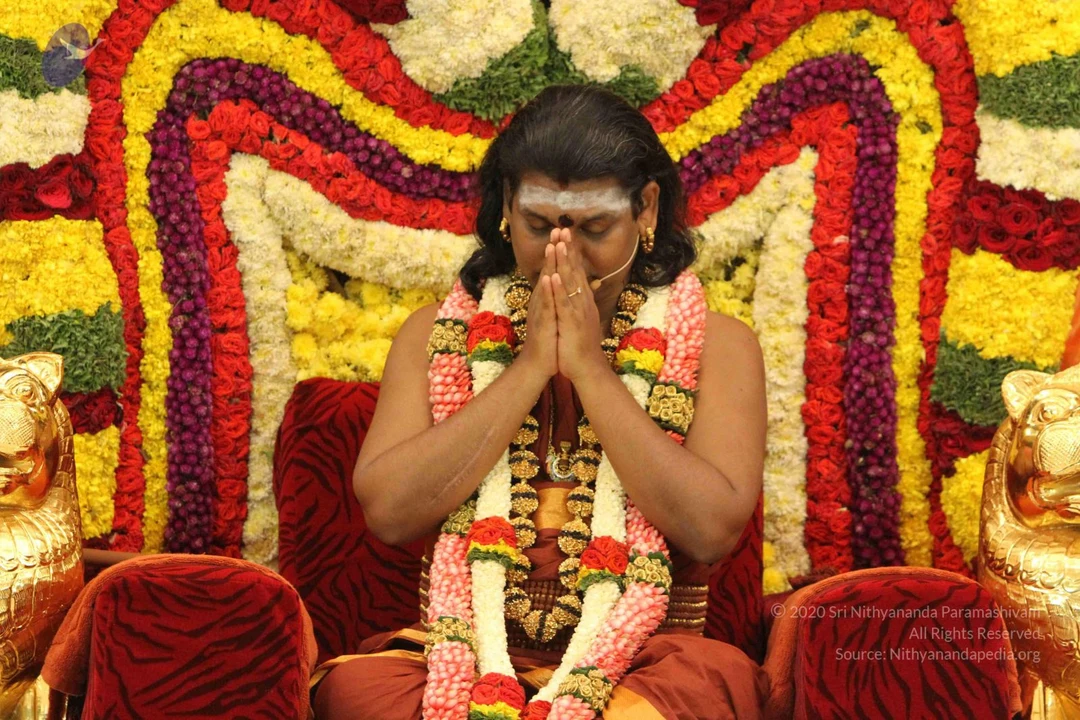
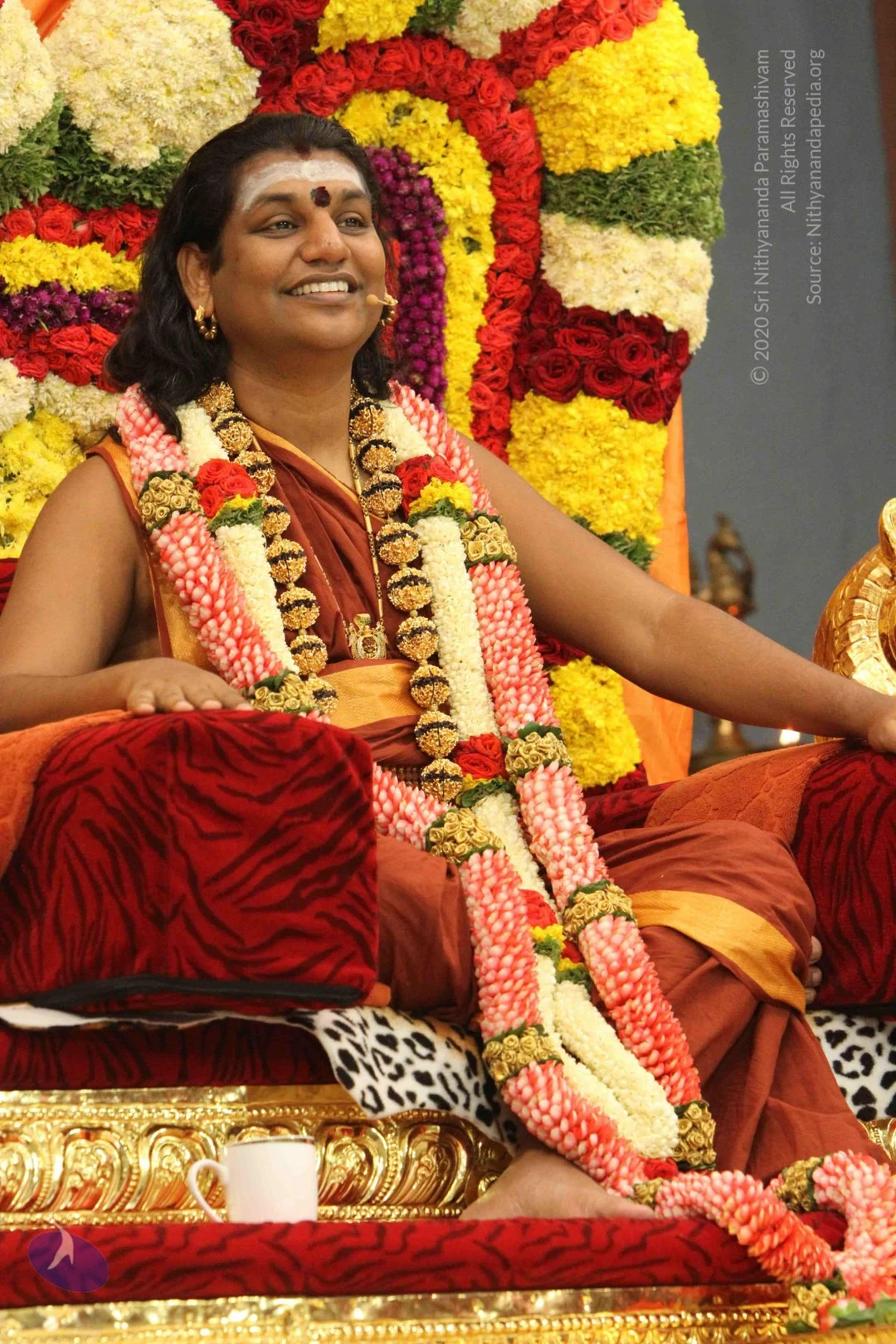
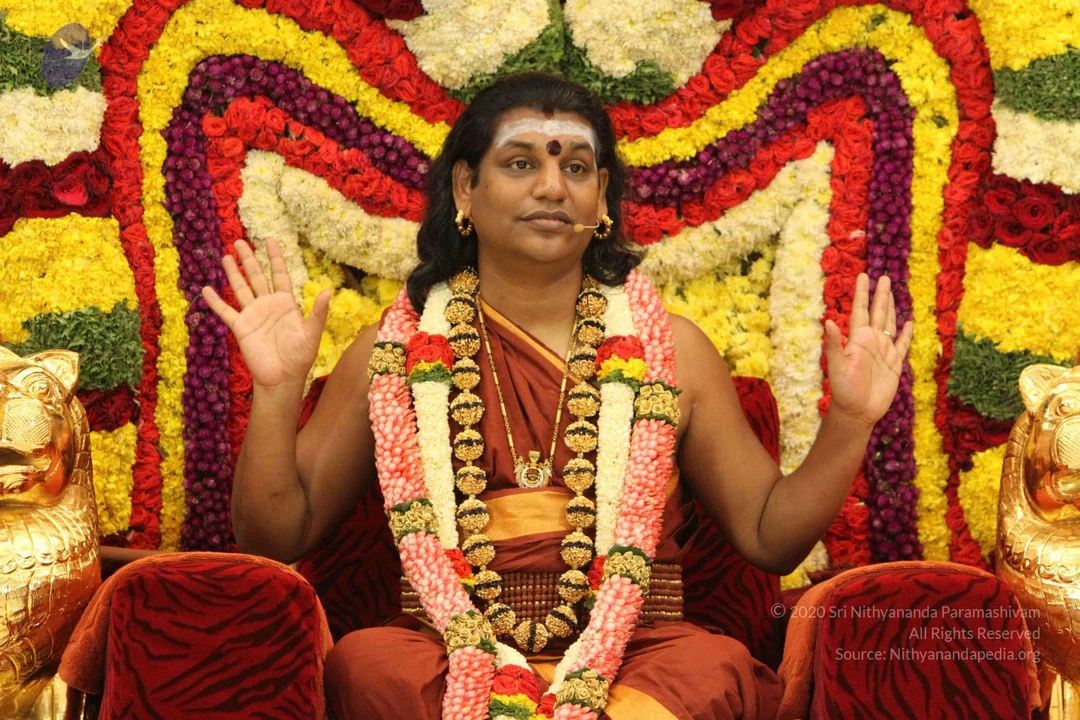
Nithya Satsang
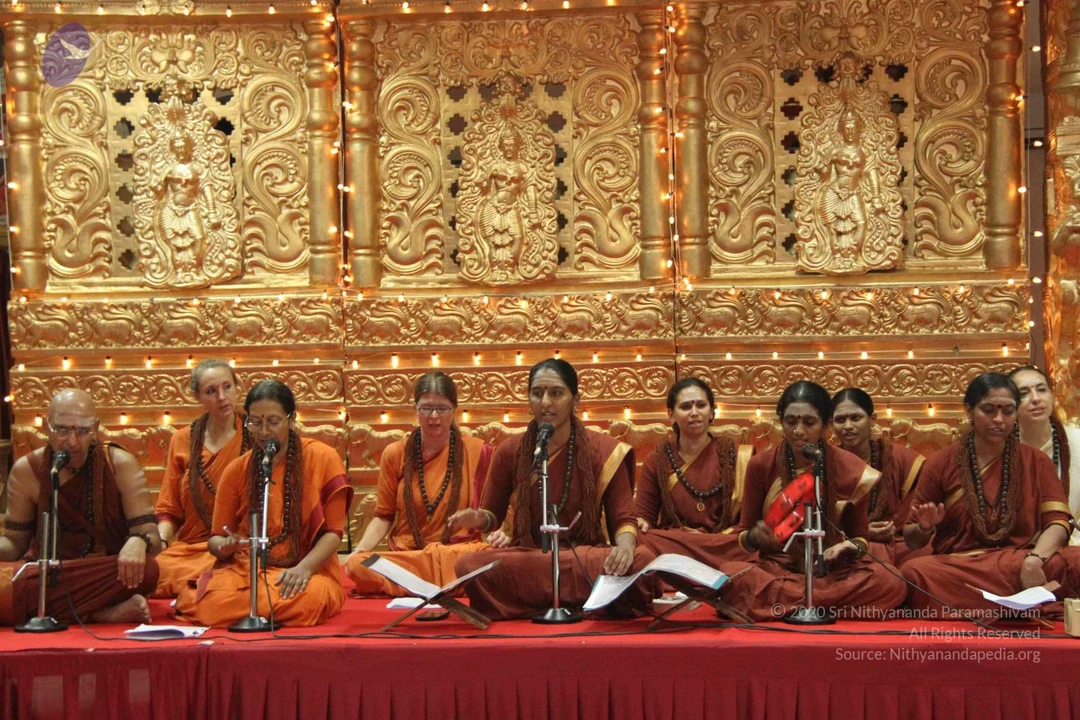
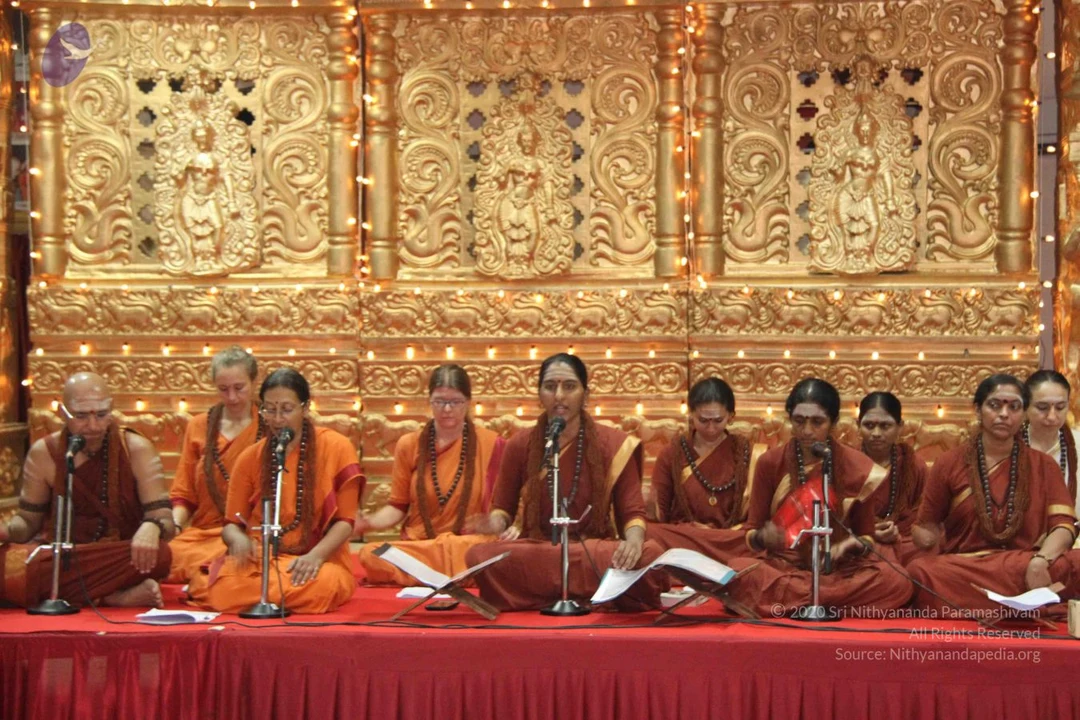
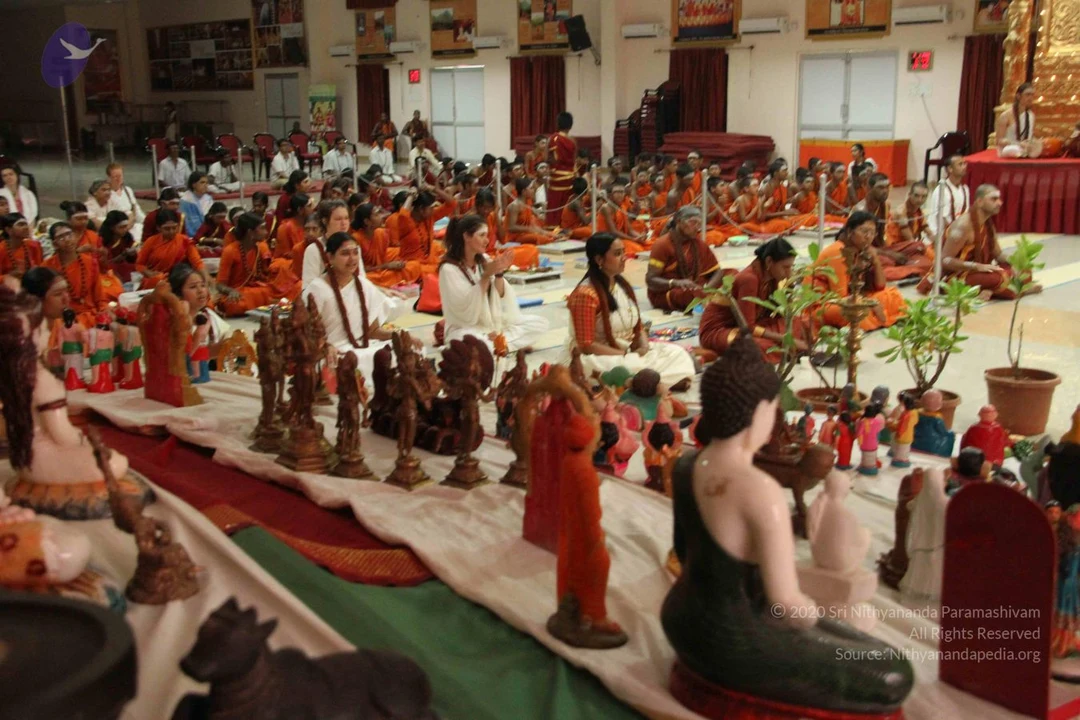




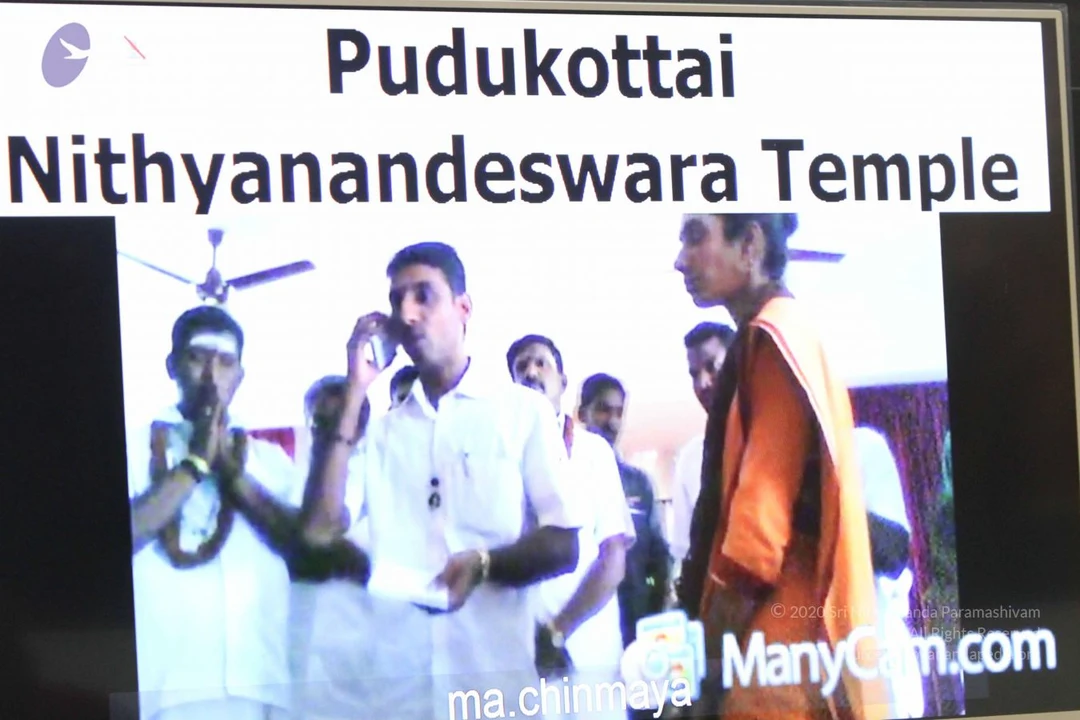
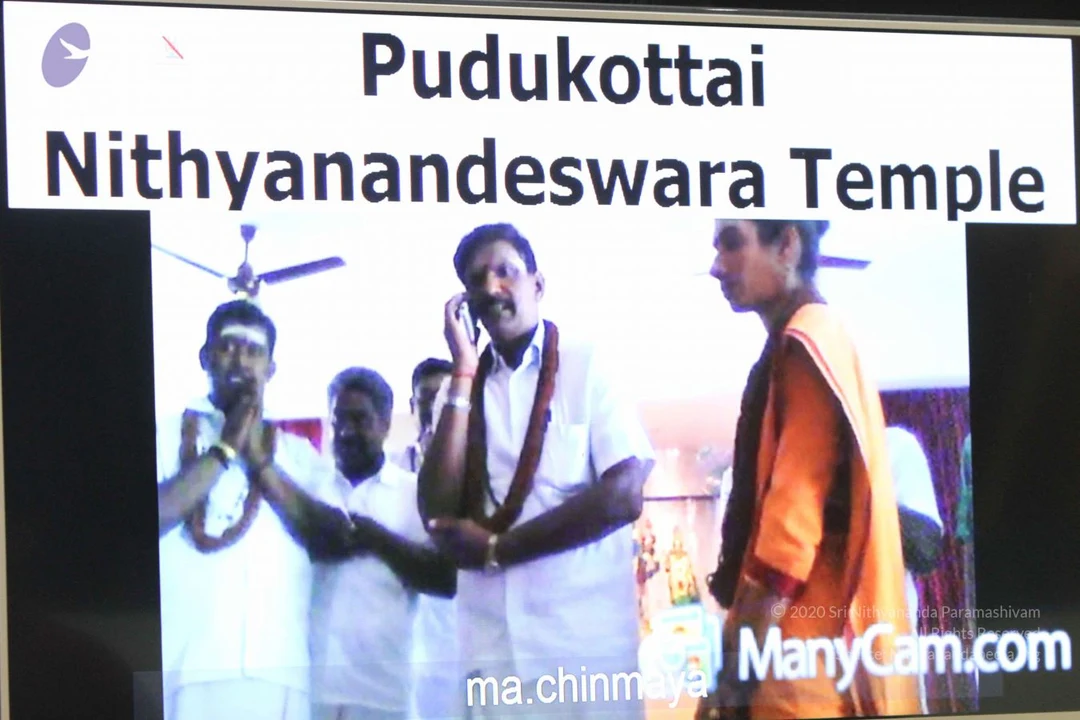
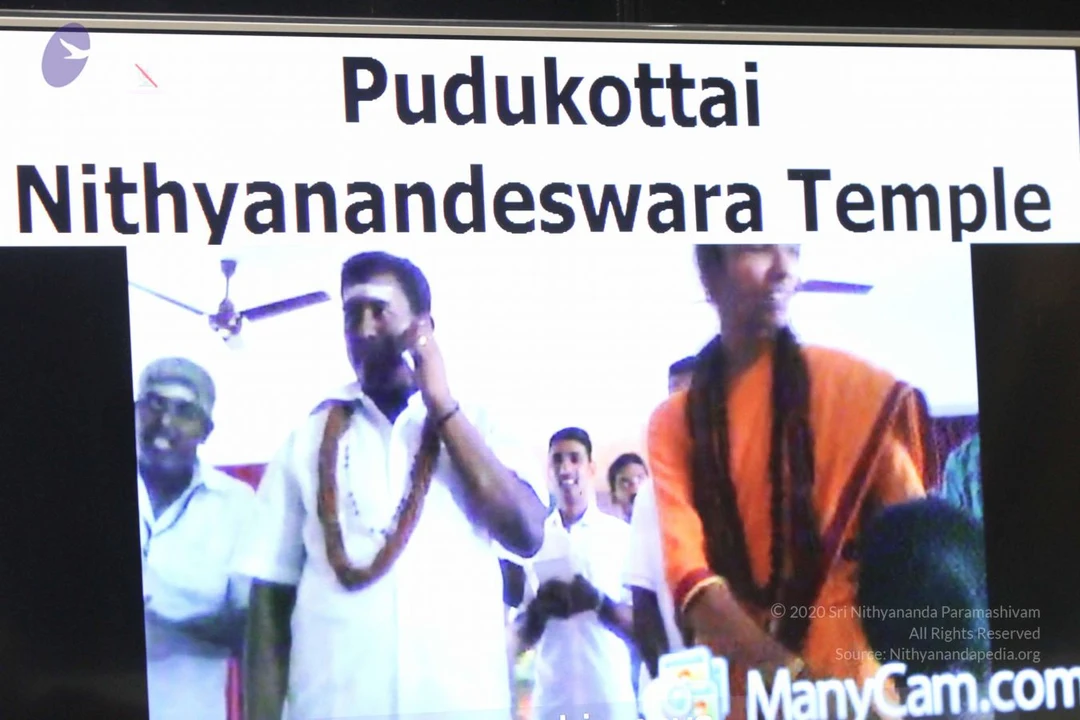
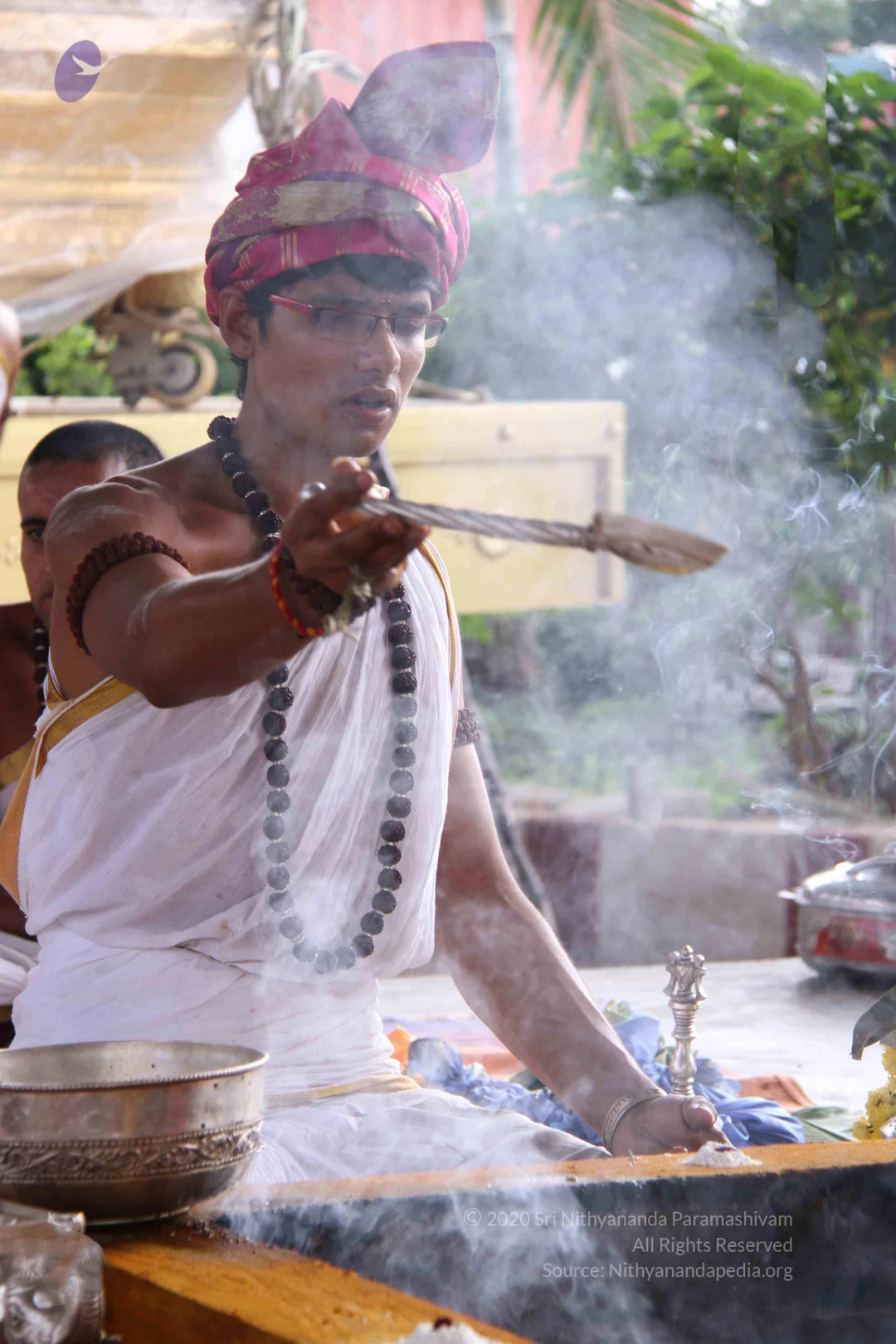
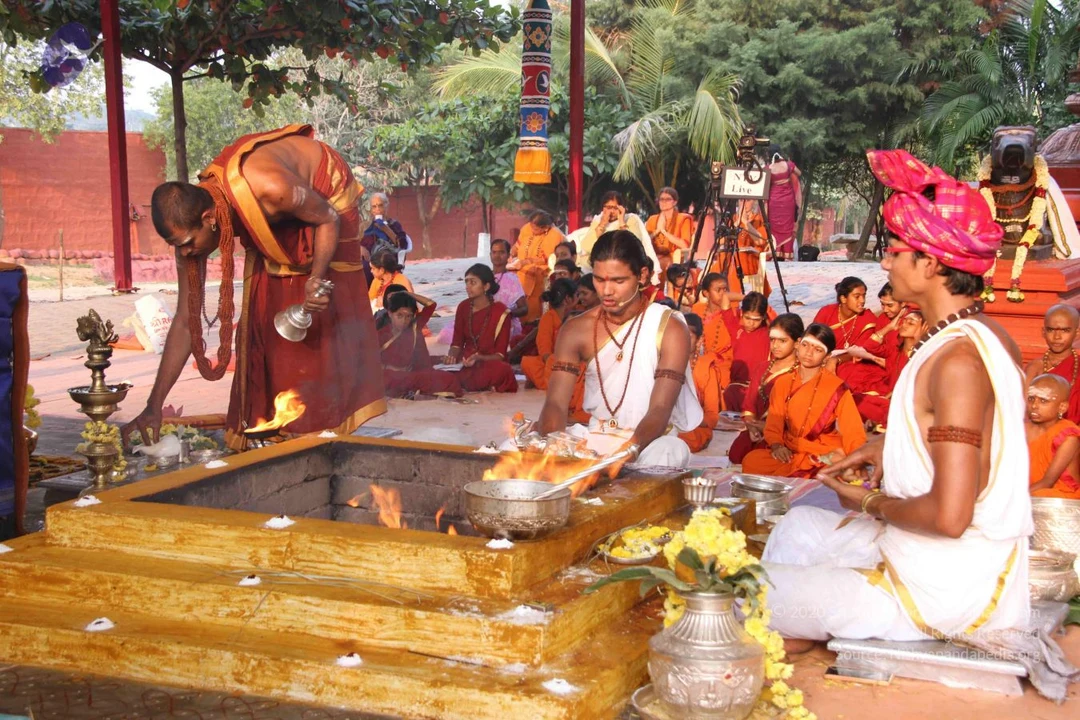
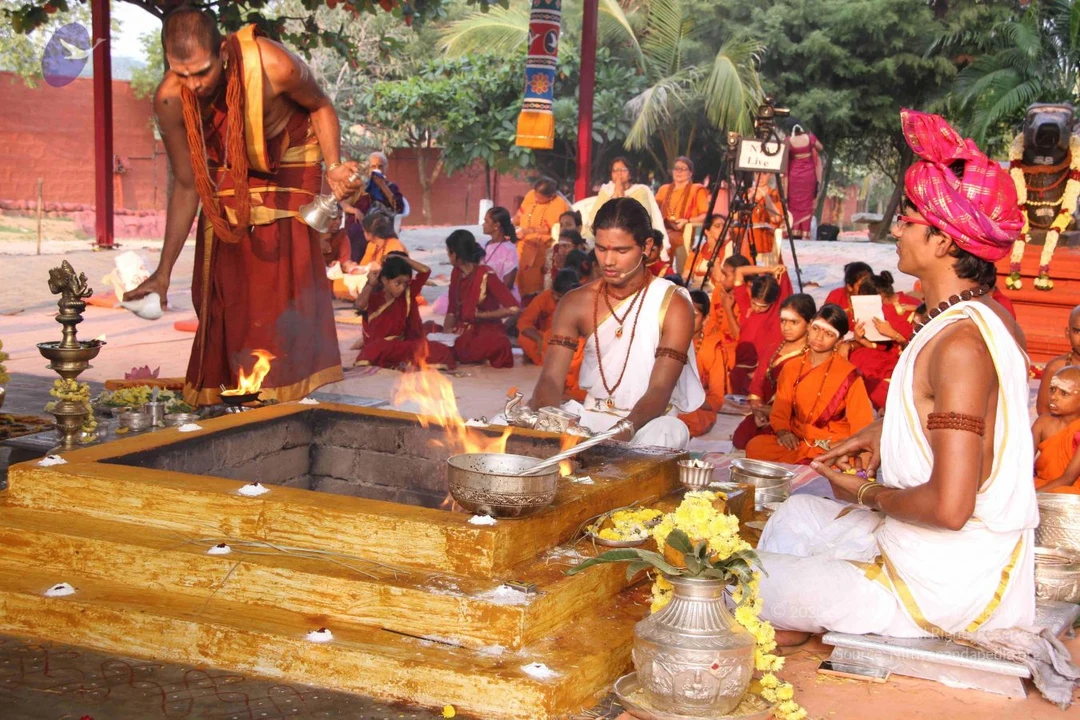
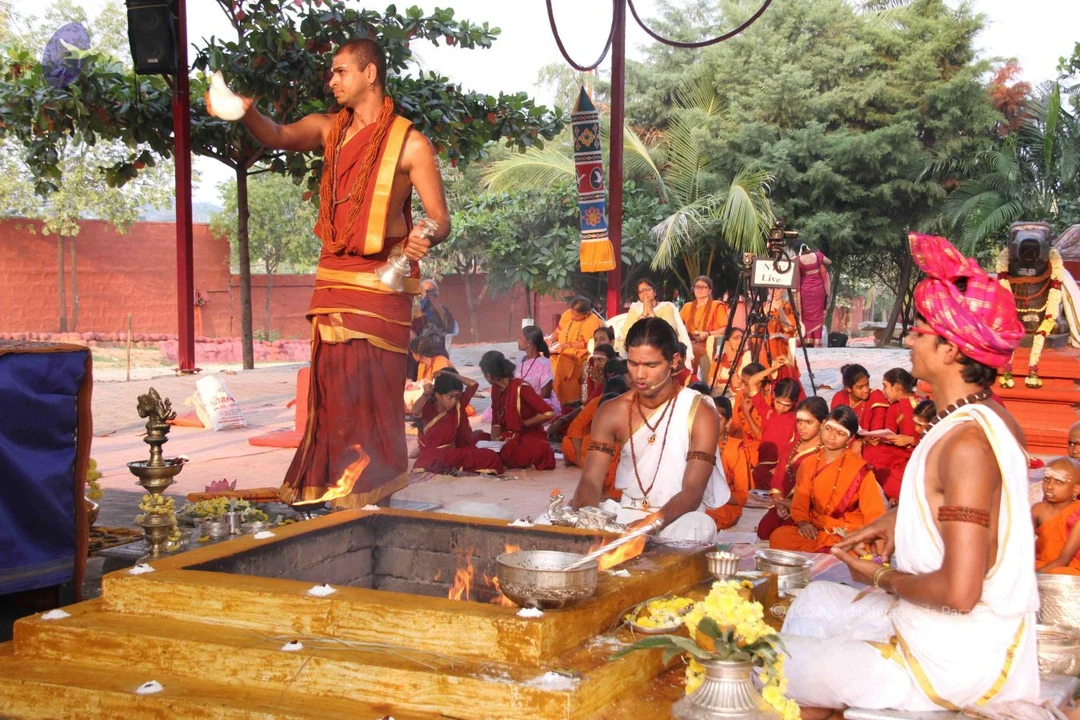
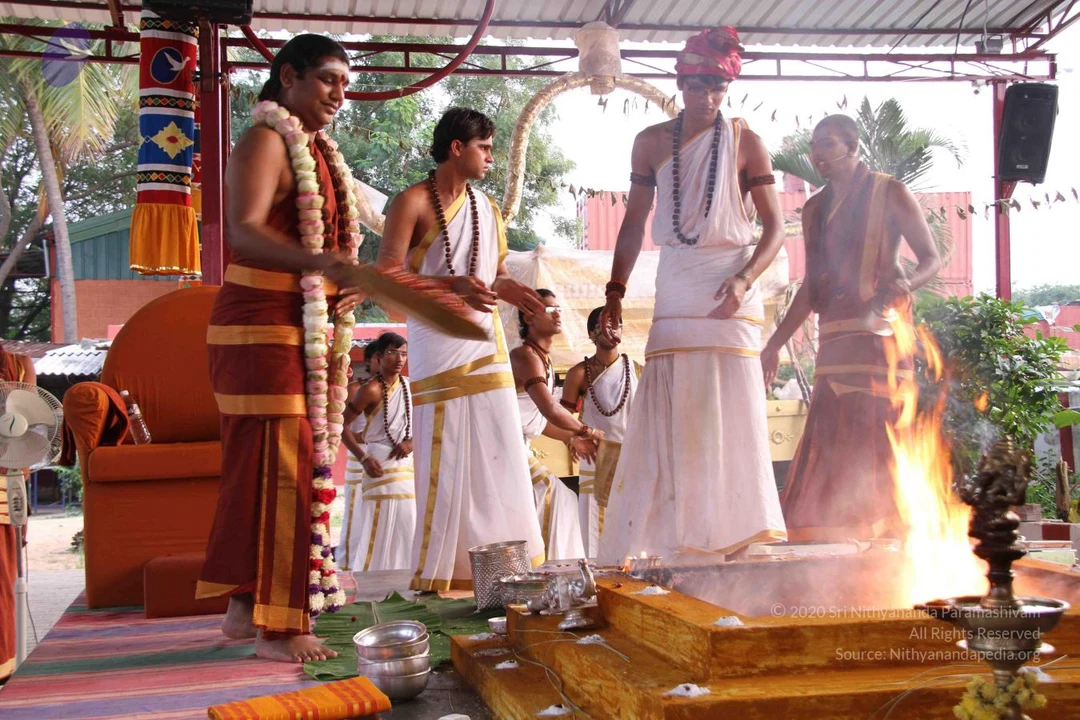
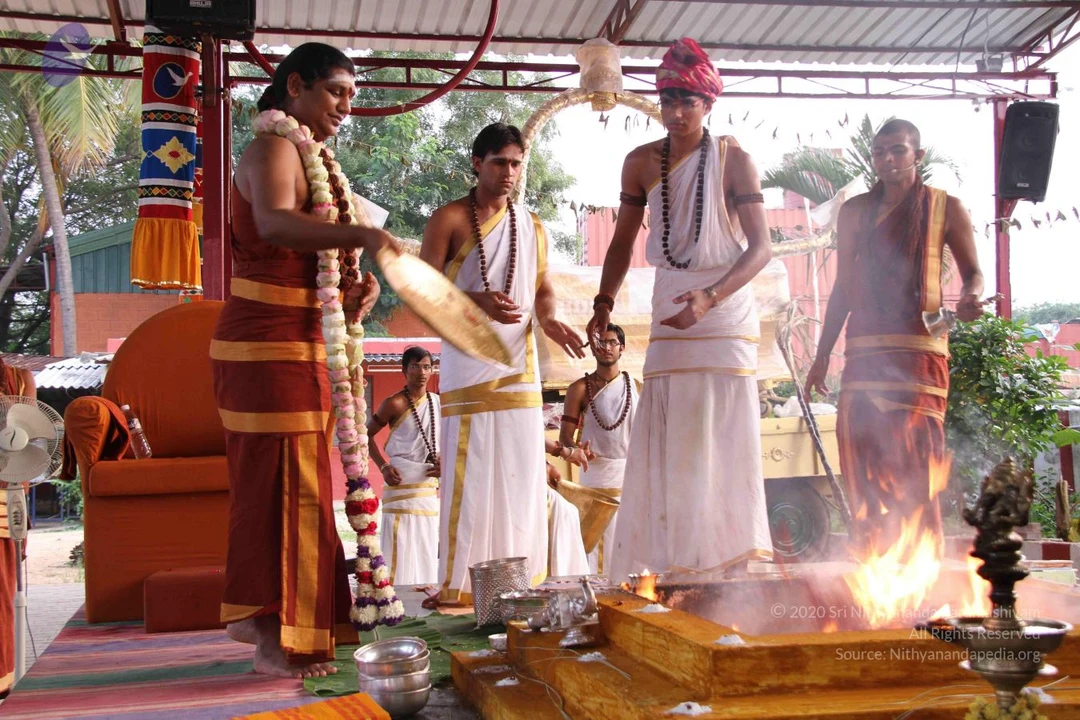
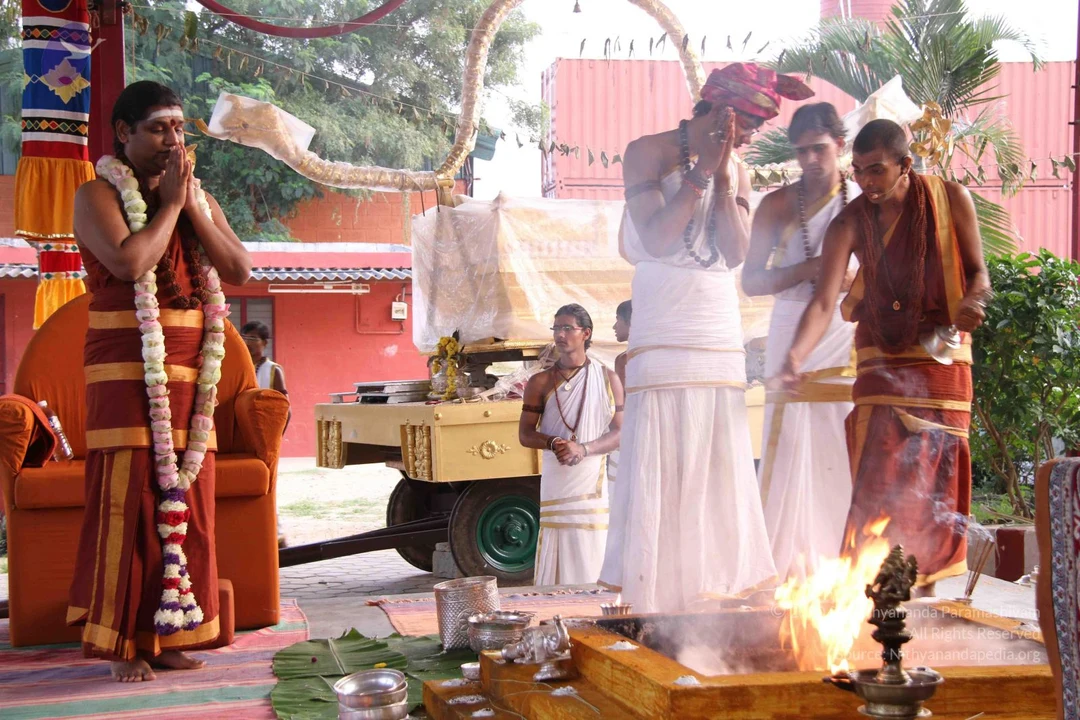
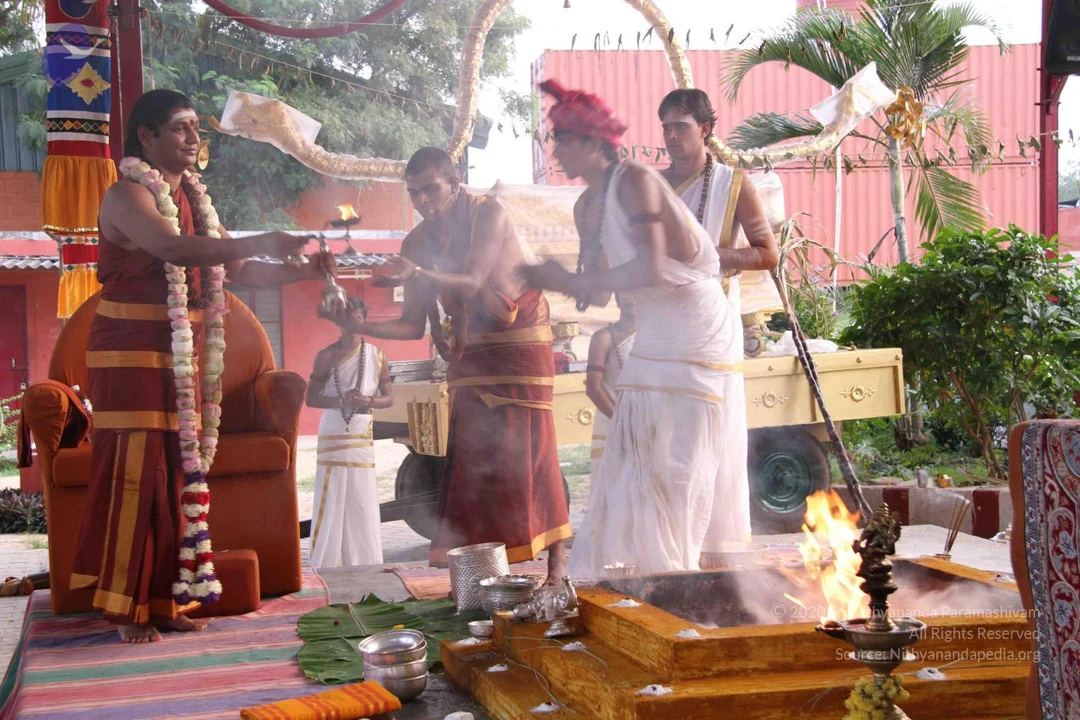
HOMA
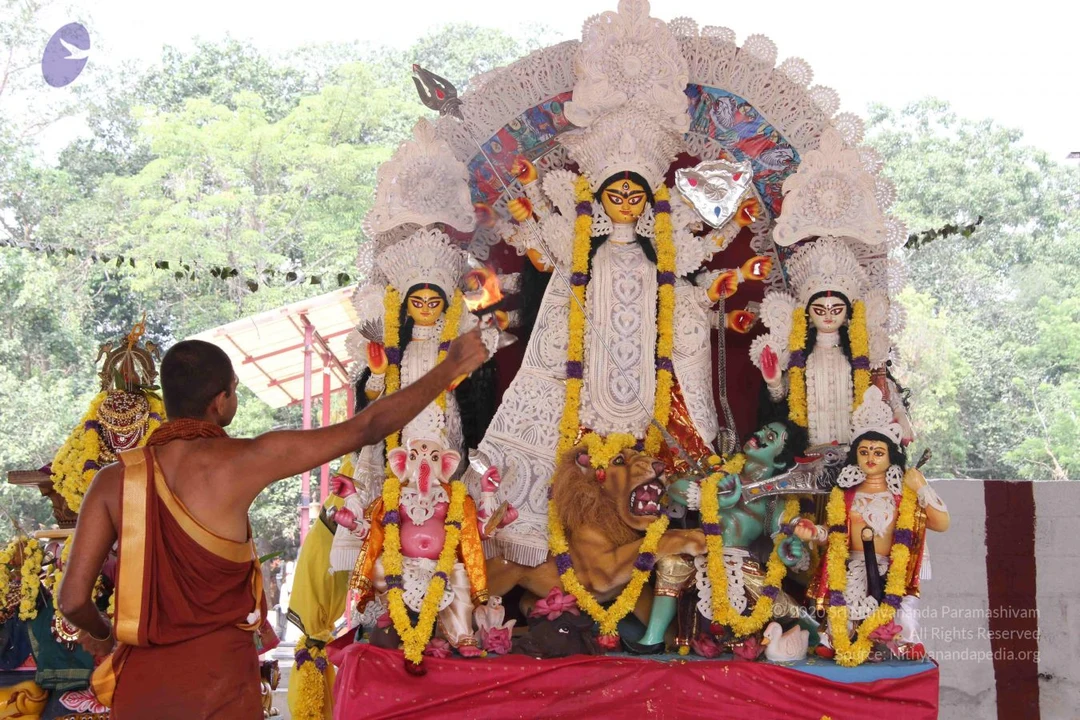

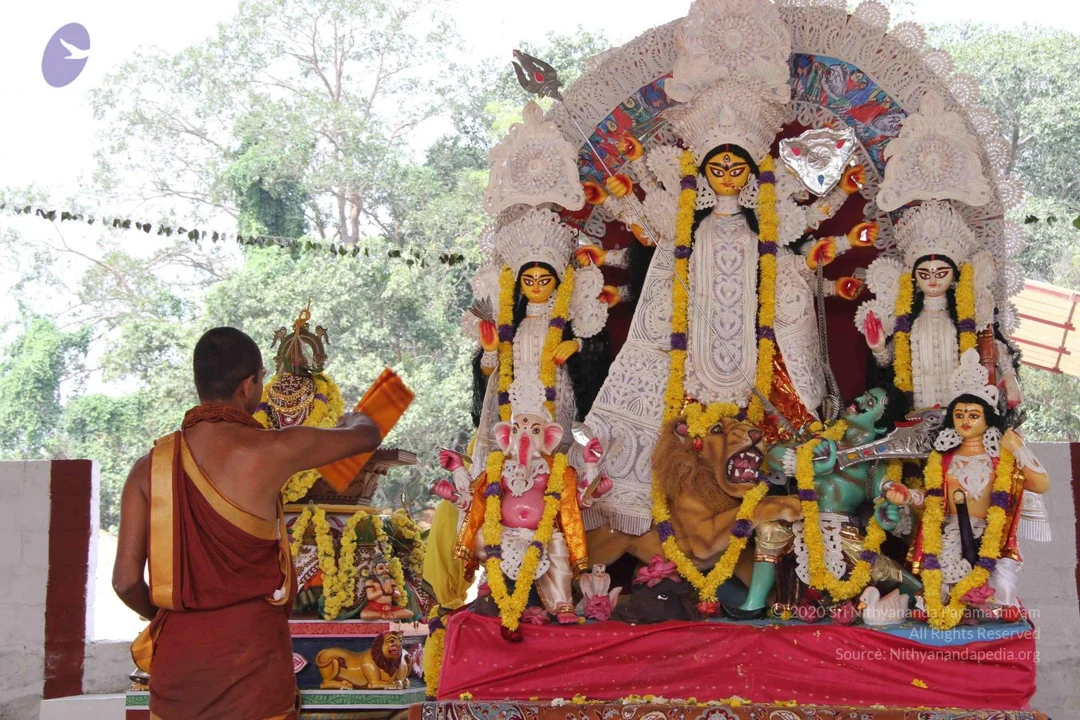
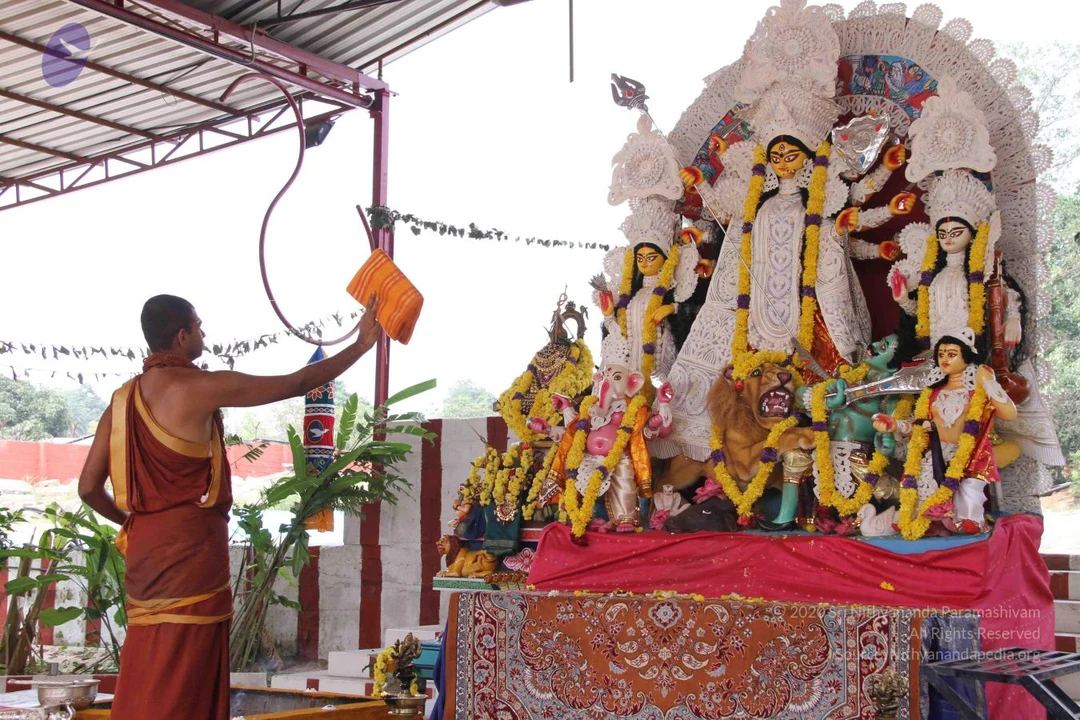
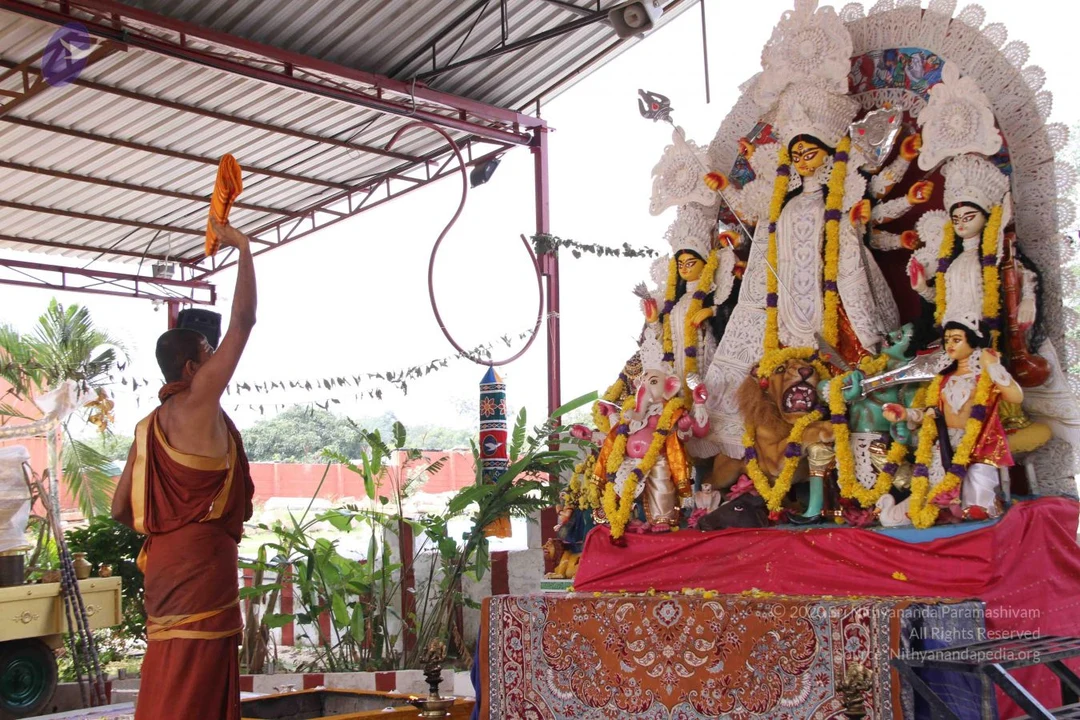
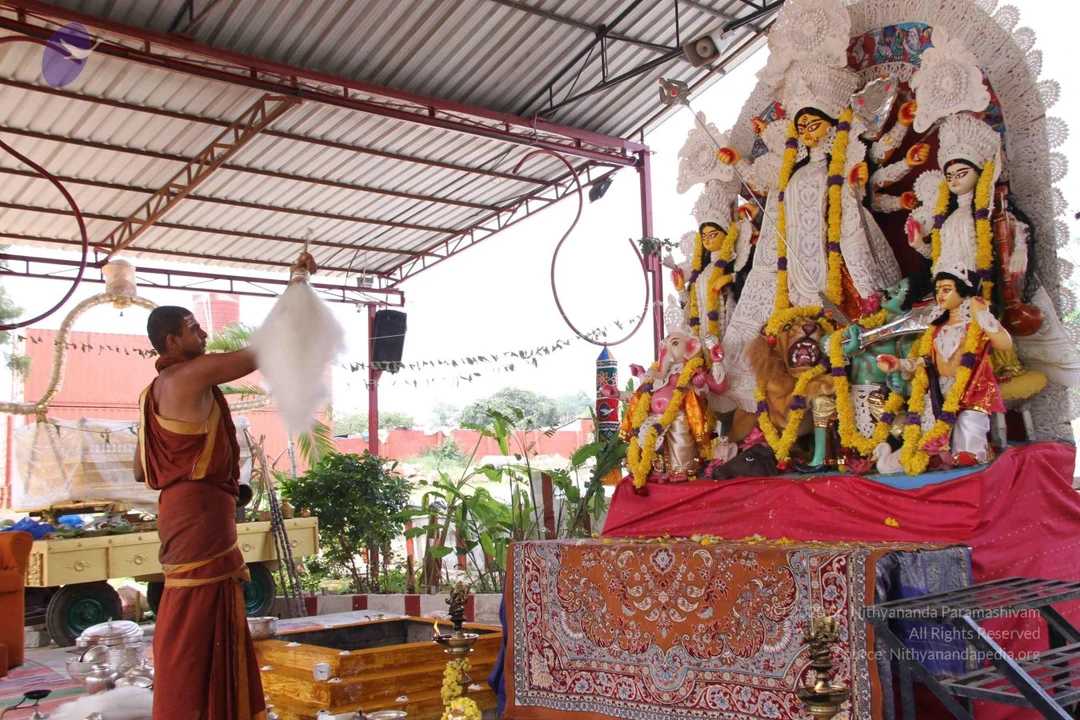

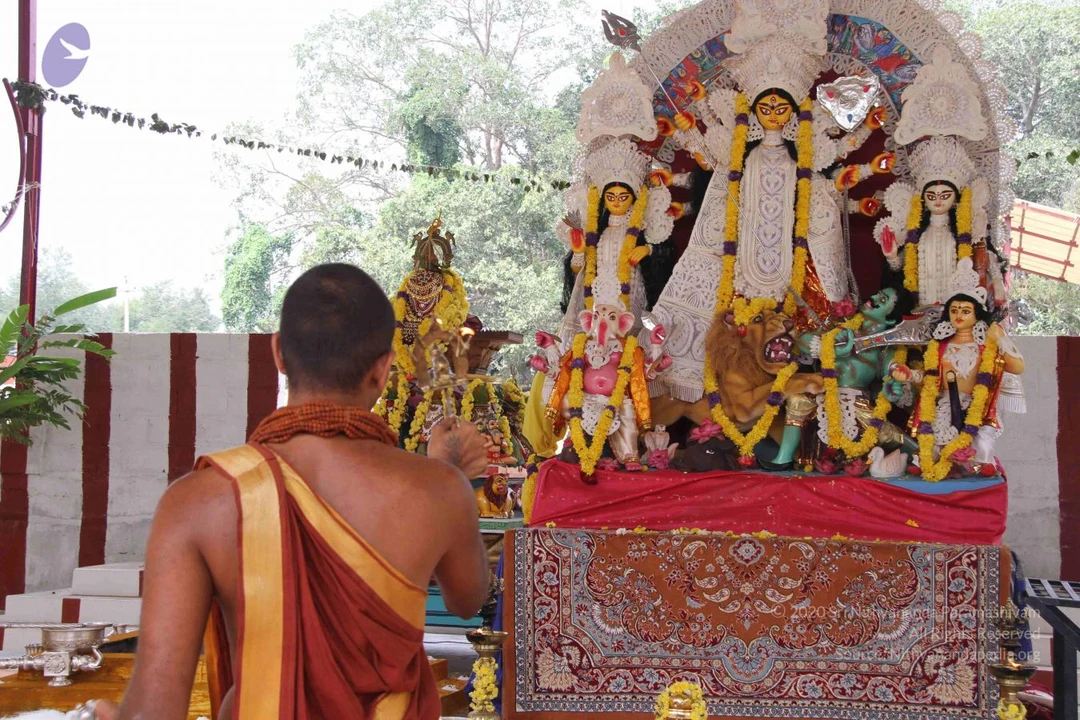
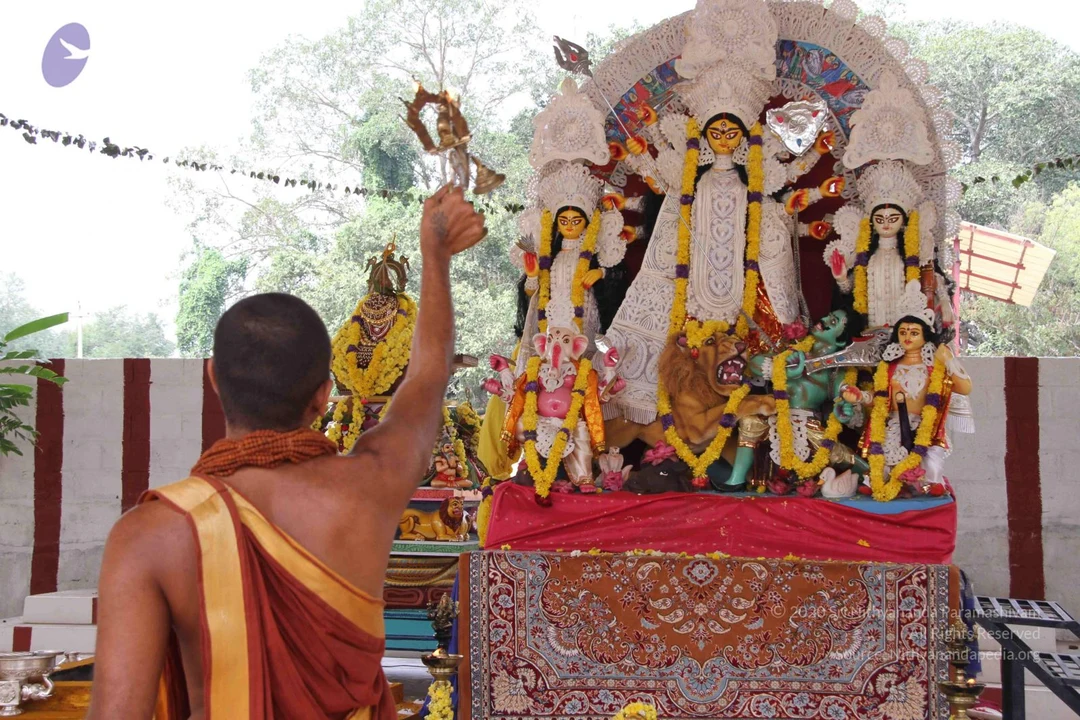
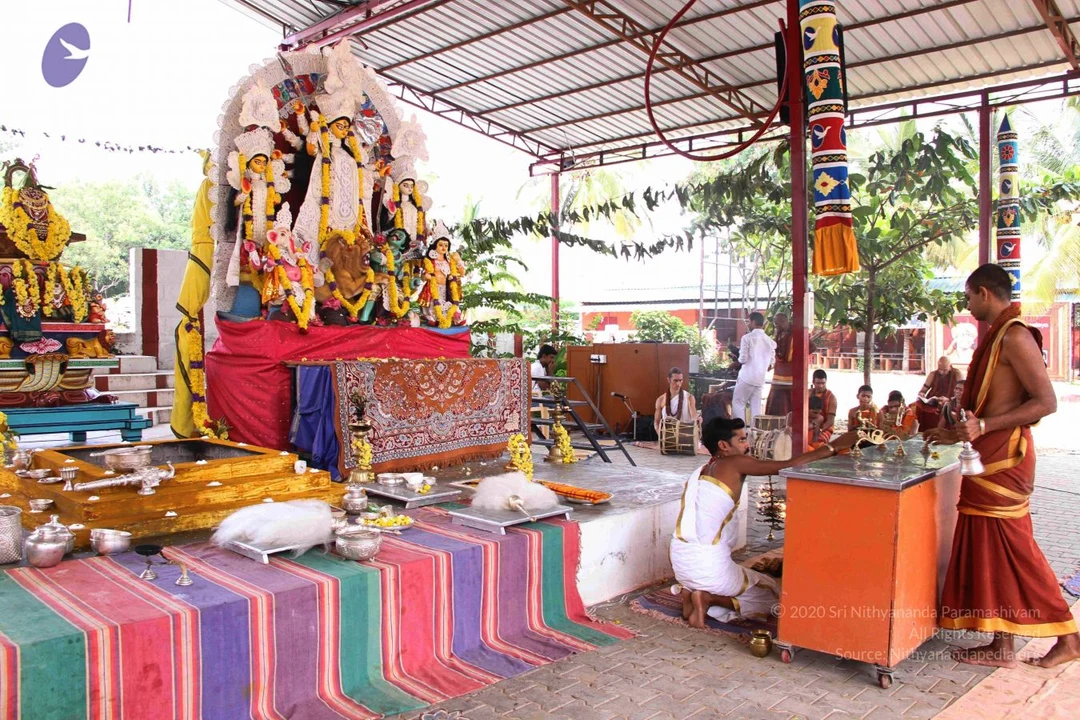
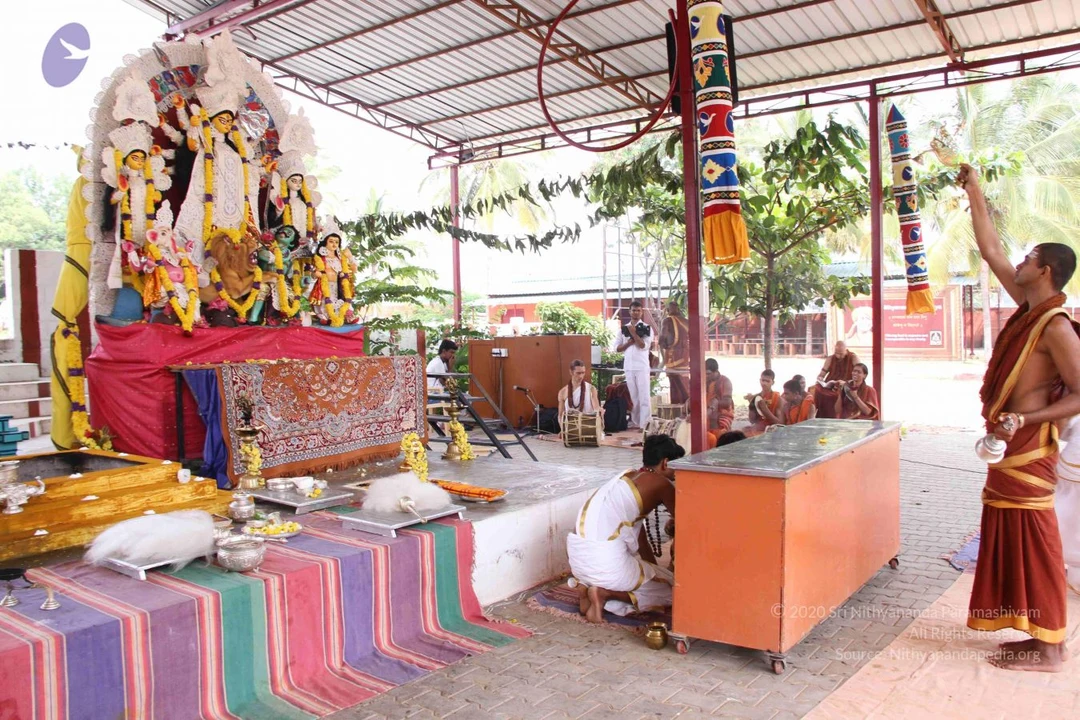
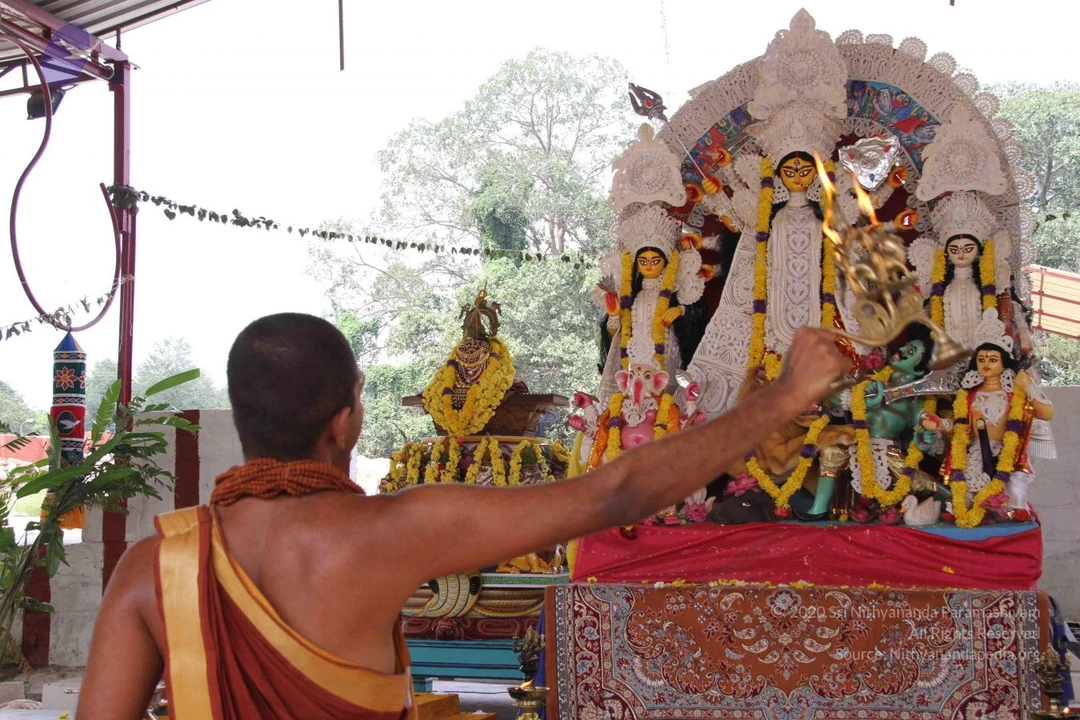
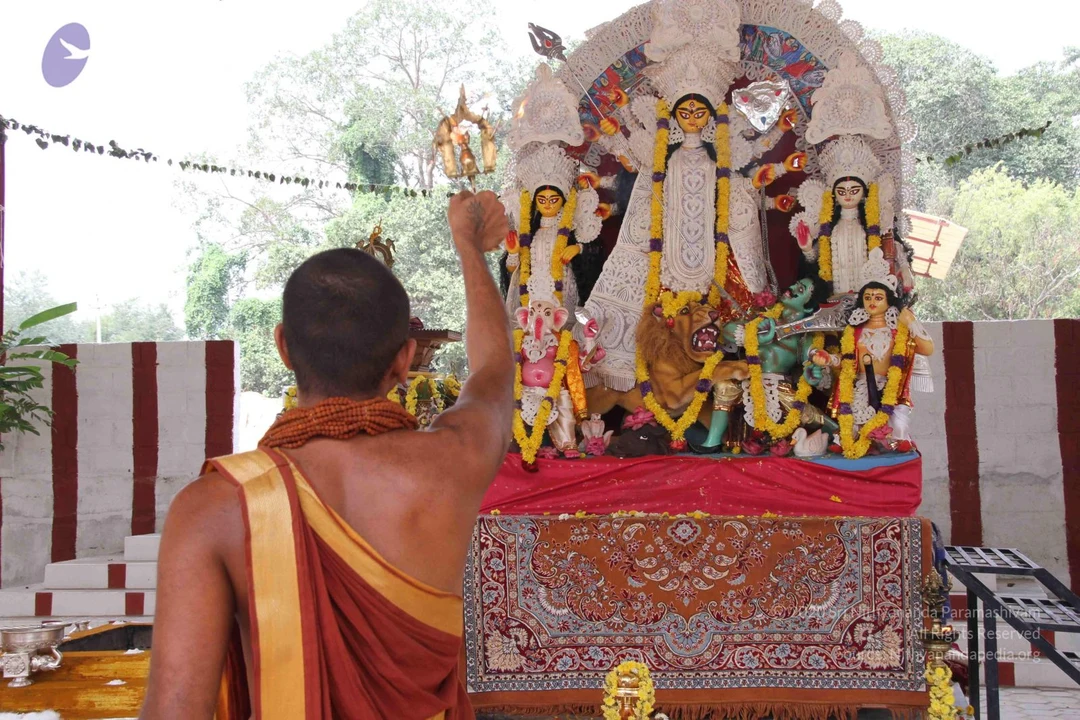
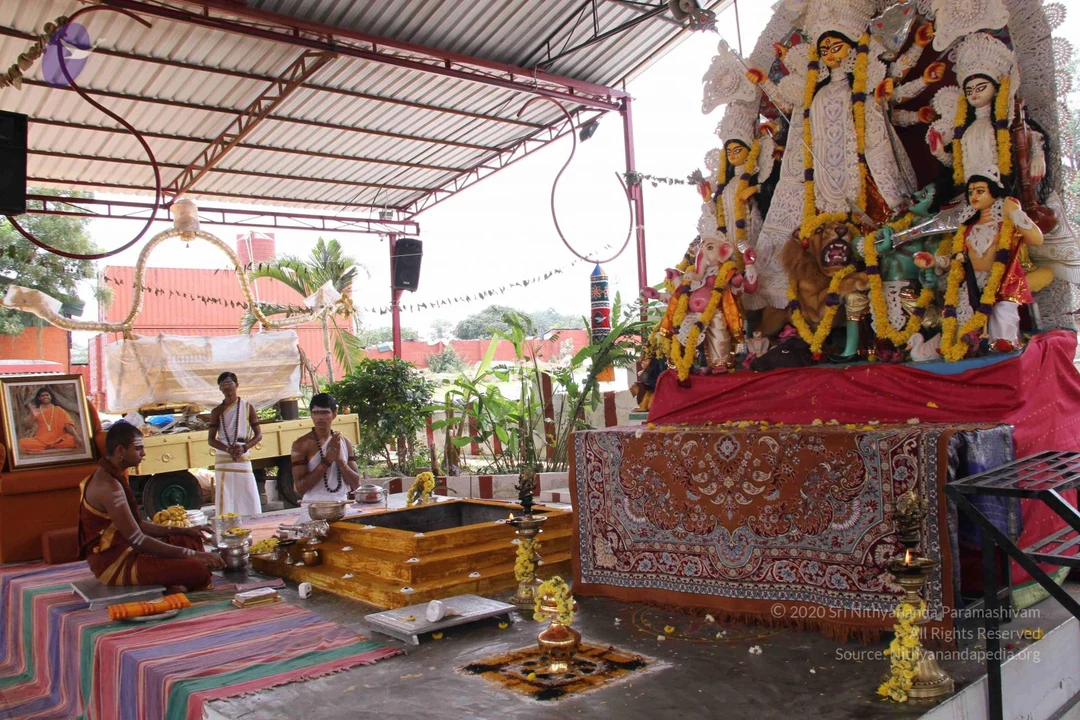
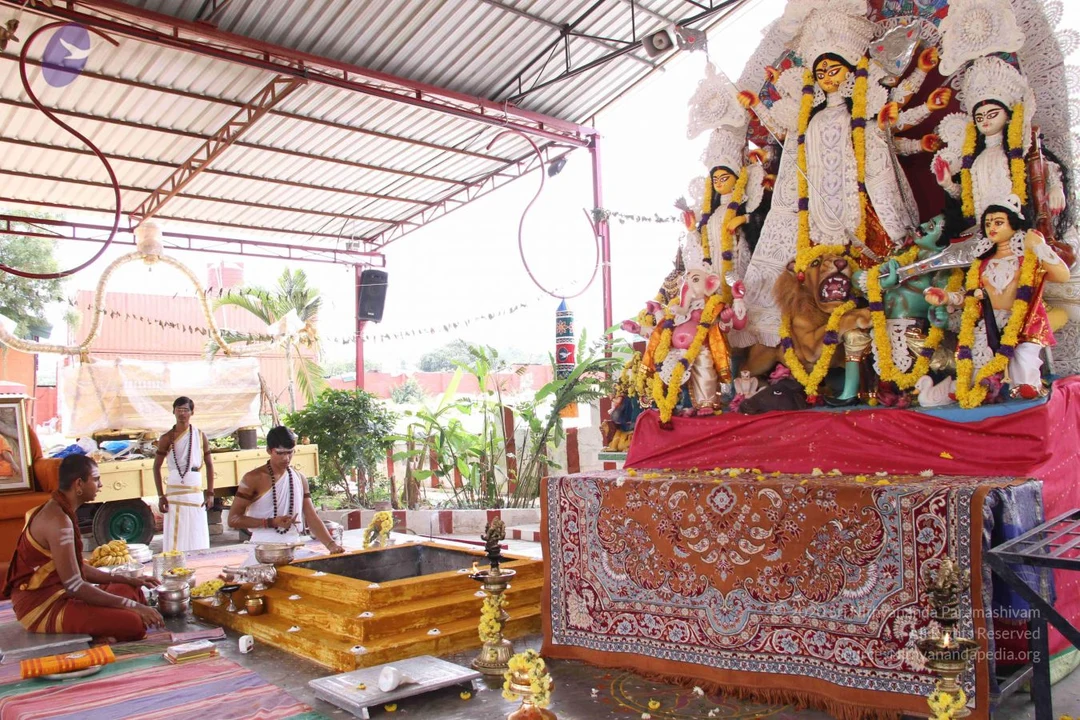
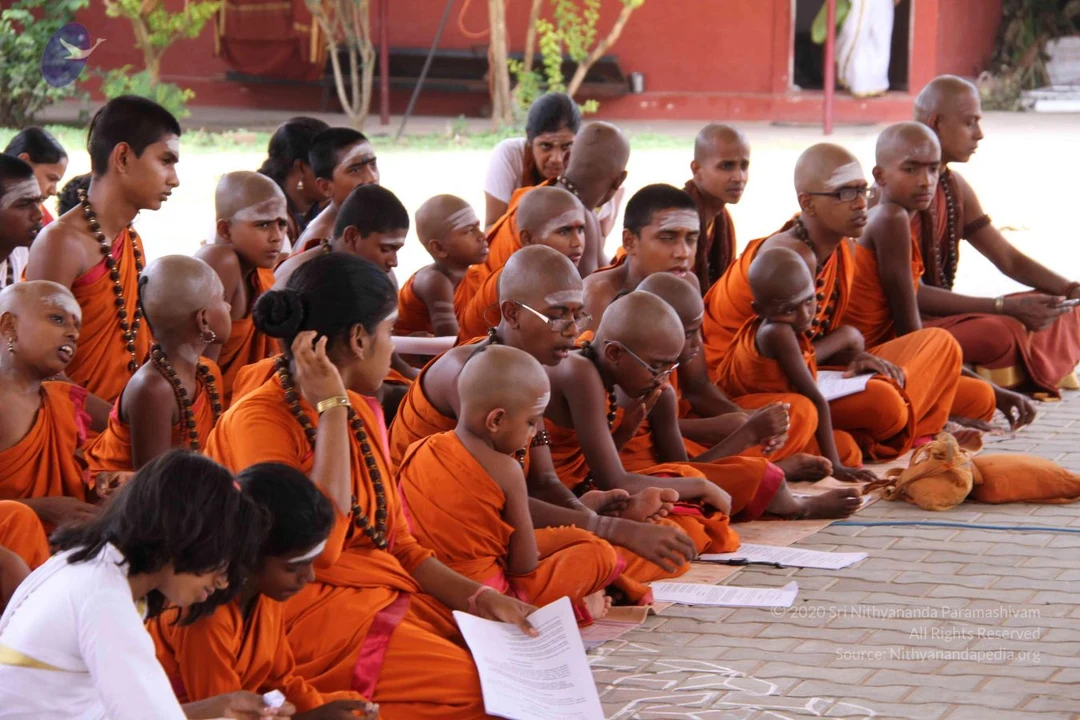
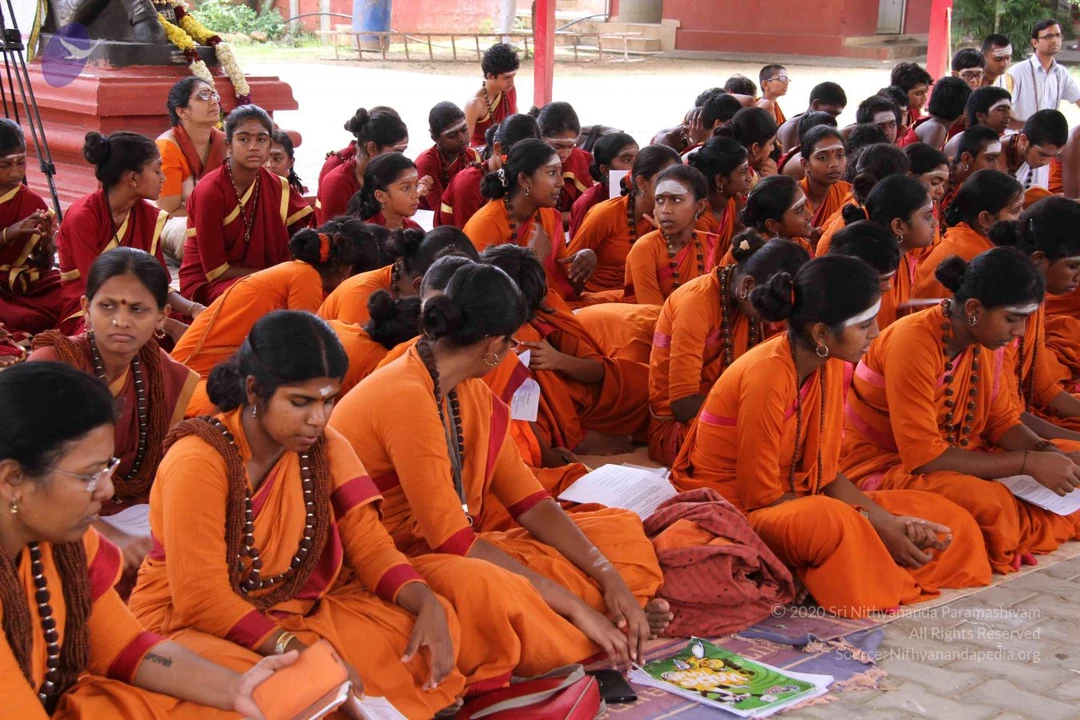
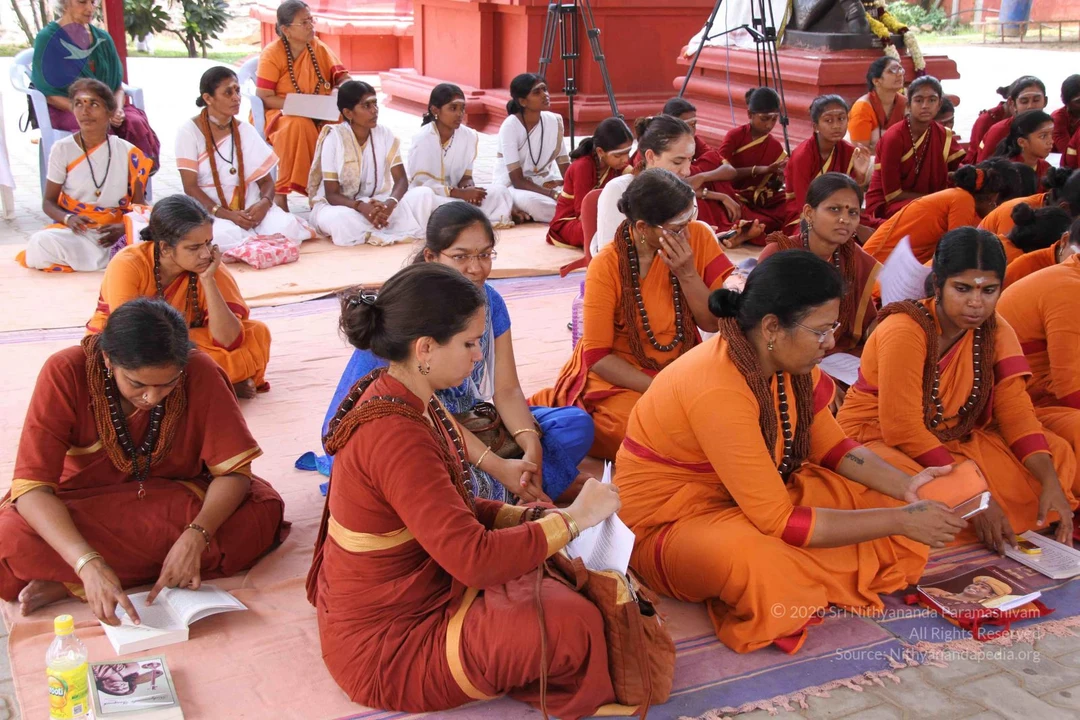
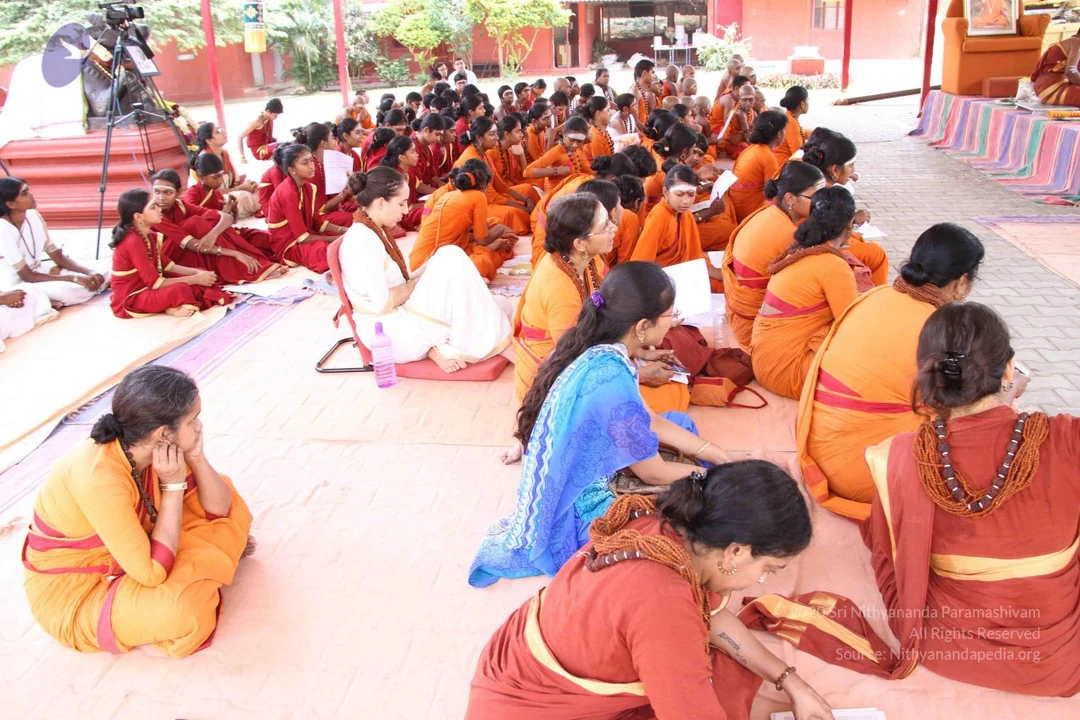

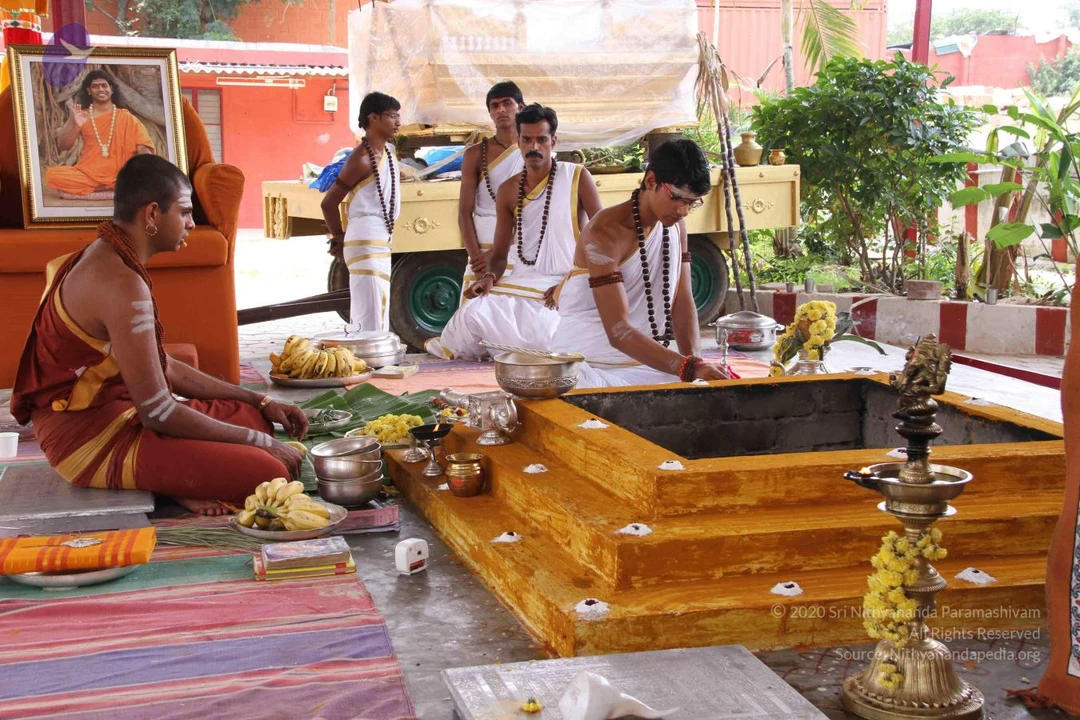
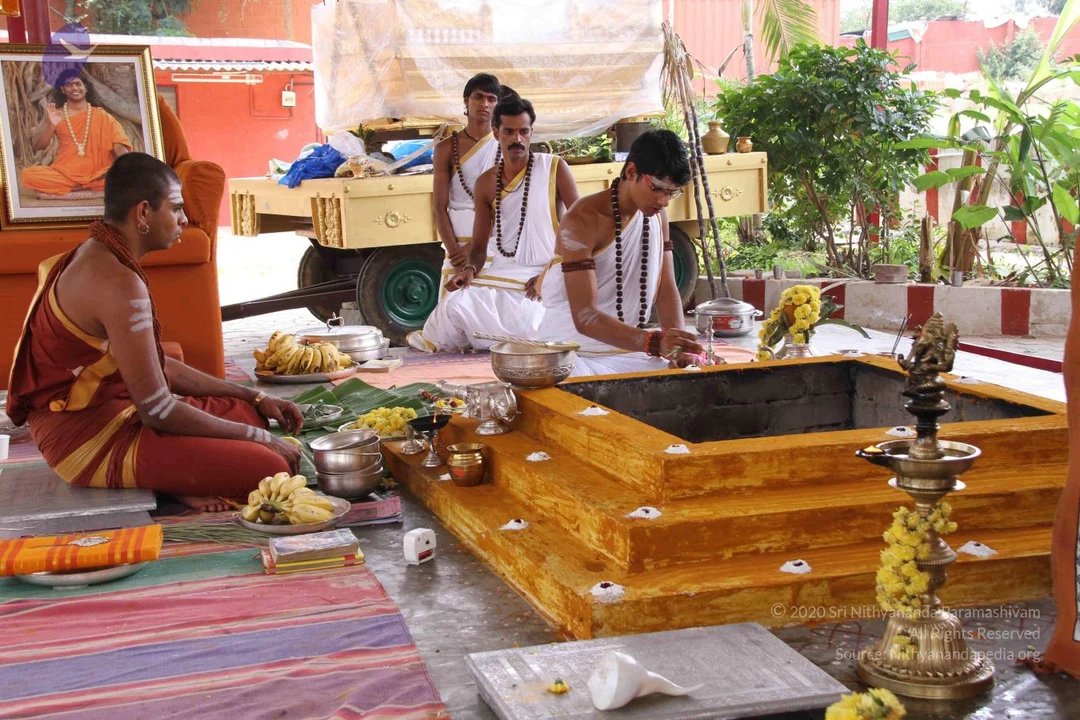
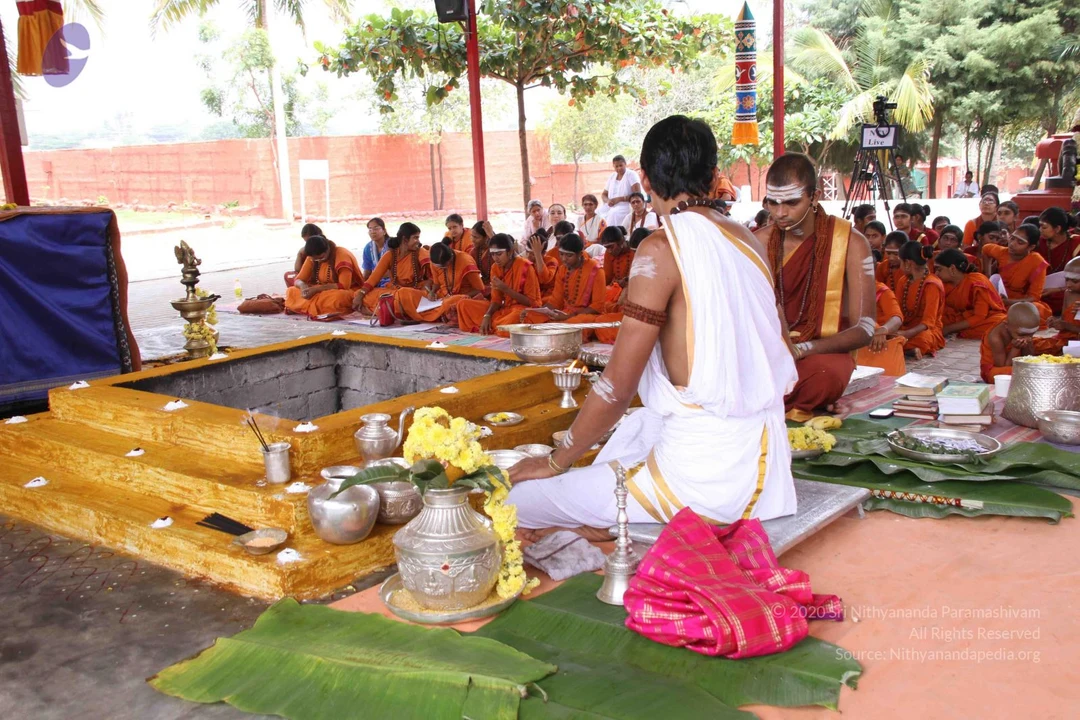
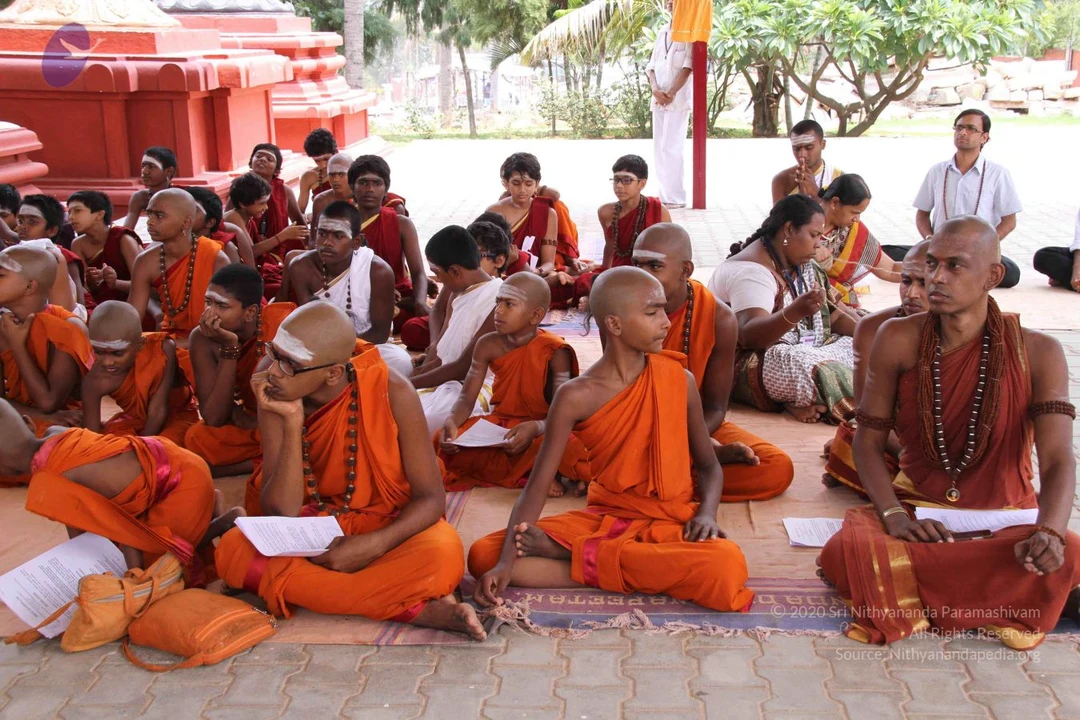
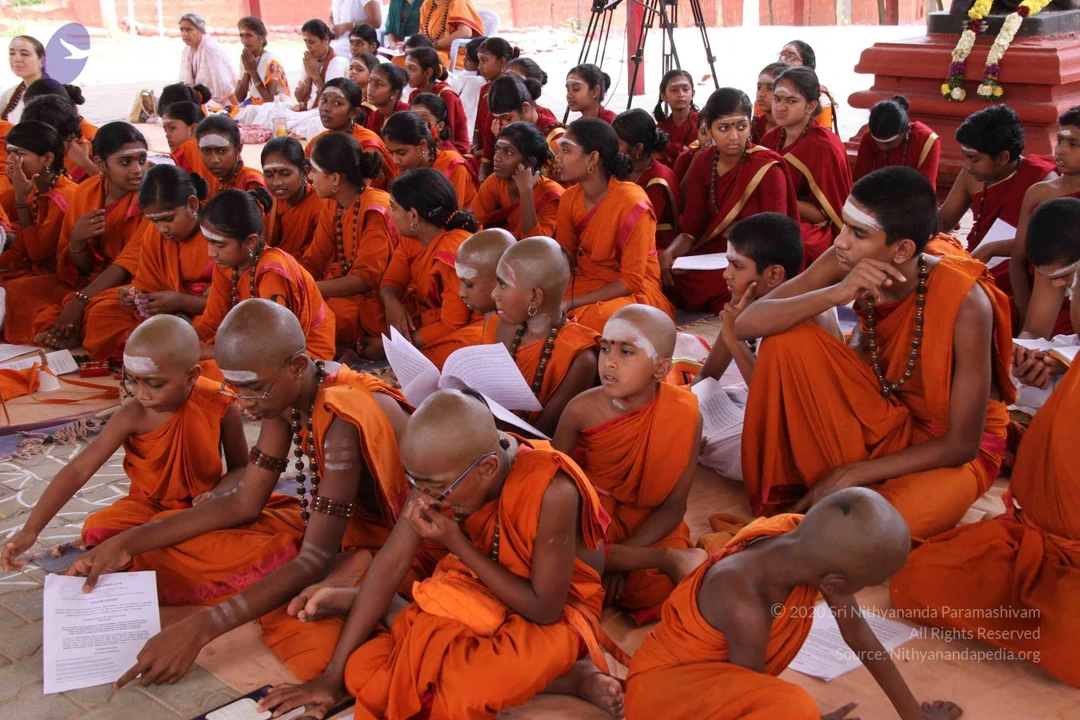
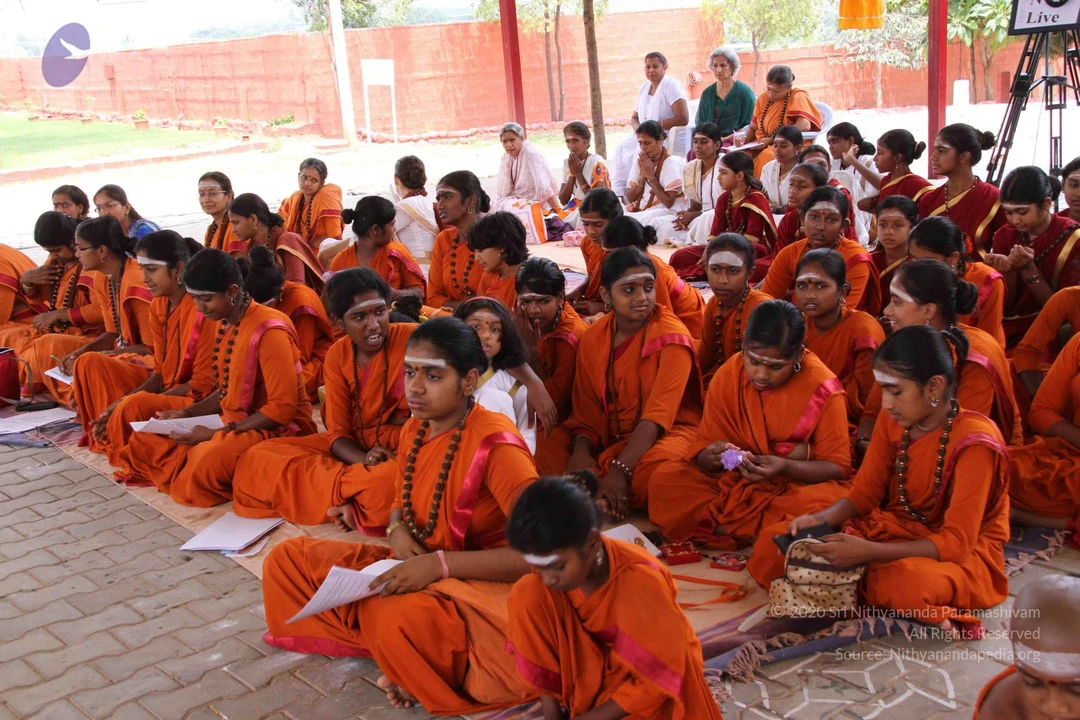
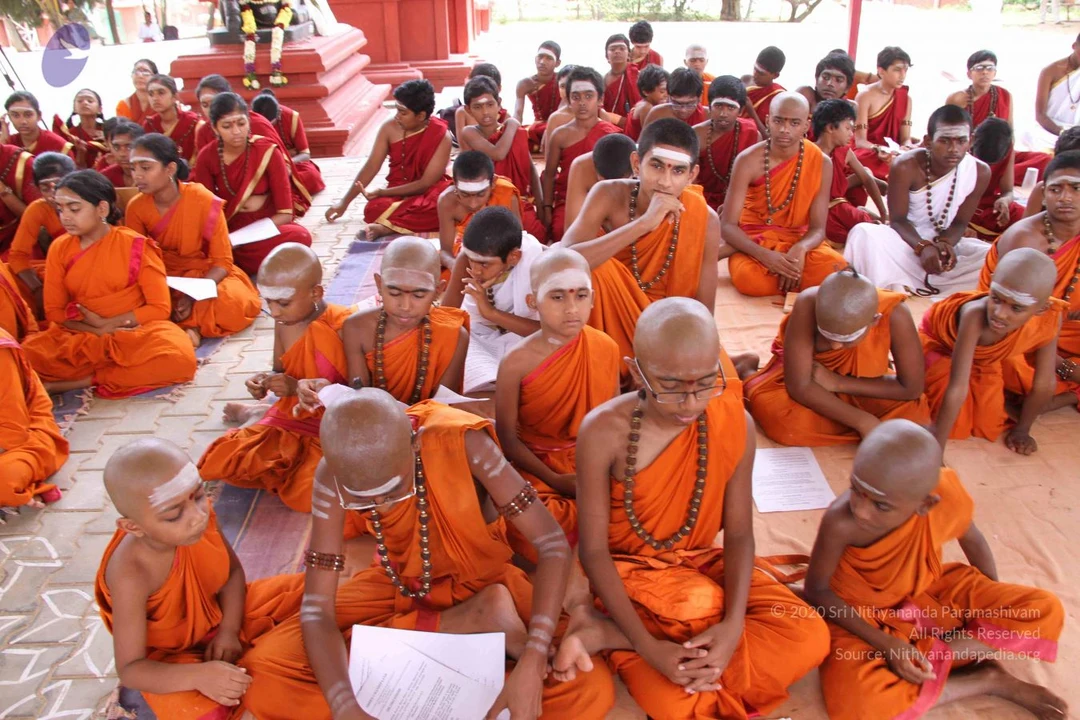
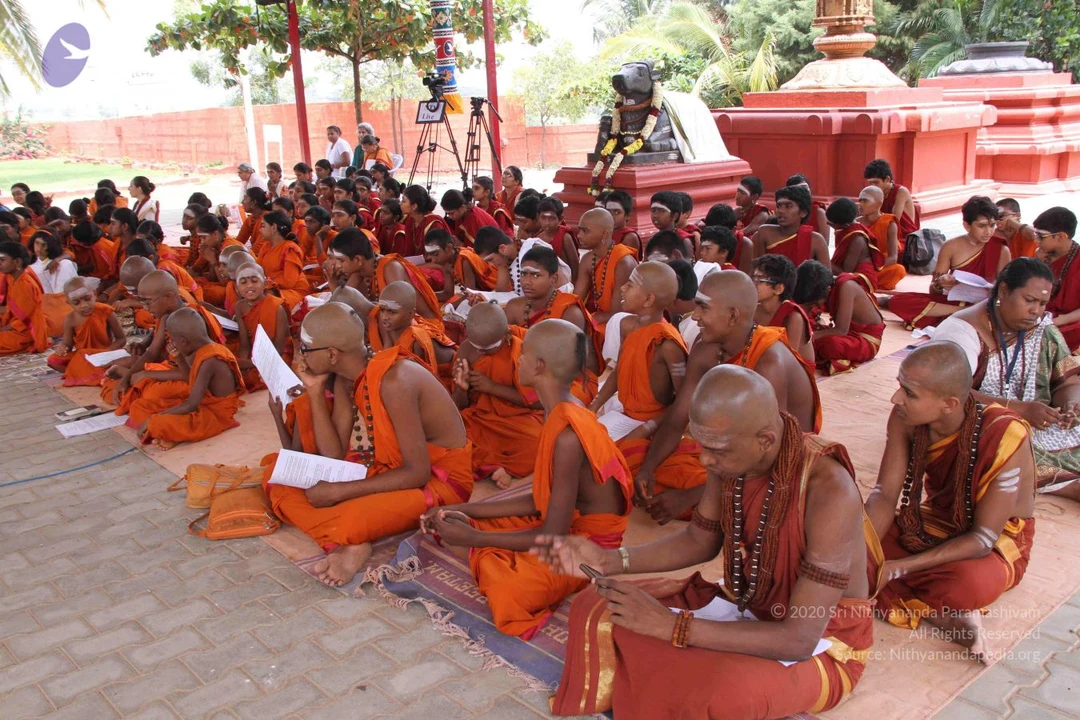
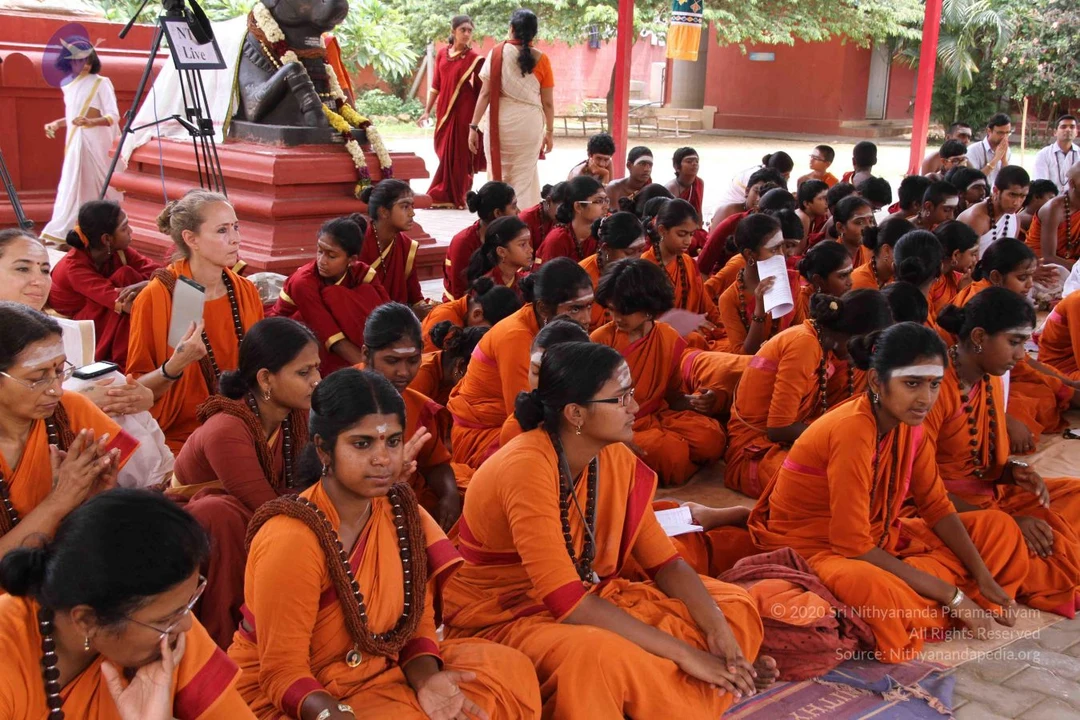
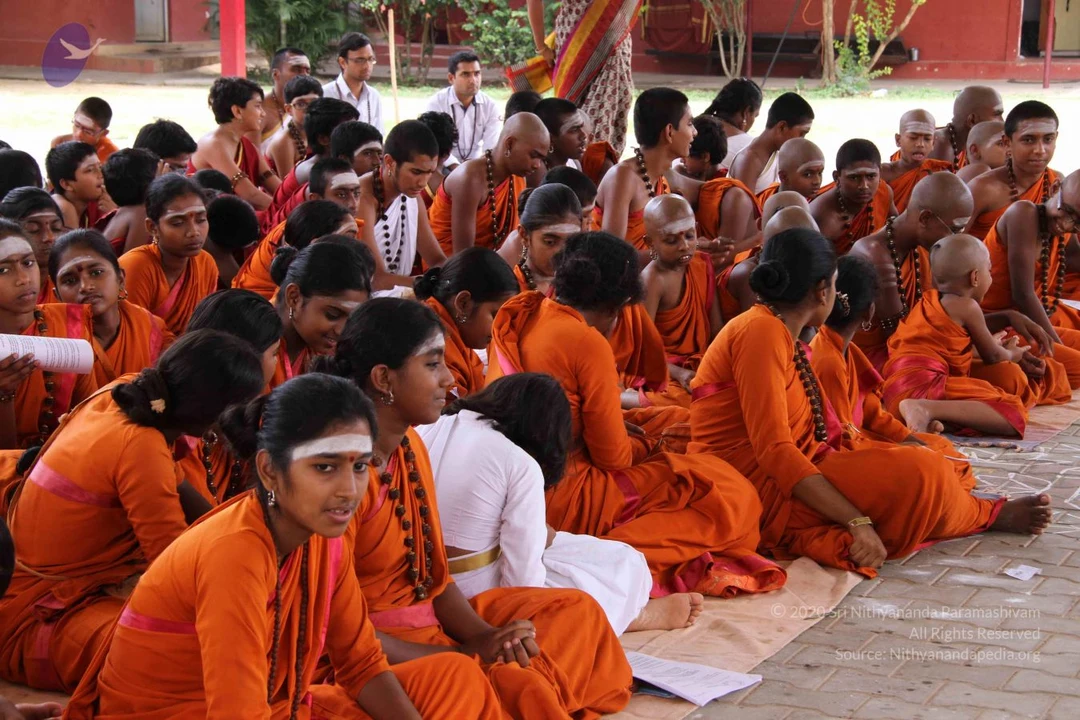
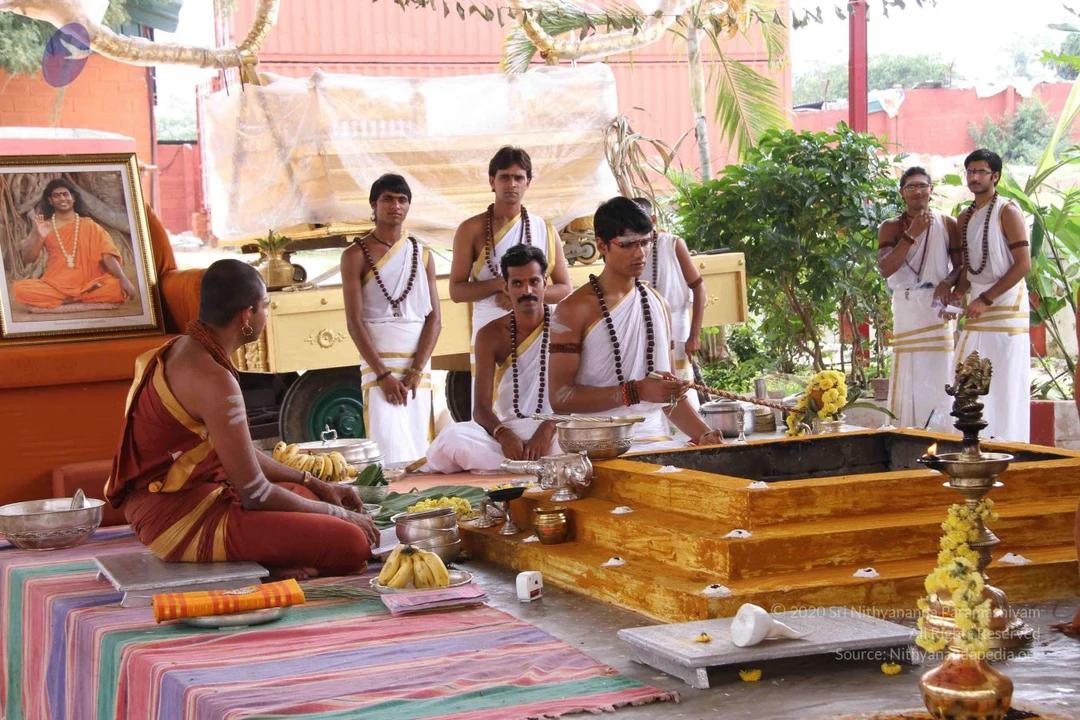
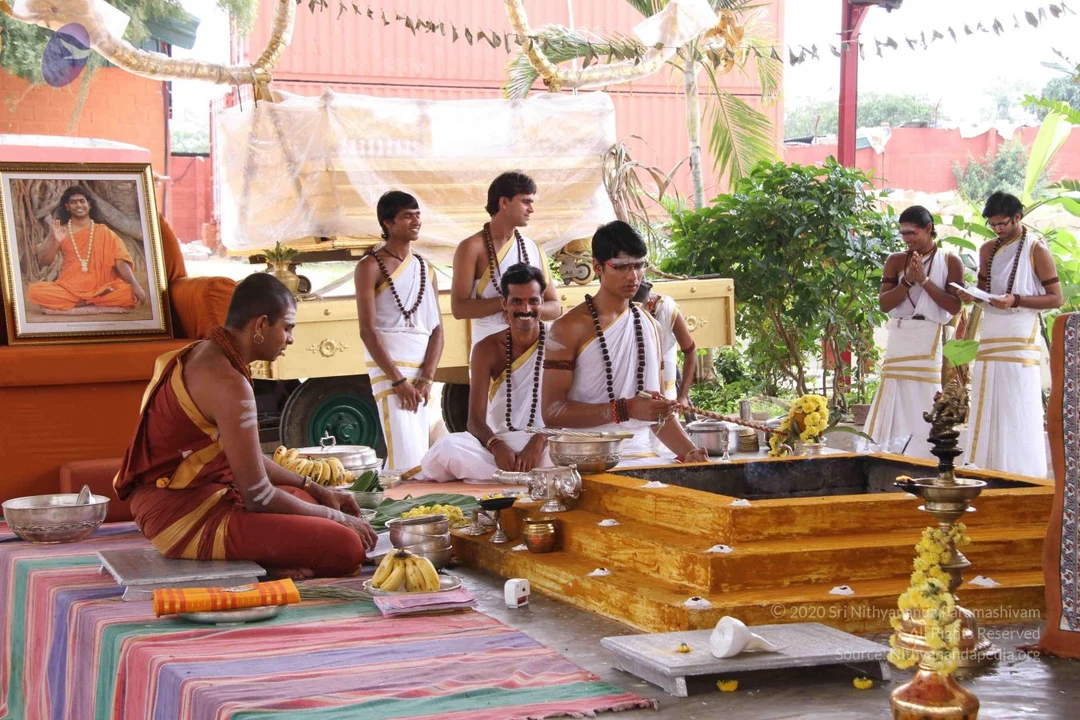

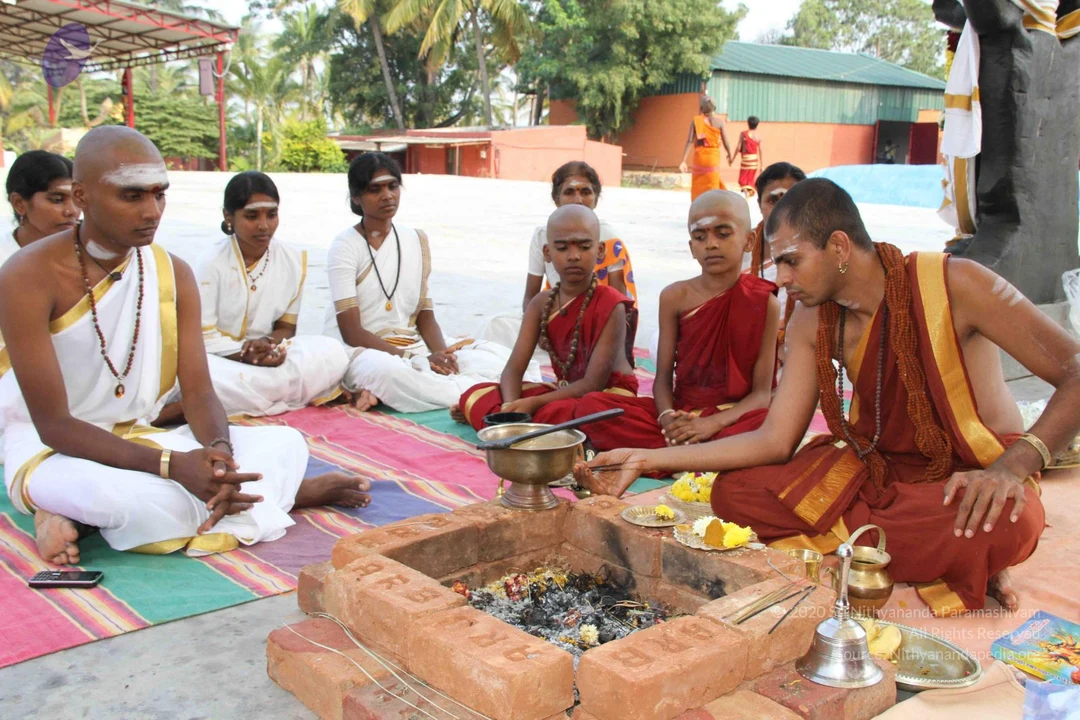
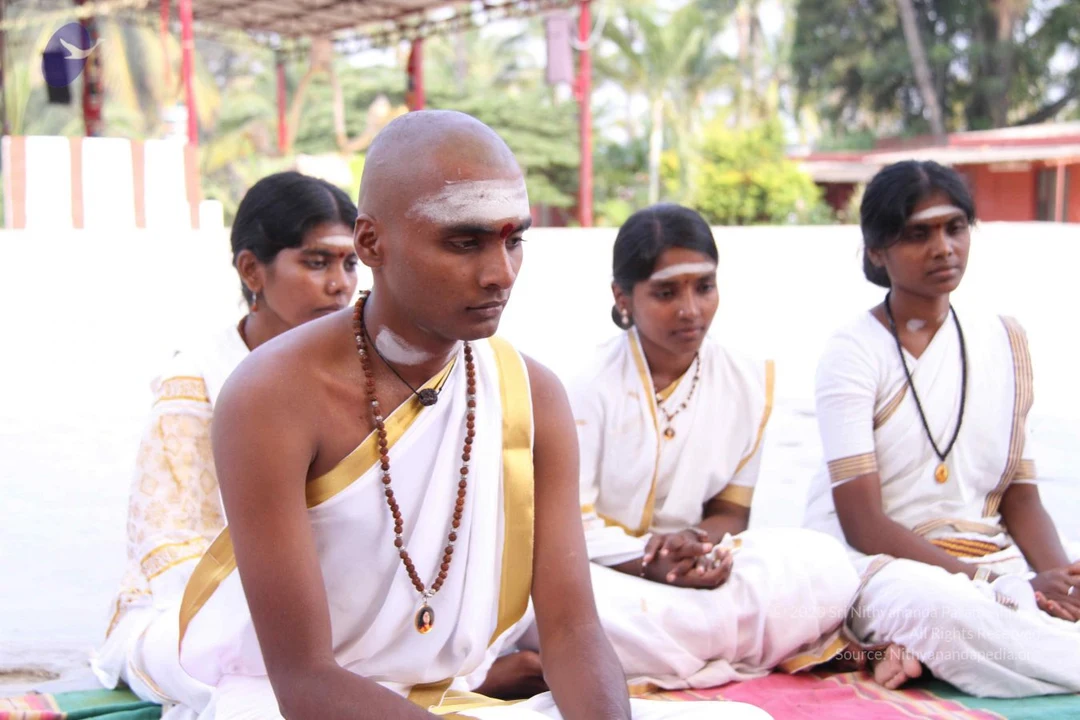
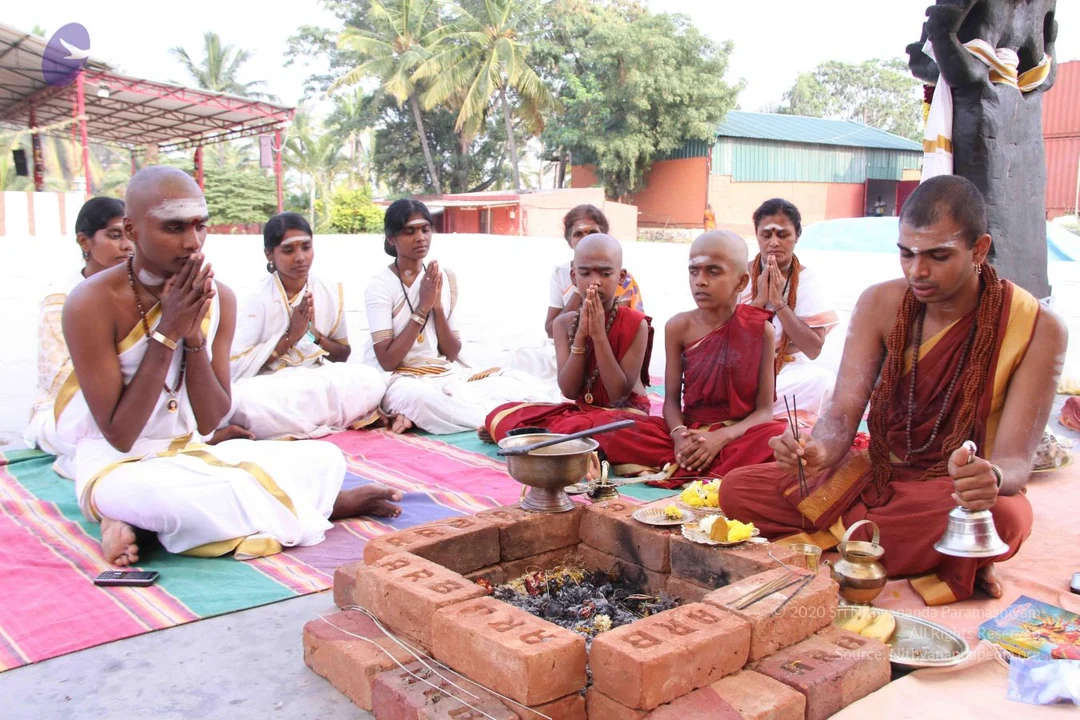
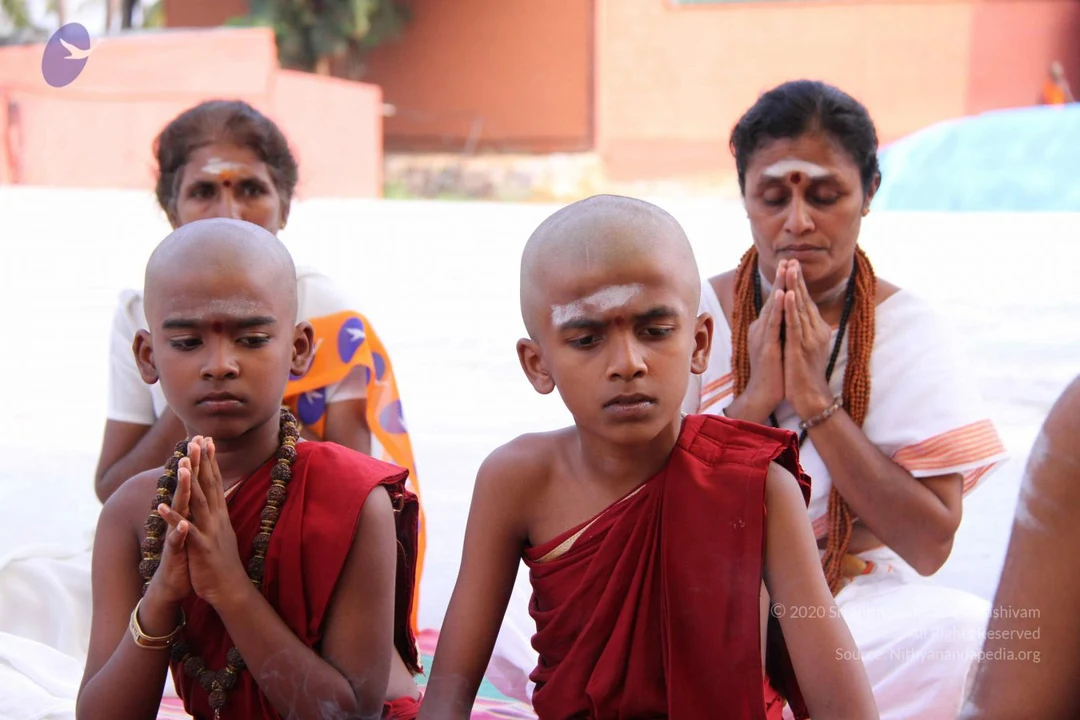


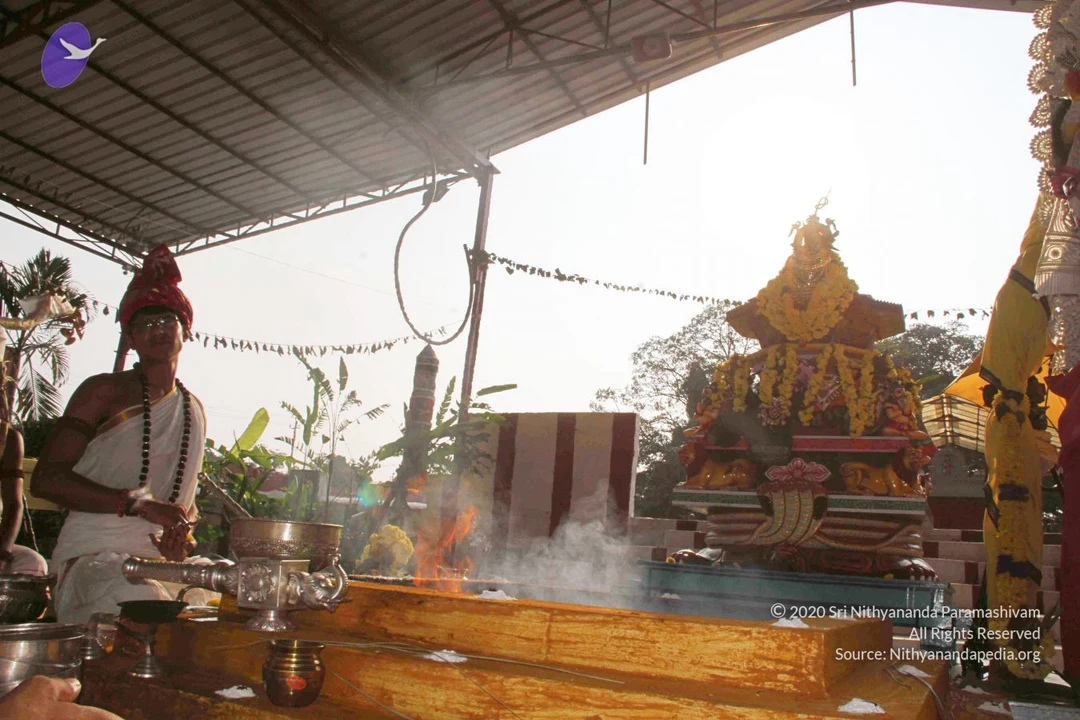
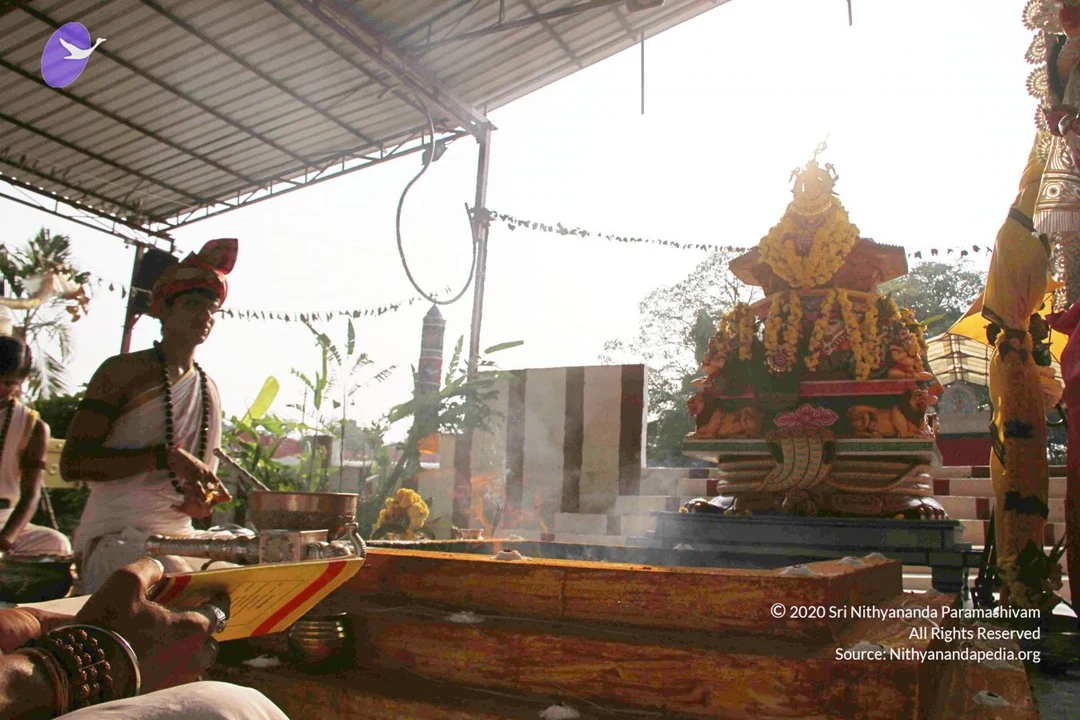
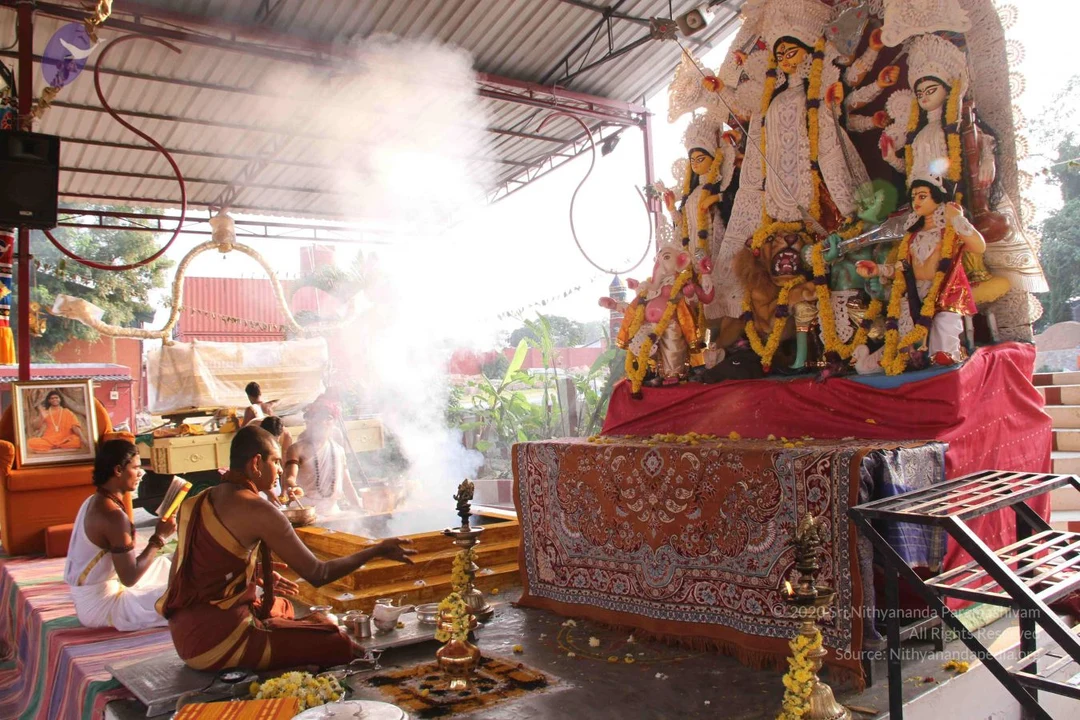

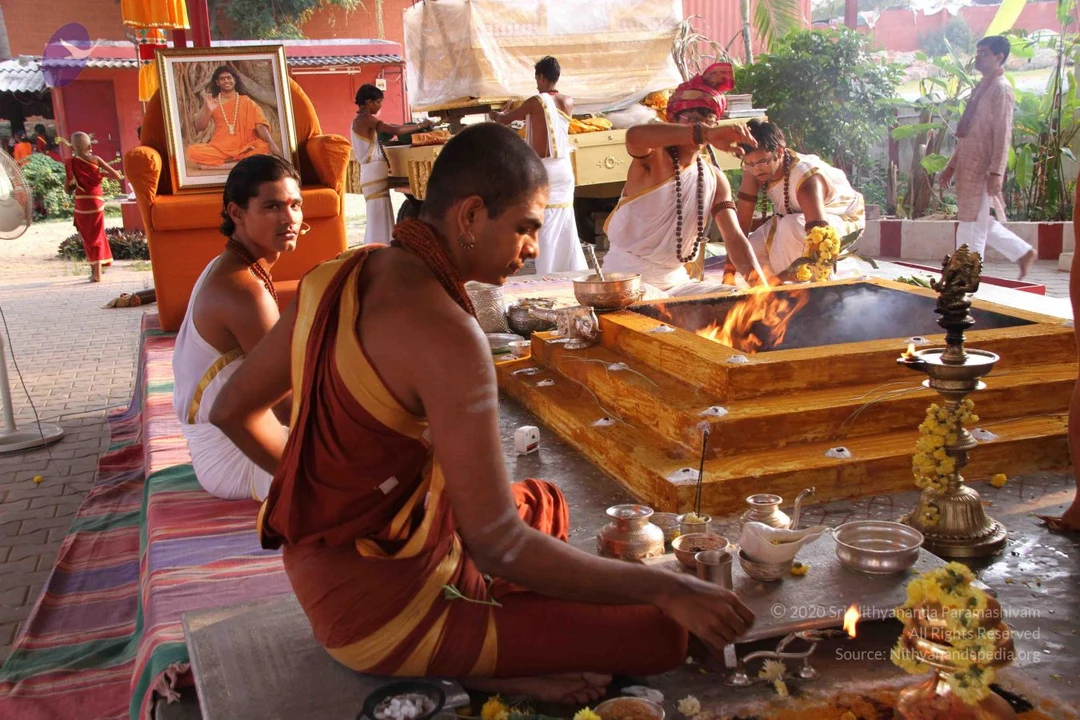
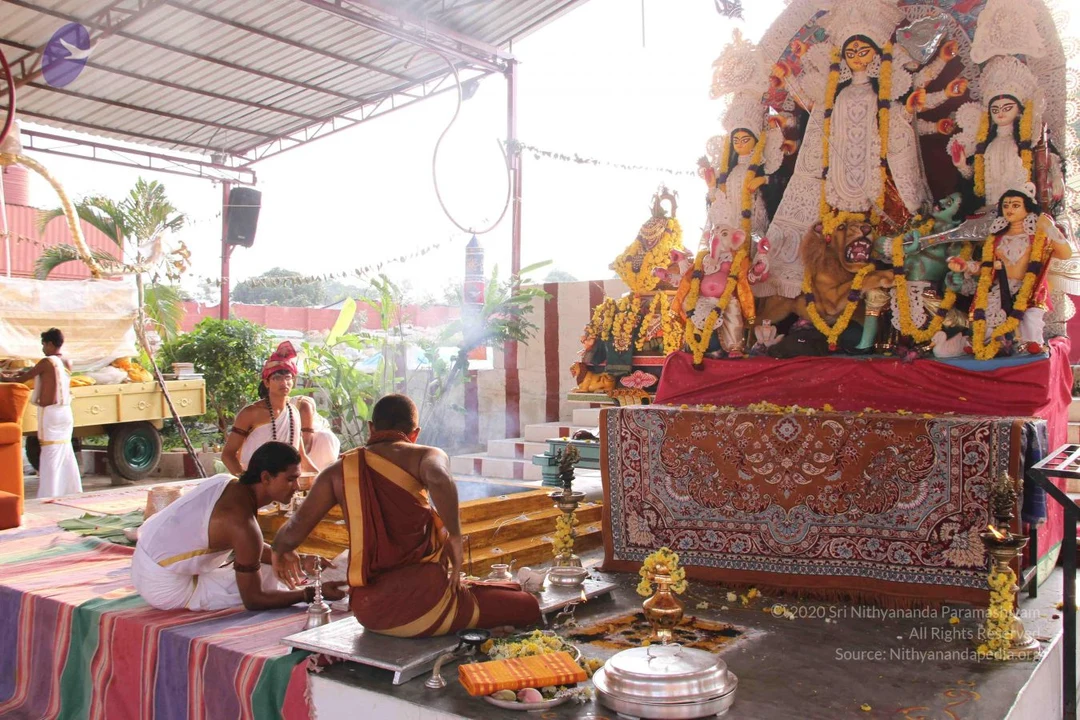
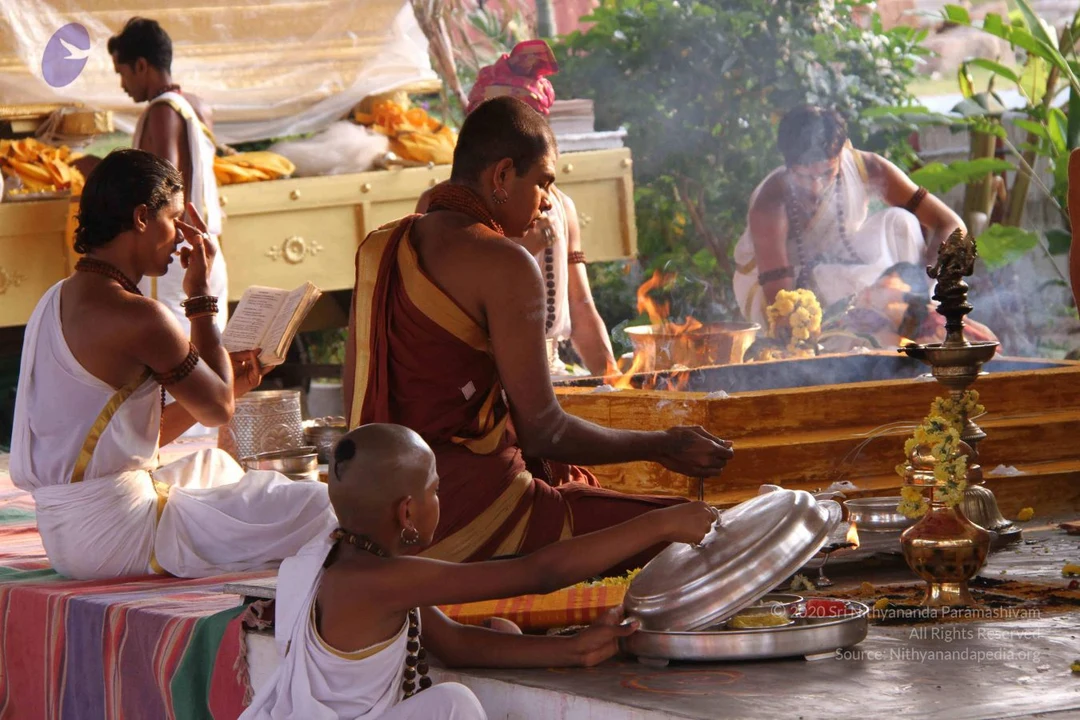
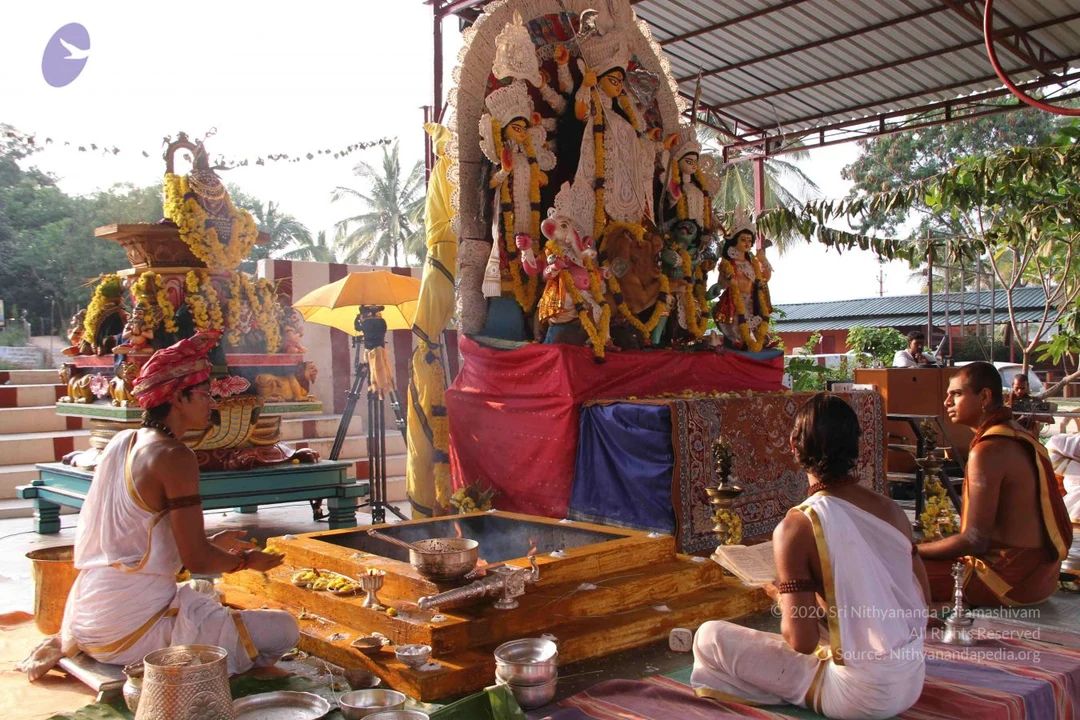
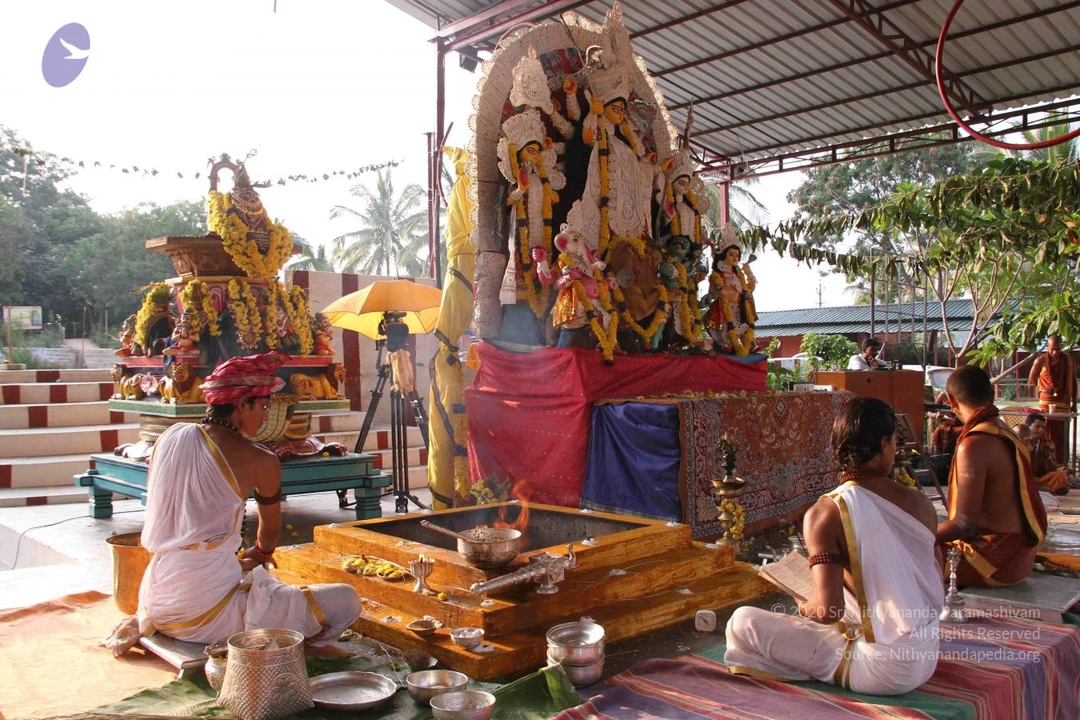
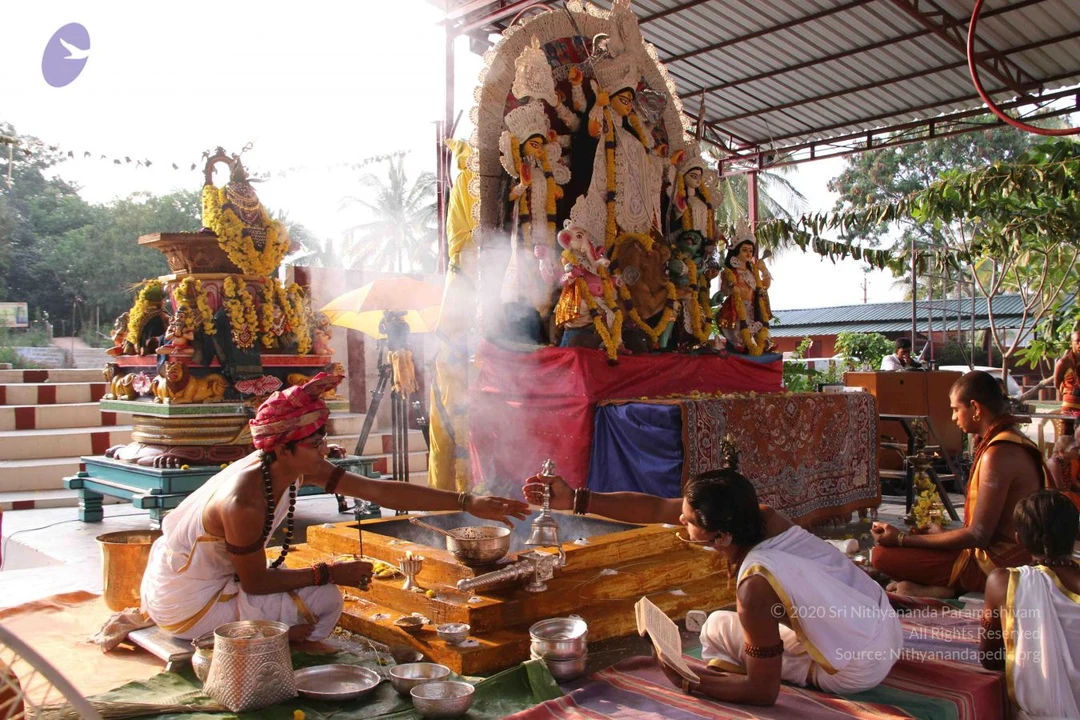
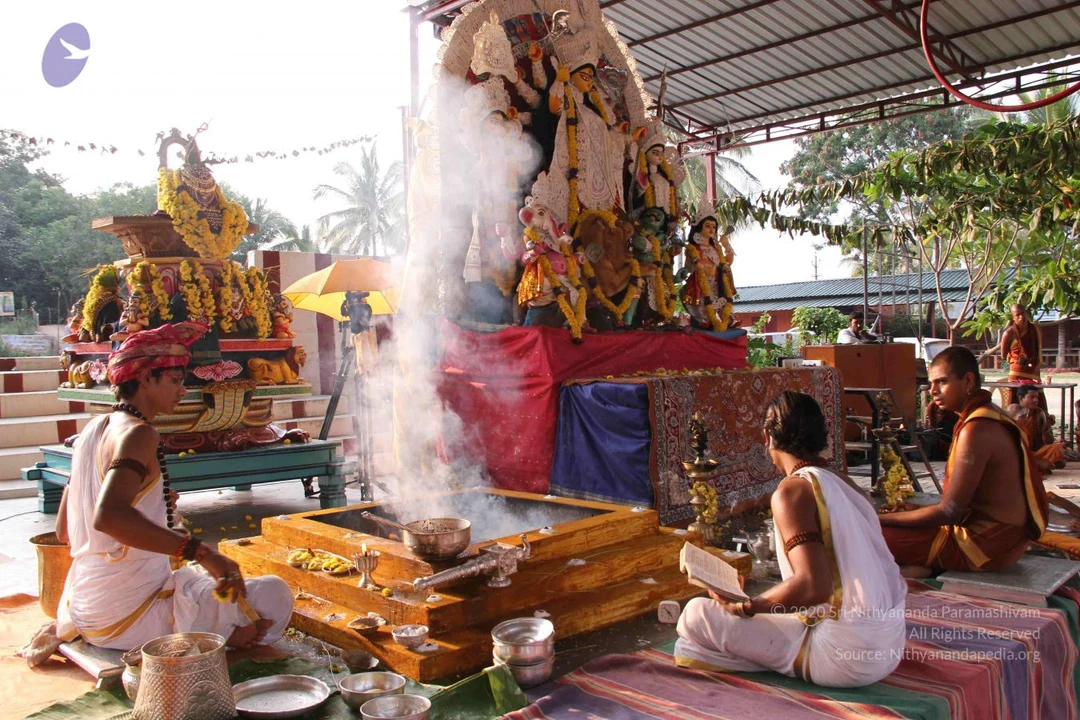
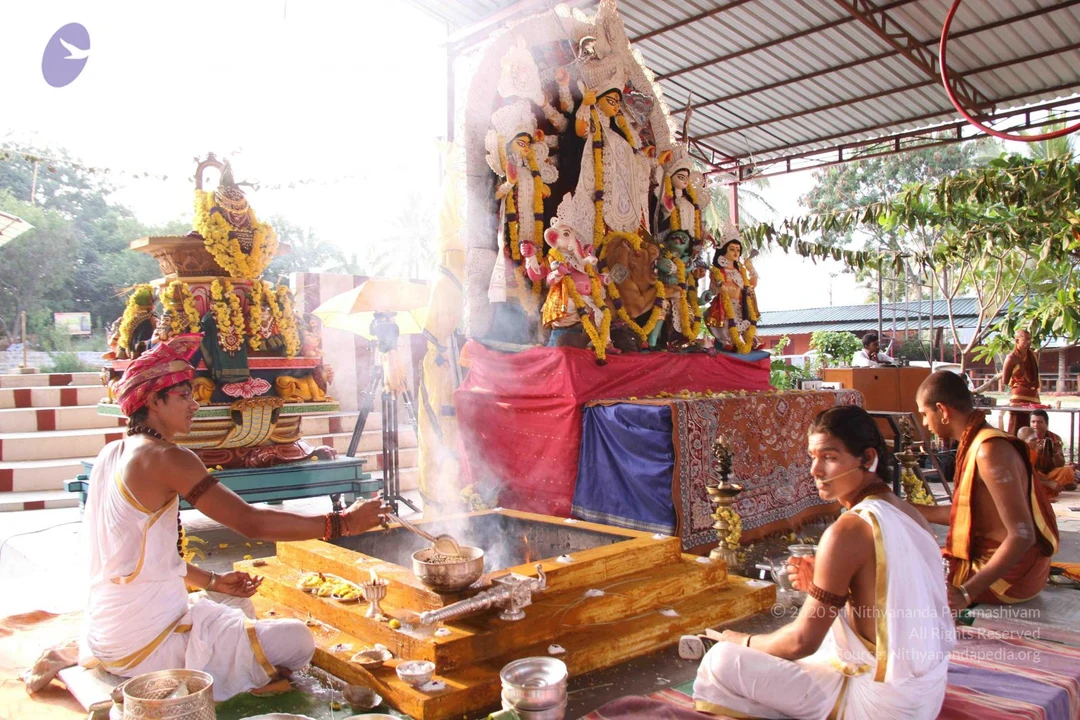
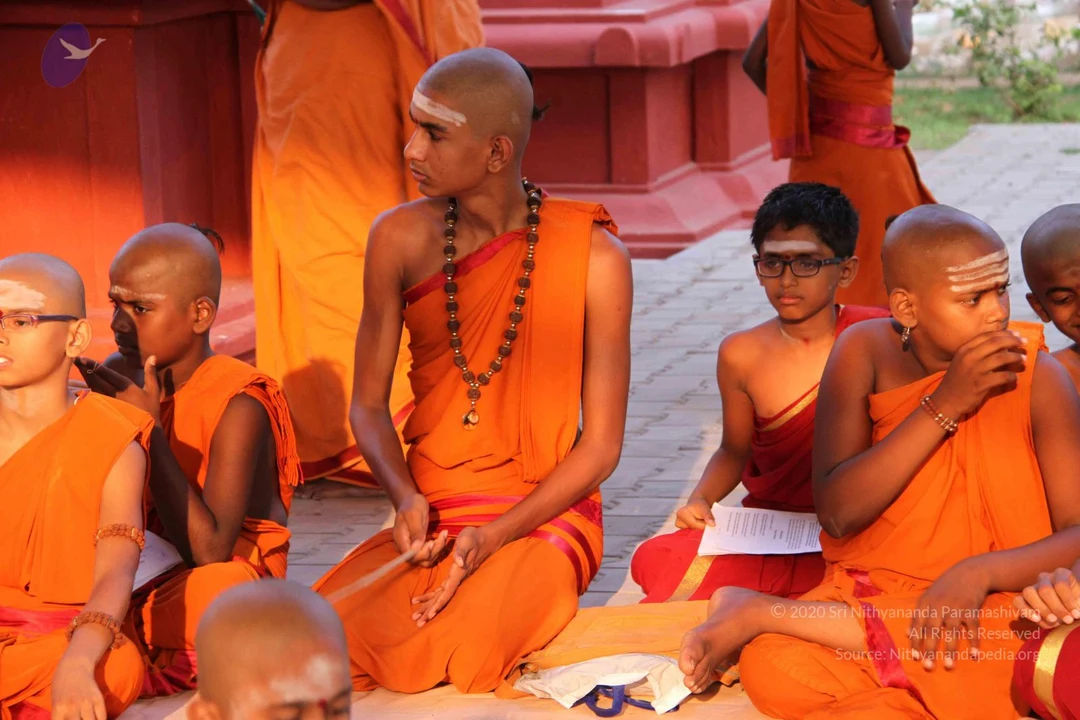
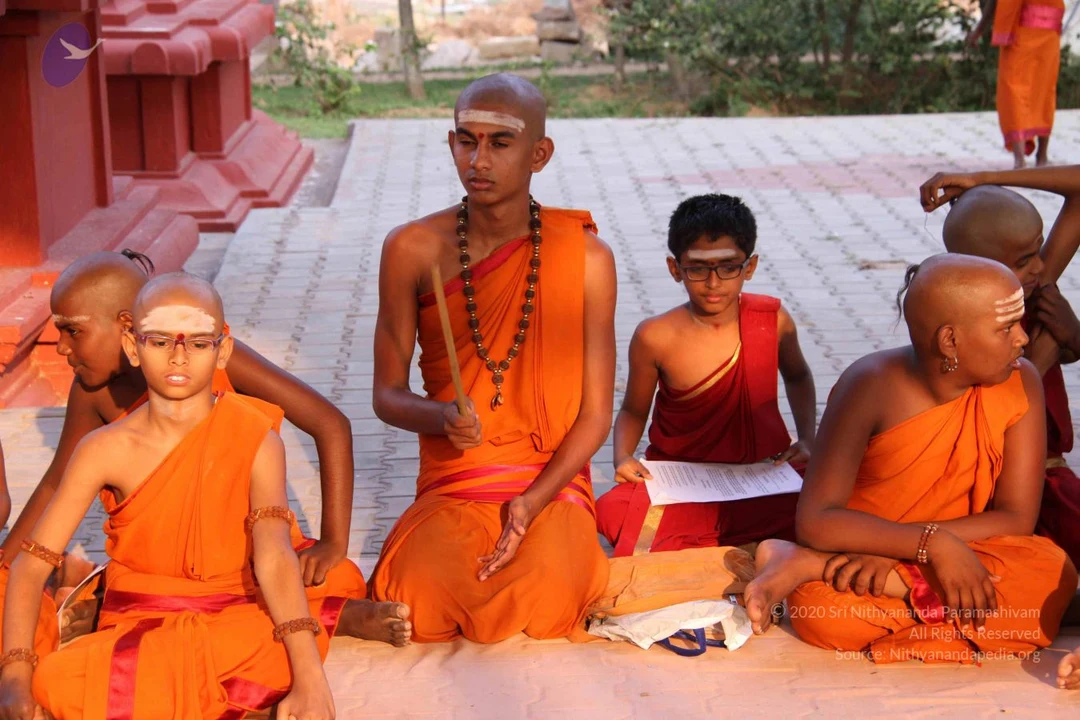
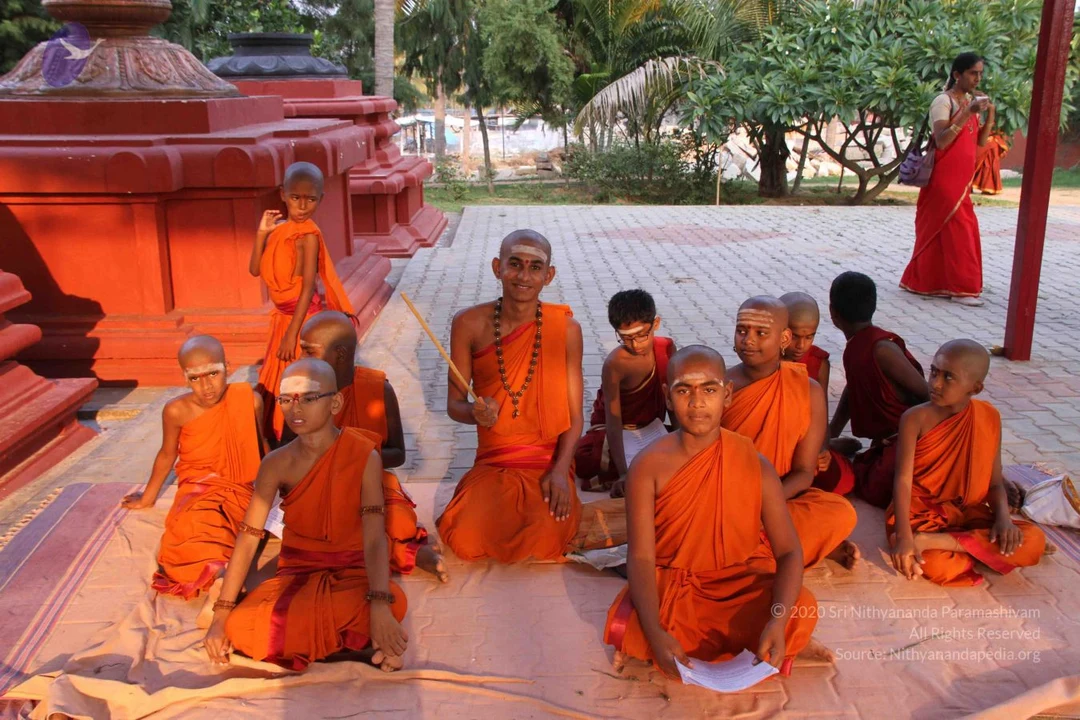
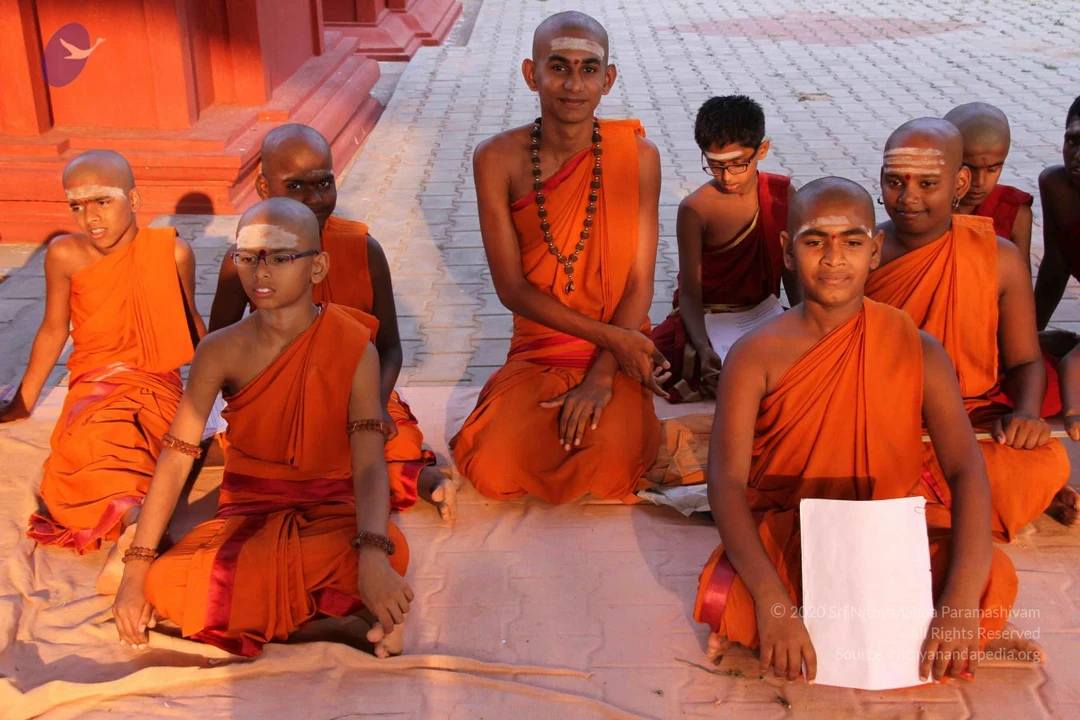

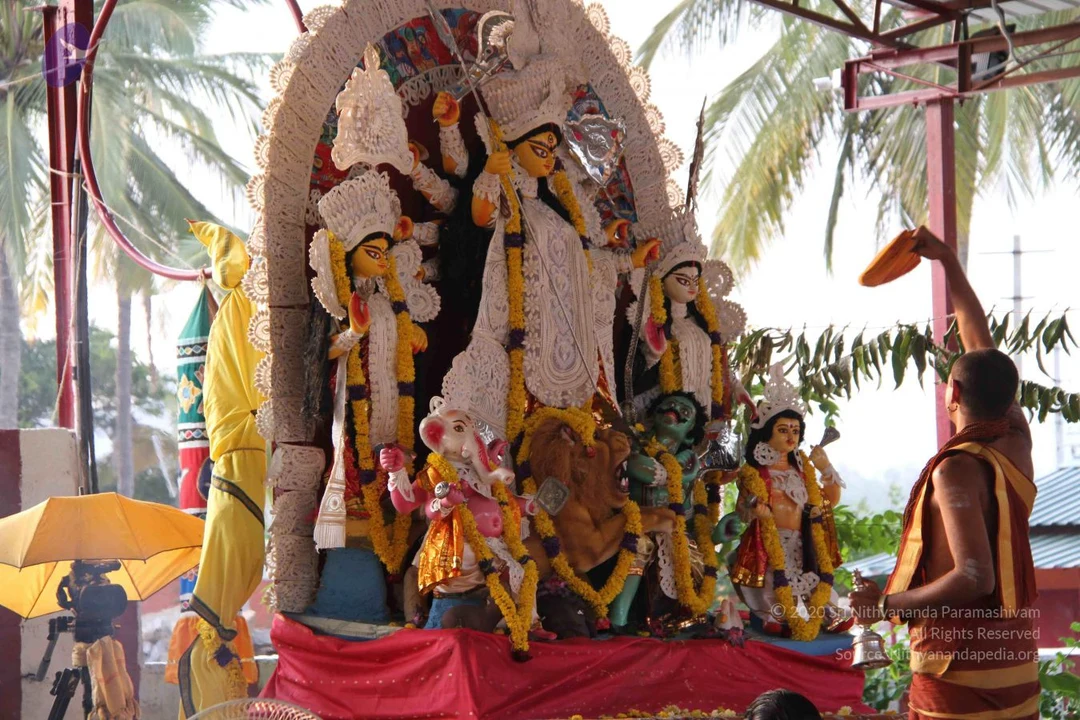
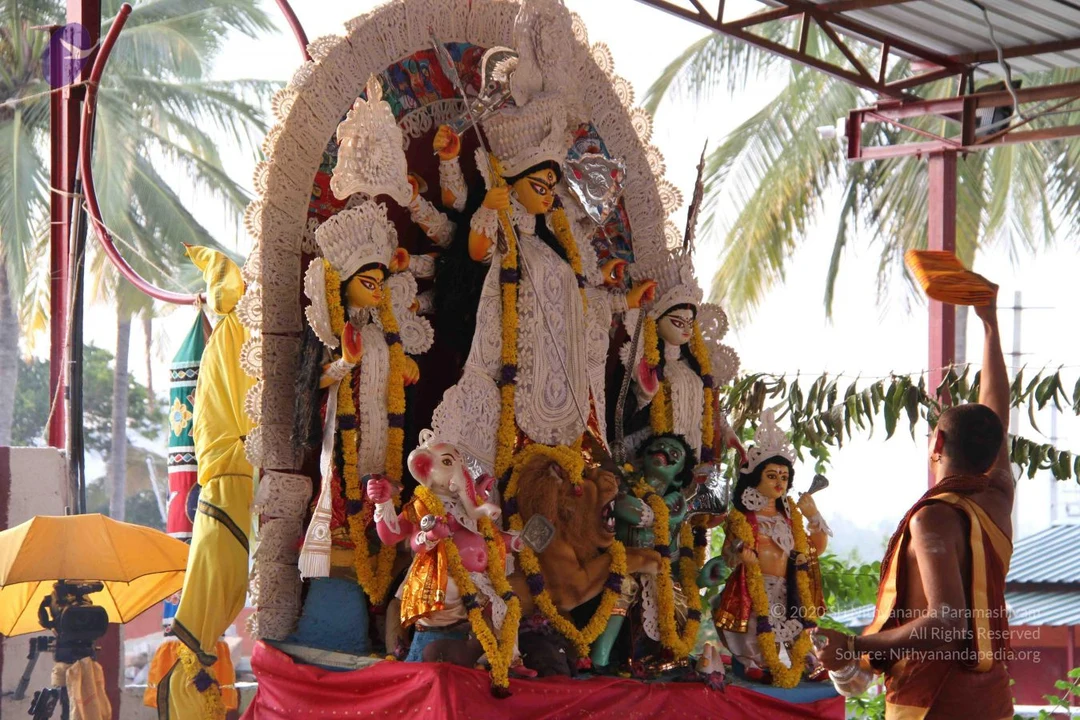
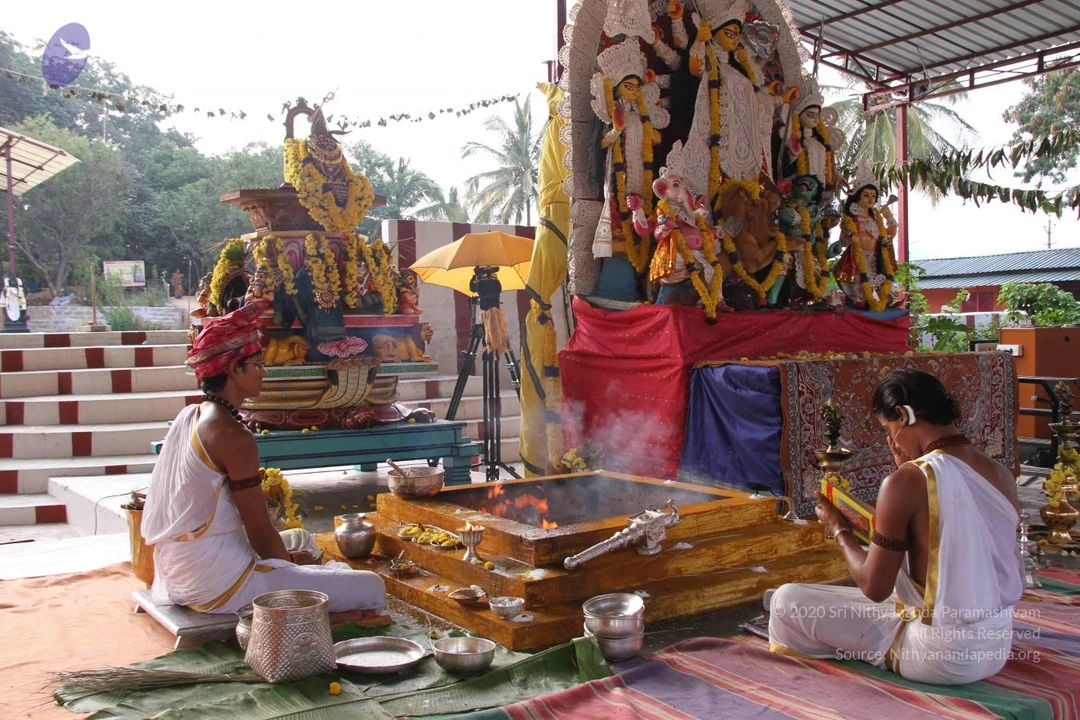
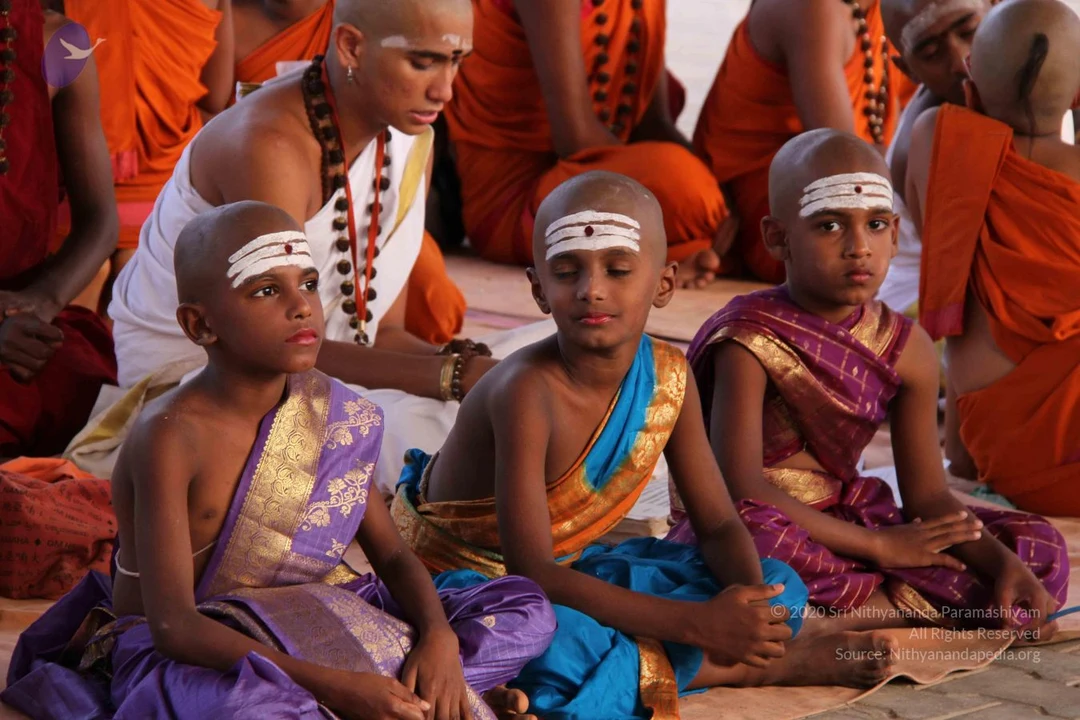
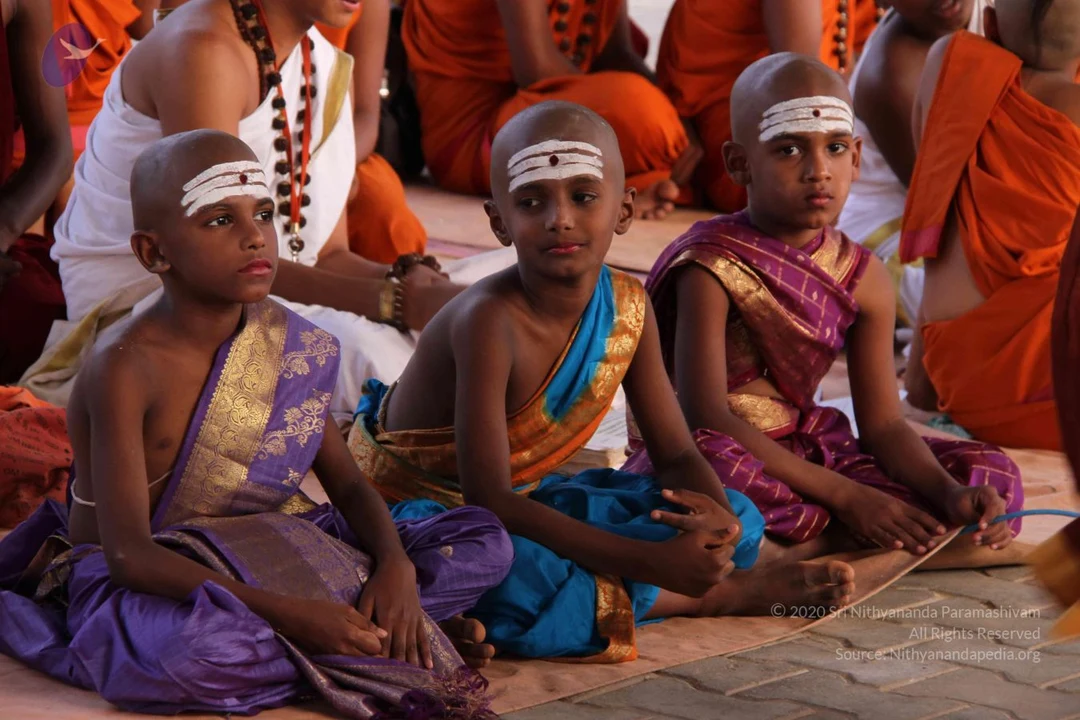
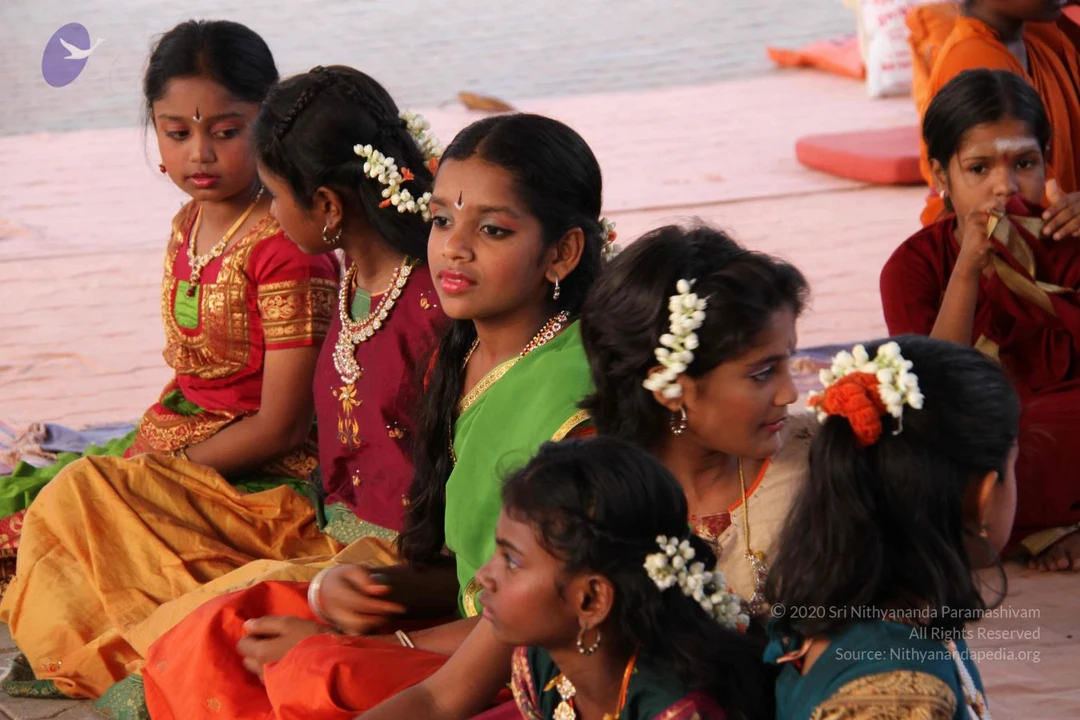
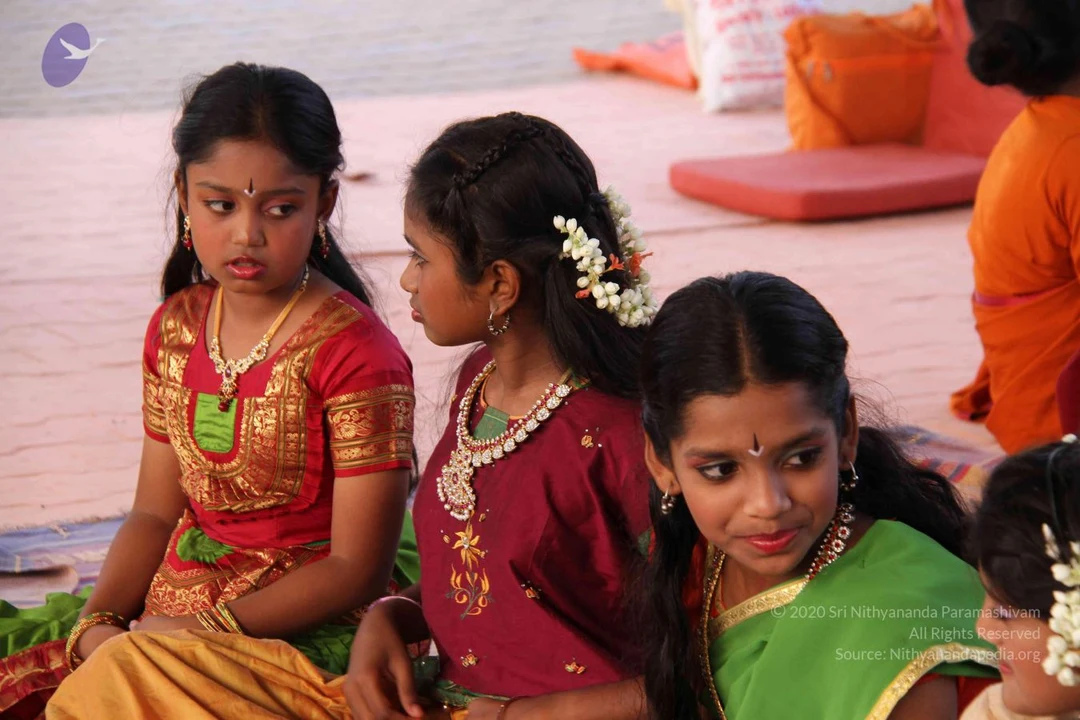
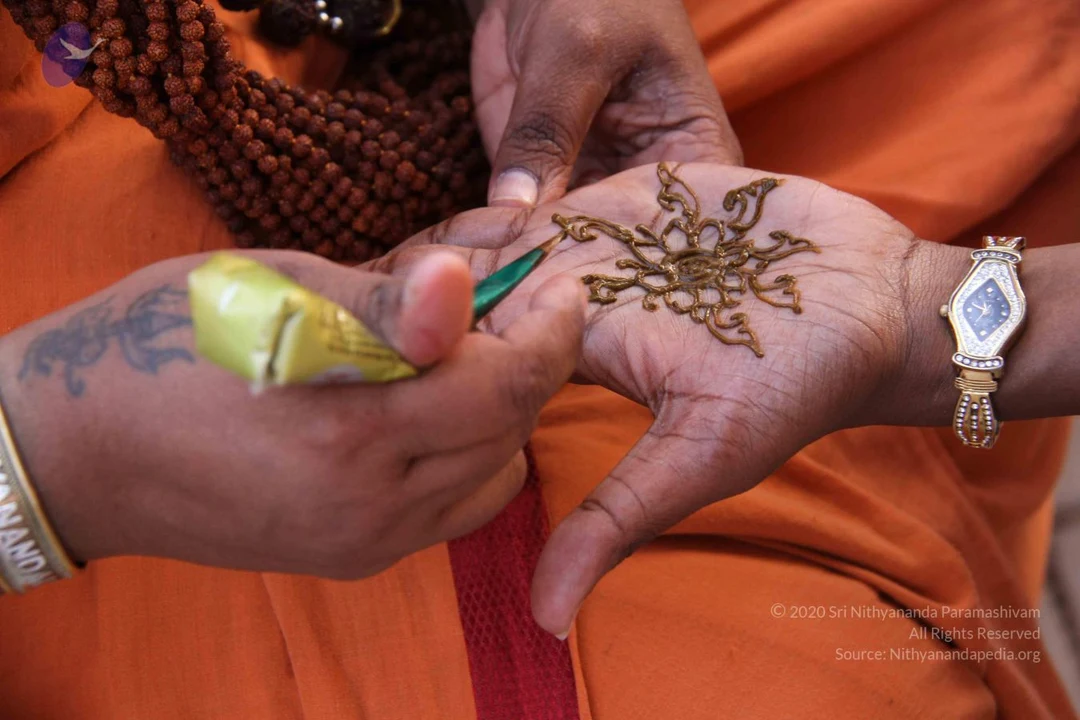
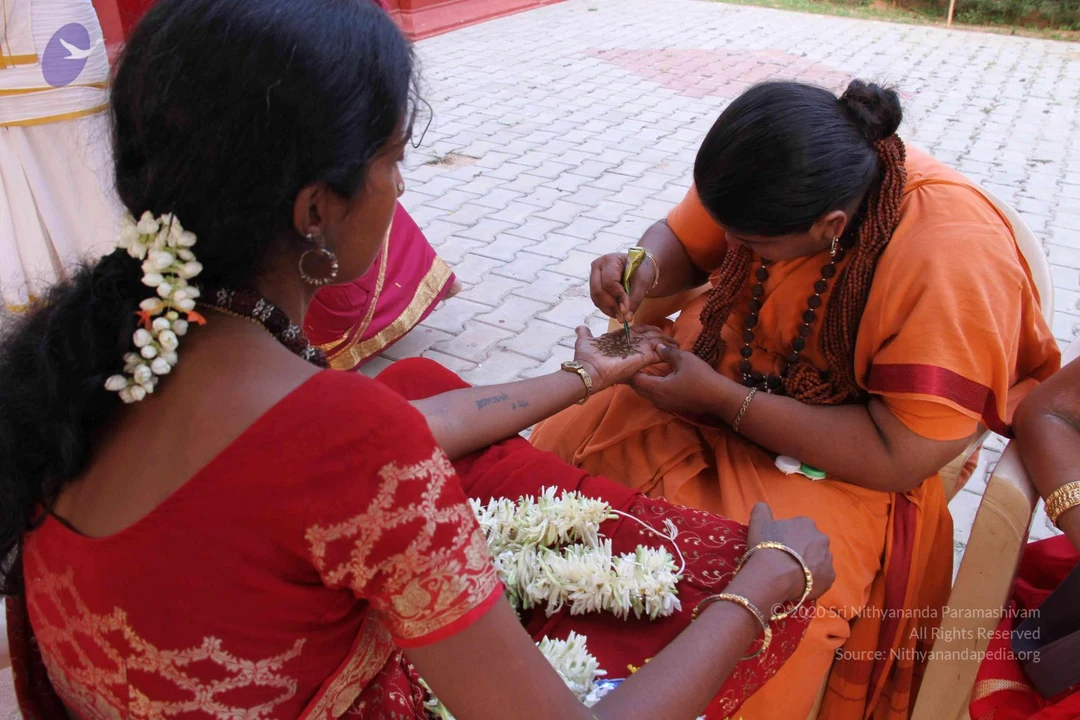
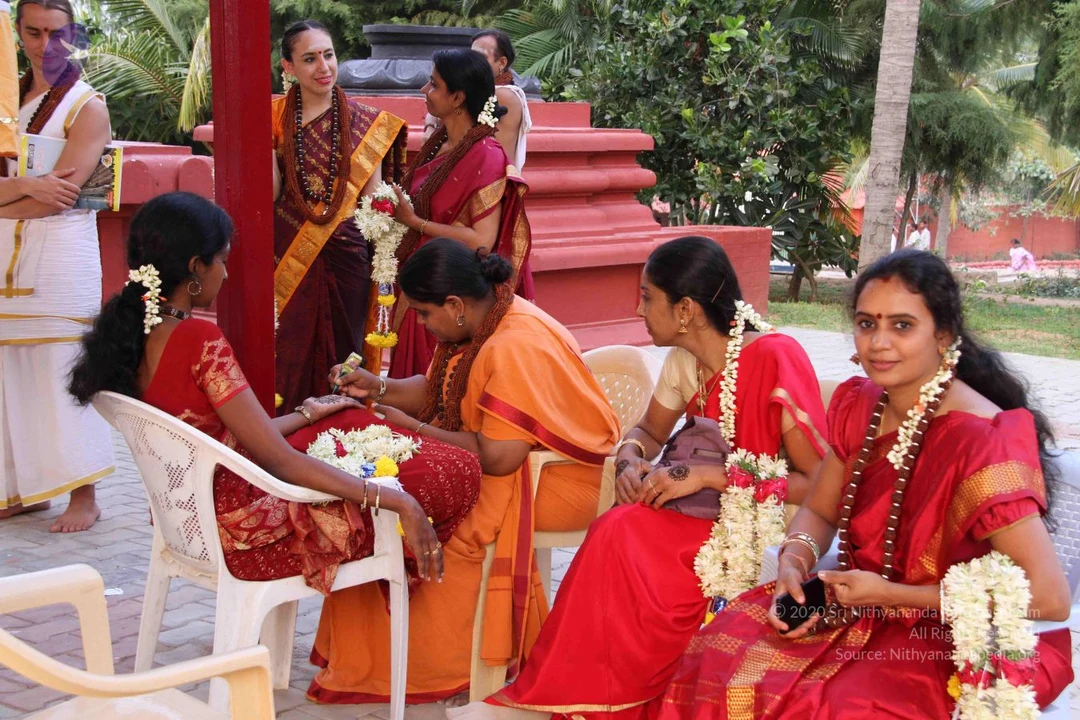
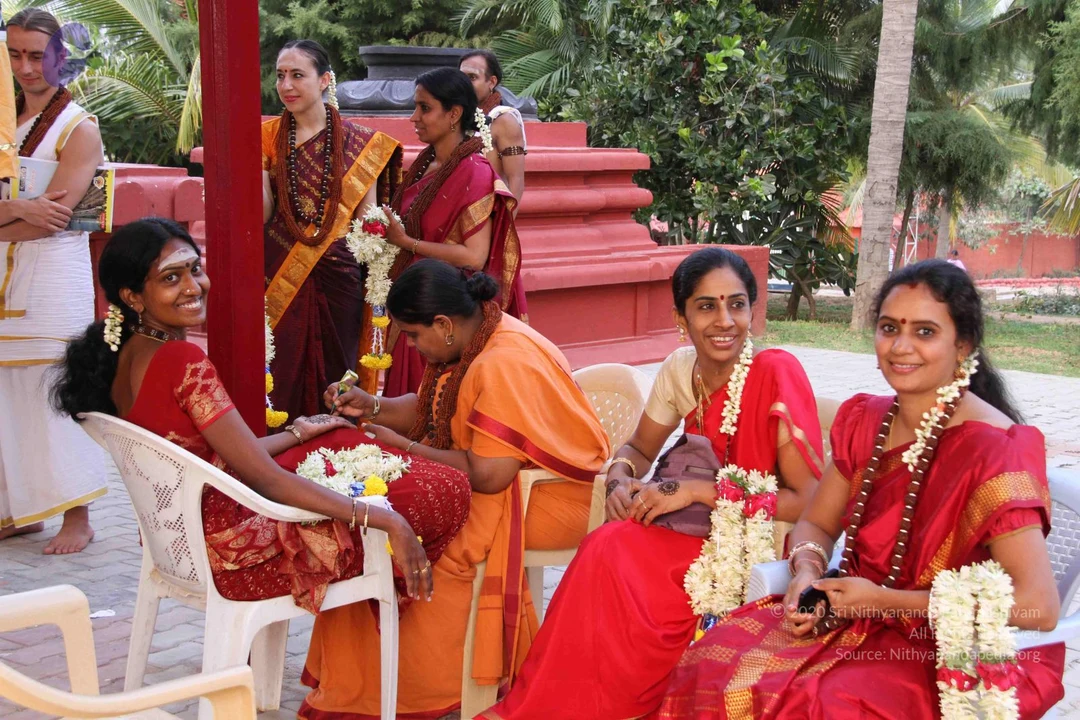
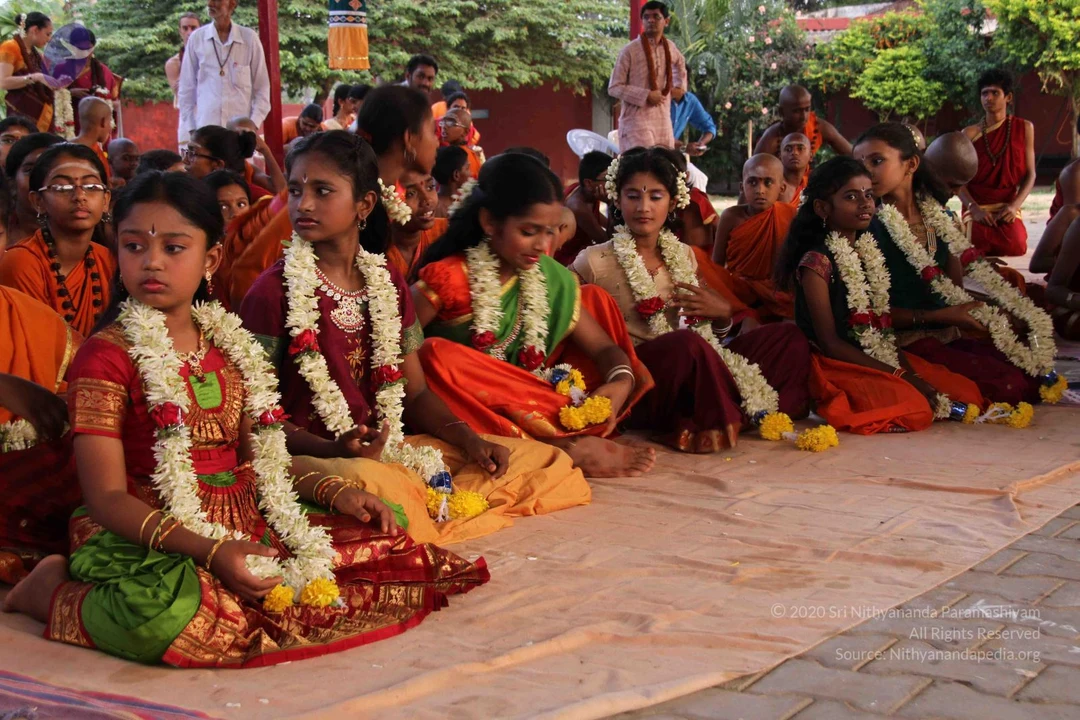
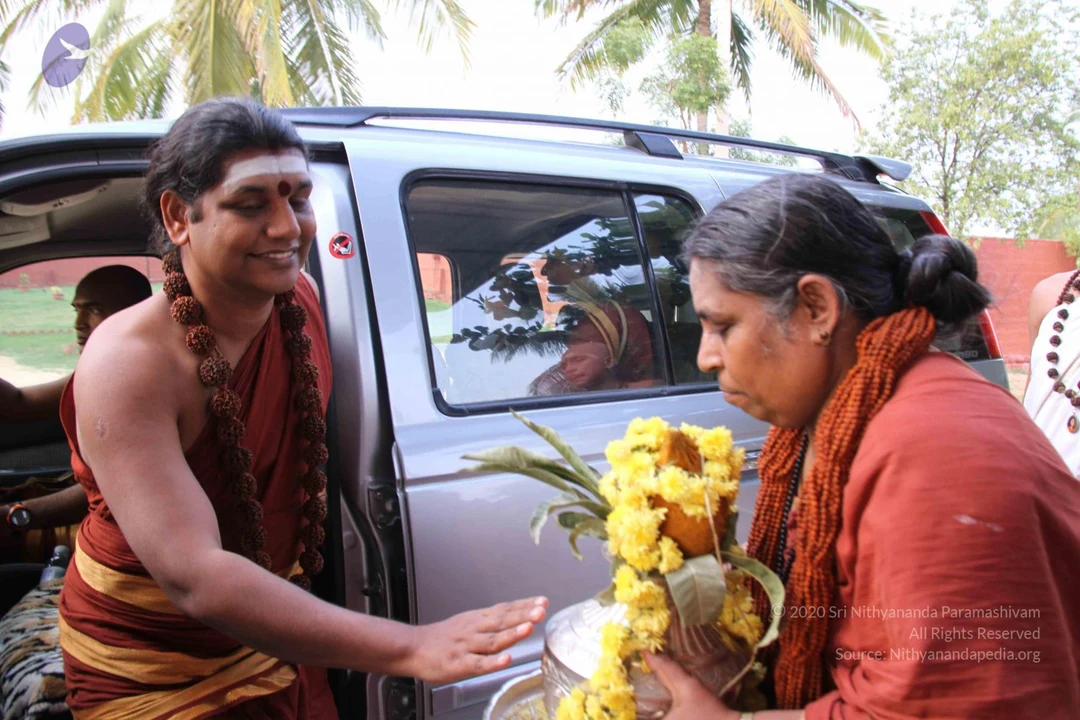
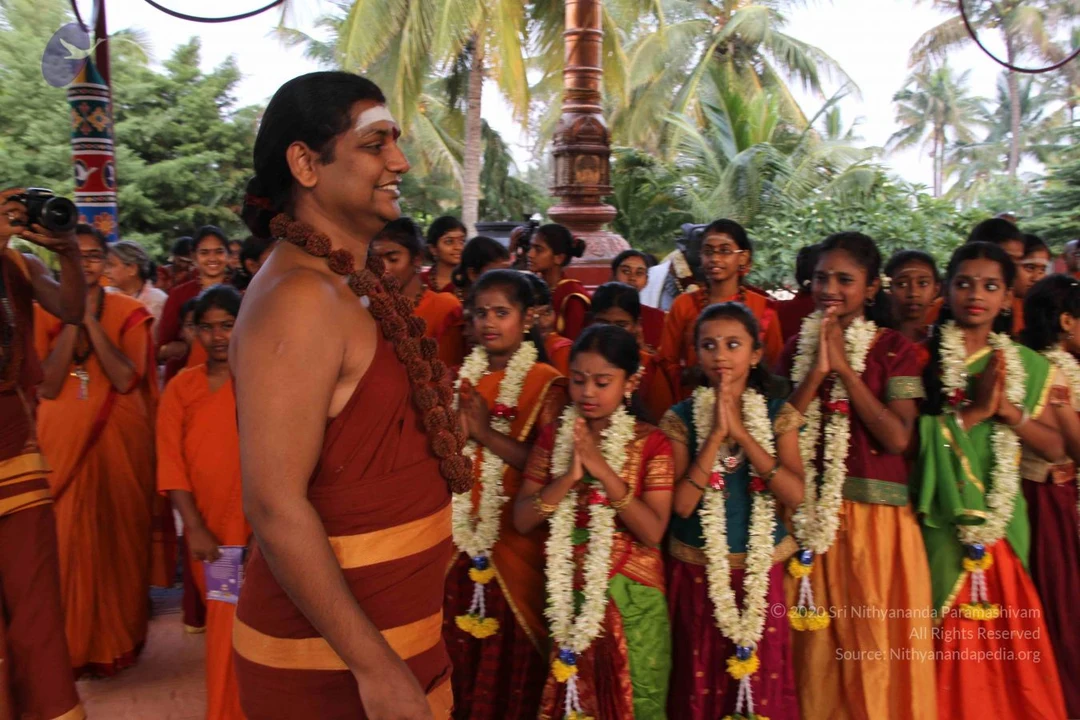
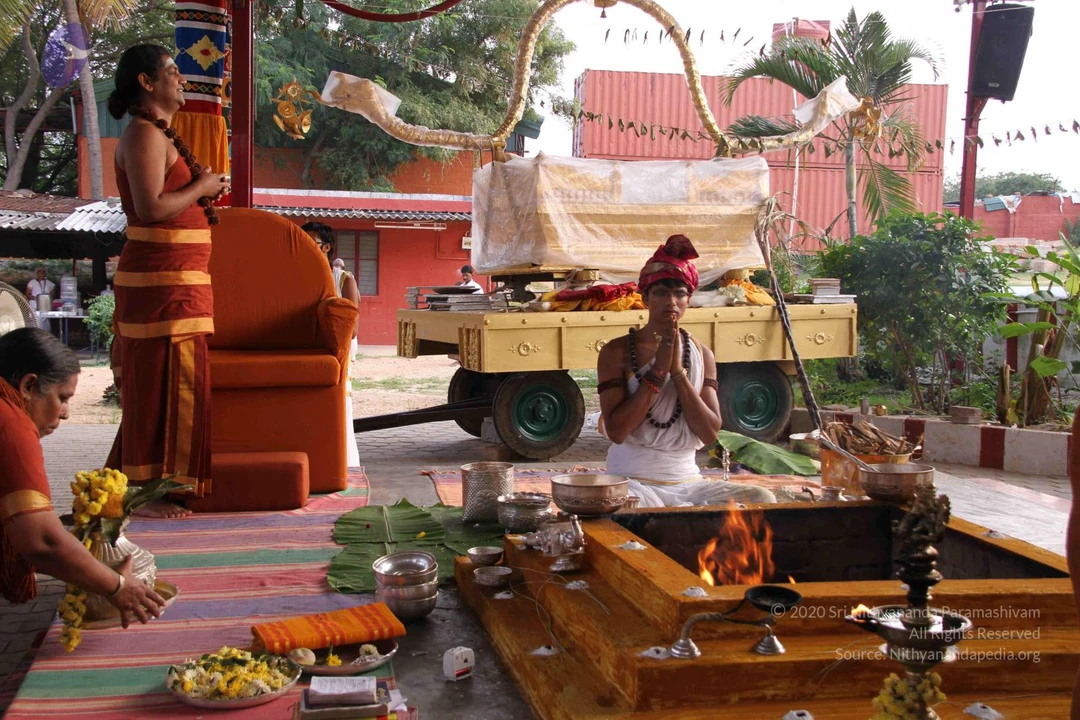
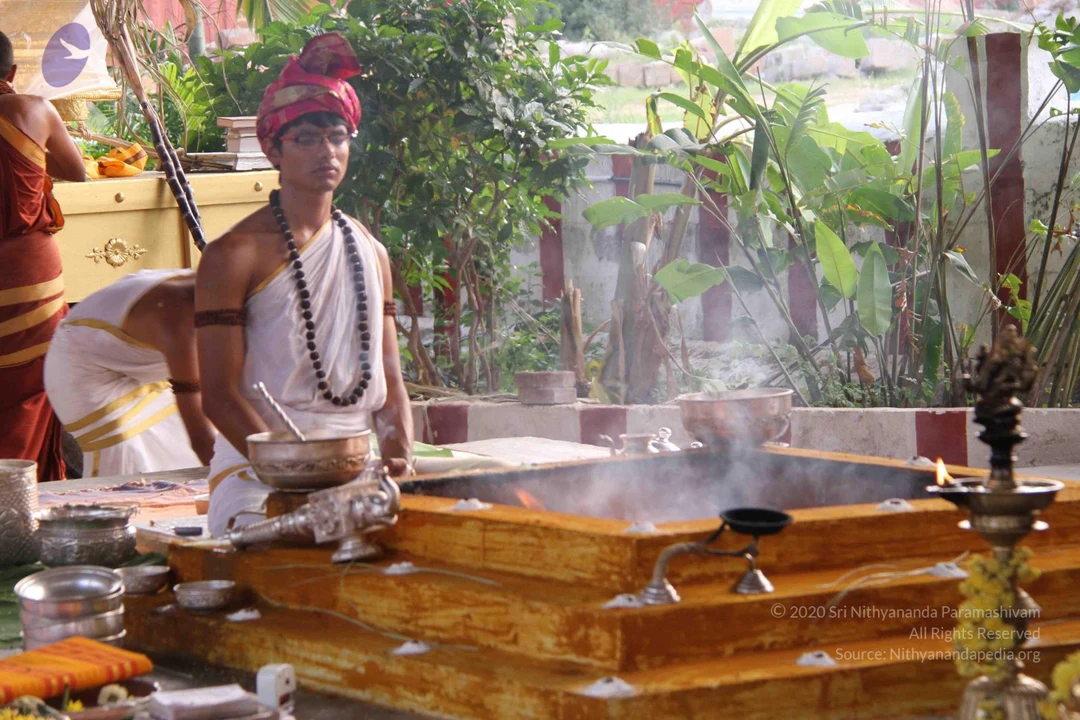
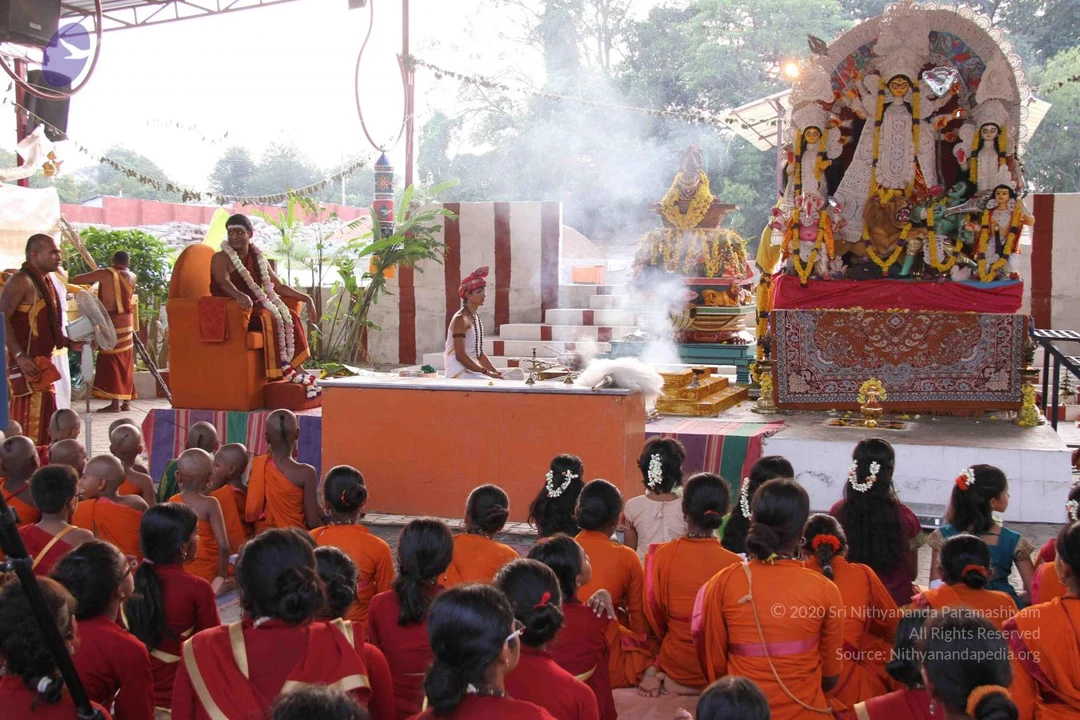
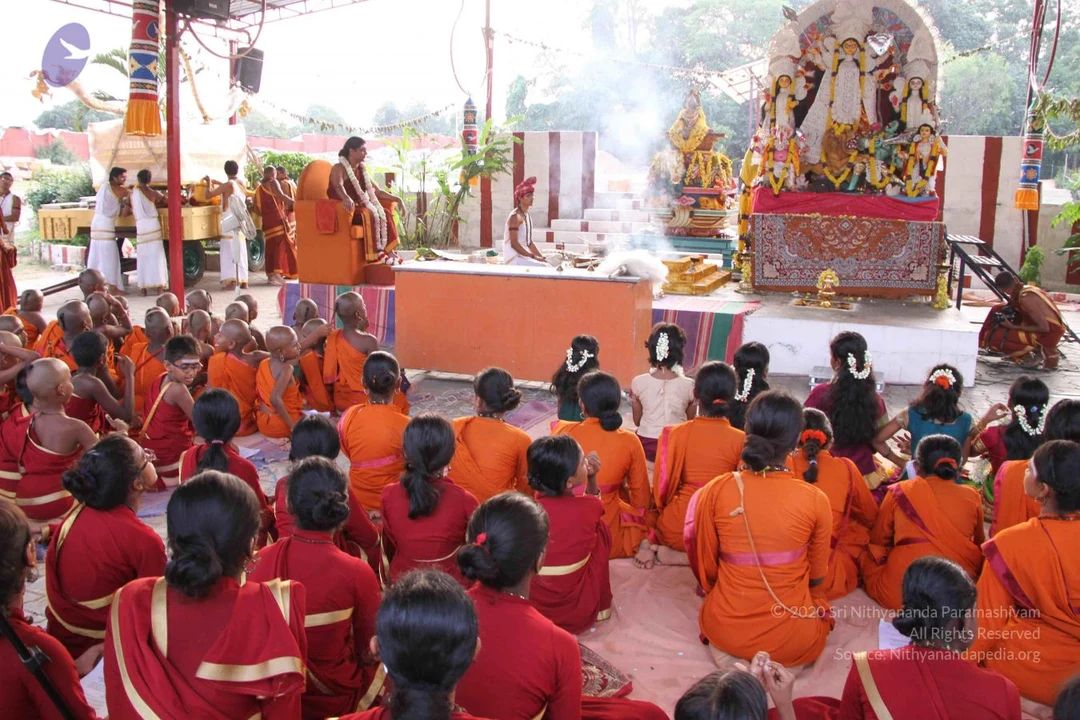
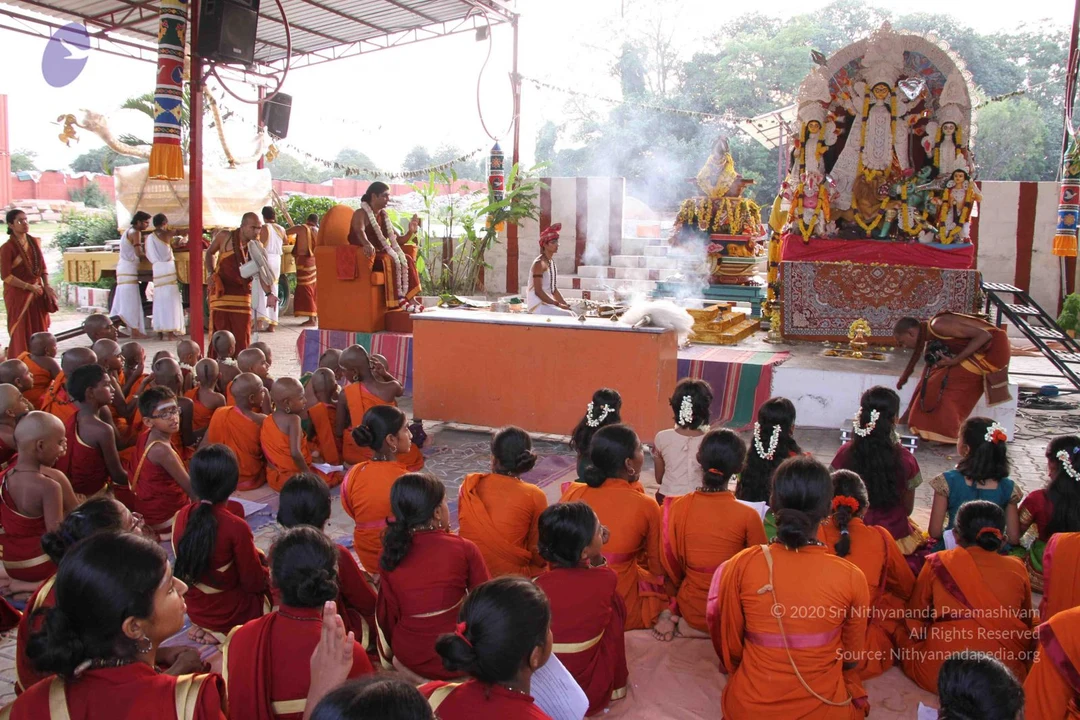
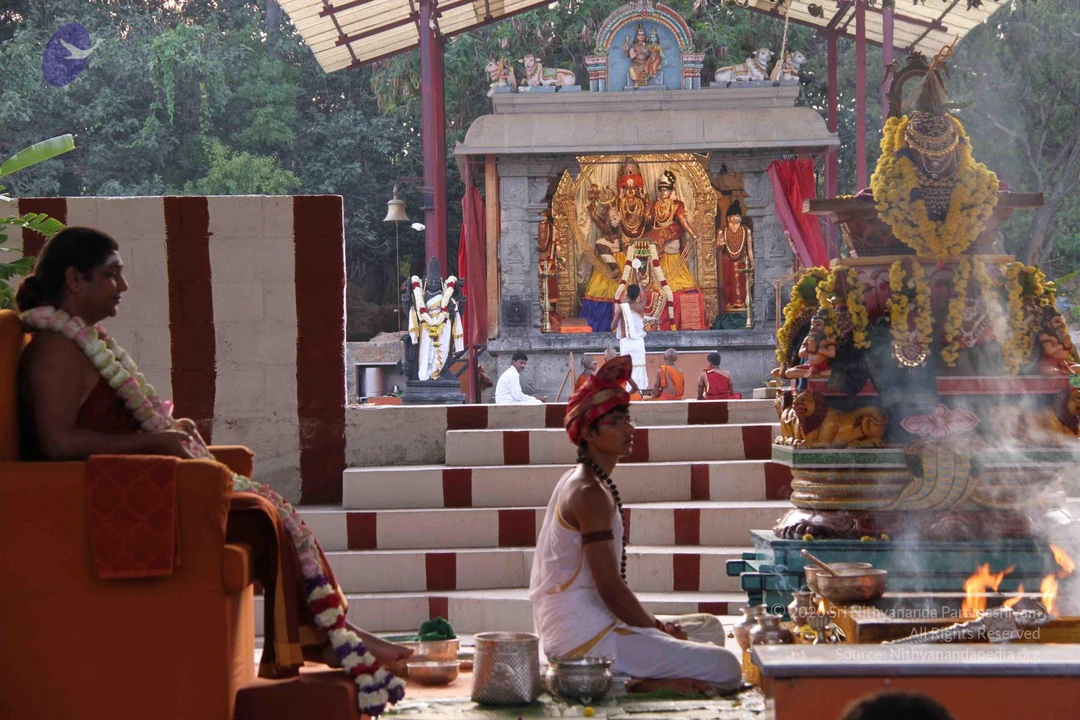
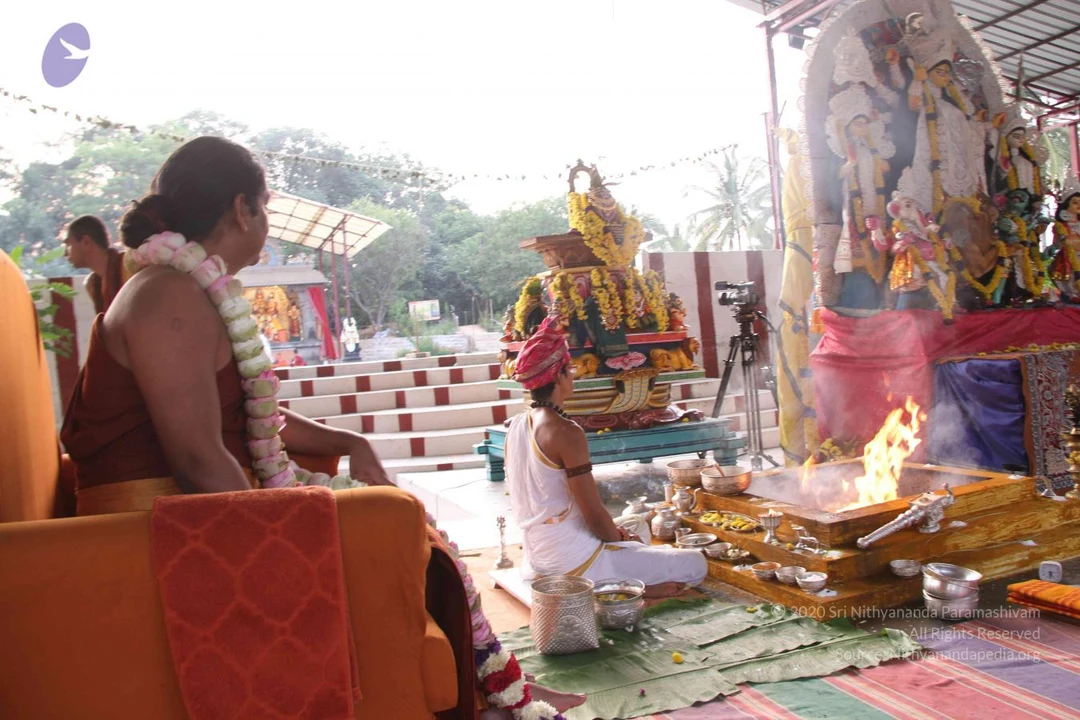
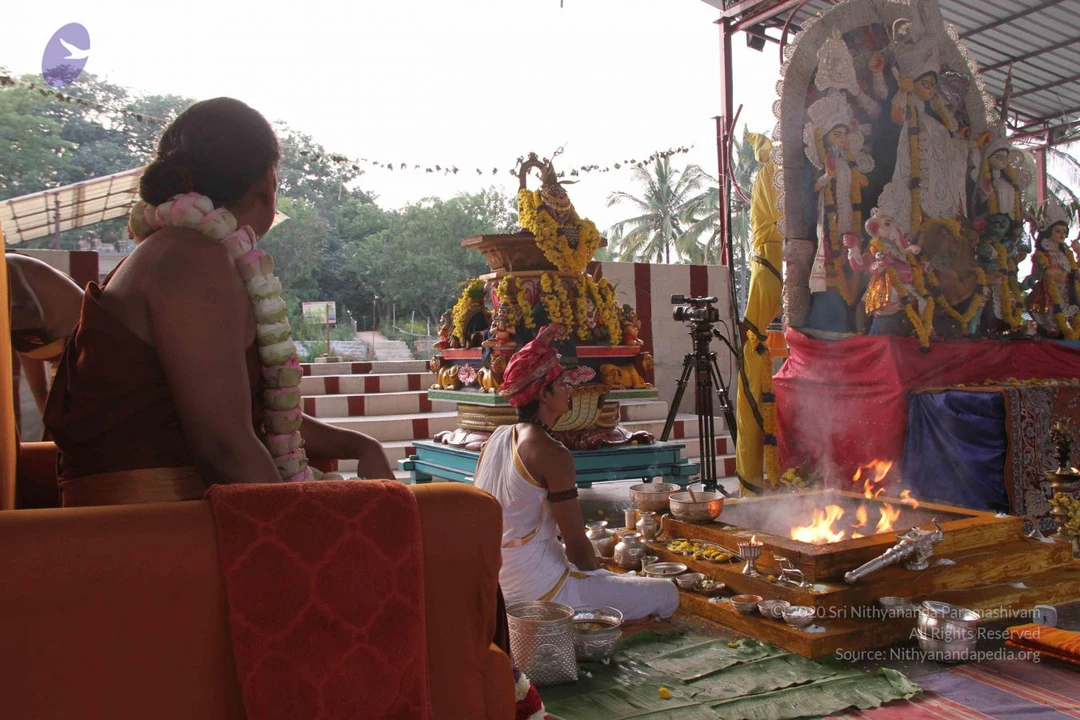
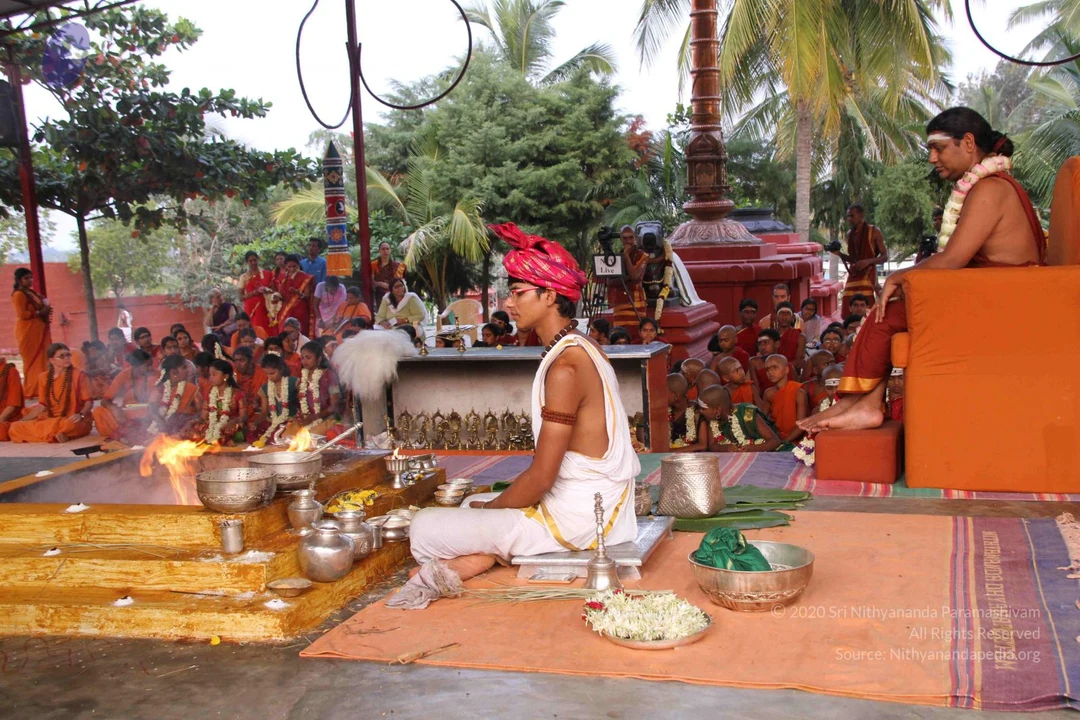
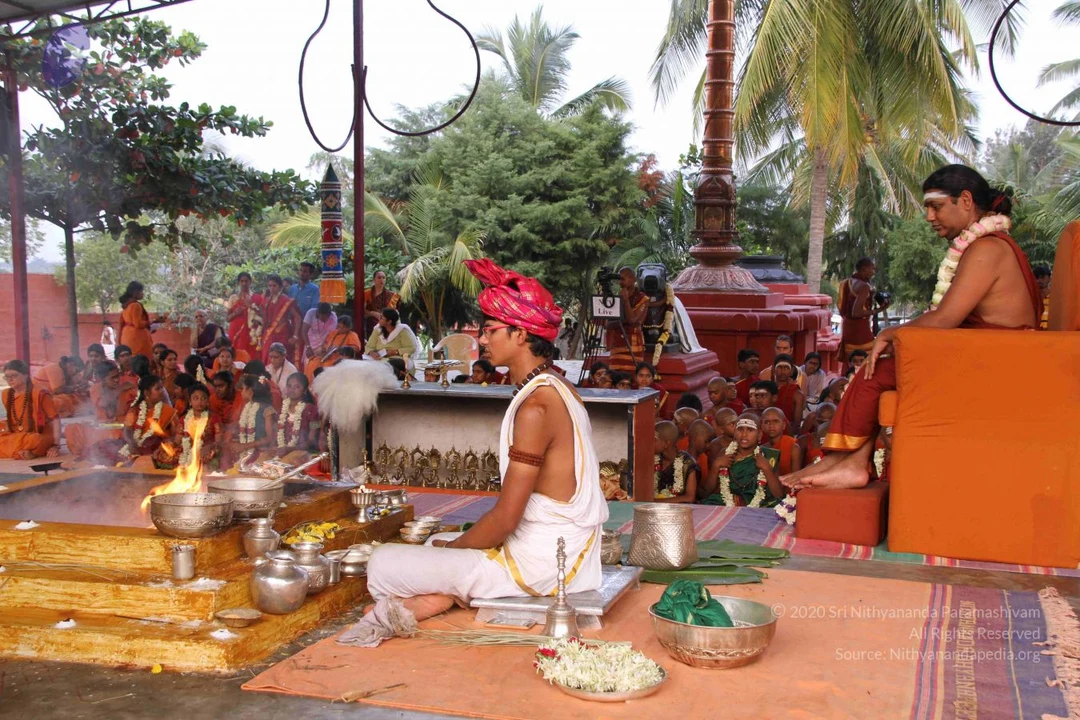
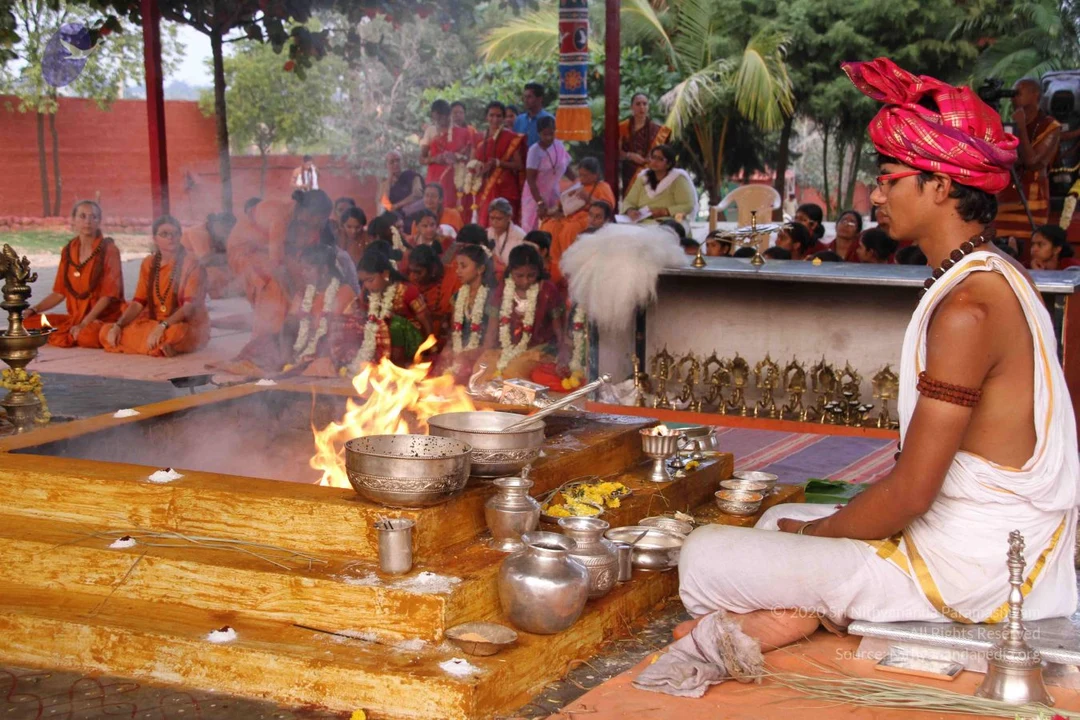
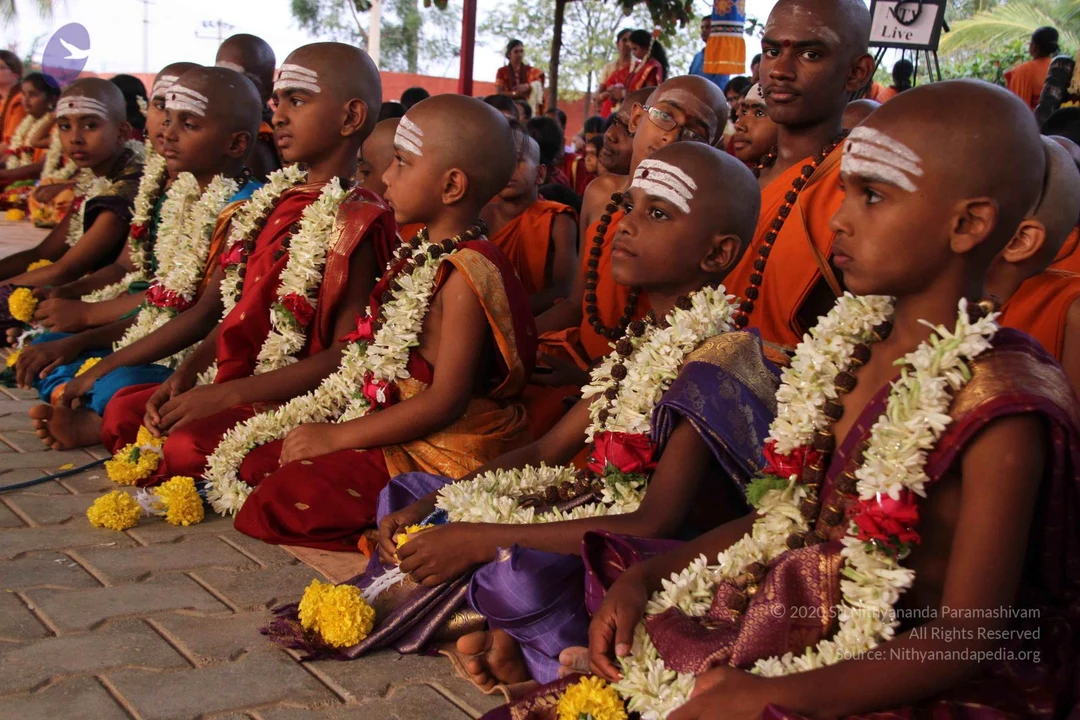
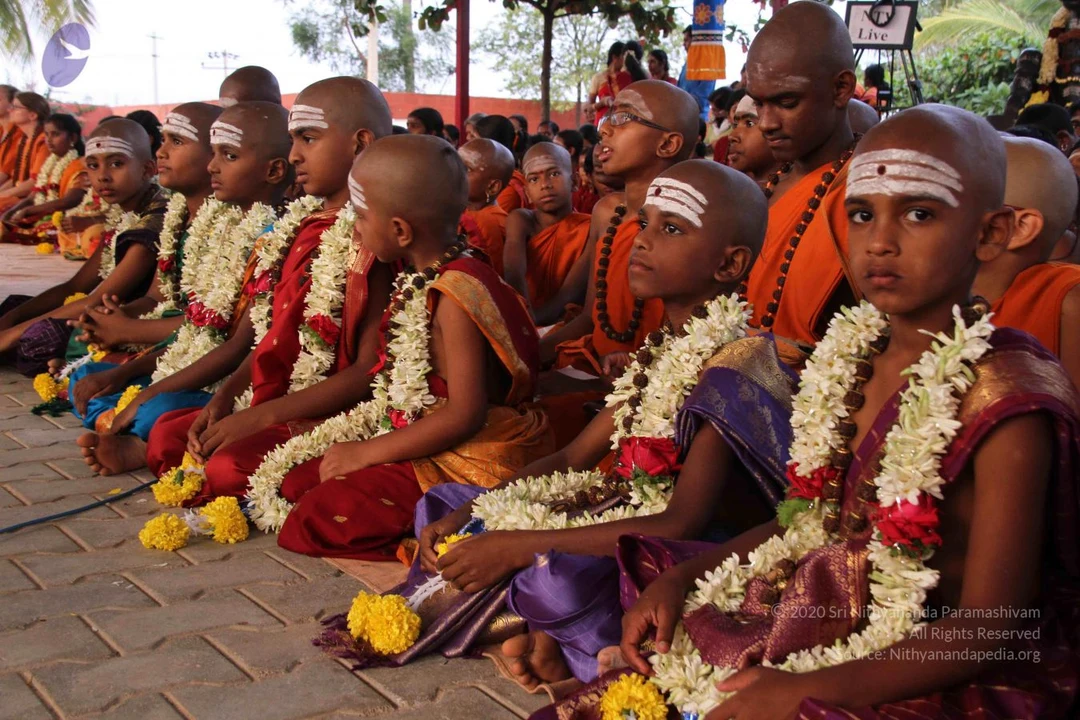
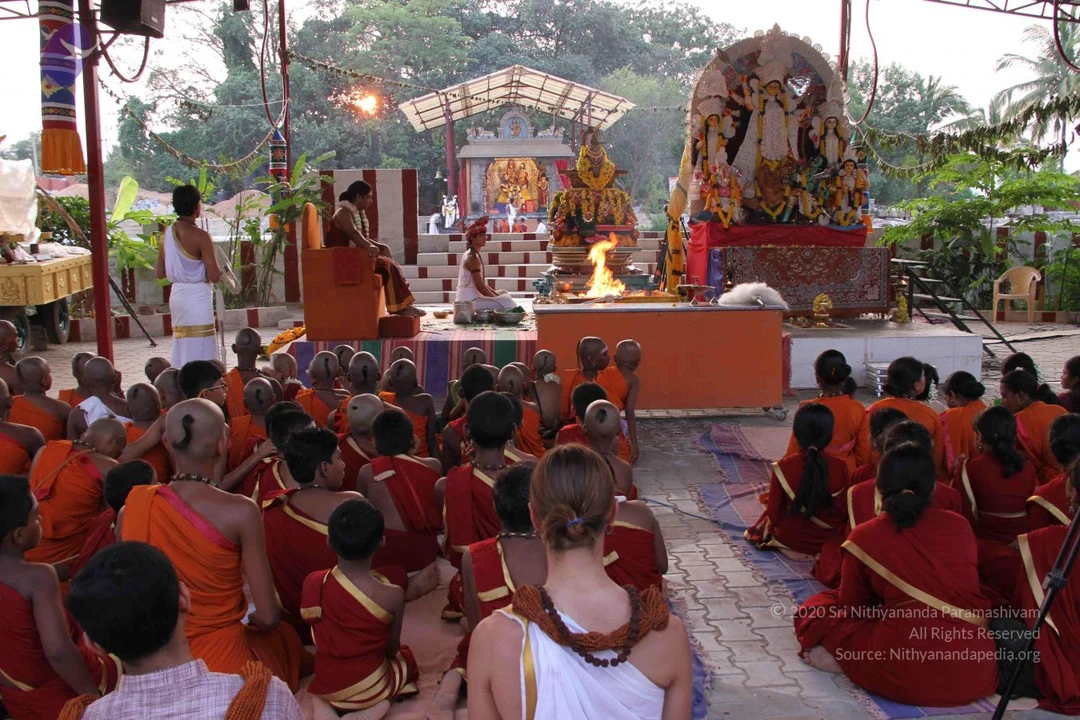

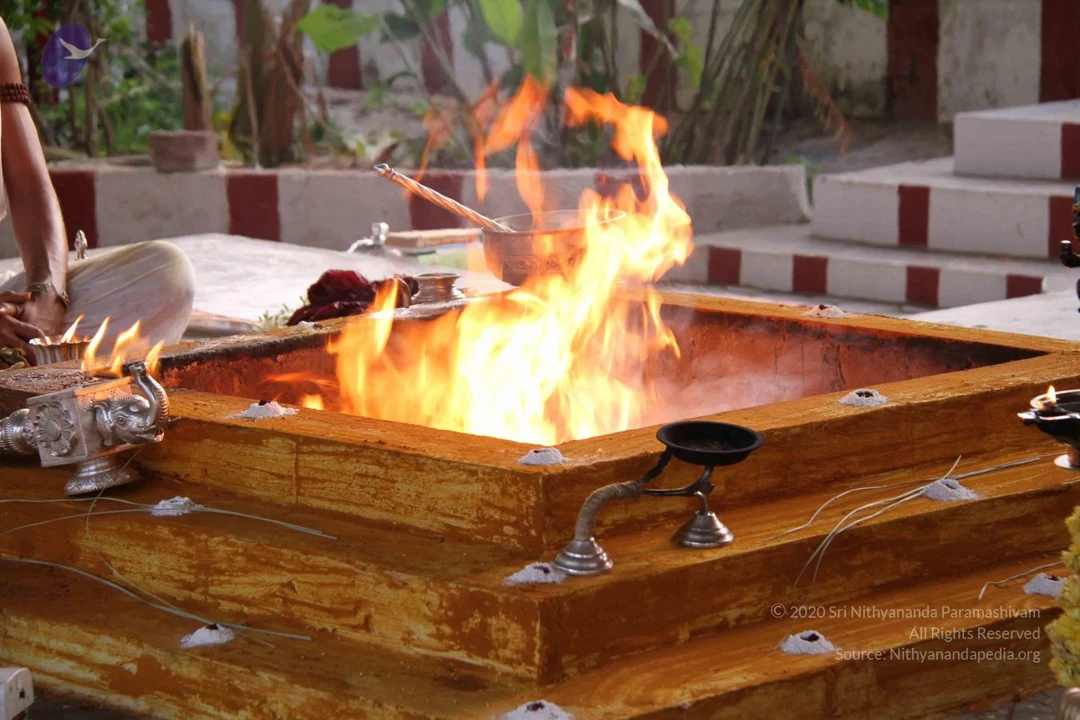
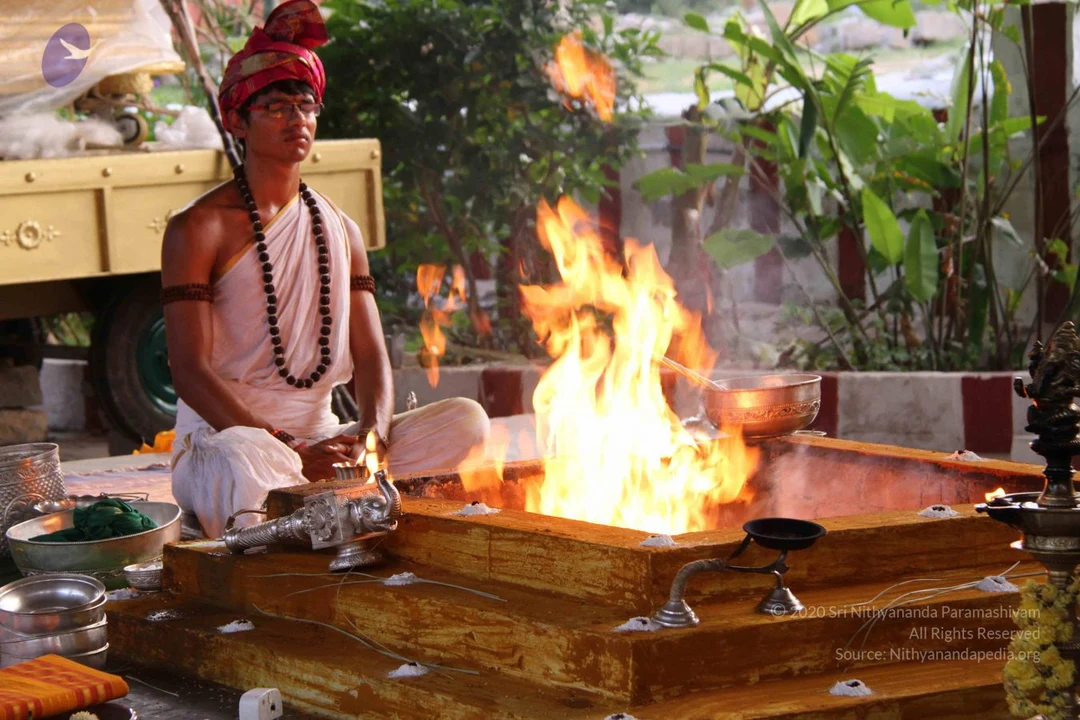
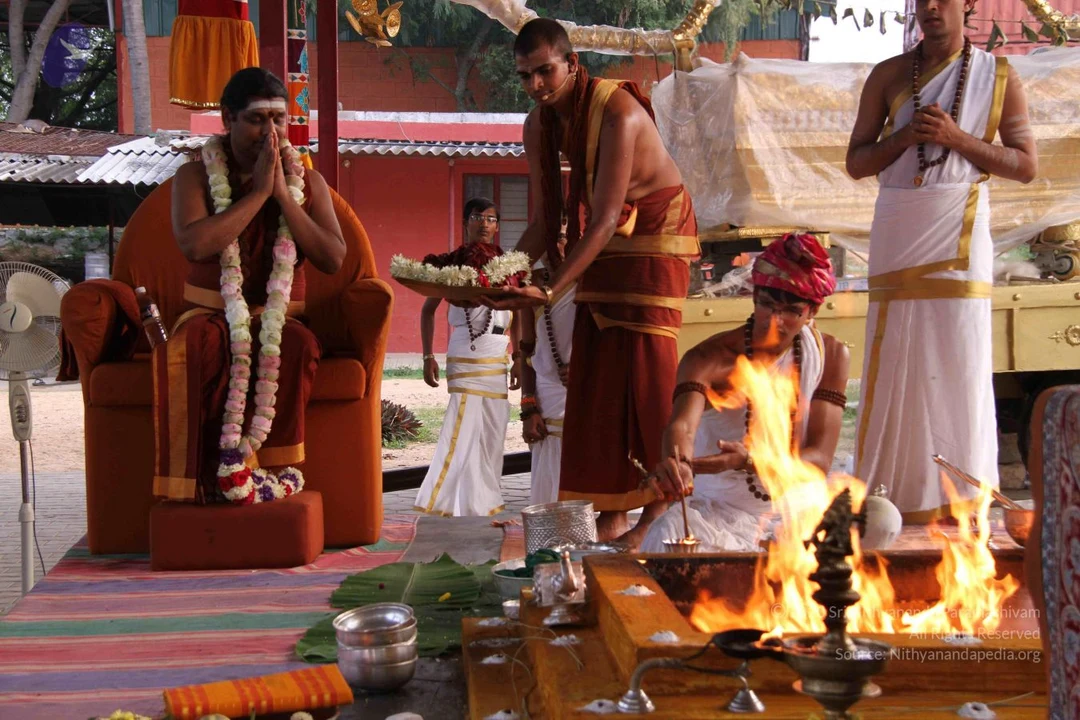
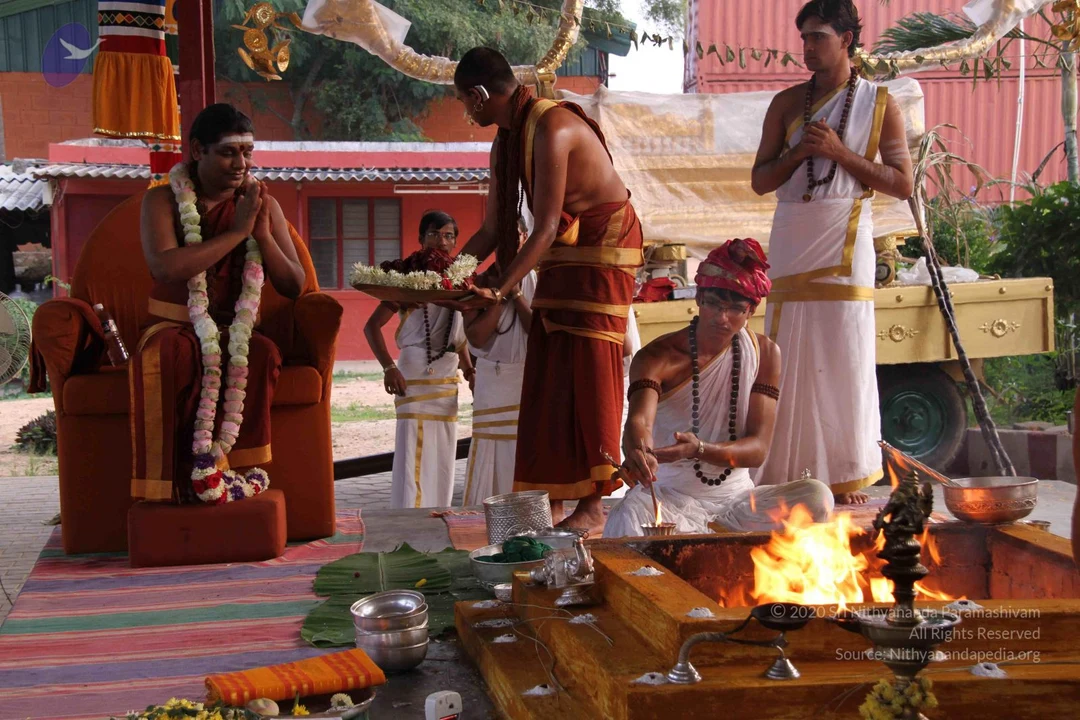
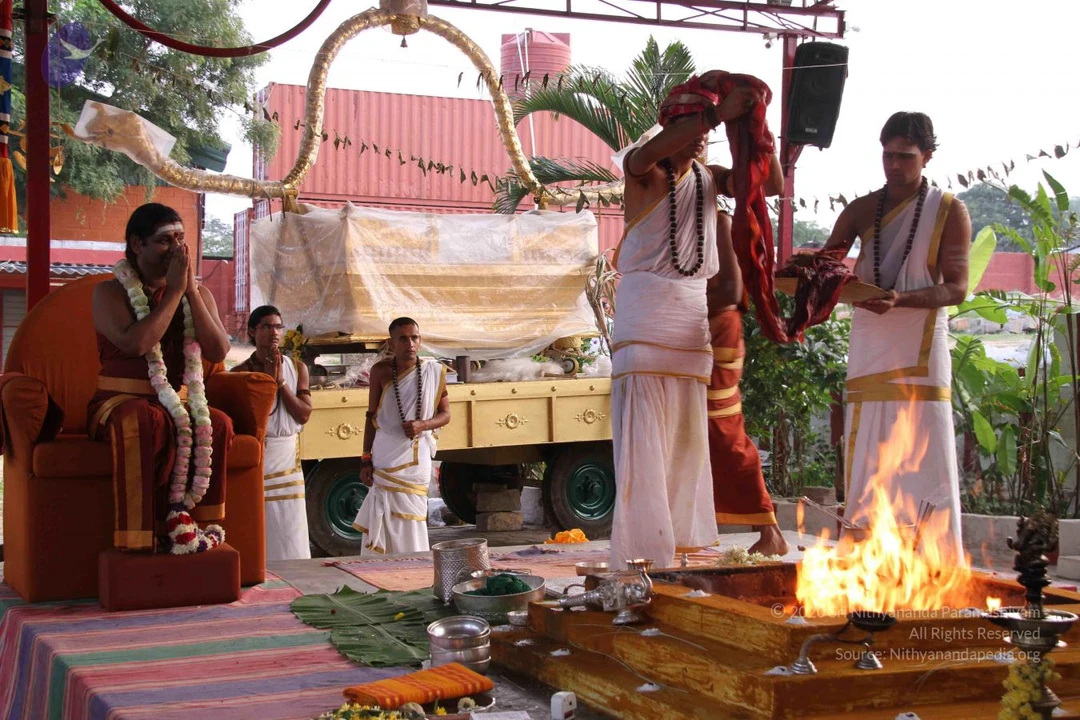
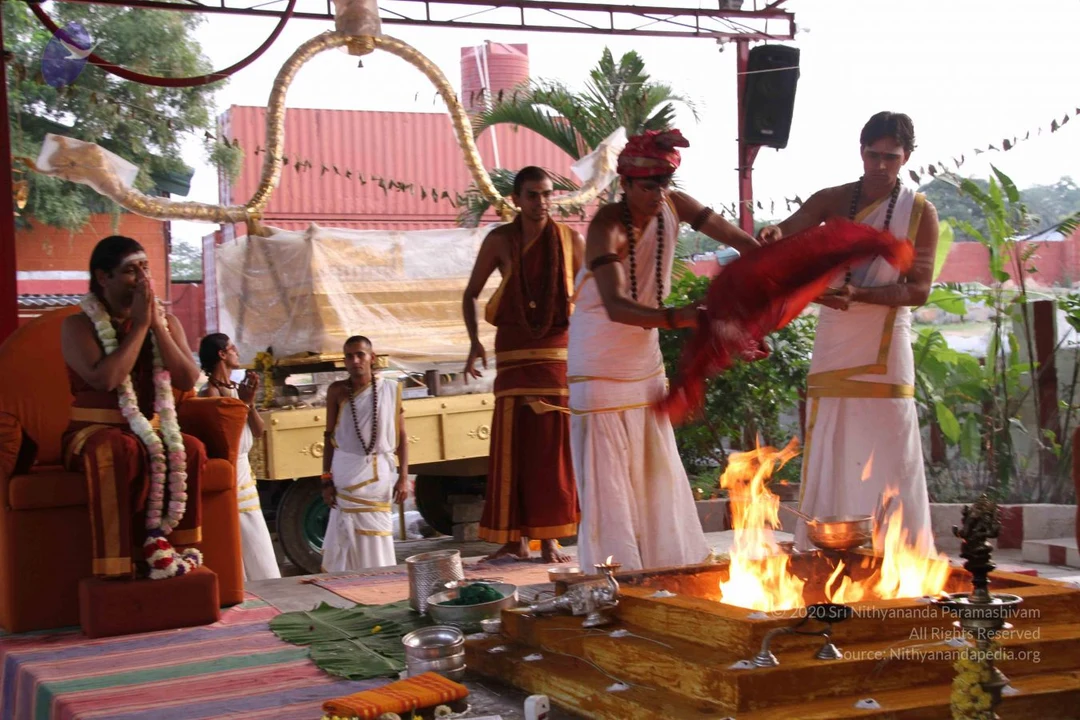
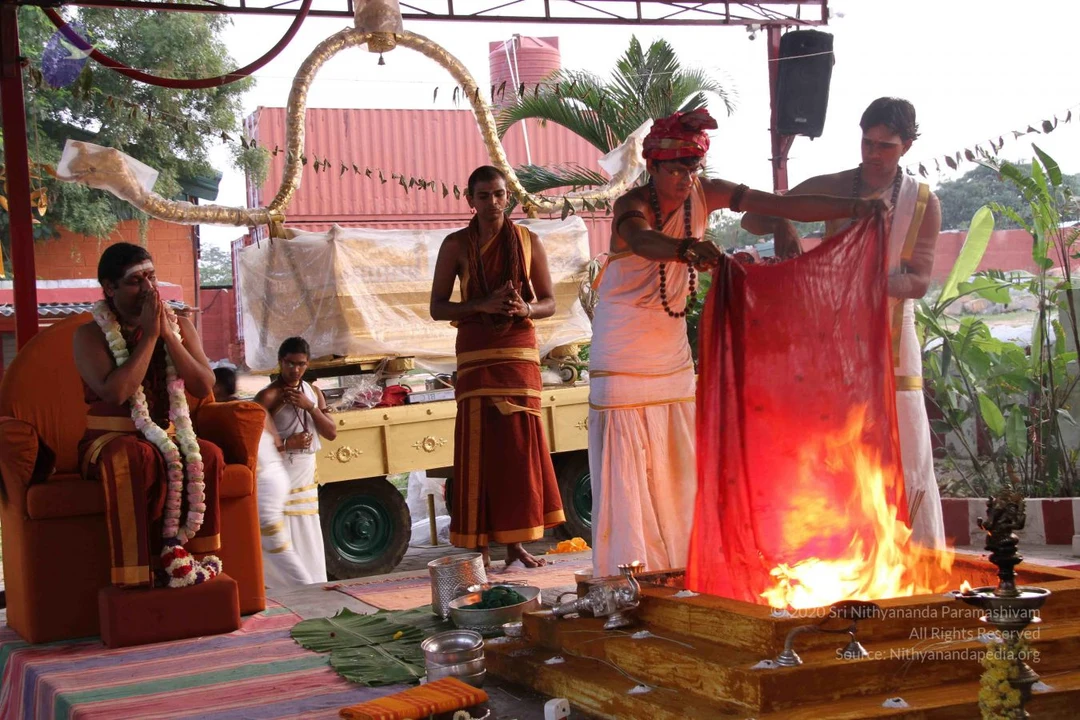
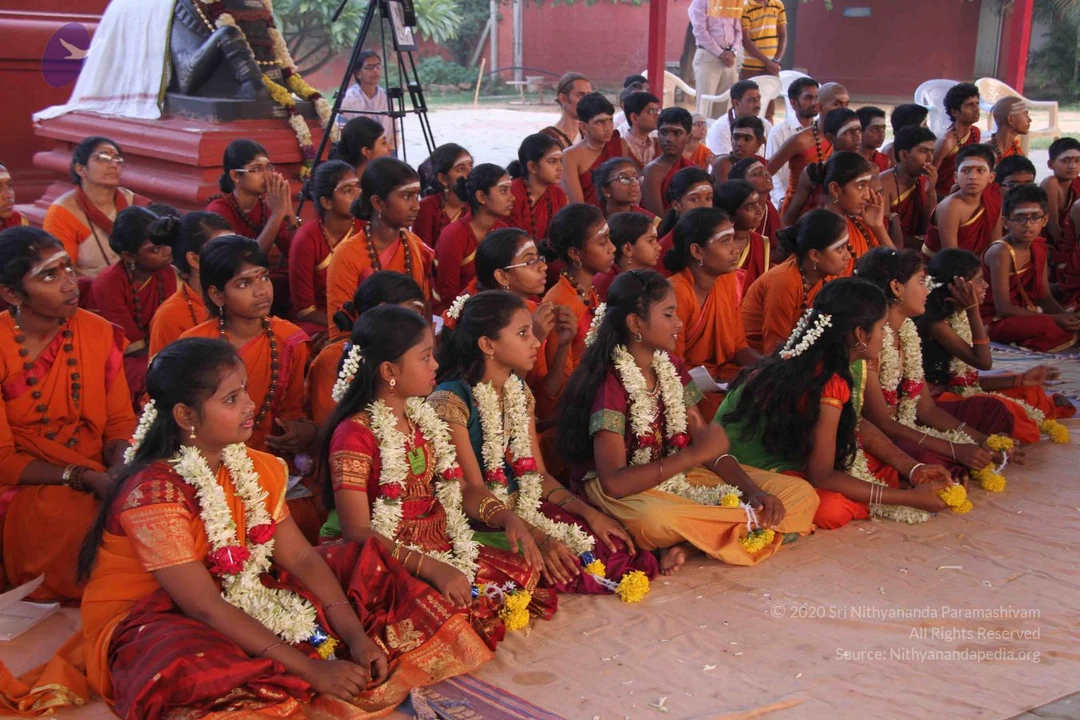
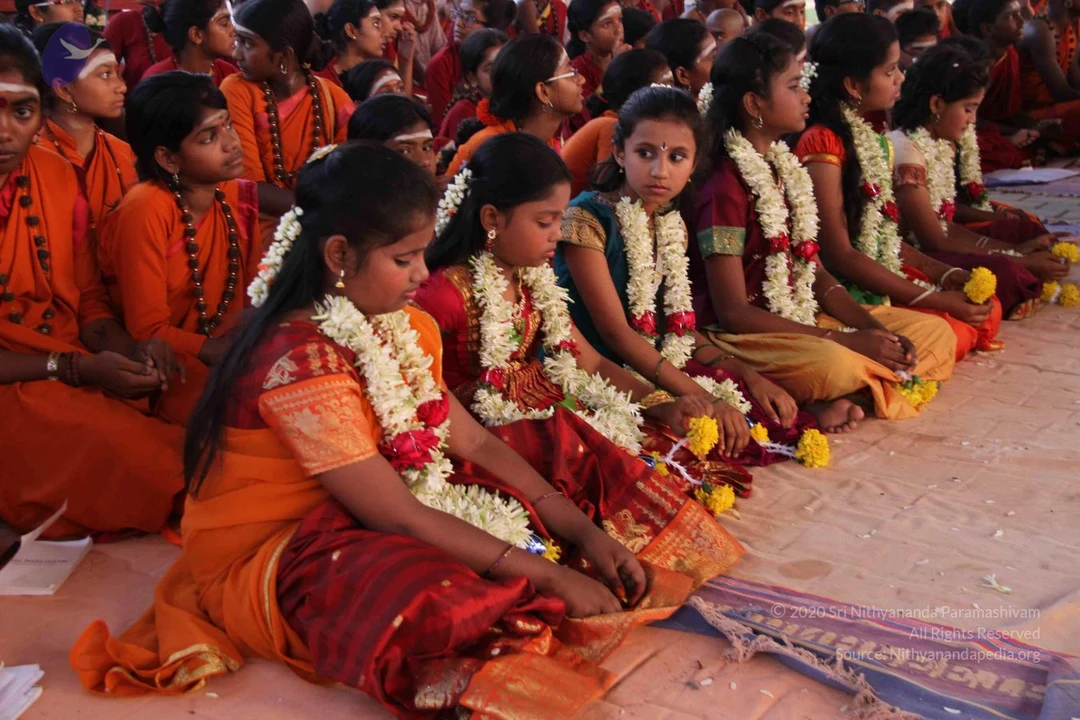
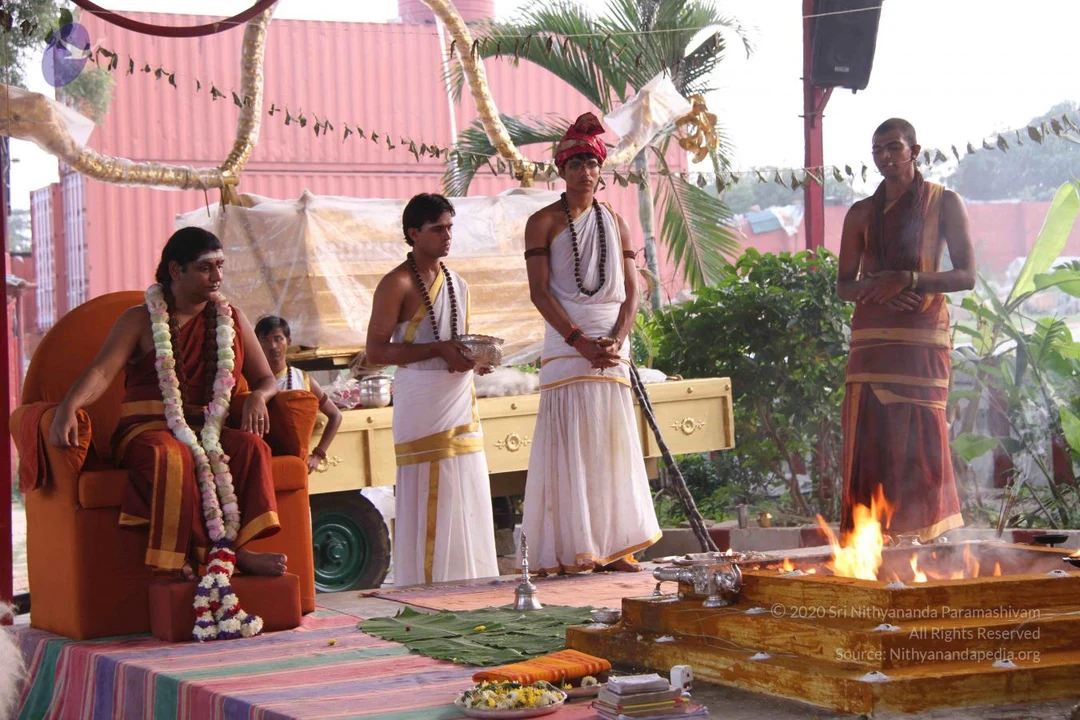
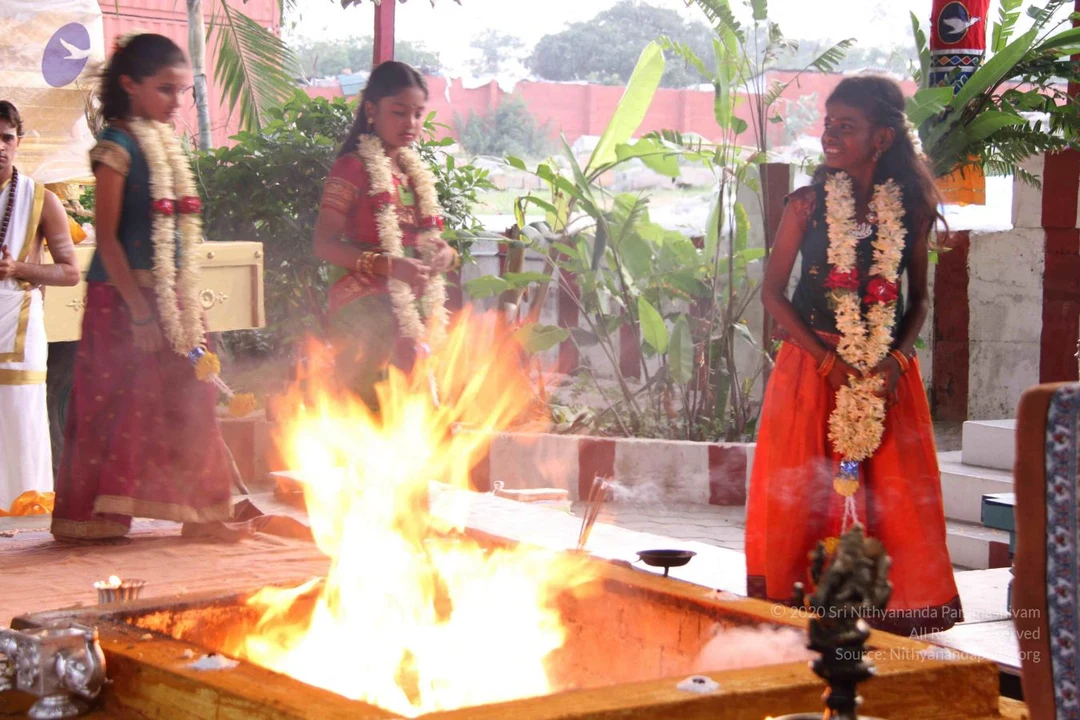
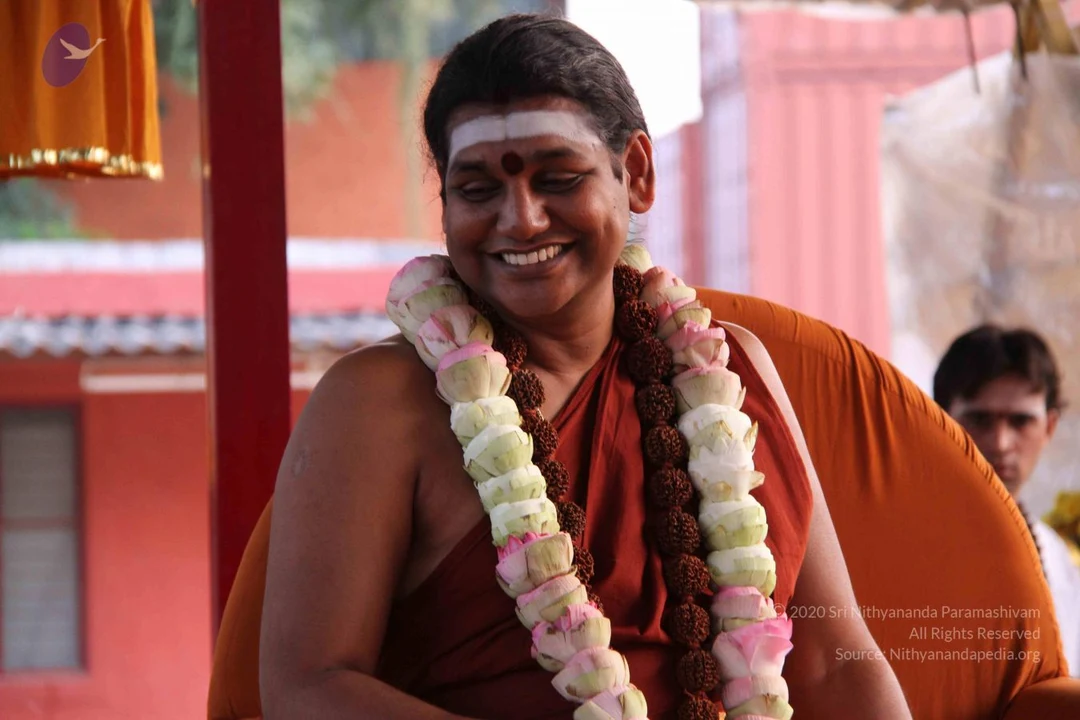
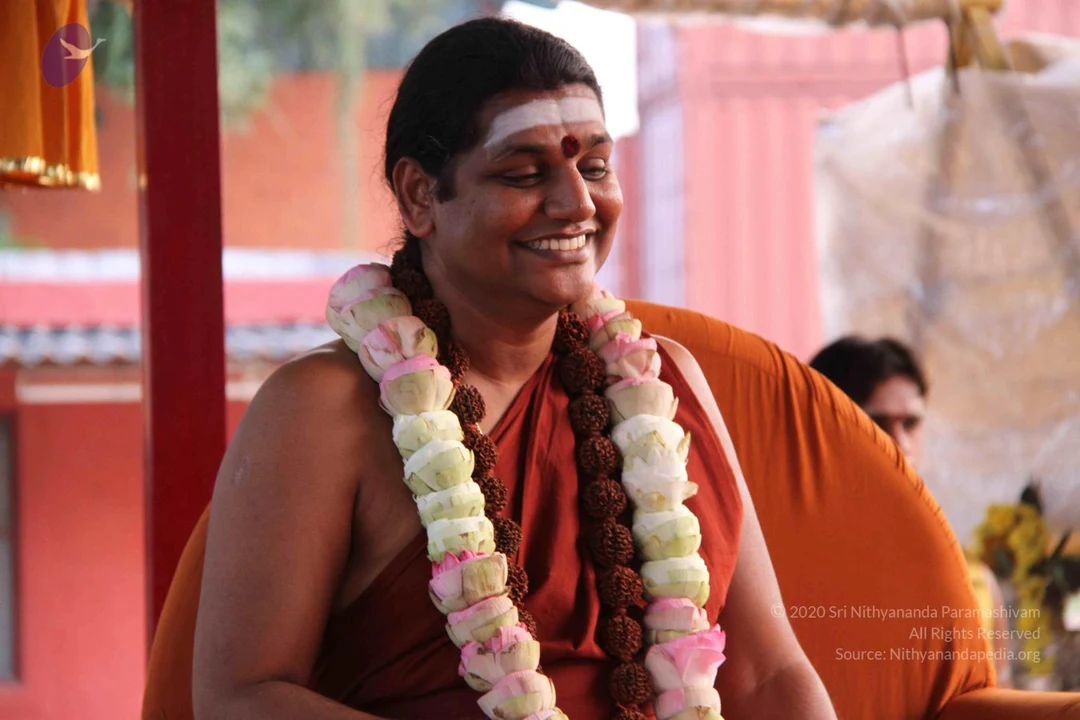
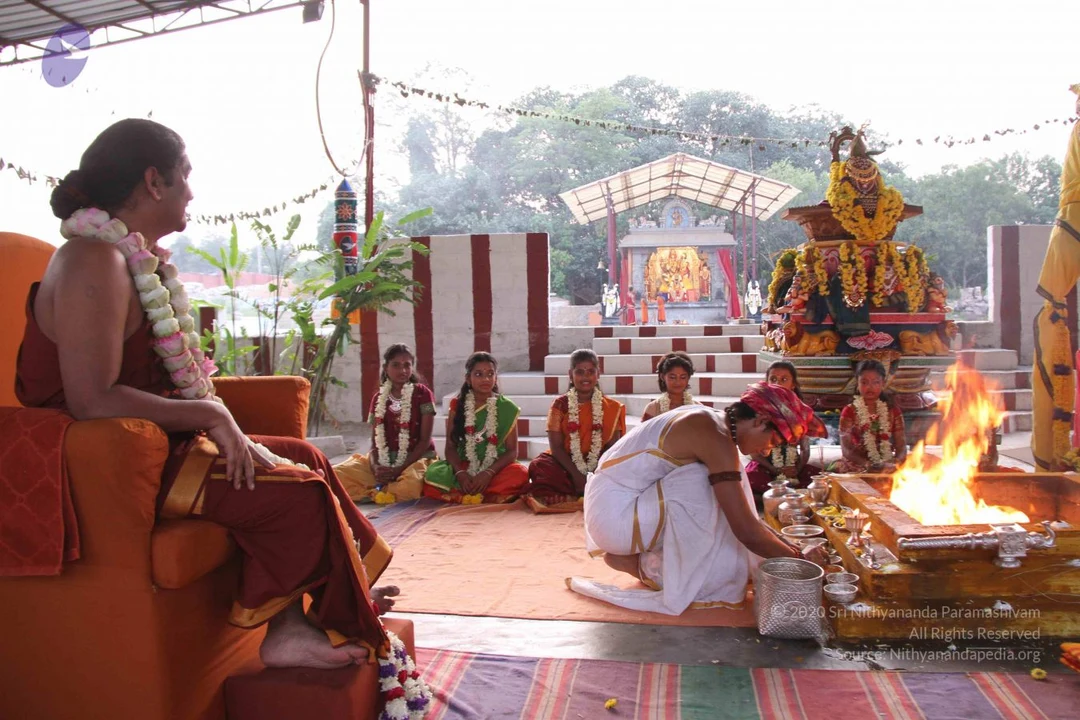
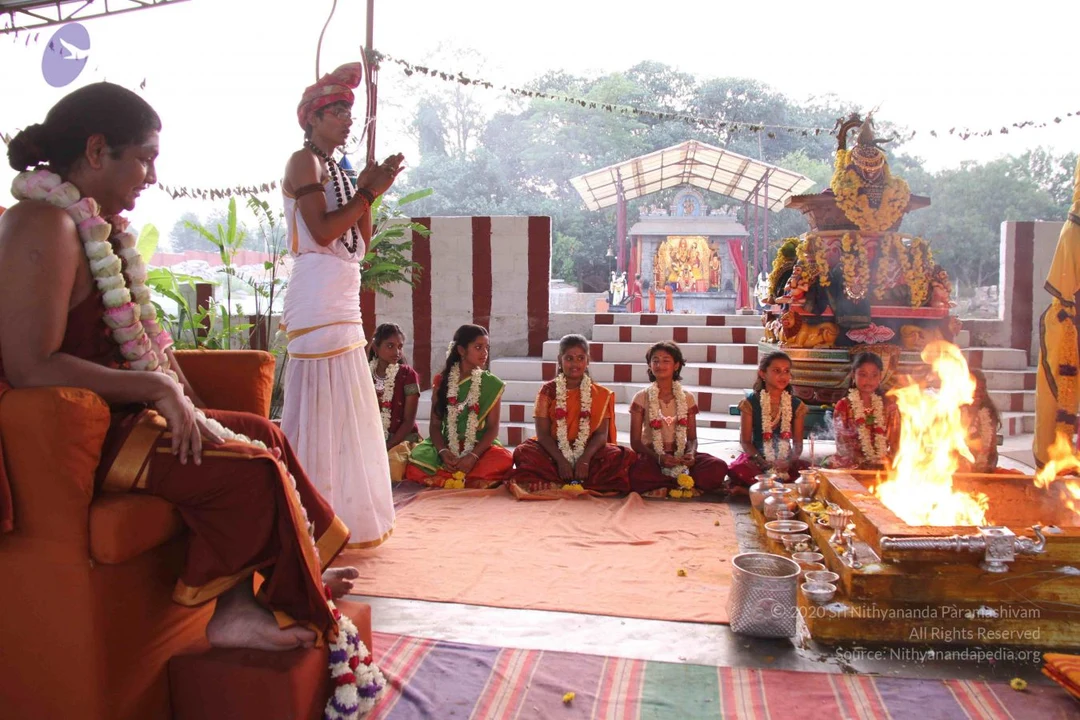
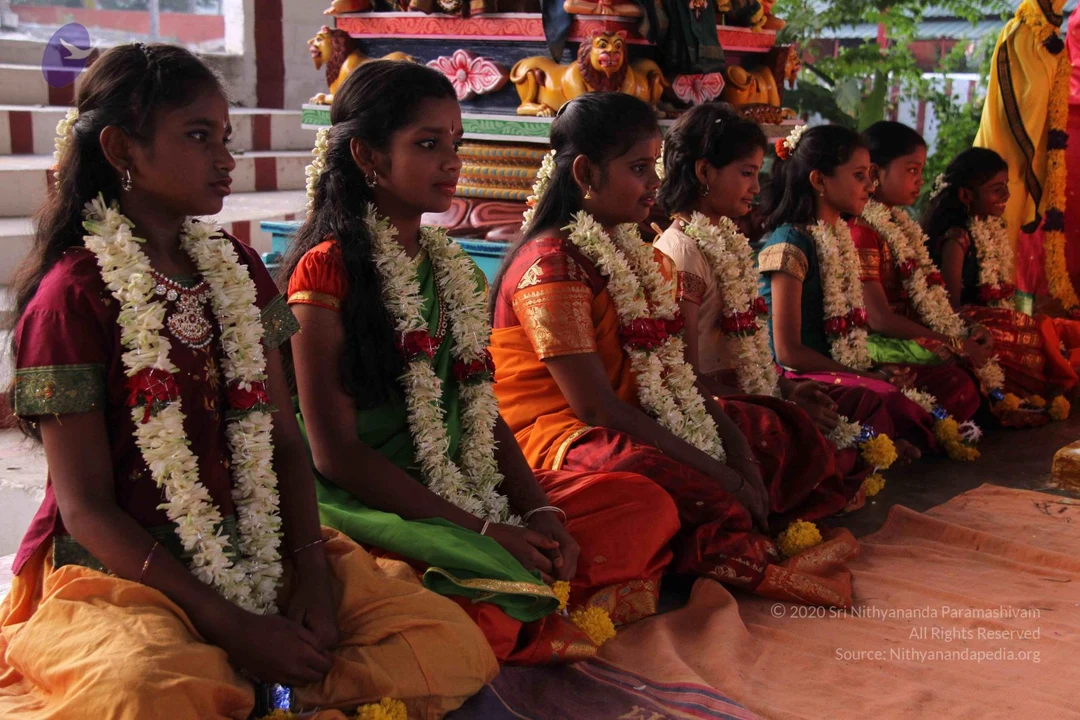
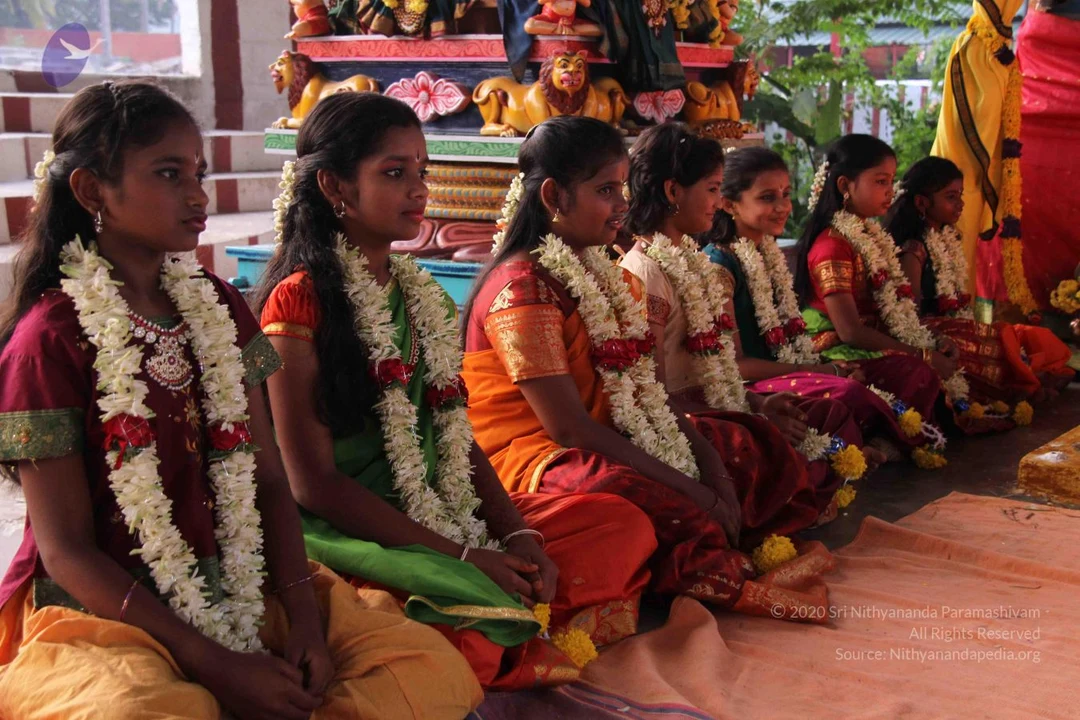
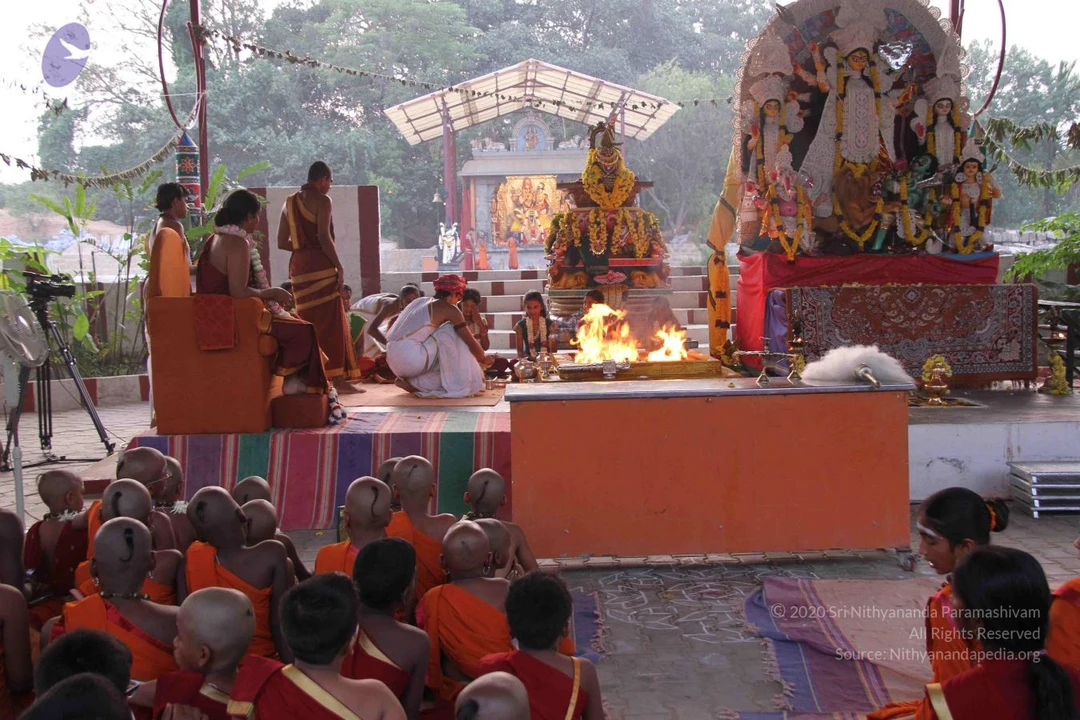
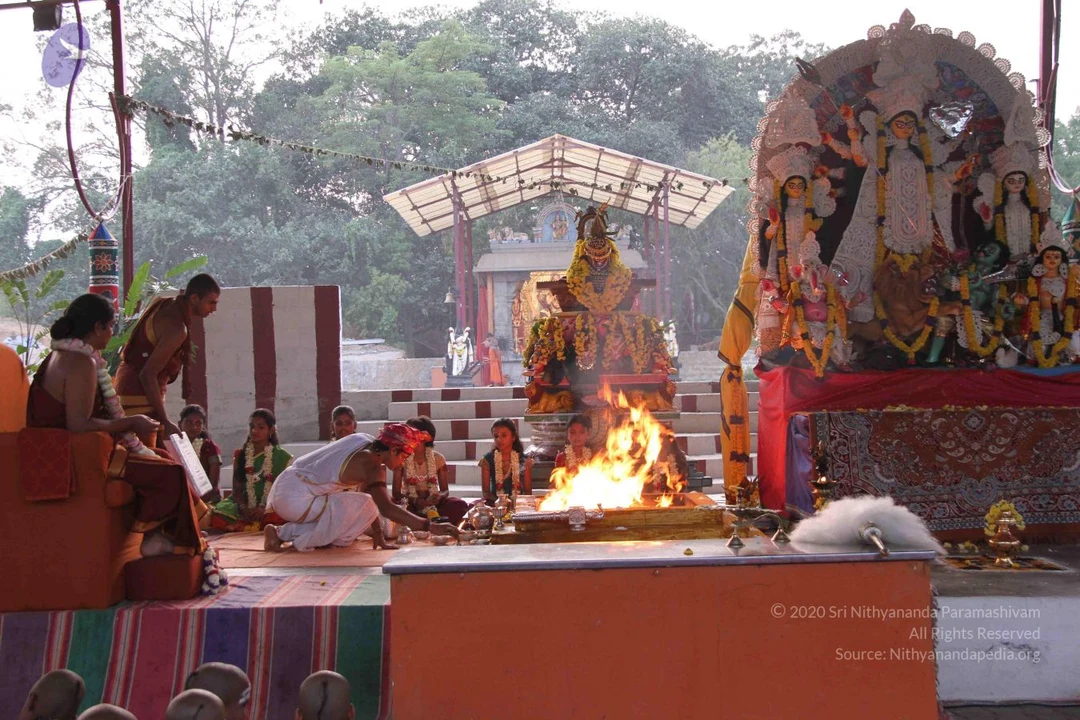
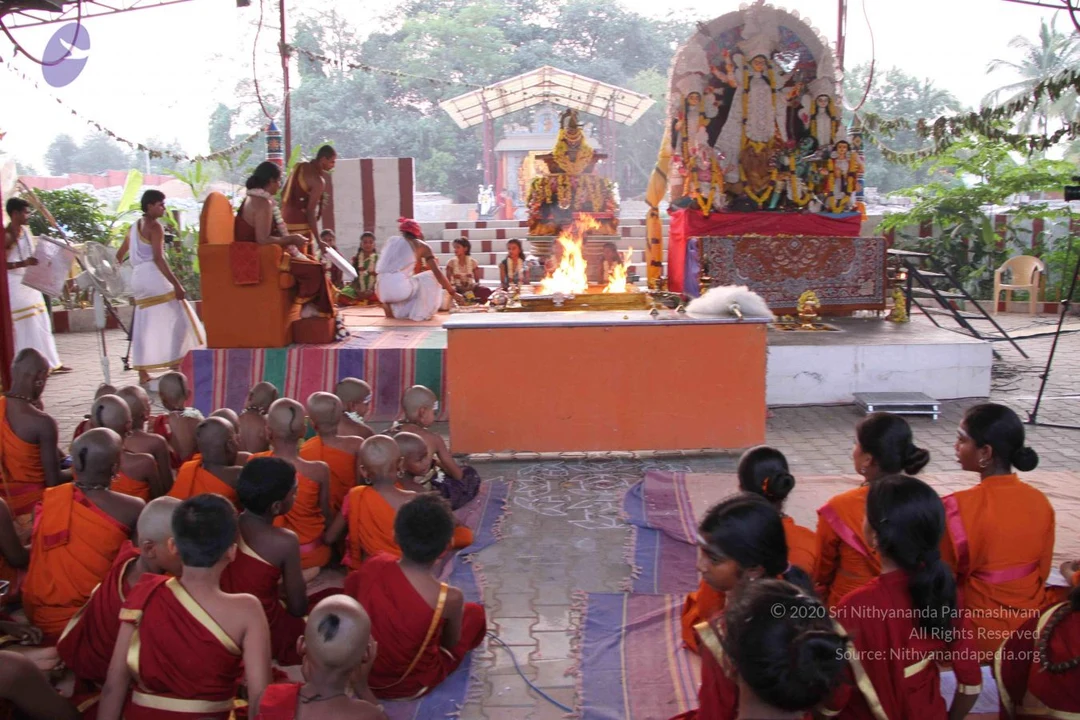
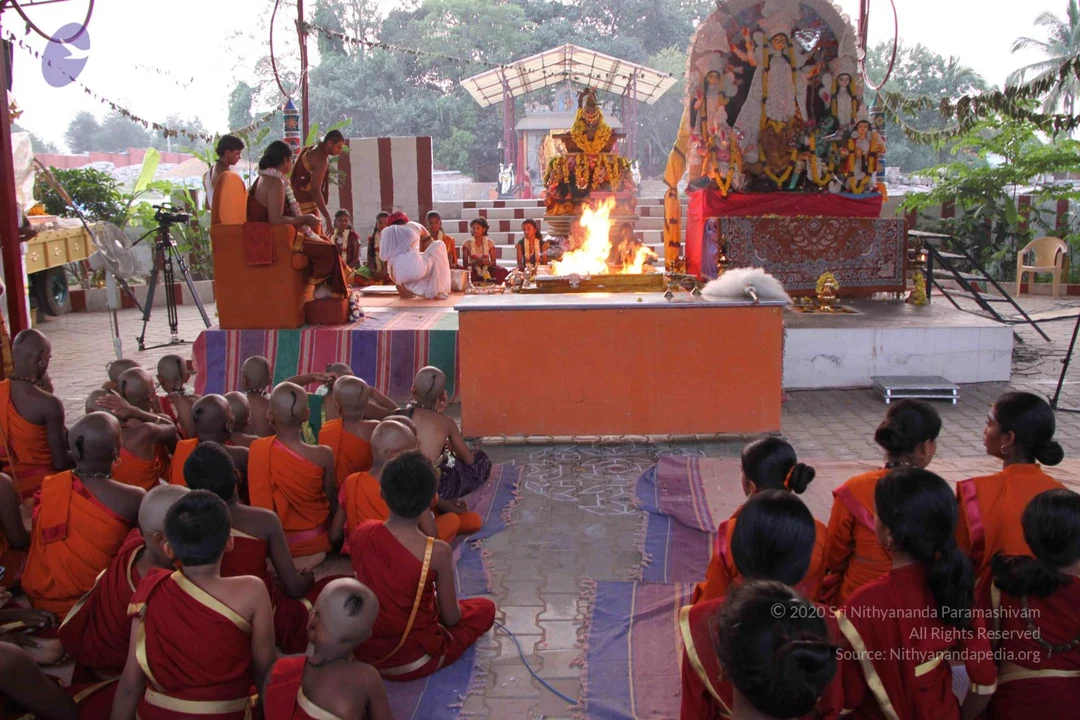
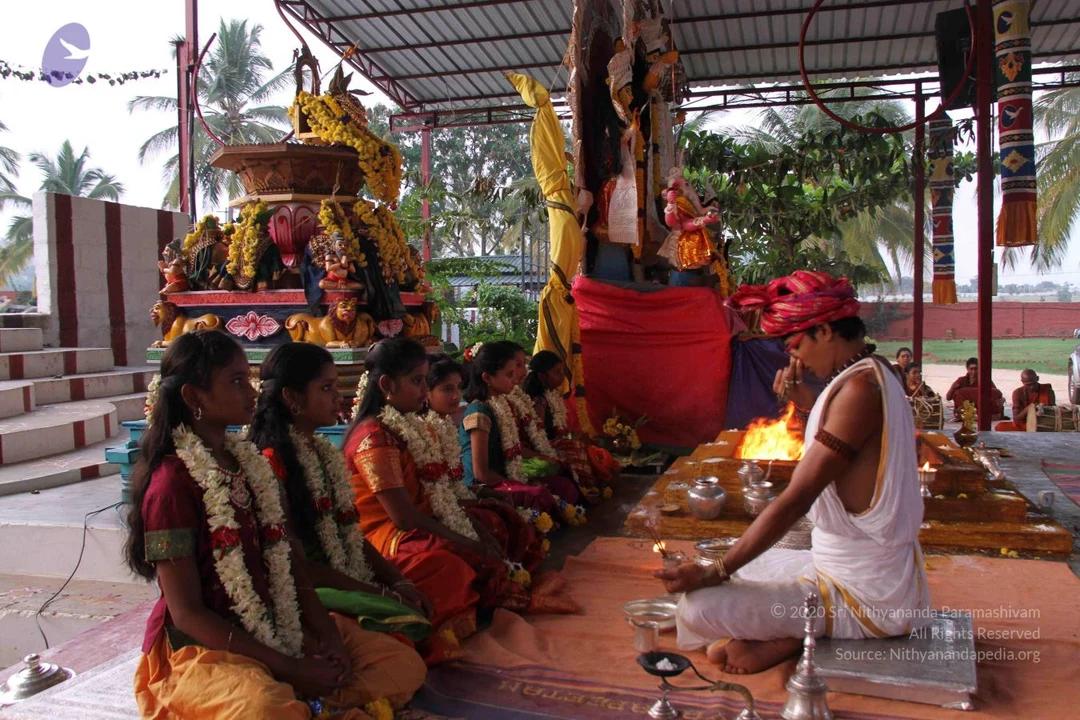
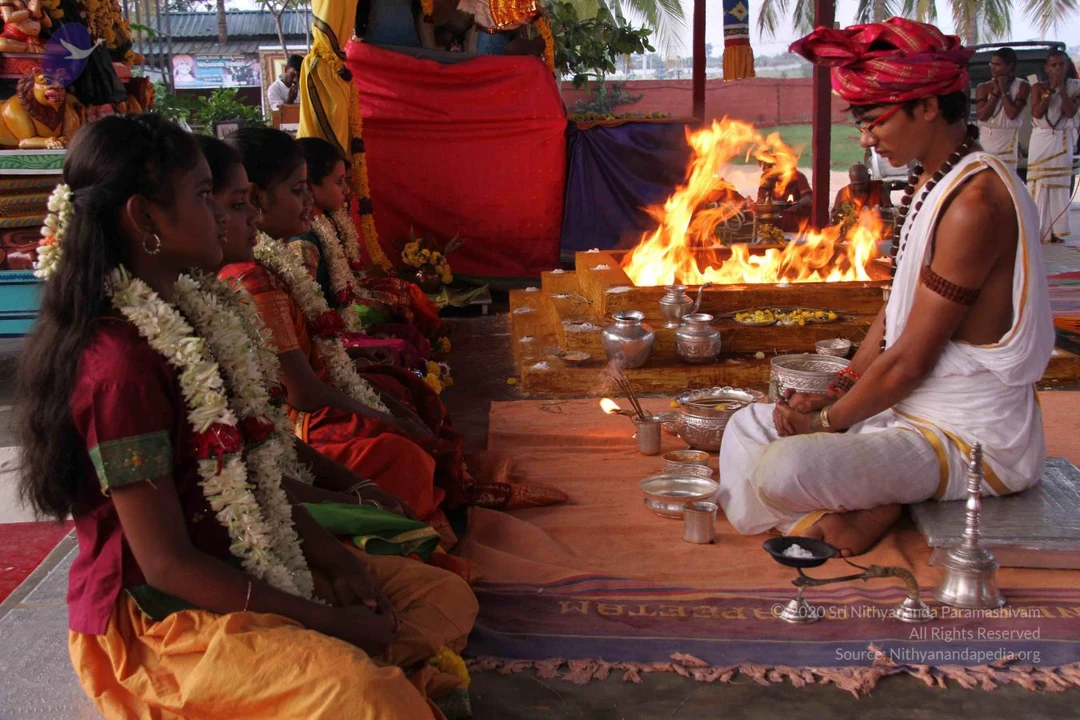
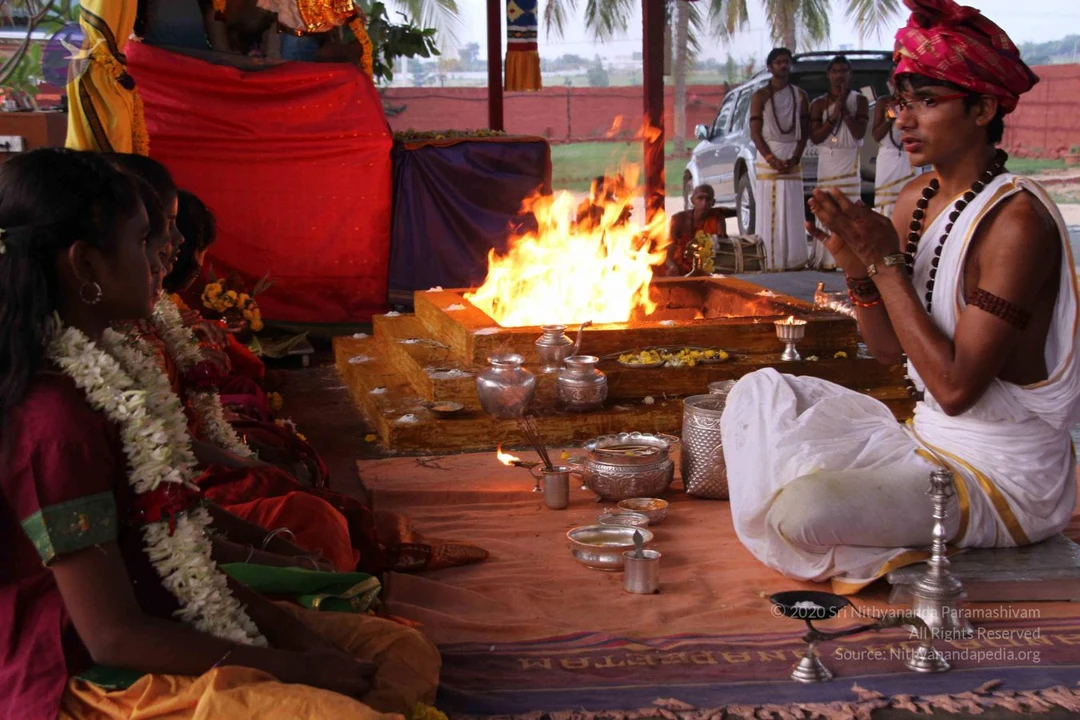
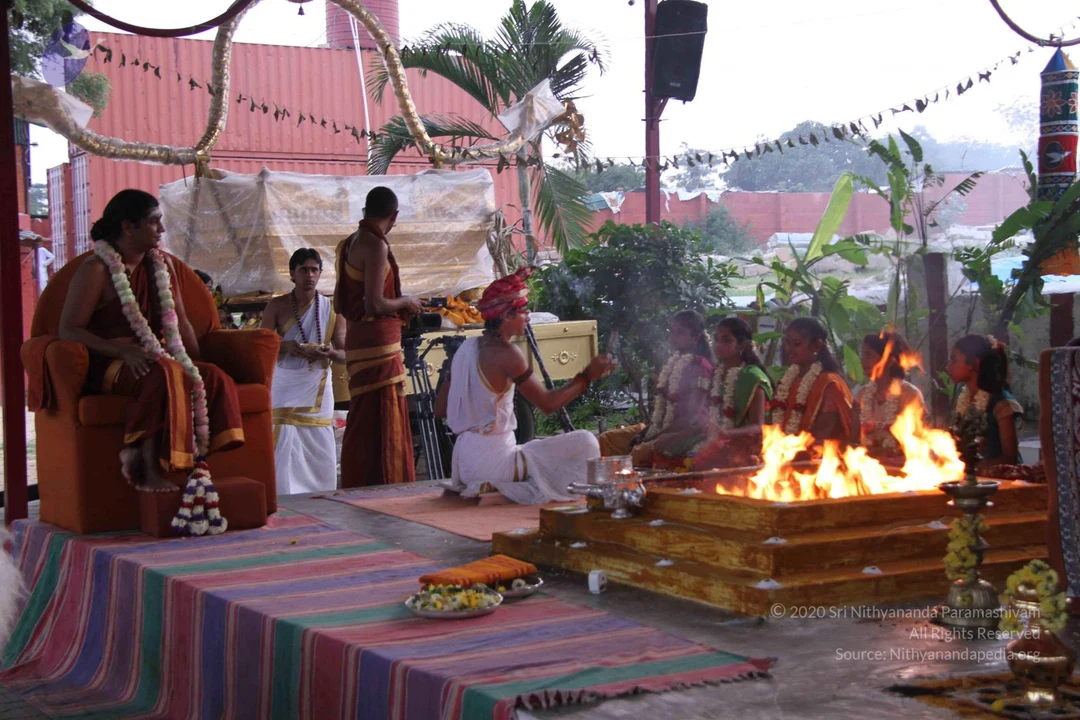
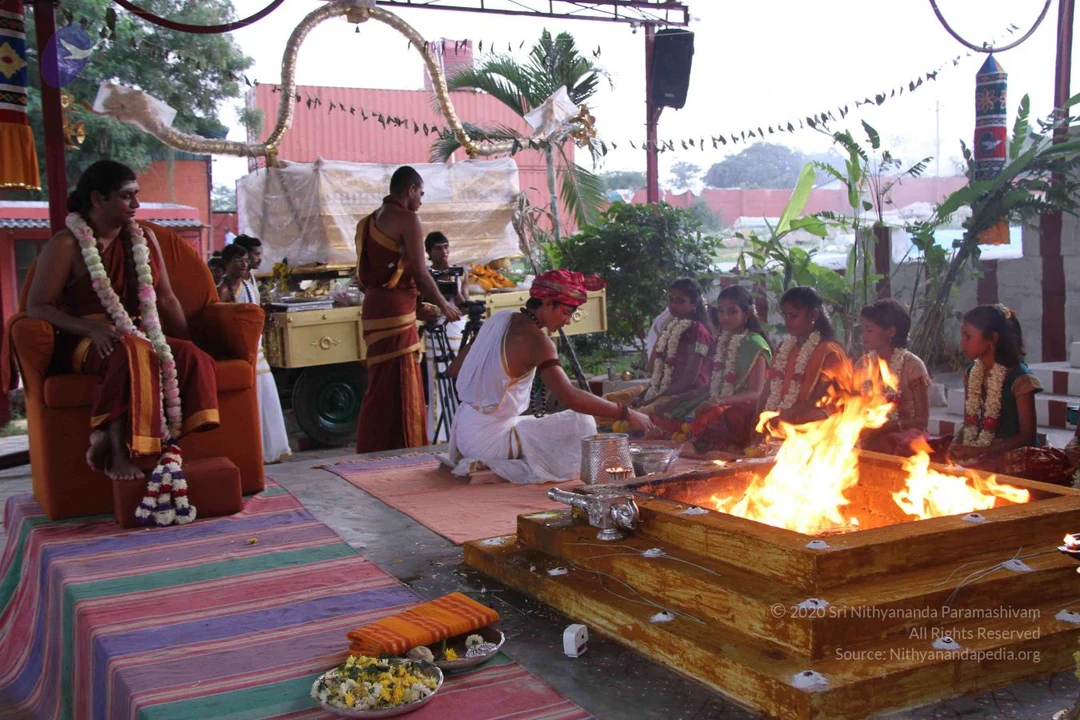
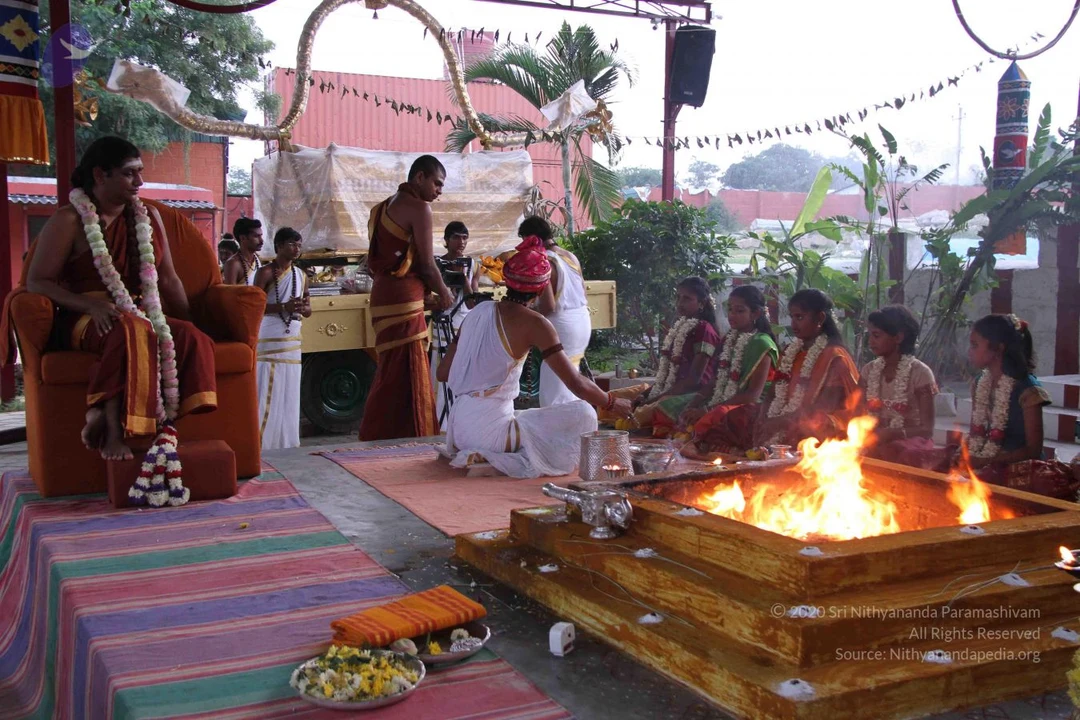

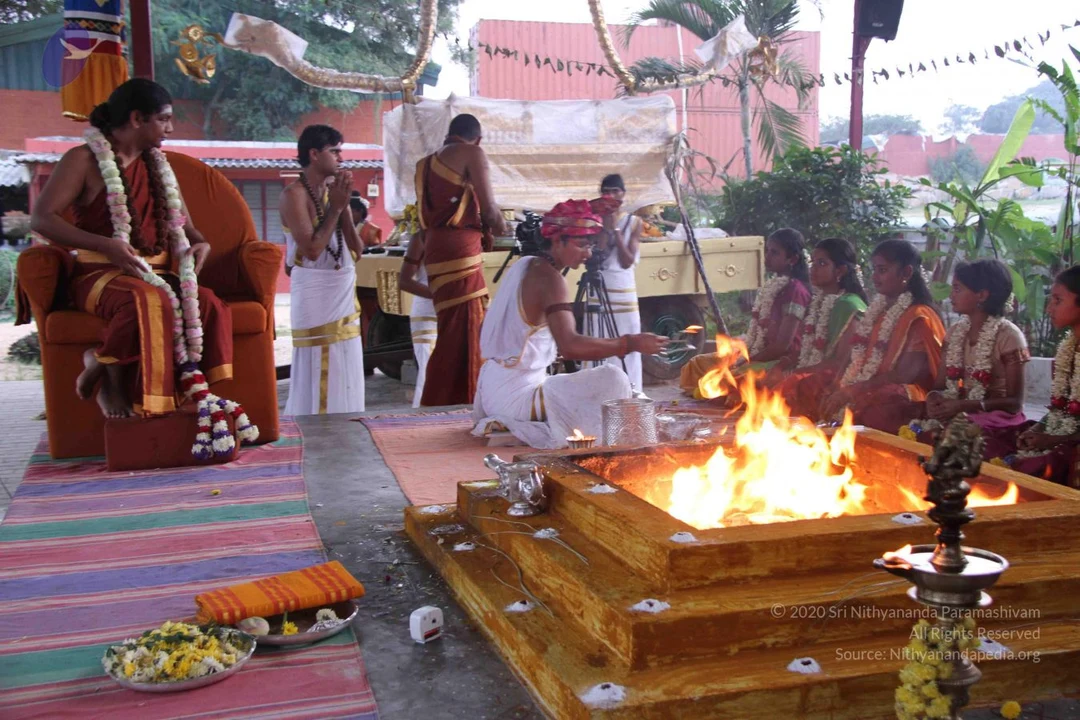
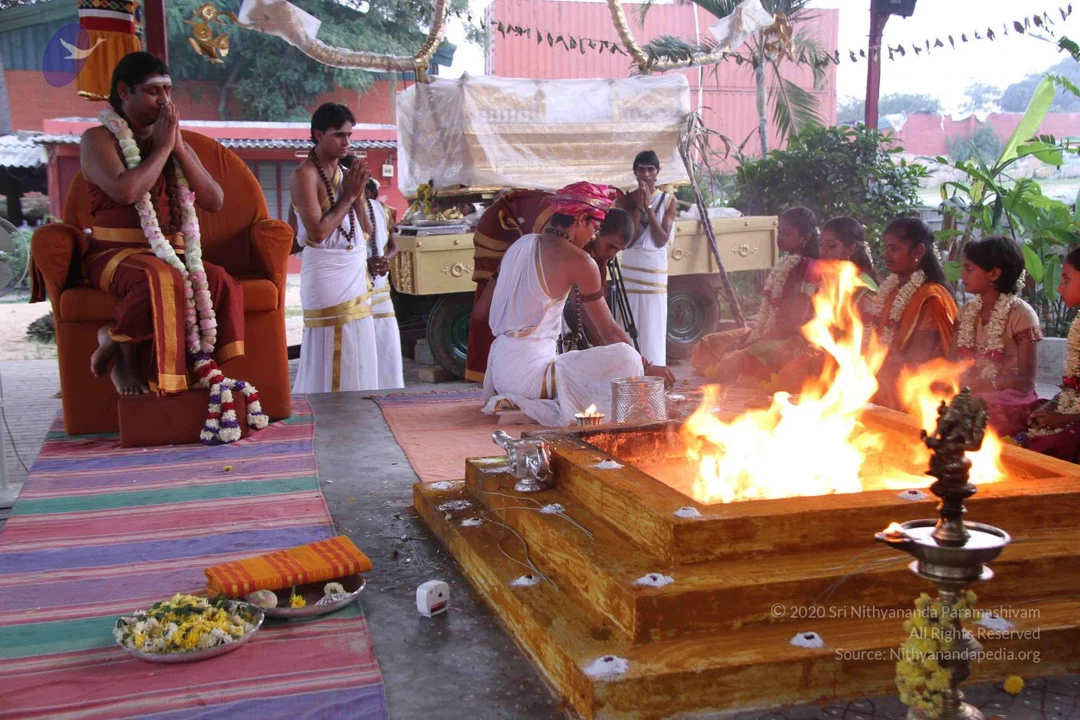
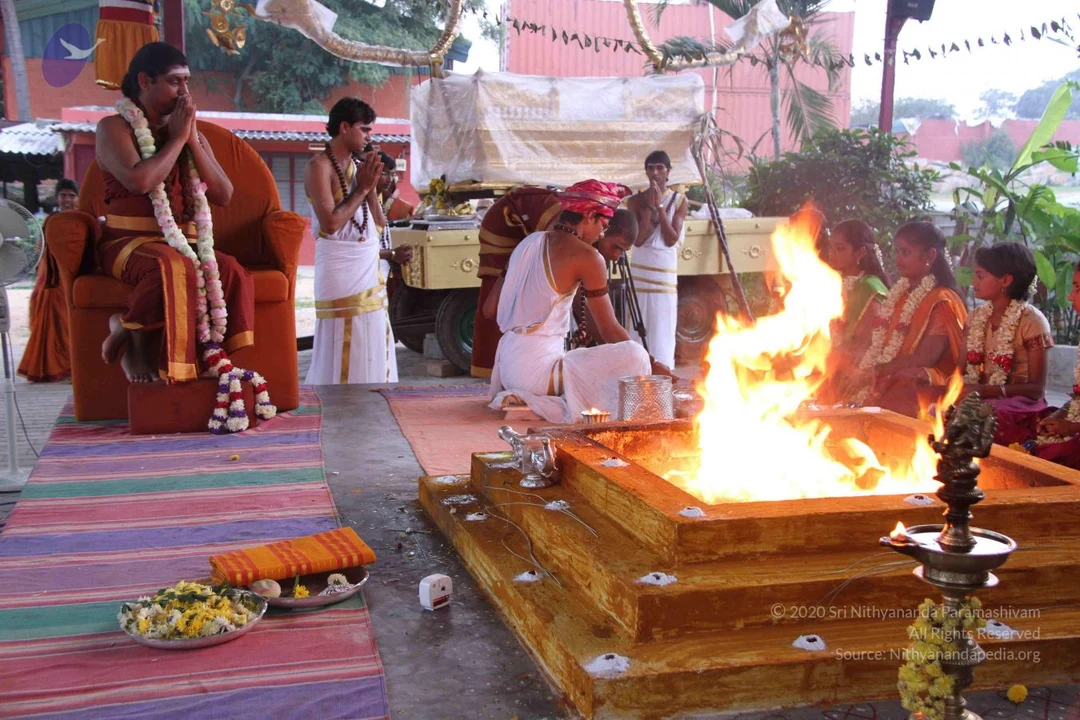
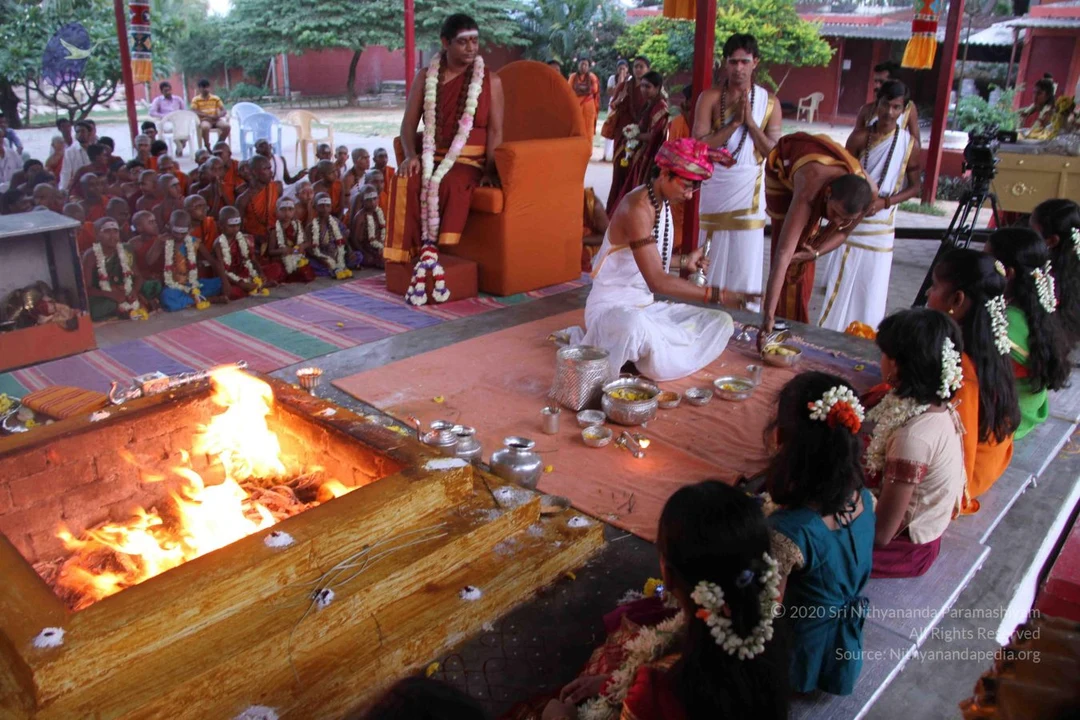
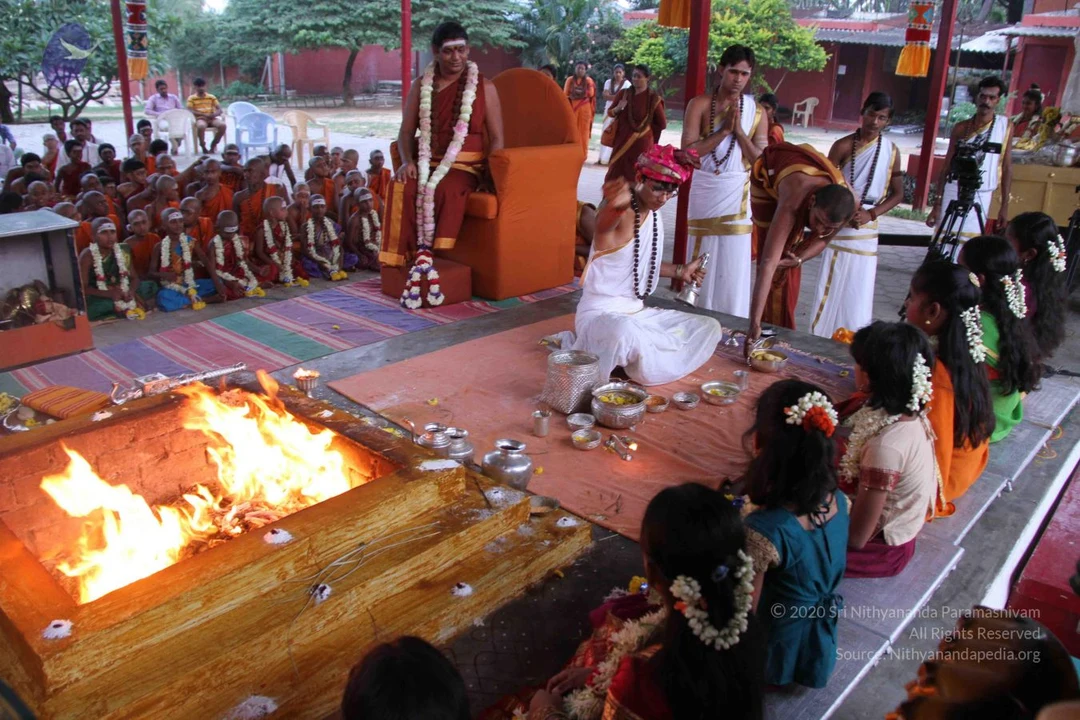
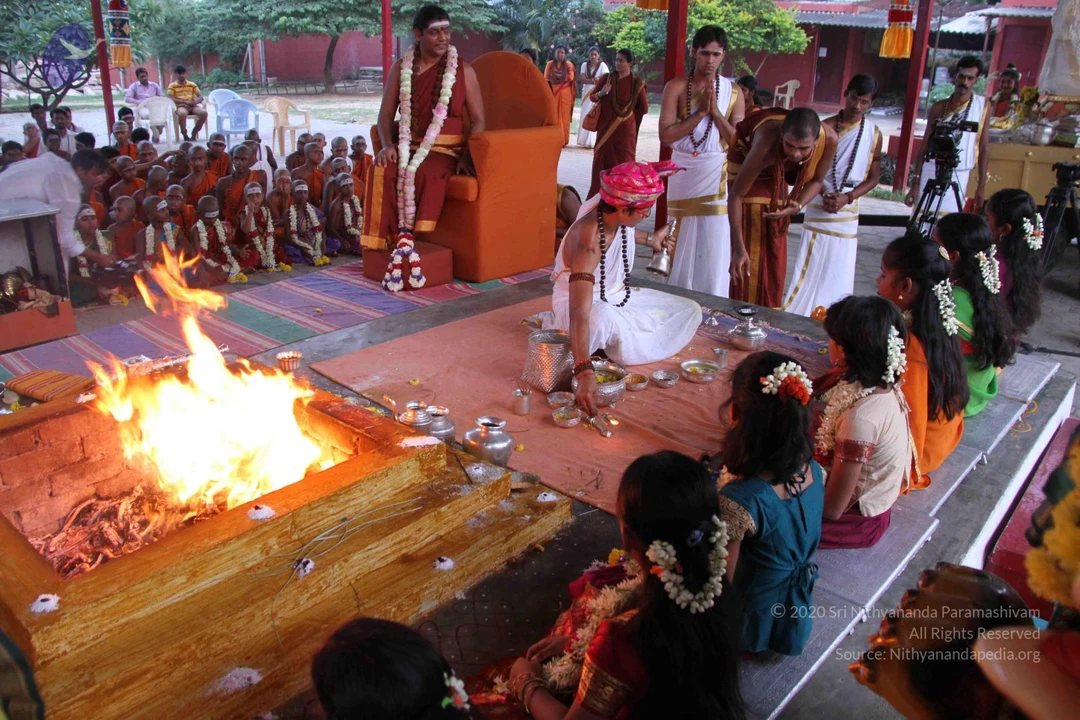
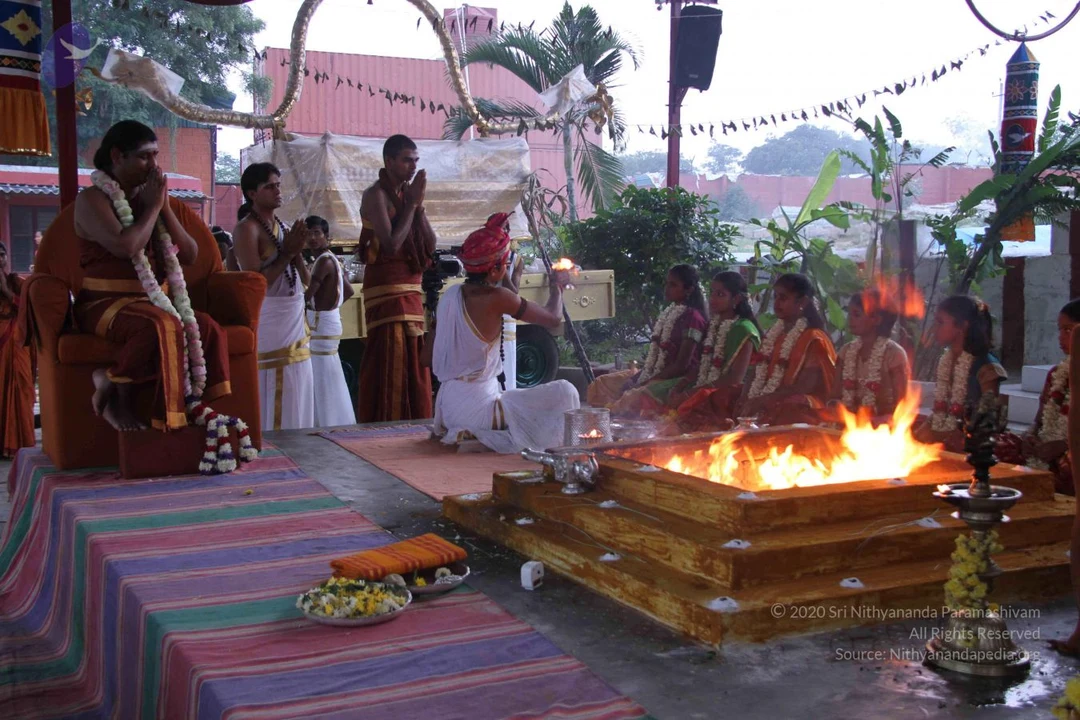
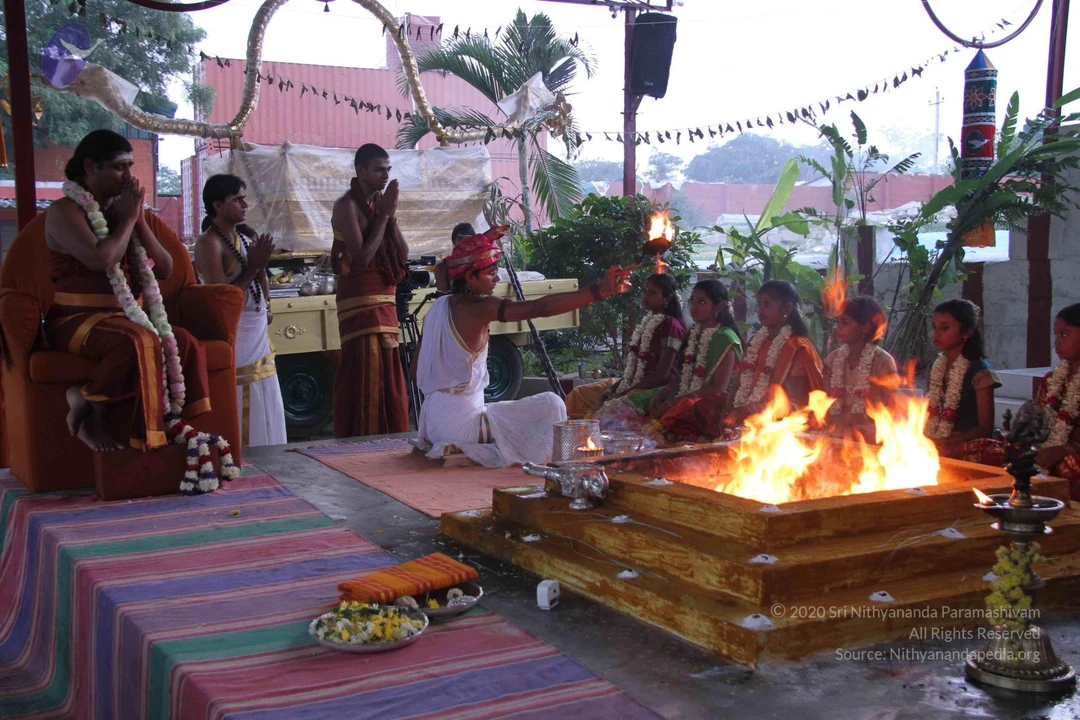
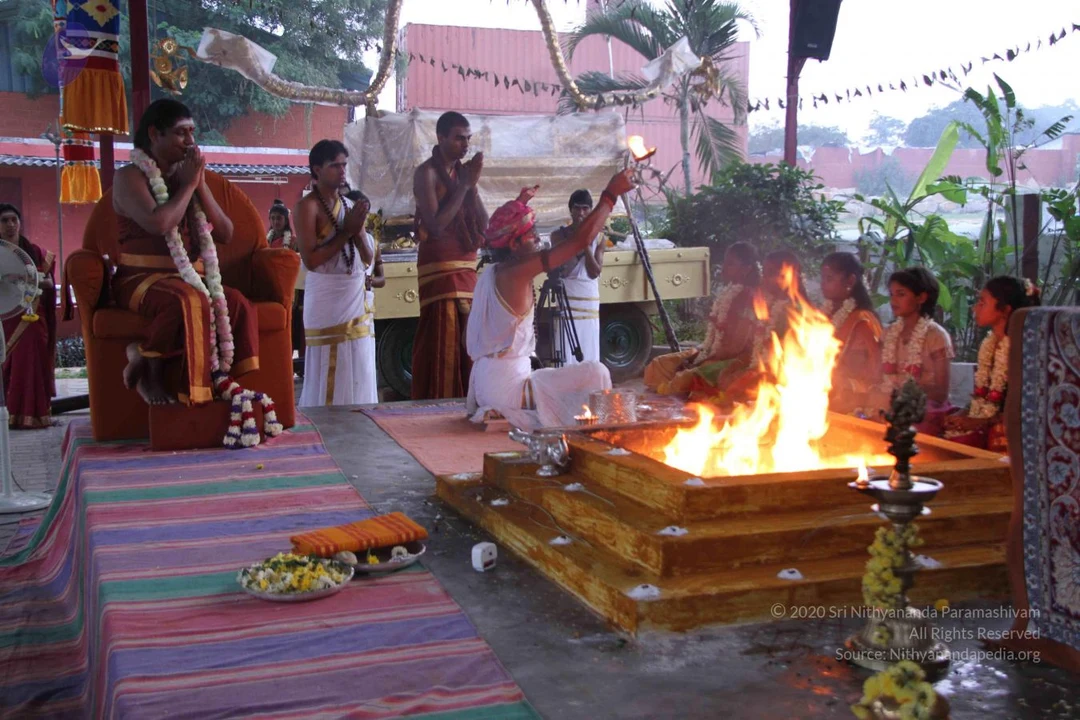
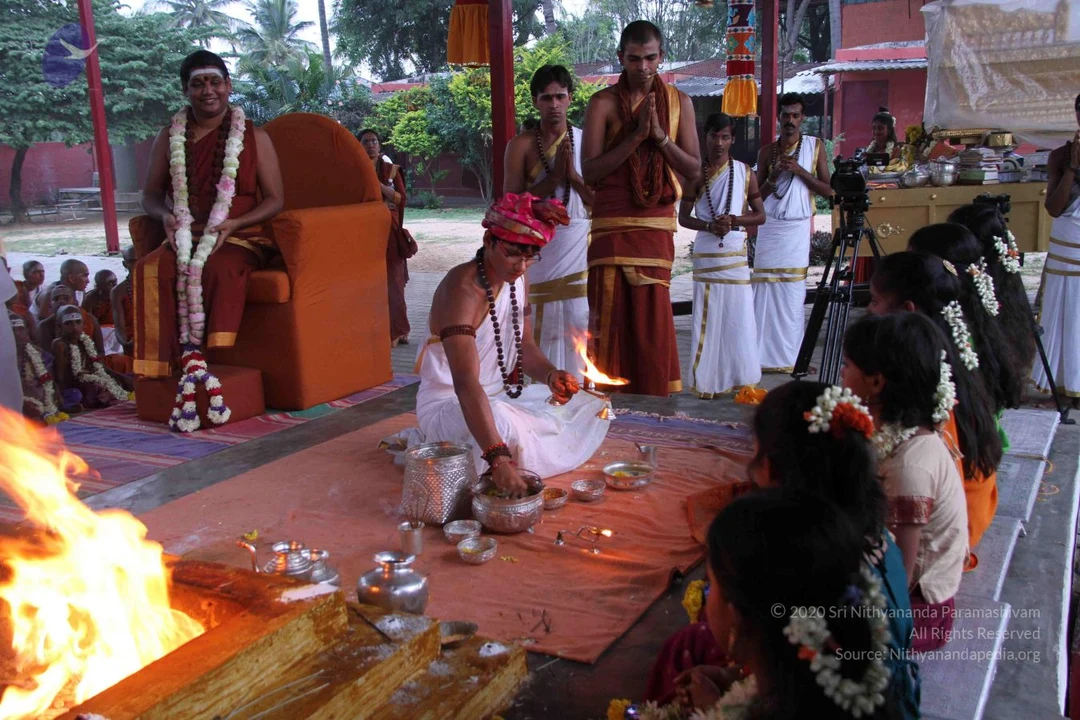
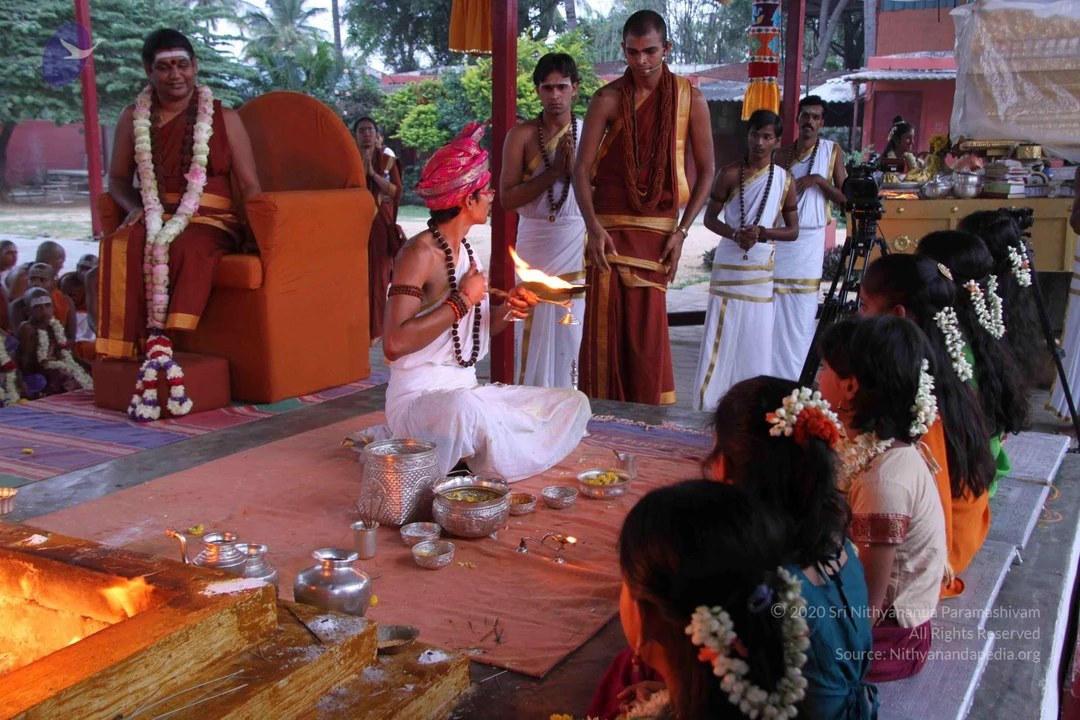
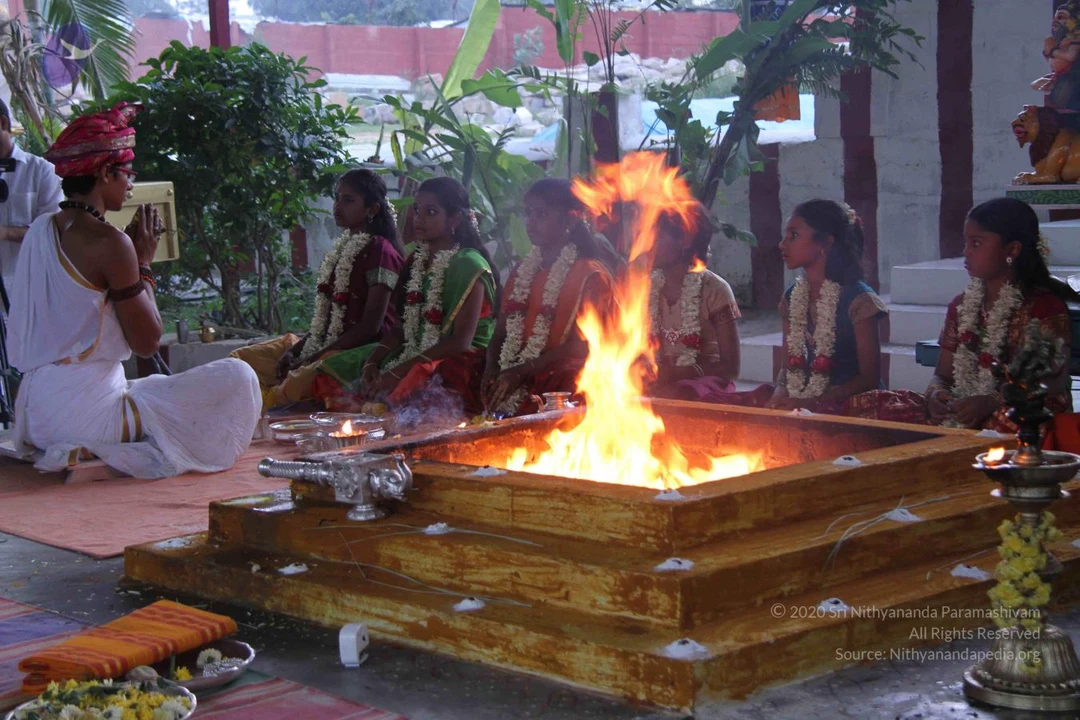
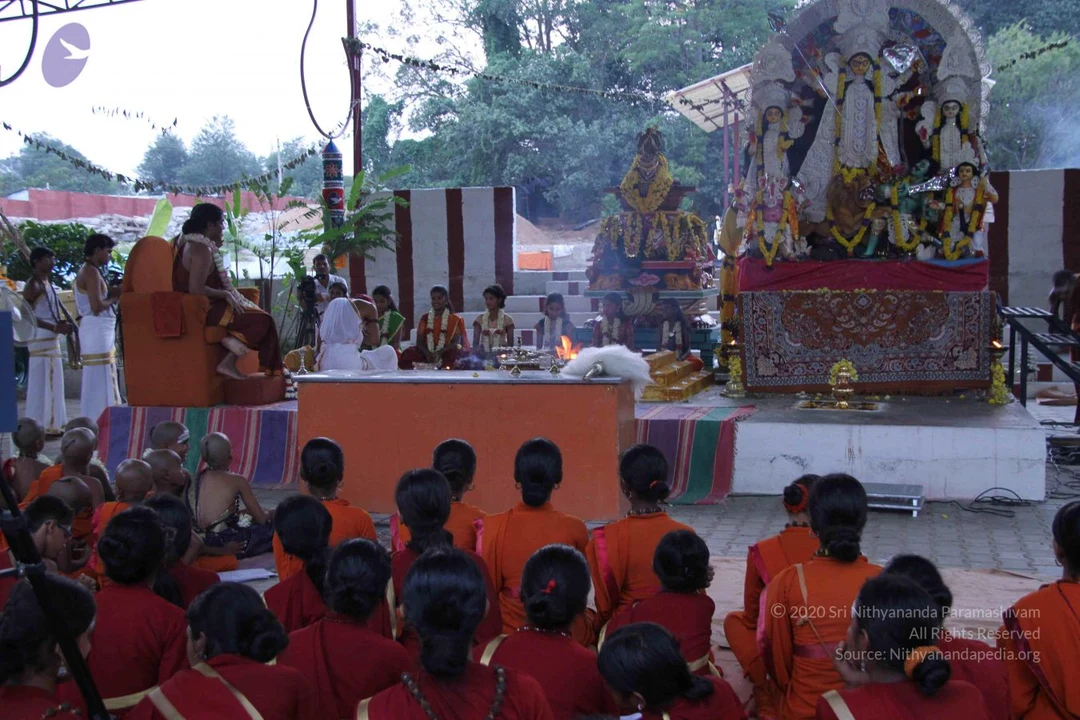

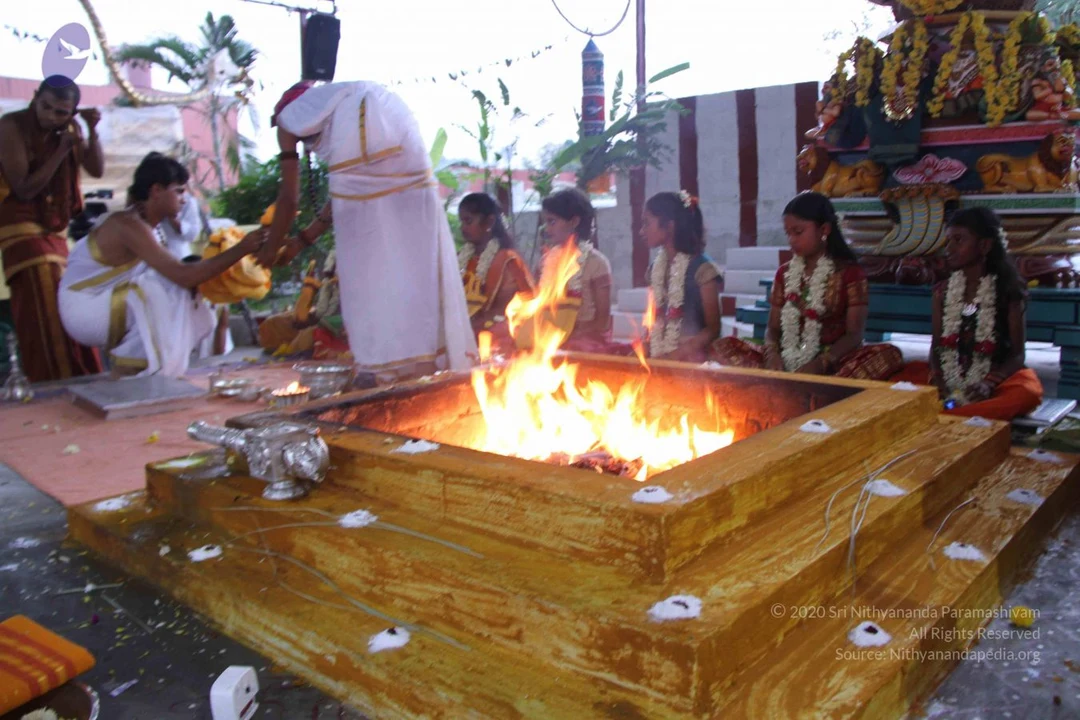
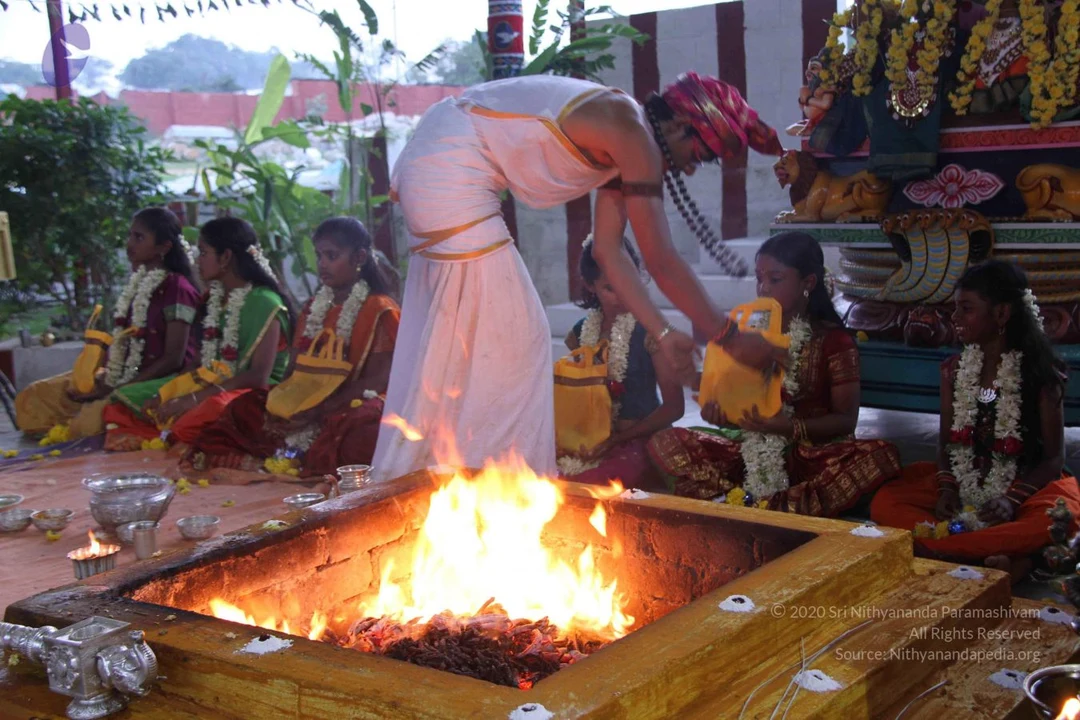
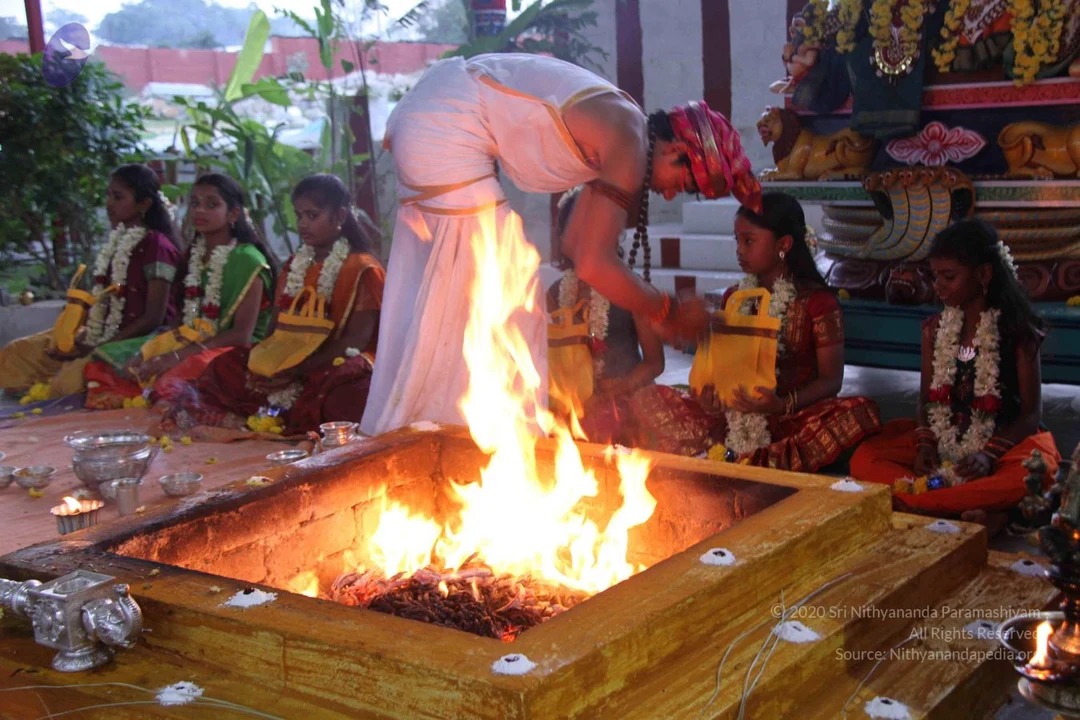
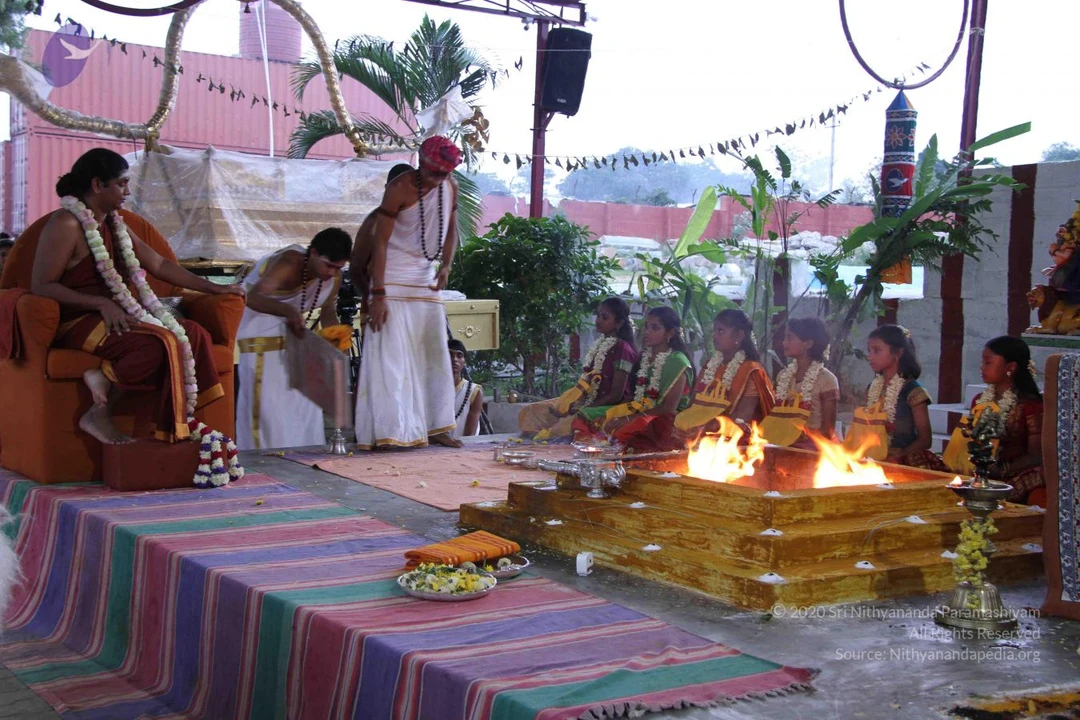
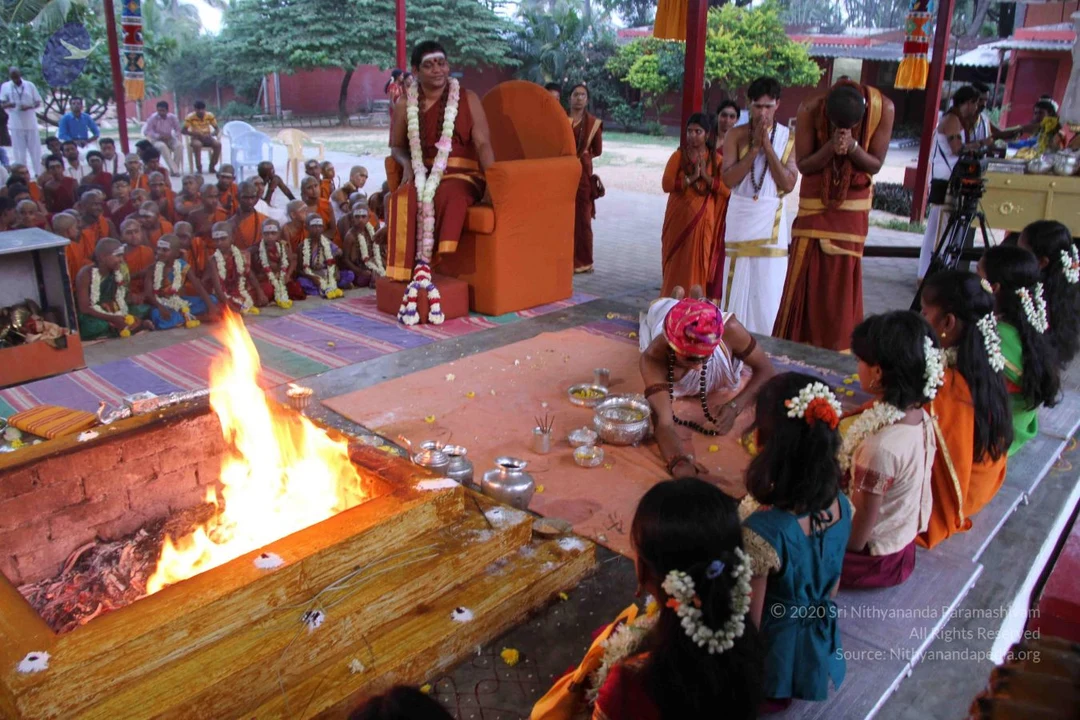
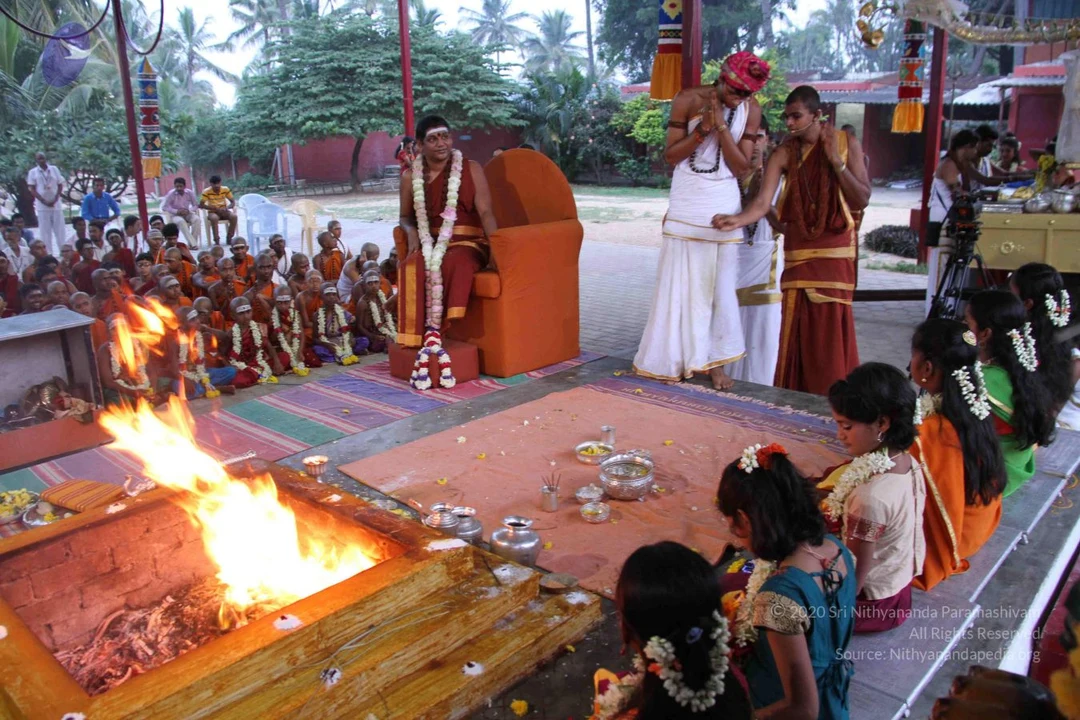
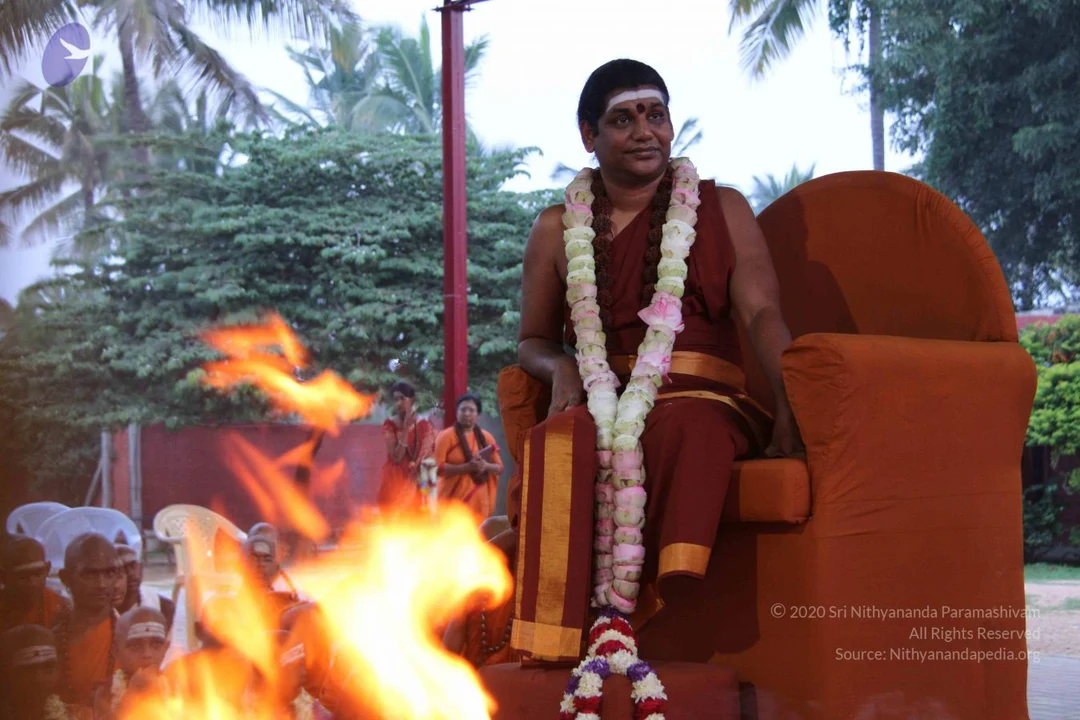
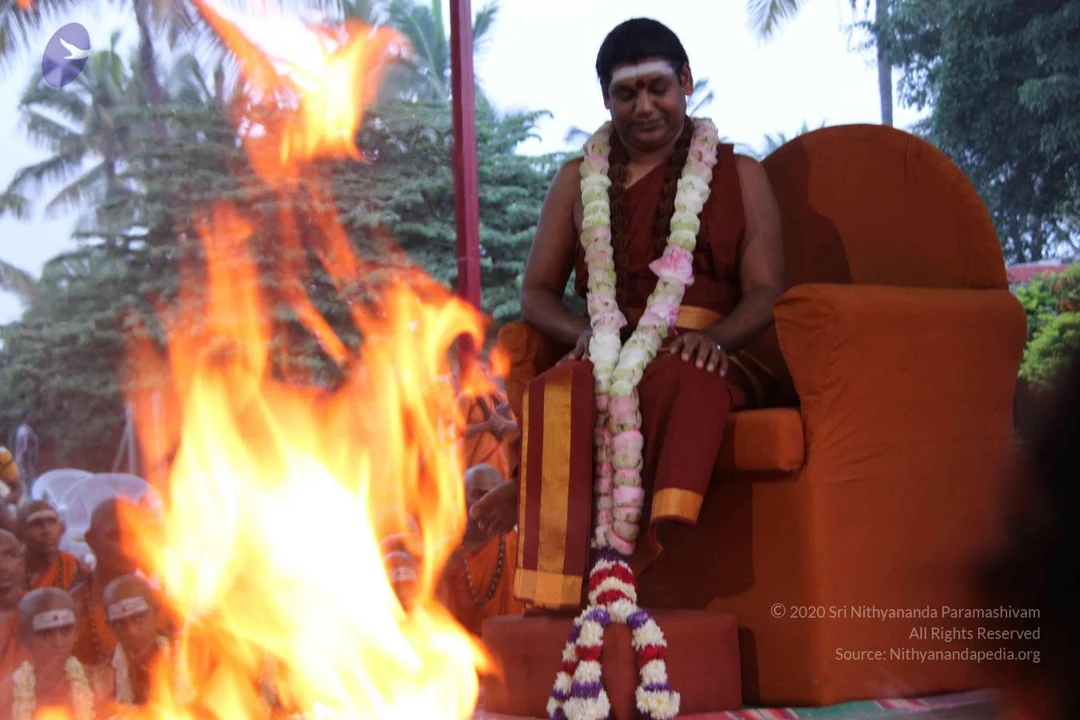
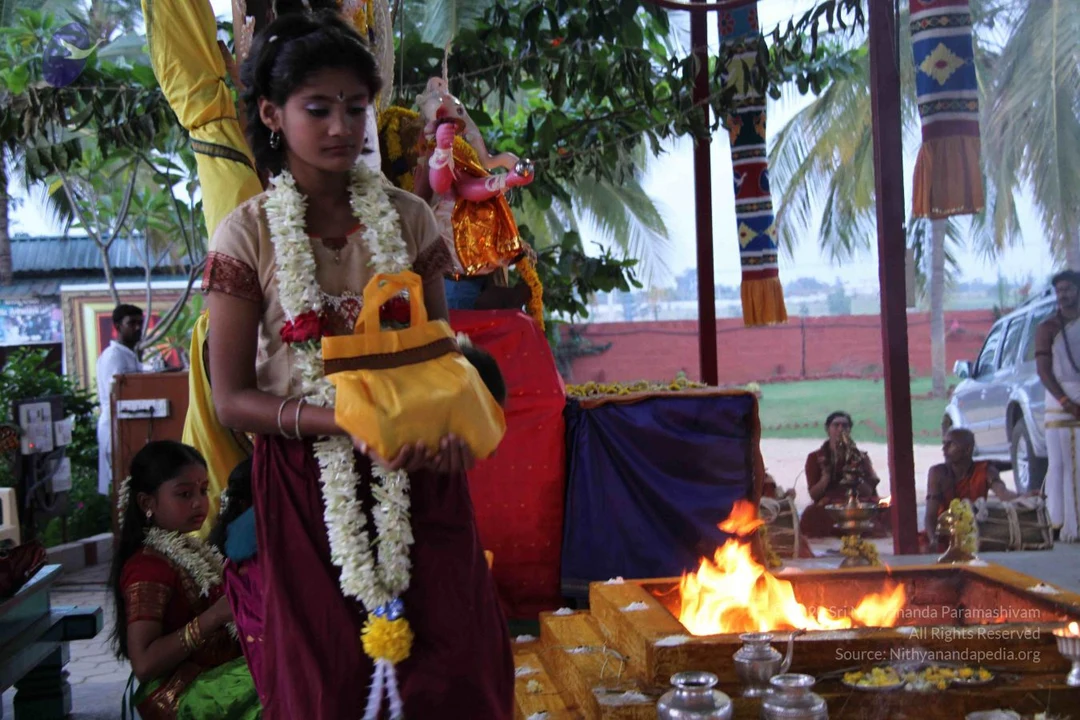
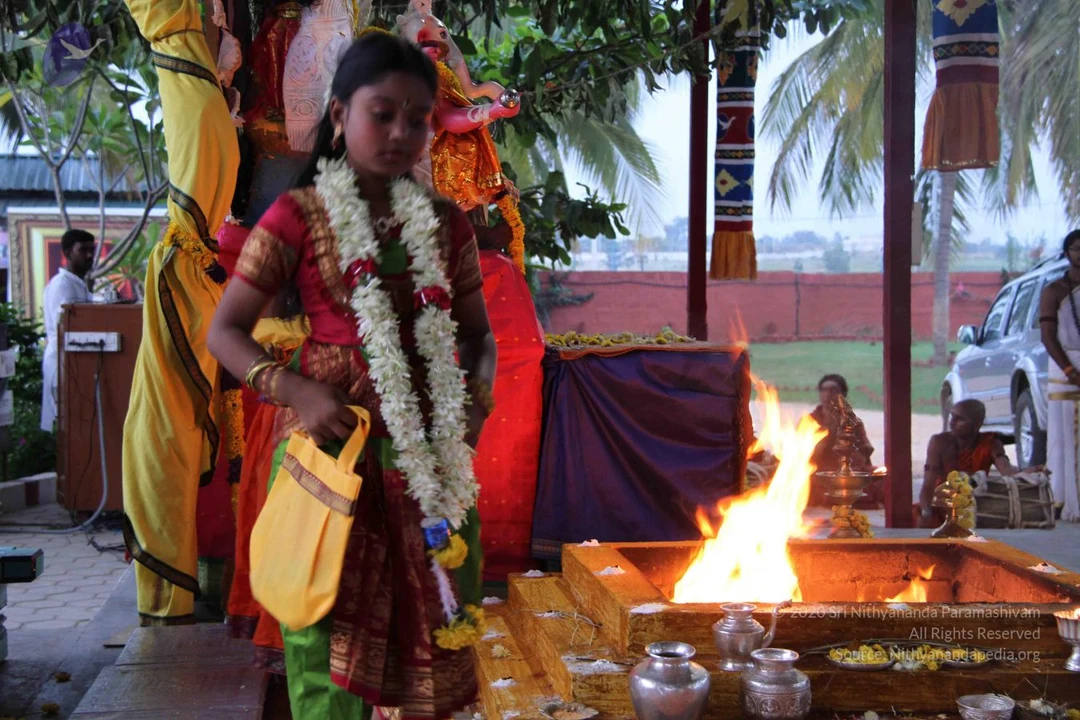
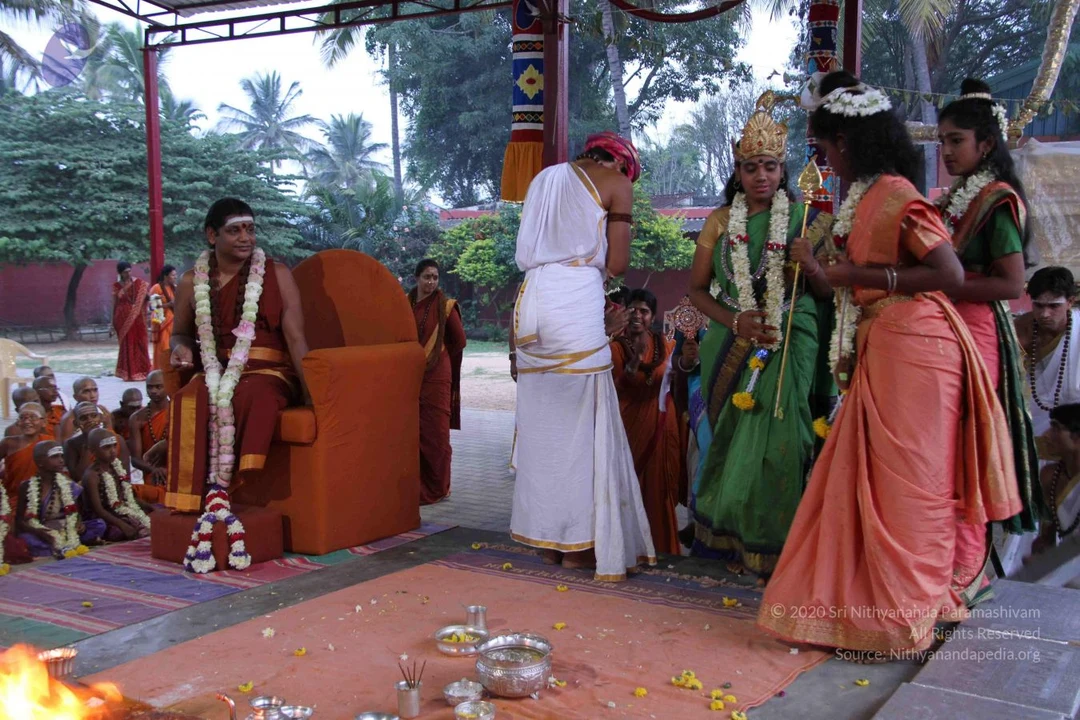
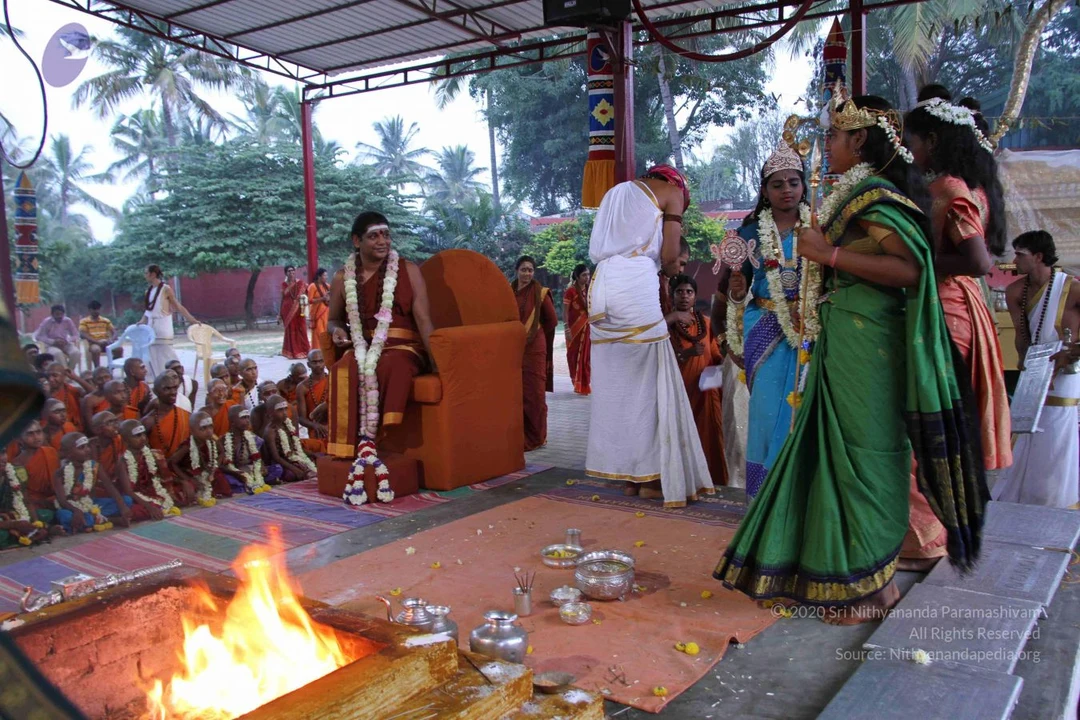

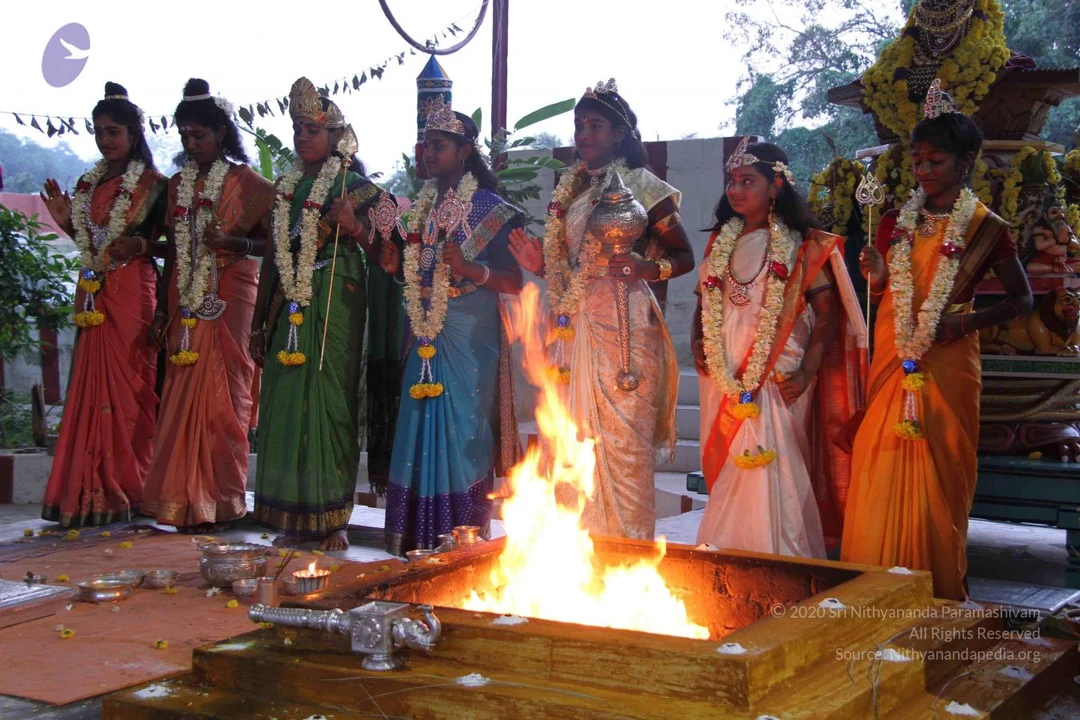
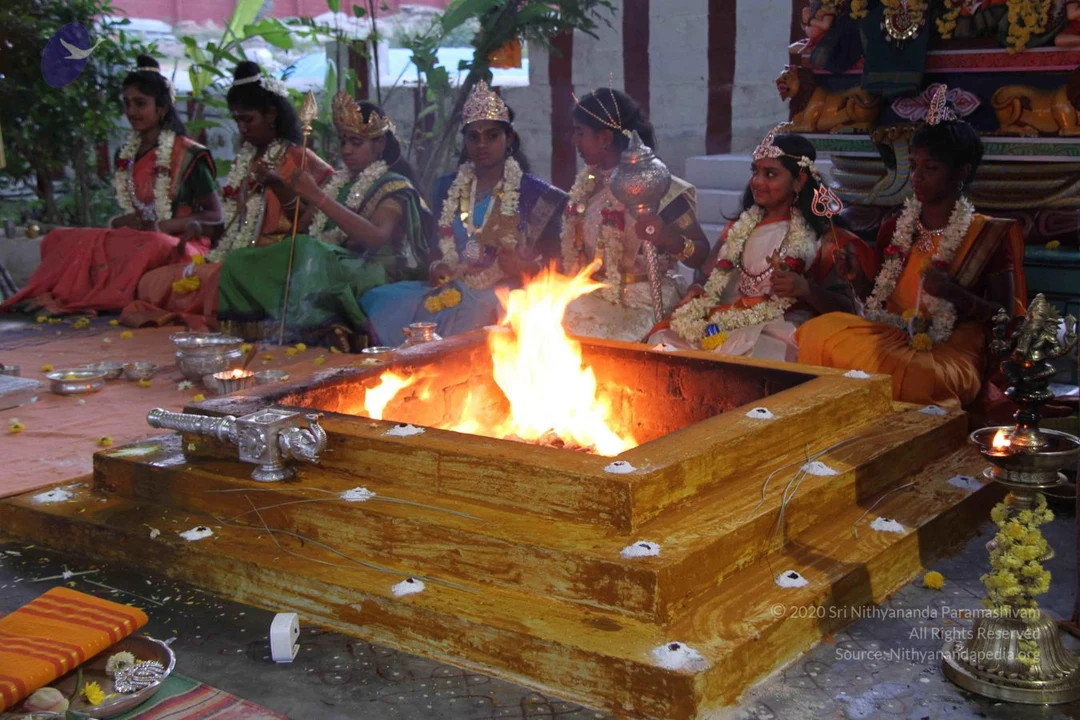
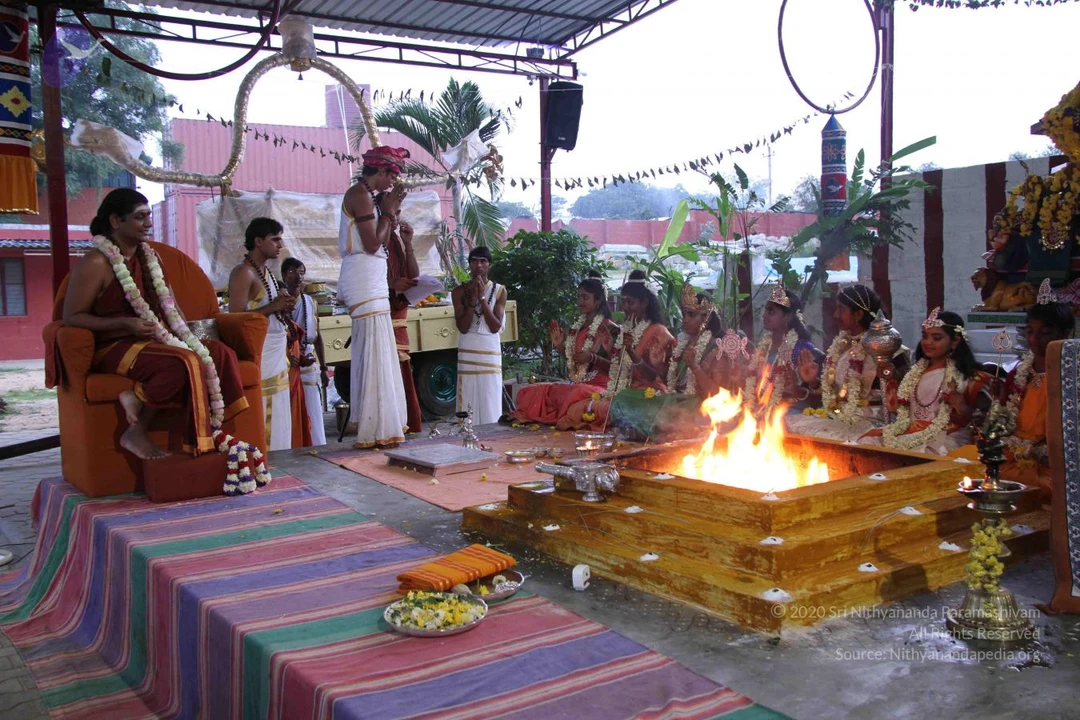
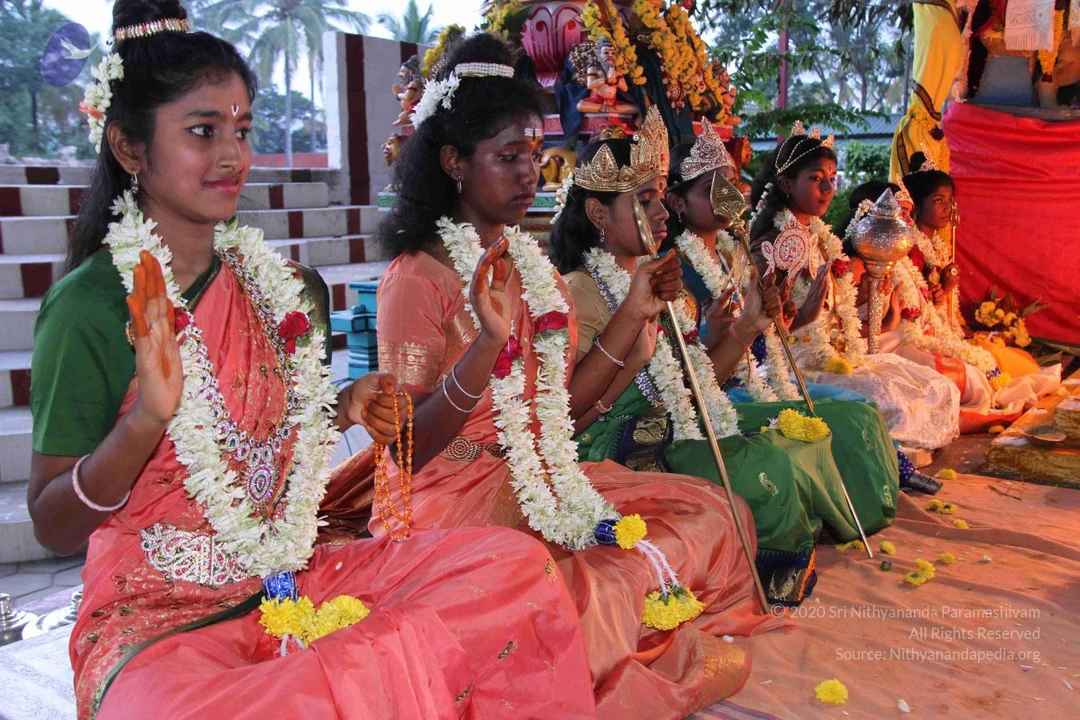
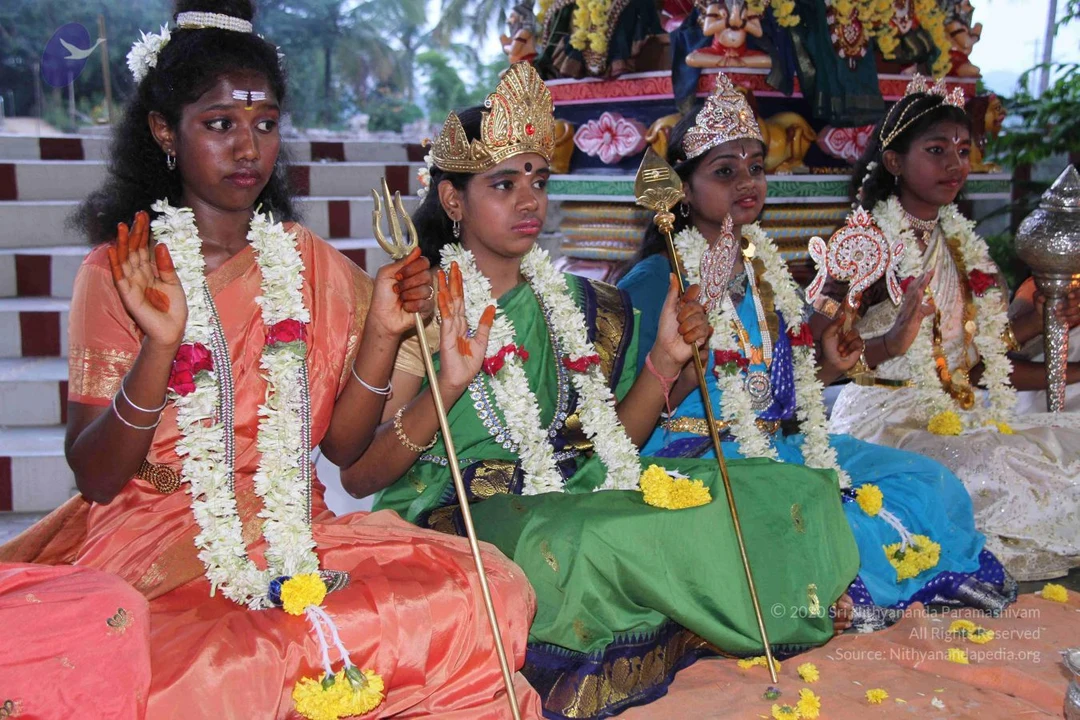
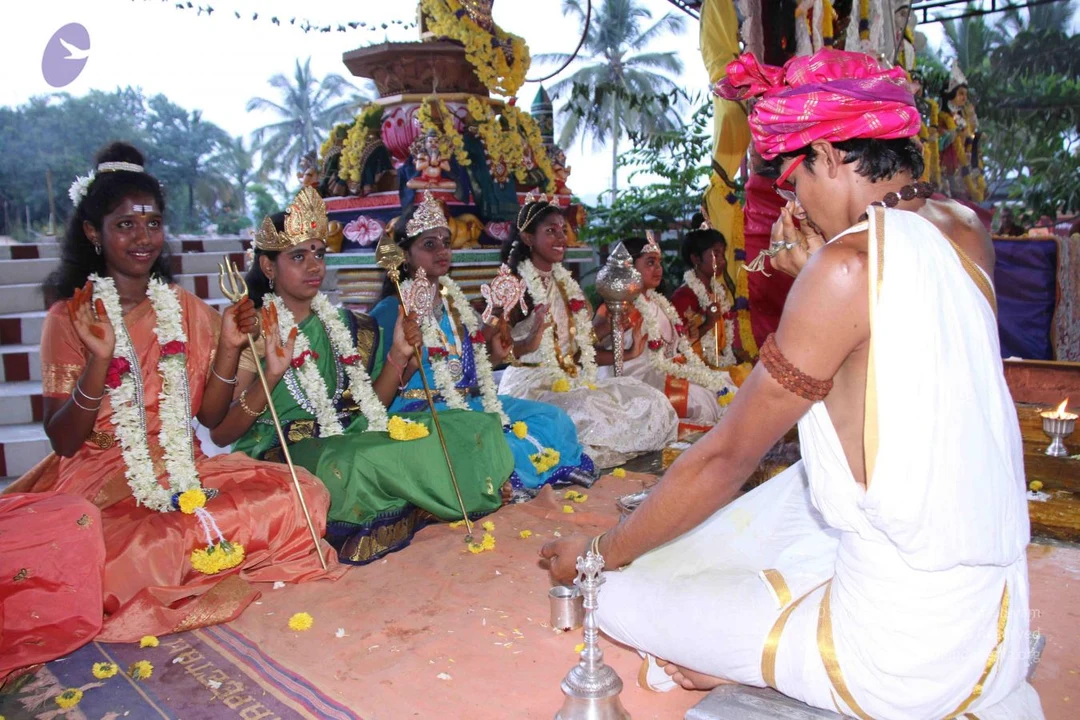
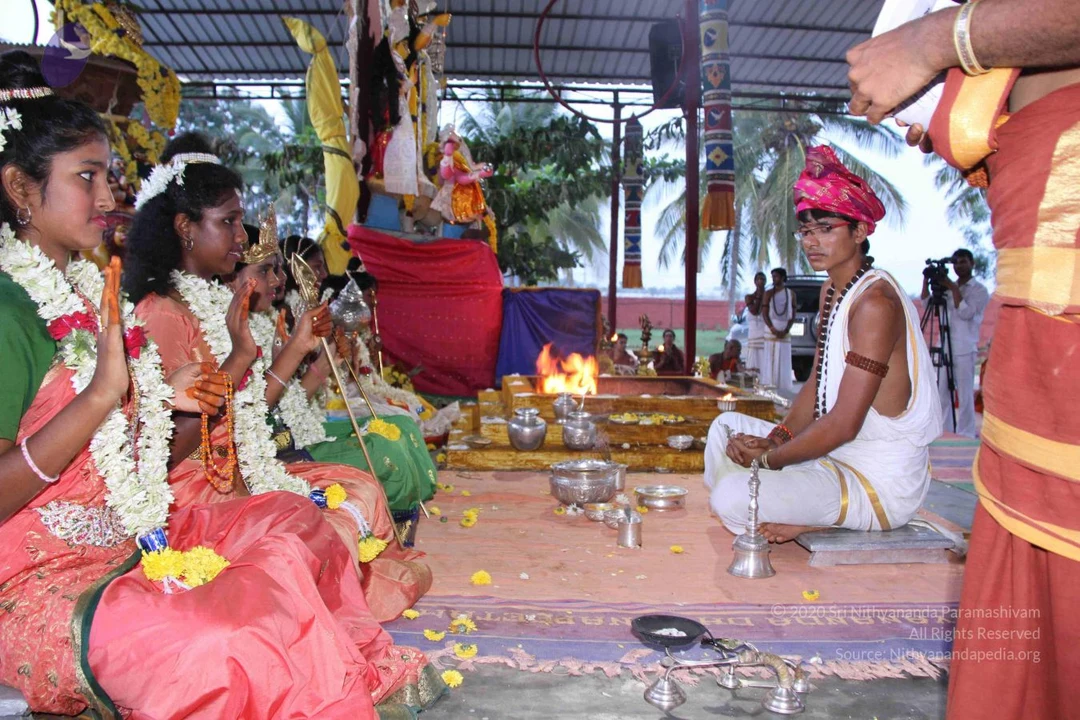
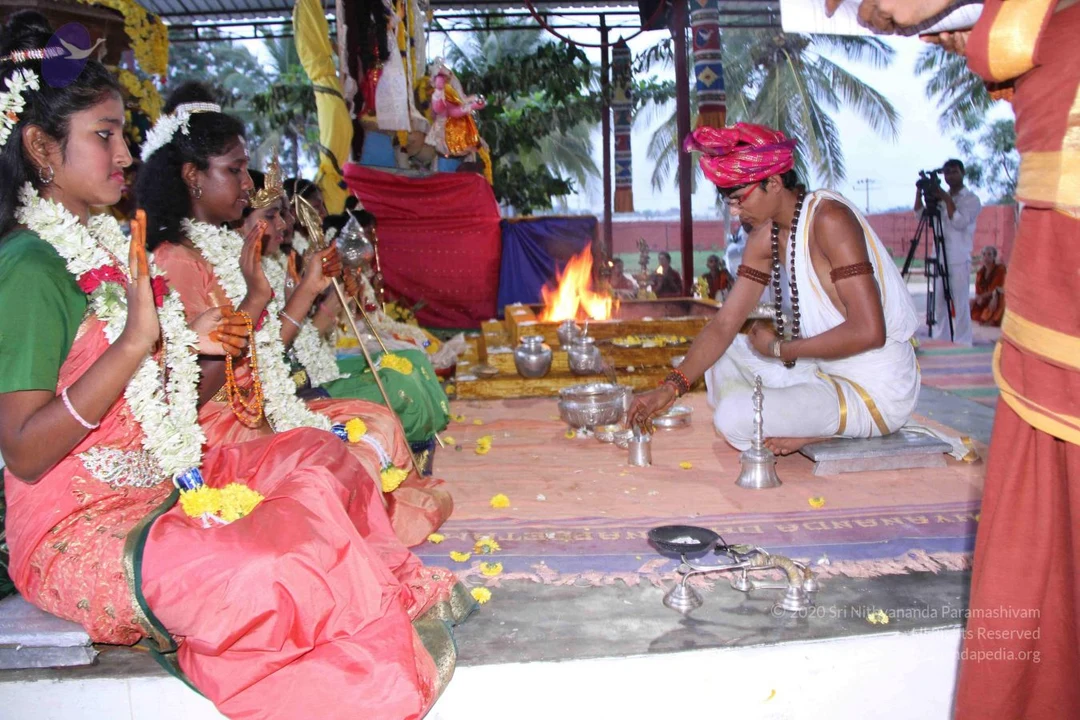
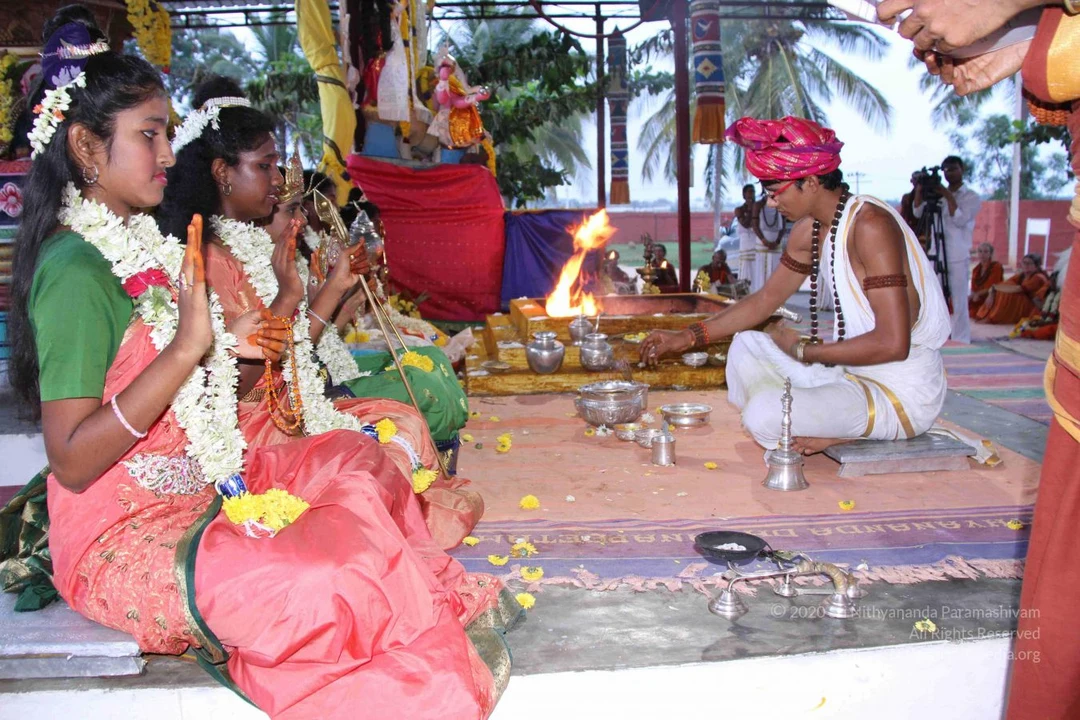

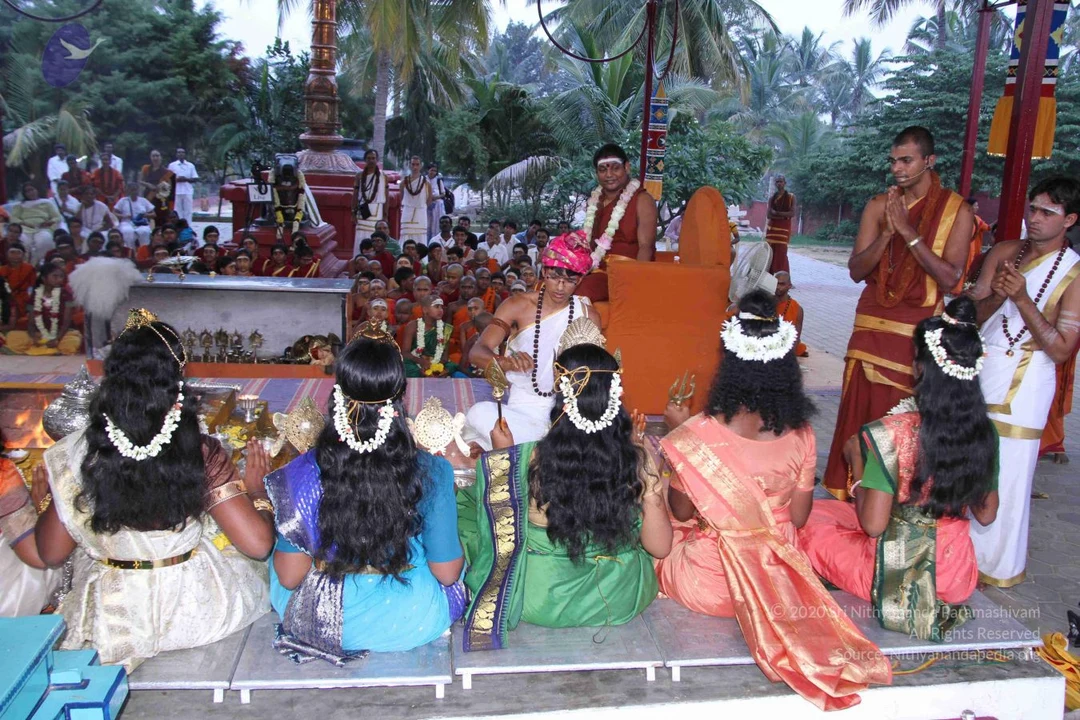
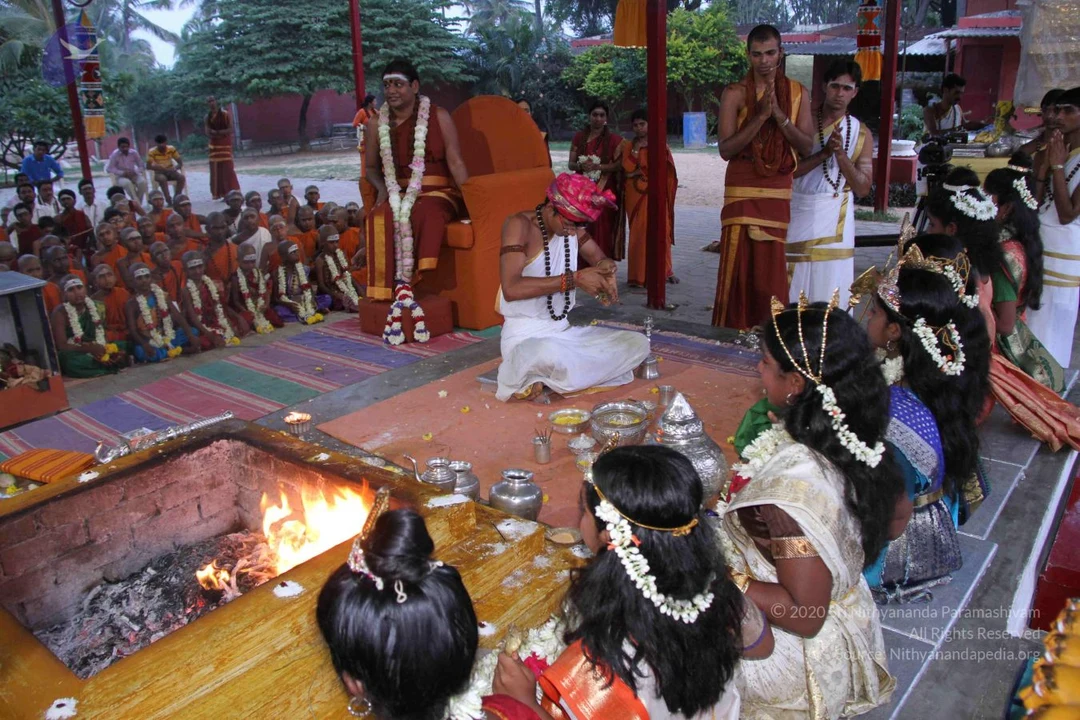
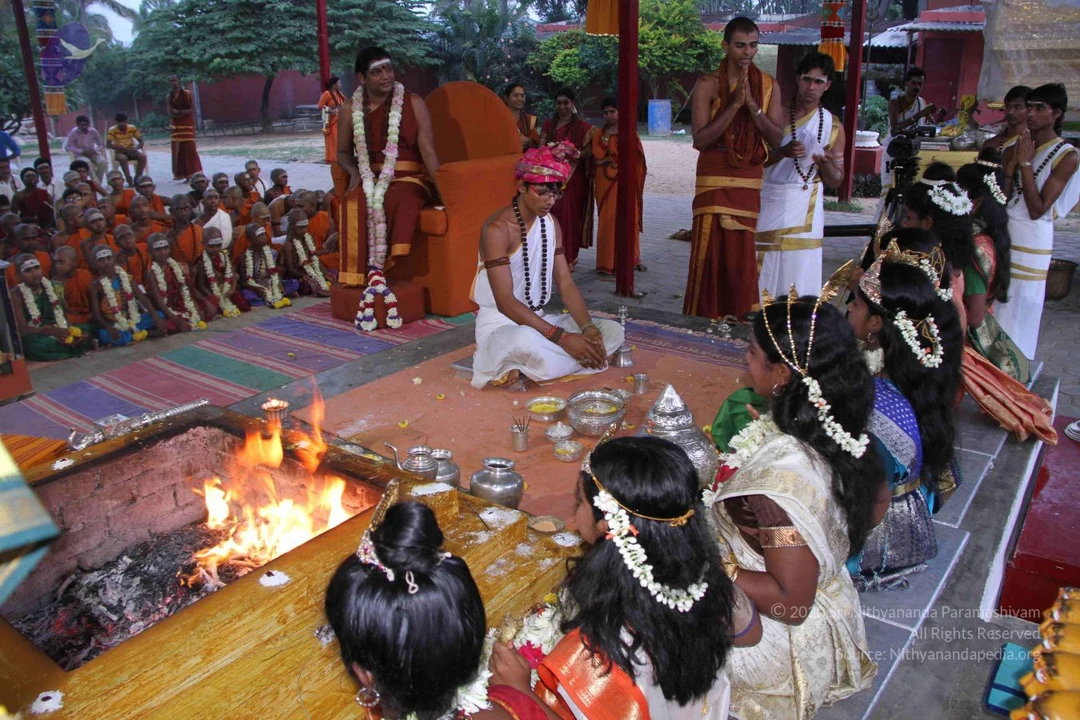
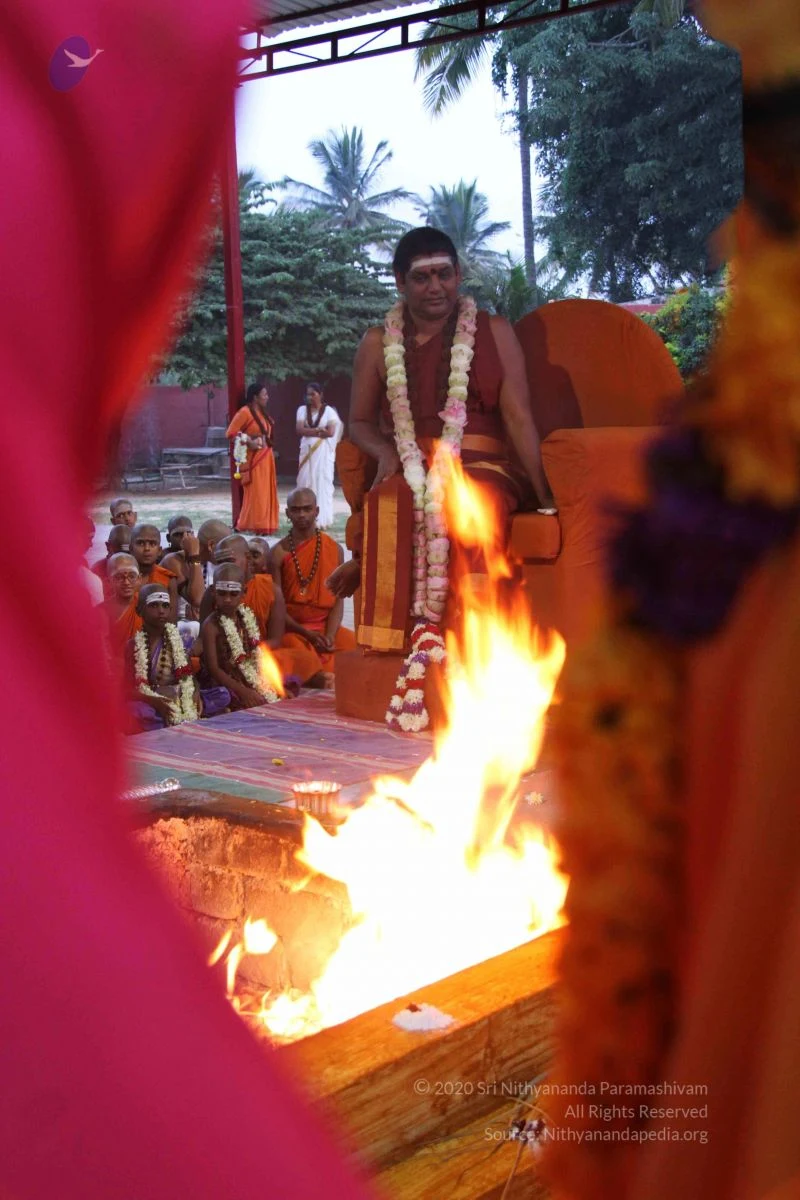
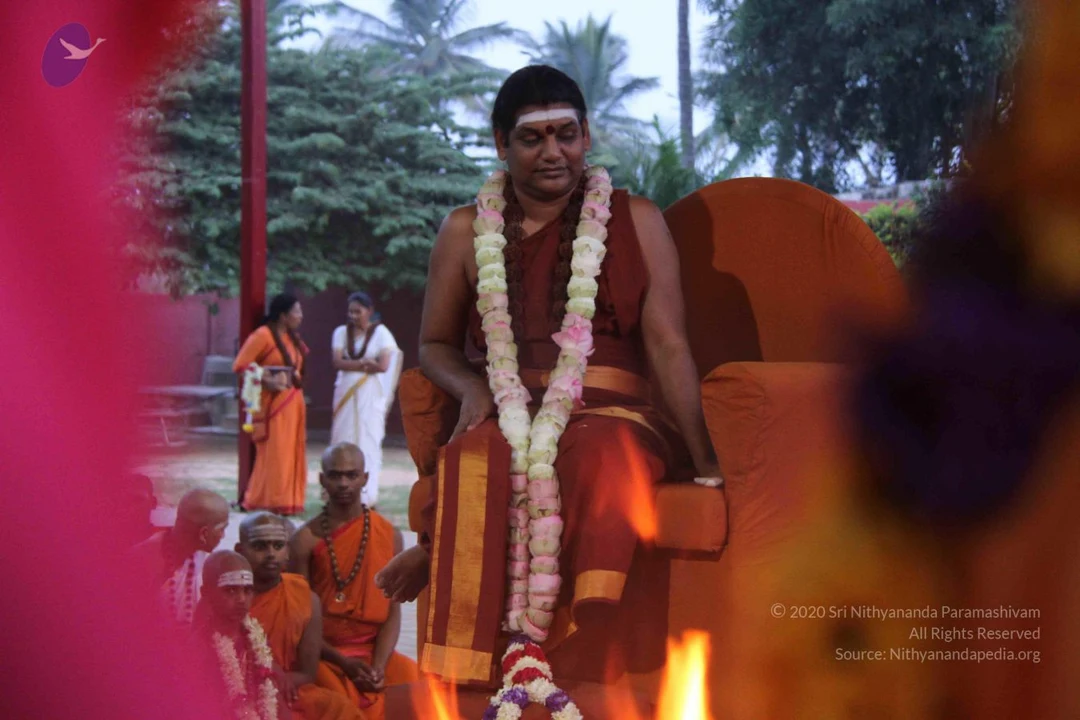
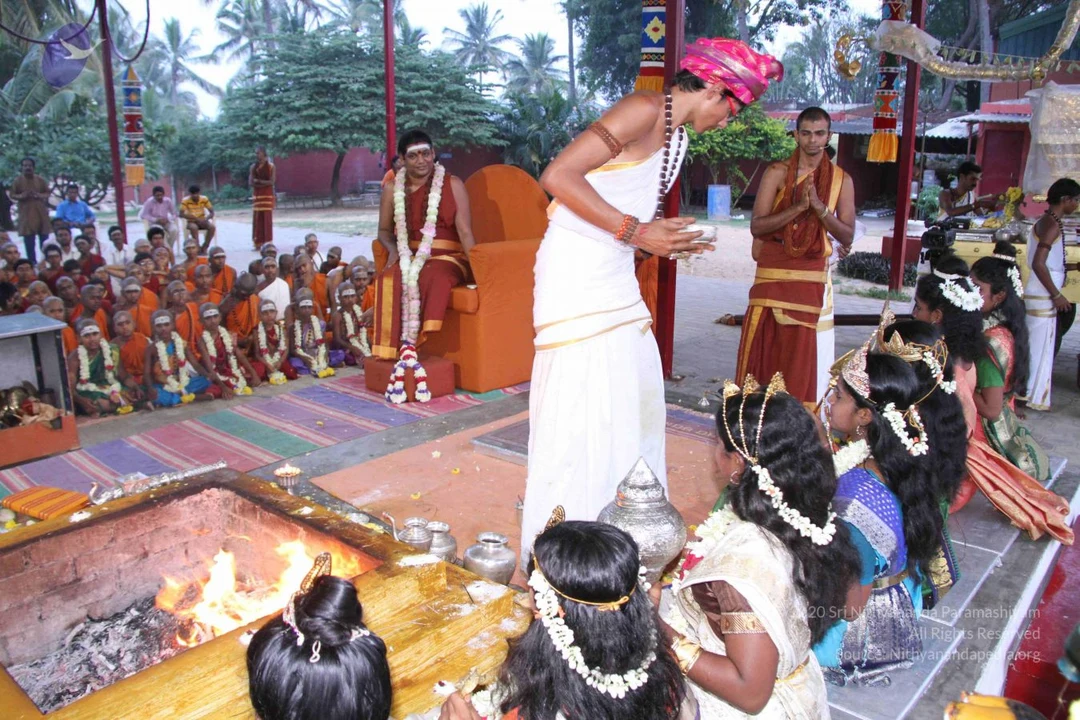
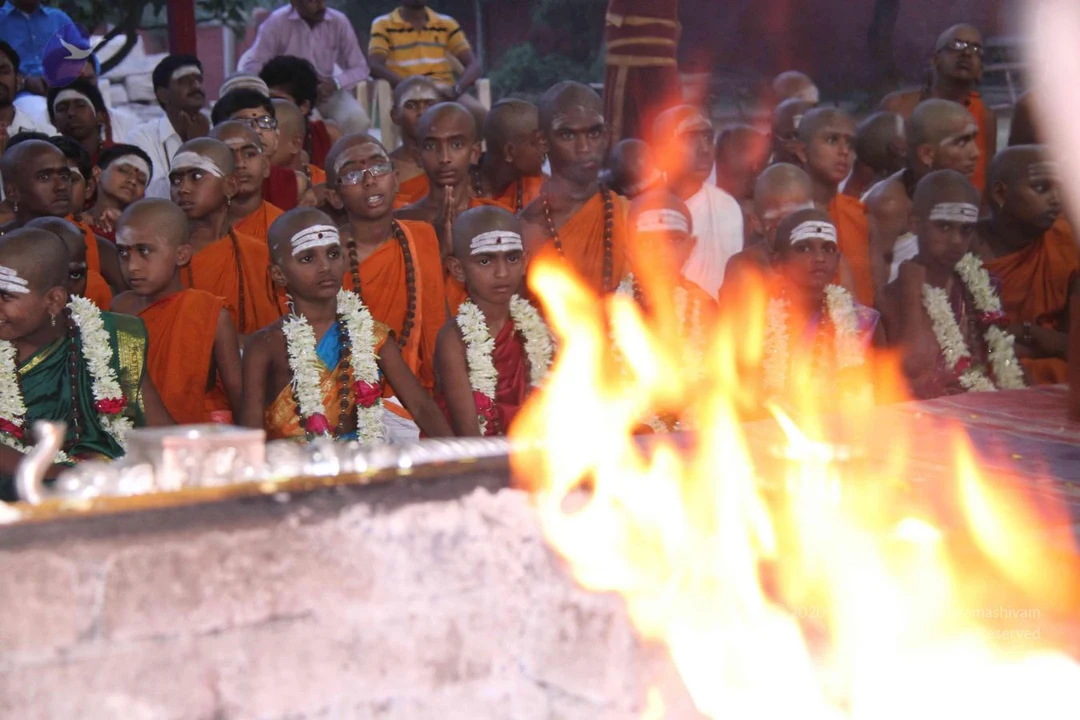
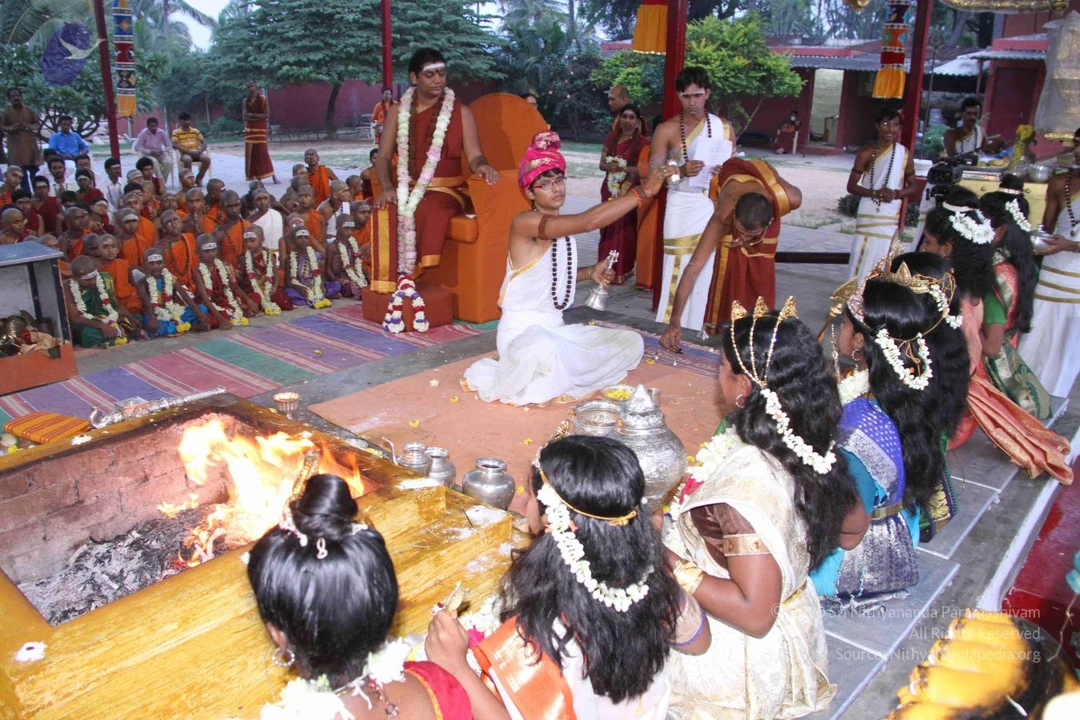
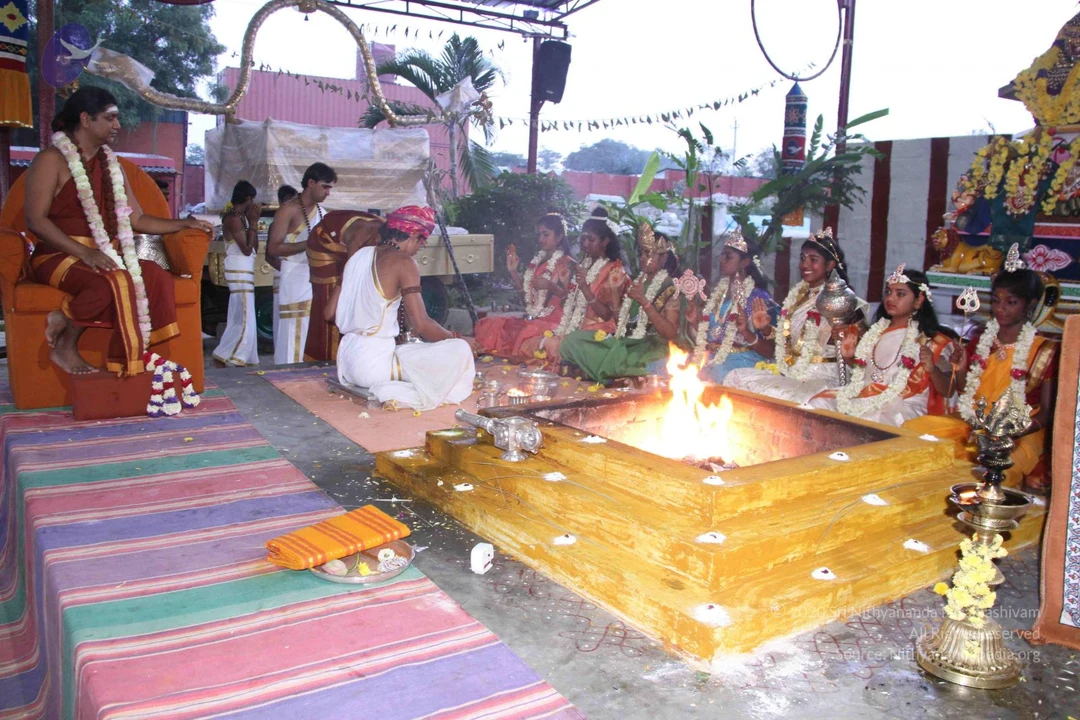
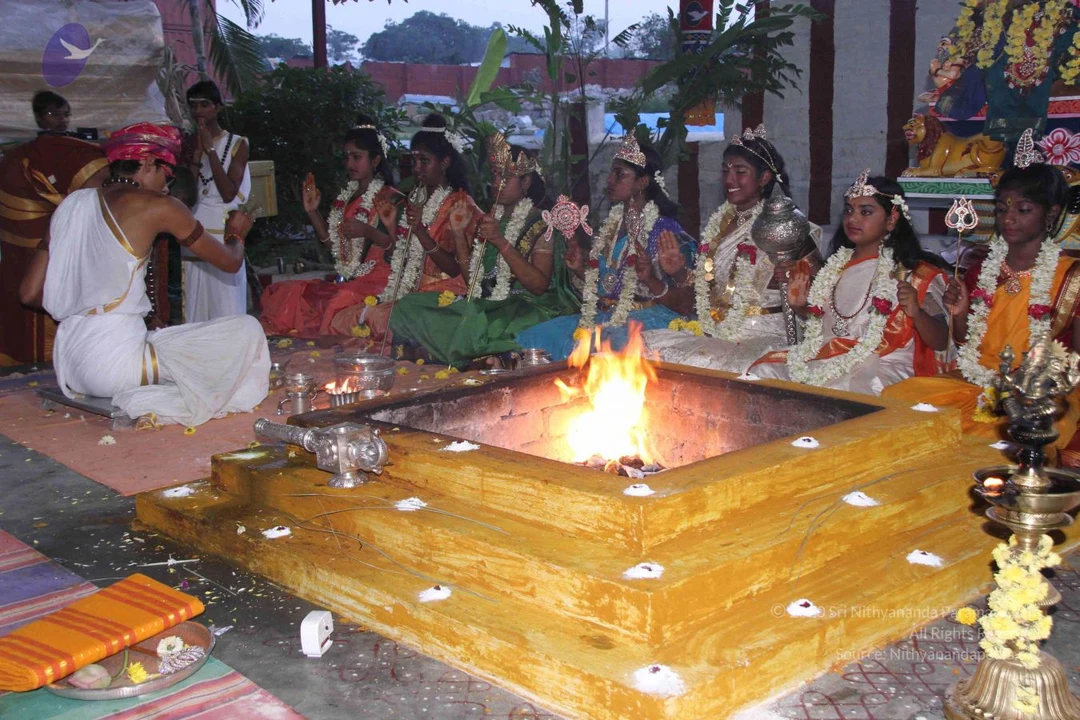
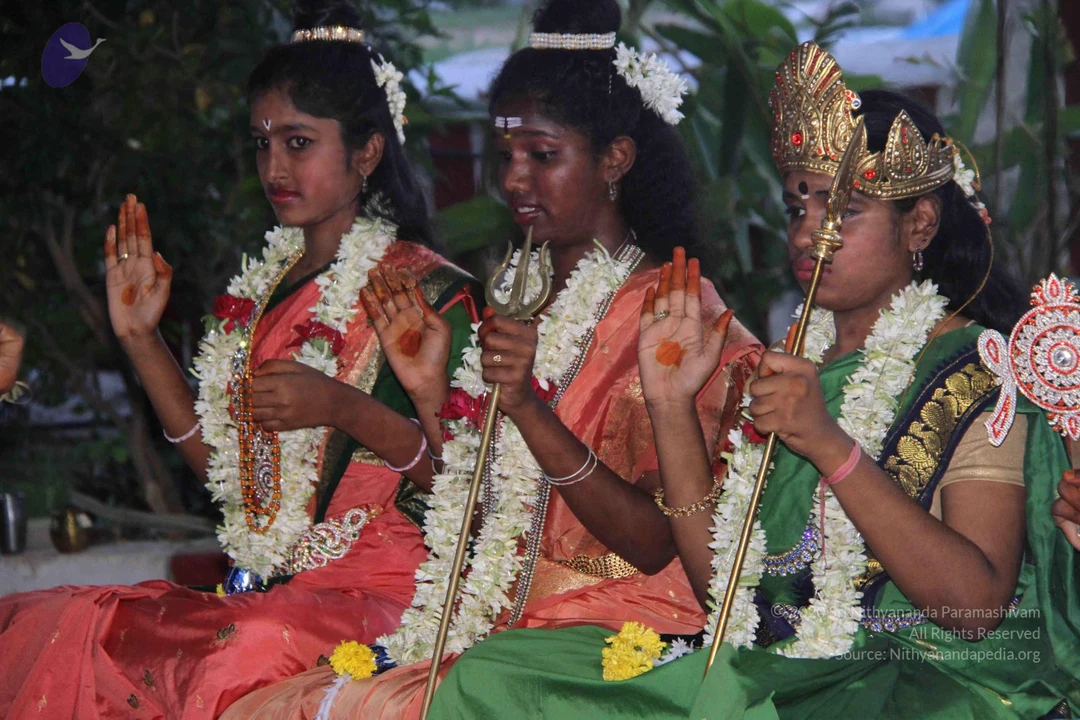
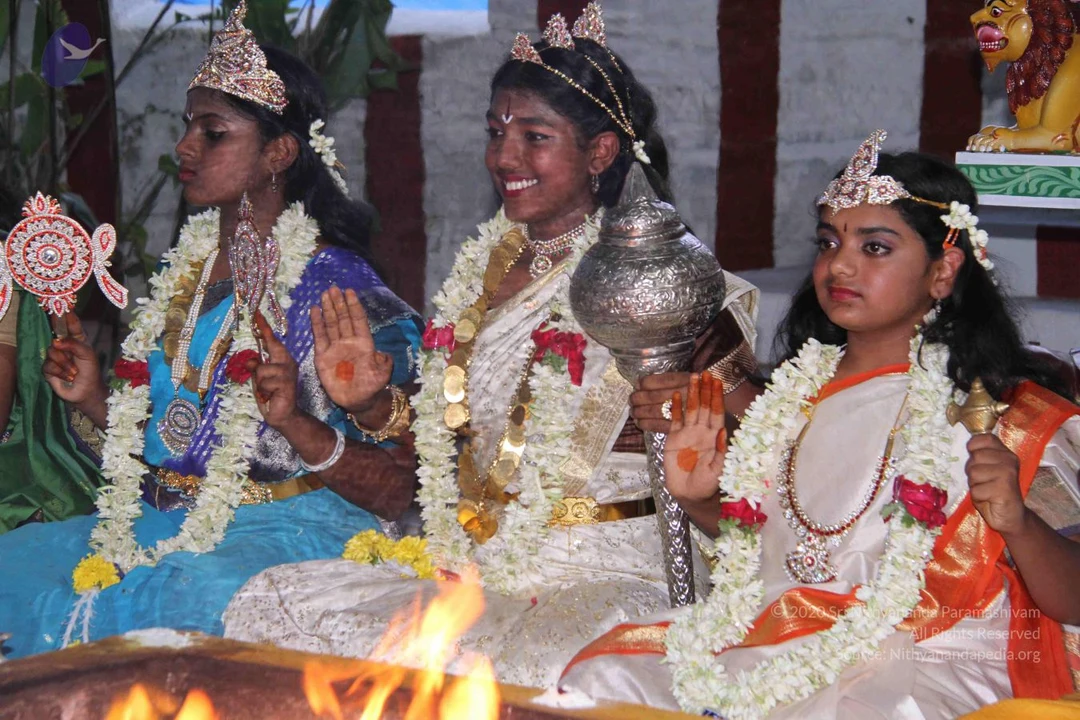

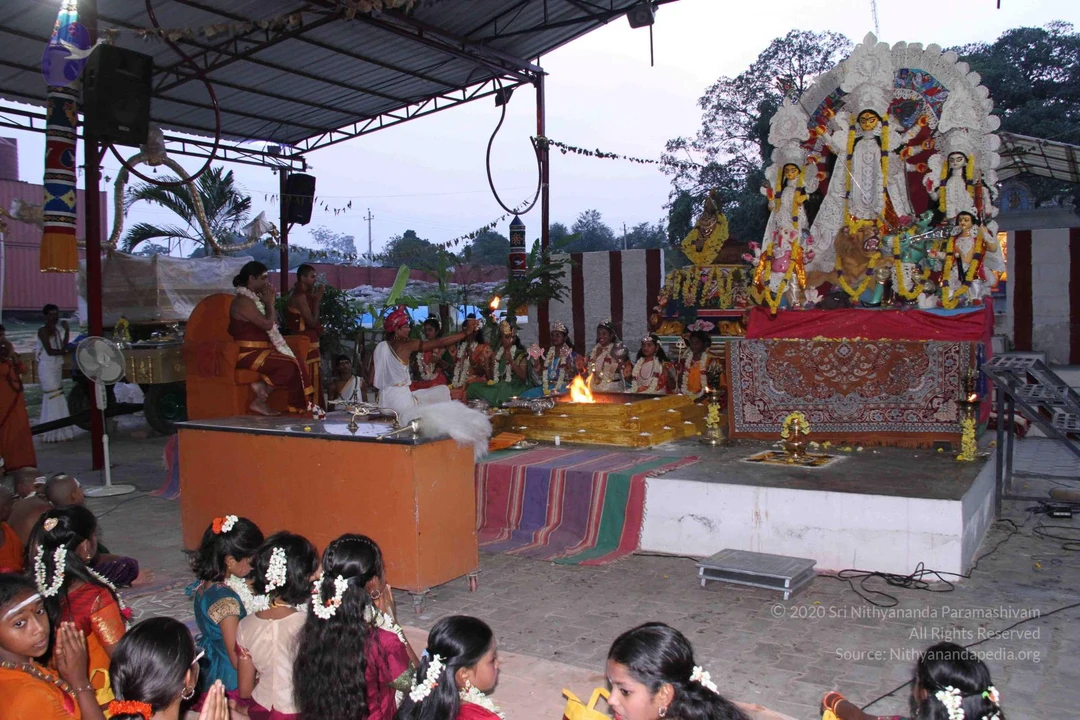
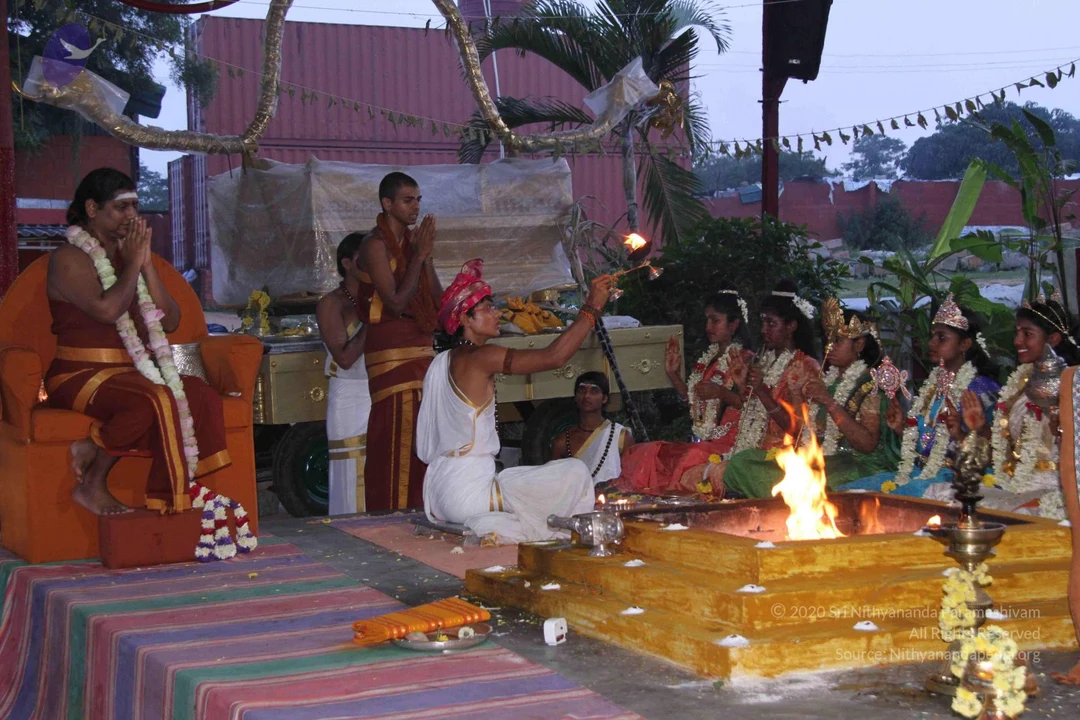

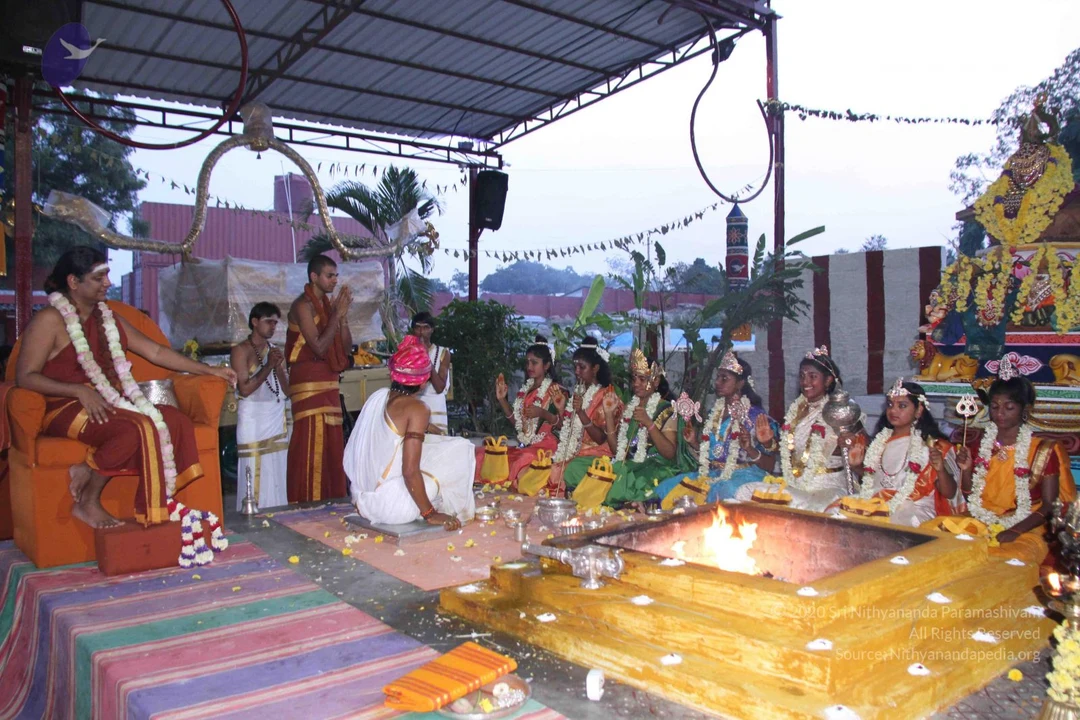
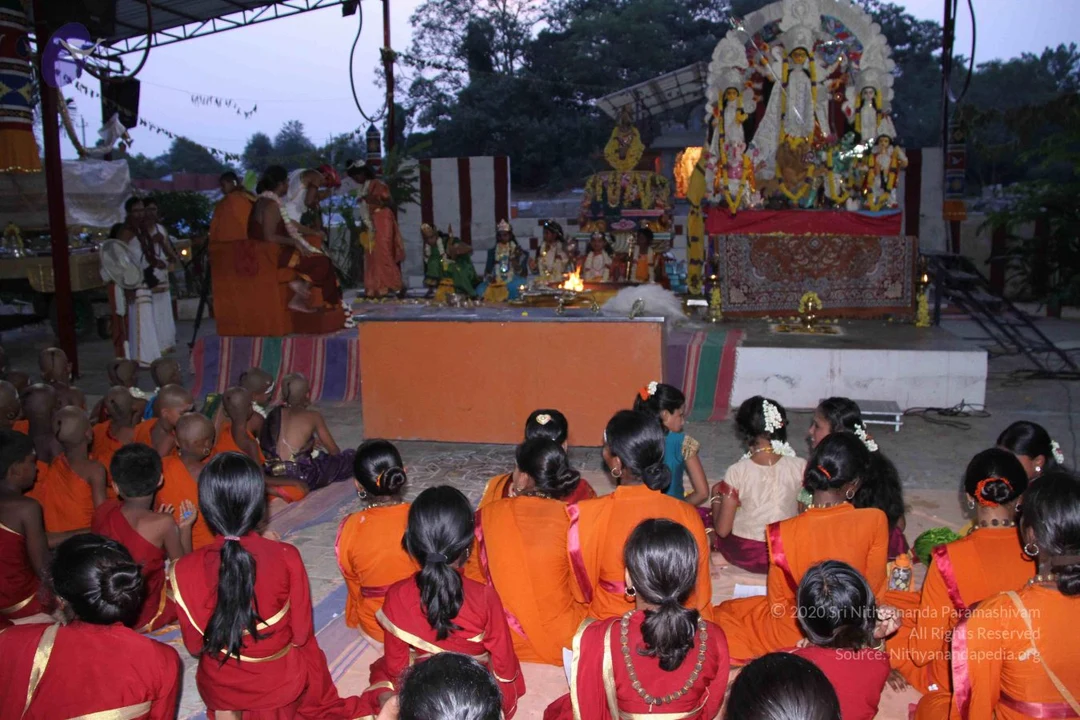
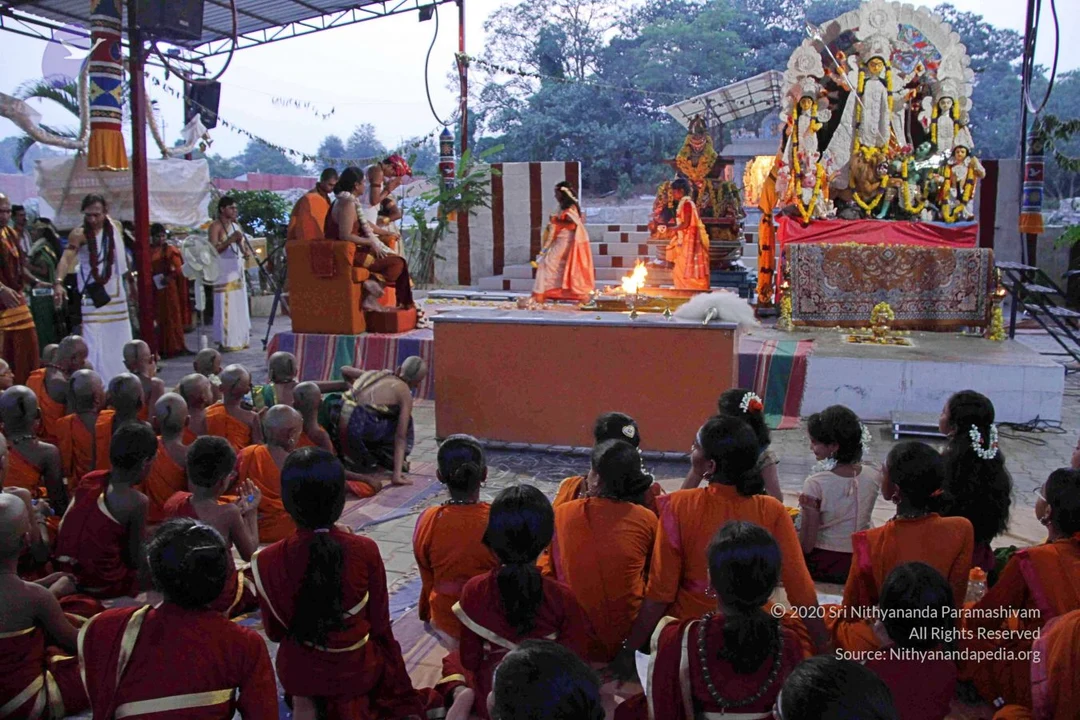
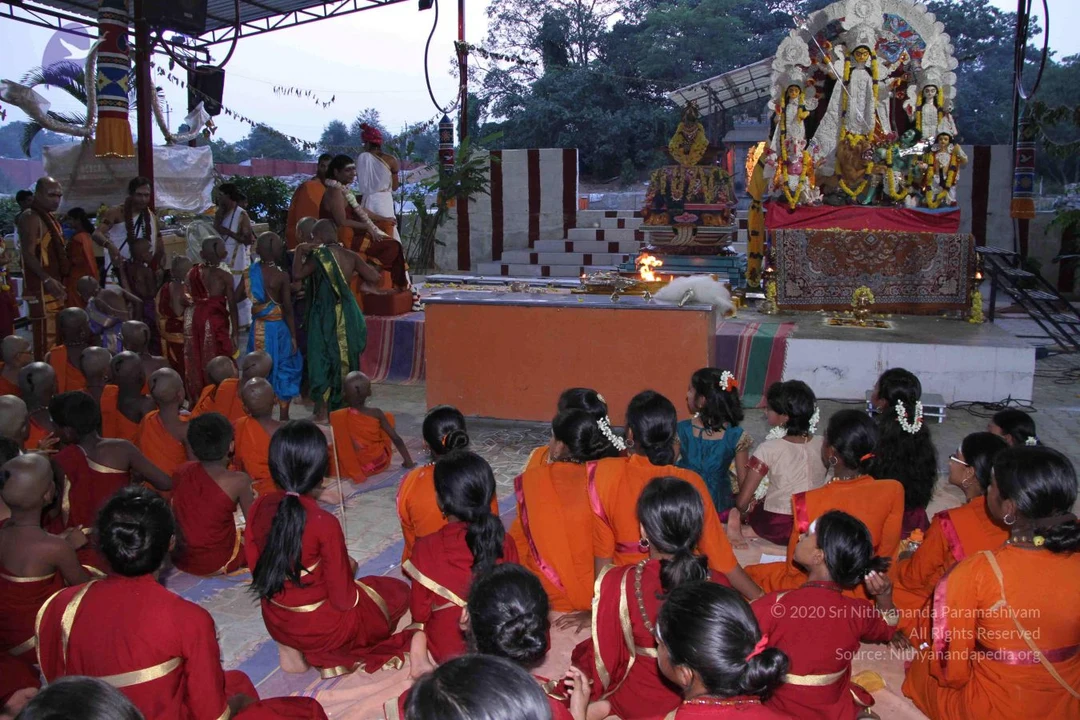
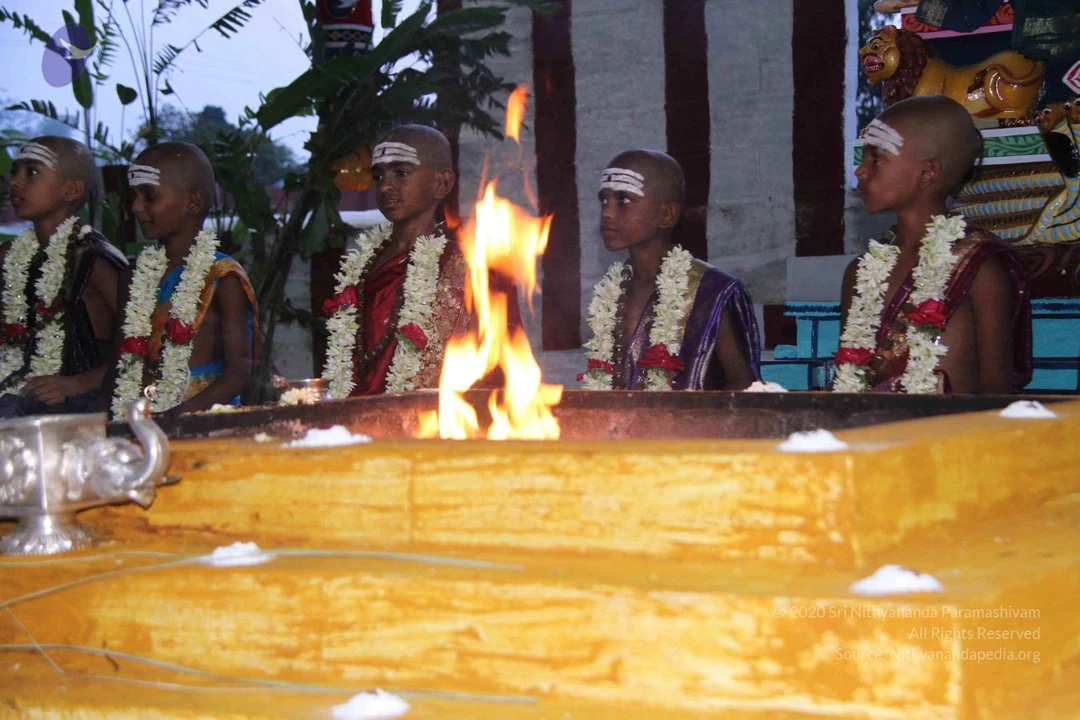
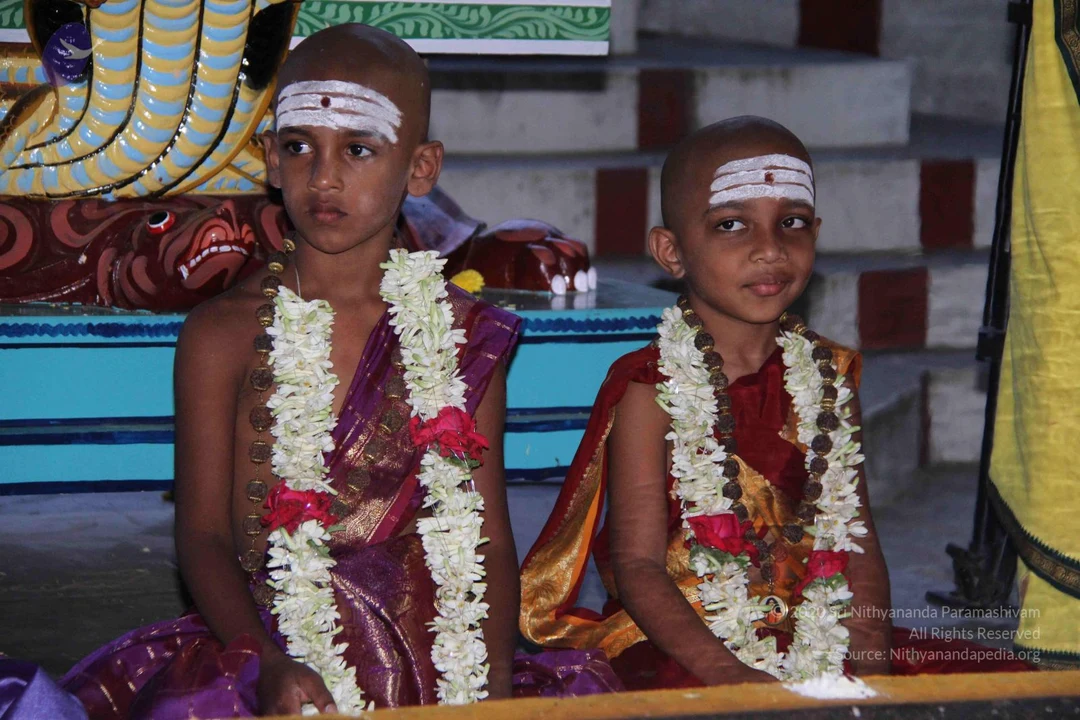
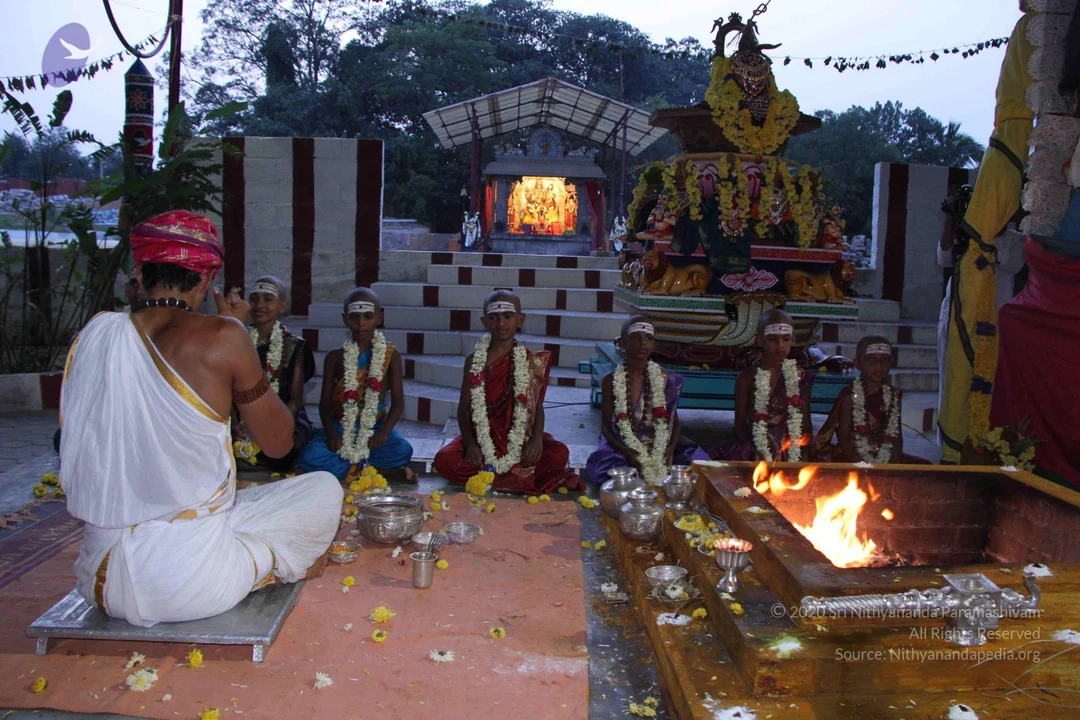
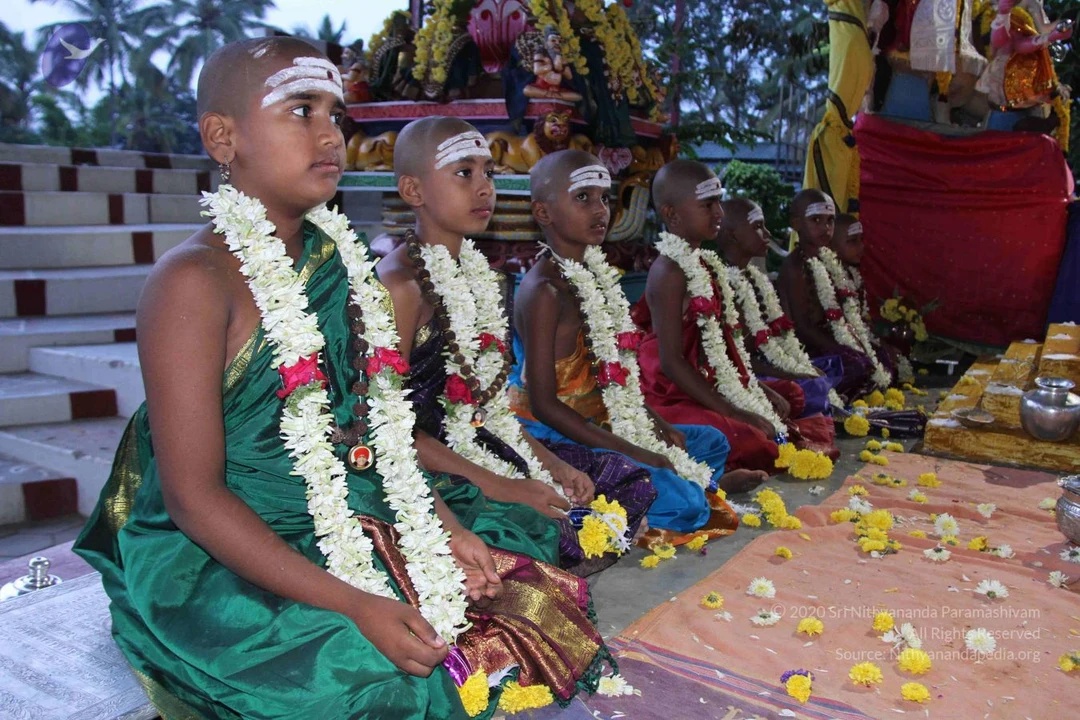
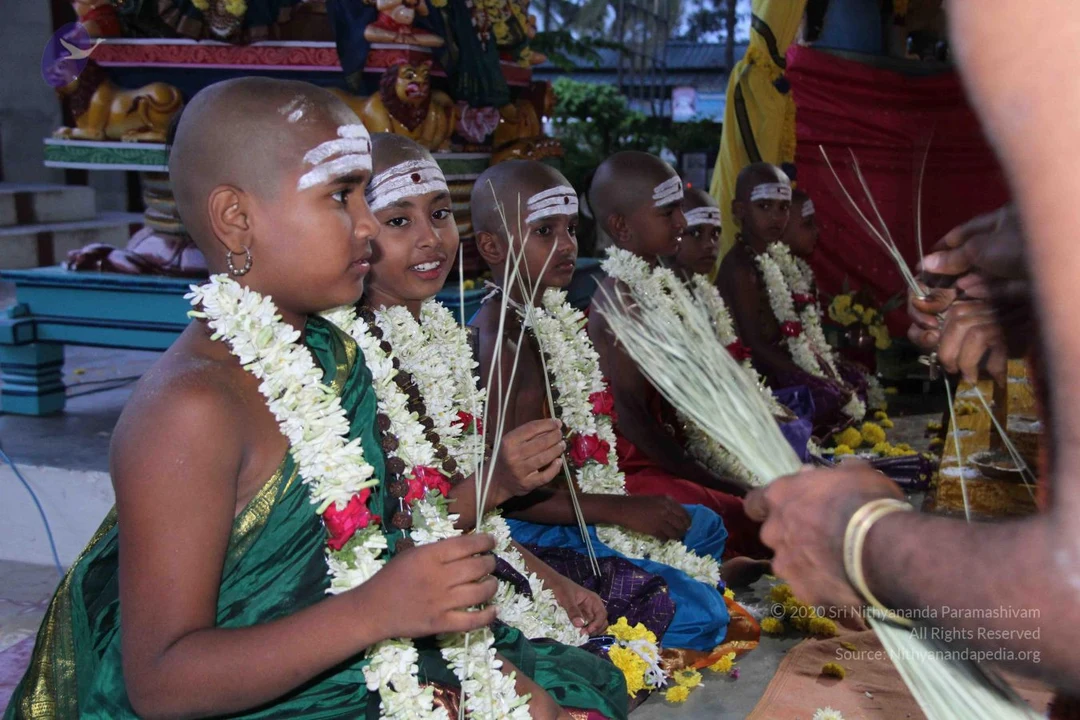
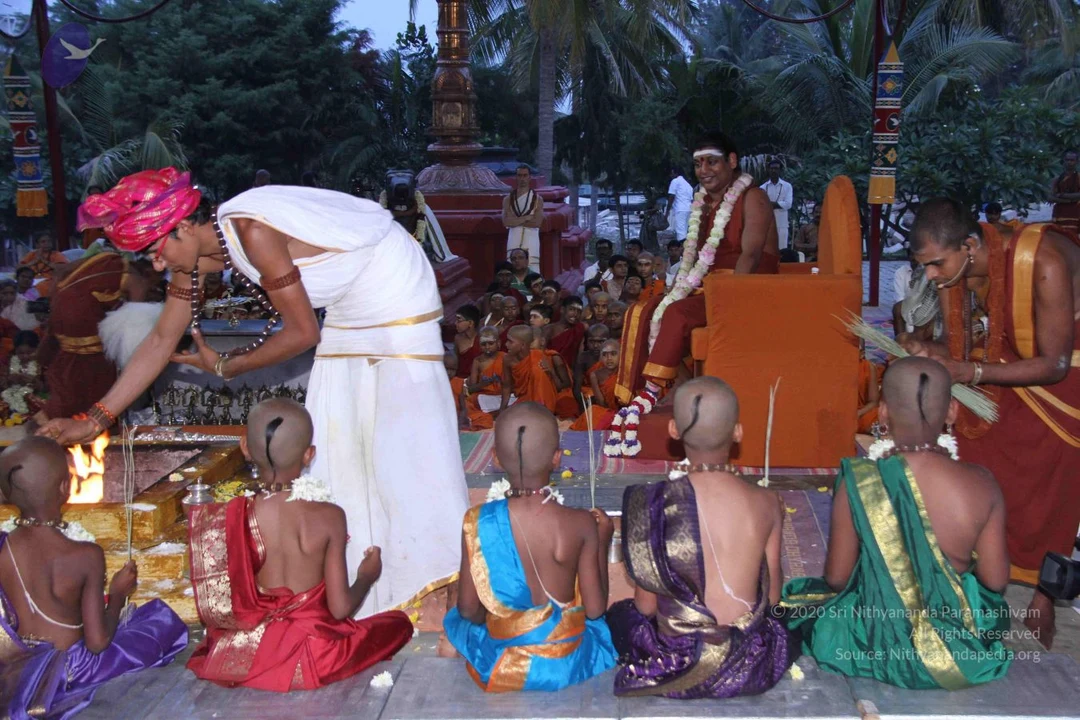
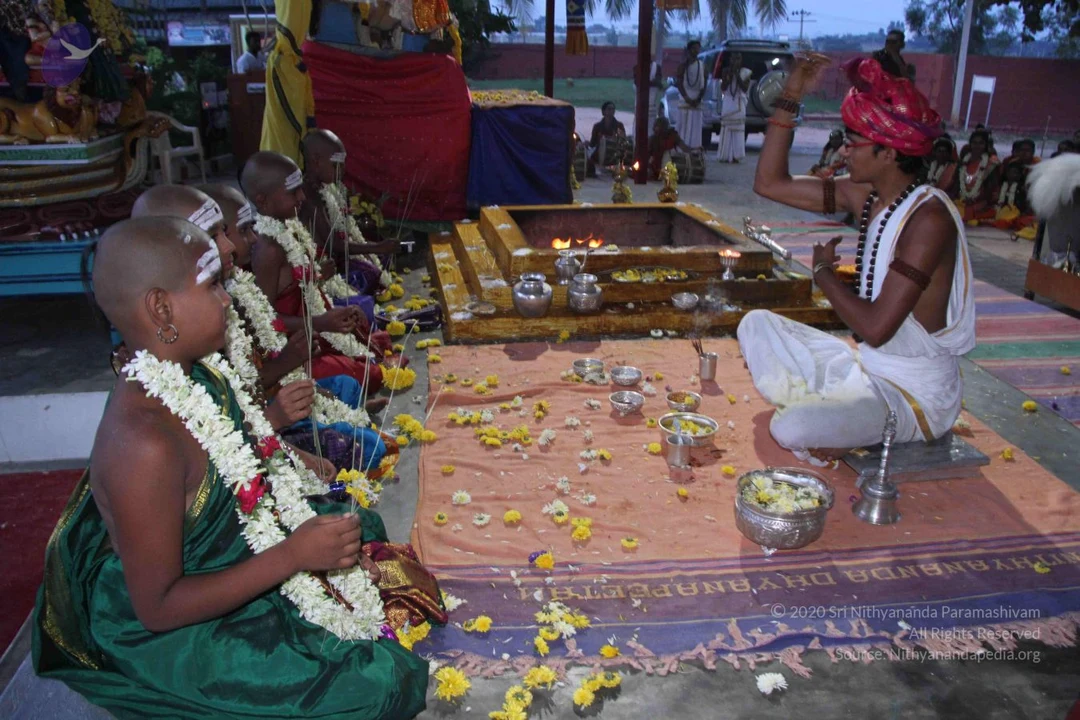
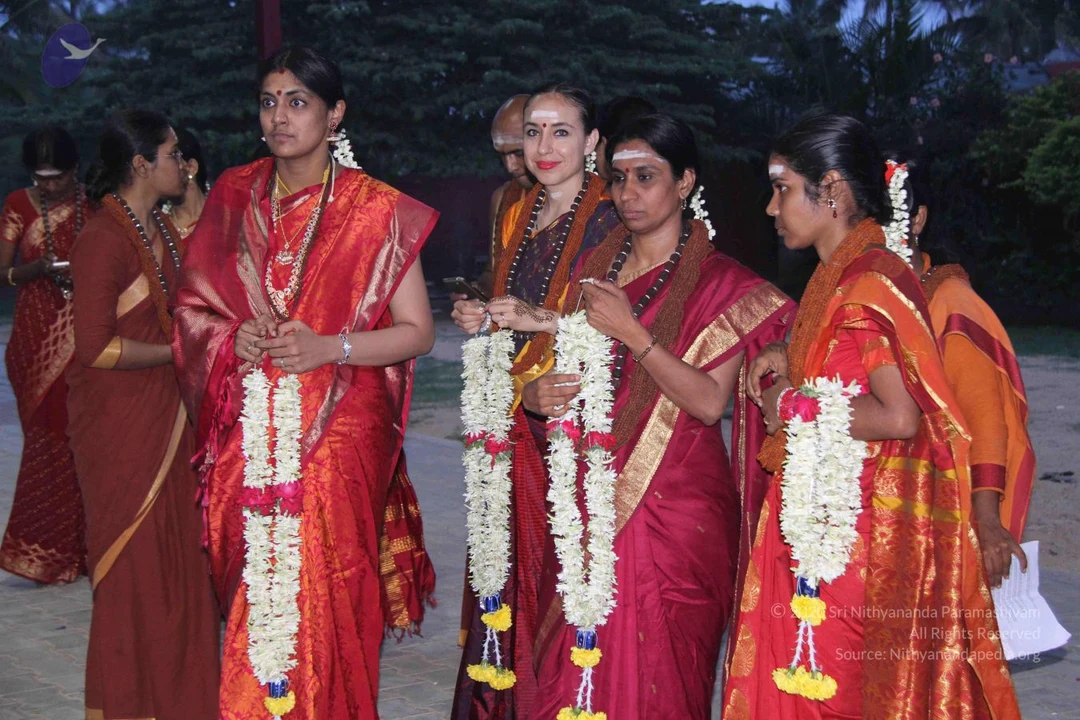
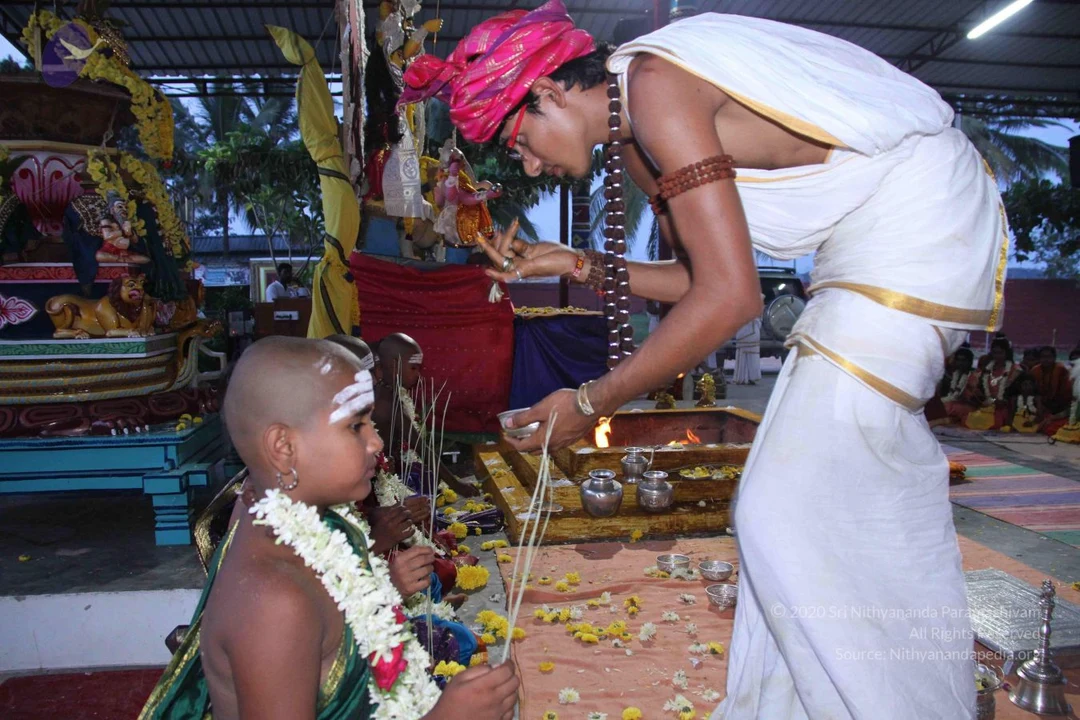
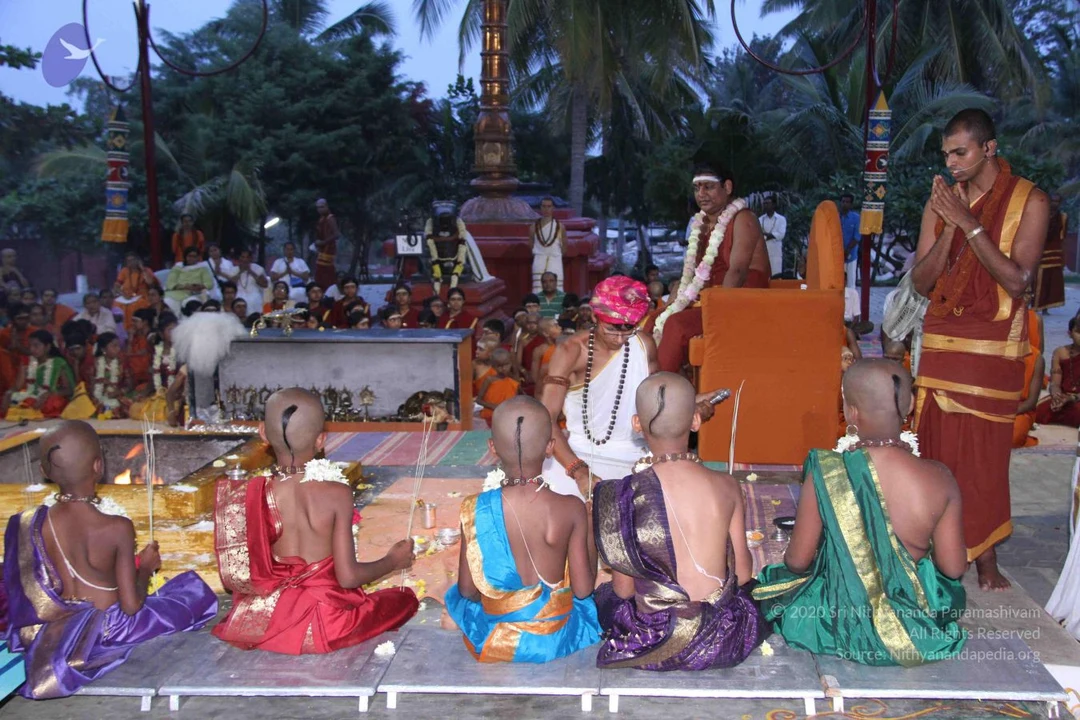
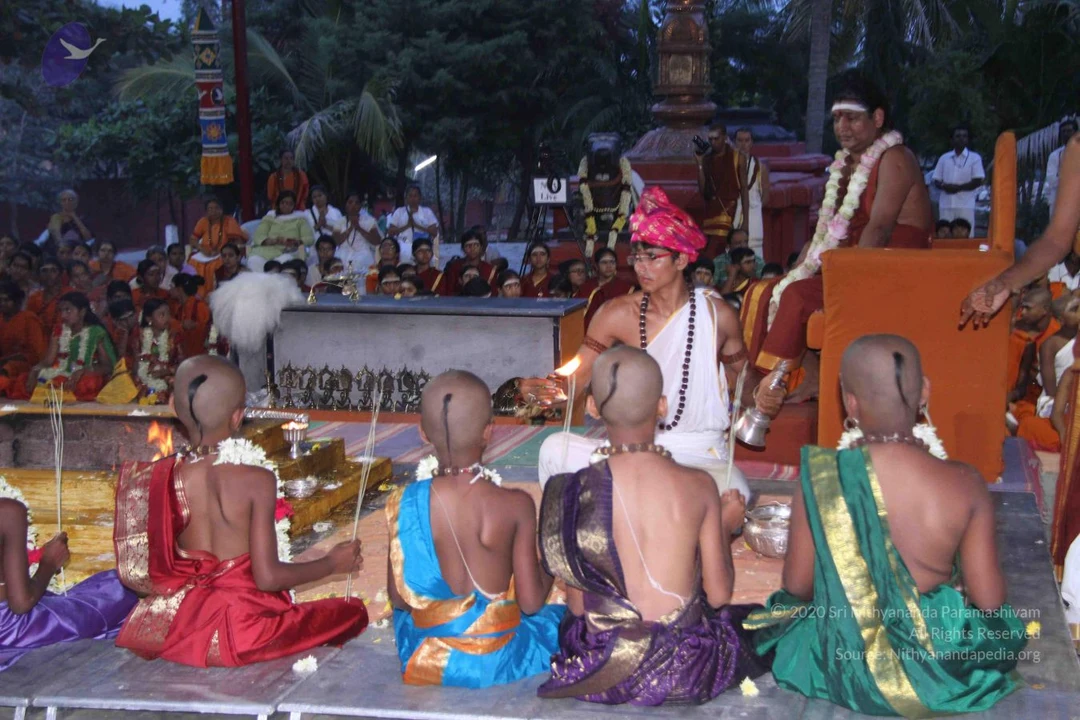
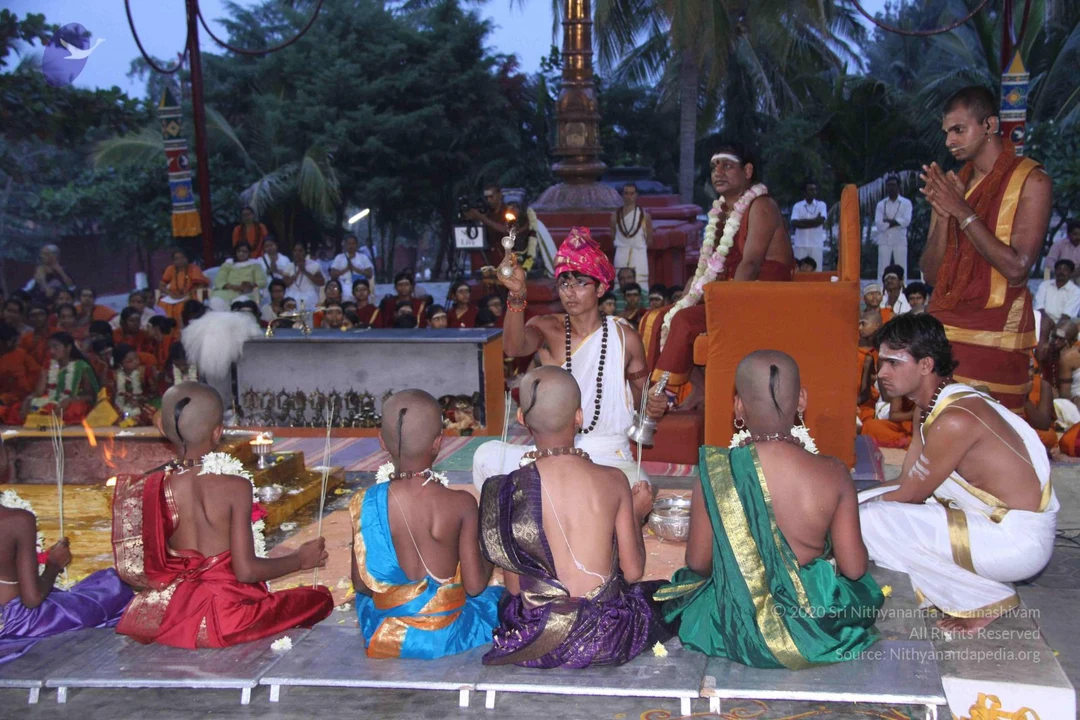
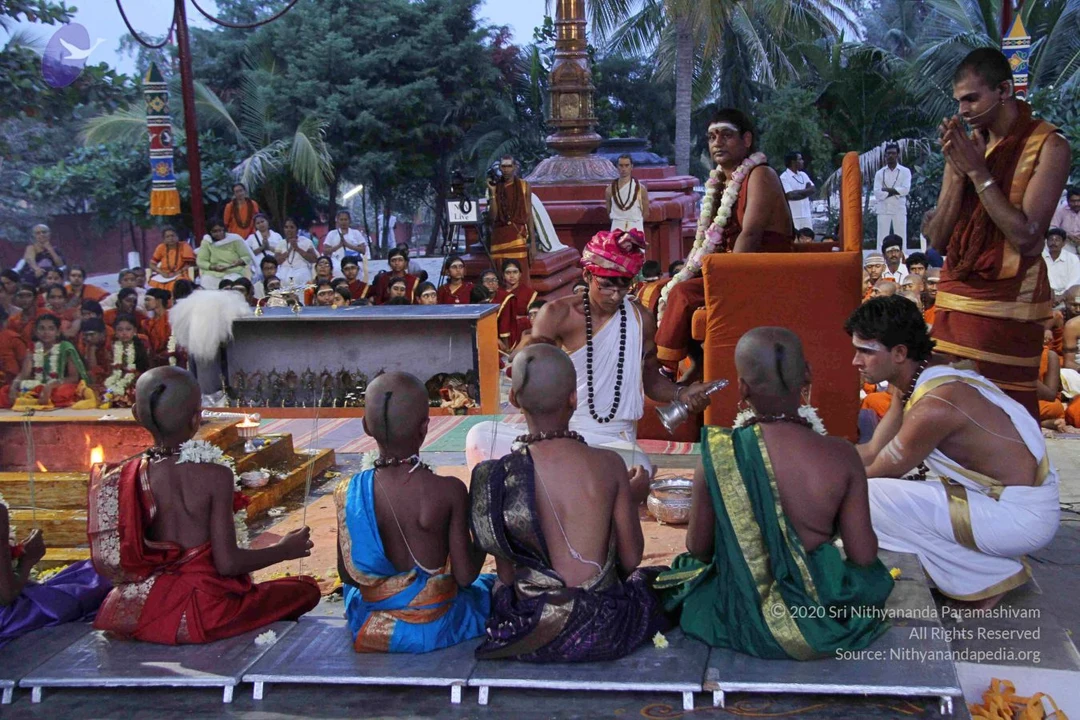
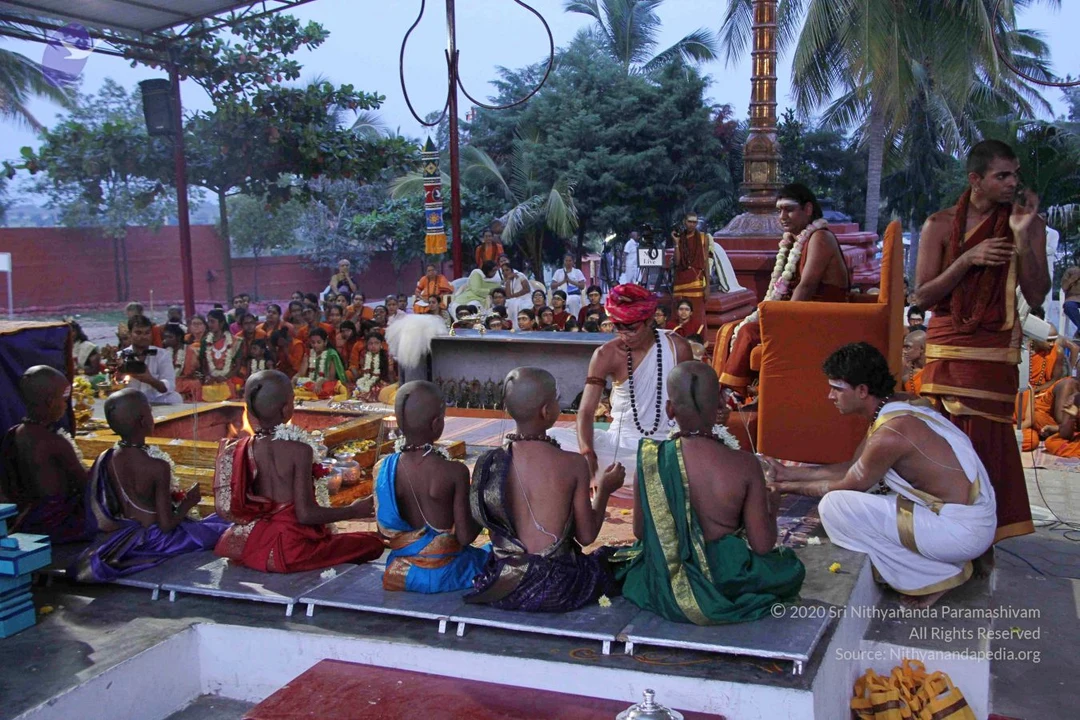
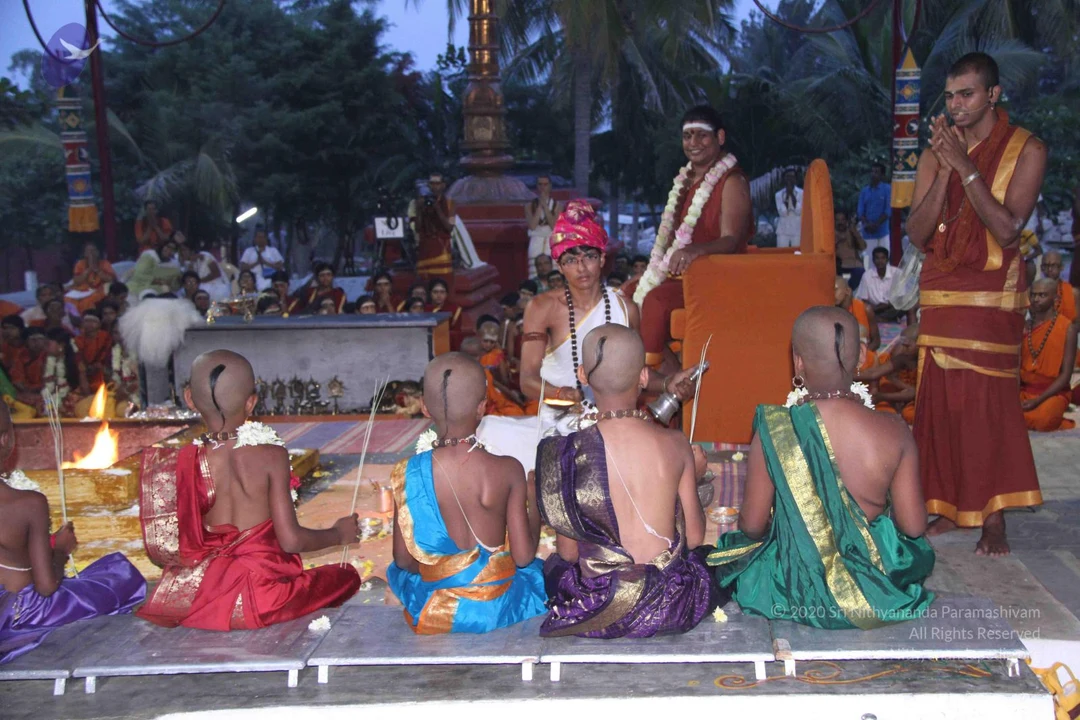
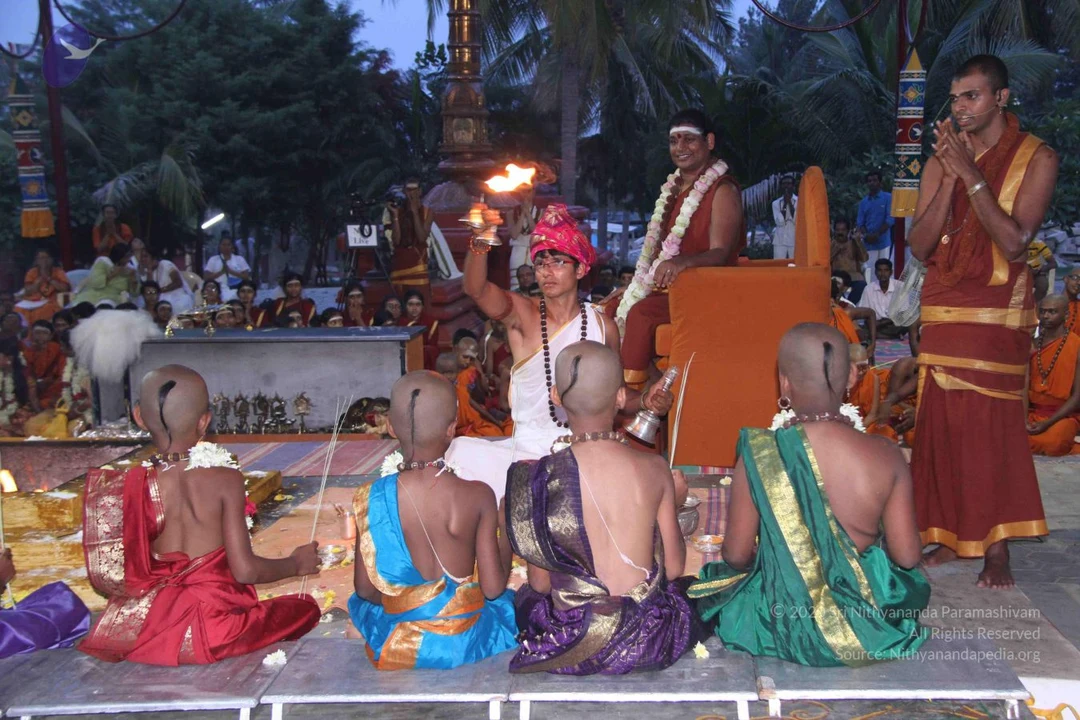
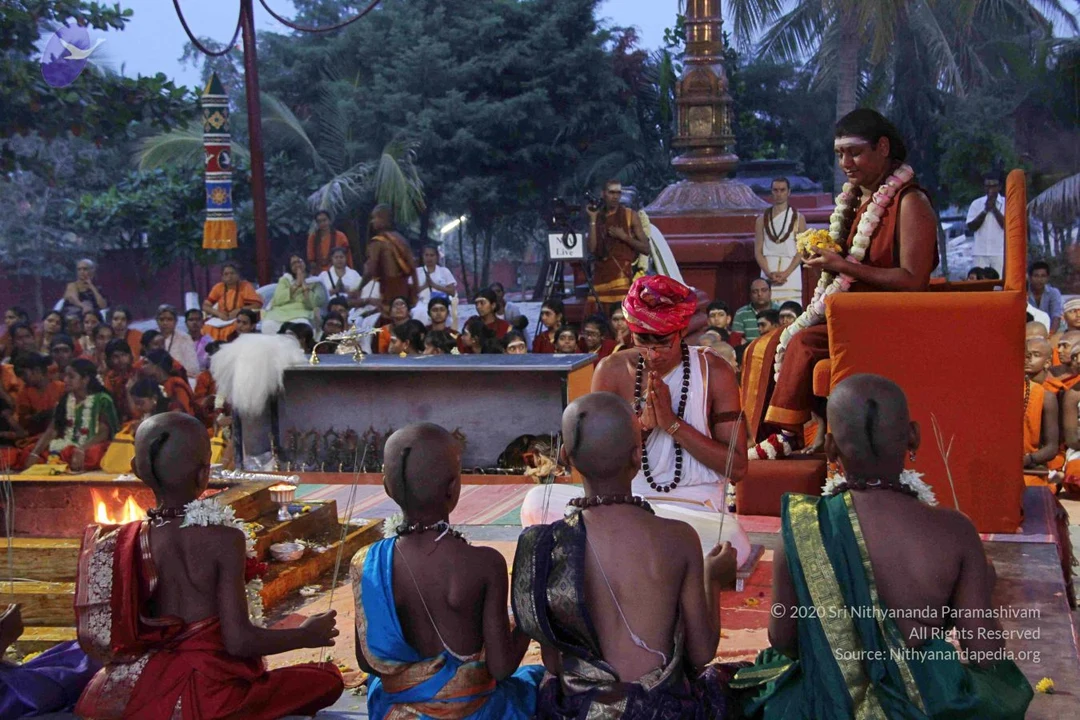
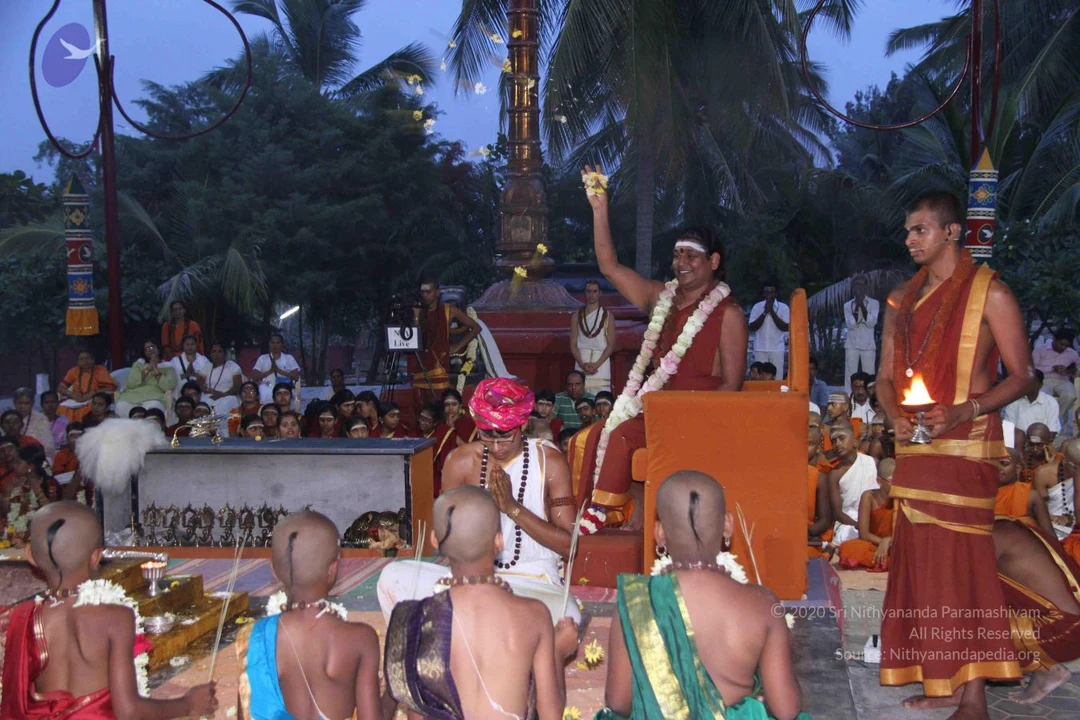
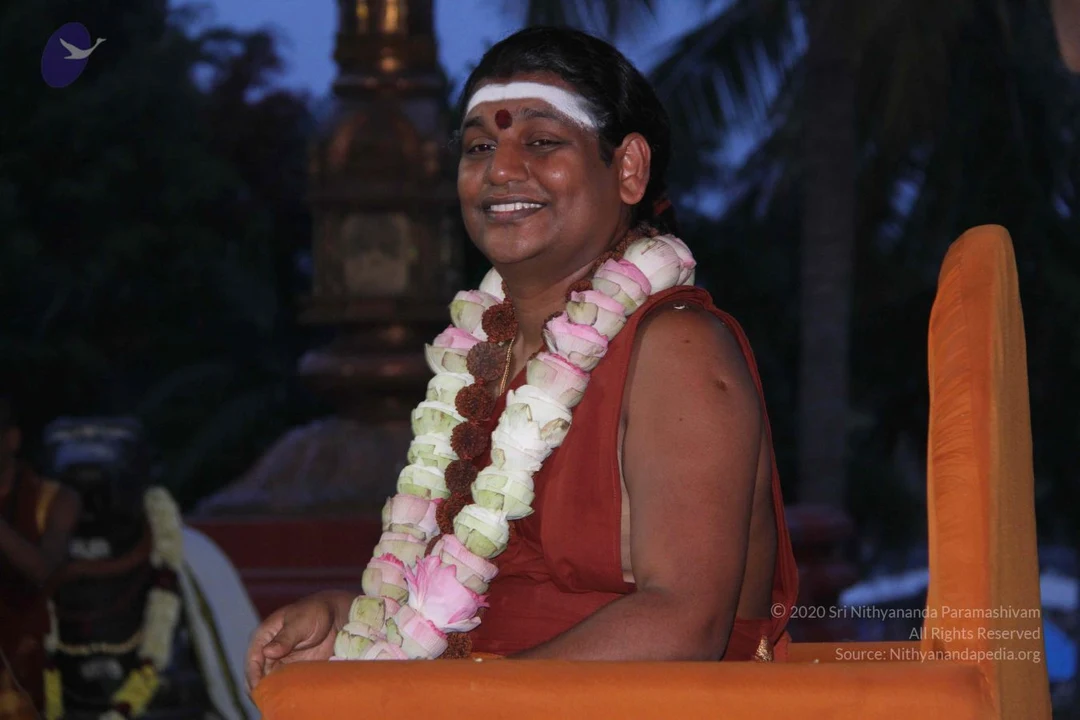
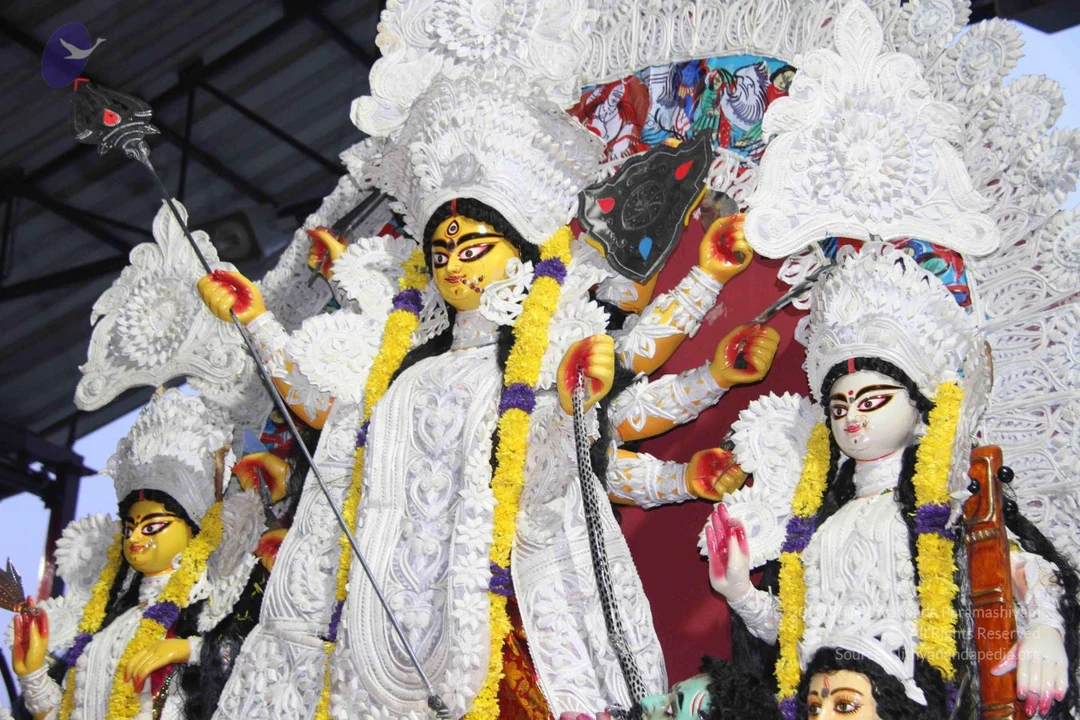
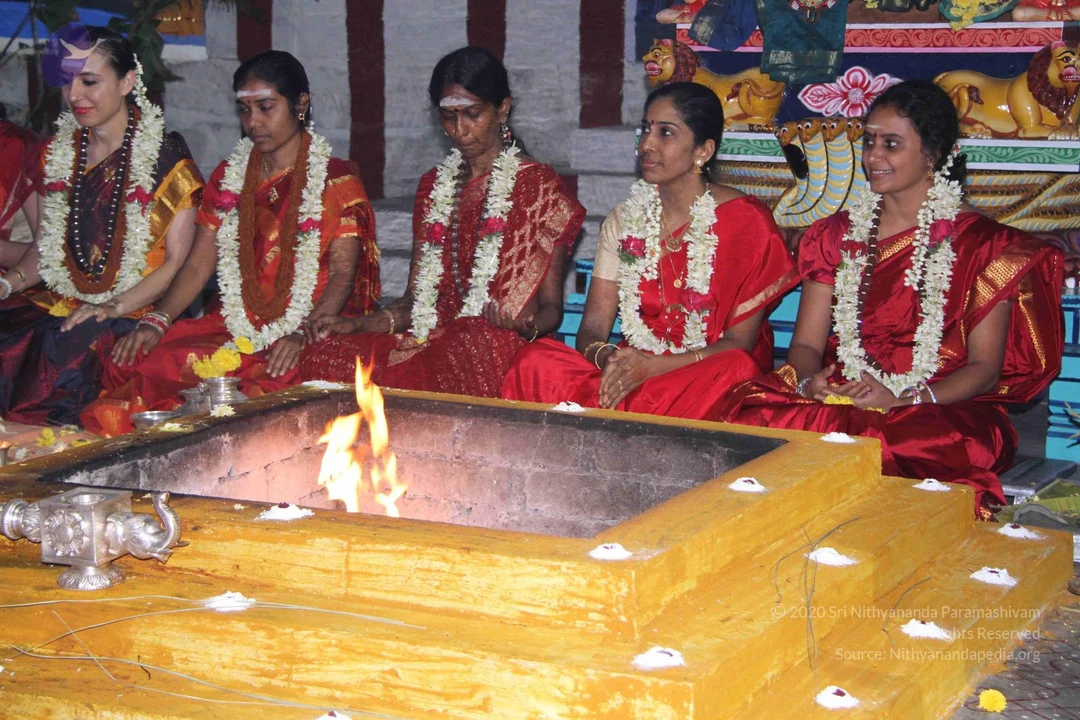
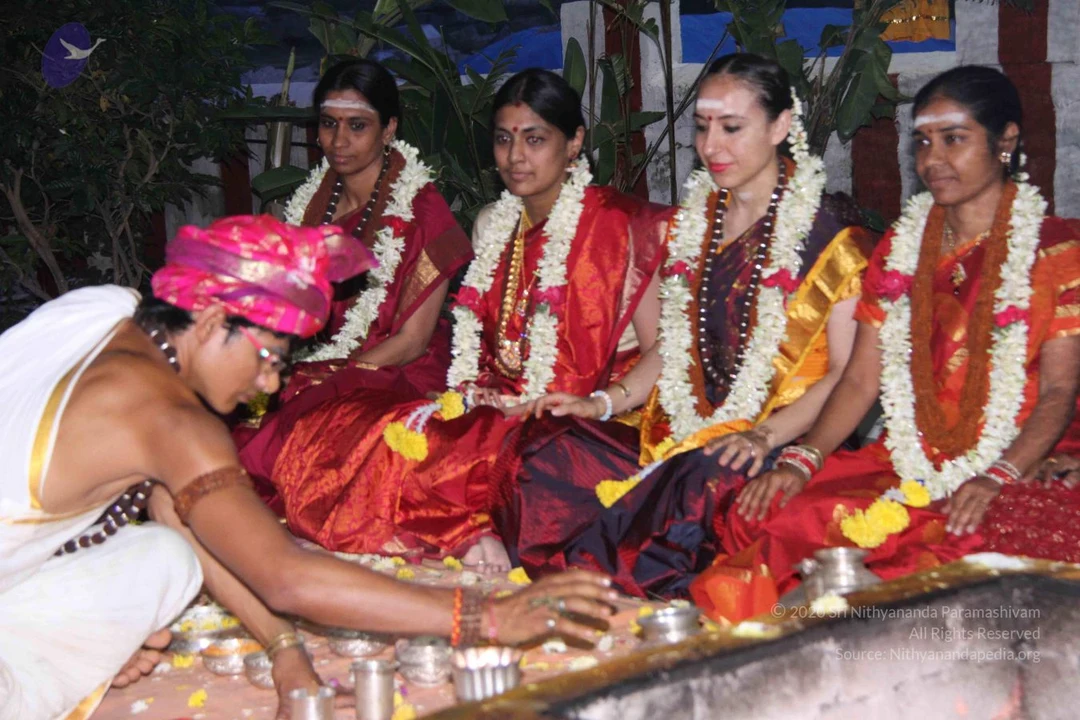
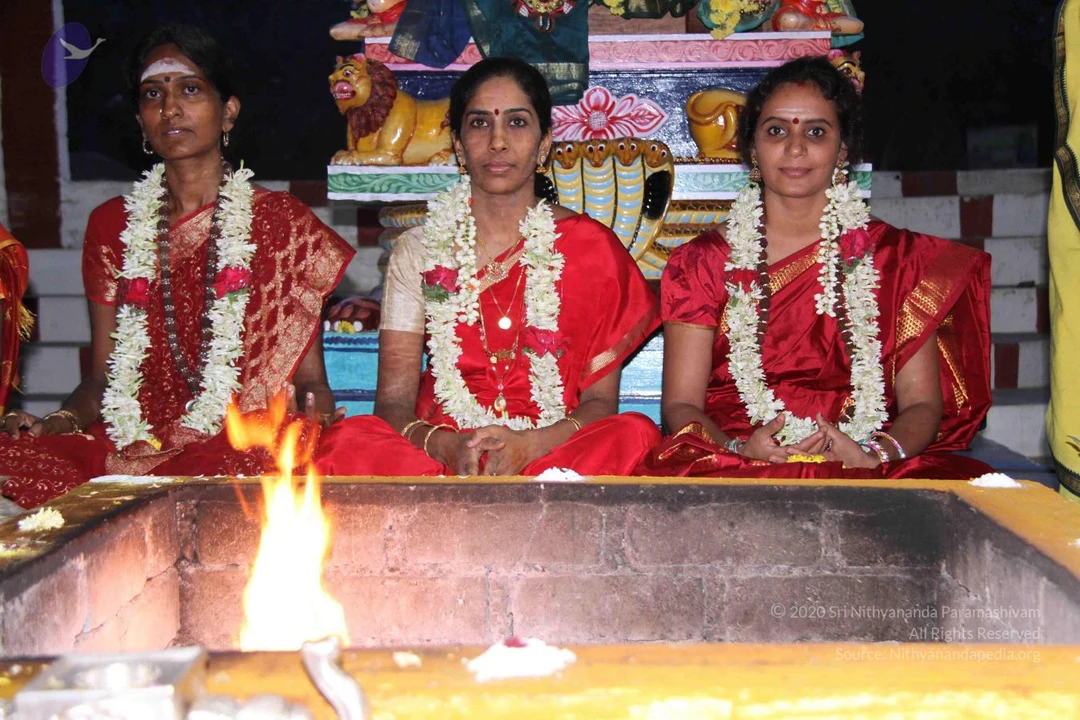
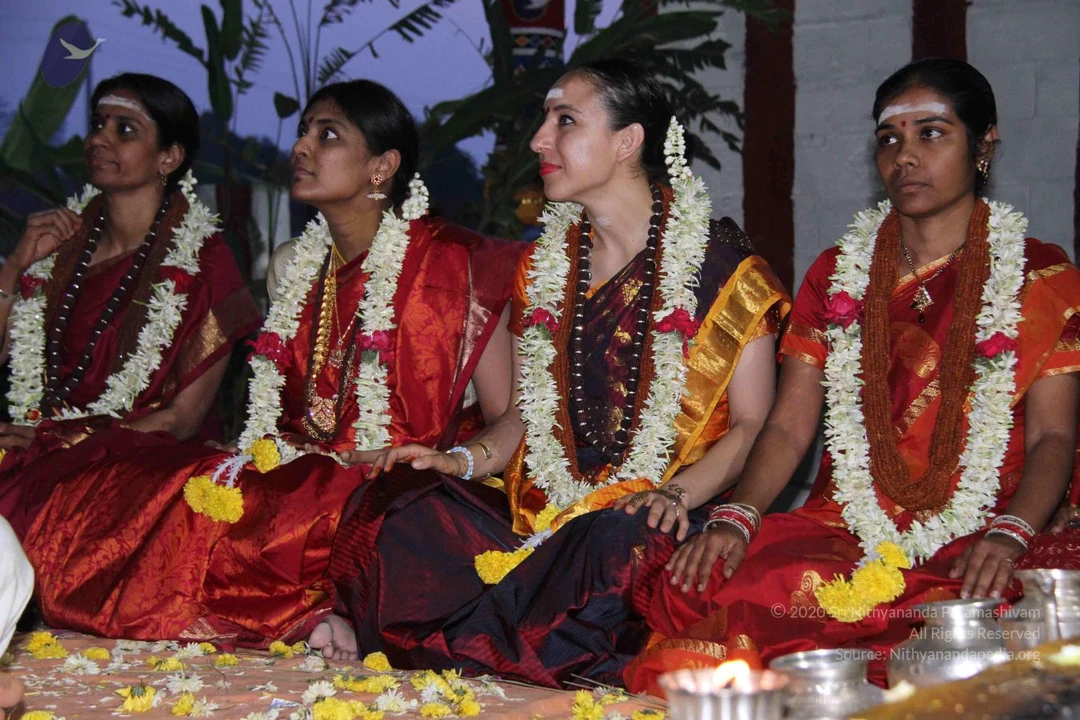
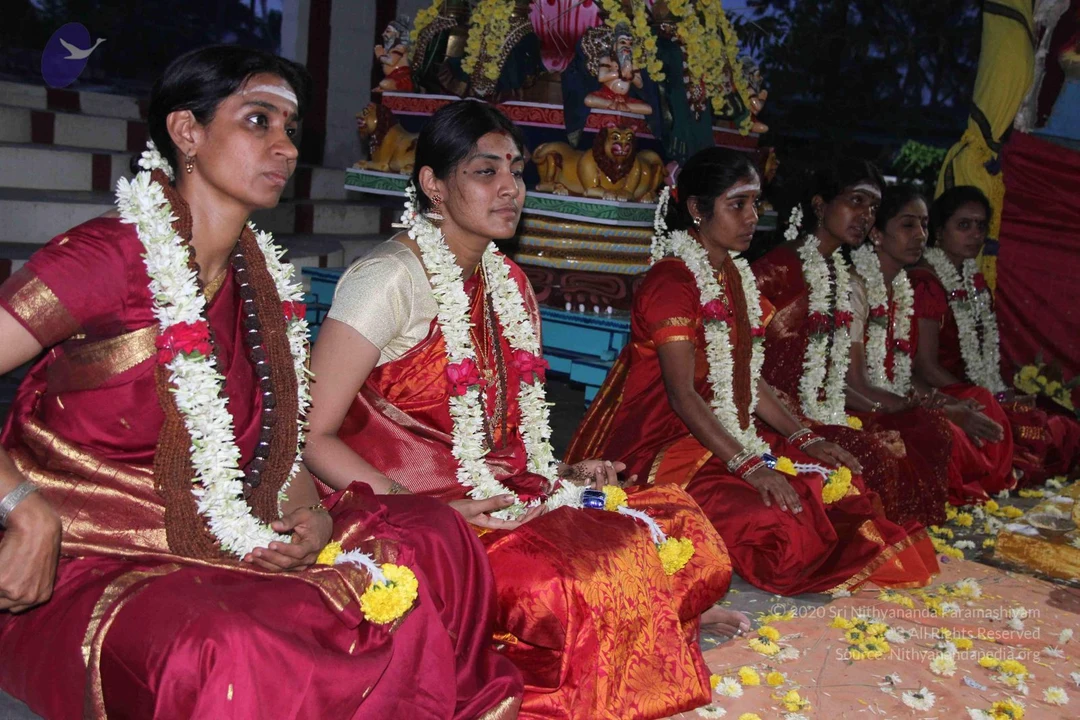
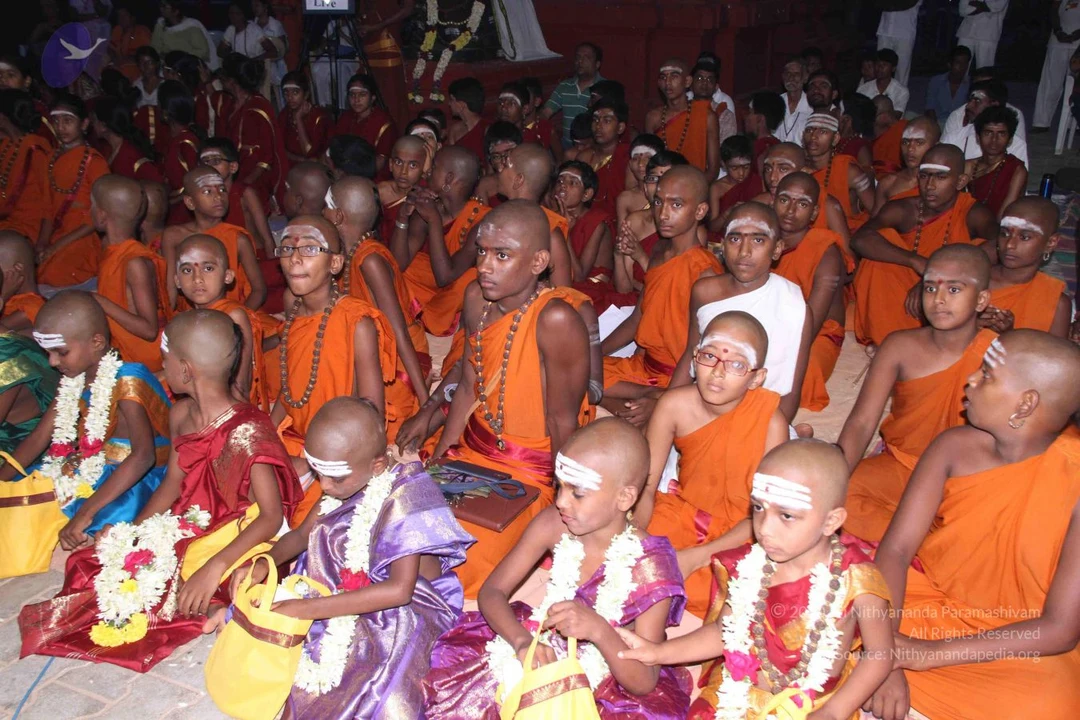

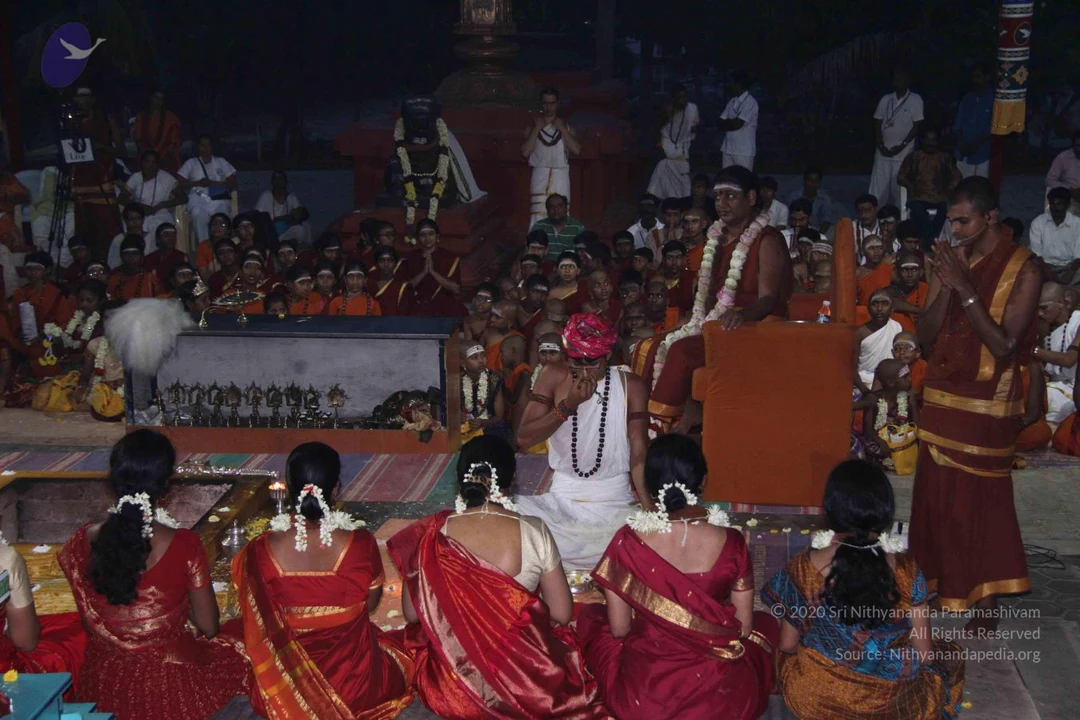
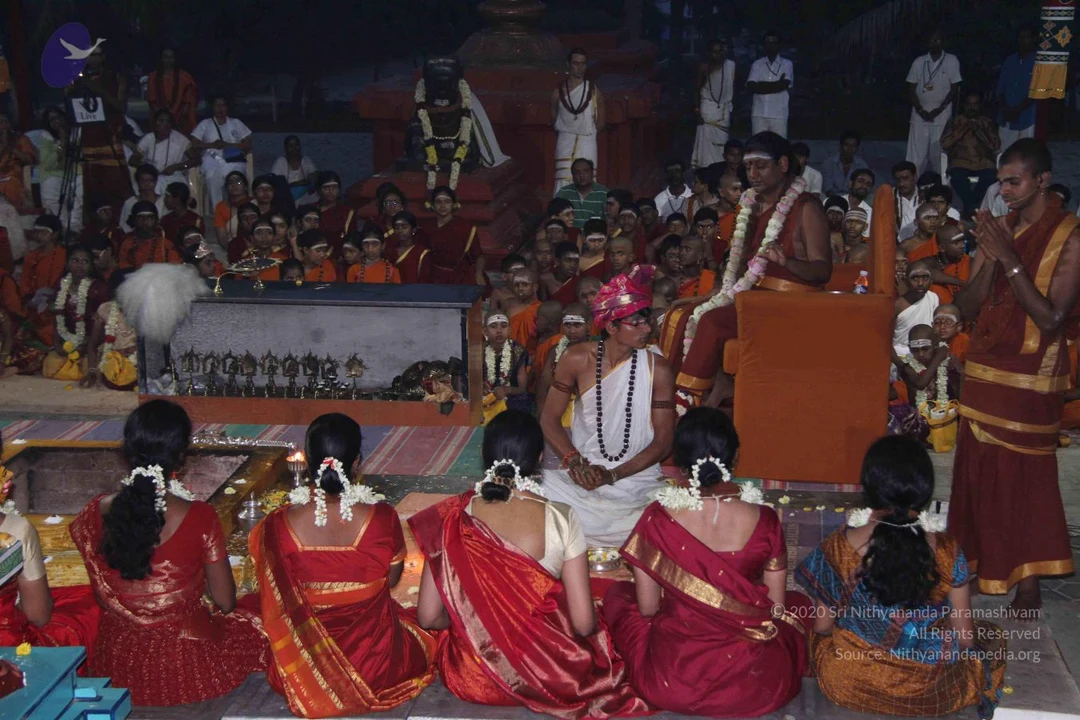
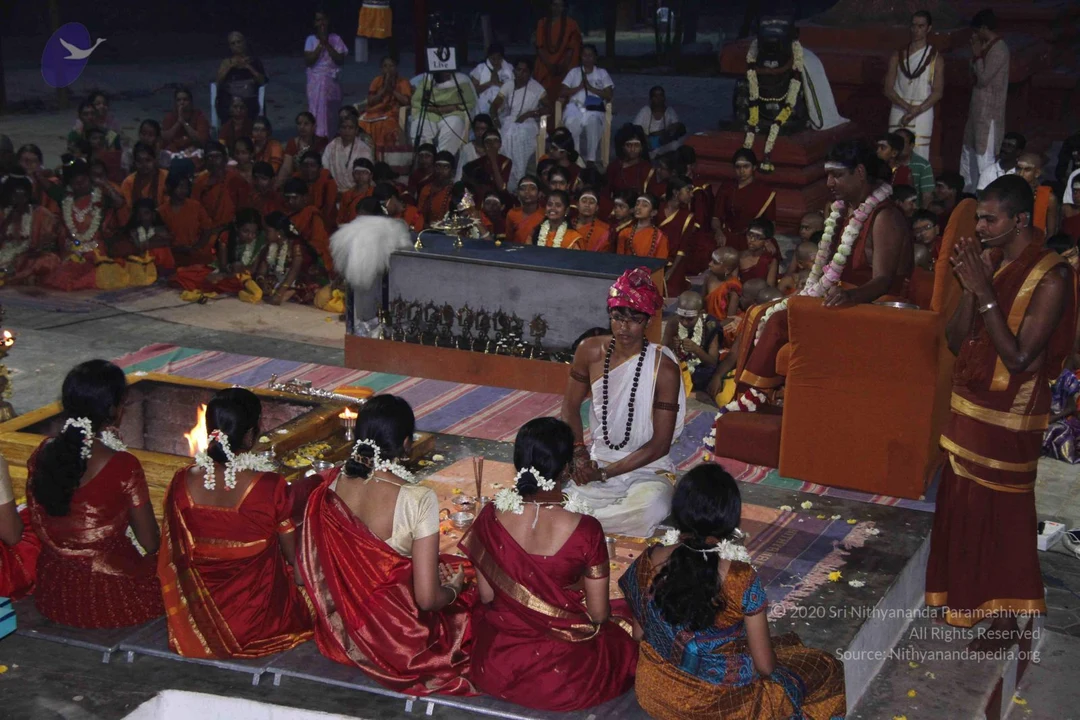
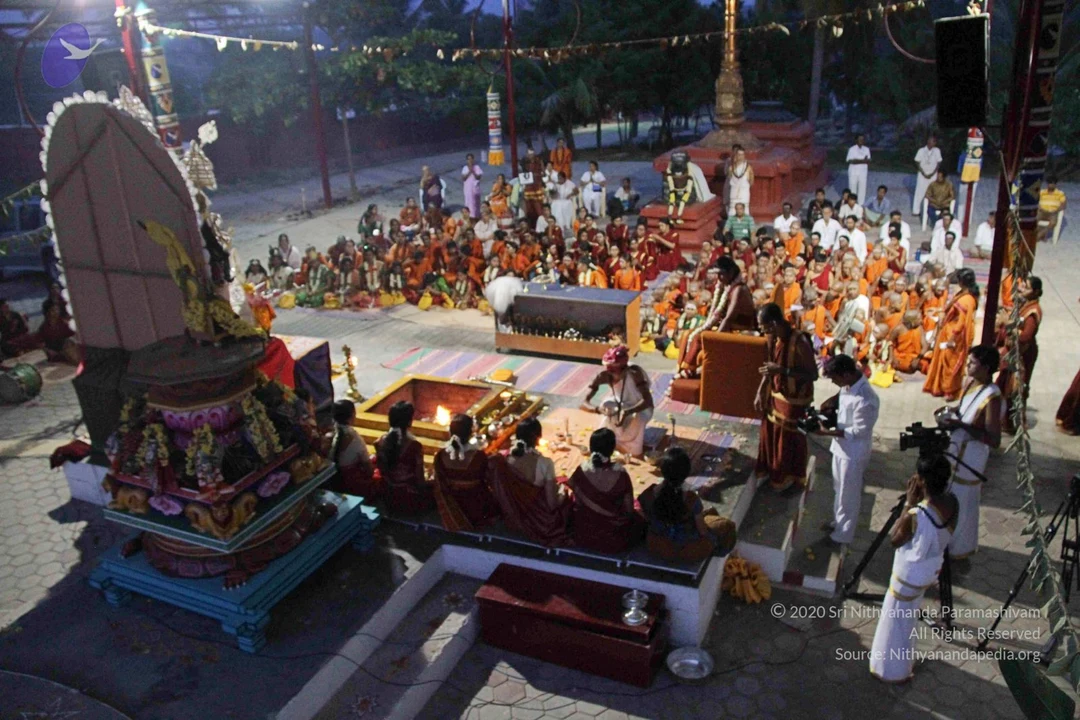
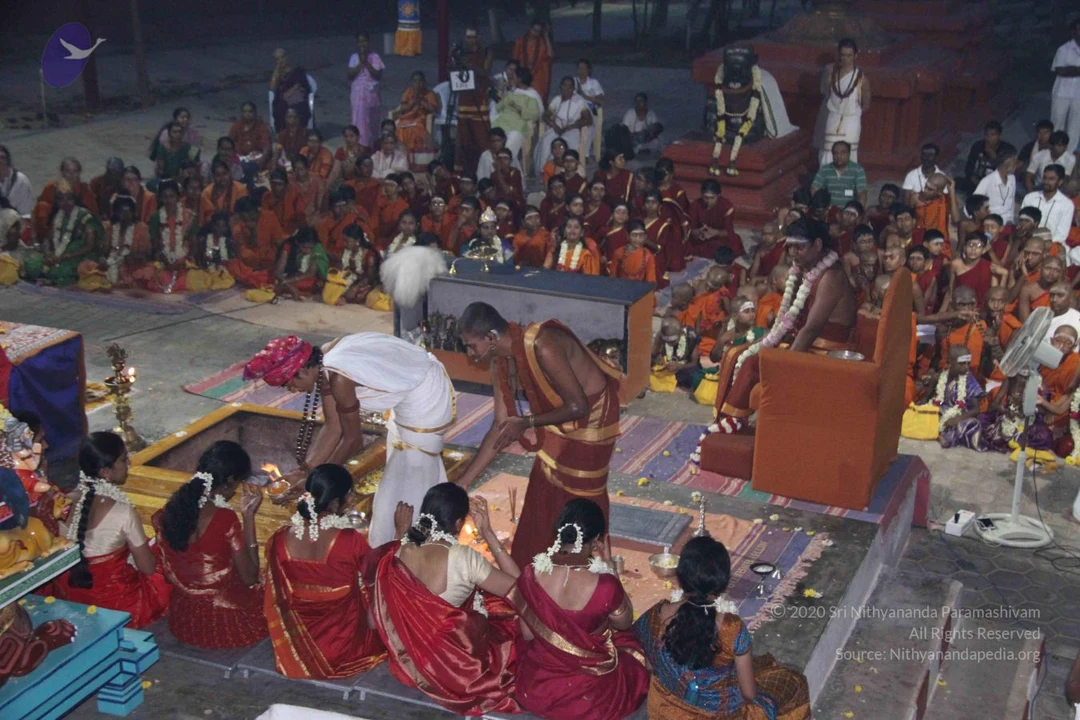
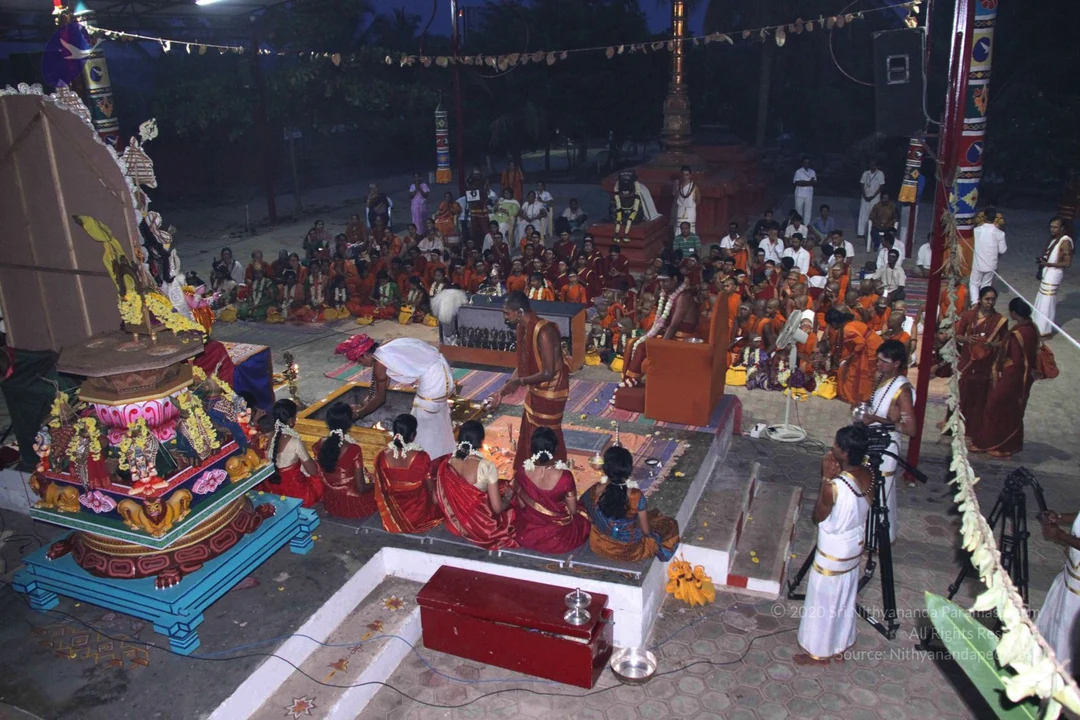
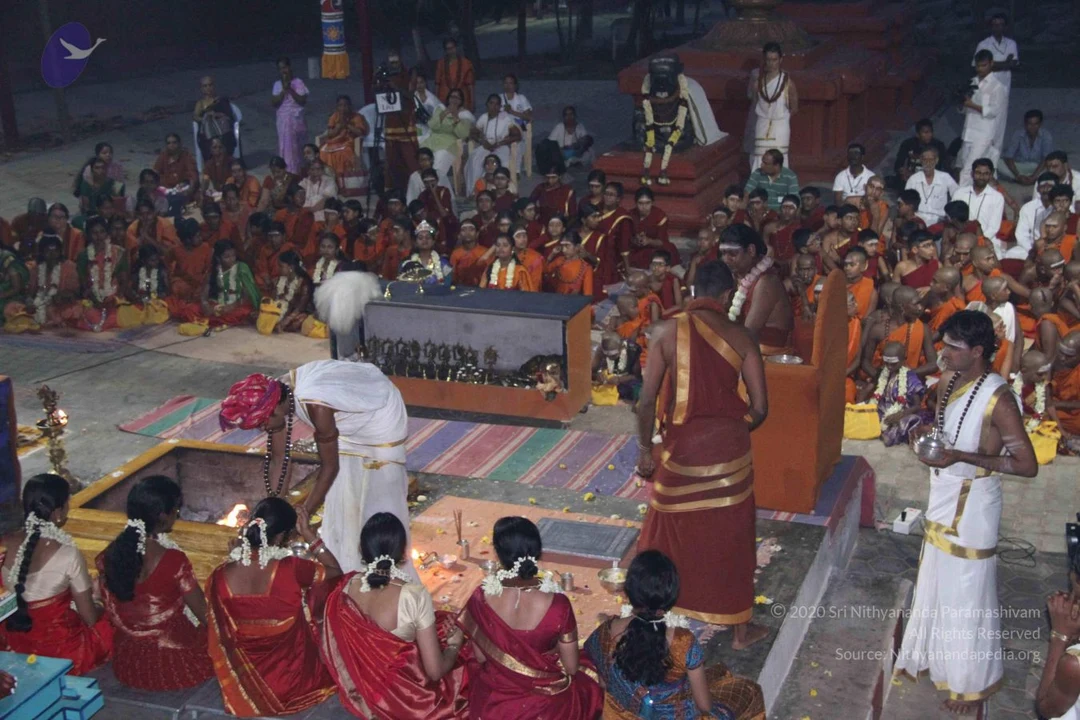
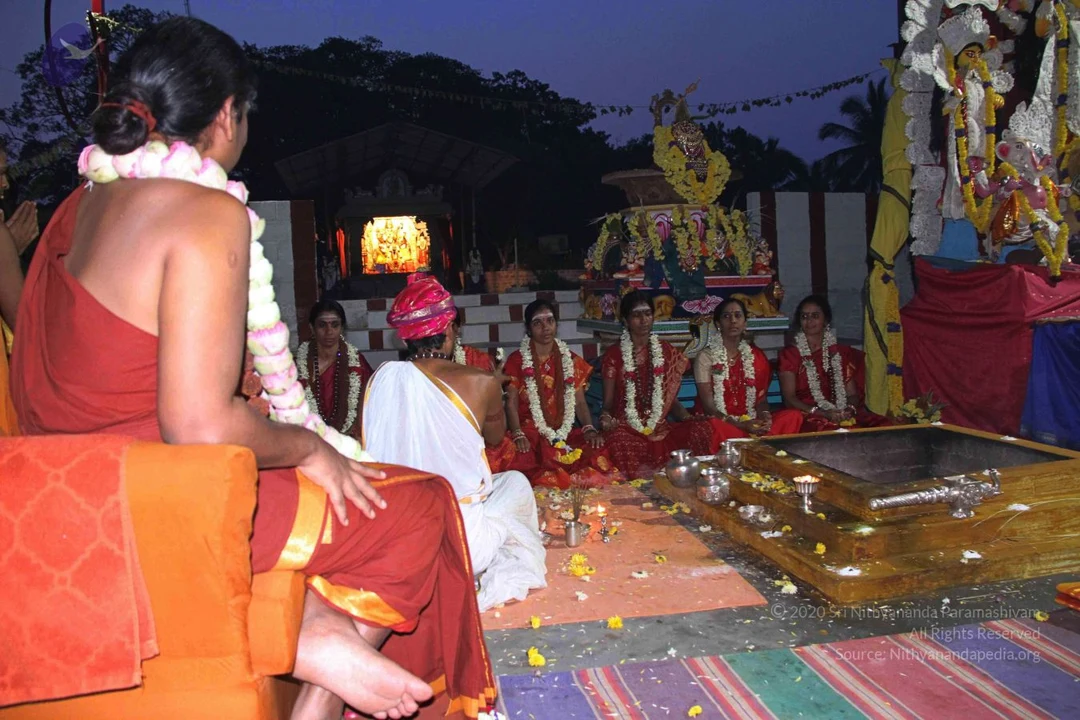
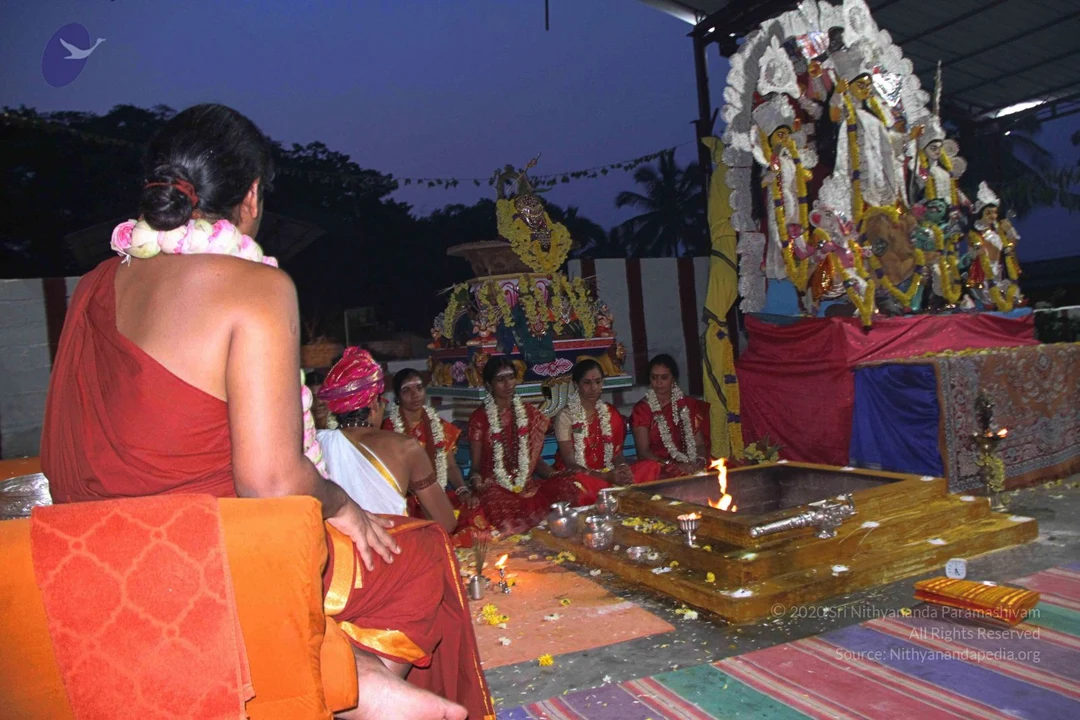
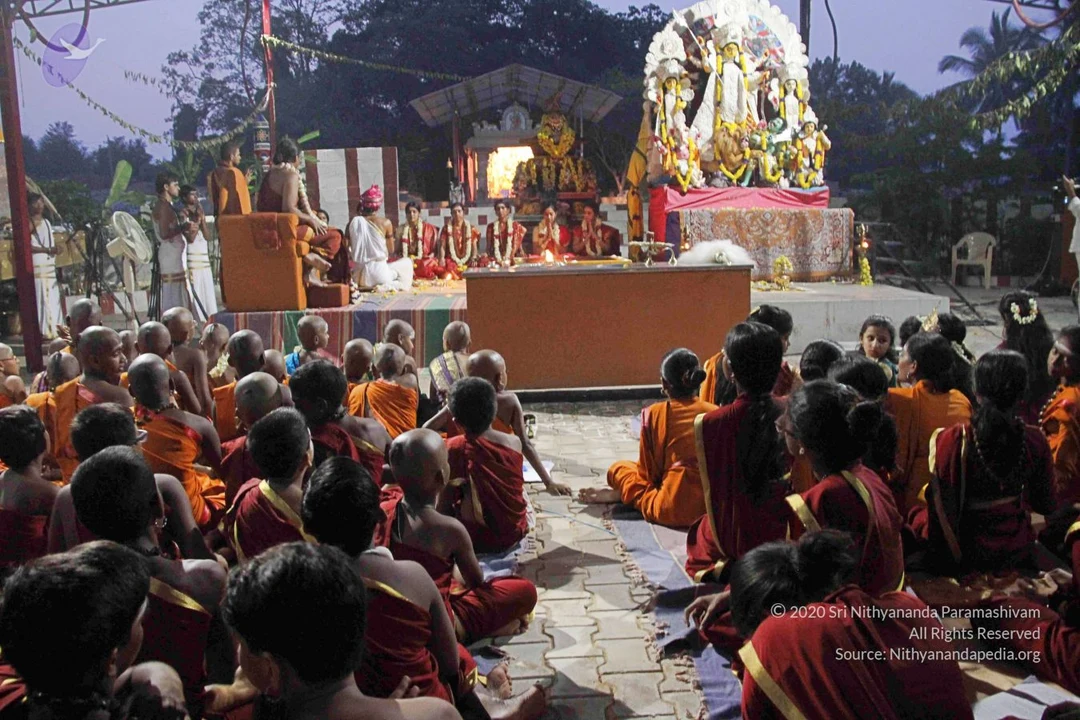
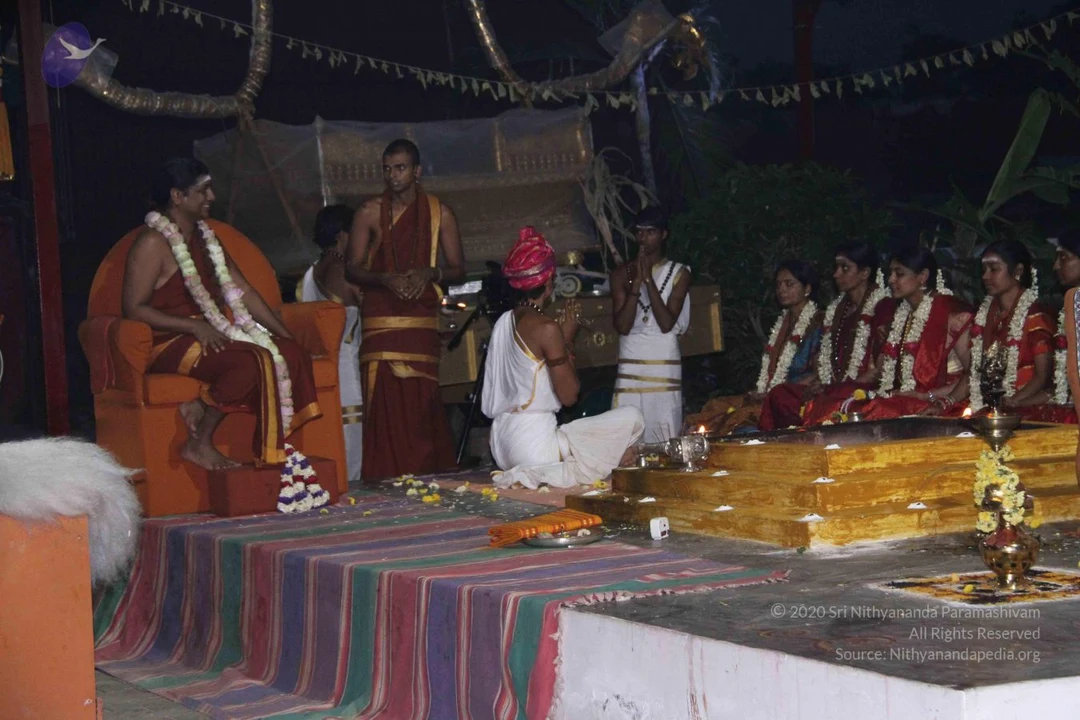
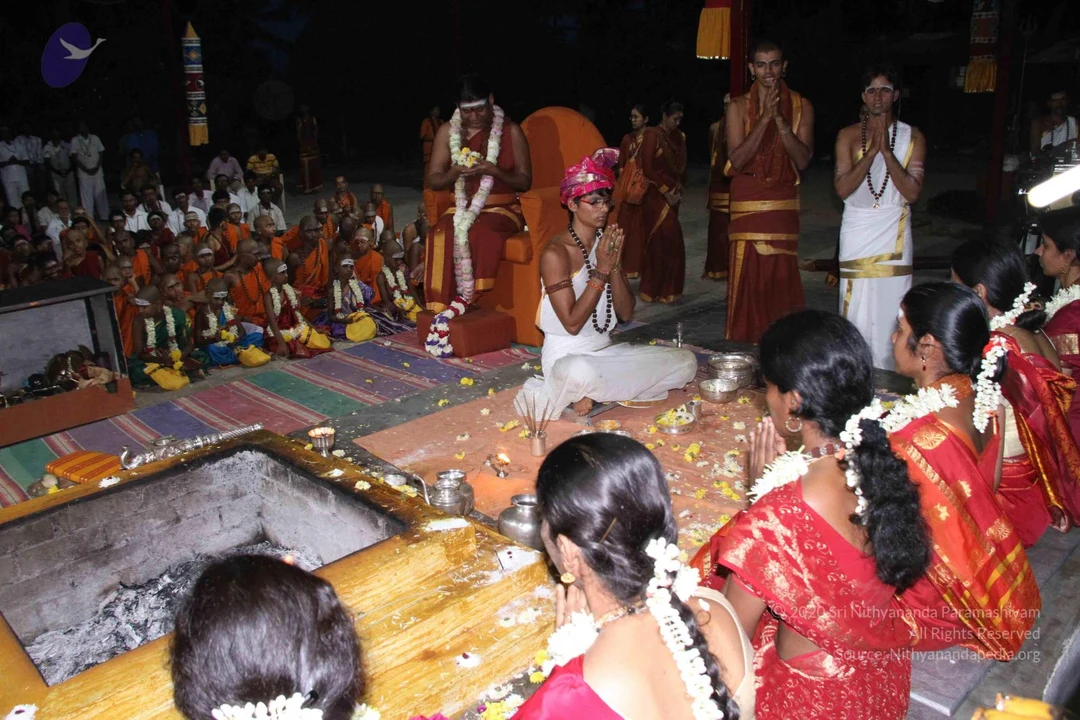
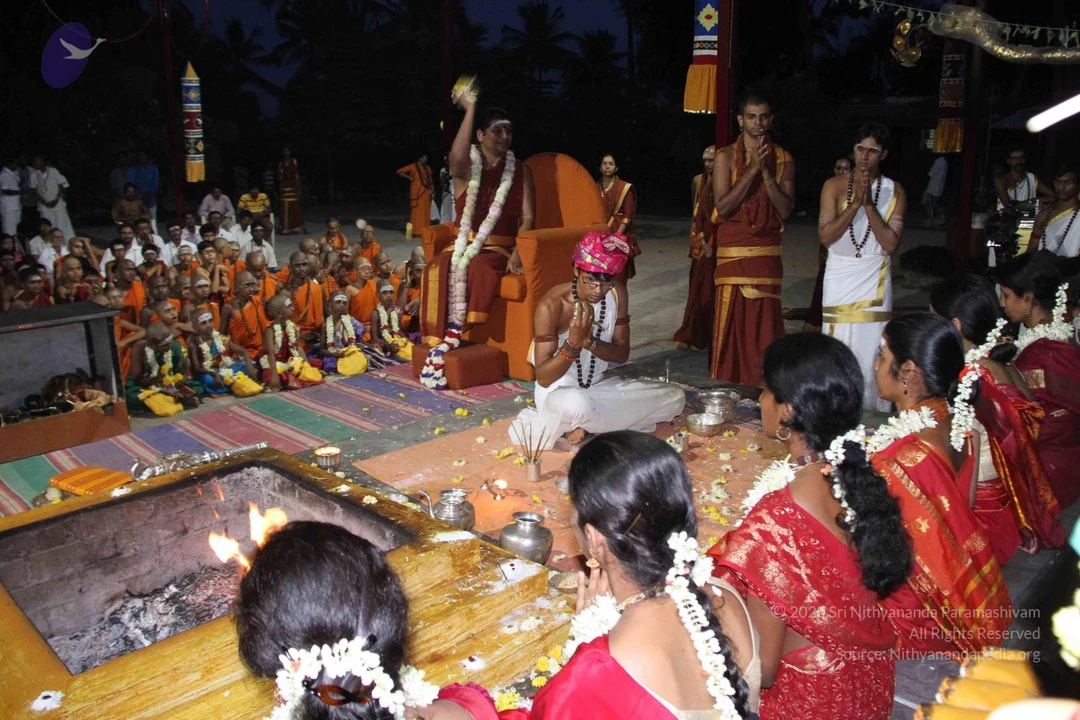
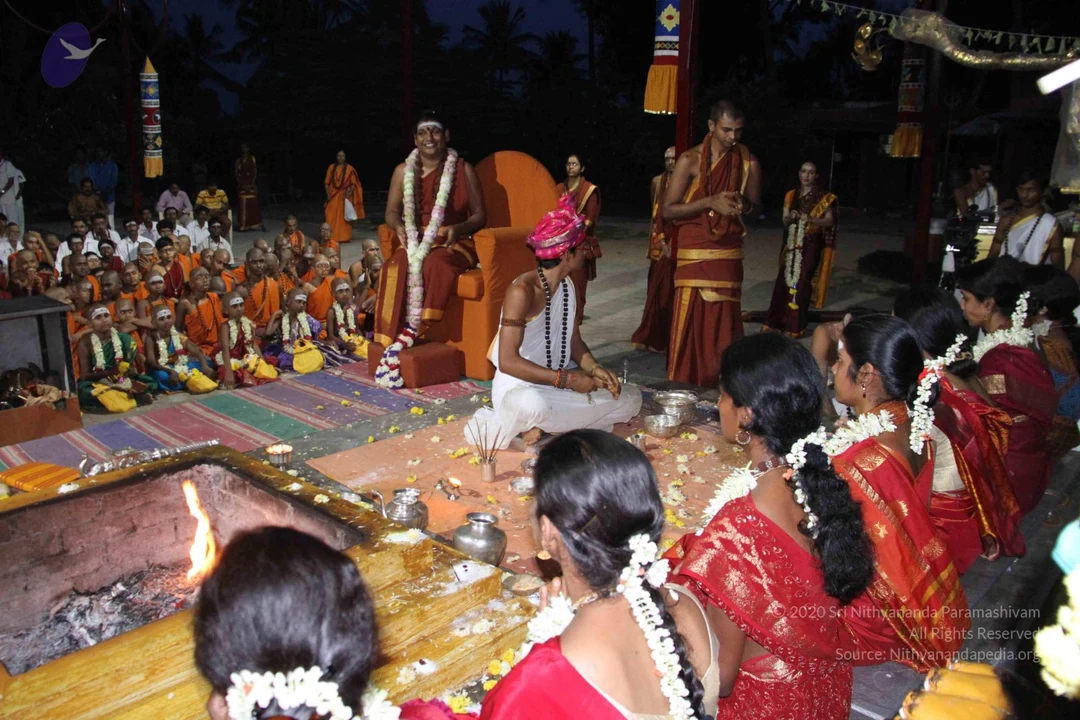
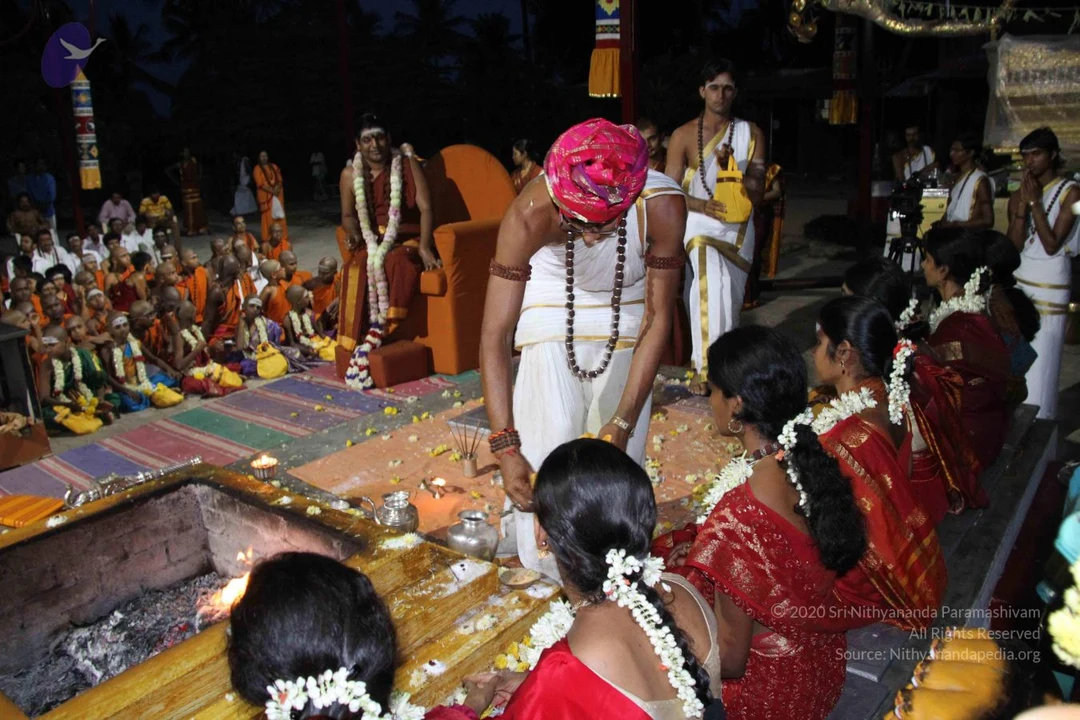
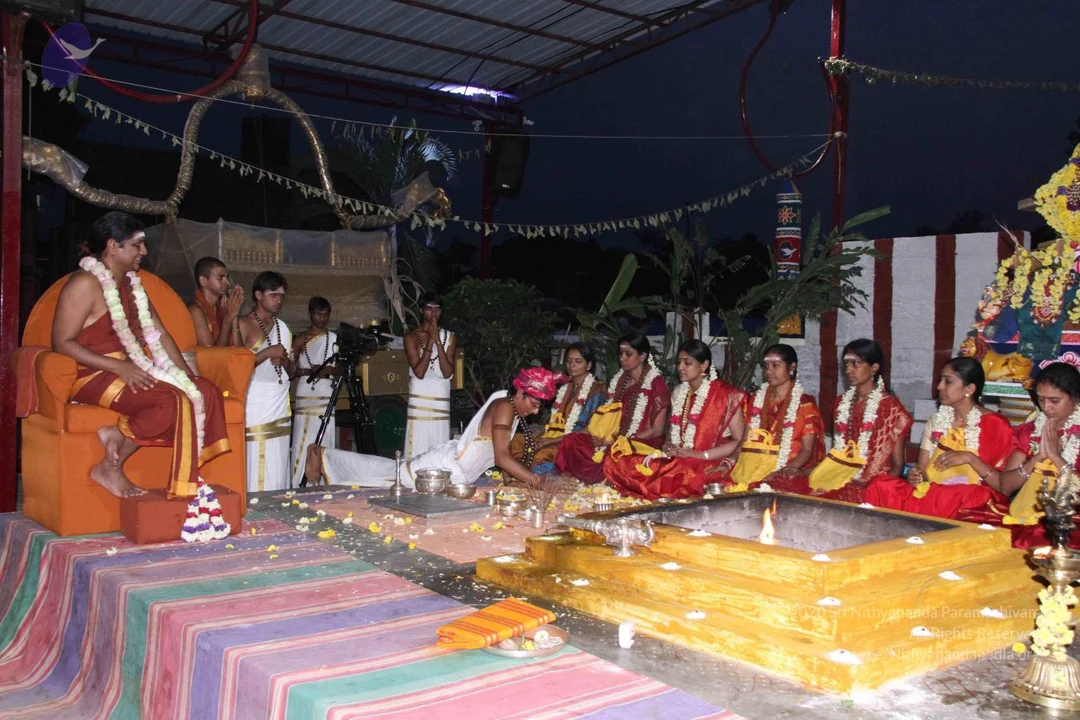
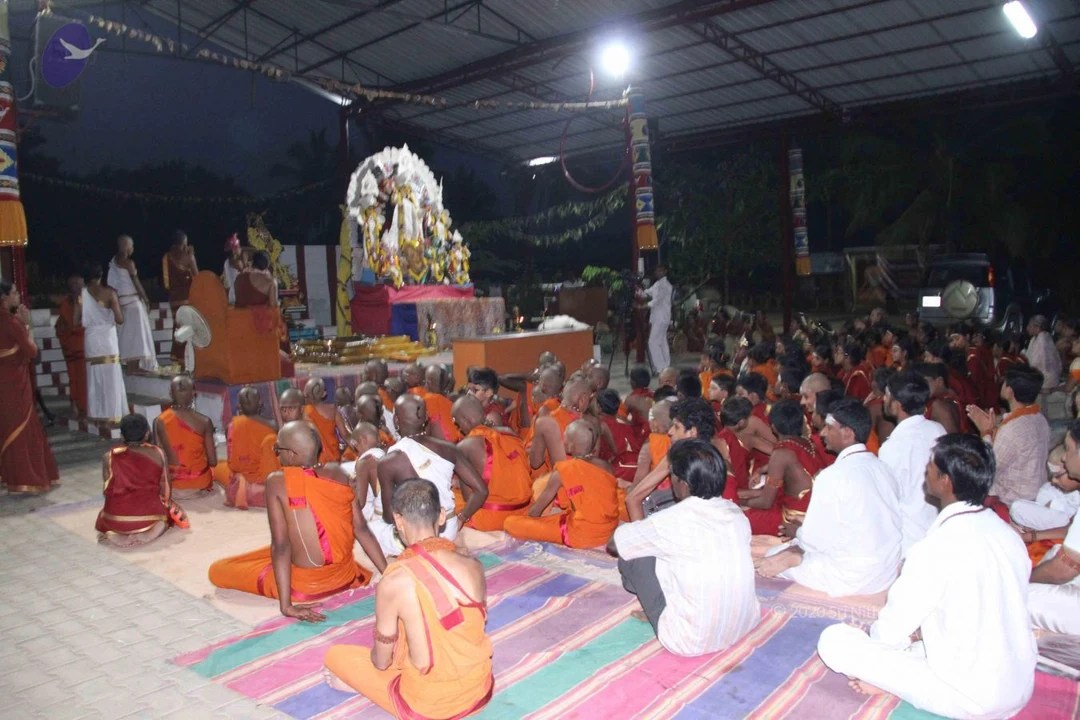
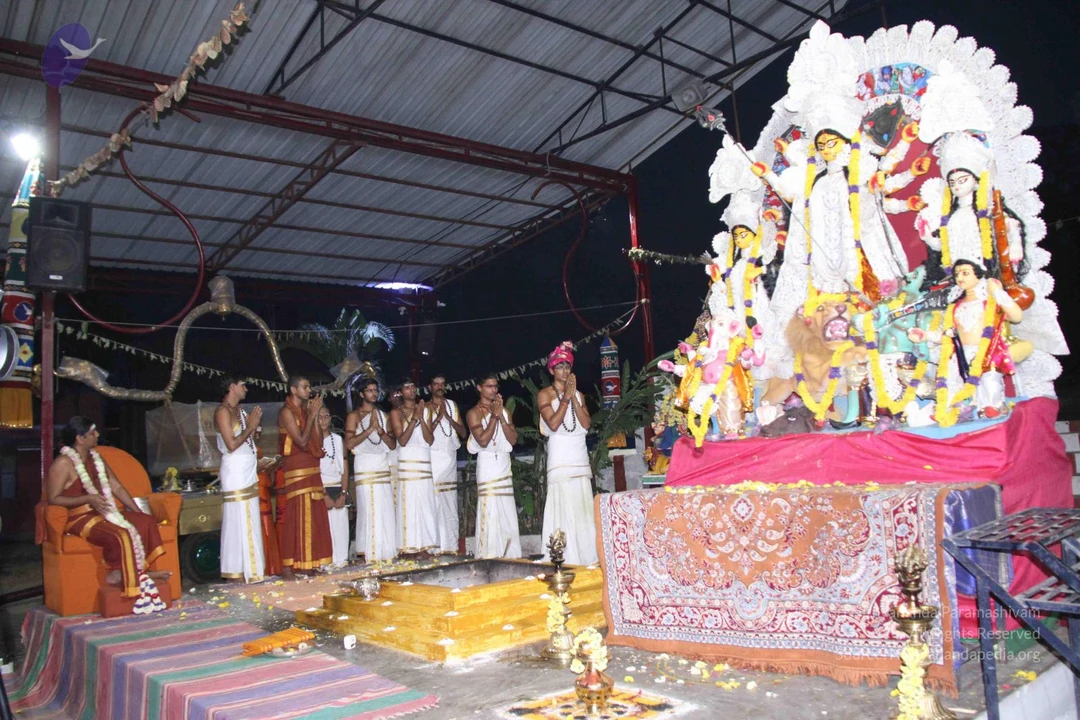
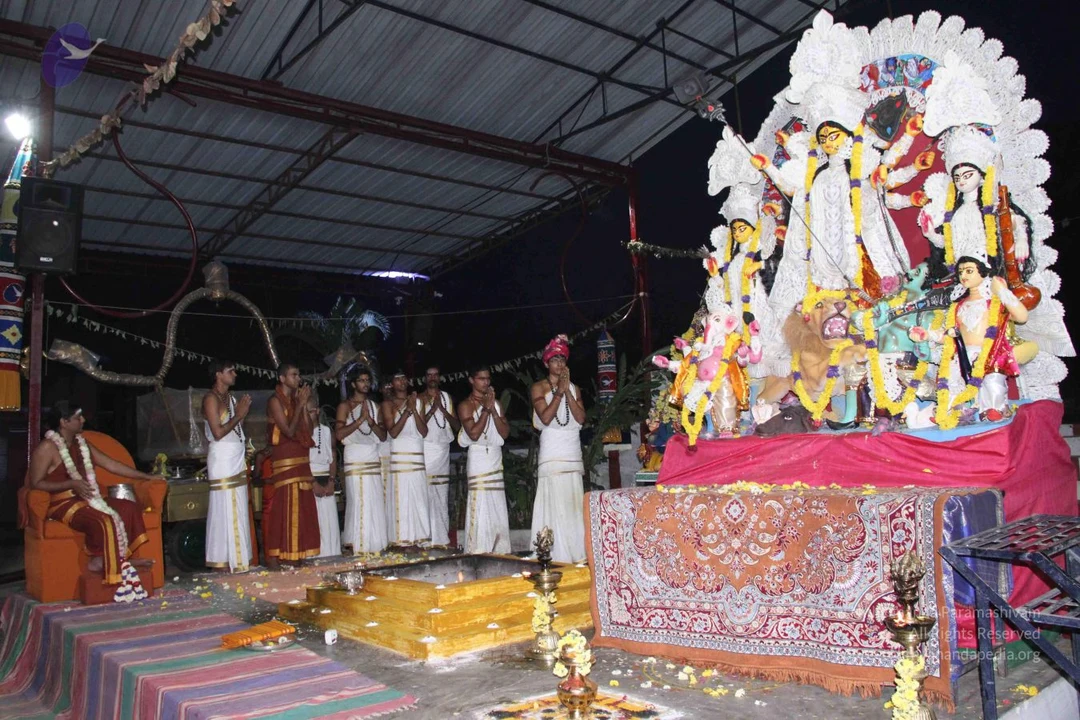
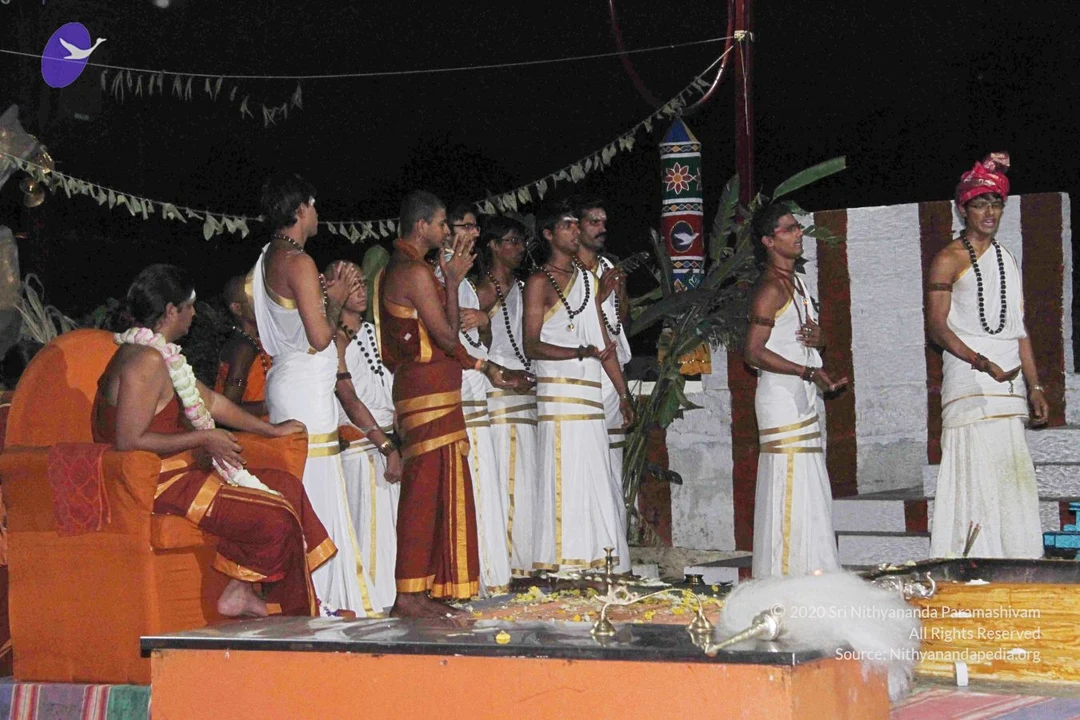
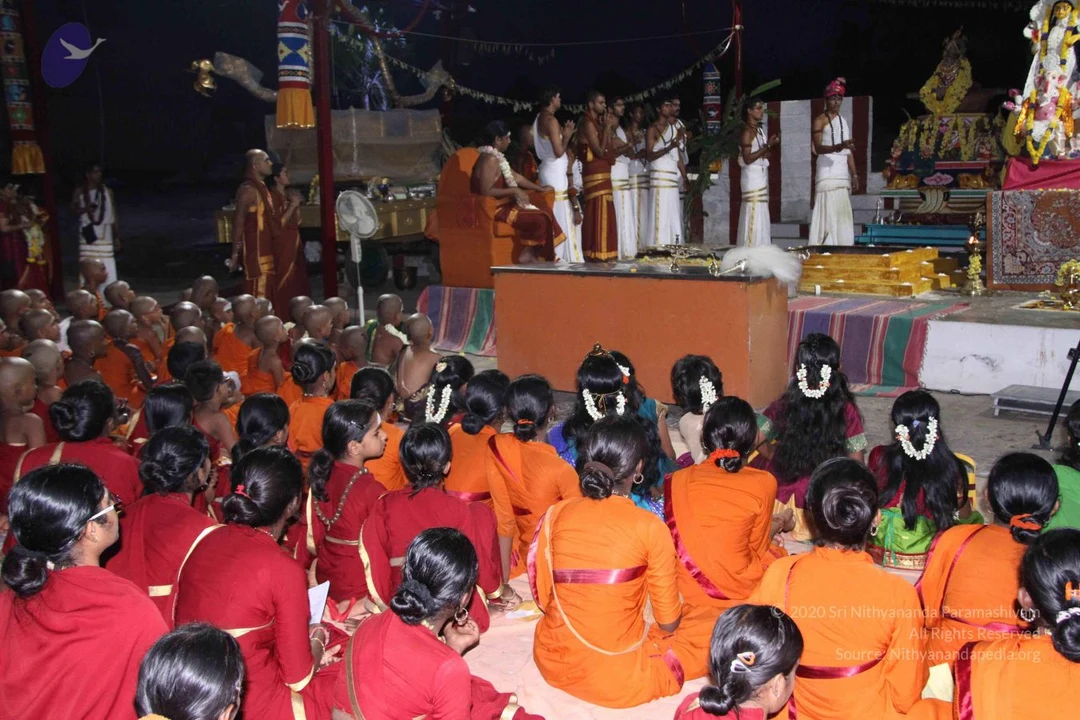
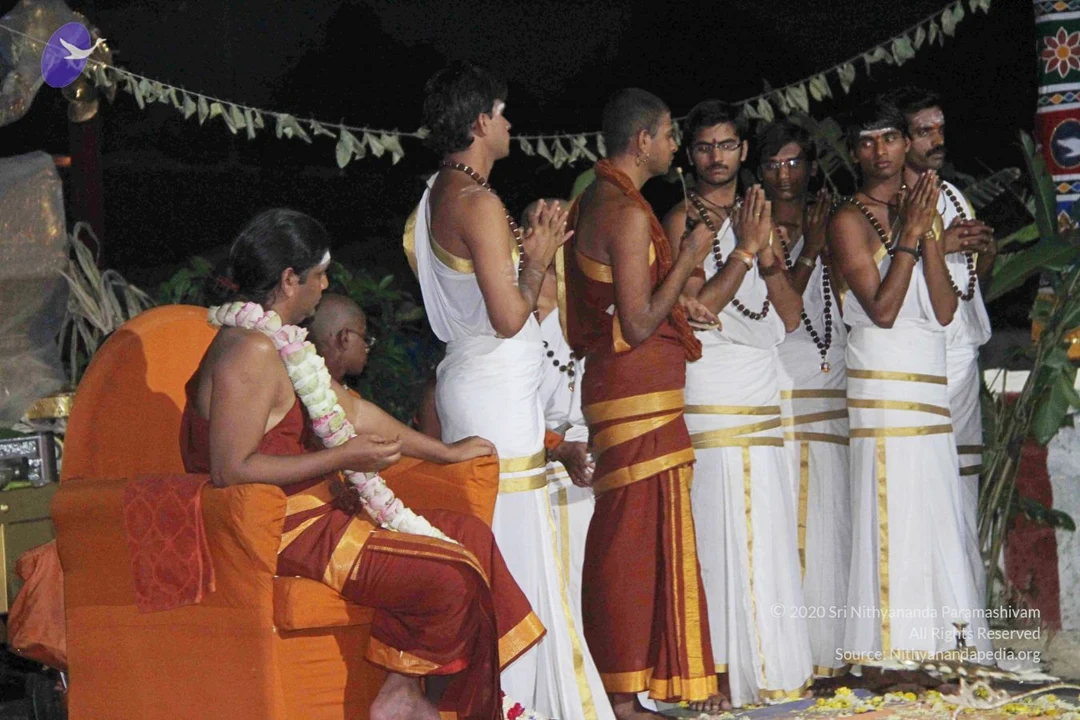

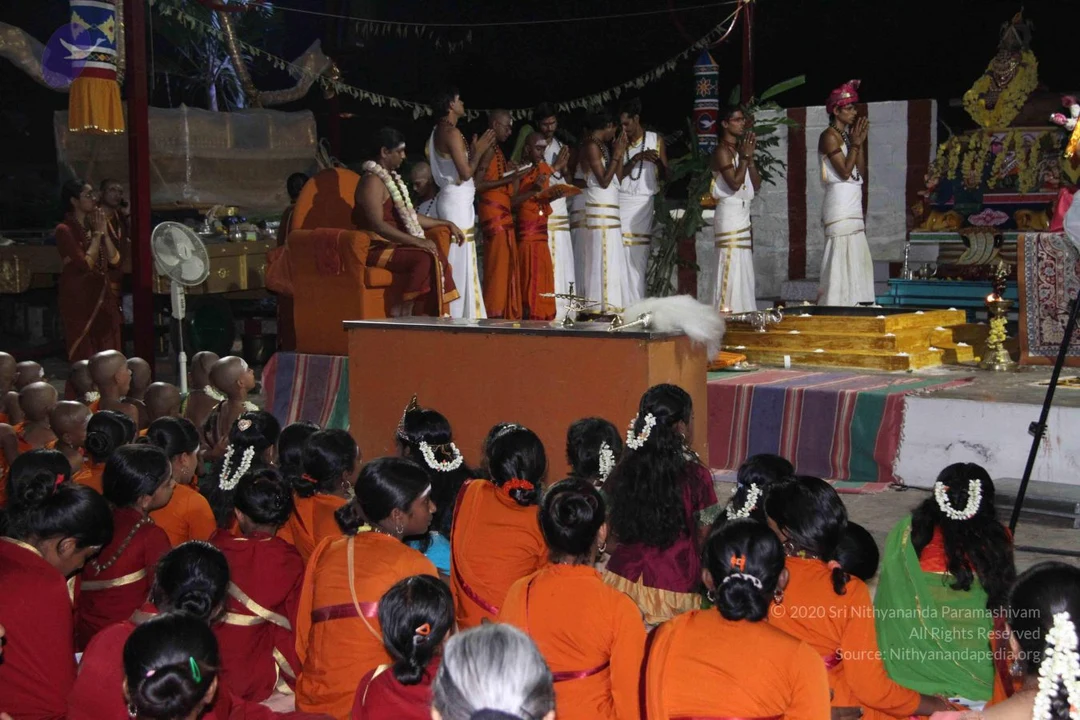
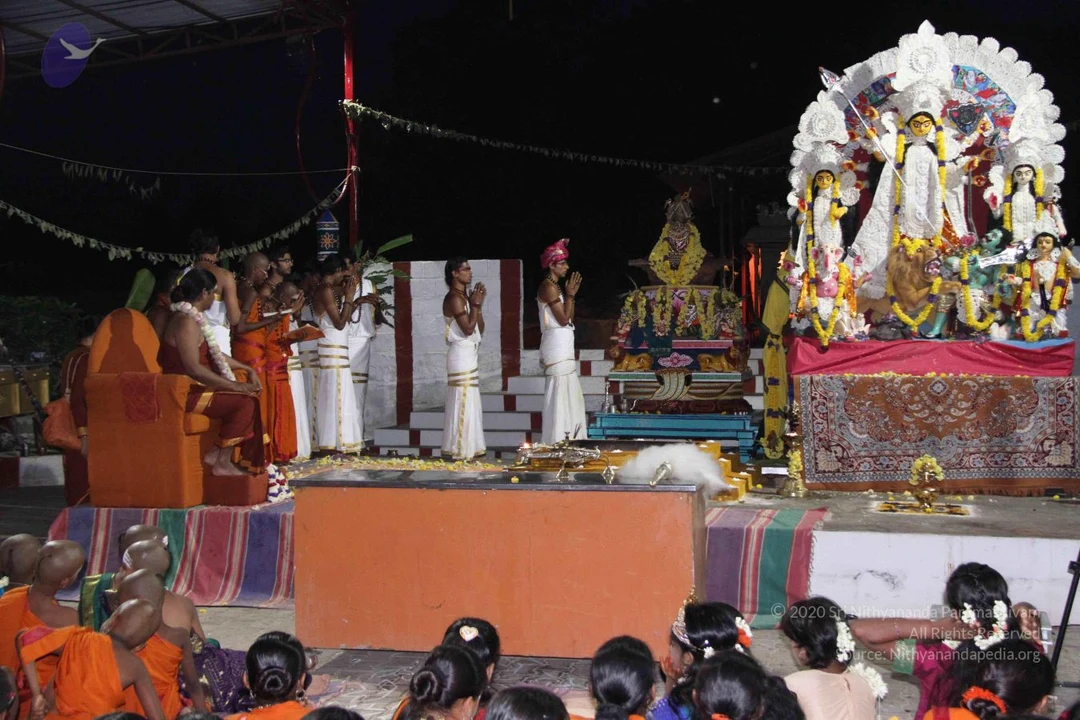
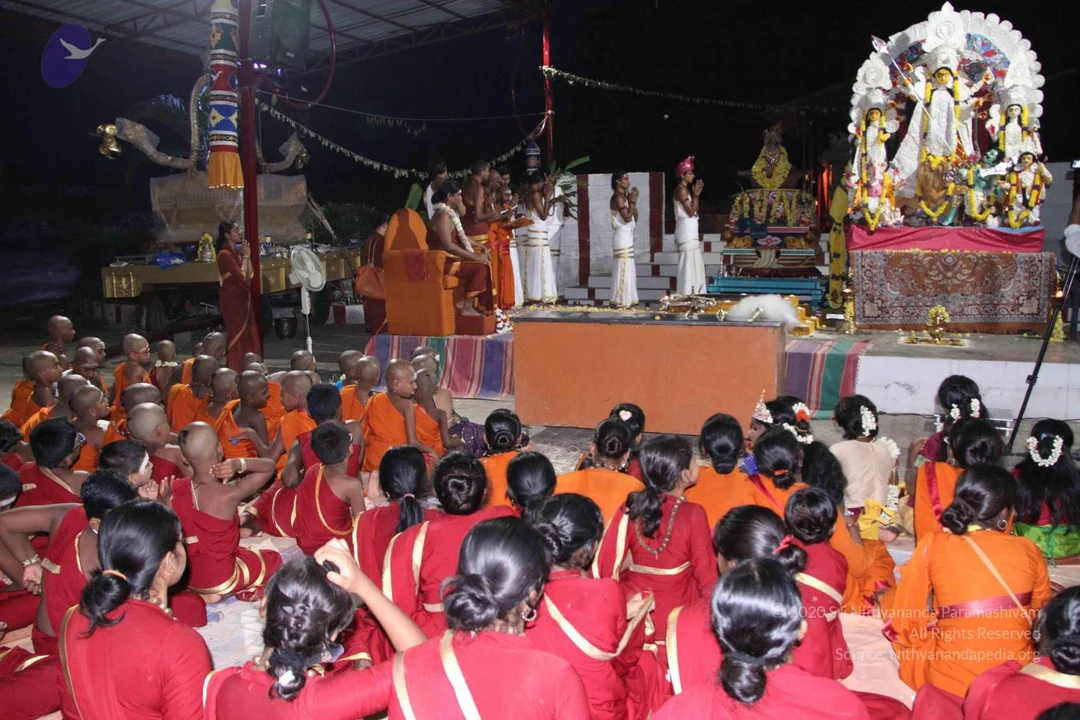
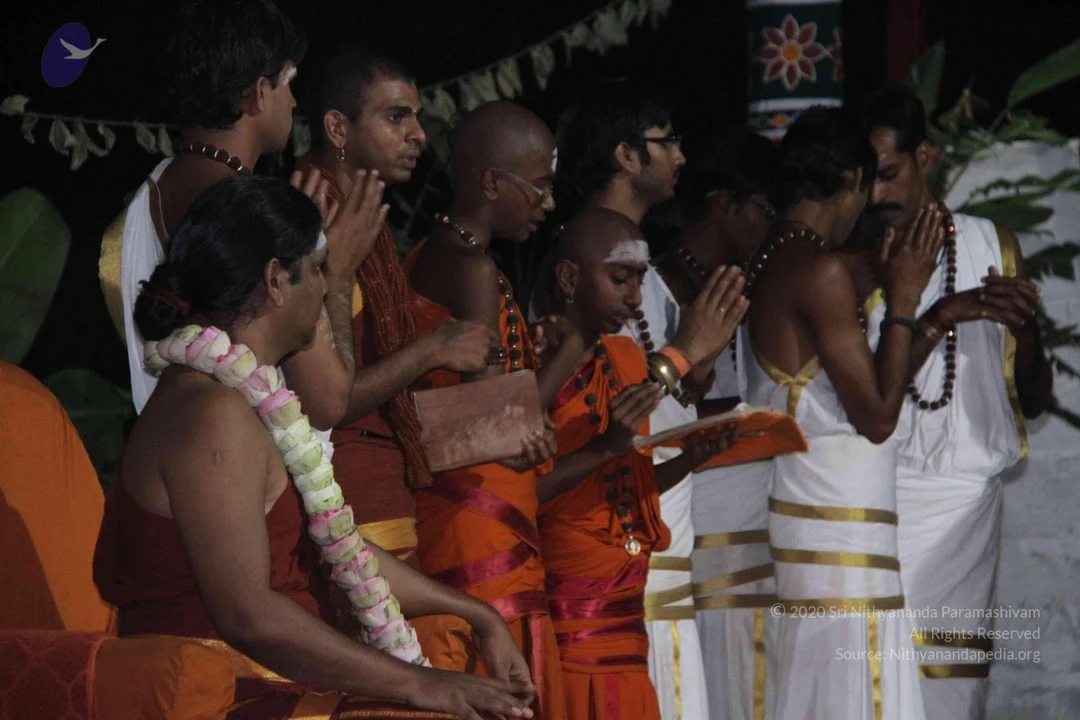
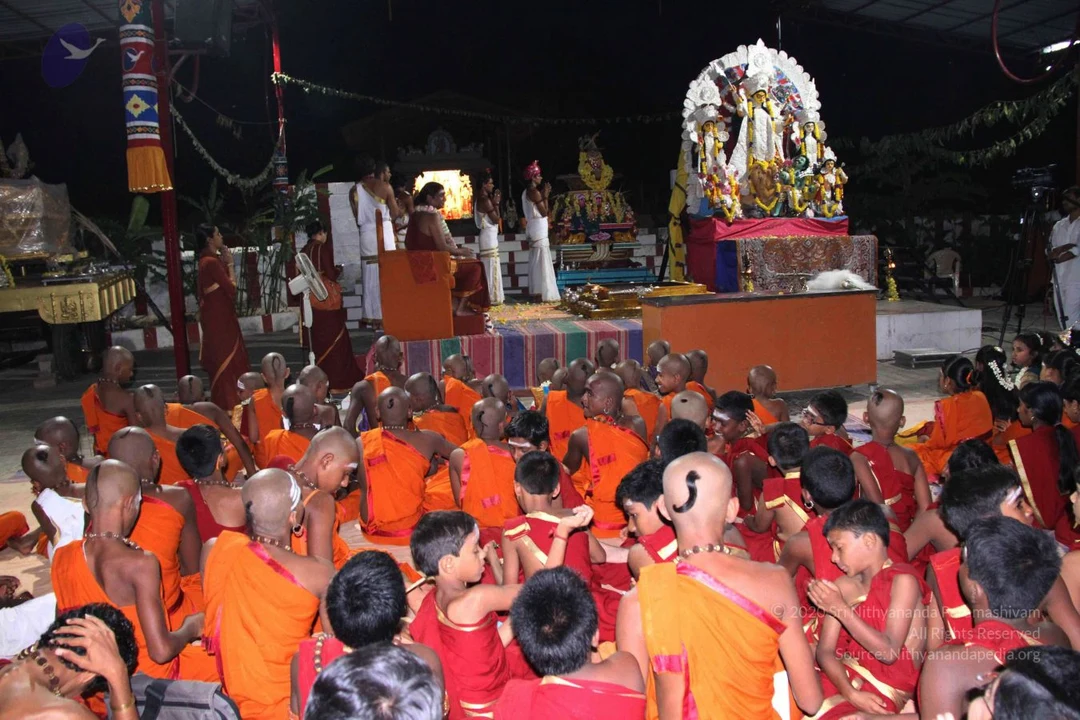
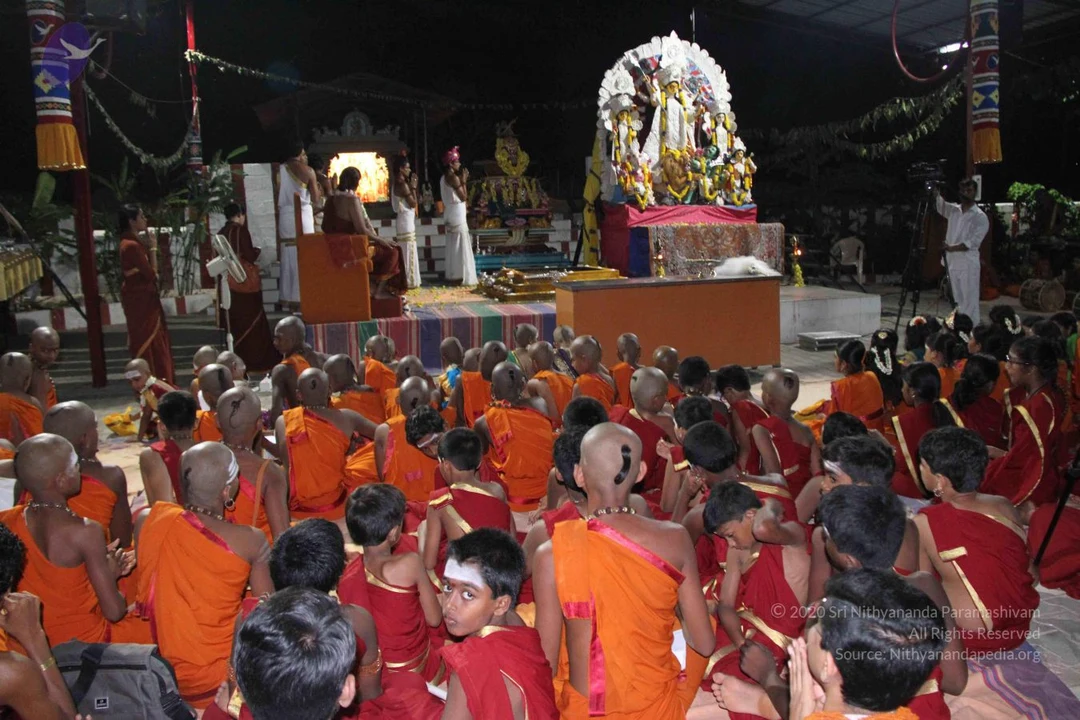
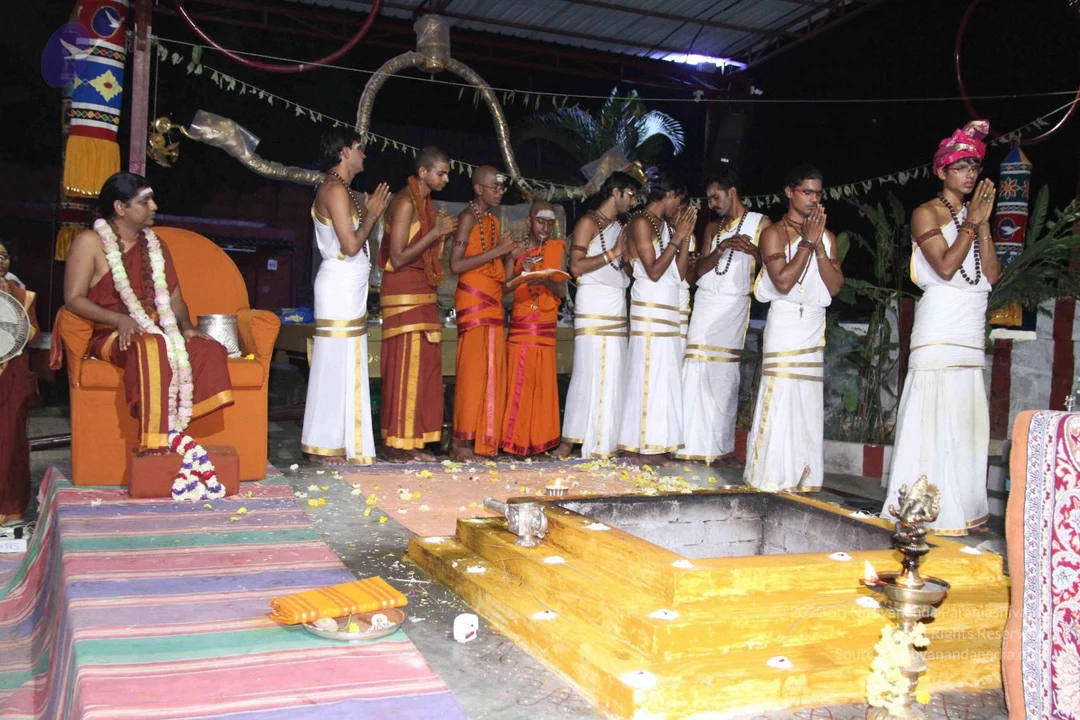
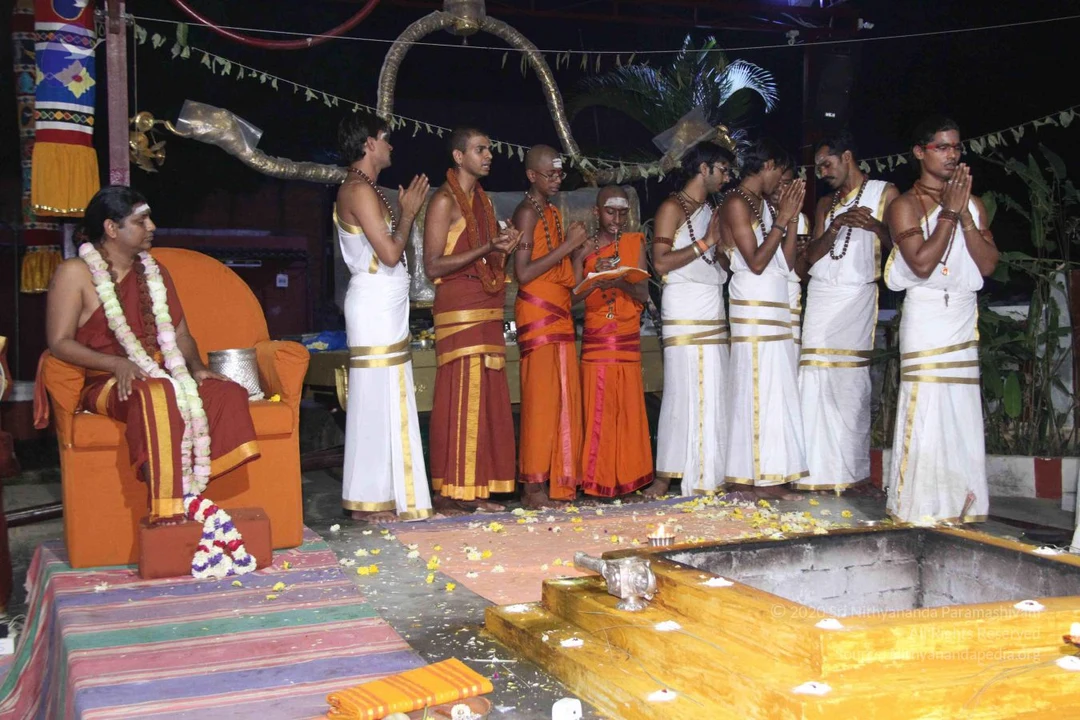
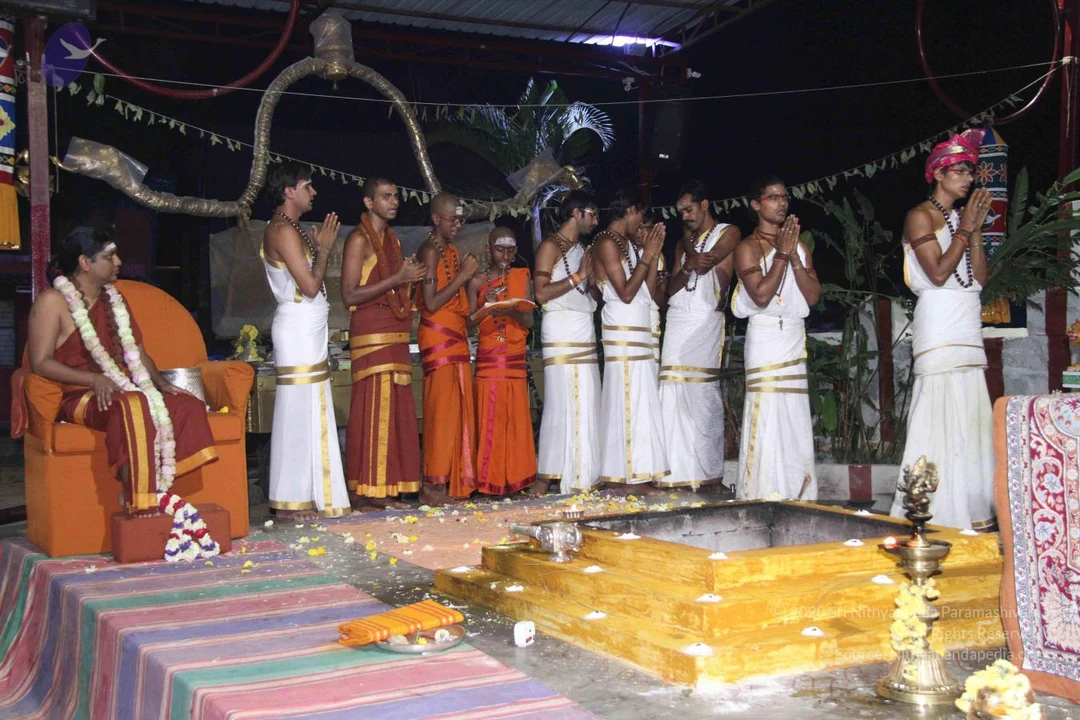

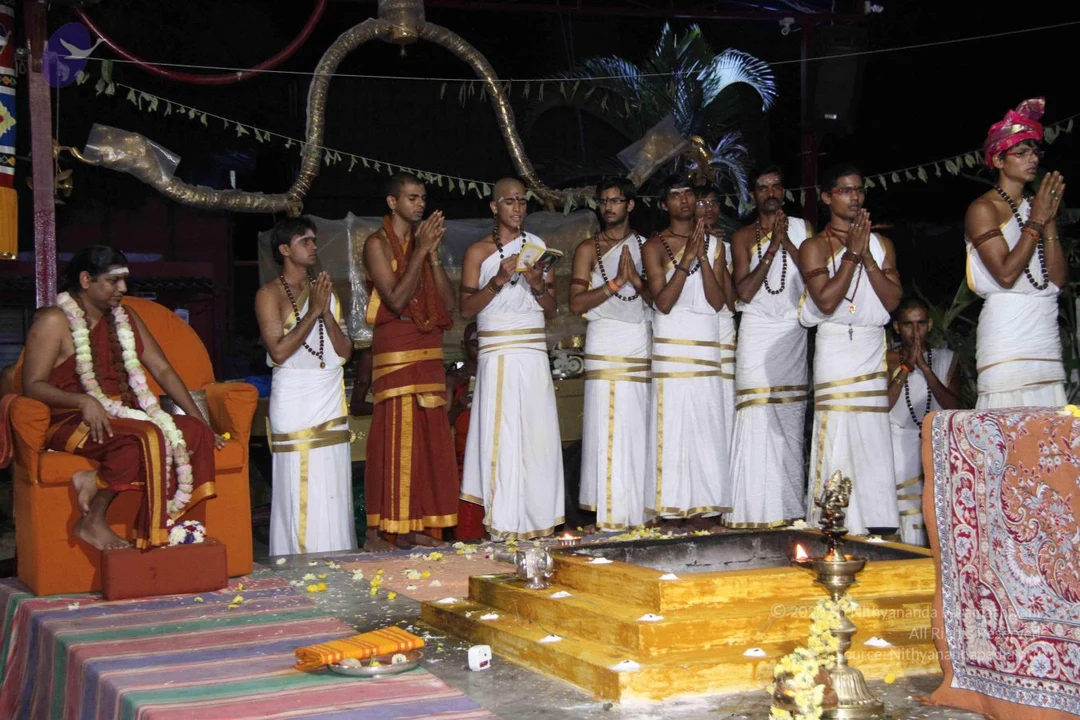
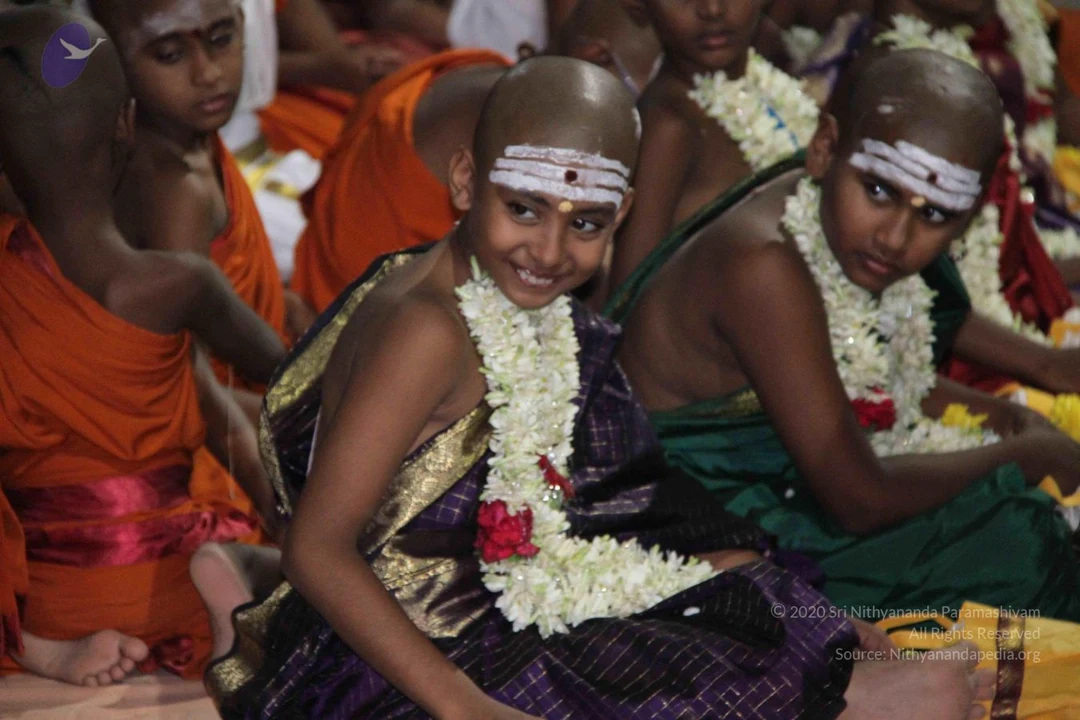
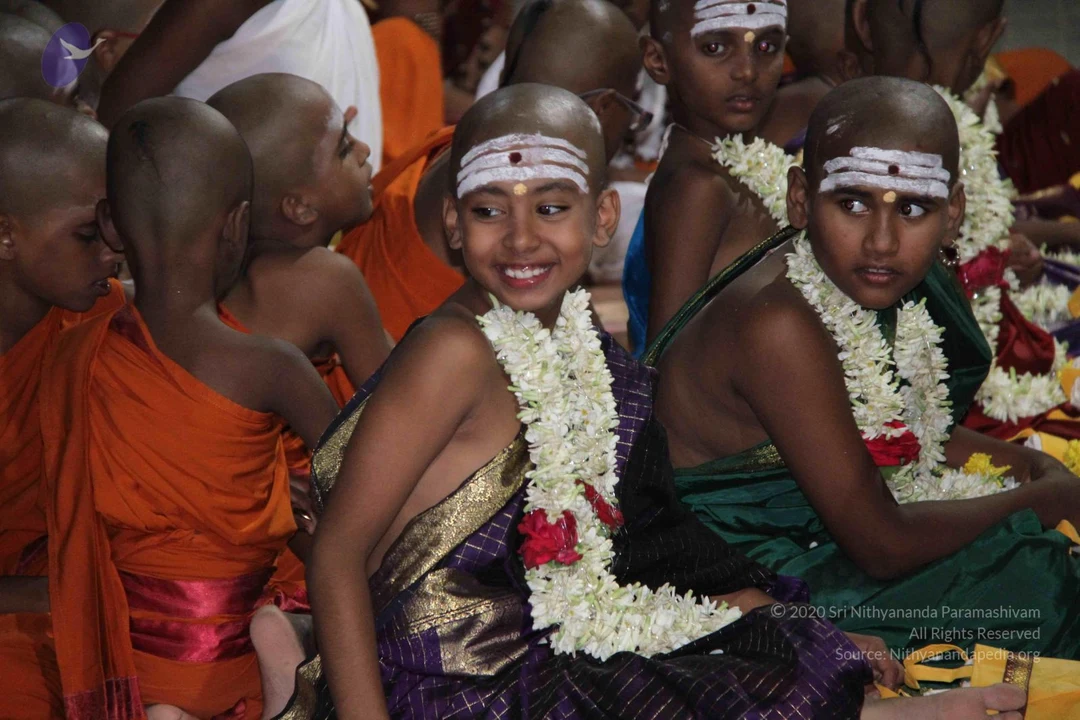
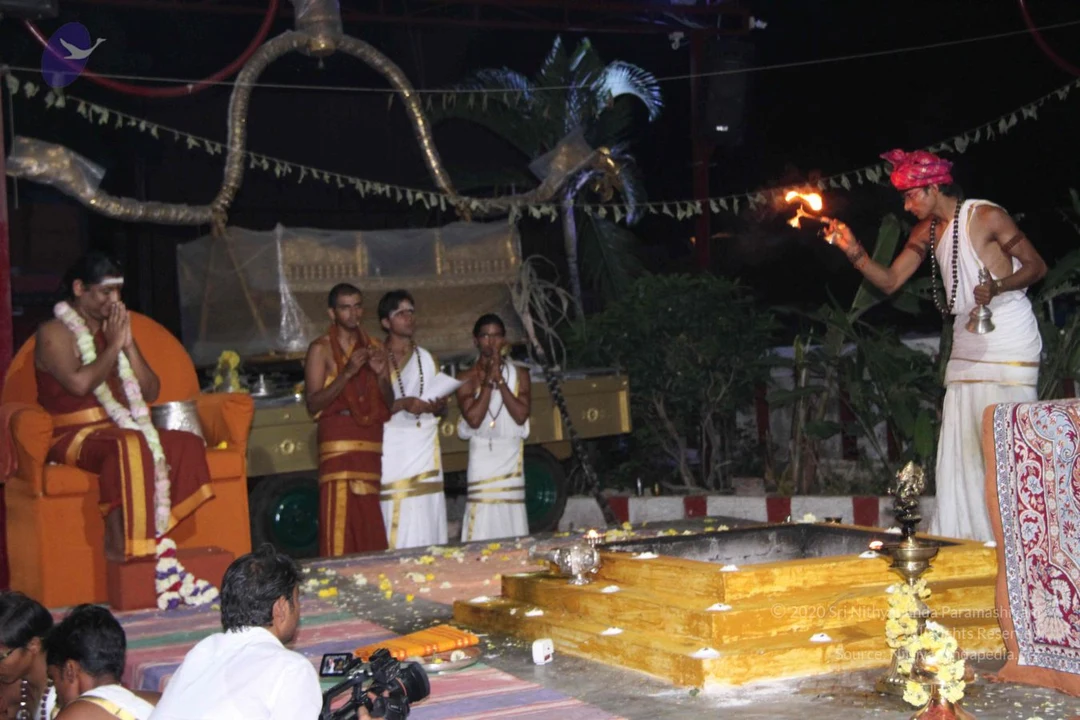
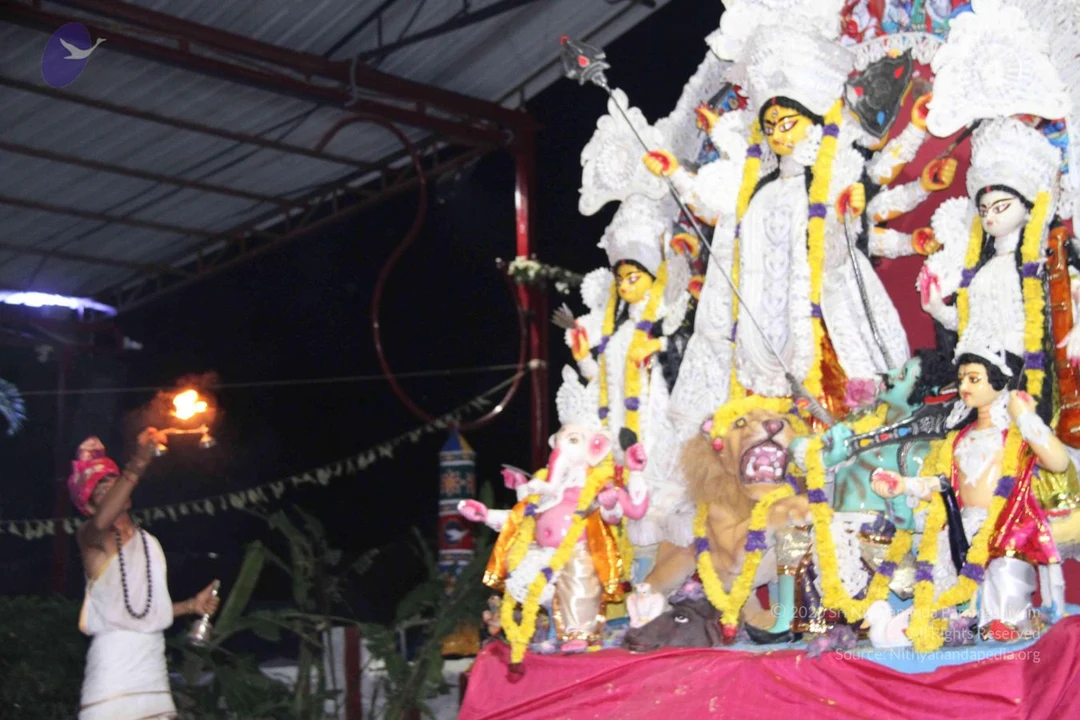
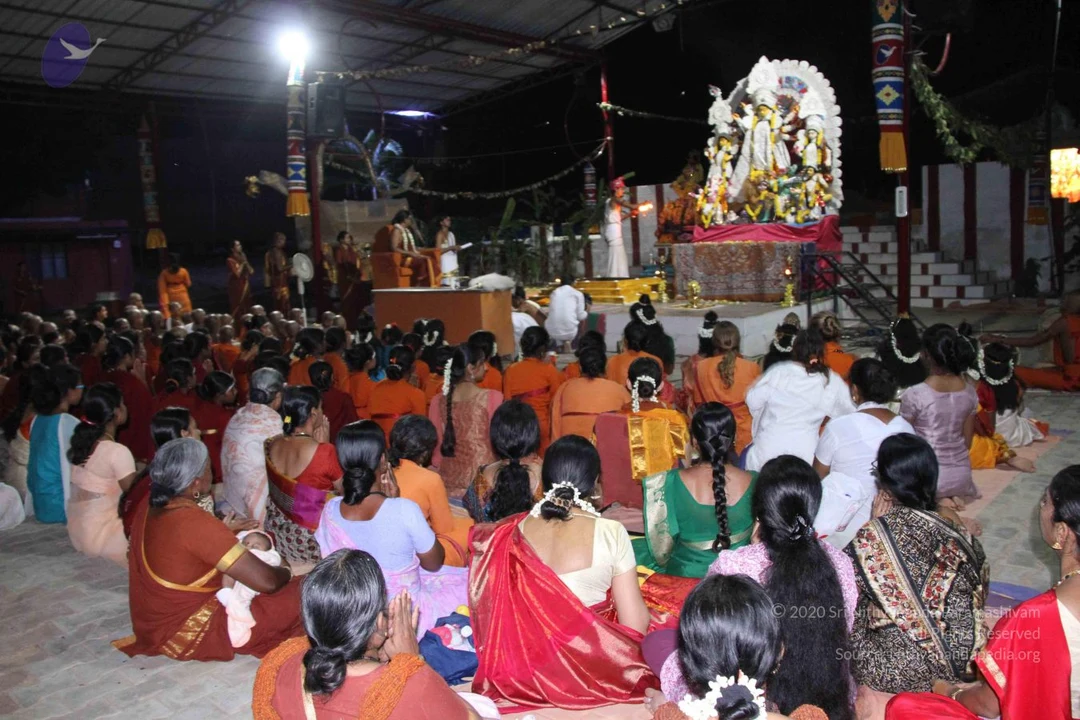
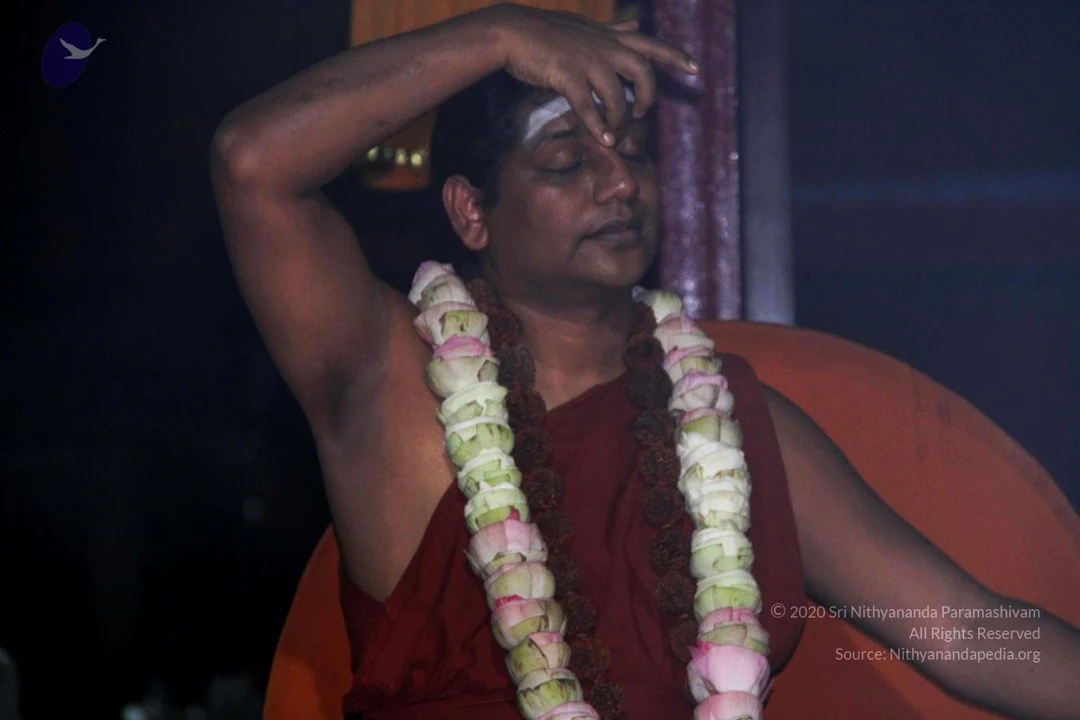
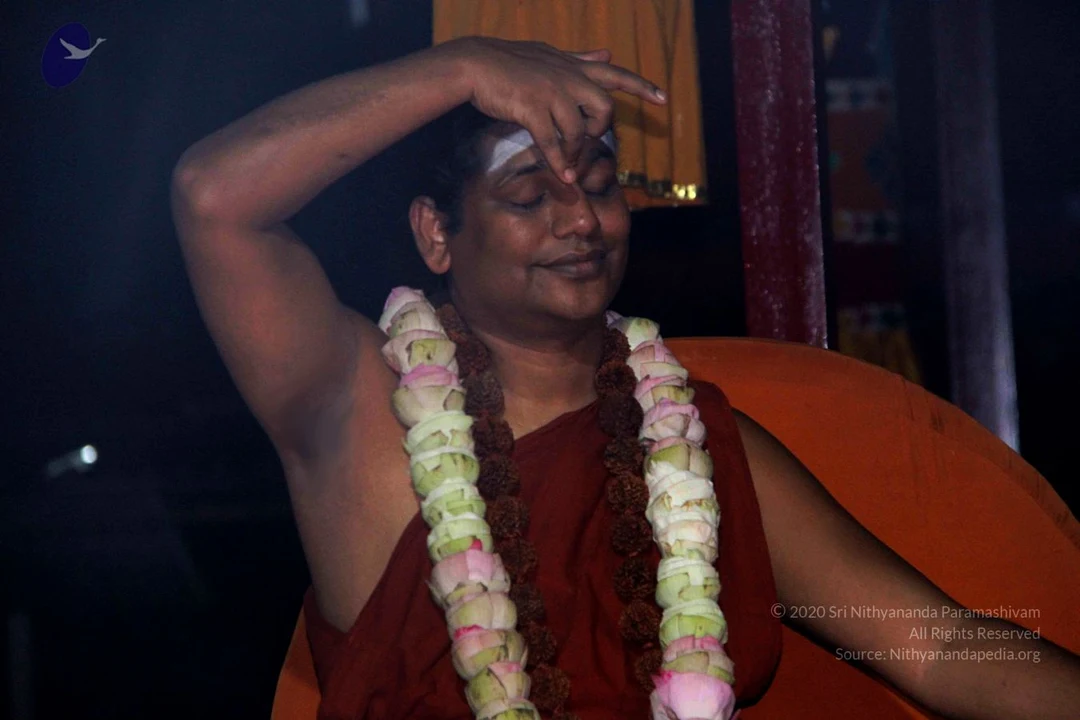
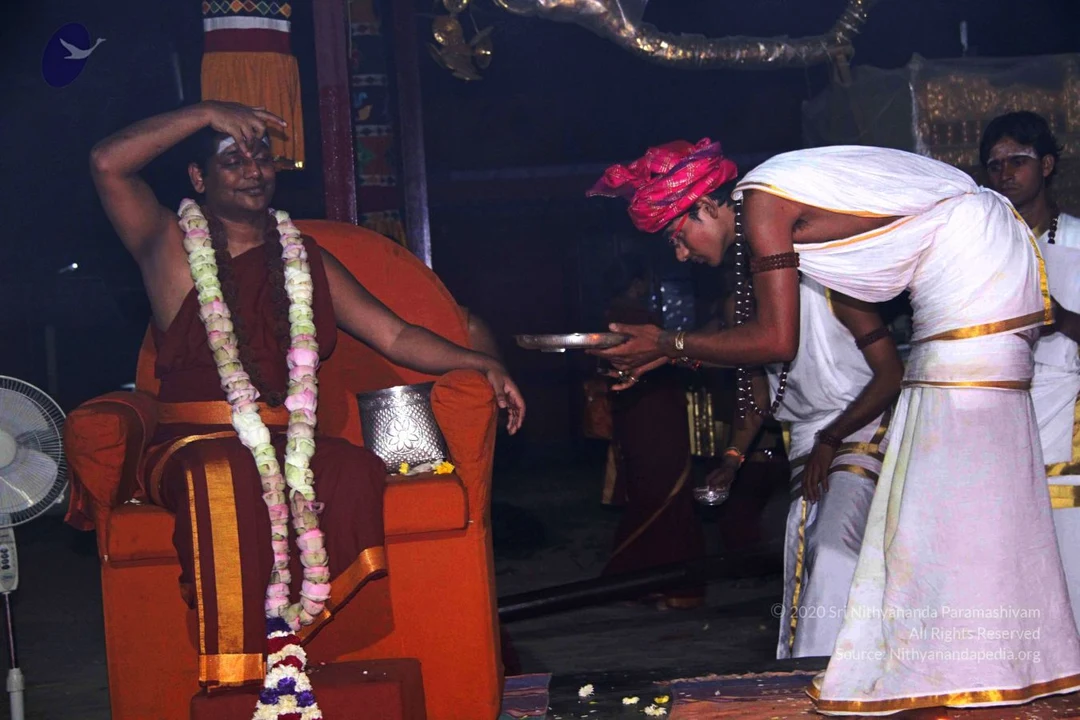
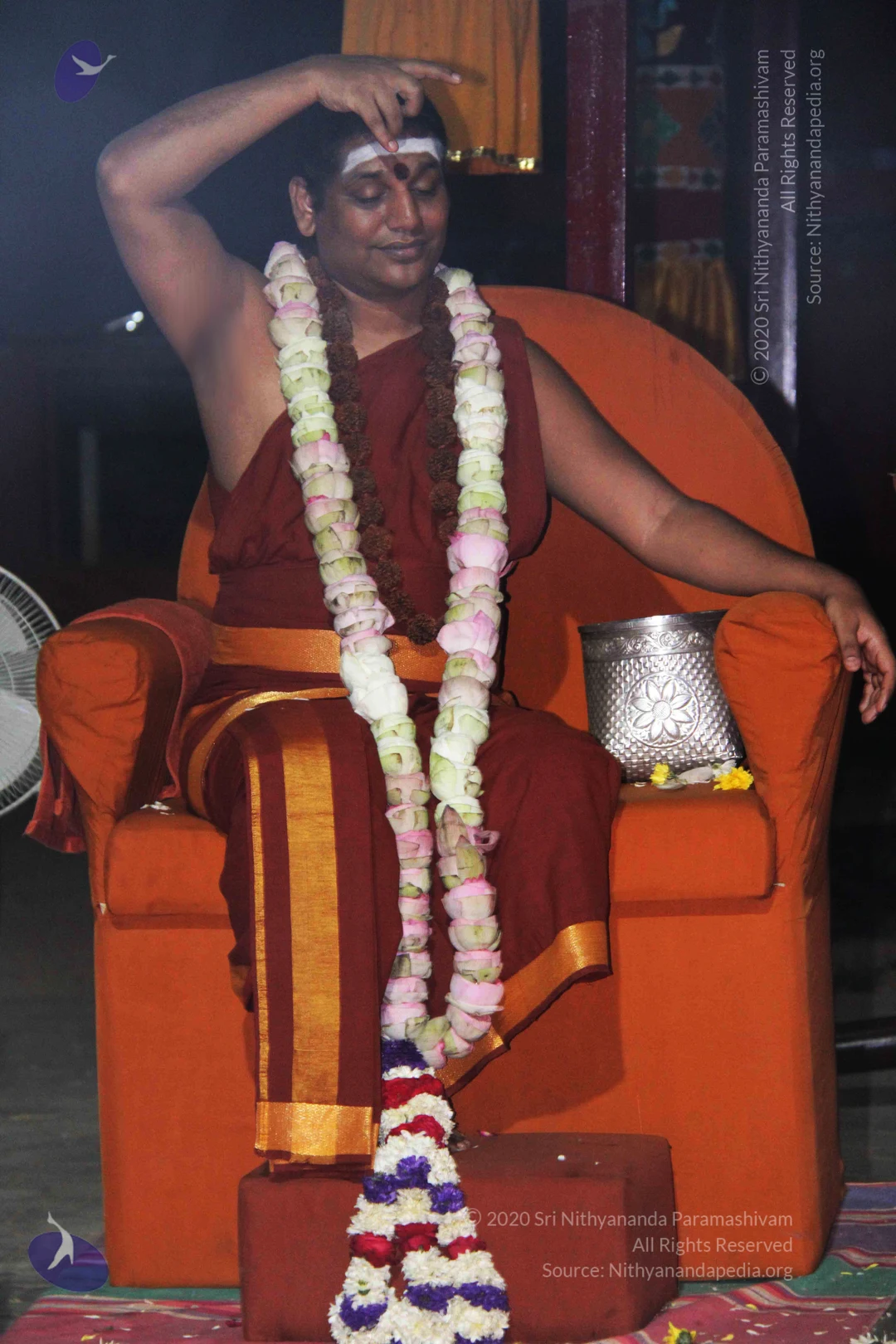
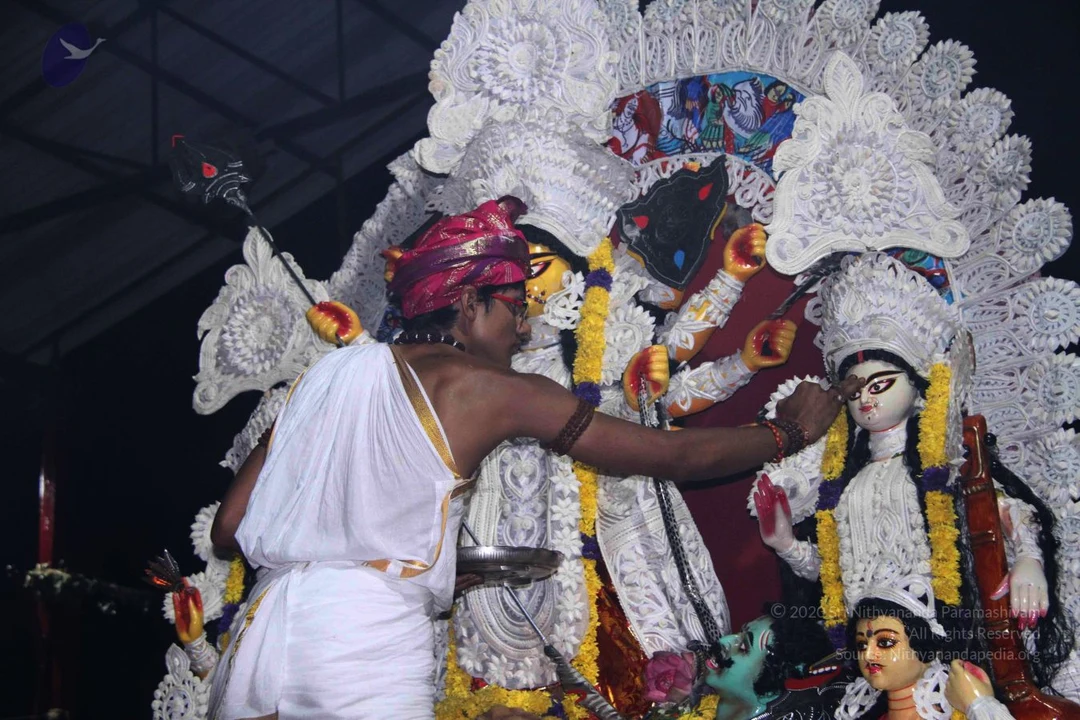
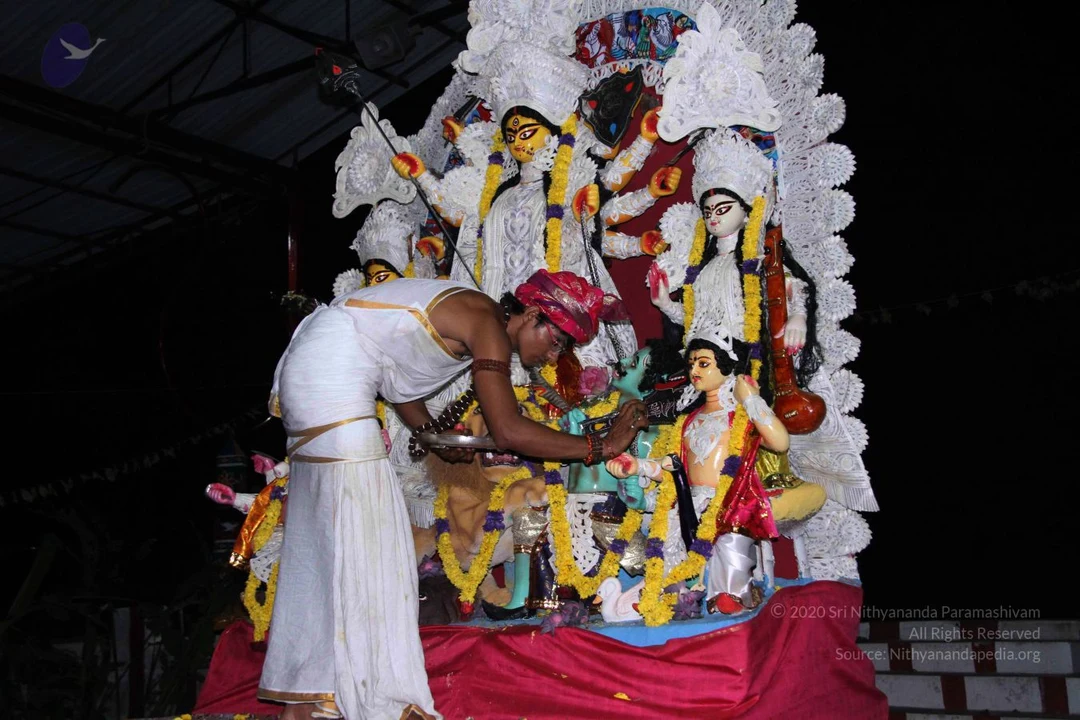
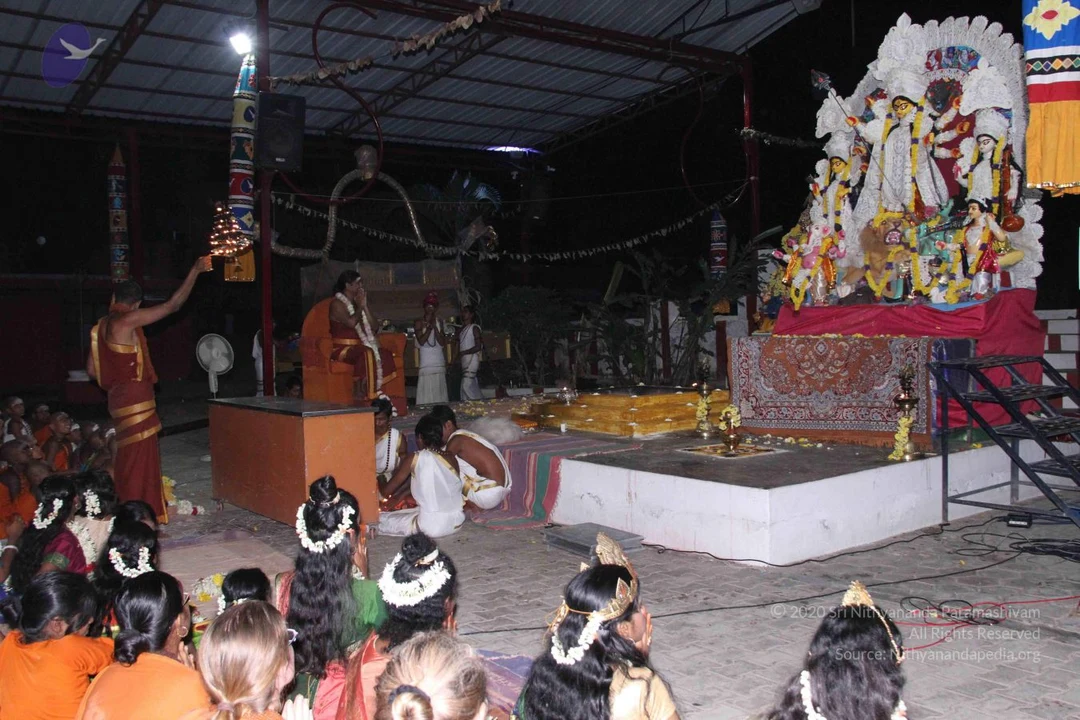
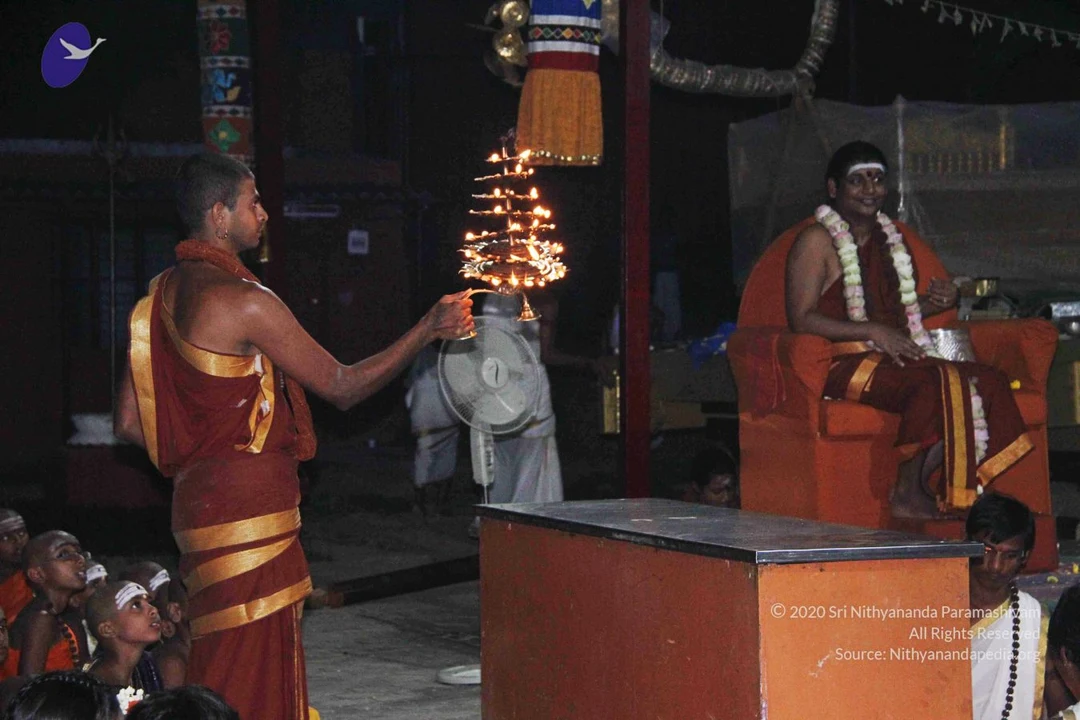
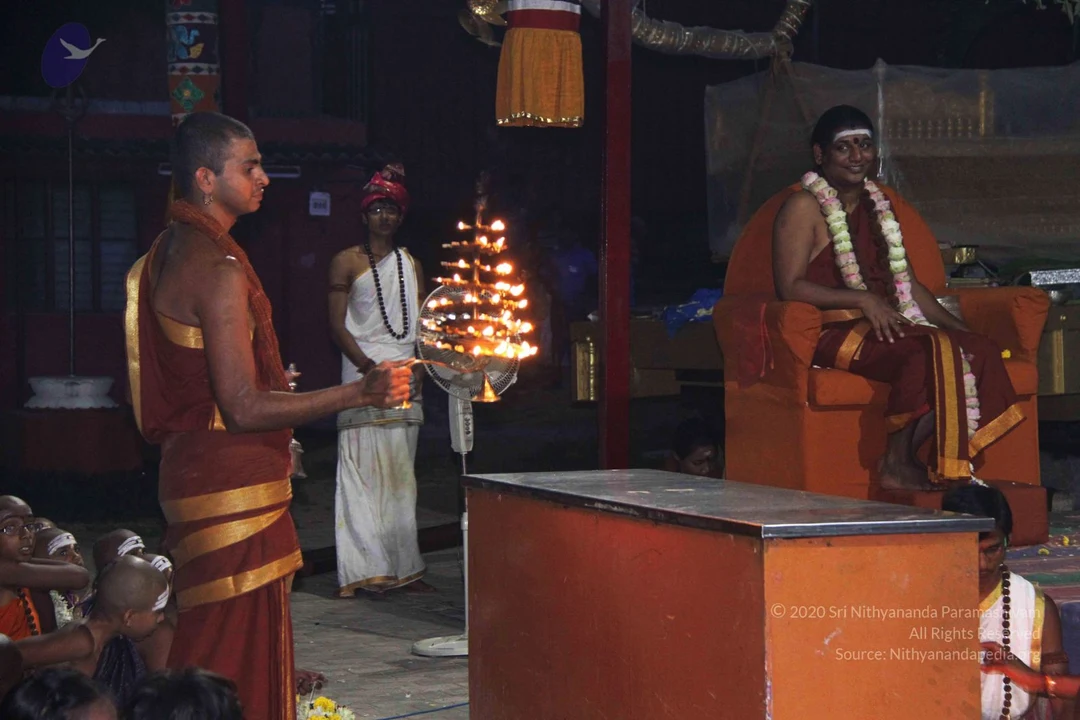
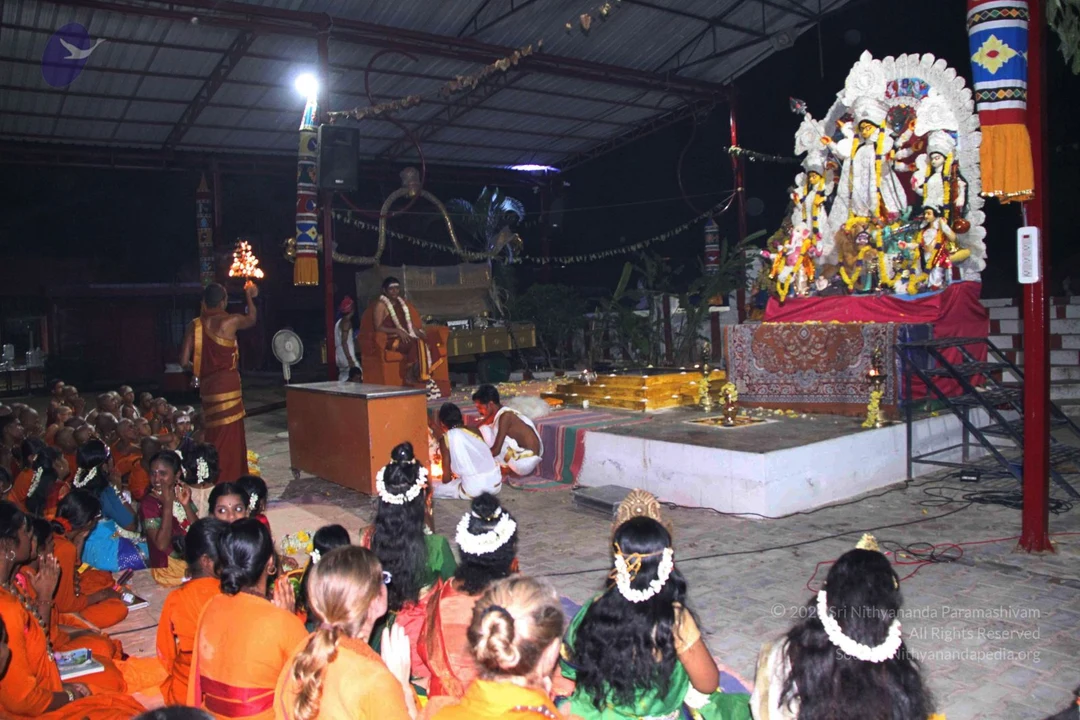
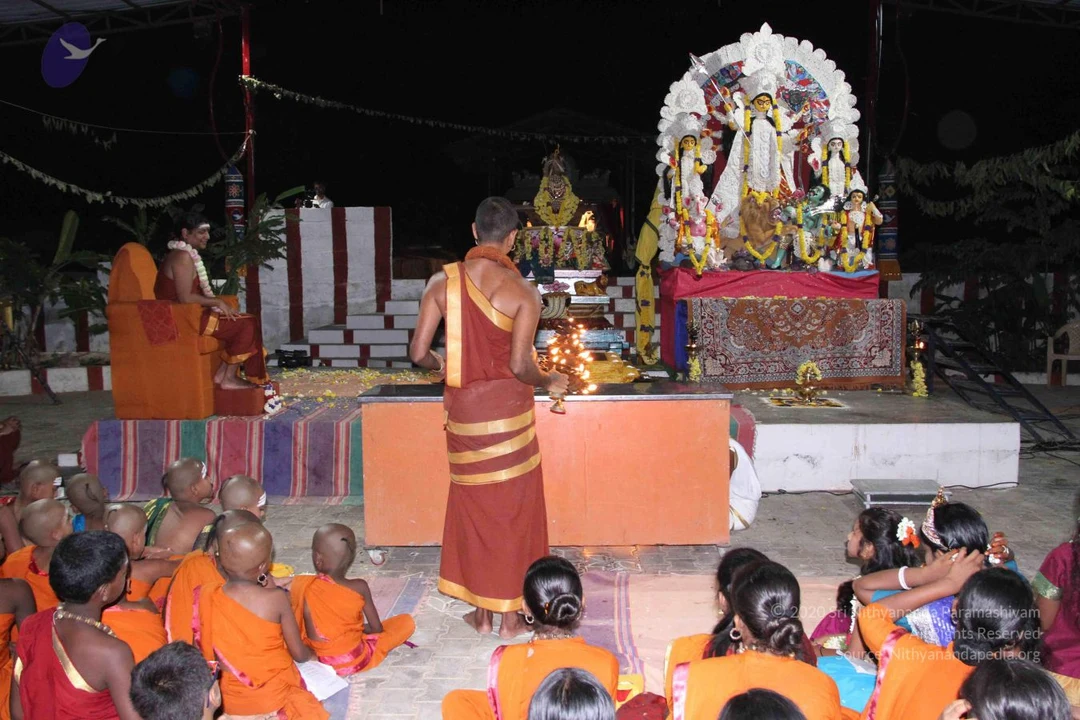
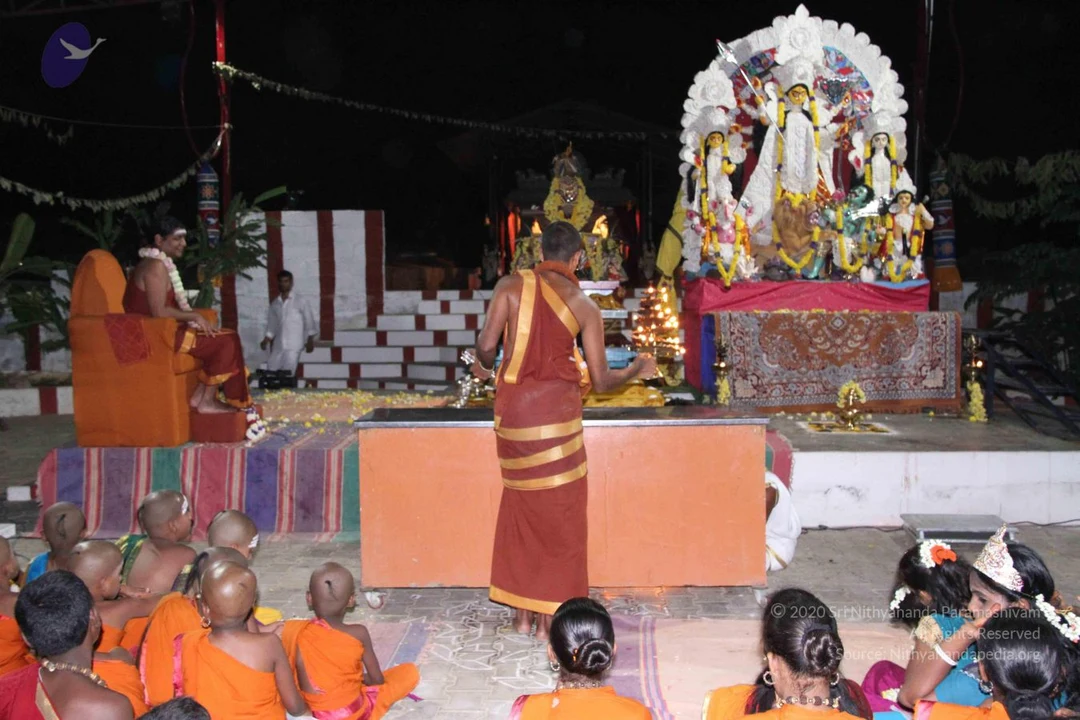
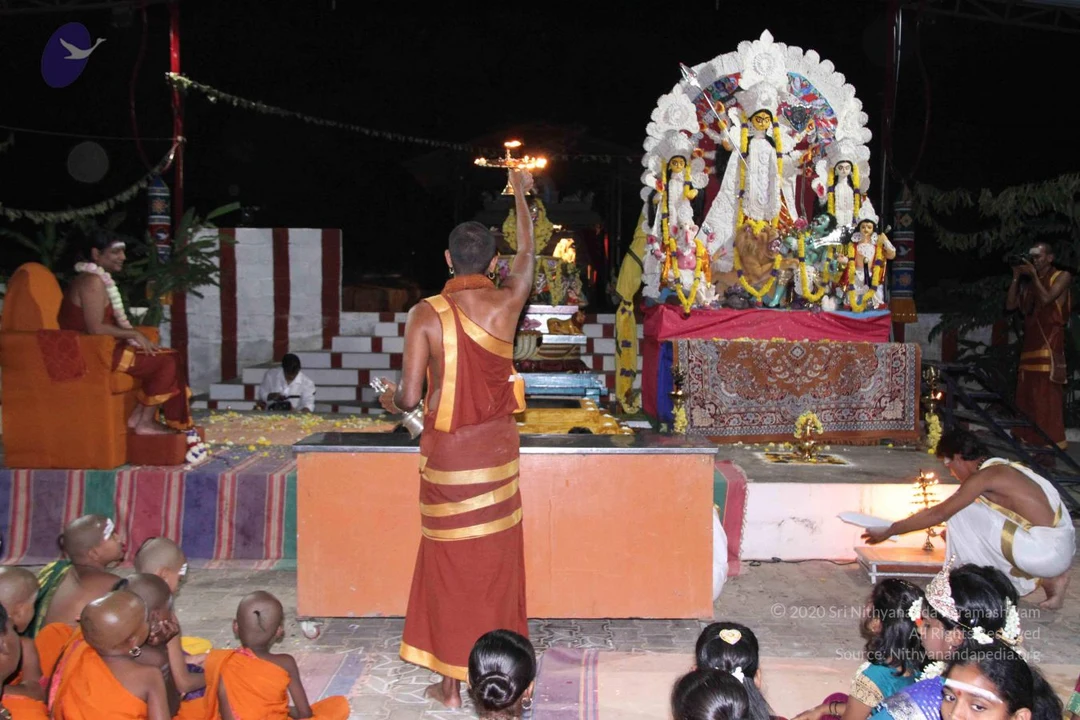
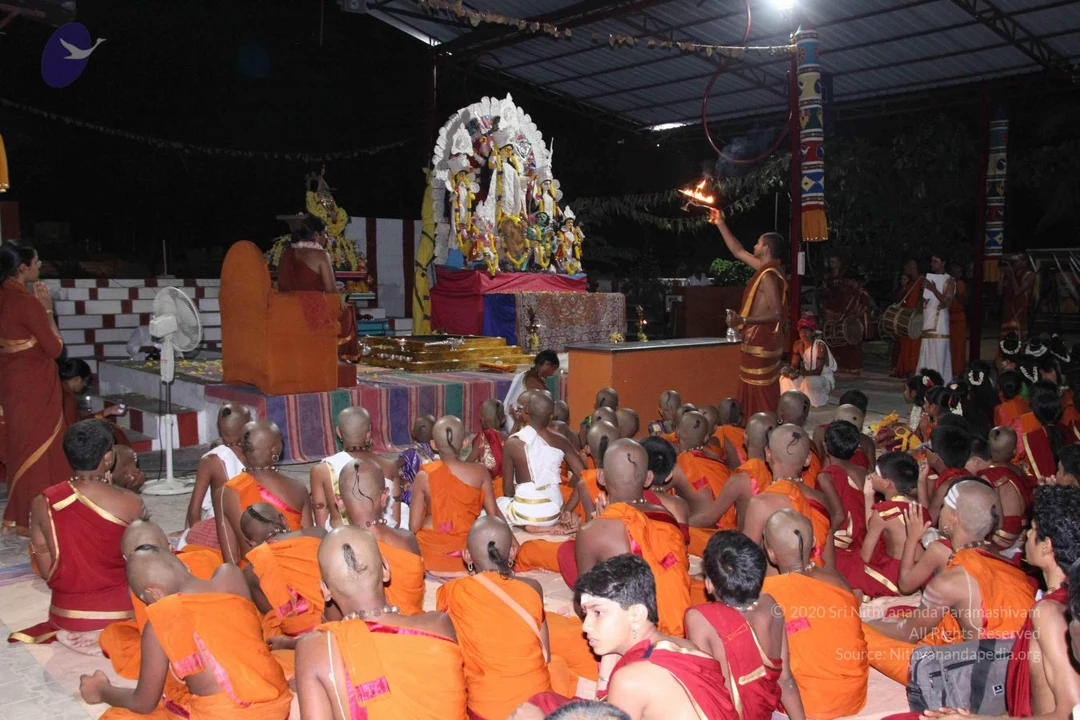
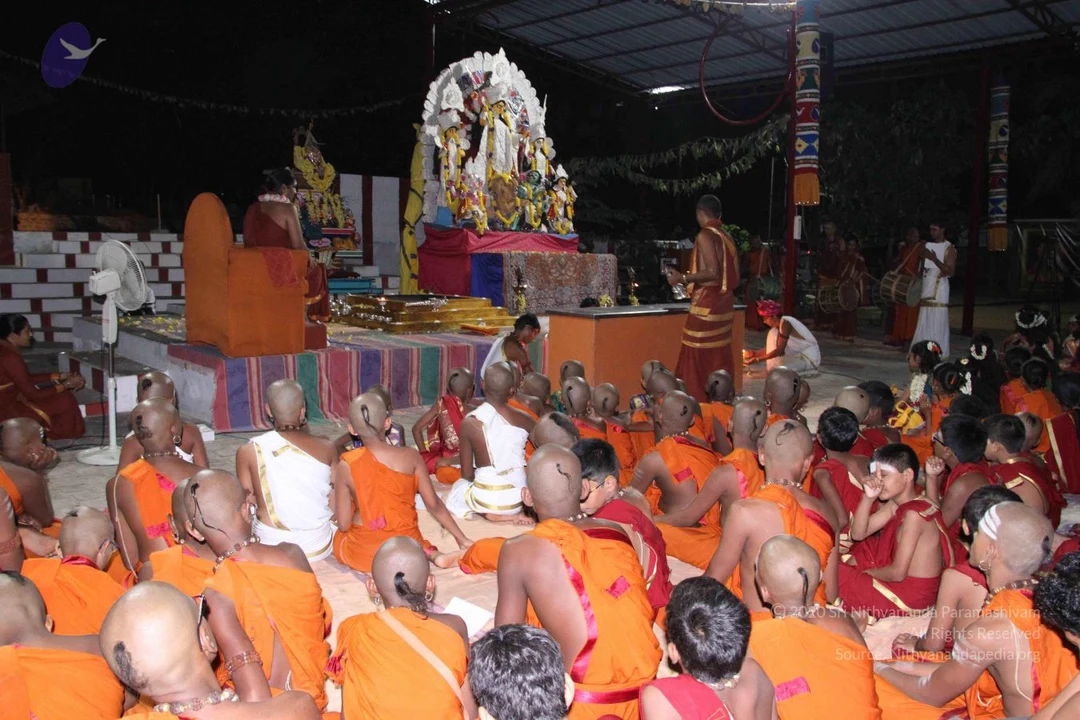
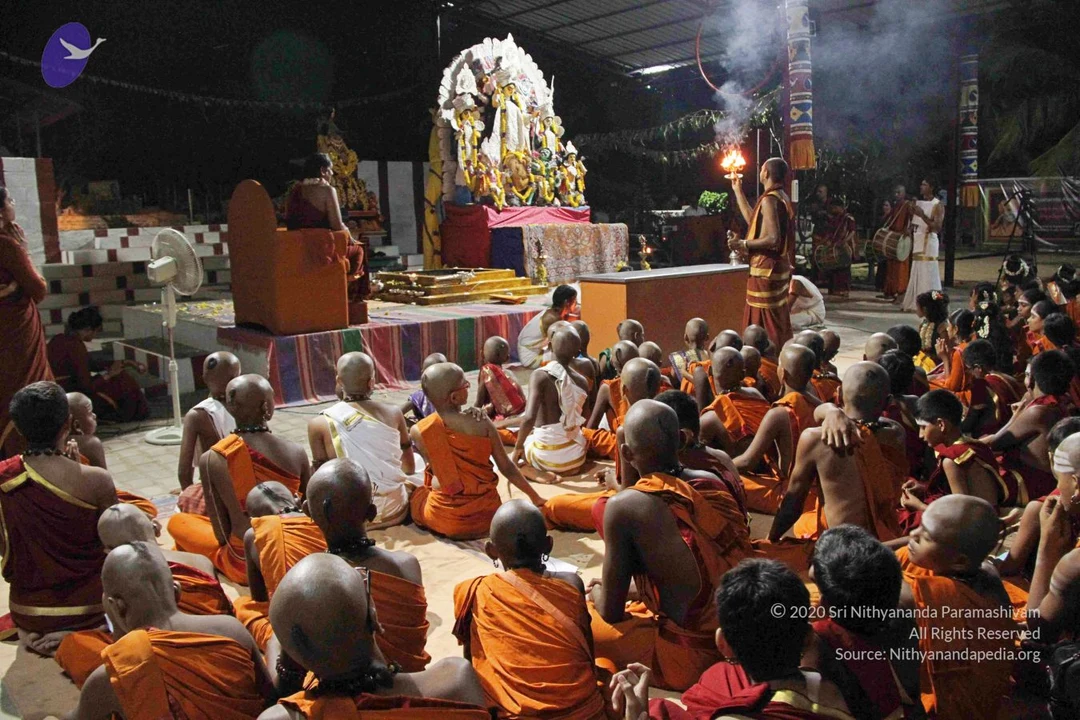
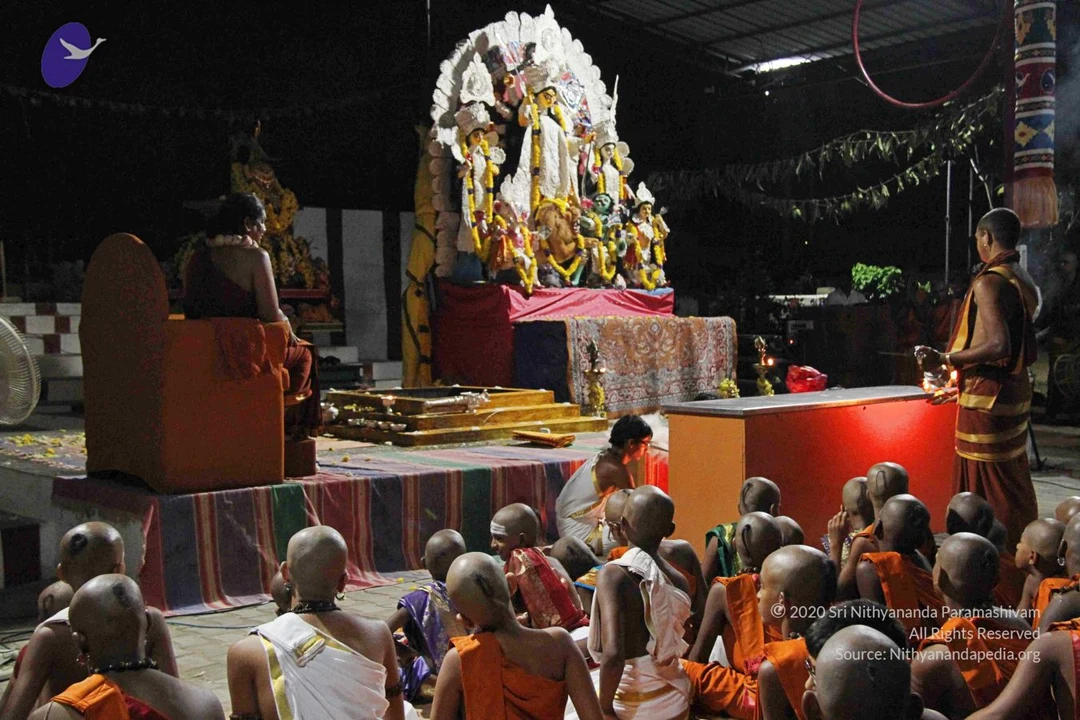
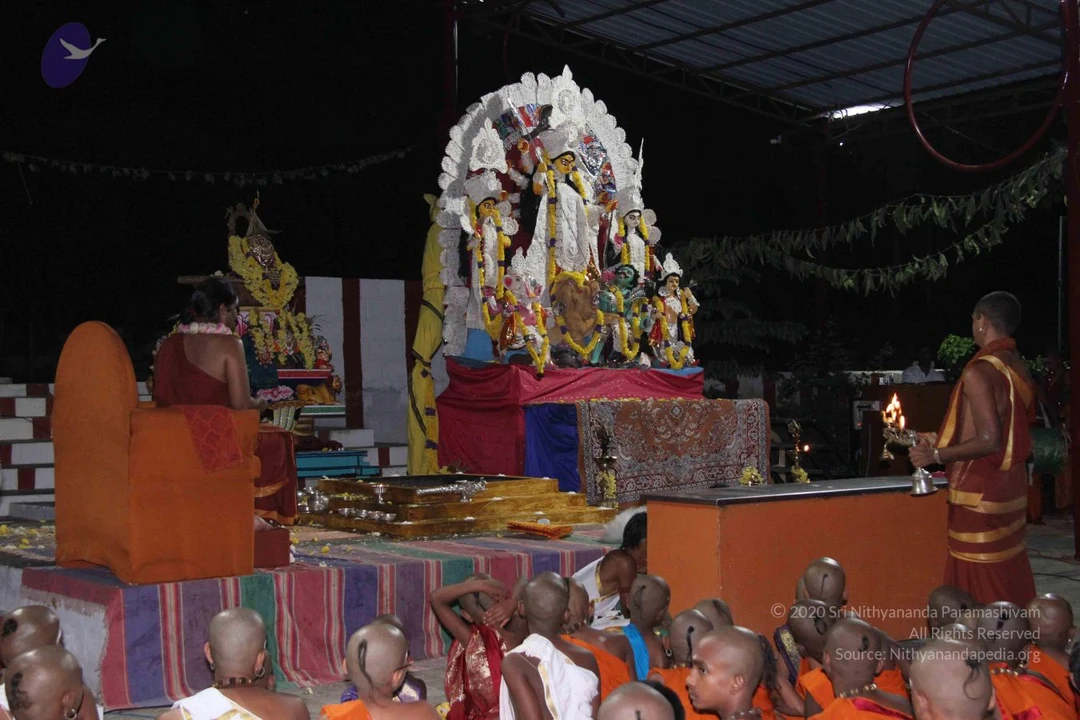
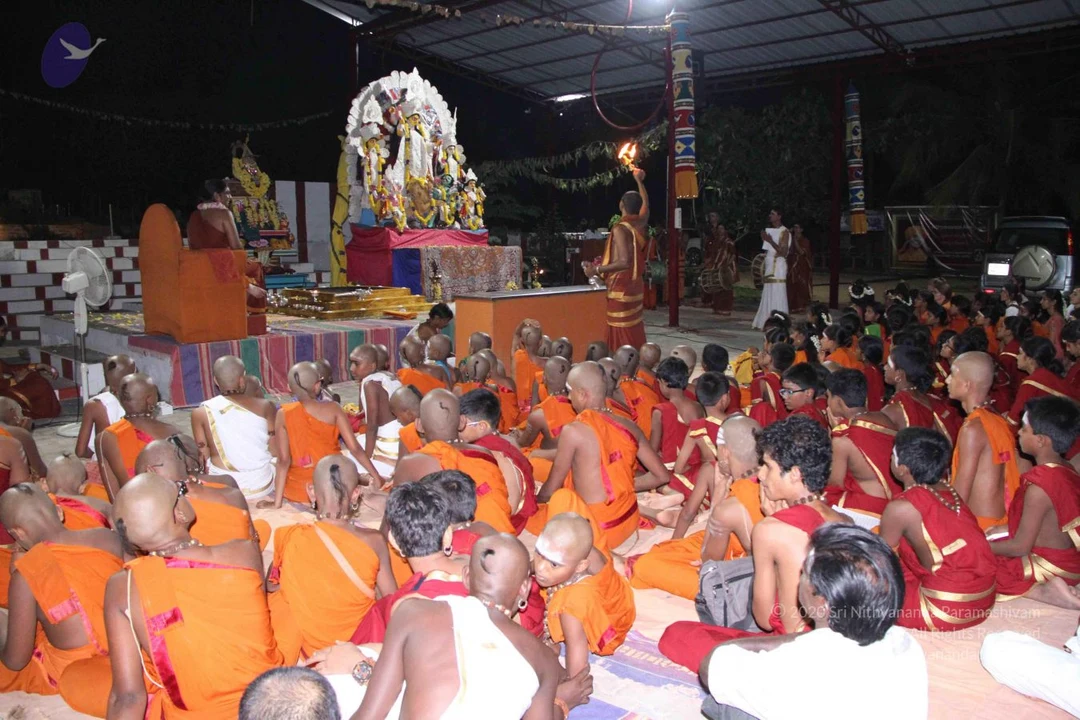
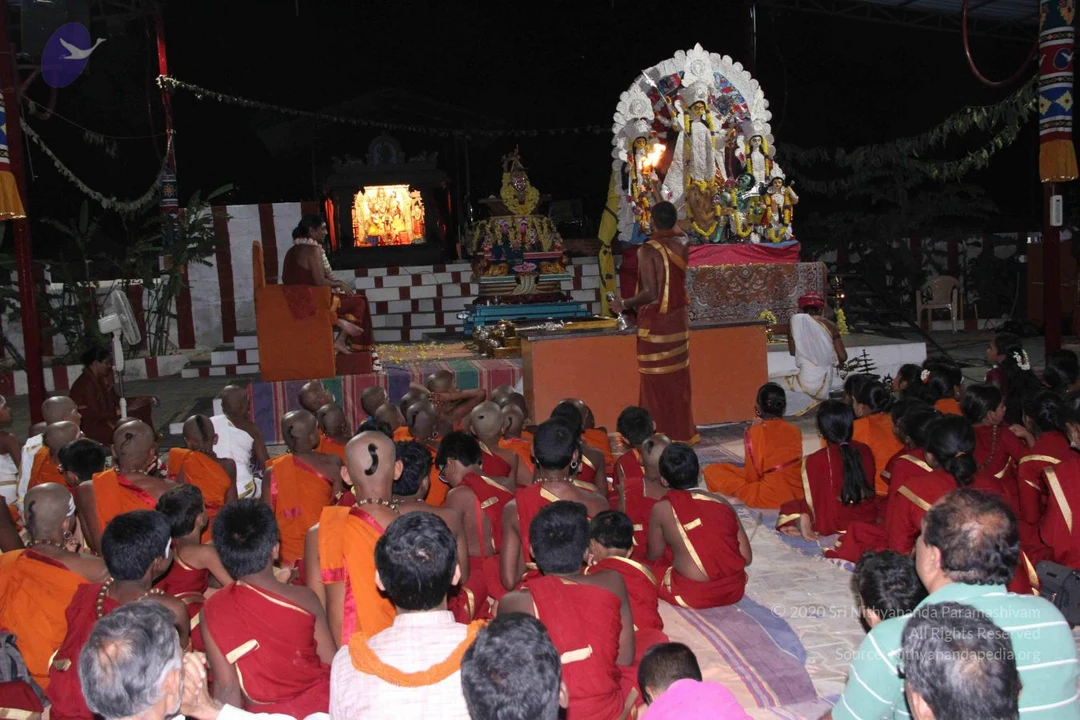
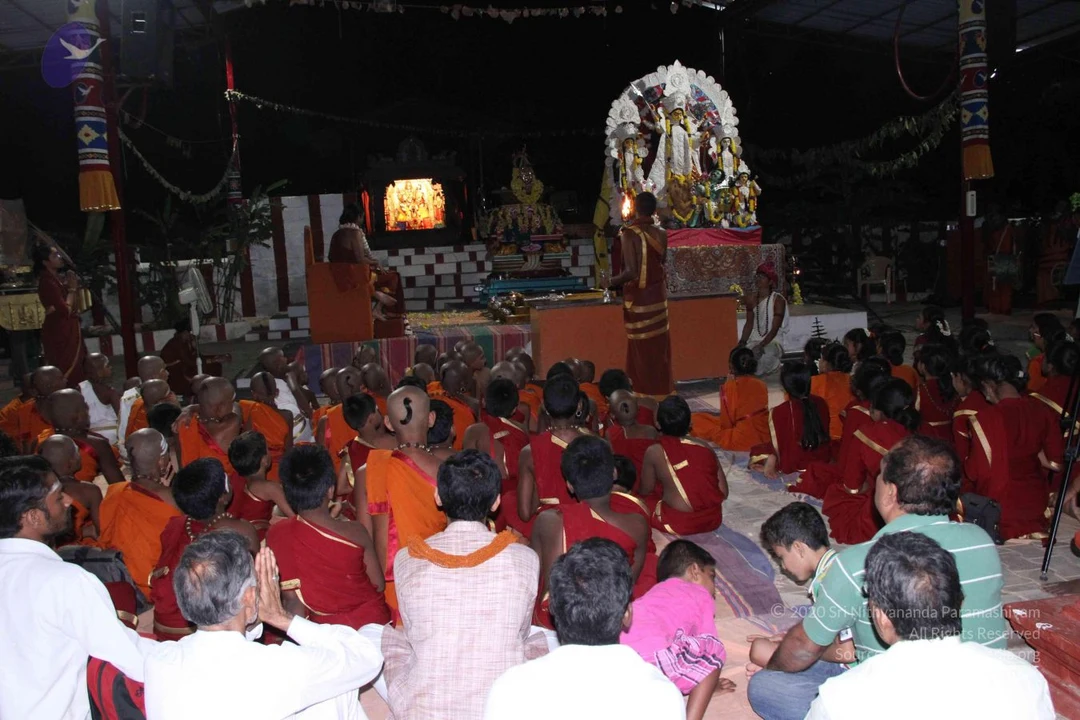
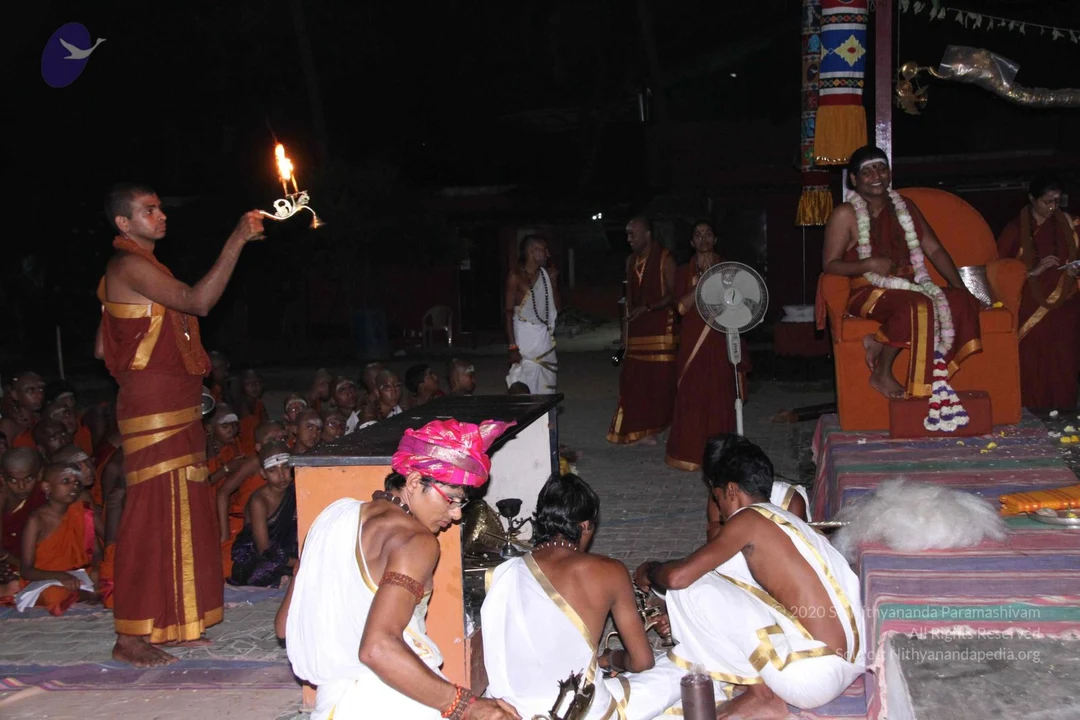
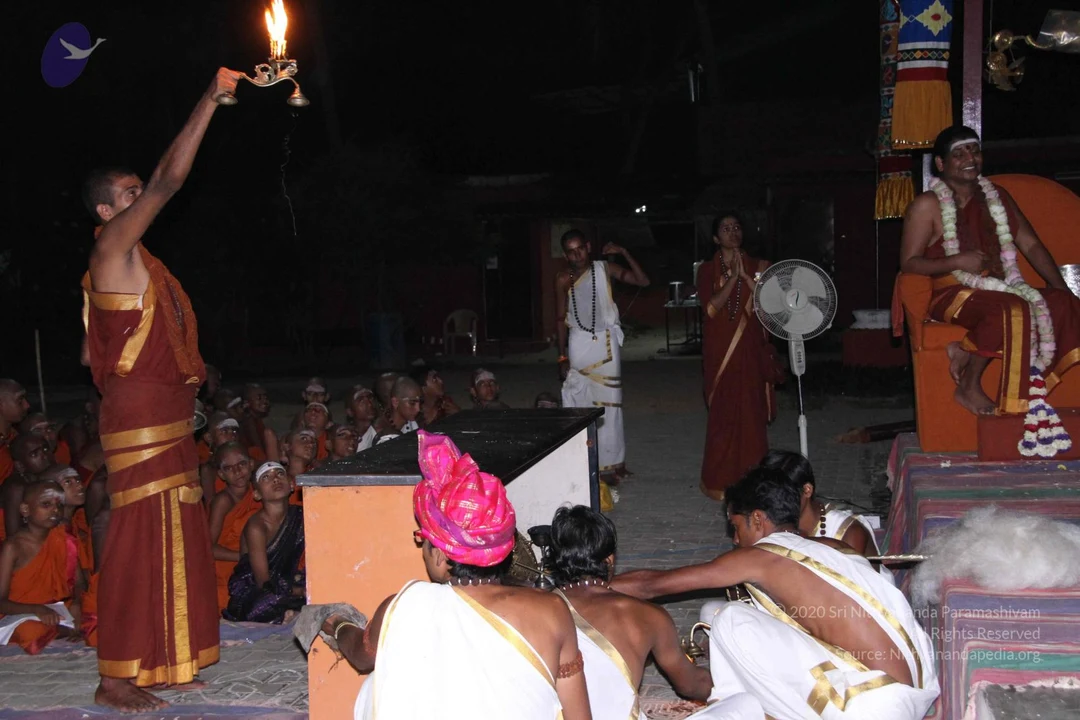
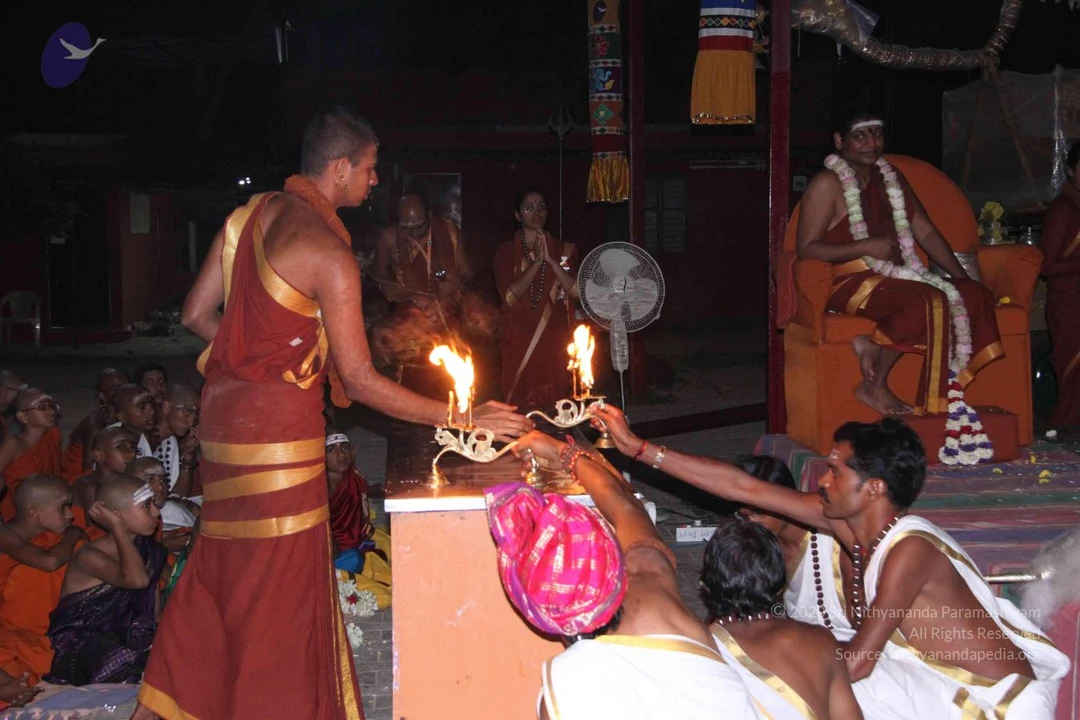
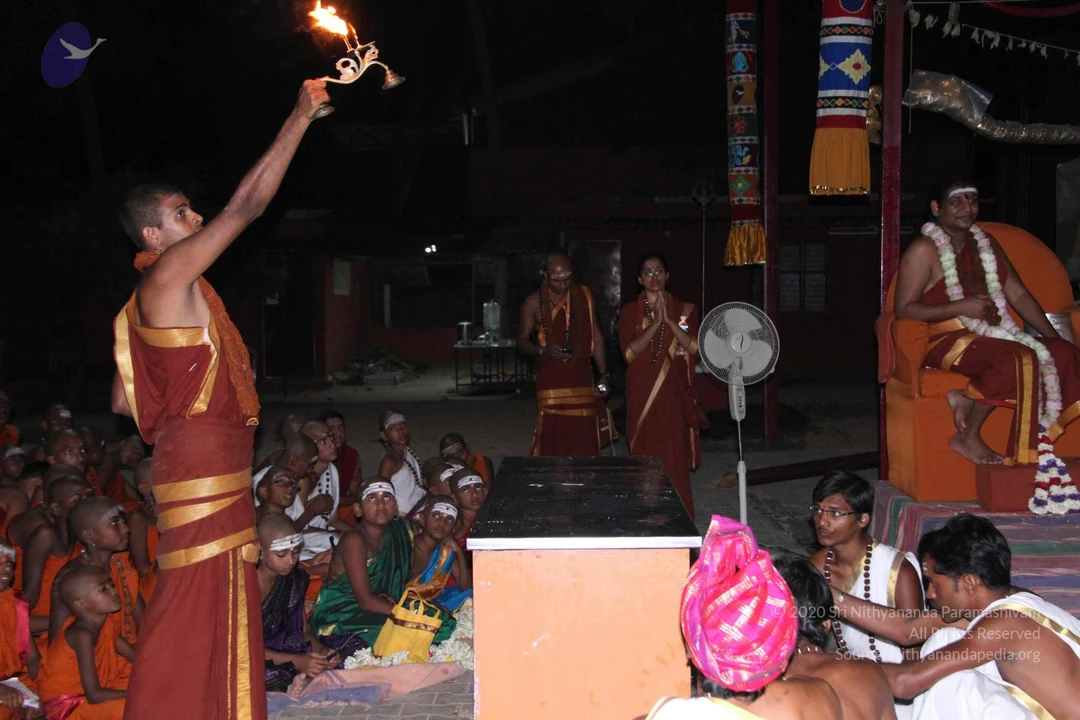
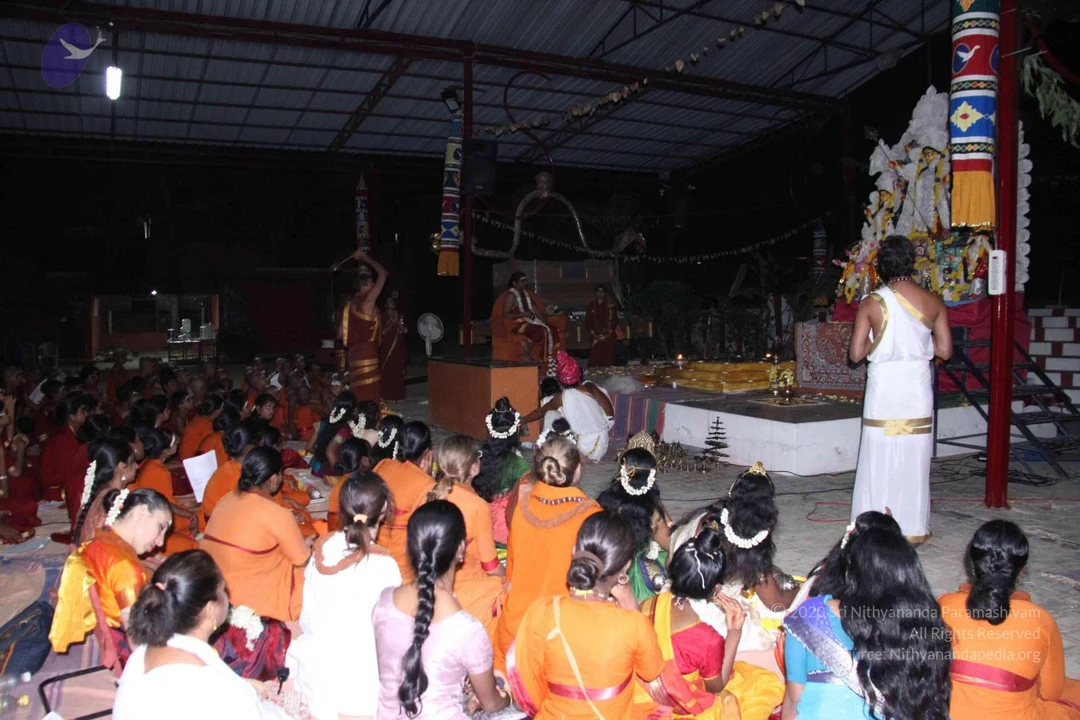
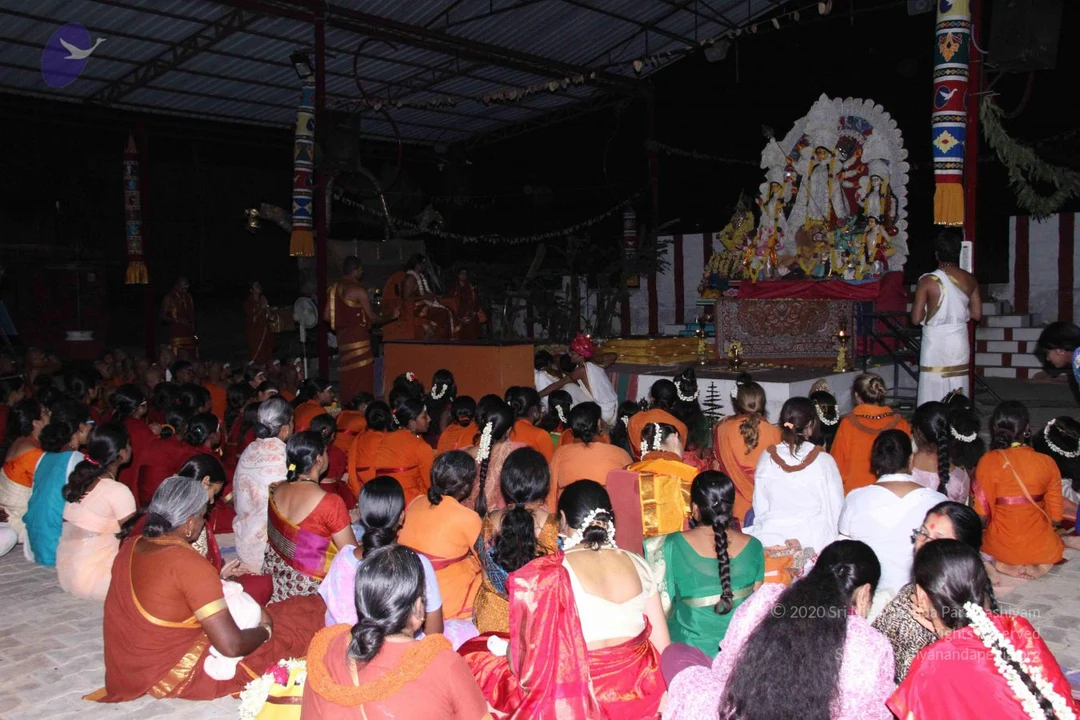
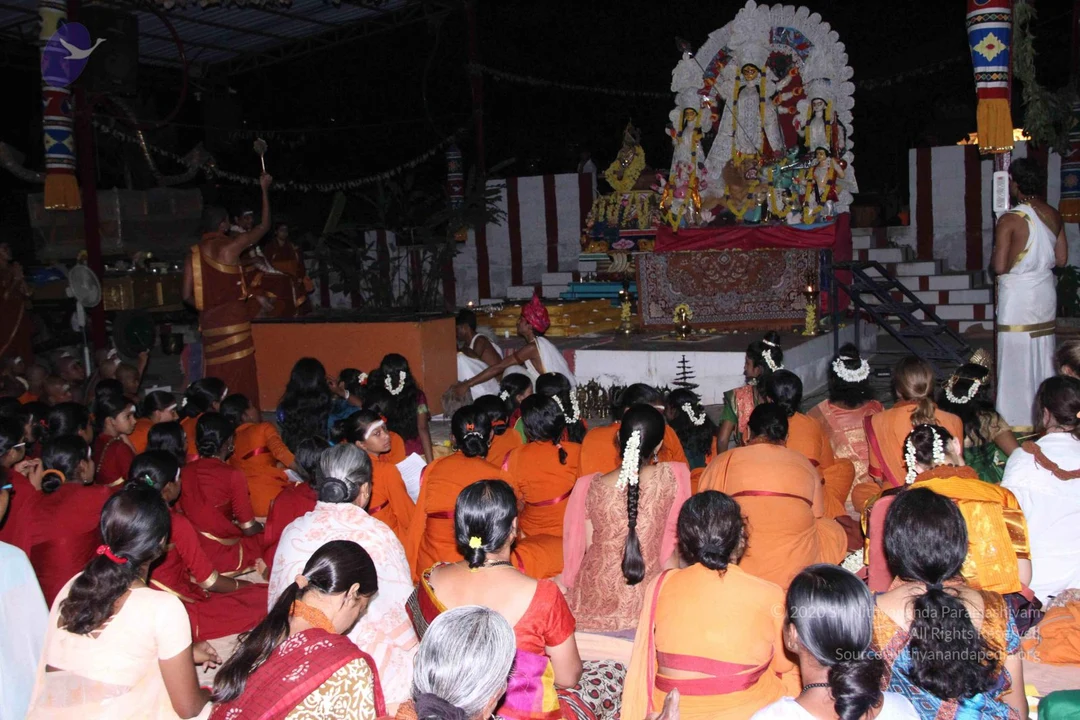
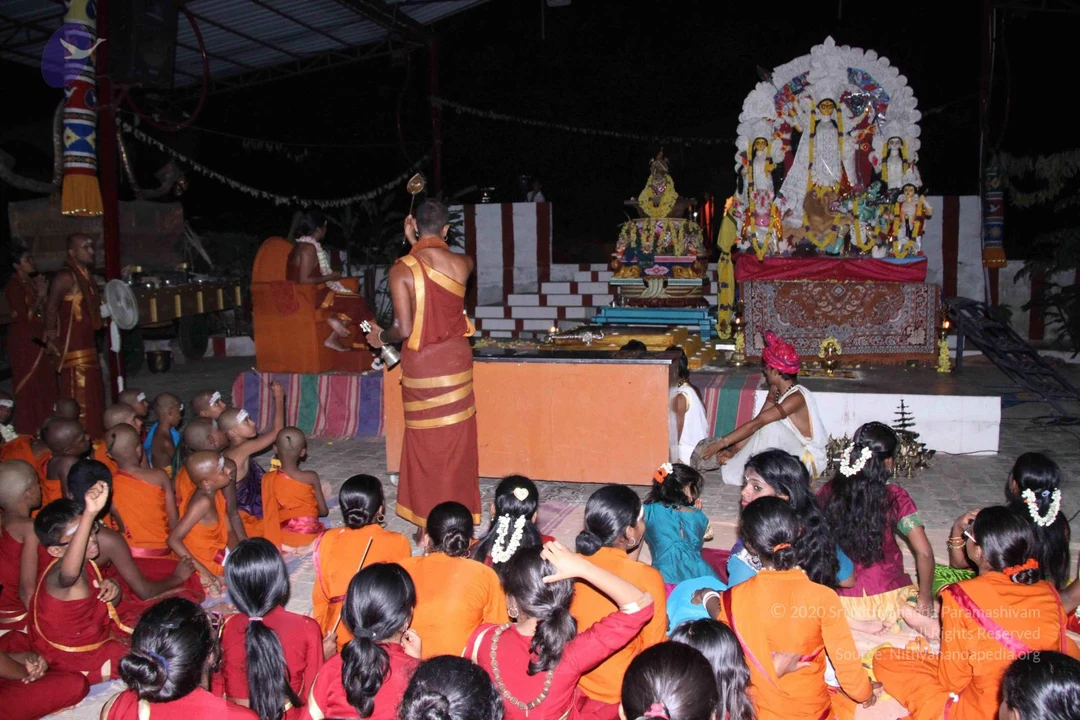
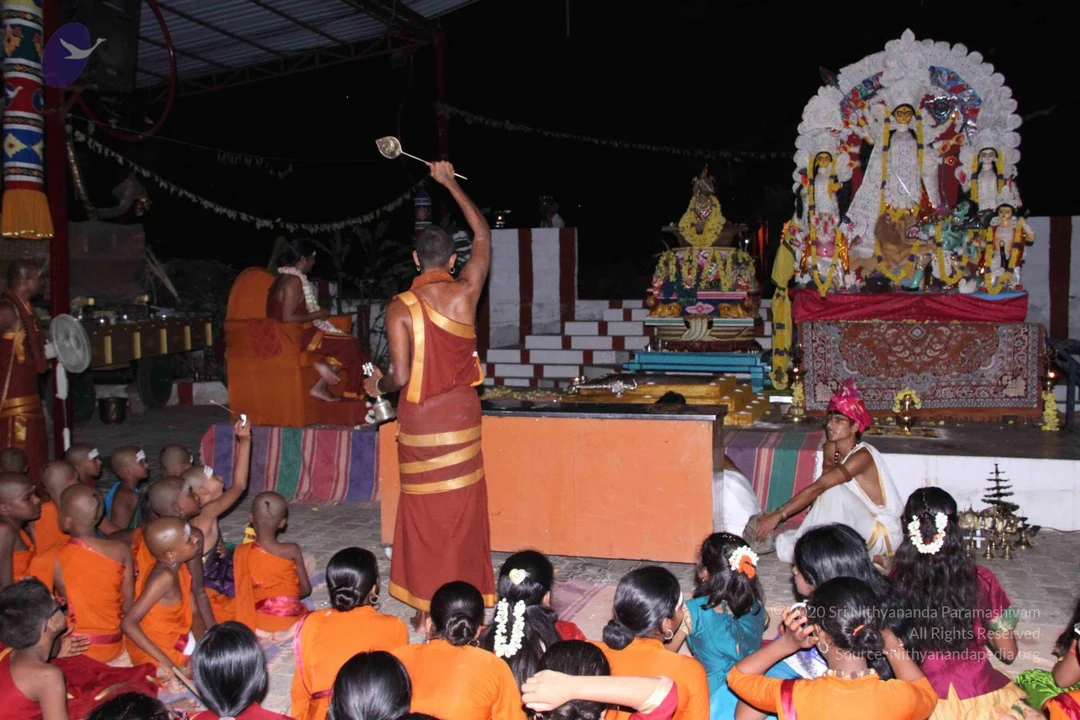
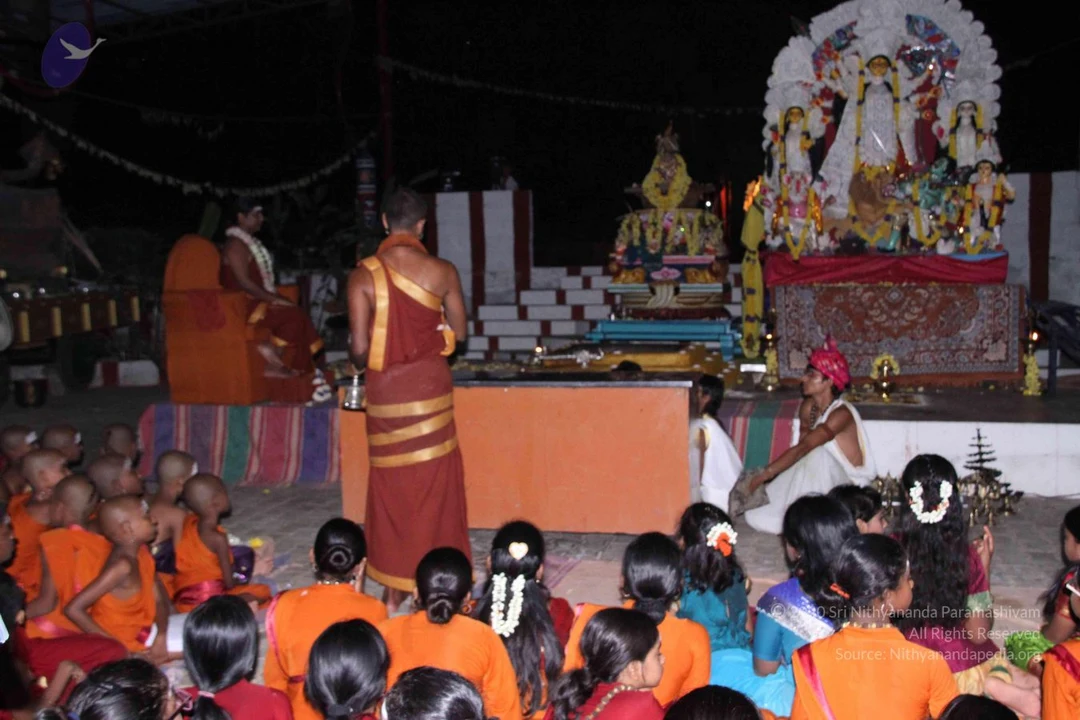
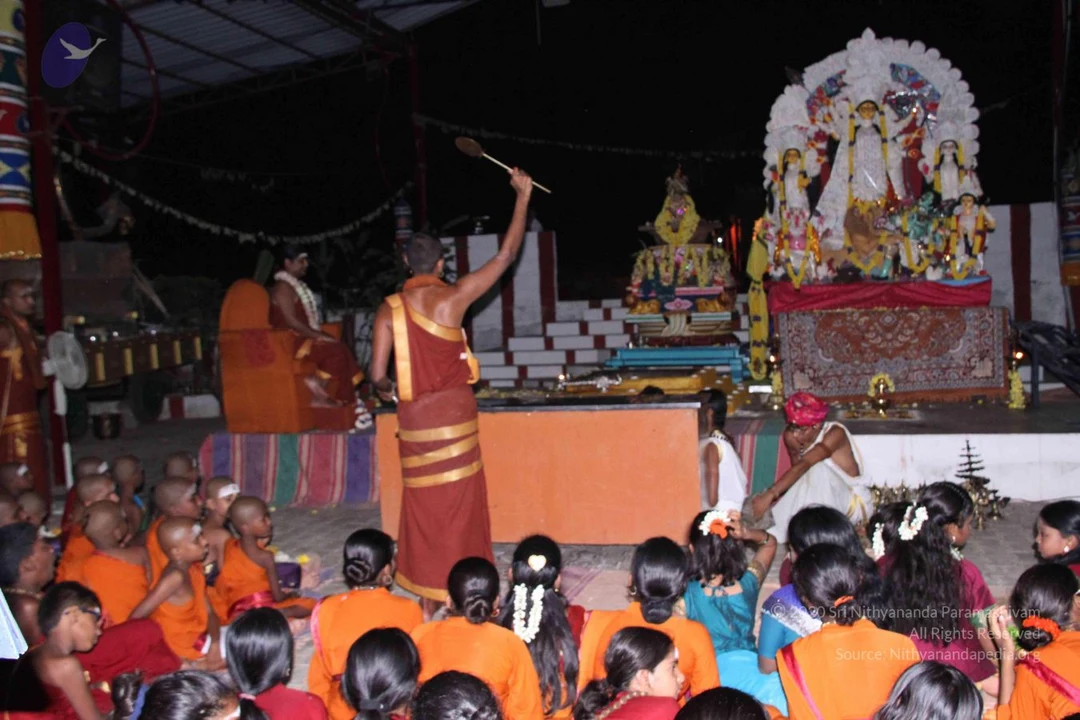

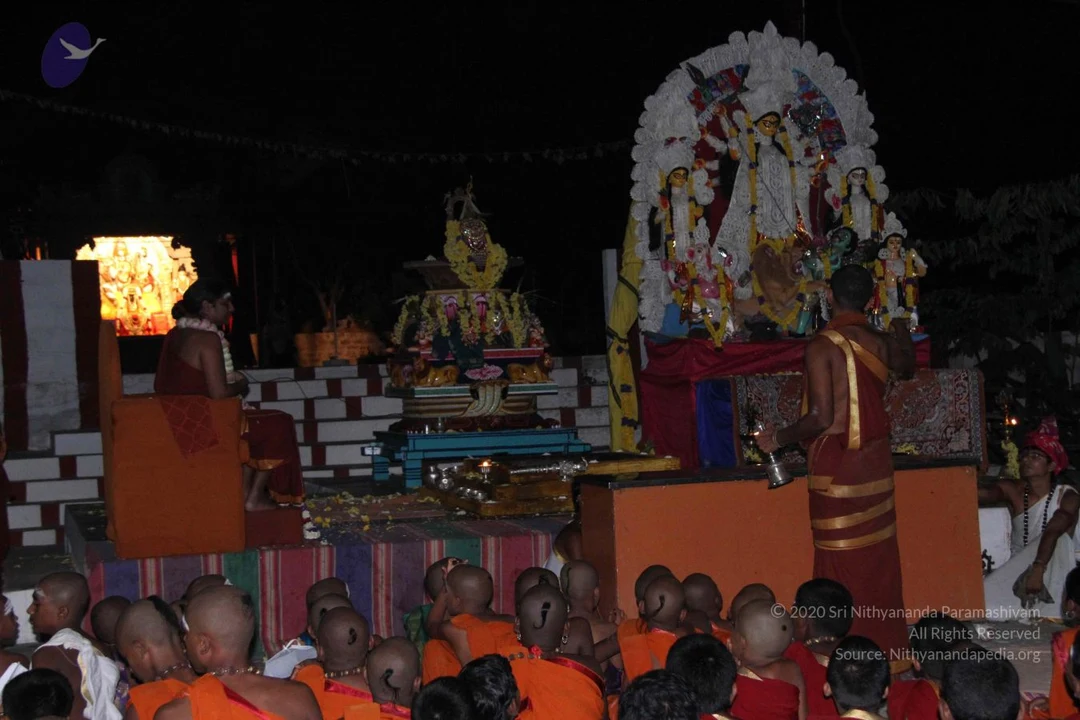
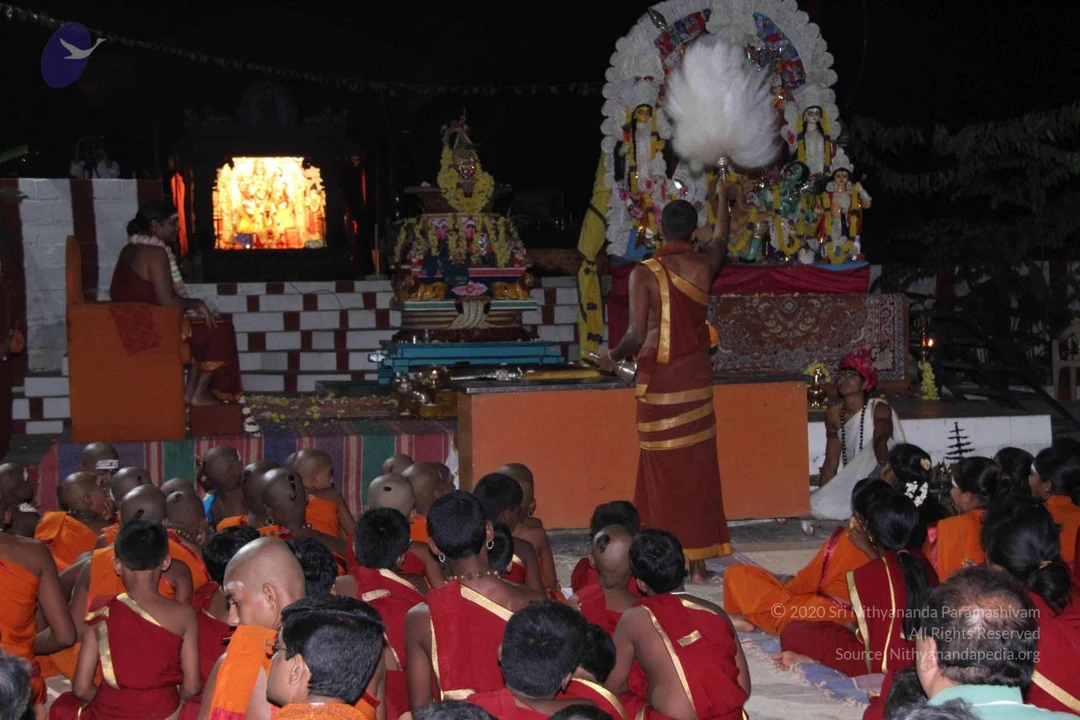
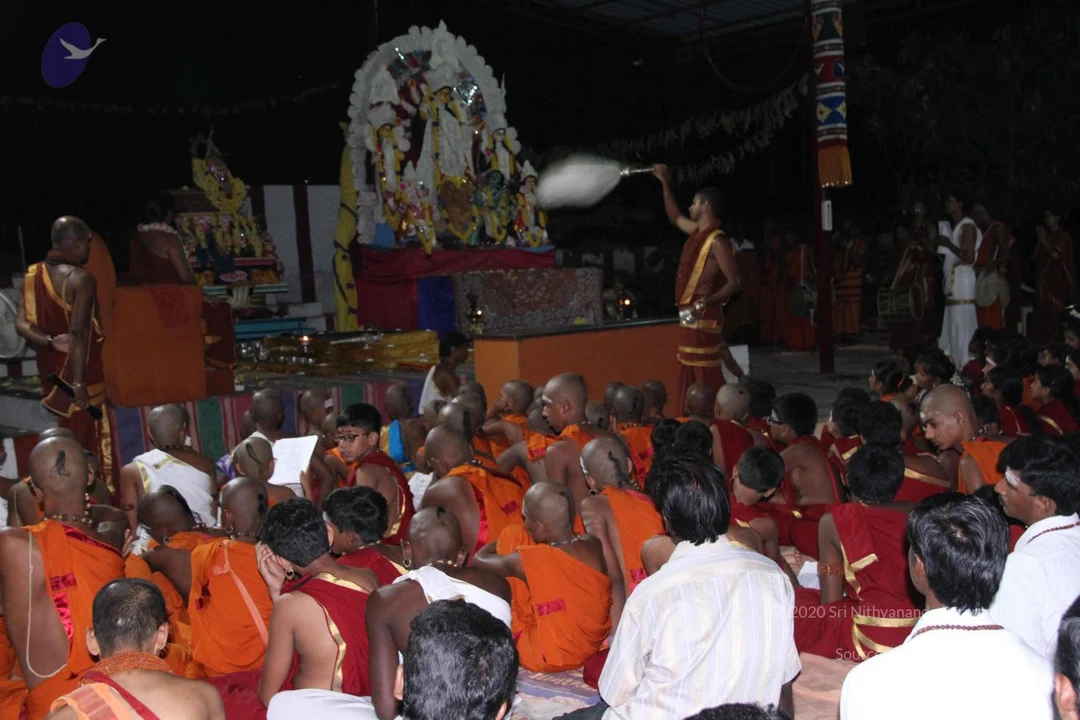
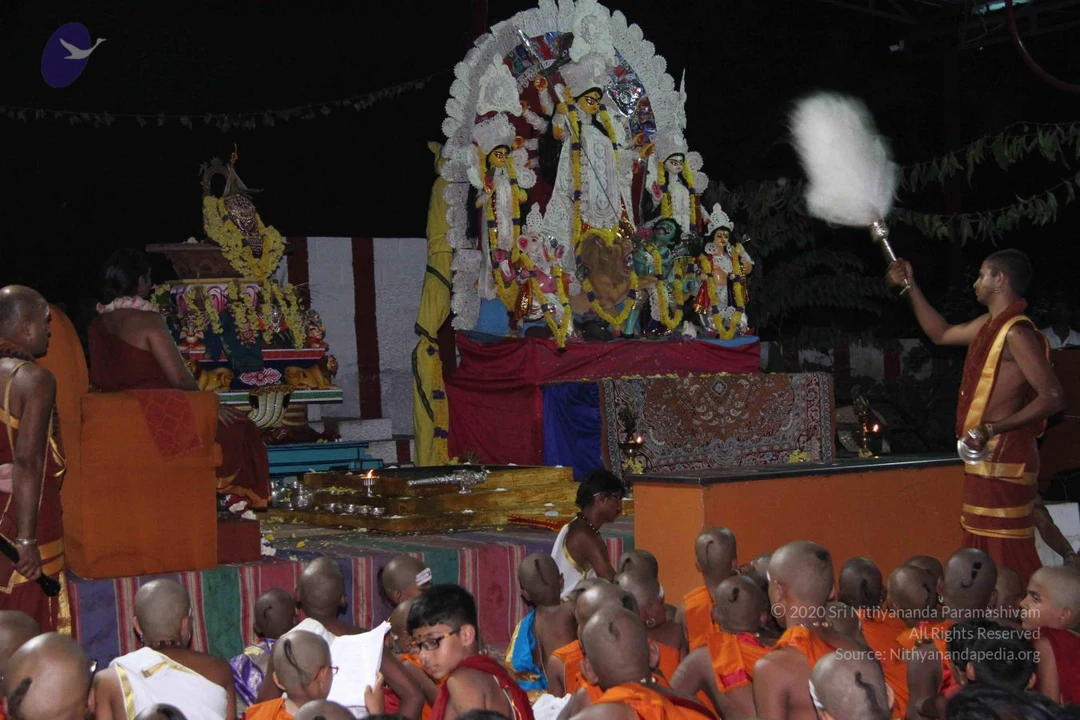
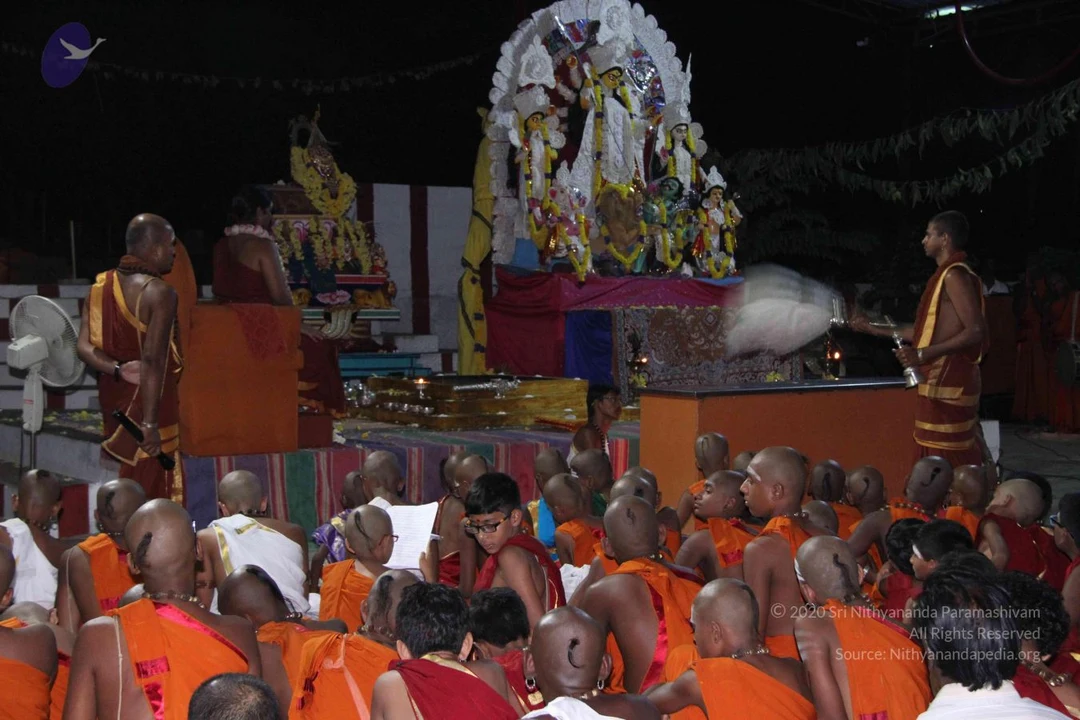
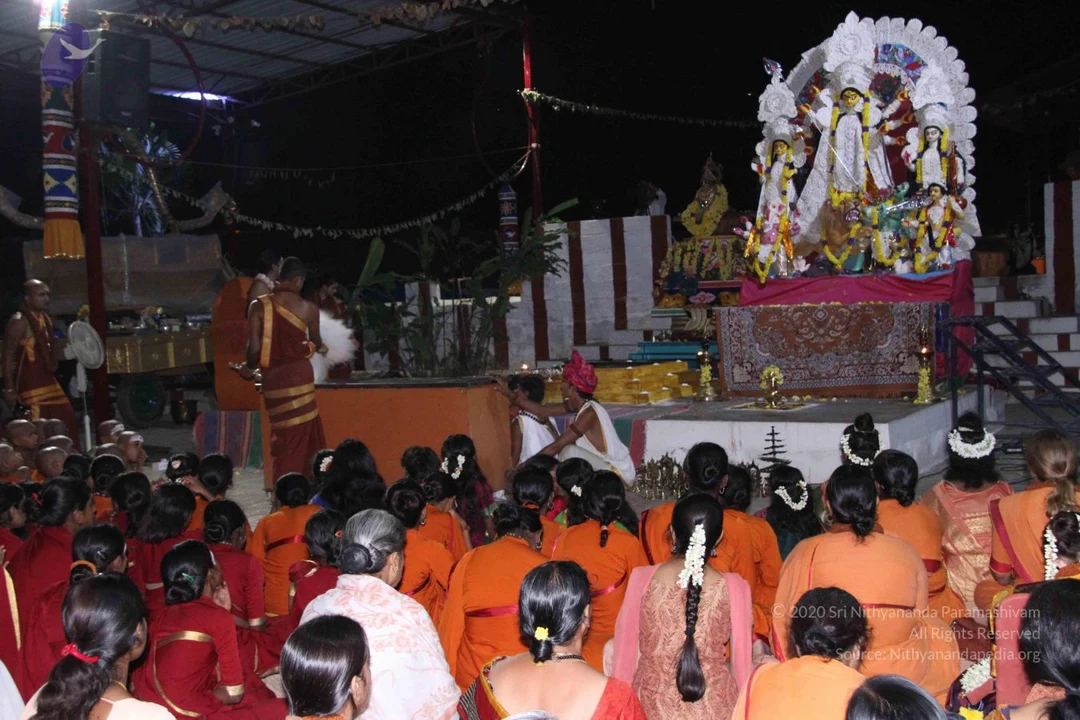
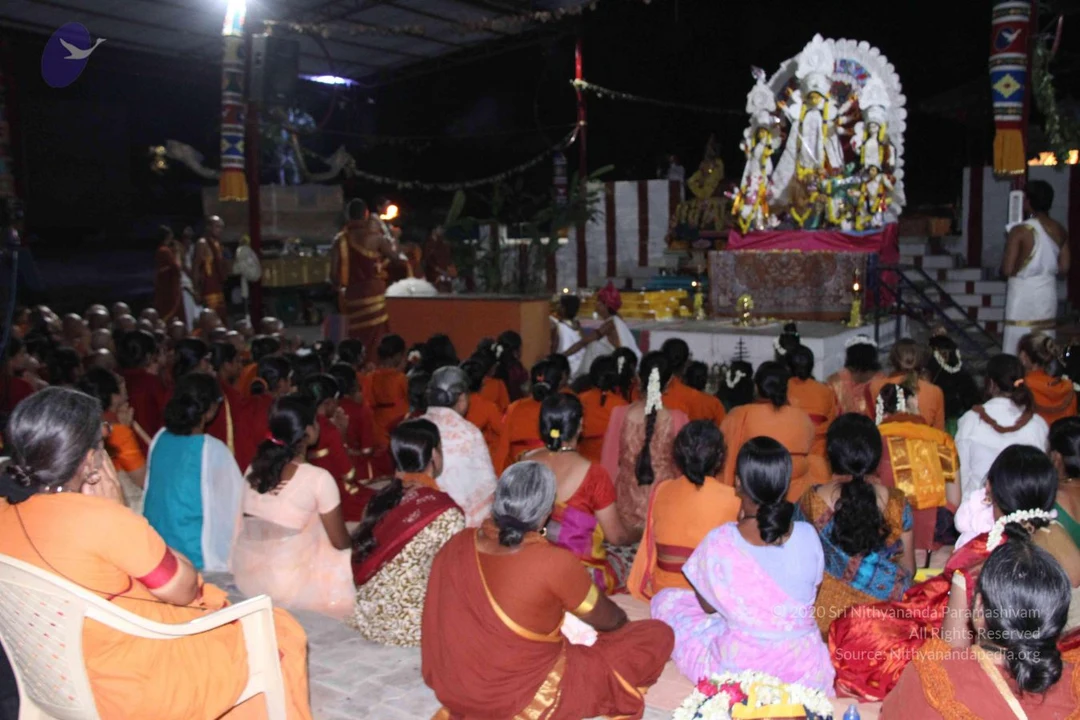
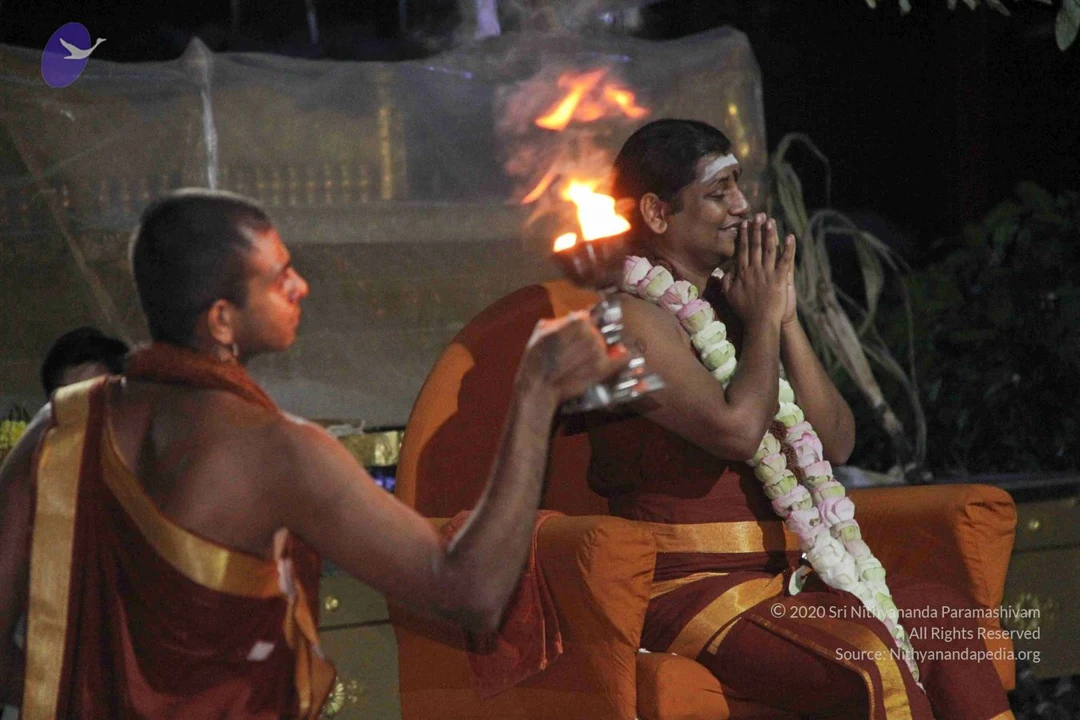
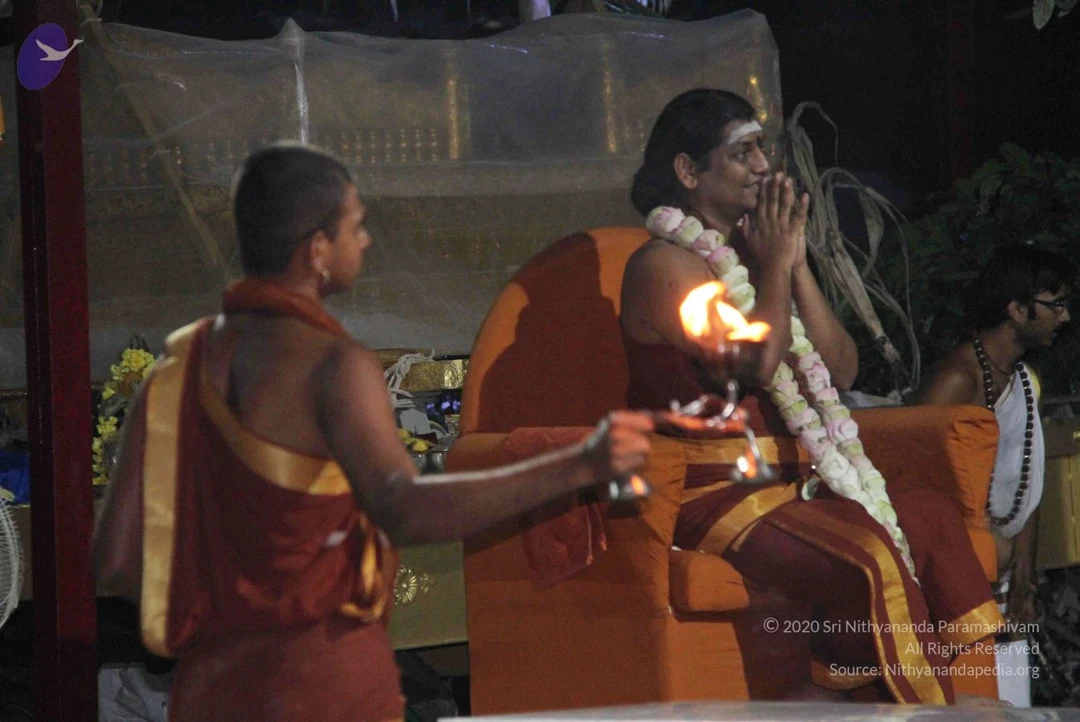
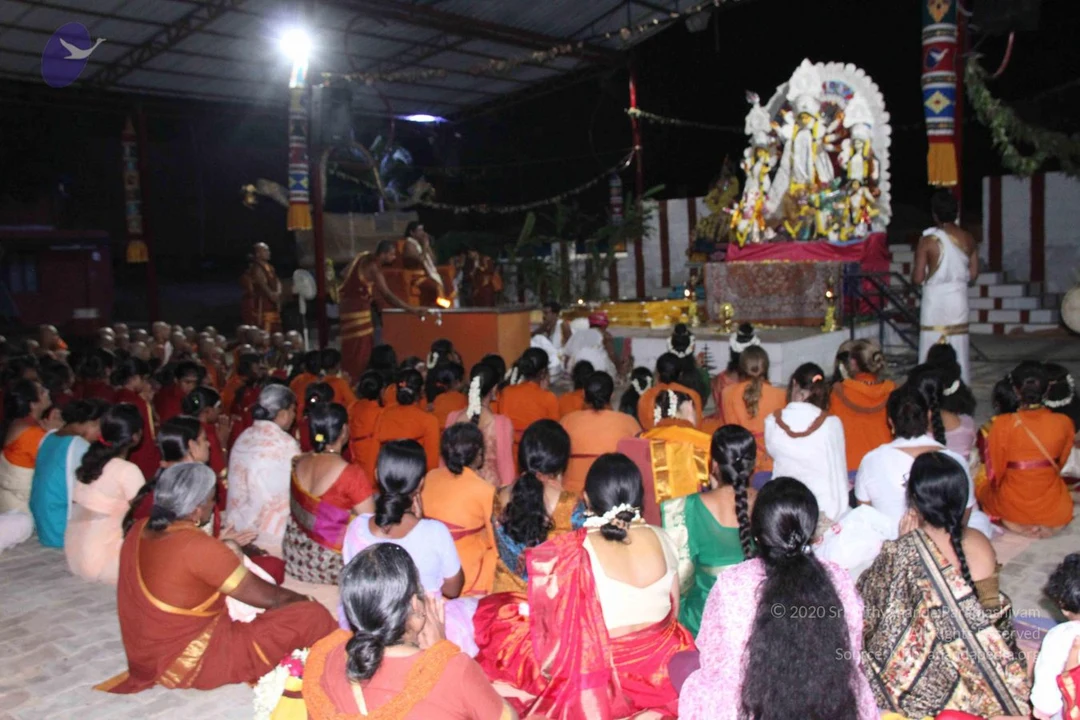
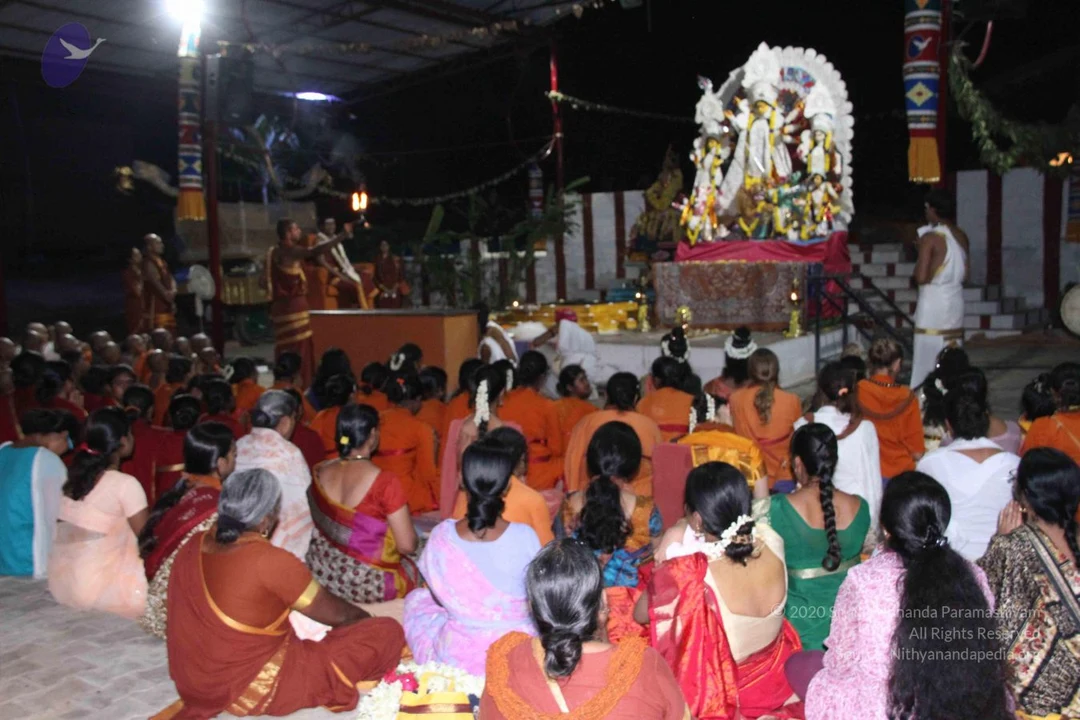
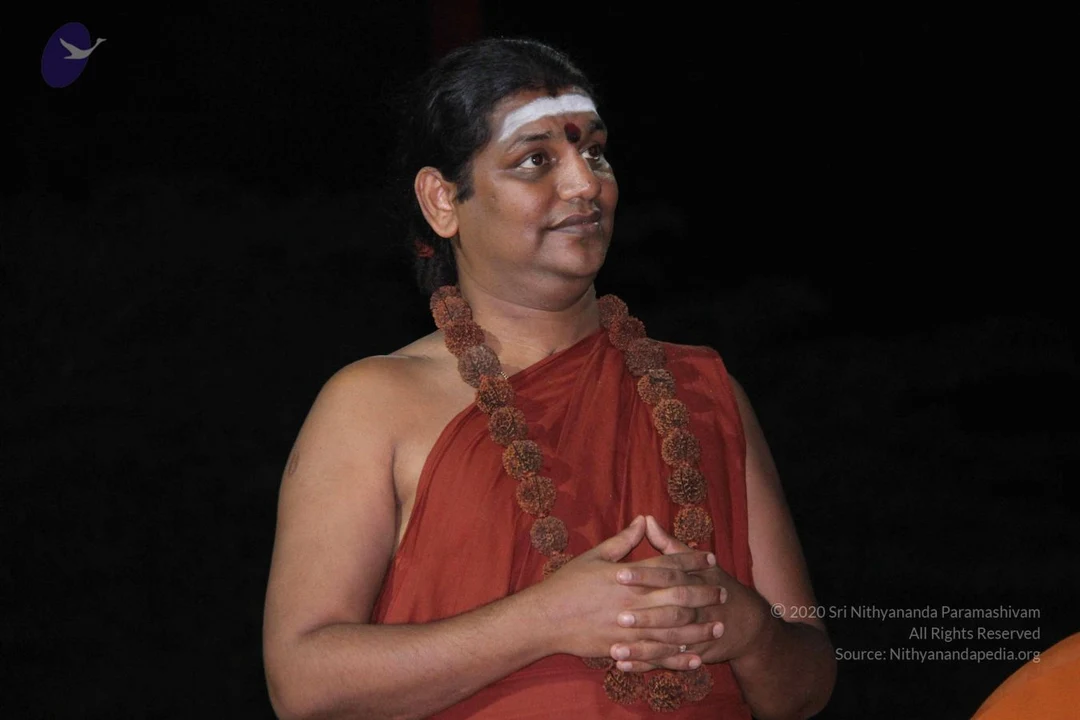
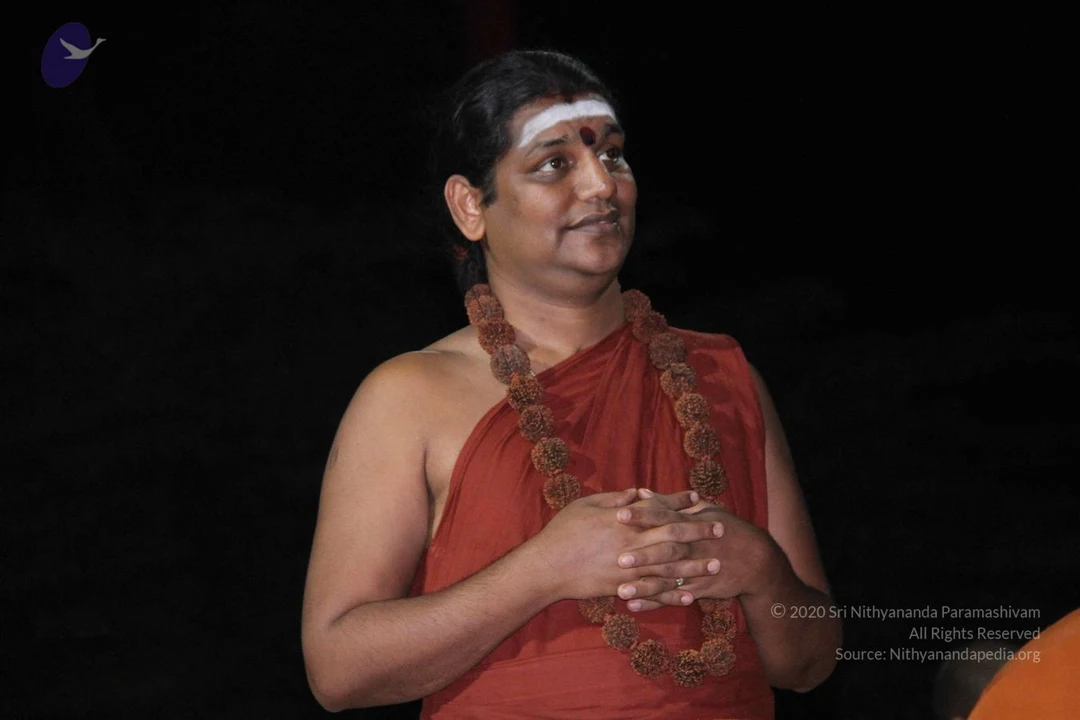
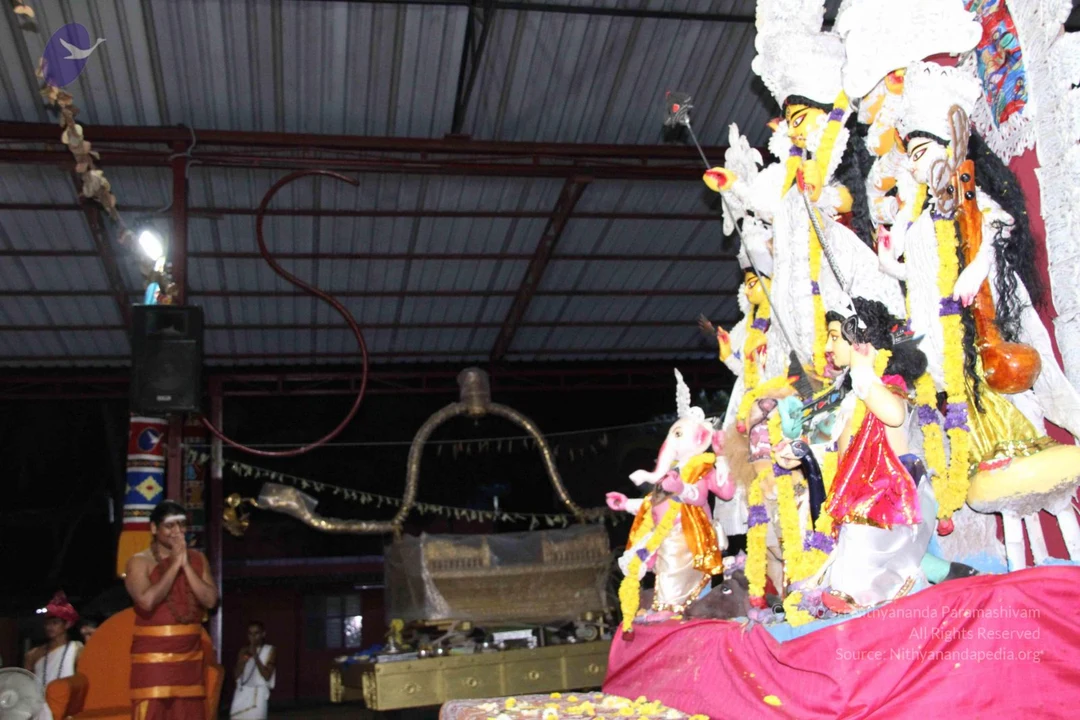
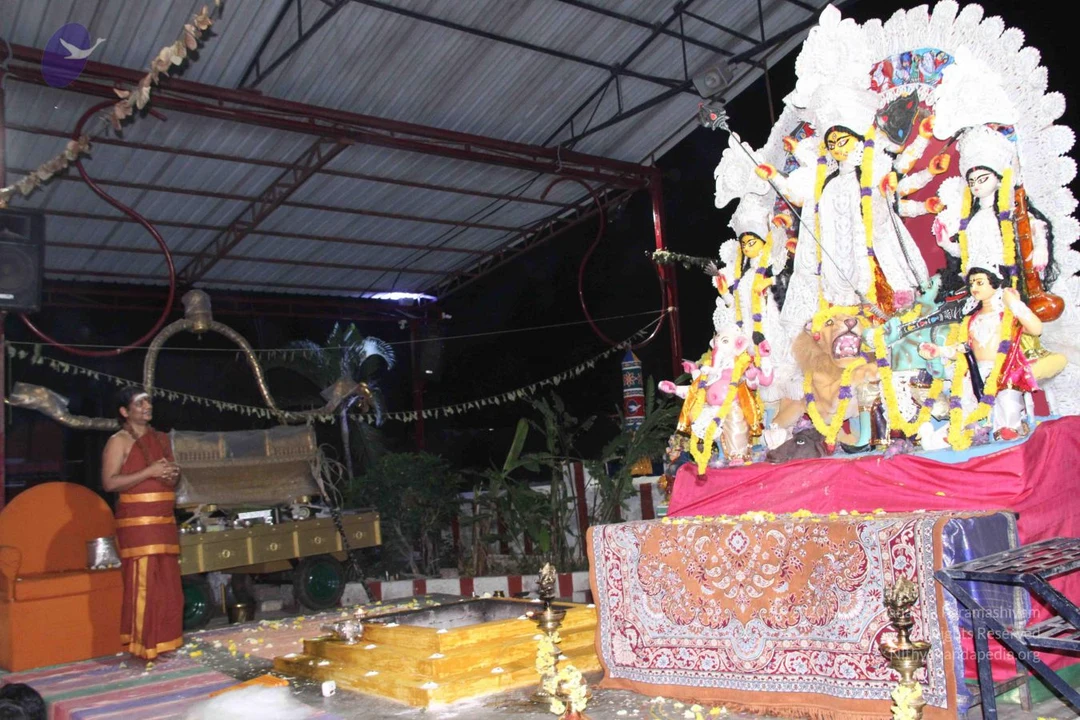
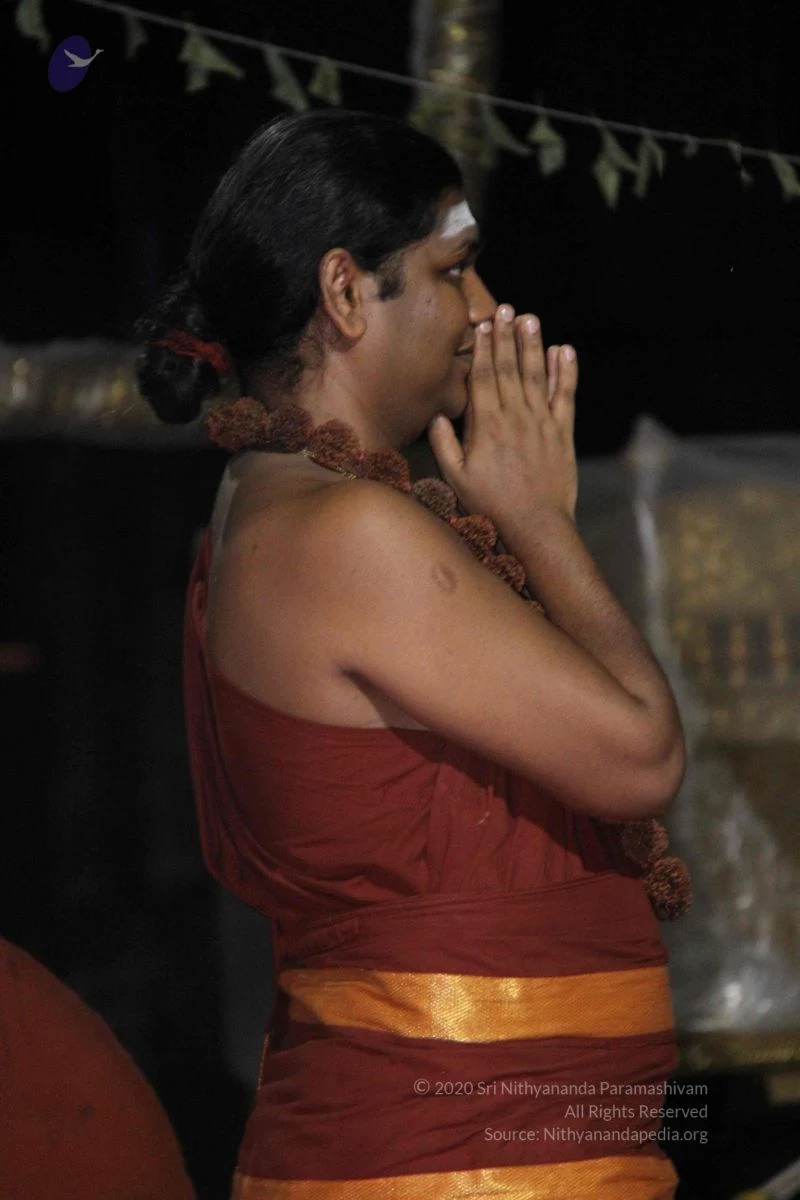
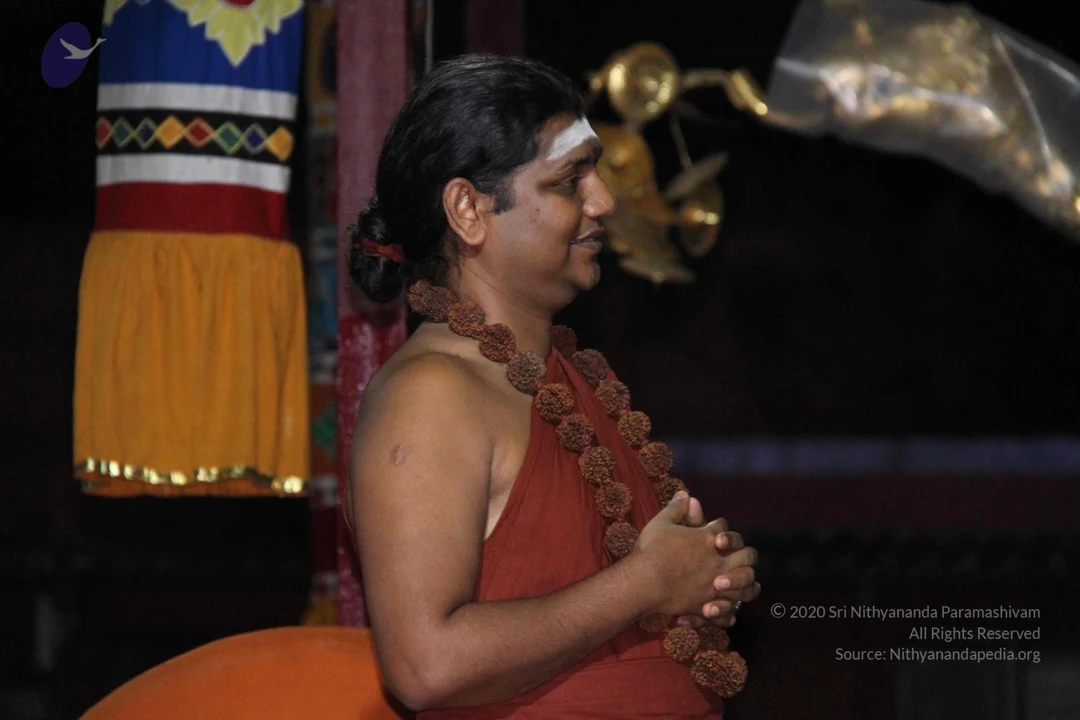
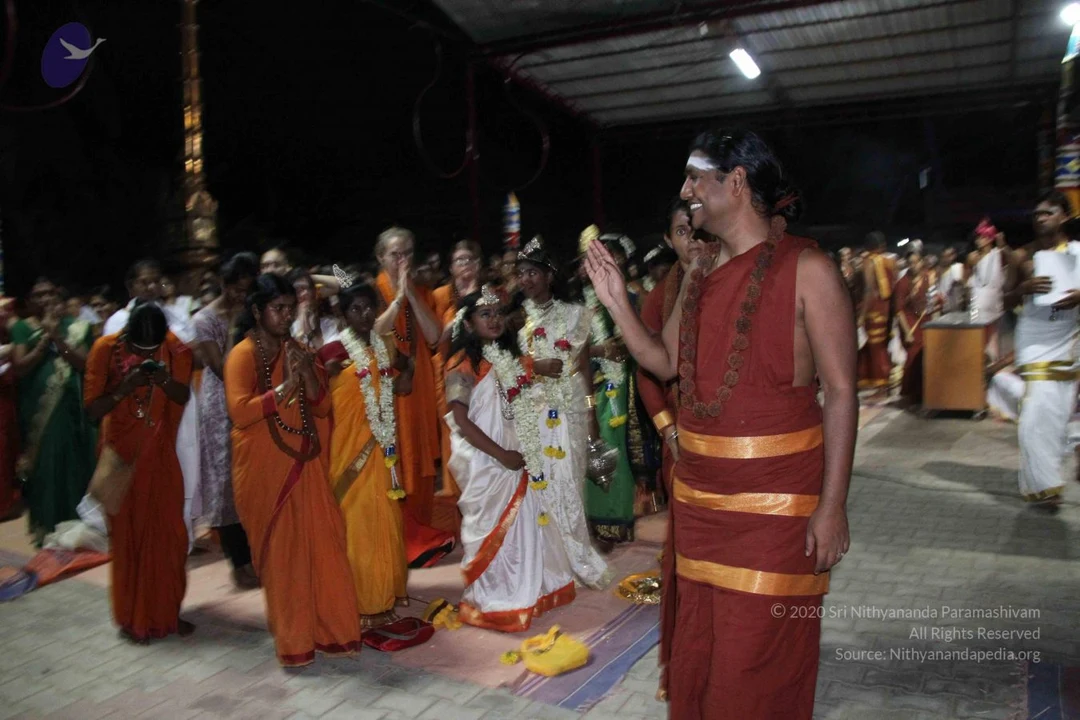
KUMARIPOOJA


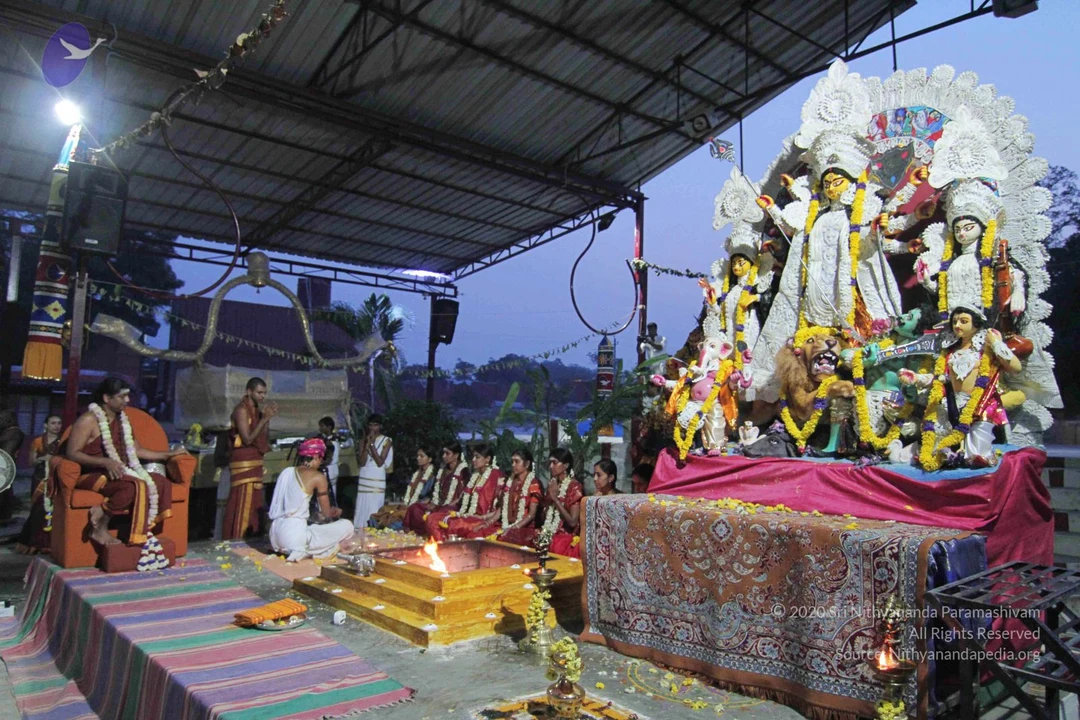
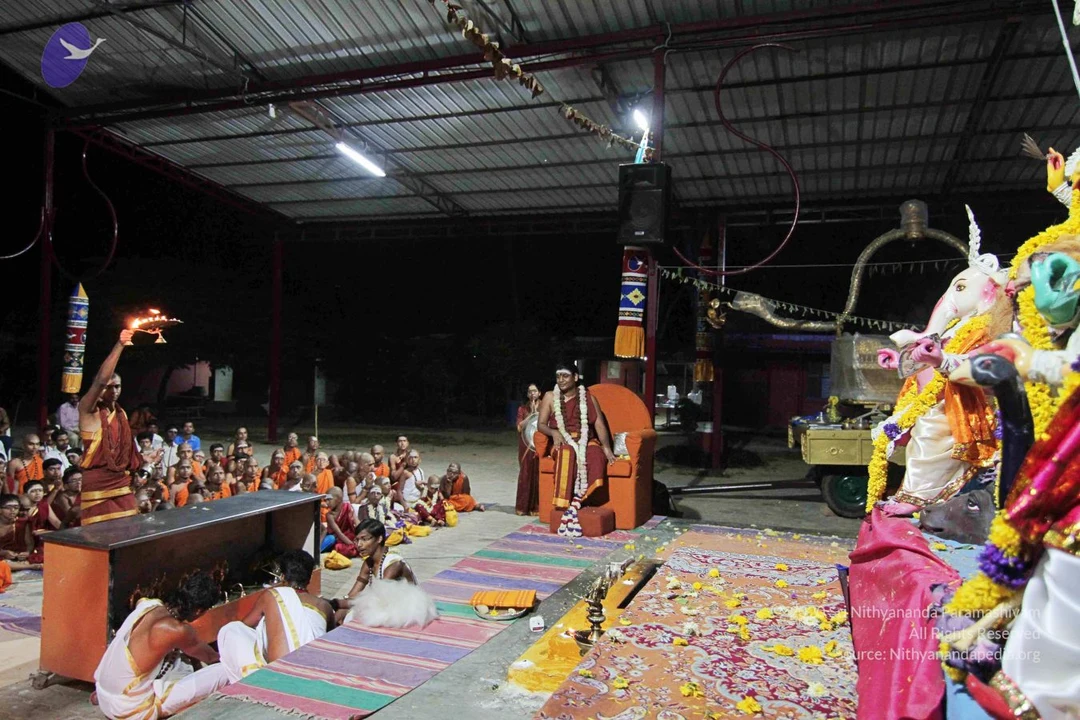
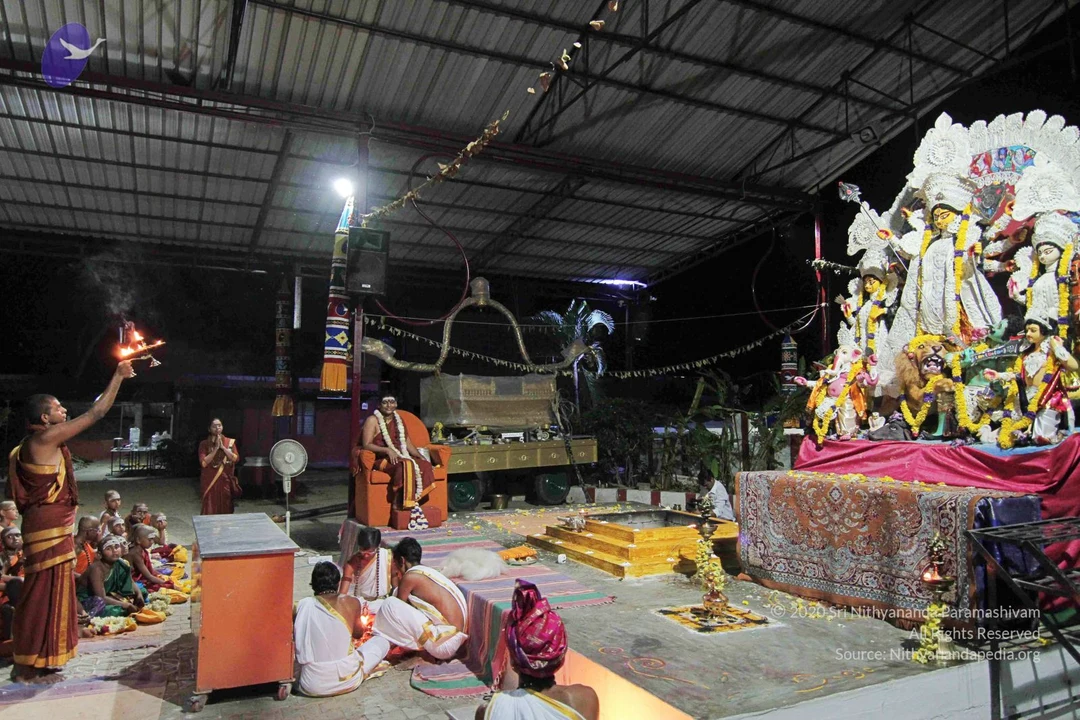
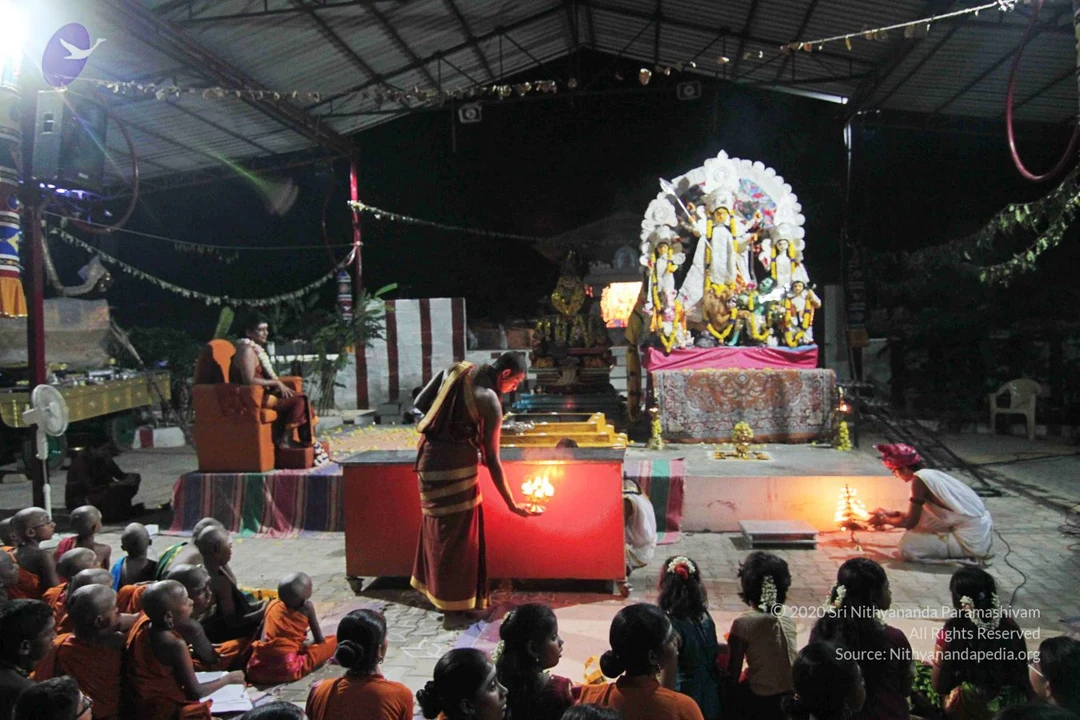
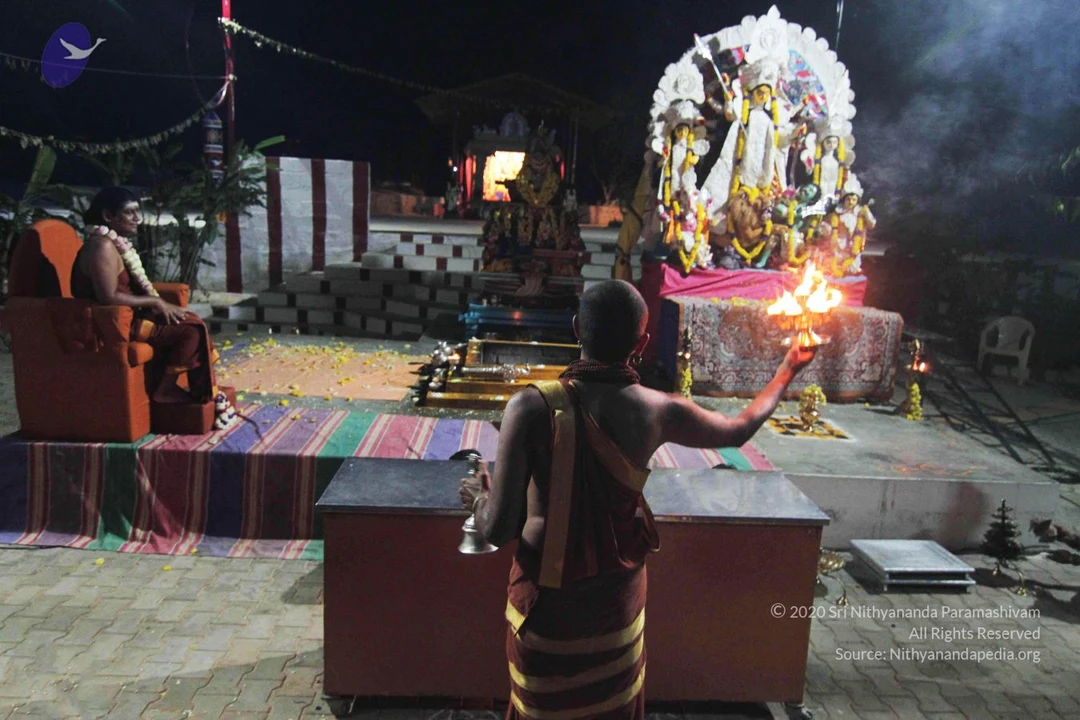
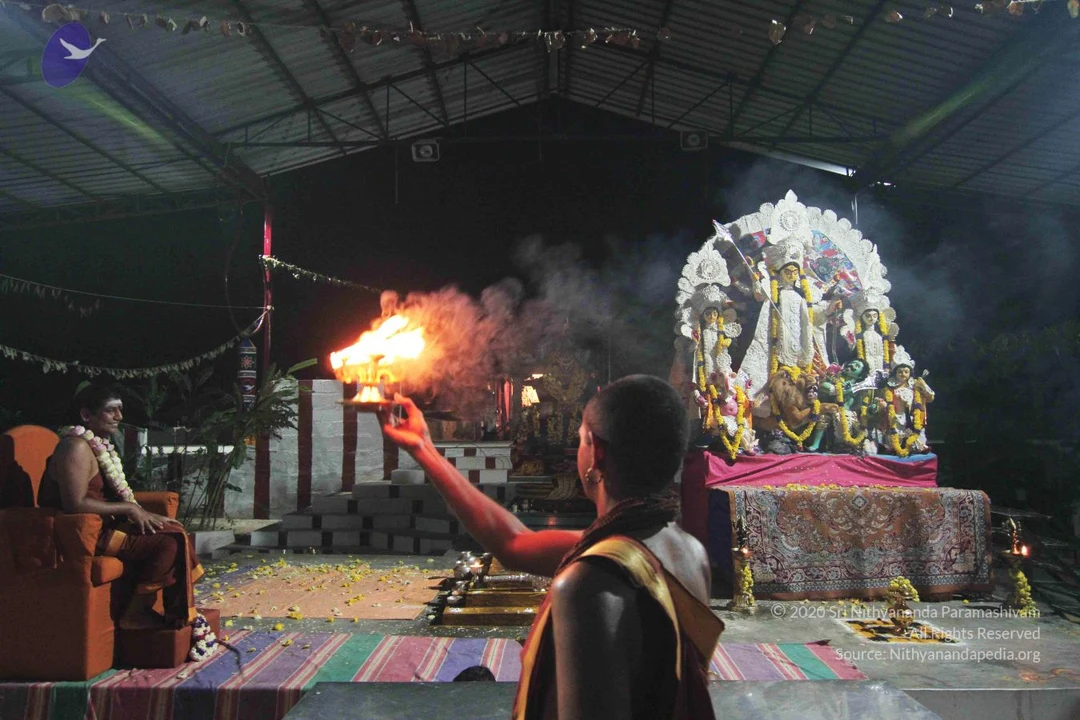

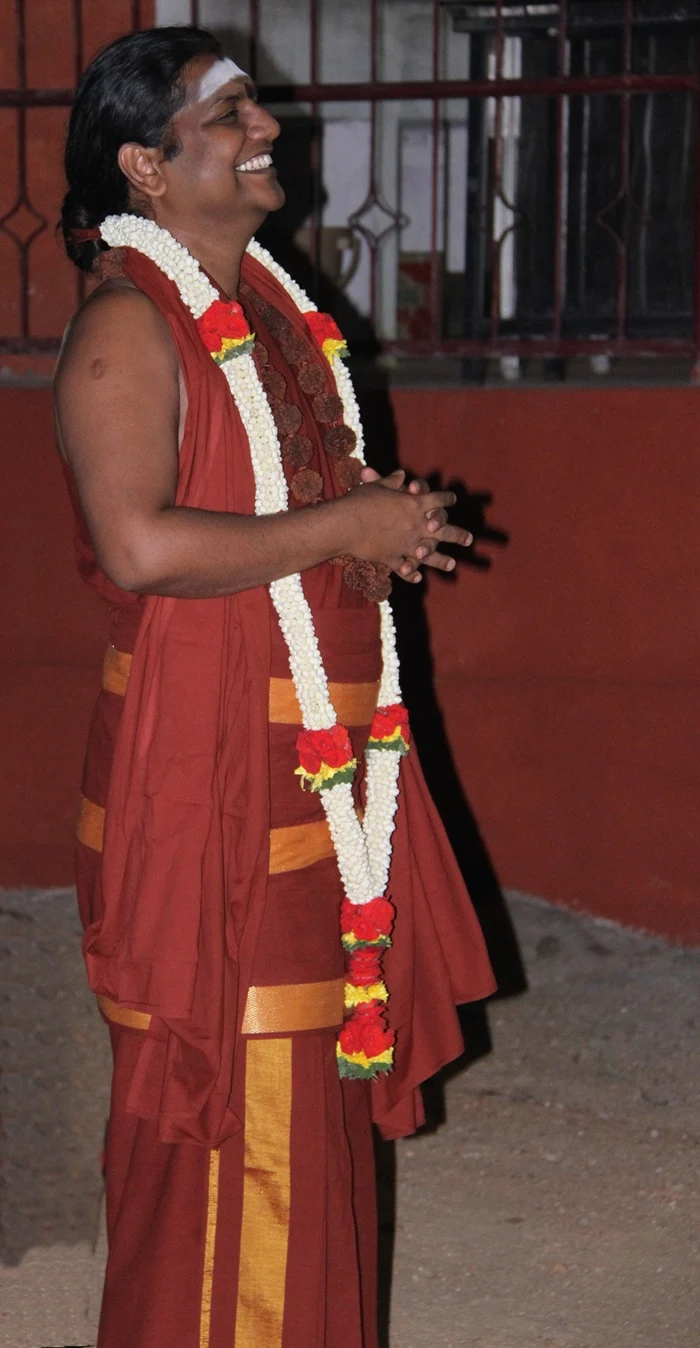
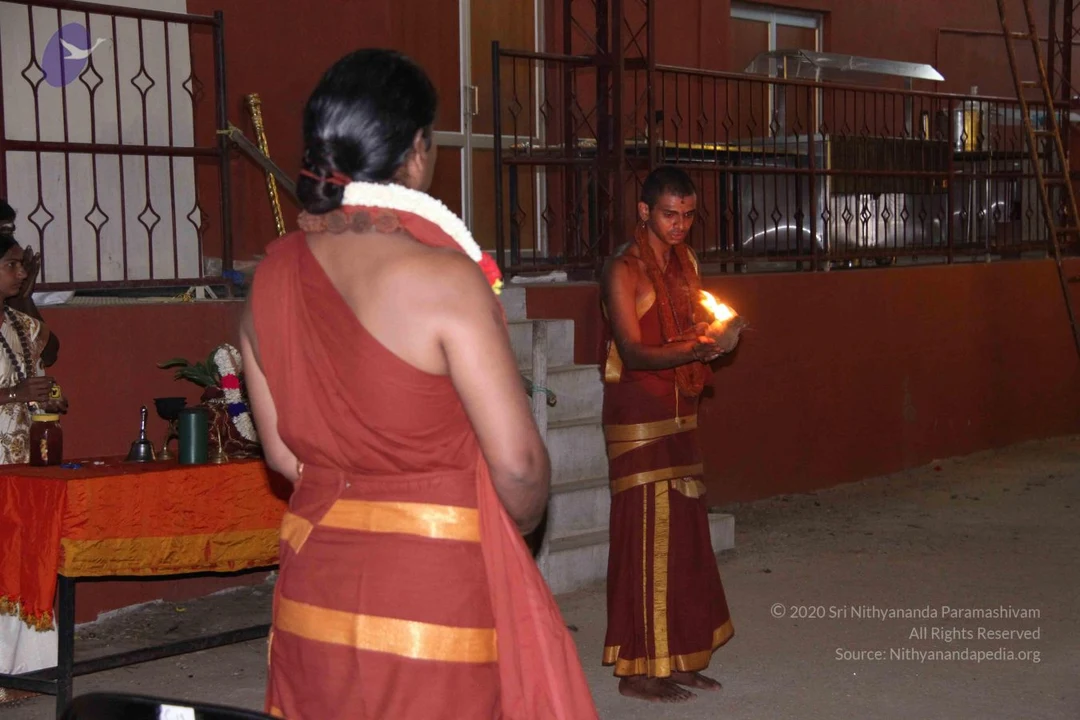
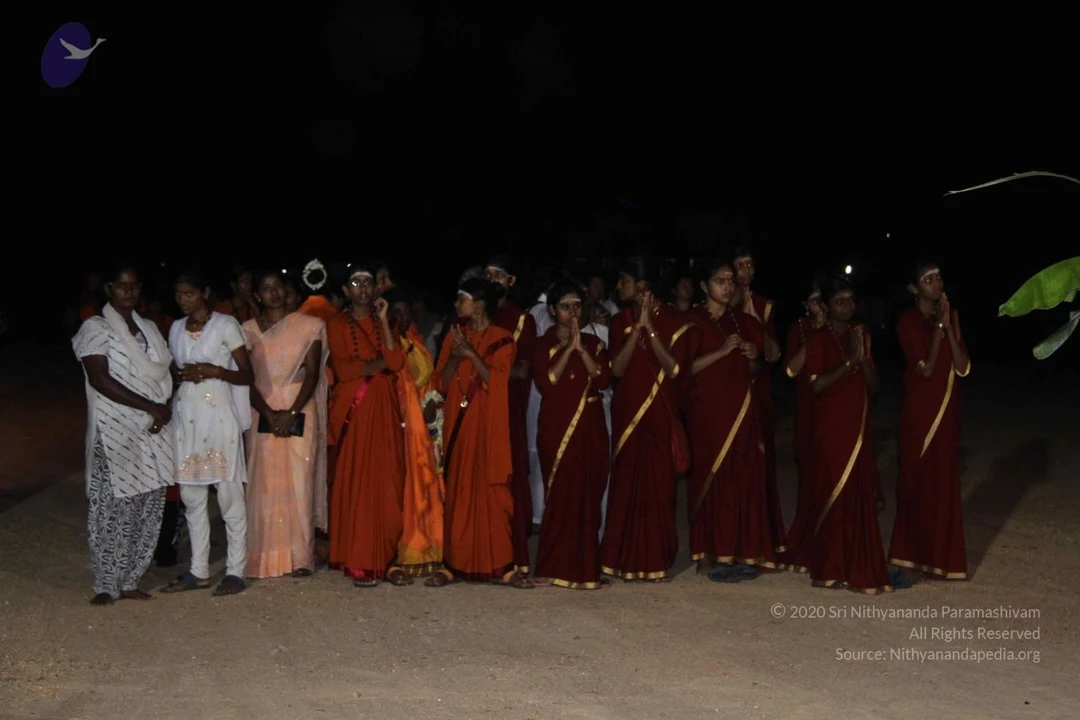
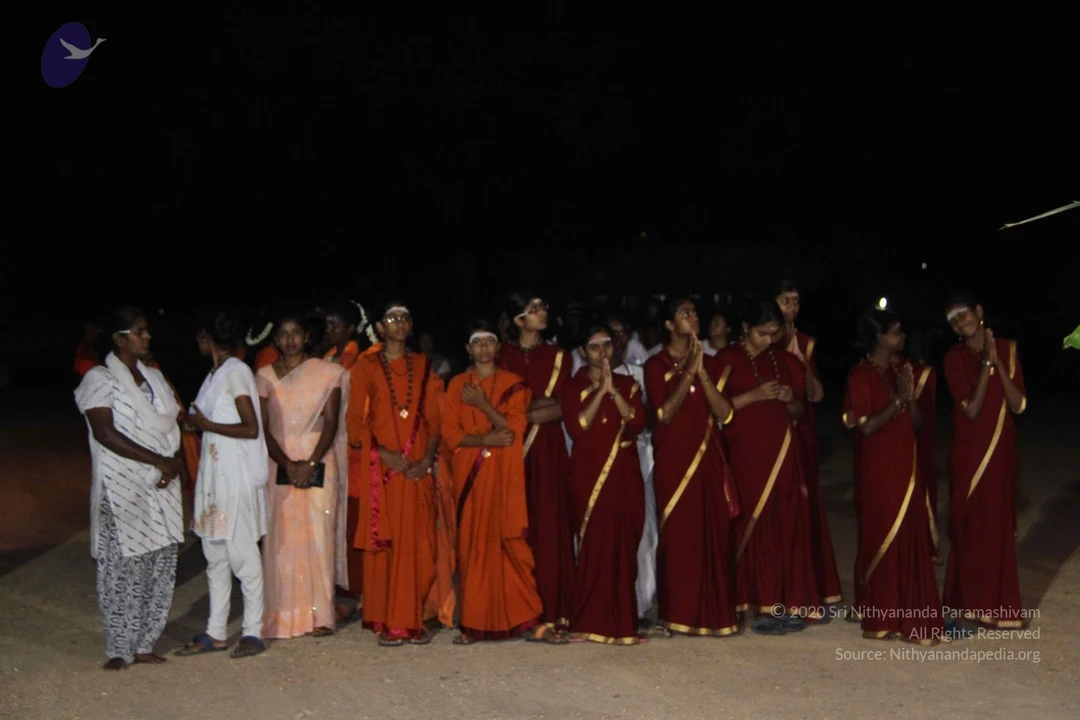
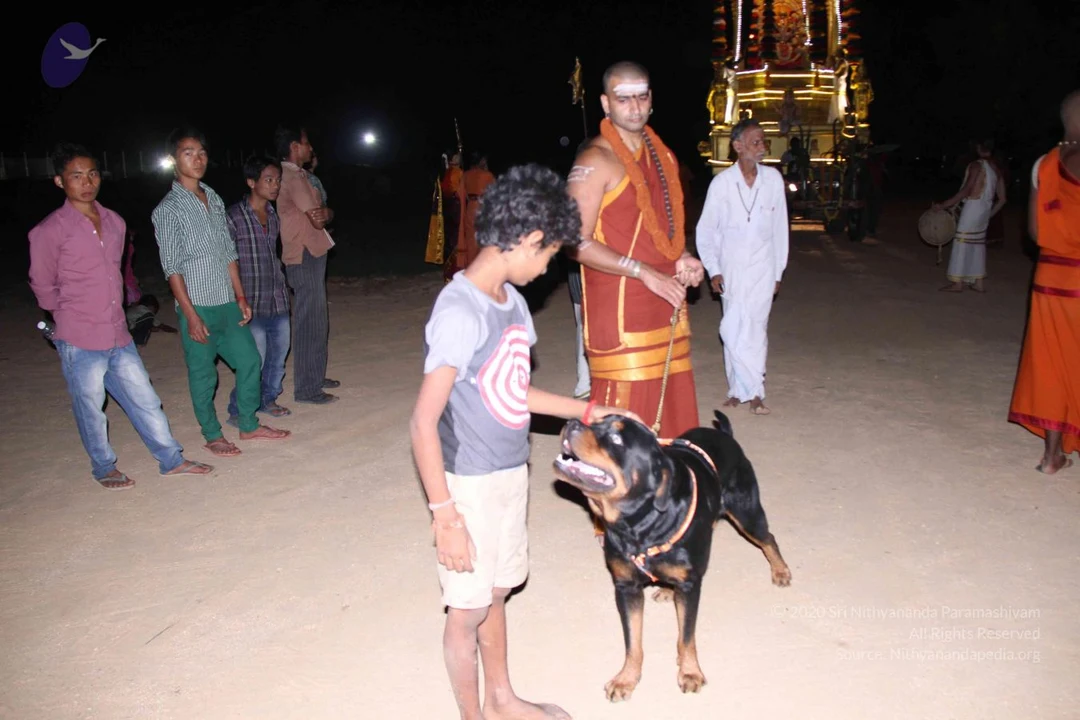
Rath Utsav (Chariot Procession)
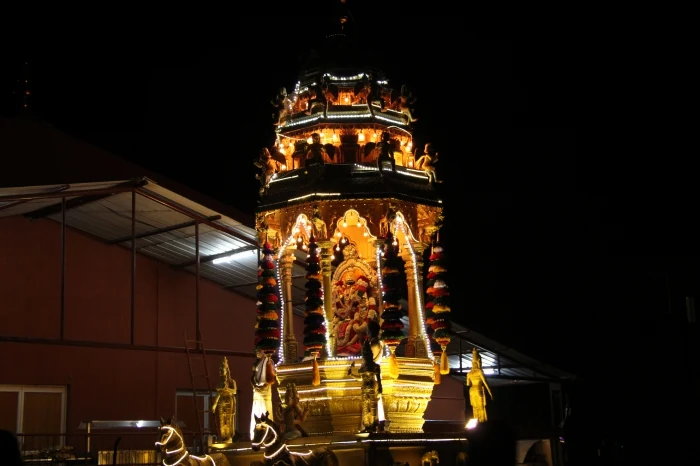
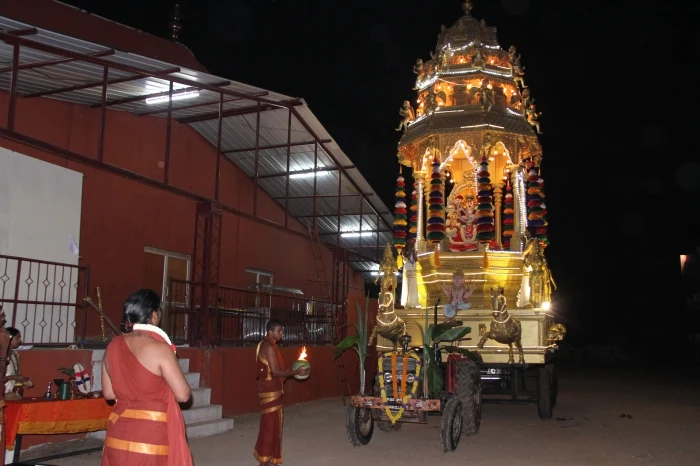
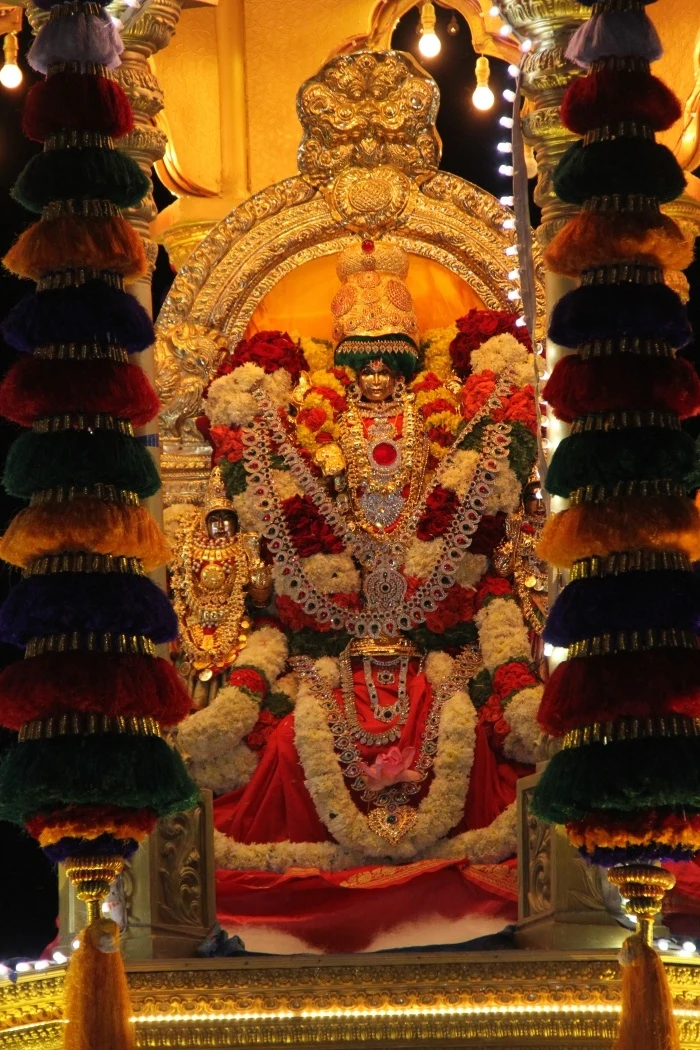
Photos Of The Day:
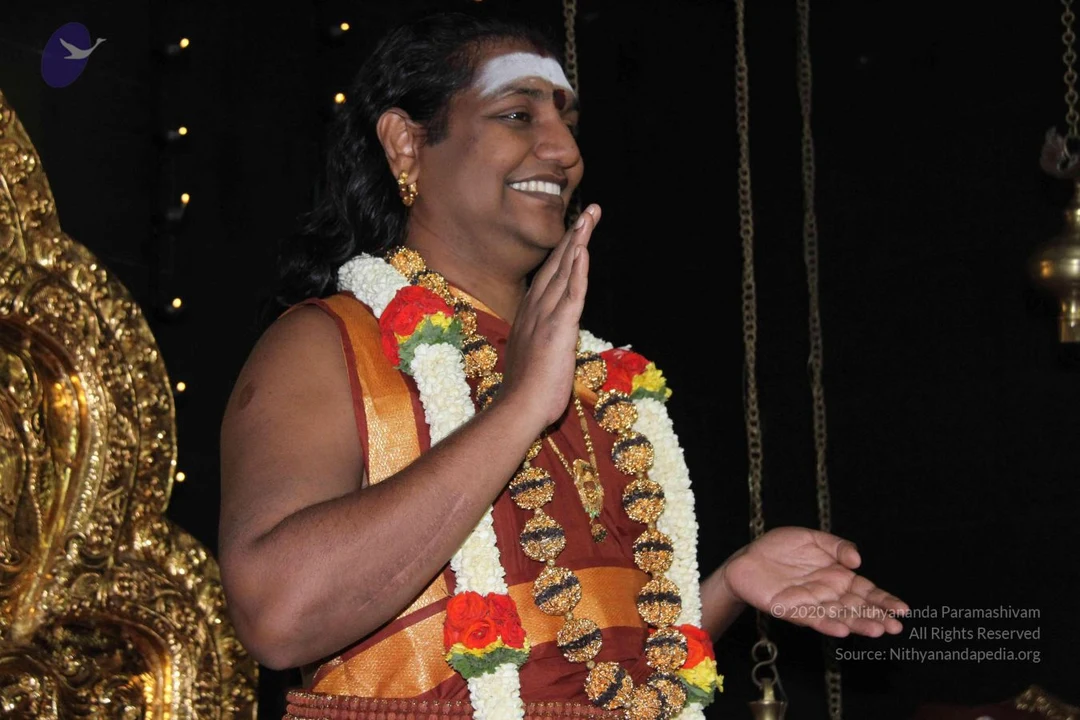
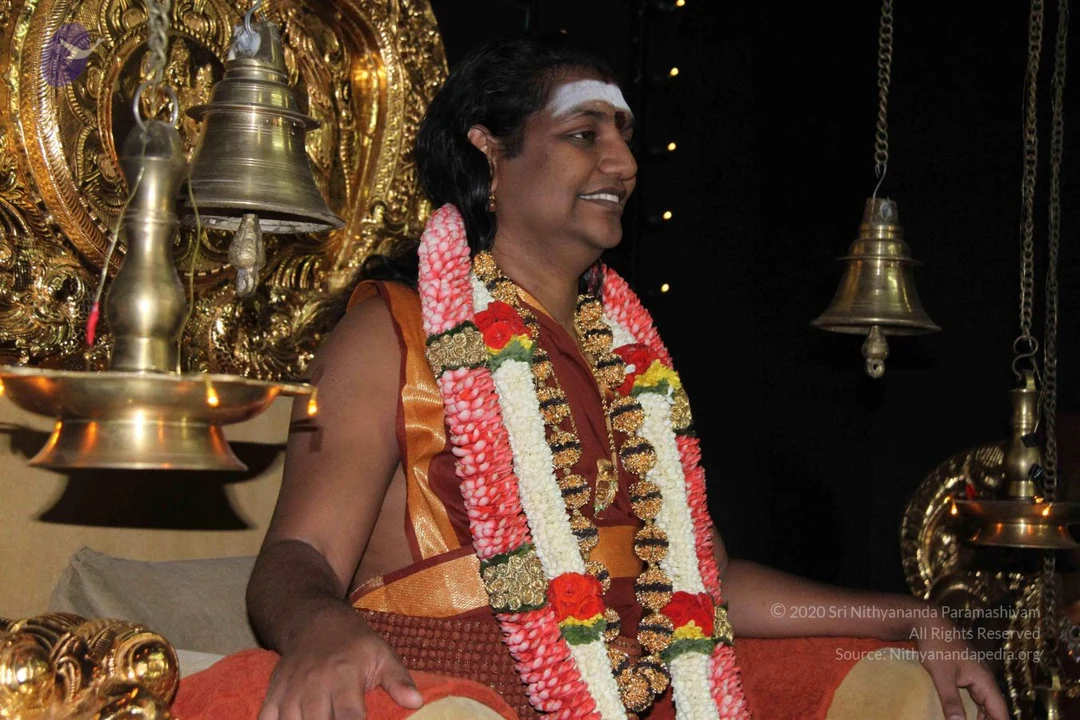
Inner-Awakening

Photos Of The Day:
Inner Awakening
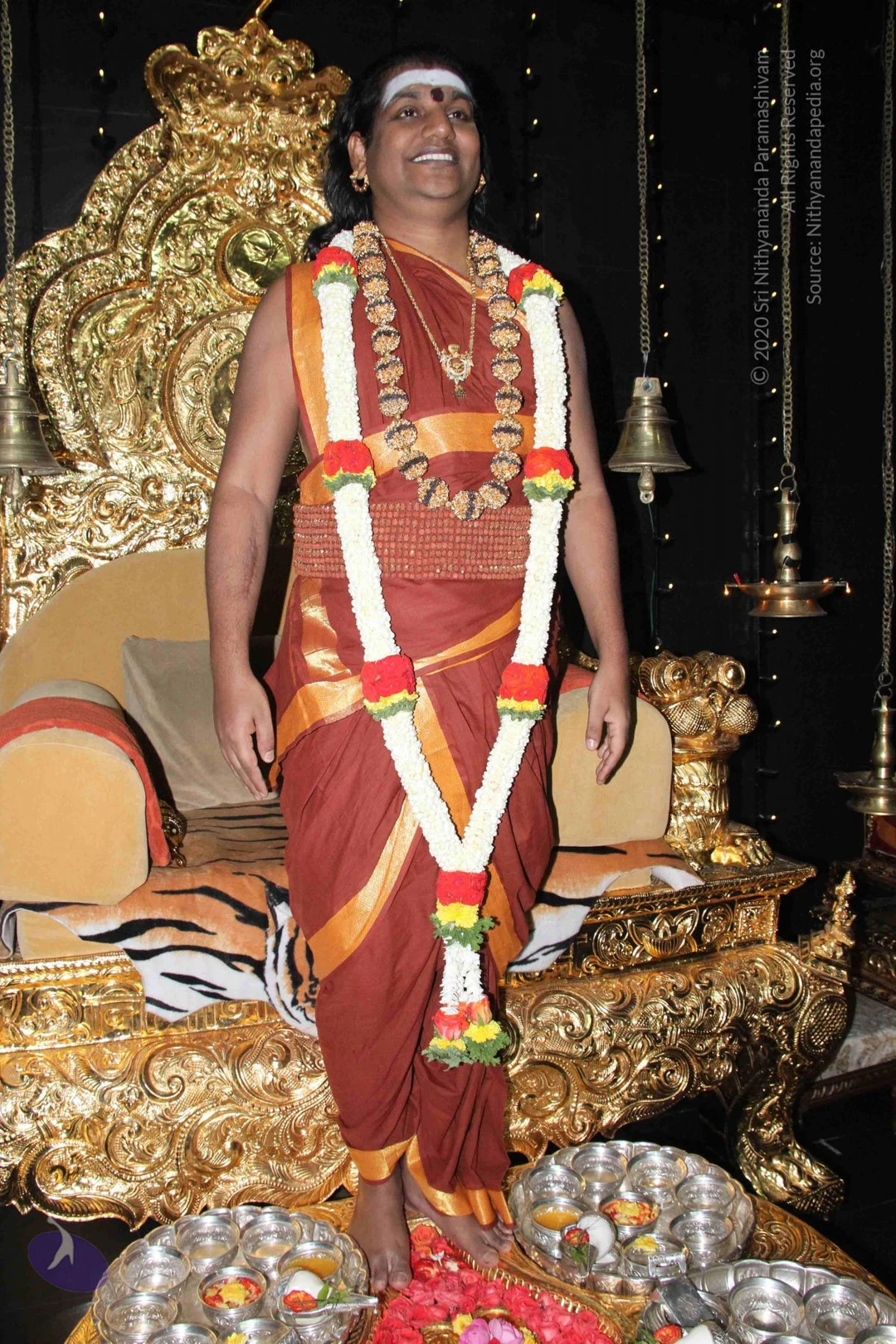
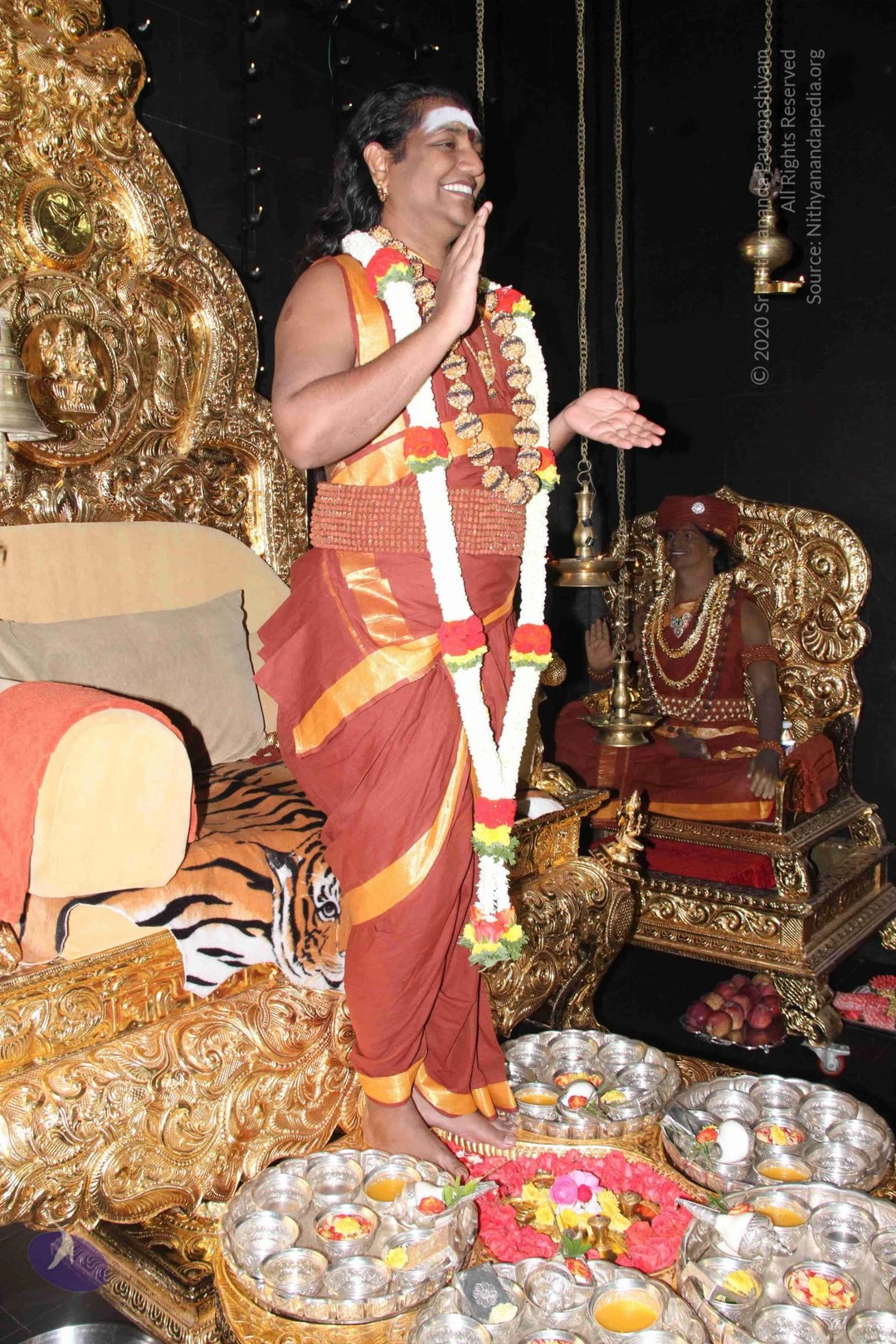
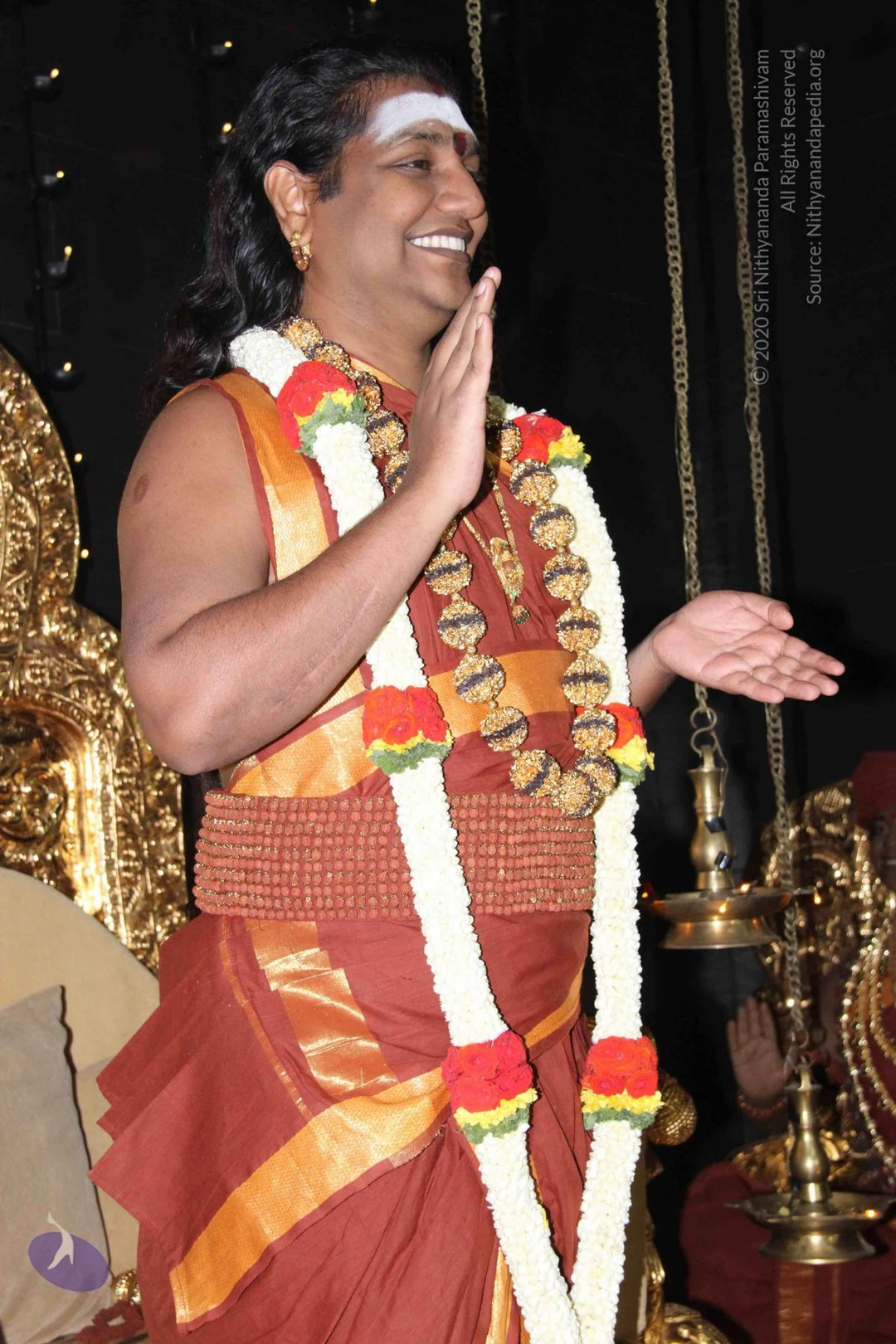
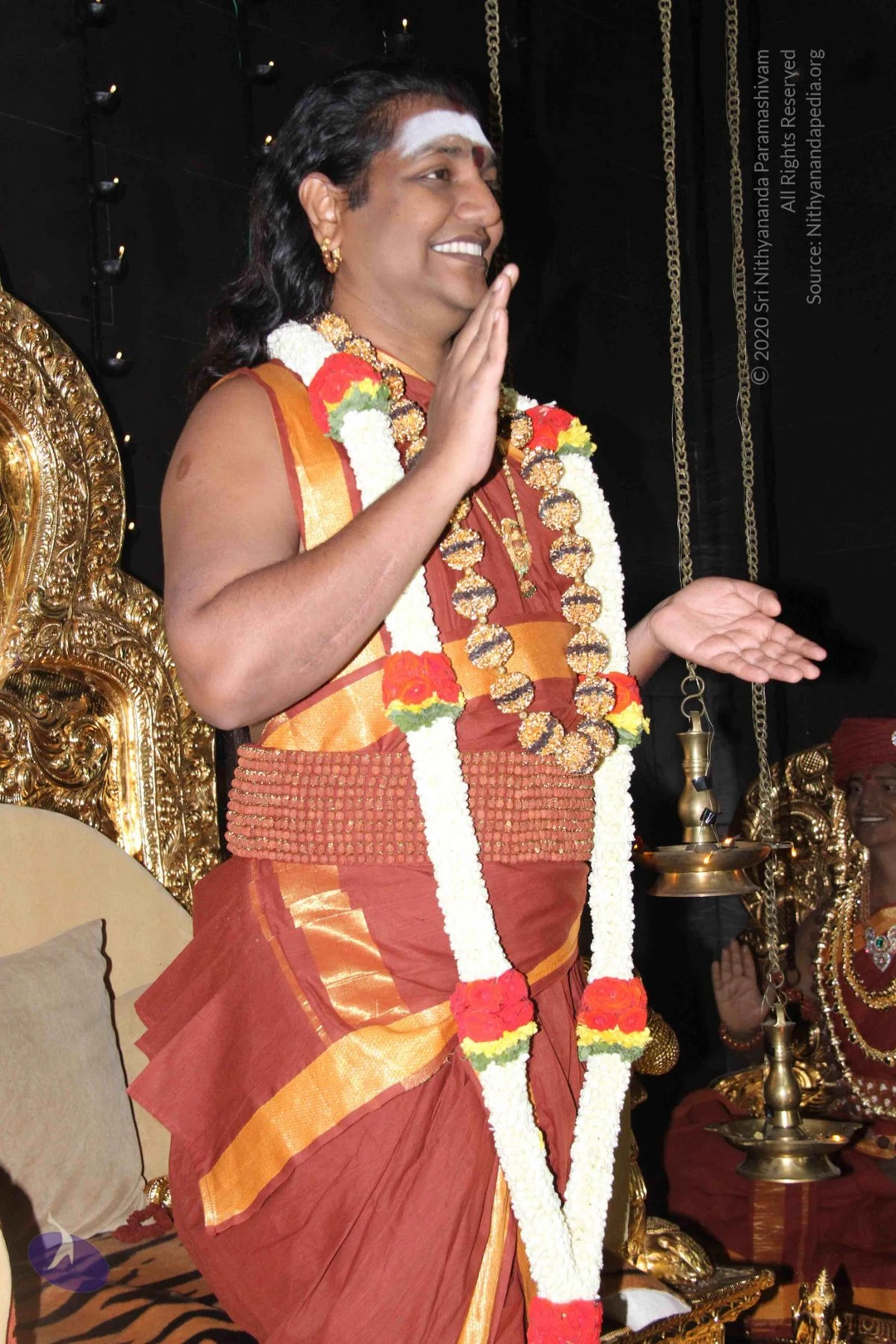



Chandi-Homa
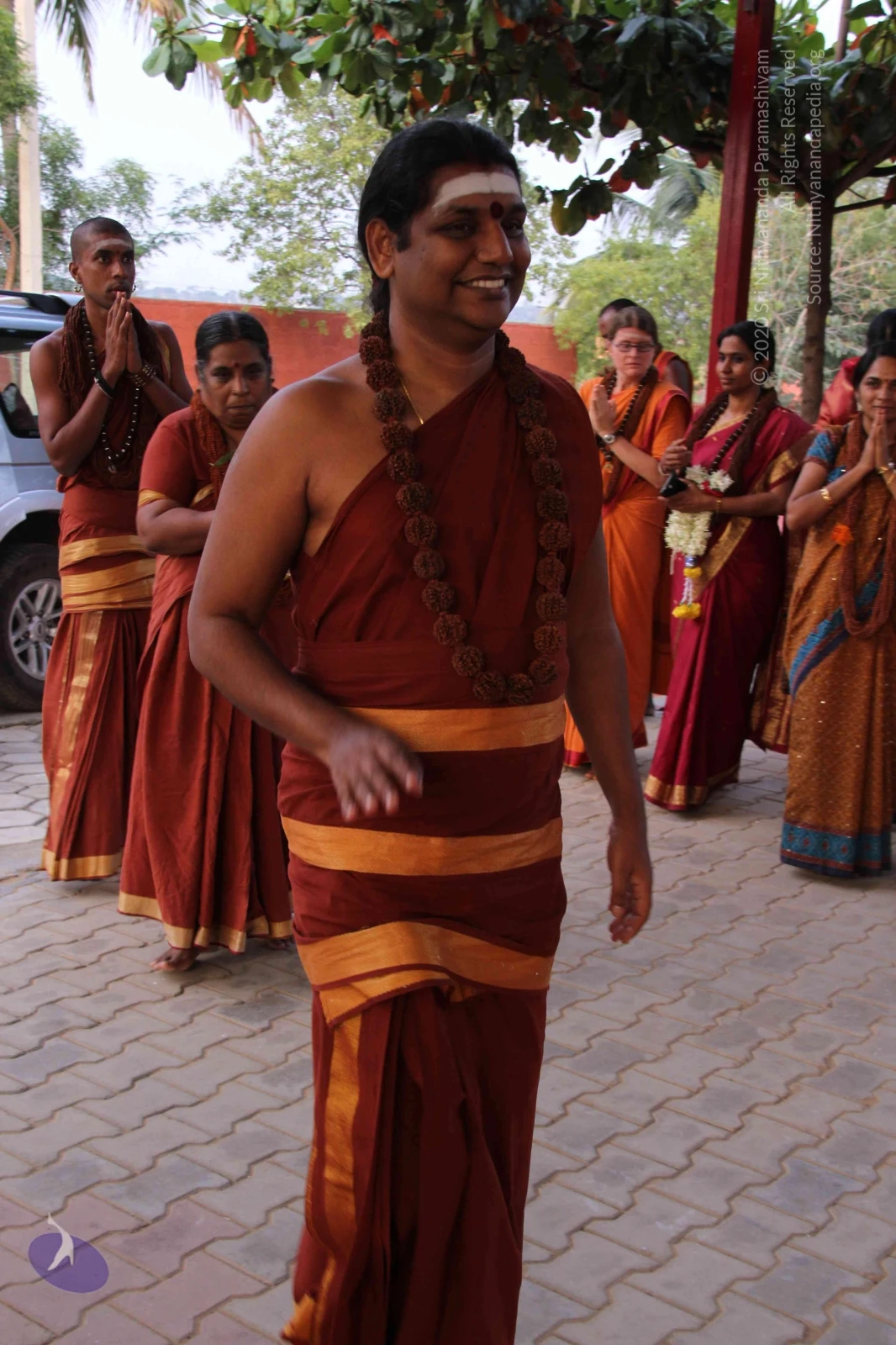
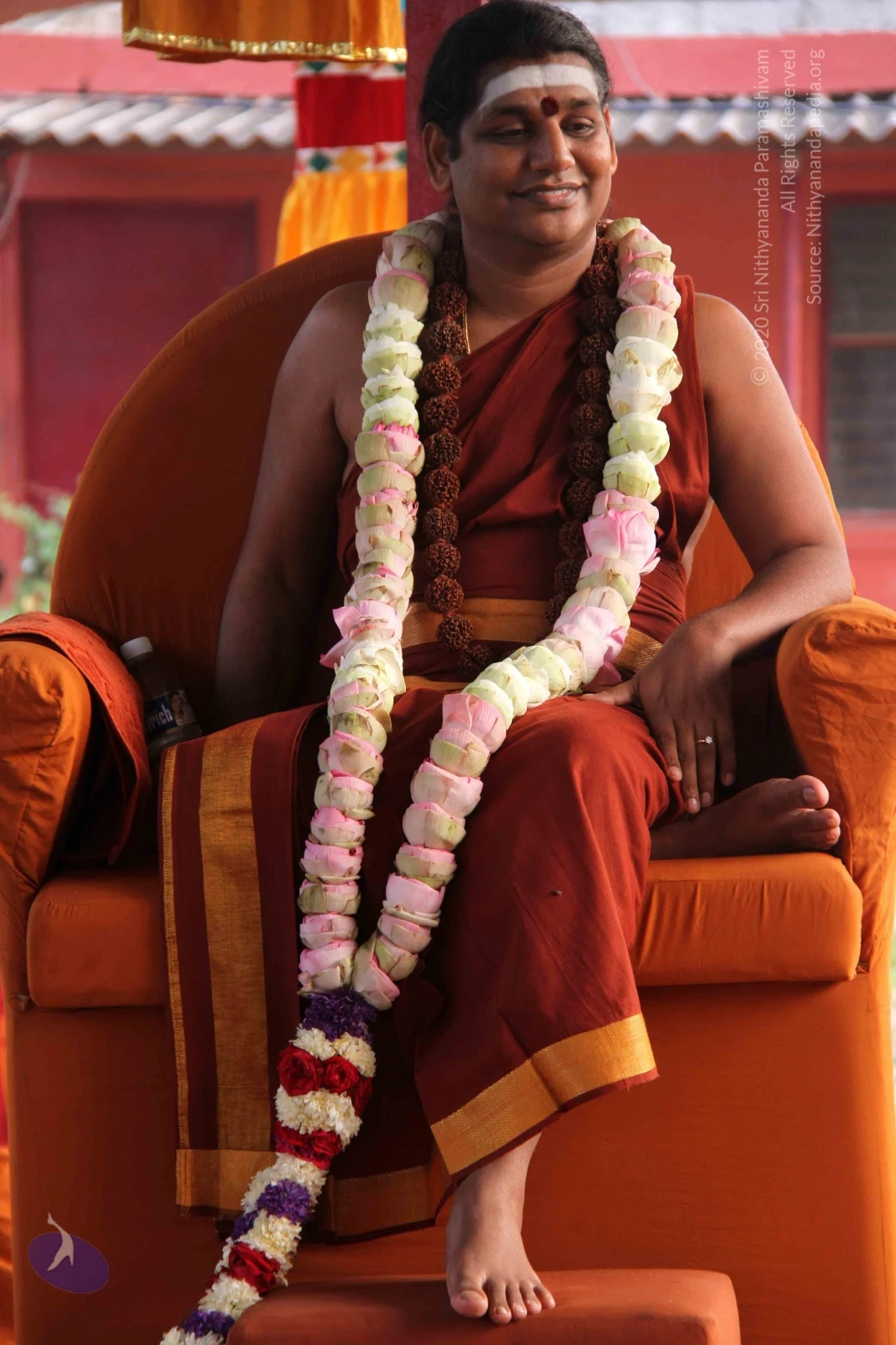
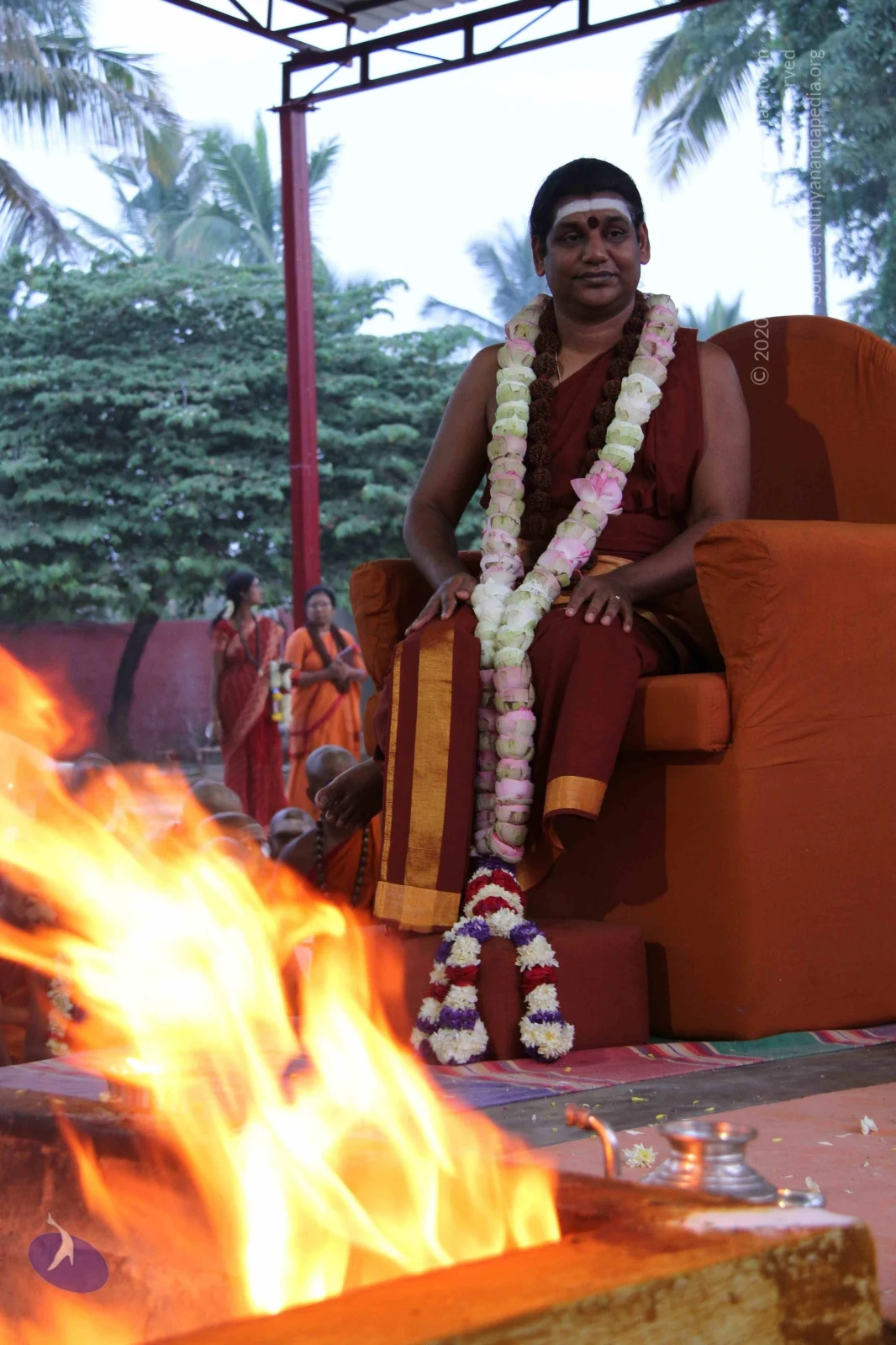
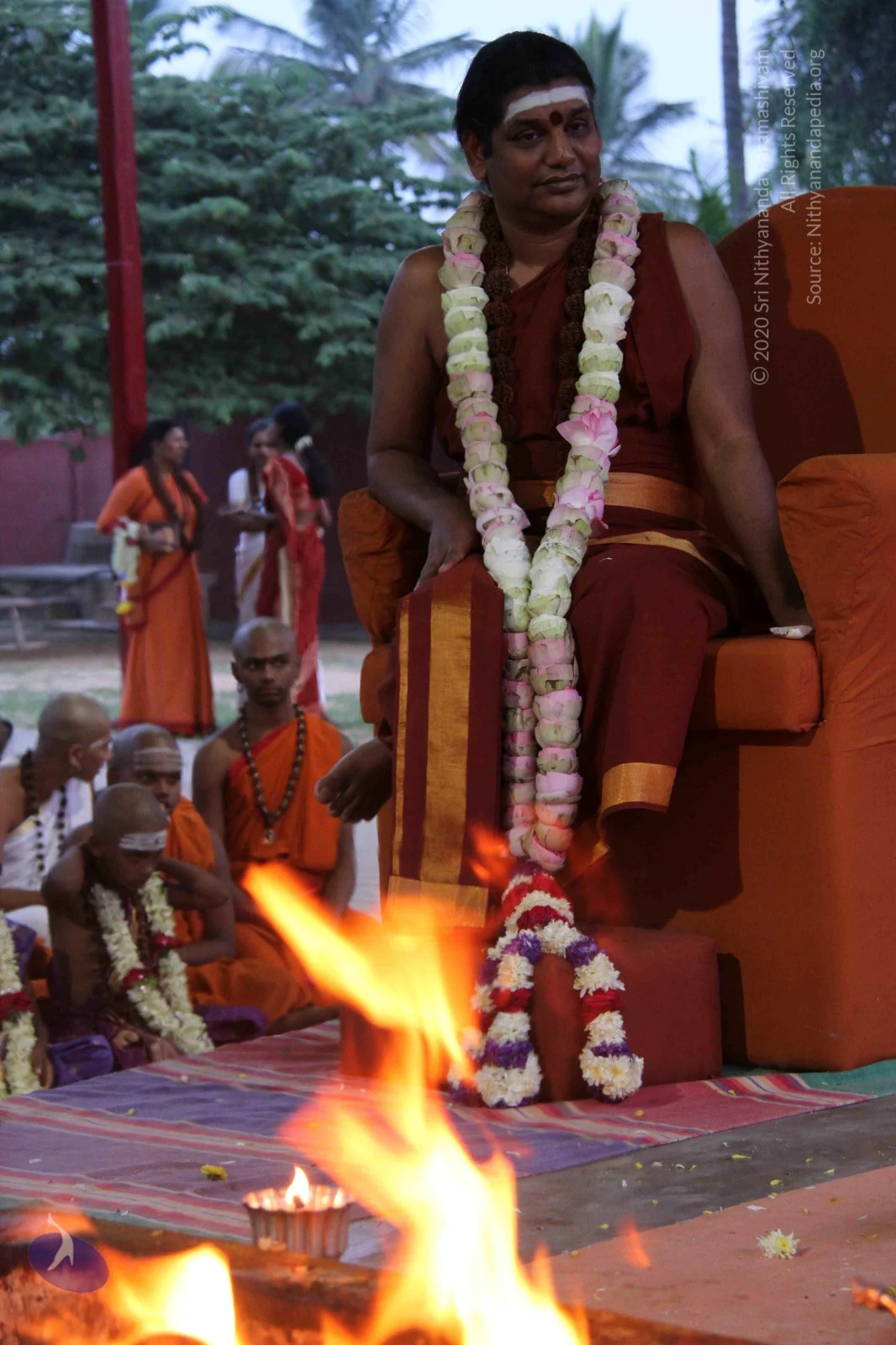
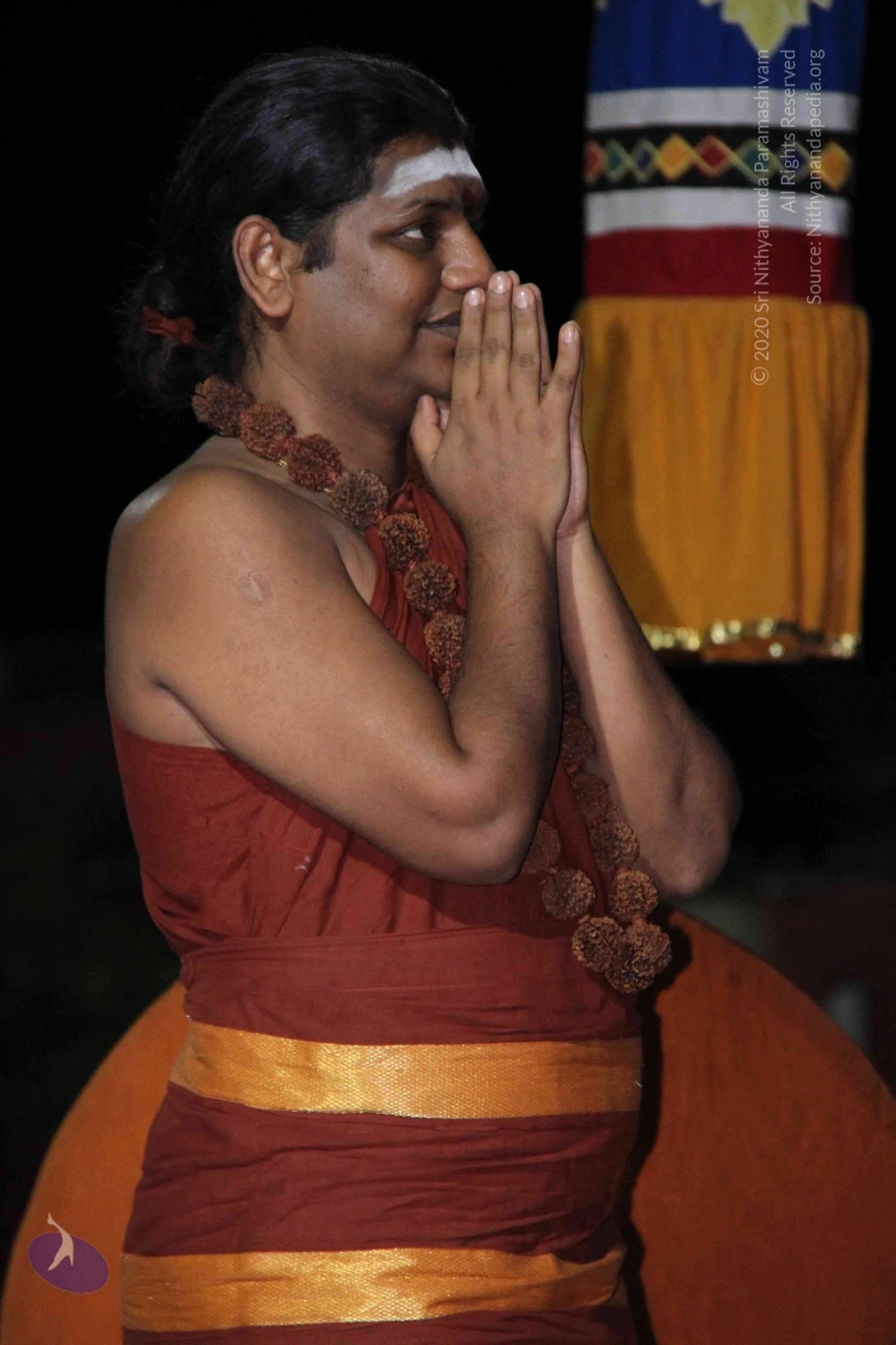
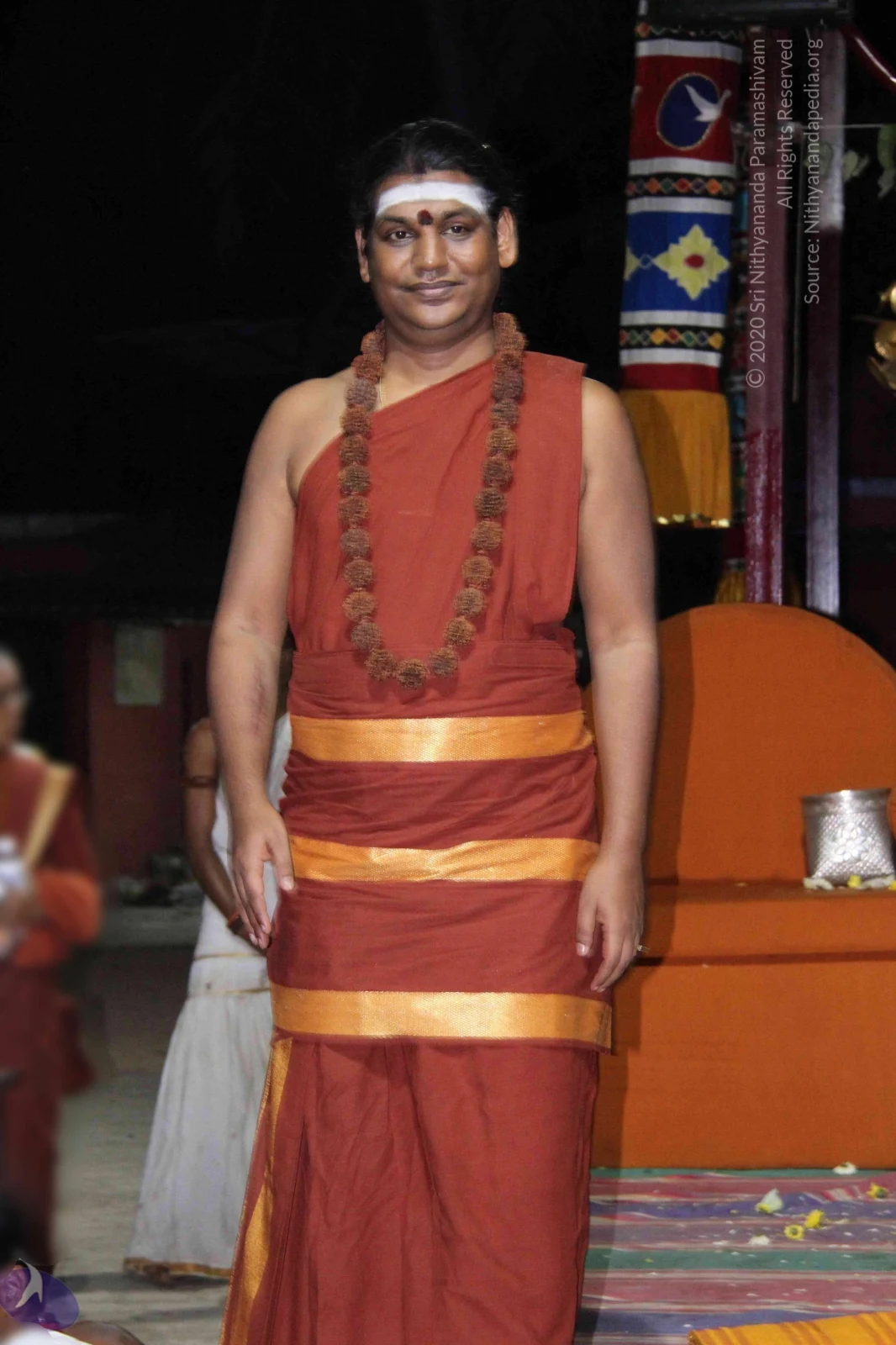
Nithya-Satsang
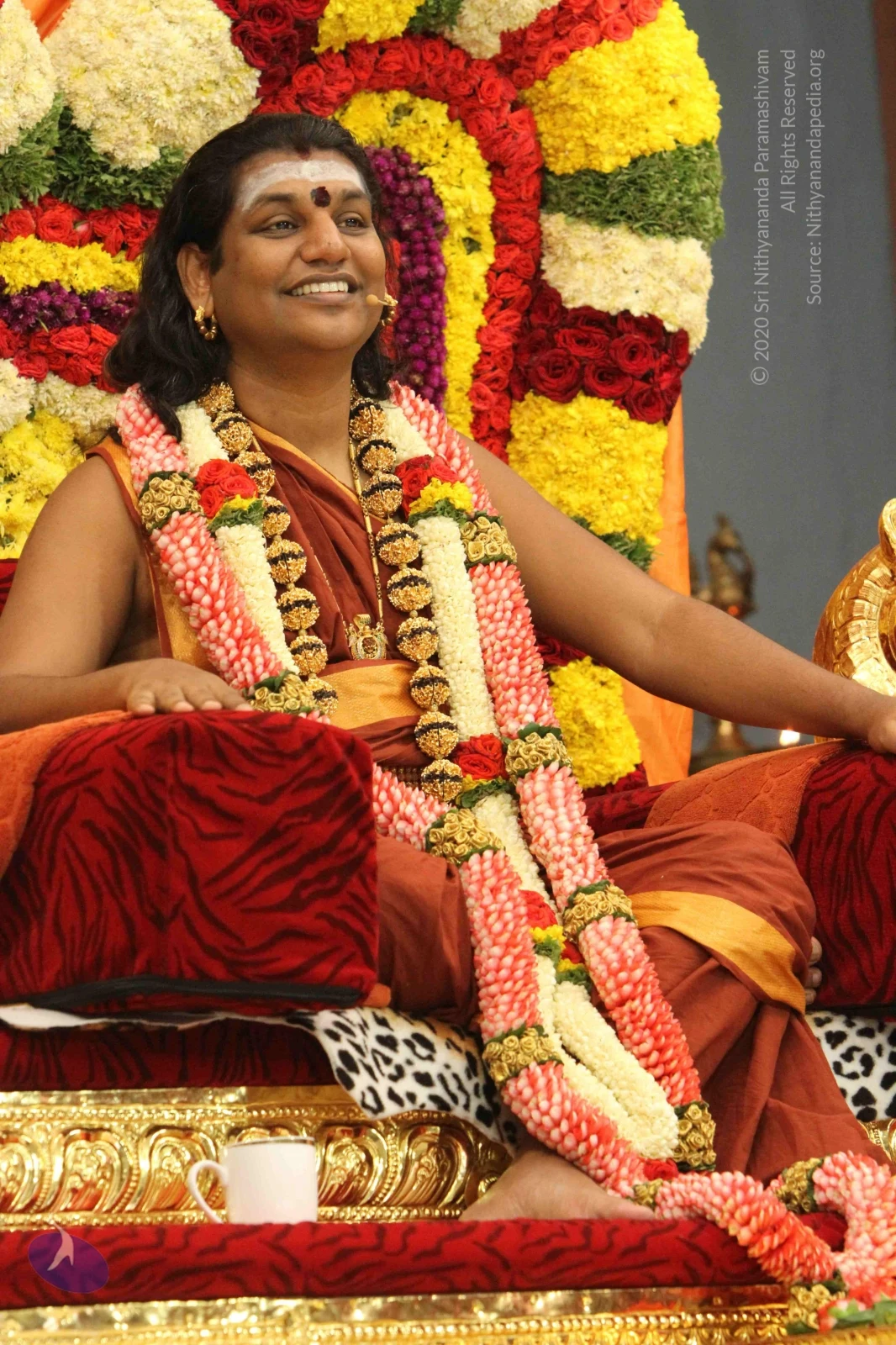
Photos from this day
View all 625 photosNithya Satsang
48 photosSource gallery
HOMA
330 photosSource gallery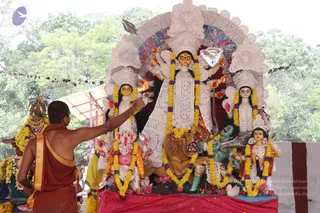
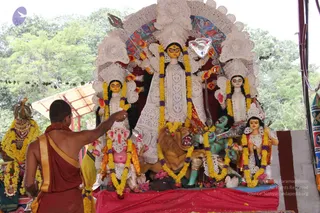
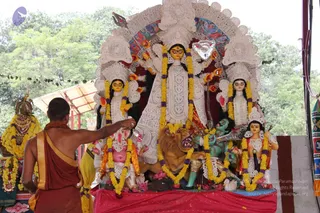
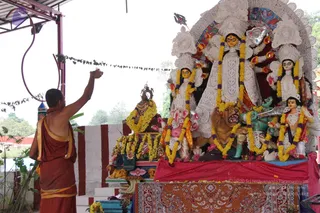
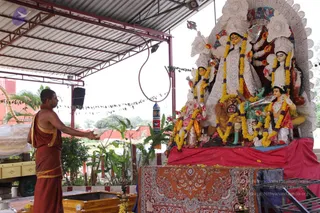
KUMARIPOOJA
9 photosSource gallery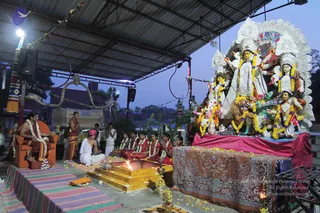
Inner-Awakening
69 photosSource gallery

Inner Awakening
77 photosSource gallery