Skip to content
Sunday

27 July 2014

Live Advaitha in Your Doing

Dated photos
686
Source pages
1
Media
2
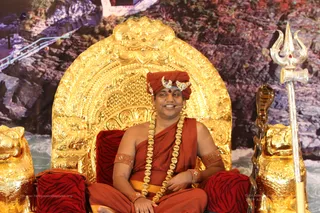
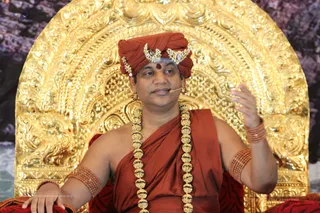
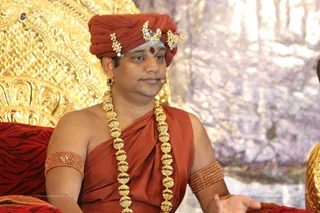
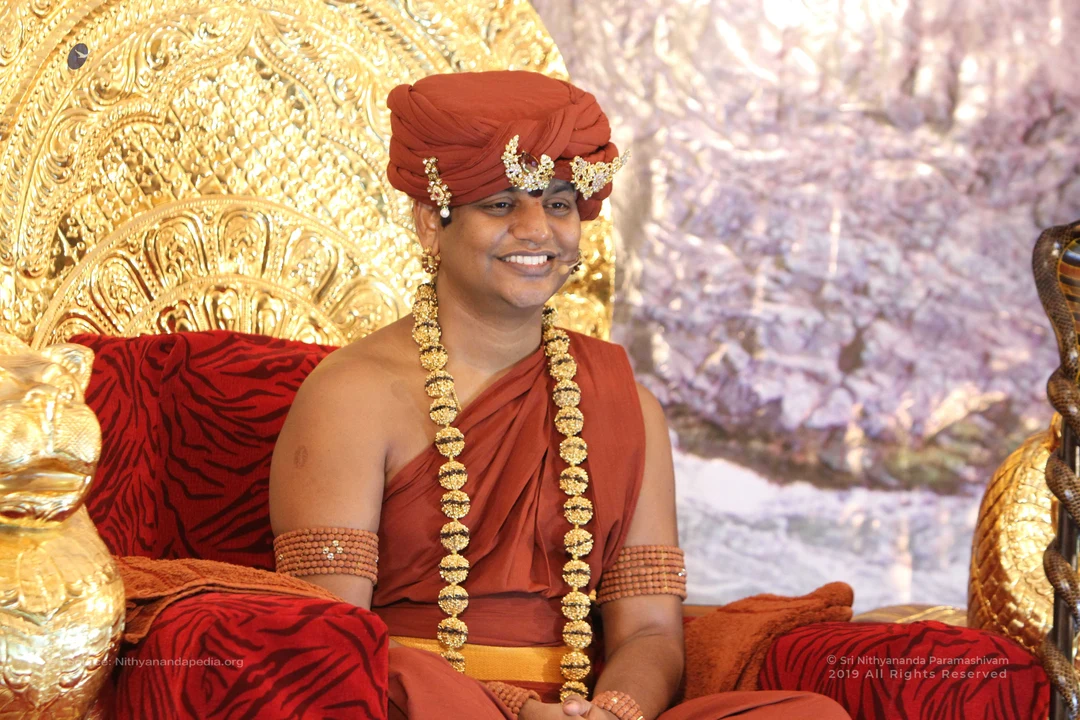
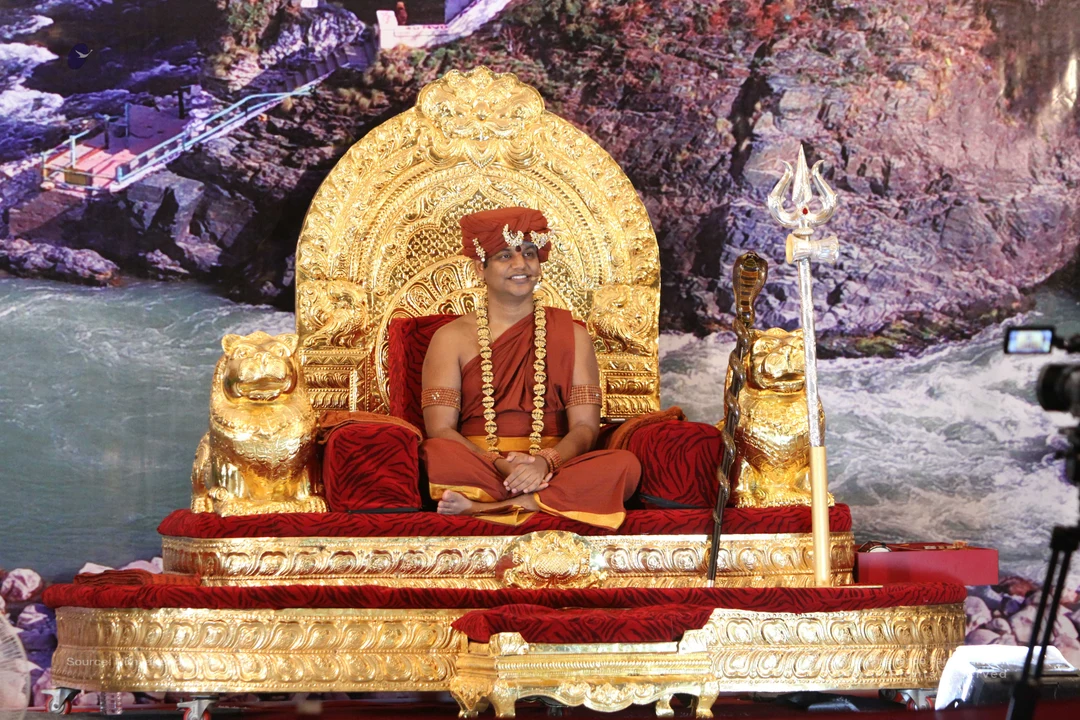
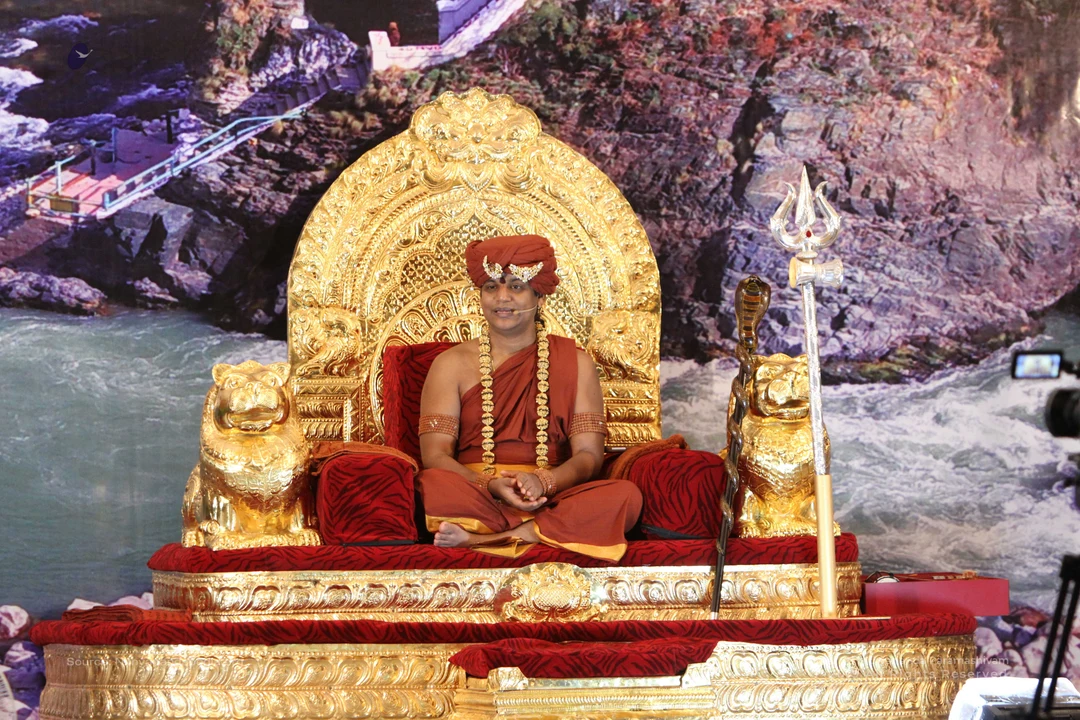
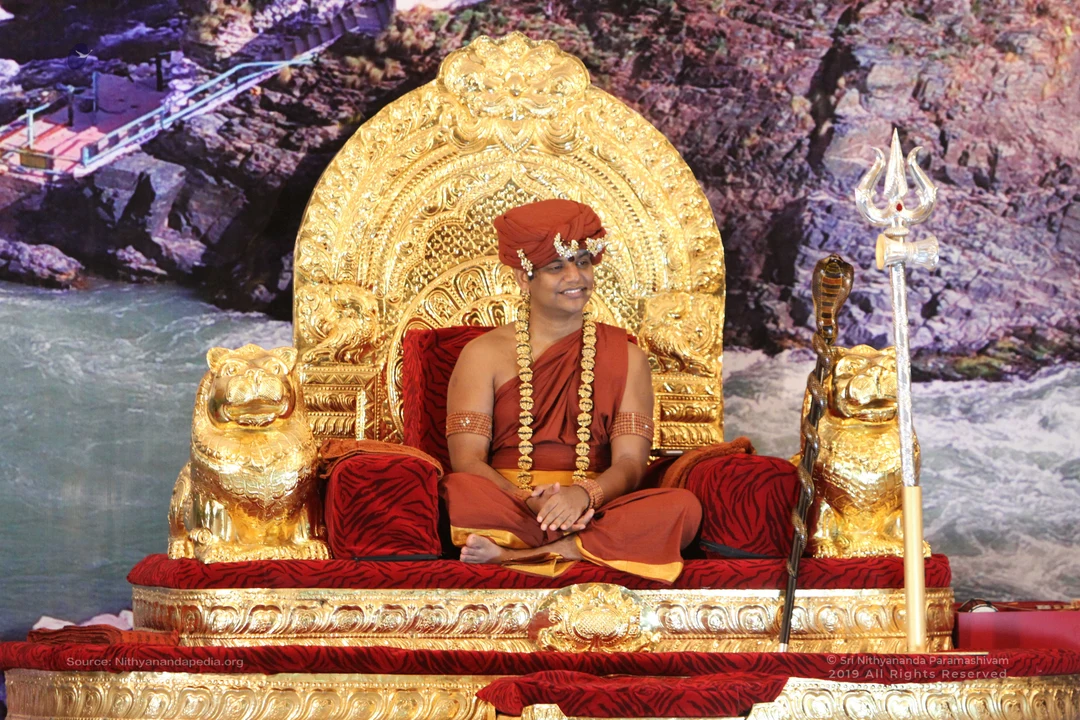
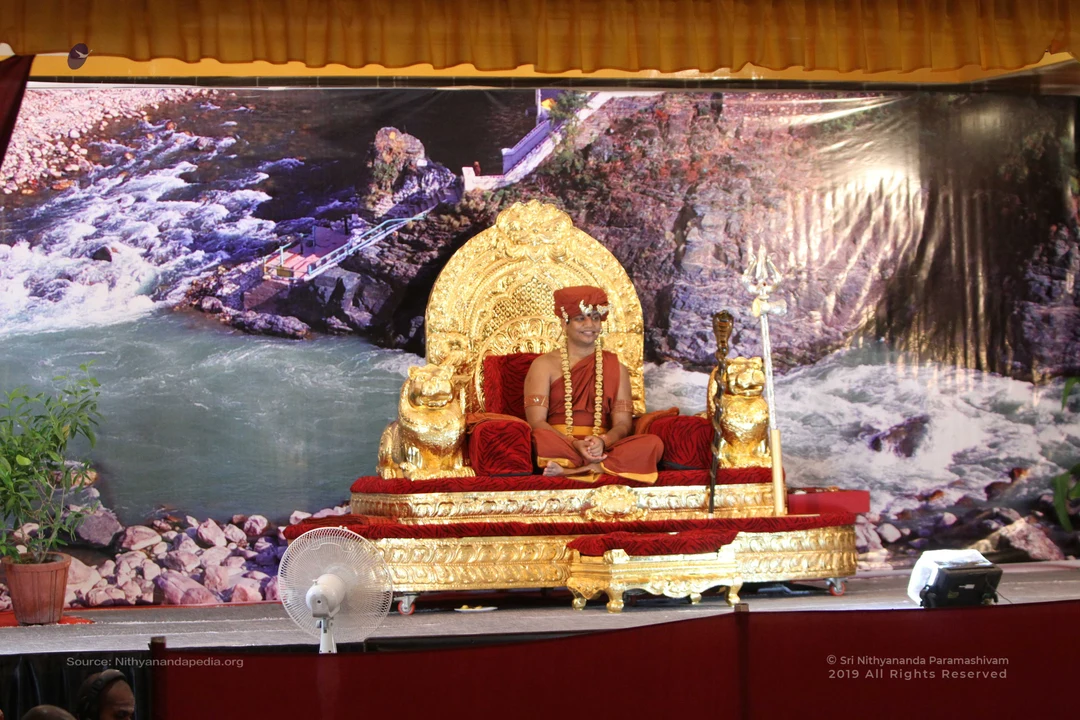
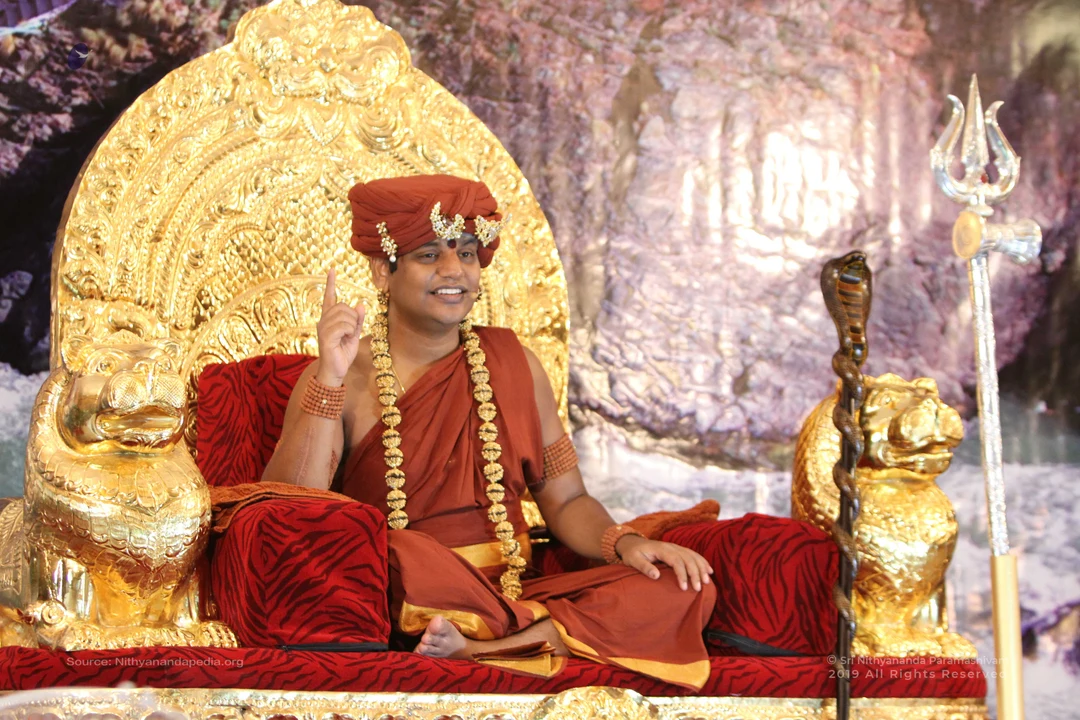
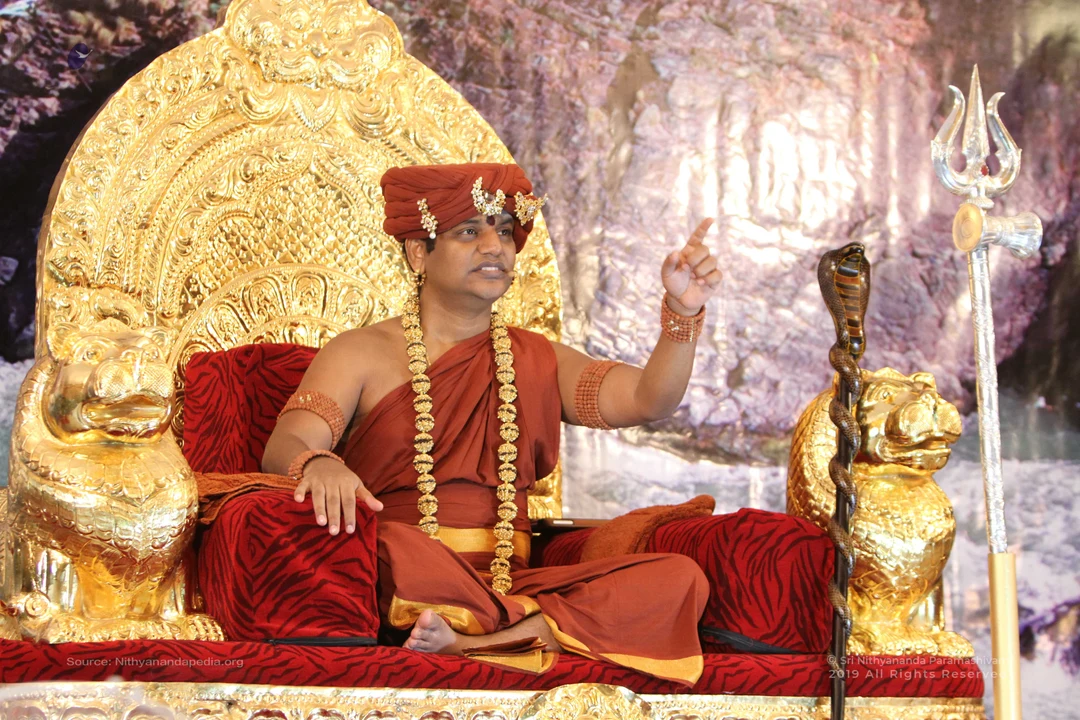
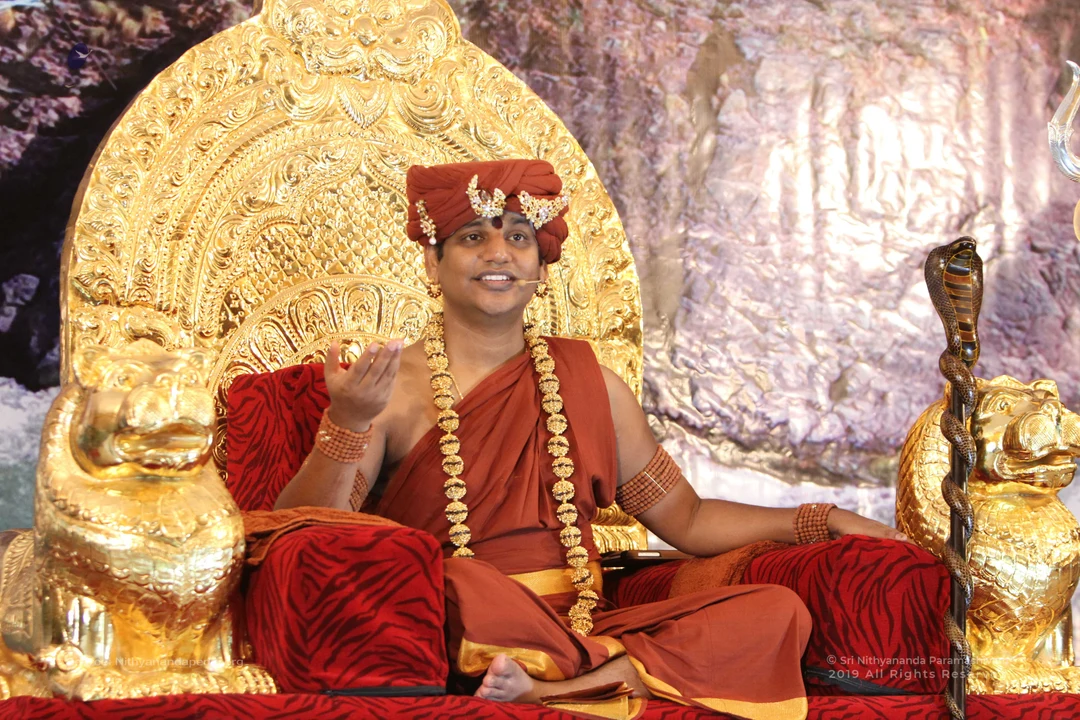
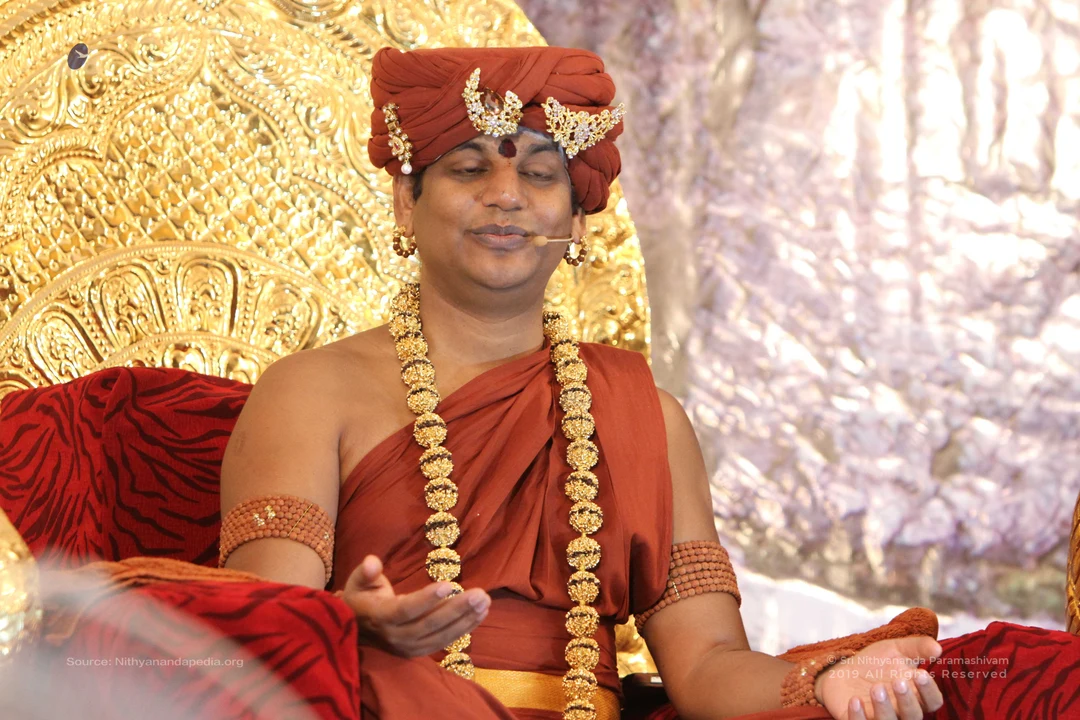
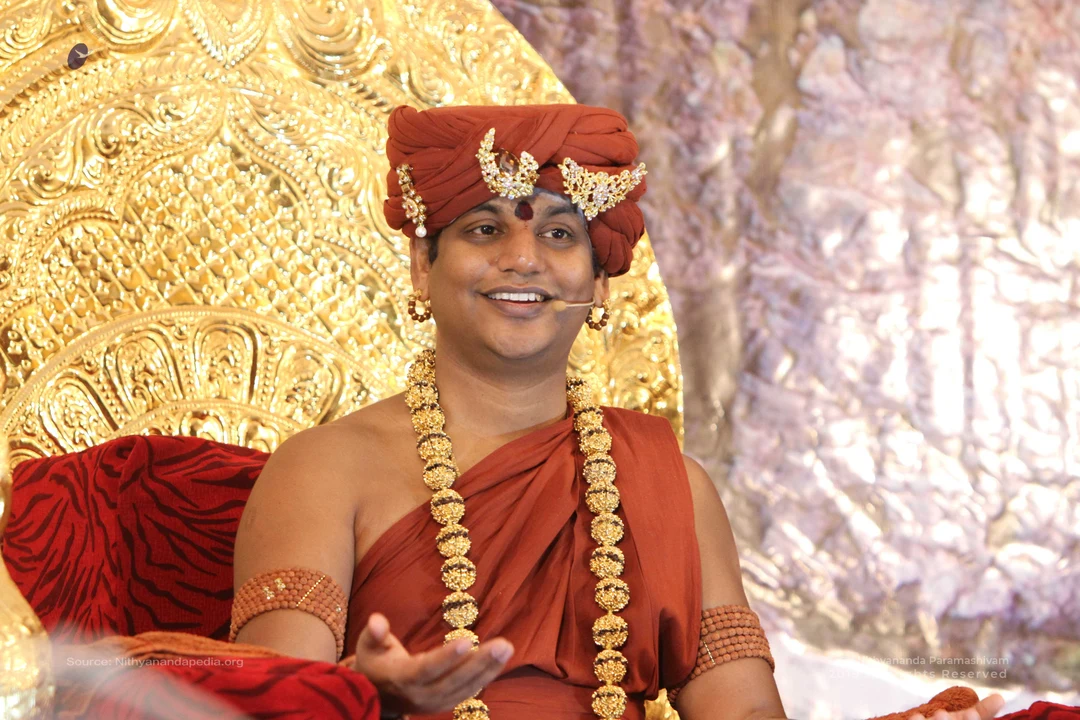
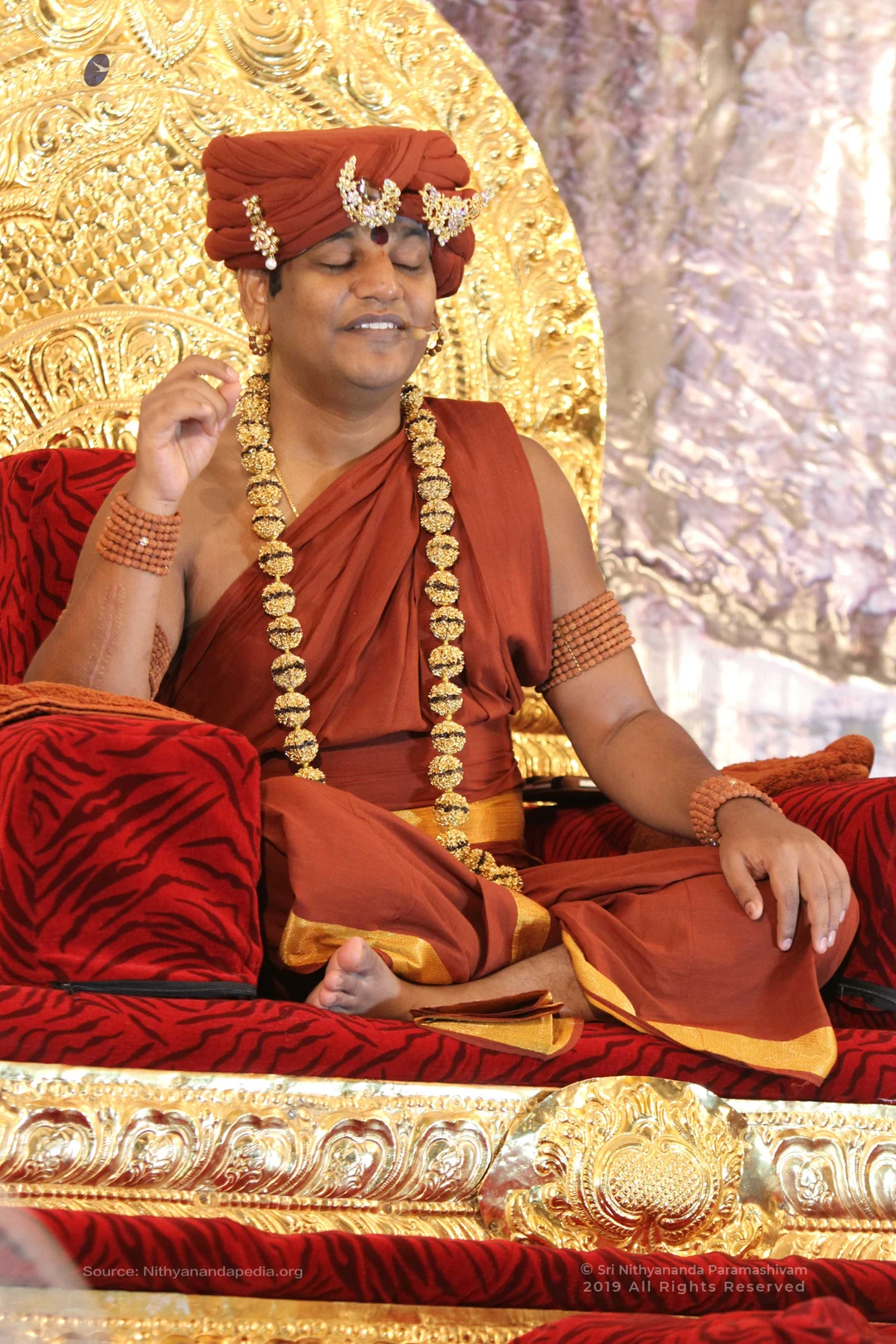
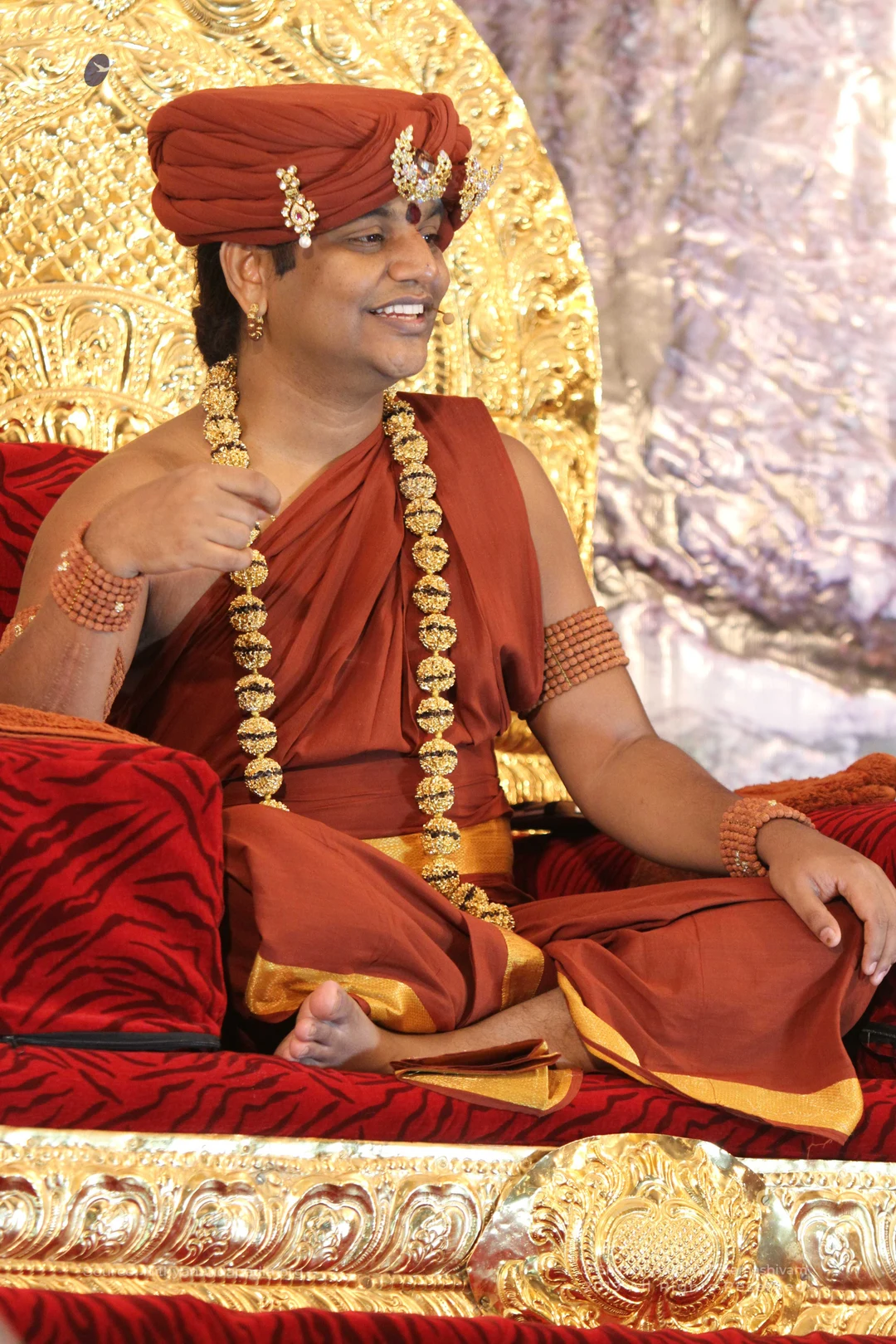
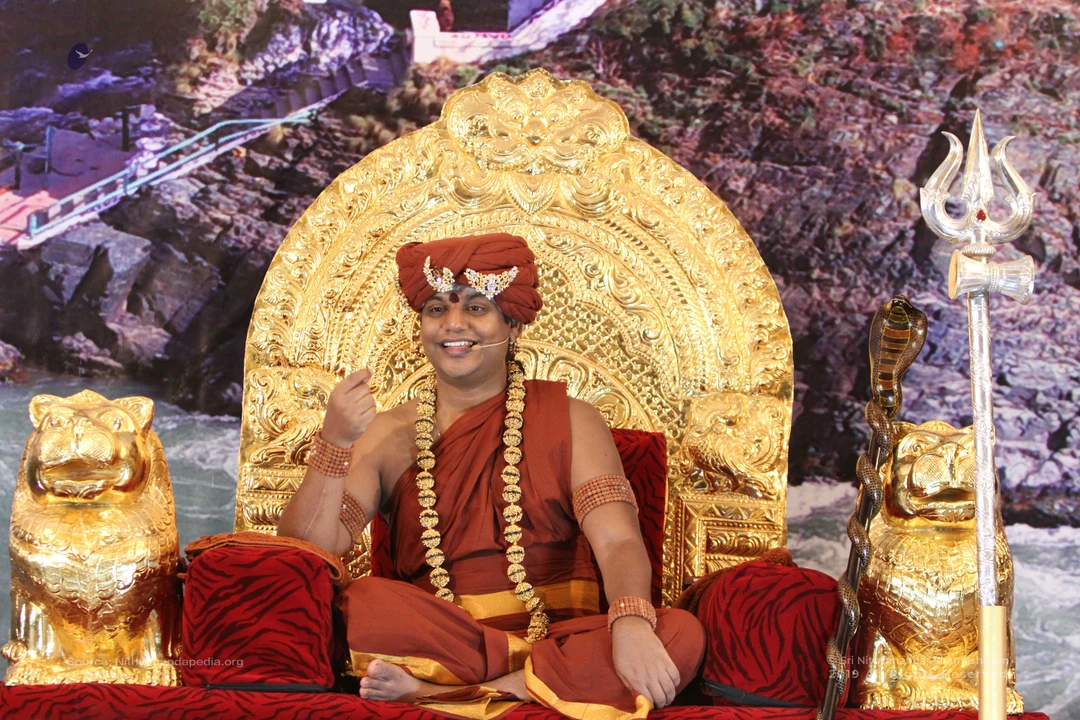
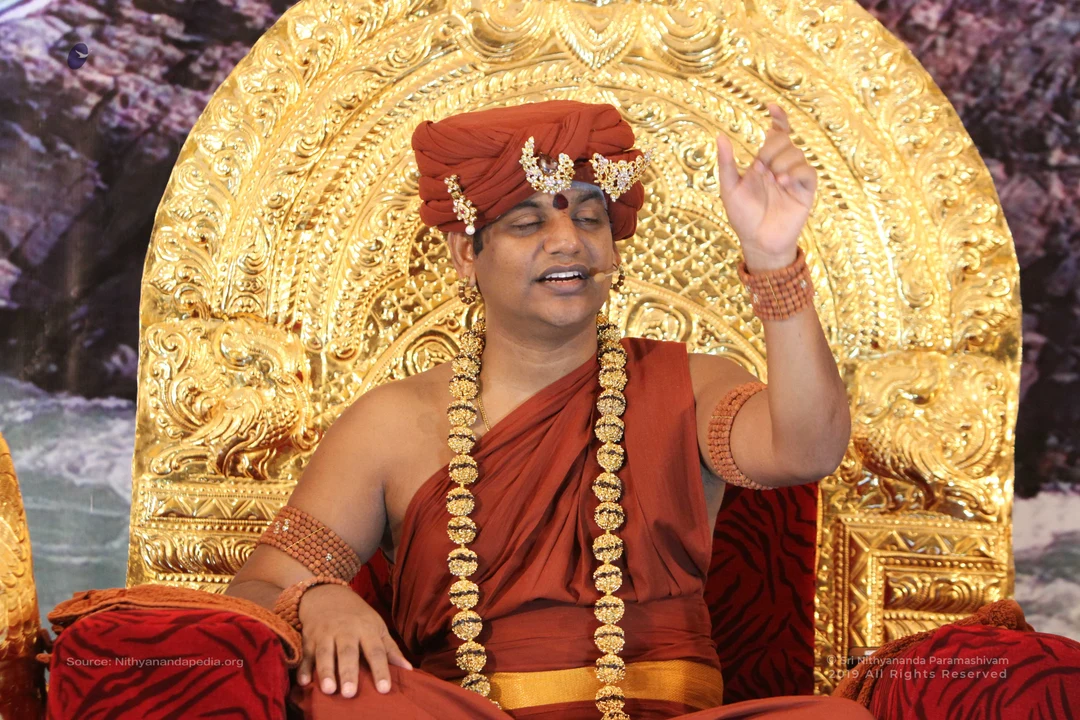
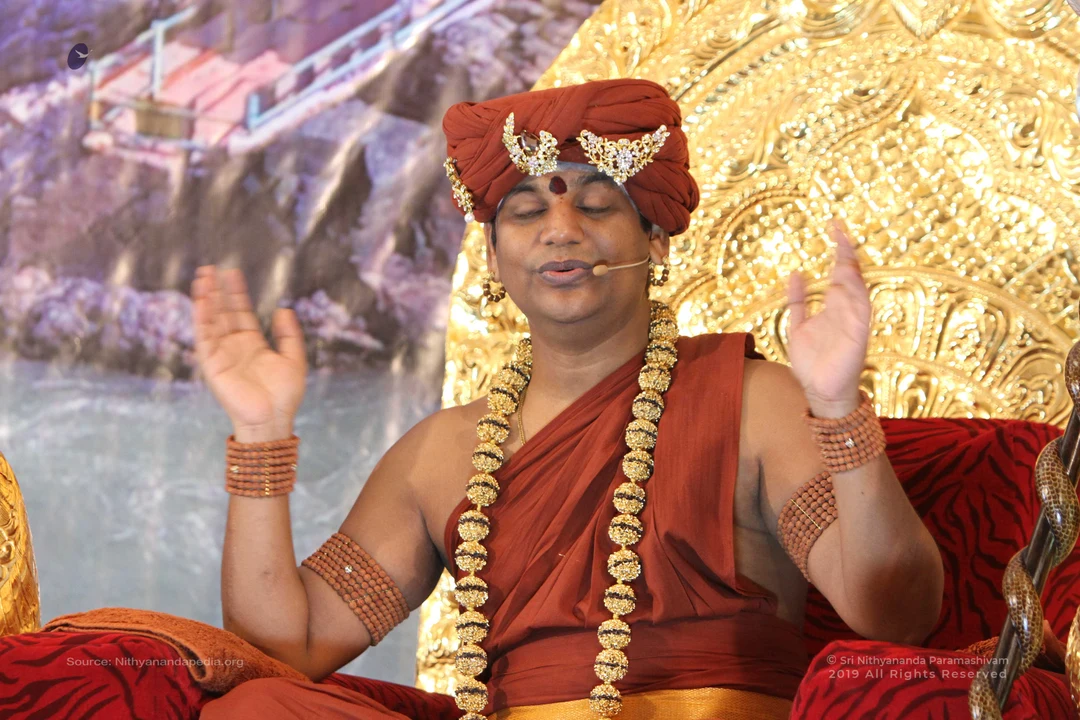
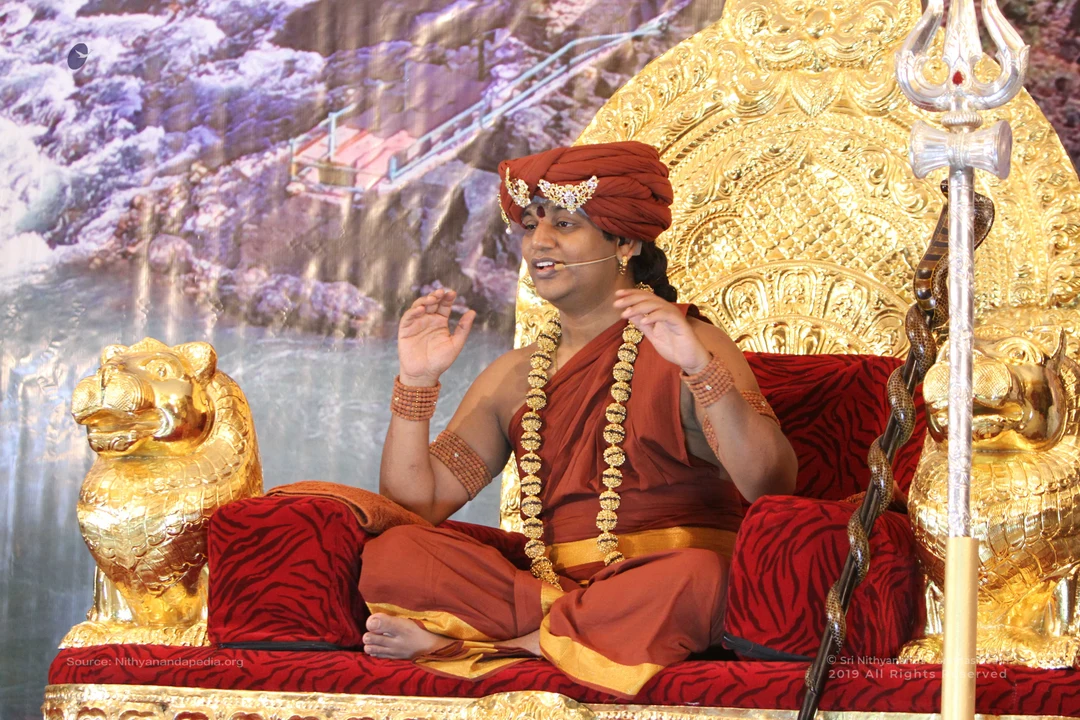
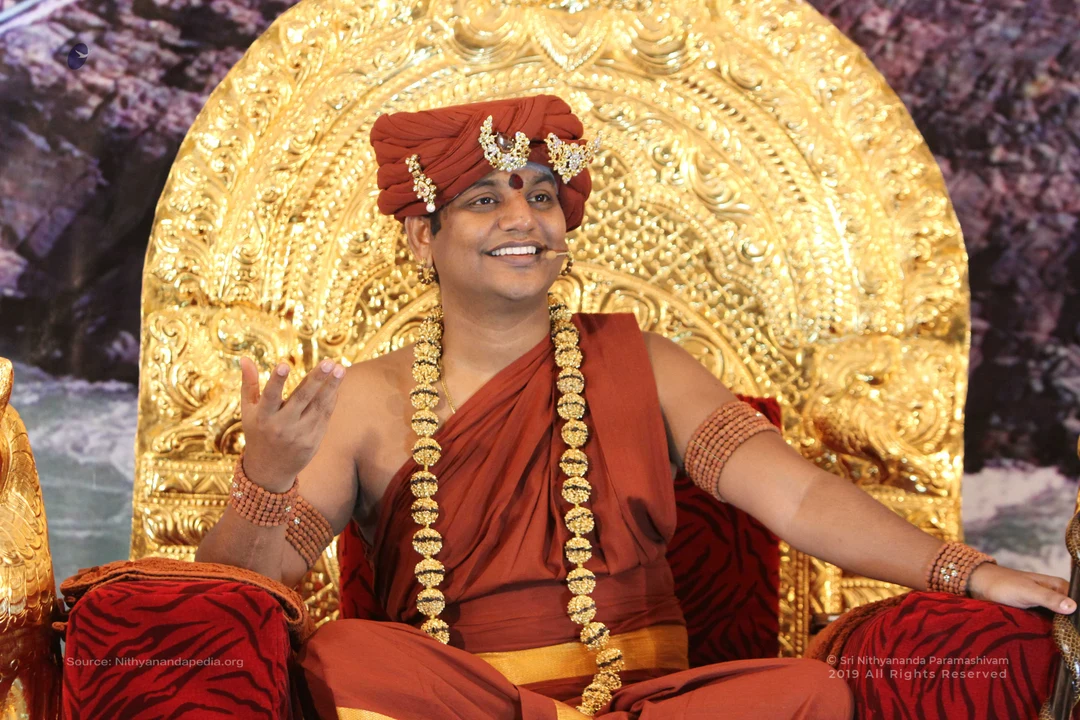
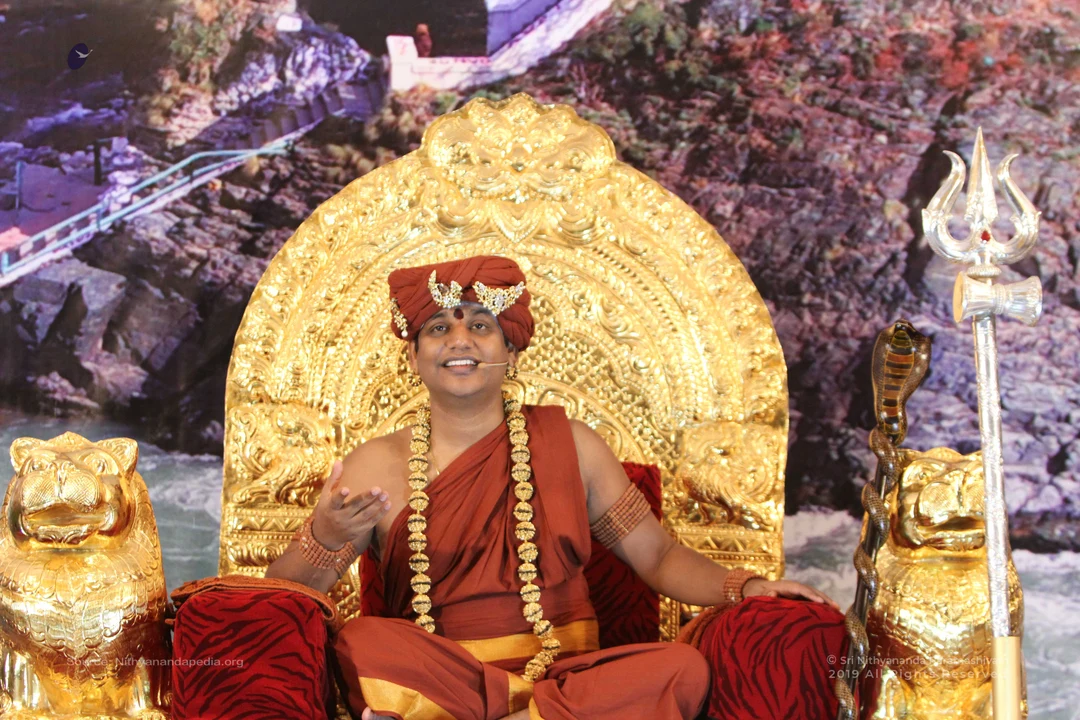
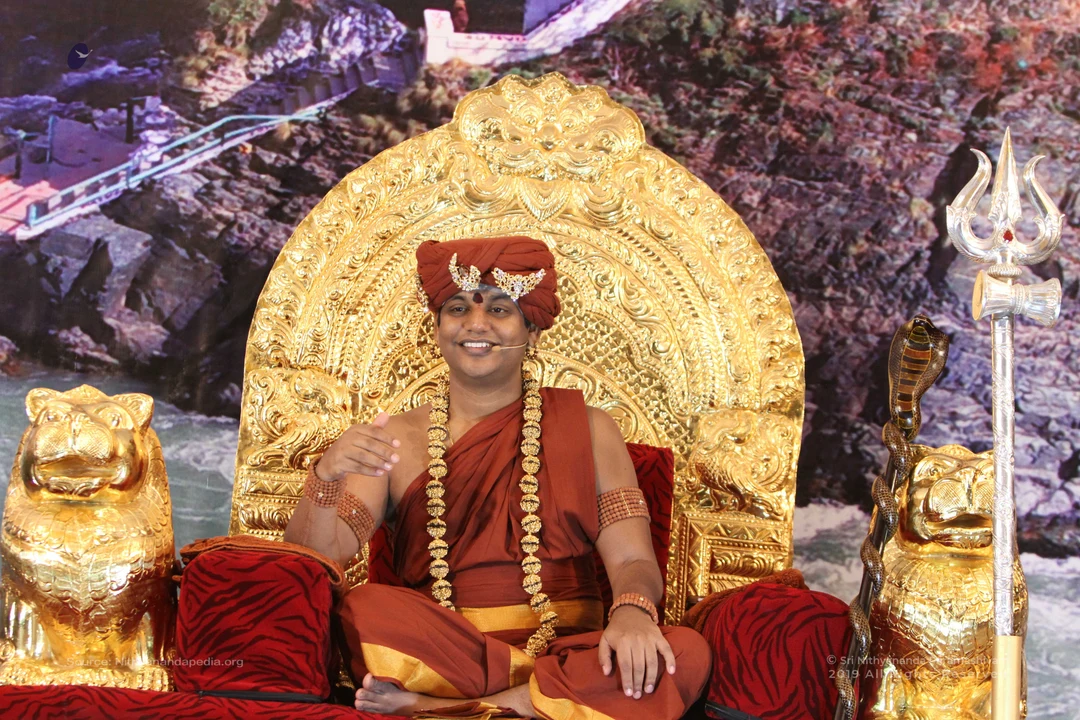
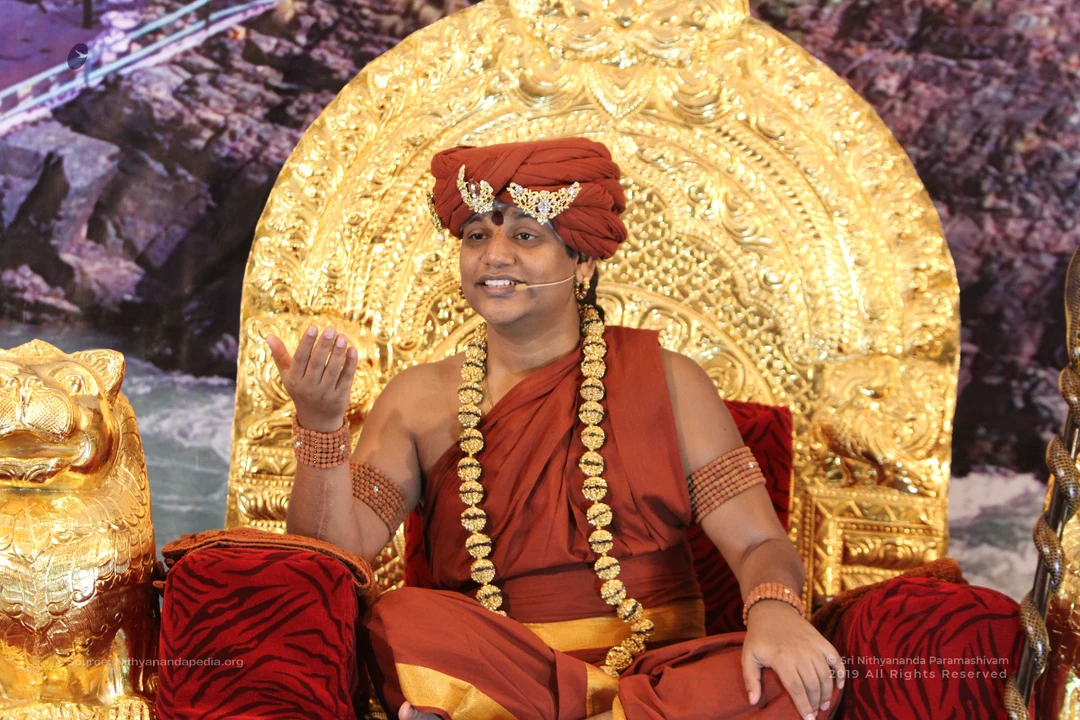
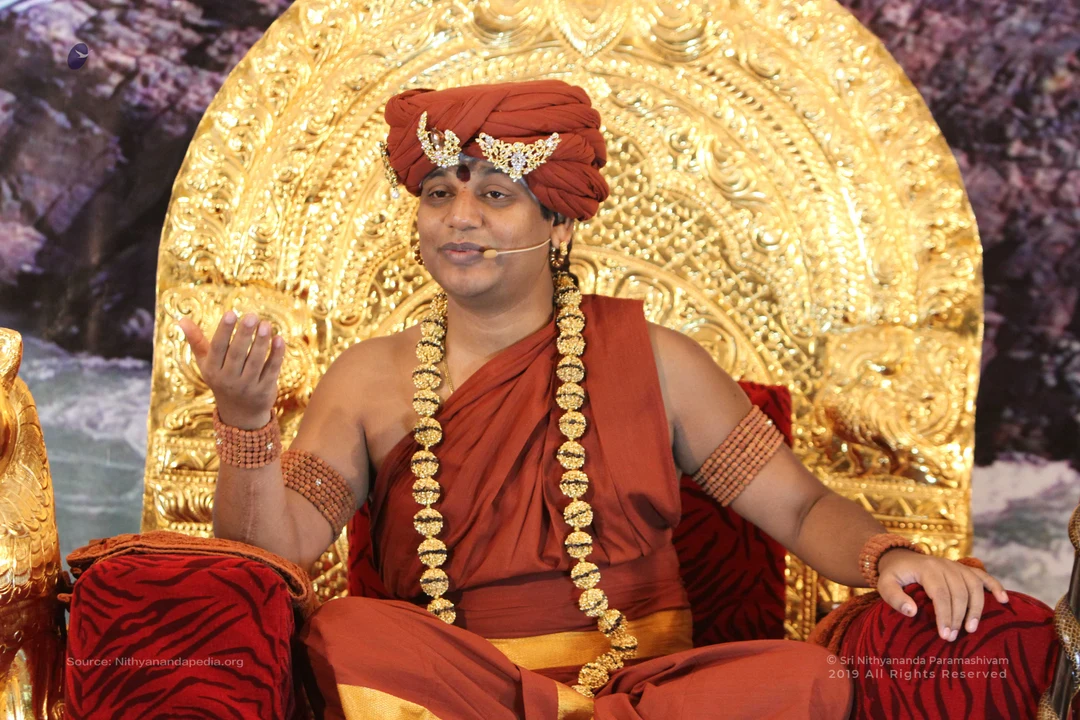
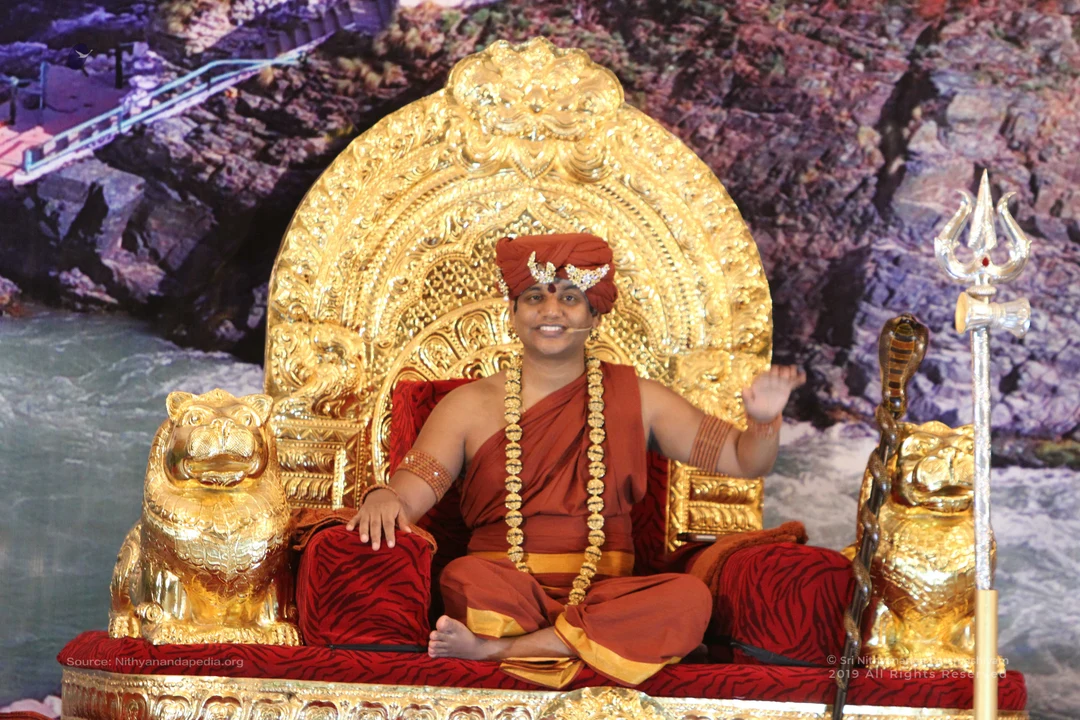
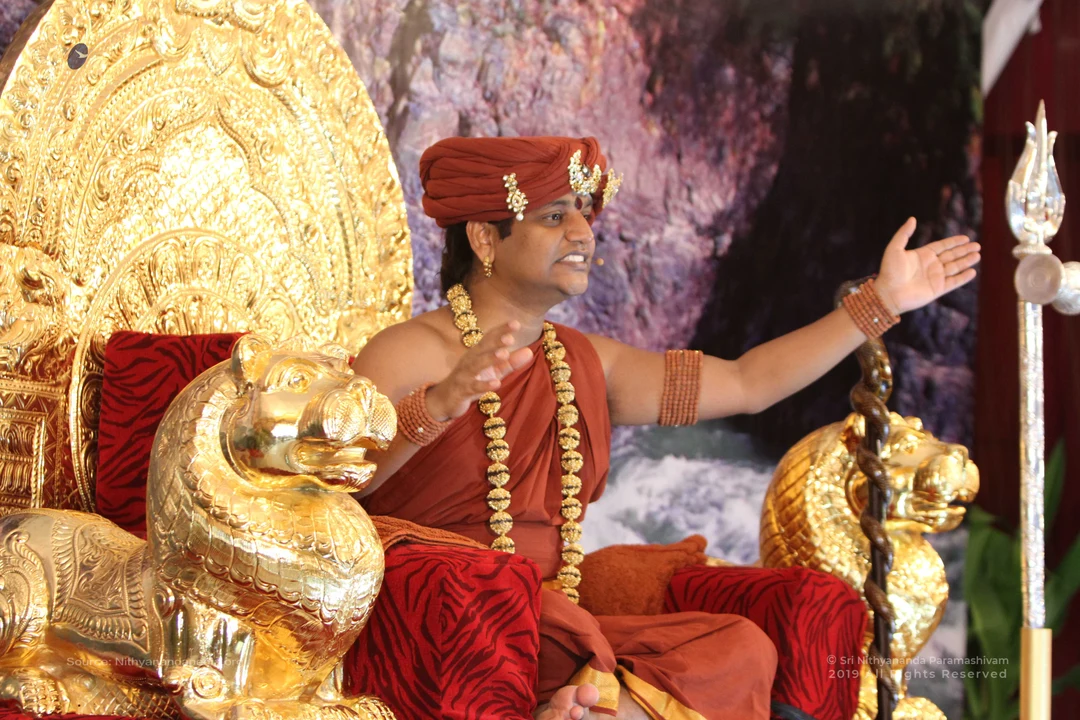
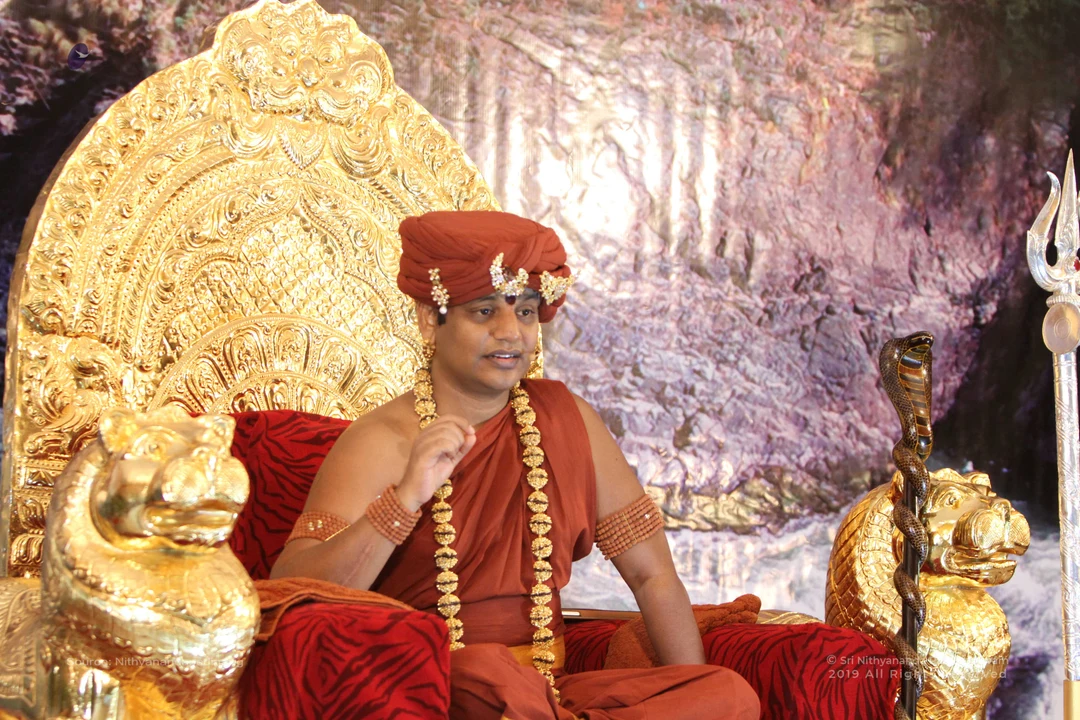
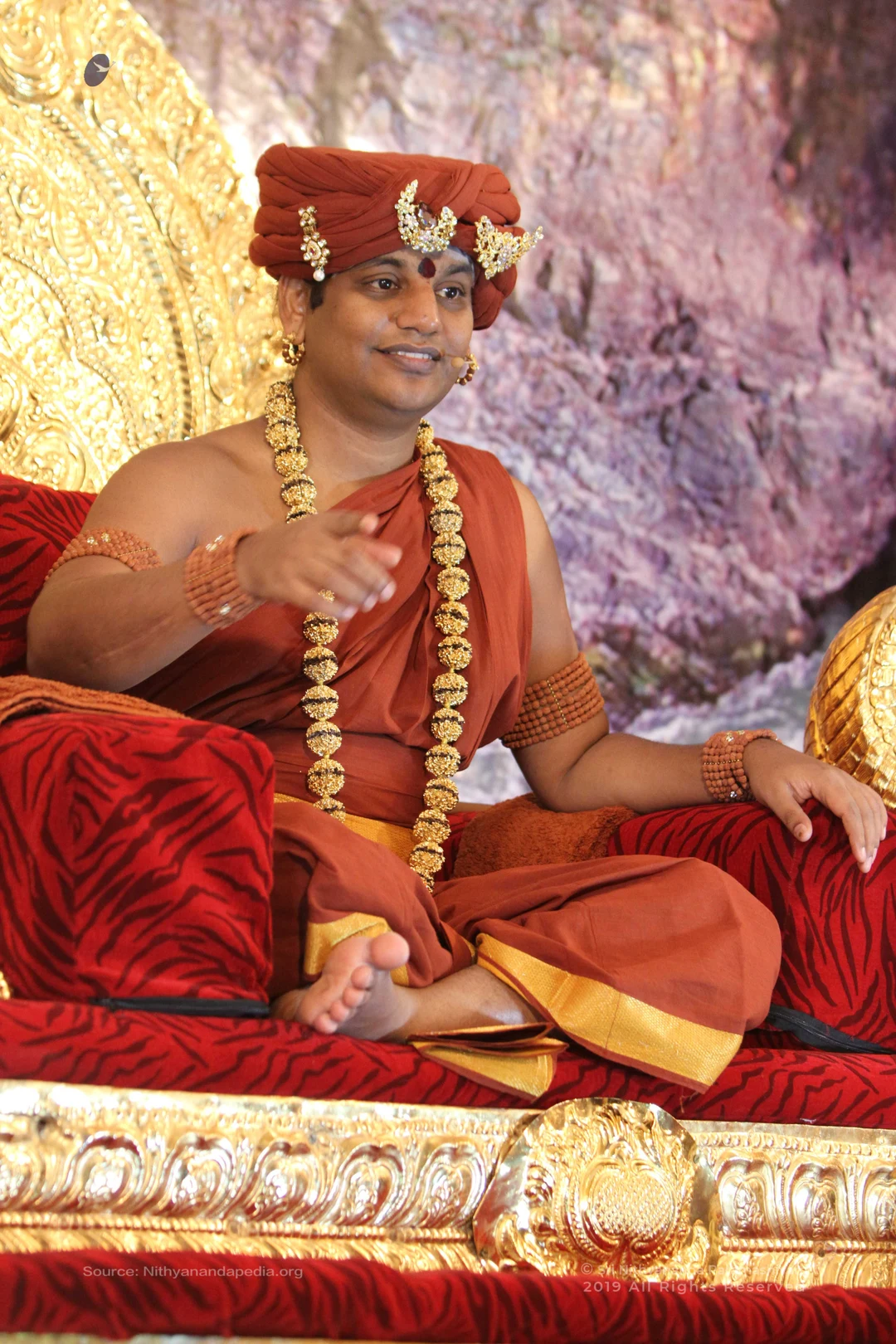
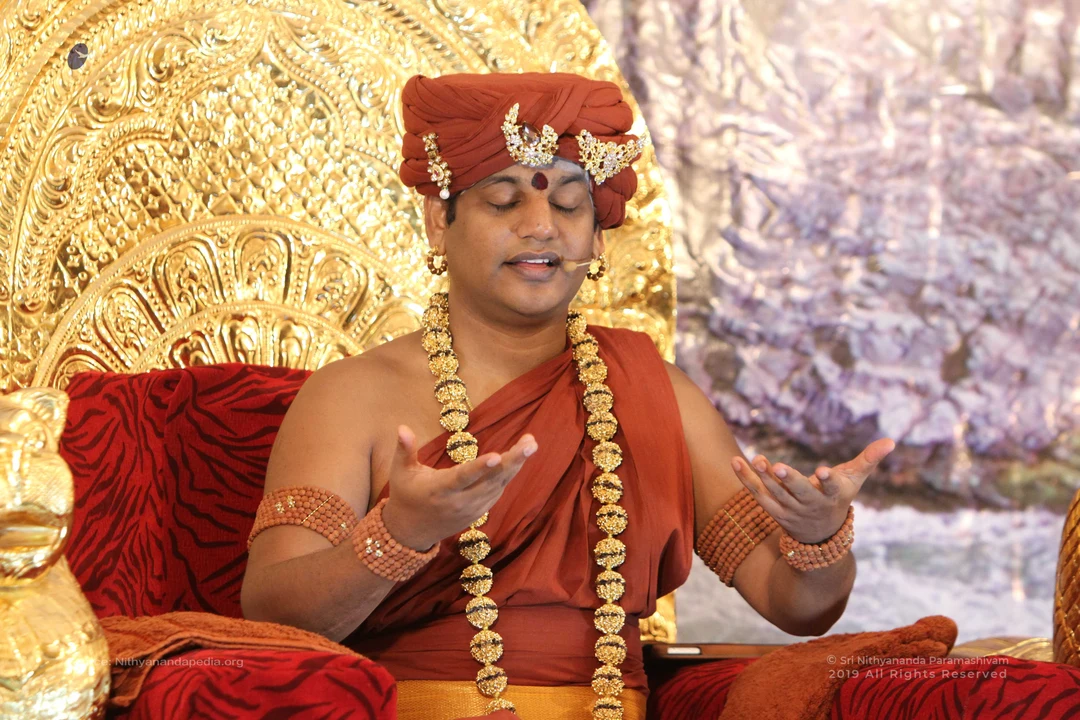
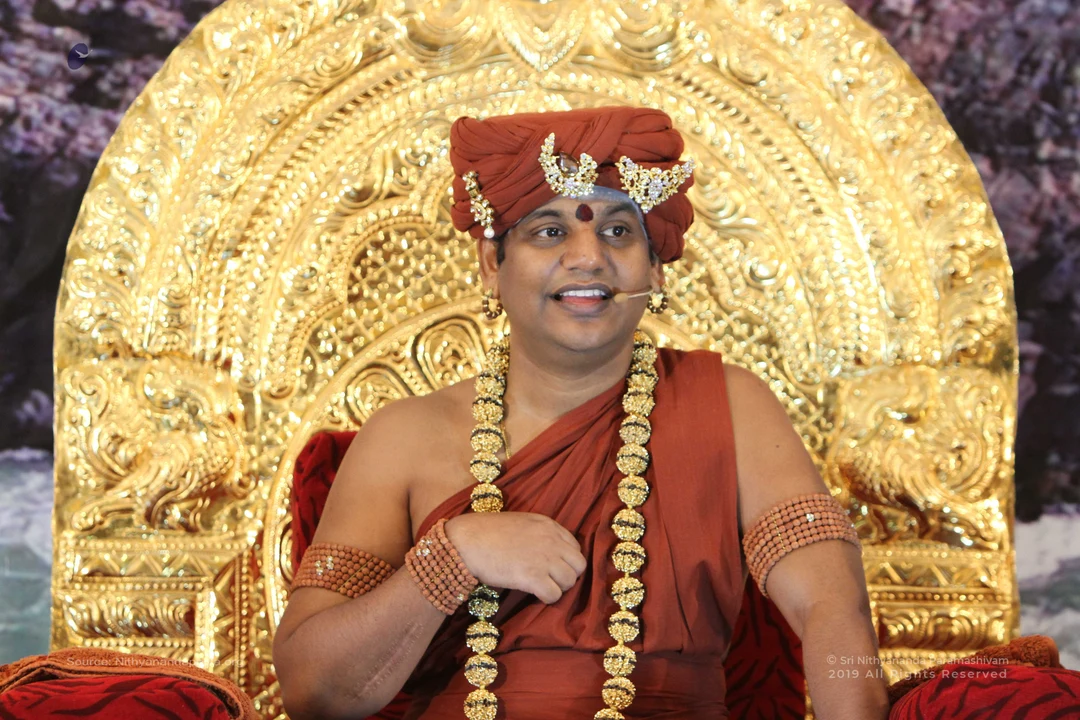
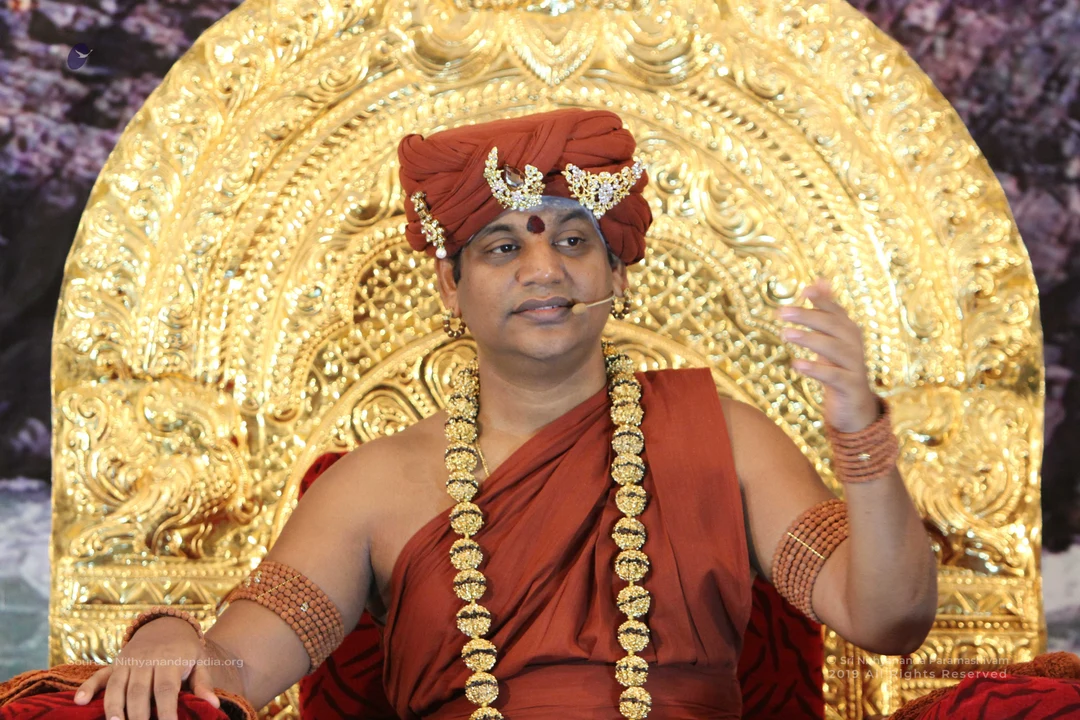
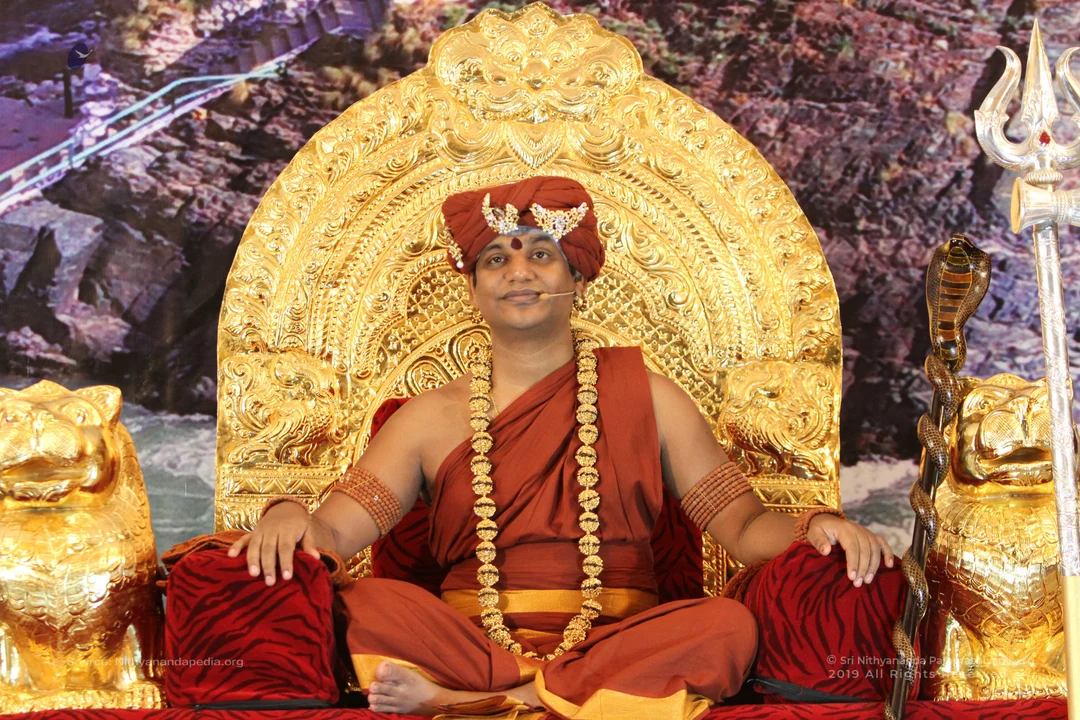
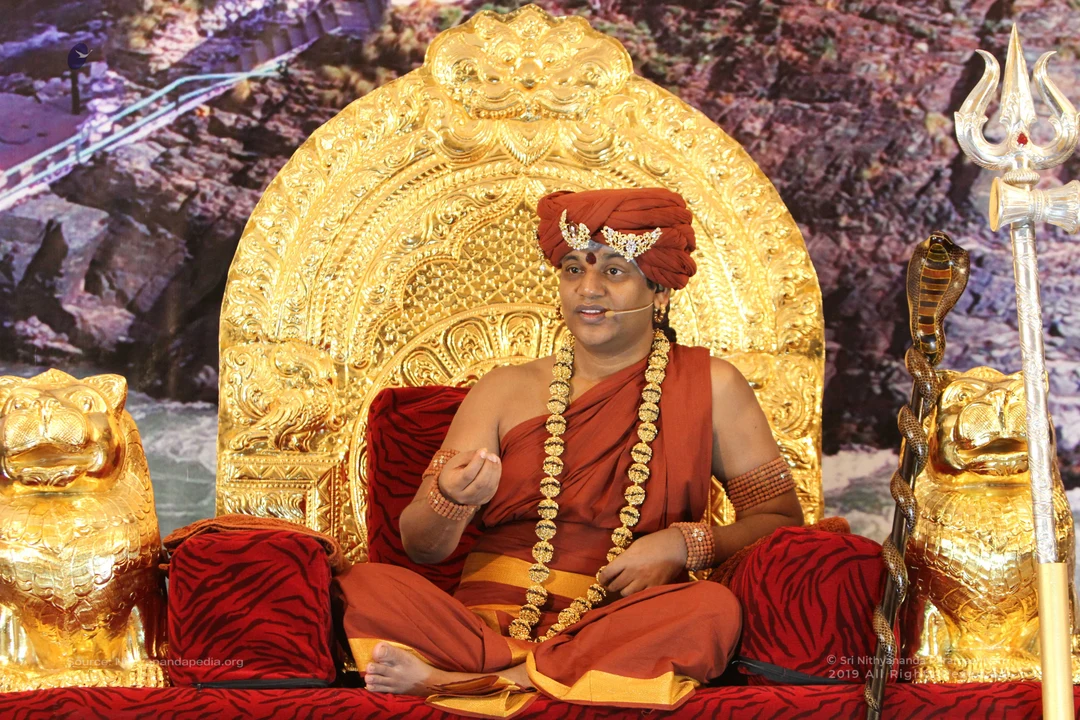
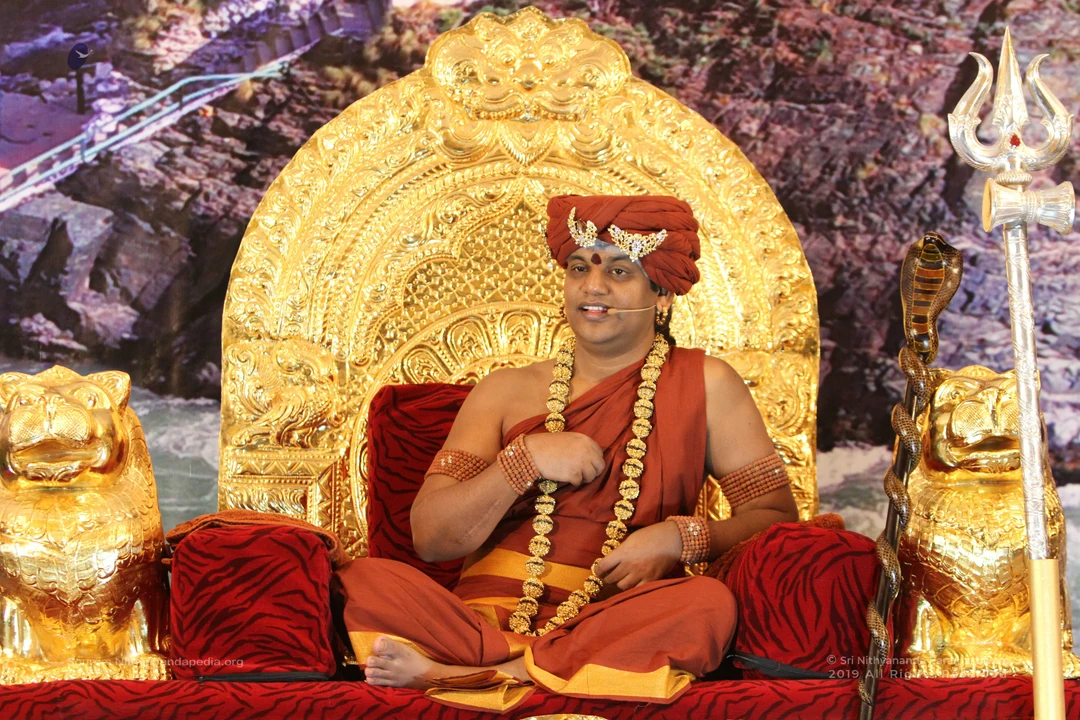
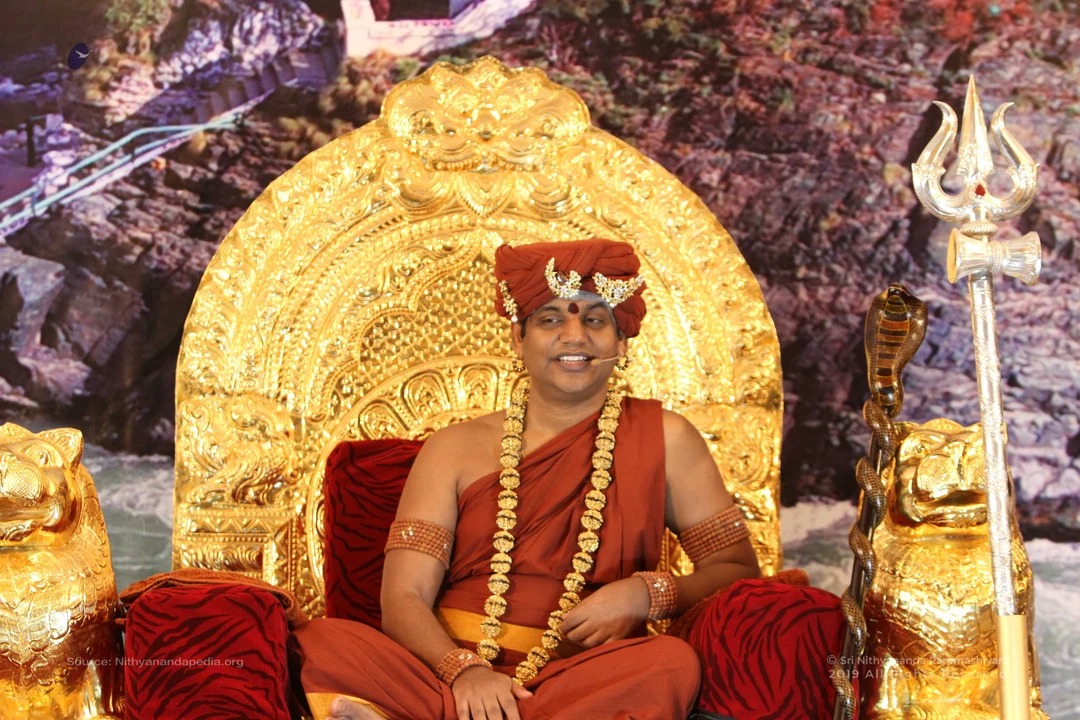
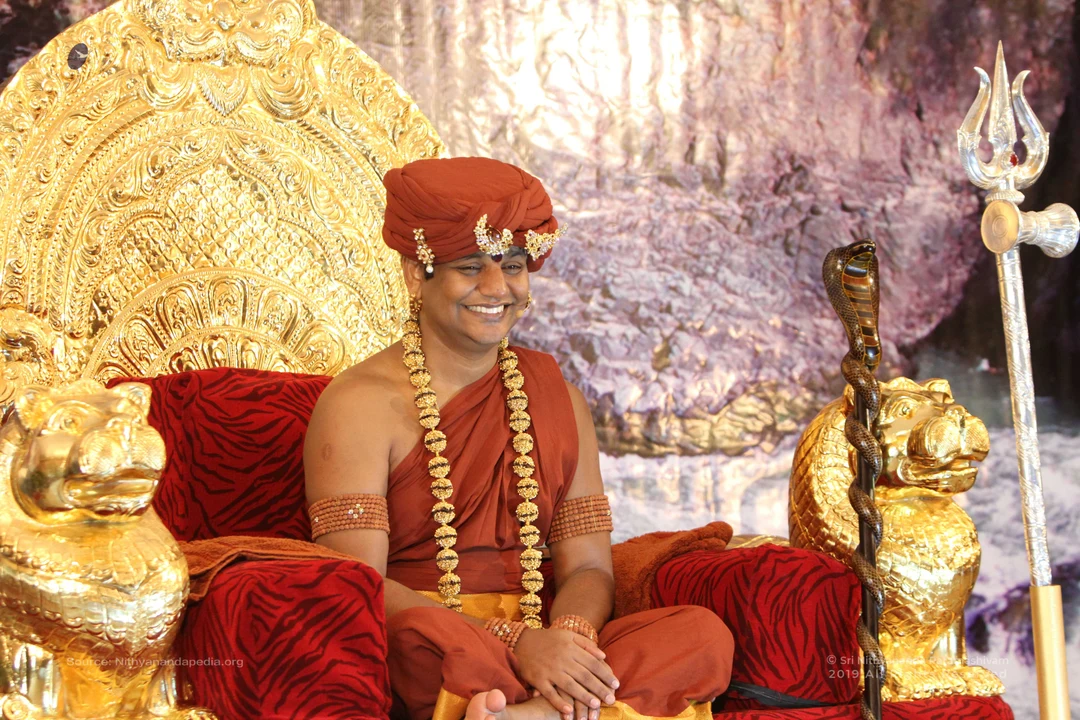
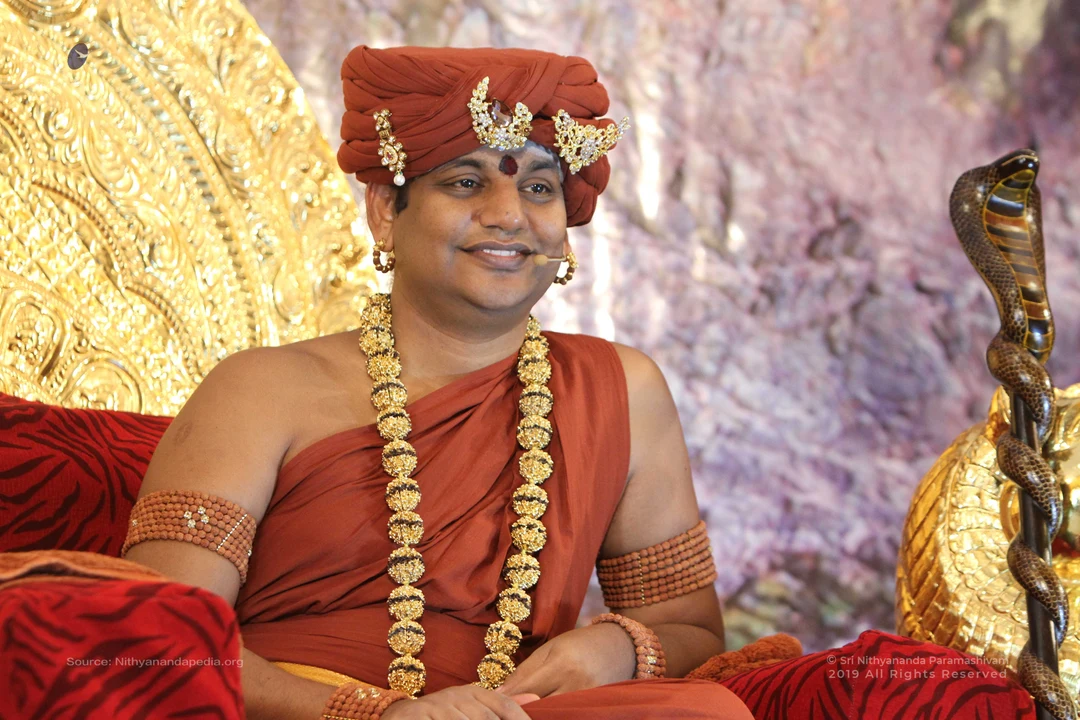
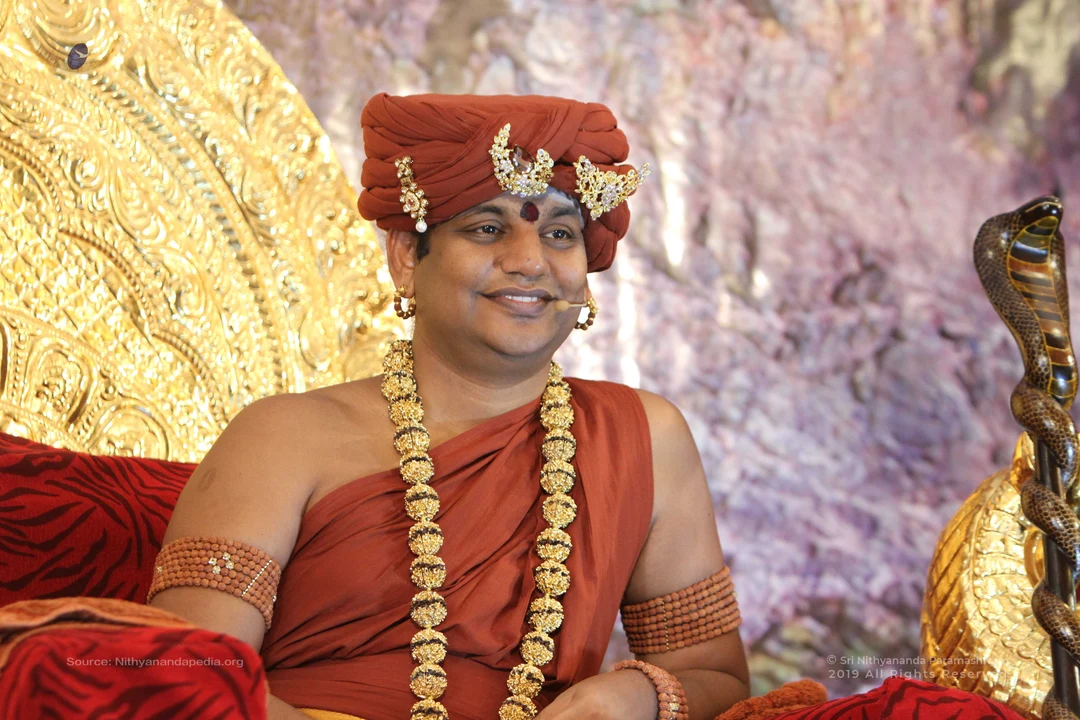
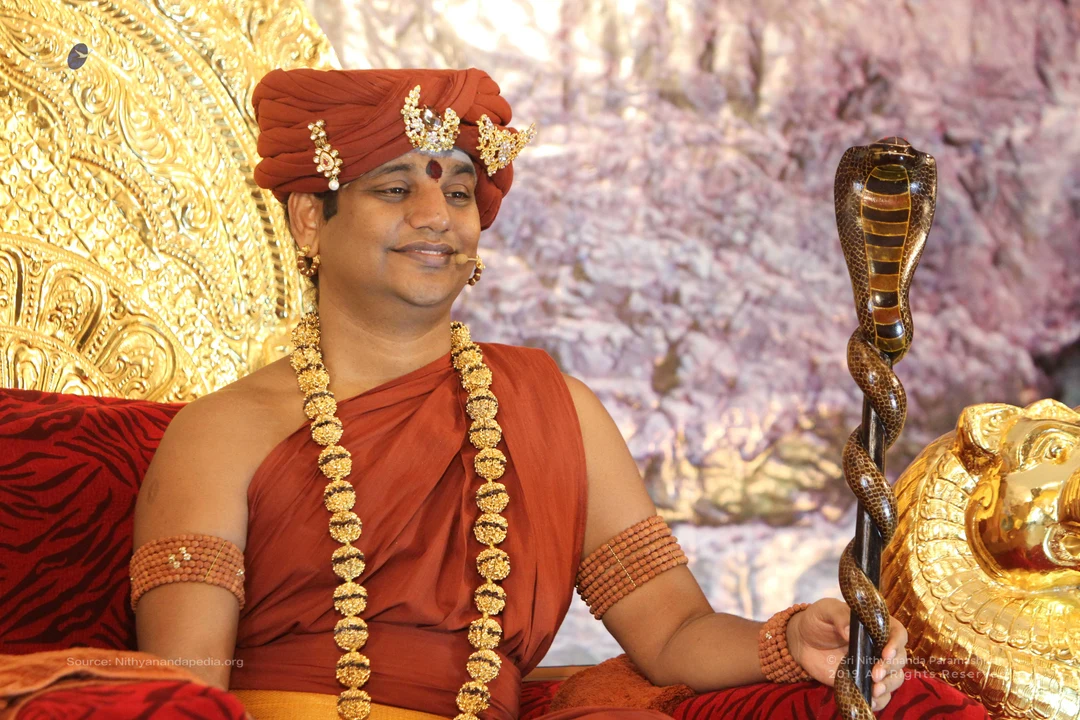
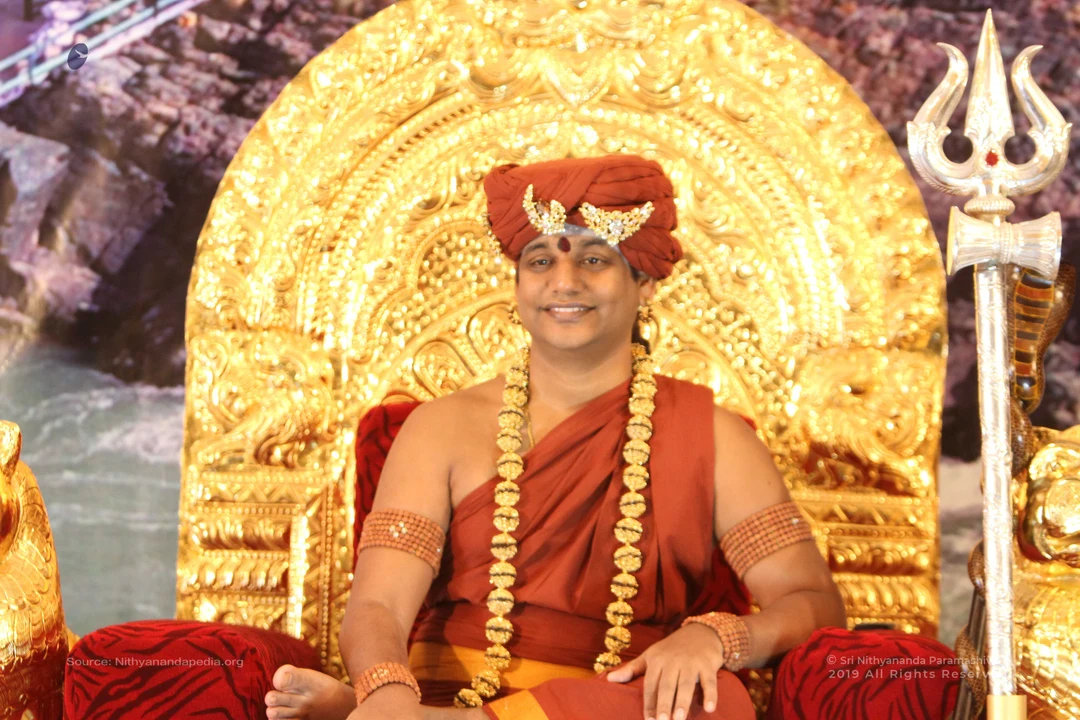
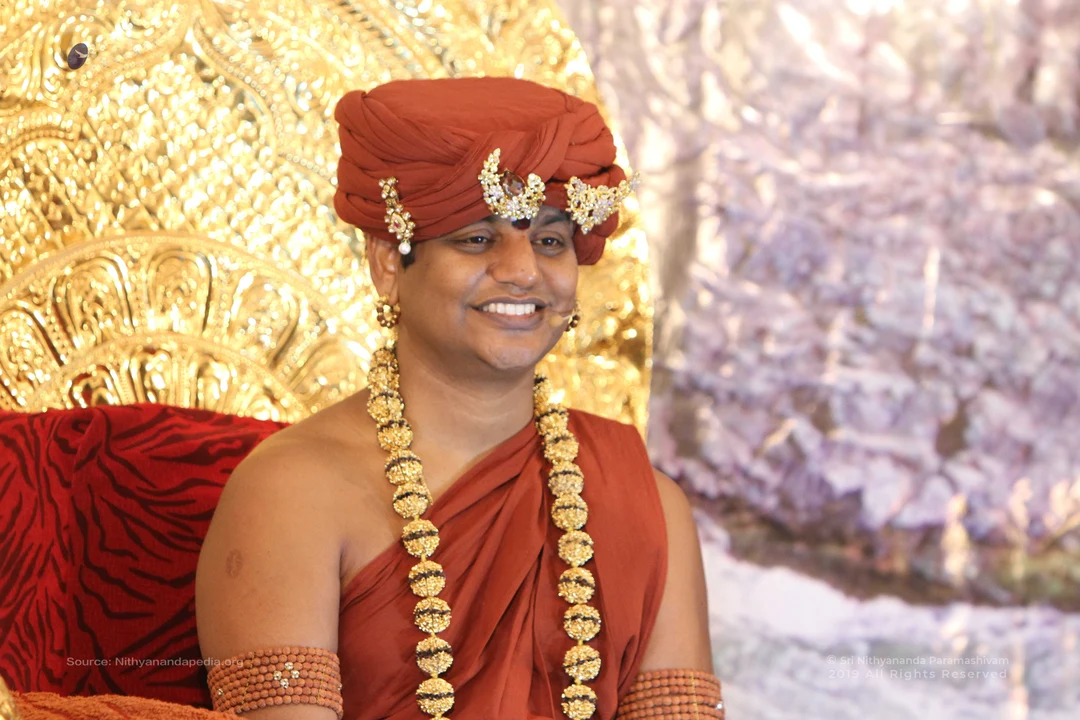
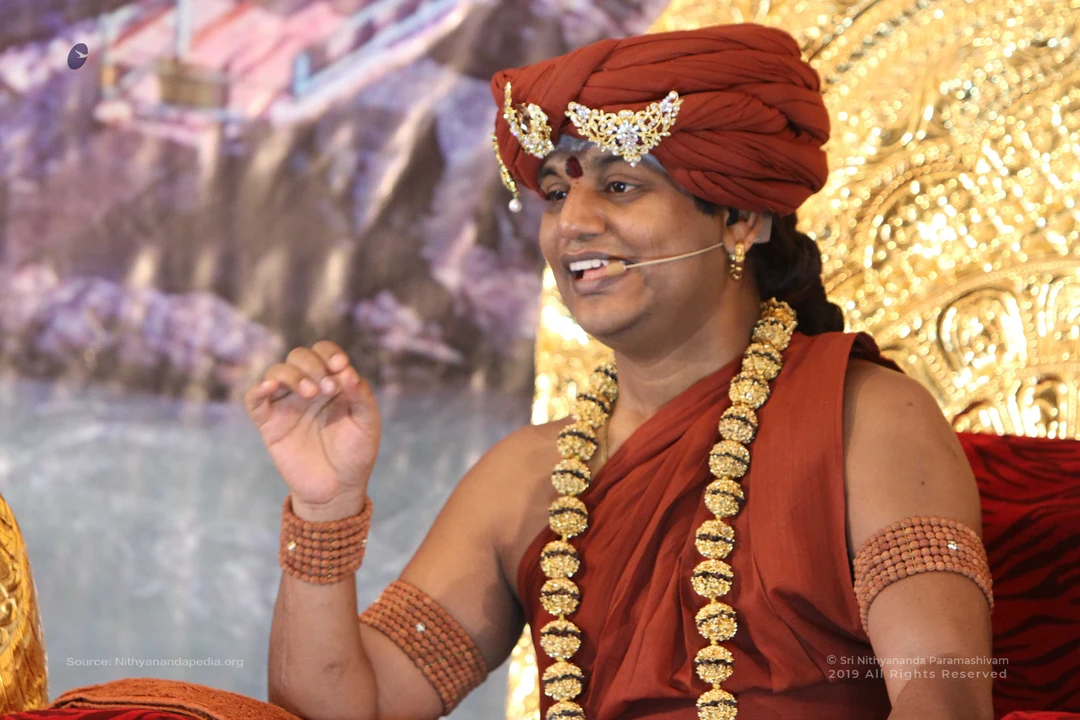
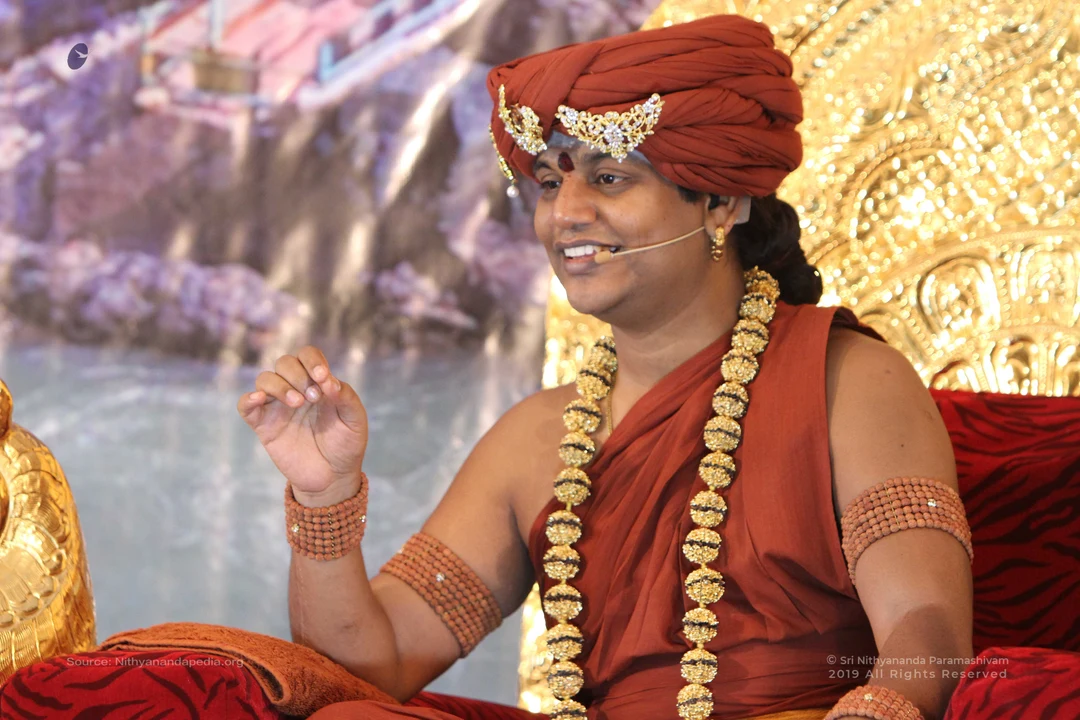
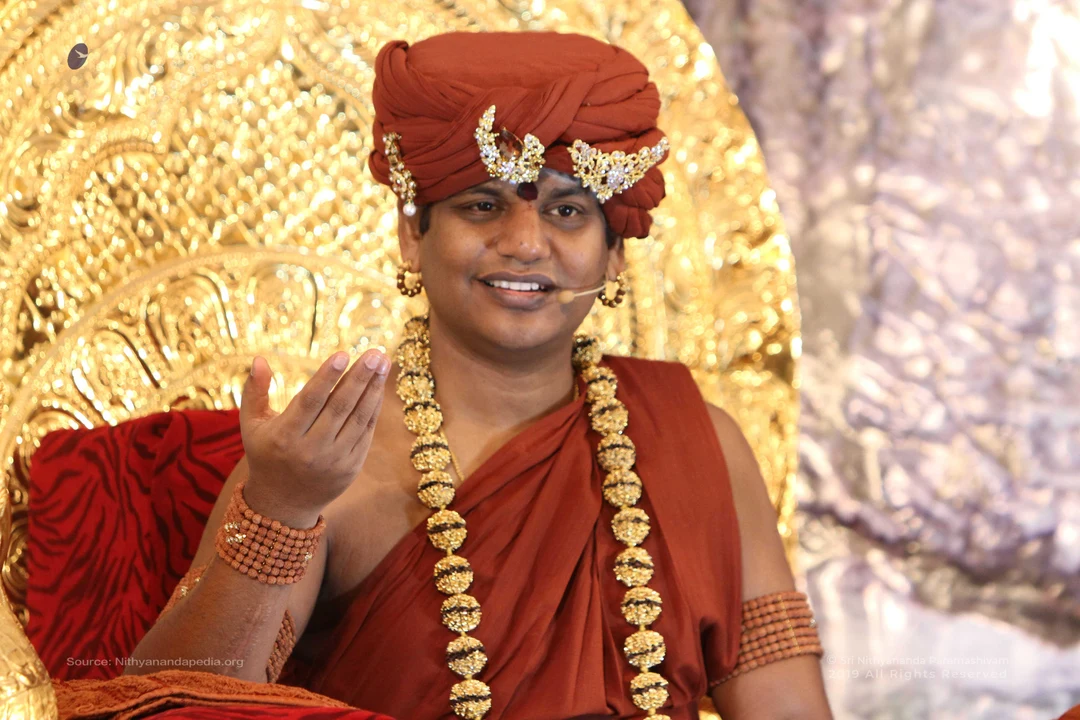
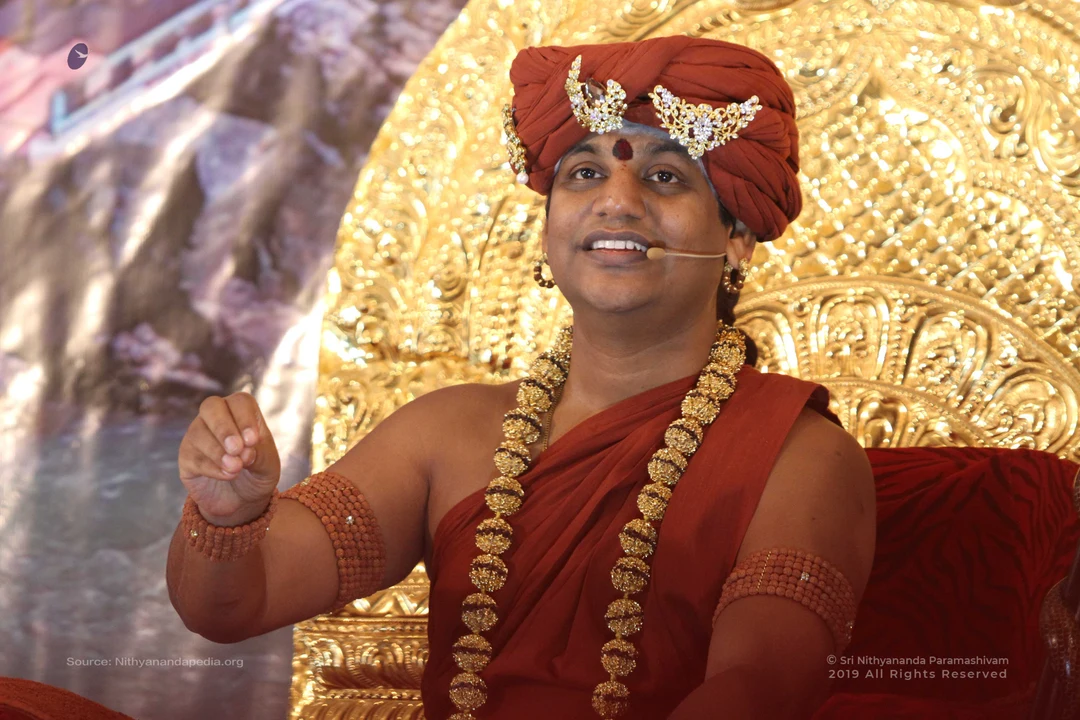
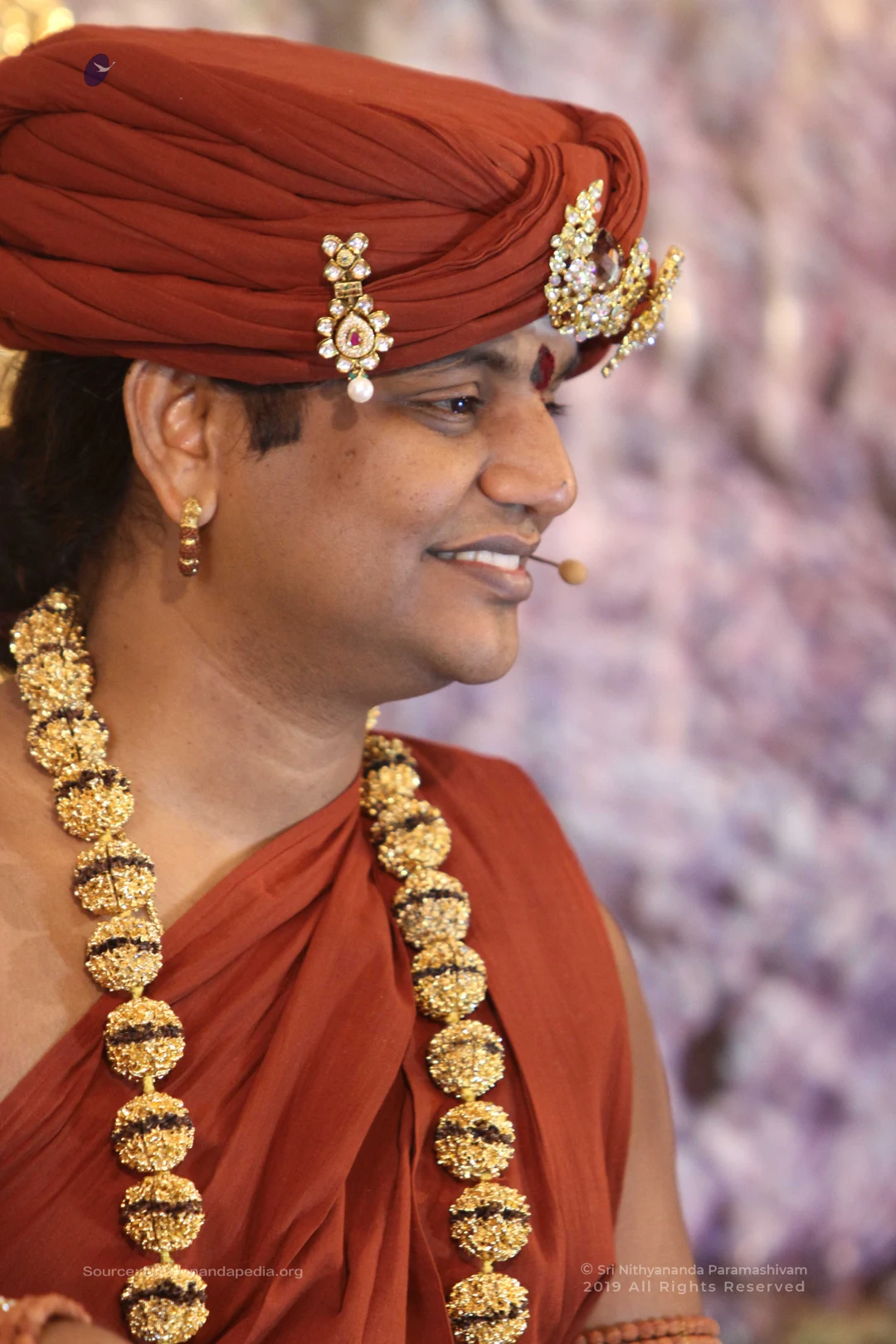
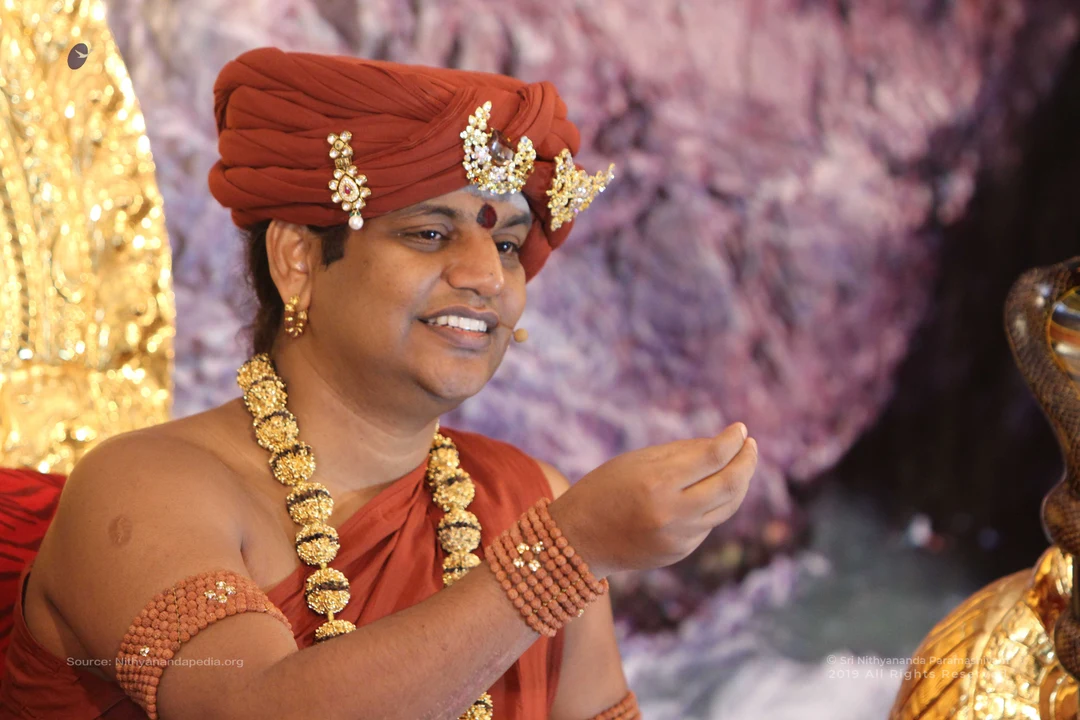
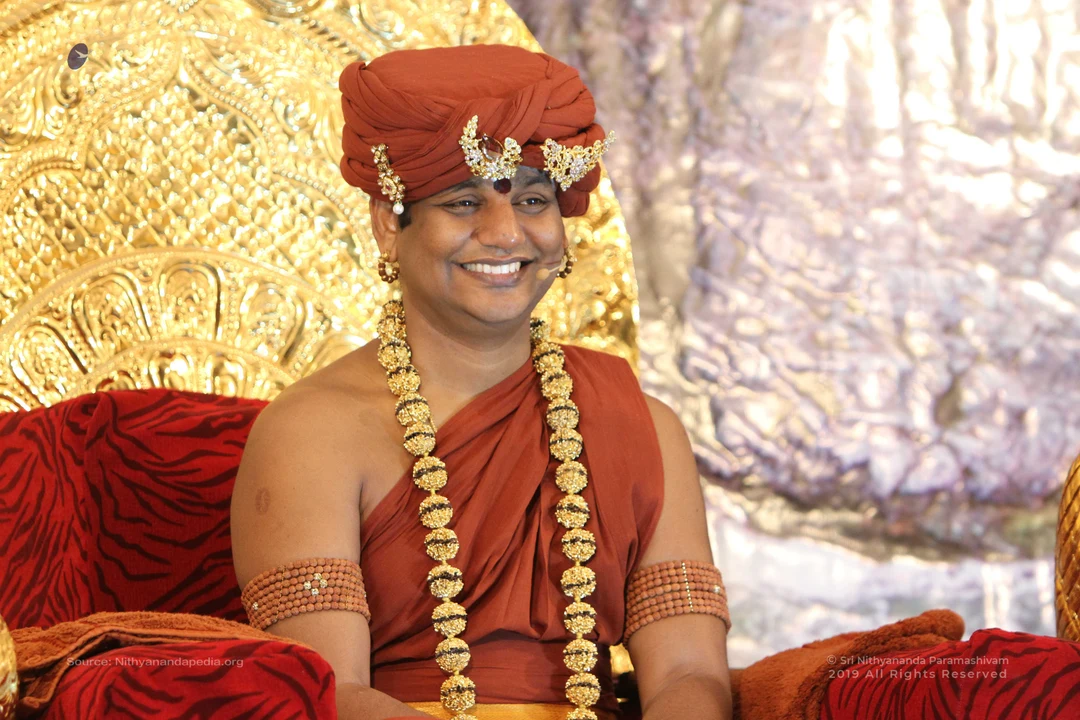
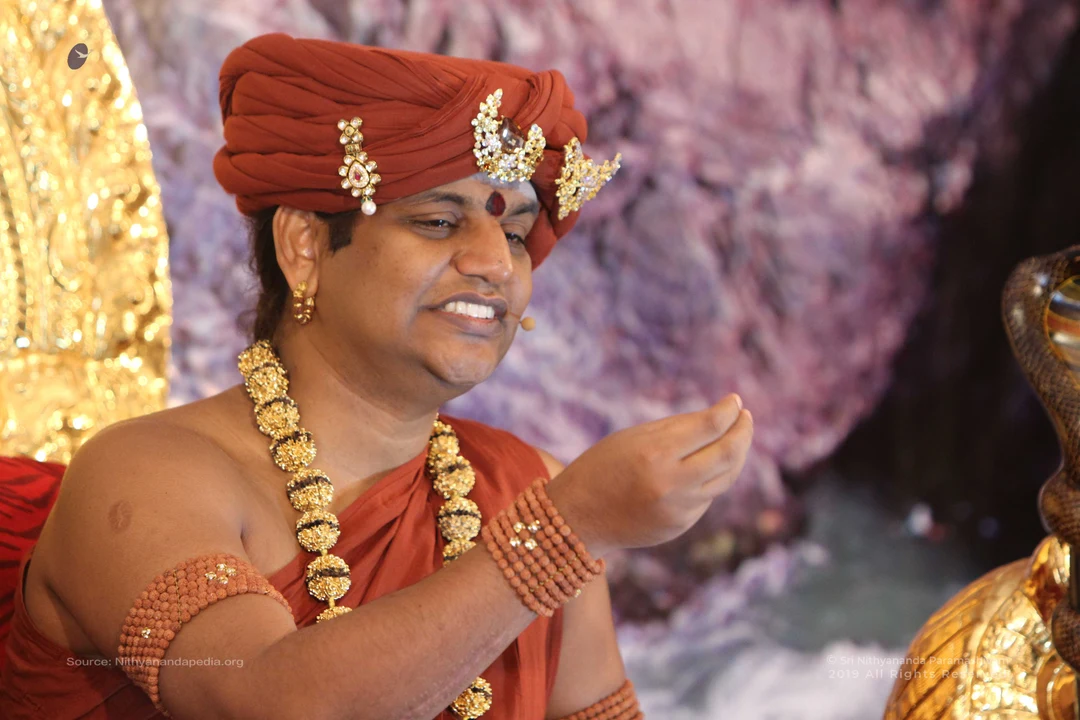
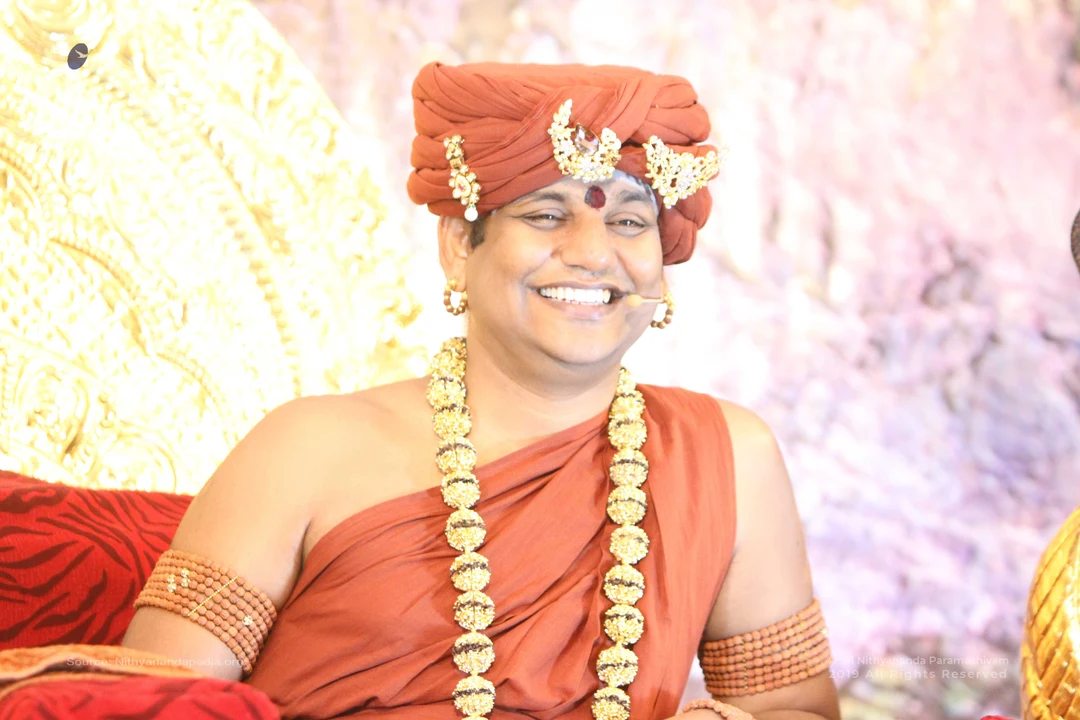
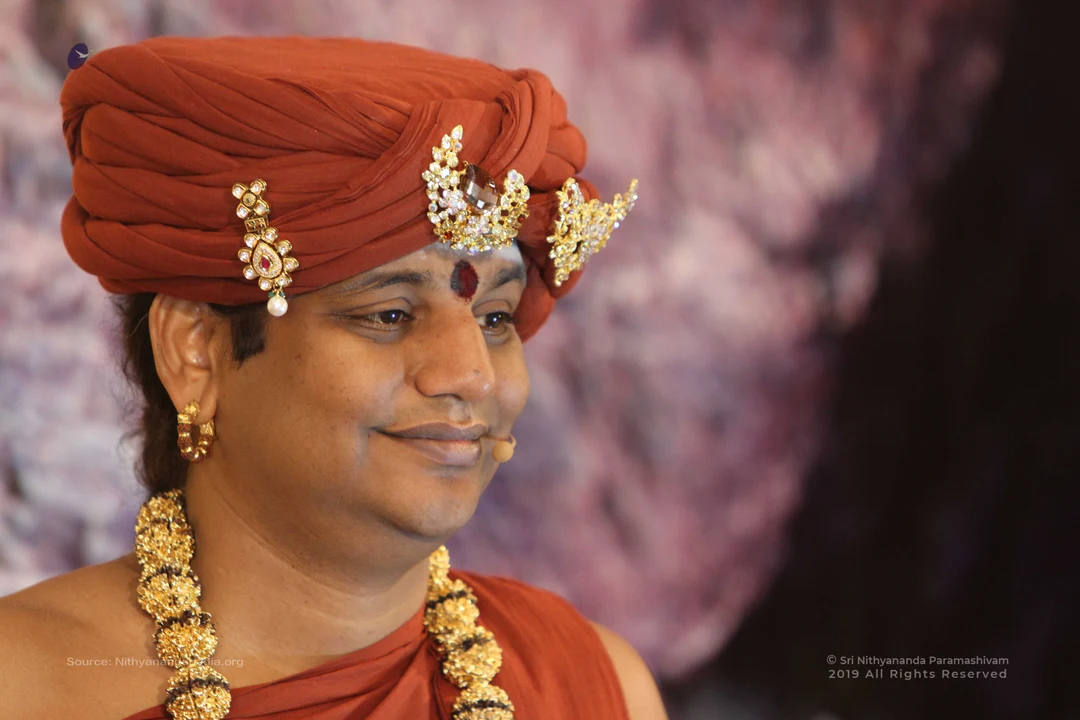
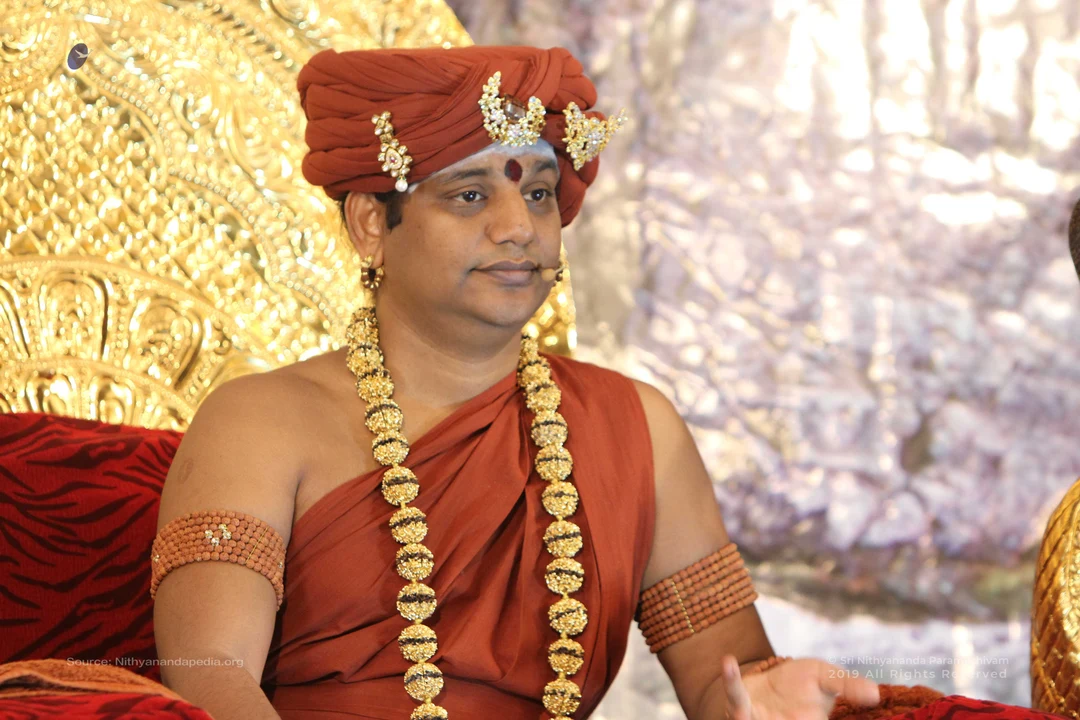
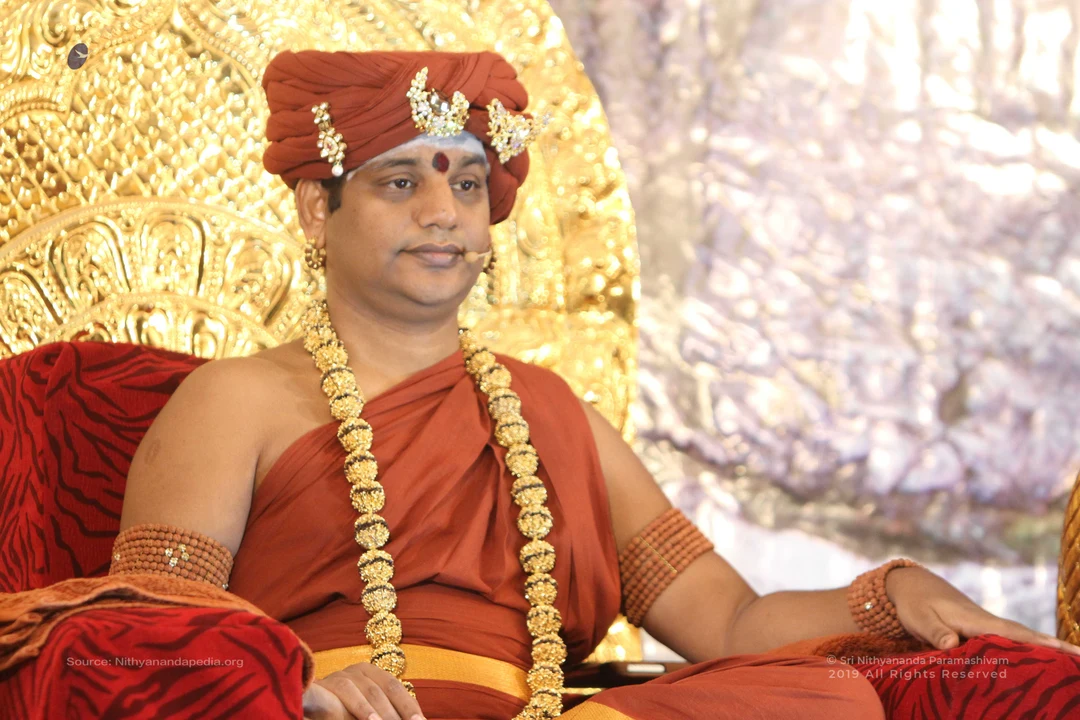
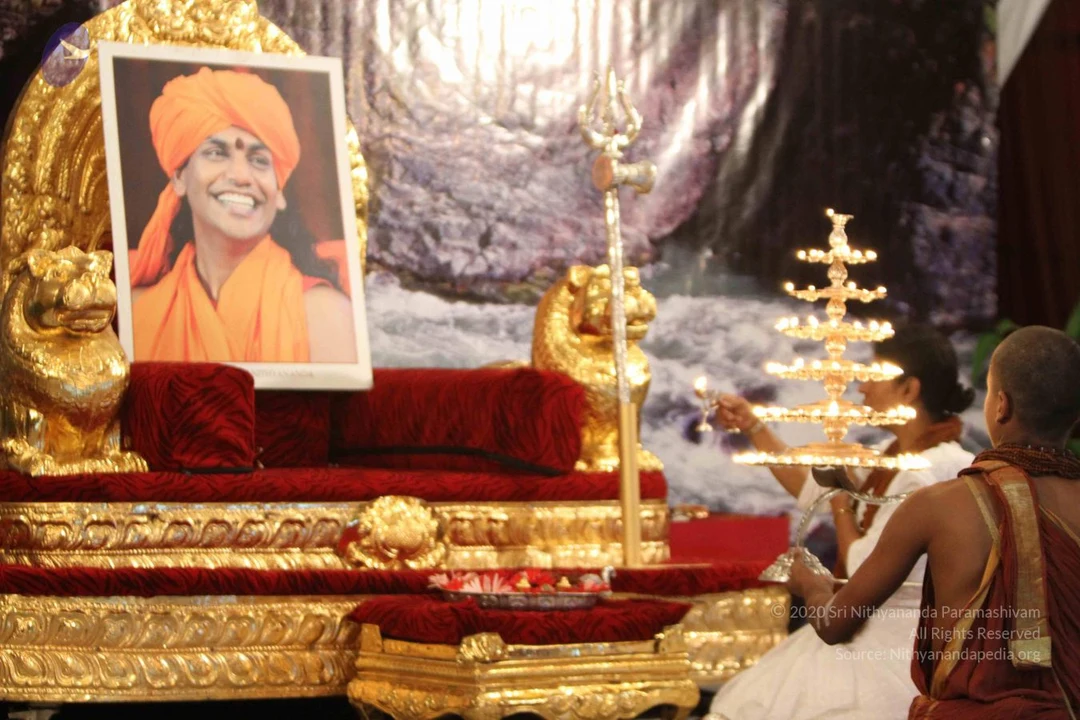
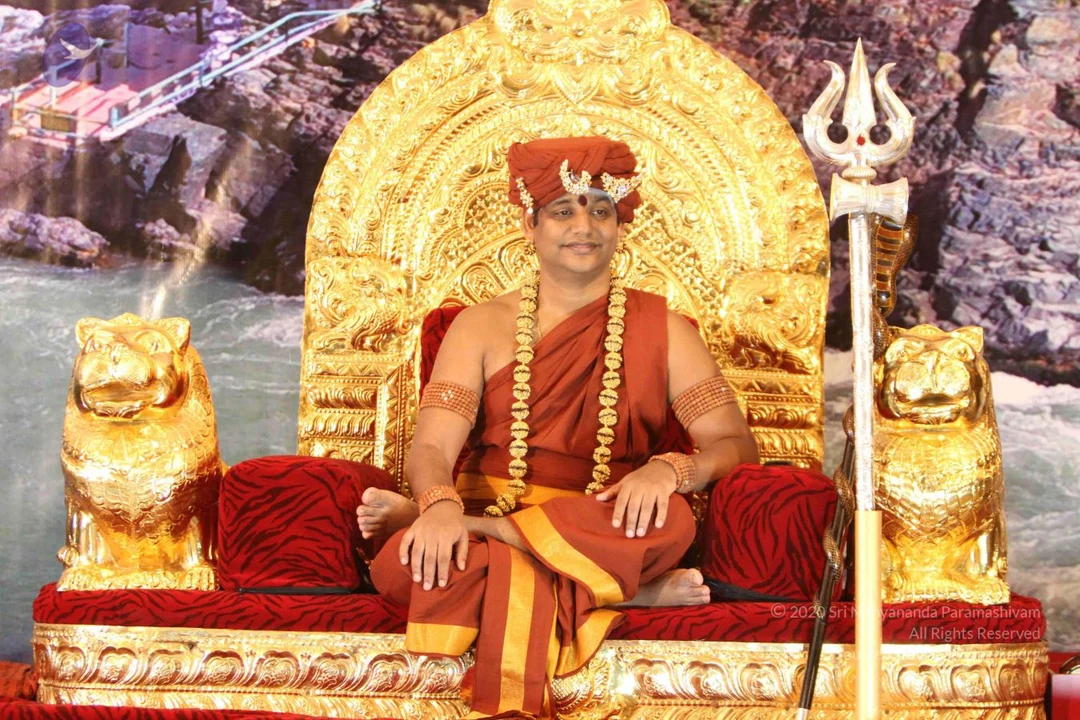
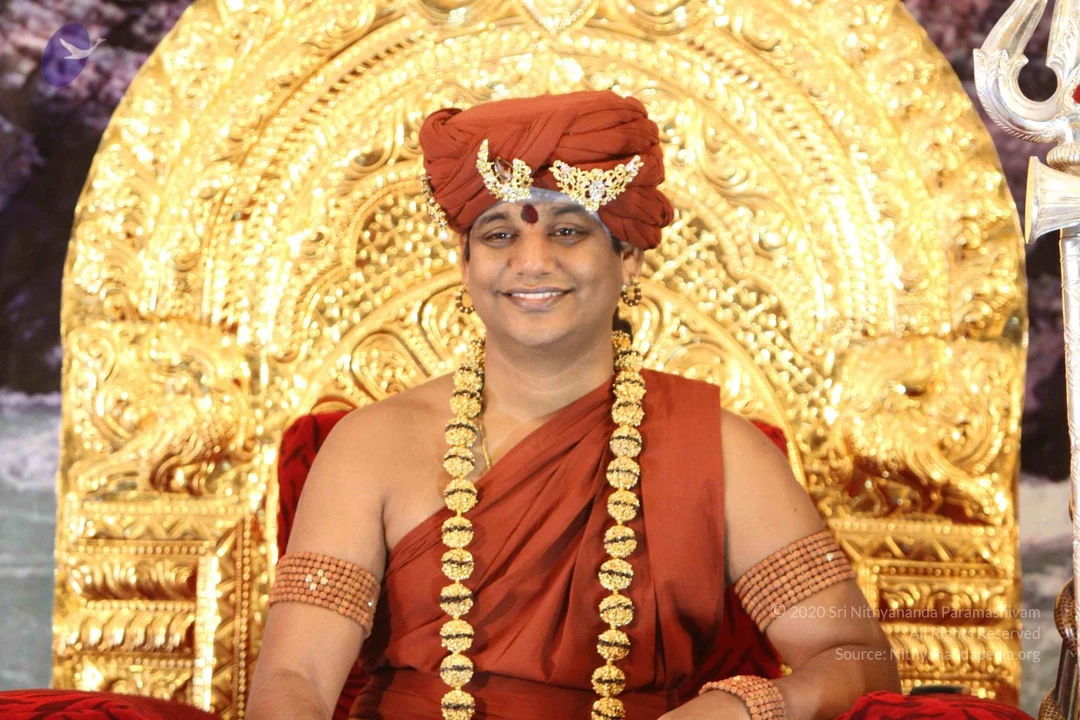
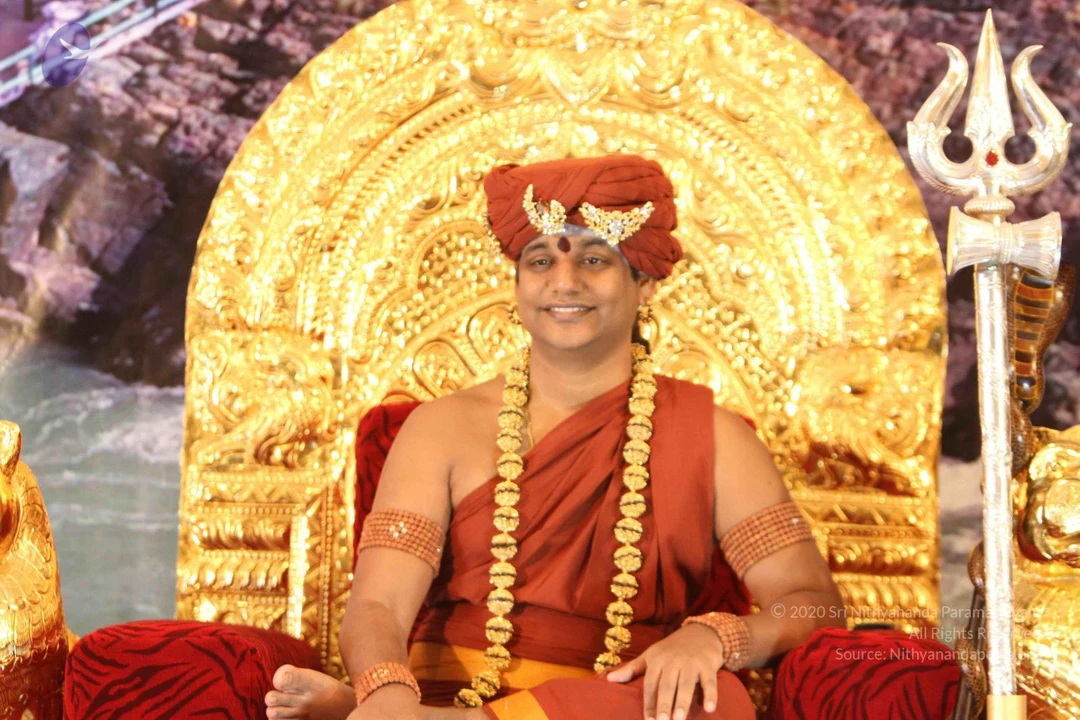
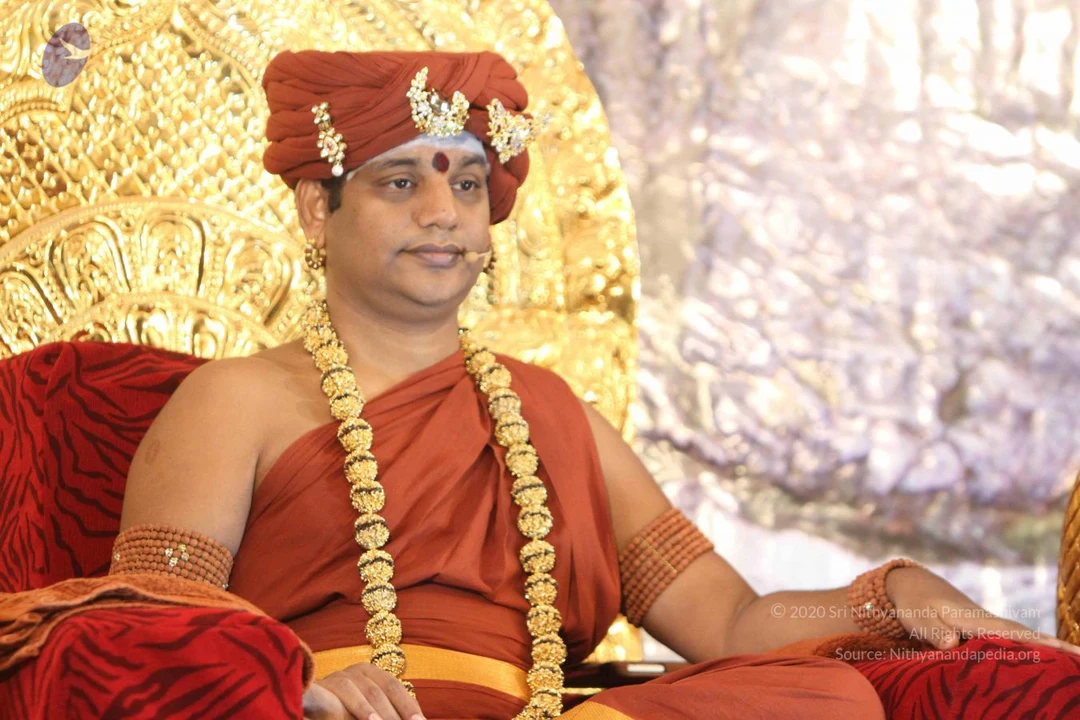
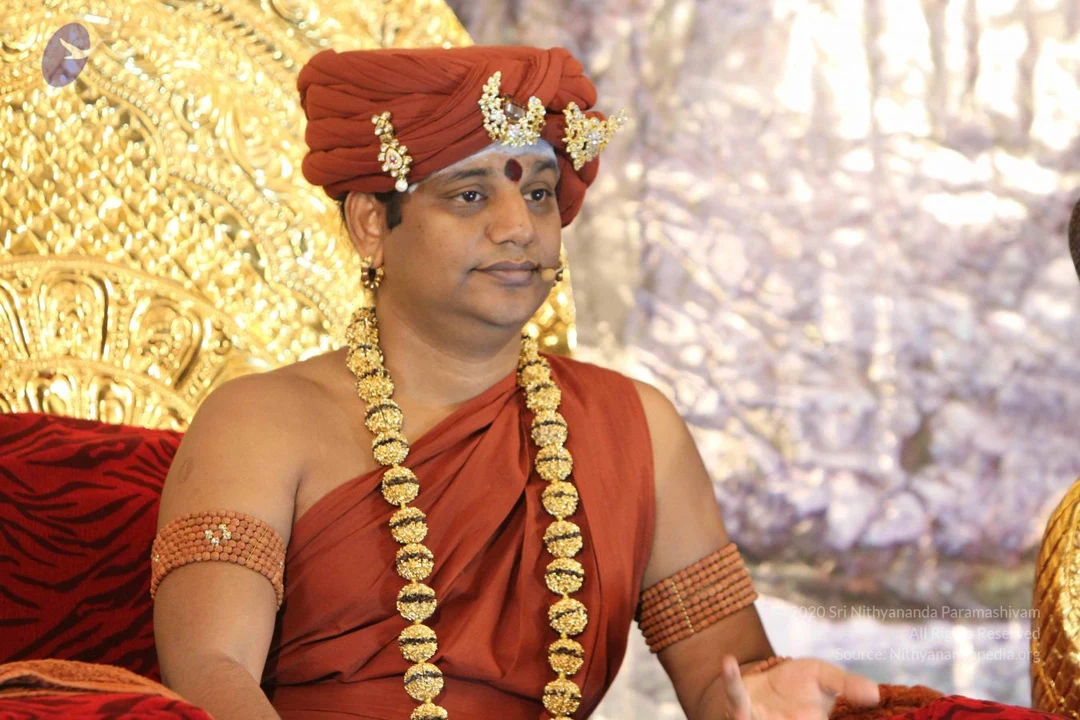
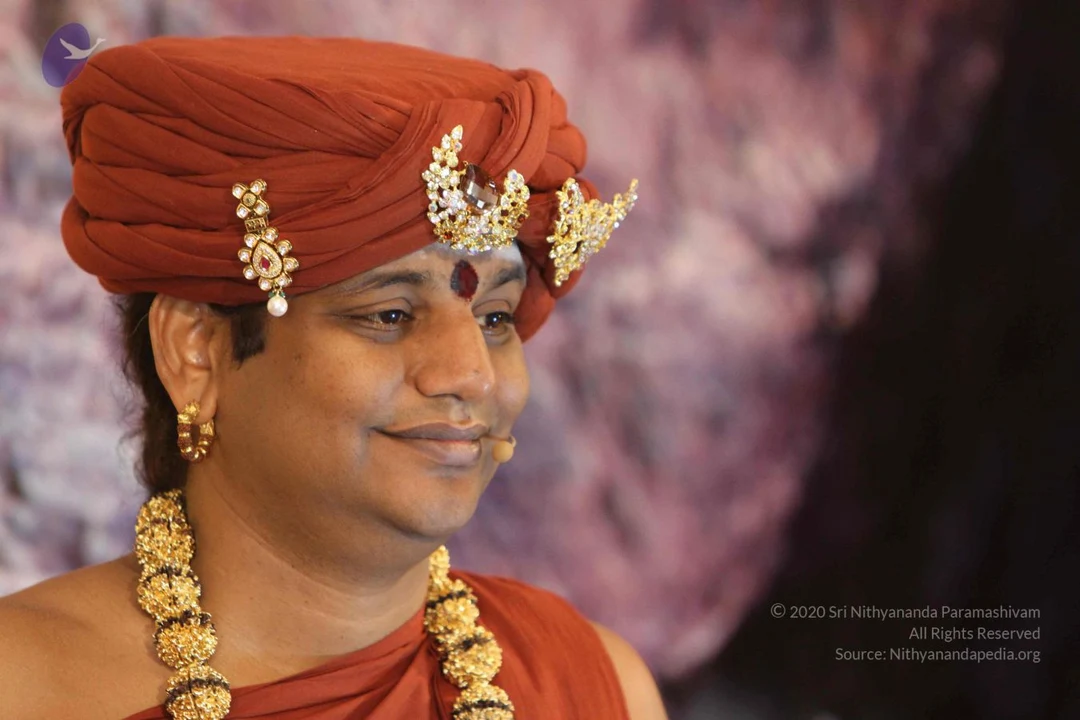
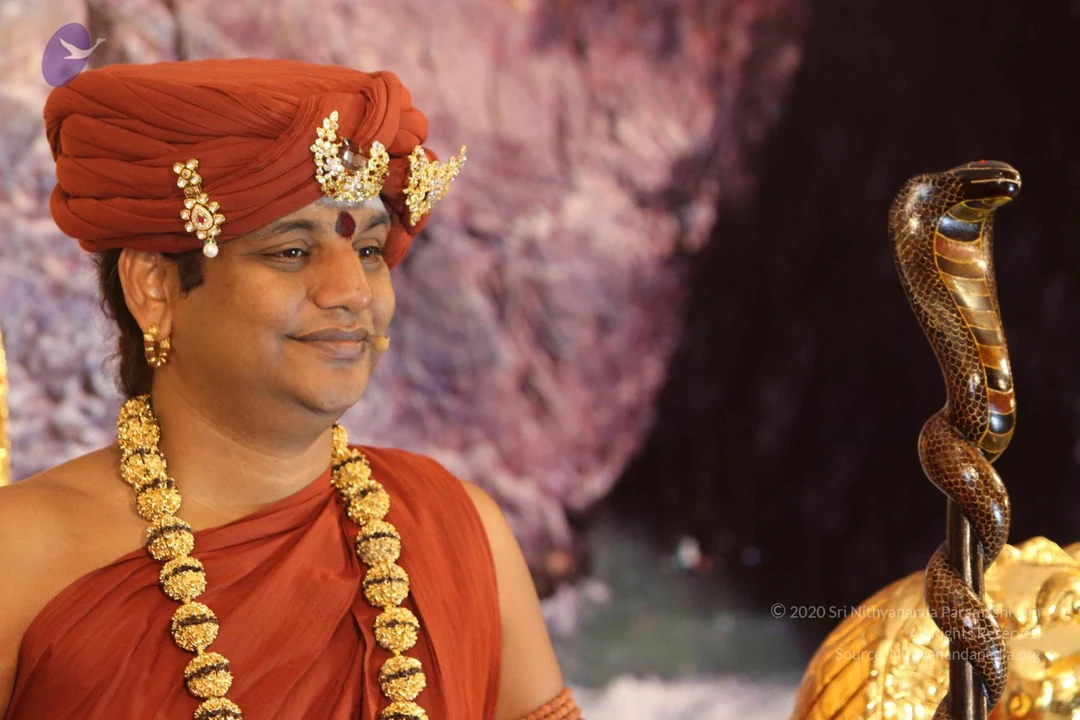
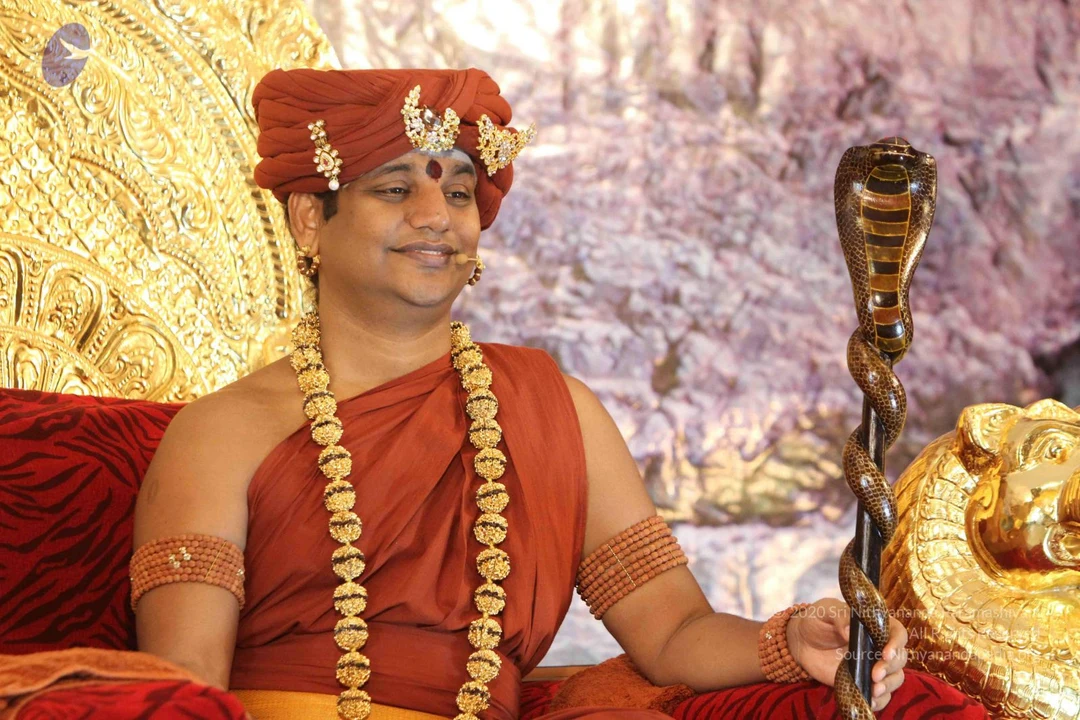
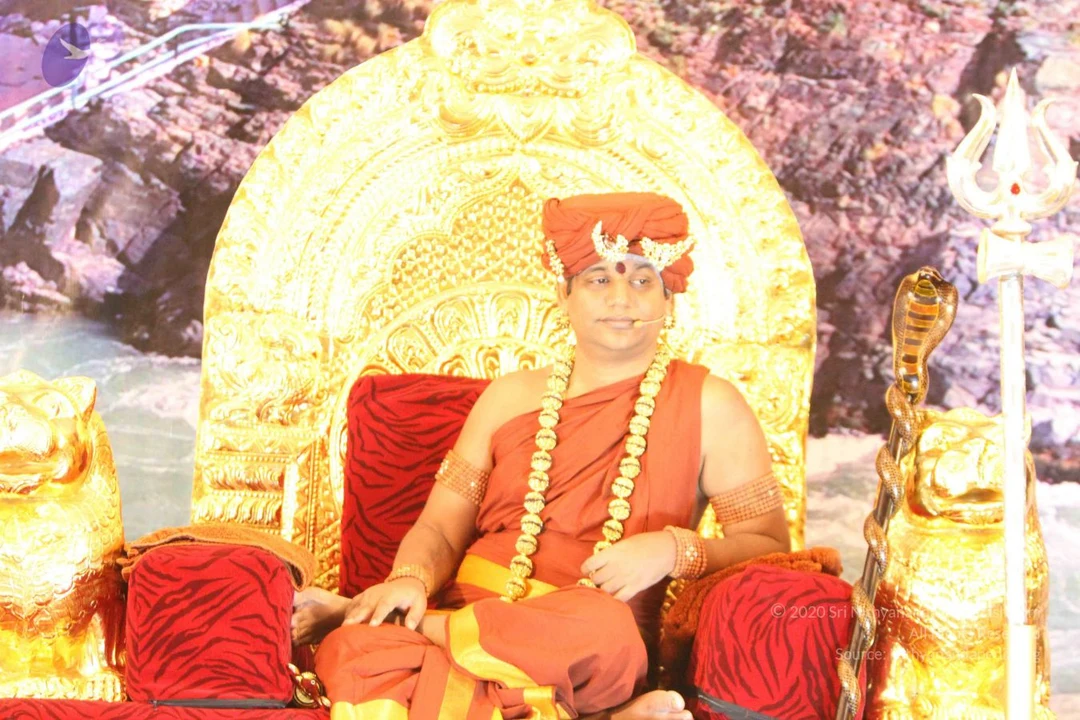
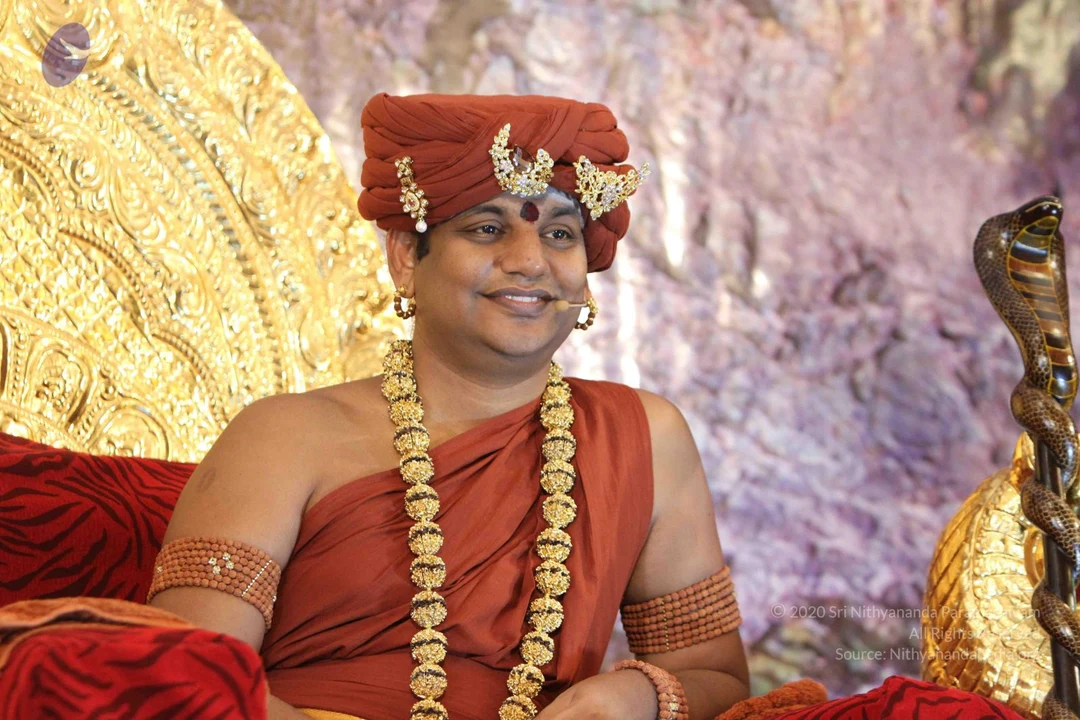
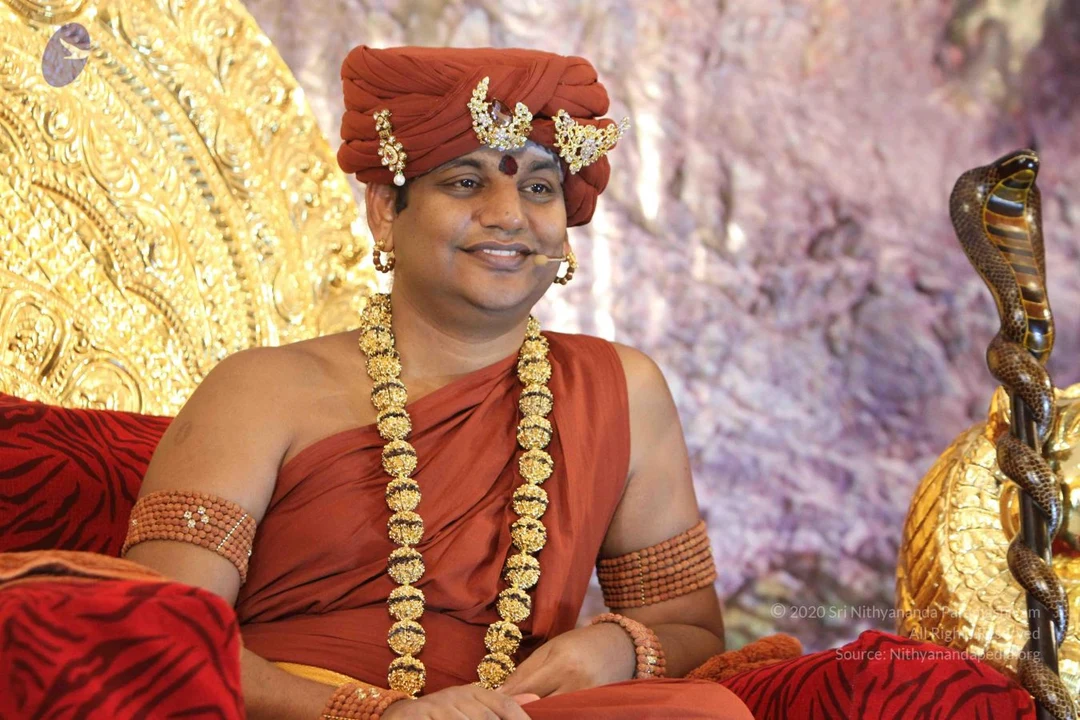
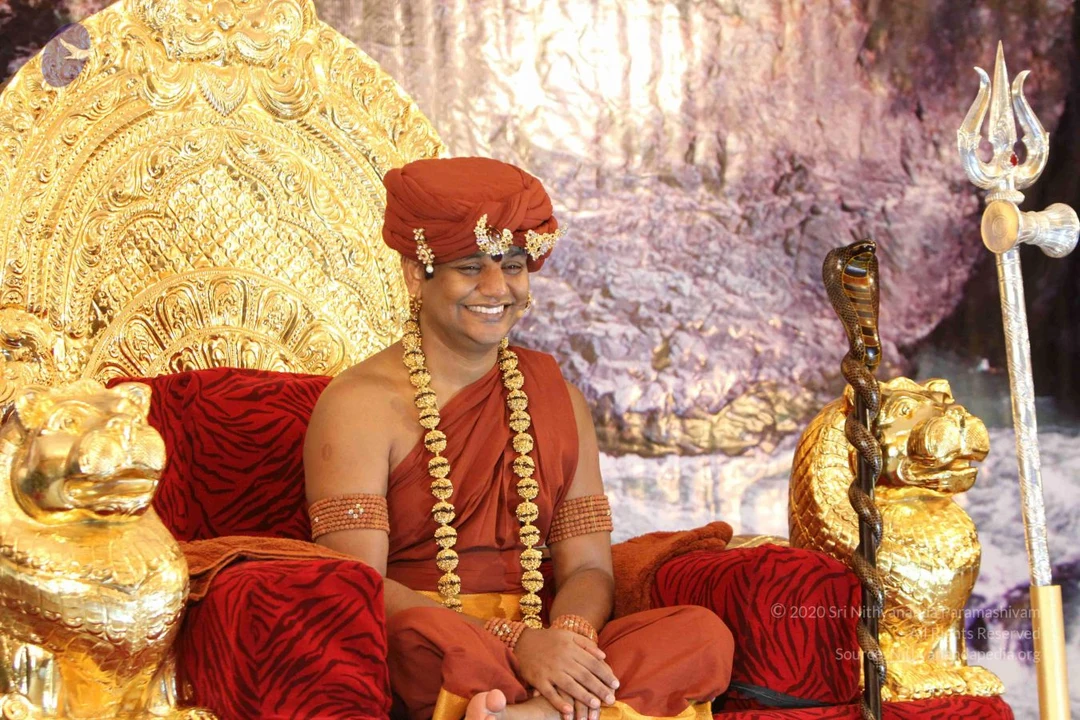
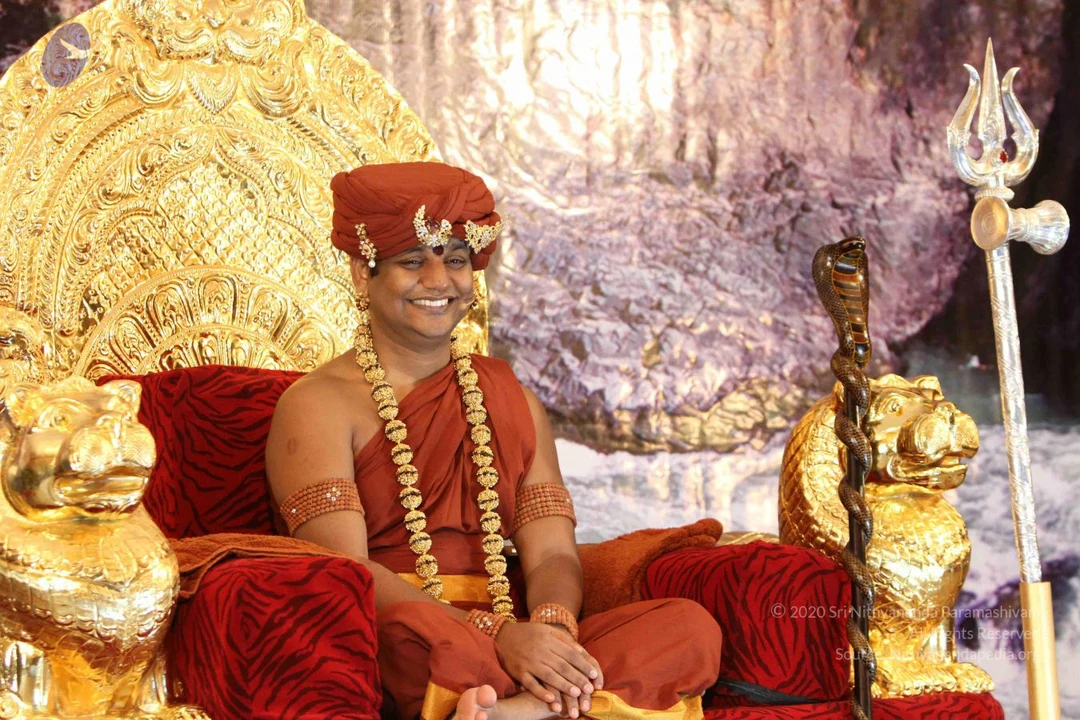
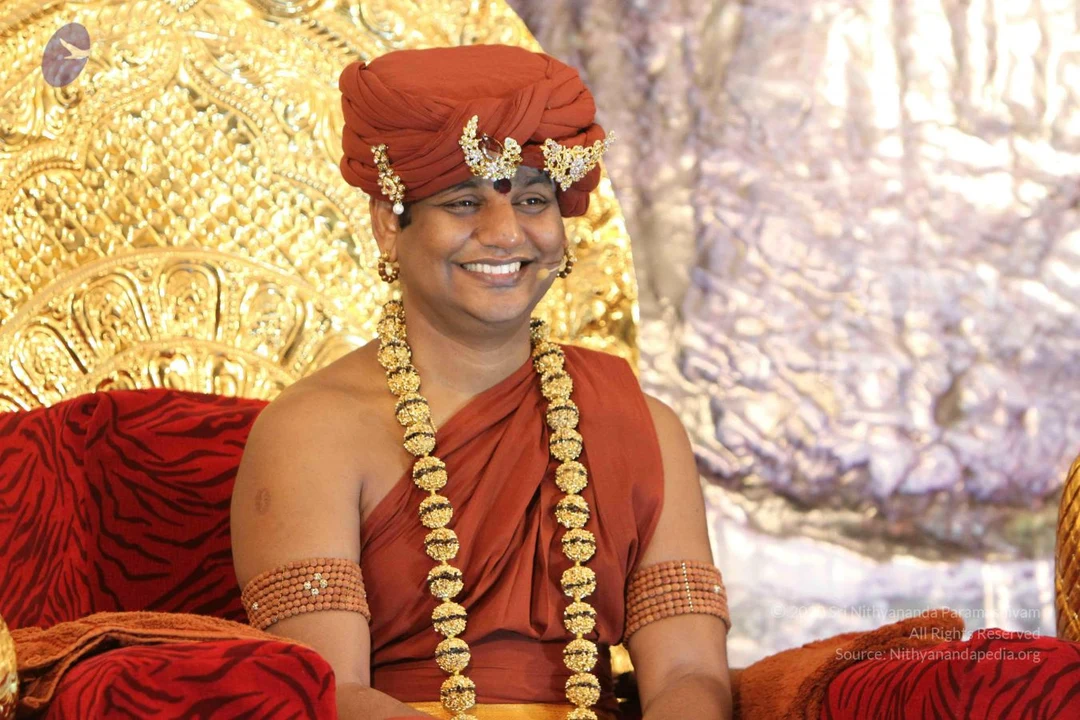
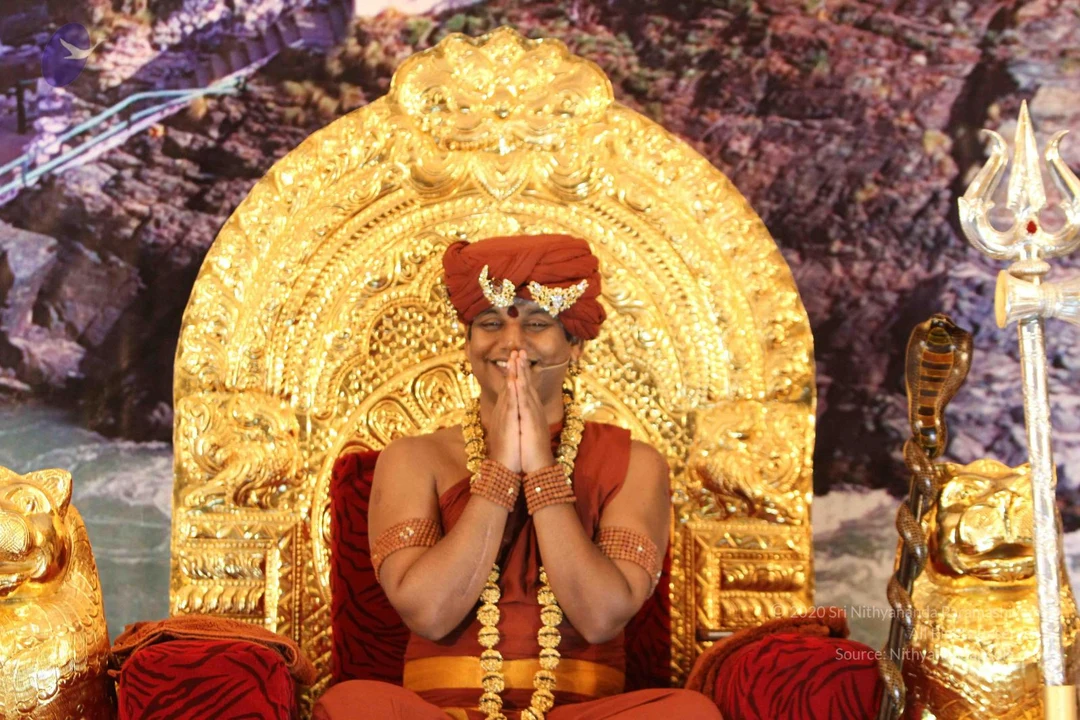
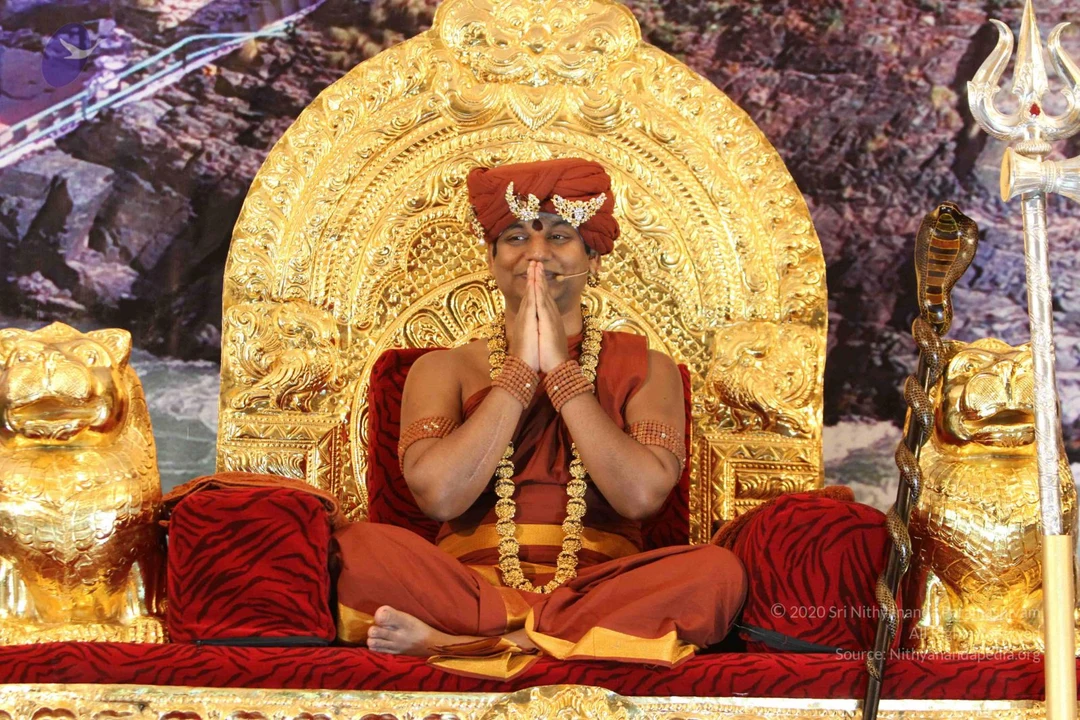
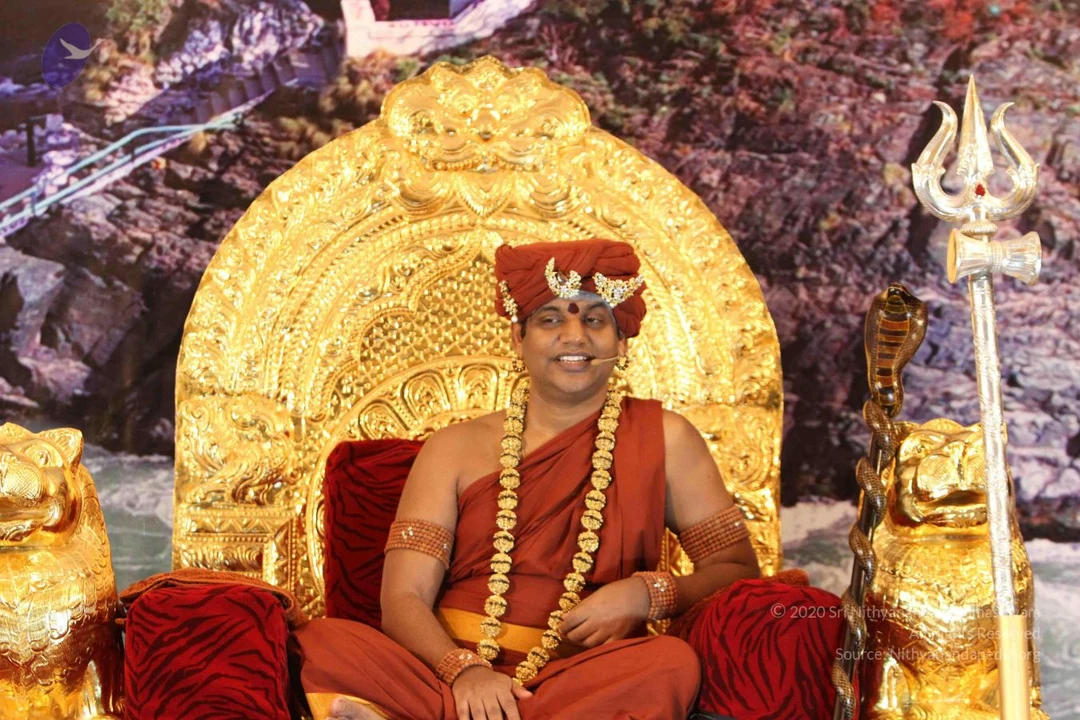
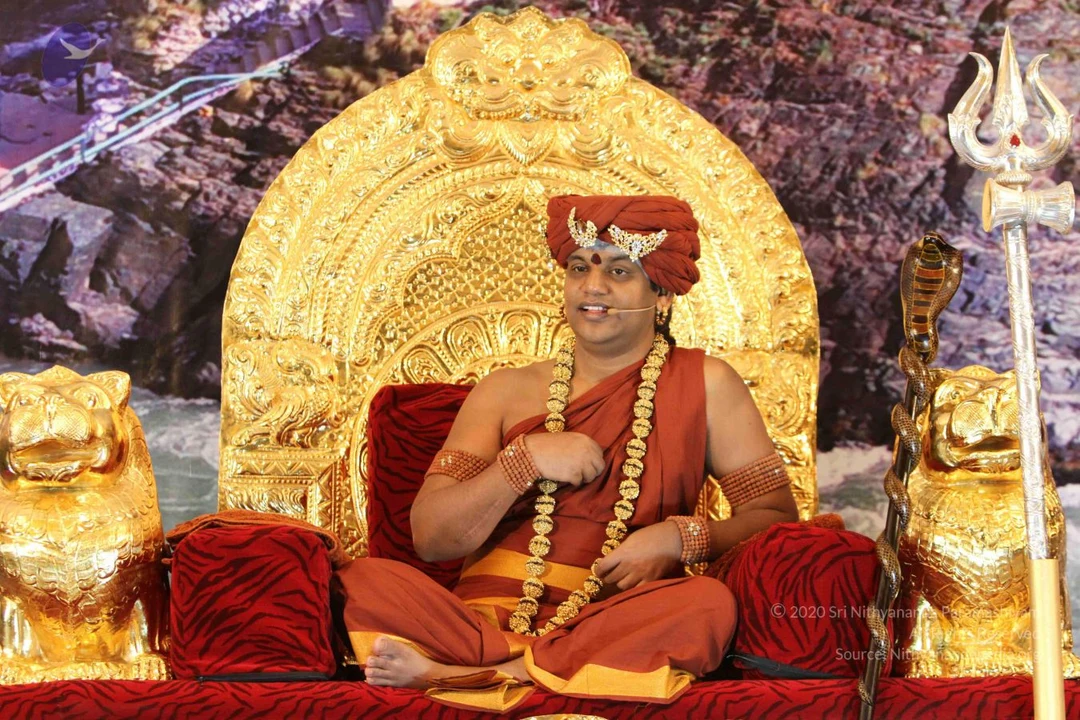
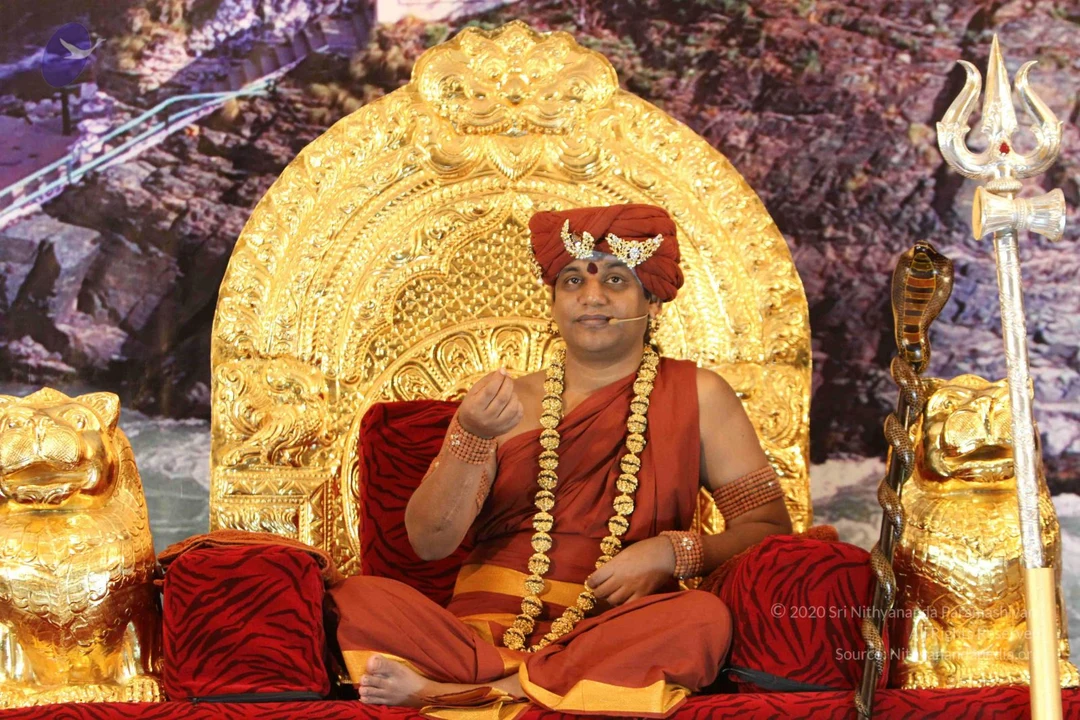
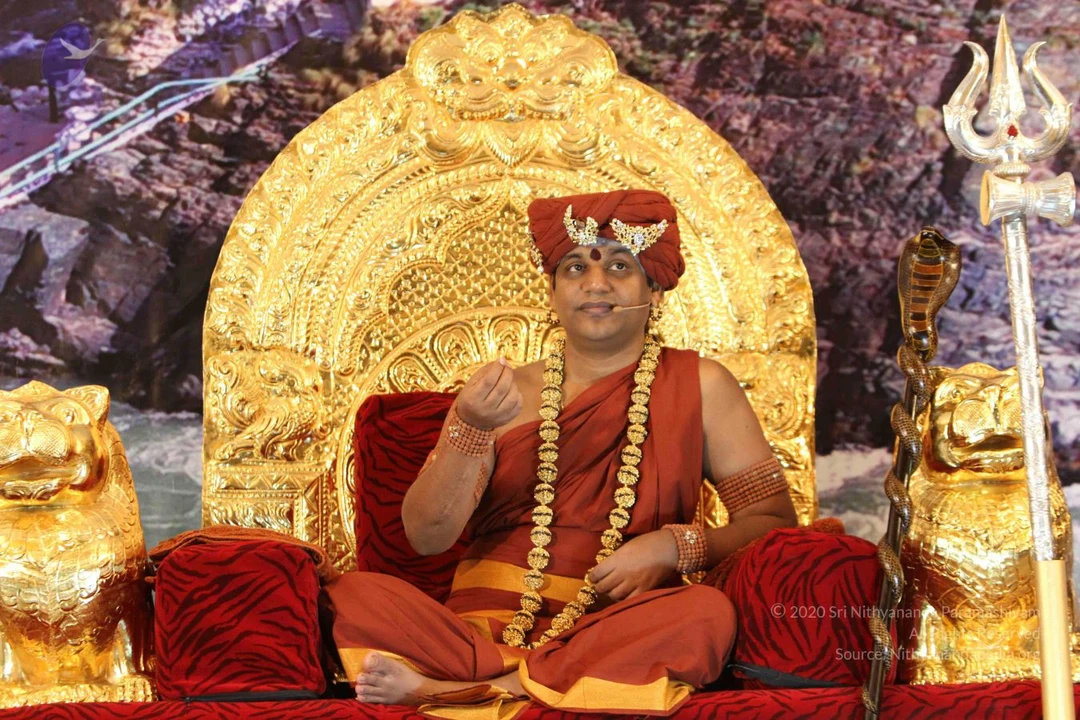
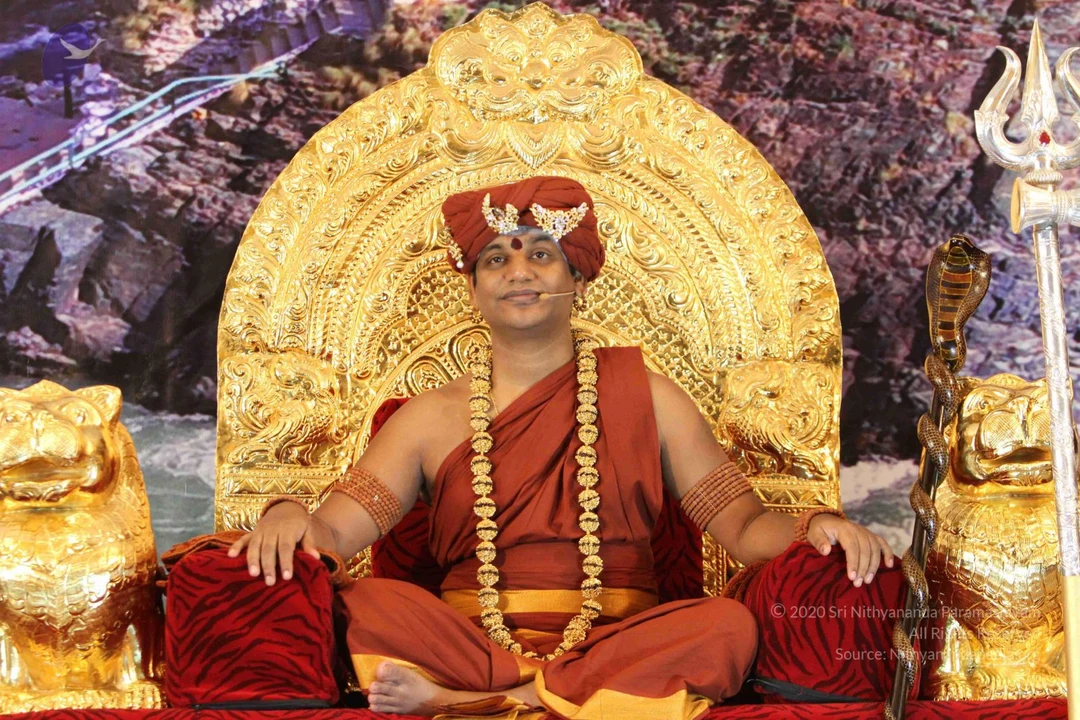
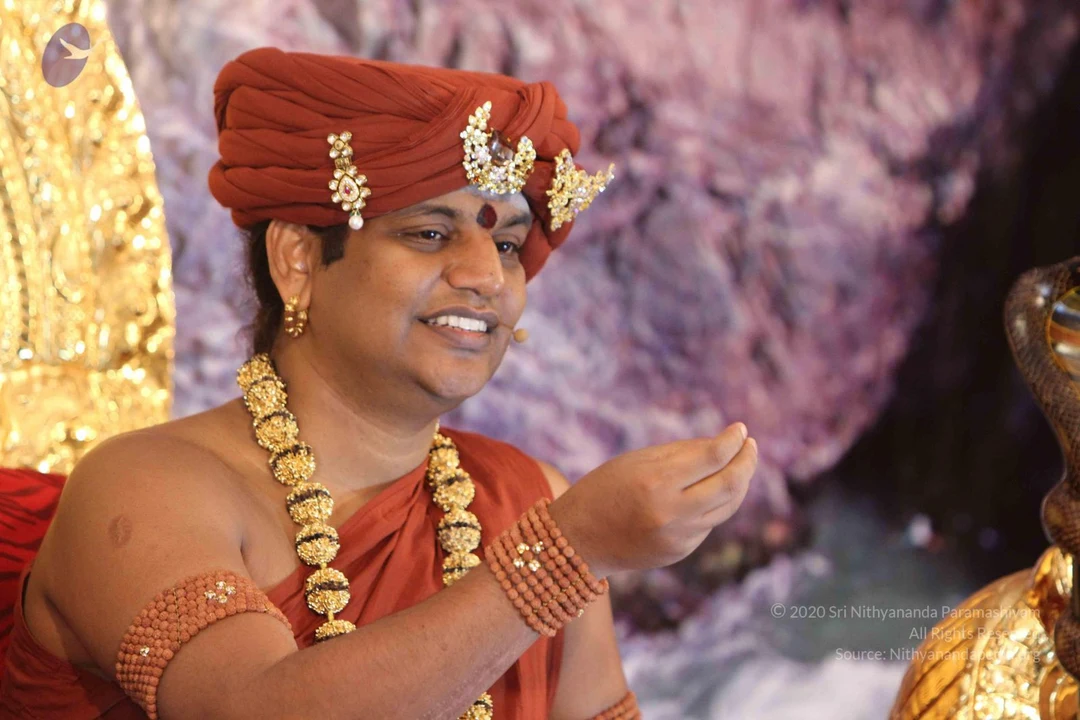
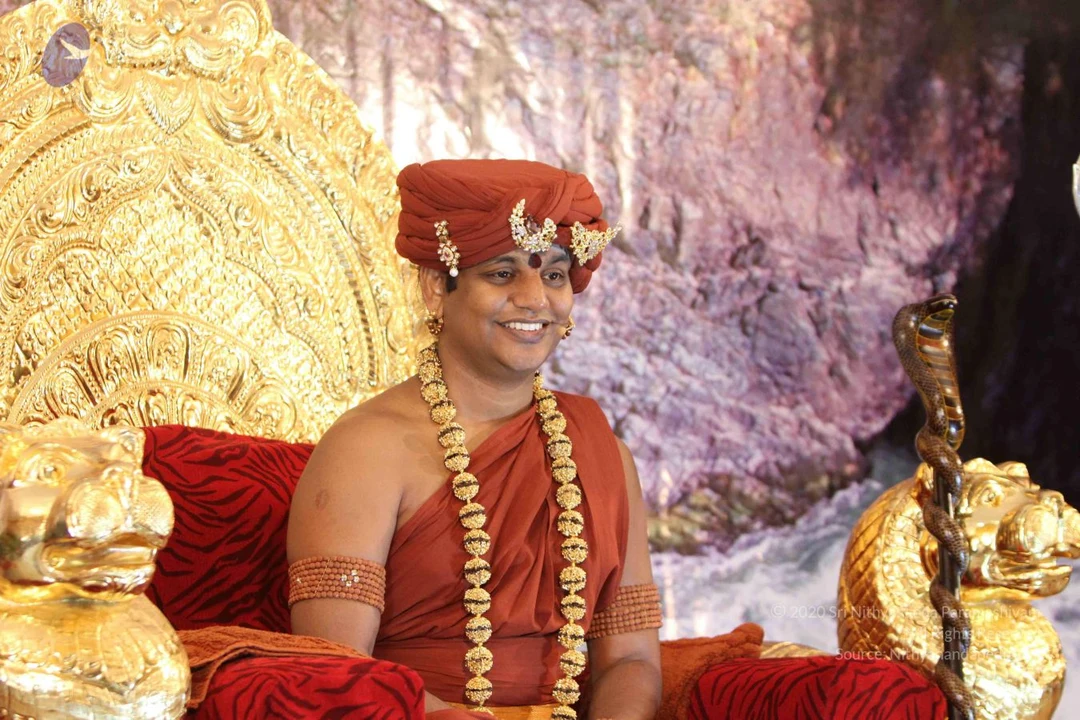
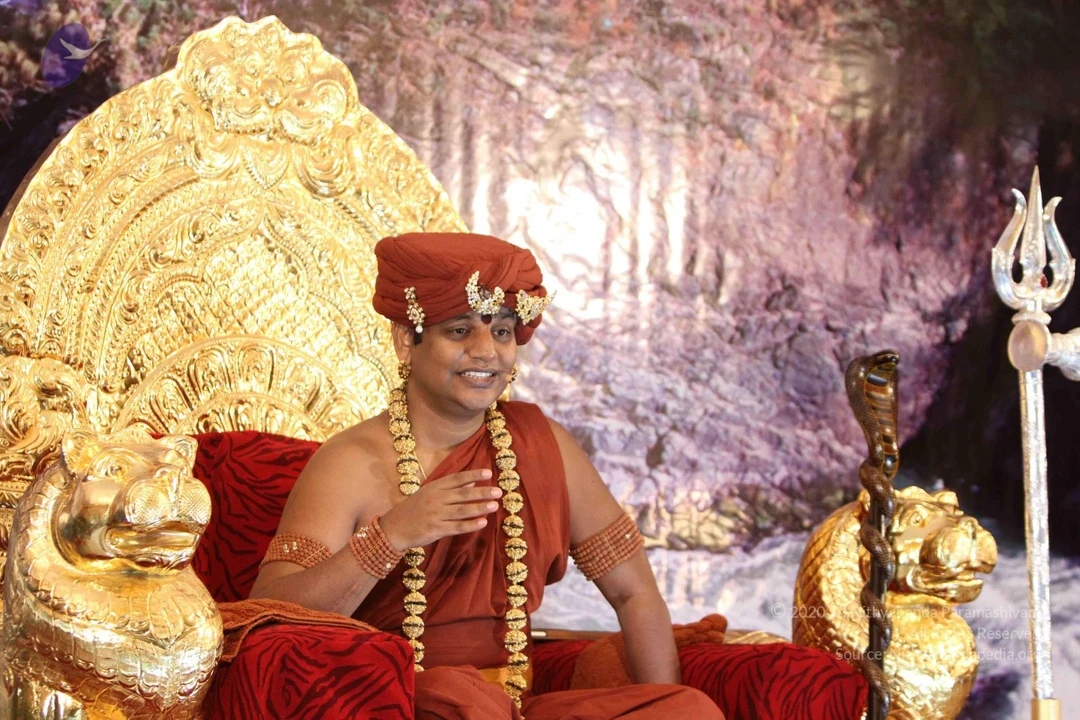
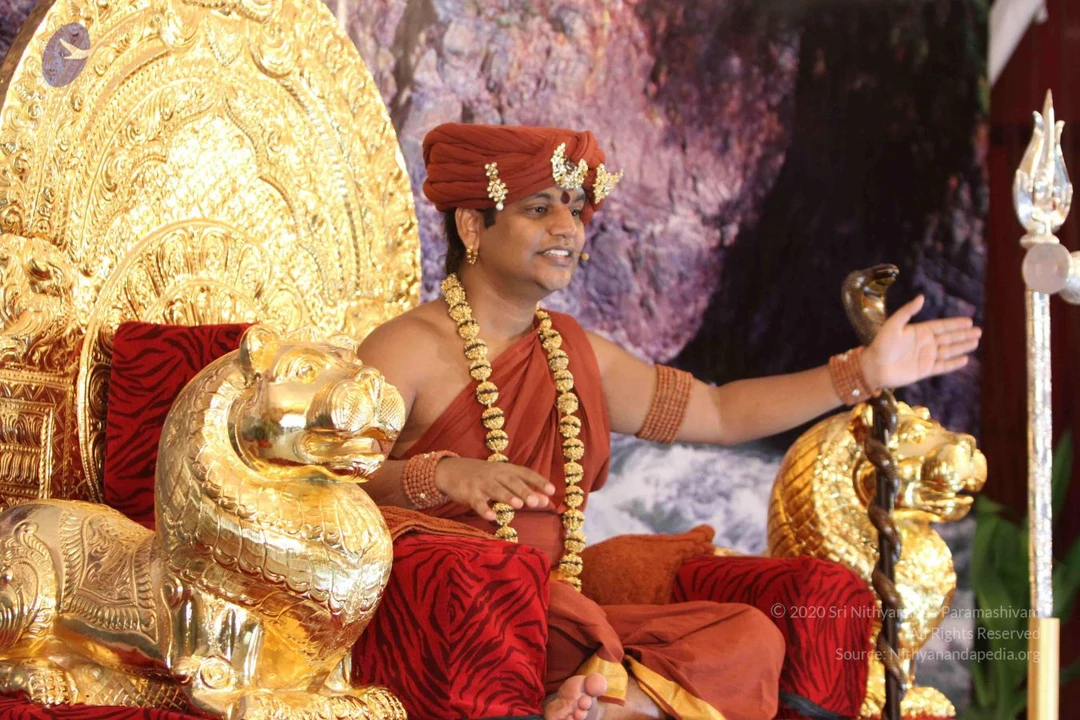
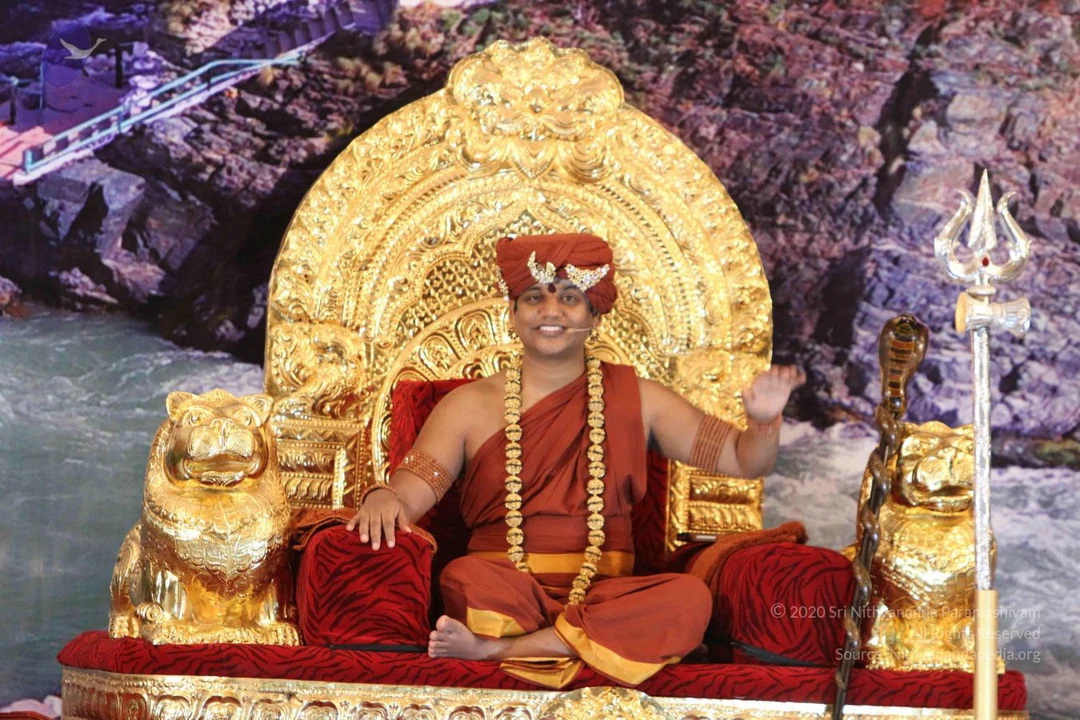
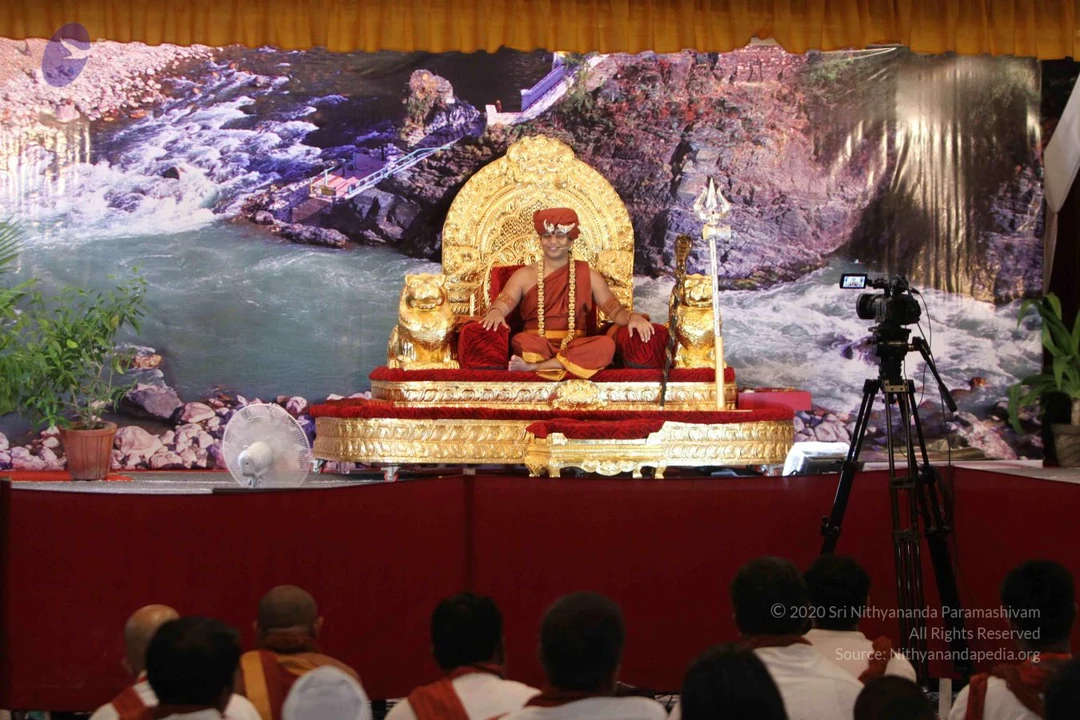
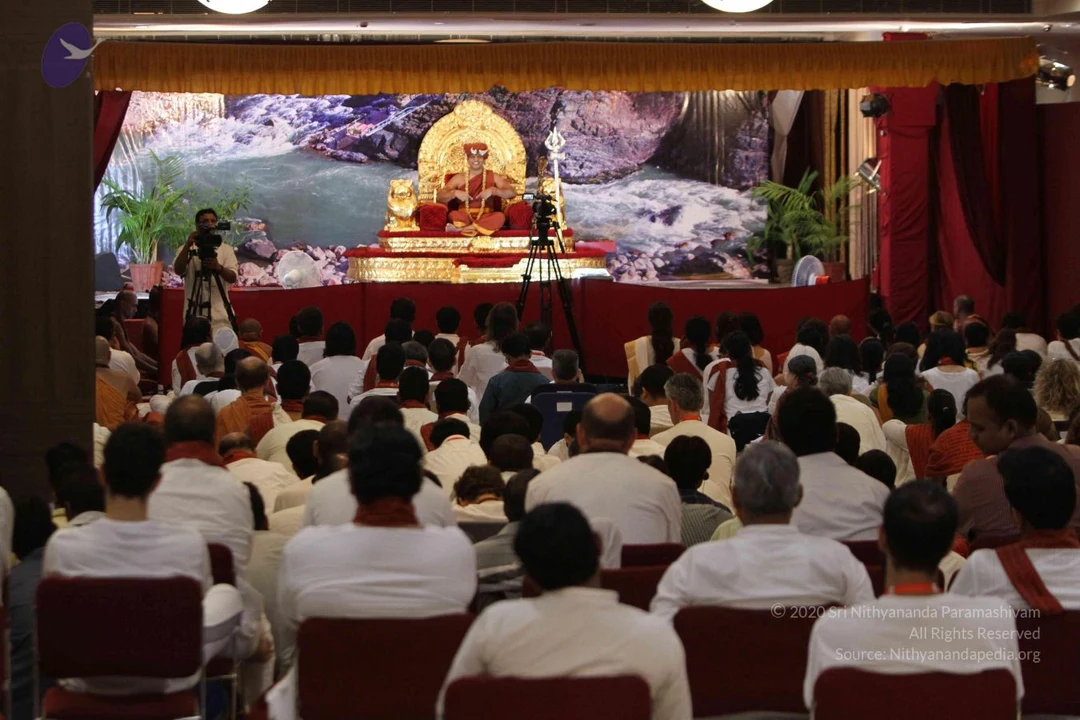
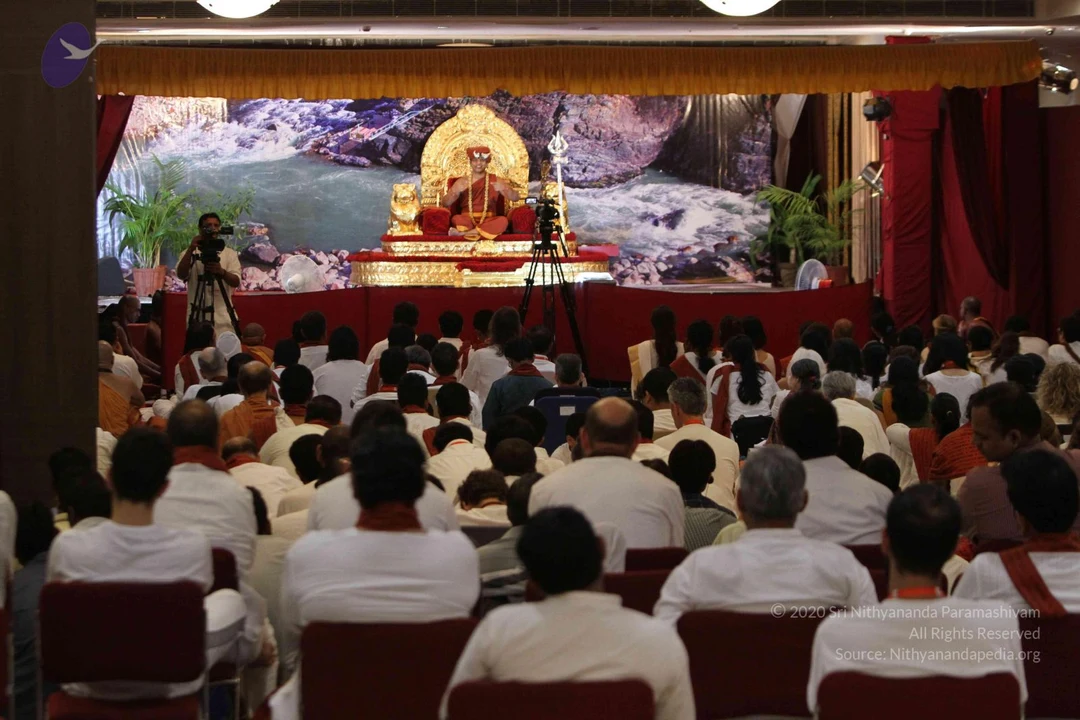
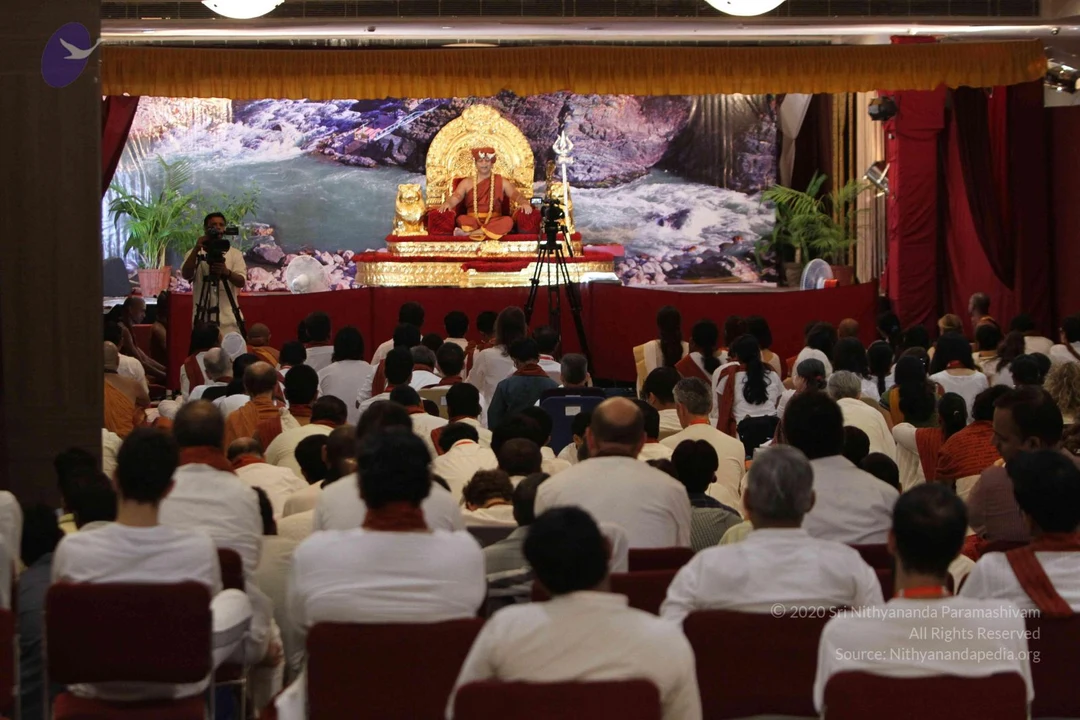
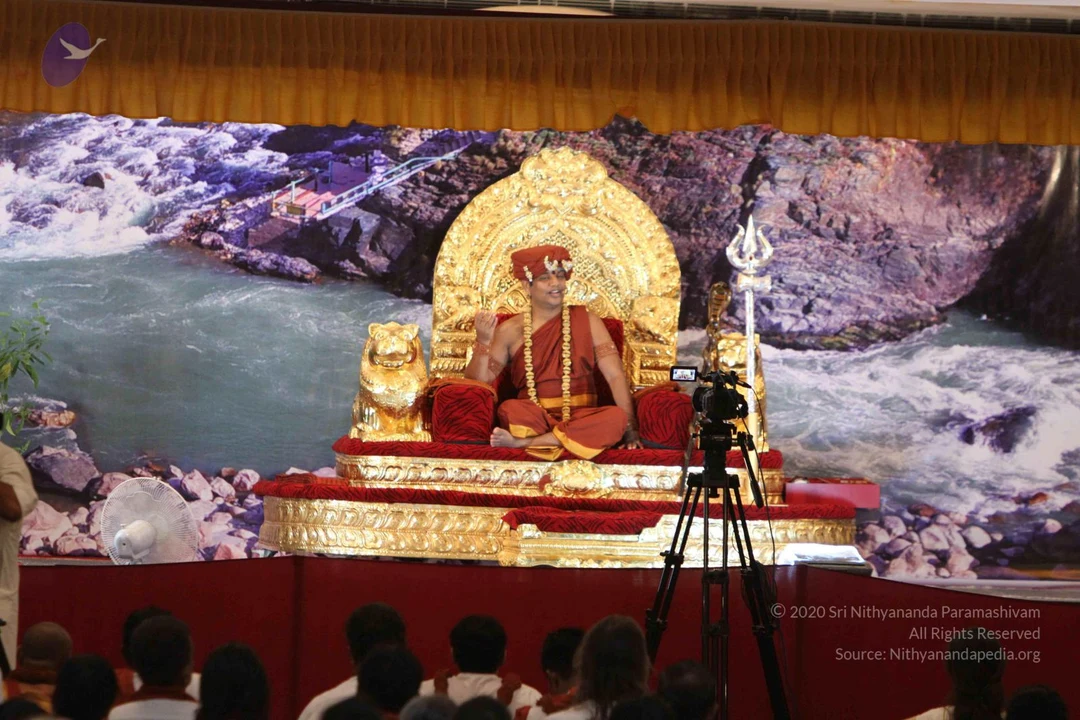
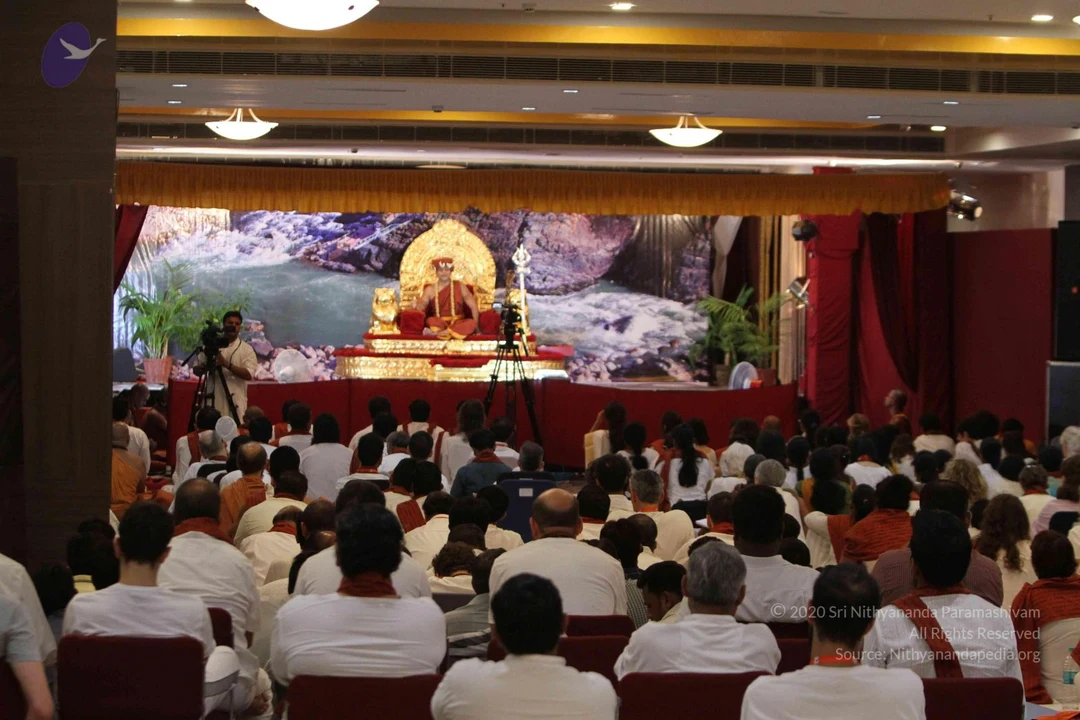
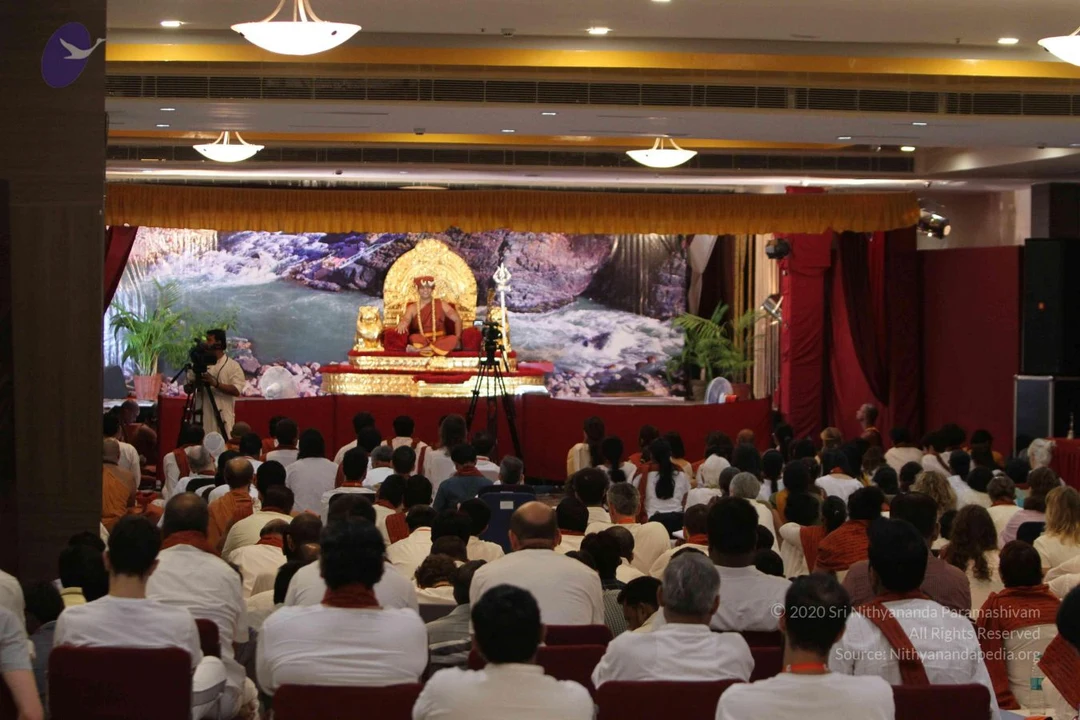
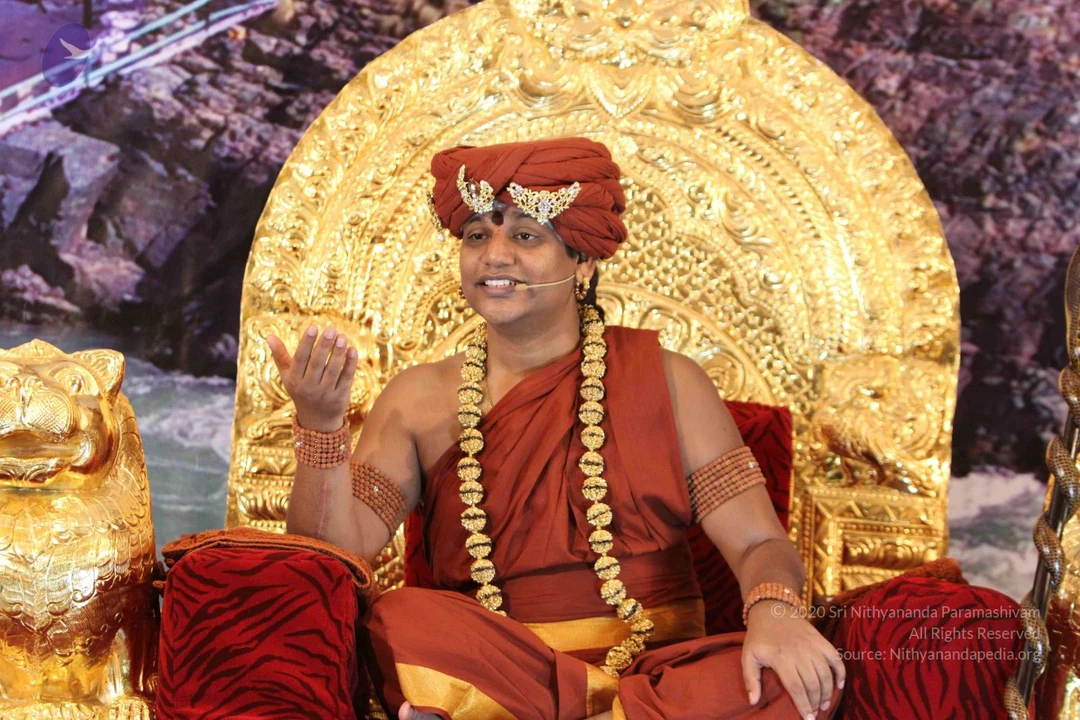
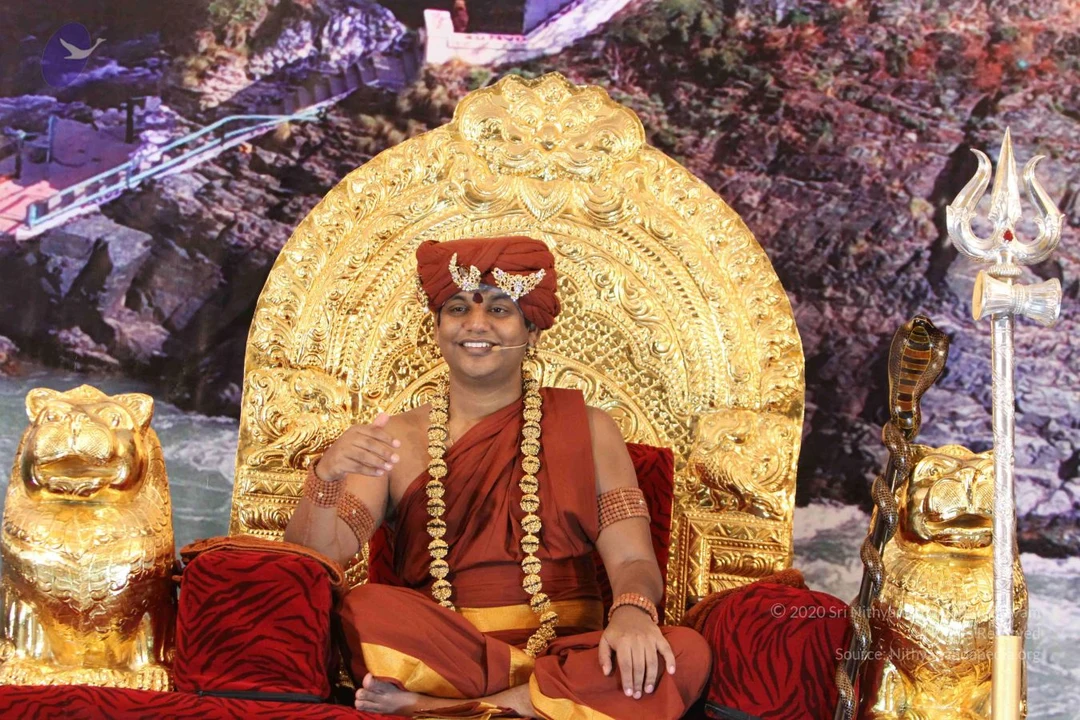
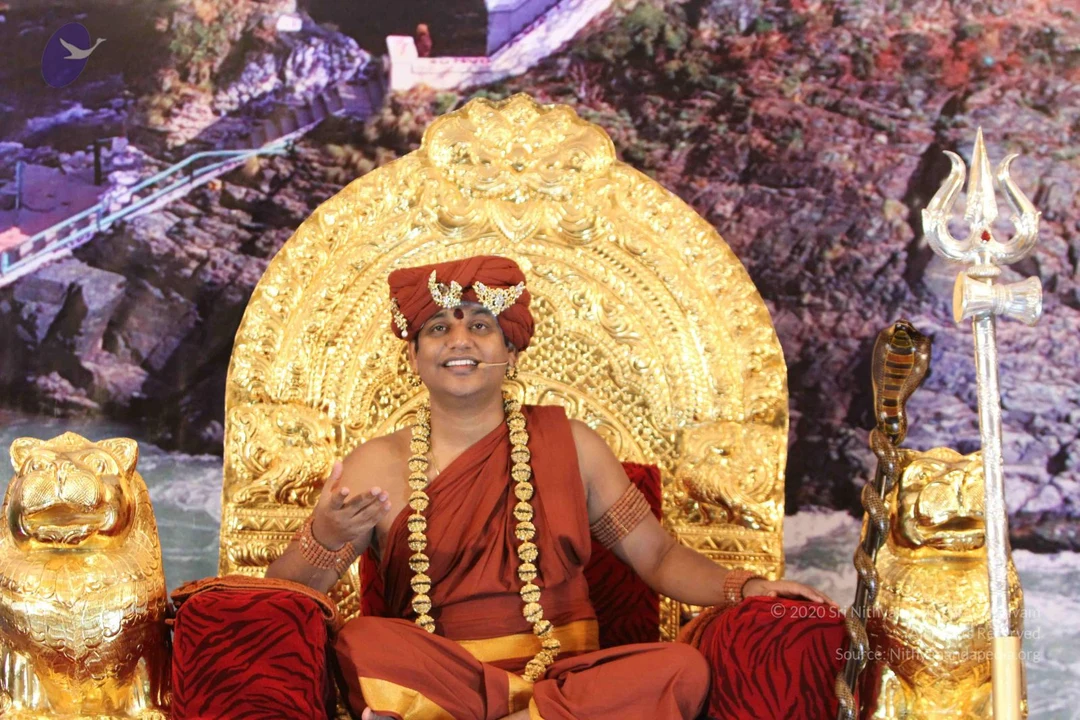
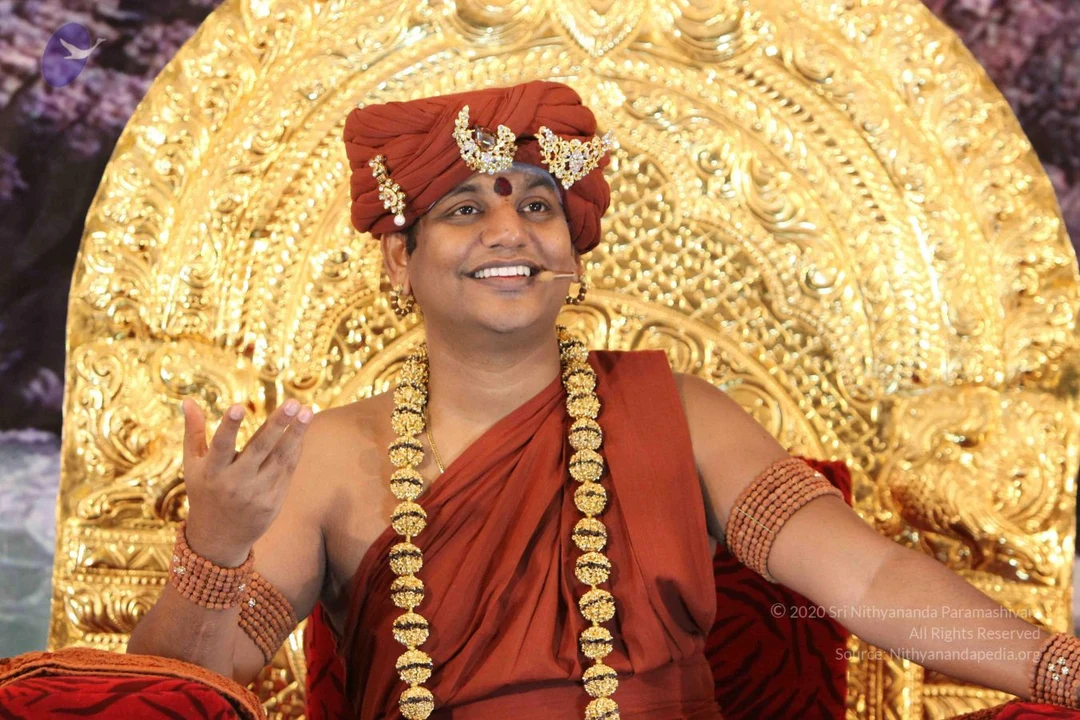
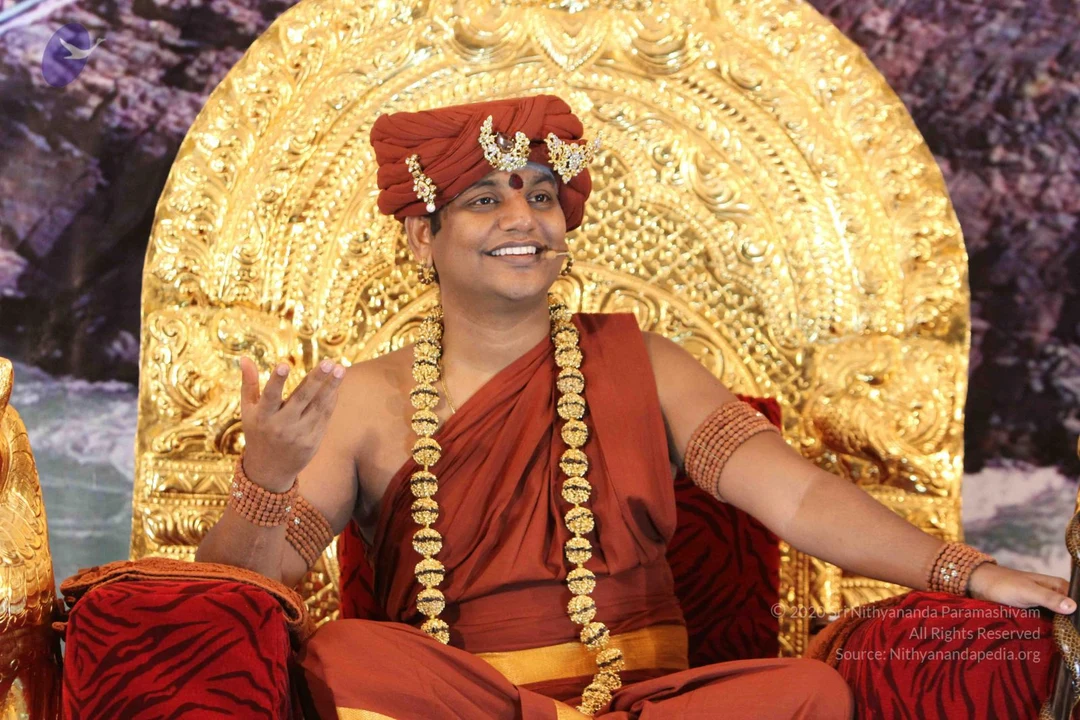
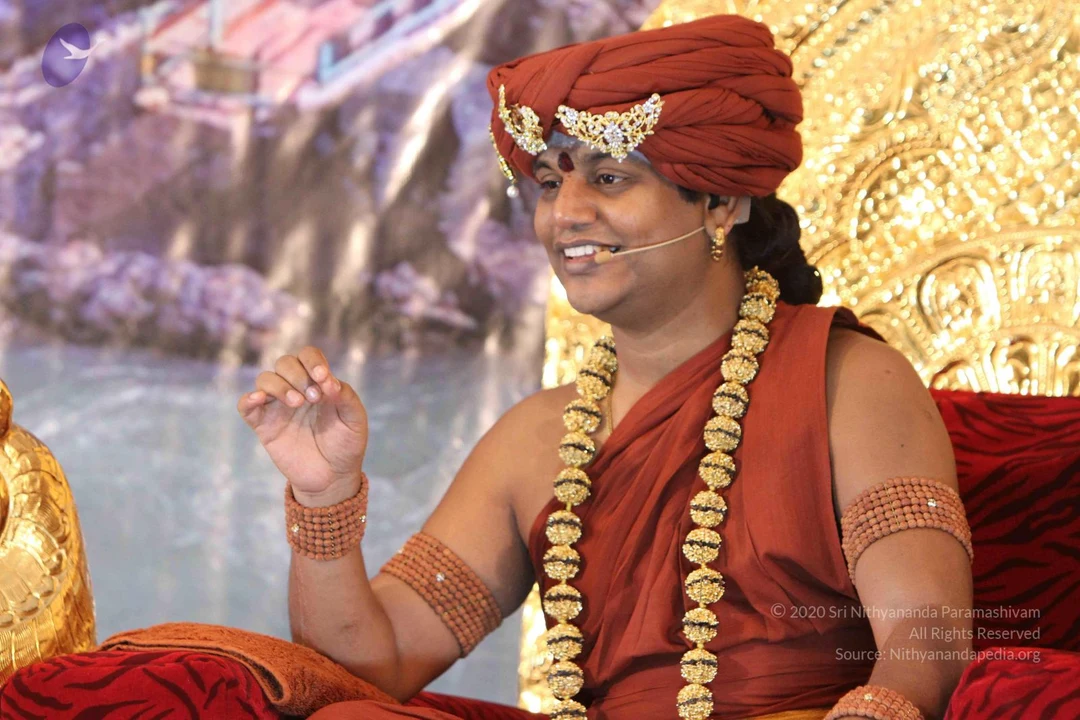
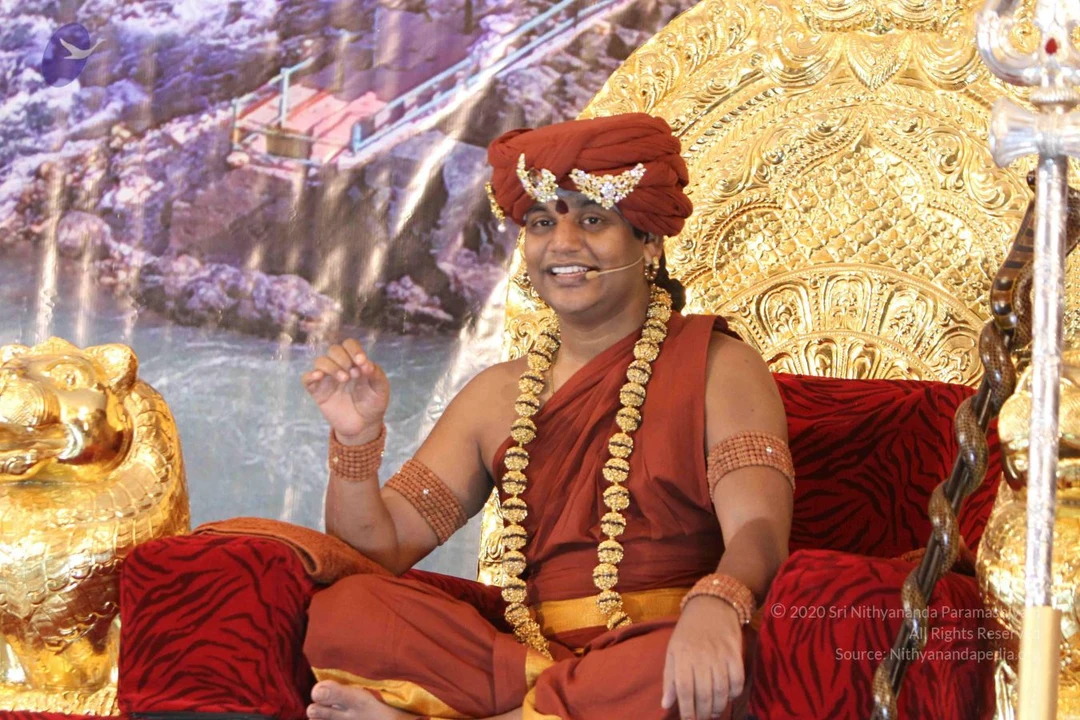
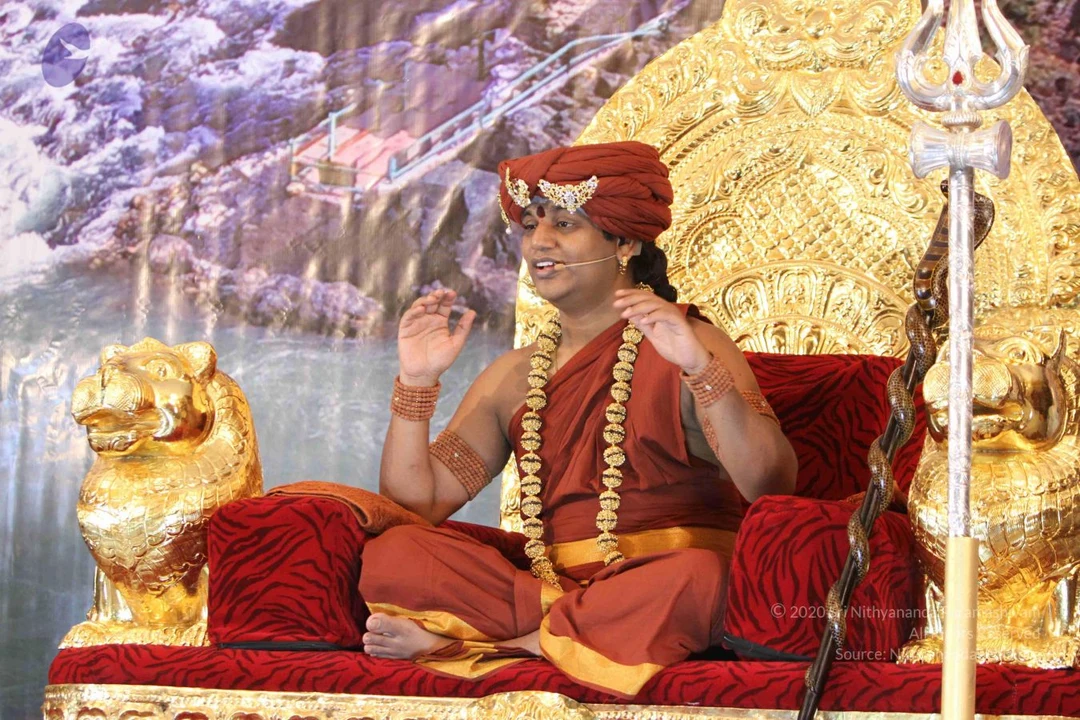
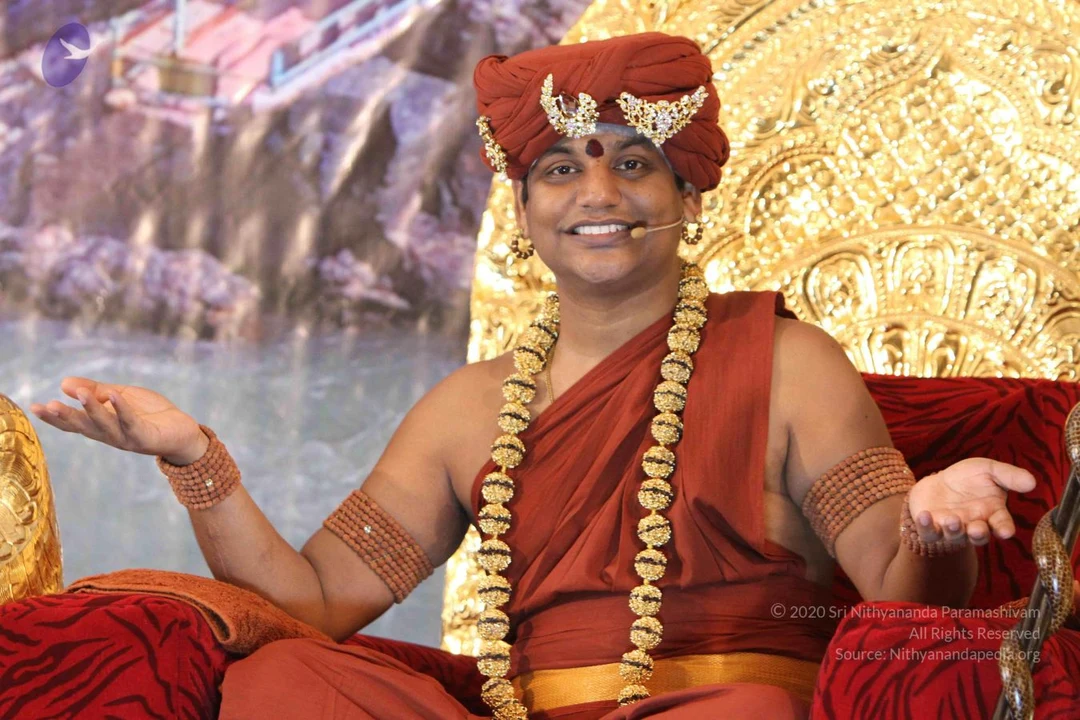
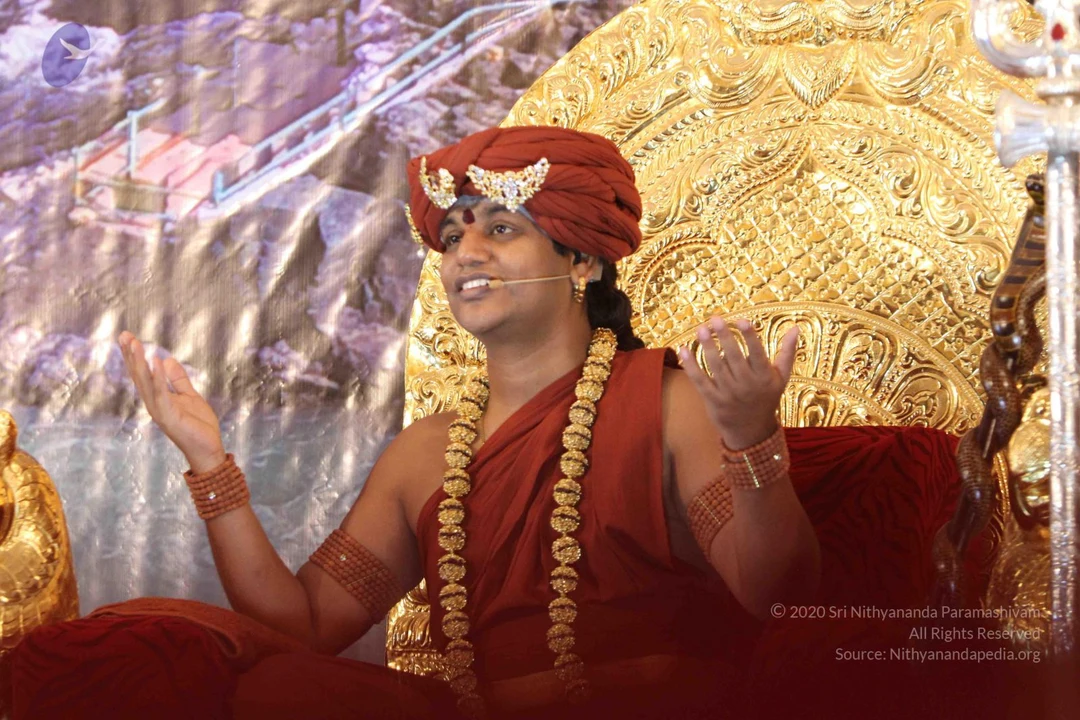
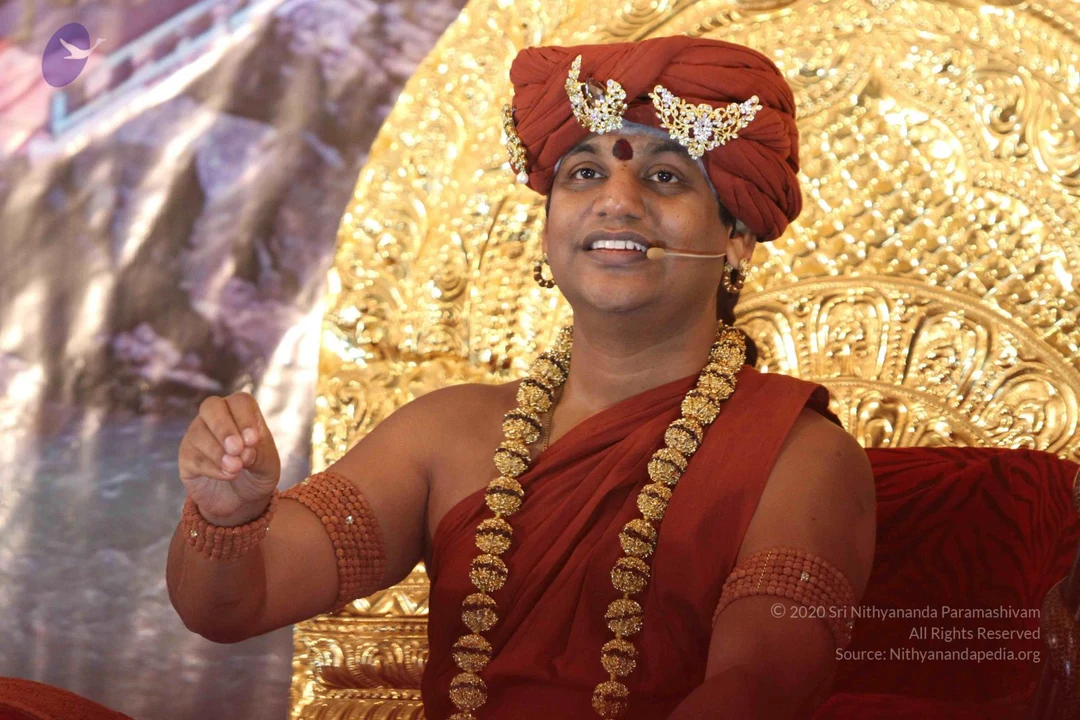
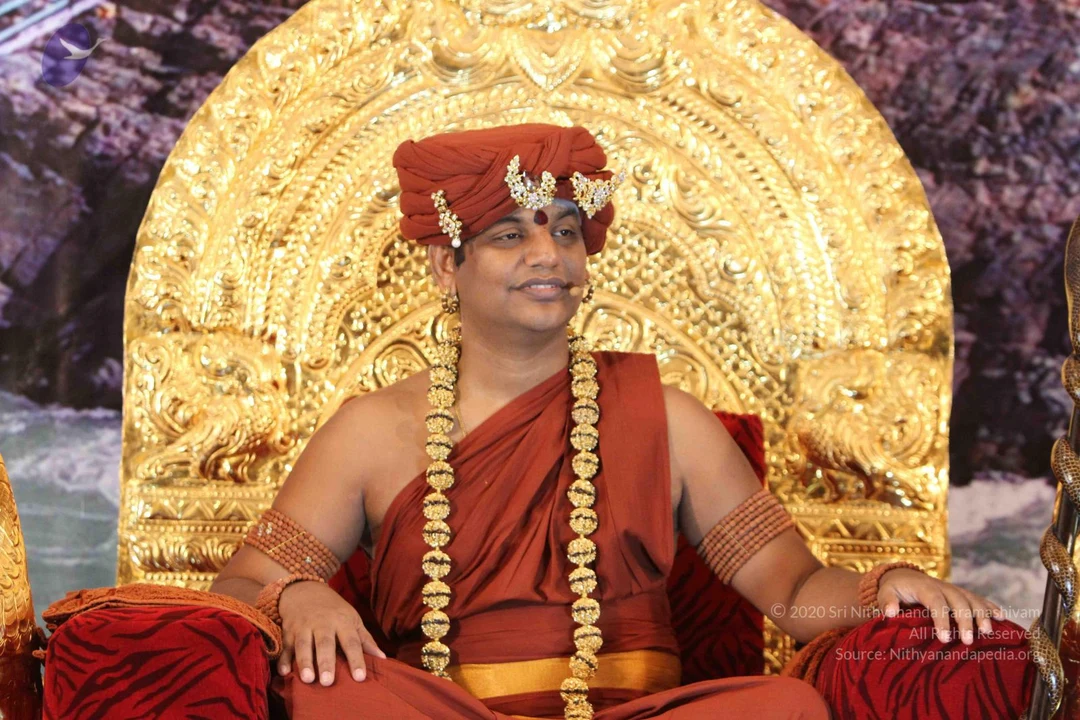
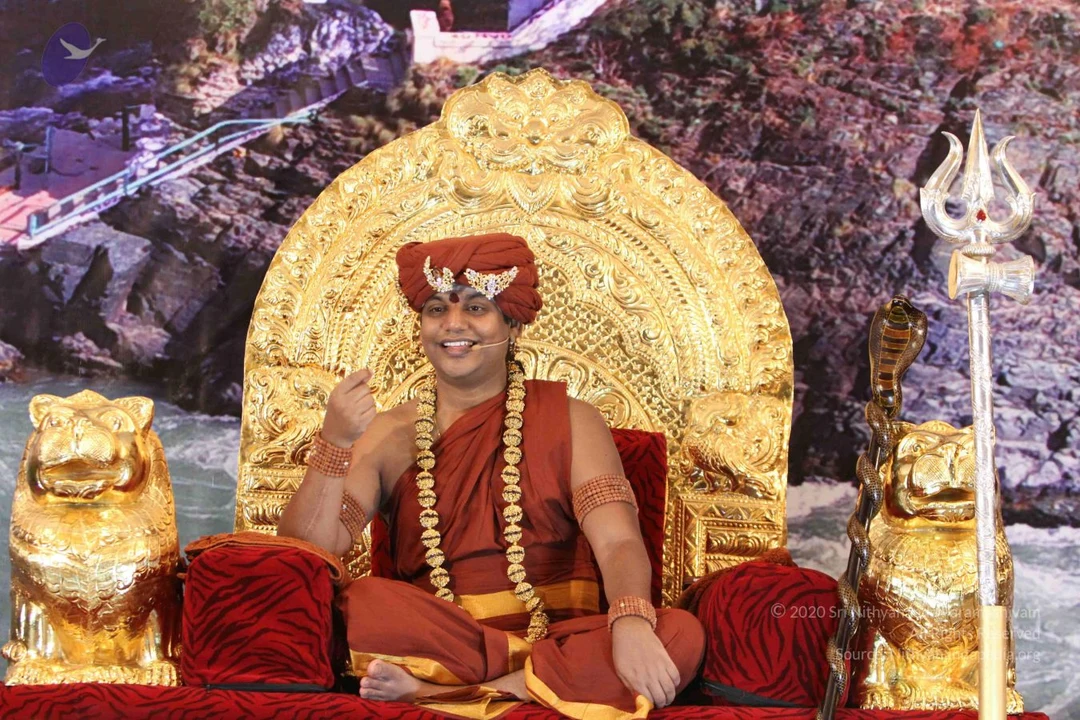
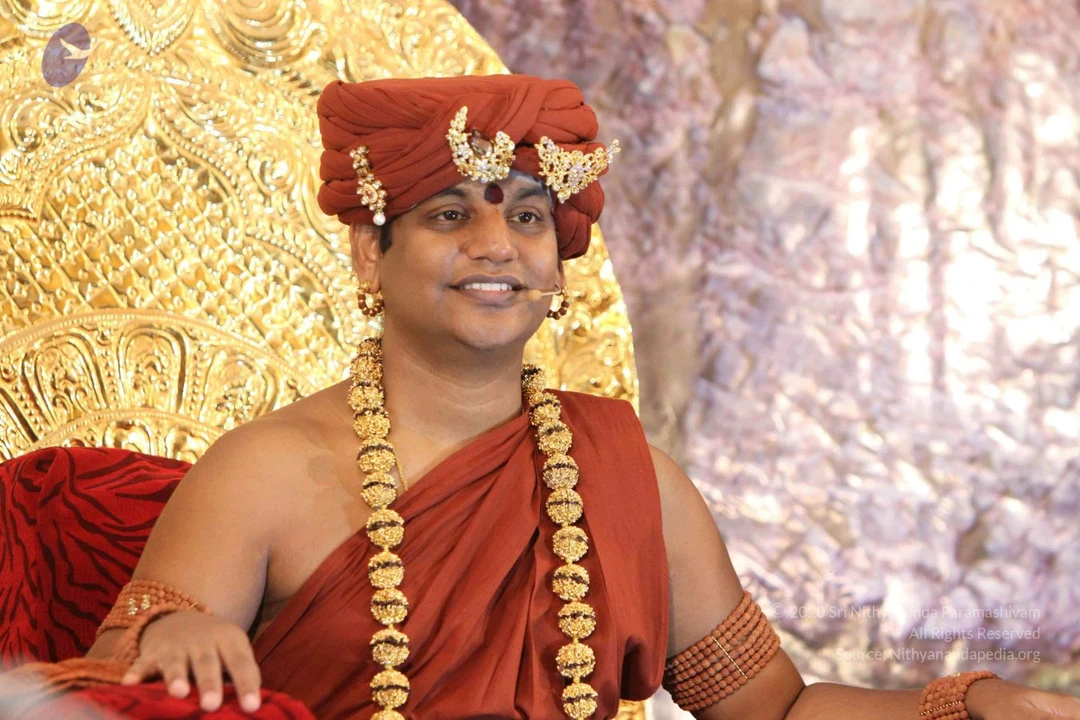
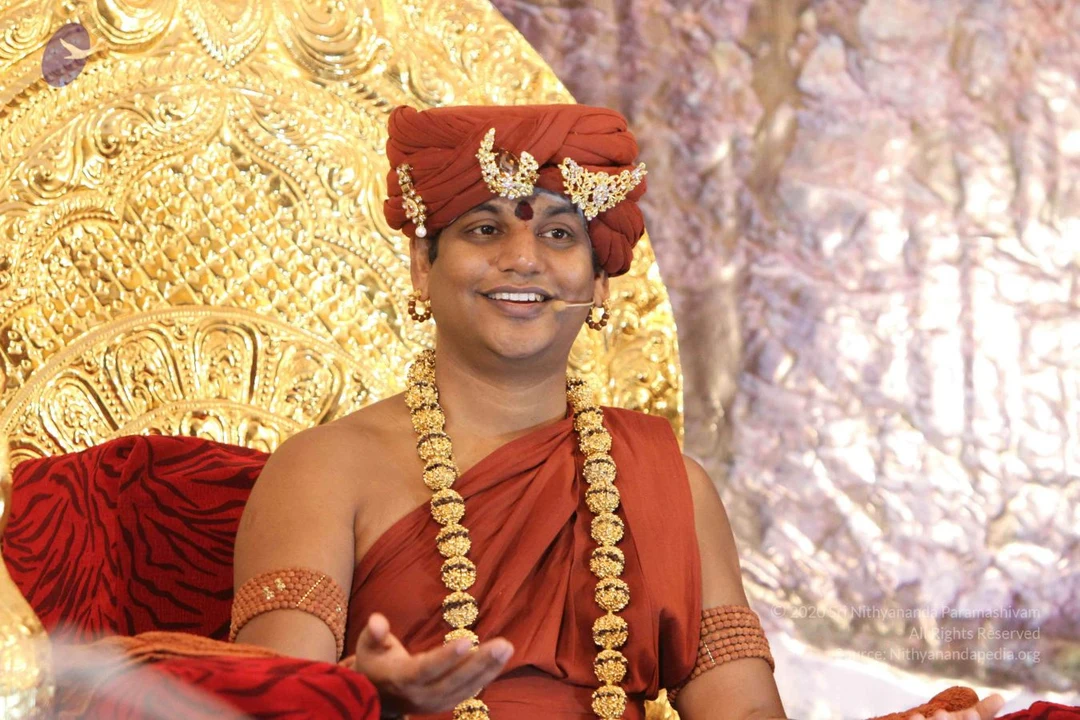
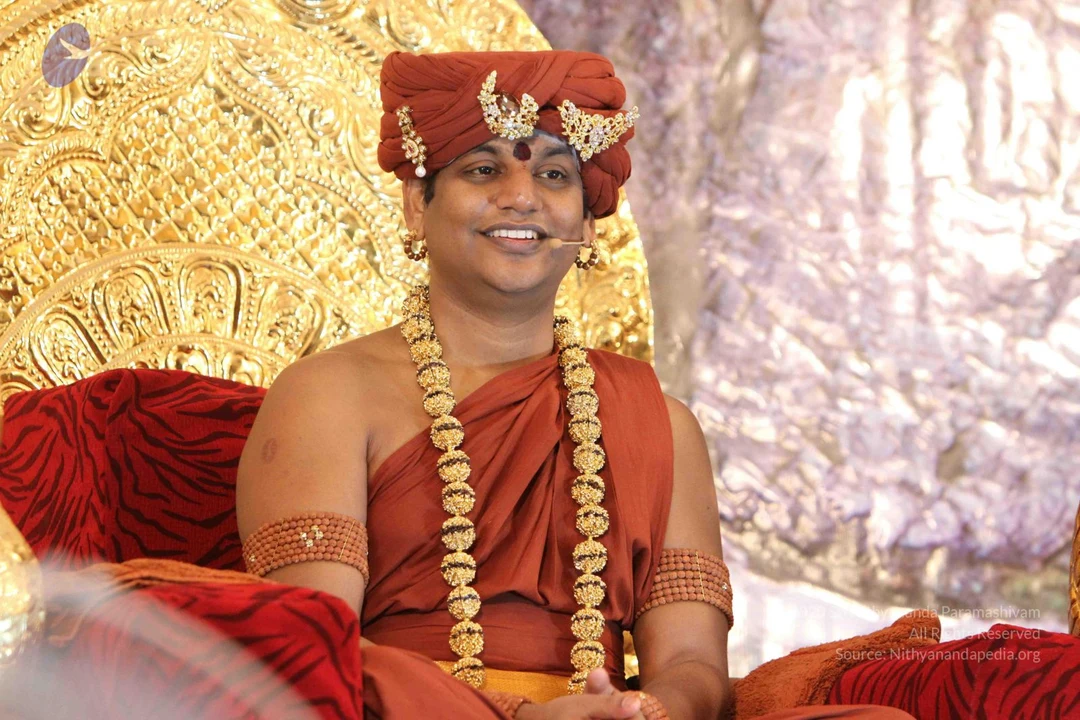
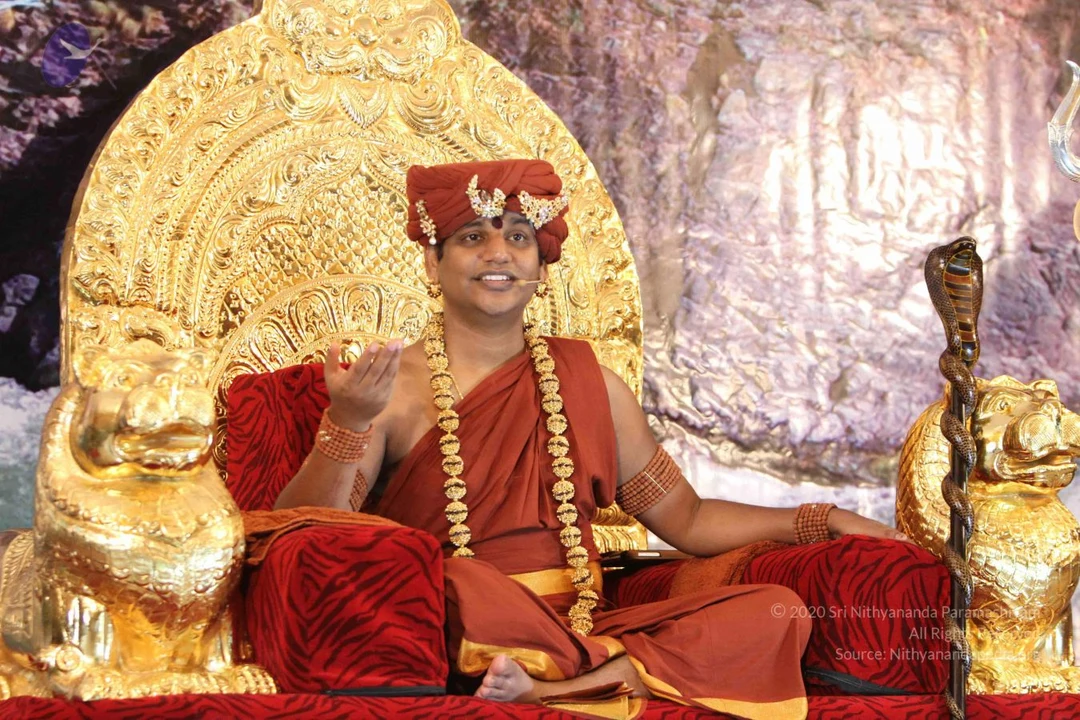
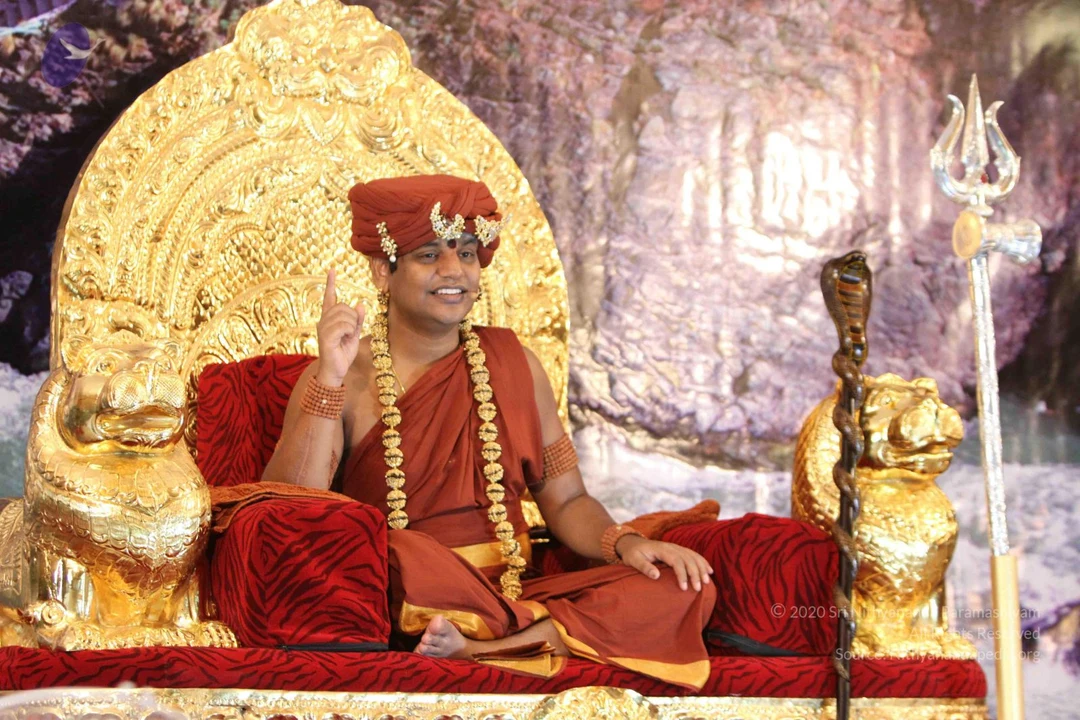
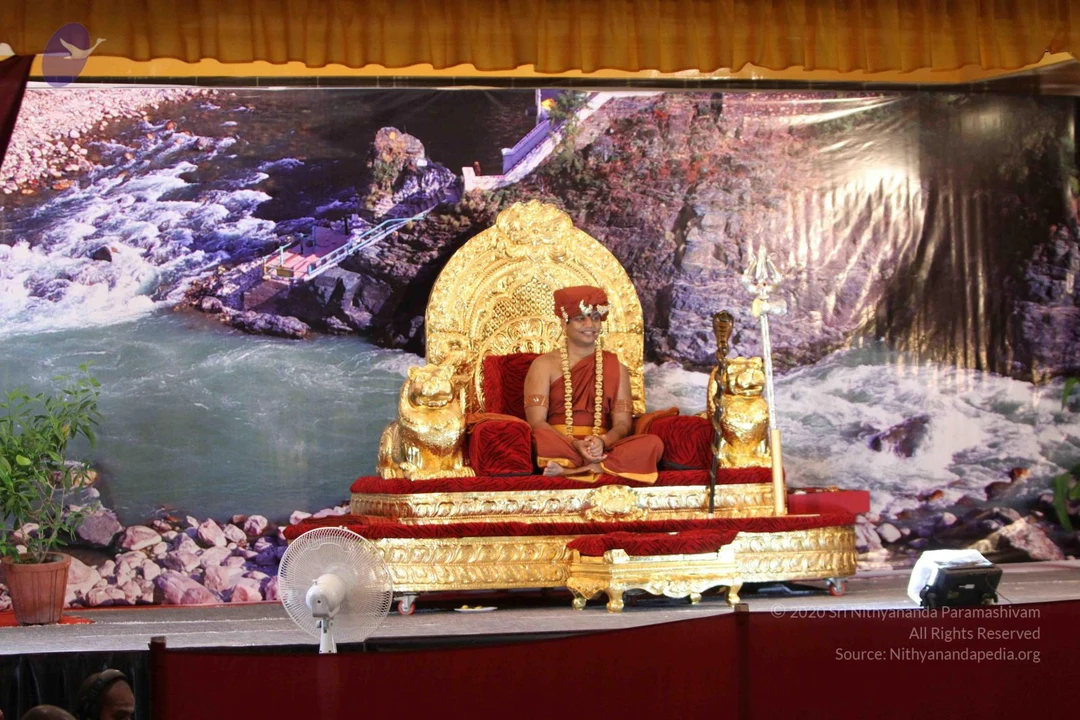
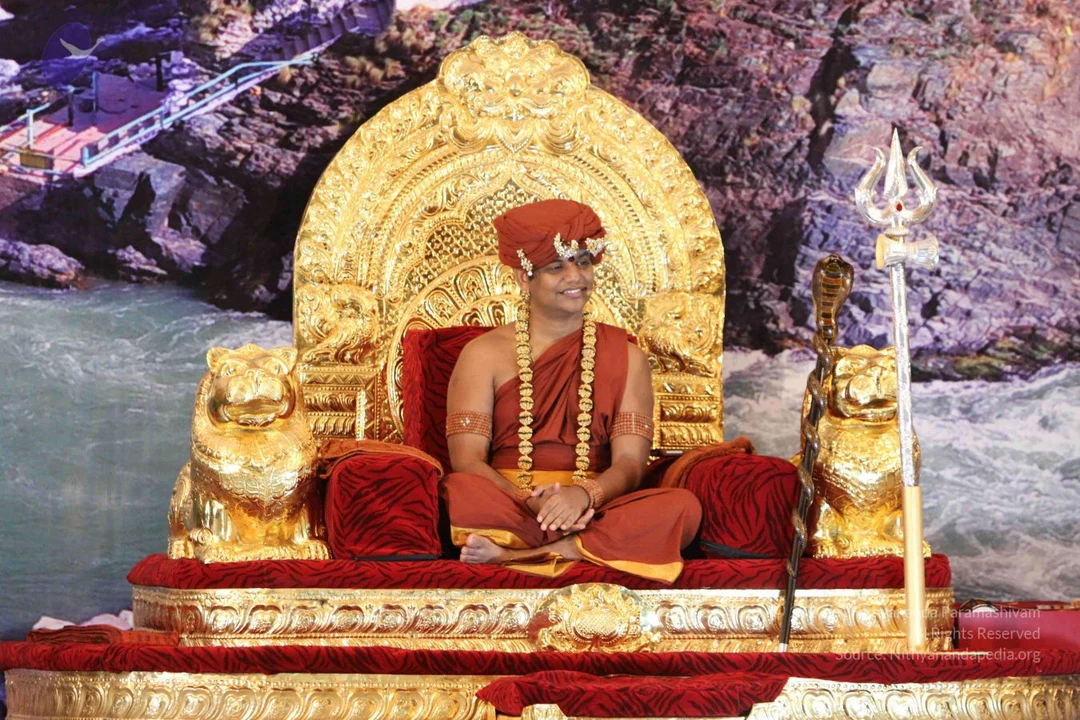
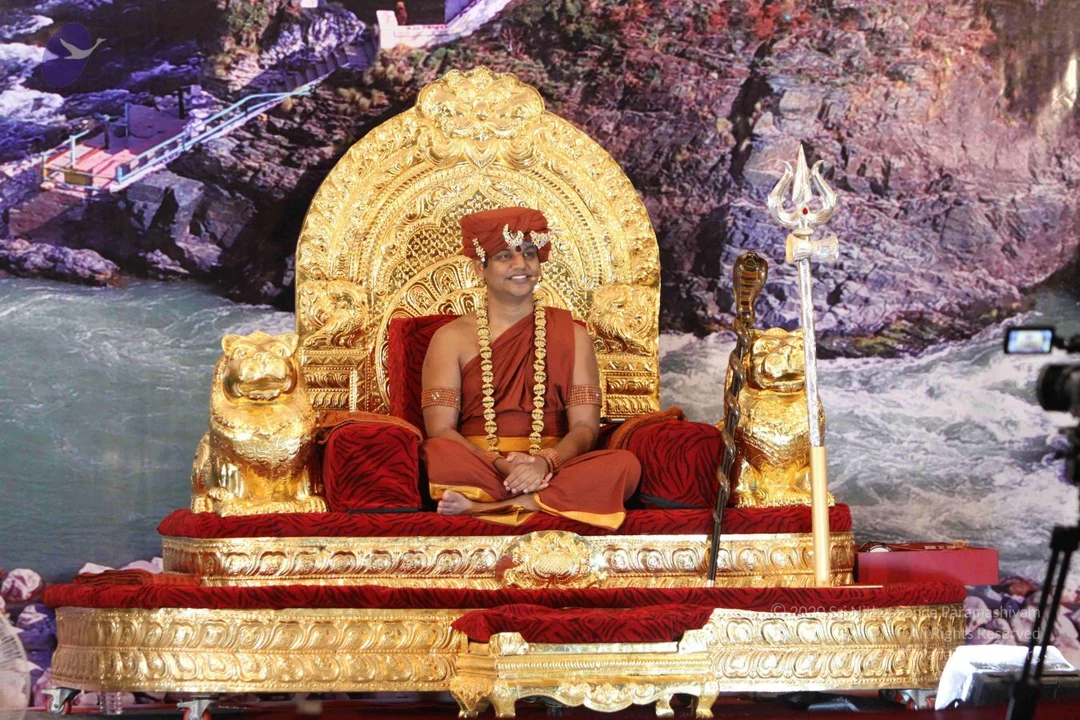
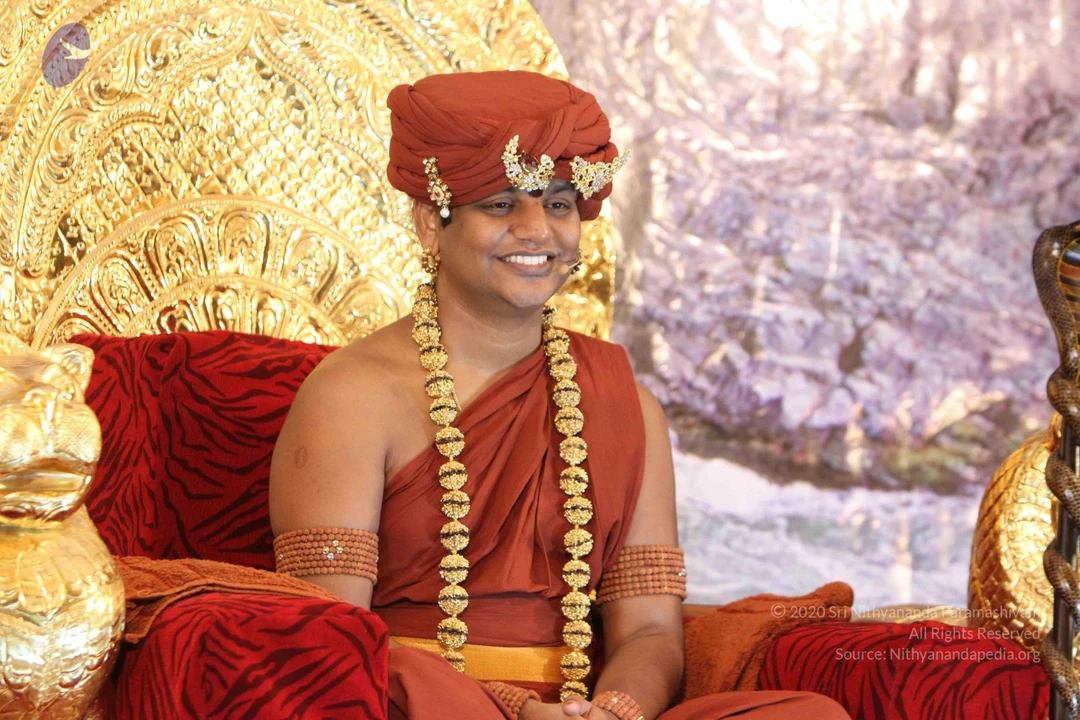
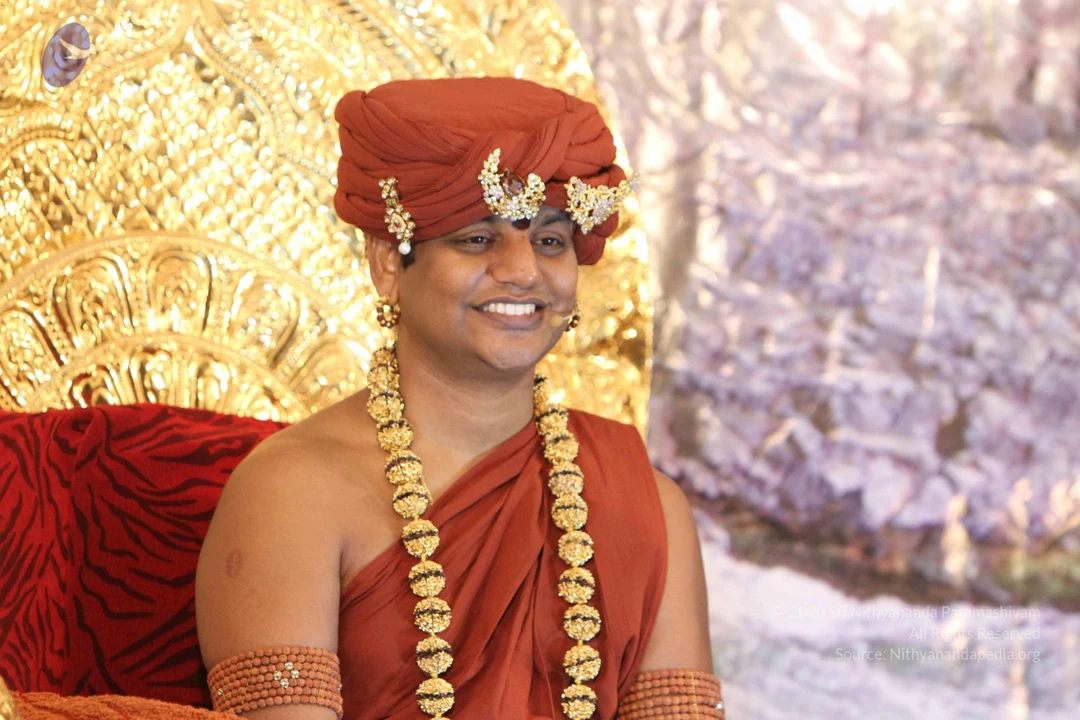
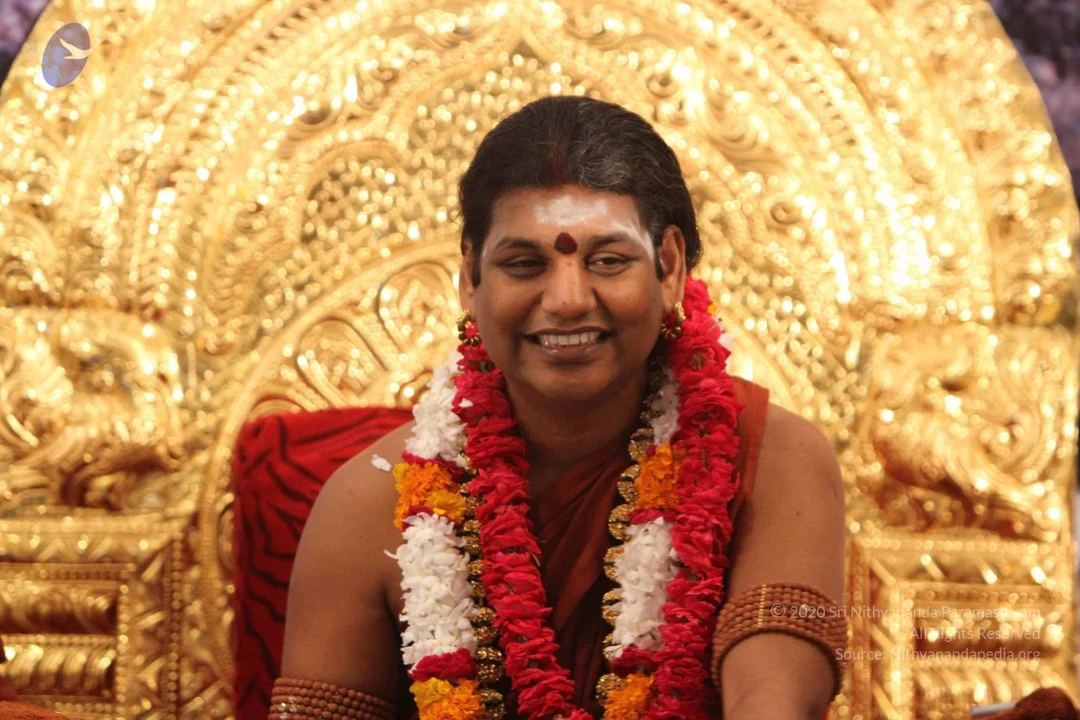
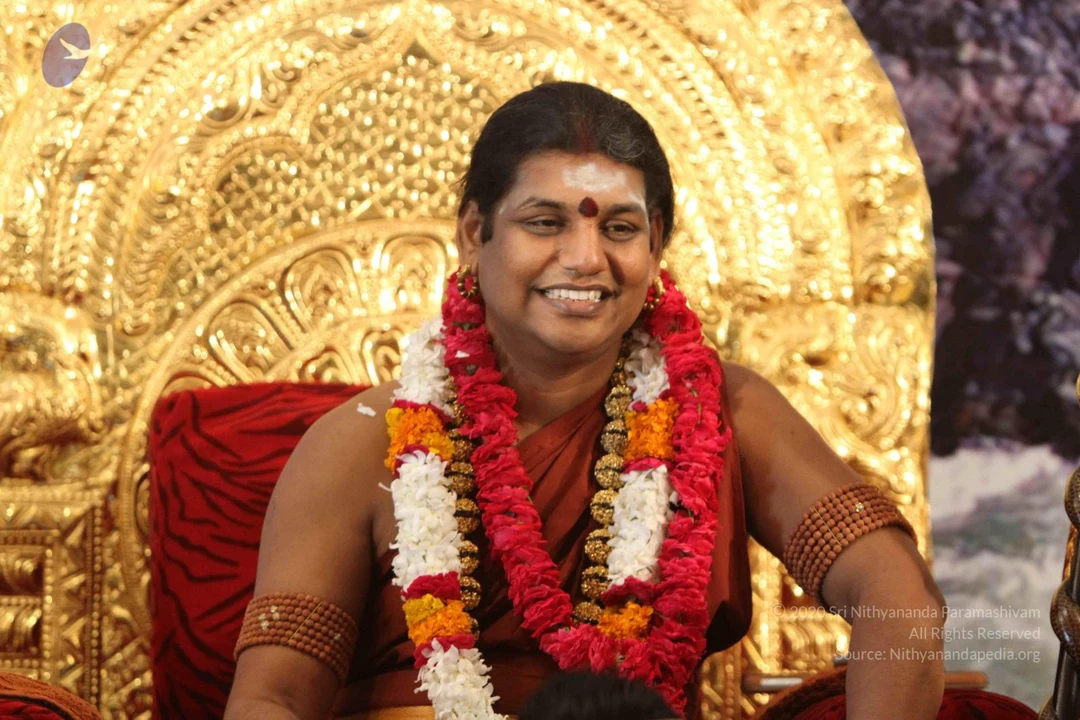
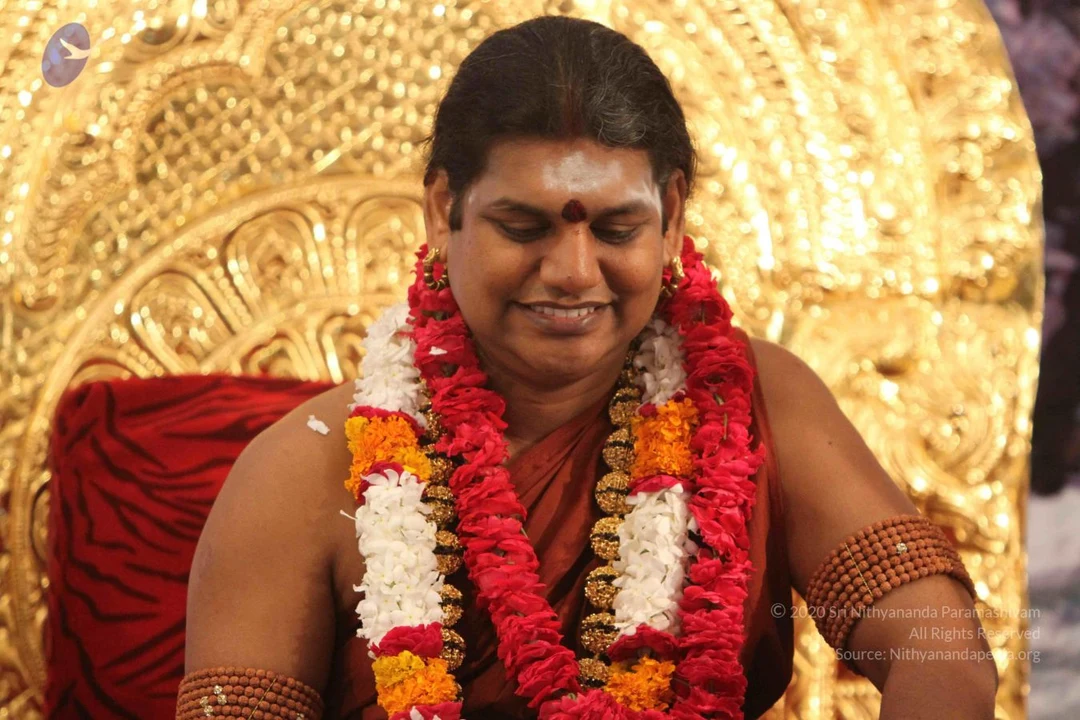
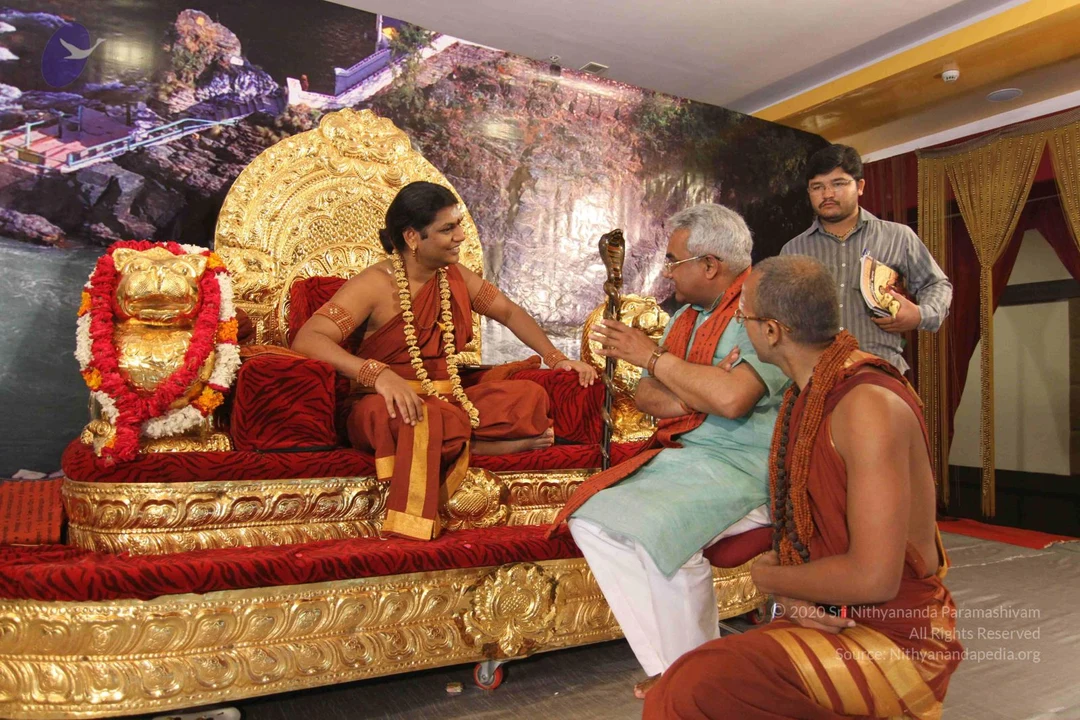
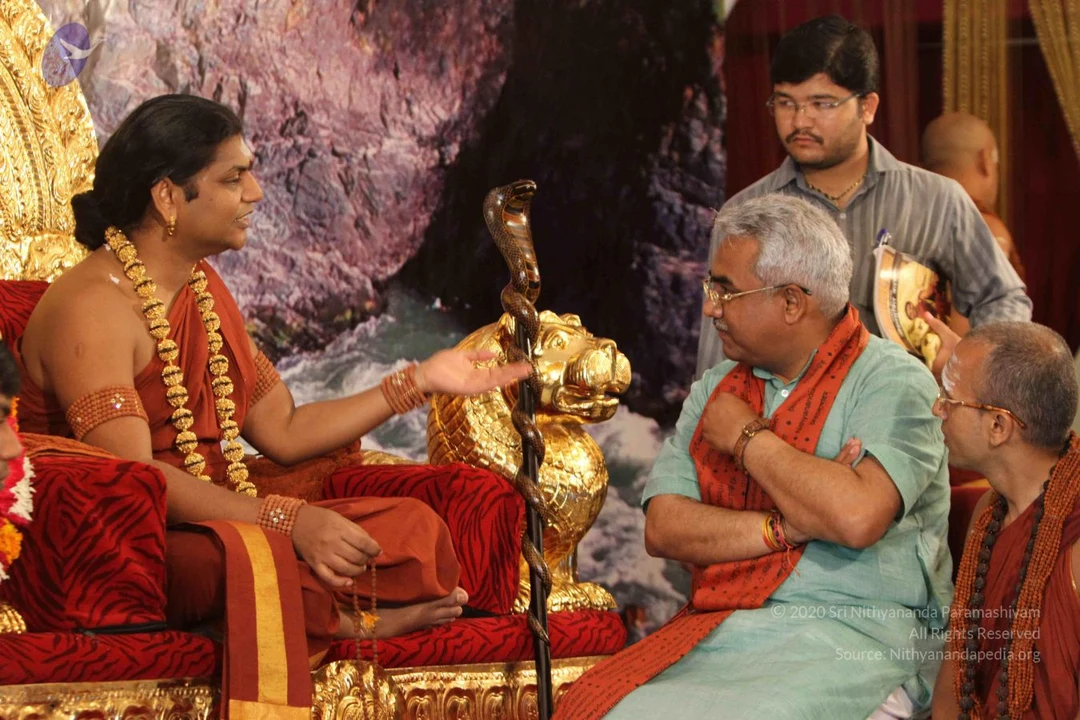
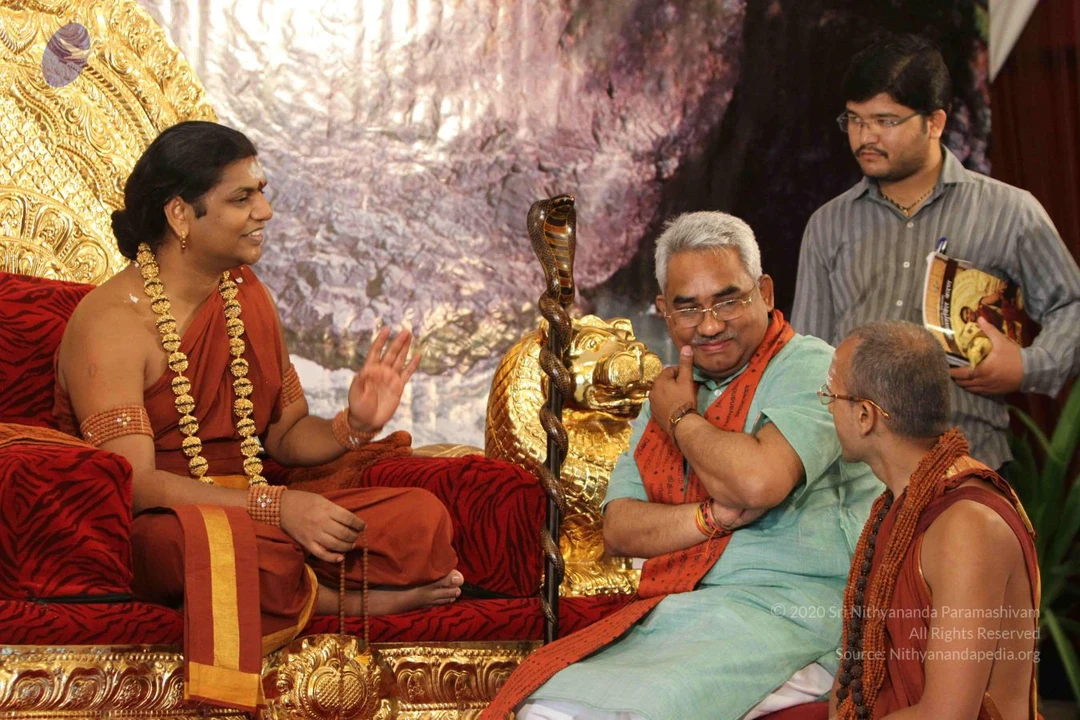
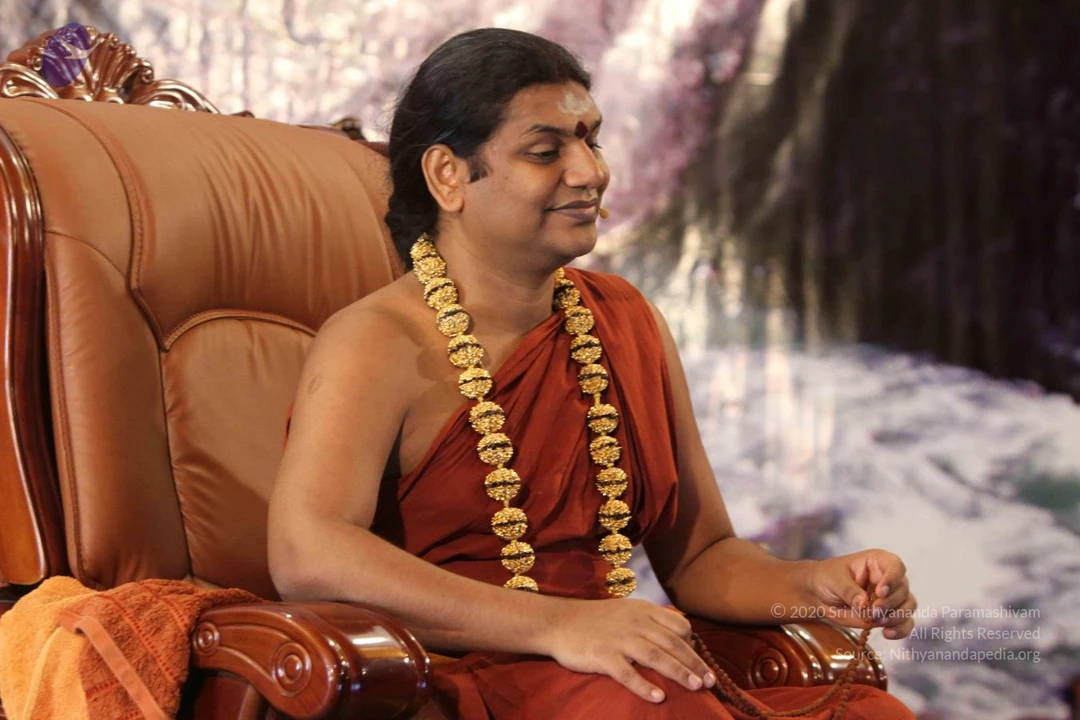
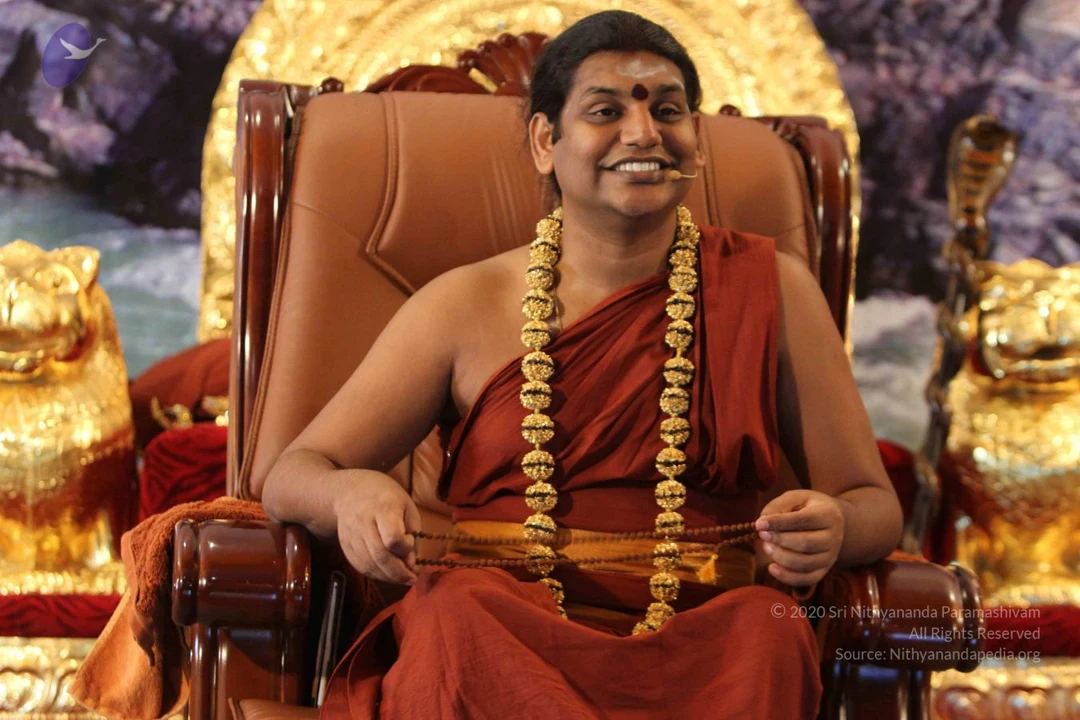
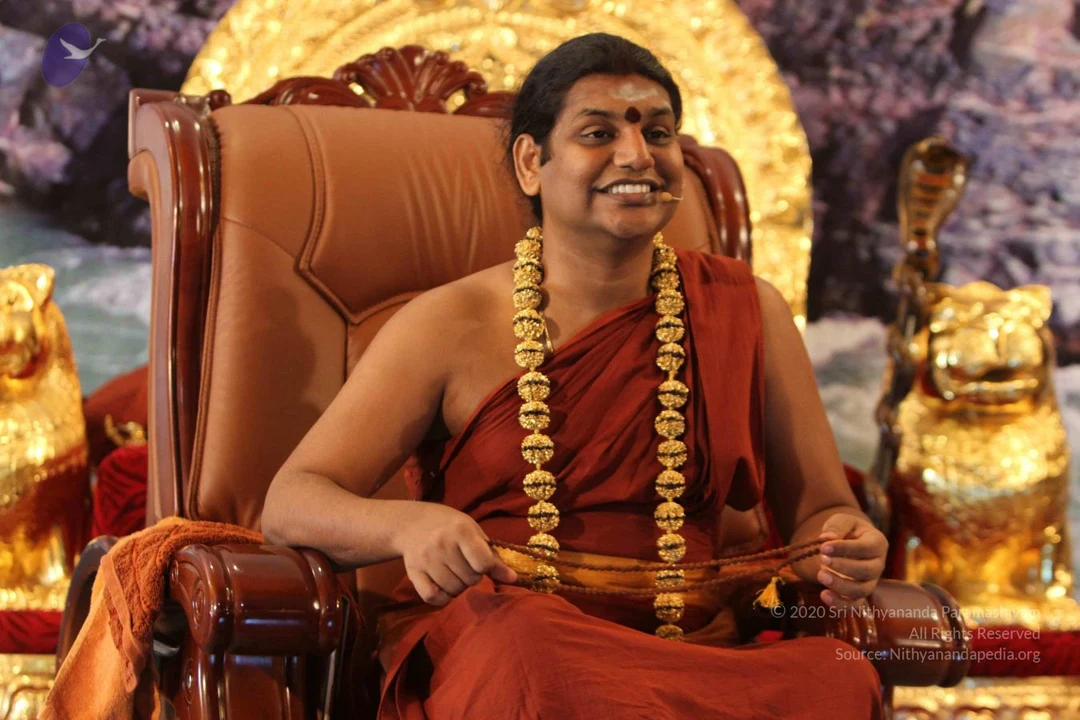
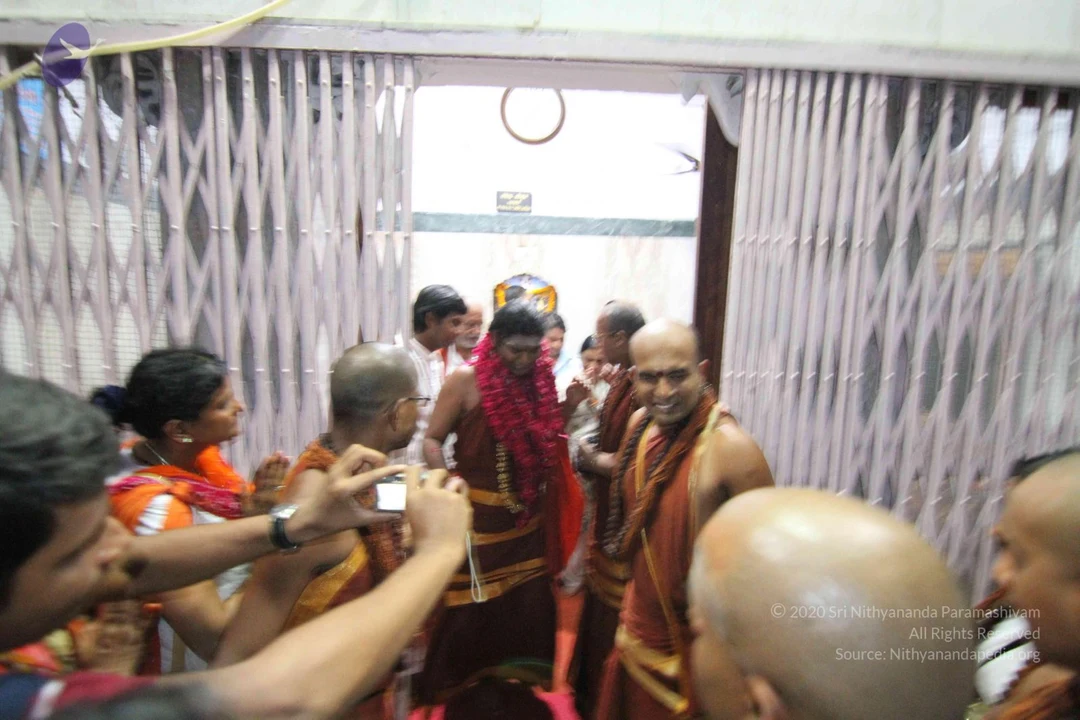
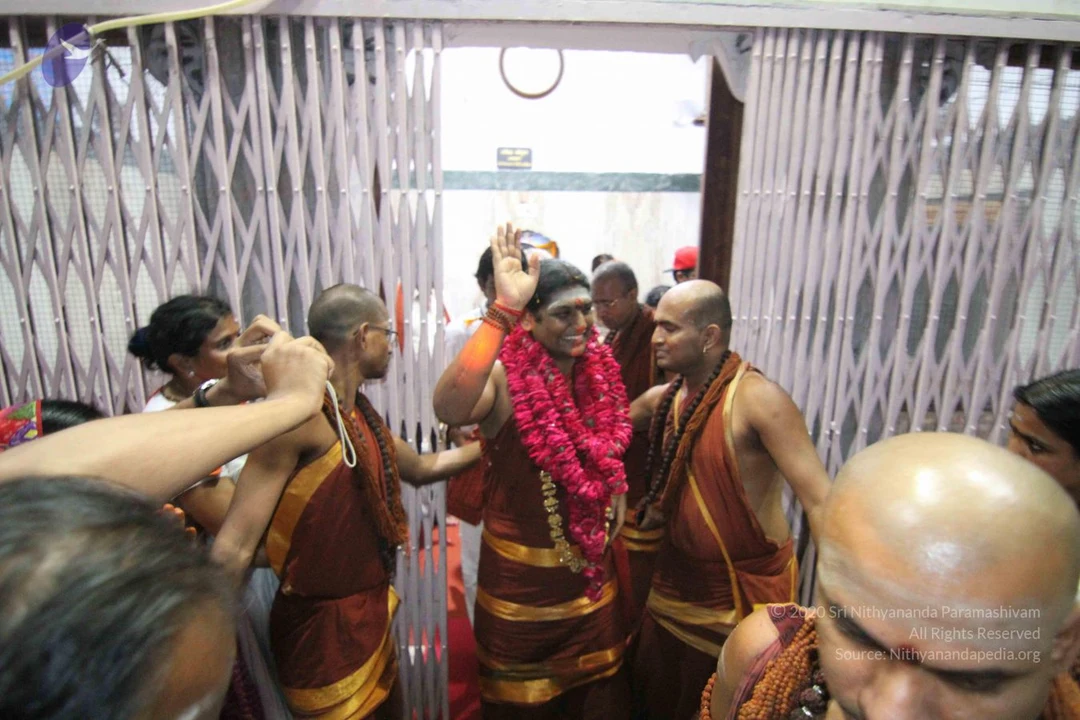
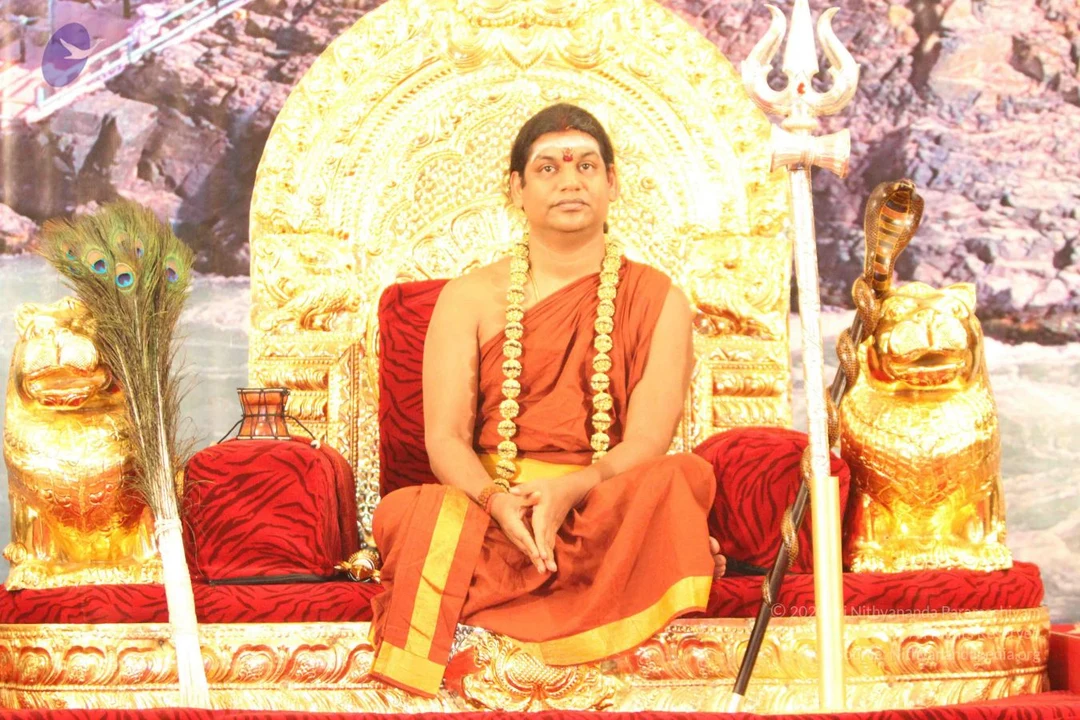
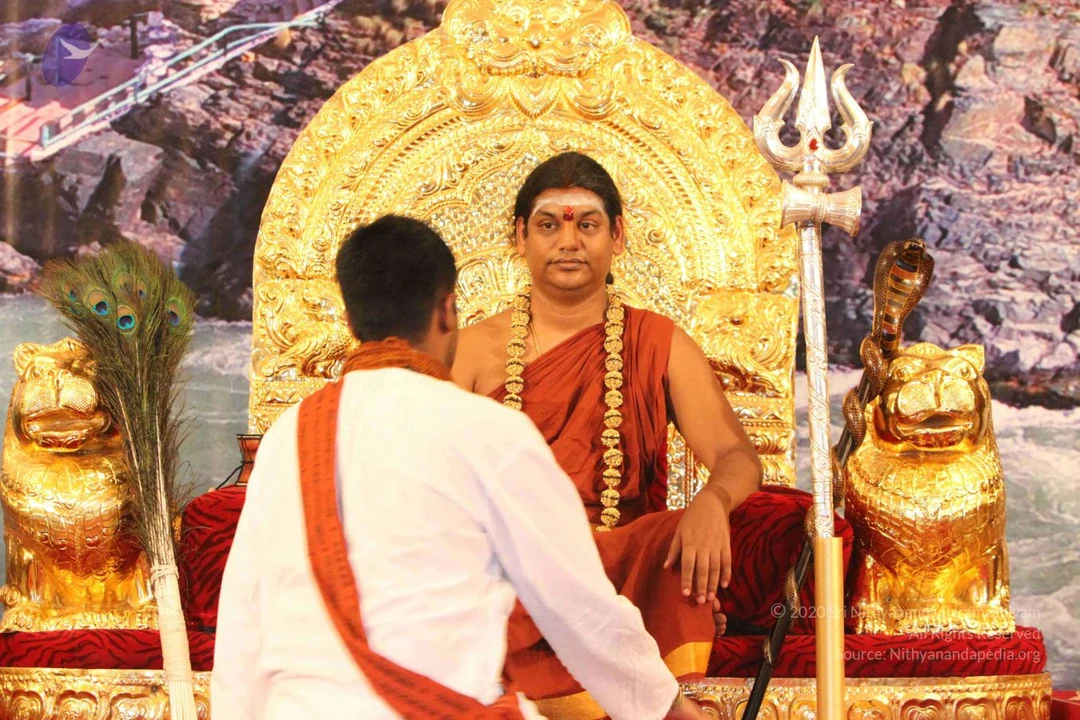
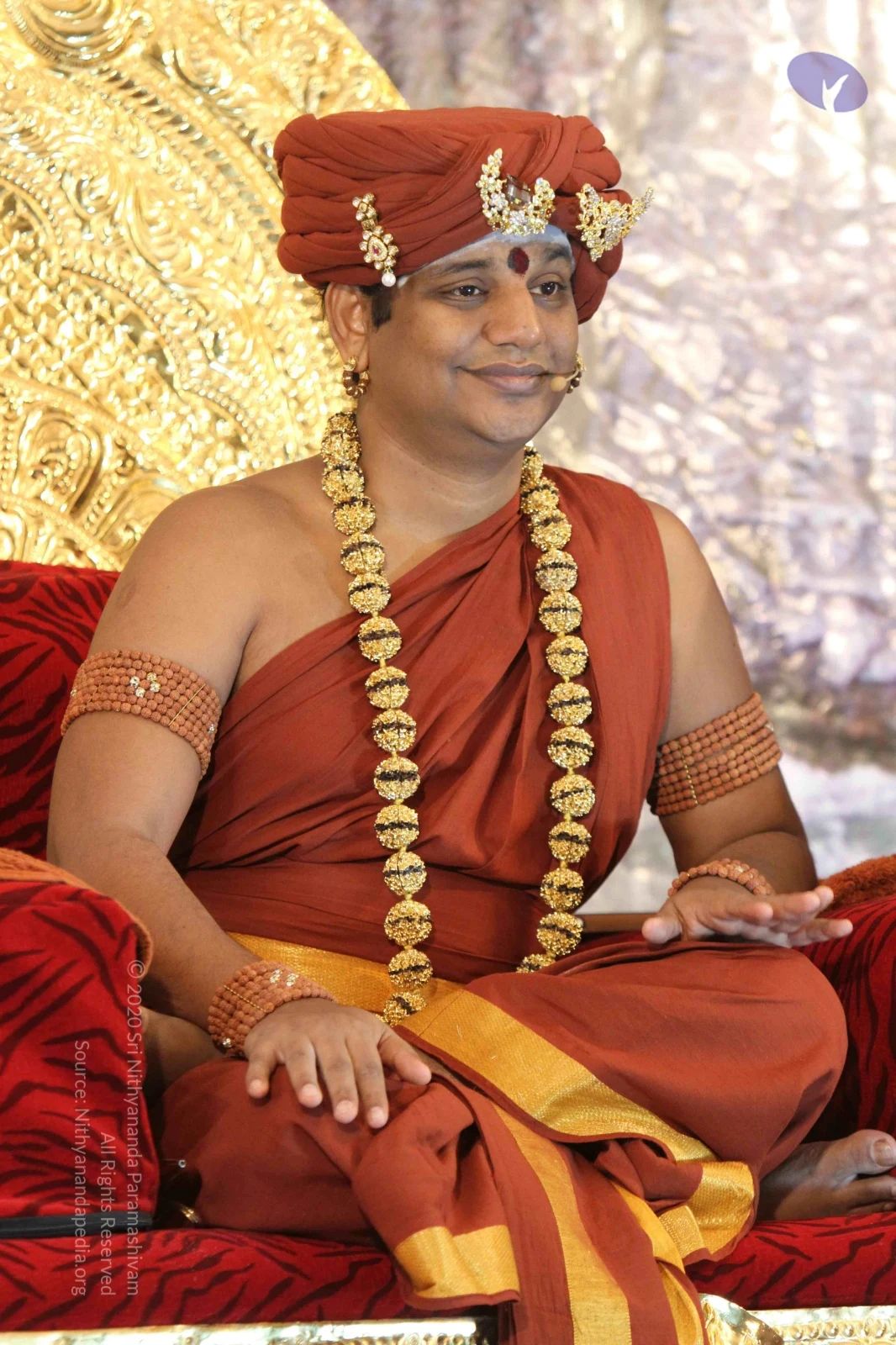
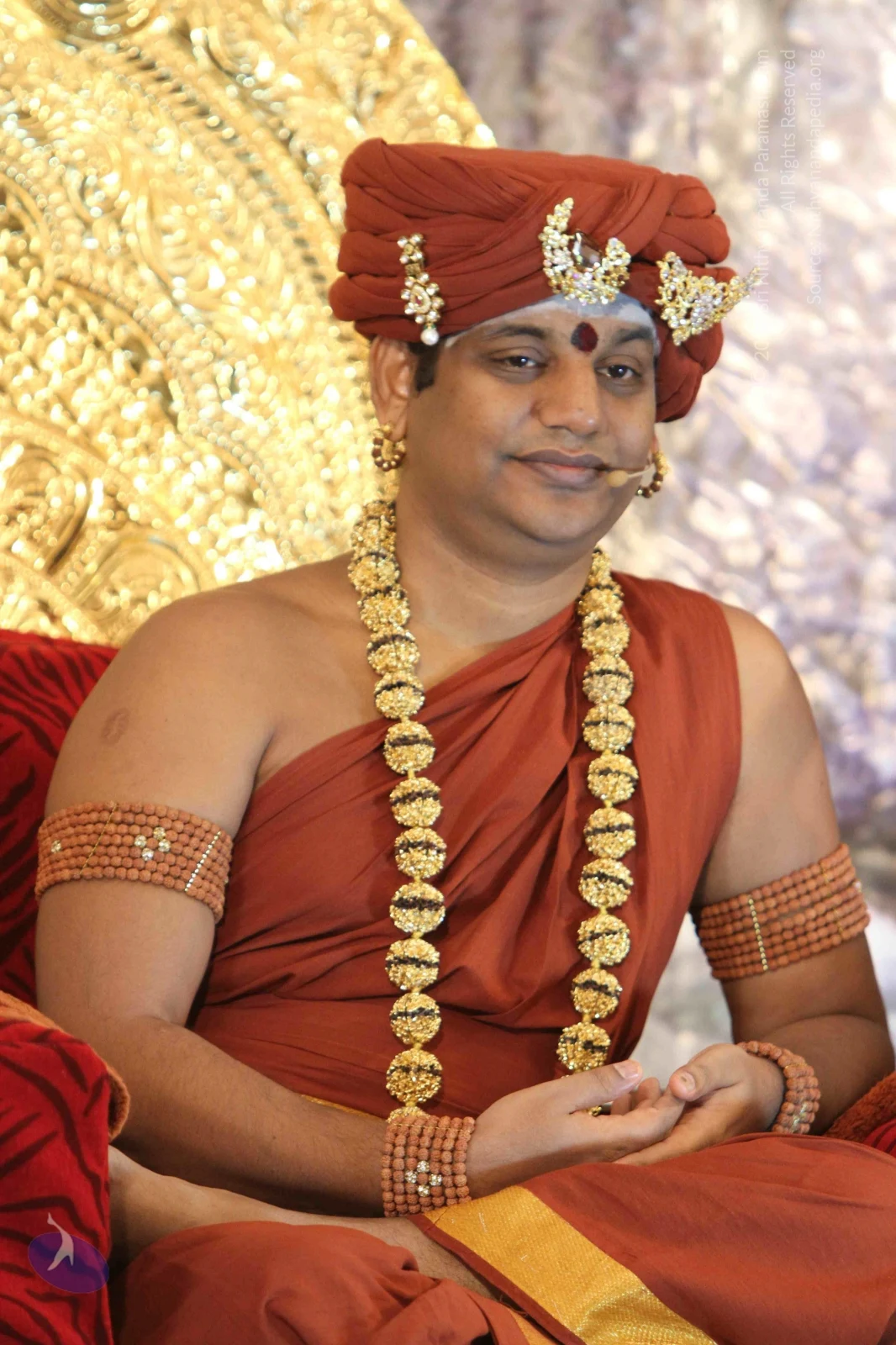
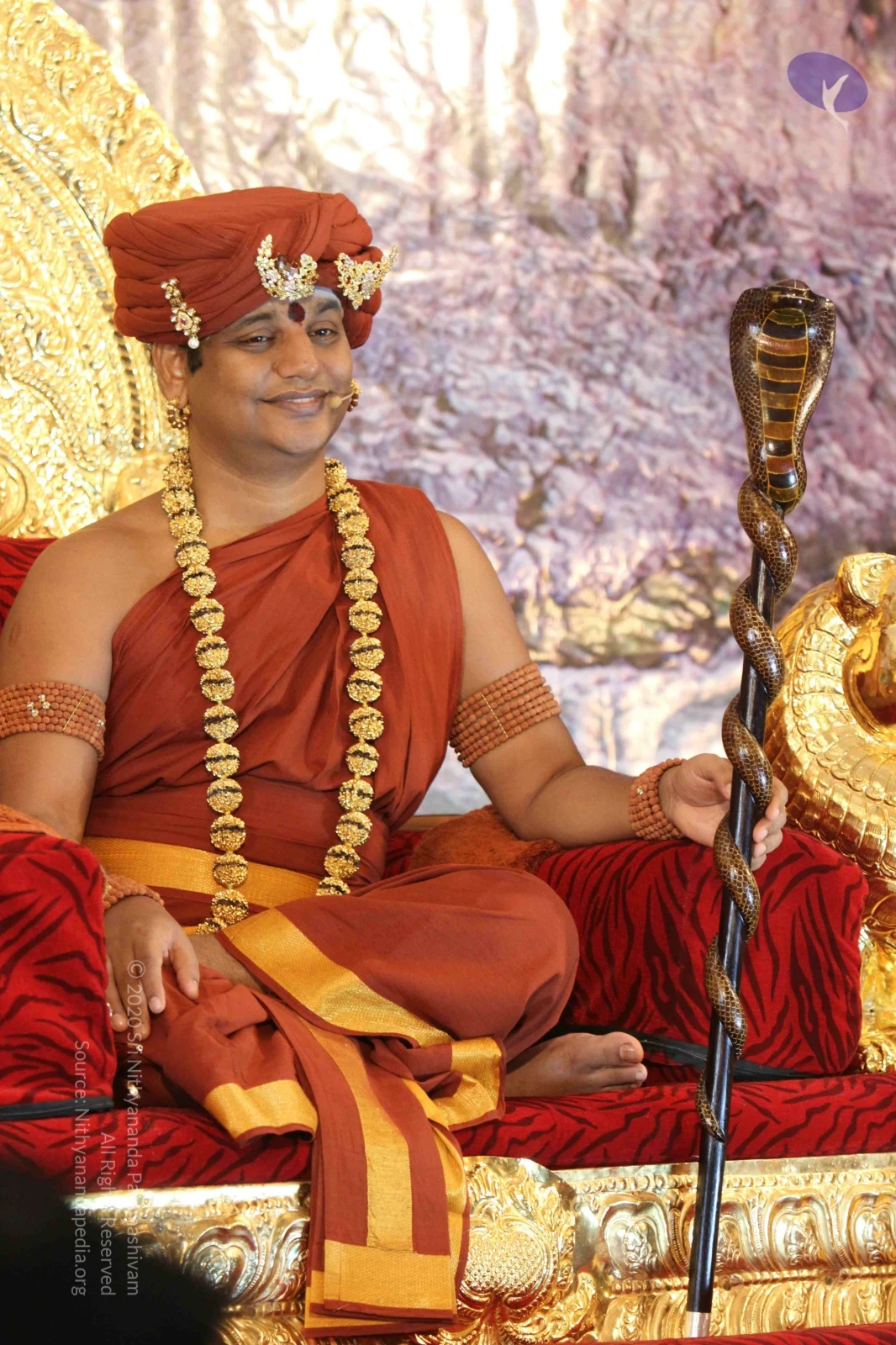
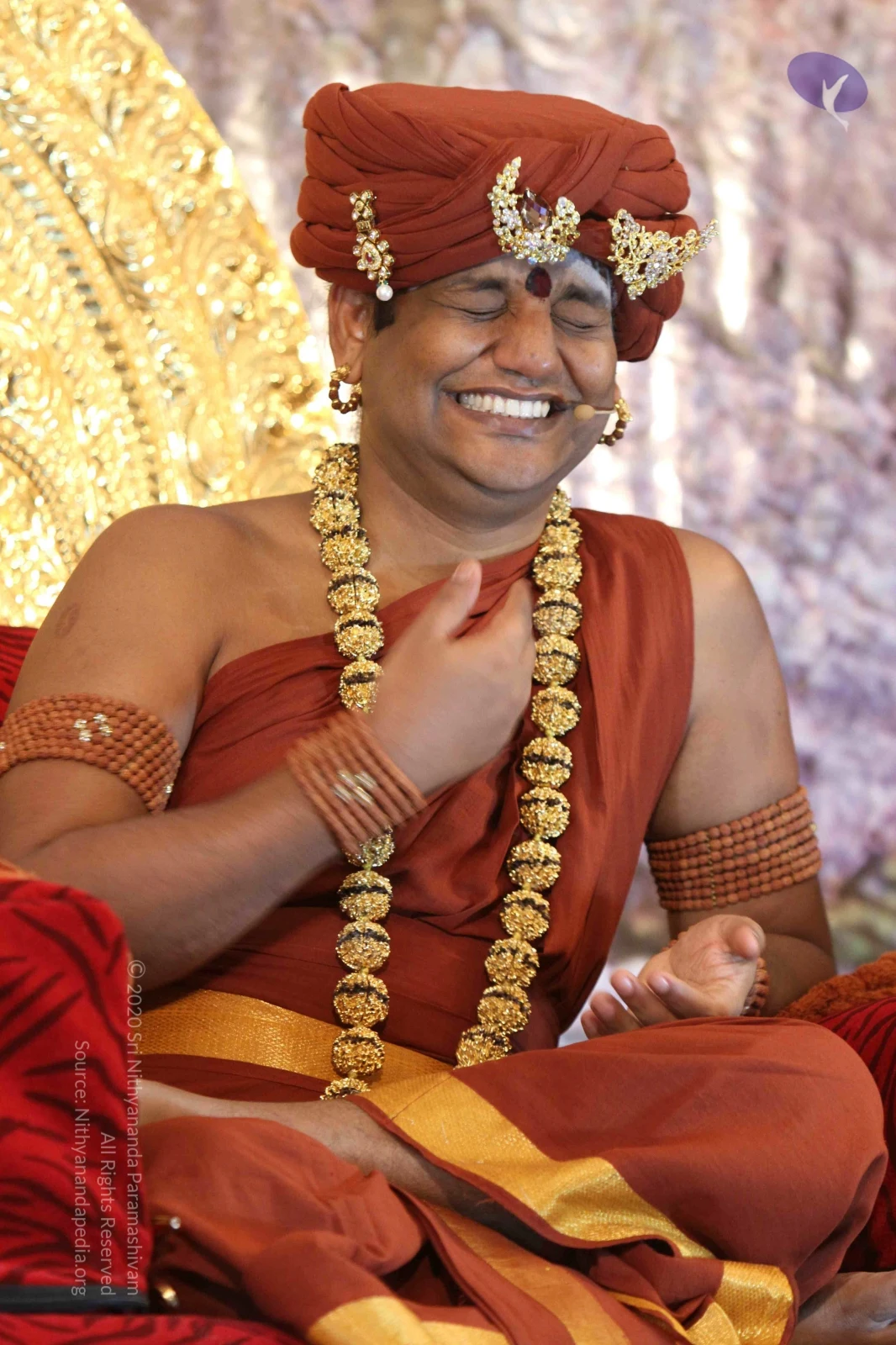
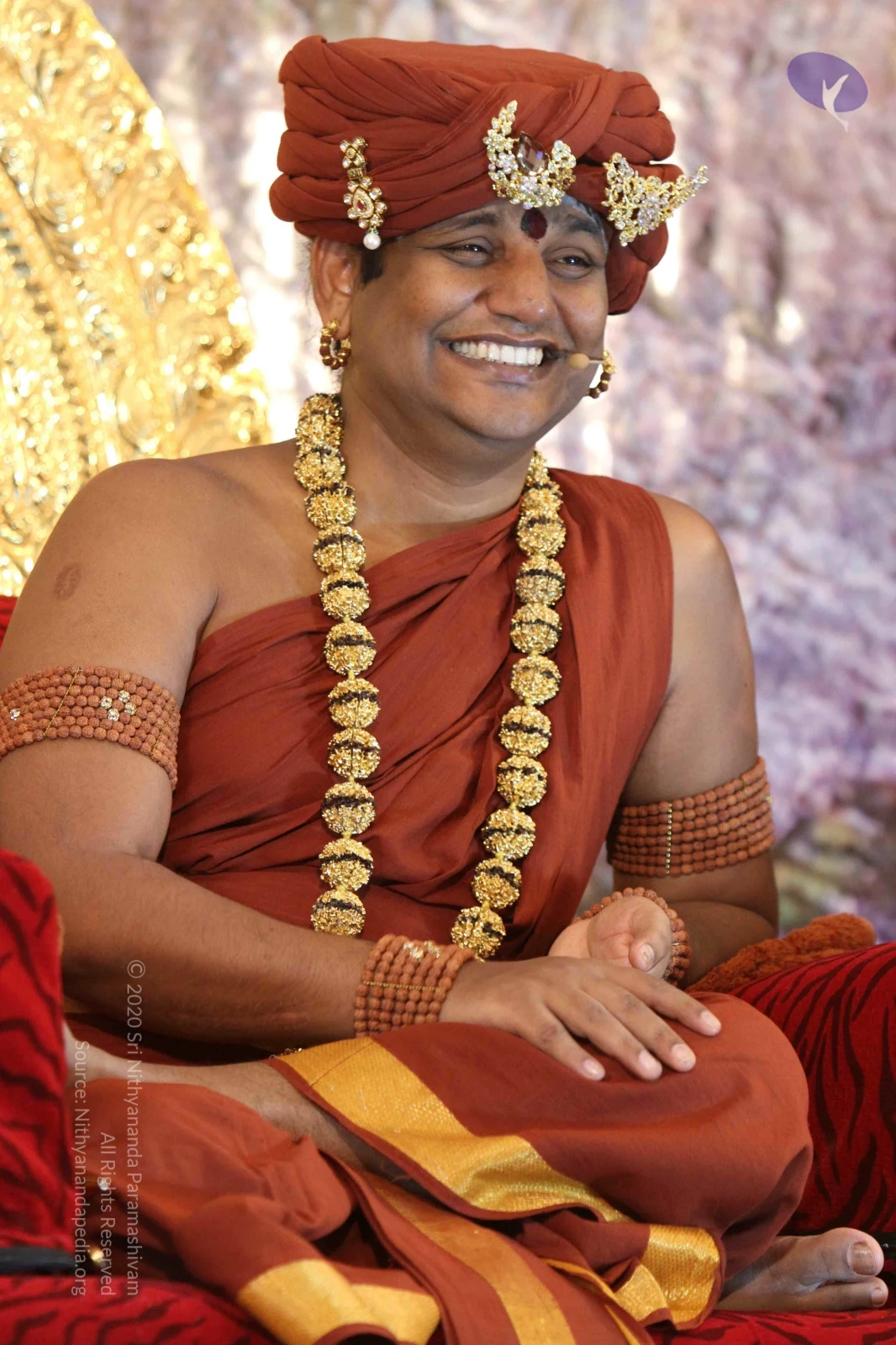
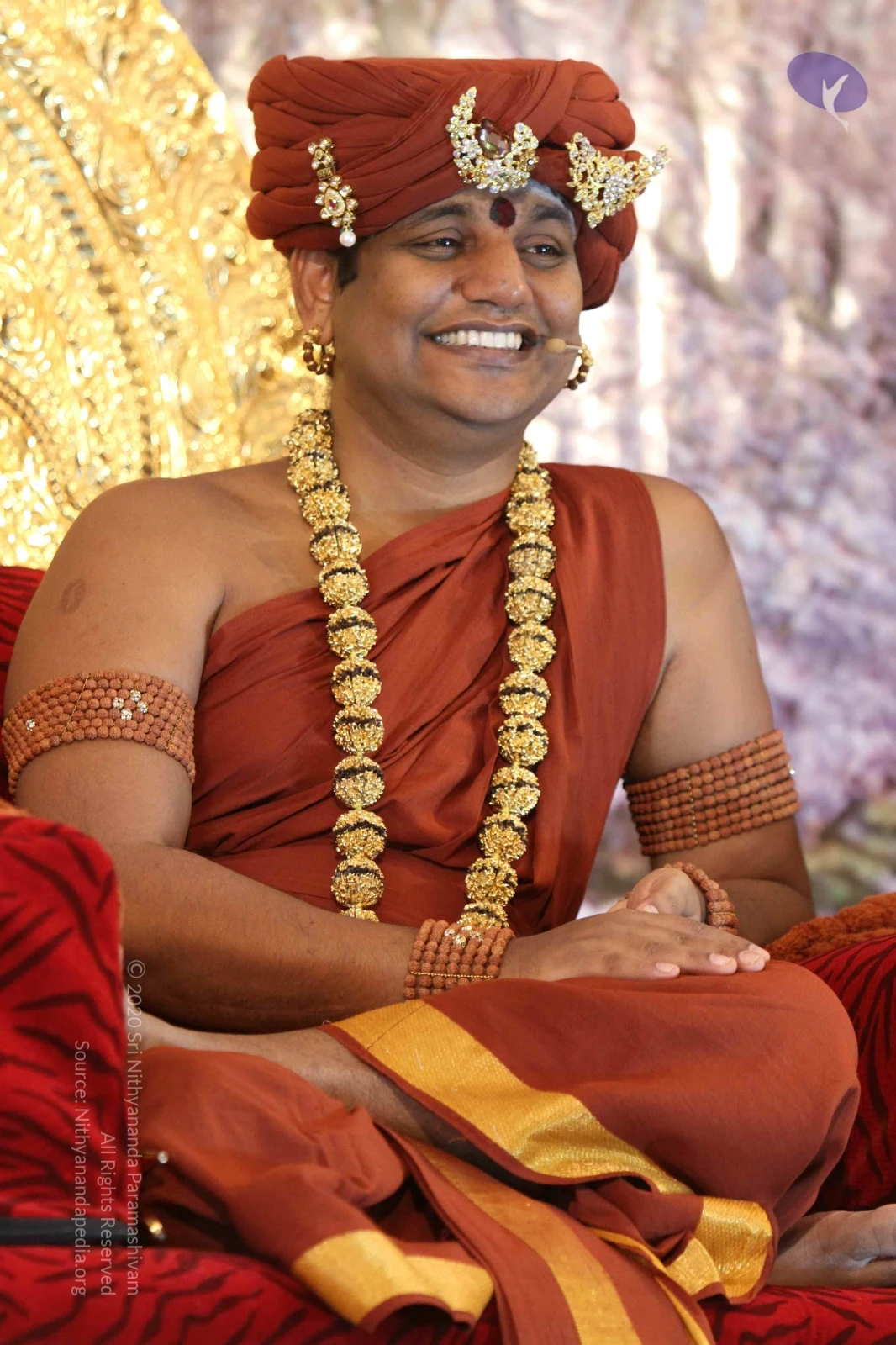
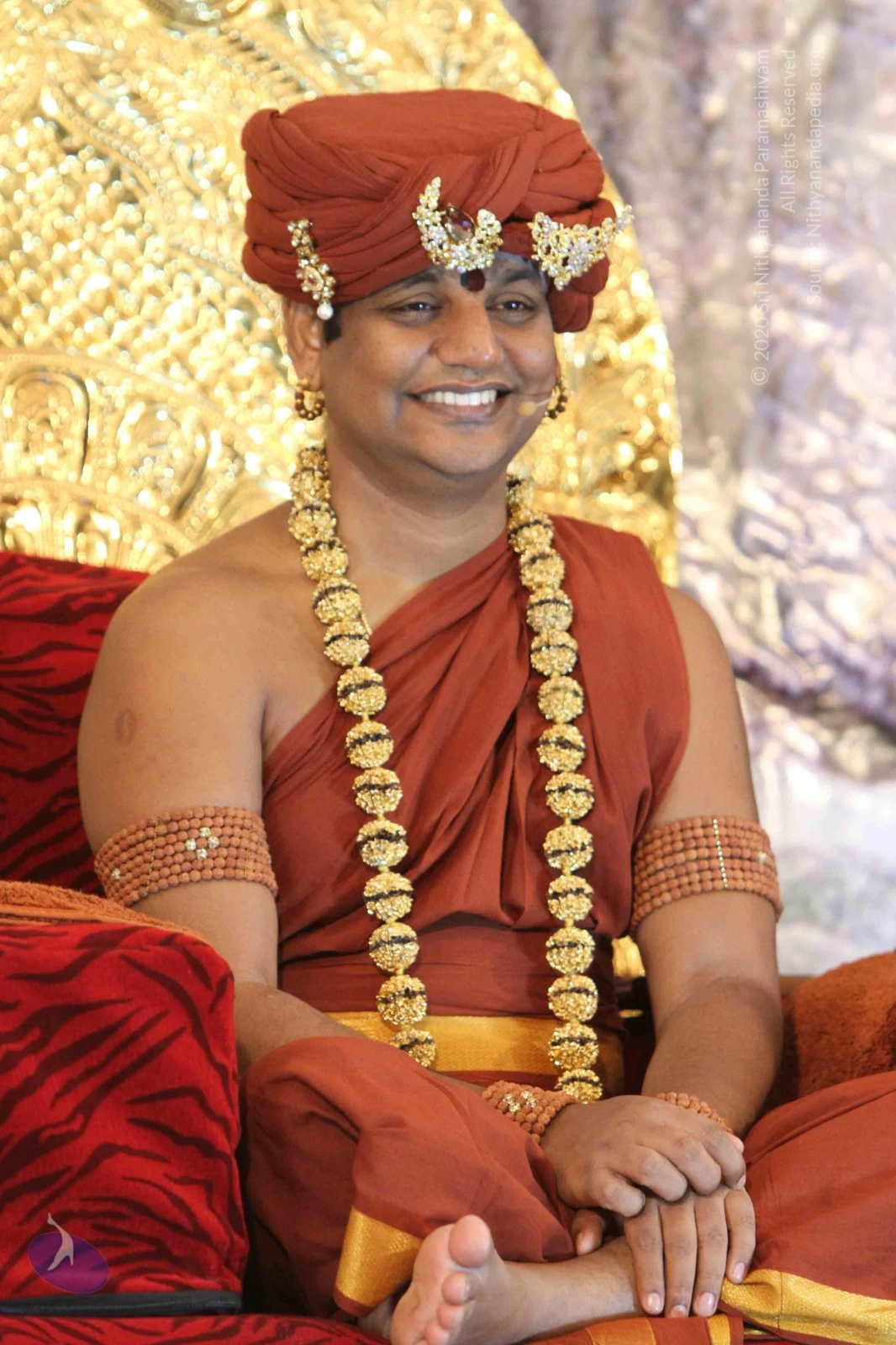
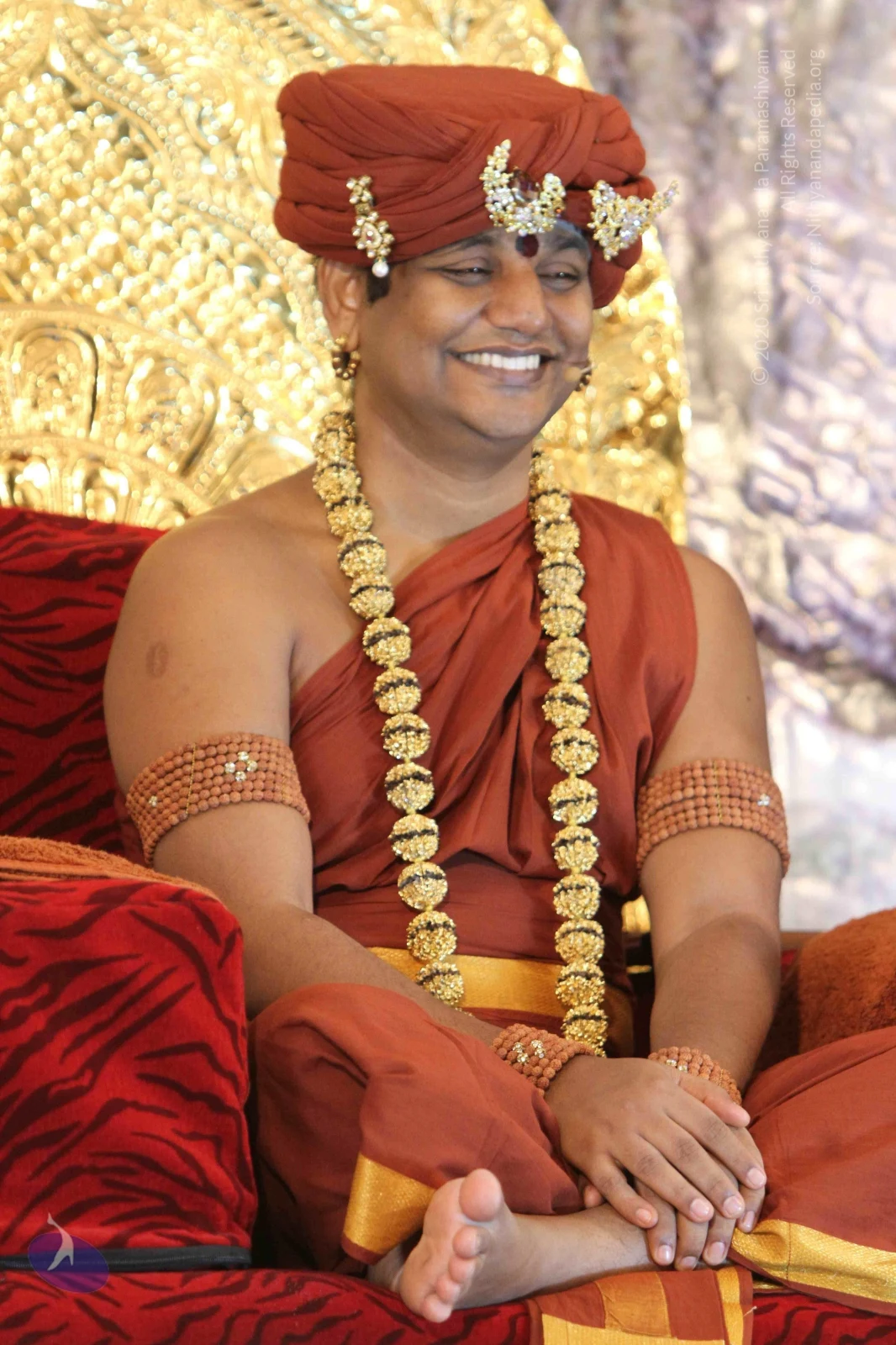
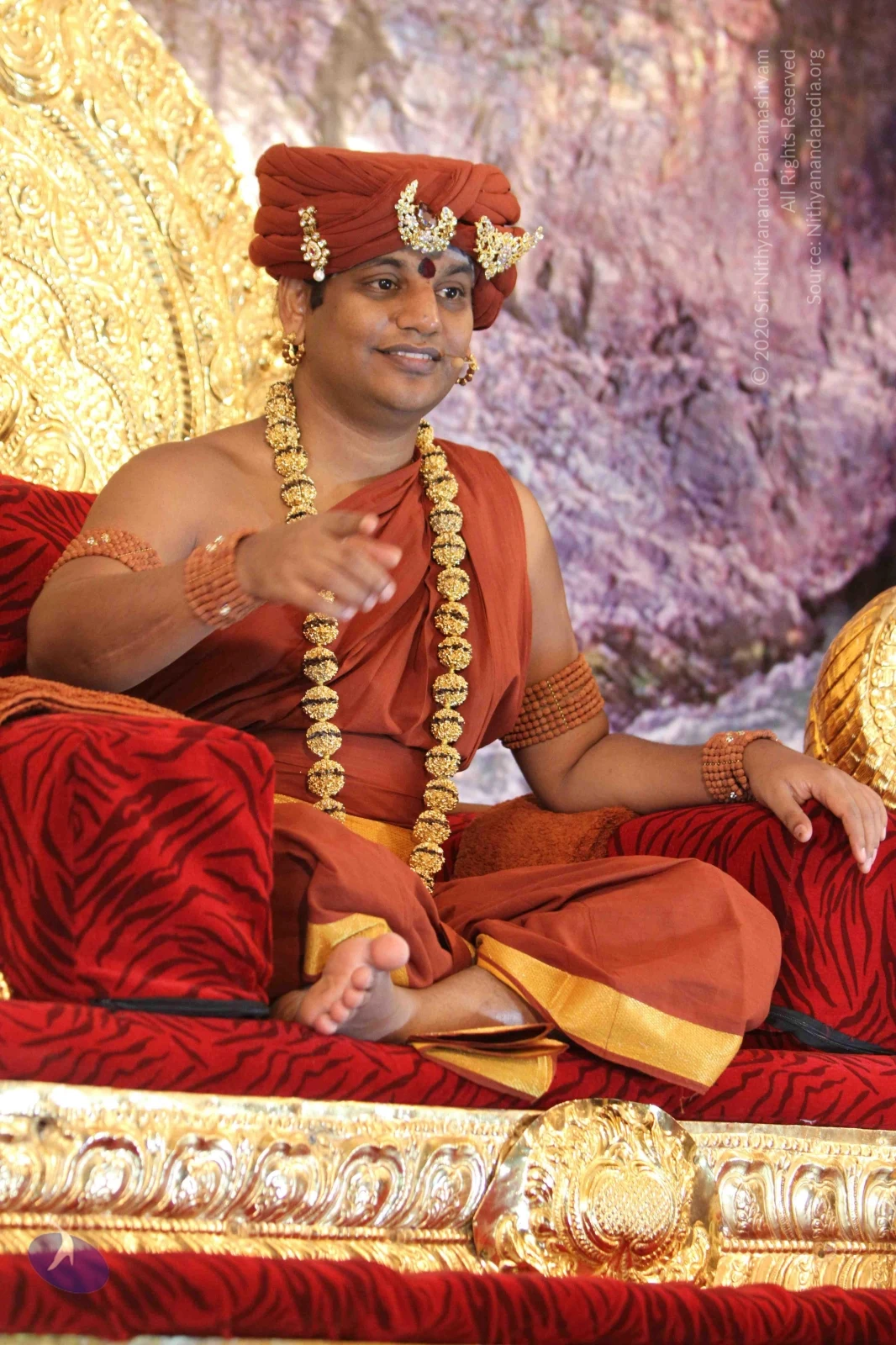
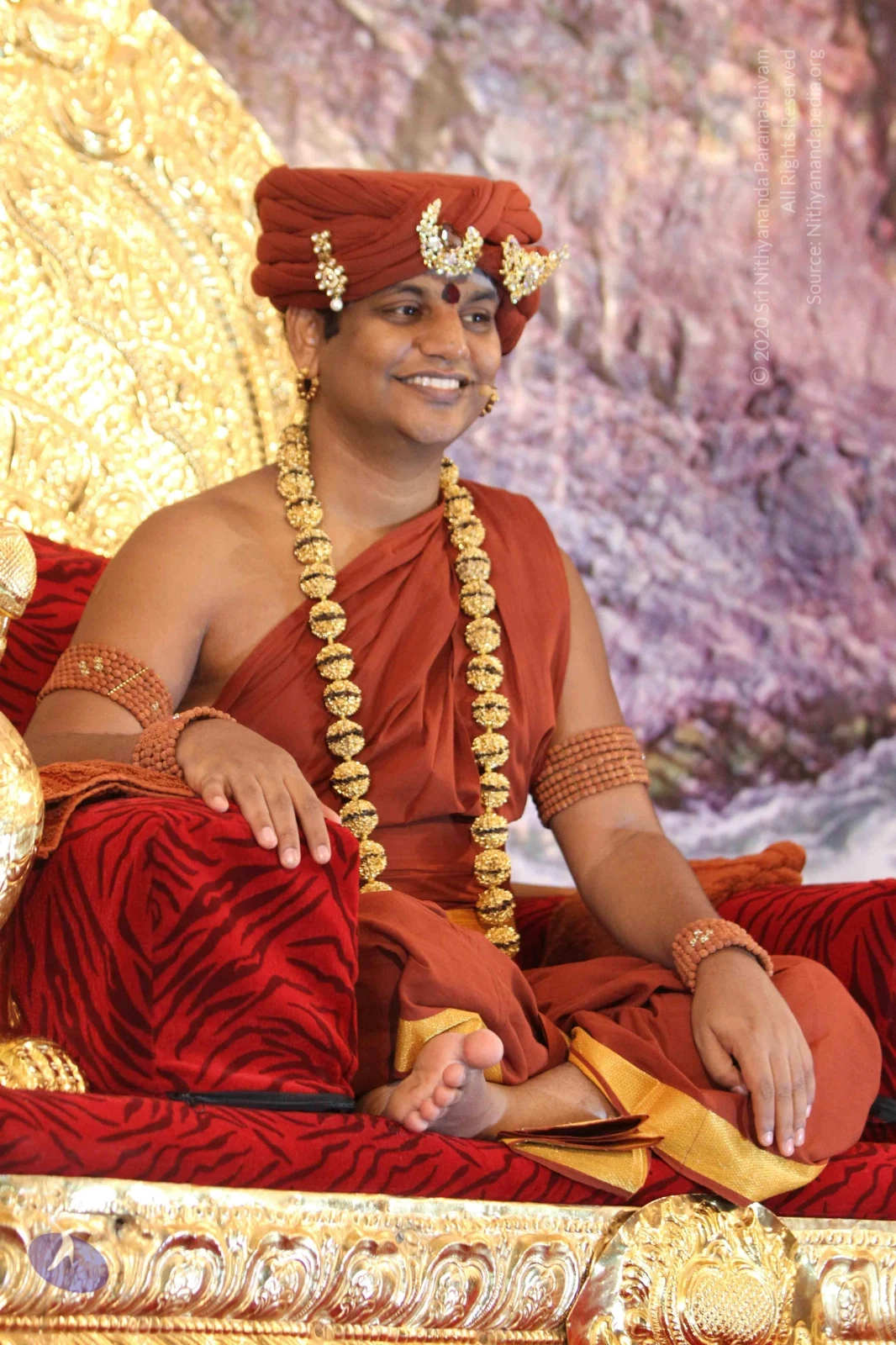
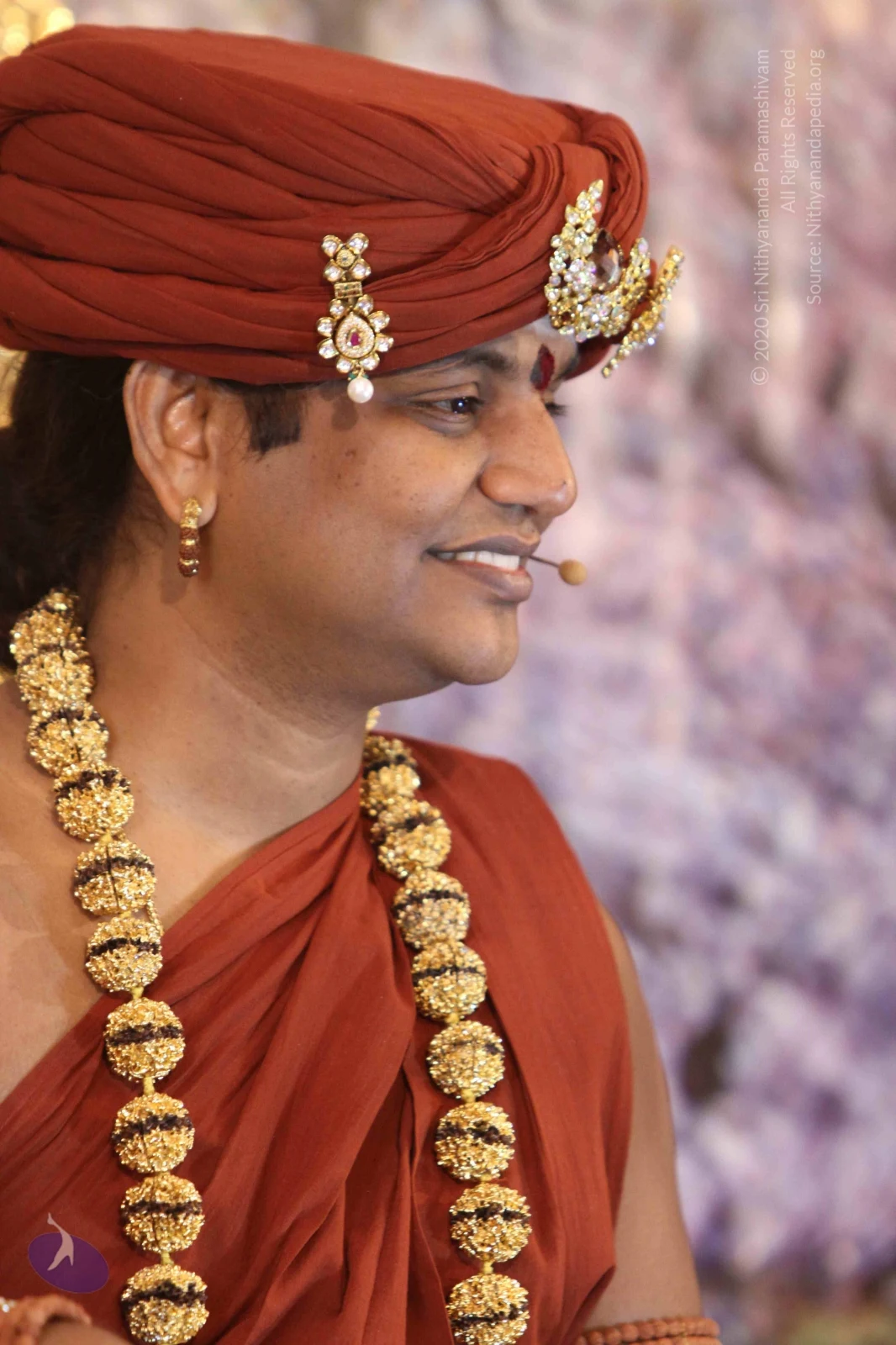
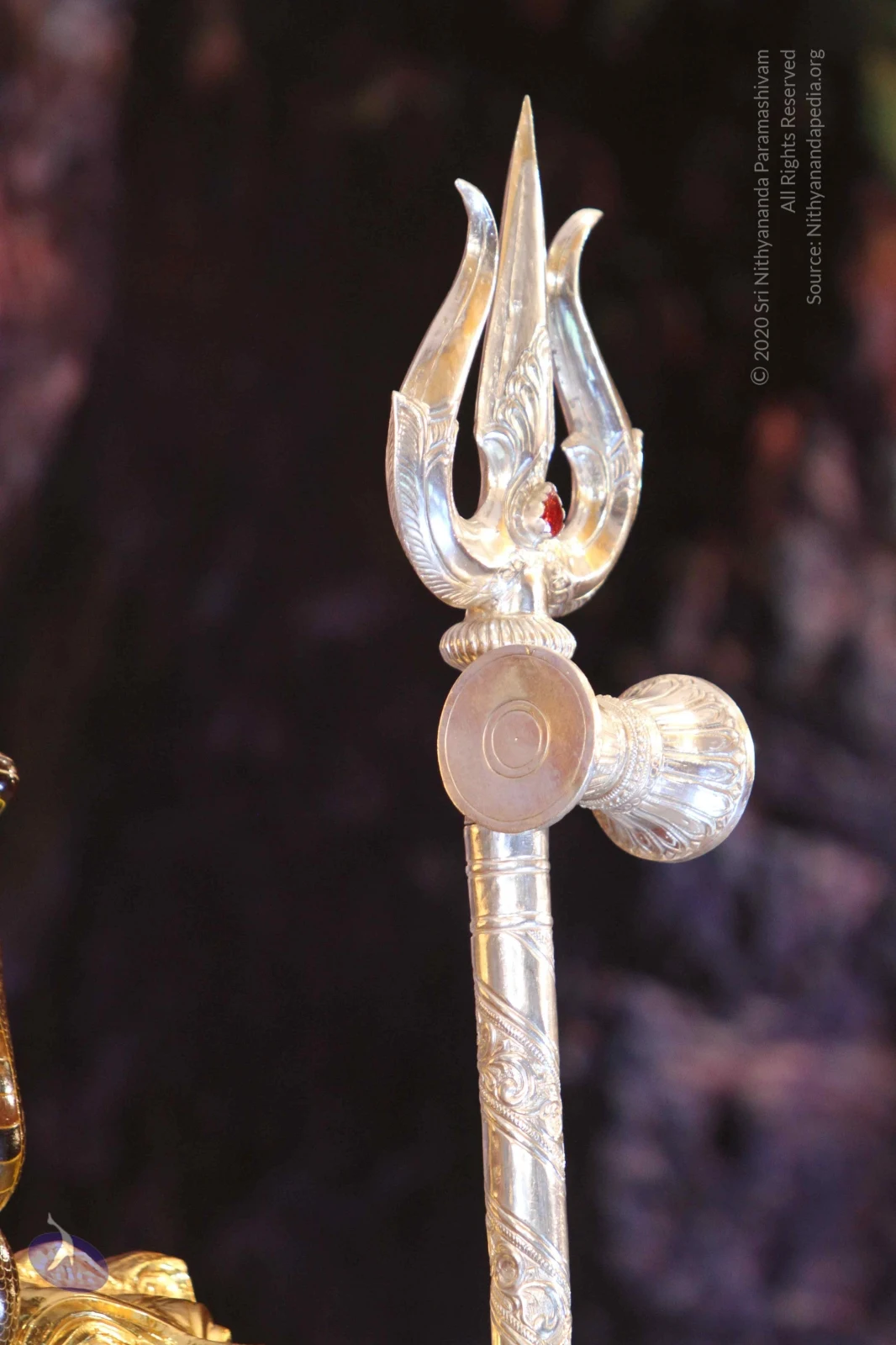
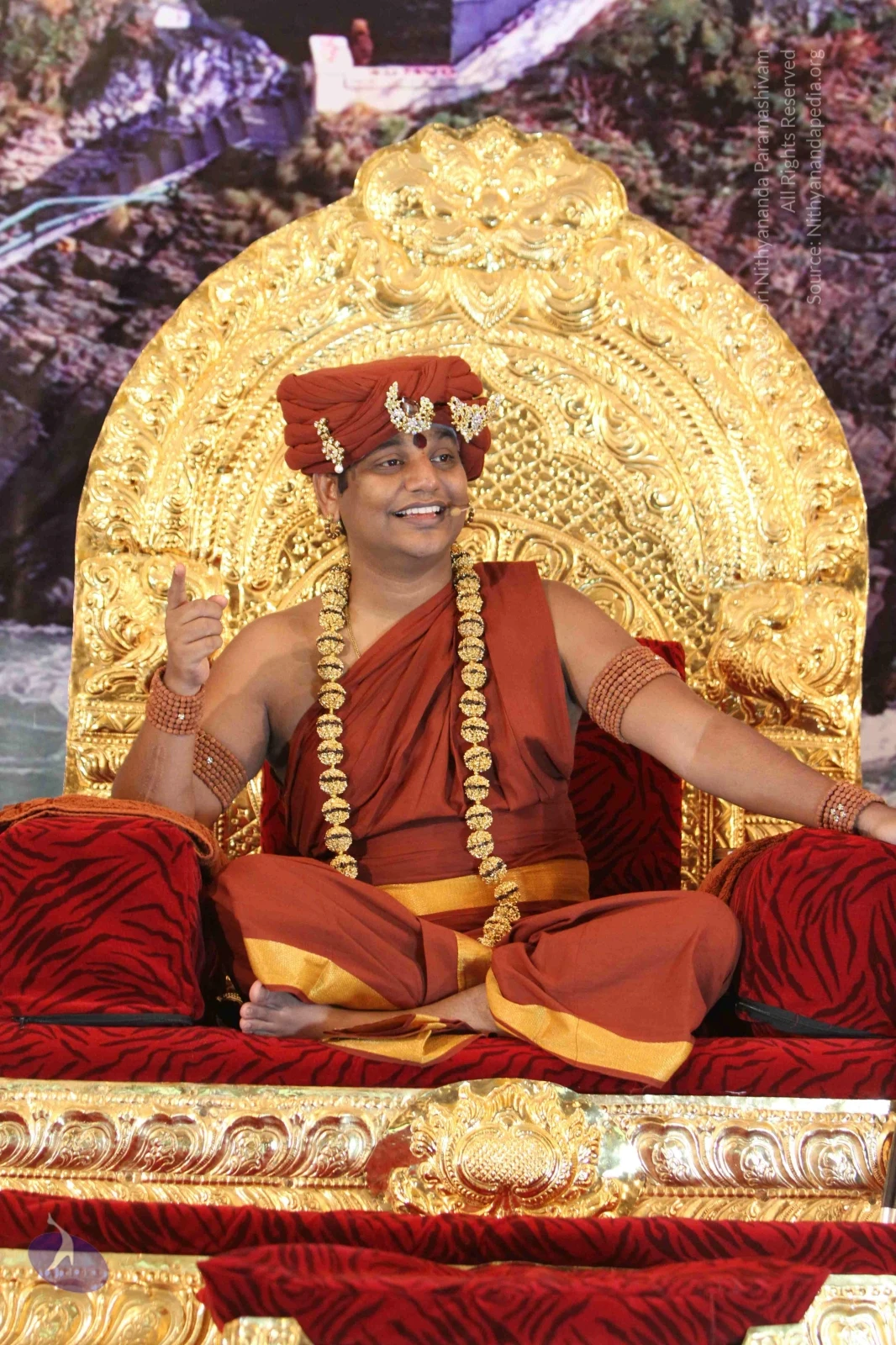
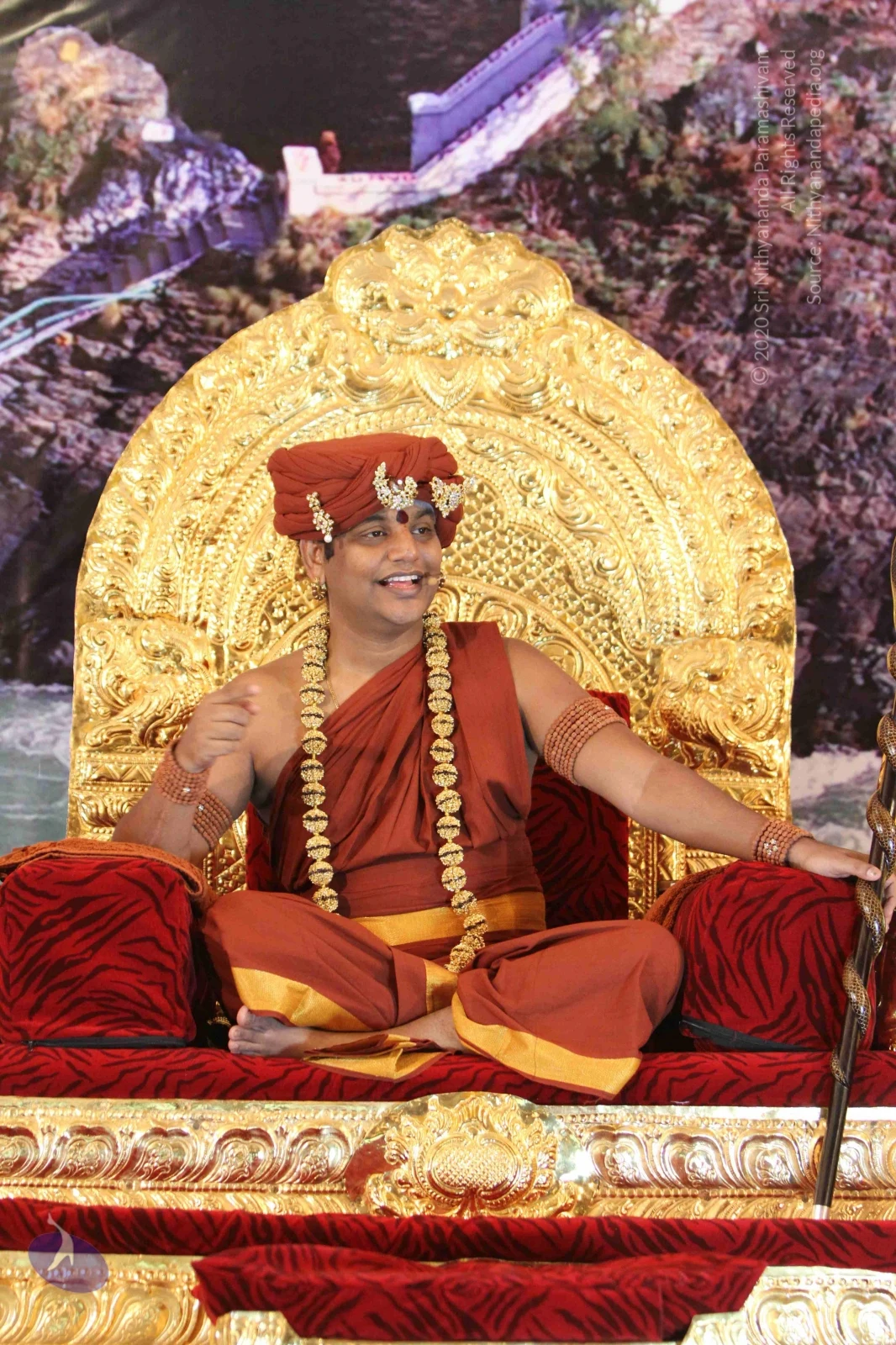
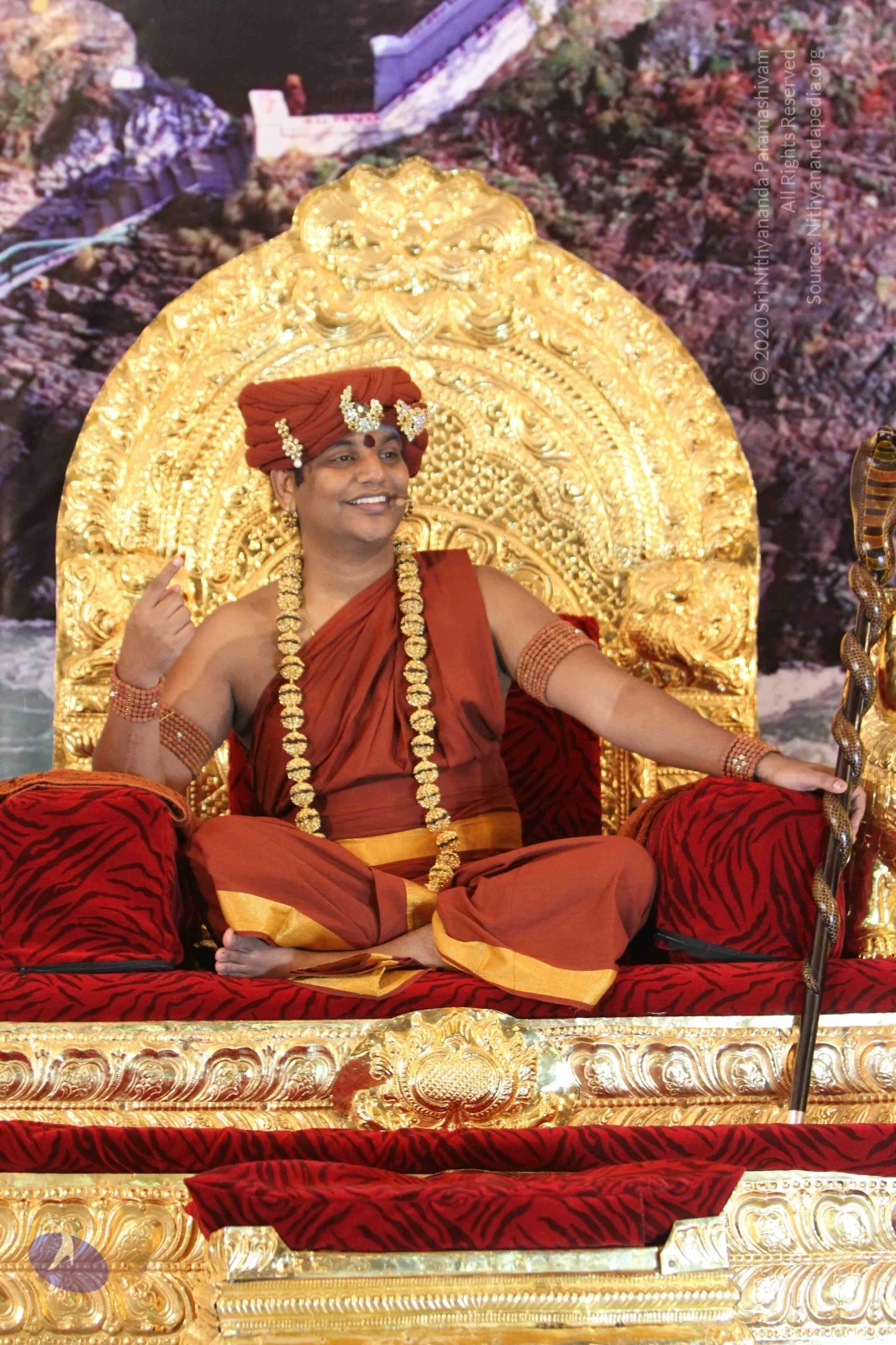
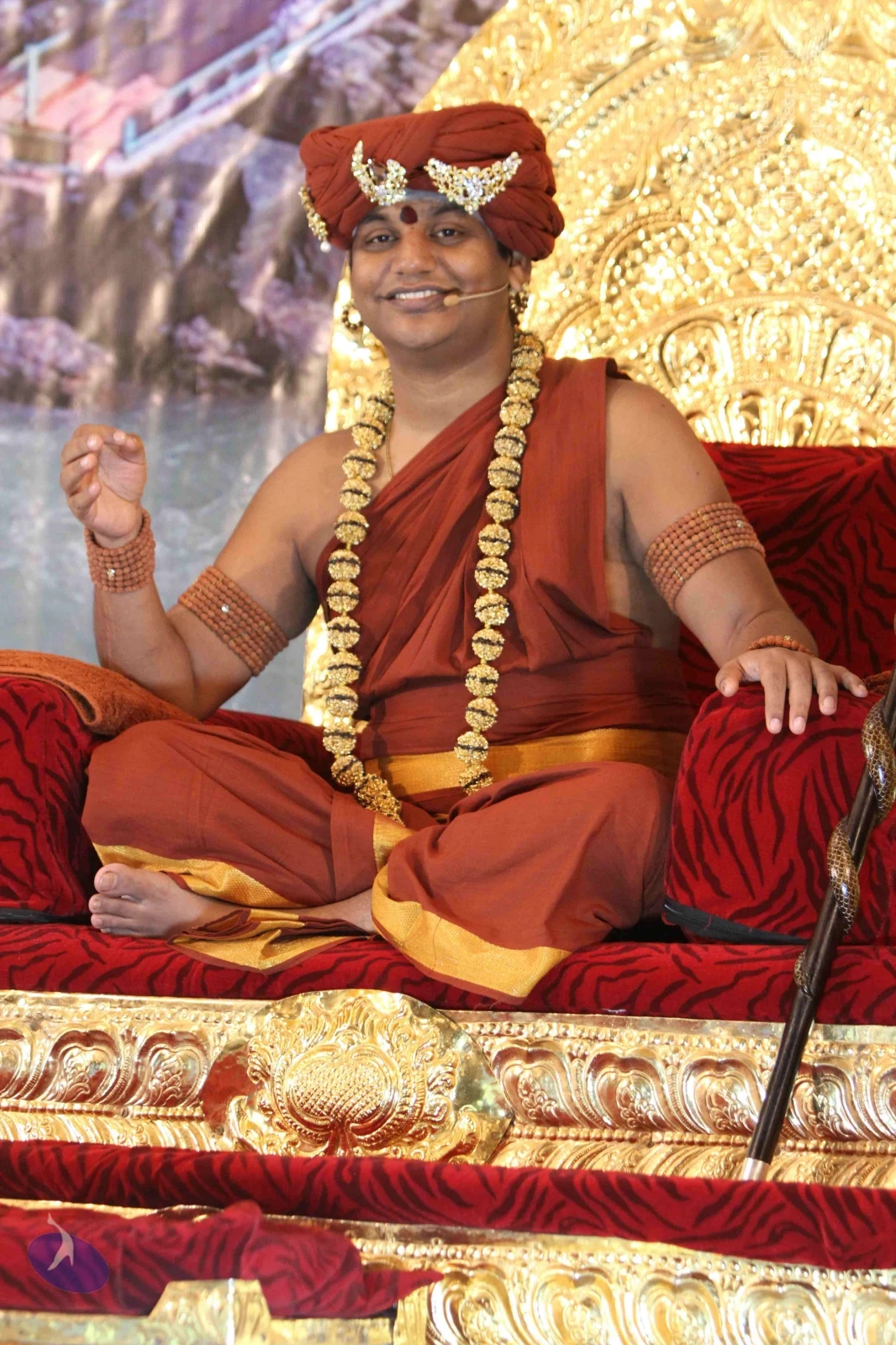
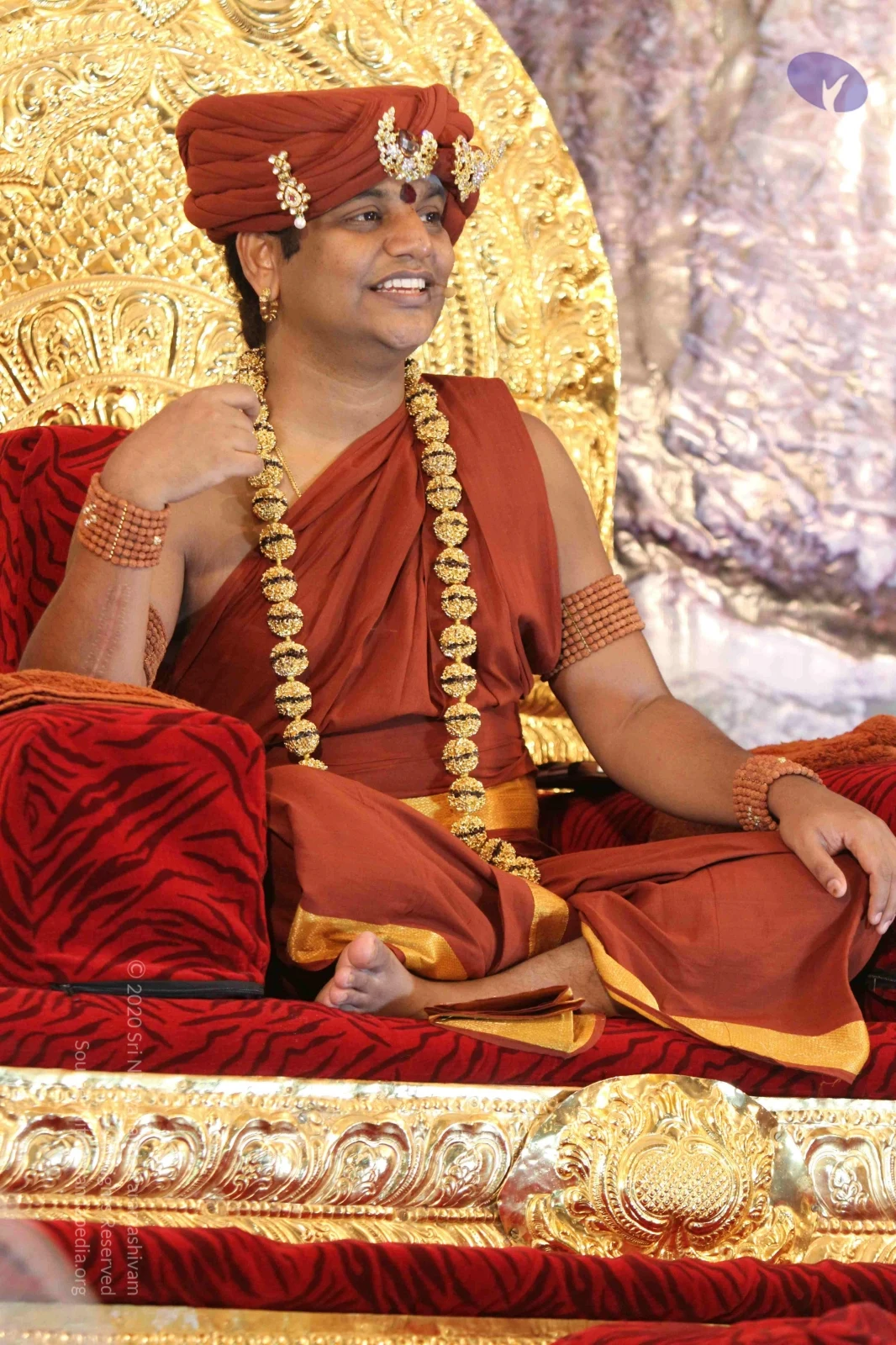
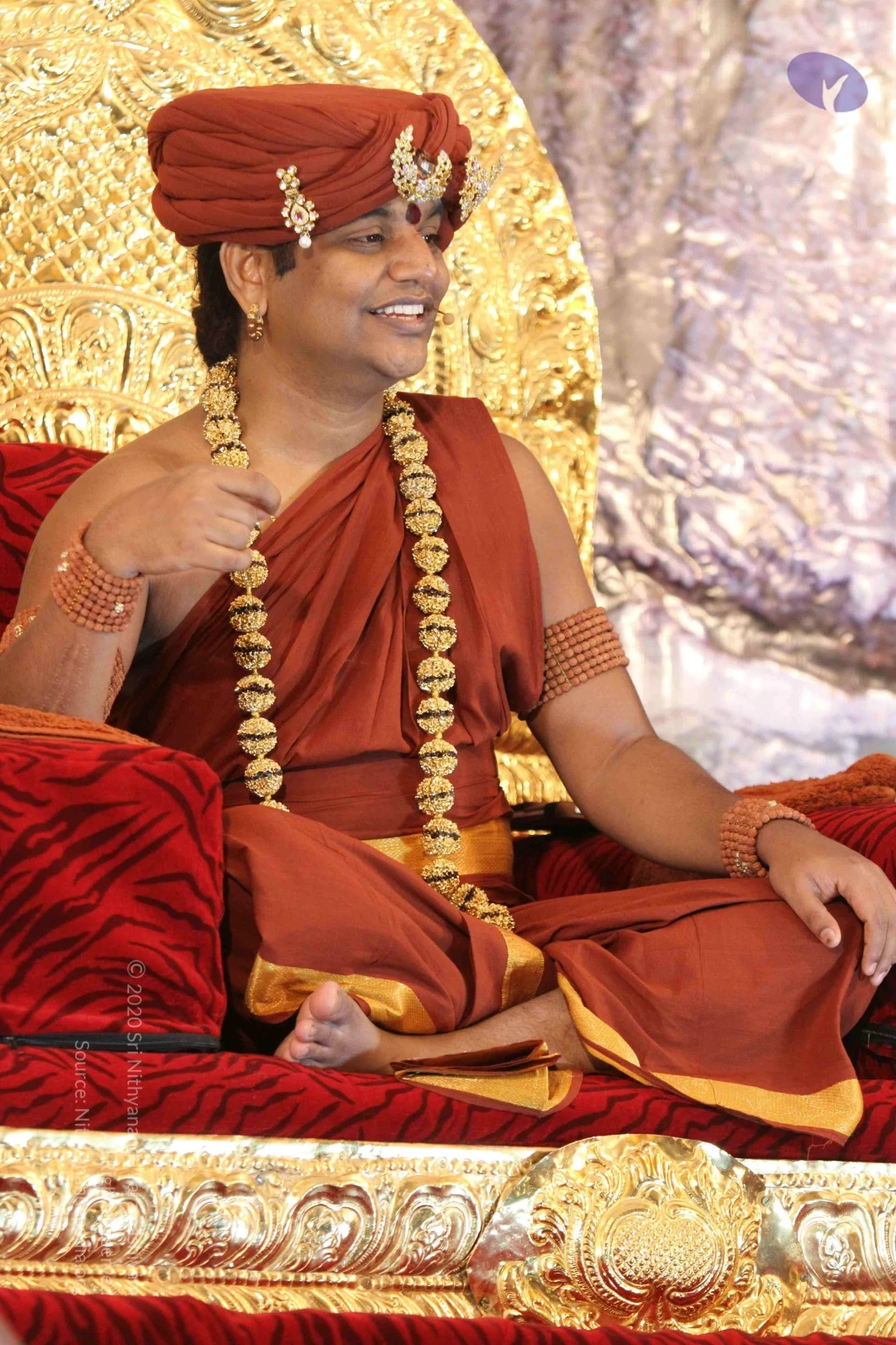
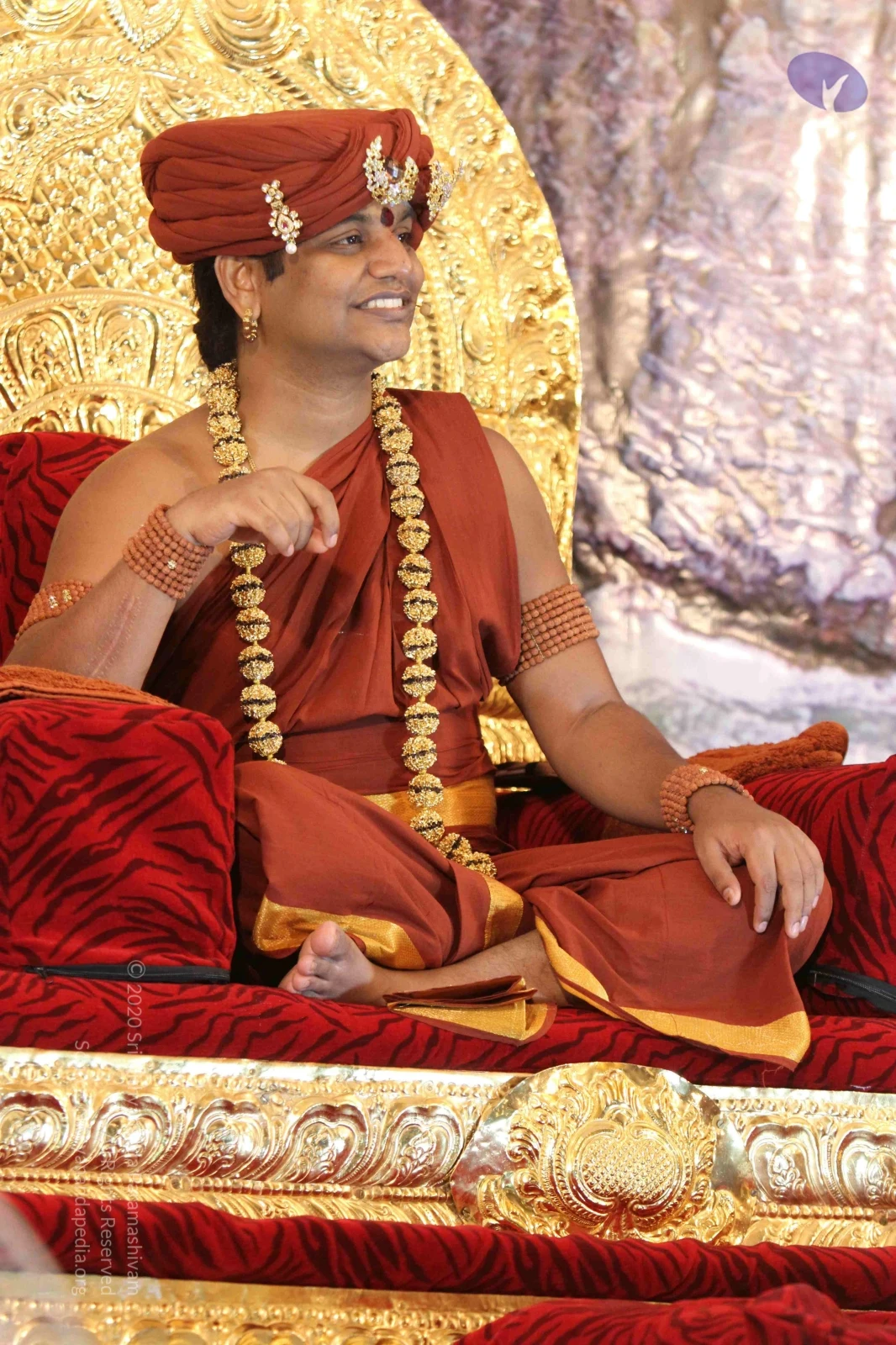
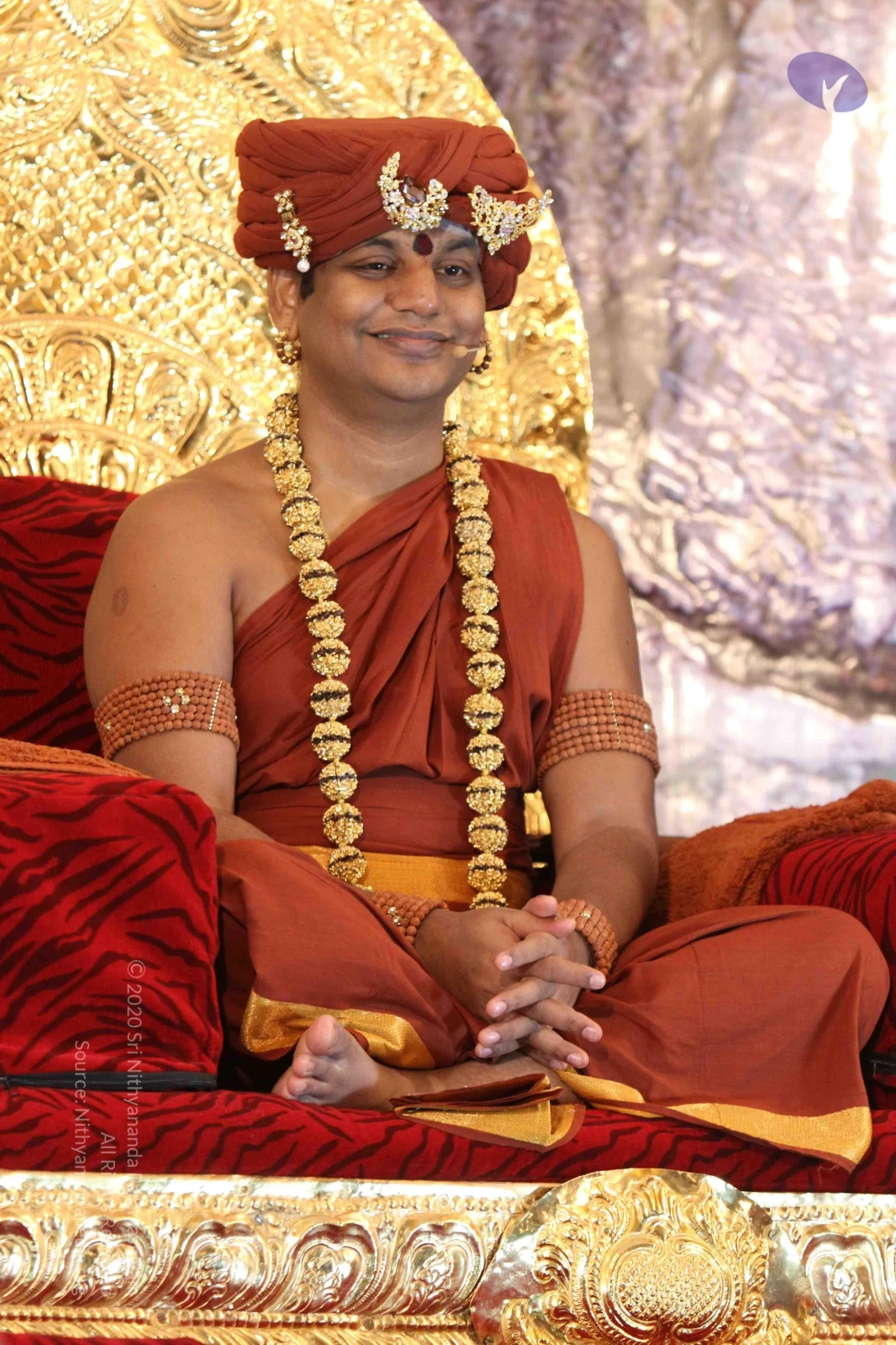
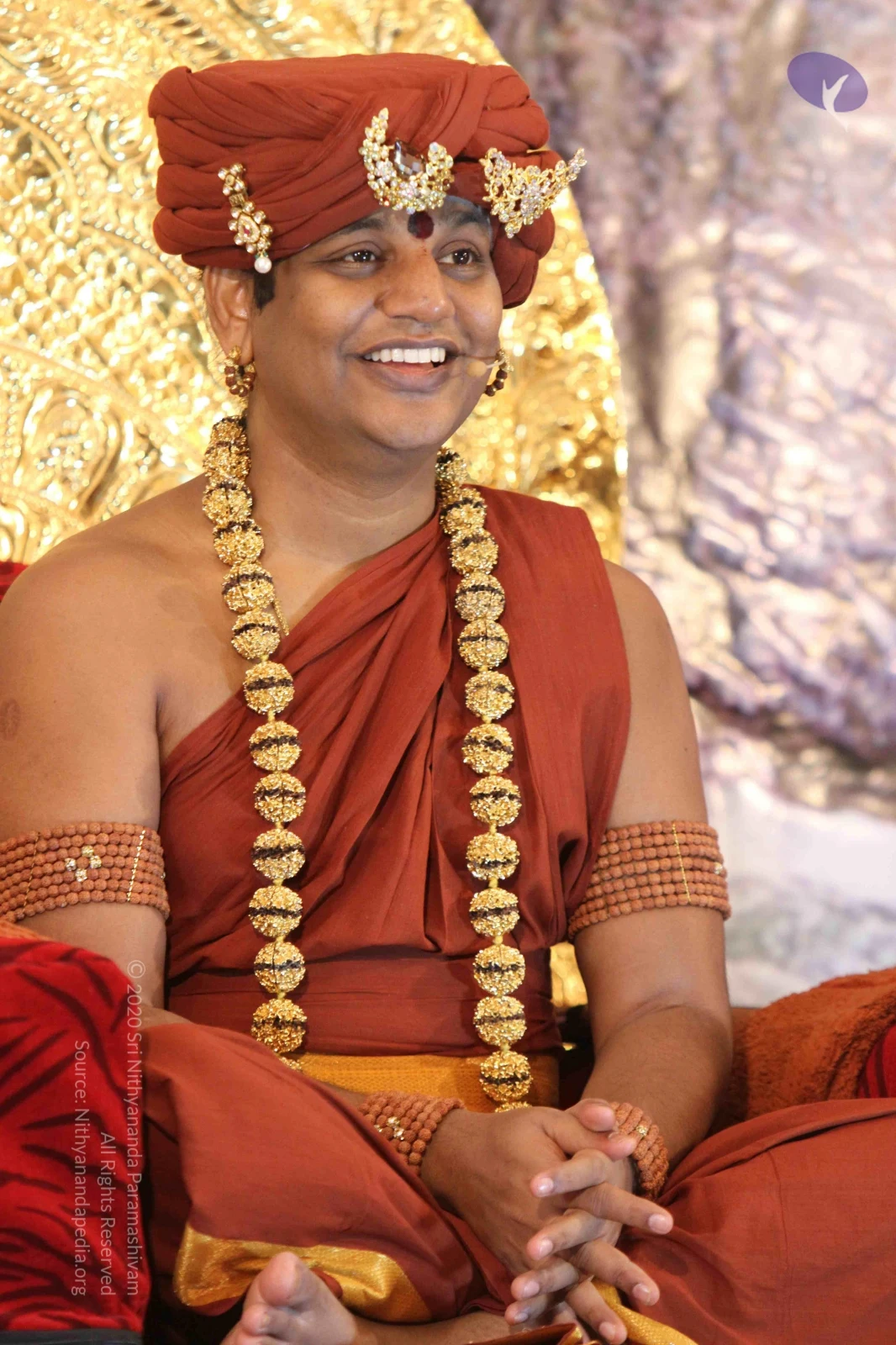
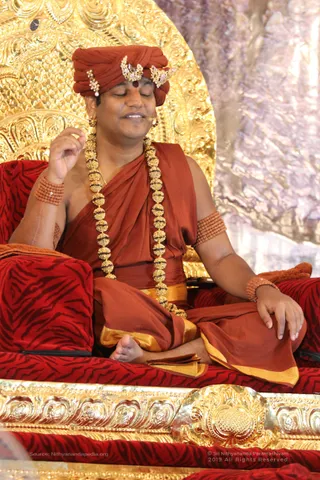
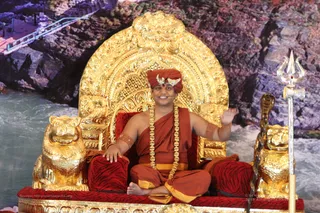
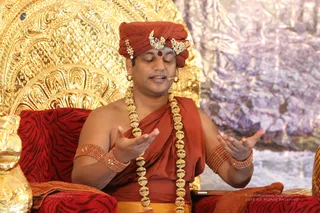
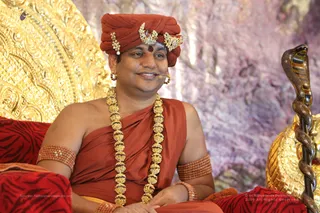
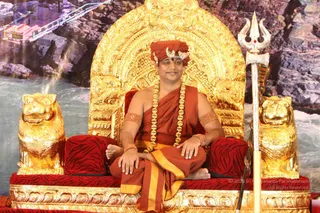
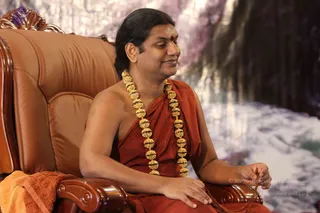
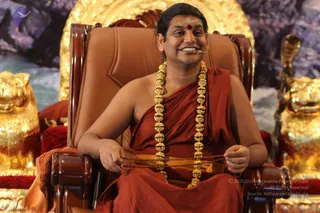
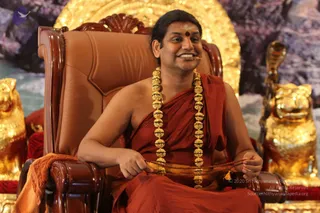
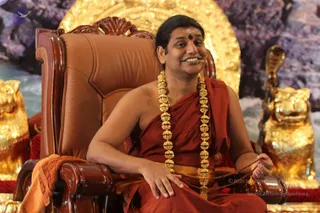
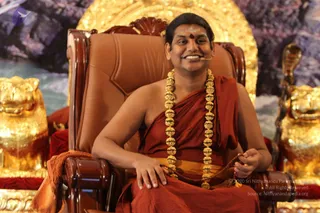
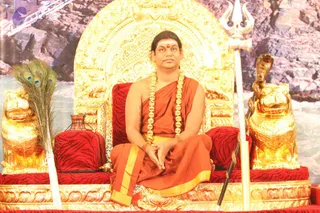
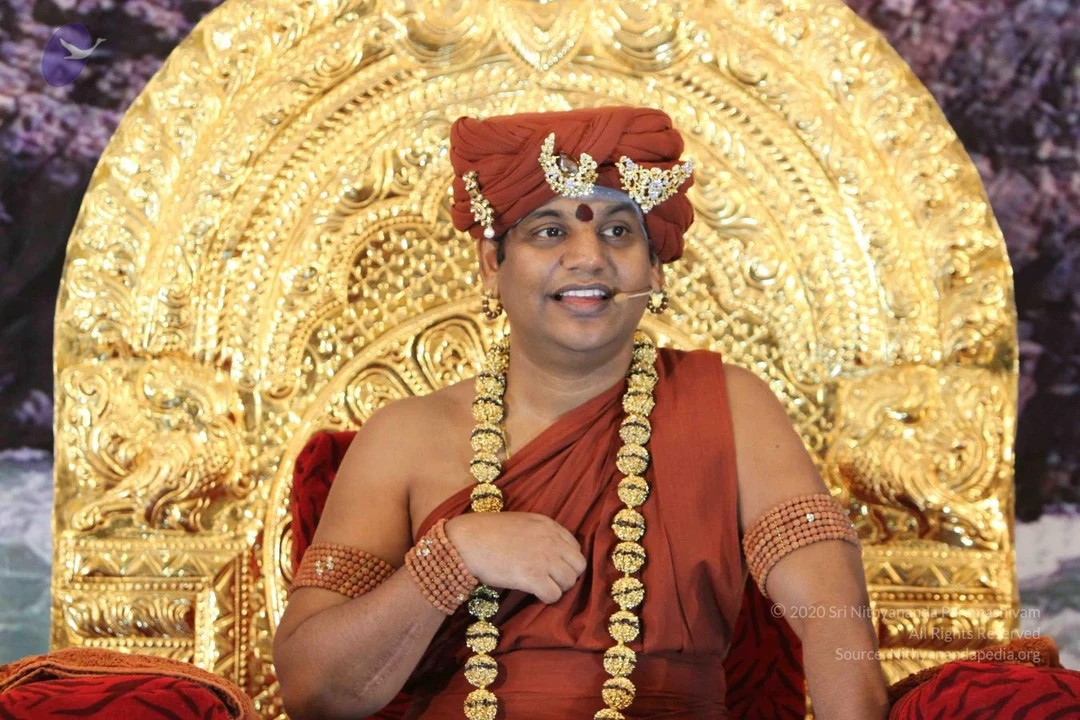
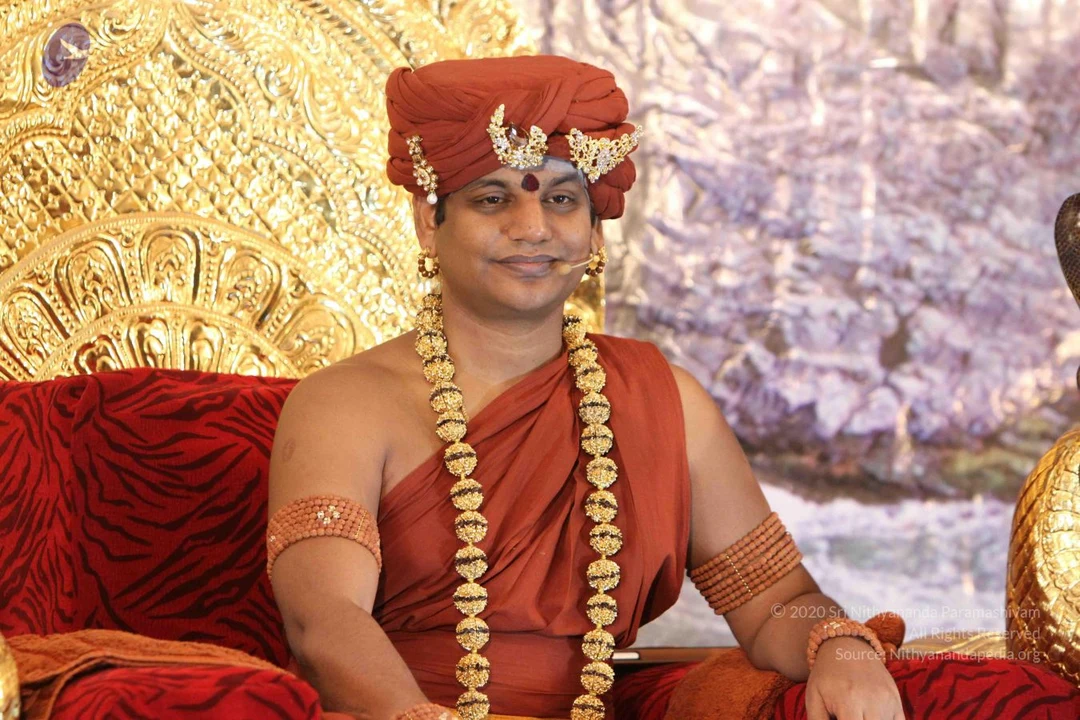
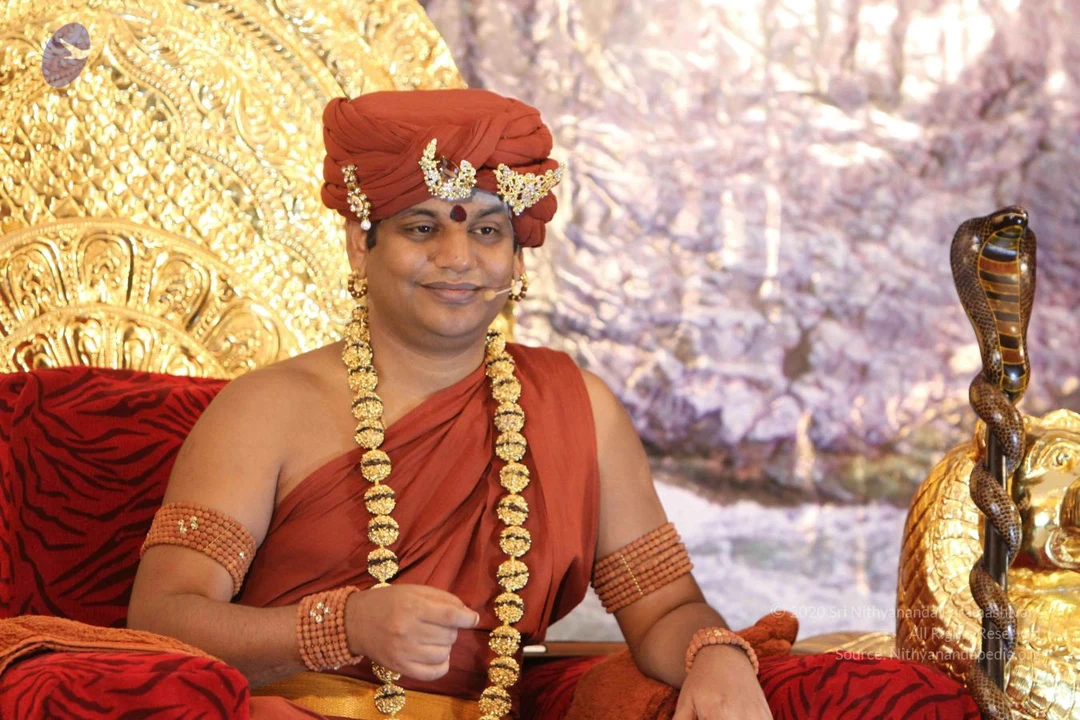
A man seated cross-legged on an ornate gold throne with a red zebra-striped cushion, smiling at the camera. He wears a dark red-orange turban with a jewelled gold ornament, a red-orange shawl over the torso, a long gold beaded necklace, gold bangles on the upper arms and wrists, and a red bindi. A small microphone is clipped near his face. On his right a gold trident rests against the throne and a golden cobra coils along its shaft; golden lion-like armrest figures flank the throne. The backdrop is a large photograph of rocky river gorge with a rope bridge at top left. Swamiji (probable): the seated man wears a red-orange turban, long gold necklace and ornate gold throne setting, consistent with the page's Swamiji reference.A photograph of a man seated on an ornate golden throne with a arched, intricately carved gold backdrop. He wears a rust-red turban decorated with a gold and jewelled crown ornament, a red bindi, and a rust-red robe draped over one shoulder. He wears a long gold bead necklace, red beaded bracelets on both wrists, and a small microphone near his mouth. His right hand is raised mid-gesture as he speaks, and his left hand rests on the throne armrest. Swamiji (probable) with the appearance cues of a red turban, gold ornaments, and a rust-red robe, seated on a throne while speaking to an audience.A seated man in a red-orange turban decorated with a gold and jewelled brooch and clasp, wearing a matching orange-red shawl draped over a bare-shouldered torso. He has a red bindi on his forehead and wears heavy gold-beaded necklaces over rudraksha-style red beaded armlets. Behind him is a golden ornate throne with a red patterned cushion at left, and a pale stone-textured backdrop. He gestures with one hand. a person appears to be the seated teacher giving a discourse.

July 27 2014

Original wiki page
Contents

Title:

Live Advaitha in Your Doing

Description:

In today’s morning satsang from Haridwar, Paramahamsa Nithyananda expanded on Advaitha, the non-dual space lived in being and doing. He told us that a glimpse of Advaitha is easy because it is being in the space of advaitha. We need to live advaitha in all our doing, in our job, career, relationships and every aspect of our life. SDHD eats away your experience of advaitha and must not be allowed in your system.

Link to Video:

VideoAudio

Transcript:

Nithyanandeshwara Samaarambhaam Nithyanandeshwari Madhyamaam | Asmath Aachaarya Paryanthaam Vandhey Guru Paramparaam ||

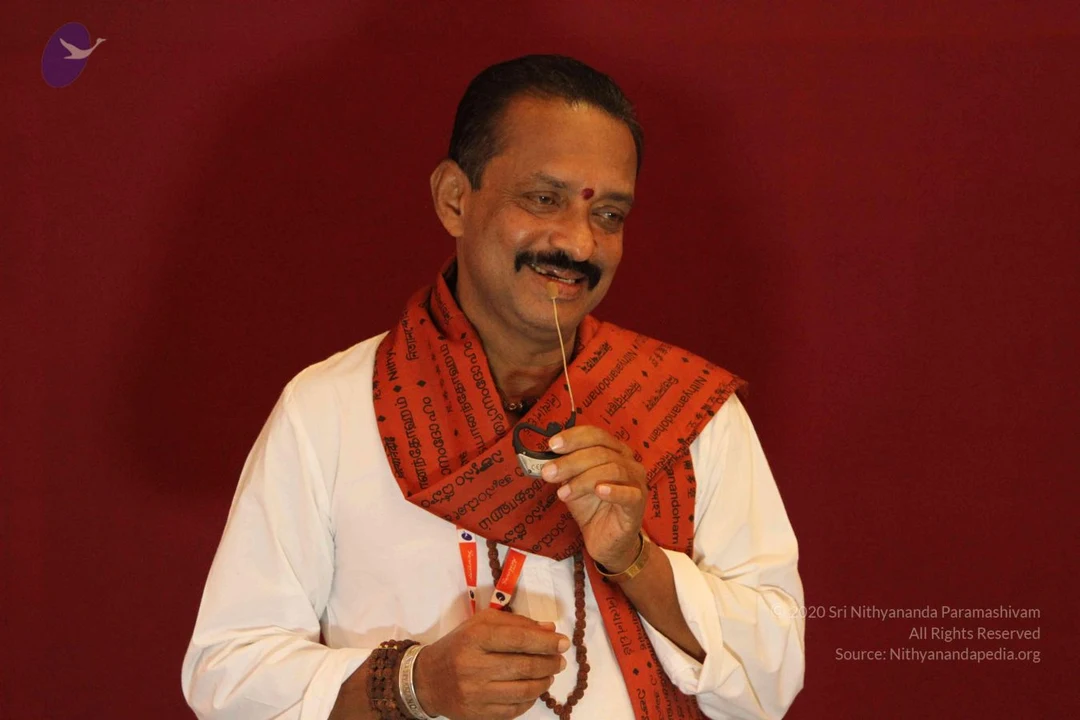
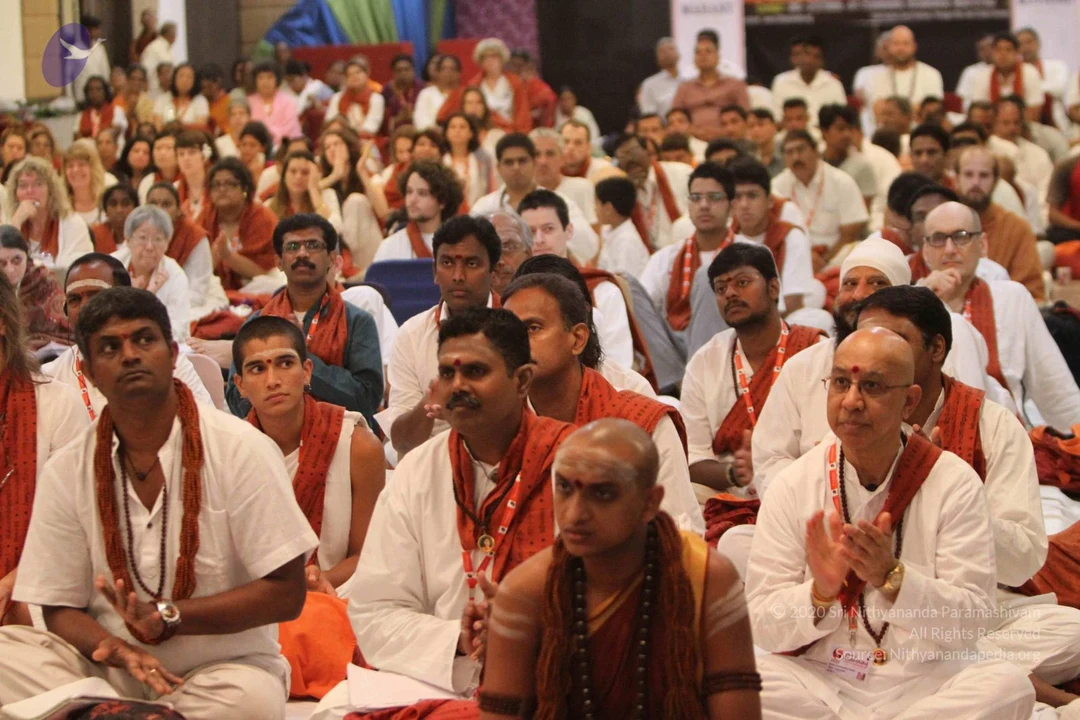
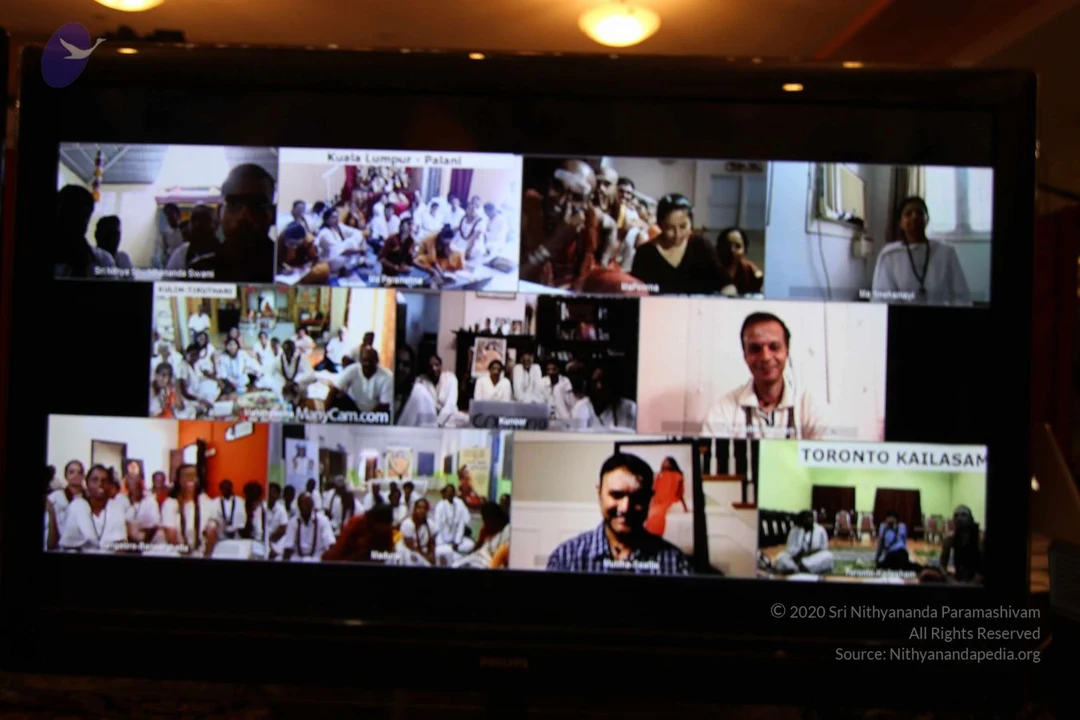
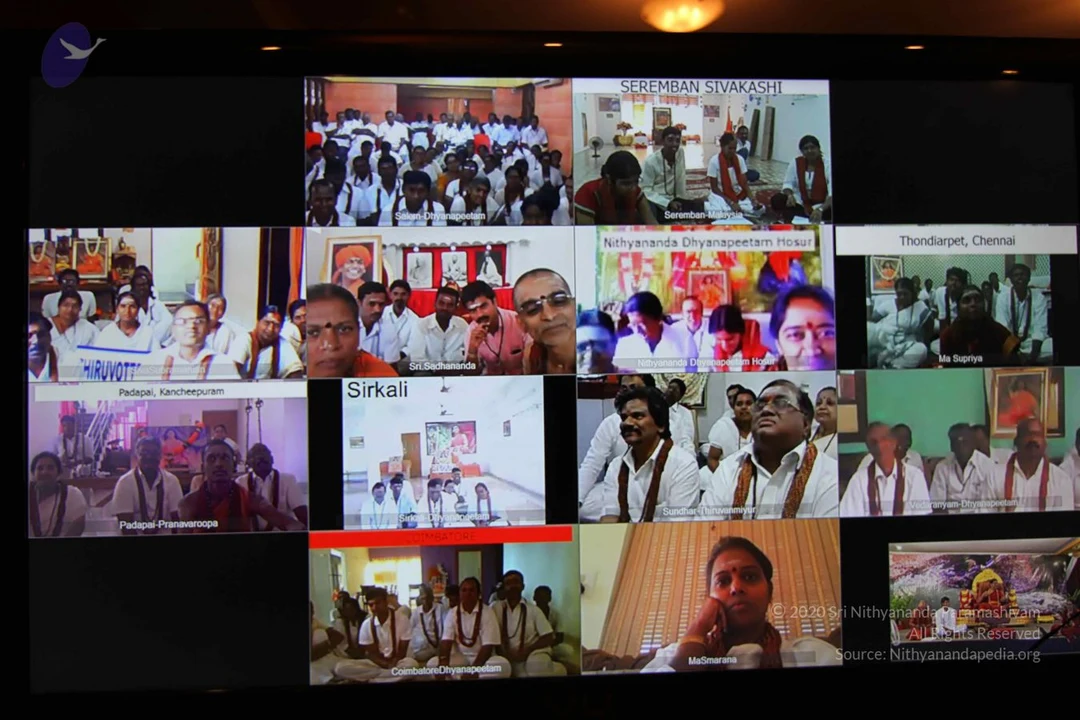
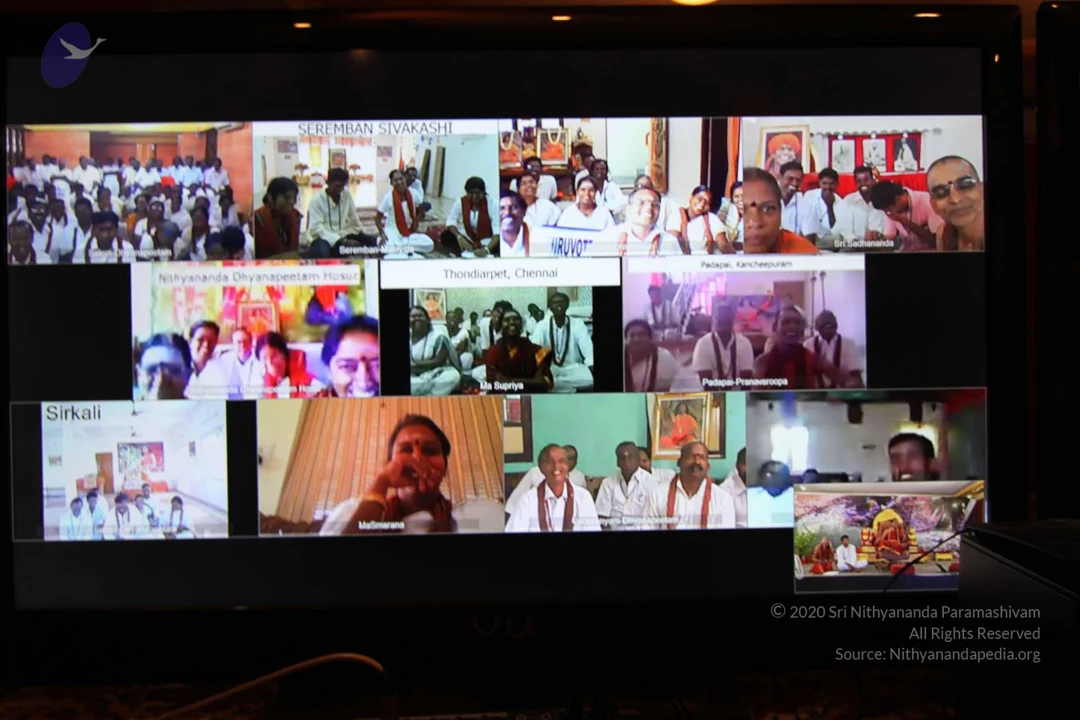
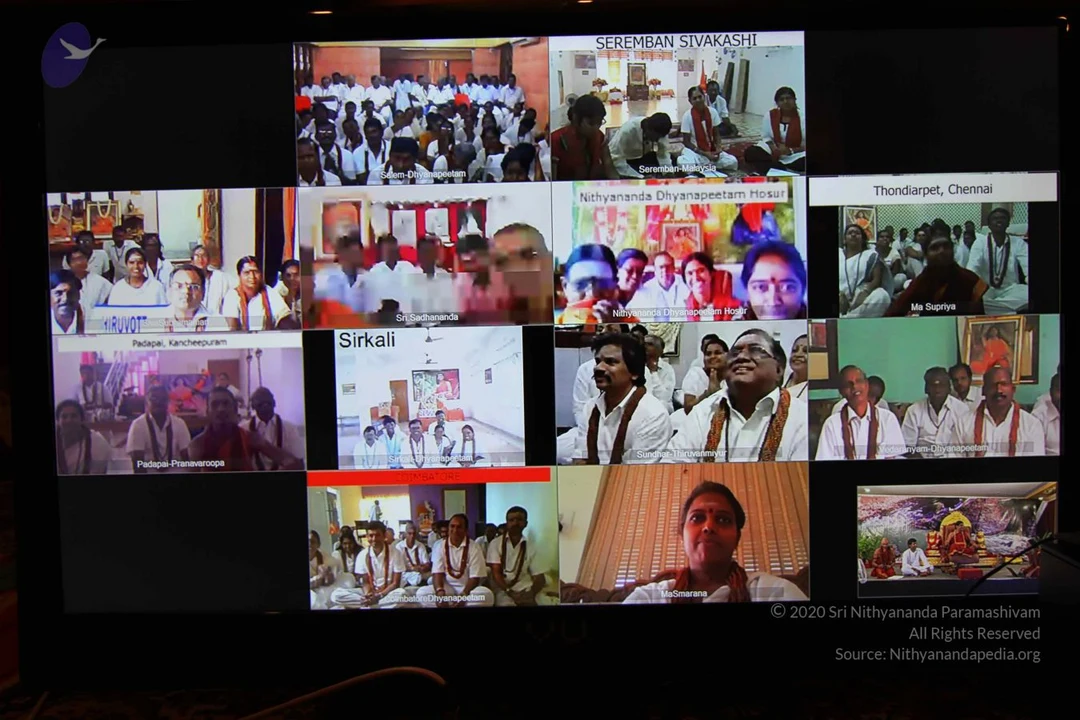
I welcome all the devotees, disciples, samajis, satsanghis, Shrimahants, Mahants, Kotharis, Thanedars, sitting with us all over the world through Nithyananda TV, Sadhna TV, and two-way video-conferencing having Nayana Deeksha.

Cities sitting with us in two-way video-conferencing having Nayana Deeksha: Singapore-Singapuram, Malaysia-Kuala Lumpur-Palani, Indrani-New Jersey, San Jose-Madurai, St. Louis Tirumala, Oklahoma-Somanatham, Nithyananda Nagara-Bidadi, Houston-Kalahasti, Seattle-Chidambaram, Anaheim-California, Toronto-Kailasam, Vancouver-Bhubaneshwar, Ohio-Prayag, Madurai-Dhyanapeetam, Phoenix-Kanchipuram, Mumbai-Dharavi, New York-Varanasi, Guadeloupe-Rameshwaram, Seremban-Sivakasi, Hebbal-Bangalore, Erode-Adi Nithyananda Dhyanapeetam, Hyderabad-Gupta Kashi, Colombo-Sri Lanka, Jorpati-Nepal, New York-Varanasi, Hong Kong-Sirkazhi, Abu Dhabi, High Point-North Carolina, Sherman Oaks-California, Port Washington-New York, Dhyanapeetam Hosur.

I welcome all of you with my love and respects.

Today I wanted to expand on Oneness, Advaitha. The non-dual space, “being” and “doing”, in both establishing yourself in the non-dual space of Advaitha.

Listen! Please listen! The non-dual space, the Advaitha need to be lived in “being” and “doing”. It's one of the most unfortunate thing -- some of the traditions, the spiritual traditions, have given so much of importance to being in Advaitha, they forget as long as the human body is alive, there will be “doing” also. When the process, methodology, technique for “doing” without disturbing “being” in Advaitha is not established, people lose the Advaithic space, understand?

Today morning, when she was describing -- one of our IA participants, she described that the non-dual space, oneness happened, staying for weeks and weeks and weeks. Not for any brand promotion or pride I am telling you, only an Inner Awakening participant can enjoy that space and experience that space. Because -- she was telling that “I went through all types of techniques, methods, Gurus, places -- meditated; but it never happened!”. Even if it happens, it will only give you a glimpse of being in Advaitha. When your whole body is arrested, mind is arrested, you can have a glimpse of that -- light; that’s all.

But -- not just being in Advaitha, being even while you are doing in Advaitha, only becomes Samadhi. Being, even while you are doing in the space of Advaitha, only becomes Samadhi. That happens only when the Master trains you to experience Advaitha from -- in all aspects, in all dimensions of your life, various dimensions of your life! You are not just the body. Body is one dimension of you. You are not just the mind. Mind is one dimension of you.

Whatever you call as “life” –- mostly your lifestyle only you call it as “life”; the way you eat, the way you dress, the way you house yourself, the way you act and react; your lifestyle. Your lifestyle is one of the dimensions of you. And all the relationships you have, all your related people, how people relate with you, infusing Advaitha even in your relationships, in your lifestyle, the way you react and respond to wealth, the way you react and respond to relationships, the way you react and respond to crisis in your life, the way you react and respond to the survival threats, the way you react and respond to life in every dimension, everything. You need to be established in Advaitha. You need to be in the space of Advaitha.

Be in the space of Advaitha. Just giving you the glimpse of being in Advaitha does not take me more than ten minutes. Please understand. By the eleventh minute, I can put anybody -- by the eleventh minute I can put anybody in the space of Advaitha in being! But “being”, unfortunately, becomes only one part of you. You are clouded, corrupted so much -– I don’t even want to use the word “corrupt”; I may want to use the word “polluted”. “Corruption” is more like knowingly doing; “pollution” is more like imposed on you. Polluted so much with so many things, just being in Advaitha is not going to make you live enlightenment. Being in Advaitha, even while you are “doing”, only that is going to make it happen. Only that is going to make it happen! Jeevan Mukthi is possible only then!

I am so happy she has walked out of her self-doubt, self-hatred, self-denial (SDHD) so much. She has come out so much. She is able to hold herself up and say, ‘I am living Jeevan Mukthi”! I am proud of her! Really proud of her! And I wanted you to know, she is not lying; she is telling the truth! I was only afraid that slowly that SDHD may eat it away; but she has reached the Completion level enough not to allow the SDHD level to eat it away. It is how Rahu and Kethu eat the Sun and the Moon. You need to know, these modern-day so-called “space researchers” and astronomers are saying --

See, in Indian astrology, Rahu and Kethu eat the Sun and the Moon. But all these modern astronomers go on abusing us saying, ‘No, no, no, no. There is no Rahu, no Kethu -- eats the Moon and the Sun. It is there as it is. Only the shadow of the Earth falls on the Moon, or the shadow of the Moon falls on the Earth; that is what is eclipse.’ Please understand, these modern-day astronomers, they may know the “mass” -– planets. Even that they are not very clear (()). But, in our Vedic tradition, we never considered the “mass” –- planets -– as “grahas”. The influence of those planets only we called as “grahas”.

The energy they radiate. The energy they exert. The energy they radiate into the cosmos, into the universe. That only we call as “graha”.

Please understand, during every eclipse, the Rahu’s energy completely nullifies the energy radiated by Moon or the Sun. Kethu’s energy nullifies completely the energy radiated by the Sun or the Moon. No energy, no effect; whether good or bad, of the Moon, reaches the planet Earth during the eclipse. It is an energy phenomena our Masters are talking about.

Anyhow, just like how Rahu and Kethu eat the Sun and the Moon; your SDHD –- self-doubt, hatred, denial –- eats away your experience of Advaitha. The one and only way you can save yourself from SDHD –- self-doubt, hatred and denial; is living Advaitha in your actions, being in Advaitha not just while you are meditating or being. Making it as a lifestyle, thinking style, the way you relate with others and yourself in your very doing!

Please understand, in your very doing!

In every doing, the oneness, non-dual consciousness, the non-dual space, the Advaithic space of you. Is not something supposed to be experienced only in your meditation alone. That is why some of the Vedantis who don’t understand Vedanta, they go on saying, “Brahma satyam jagat mithya”. Means, “God alone is true, Brahman alone is true. The World is illusion”! Yes, I am not saying it is wrong, but they missed the third statement: “Jivo brahmaiva naparaha” – “The individual Jeeva you experience is nothing but Brahman!”. So, whether “being” or “action”, the oneness has to be radiated, lived, experienced.

The process yesterday that was going on in the Inner Awakening, the twelfth day process, everyone experientially understood “Jagat Mithya” -– “whatever you see as the world is illusion”. The moment one incompletion is triggered by somebody, then that’s all! You don’t see “The World” anymore. “The World” does not exist; only “My World” exists. That is what is meant by the great Maha Vaakya: “Jagat Mithya”. What you perceive as “My World” is “mithya”, because, a small incompletion, the moment it got triggered, it gets triggered. A small incompletion, the moment it gets triggered, you stop seeing “The World”, and you are deluded in “My World”. “Brahma satyam jagat mithya!”. I don’t disagree. “Jagat Mithya!” But, that does not mean in your actions –- you will not radiate the truth of “Brahma satyam”. In your actions also you have to radiate the truth of oneness, non-dual consciousness.

Every relationship, the attitude you build towards every relationship, the attitude you build towards your money, the attitude you build towards your health, the attitude you build towards the people around you, the situations around you, things around you, pets, plants, planets, everything around you, should be from that same oneness and Completion, should be from that same non-dual consciousness. Only then you understand the third statement, the important statement: “Jivo brahmaiva naparah” – “The individual Self you experience is nothing but the Cosmic Consciousness!

Your SDHD will eat away even if I give you the glimpse of Nirvikalpa Samadhi just in your being level. Actually, during the Unclutching initiation, all of you had the Nirvikalpa Samadhi. No doubt about it! Unless you have the Nirvikalpa Samadhi, I don’t leave you out of the room! That is the QC pass – Quality Control pass – I do! The drilling in your Ananda Gandha has to happen with the pure consciousness. Naturally it becomes Nirvikalpa Samadhi. But the real effects of Advaitha happen in you only when that oneness starts radiating. Only when you radiate that oneness in your doing.

While you are seeing your finance, your accounts, sitting with your auditor, do you feel that oneness without falling into powerlessness? While you are sitting with your spouse and having dinner or lunch, do you feel that oneness without falling into powerlessness? When you are sitting with your team and discussing your corporate strategy, your office strategy, does your consciousness be established in that oneness and non-duality without falling into powerlessness?

Look in! Just your back pain disappearing is not the result of Advaitha. All the pain which you have hidden in your back should disappear! Not just your back pain disappearing; all the pains which you have put into your back have to disappear!

“Shuddha Advaitha Sukhabodha Jnaanam”. The pure Advaitha’s joyful influence, and the wisdom which comes out of the joyful influence, please understand, the joyful influence of Advaitha, is what I call “Completion”. The joyful influence of Advaitha is what I call “Perpetual Completion”. The joyful influence of Advaitha is what I call “Sahaja Samadhi”. The blissful influence of Advaitha in your every step of life which cannot be eaten away by SDHD is what I call “Nithyananda”.

So, the biggest enemy for living Advaitha, the biggest enemy for Advaitha in your doing, in your actions, is your SDHD – self-doubt, self-hatred, self-denial. Your SDHD is the biggest enemy, biggest Rahu and Kethu who swallows the Sun and the Moon. Sun is Advaitha in being; Moon is Advaitha in action; Rahu is your SDHD; Kethu is self-blackmailing pattern. Rahu is SDHD; Kethu is SB – self-blackmailing pattern.

Please understand, when these two eat your “being in Advaitha” and “living in Advaitha”, you forget that you are Jeevan Muktha, you live Advaitha. And I really felt bad when I listened to Madhuri’s sharing! I am so happy, finally she found her living enlightenment which is not getting lost, which is continuously living; but I feel so bad in Indian tradition, Vedic tradition –- somebody has to struggle for seventeen years to achieve this experience. Have we become so enlightenment-poor?

No poverty takes away our pride. We Sanatana Hindu Dharmis are proud about our poverty. Understand, go to any village, the amount of pride people carry about their poverty! We are proud of our poverty, but not of this poverty where seventeen years somebody has to search for having Living Advaitha. I tell you, the Rahu and Kethu for Vedic tradition is all the lifestyle patterns which has strengthened our SDHD. It -- the “Macaulay’s Education” which took away our clarity about Advaitha, the colonial mental setup. The colonial mental setup is our SDHD –- self-doubt, hatred, denial. It is this colonial mental setup which took away our Advaitha from us.

I tell you -- first of all, we never had poverty till we have been swindled by all these invaders. Till the 17th century, we were the richest country in the world! We never had poverty. Poverty was imposed on us to break our confidence. The artificial famines created by the British Empire, how they broke our backbone by creating artificial poverty! The Bengal Famine was planned by the British. Around seventeen famines we had to go through which was never part of our Vedic tradition. Only in the colonial periods, under the invaders, we went through seventeen major famines where millions were killed. It was just to break our confidence on our Vedic tradition, on our lifestyle, on our thinking pattern.

I tell you, that is the way they inserted SDHD –- self-doubt, self-hatred, self-denial -– into us. They swindled the country. Ships and ships of gold from this country have been shipped out. And then they started the missionaries and charities. Giving a few pennies back to us in the name of missionary and charity, to take away our confidence from this great Sanatana Dharma, Sanatana Hindu Dharma.

Many times people ask me, “Why do you wear this gold rudraksha, gold throne?” I wanted to tell you, it is not gold; it is gold painted! Second, I wanted to remind you guys -- the richness, the way the Vedic tradition lived, the richness we had in the Vedic tradition. Unfortunately, all the good things, auspicious things, are attributed to the western, colonial lifestyle.

The other day I was browsing through some of the photographs of the recent museum inaugurated in the Rashtrapathi Bhavan in India. I was feeling so sad that all the best things we are showcasing are from the colonial era. Only the British things are gold-coated, golden. Very unfortunate! The idea of “best life” is somehow associated with the people who ruled us, who made us slaves.

Somehow the “good life” has become their lifestyle. The idea of “good life” has been branded as the British lifestyle. We forgot the good life of the Vedic tradition. In the last three-hundred years, seventeen famines! What will happen to that civilization? When you look back, you can only remember the three-hundred years, and you remember only poverty, poverty, poverty as the lifestyle of the Vedic tradition! That is why this stupid word – “Hindu Rate of Growth” – has been developed.

Please understand, our self-doubt, self-hatred, self-denial has been created, injected, encouraged by the British by putting us into poverty. Showing their lifestyle as good lifestyle, and still we stupid fellows are practicing and believing the same, practicing and believing the same.

We should tell the world that the Vedic lifestyle, Vedic beliefs, is “good life”. And that brand of good life, royal life, luxury life, best life, should be again connected back to living Advaitha, the non-dual consciousness. The people who live and practice non-duality do not need to be always with the begging bowl. They picked up the begging bowl voluntarily because that is the only way we can relate with you. We will have the opportunity to come to your doors, not to receive, but to give! [applause] Buddha picked up the begging bowl – not to beg from you. He took this opportunity to come to your doorsteps to show you the grace of being Buddha! [applause] Mahadeva picked up the begging bowl not to beg from you. He does not need to eat anything, or he can eat anything! He does not need to eat anything, or he can eat anything! He didn’t pick up the begging bowl to receive anything from you, but to come to your doorsteps so that you can see the grace, the grace he carries, and you may follow living Advaitha!

In 1943, millions of people in Bengal starved to death by artificial famine created by the British. This was the last effort to break our confidence that we won’t be able to survive on our own without British ruling us. The British ordered the destruction of all boats and rice stocks in coastal Bengal. And it exported seventy-thousand tons of rice for the use of British troops and British civilians.

More than four million people were made to die to break our confidence in the Vedic lifestyle. But the news was never let out because the British authorities took advantage of wartime censorship. See, during wartime you have the power of stopping news. They took advantage of the wartime censorship to keep this news quiet.

I tell you, it is unfortunate -- even we started believing the reason for our poverty, our suffering. All the bad things, is our lifestyle and our thinking style and the cognition given to us by the Advaithic tradition, which is completely wrong, understand. My only hope is the NRIs (Non-Resident Indians). It is you guys, only you can tell the world -- Advaitha is the best way of thinking. Advaitha is the best way of doing. The Advaithic oneness in being and in doing is the best lifestyle, royal lifestyle. The “best life” tag should be connected, branded with Advaithic lifestyle, the non-dual lifestyle. My only hope is the NRIs. Only you guys will be able to do that. Once you do it, the Indians will follow. That is the way we live! What to do?

Bring Advaitha, the space of Completion, the space of powerfulness, which comes when you experience Nirvikalpa Samadhi in meditation, in Unclutching, bring that into your doing, in your business deals, in your corporate strategies, in your profession, in your career. Whether you are a housewife, homemaker, or a lawyer, engineer, doctor, social leader, spiritual leader, political leader, whatever you are doing, bring the being of non-dual consciousness, Advaitha into your doing. Always be in the space of Completion and powerfulness and go on handling your life. You will radiate that grace of Advaitha, and the “best life” tag should be added to Advaithic lifestyle.

All this [touching his golden colour painted throne] is nothing but trying to add the “best life” tag to Advaithic lifestyle. That’s all; nothing else! The “best life” tag was unfortunately taken away from us purposely in a very planned way by the British by pushing us into poverty, causing artificial famines, sucking us out. You need to know, we don’t need to “build” this country, we need to “rebuild” this country; because we had everything! Don’t even think we need to build it, that we never had it. No! We just need to rebuild it. If we know we need to “rebuild”, we will have the confidence over the original thinking style, the lifestyle of the Vedic tradition.

The essence of today’s satsangh:

Do not allow the SDHD infused into your system -- self-doubt, self-hatred, self-denial. And bring Advaitha not just in your being -- in your every doing. Live Advaitha in your doing. Live Advaitha in your doing. Let the “best life” tag be added to Advaithic lifestyle and not to the British lifestyle.

I bless you all! Let you all radiate with Integrity, Authenticity, Responsibility, Enriching and Causing eternal bliss, Nithyananda! Thank you!

Photos

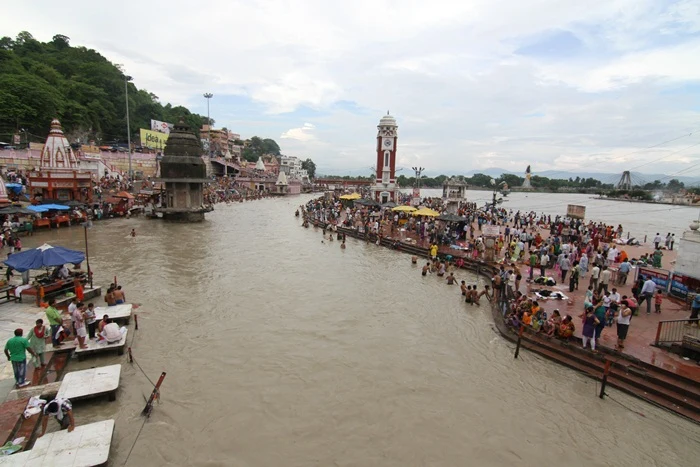
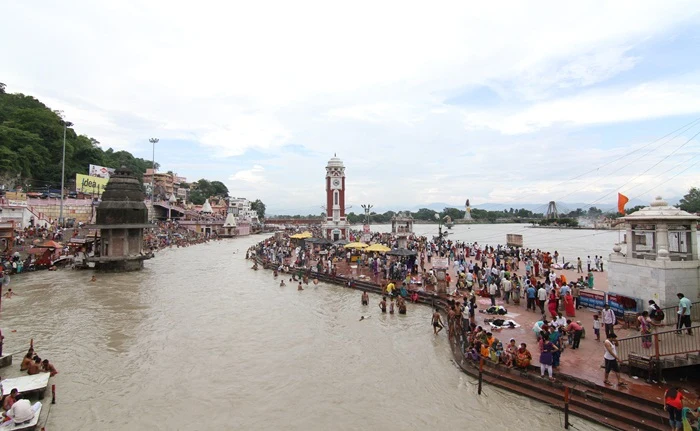
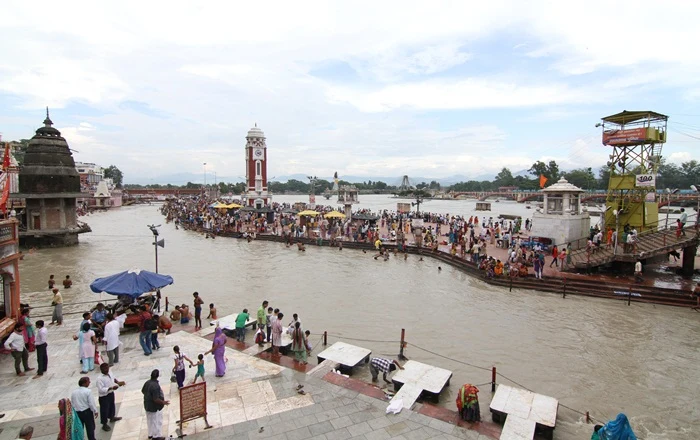
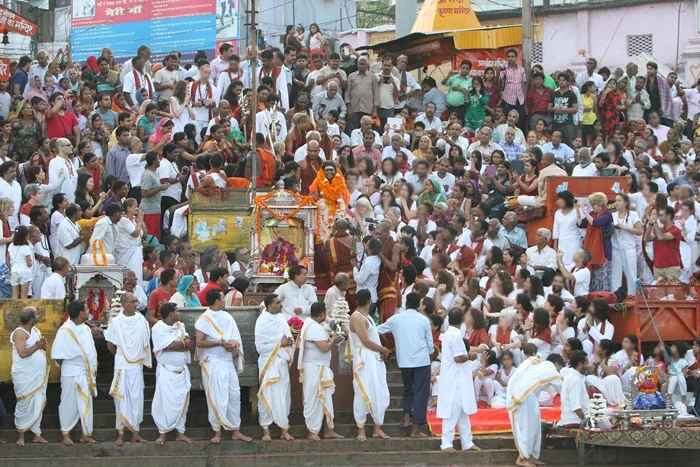
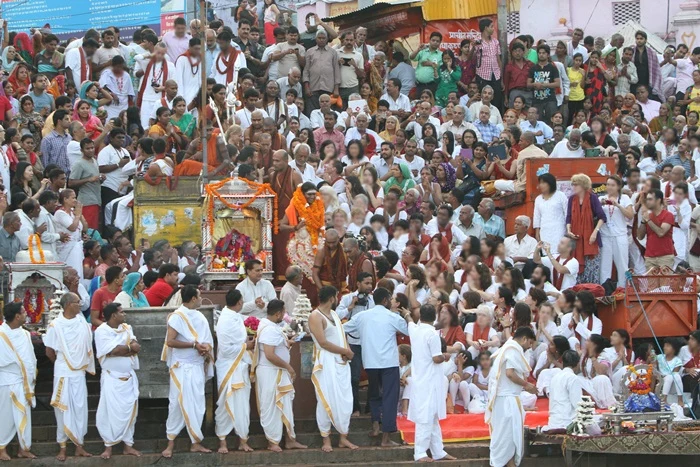
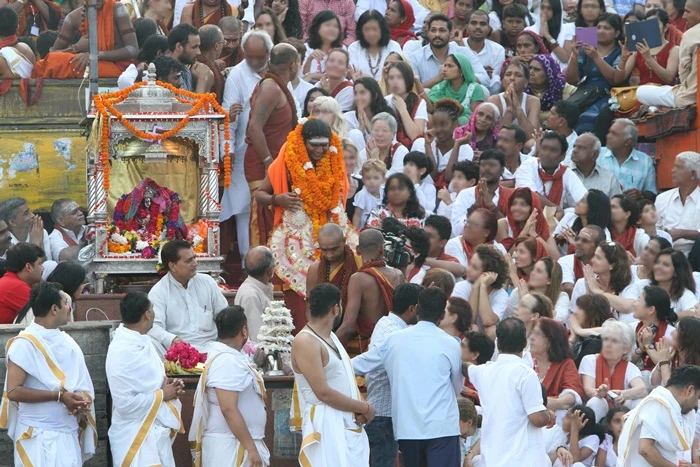
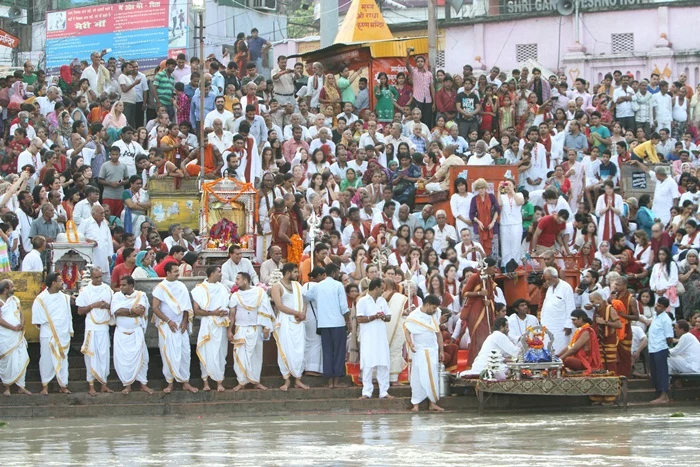
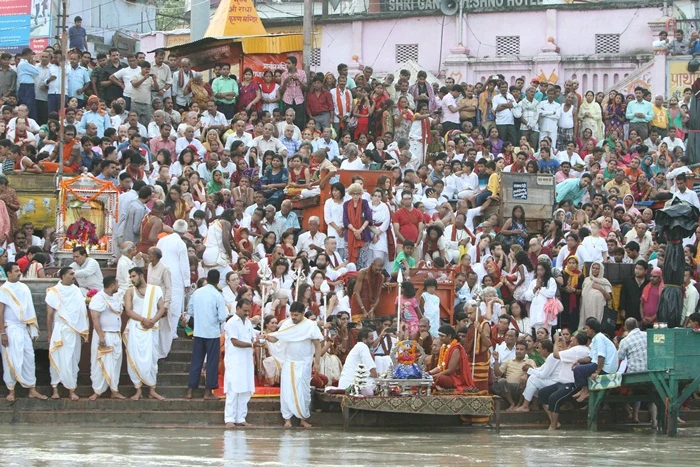
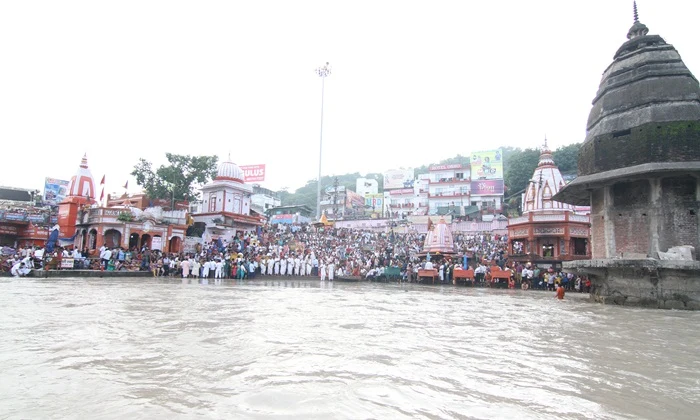
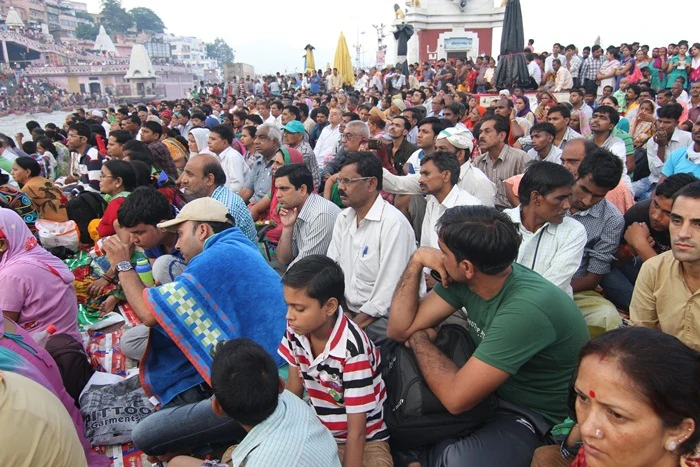
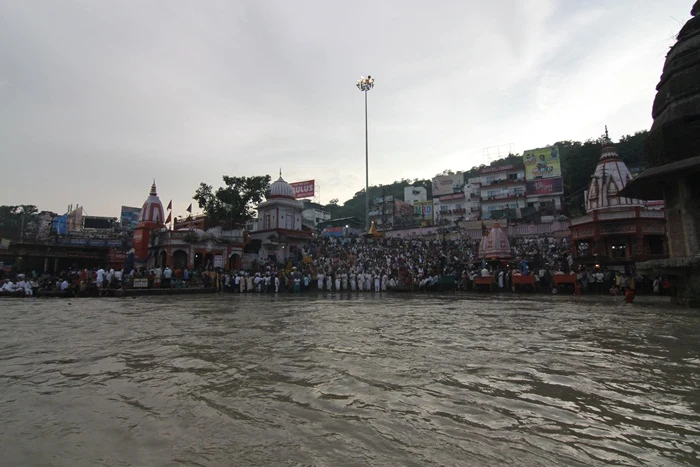
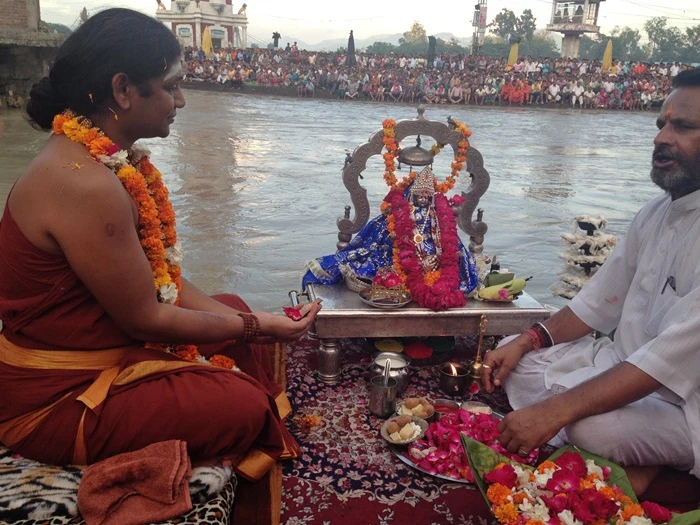
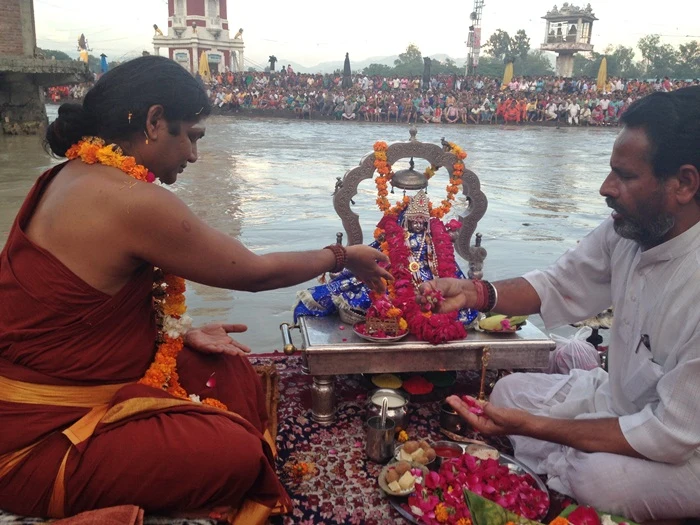
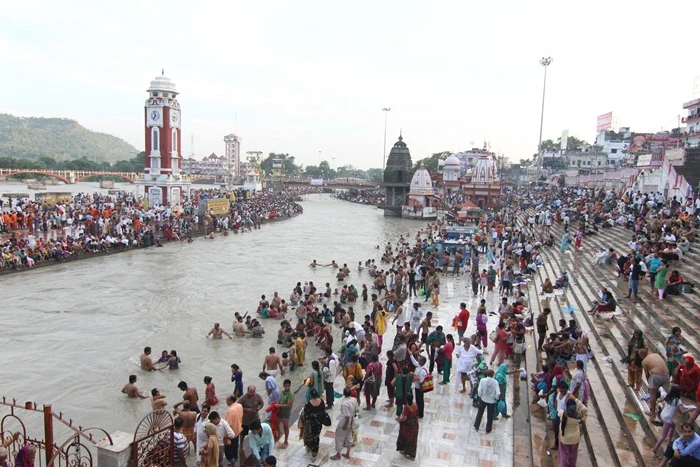
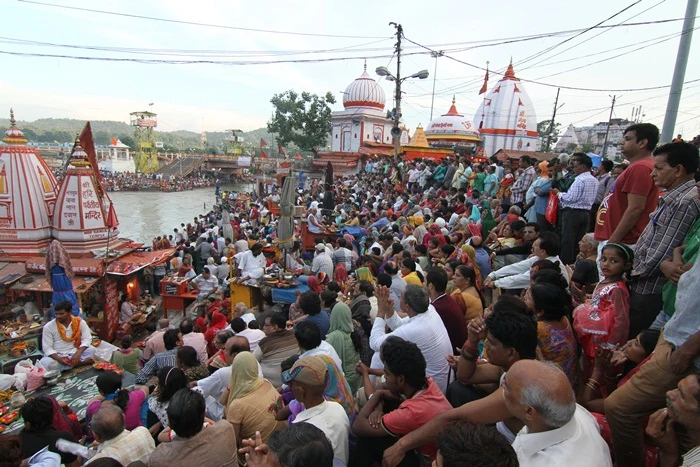
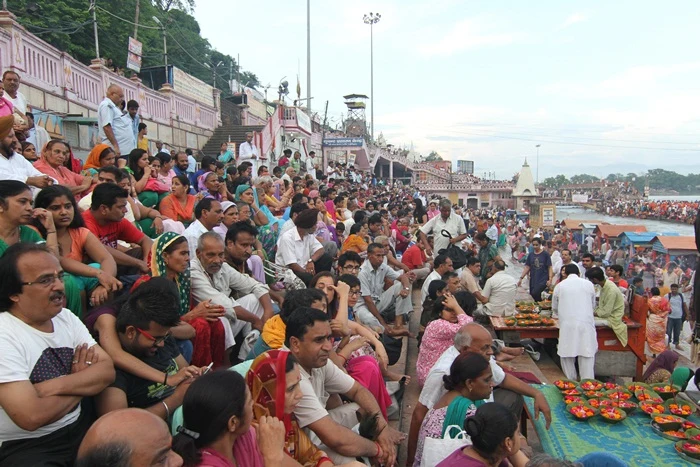
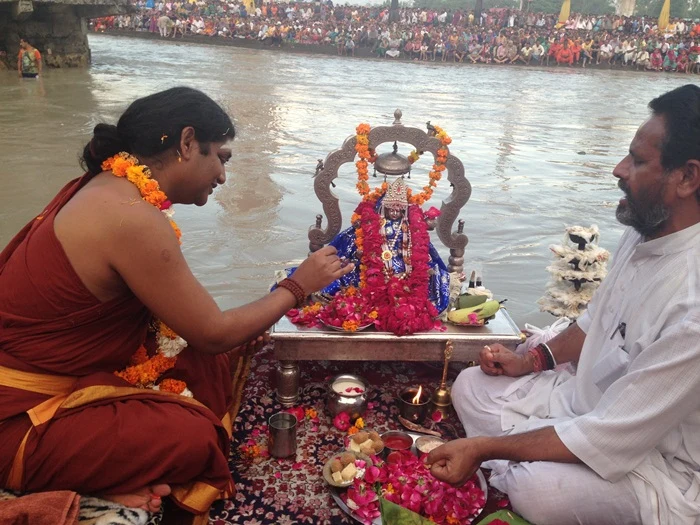
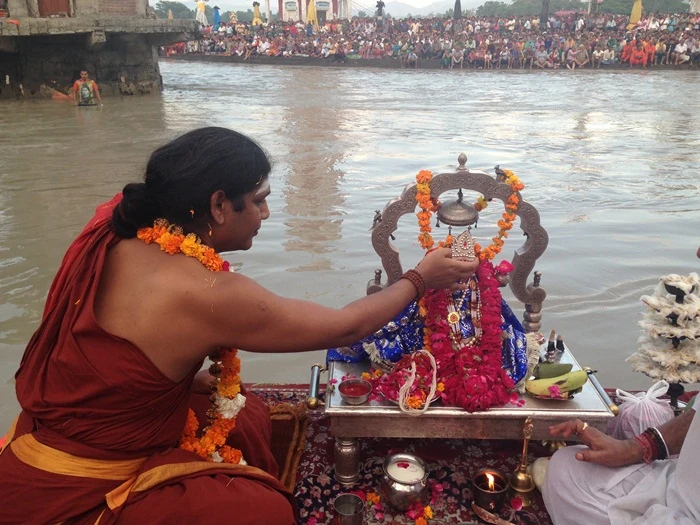
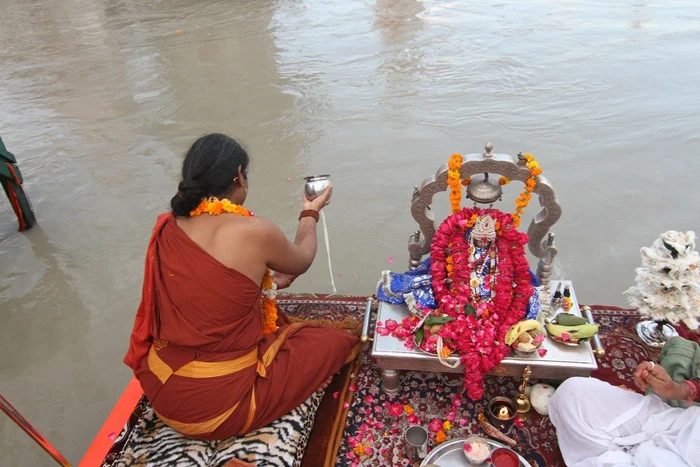
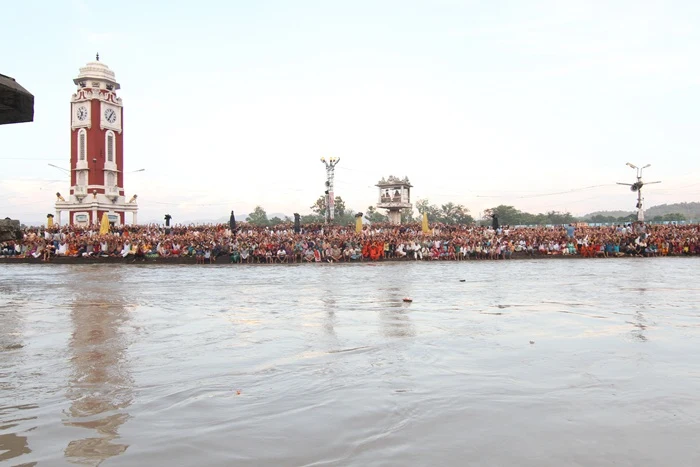
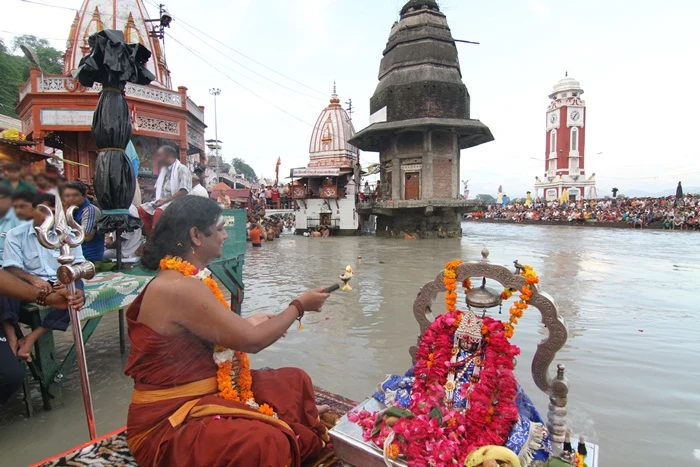
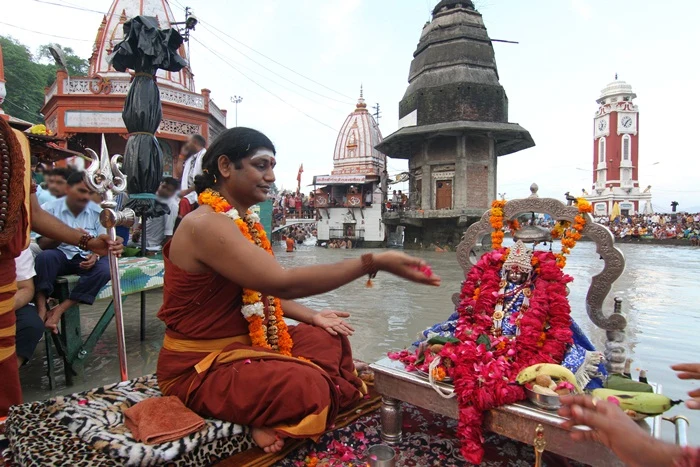
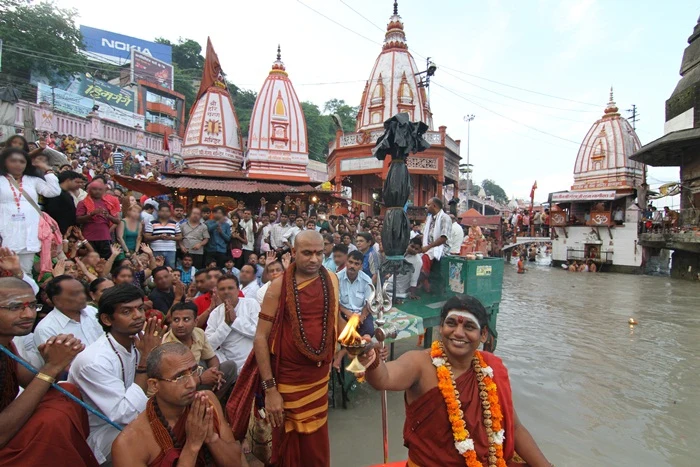
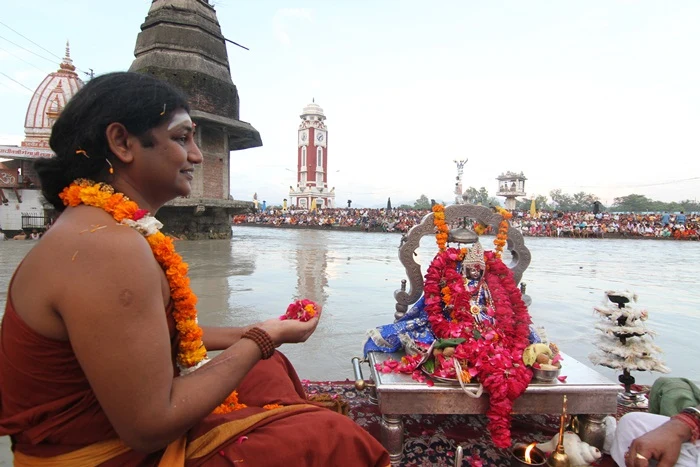
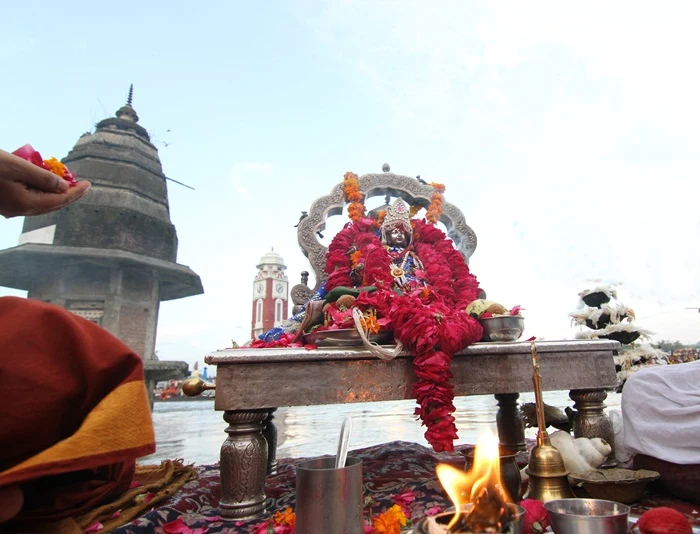
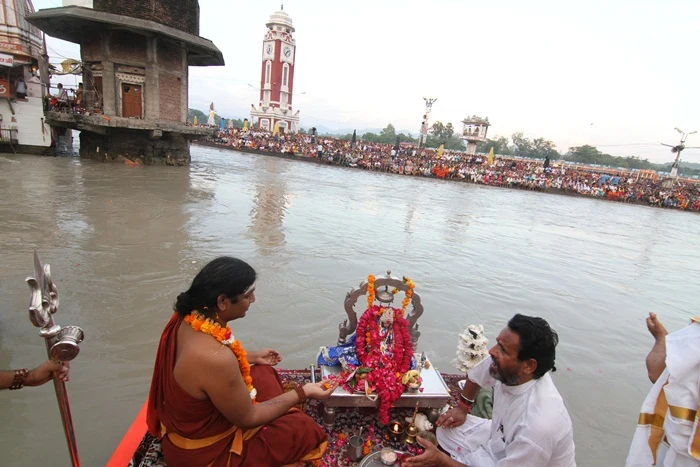
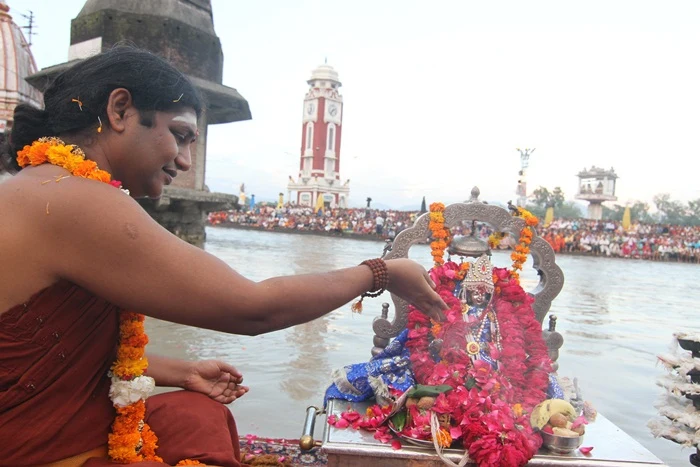
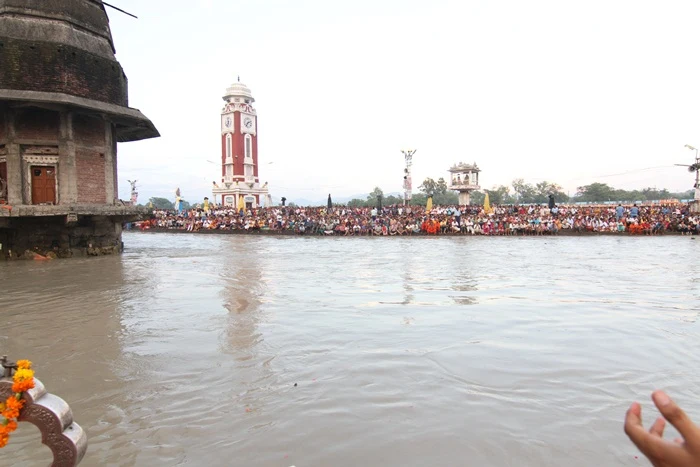
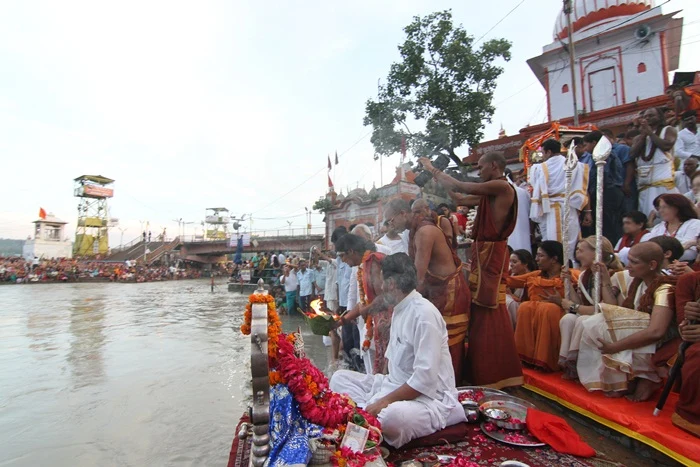
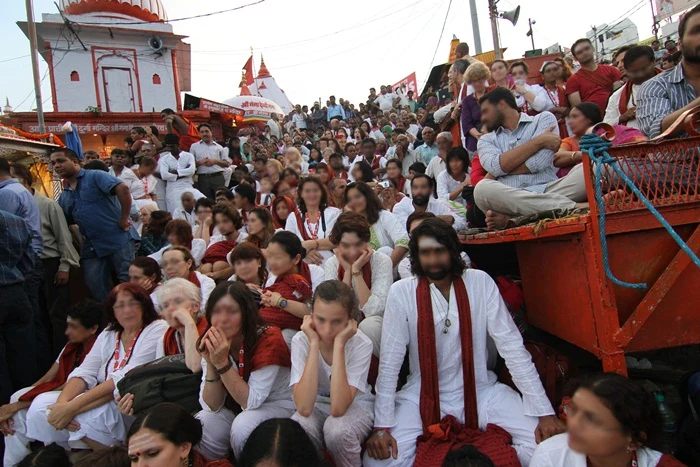
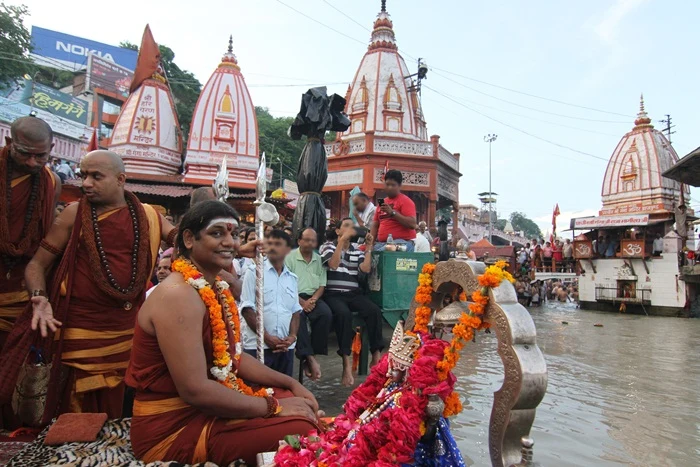
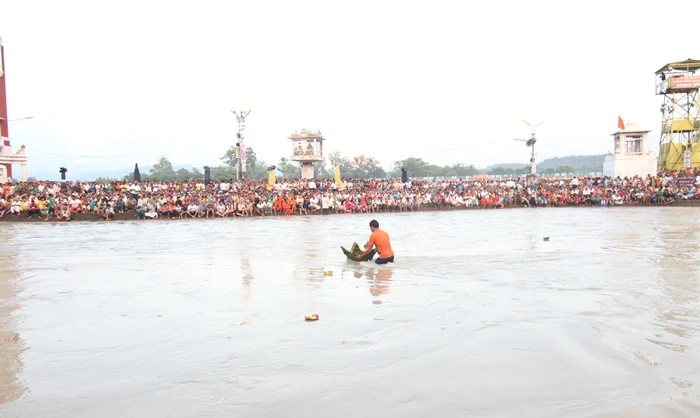
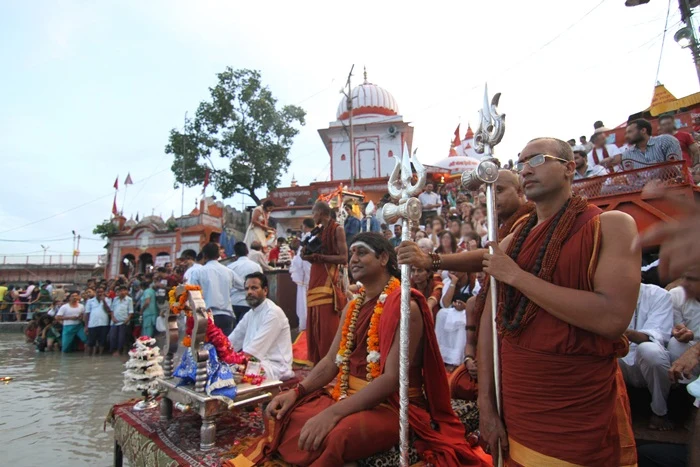
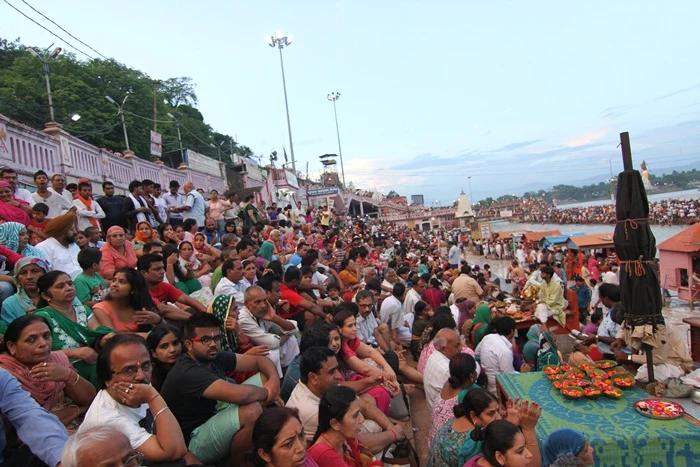
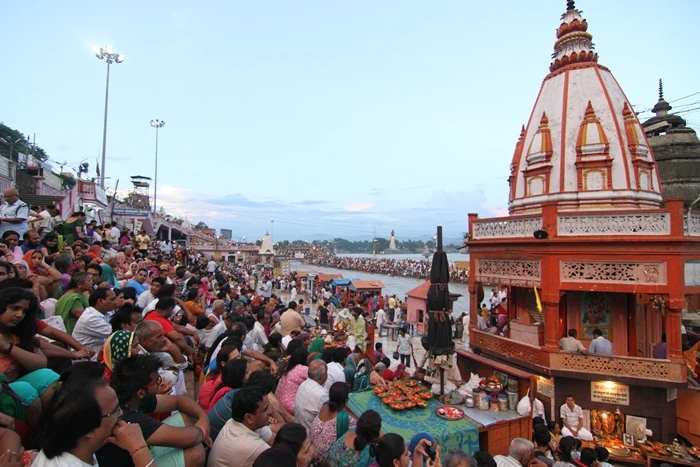
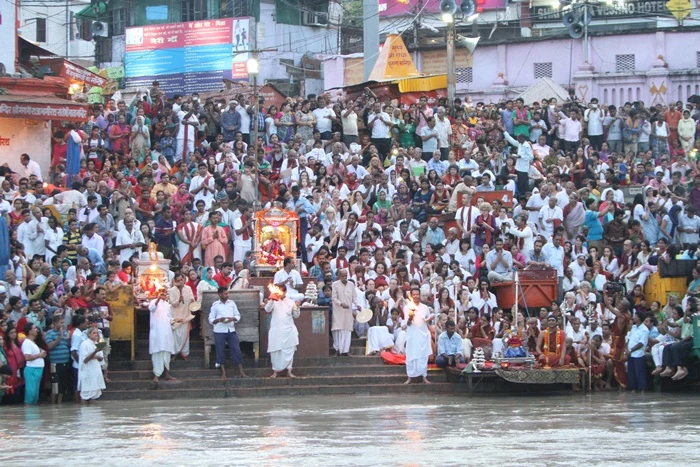
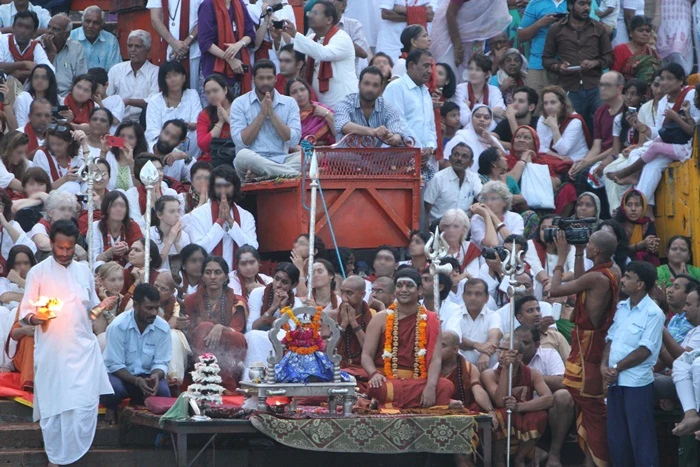
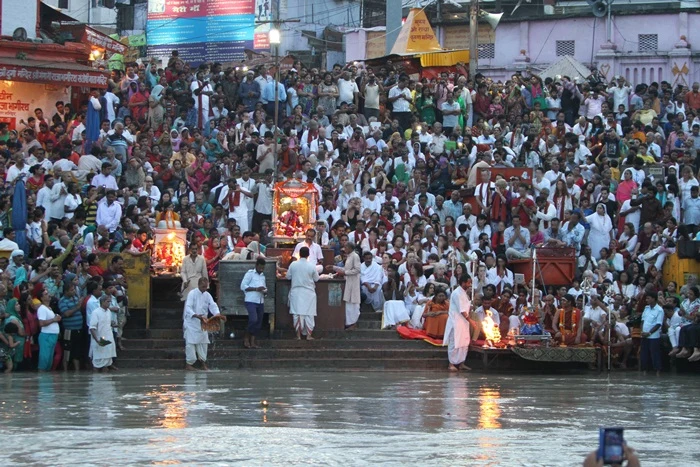
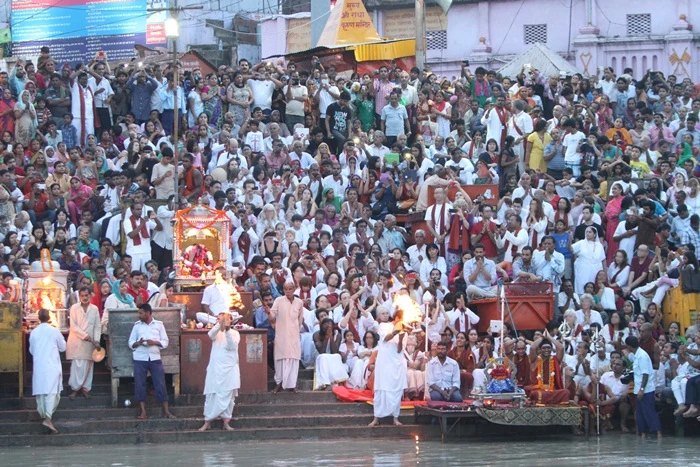
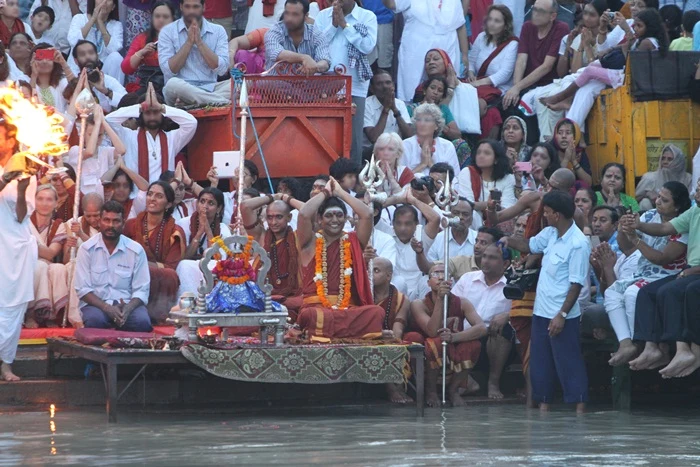
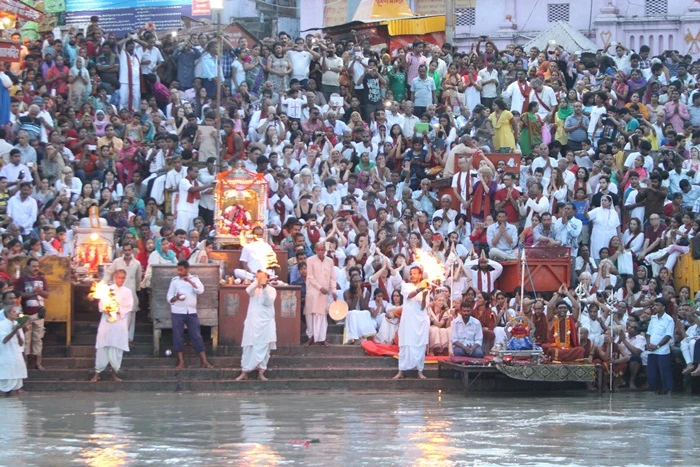
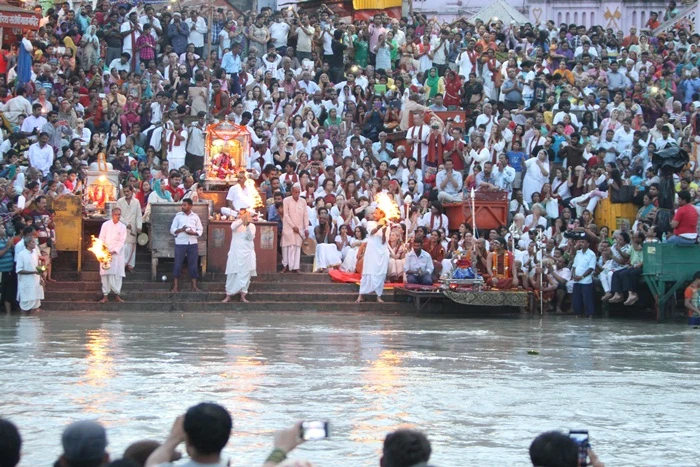
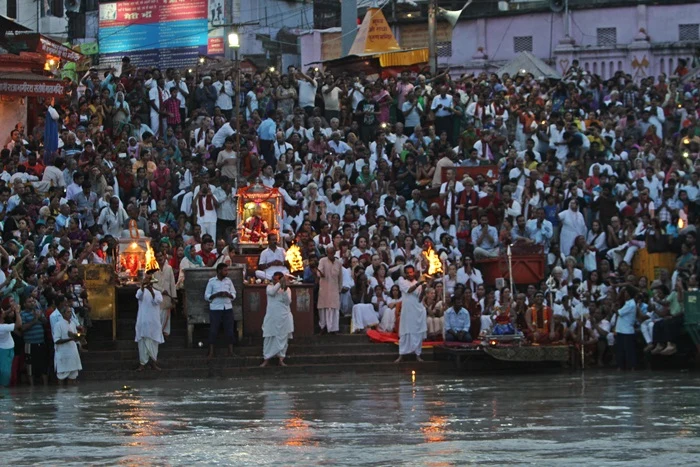
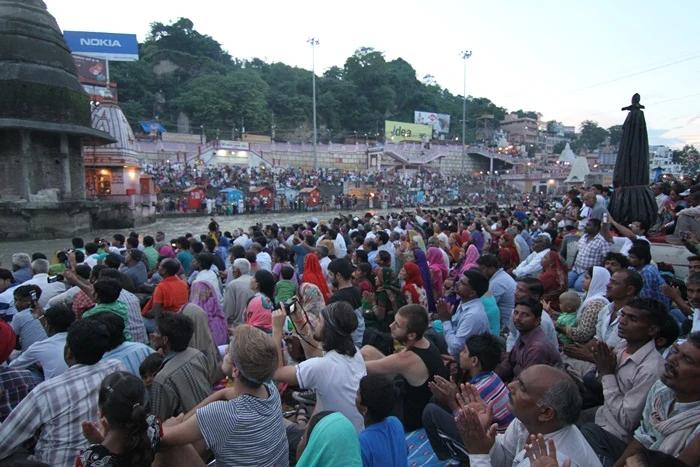
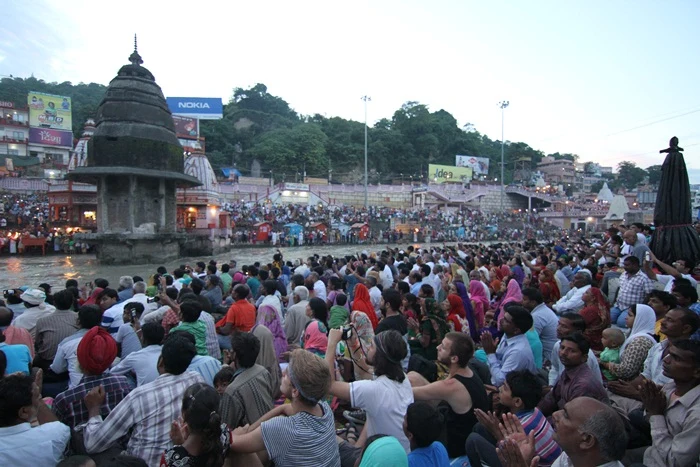
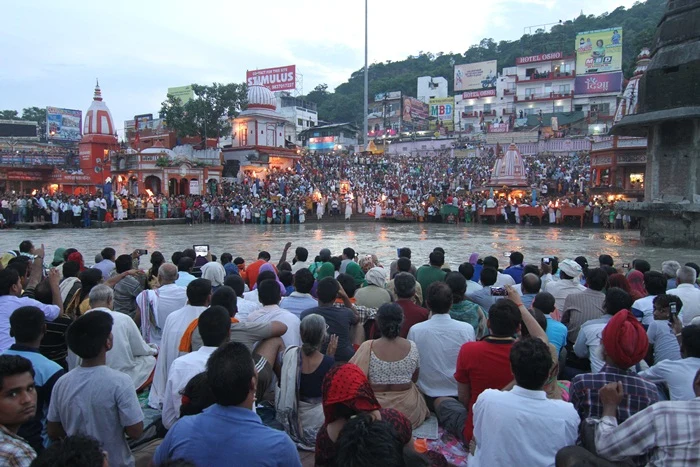
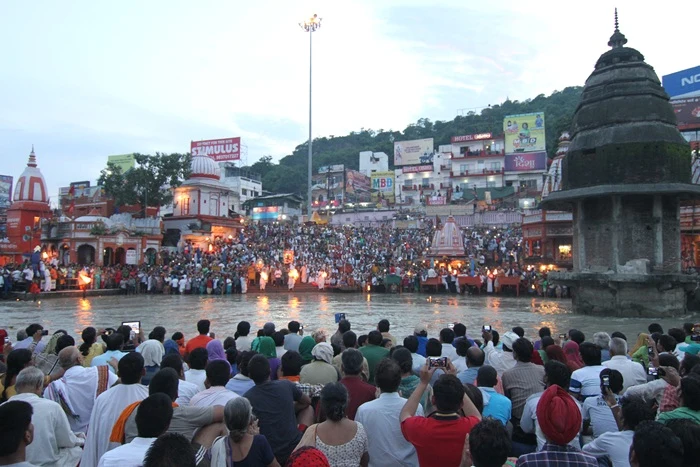
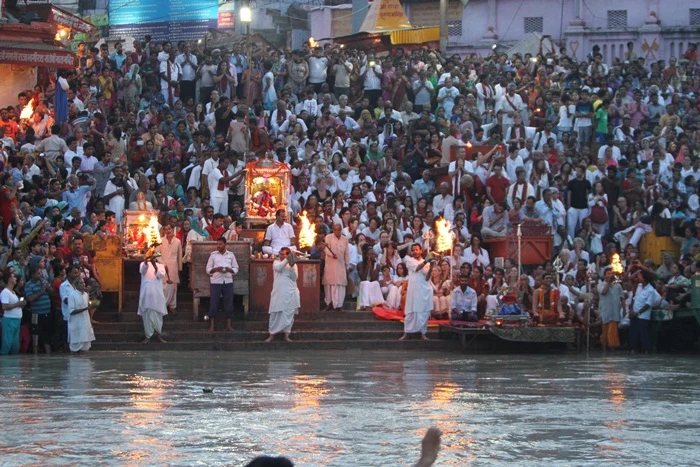
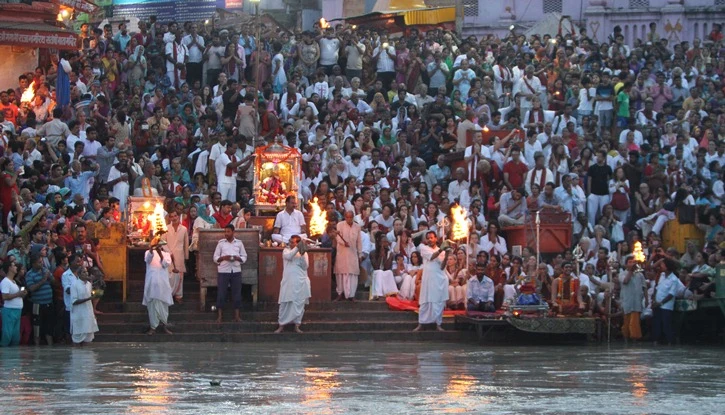
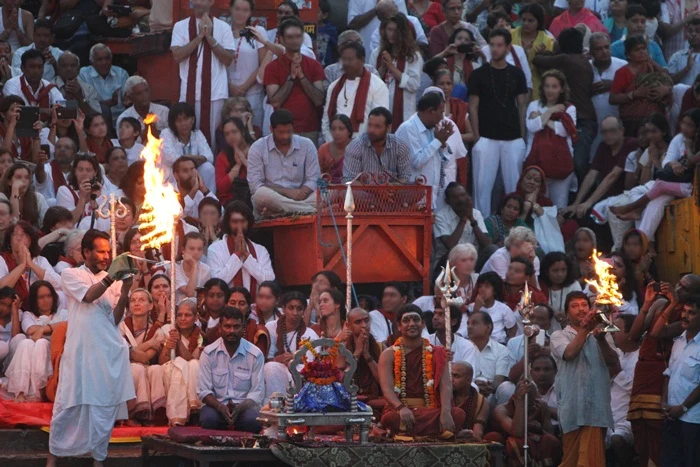
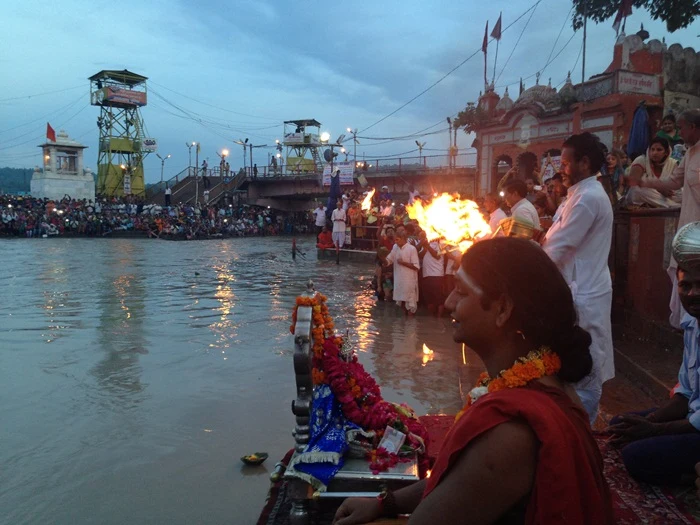
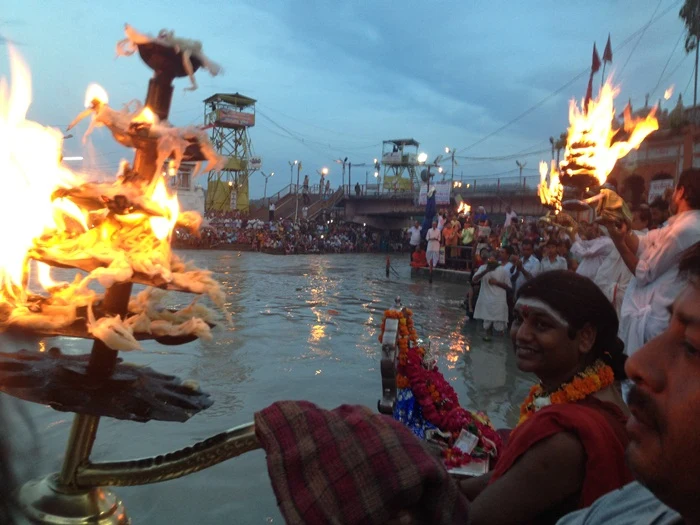
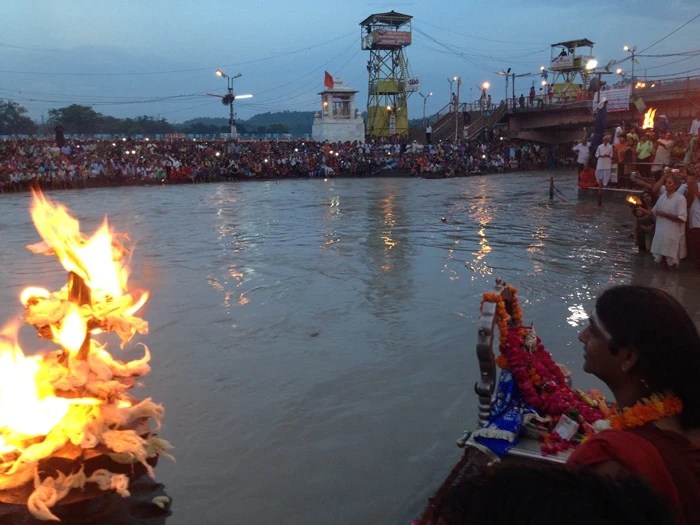
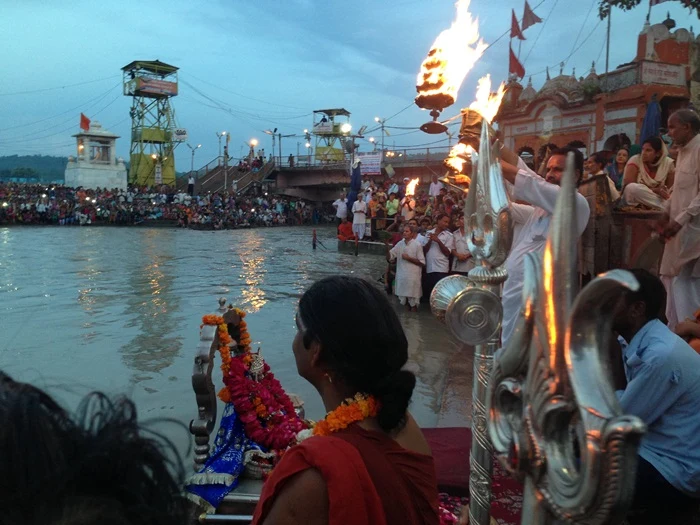
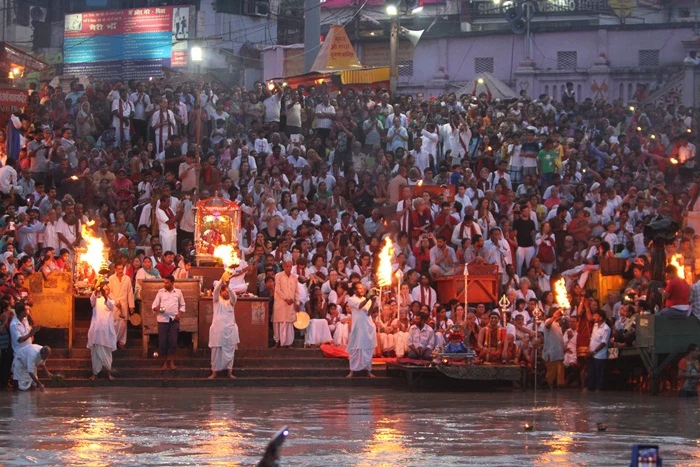
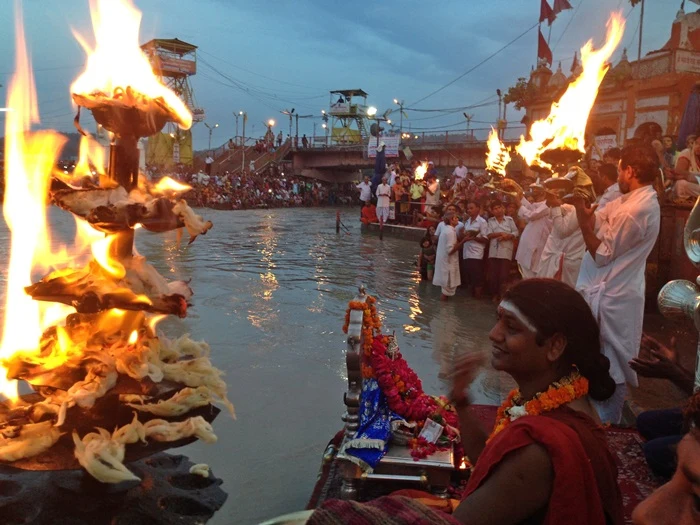
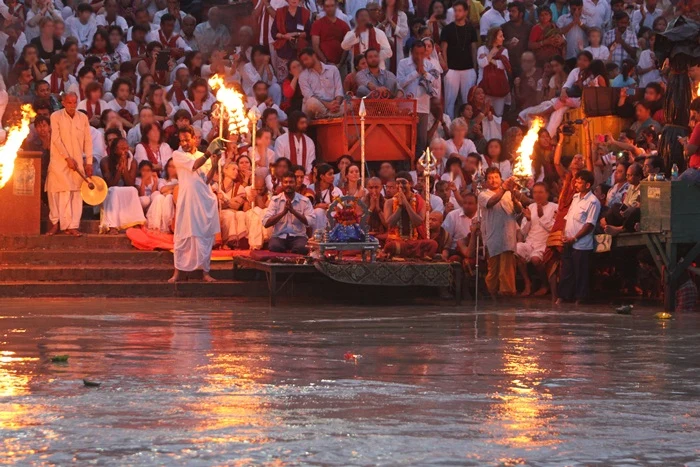
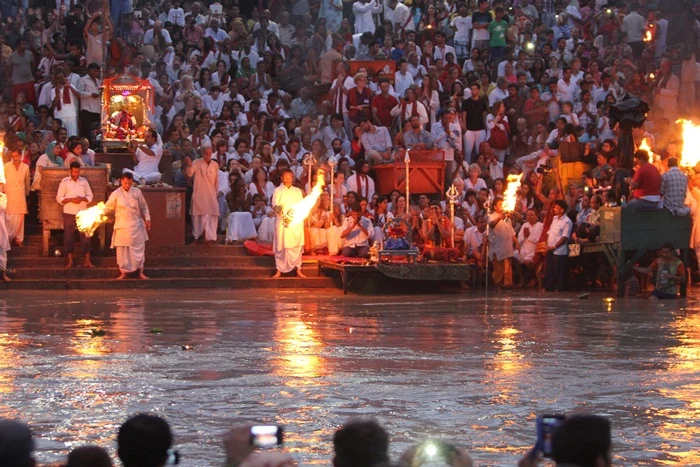
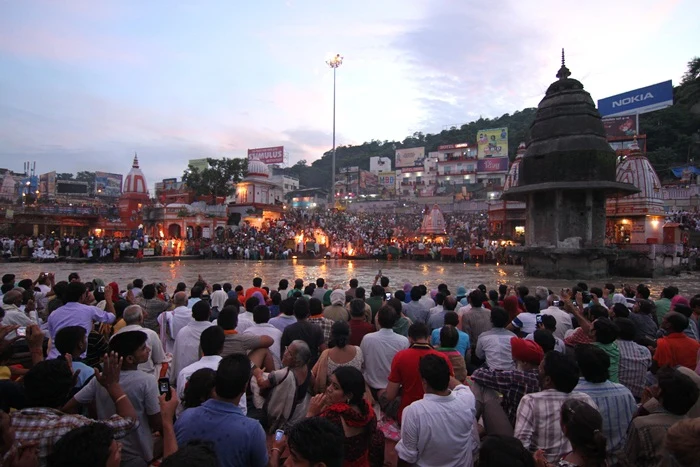
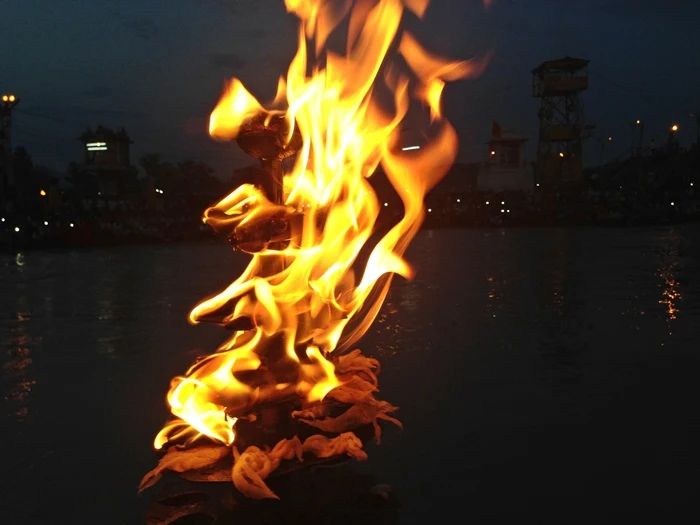
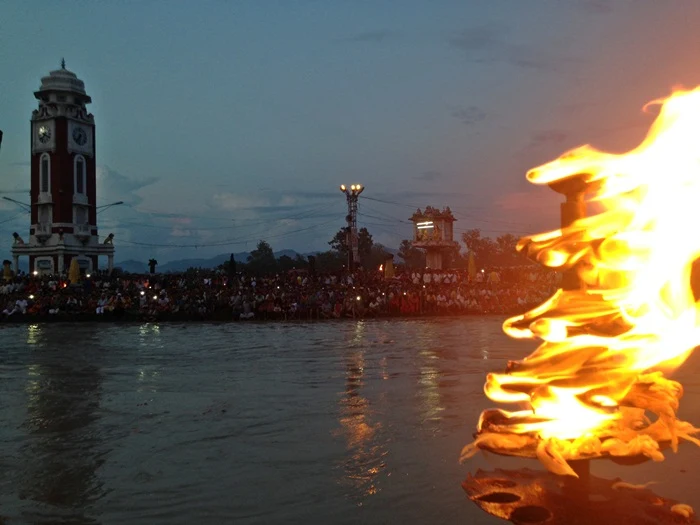
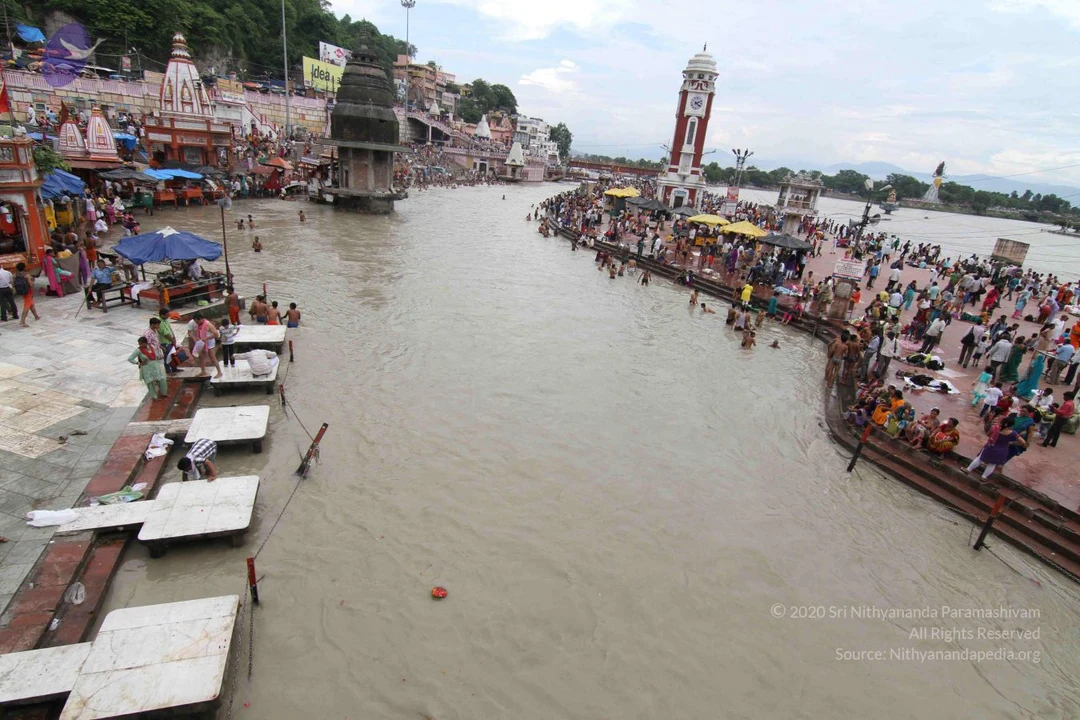
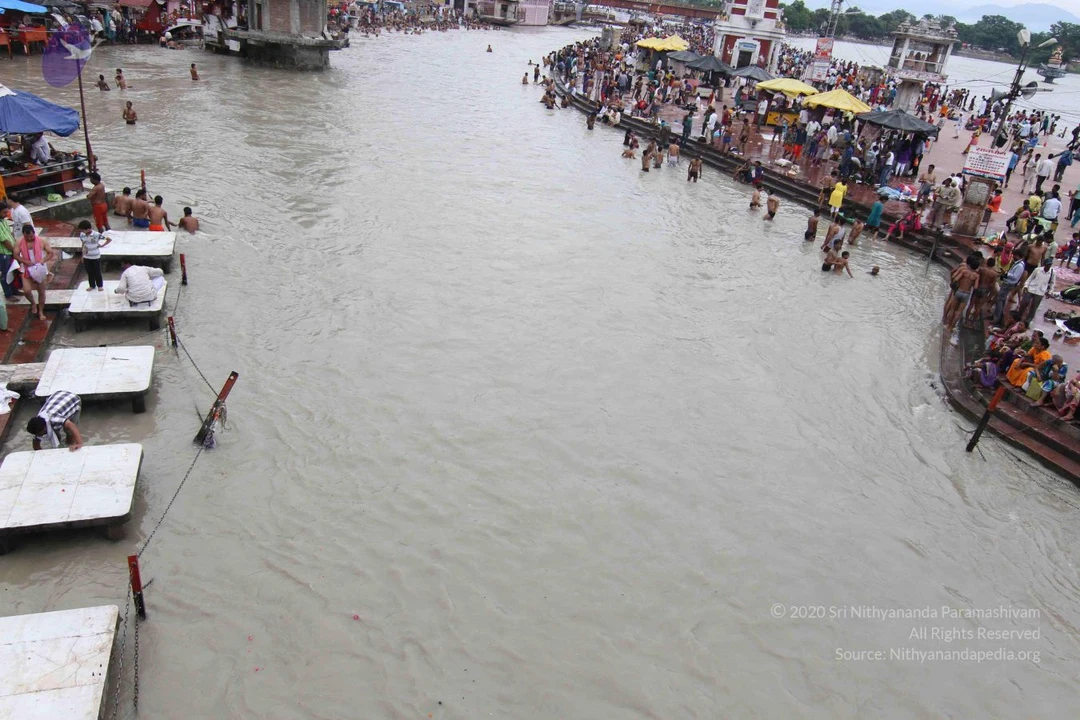
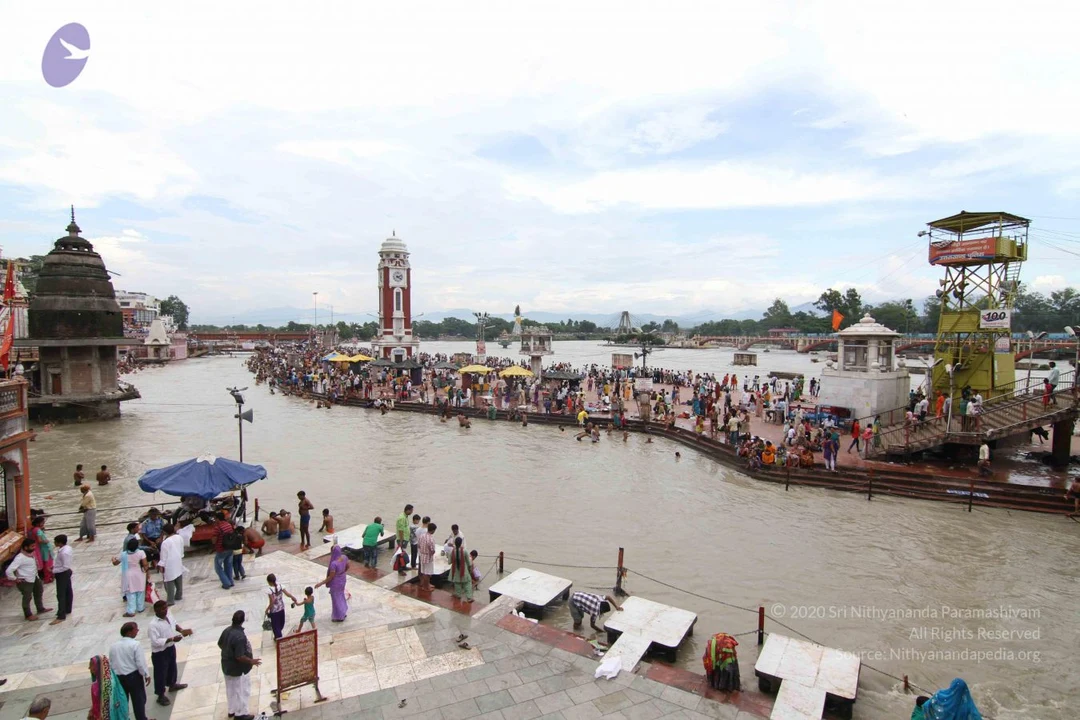
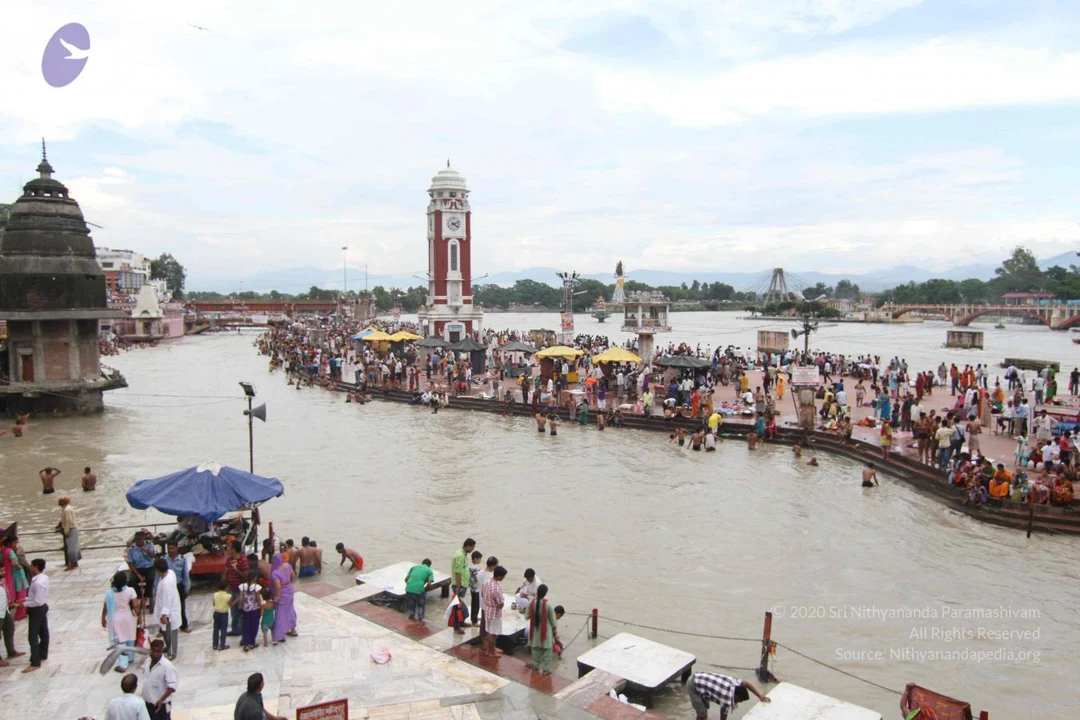
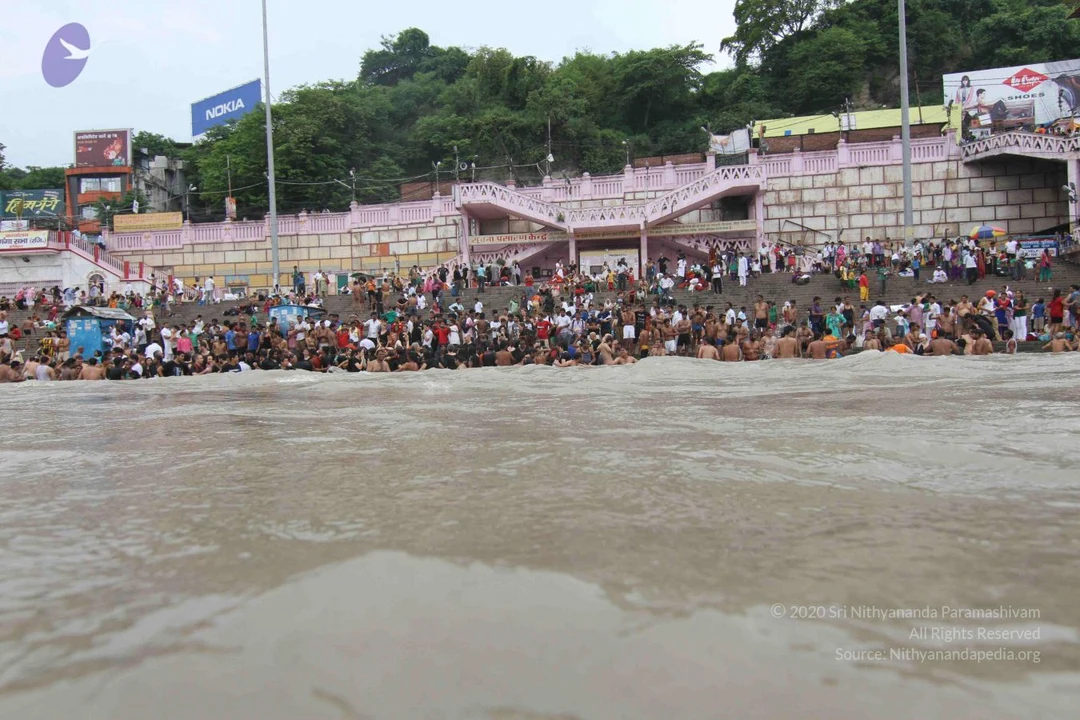
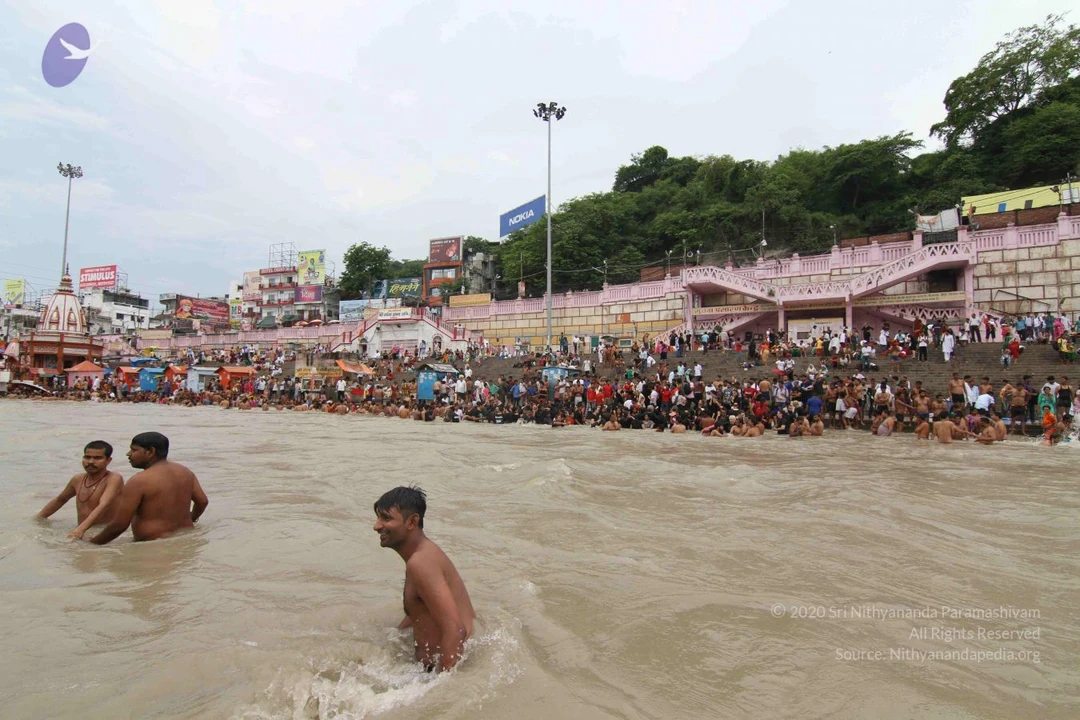
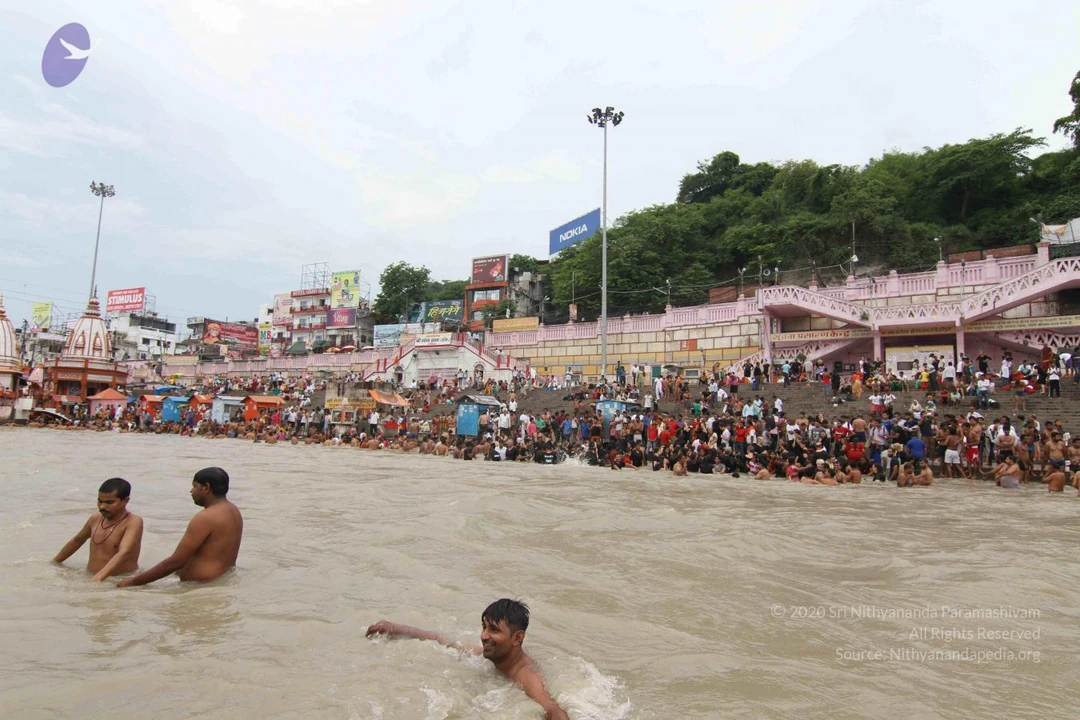
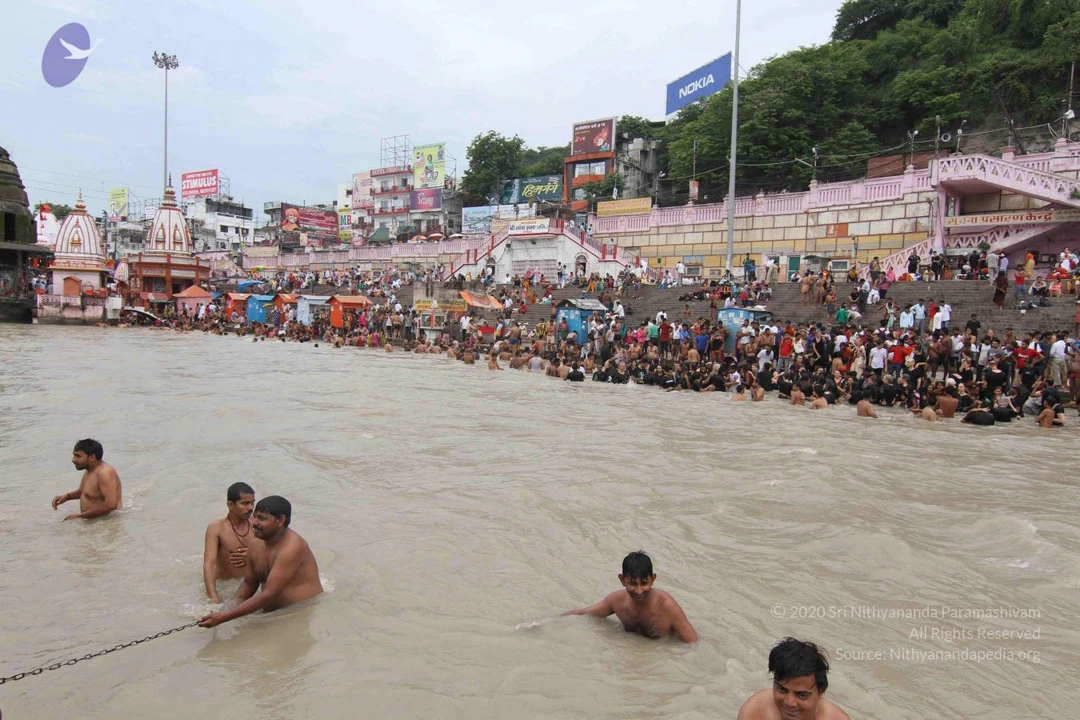
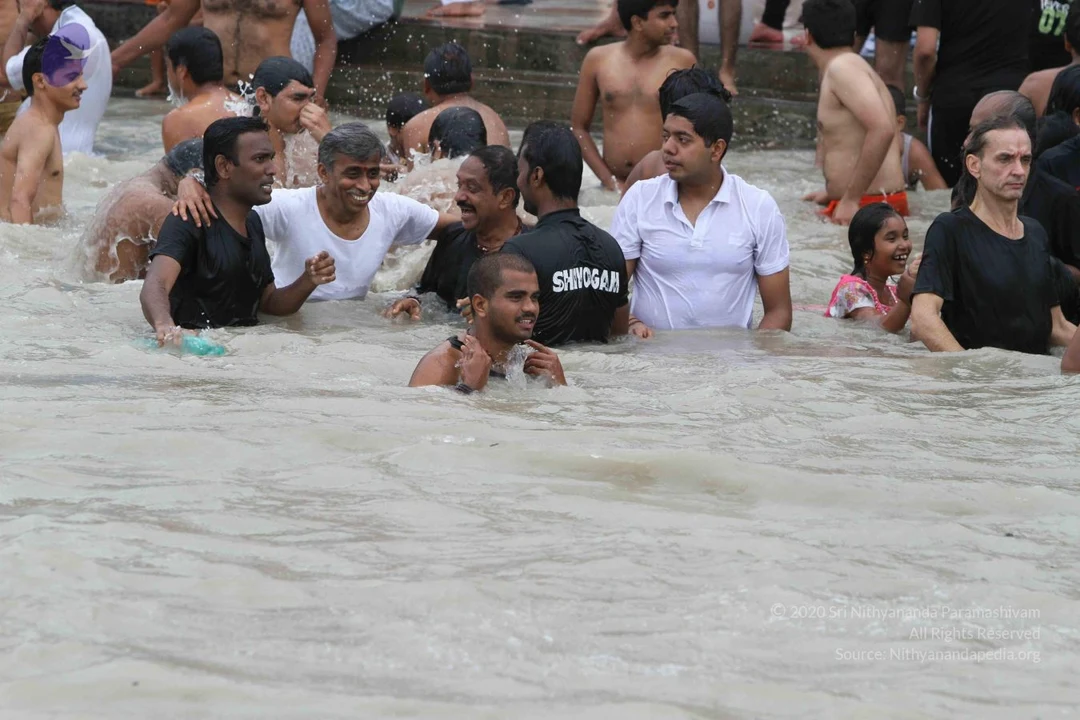
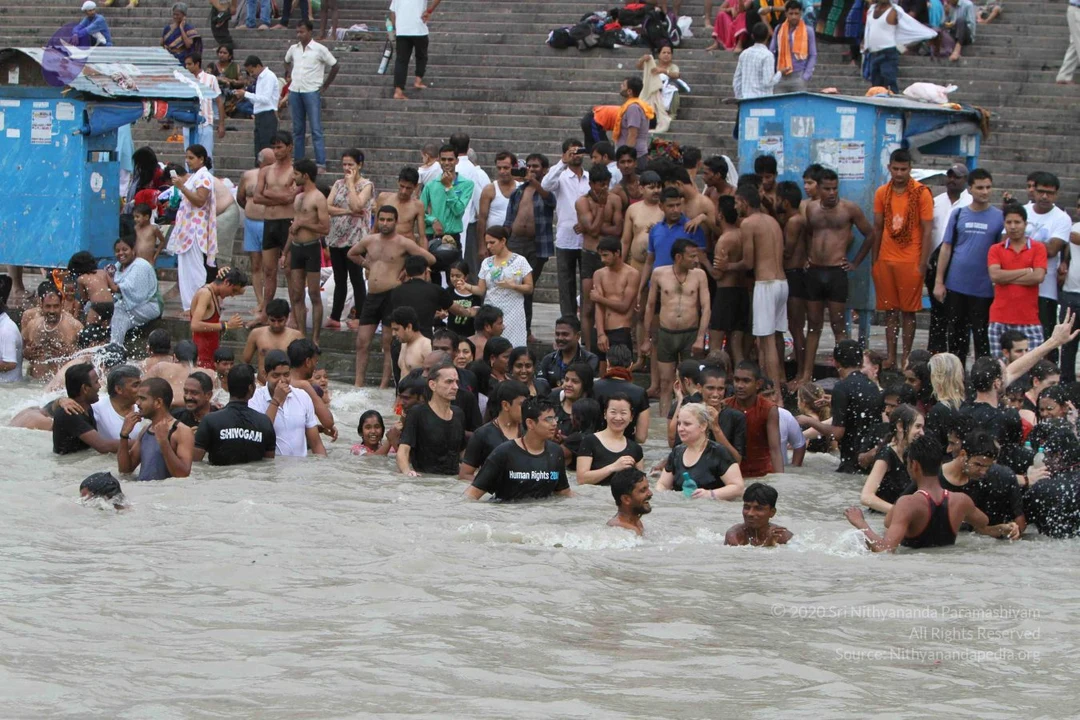
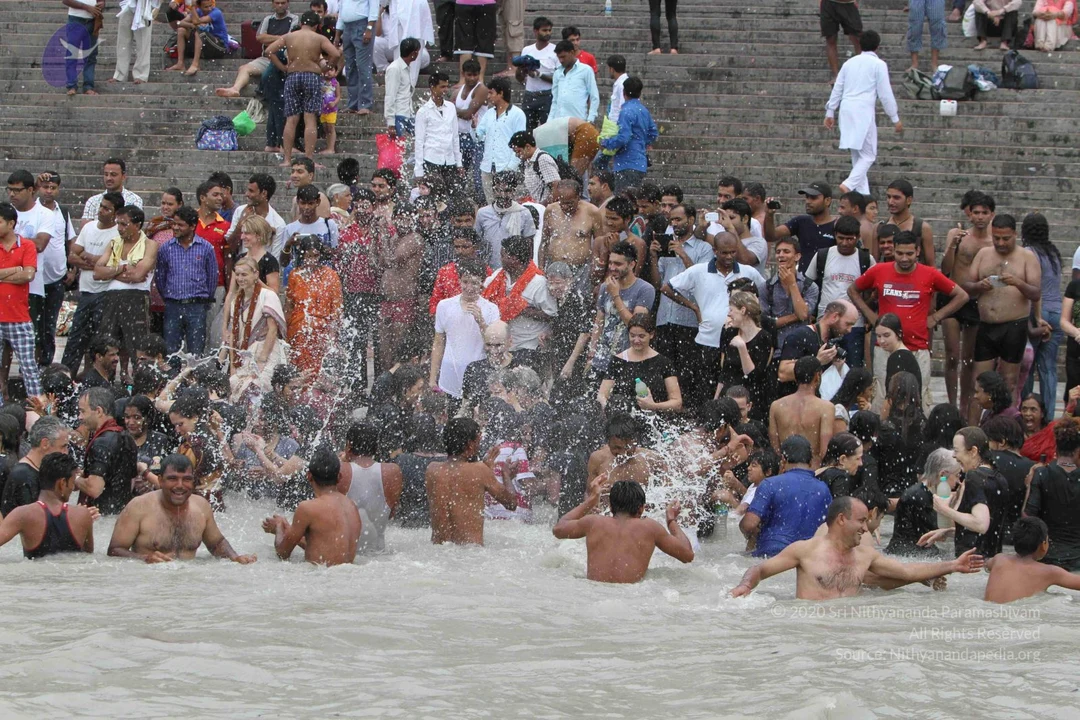
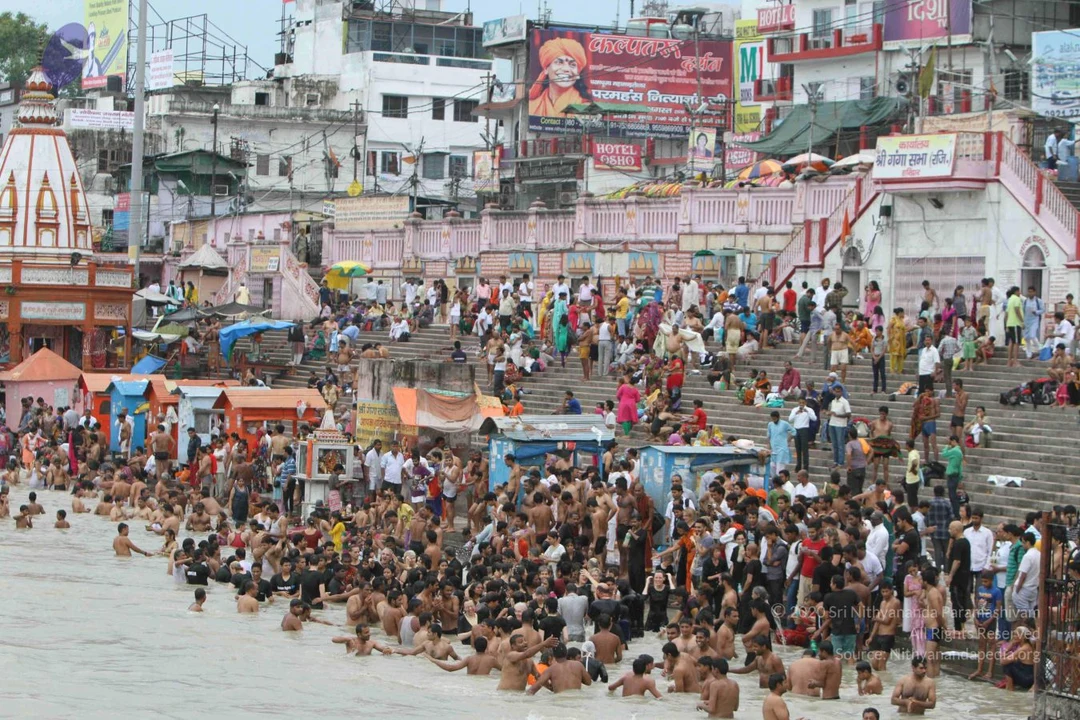
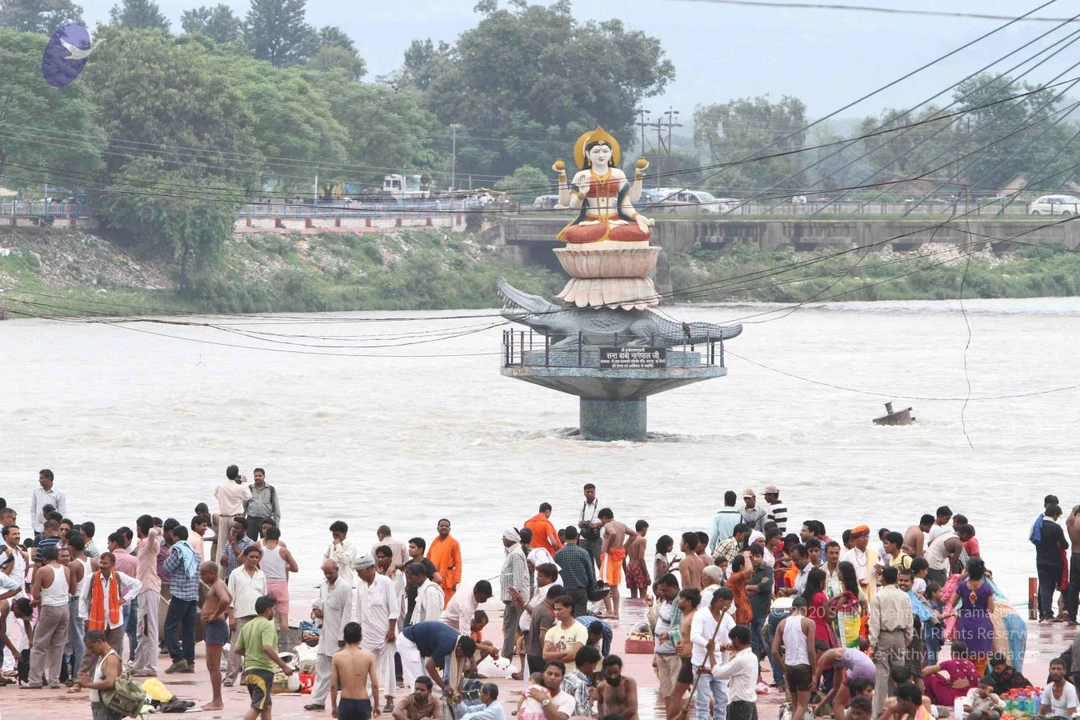
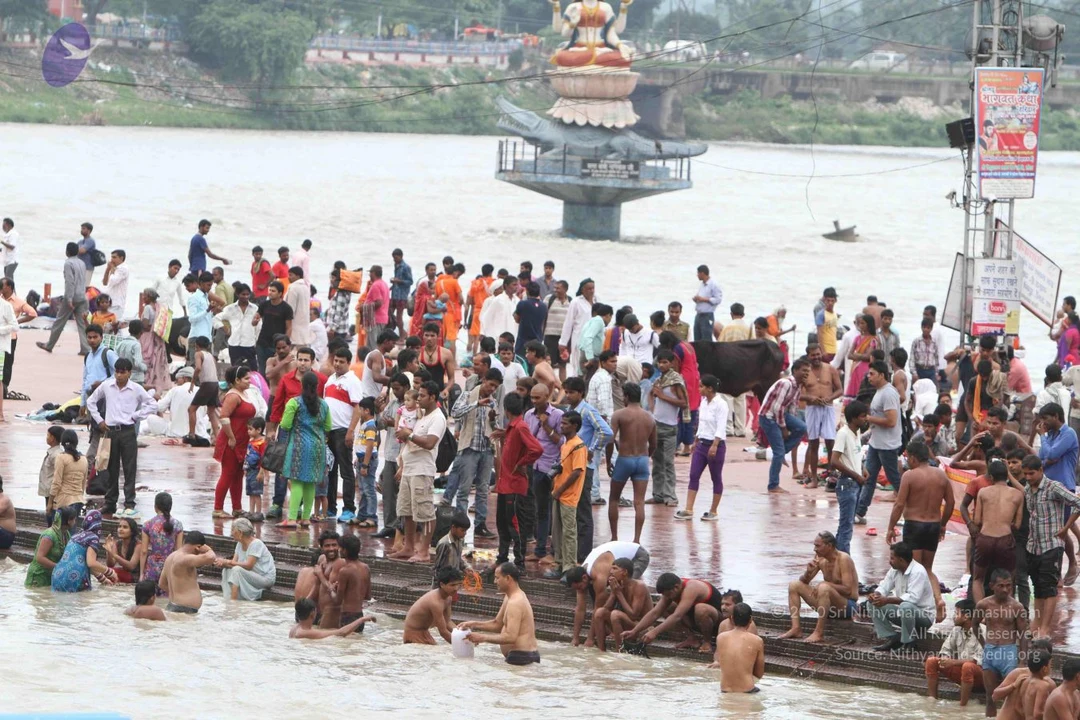
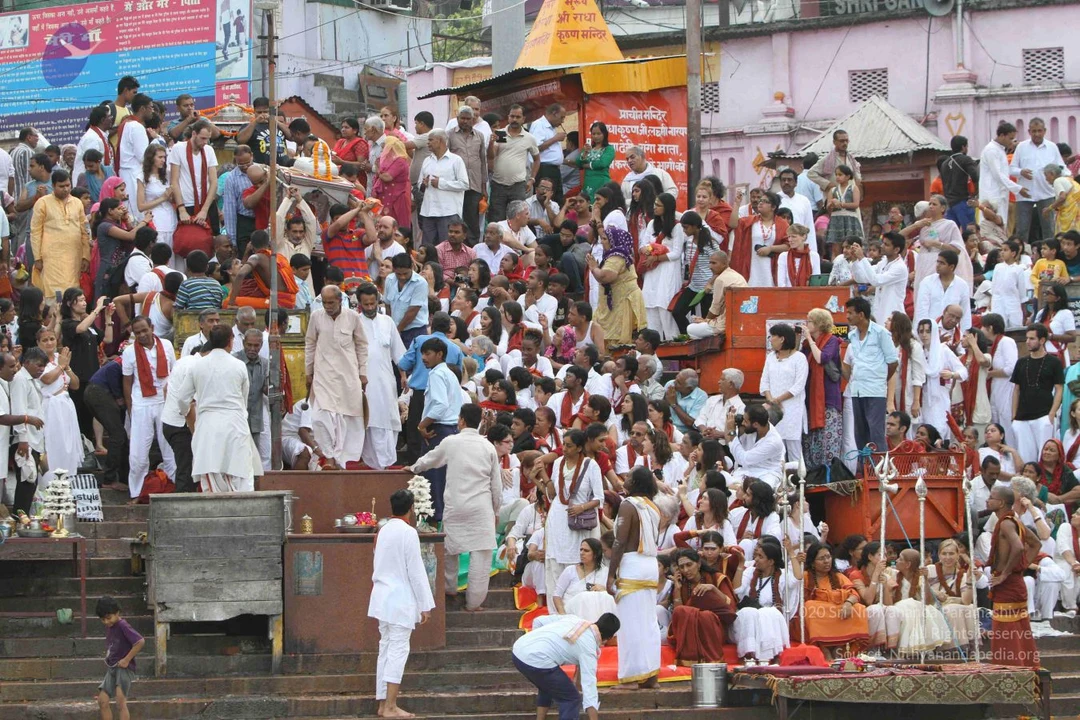
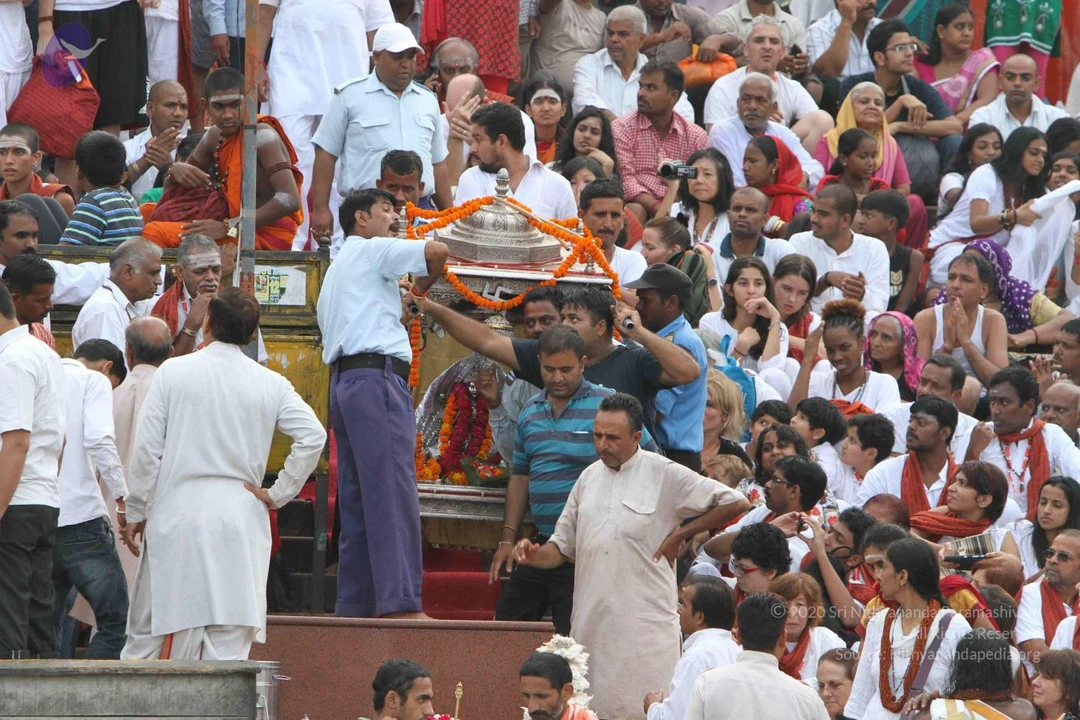
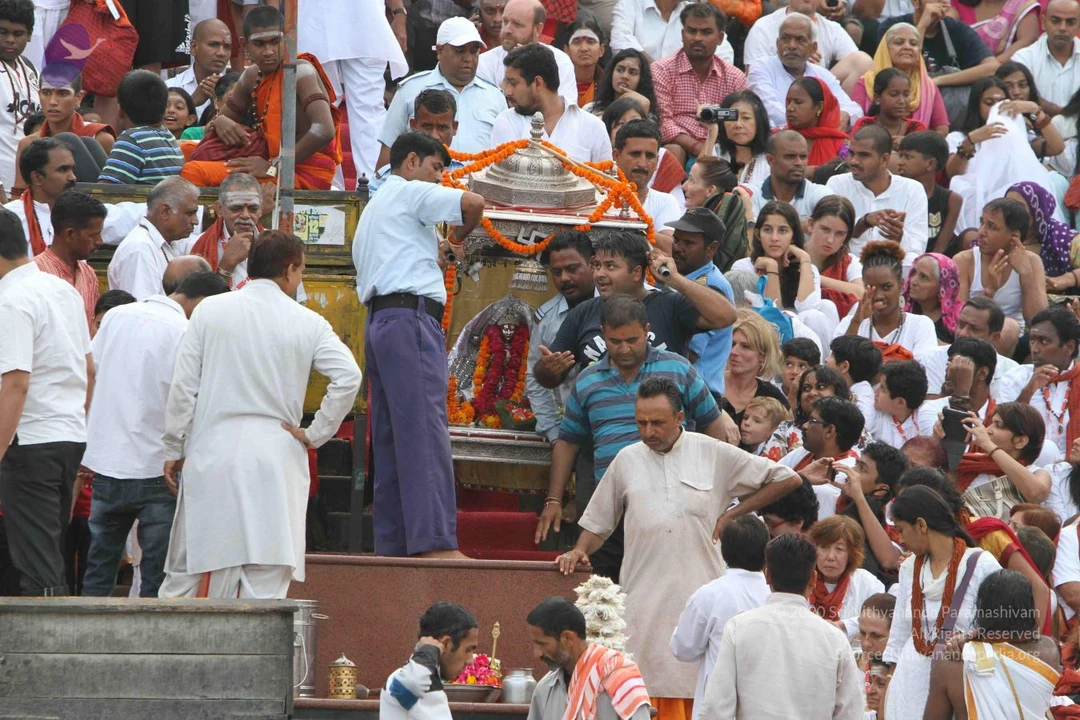
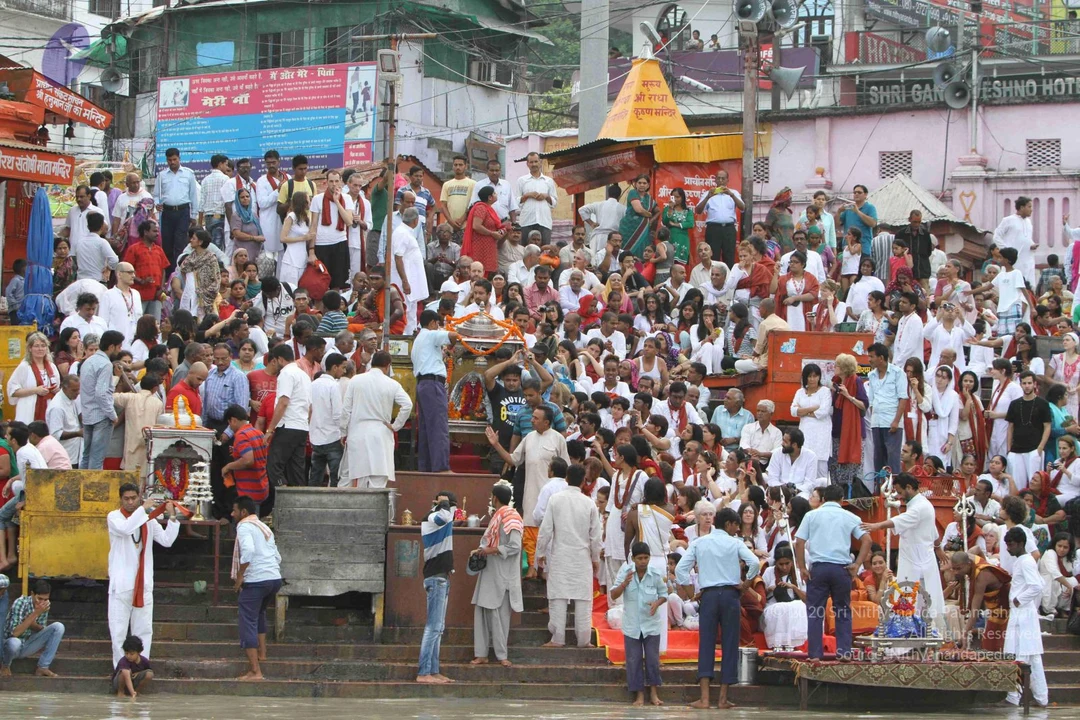
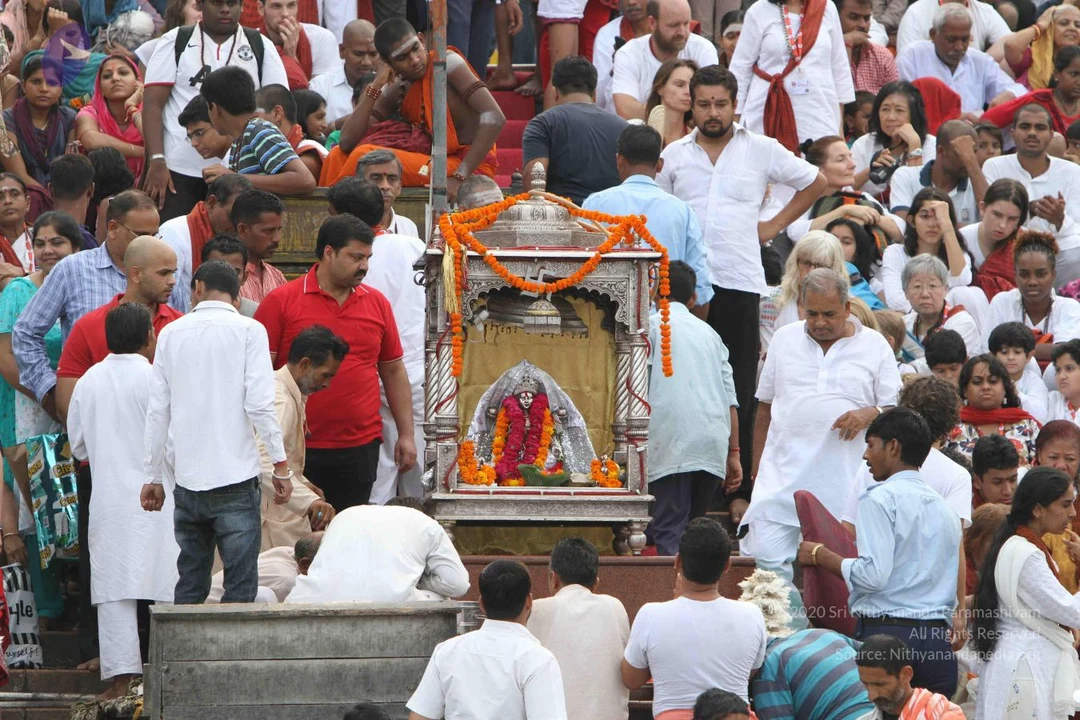
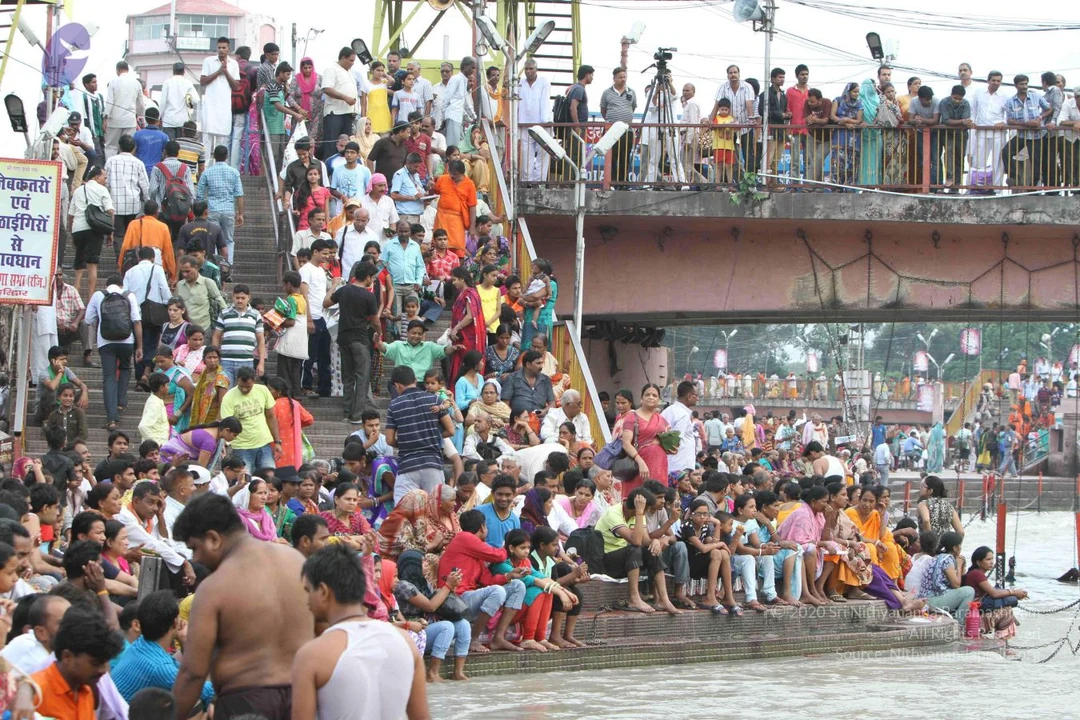
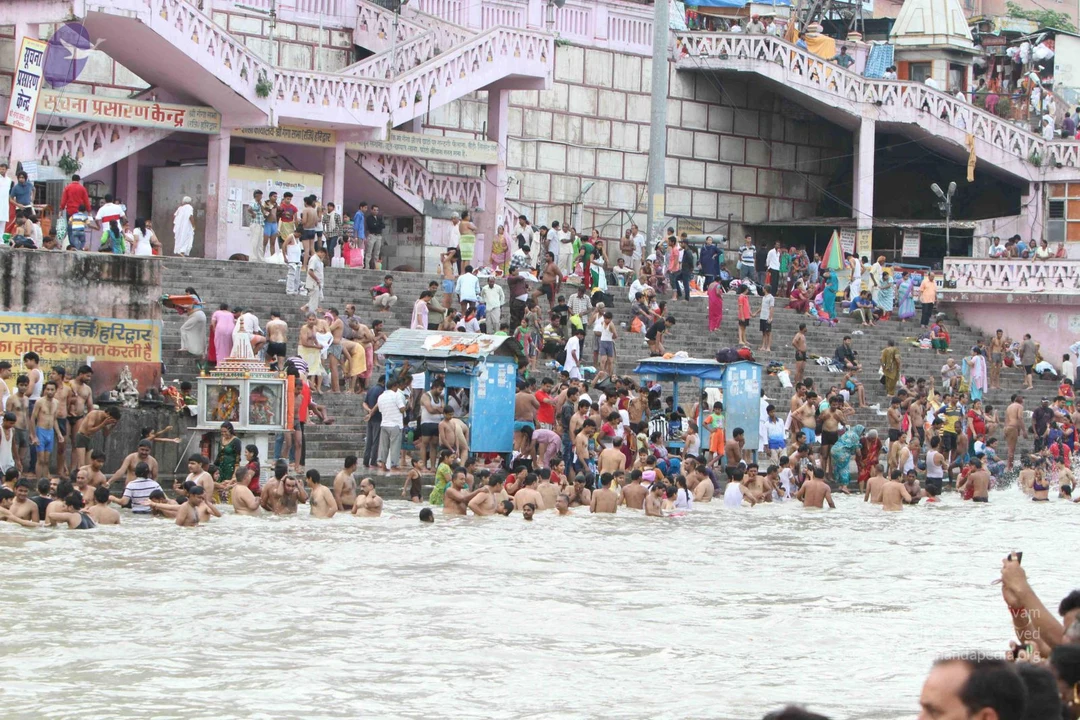
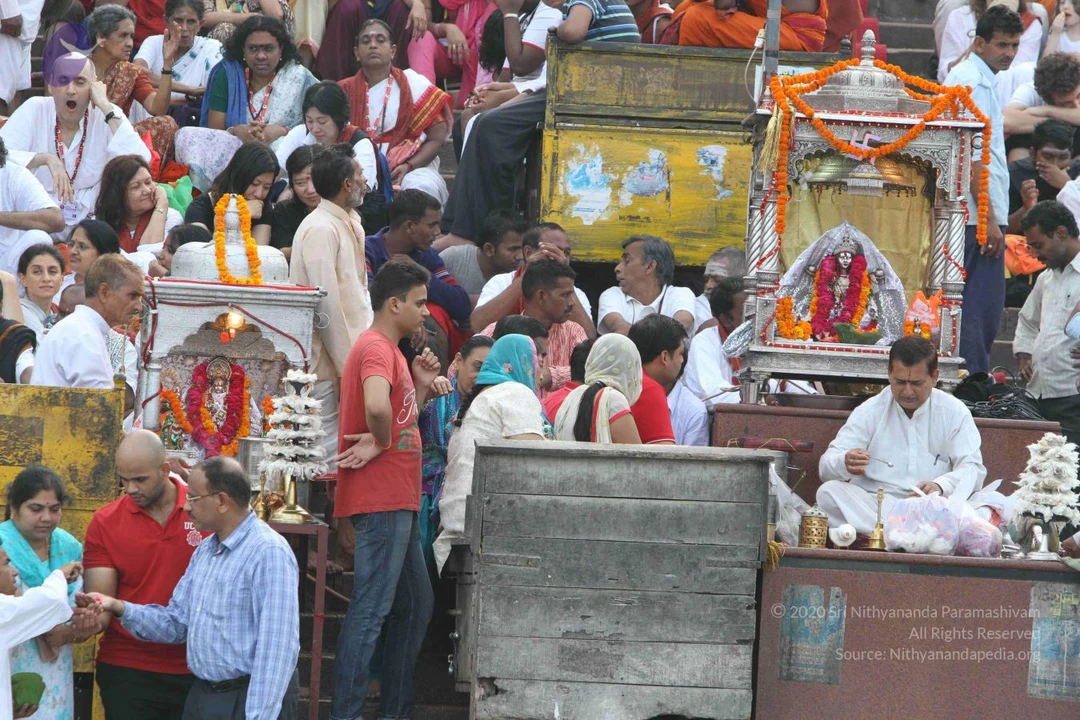
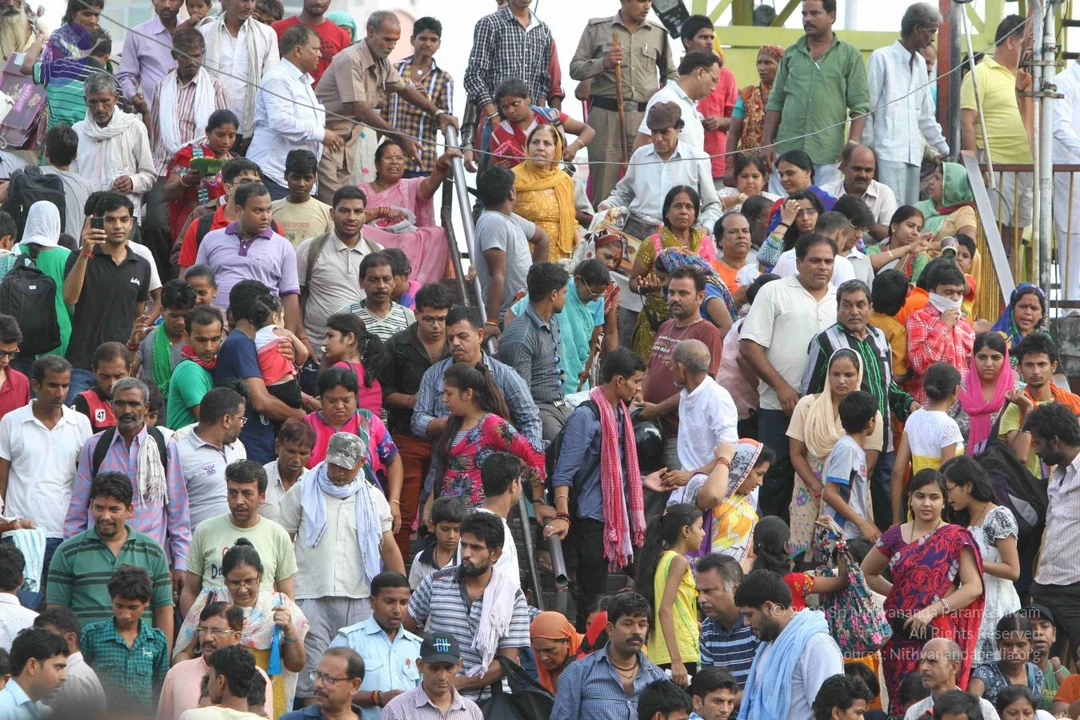
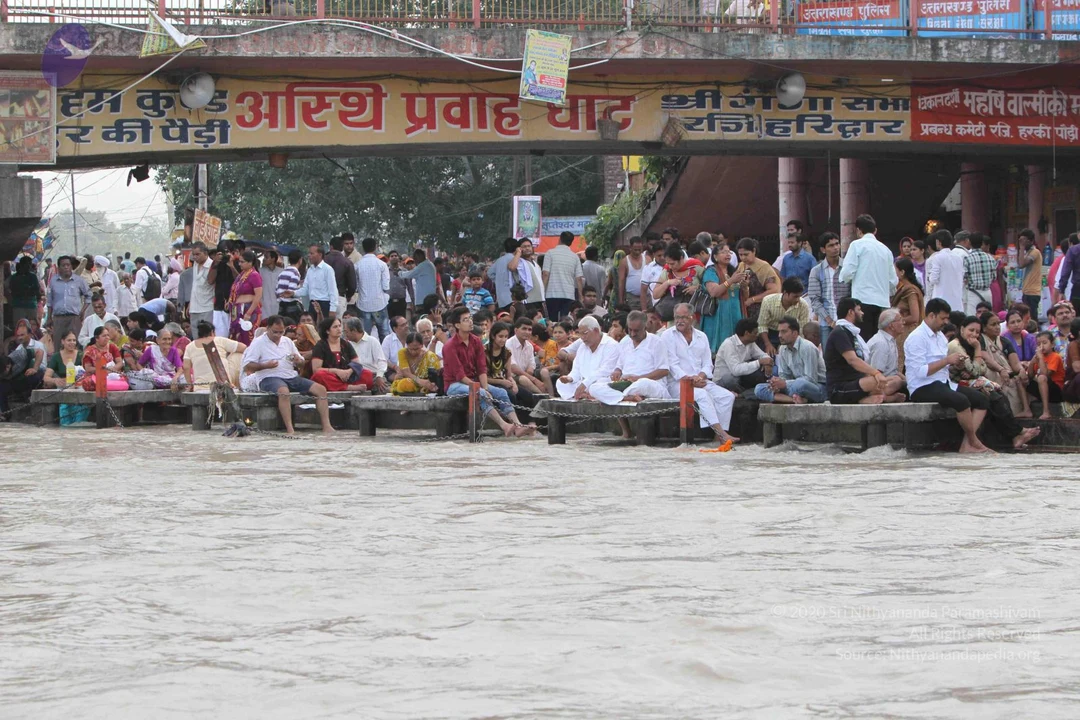
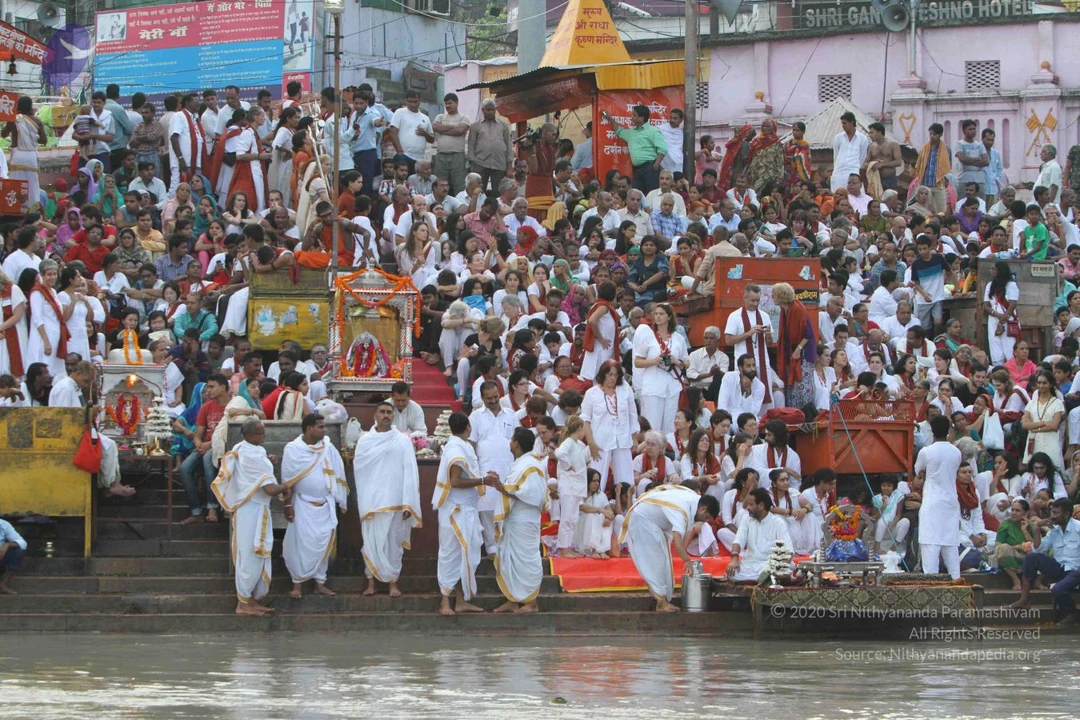
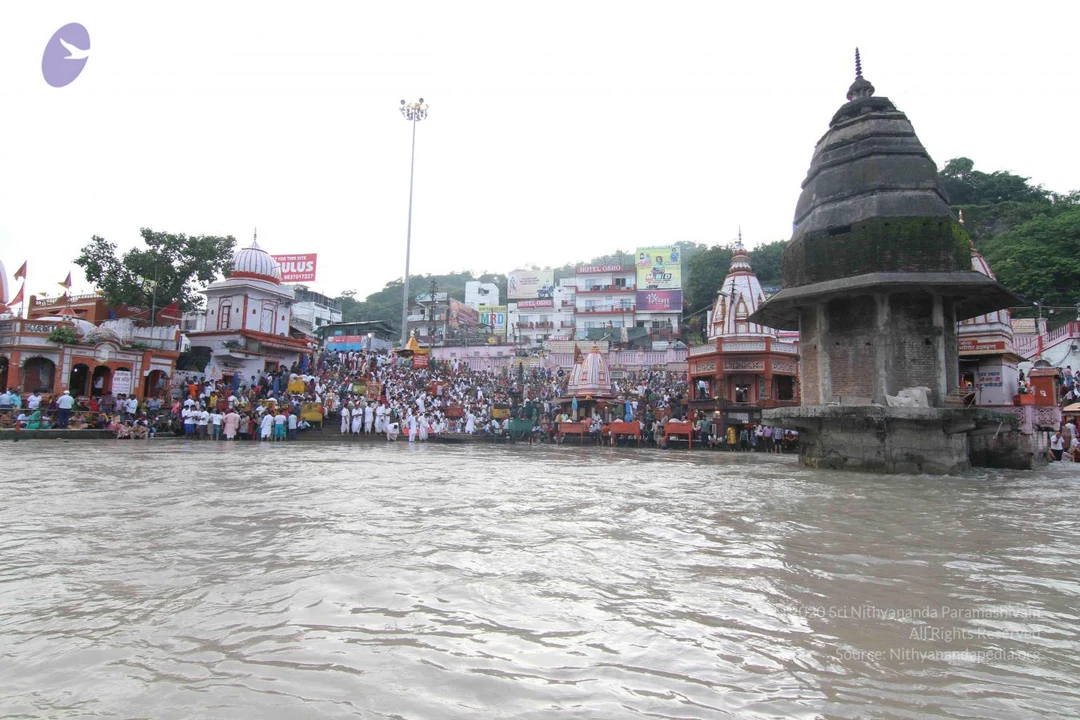
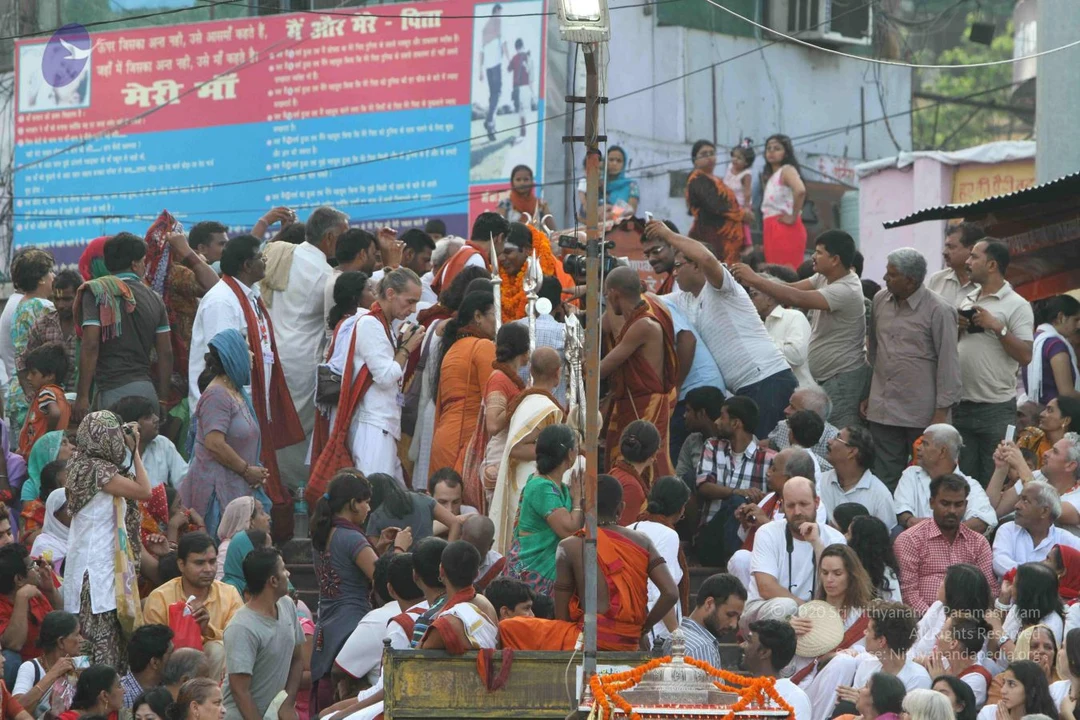
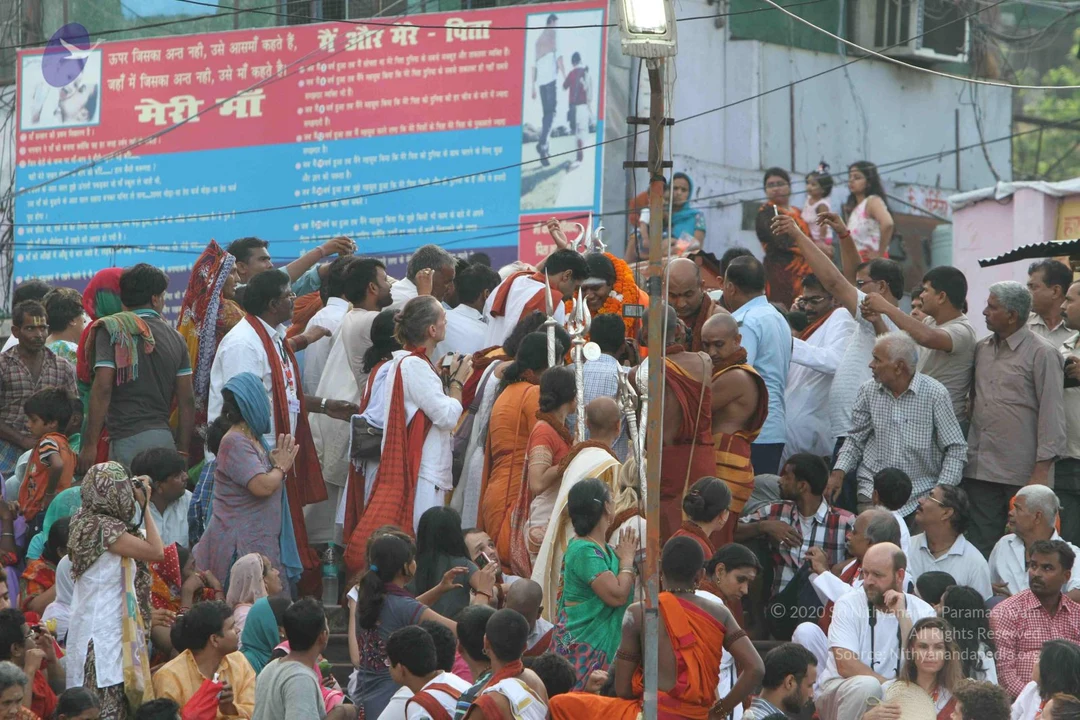
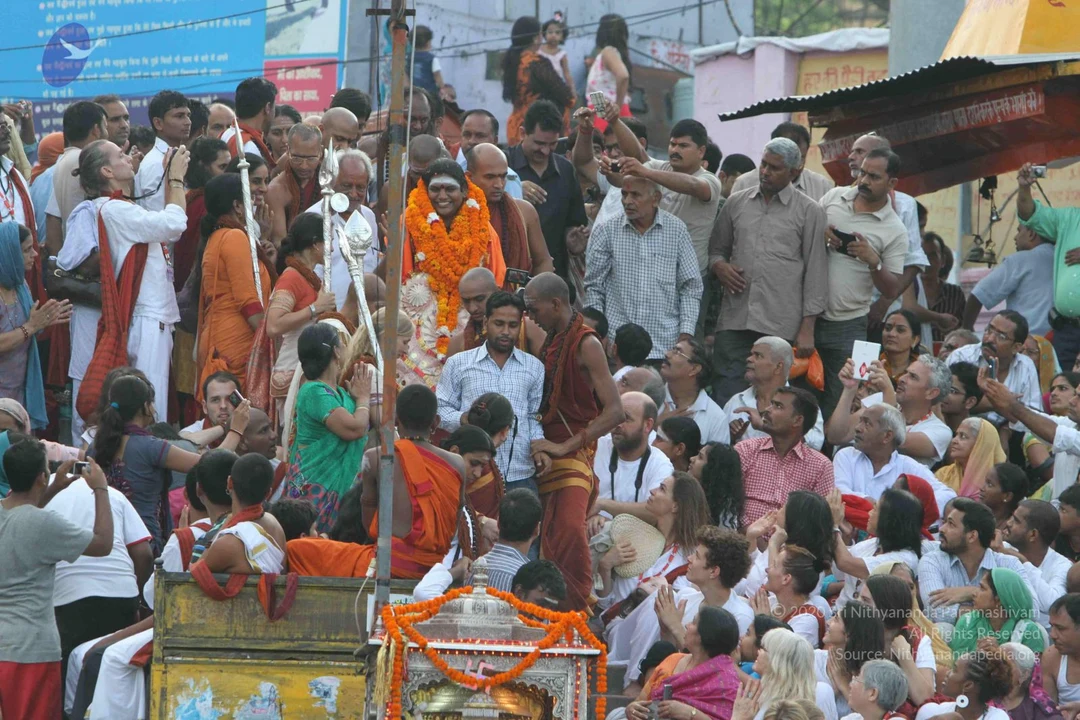
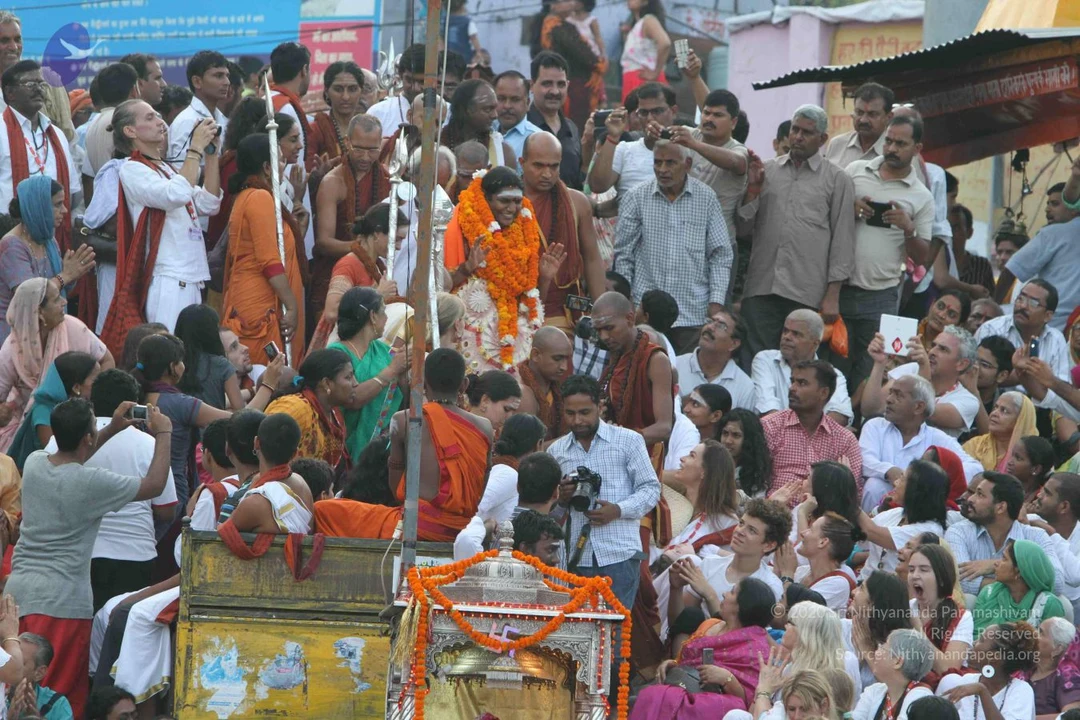
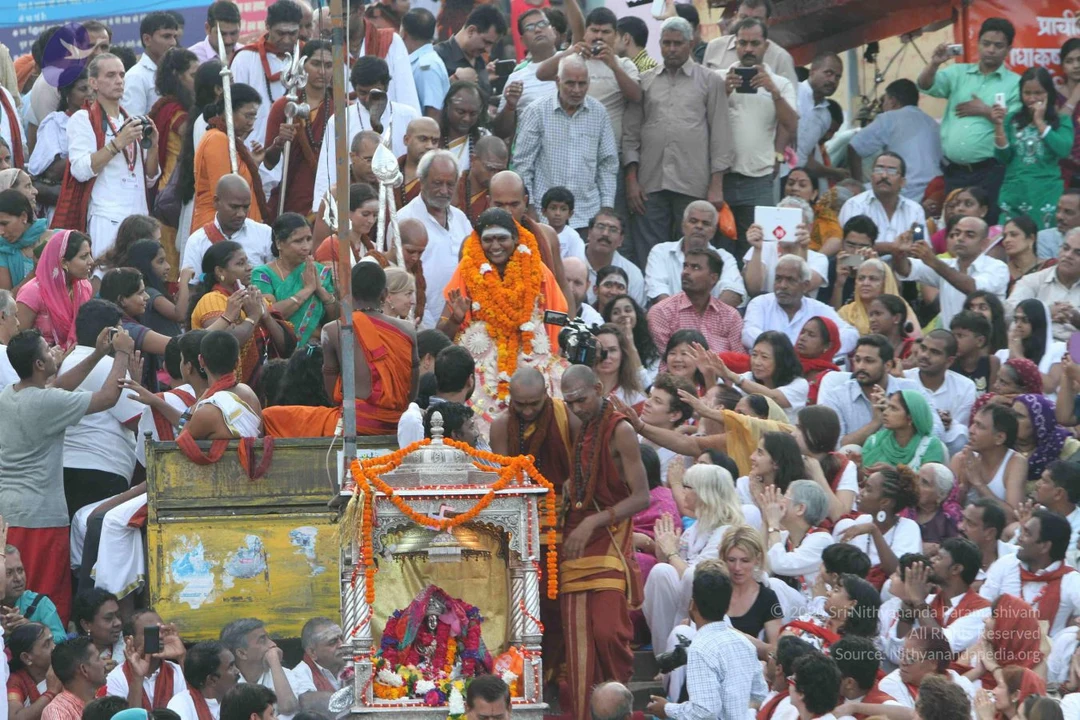
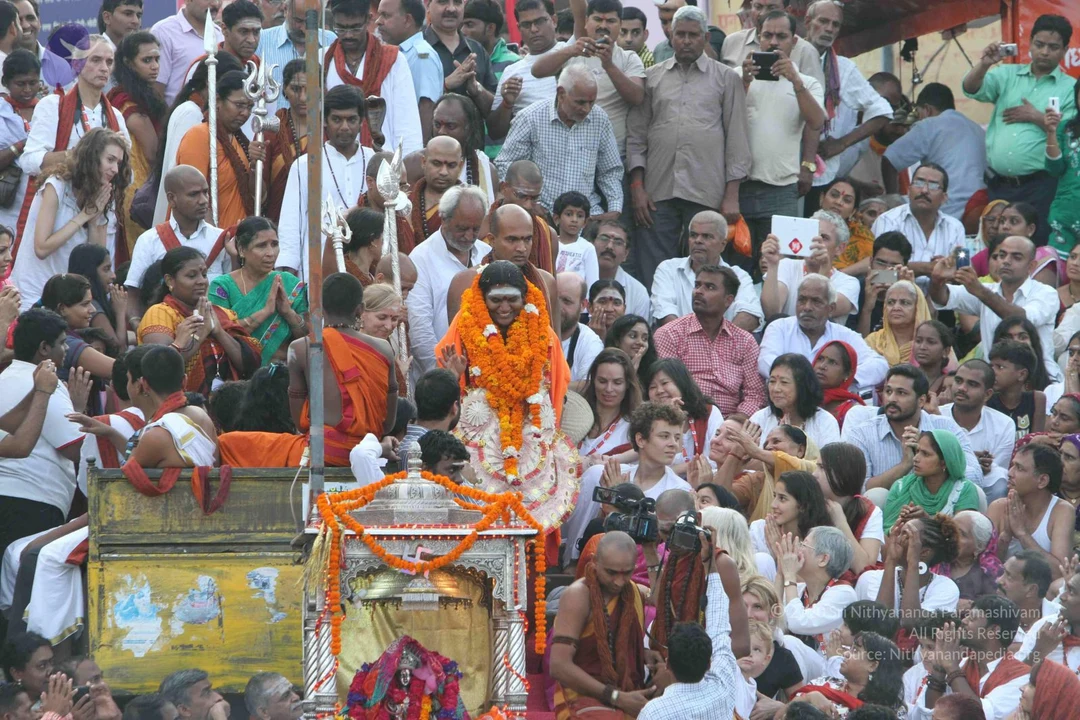
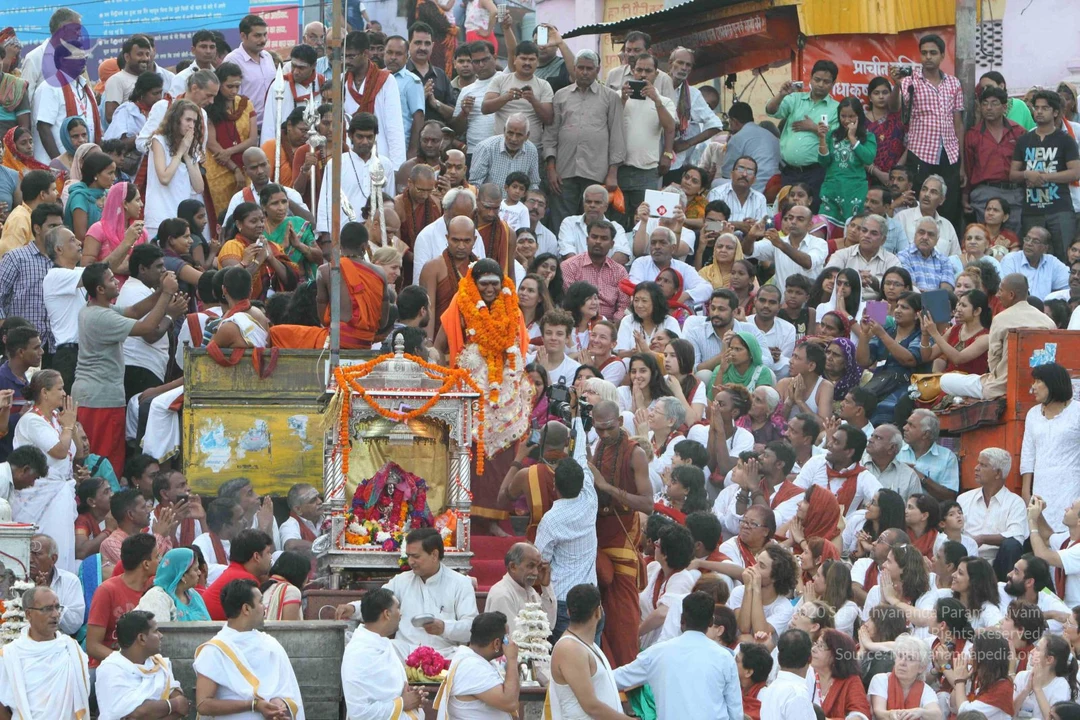
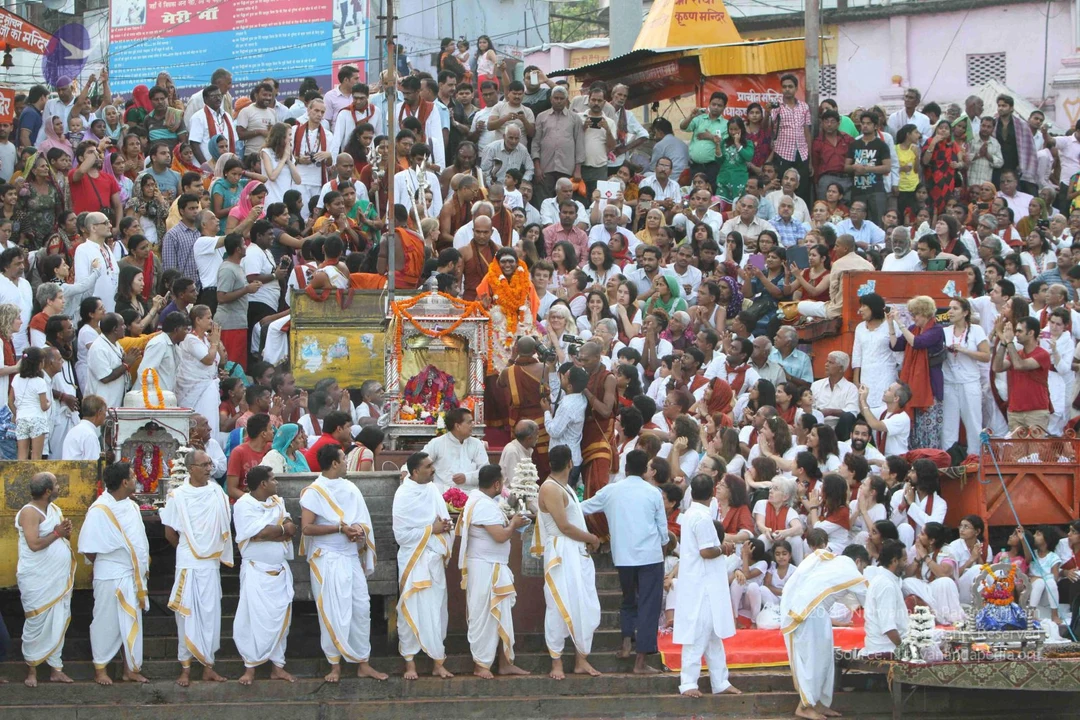
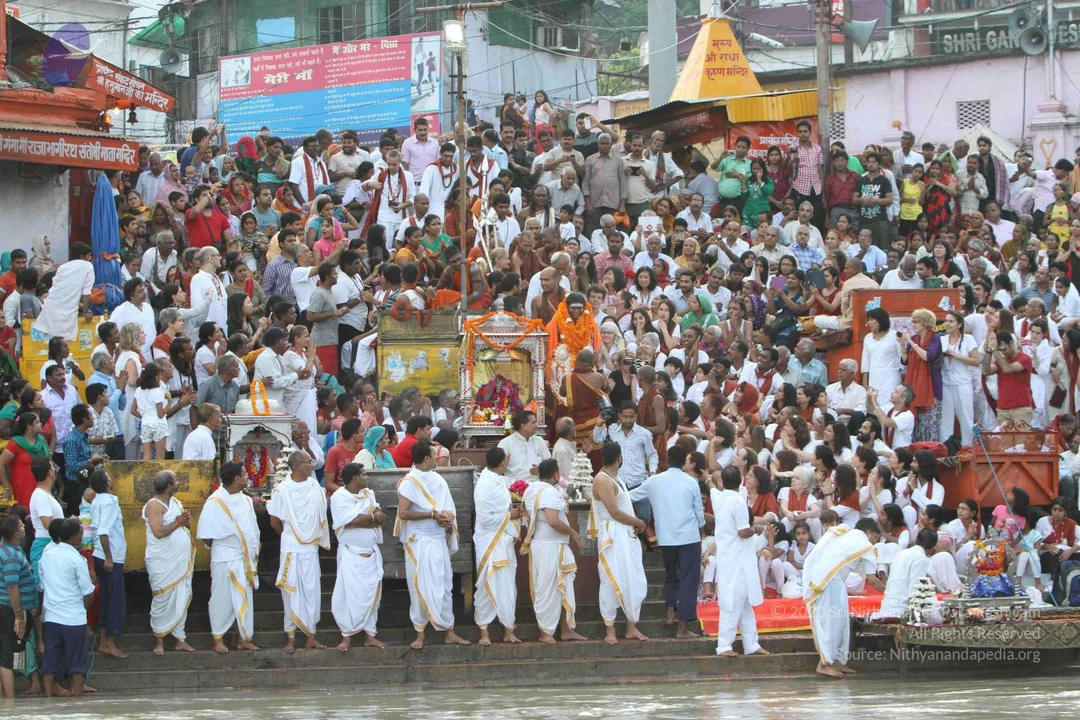
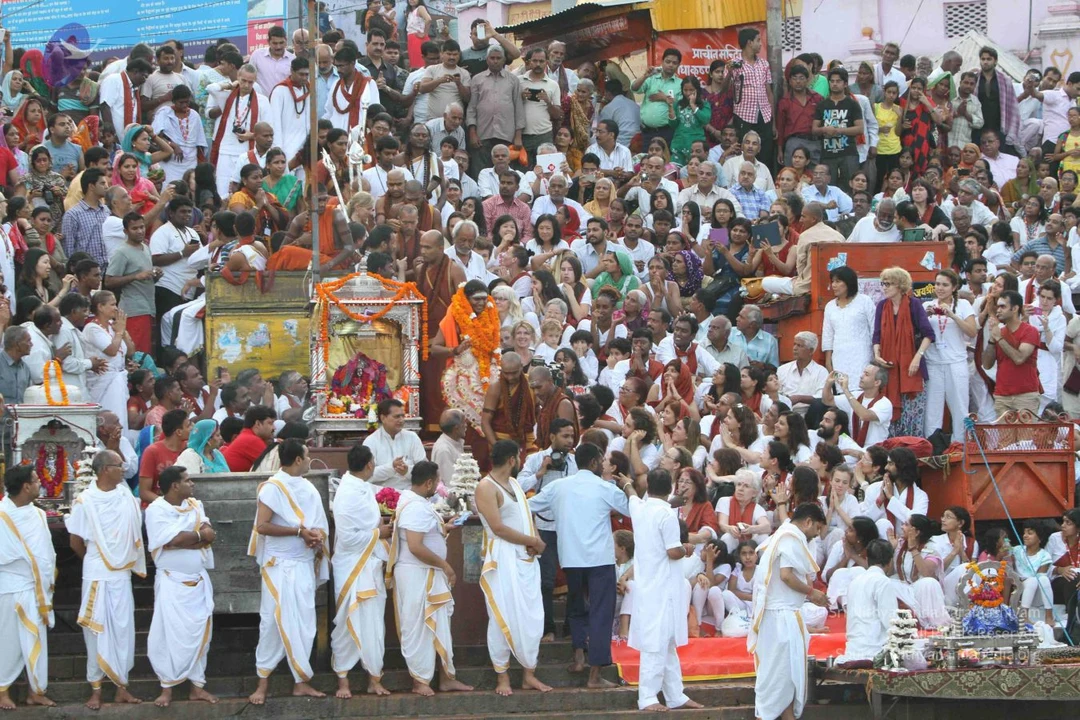
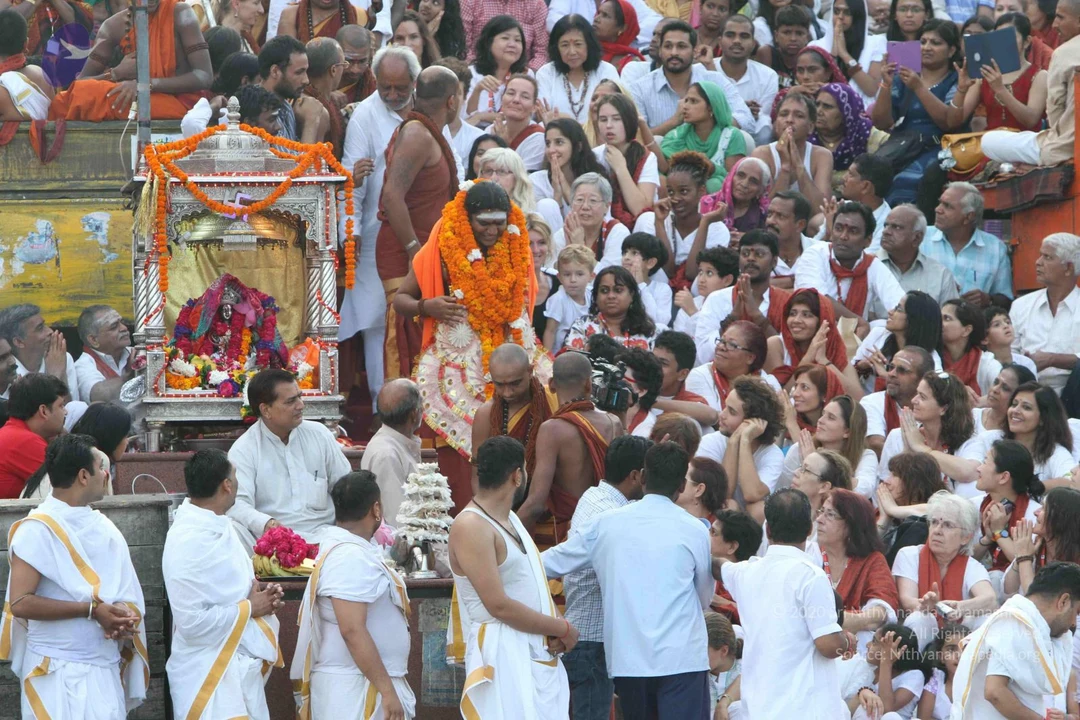
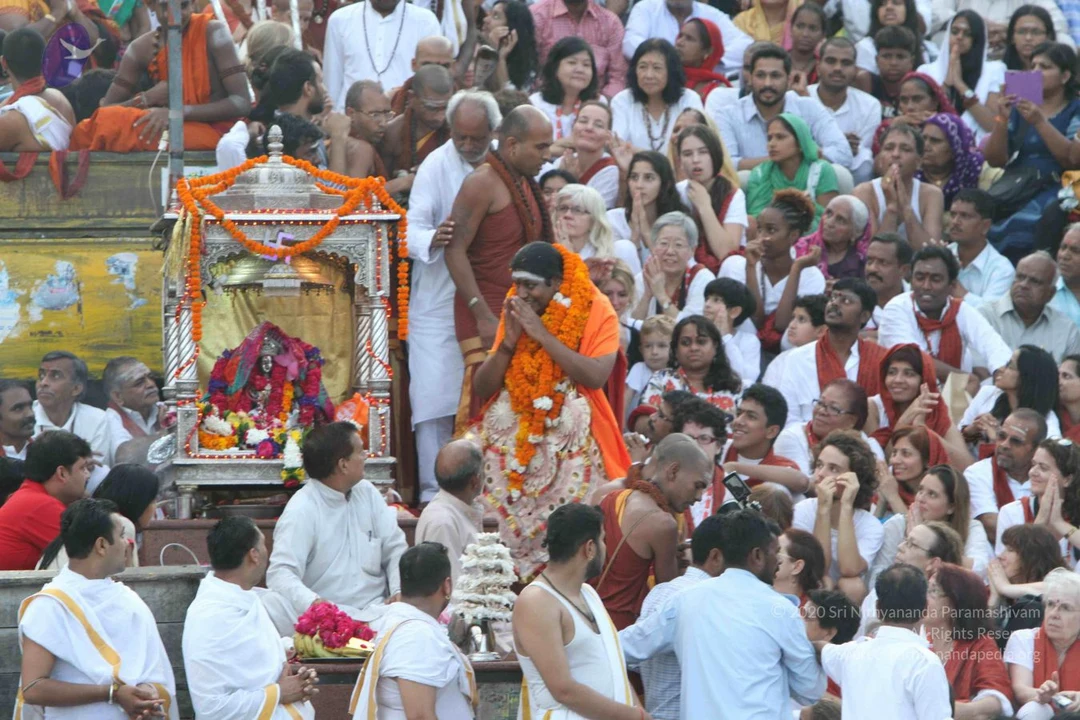
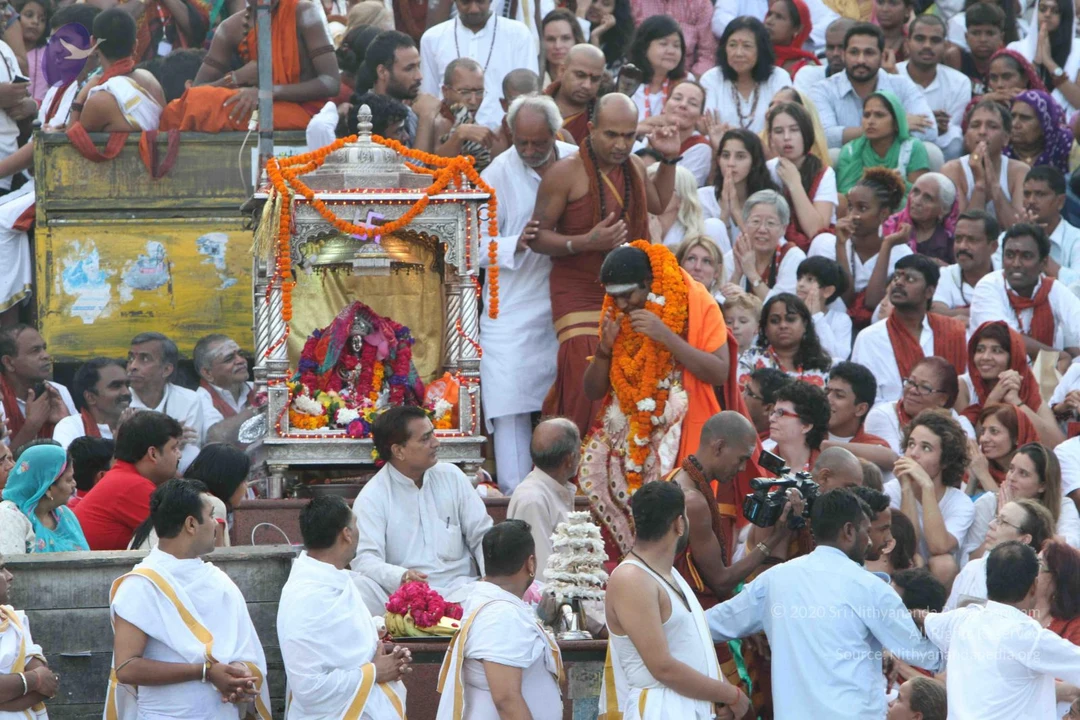
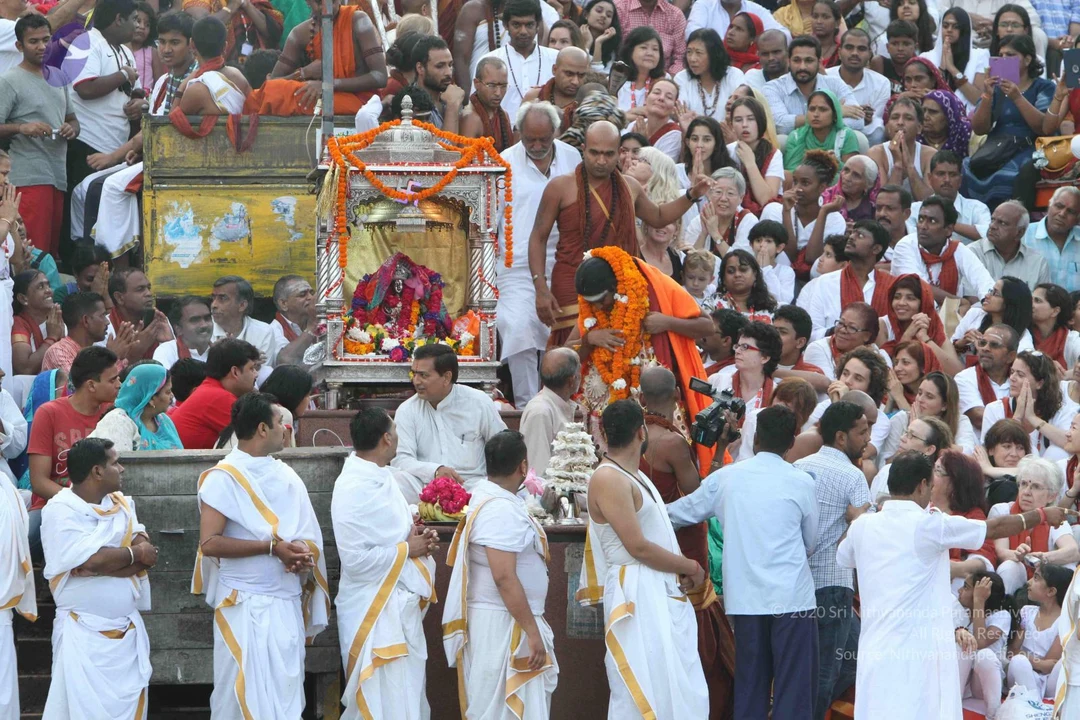
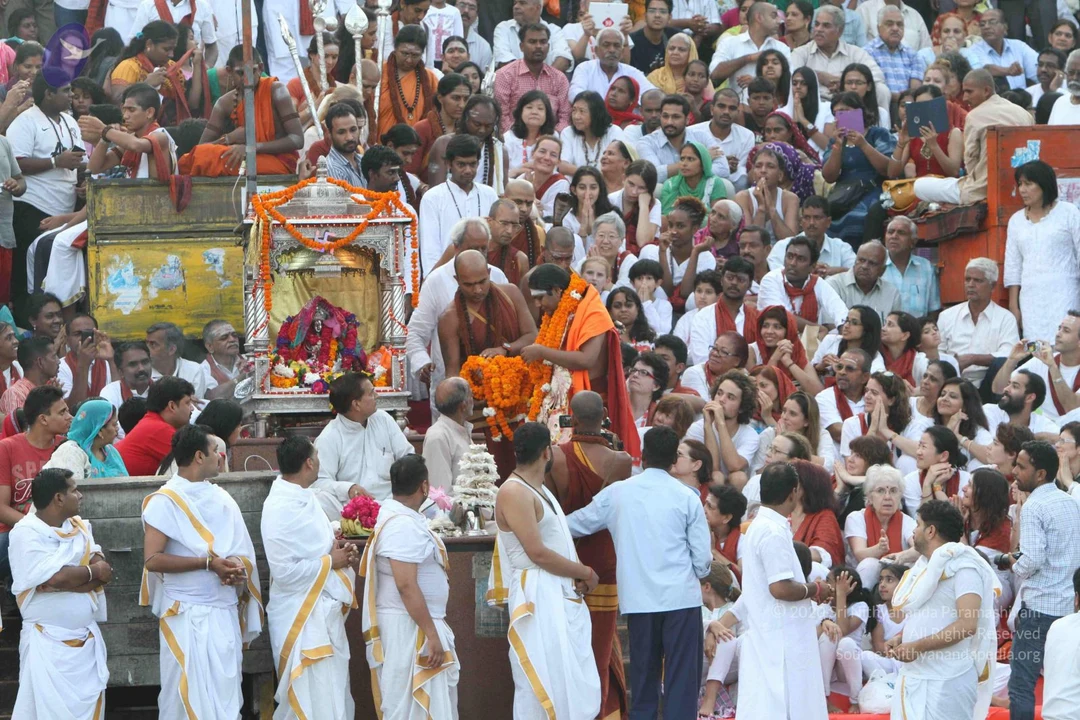
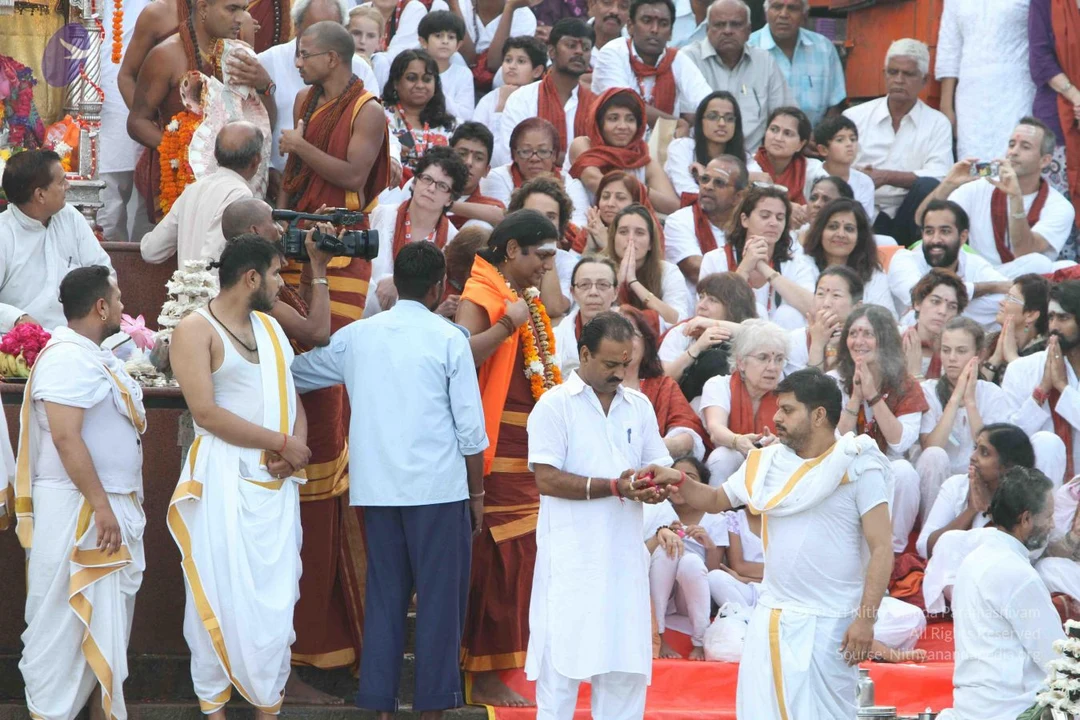
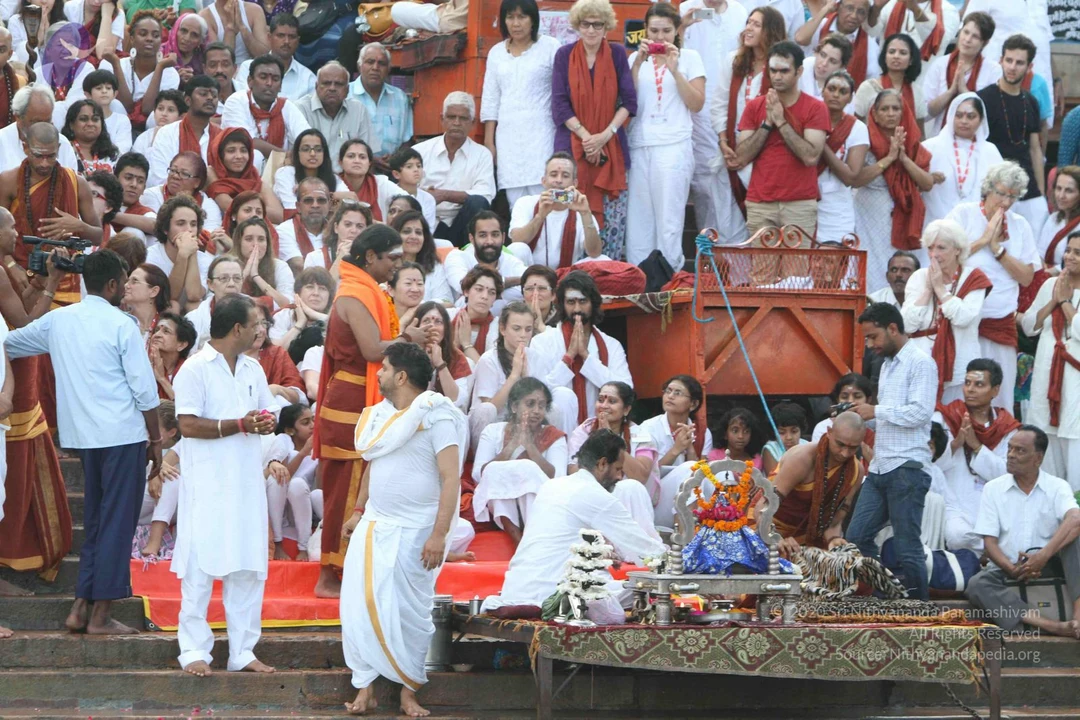
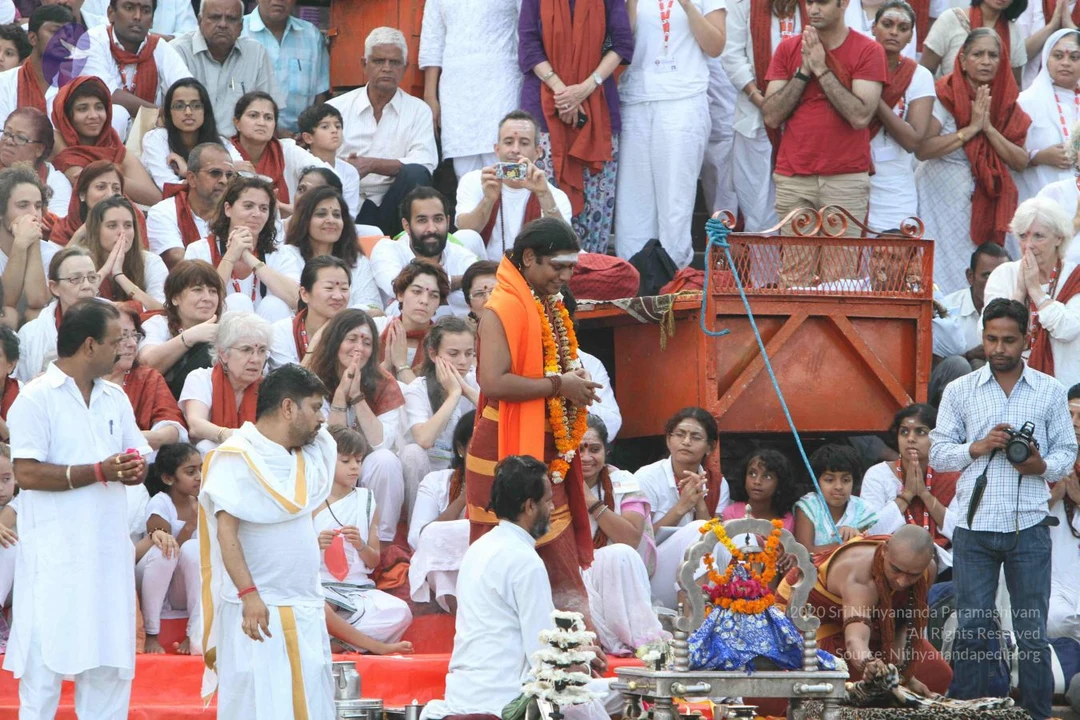
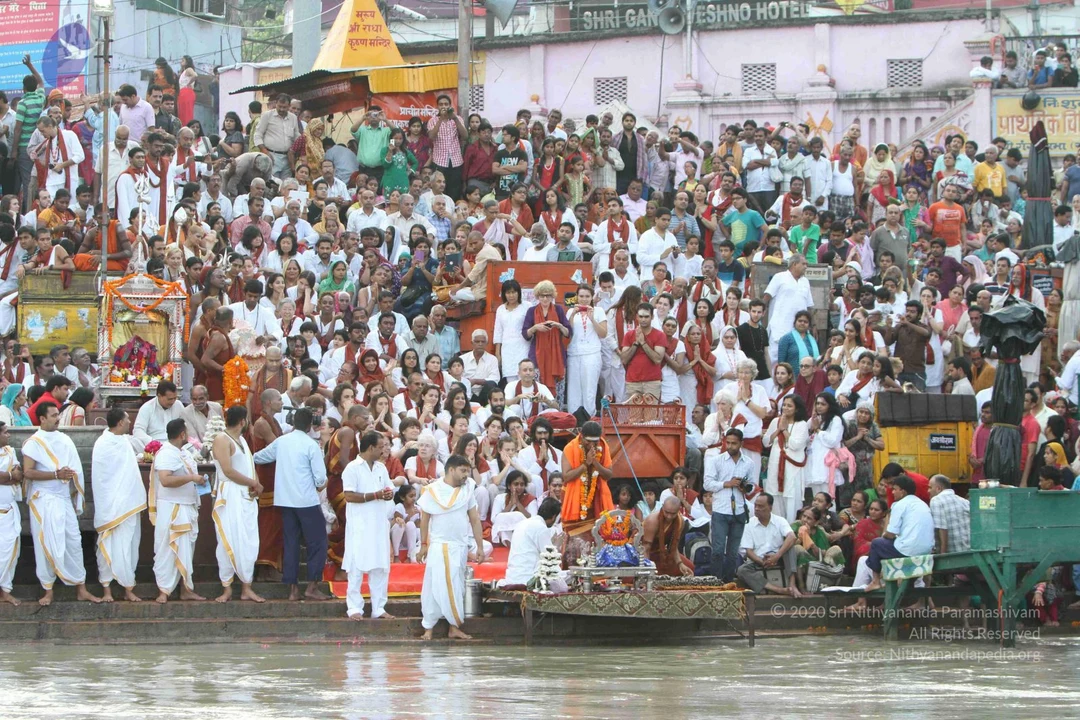
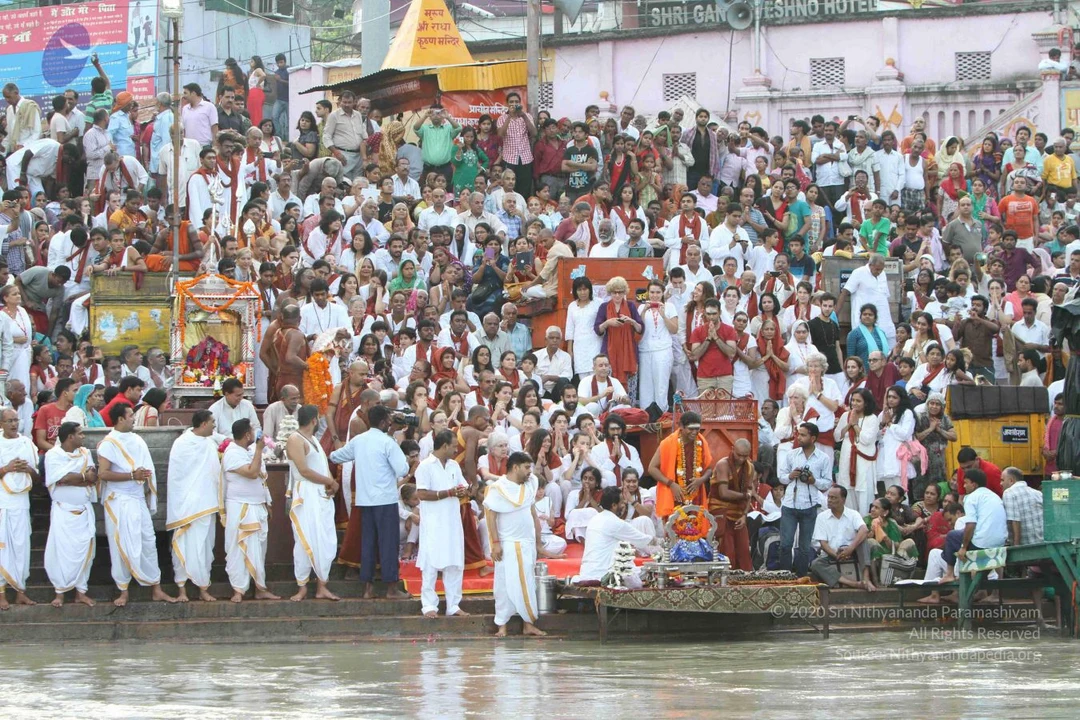
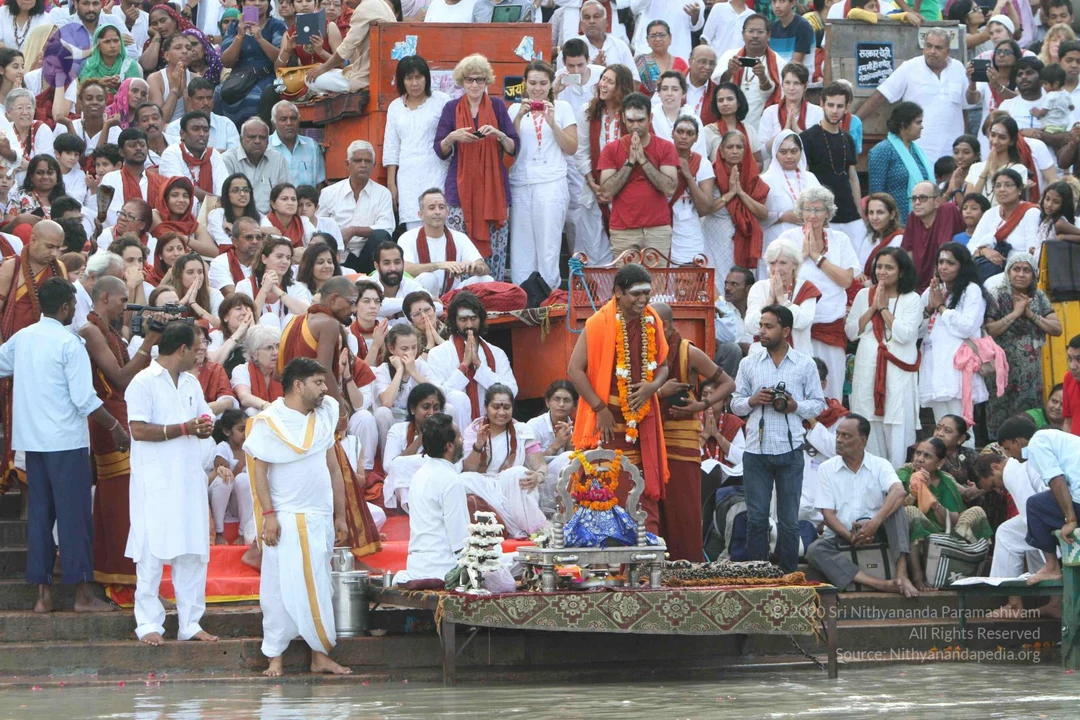
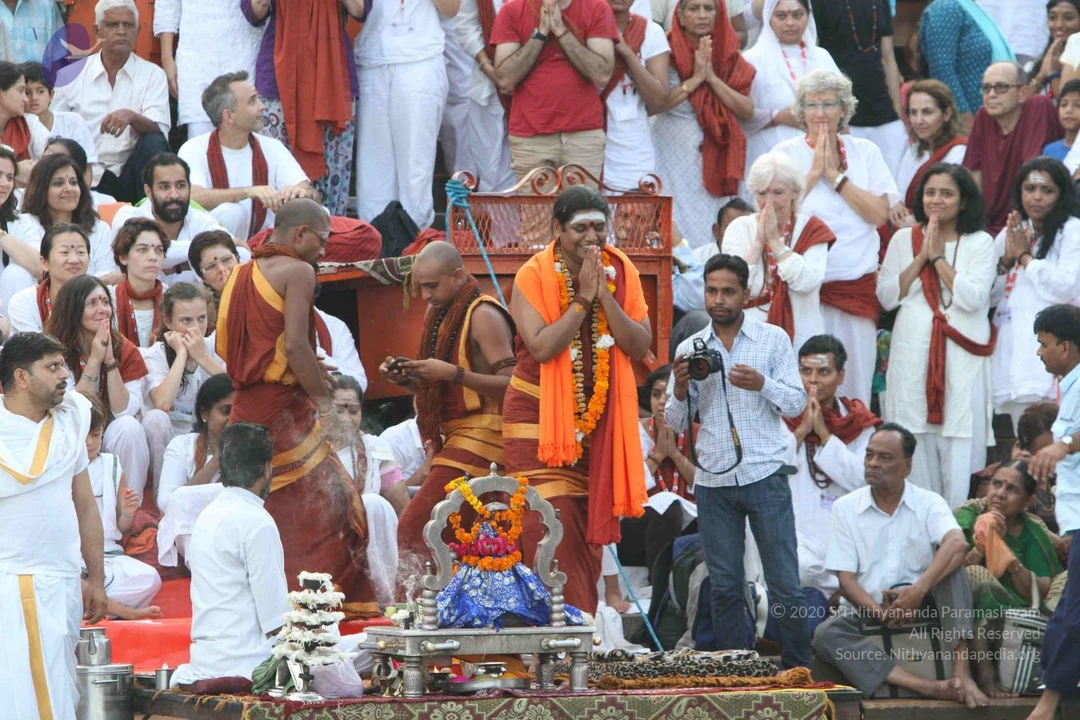
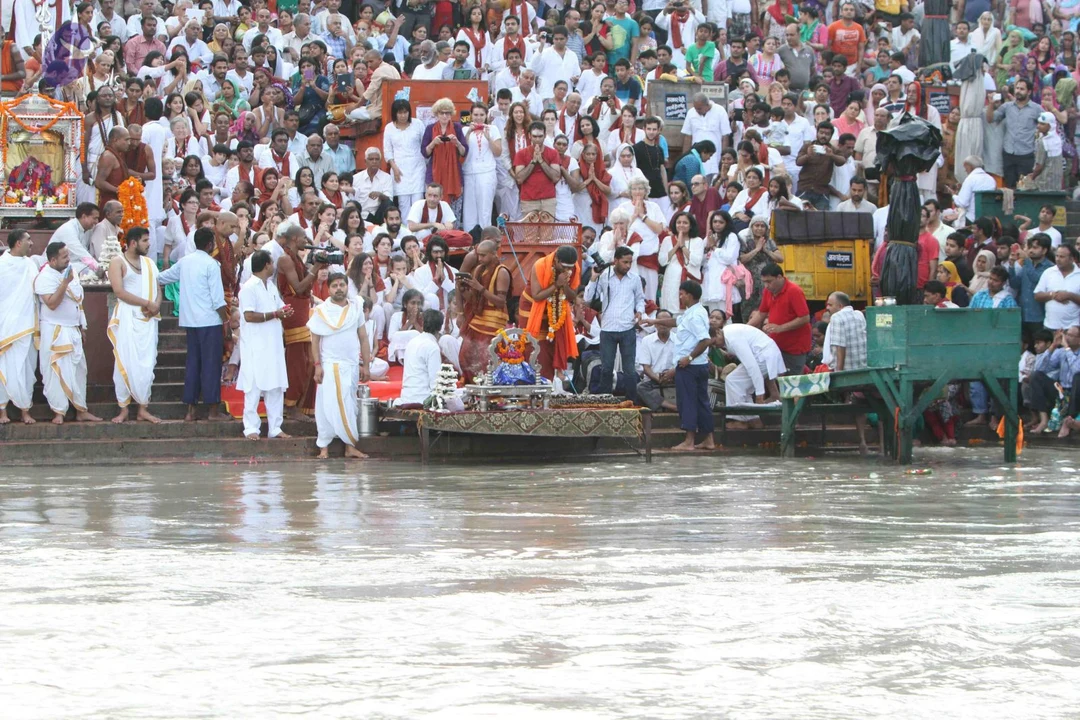
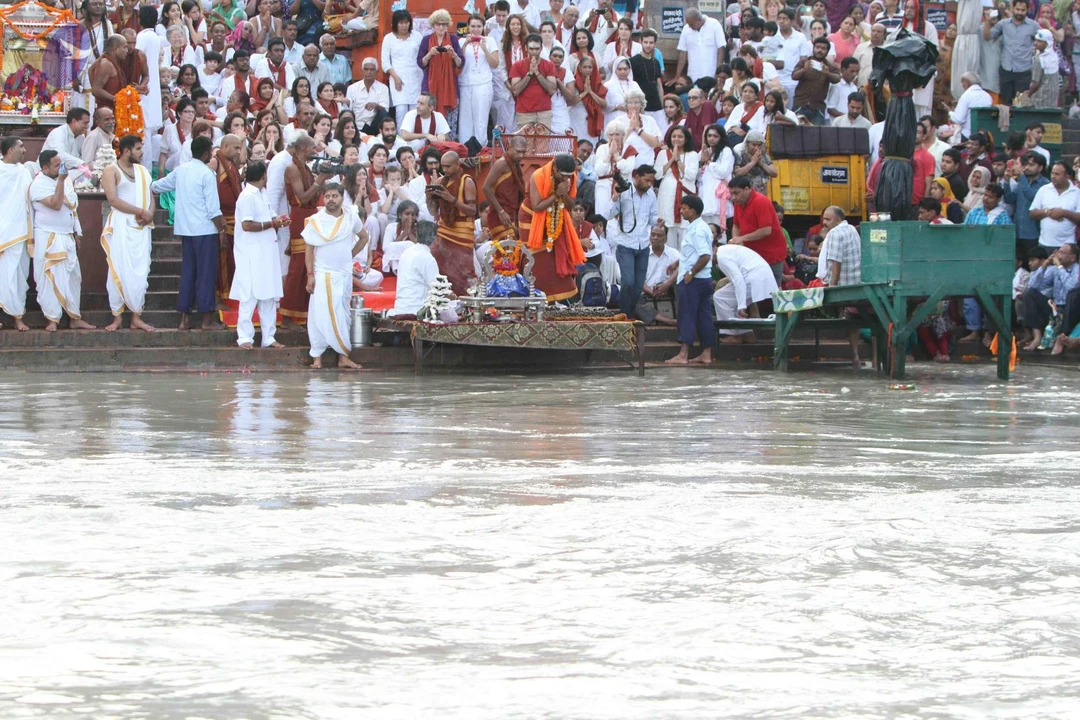
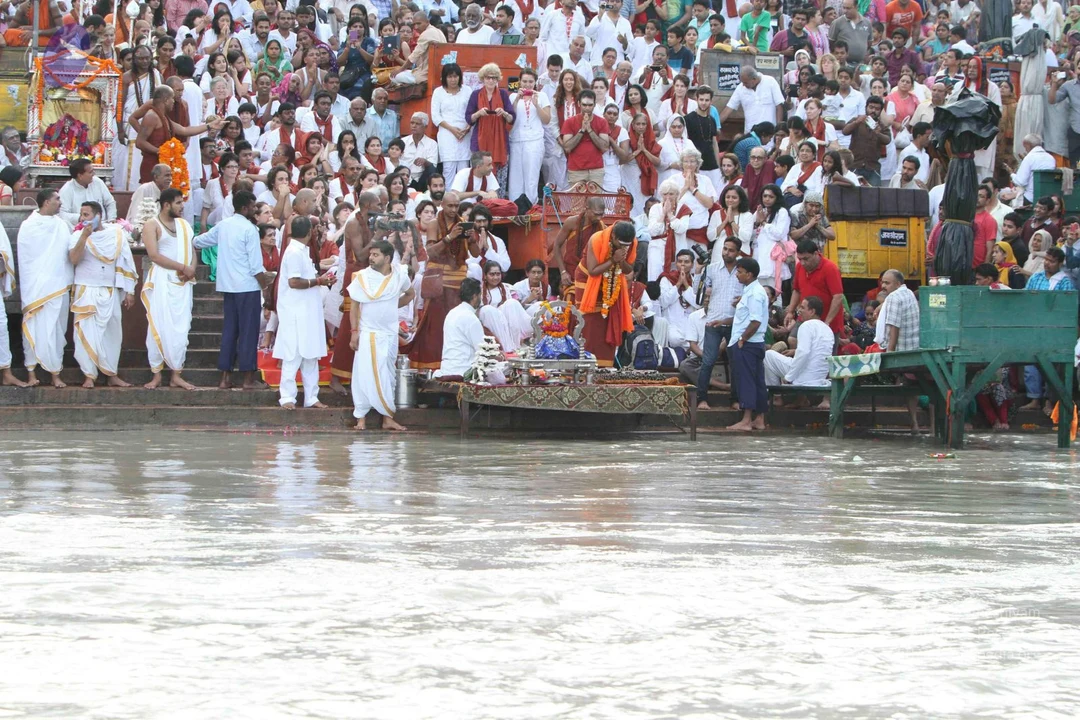
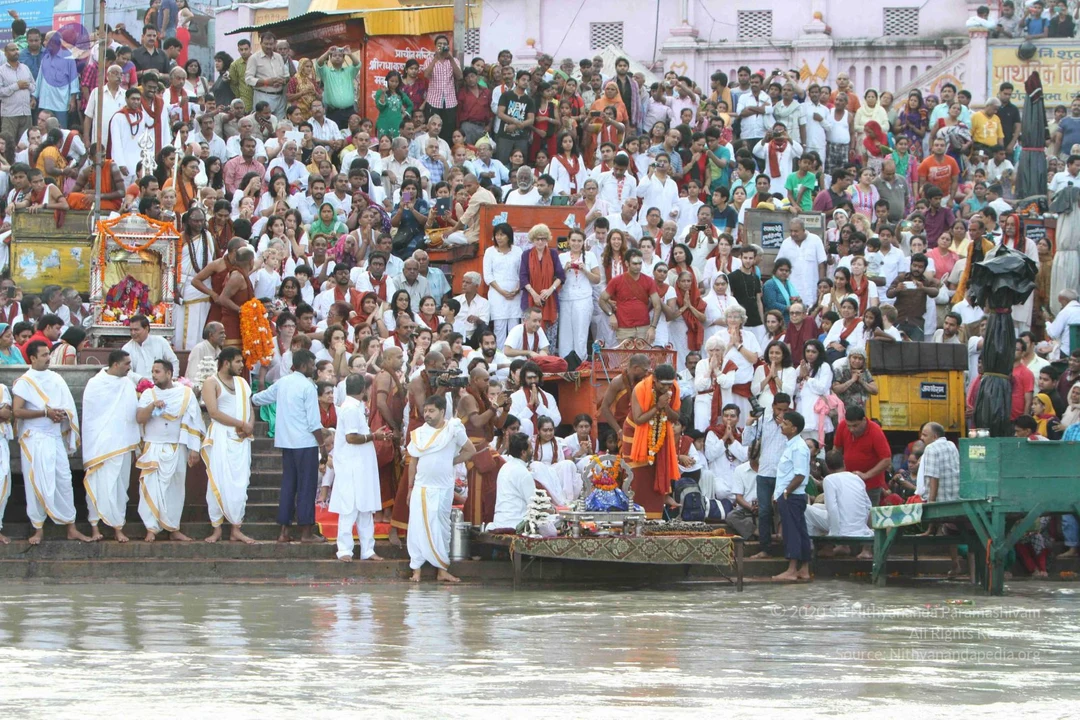
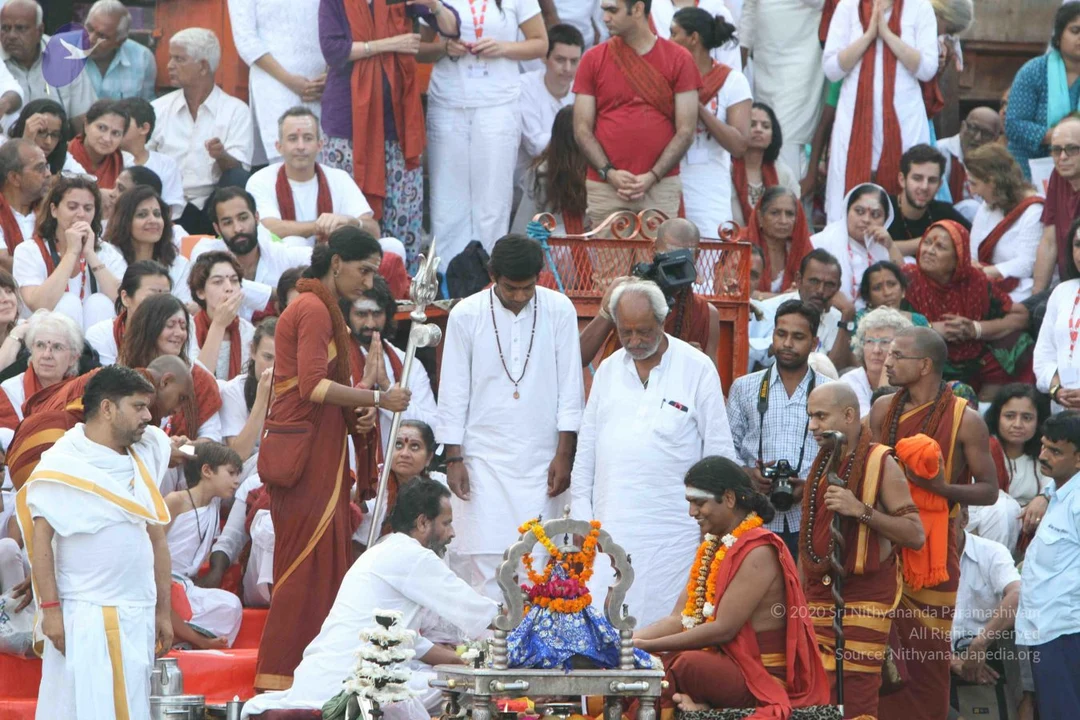
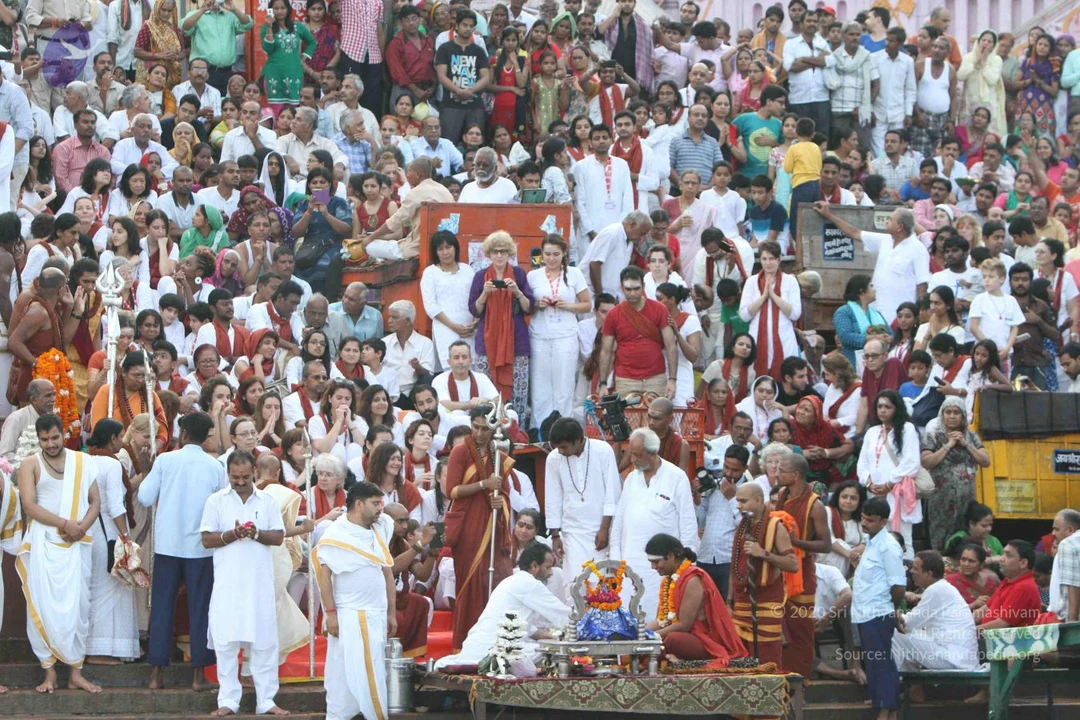
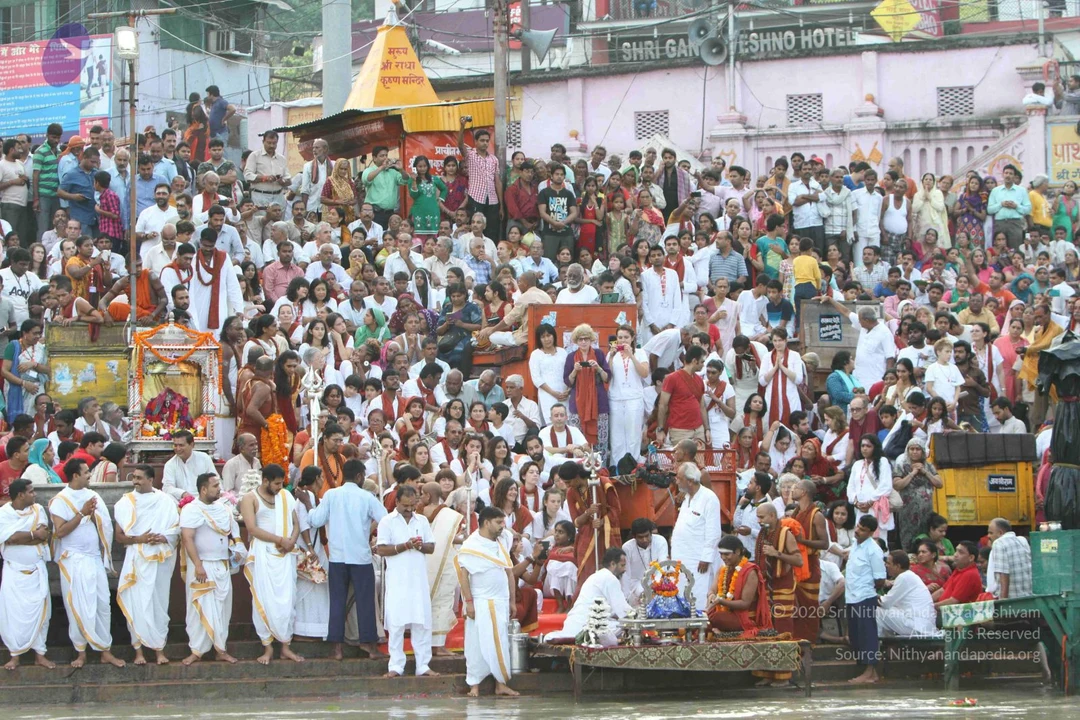
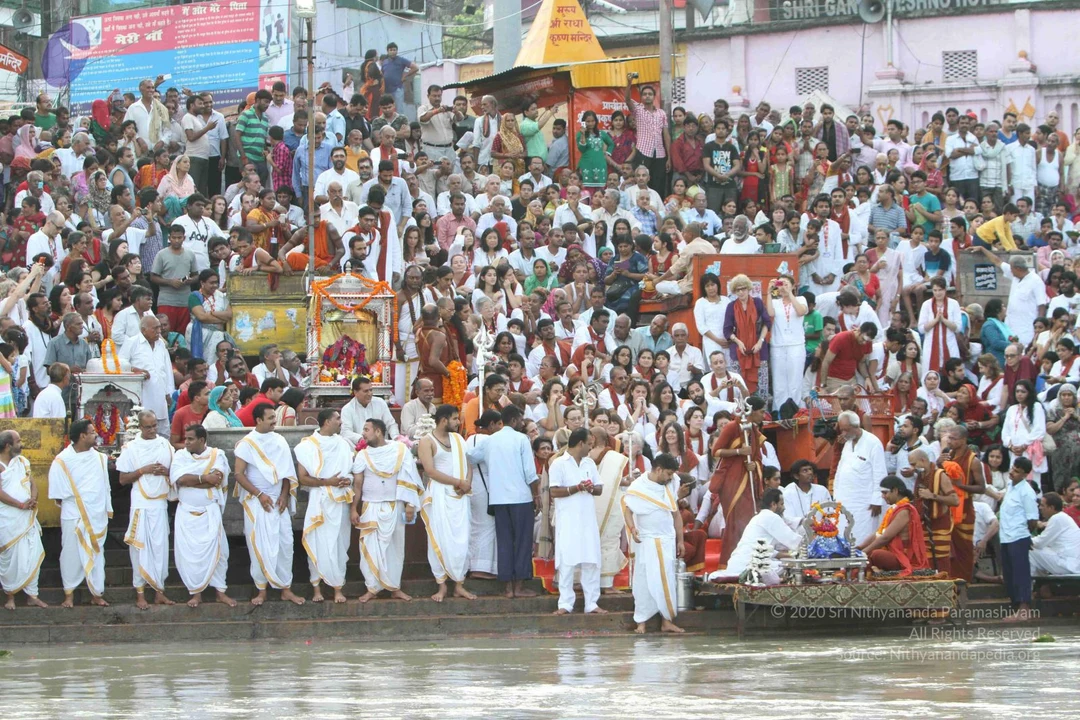
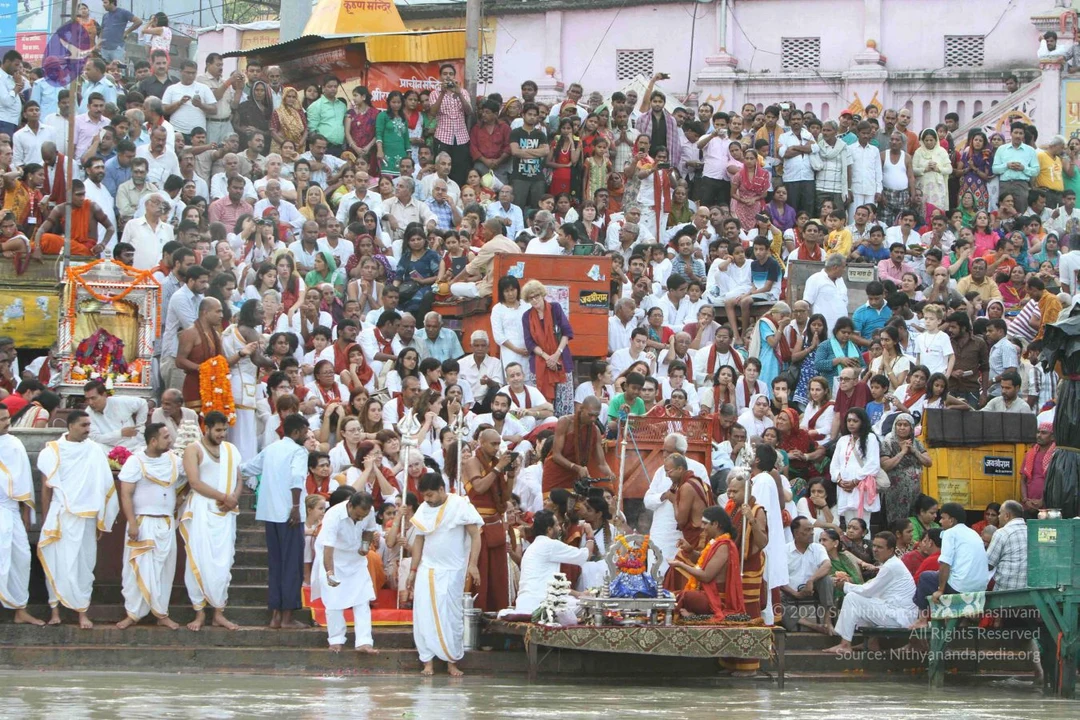
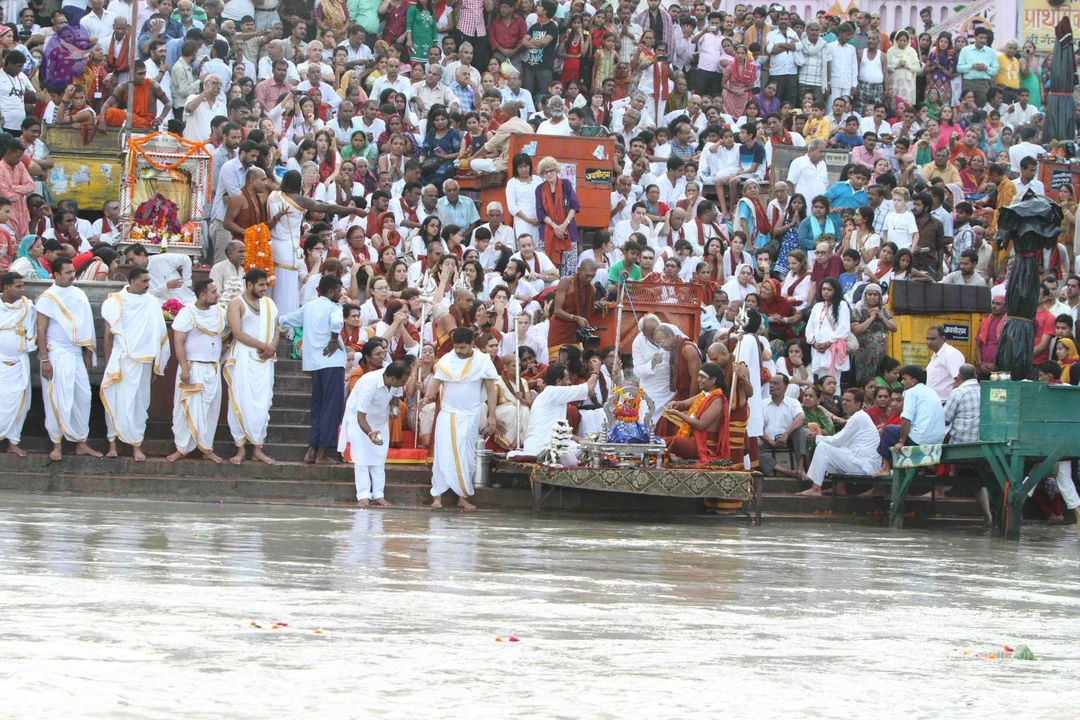
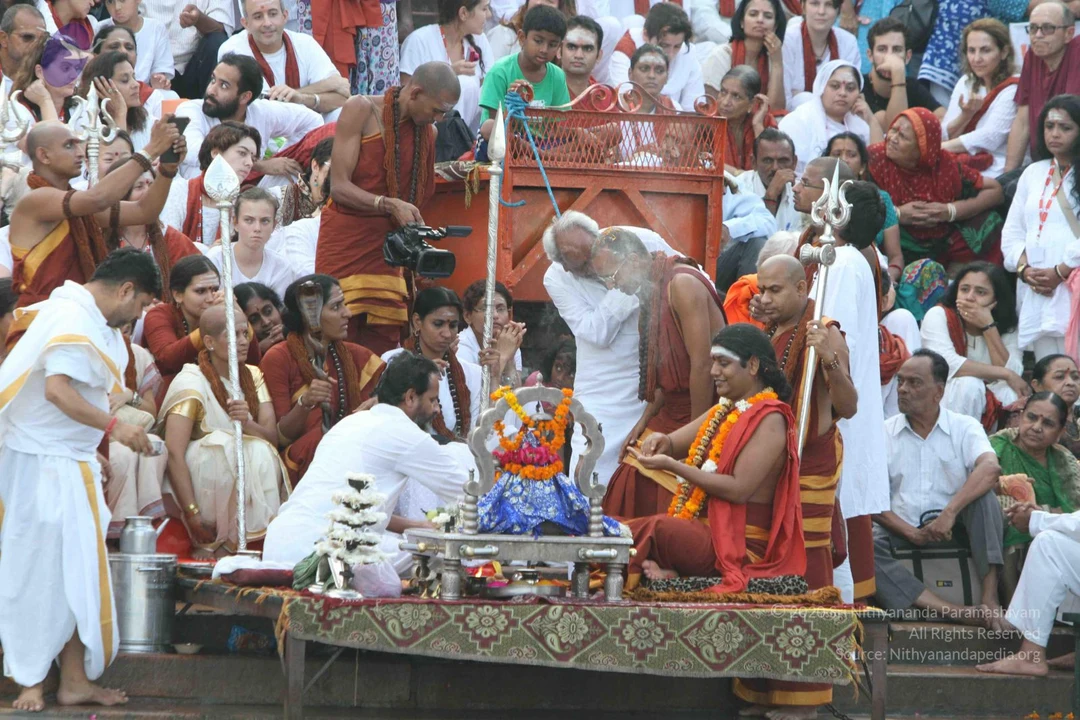
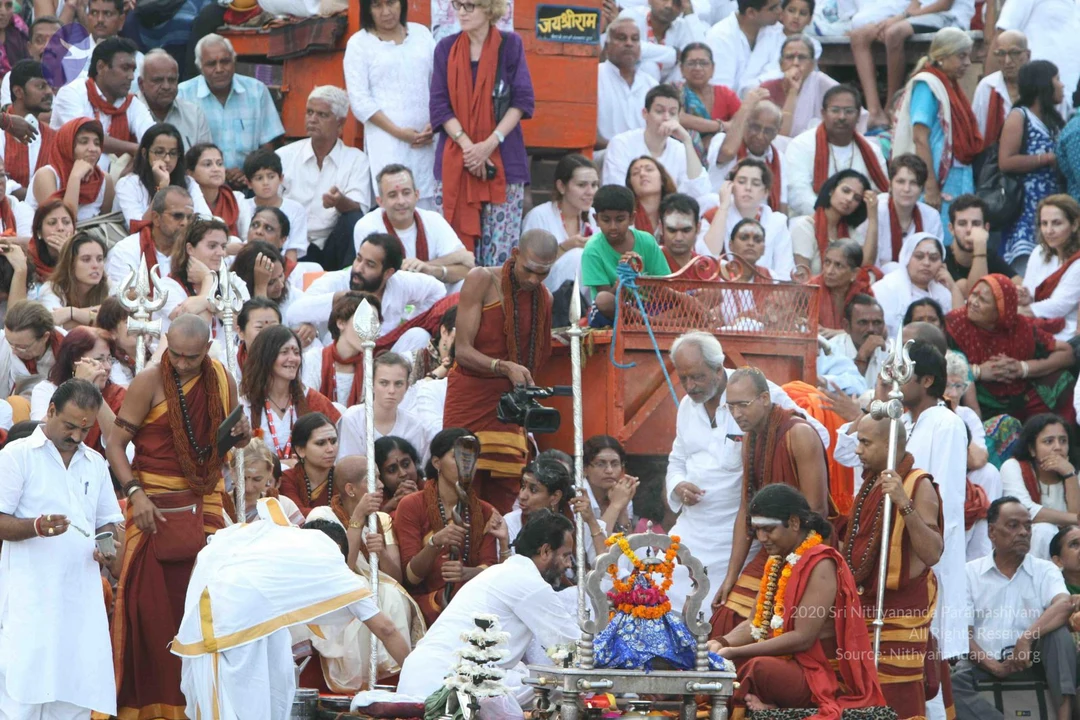
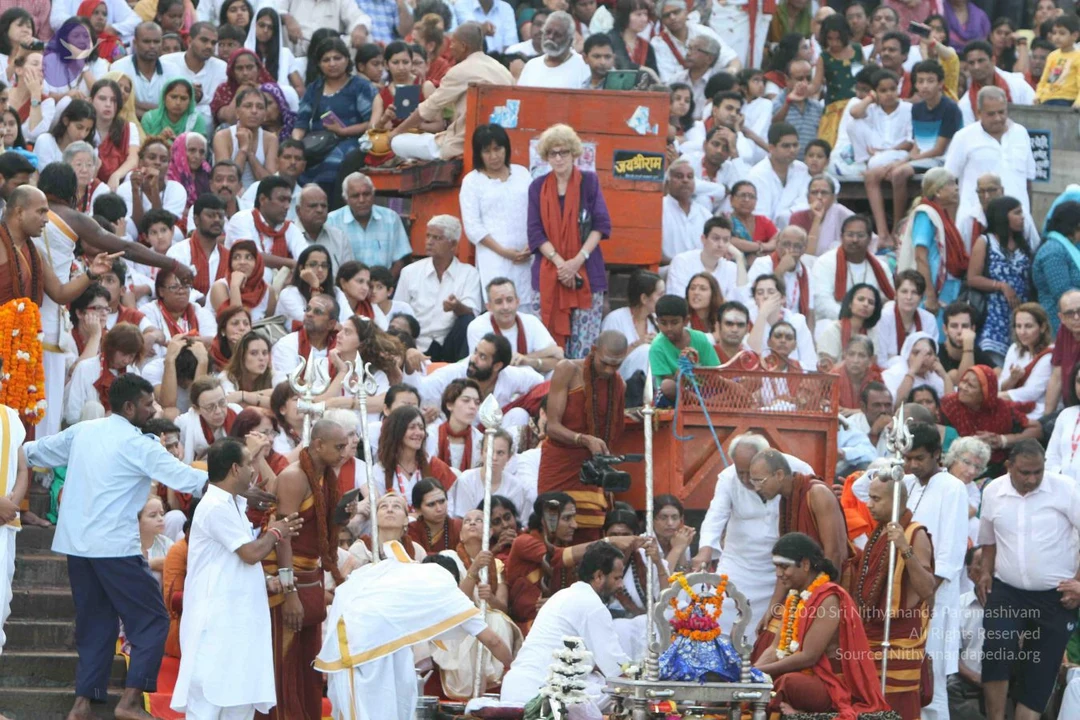
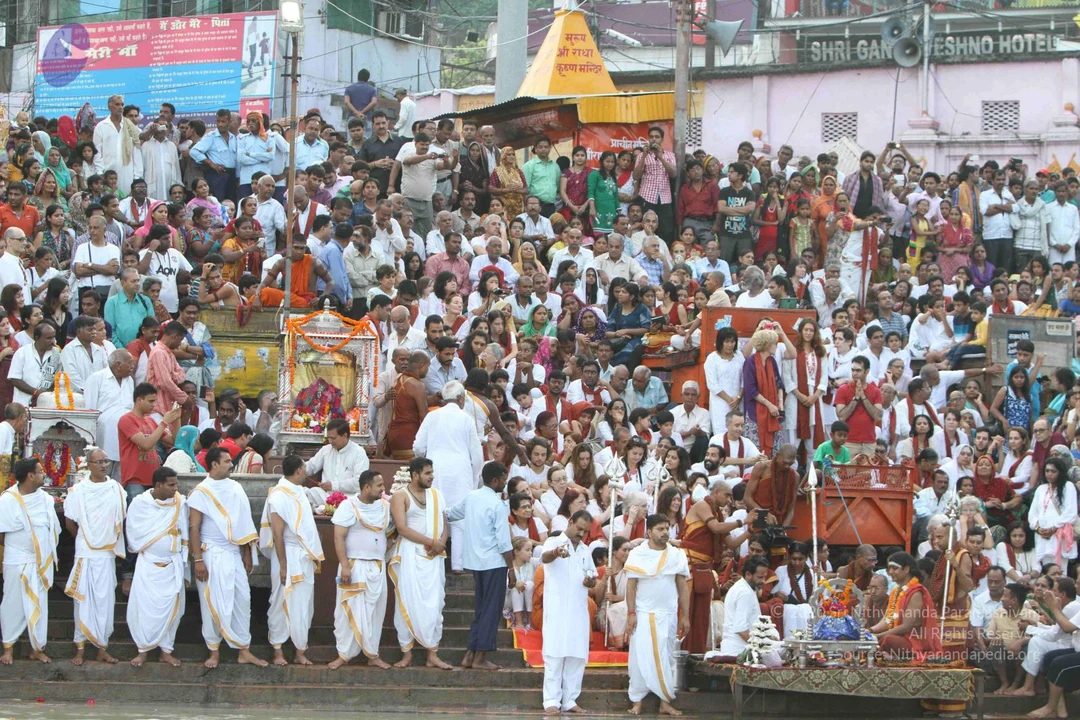
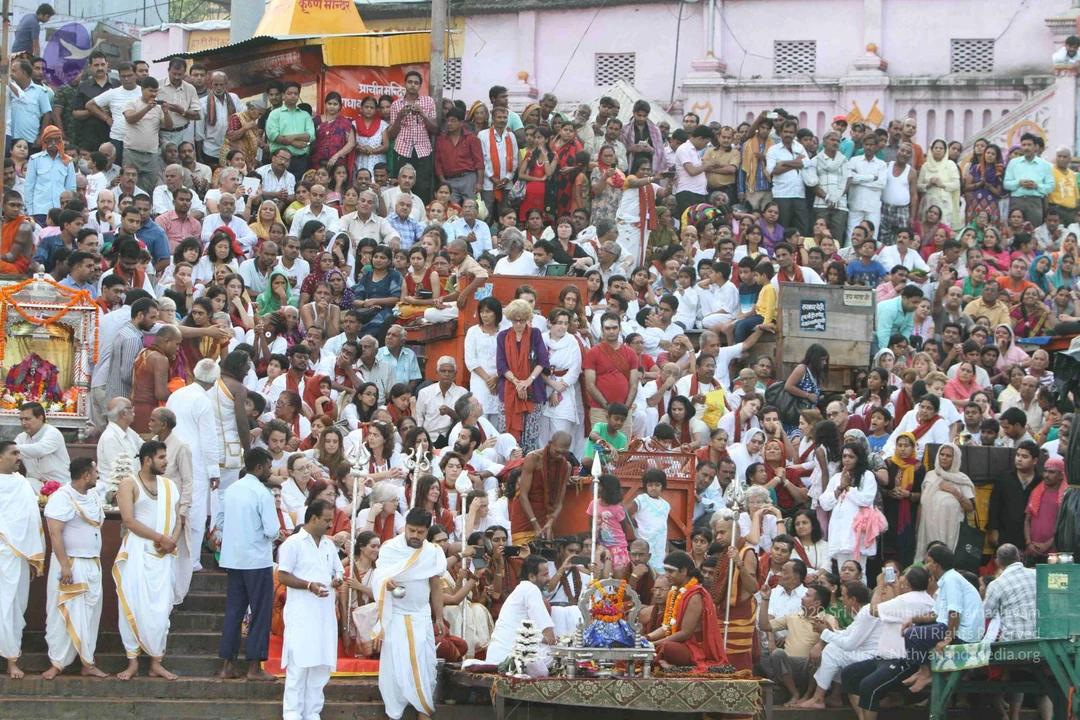
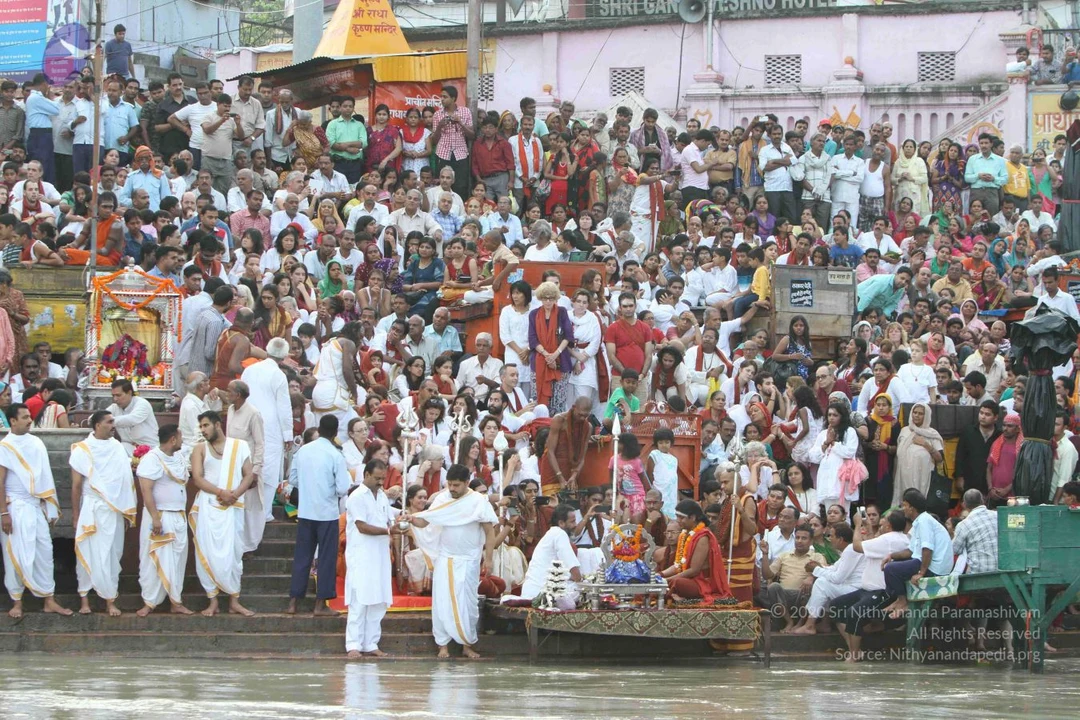
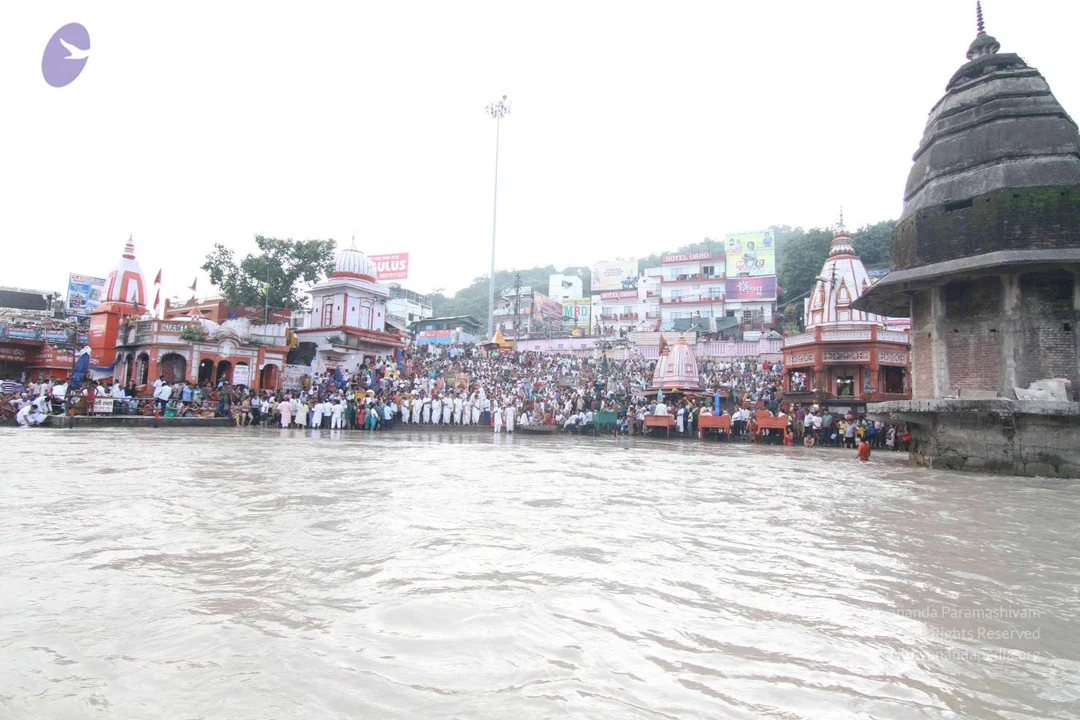
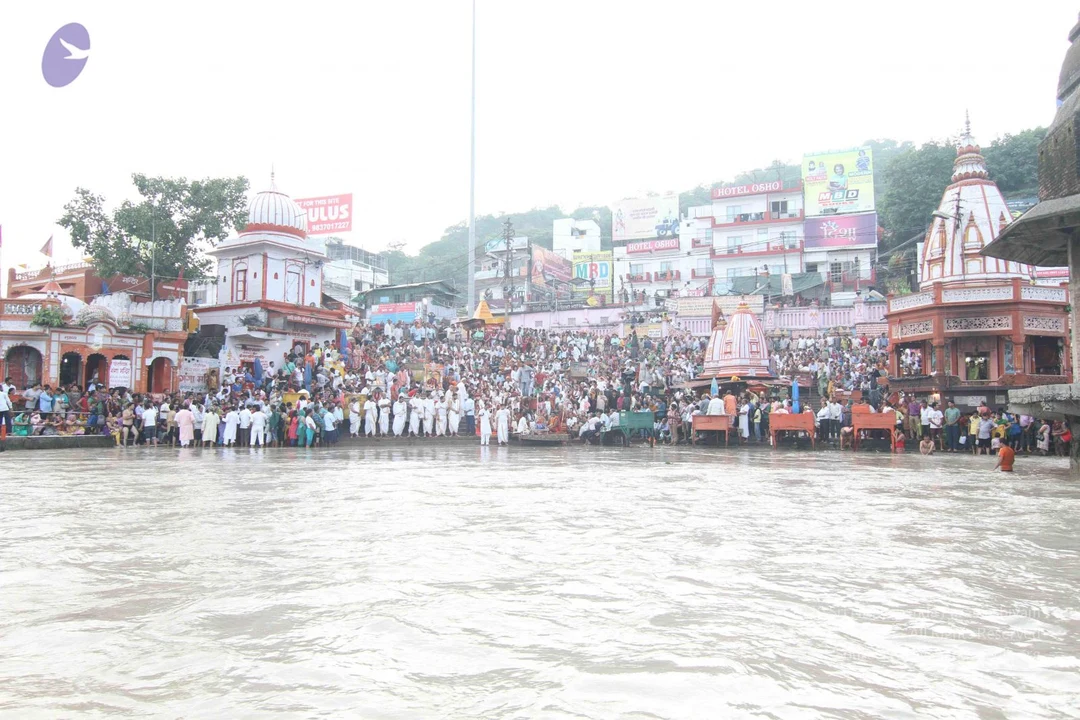
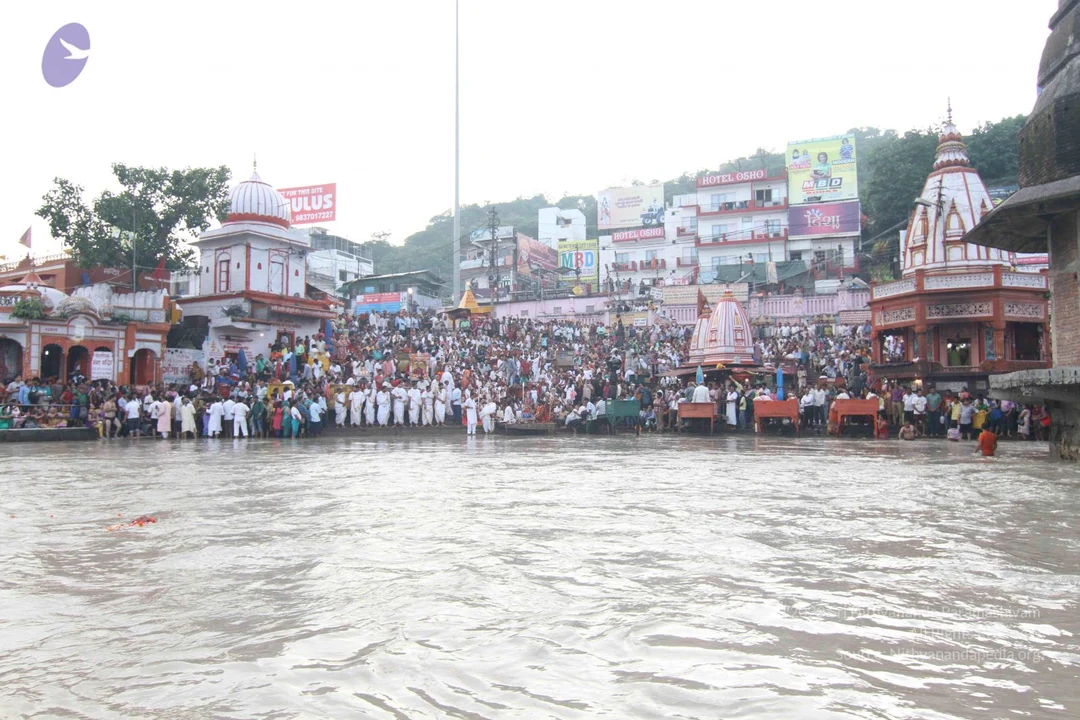
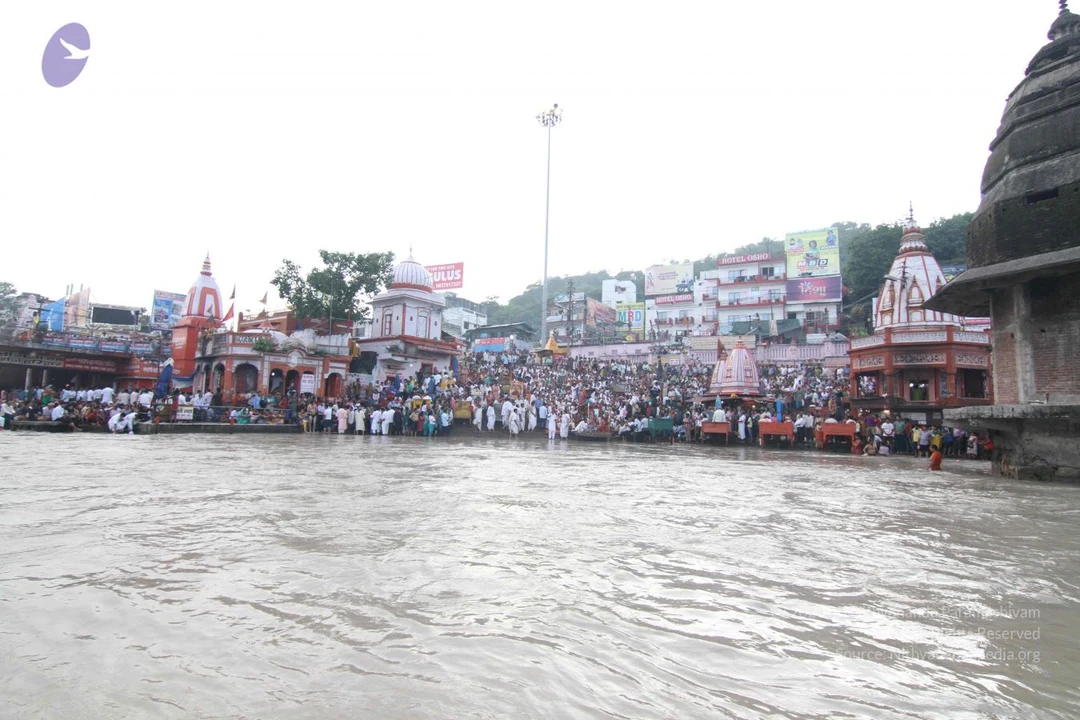
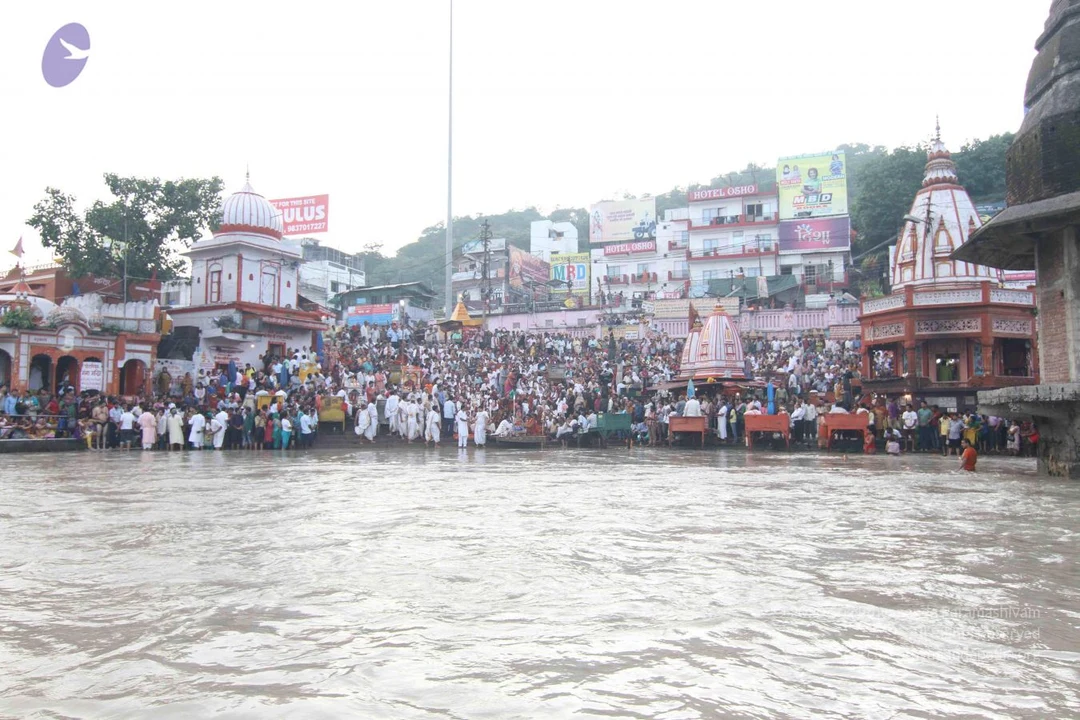
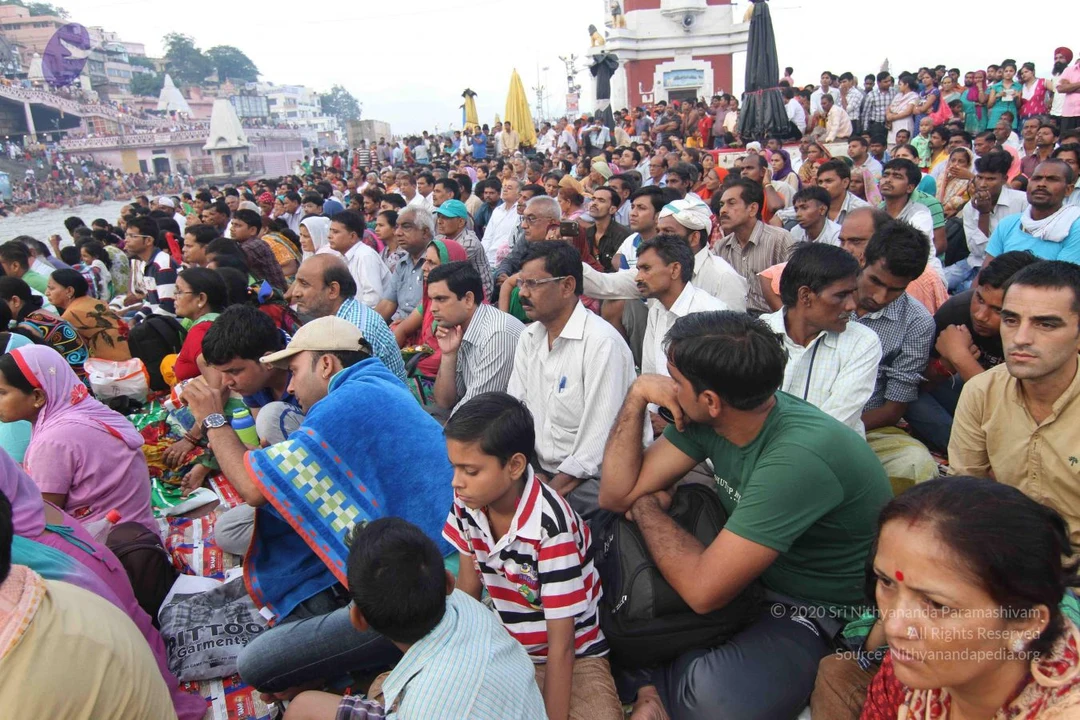
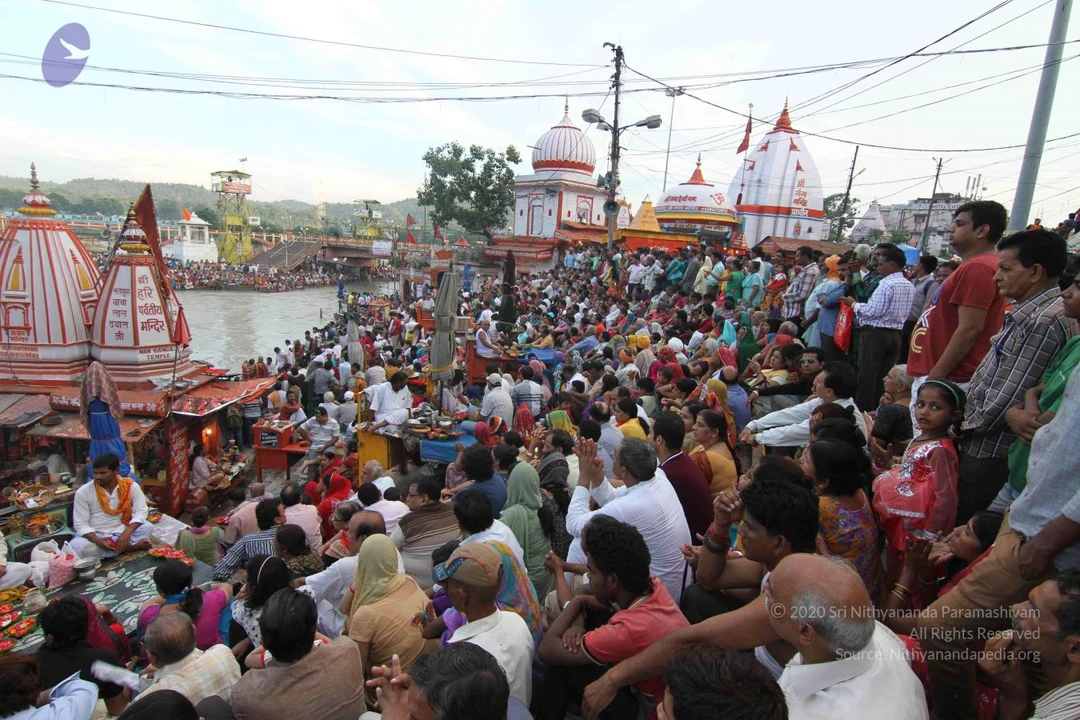
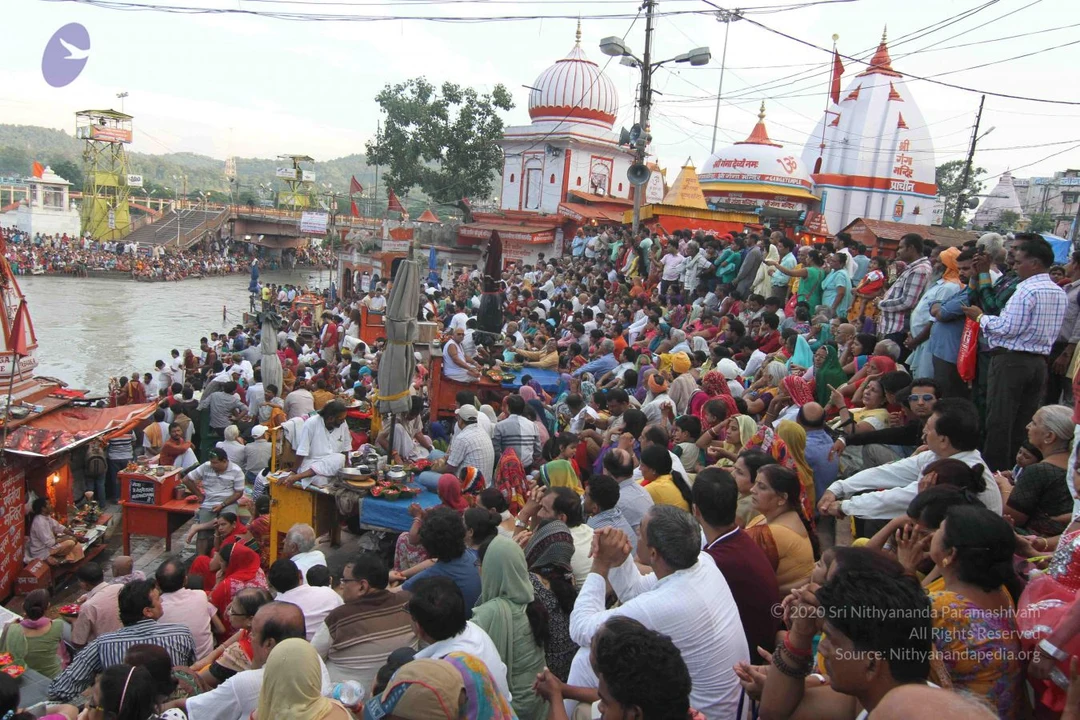
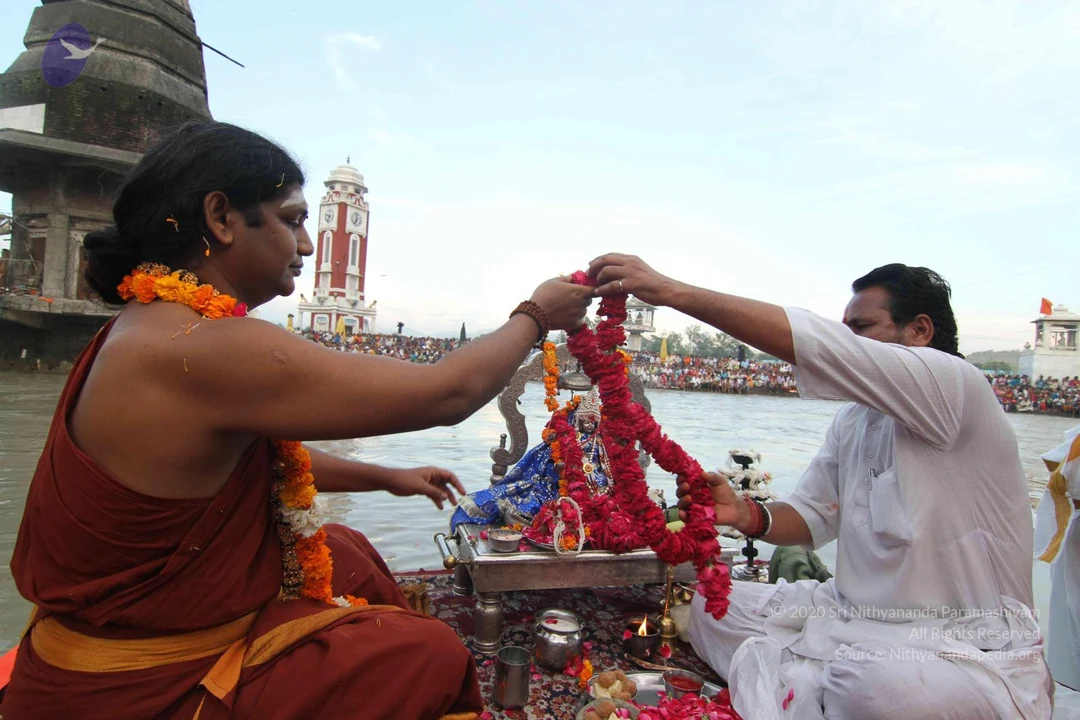
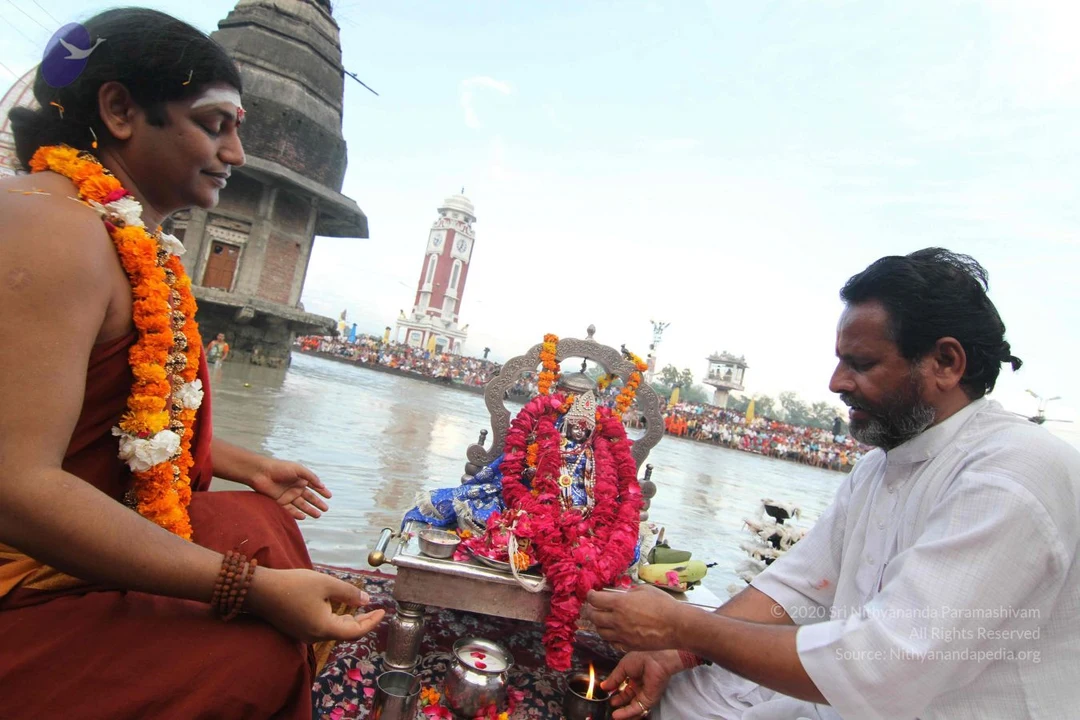
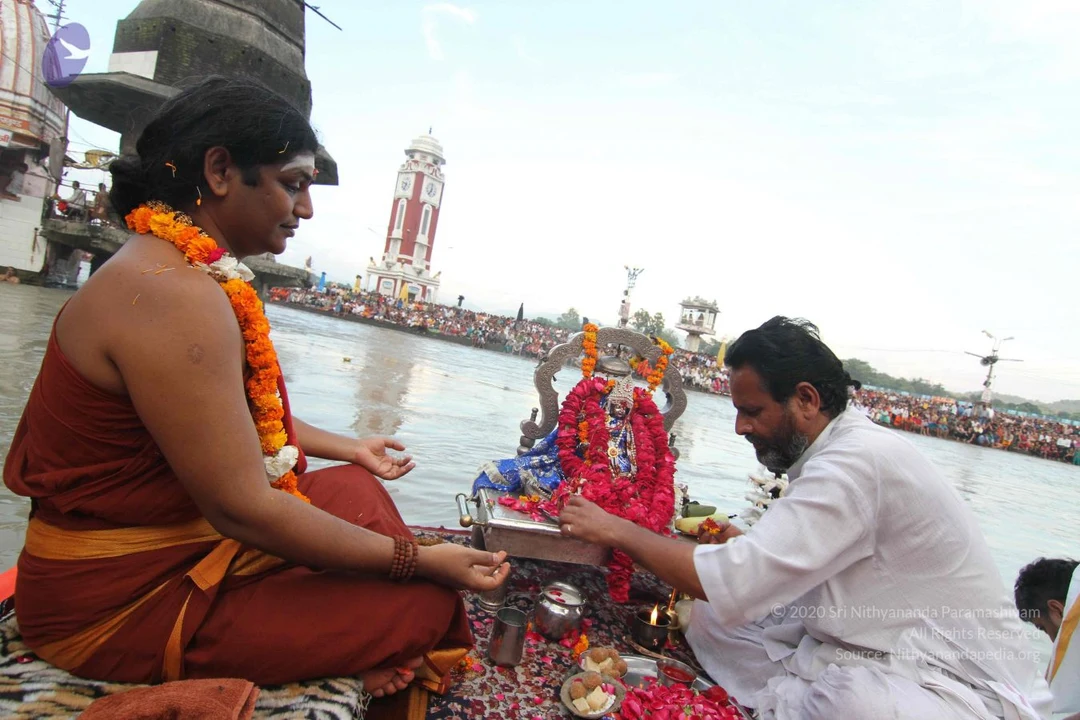
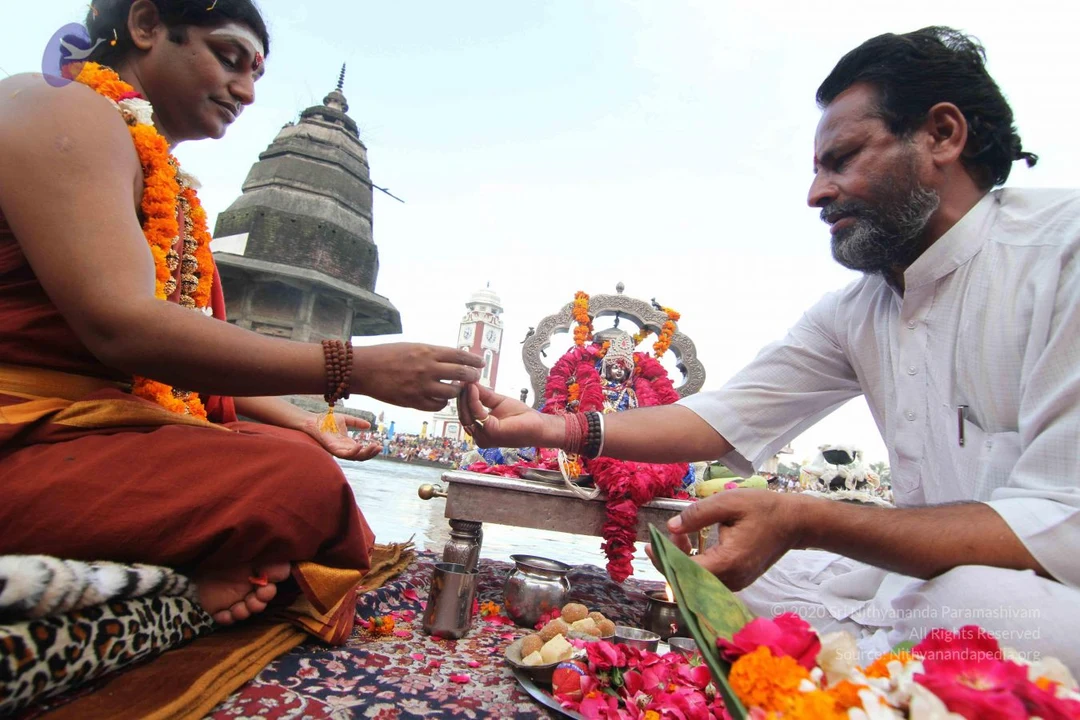
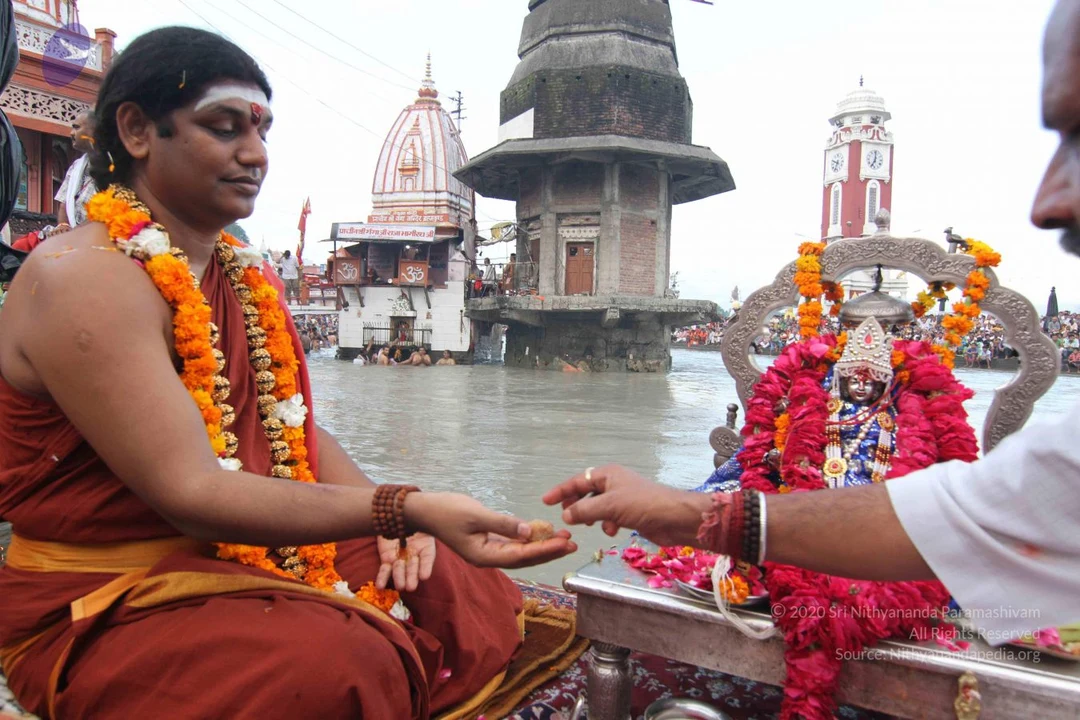
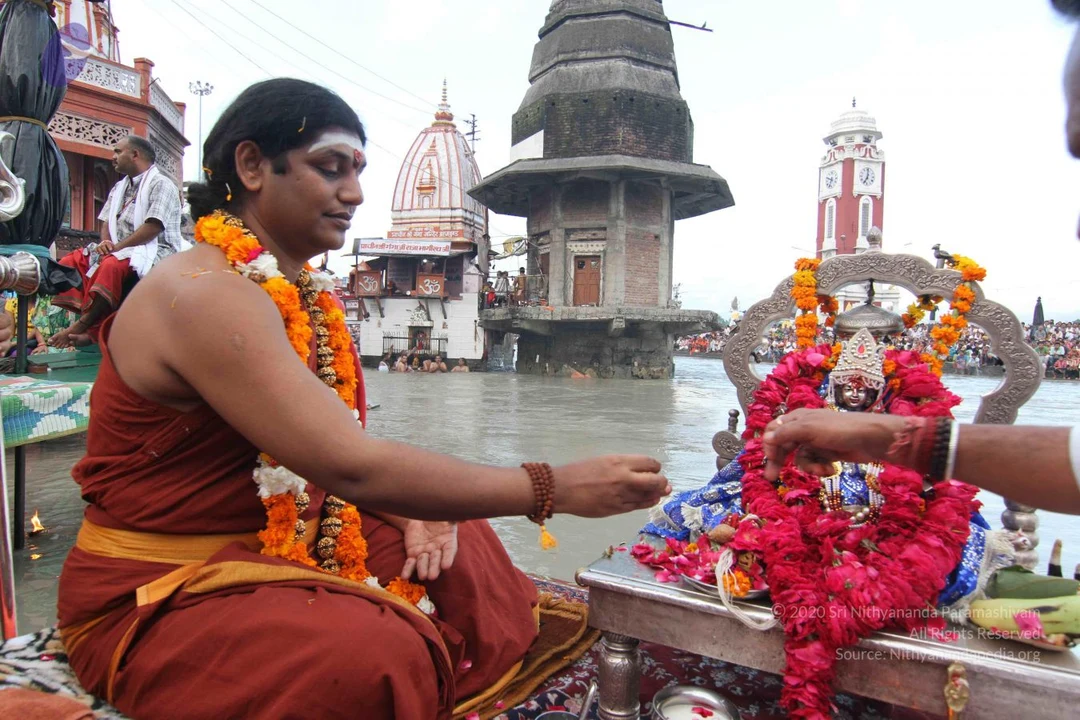
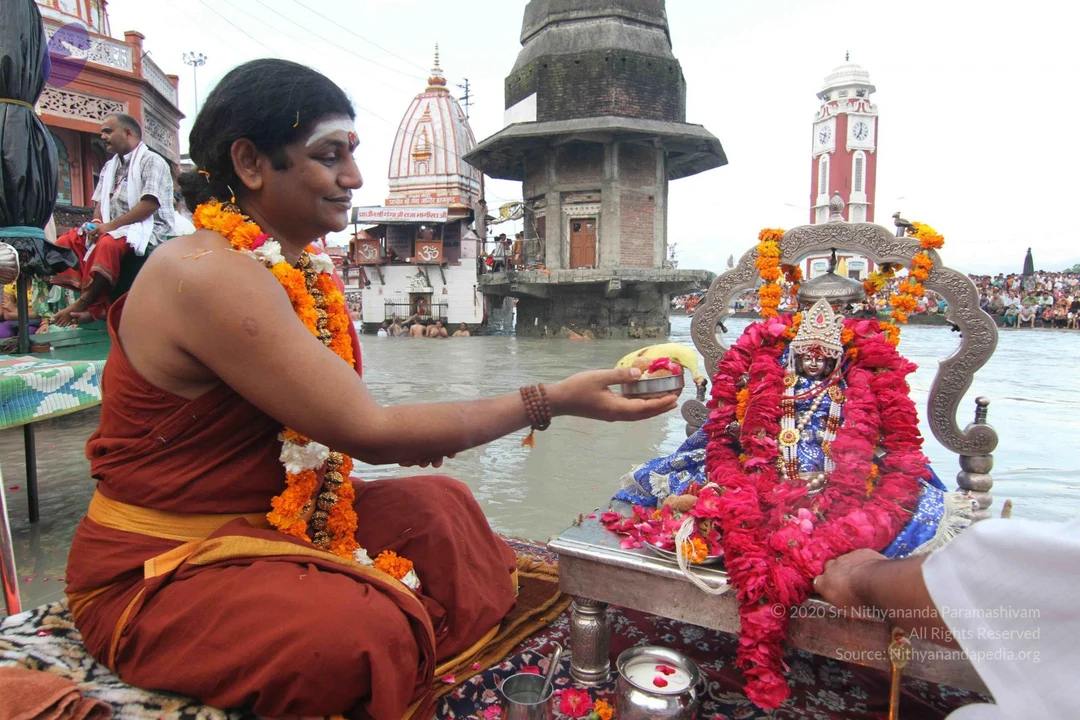
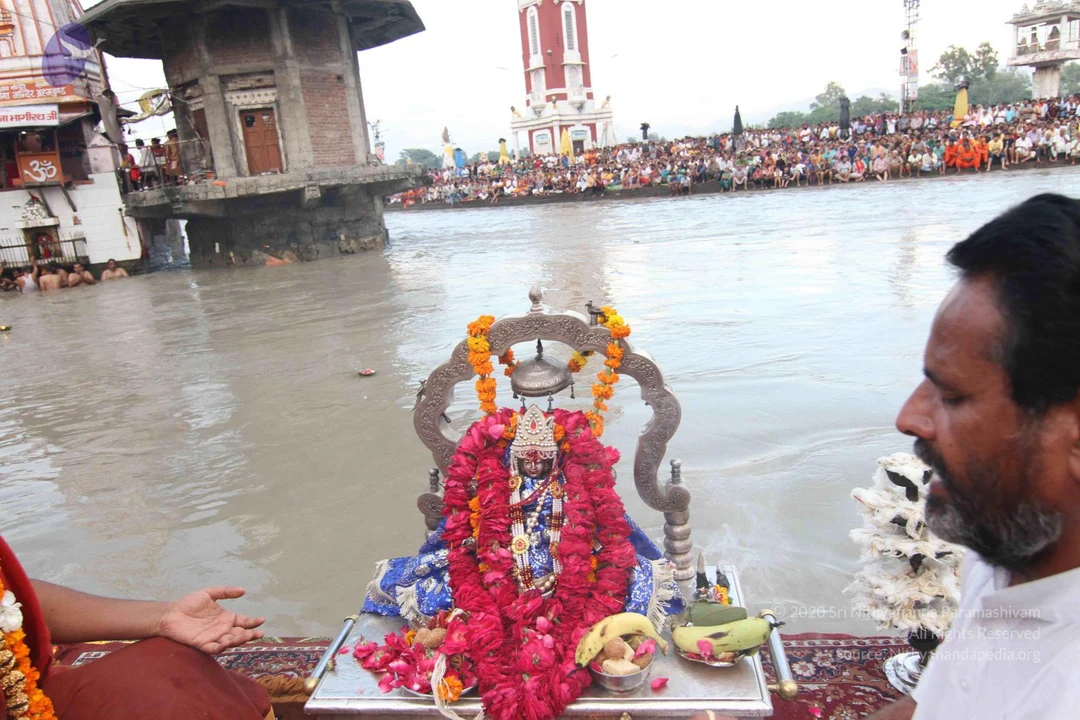
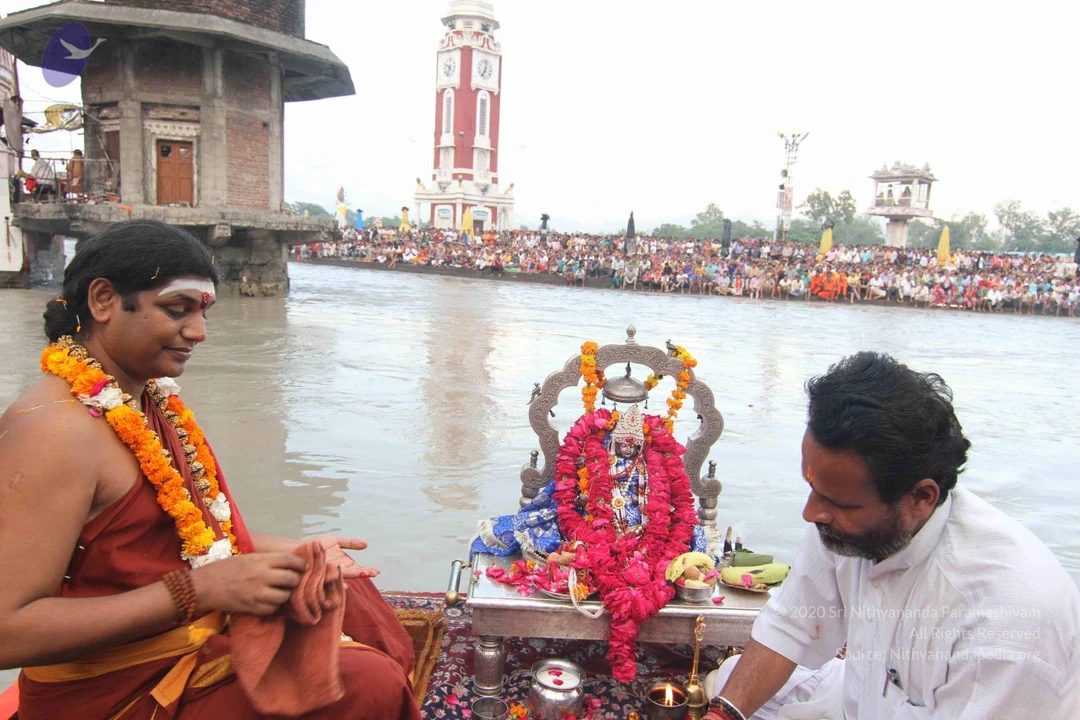
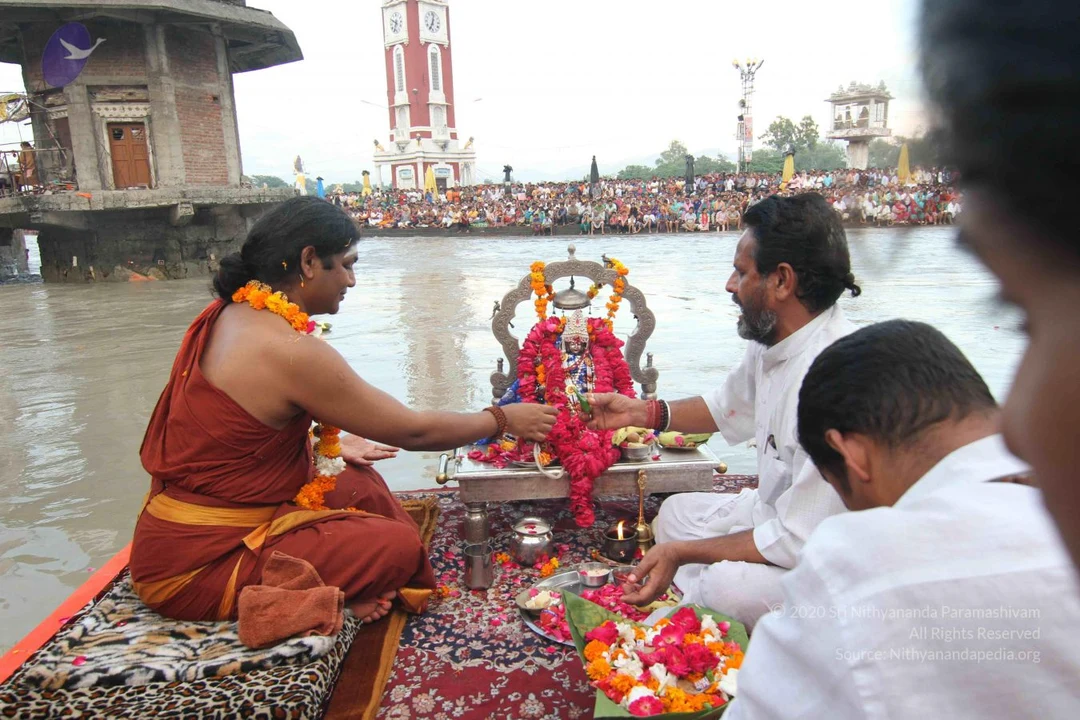
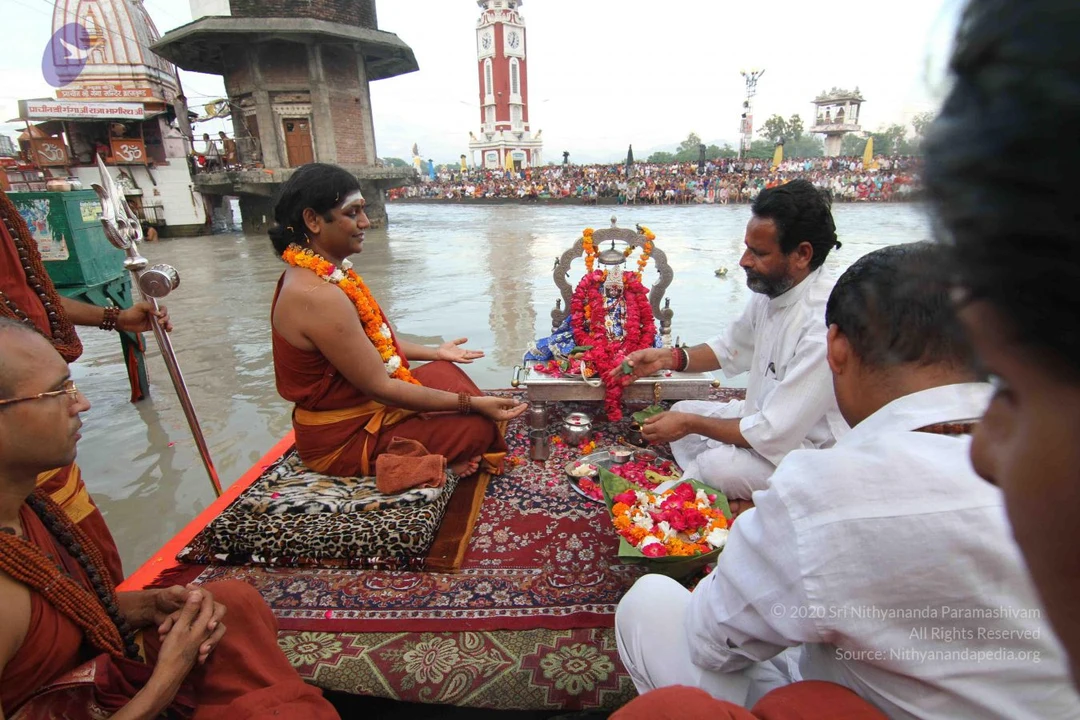
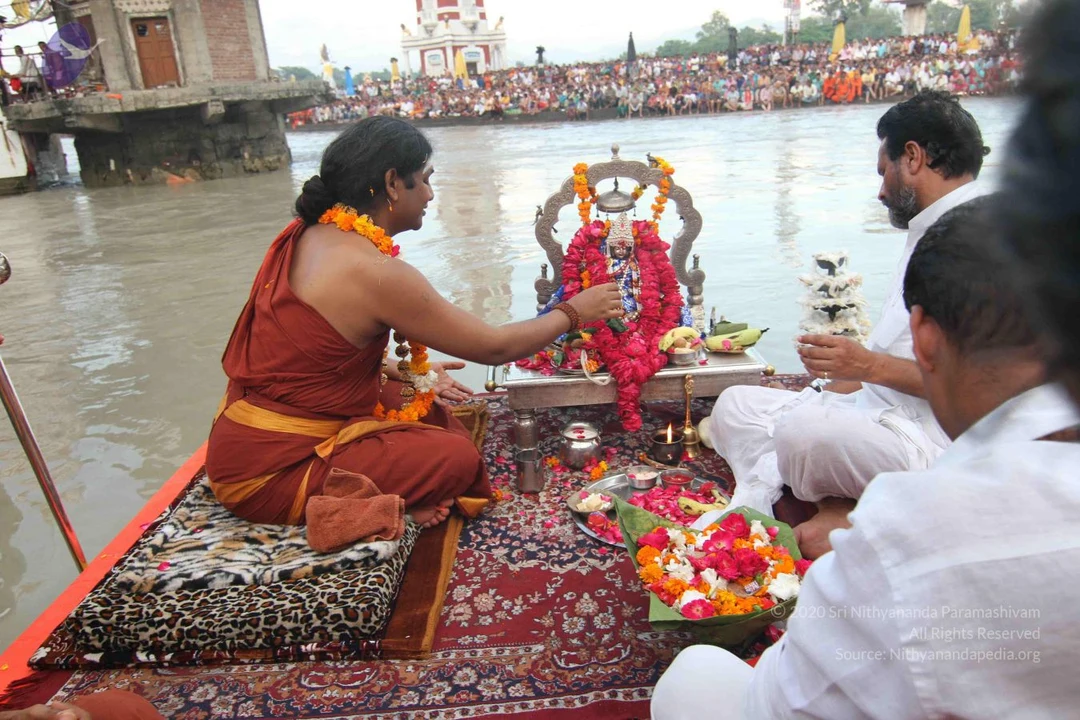
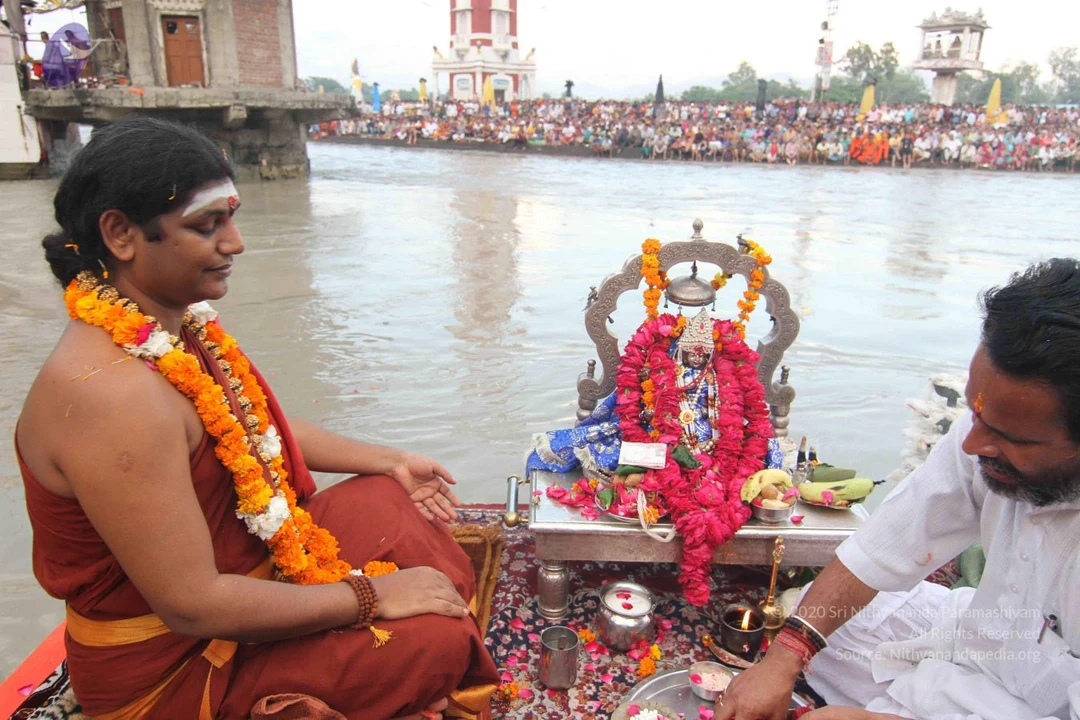
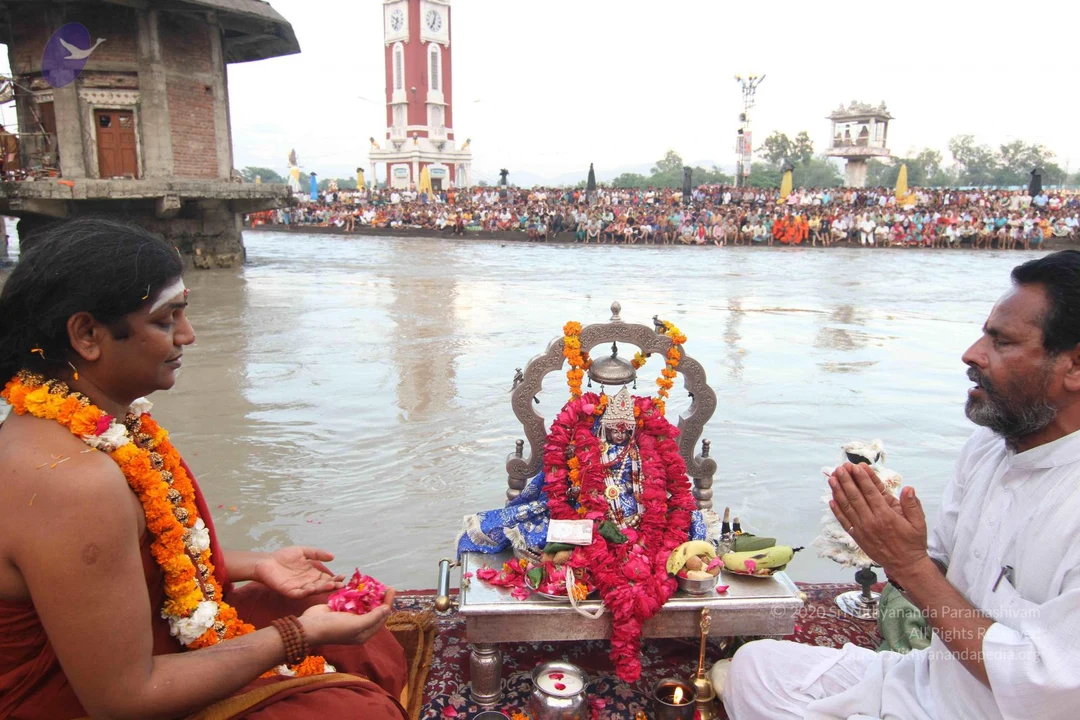
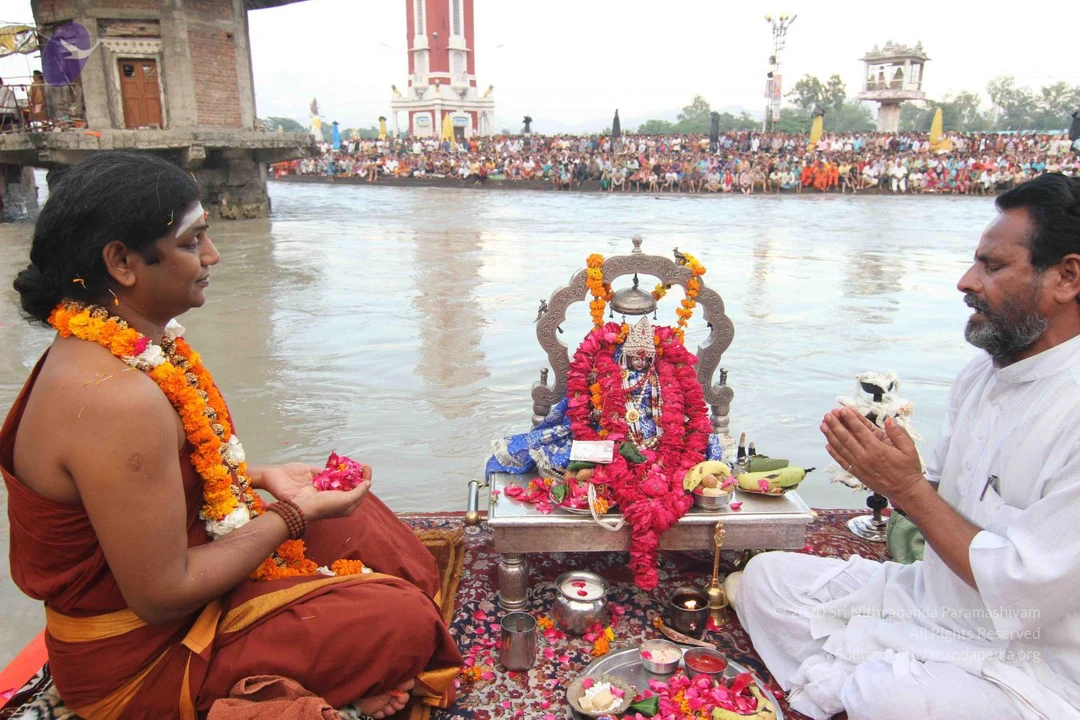
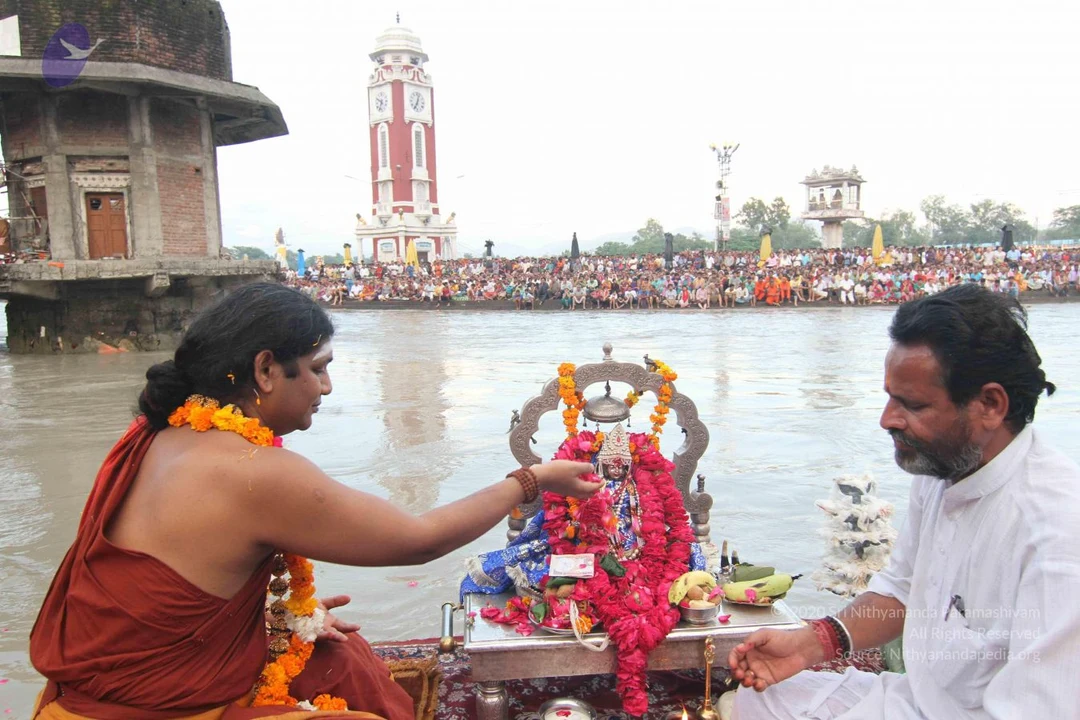
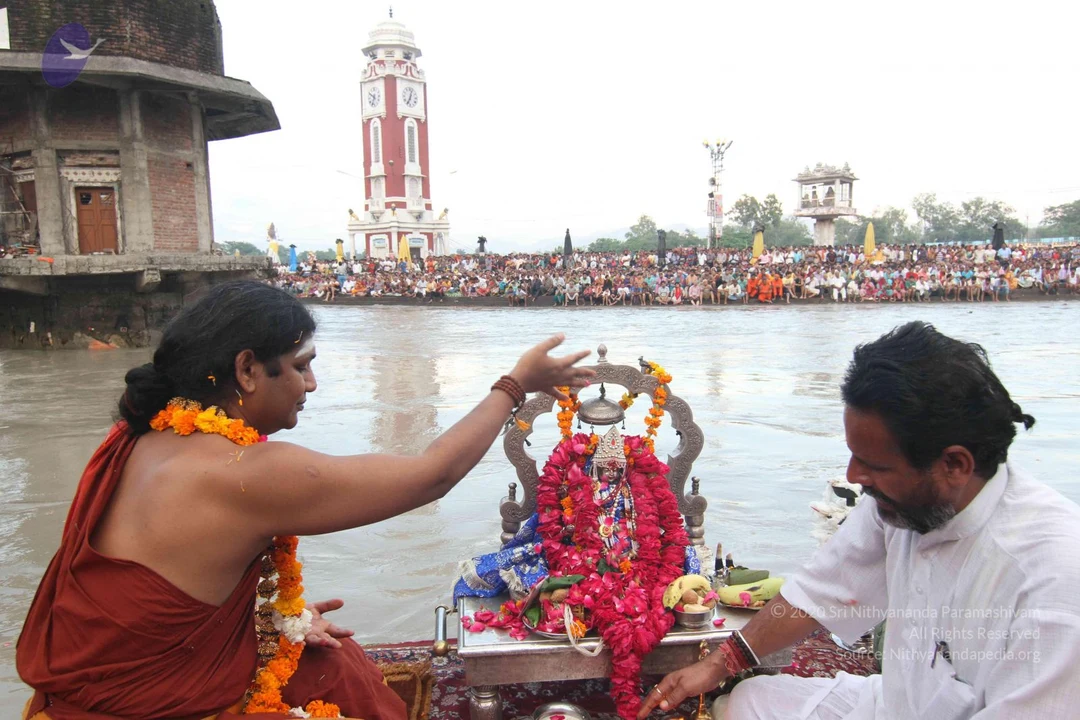
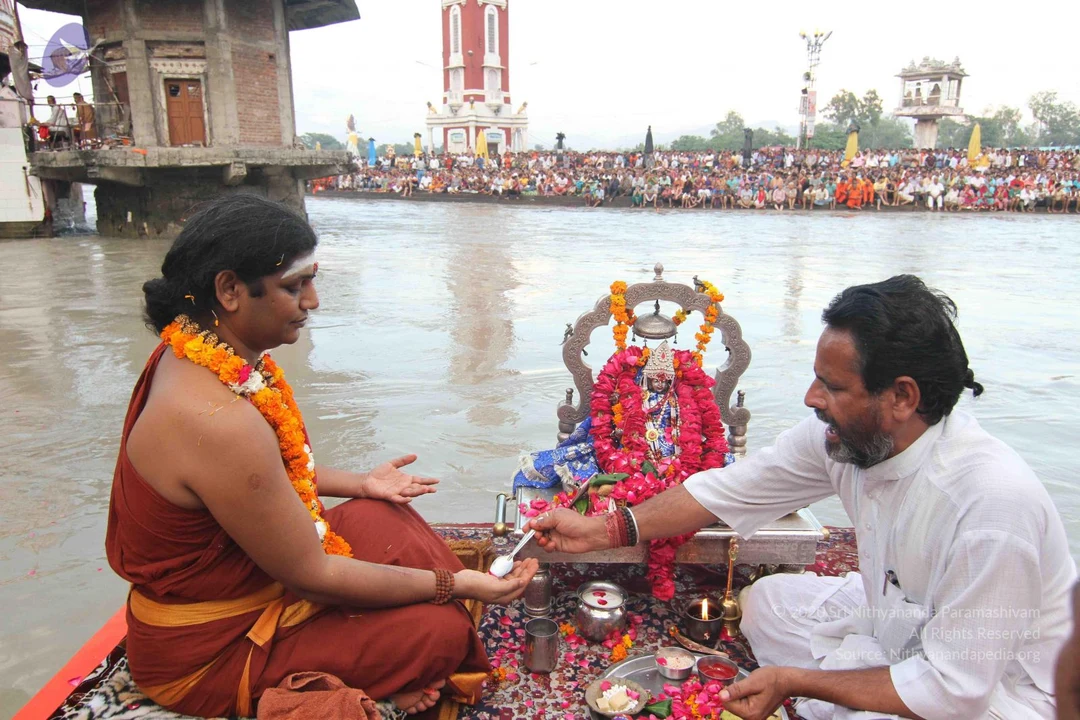
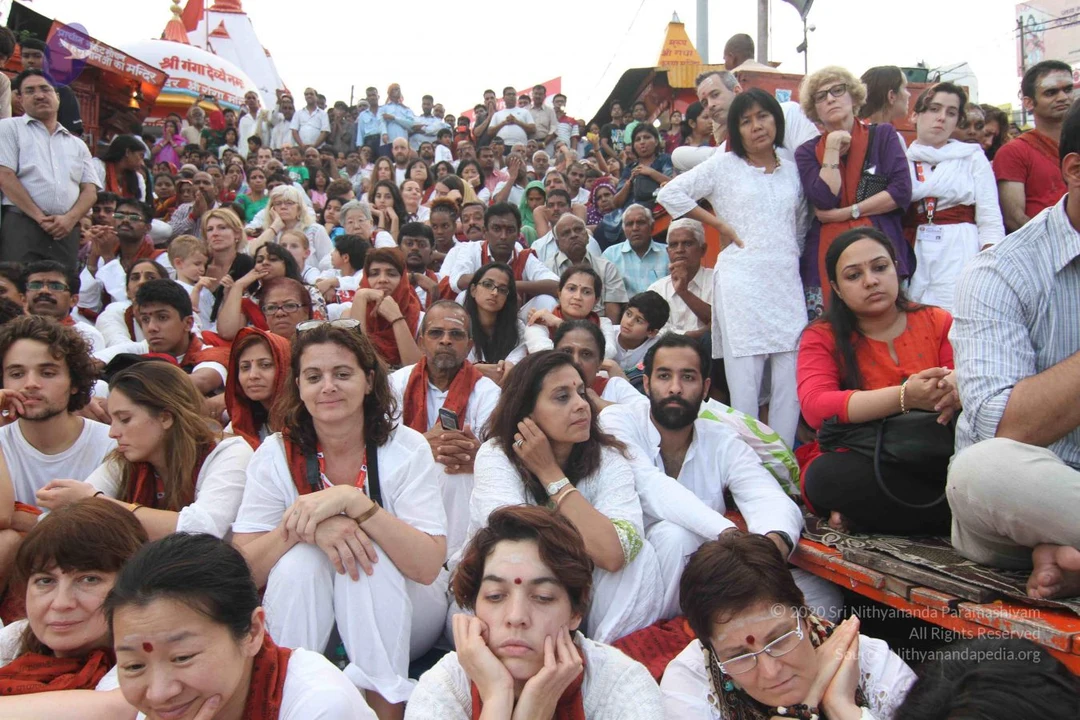
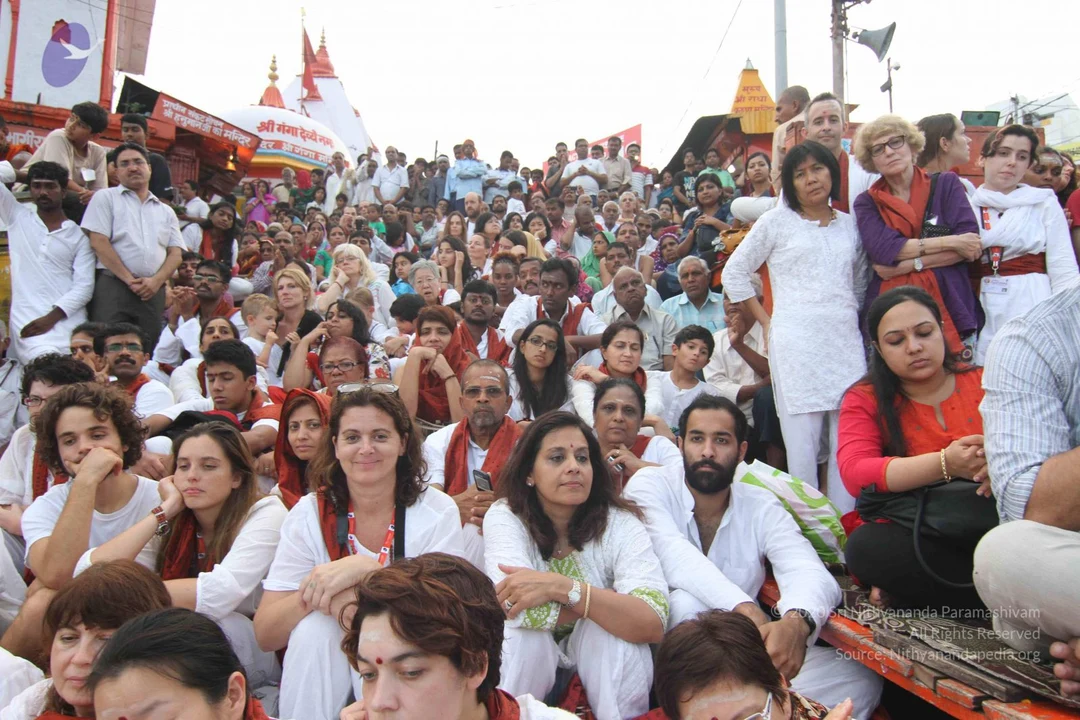
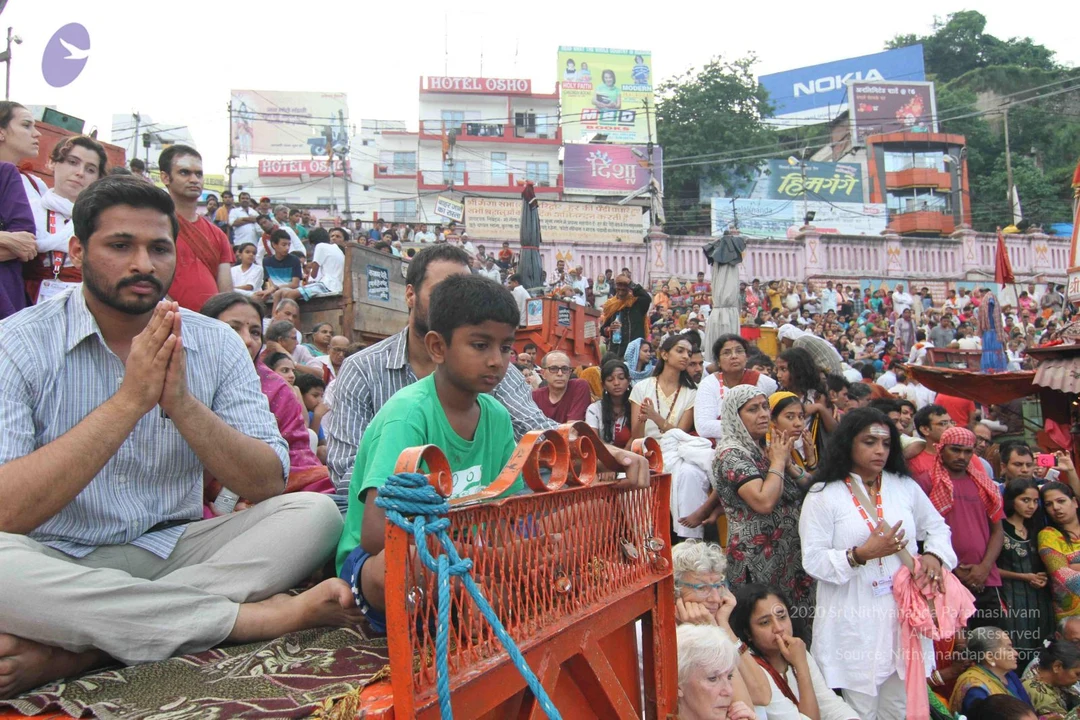
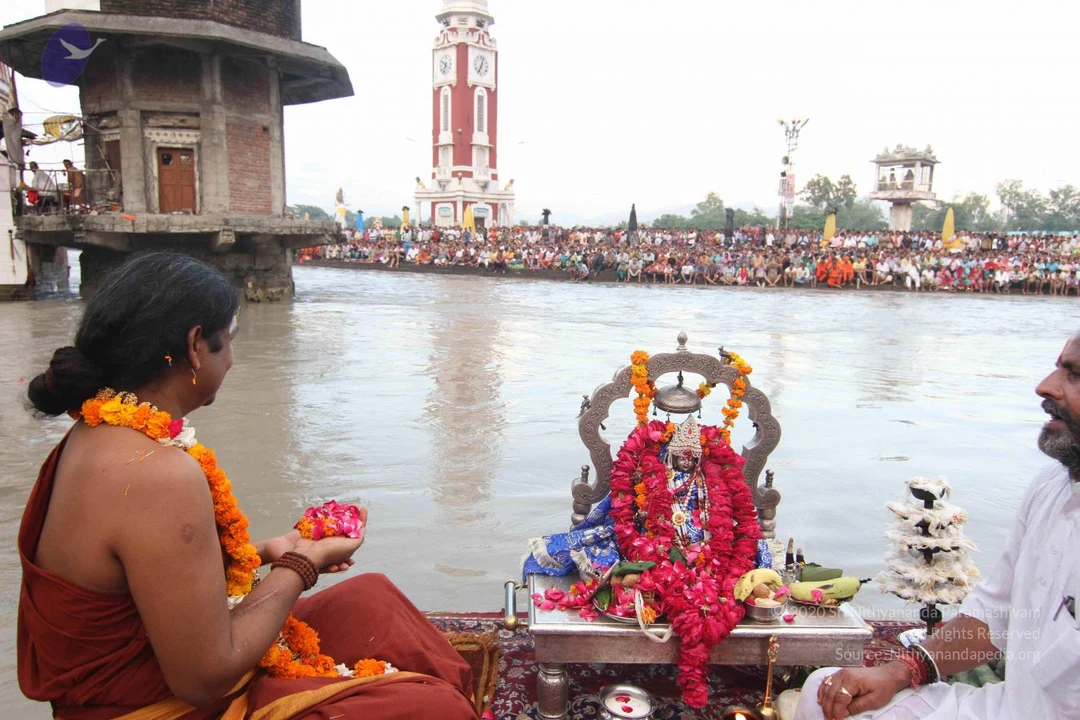
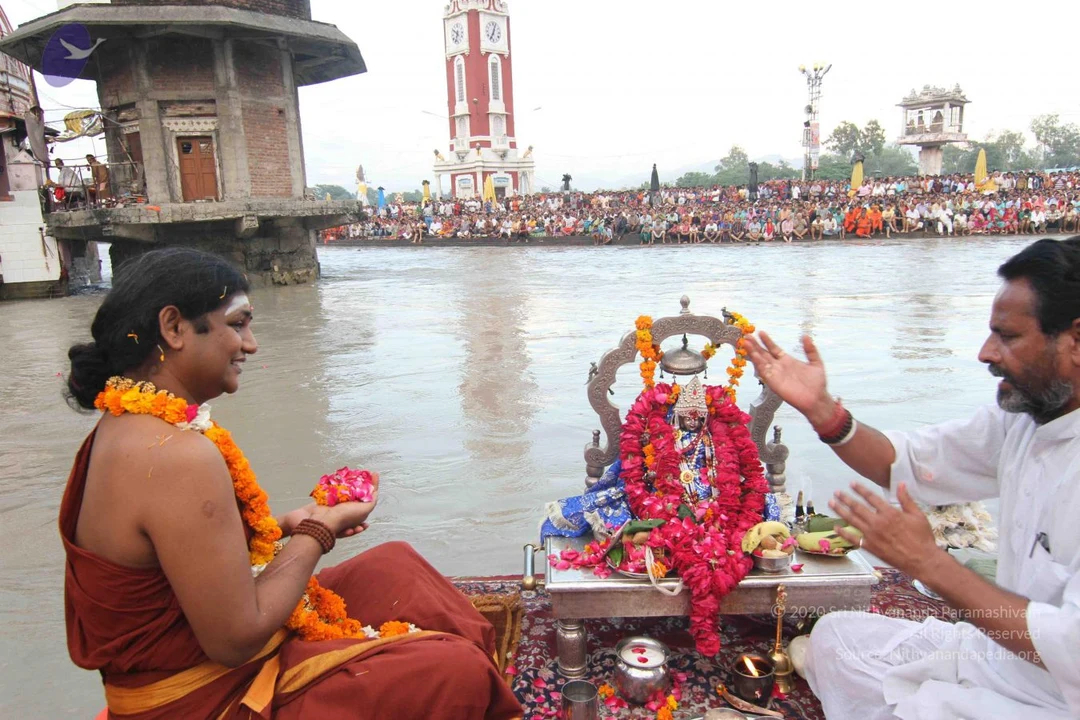
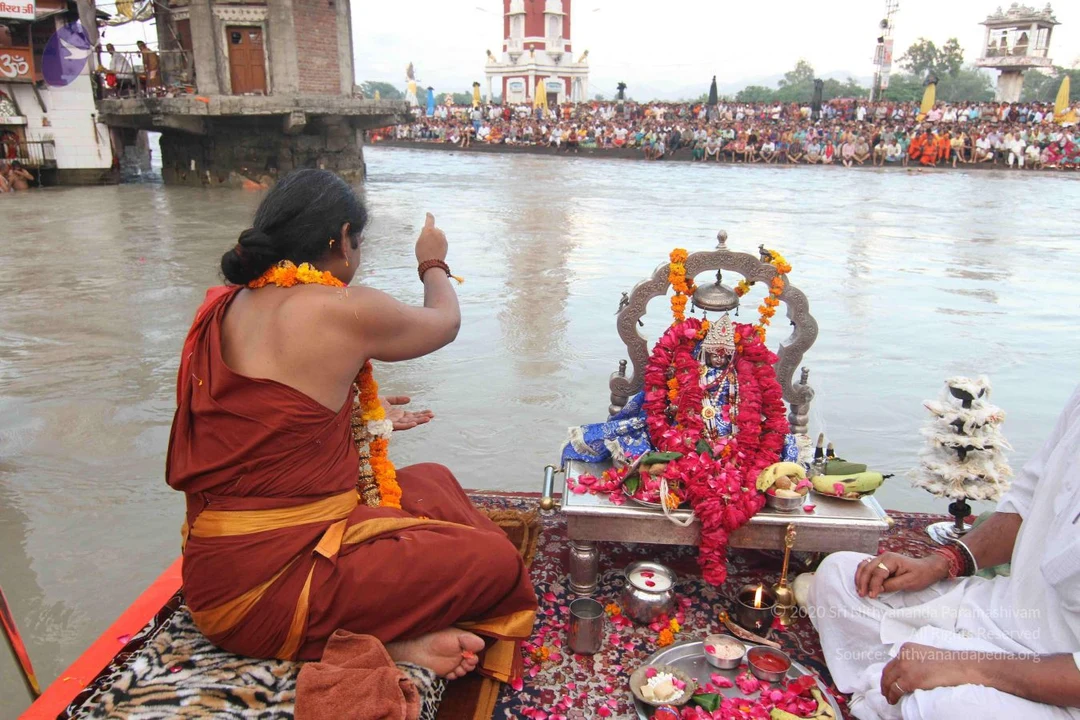
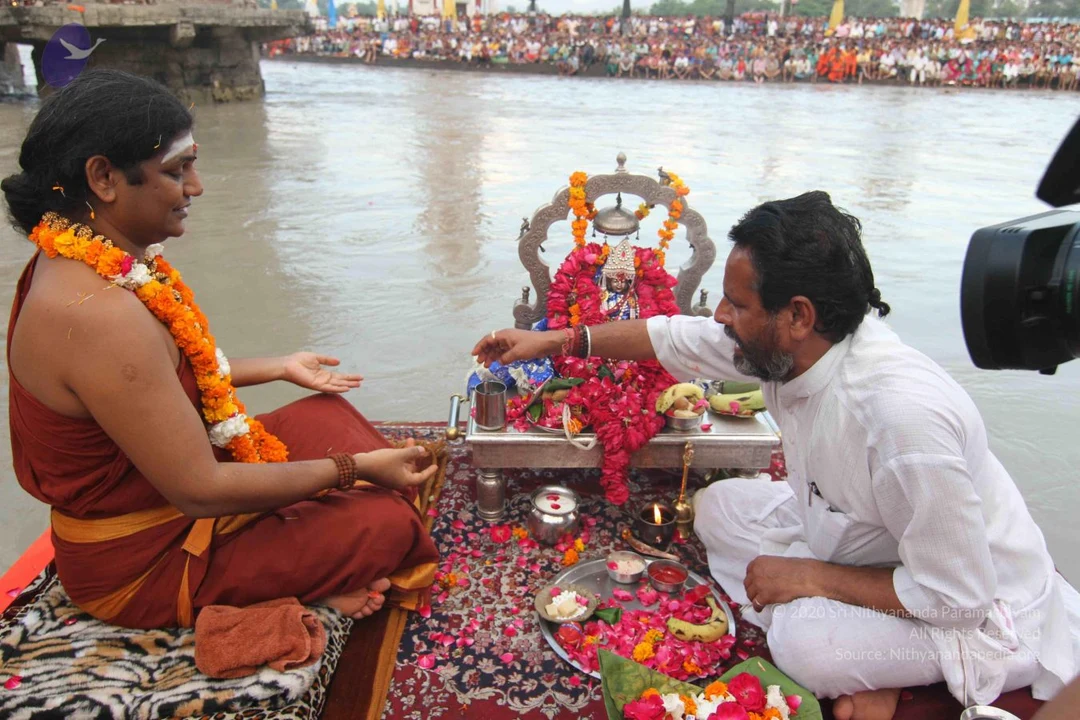
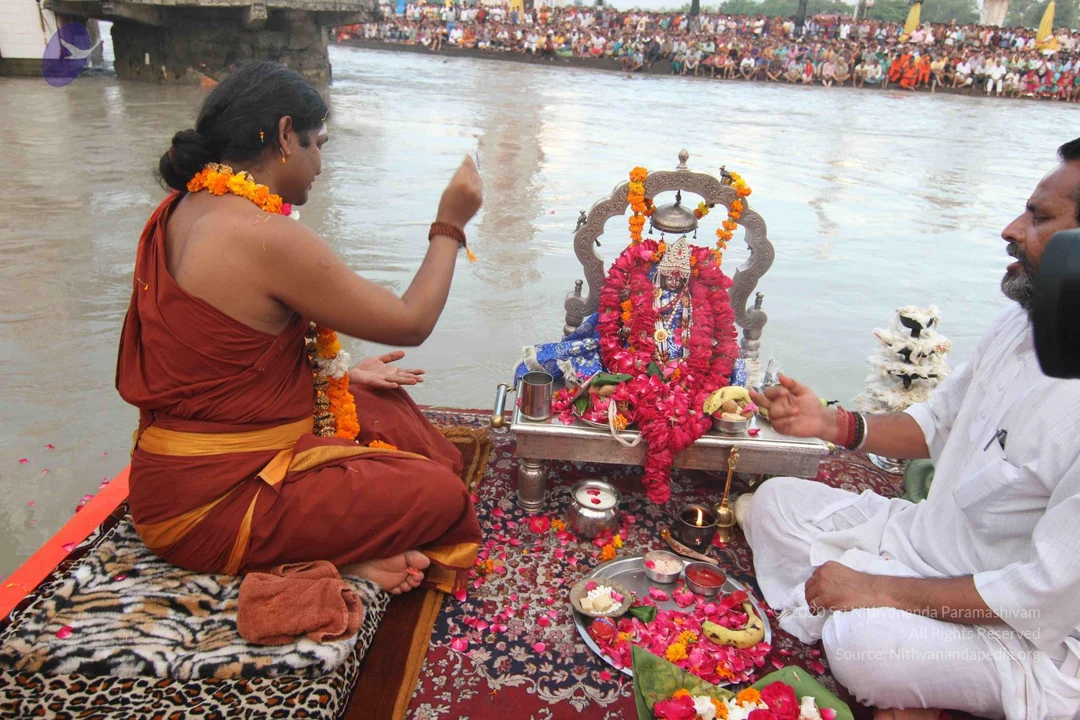
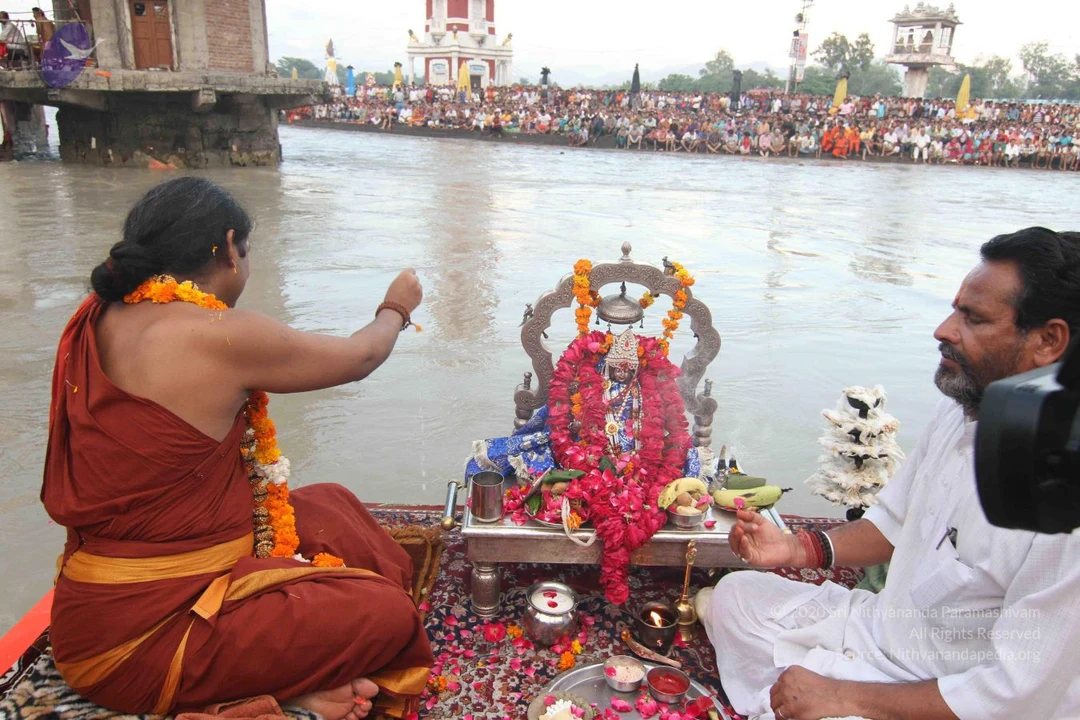
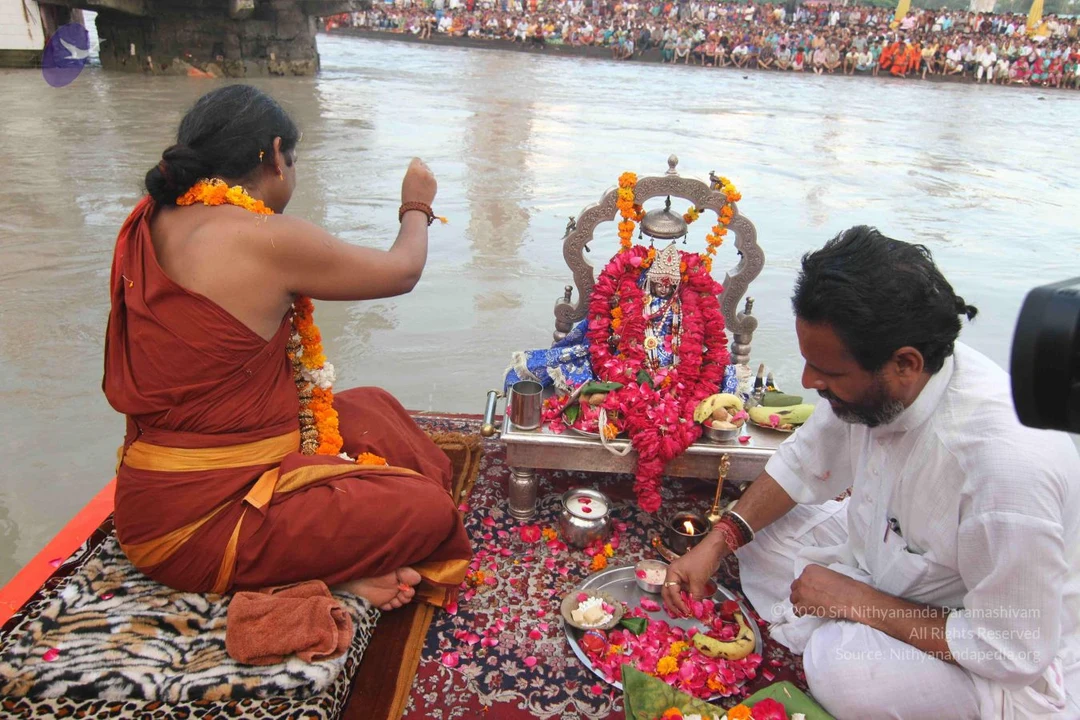
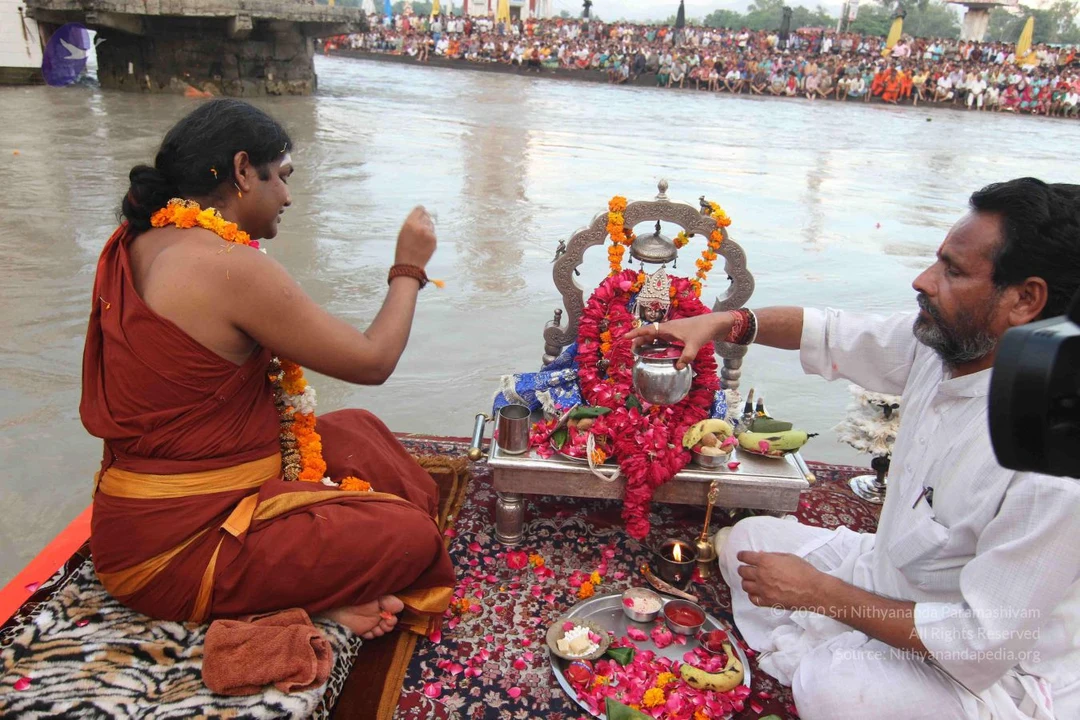
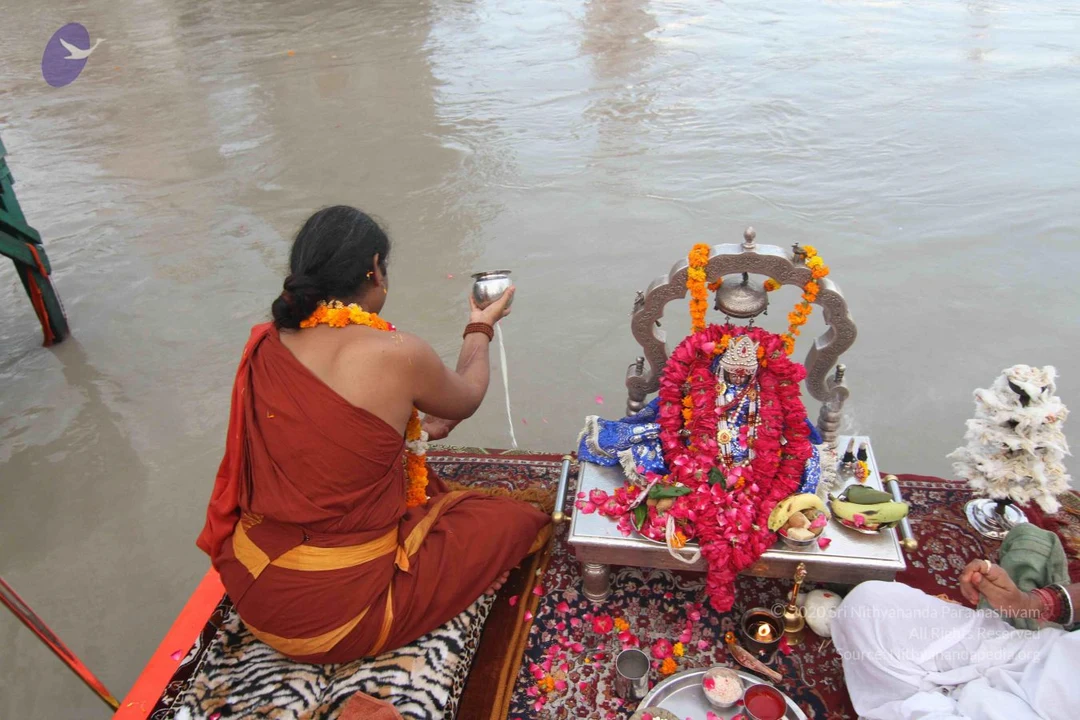
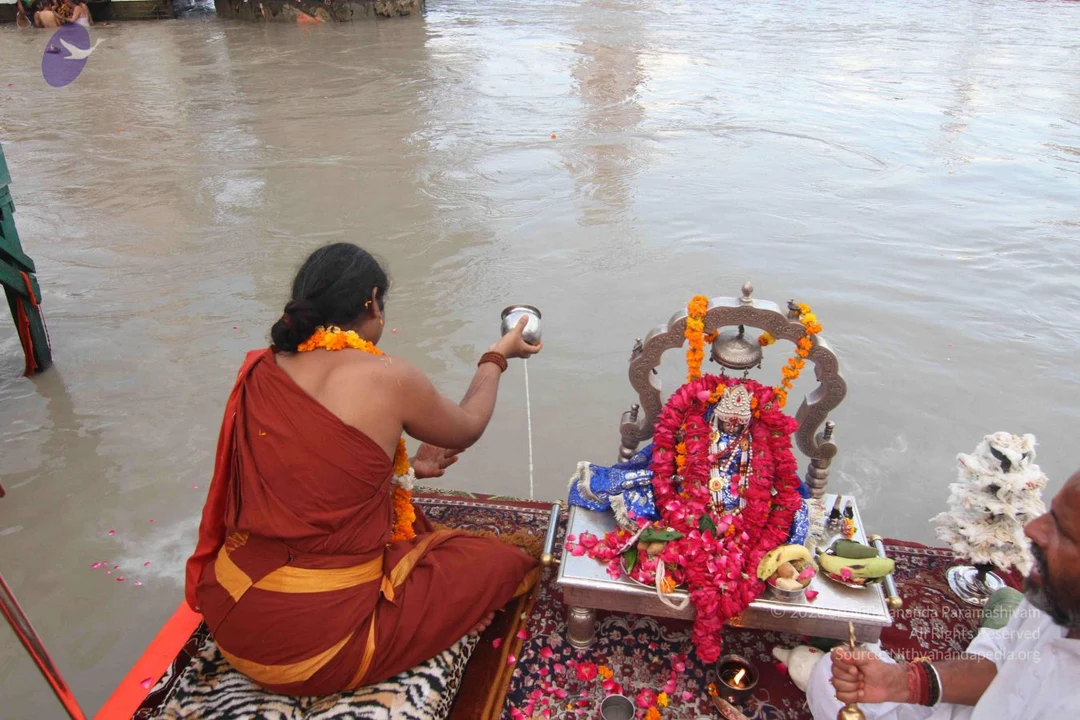
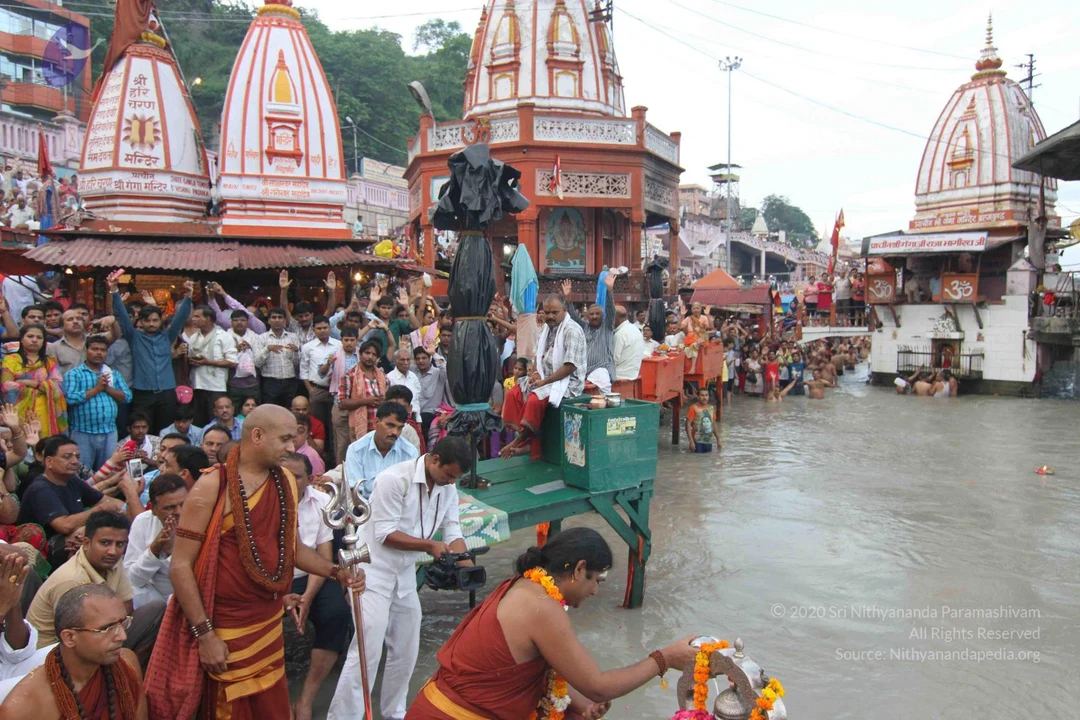
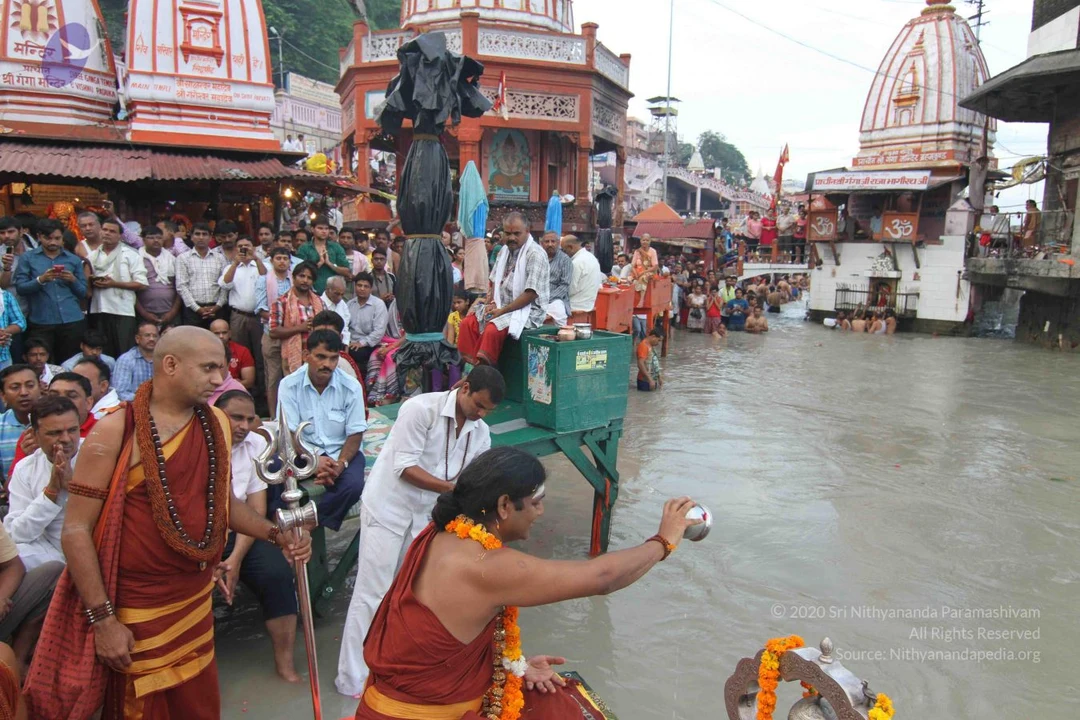
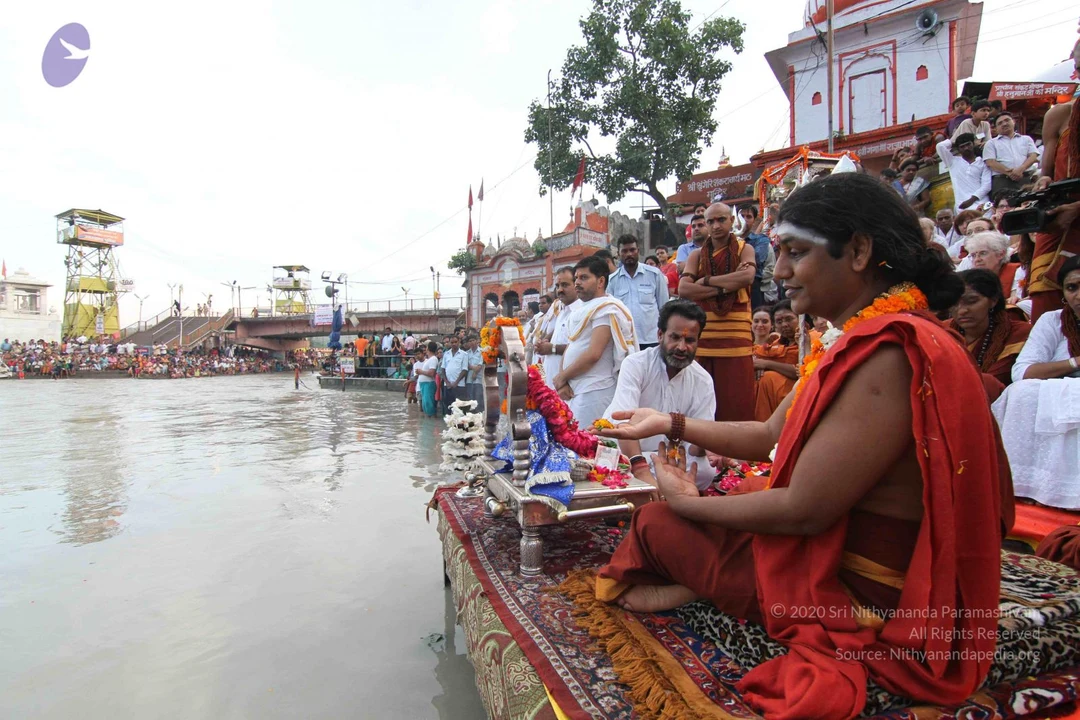
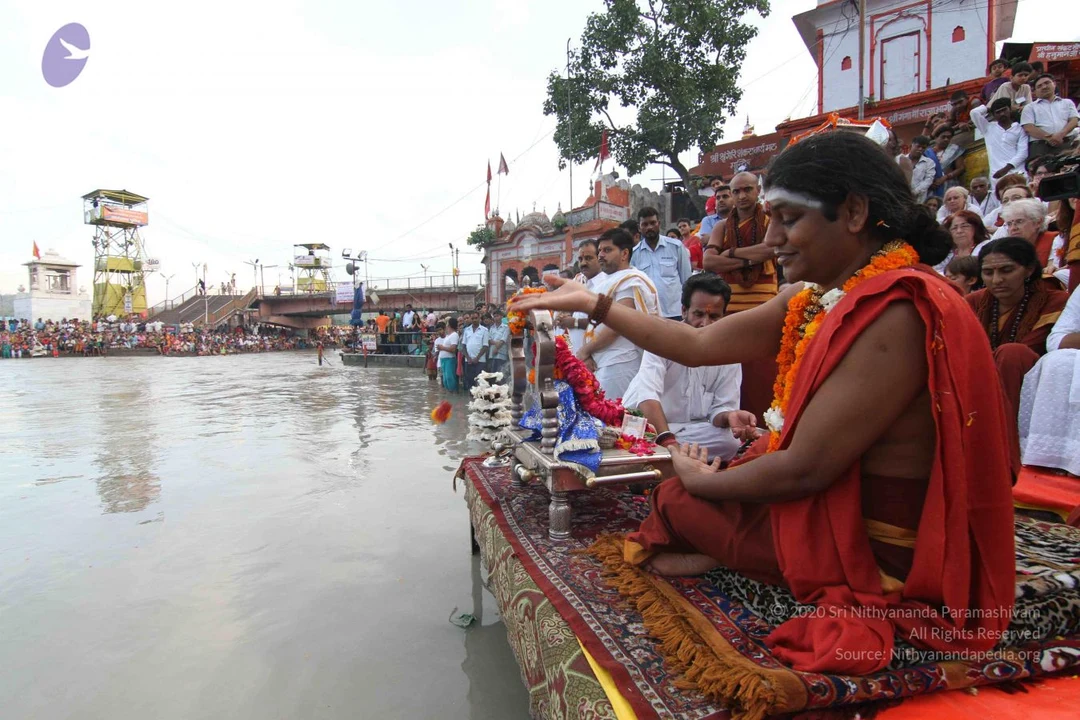
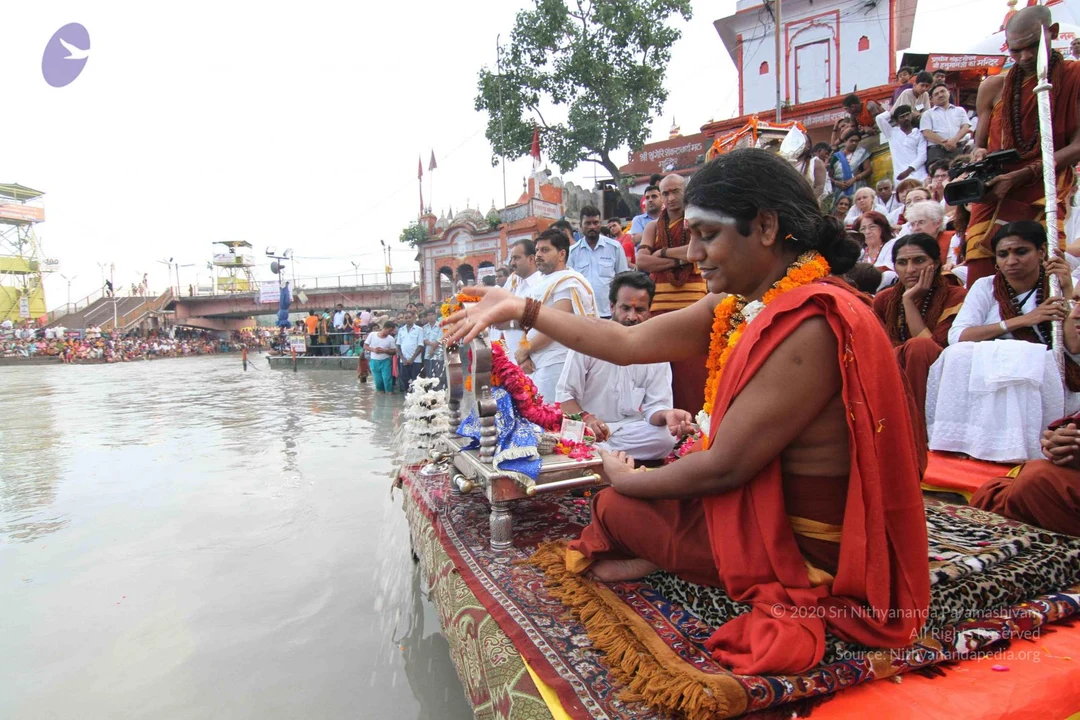
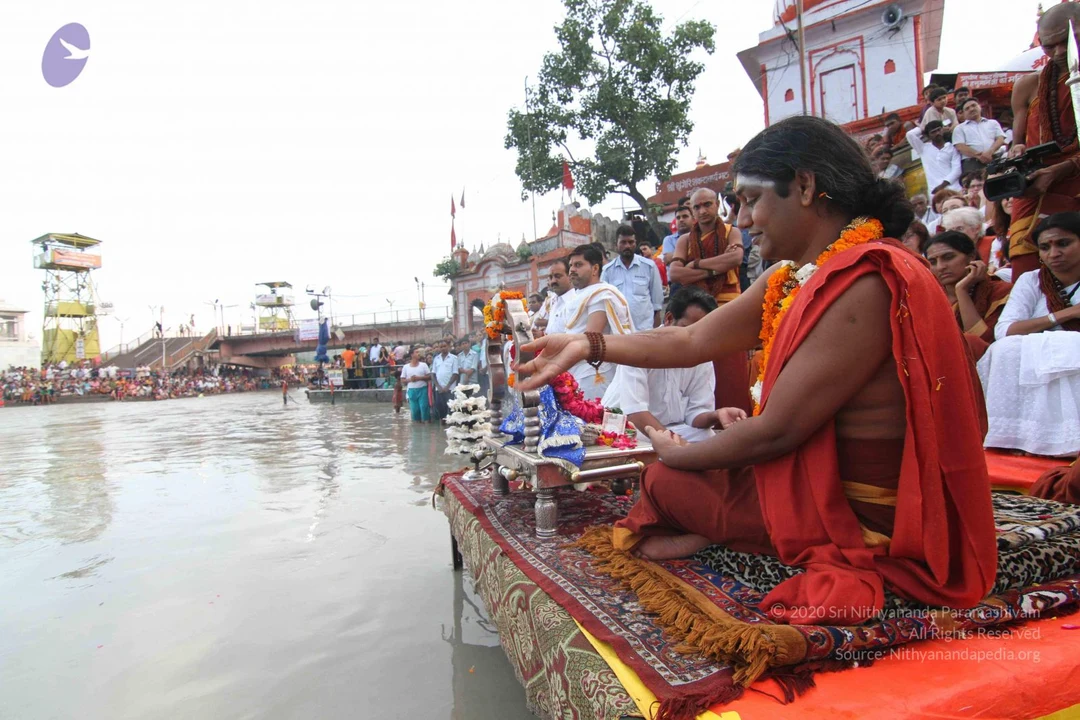
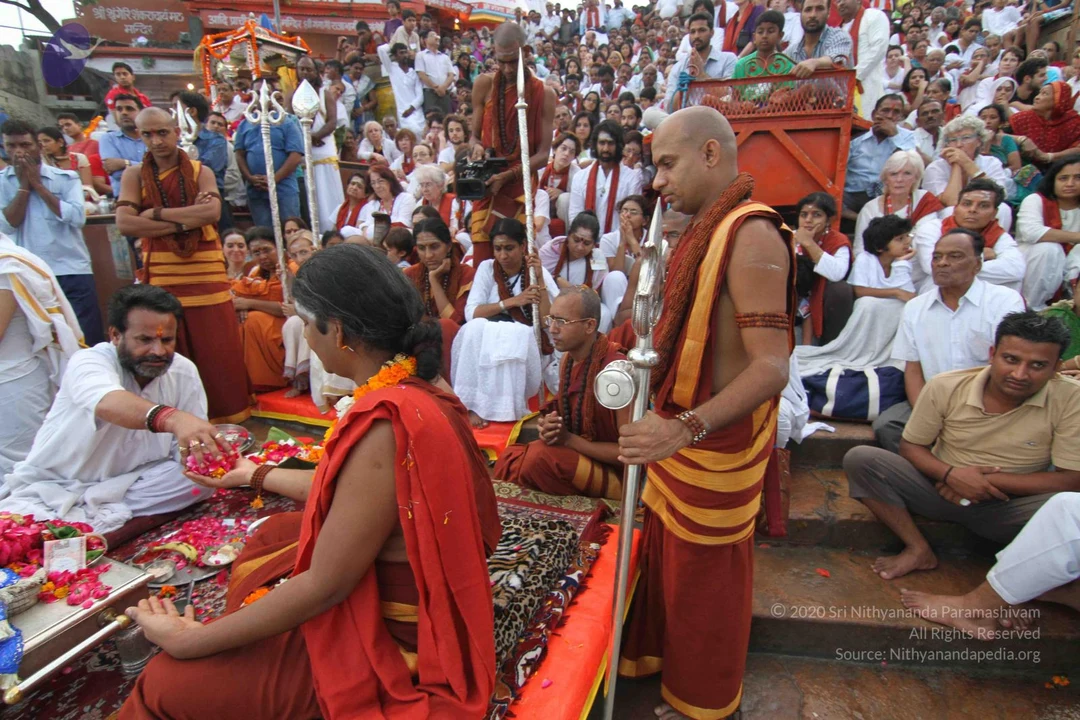
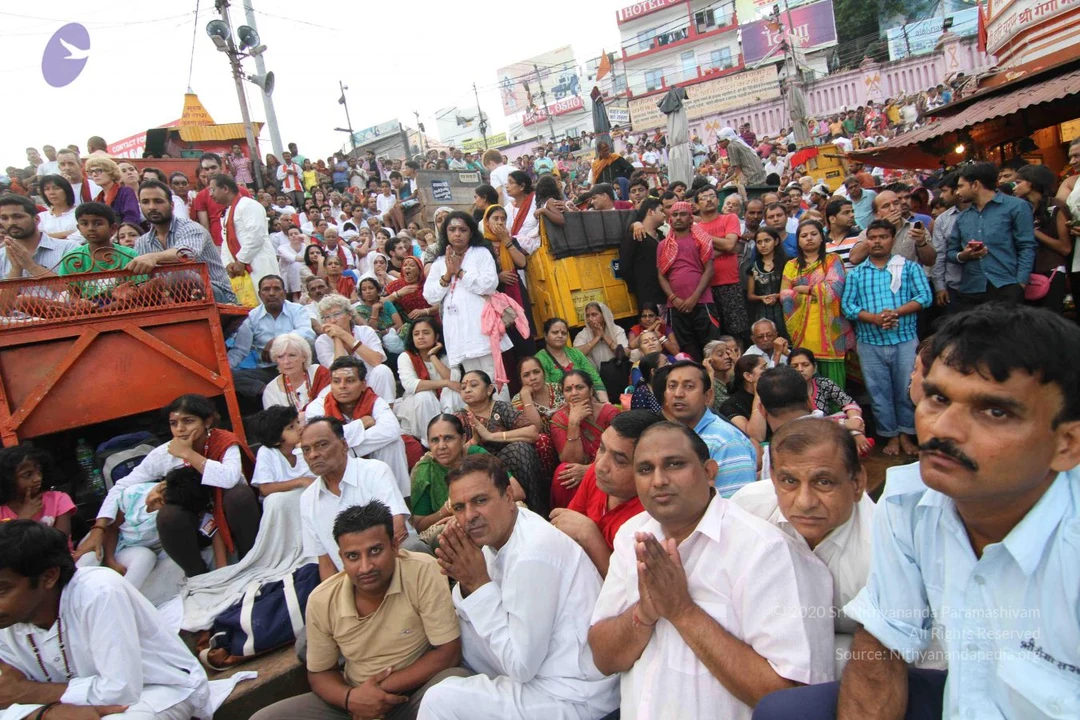
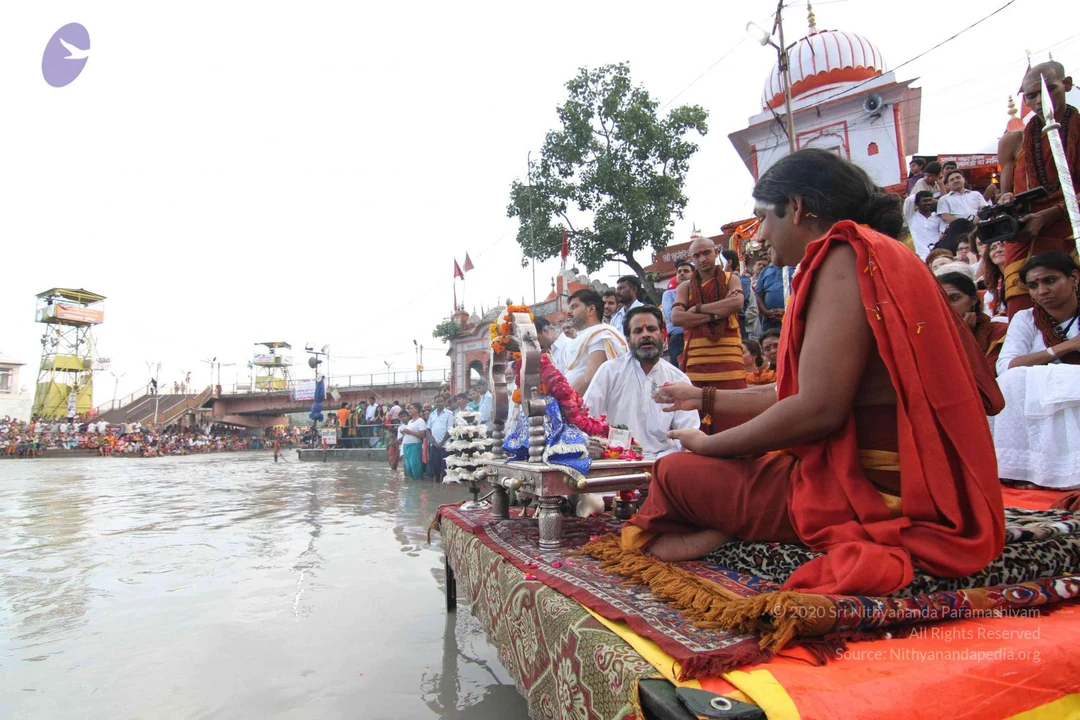
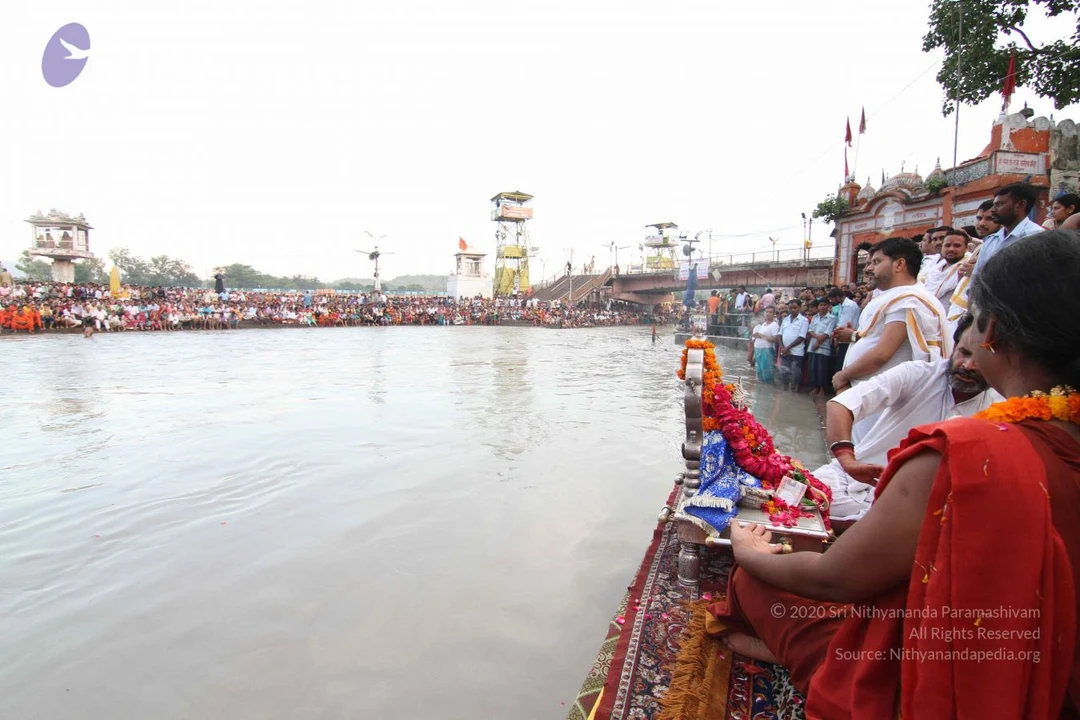
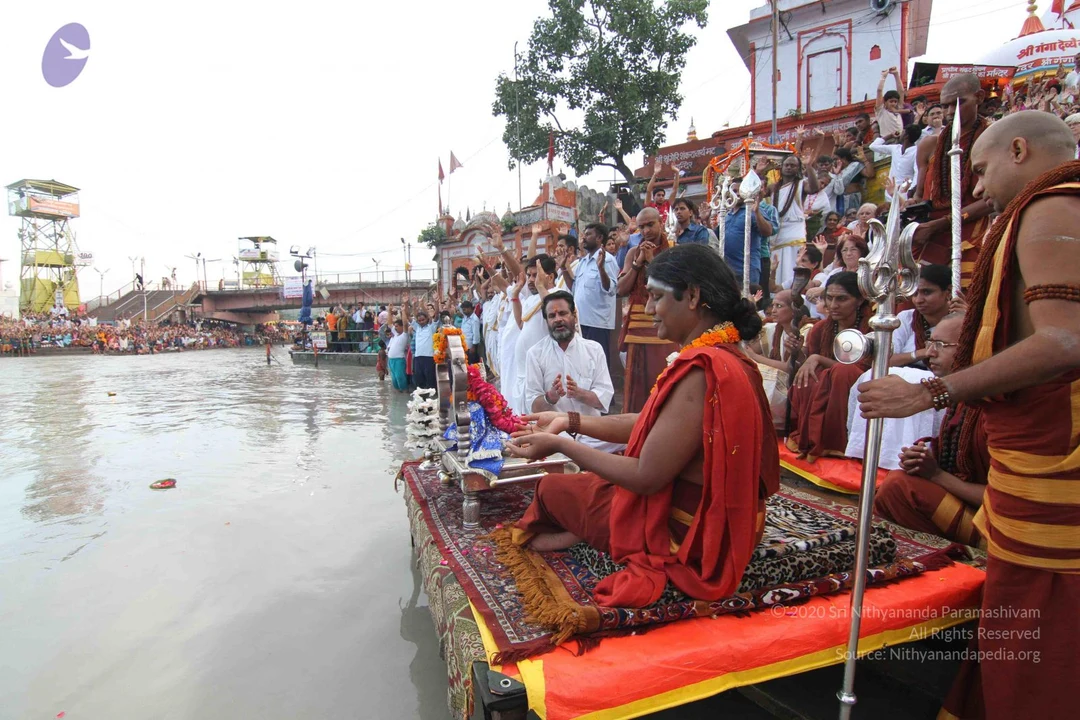
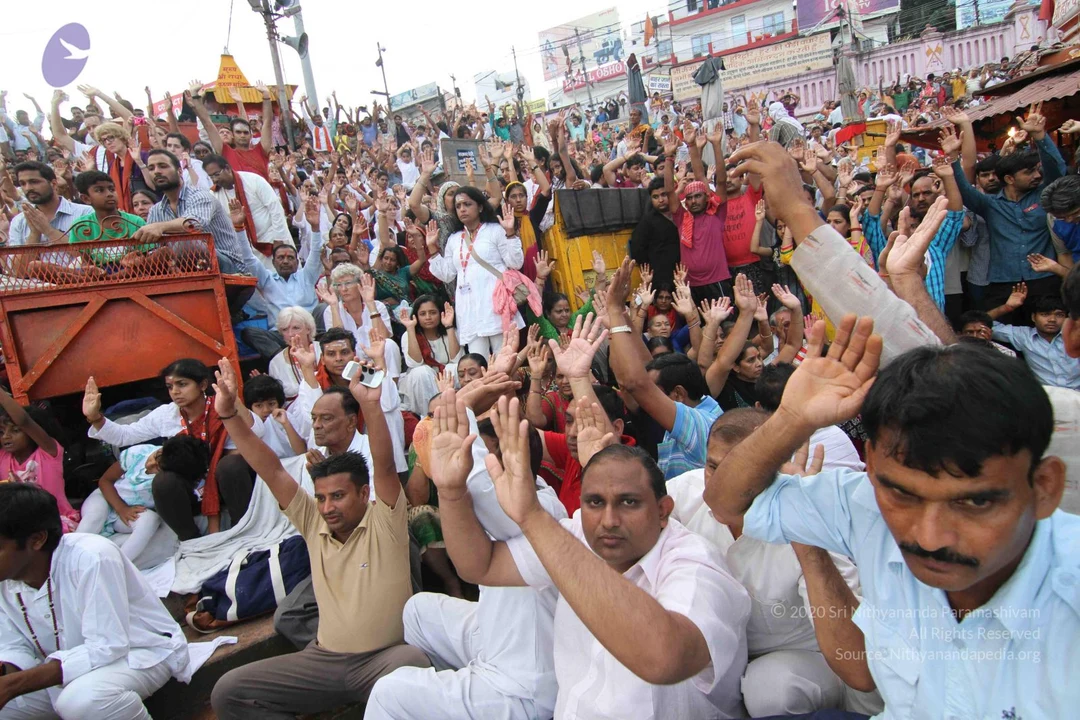
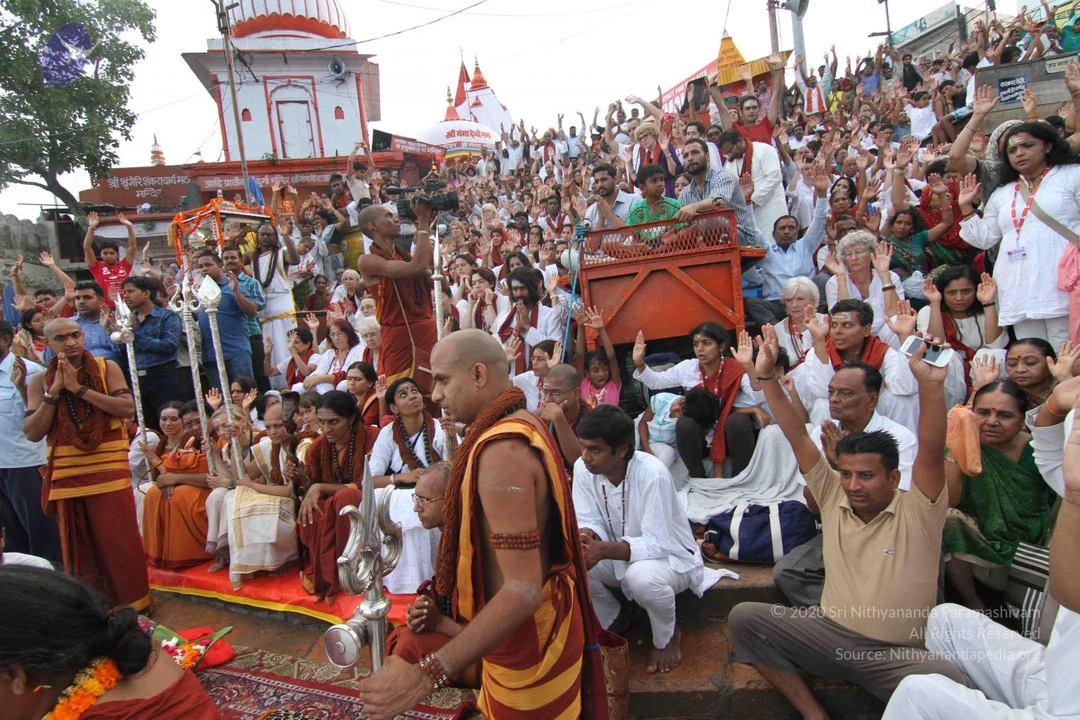
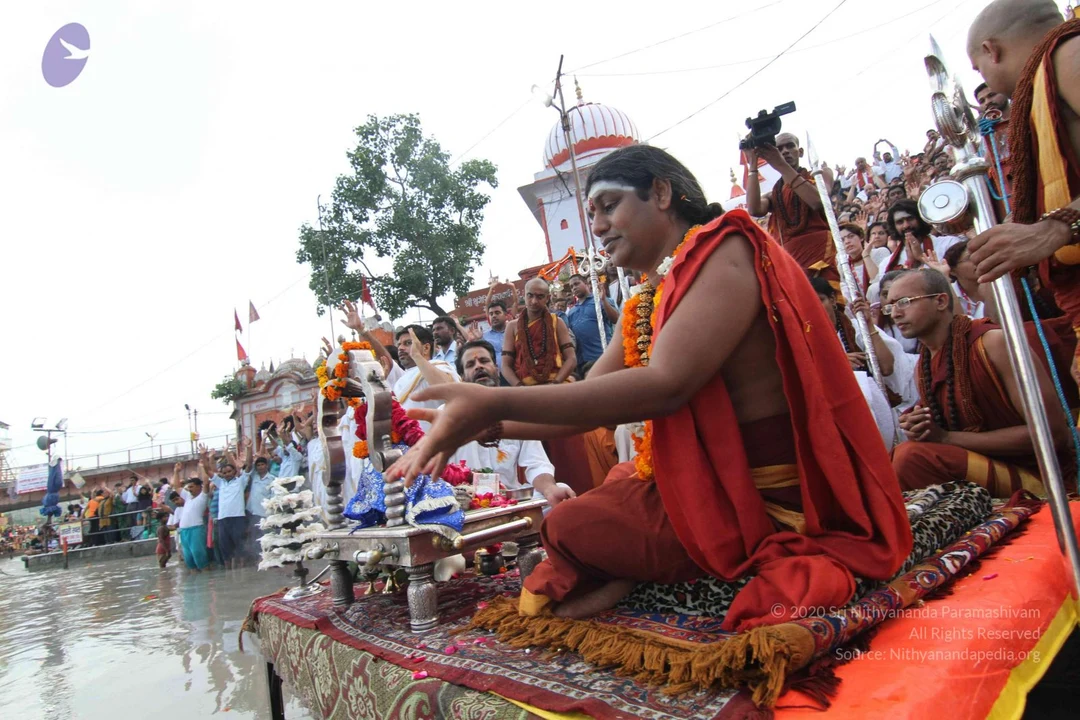
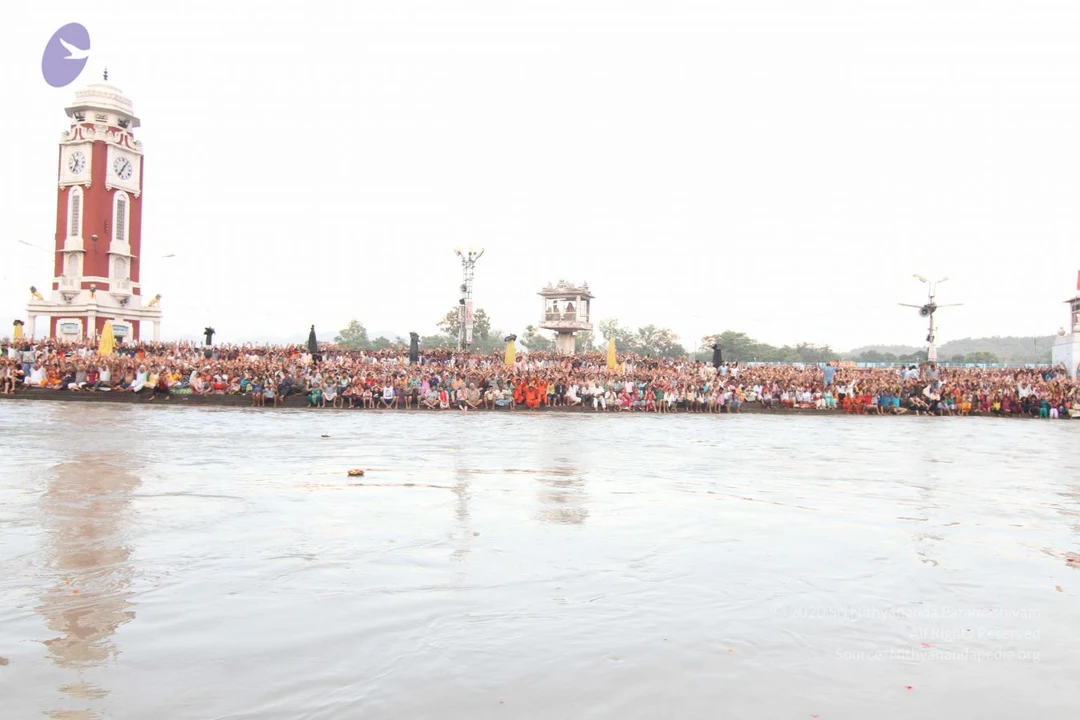
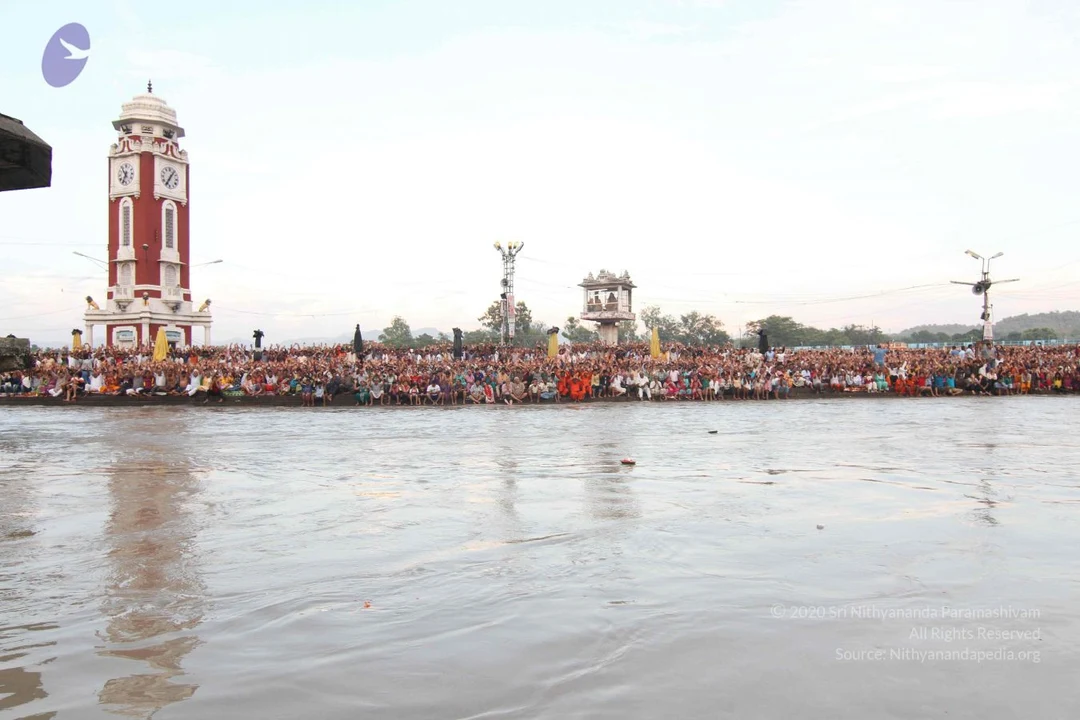
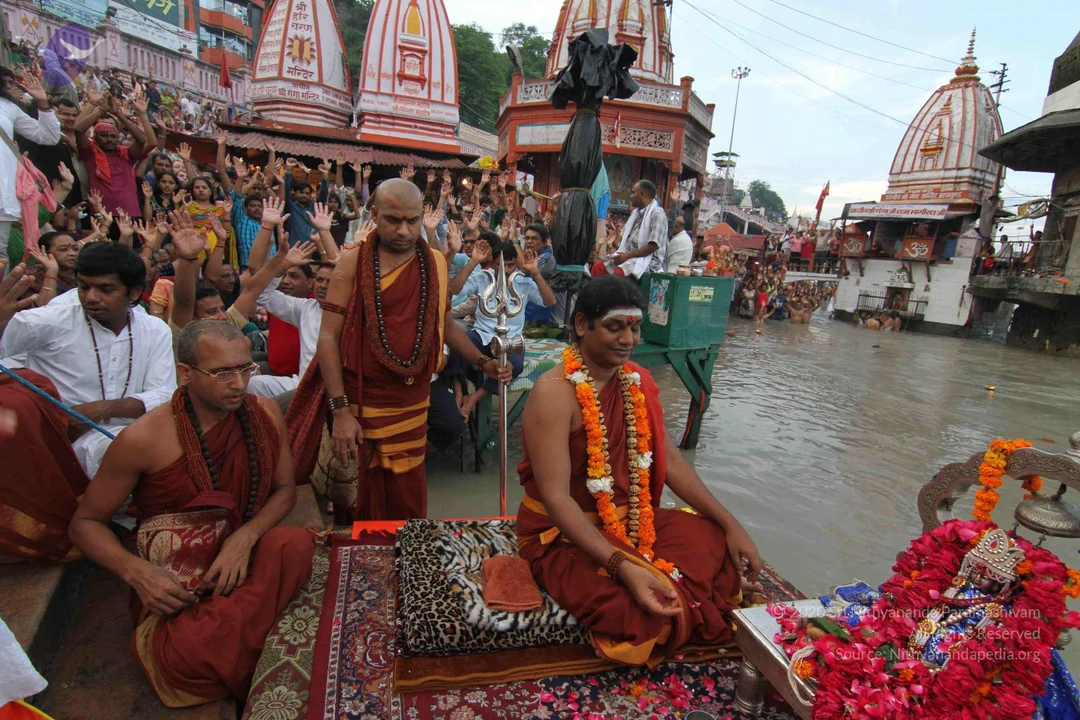
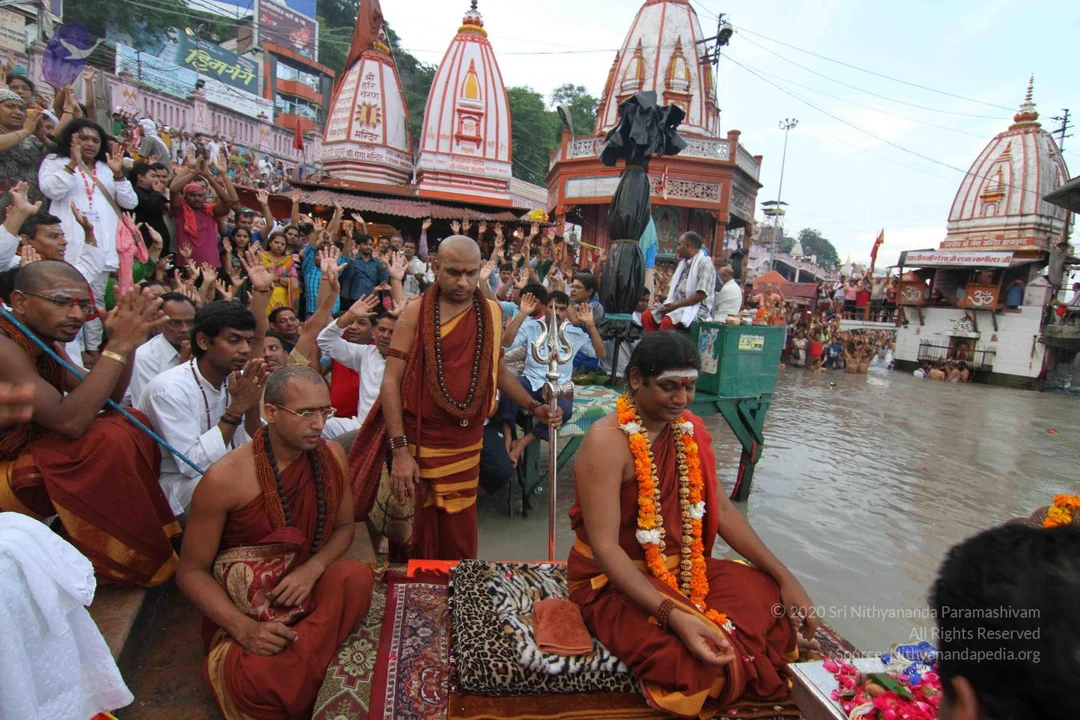
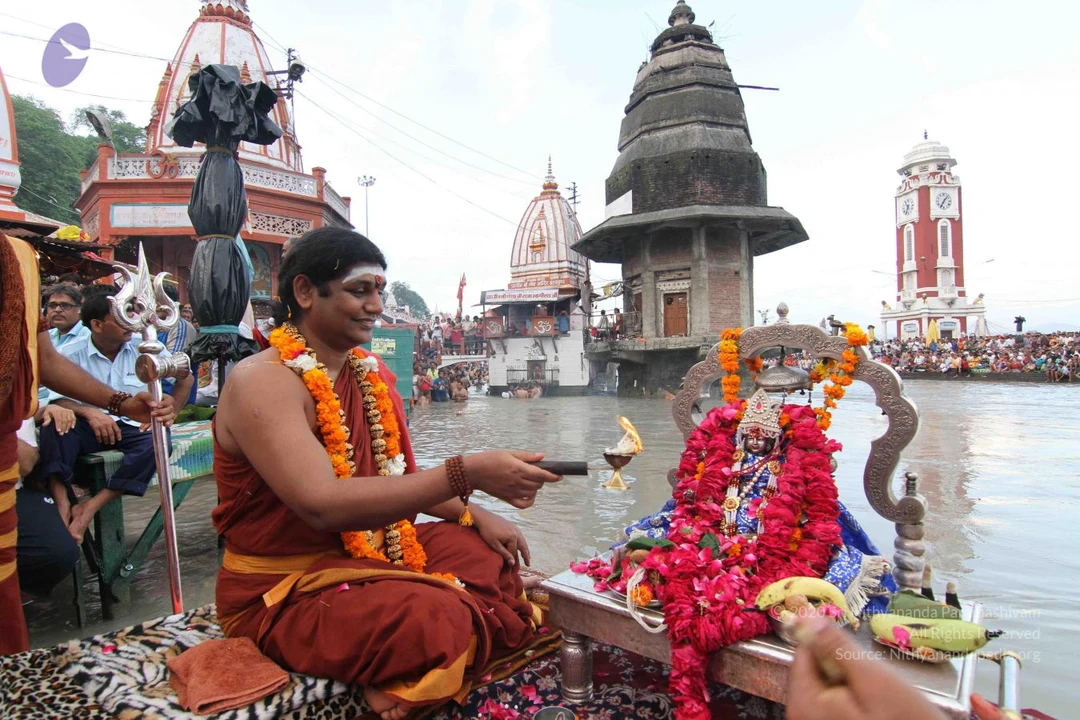
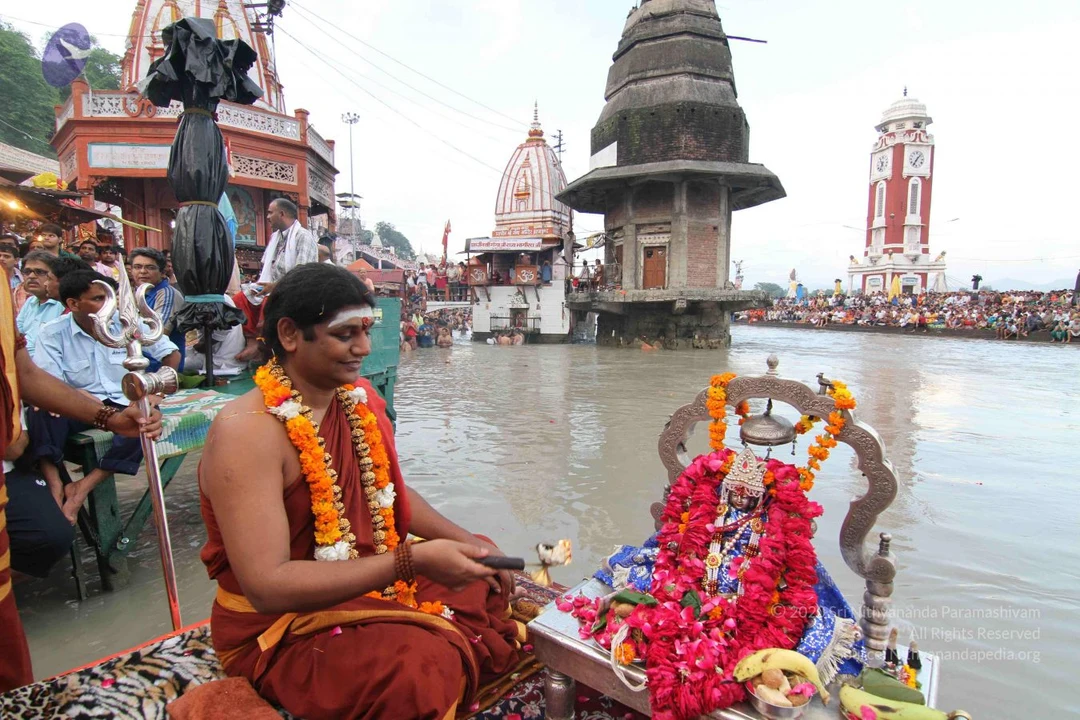
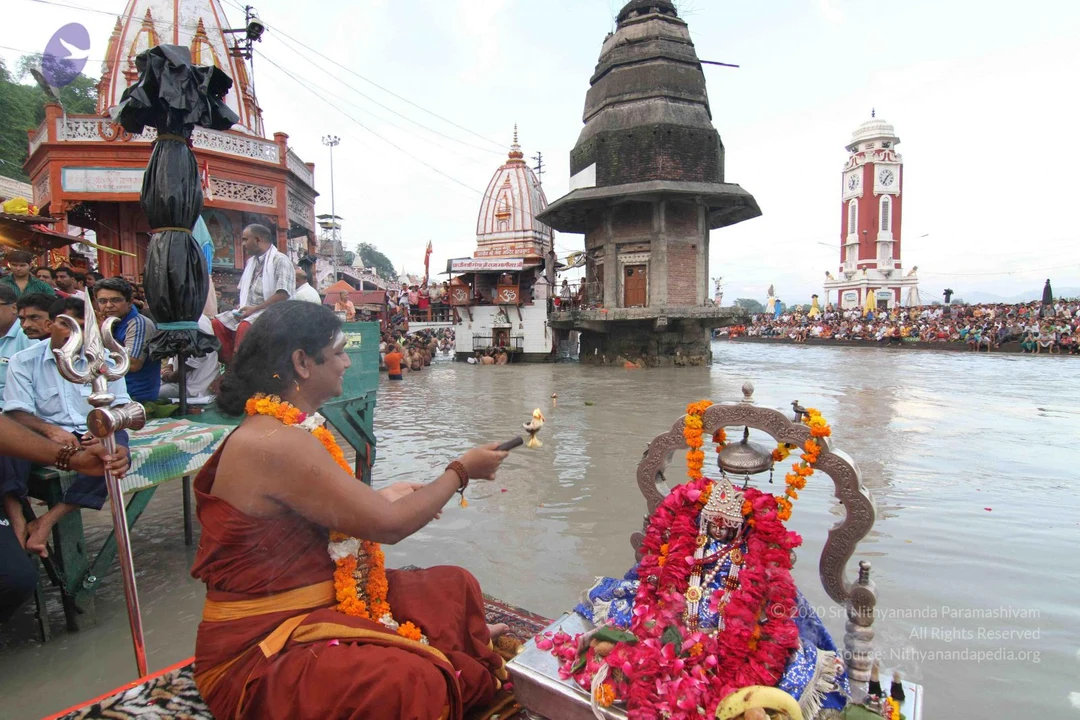
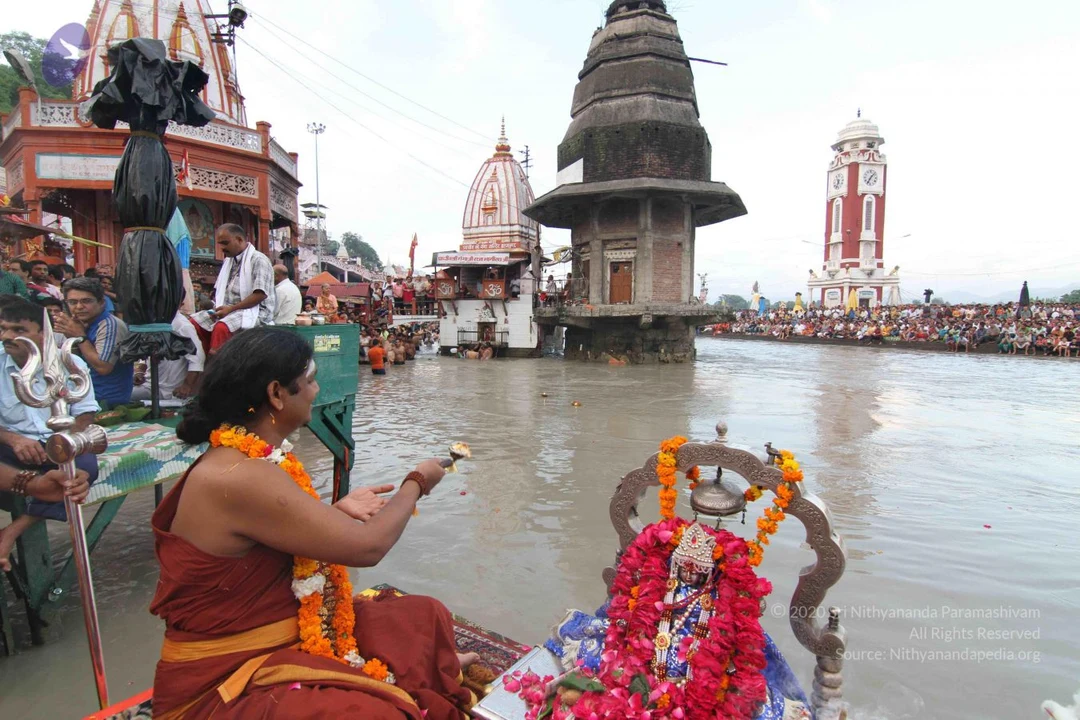
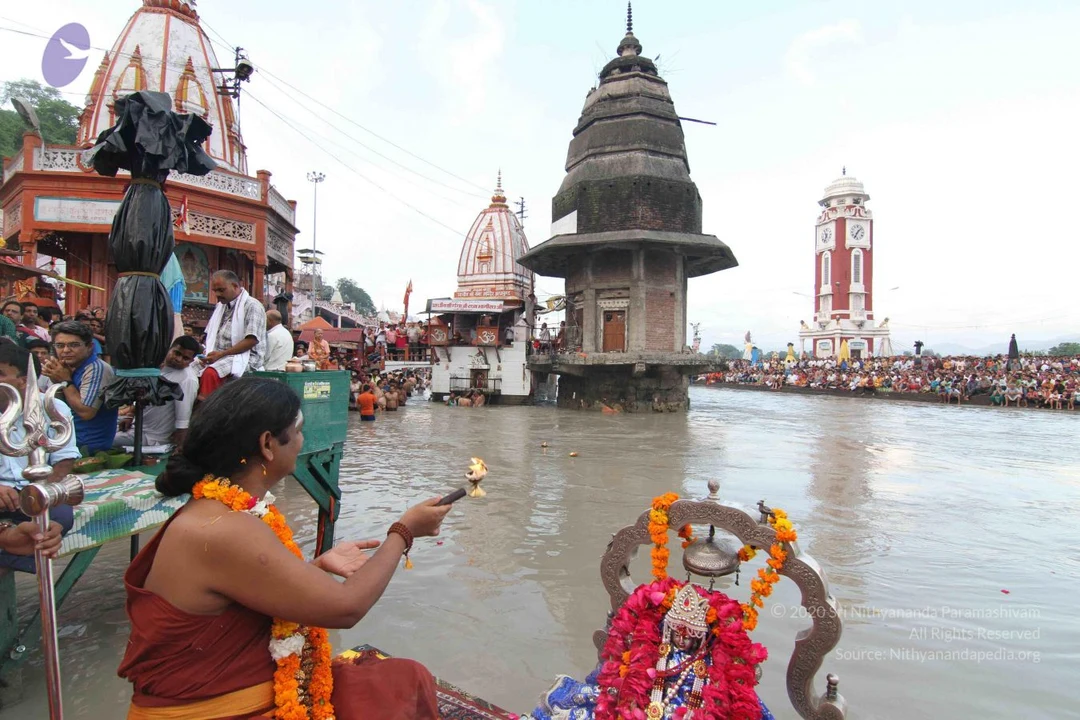
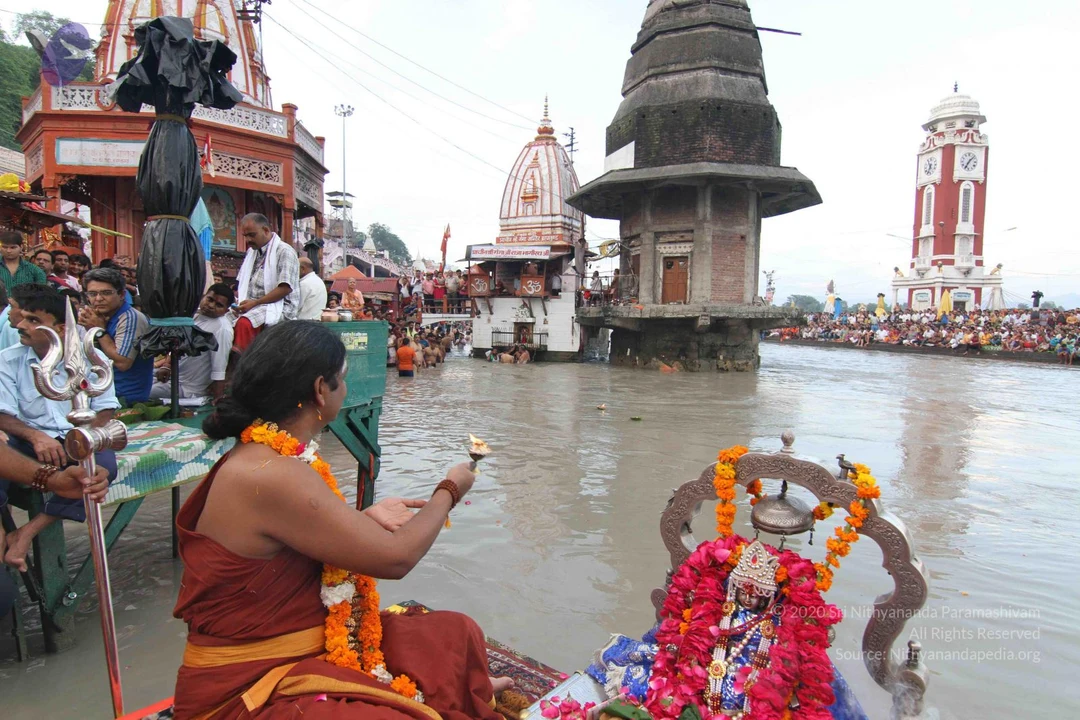
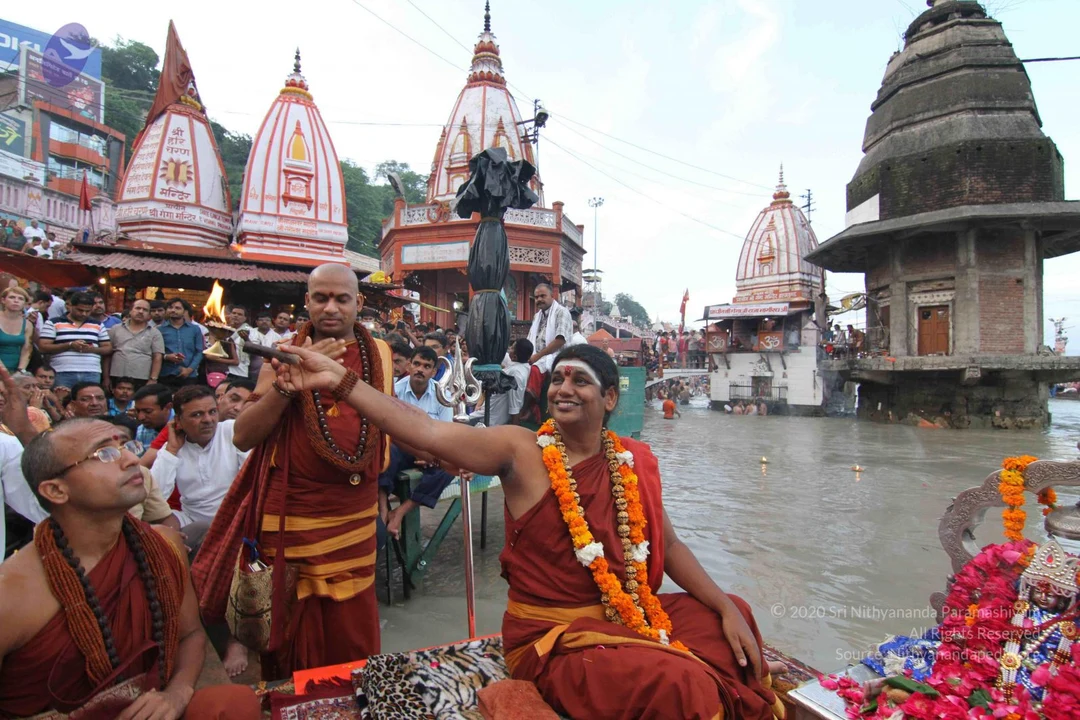
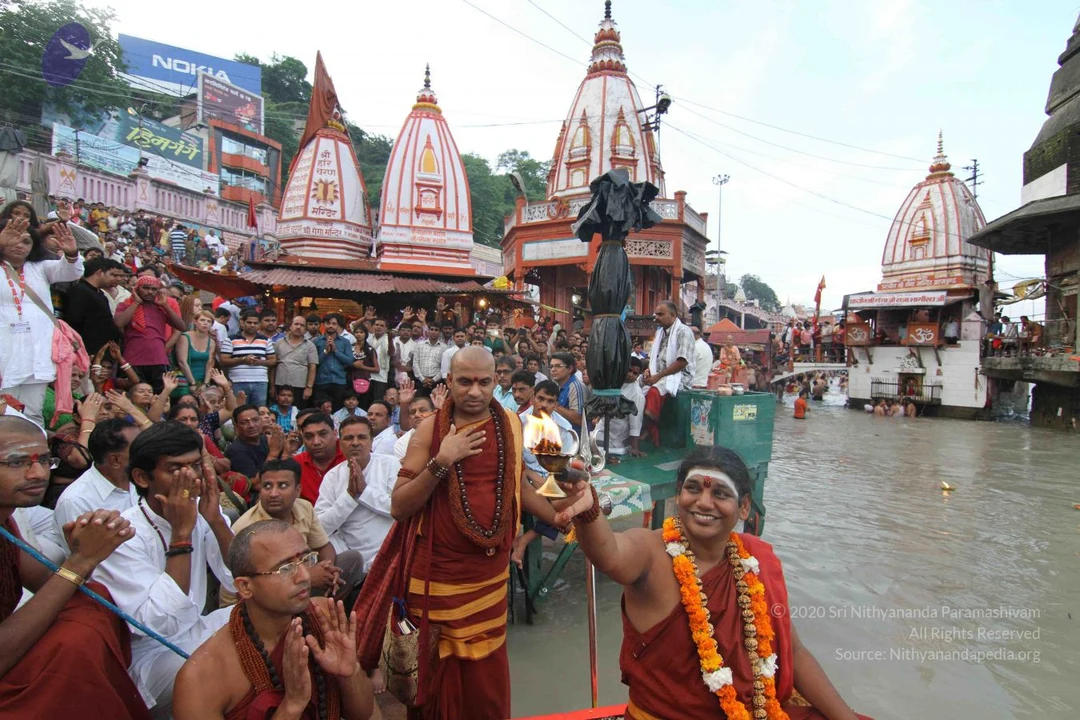
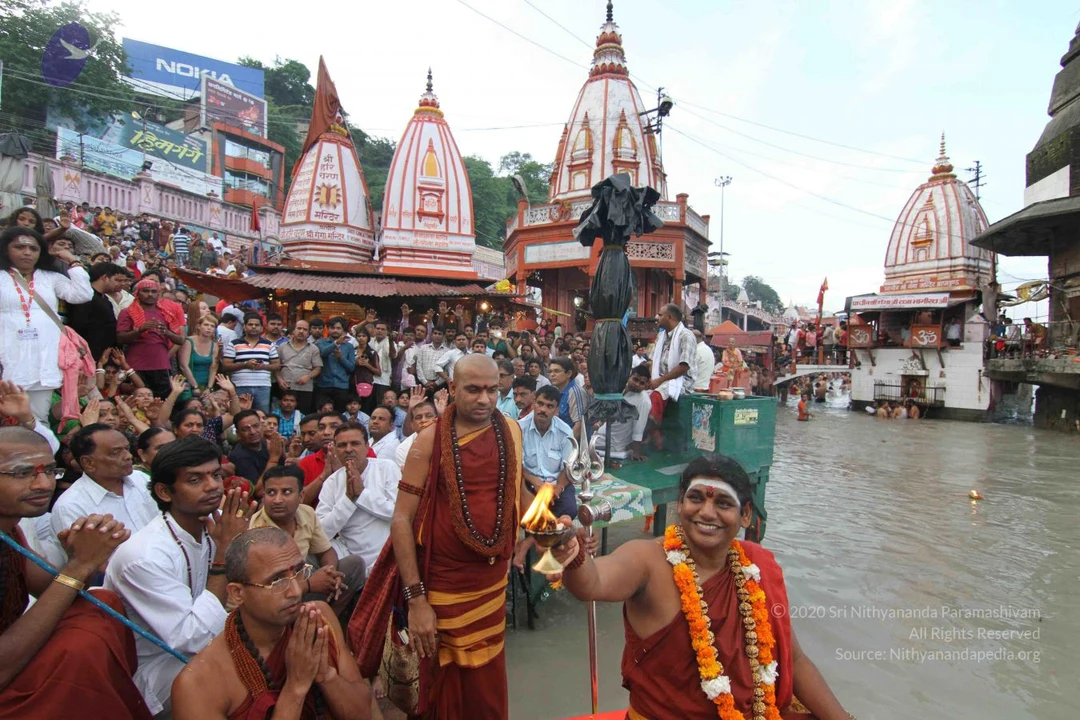
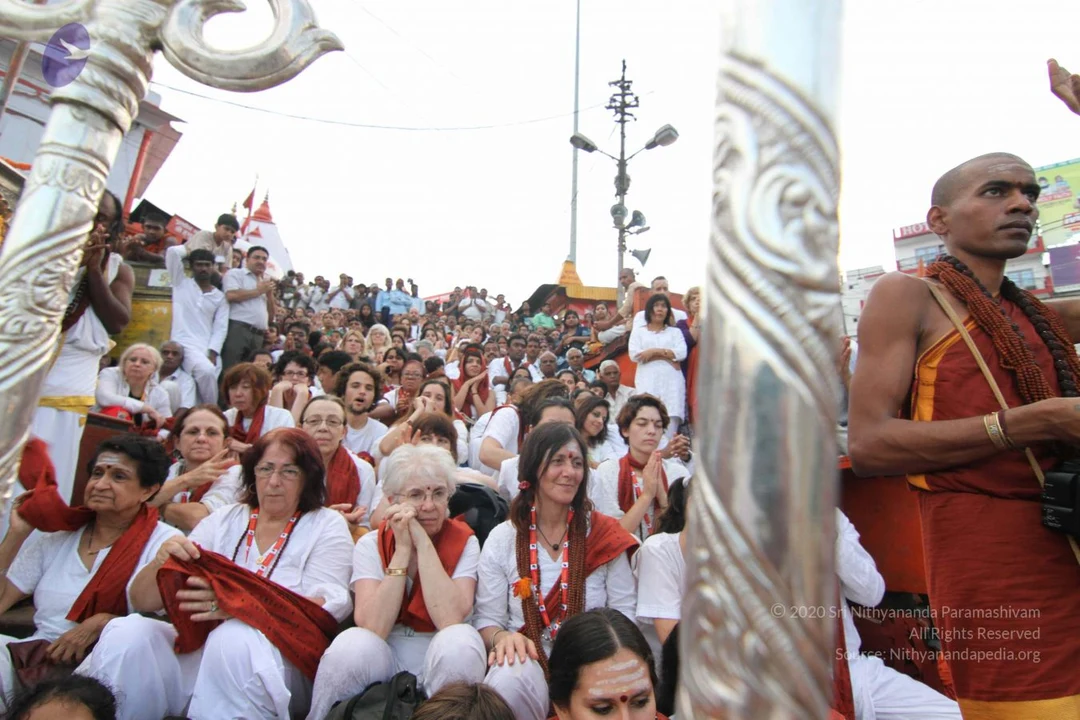
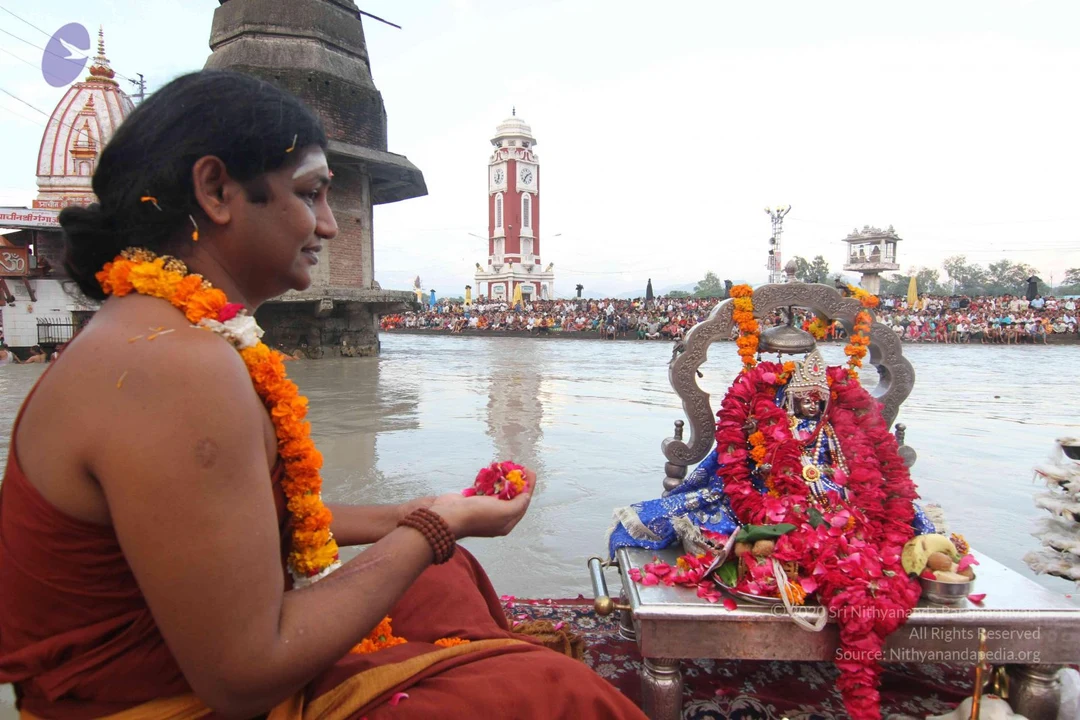
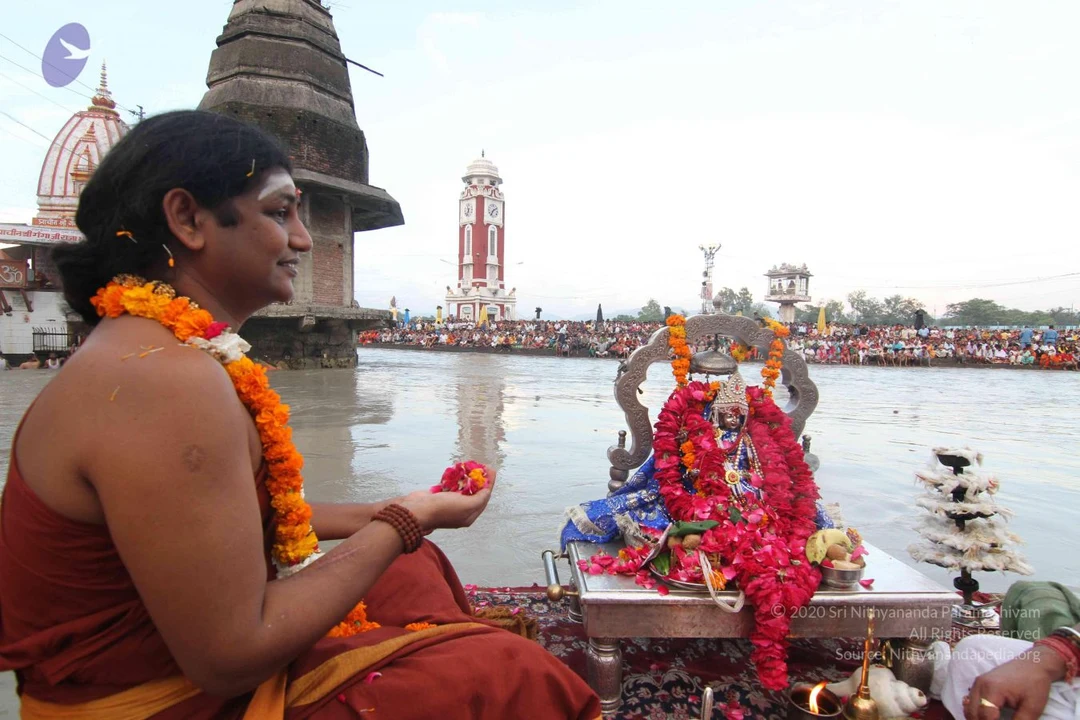
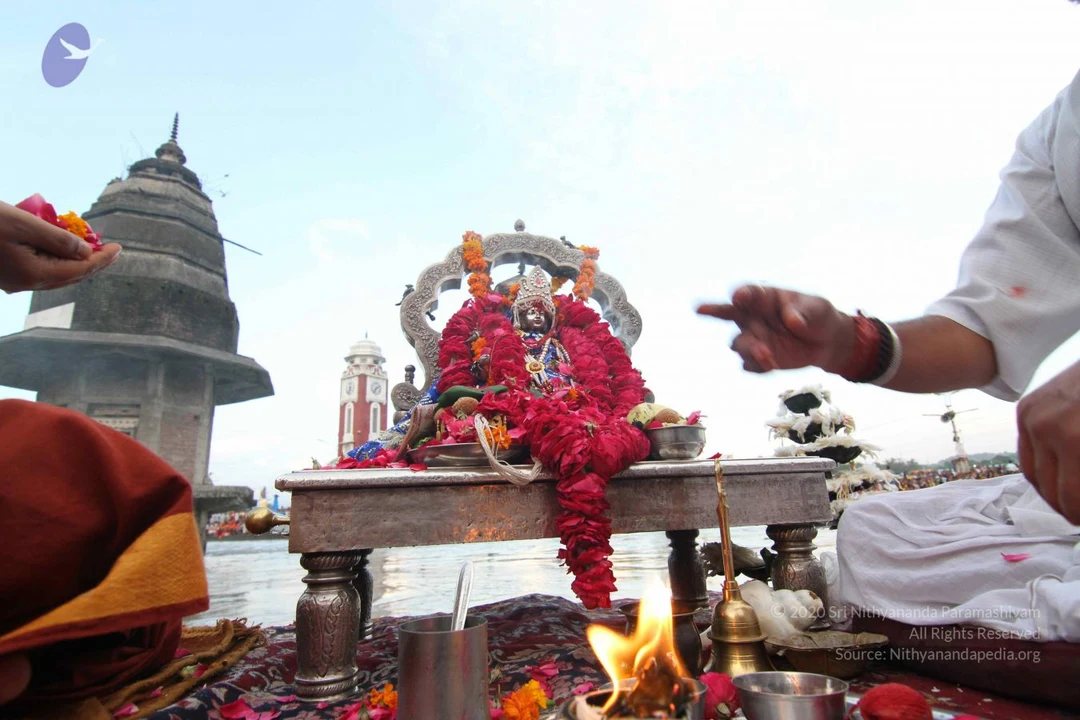
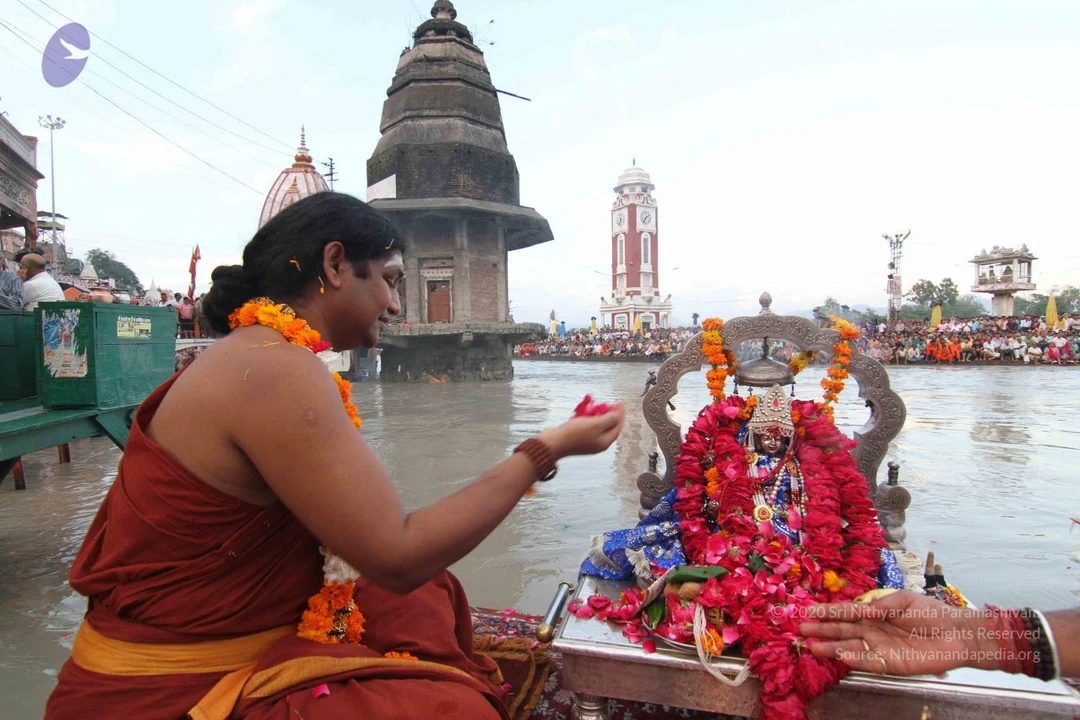
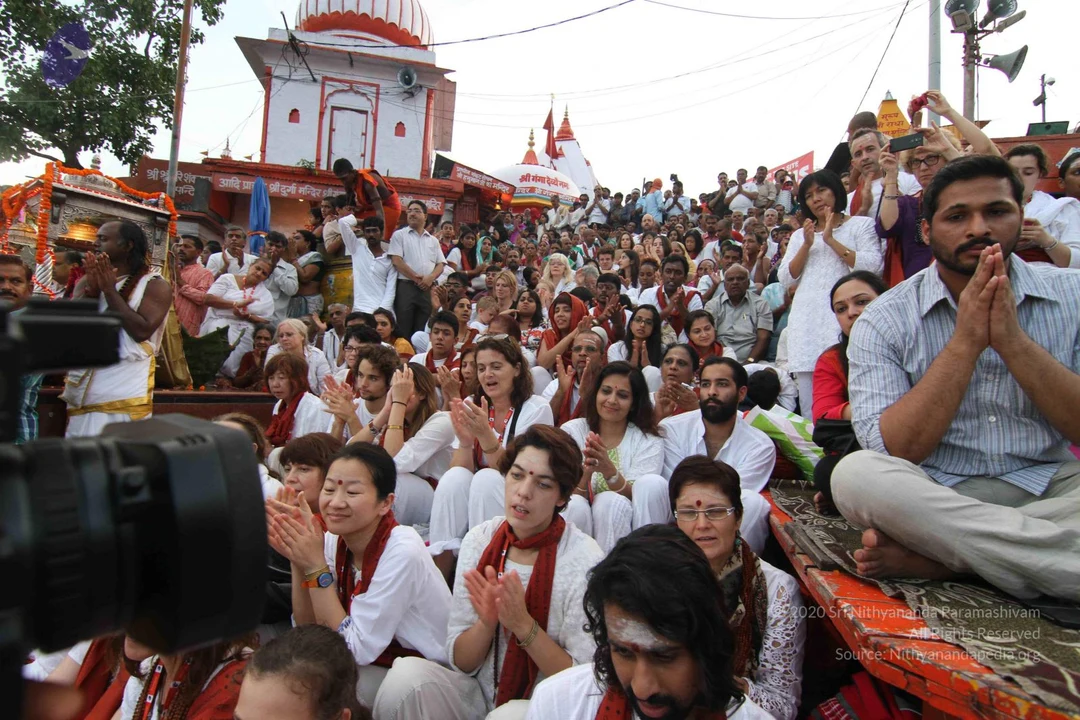
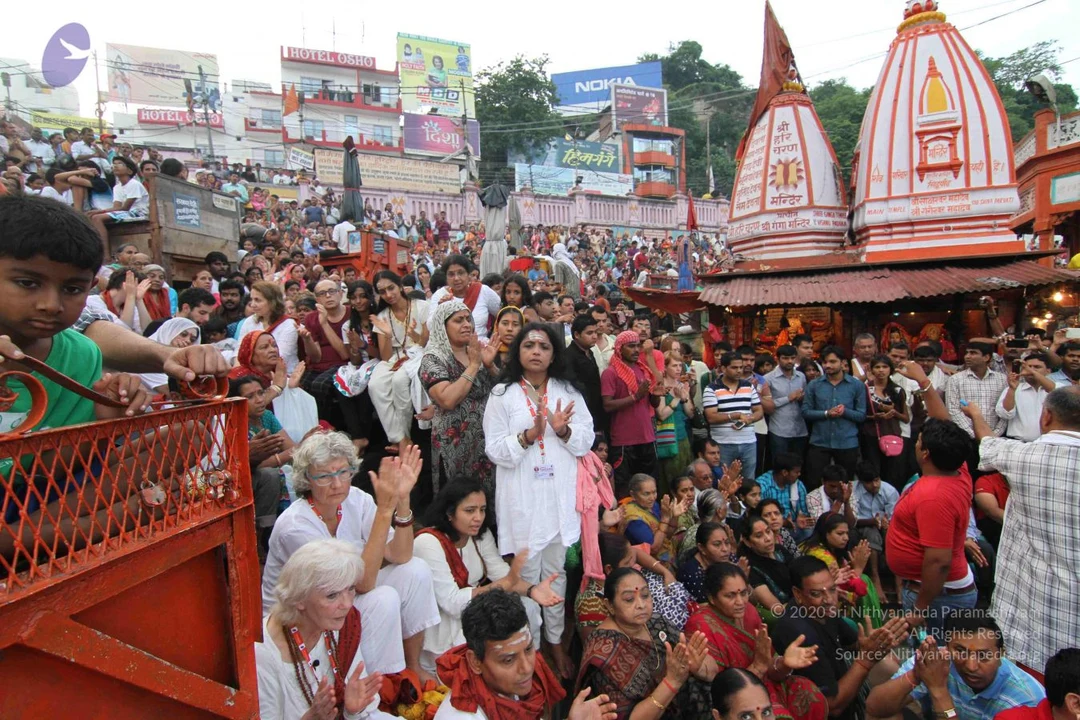
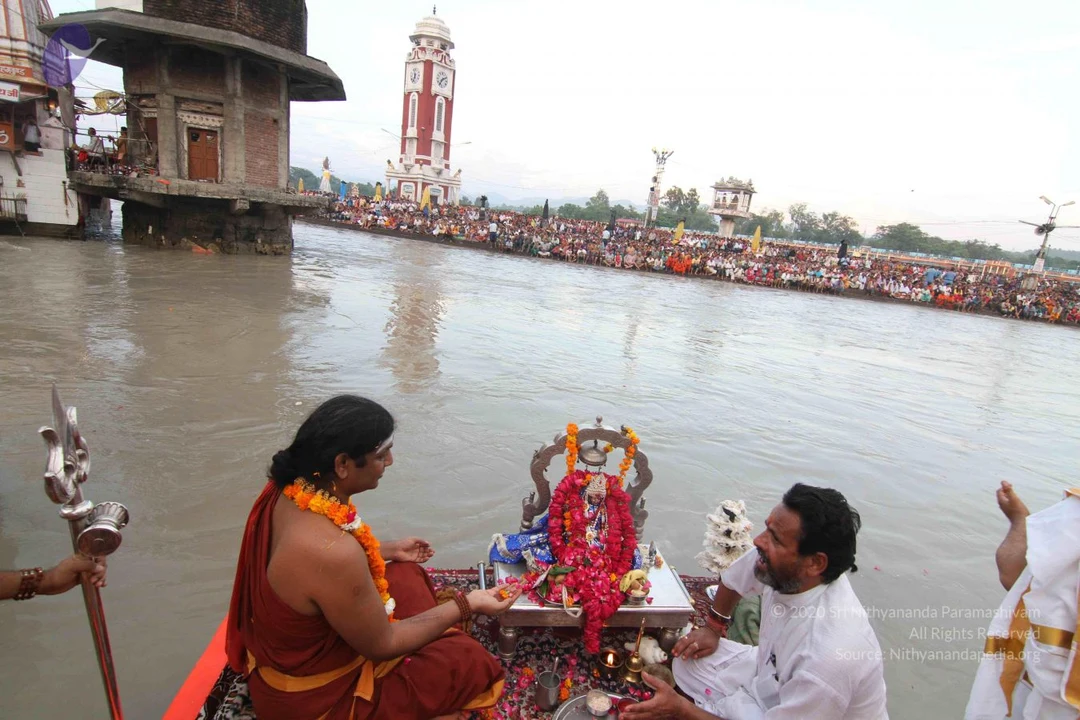
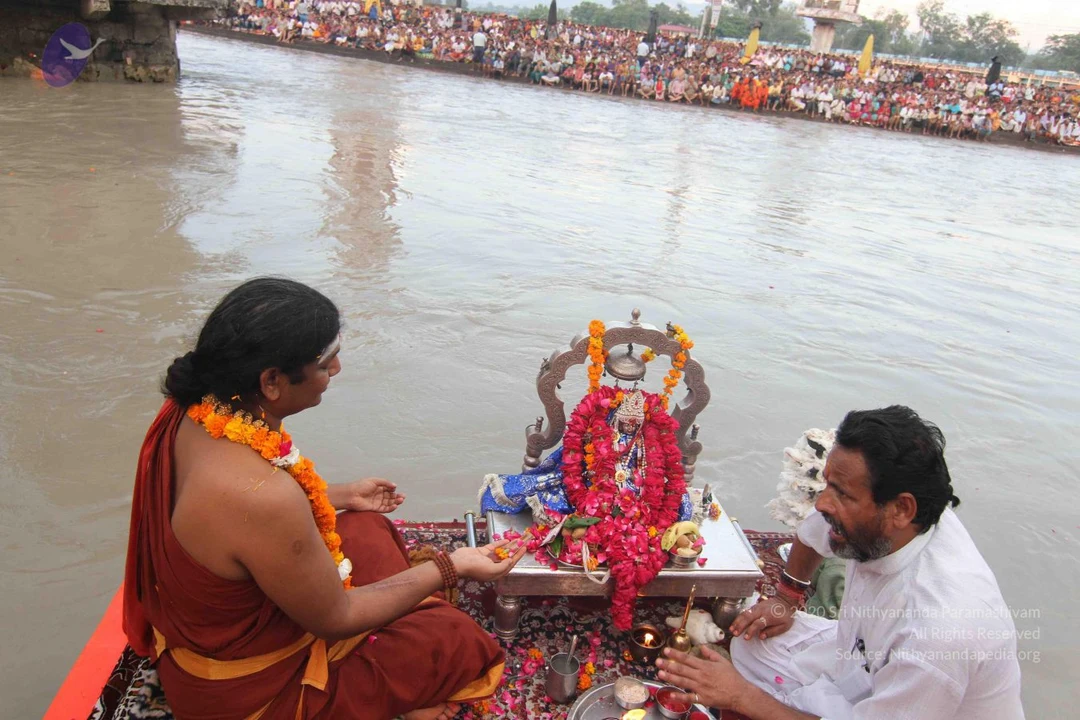
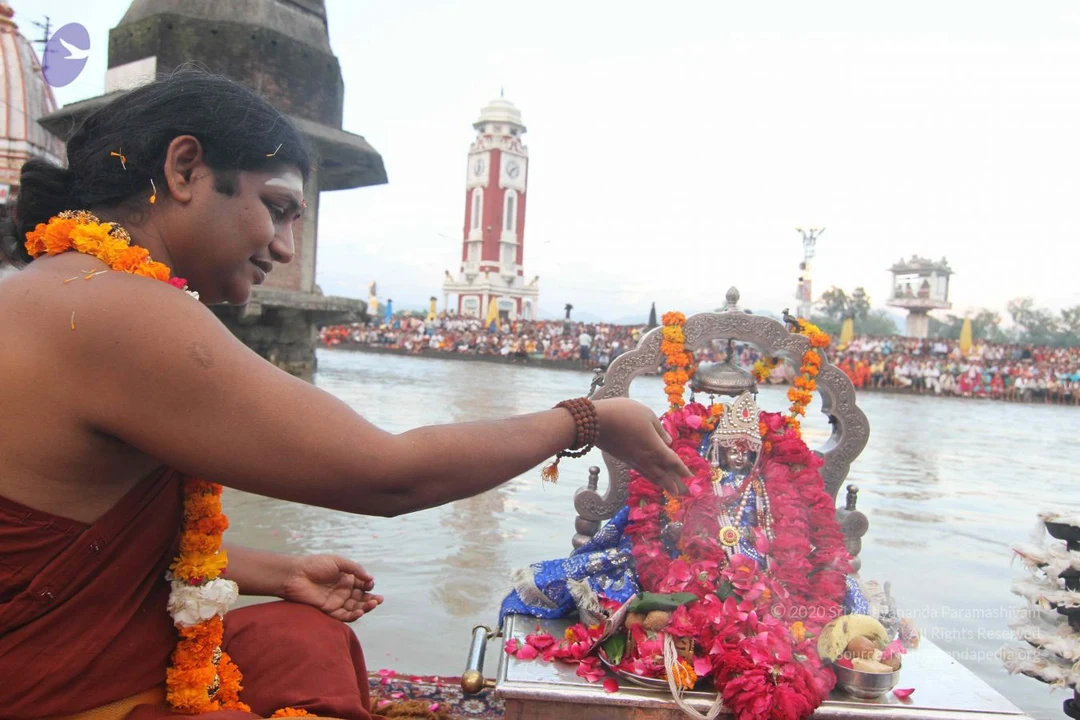
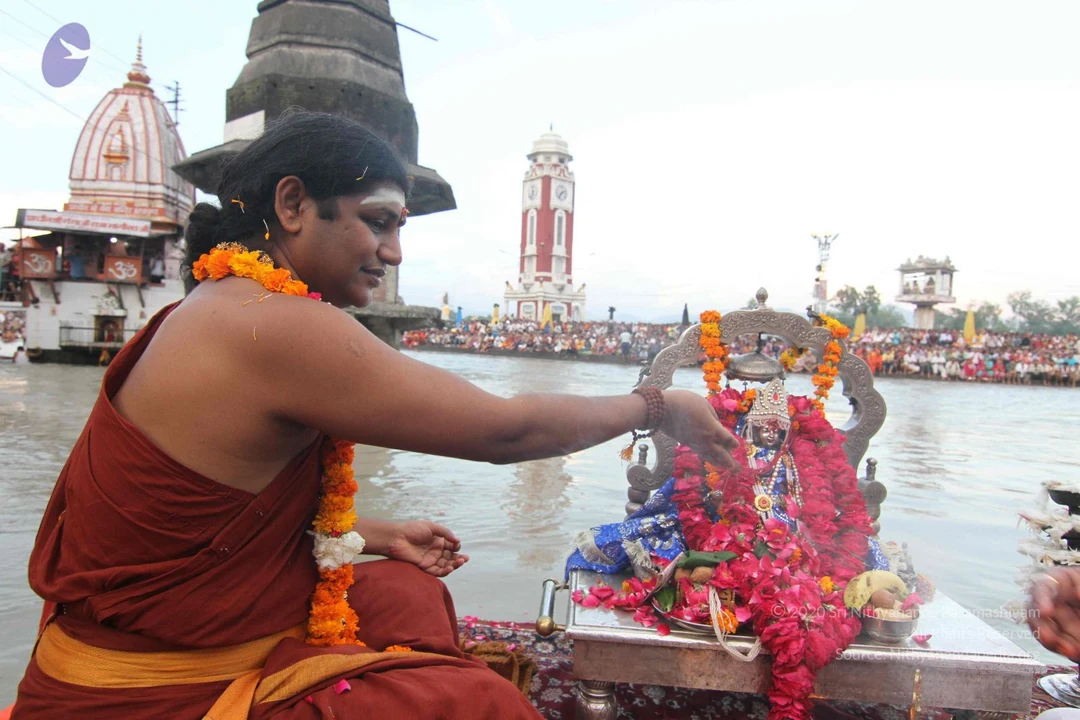
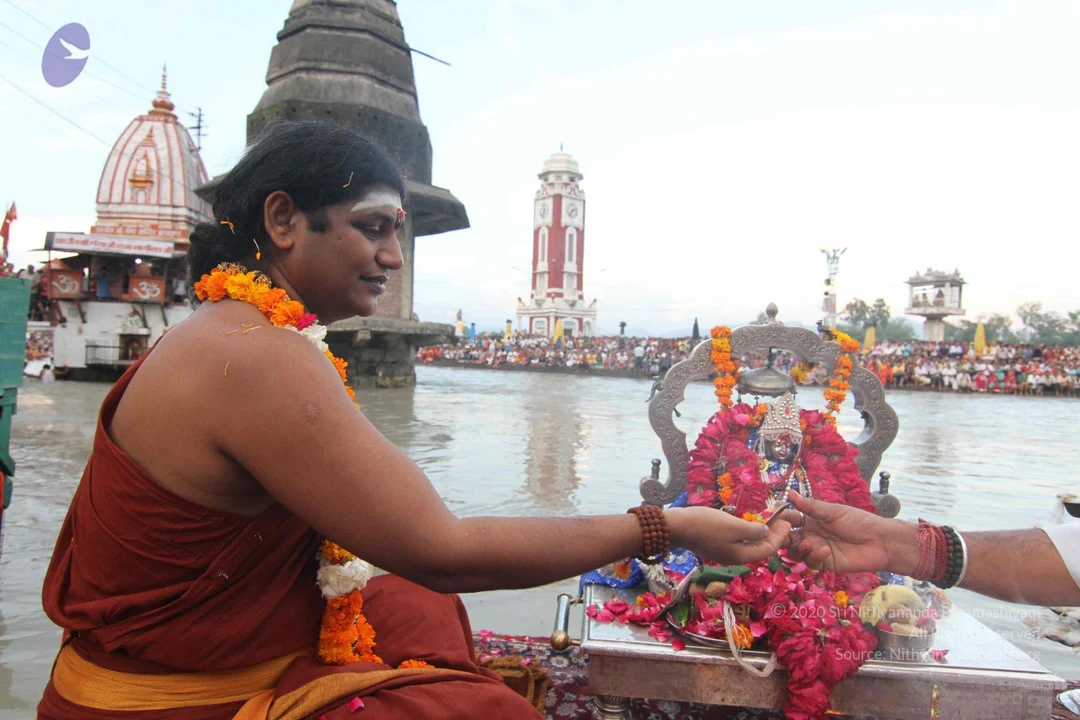
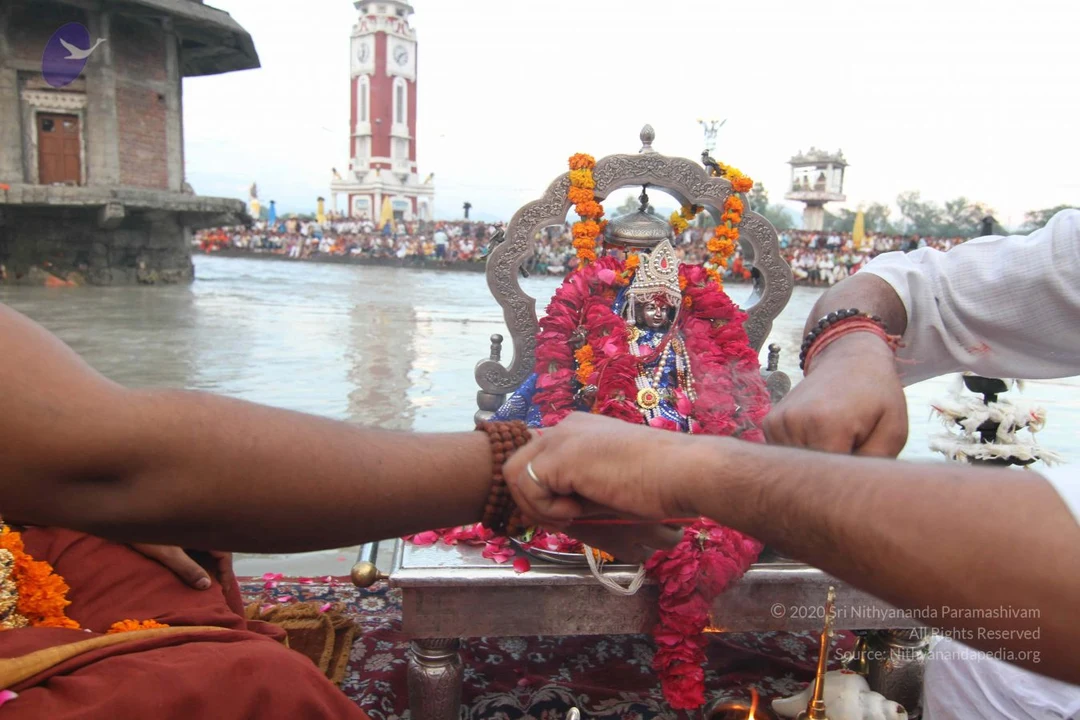
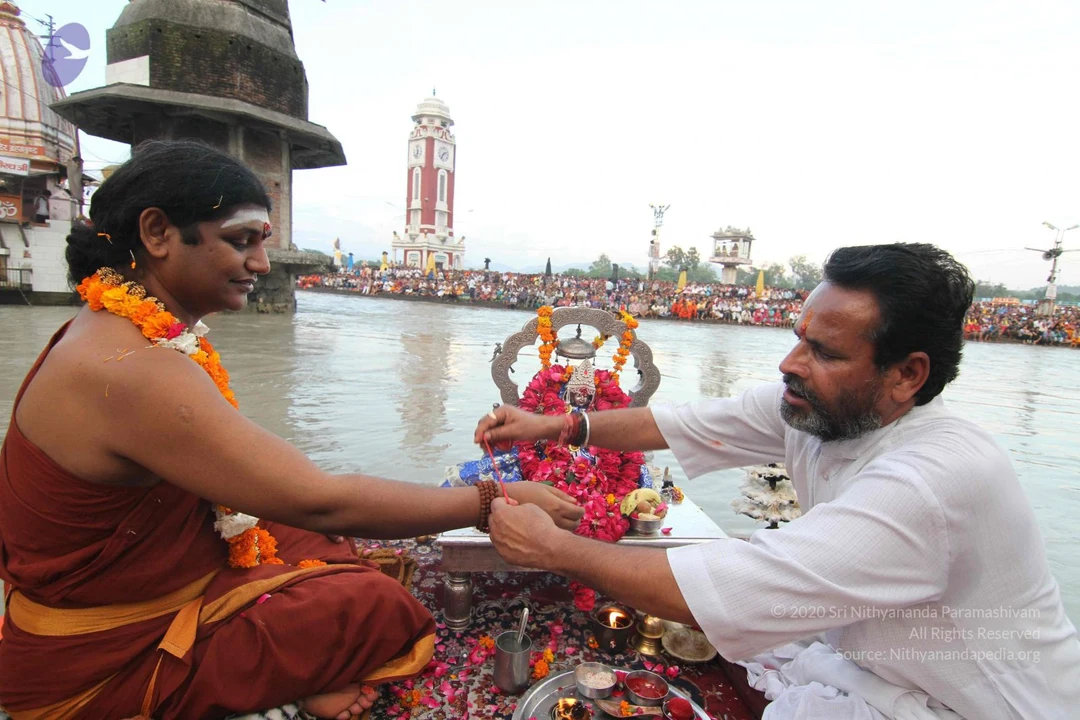
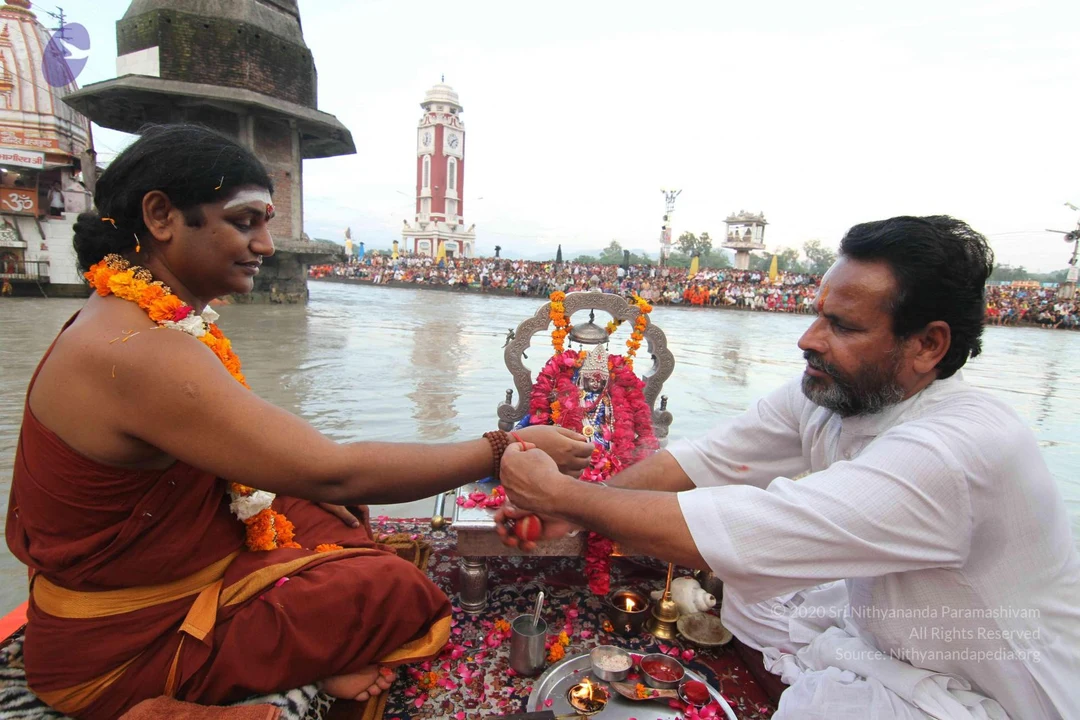
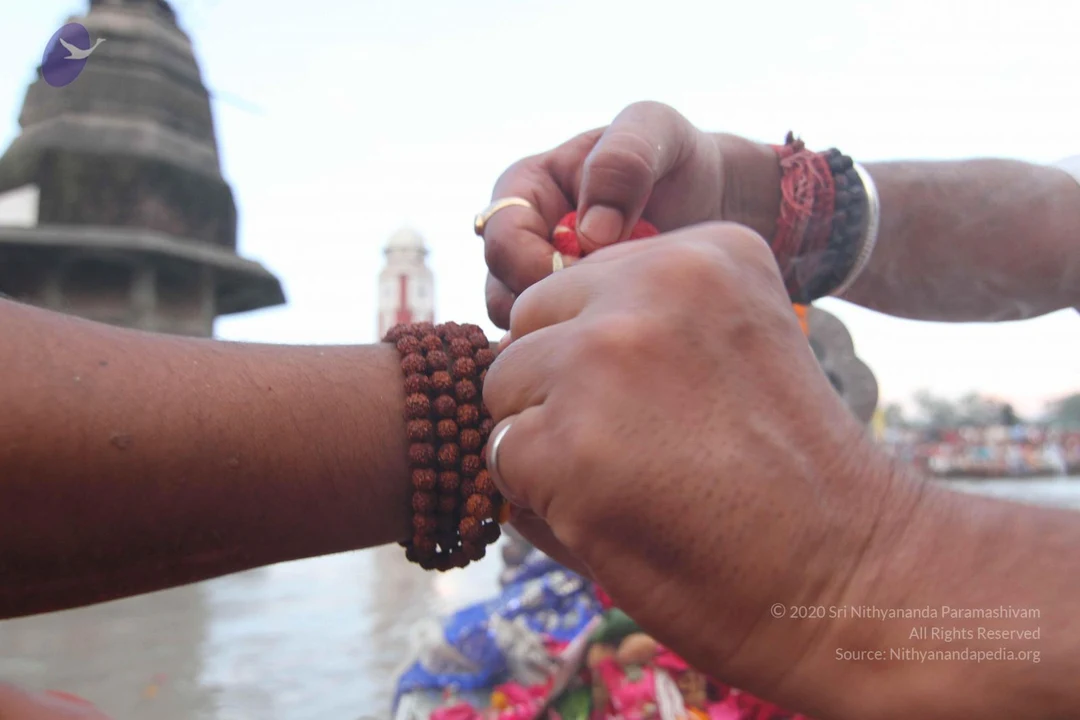
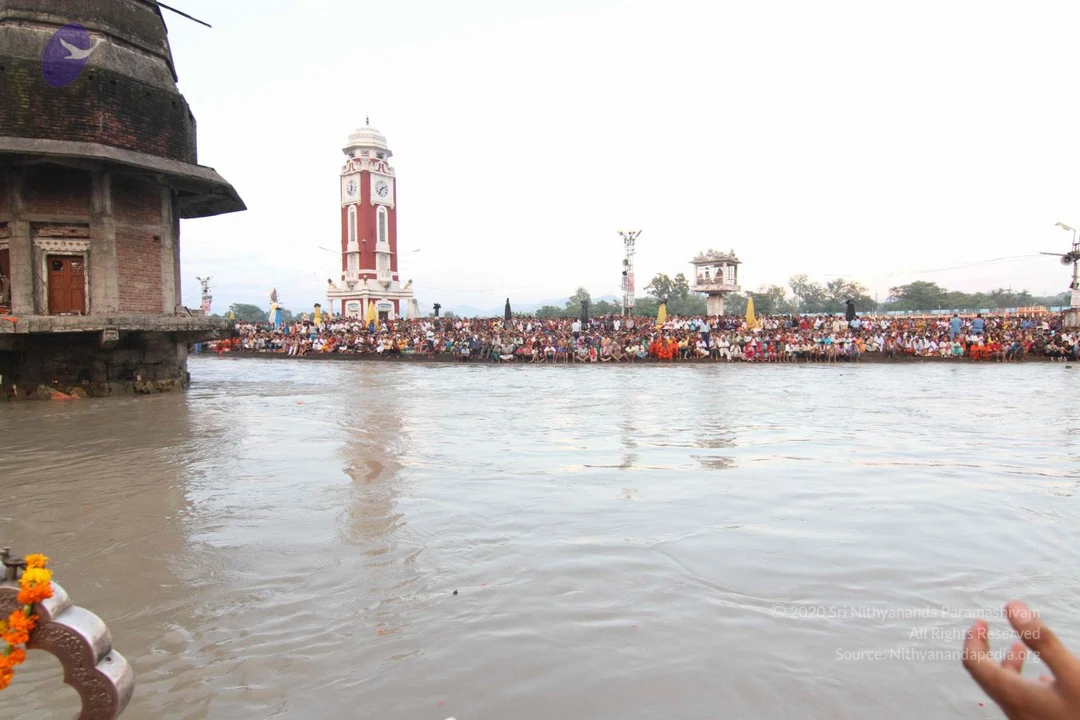
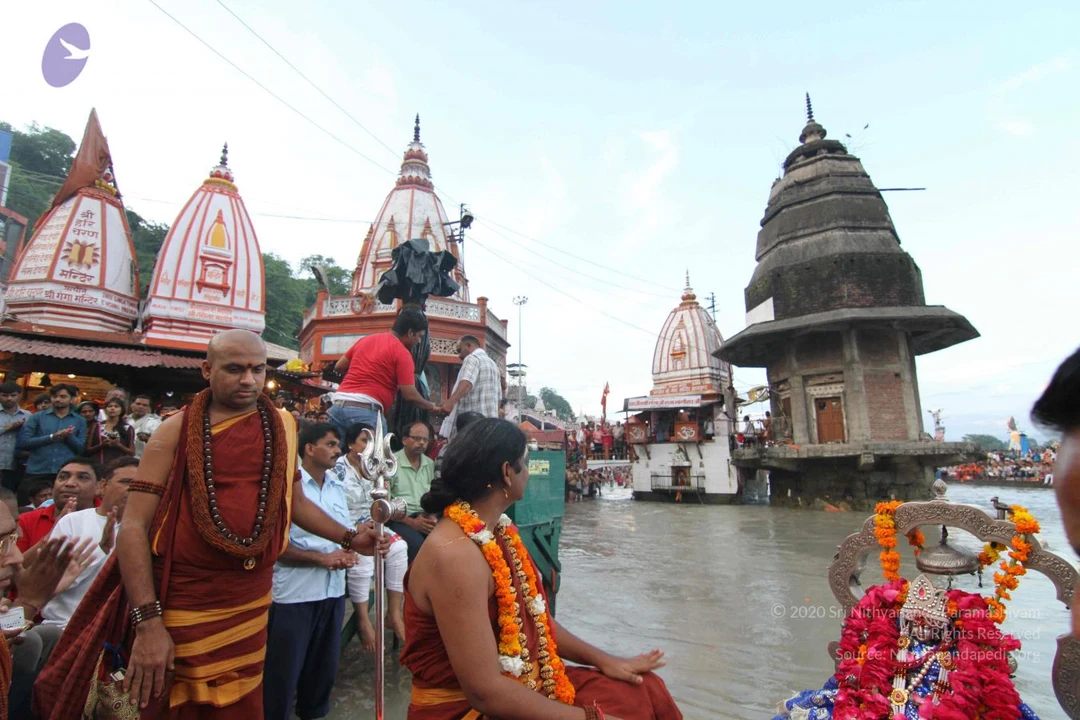
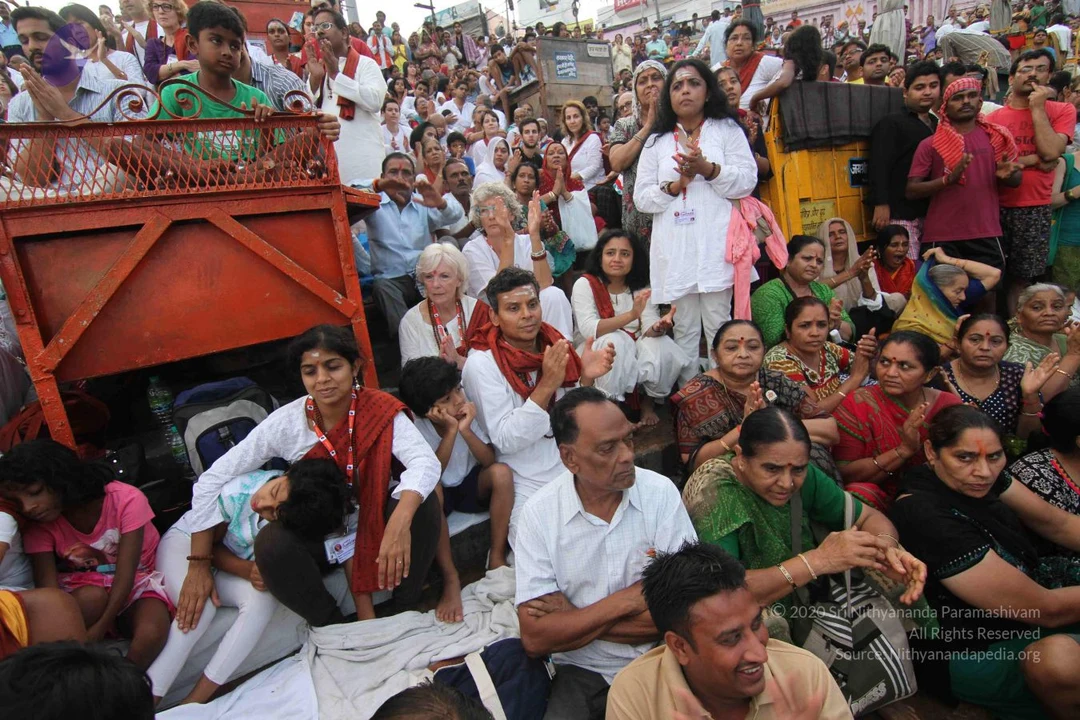
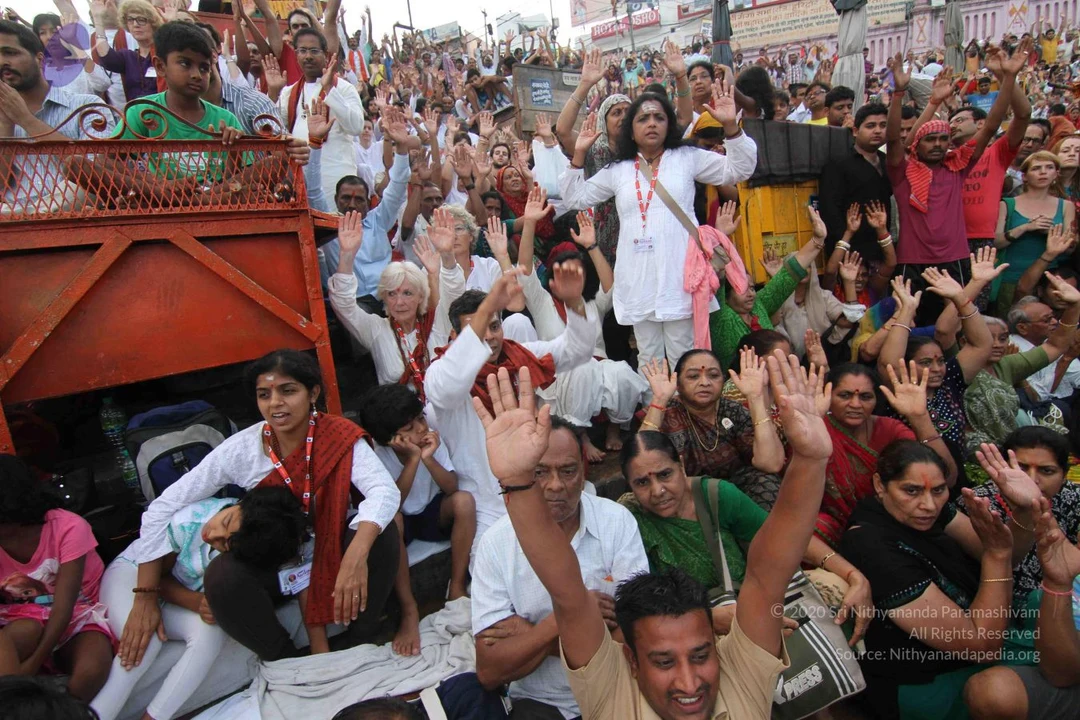
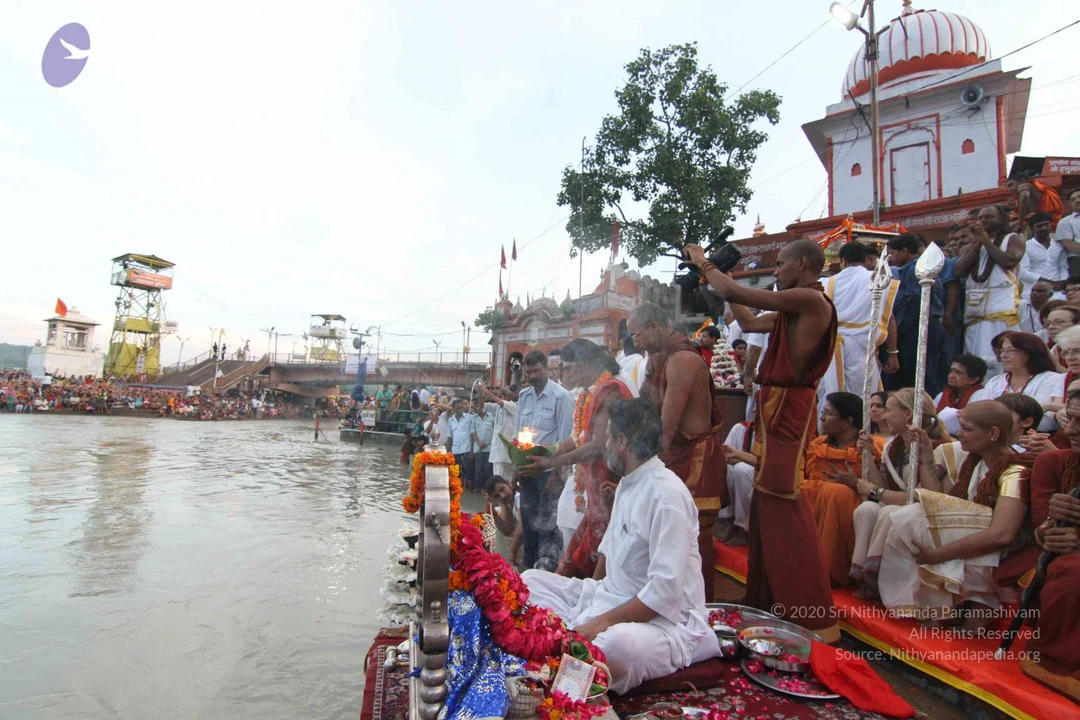
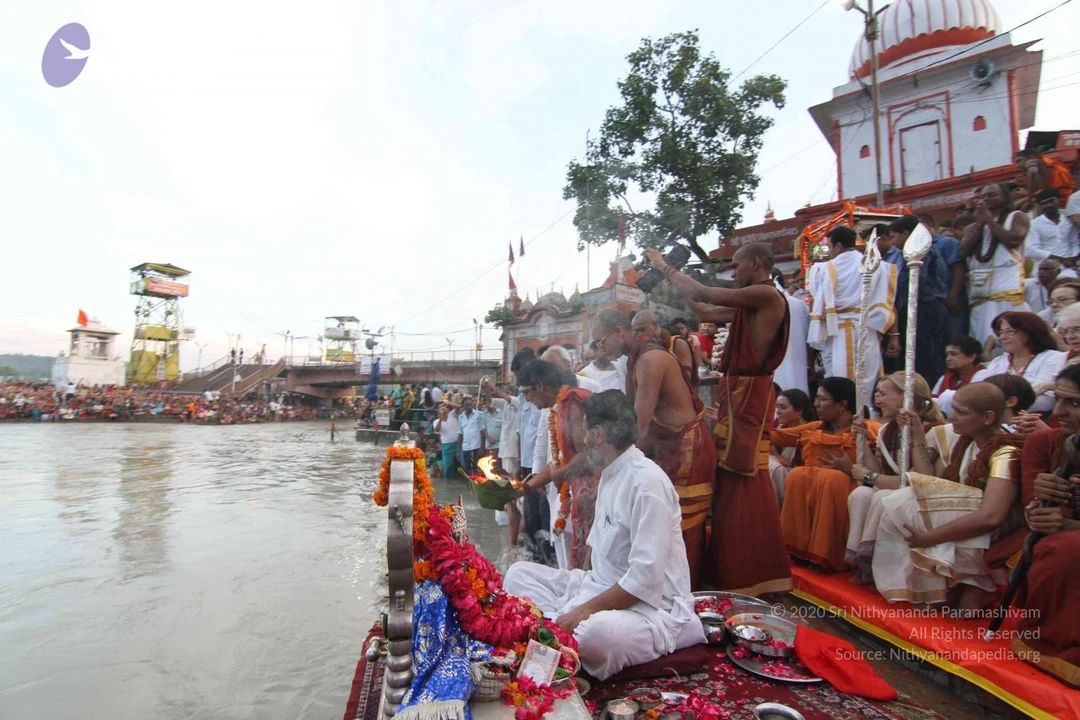
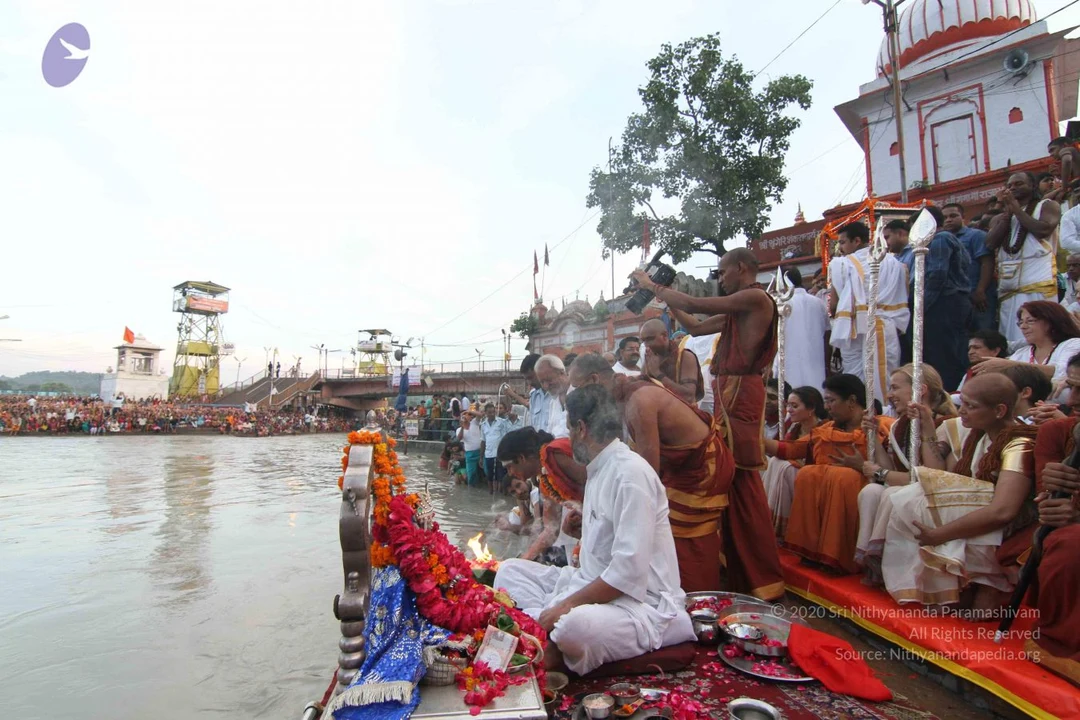
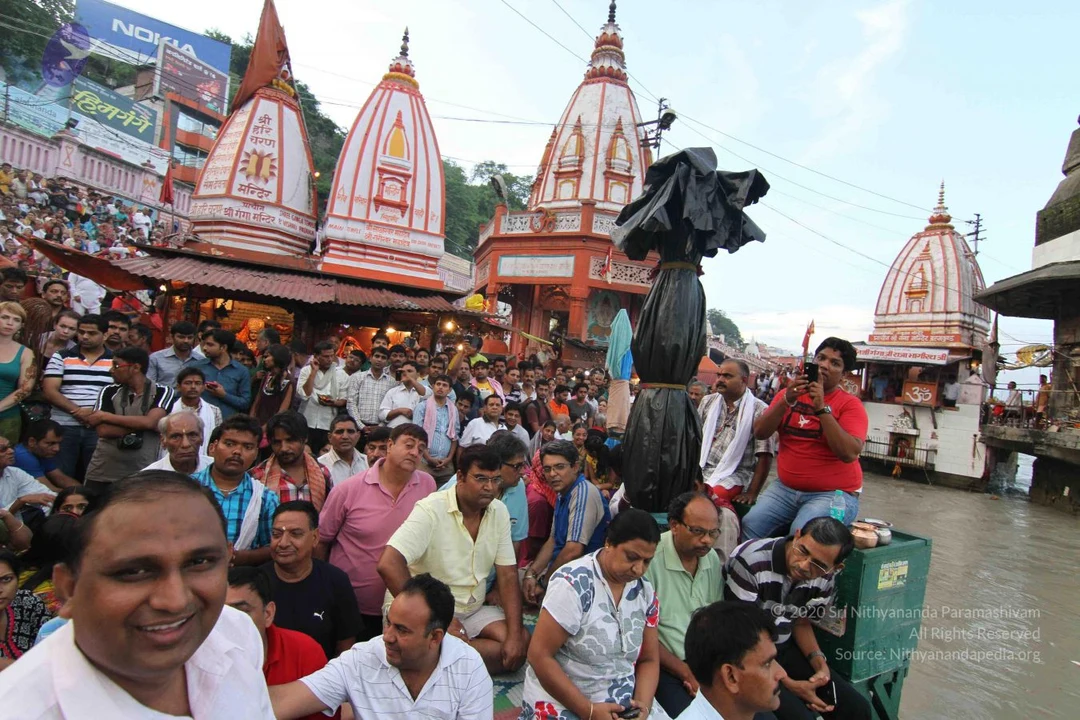
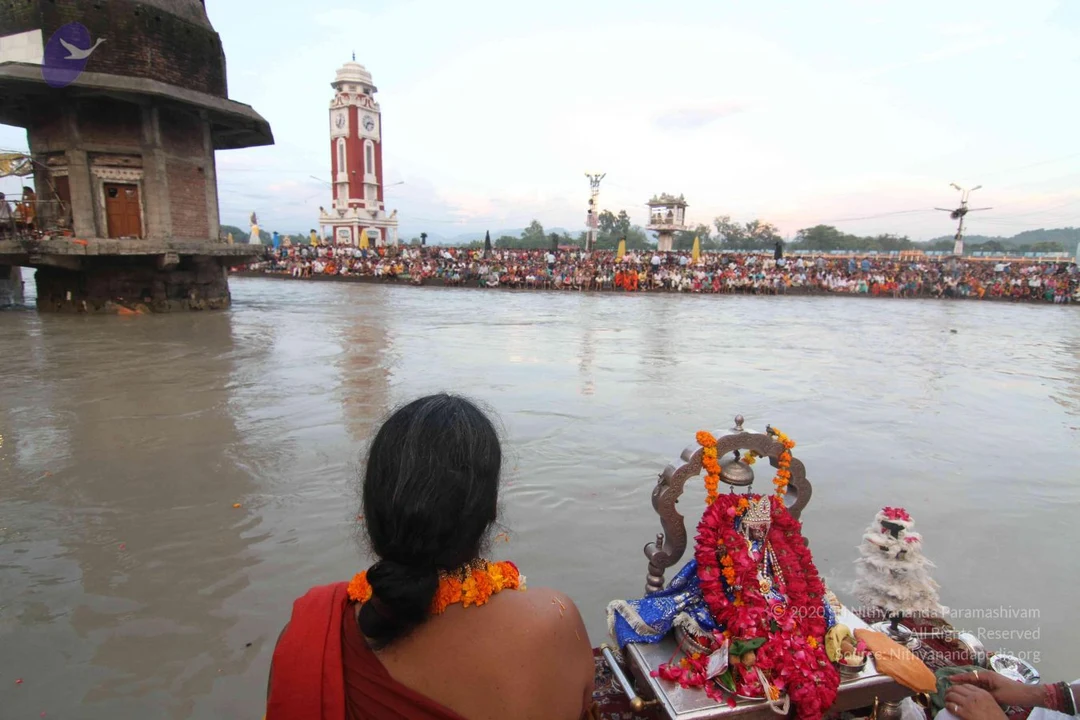
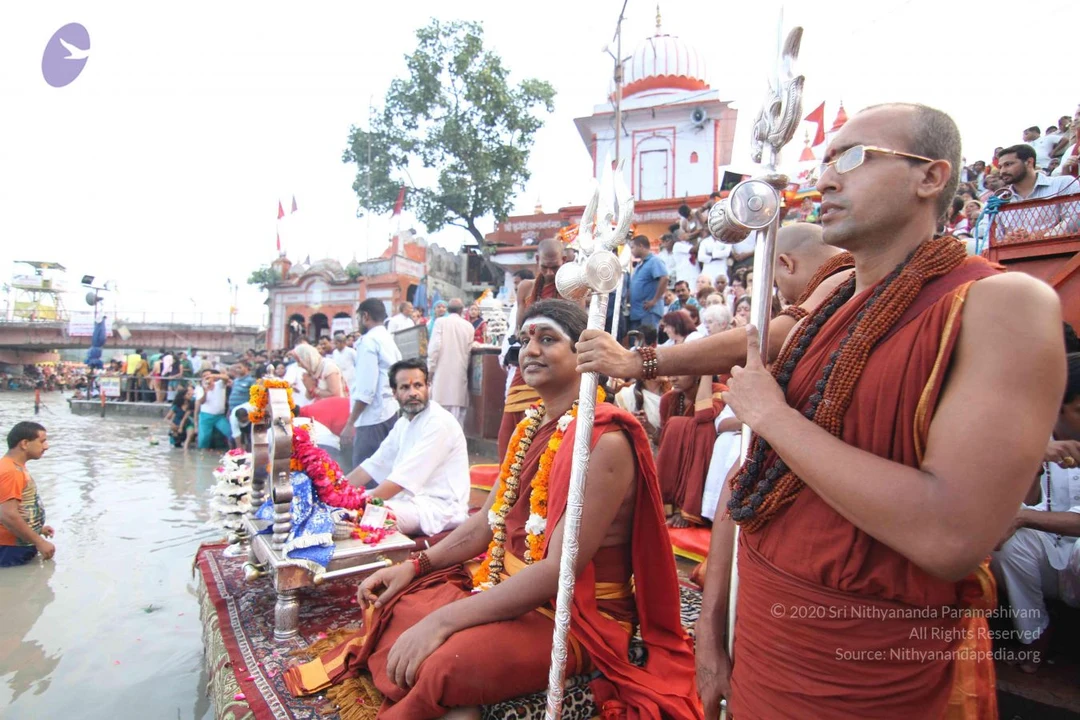
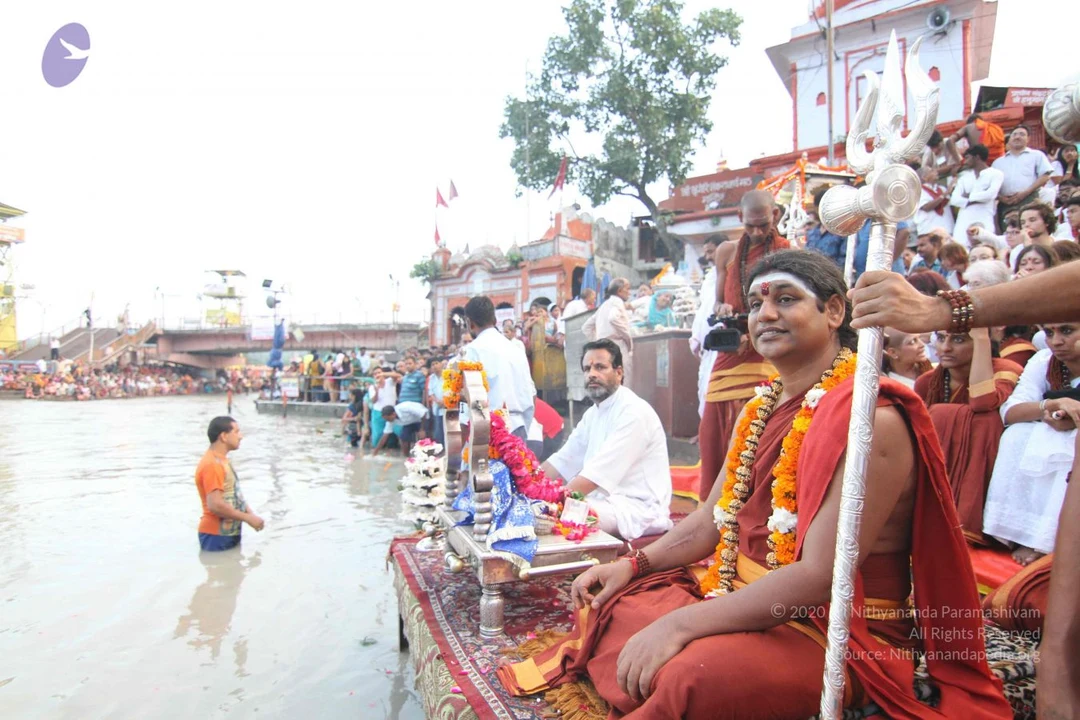
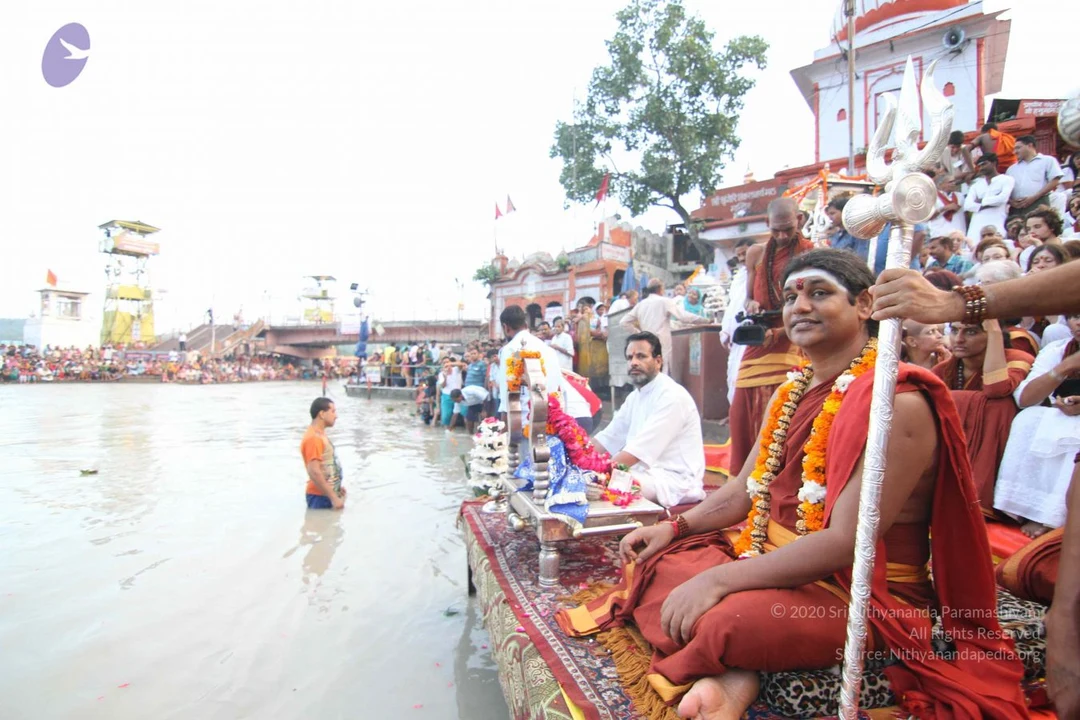
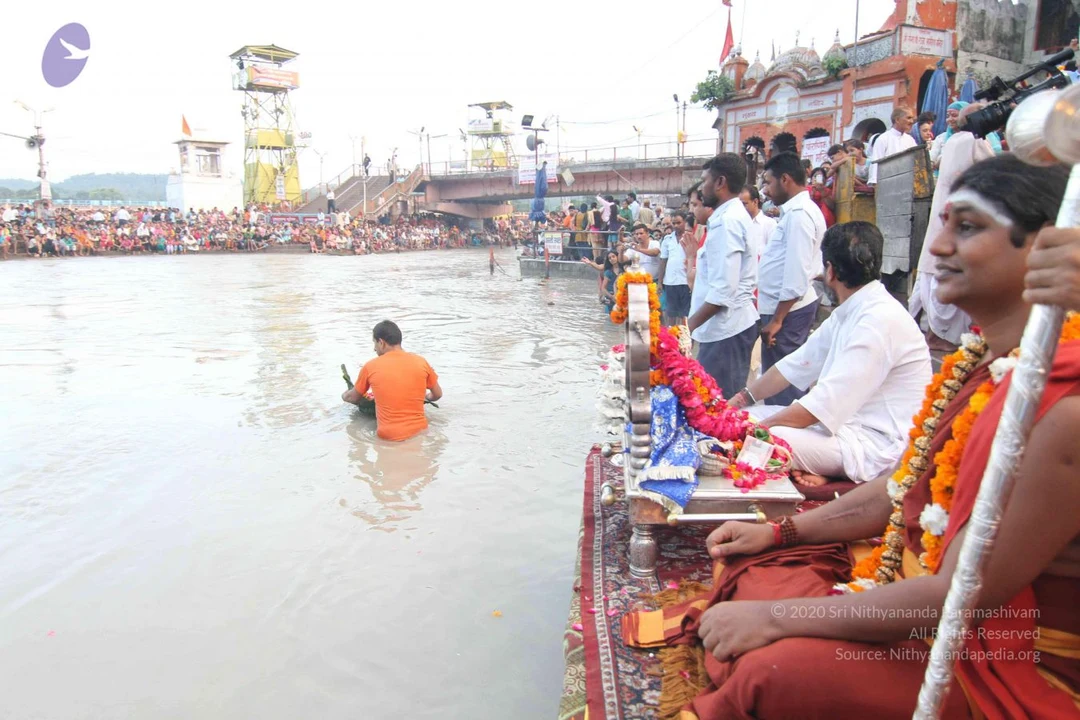
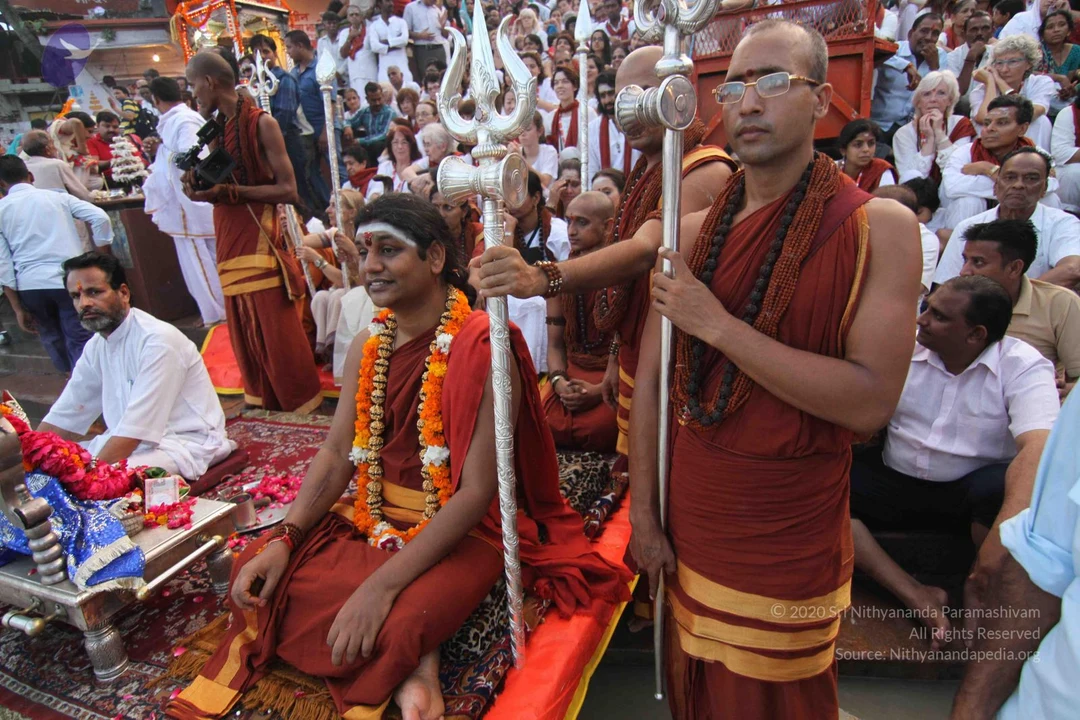
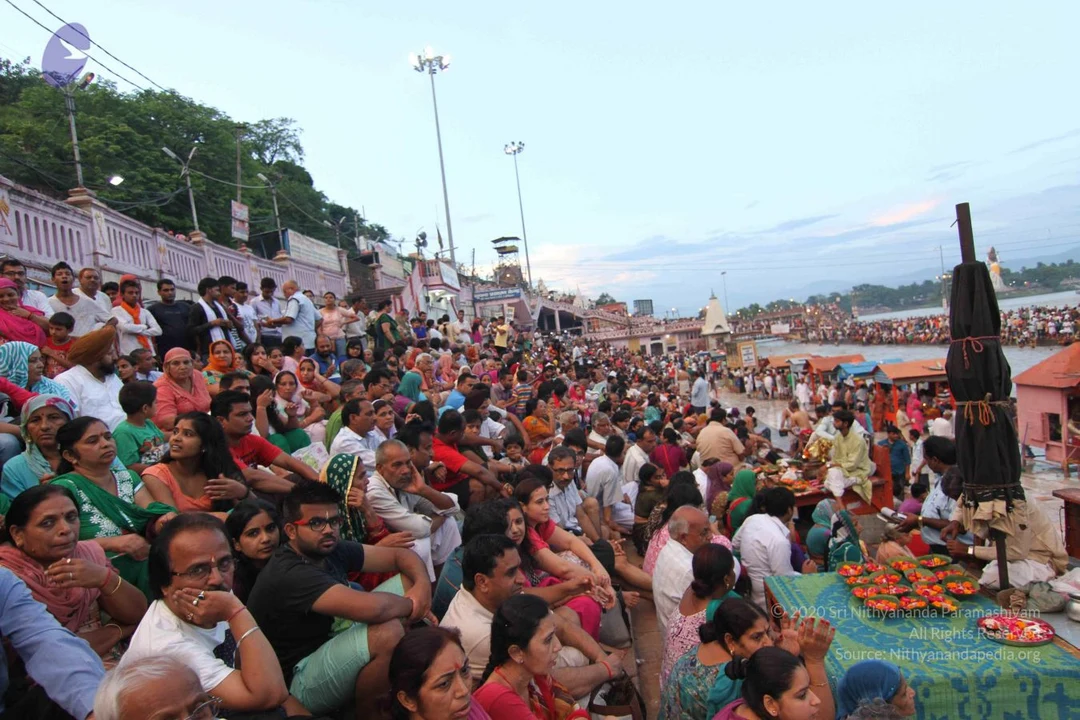
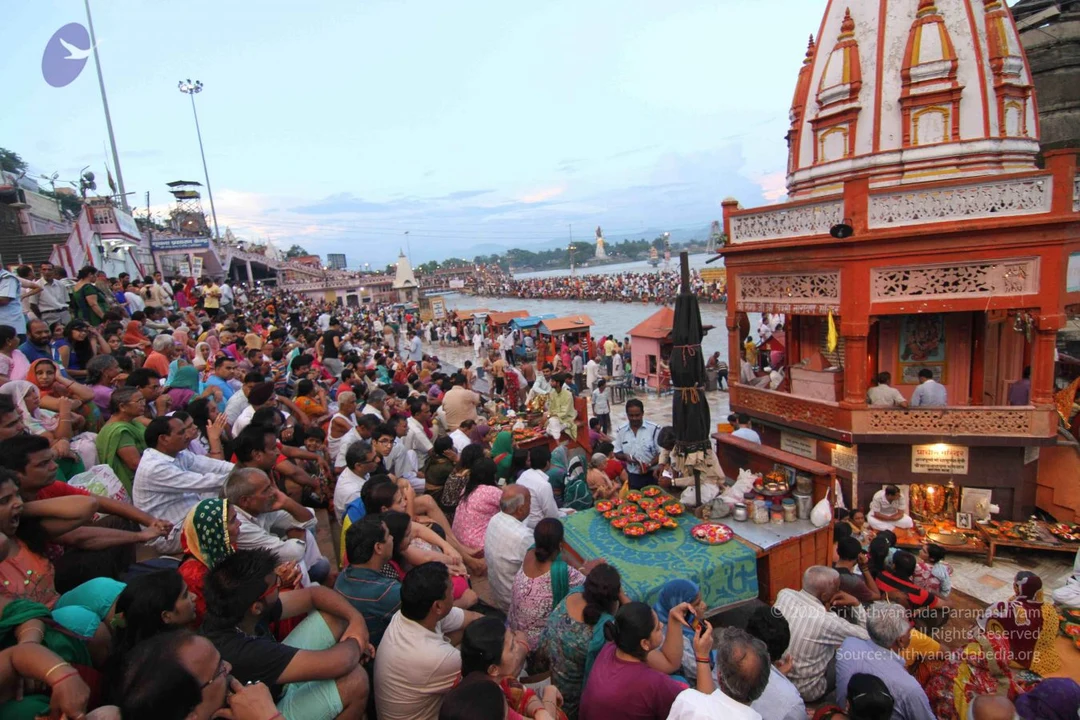
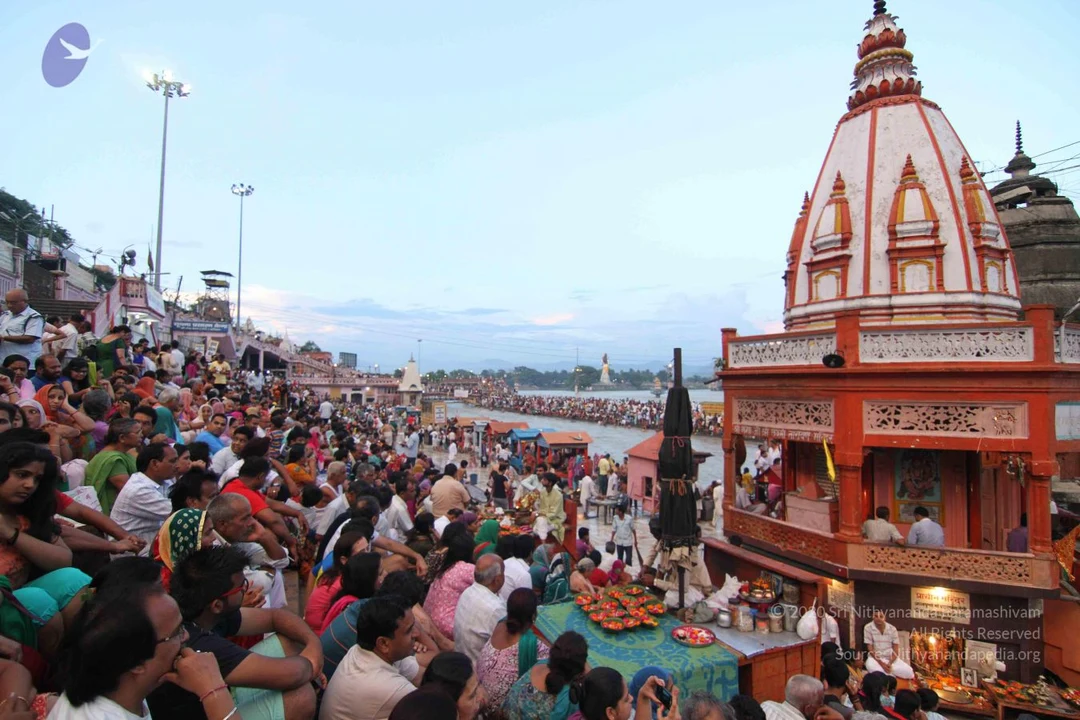
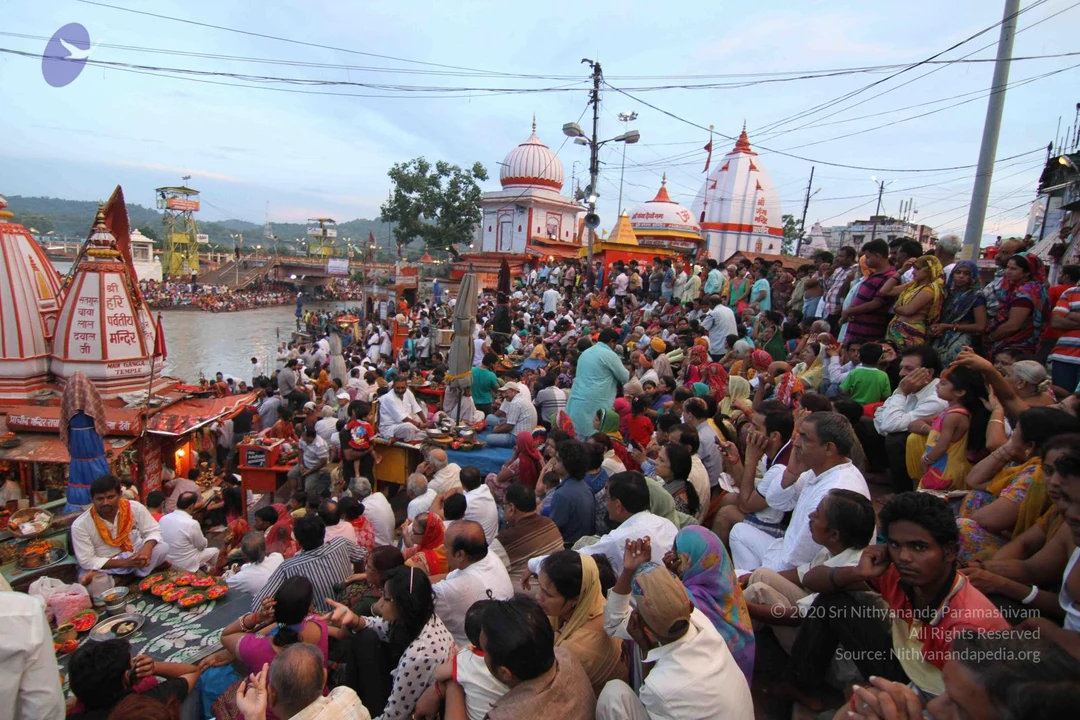
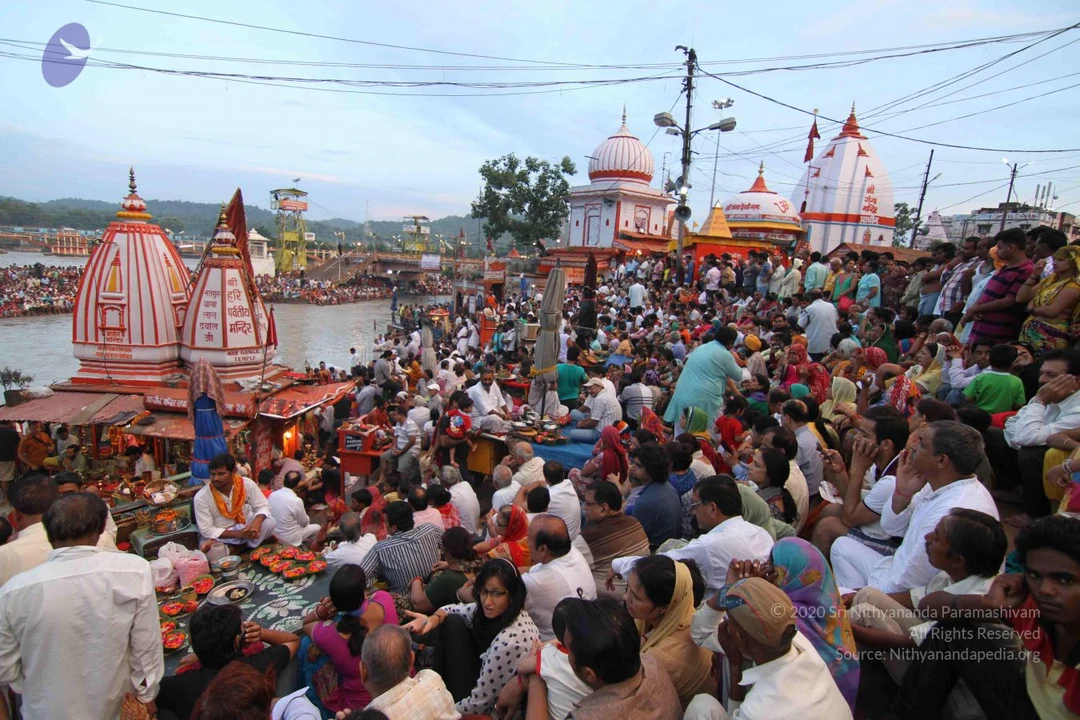
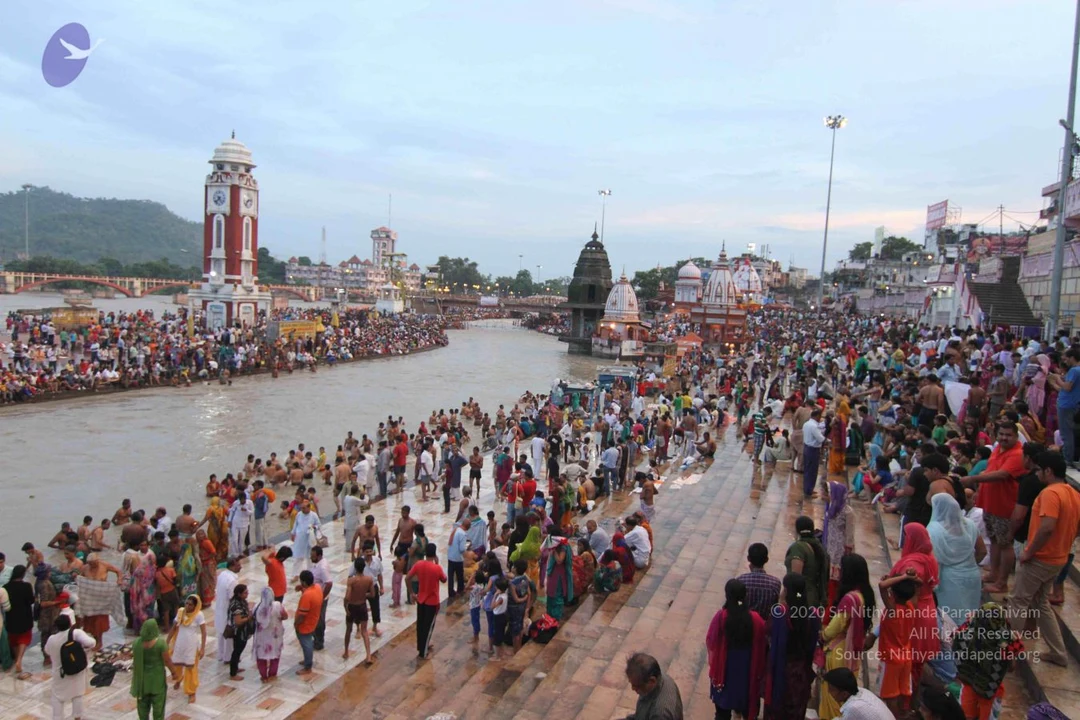
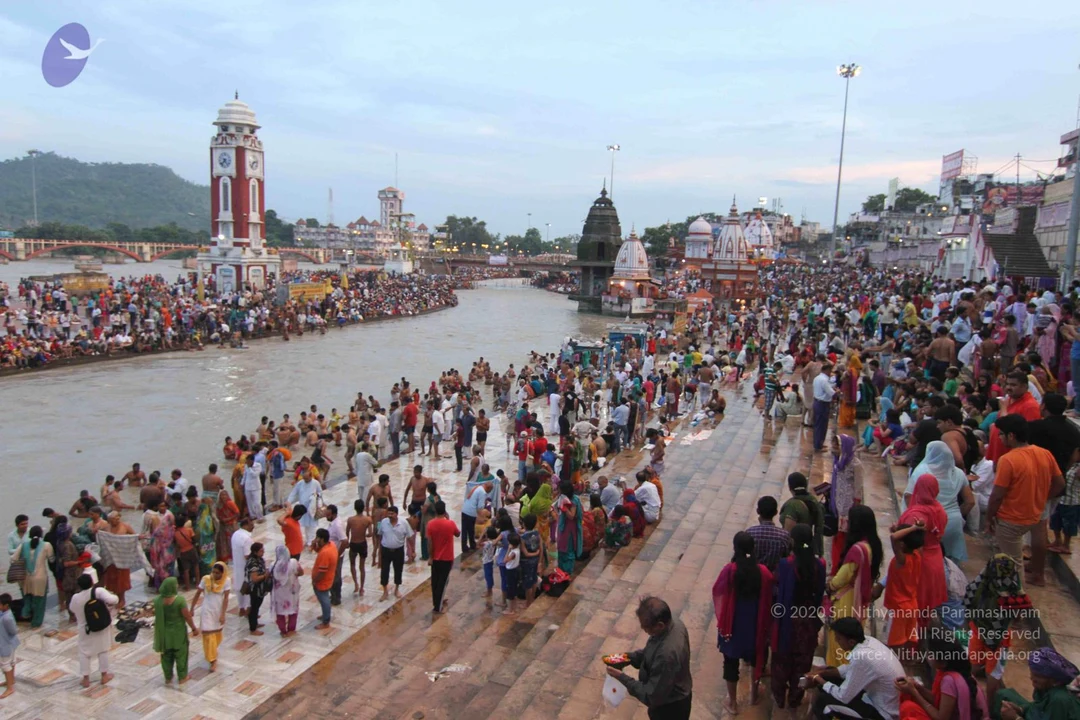
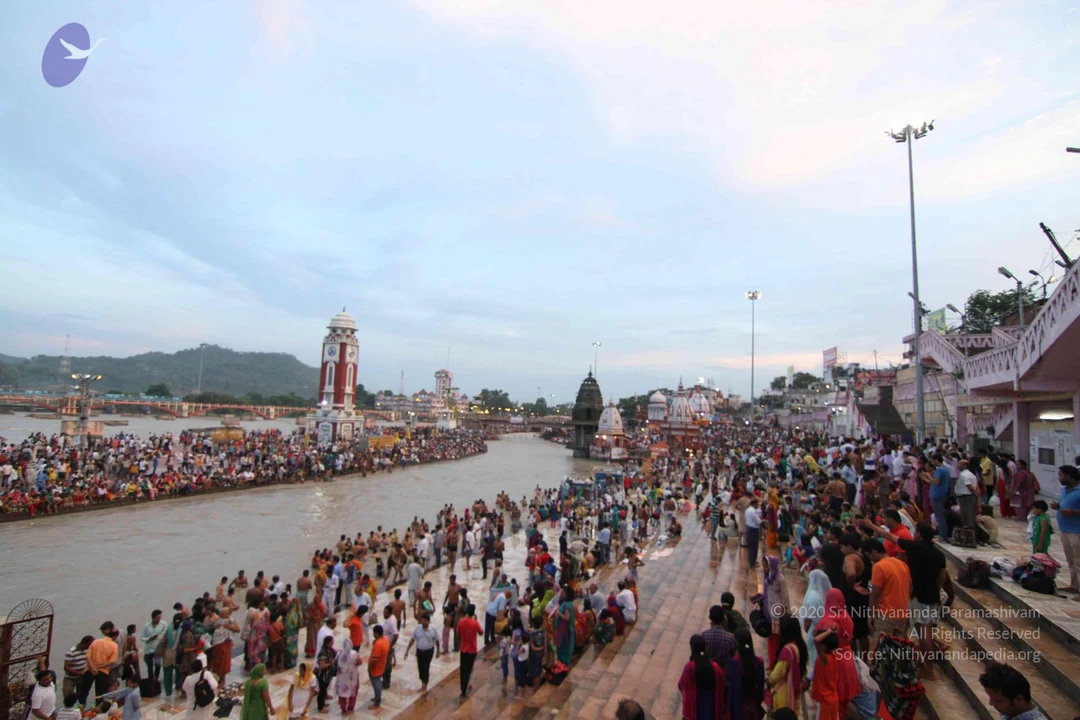
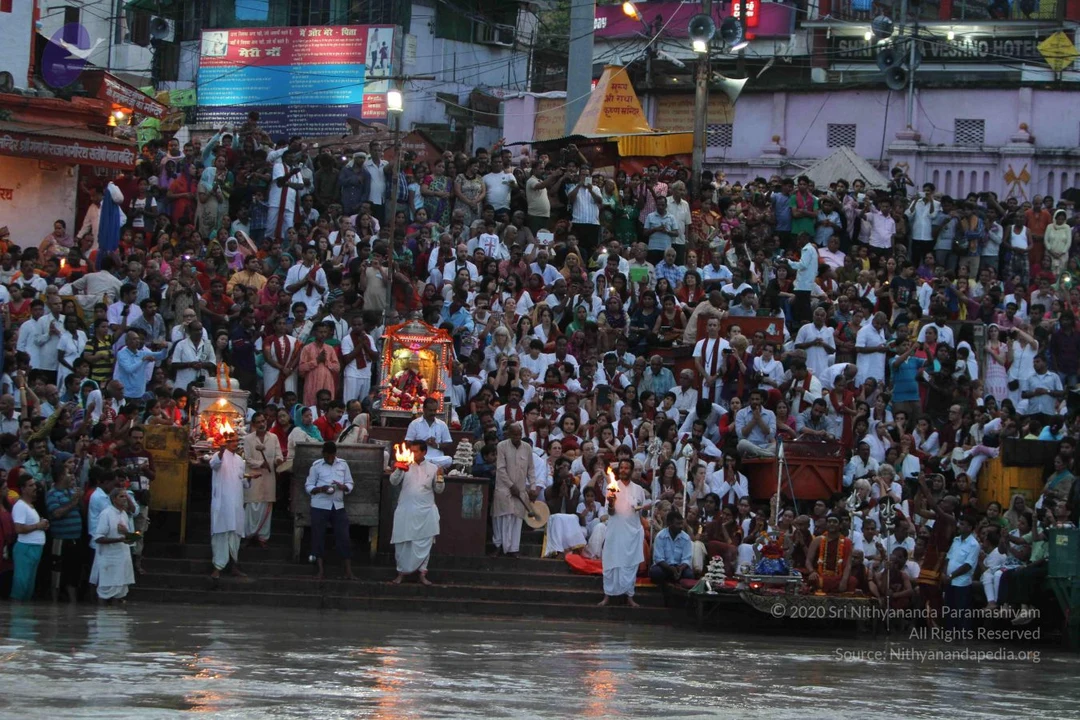
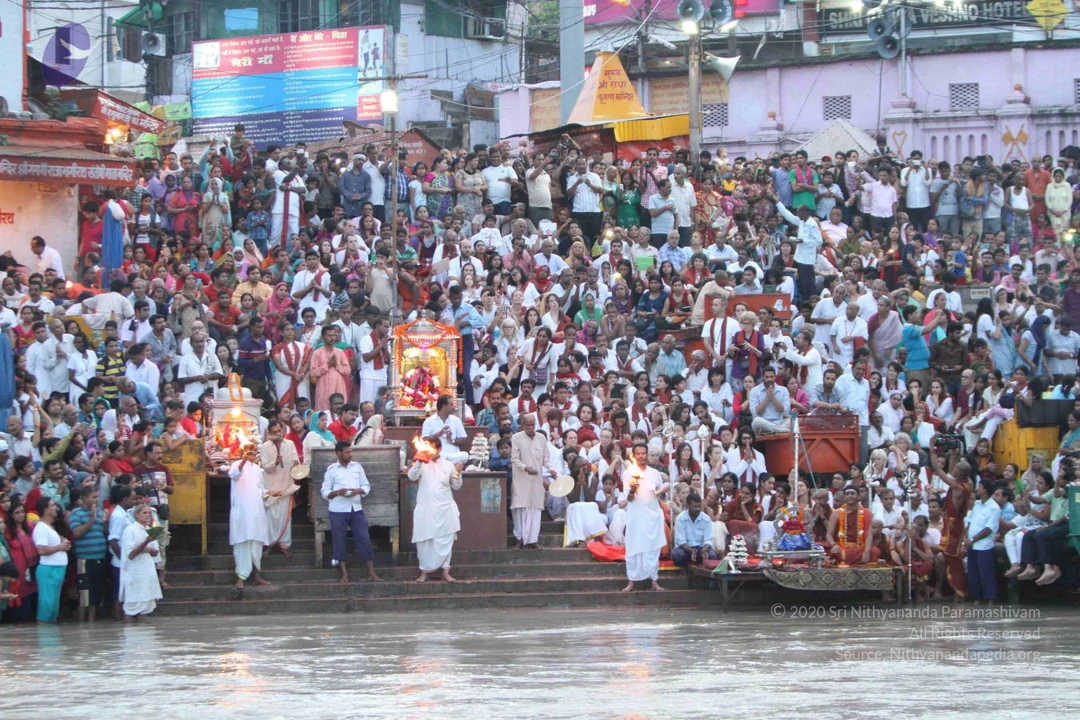
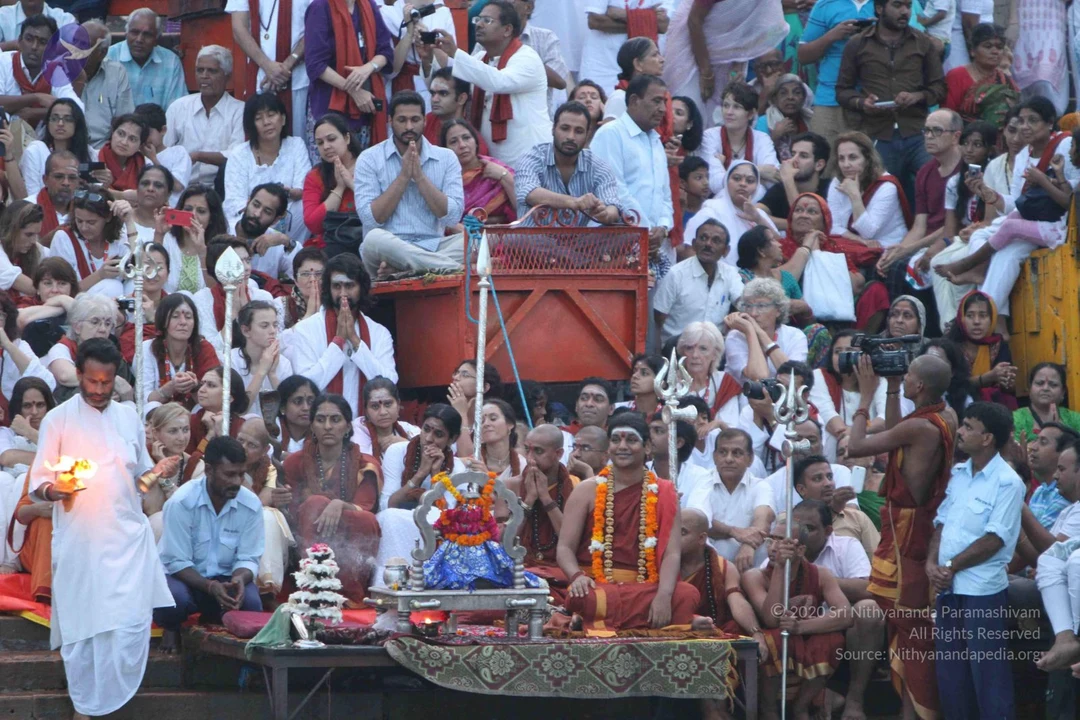
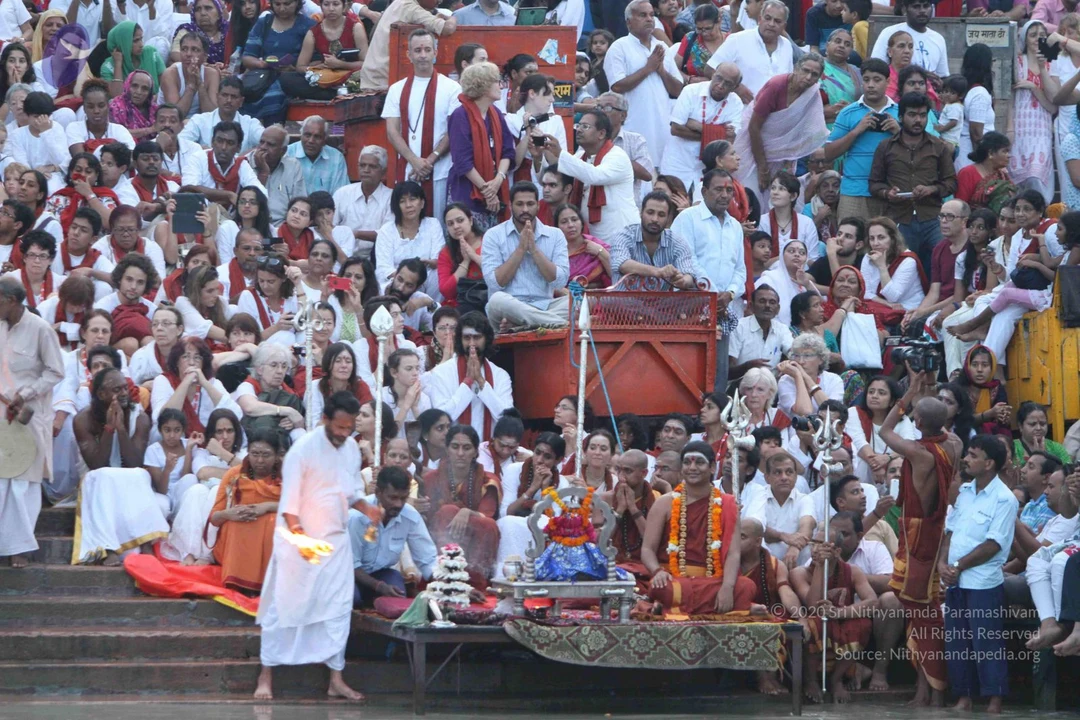
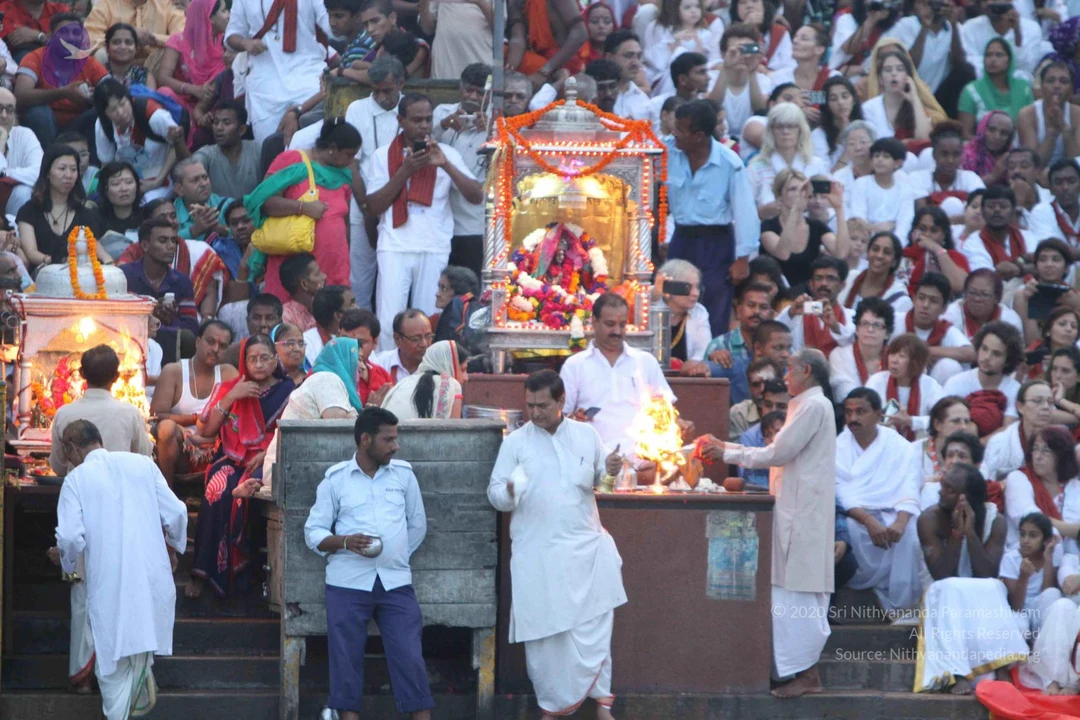
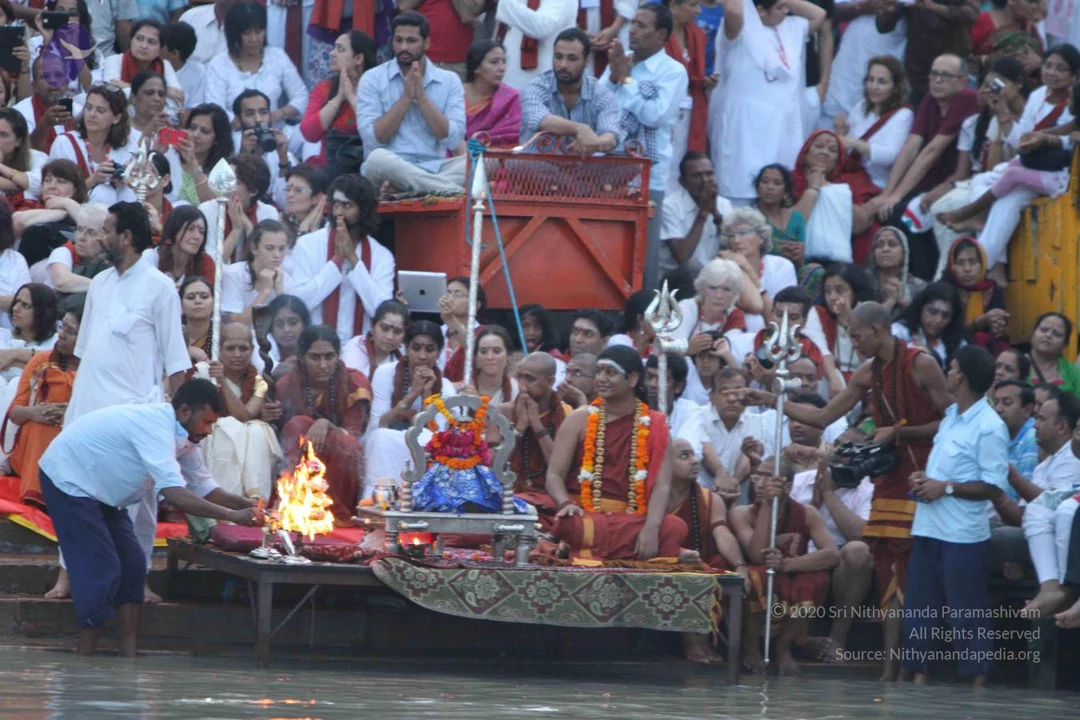
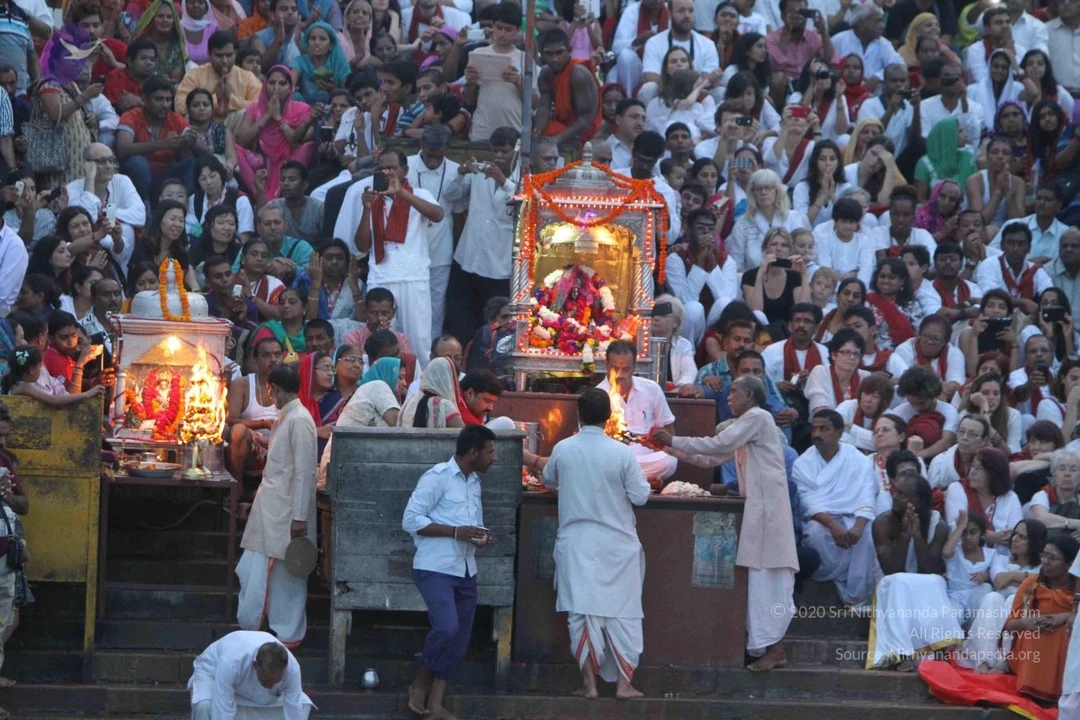
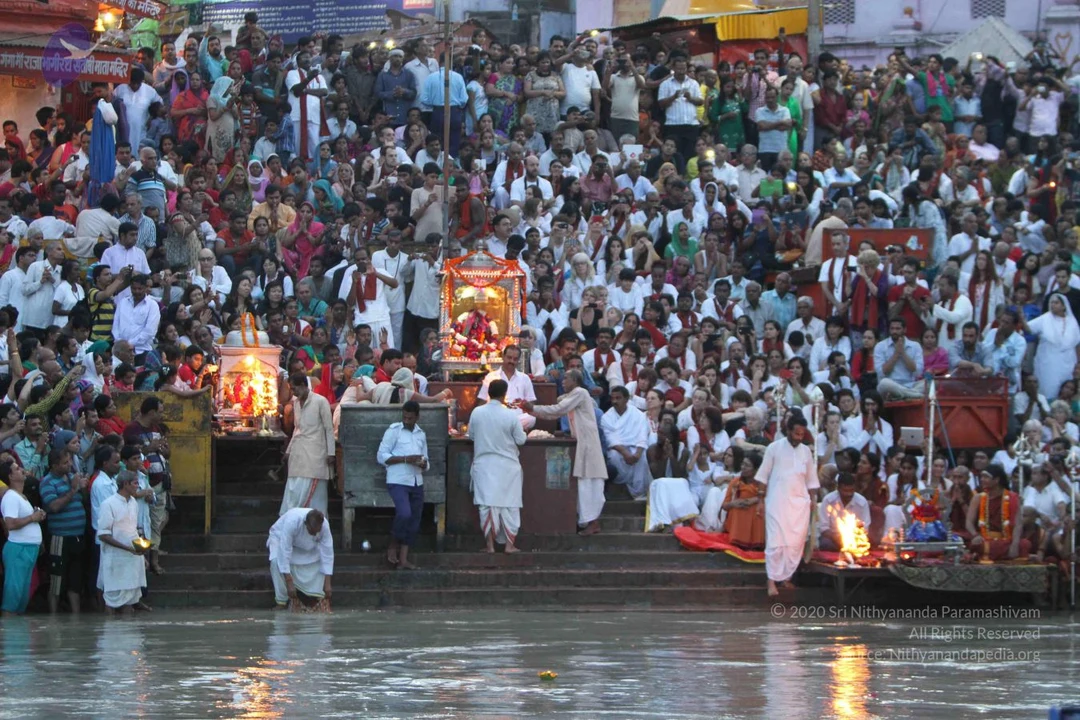
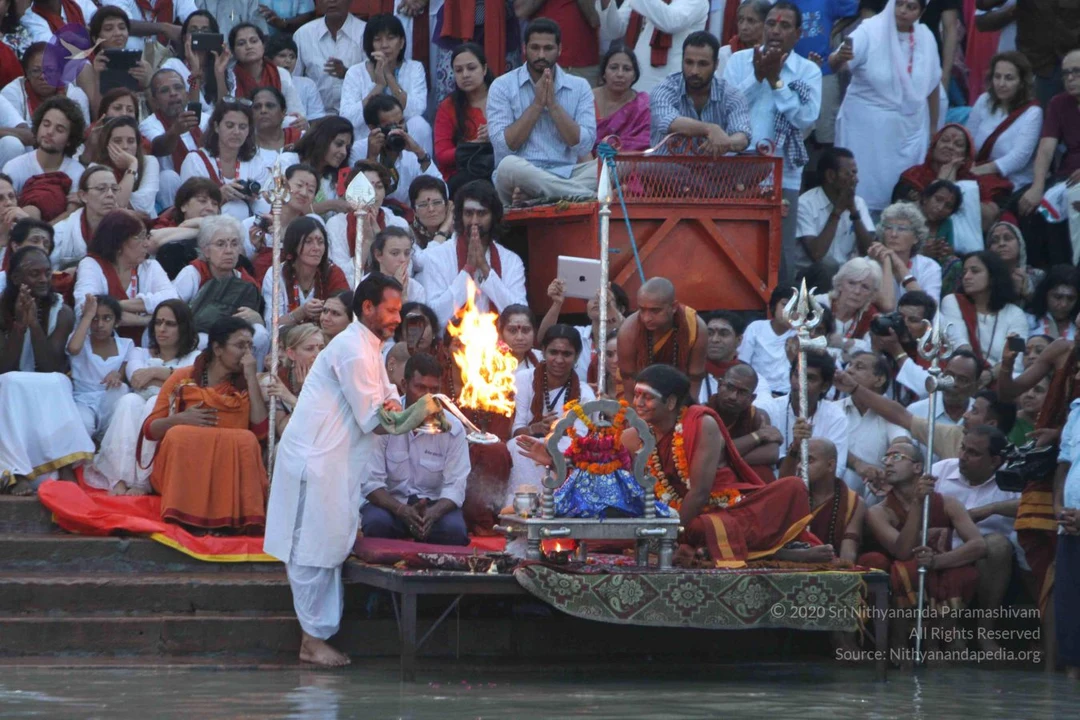
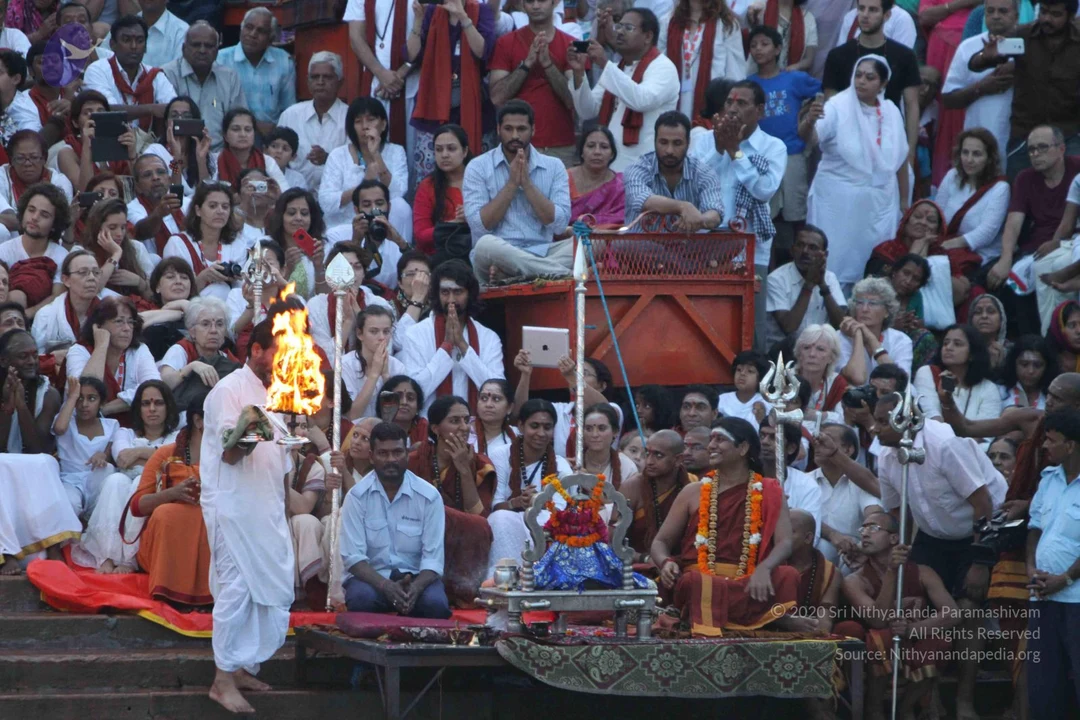
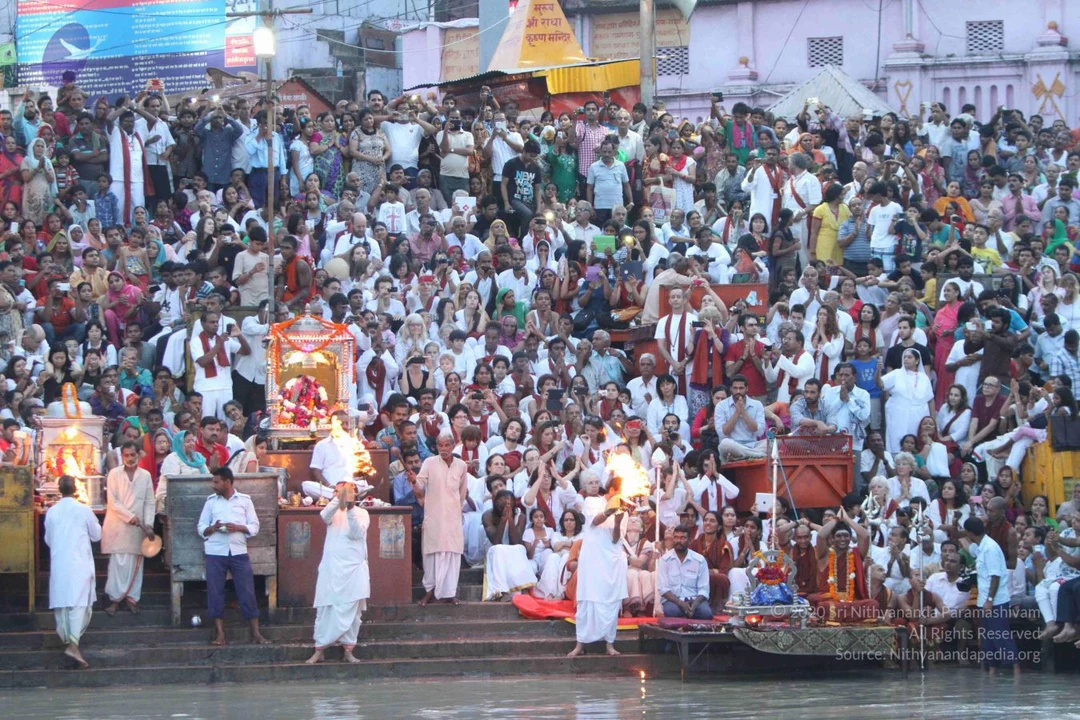
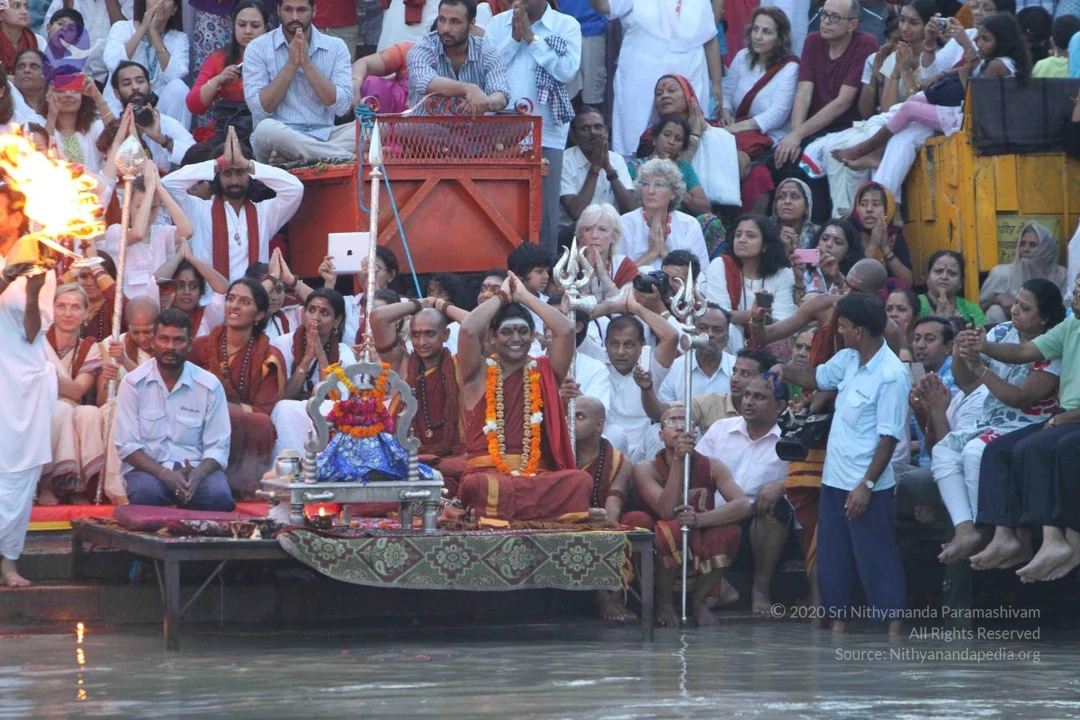
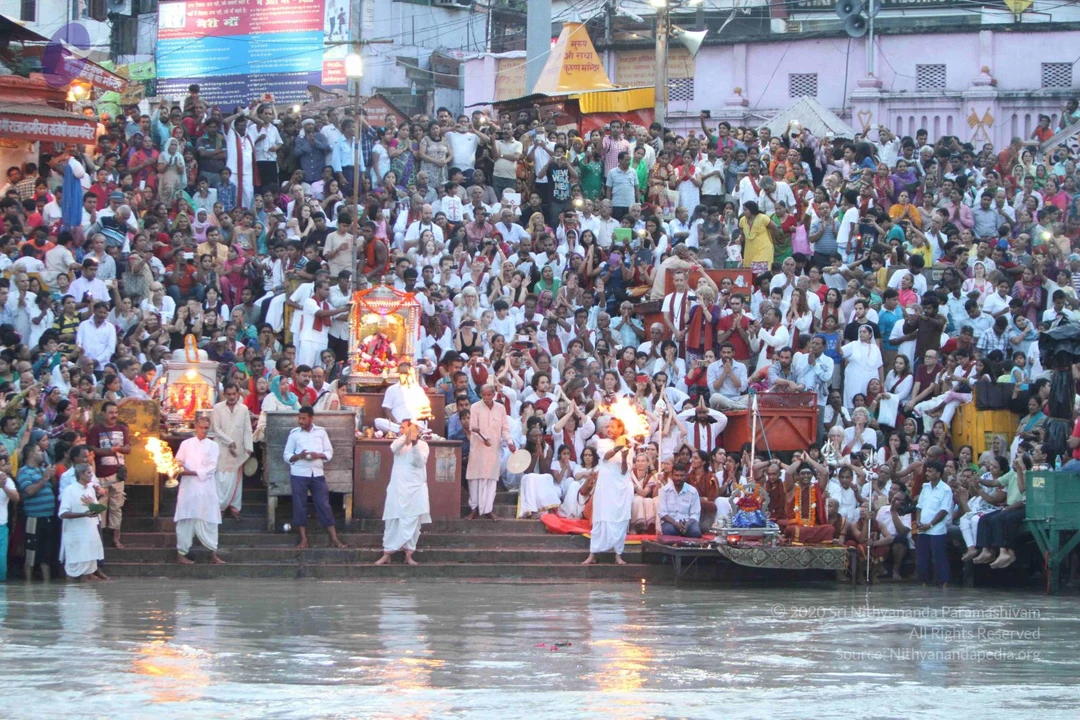
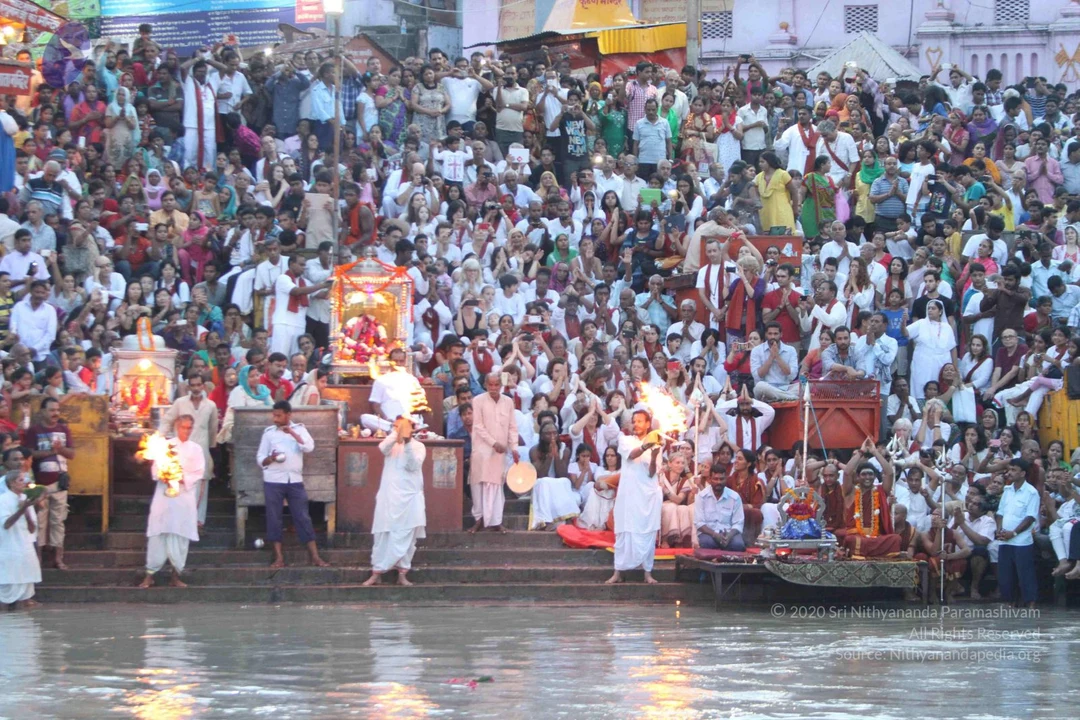
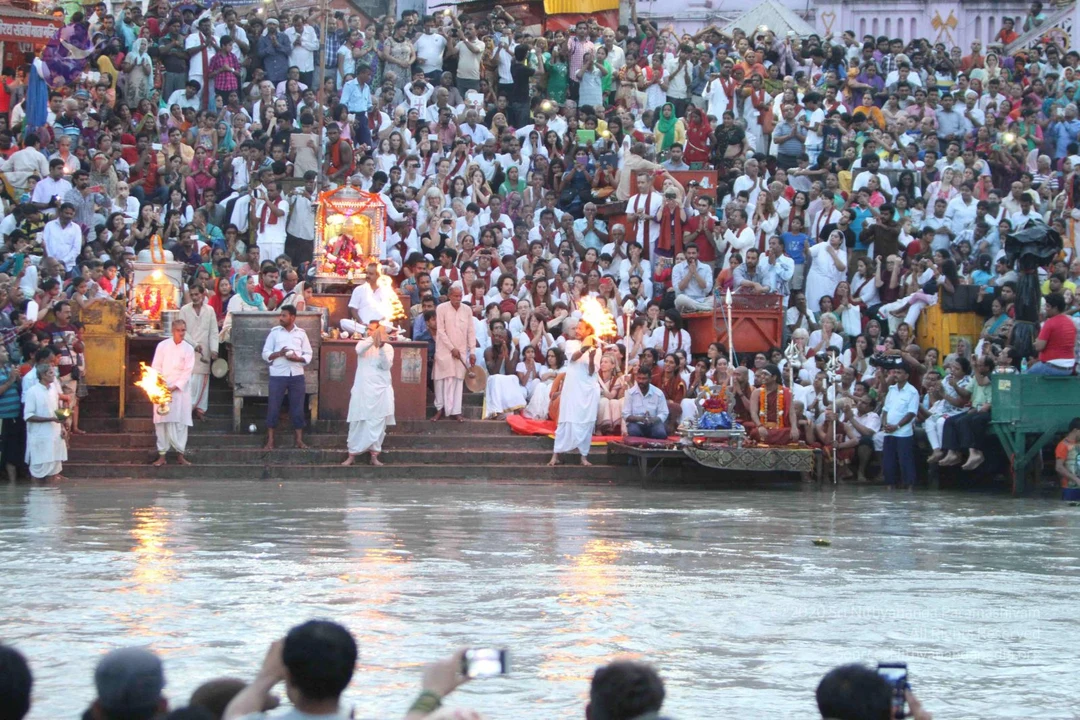
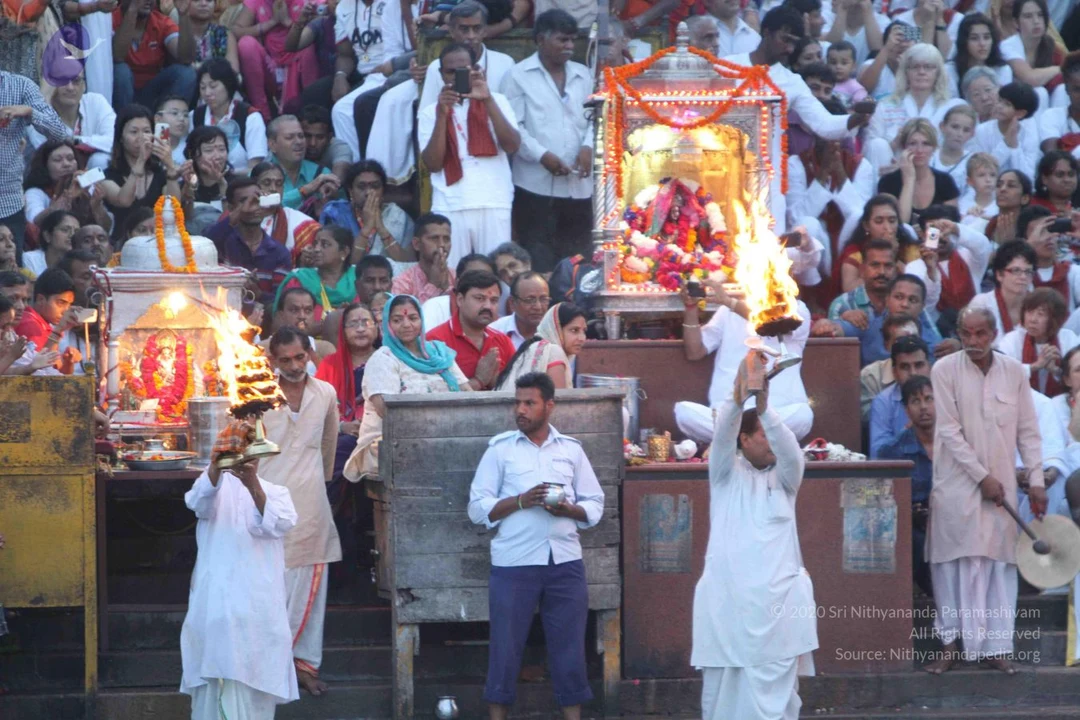
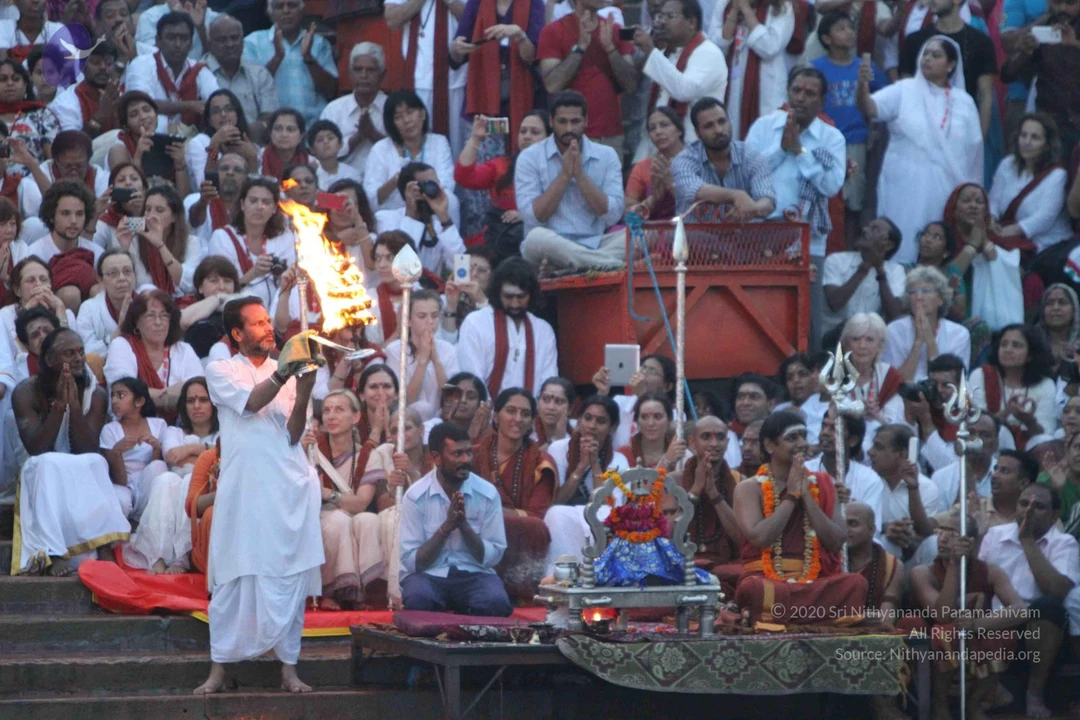
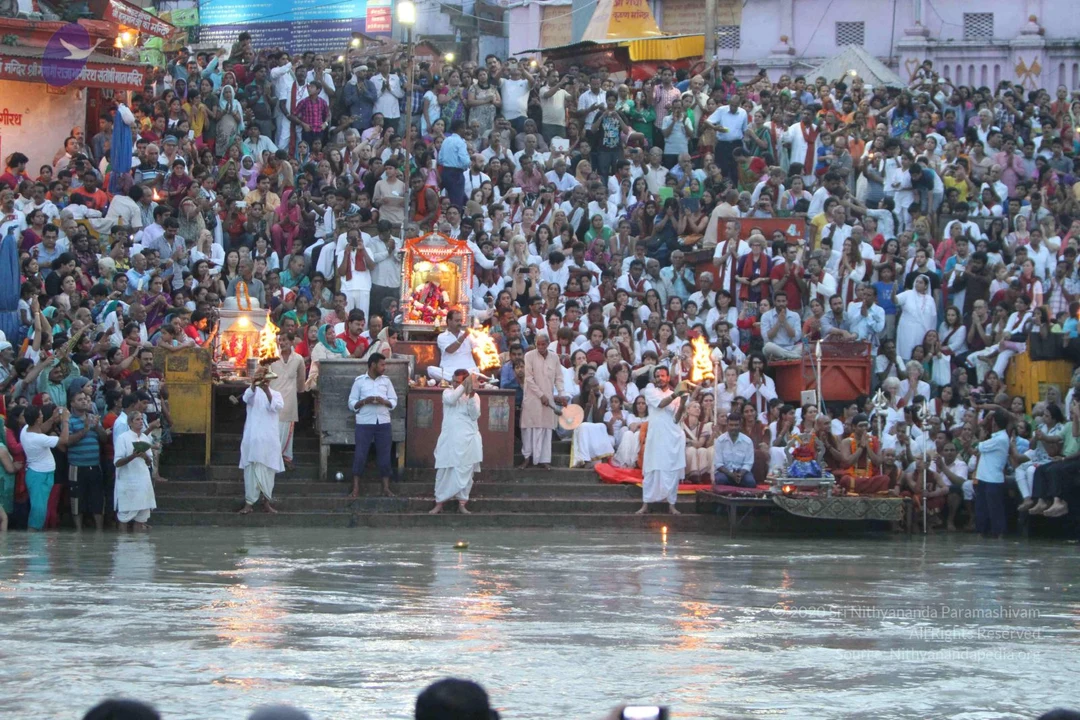
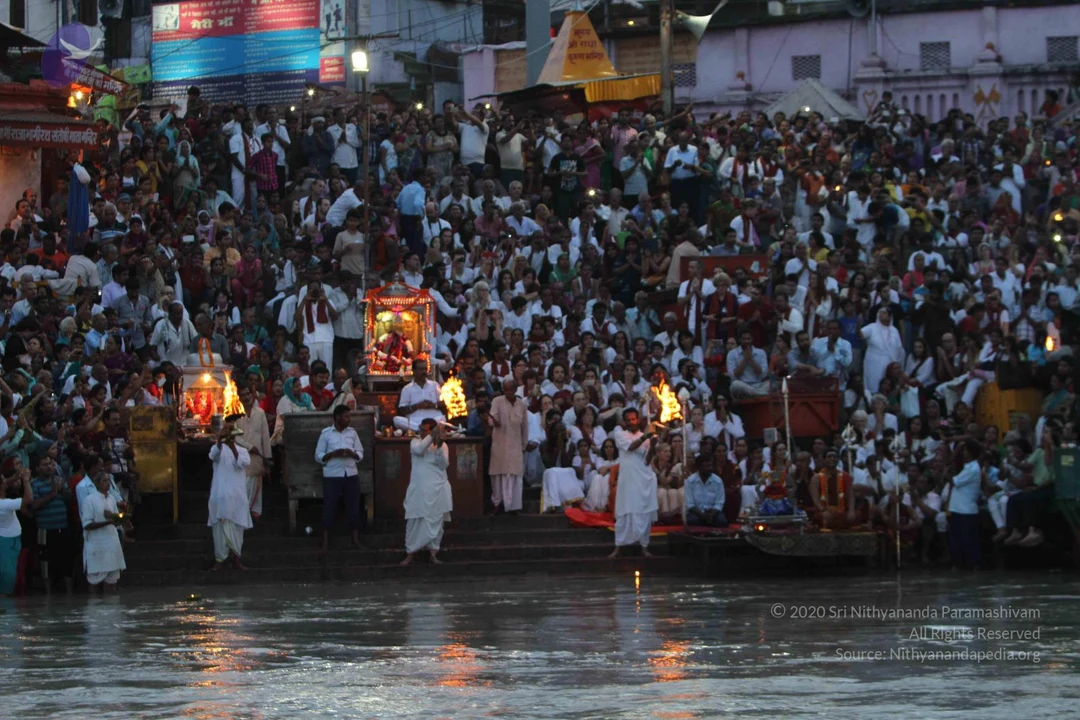
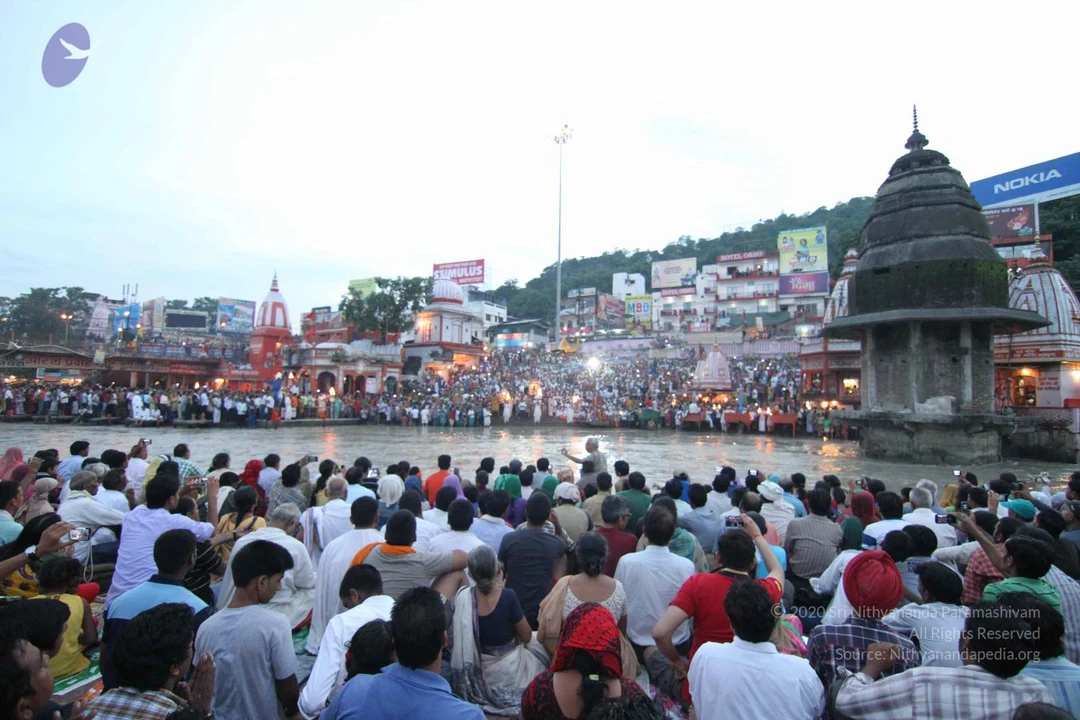
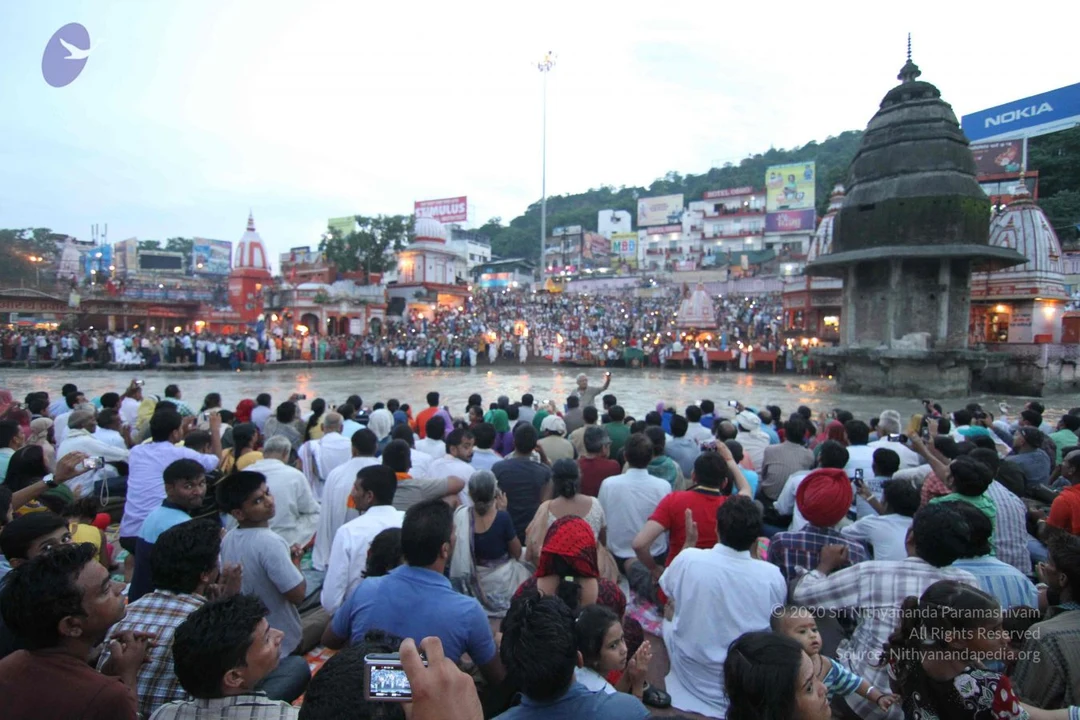
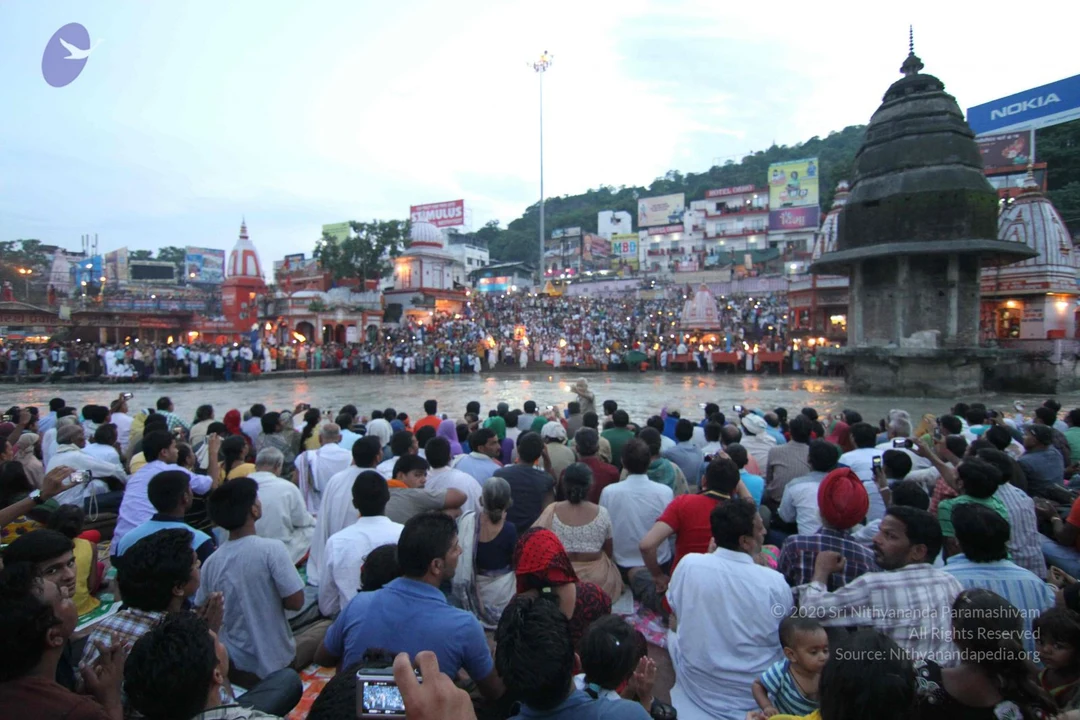
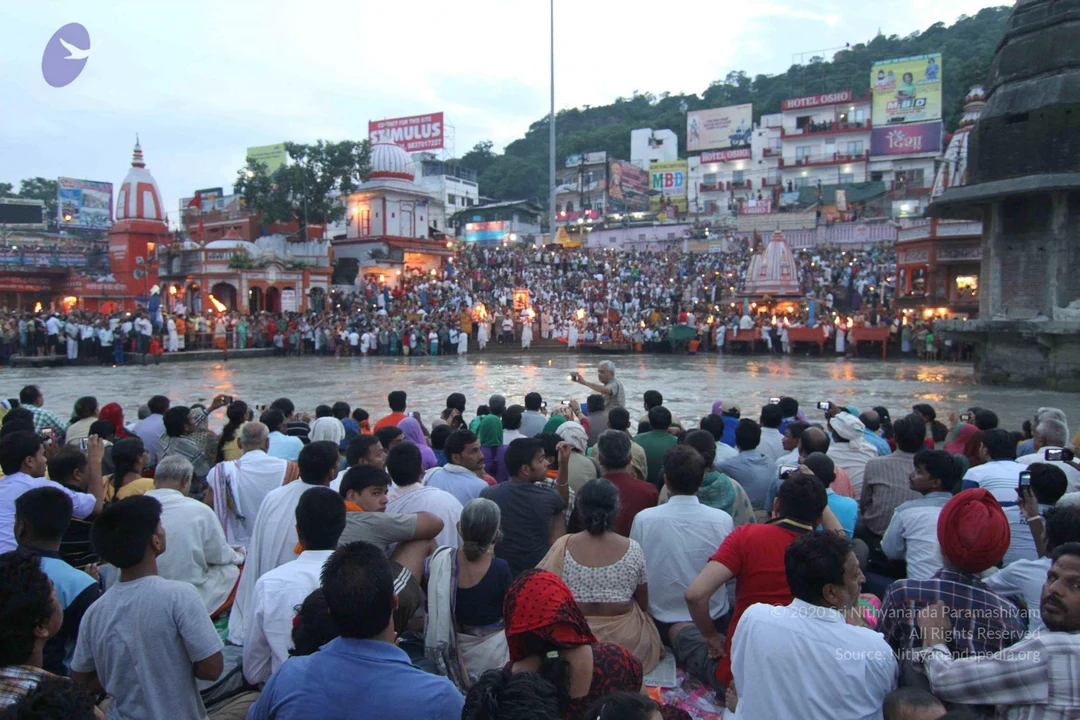
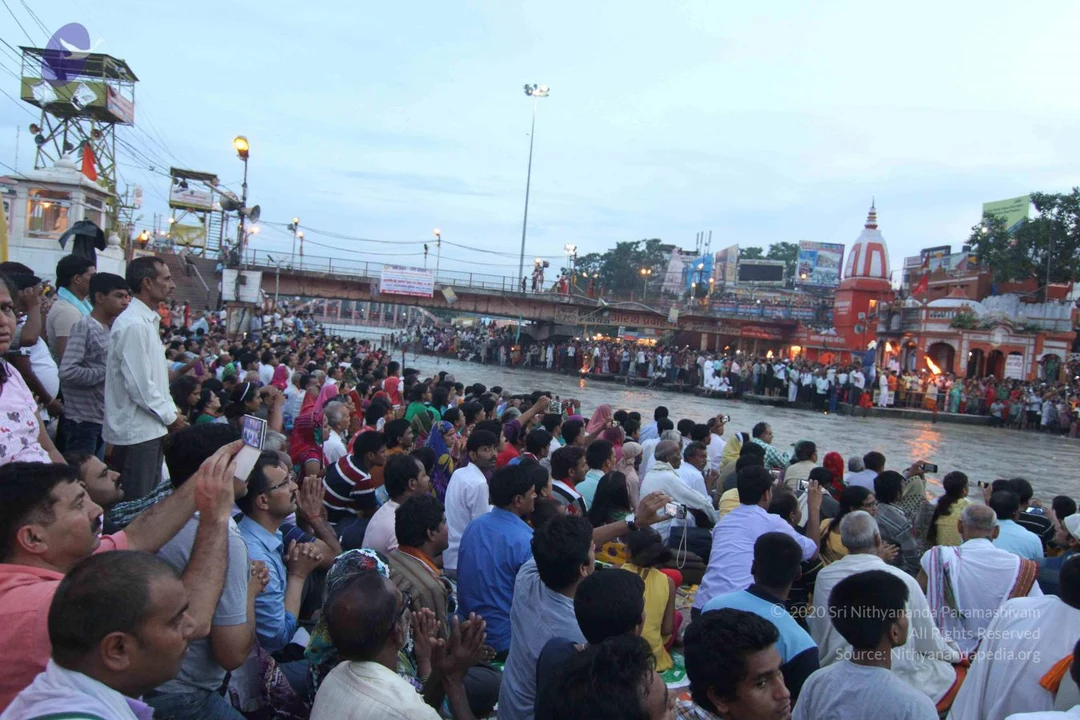
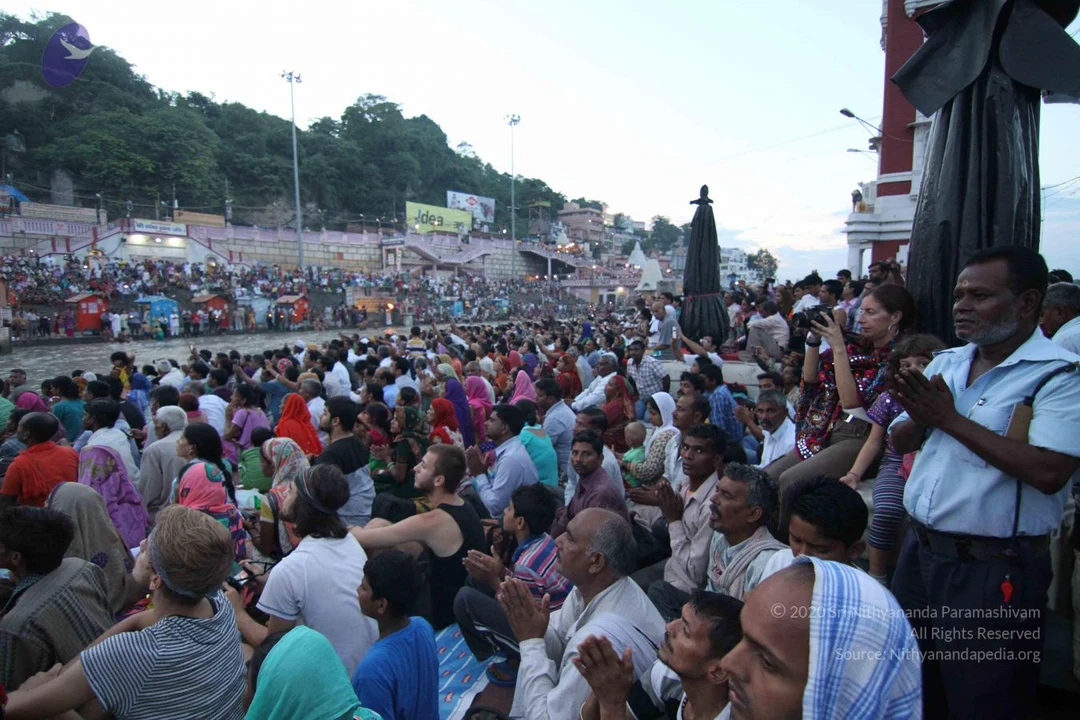
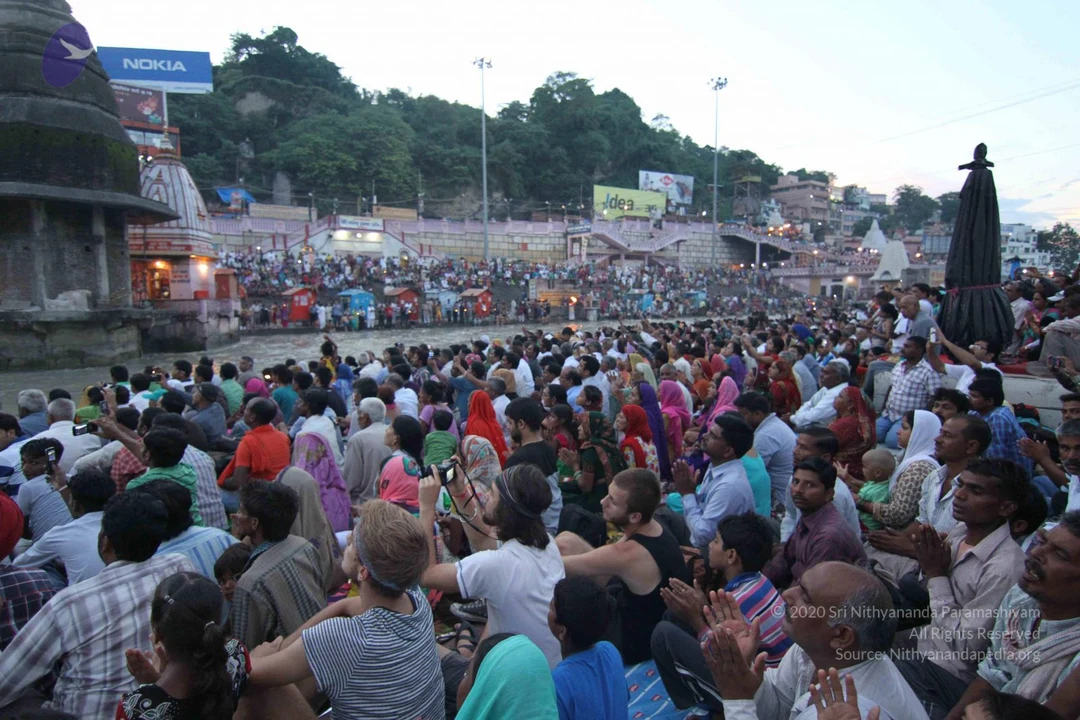
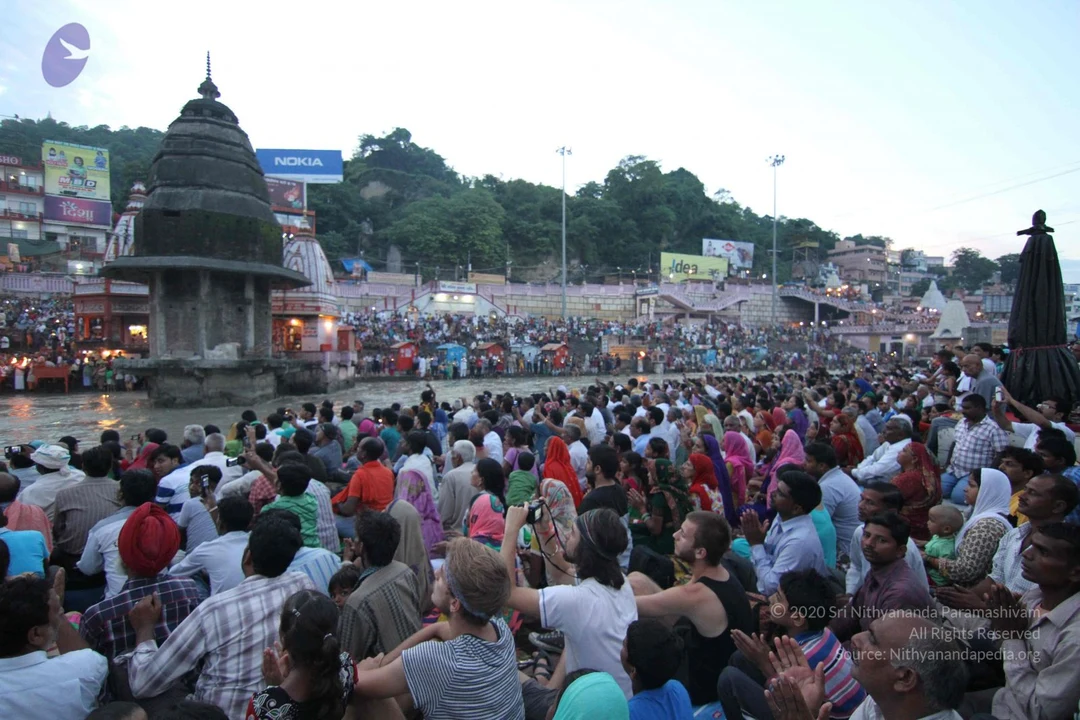
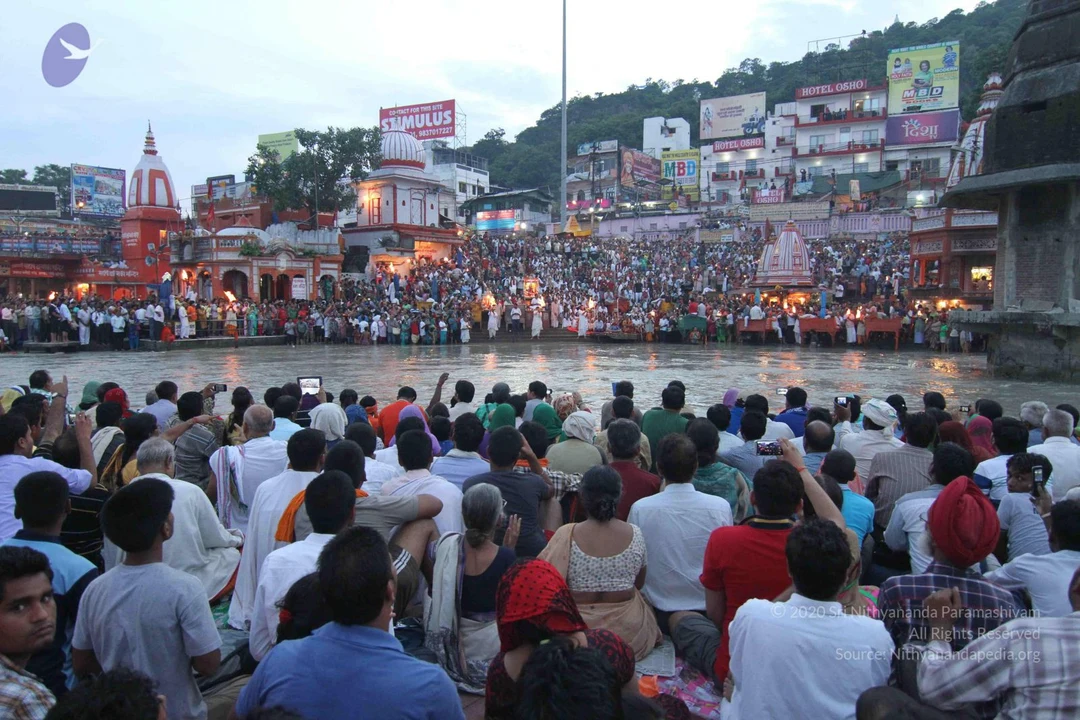
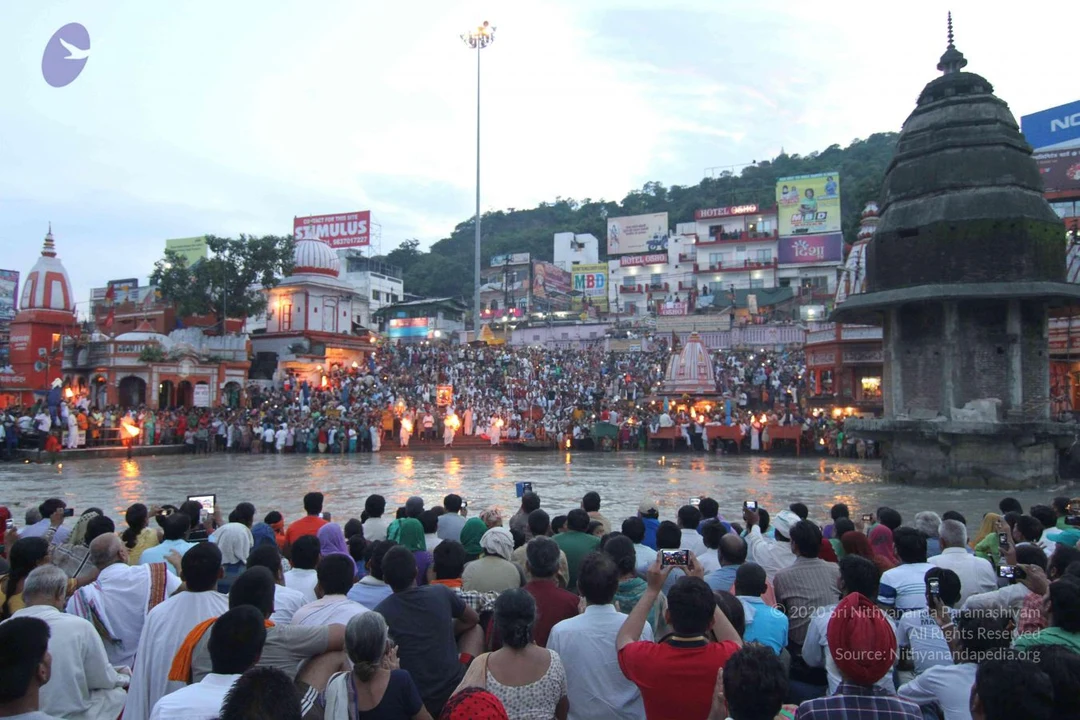
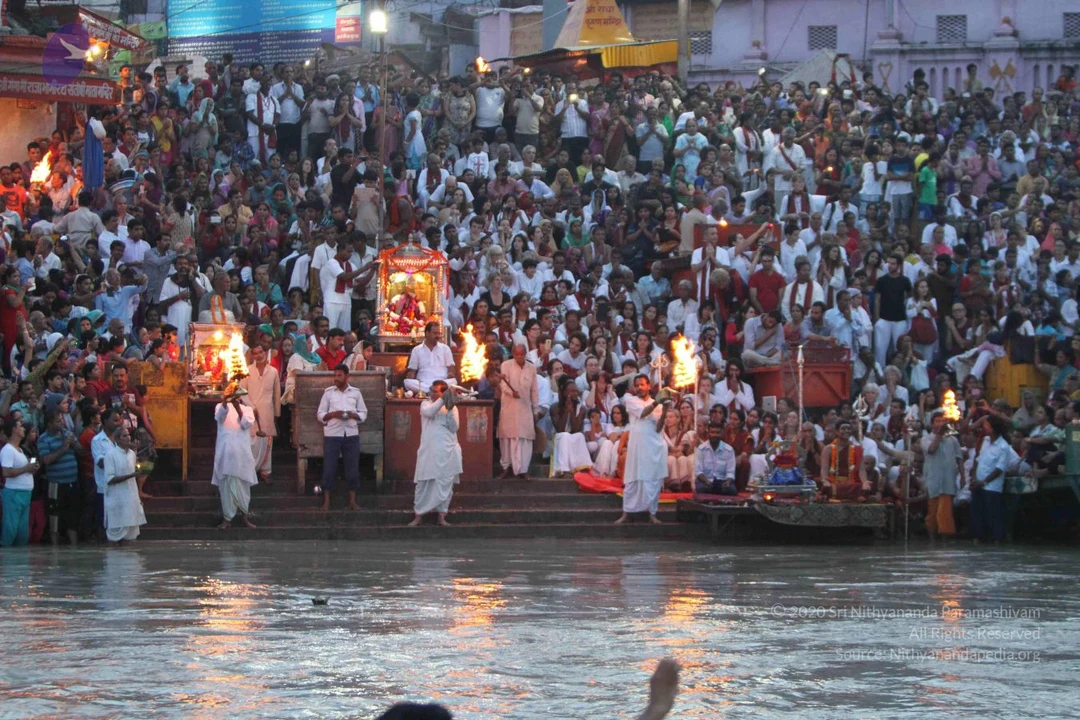
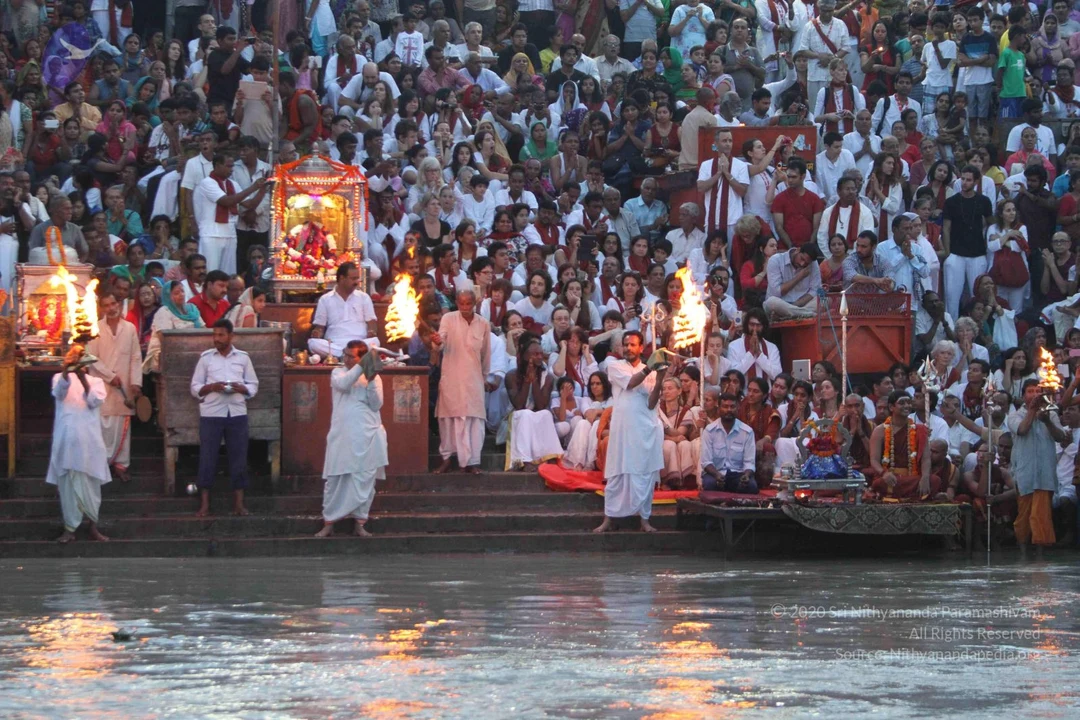
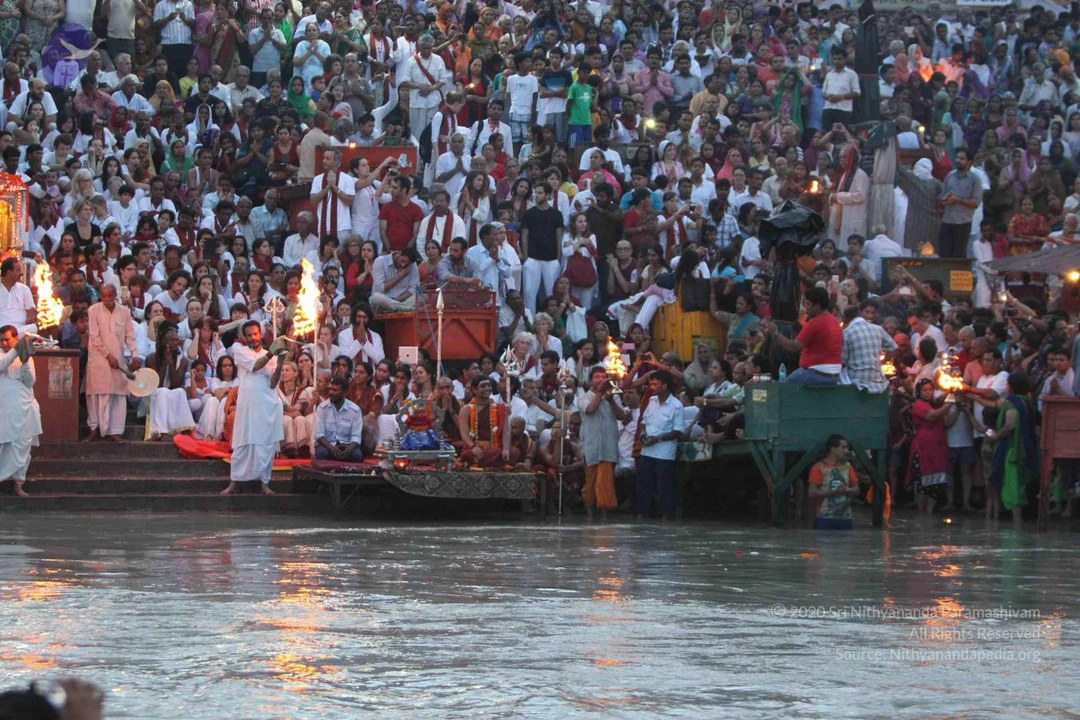
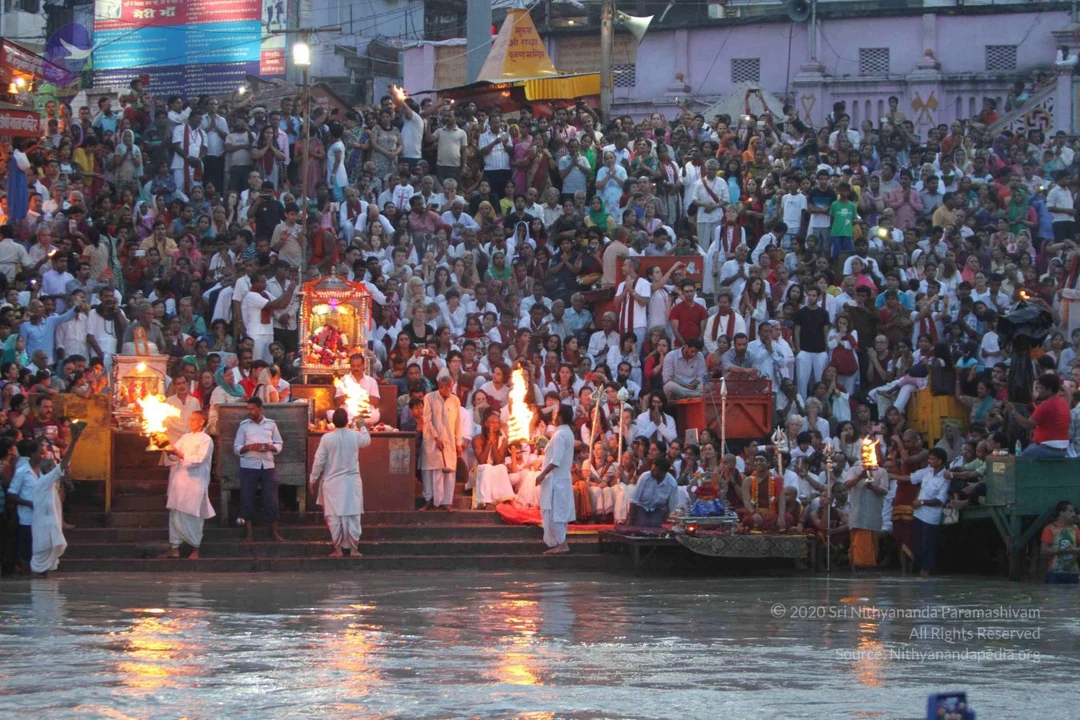
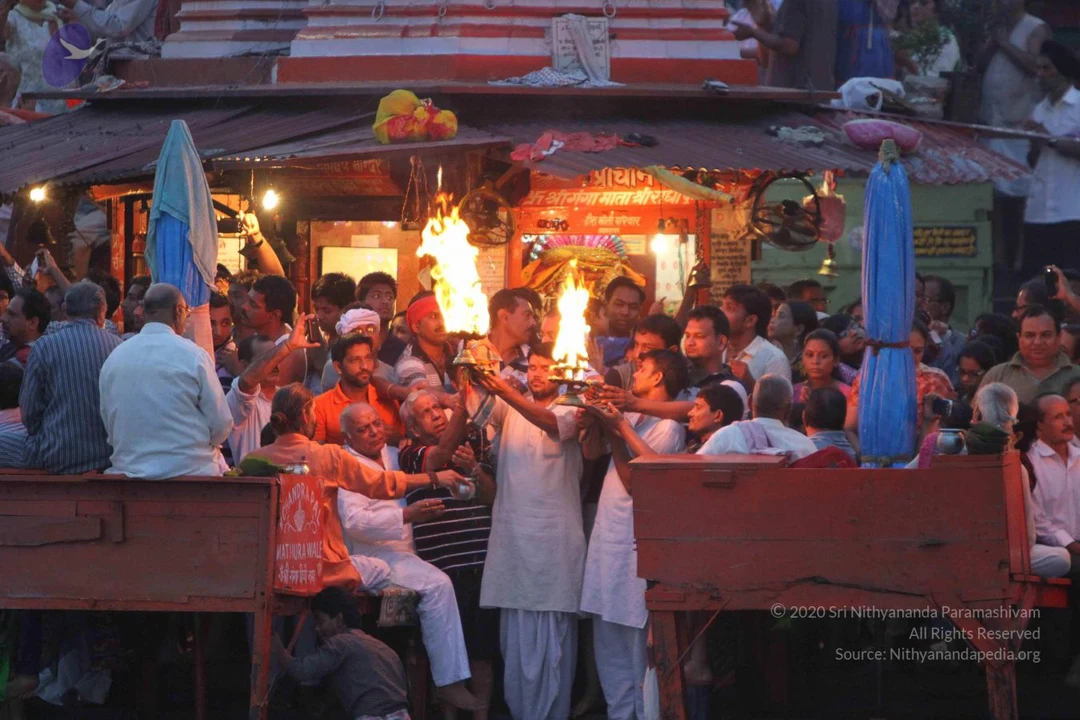
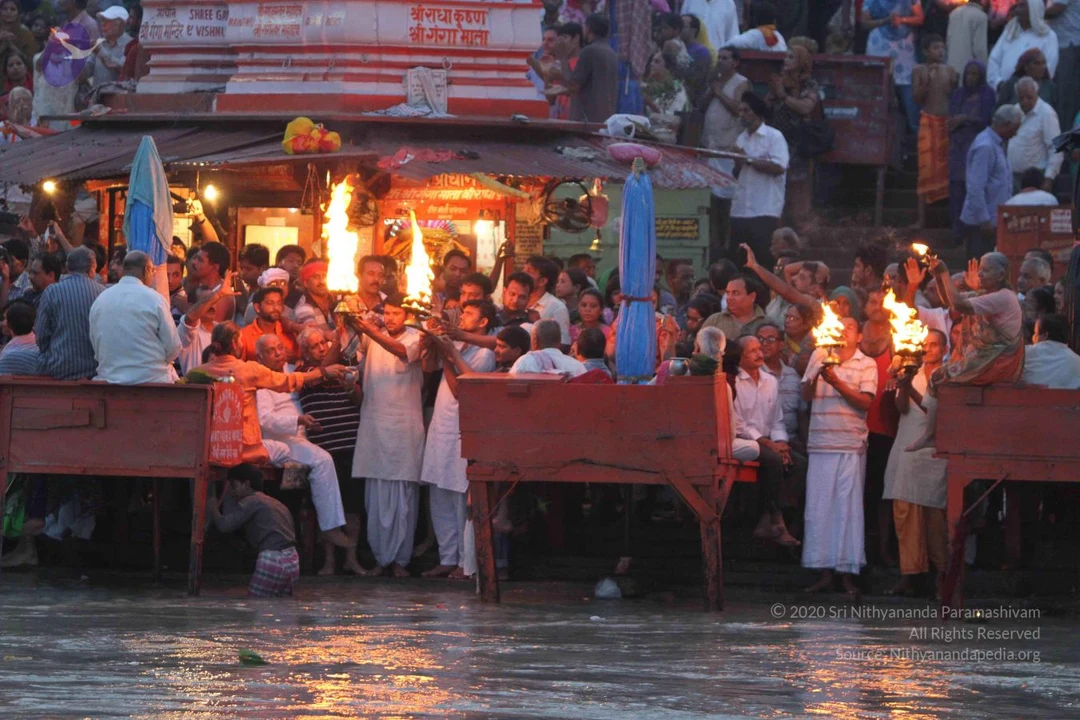
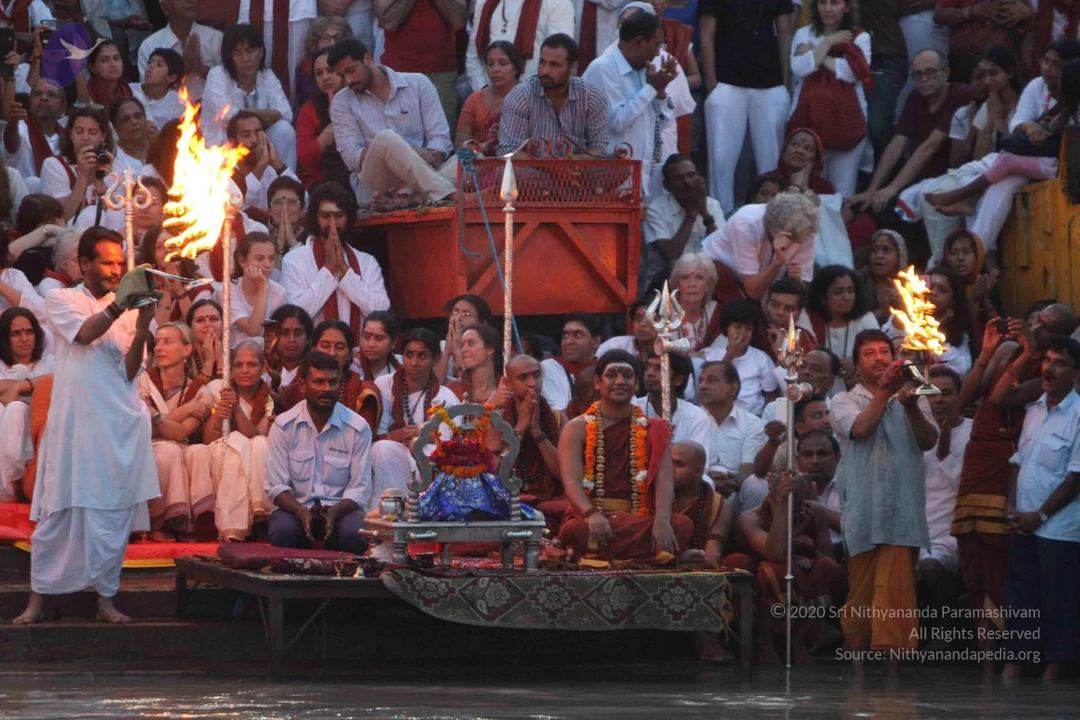
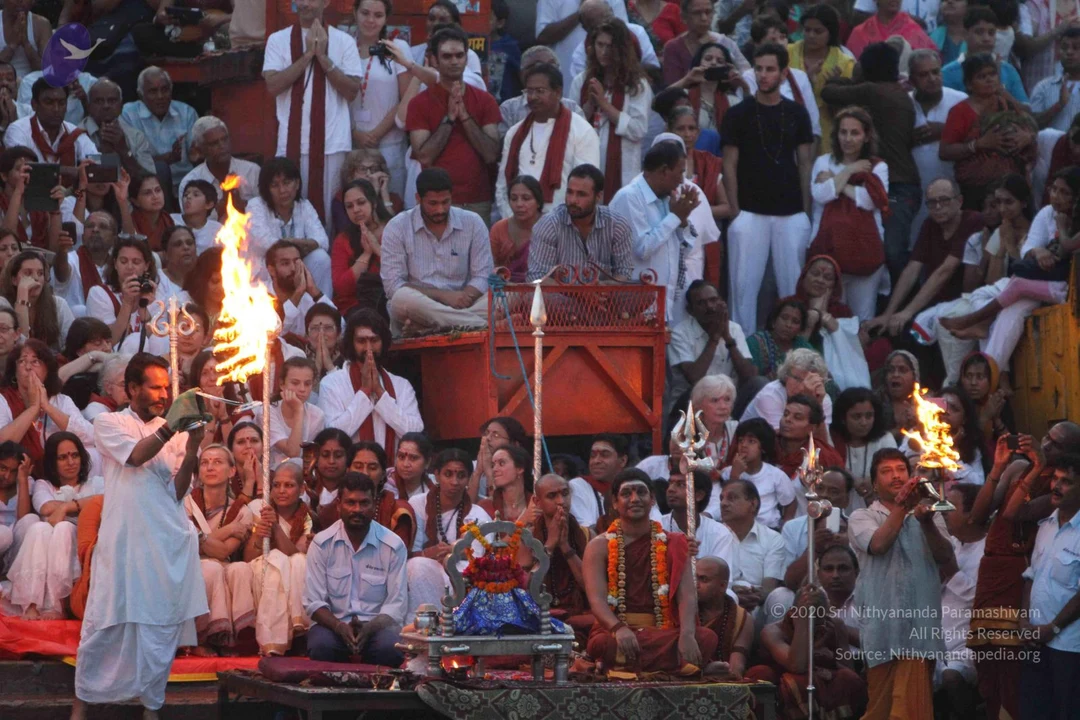
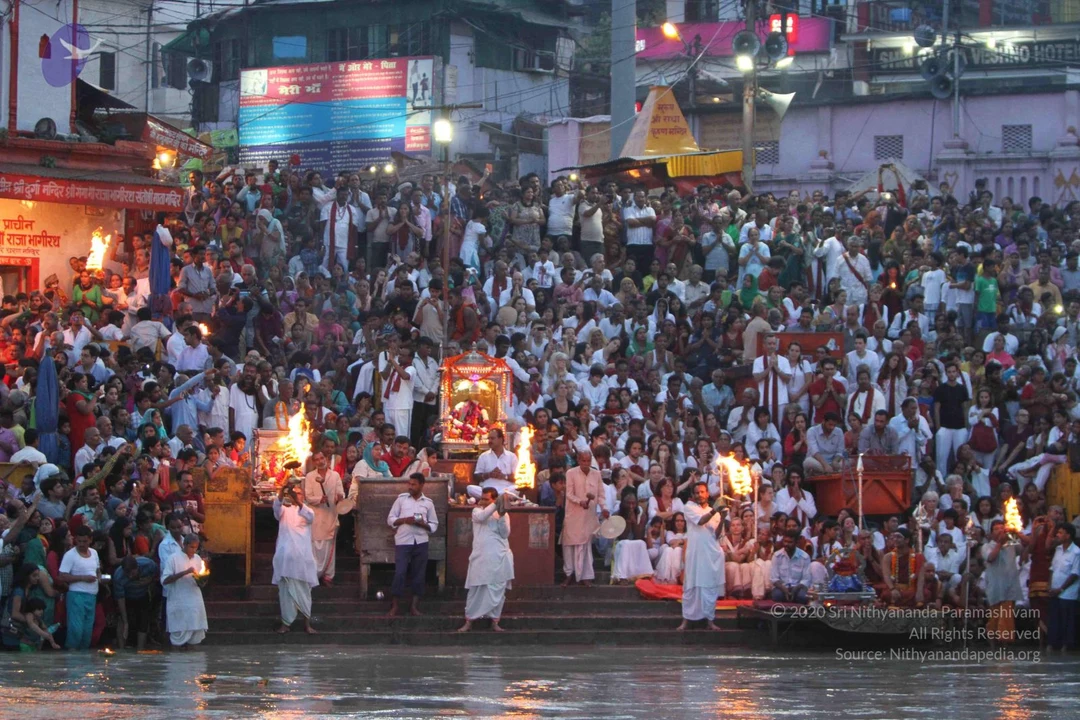
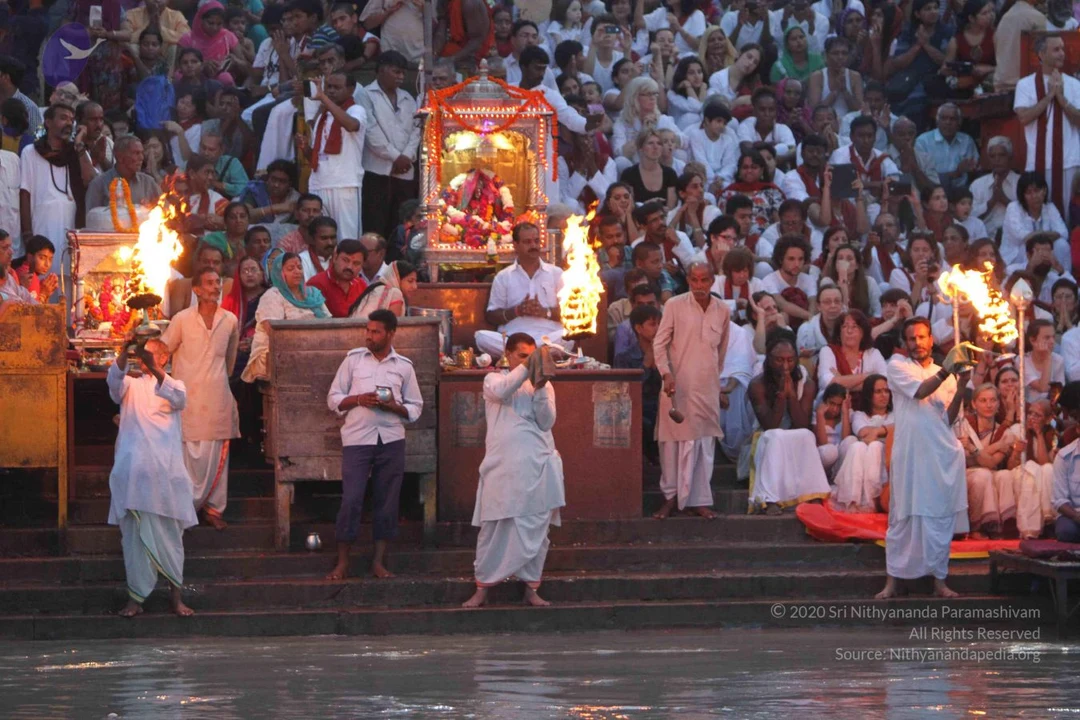
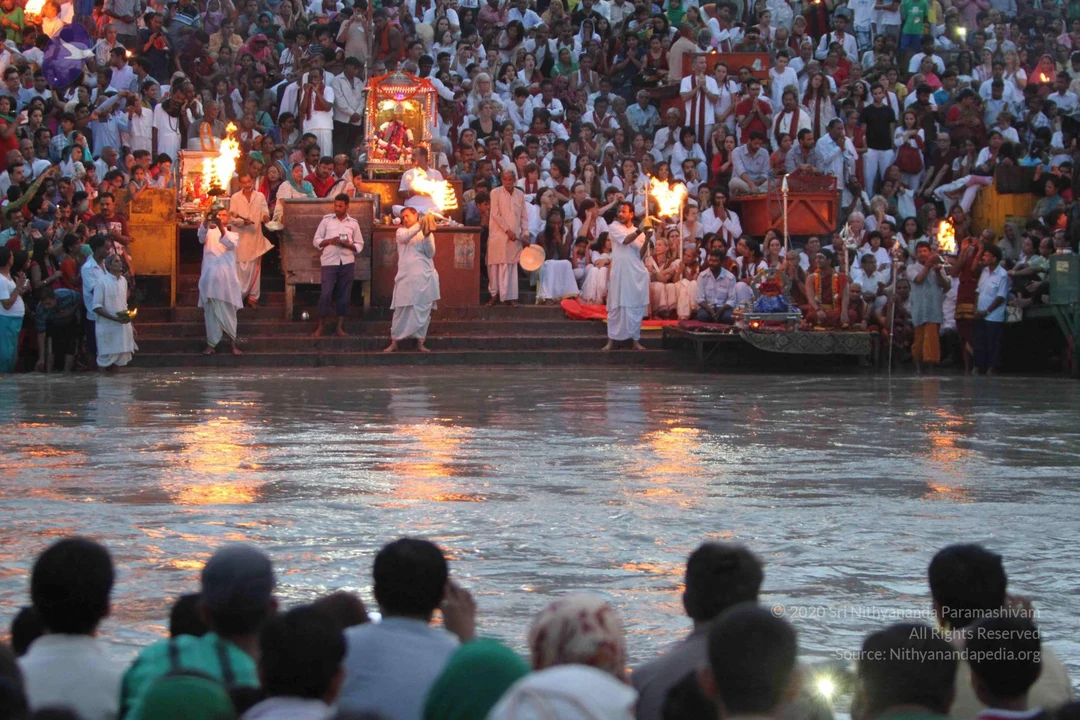
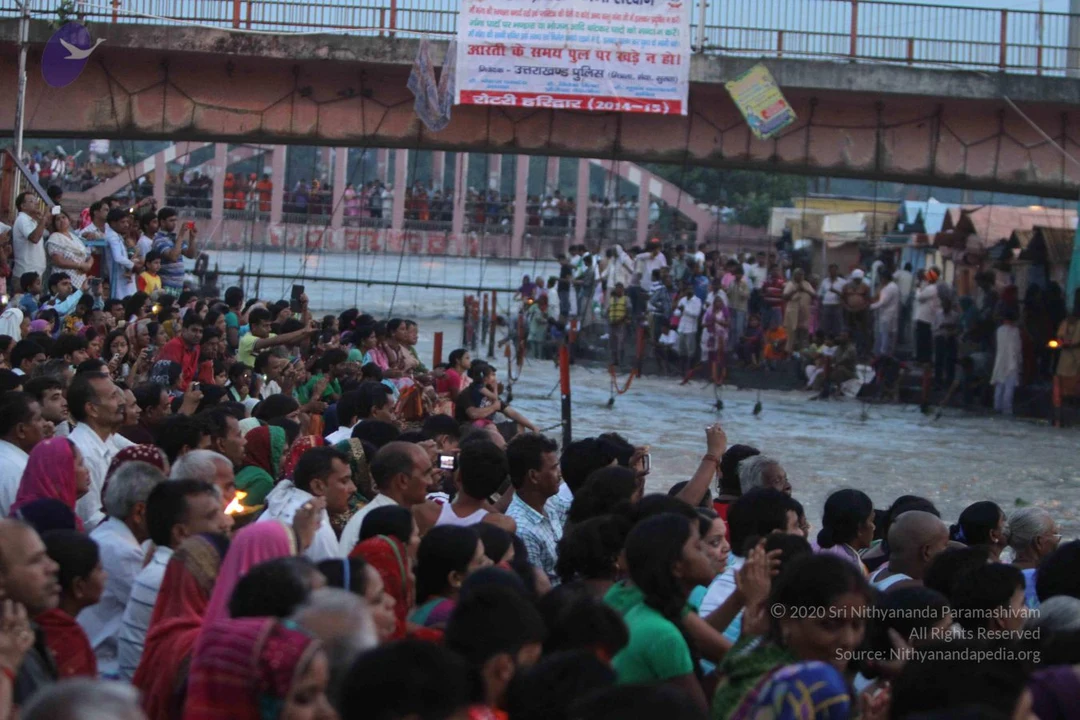
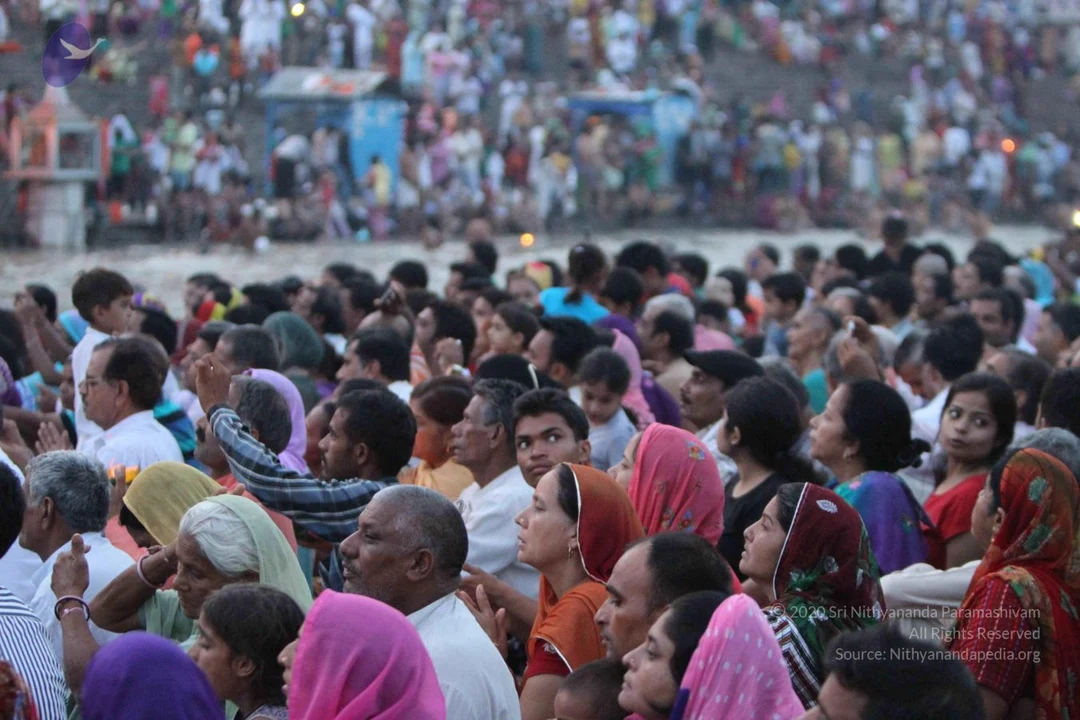
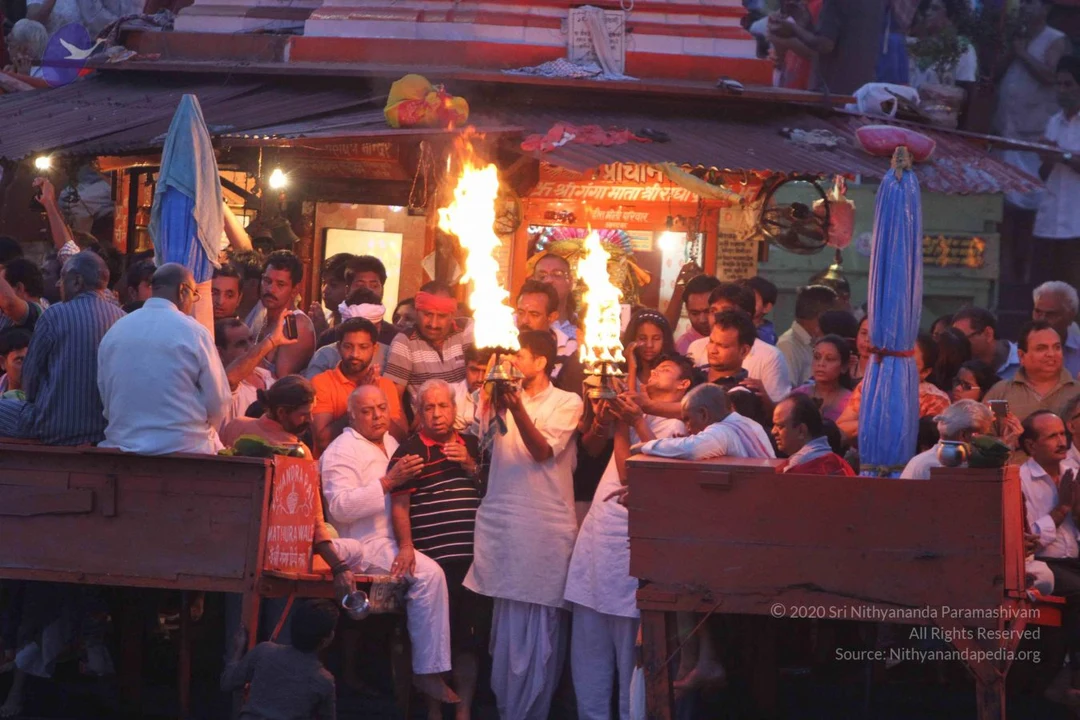
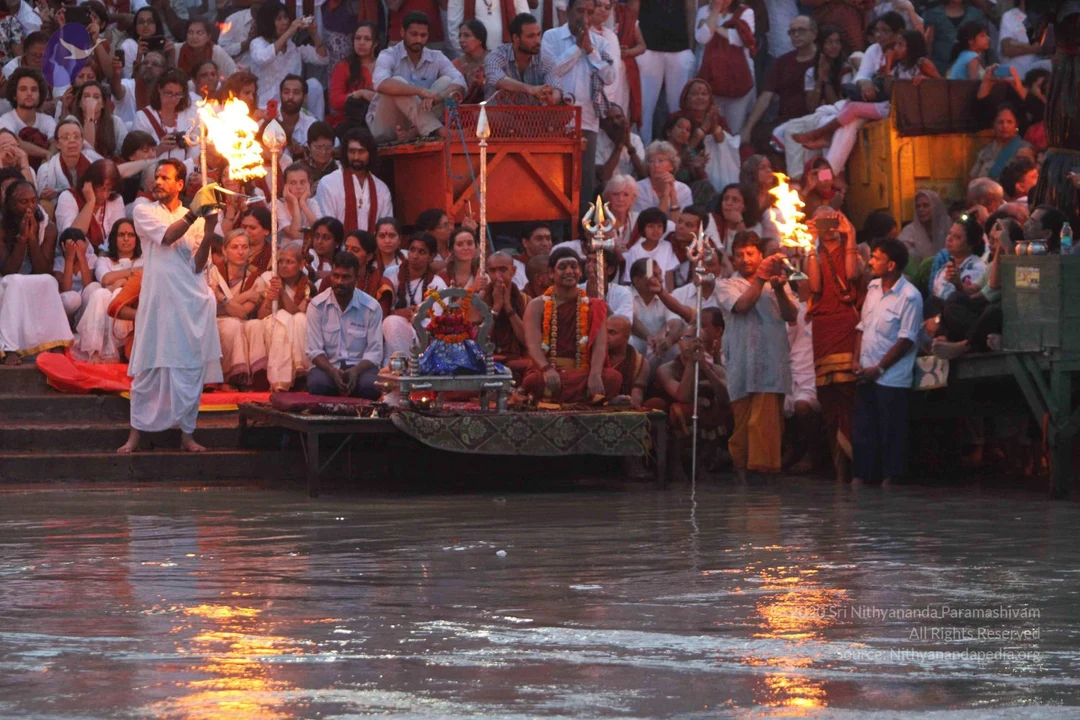
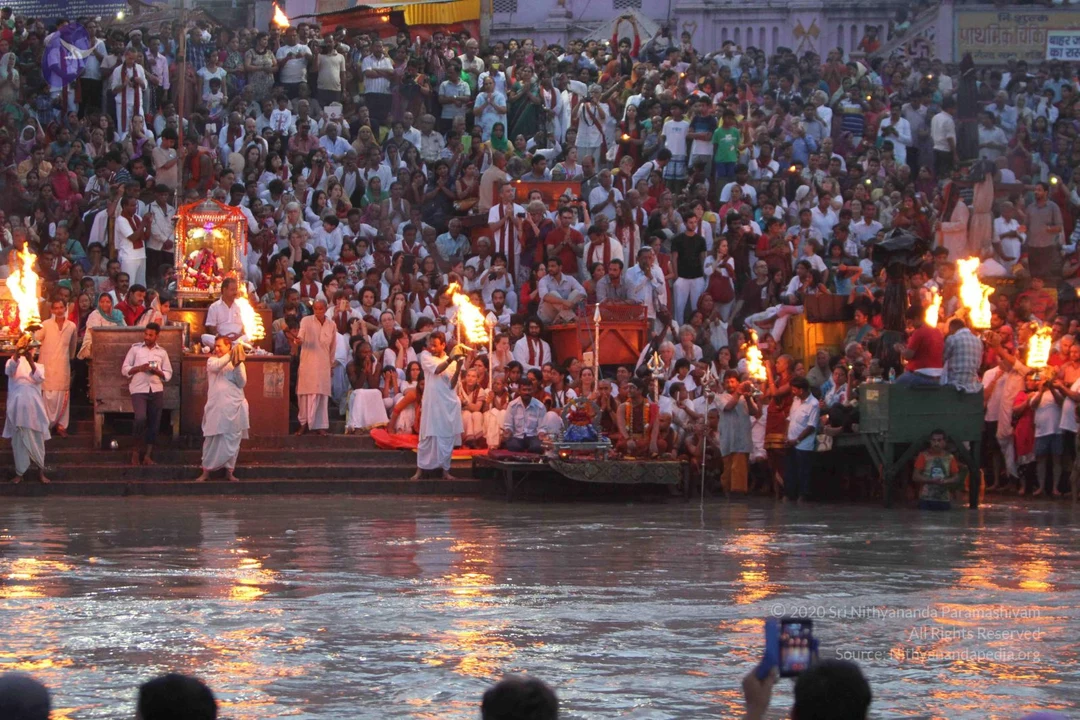
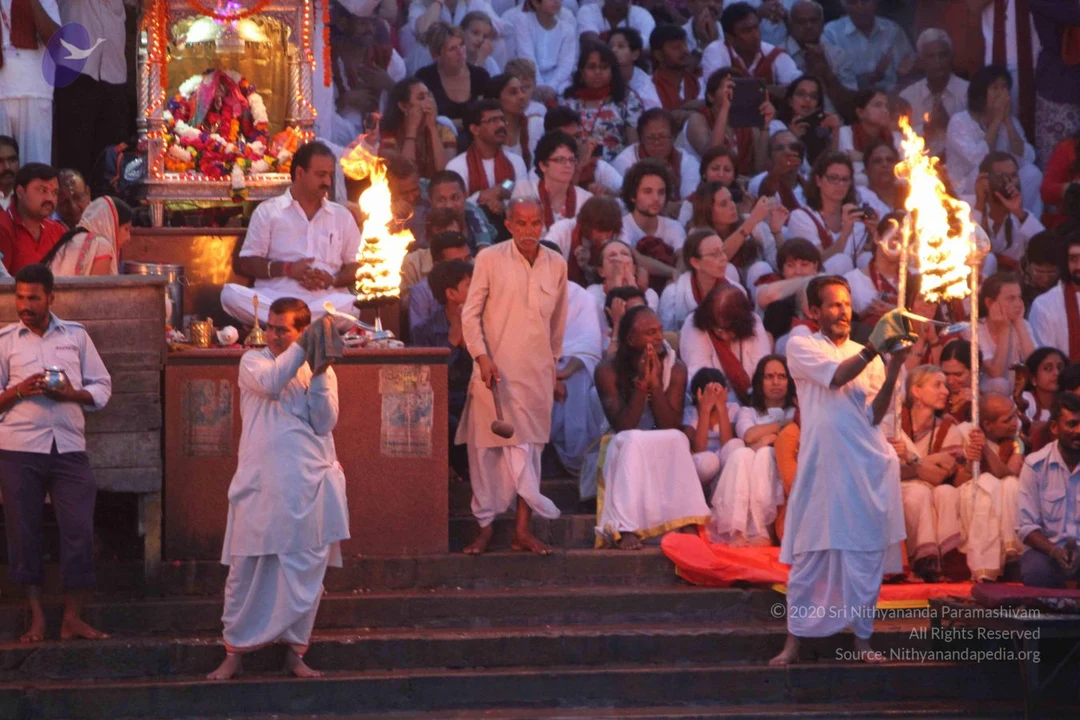
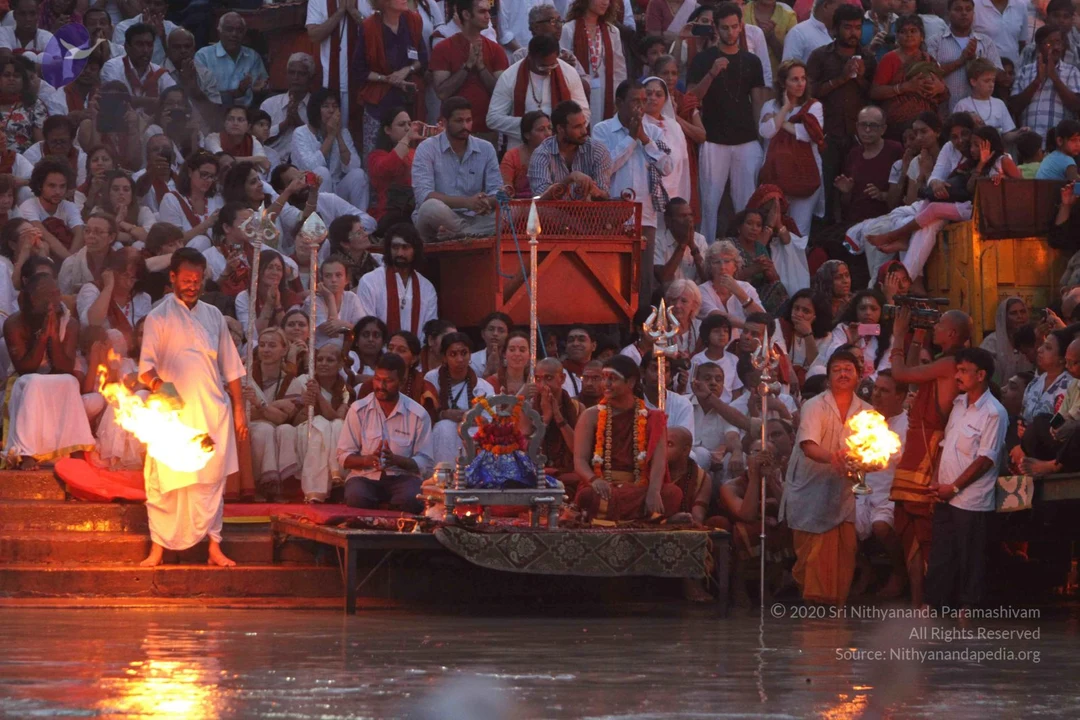
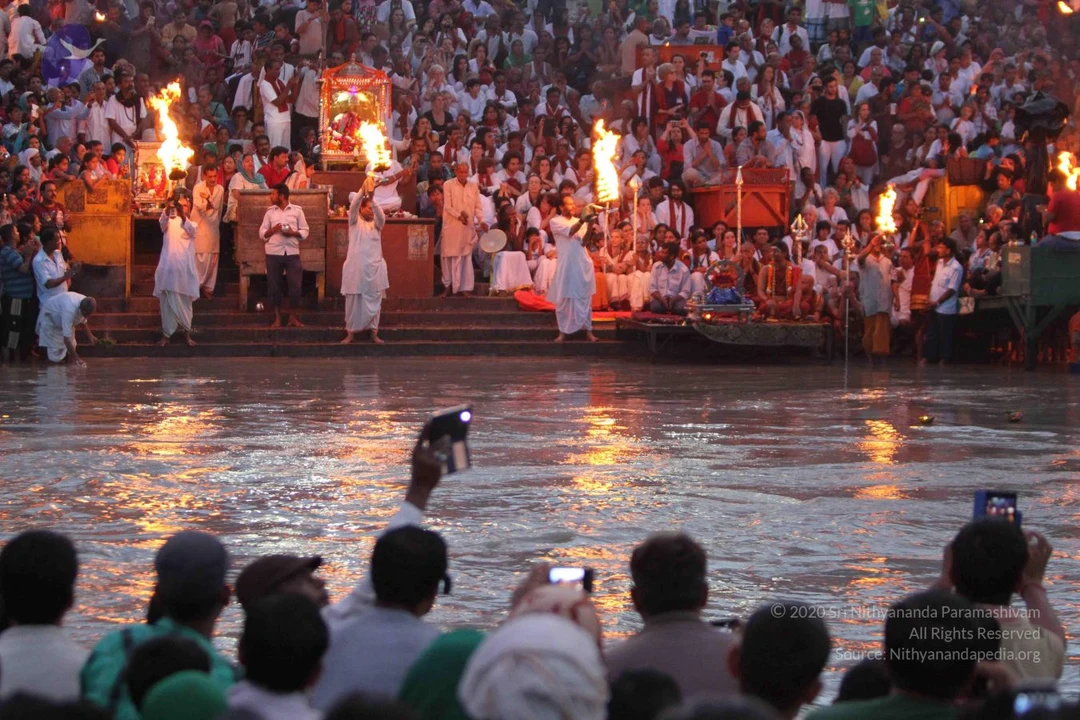
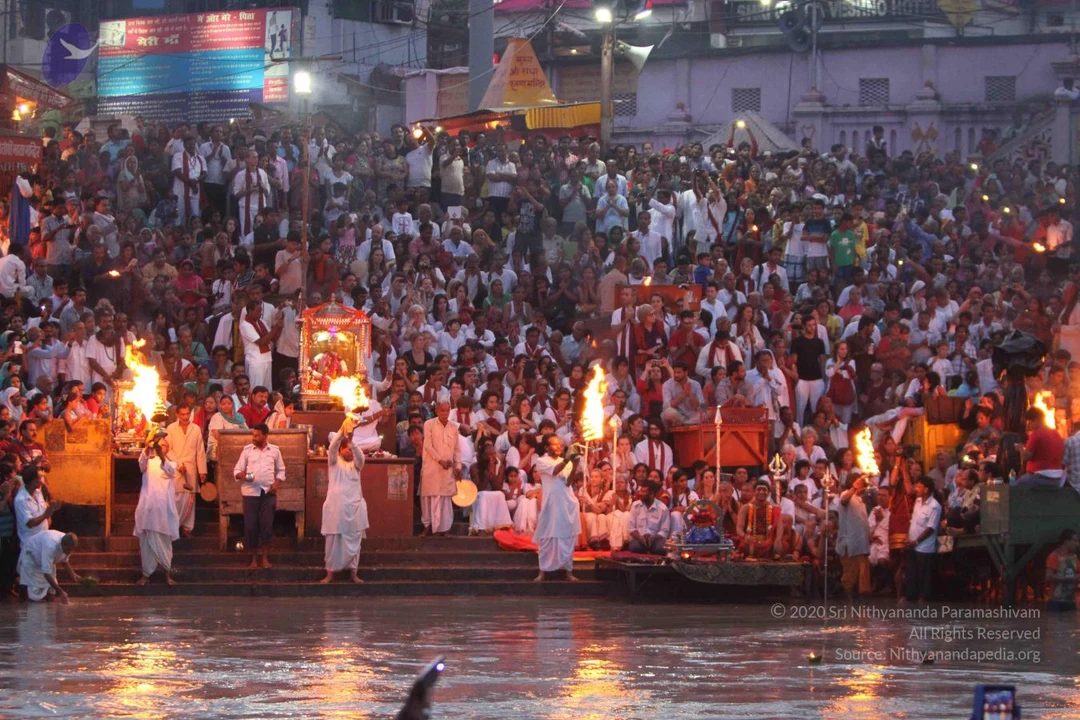
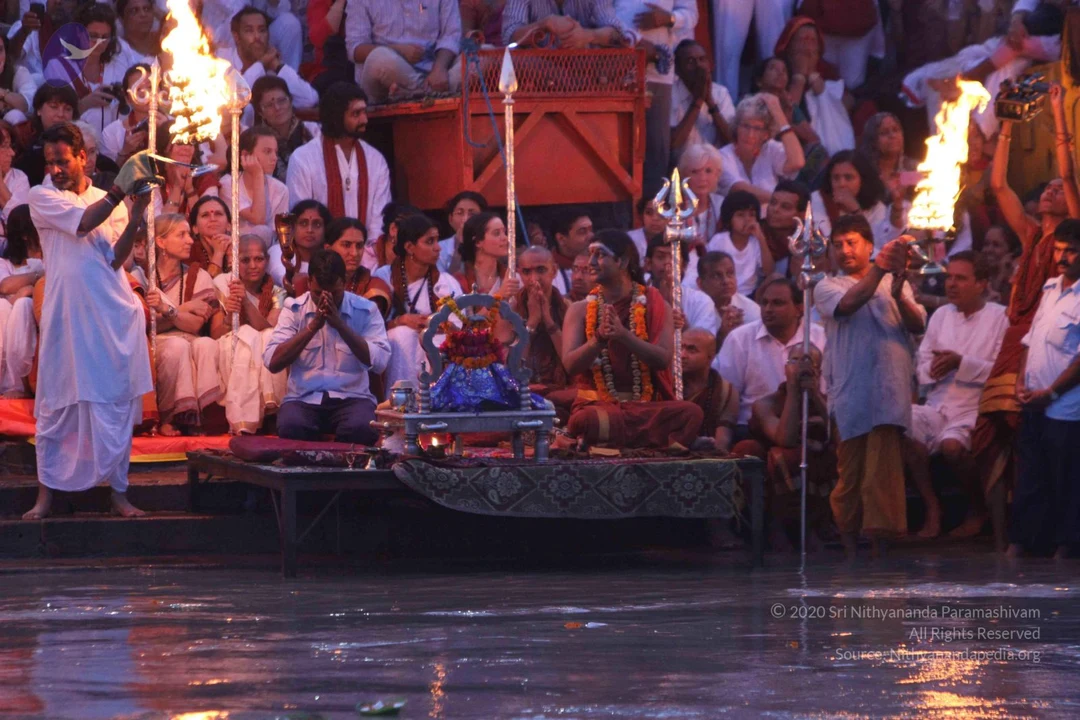
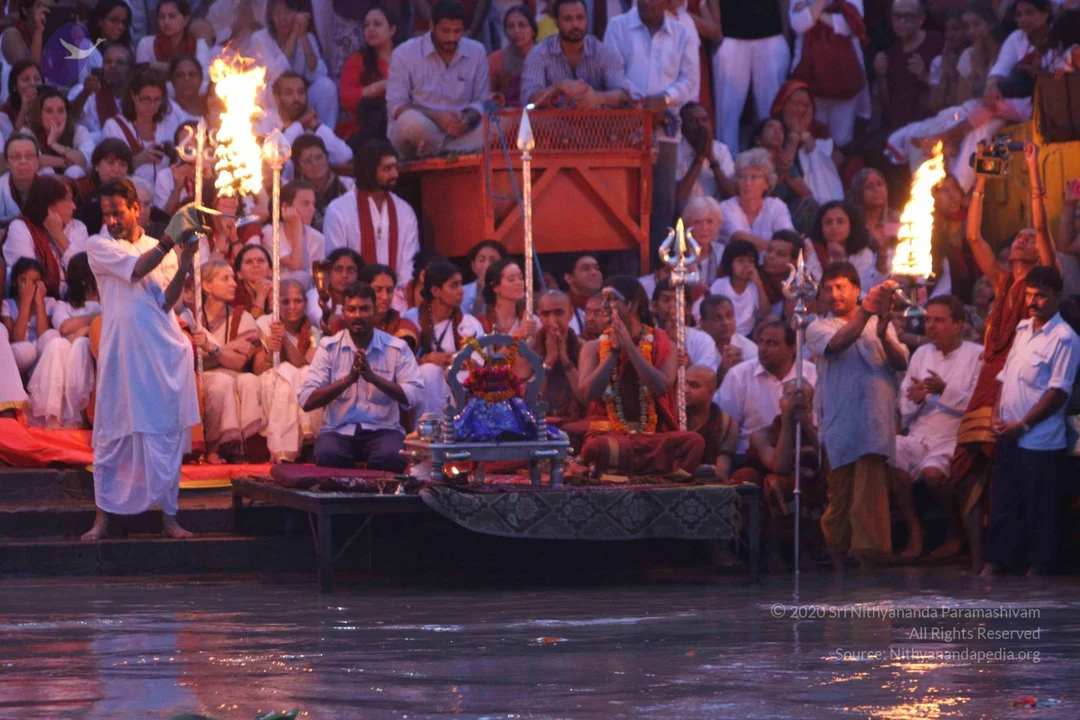
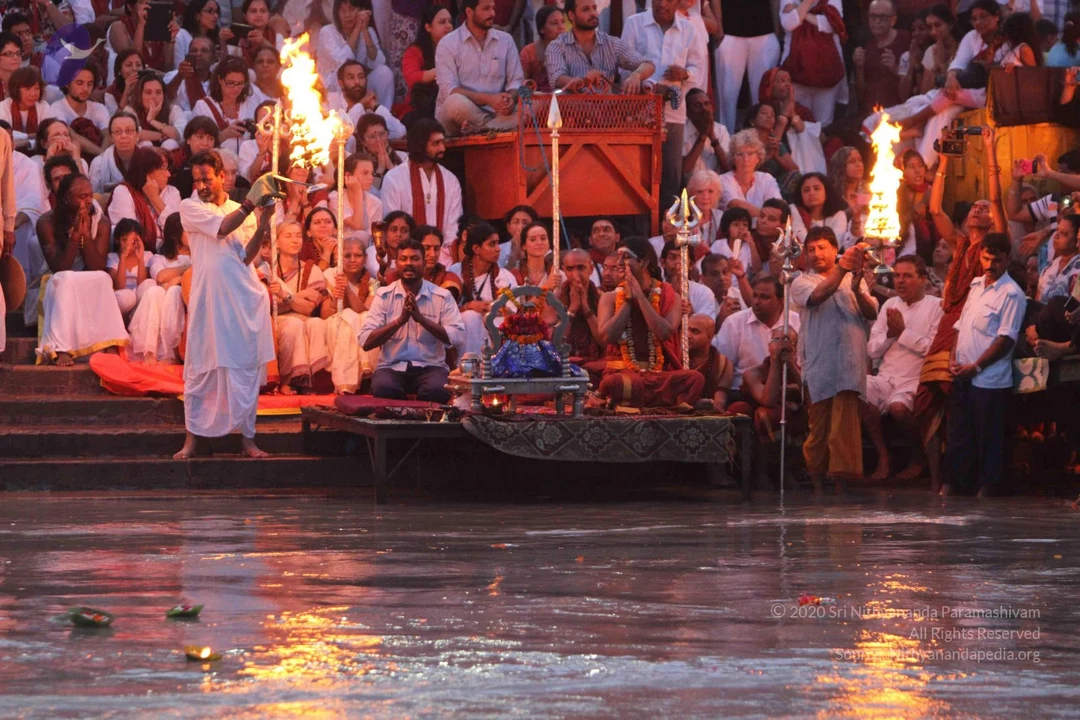
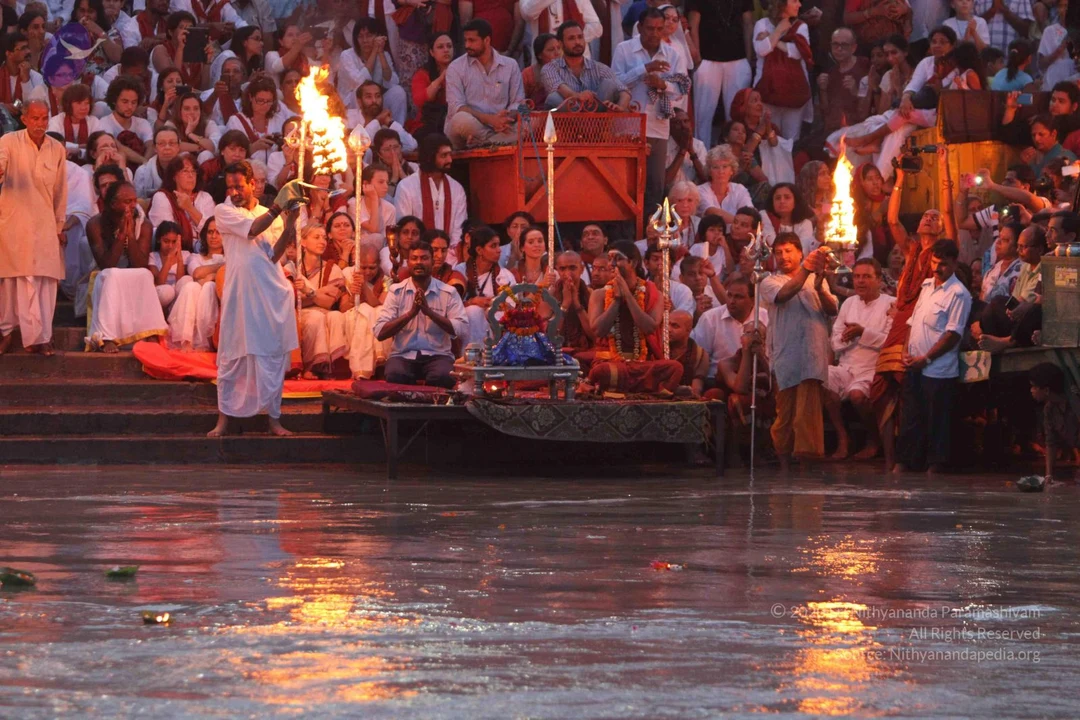
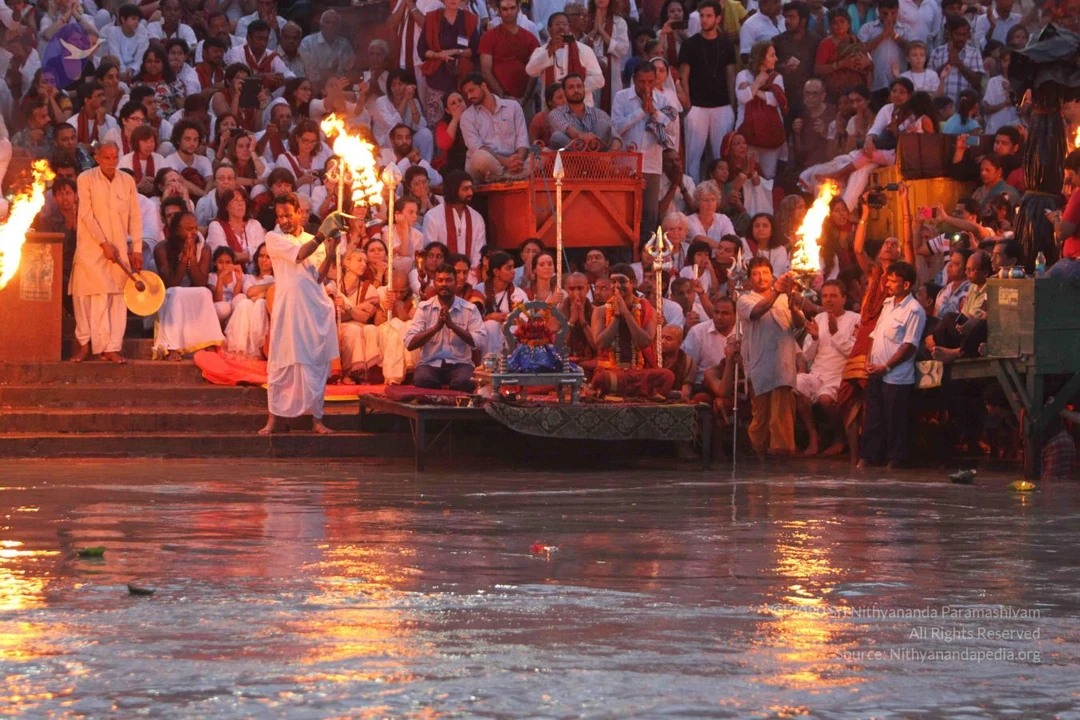
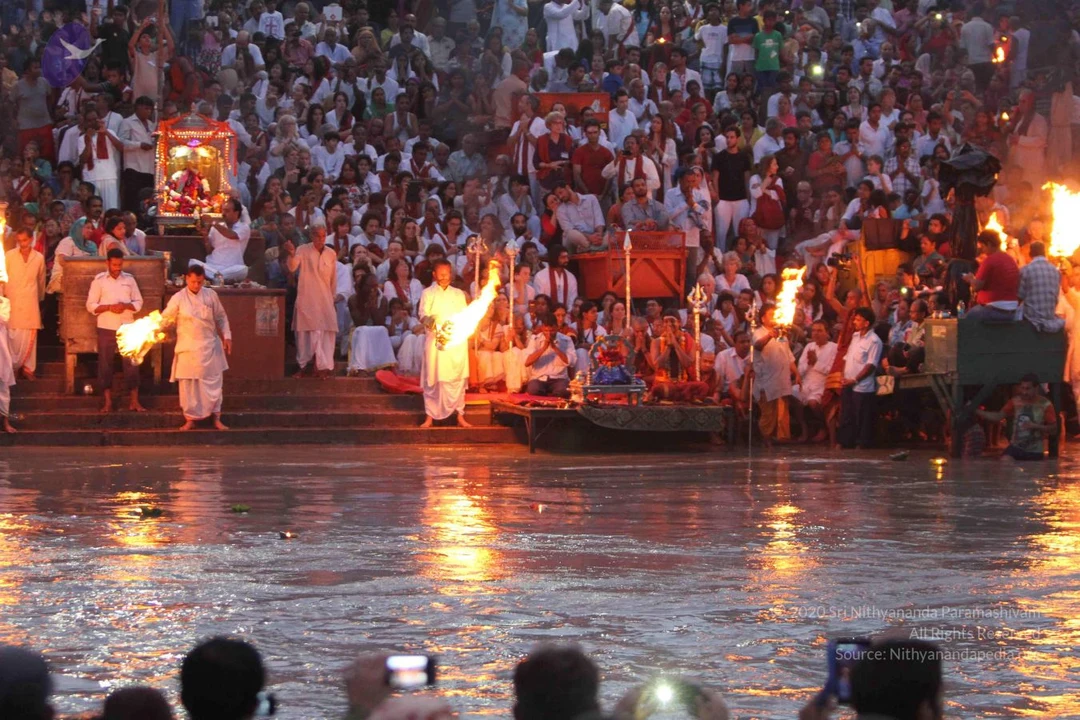
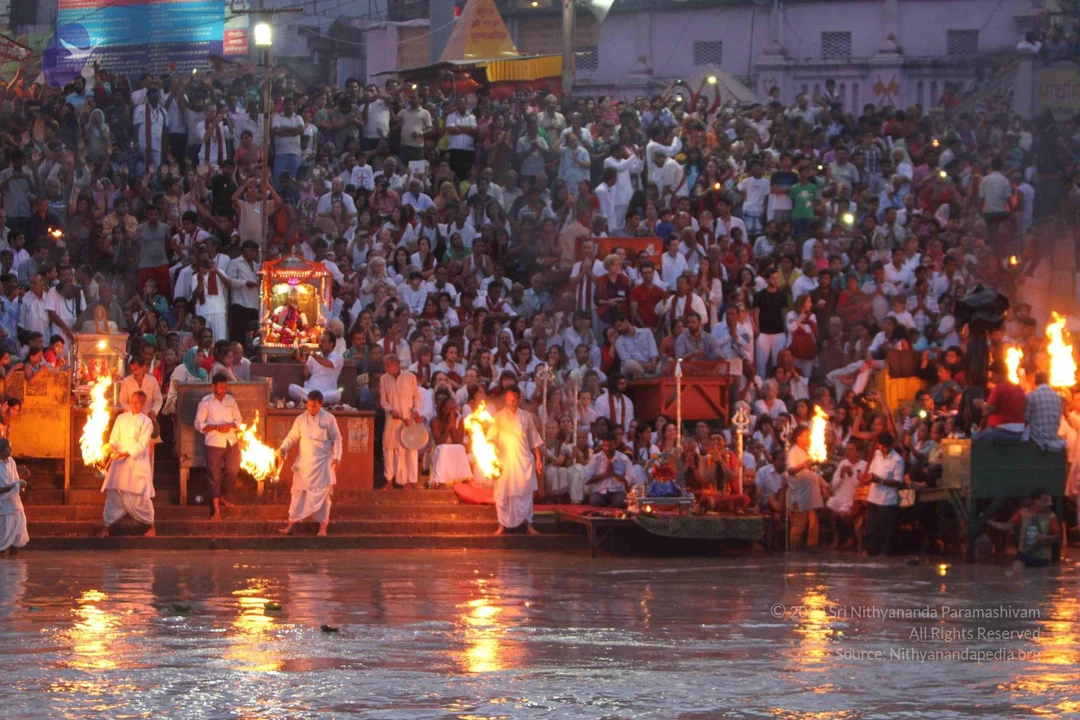
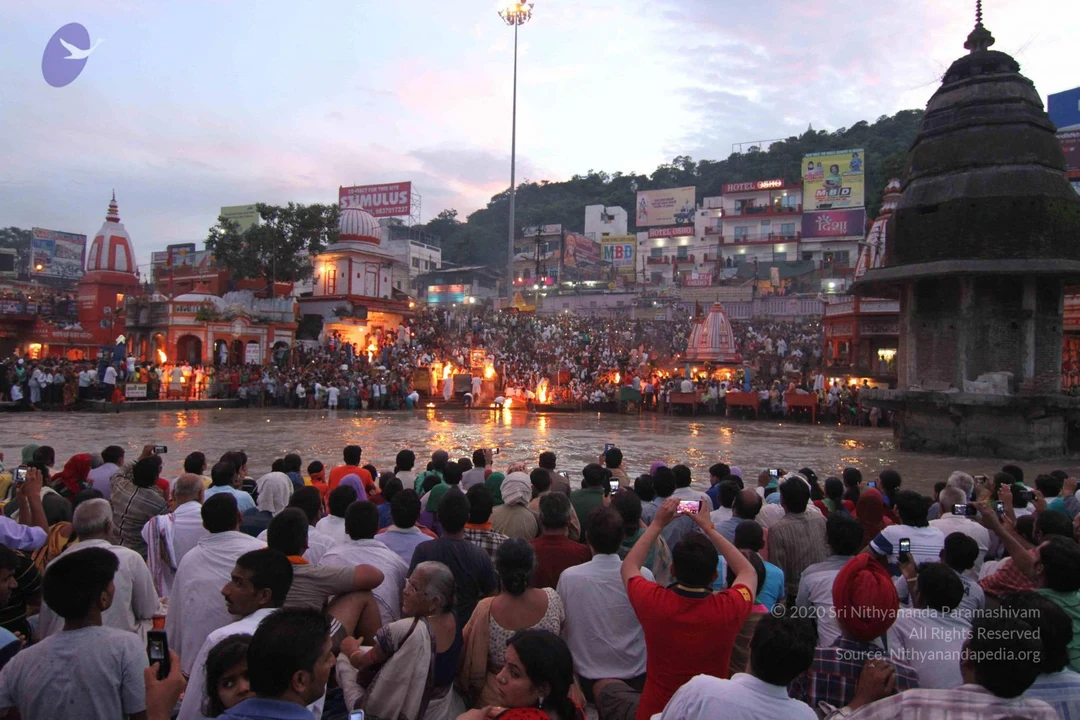
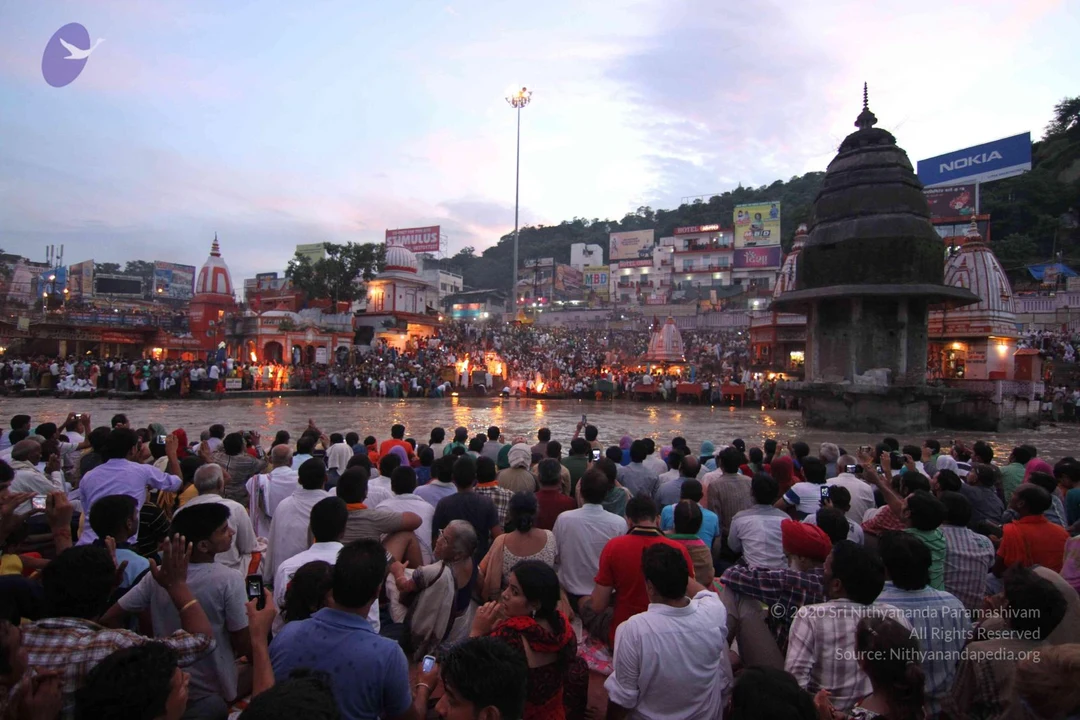
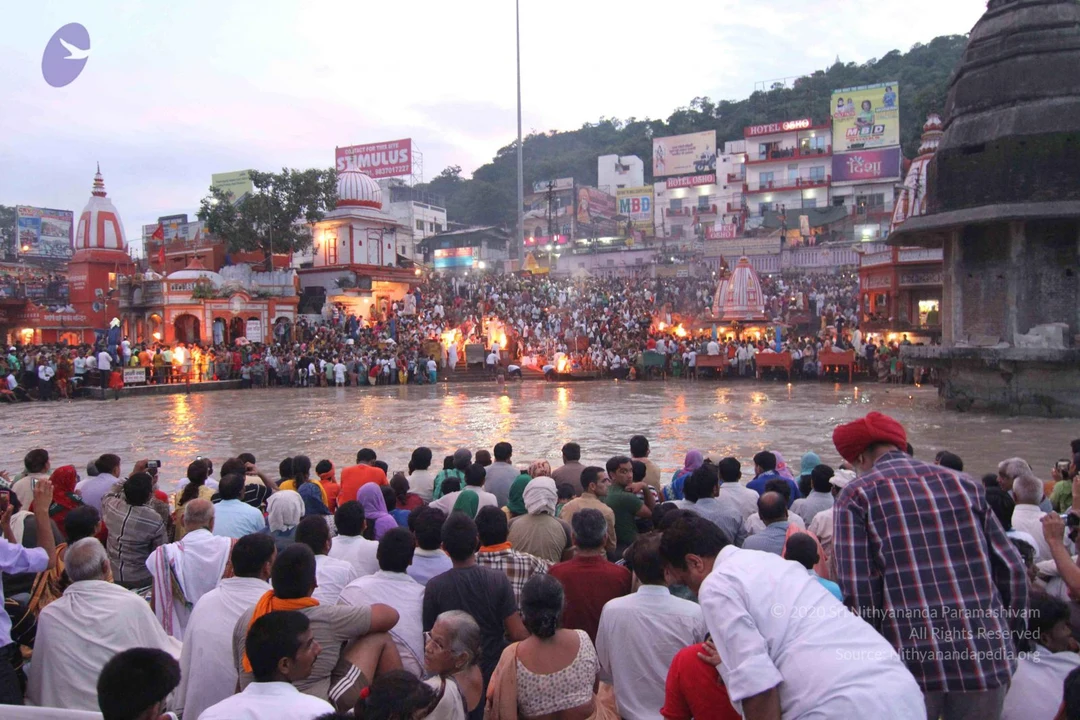
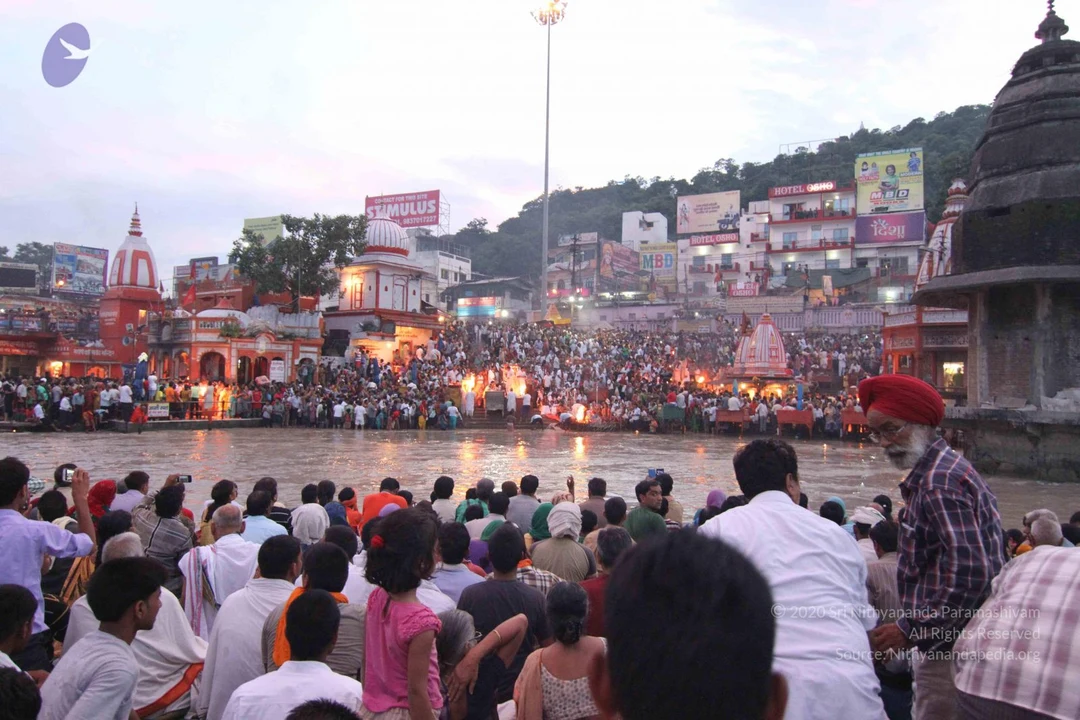
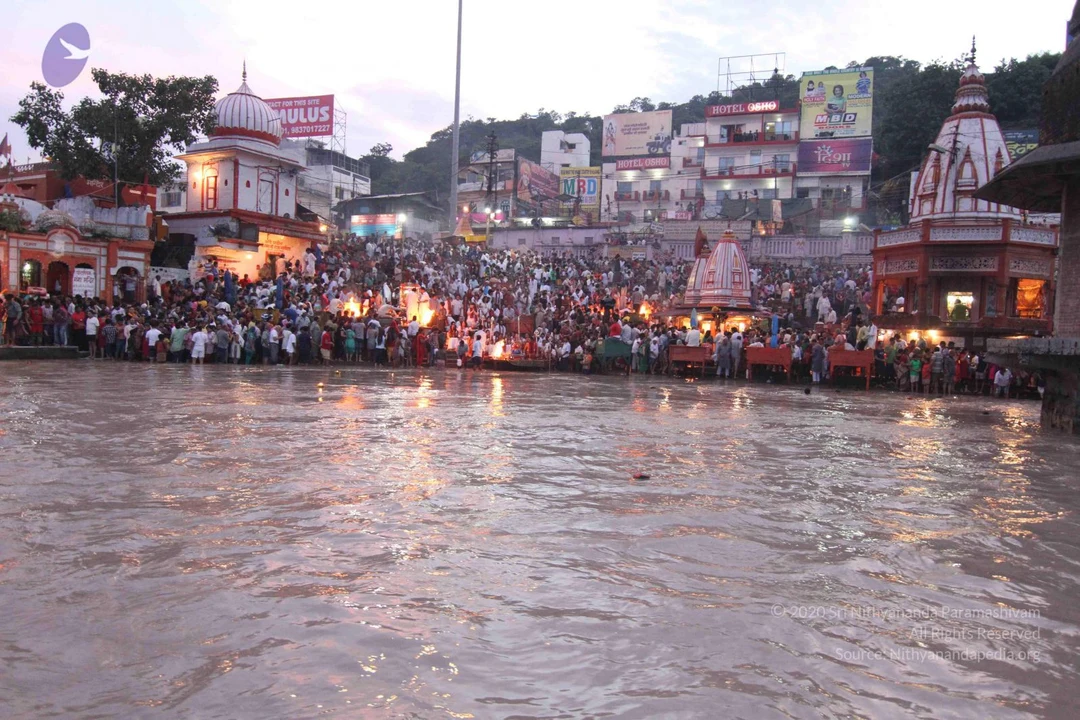
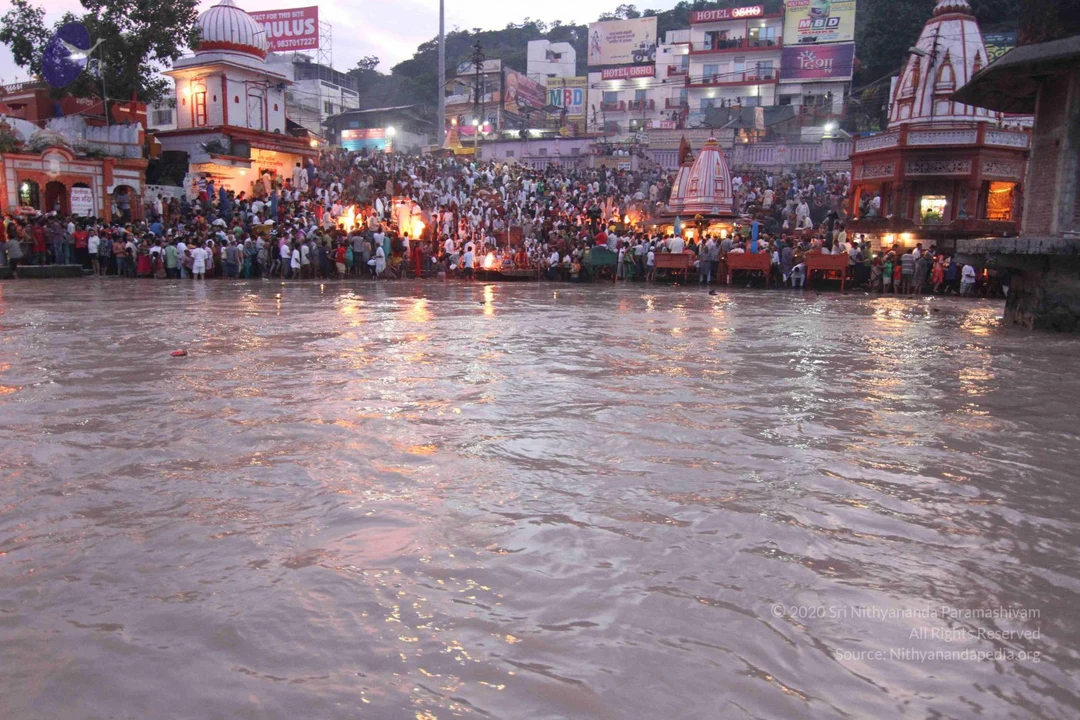
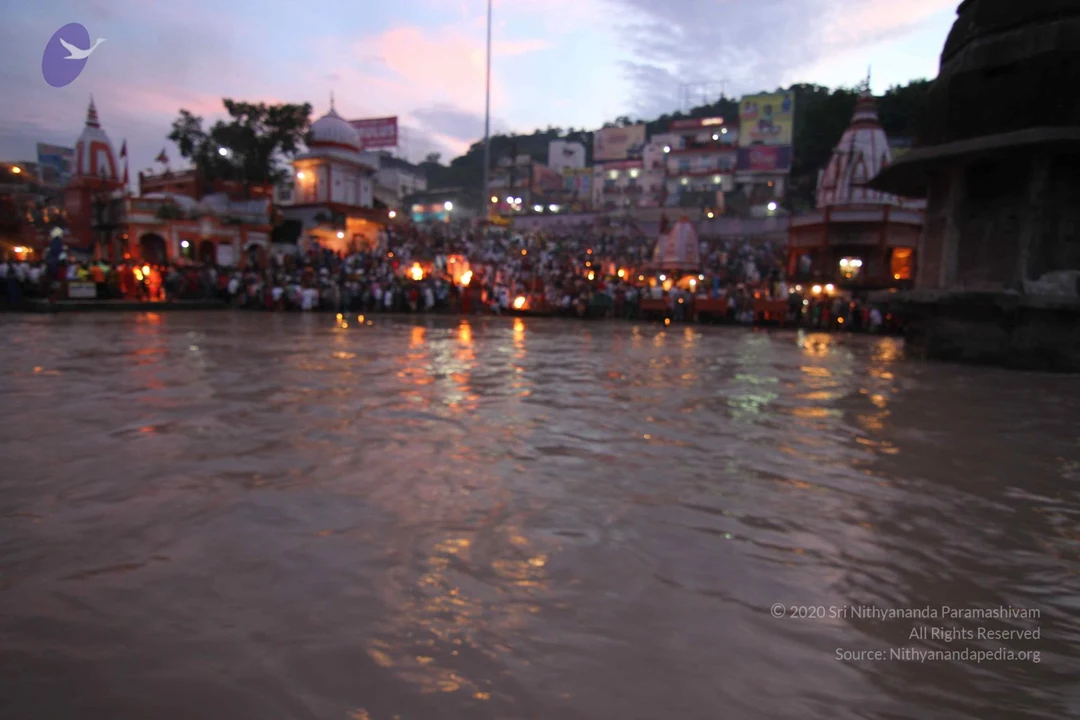
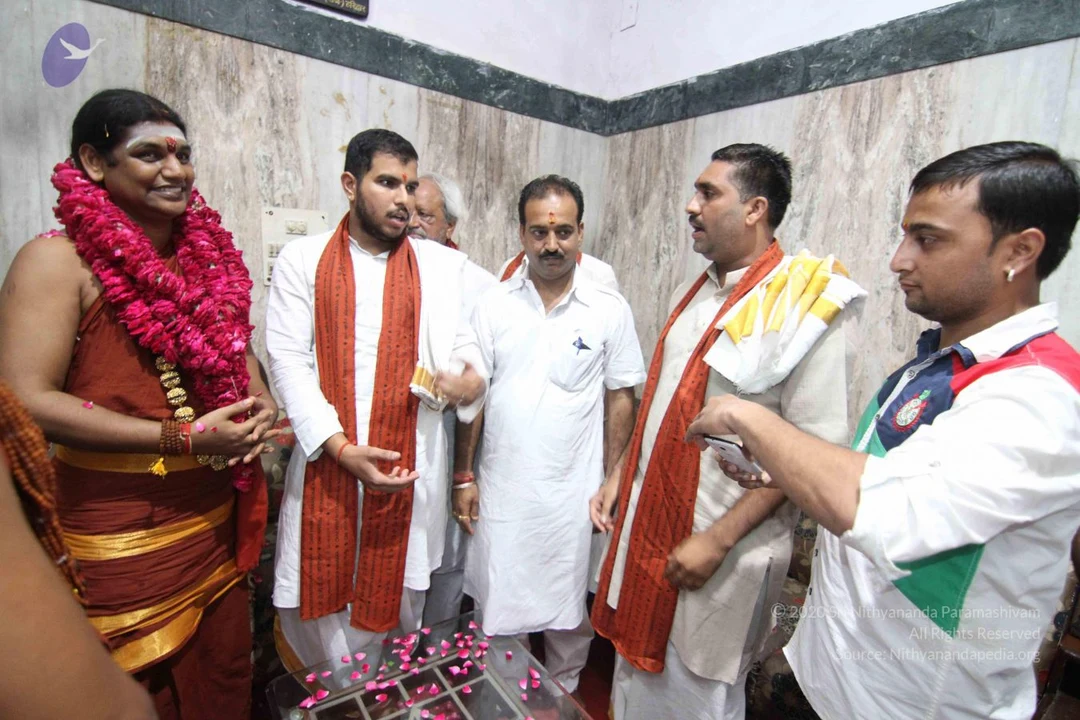
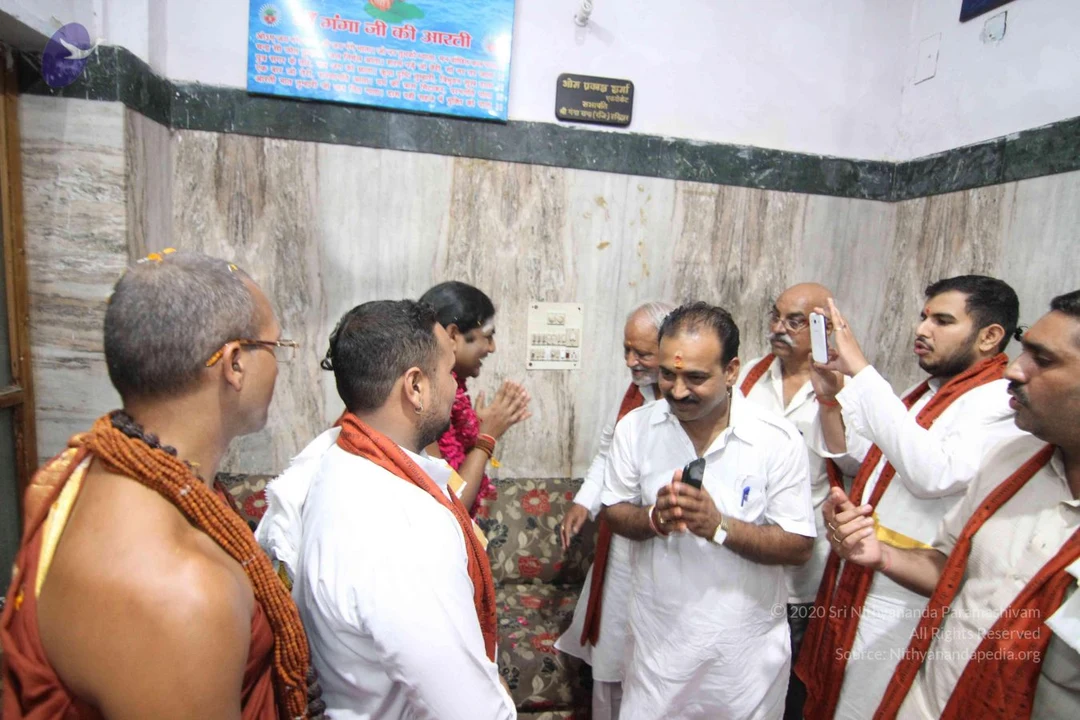
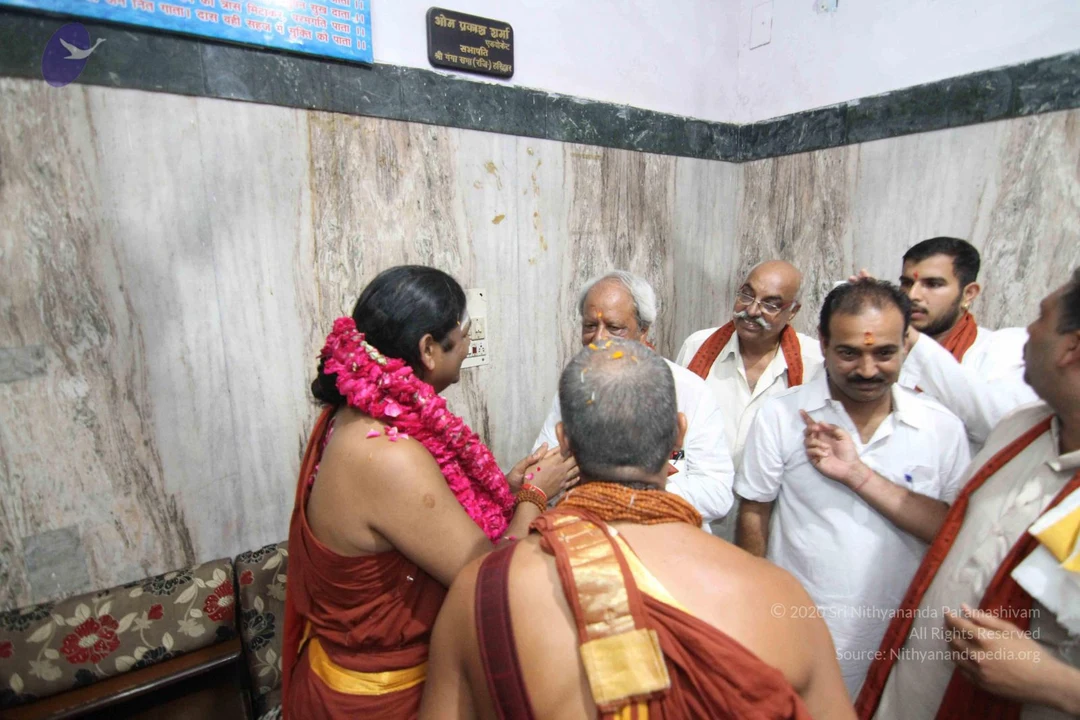
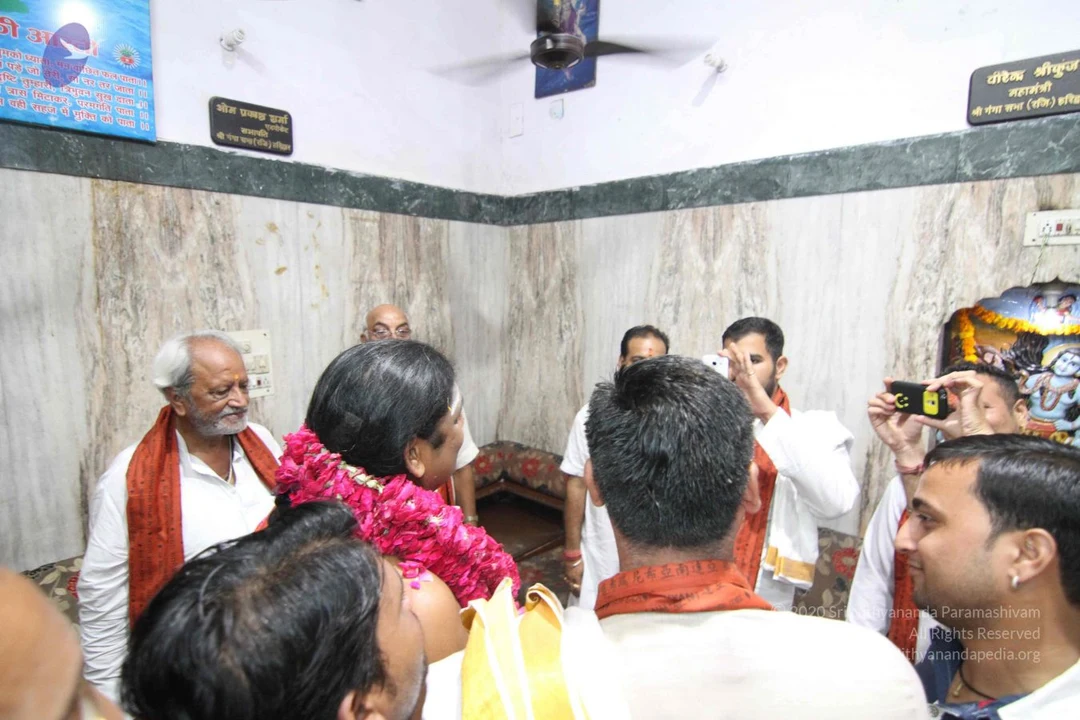
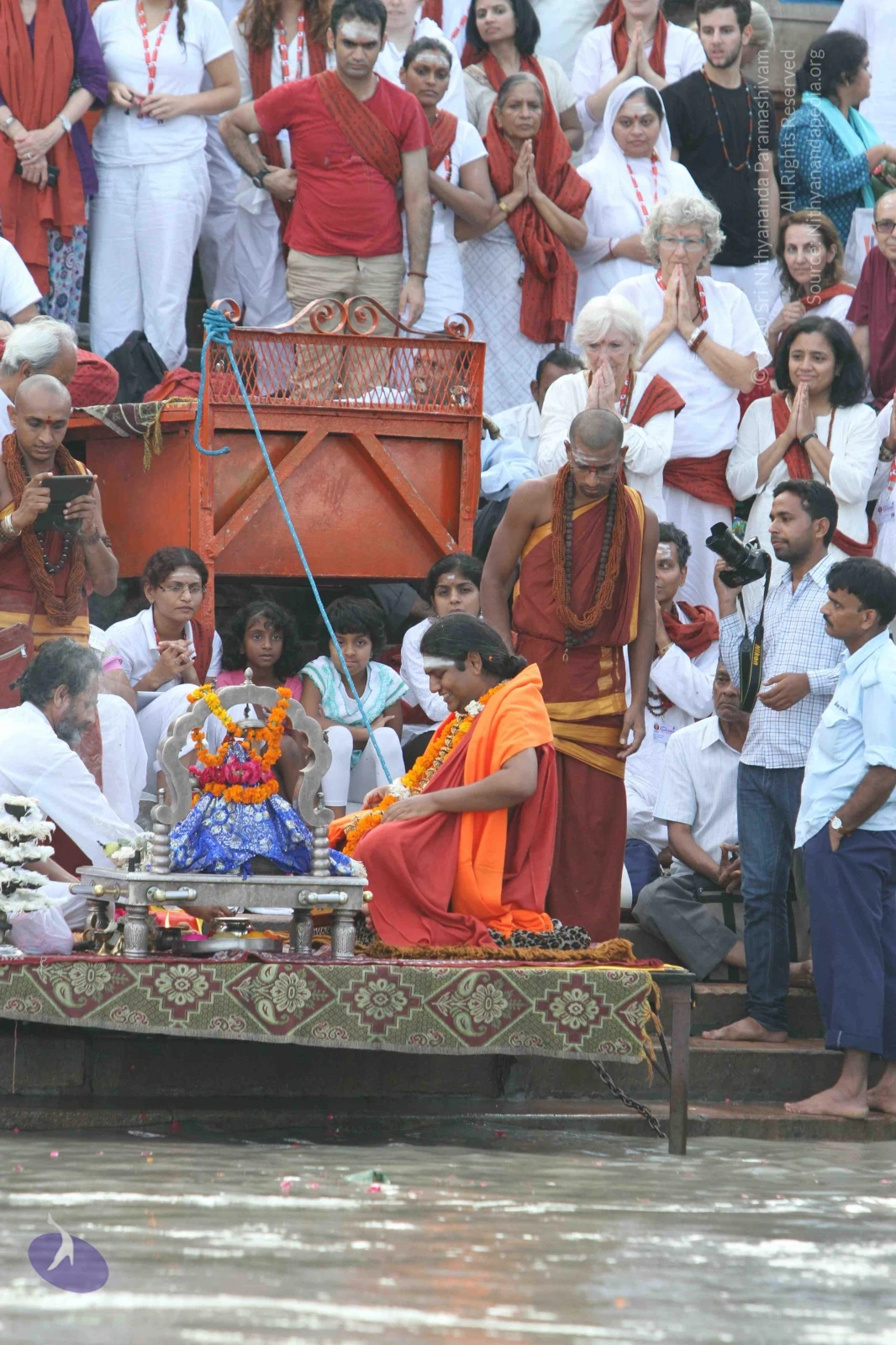
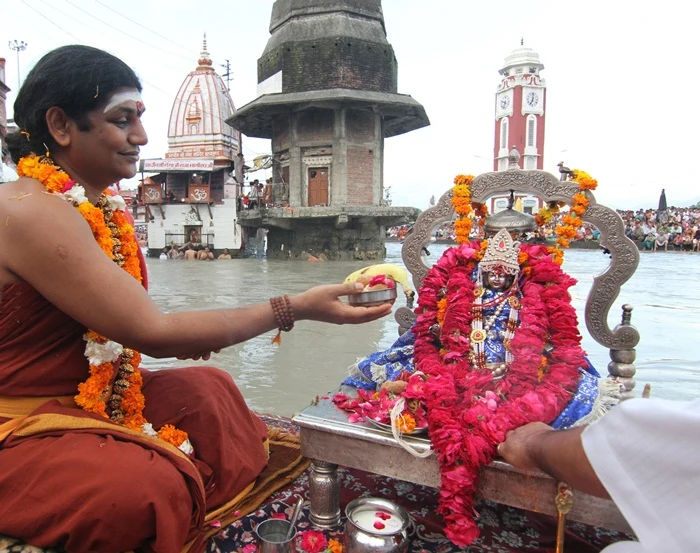
Haridwar Ganga Aarthi
Morning Satsang Kalpataru

Tags:

Haridwar, Paramahamsa Nithyananda, Advaitha, non-dual, space, being, doing, job, career, relationships, aspect of life, SDHD, must not be allowed

Photos Of The Day:

Nithya Satsang

Kalpataru Darshan

Inner Aewakening-Sessions

Haridwar-IA-Ganga Aarathi

SPH Giving Darshan To Inner Awakening Delegates

01-Nithya-Satsang

02-Kalpatharu-Darshan

03-Inner-Awakening-sessions

20140727_Photo_1000_IMG_7698_CMP_WM

04-Haridwar-IA-Ganga-Aarthi
Photos from this day

View all 686 photos

Morning Satsang Kalpataru

8 photosSource gallery
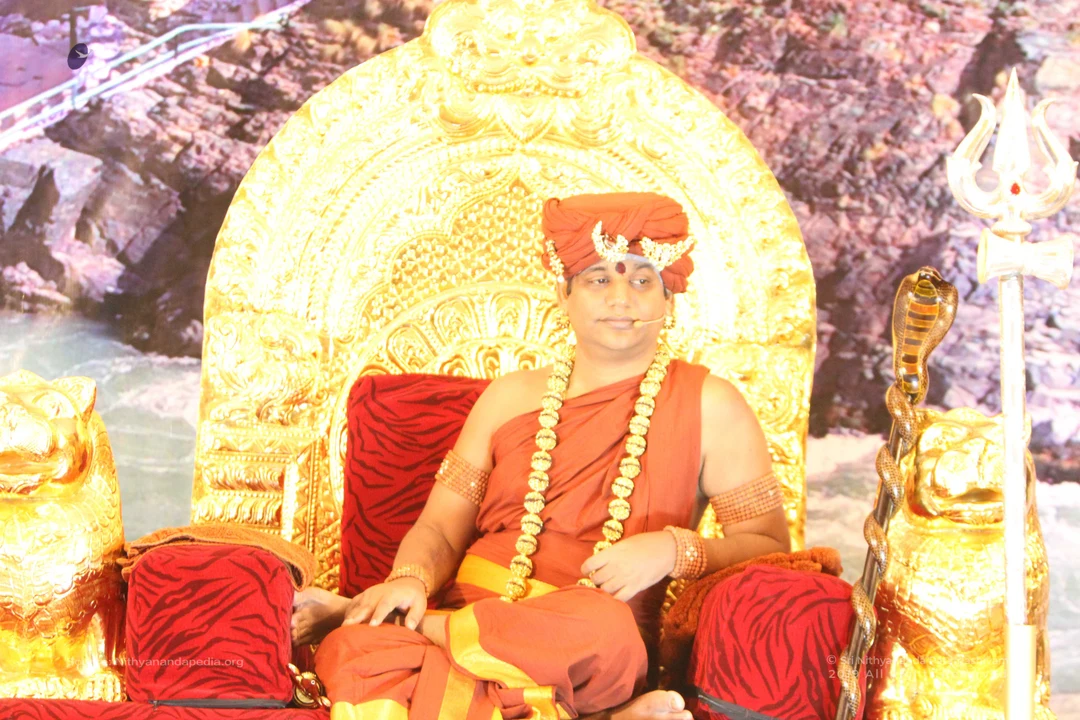
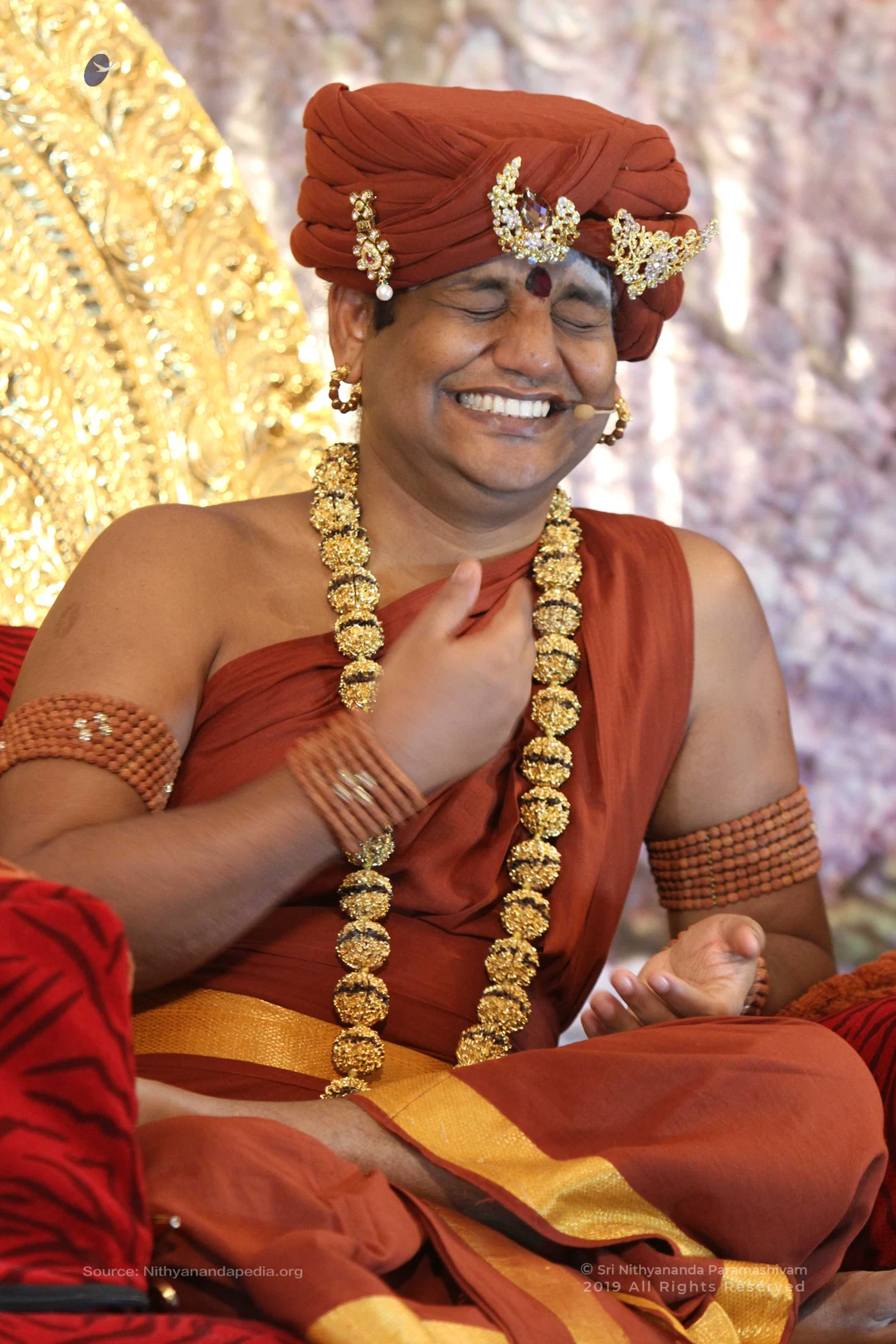
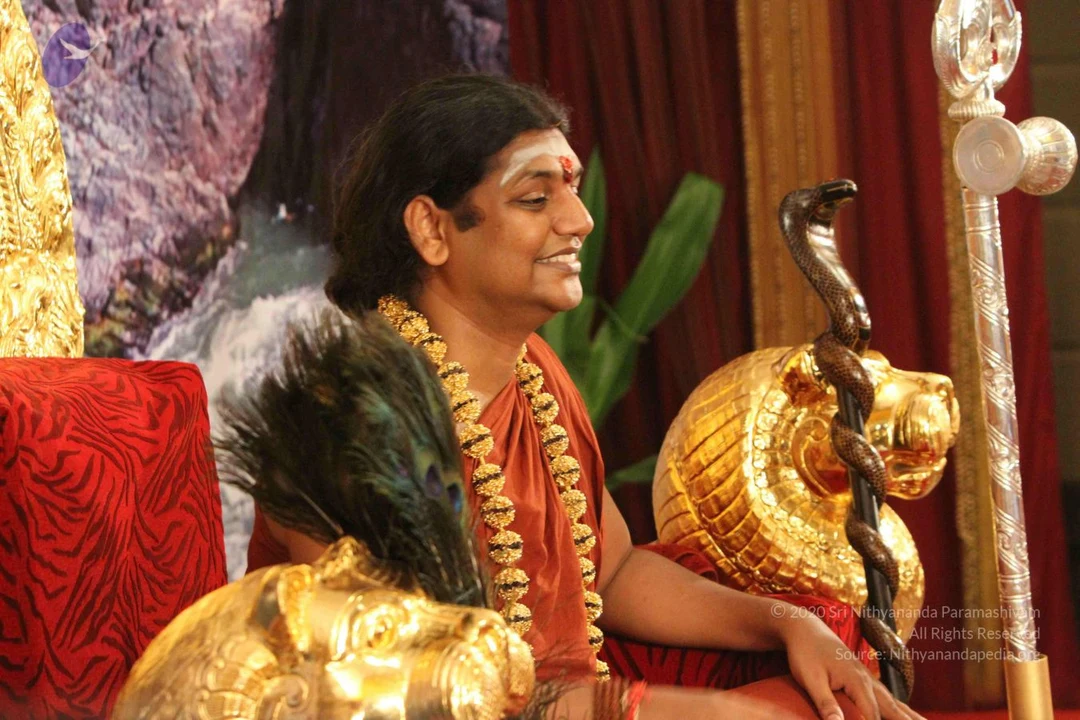
A seated figure on an ornate gold throne with red tiger-striped cushions speaks during a satsang. He wears a rust-red turban decorated with gold and jewelled ornaments, a red-orange shawl and dhoti with gold borders, a long gold and black bead necklace of rudraksha-style beads, and red beaded bracelets on his arms. His eyes are closed, one hand is raised in a gesture and the other rests on his knee, with a small red bindi on his forehead. A microphone is attached near his face. Swamiji (probable) is the wearer, distinguished by the layered gold-and-jewelled turban, ceremonial gold mala and saffron-toned ascetic dress on a throne. Gold relief carvings fill the background behind him.A seated figure sits cross-legged on an ornate gold throne with a carved arched backrest, flanked by golden lion sculptures and red tiger-striped cushions. He wears a saffron-orange turban with a jewelled ornament, a saffron-orange garment with yellow trim, a long mala of beads around his neck, and bangles on his wrists, and he raises one hand in greeting. A silver trident stands to the right and a golden cobra-entwined staff rests beside the throne. The backdrop shows a rocky riverbank with rushing water and a metal walkway. A microphone is visible near his face. a person appears in a satsang setting. The figure is the only physical person visible.A man seated on an ornate gold throne with red tiger-striped cushions speaks with eyes closed and both palms open in front of him. He wears a rust-orange turban with gold and jewelled ornaments, a red bindi, a rust-orange wrap over bare shoulders, long gold-beaded necklaces and coral bangles on both arms, and a headset microphone. Behind him is a lilac textured backdrop. a person seated in a discourse setting, with the ornate throne, orange-red attire and gold malas as the qualifying cues.A photograph of a man seated on an ornate golden throne with a arched, intricately carved gold backdrop. He wears a rust-red turban decorated with a gold and jewelled crown ornament, a red bindi, and a rust-red robe draped over one shoulder. He wears a long gold bead necklace, red beaded bracelets on both wrists, and a small microphone near his mouth. His right hand is raised mid-gesture as he speaks, and his left hand rests on the throne armrest. Swamiji (probable) with the appearance cues of a red turban, gold ornaments, and a rust-red robe, seated on a throne while speaking to an audience.A man seated cross-legged on an ornate gold throne with a red zebra-striped cushion, smiling at the camera. He wears a dark red-orange turban with a jewelled gold ornament, a red-orange shawl over the torso, a long gold beaded necklace, gold bangles on the upper arms and wrists, and a red bindi. A small microphone is clipped near his face. On his right a gold trident rests against the throne and a golden cobra coils along its shaft; golden lion-like armrest figures flank the throne. The backdrop is a large photograph of rocky river gorge with a rope bridge at top left. Swamiji (probable): the seated man wears a red-orange turban, long gold necklace and ornate gold throne setting, consistent with the page's Swamiji reference.A smiling man sits on a red tiger-striped cushioned seat in front of an ornate gold carved backrest, with a golden cobra-headed staff rising at the right edge. He wears a rust-orange turban decorated with a gold and jewelled ornament, a red tilak on his forehead, gold earrings, a gold beaded necklace and orange-red draped garments, with coral-coloured bangles on his arms. A small headset microphone is attached near his mouth. The lilac textured backdrop suggests a stage setting.

Nithya Satsang

60 photosSource gallery
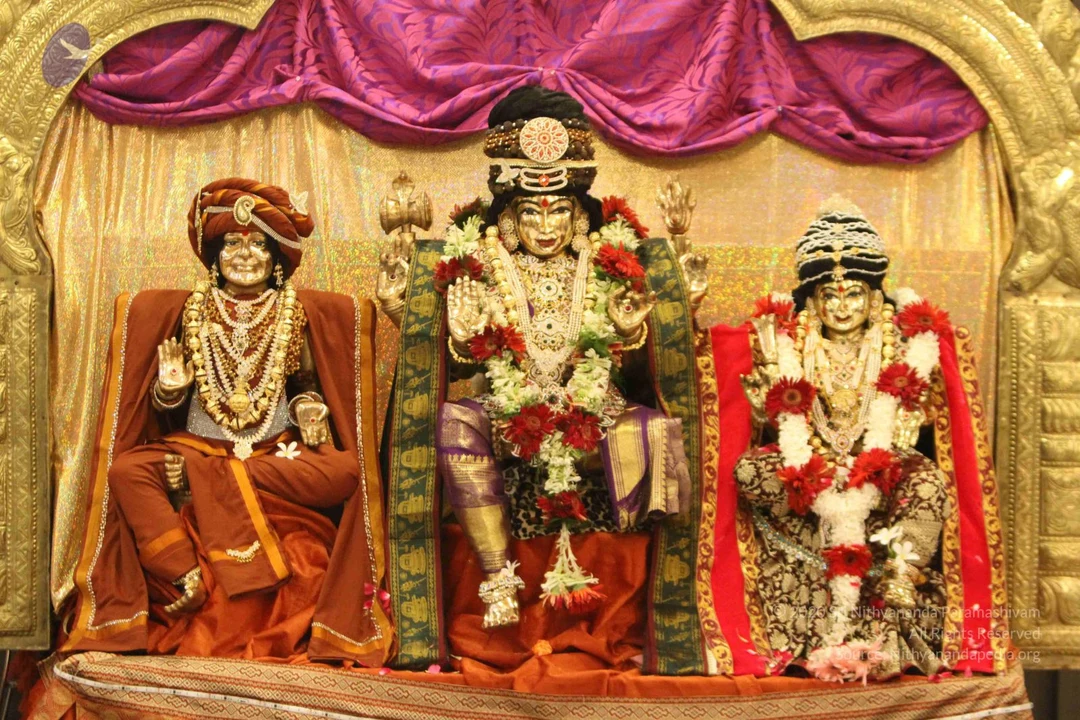
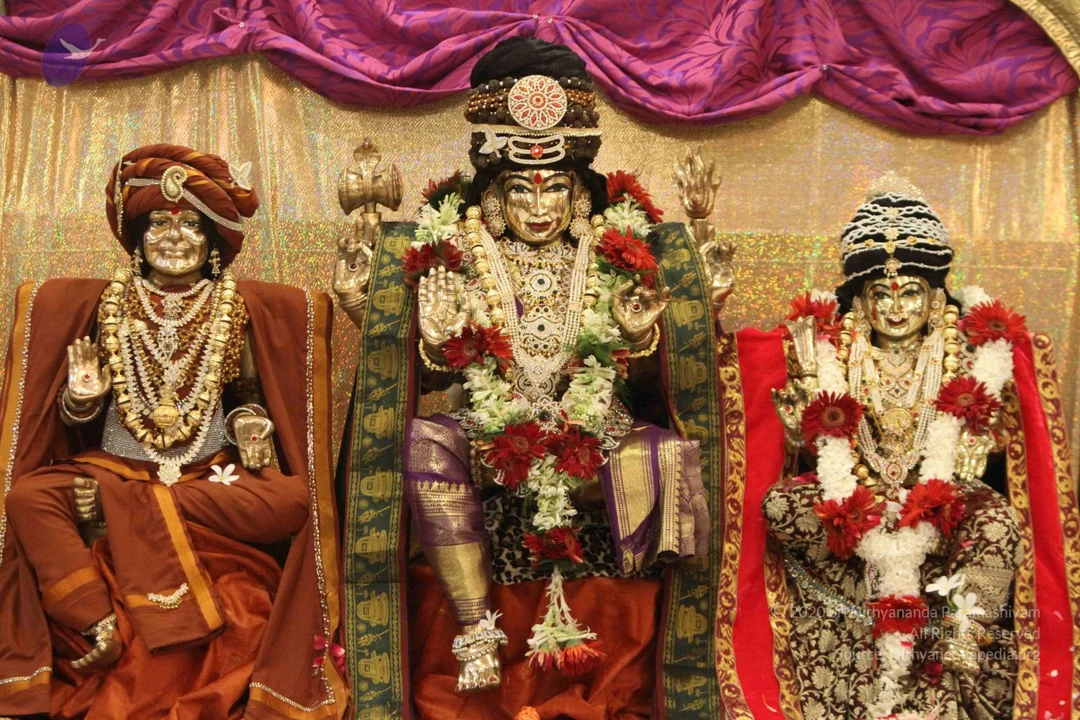
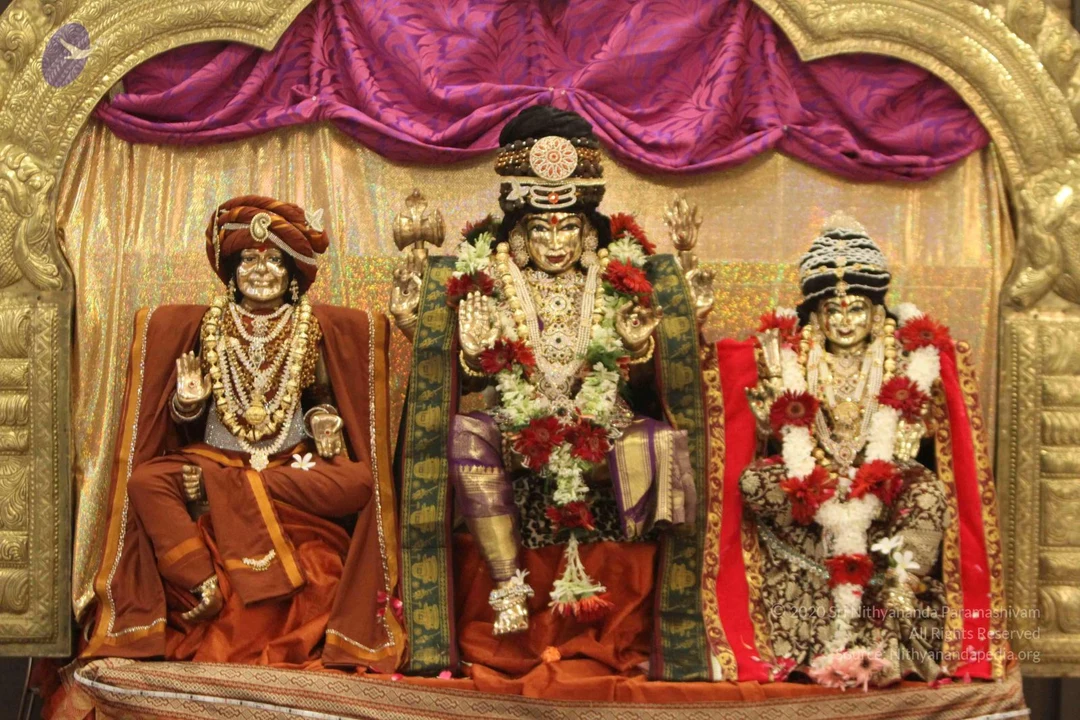
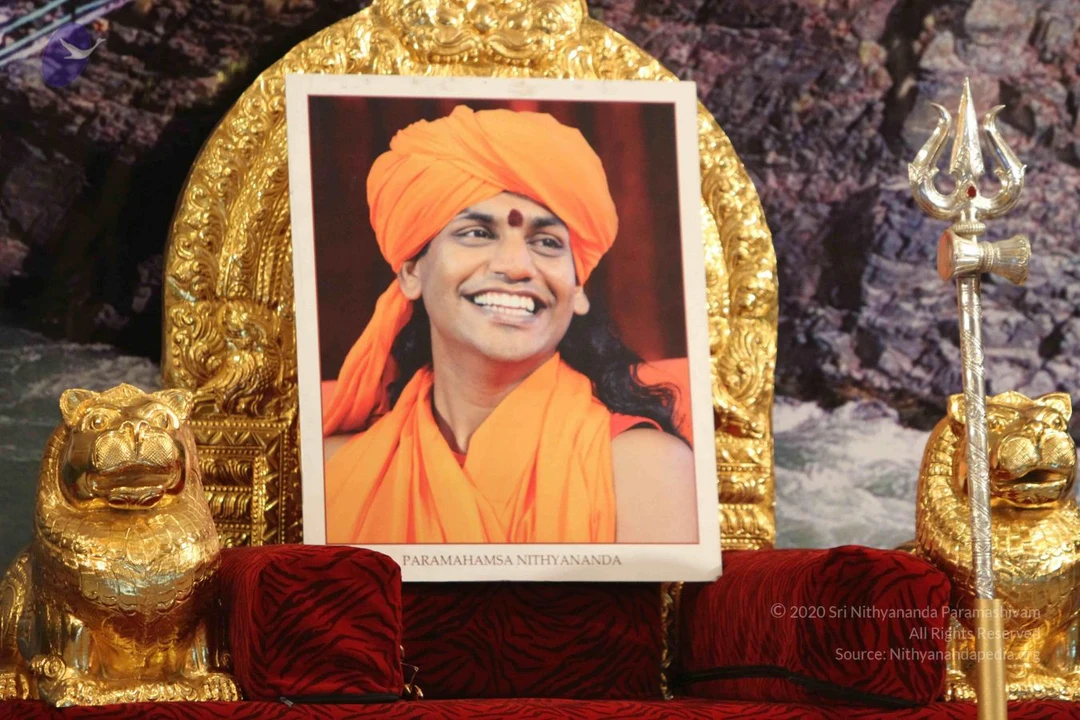
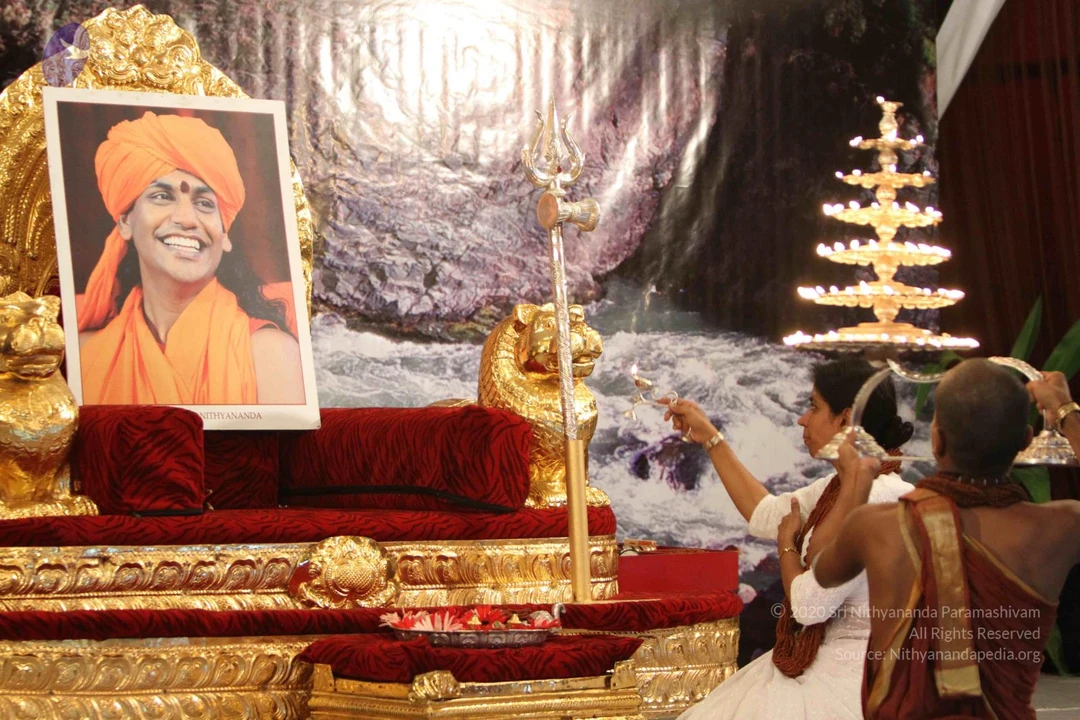
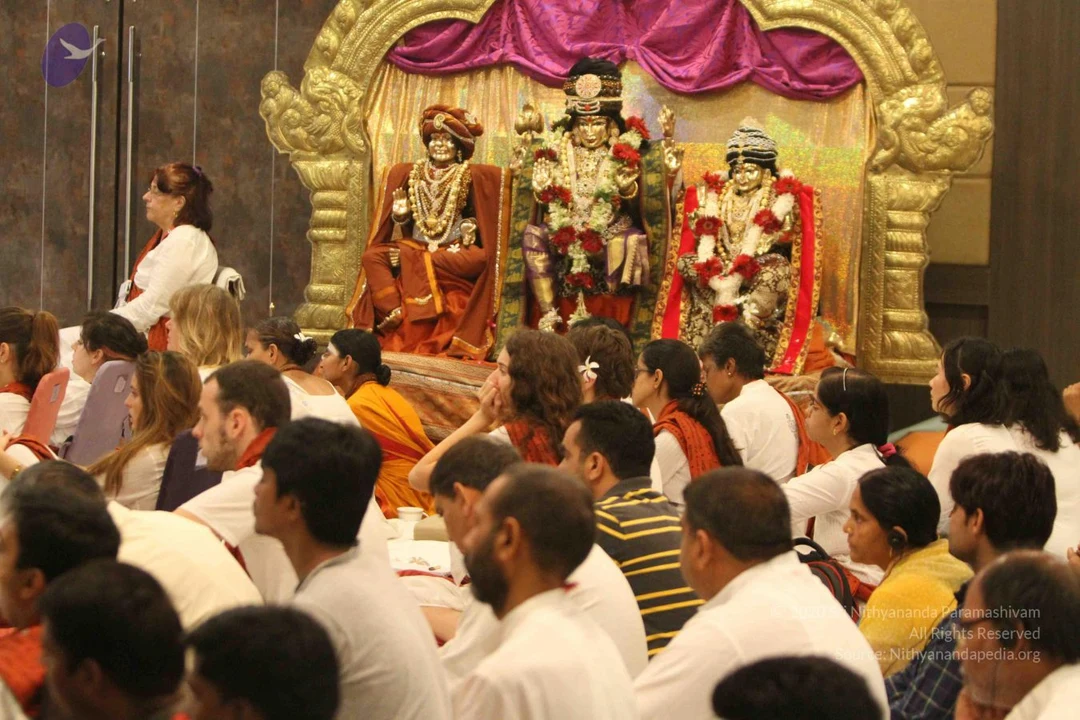
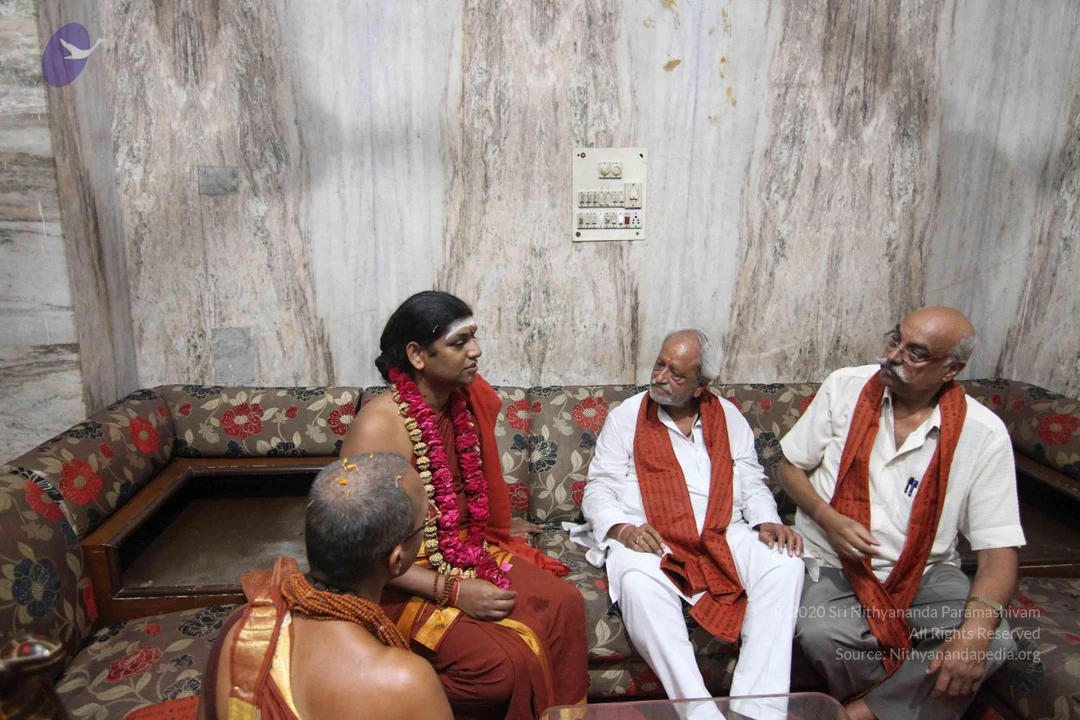
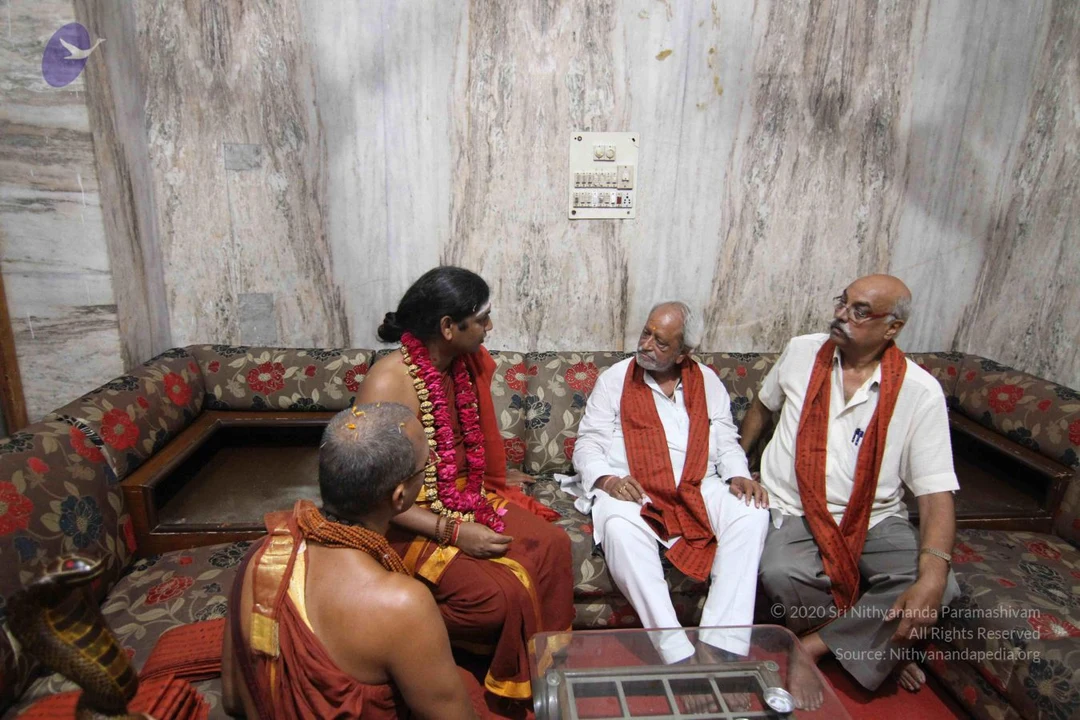
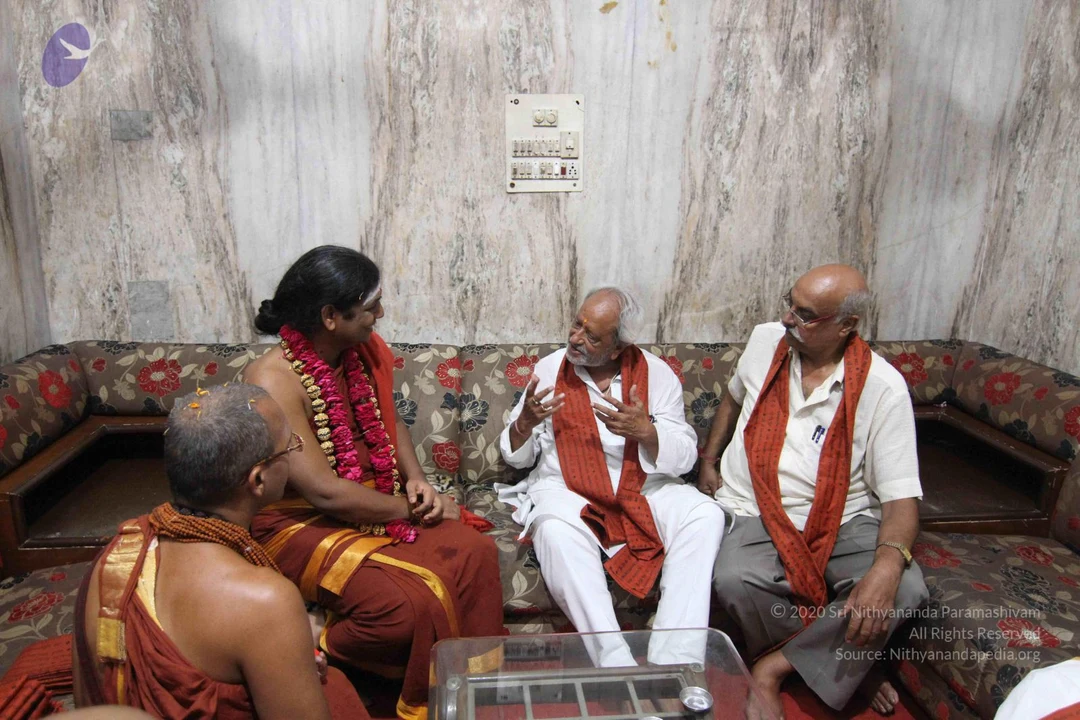
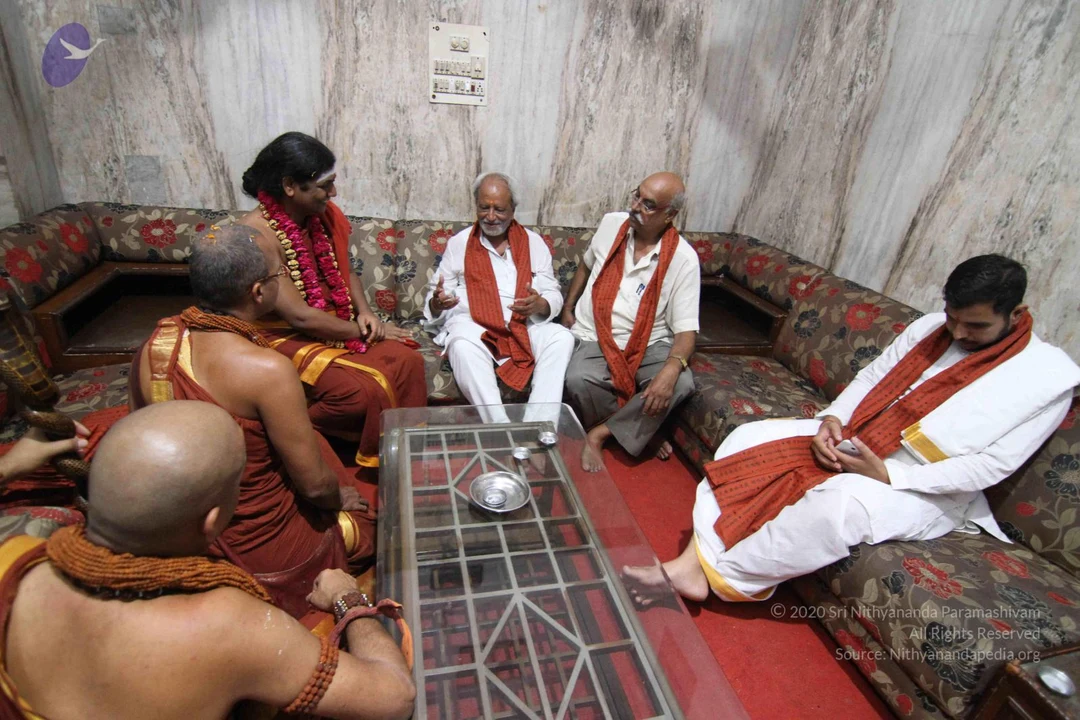
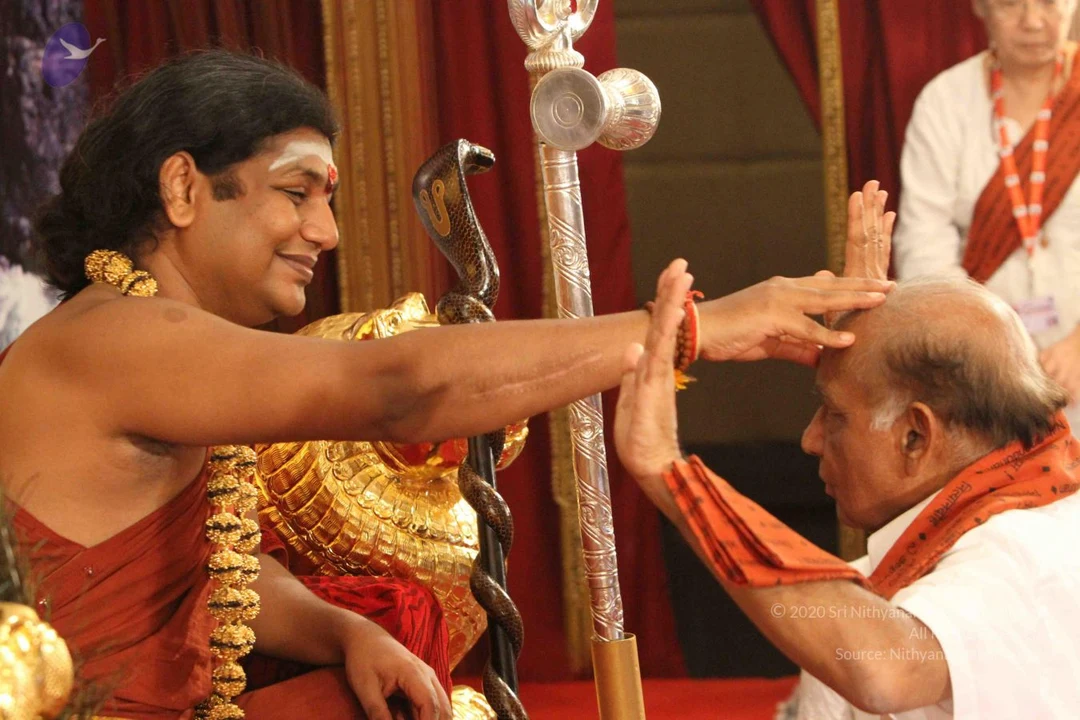
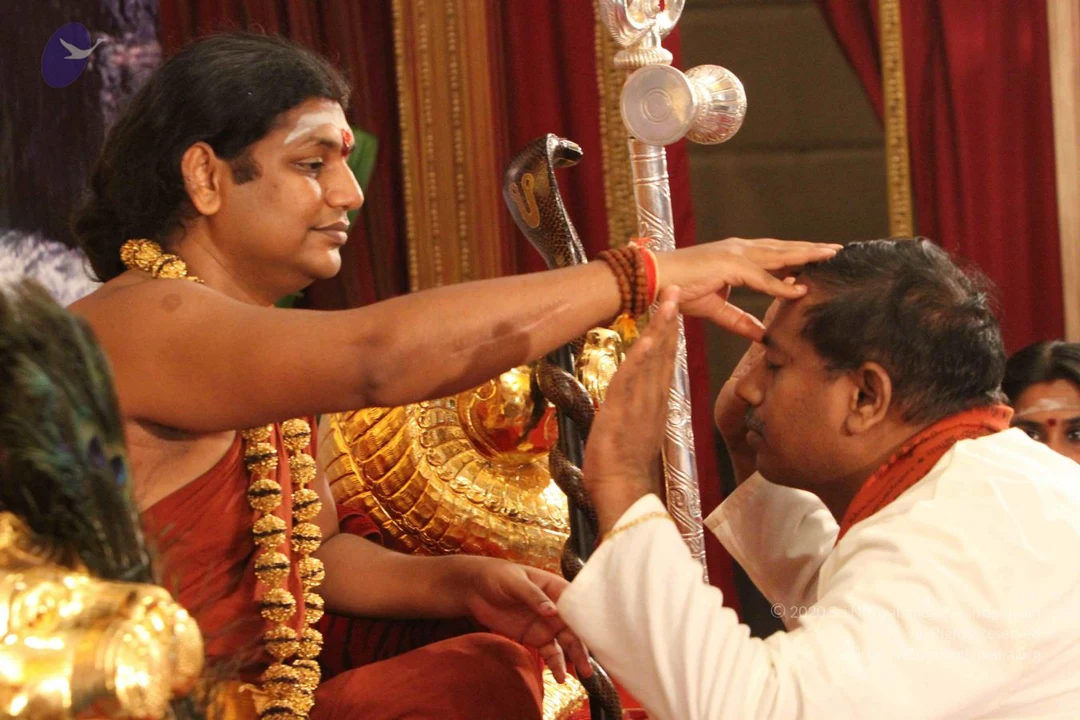
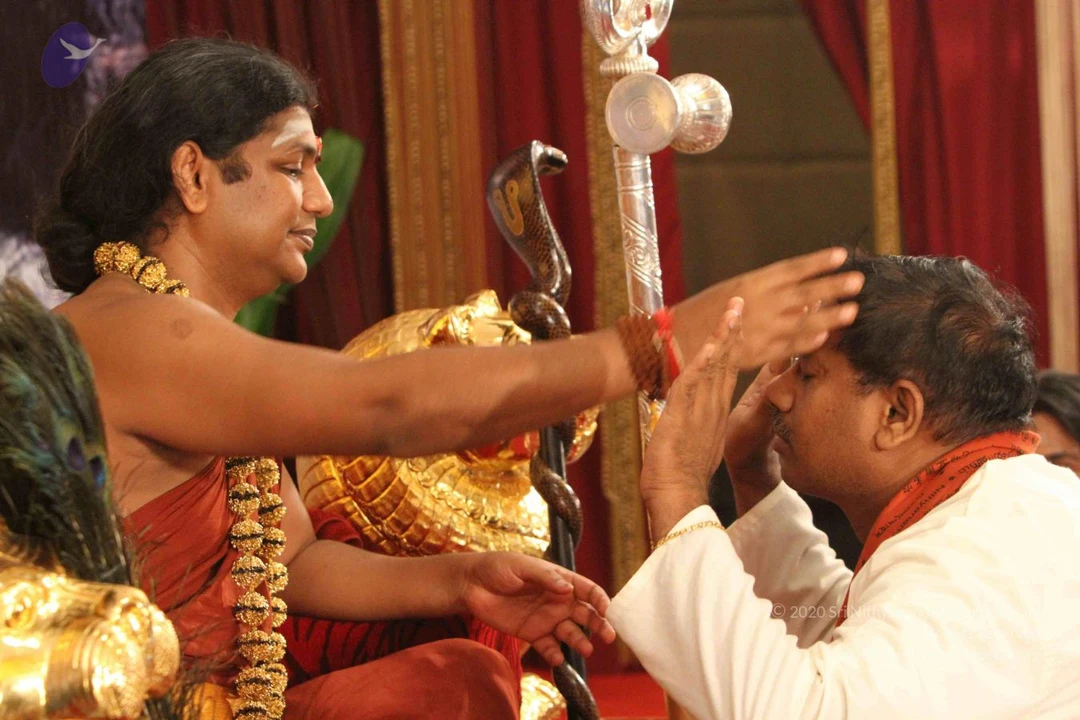
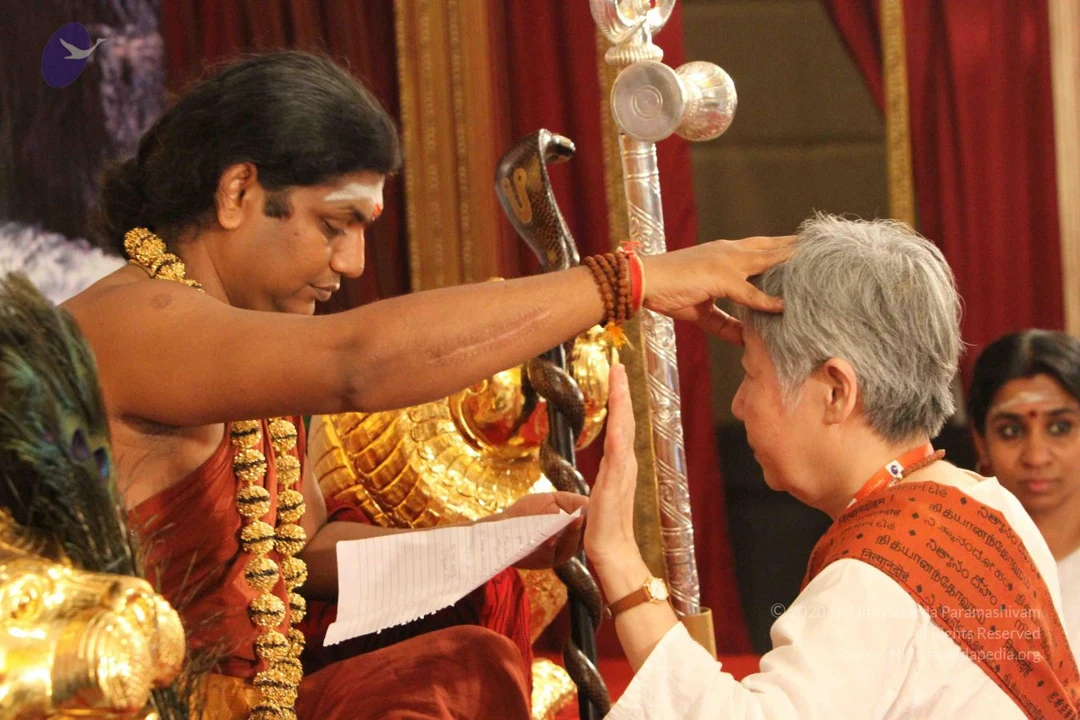
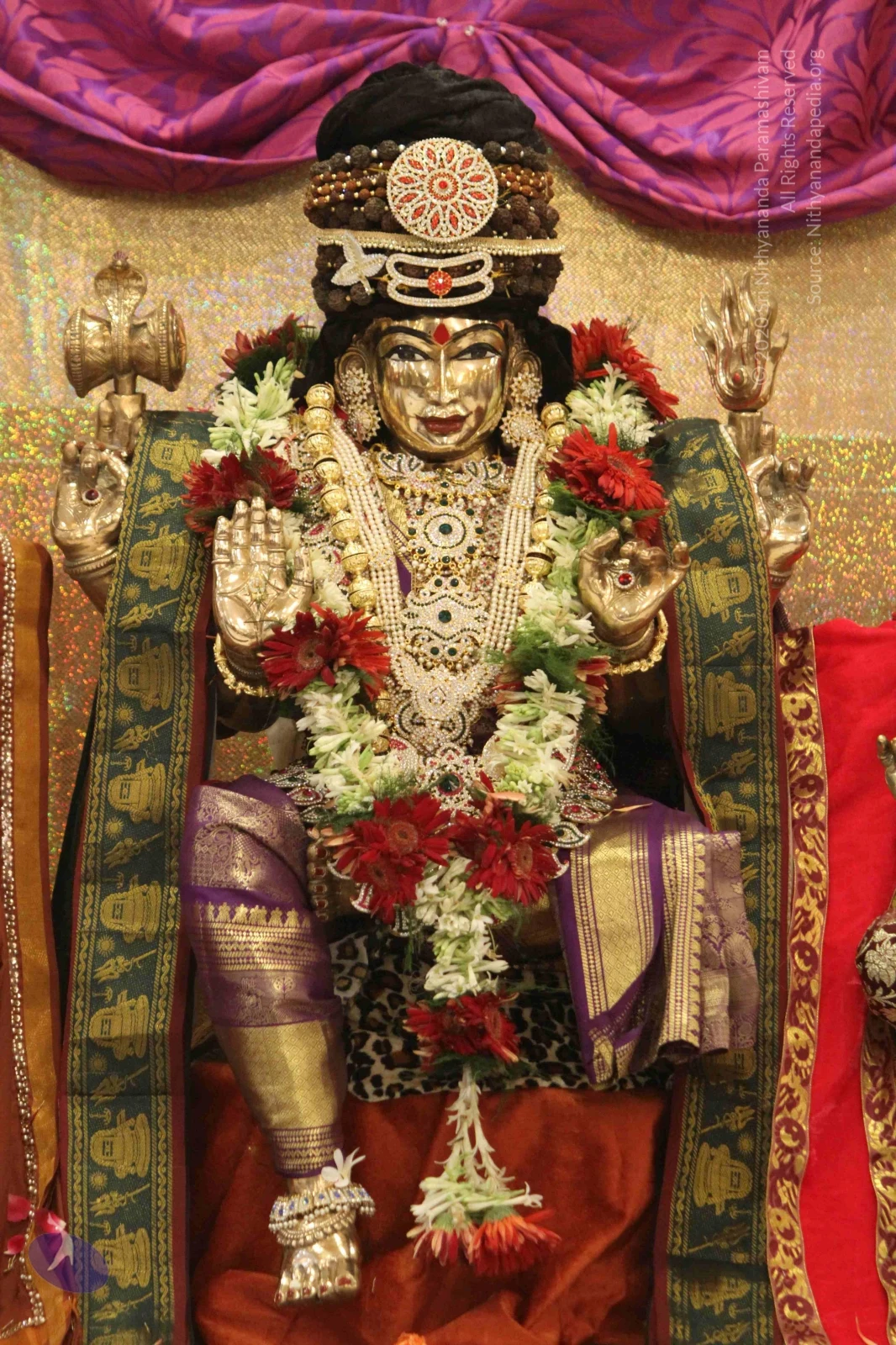
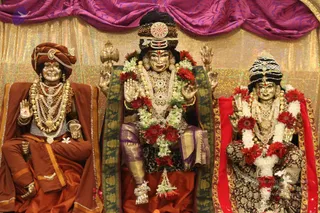
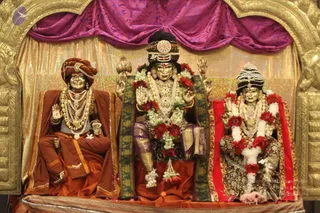
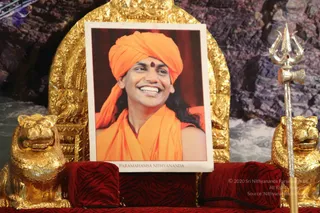
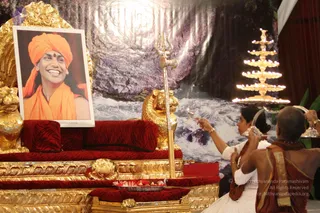
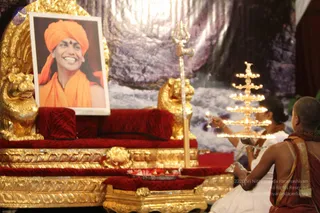
Three silver-finished murtis seated side by side on a golden shimmer backdrop under a magenta draped cloth. On the left, a seated male figure wears an orange-brown turban, ornate gold and beaded necklaces, and an orange-brown garment. The central figure, a deity murti with a crown bearing a Shiva lingam emblem, holds a trident and damaru-like implement in raised hands, wears layered necklaces and a purple and gold dhoti with a green-and-gold brocade shawl. On the right, a female figure wears a dark embroidered sari with a red border, a crown-like headdress and gold ornaments. All three are garlanded with white flowers and red blossoms. No physical people are visible; these are statues.Three figures seated side by side on a golden throne-like dais beneath a magenta and gold draped canopy. The figure on the left is a gilded statue in an orange-brown robe, orange and cream turban, and layered beaded and pearl necklaces. The central figure is a gilded deity murti wearing a jeweled crown, holding a trident and a damaru-like staff, with red flower garlands, a green and purple silk dhoti and gold anklets. The figure on the right is a gilded female murti in a dark patterned sari with a red shawl and white and red flower garlands. Red and pink flowers scatter the base. These are statues, not living people.A photograph of a printed portrait placed on an ornate gold throne-style seat. The portrait shows a smiling man in an orange turban, orange shawl and a red bindi, labelled "PARAMAHAMSA NITHYANANDA" in the caption strip at the bottom. Flanking the throne are two gold lion figures and a silver trident with a red stone. Red zebra-striped cushions sit in front, and a rocky, waterfall-like backdrop fills the background. Swamiji (probable) is shown as a depiction in the printed portrait, identified by the printed caption and the orange turban and shawl. No physical people are present.A gilded ceremonial throne draped with red velvet cushions stands before a rocky waterfall backdrop. On the left, a printed portrait labelled "NITHYANANDA" shows a smiling man in orange turban and orange robes, placed as a depiction on the throne. In the centre a golden trident rests beside the seat, with a bowl of red flowers below. On the right, a tiered golden lamp stand holds many oil lamps. Two people kneel at right: a woman in a white sari with a brown shawl holds a small oil lamp, and a shaved-headed man in a red-brown dhoti and shawl holds a plate of offerings. Their actions suggest an aarti-style lamp offering.A golden ornate throne with red velvet cushions and lion-head armrests stands empty before a framed portrait labelled "Paramahamsa Nithyananda". The portrait shows a smiling man wearing an orange turban, orange shawl and a red tilak mark. Beside the throne a golden trident stands upright. In the foreground a woman in a white sari holds a tiered golden oil lamp (aarti) with lit flames, and a seated priest in saffron-orange robes with a shaved head and rudraksha beads offers the lamp. A backdrop shows a waterfall scene, and flower offerings sit on a golden tray.A seated man in ochre-saffron robes sits cross-legged on an ornate gold throne flanked by golden lion figures and red tiger-striped cushions. He wears a rust-red turban decorated with a silver crown ornament, a long rudraksha-style mala of gold beads around his neck, and gold-beaded armbands. A tall silver trident stands beside the throne. Behind him is a backdrop of rushing water and rocky cliffs. Swamiji (probable) is shown in this throne setting, wearing a red-orange turban, saffron robes and a gold necklace; the throne and trident mark him as the honoured teacher seated for satsang.

Kalpataru Darshan

32 photosSource gallery
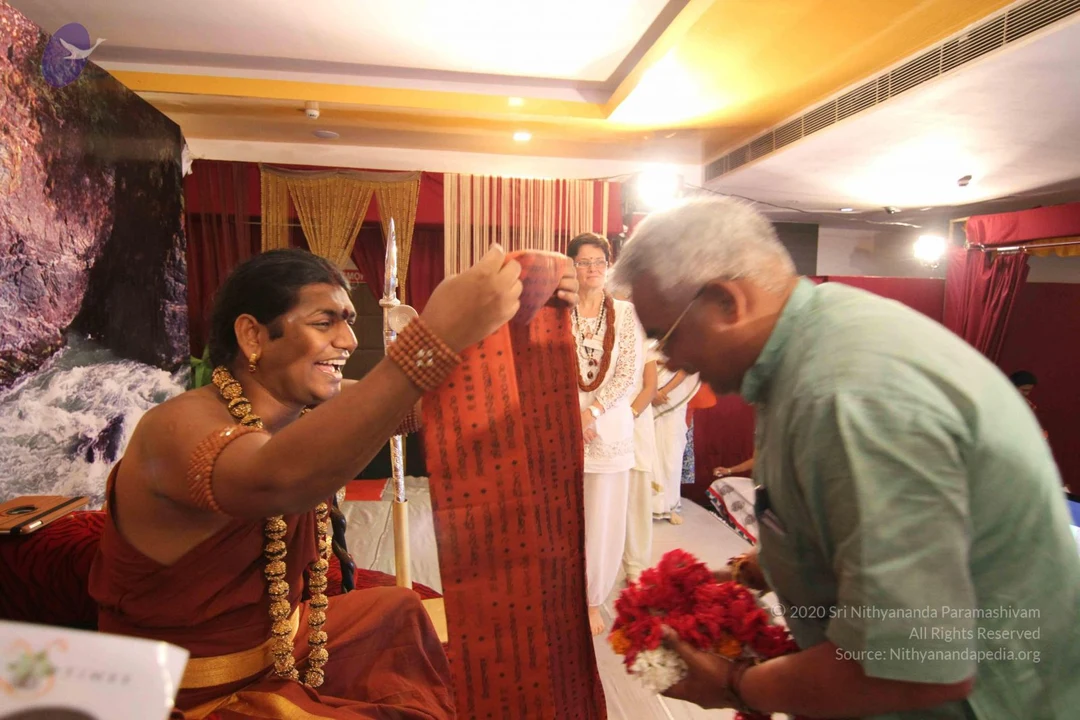
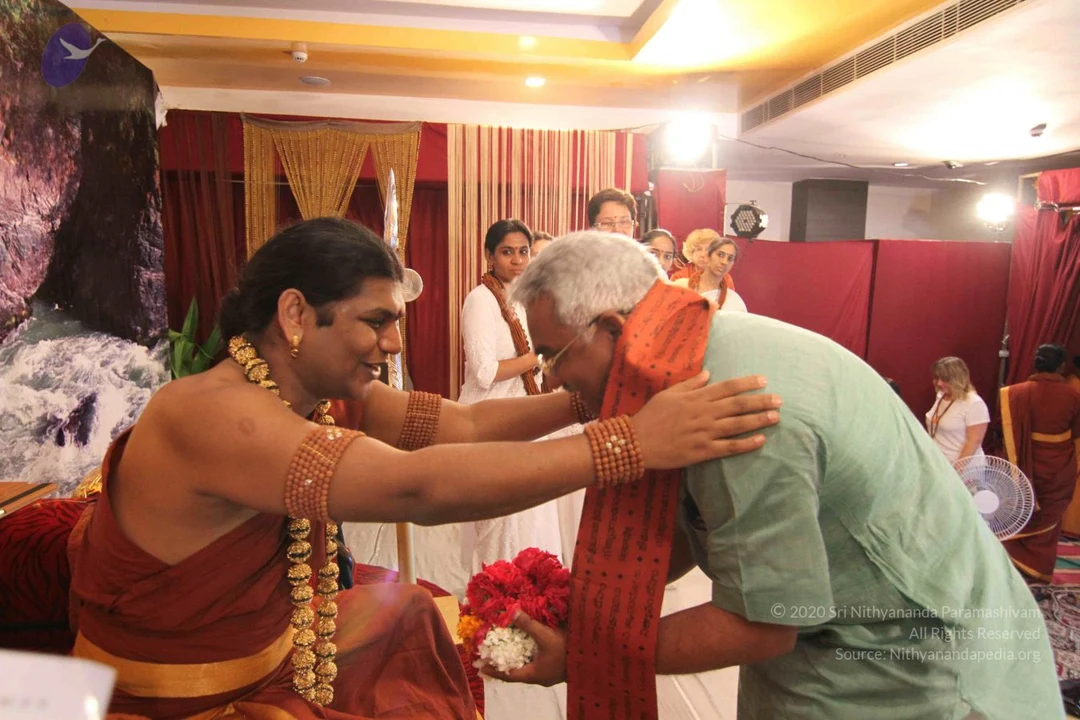
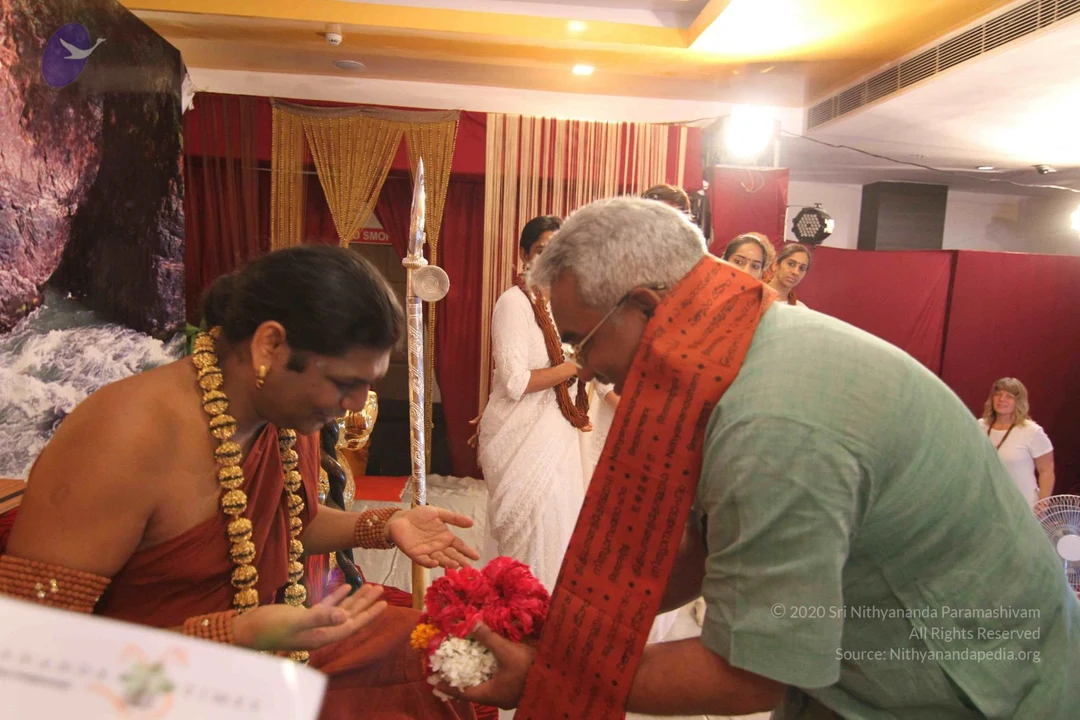
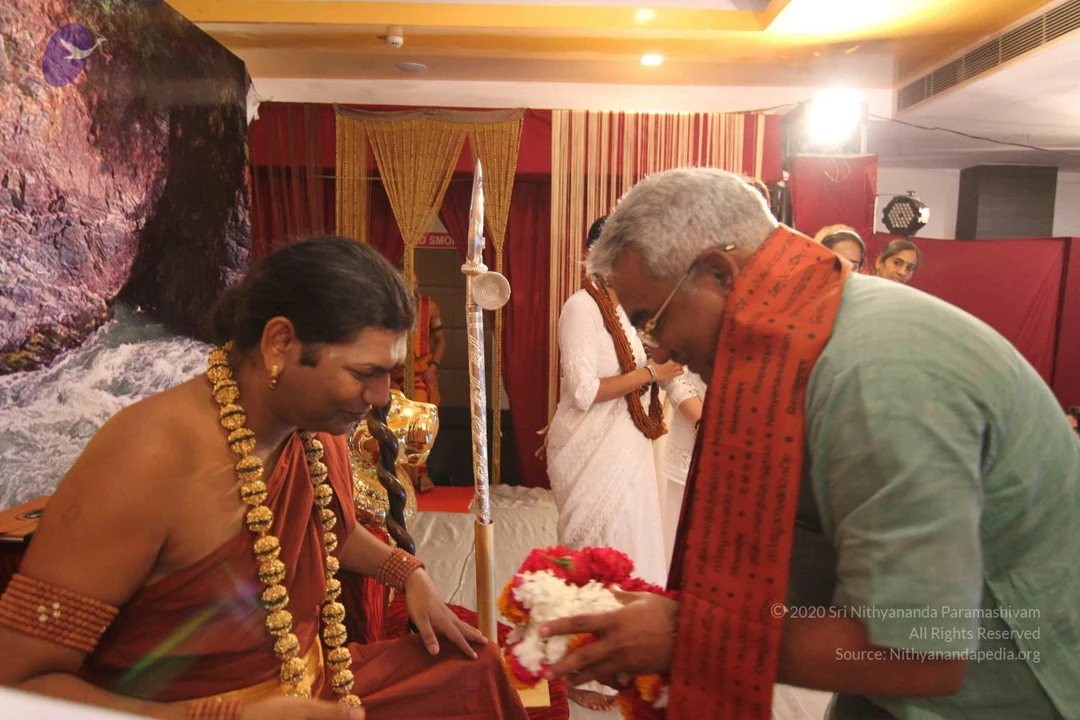
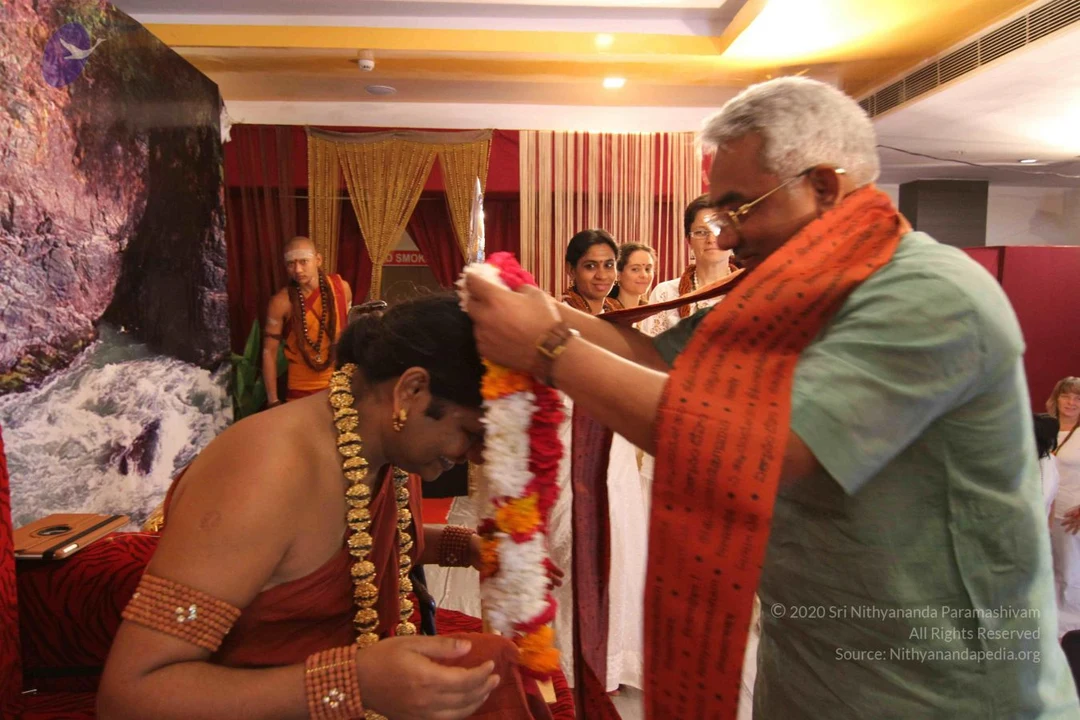
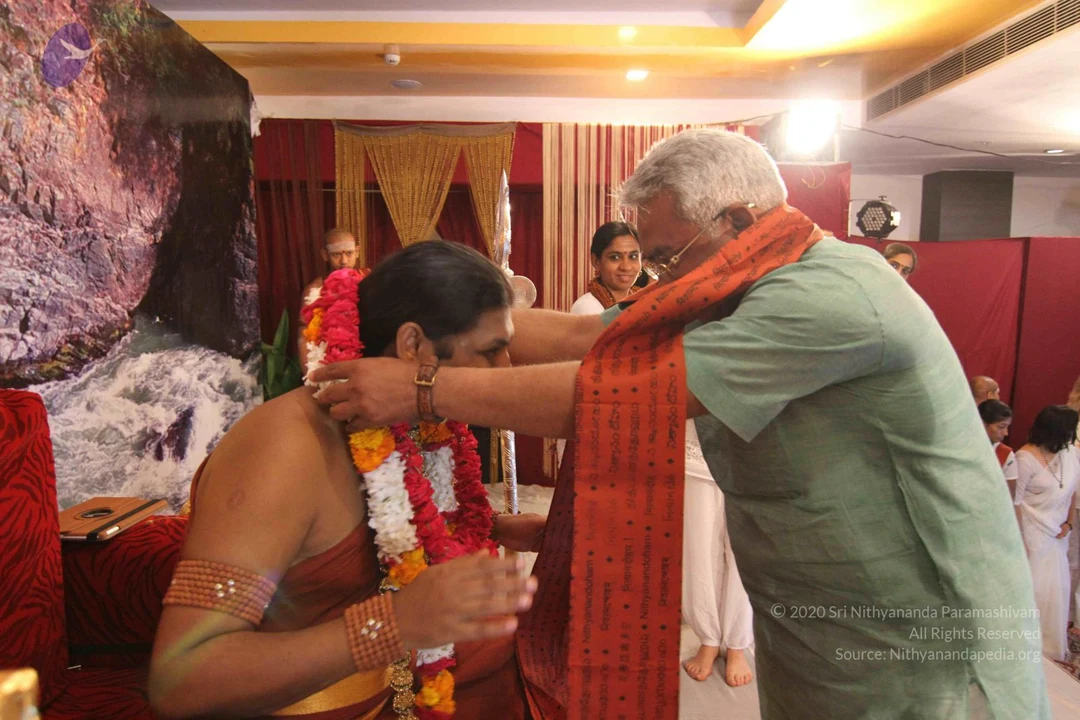
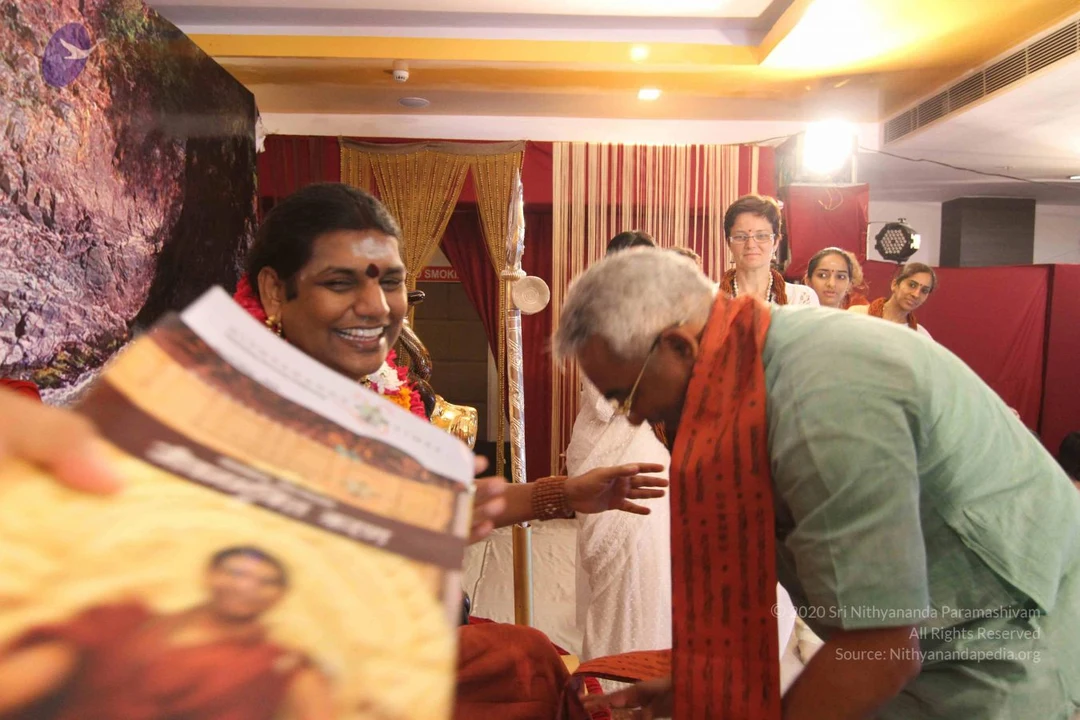
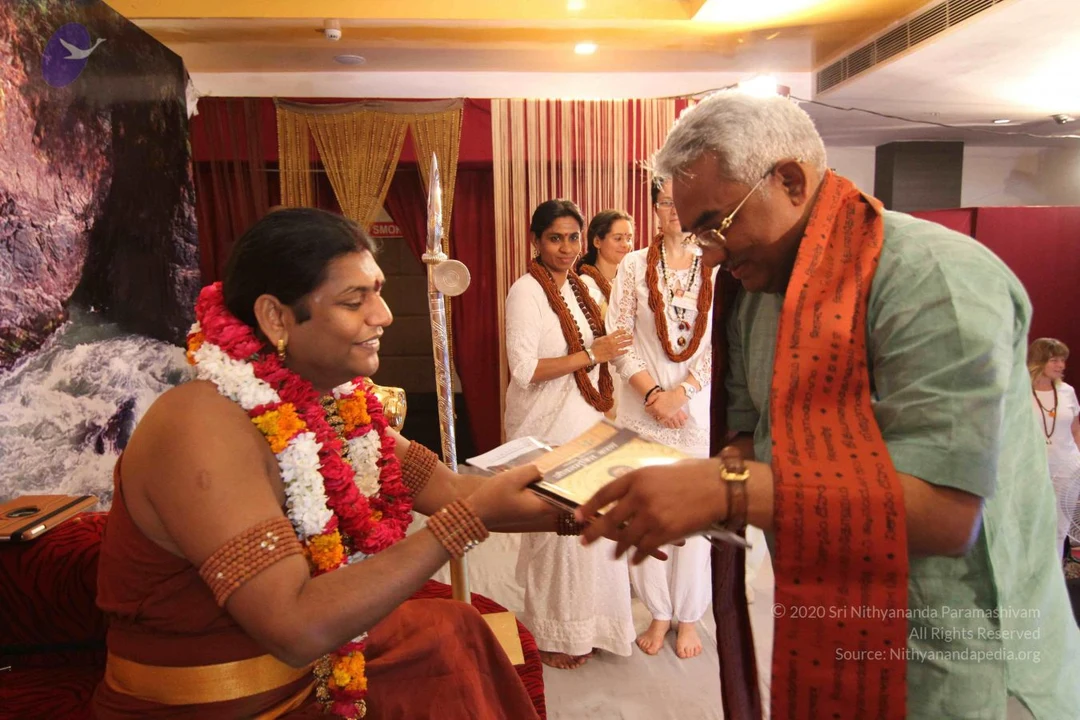
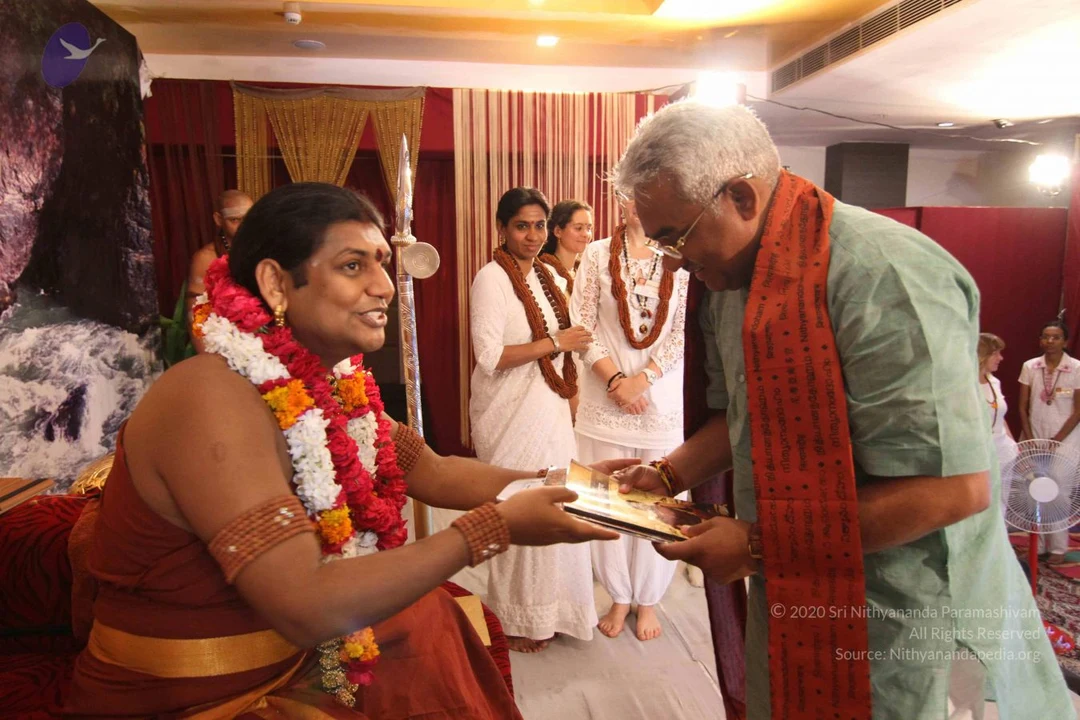
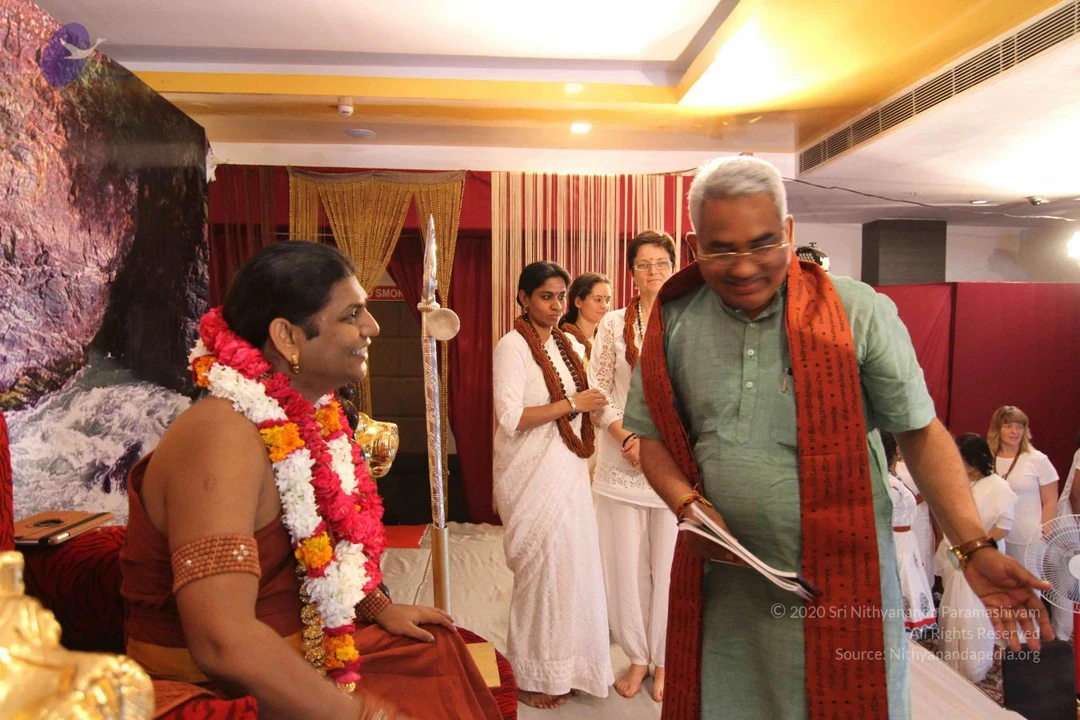
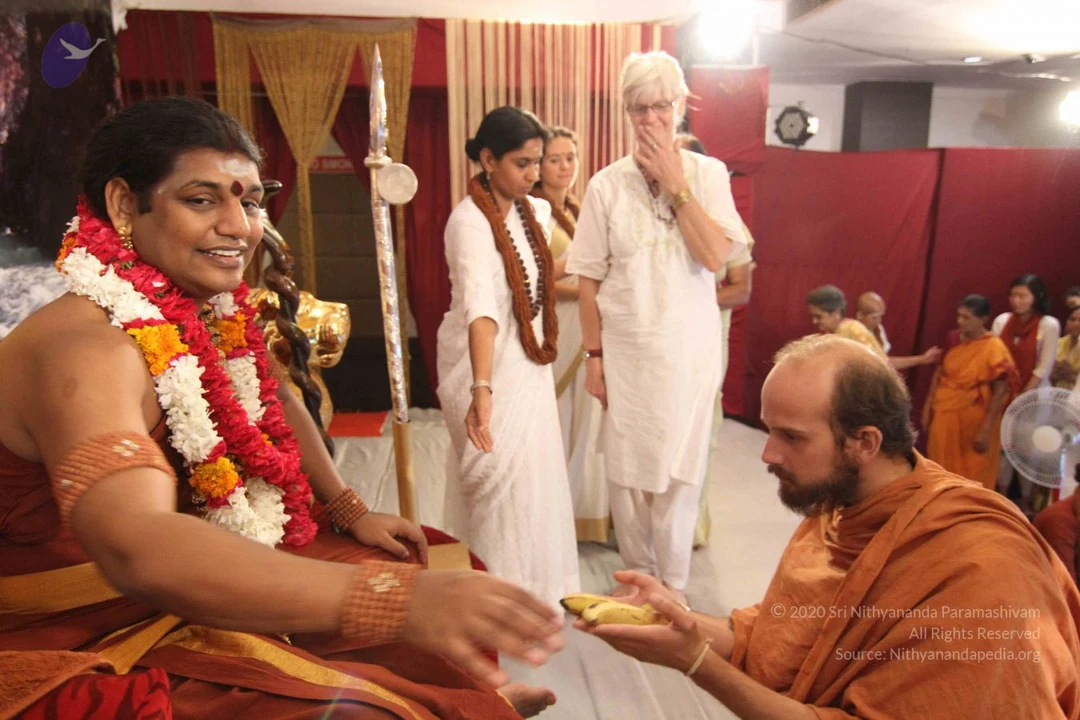
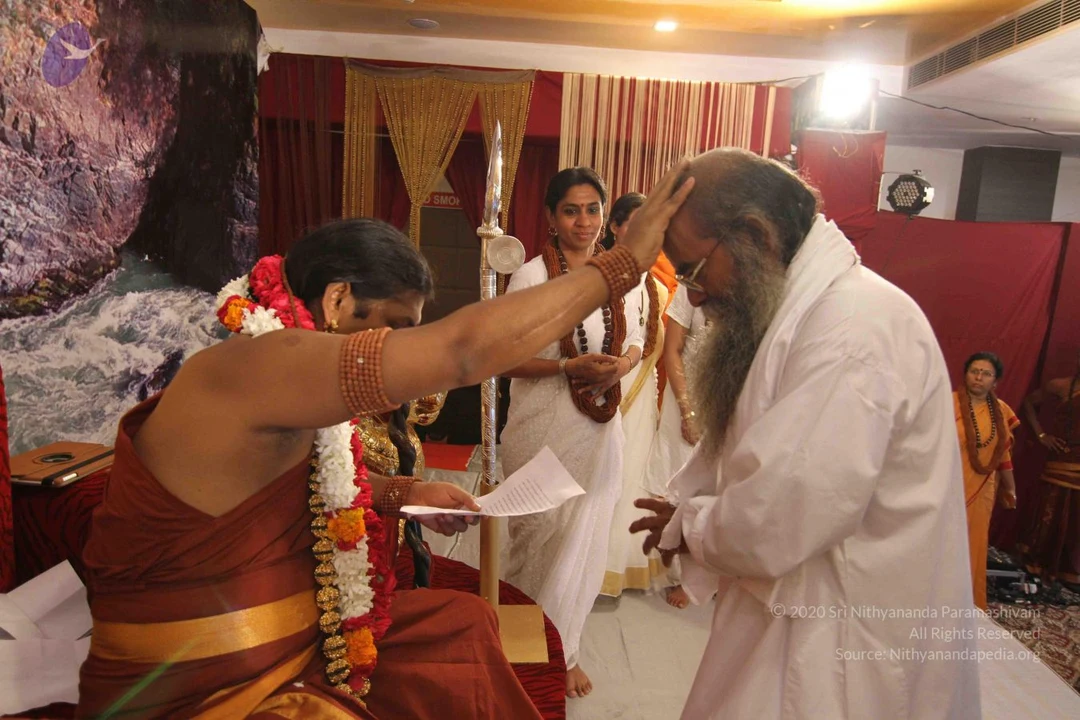
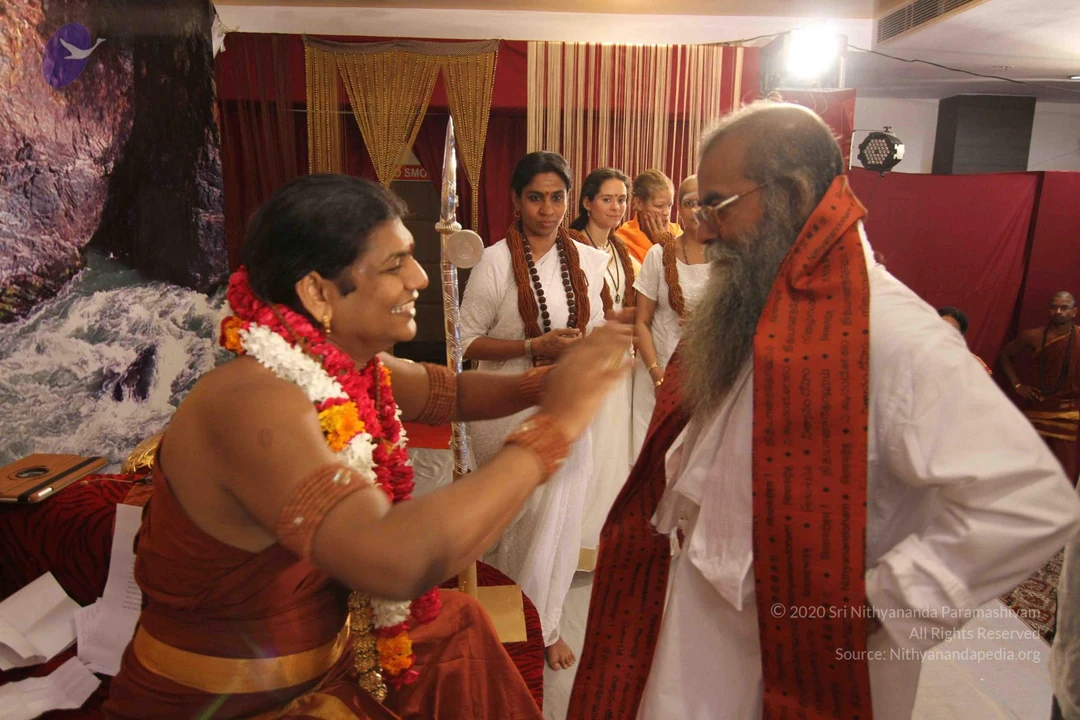
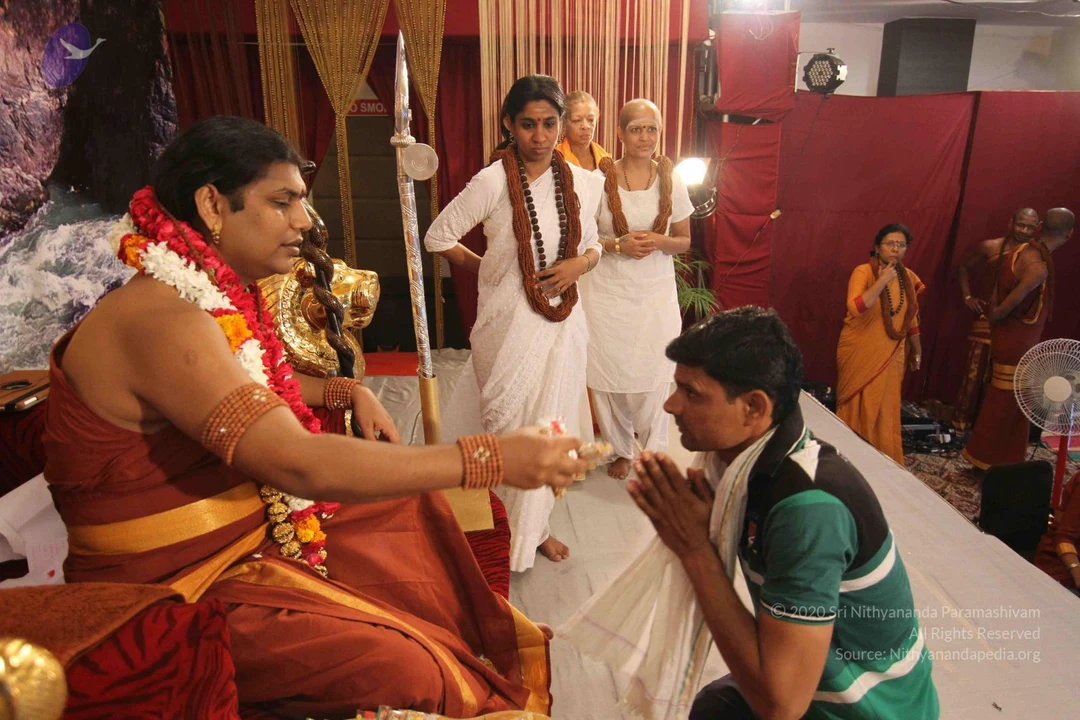
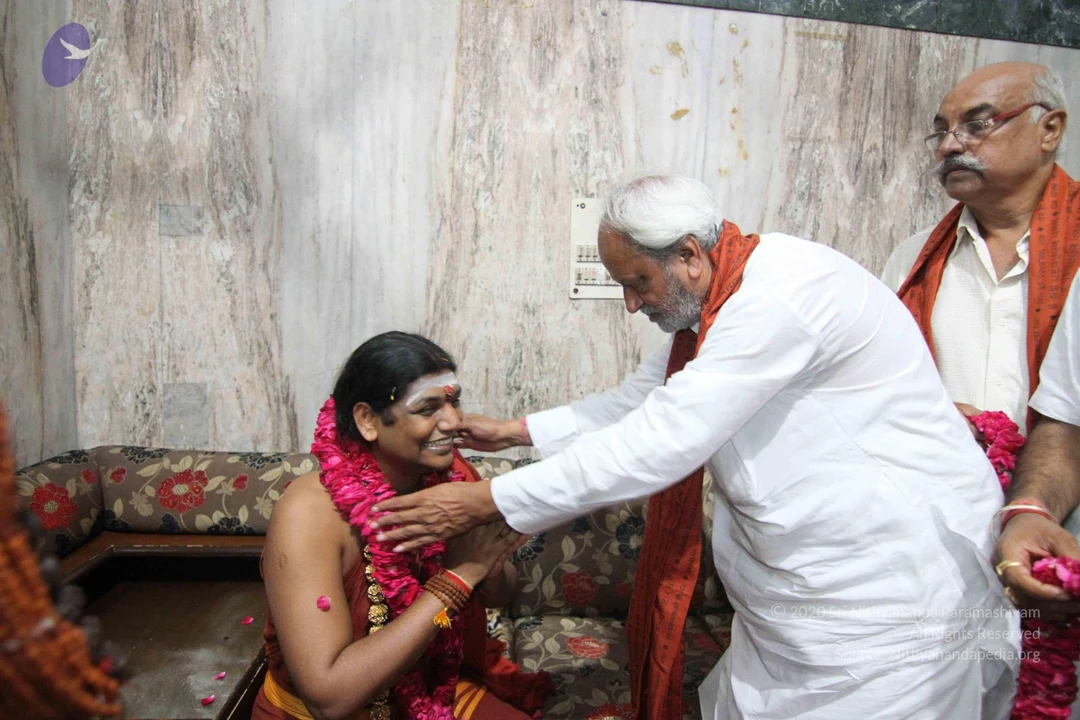
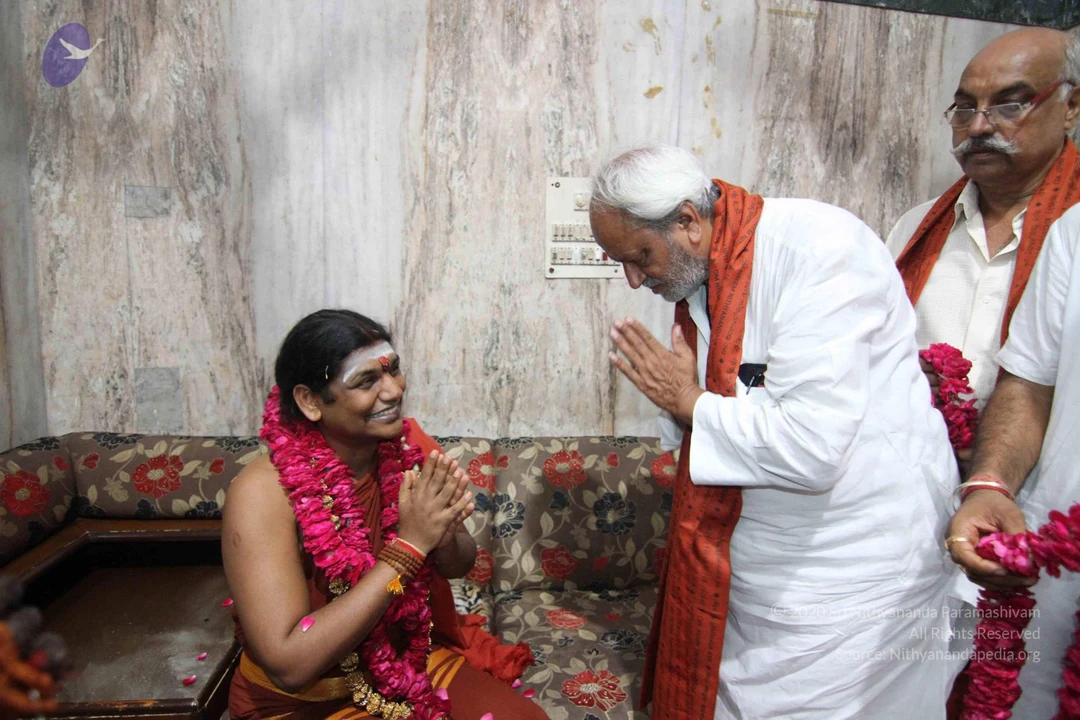
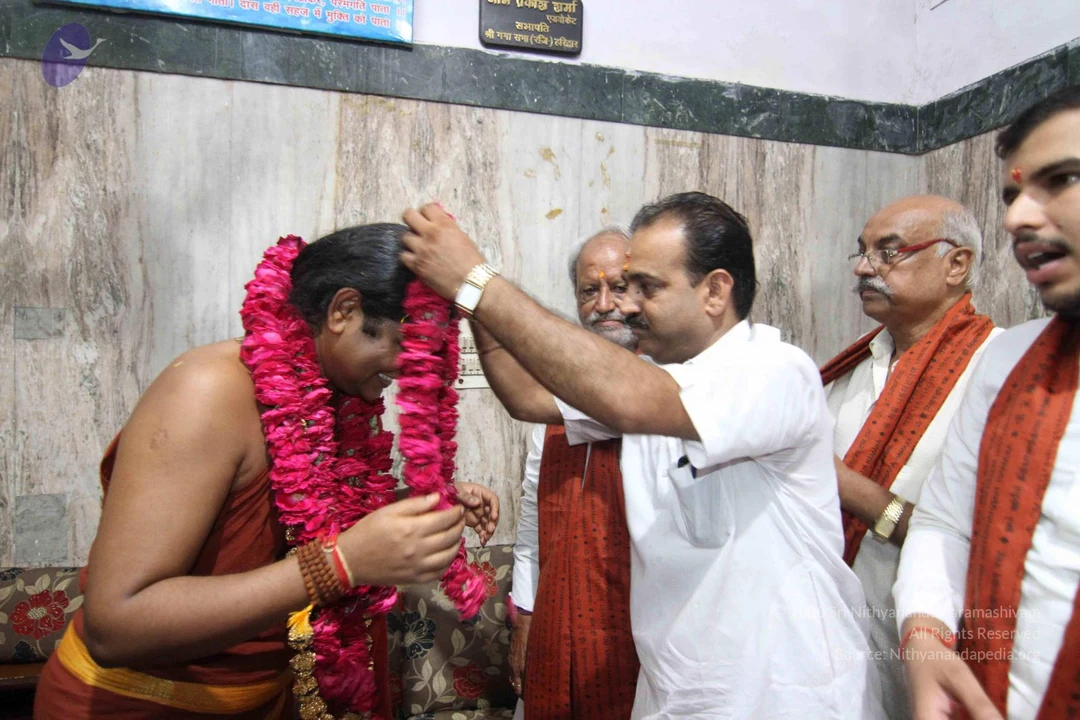
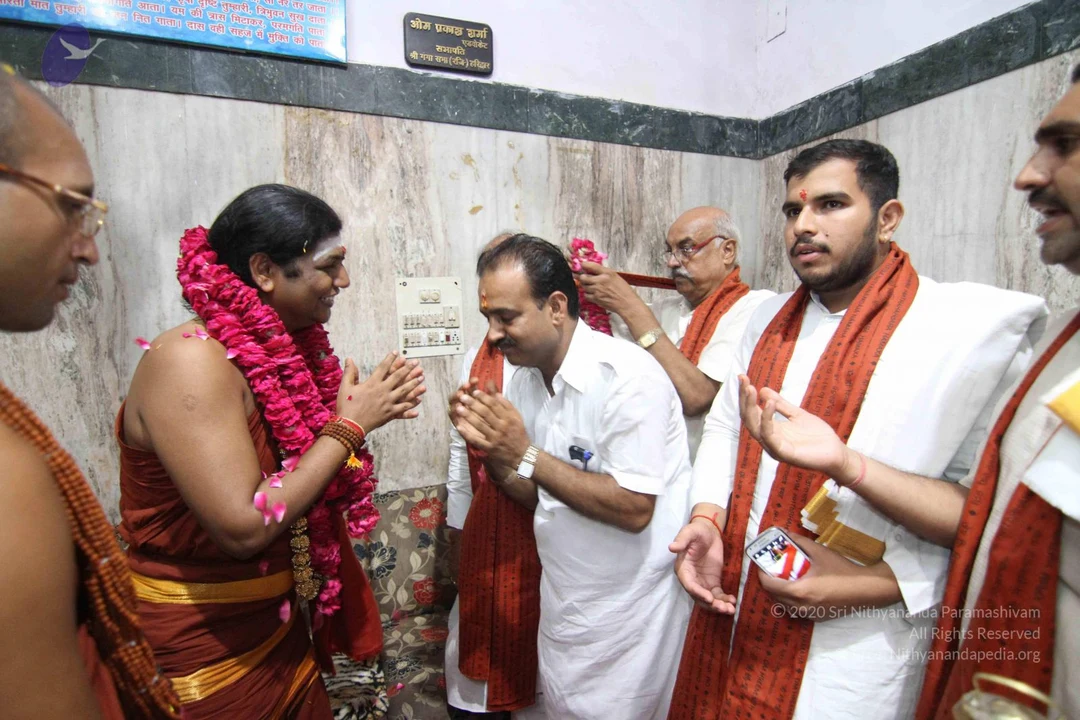
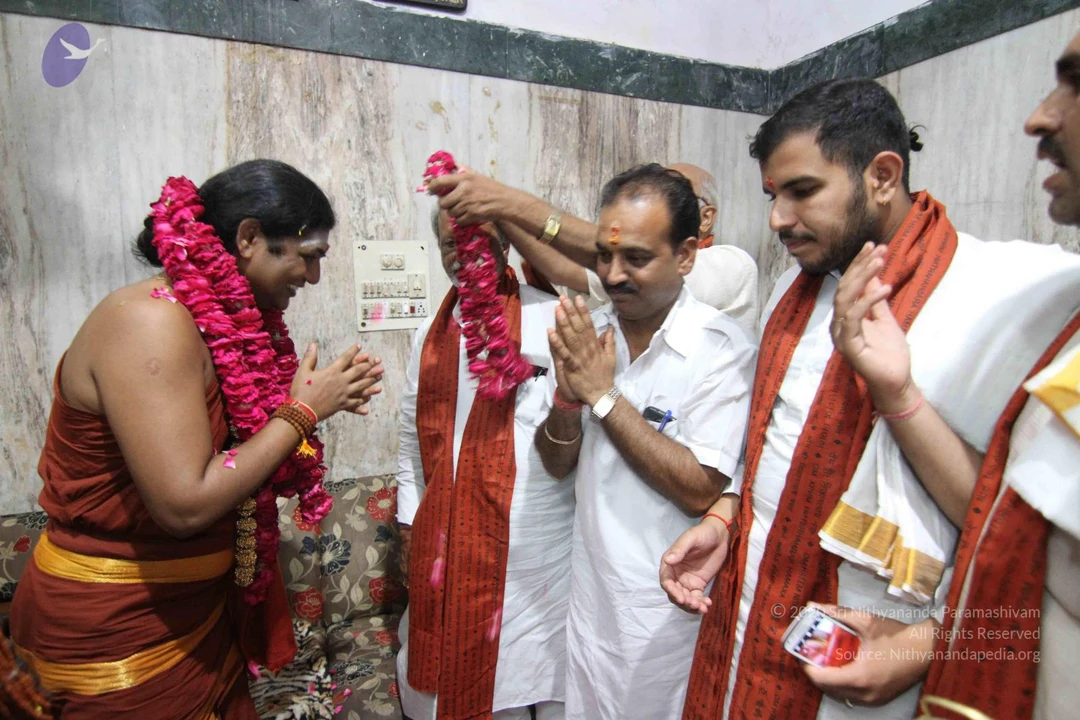
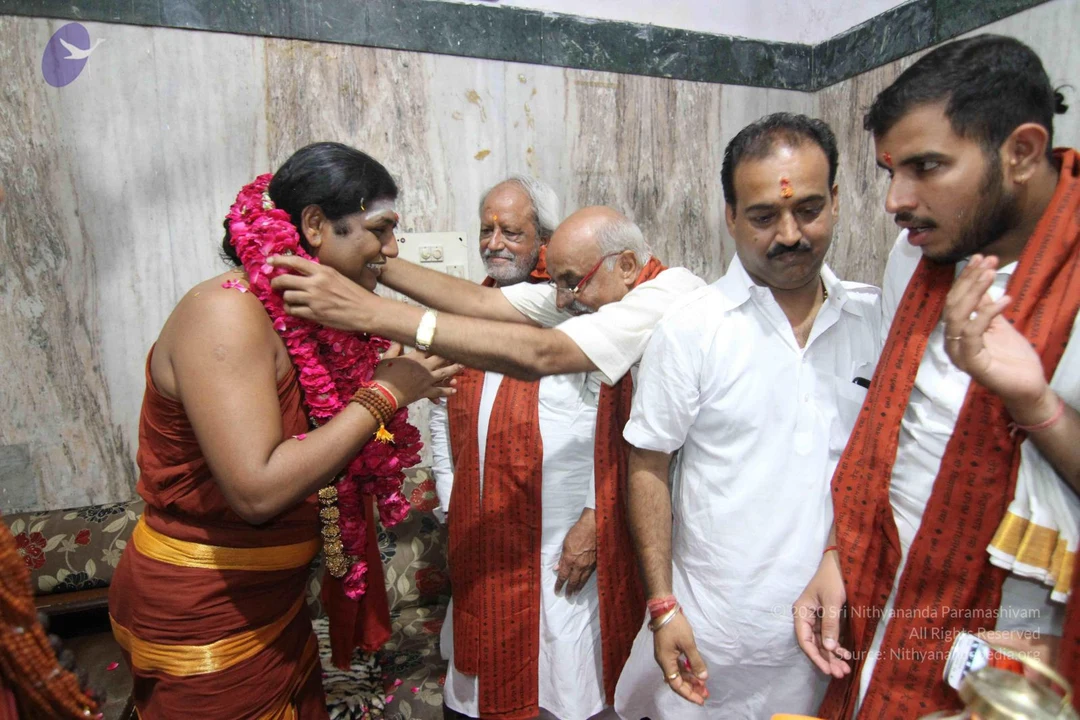
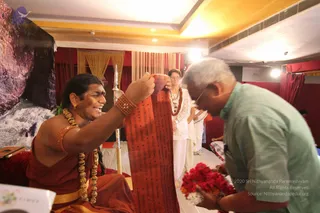
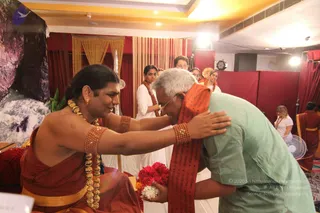
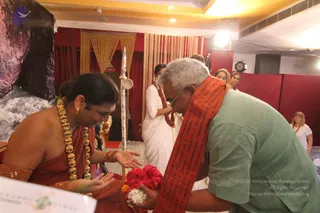
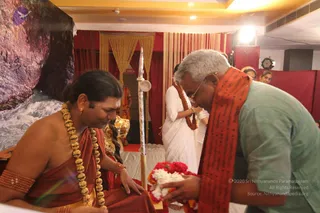
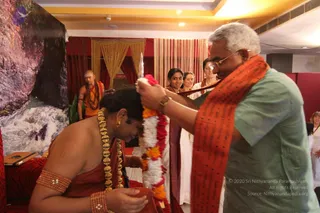
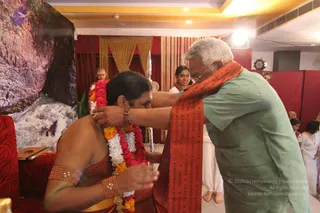
A photograph of a seated man in saffron-red robes with a gold necklace of beads and bangles, smiling broadly as he holds up a long red and black patterned cloth, facing a standing man in a green shirt and glasses who bends forward holding a red and white flower garland. A woman in white with a rudraksha-style beaded necklace stands behind, and a red-draped room with a rock-and-waterfall backdrop and a staff-like pole is visible.Photograph of an indoor event in a decorated room with red drapes and gold curtains. A seated person in a rust-orange garment with a rudraksha bead bracelet and layered gold necklaces places a hand on the shoulder of a bowing man with white hair, wearing a sage-green shirt and an orange shawl with black patterns, who holds a bundle of red and white flowers. Behind them, women in white and orange shawls stand near the curtains, and a fan and a backdrop of a waterfall are visible.A seated figure in orange-red robes with a long gold-bead necklace and rudraksha bracelets receives a visitor. The seated figure extends open hands palm-up toward a man in a green shirt who bows deeply with a red-and-white flower bundle in his hands and an orange shawl with dark printed script draped over his shoulders. Behind them a woman in white with a rudraksha mala stands near a silver staff, and a few women in the background watch beside red curtains and a cave-like backdrop with waves. a person is seated, appearance-based cues include the orange robe, gold necklace and rudraksha bracelets, but the face is not clear enough to confirm identity.A seated man in rust-orange robes and a long gold bead necklace, with a braided ponytail and gold bracelets, sits on a raised platform before a rocky waterfall backdrop. A devotee in a grey-green kurta with an orange shawl bows low and offers a garland of red and white flowers. Behind them a silver staff topped with a disc stands beside a golden figure, with red and gold drapes and a white-clad woman bowing in the background. Whether the seated figure is a person cannot be determined from appearance alone.A photo from an indoor satsang hall with red and gold drapes and a painted rocky waterfall backdrop on the left. In the foreground, a bowed woman in a red-orange sari with a gold-bead necklace and beaded bracelets receives a white and orange flower garland placed over her head by a grey-haired man in glasses wearing a green shirt and an orange shawl printed with script. Behind them, a shaved-headed man in an orange robe with a rudraksha mala stands, and several women in white and cream clothing watch. A person's identity is not established by appearance here, so the seated figure and standing man are described by role only. The visible count is six people.A photograph of a formal indoor ceremony in a room with red and gold drapes and a painted rock-and-waterfall backdrop. A seated woman in a rust-brown sari with a white-pink-orange flower garland is bowed toward by a man with white hair and glasses, wearing a sage-green kurta and an orange shawl with dark printed patterns, who places his hand on her shoulder. Behind them a woman in white and a shaved-headed man in white stand near the seating, and a few more people in white are visible at the right edge.

Inner Aewakening-Sessions

5 photosSource gallery
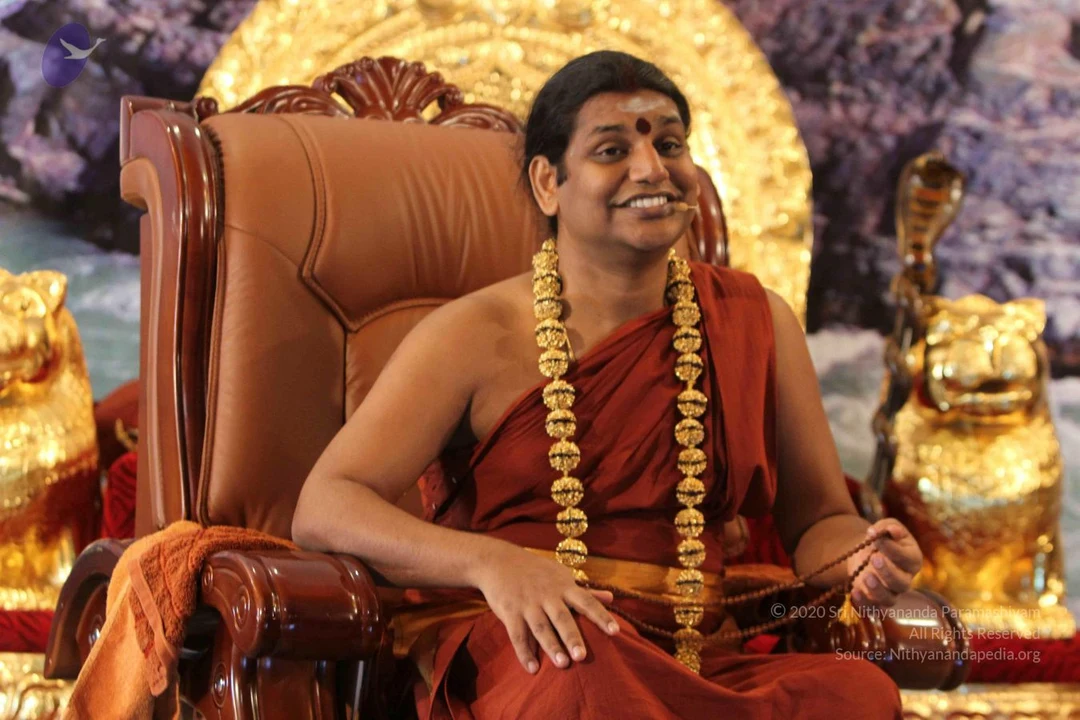
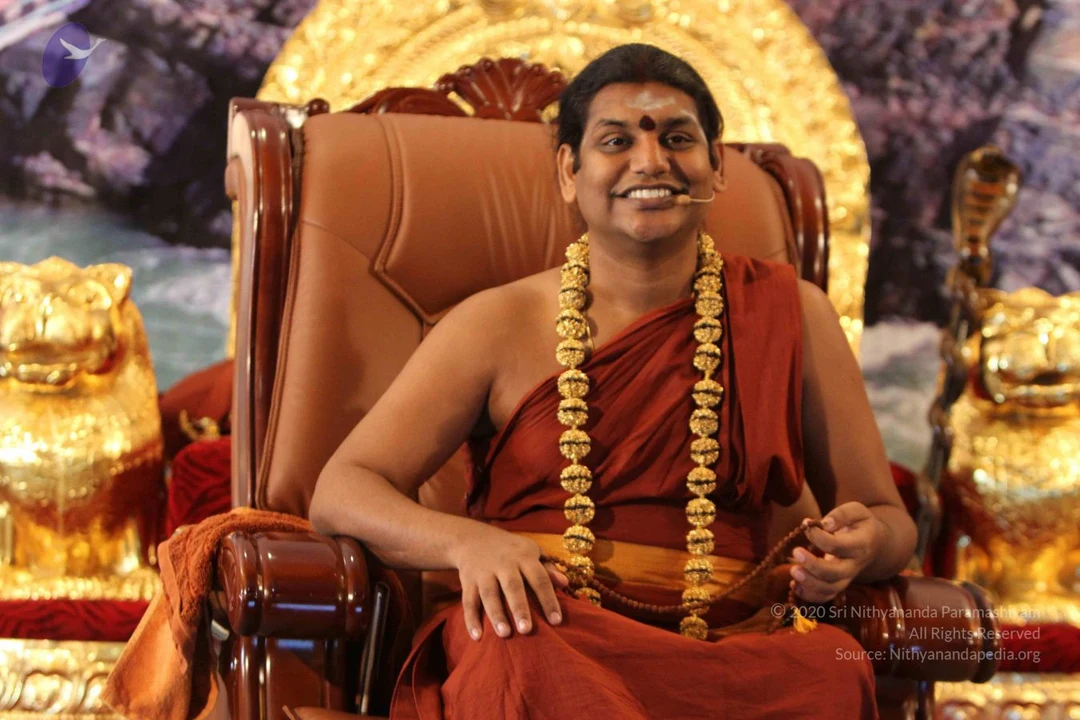
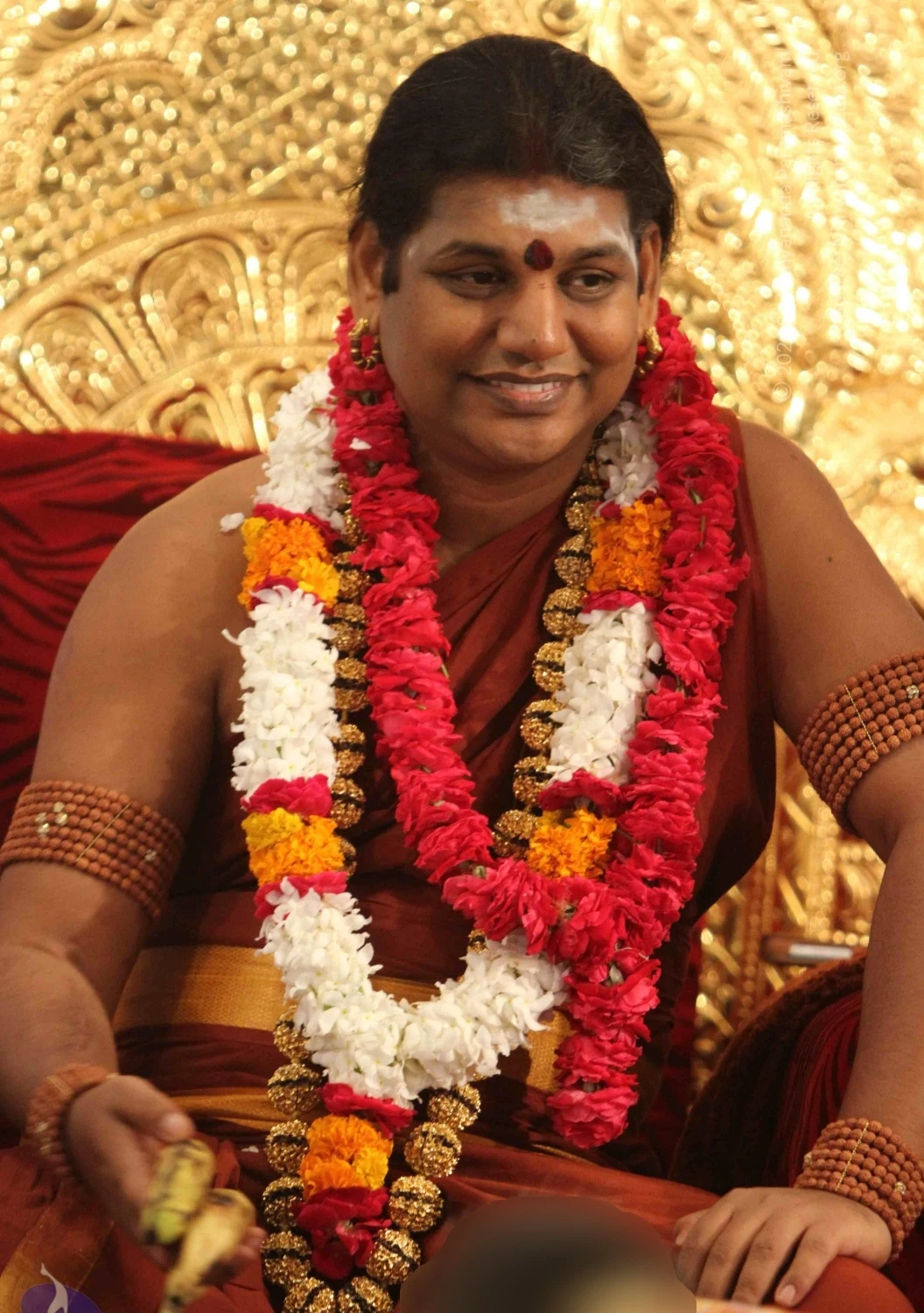
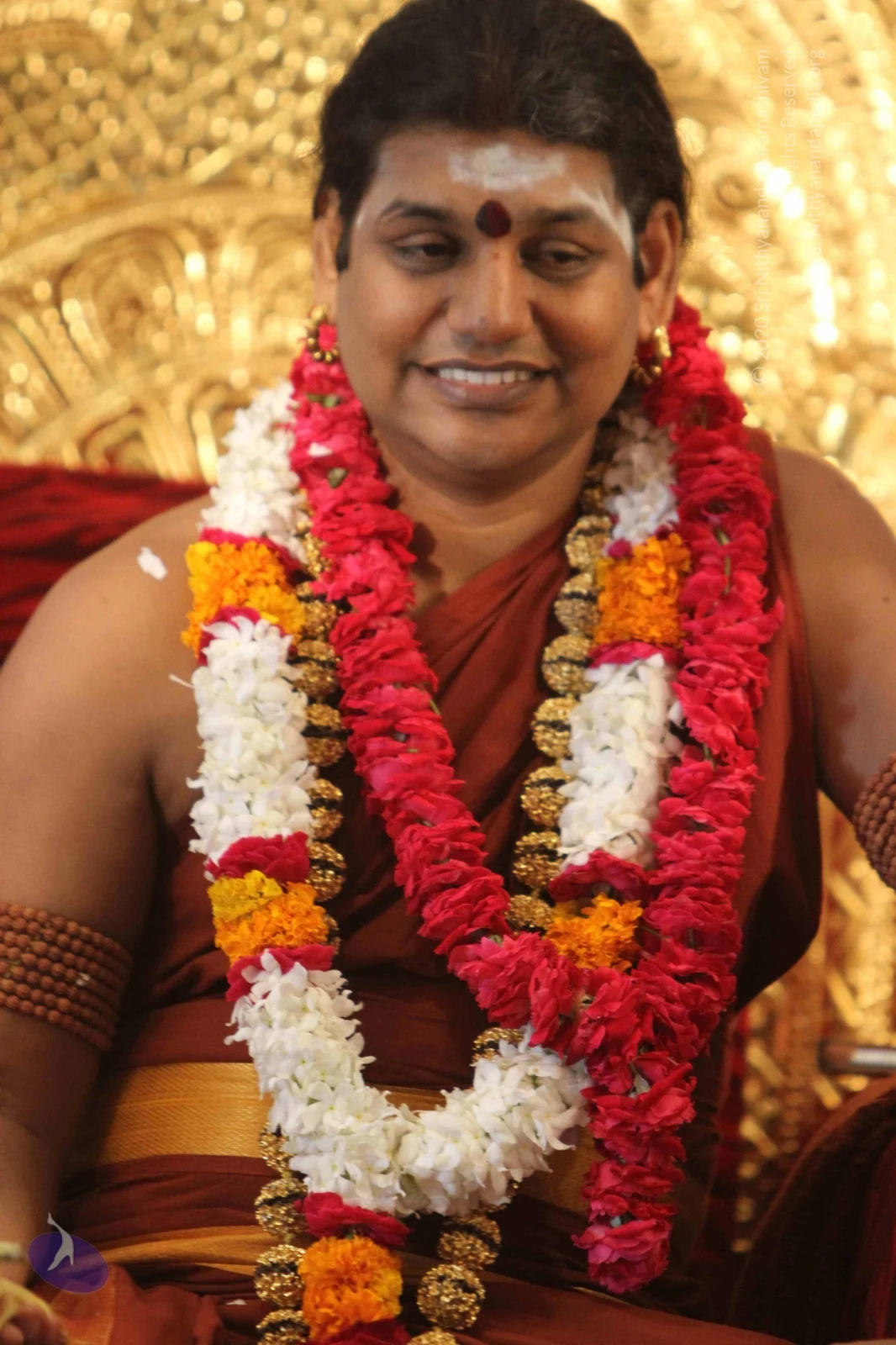
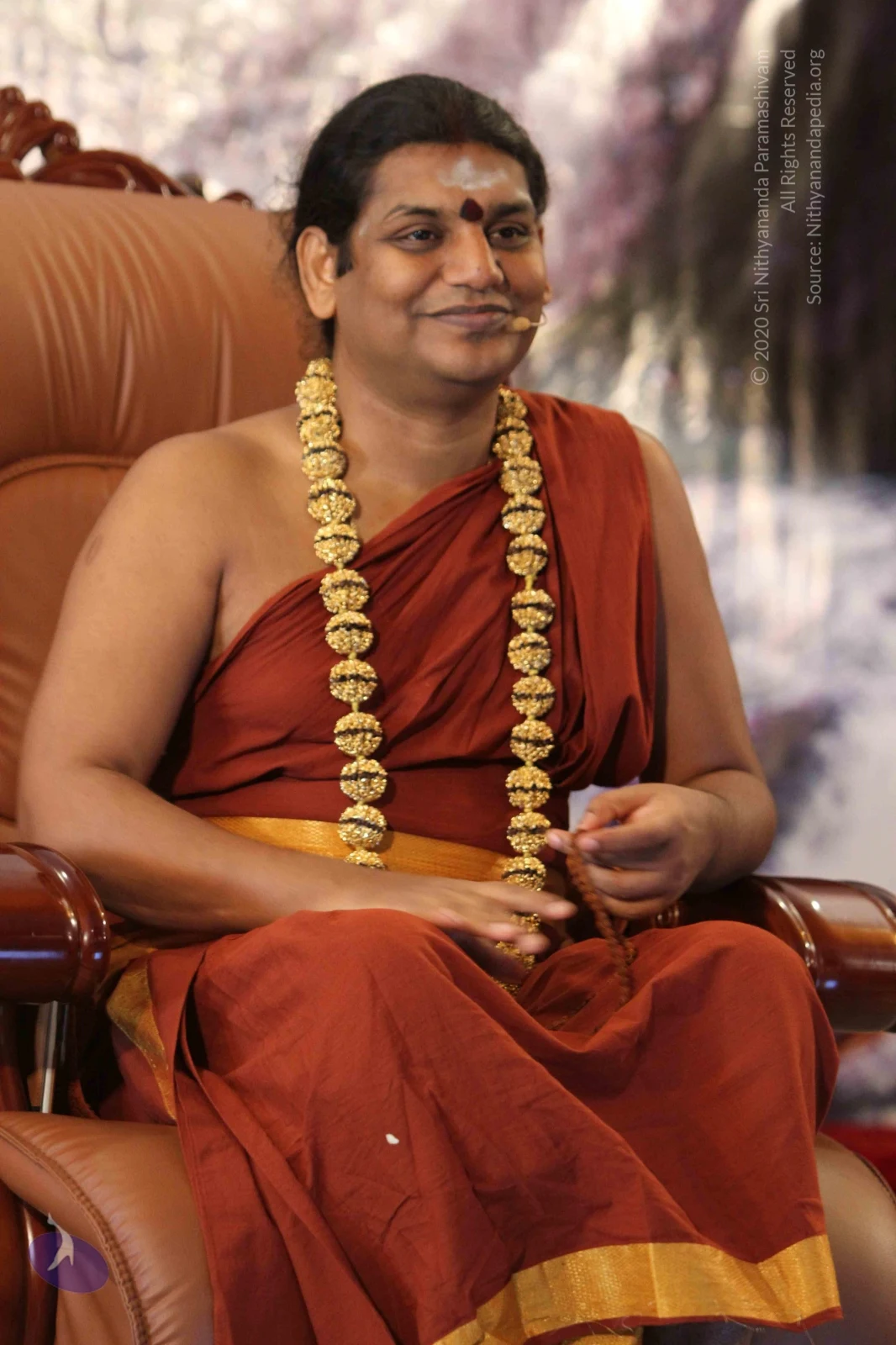
A man seated on an ornate brown leather throne-style chair with carved wooden armrests, smiling and looking to his right. He wears a saffron-orange draped garment over bare shoulders, a heavy gold bead necklace of large ornate beads, and a red-and-white tilak on his forehead with long dark hair swept back. His right hand holds a rudraksha mala, and an orange cloth lies over the left armrest. A blurred pink-and-white floral backdrop with a waterfall-like scene fills the background.A photograph of a smiling man seated on an ornate brown leather throne with carved wooden arms and a tall gilded back. He wears a rust-orange saffron robe draped over one shoulder and a long ceremonial necklace of large gold-toned beads, with a red bindi on his forehead and a small headset microphone at his ear. Gold lion-form armrest ornaments flank the throne, a gold cobra figure stands at right, and a painted mountain-and-sky backdrop fills the background. a person: the orange robe, rudraksha-style gold beaded necklace and ceremonial throne match the page's description of a person at a satsang, so this is.A smiling man in a rust-orange robe sits on a large brown leather throne-style chair with carved wooden armrests. He wears a long double strand of gold-toned beaded rudraksha-style malas across his chest and a golden-brown sash tied at the waist, with a red bindi and white tilak on his forehead and a small microphone clipped near his face. Behind him stands a large gilded halo-like backdrop, and golden lion-shaped sculptures flank the chair on both sides. a person is seated, identified by his ornate gold malas, saffron robe and ceremonial seat; he is presented as a speaker during a discourse, with his hands resting on his sash.A smiling man with short dark hair and a red bindi sits on a brown leather throne-style chair with carved wooden arms. He wears a rust-red saffron wrap draped over bare shoulders and a long gold necklace of large rudraksha-style beads, holding a beaded mala in his right hand. Golden lion figures flank the chair, a golden cobra sculpture stands at right, and a large gold halo-like backdrop with a painted rocky waterfall scene sits behind him. A small orange towel rests over the left armrest.A smiling man in saffron-orange robes sits on an ornate brown leather throne with carved wooden arms and a gold-framed backrest. He wears a dark red bindi and vibhuti on his forehead, a small microphone at his cheek, and a long gold necklace of large beaded rudraksha-style ornaments. He holds a rudraksha mala in his right hand. Flanking him are gilded lion-head statues, and behind the throne is a gold arch against a painted backdrop of mountains and water.

Haridwar-IA-Ganga Aarathi
335 photosSource gallery
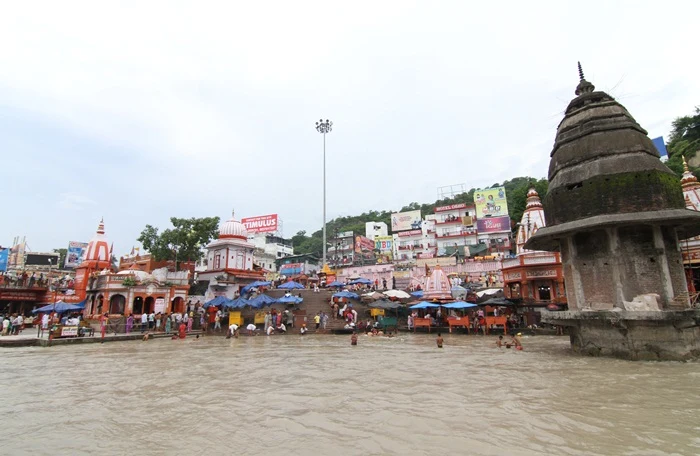
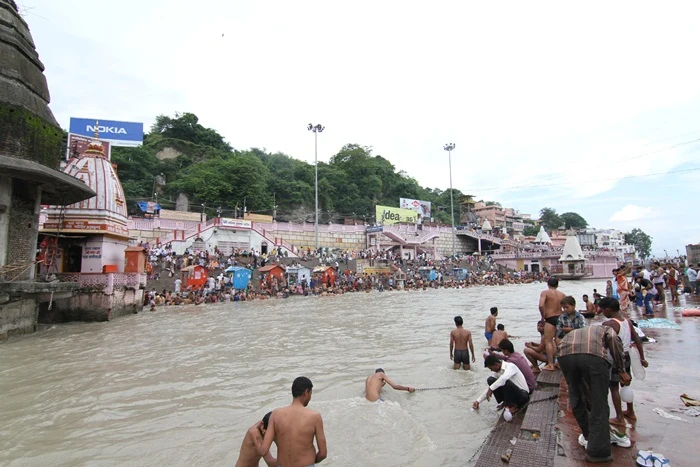
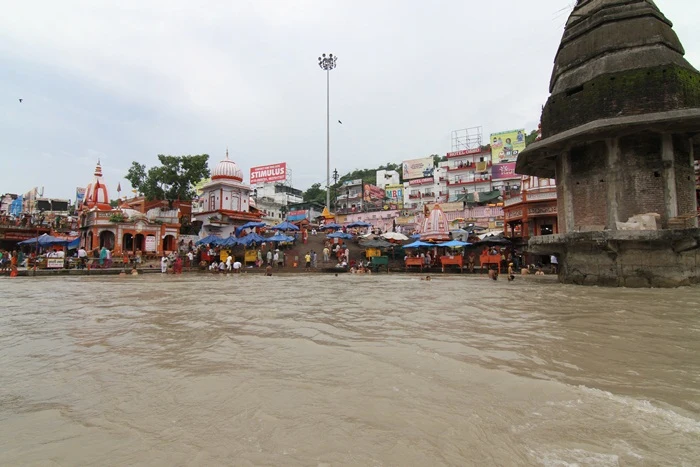
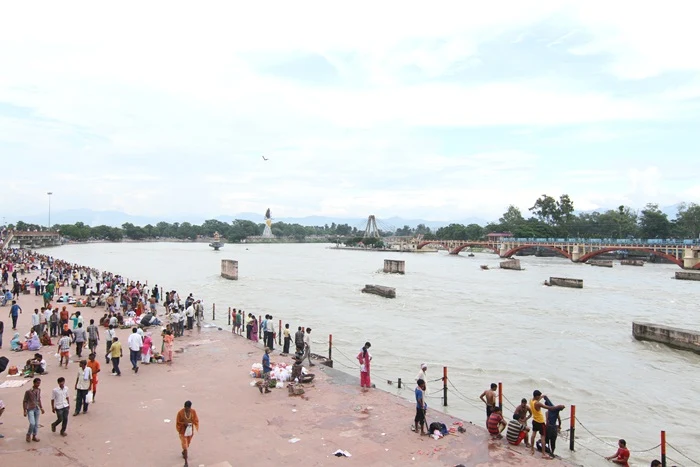
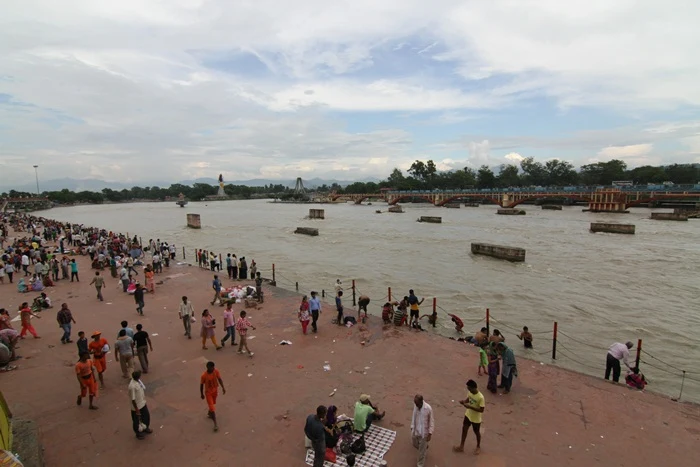
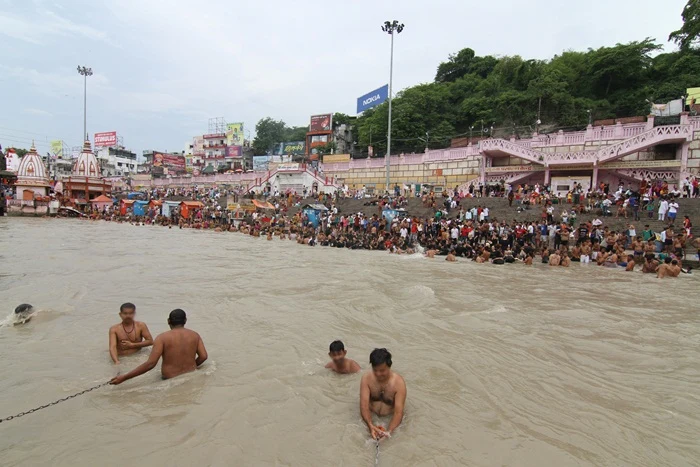
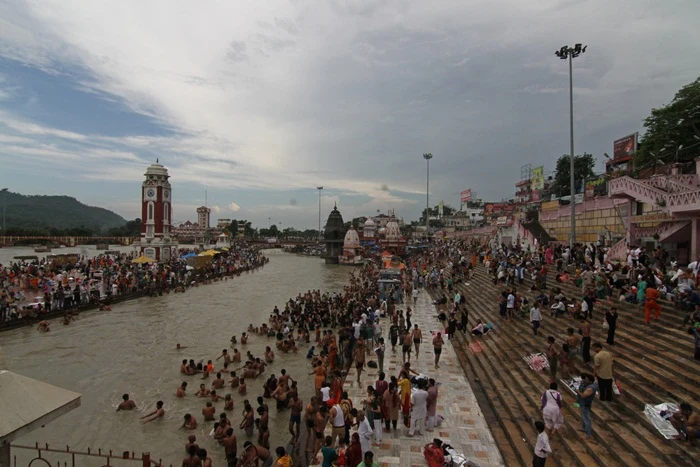
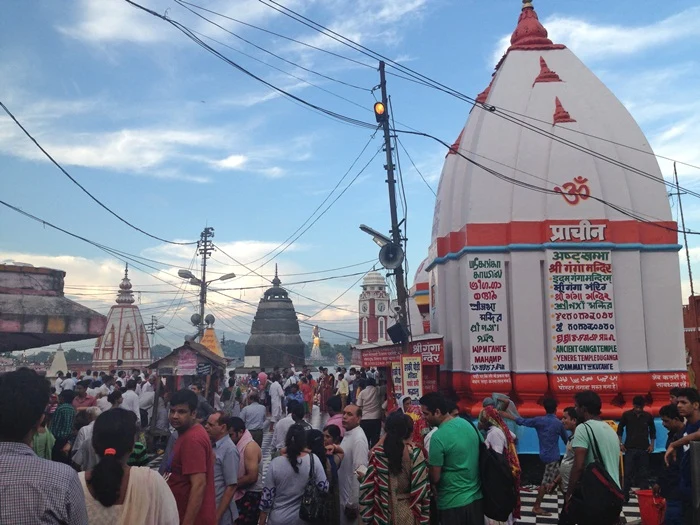
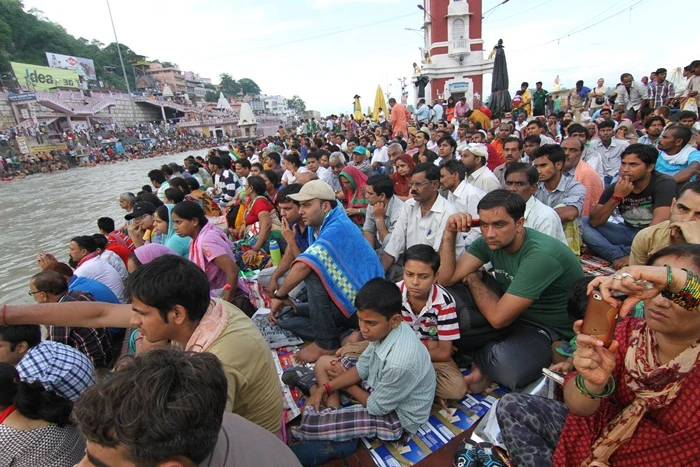
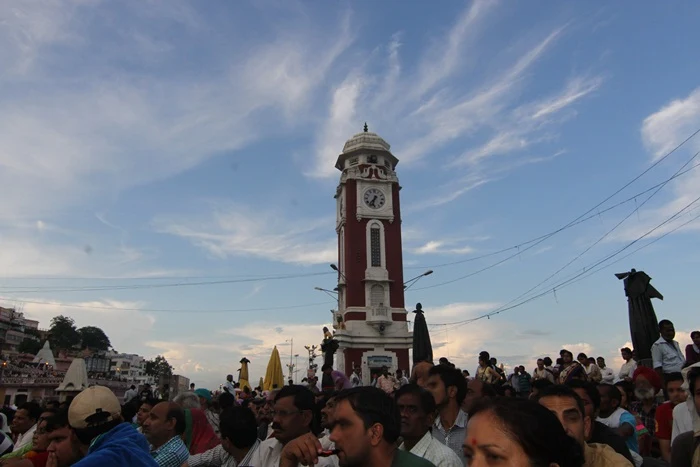
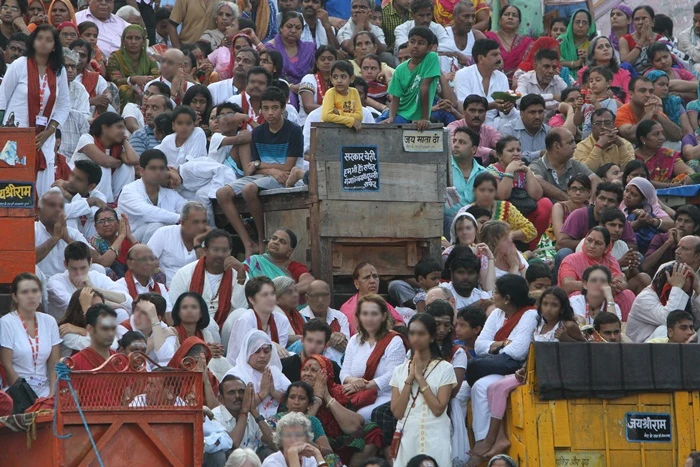
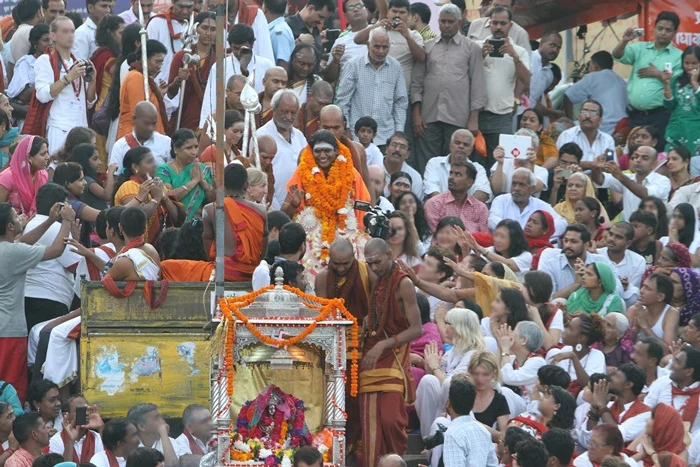
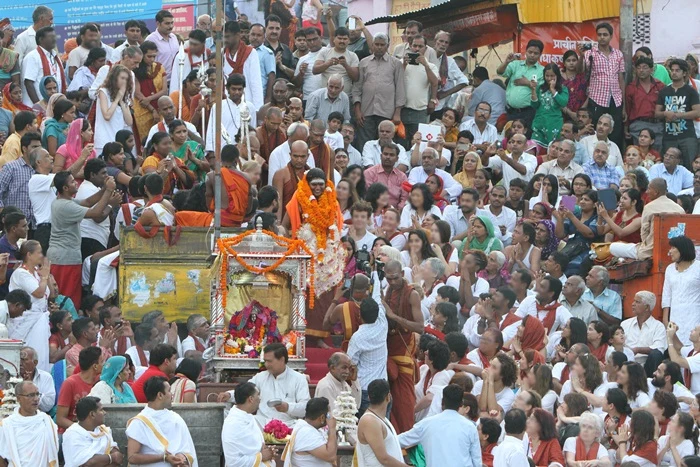
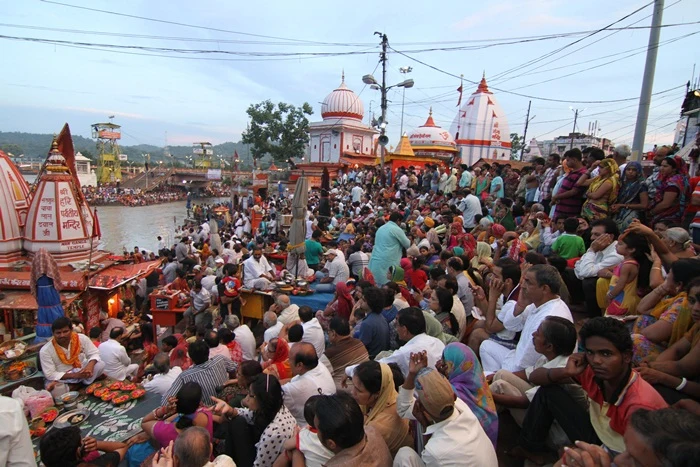
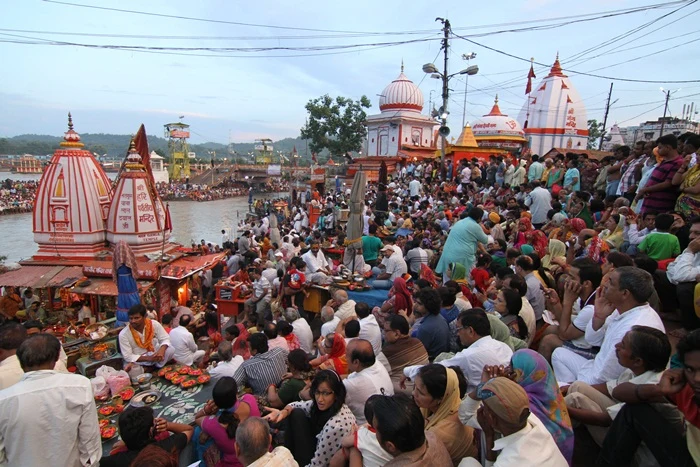
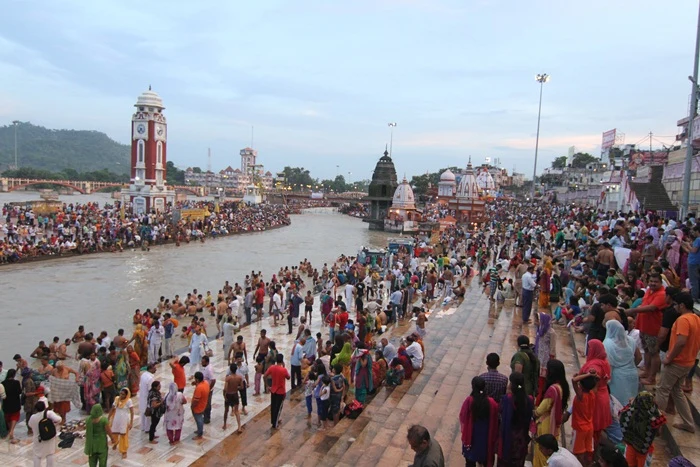
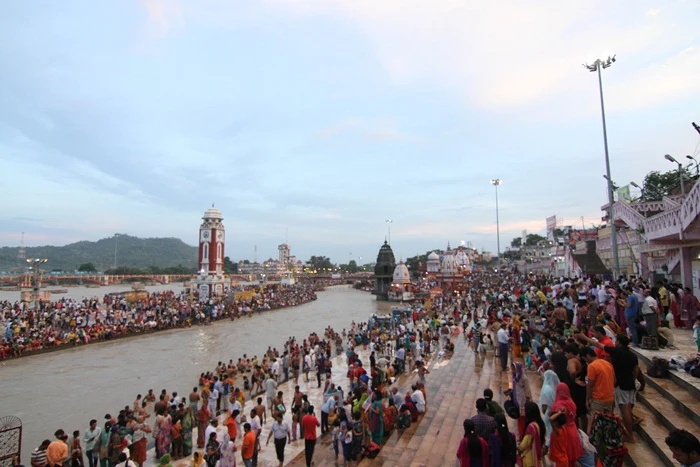
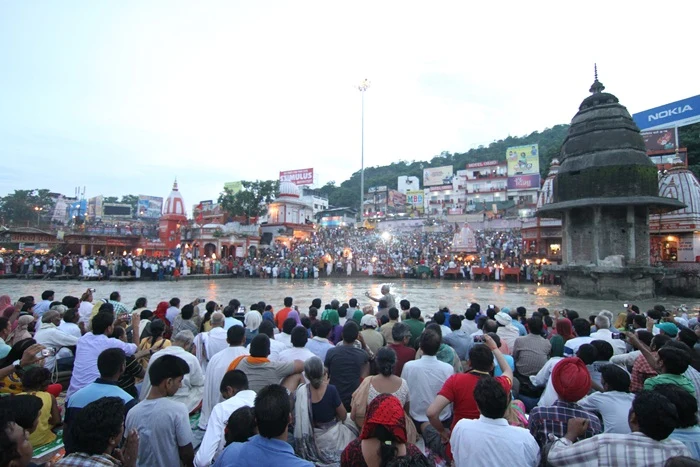
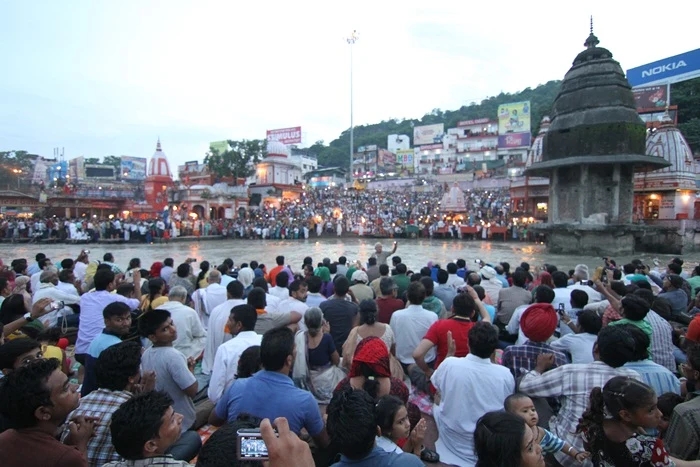
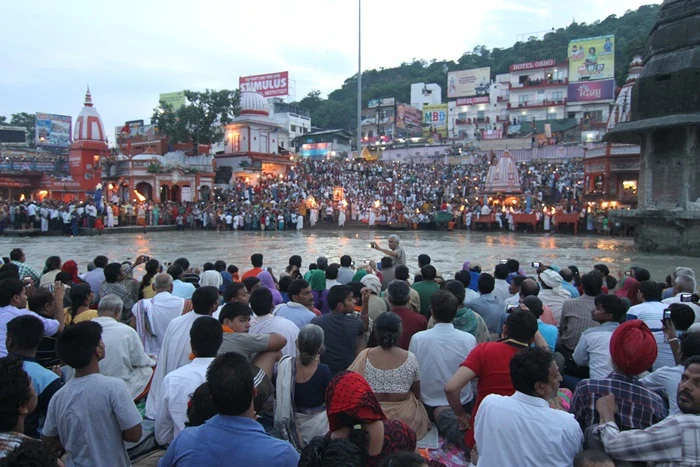
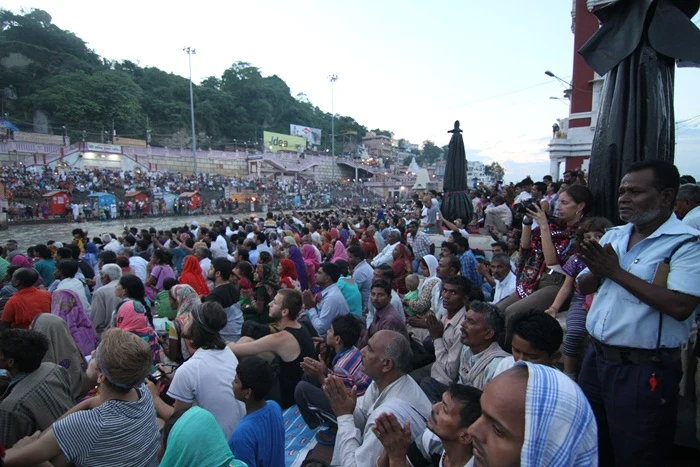
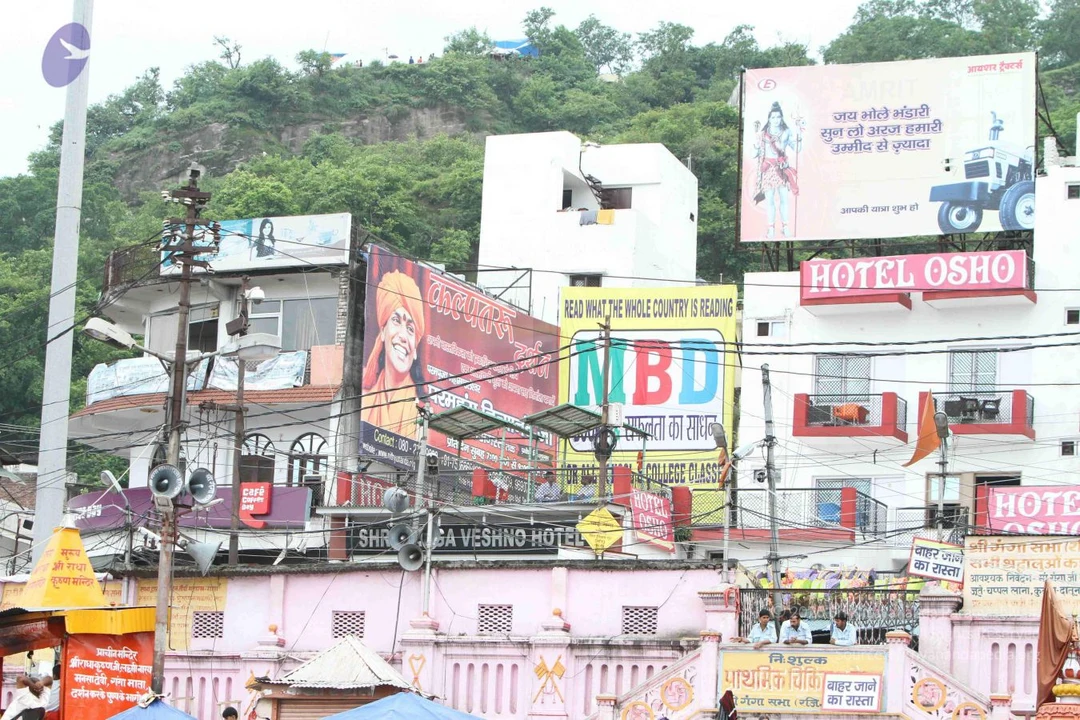
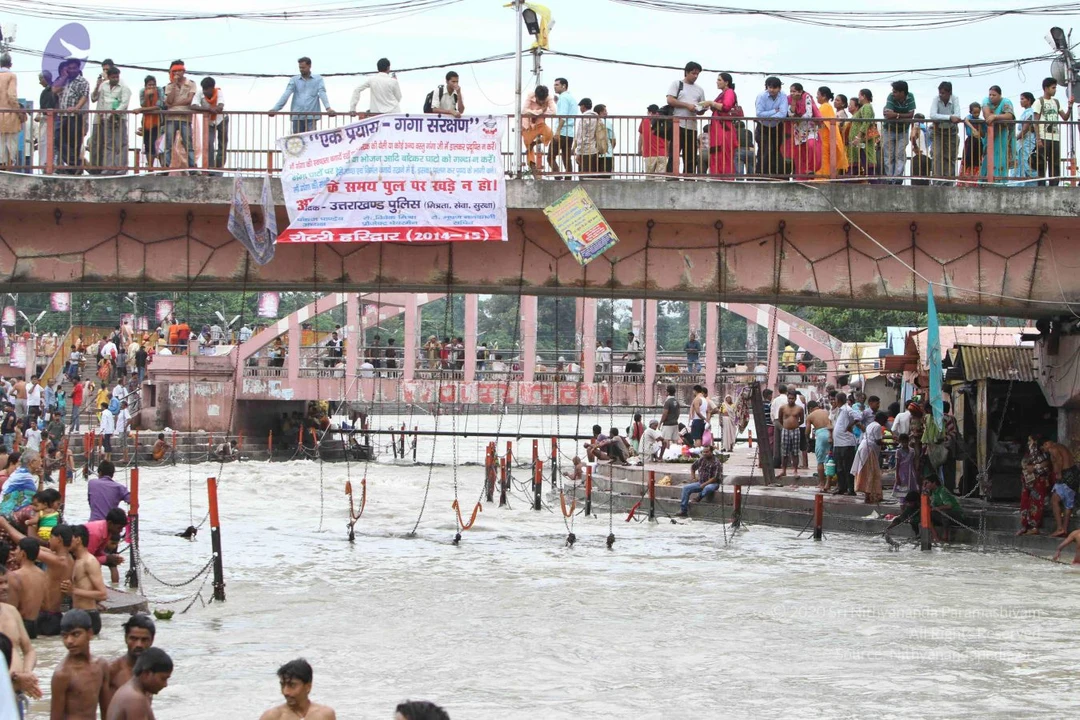
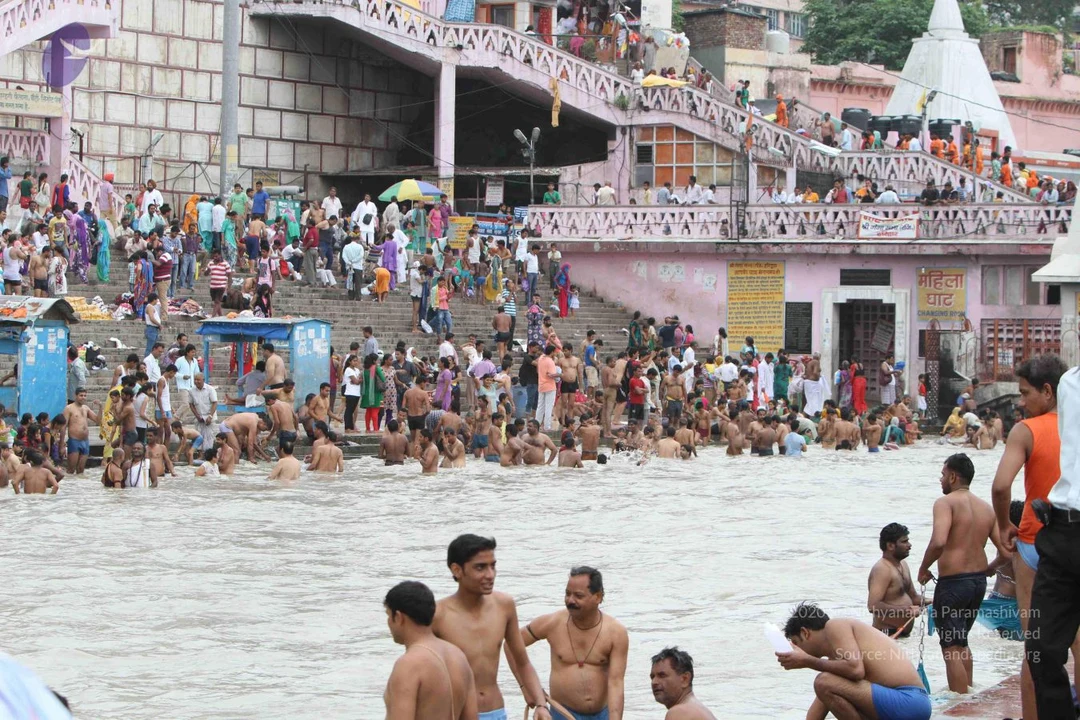
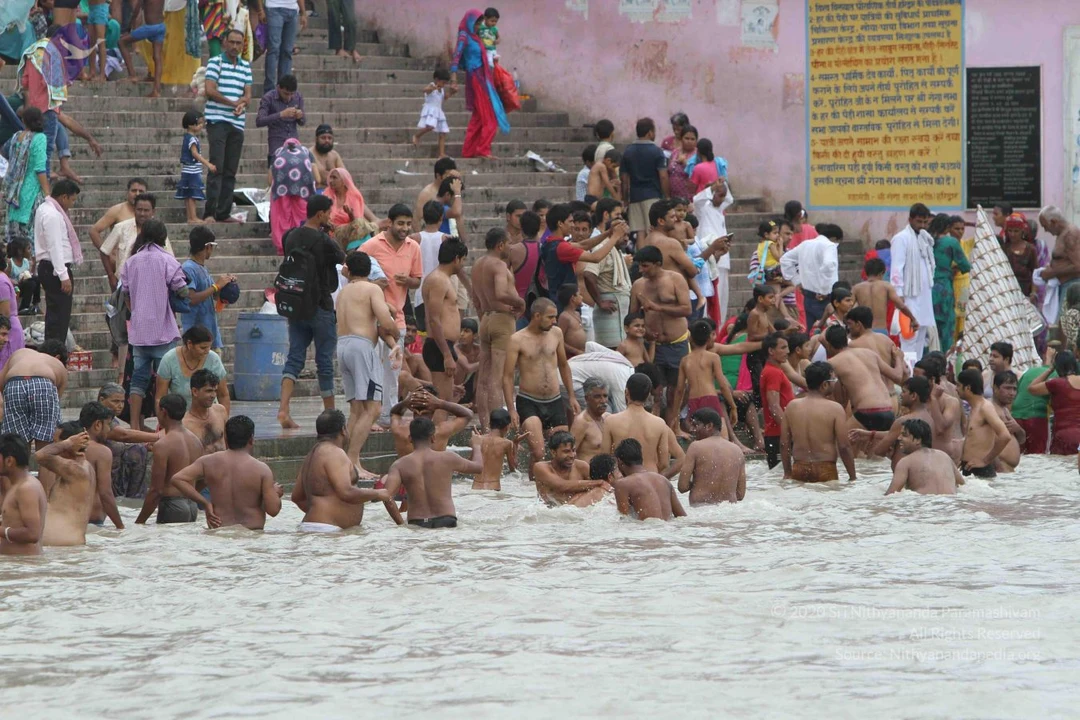
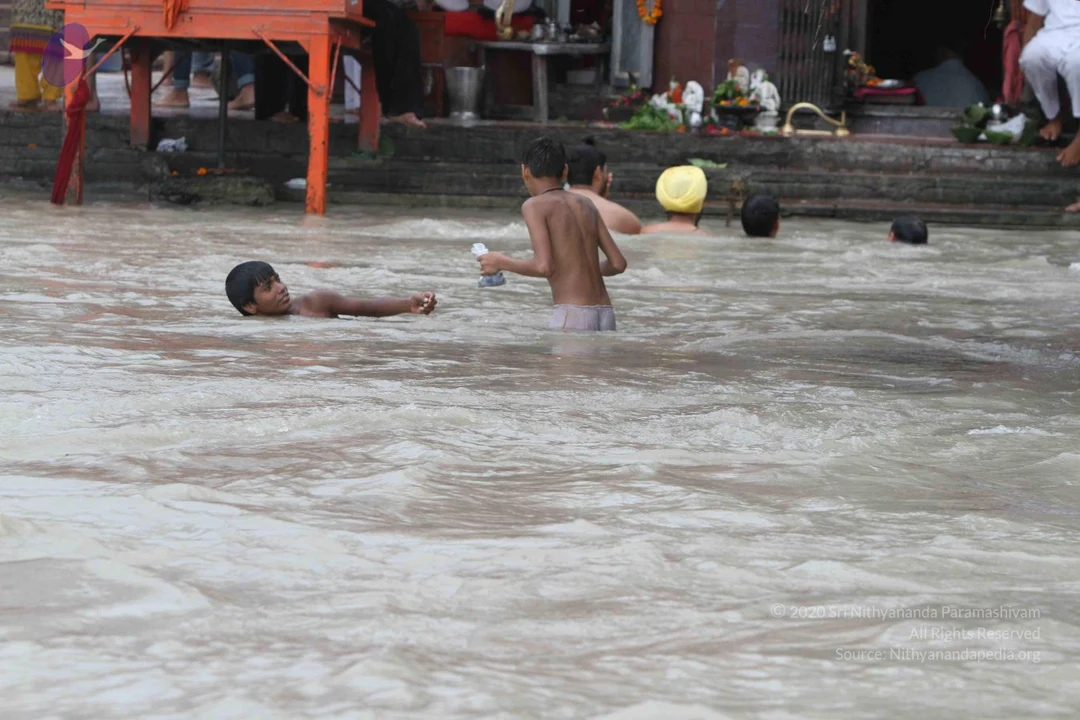
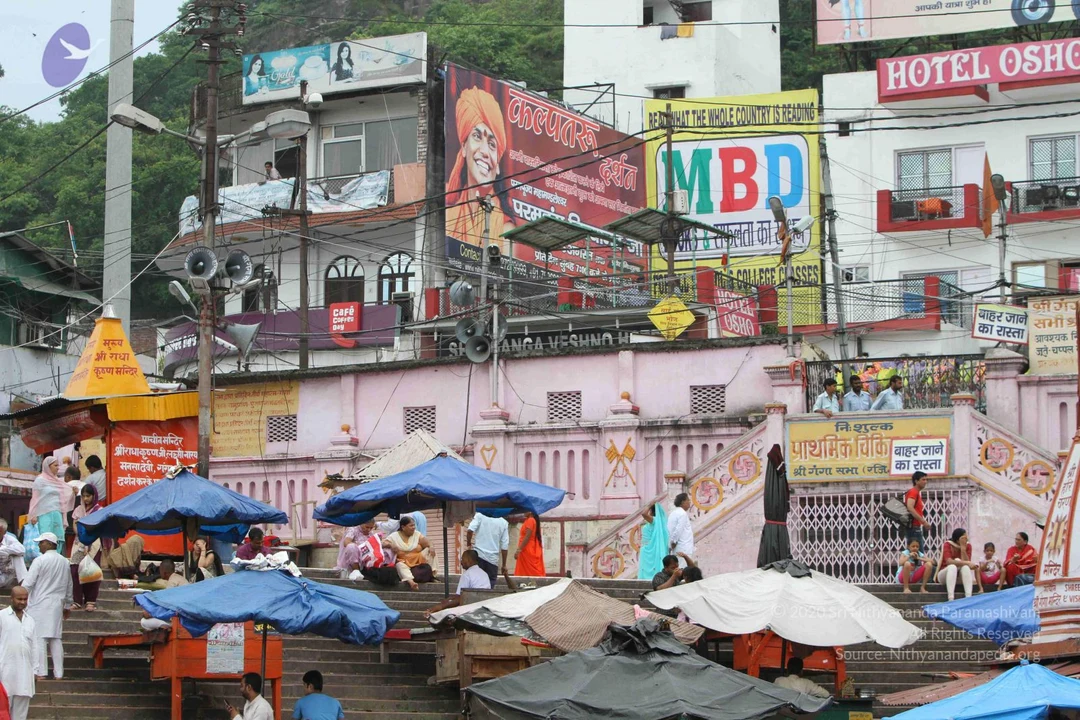
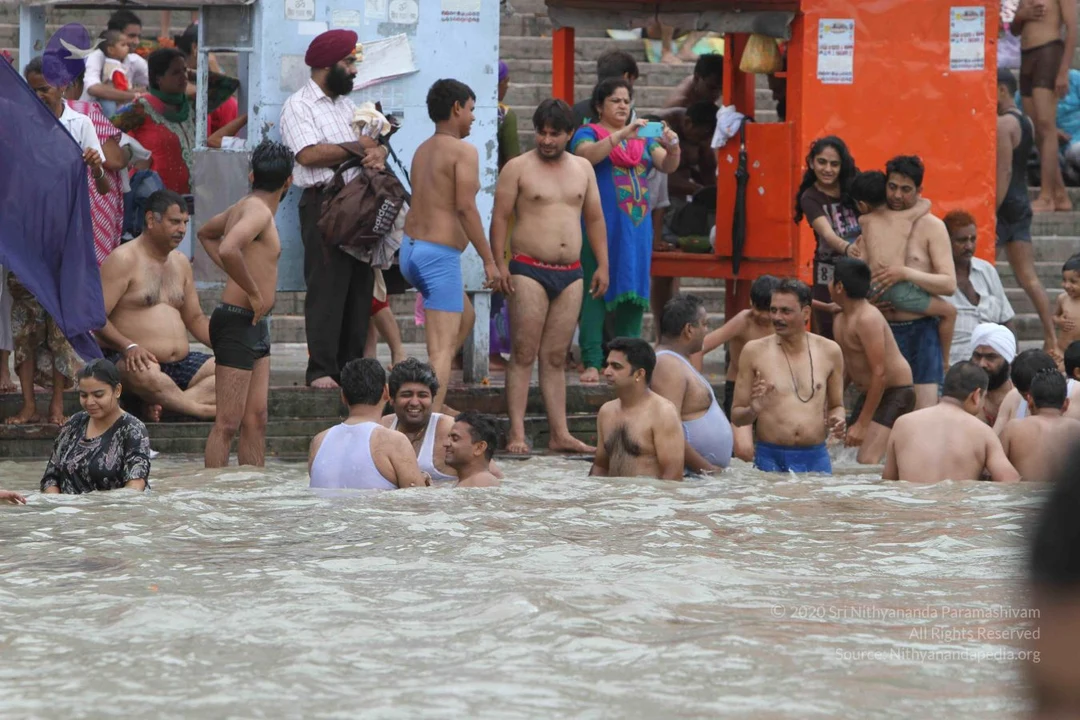
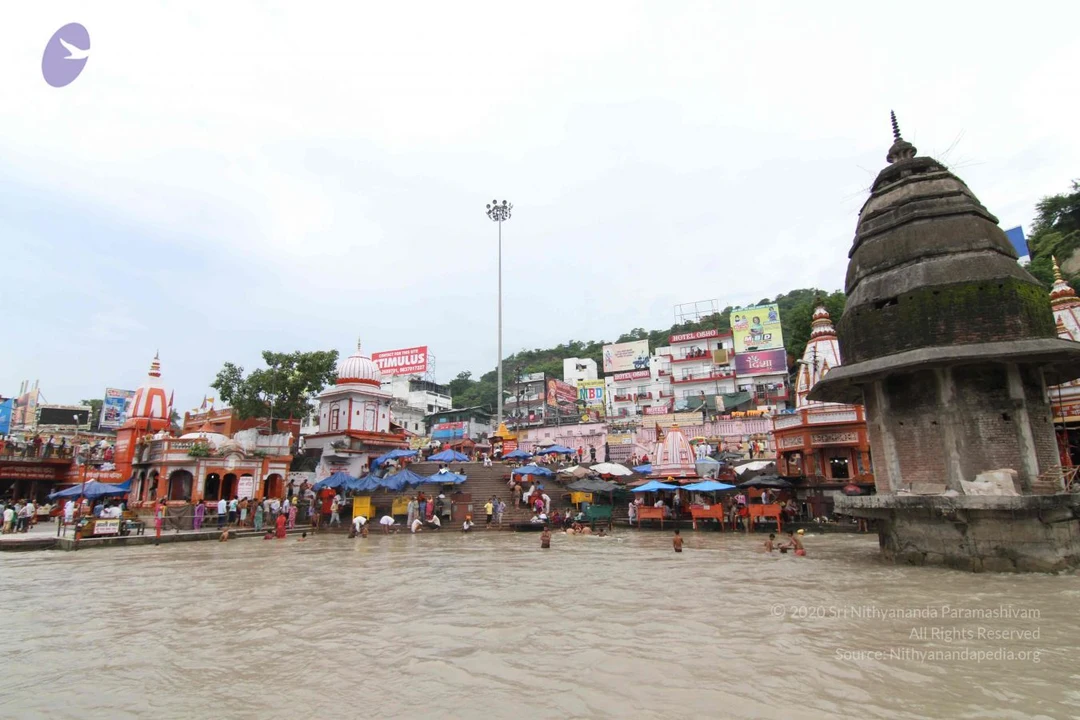
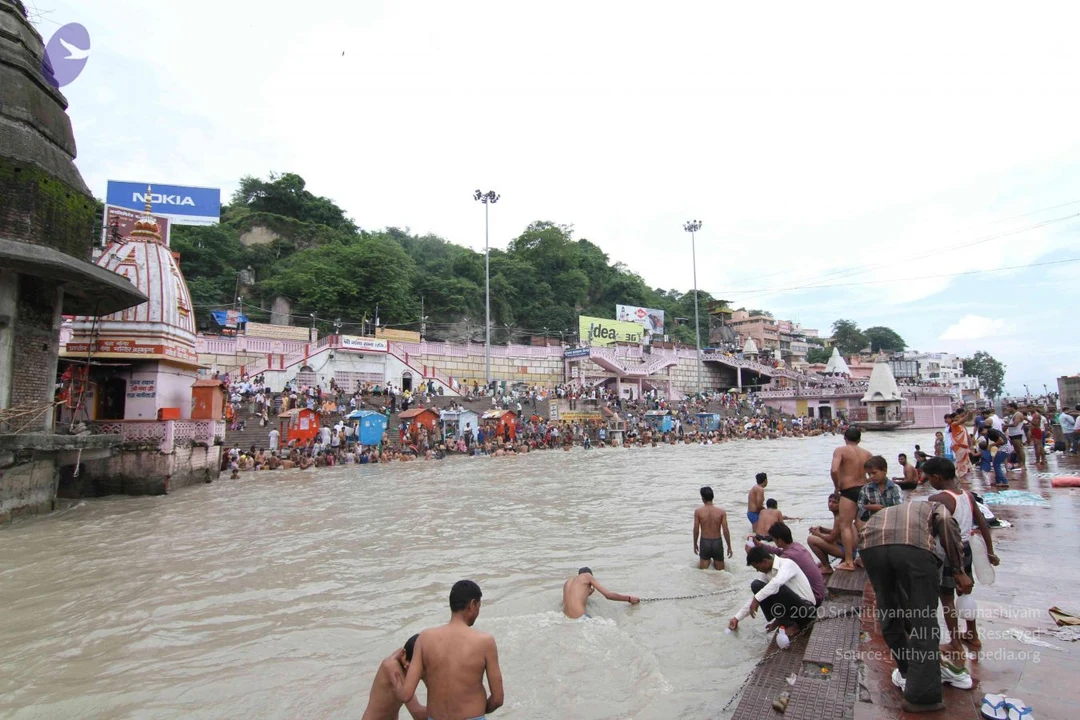
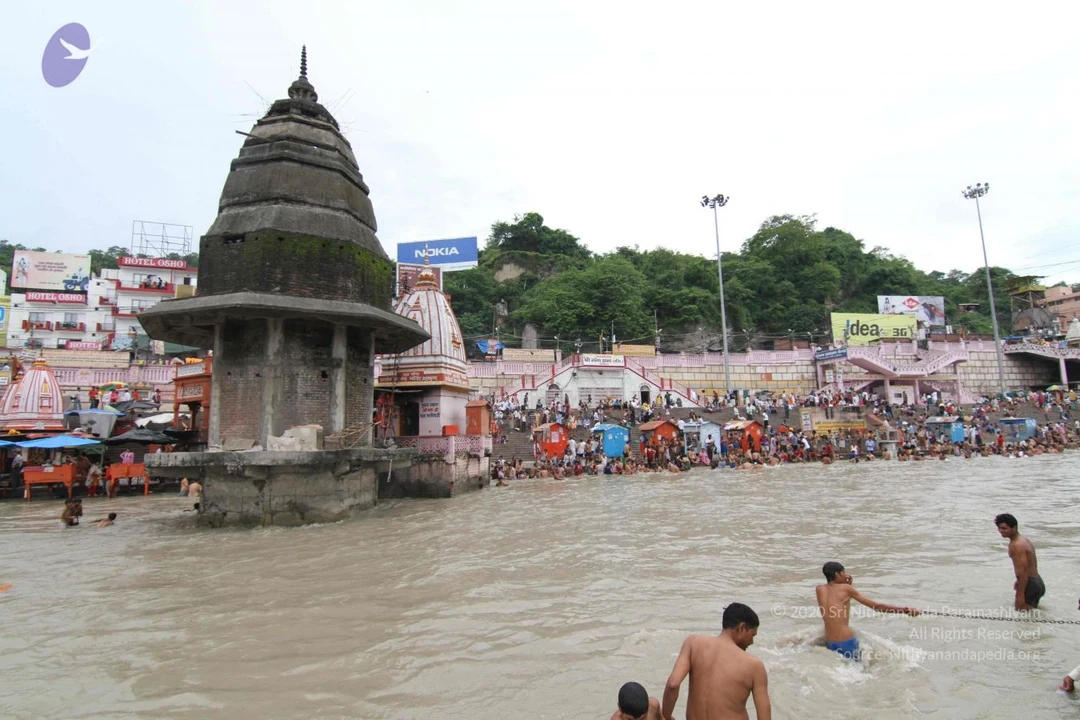
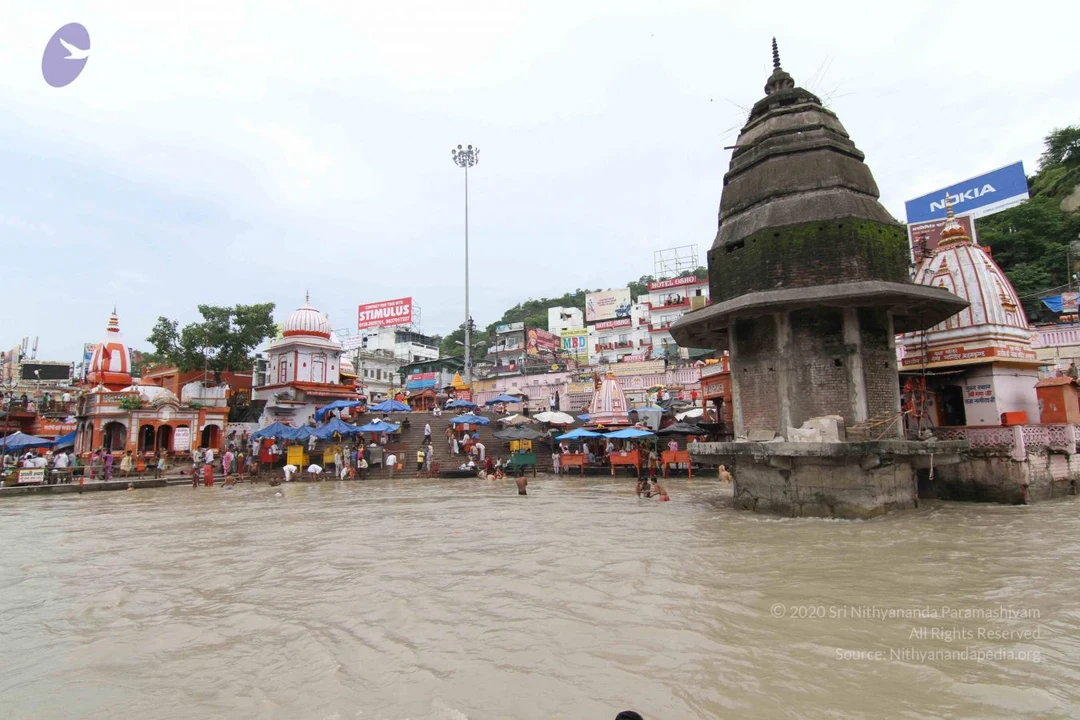
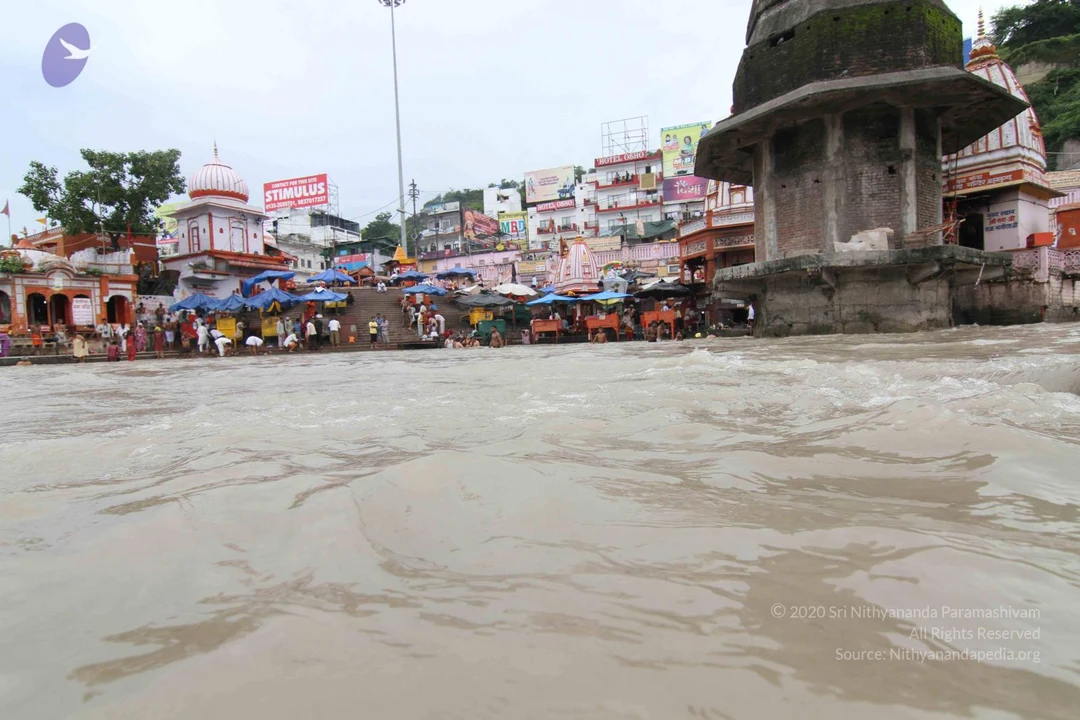
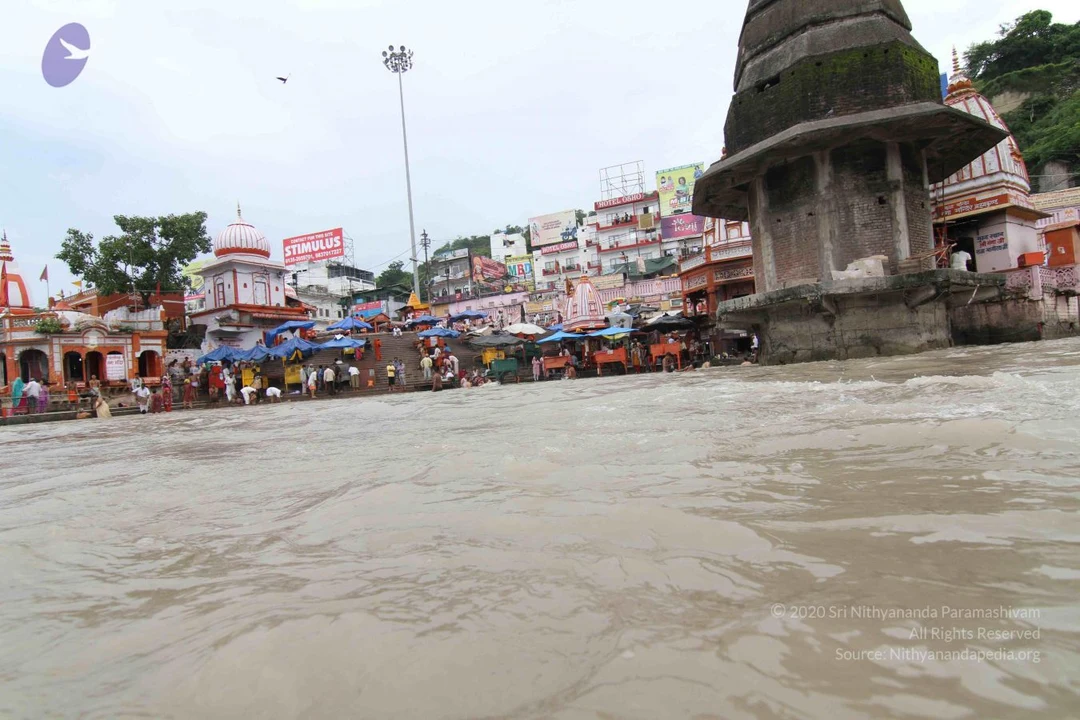
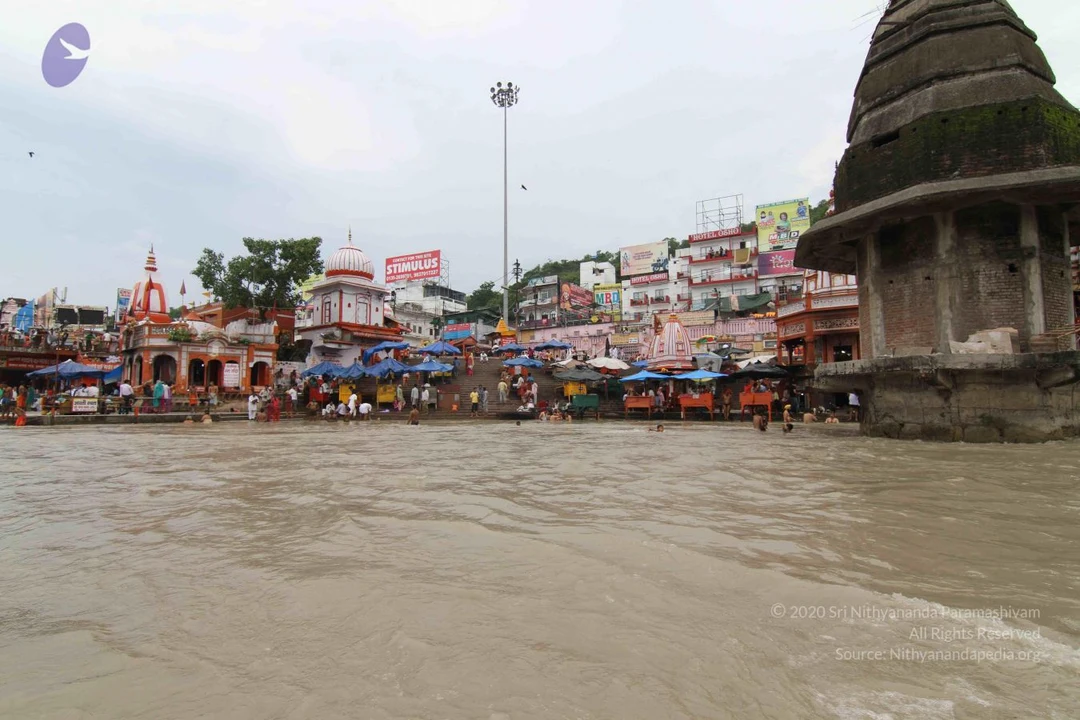
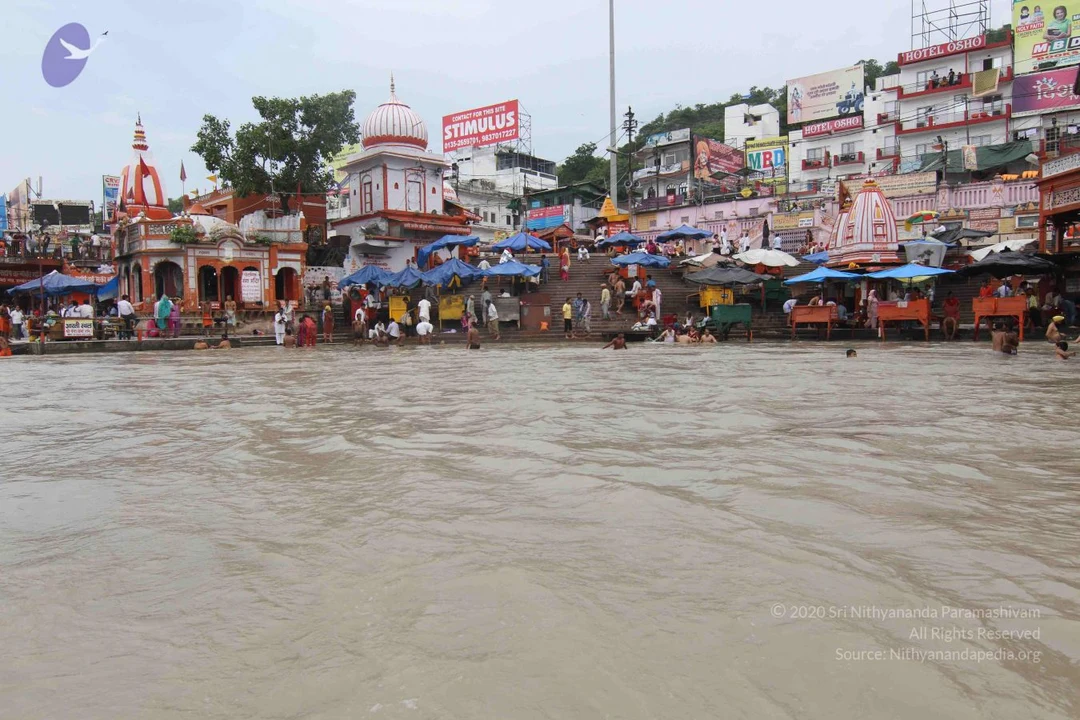
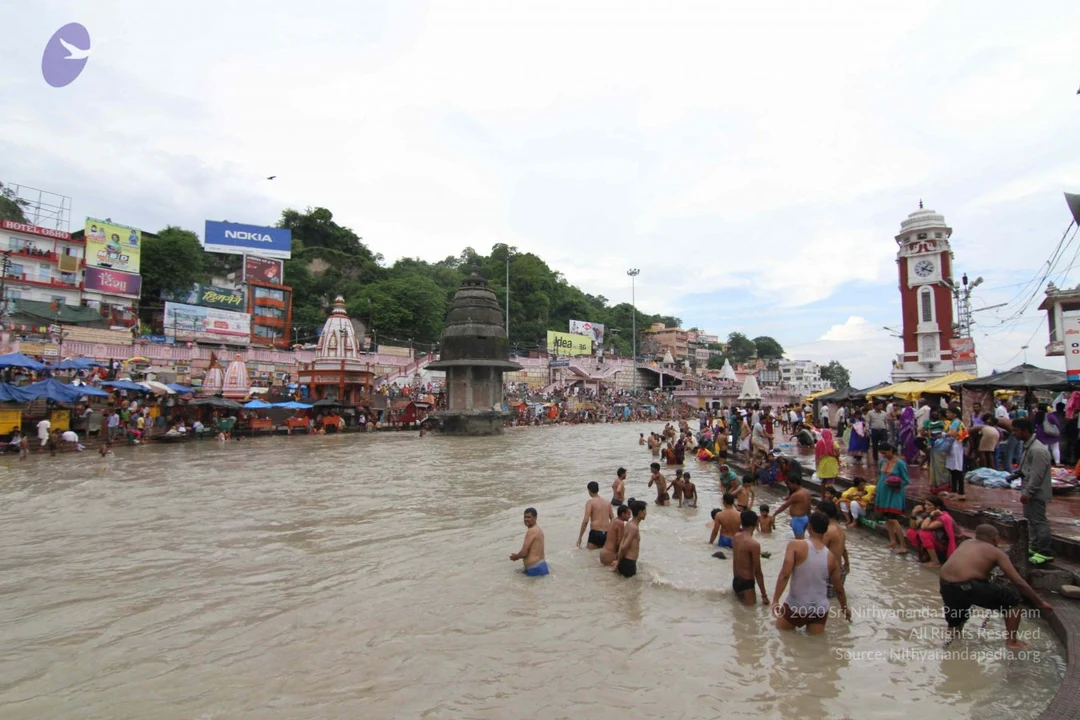
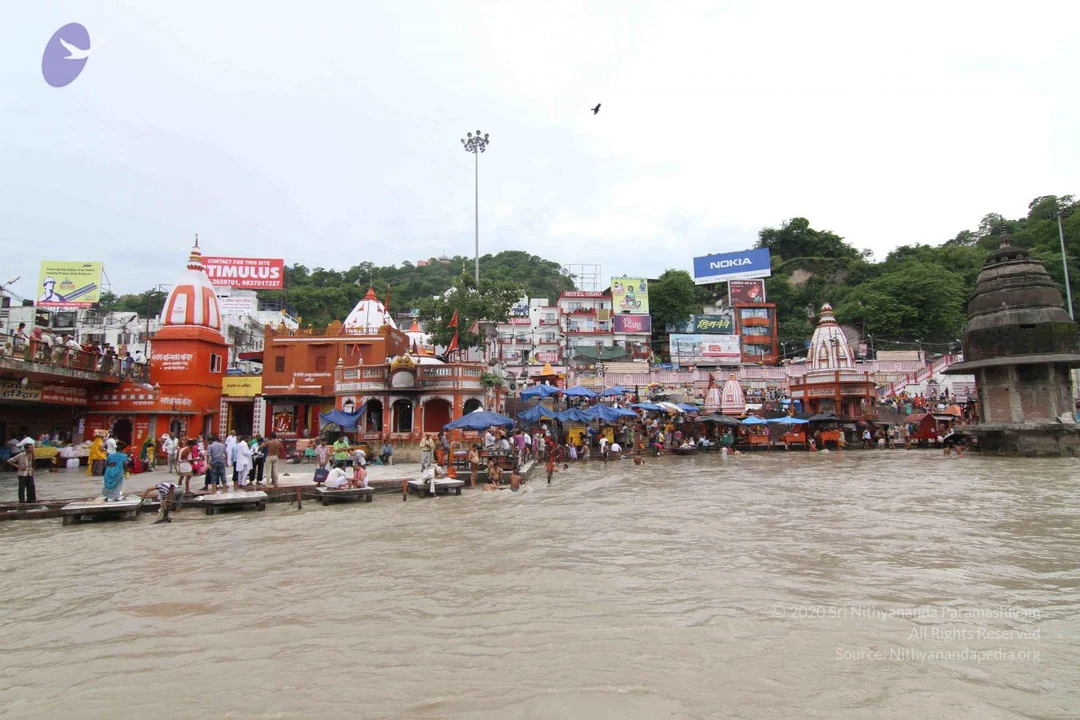
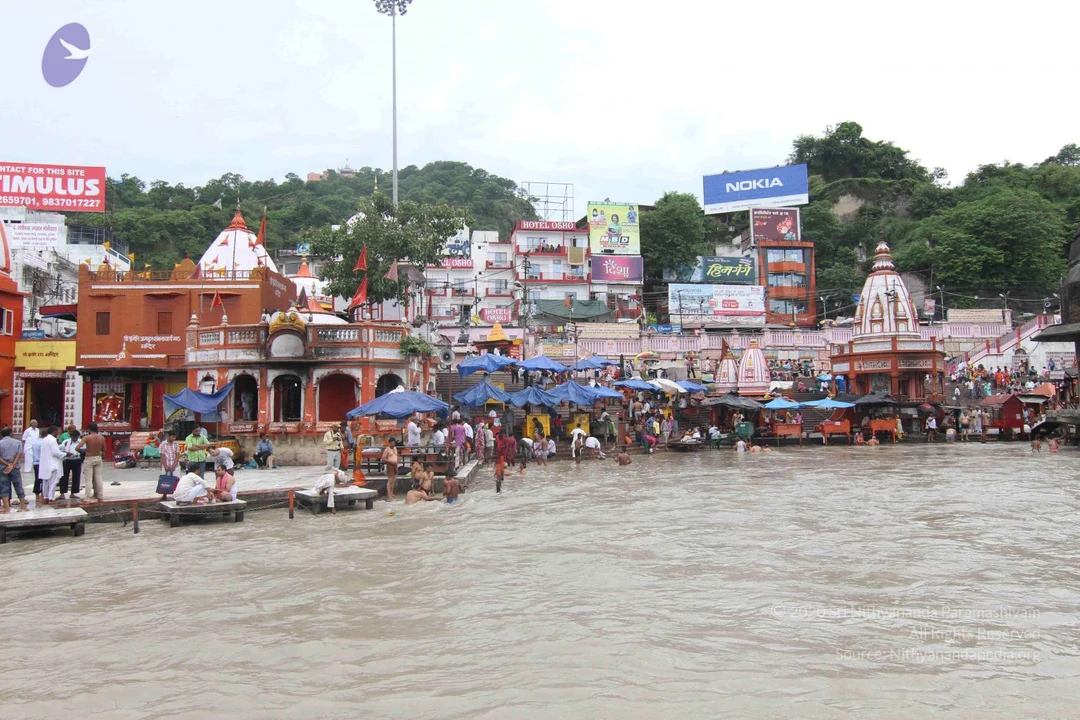
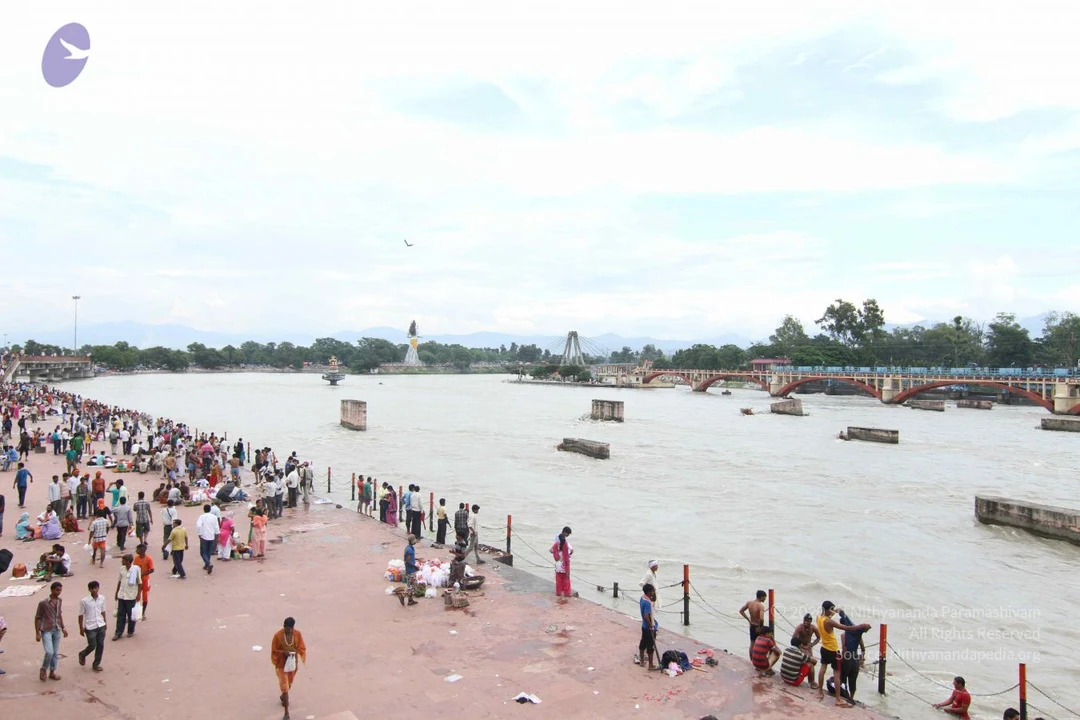
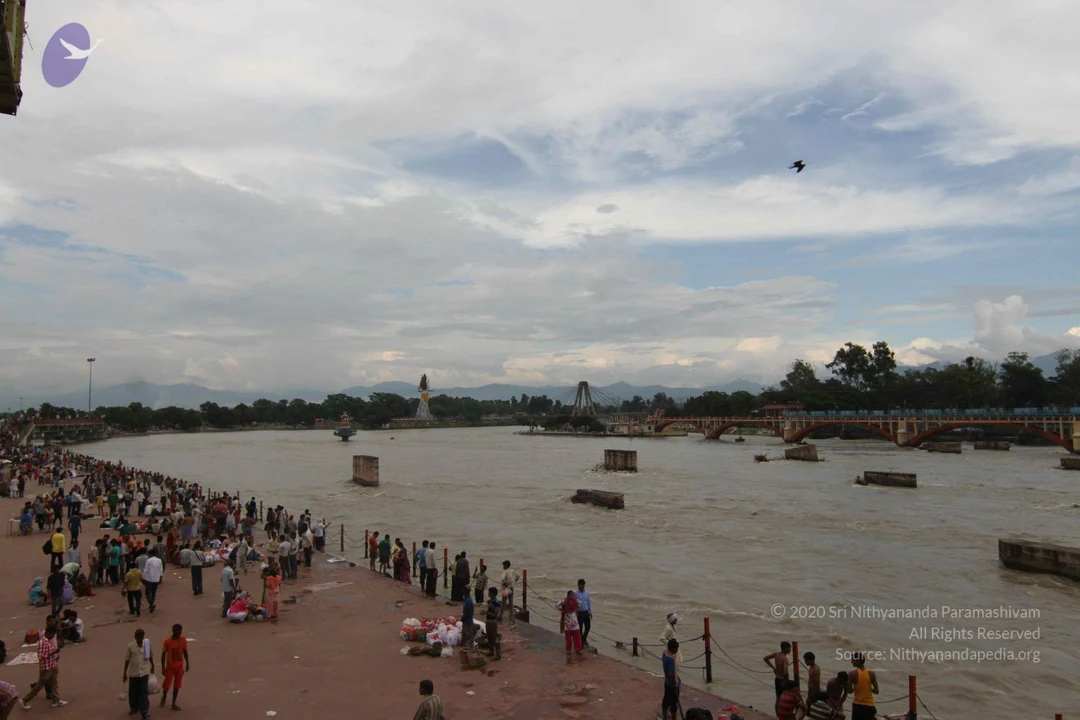
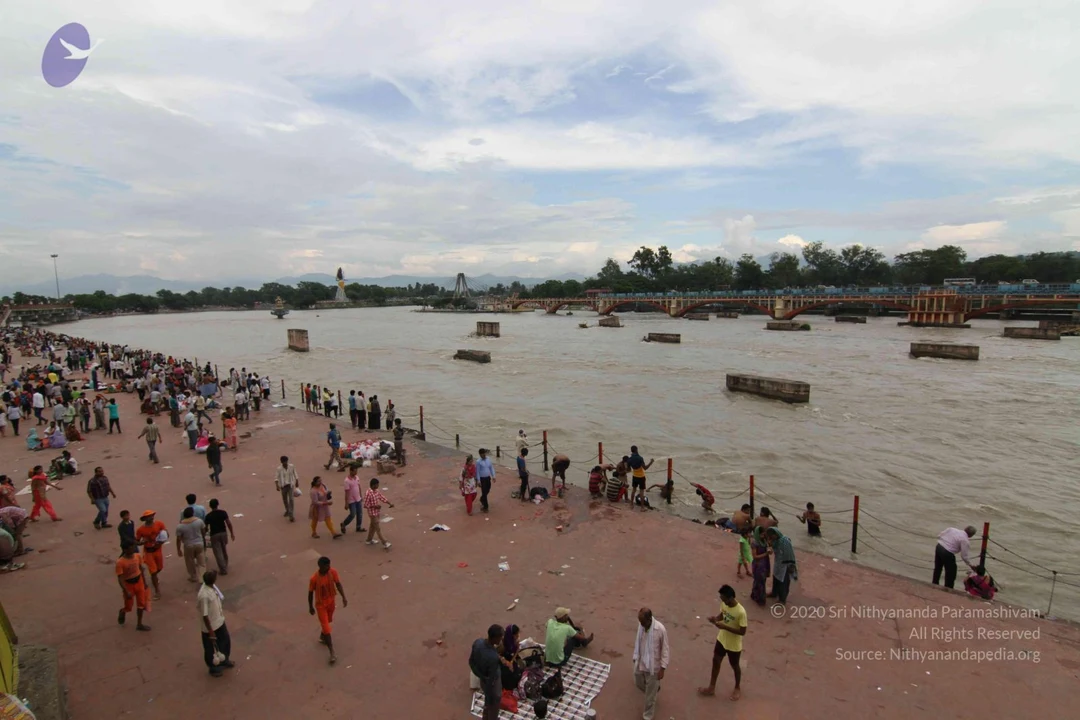
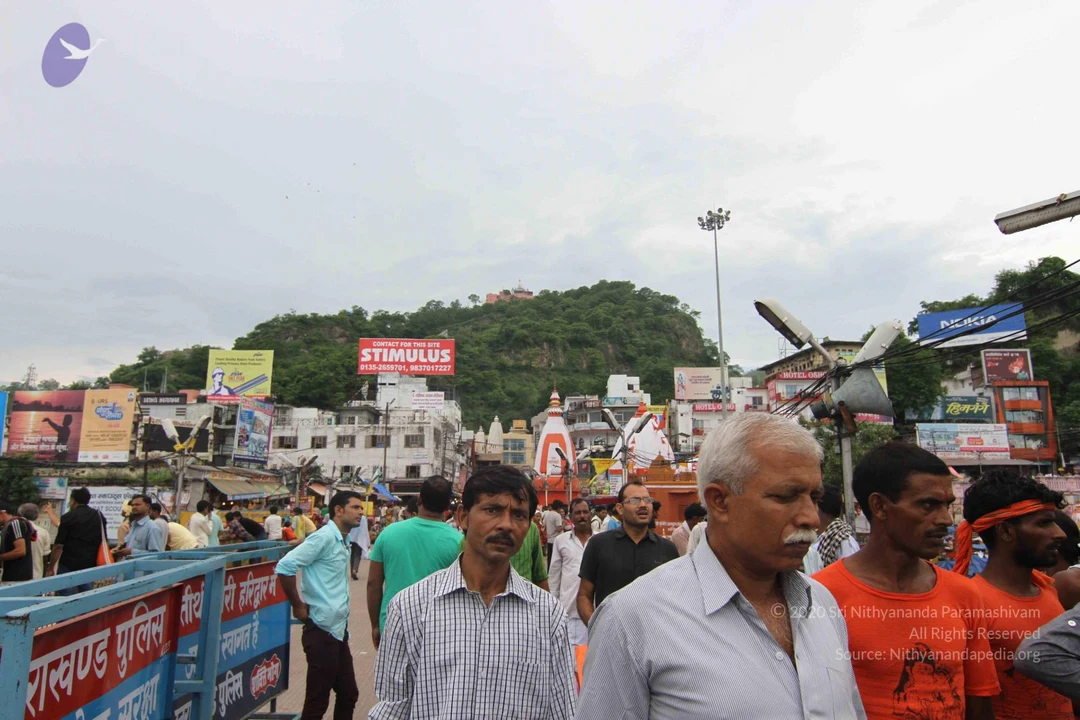
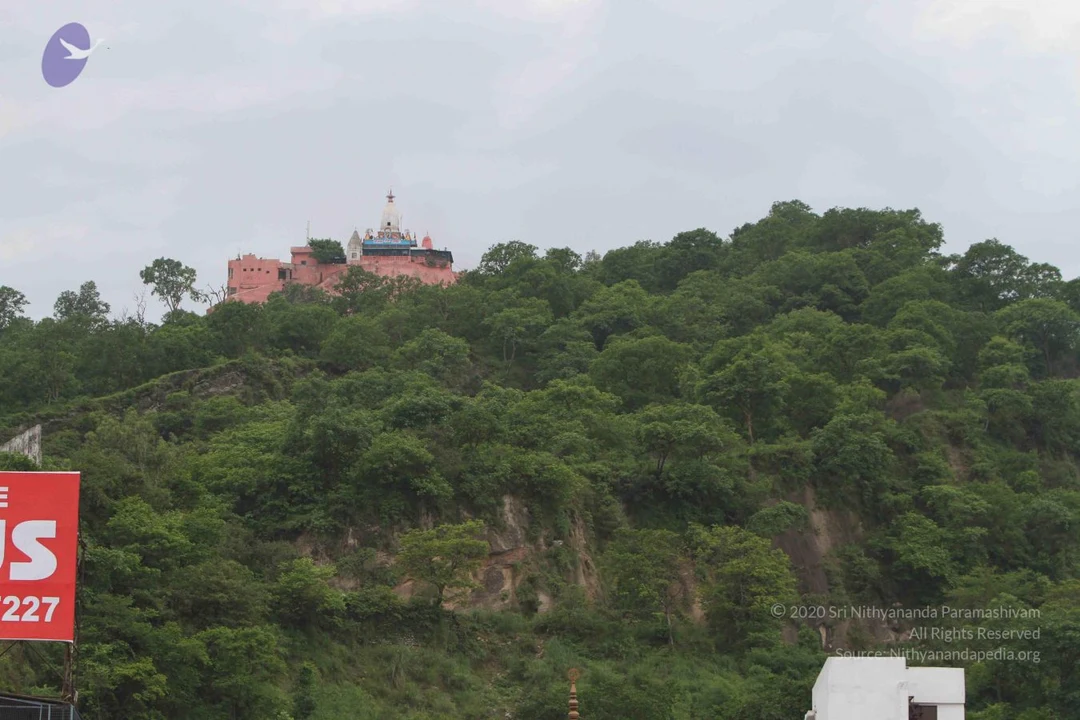
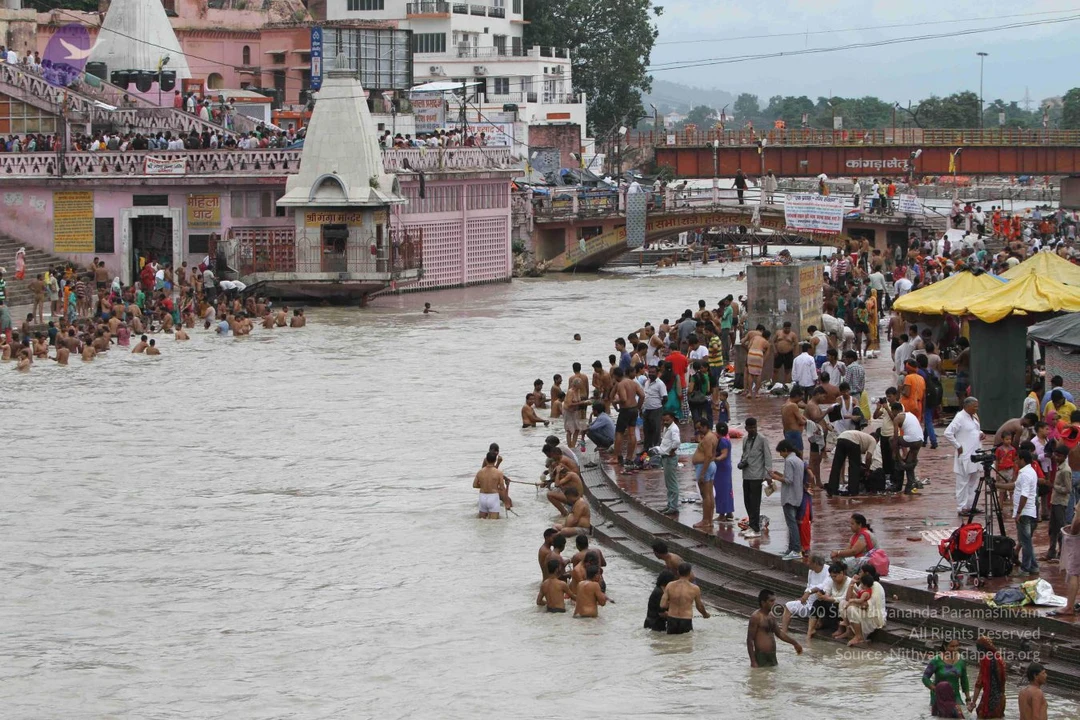
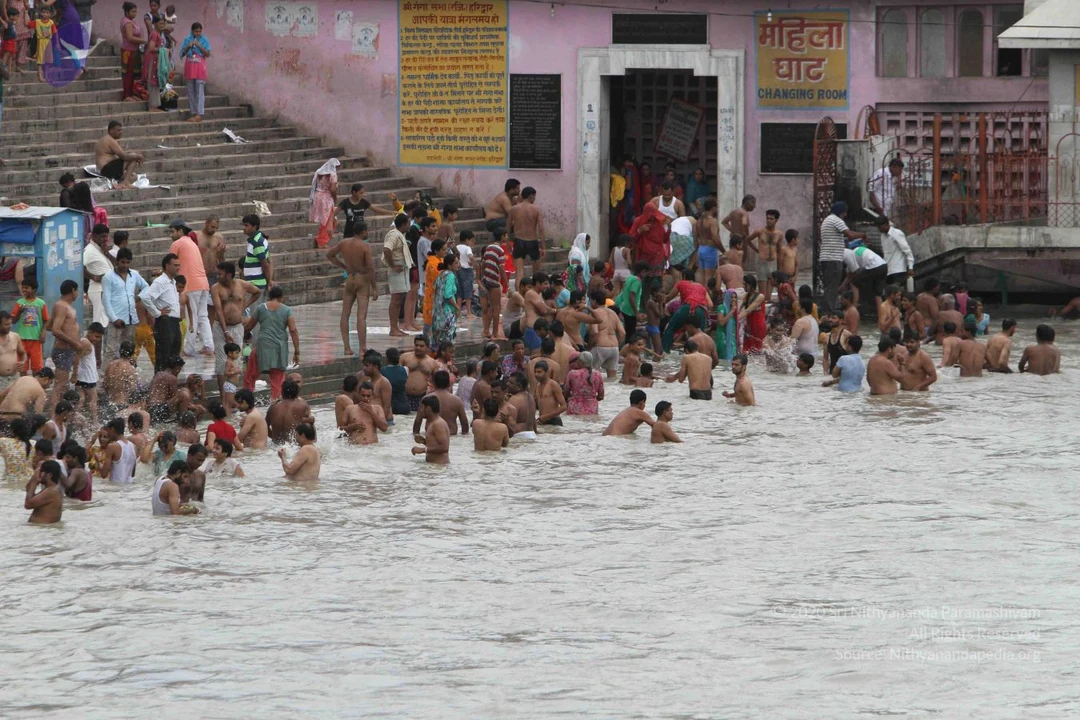
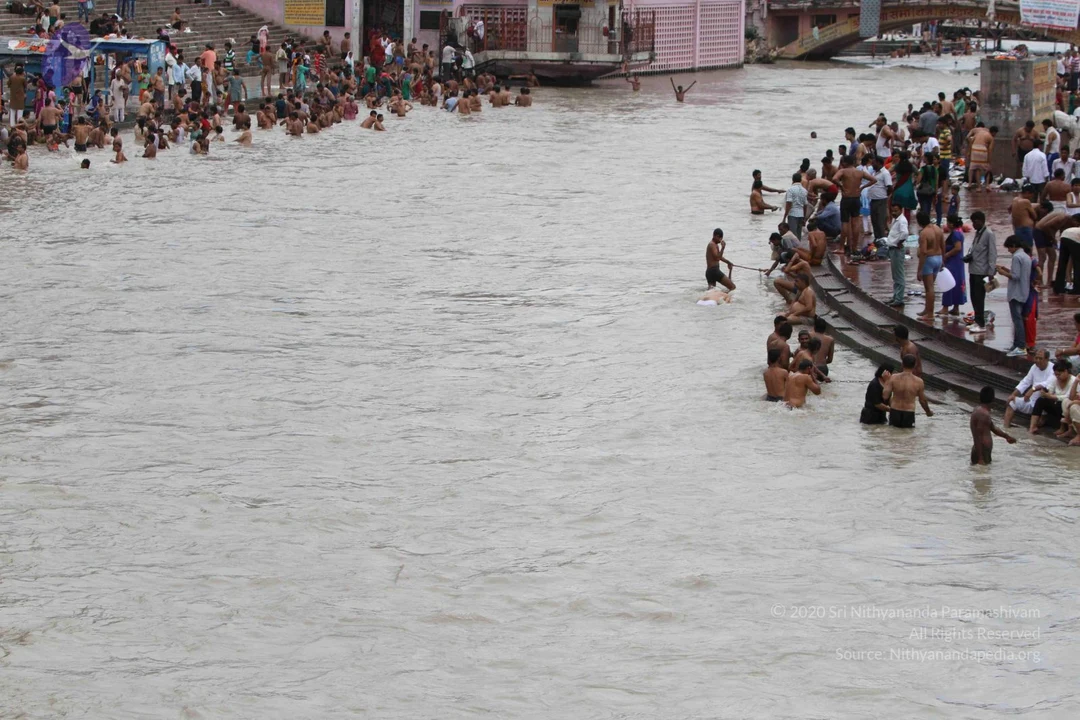
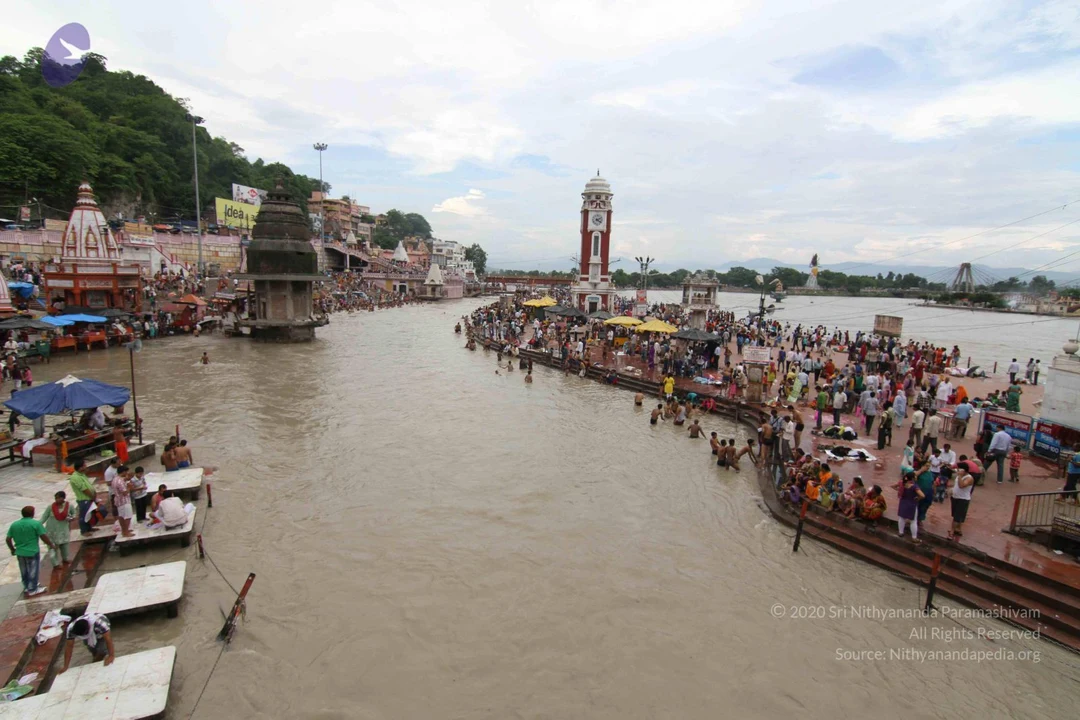
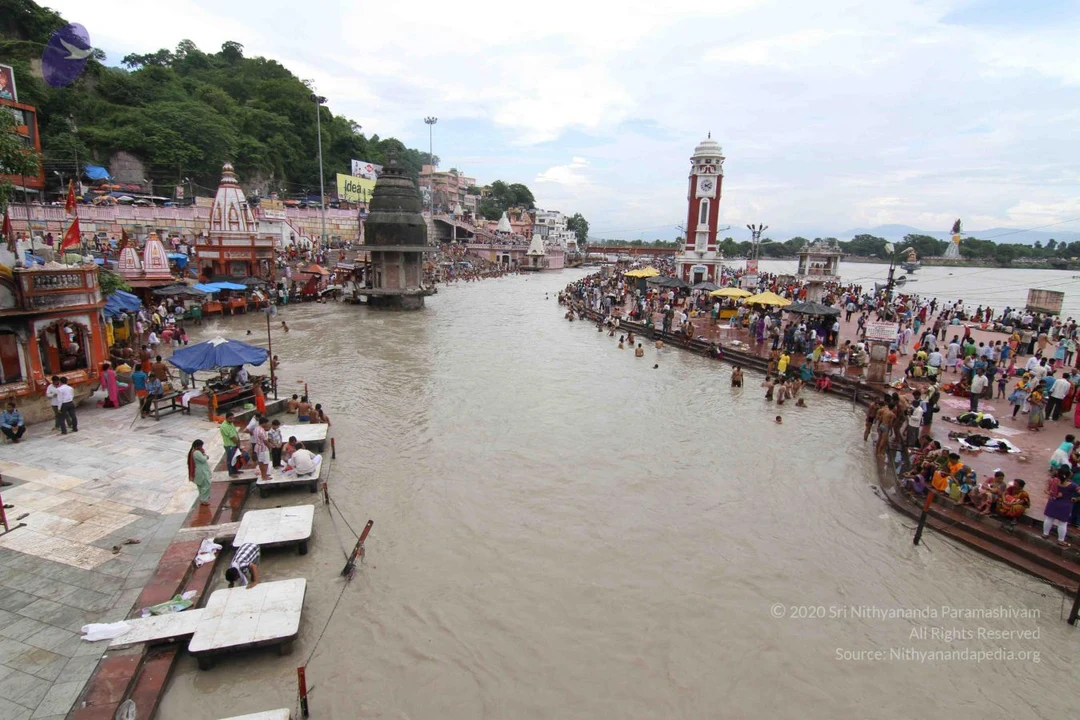
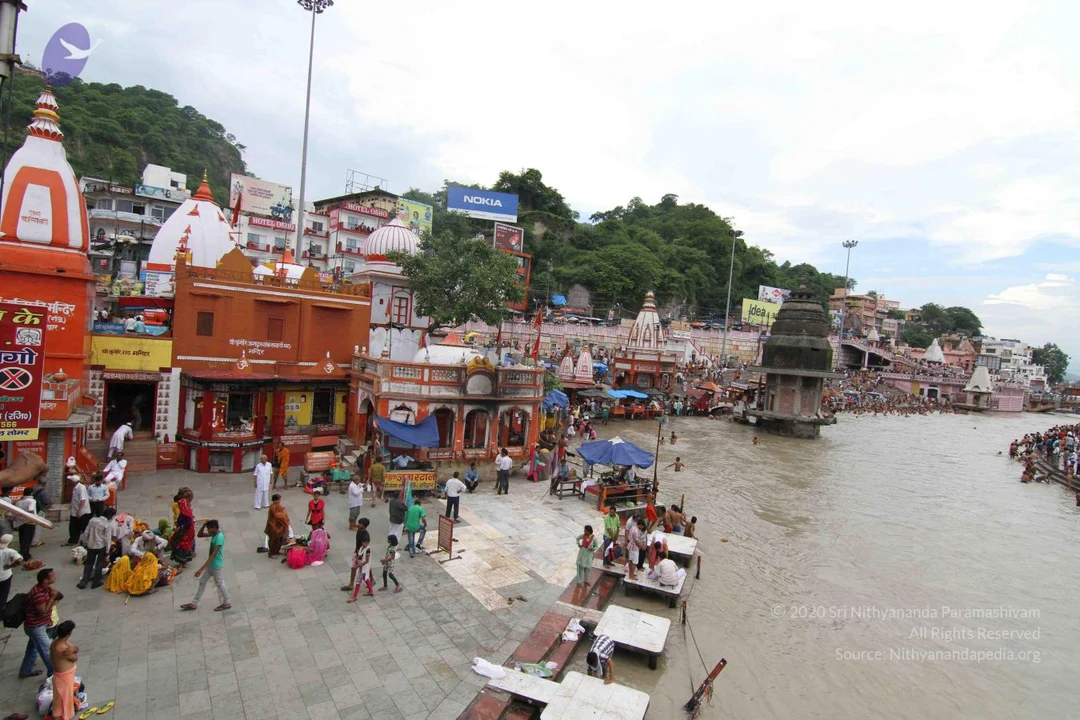
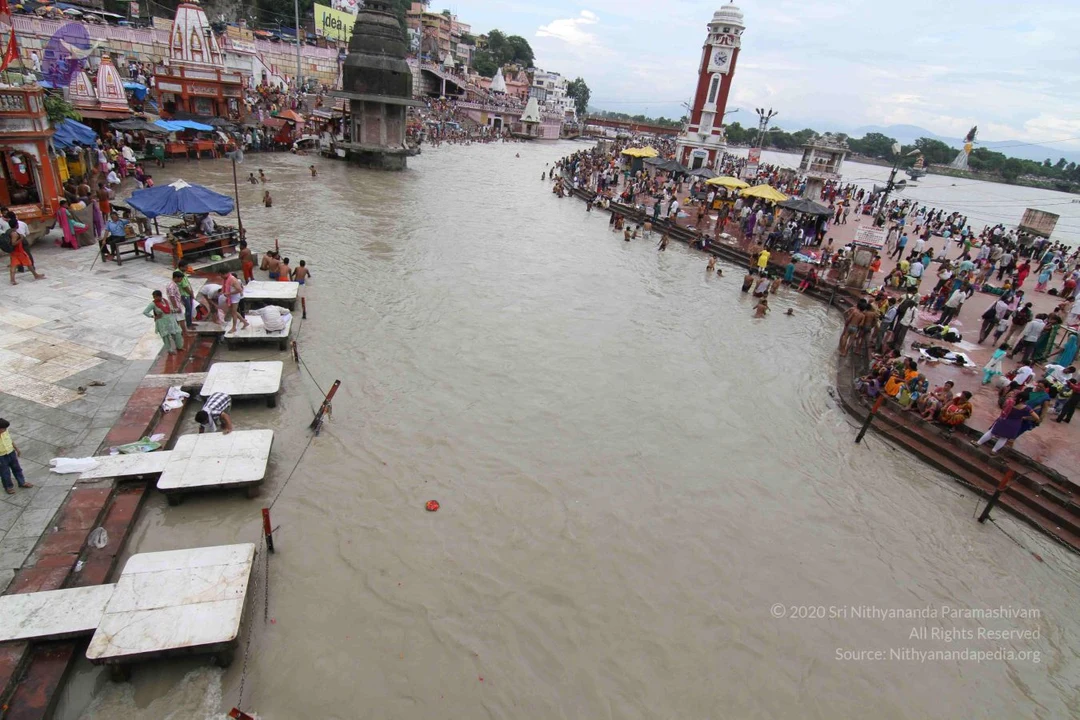
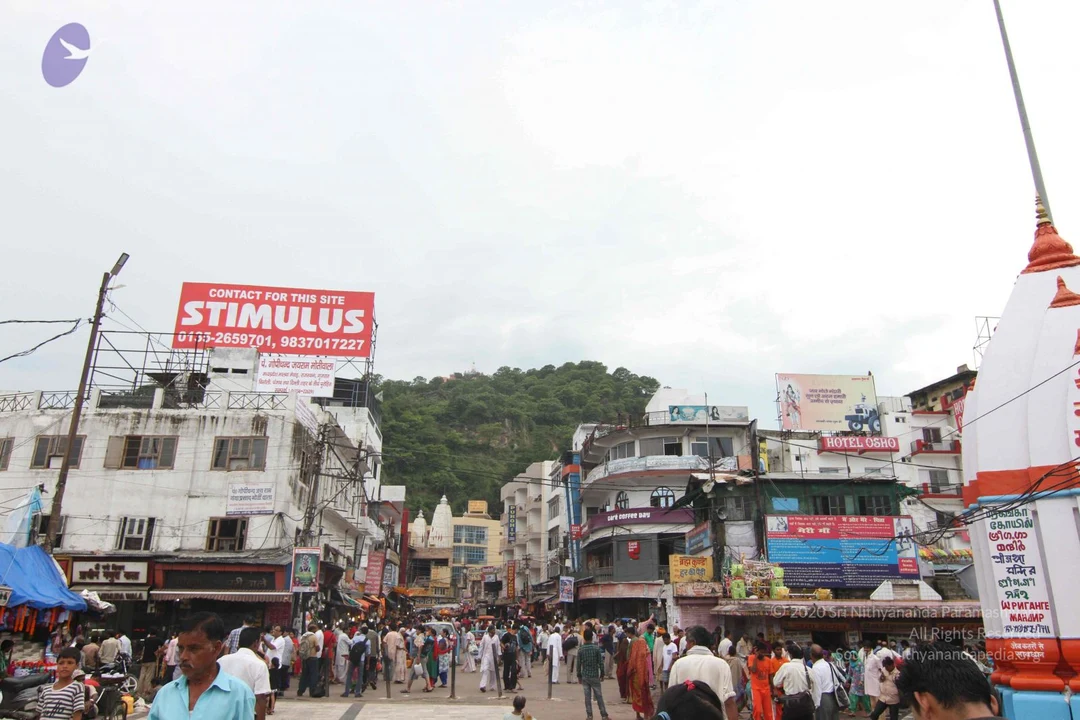
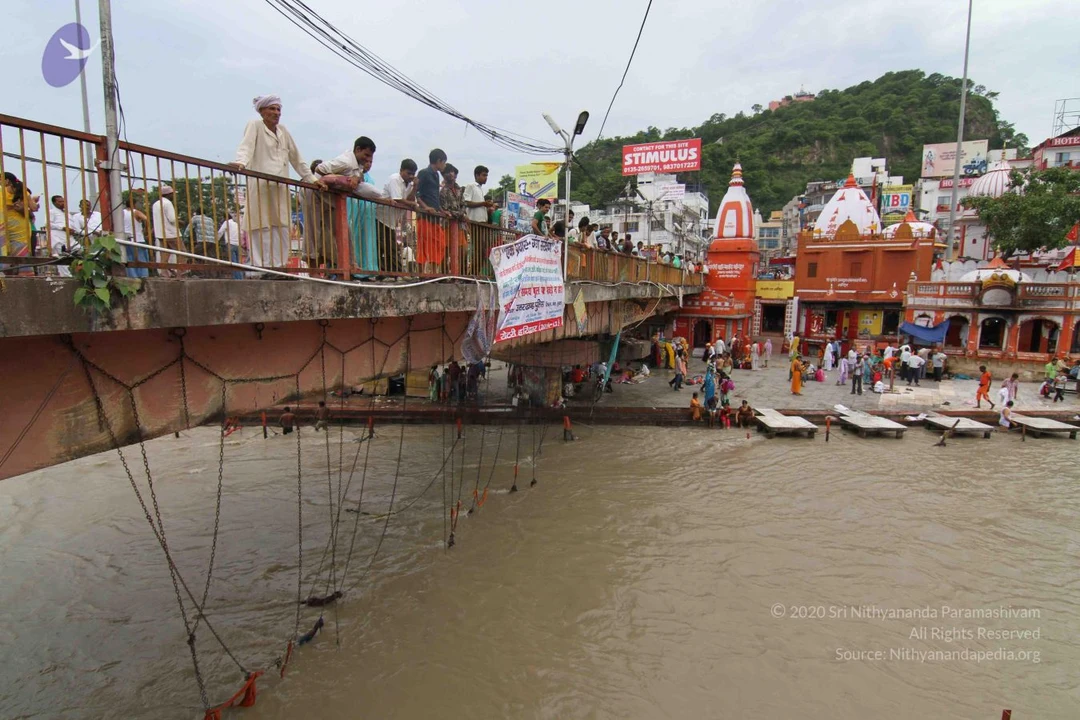
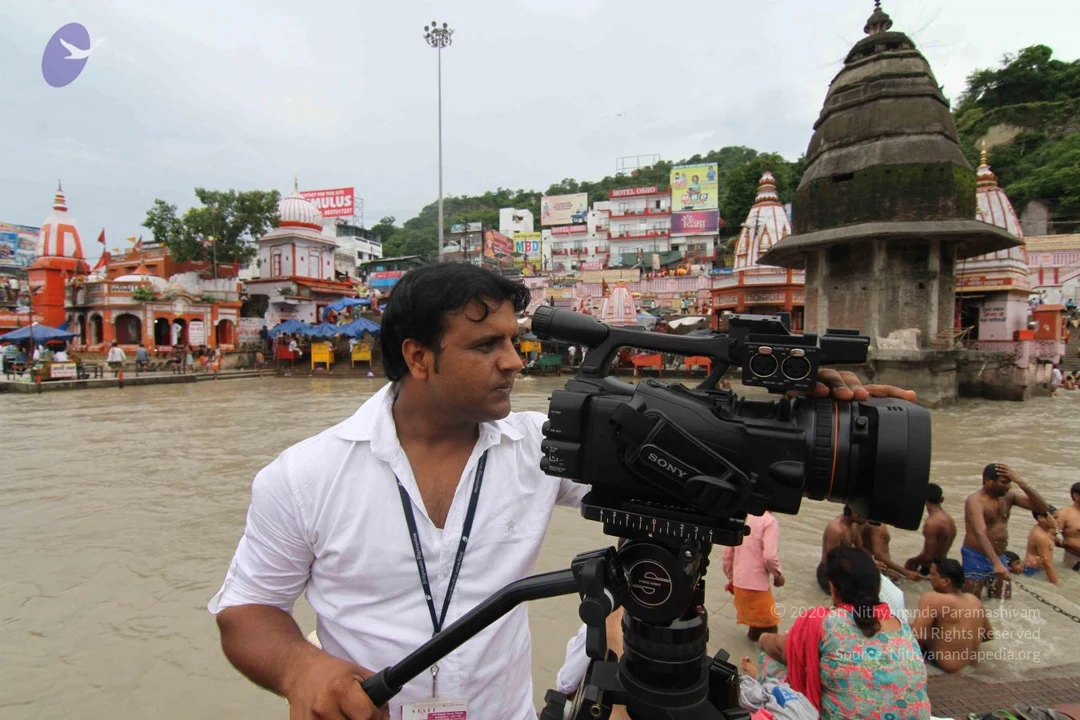
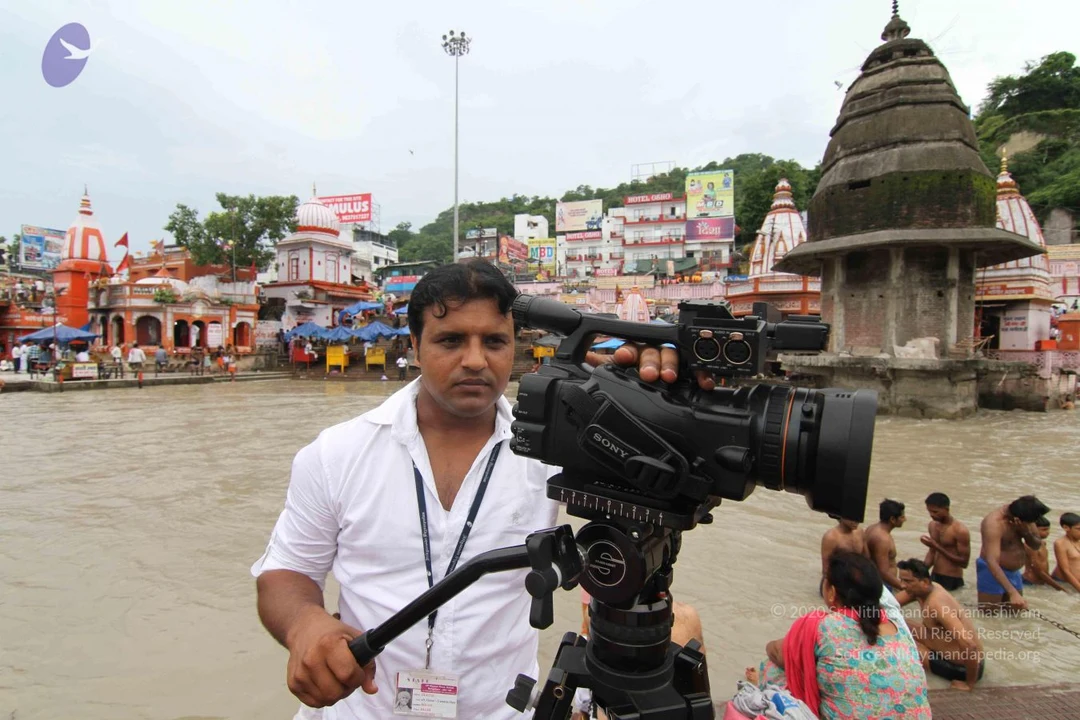
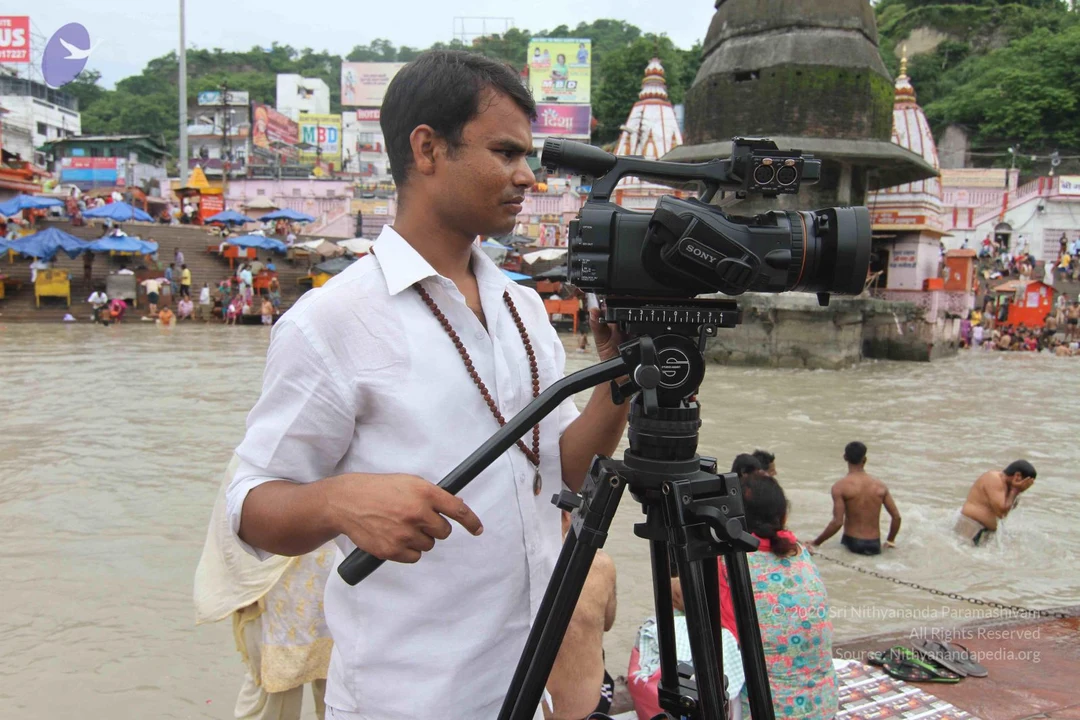
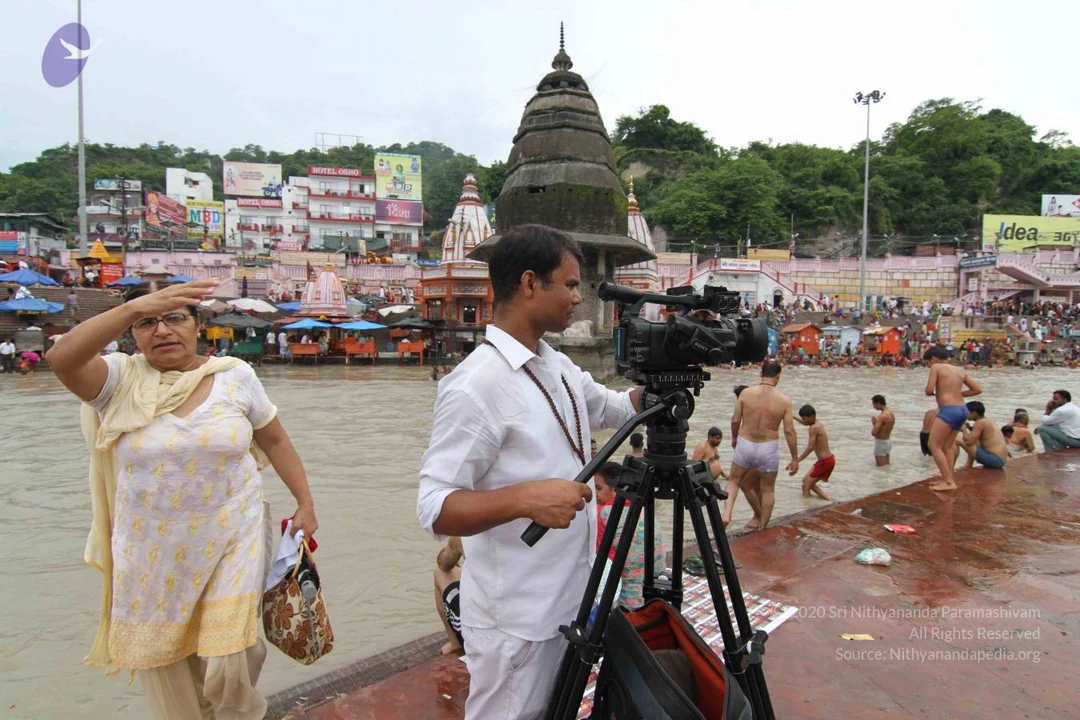
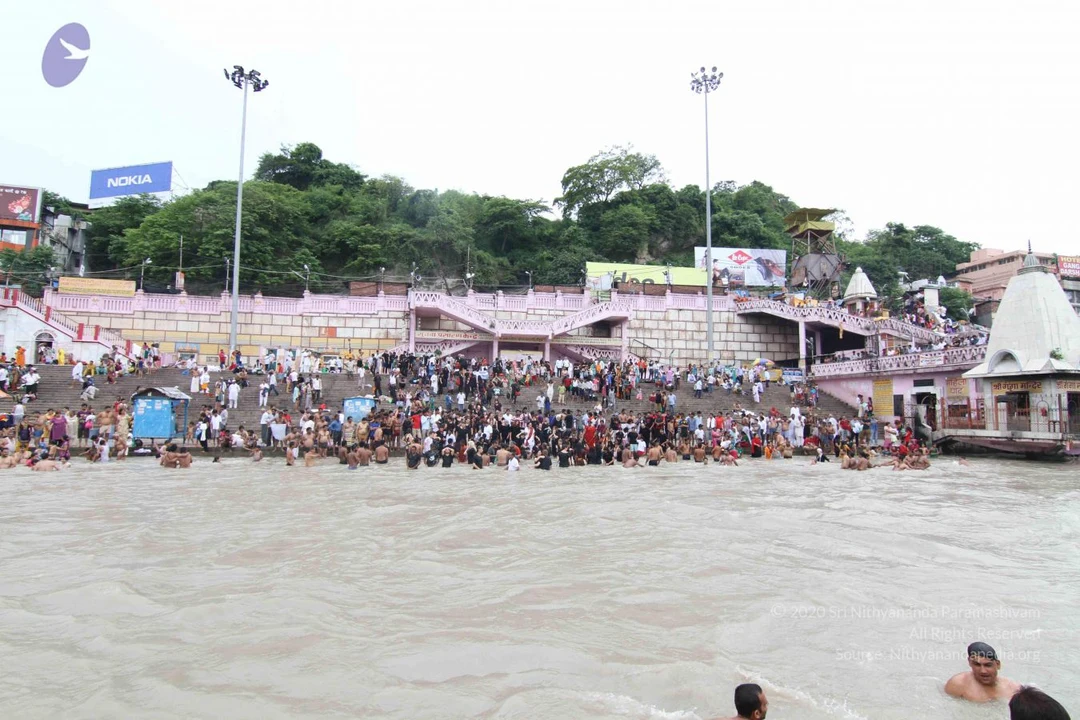
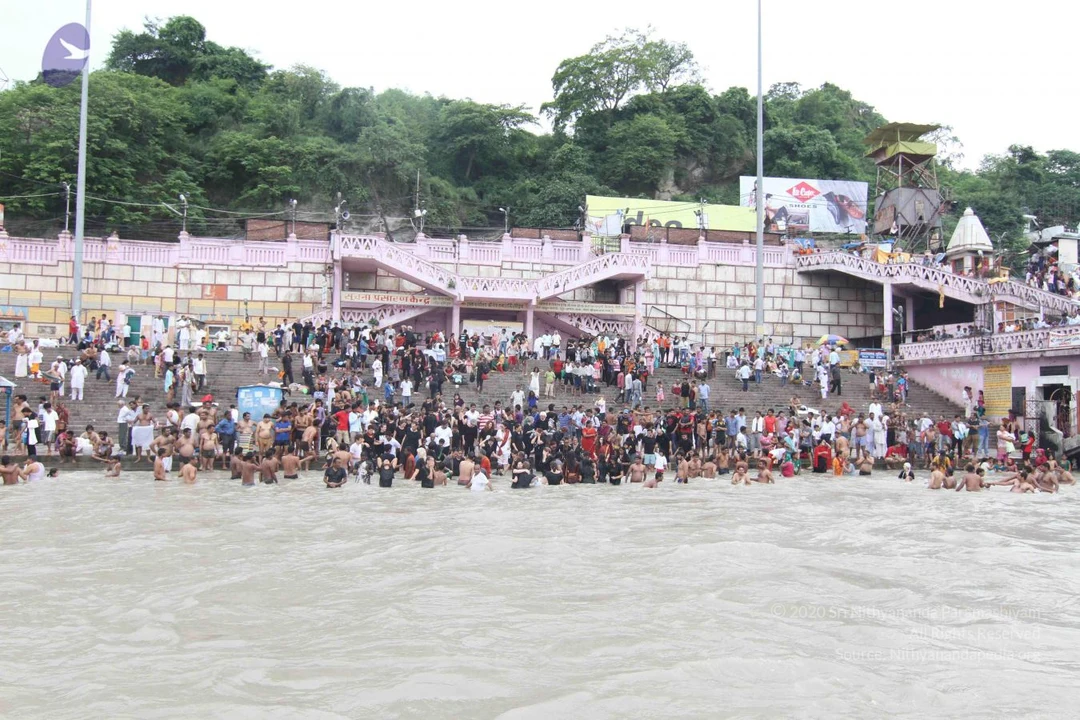
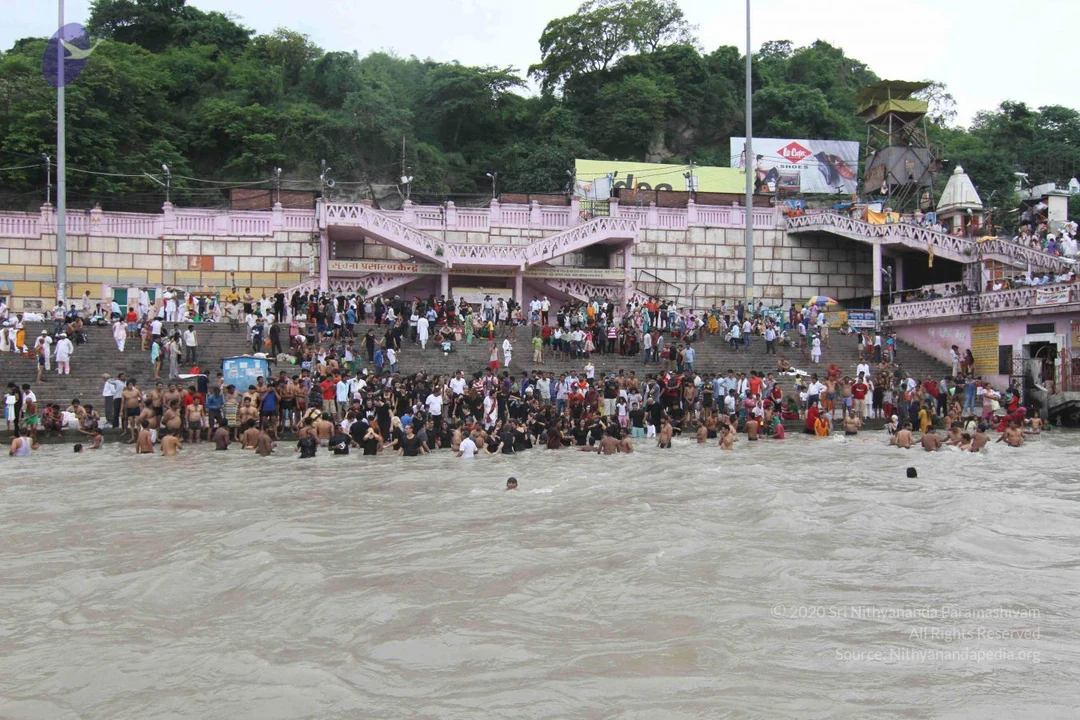
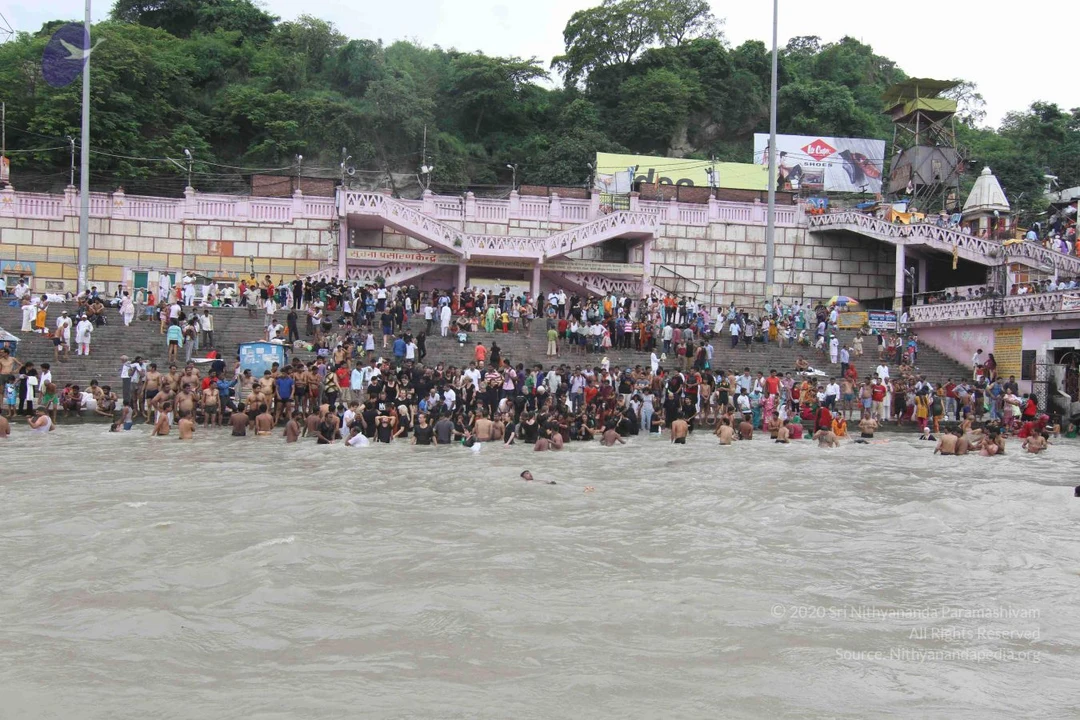
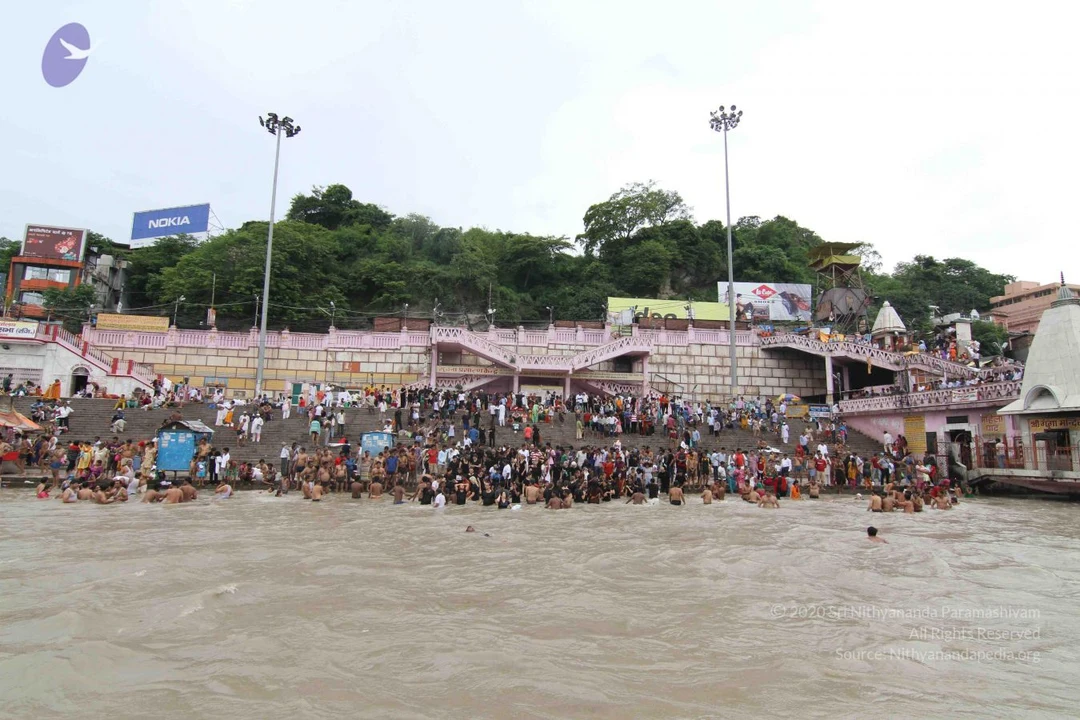
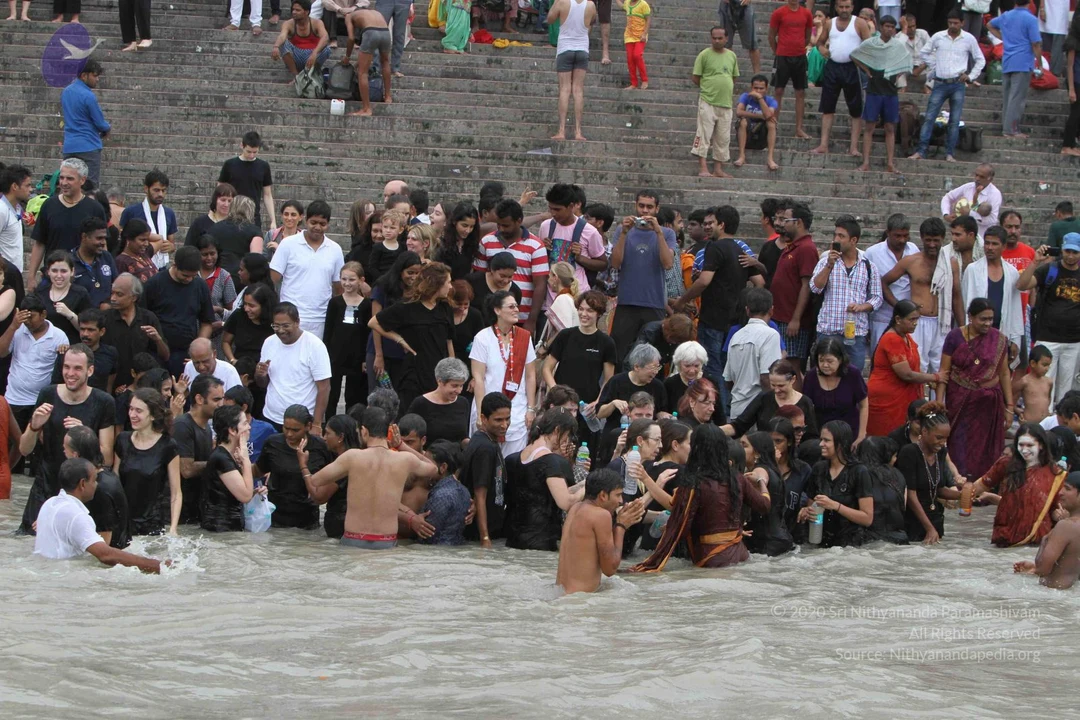
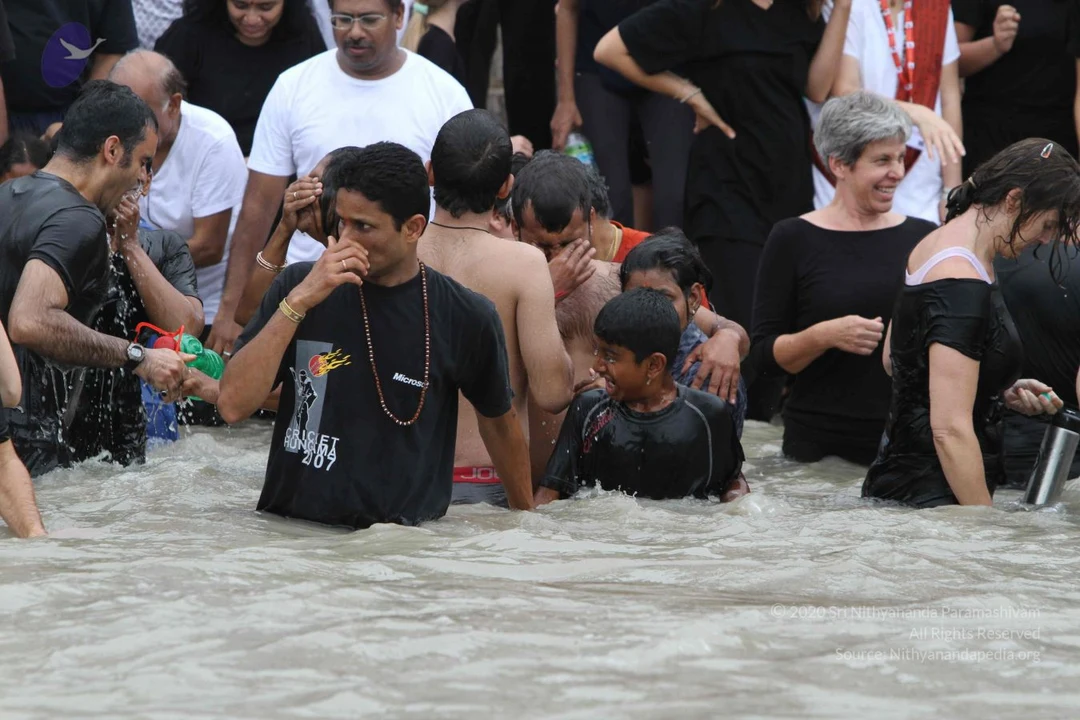
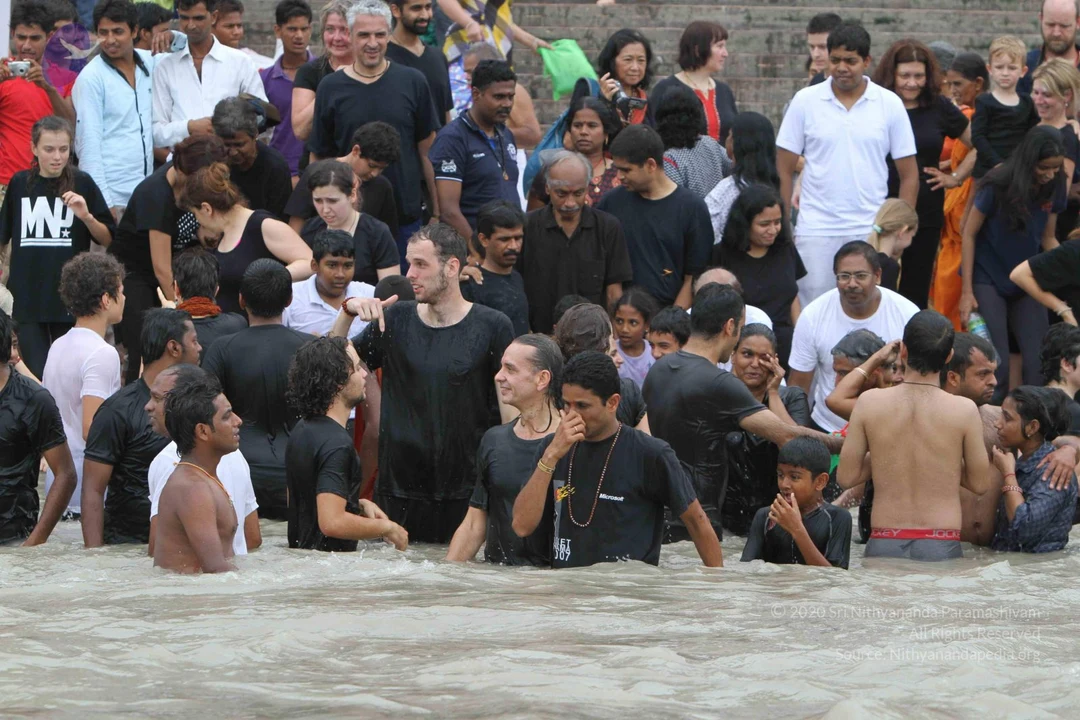
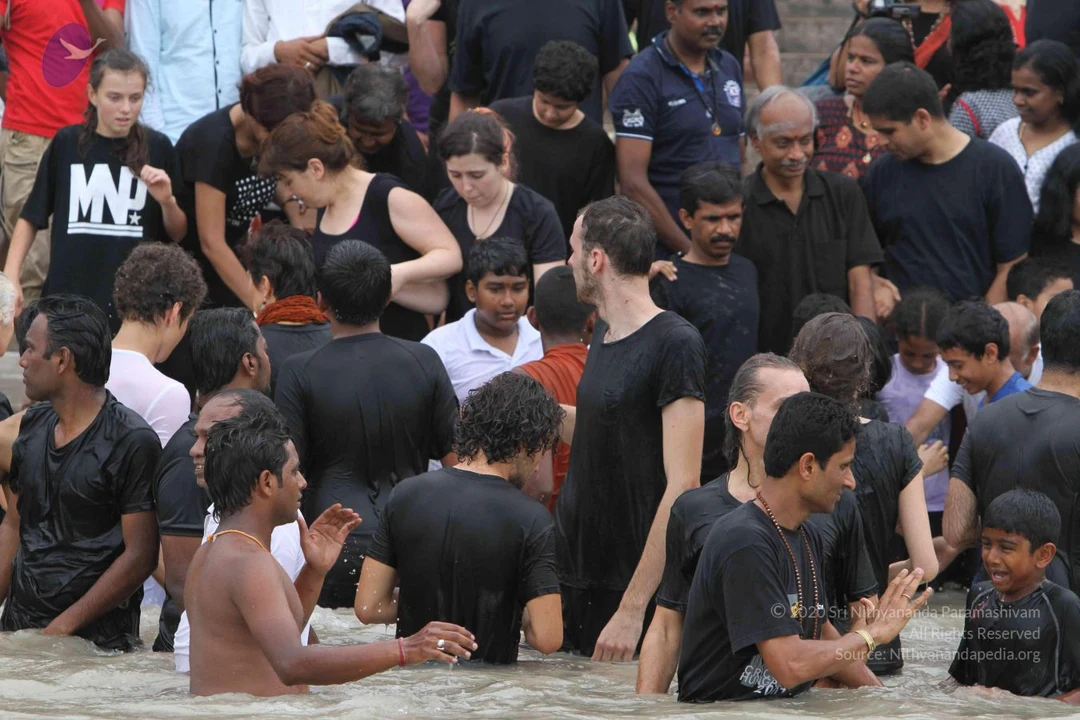
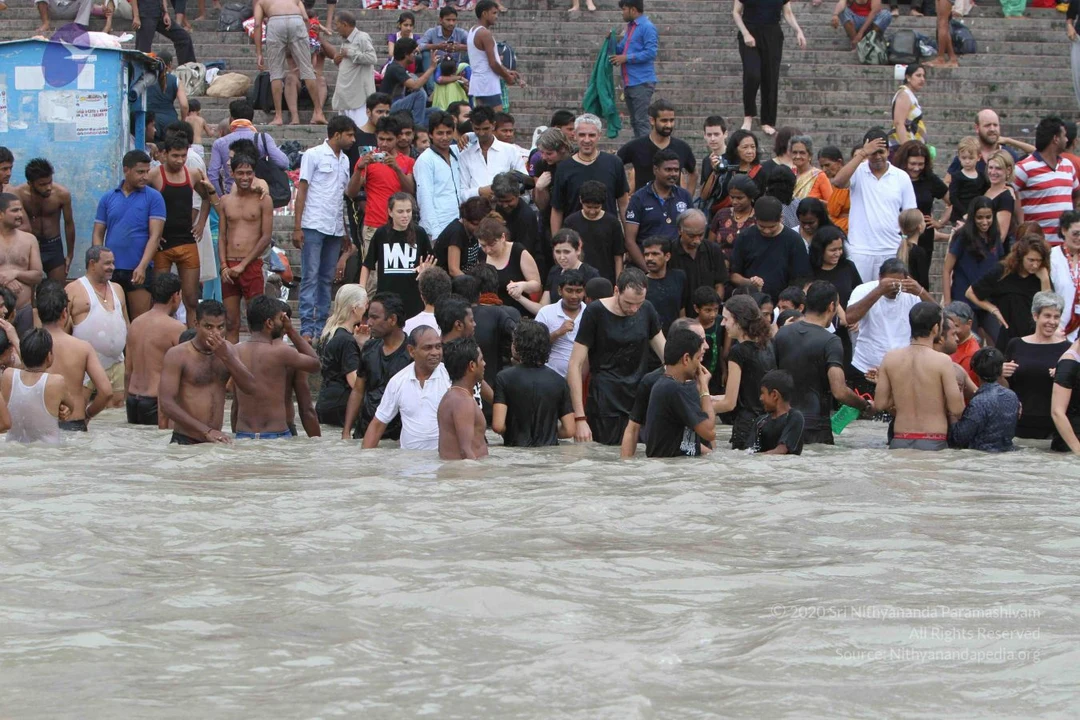
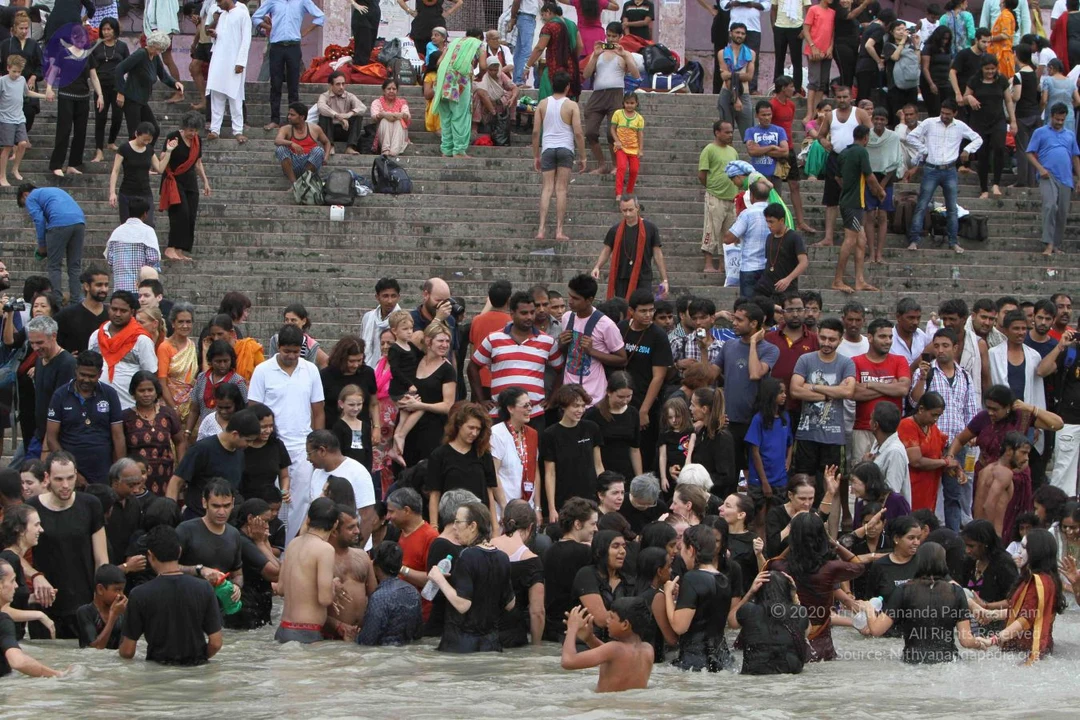
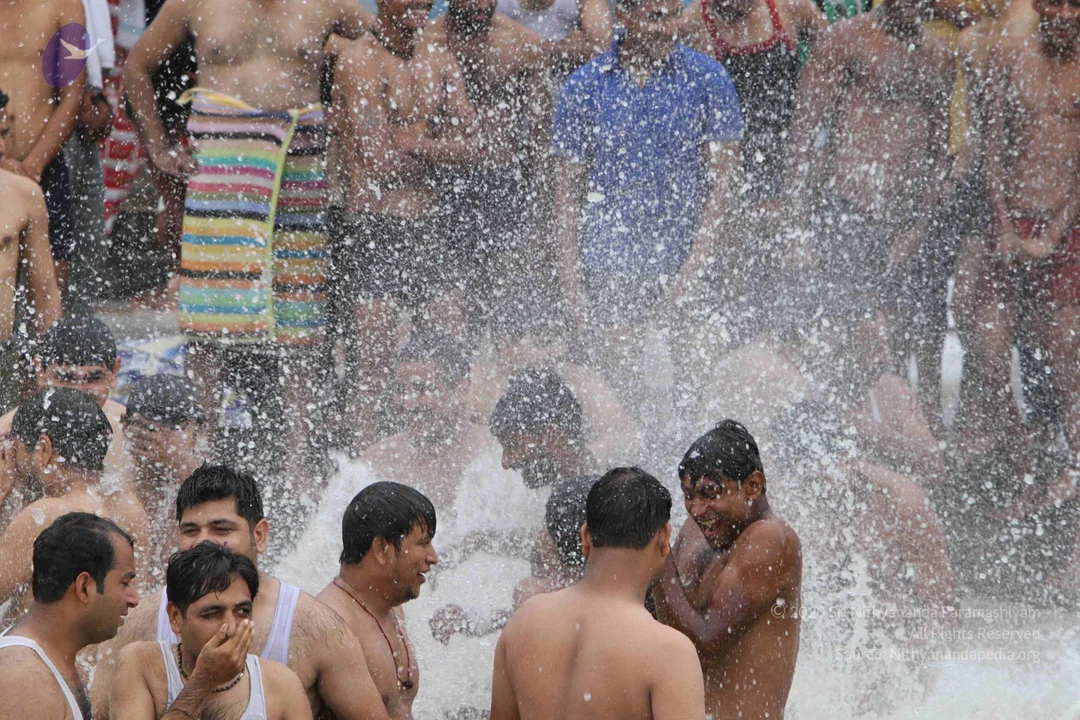
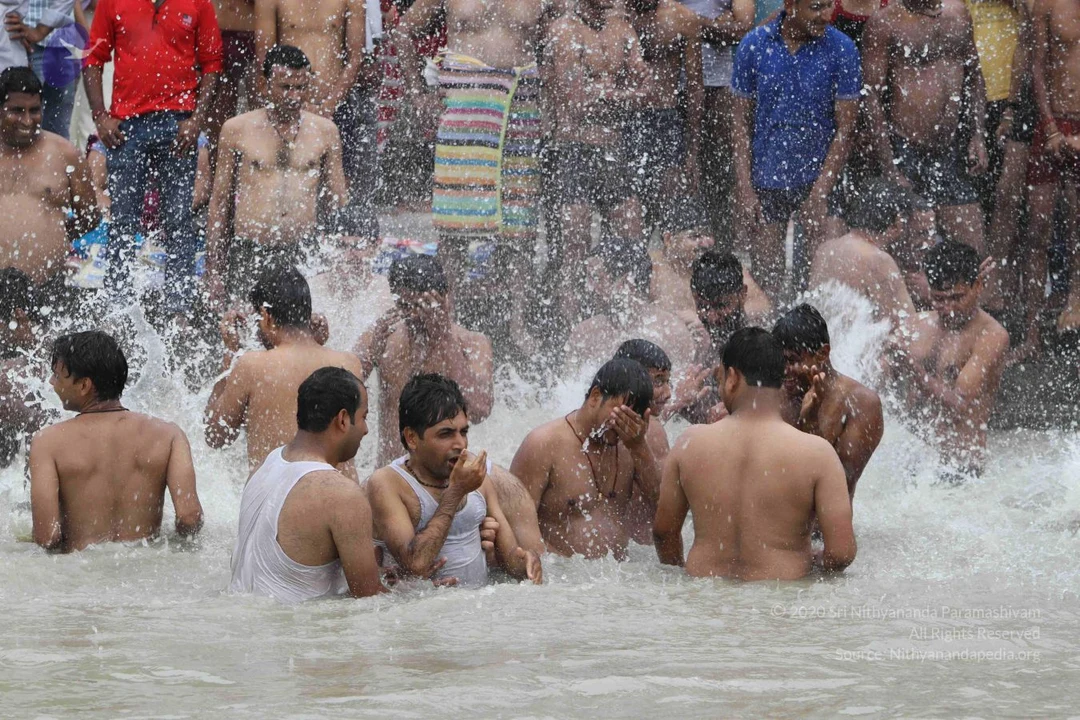
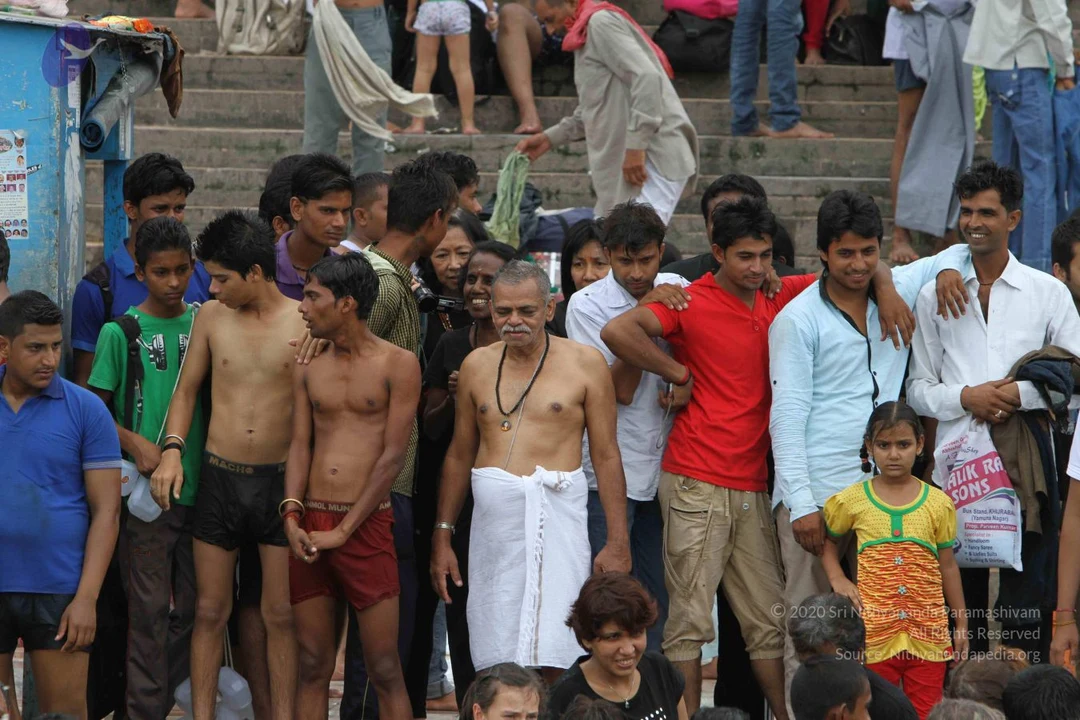
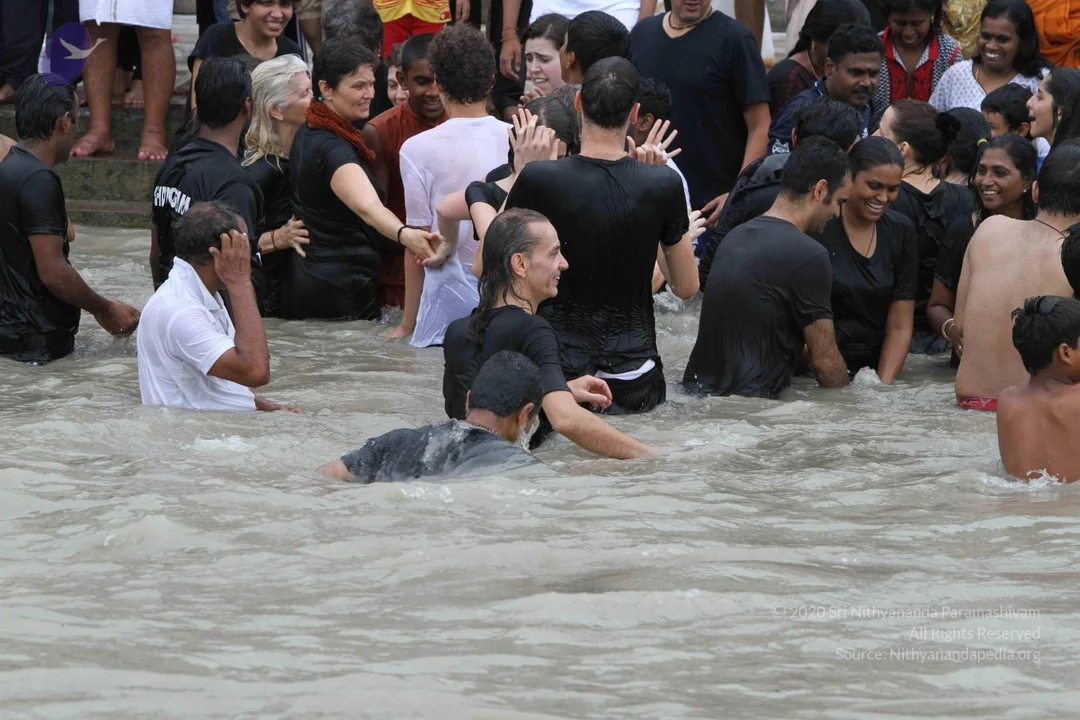
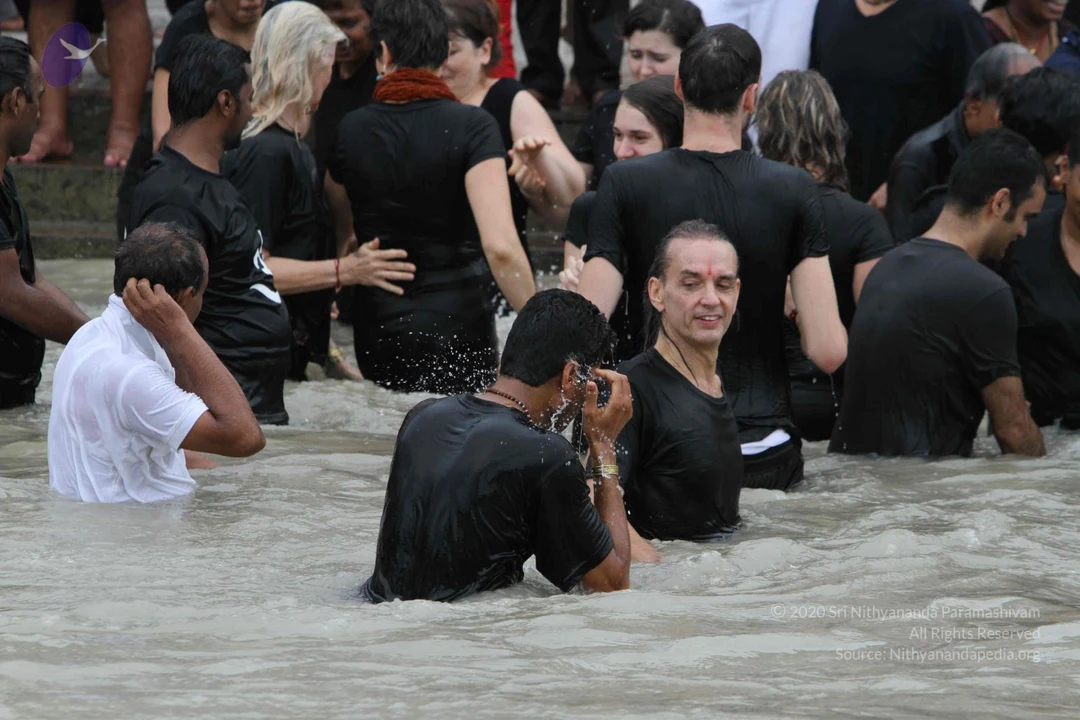
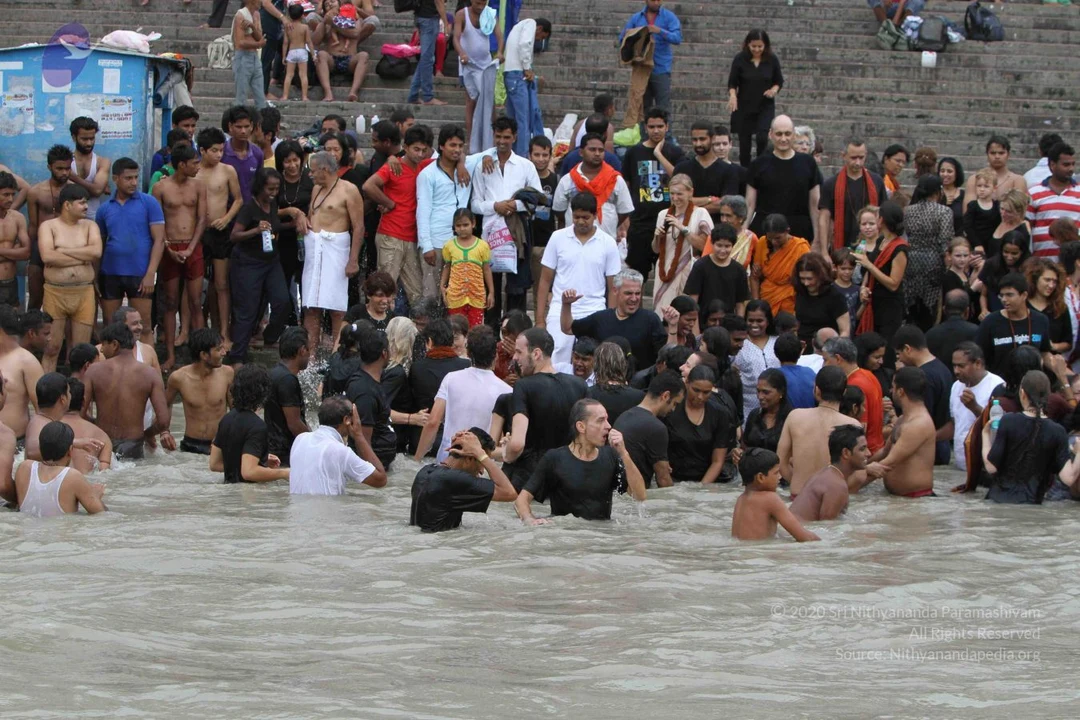
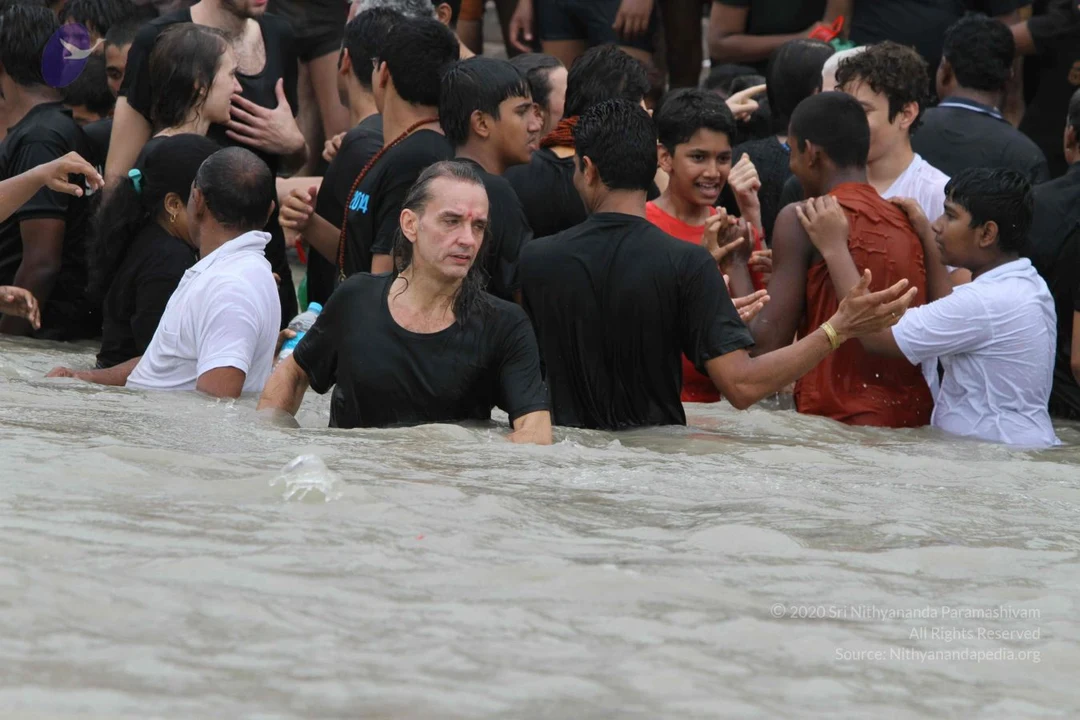
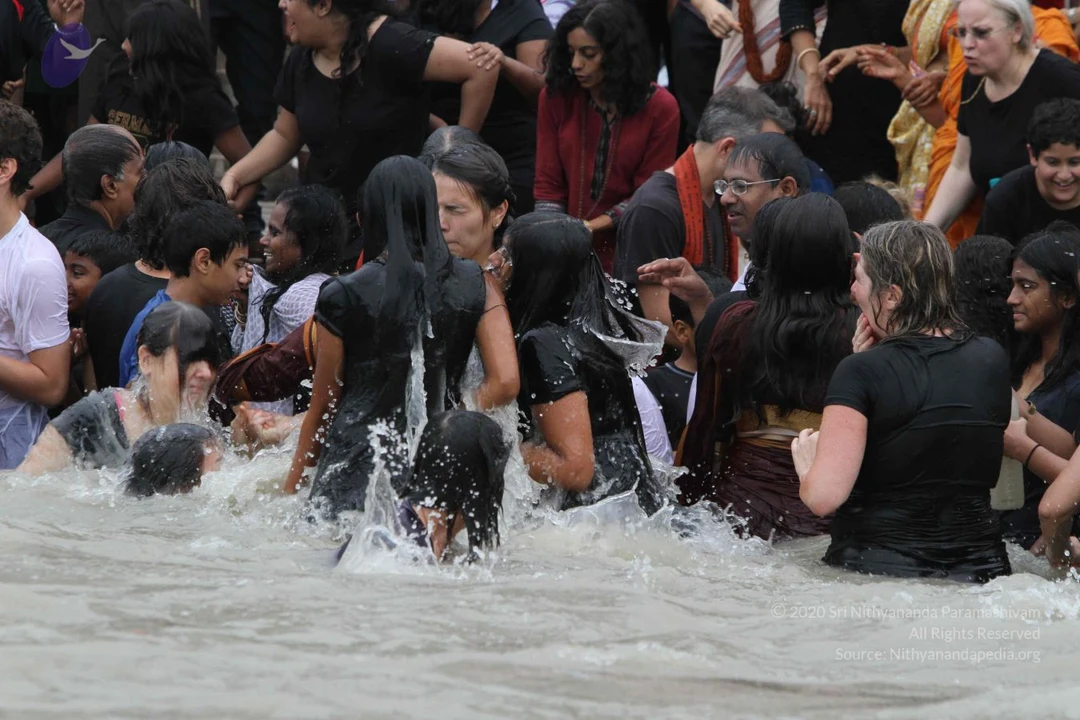
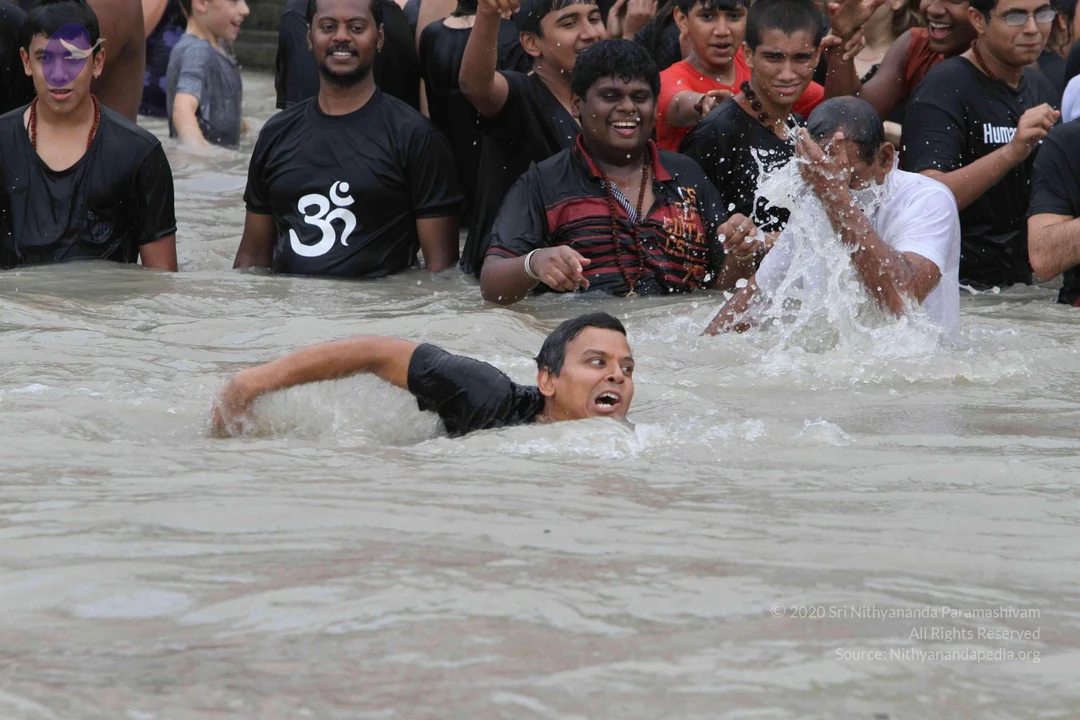
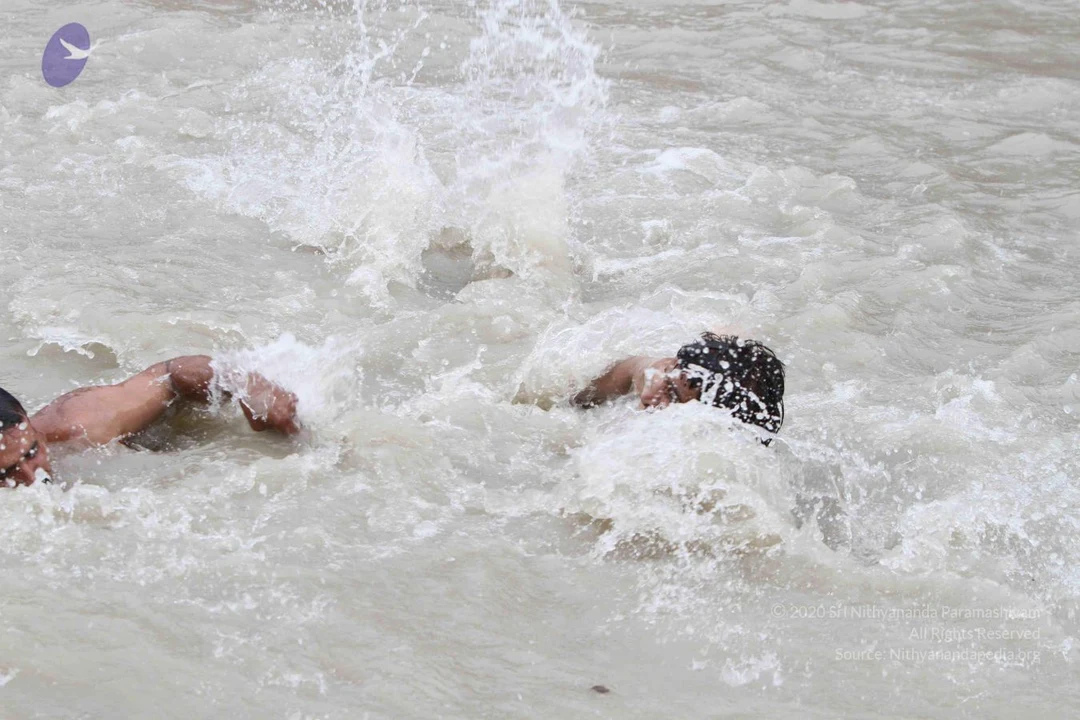
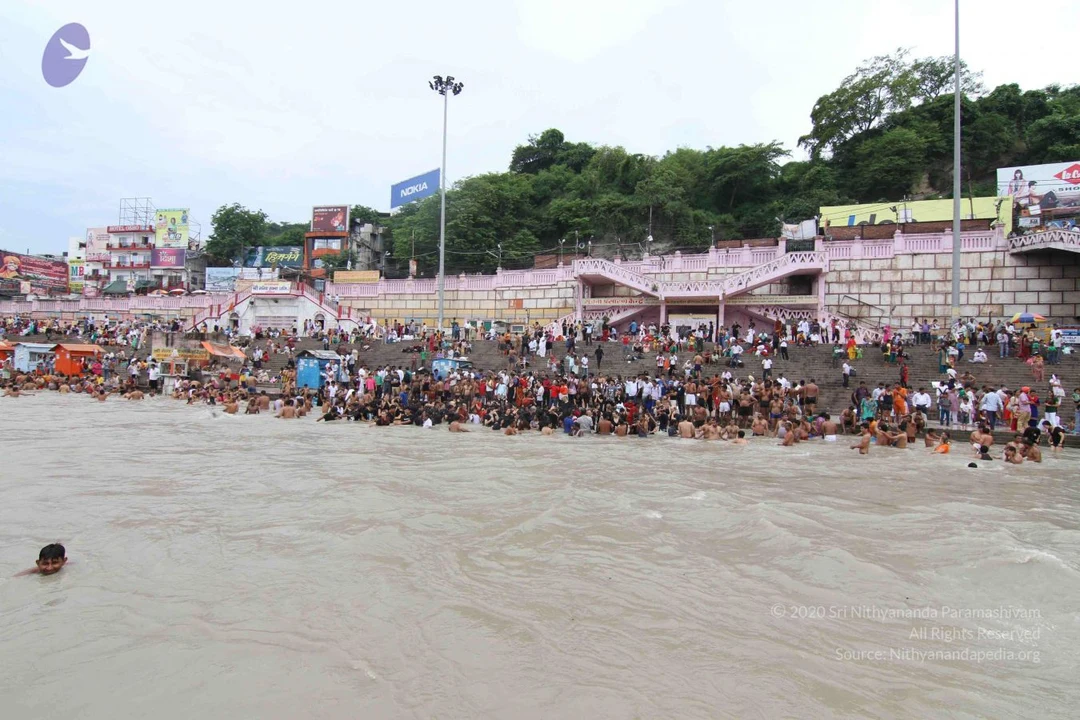
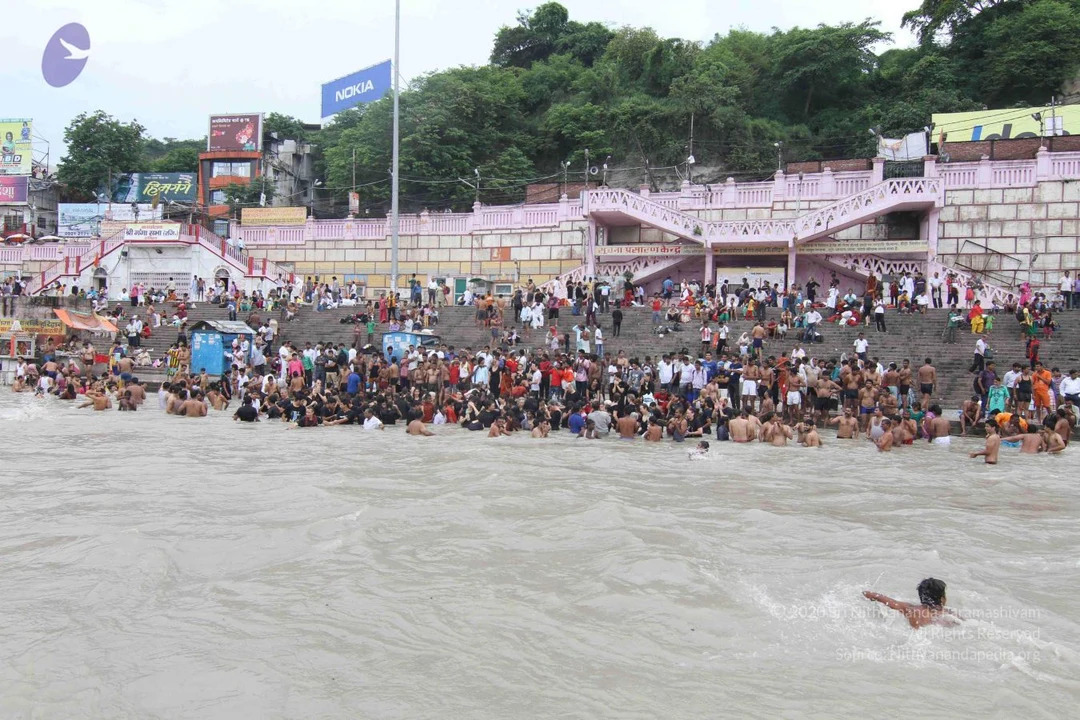
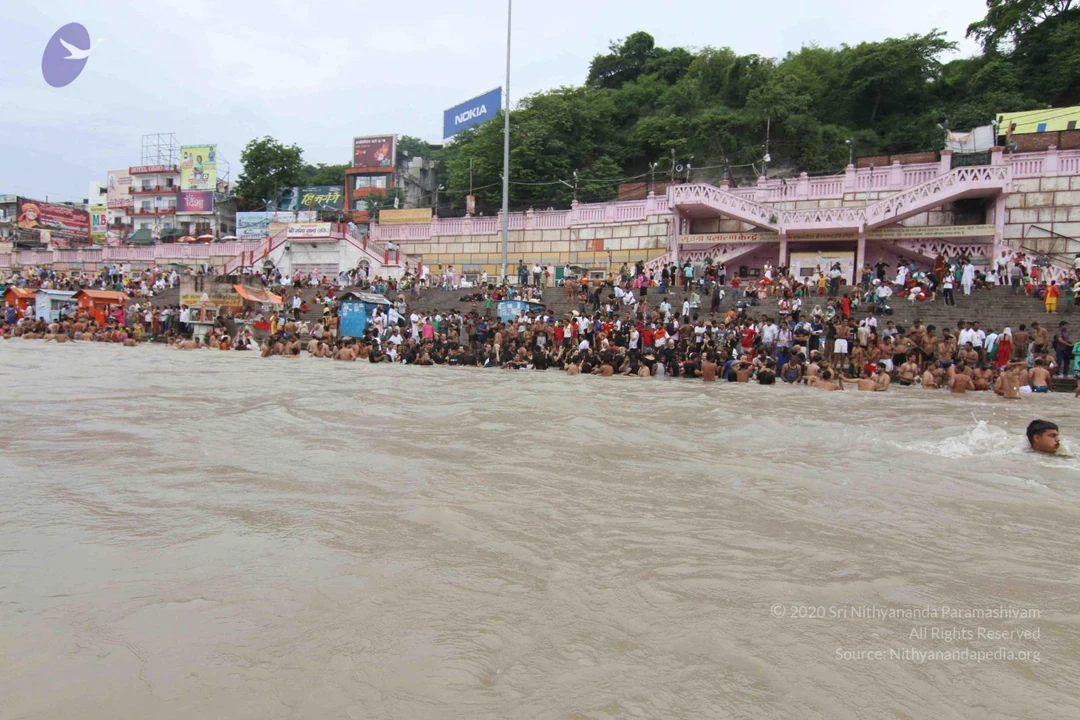
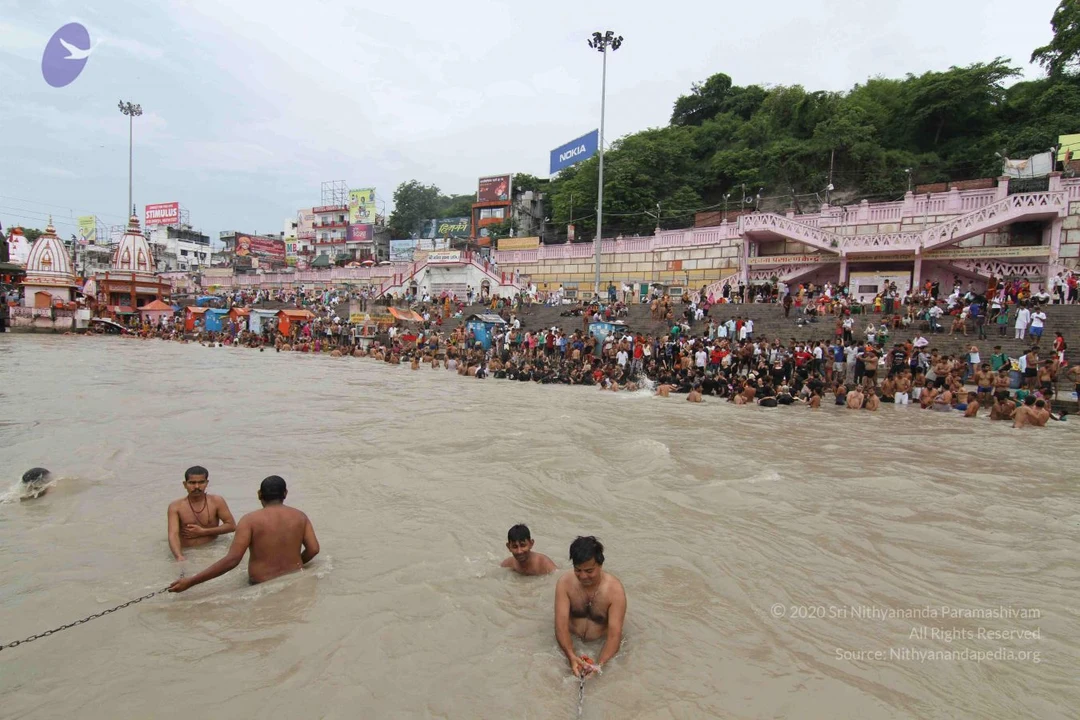
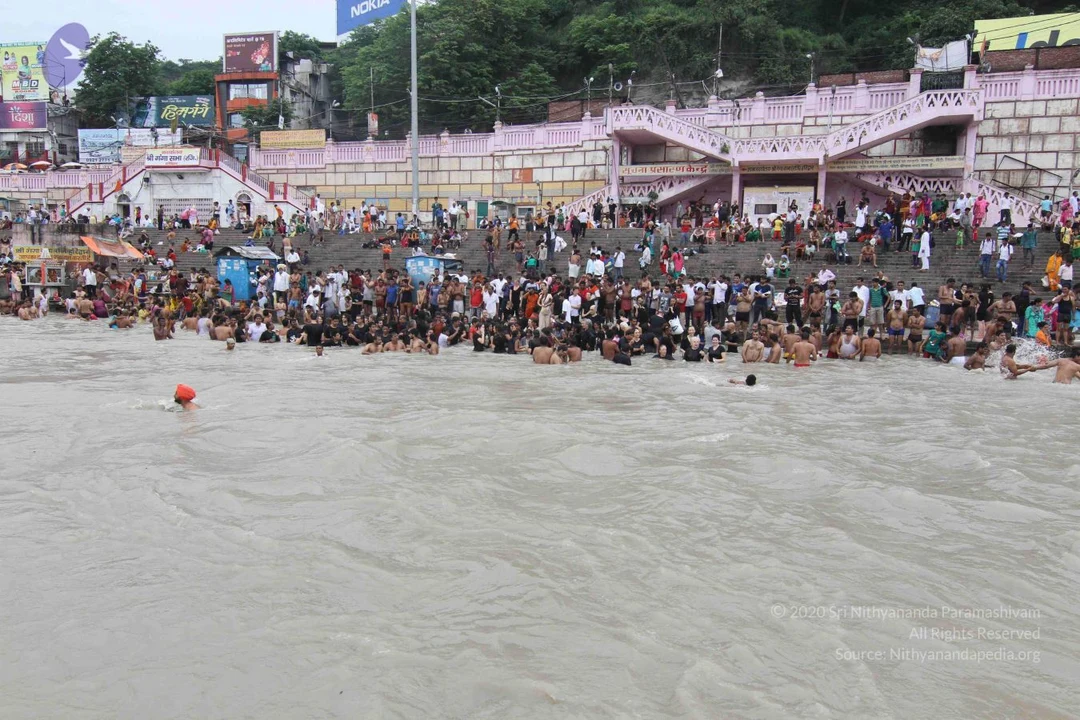
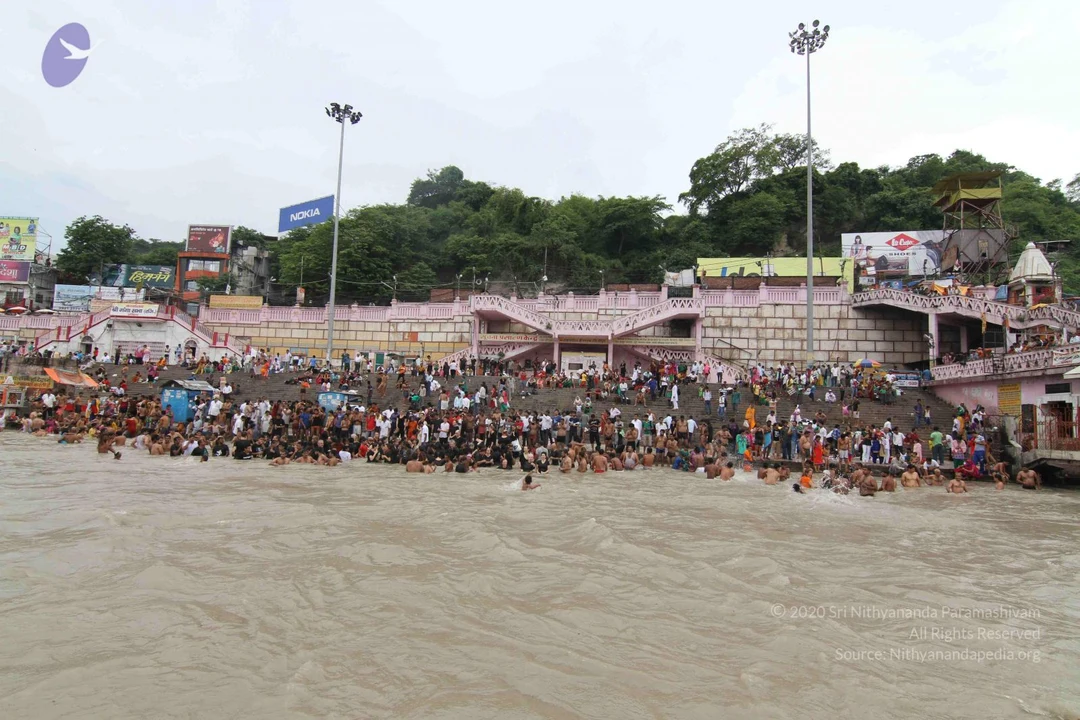
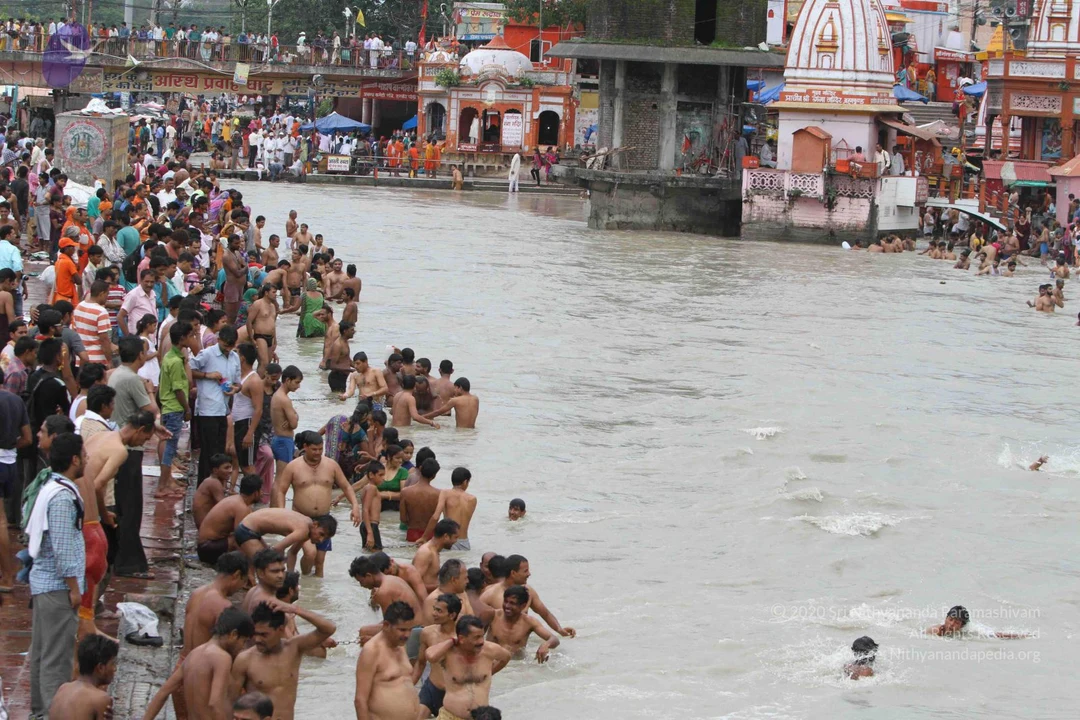
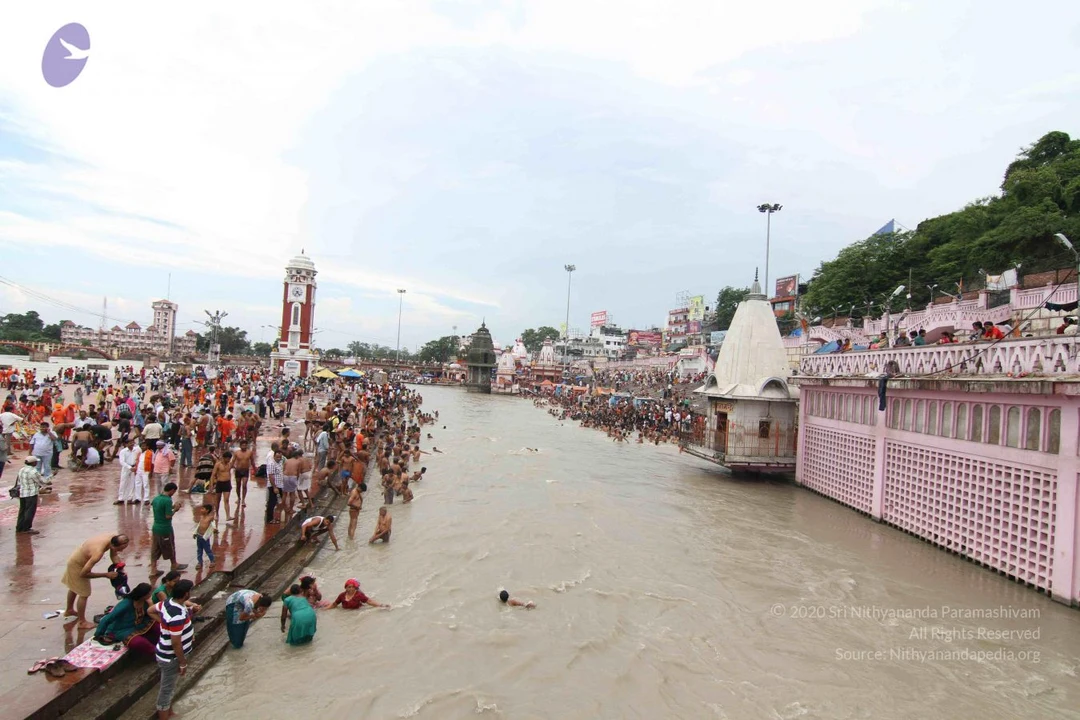
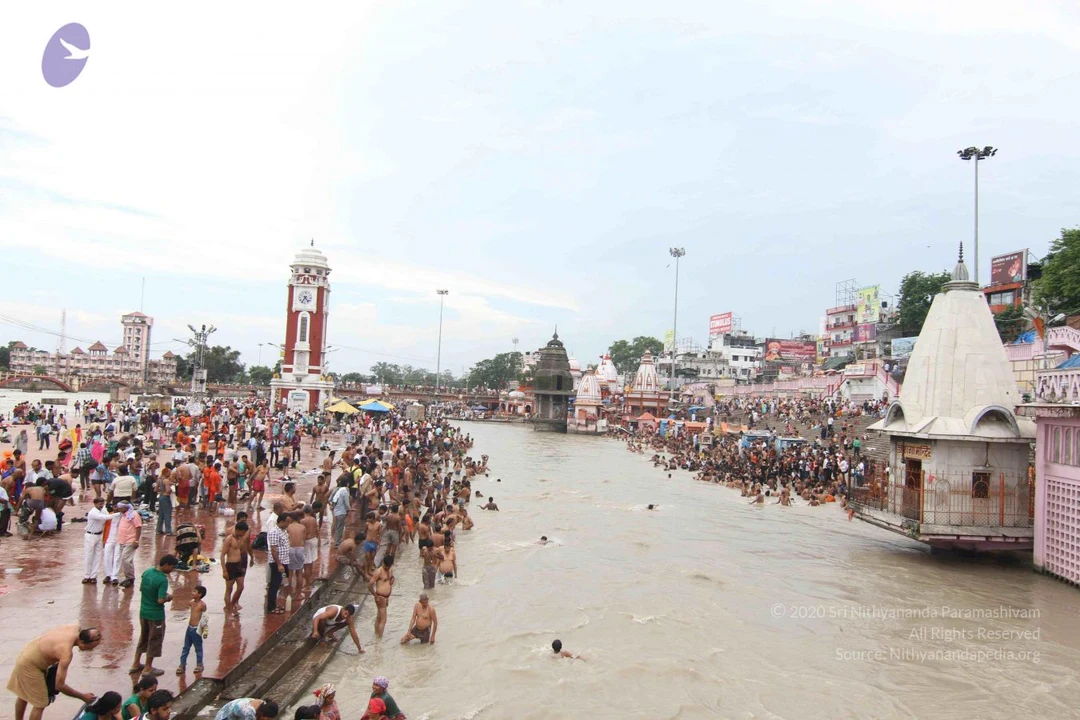
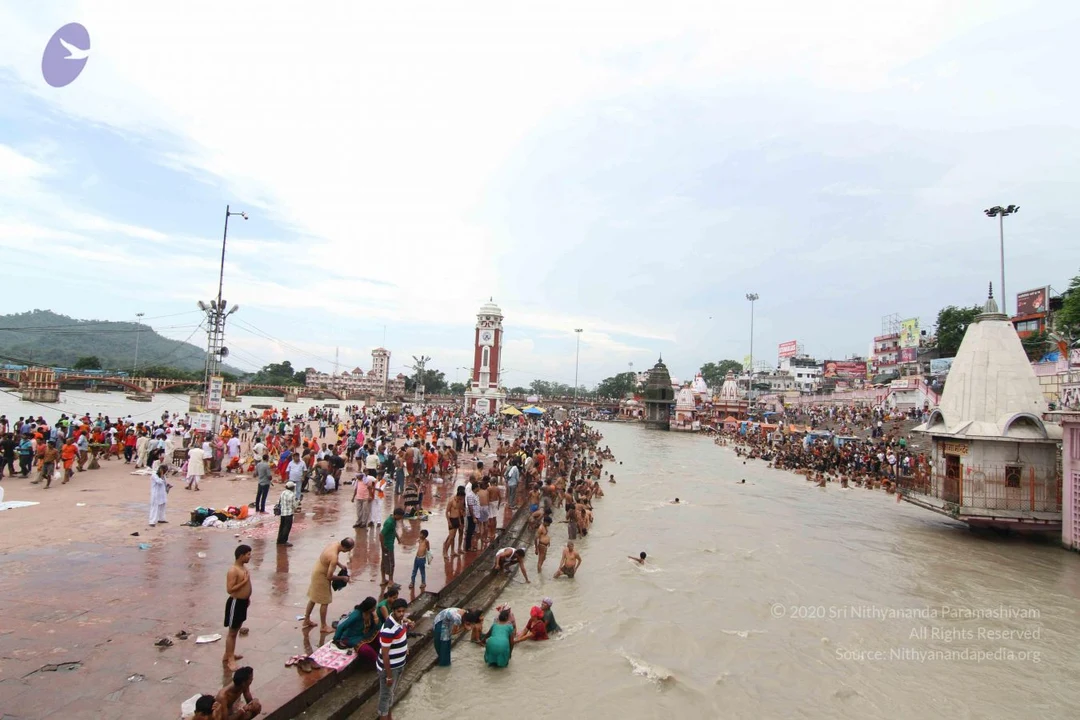
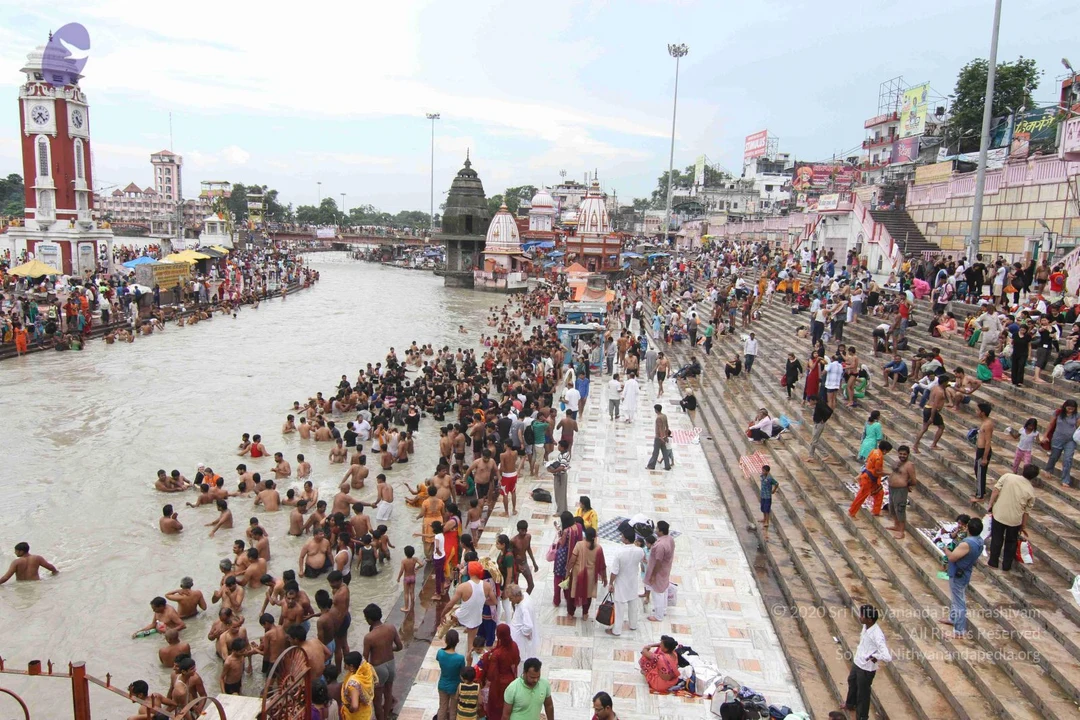
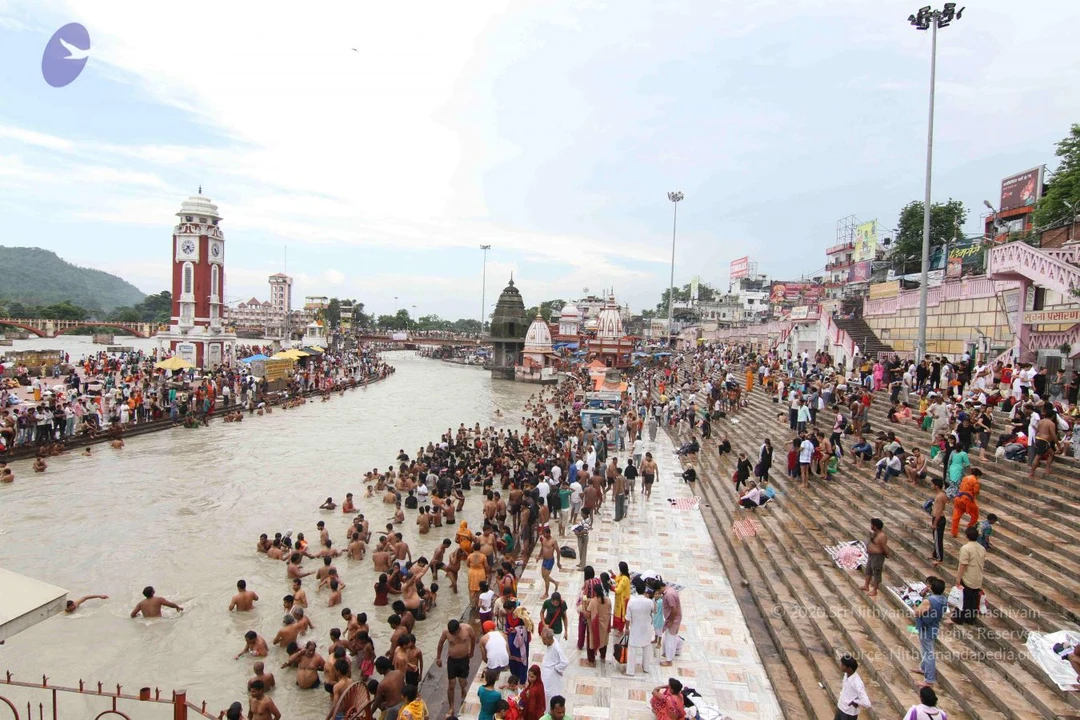
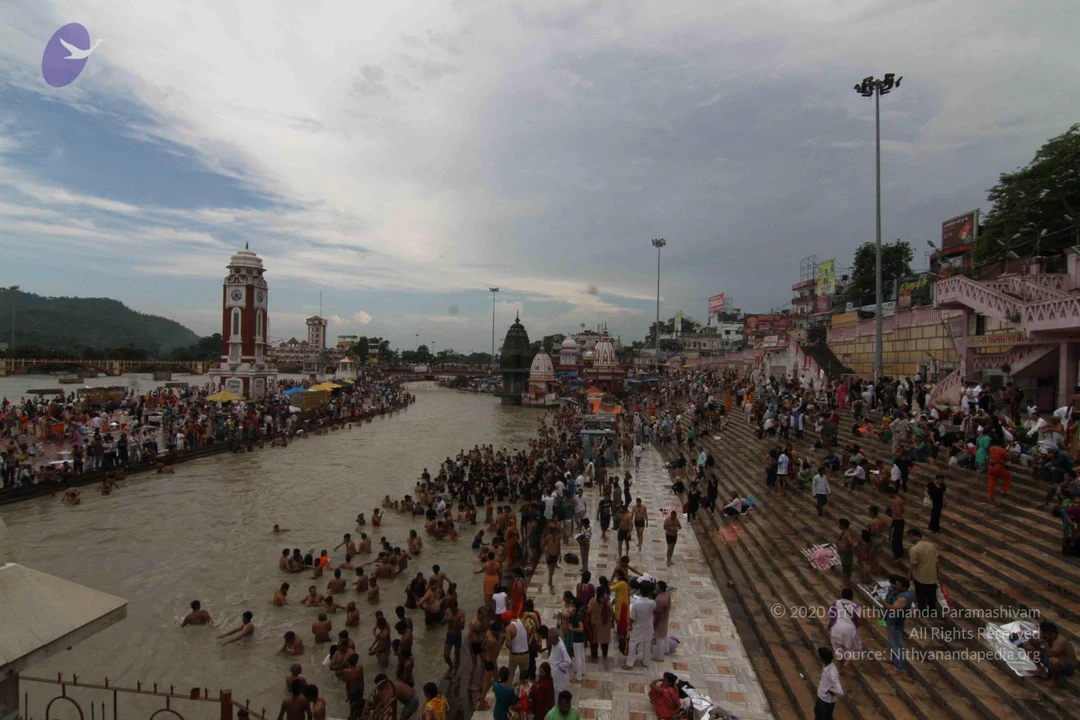
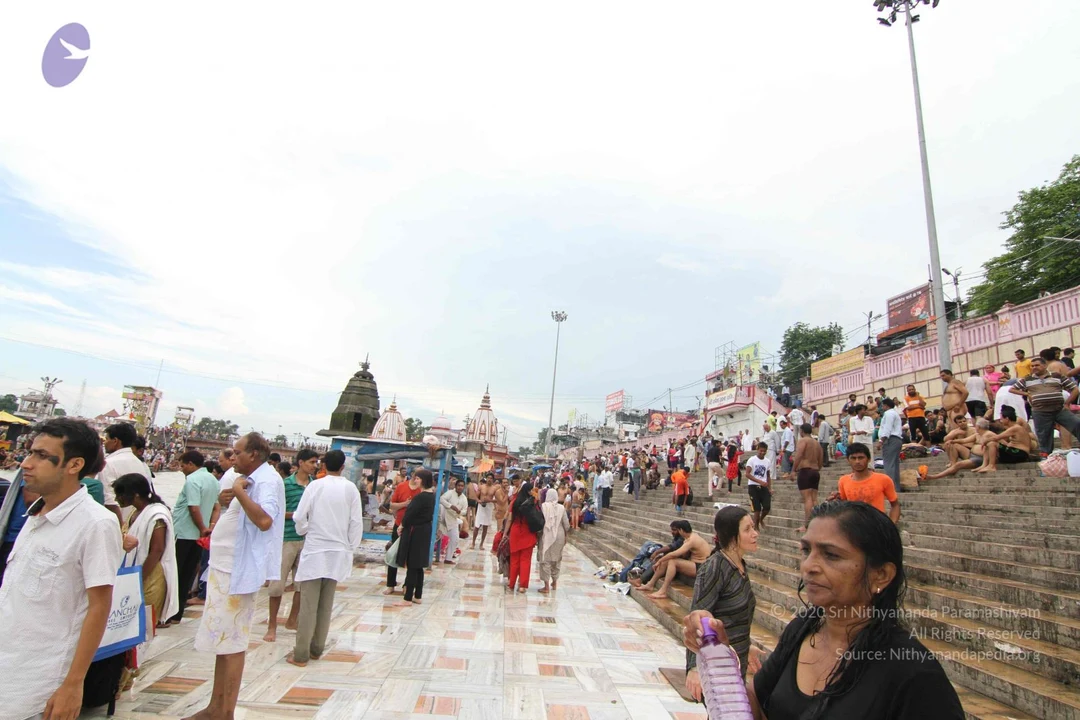
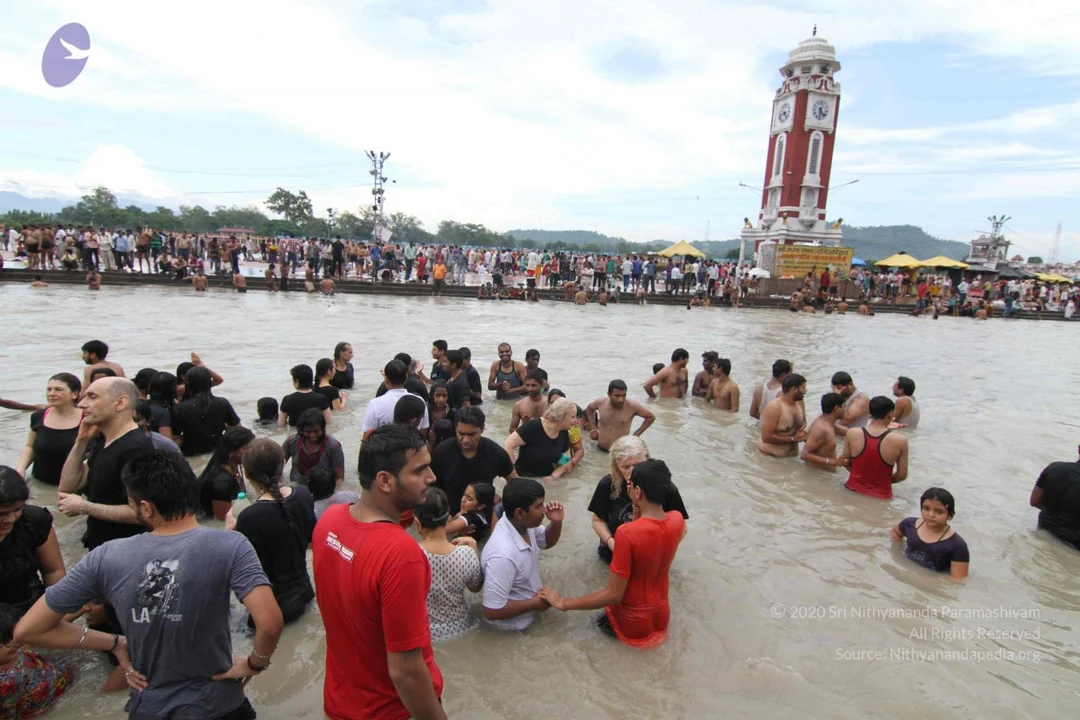
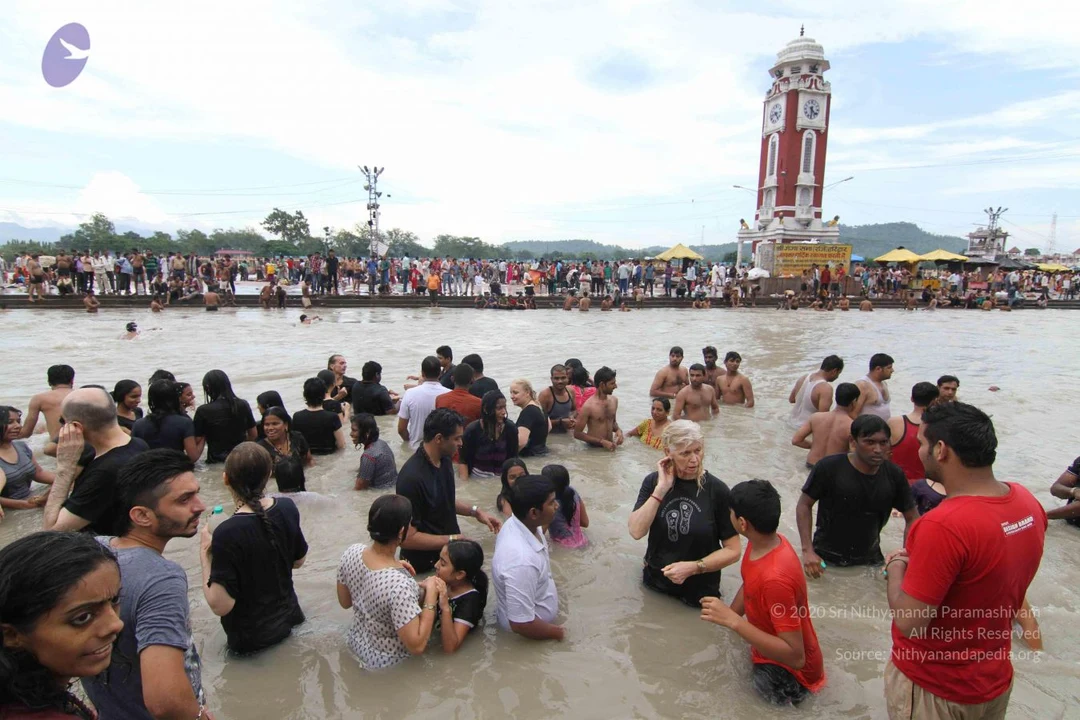
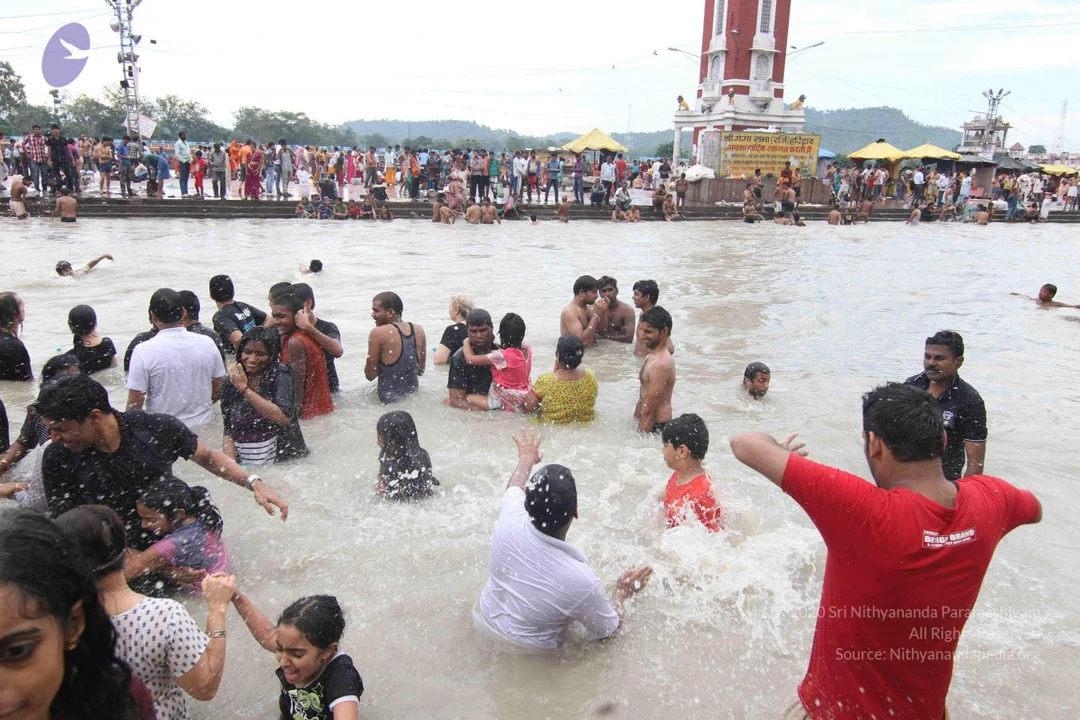
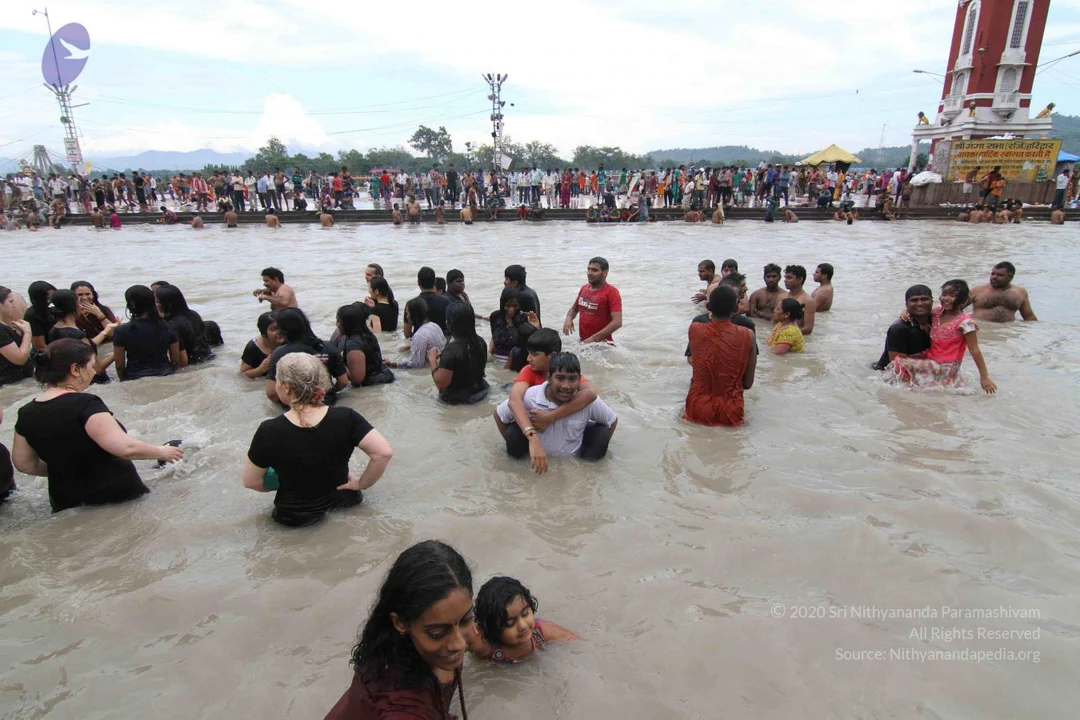
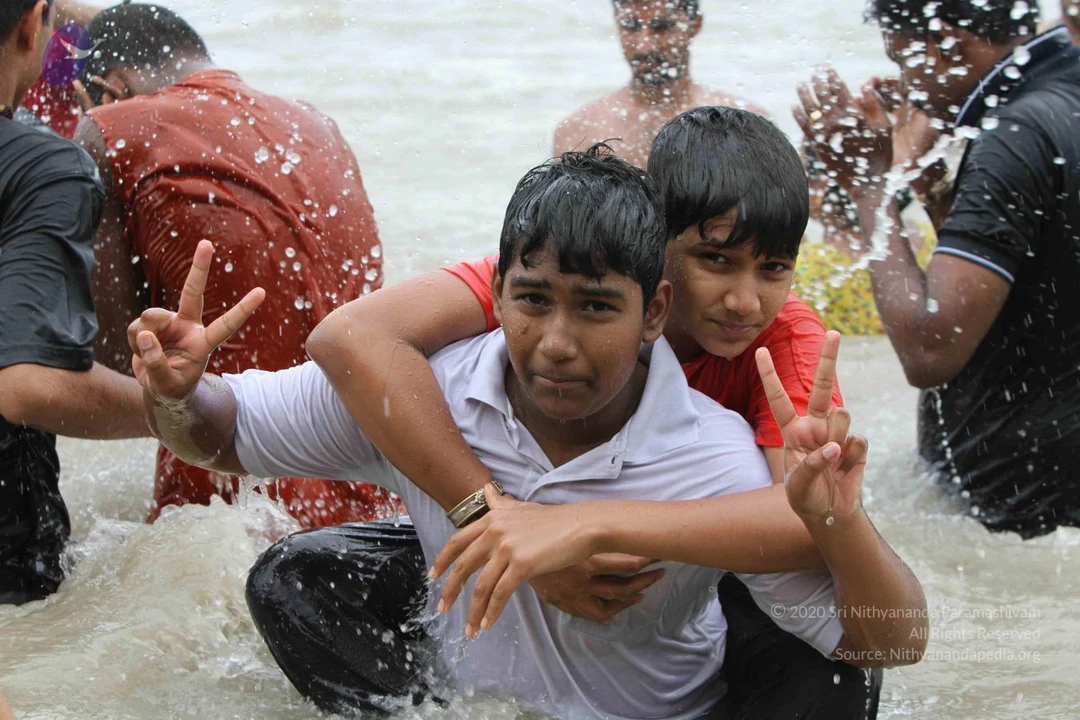
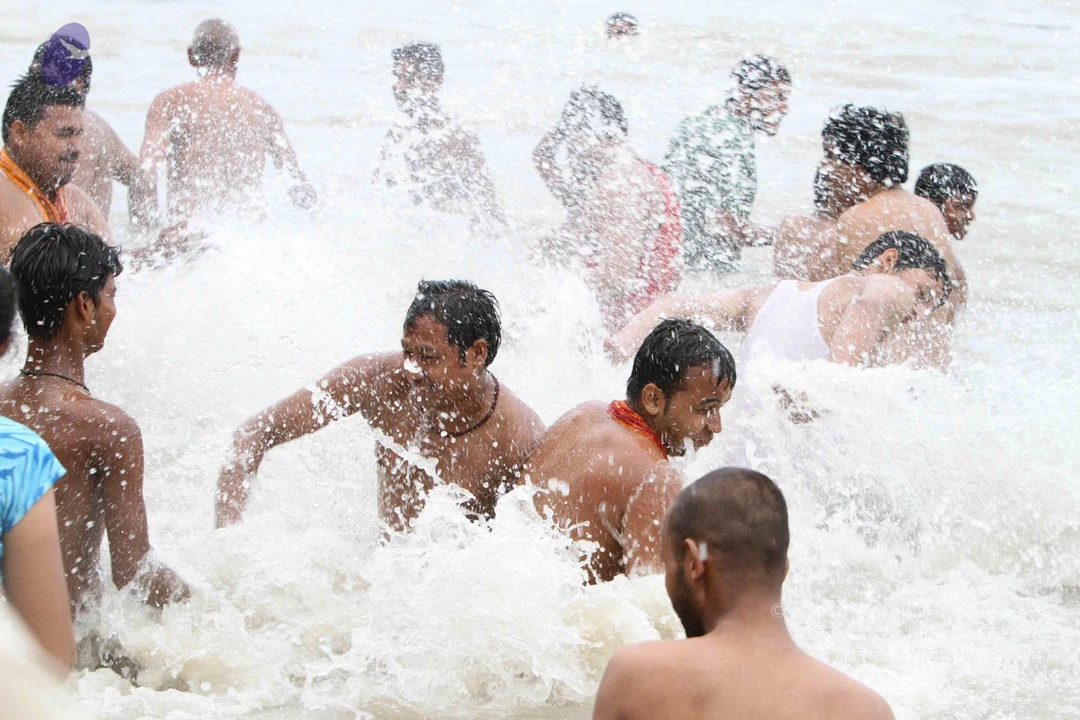
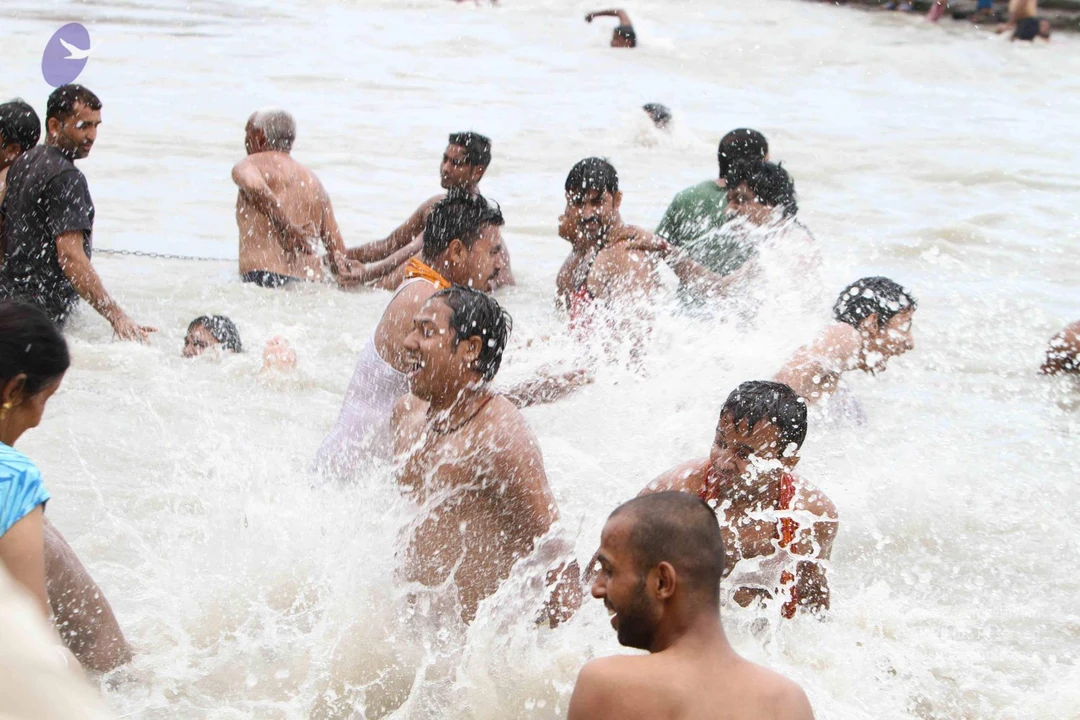
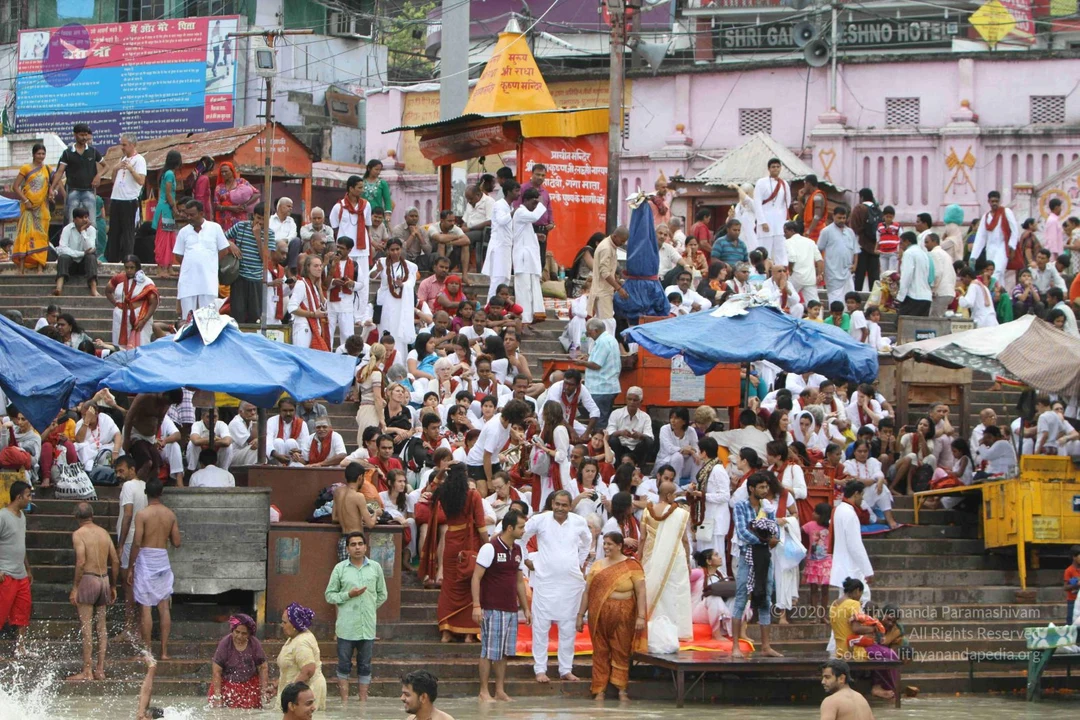
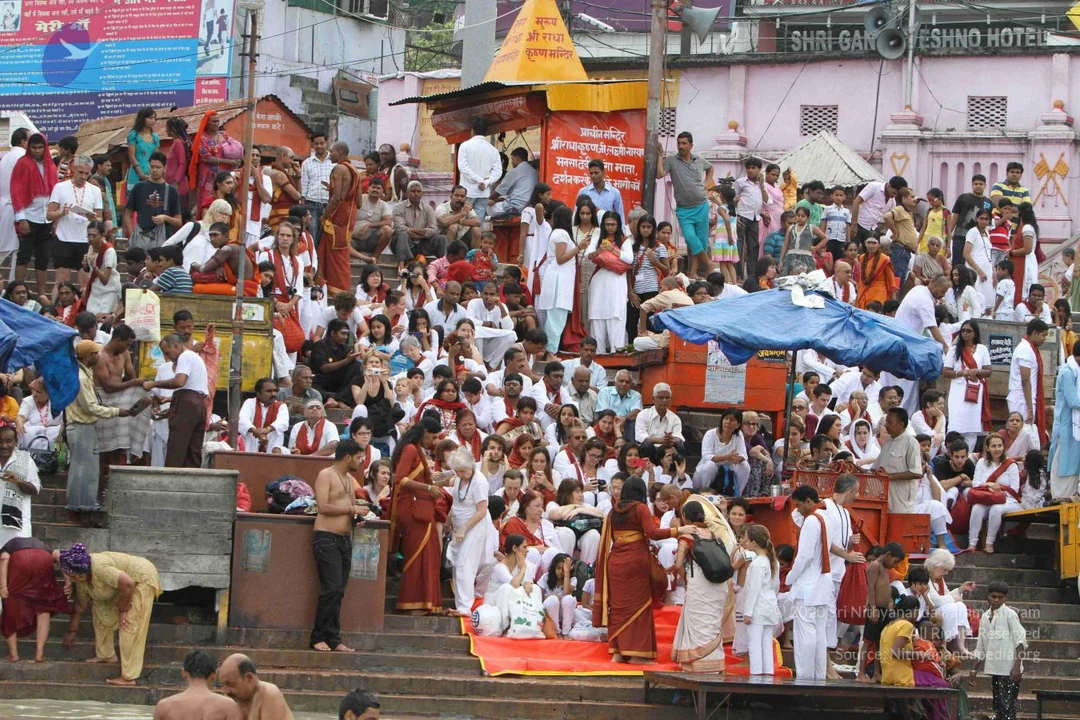
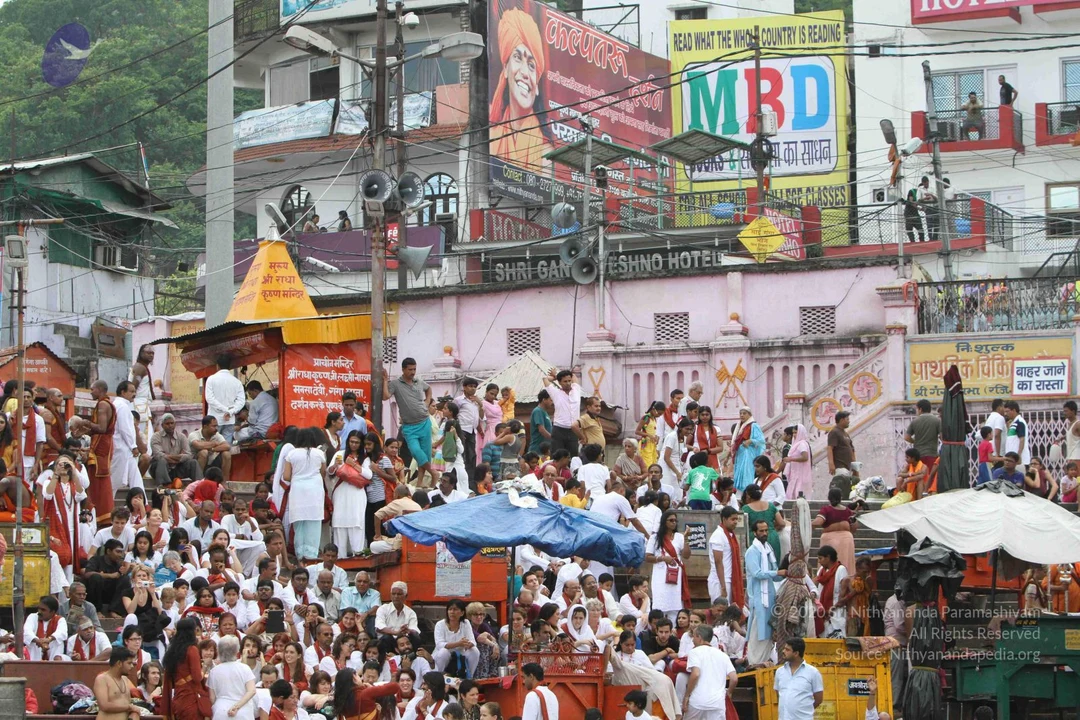
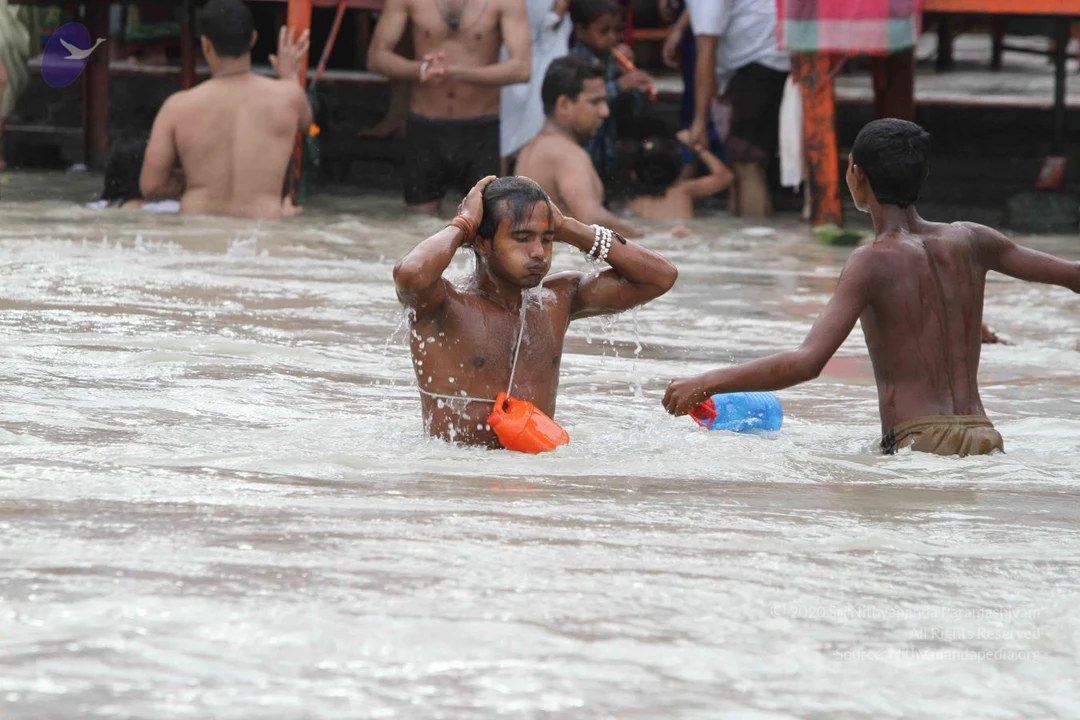
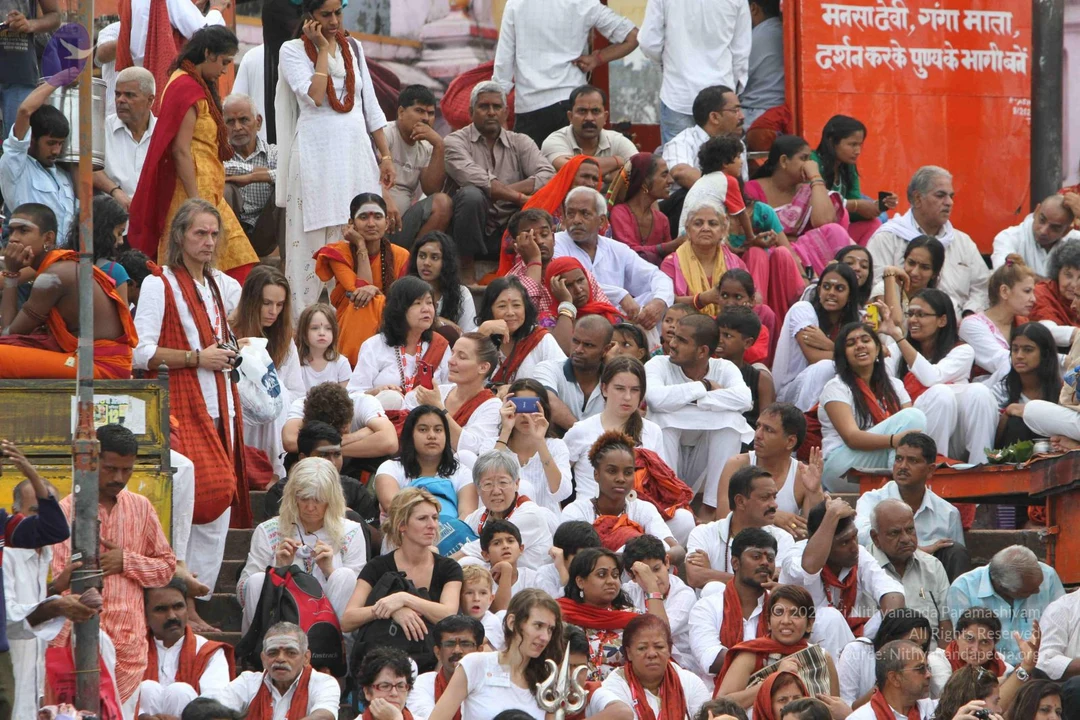
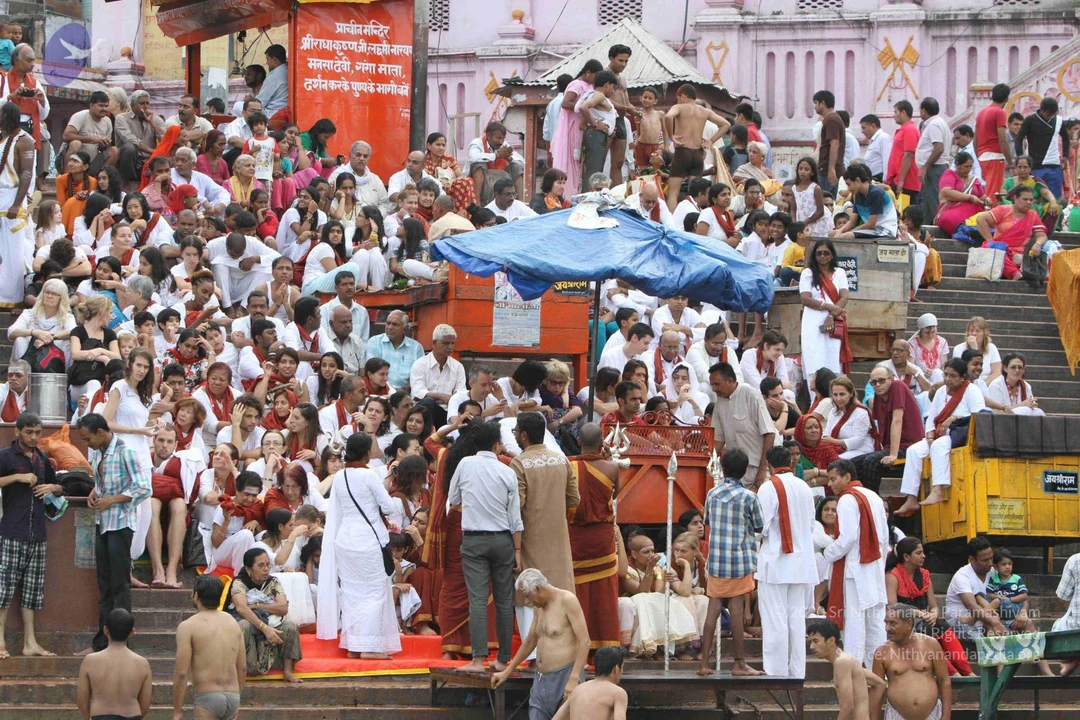
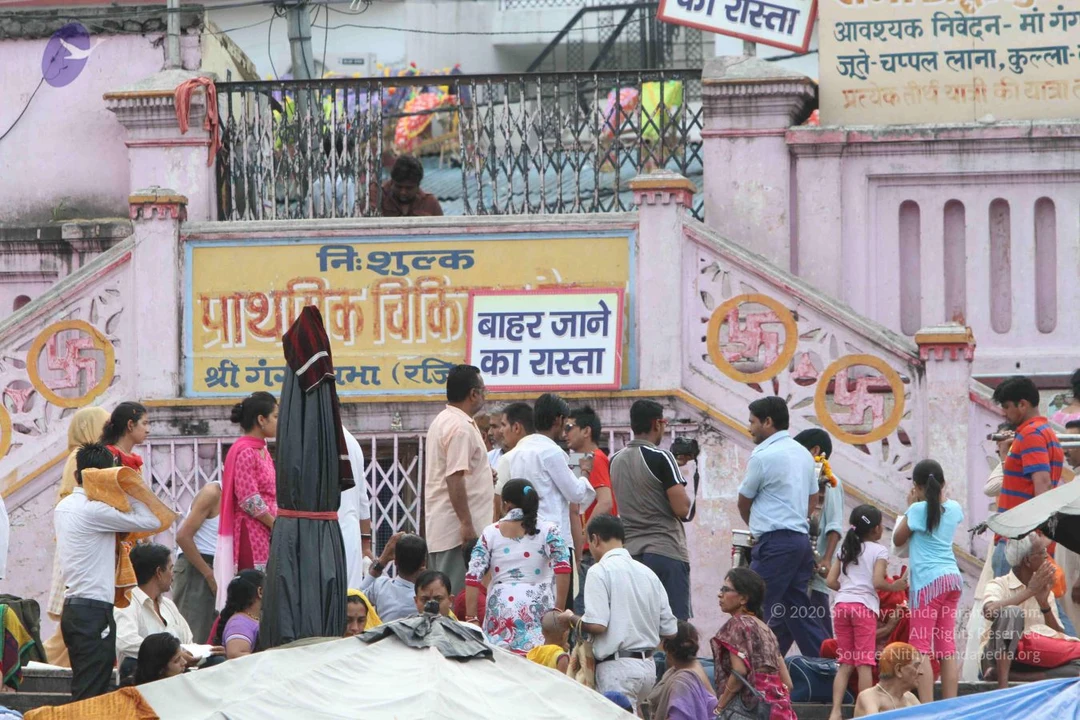
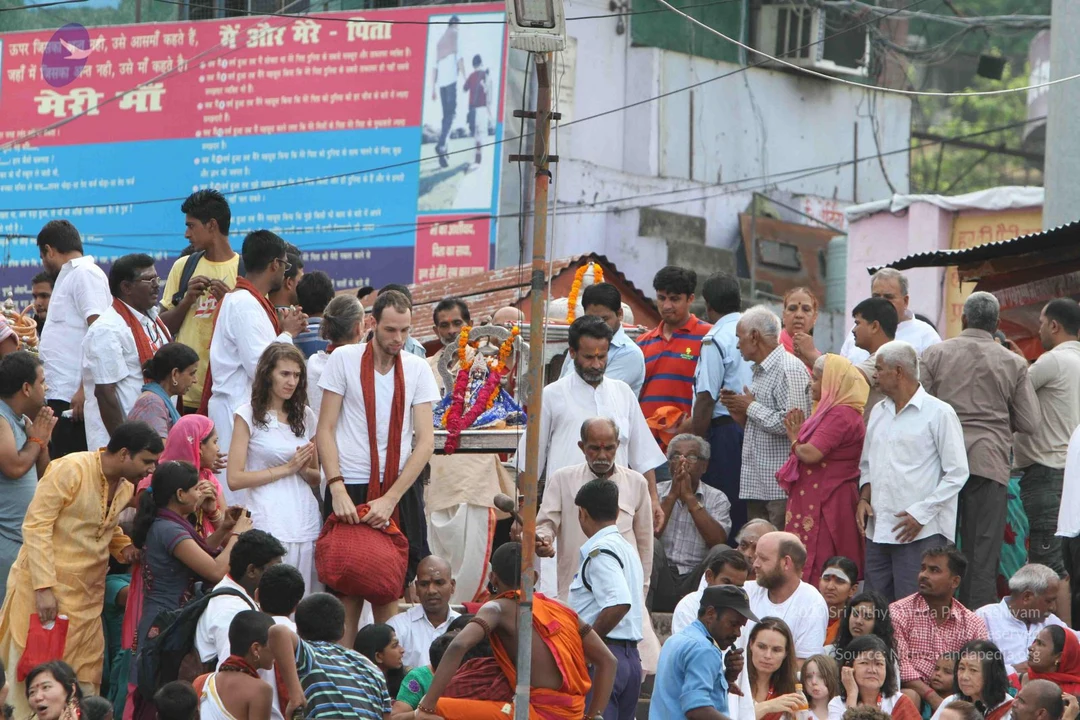
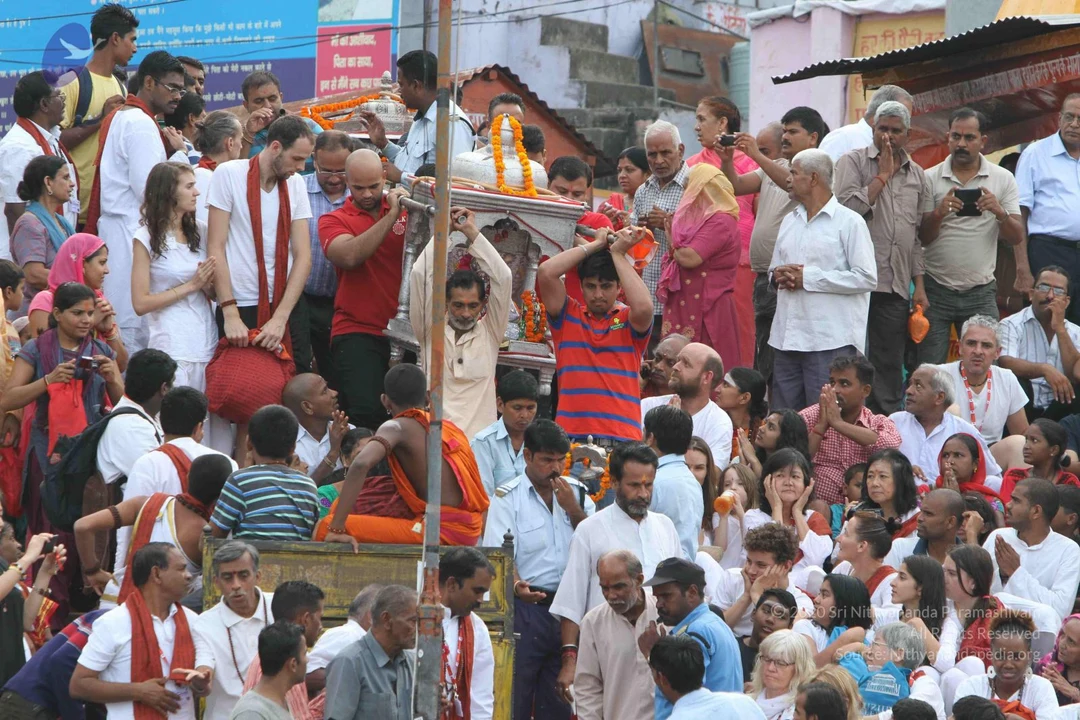
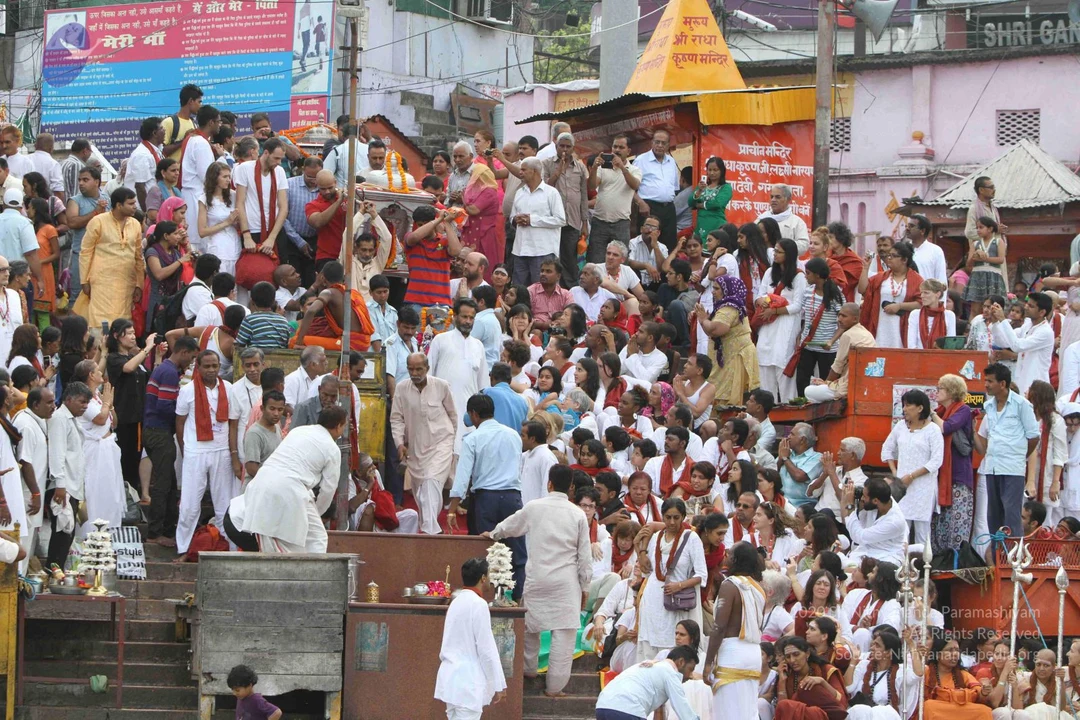
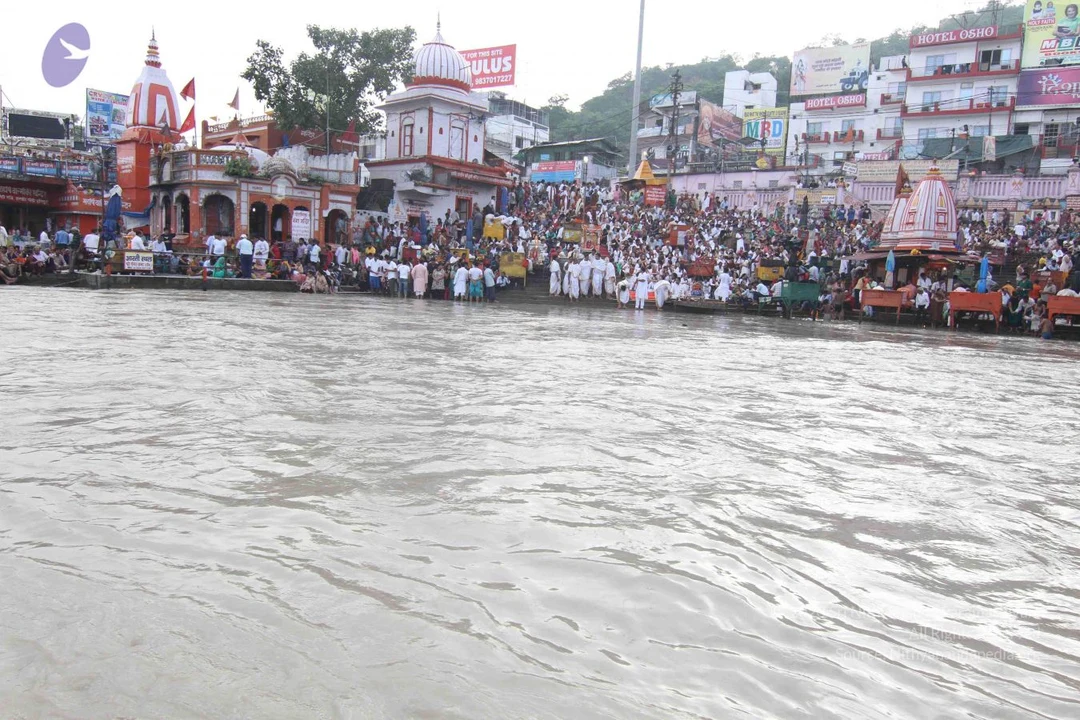
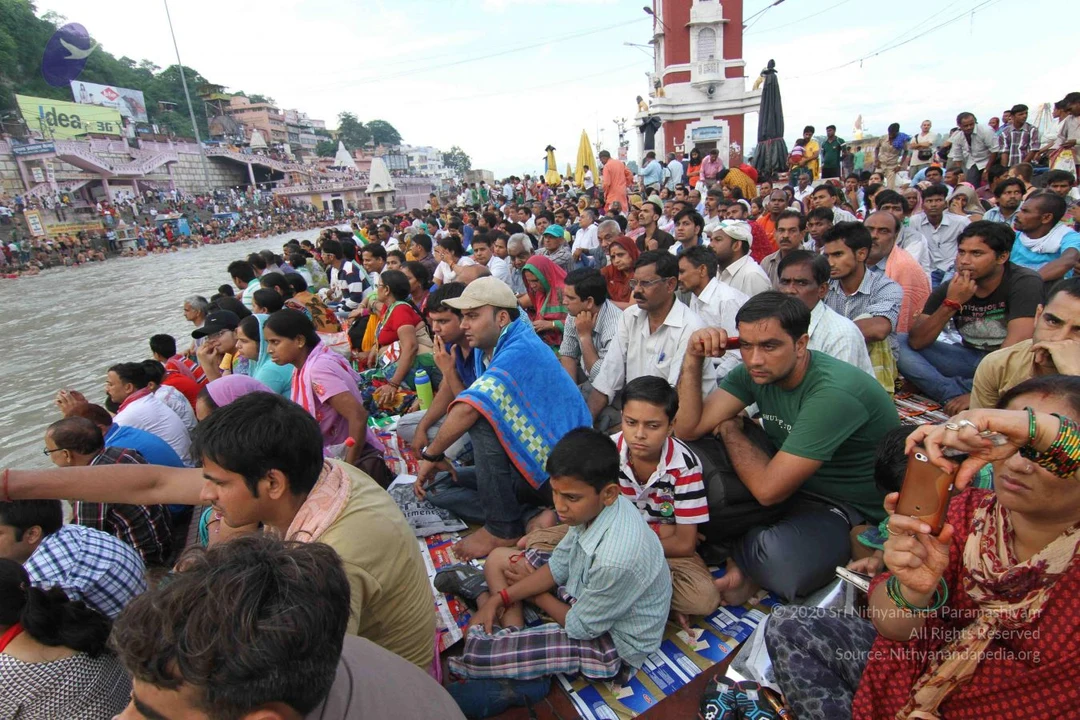
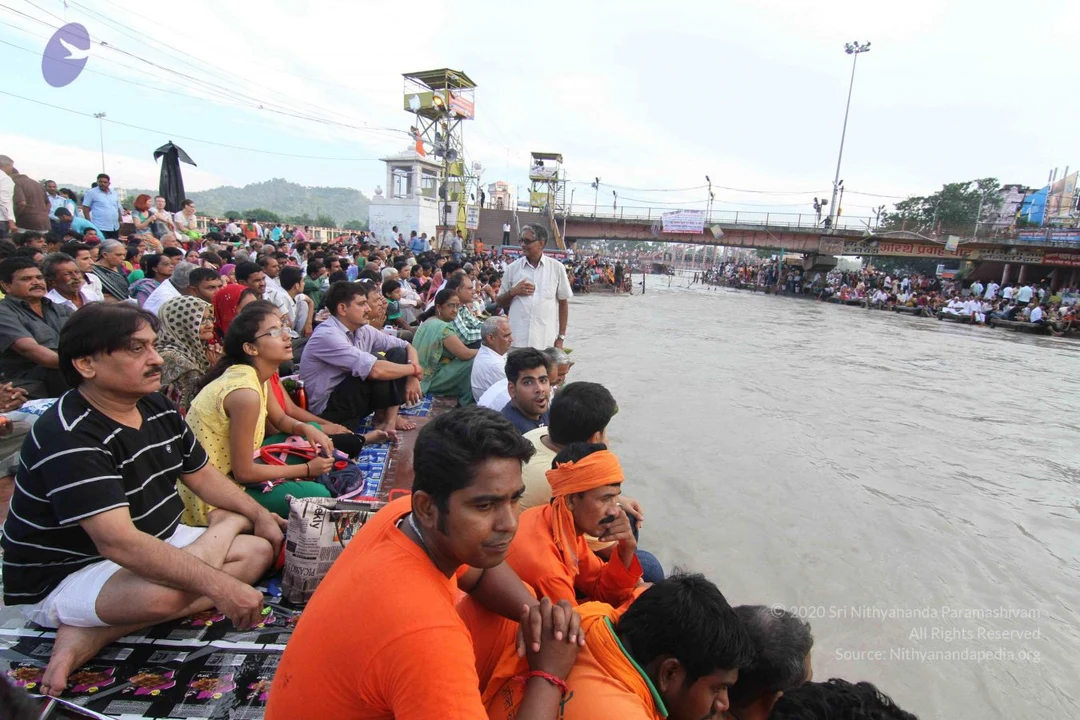
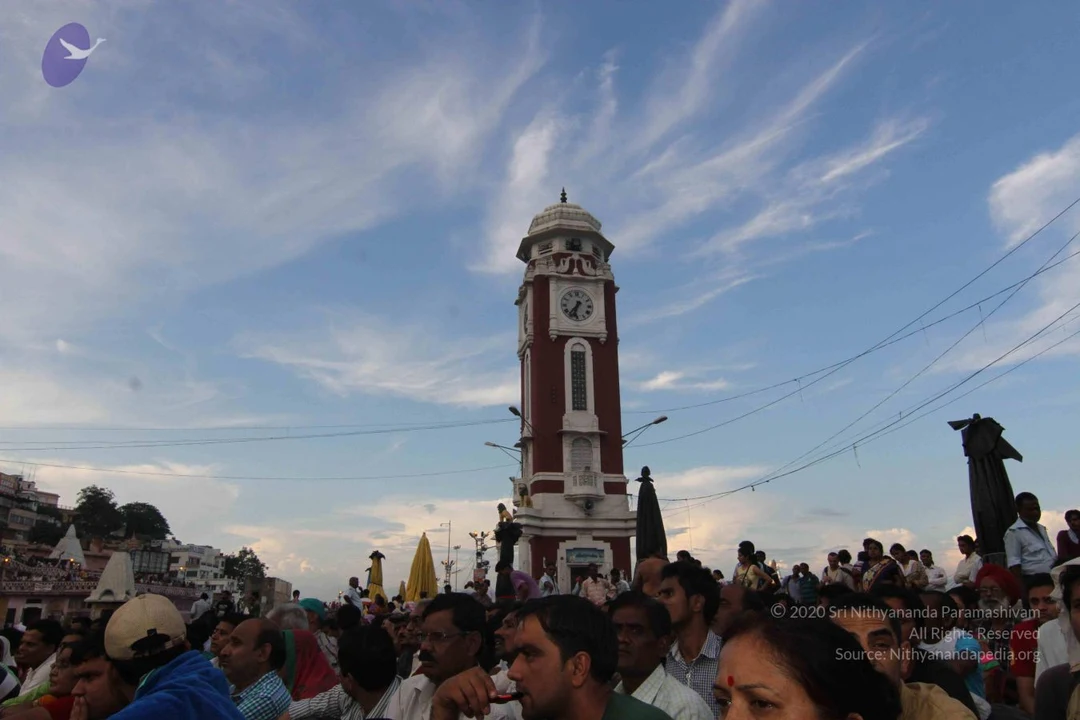
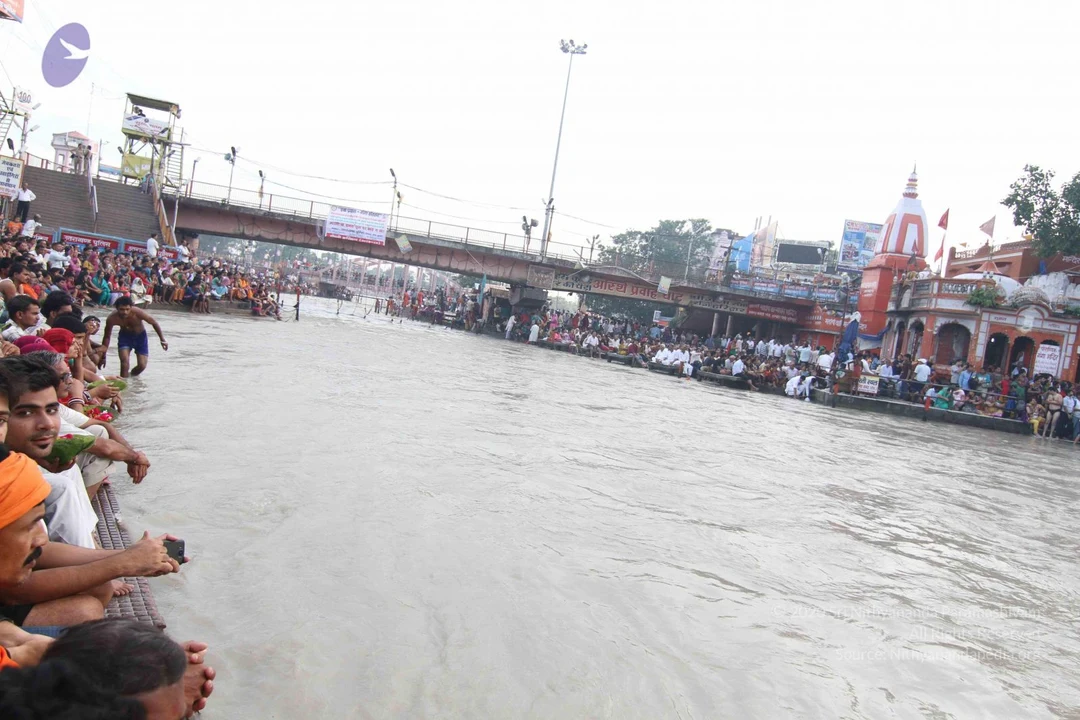
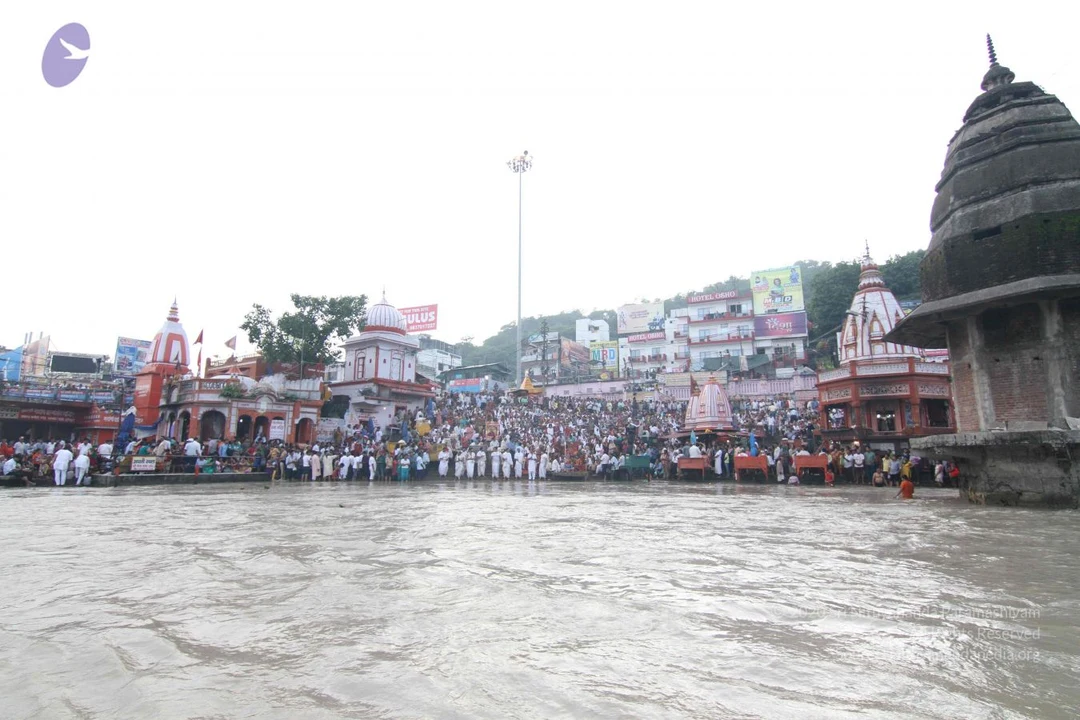
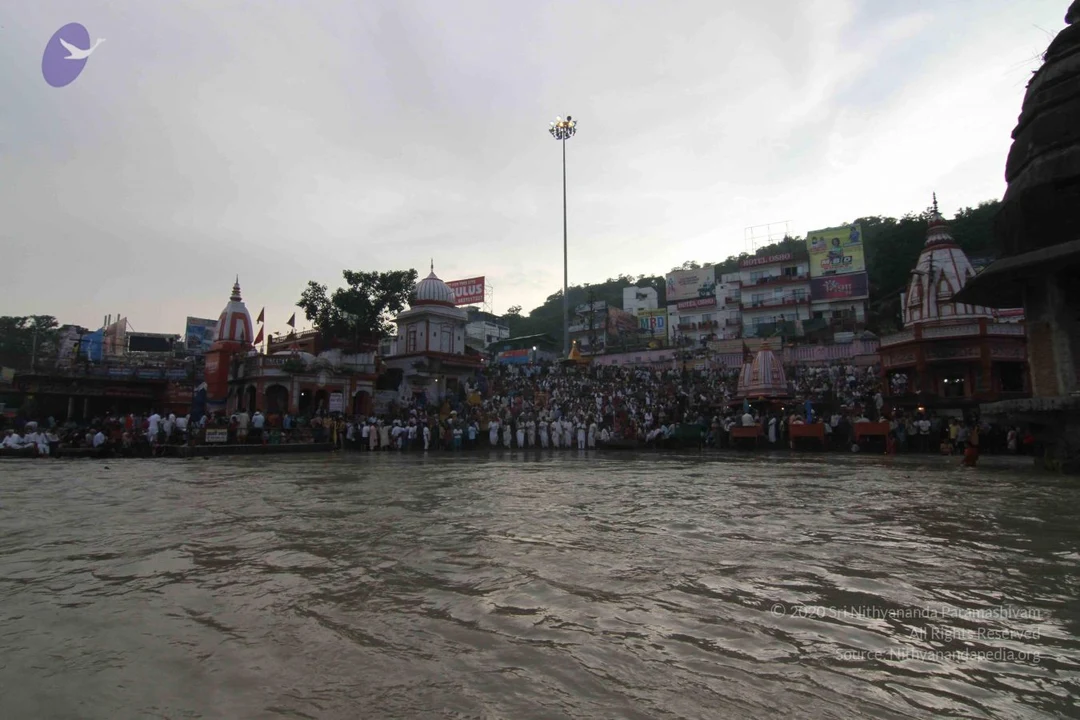
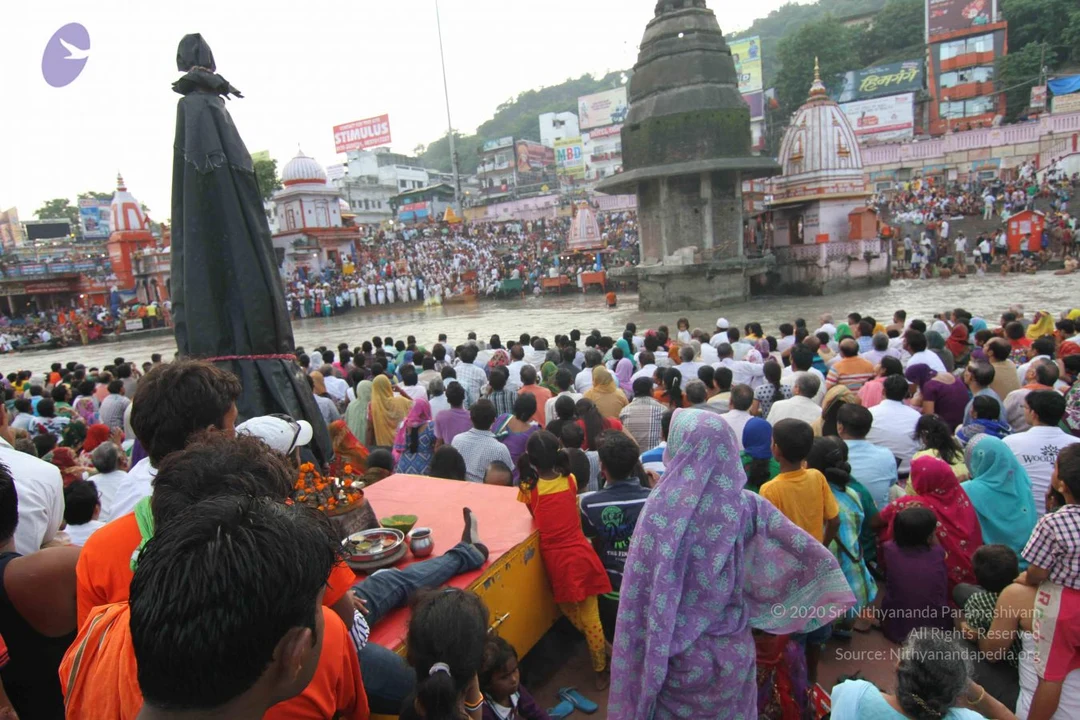
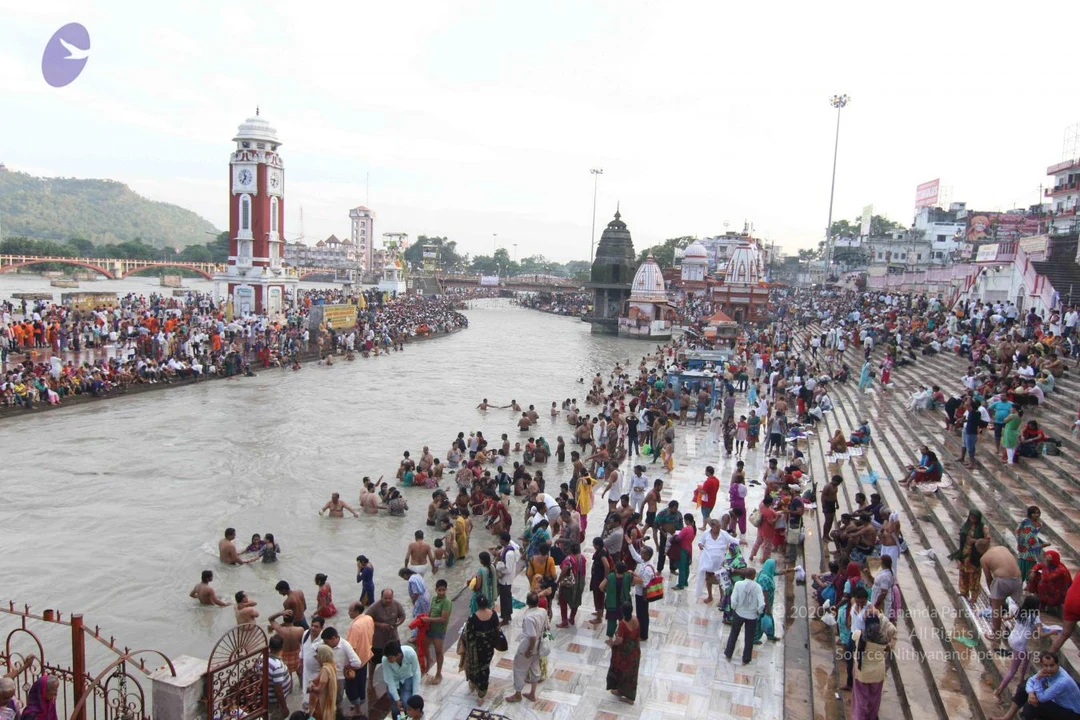
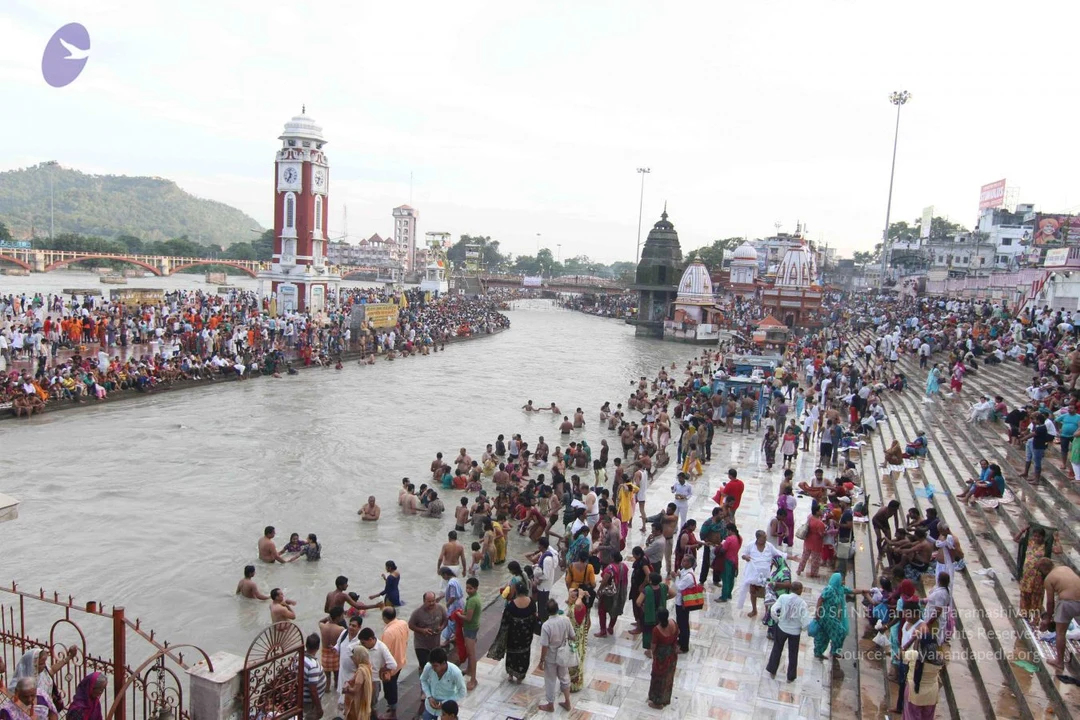
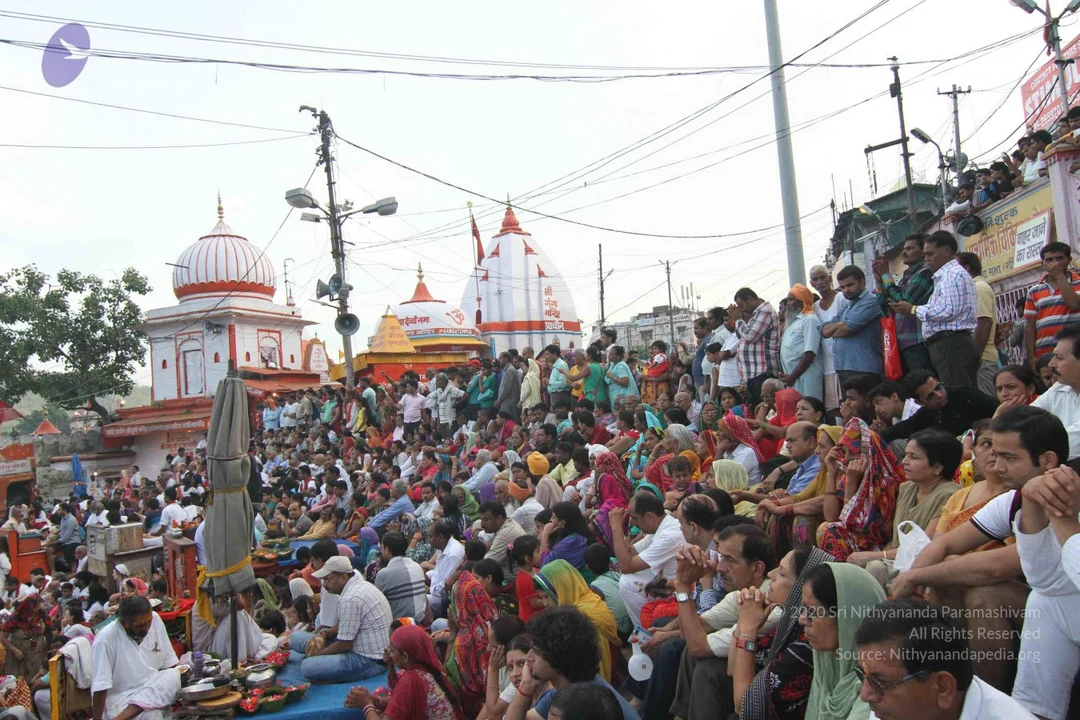
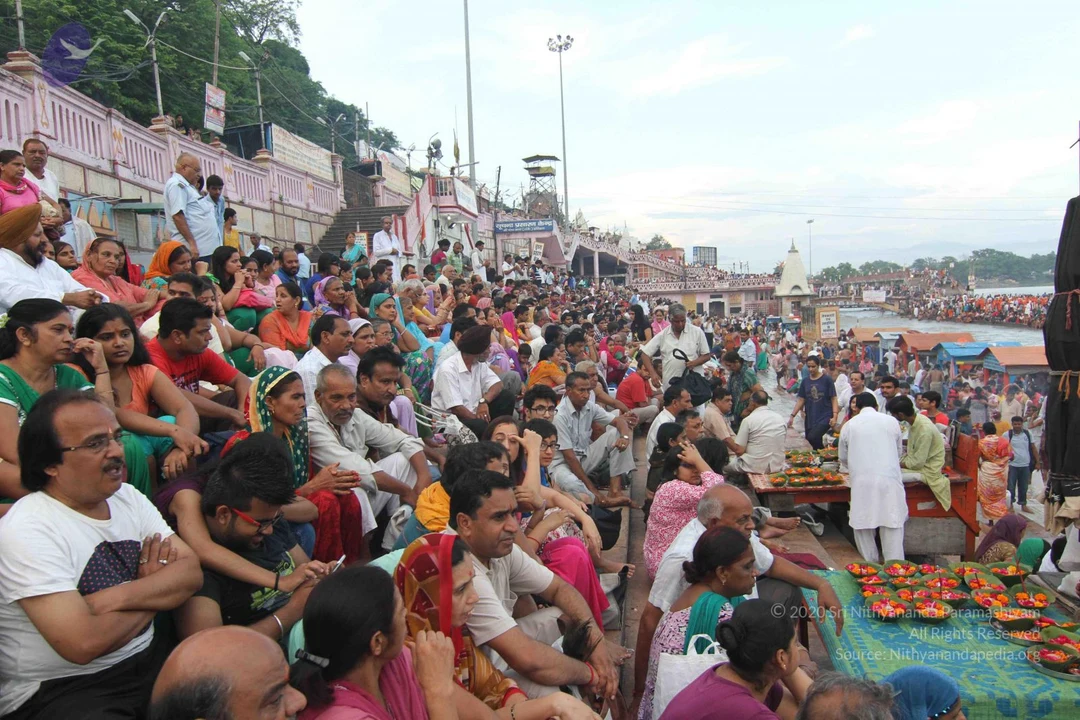
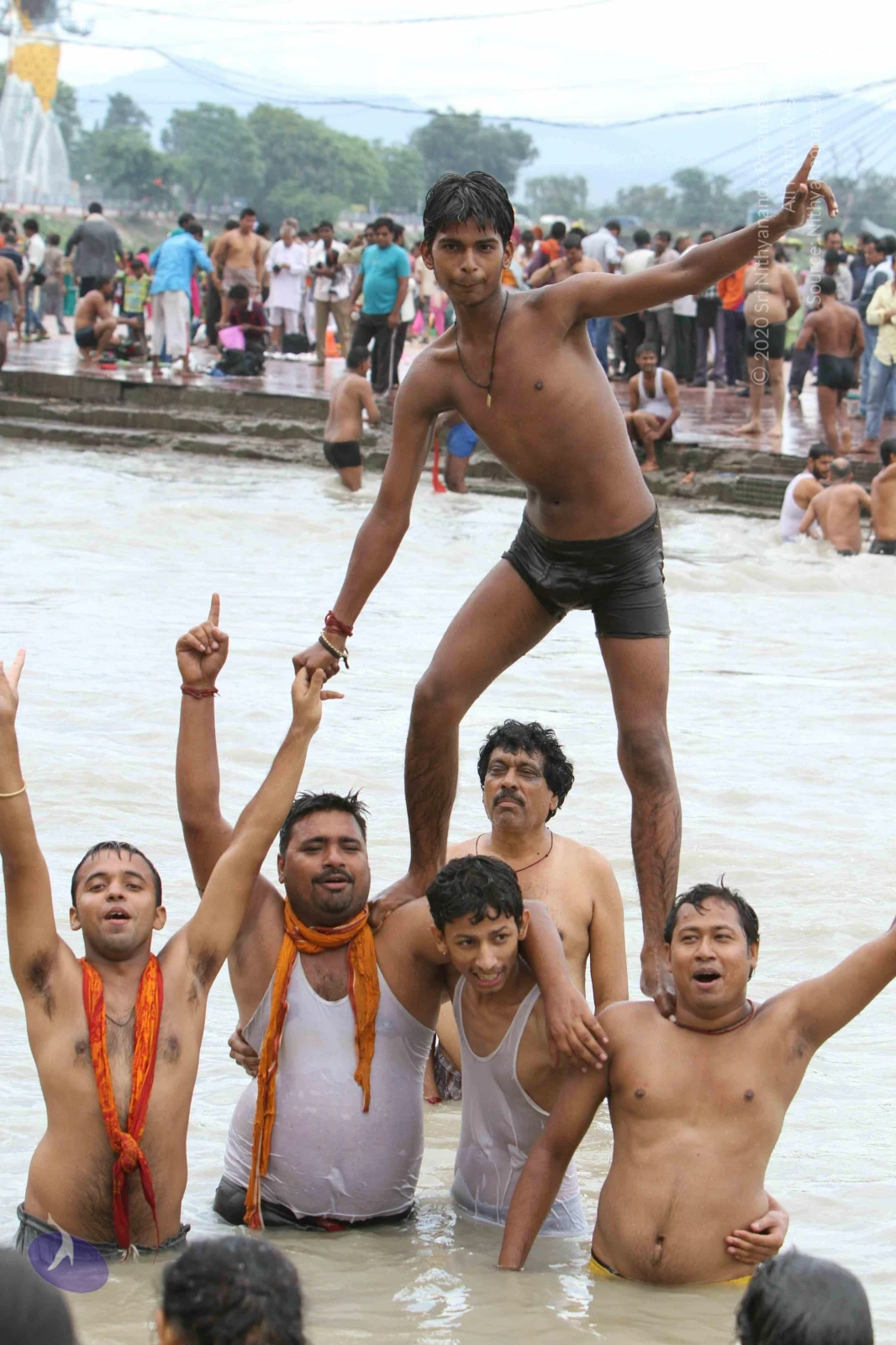
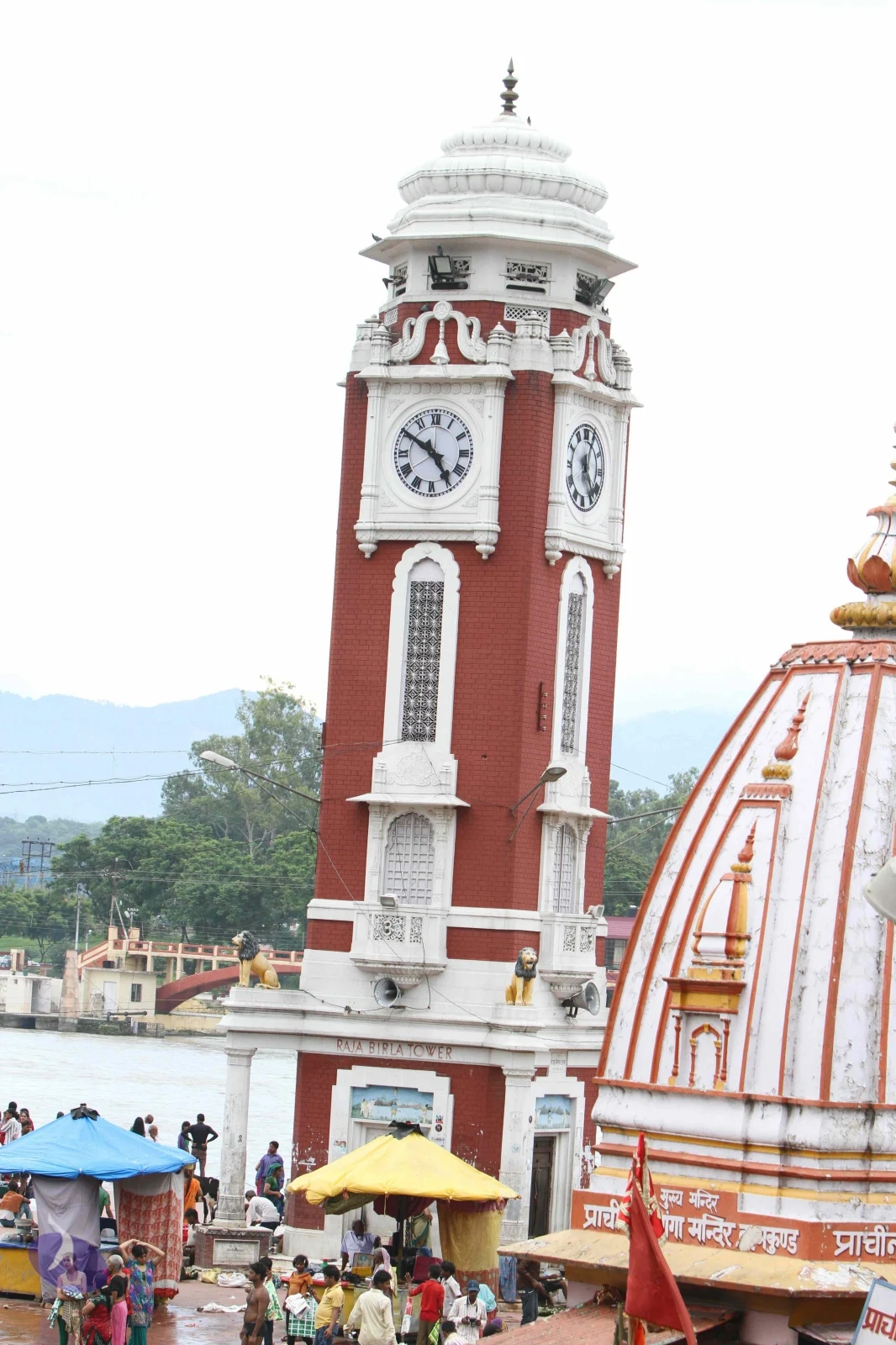
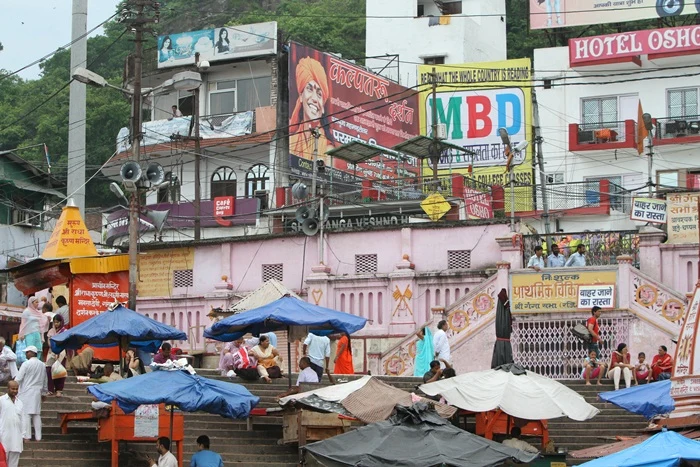
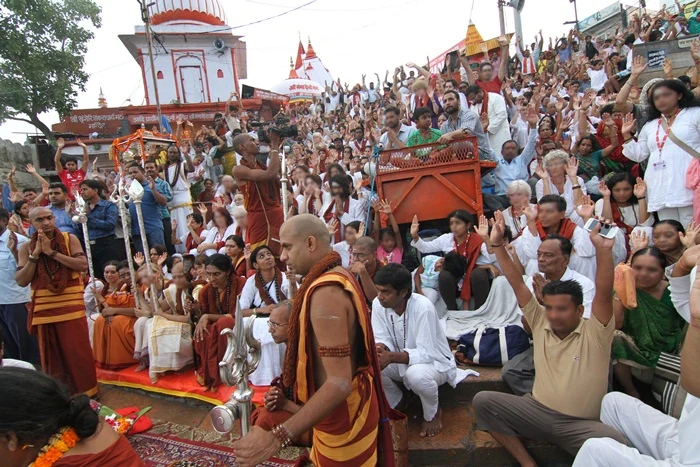
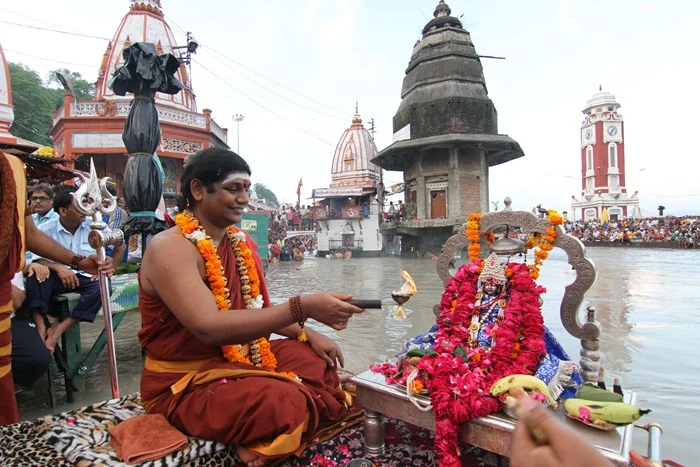
A photograph of a crowded riverside town street in Haridwar, with a wooded hillside behind. Many hoardings and signs line the buildings: a large billboard shows a painted Shiva figure with a trident and a tractor, a red poster shows a smiling man in an orange turban, and a yellow banner reads NBD. Hotel signs read Hotel Osho and Shri Ganga Vaishno Hotel. Loudspeakers hang on poles, and a few men sit on a pink-walled ghat below. No a person candidate is clearly visible, and the page's claim is not supported by any identifiable figure.A river crossing at a ghat with pink-painted bridge arches spanning a fast, muddy river. Dozens of people stand along the railing of the upper bridge deck, many in colourful saris and salwar kameez. Below, bathers wade in the current near chains and hanging ropes, and devotees sit and stand on the stone steps of the ghat in the foreground. A banner with Hindi text is strung across the bridge railing. The scene reads as a crowded public bathing area on a river, with no visible Swamiji candidate.A large crowd bathes in a river at a stone ghat with pink-washed steps and balustrades. Many men stand waist-deep in murky brown water, some bare-chested in shorts or swim trunks, while others climb or descend the steps. Women in saris and salwar kameez stand on the upper steps, and a man in orange clothing appears on the upper terrace. A pink building displays a signboard reading Mahila Ghat, and a tiled cupola stands at right. Several people wear rudraksha-style beads. No identifiable a person figure is visible.Crowded river bathing ghat with many men bathing waist- or chest-deep in murky water, some in underwear or shorts. Stone steps rise behind them with pilgrims, women in saris and salwar, and children gathered on the landings. A pink wall bears a long yellow Hindi notice board. No single figure in saffron or with a crown is clearly visible, so no a person candidate is identified.A photograph of boys and men bathing in a fast-flowing, muddy brown river at a riverside ghat. A boy in the foreground, bare-chested and wearing grey shorts, holds a small plastic bottle while standing waist-deep in the current. A swimming boy with dark hair extends one arm toward him. Further back, a man wearing a yellow turban and others with wet dark heads are partly submerged. Above the water, orange wooden railings and steps lead up to a stone ghat with a shrine area bearing marigold garlands, brass vessels and white deity figures, and a person in white clothing stands at the top right.Crowded riverbank scene at a ghat with stone steps, where many men and some women stand and wade in murky, rippling water. A bare-chested man with a rudraksha-style necklace stands in blue shorts near the centre, while a bearded man in a red turban and white shirt stands on the steps at left. A woman in a blue and green salwar stands on the steps taking a photo with her phone, and a woman in a dark top stands near an orange-painted kiosk. Several men wear white or blue undergarments and tank tops, and a man carries a child on his shoulder at upper right. No one shown is clearly identifiable as a person, so the scene is a bathing gathering rather than a ritual event.
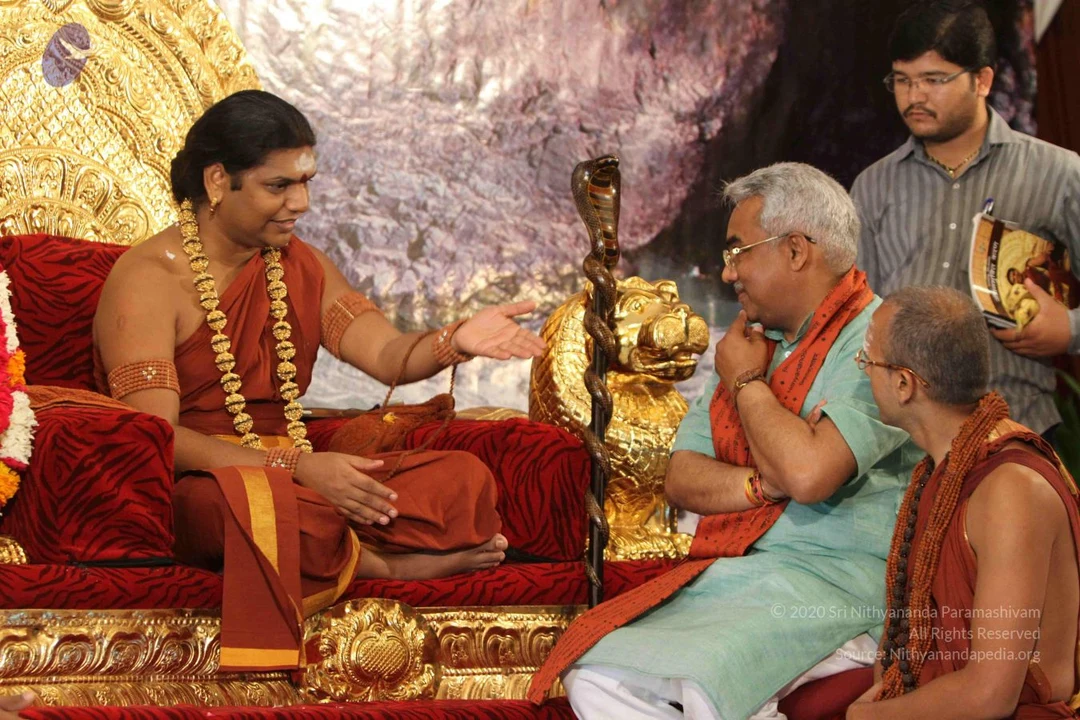
SPH Giving Darshan To Inner Awakening Delegates
60 photosSource gallery
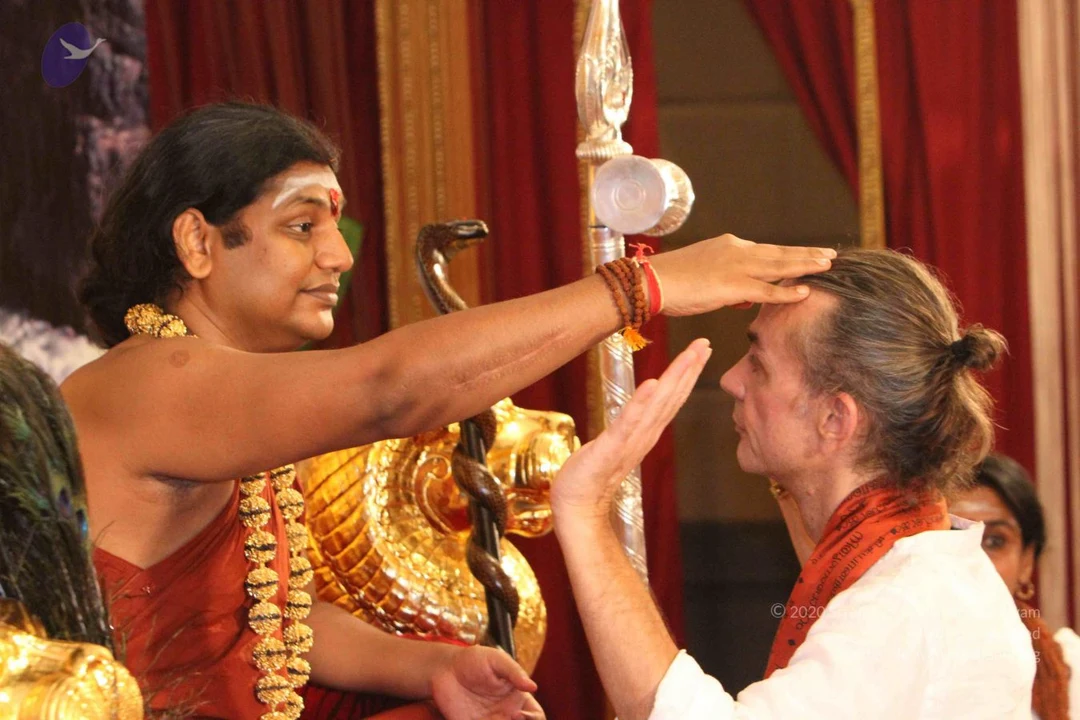
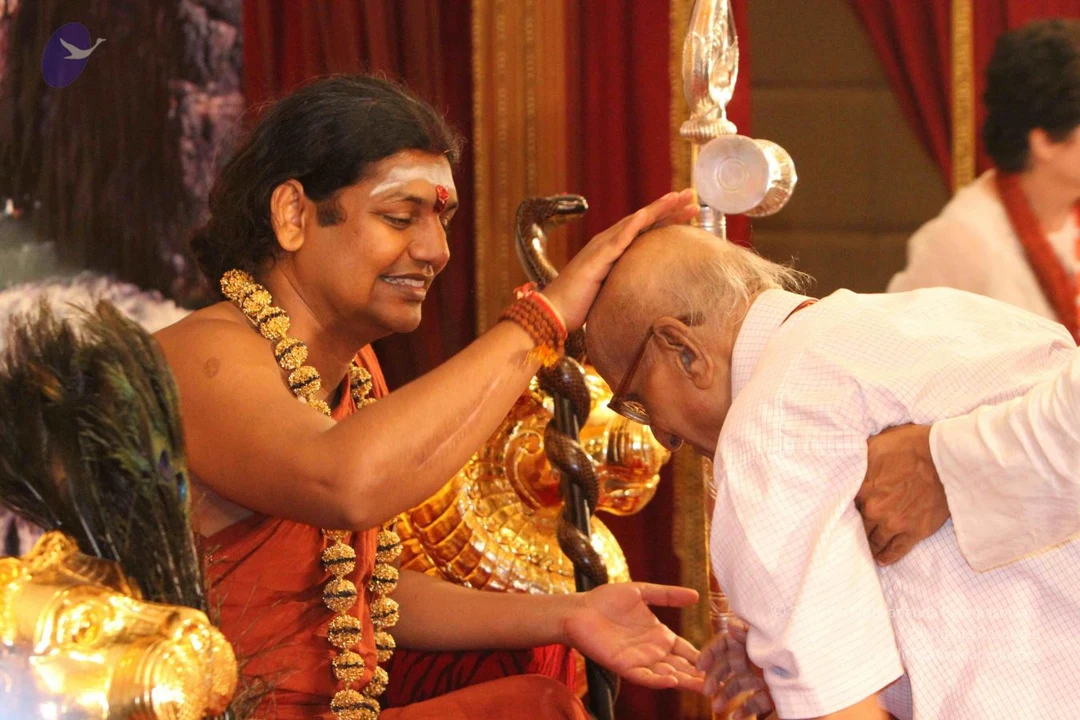
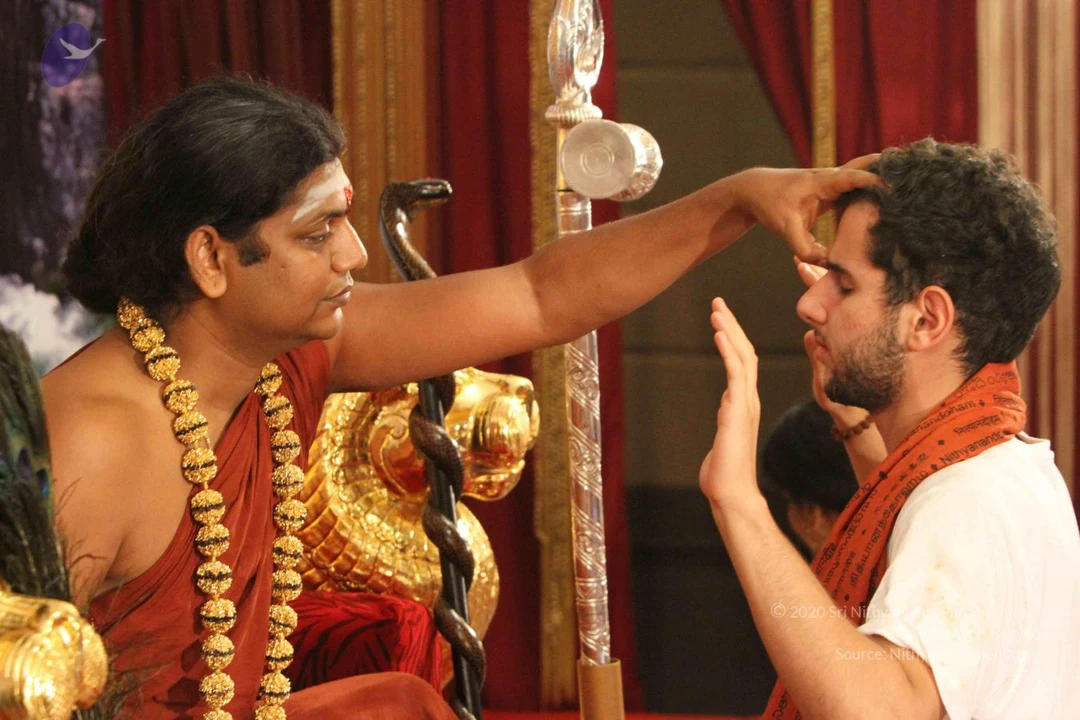
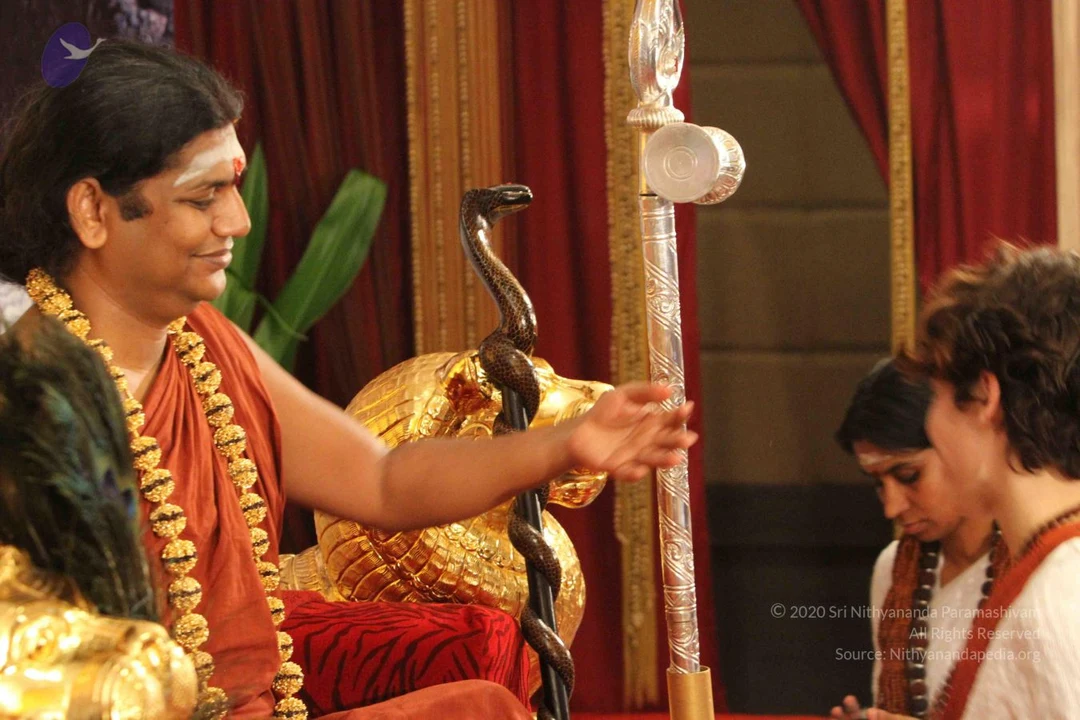
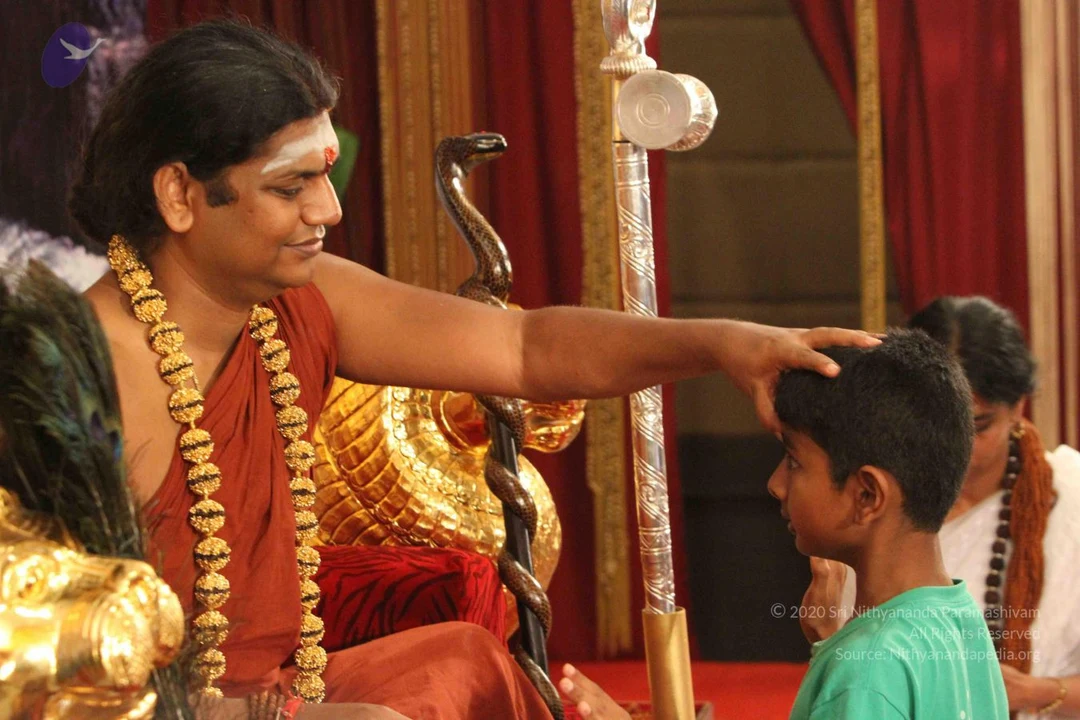
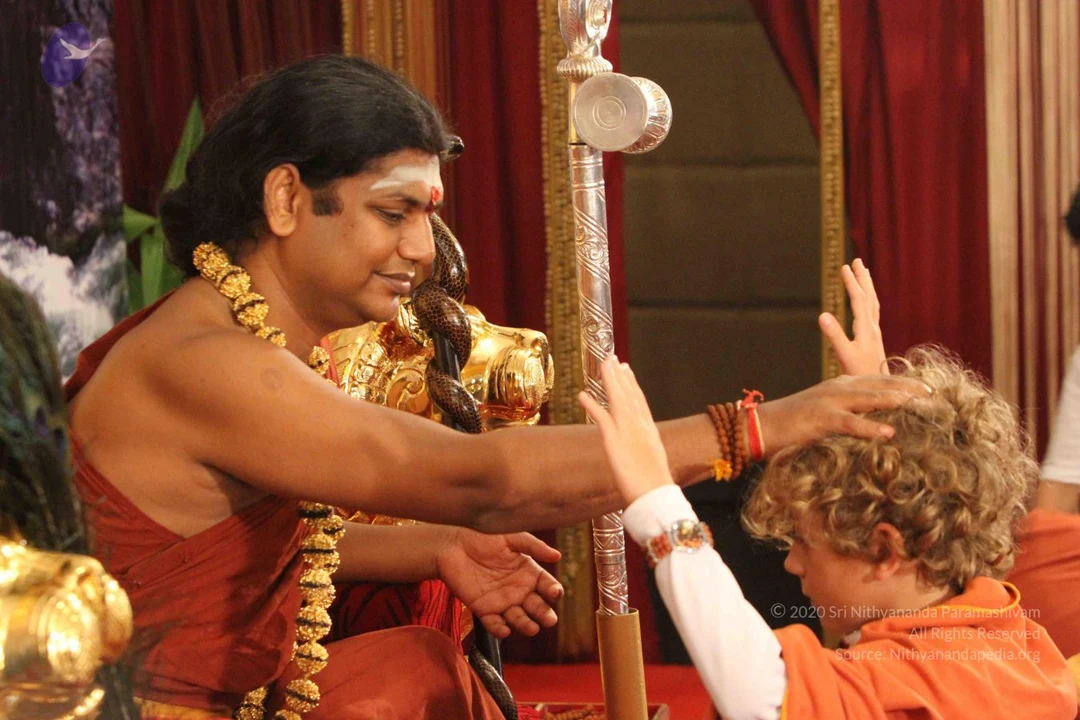
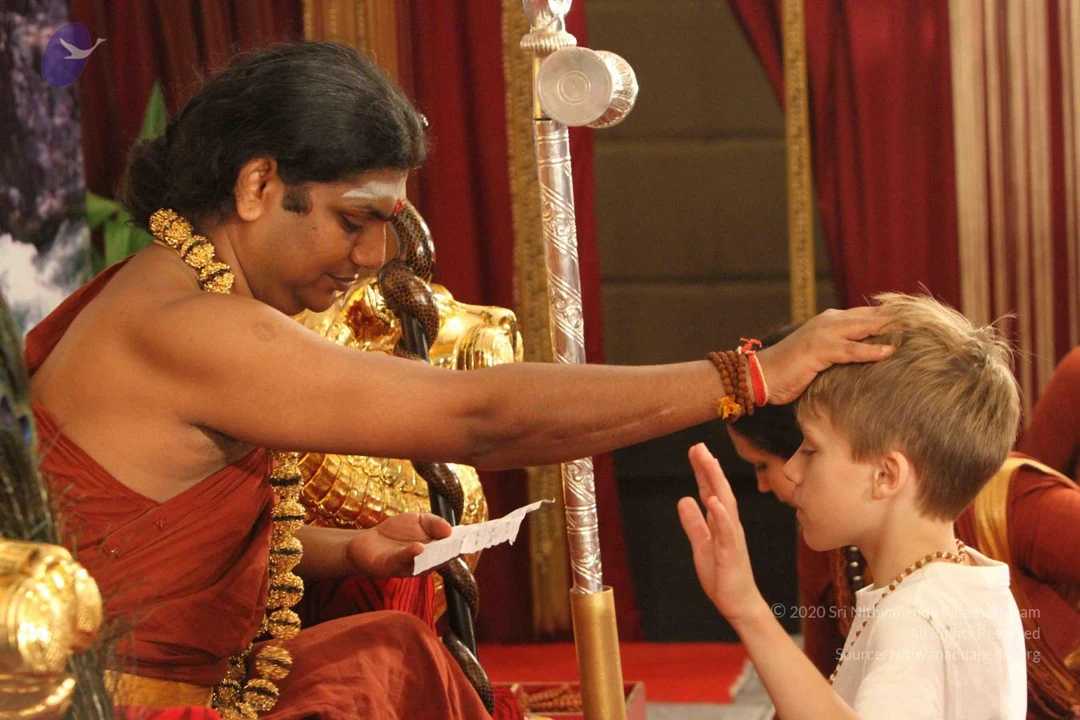
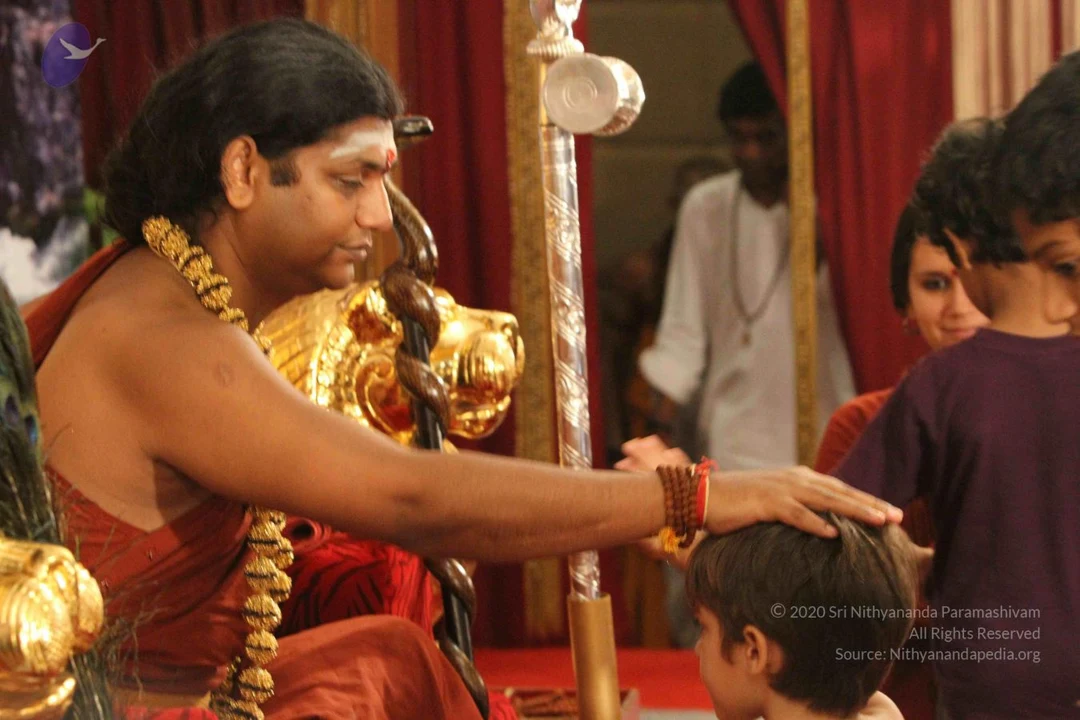
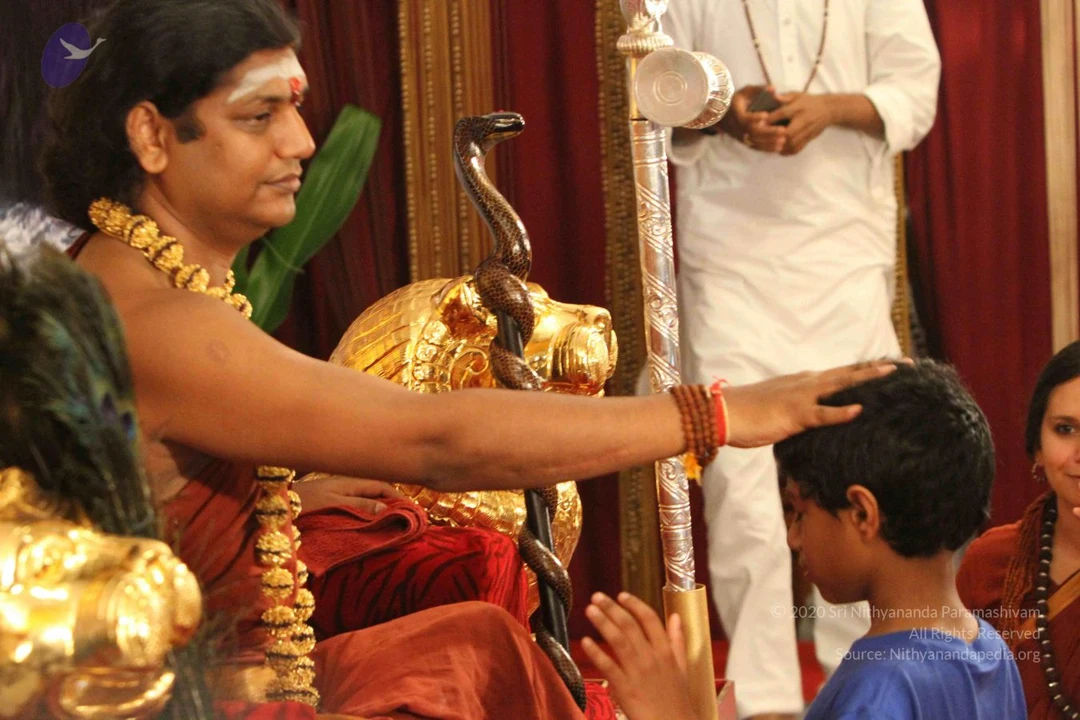
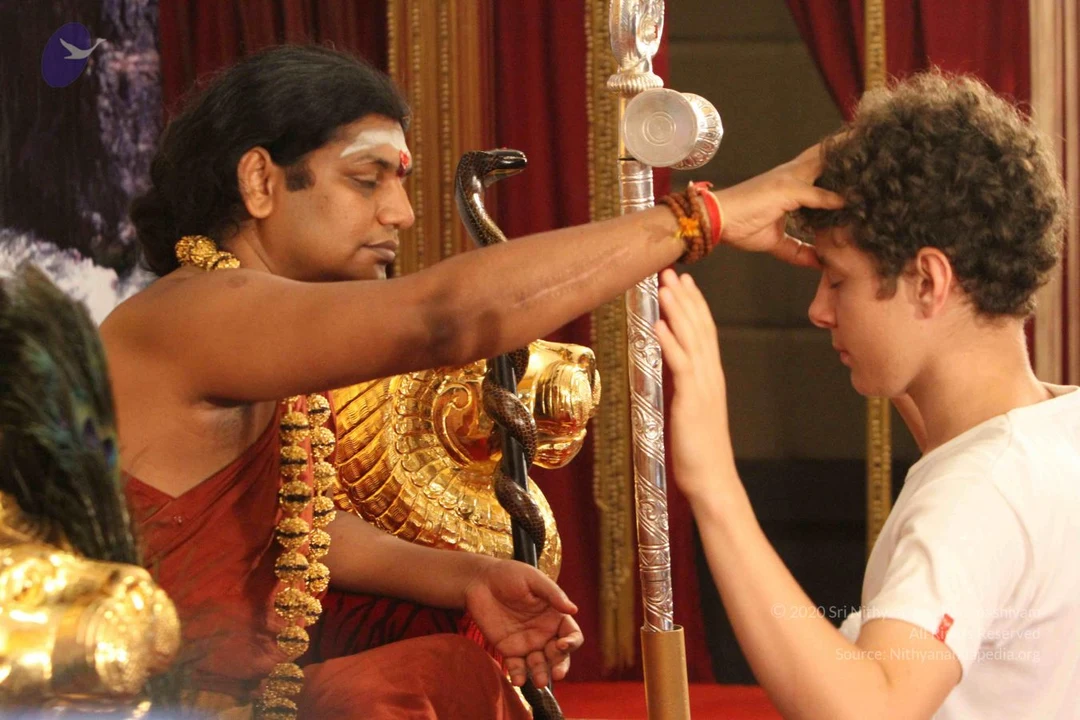
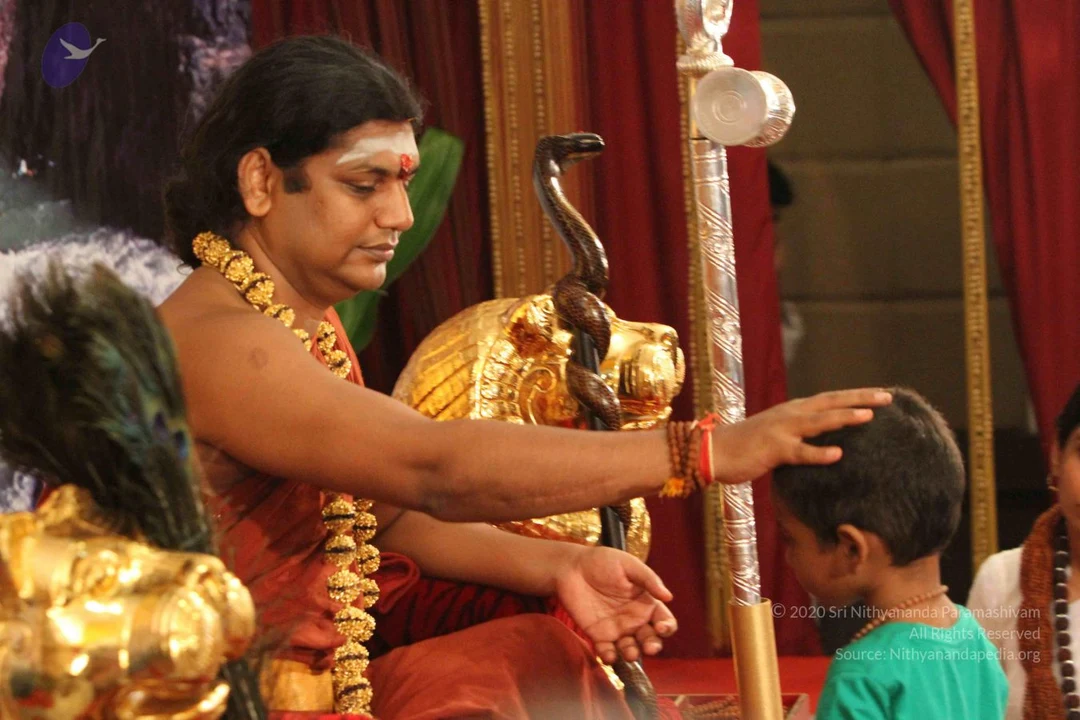
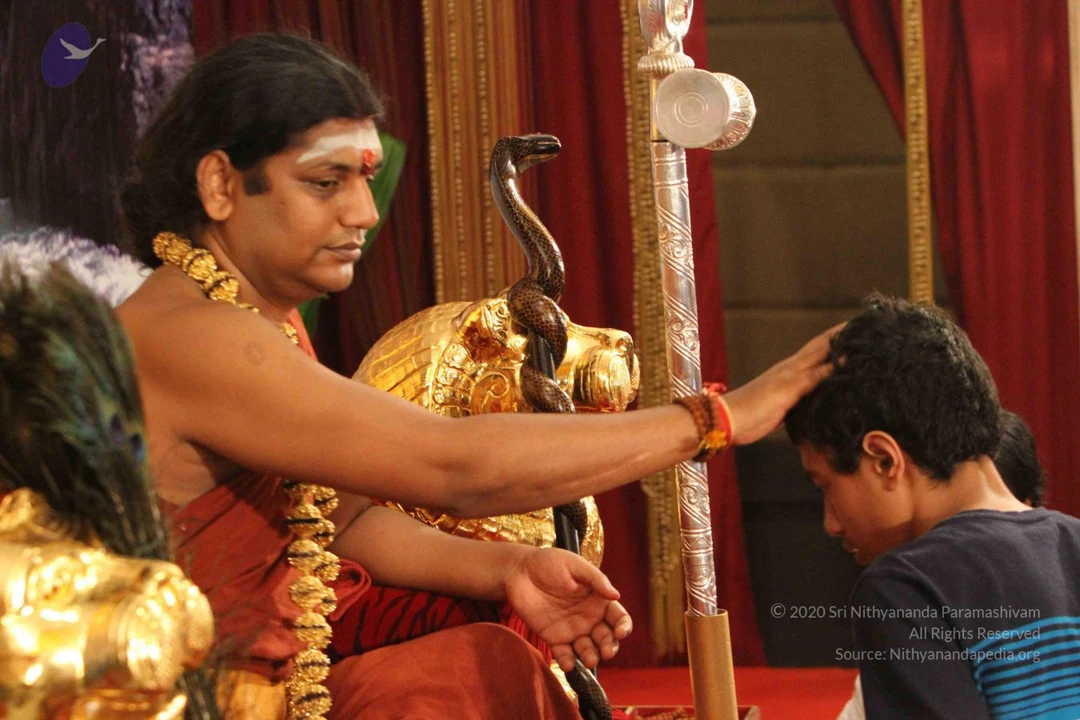
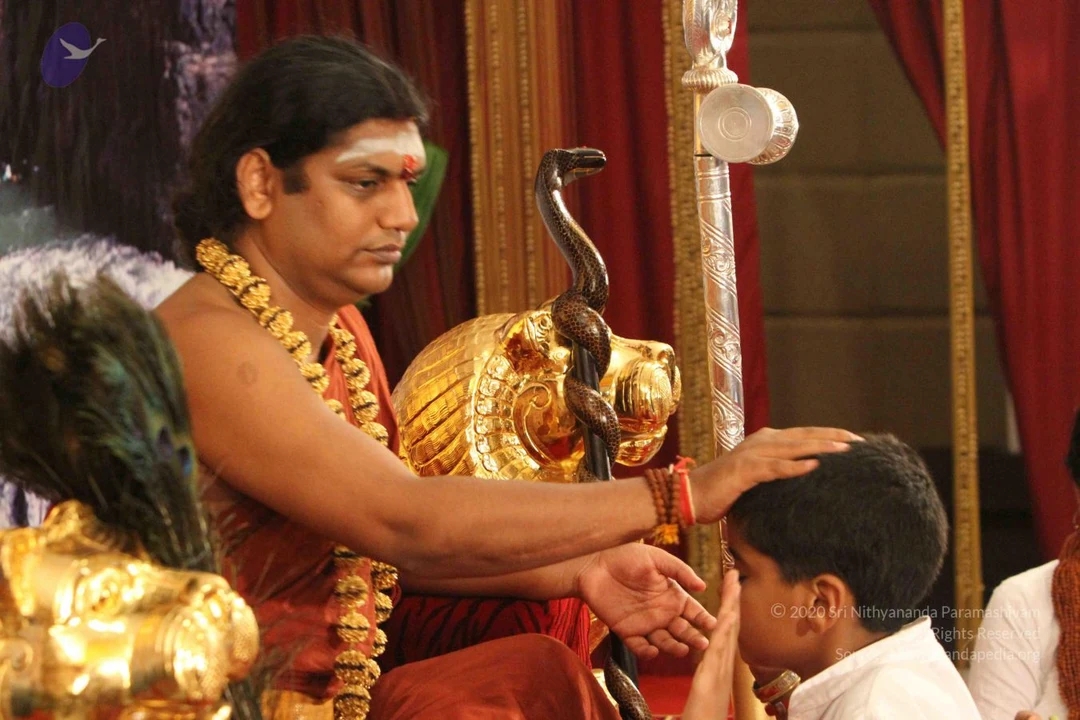
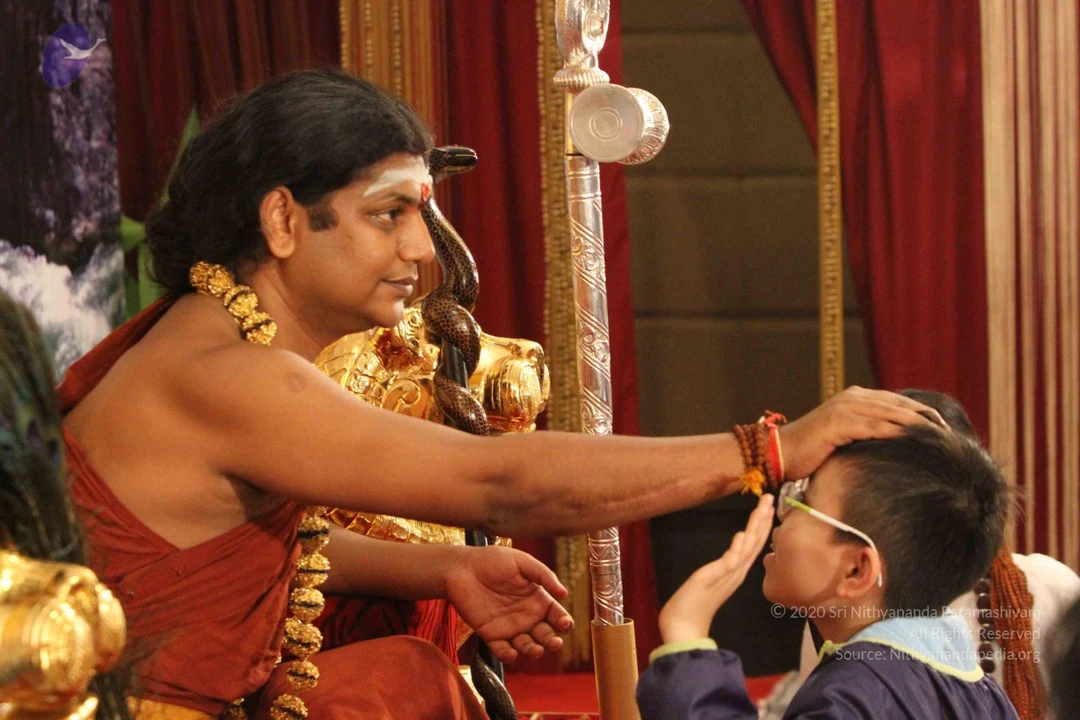
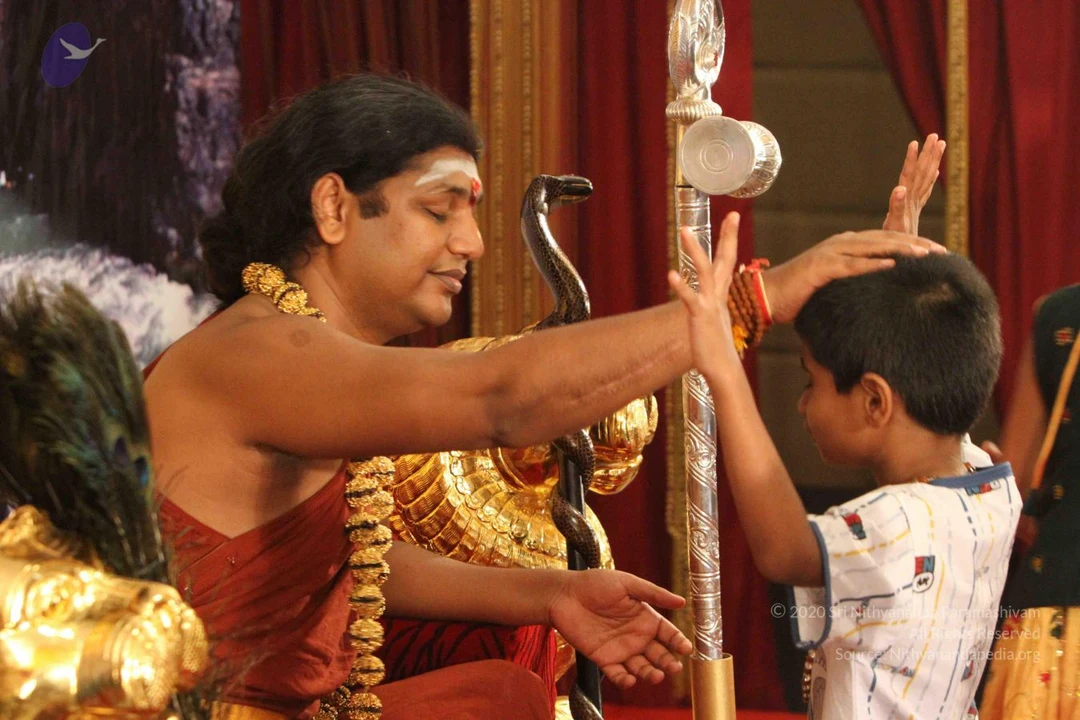
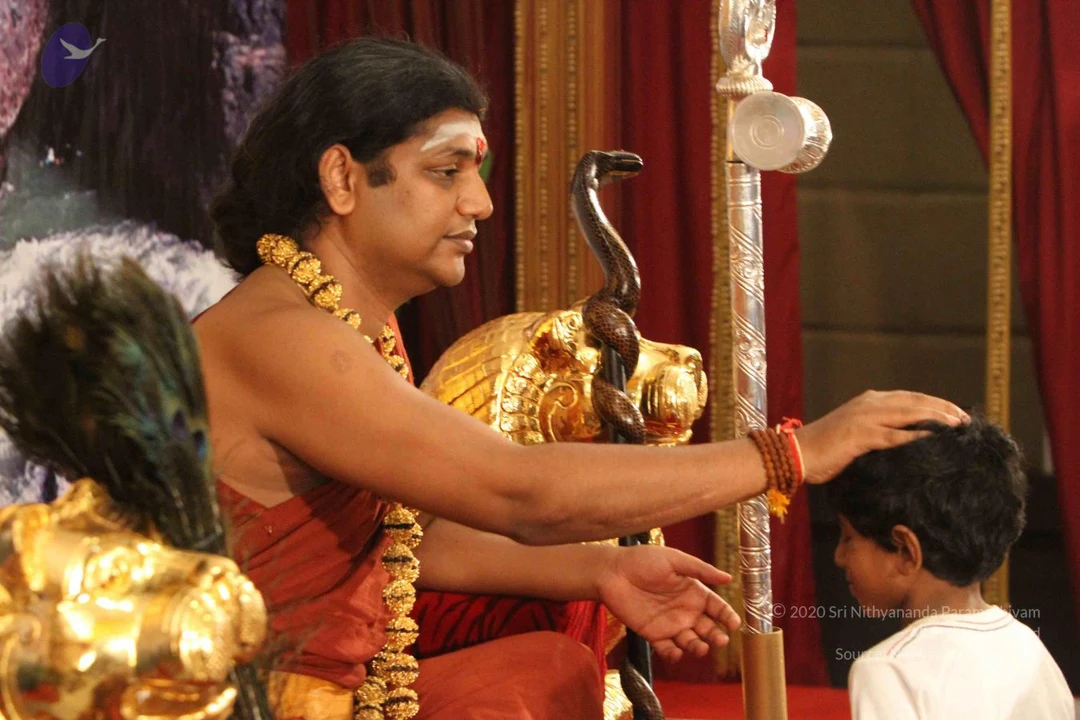
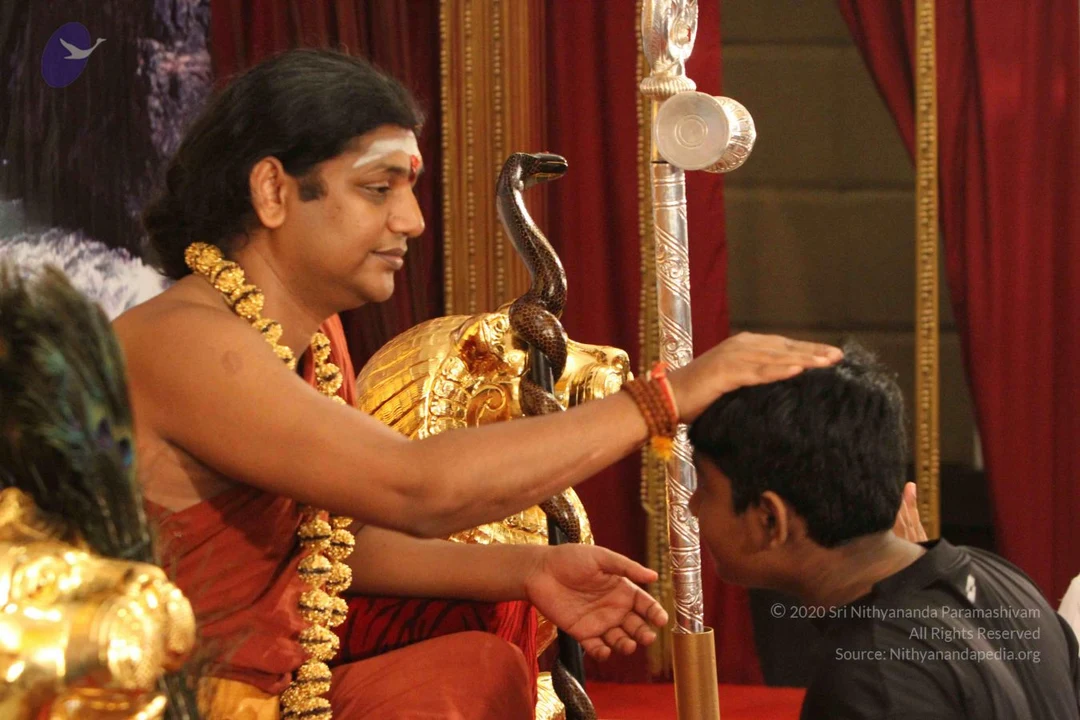
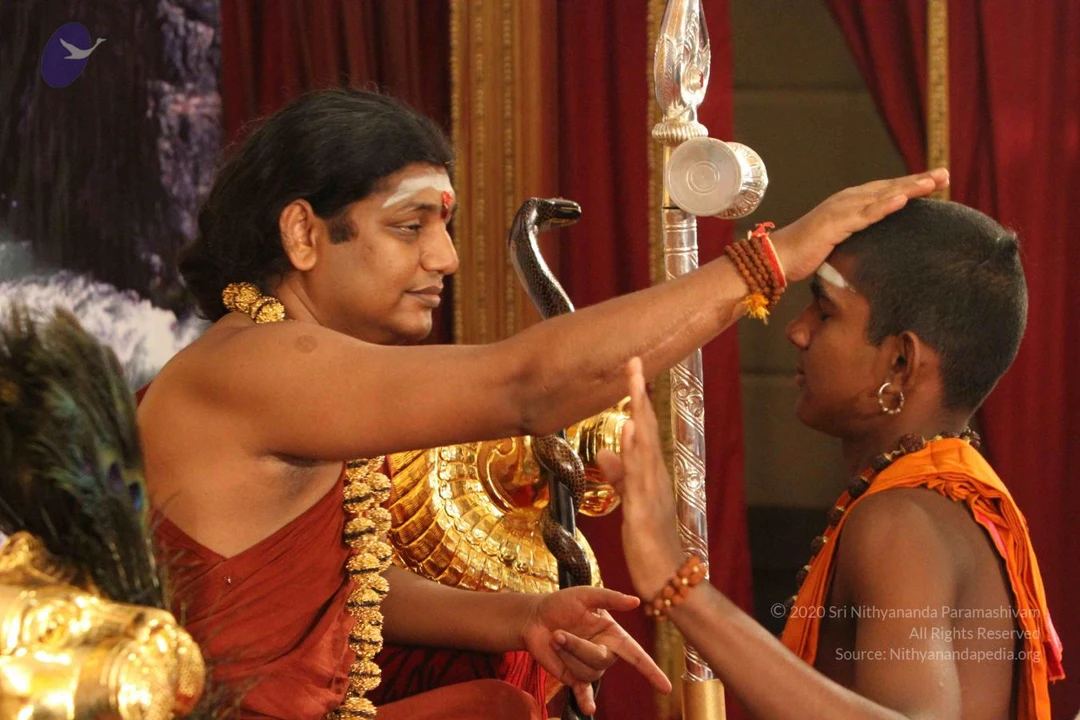
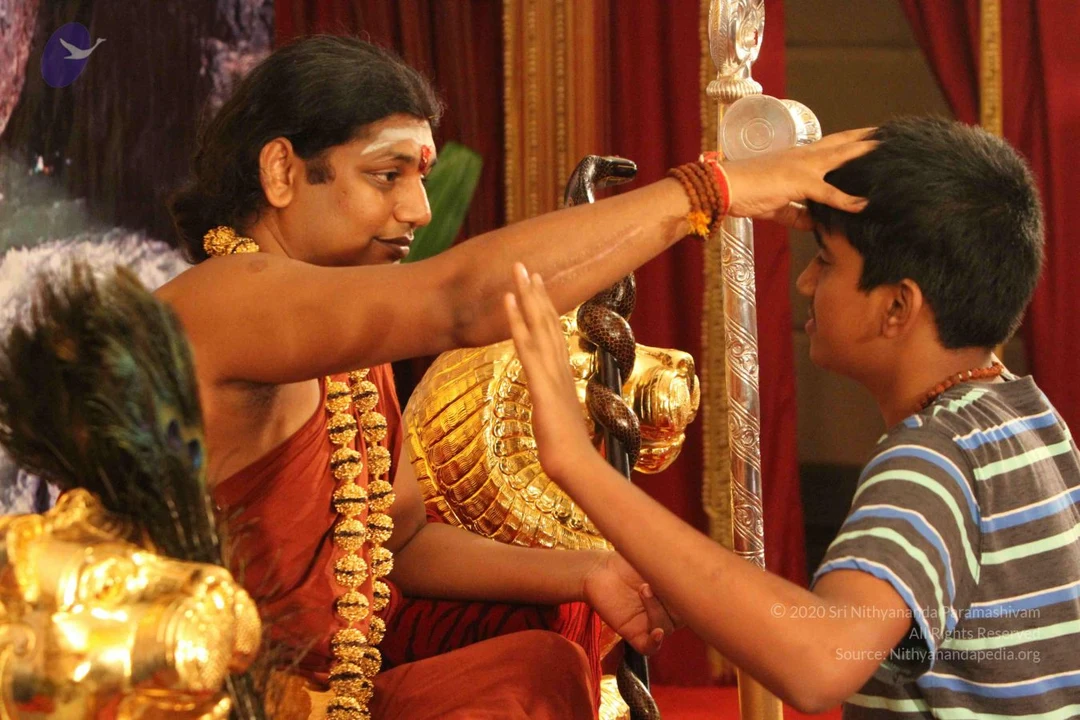
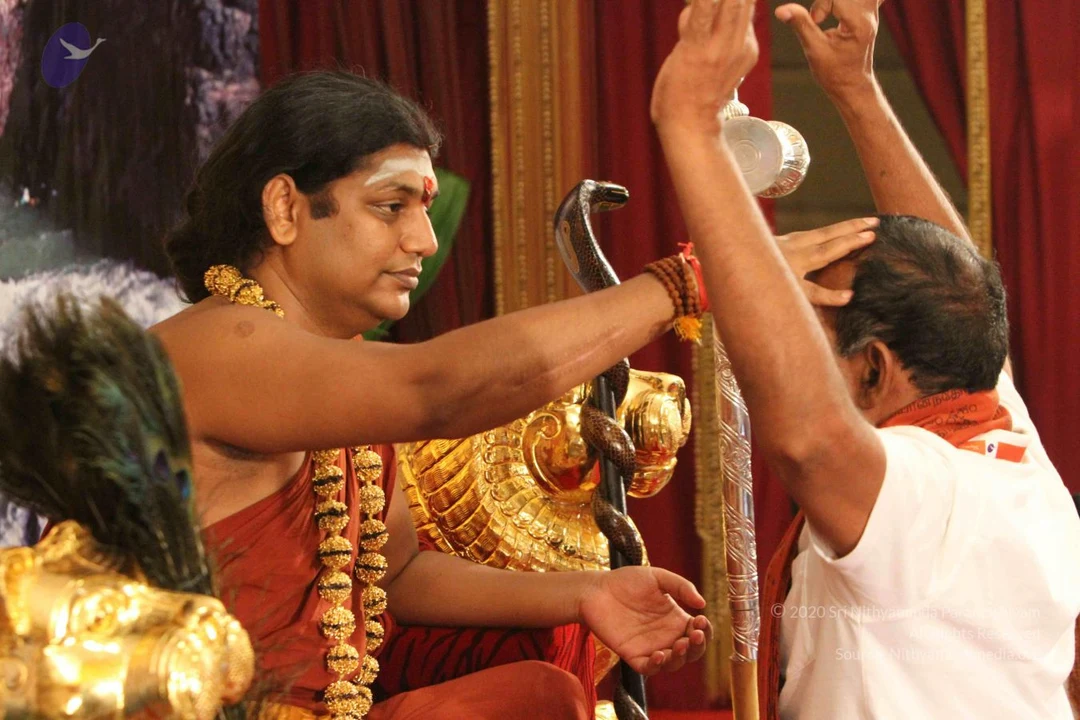
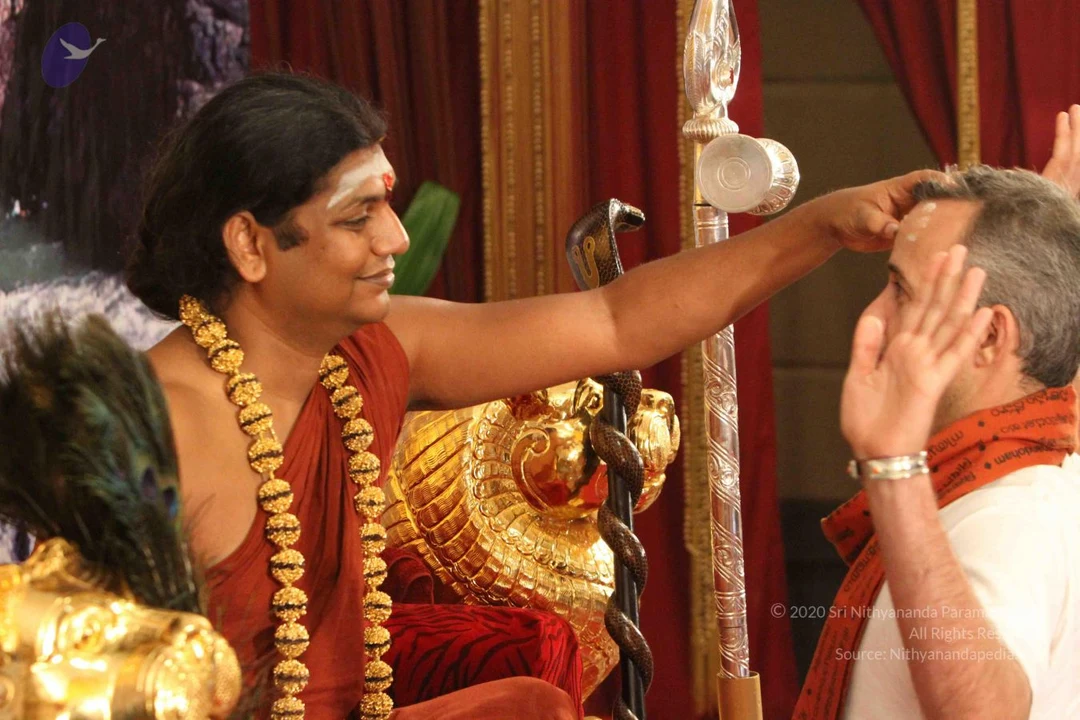
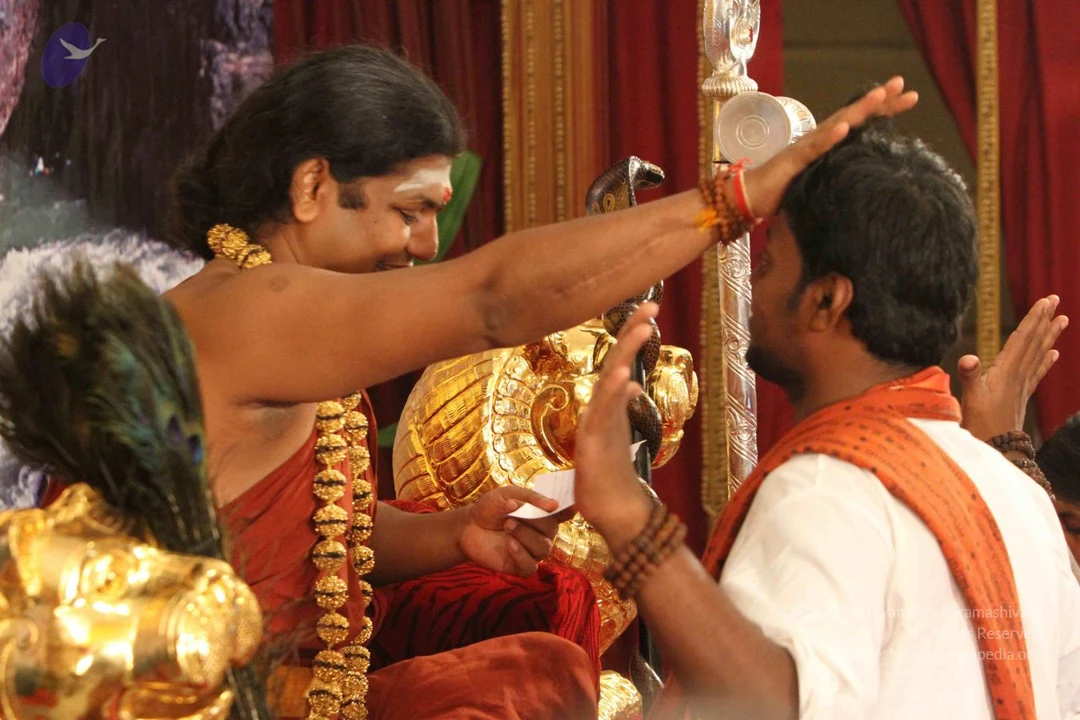
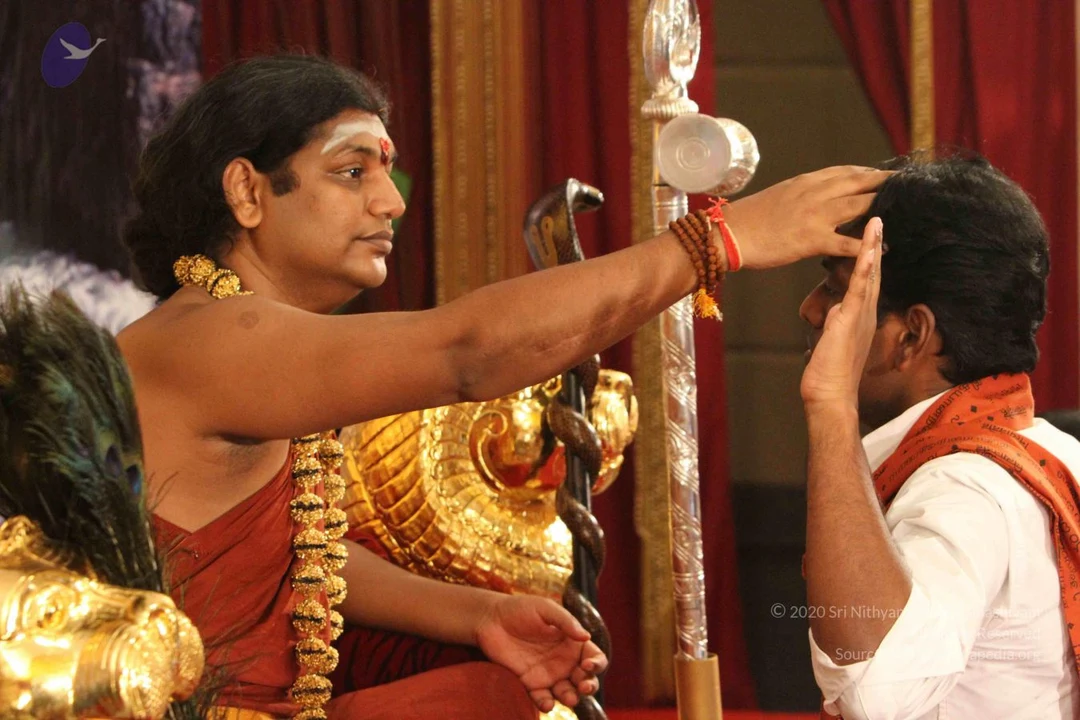
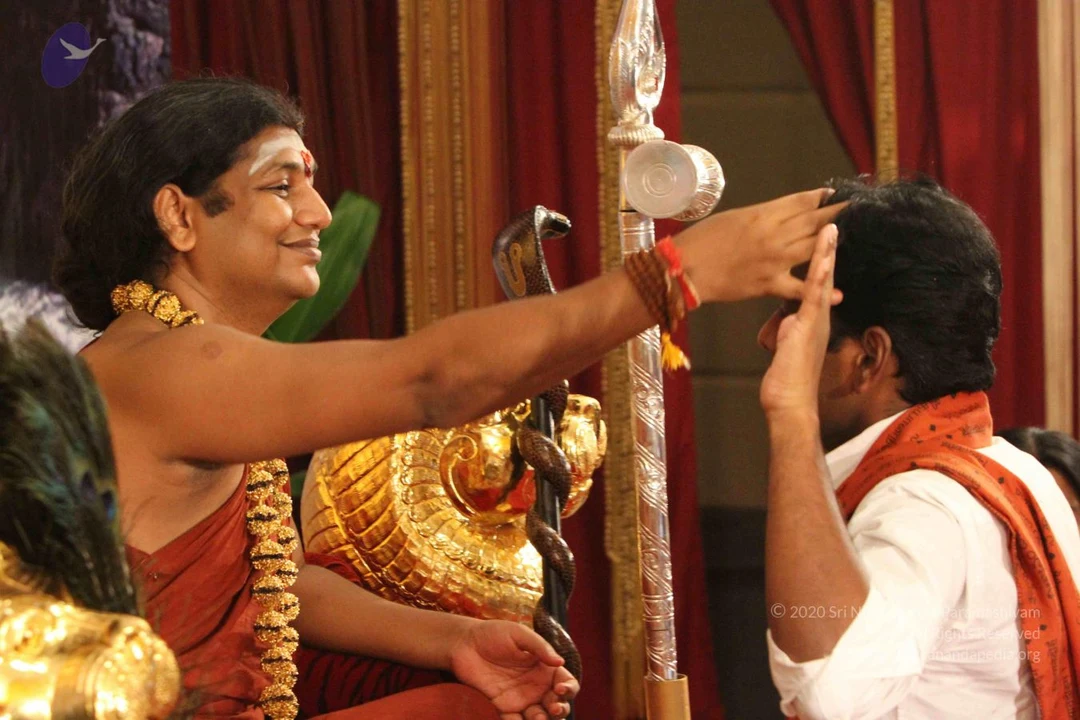
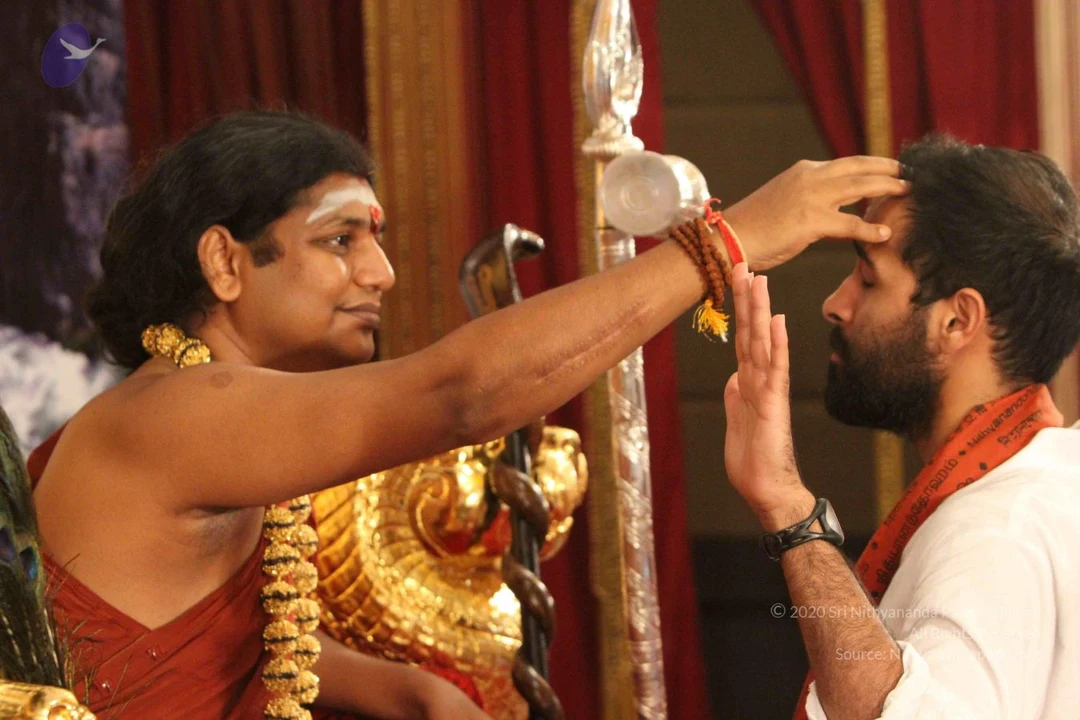
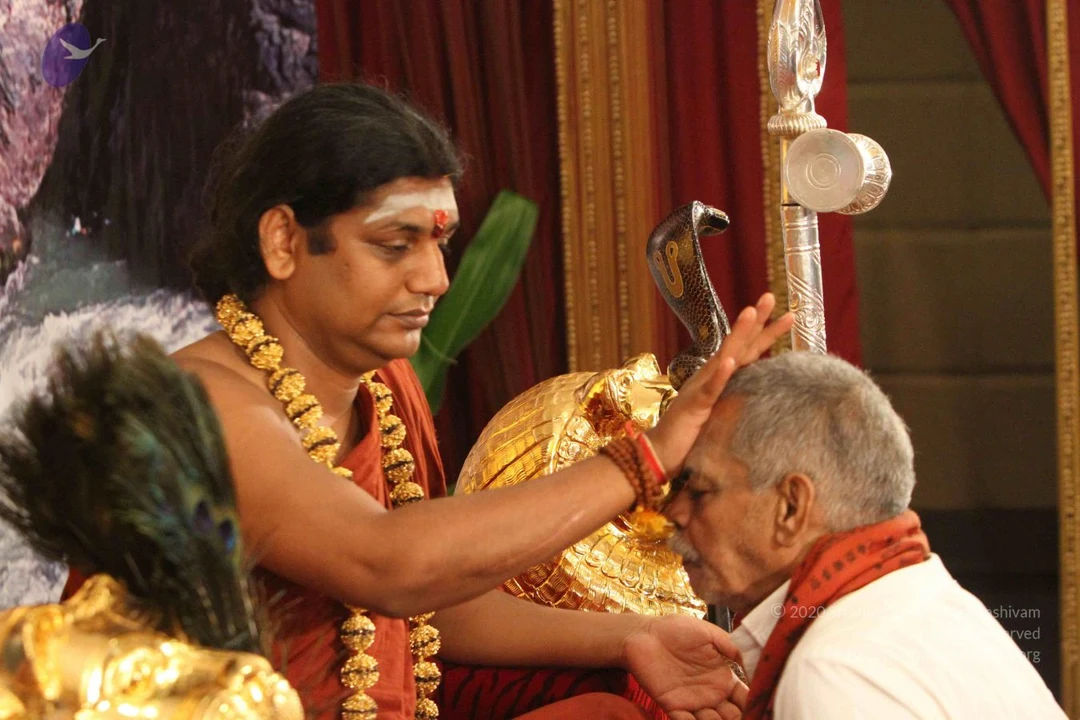
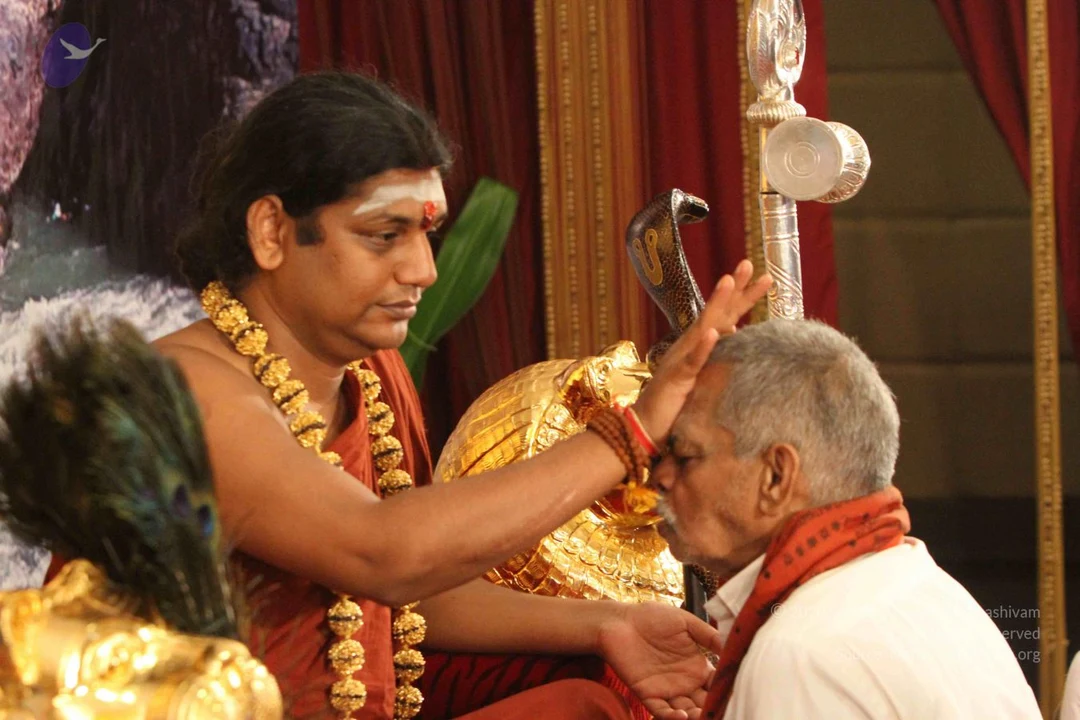
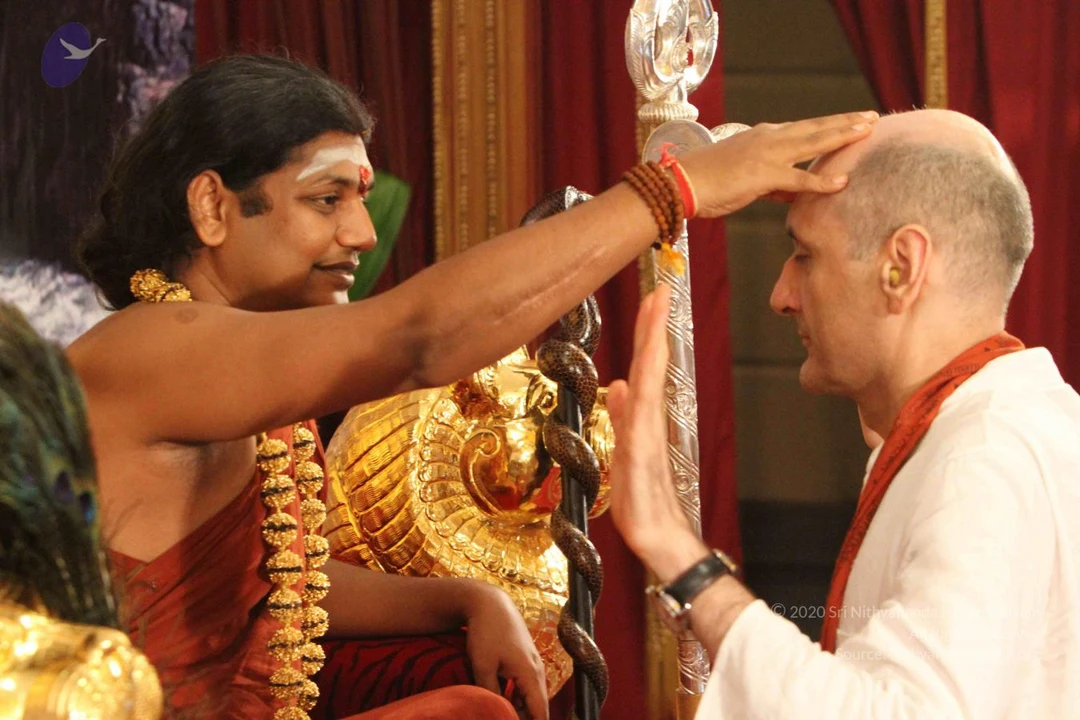
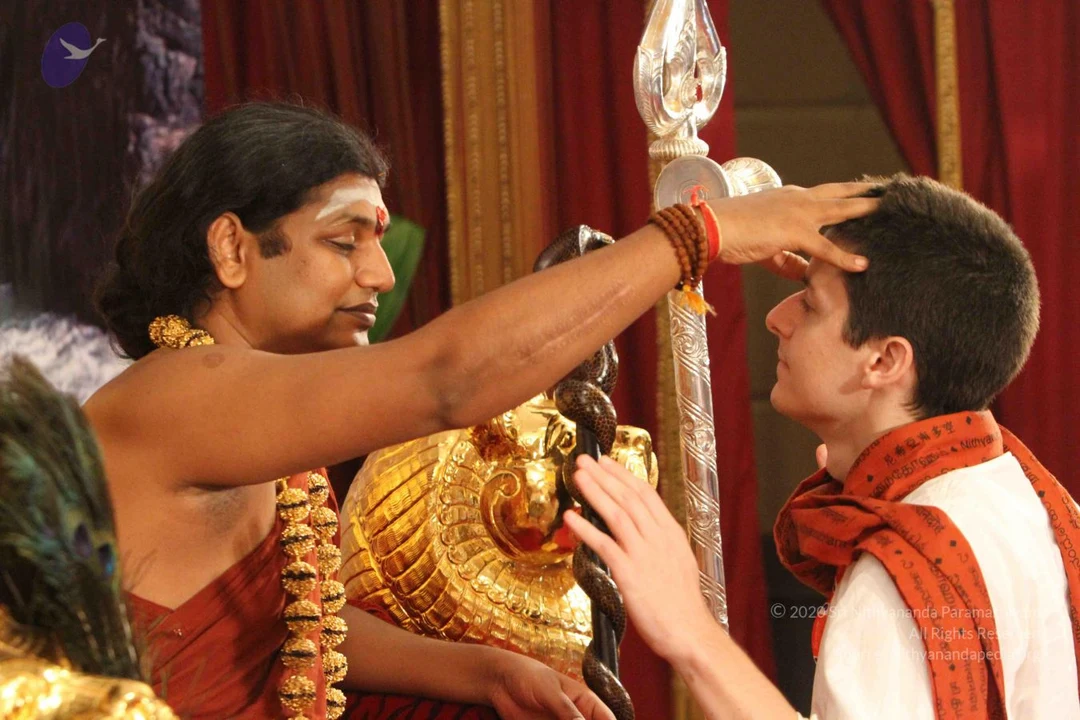
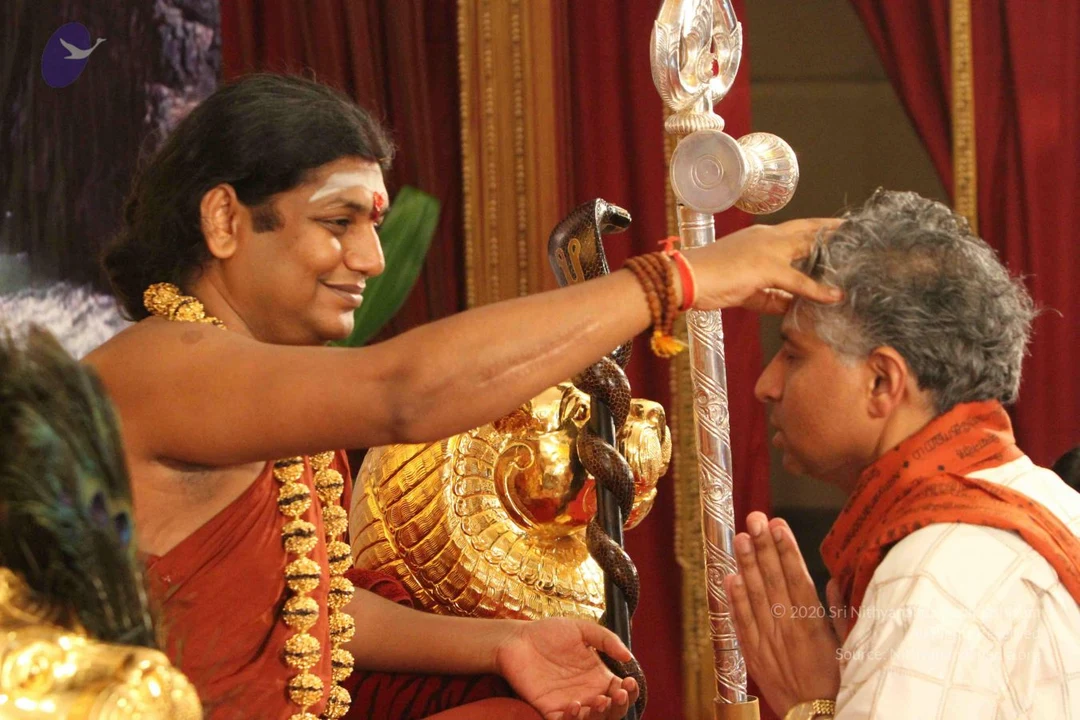
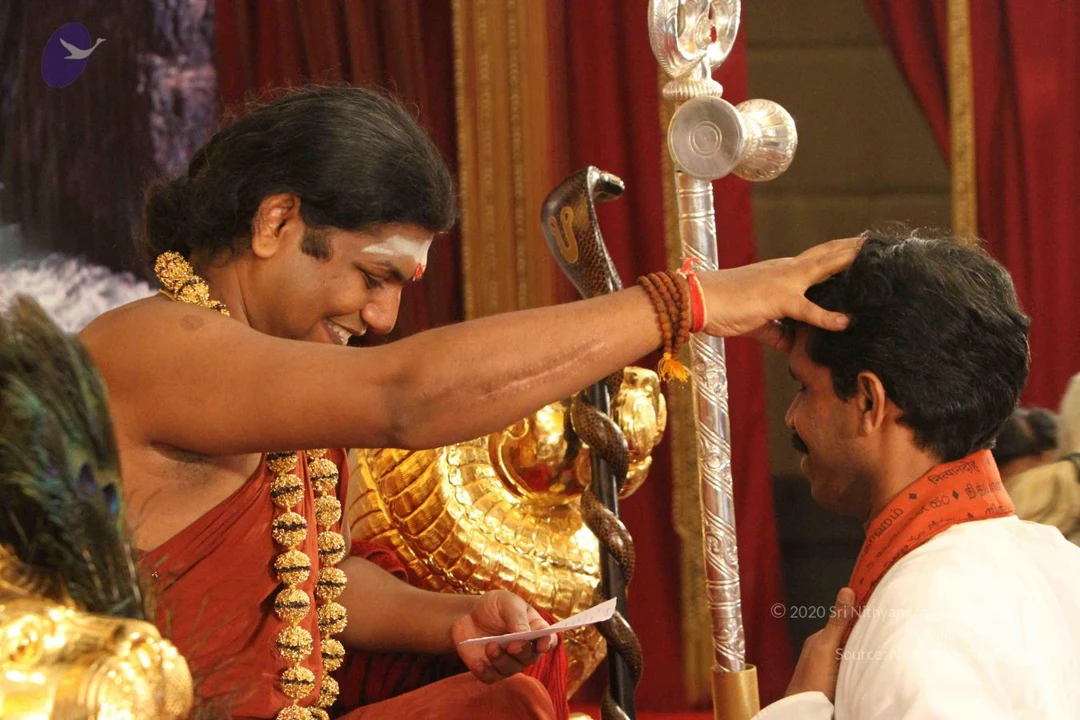
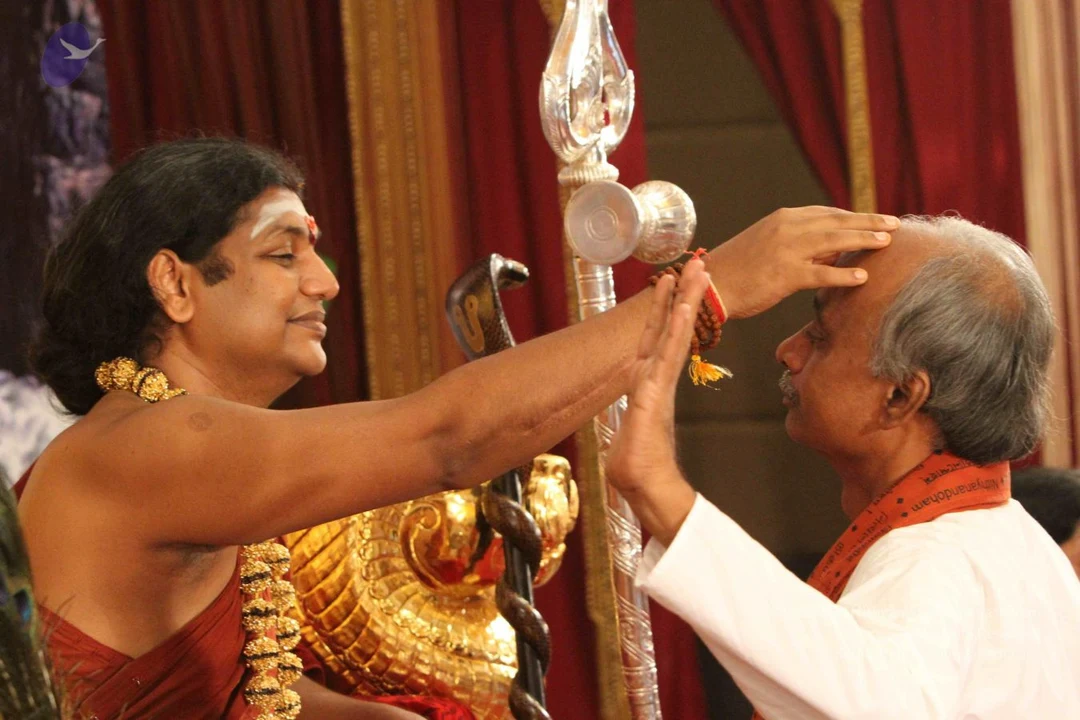
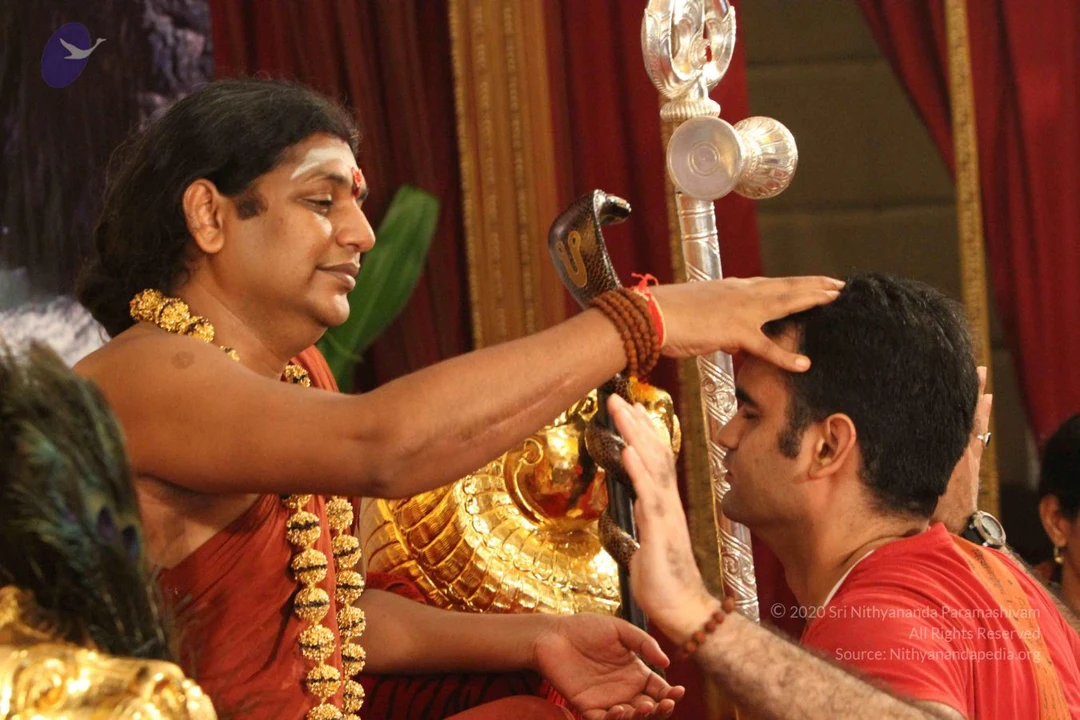
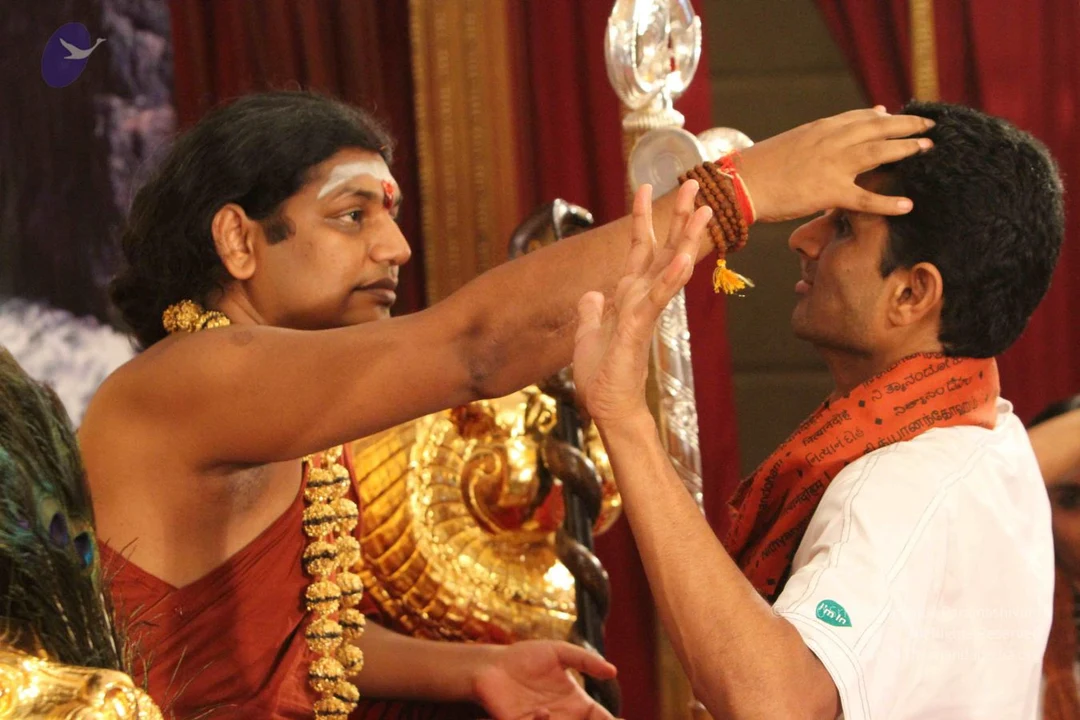
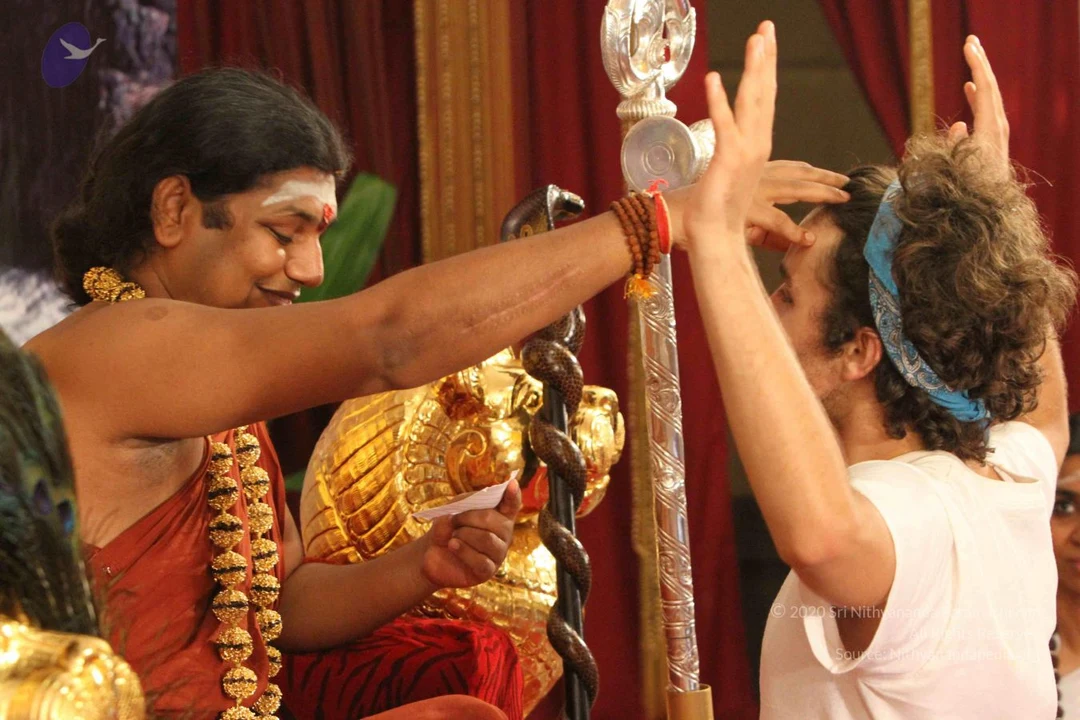
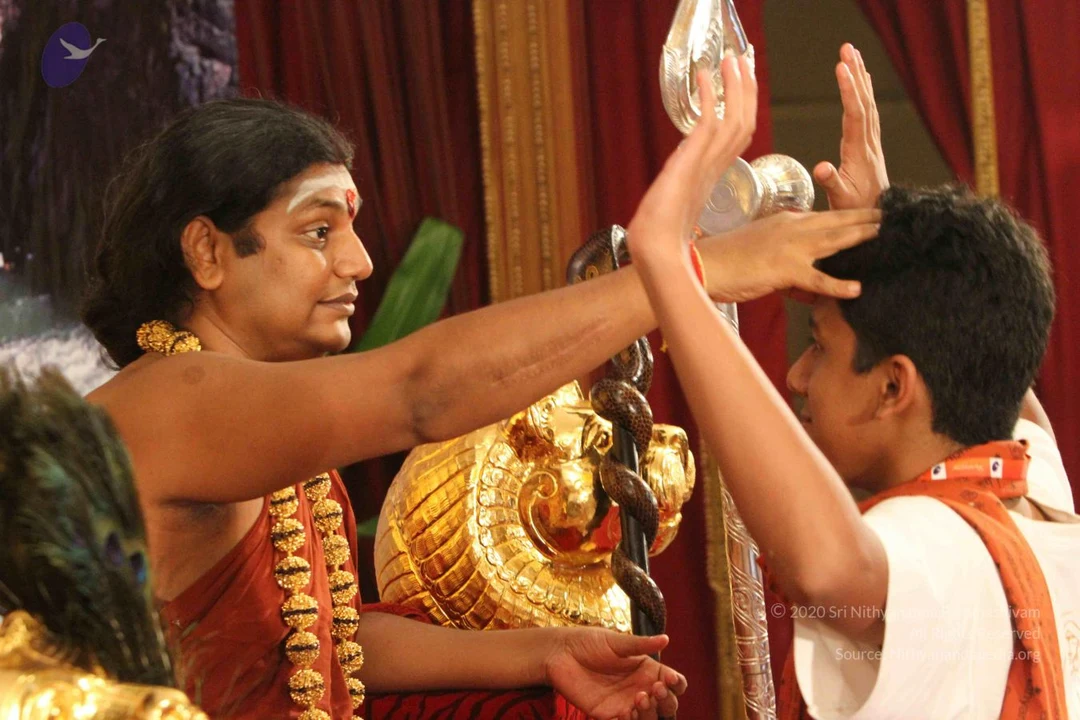
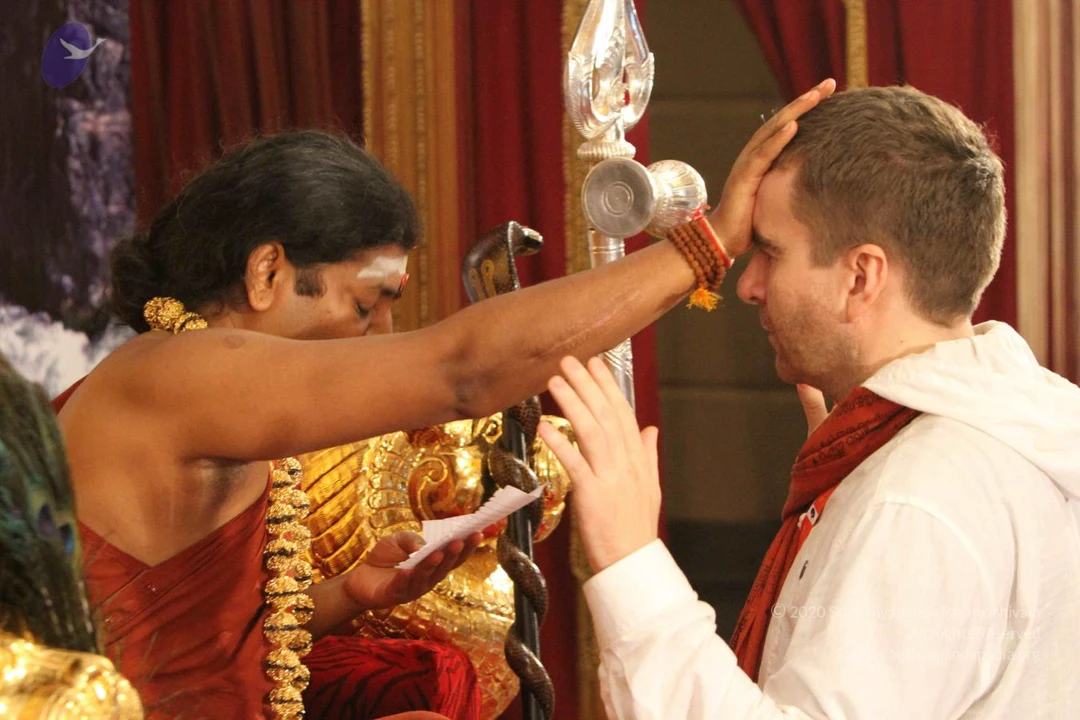
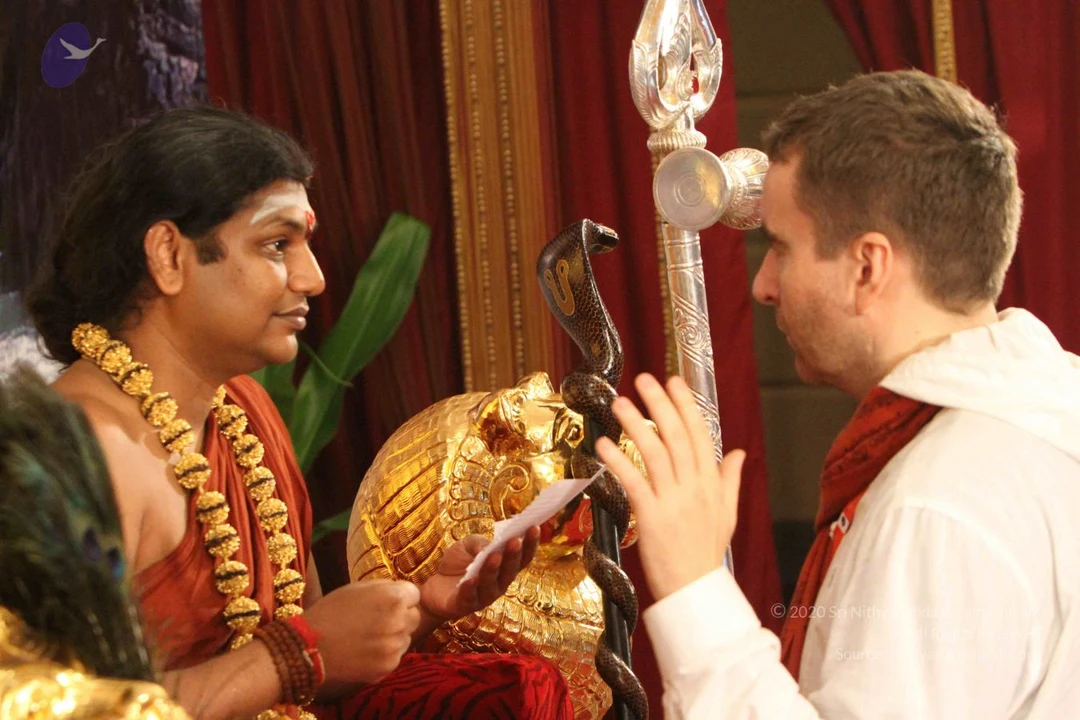
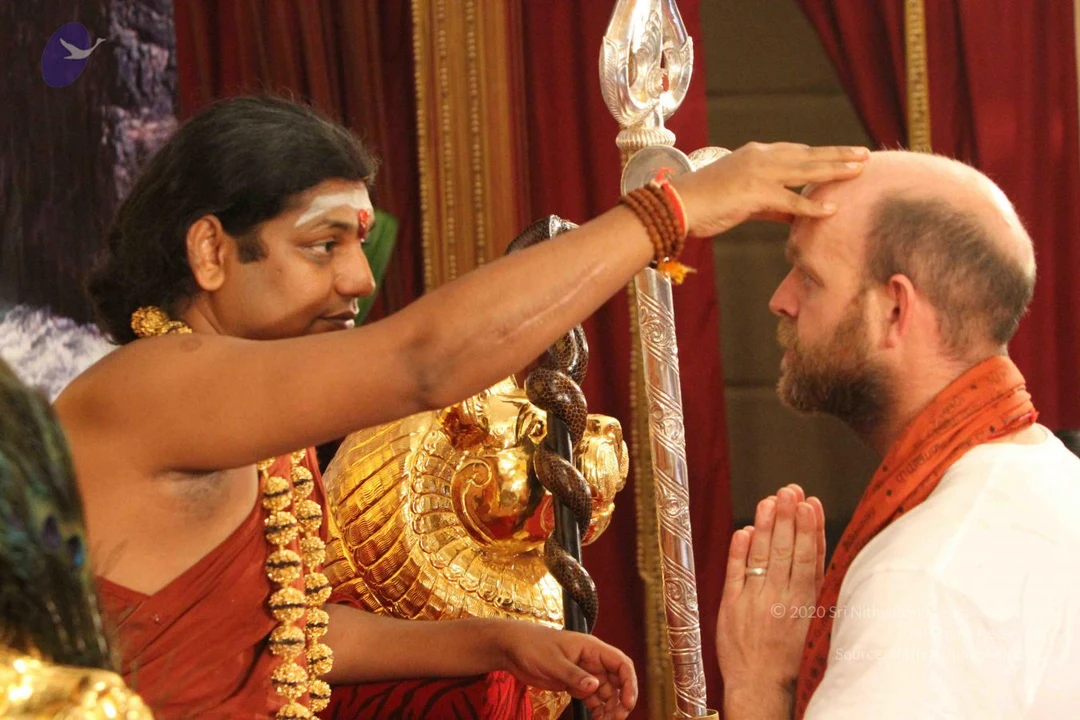
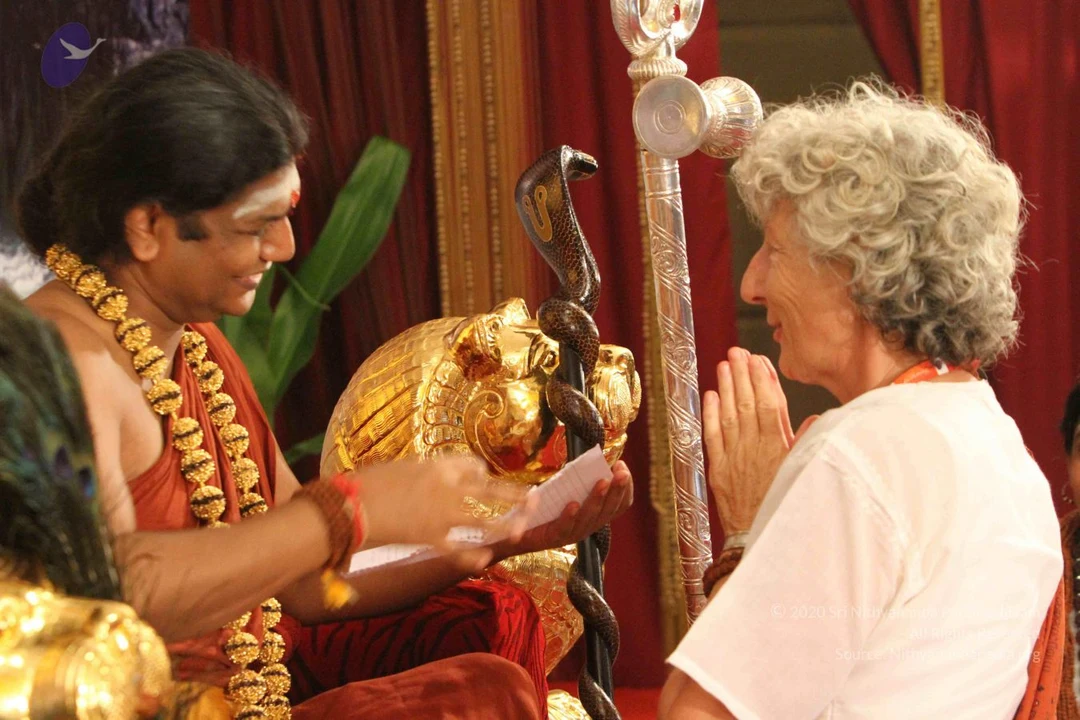
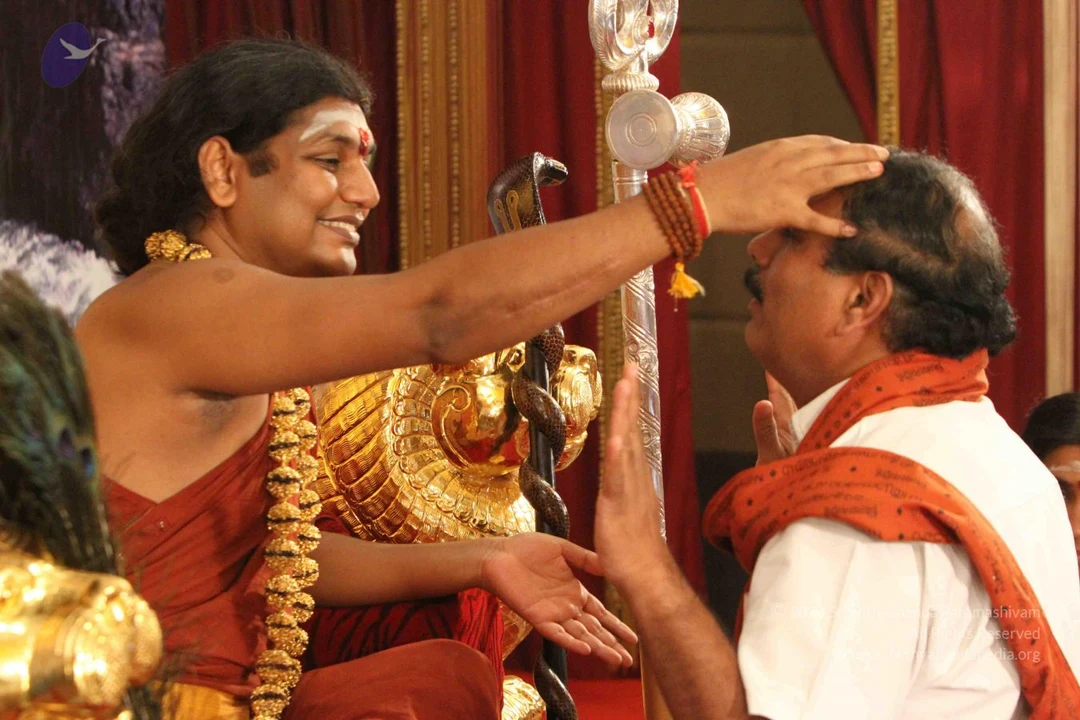
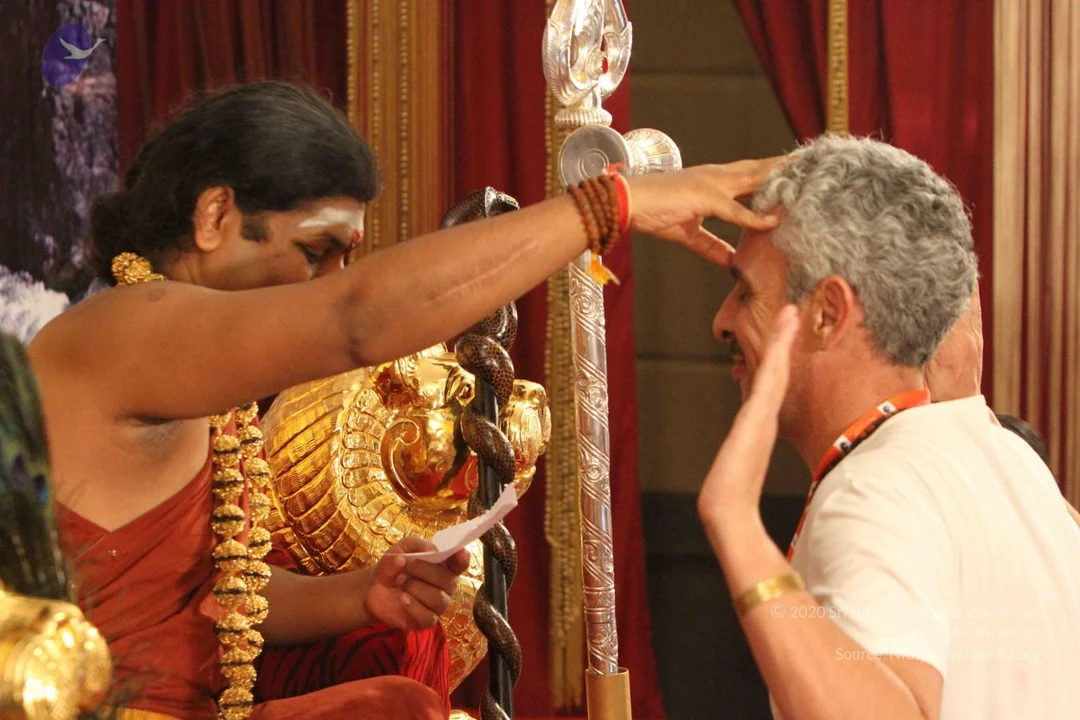
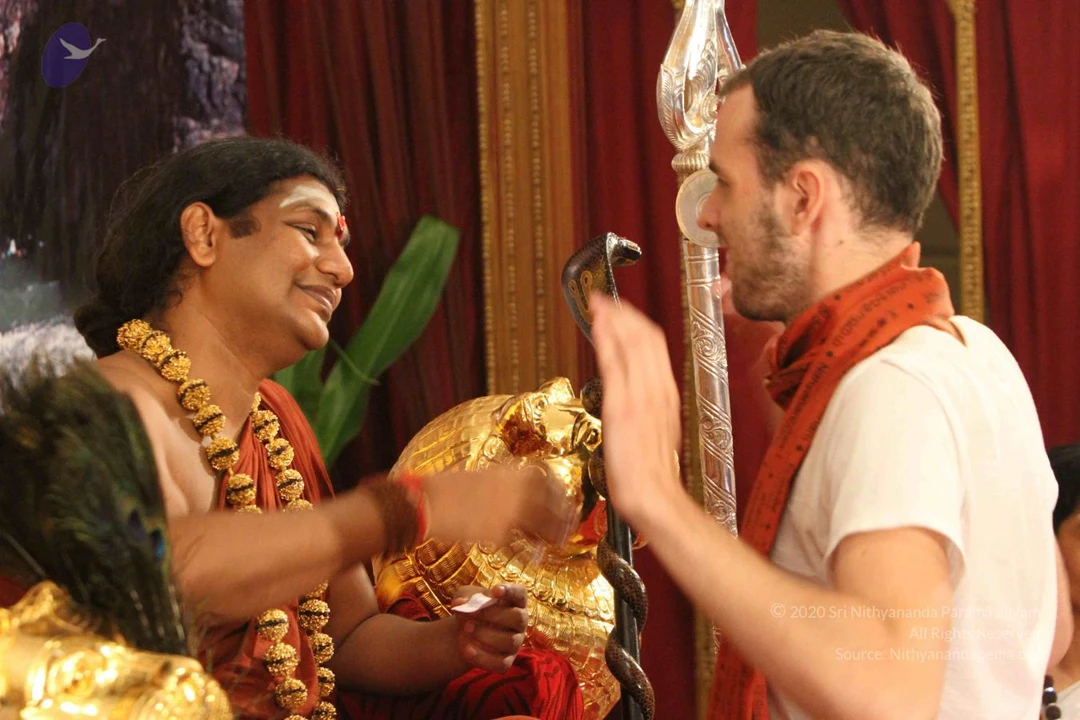
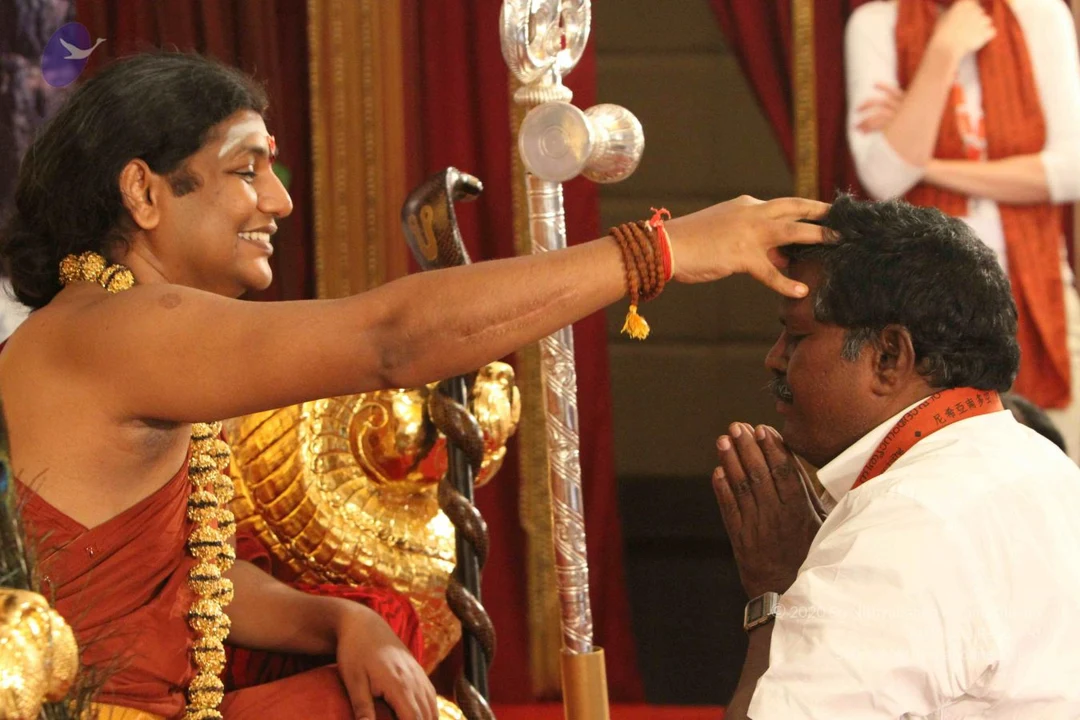
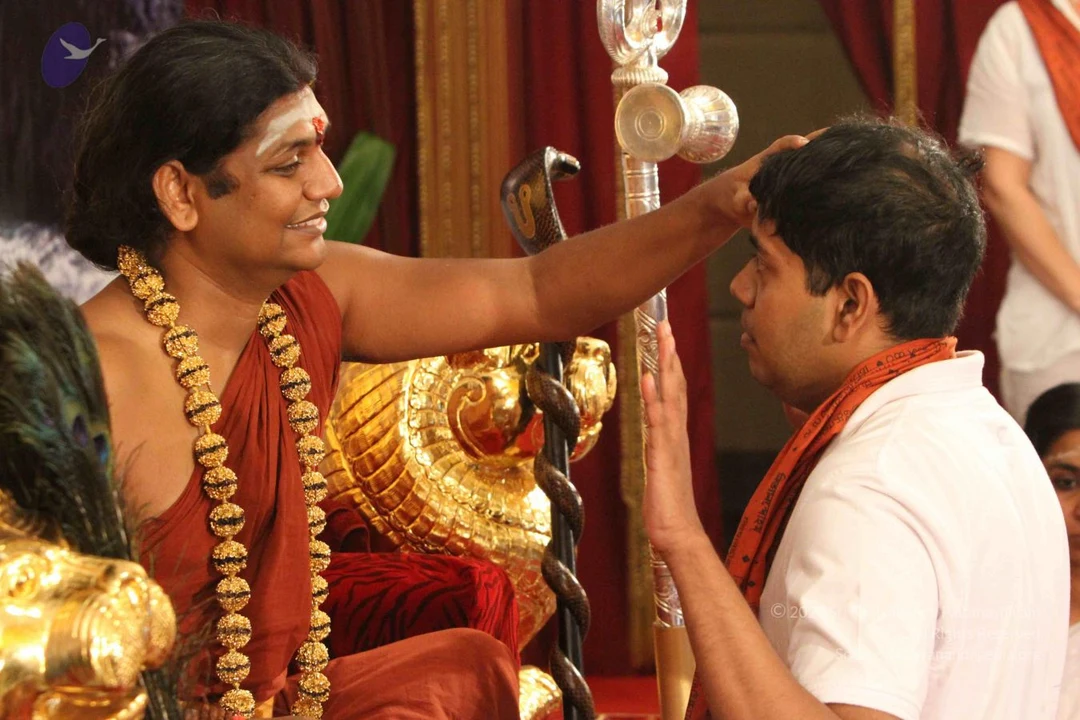
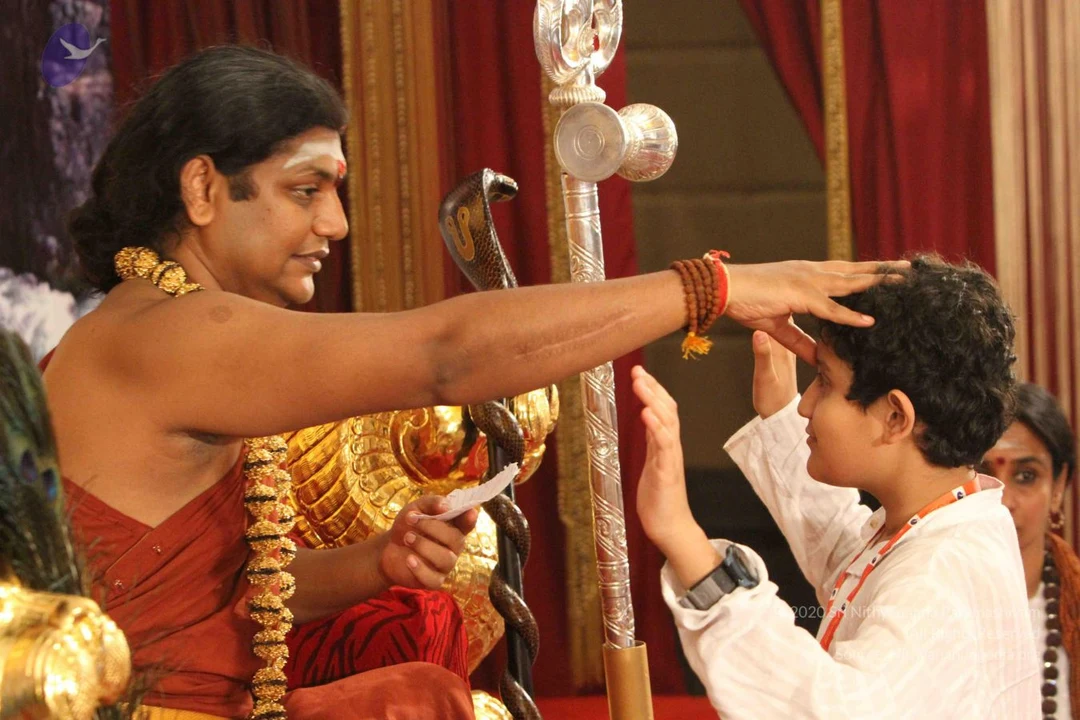
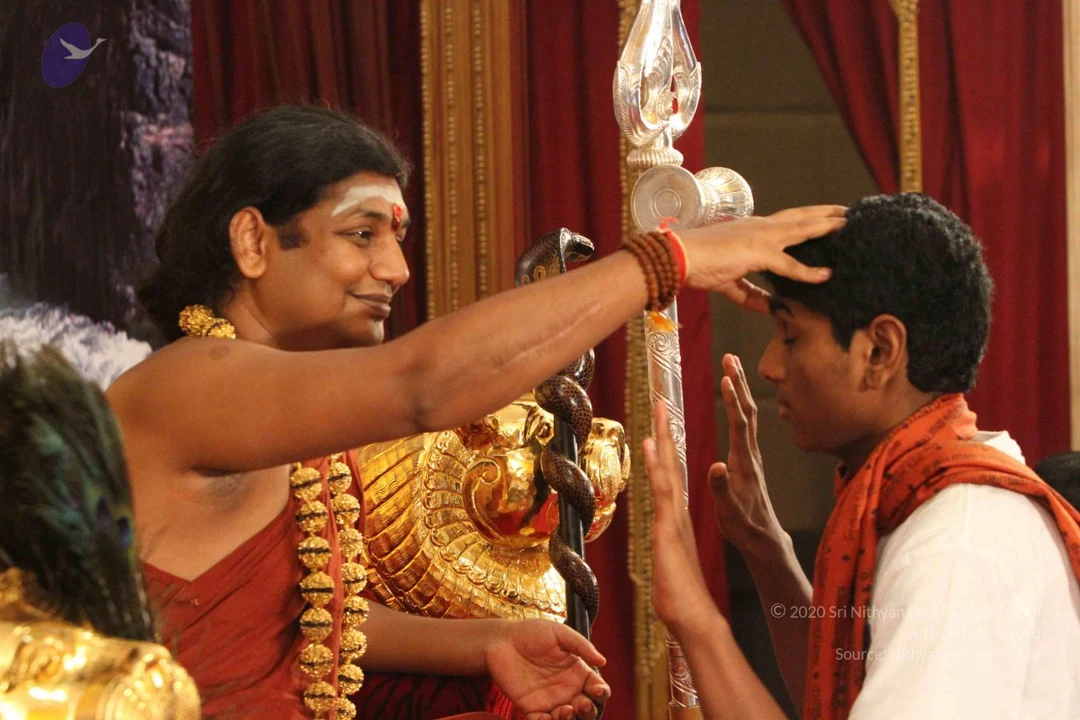
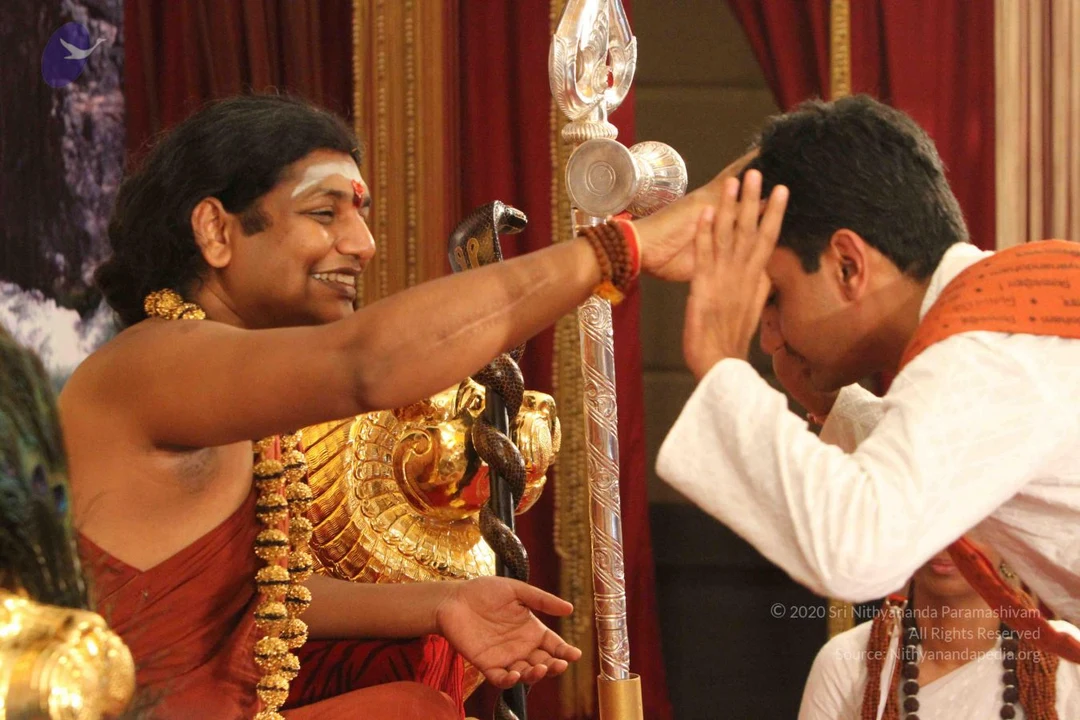
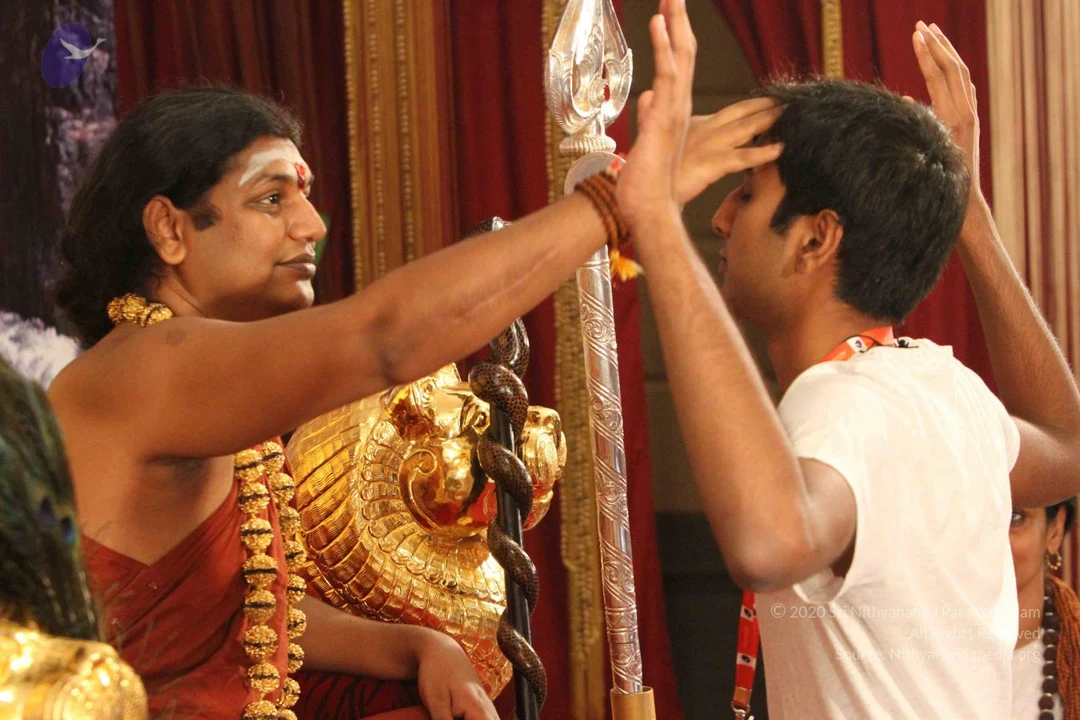
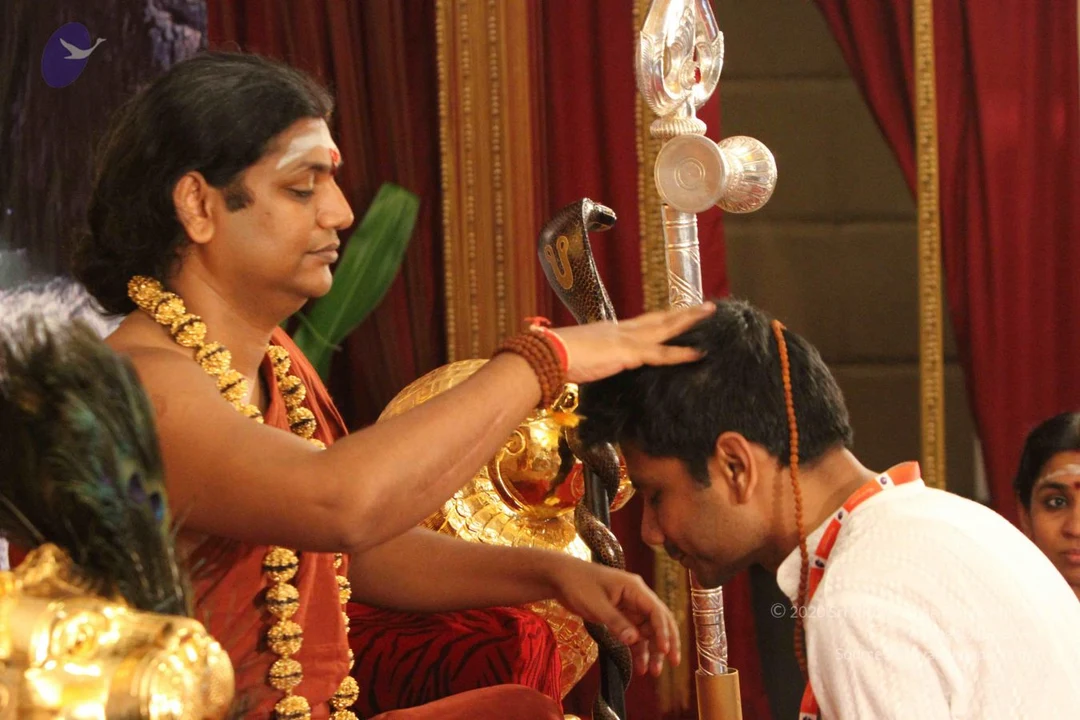
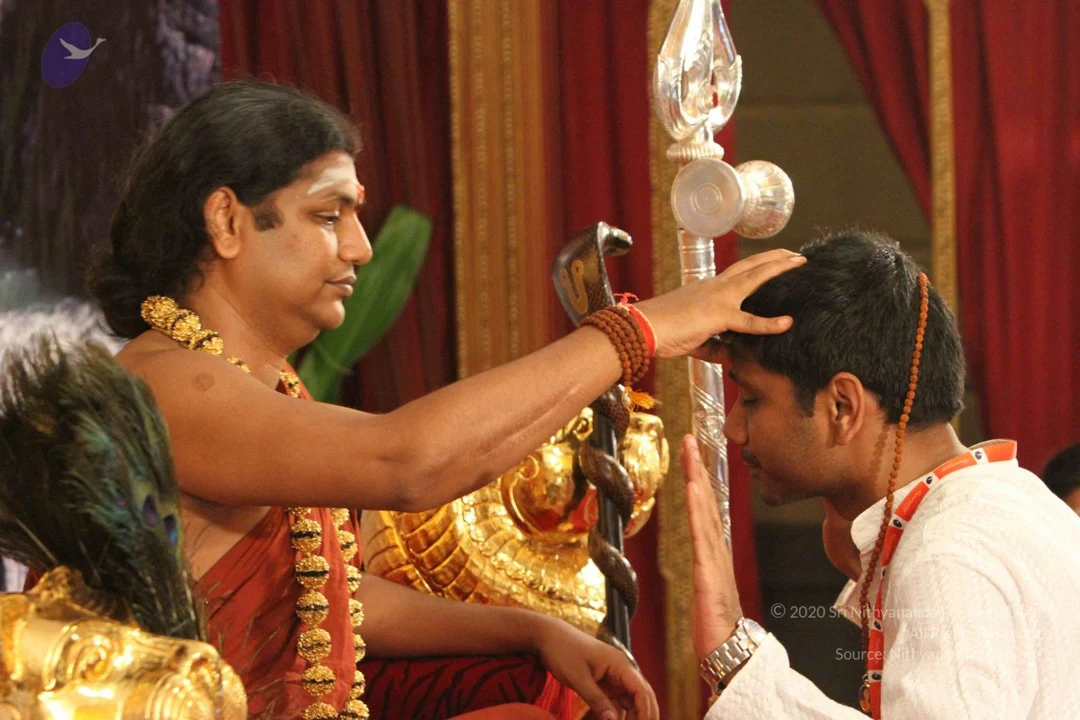
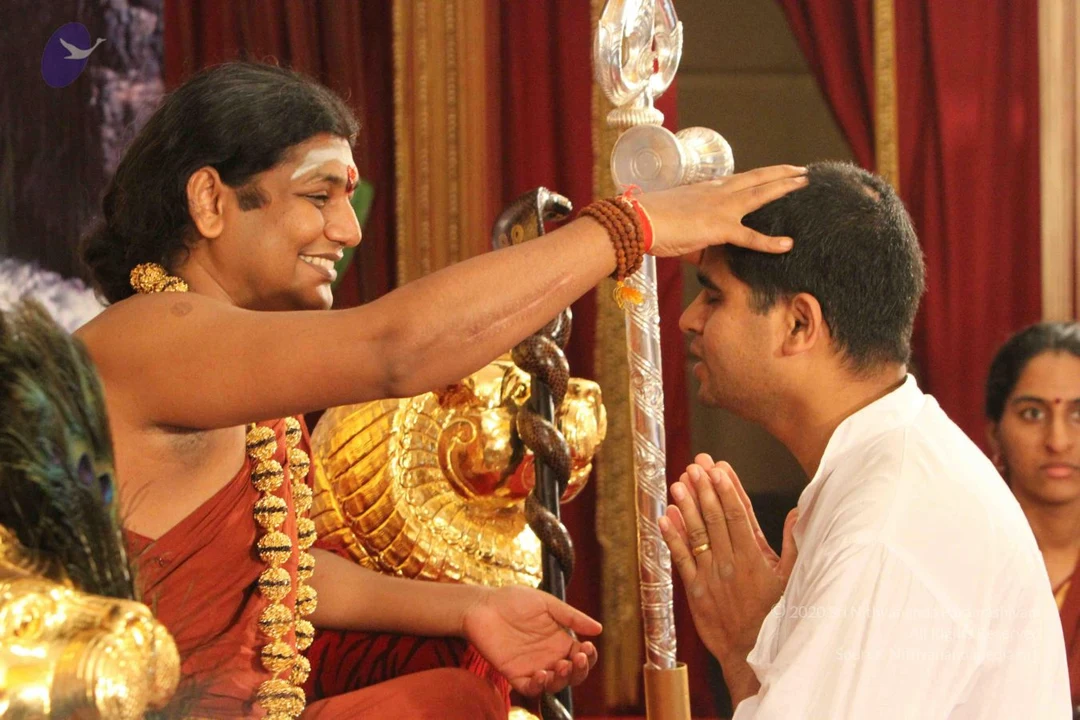
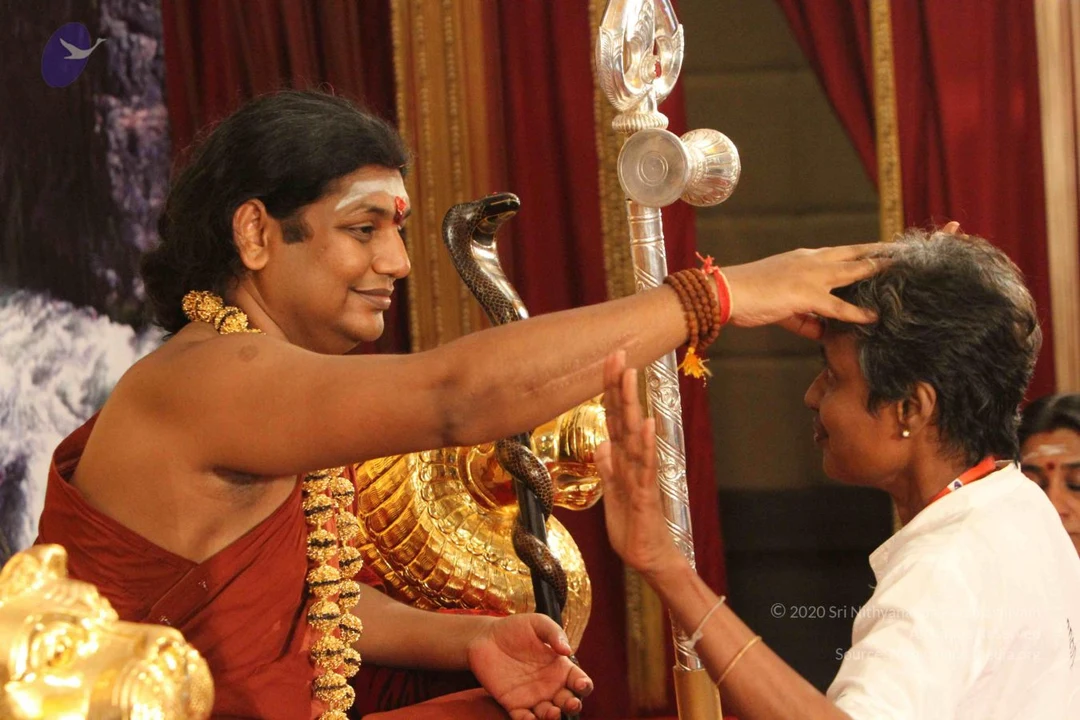
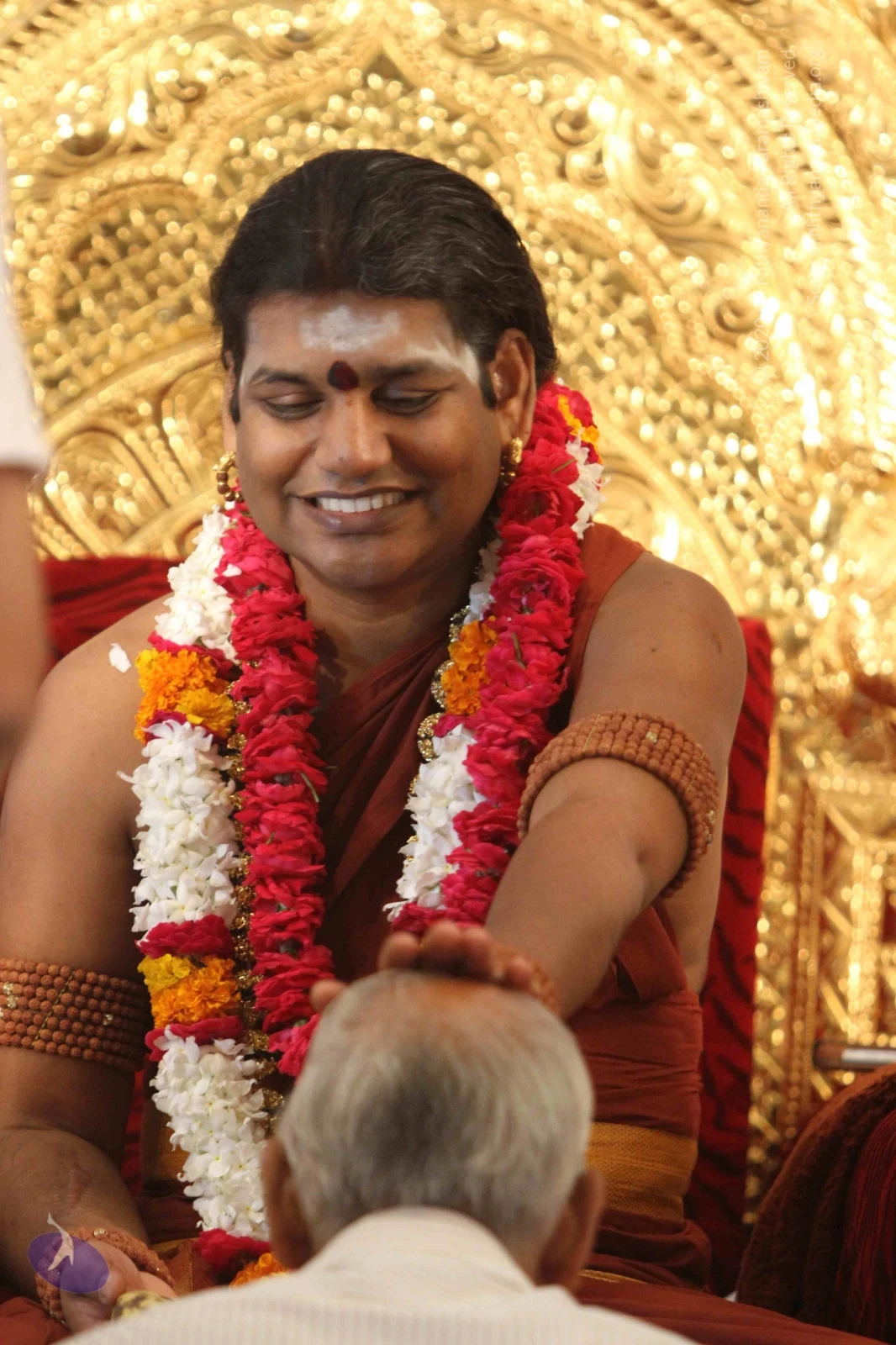
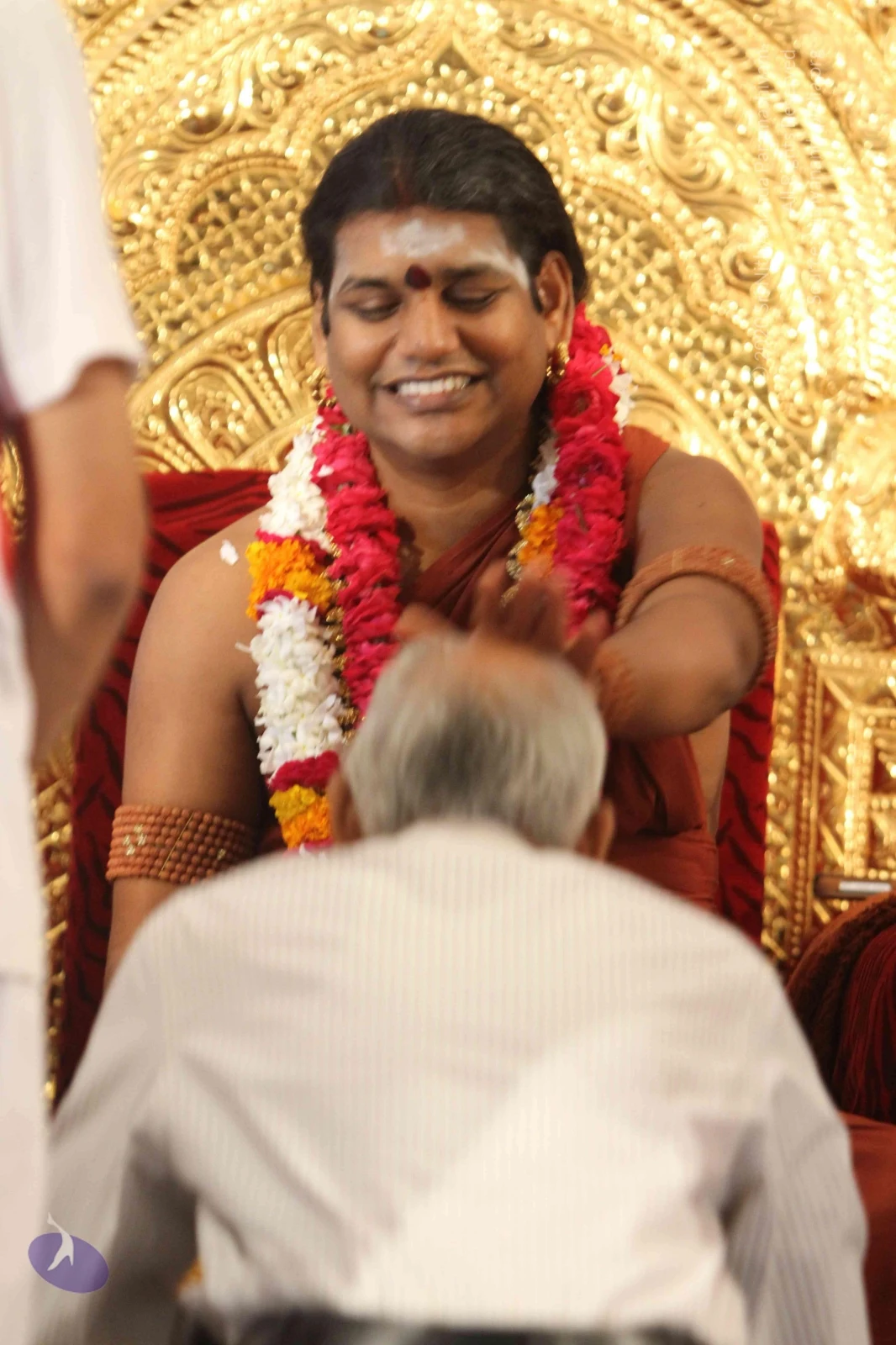
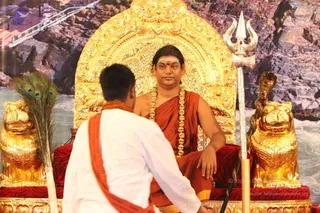
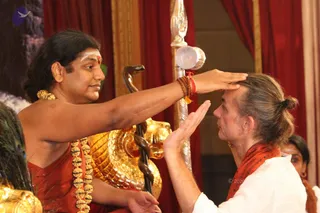
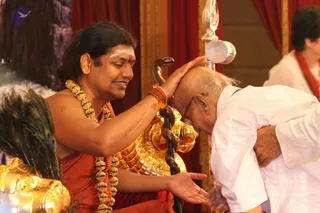
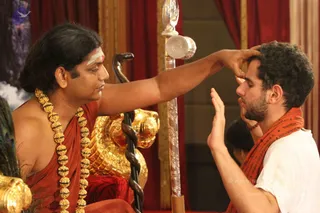
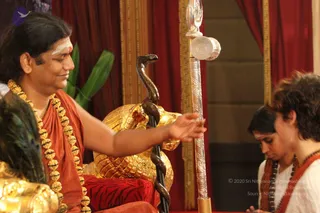
A seated man in saffron-orange robes with a yellow border sits on an ornate gold throne with red tiger-striped cushions, hands folded in his lap. He wears a long rudraksha-style bead garland and a red tilak on his forehead. Flanking the throne are gold lion sculptures, a peacock-feather fan rests on the left, and a silver trident and a cobra-entwined staff stand on the right. The backdrop shows a rocky landscape. a person is seated as the speaker presiding over this satsang, identified by the saffron robes, long garland and throne with ceremonial regalia.A seated man in an orange-red saffron robe and long golden beaded necklaces sits on an ornate gold throne with a red cushion, a white-and-gold tilak on his forehead and a red bindi. A man in a white shirt with an orange-red shawl kneels or bends forward toward him from the front-left, facing him. Beside the throne are gold lion figures, a silver trident stands upright on the right, a peacock feather fan rests at left, and a gold cobra-shaped ornament appears on the right. The backdrop shows a rocky river scene with rushing water.A photograph of a seated man with bare upper body, wearing a red-orange cloth, long gold-and-bead necklace, rudraksha bracelets, white vibhuti and a red bindi on his forehead, extending his right hand to touch the forehead of a standing devotee with grey-brown hair in a low bun, wearing a white shirt and a red-orange shawl. Behind them are gold and silver ceremonial objects, a gilded serpent-shaped sceptre and red curtains. A woman with dark hair stands at the right edge. The seated man appears to match the a person cues of ornate gold necklace, rudraksha adornments and ceremonial red dress, while the standing devotee is in white ritual clothing; this is a blessing gesture similar to darshan. Two people are visible.A seated man in saffron-orange robes and a golden bead necklace, with a white and red tilak on his forehead and long swept-back hair, places his right hand on the head of an older bald man in a white checked shirt who bows forward with folded posture. Behind them stand a golden cobra-entwined staff, a silver kalasha-like vessel and gold ornamental carvings, with red drapes and a peacock-feather fan at left. The scene suggests a blessing exchange, with the seated figure matching visible cues of a person presenting a blessing to a devotee.A seated man in saffron-orange robes and a long gold bead necklace reaches forward to touch the forehead of a younger man in a white shirt with an orange-red printed shawl. The seated man has swept-back long hair, vibhuti marks and a red tilak, and sits on a gold-trimmed throne beside a black serpent-shaped staff and a silver staff topped with a finial. Red drapes and a peacock-feather fan frame the scene. The younger man, with curly dark hair and a beard, raises one hand and bows his head. The seated figure has long hair, distinctive gold malas and saffron robes, consistent with the page's Swamiji reference (probable), giving a blessing to a devotee in a deeksha-style touch of the forehead.Photograph of a seated man in orange-saffron drapery and a gold-bead necklace, with white sandalwood markings and a red bindi on his forehead, extending his right arm toward a silver staff with a bowl-shaped top and a dark snake coiled around its shaft. He sits before a golden lion-shaped throne with a red striped cushion, in front of red drapes. On the right, two people in white and saffron garments sit kneeling with heads bowed, one with a white forehead mark. A peacock-feather fan is visible at the left edge. Probable Swamiji (long swept-back hair, saffron clothing, ornate gold necklace, and a golden throne), seated in a teaching role.