Wednesday
23 April 2014
- Dated photos
- 25
- Source pages
- 1
- Media
- 2
April 23 2014
Original wiki pageDescription:
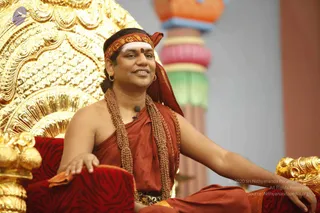
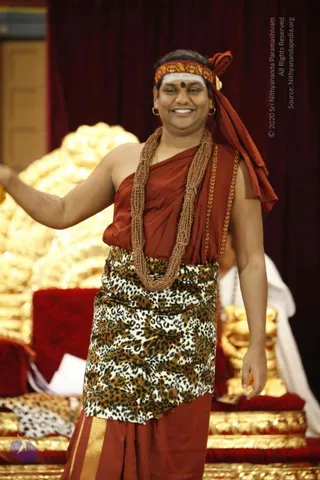
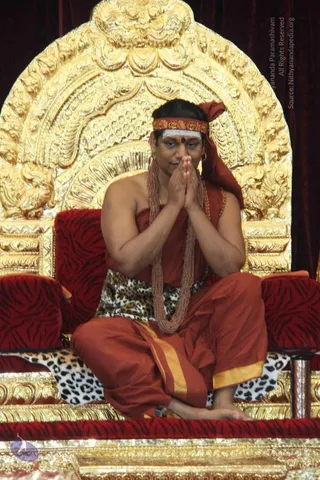
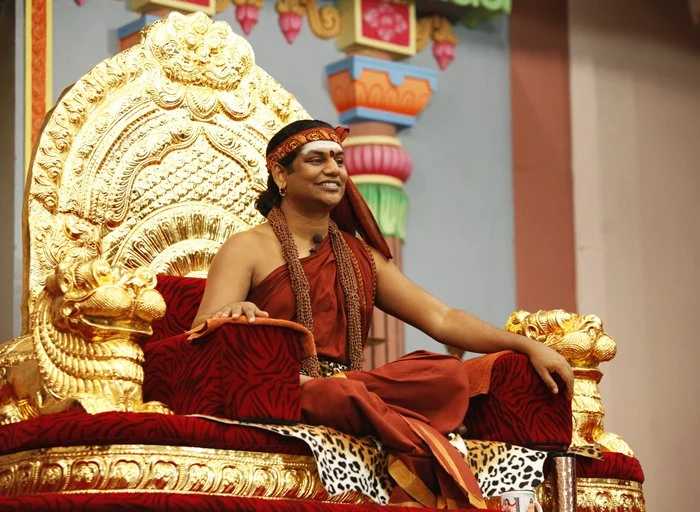
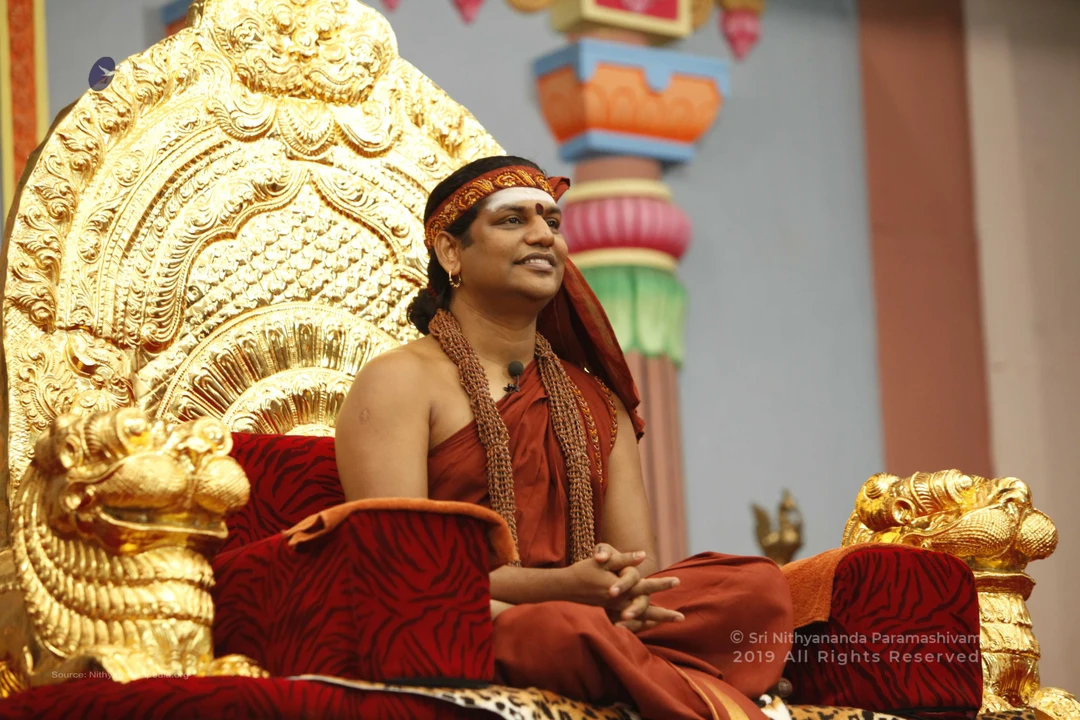
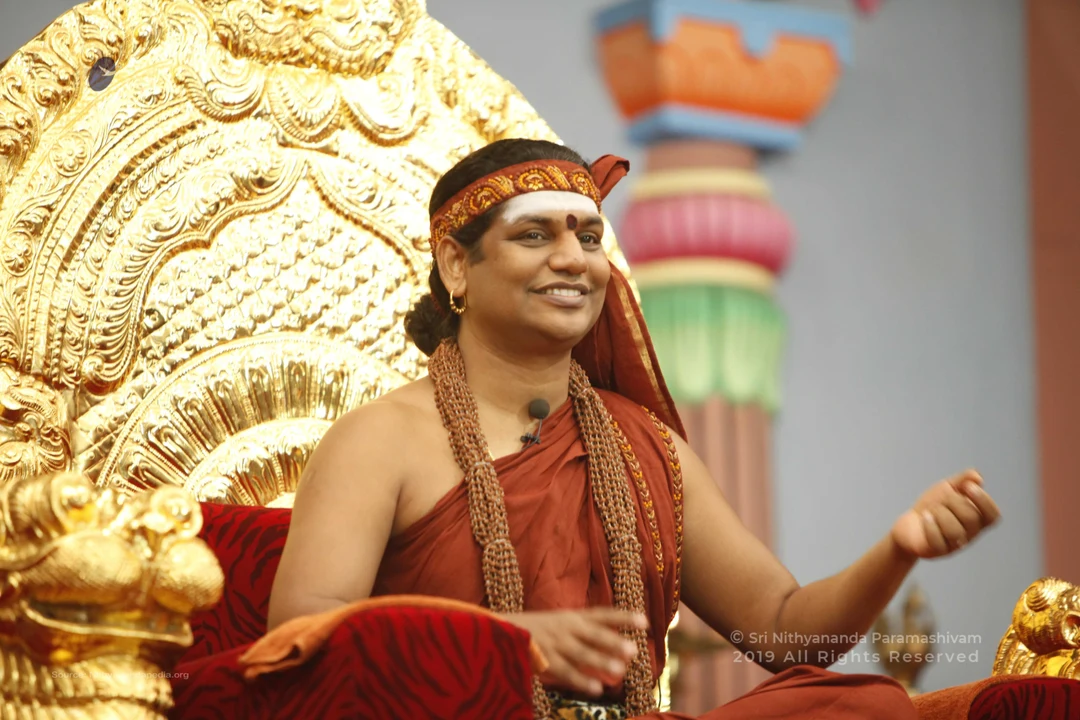
In today’s morning Satsang, Paramahamsa Nithyananda spoke about ‘Making Advaitha Happen In You’. He clearly stated that any powerlessness is rooted in violence and that it is possible to complete with it all. He went on to explain that romance is feeling oneness without logically knowing why you feel oneness and devotion is experiencing oneness knowing clearly that your logic does not need to be answered so you are established in that oneness forever.
Link to Video:
| Video | Audio |
Transcript:
Nithyanandeshwara Samaarambhaam
Nithyanandeshwari Madhyamaam |
Asmath Aachaarya Paryanthaam
Vandhey Guru Paramparaam ||
I welcome all the devotees, disciples, samajis, satsanghis, Shrimahants, Mahants, Kotharis, Thanedars, sitting with us all over the world at this time through Nithyananda TV, Lotus News Channel, Janashree TV, Eshwar TV, two-way video-conferencing having Nayana Deeksha in so many countries all over the world.
Cities sitting with us in two-way video-conferencing: Nithyananda Nagaramu-Hyderabad, Nithyananda Nagar-Tiruvannamalai, Nithyananda Nagara-Bidadi, Nithyananda University-Los Angeles, Nithyananda University-Paris, Ohio-Prayag, Houston-Kalahasti, Bogota-Colombia, Dakota Dunes, Guadeloupe-Rameshwaram, Hong Kong, Kuala Lumpur-Palani, Simi Valley-California, Oklahoma-Somanatham, Phoenix-Kanchipuram, Varanasi, San Jose-Madurai, Seattle-Chidambaram, St. Louis-Tirumala, Singapore-Singapuram, Toronto-Kailasam, Toon Moon-Hong Kong, Hong Kong-Sirkazhi, Houston-Texas, Hyderabad-Gupta Kashi, Indrani-New Jersey, Scottsdale-Arizona, Jorpati-Nepal, London-Kashi, Dubai-Vaidyanatham, Paris-Kalighat, Port Washington-New York.
I welcome all of you with my love and respects.
Today it’s all about making the Advaitha happen in you.
First thing, listen, any powerlessness, any type of powerlessness is rooted in violence. Please listen, please listen, the first statement, because from this only I am going to guide you. Any type of powerlessness is rooted in violence.
I asked you to work on your authentic identity and your incompletions. As I said, if you say, “all-knowing”, being “all-knowing” is your identity, authentic identity you want to have, you have to complete with ignorance. It is possible. Ignorance is just one blanket you pulled it up on you just to feel cosy. Understand ignorance is one blanket you pulled it up on you just to feel cosy. Completing once for all with all ignorance is possible.
Omnipresent, Omniscient; means being present everywhere, being powerful. Please listen, I am not promoting superstitiousness, I am promoting a science. Completing with all this is possible.
Last few days I am studying very intensely the book called “Zen Brain”. And there is one more book, “Human Brain”. Because, this Varanasi, the initiations are going to be really, really, really intense and powerful. I am not going to be touching just the Ajna Chakra, I’ll be handling many more brain centres. Just by touching the different points in the brain itself, all the seven chakras can be intensely awakened. You will actually see a energy drama, energy display, energy magic show in Varanasi, Kashi!
So, I was studying about this awakening the non-mechanical parts of the brain through Kundalini Shakthi. See, I have the knowledge and science energy. I was just working on the exact, precise points from where the operating – “operating” does not mean physical – the energy is possible and highly efficient. I also found out many of the important discoveries, important truths about the brain. People who have a deep self-sympathy and a victim mentality, will always have pain in the back of the head. They will always suffer with that pain in this area. Anything they see, they will feel, ‘He is trying to cheat me! He is trying to victimise me! He is trying to abuse me! He is trying to take advantage of me! She’s trying to do this!’ The person whose non-mechanical parts of the brain is fully awakened, alive, anything he sees, he feels romantic.
Please listen, don’t disrespect romance by associating it with lust and marriage. When you associate romance with lust, you misuse it. When you associate romance with marriage, you abuse it. Listen, I am defining that word completely. Romance is the experience of oneness without knowing logically why you feel that oneness. Whenever I come down to have morning satsangh, there are two trees outside my quarters. If my car is standing there, they will never miss dropping few flowers on my car. If the car is not there, they know exactly the way I will walk; in my pathway, in front of my eyes, few will be there. That flower, if it just falls, it can never be on my pathway, because the plants are not near my pathway. They are a few feet away. But somehow they will bend and drop the flower where I am walking, exactly my pathway!
Most of the time, comfortable brooding over! Even the brooding over has to be done very clearly from the context of completing them, not to create more and more self-sympathy. ‘Nobody in my place would have survived. I am not going to believe! I am not going to believe.
Please listen. Most of the time your Completion technique is being used for brooding over. Don’t do that. Declare Completion. You are intelligent enough. You are a man. First time in my life I was shocked when I saw in the U.S., the Trekking Schools. I was really shocked. Why human-beings need to be taught to climb the hill?
I asked, ‘What are they doing this Trekking School?’
‘Swamiji, they teach you how to climb the hill.’
Come on! What you mean? Why human-beings should be taught? The people who were around me they could neither understand me, nor I could understand them. They said ‘Then how to climb Swamiji?’
‘What do you mean? I am a man; here is a hill - climb; that’s all!’ Only then I understood I am born in a hill and I lived throughout my life in a hill. So climbing the hill is a lifestyle!
Understand. Listen, from today you will start aligning your every word, thought, action – listen – your every word, thought, action, to your authentic identity. Today, from today....
So, let me just give the essence, if you missed last few days’ satsangh:
First instruction for this technique, for this process of living Advaitha, the first step is: Pen down the authentic identity you want to live – inner-image, outer-image, others-image, life-image – first.
Second: Circulate your authentic identity which you want to create to your teamily, ask them to help you to identify the incompletions you have; means all the areas you need to complete to become your authentic you.
Third instruction: Based on their feedback, try to trace back how you developed those patterns, when you developed those patterns, in which incident and the patterns, identify them.
Fourth, very important – please listen – fourth, very important: Declare Completion. The moment you came to know you have certain patterns, don’t wait that every night you will sit and do “Oppaayi”. No people get very comfortable with their “oppaayi”! “Oppaayi” means, sitting and self-sympathizing and crying. ‘Long, long before, once upon a time, I went to a coffee shop. There I saw coffee was not there; only ice-cream was there. I got cheated. From that time until now I feel constantly cheated’ You know the hell what you are carrying inside. Why do you want to brood over bloody in the name of Completion?
Most of the time, this completion process has become a comfortable brooding over! Declare completion! Don’t abuse yourself! Don’t abuse yourself by brooding over. Even the brooding over has to be very clearly done from the context of completing them, not to create more and more self-sympathy. ‘Nobody in my place would have survived, they would have committed suicide.’ You think you are alive? You want me to believe you are alive? I am not going to believe! I am not going to believe.
Please listen. Most of the time our Completion technique is being used for brooding over. Don’t do that. Declare Completion. You are intelligent enough. You are a man.
First time in my life I was shocked when I saw in the U.S., the Trekking Schools. I was really shocked. Why human-beings need to be taught to climb the hill?
I asked, ‘What are they doing this Trekking School?’
‘Swamiji, they teach you how to climb the hill.’
Come on! What you mean? Why human-beings should be taught? The people who were around me they could neither understand me, nor I could understand them. They said ‘Then how to climb Swamiji?’
‘What do you mean? I am a man; here is a hill - climb; that’s all!’ Only then I understood I am born in a hill and I lived throughout my life in a hill. So climbing the hill is a lifestyle! Like people who are born in the banks of the river or the sea beaches. Swimming is their lifestyle. It took little time but I realised. ‘Oh, human beings, forget things. ‘
Understand, now please catch it. You are a man. You know here are the incompletions. Just declare they will not be part of your cognition process anymore! That’s all is the Completion! Don’t try to wait that you will pick up every sugarcane and chew them one by one, one by one, one by one and take the juice out and spit. Tons and tons of sugarcane is there. Then how are you going to complete it? Just put fire and get rid of it! Decide, ‘From now these incompletions will not have power over my thinking.’ You feel, ‘I decide Swamiji. But, after two days, I forget. Again I am back in the same ditch. What to do?’ To remind you to always be in the space of Completion only the great Maha Vaakya – “Nithyanandoham”, “I am in the space of eternal bliss”! Even if one incompletion gets into your cognition, the eternal peace will not be there, eternal bliss will not be there. So, if the eternal bliss has to be there, you can’t allow even a single incompletion to play a part. So always be in the space of Nithyanandoham – I am Nithyananda!
I have seen some of my own Swamis, they have so much of powerful self-sympathy, if they don’t want to do something, they know how to fall sick! You just give them forty-eight hours they will discover some sickness! Either they will have diarrhoea, bleeding, or chicken pox! They know! But, understand, this self-sympathy pattern should be completely discarded. Please understand there are some patterns you can’t complete, because you will never find logically the source. Anything you find the source in this birth only you can complete. But there are some patterns which you bring from past births. You will not be able to find the source of those patterns. You need to discard them. Completion alone cannot lead you to ultimate. At one point, discarding will become the Completion process. At one point, you will not be able to relive or relieve because you will not know the source of that pattern. This self-sympathy kind of pattern, you will not know the root, you will not know the source. I tell you if you just follow Integrity, means being truthful to your words, either you fulfil them or you withdraw them, but you are very conscious of the words goes on inside you, you will find all the roots of the patterns which you built in this body. You will also find the patterns, which roots you can’t find, because you did not build them in this body. For example, hunger! Your hunger is not built on this body. Even while your body was getting created, the hunger was there and mother supplied the food. Even before your consciousness entered into this body, hunger has, hunger was developed.
So understand, there are some patterns you brought it from the past birth. At least you will know the roots of those patterns cannot be found. If you start living Integrity, then you know just they need to be discarded. Discarding is much, much, much easy than completing. If you discard even one pattern, you will feel Completion is foolishness and waste of time! My Masters first taught me discarding, because discarding will give you the power of power! Like Devi is the energy inside the gods and goddesses. Indra may have some powers, but Devi is the Indra’s power. Agni may have some powers, but Devi is the Agni’s power. Devi is the power of all powers. Some of my Shaiva disciples....! I have a group of disciples who are Shaivites. They can’t digest if I speak on Devi! Anyhow, I have to tell the truth, understand? We might have started our Sangha as Shaivites, but I am sure, we will end up as Shaakthas only, because I am basically a Shaaktha. From the beginning, my personal aaradhya, or my personal spiritual practice was always Shaaktha. Anyhow......
How the Devi is power of powers, she is the power of Indra, power of Vayu, Varuna, Agni; she is the power of Mahadeva himself! See when she assumes the body like Sati and plays only at those periods Mahadeva holds the fort. When she realizes, becomes Parvathi, Meenakshi, Mahadeva always hands over the fort to her or she gets her space.
Listen. Discarding is power of powers. Discarding is the essence of even Completion process. When you are not able to discard, you complete. When you are able to discard, you don’t need even Completion process.
Listen. So first declare that you discard all these patterns. Declare Completion with all these patterns, self-sympathy, understand? I am very serious about this statement. These Swamis who create sickness for themselves need to practice this very sincerely and get out of that pattern.
I was travelling in West Bengal once. This really happened. I was staying in one monastery. I was continuously travelling and two - three days I will stay in one monastery wherever I go. I was staying. There I saw one conversation. The President, Mahant of that adheenam was forcing the Manager to go to another one adheenam and invite that Swami, invite the other Mahant. But this Manager does not want to go. This Mahant is forcing this Manager to go and invite the other Mahant next day for some function. This Manager does not want to go. He was so strong, next day morning really he was sick! This Manager was sick. He could not even move out of bed. He could not travel.
Understand this is not something big. That was the first time I was able to diagnose the root of this self-sympathy pattern, because I never had that in myself. I need to experiment and discover how it gets developed. I went and tried to heal that guy. That time I studied the whole network how it happens. Your own part of brain which has extraordinary powers, instead of supporting you, that starts opposing you, is “self-sympathising”. Listen. Your super powers should make your authenticity into reality. Your superpowers should make your authenticity into reality. But your superpowers start making your inauthentic part of you into reality; is self-sympathy, self-victimization. Your super powers making your inauthentic side into reality is self-sympathy, self-victimization.
You have two sides: authentic side, and inauthentic side. If your authentic side has been made real by your super powers, you are Siddha Purusha, Man of Miracle Powers. If your inauthentic side is made into reality by your extraordinary powers, you become self-victim, self-sympathy victim.
Listen. Even to destroy yourself, you need to use all your extraordinary powers; otherwise, it is not possible. You can’t kill an elephant with a cricket bat; you need powerful weapons. Same way, you cannot destroy yourself just with your ordinary mind; you need extraordinary powers. Especially my Sannyasis, you are under the protection of Cosmos directly. Even with that if you are able to destroy yourself or put yourself into sickness or depression, then you must be really, really using all your extraordinary powers against me and against you! Only one advice word I can tell you: DON’T DO IT!
So from today you will align all your thinking, words and actions towards the authentic identity you want to create and will not allow the incompletions to interfere in any of these three, will not allow your incompletions to influence any of these three. That’s all is today’s instructions.
Today’s satsangh instruction:
Your every thought, every word, every action, you will go on be aligning to your authentic identity. You will not allow your incompletions to interfere in your authenticity practice. And – listen, this is the punchline; please come to the space of listening; this is the punch: Even if you fail to become authentic, you will not give up on you. Again and again become authentic. Because, there is every probability you may fail in the first attempt, second attempt; but next three months, you will go on be aligning every word you utter, every thought you have, every action you do, is aligned to the identity which you described and got the blessing. Your authentic identity, if you have sent it to my Facebook and I pressed “like”, it is already blessed. So start aligning to that identity. You don’t need to have a self-doubt – ‘I don’t know whether the identity I created is most authentic.’ Don’t worry about it. After you establish yourself on this identity, you may find you need to develop little bit, or you may not feel the need also. If you feel, at that time we will see how to do it. Now don’t worry. You need some base on which you have to stand. If you are going on questioning that very base, you will never stand. So, drop your SDHD now align yourself to this identity which you got it blessed. As I said, even if you fail, nothing wrong. Go on working, align it back.
Failing is not wrong; thinking you are a failure is wrong! Failing is not wrong; thinking you are a failure is wrong! This is the Facebook punchline today for all of you: FAILING IS NOT WRONG; THINKING YOU ARE A FAILURE IS WRONG!
I bless you all. Let you all radiate with Integrity, Authenticity, Responsibility, Enriching and Causing eternal bliss, Nithyananda. Thank you.
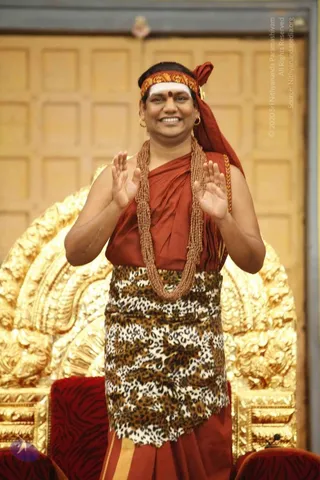
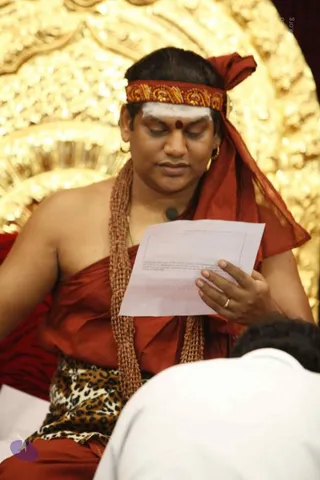
Photos
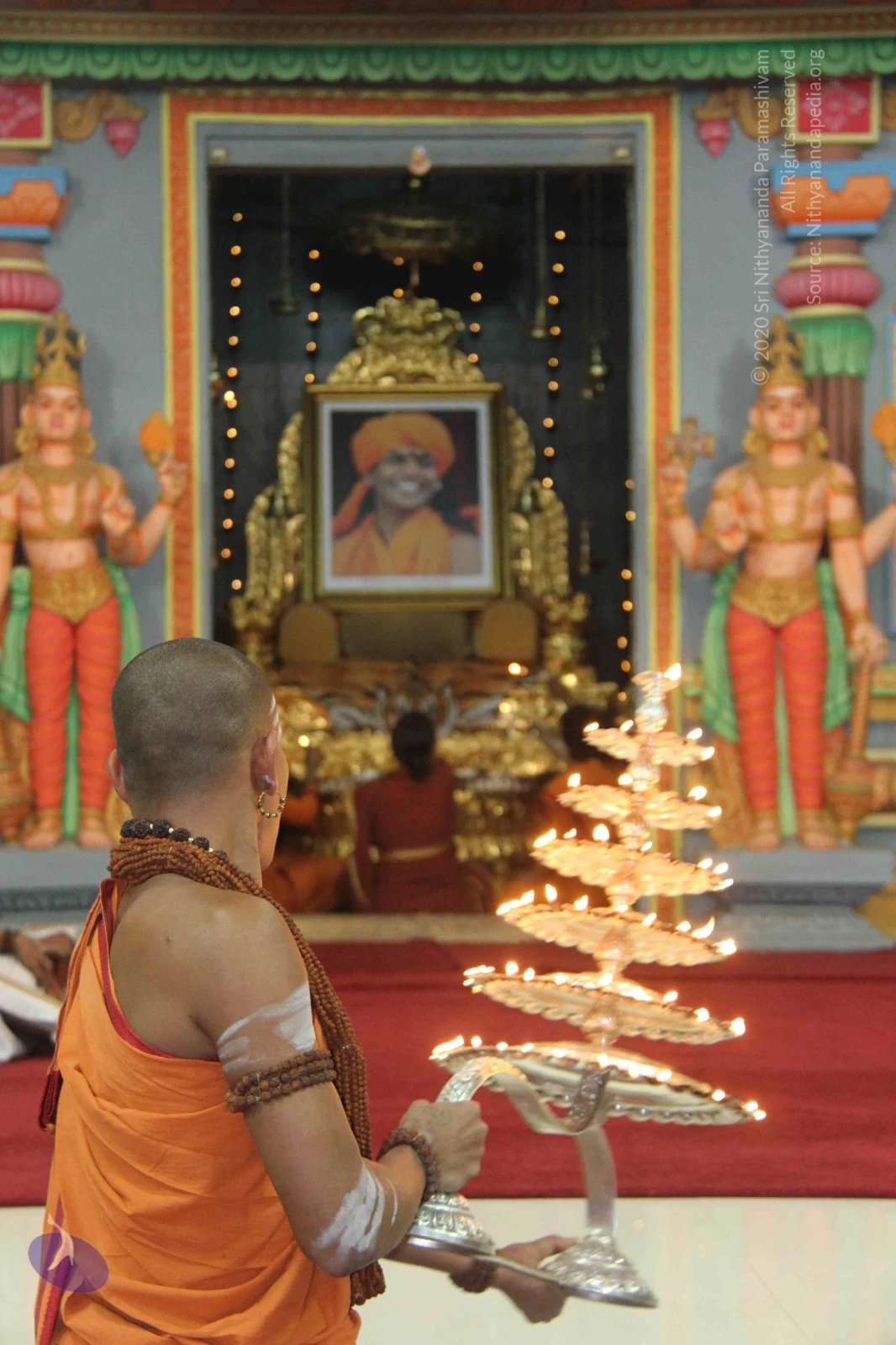
Pada Puja
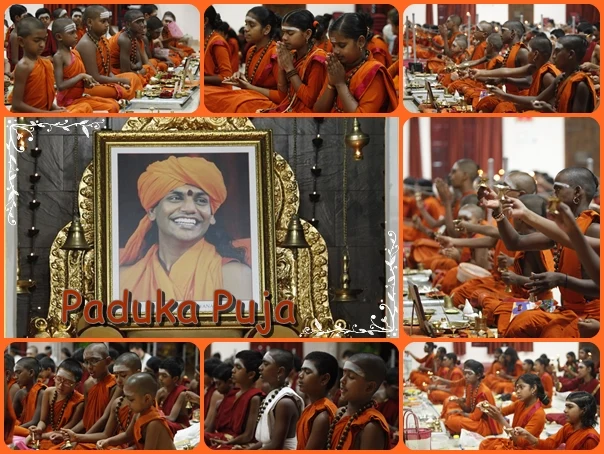
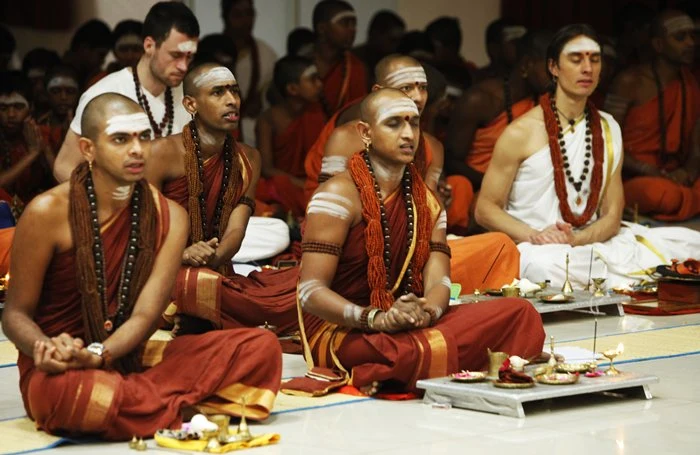
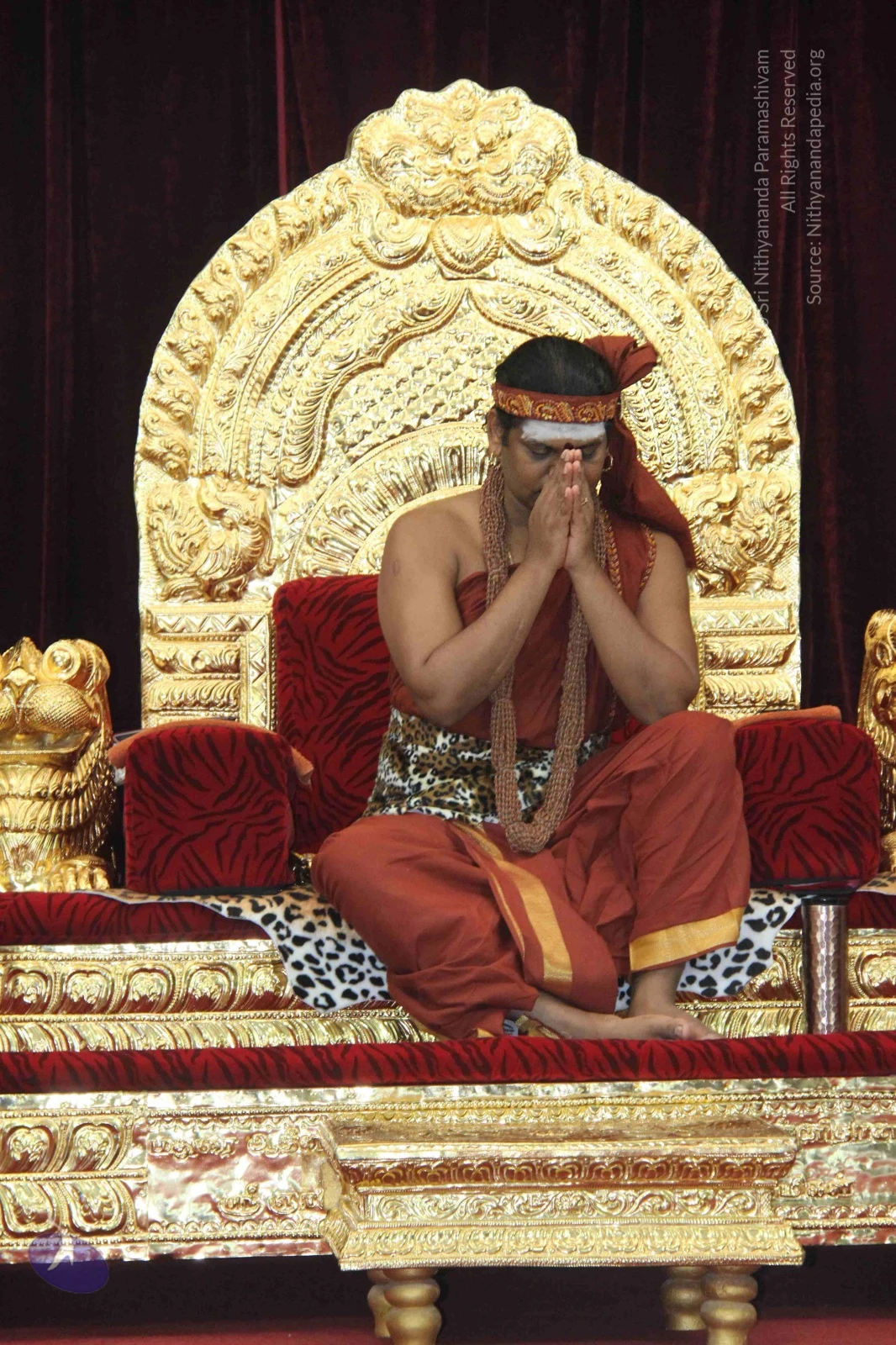
Nithya Satsang
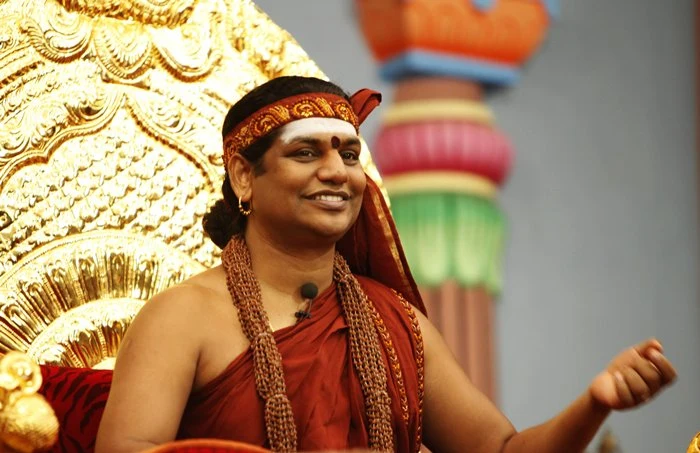
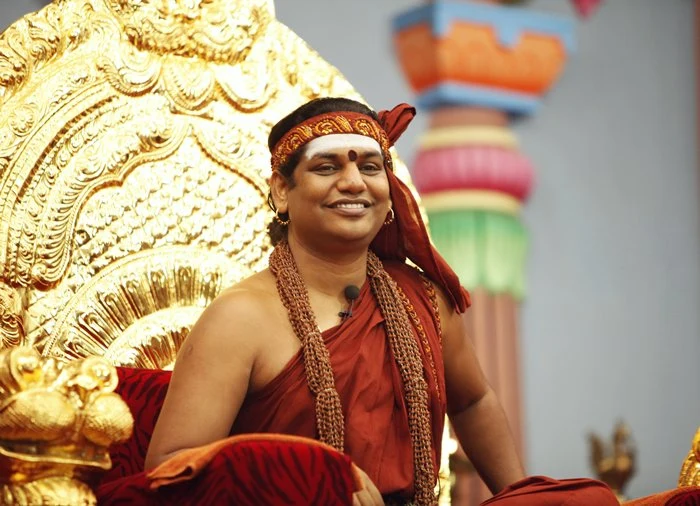
Tags:
Paramahamsa Nithyananda, Making Advaitha Happen in You, powerlessness, violence, complete, romance, oneness, devotion, logic, established in that oneness.
Photos Of The Day:
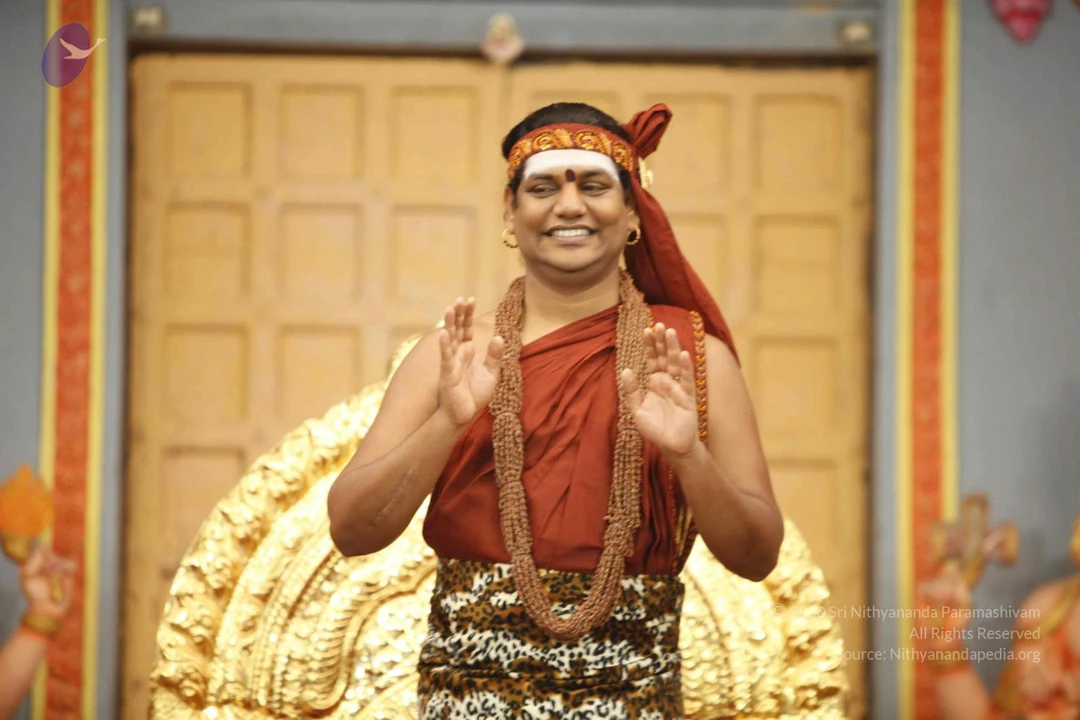
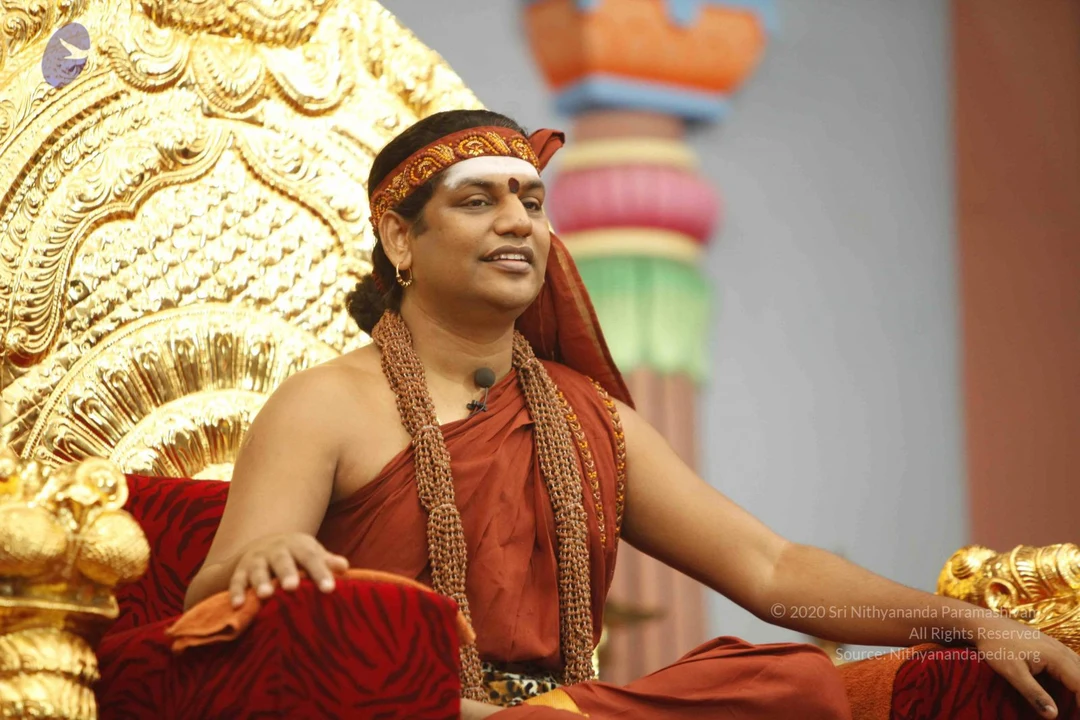
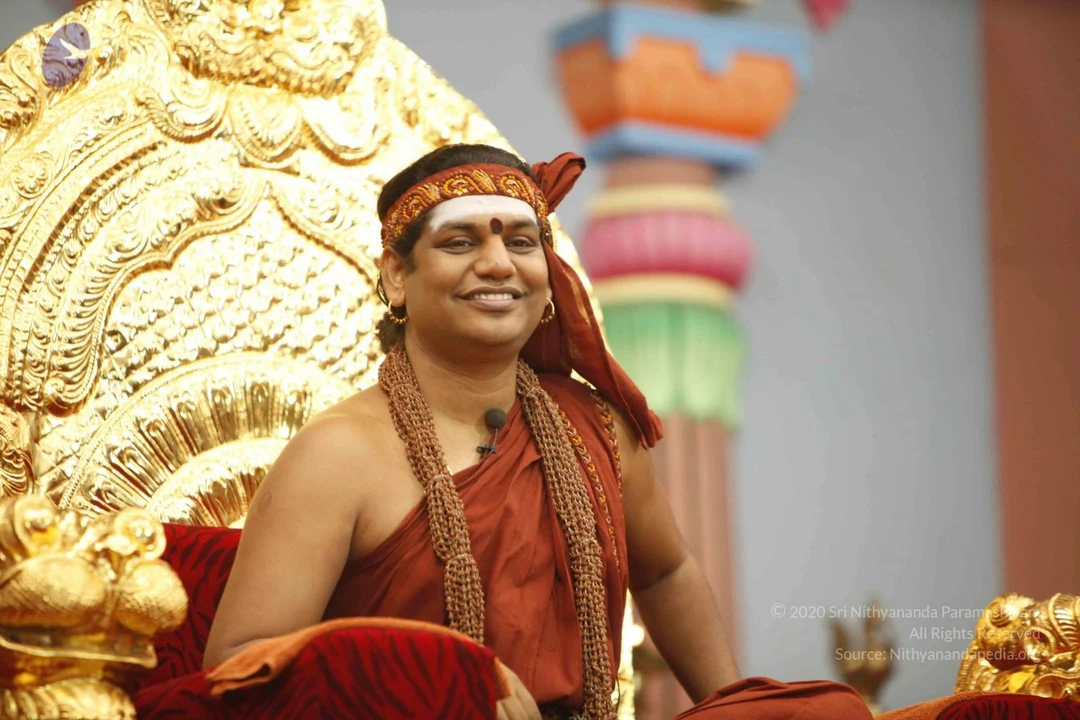
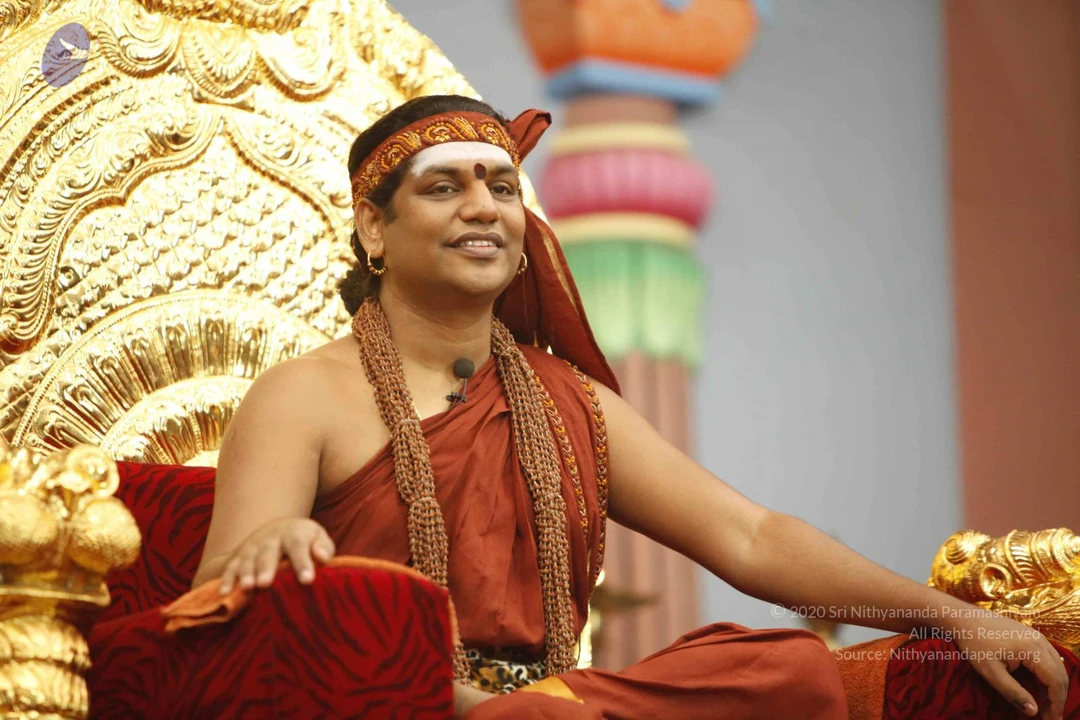
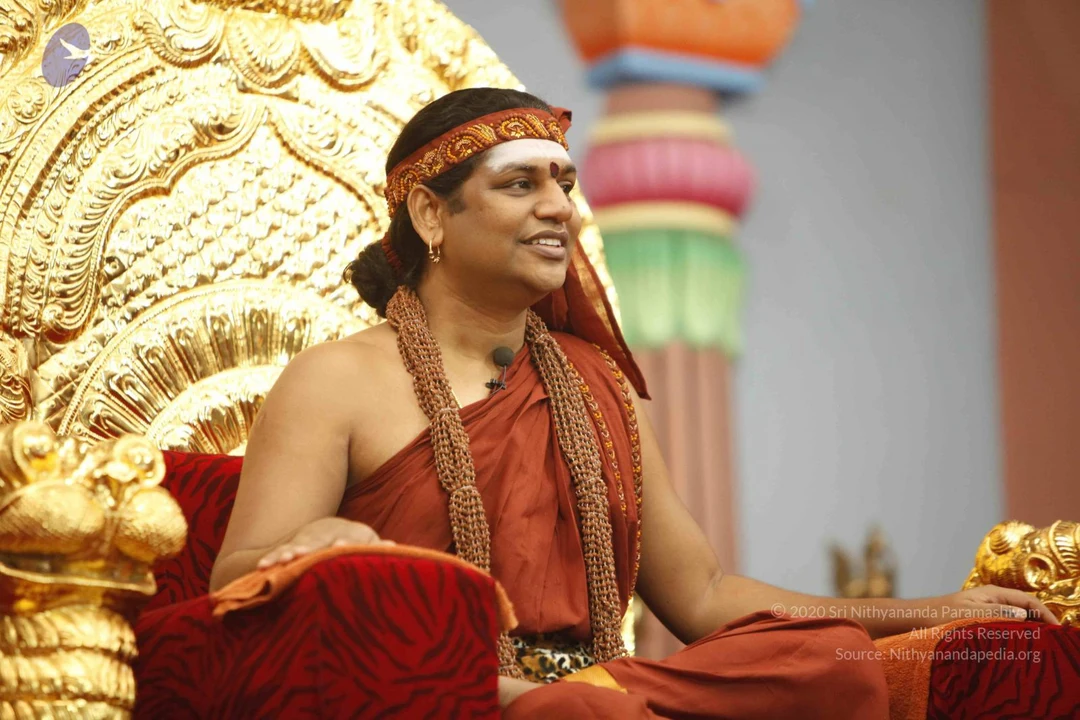
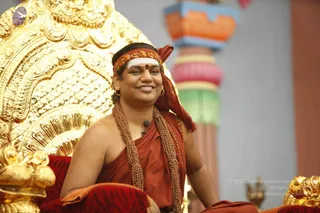
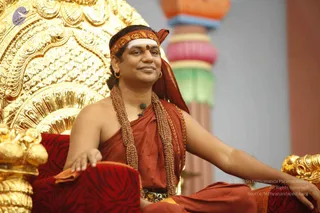
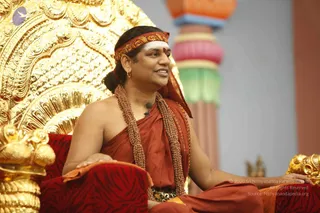
NithyaSatsang

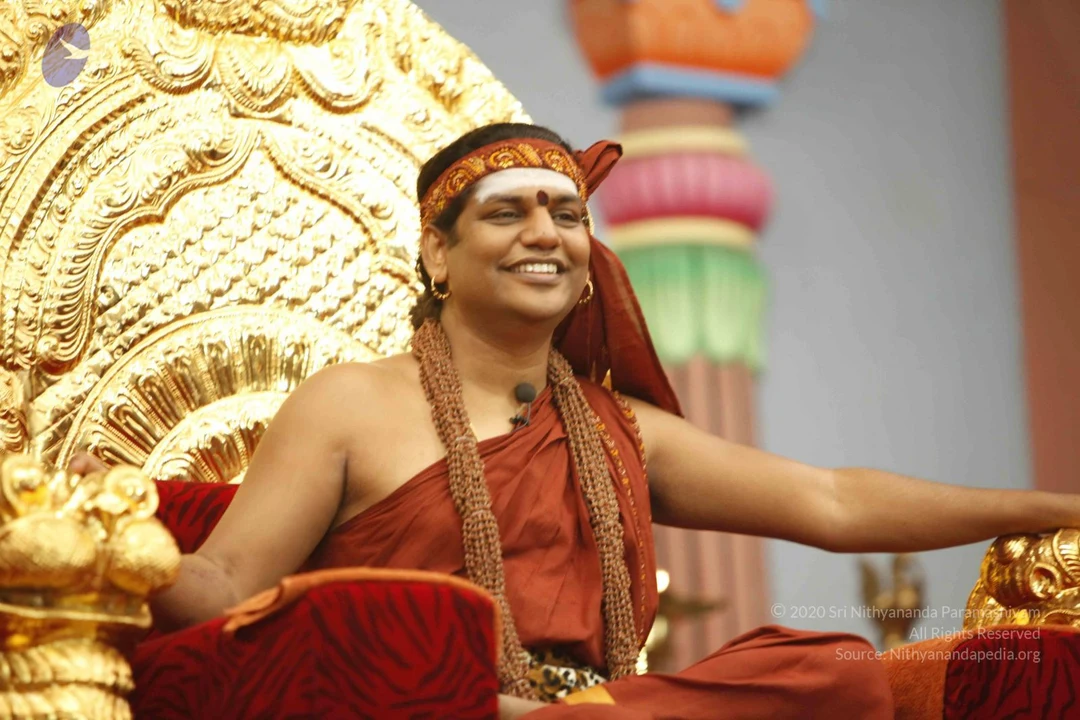
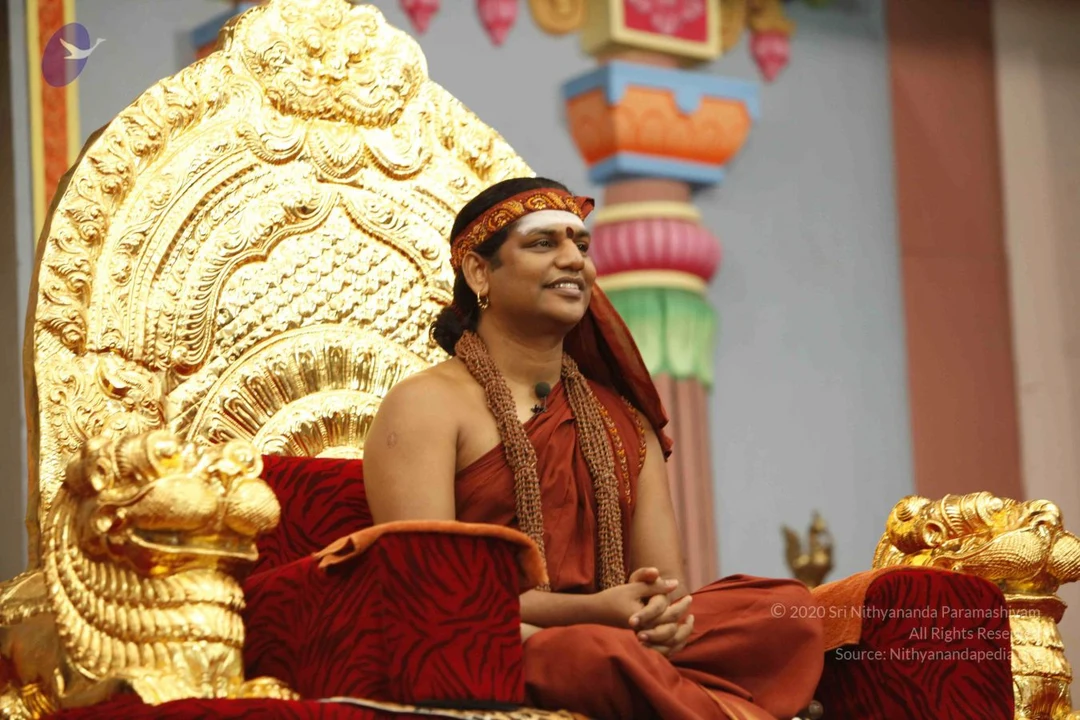
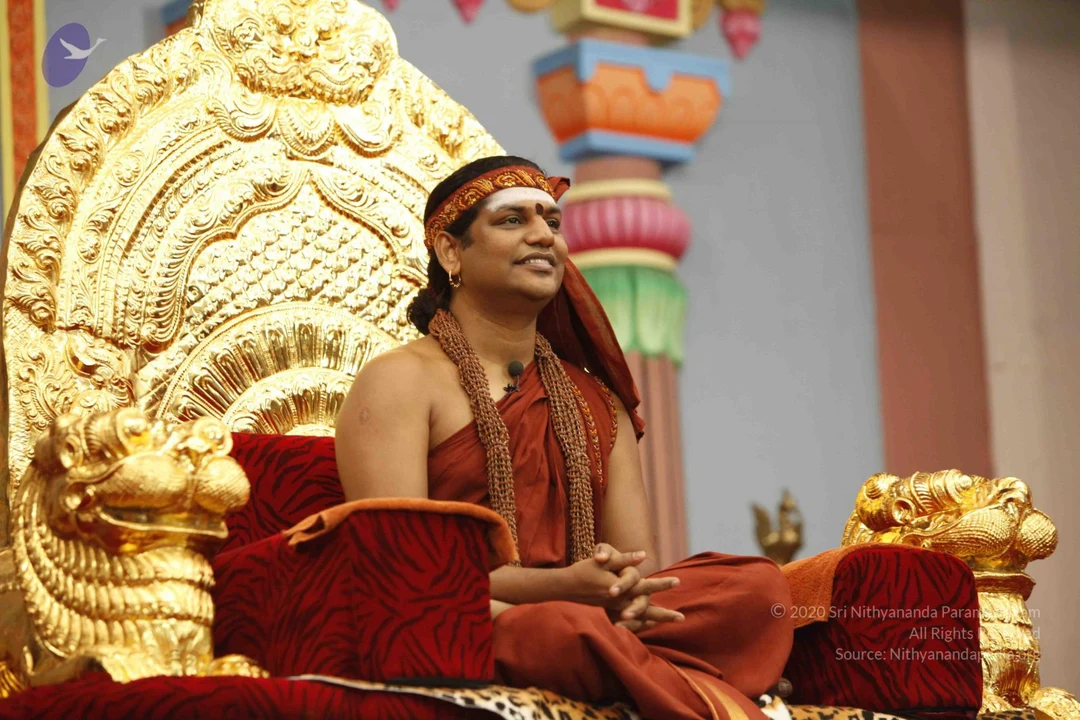
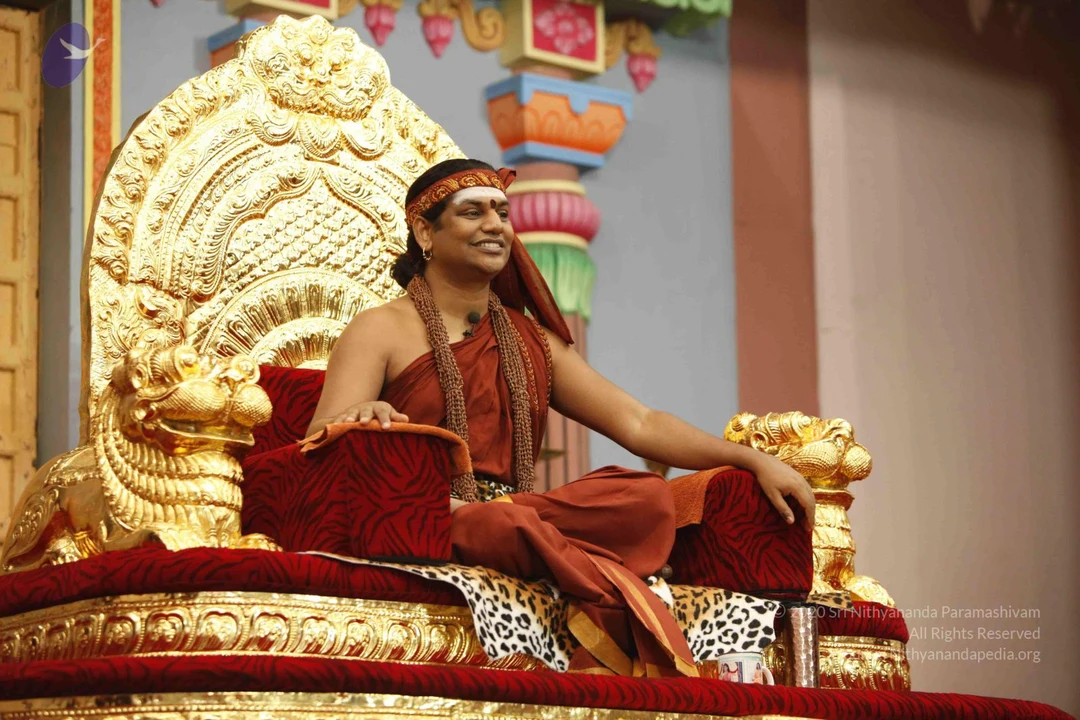
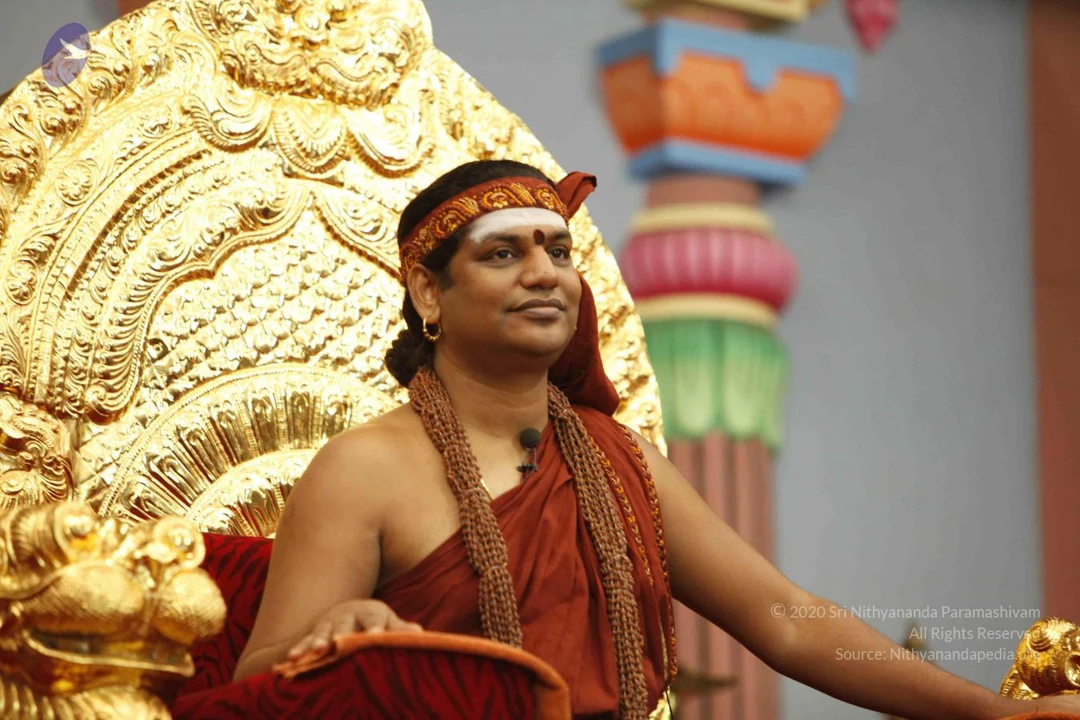
Photos Of The Day:
PadukaPuja
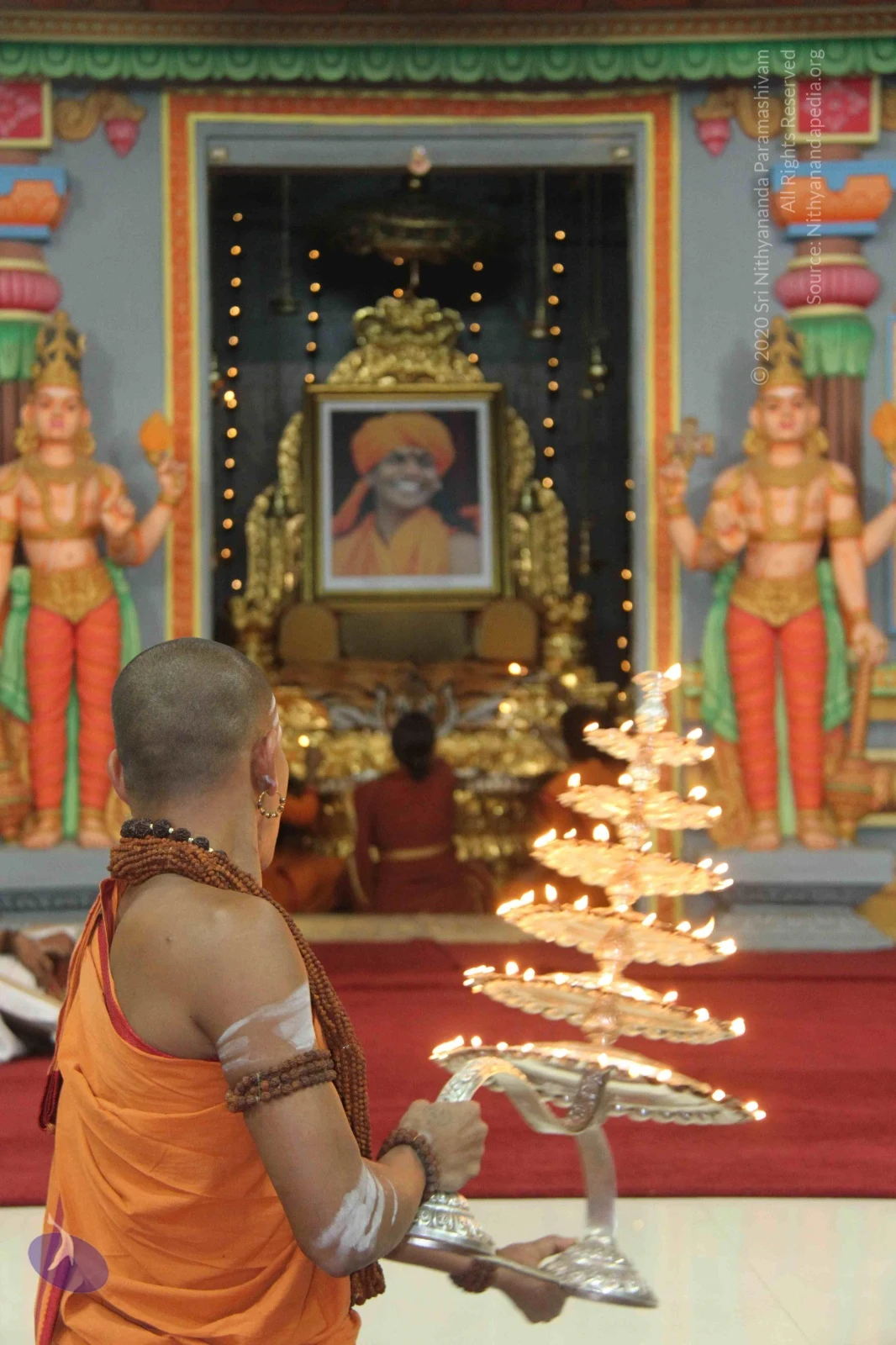
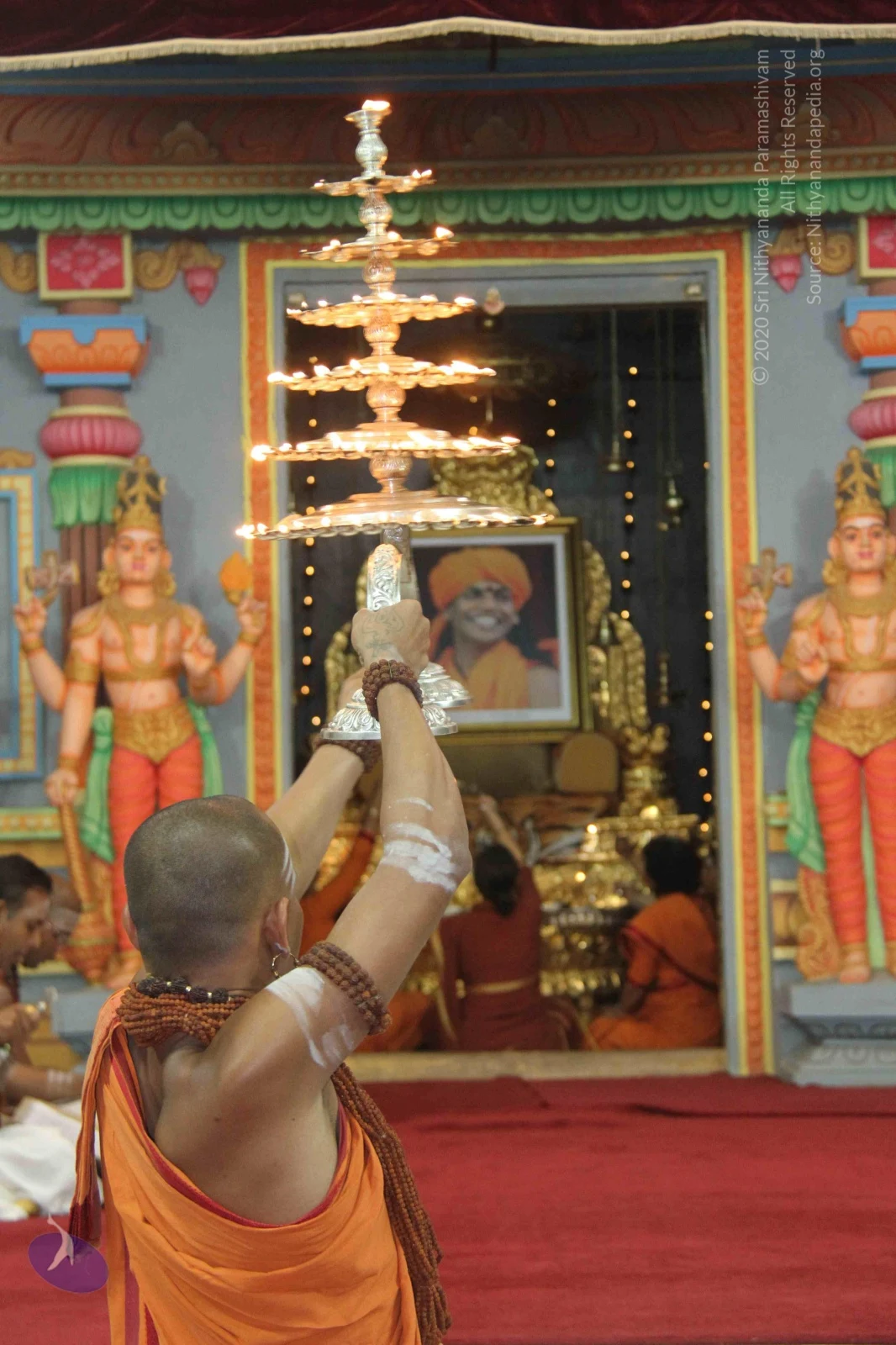
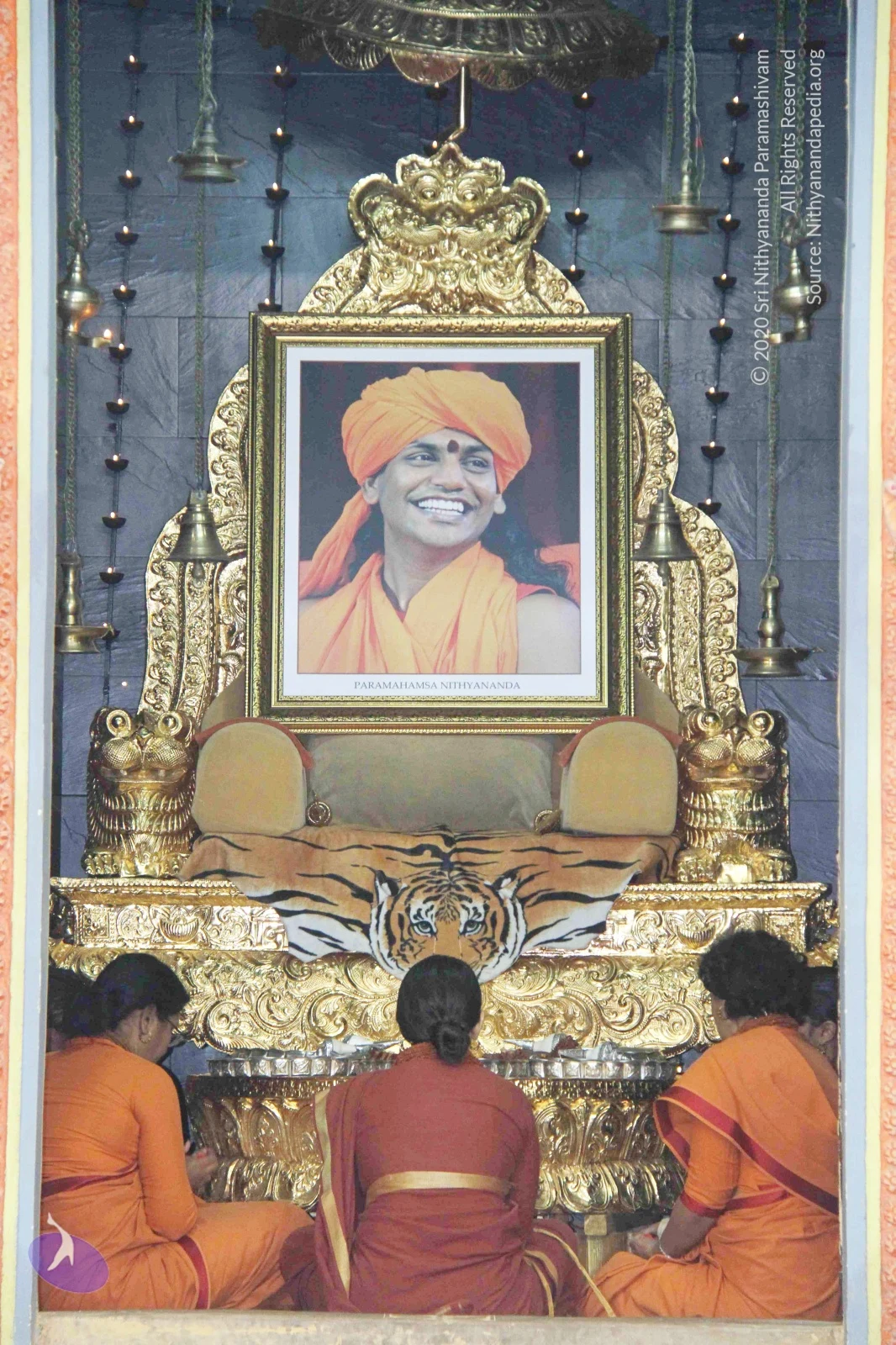
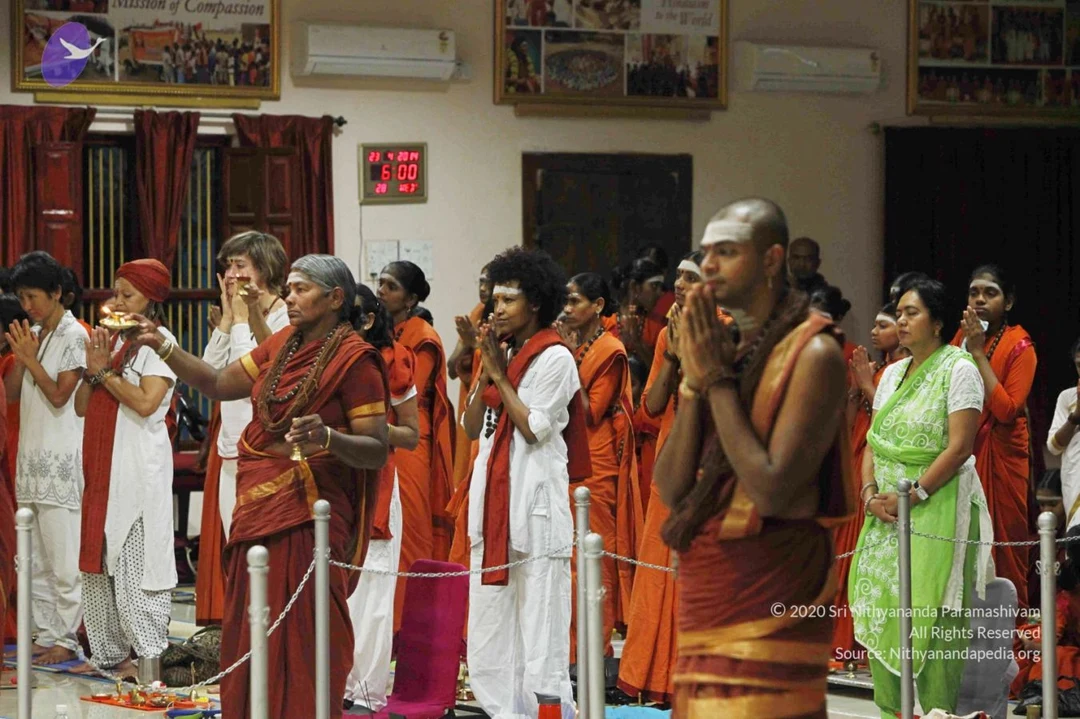
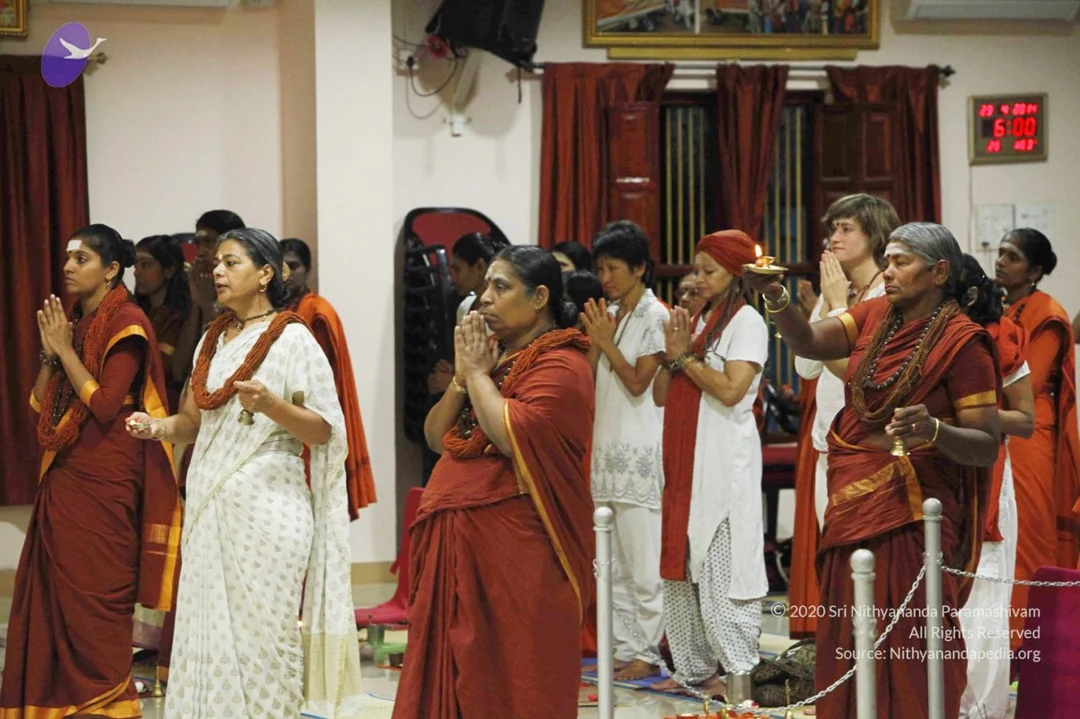
NithyaSatsang
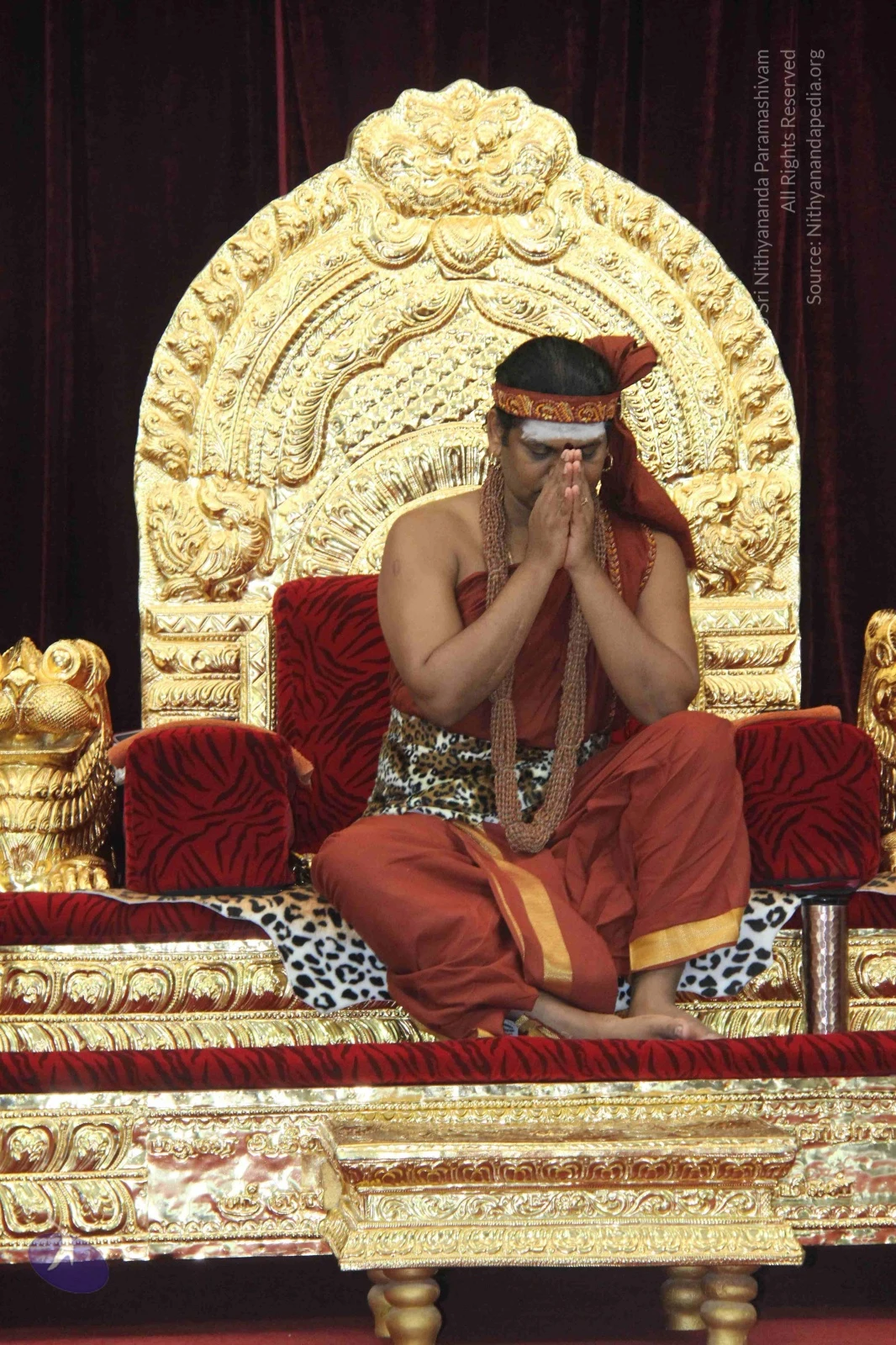
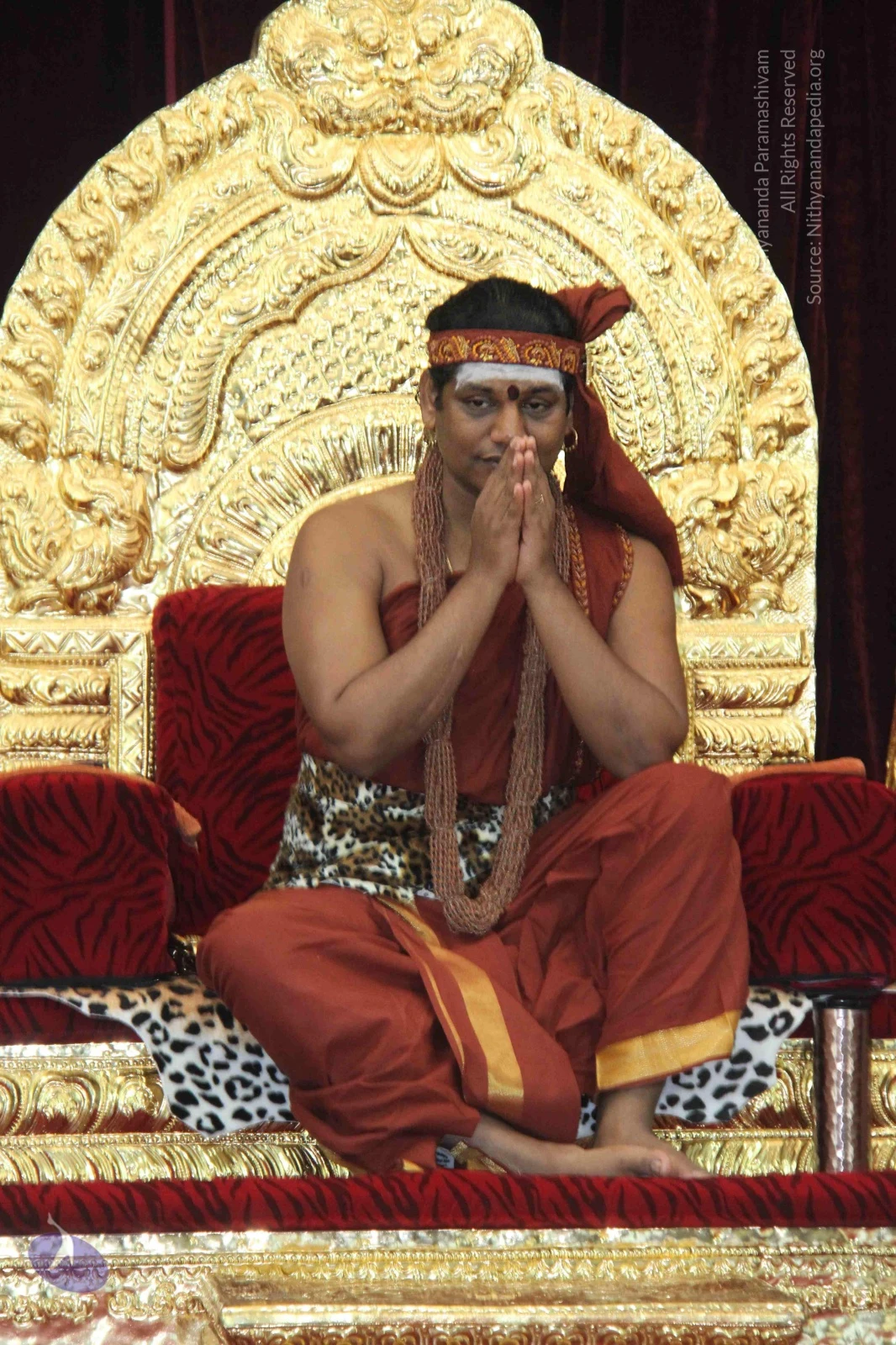
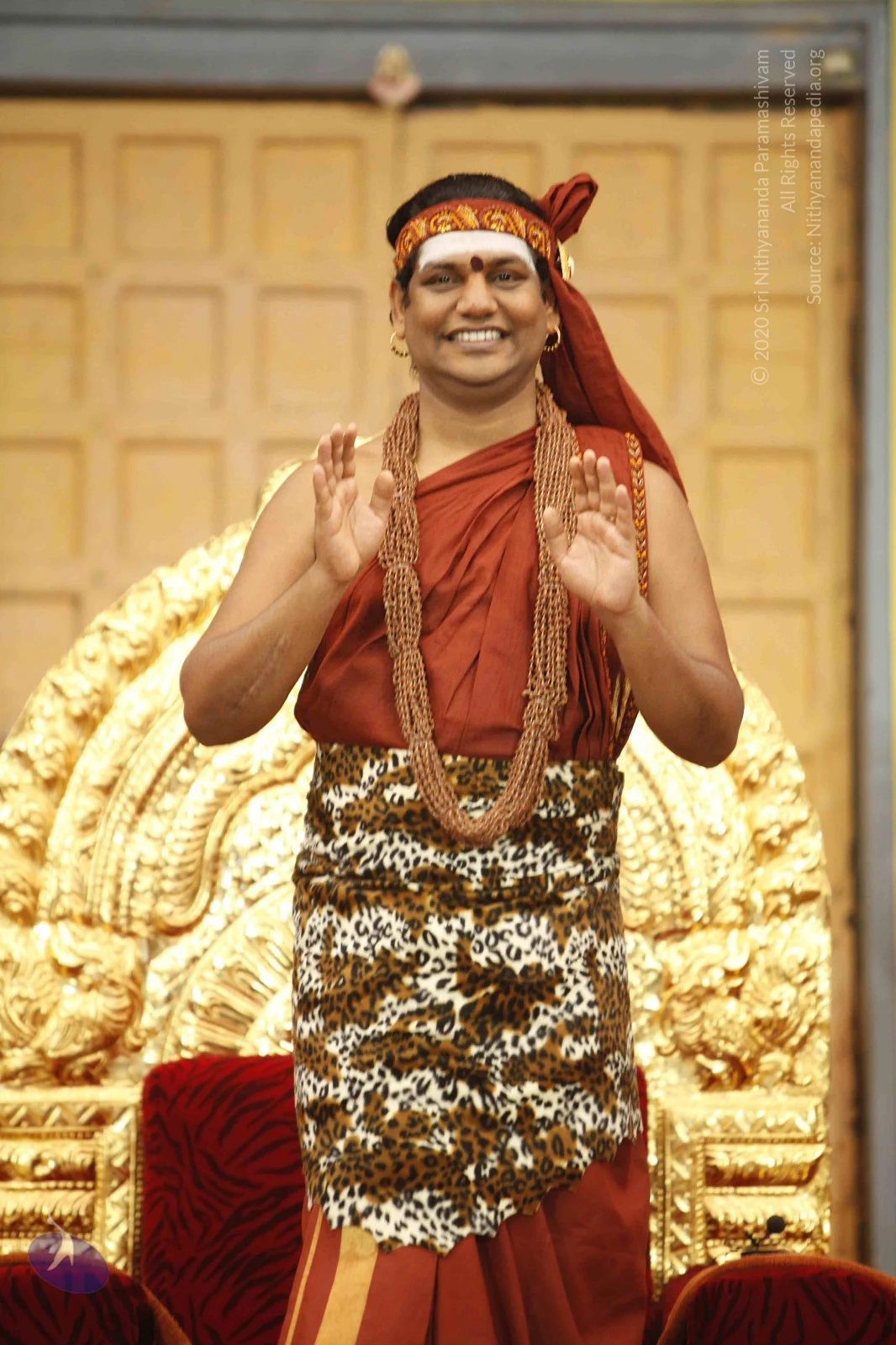
KalpataruDarshan
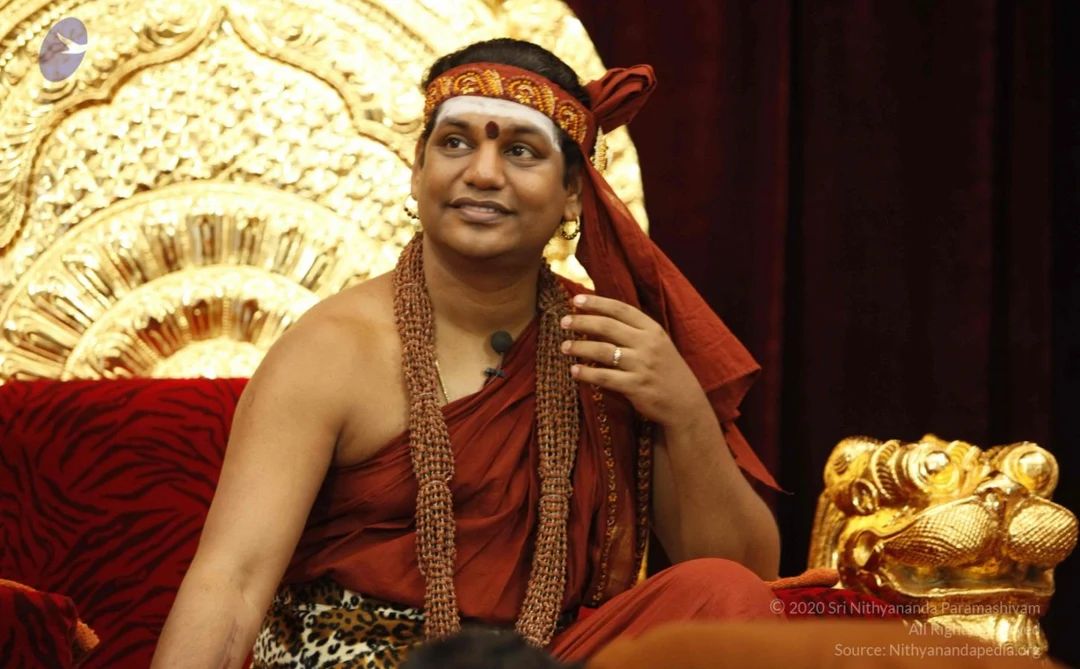
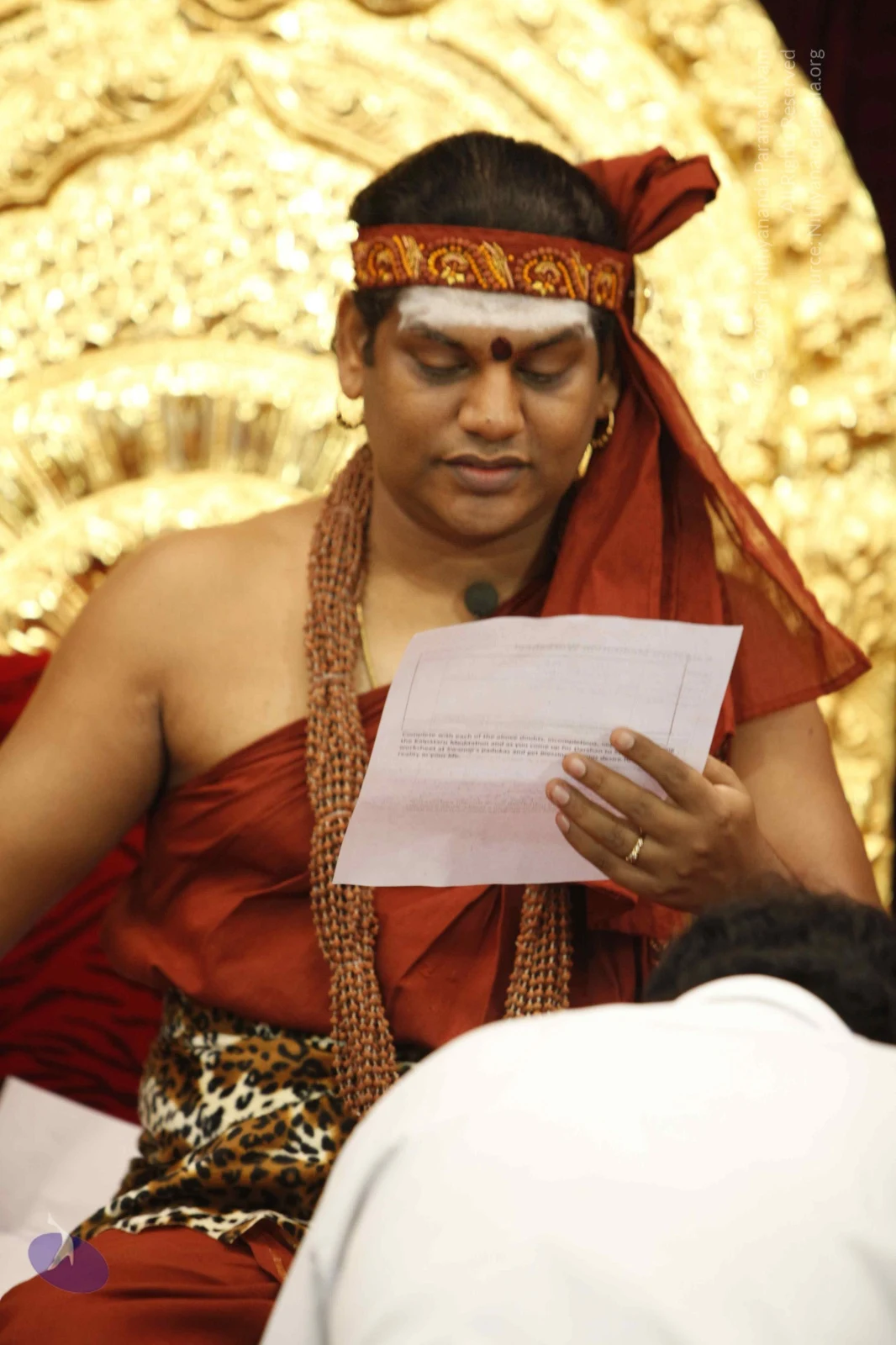
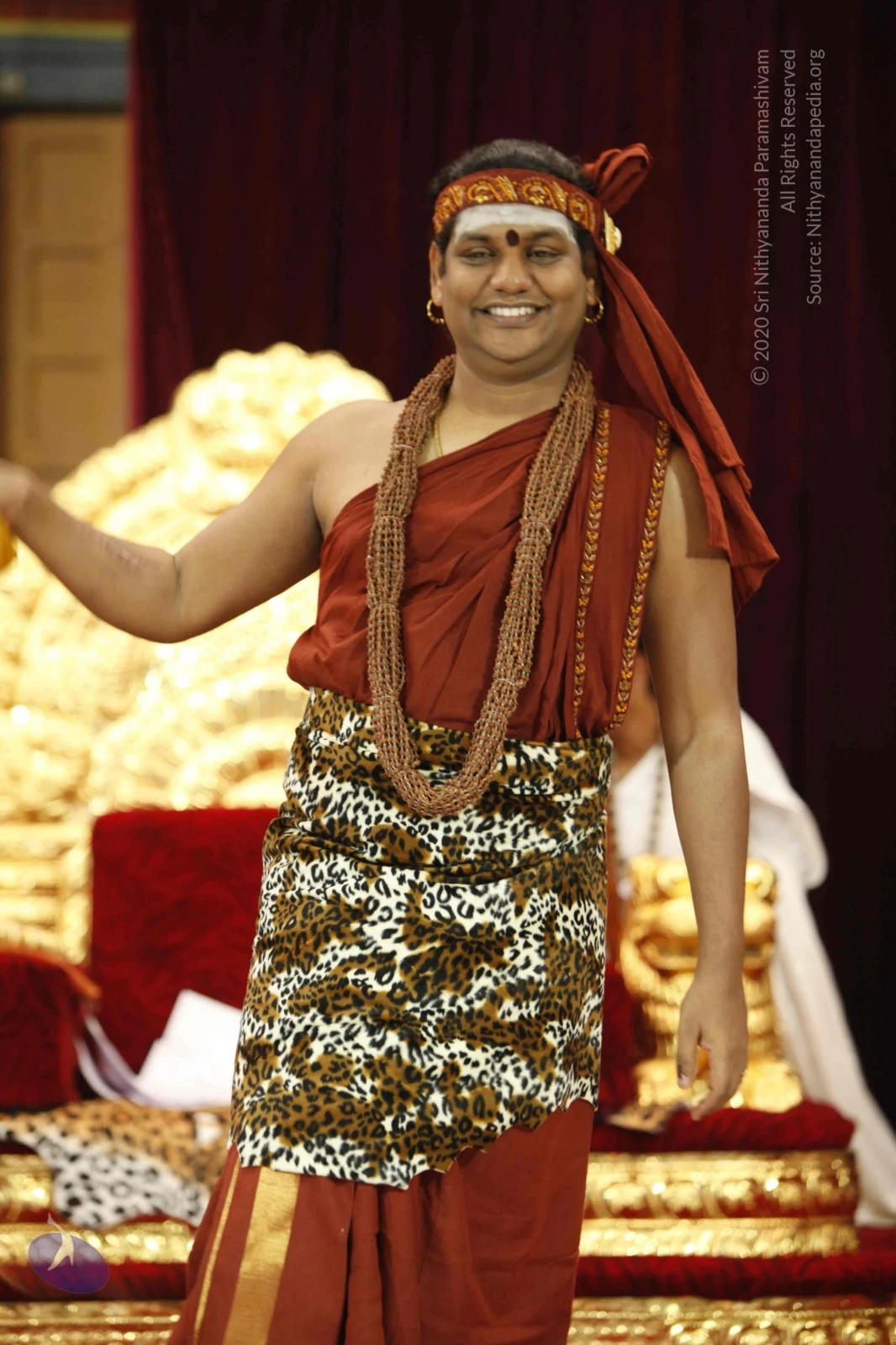
1-PadukaPuja
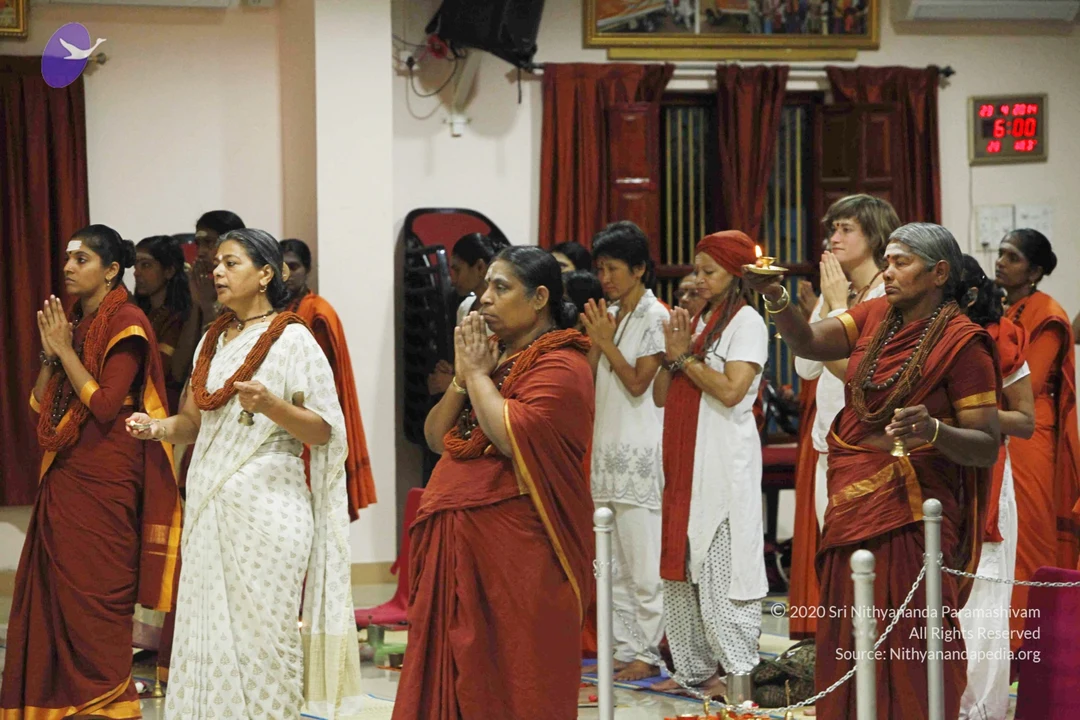
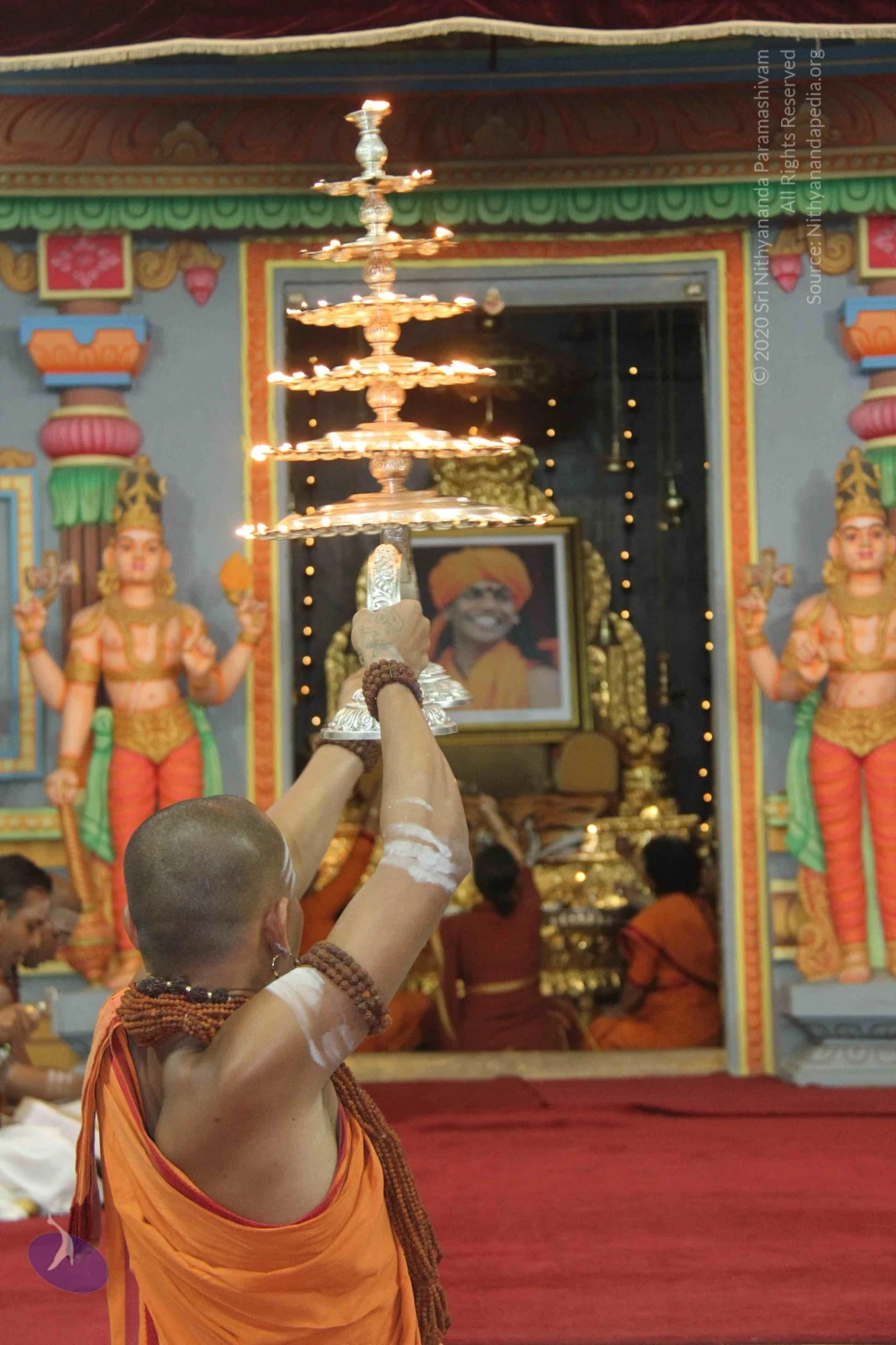
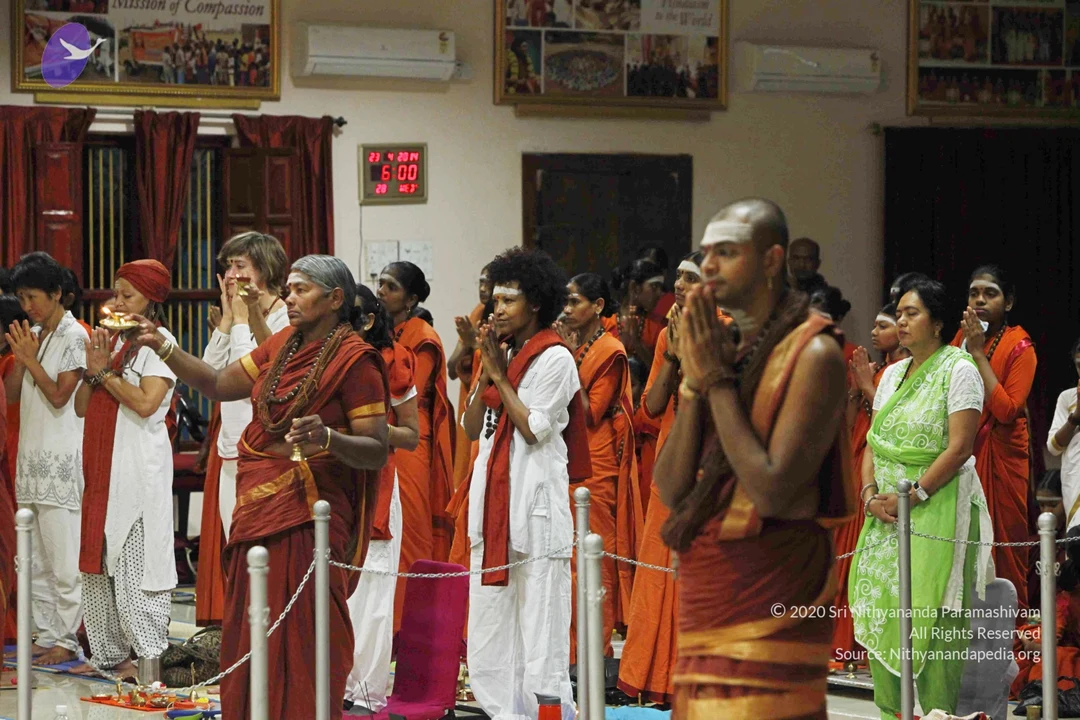
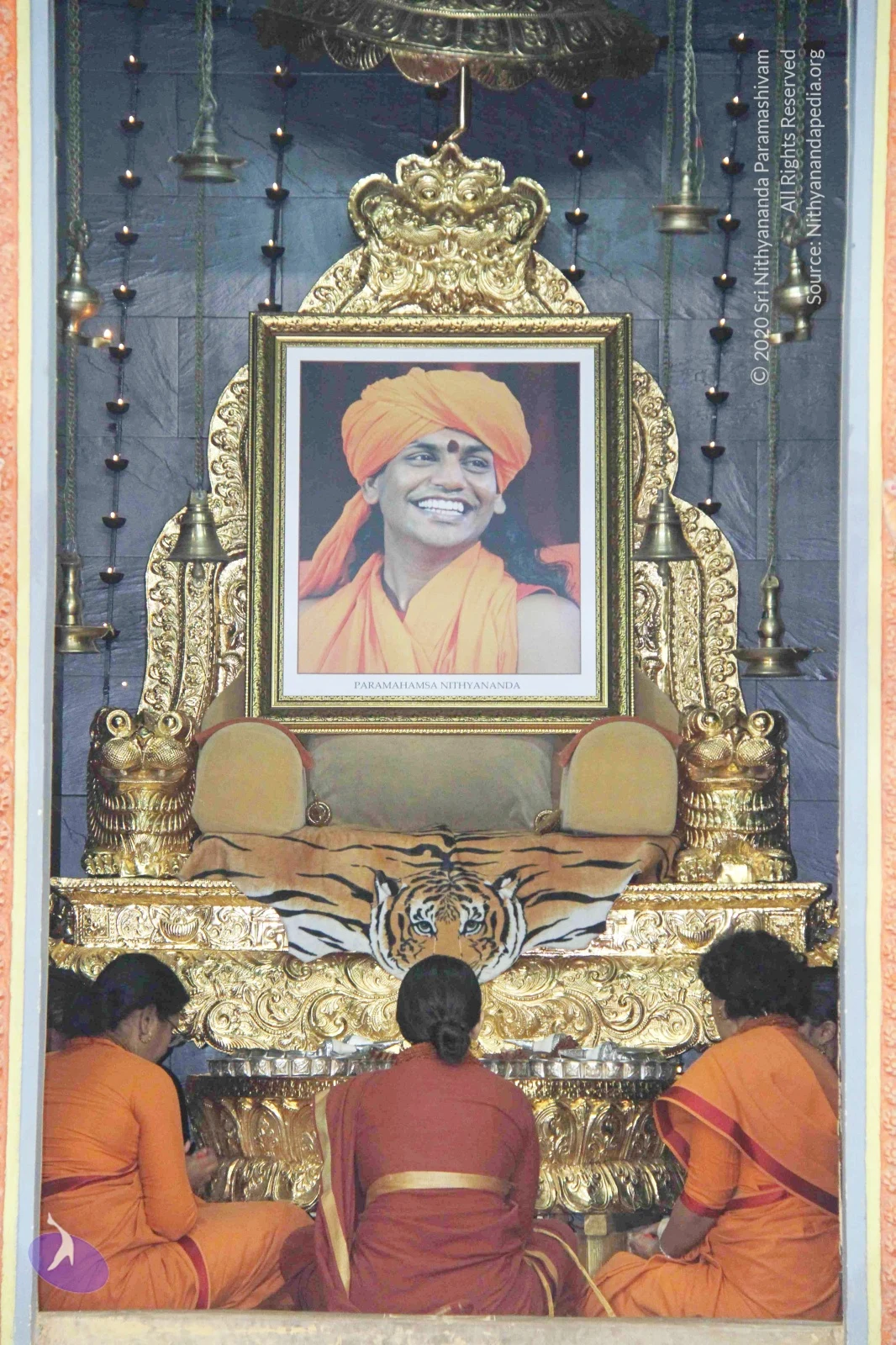
3-NithyaSatsang
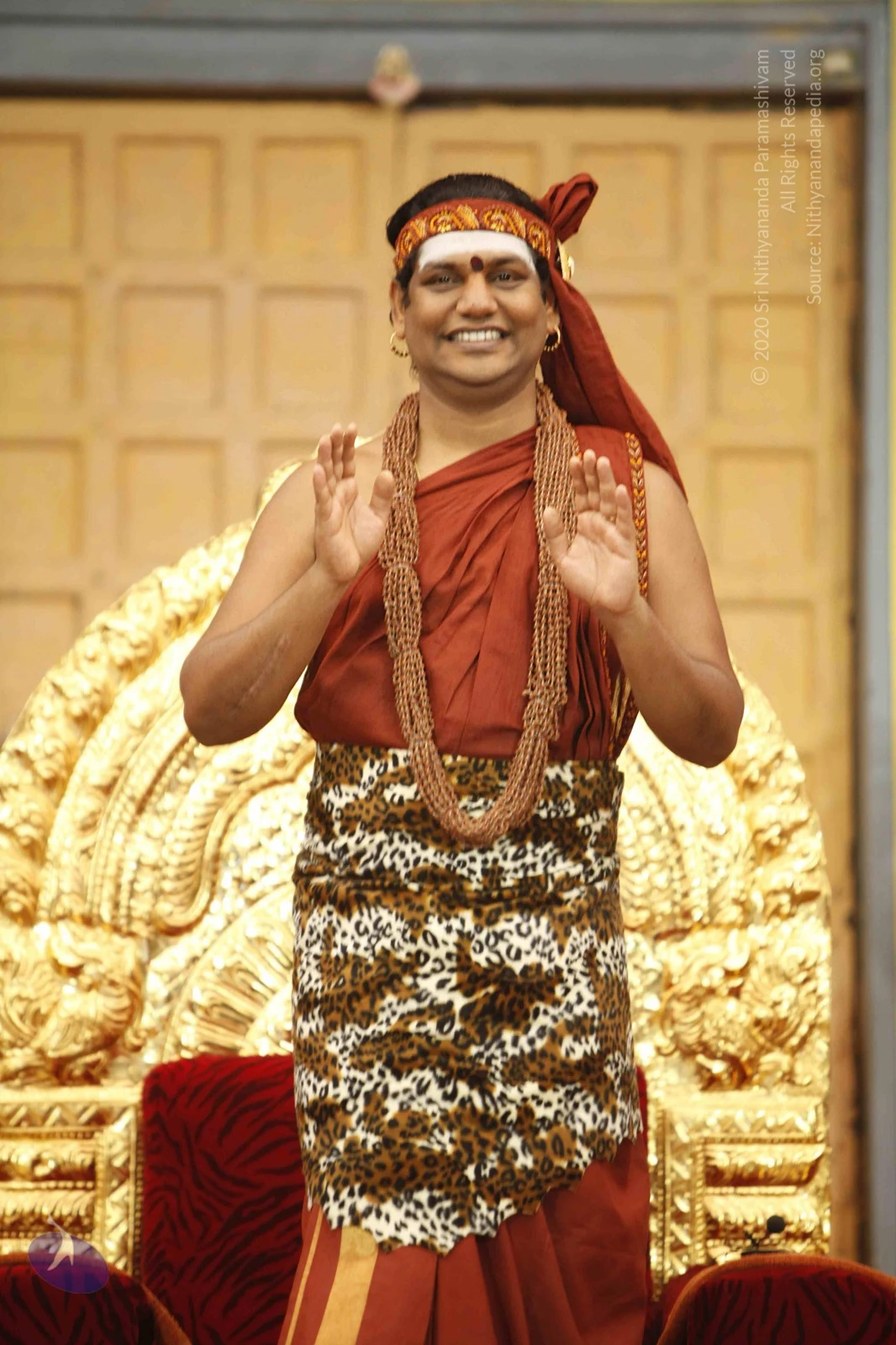
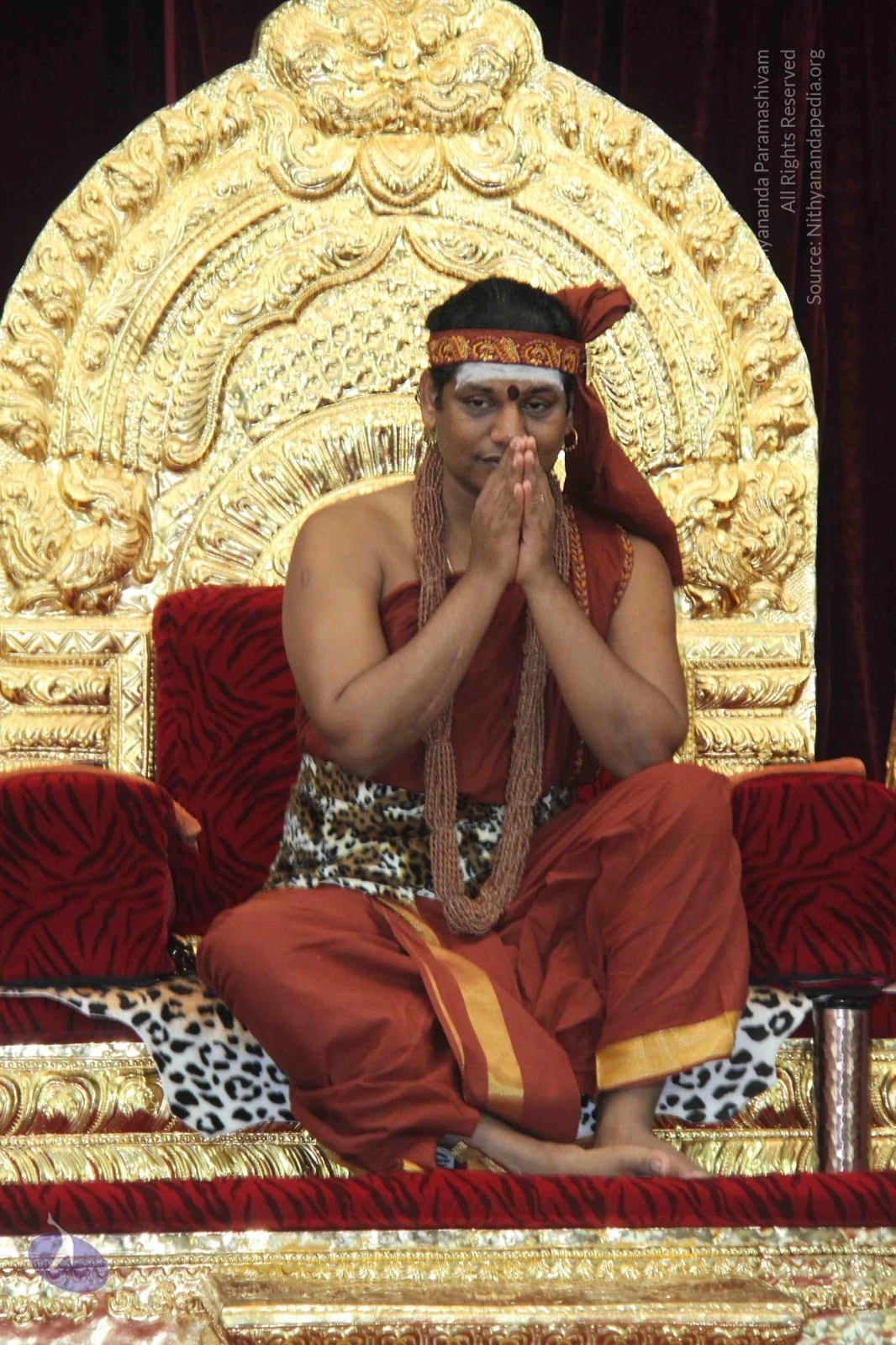
4-KalpataruDarshan
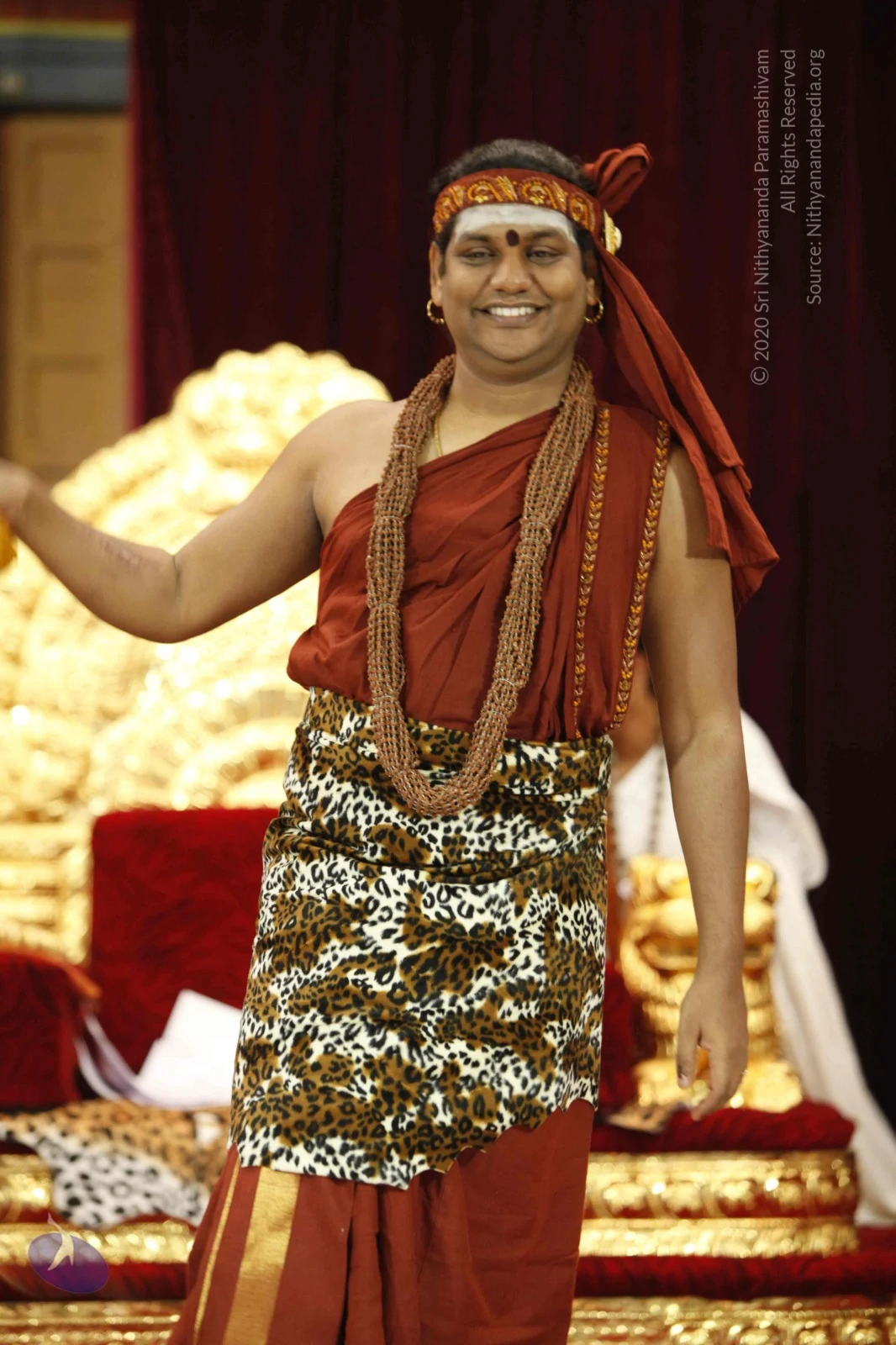
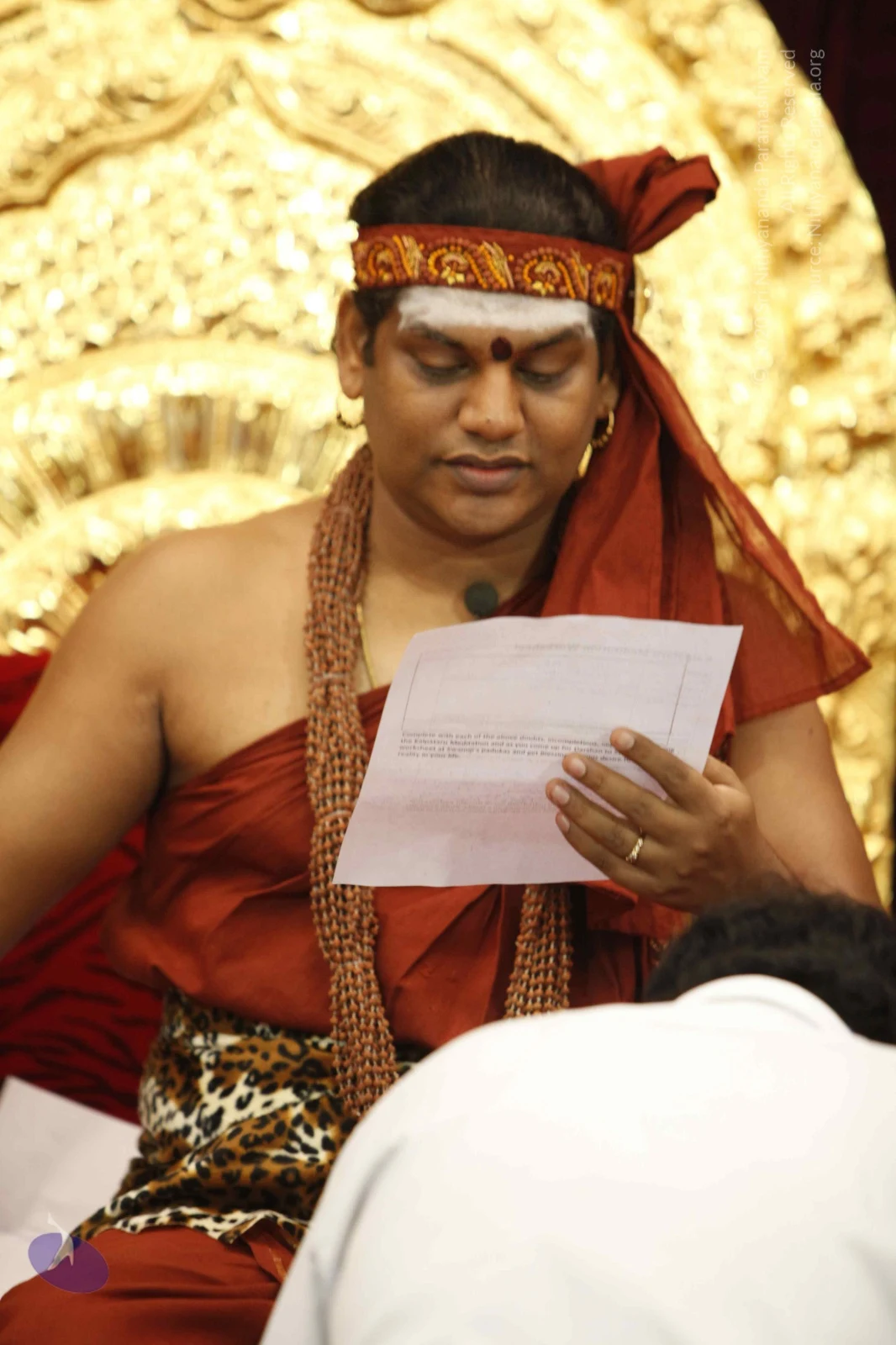
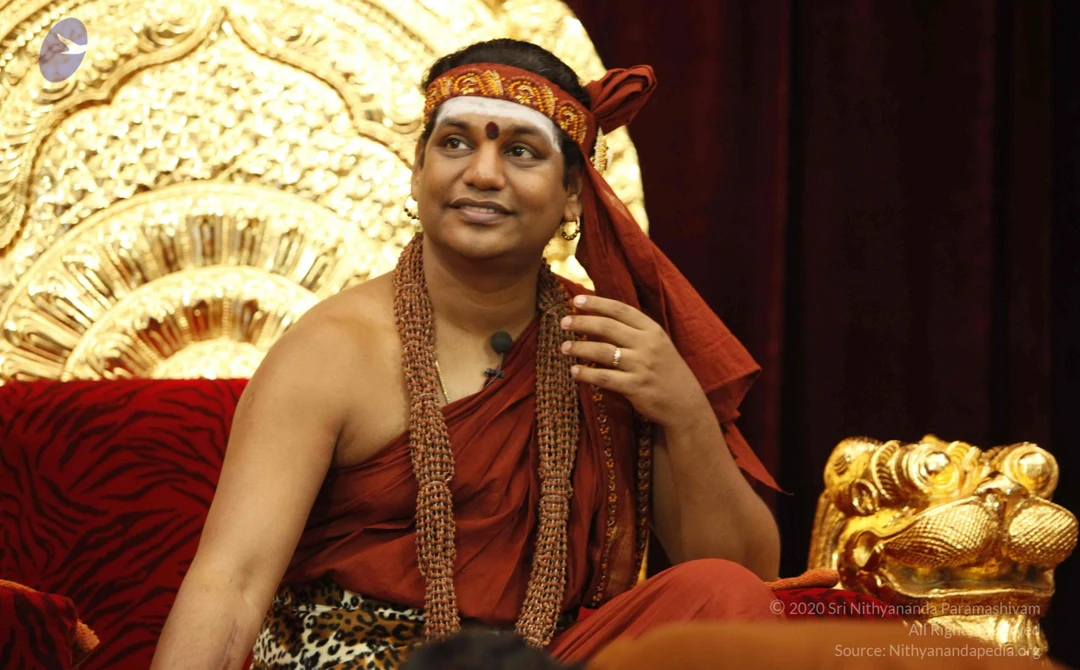
Photos from this day
View all 25 photosNithya Satsang
1 photoSource gallery
NithyaSatsang
11 photosSource gallery
PadukaPuja
5 photosSource gallery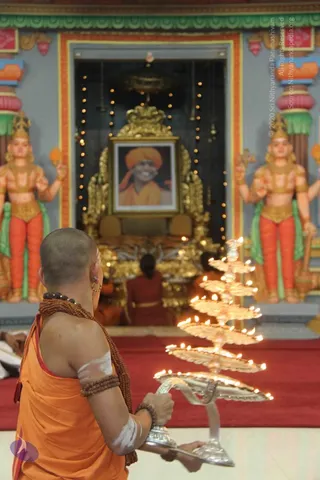
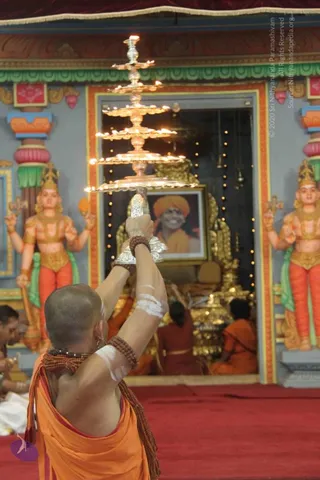
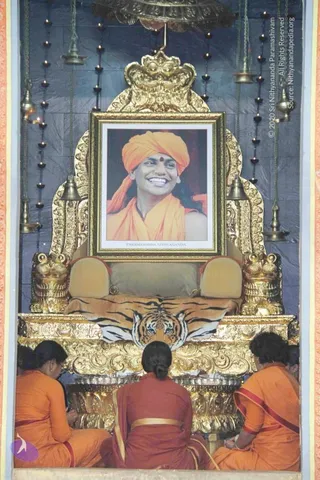
NithyaSatsang
3 photosSource gallery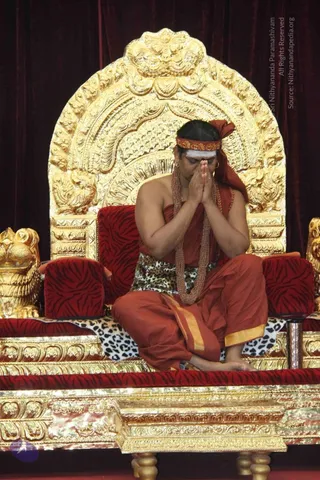
KalpataruDarshan
3 photosSource gallery
3-NithyaSatsang
1 photoSource gallery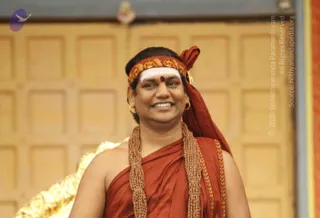
4-KalpataruDarshan
1 photoSource gallery