Wednesday
5 March 2014
- Dated photos
- 38
- Source pages
- 1
- Media
- 6
March 05 2014
Original wiki pageDay's Event
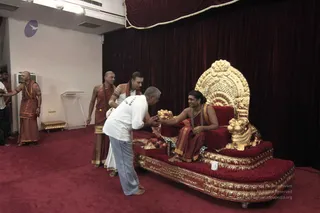
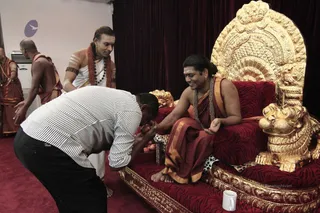
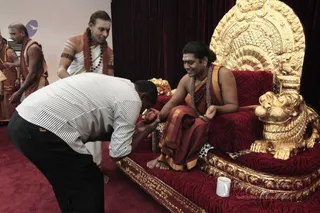
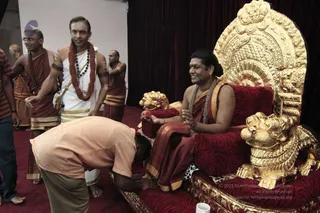
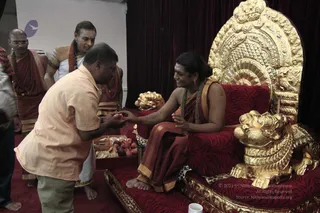
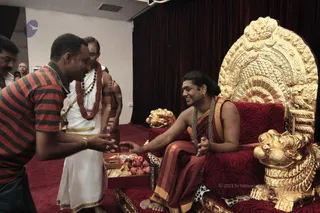
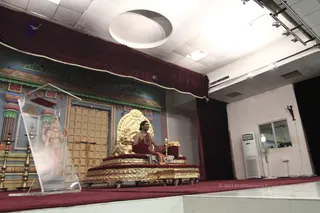
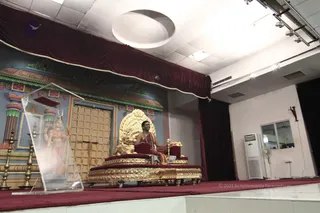
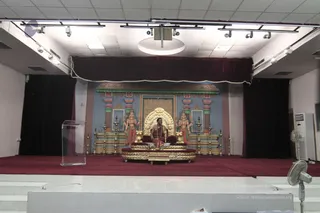
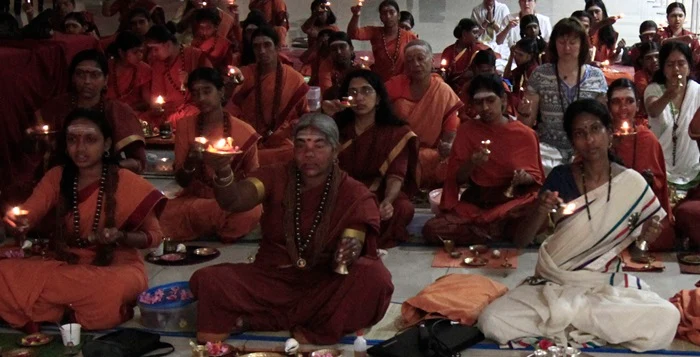
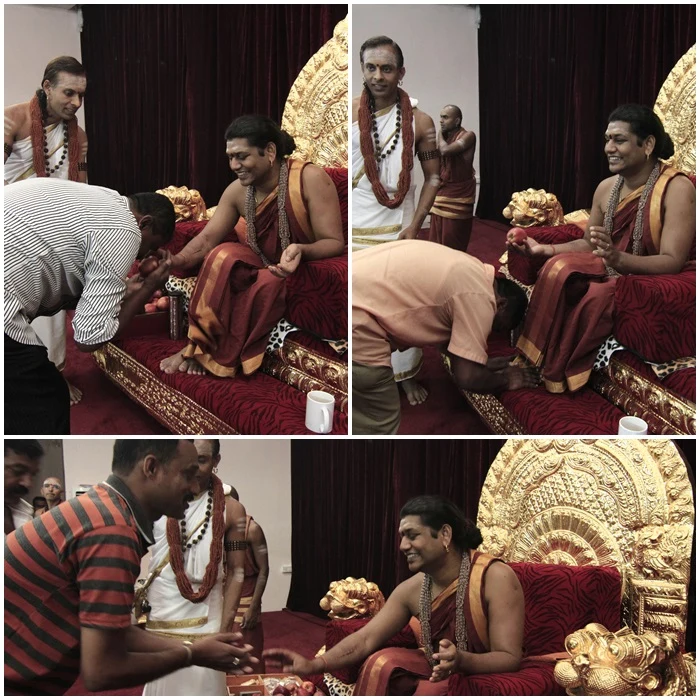
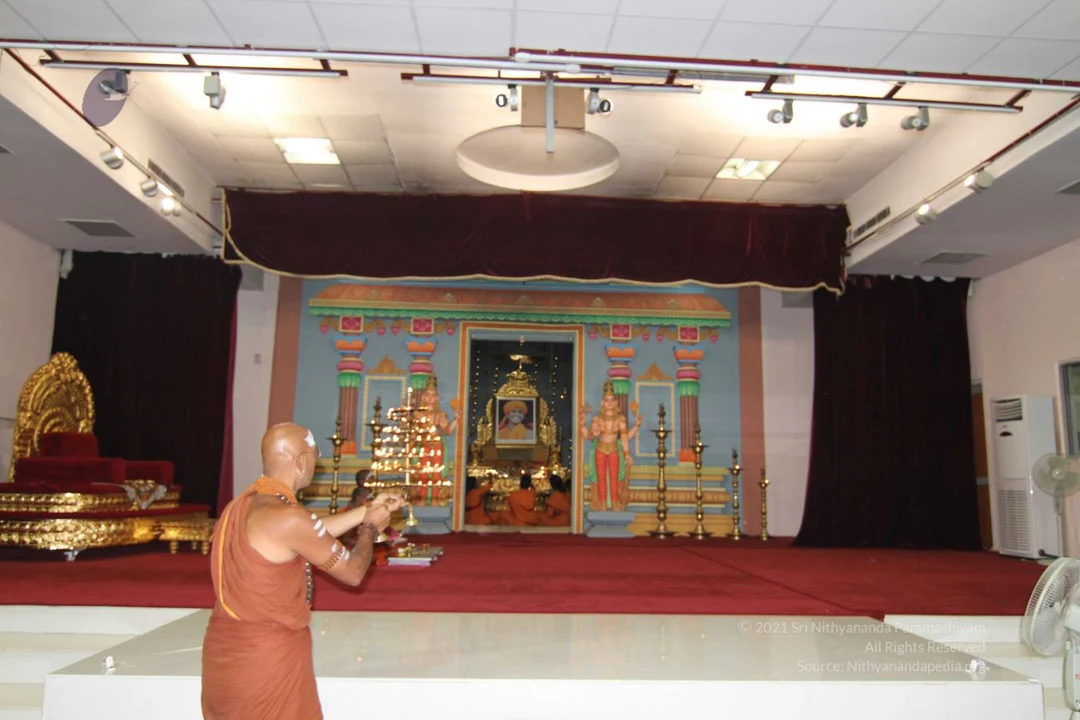
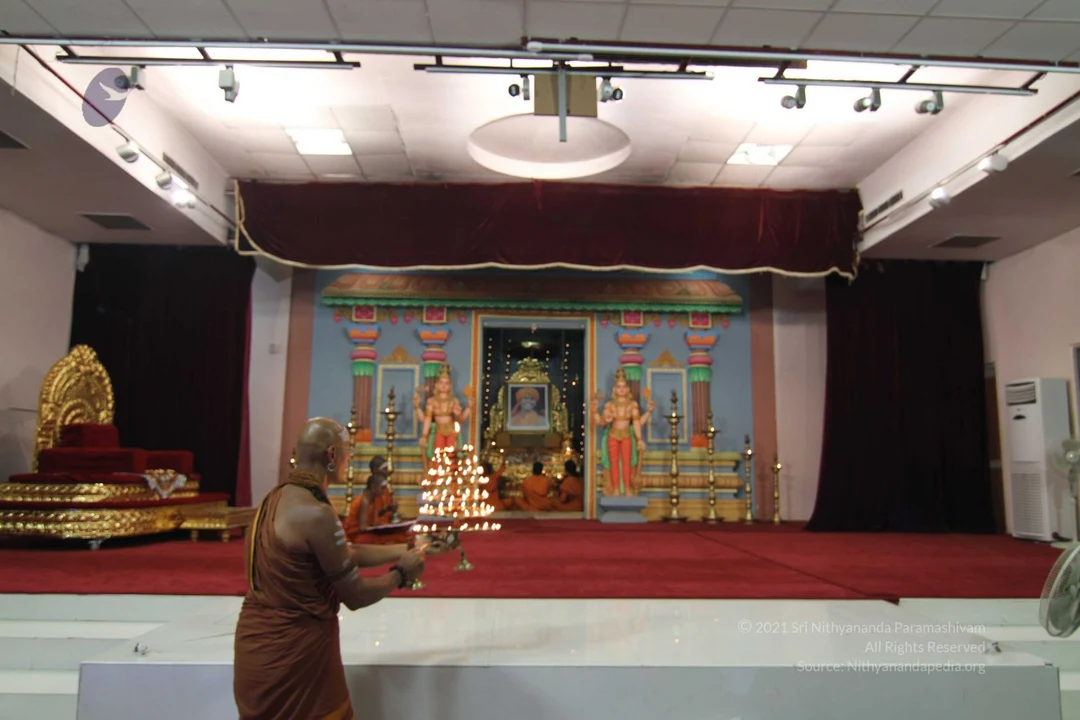
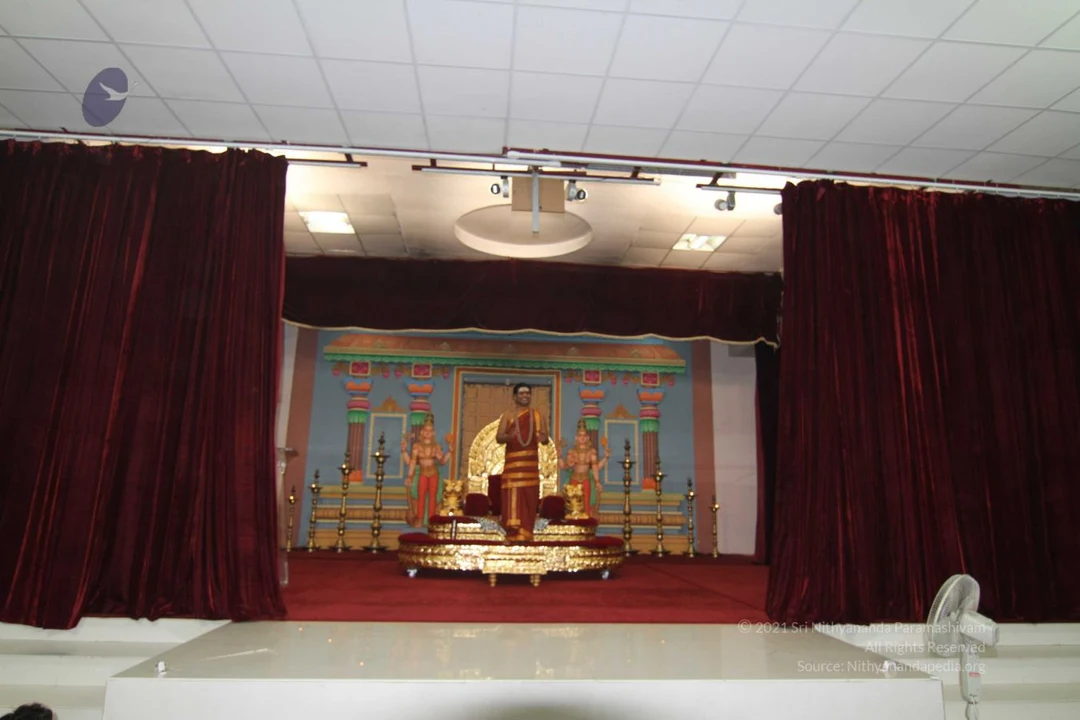
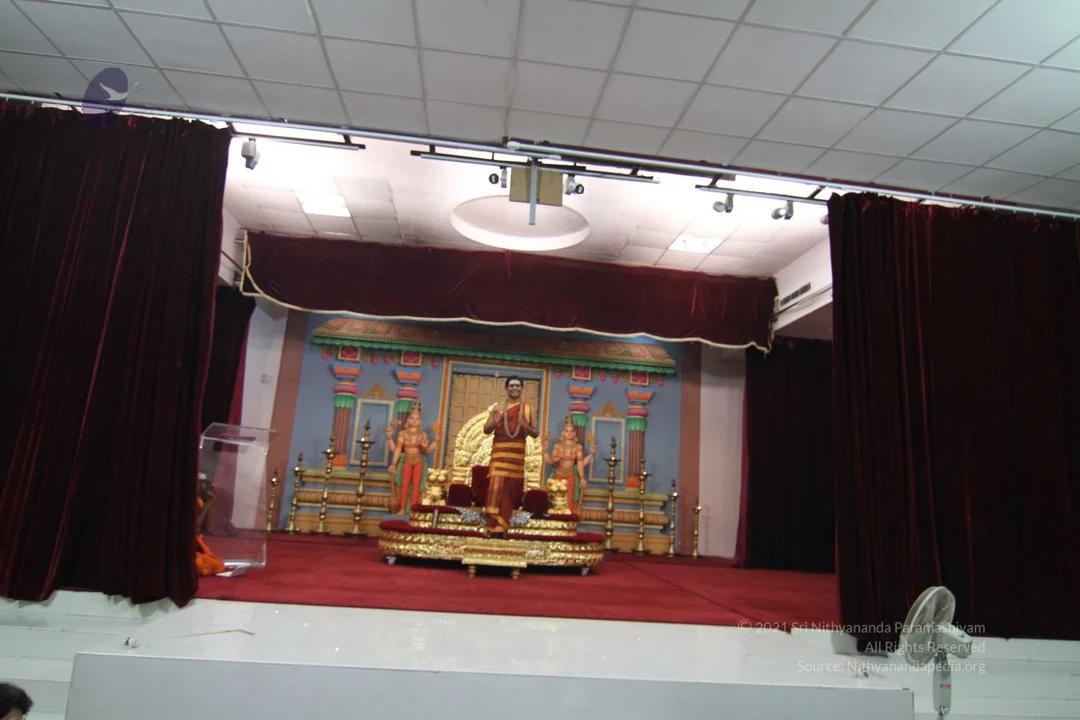
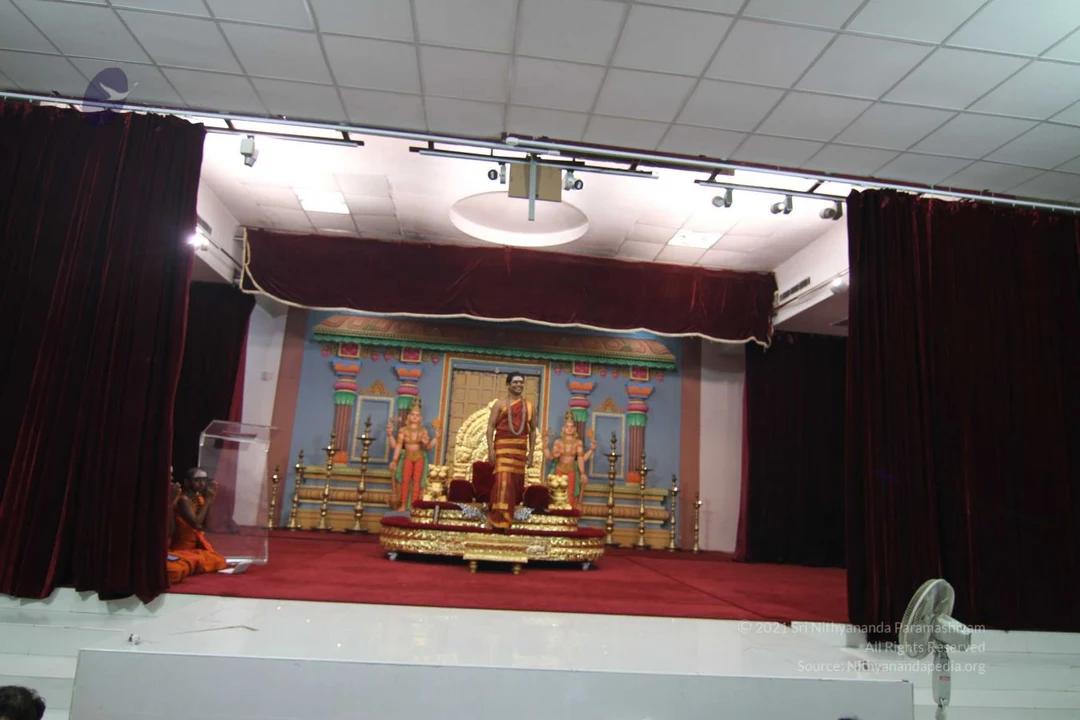
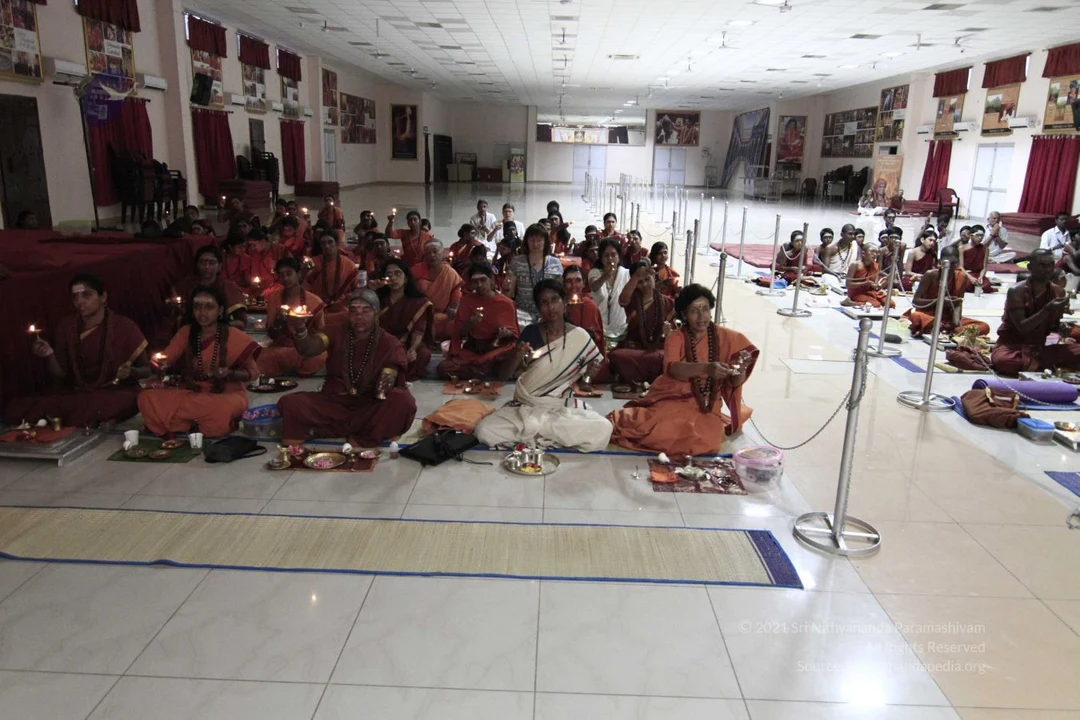
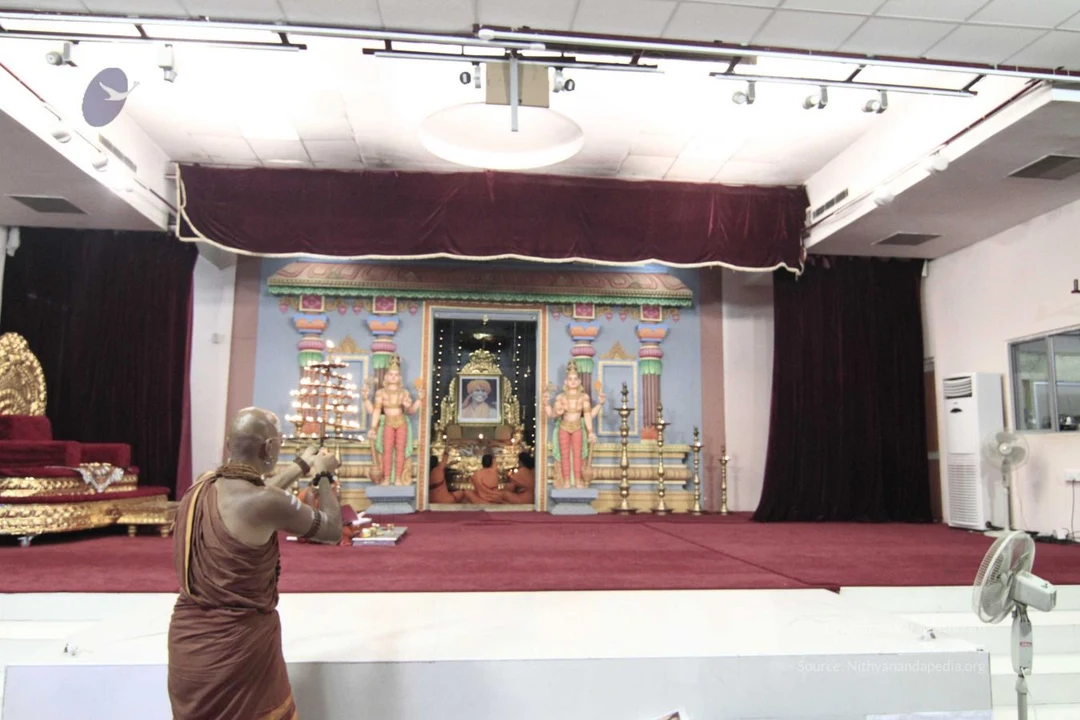
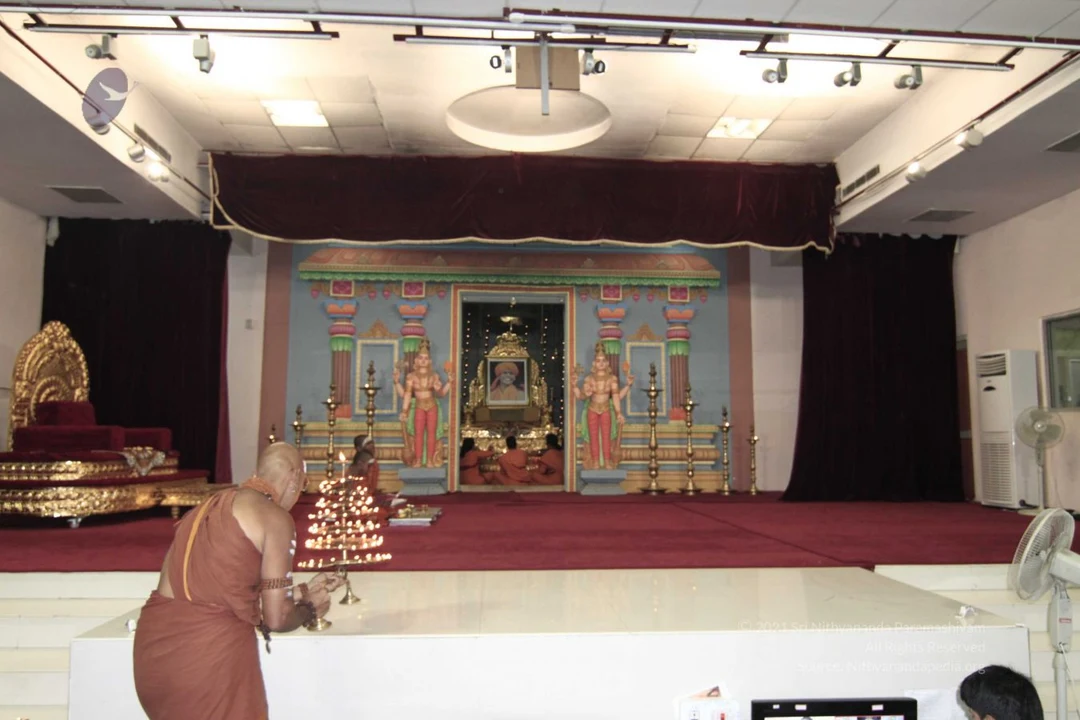
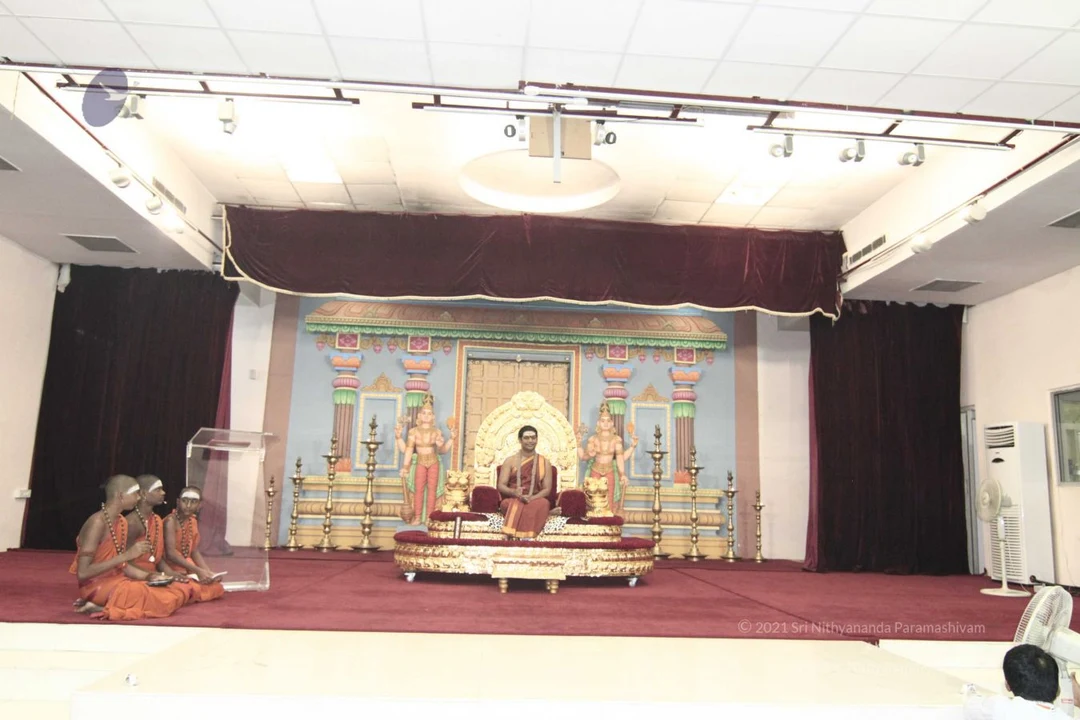
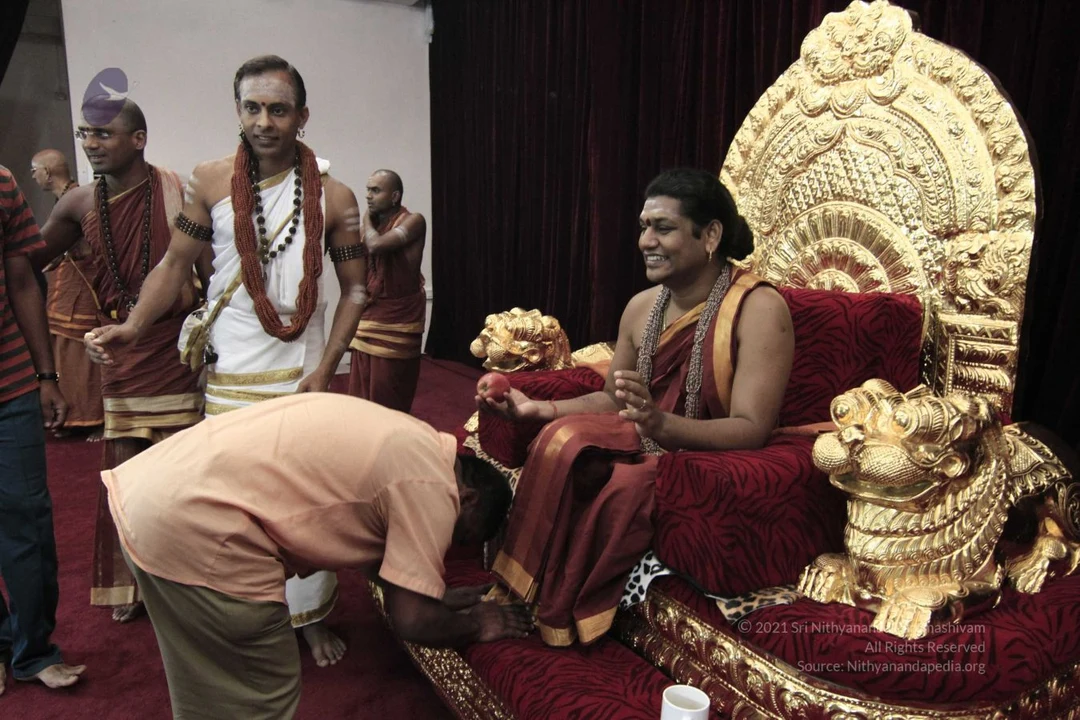
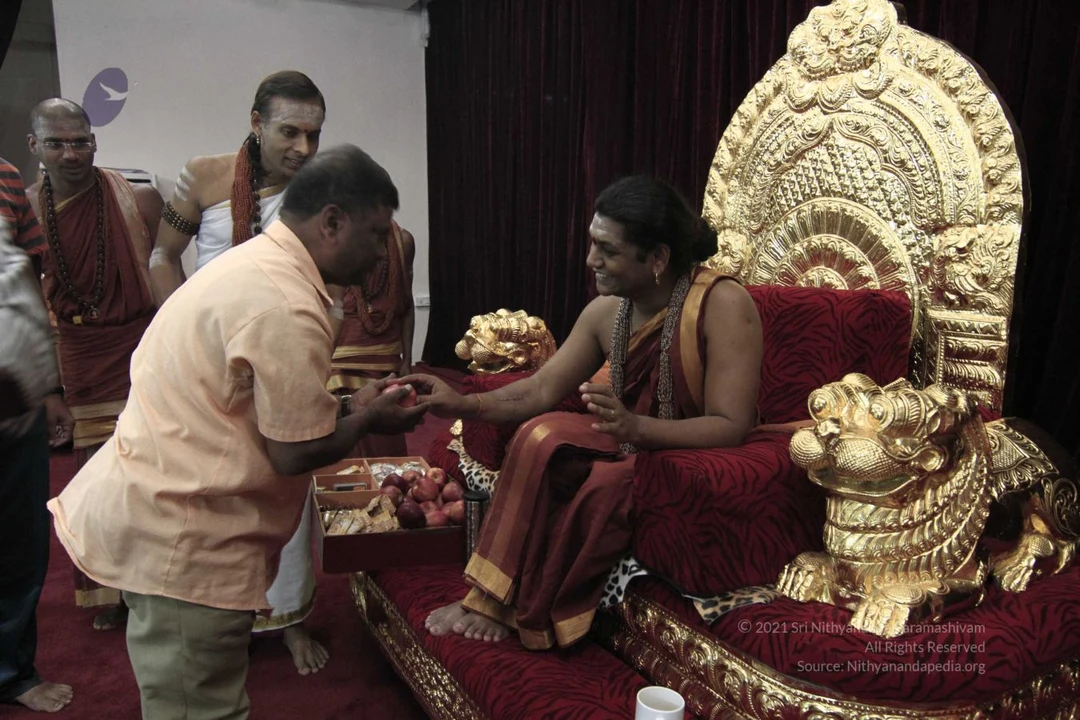
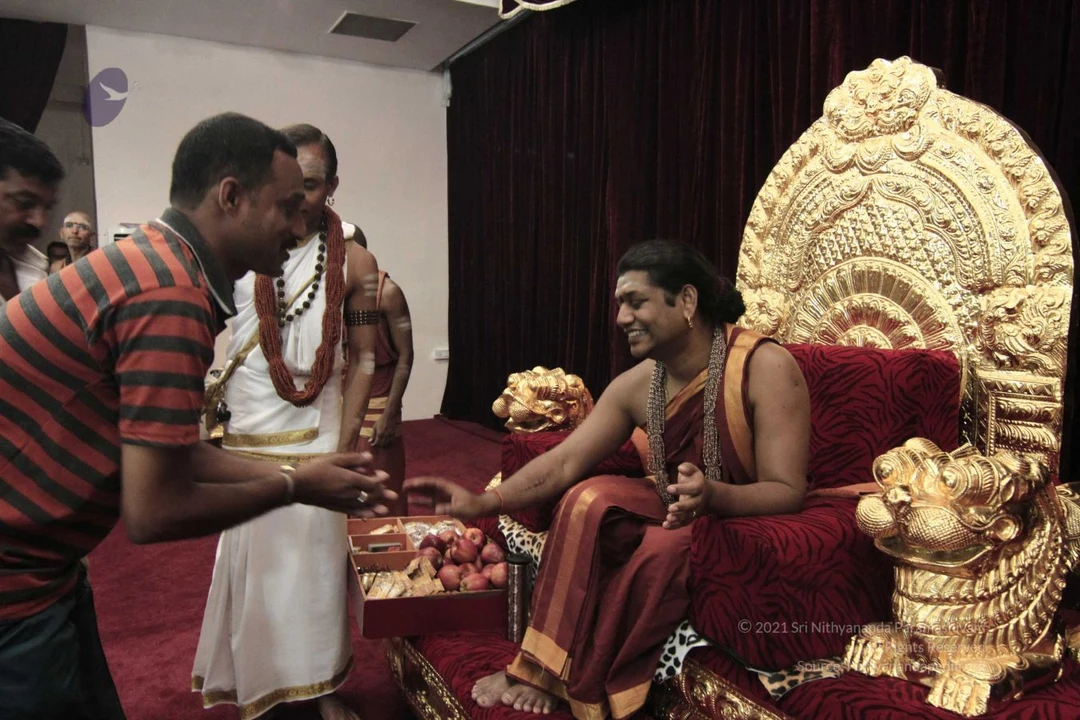
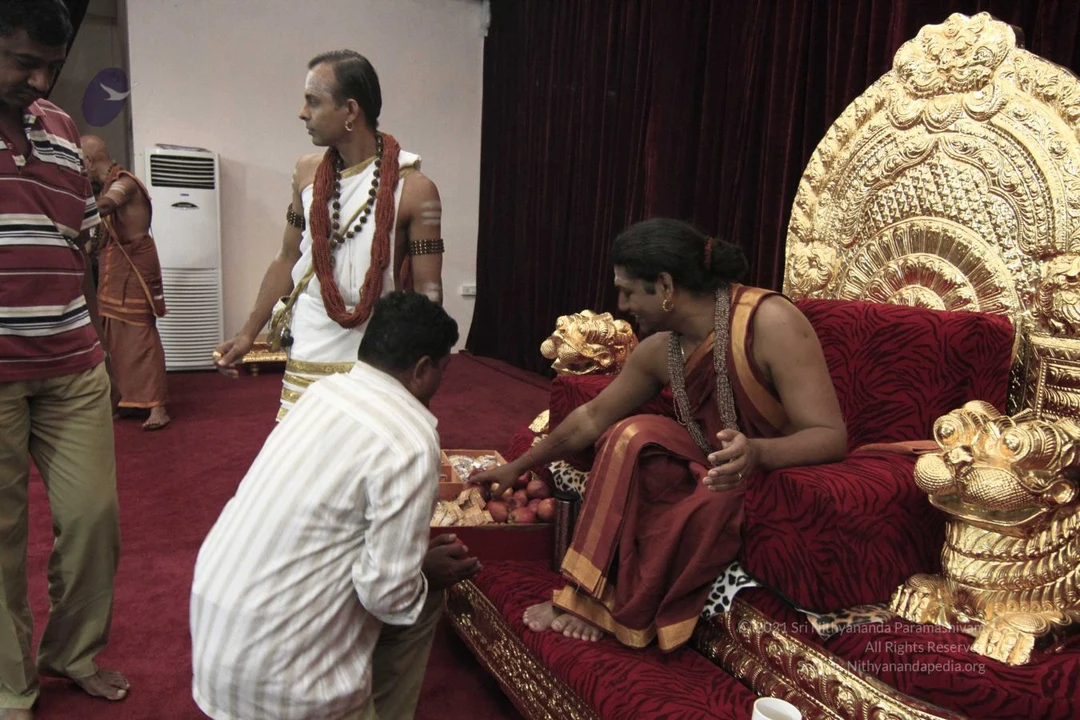
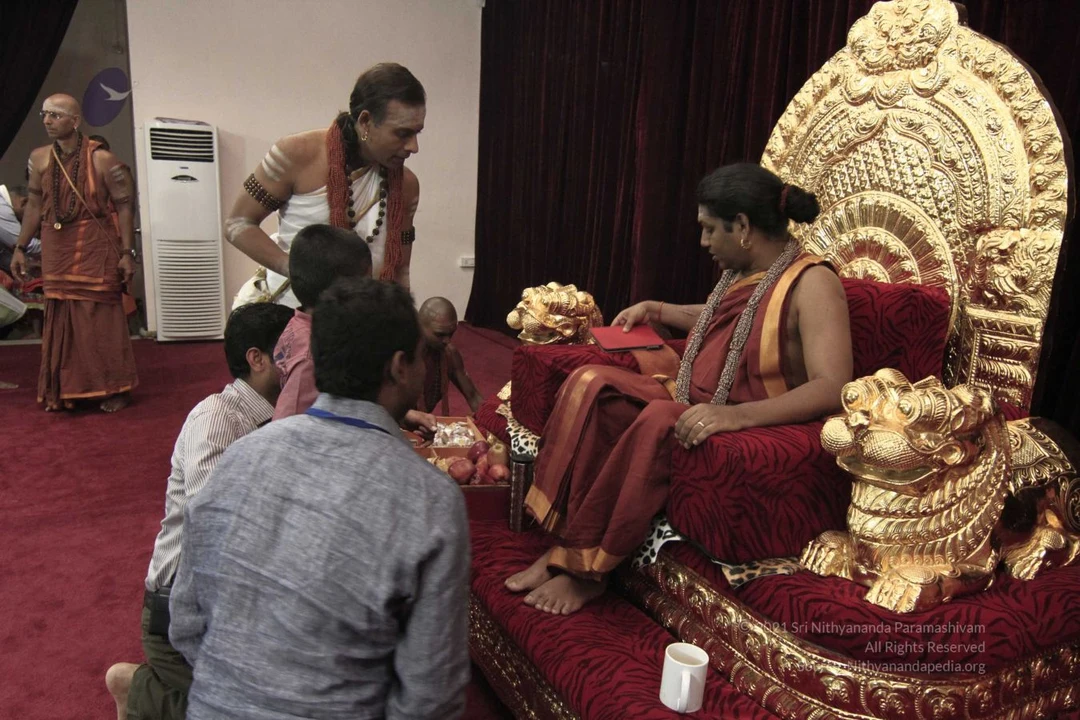
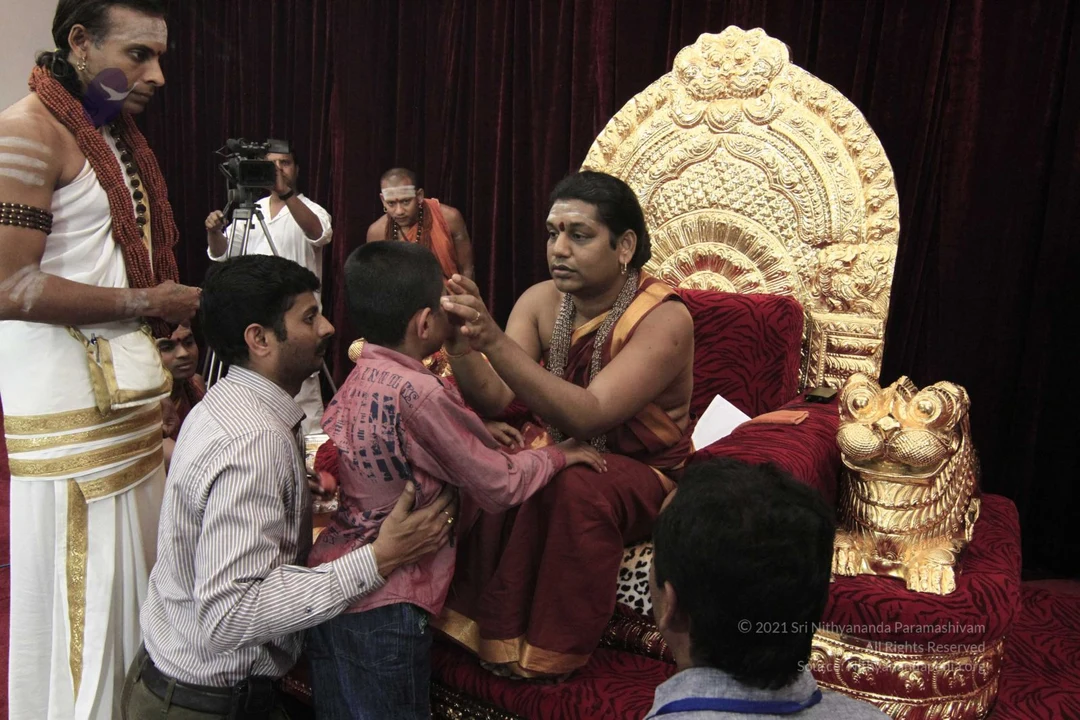
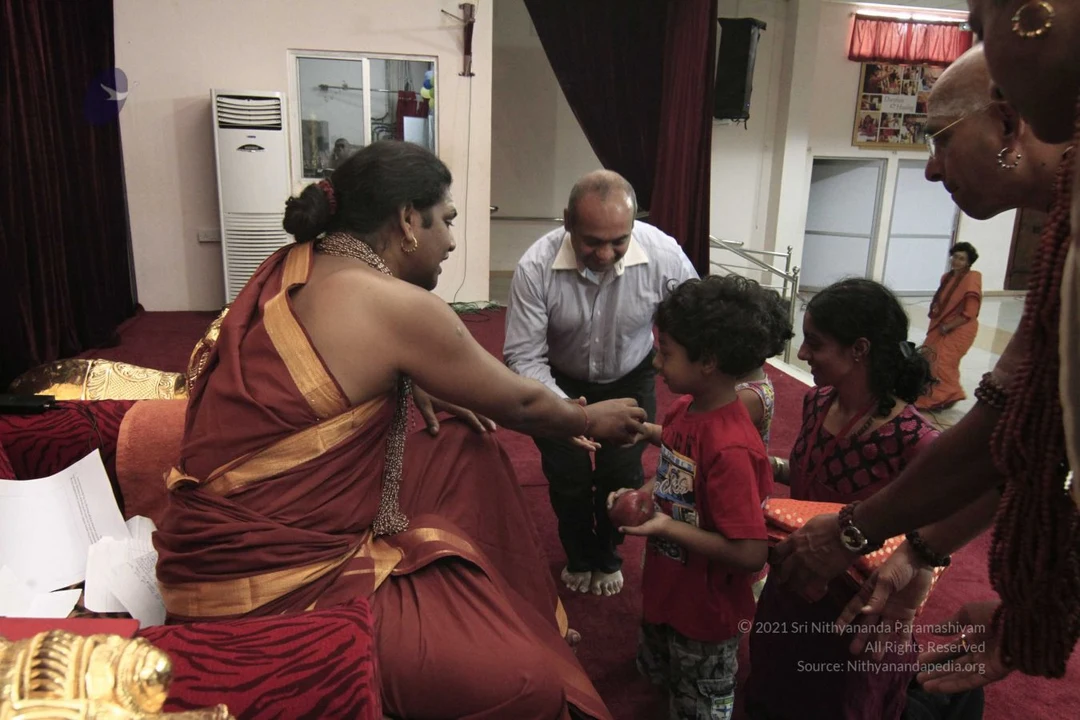
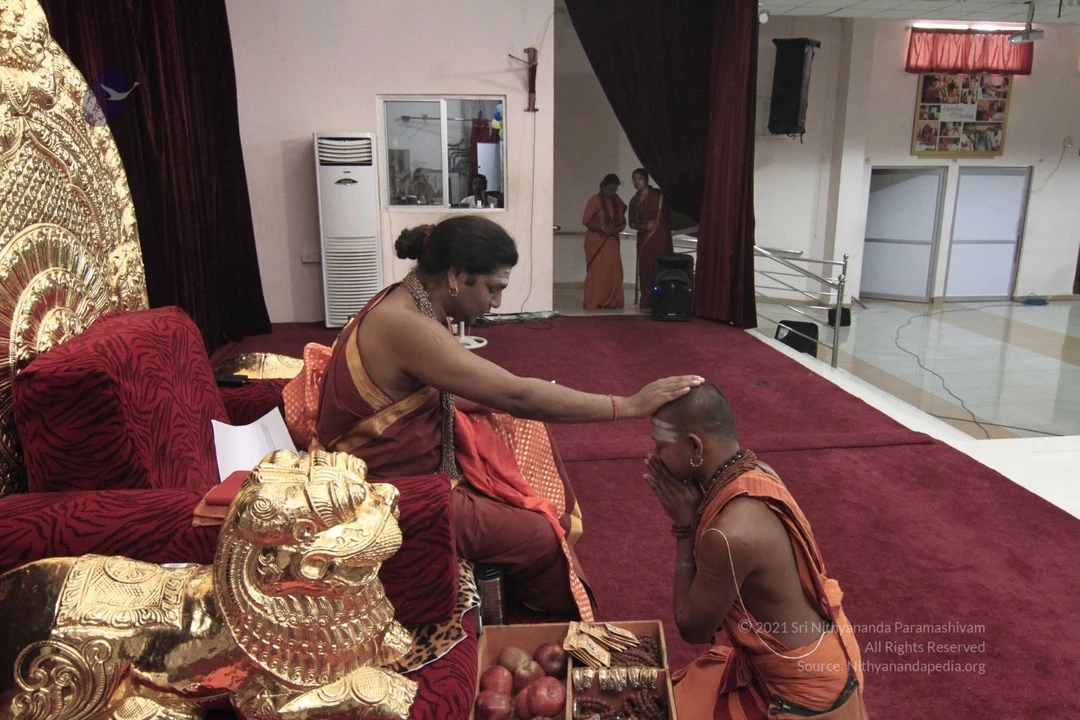
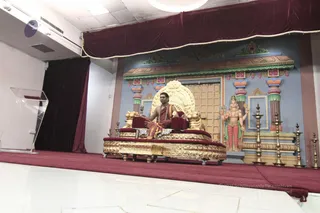
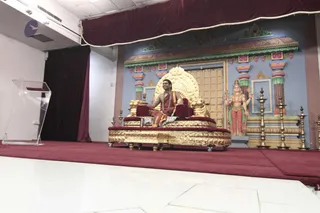
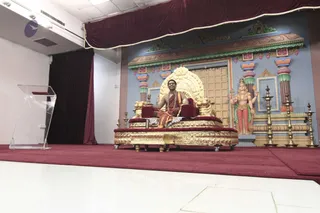
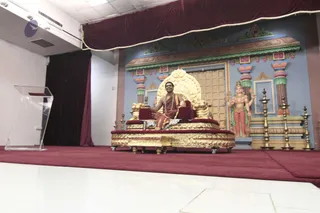
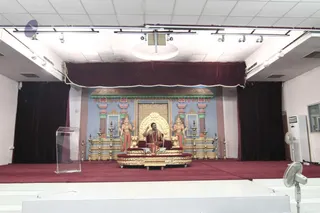
The day's routine started with PadukaPuja to Swamiji followed by morning Nithya Satsang and Kalpataru meditation process and Darshan.
Description:
In today’s morning Satsang, Paramahamsa Nithyananda helps us understand that we do not need to suffer! We have a tendency to cherish thoughts or actions for which we cannot handle the side-effects. Then we compare ourselves with others to justify this insane behavior, thinking it is “normal” because everyone else is this way. The deadly combination of ignorance plus arrogance keeps us in suffering. The good news is that we can come out of this insanity. The yogic sciences have a cure for everything!
Link to Video:
| Video | Audio |
Link to Video:
| Video | Audio |
Link to Video:
| Video | Audio |
Transcript:
Nithyanandeshwara Samaarambhaam
Nithyanandeshwari Madhyamaam |
Asmath Aachaarya Paryanthaam
Vandhey Guru Paramparaam ||
I welcome all the devotees, disciples, samajis, satsanghis, Shrimahants, Mahants, Kotharis, Thanedars, sitting with us all over the world at this time through Nithyananda TV, Lotus News Channel, Sadhna TV, Janashree TV, Eshwar TV, and two-way video-conferencing having Nayana Deeksha in thirty-two cities around the world, in many countries around the world.
Cities sitting with us in two-way video-conferencing around the world: Devon-UK, Guadeloupe-Rameshwaram, Houston-Kalahasti, Hyderabad-Gupta Kashi, Hong Kong, London-Kashi, Los Angeles-Arunachalam, Jorpati-Nepal, Indrani-New Jersey, Dakota Dunes, Charlotte-Srisailam, Kuala Lumpur-Palani, Paris-Home Temple, Ohio-Prayag, Nithyananda Nagaramu-Hyderabad, Juarez-Mexico, Singapore-Singapuram, Talahassee-Florida, San Jose-Madurai, Phoenix-Kanchipuram, Nithyananda Nagaramu-Hyderabad, Santa Fe-New Mexico, Toronto-Kailasam, Oman-Sivagangai, San Antonio-Texas, Tiruvanmiyur-Chennai.....................
I welcome all of you with my love and blessings.
Tomorrow we are starting the twenty-fifth Inner Awakening program.
And, today I wanted to expand how much this Science of Completion is required to remain sane in your day-to-day life.
Please understand, I am defining ‘insanity’: For any action which you have done, any thought you have had, any space you have cherished and entertained, if you are not able to handle the side-effect and after-effect of that, you are insane.
Please listen. I am defining ‘insanity’: Any action you have done, thought you have cherished, space you have entertained, if you are not able to handle the side-effects and after-effects of it, you are insane.
Look into the life, look into the life, it is really, really, really unfortunate that every day you prove yourself to be insane. Please understand, one of the difficult thing is, after you prove yourself to be insane for ten times, eleventh time you give up on yourself and you think this is normal and you use others’ insanity to justify your insanity. I tell you, comparison is such a great healer for you; that is why you entertain comparison. When it hurts, you try to get rid of it; but it is a great healer and tranquilizer you are using. Comparison is one of the greatest tranquilizers human-beings are using. It is one of the great tranquilizer – that is the right word I will use – to keep you remain unconscious, to keep you in the same space of unconscious. To keep you ever in the space of unconsciousness, comparison helps. ‘Oh, all human-beings are like this only. All are like this only.’ No. All are not like that. All are not like that. It is very unfortunate, it is really, really, really unfortunate. Understand, that we justify others insanity for us to remain insane. Just because others are unconscious, we come to the conclusion we can also be unconscious. No. No. Move your life from the pattern of unconscious and struggling.
6:17
See, any guru, any Master, any incarnation can give the science. They can make you even realize. But YOU have to realize. Understand, YOU have to realize. Finally the living has to be done by YOU, not by anyone else. No one else can realize it for you. YOU have to realize it. YOU have to live it. YOU have to radiate it.
Last few days I am sitting and working on the complete syllabus up to doctorate on Samyamas on the whole Yoga system. There are major twelve streams of Yoga:
· The Natha Yogis: Gorakhnatha, Matsyendranatha – the Navanatha Yogis, one sampradaya;
· Siddha Yoga Sampradaya: the South Indian great siddhas, Shaiva siddhas – Agastyar, Pulipani, Bogar. those great siddhas, they have a unique stream of yogic tradition; and
· The Yoga tradition by Nandi: Nandinatha Sampradaya, Thiru Kailaasa Paramparai, Nandinatha Sampradaya. The great saint Tirumoolar, he brought it to the South; his tradition. And,
· Patanjali, Patanjali’s Yoga tradition;
Totally major twelve streams of Yoga is available. I am making a PhD course syllabus; up to PhD. It is like, first Diploma, then Degree, Post Graduation, then M. Phil., and Doctorate. Collecting all the best of all these twelve tradition; it was never done before, because nobody, unfortunately nobody had access to all this knowledge, and access to the consciousness, enlightenment. There were a few who had enlightenment, access to only Siddha Sampradaya. There were a few who had enlightenment, access to only the Natha Sampradaya. There were a few enlightened who had only access to Patanjali’s Yoga Sampradaya. Fortunately, by the grace of all the yogis, first time, the enlightenment and all these twelve traditions are meeting and merging in one brain, and in one body. I am sitting and capsuling all these as courses and programs. Thanks to some of the great modern-day Masters, acharyas, translators, like Swami Satyananda Saraswathi, Laxman Joo, and Lonavla Yoga Institute, Shriram Sharma of All-World Gayatri Parivar, thanks to all of them and their amazing translations and interpretations.
10:57
Only when I am designing this whole course, I am understanding human life does not need to have any suffering. Please understand, I used to tell this from my own experience from various contexts: ‘Human-beings don’t need to suffer.....don’t need to suffer.’ But when I look at this vast contribution by these great yogis, I was wondering, ‘Oh god. What an amazing compassionate beings who left this knowledge for us, for this generation.’ When I remember their compassion; see, just for some disorder or disturbance in the eye, you have at least hundred-and-fifty techniques and kriyas and yoga. Any one if you do, that’s enough. The eyes will be cleared. Same way, most of the subtlest modern-day mental disorders, our ancient masters five-thousand years before -Nandi clearly pens down the solution. Nandi is Mahadeva’s first disciple; I can say, close disciple. Devi is first disciple; because Devi had initiation, only then Nandi comes to Mahadeva. What an amazing contribution. When I read and align, I only have one word in my heart: ‘Pranamaam Muhurmuhu’ – ‘I bow down again and again.’ I bow down again and again.
Some of the Swamis yesterday who came to see me, they said, ‘What is this Swamiji? You are just sitting in the midst of the books?’ because I am sitting and capsuling this whole science. You guys can expect; I have given so many commitments to all you guys, still I will deliver all that. But, this I already started the work. So you can expect at least by Vijaya Dashami, by Navaratri, on the complete works of Yoga tradition, a clear course, a thorough courses on Yoga – body, mind, breathing, anatomy, physiology, everything, as per the yogic tradition, diagnosis, cure; very authentically which works even now for human-beings. You can predict a person’s death based on some symptoms. You can predict a person how long he is going to live, unless otherwise there is an accident. All these, this whole science which even now works, we will organize it. This will be almost like an Encyclopaedia of the Yogic traditions of India, all the major twelve streams of Yoga Sampradaya, the best of all the twelve streams. But when I condense this syllabus and analyze and organize and put it, I had some of the insights which I wanted to share with all of you. That is the reason I even started this subject.
16:14
First thing, you do not need to suffer. Second thing, you don’t suffer because of your ignorance; you suffer because of your arrogance. May be the arrogance comes by ignorance; but if you understand your suffering is because of arrogance, you can do something about it. The moment you classify that as ignorance, you decide you can’t do anything about it. Just ignorance without arrogance is never a suffering. Understand, just ignorance without arrogance is never a suffering. It is the deadly combination of arrogance and ignorance is suffering. Deadly combination of arrogance and ignorance is suffering. That is the exact word I will use – ‘deadly combination’. Deadly combination of arrogance and ignorance is suffering. If you just give up arrogance, life will be completely new, it will not be insane.
One great thing with our masters, our yogis - such a amazing compassion and a thorough, thorough research and analysis and documentation. No modern university can be compared the unbiased research approach of our Indian yogis. Please understand, in the modern day, any medical research is given by the pharmaceutical company which finally wants to bend the result as per their vested interest. Please understand, all your medications are not the result of pure research and analysis, survey; there is lot of mixture of economical reasonings, economical logic, into your medications. I tell you, food and pharmacy mafia in the world, these two fellows, their vested interests guides all research, understand.
No scientist, no modern-day researcher can be so unbiased, neutral, and without any vested interests. Because these yogis don’t even need food from people! They don’t need anything. A king cannot threaten them. Hats off to our civilization where kings have no place when it comes to the research and development! Politicians have no place. They can’t even sit equal. Such a great apolitical, unbiased, completely not influenced by the economical aspirations; because, not only they kept them self as poor, not wanting anything, they made it as a rule that their whole generation, their community will continue to remain poor; educating people. At least in my case sometime I think, ‘No, no, no, all my Swamis should live comfortably.’ Our Indian yogis did not even think of this. They said, ‘No. Not only we will remain in the space of poverty, we will make sure our disciples also continue to remain in the space of poverty’; may be from the right context; not from the wrong context, right context. Only then they will be active, alive and contributing.
21:44
I tell you, when you don’t have wealth around you, you have some unique quality: you have to contribute for the sake of survival. Contributing just for the sake of survival, that mechanism, that methodology was adopted not just by Buddha. Buddha is a junior, very junior; starts from Kapila. Buddha is initiated by Mahanirvani Akhada. After he became popular, whether he disowned or his disciples disowned is different; but all his words you can see, directly from us. Sometimes, try to create their own organization; but all the words if you see it will be mine. hahahahahahaha. Completion, Authenticity....
This Shivaratri also one fellow came. He has taken all my teachings and compiled some books and dedicated it to the ‘Formless, Eternal Bliss, Nithyananda’. He came and gave that book to me. I said, ‘Did you learn all this from formless Nithyananda?’ He did not have an answer. I said, ‘This knowledge is free. Don’t even bother; I am not going to question you.’ In our Sampradaya, in the Hindu tradition, knowledge is free, but gratitude to the Master is compulsory. In the Western tradition, knowledge is not free; copyrighted; gratitude to the Master is not required. These cunning fellows, they use very conveniently, in India’s Hindu tradition knowledge is free. Okay. Great! Take it. But gratitude to the Master, what about that? This knowledge will not be helpful for you. Gratitude is very important. Acknowledging is very important. That is why, you will see even if I read, learnt something from somebody’s translation, I don’t forget to mention their name. I think even today’s satsangh, when I started I mentioned few names, just because I learnt from their translation.
Understand, our Rishis were such an amazing yogic contributors, such an amazing contributors, Yogis, in every step their unbiased, pure analysis, survey, research, the way they recorded the statistics; for the medicines or the kriyas which is going to work 100%, they used different word; which has the probability of 80%, they have a different word; which has the probability of 60% curing rate, they have a different word. So beautifully they recorded. Sometimes I wonder, I wonder the kind of intelligence they had, the unbiased, unaffected consciousness they had. It is our responsibility to keep the whole thing alive, to keep this whole thing alive.
26:22
Please understand, I was feeling, ‘Arrey, just only one stream of thought – Yoga – I started organizing. Already I am overwhelmed.’ Because, the material is going to be almost like a encyclopaedic volume, it will come around eighty to ninety volumes; eighty to ninety volumes of the encyclopaedia-book size. If I condense it, maybe I will be able to condense it up to fifty. I am talking about Diploma, Degree, Post Graduation, M. Phil., and Doctorate. Still I have not touched the Science of Devotion, Science of Liberated Thinking; all that has to start. But this itself is overwhelming me seeing the amazing contribution. Once all this syllabus is established, of course, I will surely establish it within next two-three years. At least this science, the Yoga and the yogic tradition, that will be established by Vijaya Dashami. I may add more, but the first level, the first cut will be prepared and presented to all of you by Vijaya Dashami. After that, I wanted in our Nithyanandapuri, one-one street dedicated to one-one tradition, where all those Masters’ deities will be created and kept and their contributions will be carved in stone and presented so that it is kept alive forever; people remember it forever. I wanted a huge library; it will be like a, it should be in the size of a mall, and each section will have that Master who contributed, his deity.
One thing, be very clear: There is no need for you to suffer.
Second, ignorance is not a cause of suffering; it is the arrogance which actually leads to suffering. If you understand that, at least you can do something about it, you can do something about it.
Essence of today’s satsangh:
You do not need to suffer. Ignorance is not the main cause of suffering. It is the deadly combination of ignorance and arrogance is the root of suffering. Ultimately, whatever may be the issue, our Masters have found solution; it can be solved.
I bless you all. Let you all radiate with Integrity, Authenticity, Responsibility, Enriching and causing eternal bliss, Nithyananda. Thank you.
Photos
Kalpataru Darshan and Pada puja
Tags:
Paramahamsa Nithyananda, suffer, side-effects, insane, behavior, normal, deadly, ignorance, arrogance, suffering, news, yogic sciences.
Photos Of The Day:
Paduka-Puja
Satsang
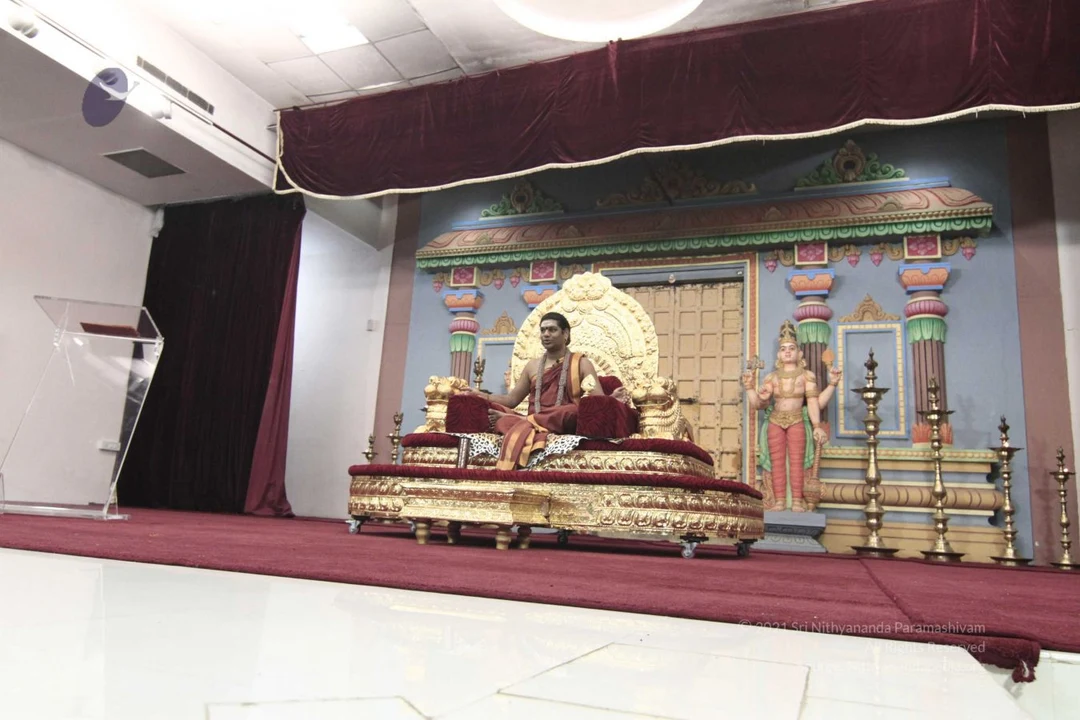
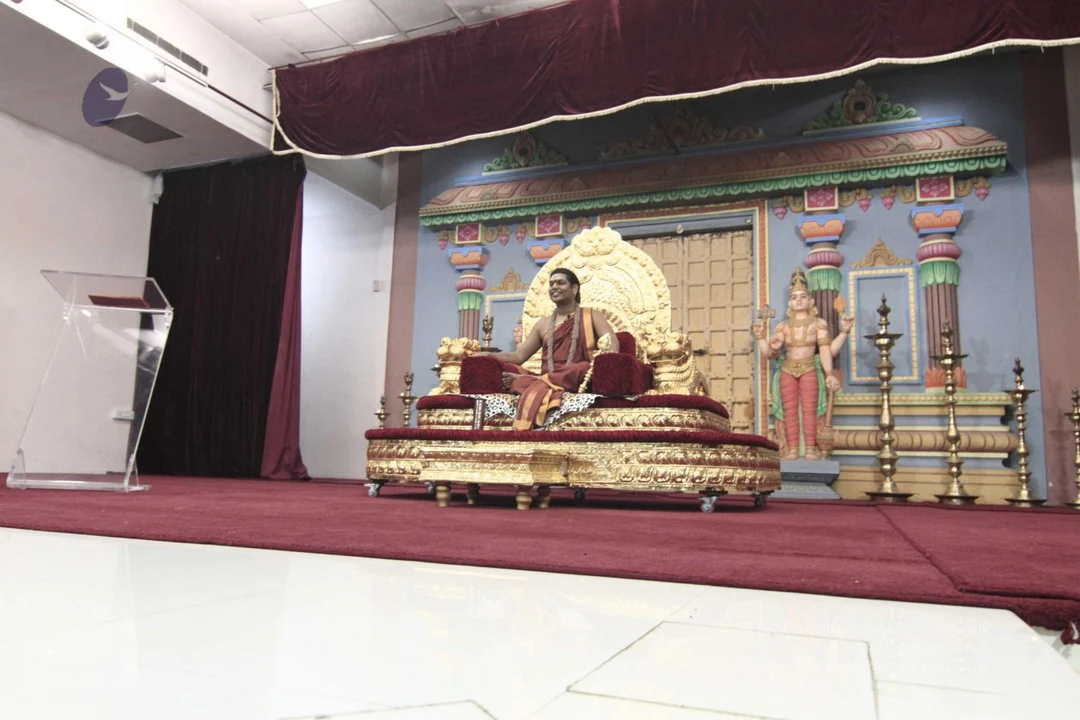
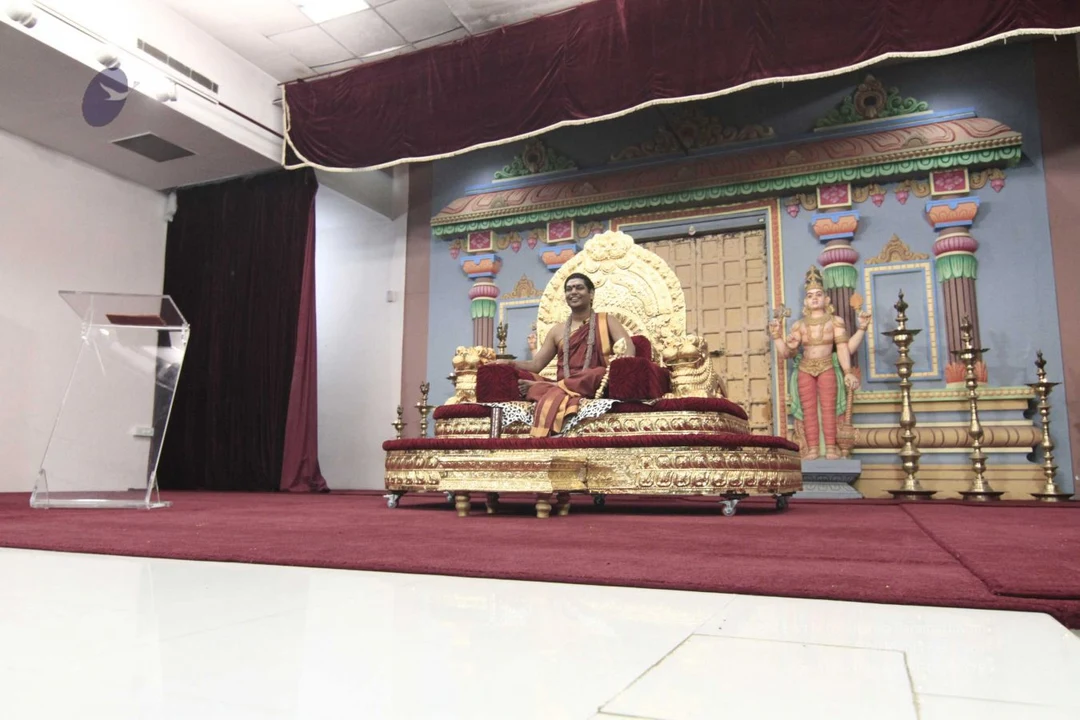
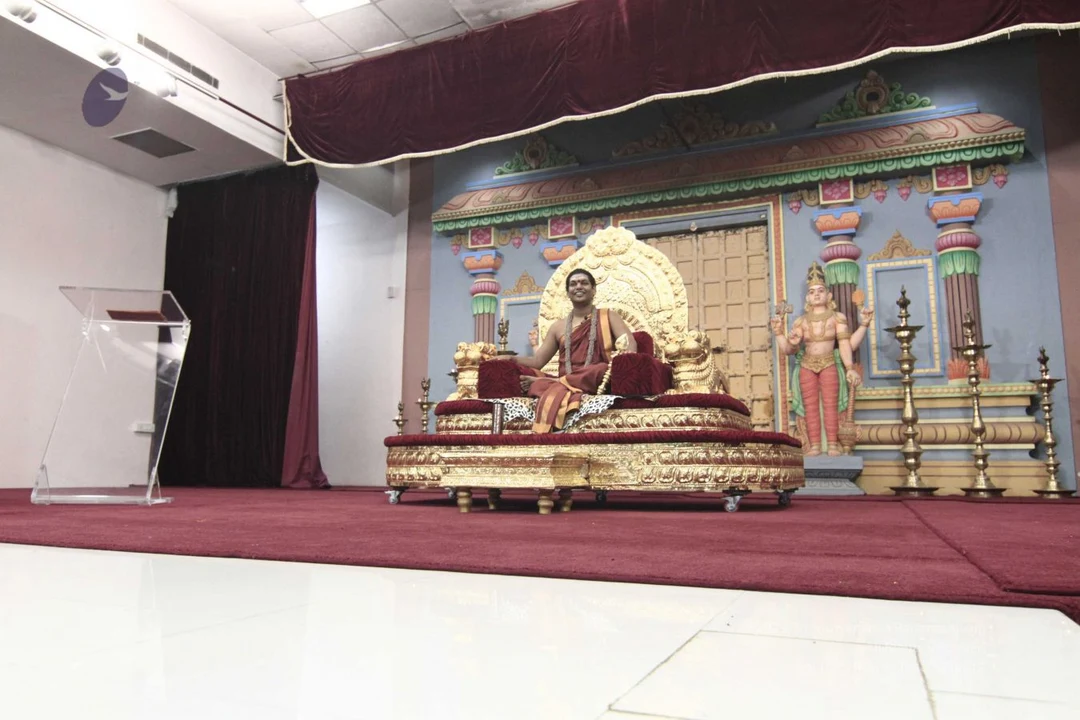
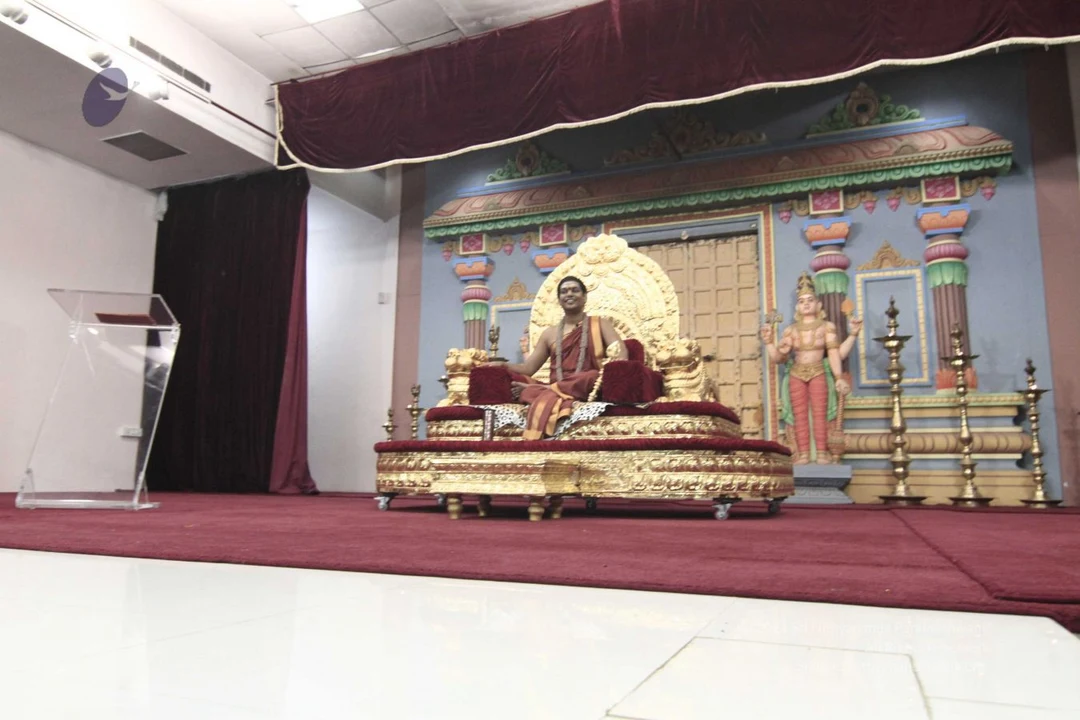
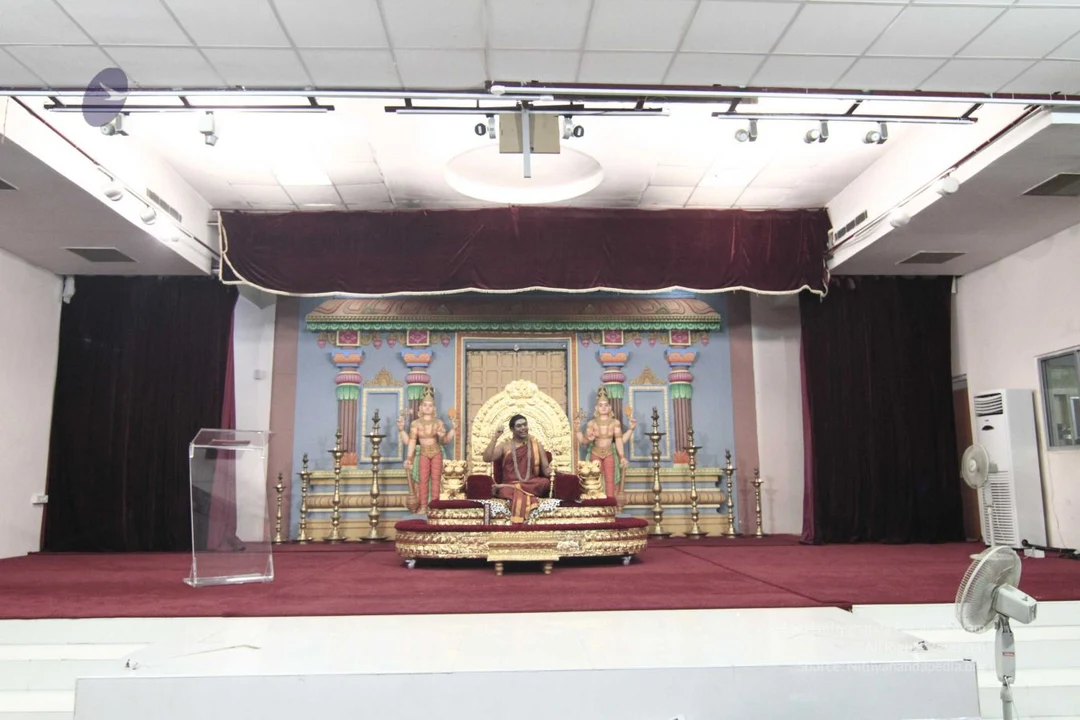
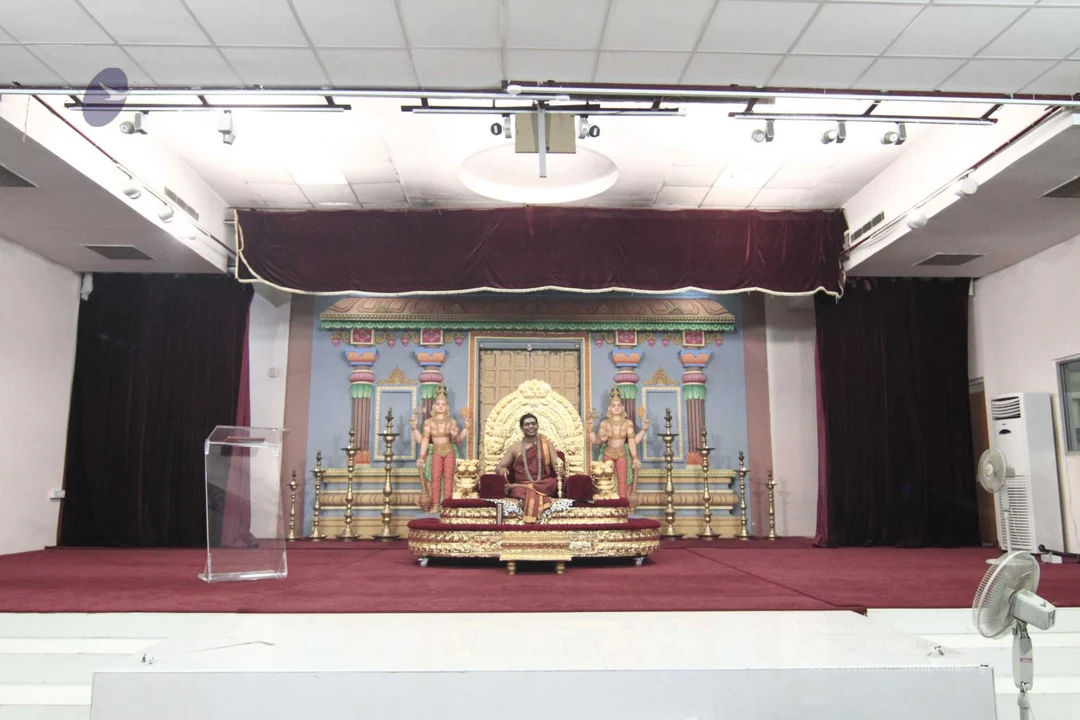
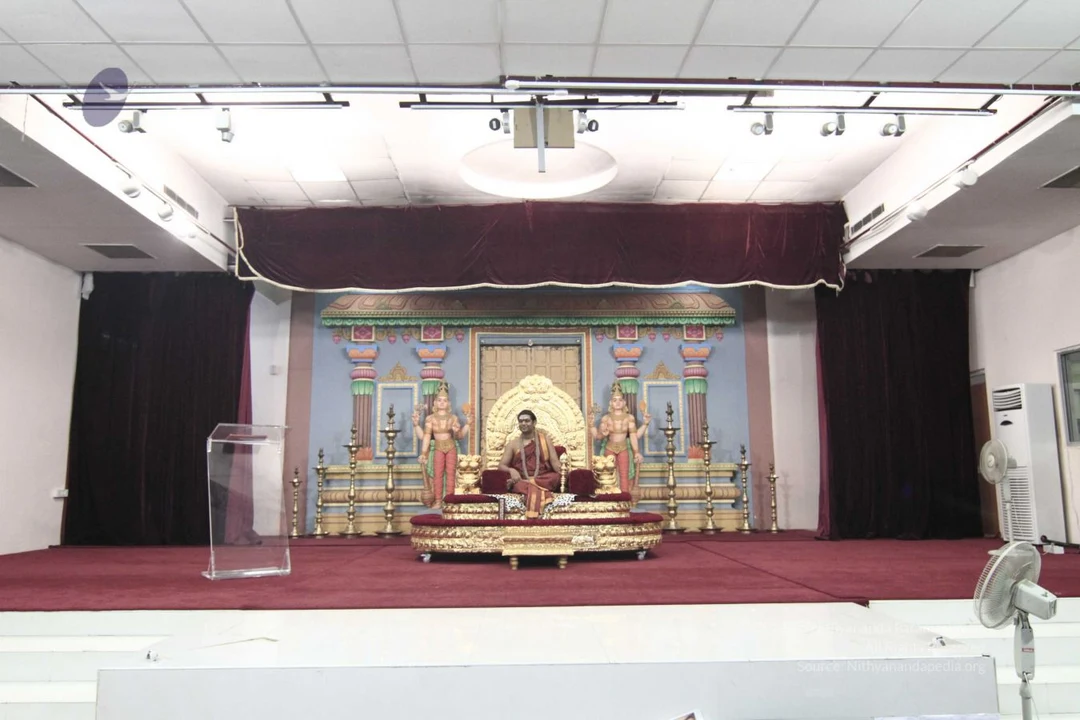
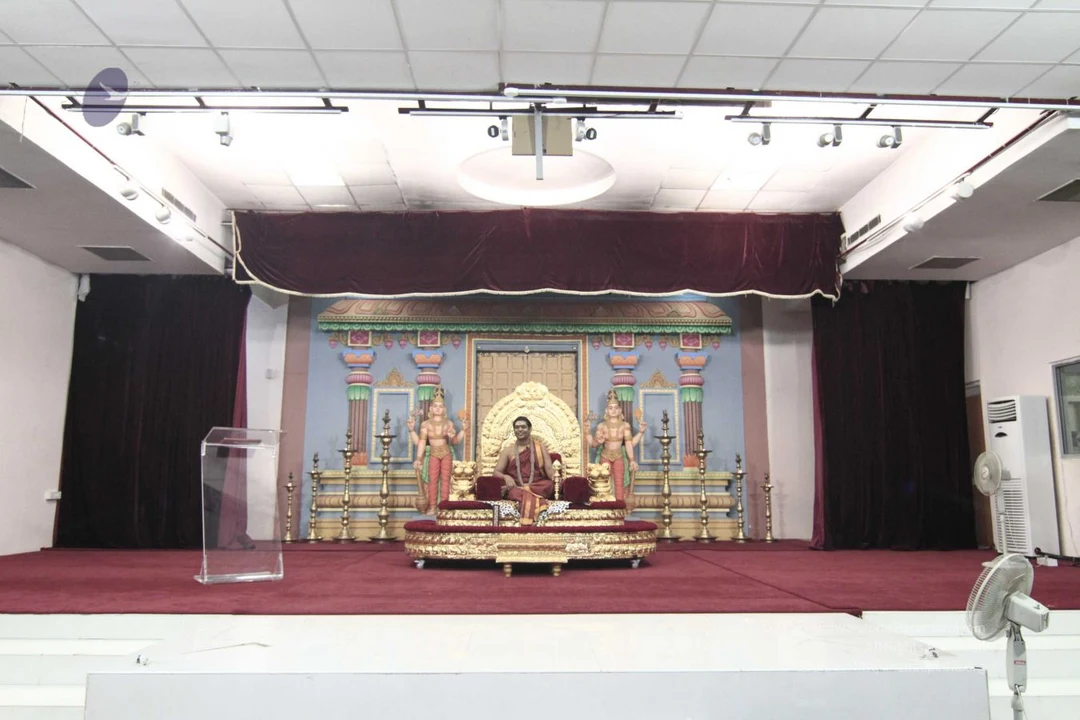
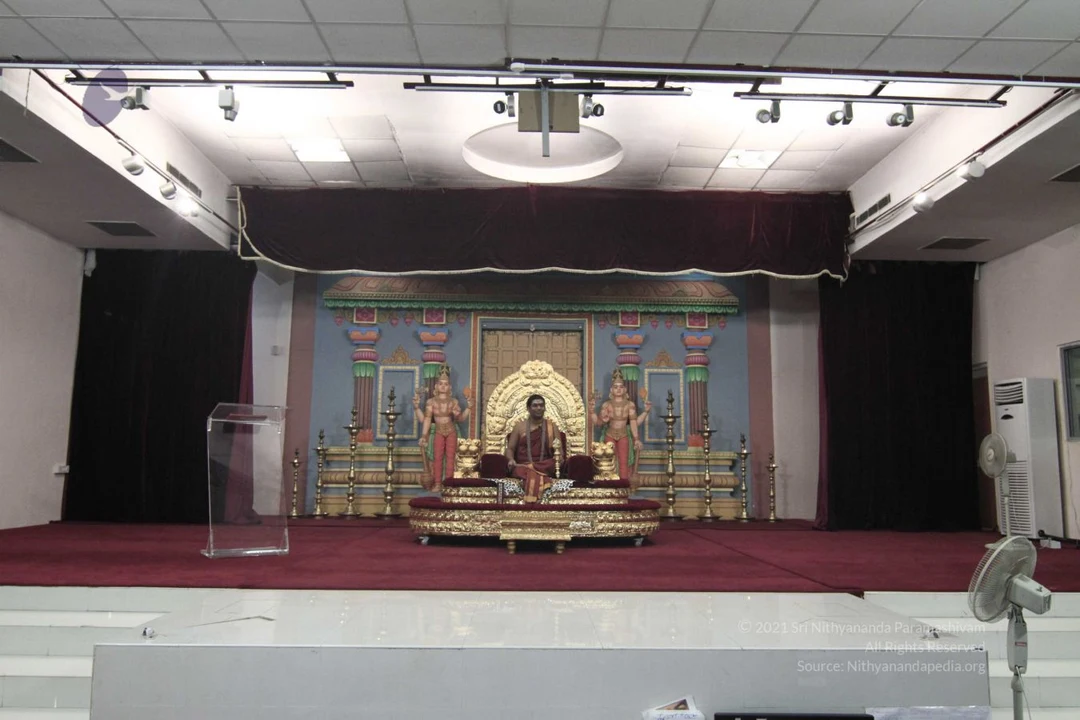
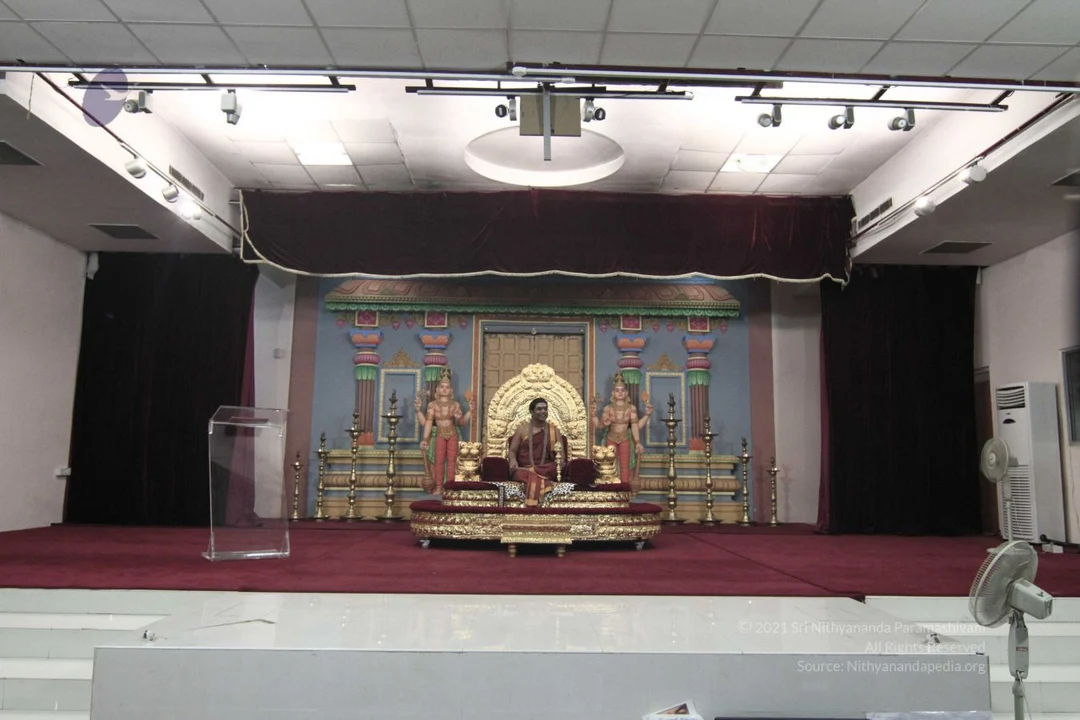
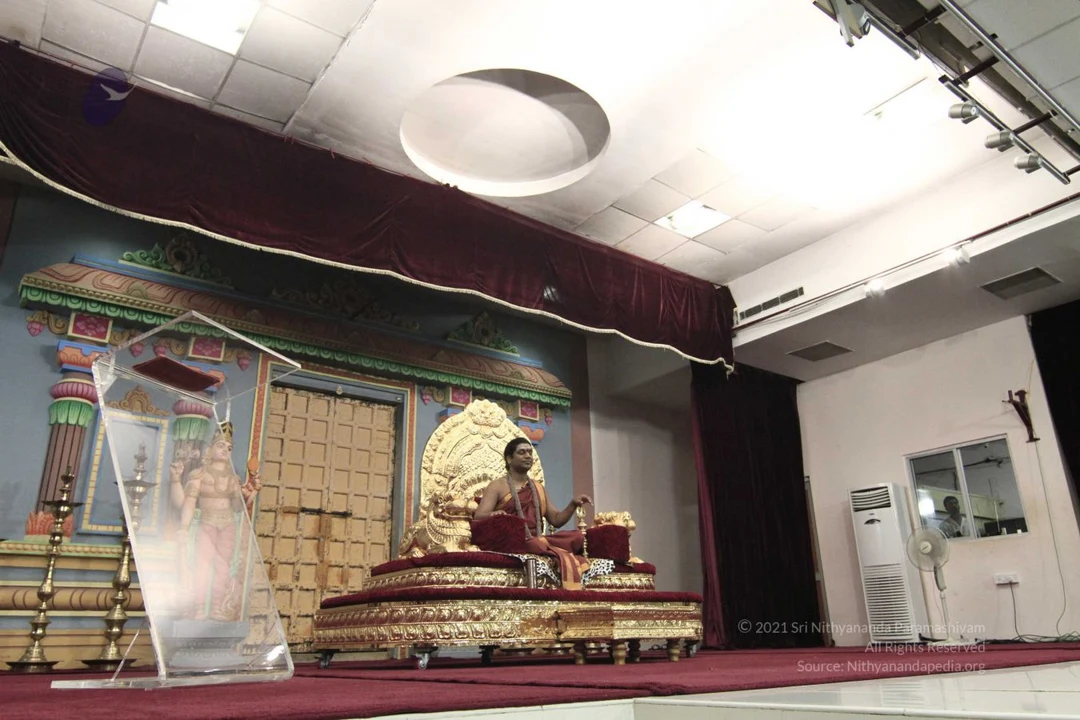
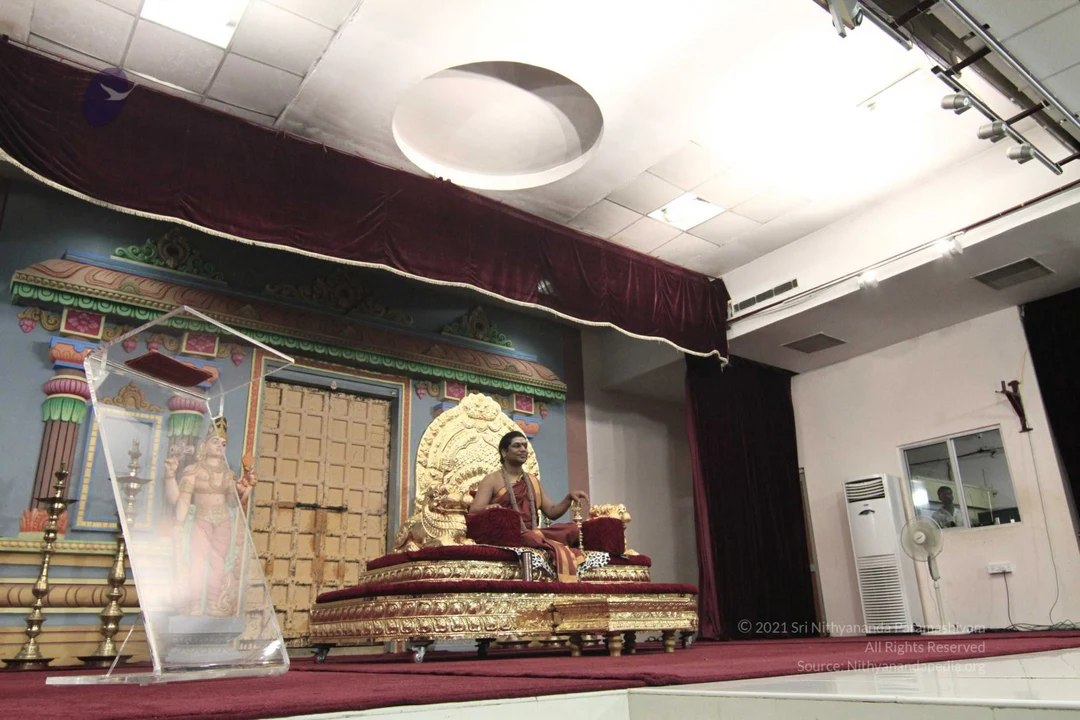
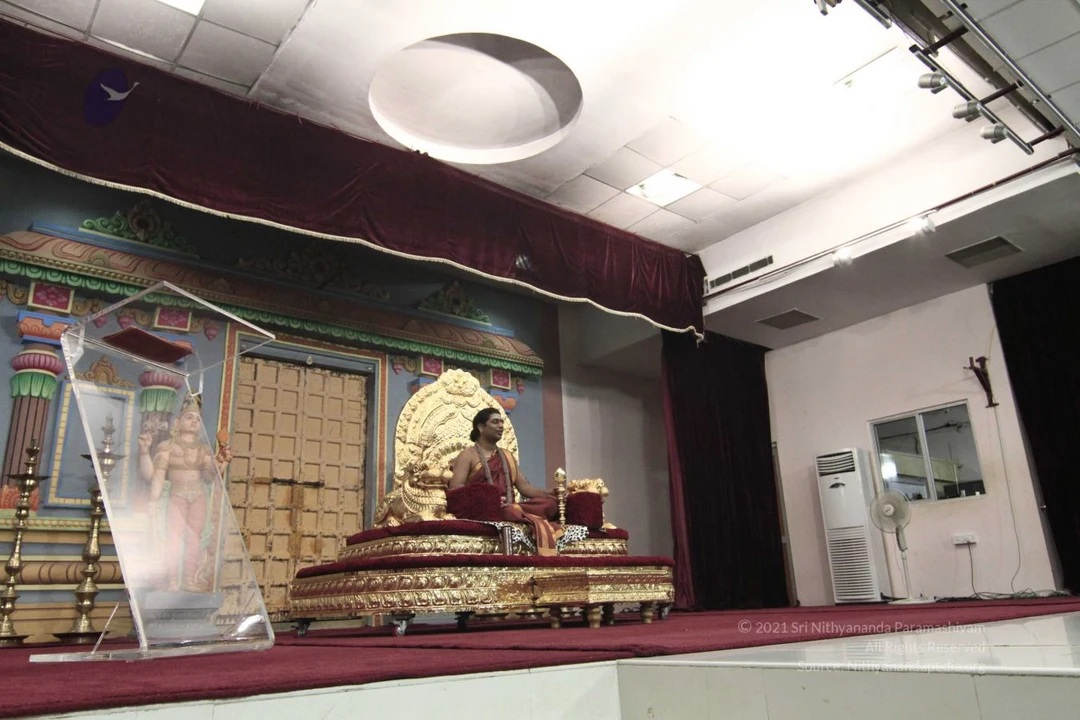
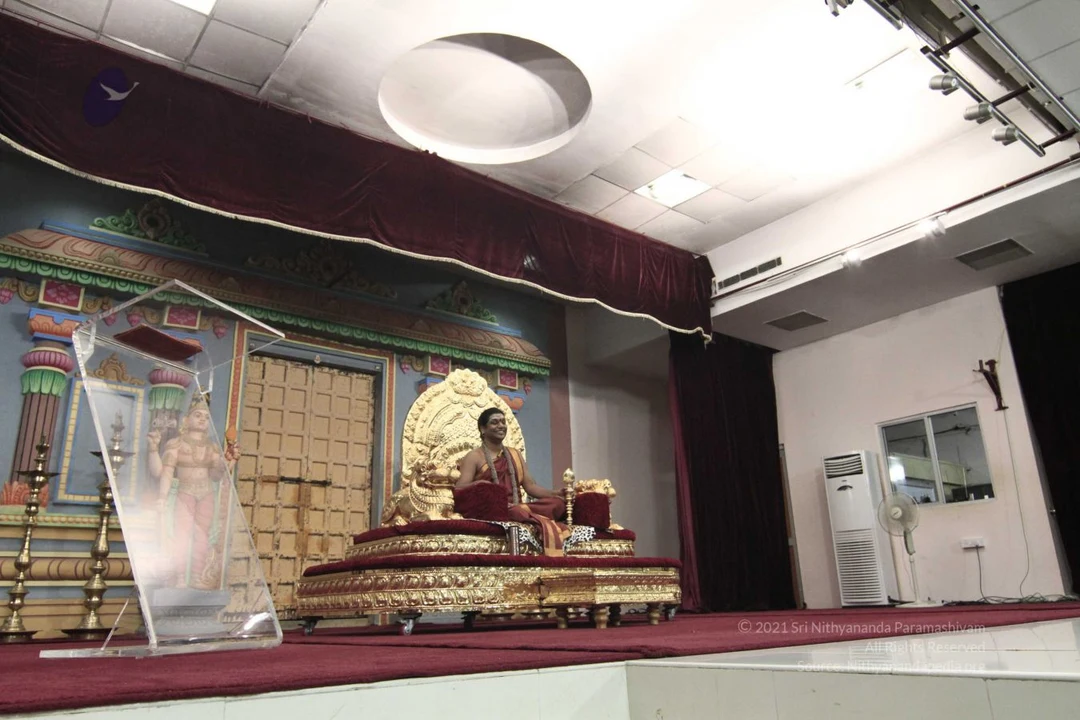
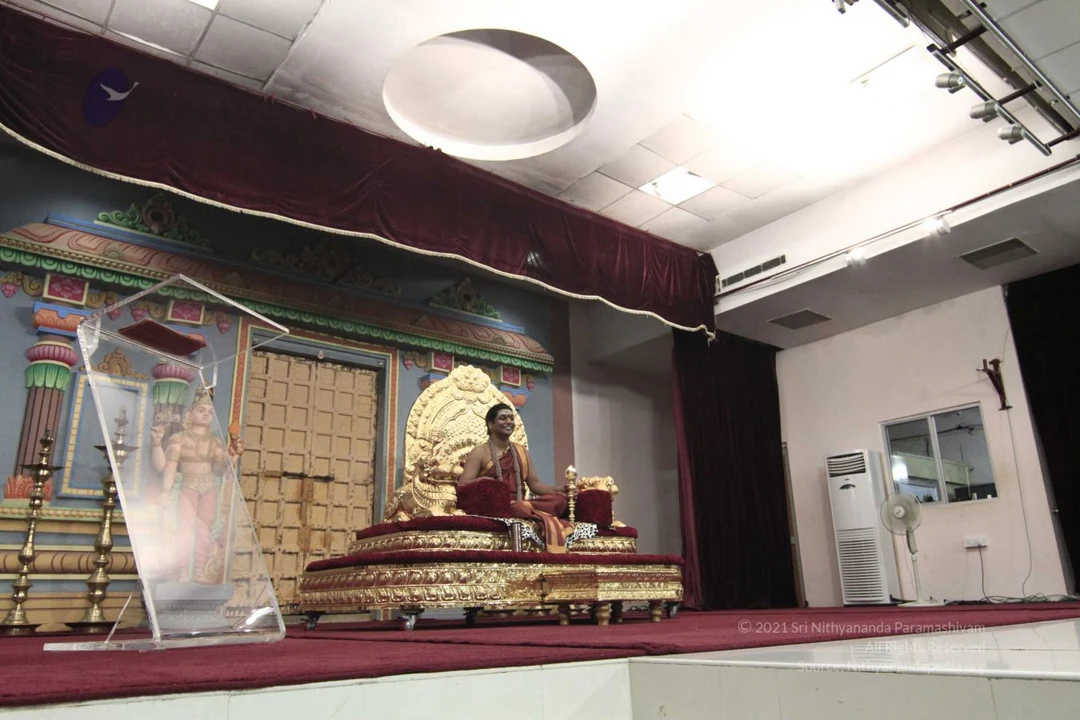
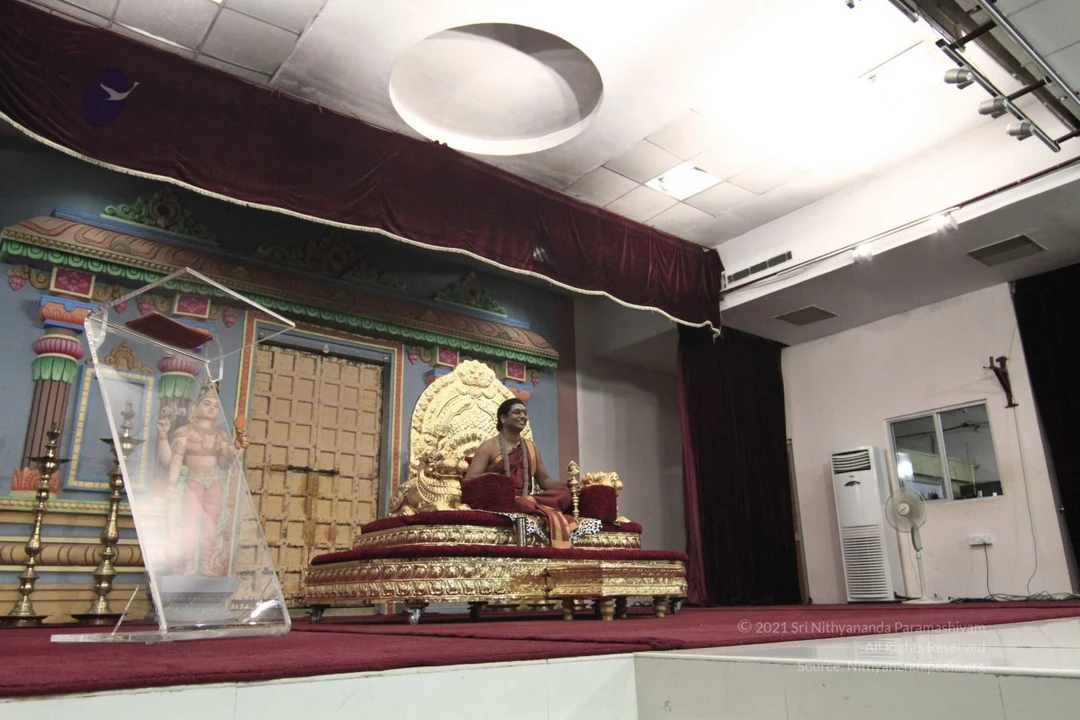
Kalpataru
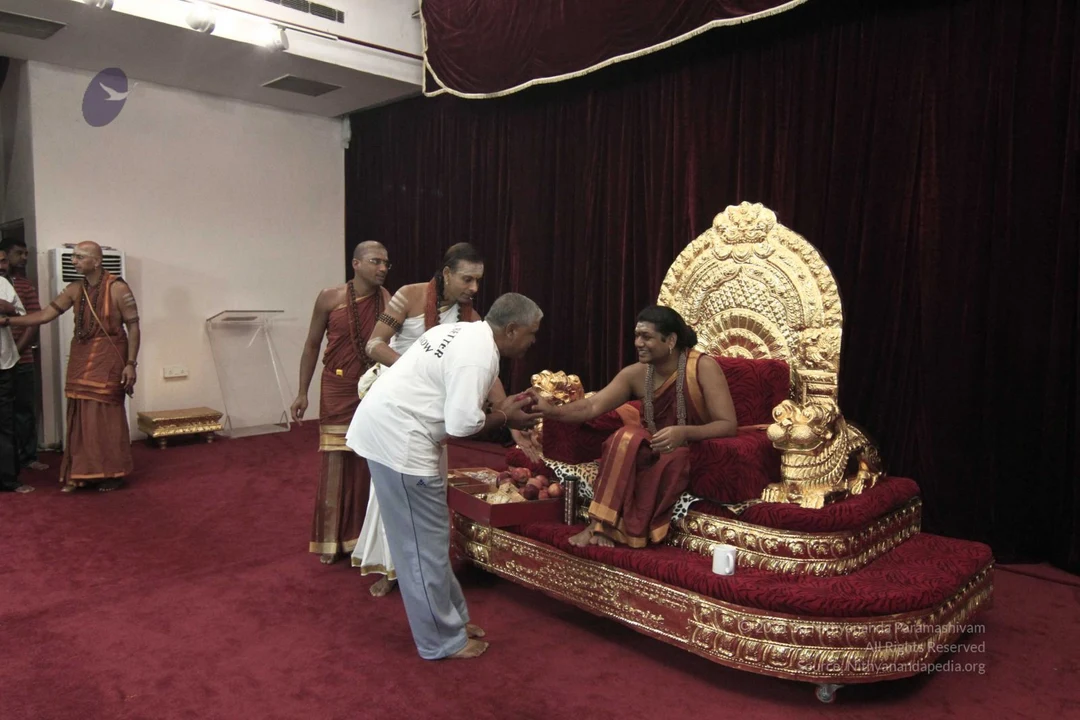
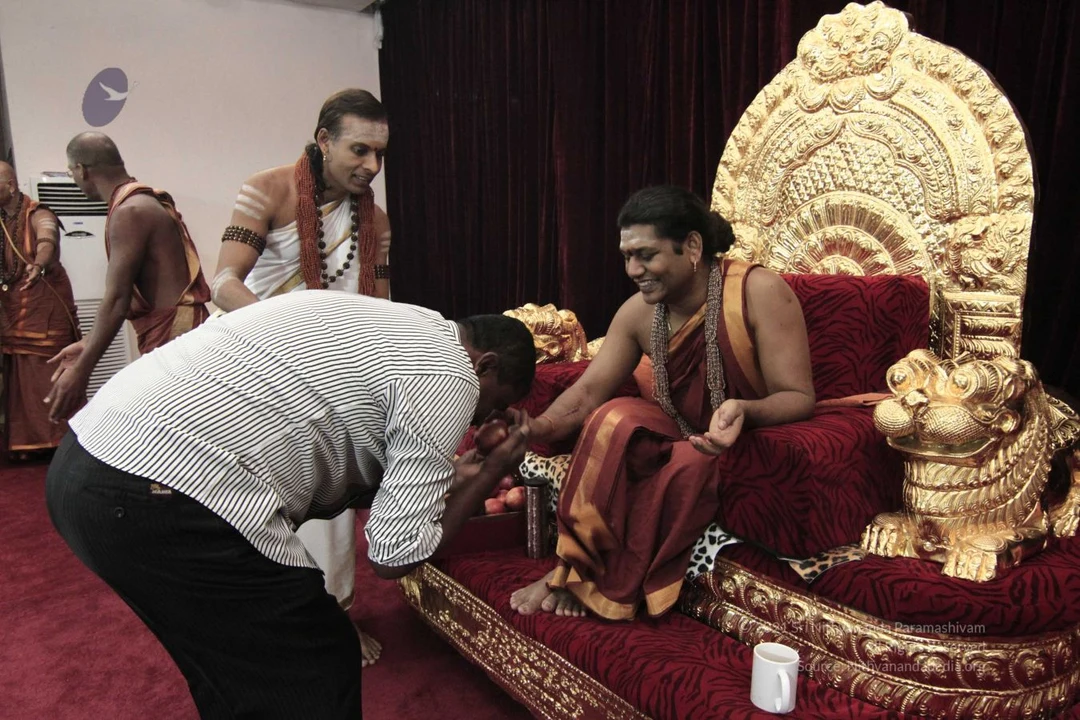
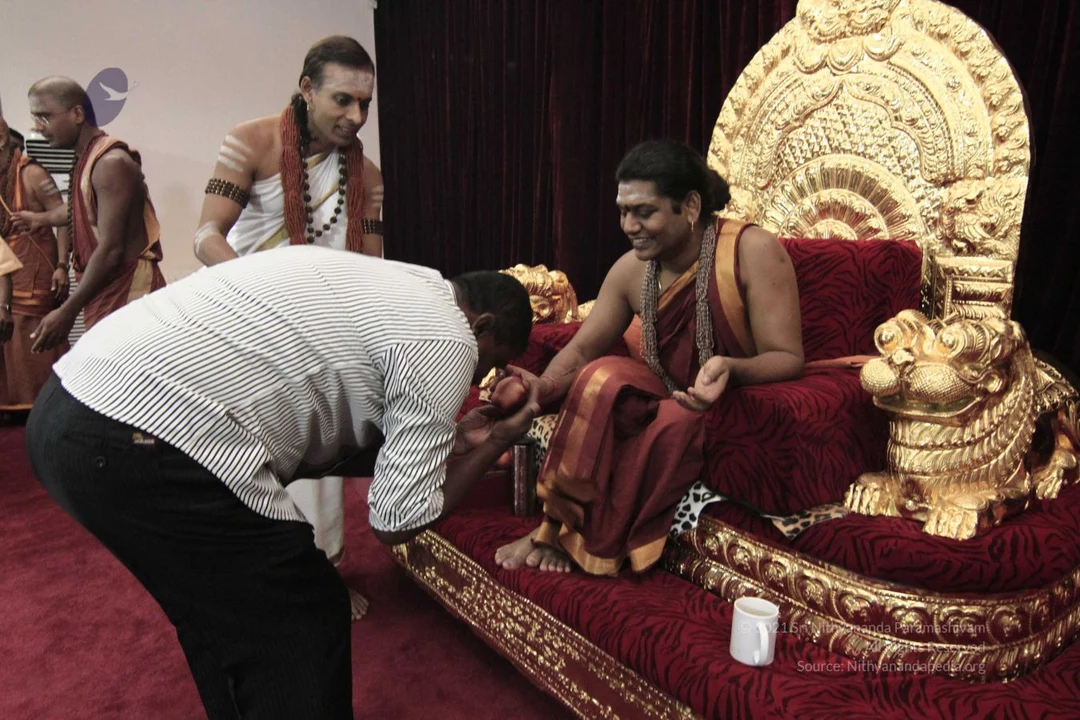
Photos from this day
View all 38 photosKalpataru Darshan and Pada puja
2 photosSource gallery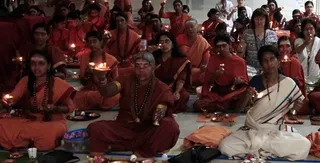
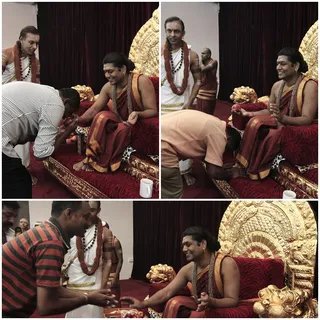
Paduka-Puja
8 photosSource gallery
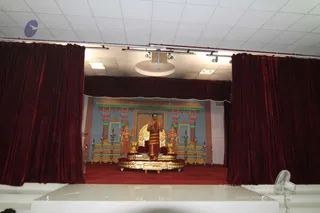
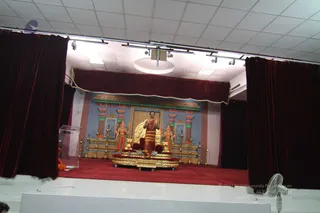
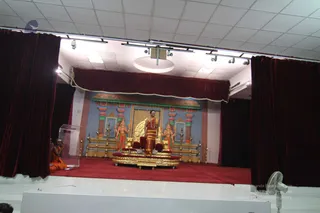
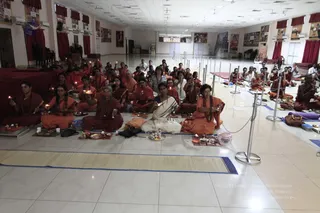
Satsang
17 photosSource gallery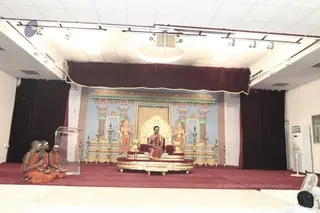
Kalpataru
11 photosSource gallery