Tuesday
31 December 2013
- Dated photos
- 209
- Source pages
- 1
- Media
- 3
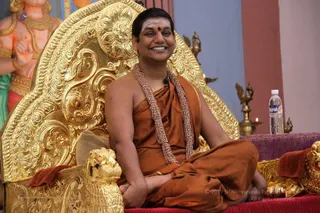
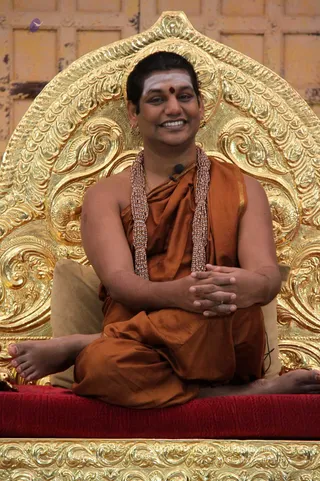
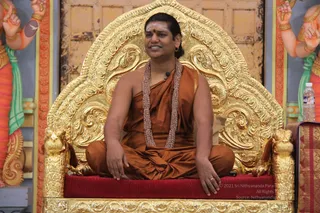
December 31 2013
Original wiki pageDescription:
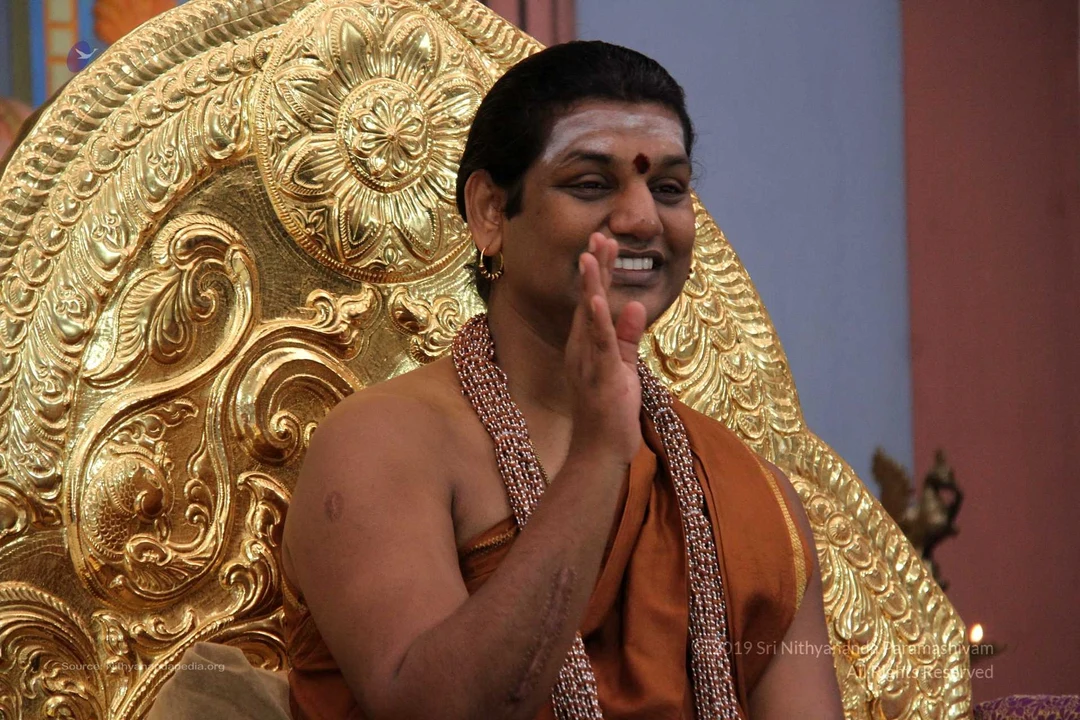
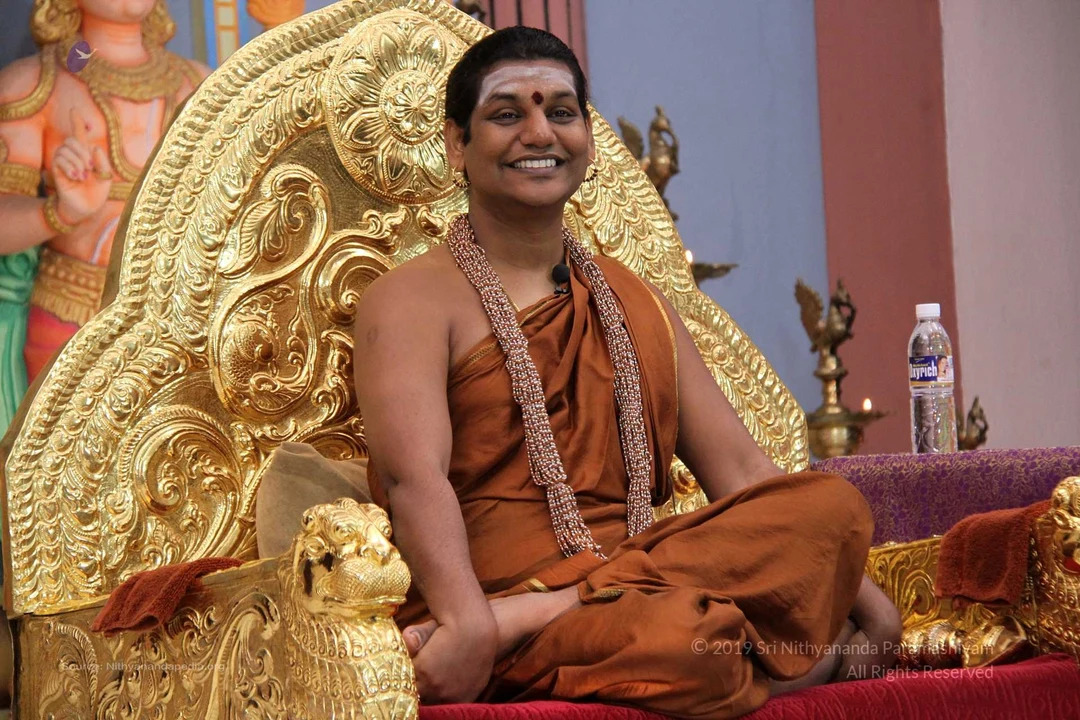
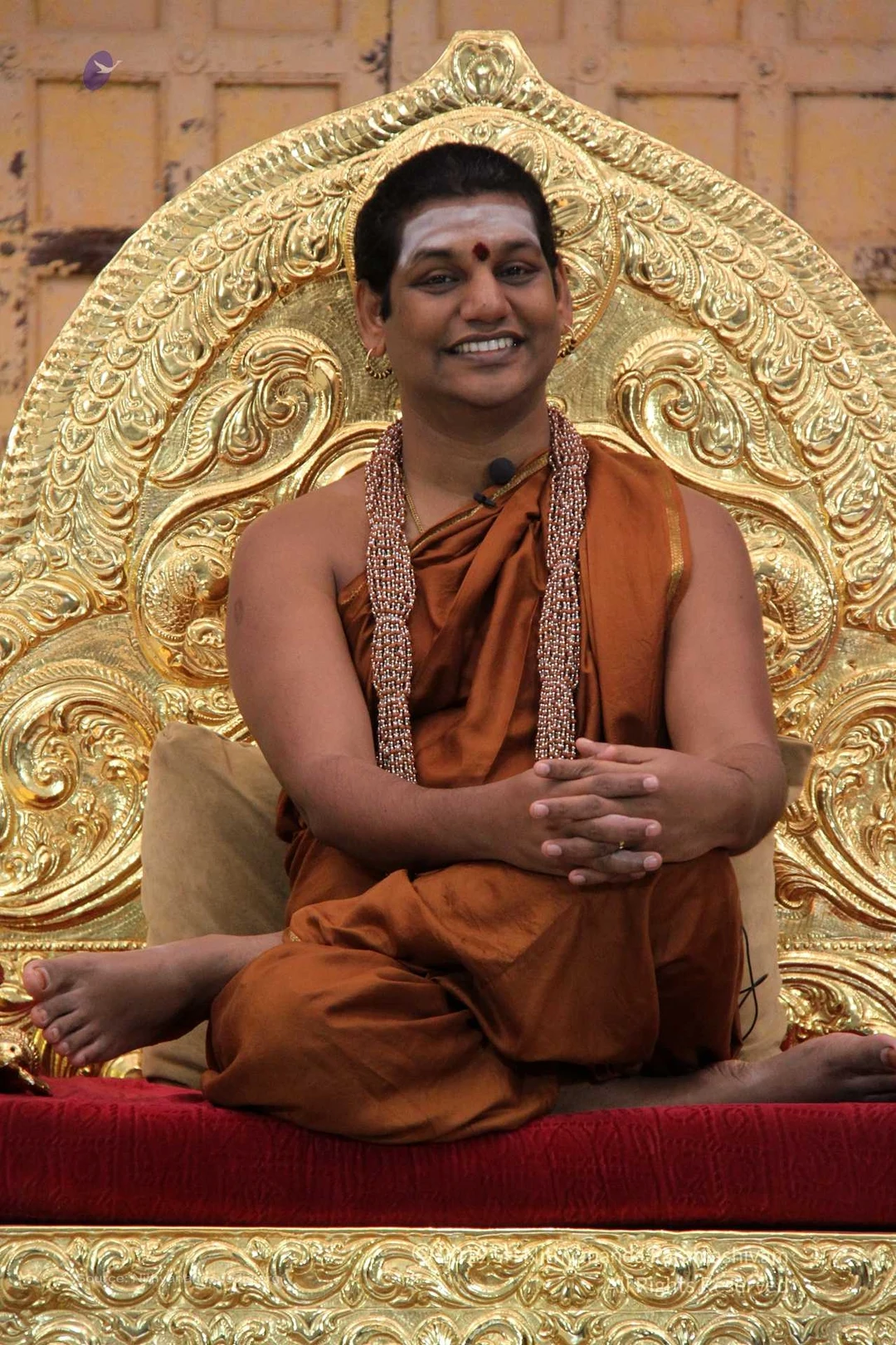
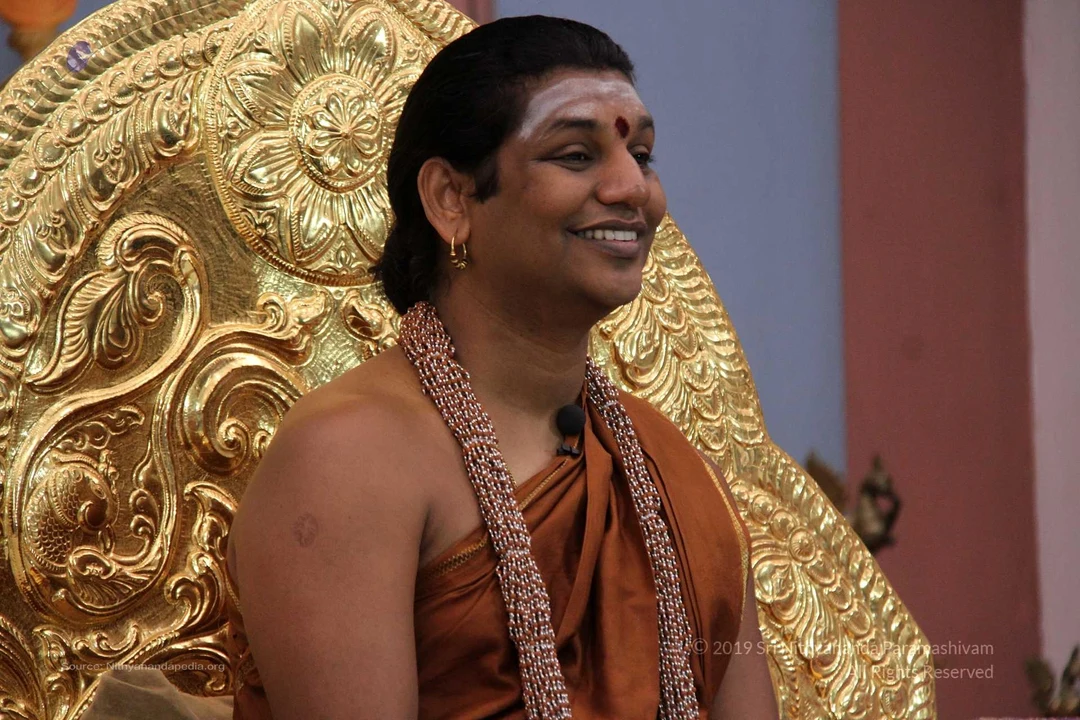
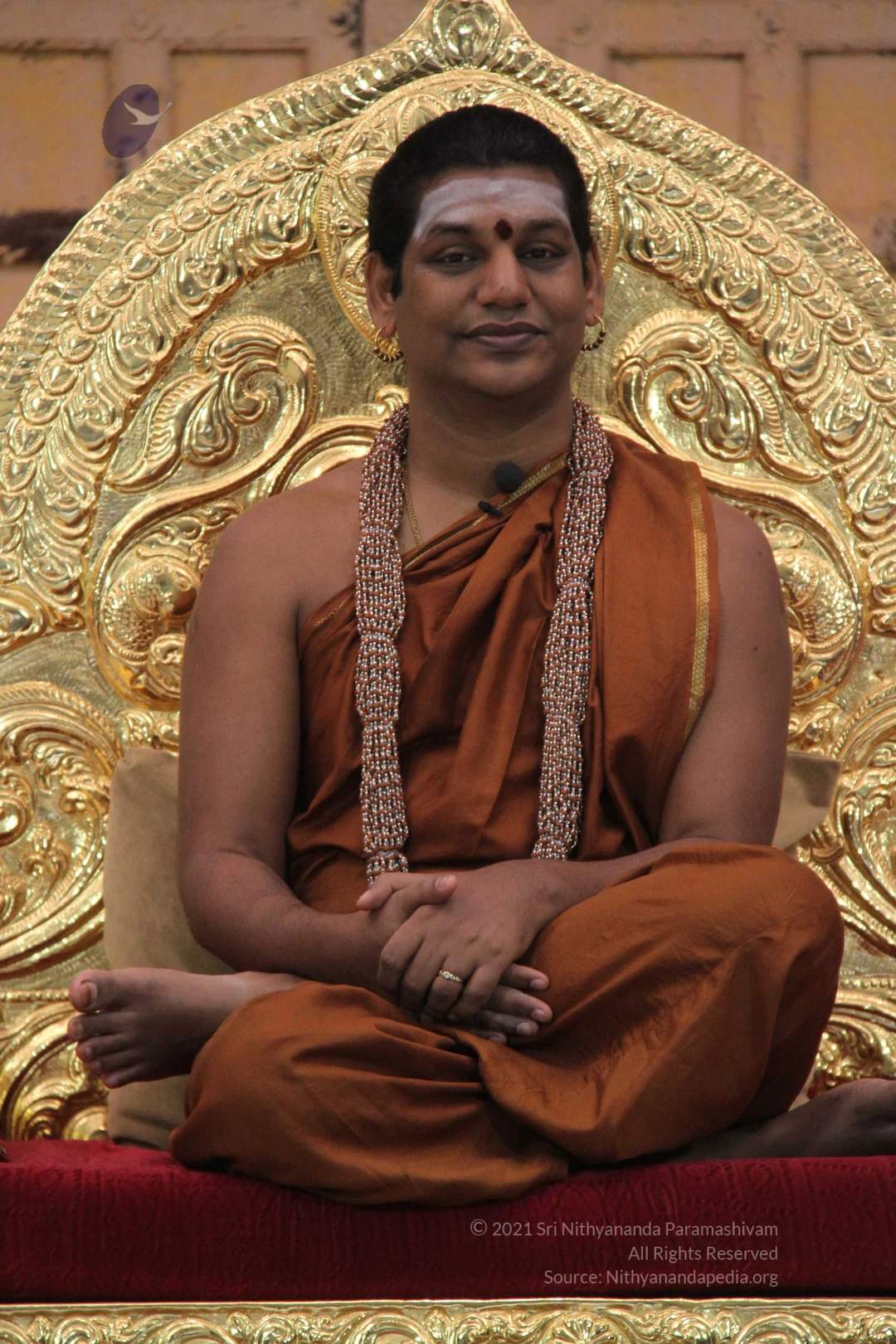
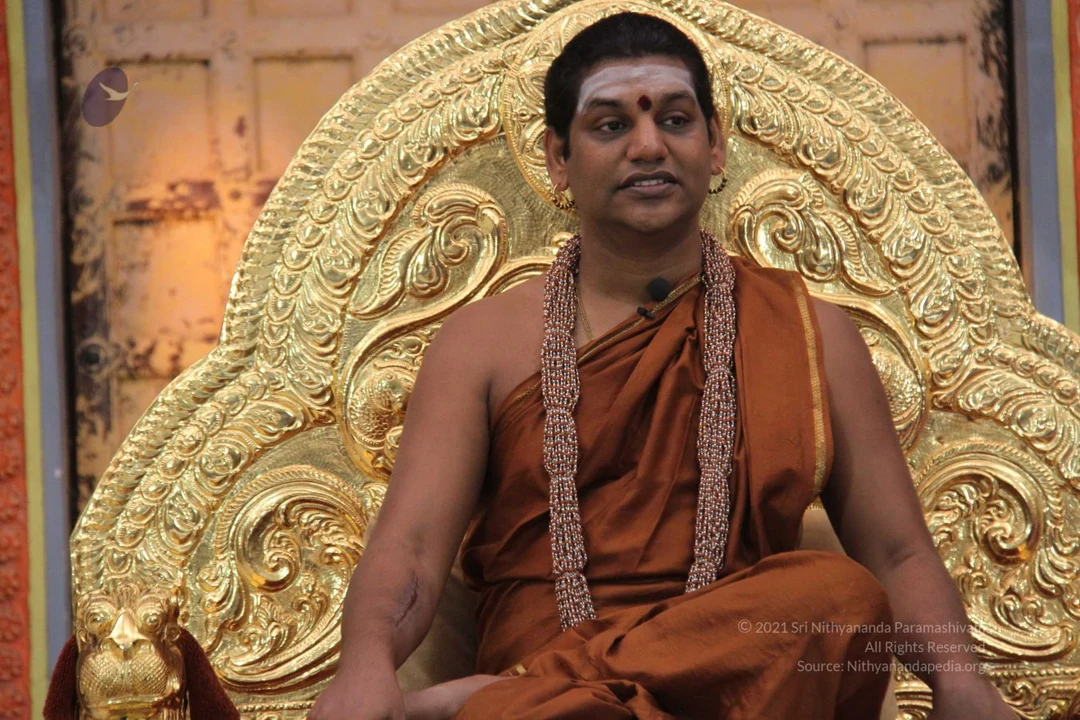
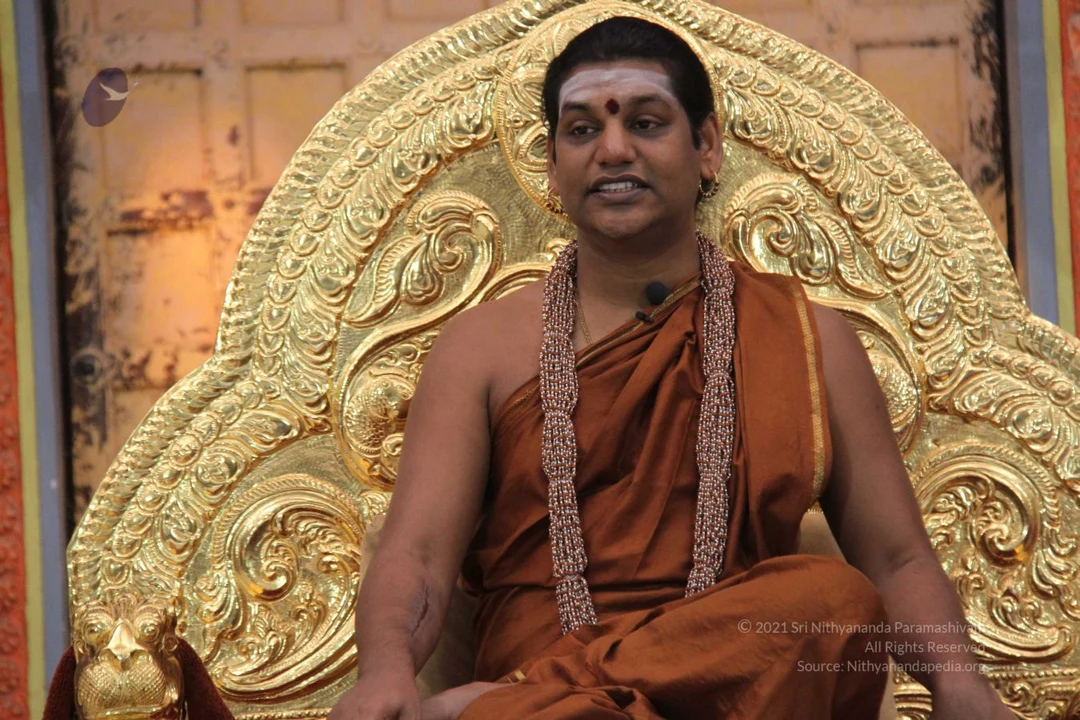
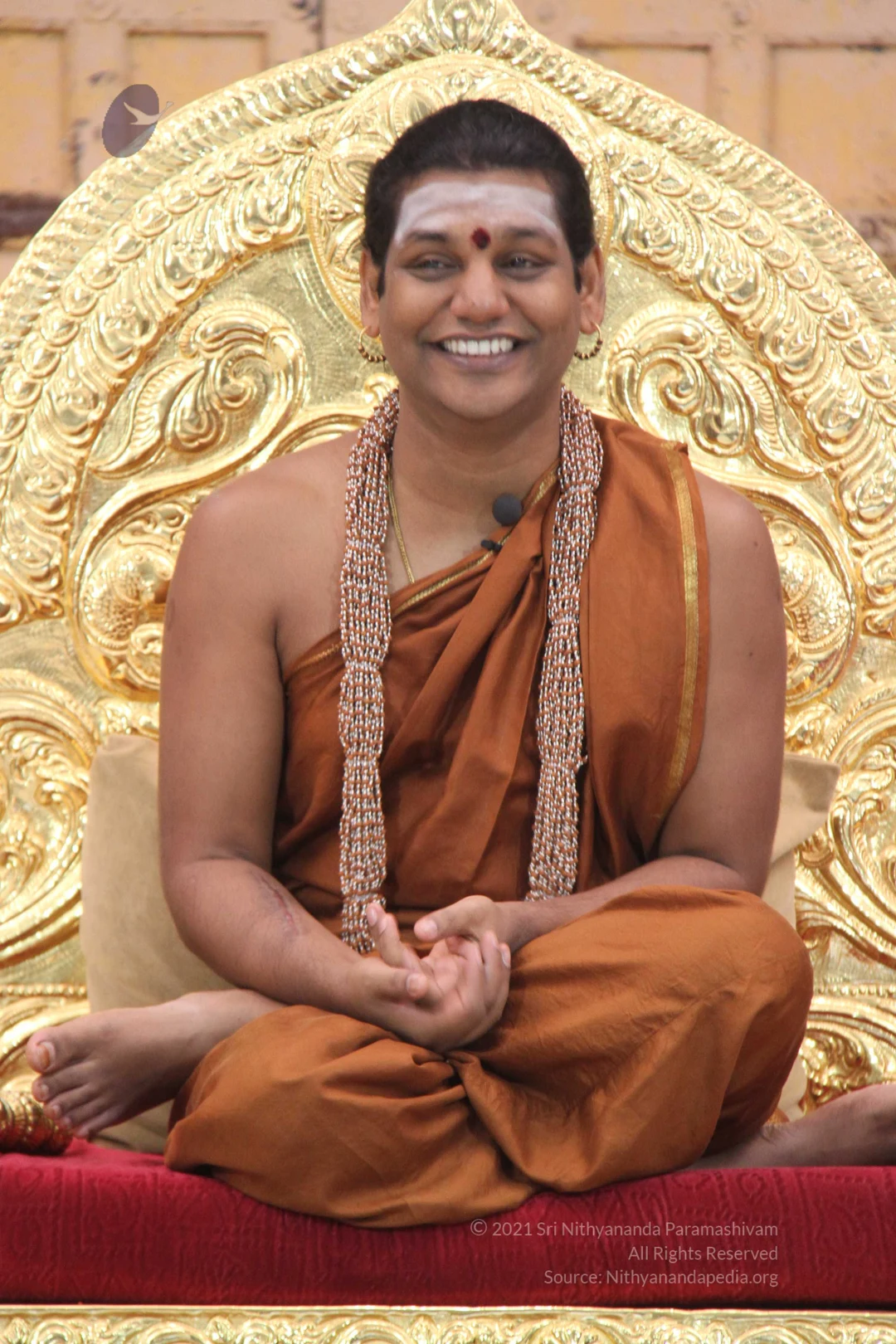
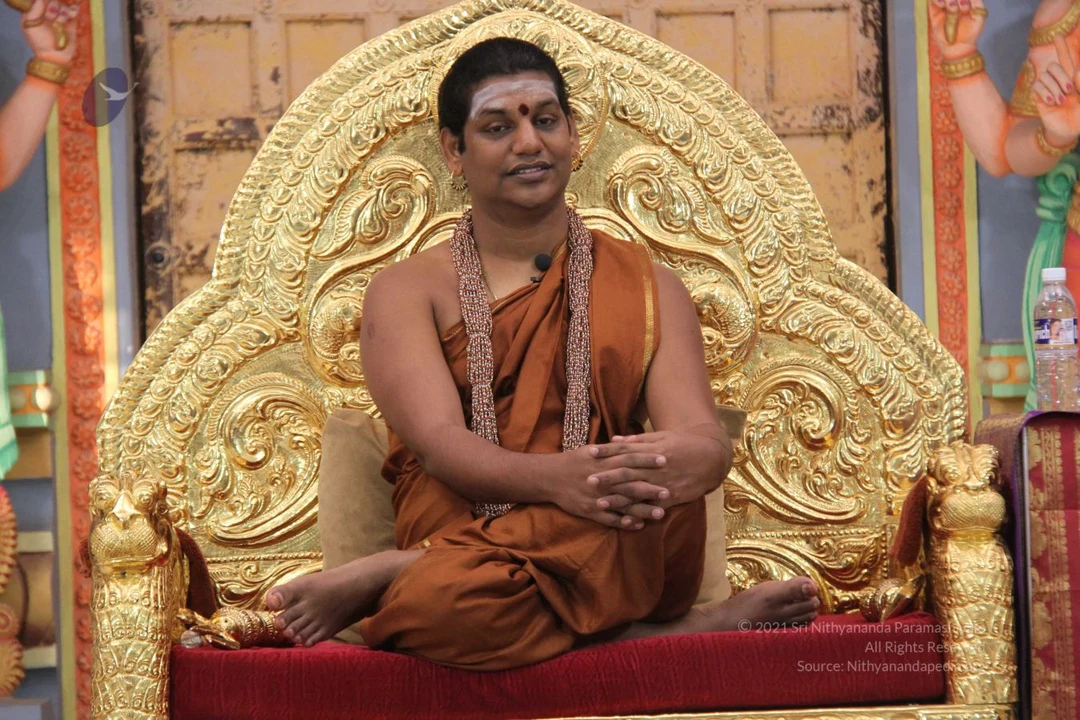
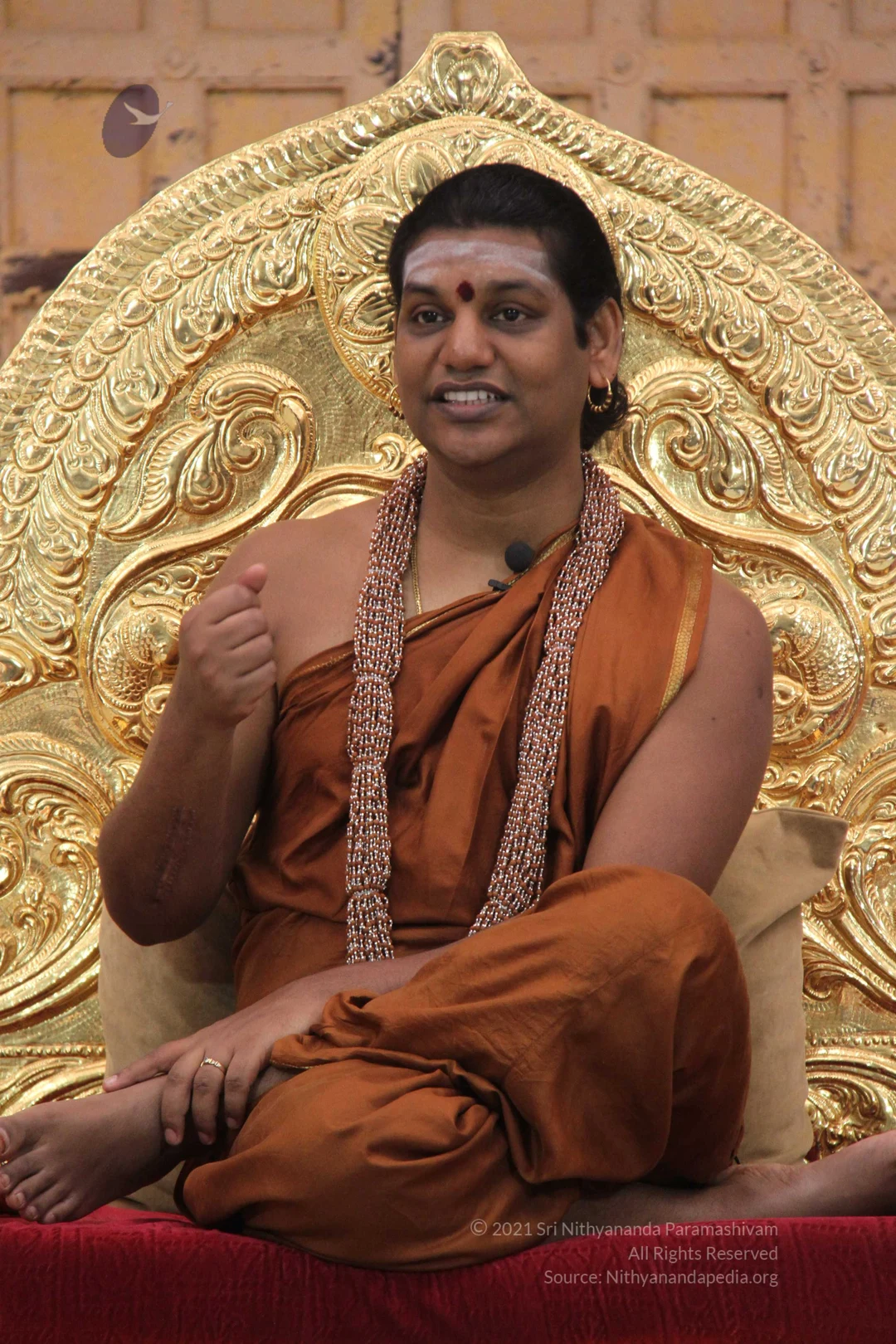
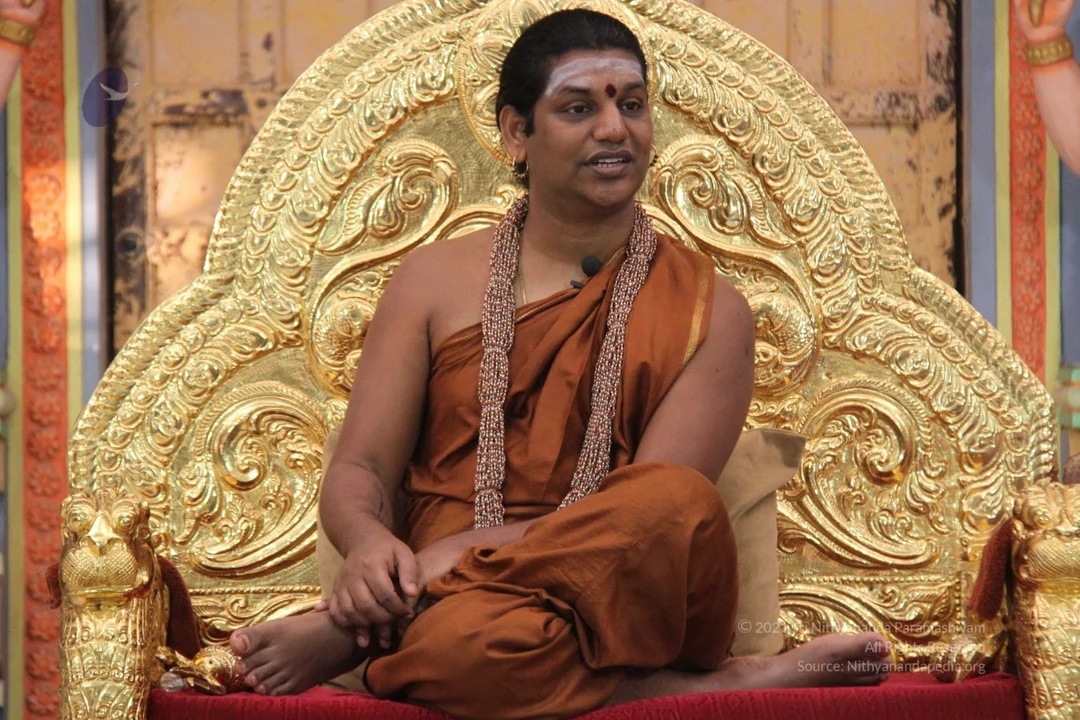
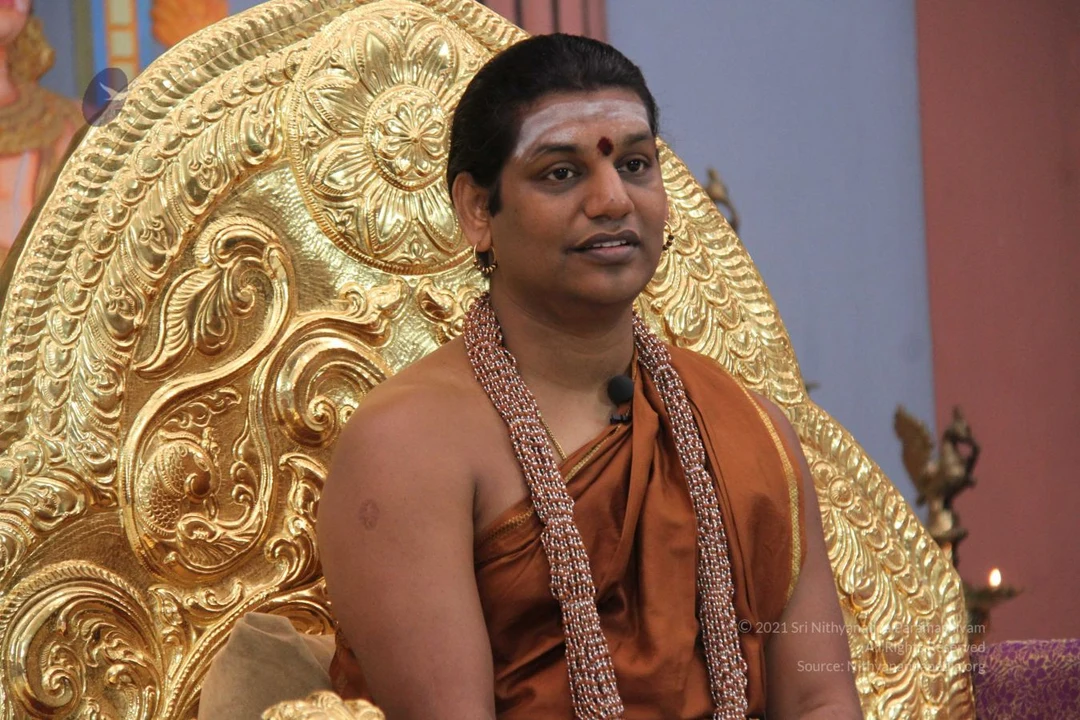
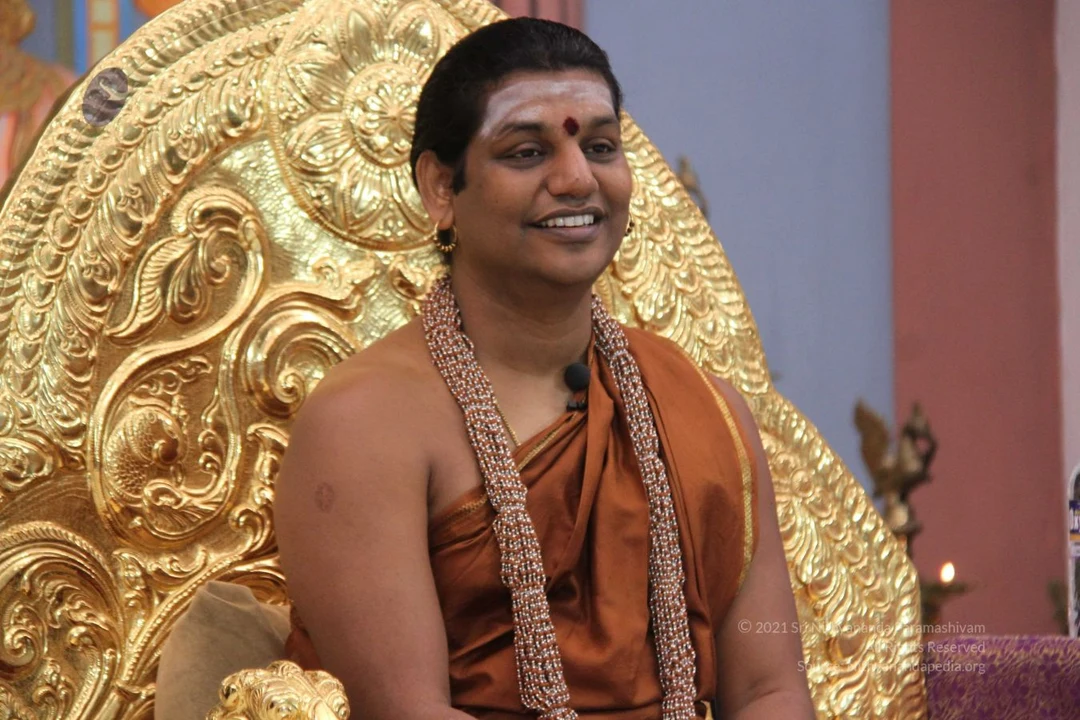
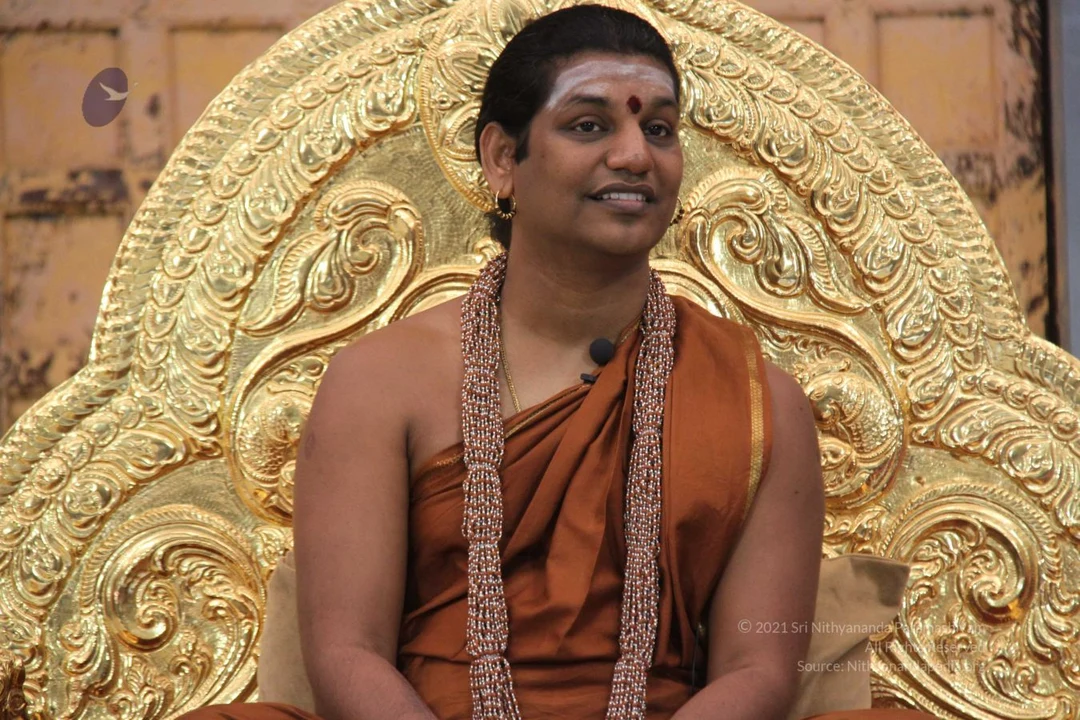
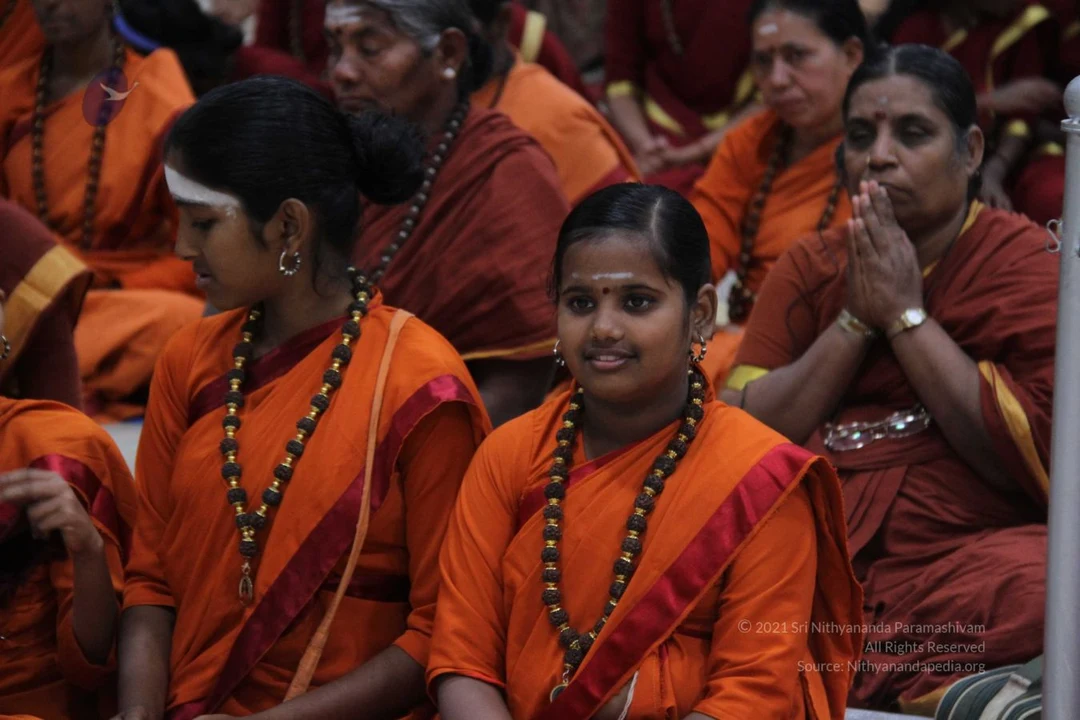
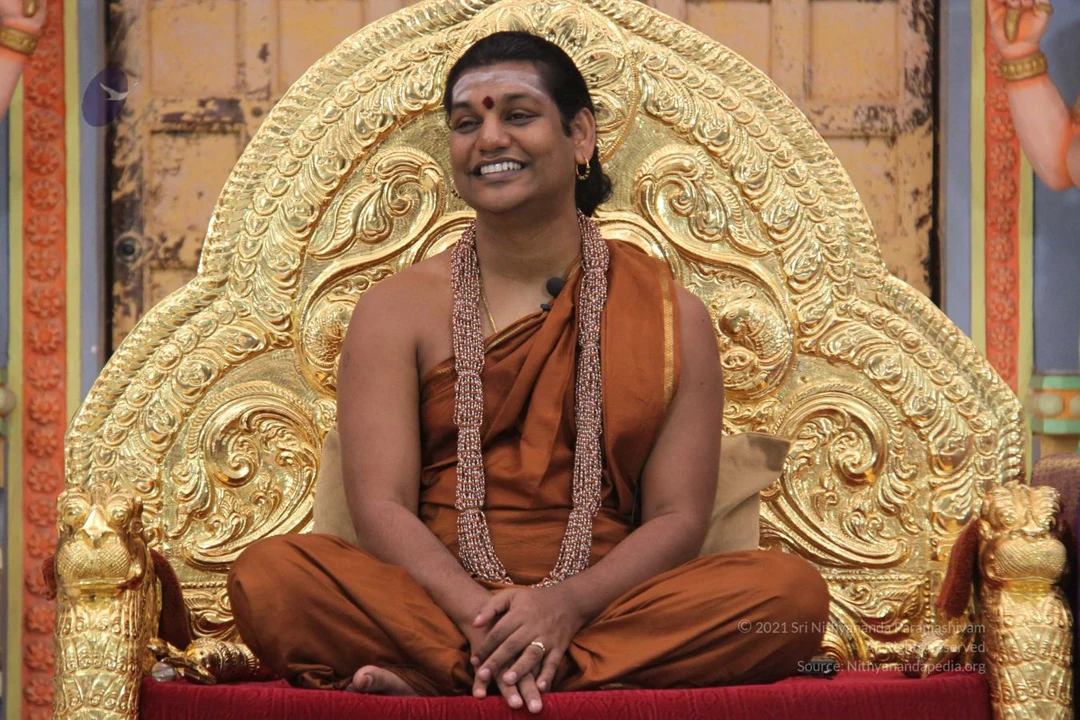
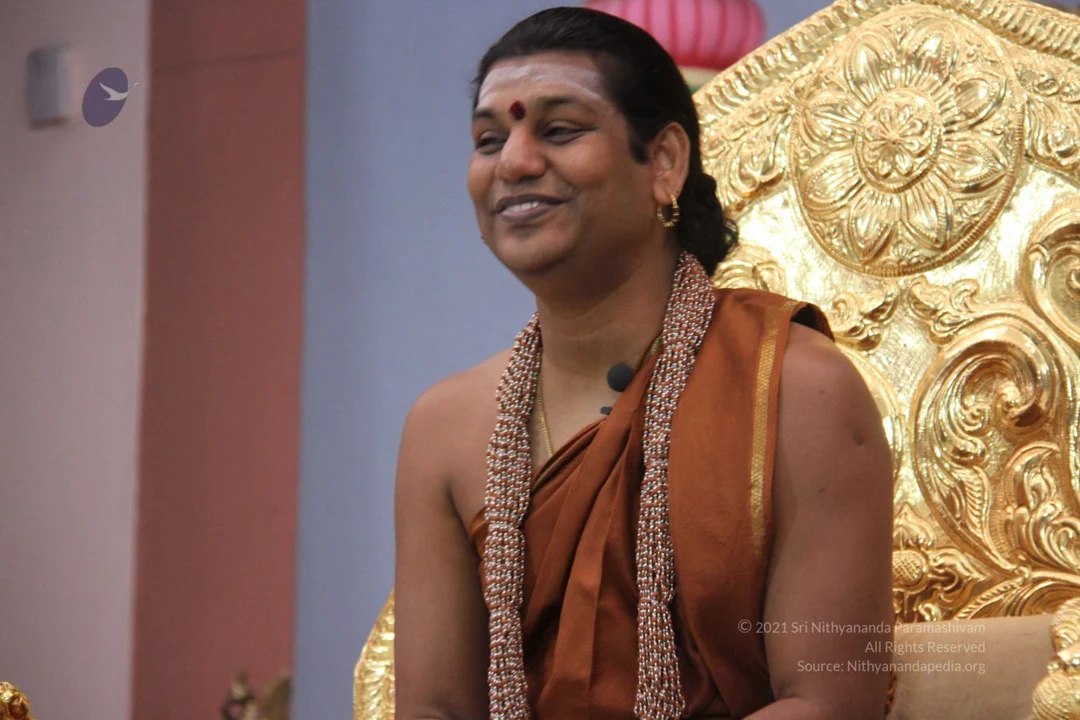
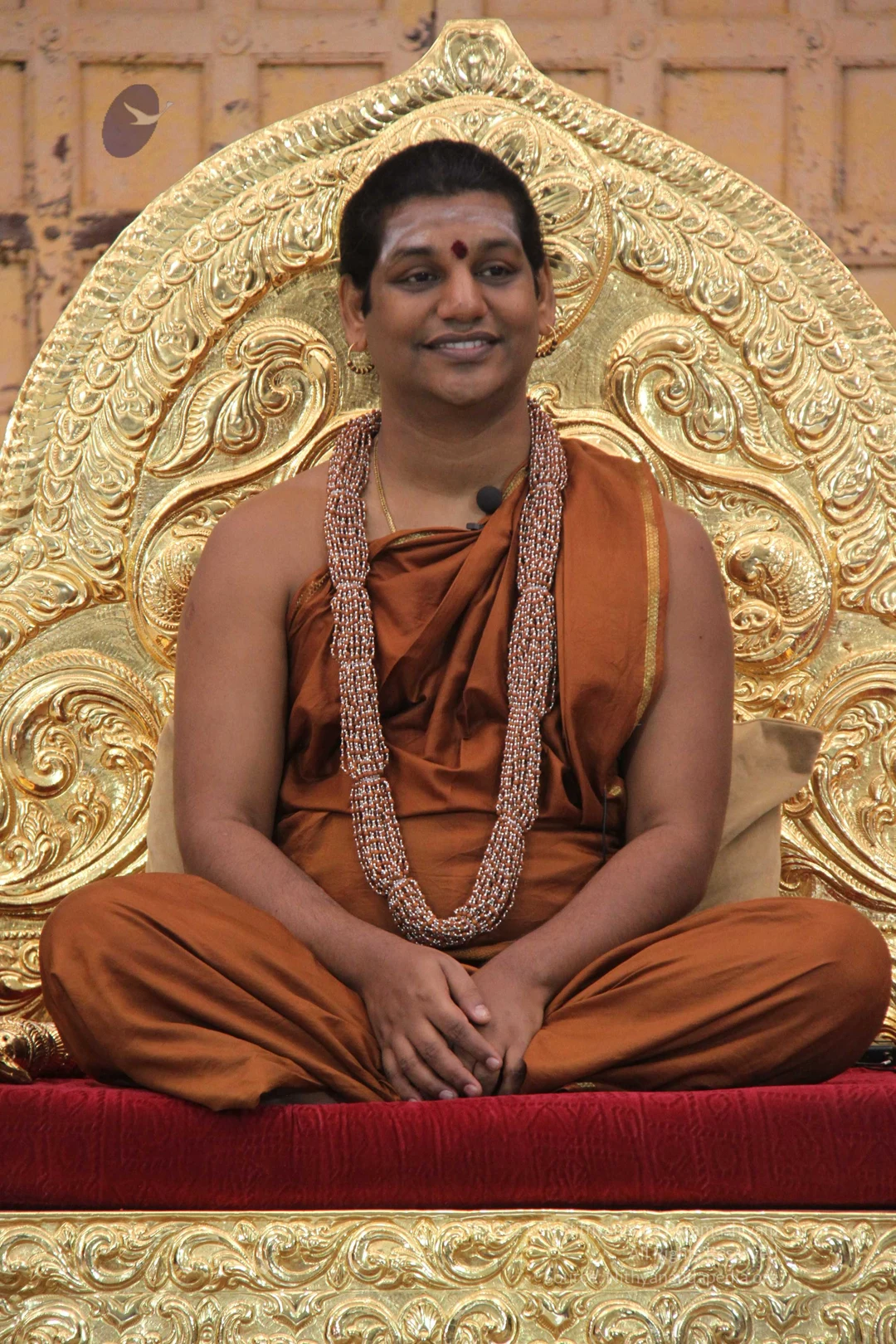
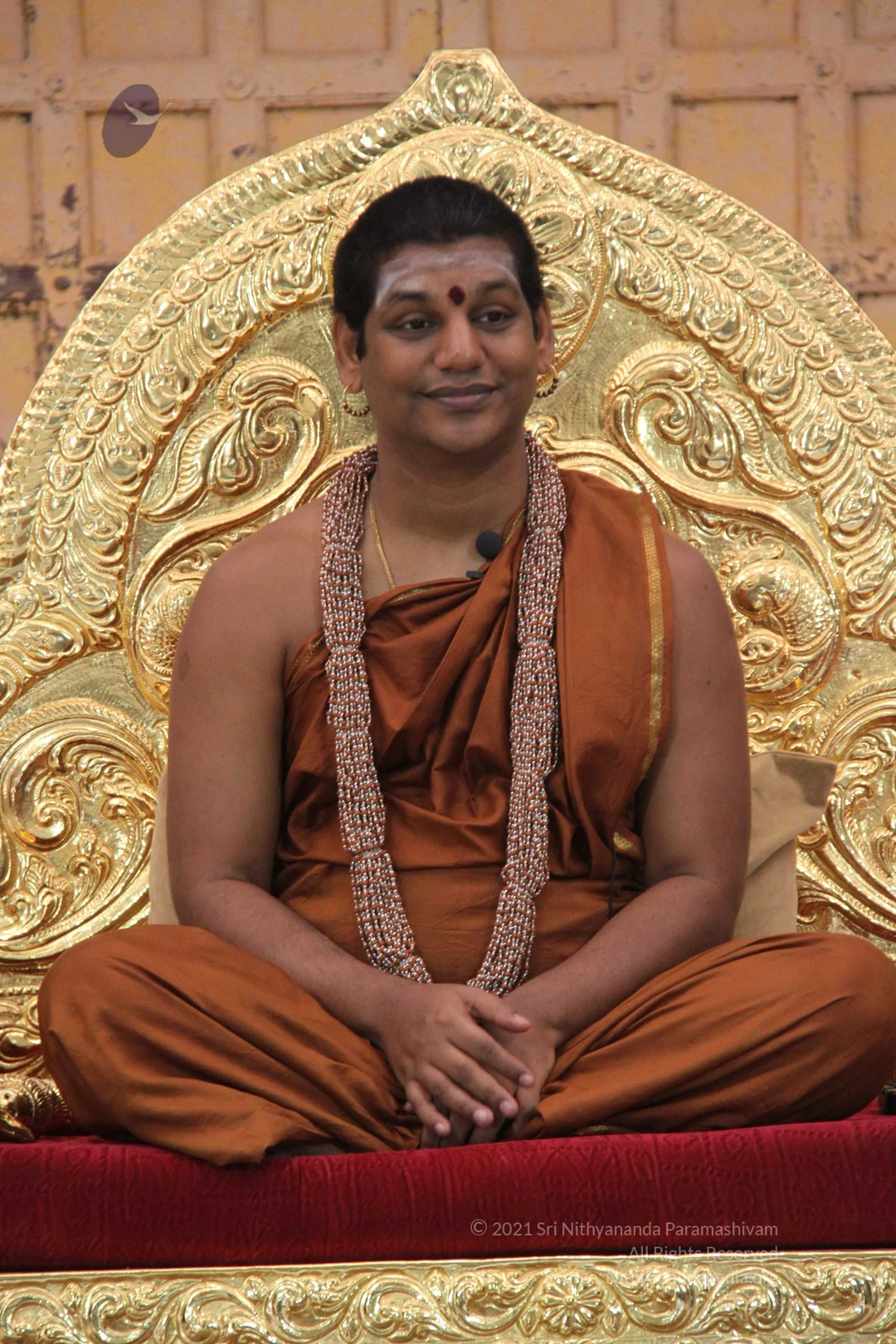
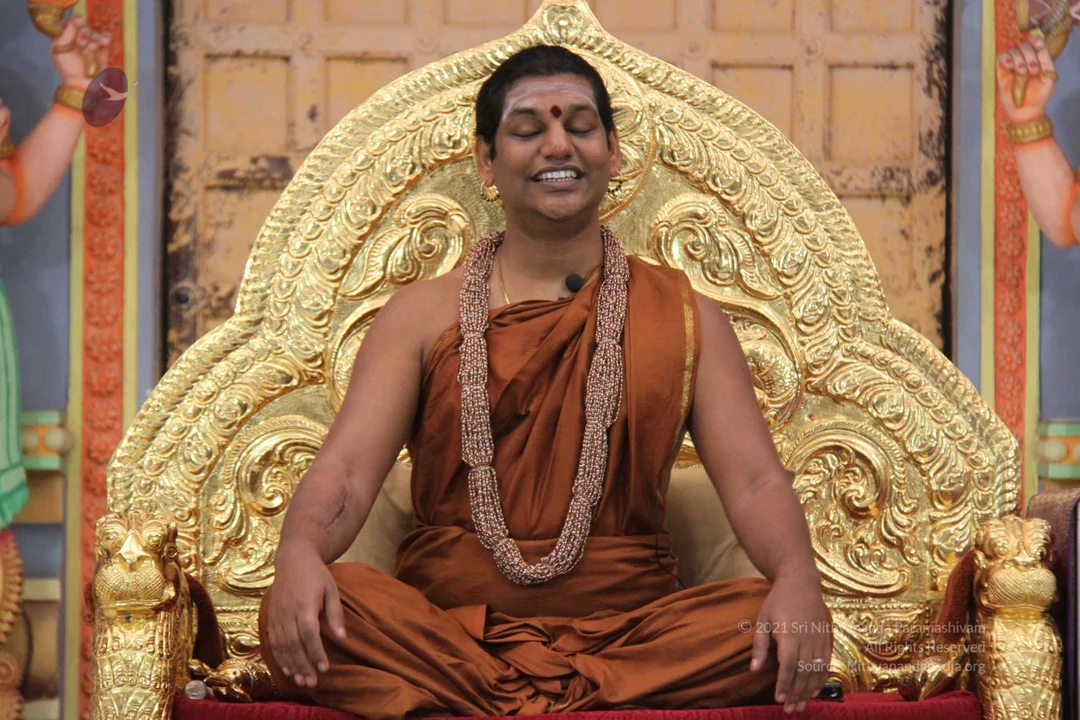
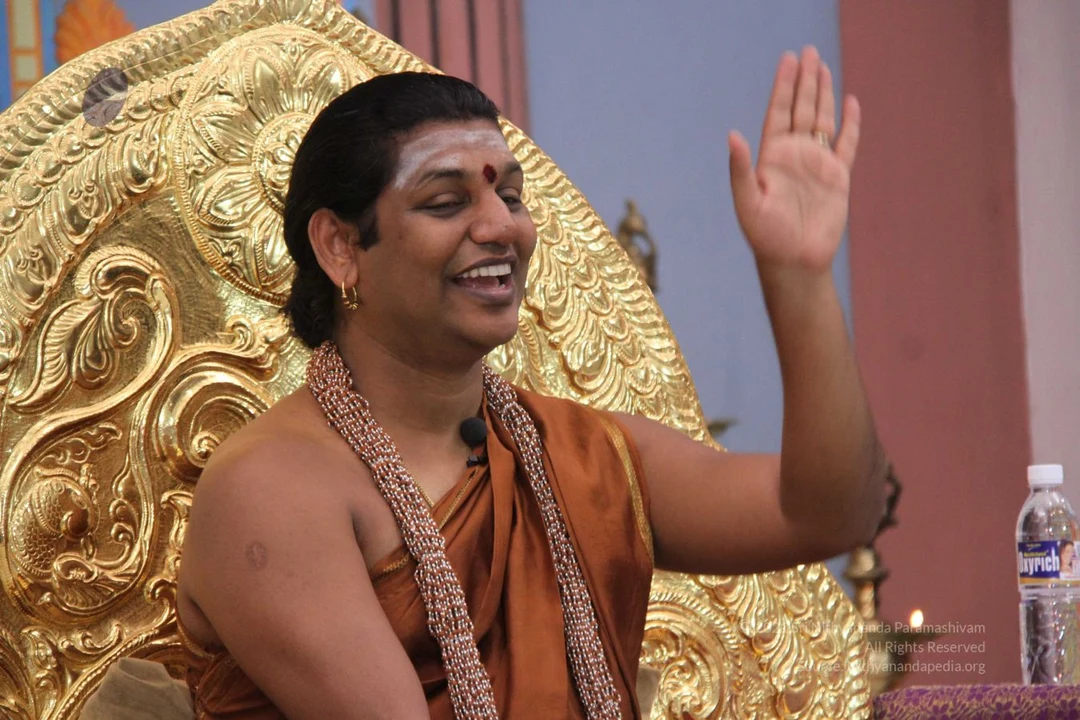
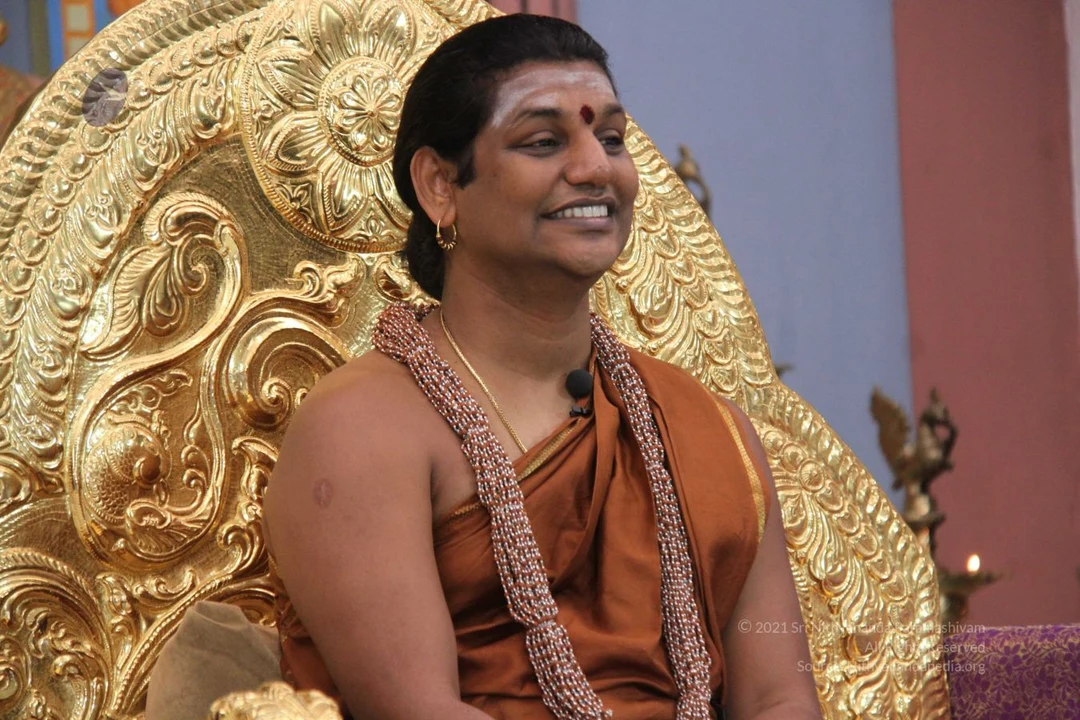
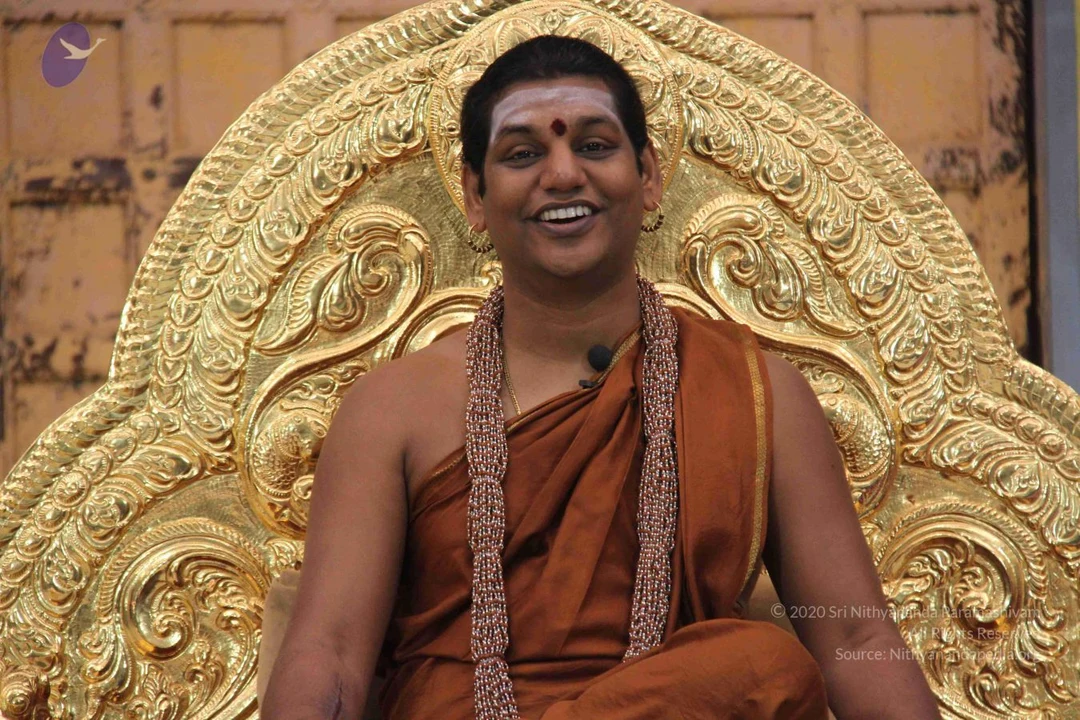
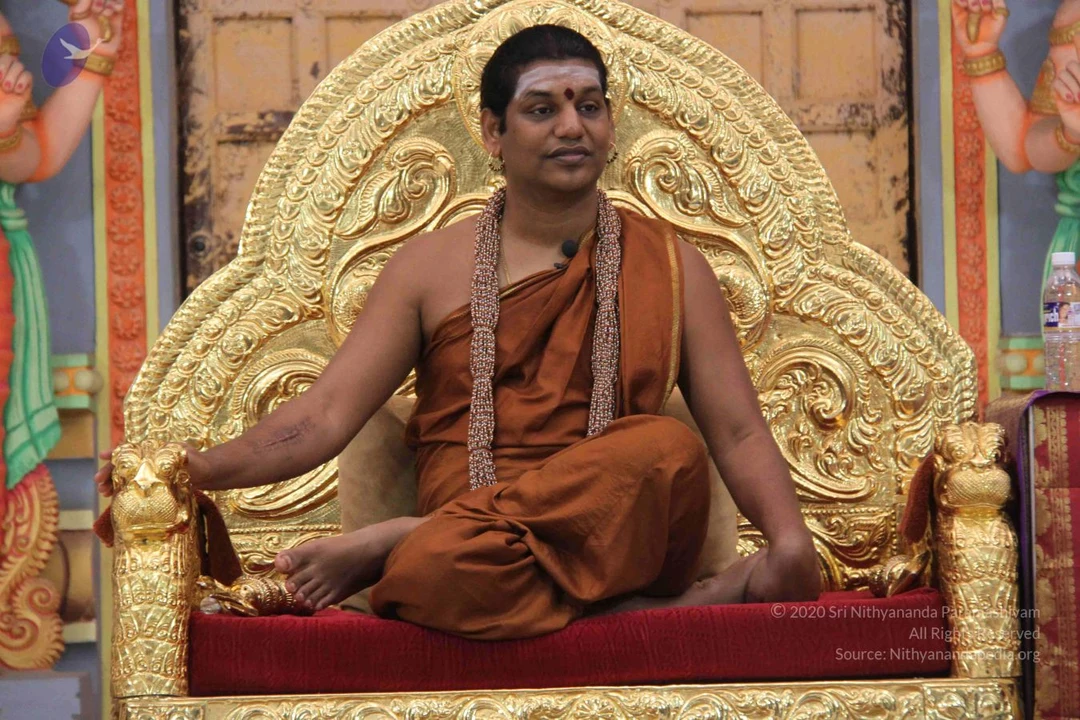
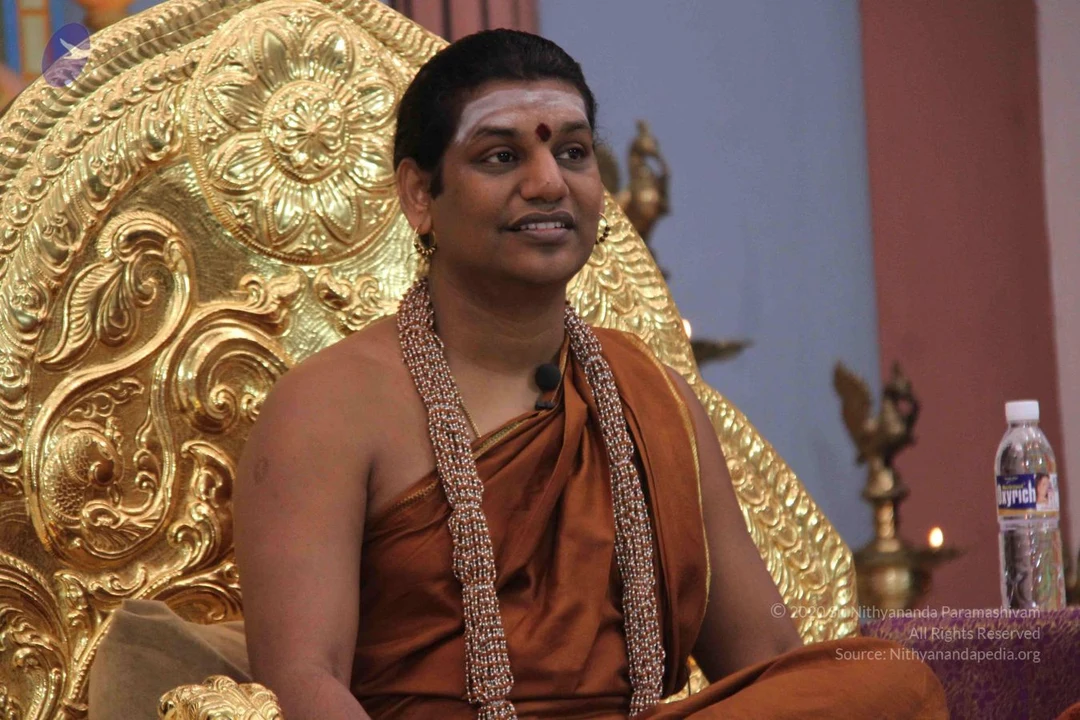
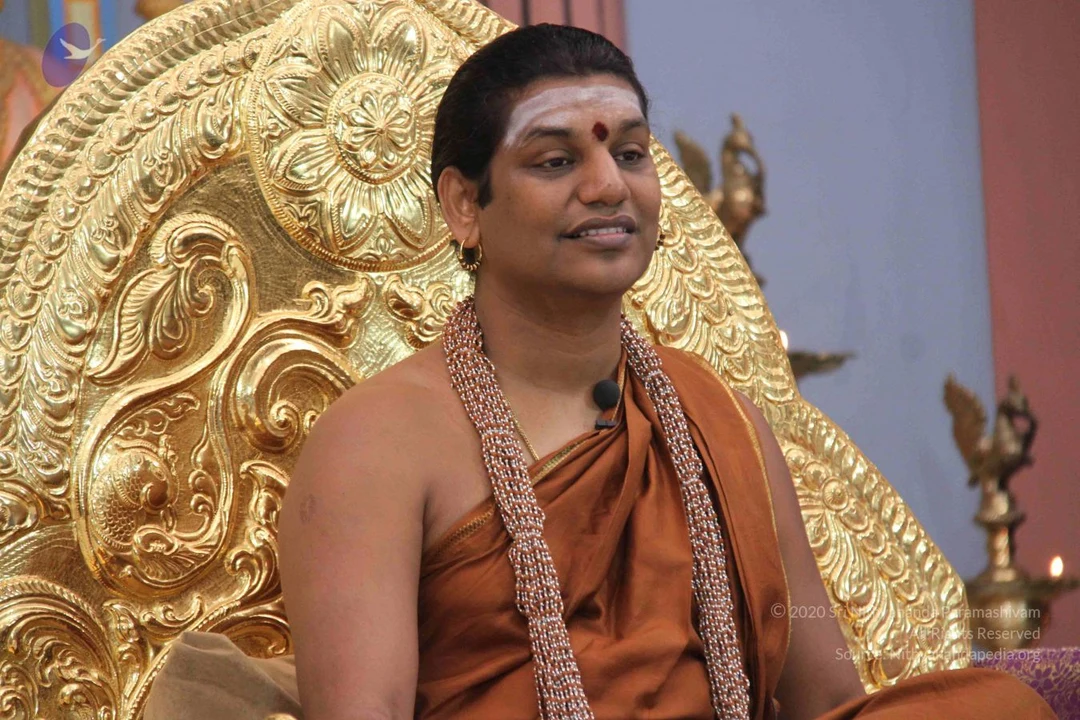
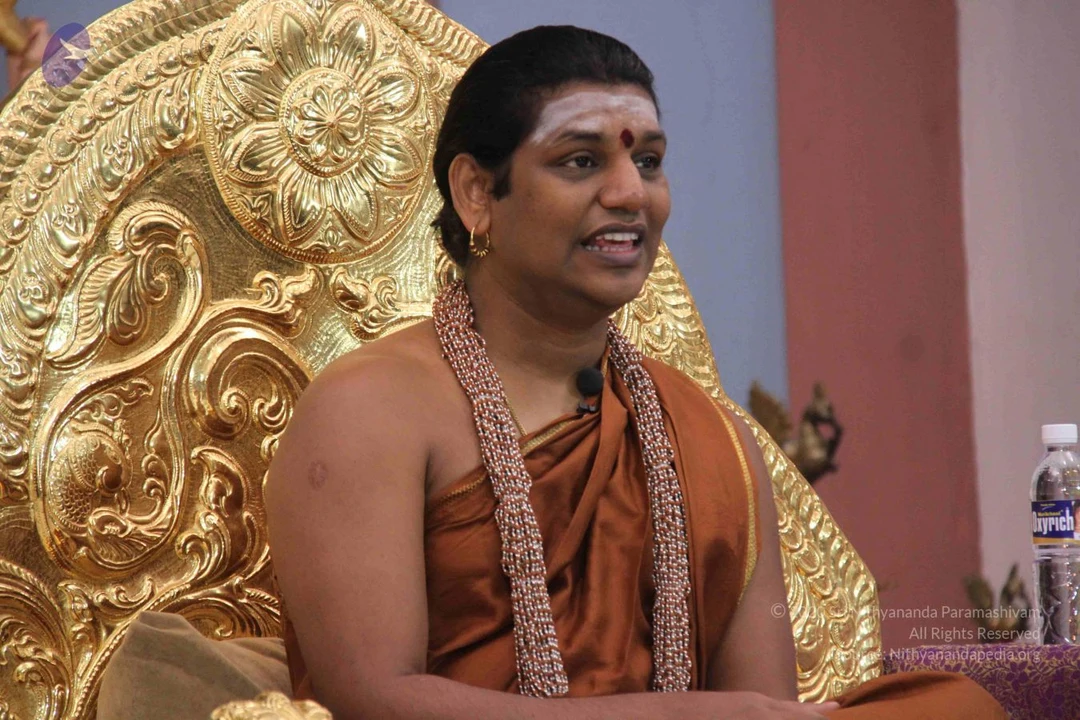
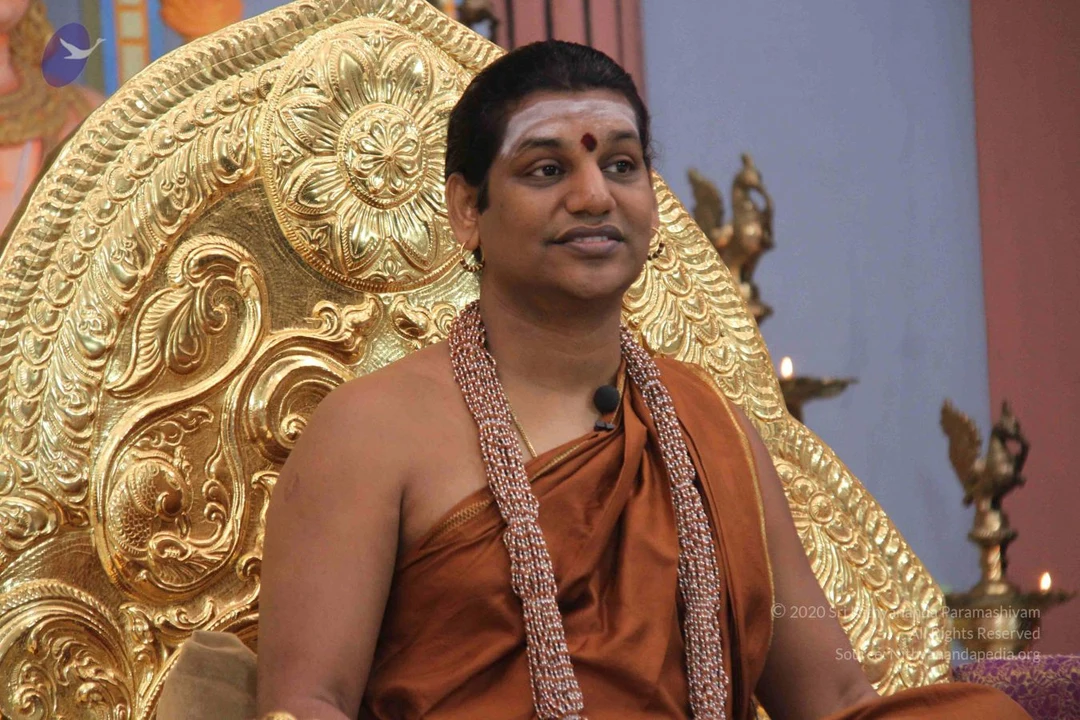
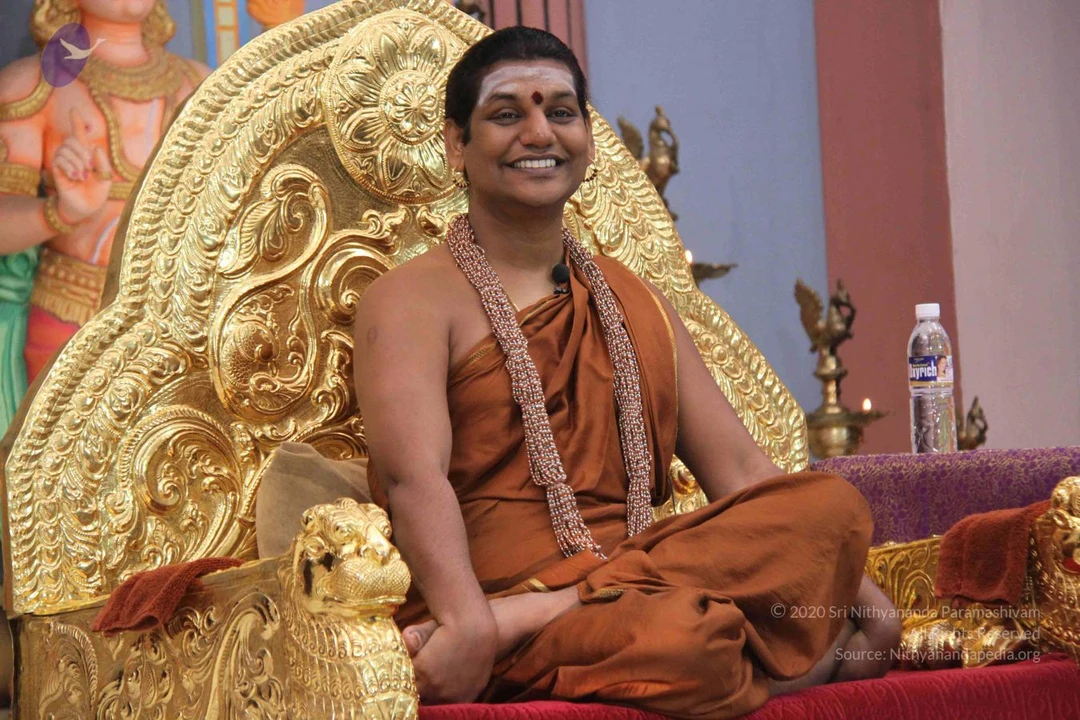
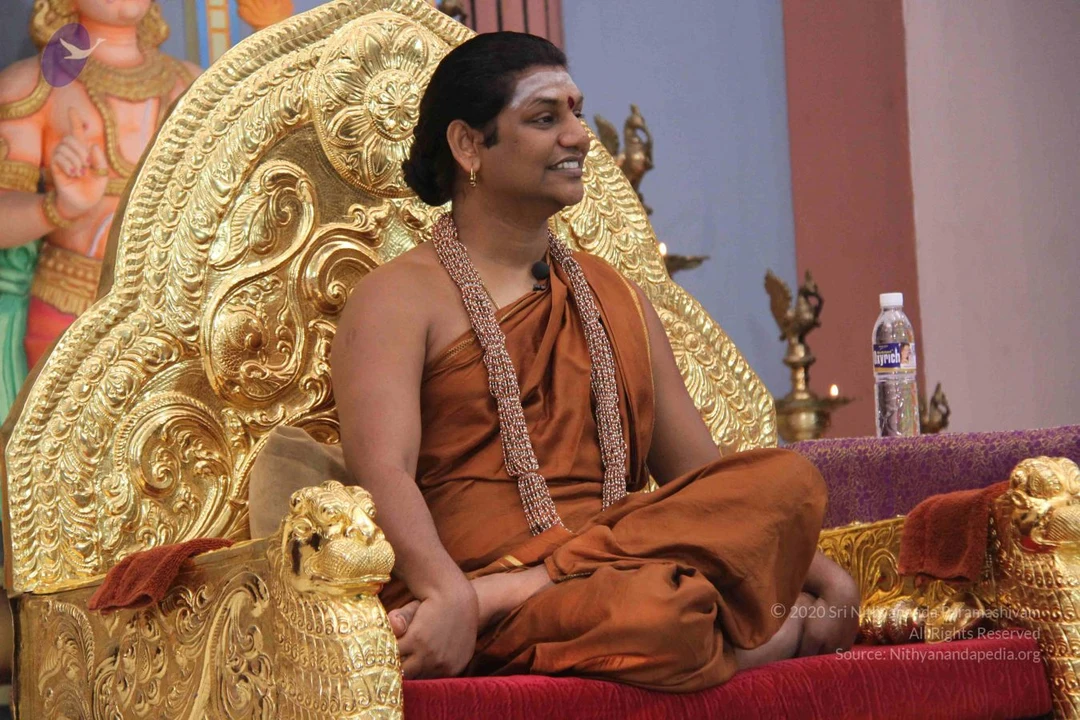
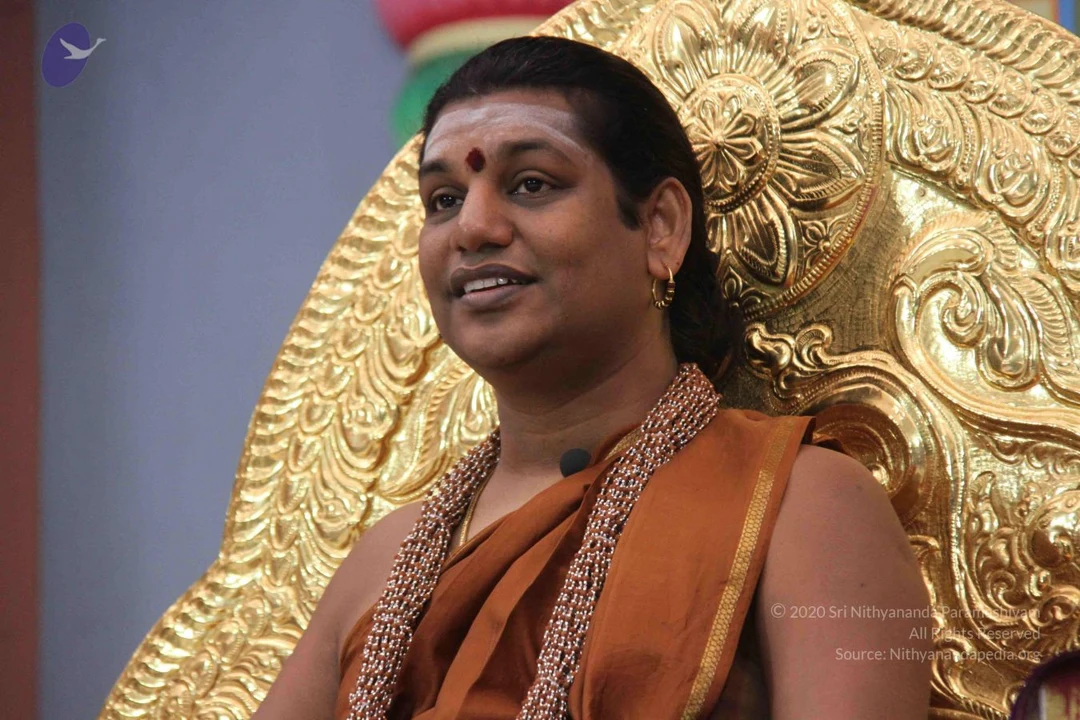
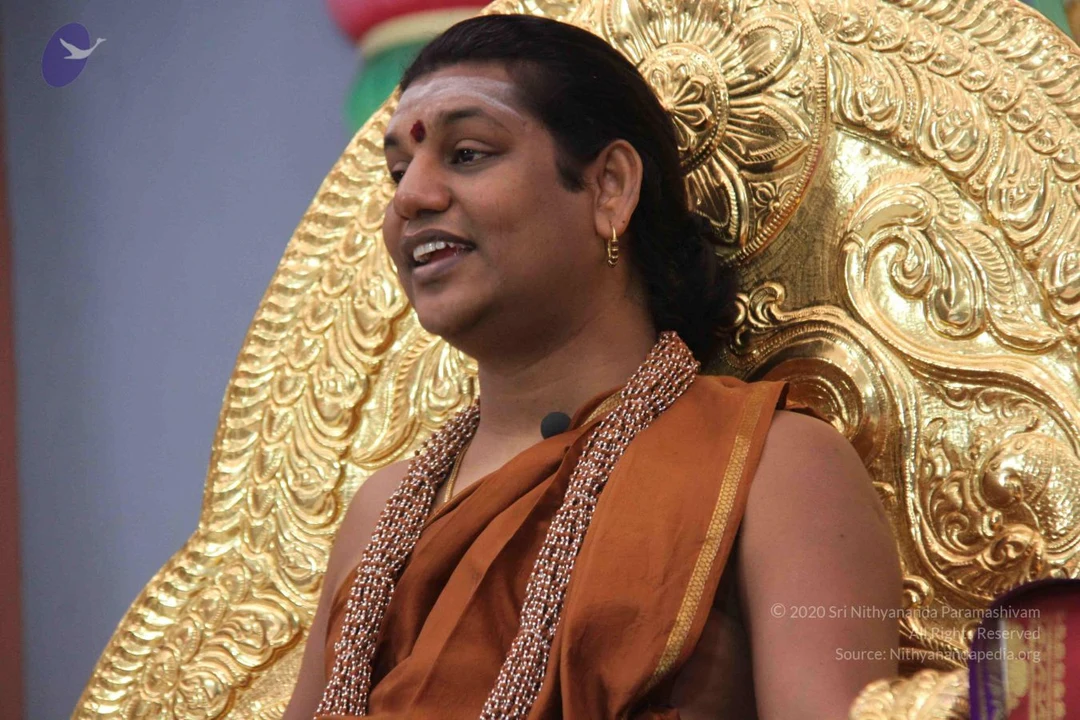
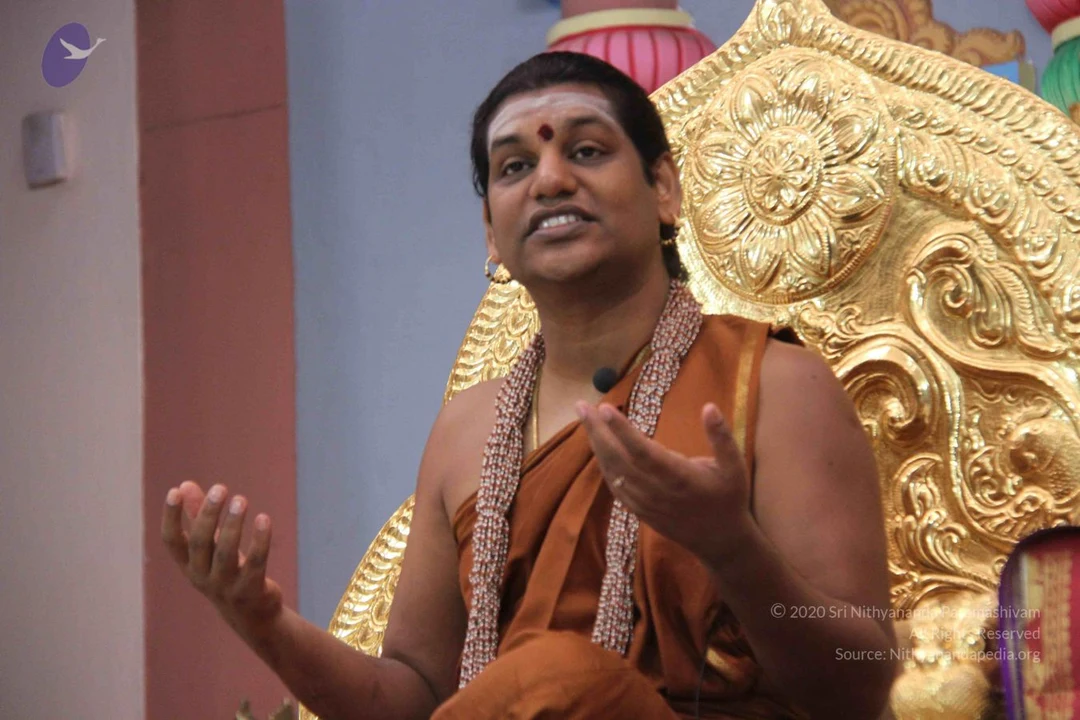
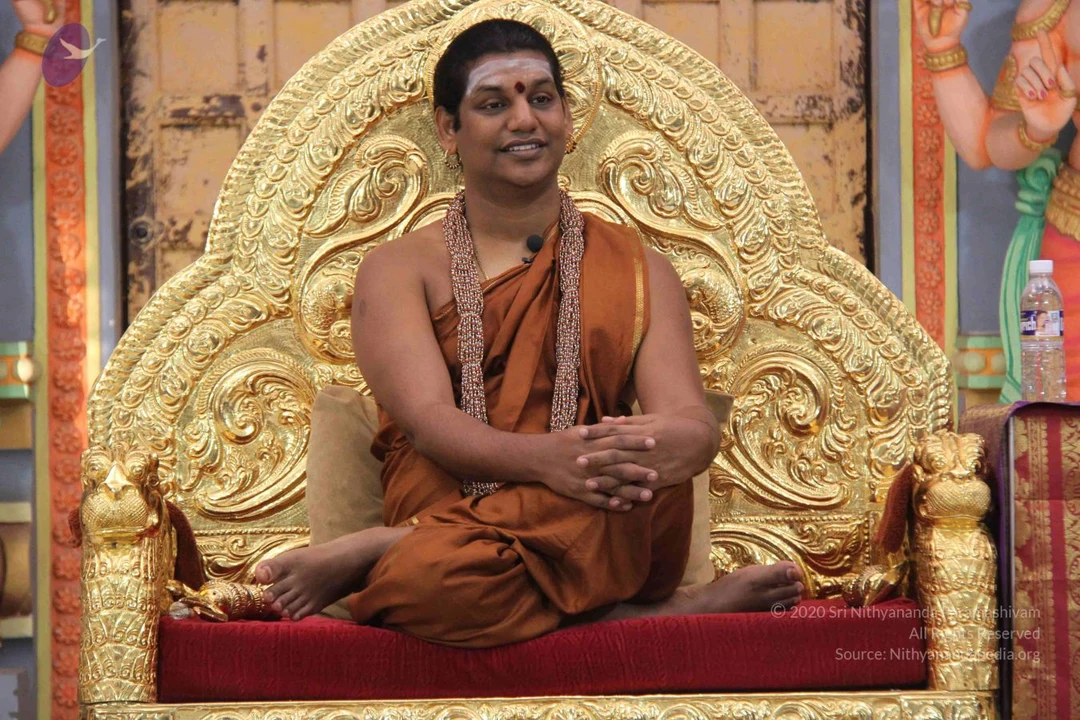
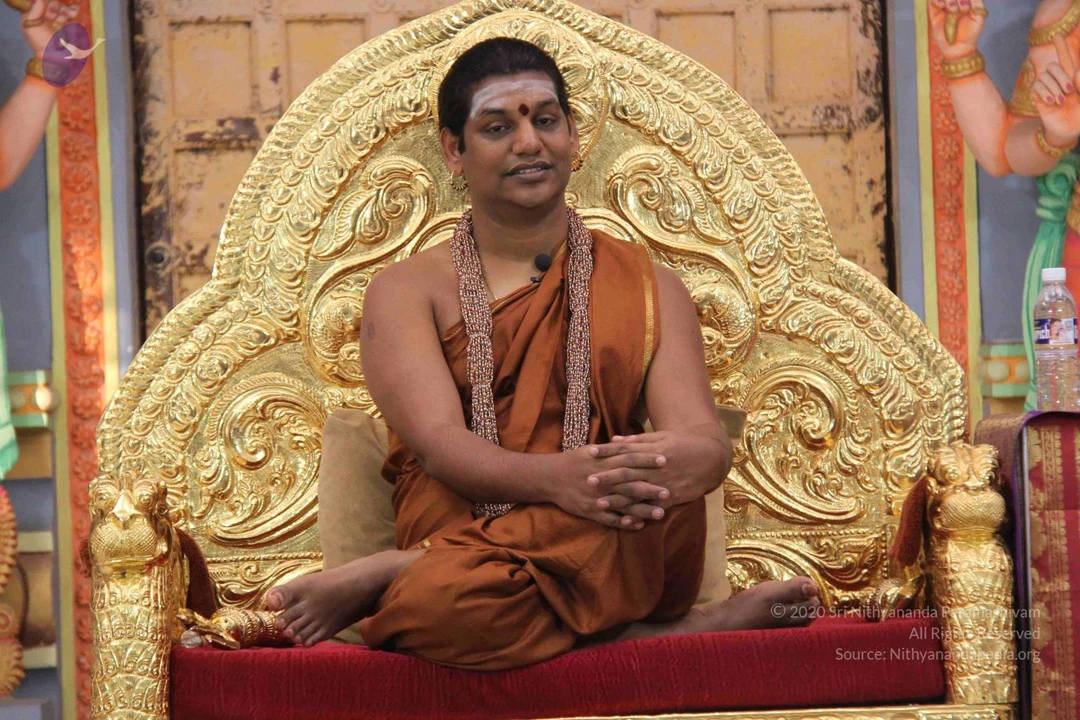
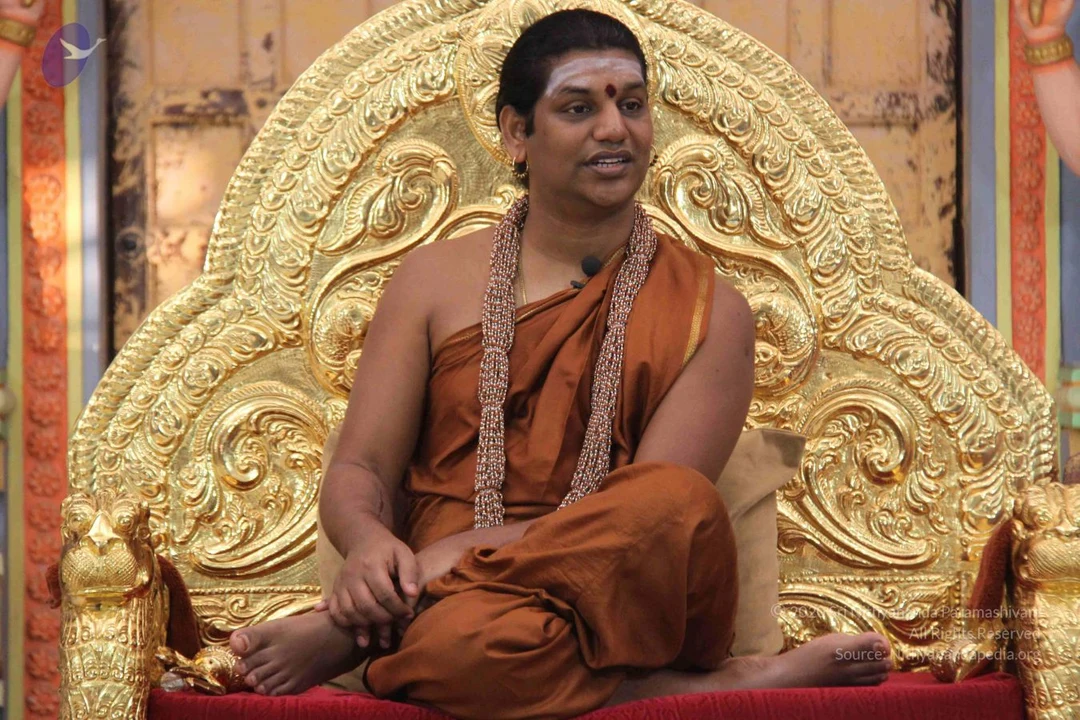
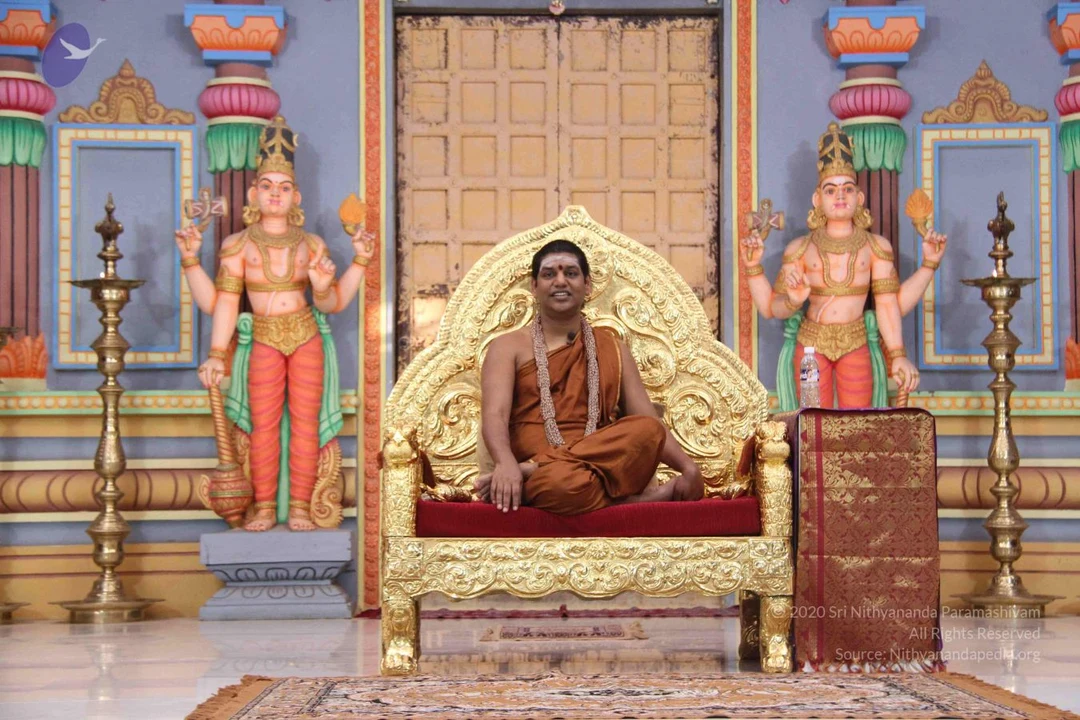
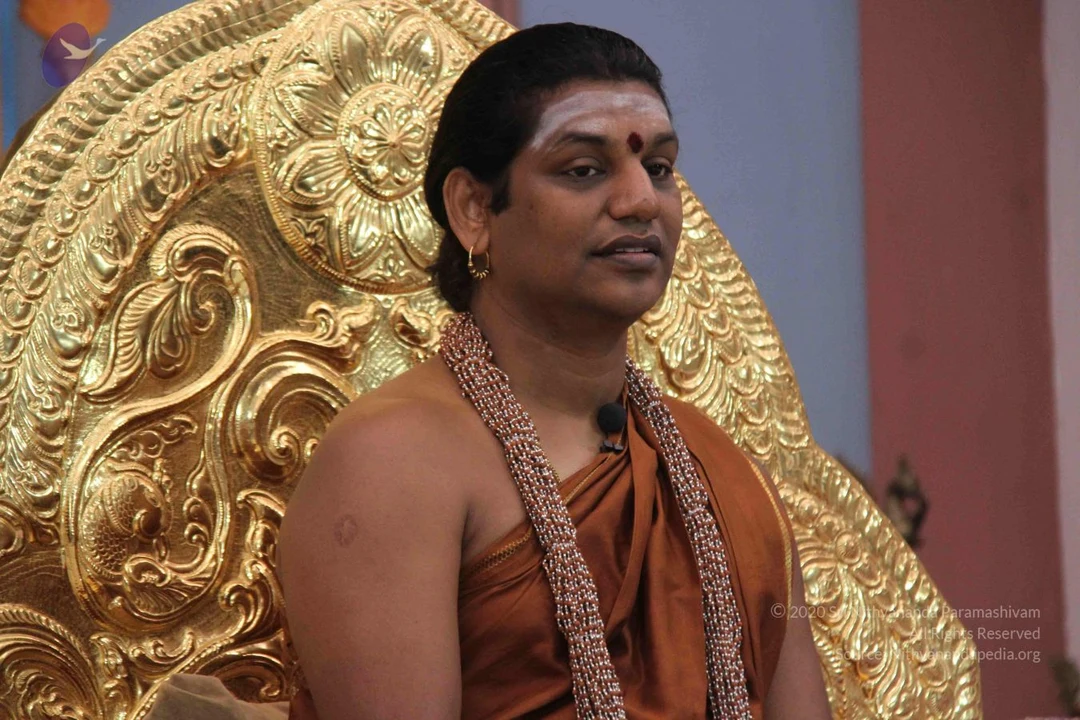
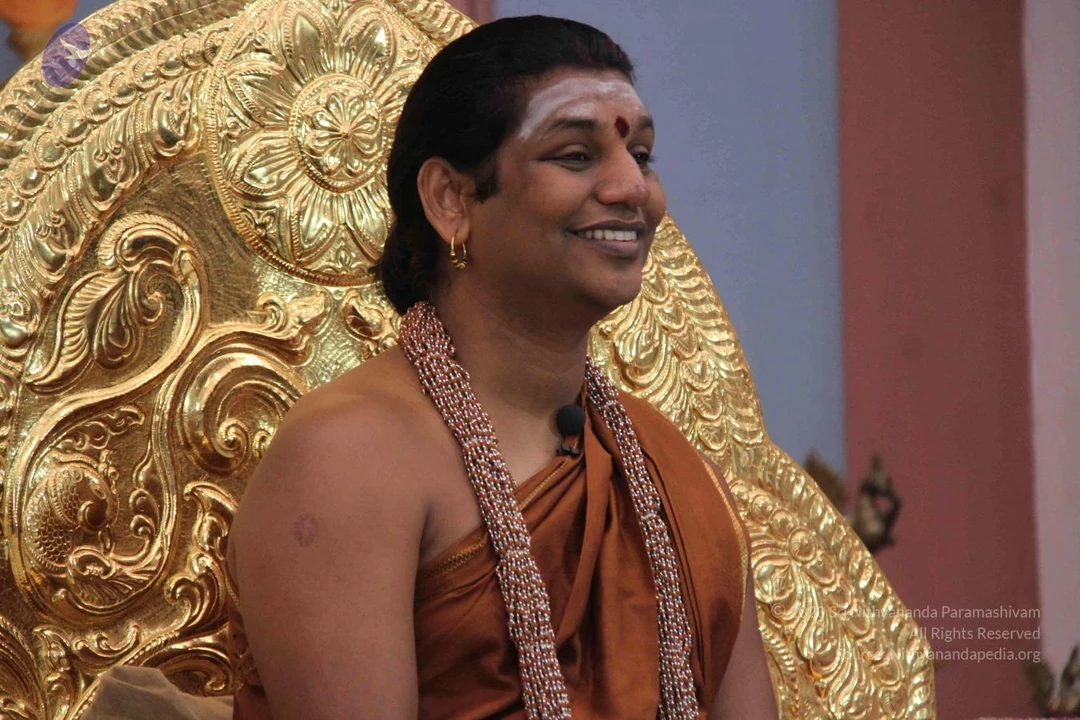
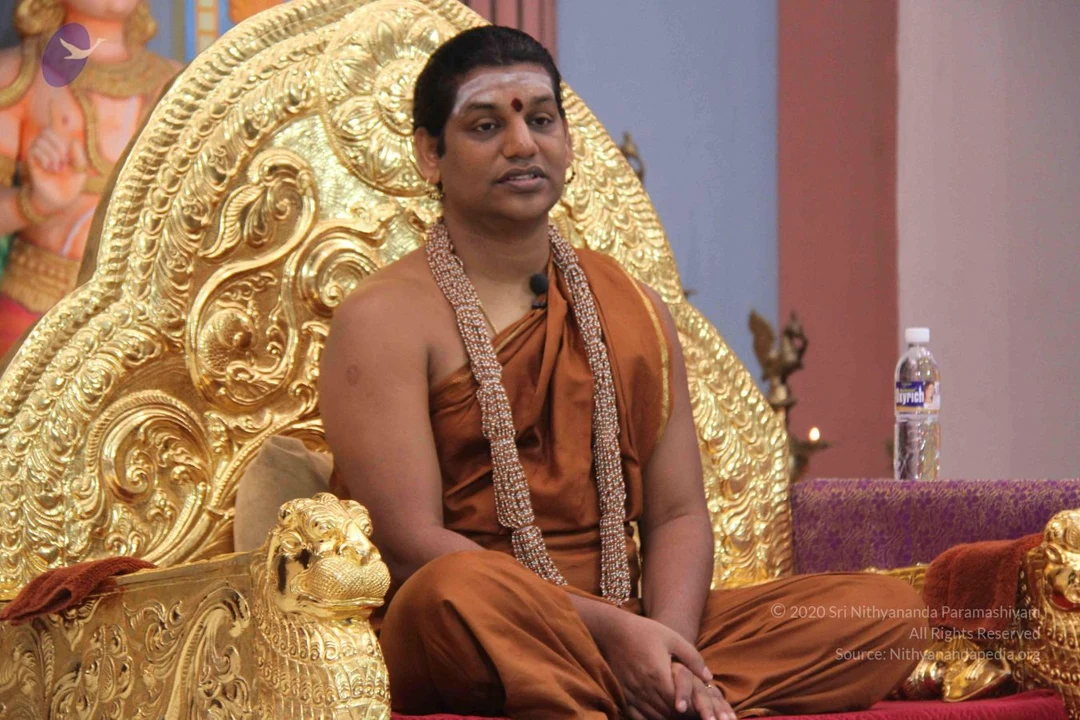
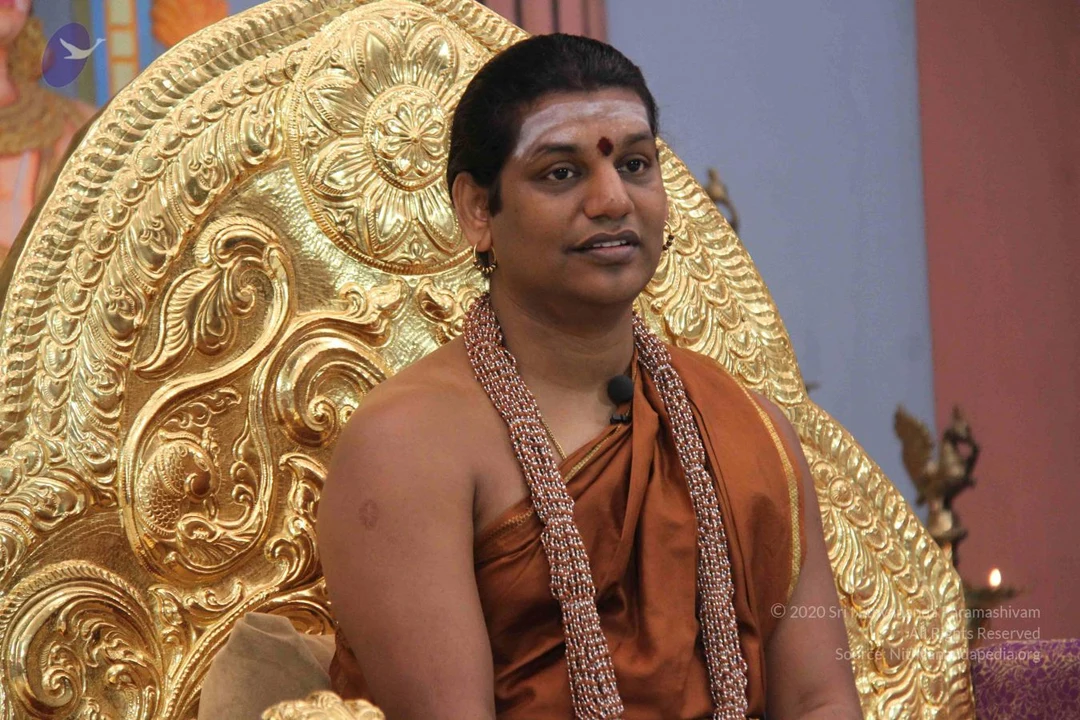
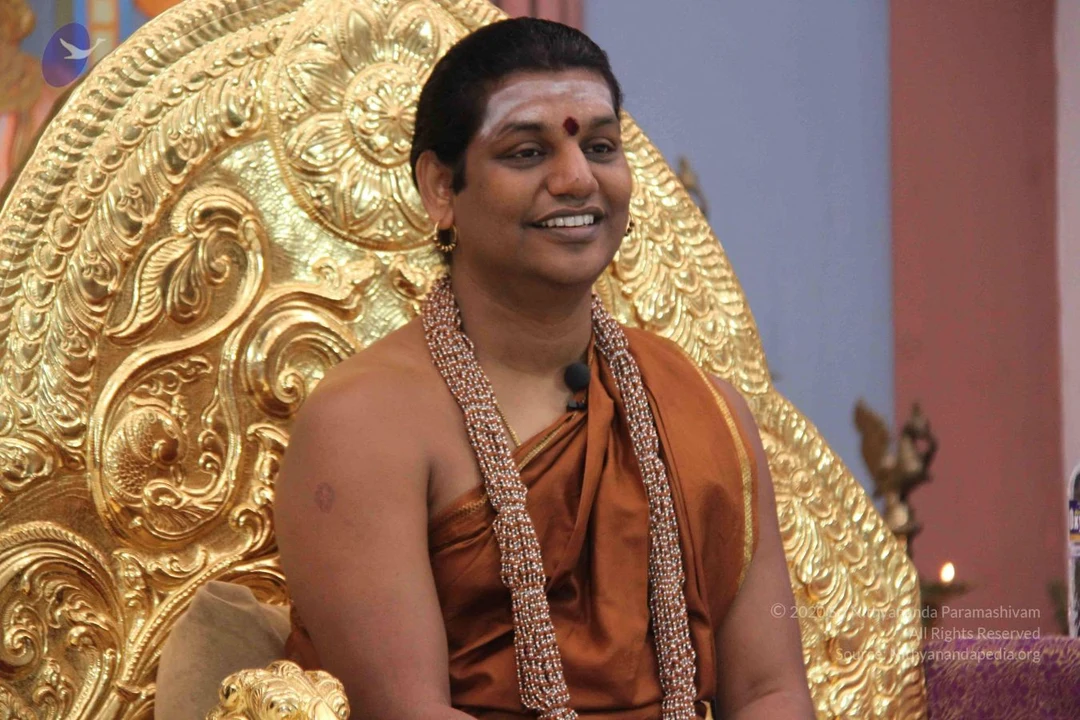
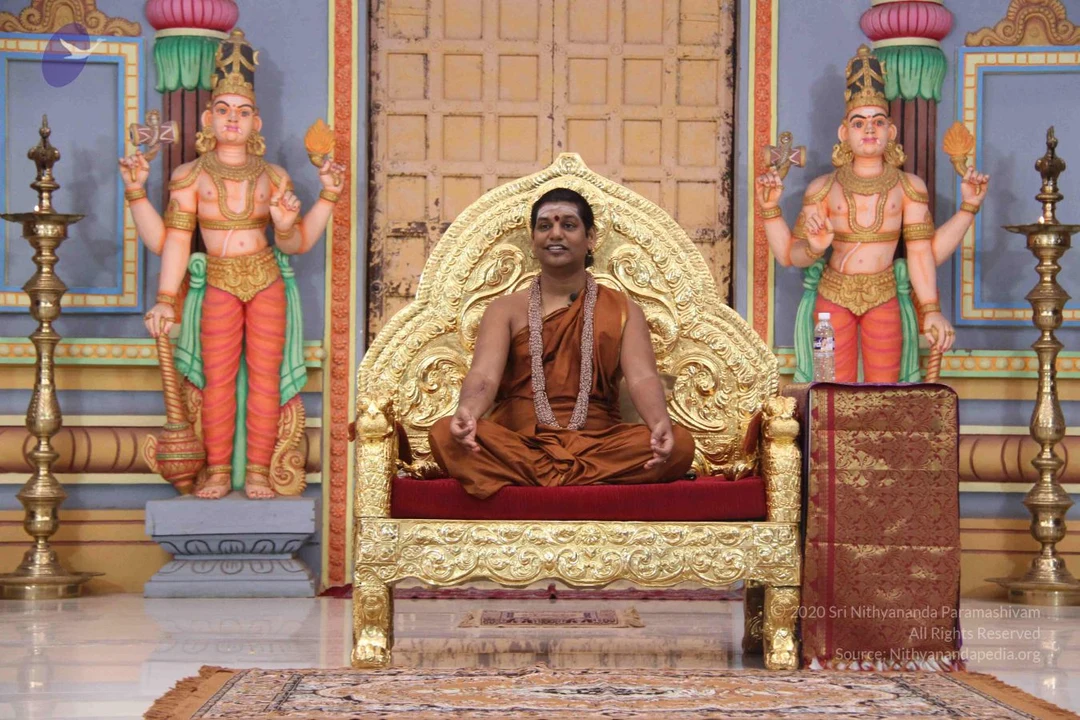
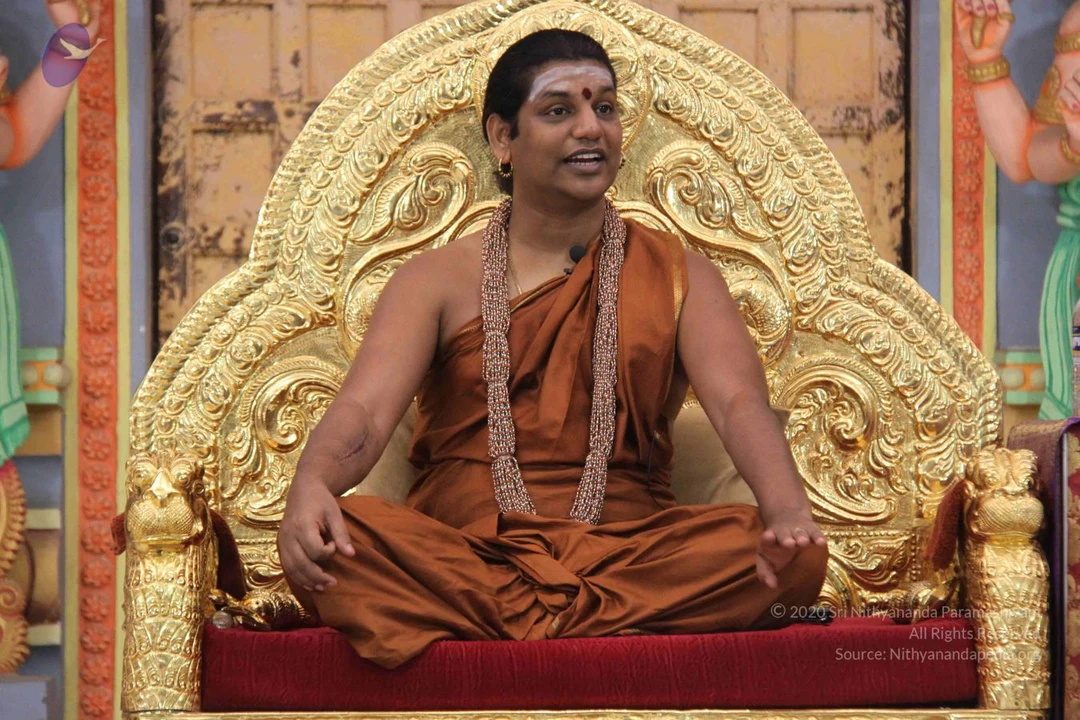
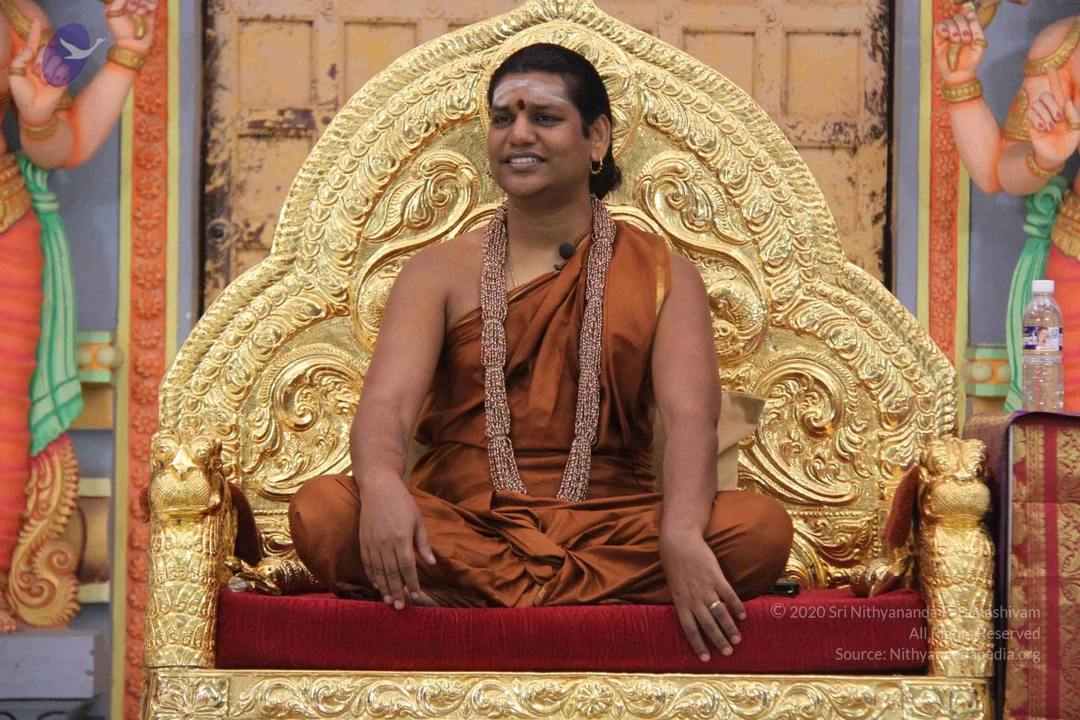
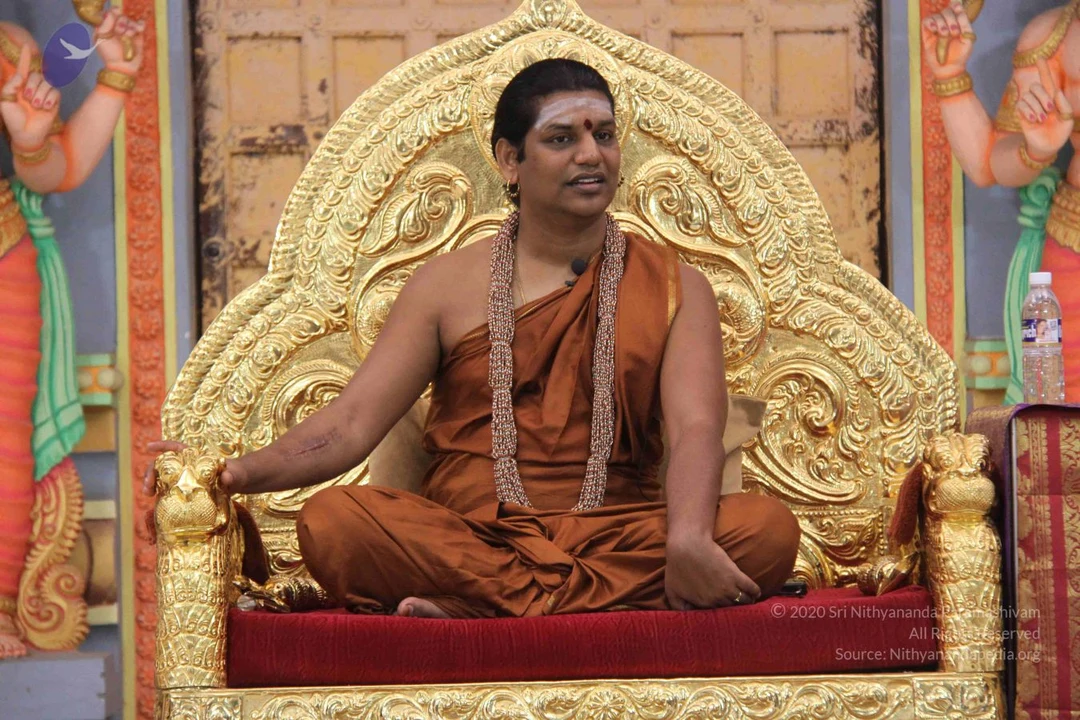
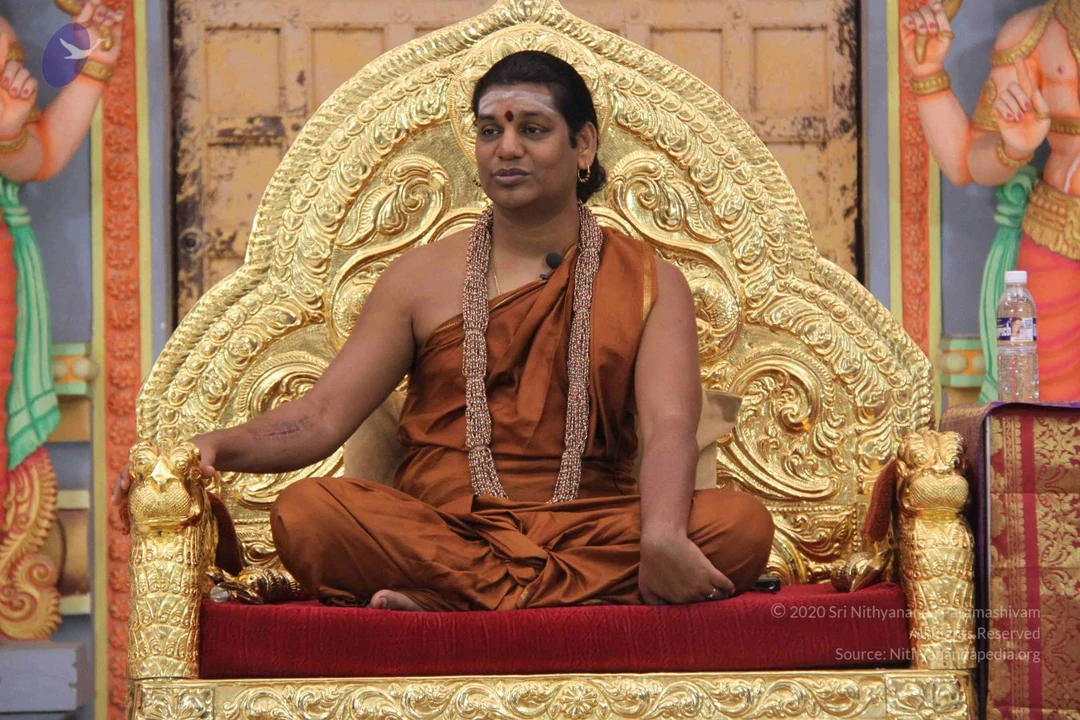
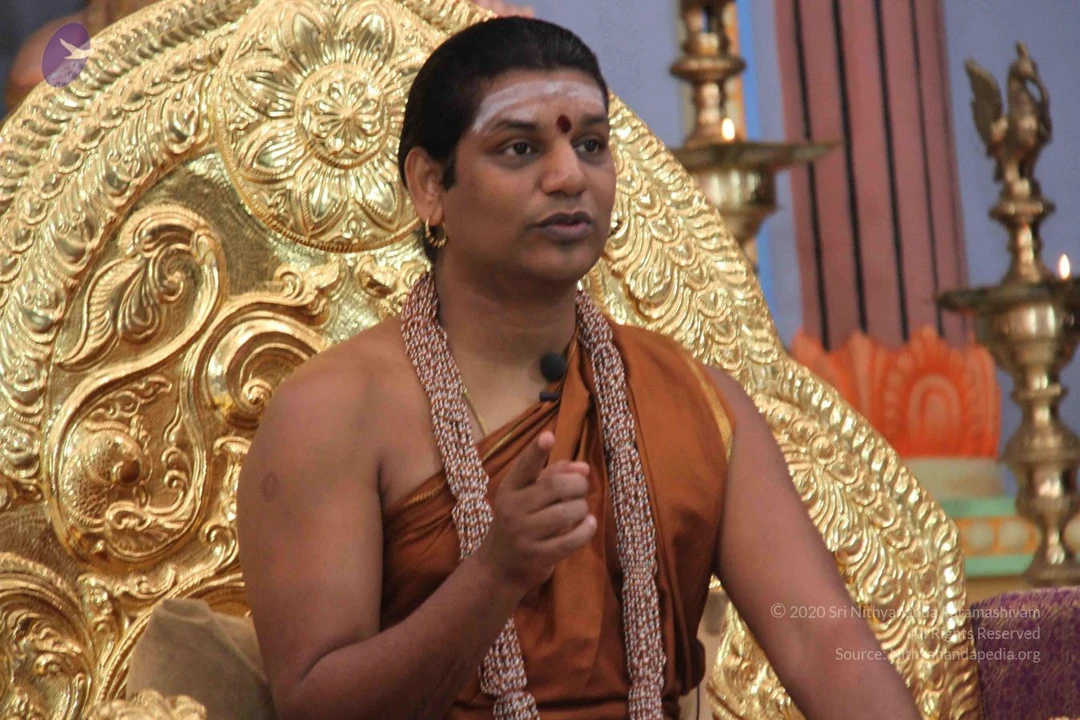
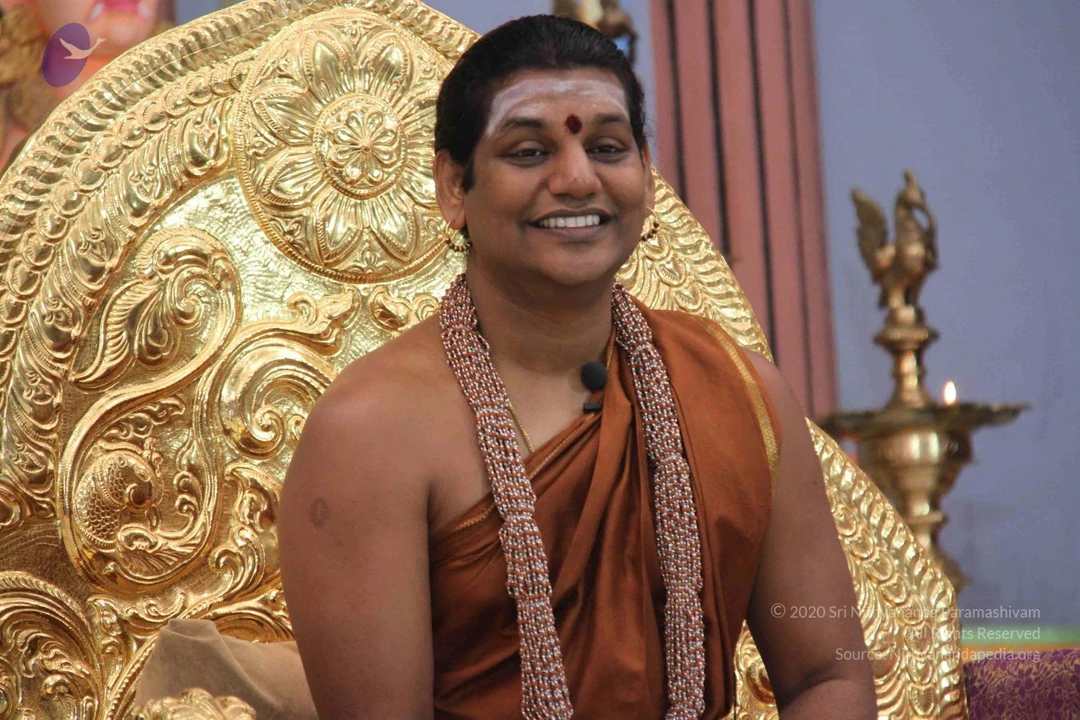
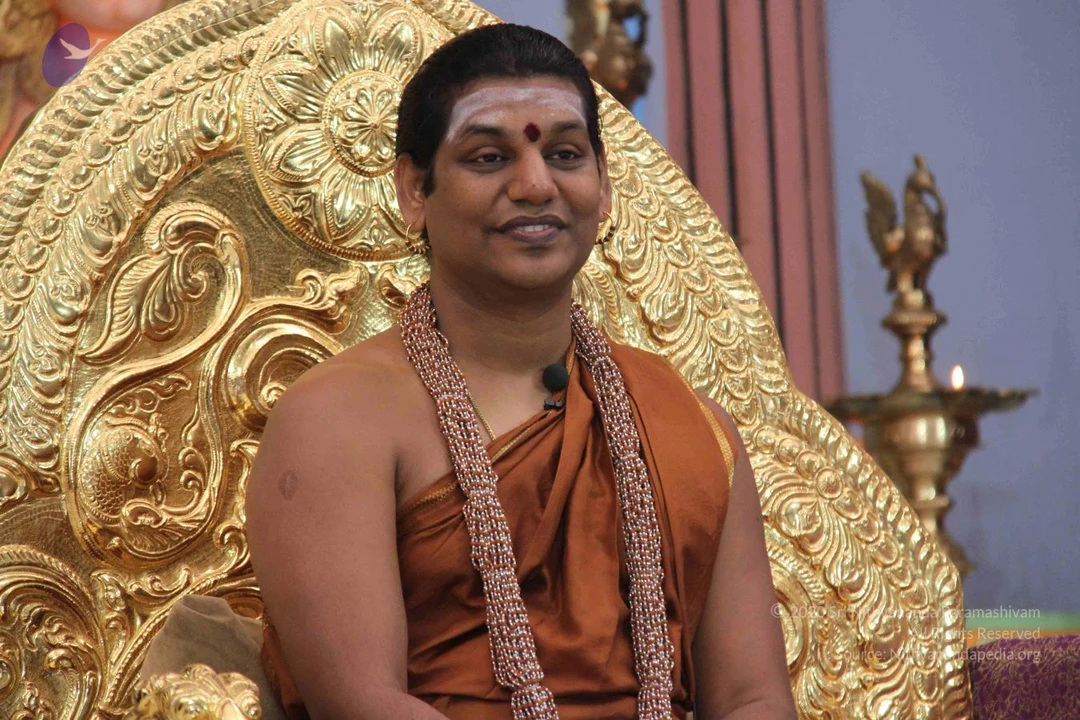
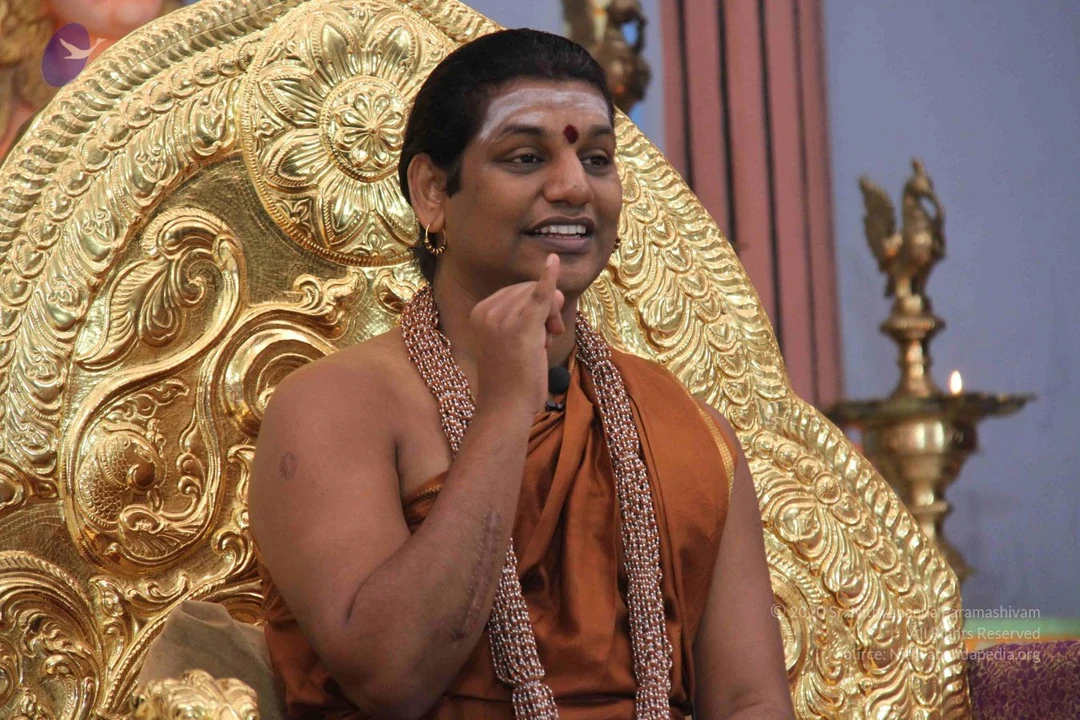
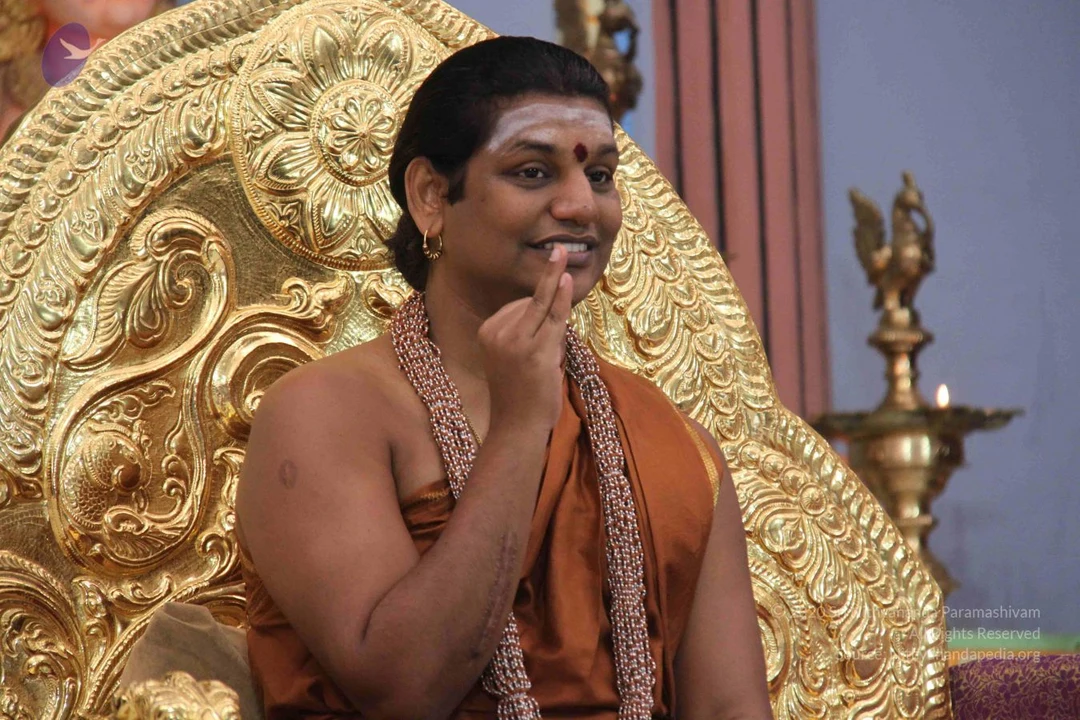
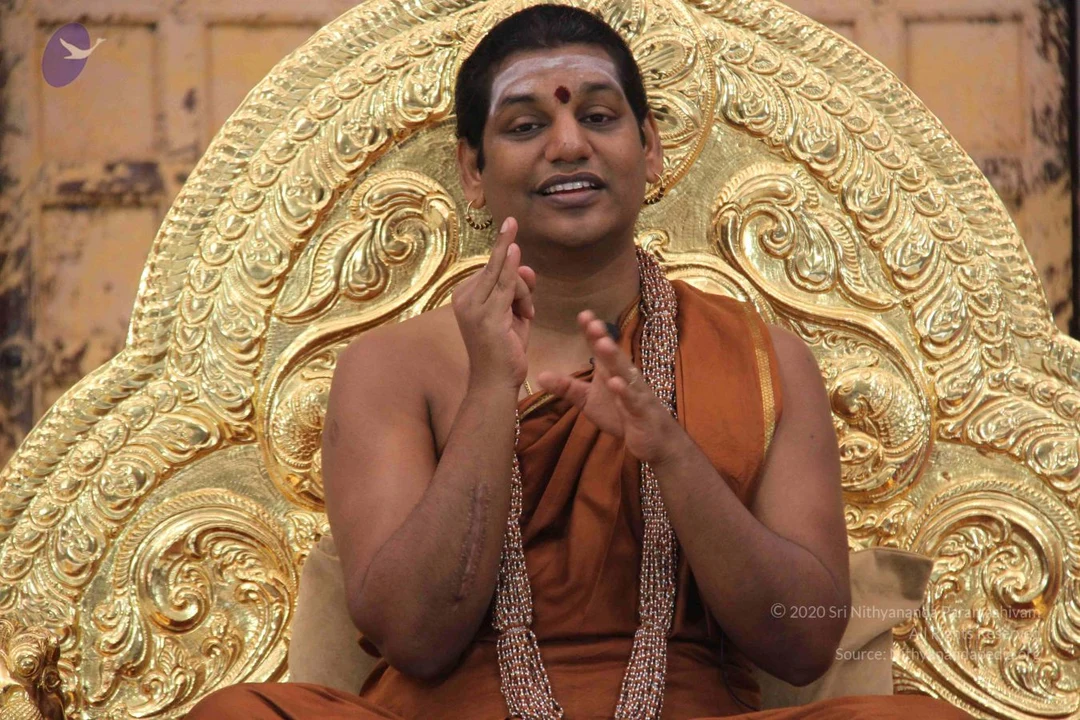
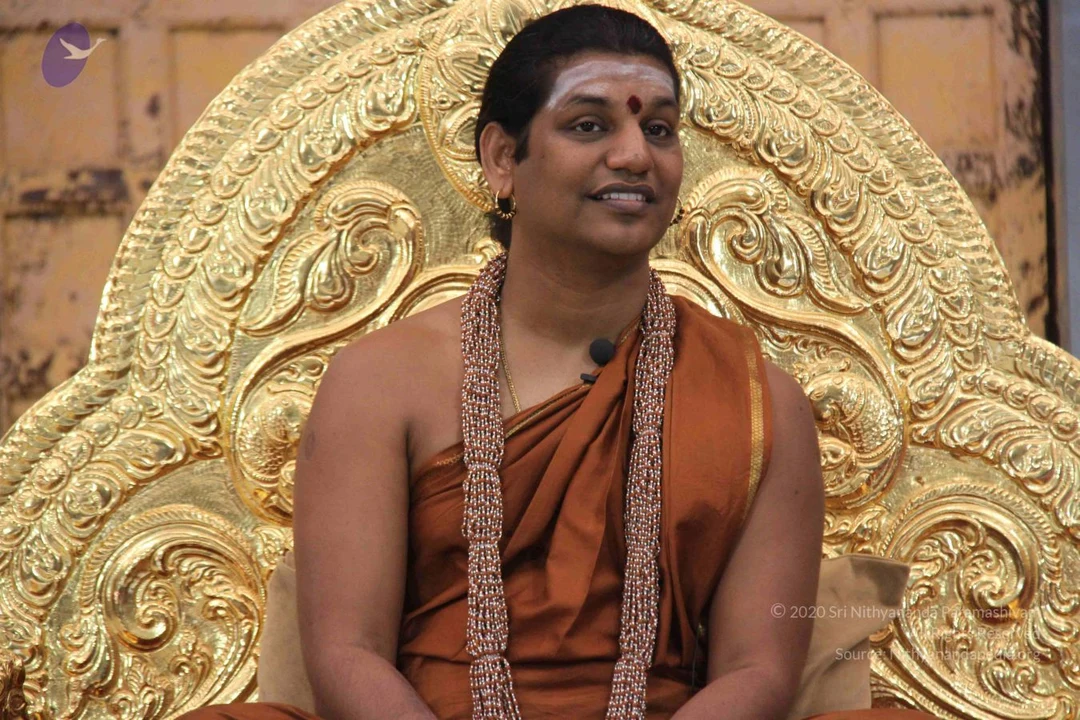
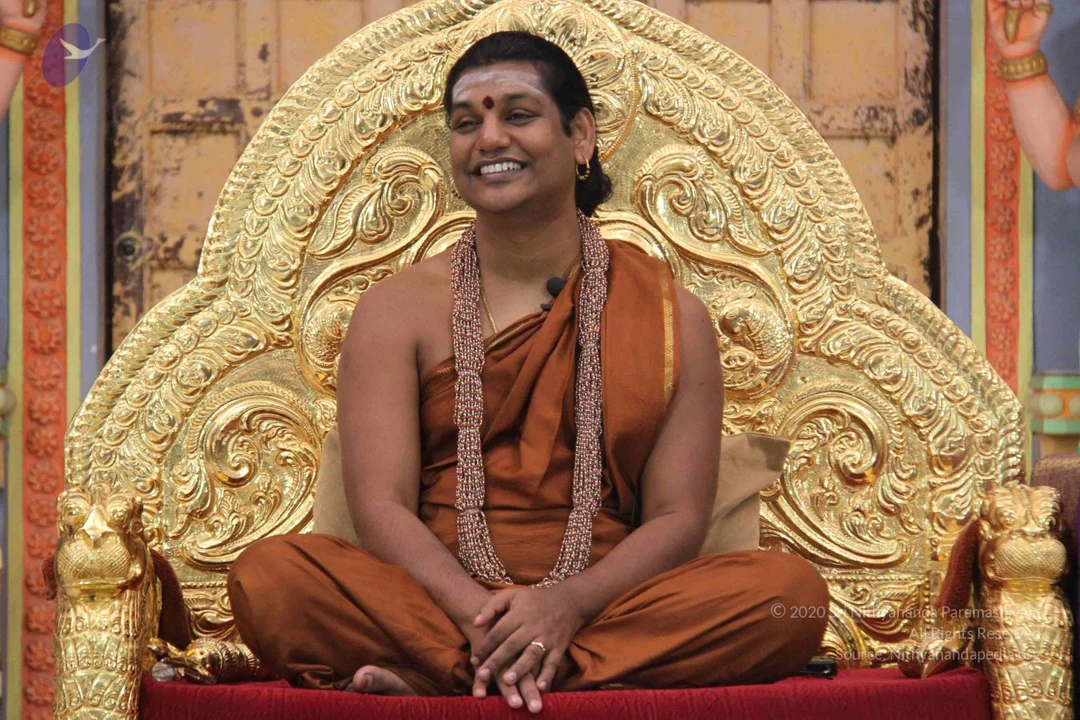
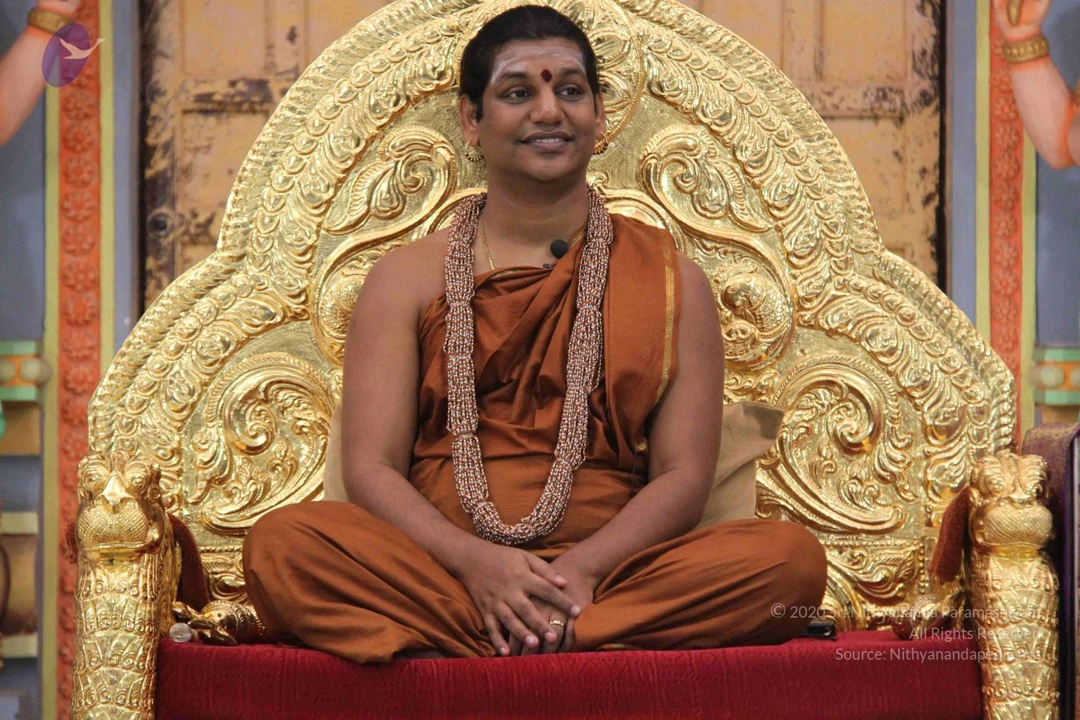
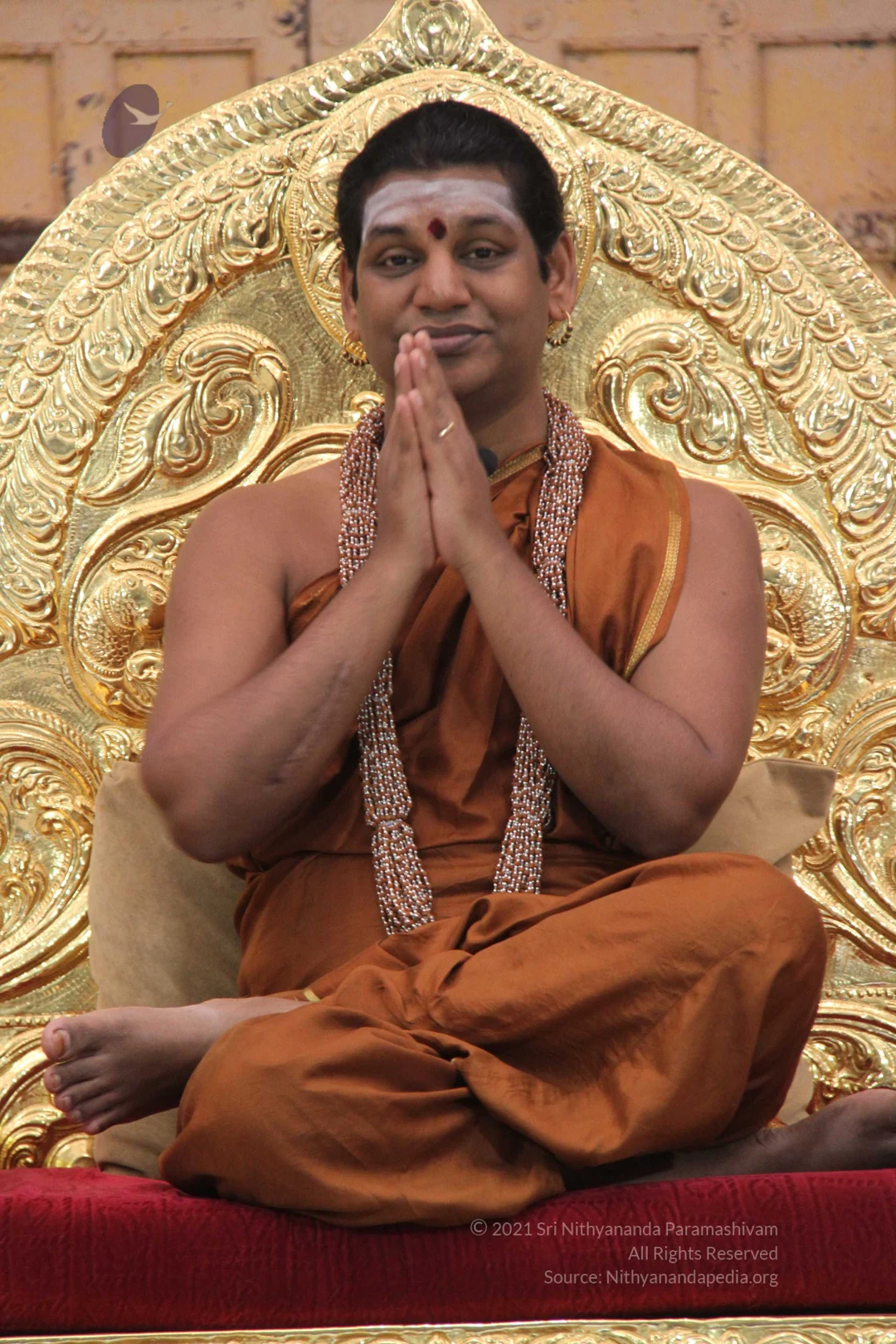
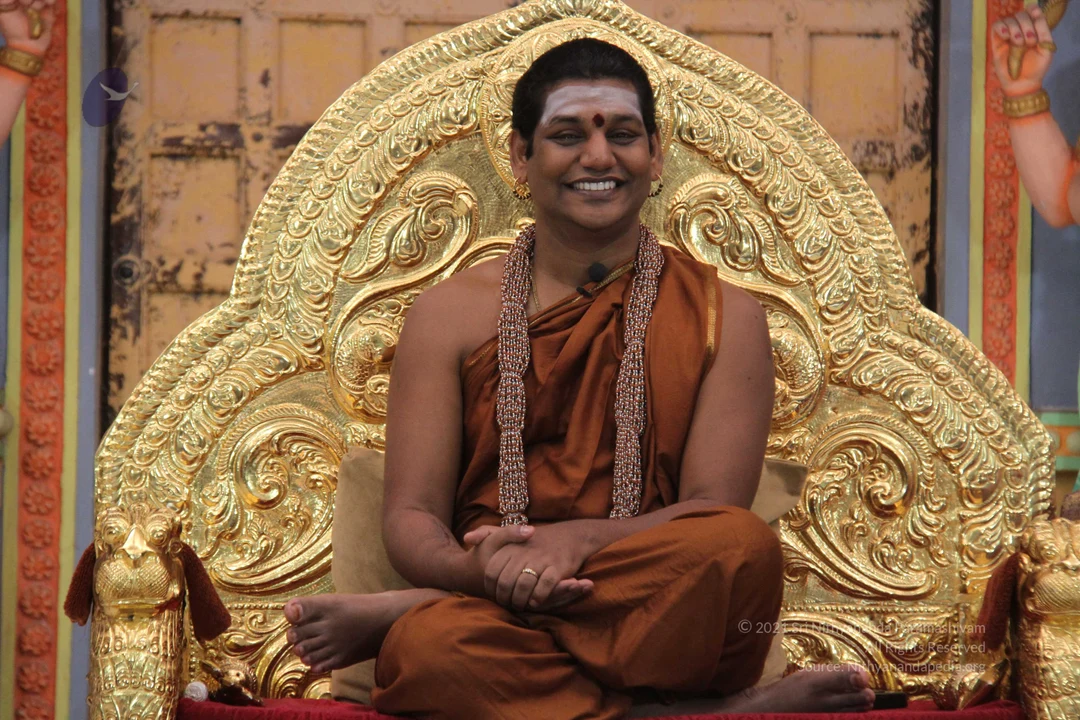
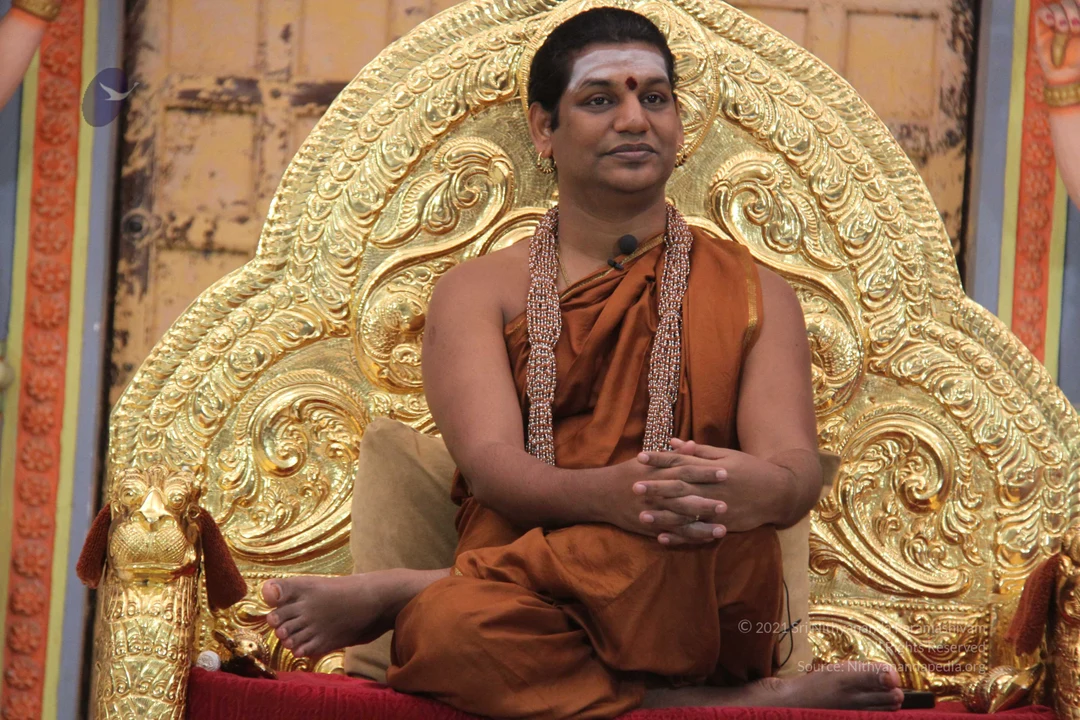
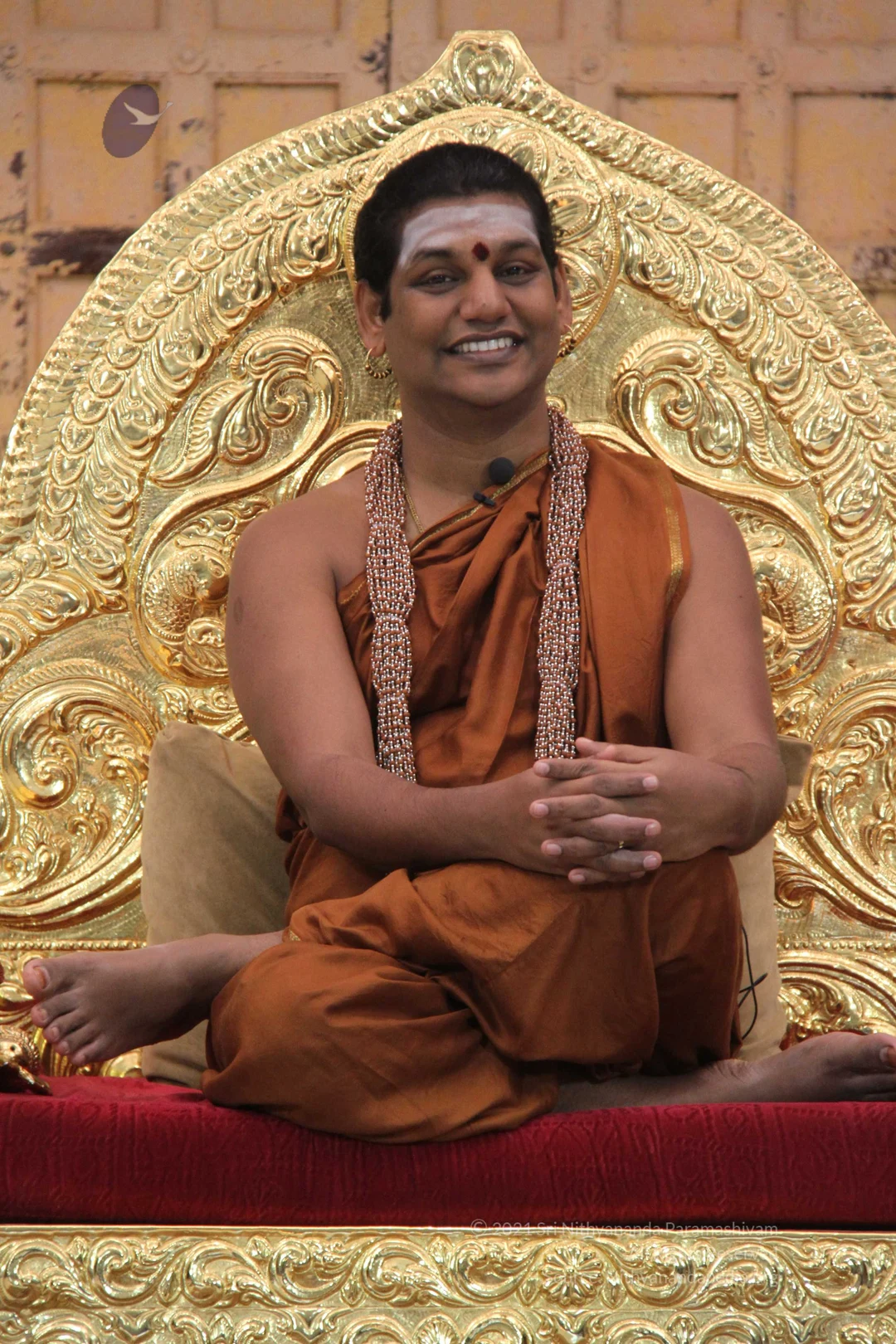
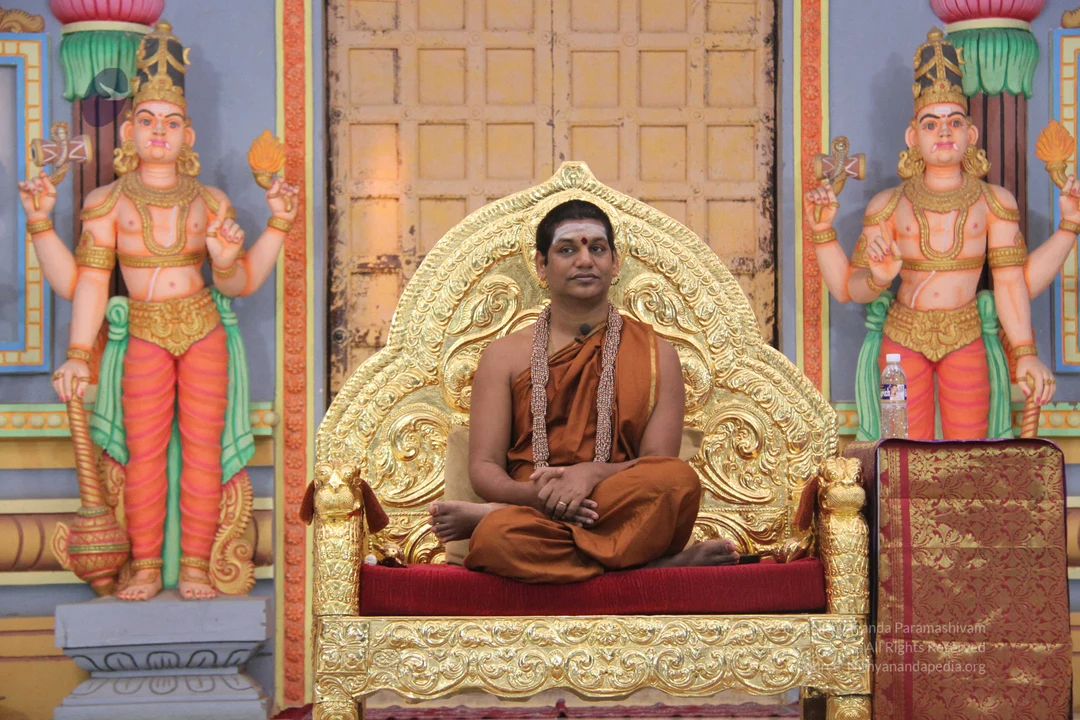
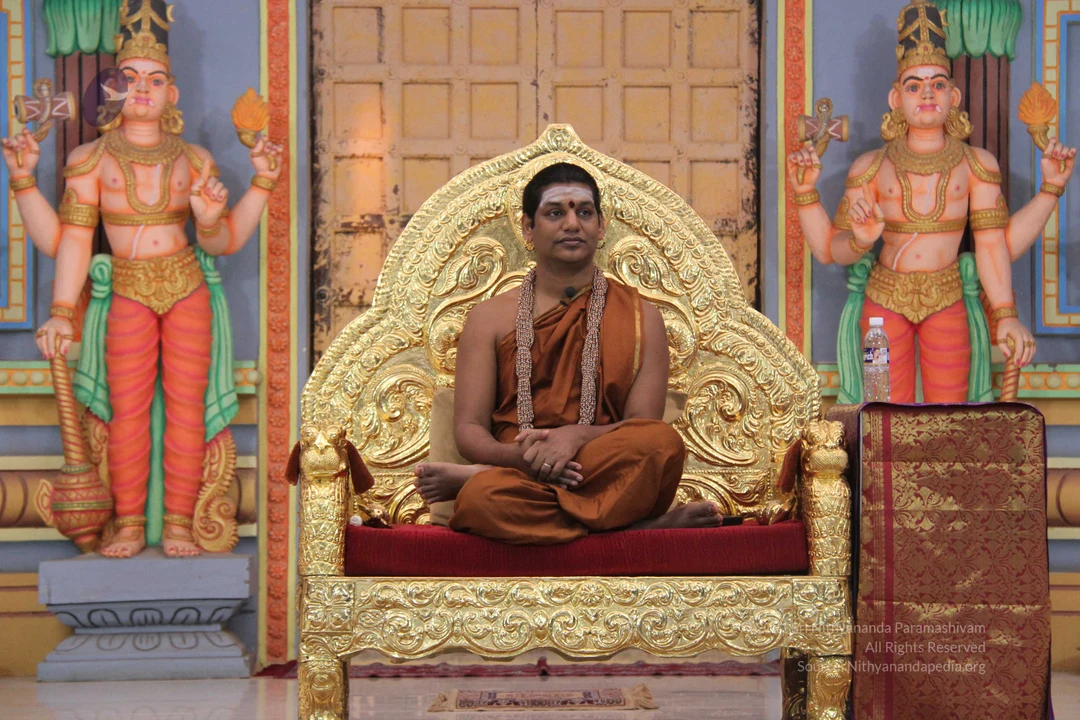
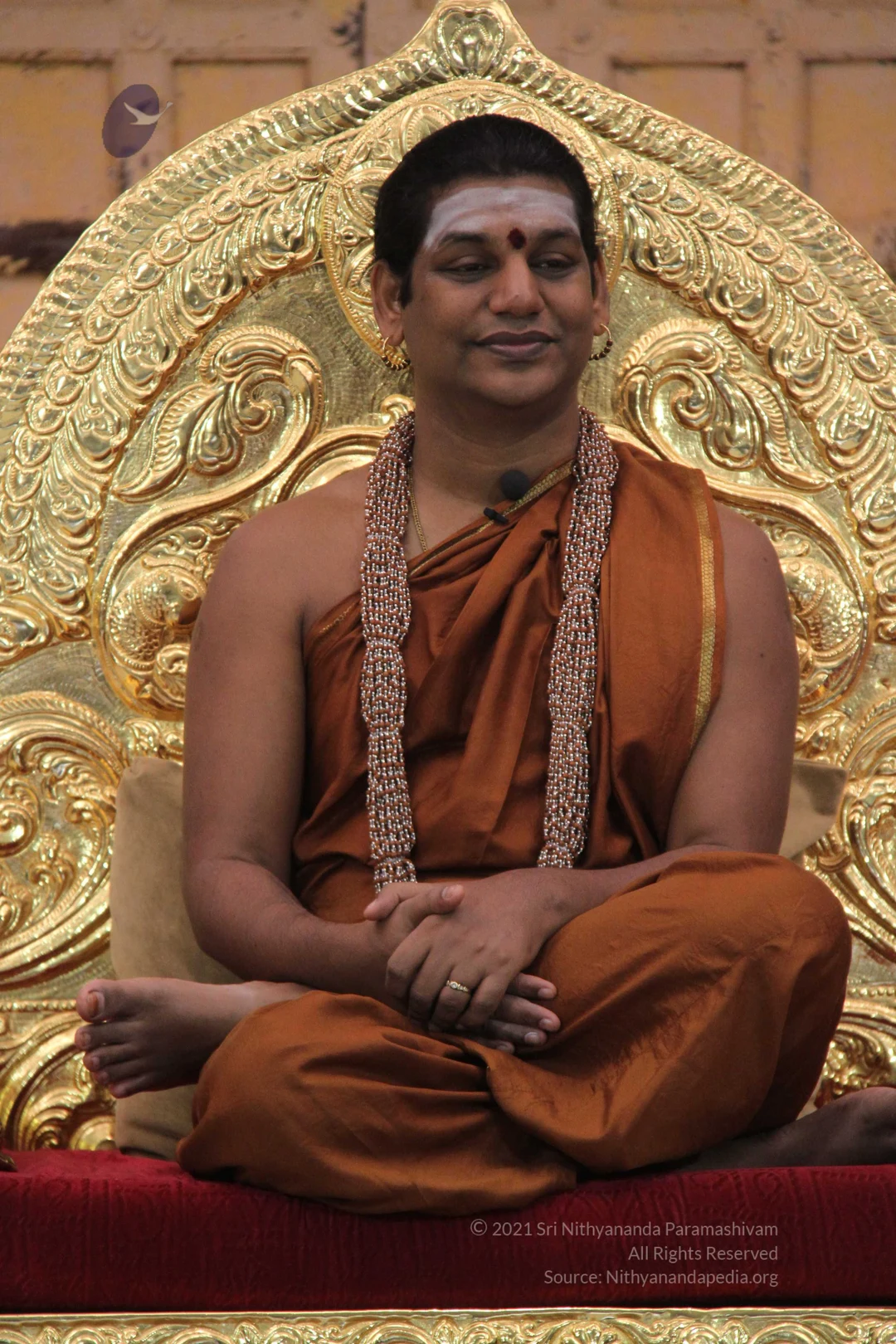
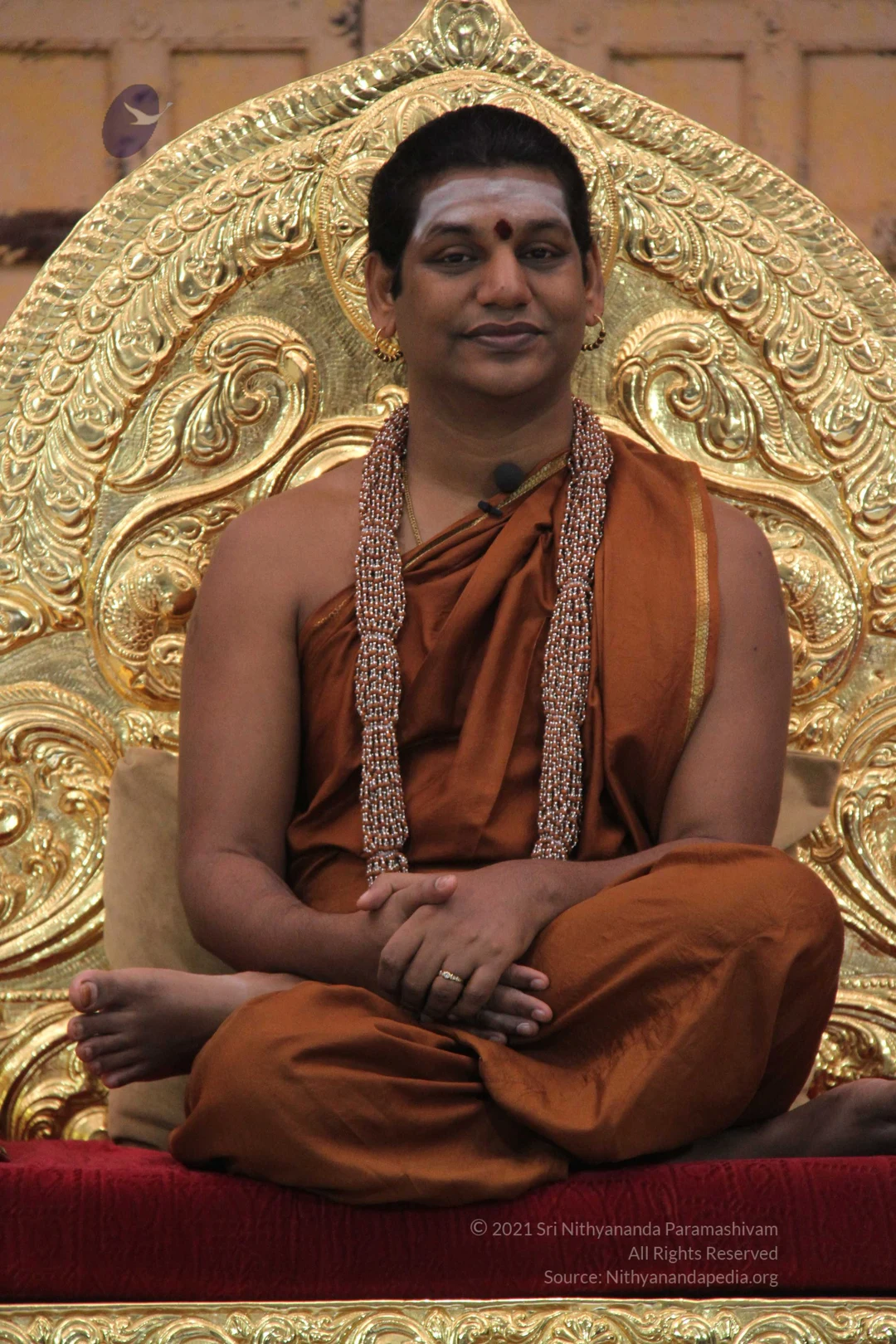
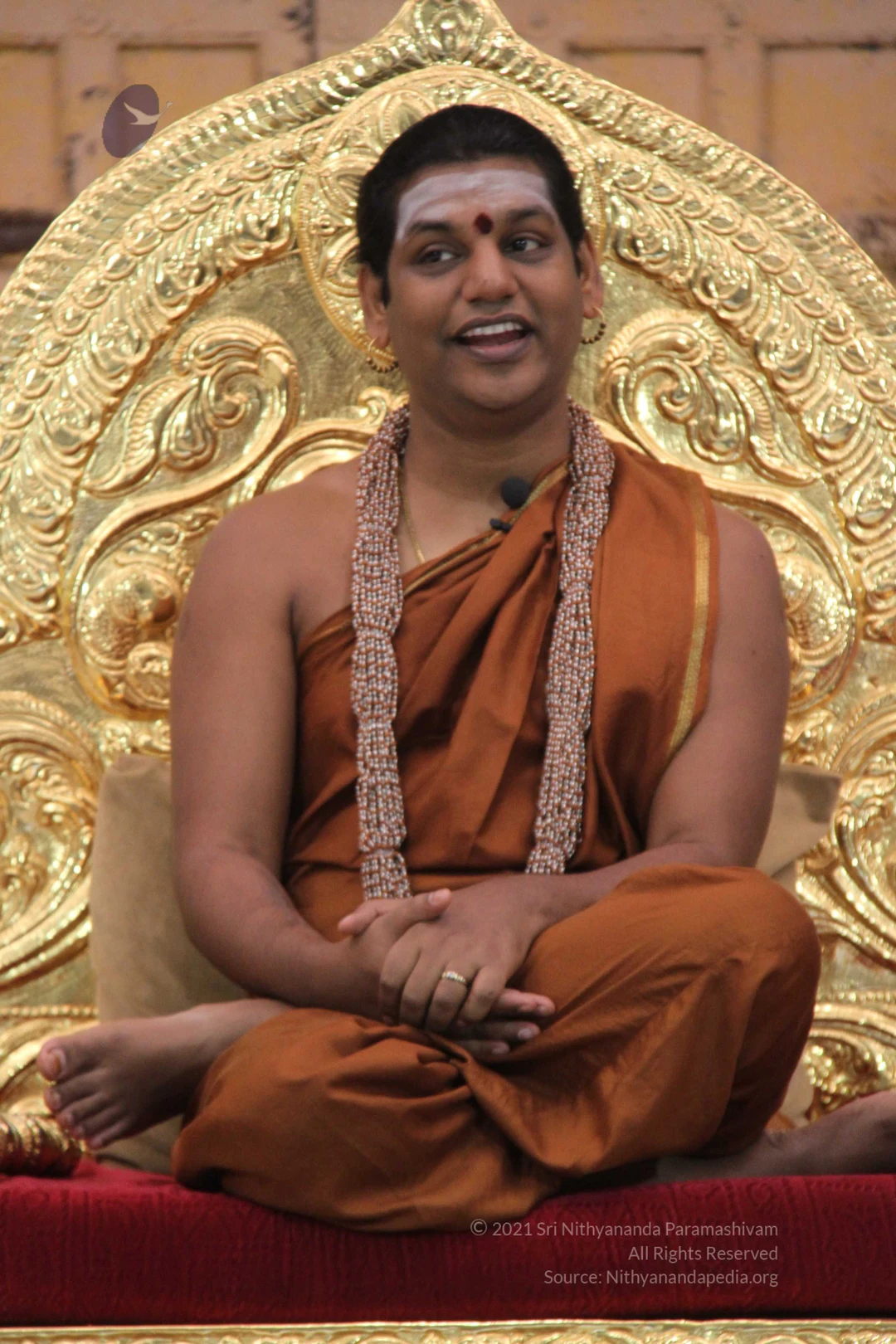
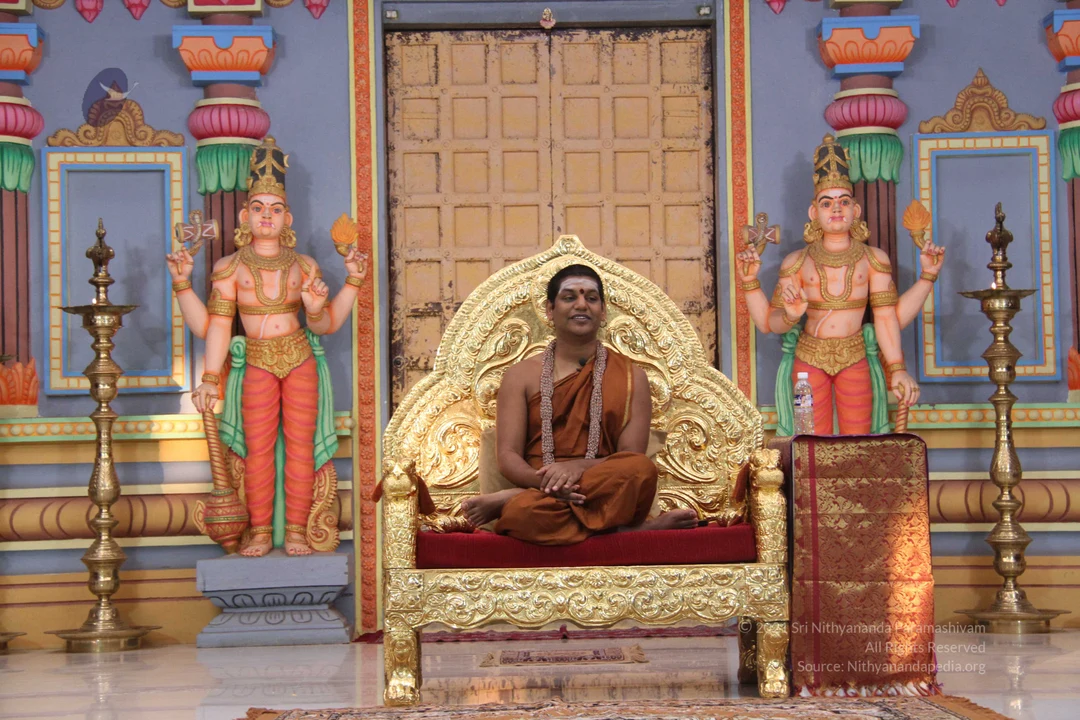
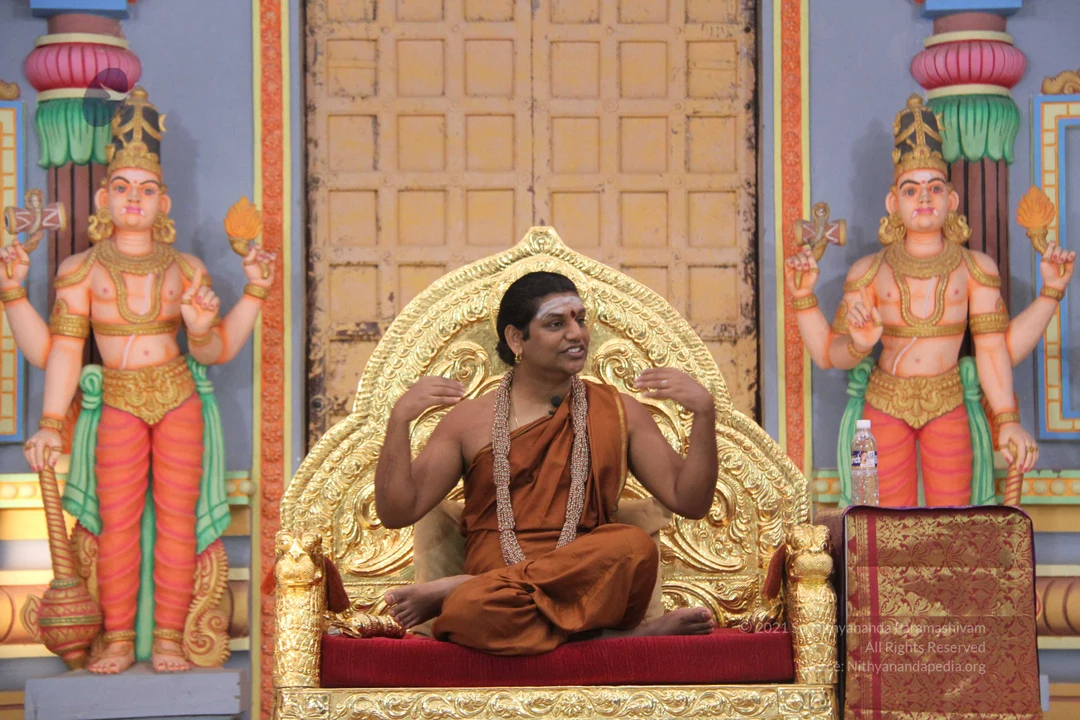
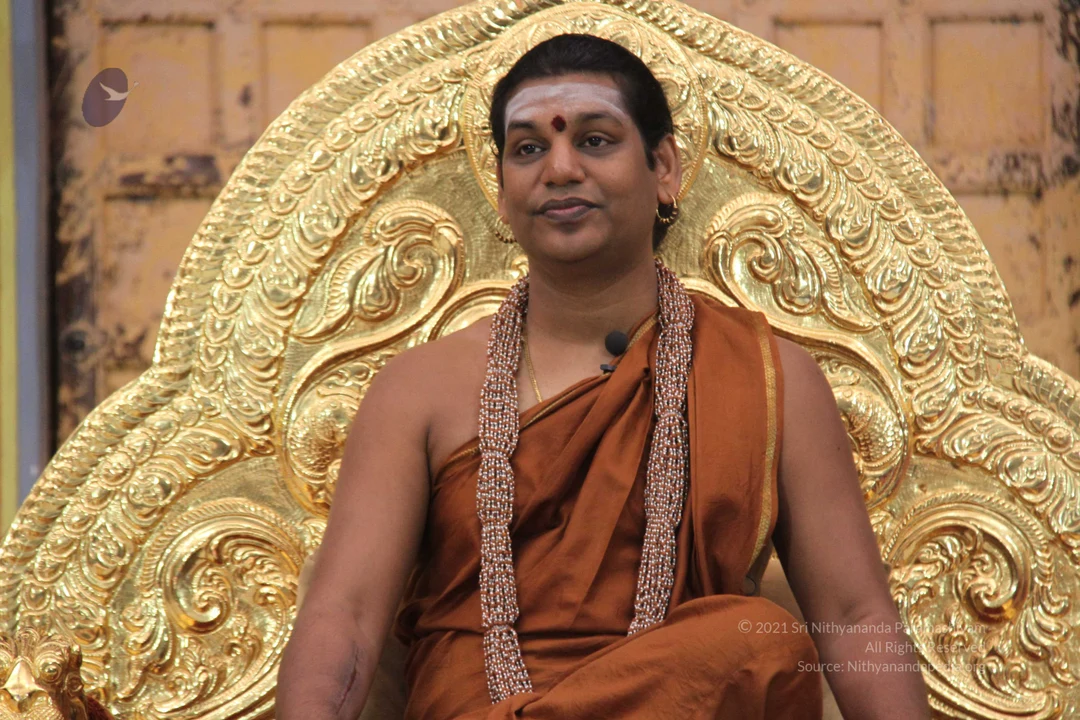
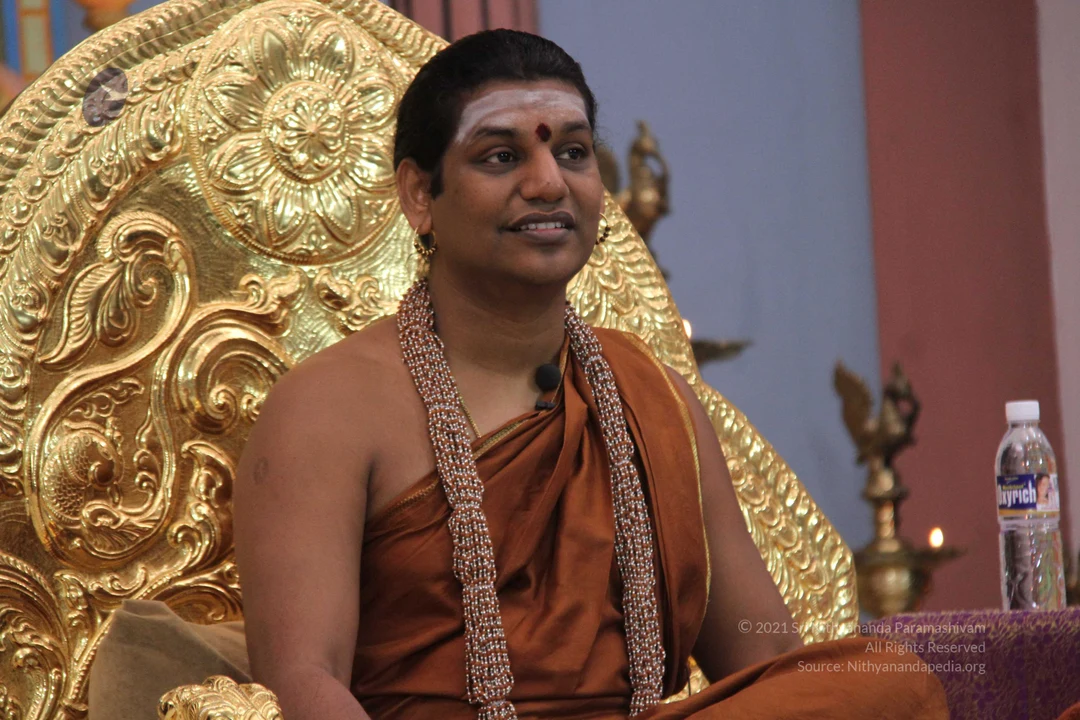
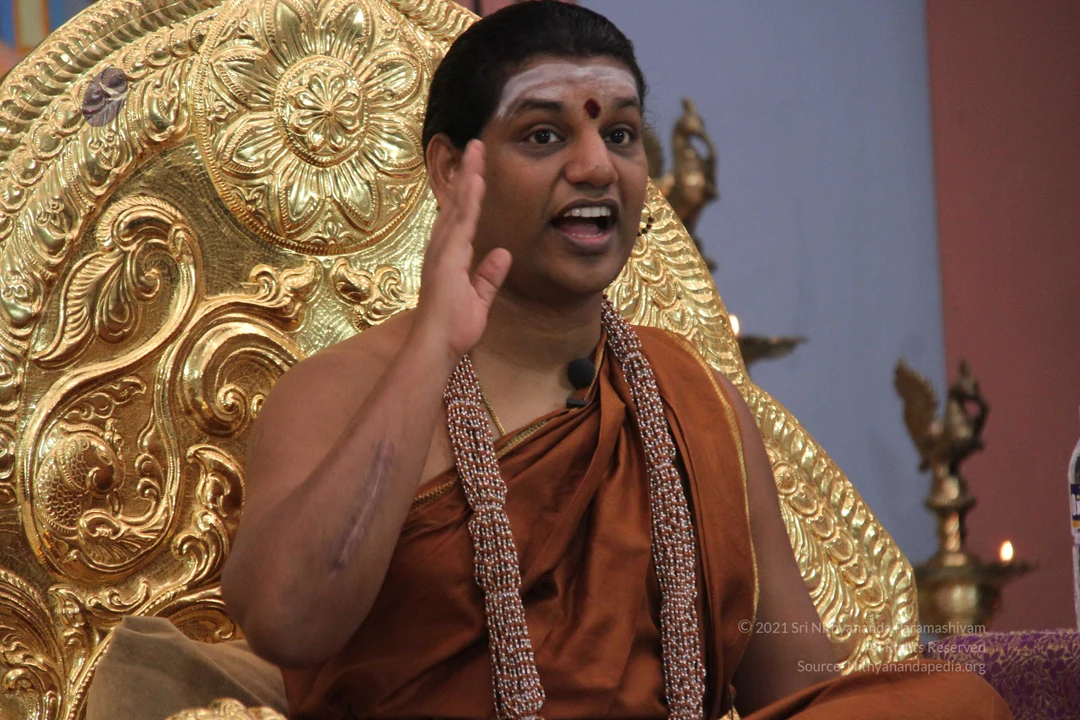
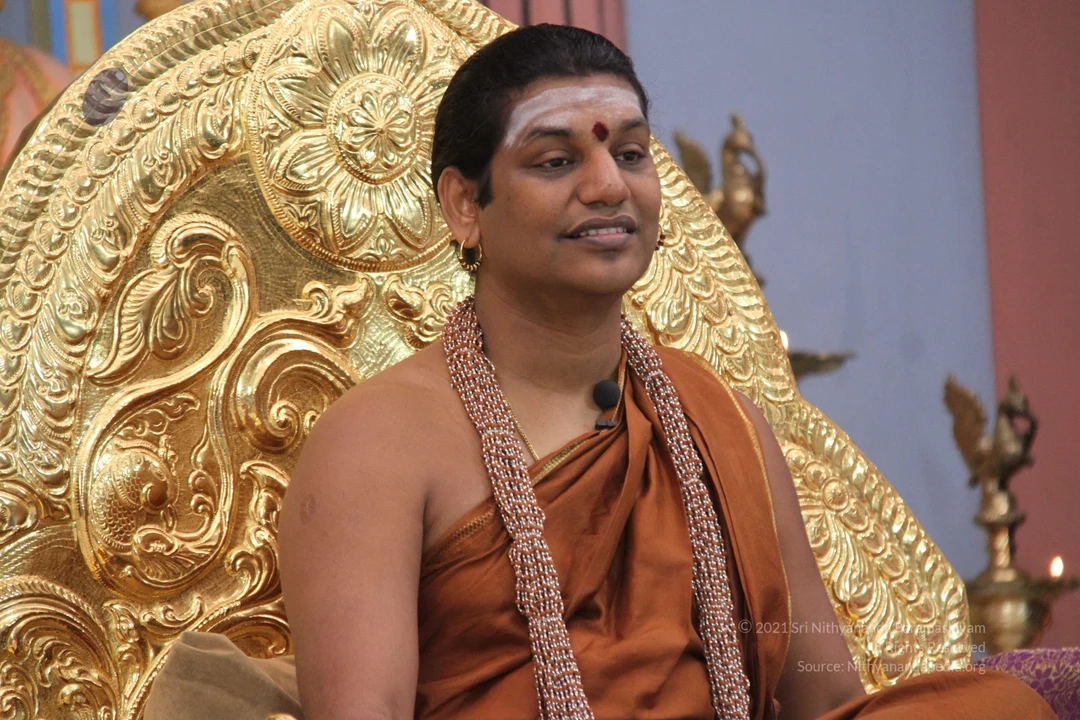
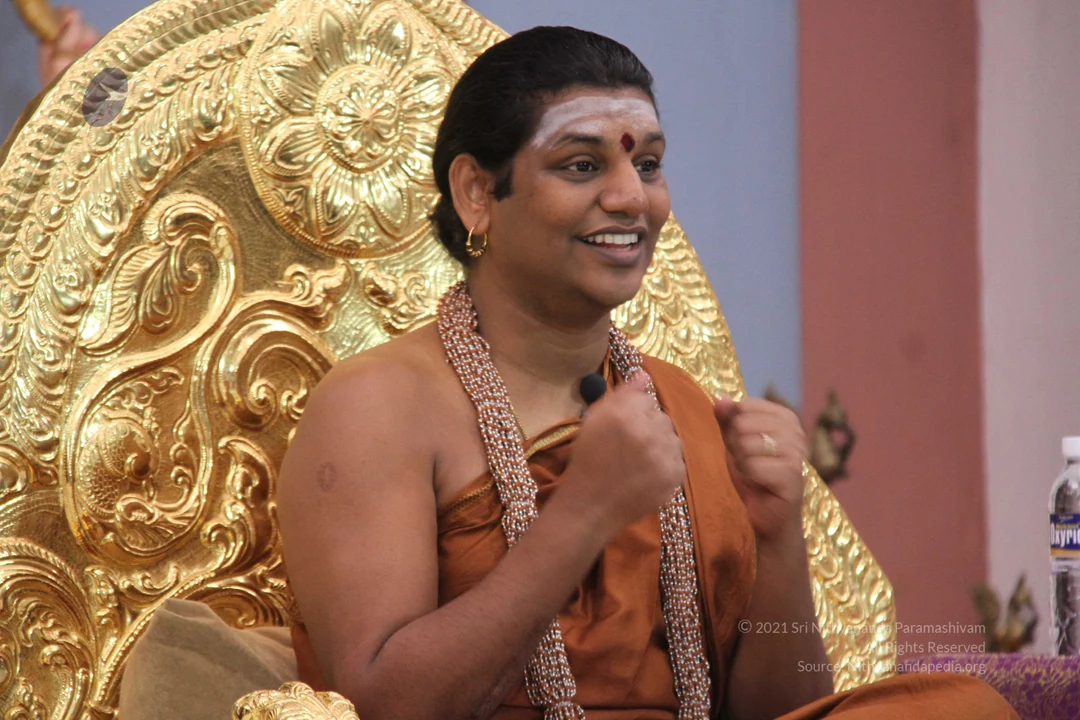
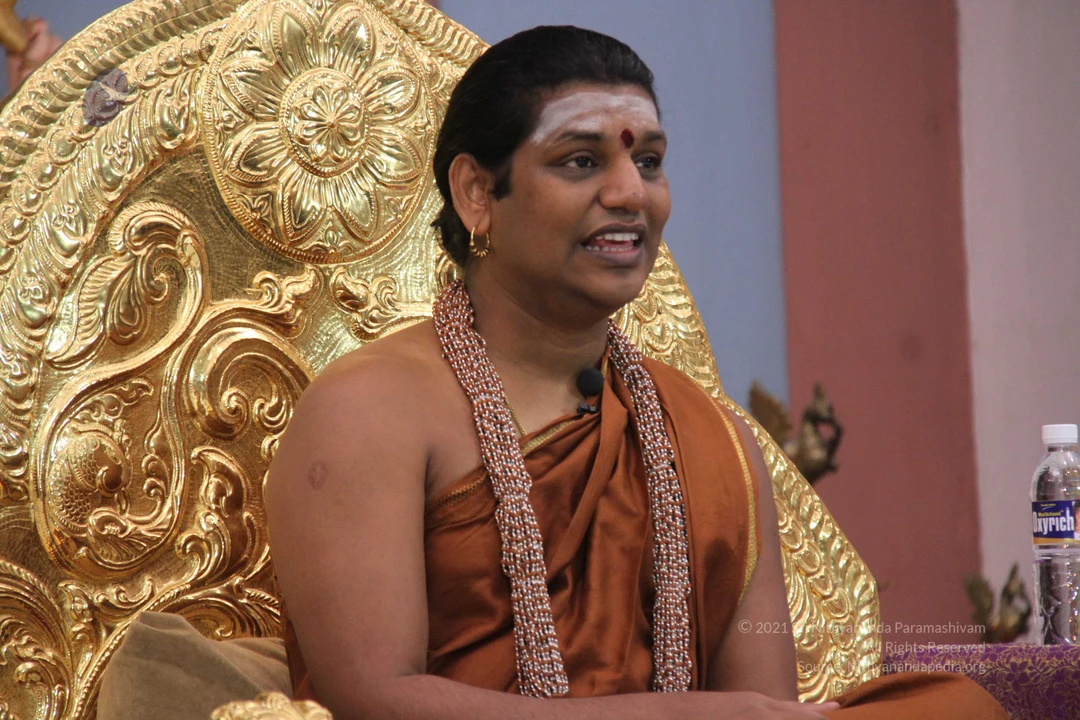
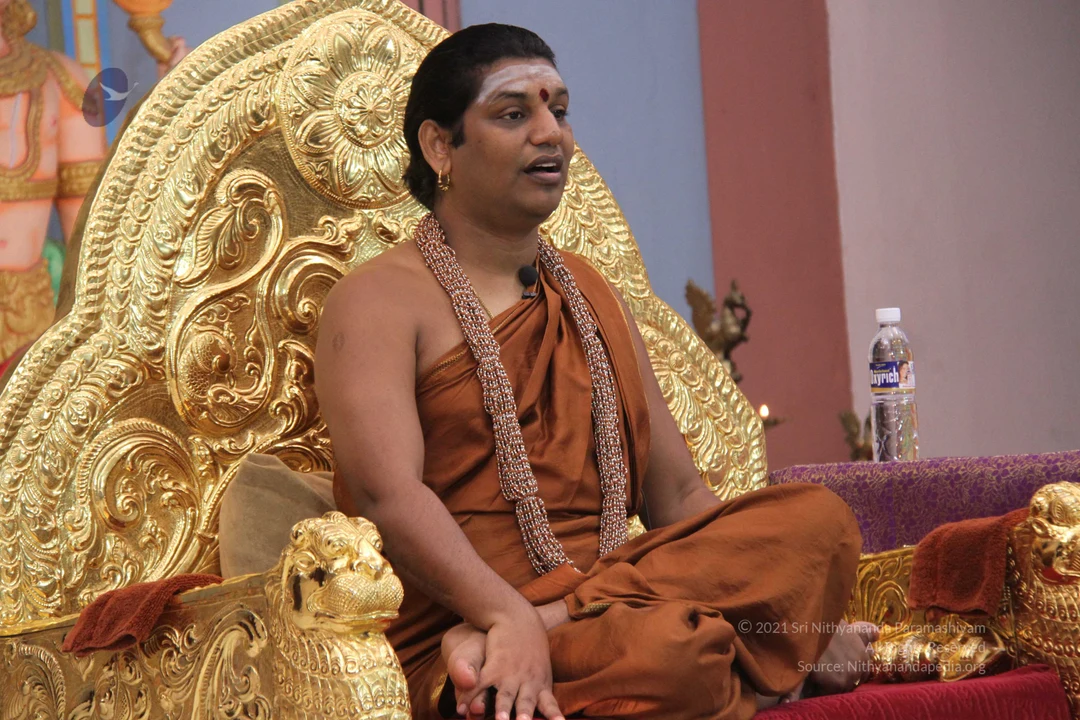
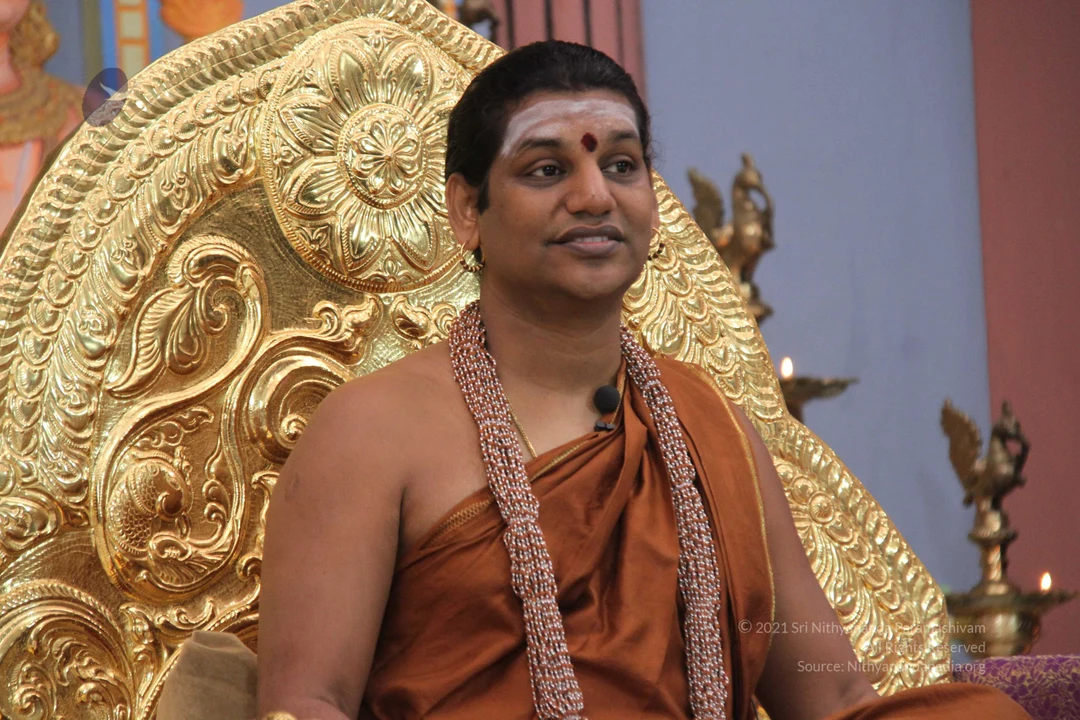
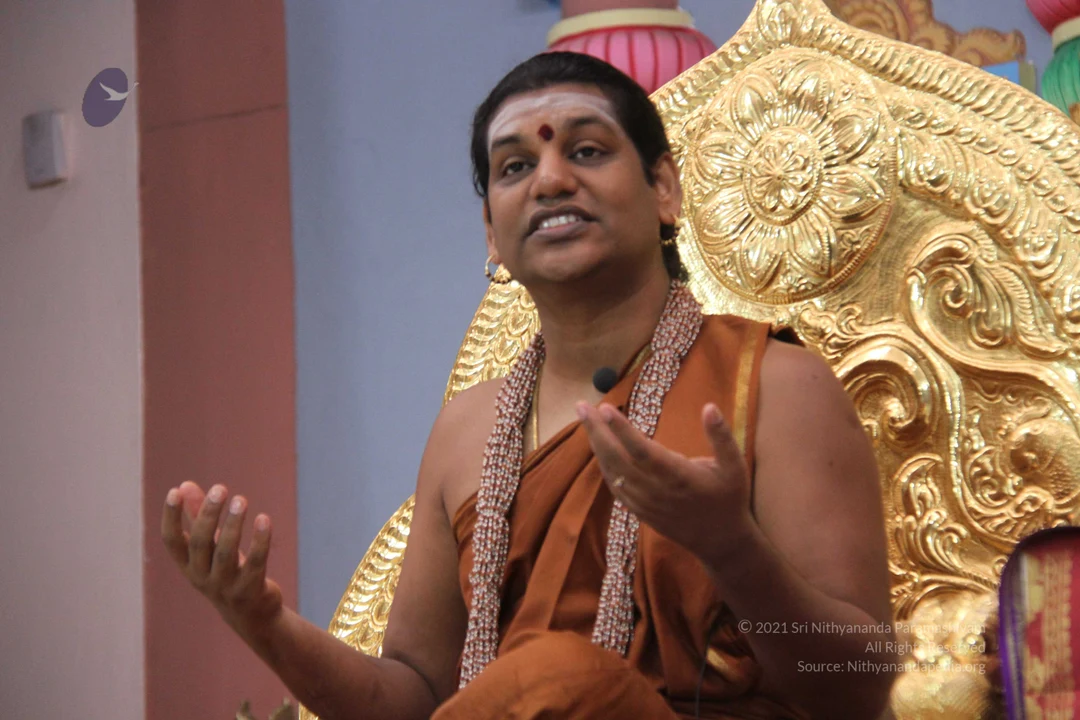
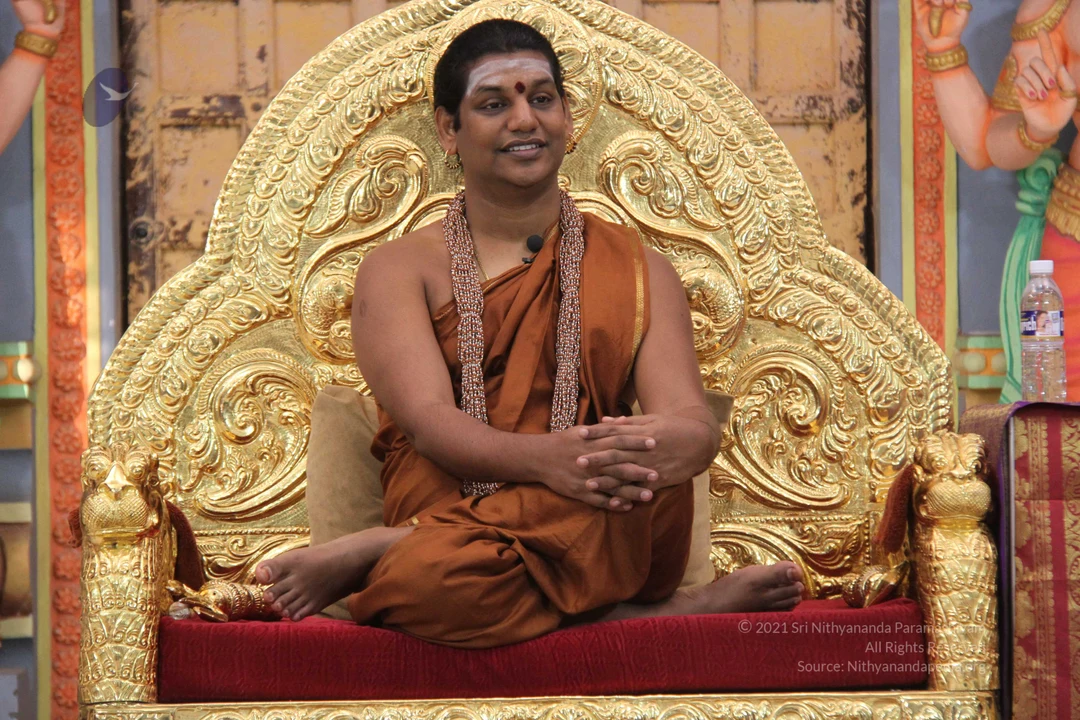
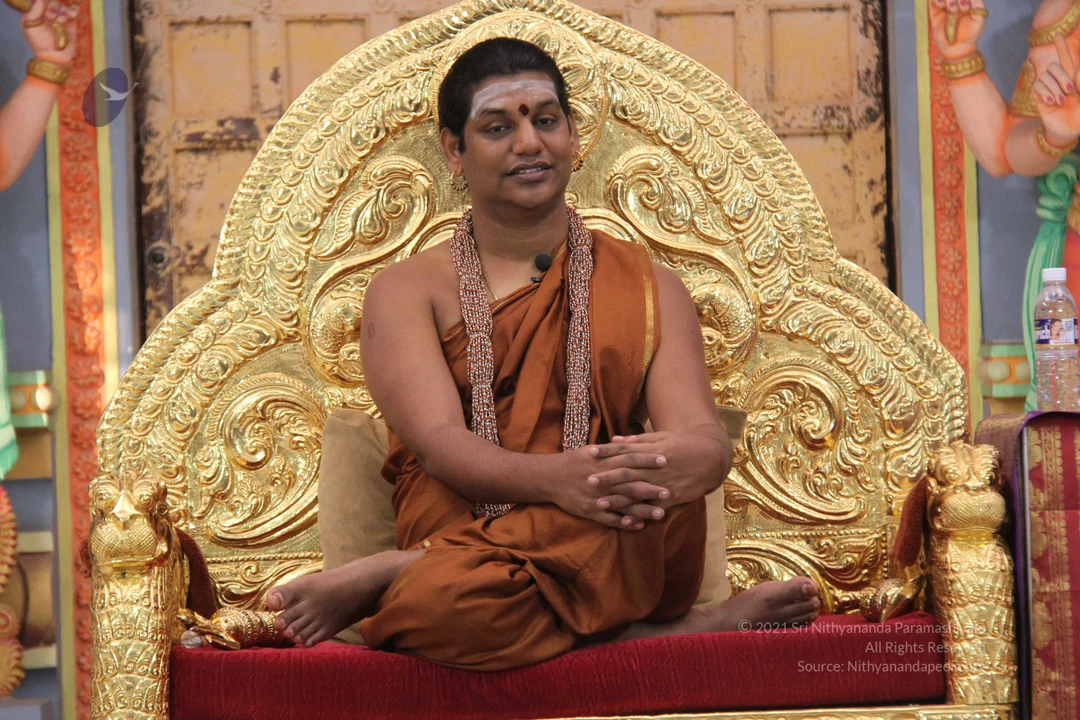
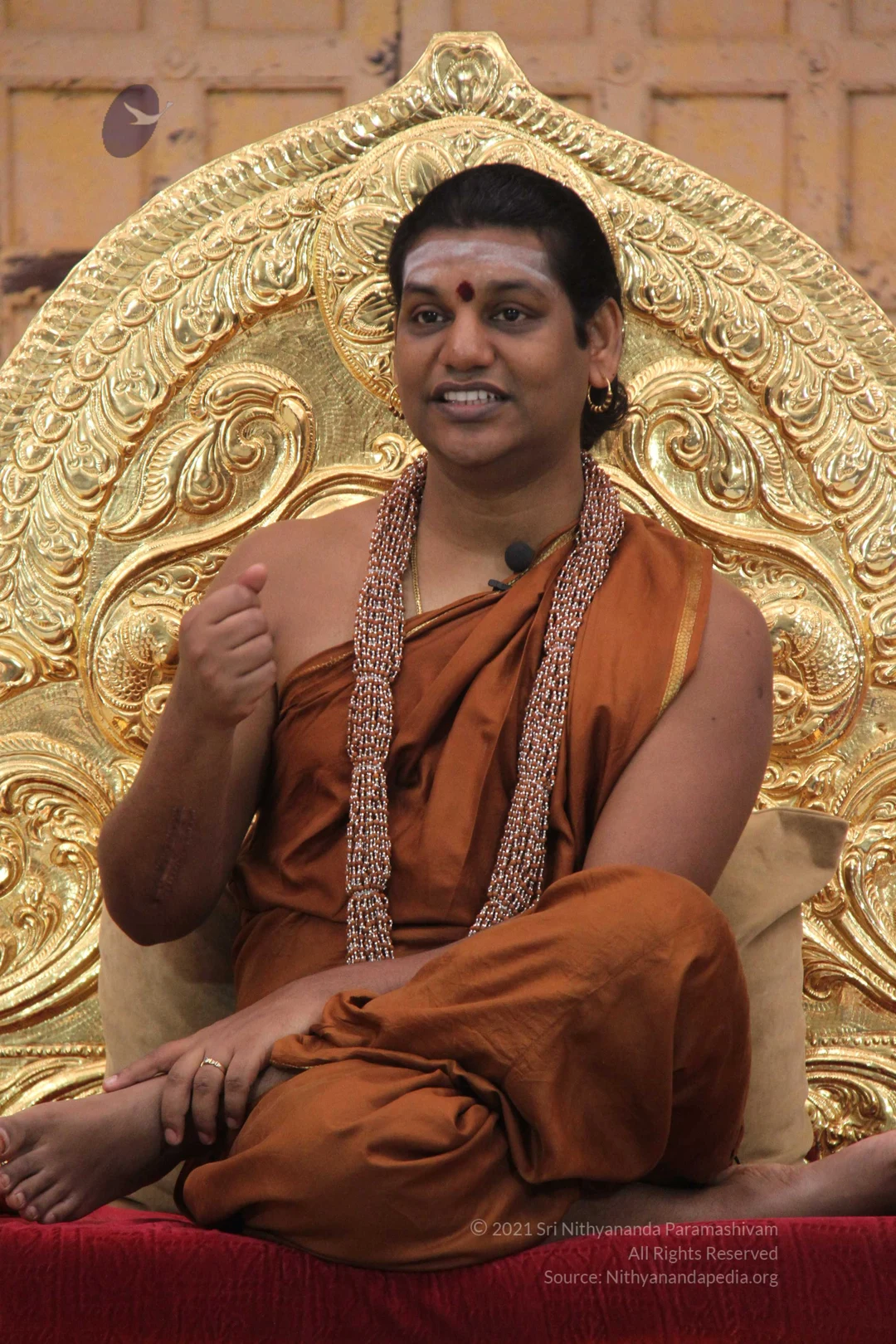
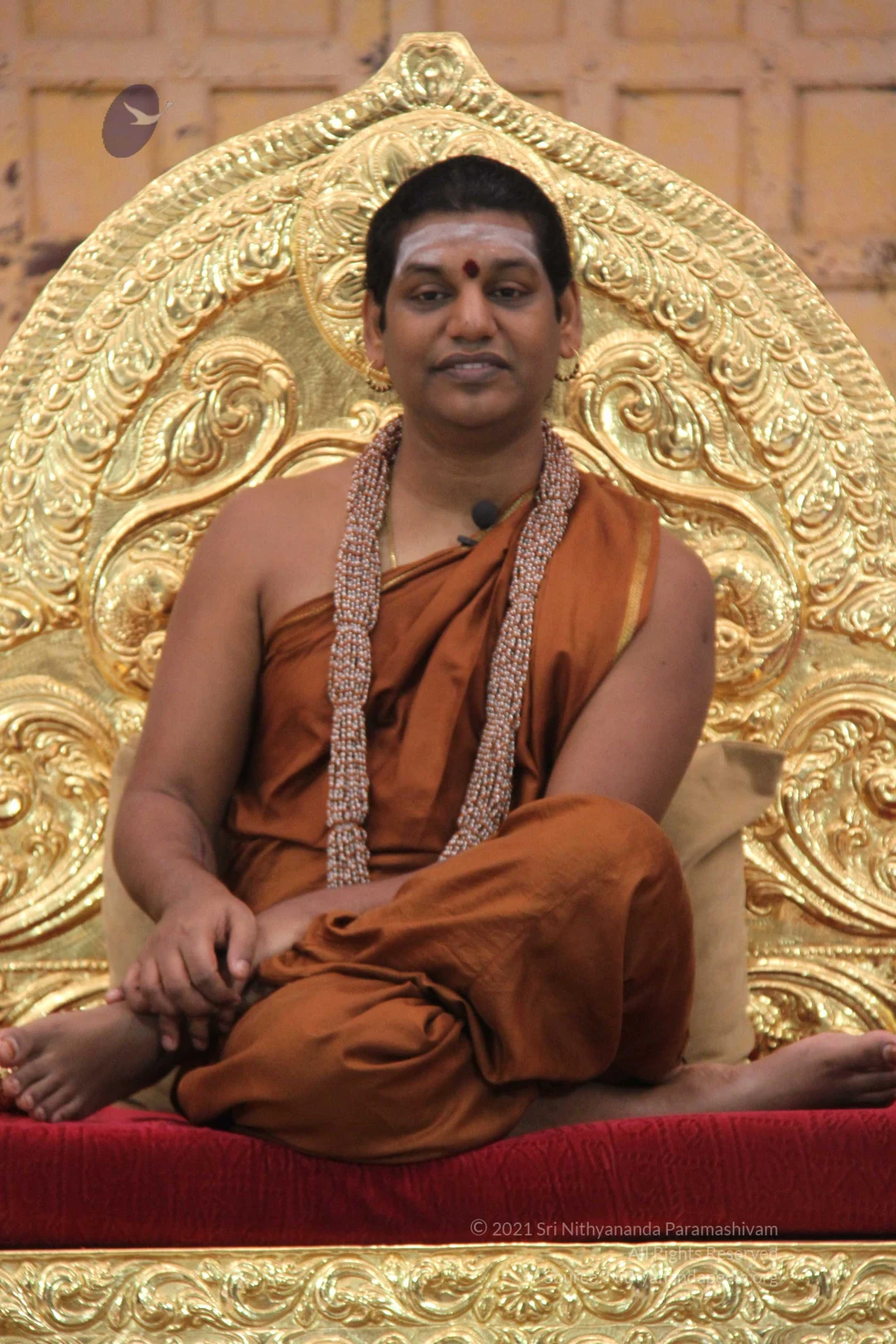
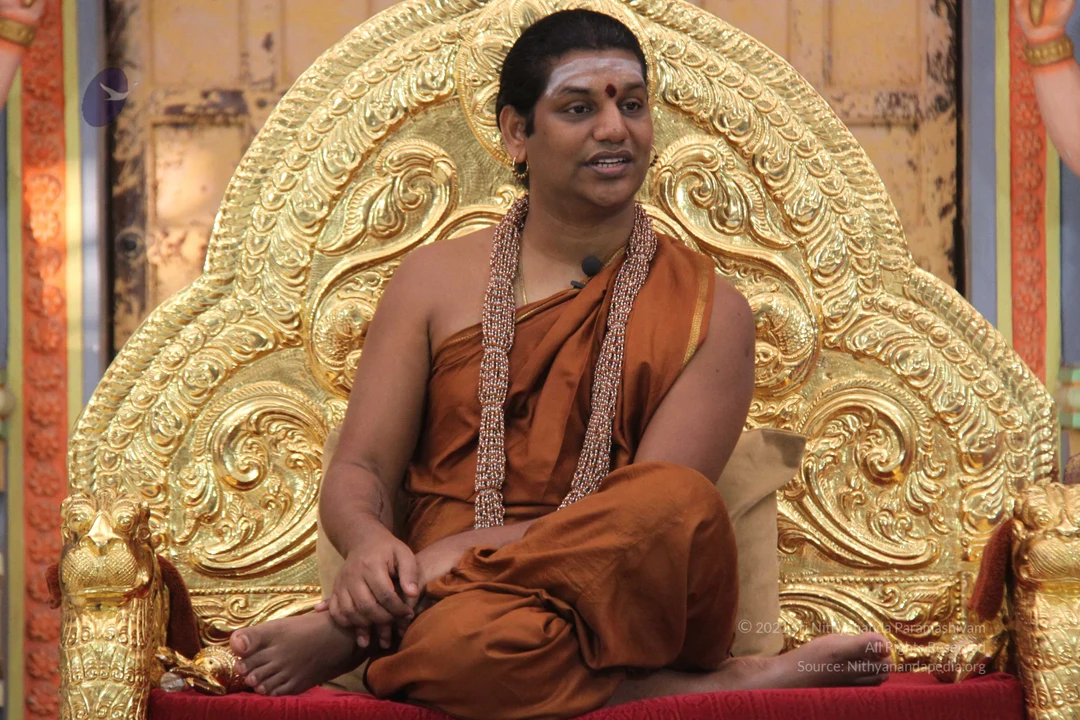
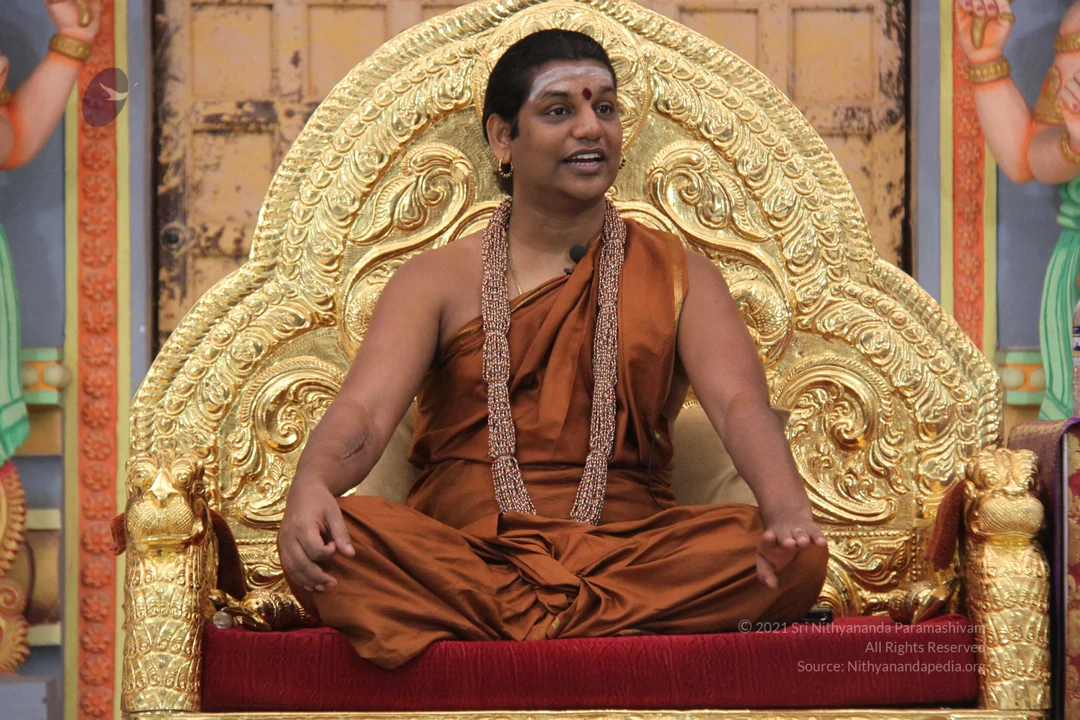
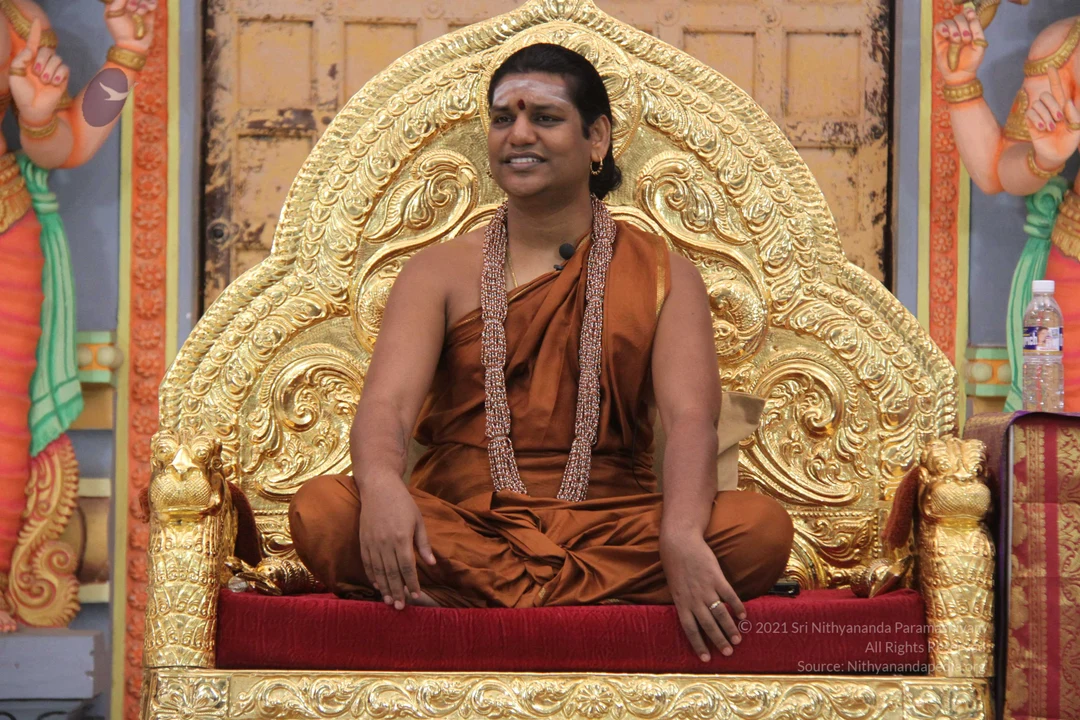
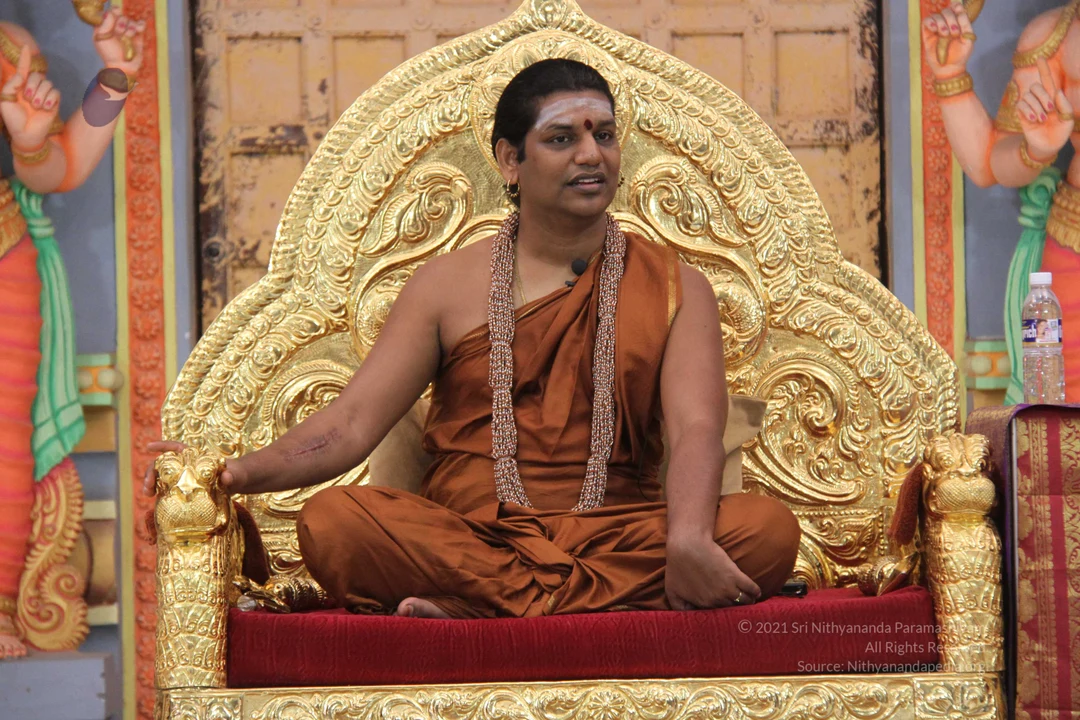
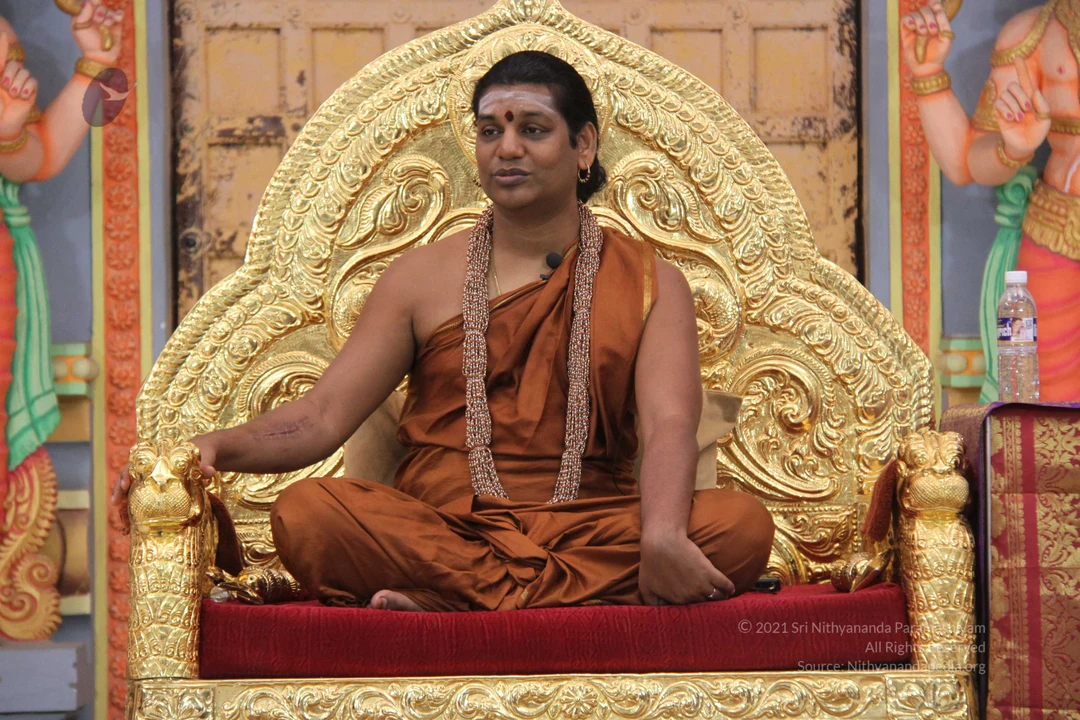
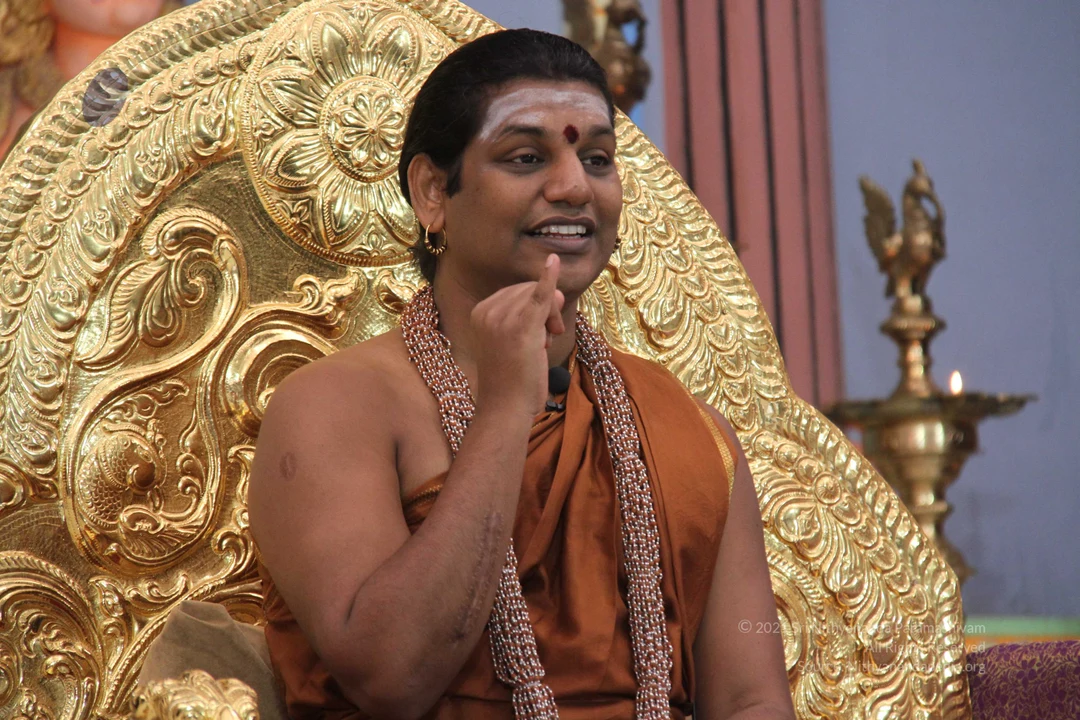
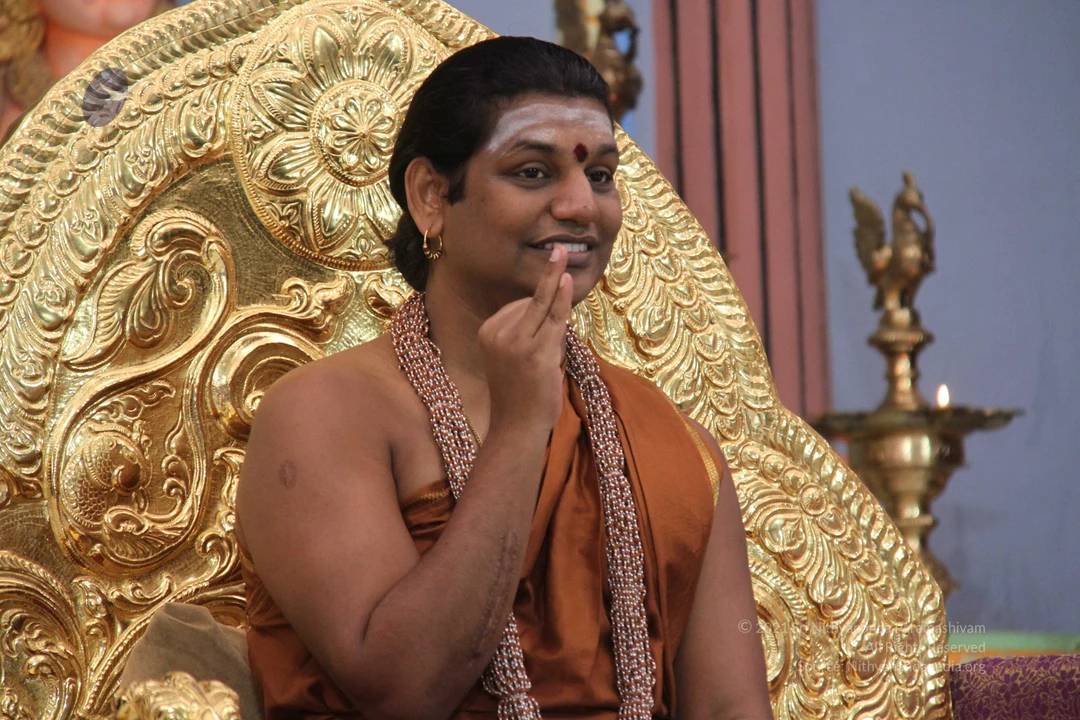
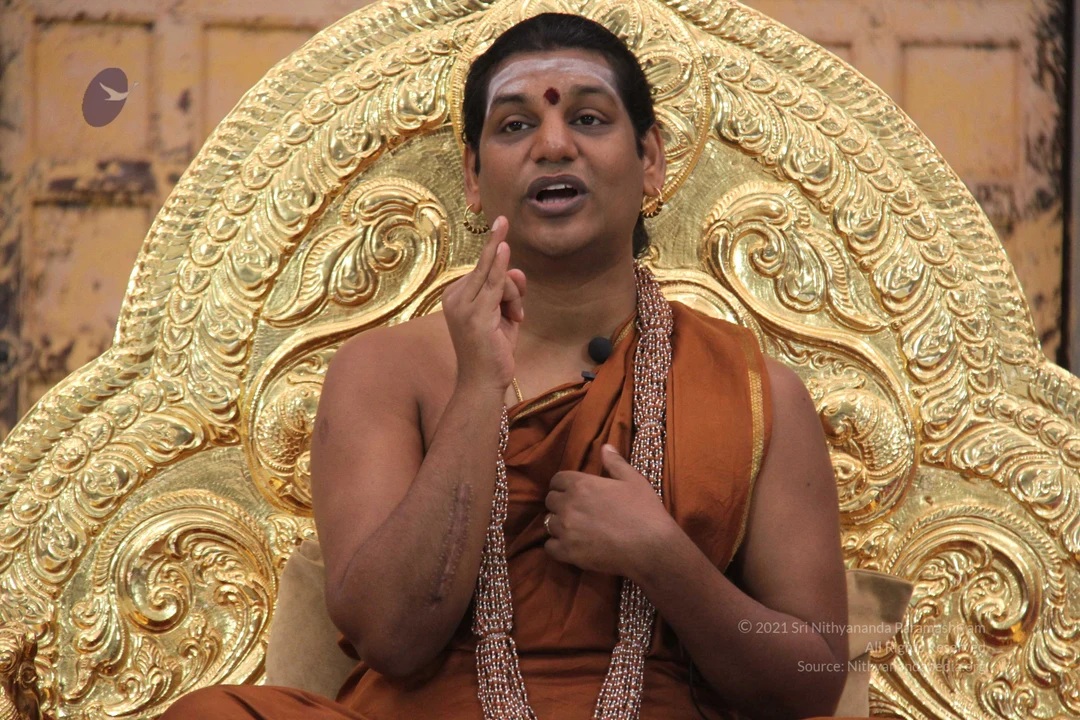
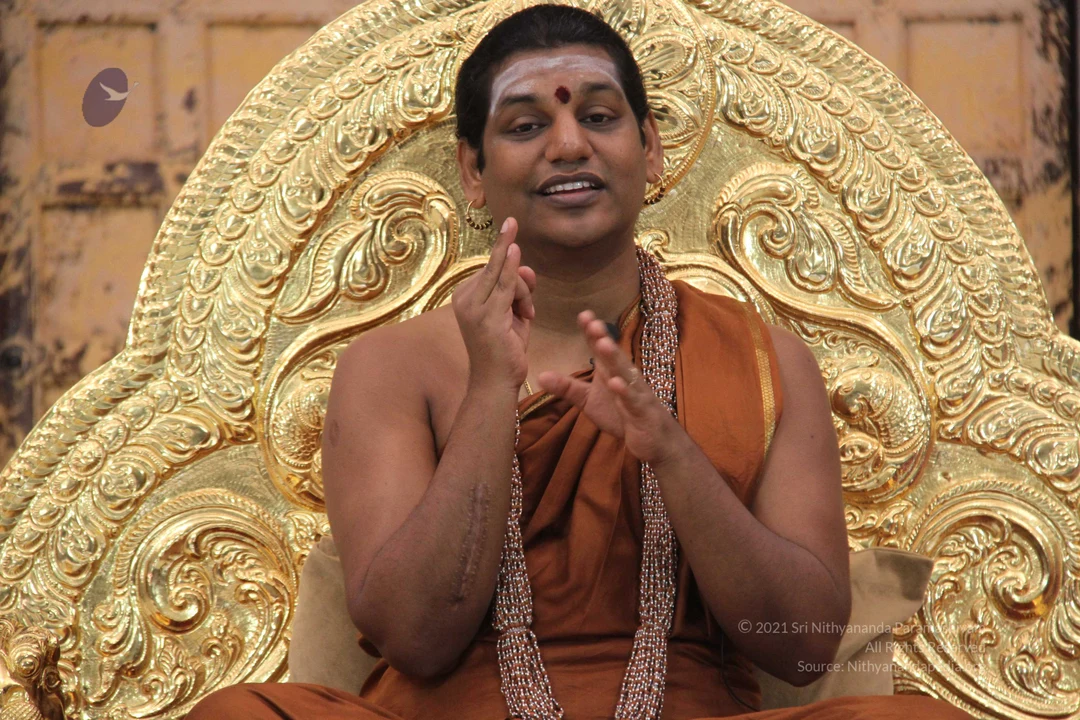
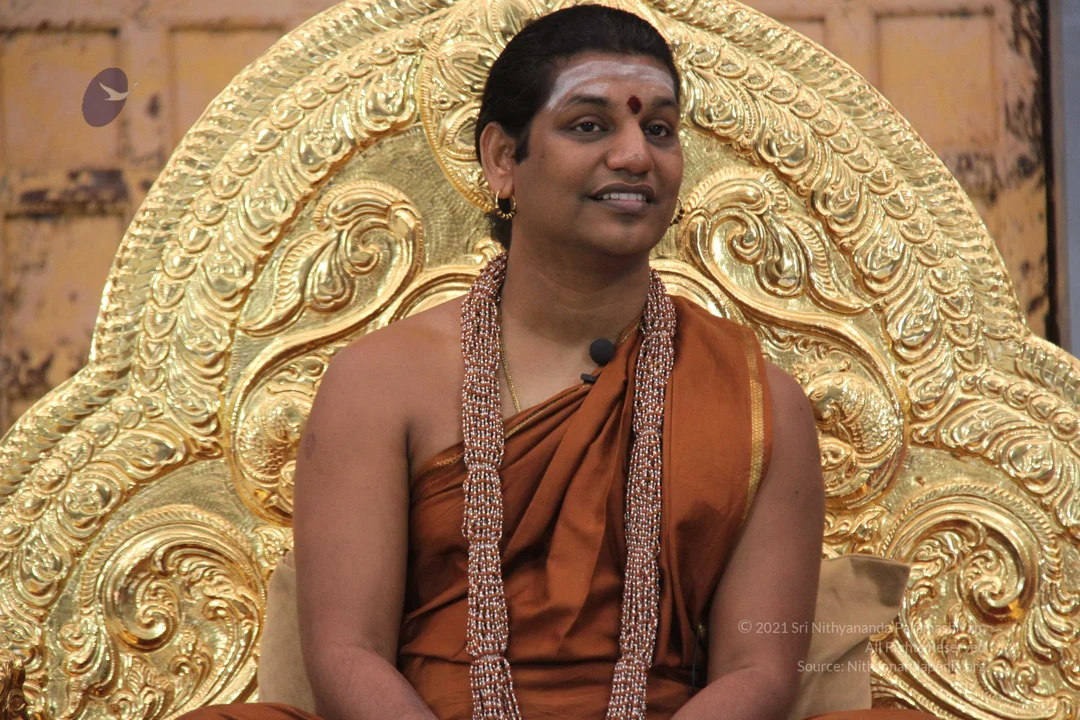
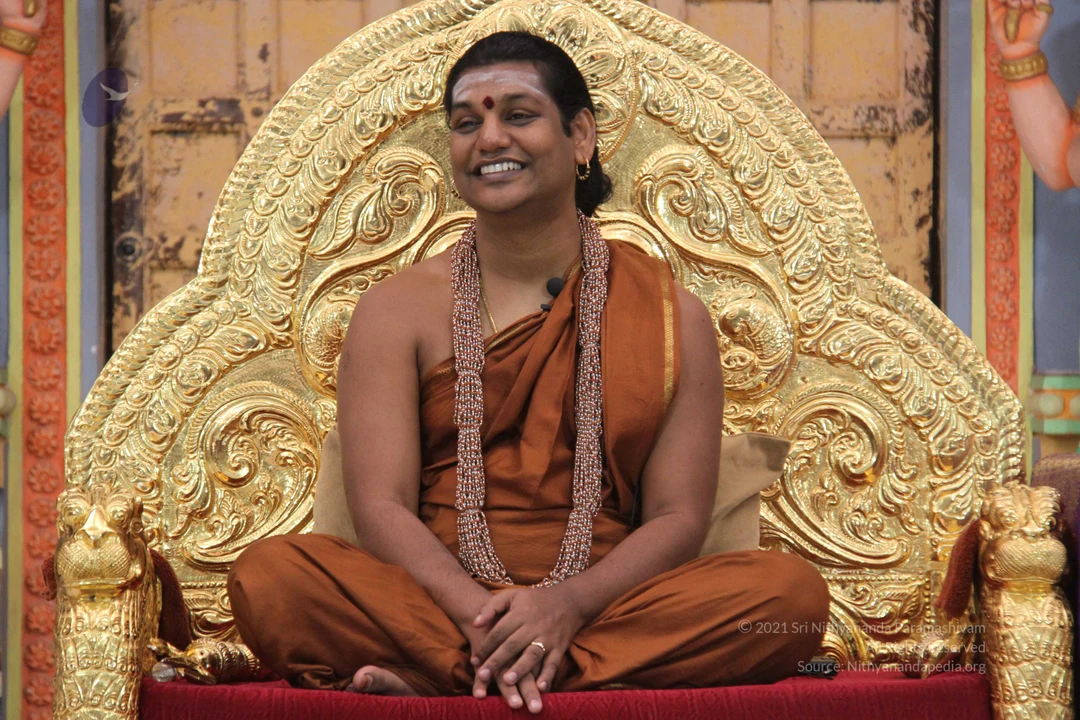
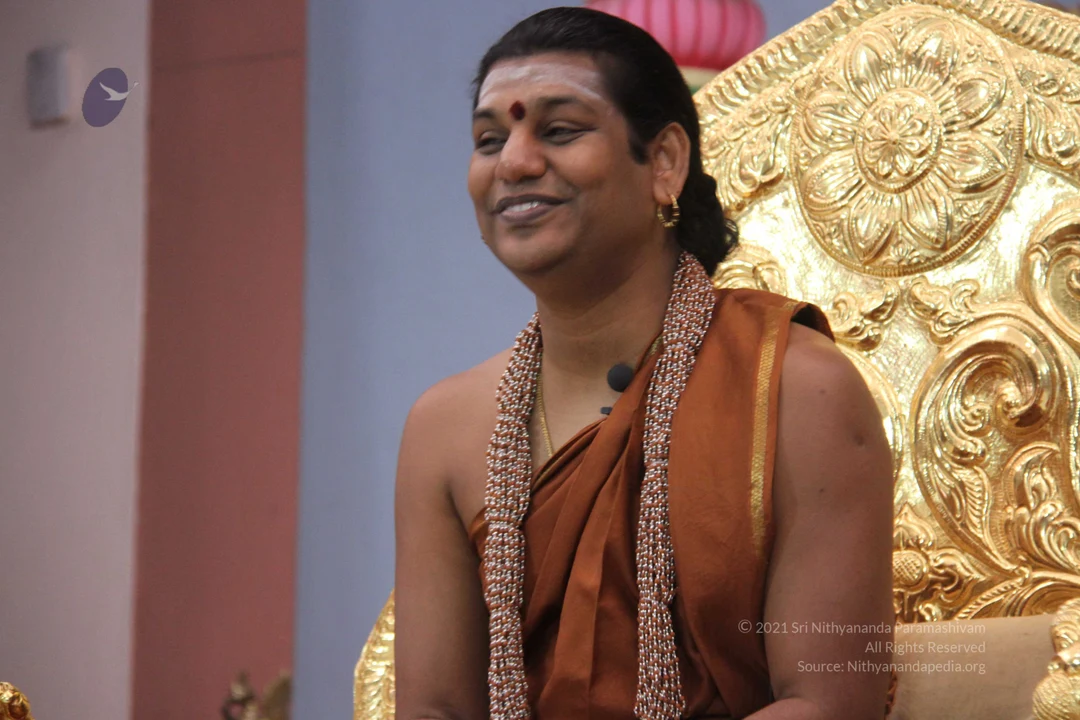
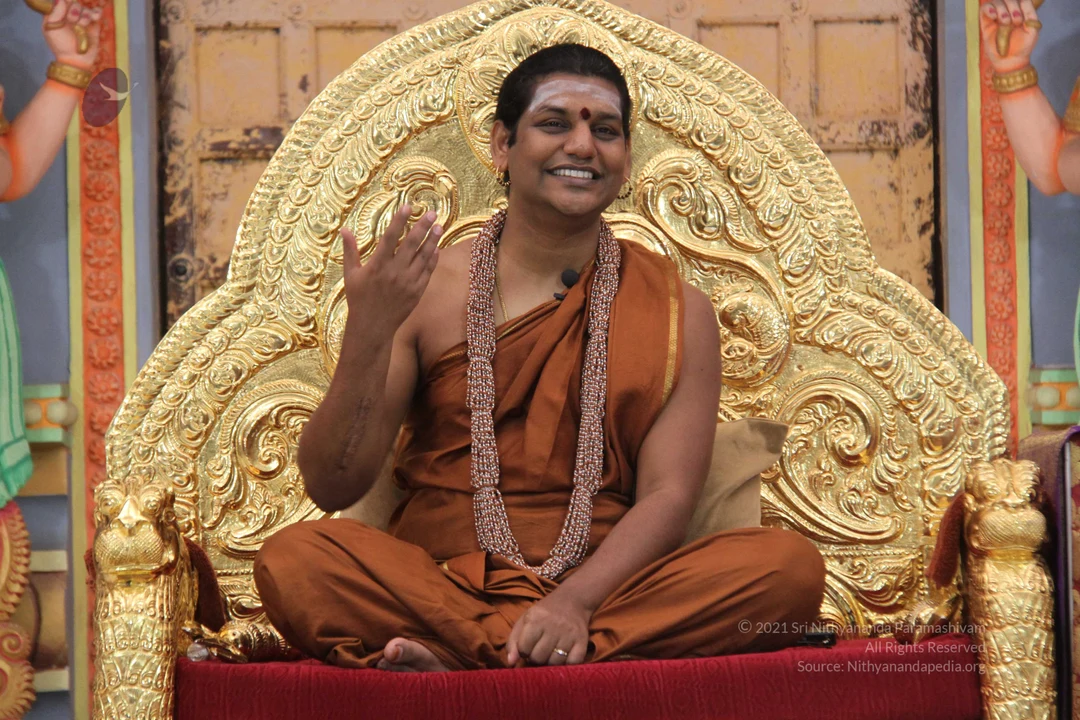
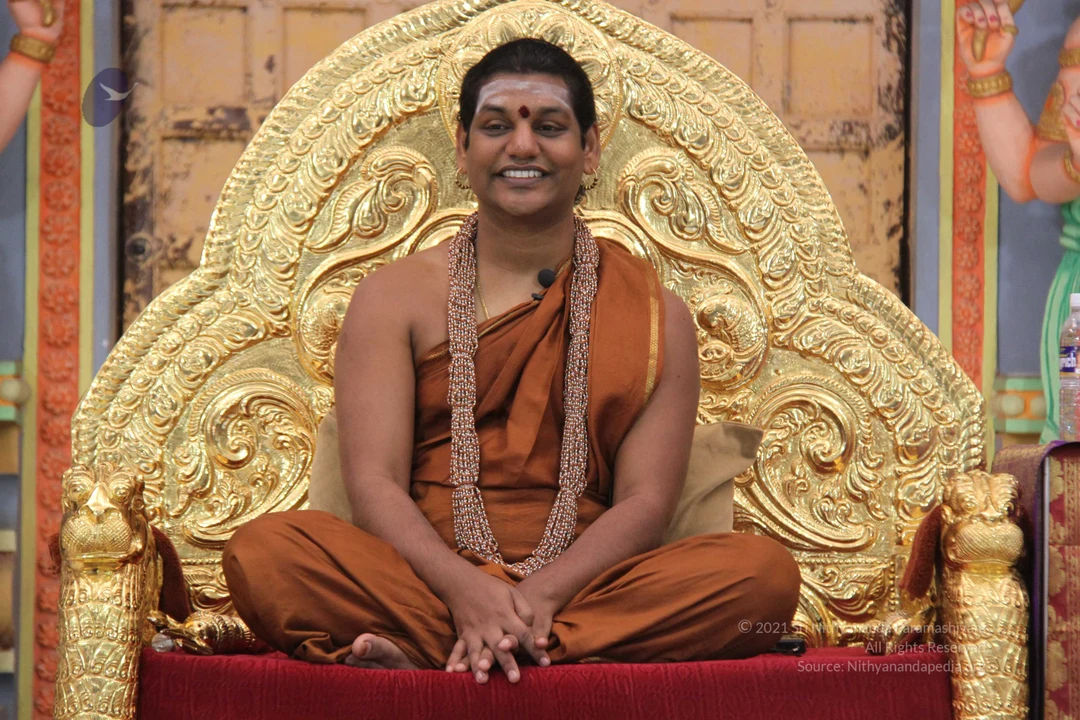
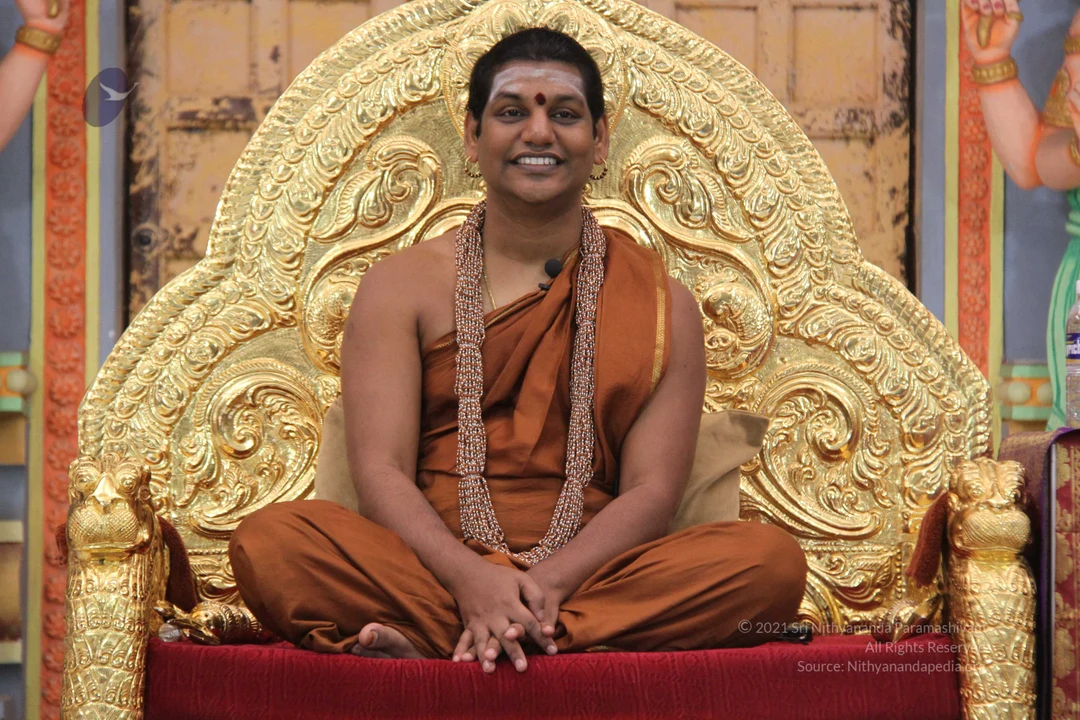
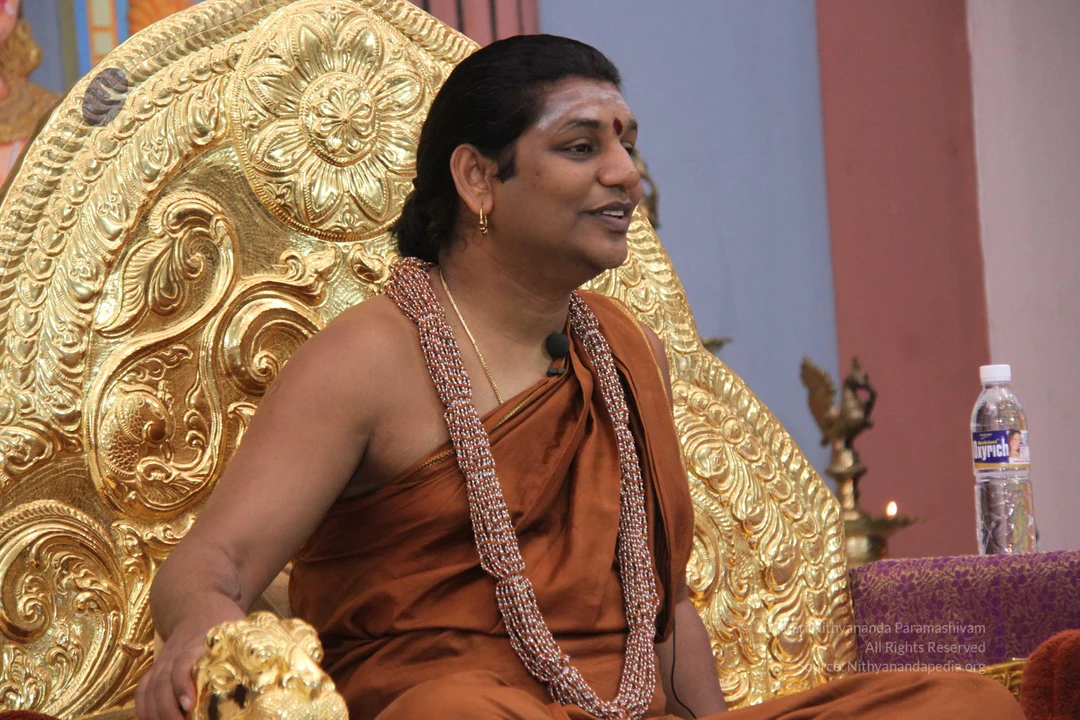
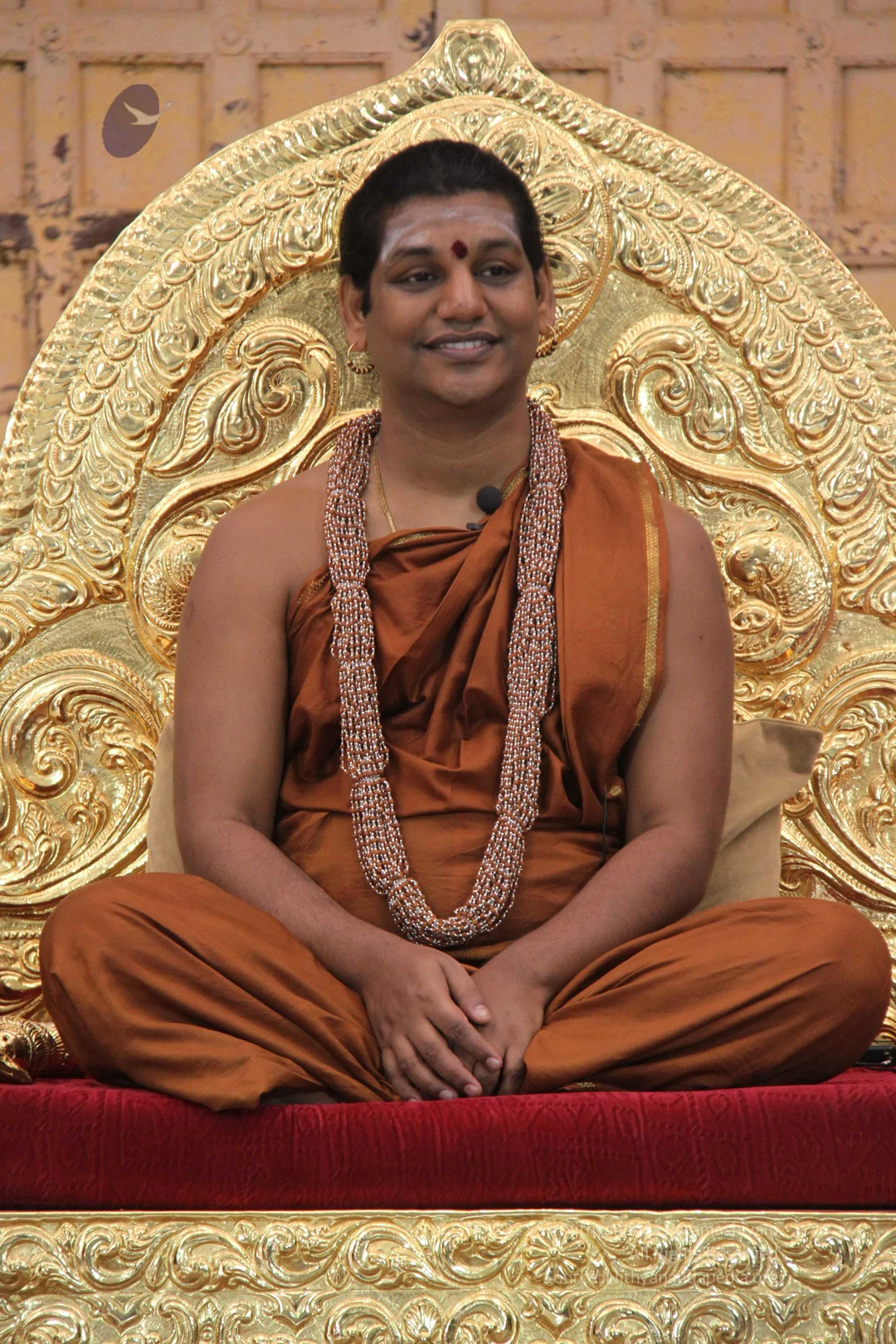
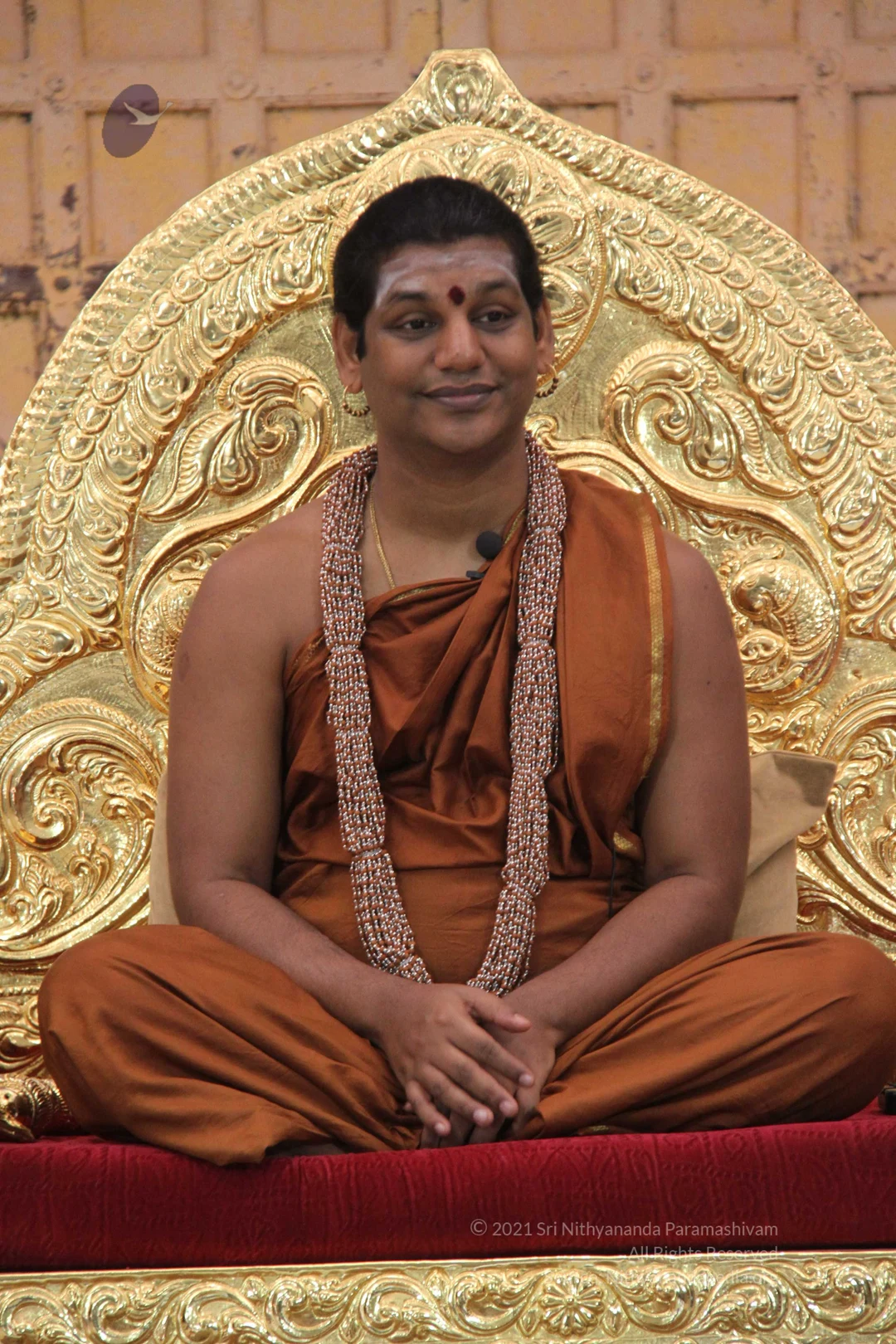
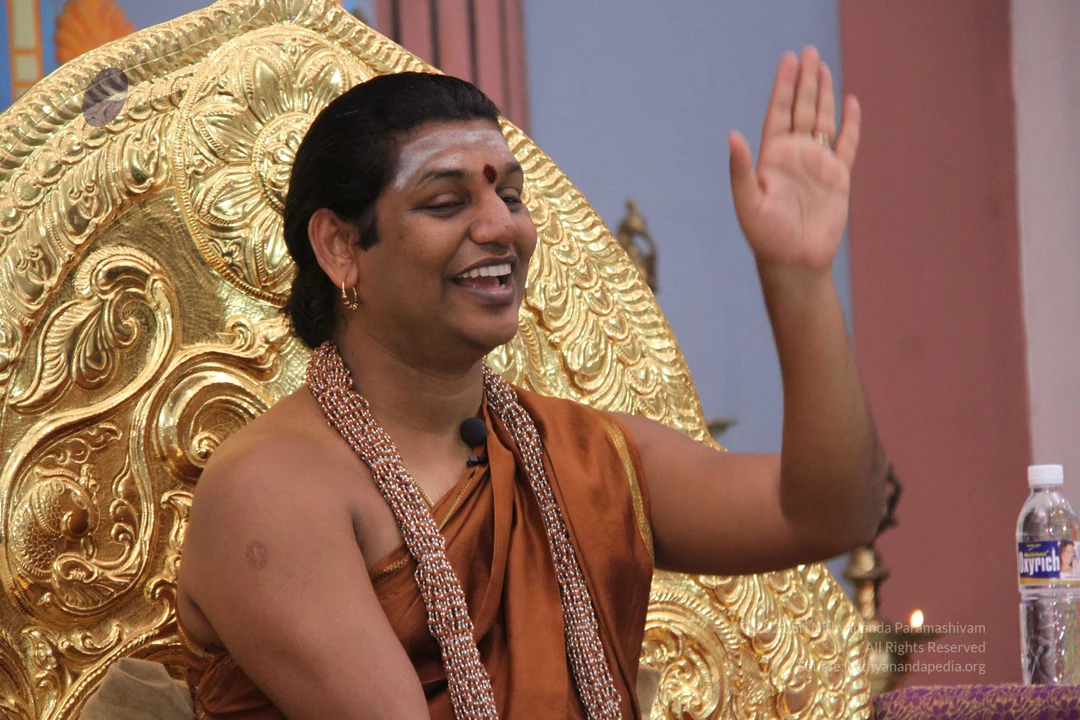
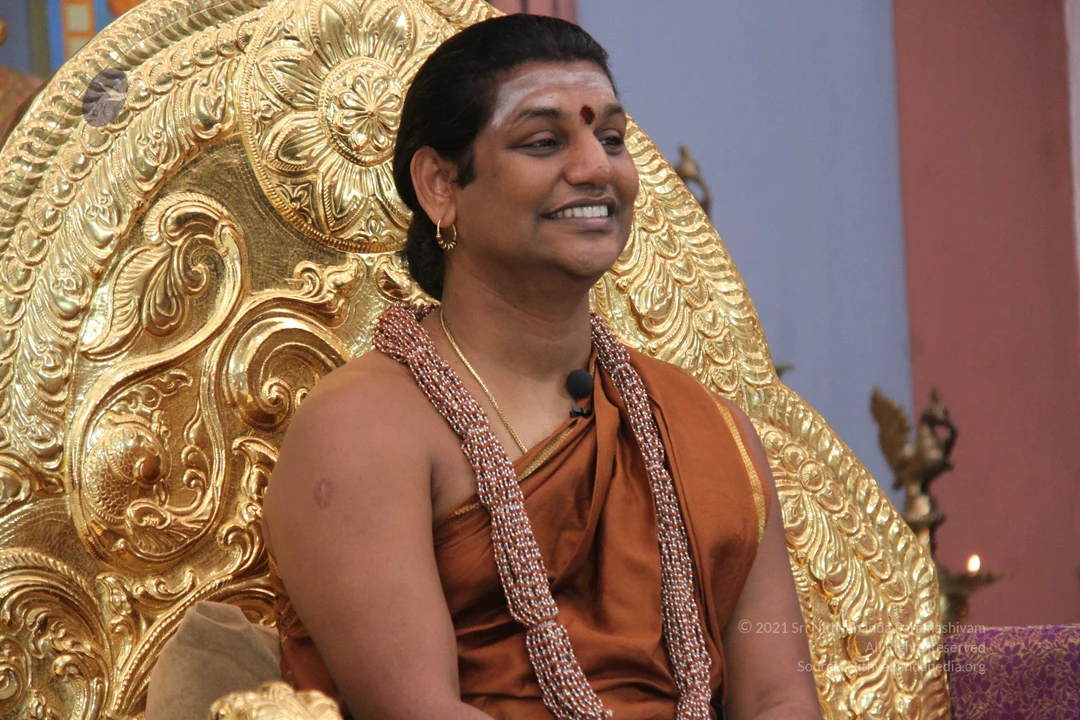
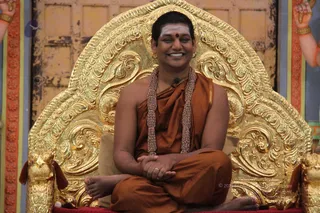
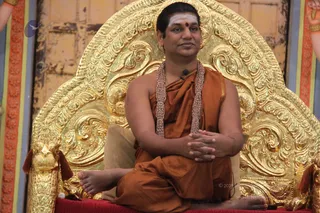
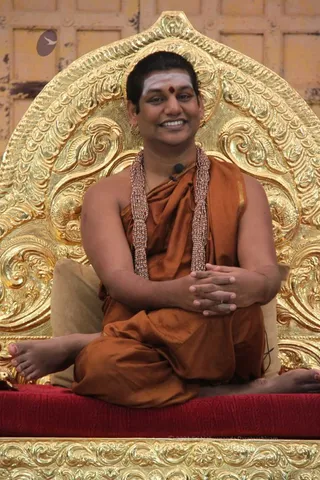
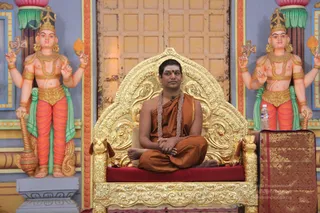
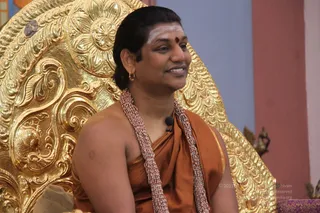
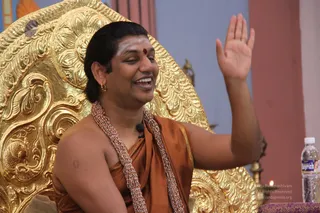
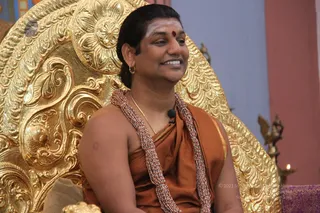
In today’s morning Satsang, Paramahamsa Nithyananda explains how any concepts that shrink or constrain us into our body are a bondage and likewise any concepts that expand us can liberate us. Sacred joy is experienced through expansion, adding strength to our consciousness. When we cause enlightenment in ourselves and others, we burn self-doubt and life begins in us. Our life becomes joyful, powerful, and we experience the truths.
Link to Video:
| Video | Audio |
Transcript:
Nithyanandeshwara Samaarambhaam Nithyanandeshwari Madhyamaam |
Asmath Aachaarya Paryanthaam Vandhey Guru Paramparaam ||
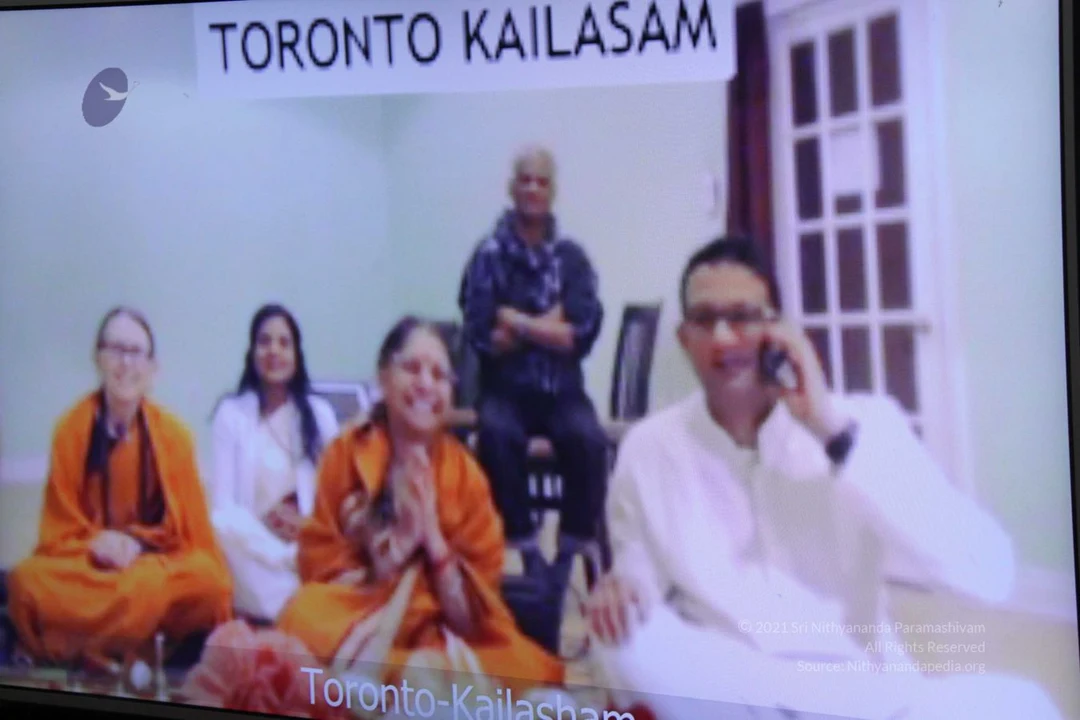
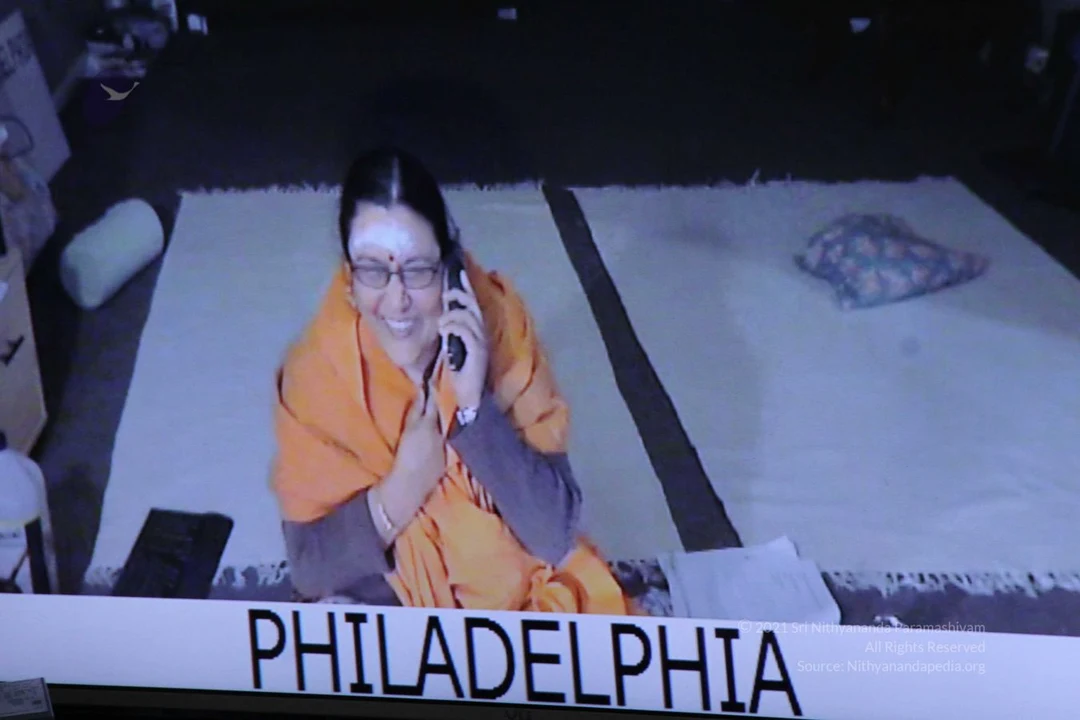
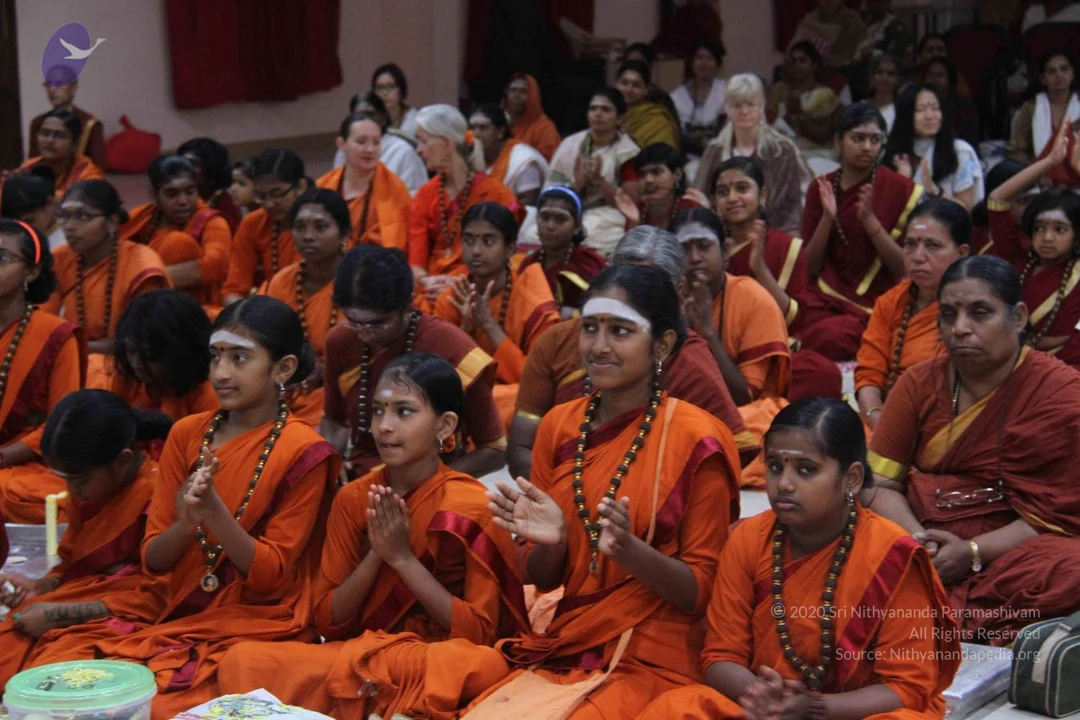
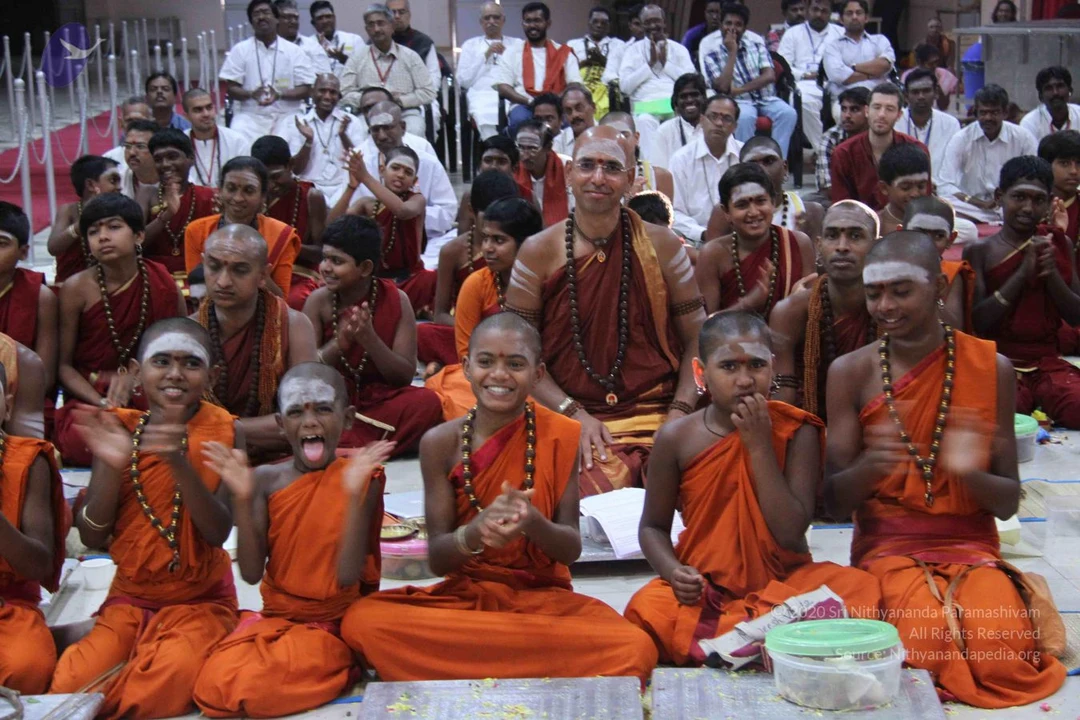
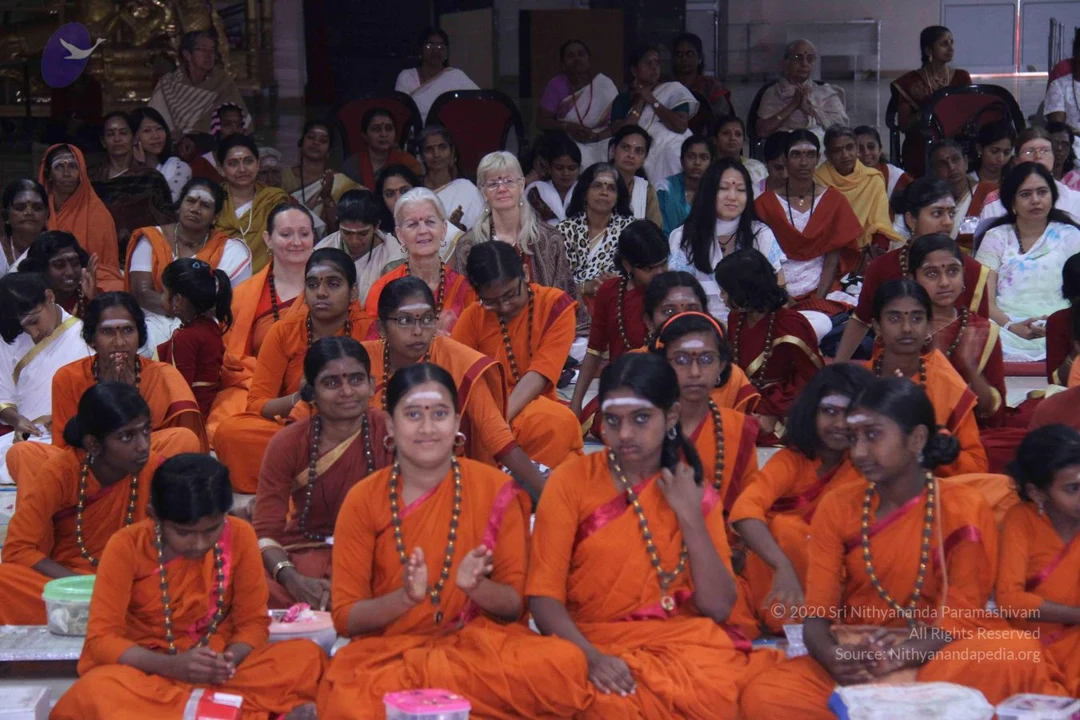
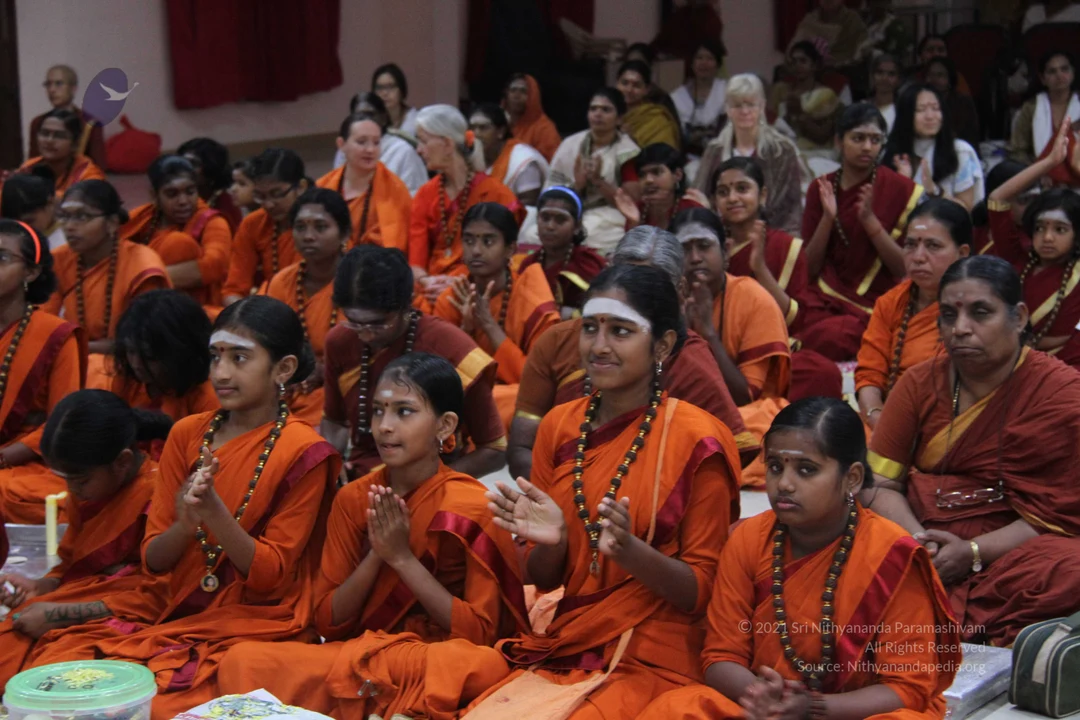
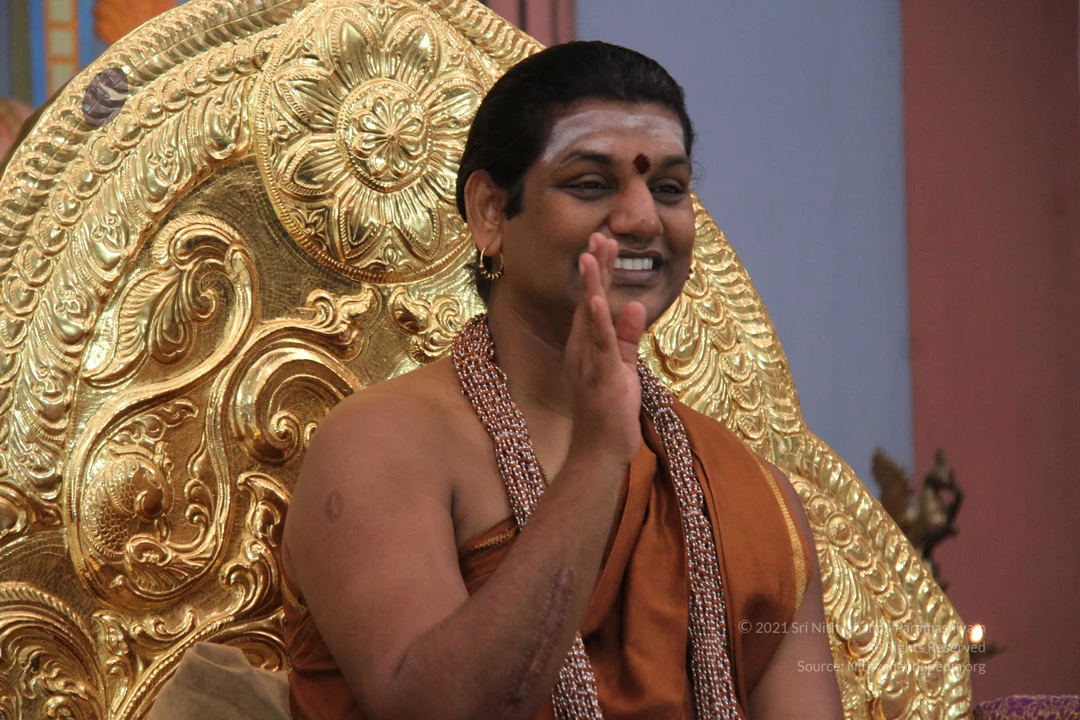
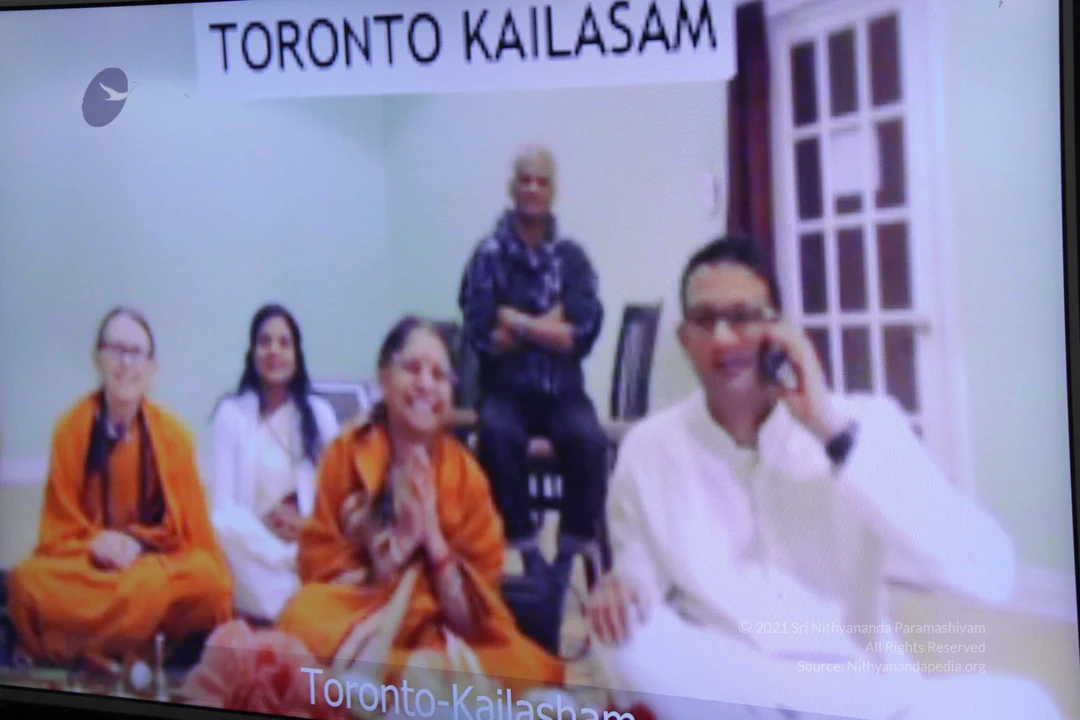
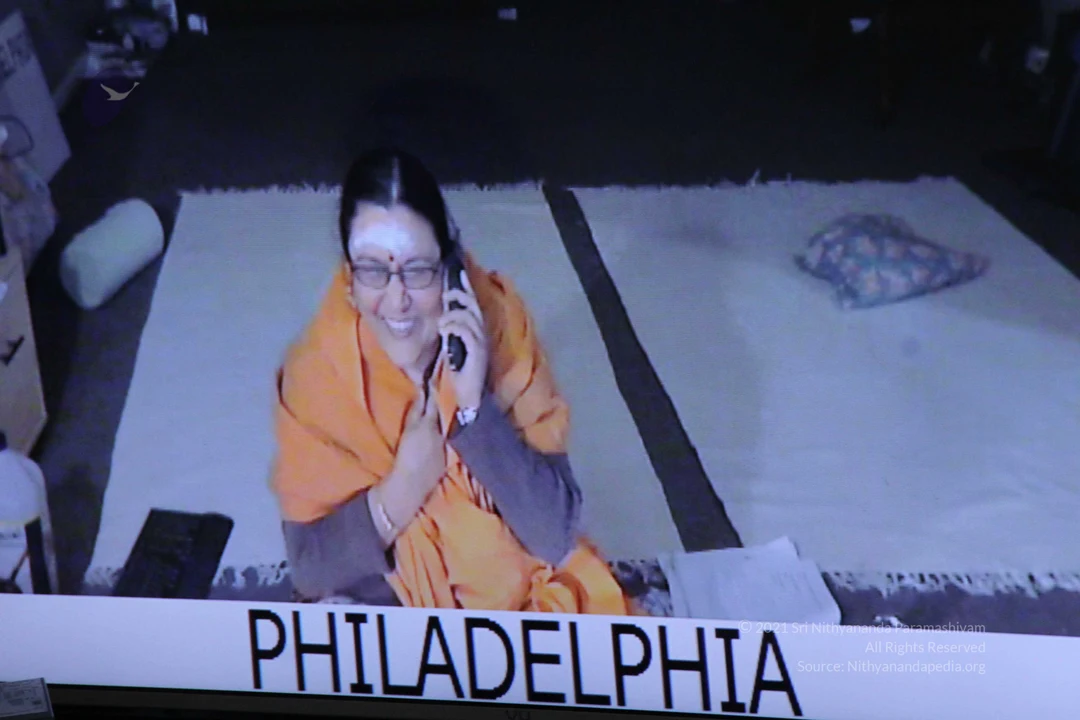
I welcome all the devotees, disciples, samajis, satsanghis sitting with us all over the world through Nithyananda TV, Lotus TV, Sadhna TV, Eshwar TV, Janashree TV, and through two-way video-conferencing having Nayana Deeksha in twenty-five cities, in twenty-two countries around the world.
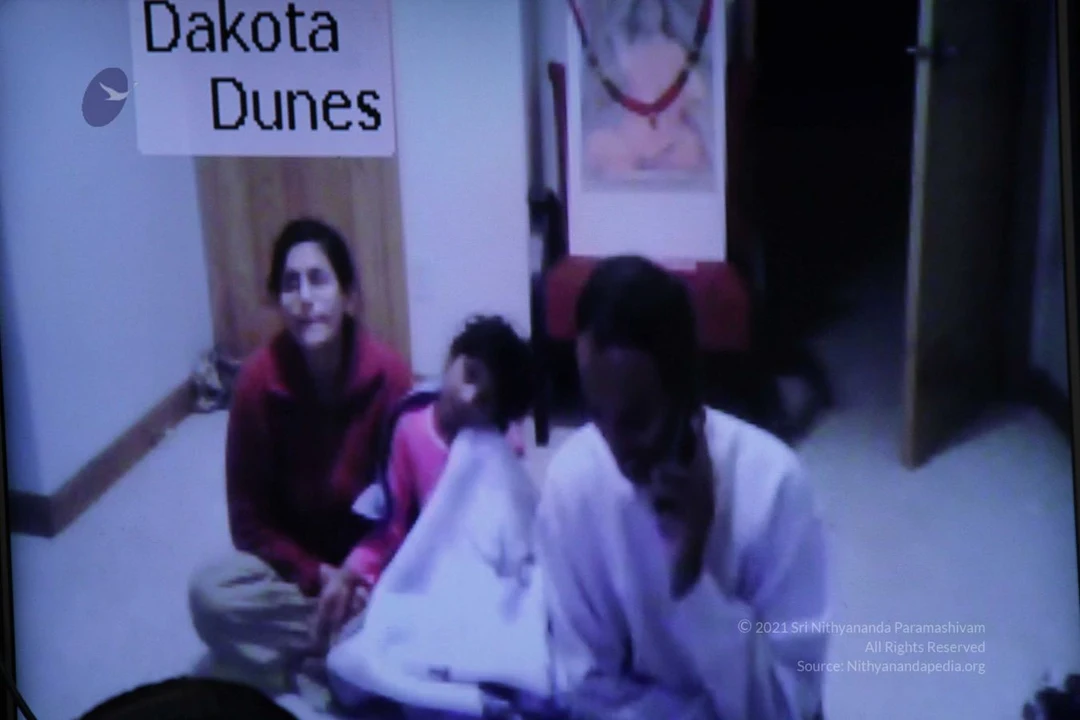
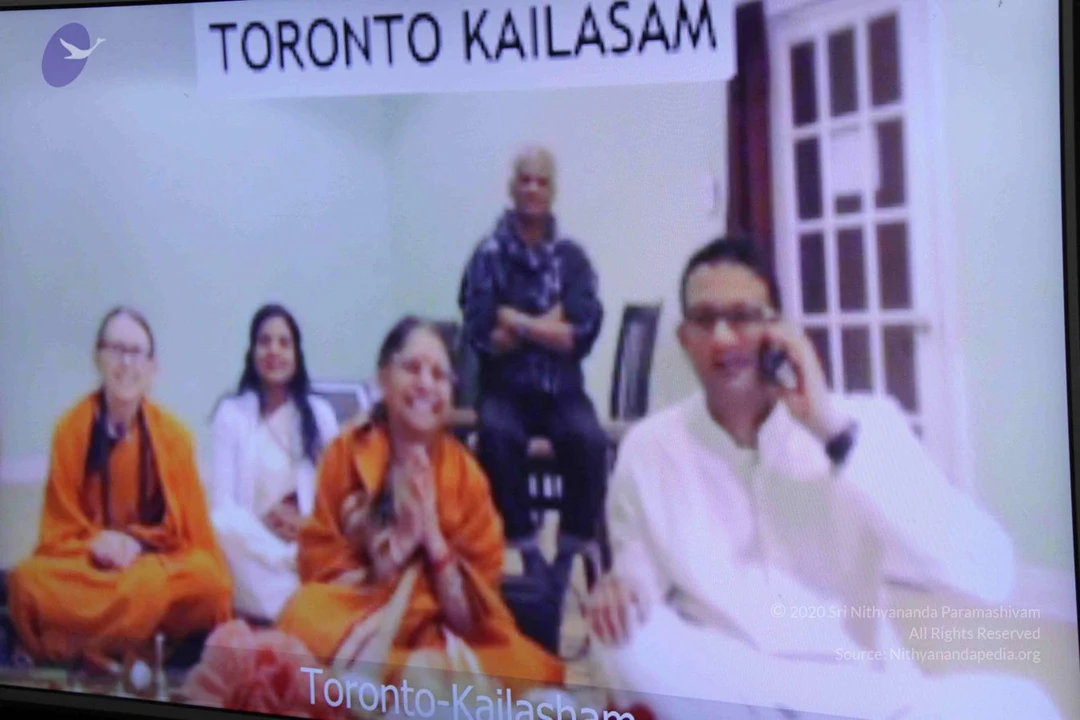
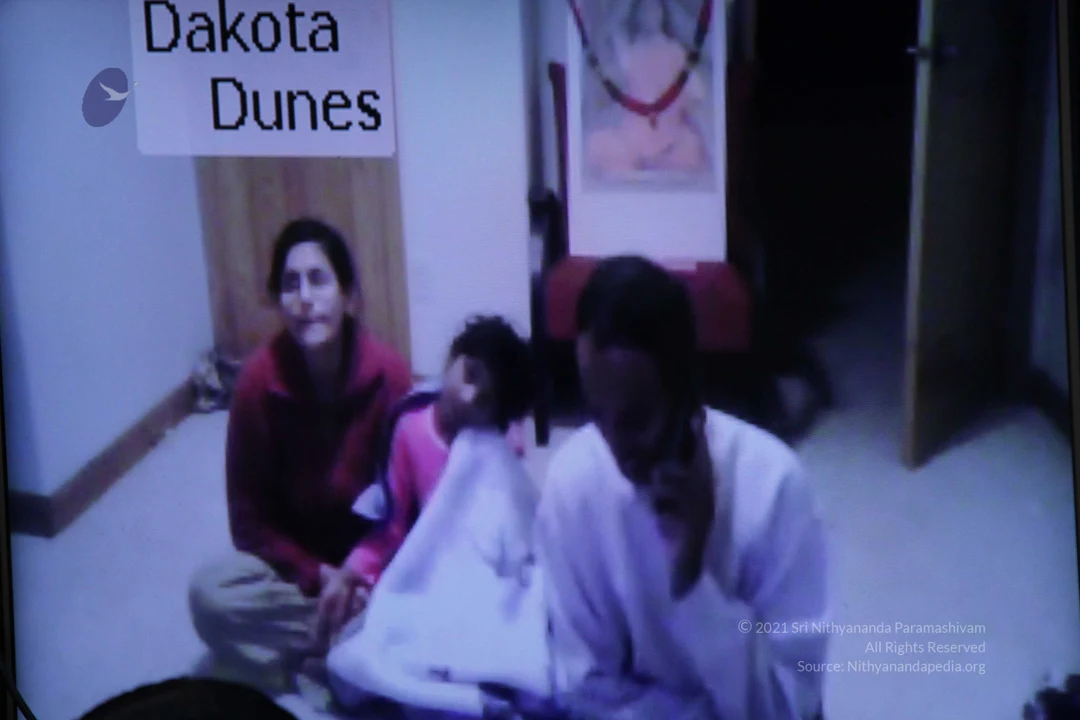
Cities sitting with us: Ma Jnanatmananda and the group of Sannyasis in Haridwar; already Haridwar is feeling the presence, eN-effect, Nithyananda Effect! Oklahoma-Somanatham, Los Angeles-Arunachalam, Nithyananda Nagaramu-Hyderabad, Scottsdale-Arizona, Redondo Beach-California, Singapore-Singapuram, Houston- Texas, Toronto-Kailasam, Seattle-Chidambaram, Ohio-Prayag, San Jose-Madurai, Winnipeg-Canada, Kathmandu-Nepal, Mollieres-France, Oman-Sivagangai, Kuala Lumpur-Palani, Enriching Temple-Bidadi, Hyderabad-Gupta Kashi, Philadelphia, San Diego-La Jolla, Indrani-New Jersey, Dakota Dunes, Jorpati-Nepal, New York-Varanasi.
I welcome all of you with my love and blessings.
I’ll continue to expand on “Causing Enlightenment”.
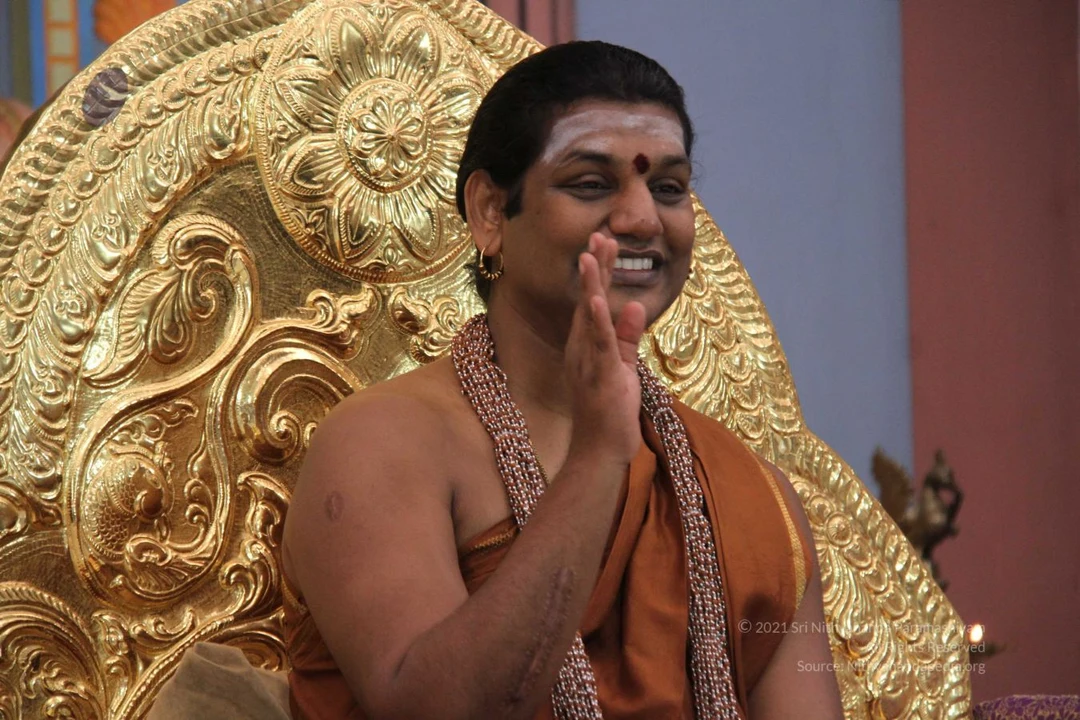
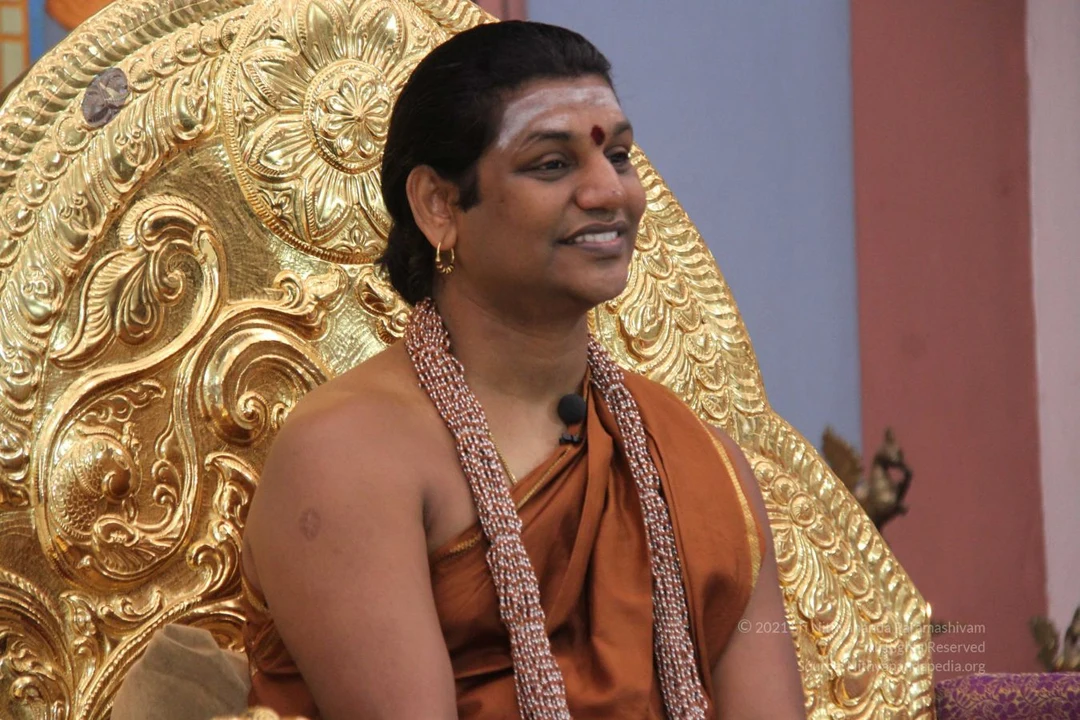
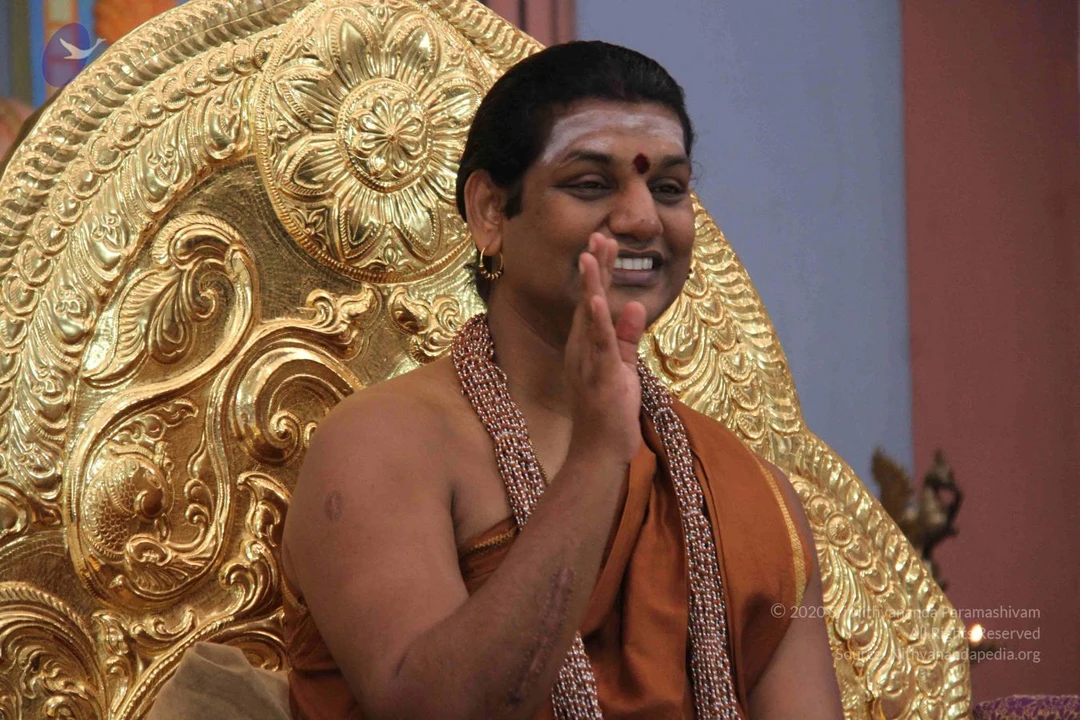
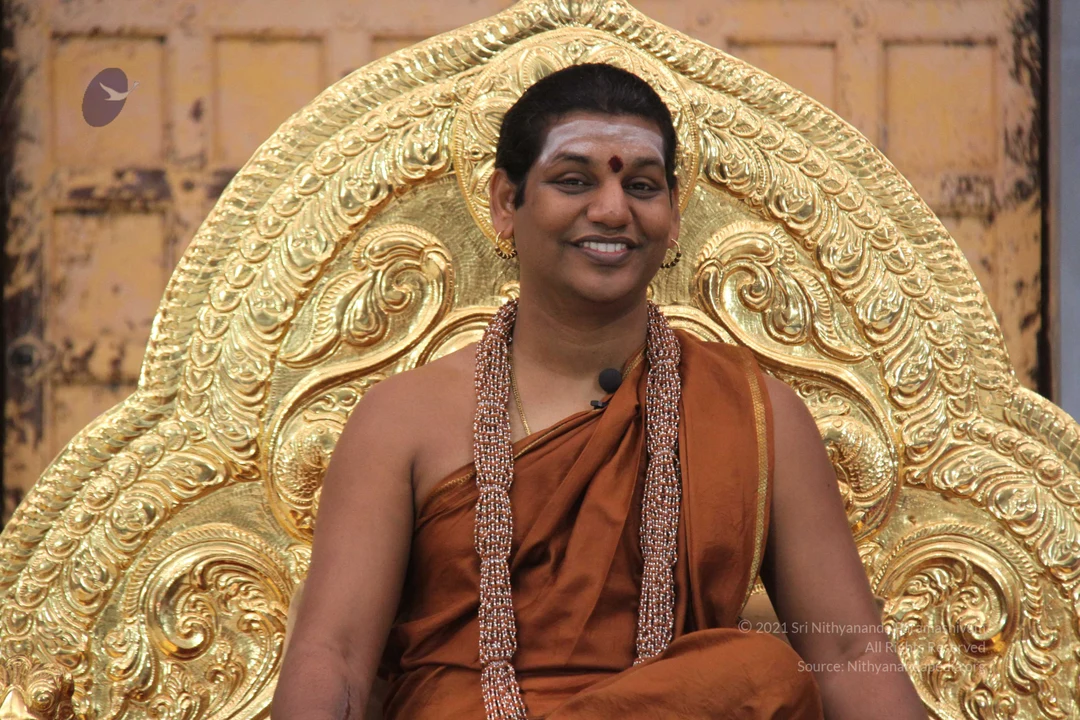
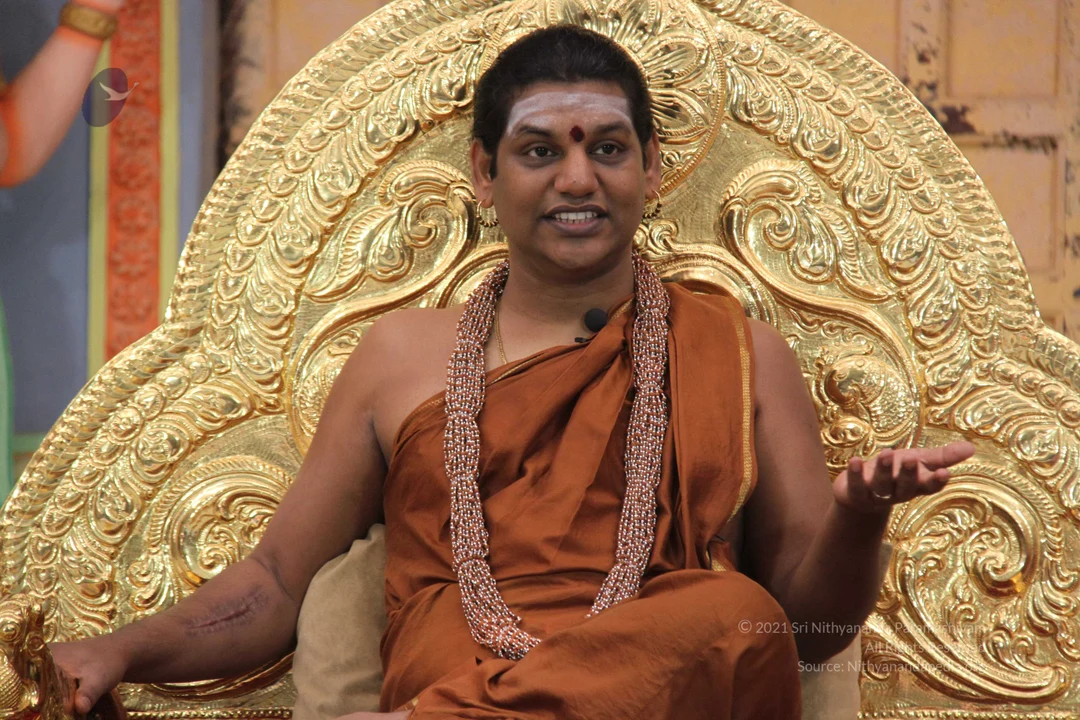
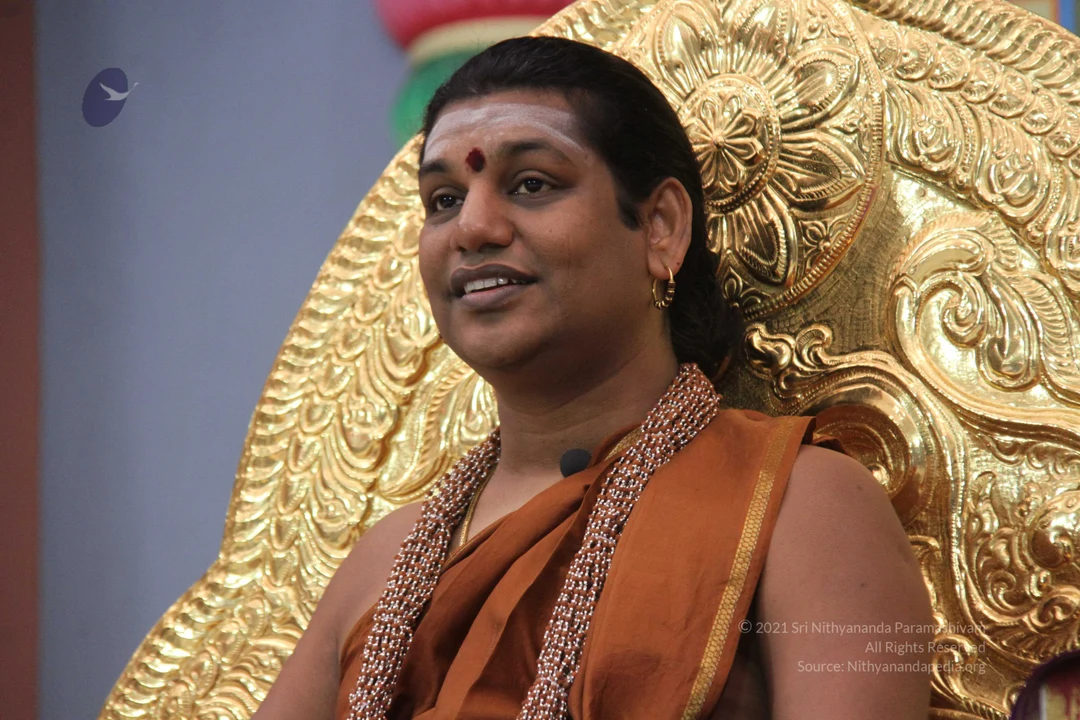
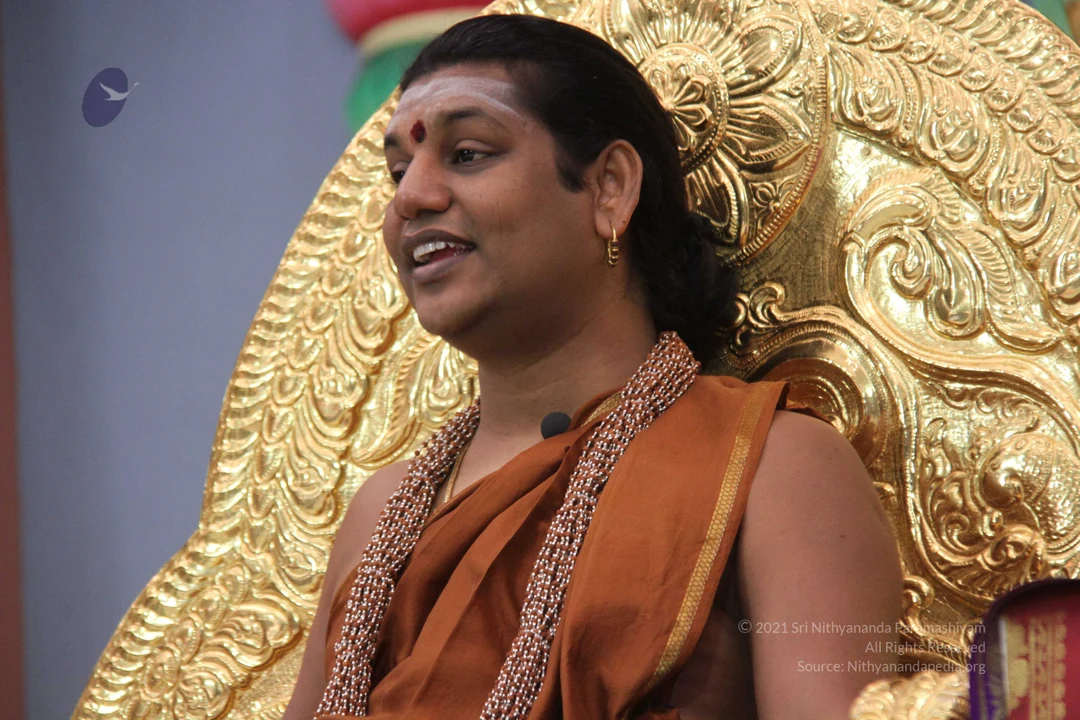
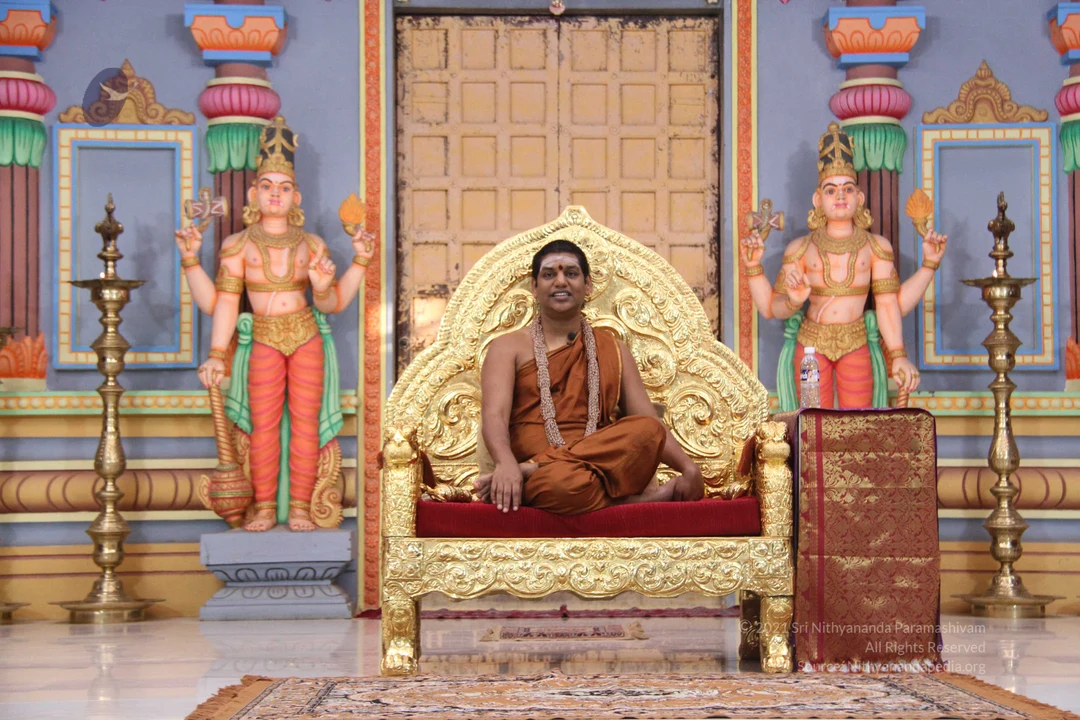
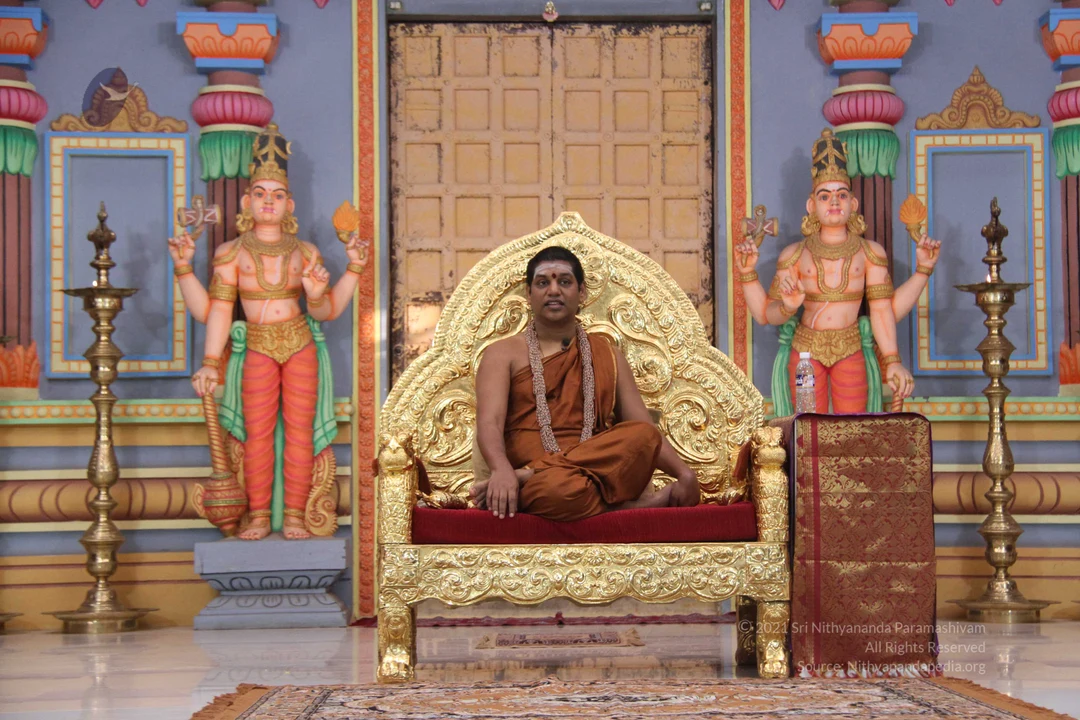
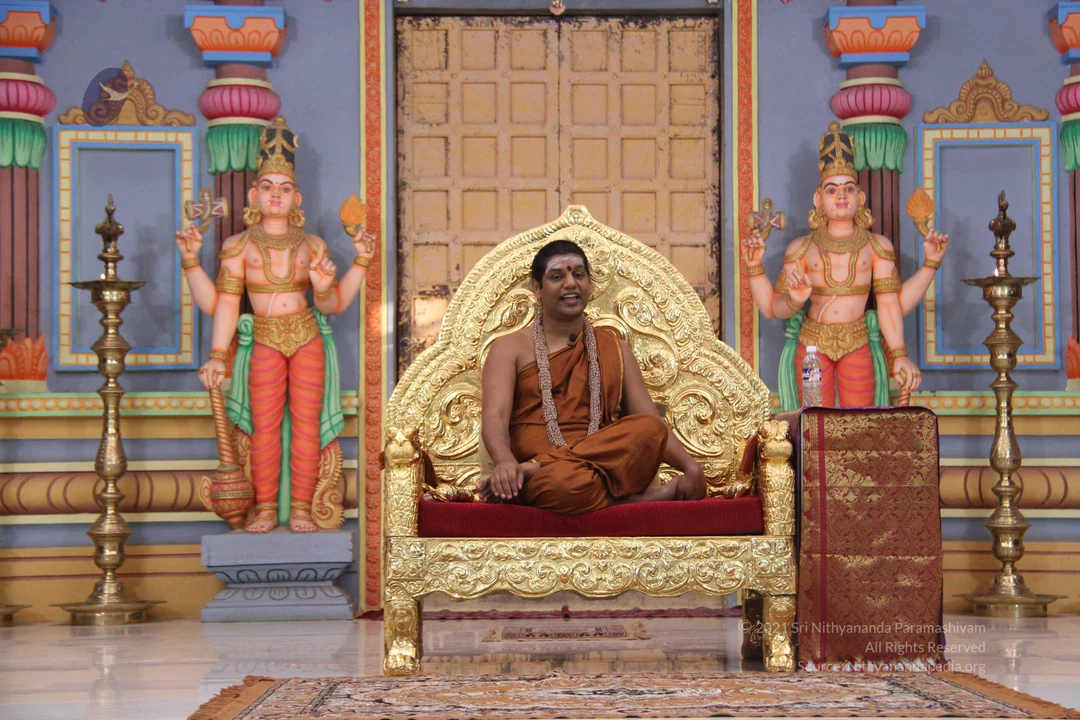
I think, today is the last day of this year’s satsangs. Am I right? So I have successfully completed my commitment of every day satsang, only with the 21-day break. By appearing in today’s satsang on time, I have successfully completed my commitment. This year beginning I committed to all of you that every day I’ll be here for satsang. Only if unavoidable circumstances, 21-days maximum leave. Followed it and with appearance today here, I have successfully completed my commitment to all of you. I thank the divine, Kalabhairava, for supporting me, because, many time I missed and Kalabhairava elongated time and saved my integrity. And the whole Sachala Murthy Seva team which is behind the screen. Putting all their efforts and making sure everything is there for me on time and to come and sit here for the satsang. Even the travel plans they make, whether I go to Bali, or Malaysia, Indonesia, any country they have to make the travel plans such a way that I cannot miss satsang. It has to be only between satsang to satsang. So beautiful. I sincerely thank the whole Sachala Murthy Team, the team which is supporting me in my work and Kalabhairava, Mahadeva, who adjusted time few times at least to keep me in the space of integrity. So happy. Actually, I tell you only when I am telling you it looks big; otherwise I don’t feel it is big; so smoothly it happened. Only now I remembered, ‘wow, beautiful!’
So, with the blessings of Kalabhairava, with Integrity, Authenticity, Responsibility and Enriching, I commit with all of you guys, again next year, whole year we will have morning satsangh and Nithya Kalpataru Darshan wherever I am, means, whichever centres I am travelling. And I don’t even feel like taking a grace period means for some unavoidable circumstances; anyhow I commit at least with you guys, it will be less than this year’s leave that’s all. I much I commit with you guys, it will surely be less than this year’s leave. We will have Nithya Satsangh and Nithya Kalpataru Darshan. I’ll be there for all you guys, with you guys, whichever city or country I am travelling to take Inner Awakening or classes, for whatever purposes. The holidays will be surely less than this year’s; means, less than 21 days. I give you guys my commitment through this declaration. I request Kalabhairava’s blessings and Sangha’s blessings for me to make this a reality. Understand, Sangha is a powerful component of me which has a right to bless! See it is like, when I am coughing, I ask my own intestine and the throat and all that, ‘Please bless me and don’t cough, let me give Satsang.’ Even though it is my own part I ask for its blessings and it responds, it really responds. When I ask for blessings! It says, ‘Okay. Alright, alright! We won’t disturb you, you continue.’ So great.
I’ll expand on “Causing Enlightenment”, which is the essence of this whole year’s satsang.
This “causing enlightenment”, let me explain some of the basic sacred principles of life: Whichever, whatever conditions, understandings, facts, concepts, constrains you into your own body is “bondage”. Whichever concept, principle, truth, philosophy, facts expands you is “liberation”.
Listen! Whichever concepts, philosophies, truths, facts constrains you into your own body, into yourself, into you, you, you, is “bondage”. Whichever philosophy, whichever principles, whichever concepts, whichever truths expands you is “liberation”. Whichever principle restrains you, constrains you into your body, whichever principles shrinks you is “bondage”. Whatever principle expands you is “liberation”. This is the basic truth; this is “shruti”, irrevocable, unchangeable, eternal principles, Nithya Tattvas.
I could see, suddenly, a big gush of energy in all of them. Some of my great Sannyasis who will not be affected by anything on the world, who have crossed the bounds and limits of Paramahamsa and Paramaparamahamsa. People like Nithya Stananda - he mistook the meaning of his name. Nithya Stananda means being stable inside but unfortunately he started becoming stable outside also. Even they all started feeling new energy and fresh lease of life in them. I was so happy; I was able to make my whole Sannyasis, the joy of expansion. Everyone invariably was telling, ‘Wow. It is so joyful to be part of others. It’s such a joy.’ All I did is one small process help every one of them be cause for everyone’s reality. Be a cause for others’ reality. Be a cause for everyone to realize their reality. That’s all! Just they started thinking about it. I could see the energy, energy in them, and the joy and the expanded feeling.
I tell you, human life is supposed to be lived with a lot of joy. It is supposed to be lived with lot of strength. It is supposed to be lived with lot of bliss. It is not to be wasted in the Wall Street or the M.G. Road. M.G. Road symbolizes malls and buying. Wall Street symbolizes just earning, earning, earning. It is neither to be spent only in earning, nor to be wasted only in spending because; neither in earning nor in spending you will find the sacredness of life.
Please understand, “Joy” is a foolish idea you carry. “Sacred Joy” is the experience happens to you. Sacred Joy. Whenever the option is in front of you, “Joy” and “Sacred Joy”, choose always the “Sacred Joy”. Sacred Joy can be experienced by you only when you cause enlightenment to others. Sacred Joy is like a “Soma Bana” which strengthens you. Somebody asked me, ‘What is the difference between the Soma Rasa and modern-day alcohols?’ This modern-day alcohol gives you fantasy, illusion, delusion and destroys your health. Understand, it destroys your health. But Soma Rasa raises you to the highest health, raises you to the peak health, amazing health. Sacred Joy infuses strength in you. Sacred Joy strengthens your consciousness.
I tell you, even in enriching there can be a ulterior motive, but in causing the ulterior motive is removed. If “enriching” is like 22-carat gold, “causing” is 24 -carat gold. I can say 25-carat gold! Purest. When you become a cause for others’ reality, actually even when you start thinking to be a cause for everyone’s reality, even that thinking expands you and brings fresh lease of energy in you.
Yesterday, when I did this process to all the Sannyasis, when they were sharing I saw so much of joy and life in their sharing. Person with a tremendous life. Seeing whom the self-denial and self-hatred gets frightened, self-doubt gets shivering, is a “Sannyasi”. Just by seeing you, the self-doubt, self-denial, self-hatred in others and in you, both, should start shivering and disappear. That is strength. That is “Sannyasi”. No place for self-hatred, self-denial, self-doubt. Self-denial, self-hatred is three weaknesses, major. More than the word “weaknesses”, I can use the word “ignorance”. A Sannyasi should be so powerful, all these is burnt inside you and outside you. Yesterday, I could see, so many of my Sannyasis, even they themselves coming and telling that they are able to come out of this self-doubt, self-denial, and self-hatred!
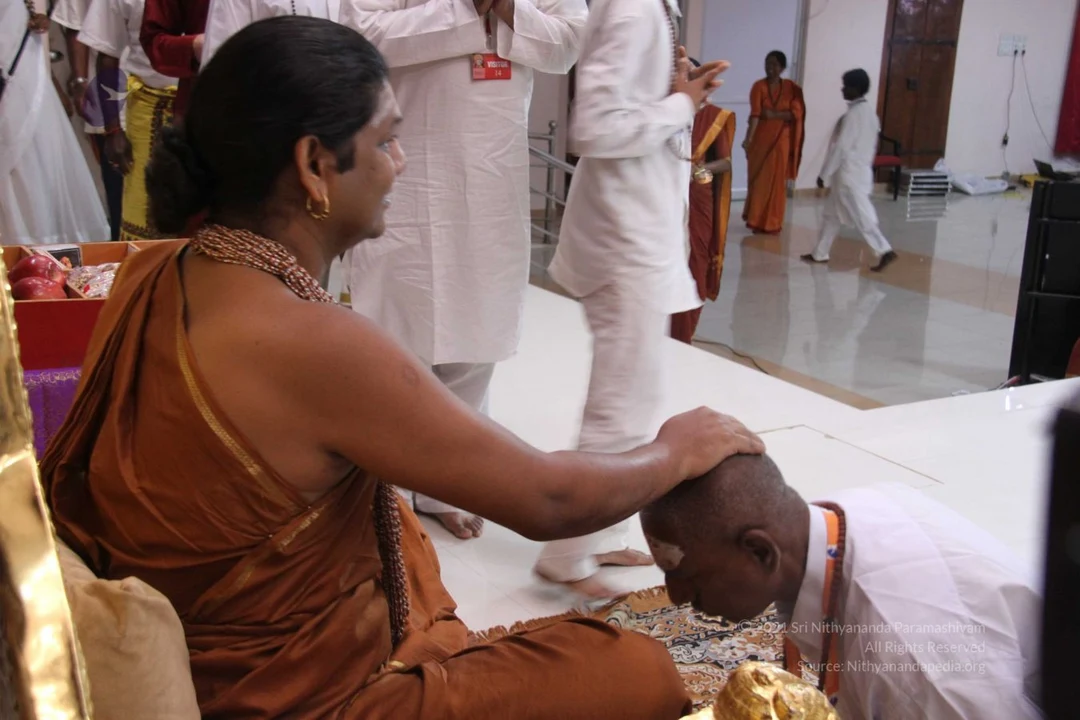
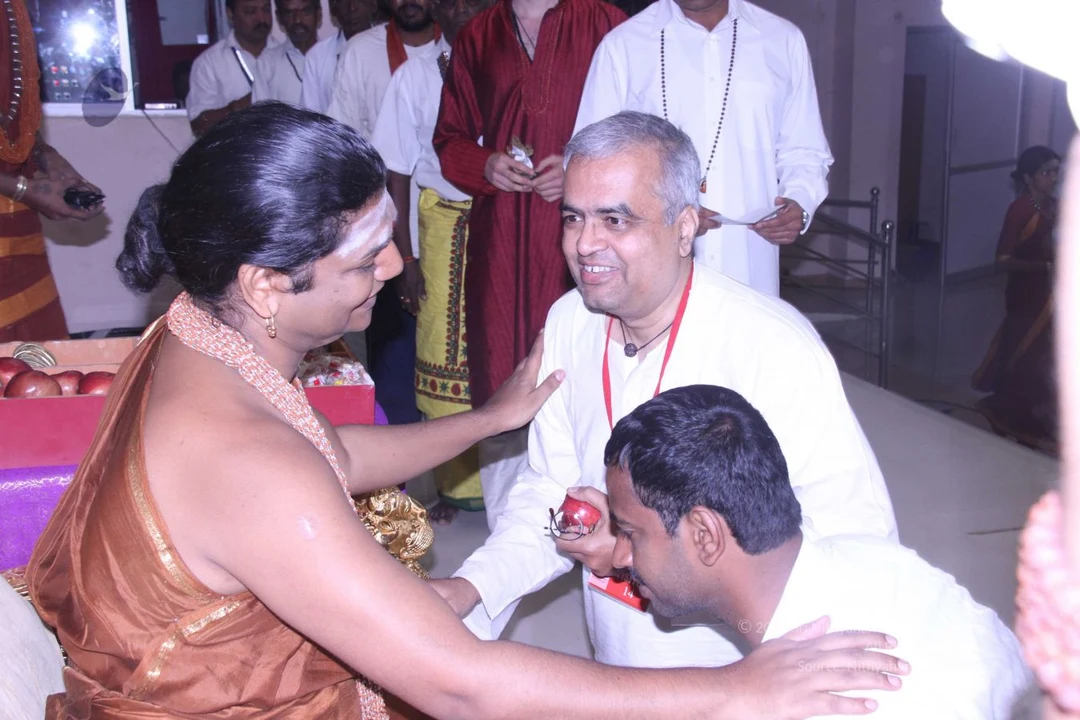
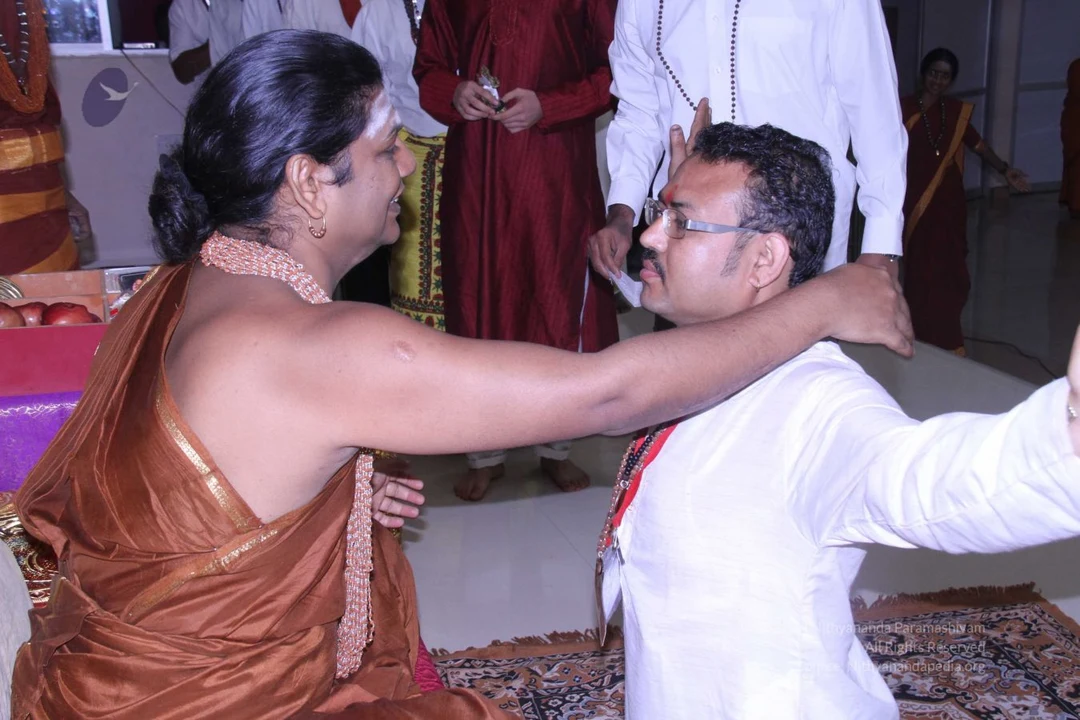
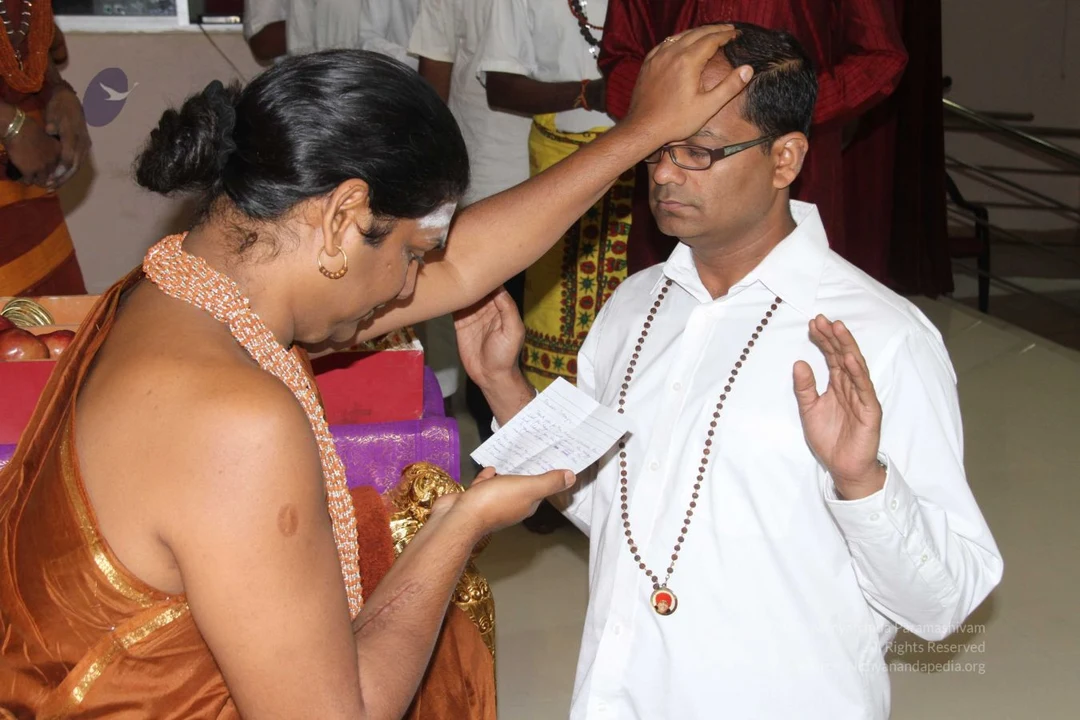
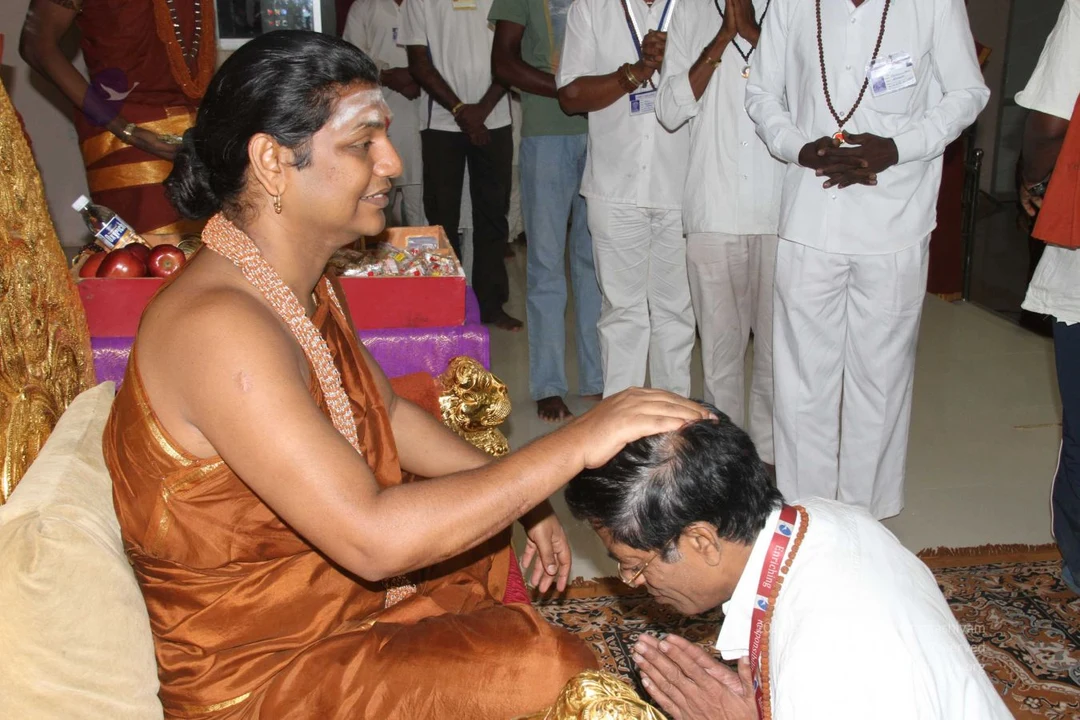
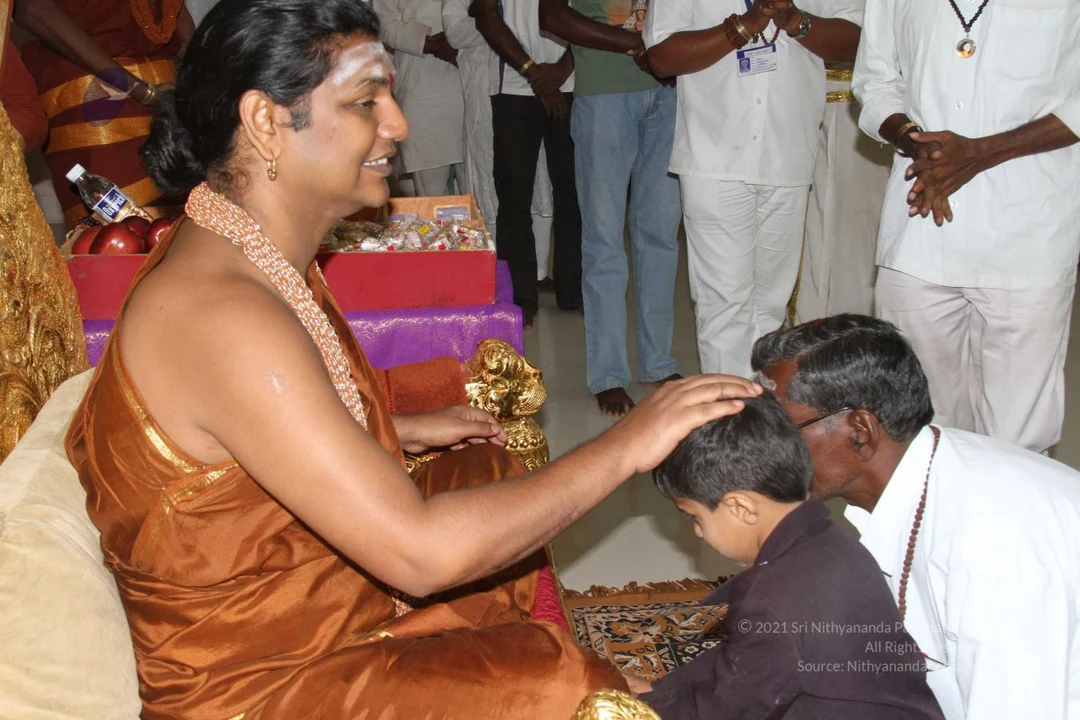
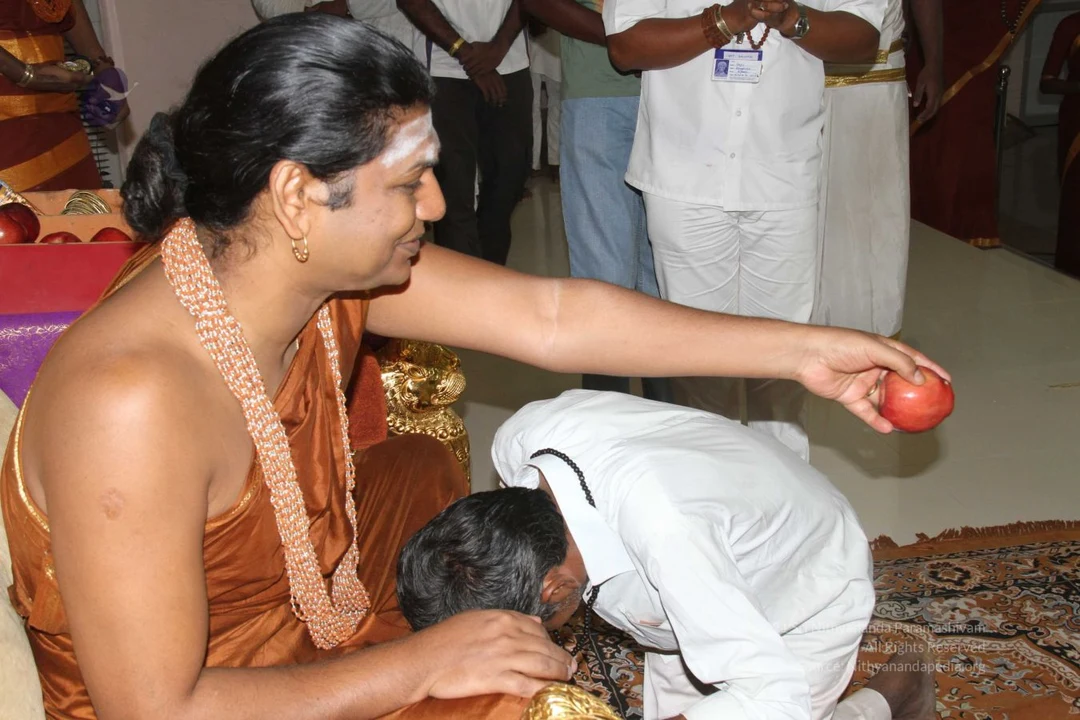
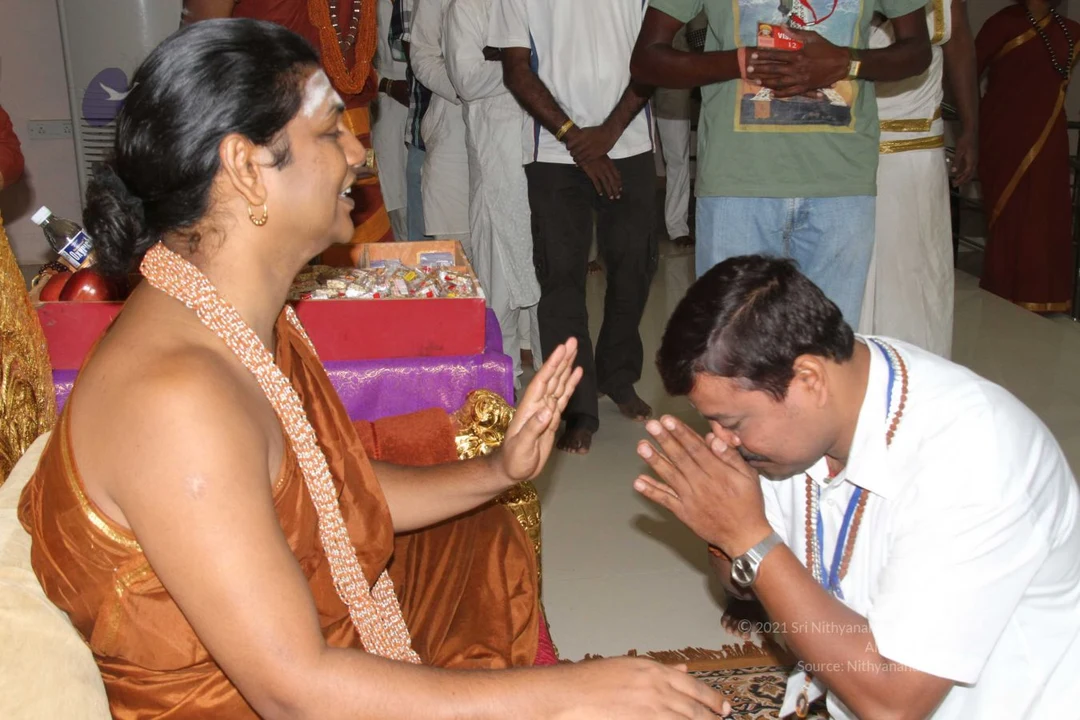
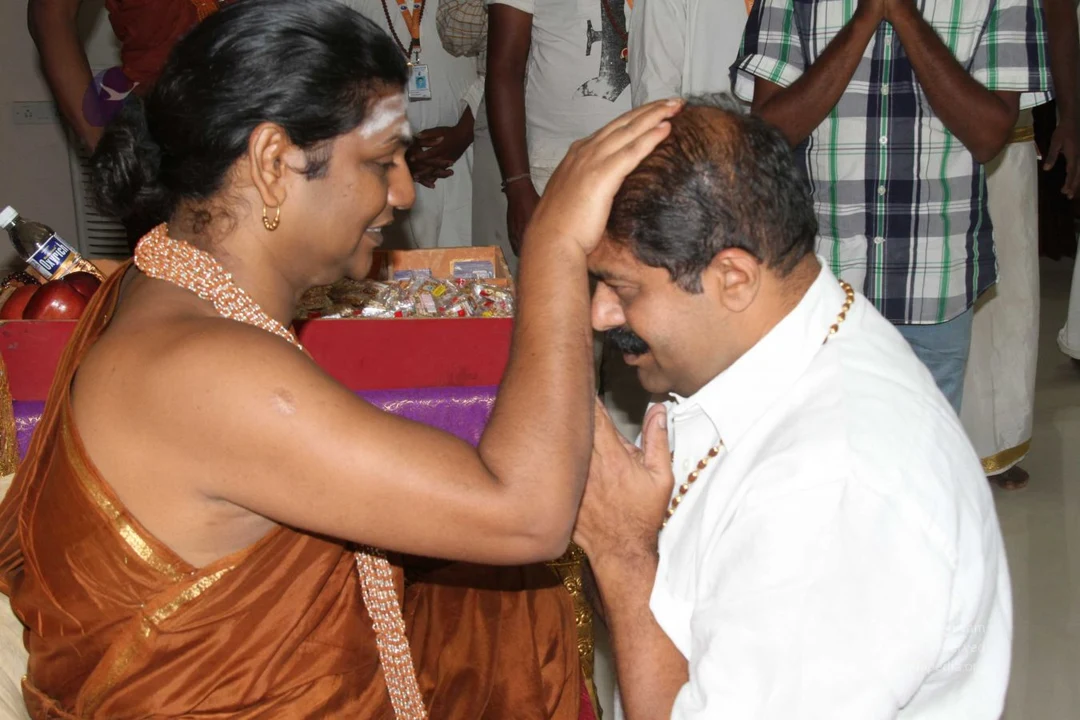
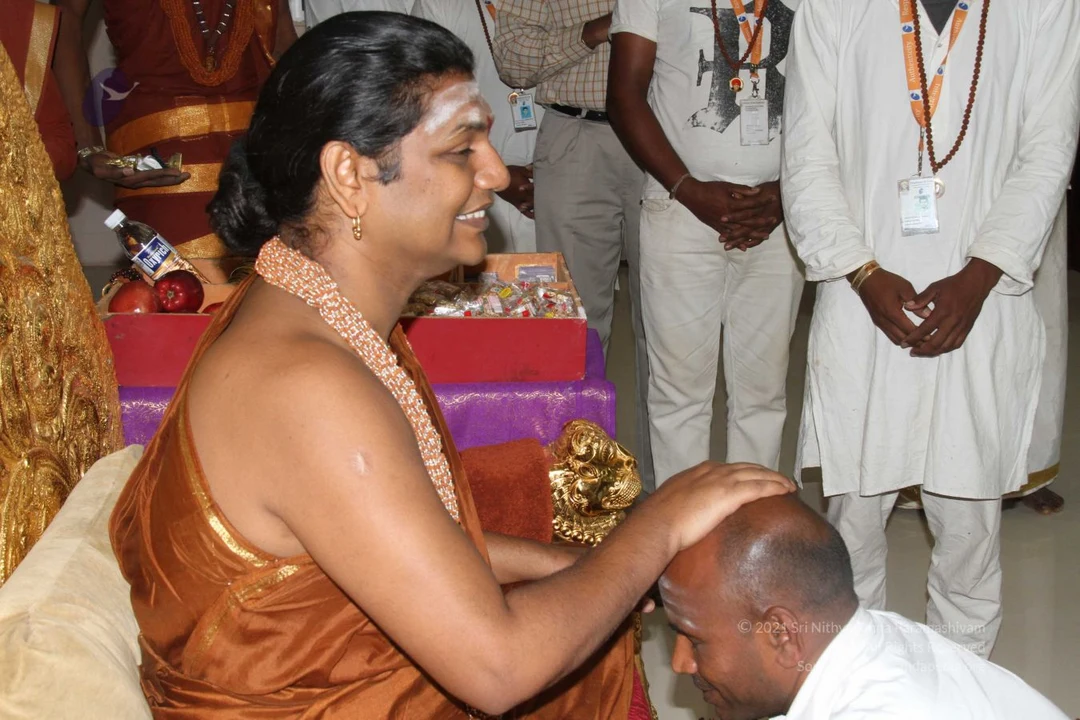
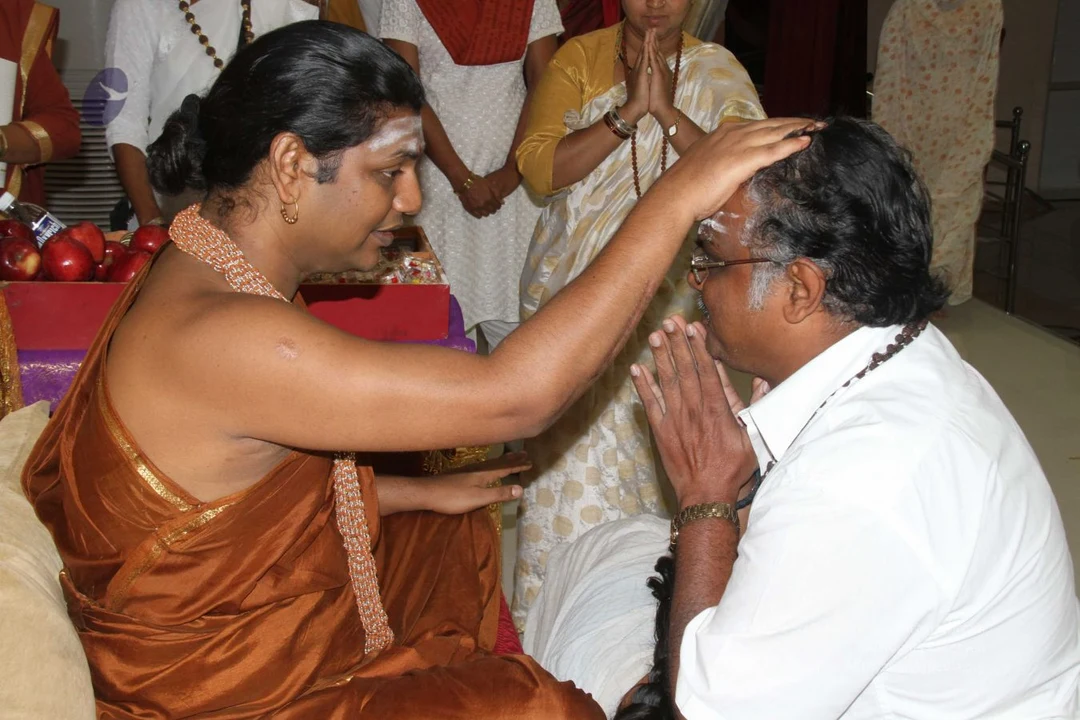
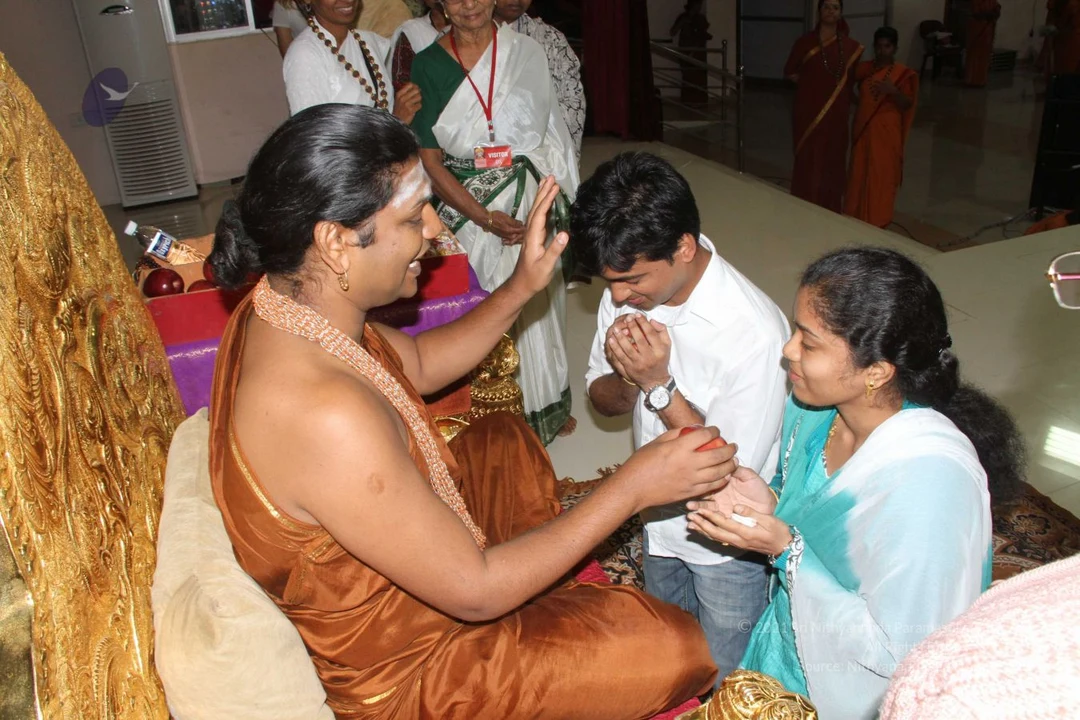
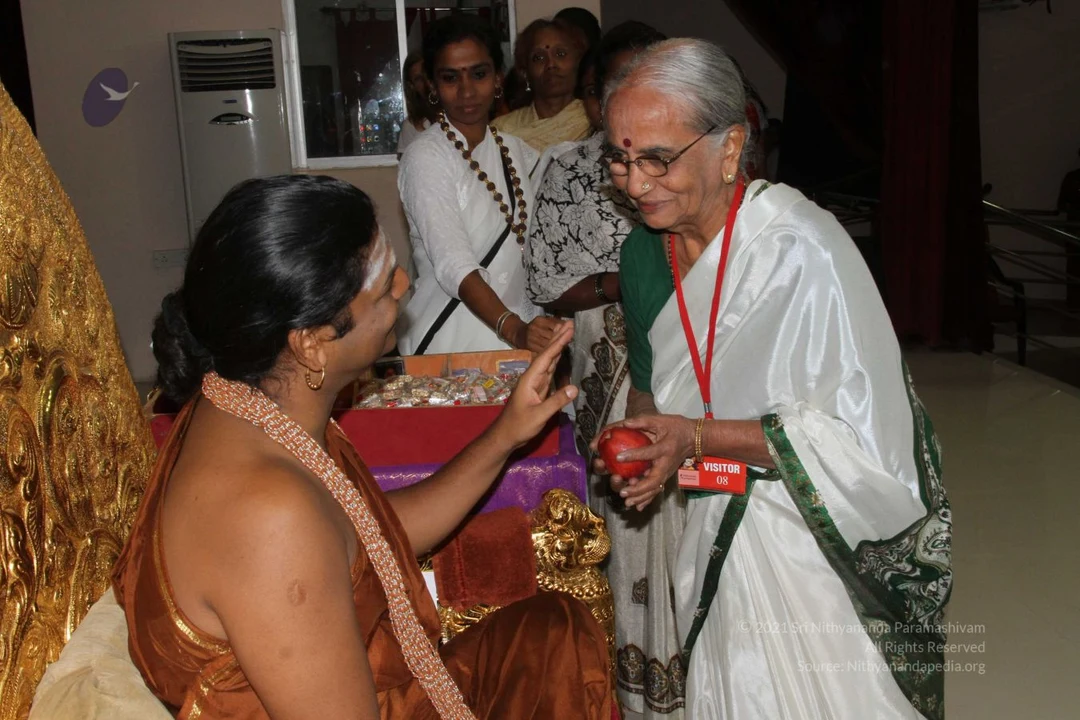
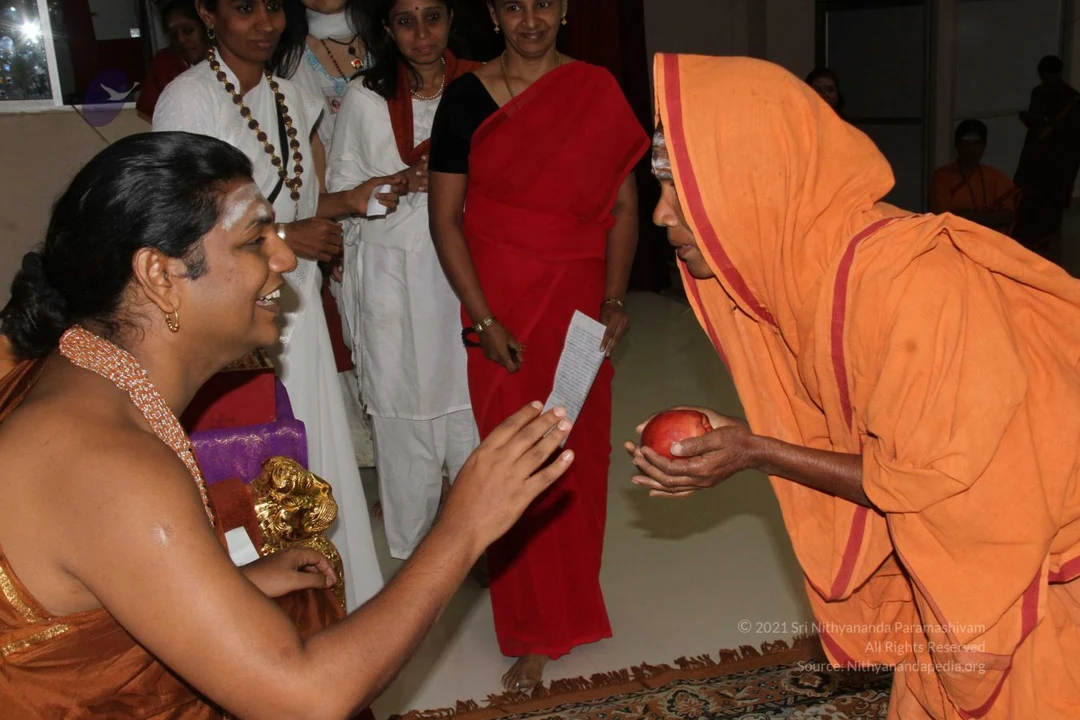
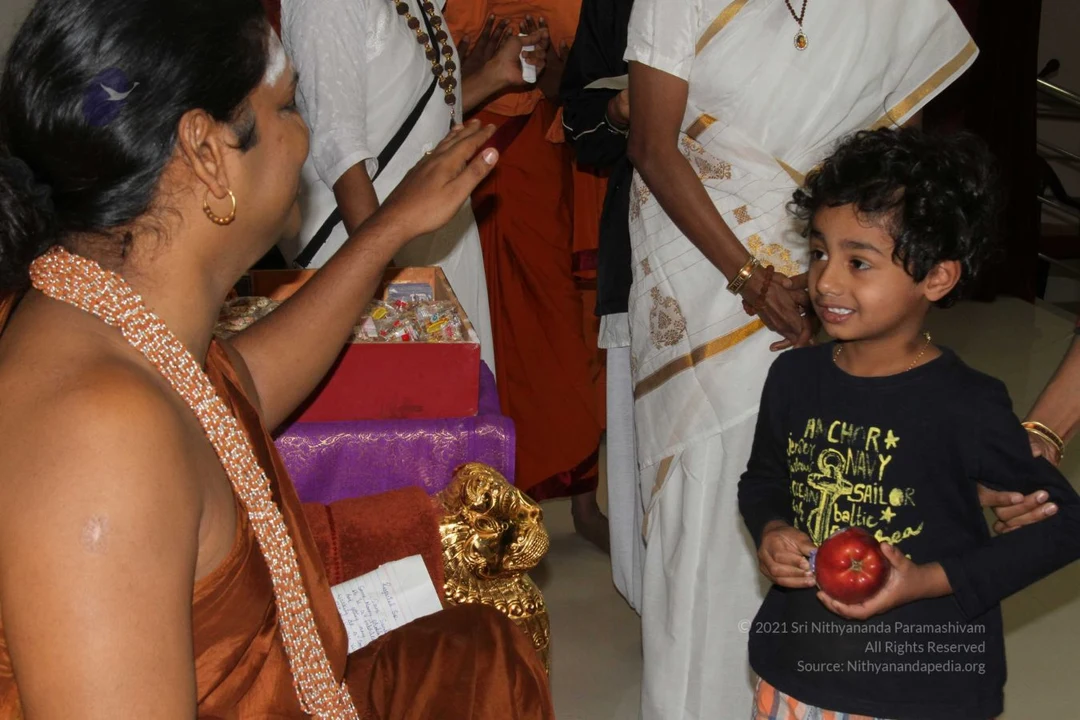
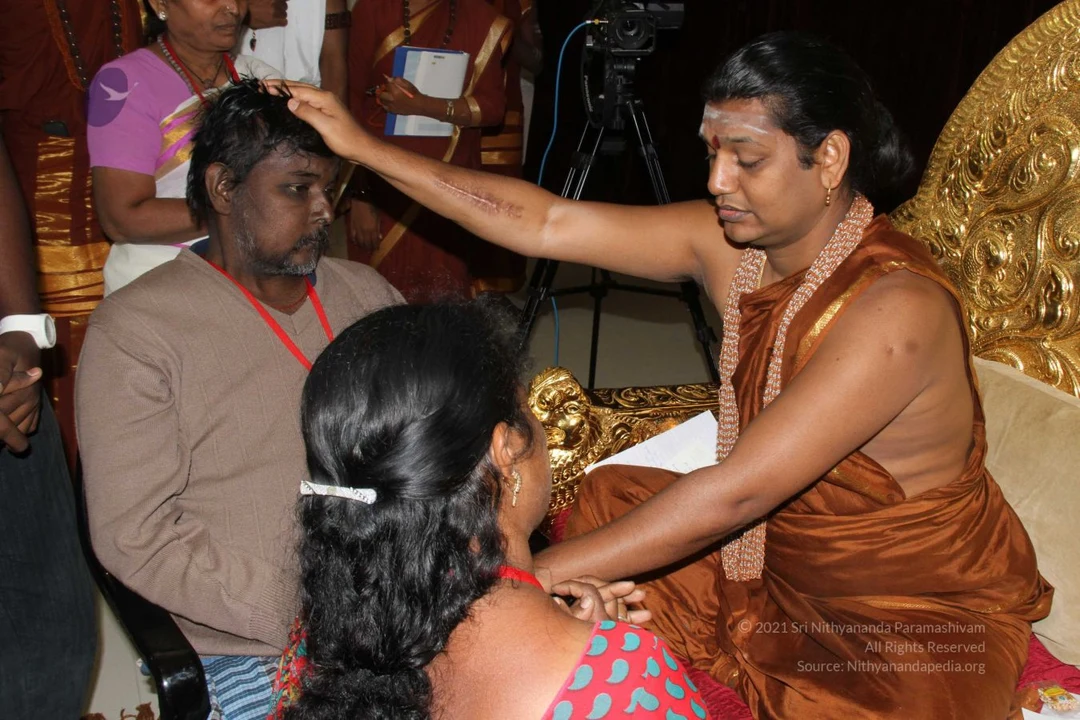
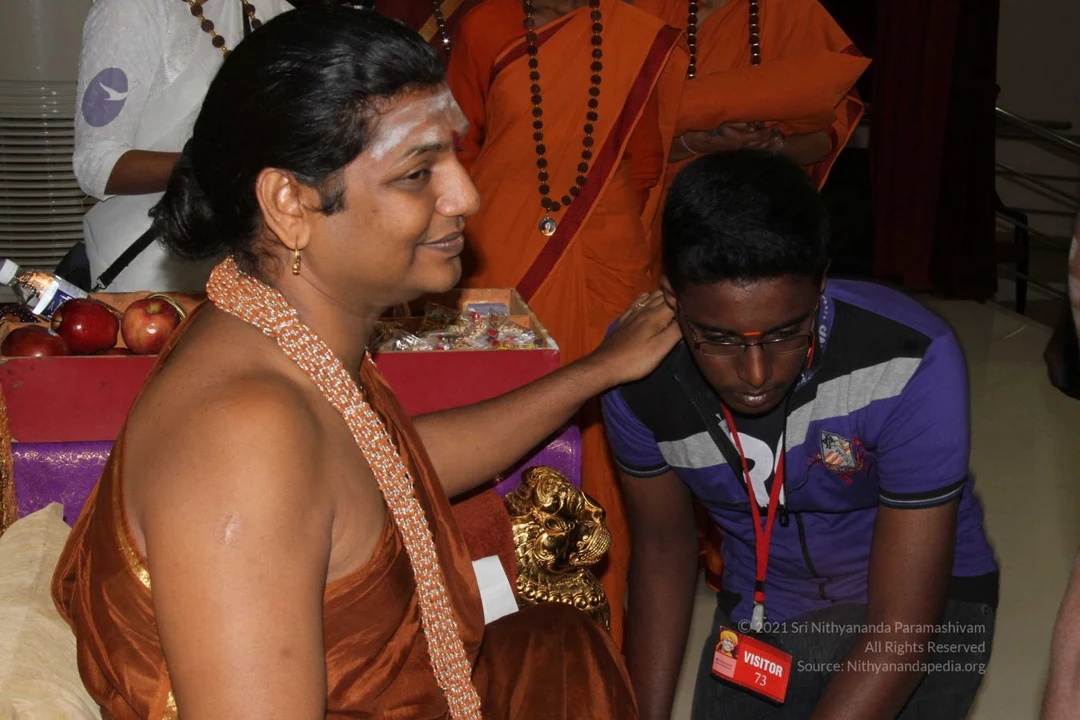
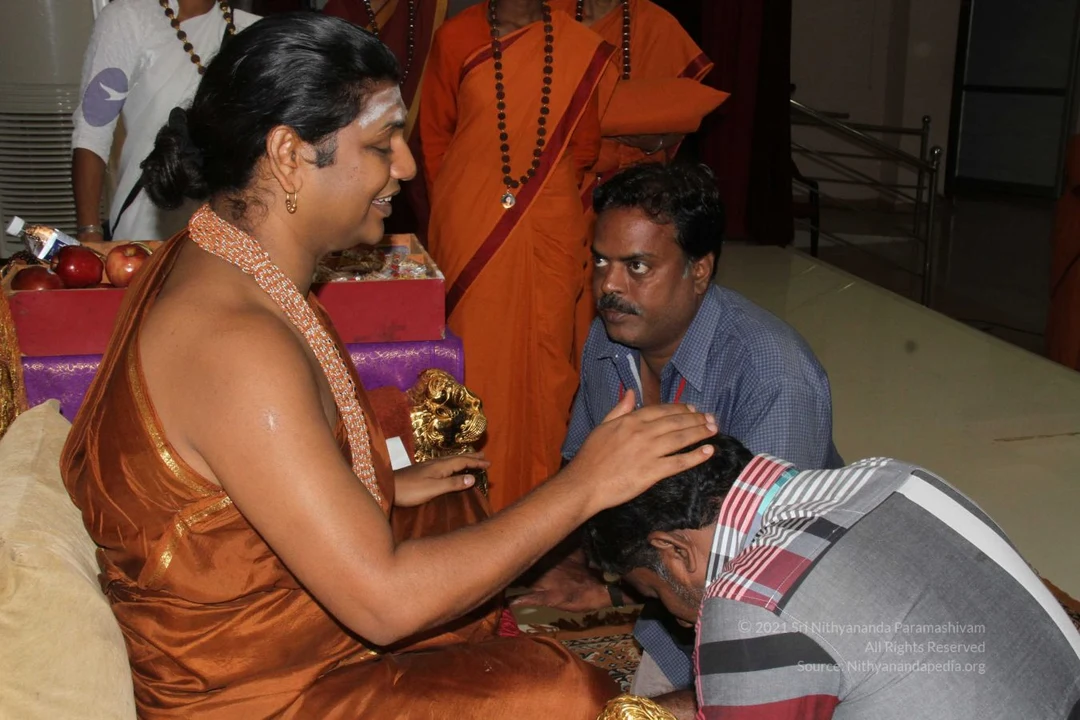
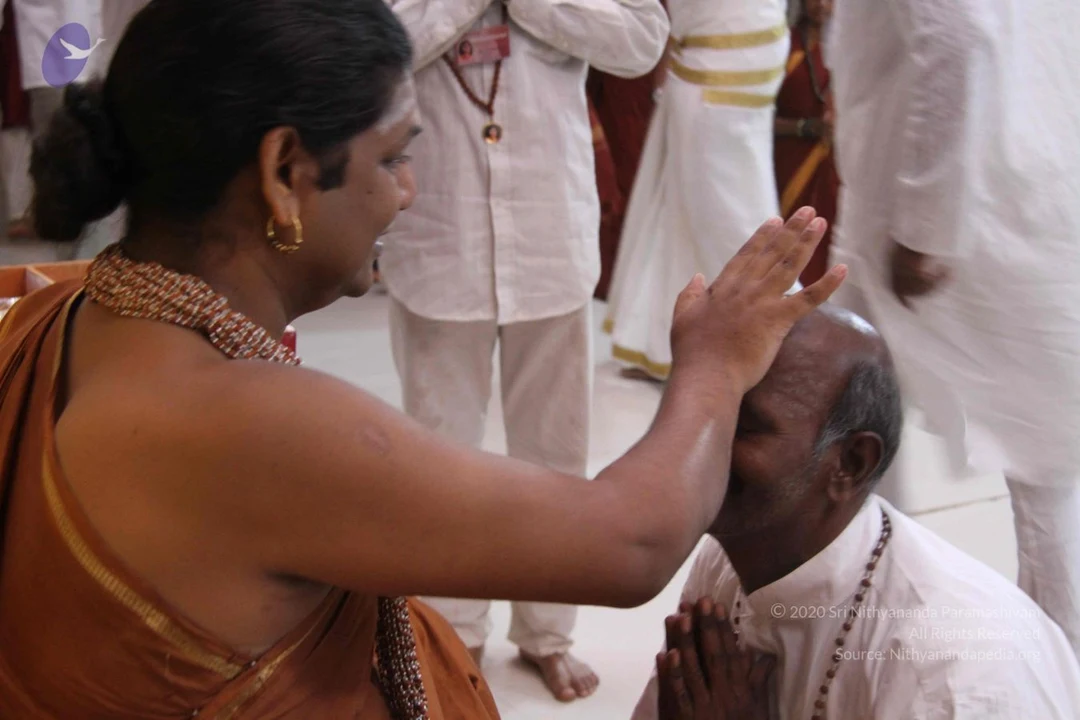
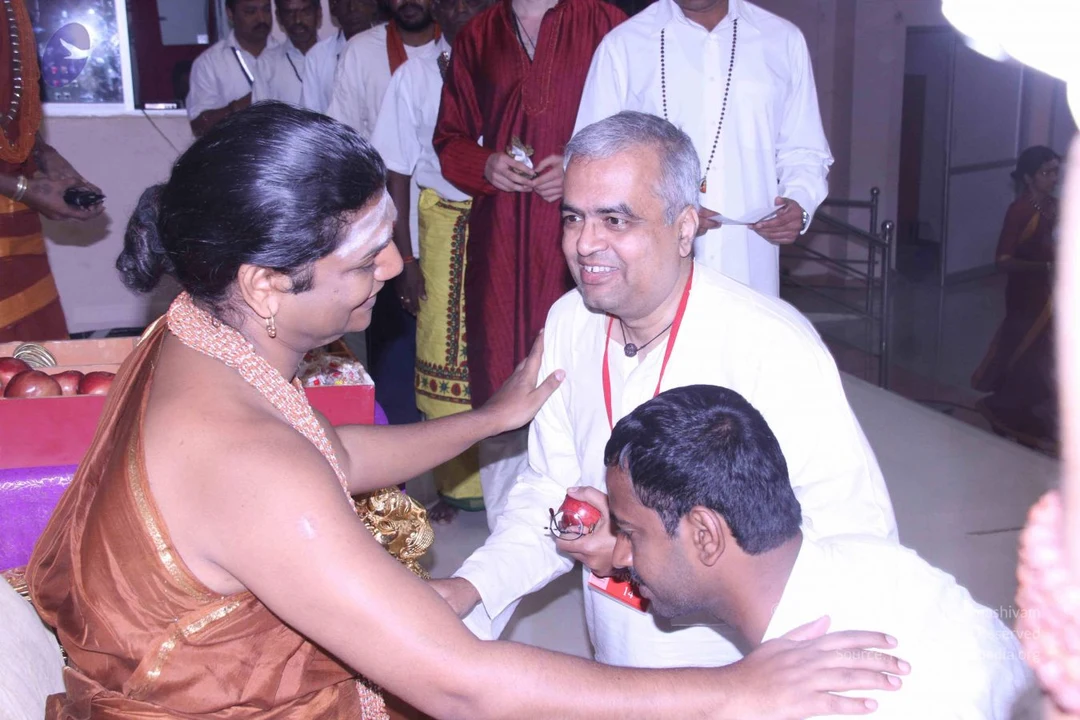
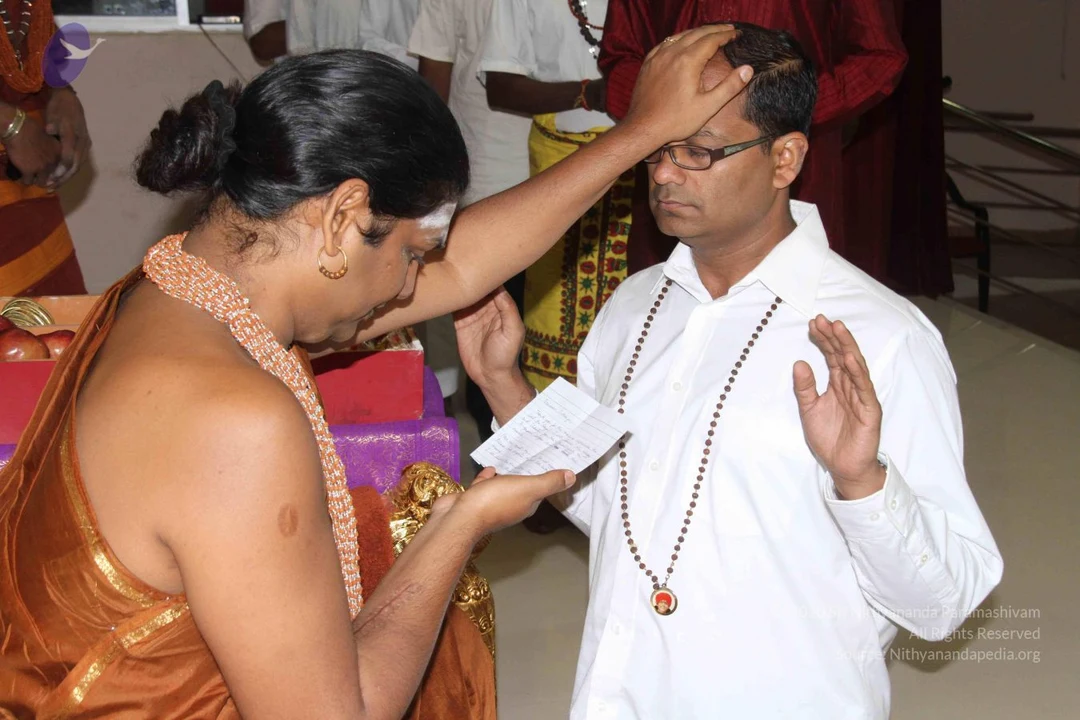
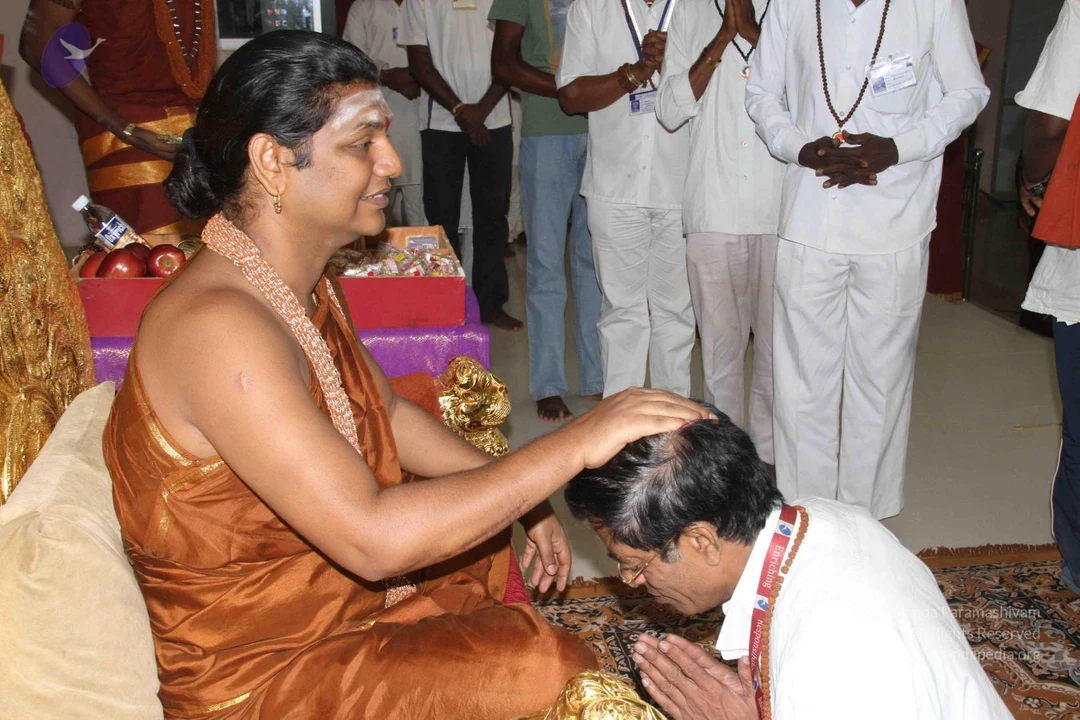
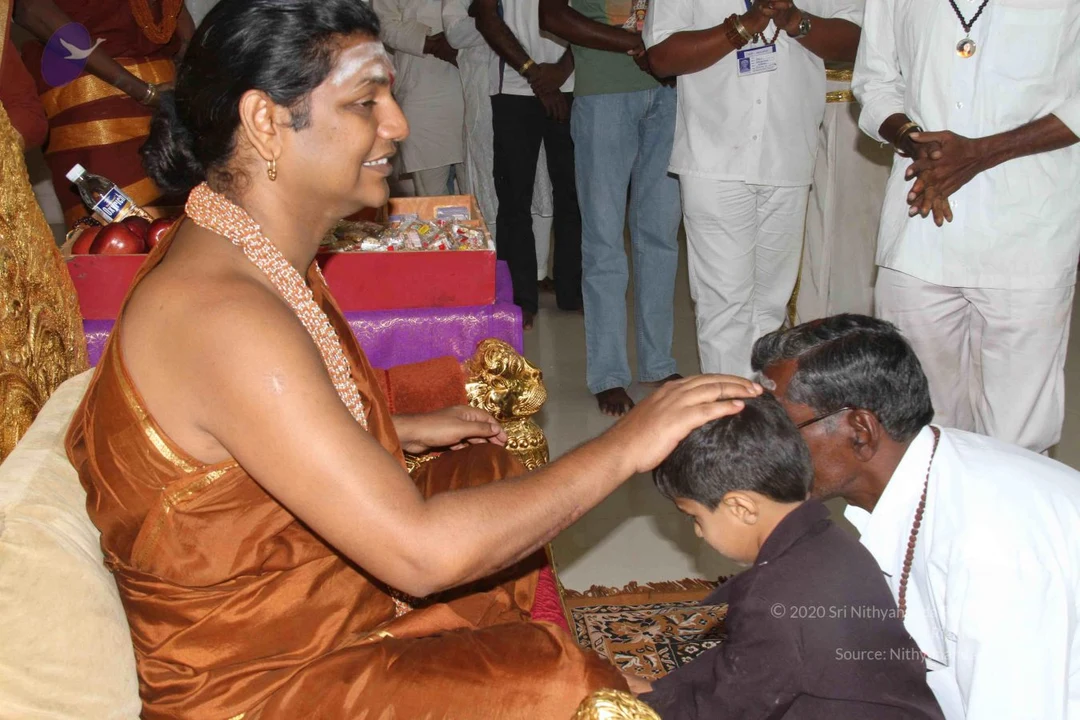
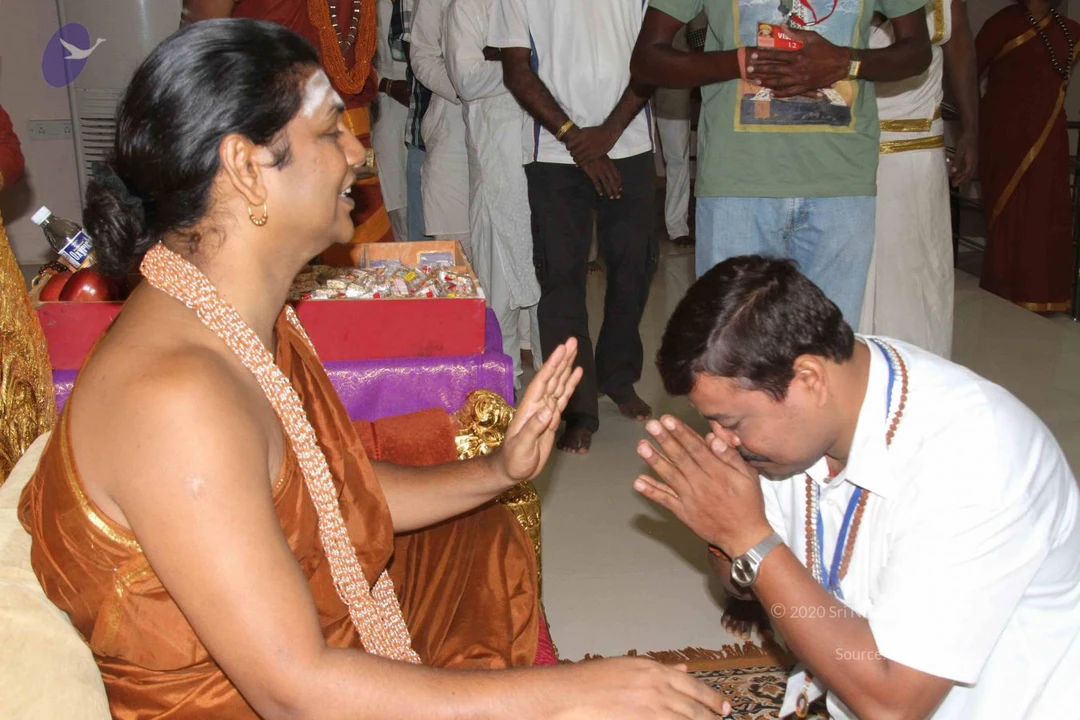
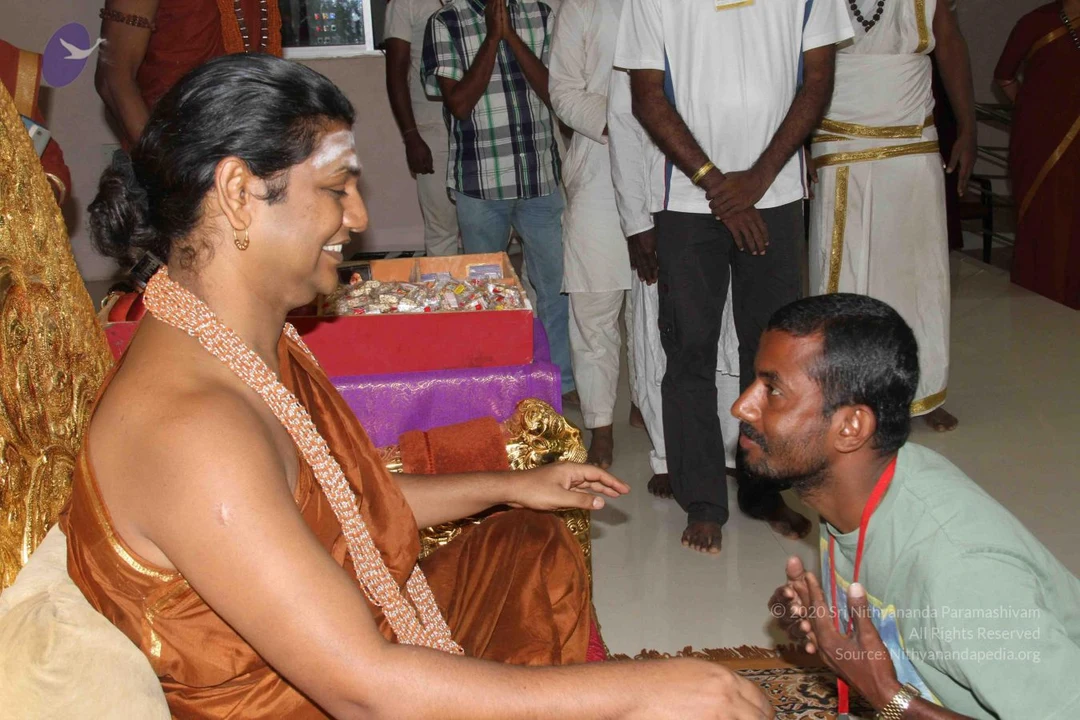
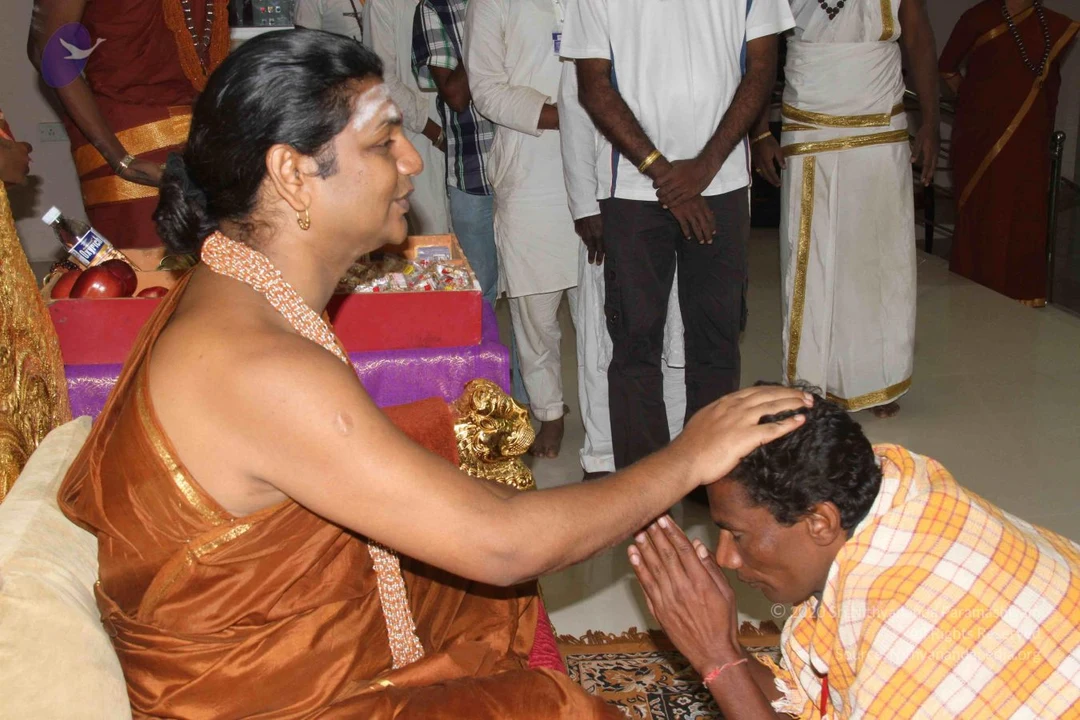
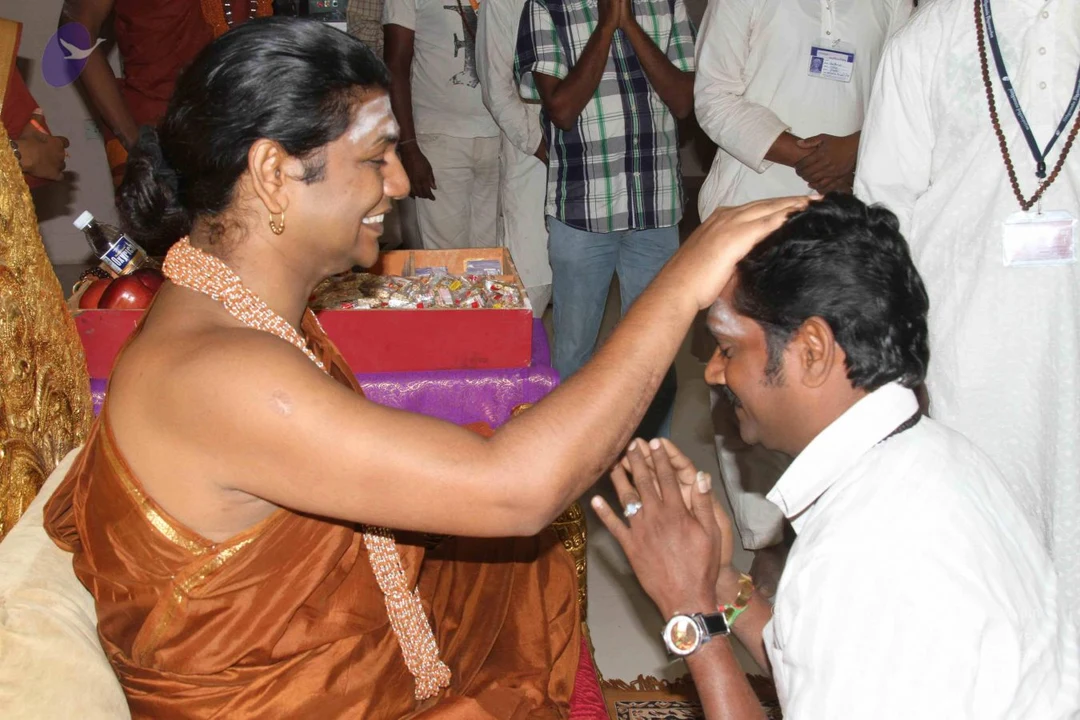
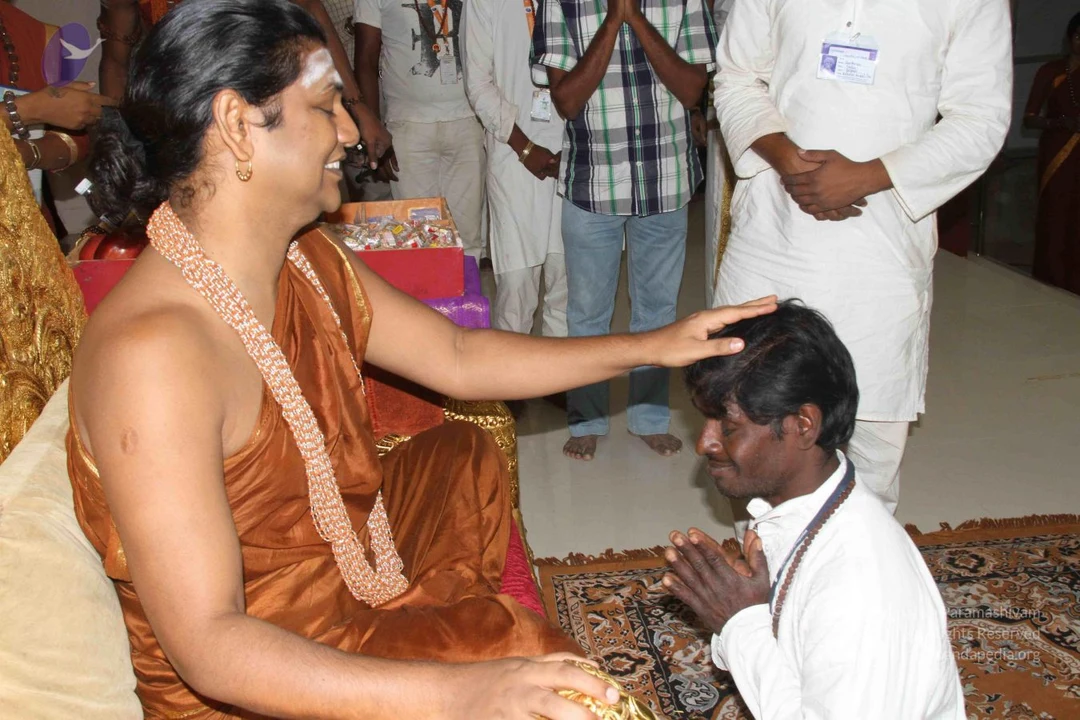
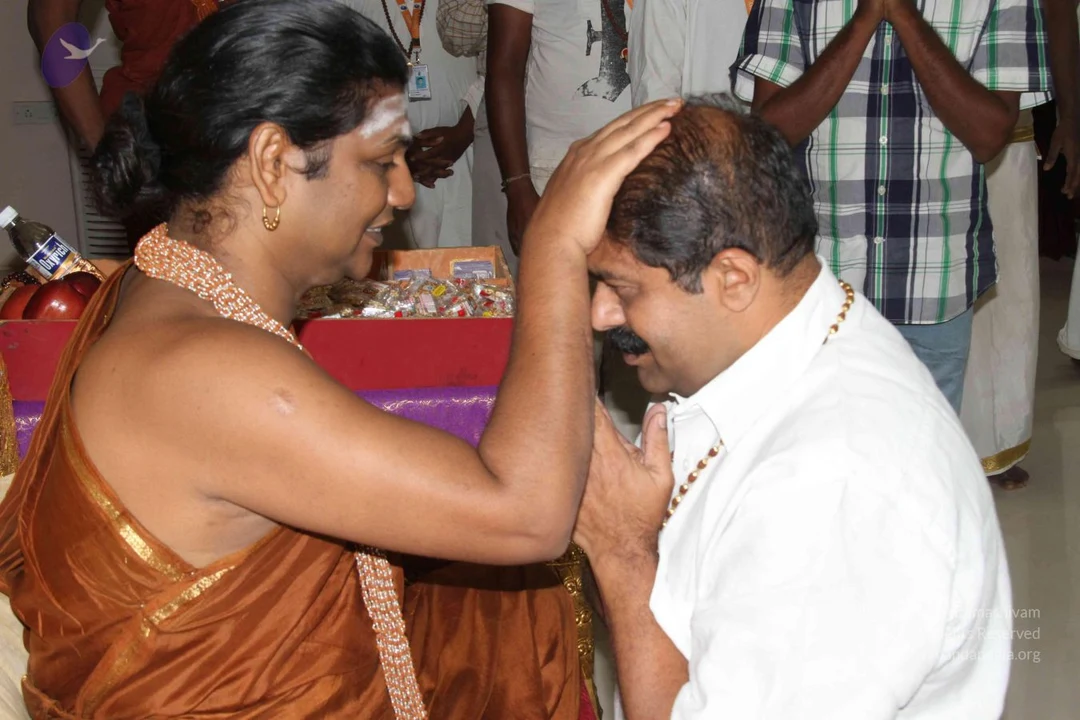
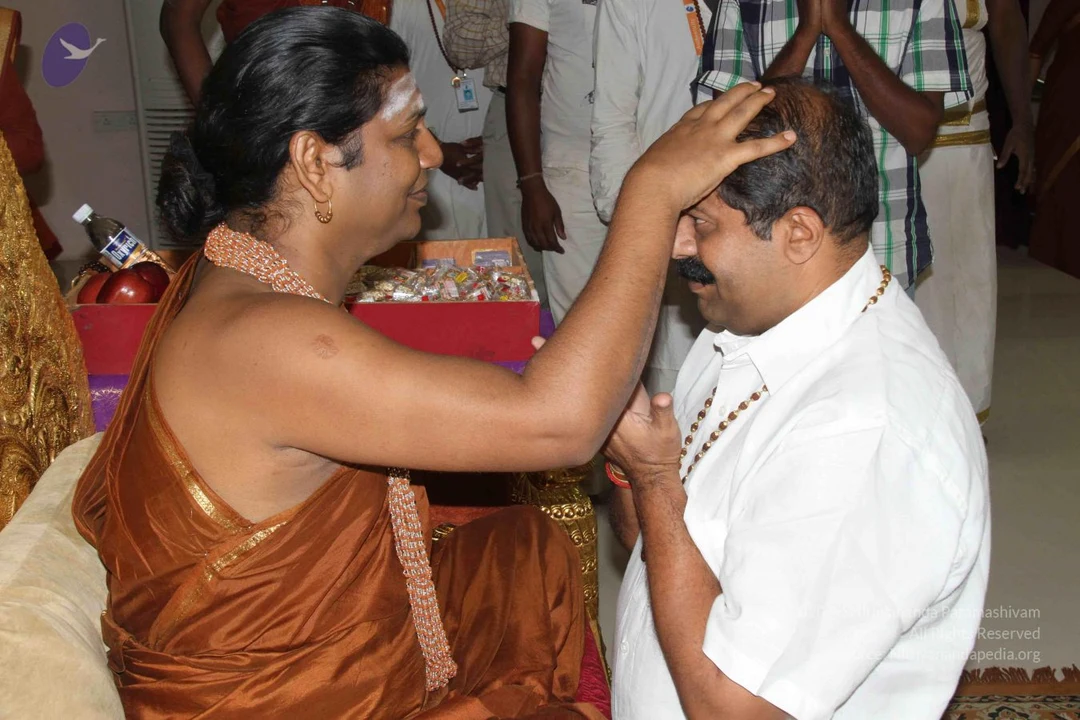
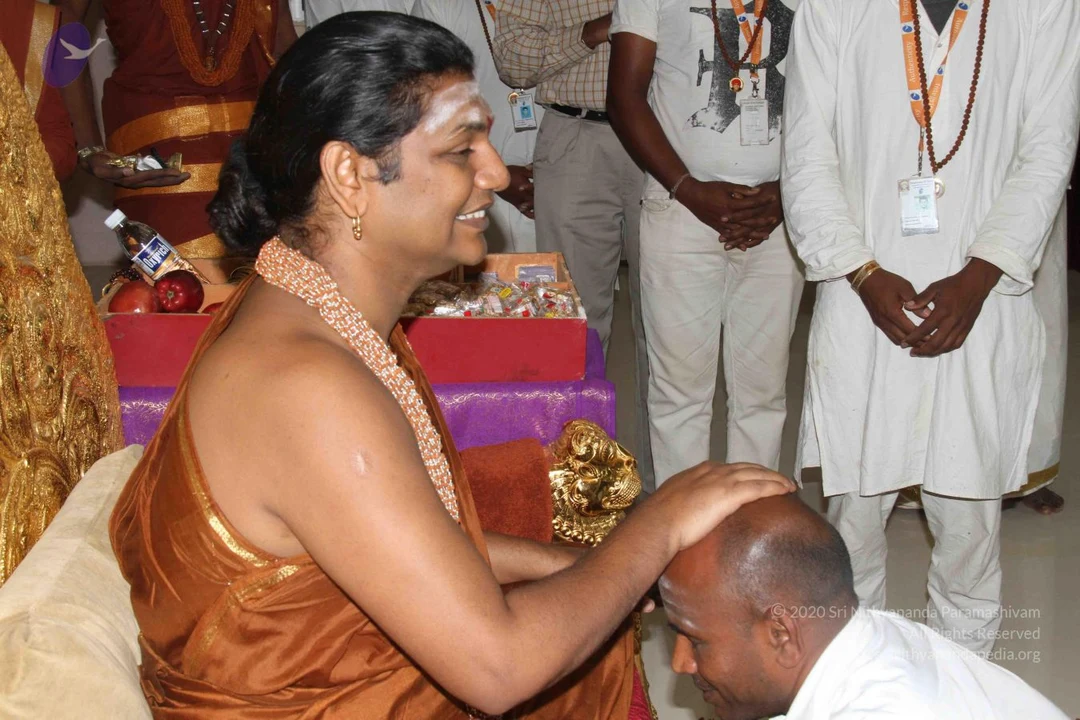
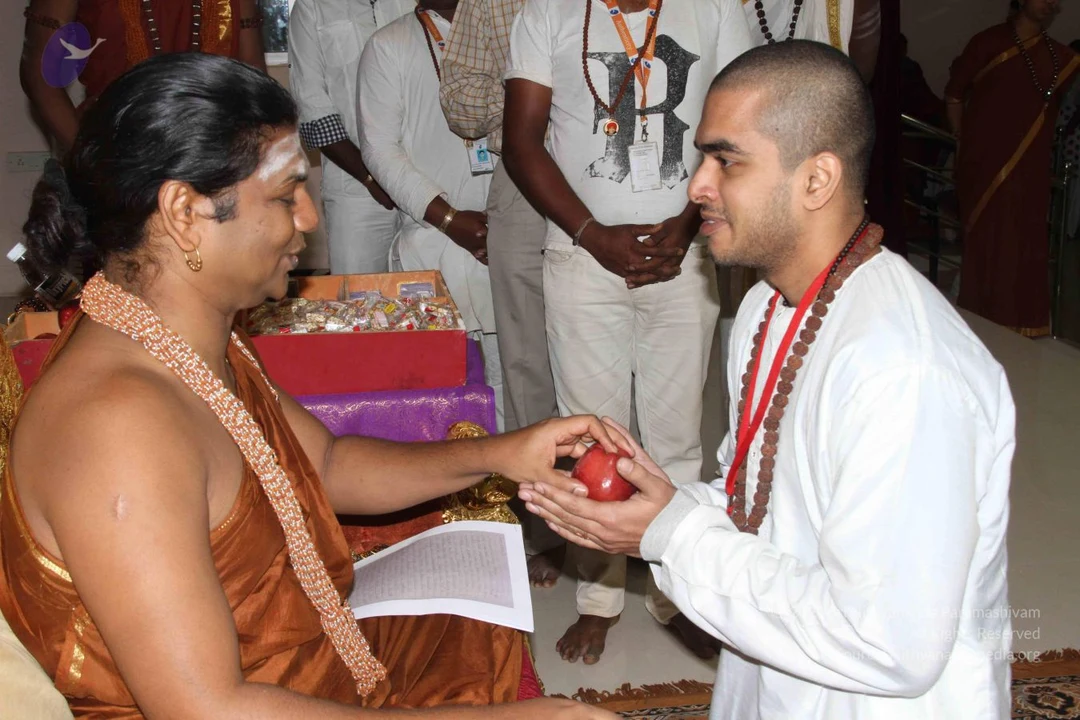
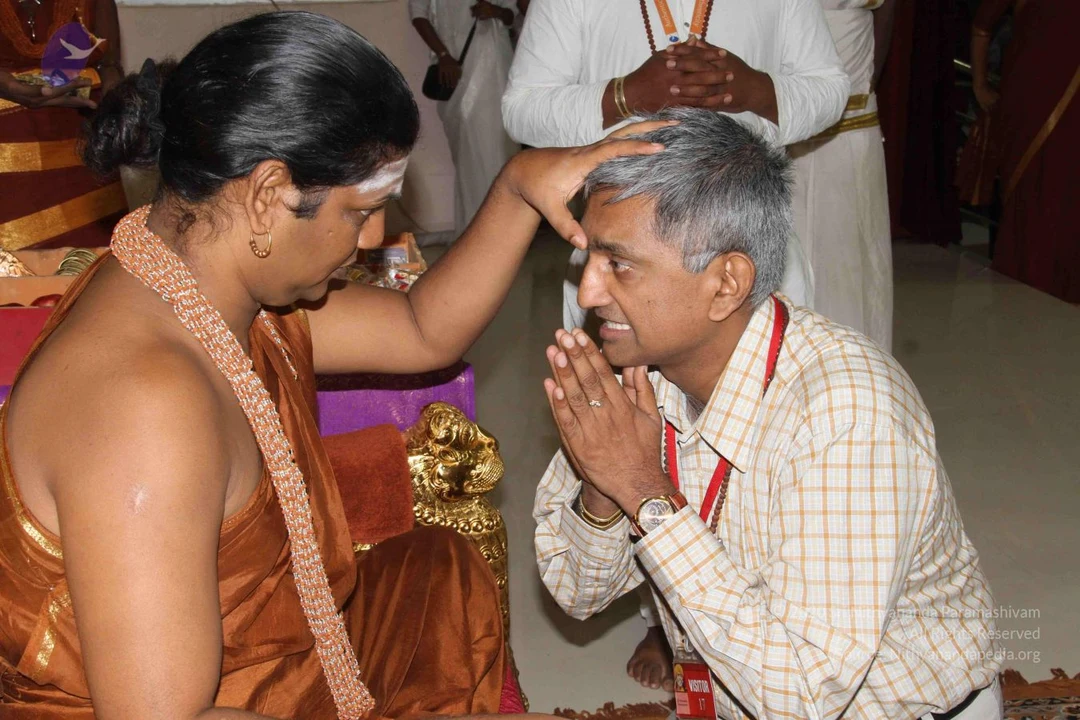
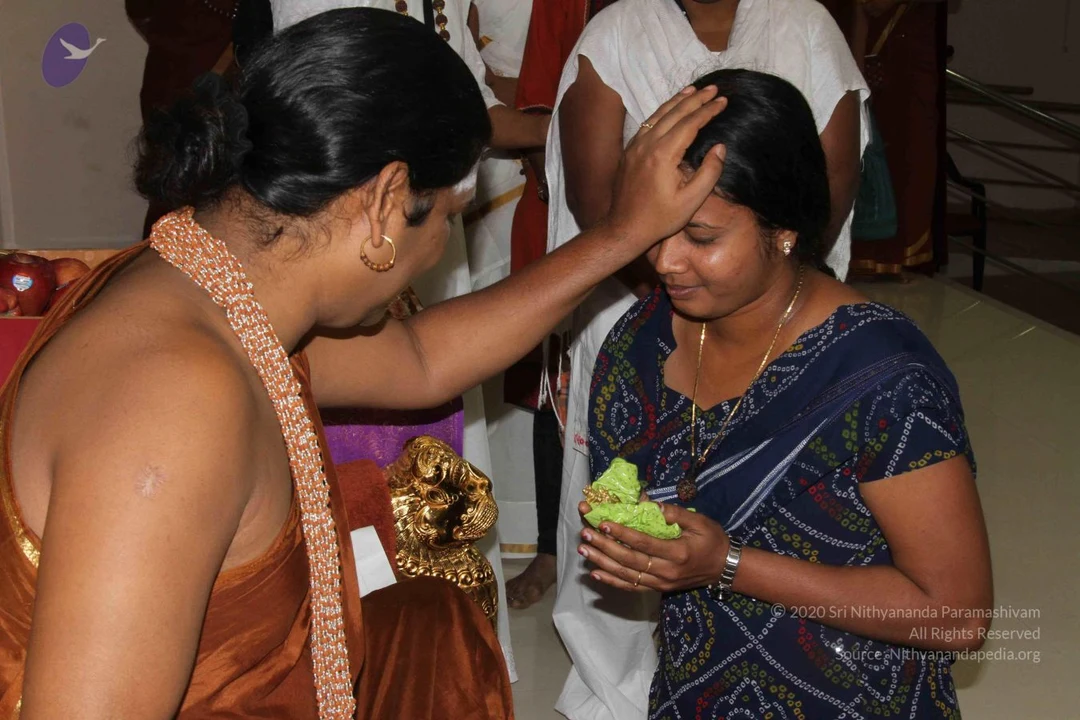
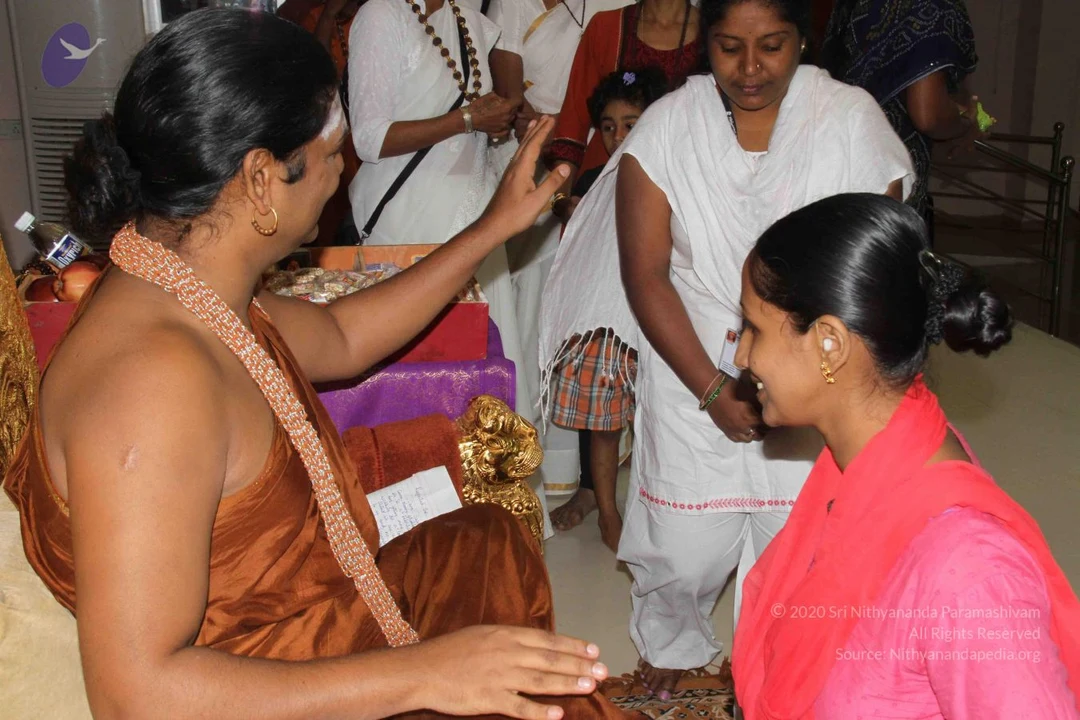
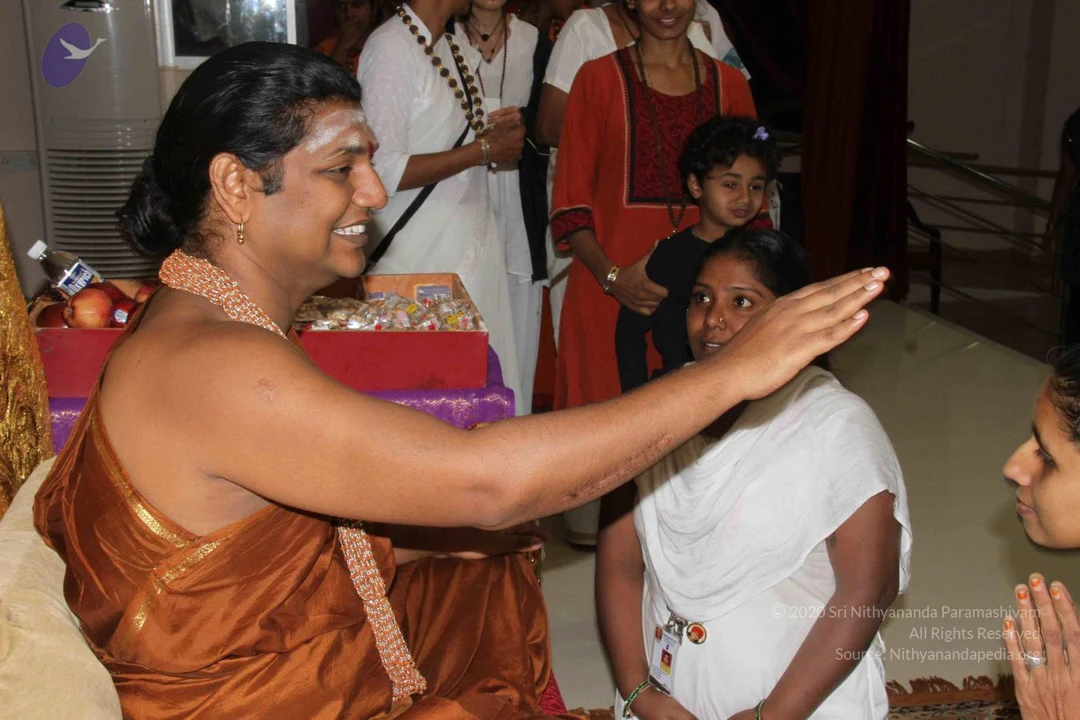
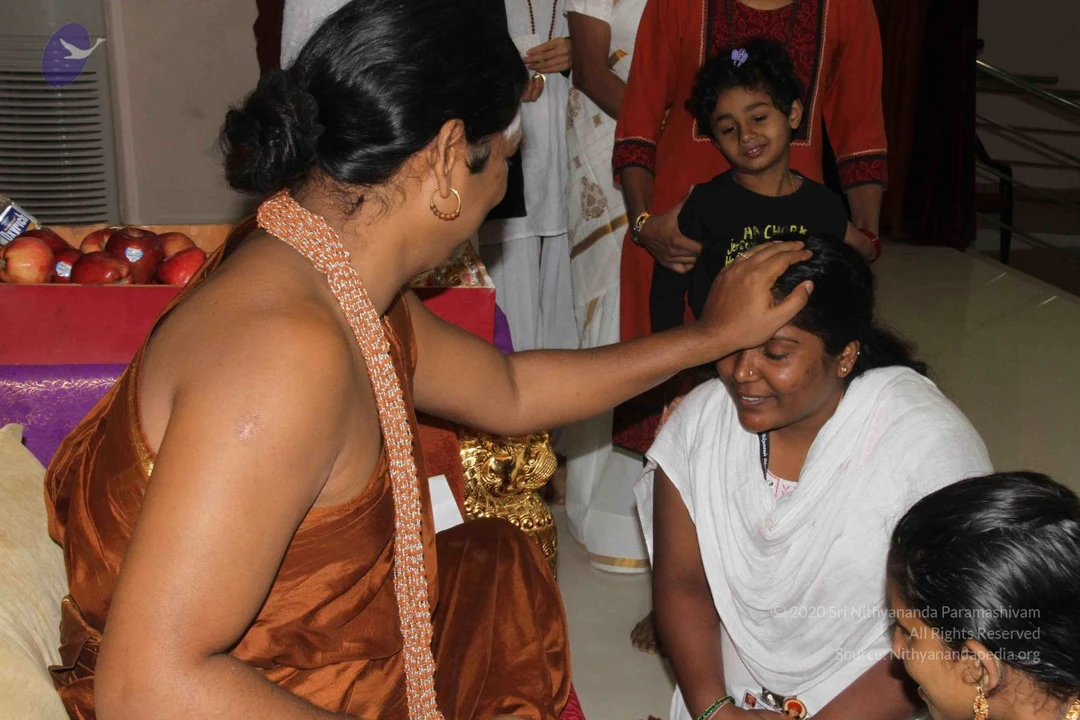
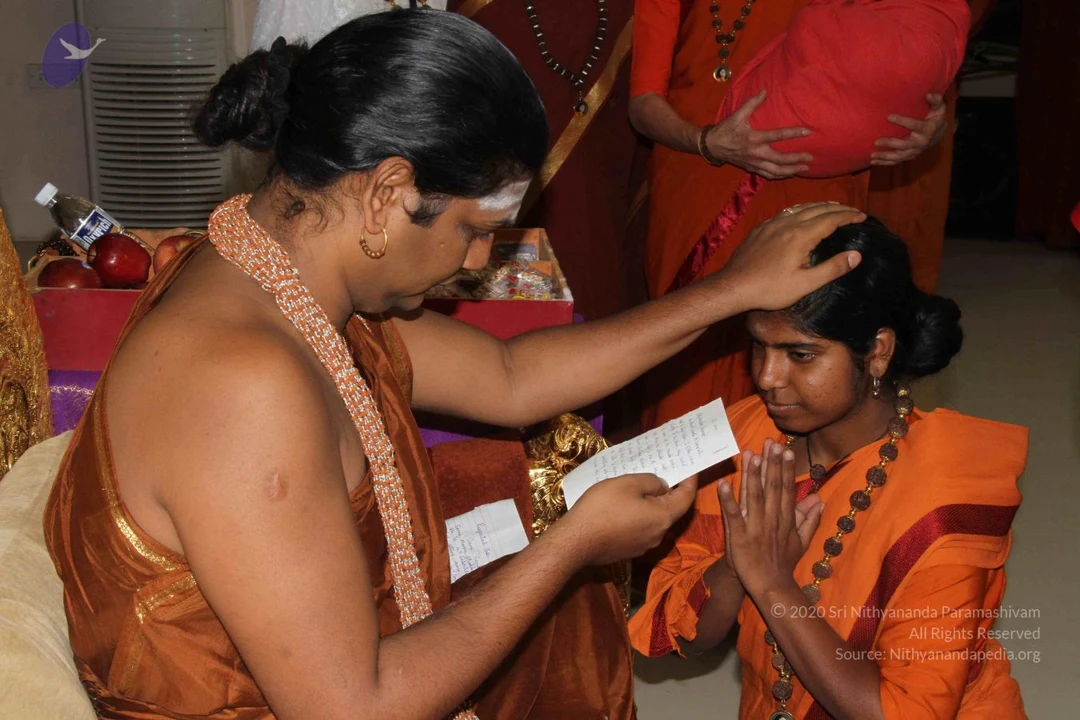
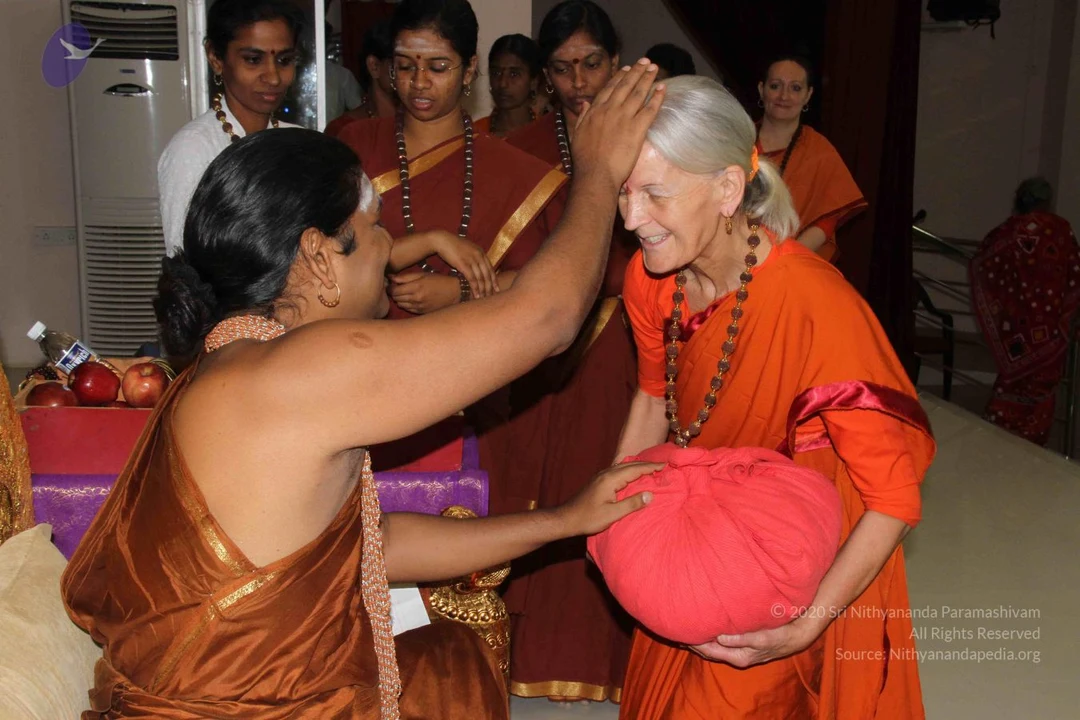
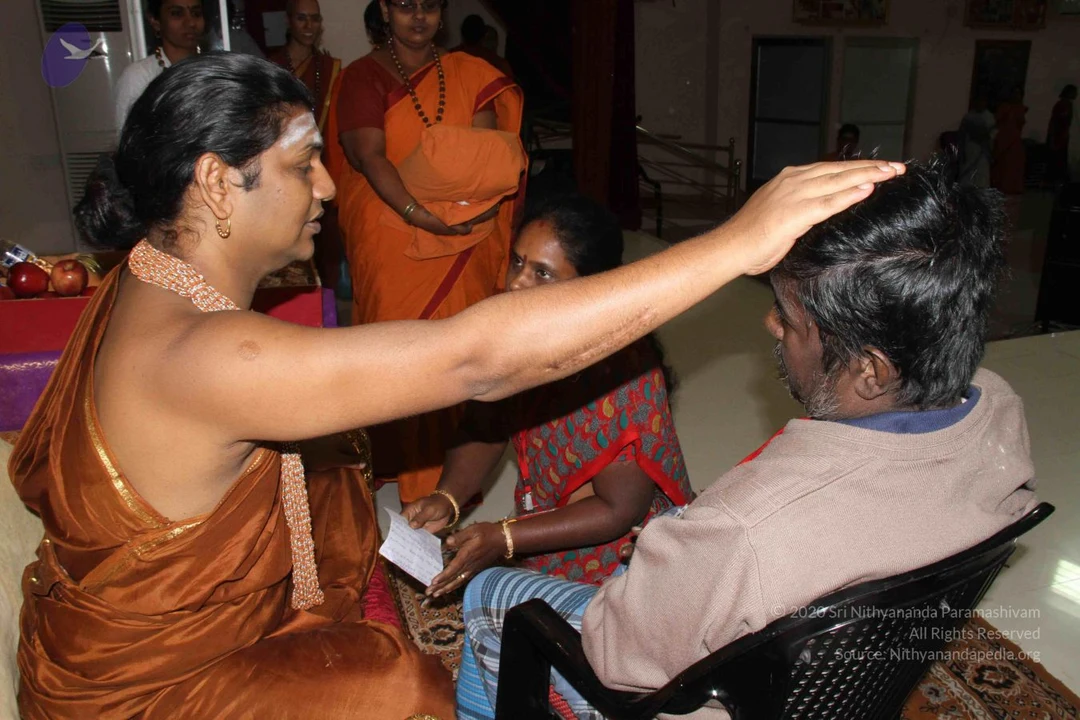
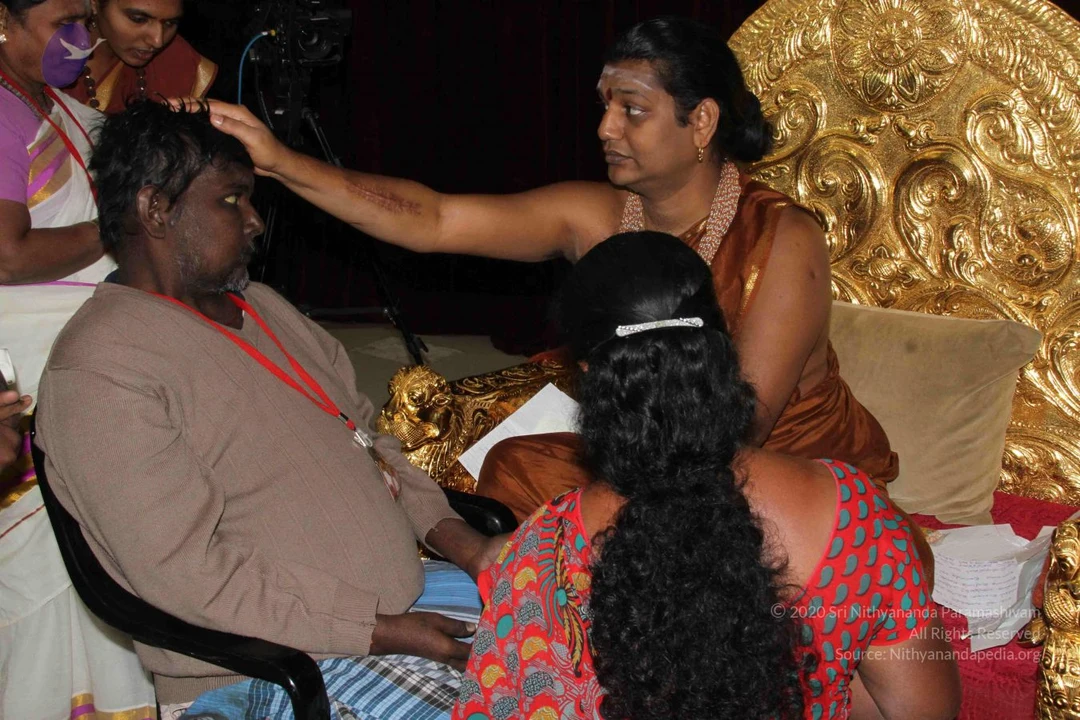
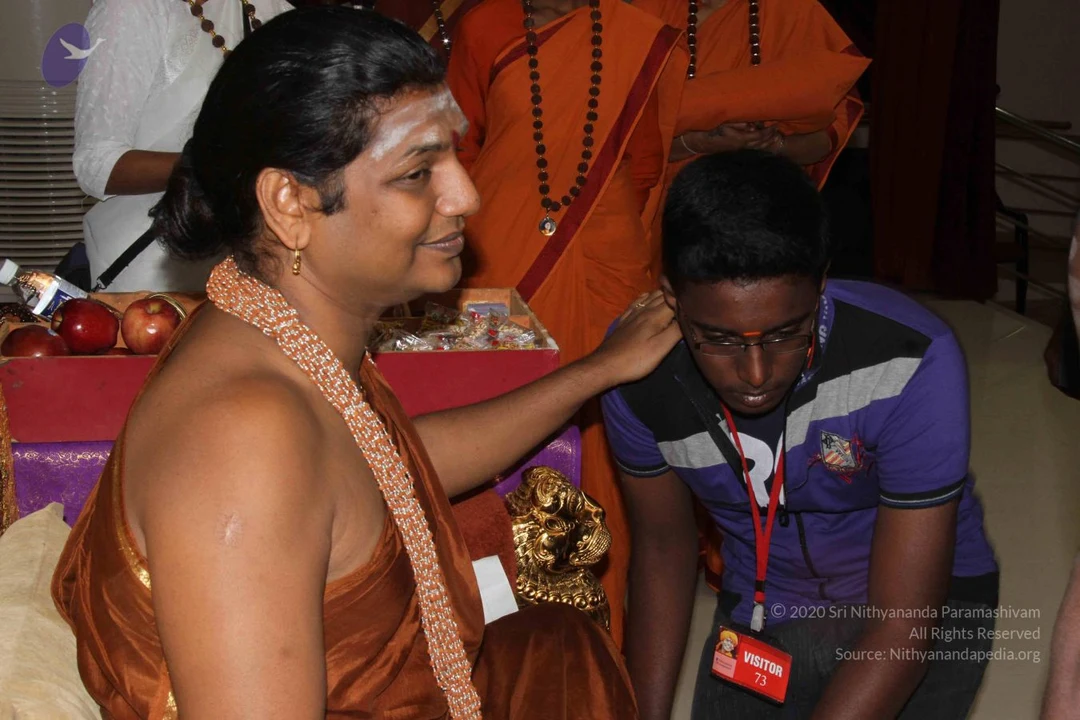
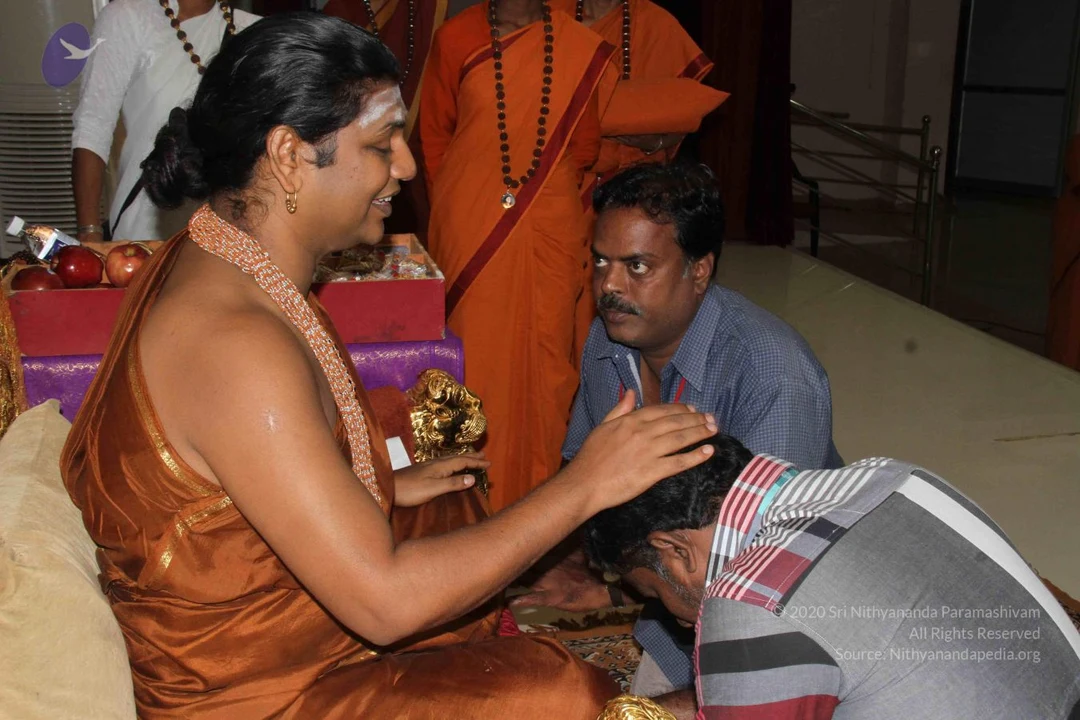
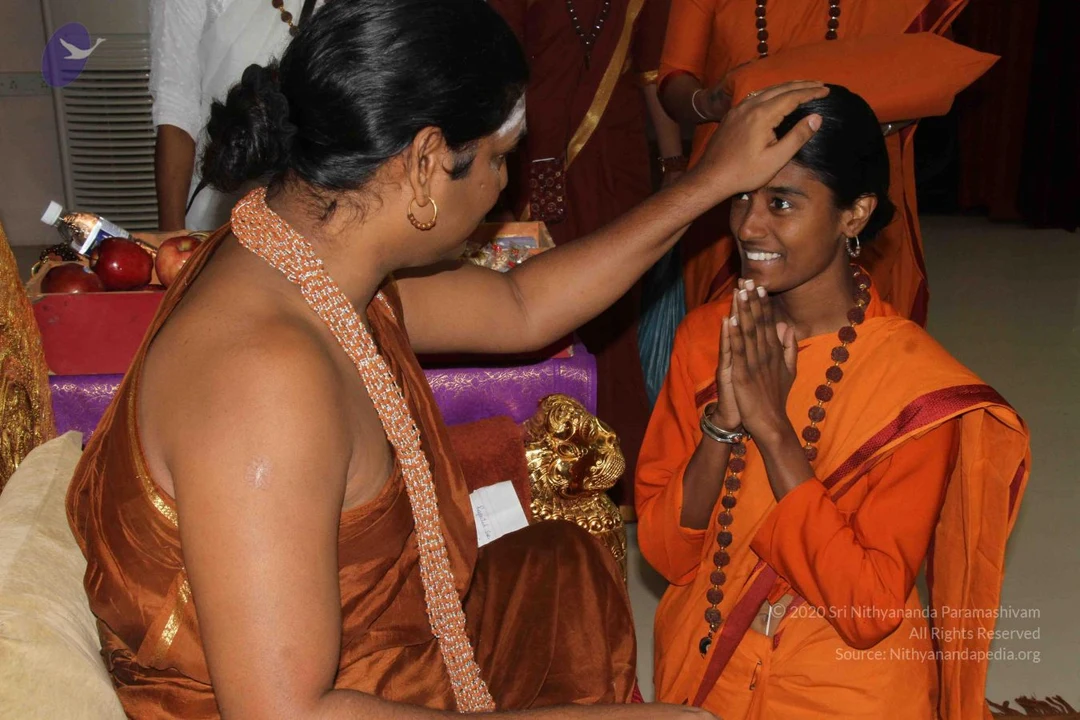
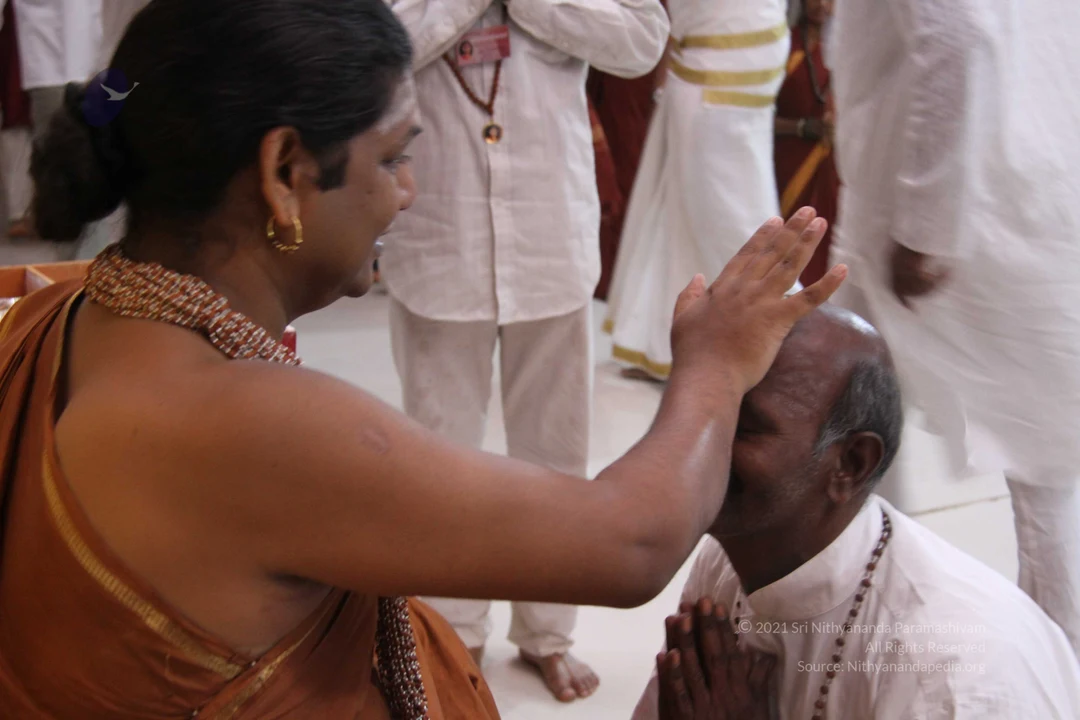
Please understand, only when you cause enlightenment to others and to yourself, life starts in you. Beginning of the life starts in you only when you cause enlightenment to yourself and to others. This Nithya Kalpataru Darshan is my effort to cause enlightenment in all of you. Understand, causing enlightenment! Be constantly supporting, helping, living, enriching, causing others’ reality. When you start thinking to make others’ reality, when you decide to cause to make others’ reality, even your ability to think expands. Expansion always brings joy. When you start thinking for others, consciously you become them. Expansion brings always joy. Expansion brings always bliss. Expansion brings always Completion. Expansion brings Completion, Joy. Expansion brings Sacred Joy.
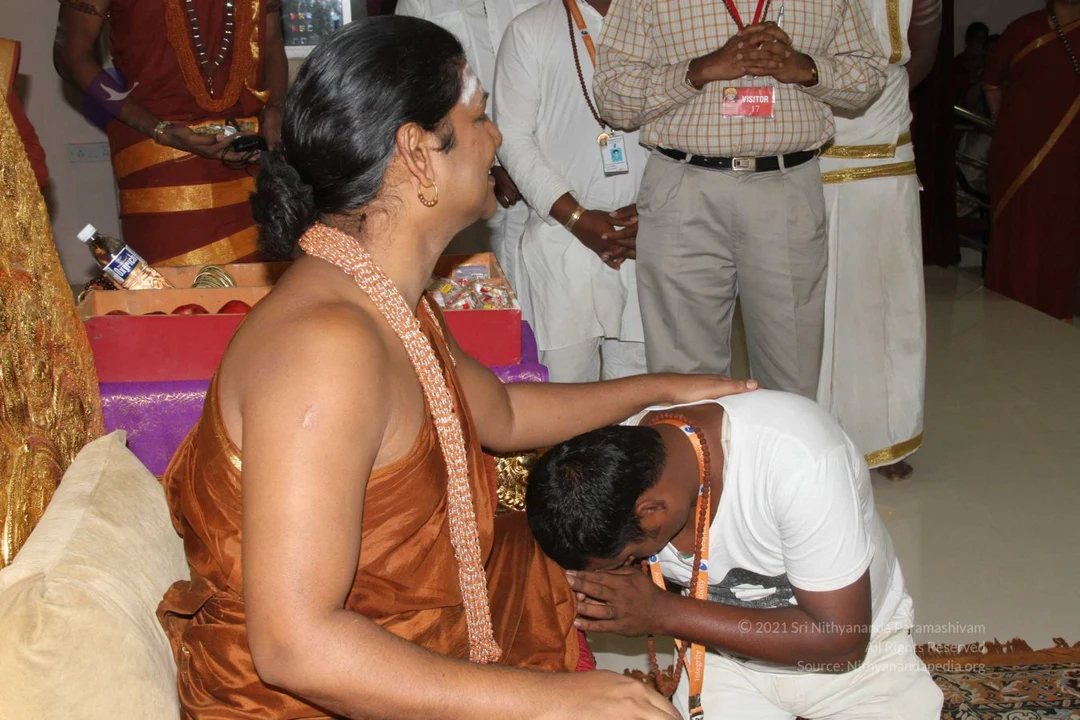
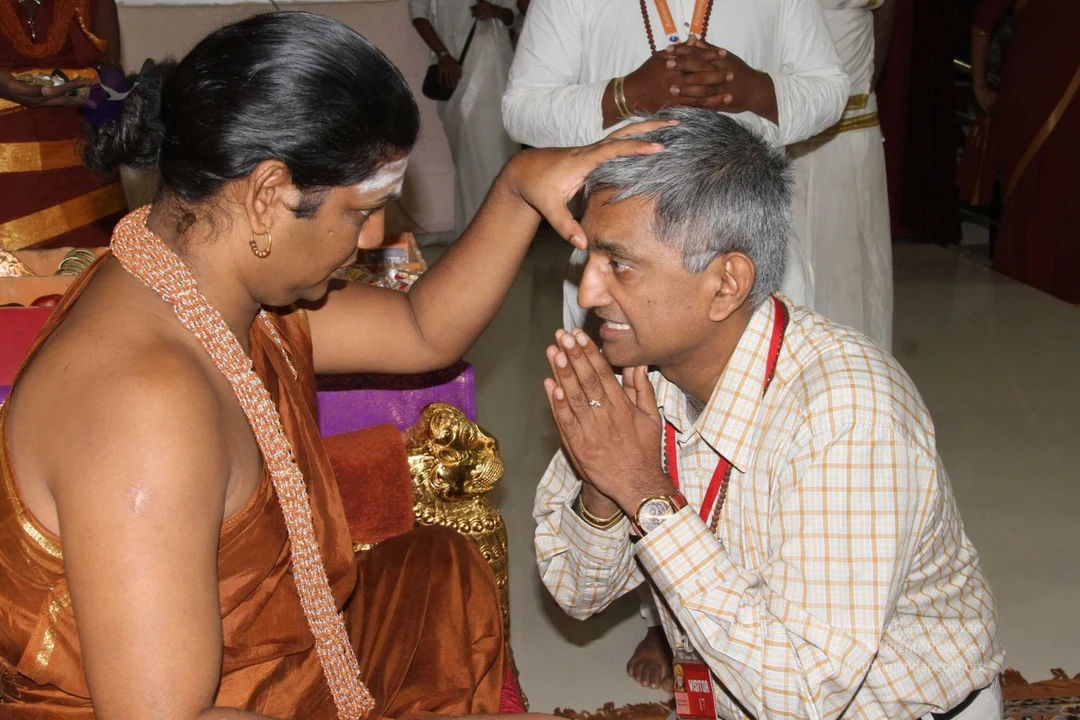
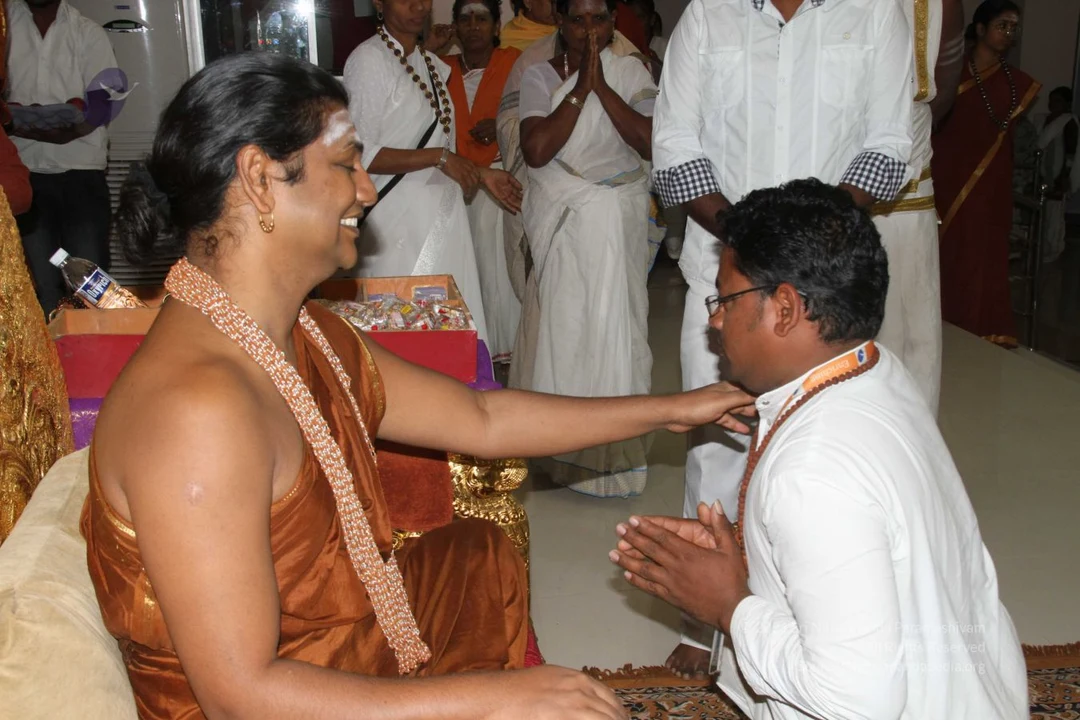
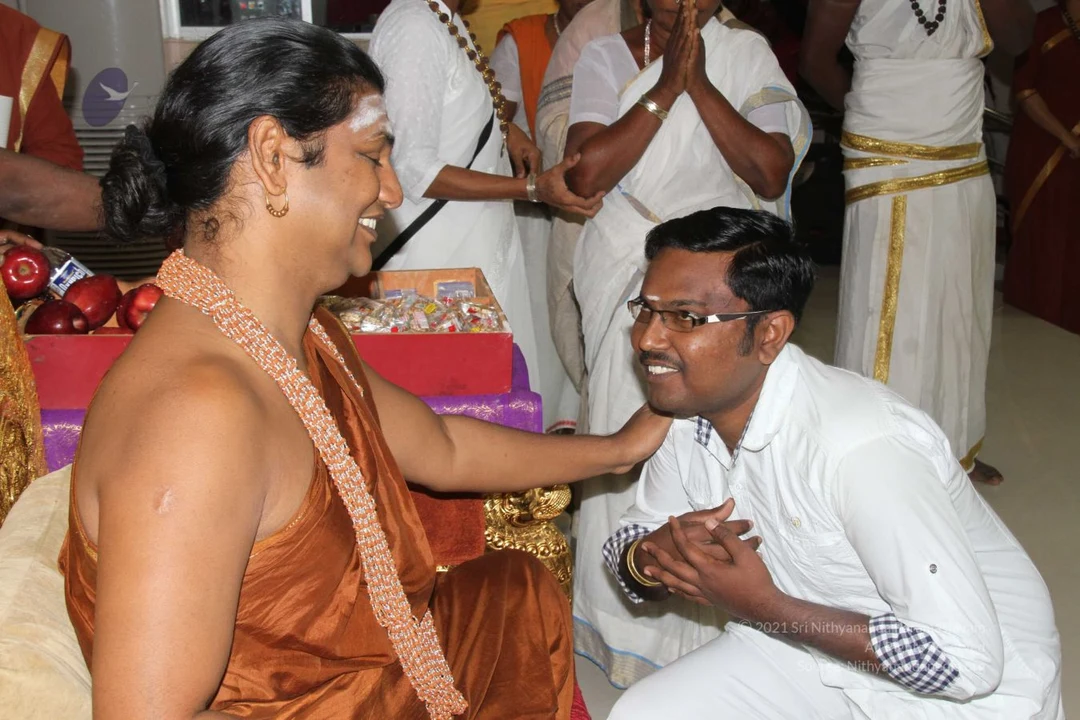
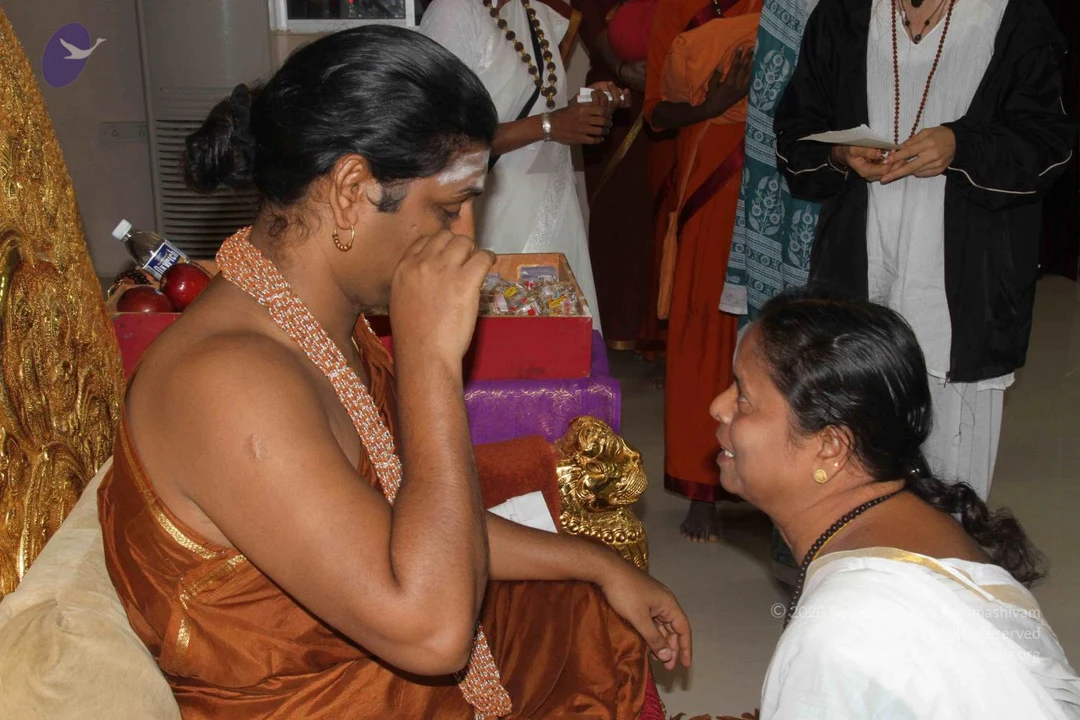
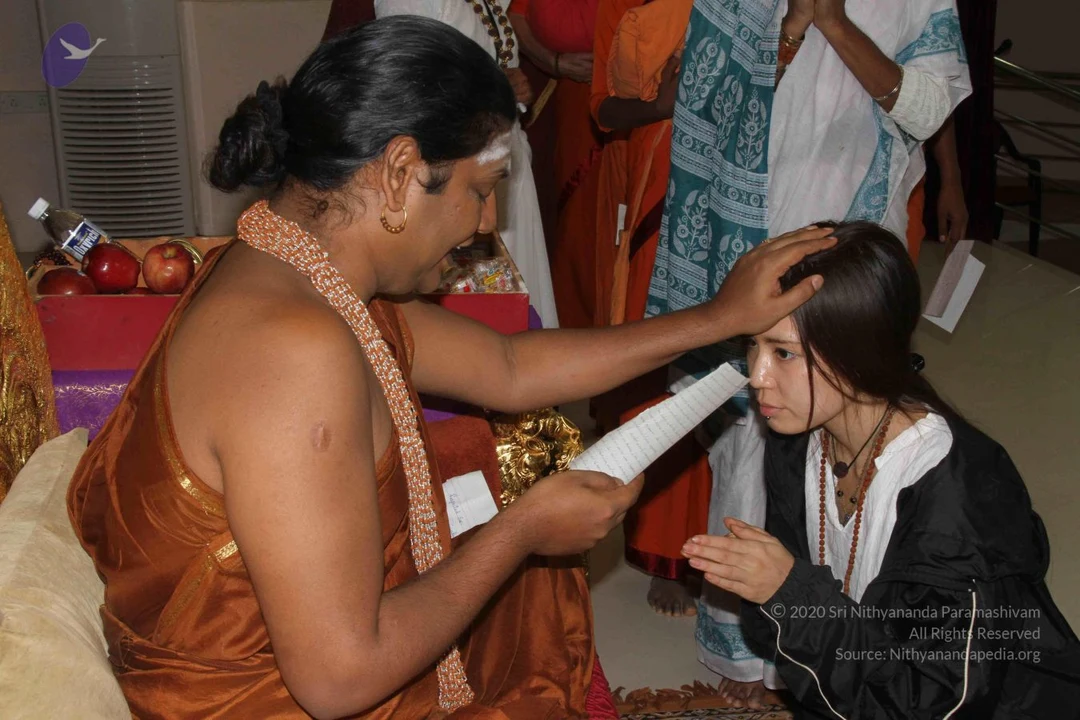
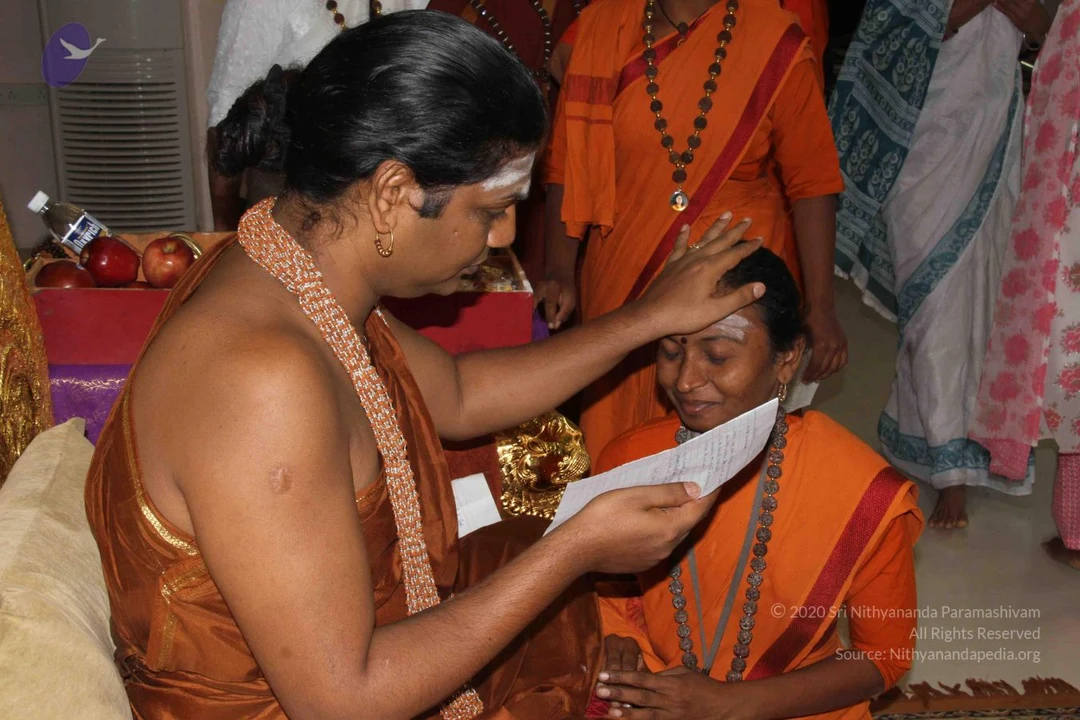
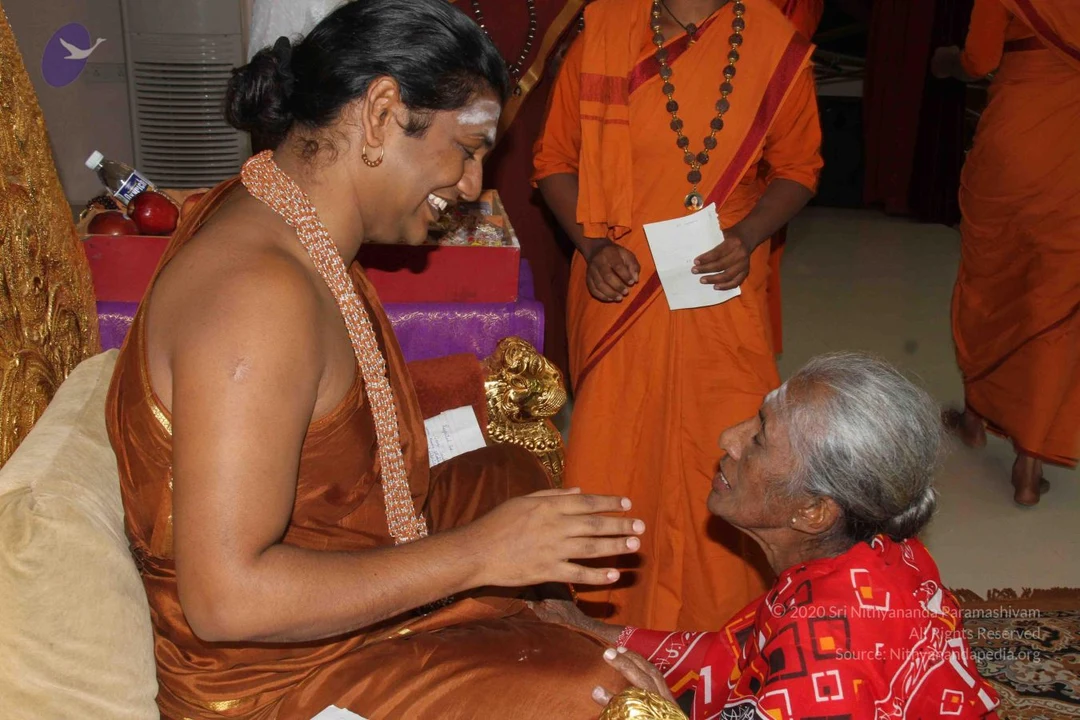
When somebody else carries incompletion, don’t think you need to correct them; you need to take responsibility to complete them. Correction is not my teaching. Completion is my teaching. If you try to correct them, you will only create more enmity. More enmity means more violence. More violence means more arrogance. More arrogance is more poison. Correction is not what I am asking you guys to do. Completion is what I am asking you guys to do. Bring Completion into you. This every day Kalpataru Darshan itself is to bring Completion in you. When you bring Completion in you, even cosmos responds to you with so much of joy. Even when it gives, it gives with so much of love. It doesn’t treat you like a beggar. It treats you like a inheritor. Receiving can be done as a beggar or as an inheritor. So, understand, causing enlightenment, causing enlightenment is such powerful, such joyful, such experiential truth.
Still my Sannyasis have not completed the process. Today is the real process. Till yesterday it was only like a introduction and opening up. Because, till yesterday, they were talking in the language of ‘I will help also to cause others’ reality.’ No! Only you will HAVE to do others reality. It is not that you will HELP them. You will CAUSE them. There is a big difference. Still yesterday, my Sannyasis were talking in the language of ‘I’ll help them whenever I have find time’. No, there is a big difference. ‘I’ll CAUSE. I’ll use my ordinary, extraordinary powers and CAUSE!’
A Sannyasi should have Ashta Maha Siddhis. That’s not that difficult. Of course, it is difficult when you don’t try. Everything is easy when you try with the right method and the right process. That’s all. Array, we are living in India! We are not living in European or American countries to tell that Ashta Maha Siddhis are difficult. Come on! We are born in a land where, in every village, ten Sannyasis had Ashta Maha Siddhis and played with it. We are born in a country where every village, ten Sannyasis with Ashta Maha Siddhis are buried. Even the land smells Ashta Maha Siddhis. We are not in European countries or Western countries. We are not born in a religion which says you are a slave or a sinner forever. Come on! We are born in a religion which says you are “Amrutasya Putraha” – “Sons of Immortality”! And stop this dirty self-denial! ‘Oh, ashta maha siddhis, Swami may be having....’ No! If you think I have, you can have. If you think you can’t have be very clear, you don’t believe that even I have, because I am your extension. If you think I have but you don’t have, you are struggling with self-denial, self-doubt, self-hatred, which you need to complete immediately. So if you think you don’t have, be very clear, in your deep part of your being, heart, you don’t believe even I have. I don’t know about who will understand this in what way. I wanted to make it very clear; I know my gurukul kids will believe me.
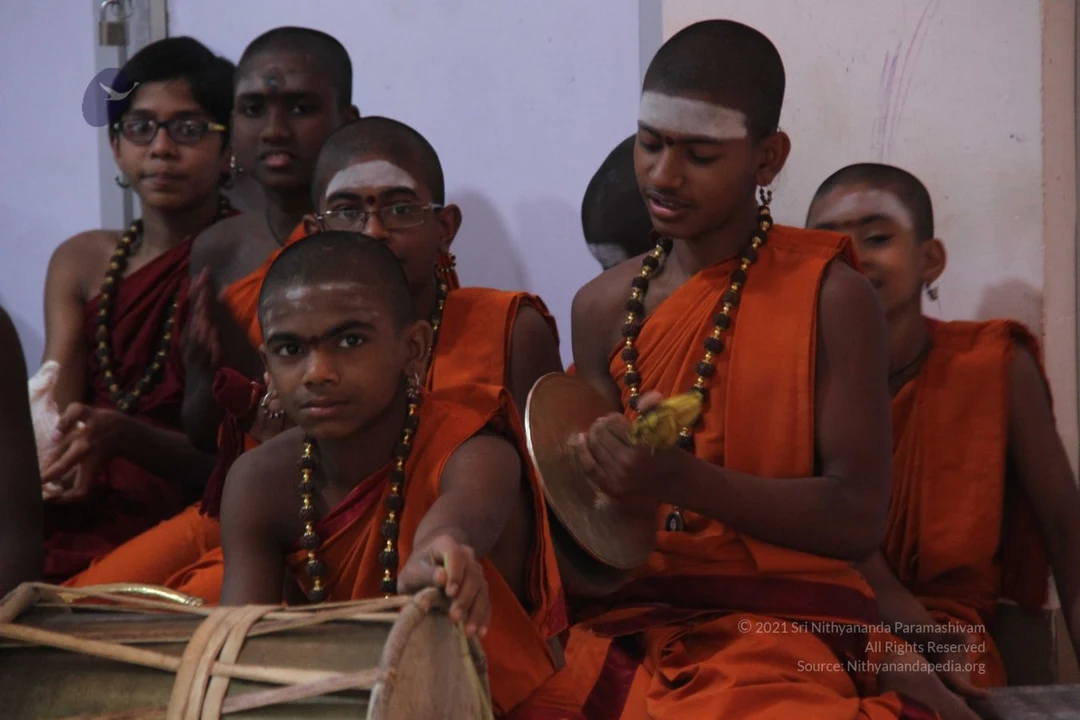
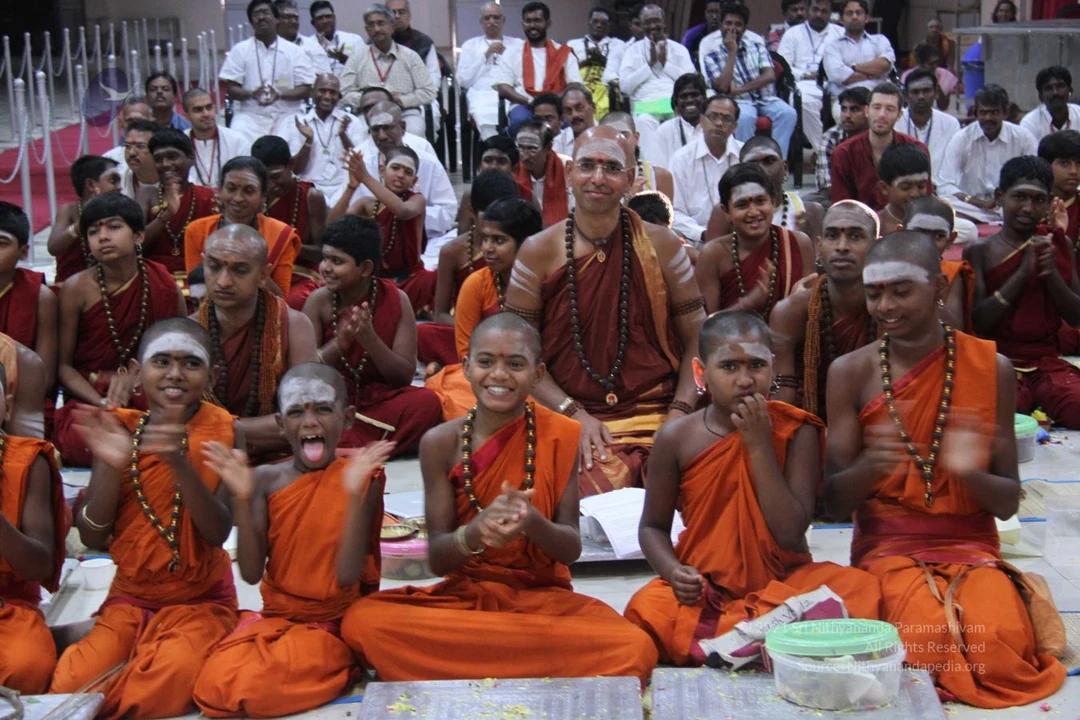
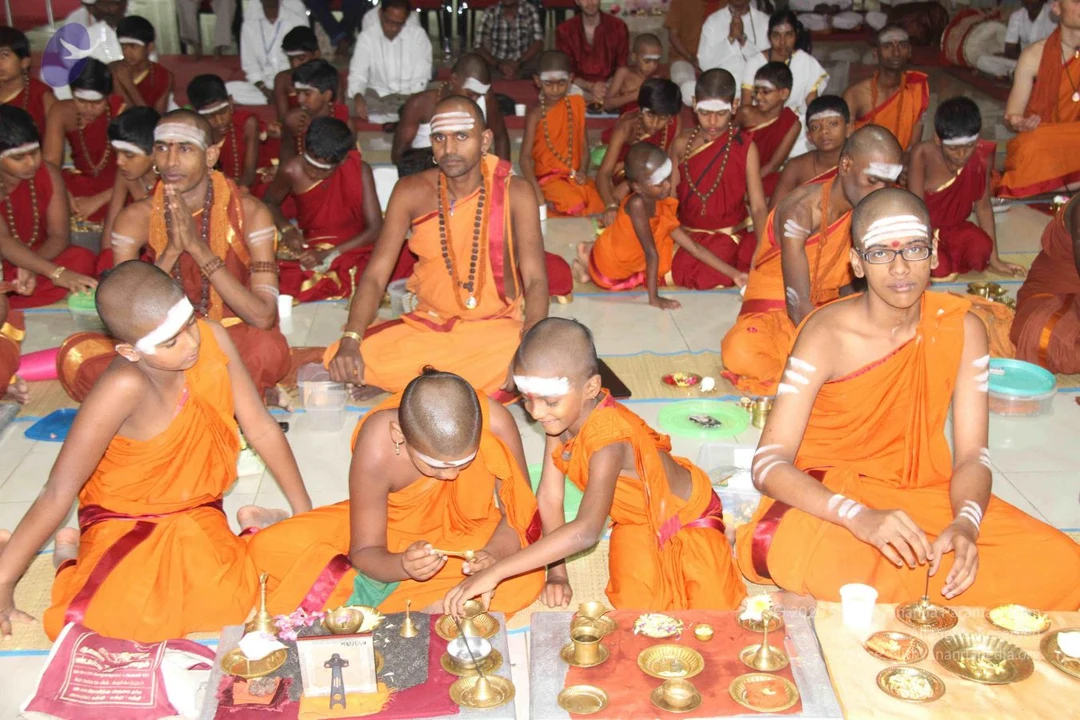
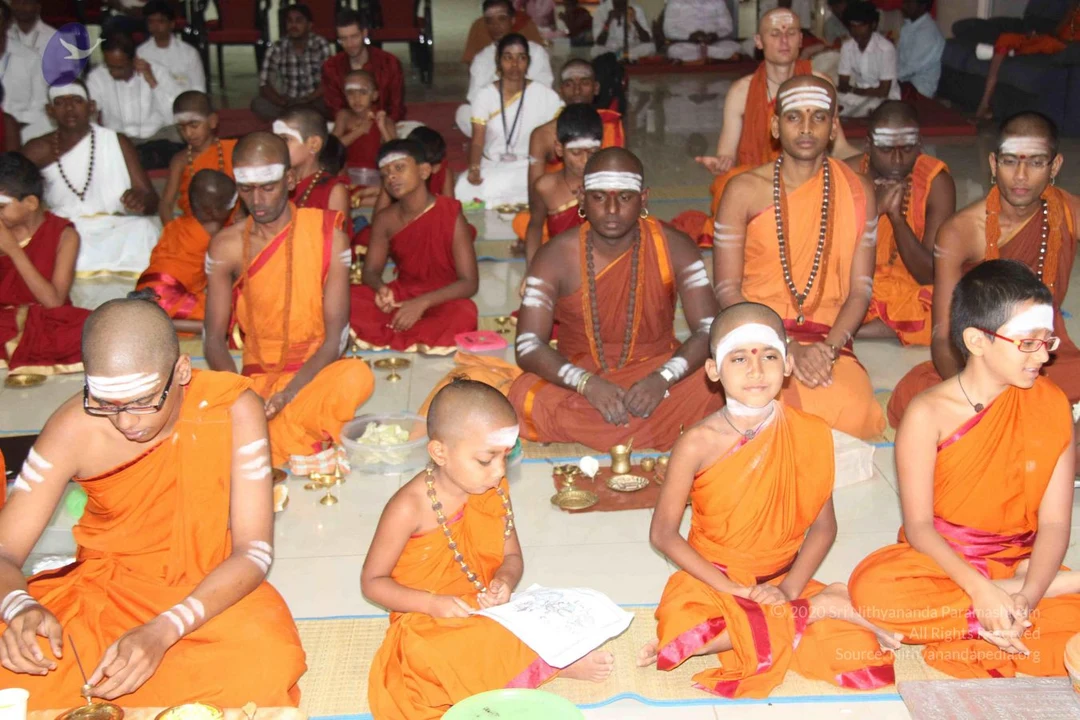
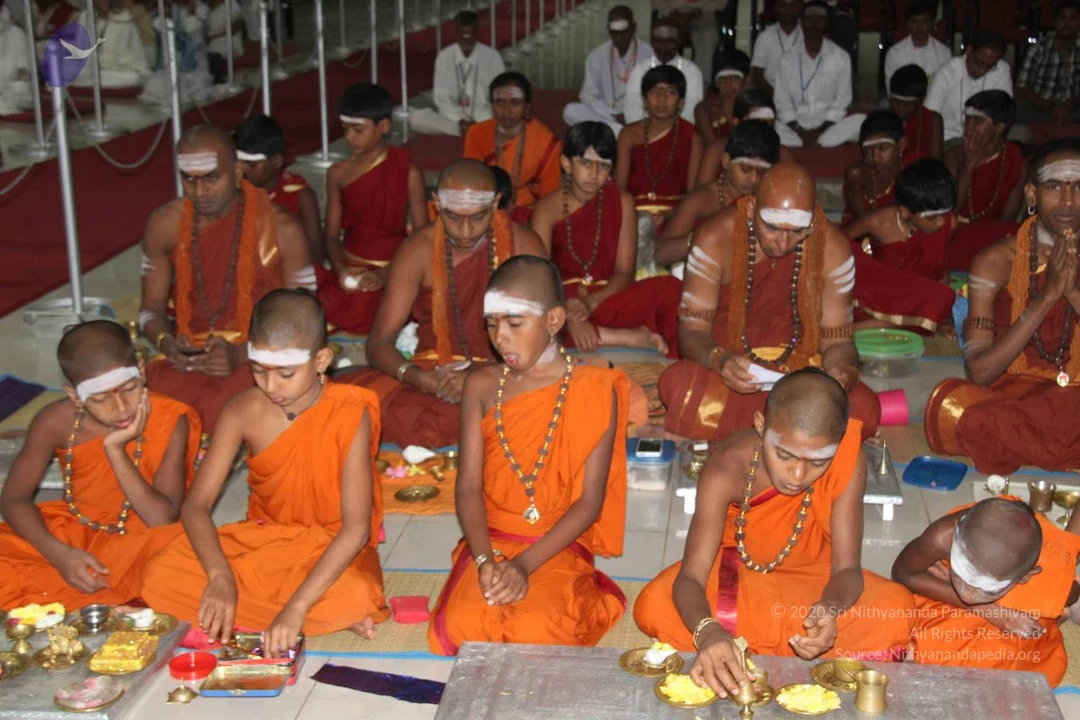
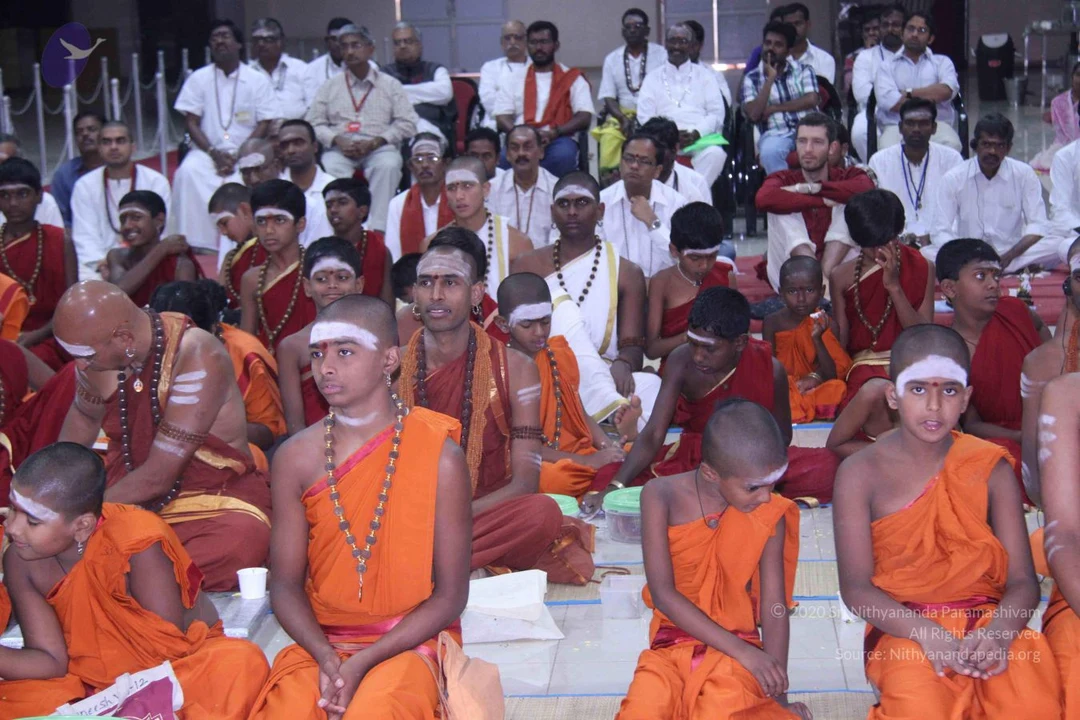
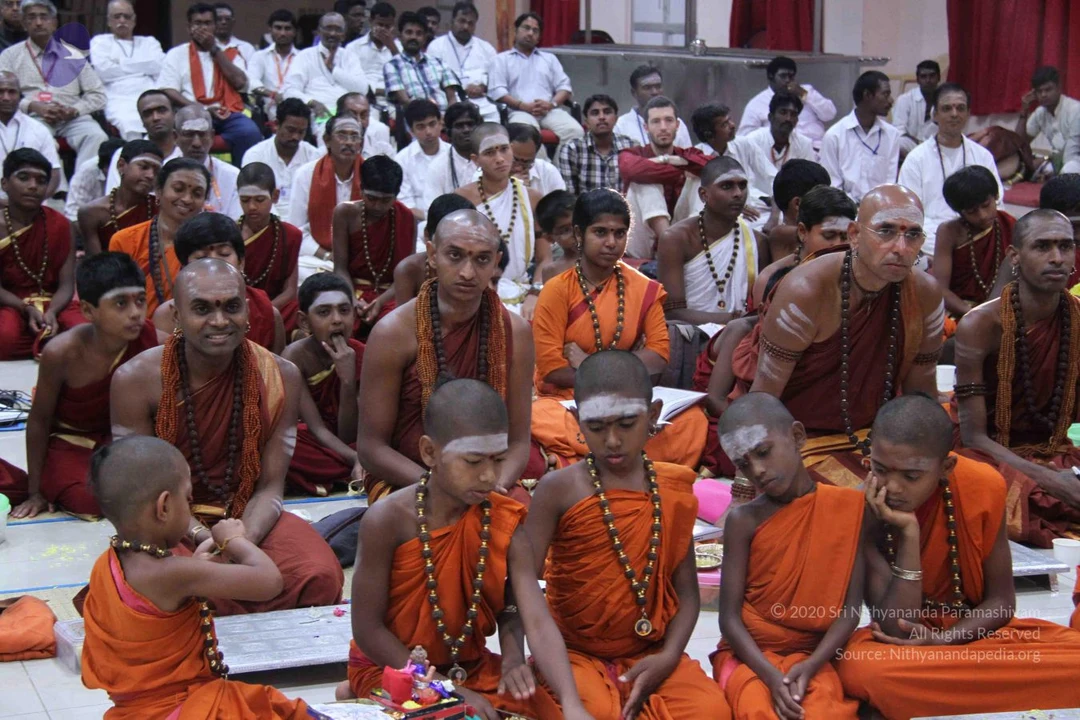
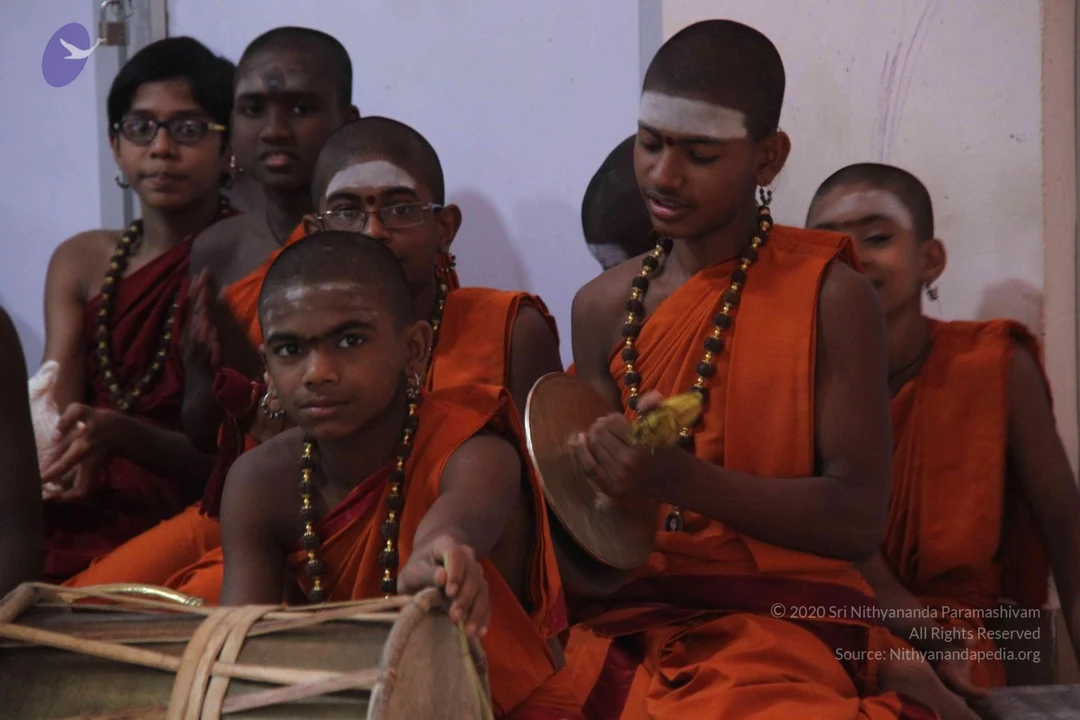
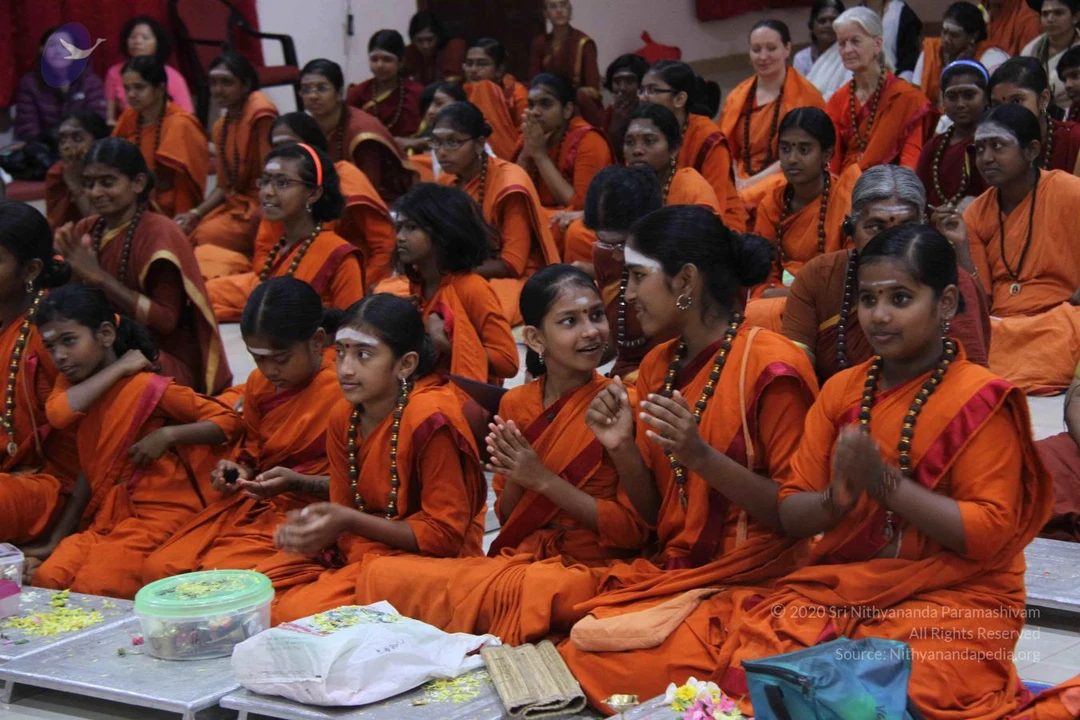
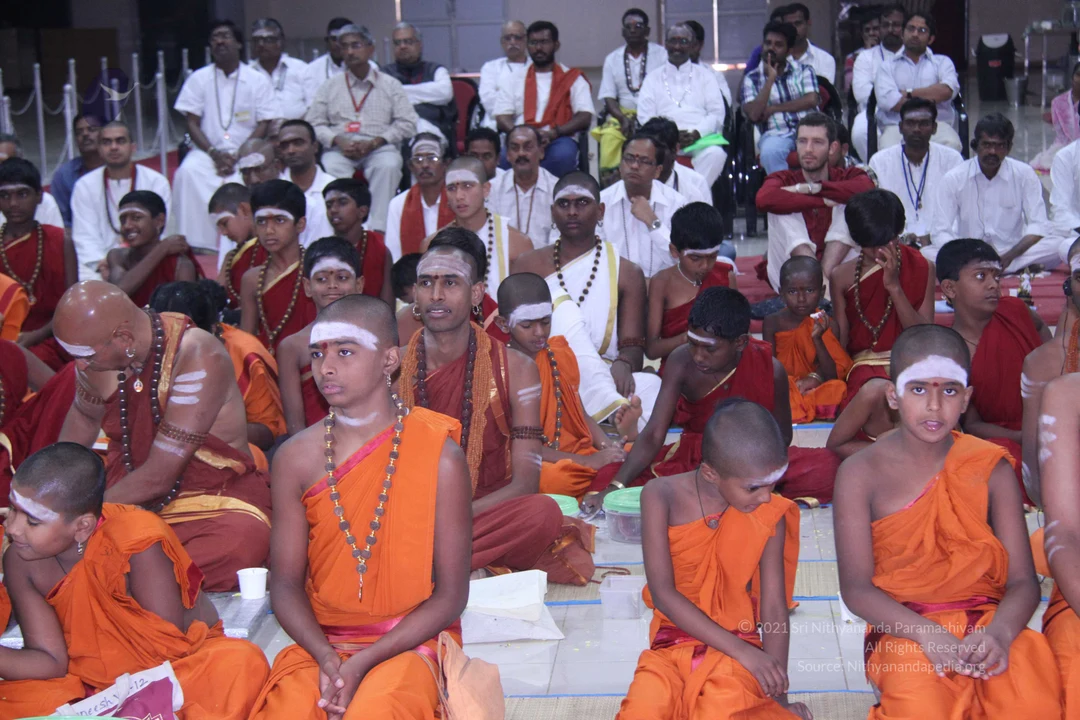
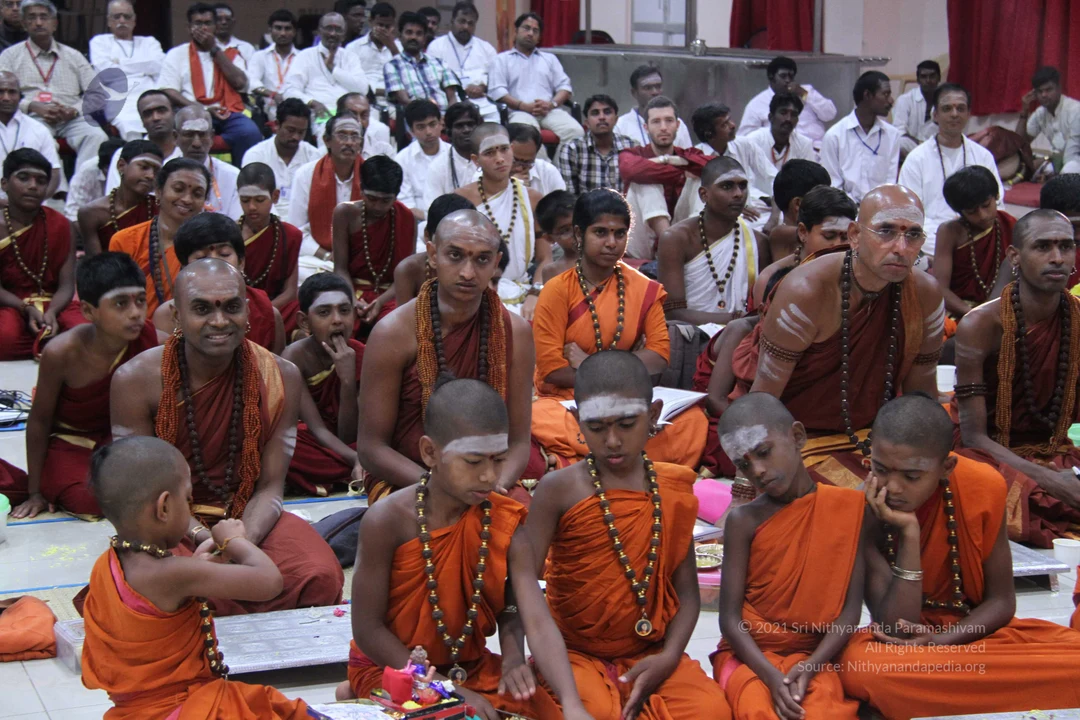
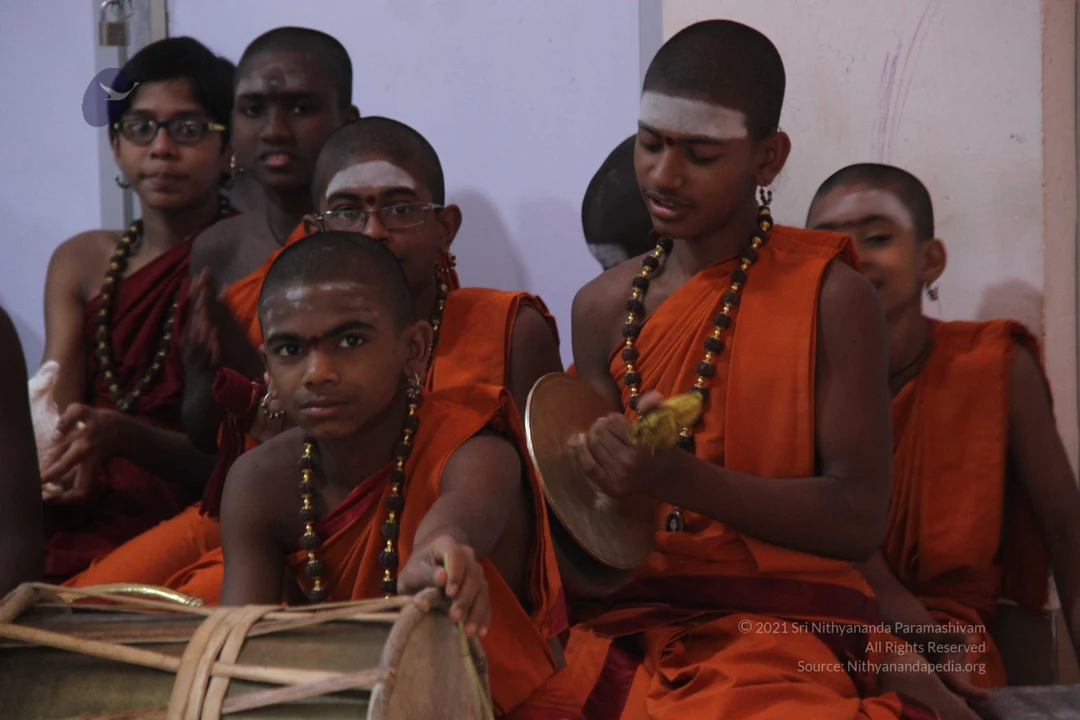
All you guys, all the Gurukul kids, you guys listen carefully. You all have Ashta Maha Siddhis! You should start expressing them by creating difference spaces; means, by creating a right space for every siddhi. You guys should be almost like a Mystery School. If somebody walks into the Gurukul, they should see some ten kids are in the sky, levitating and meditating; some twenty kids, are just walking on the air, saying that, ‘Today I have a little less time, I have to run to the class, I have to maintain my integrity so I just decide to fly. If I walk it will take four minutes, if I fly it’ll take one minute only.’ It is possible! All the Ashta Maha Siddhis are possible. Our ancestors are not fantasizers; they were not in delusion or illusion.
So, be very clear, you guys should just look around and continuously live with the possibility for you. Go on causing that same space of possibility for others. That’s all. If you live a “Parivrajaka” life with the space of possibility at least for one year, you will understand how the miracles can be caused just by creating the space. I have seen, the moment I create a space, exact variety of food will come - hot, freshly cooked! Multiple times I have seen, the guy who brings the food and gives me, I’ll ask him, ‘Where you are from?’, and I note down where his place, his house is and everything. When I go there and enquire, they say, ‘Nobody like that is here’! And nobody knows who brought the food and gave! This has happened multiple times! So, you can experience the power of your space and you will have confidence over power of your space if you live this life of “Parivrajaka”.
So, the essence of today’s satsang:
First, always be a cause for others to experience their reality.
Second, when you start causing others’ reality, the expansion happens in you, the joy happens in you, is a Sacred Joy which strengthens you and makes even your own reality more powerfully.
Third, Ashta Maha Siddhis are simply available to you when you cause others’ reality.
Fourth, carry the space of possibility in you. Go on causing it for others. This is the essence of today’s satsang and this whole year’s satsangs.
Let you all achieve, experience, live, express, radiate, share and explode in eternal bliss, Nithyananda
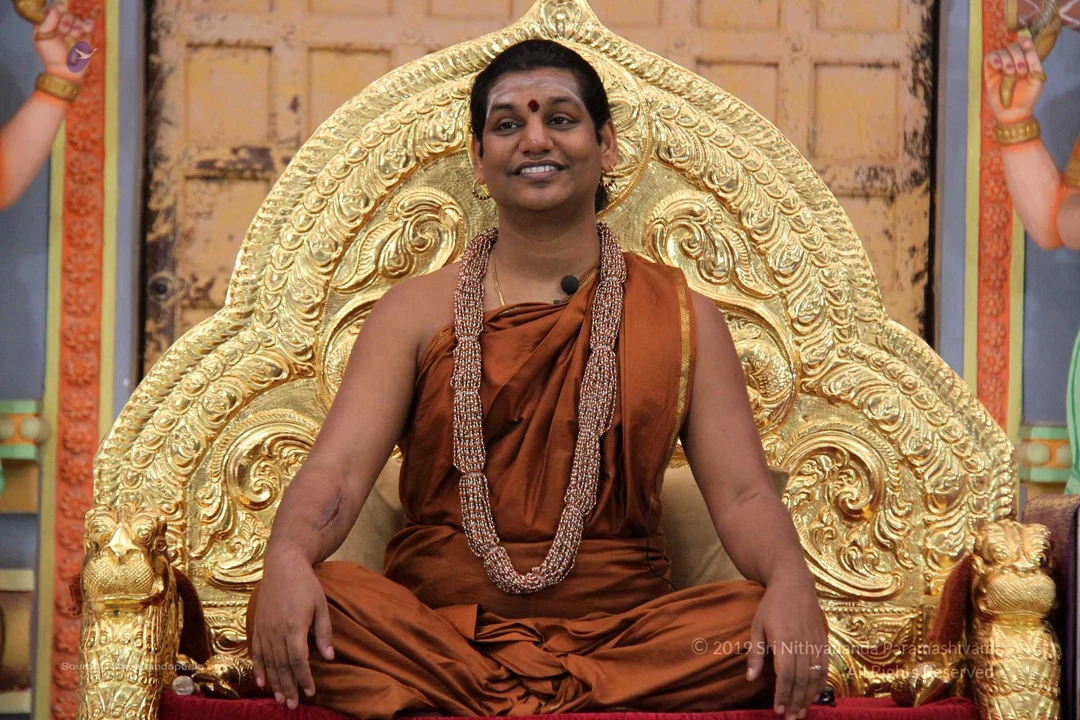
Photos
Sakshi Pramana:
Sharing from COSTA VICTORIA INNER AWAKENING
Tags:
Paramahamsa Nithyananda, bondage, liberate, sacred, expansion, consciousness, enlightenment, self-doubt, life, joyful, powerful, truths.
Photos Of The Day:
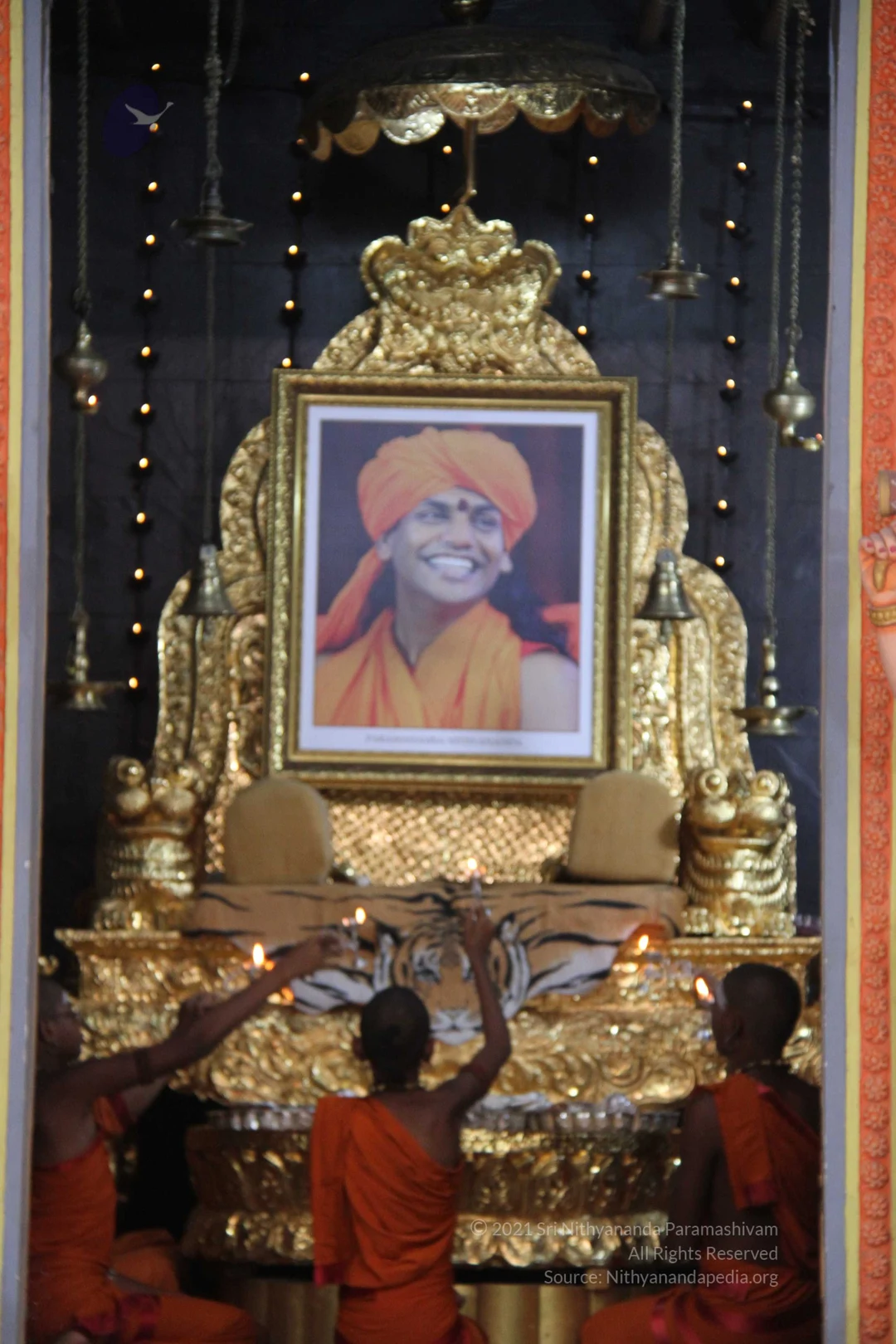
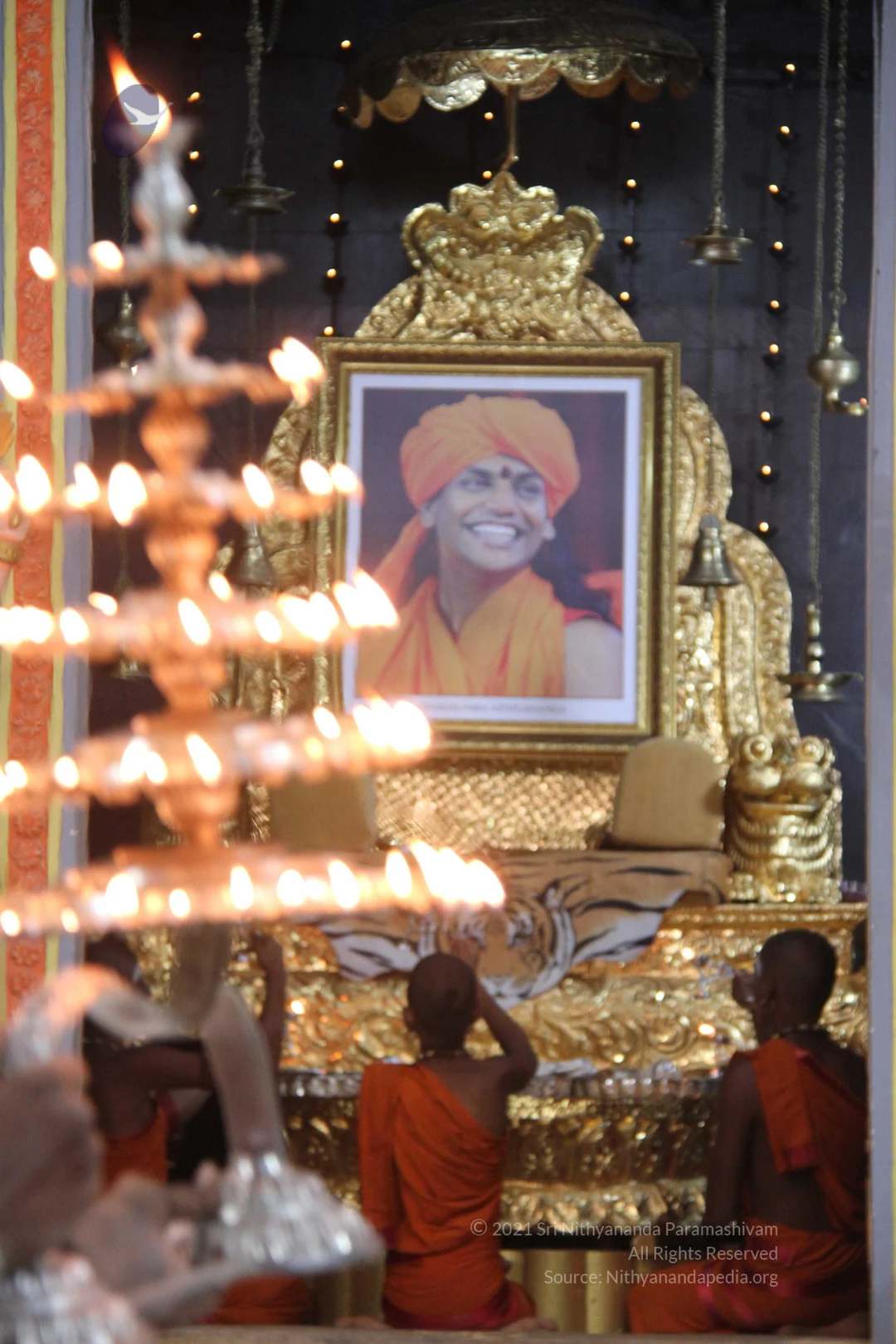
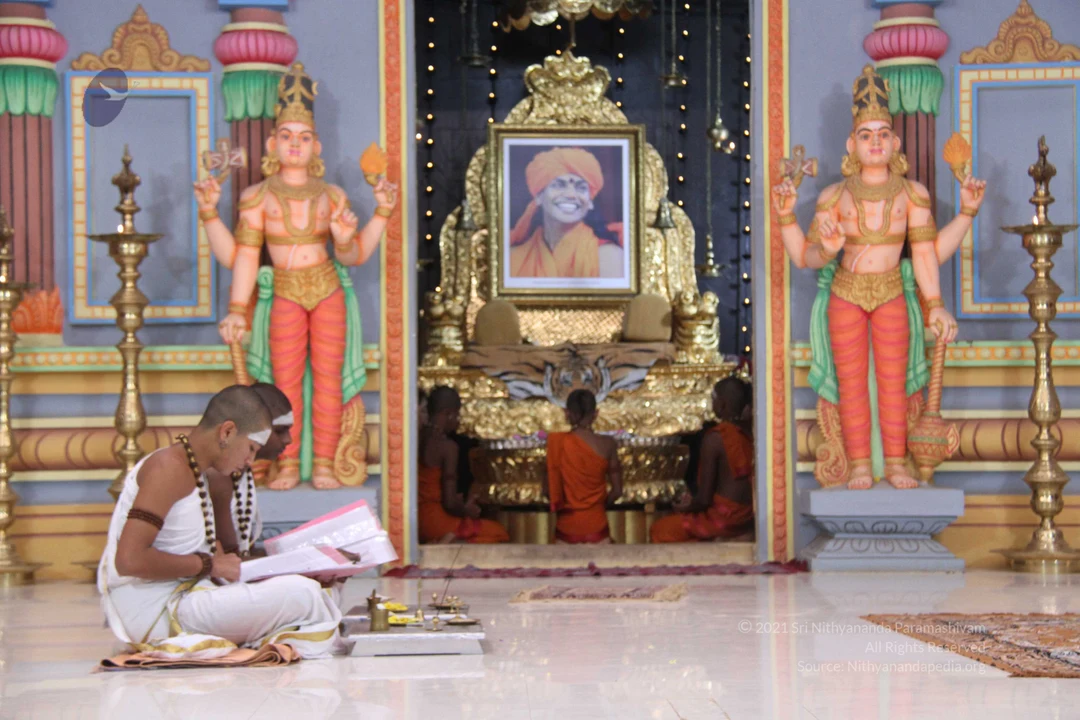
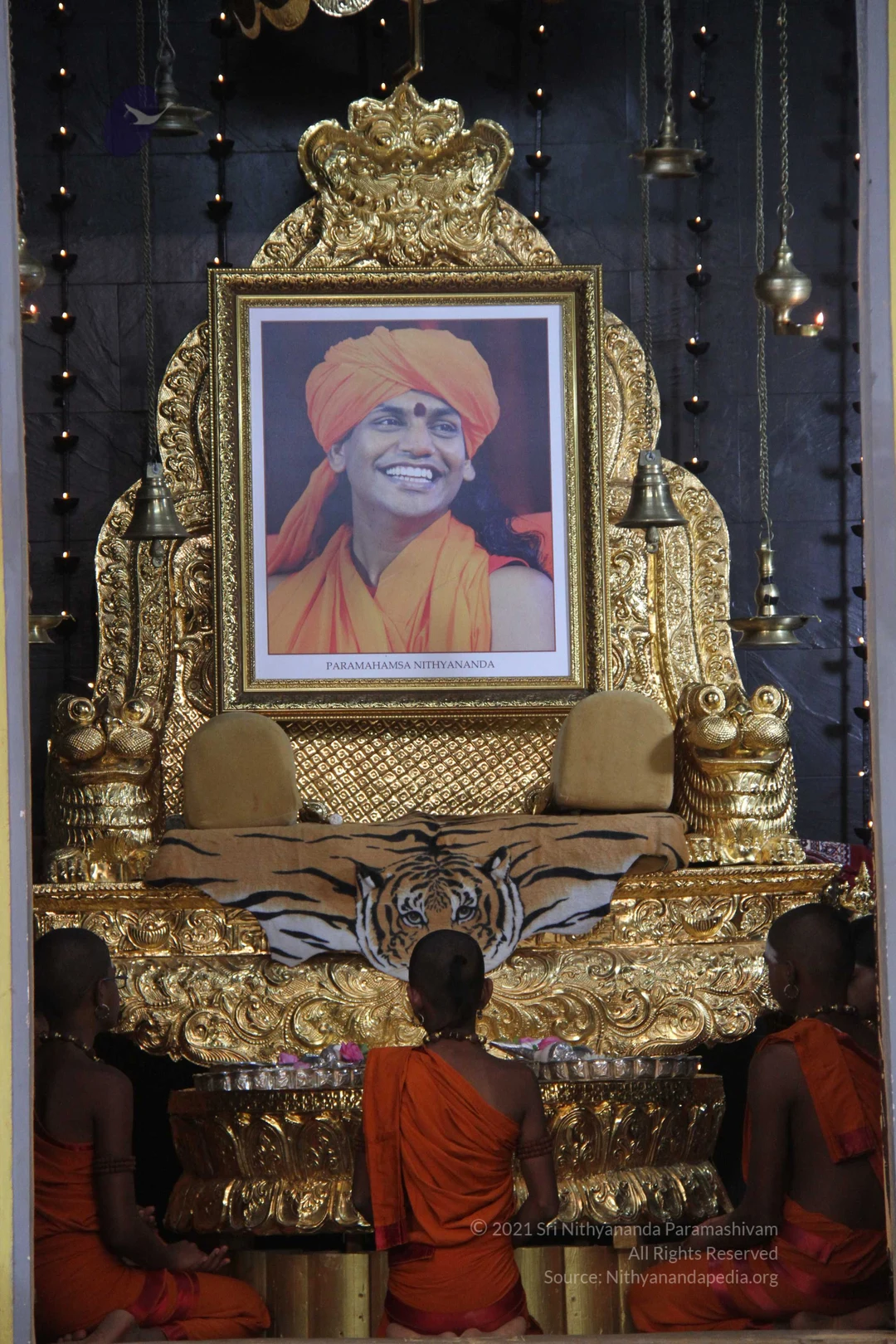
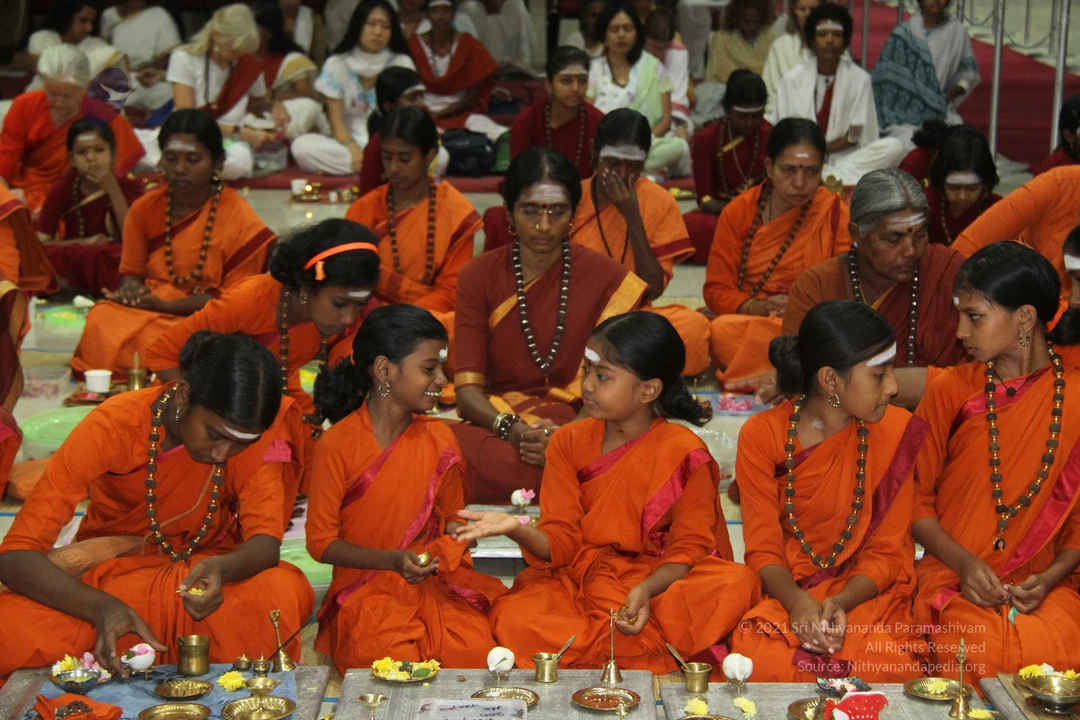
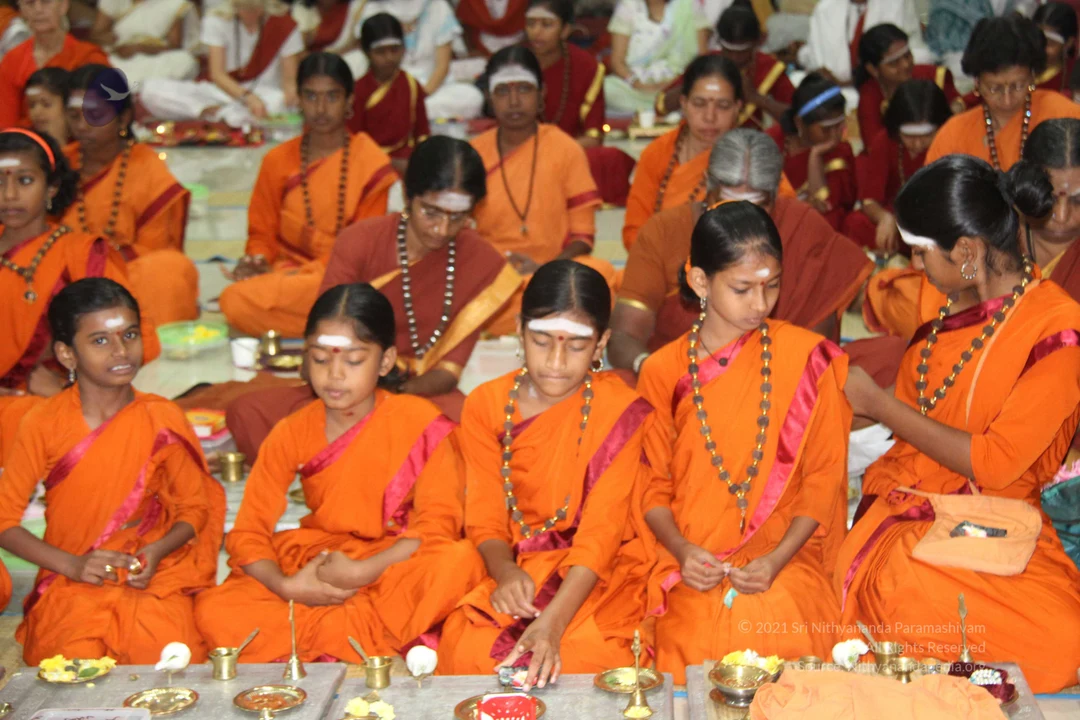
Pada-Puja
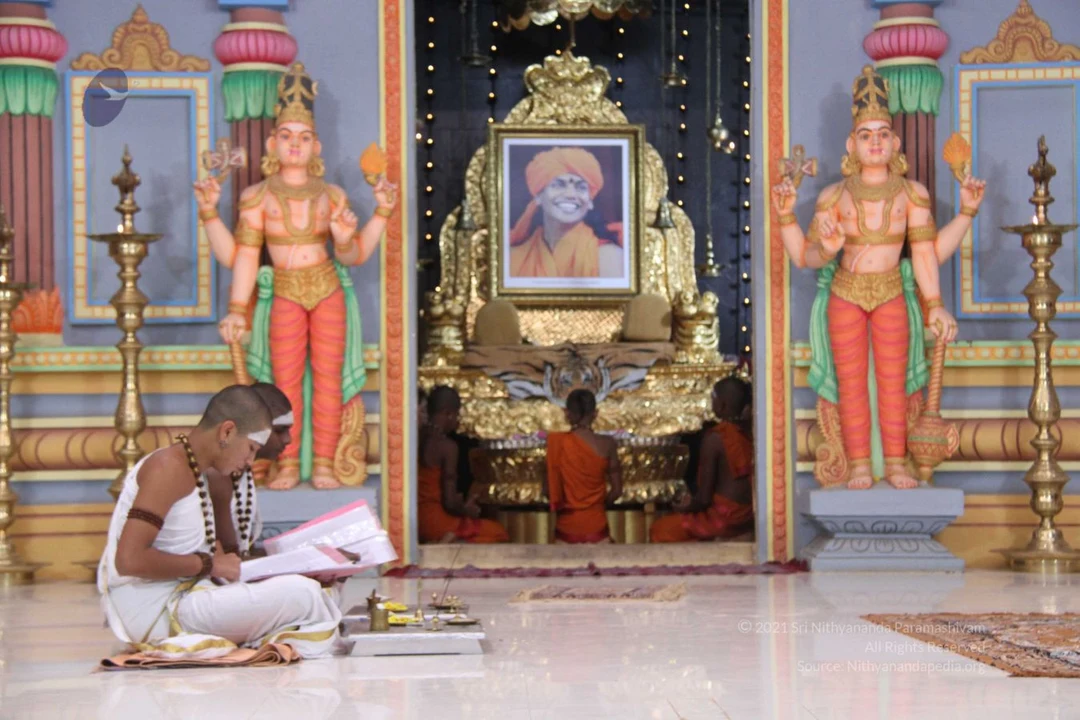
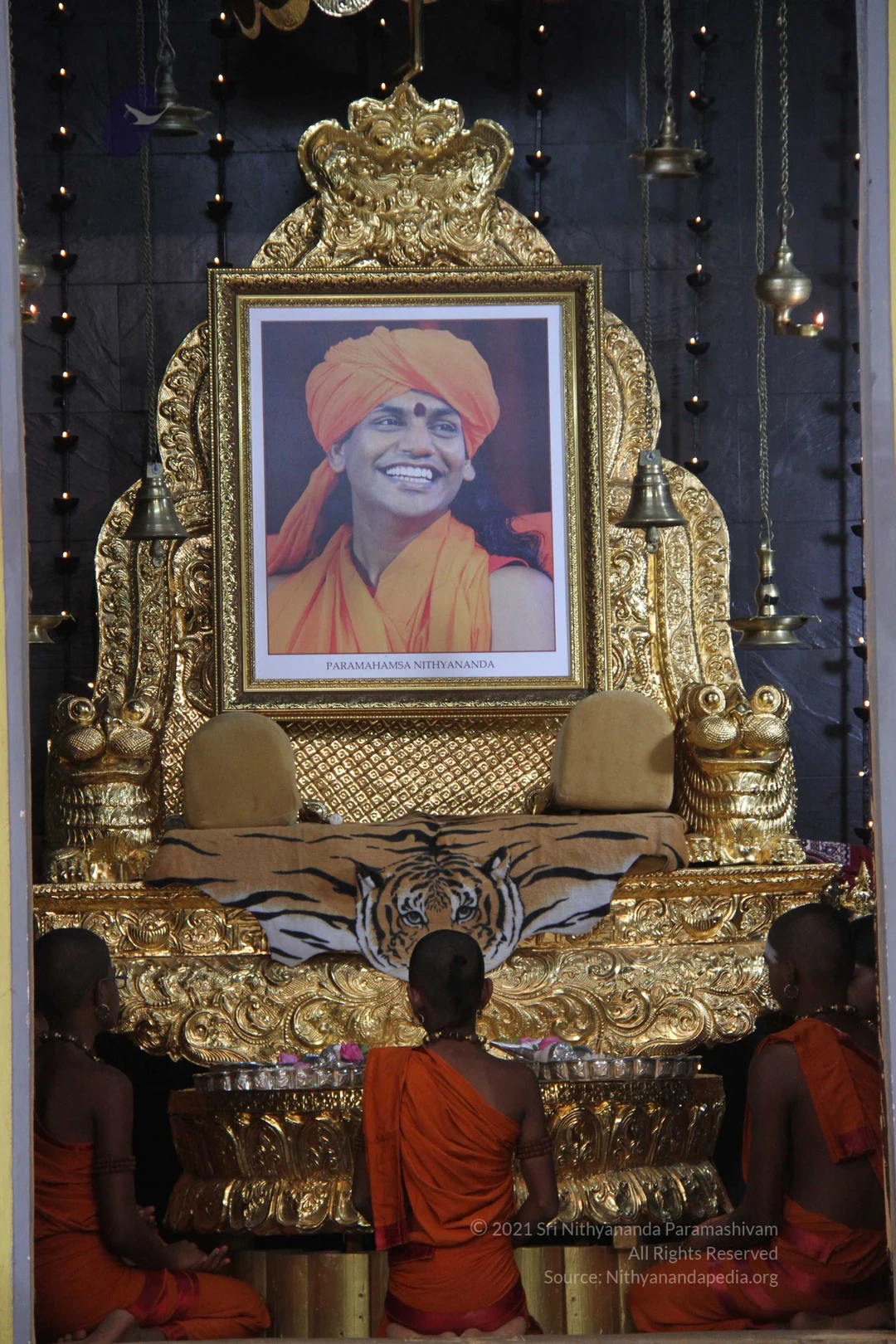
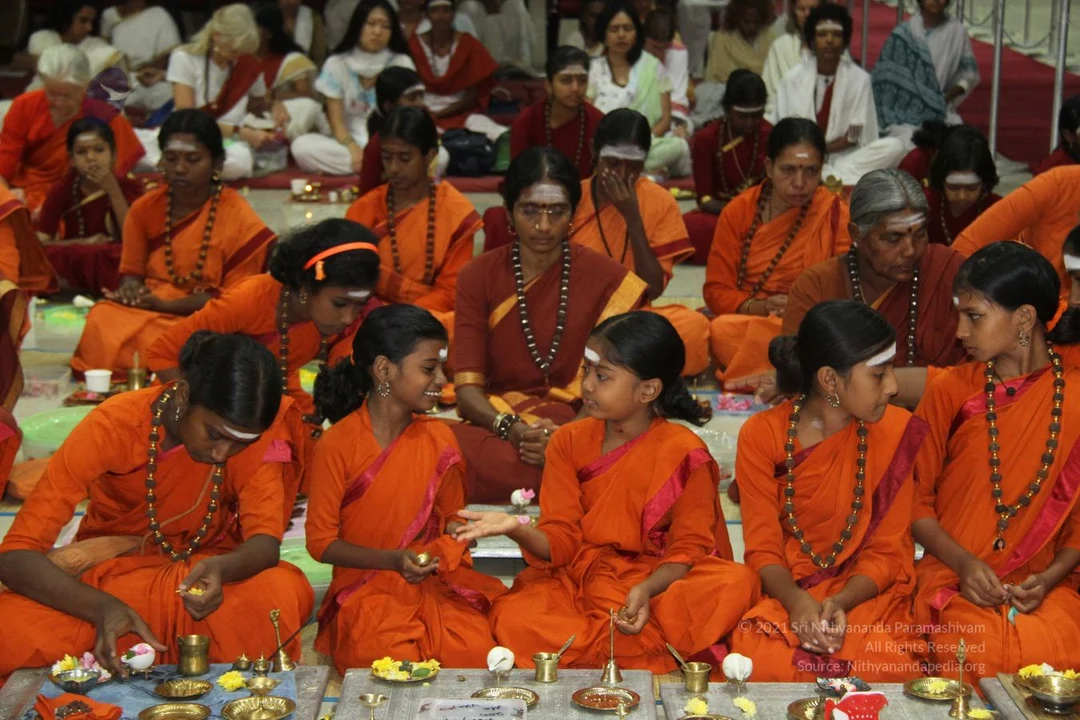
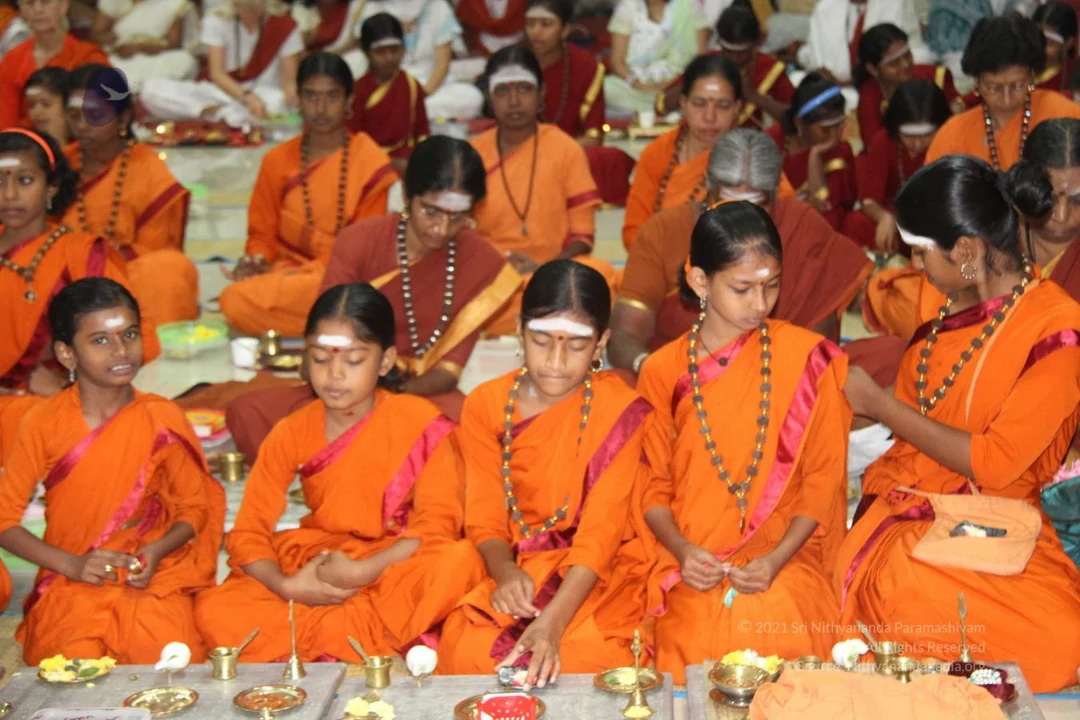
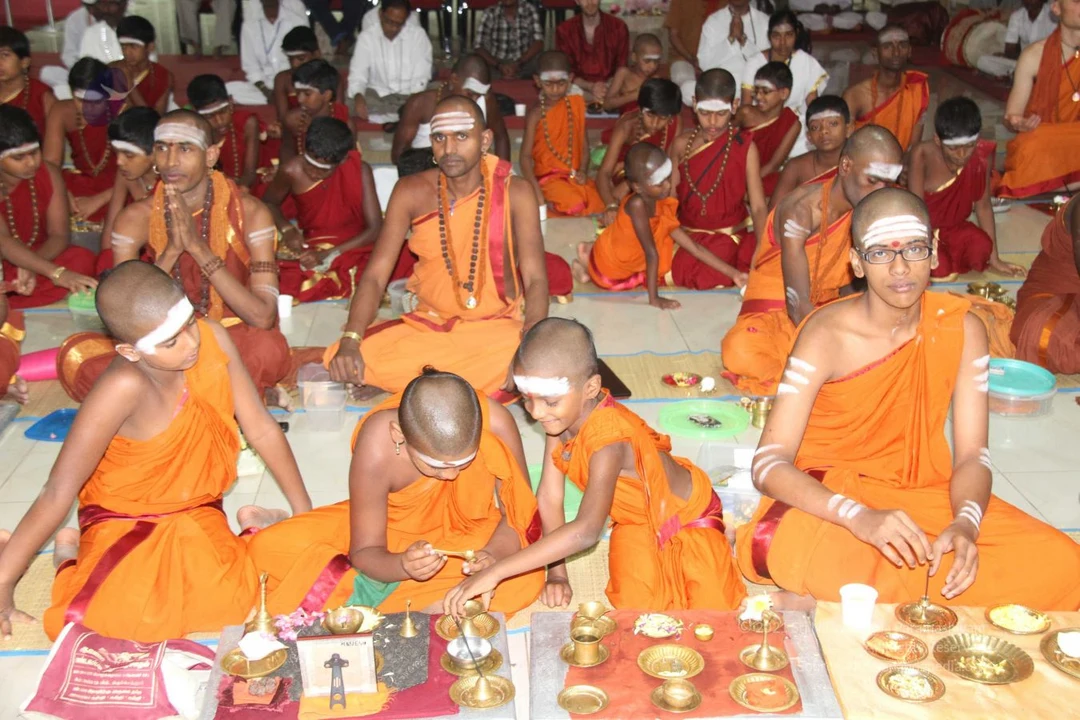
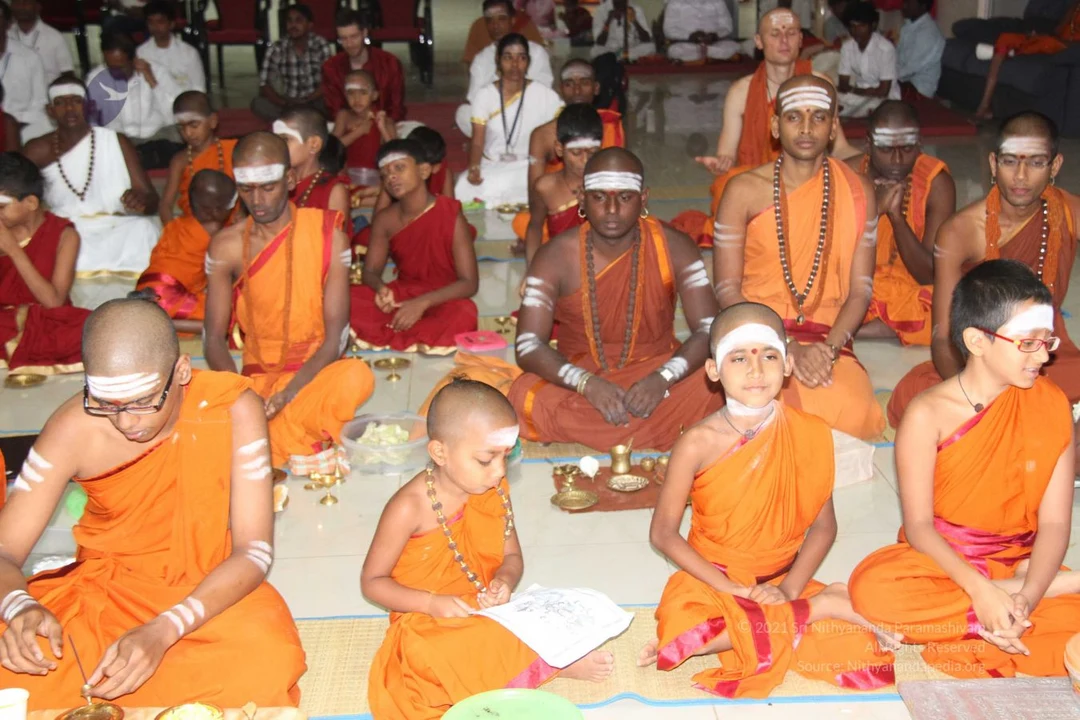
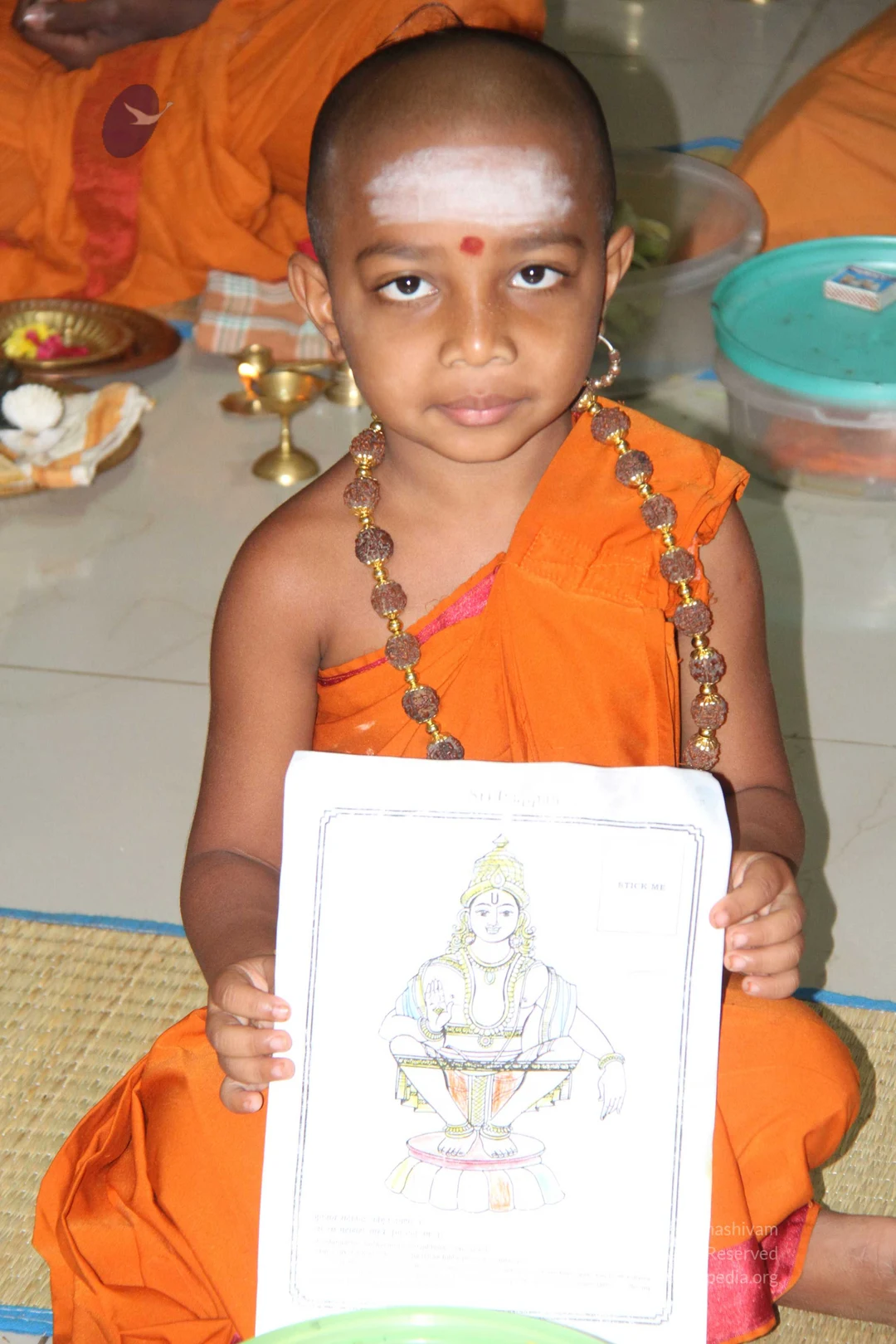
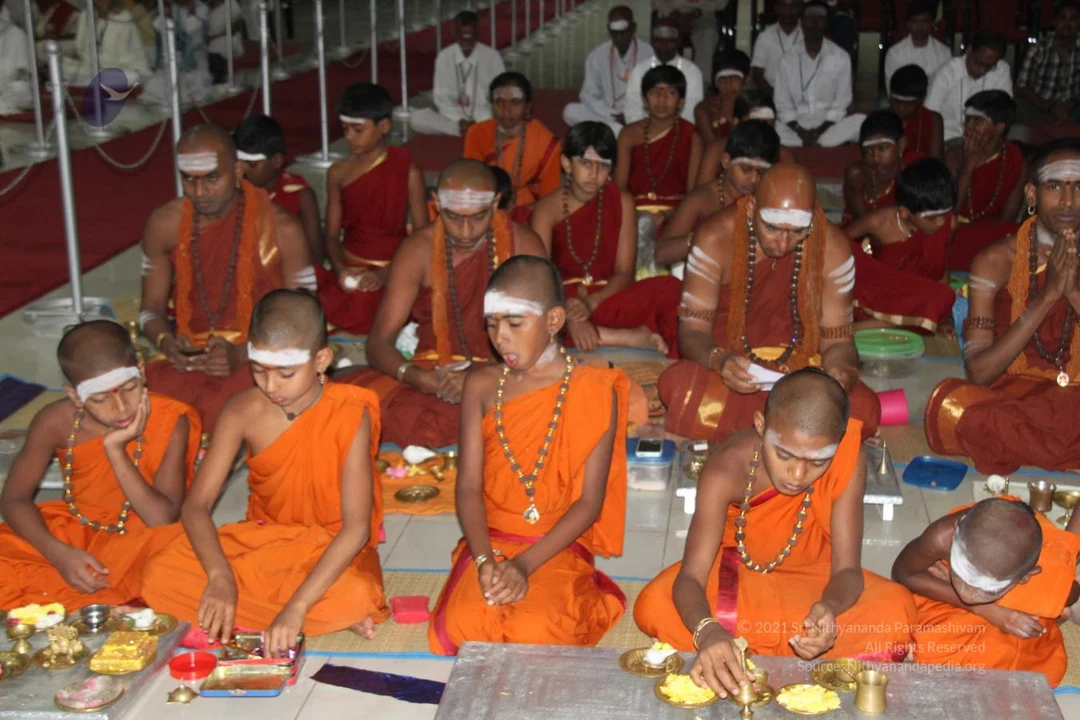
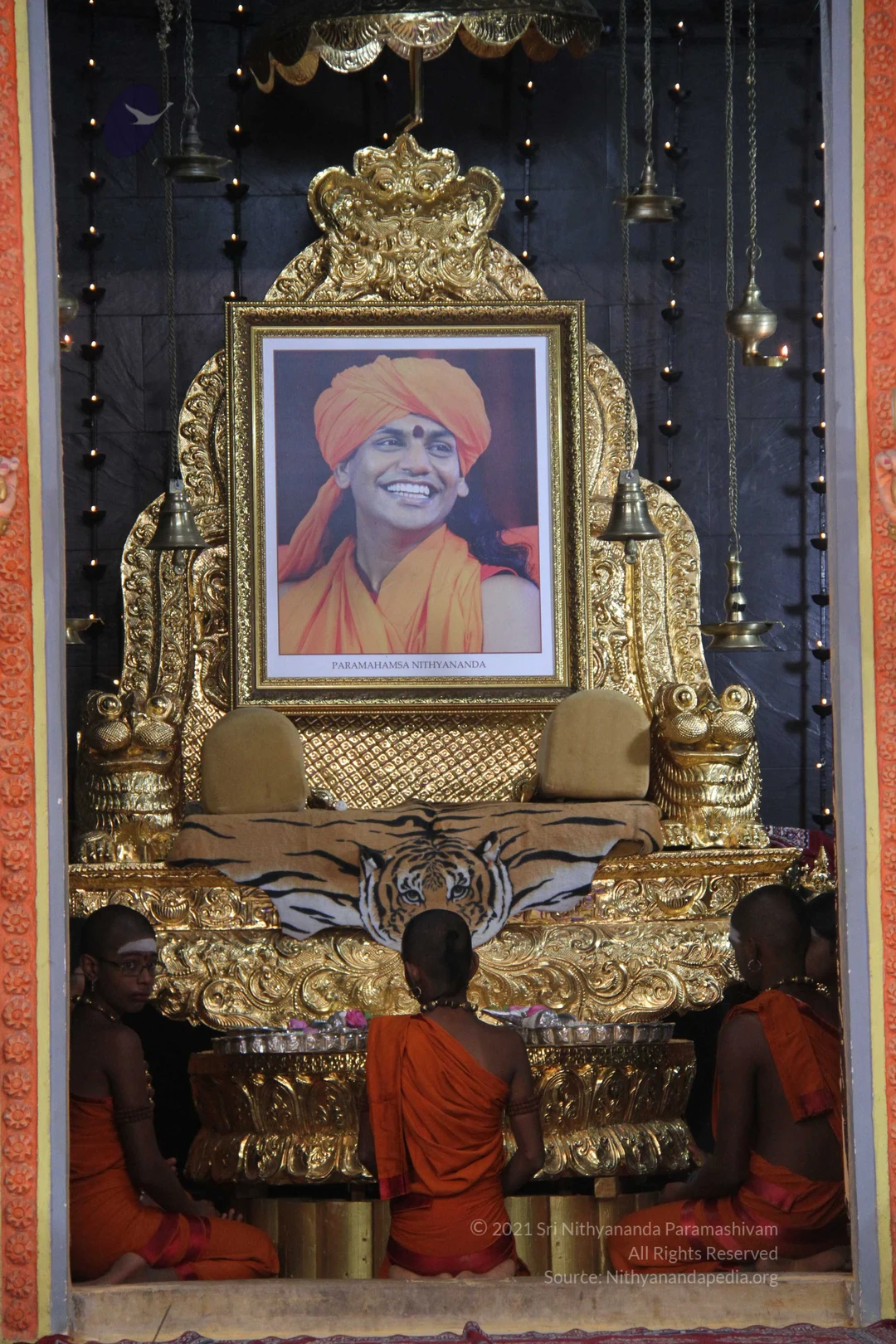
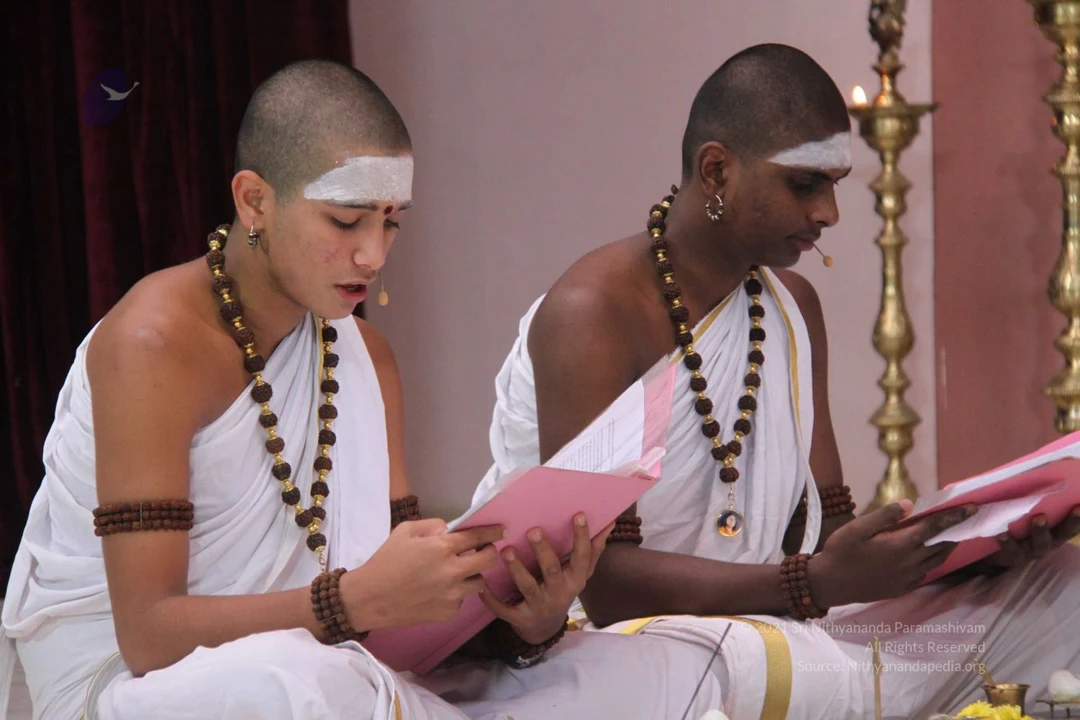


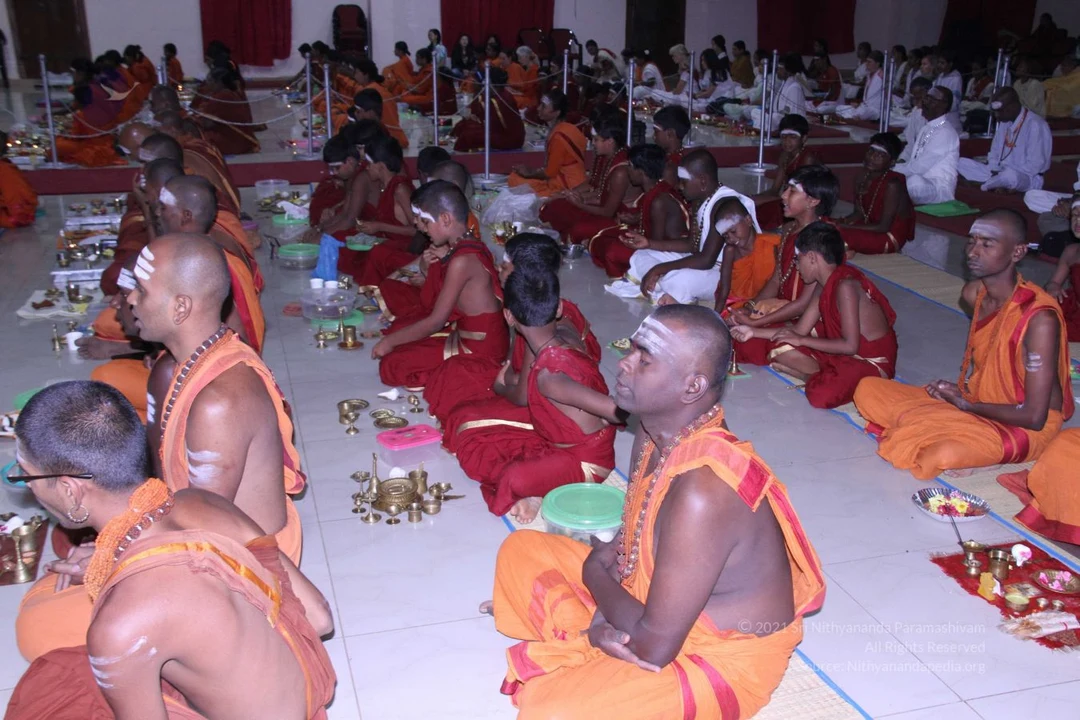

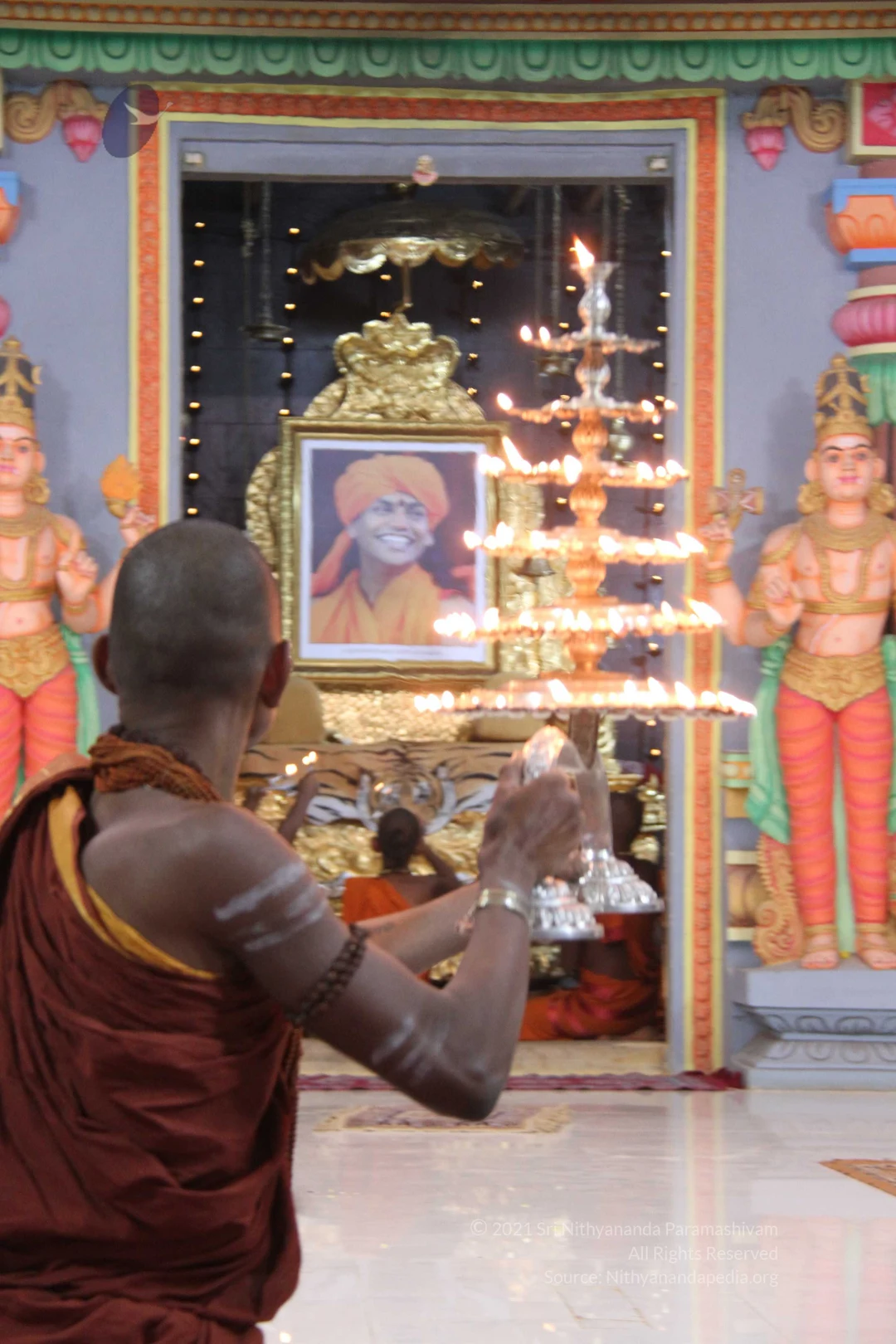
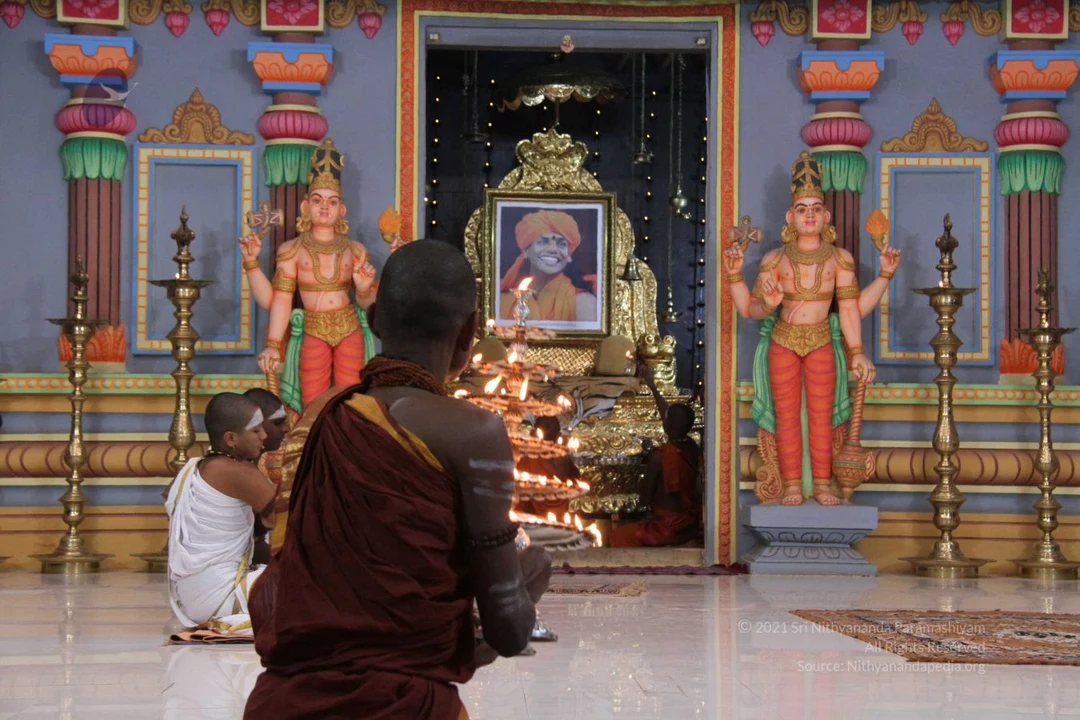
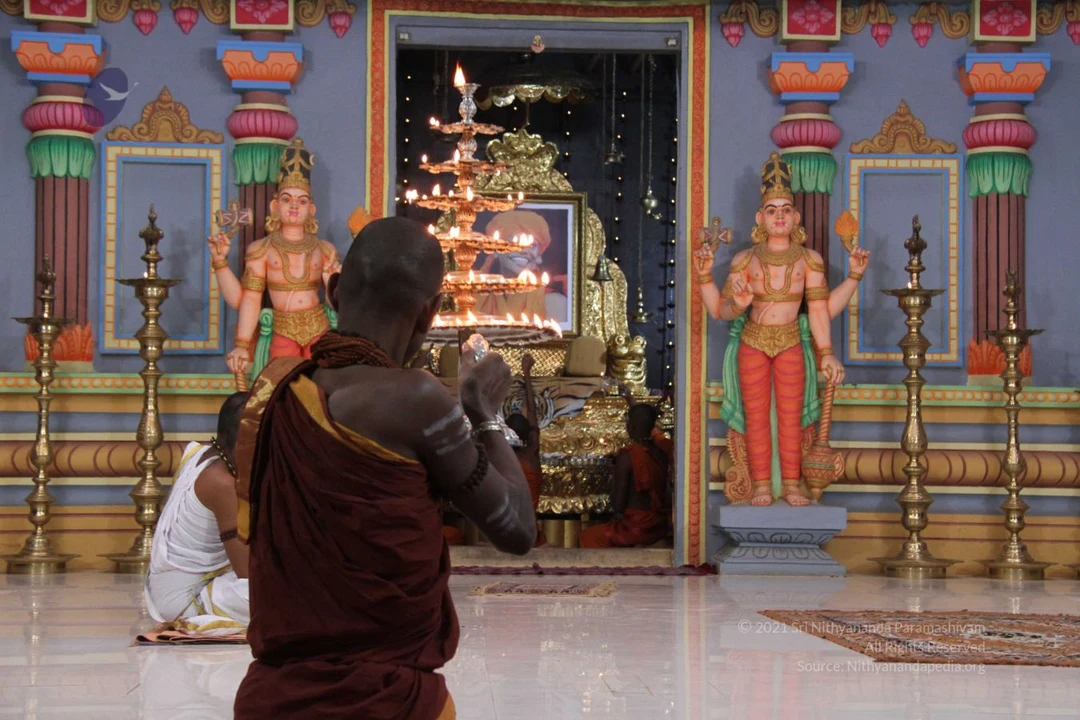
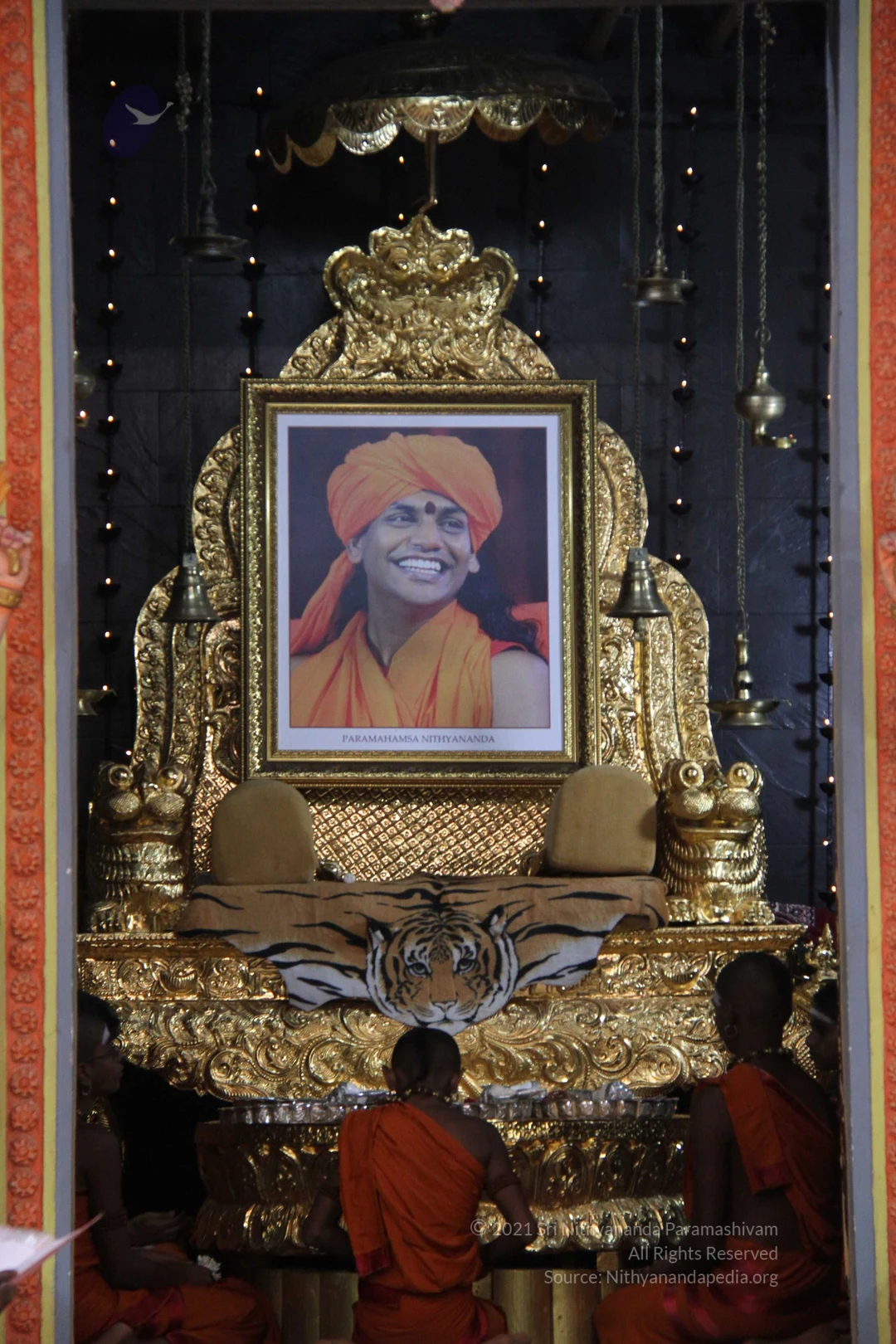
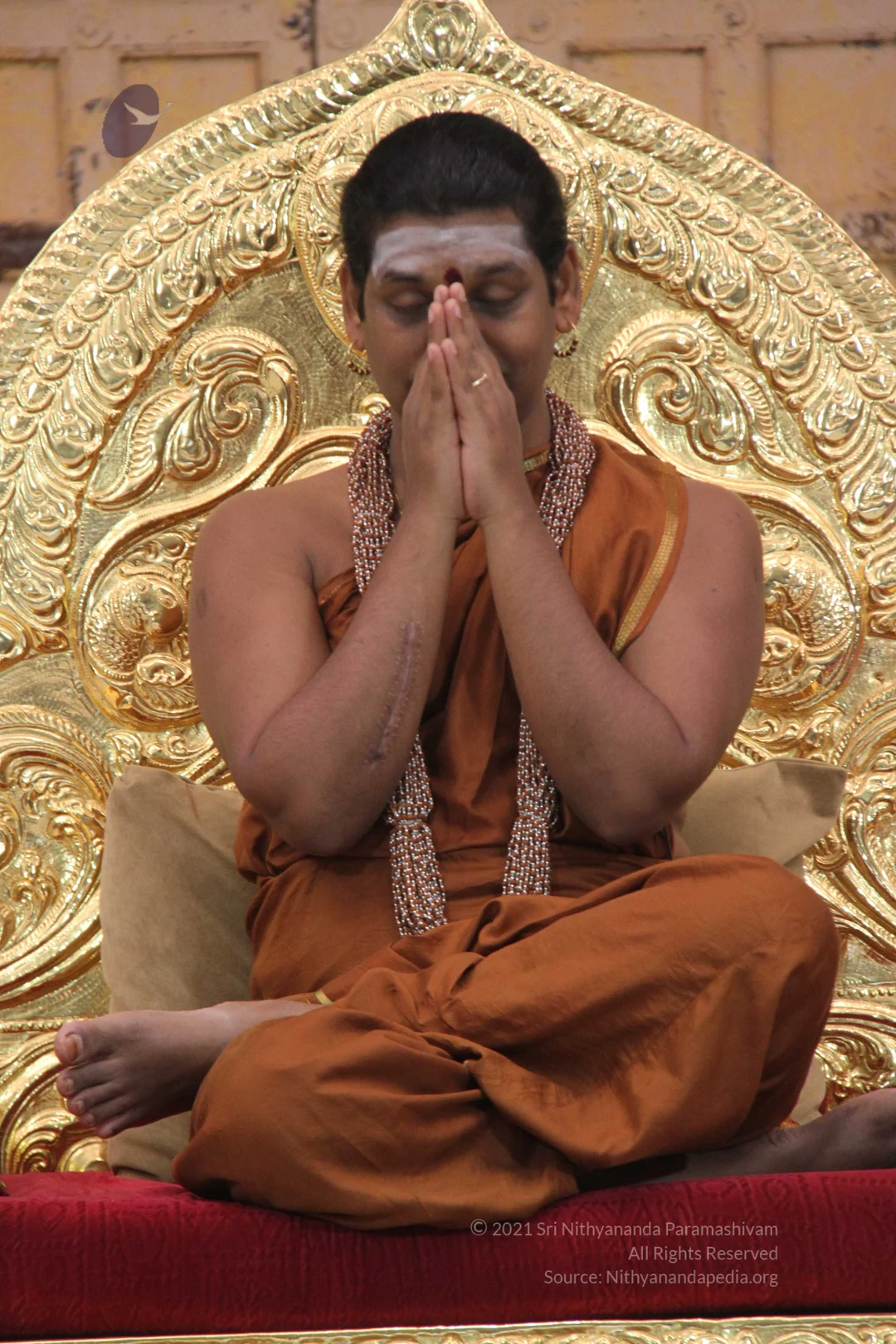
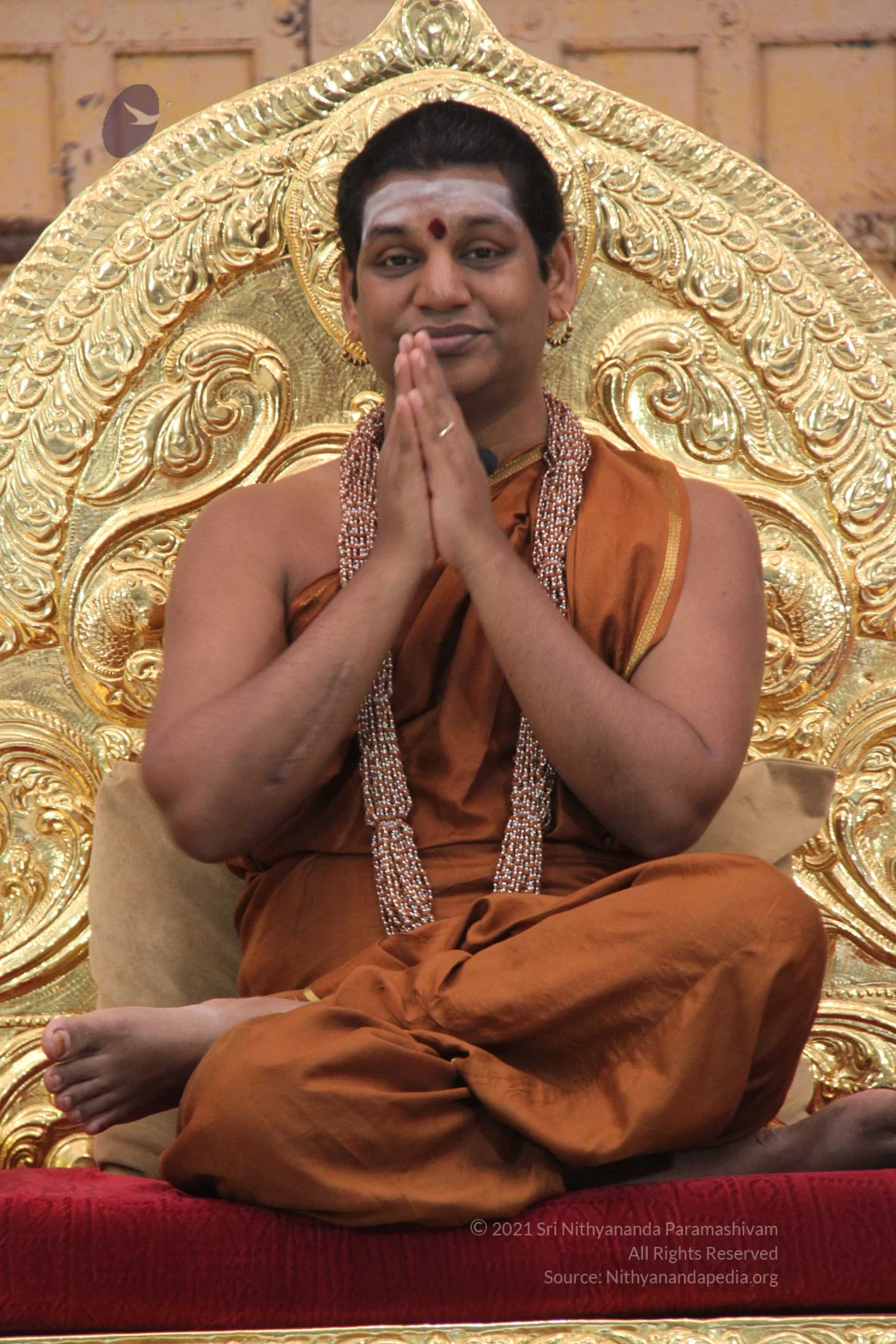
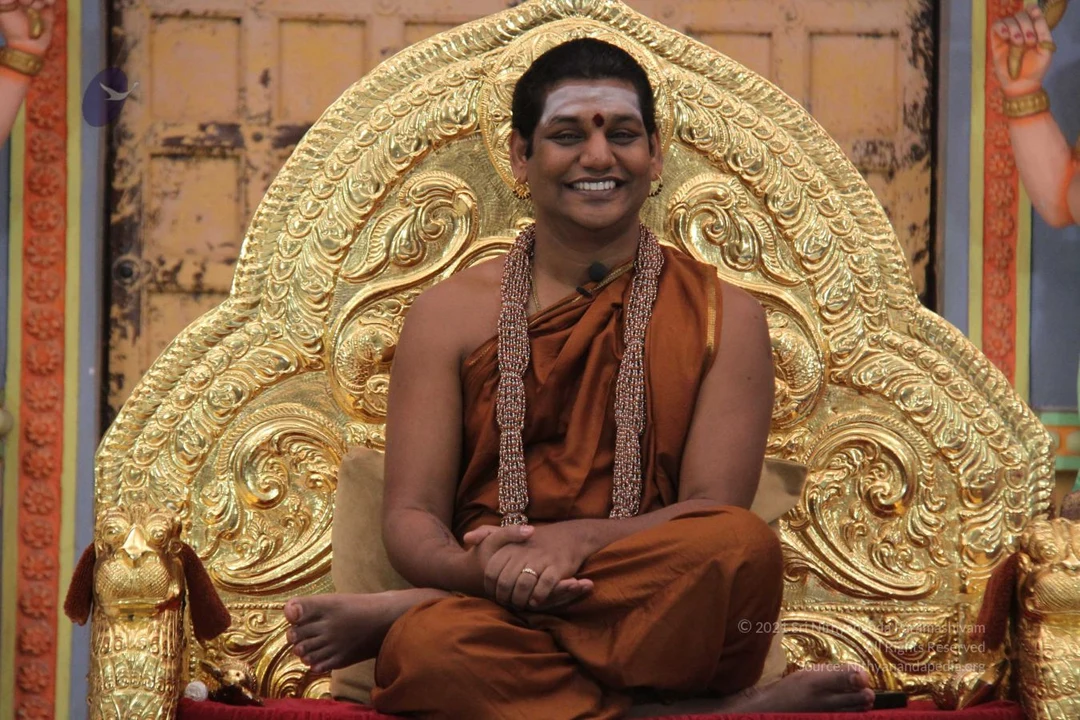
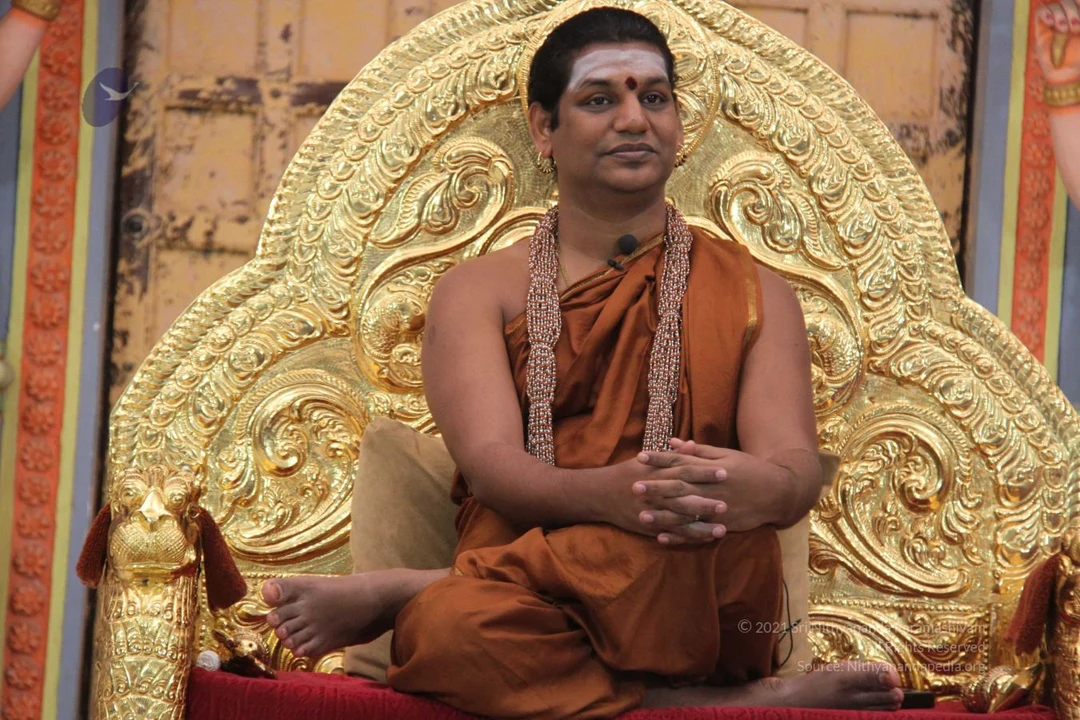
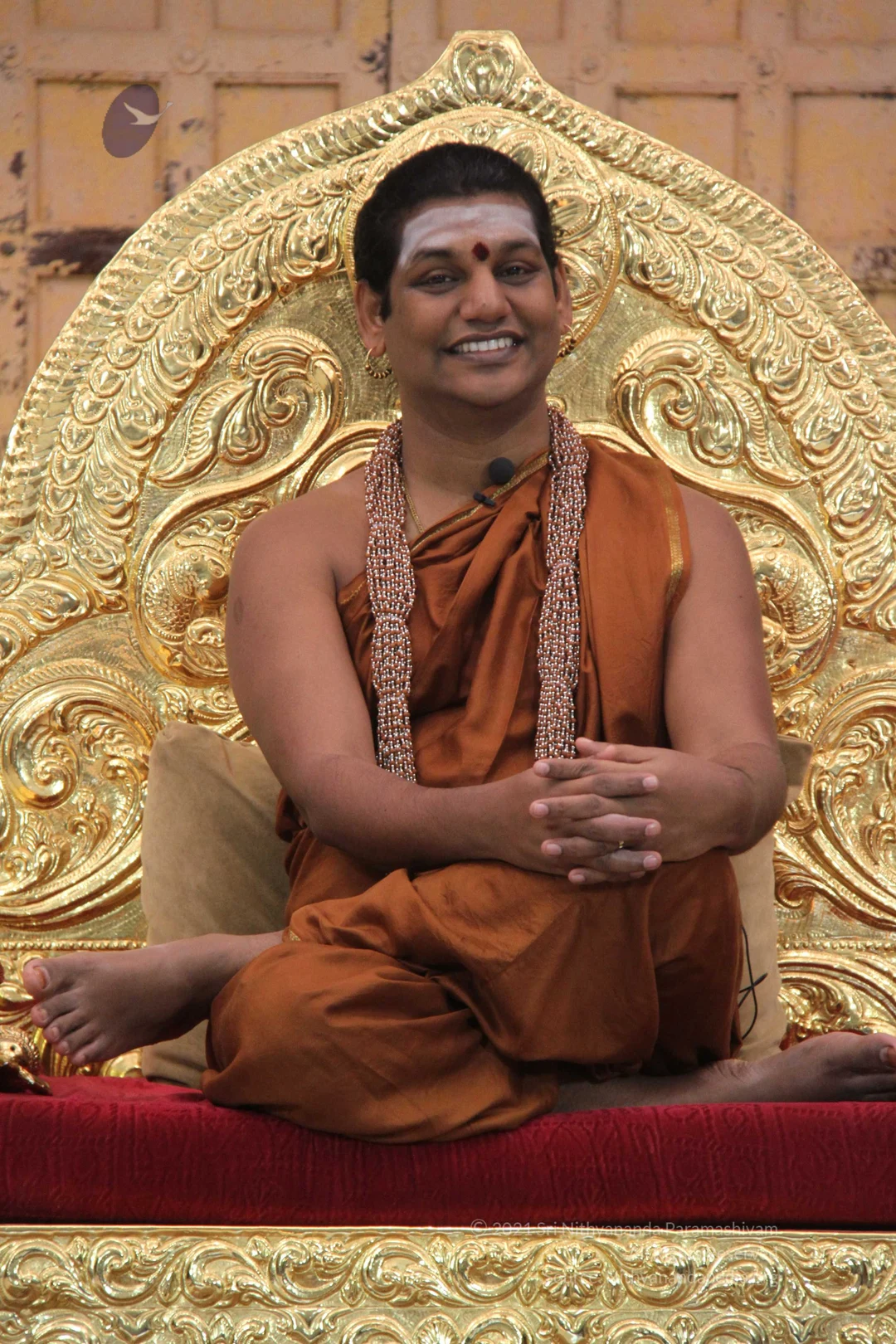
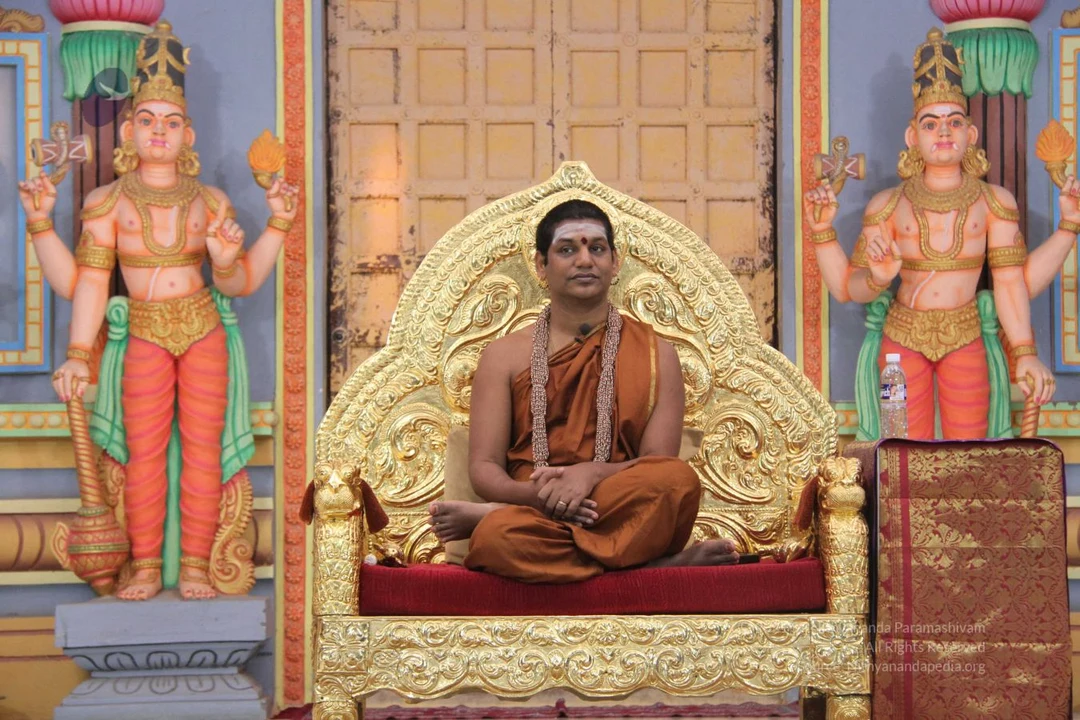
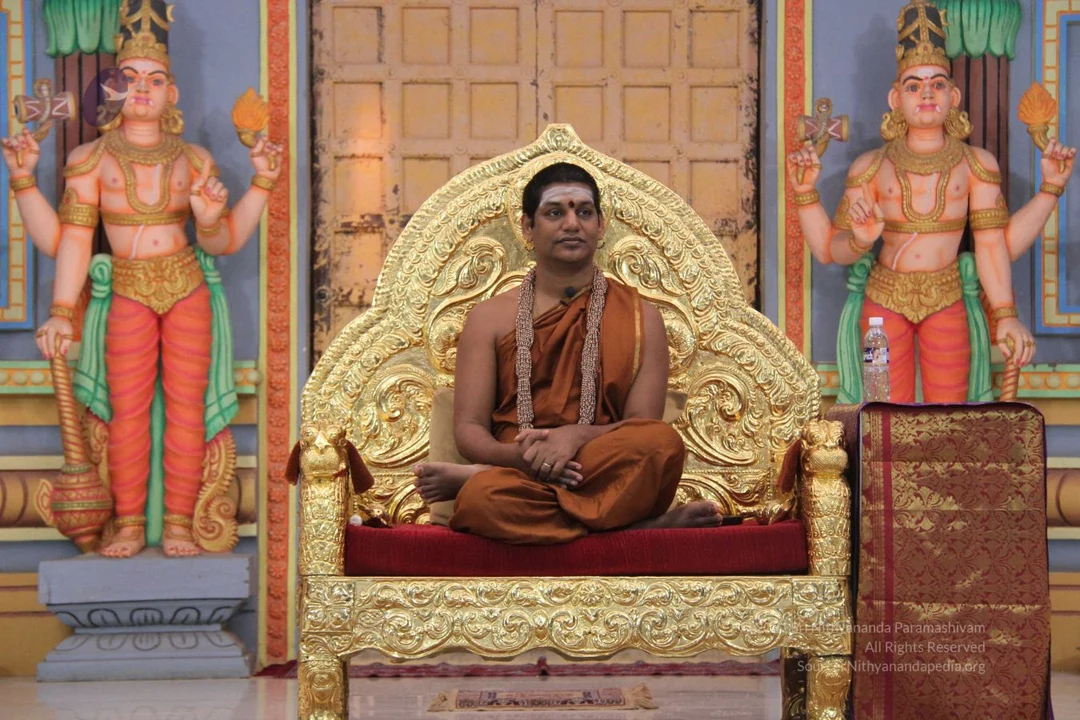
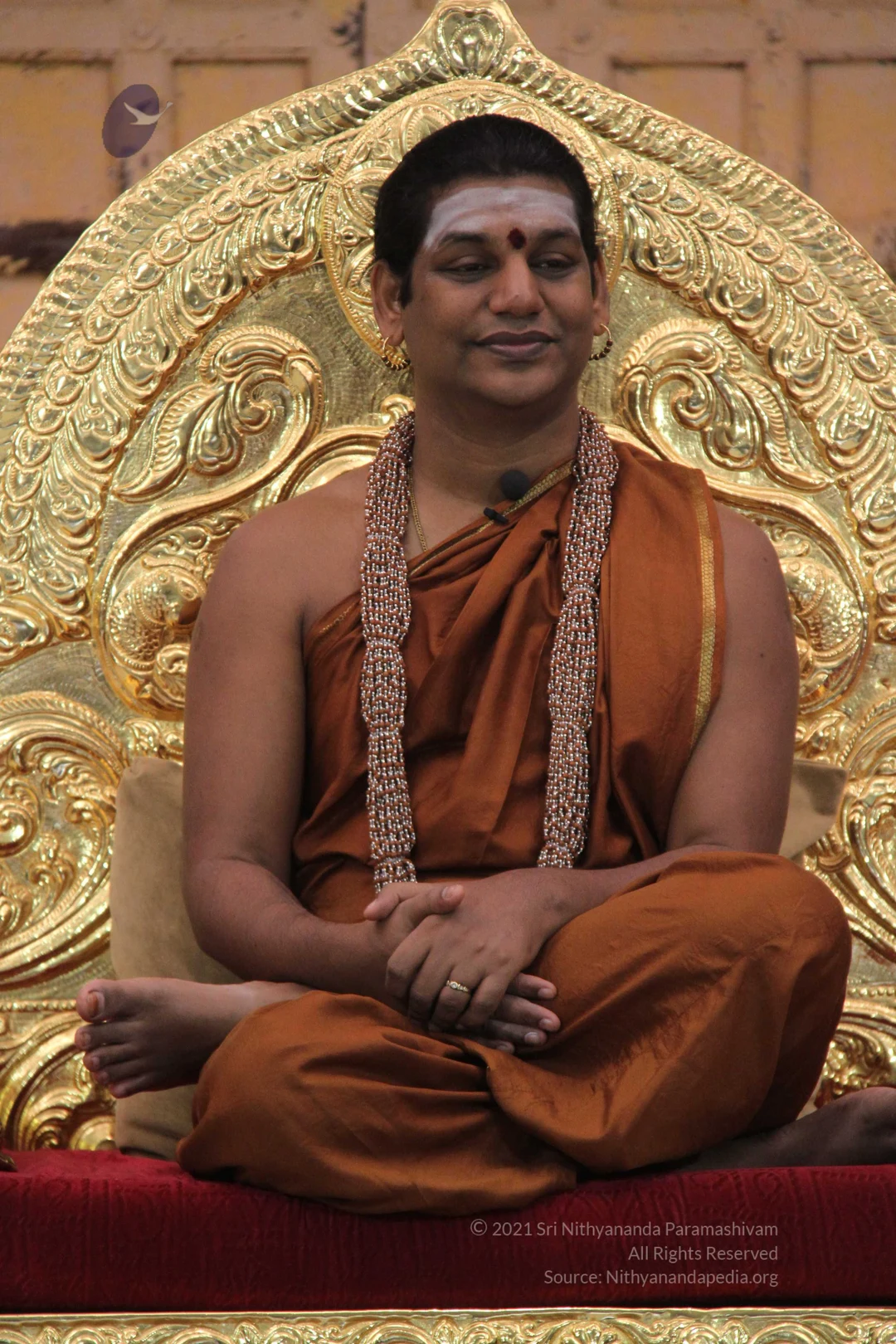
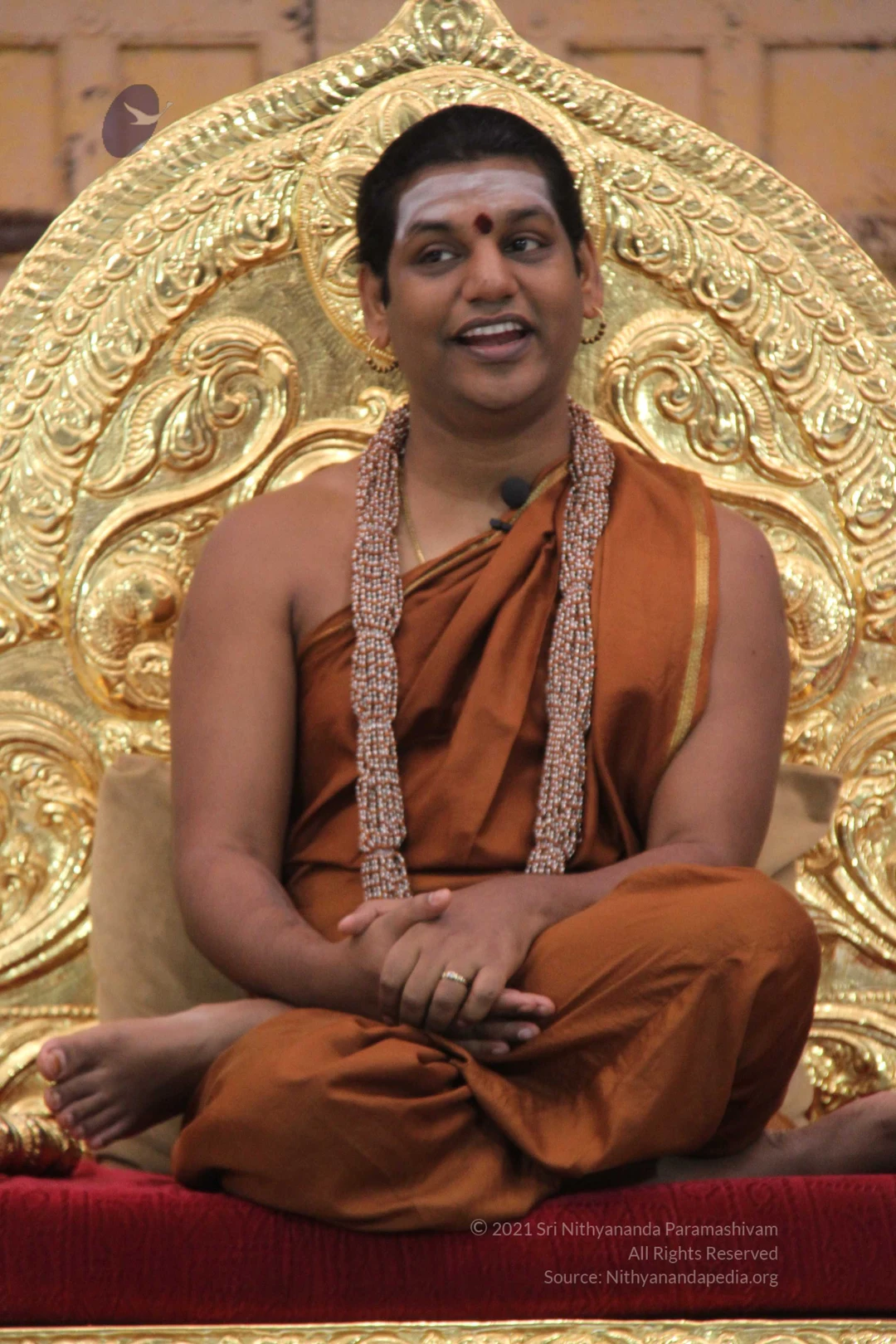
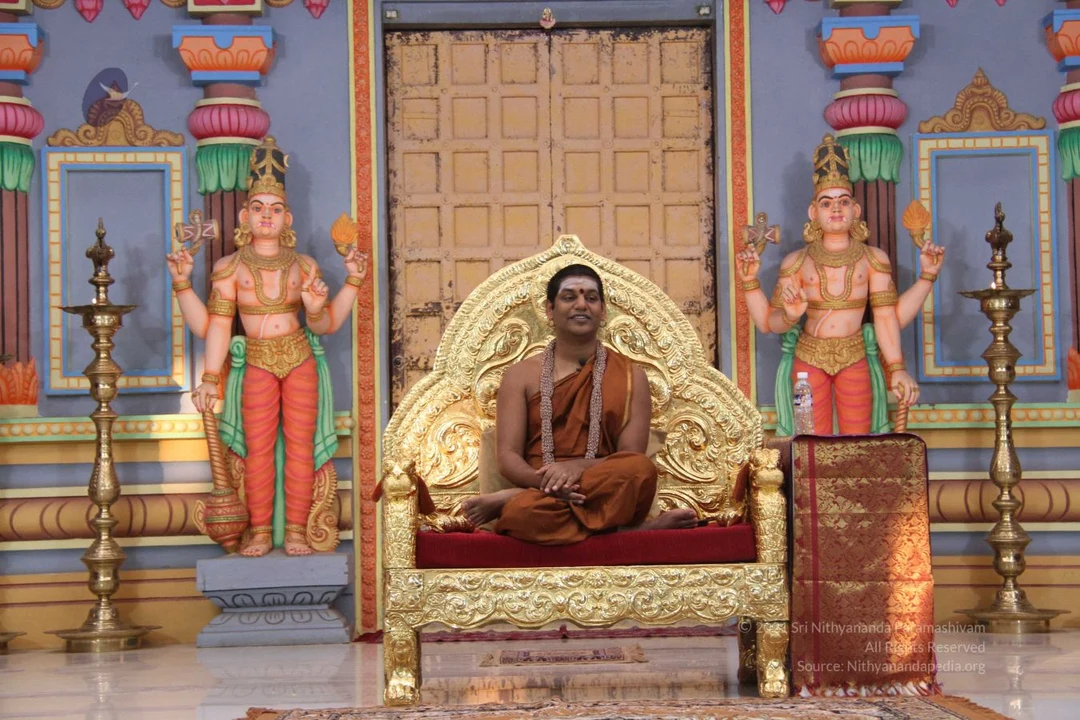
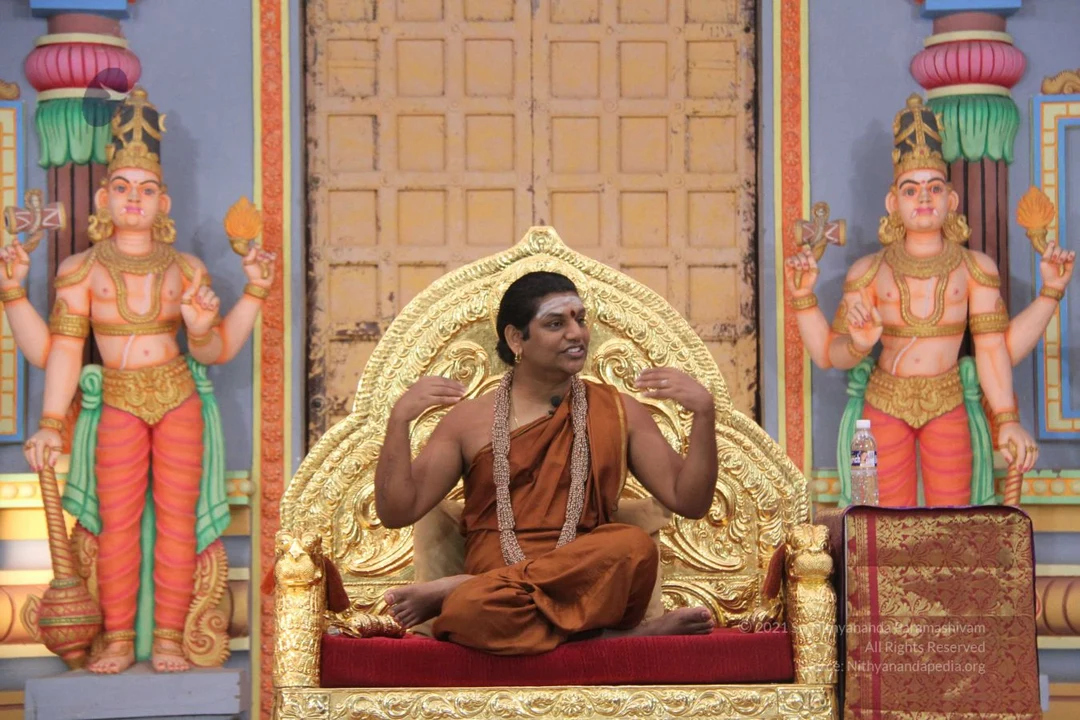
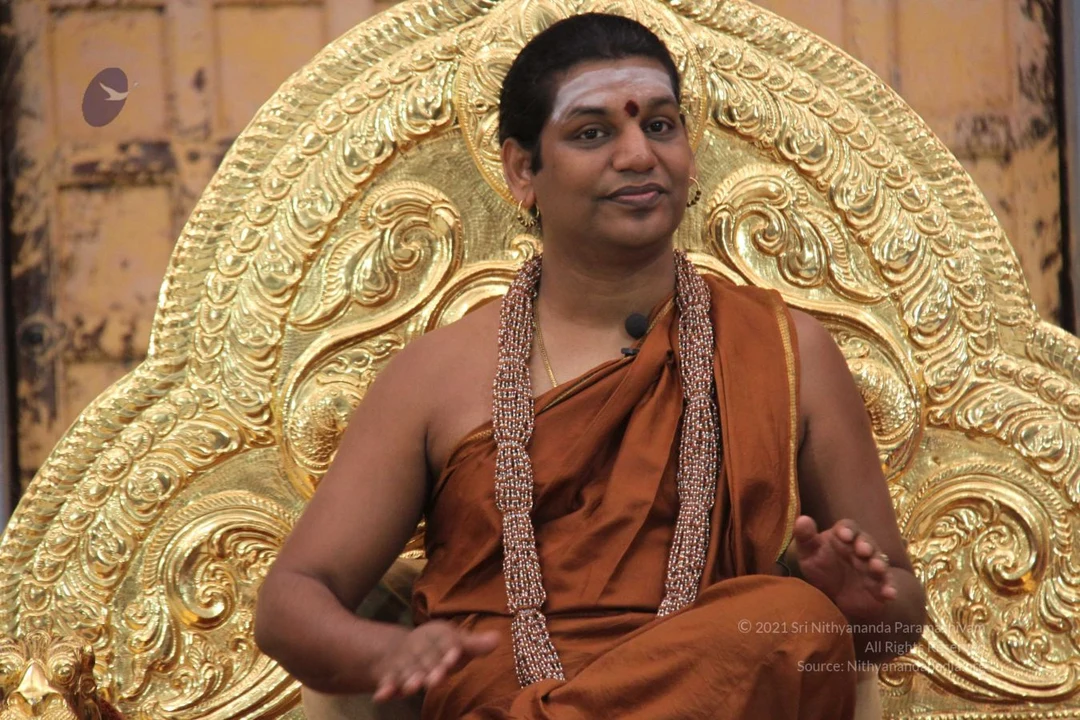
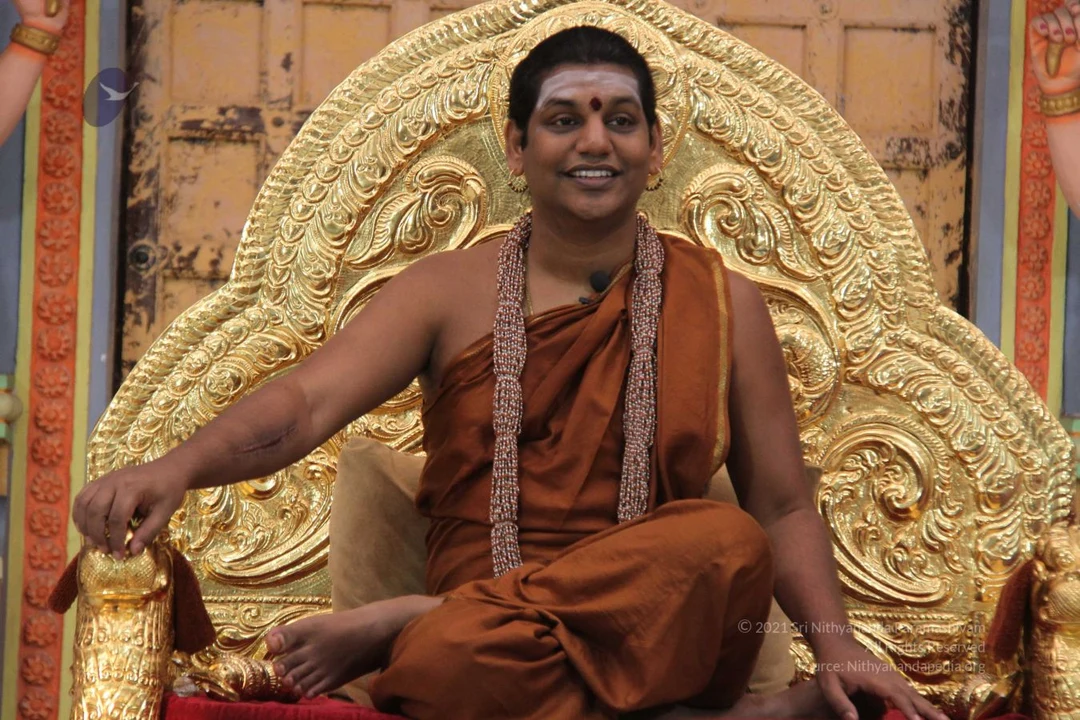
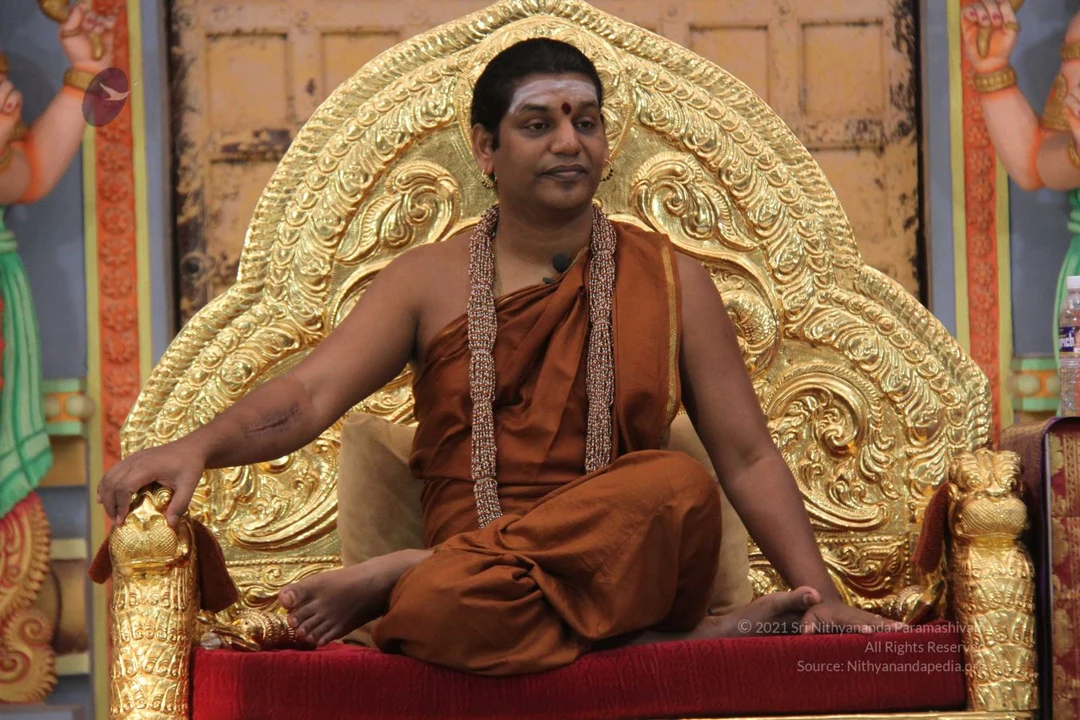
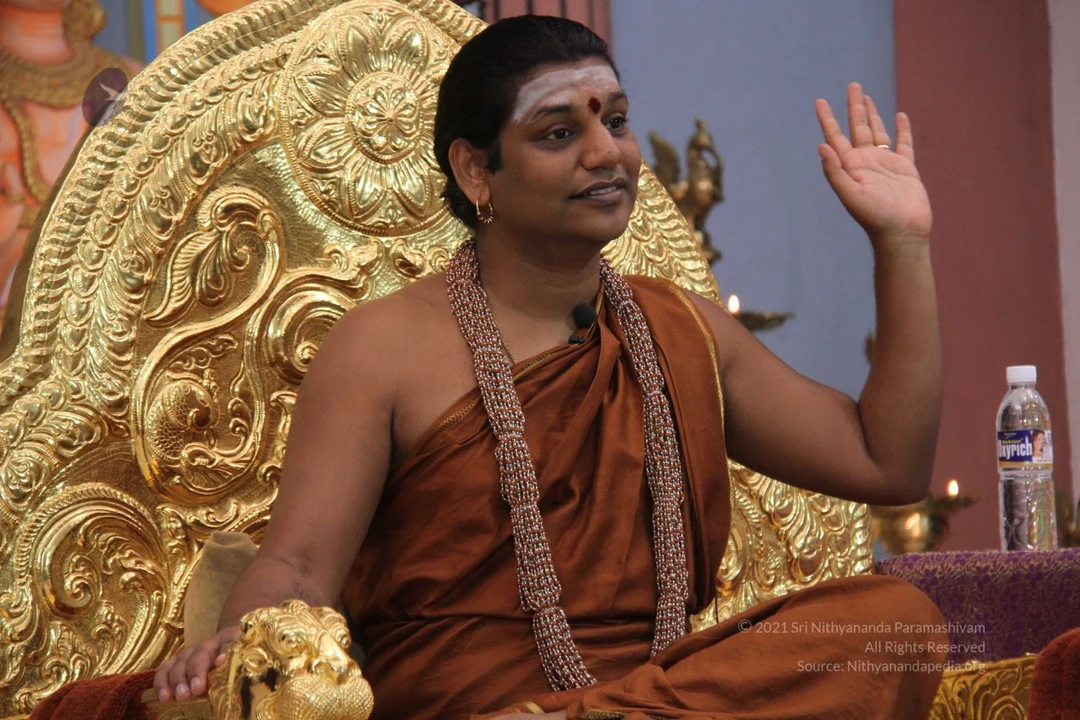
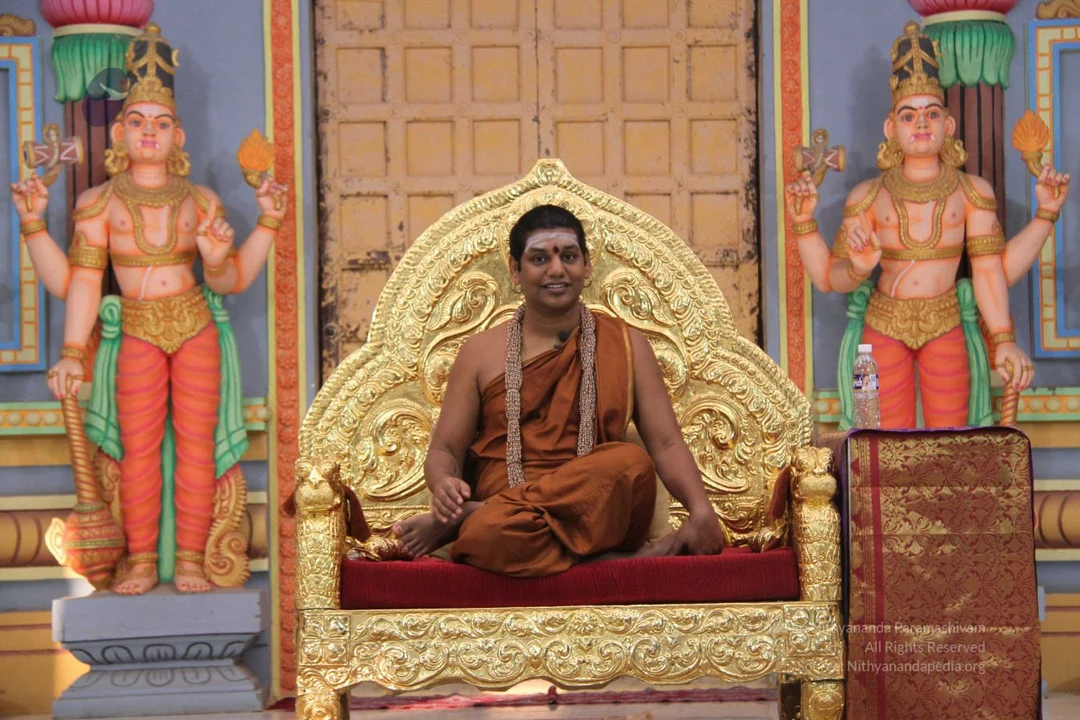
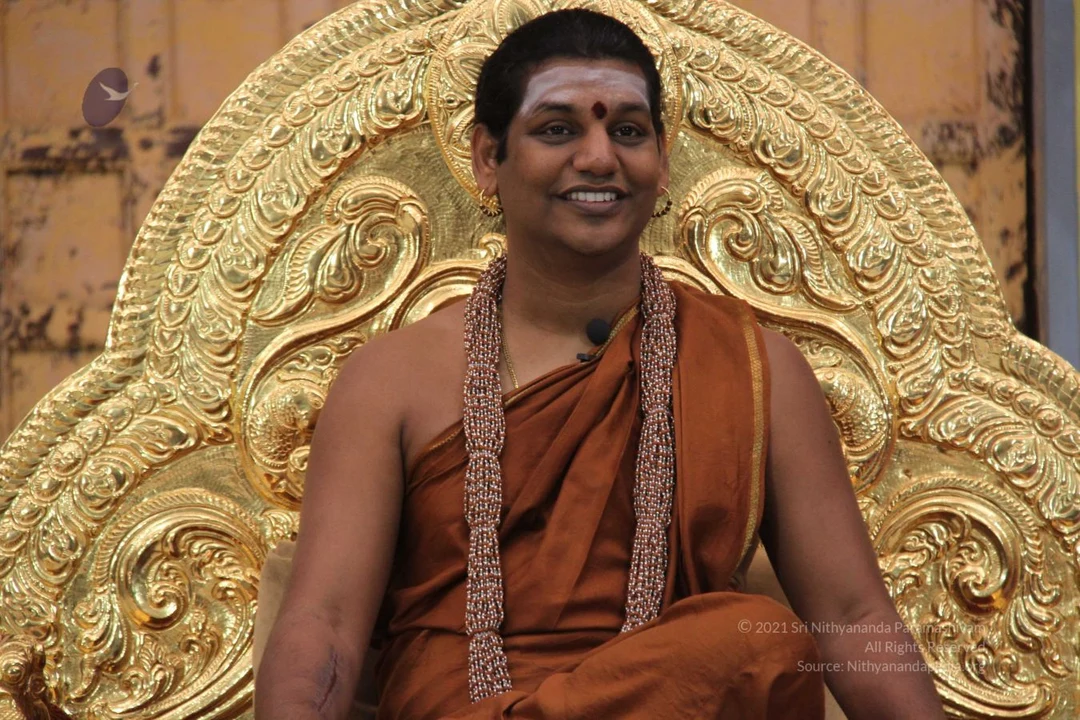
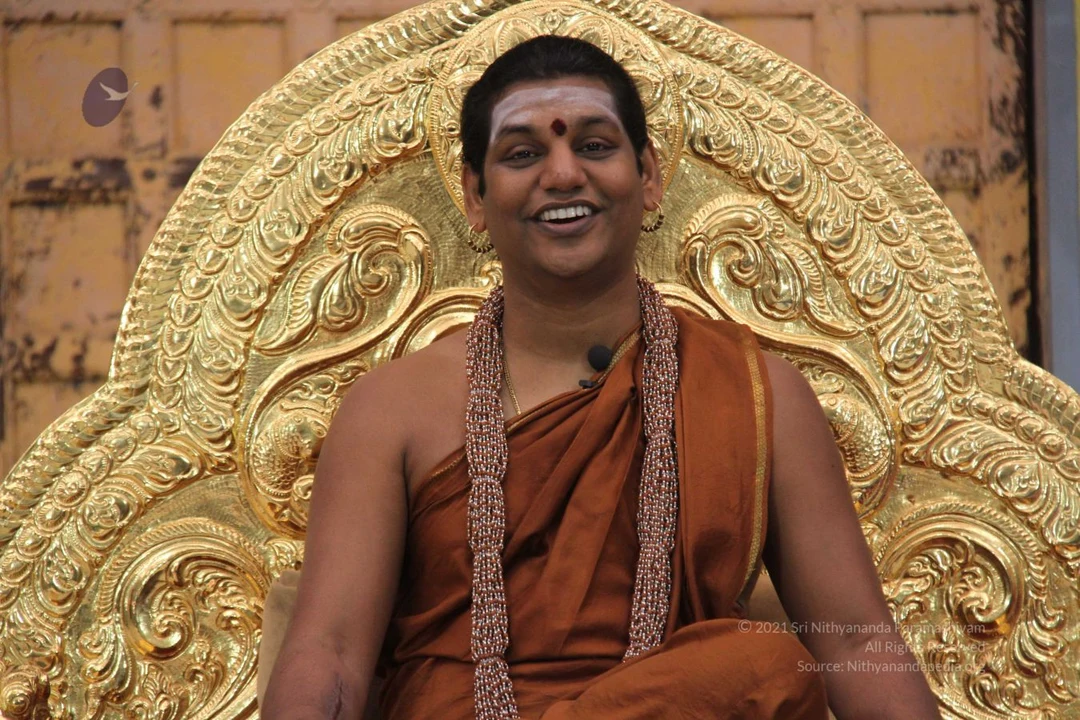
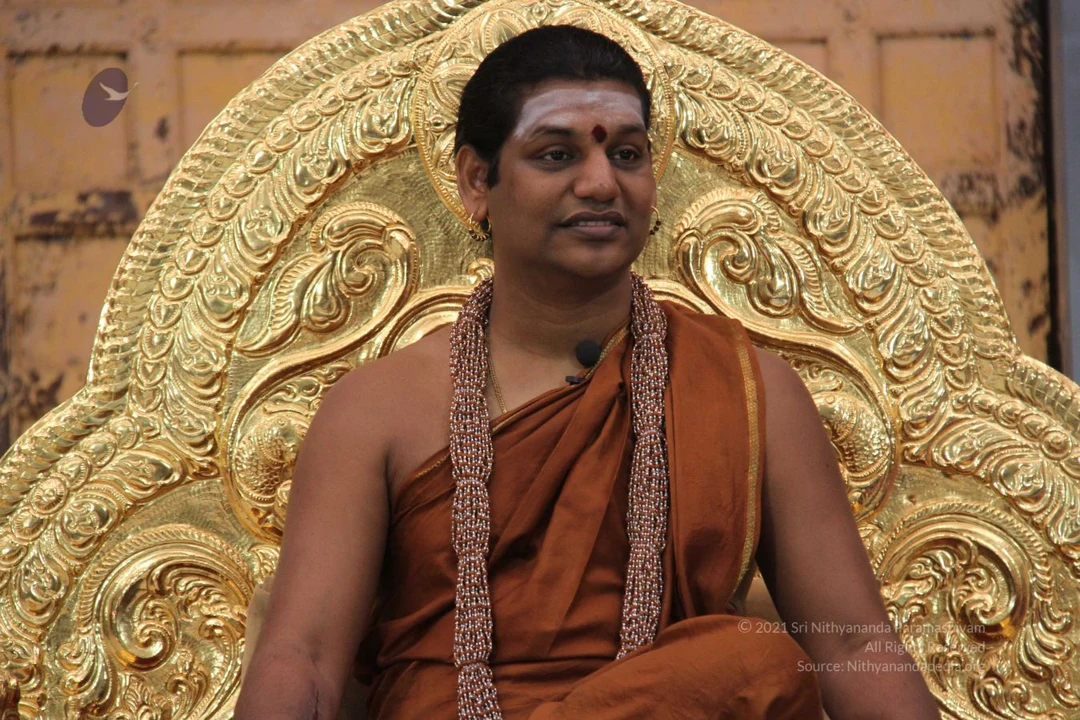
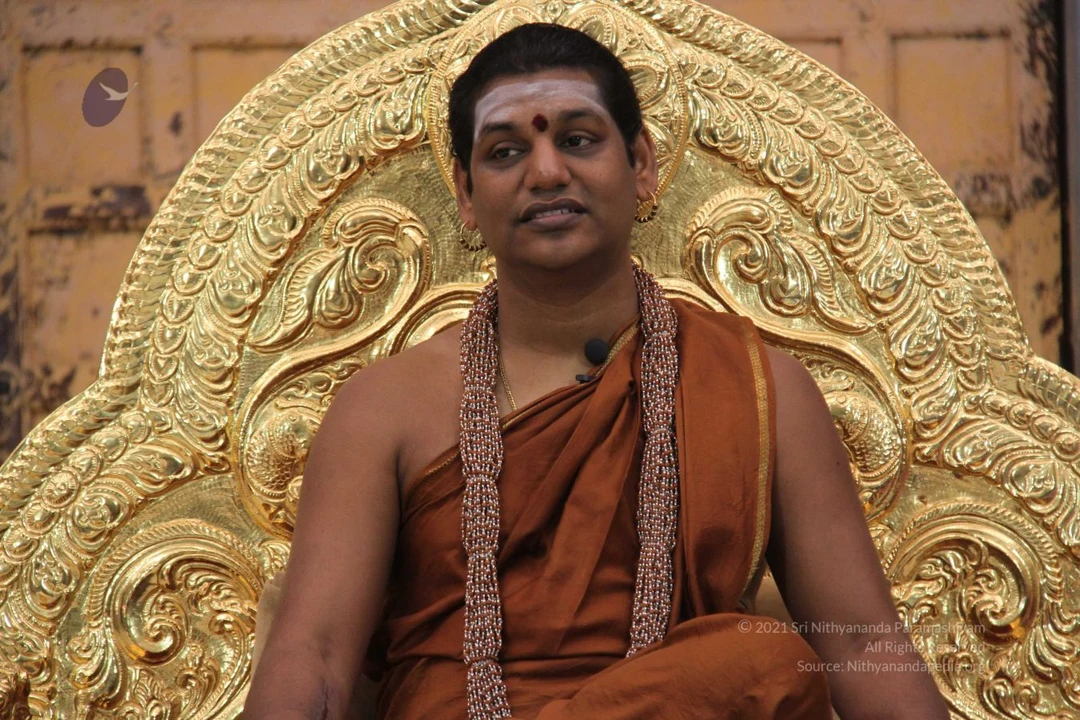
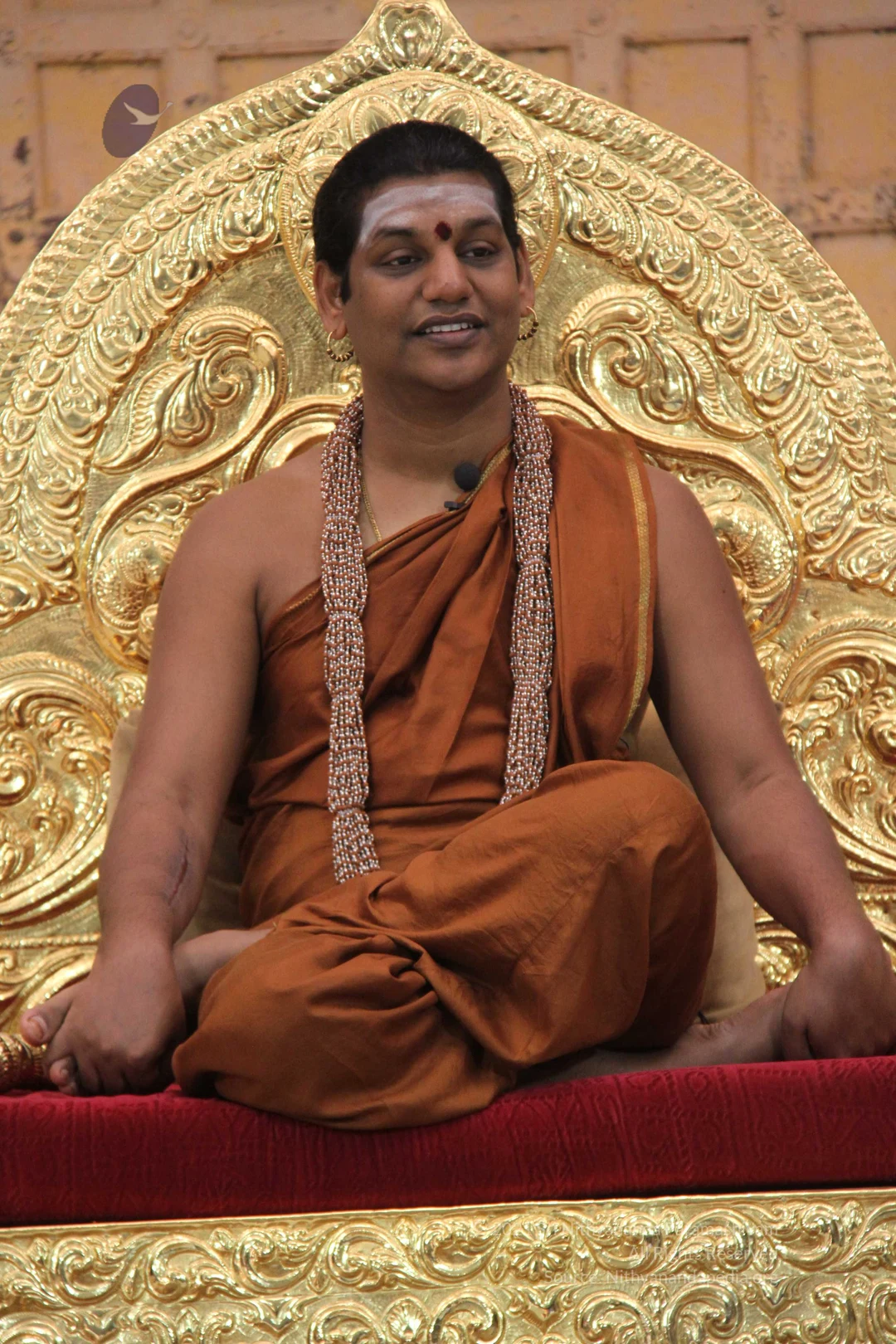
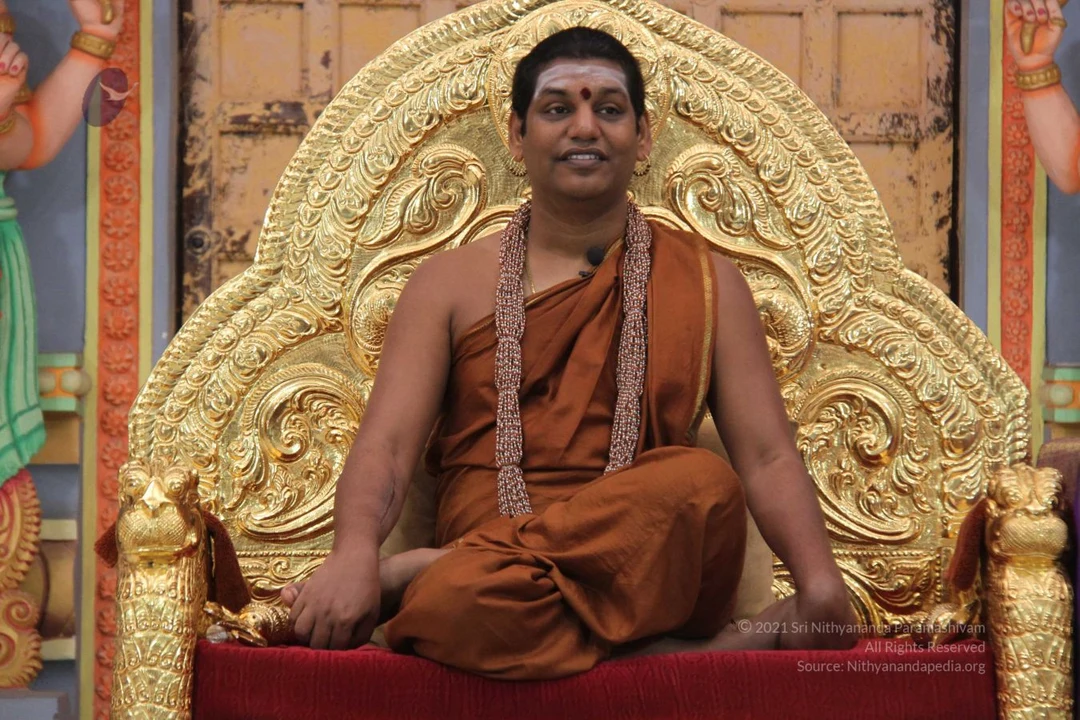
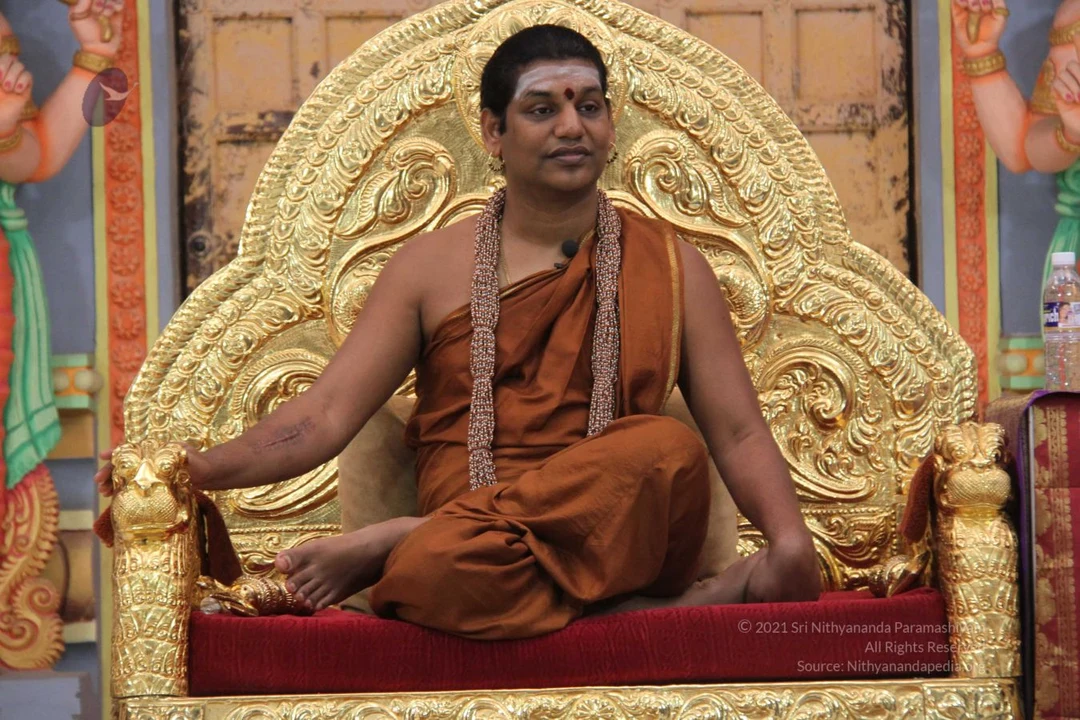
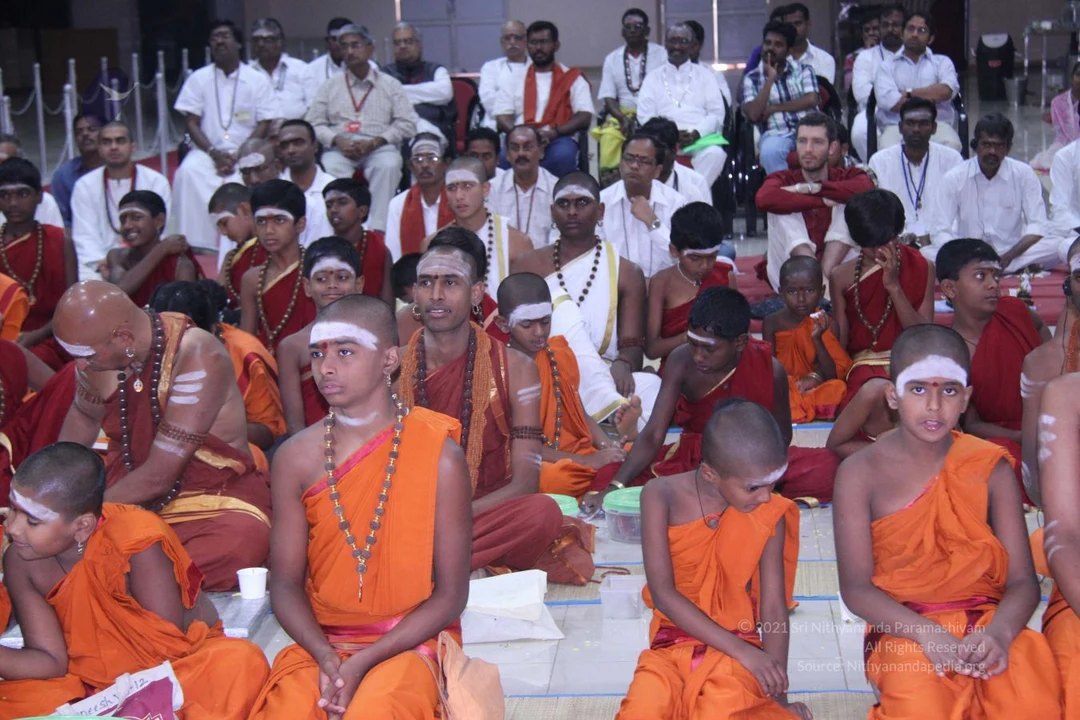
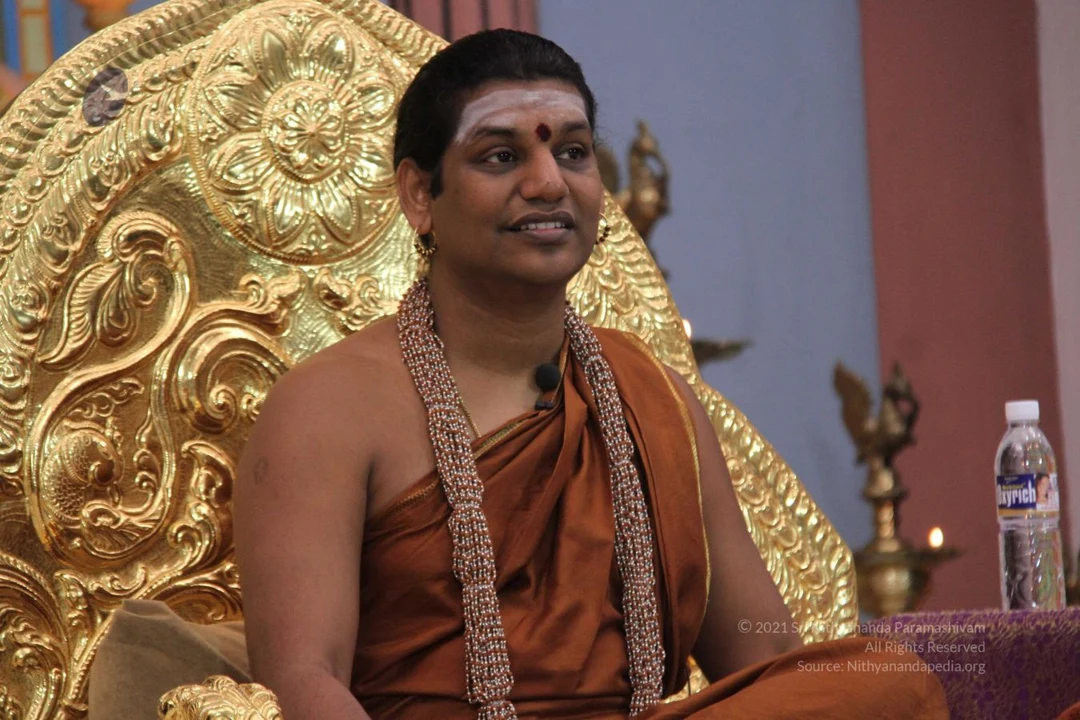
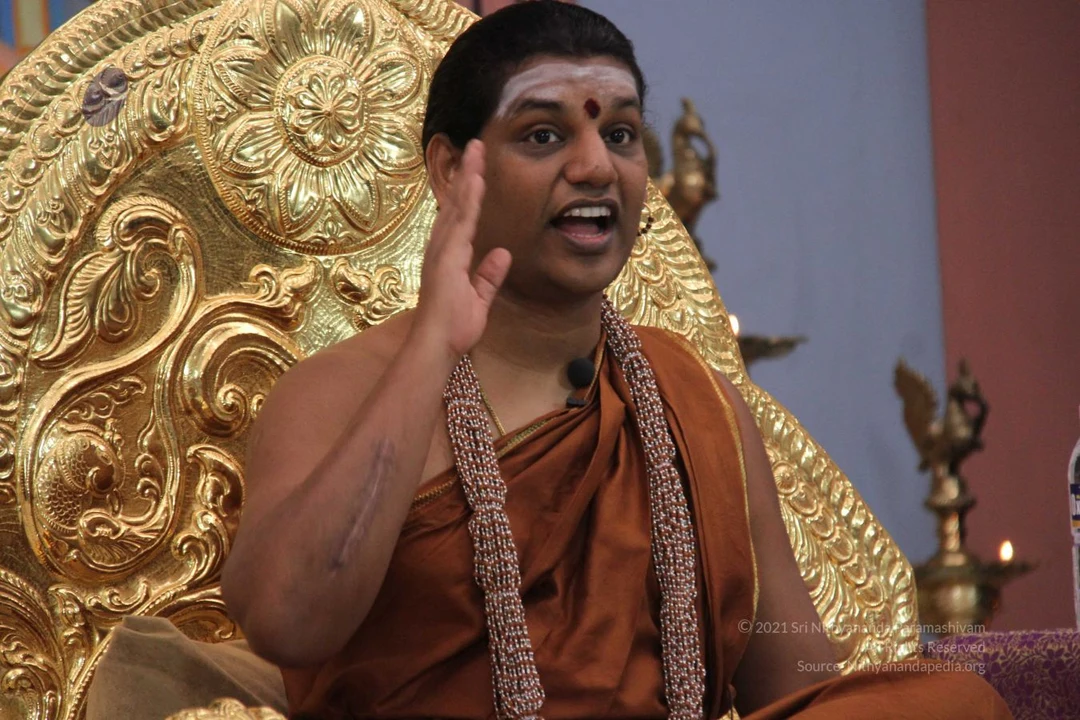
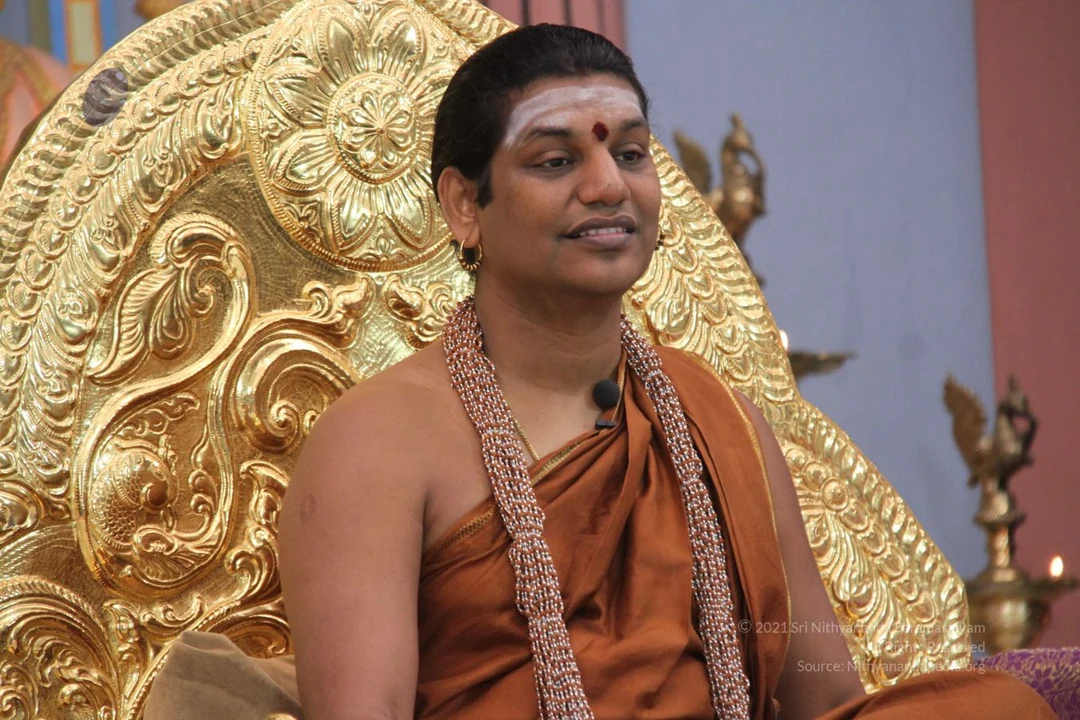
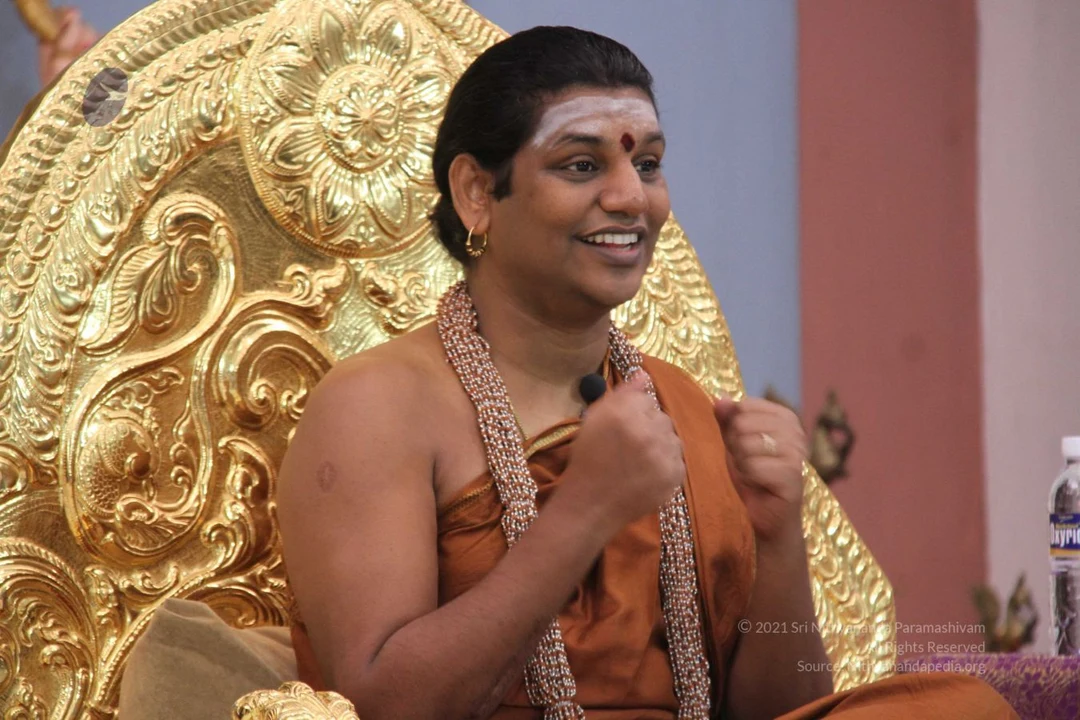
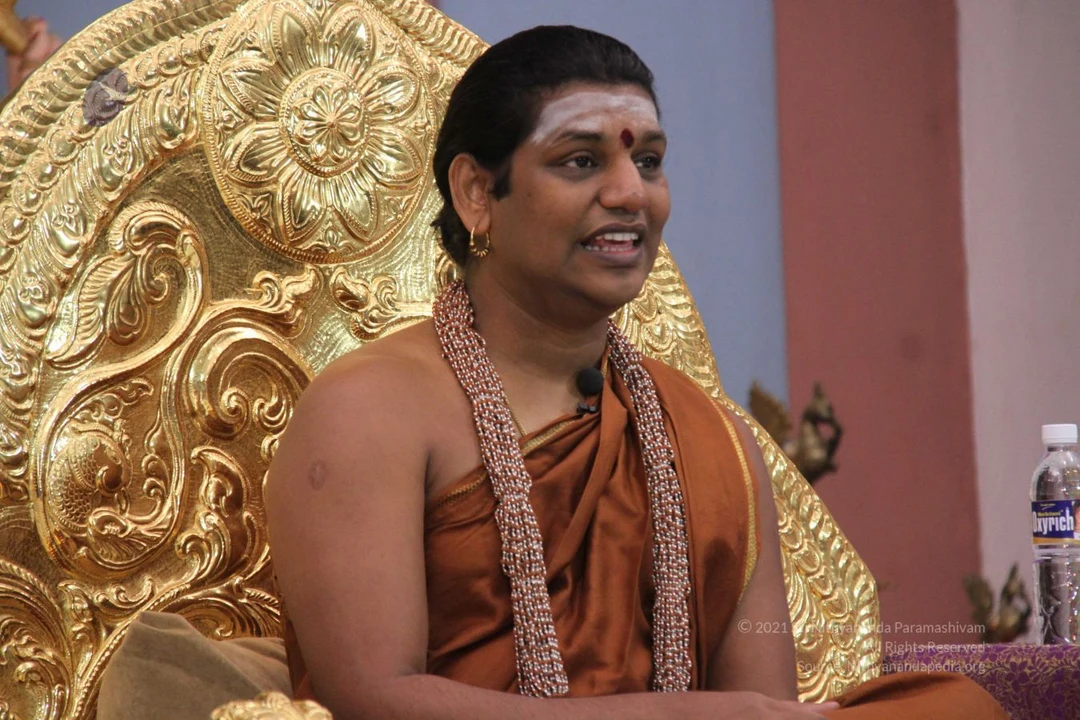
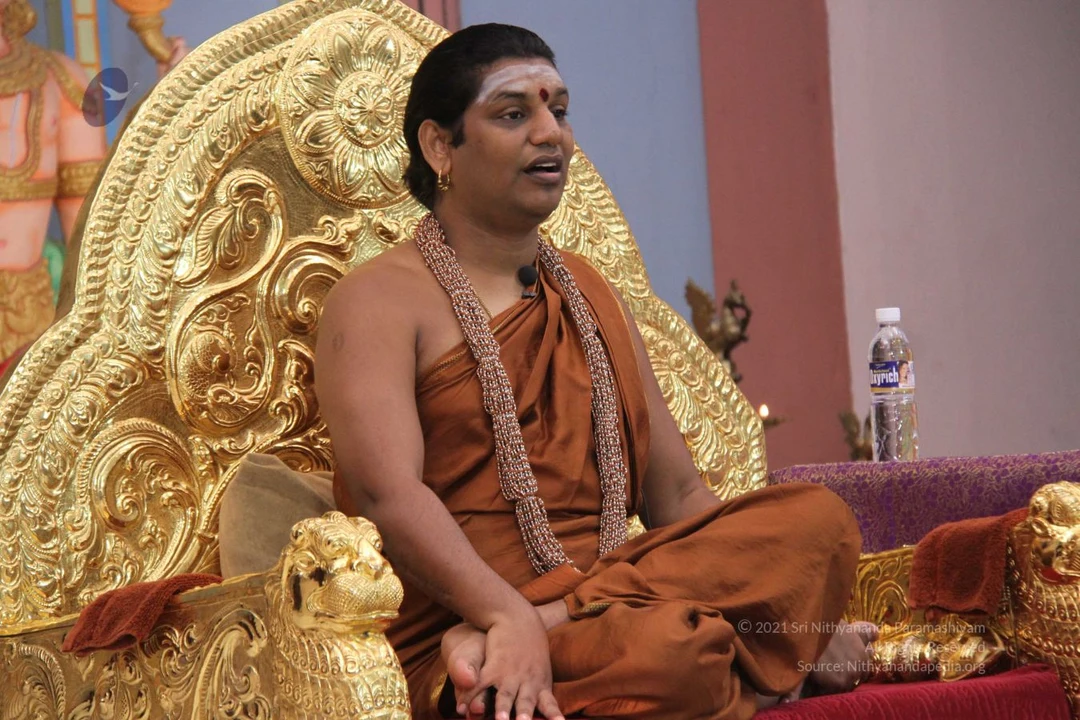
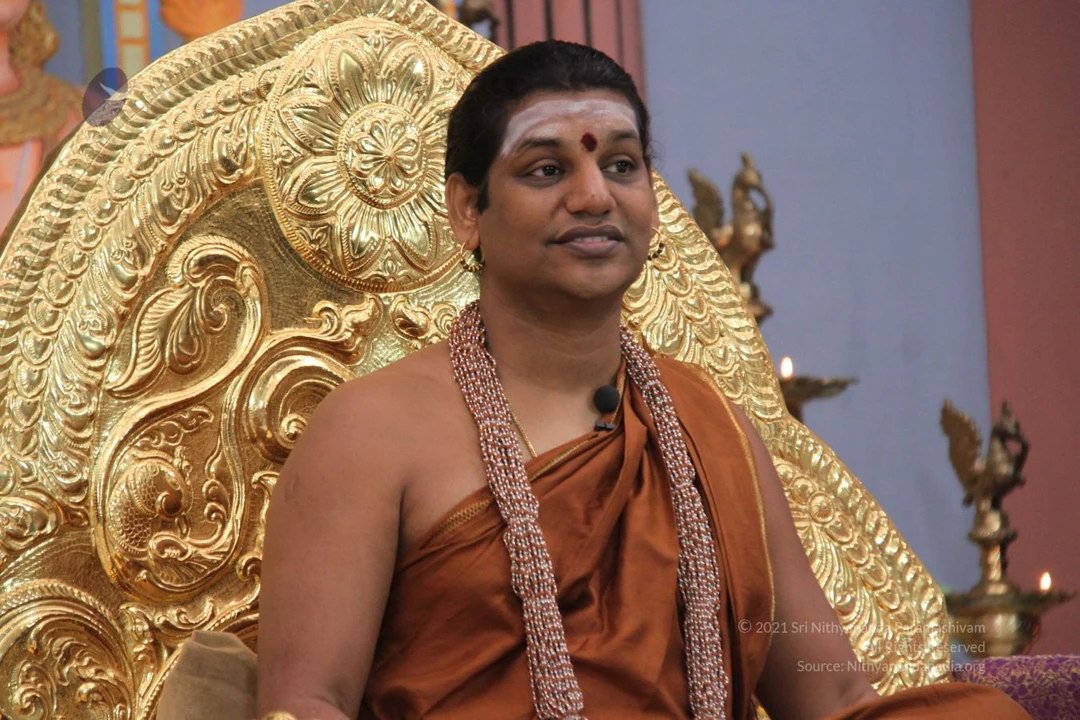
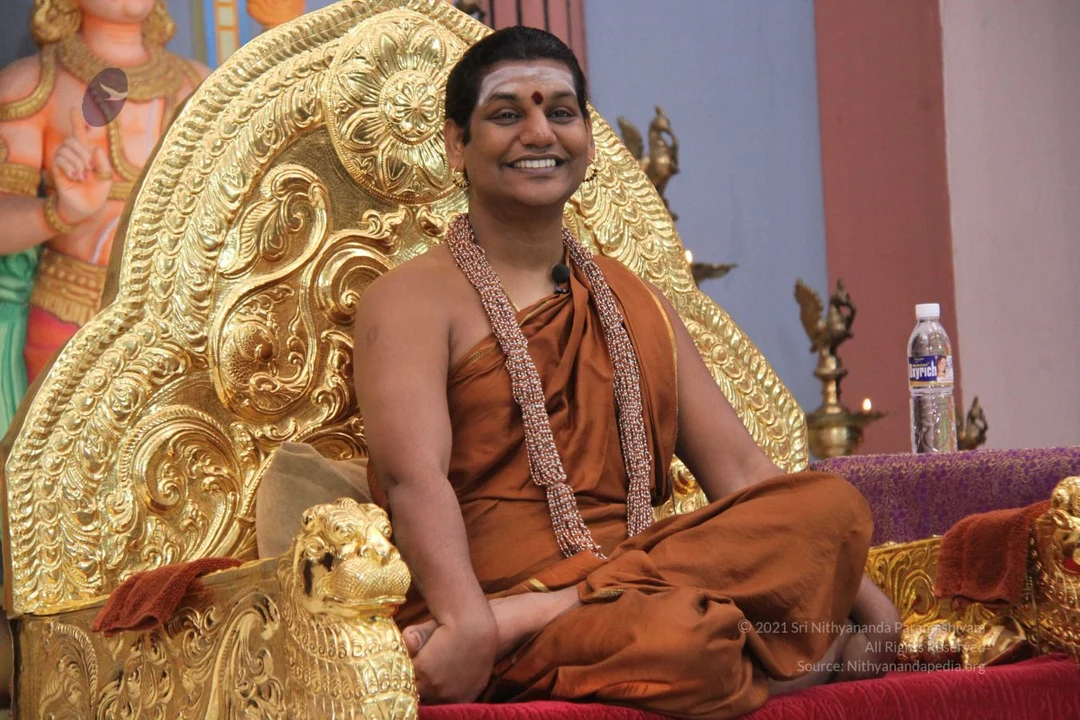
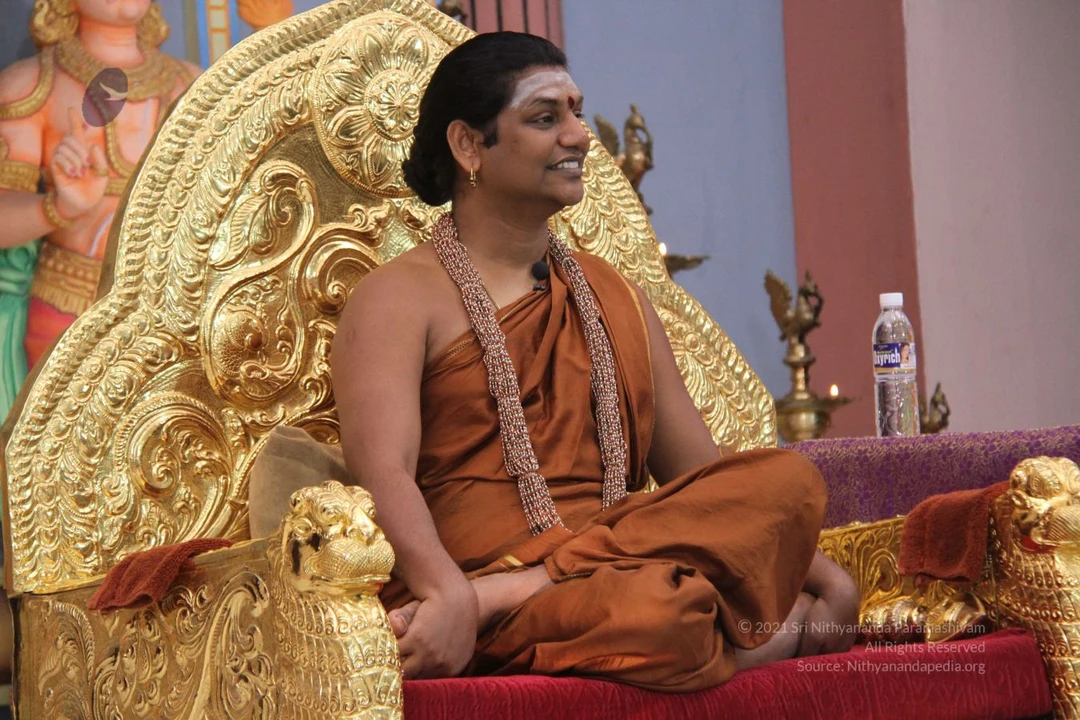
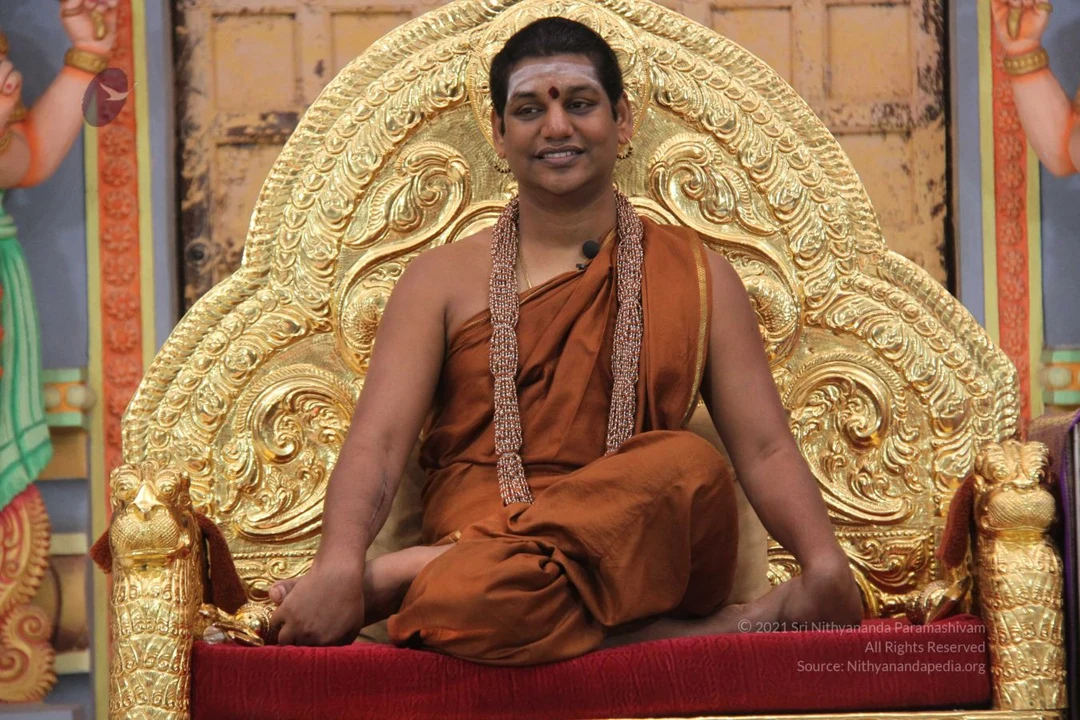
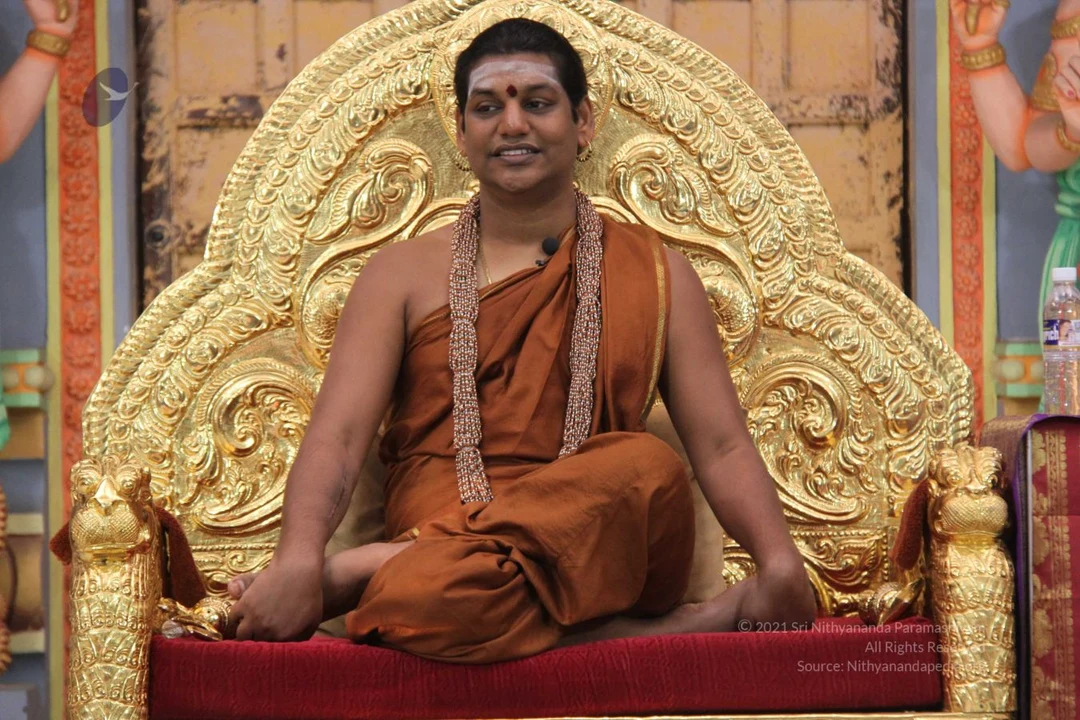
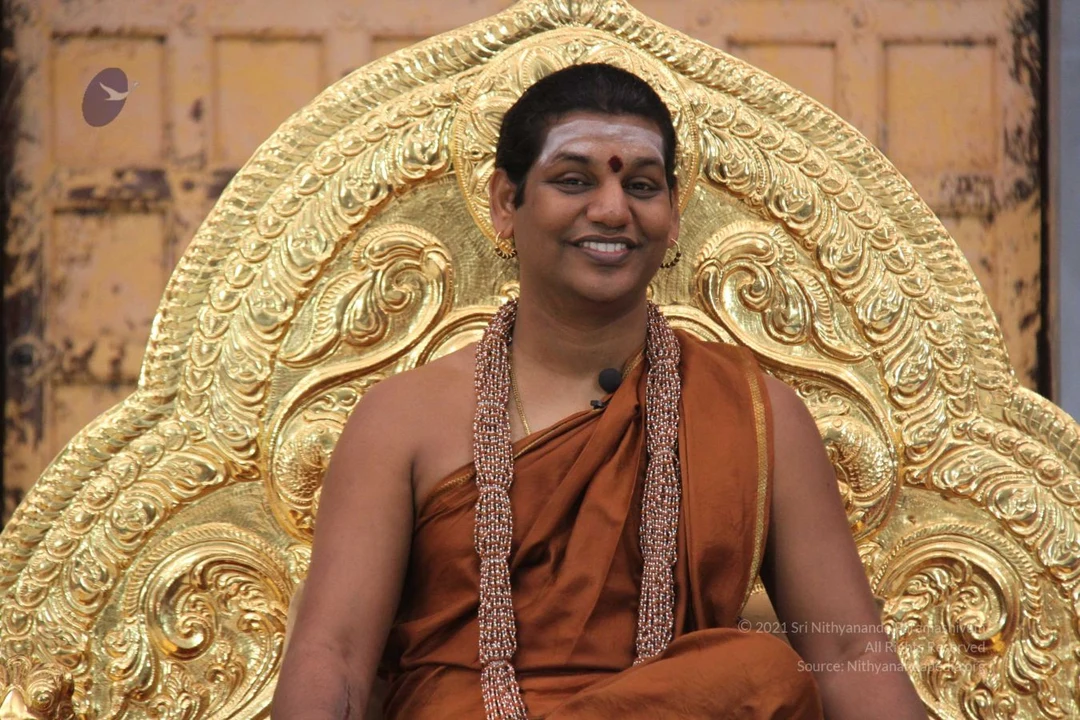
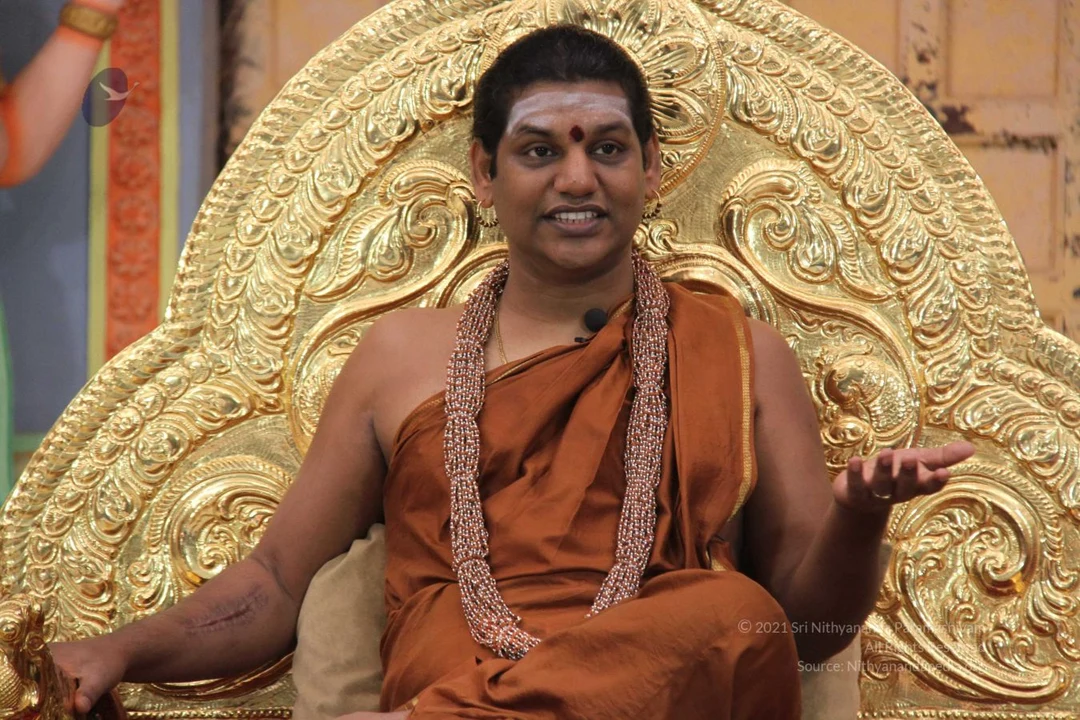
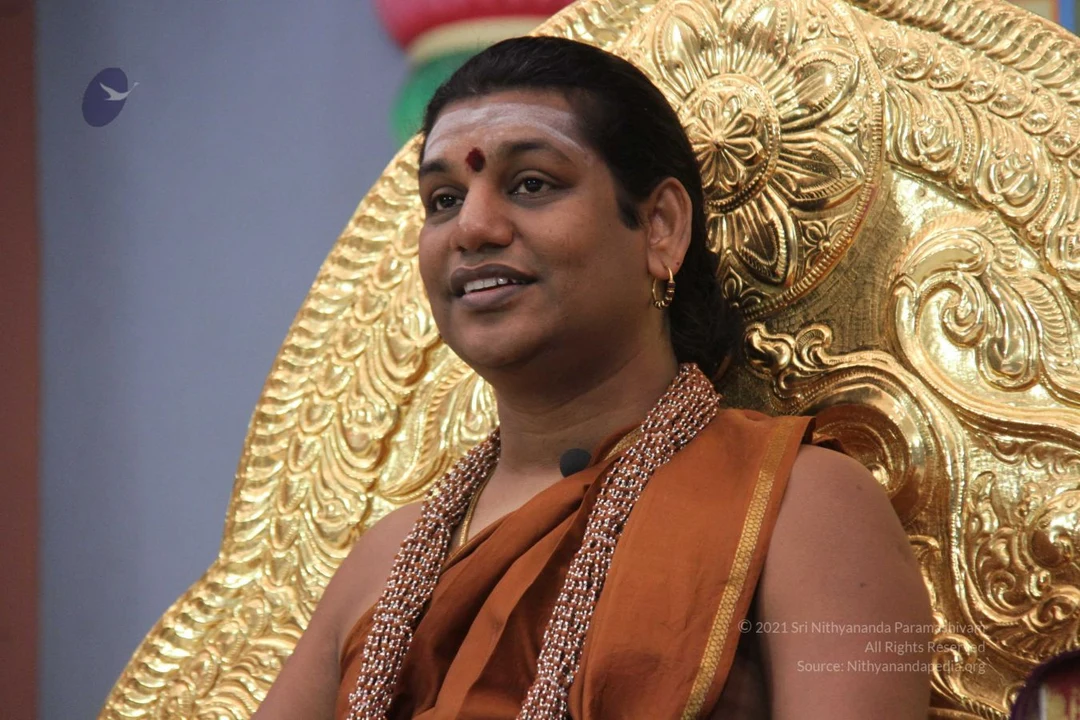
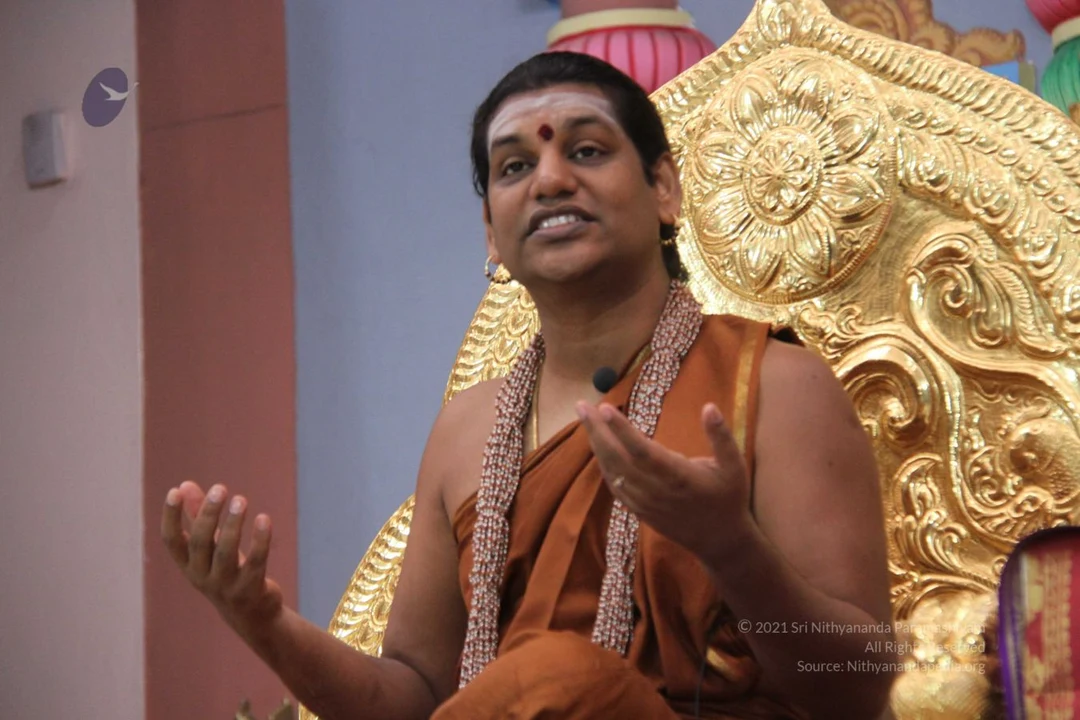
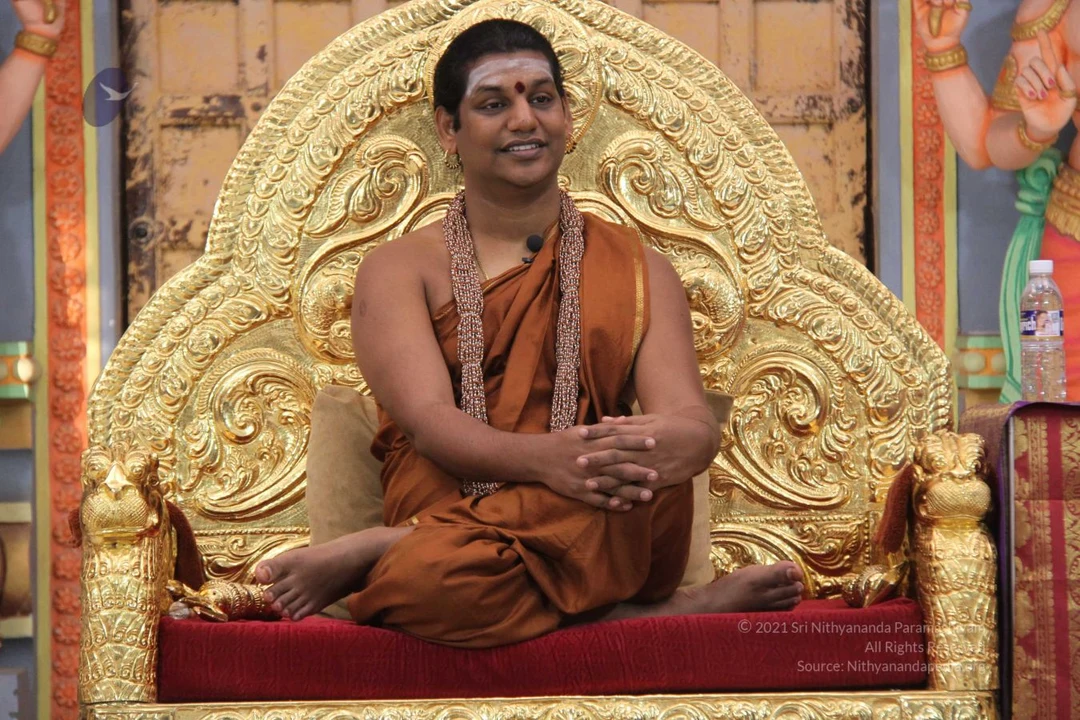
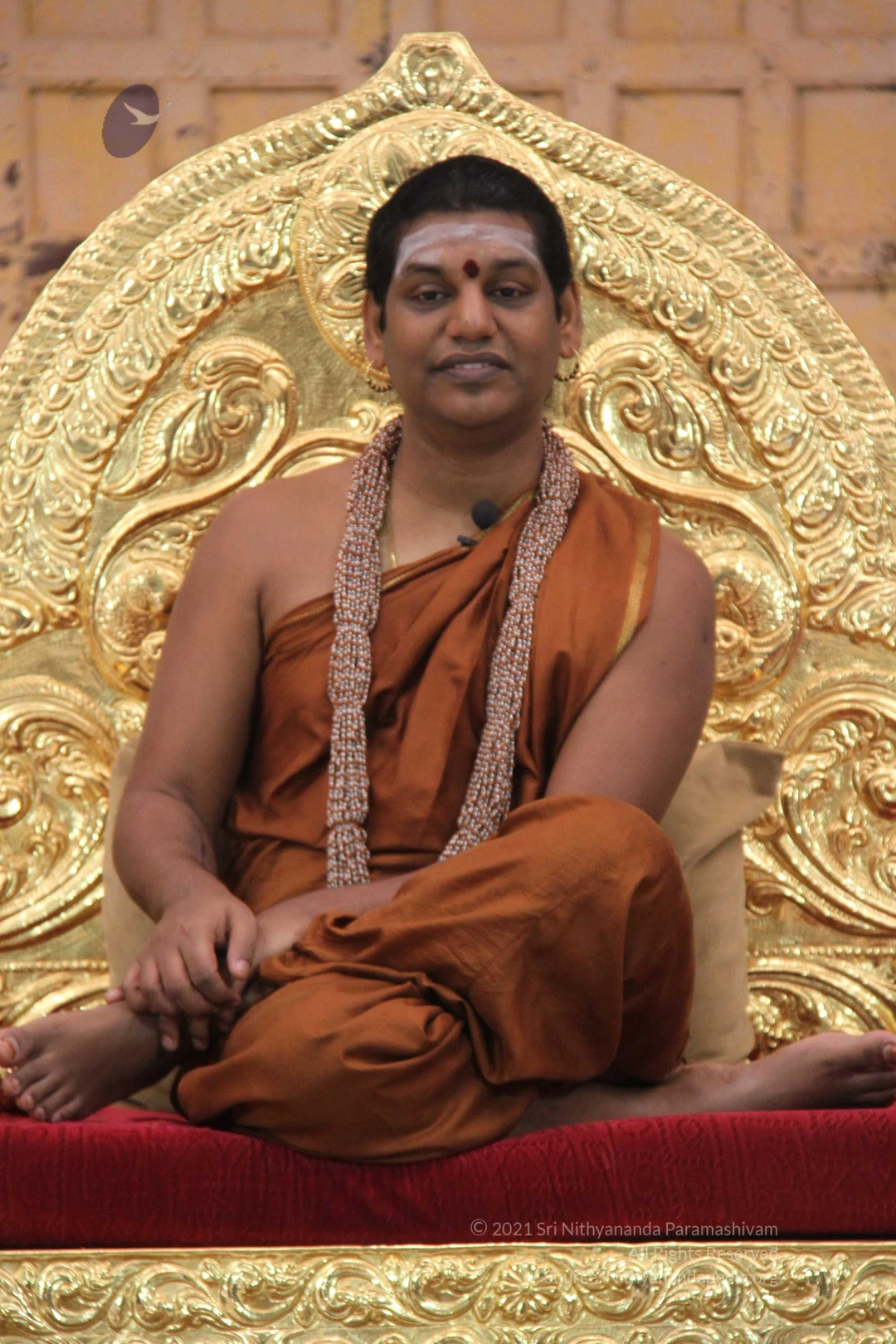
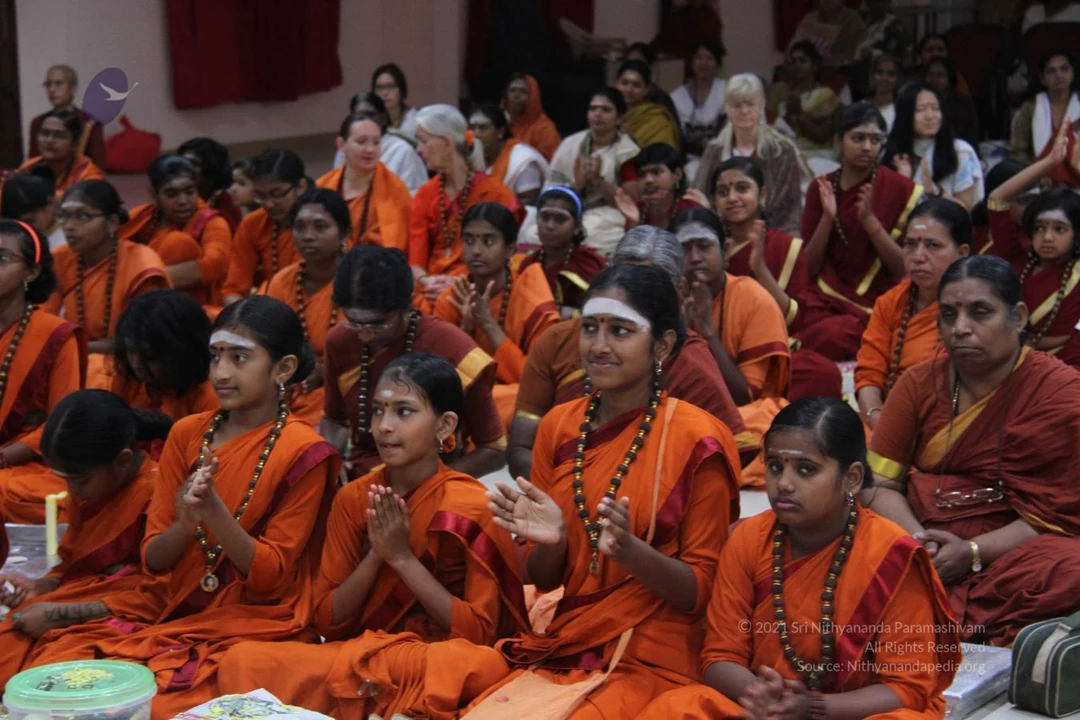
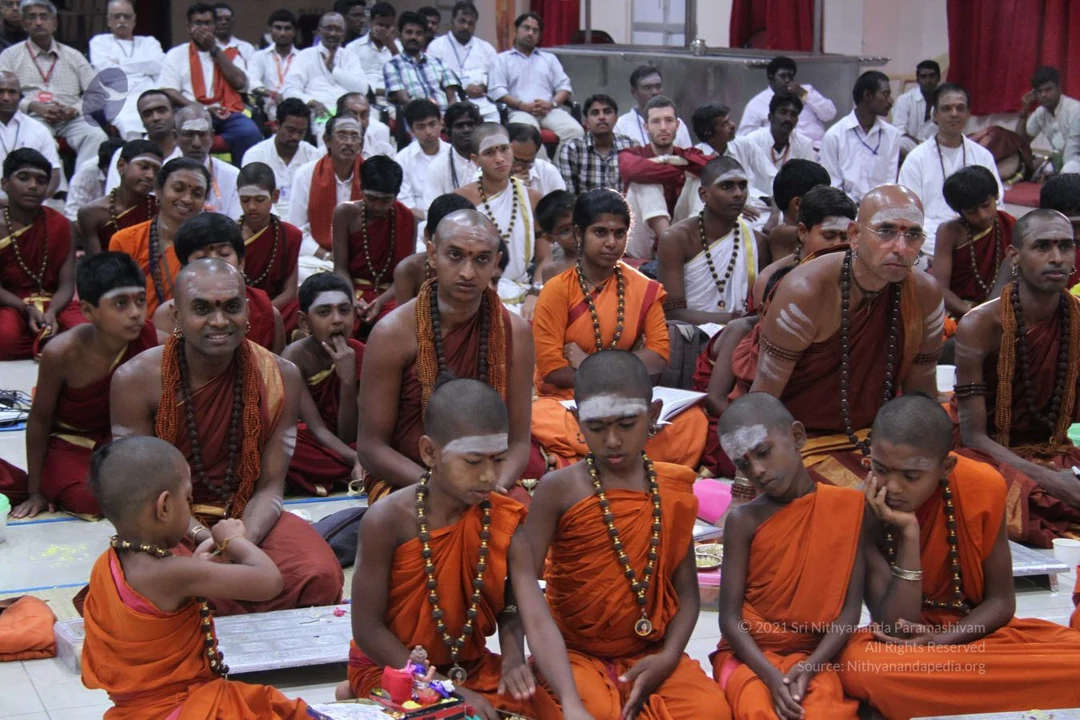
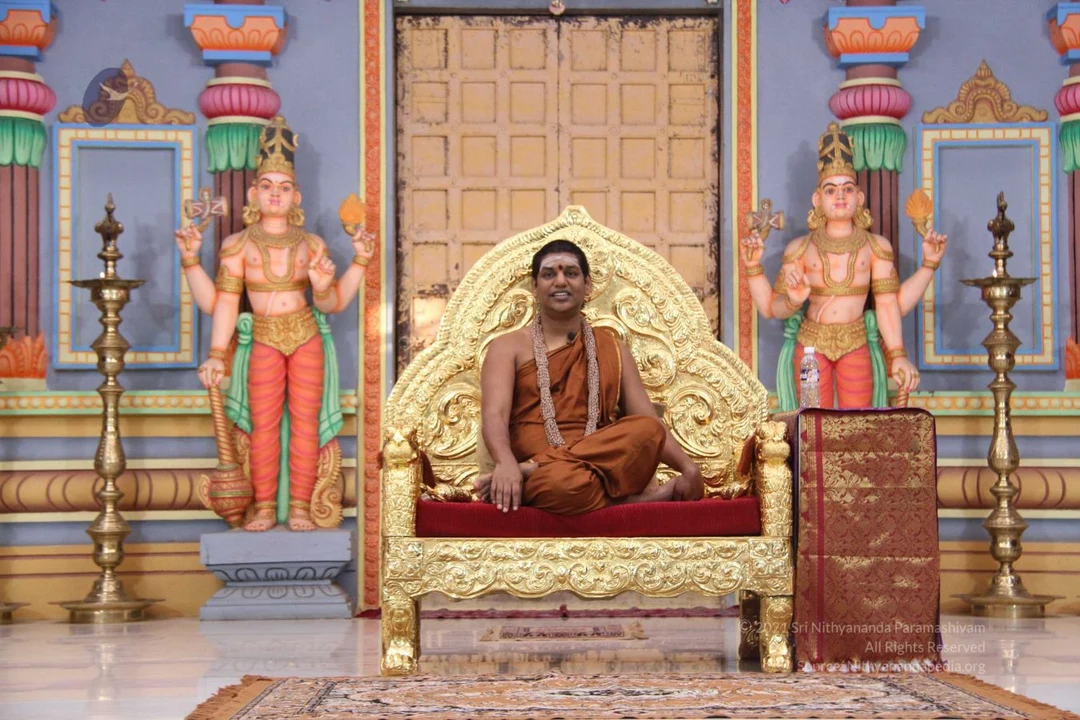
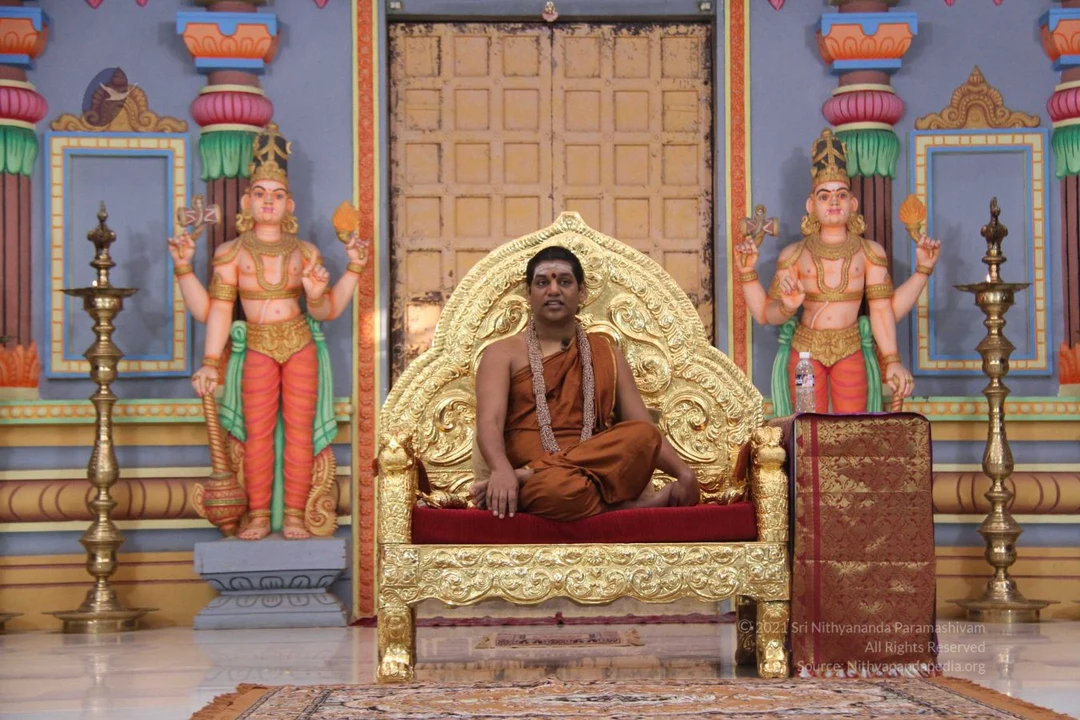
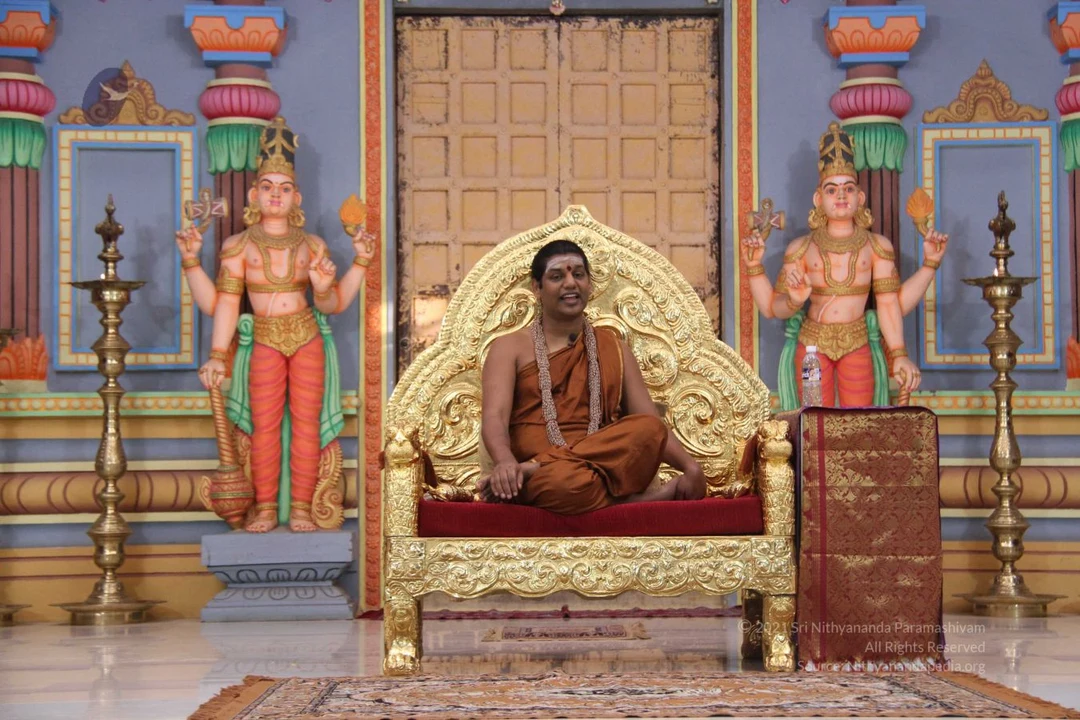
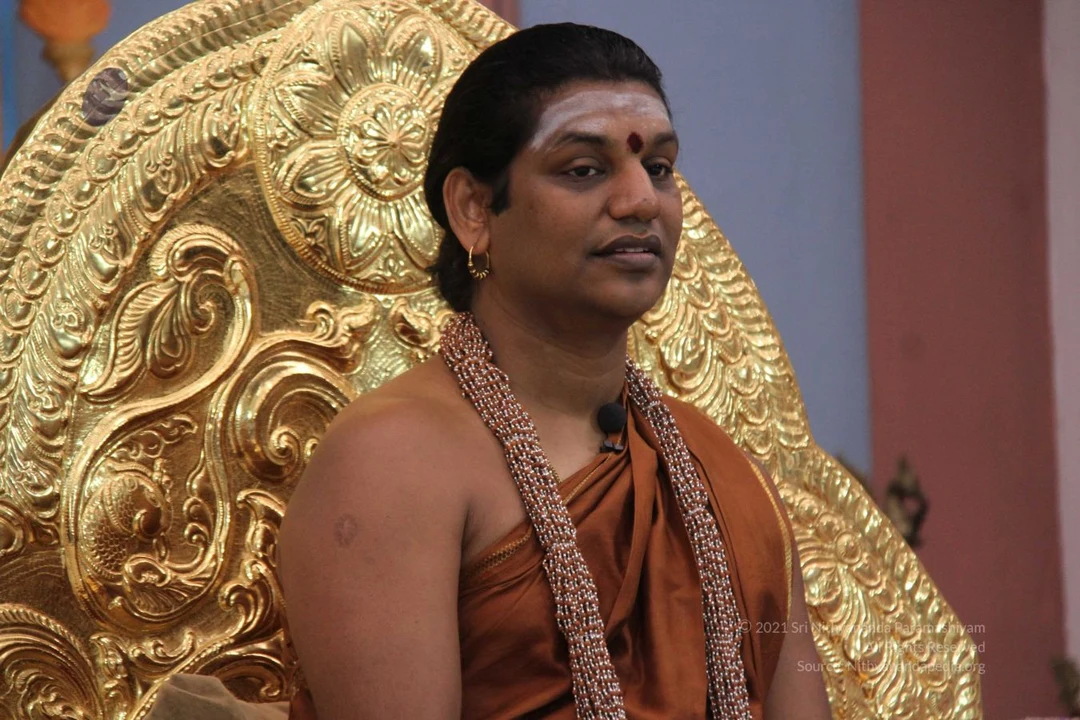
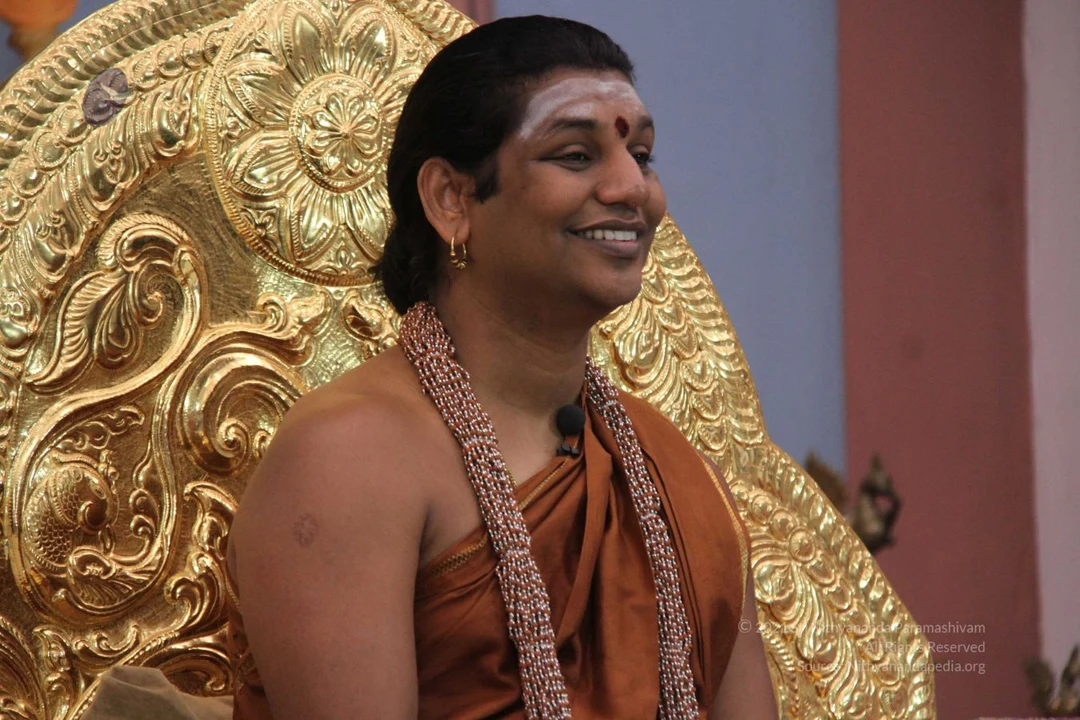
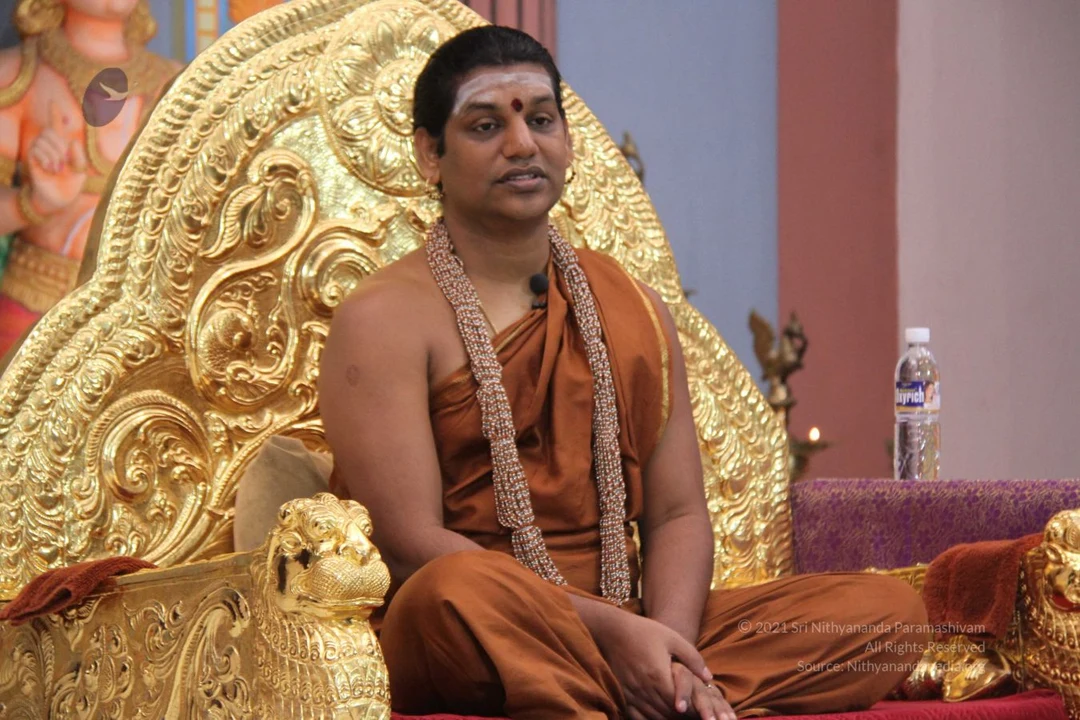
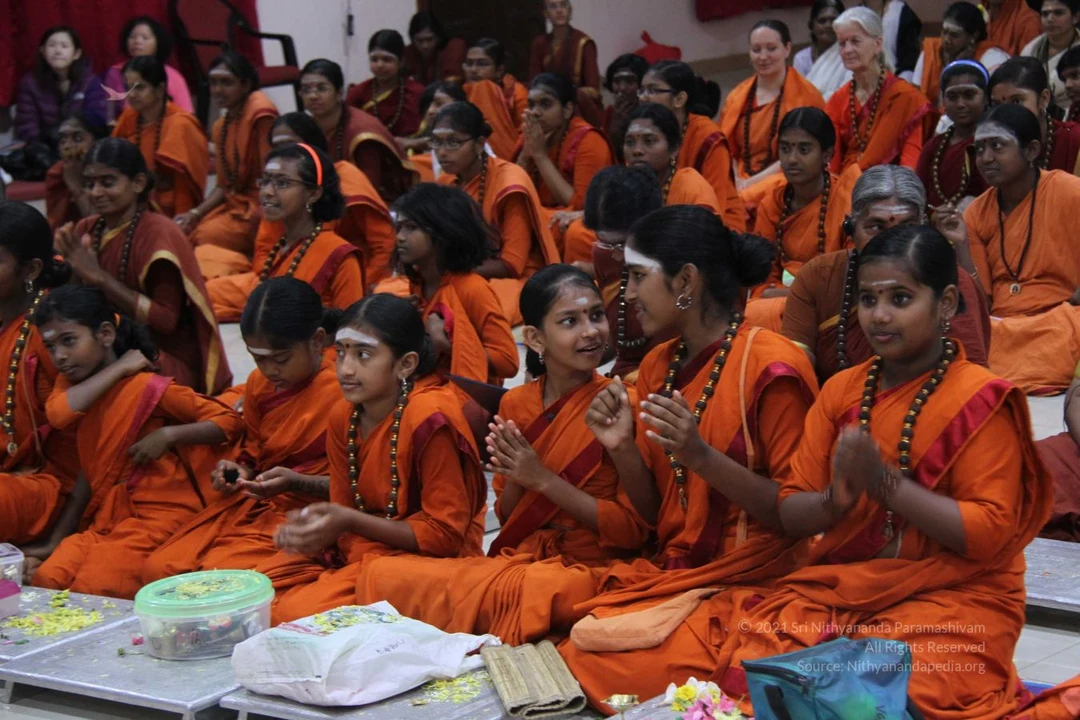
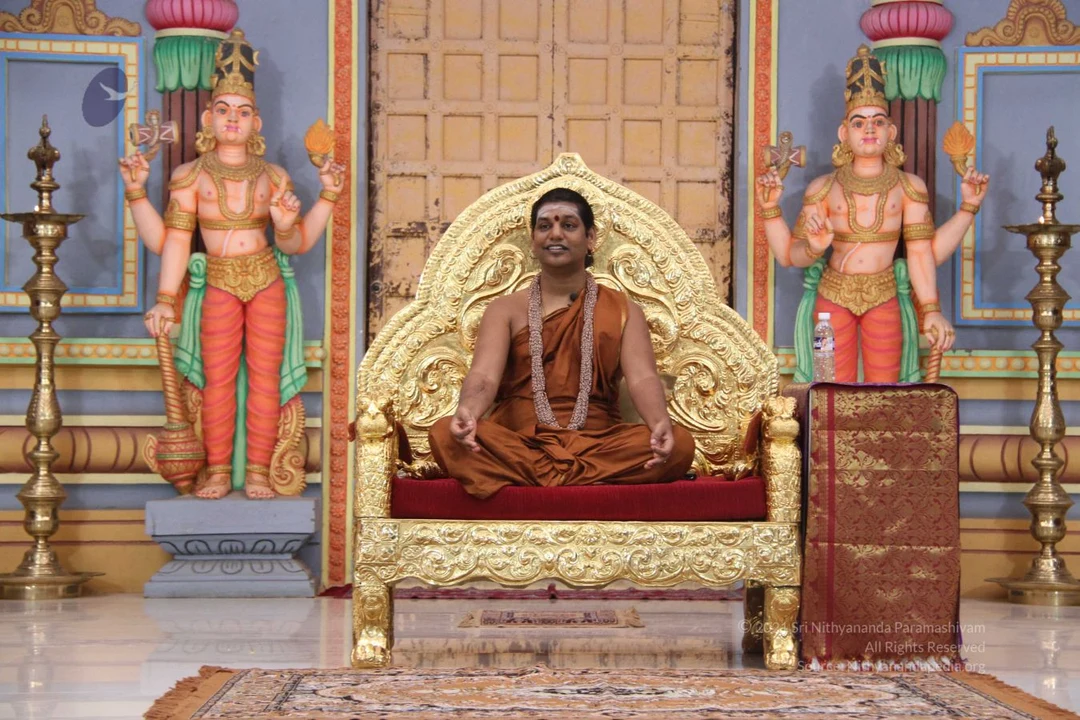
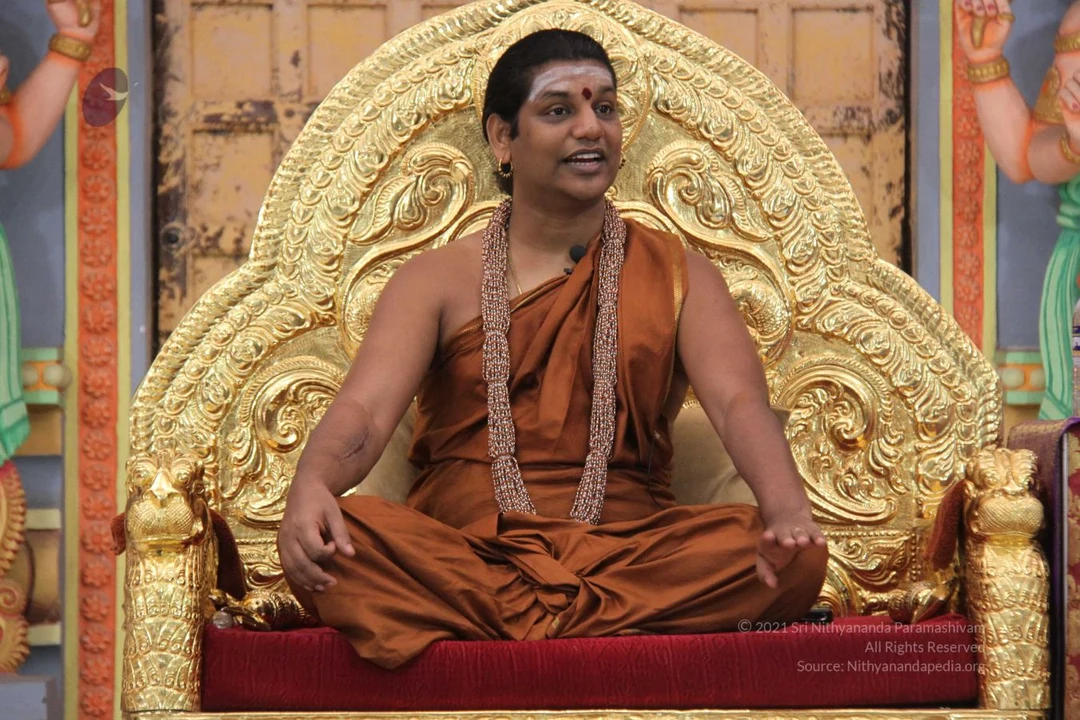
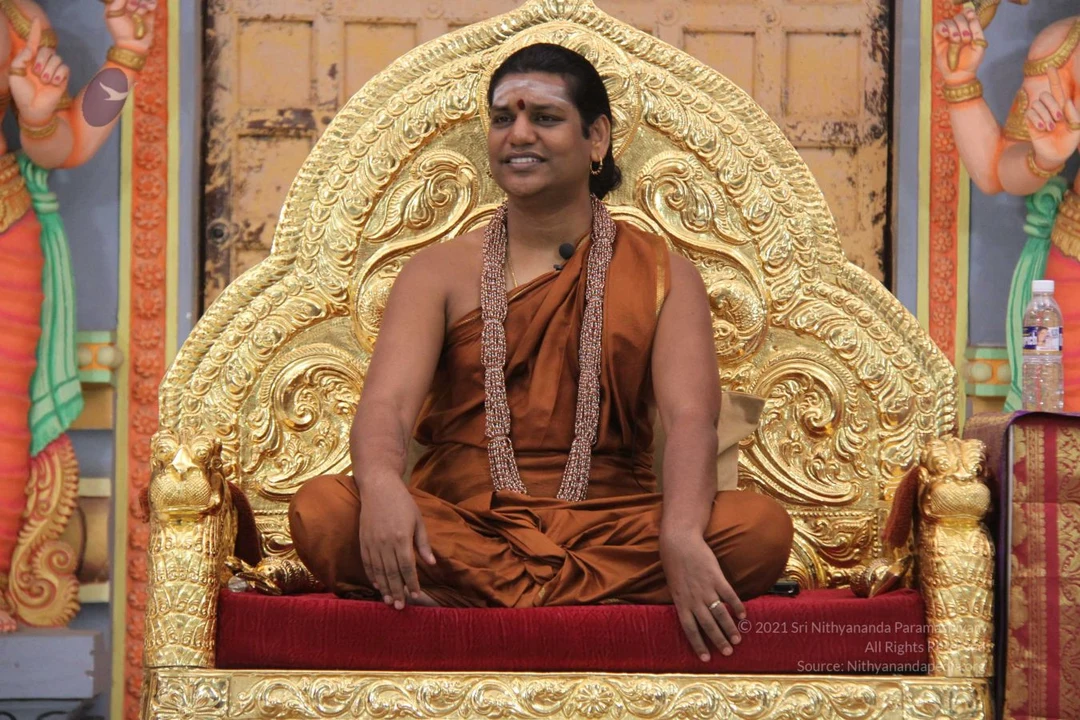
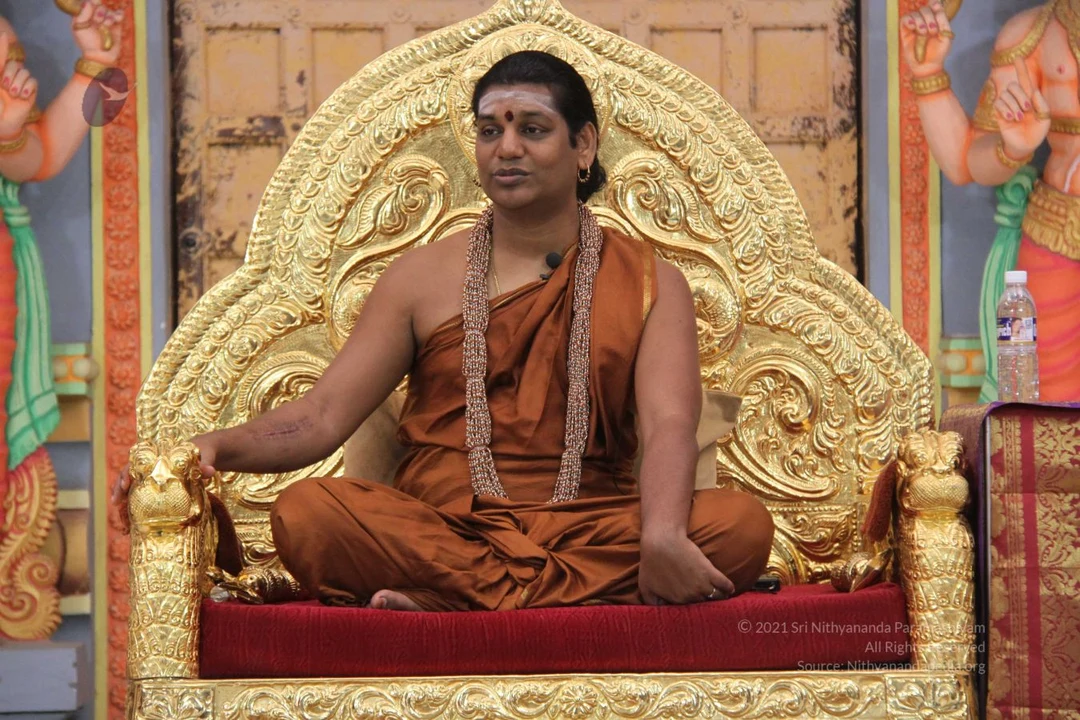
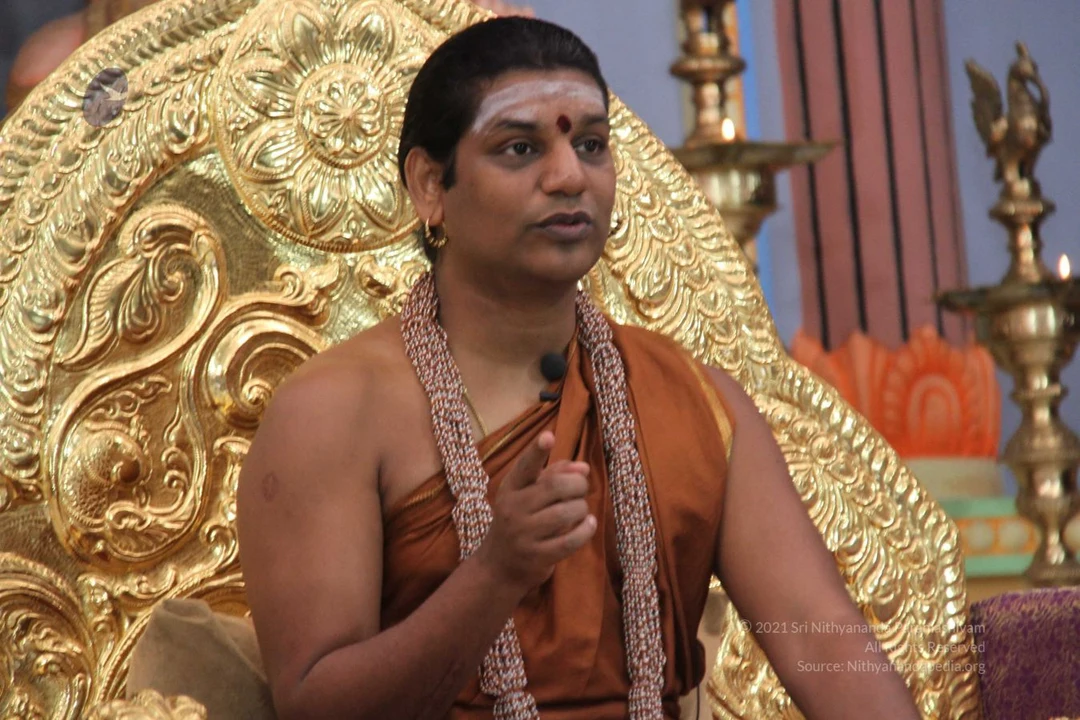
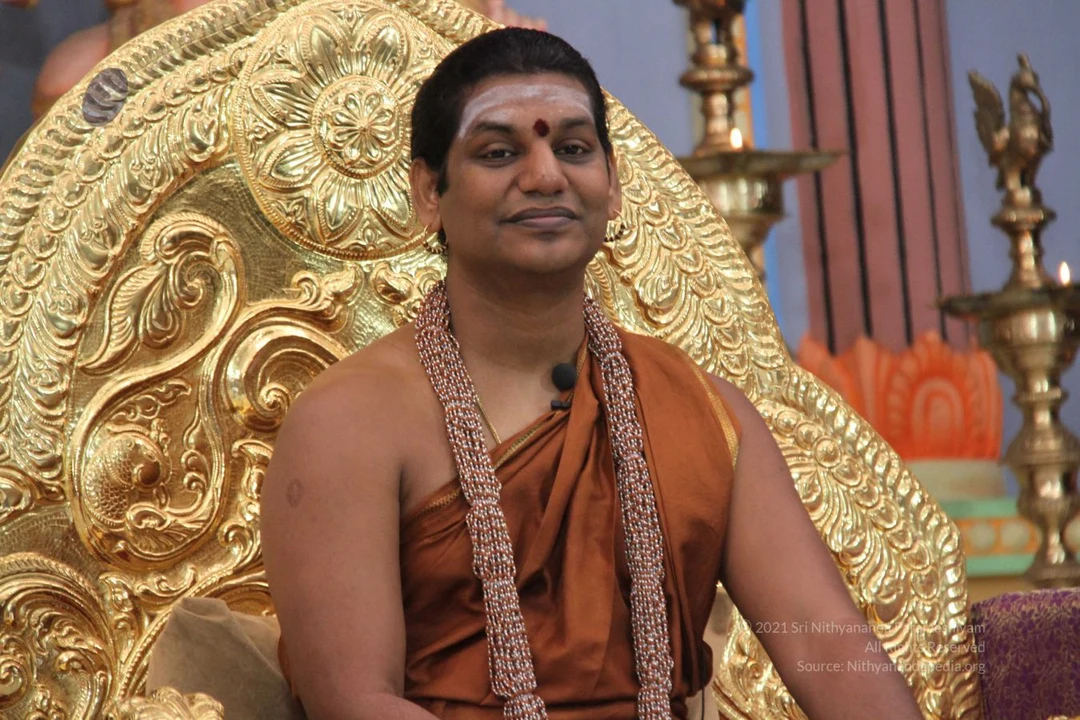
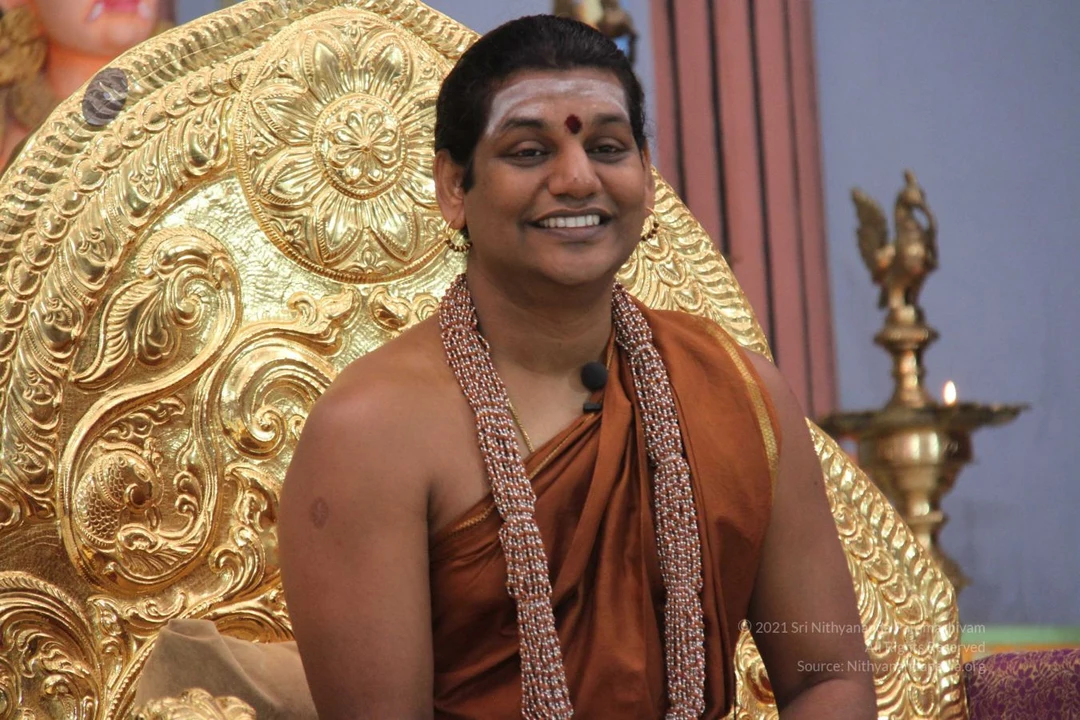
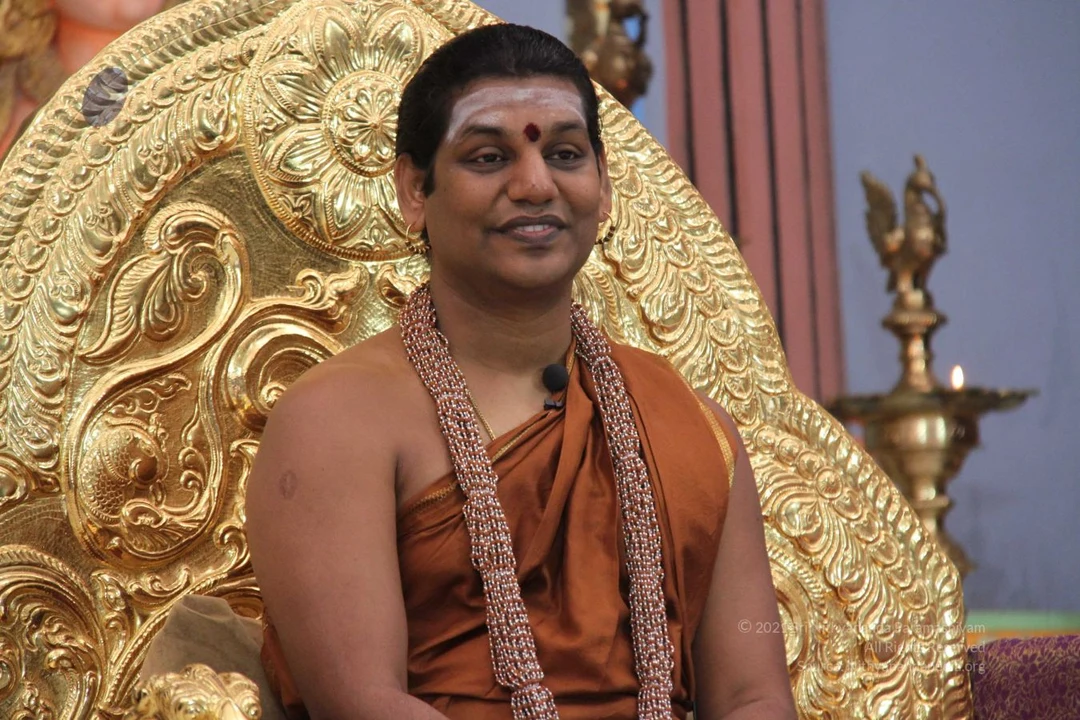
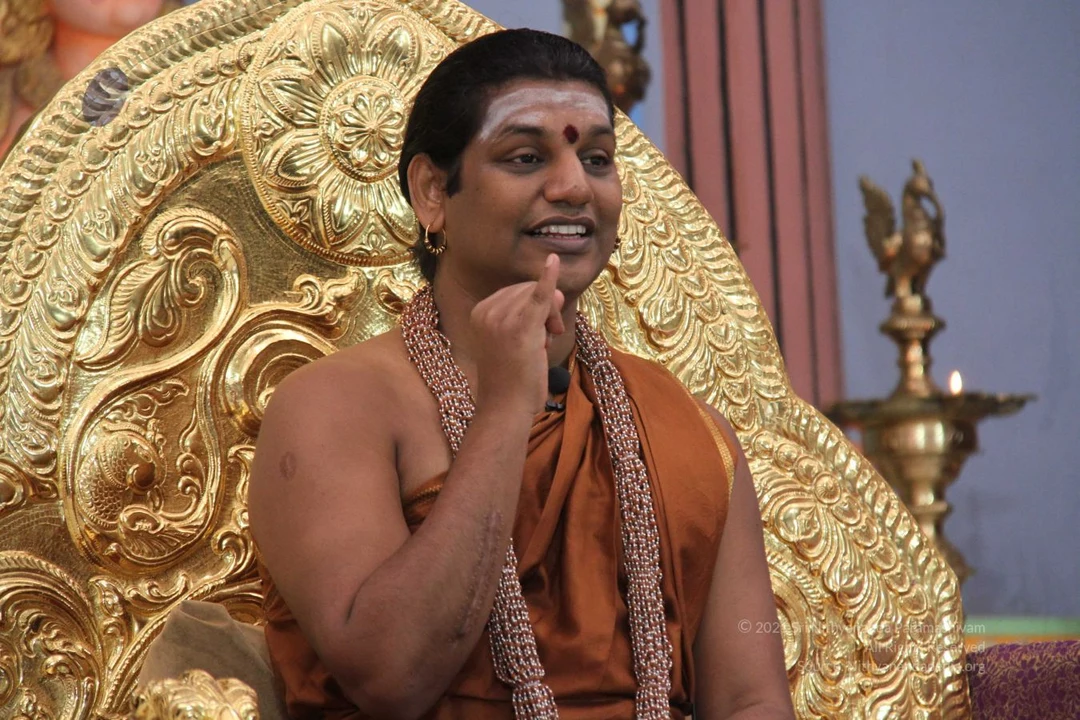
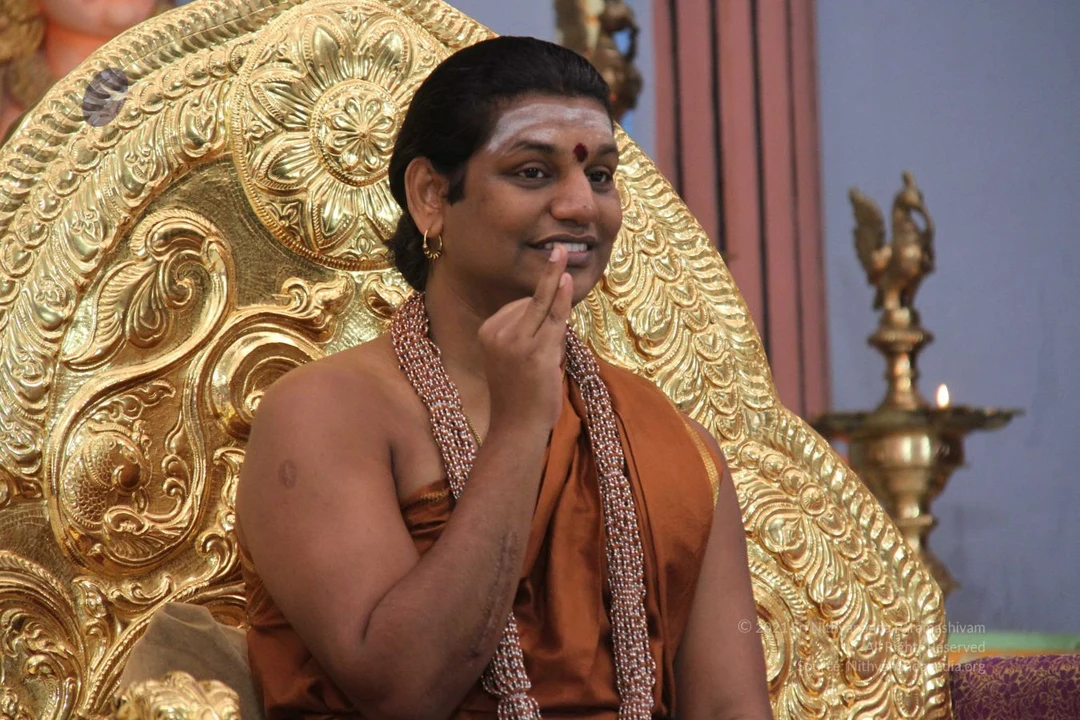
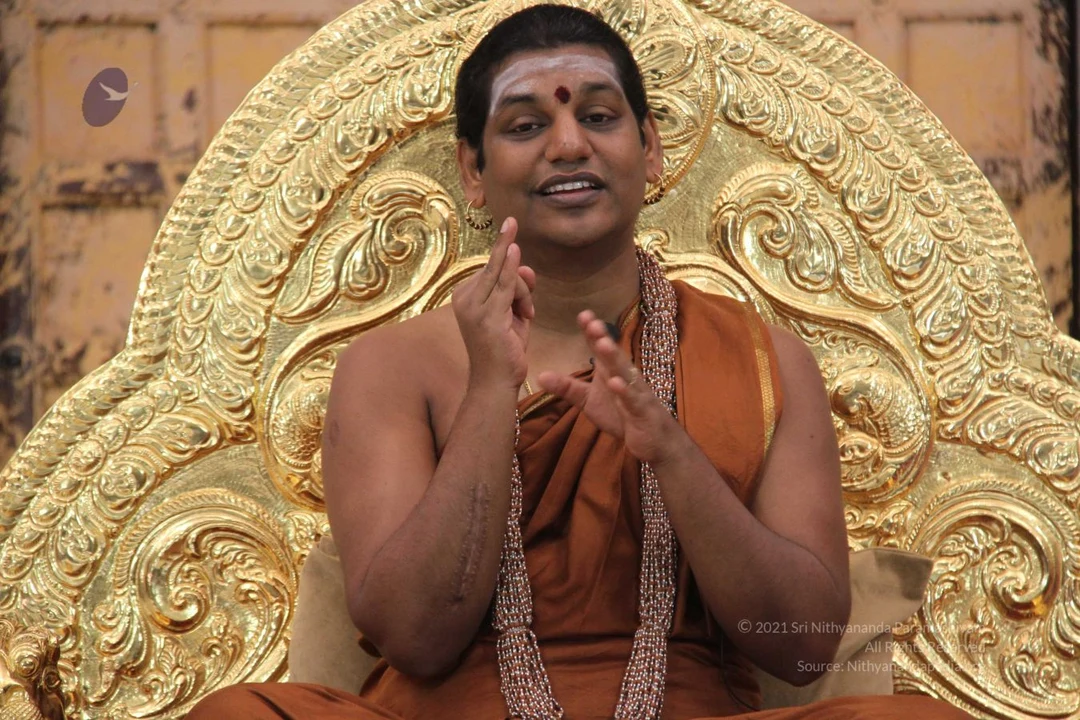
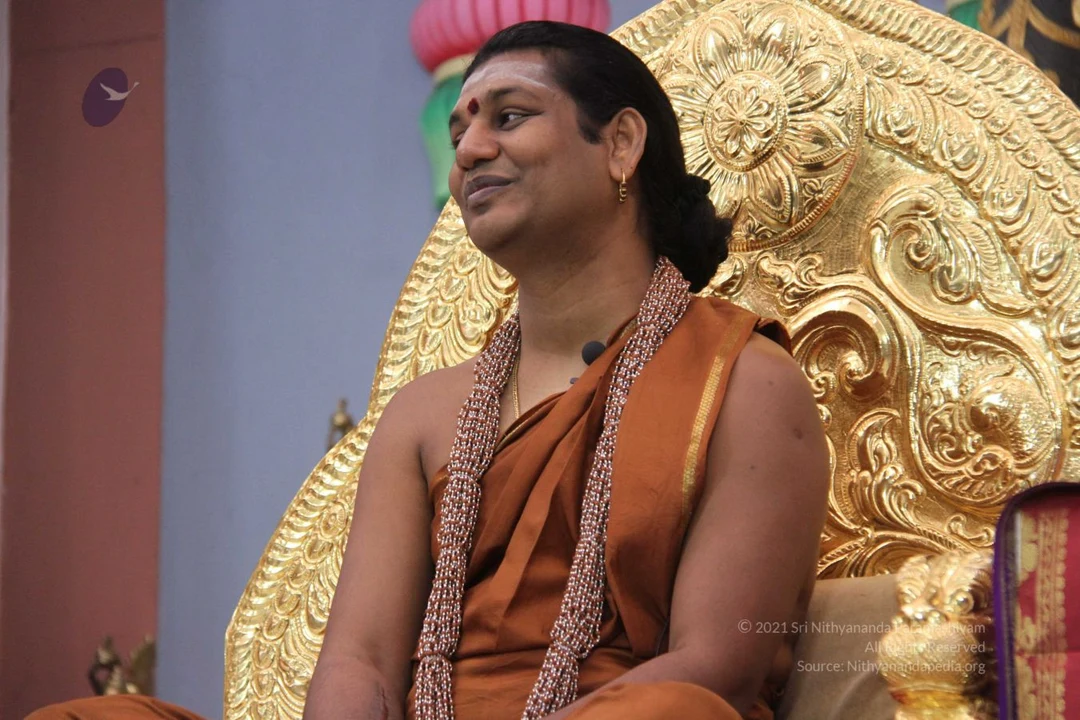
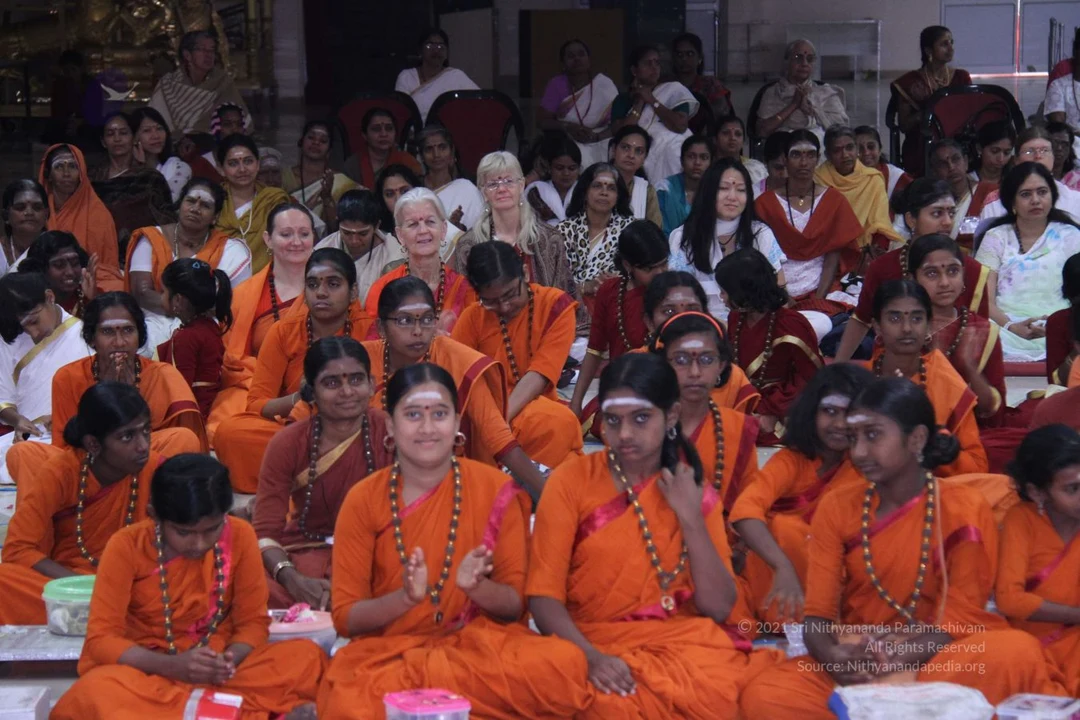
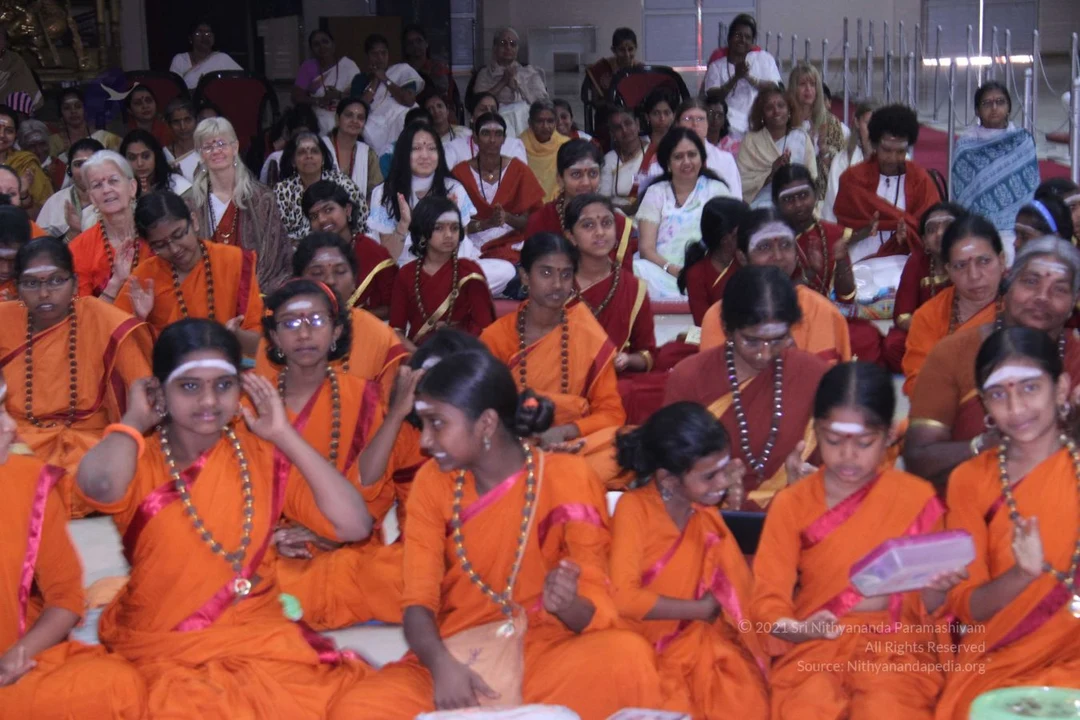
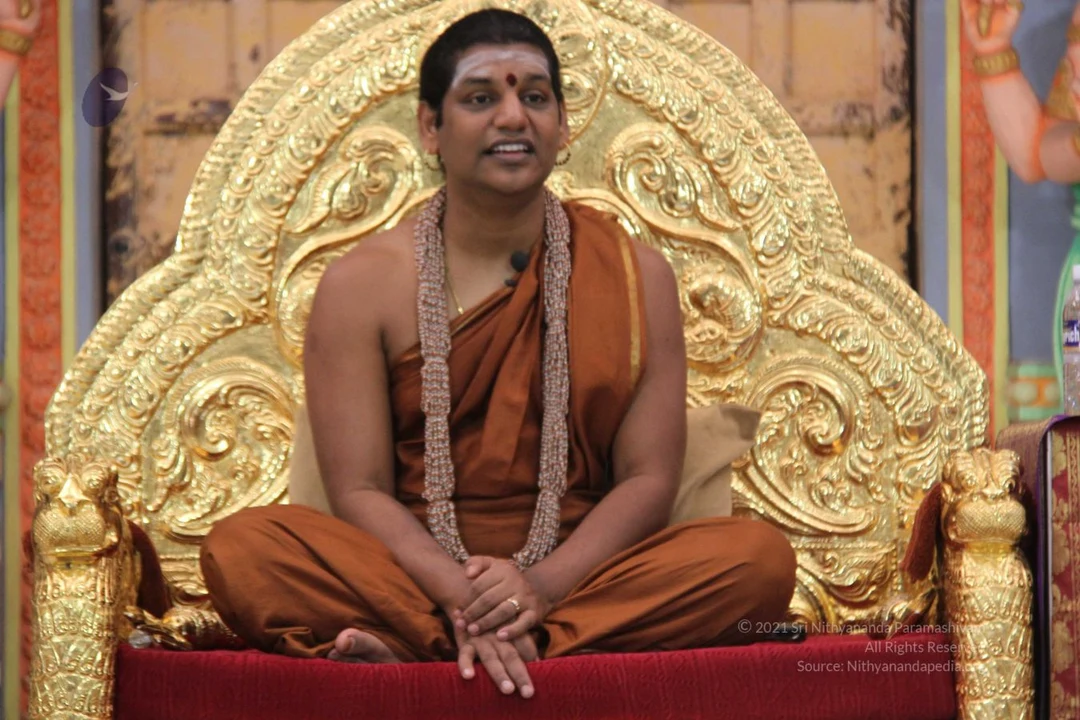
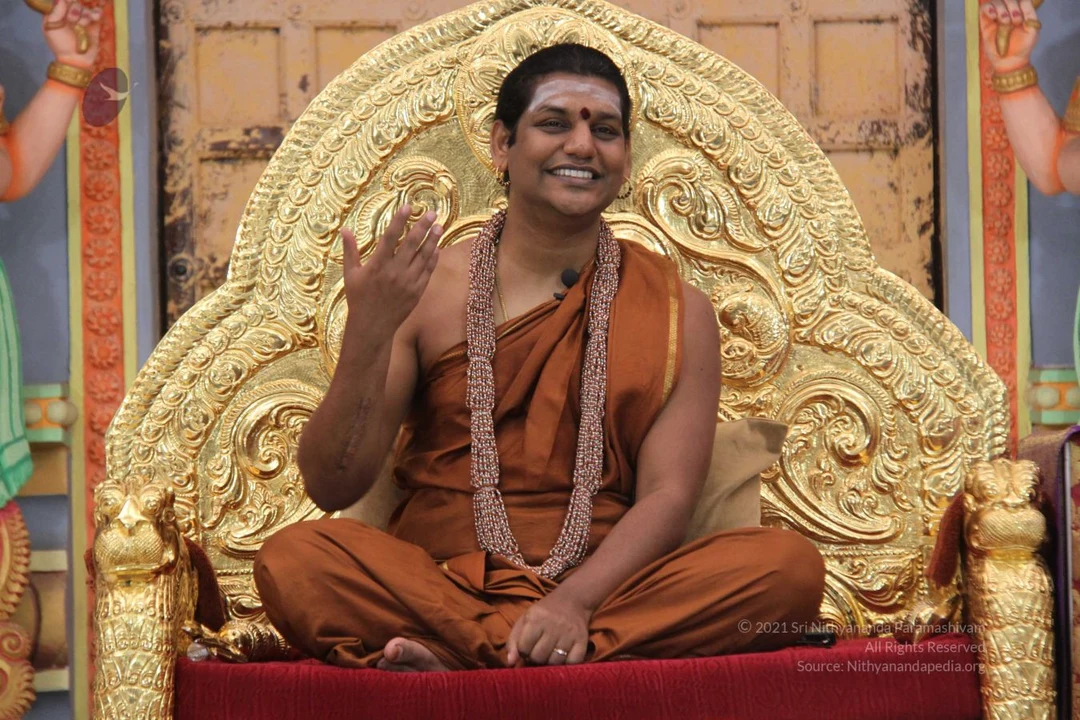
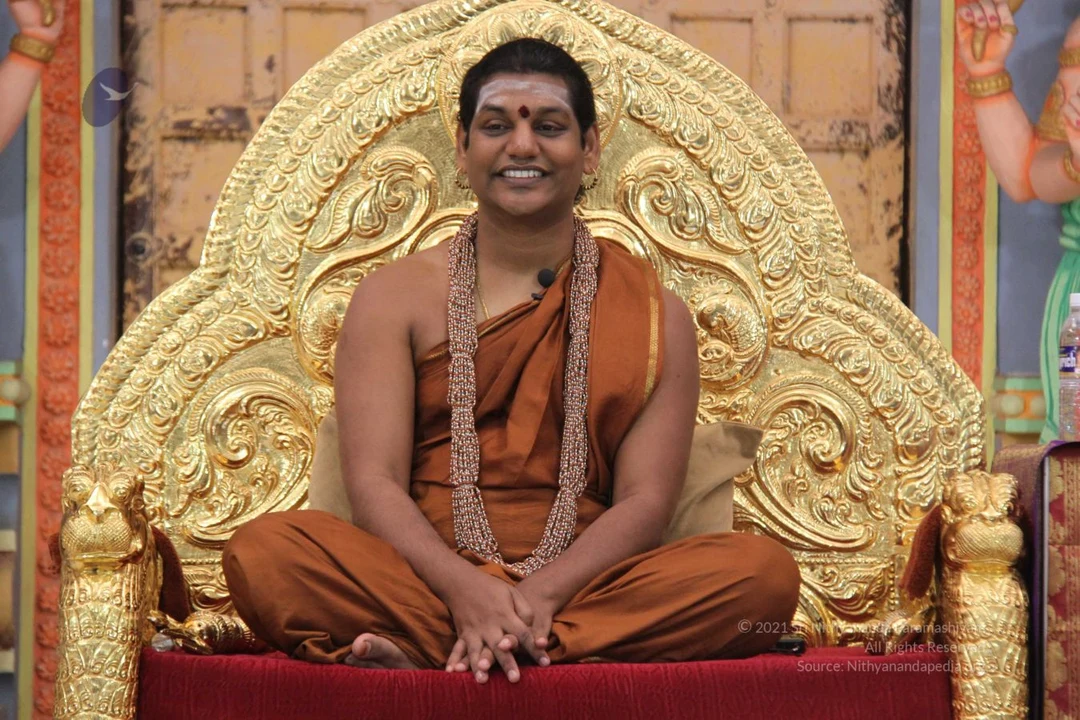
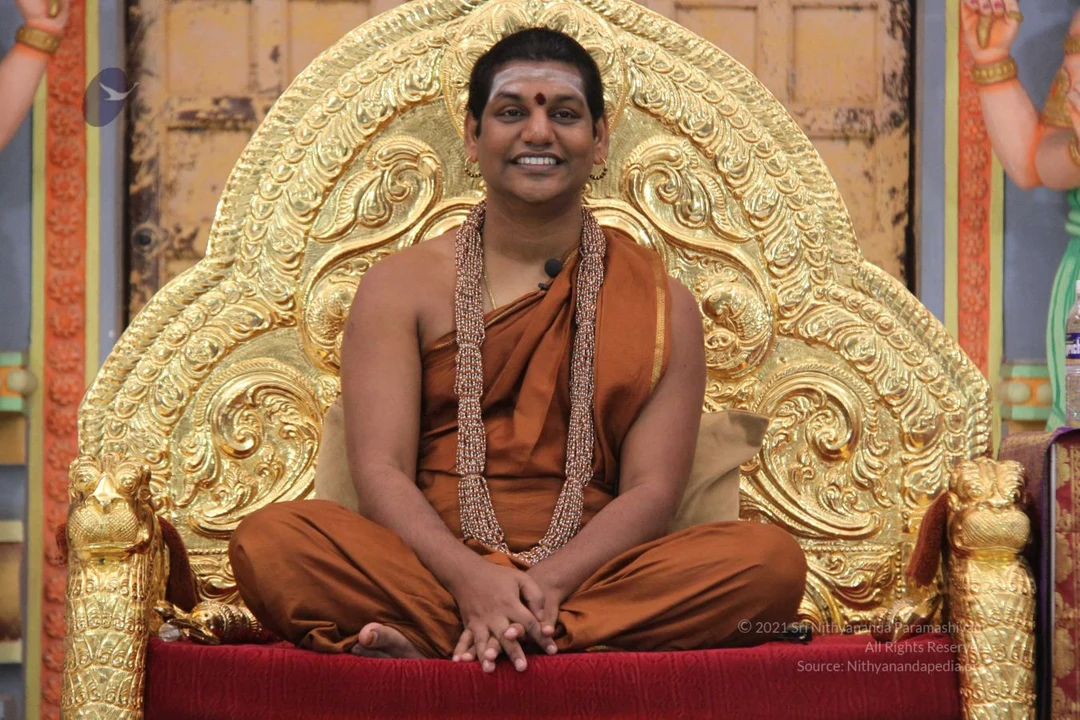
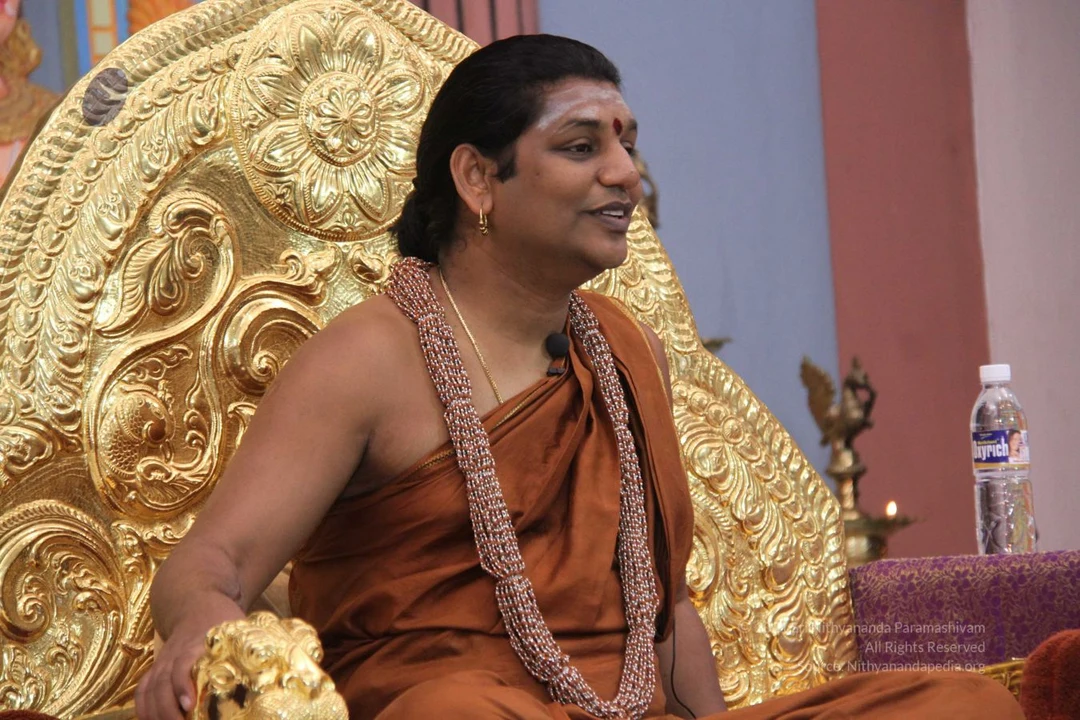
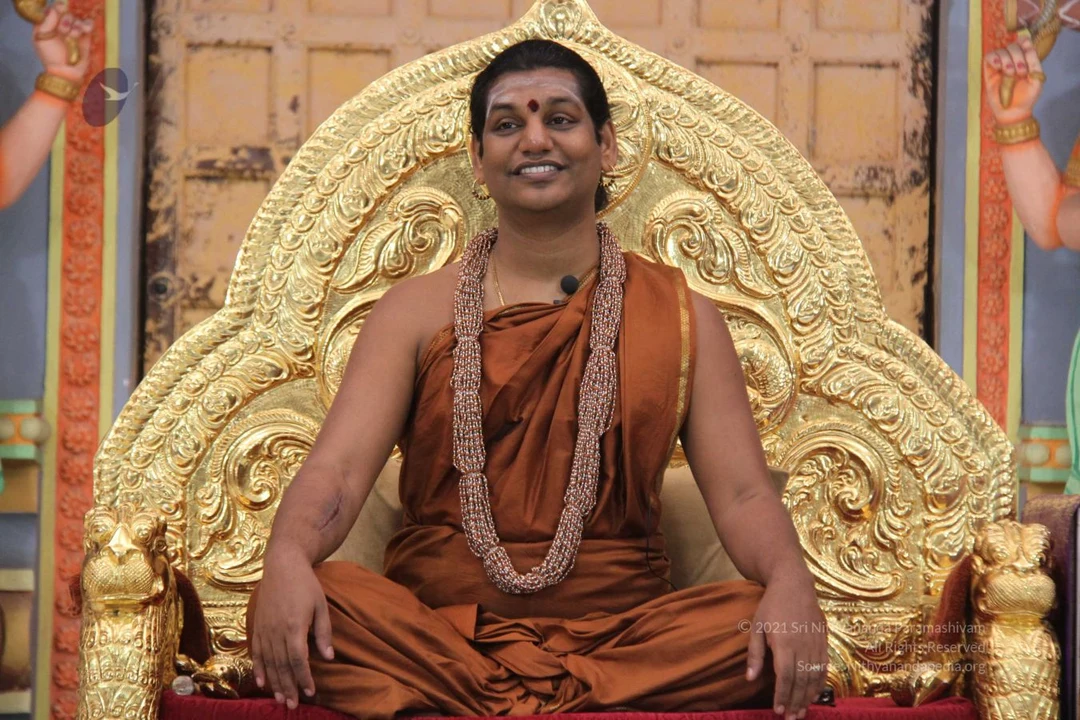
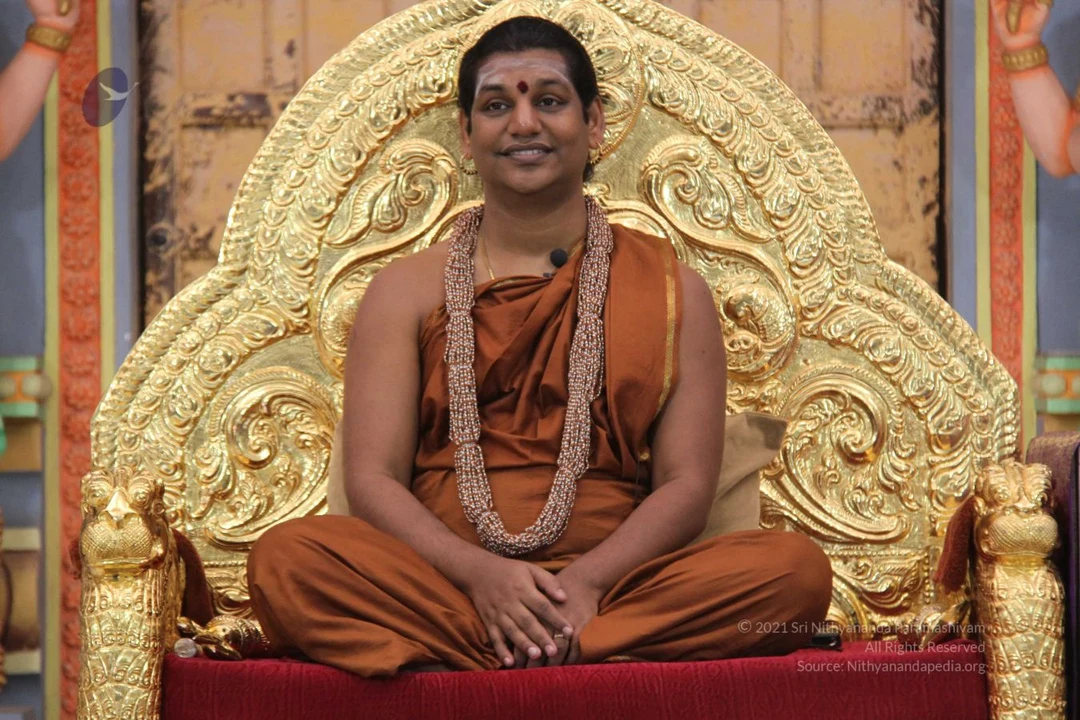
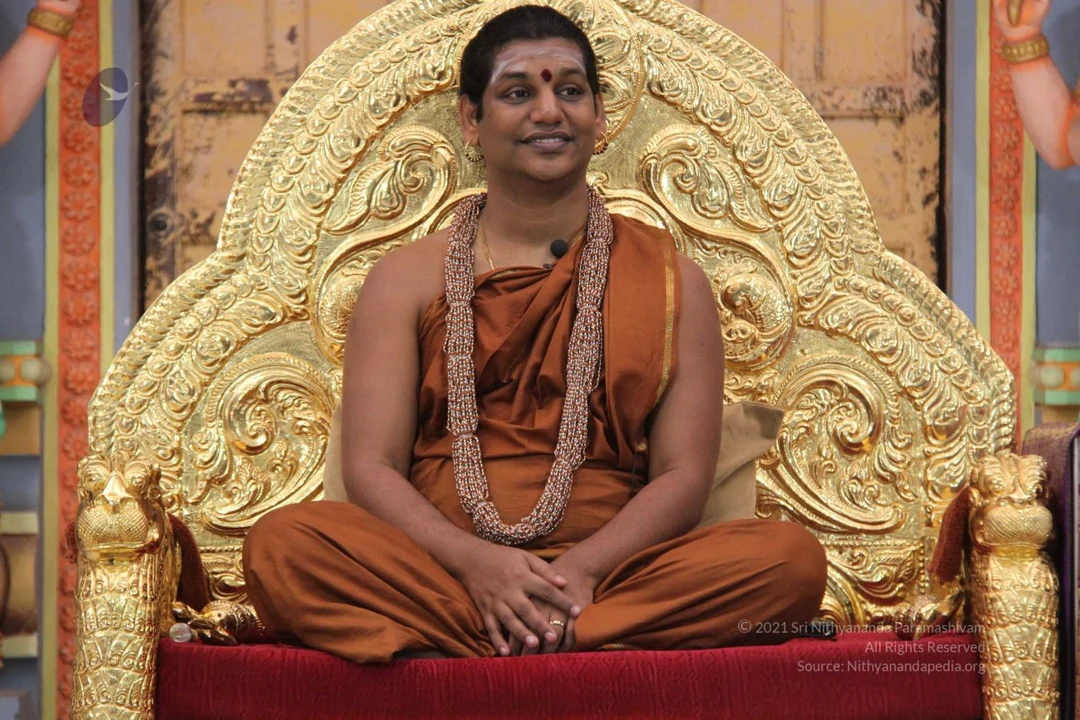
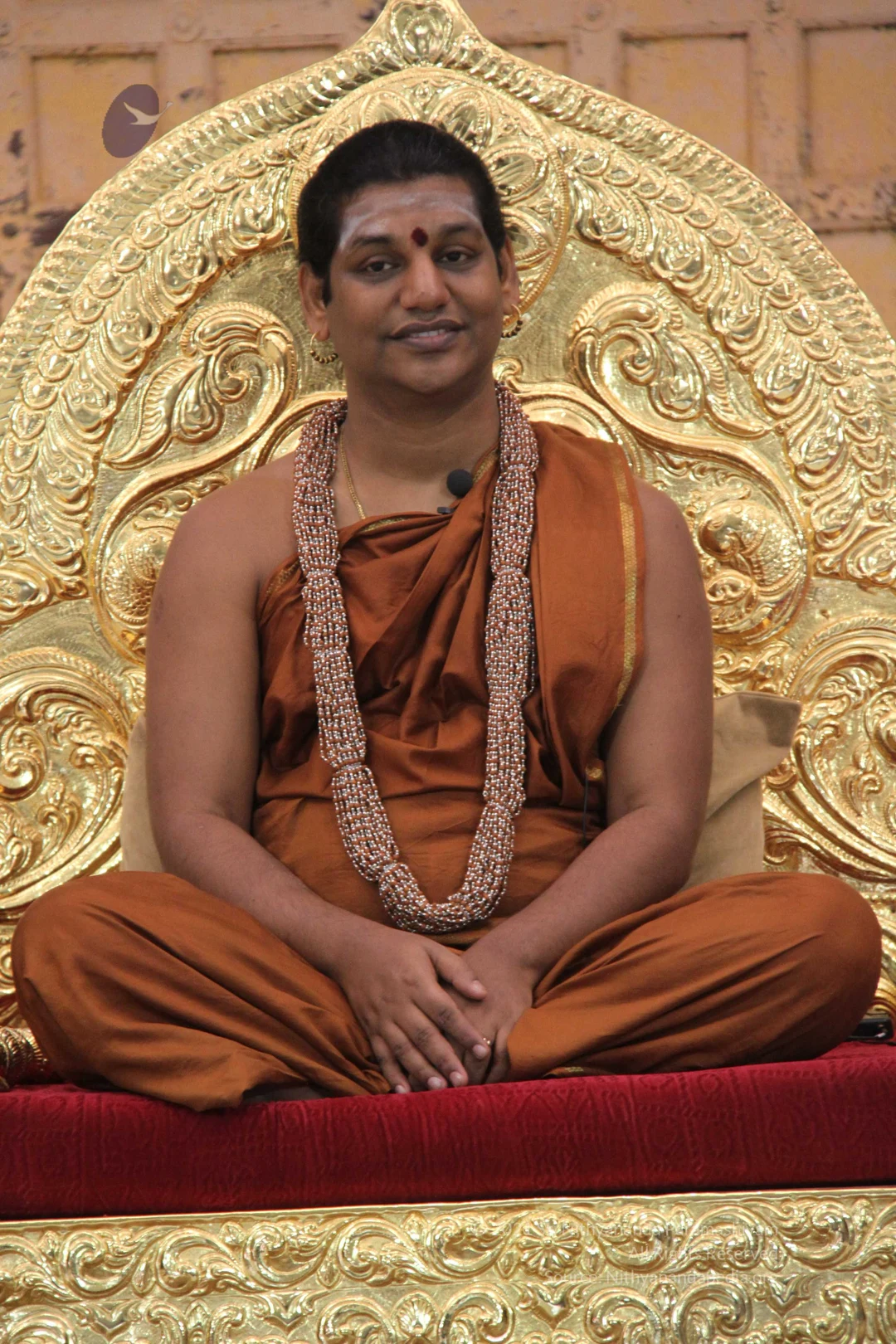
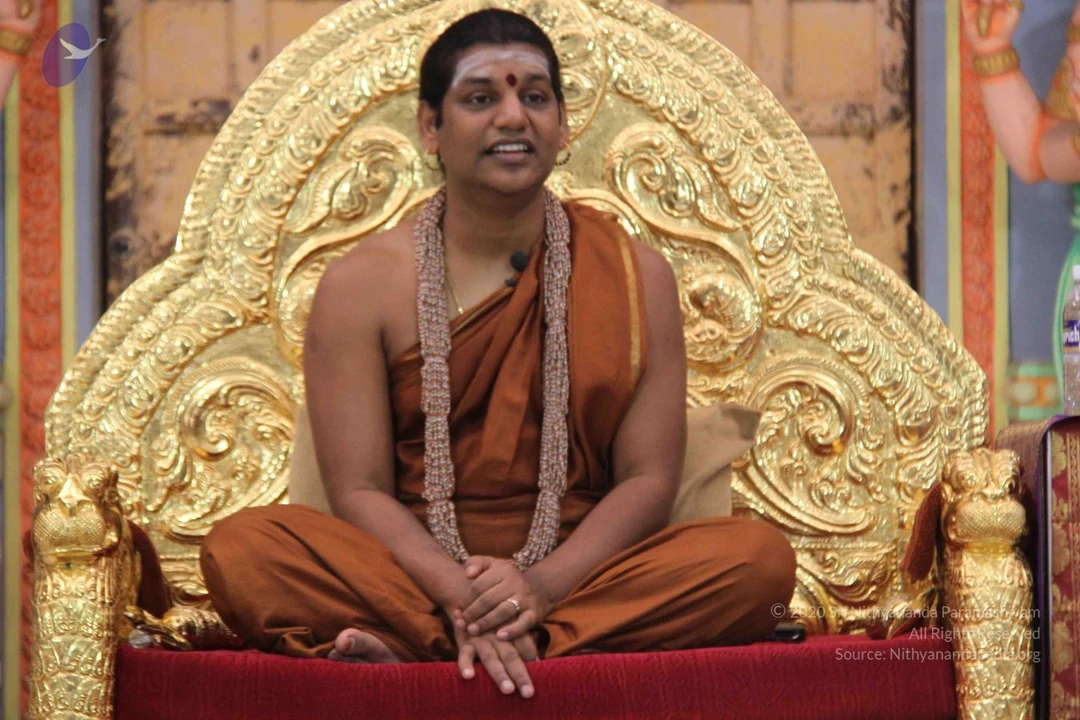
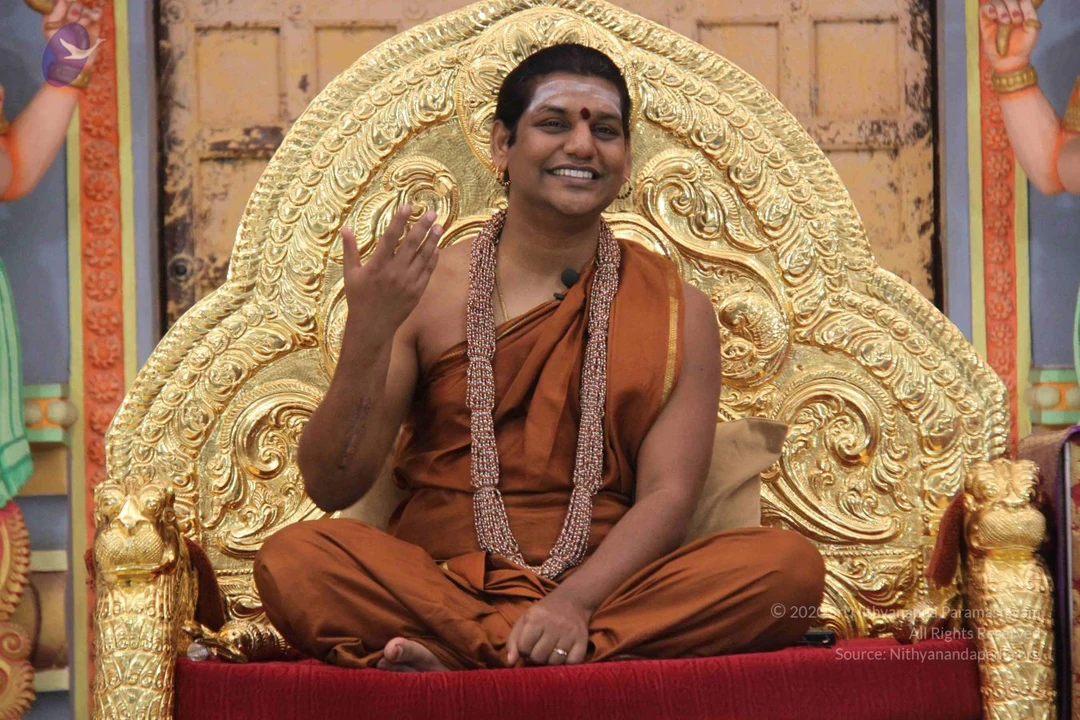
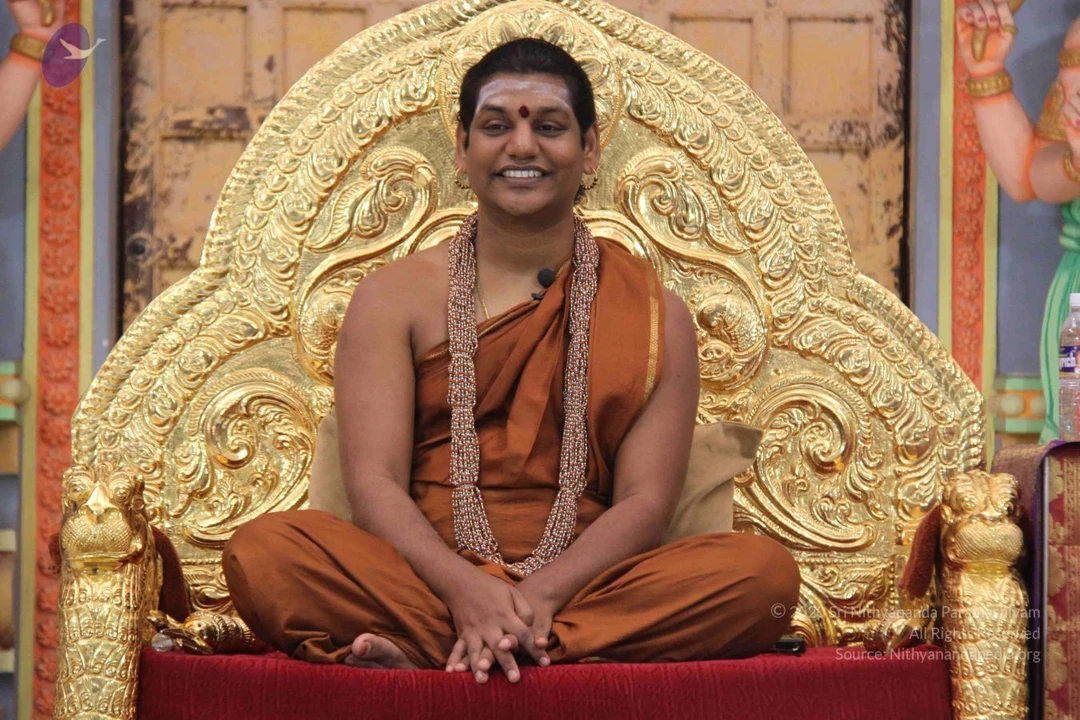
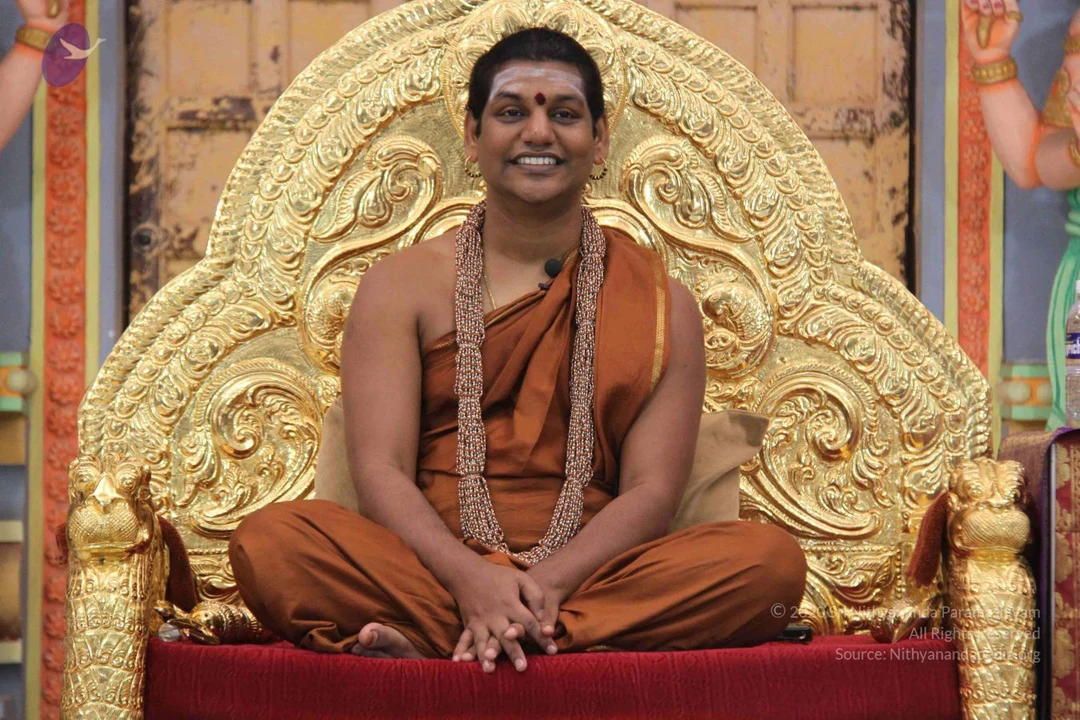
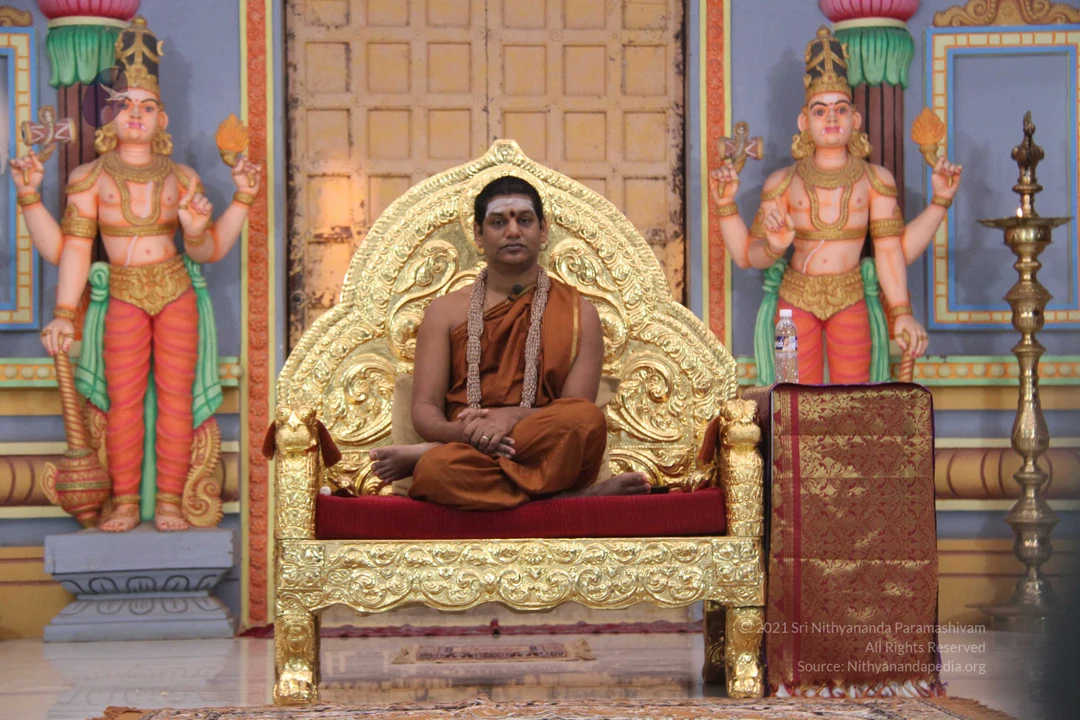
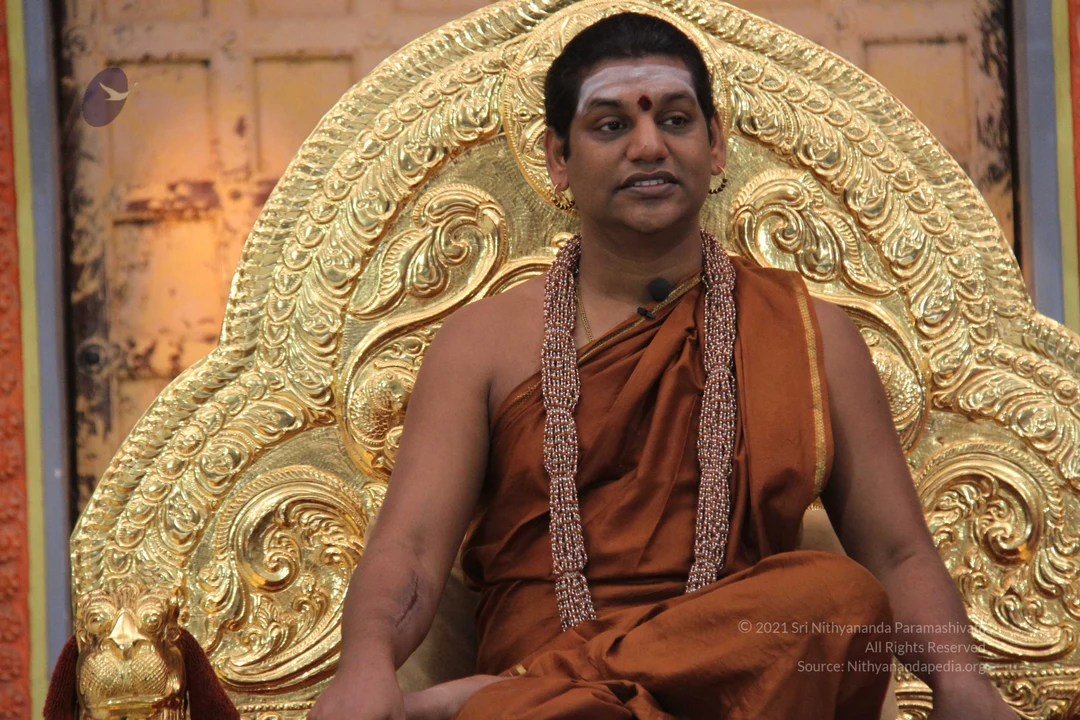
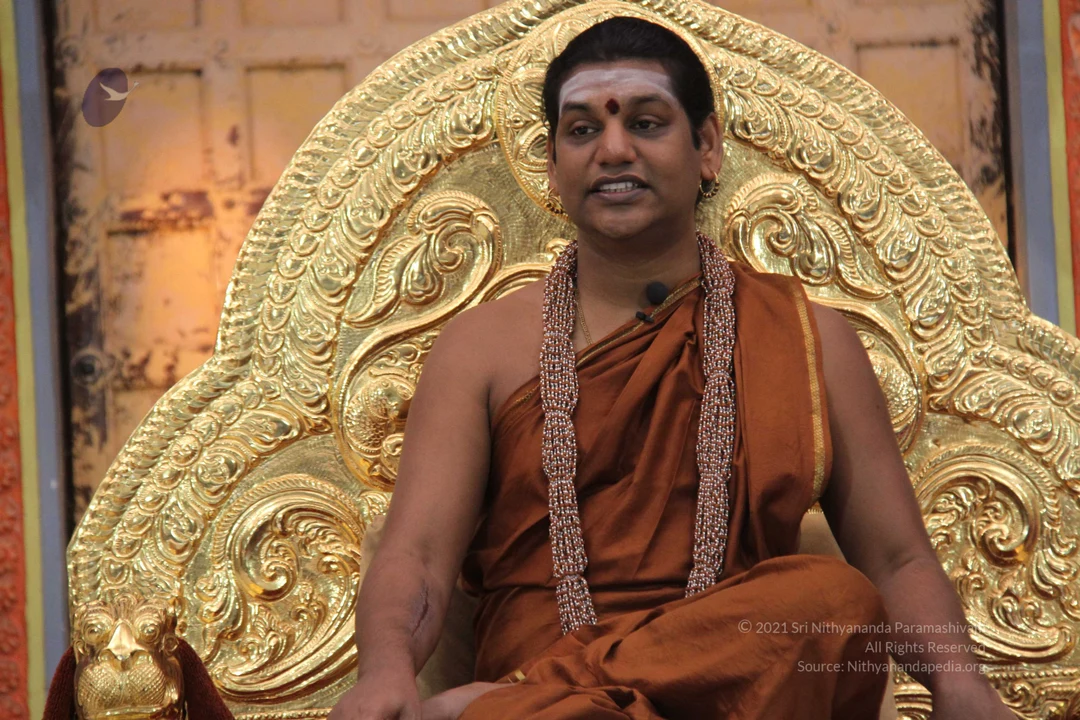
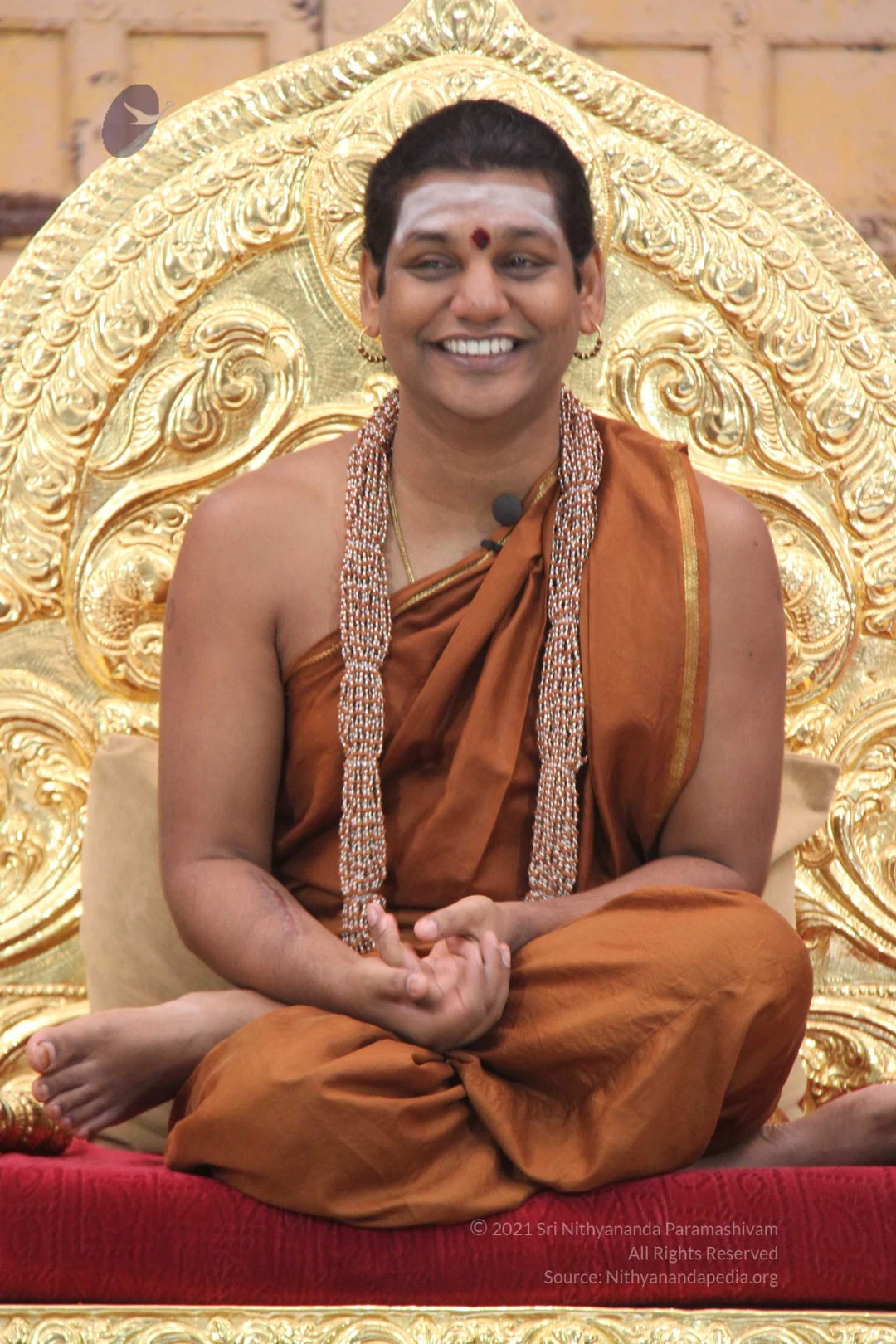
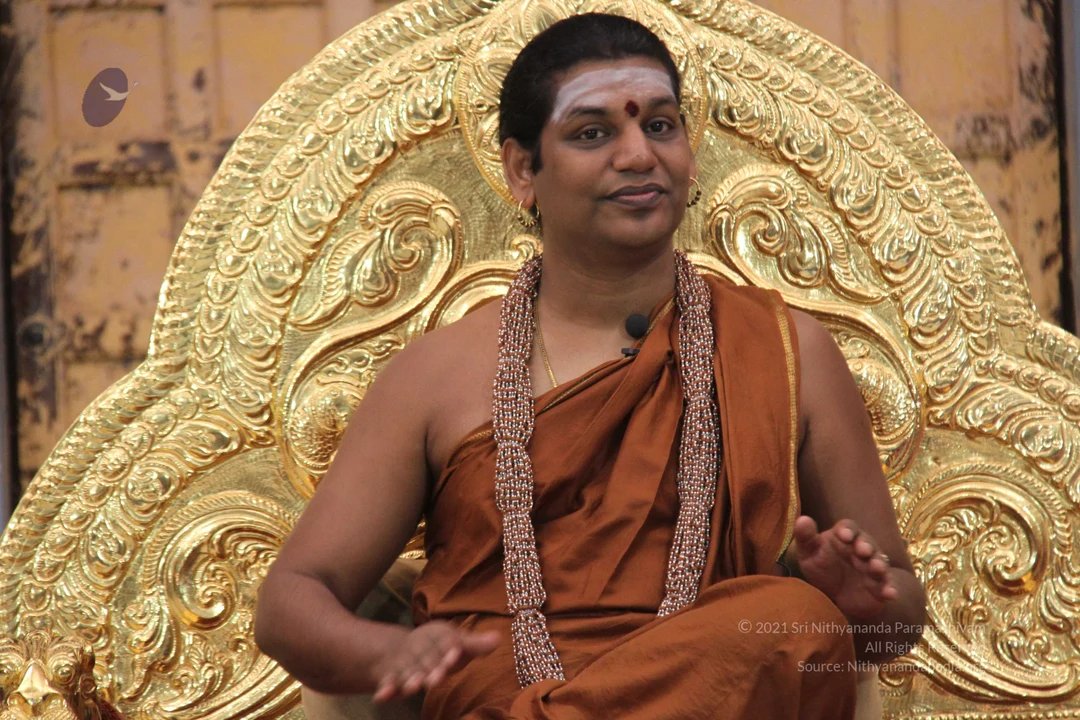
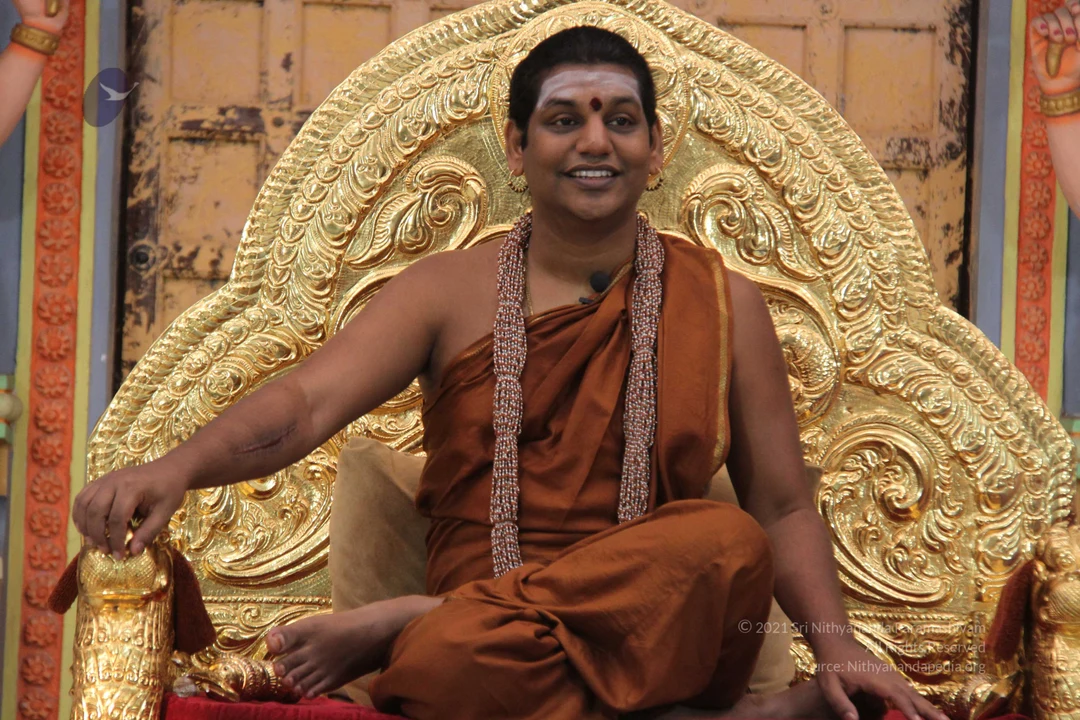
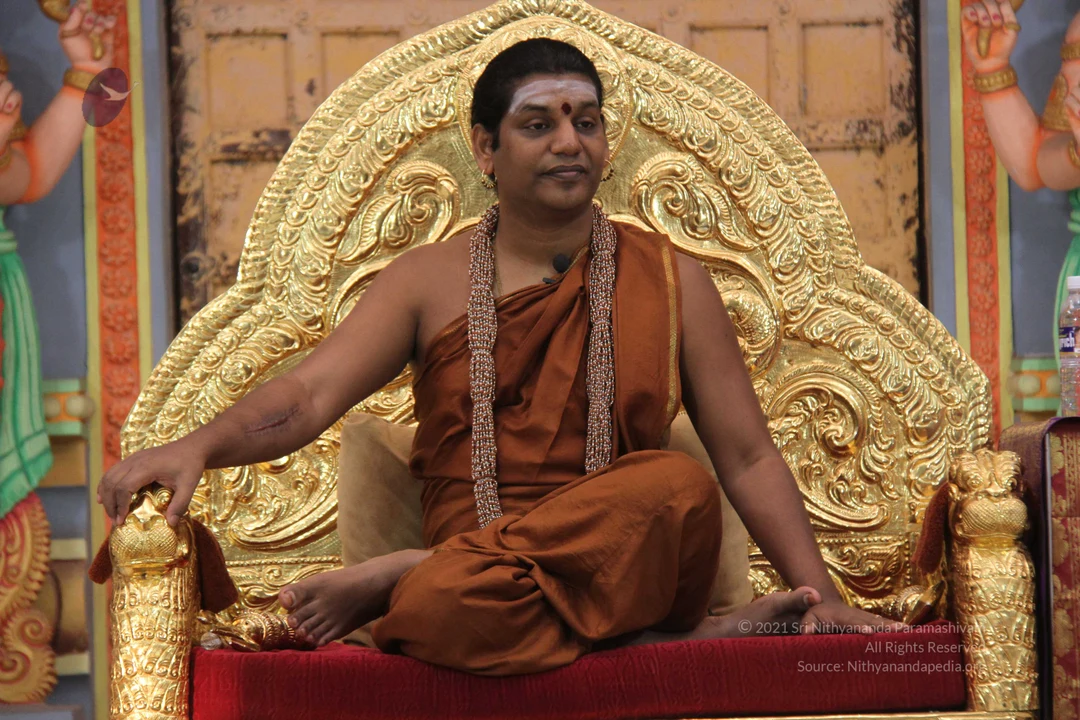
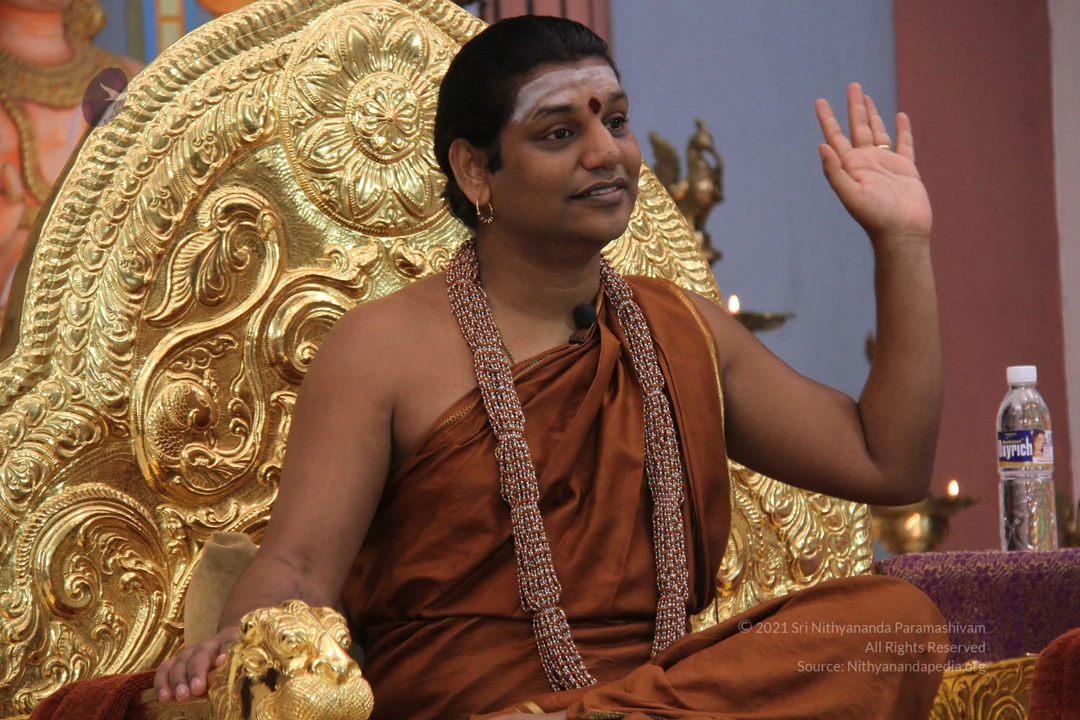
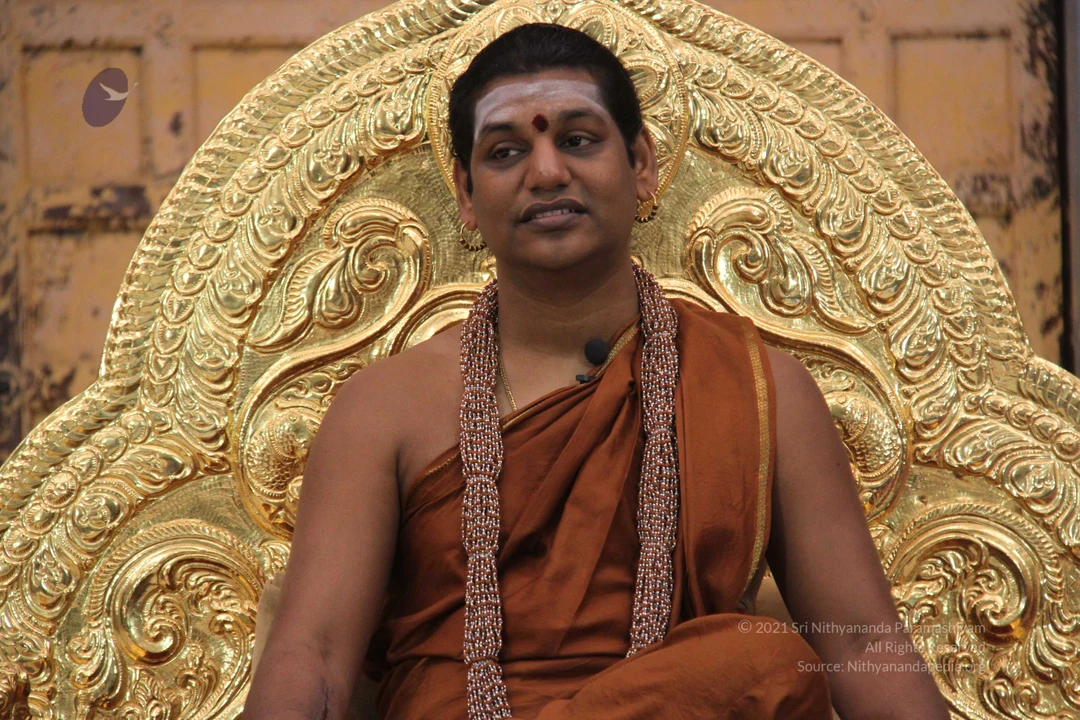
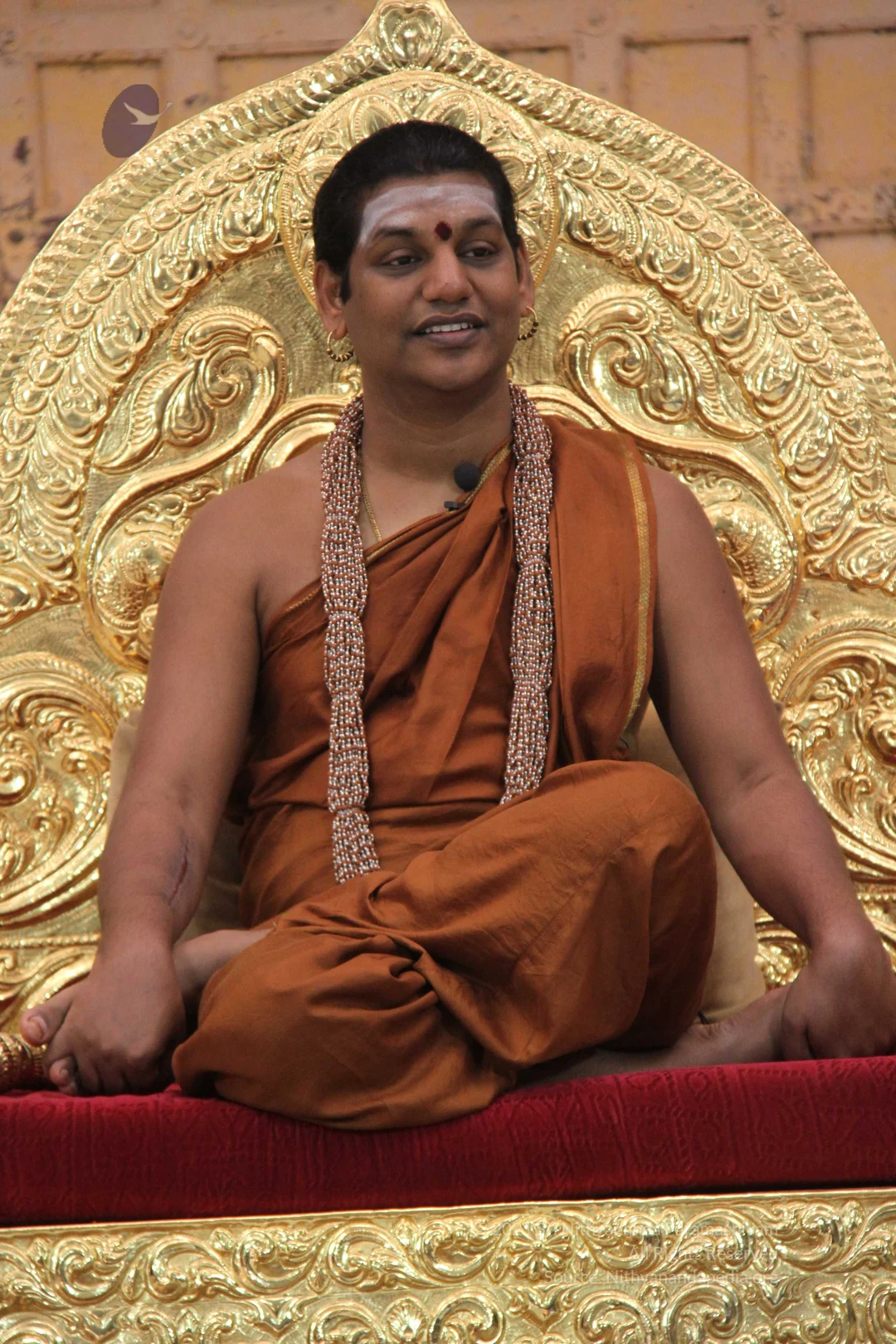
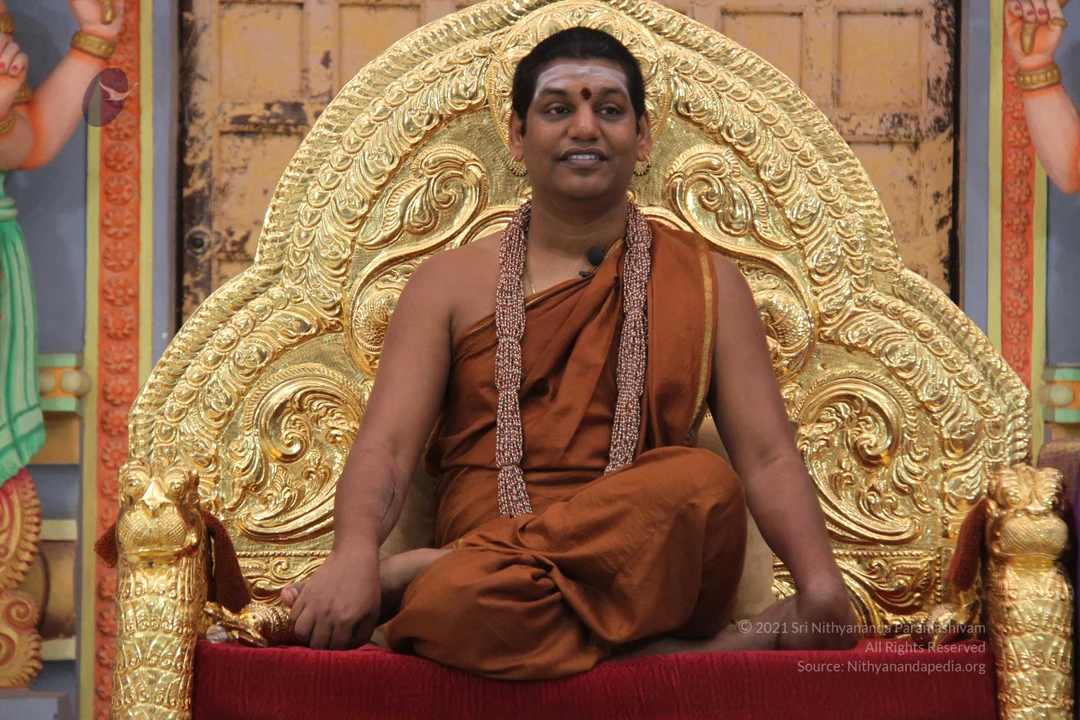
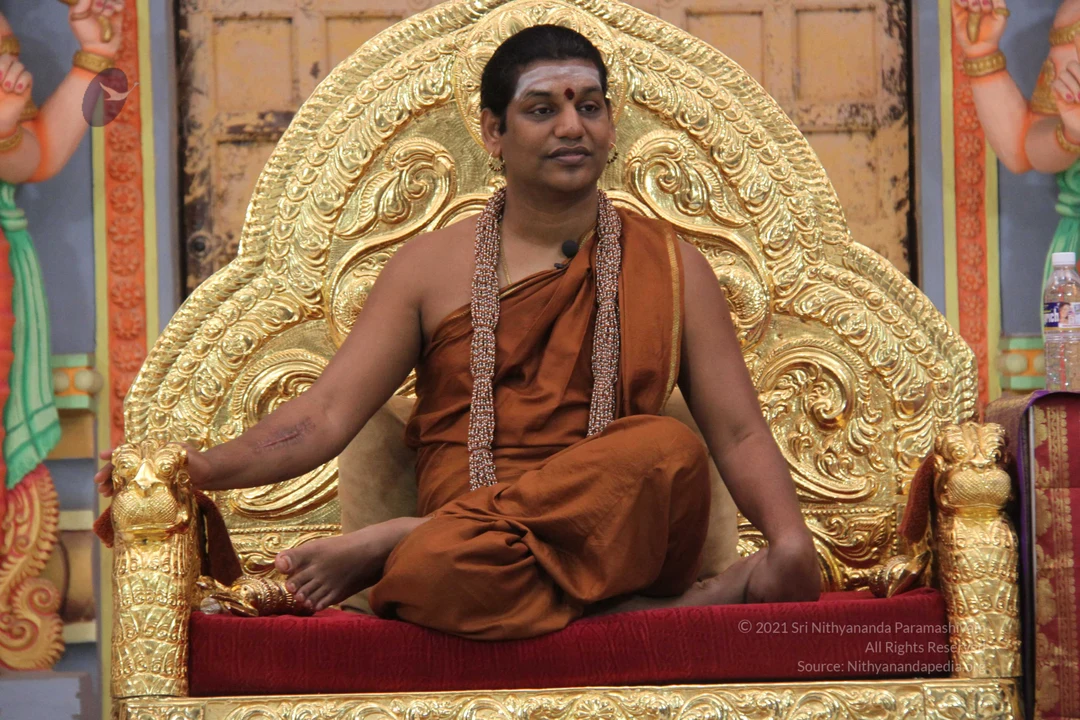
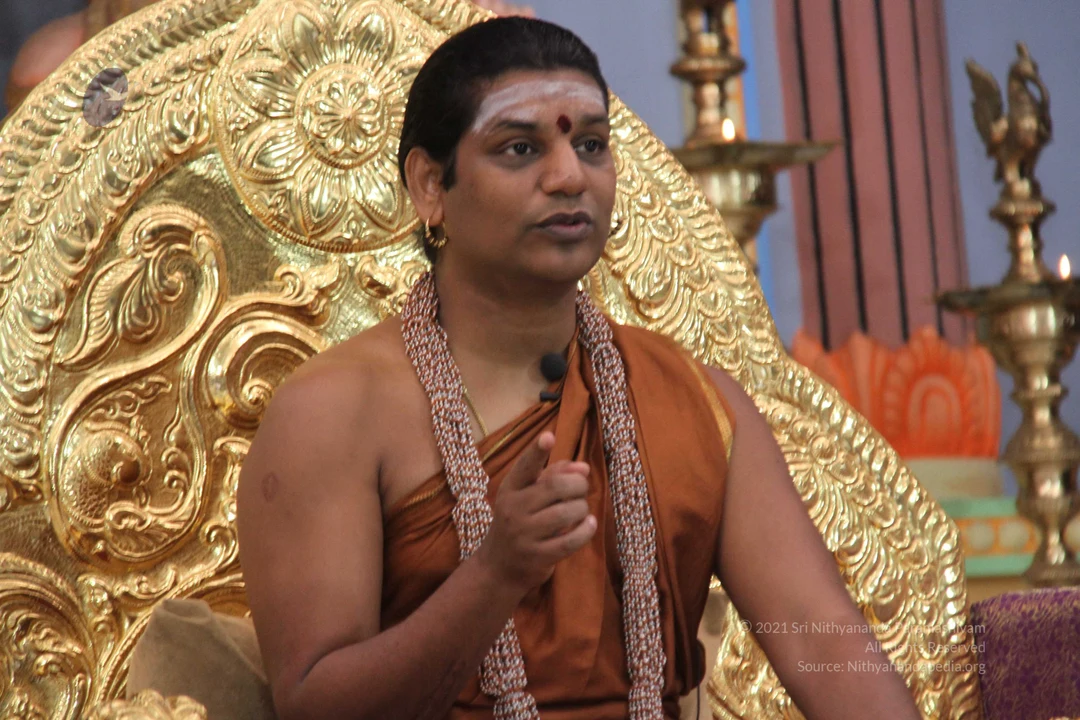
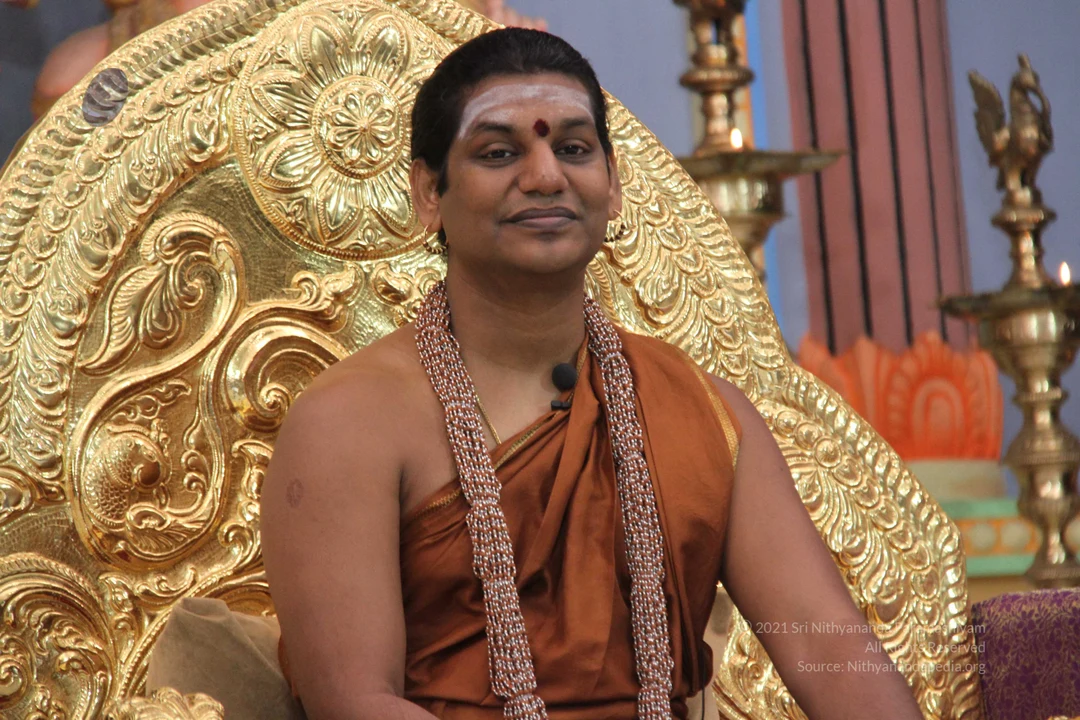
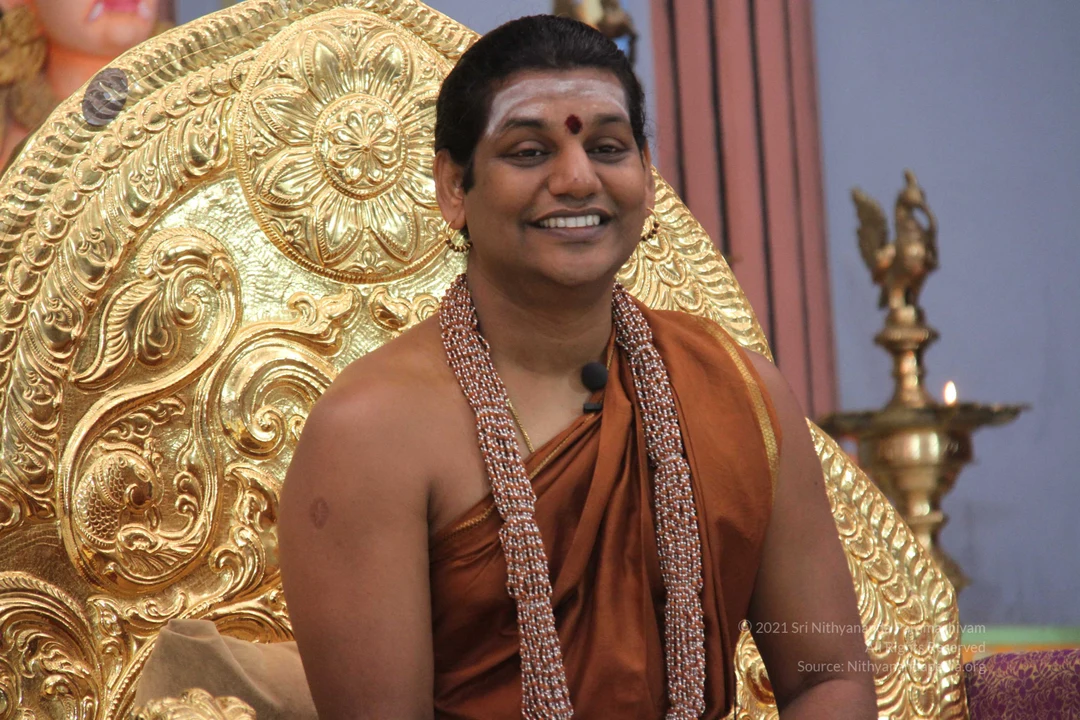
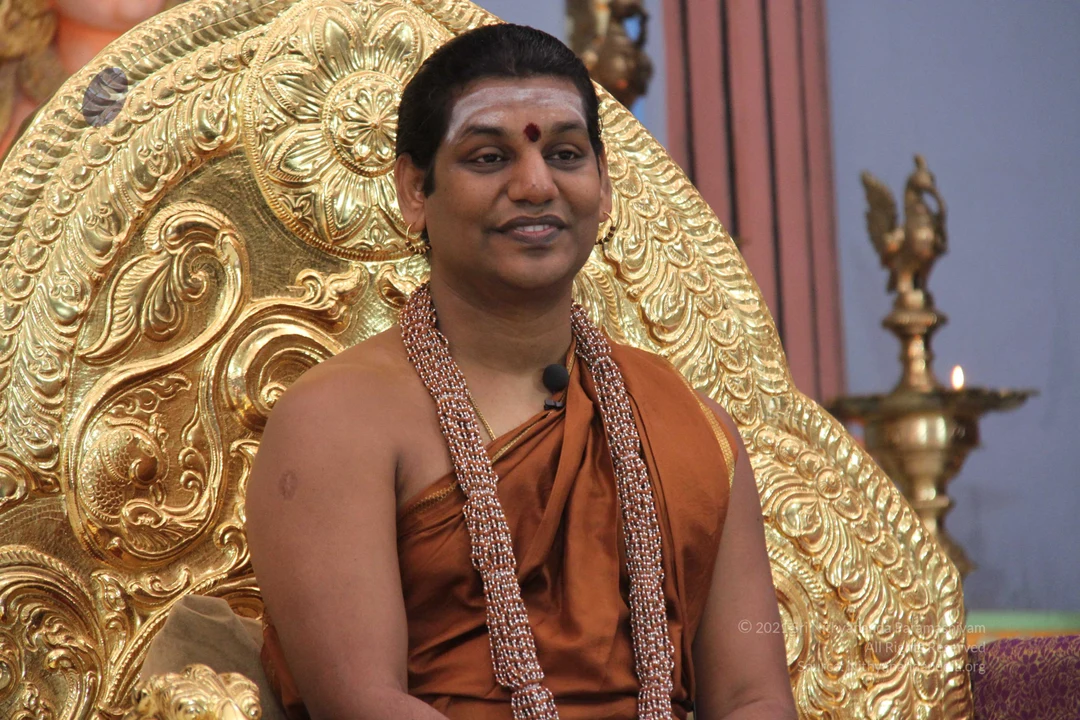
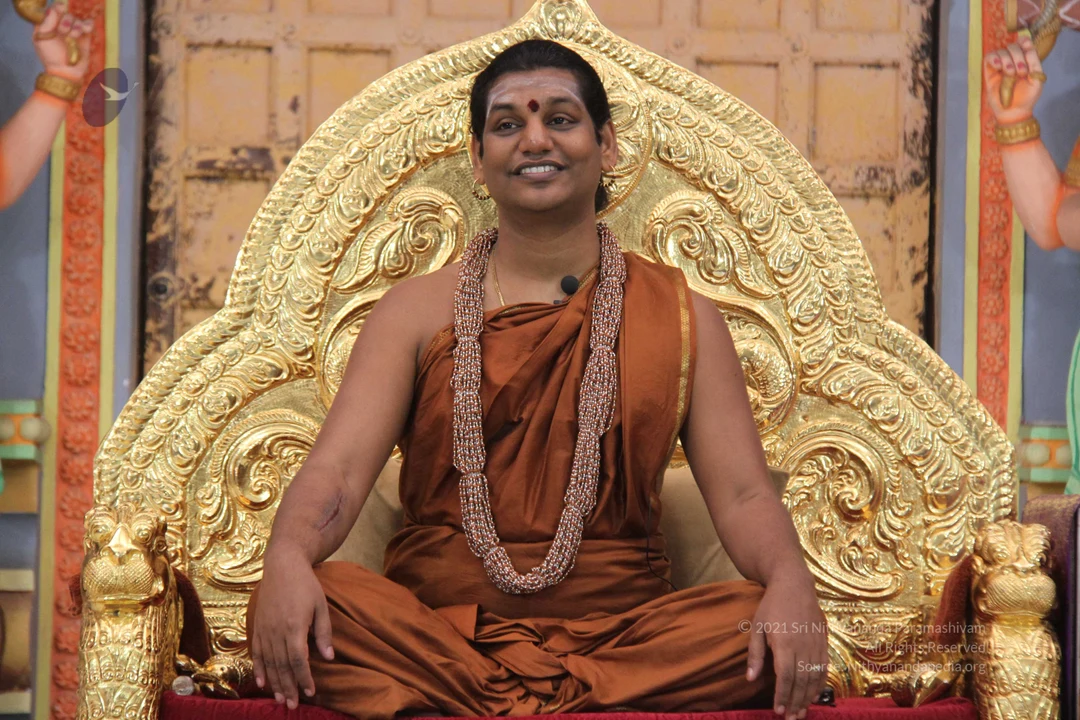
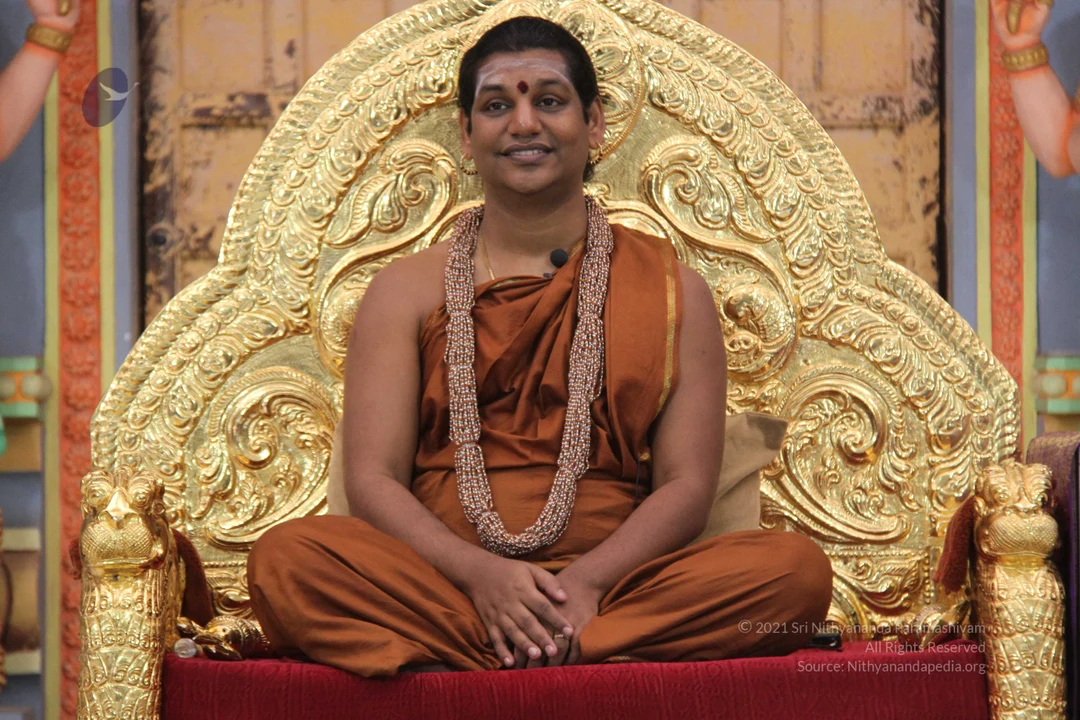
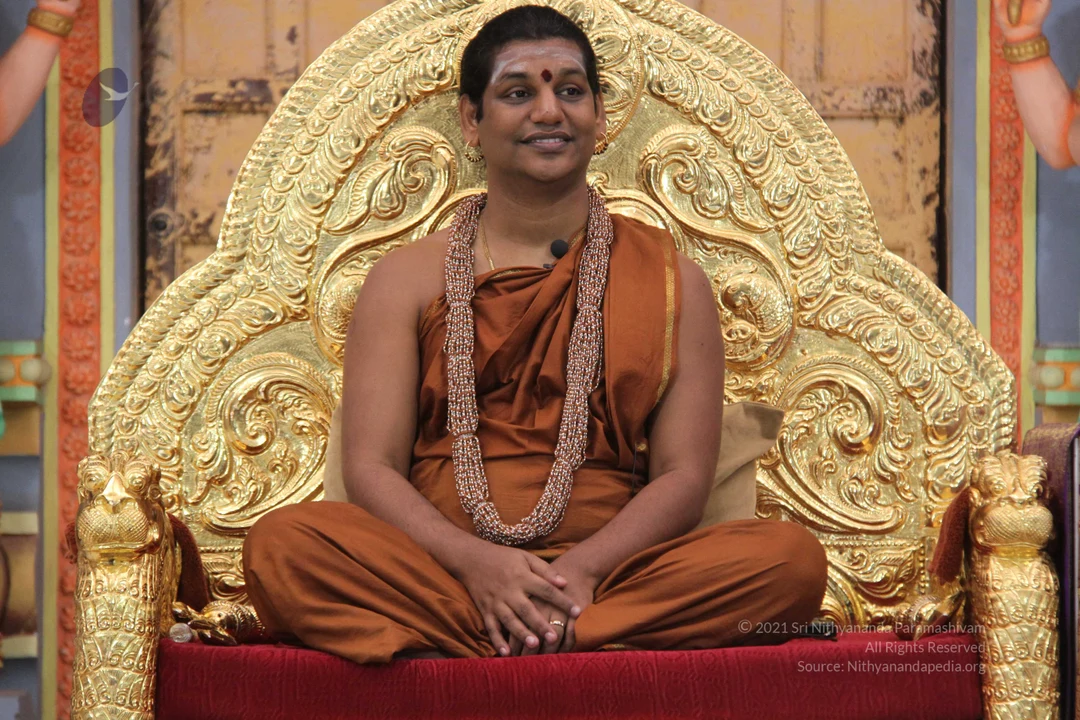
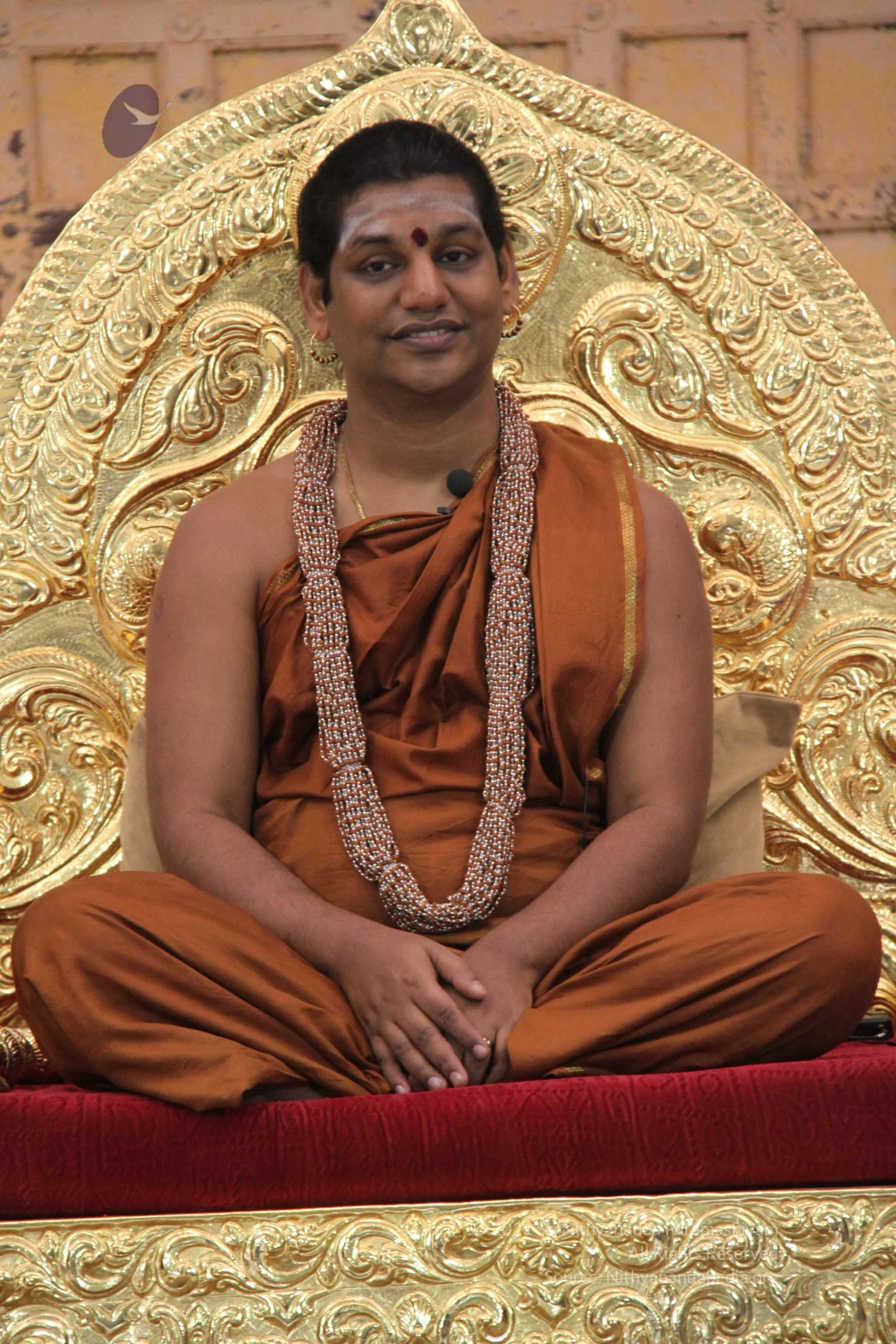
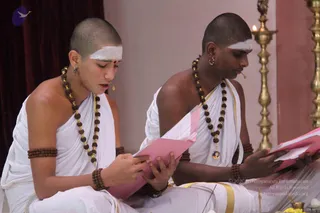
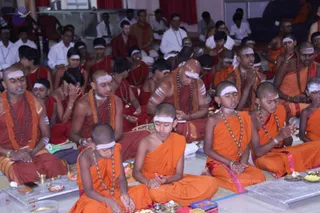
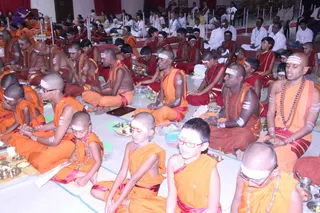
Morning-Satsang





Dial-The-Avatar
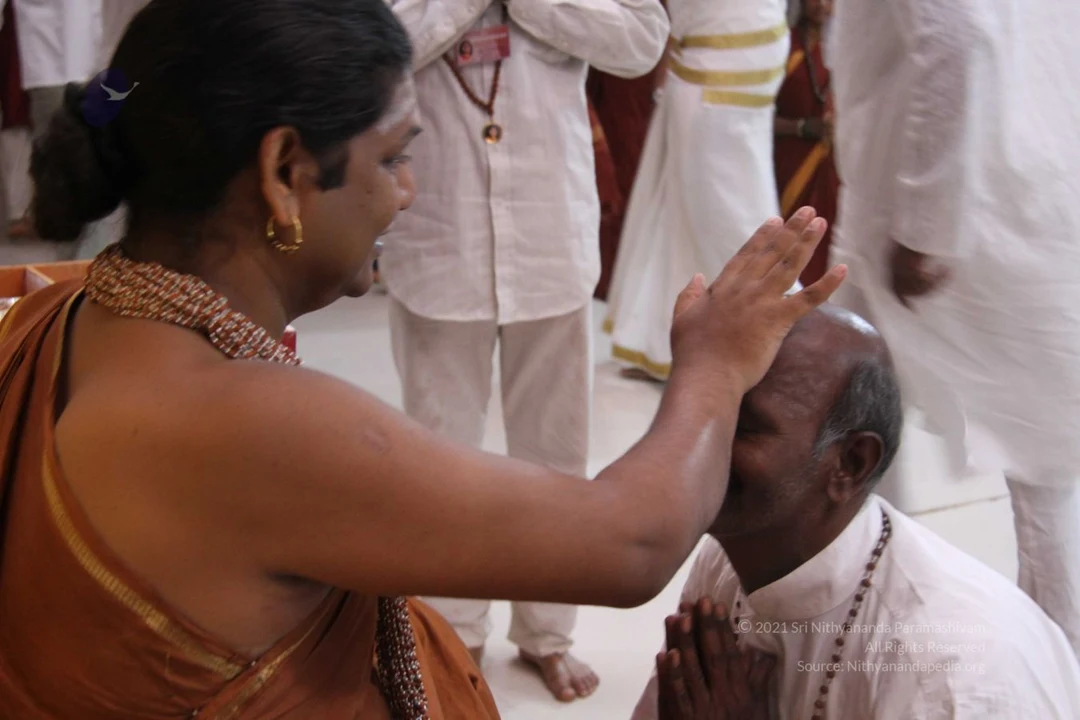
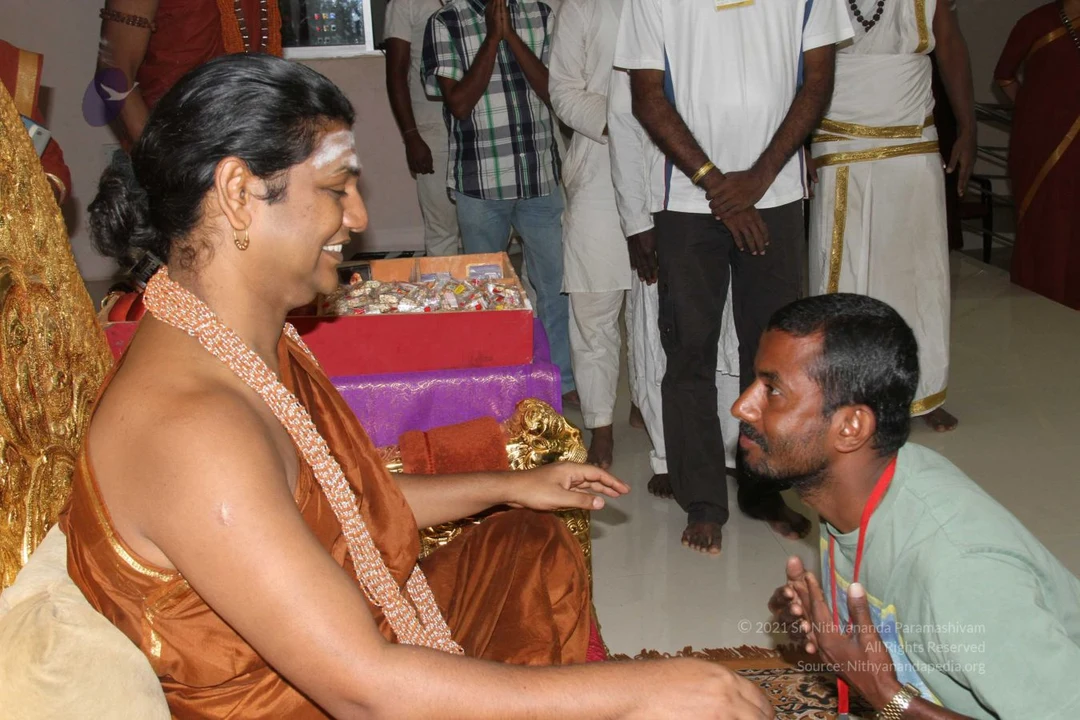
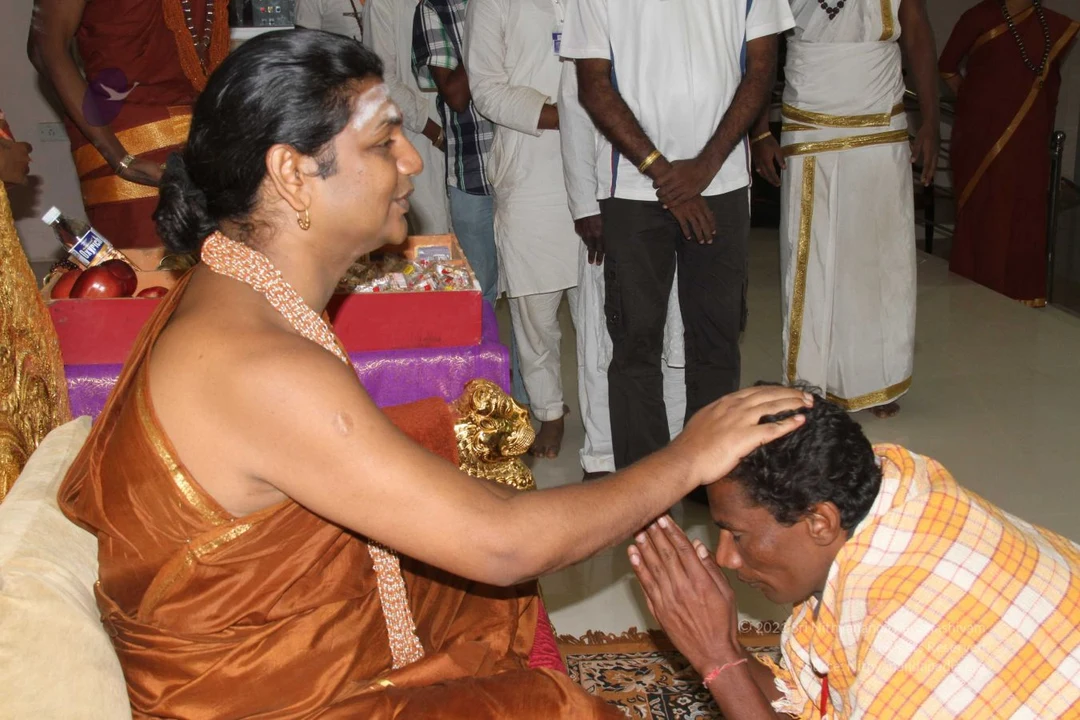
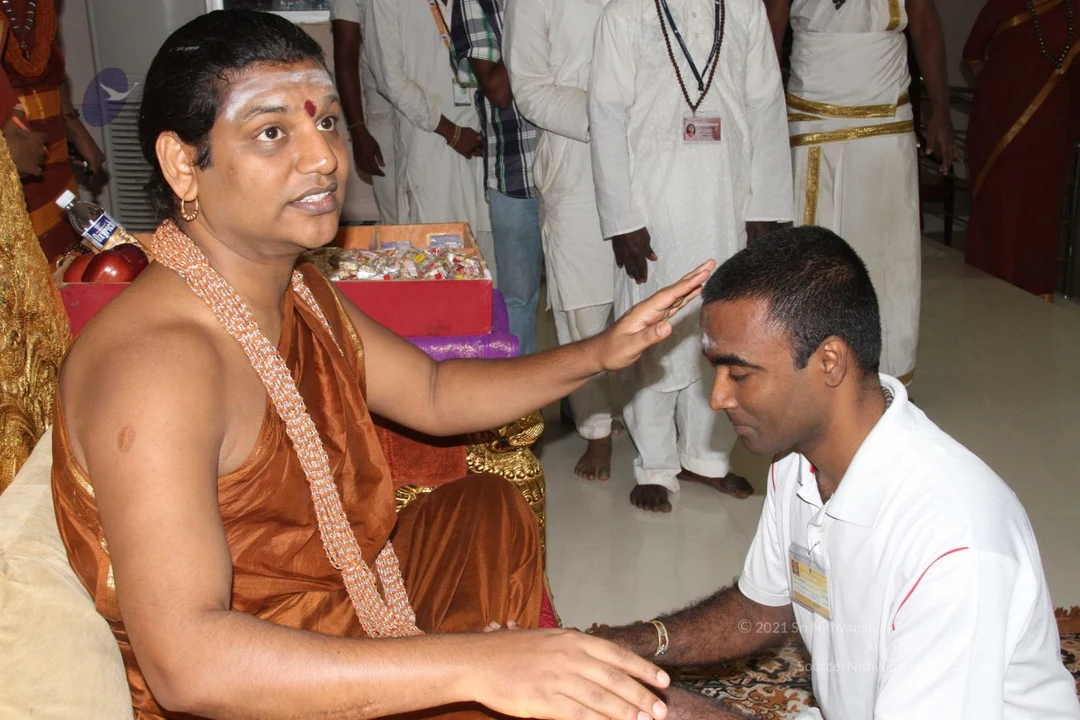
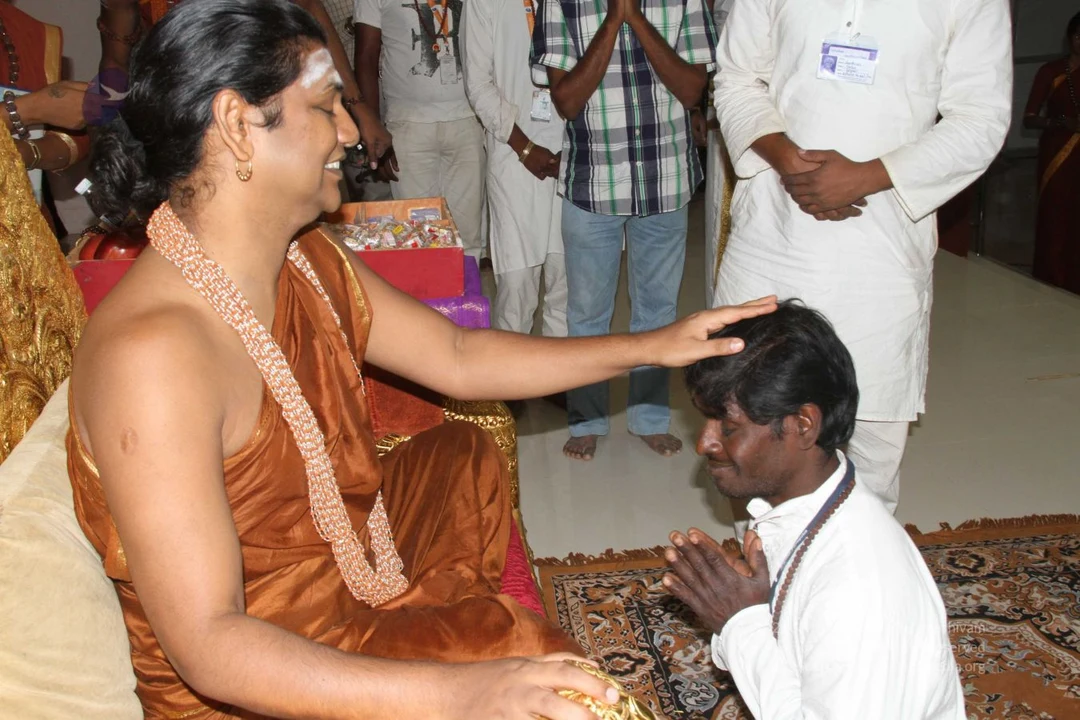
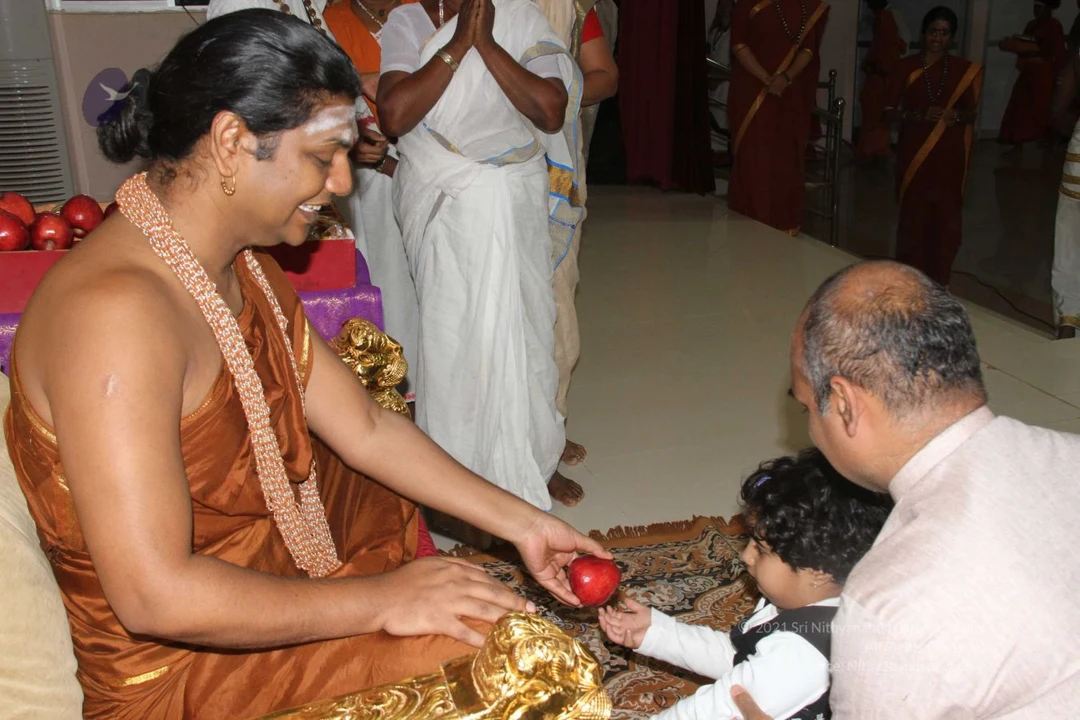
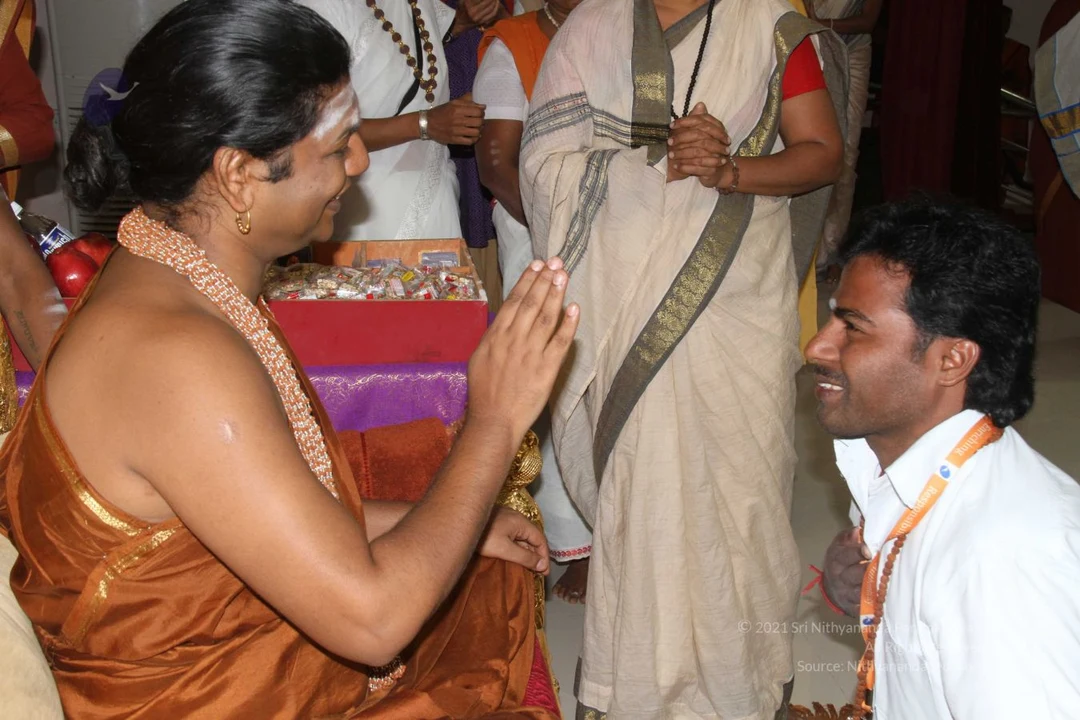
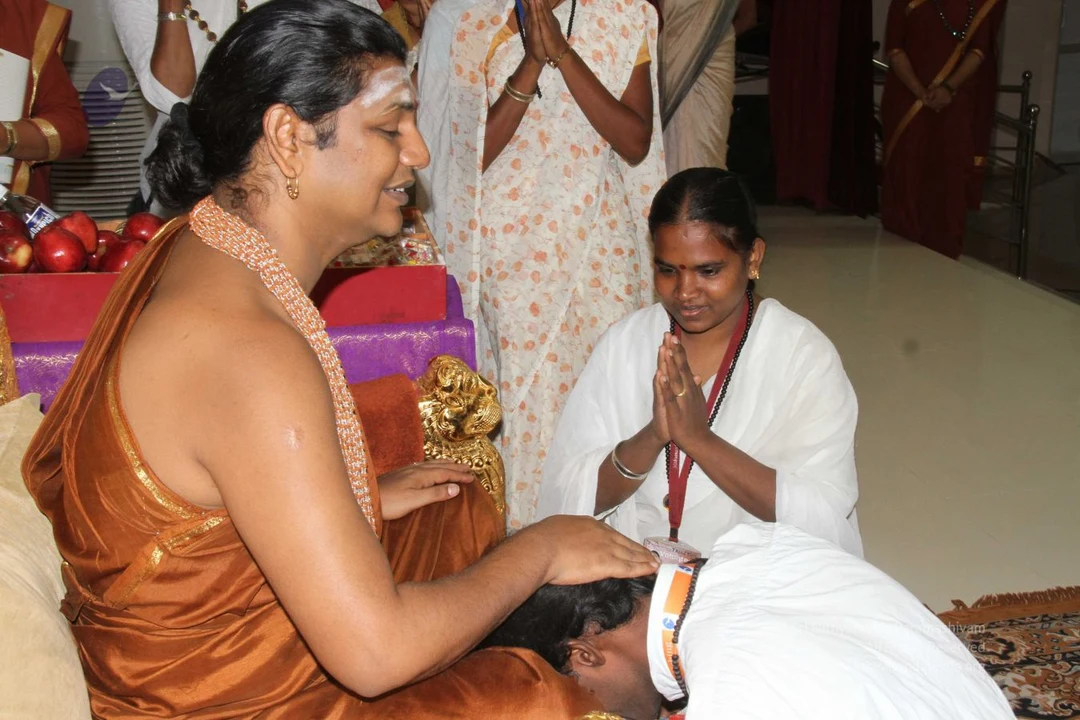
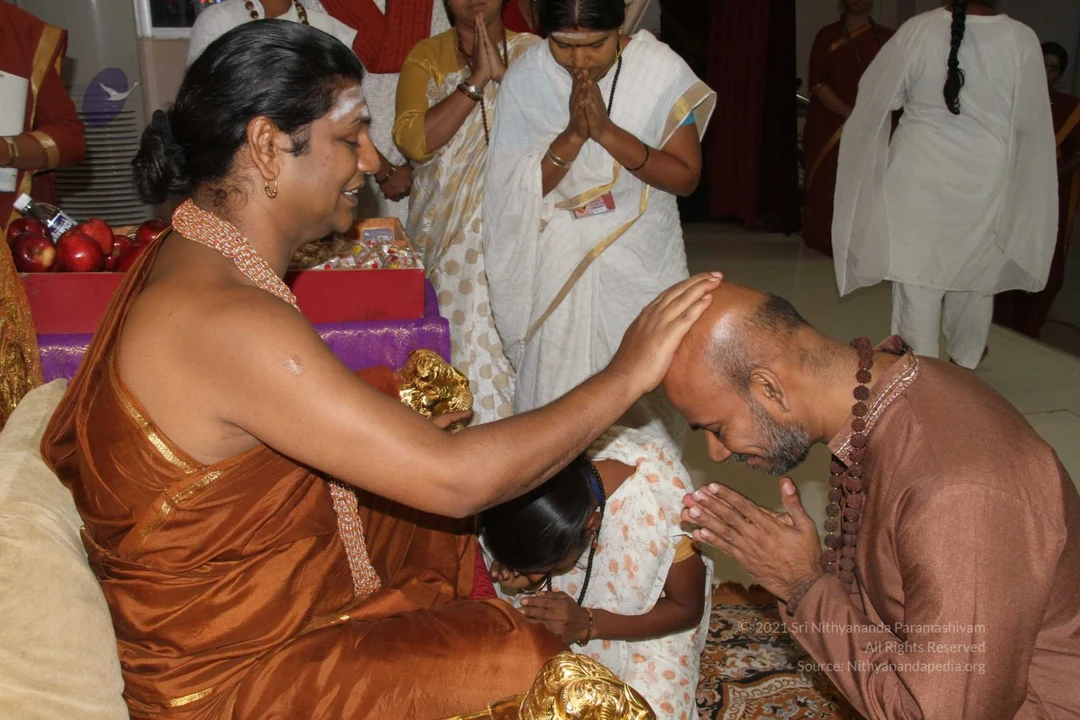
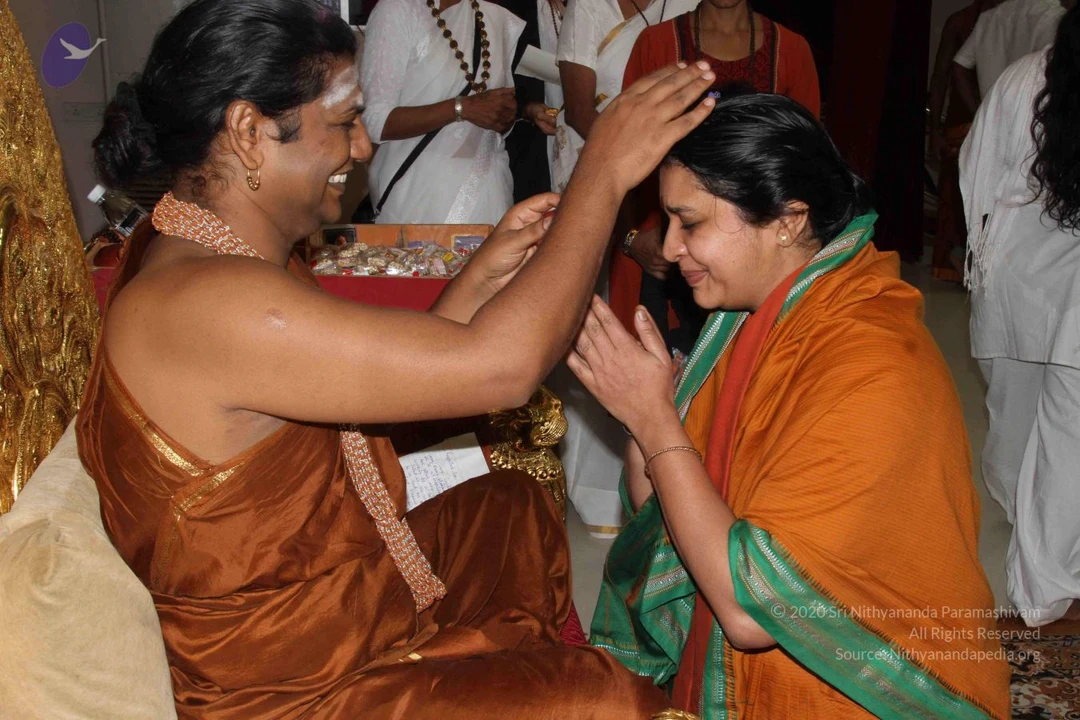
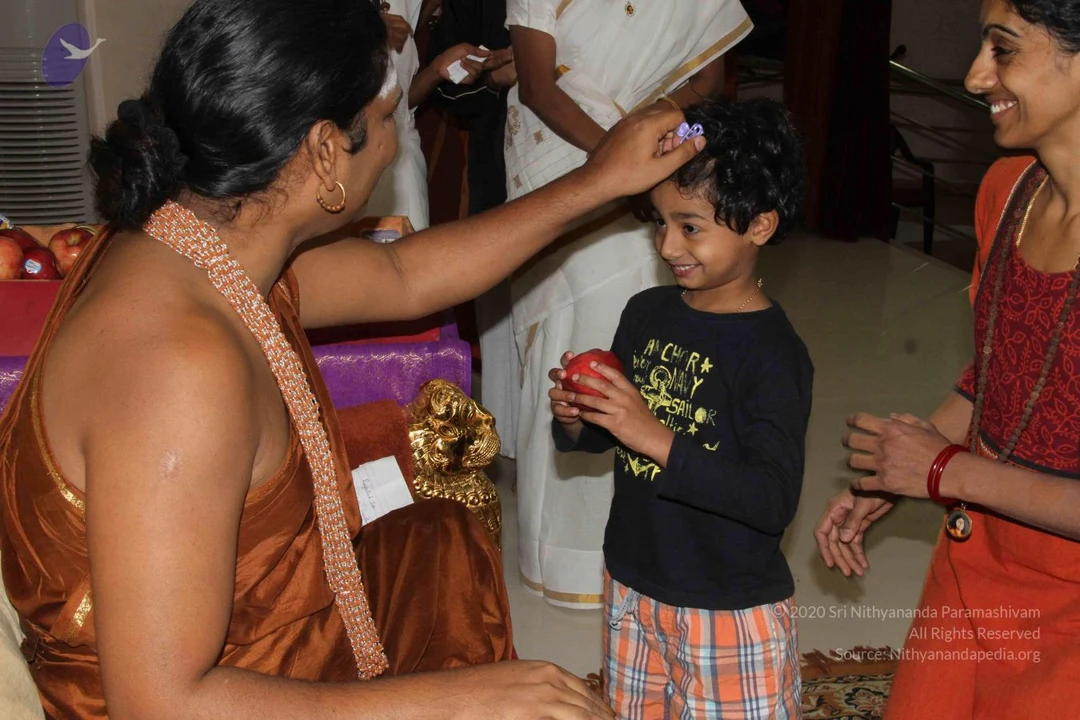
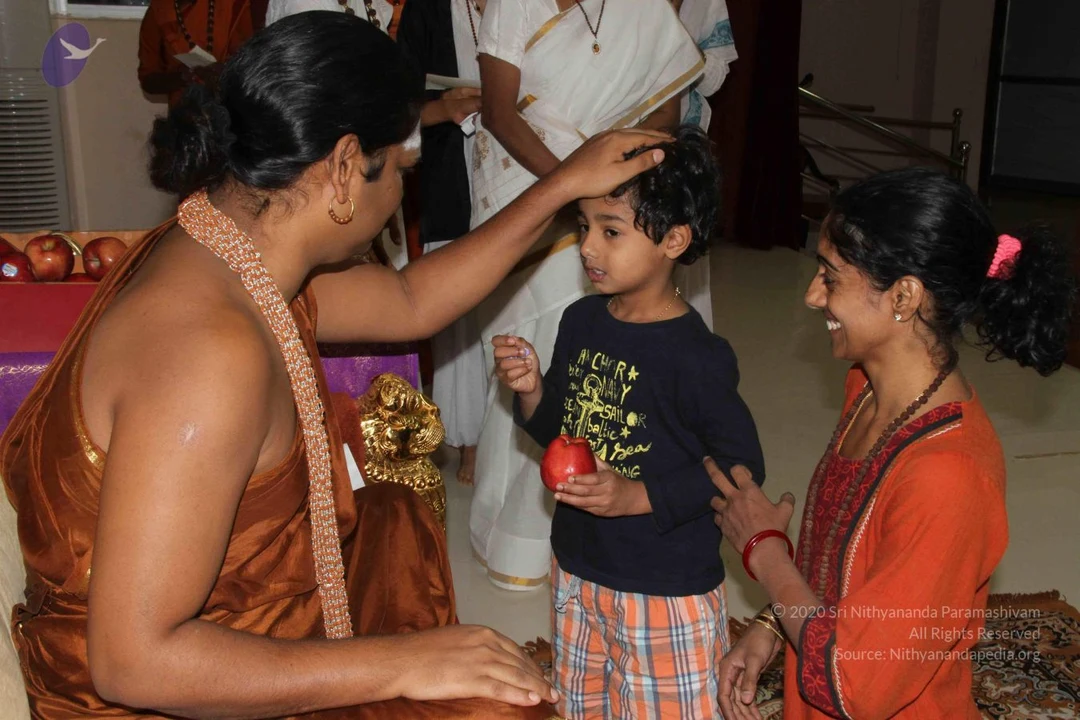
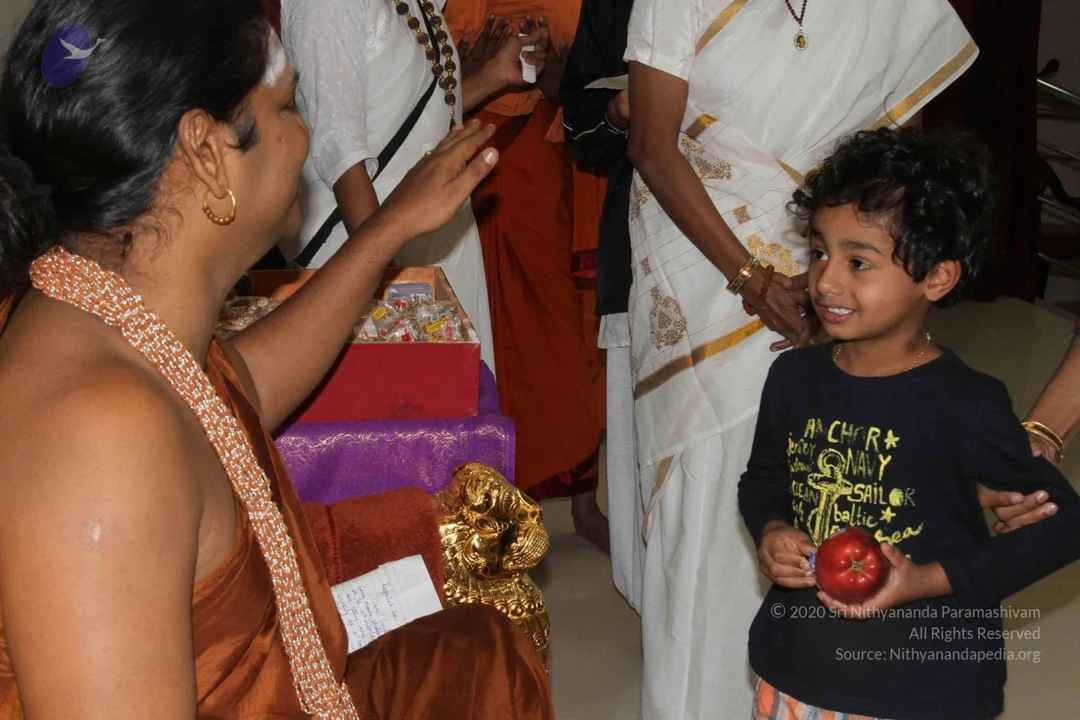
Kalpataru-Darshan

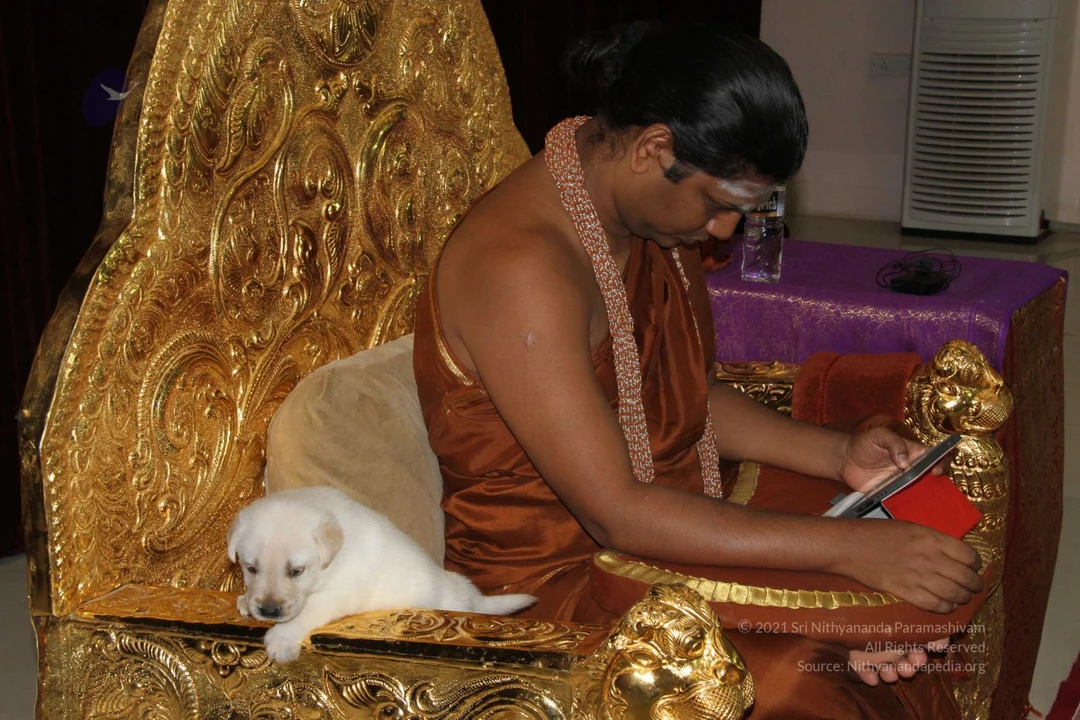
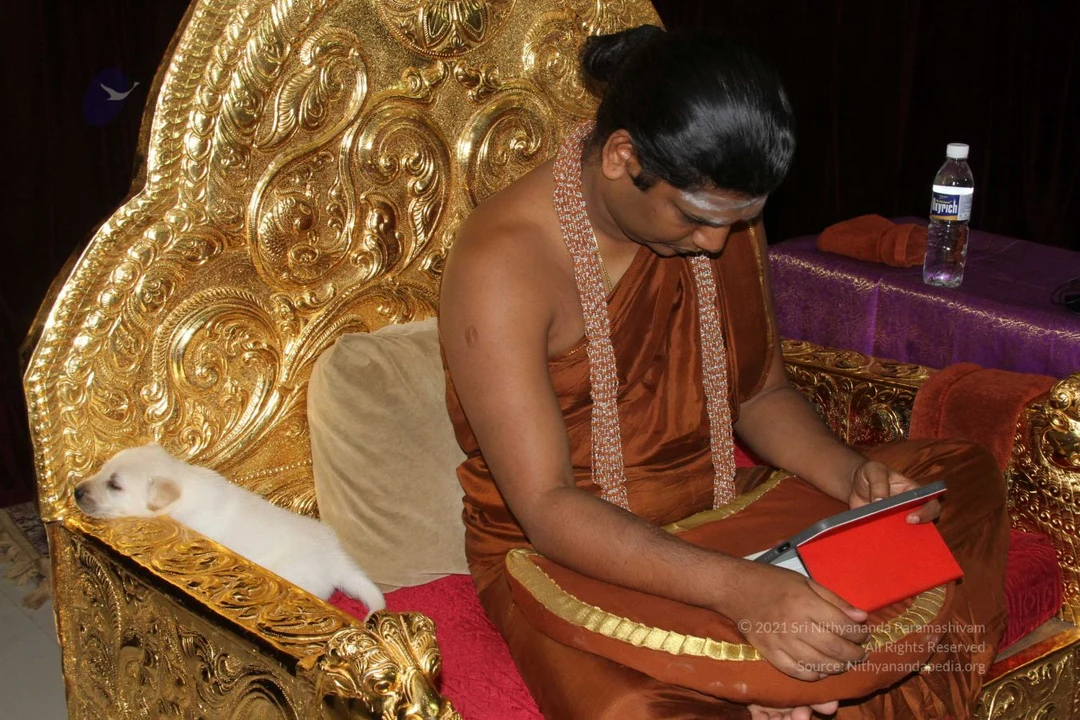
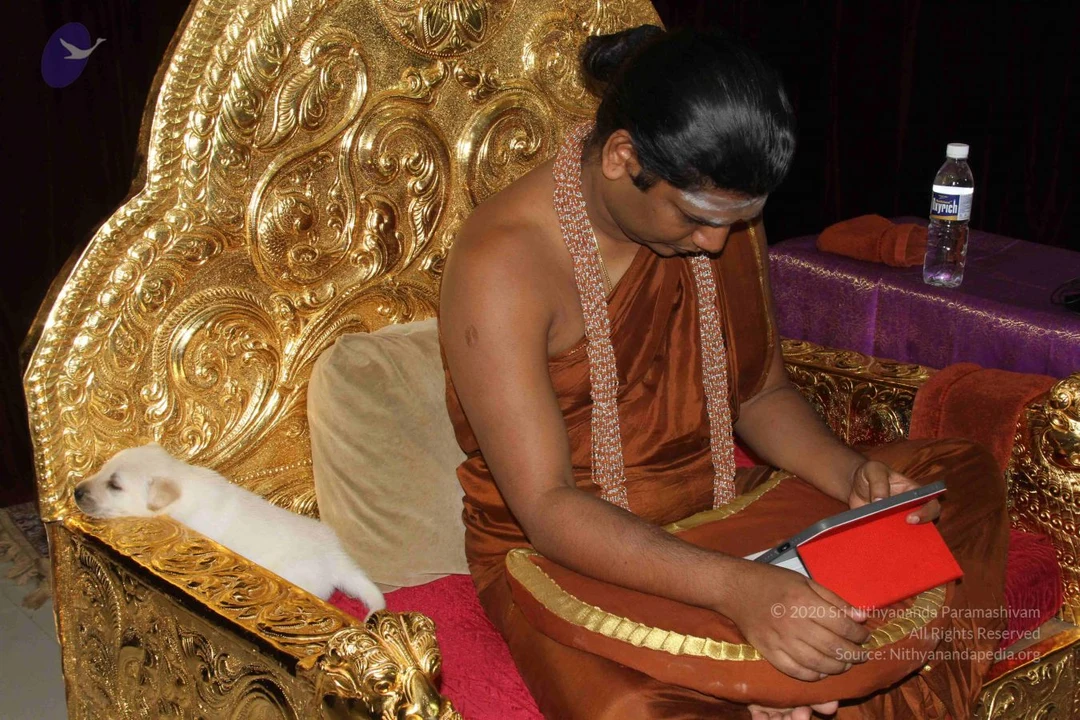
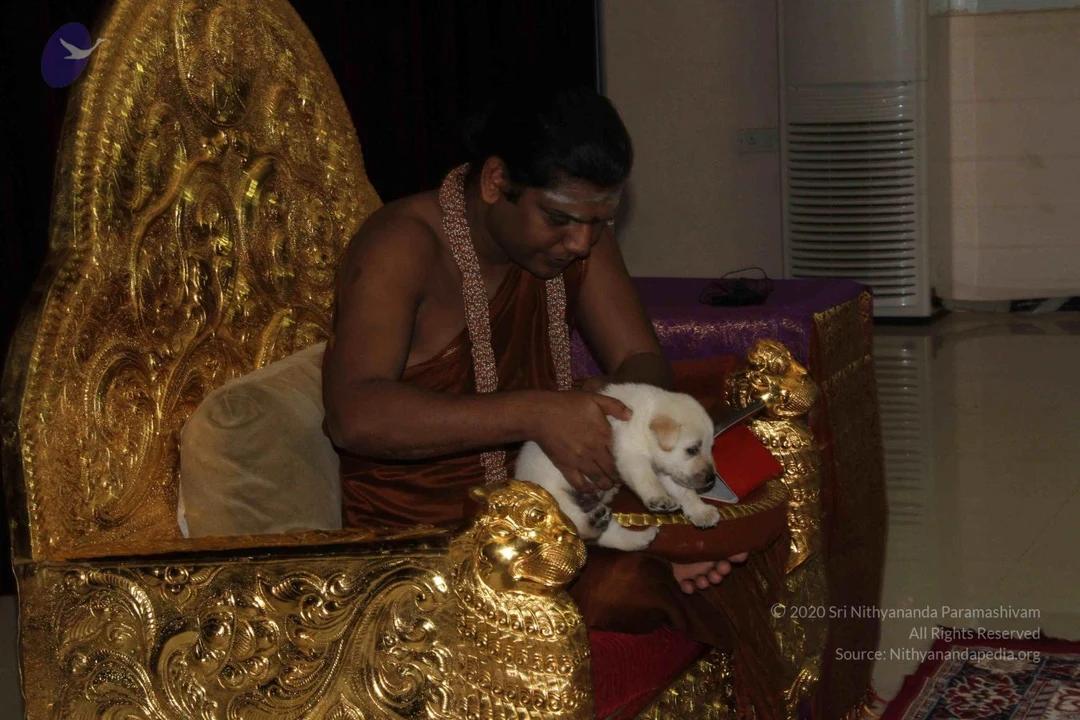
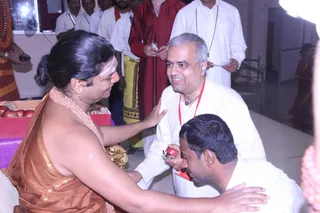
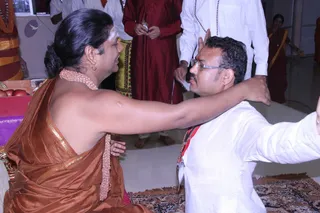
SPH-with-Sweta-Bhairav





Photos Of The Day:
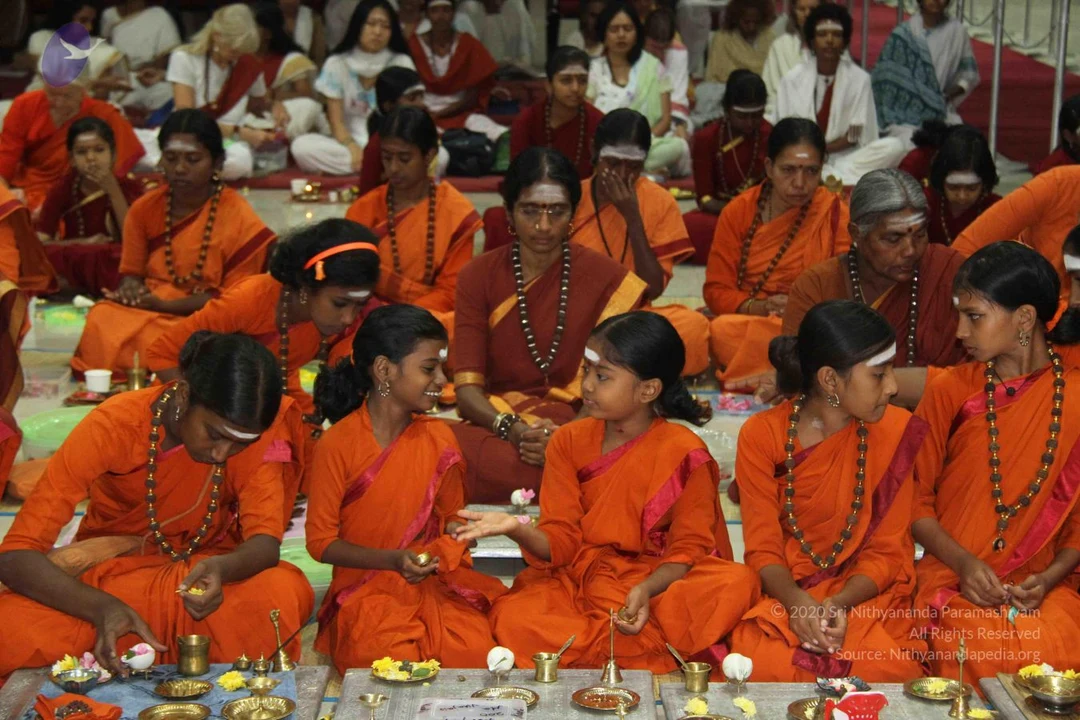
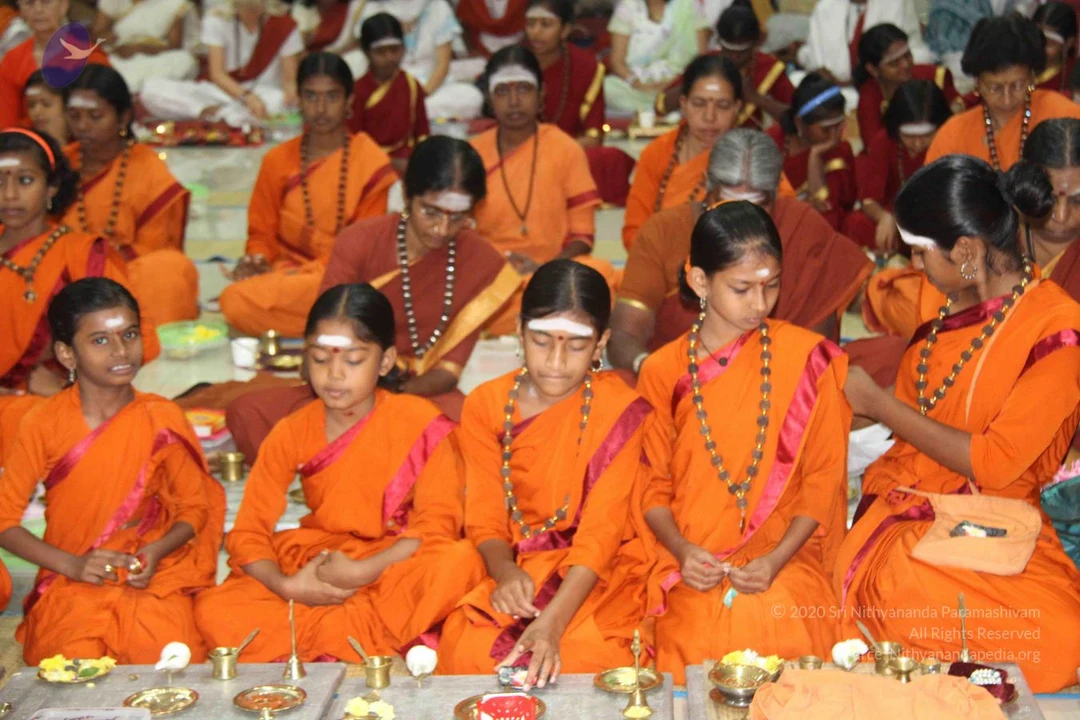
Satsang
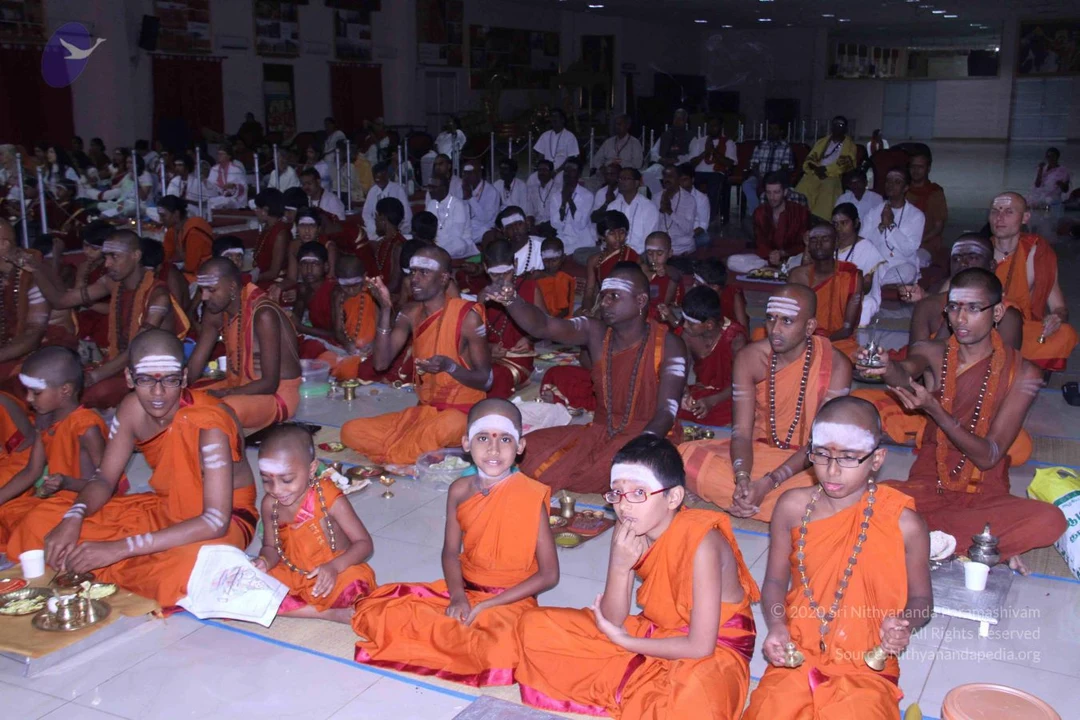
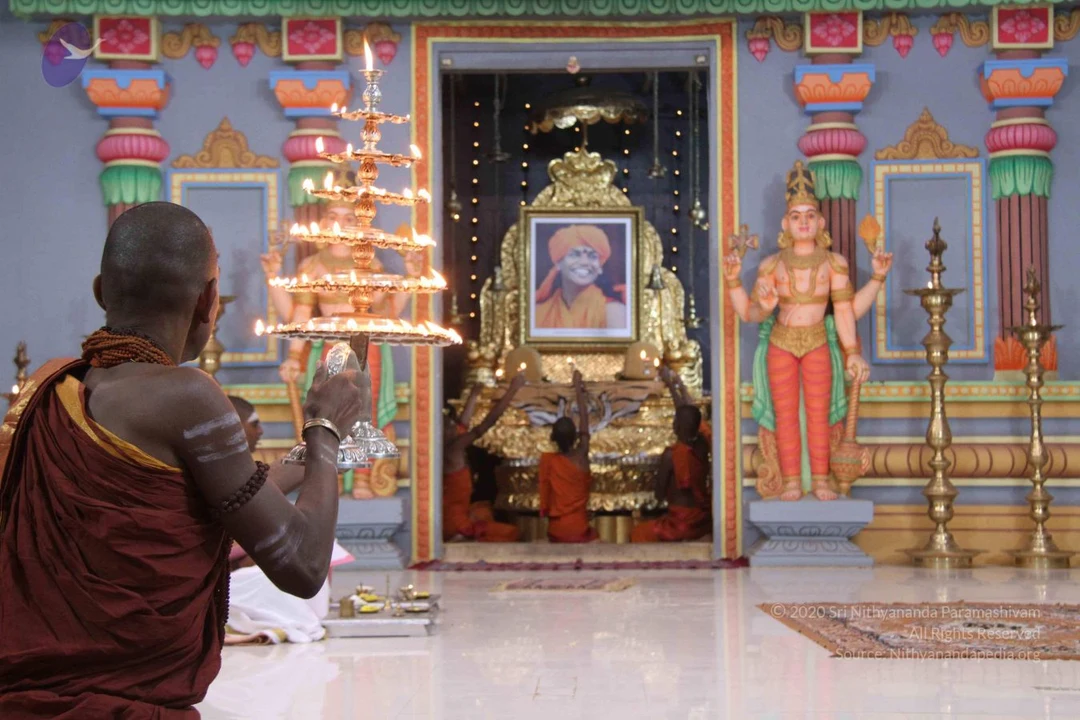
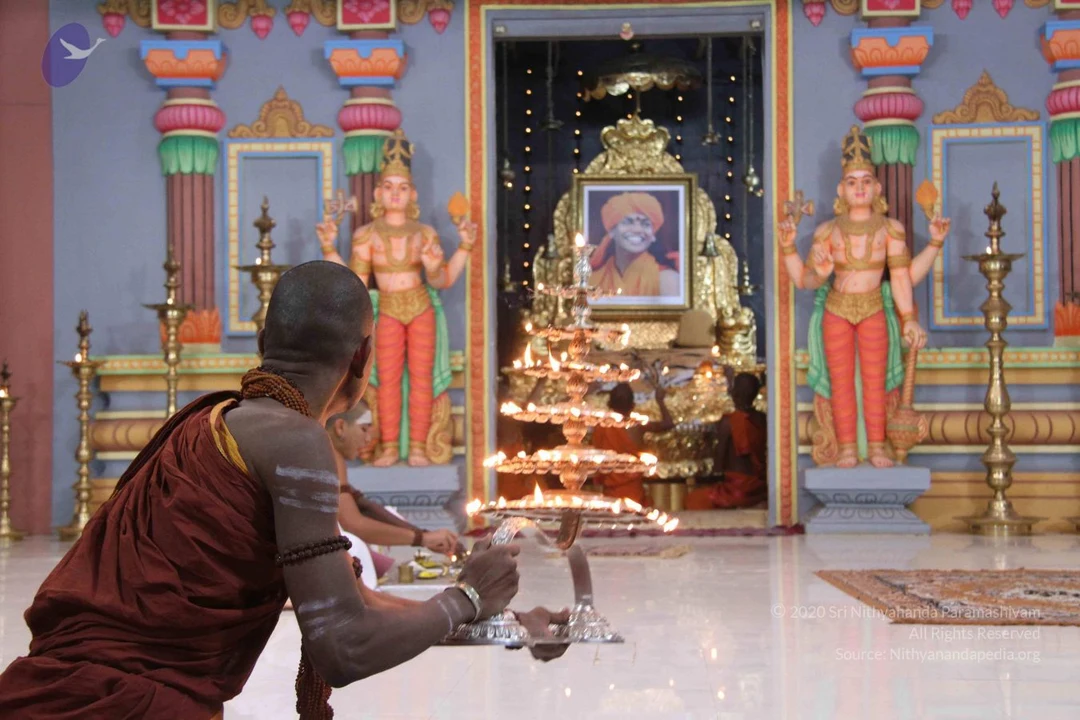
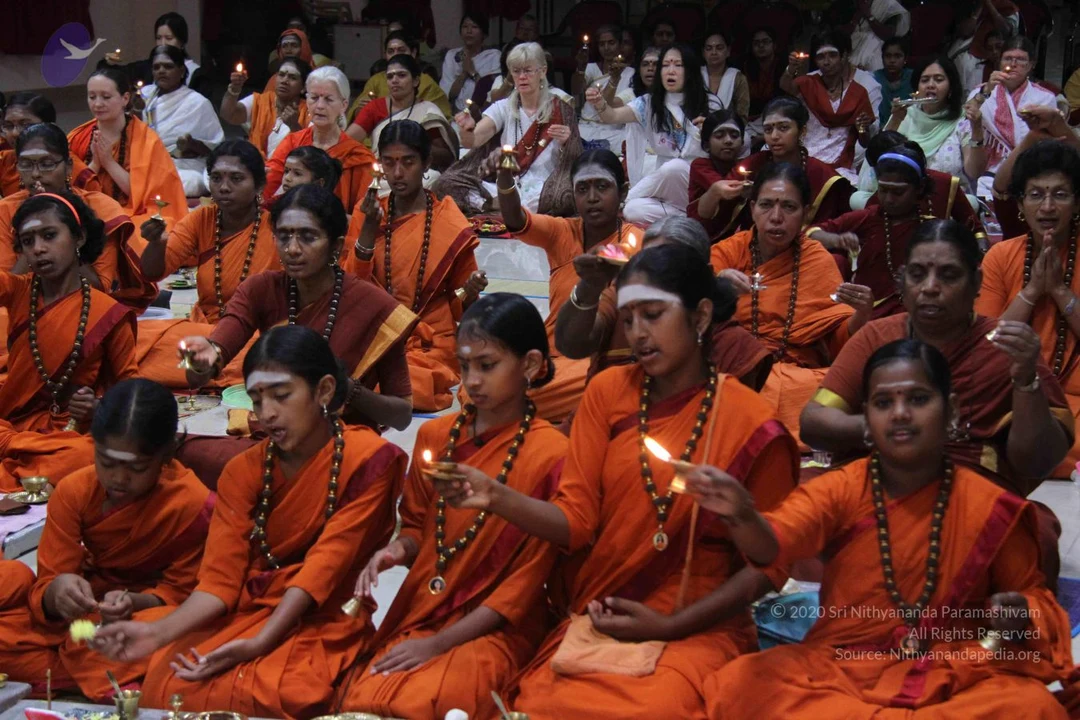
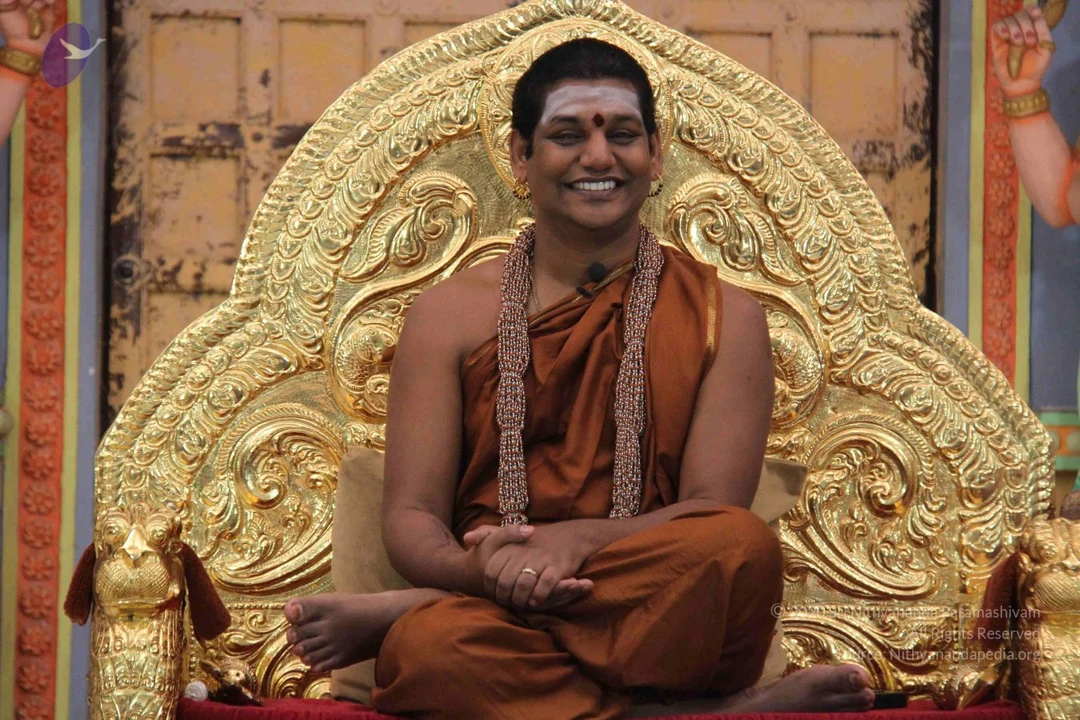
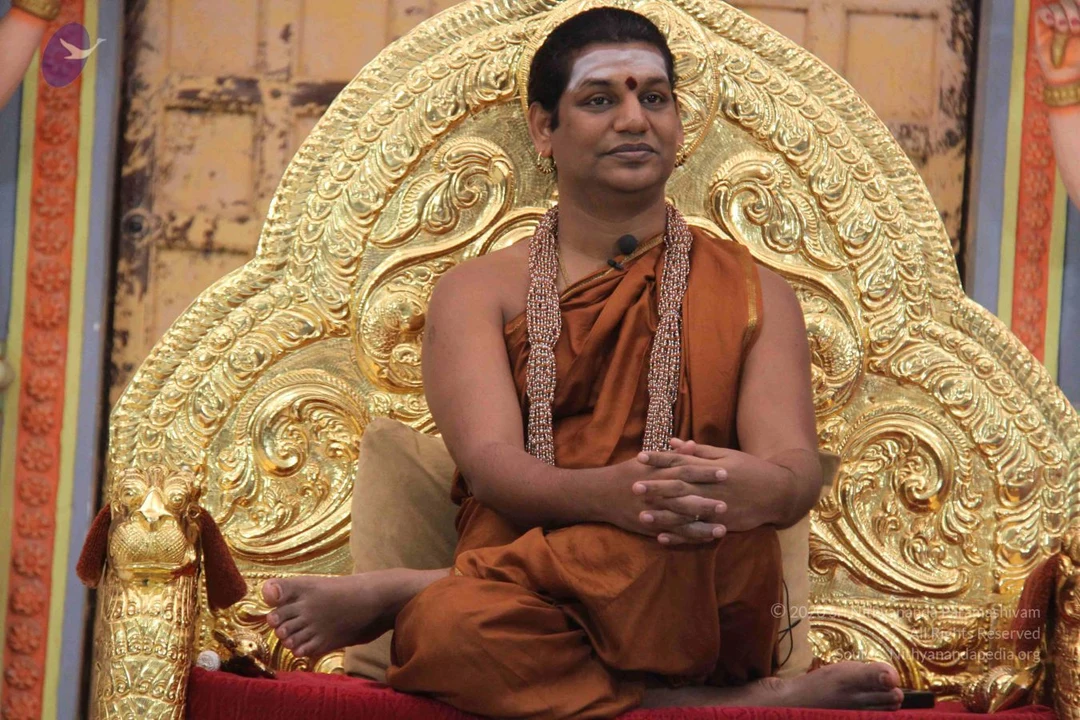
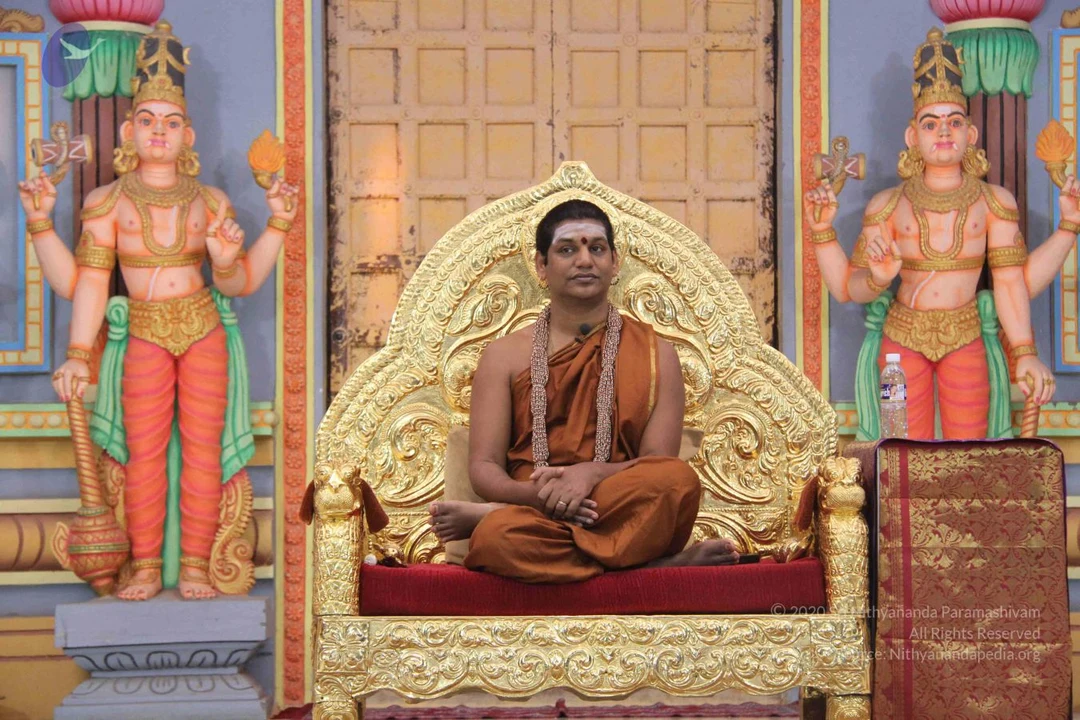
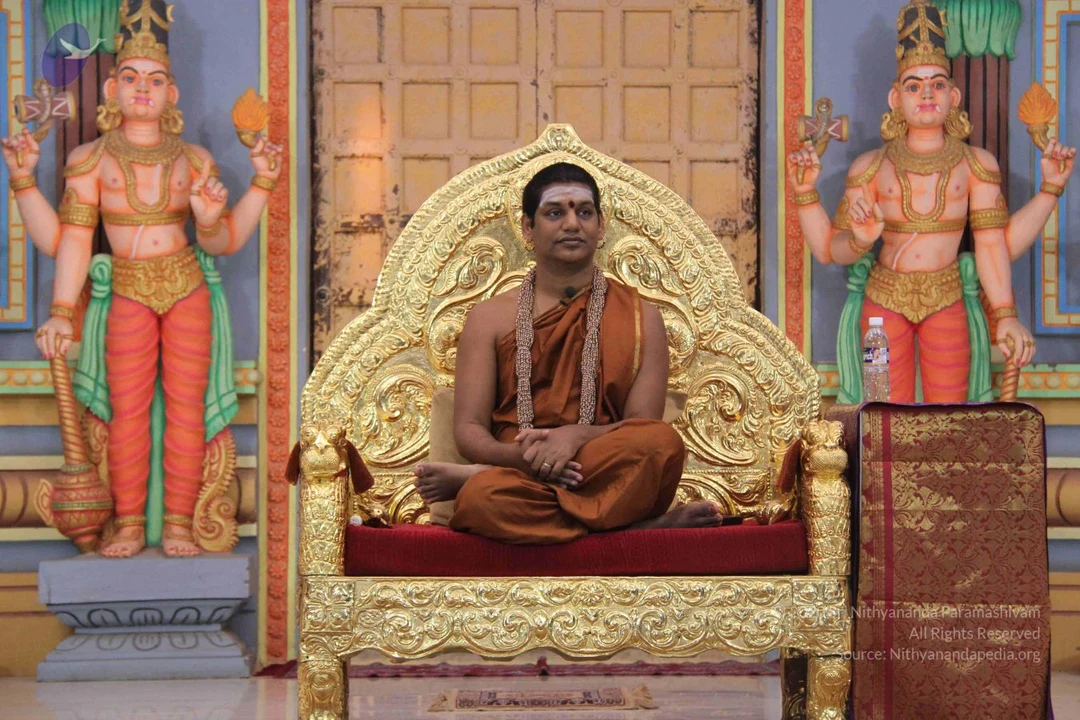
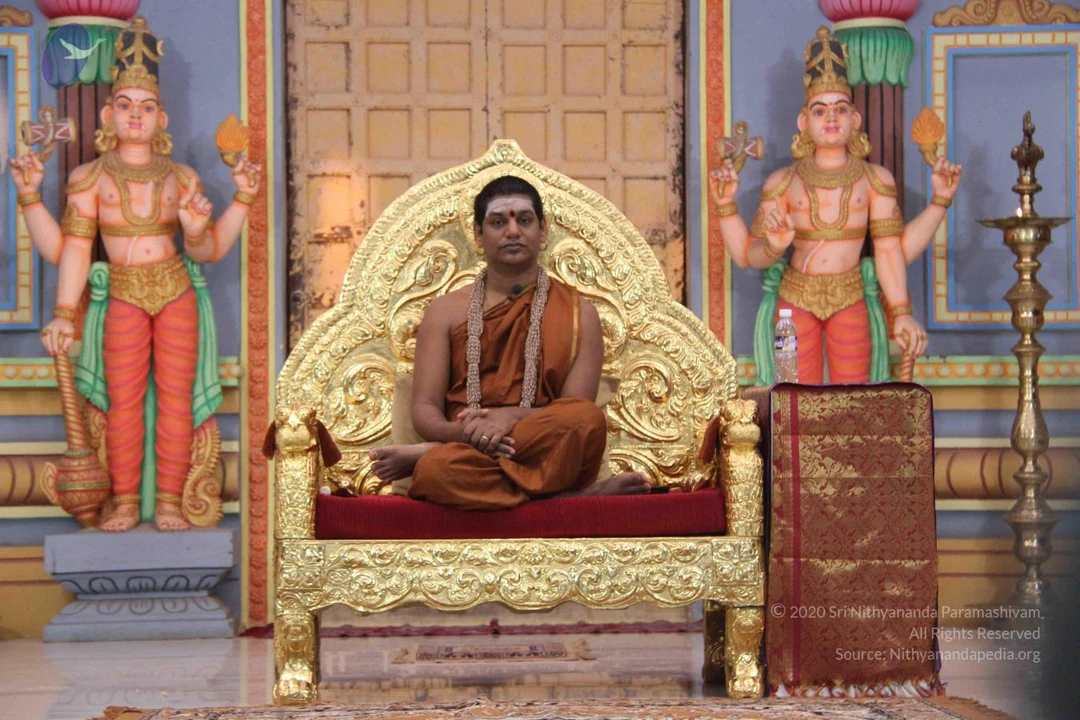
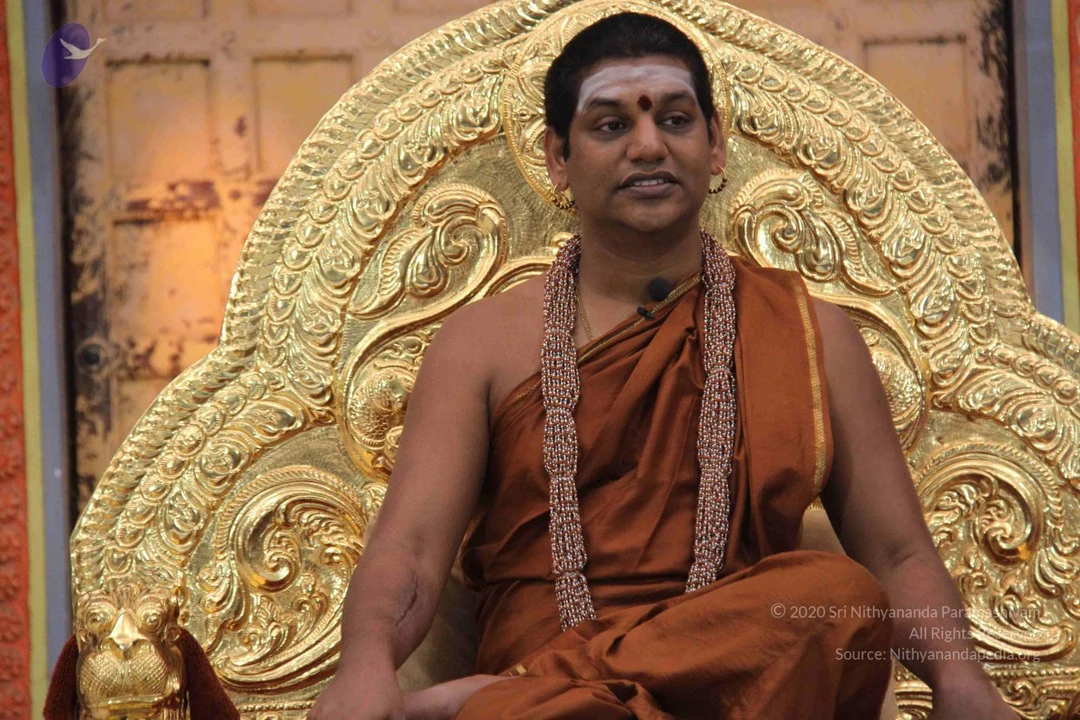
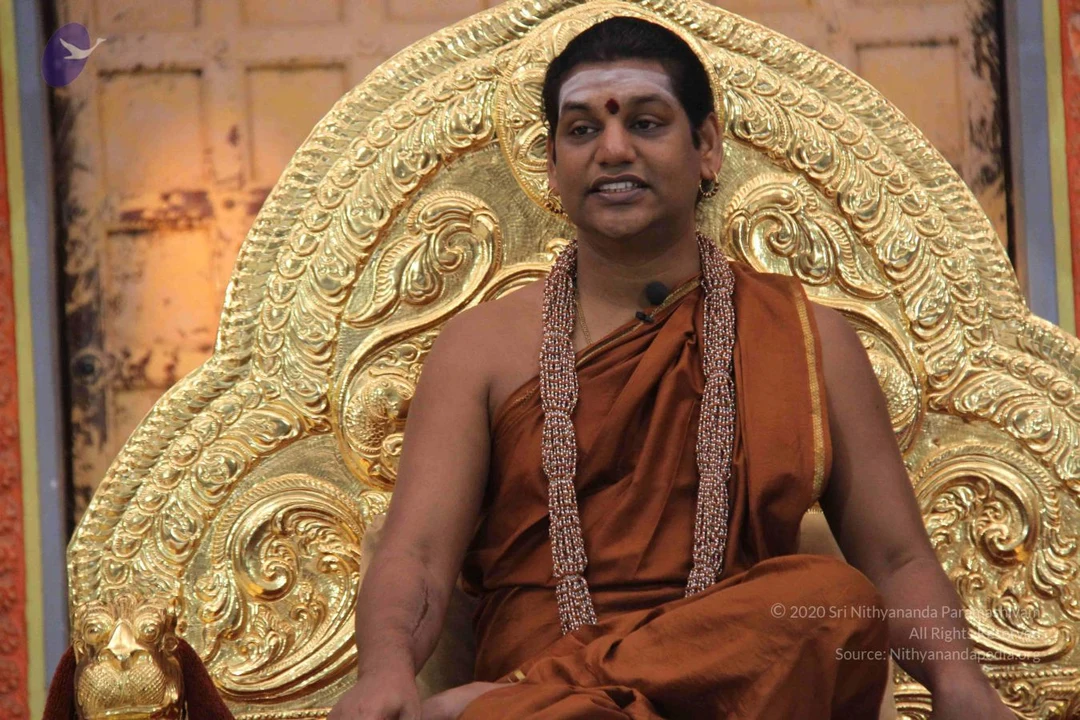
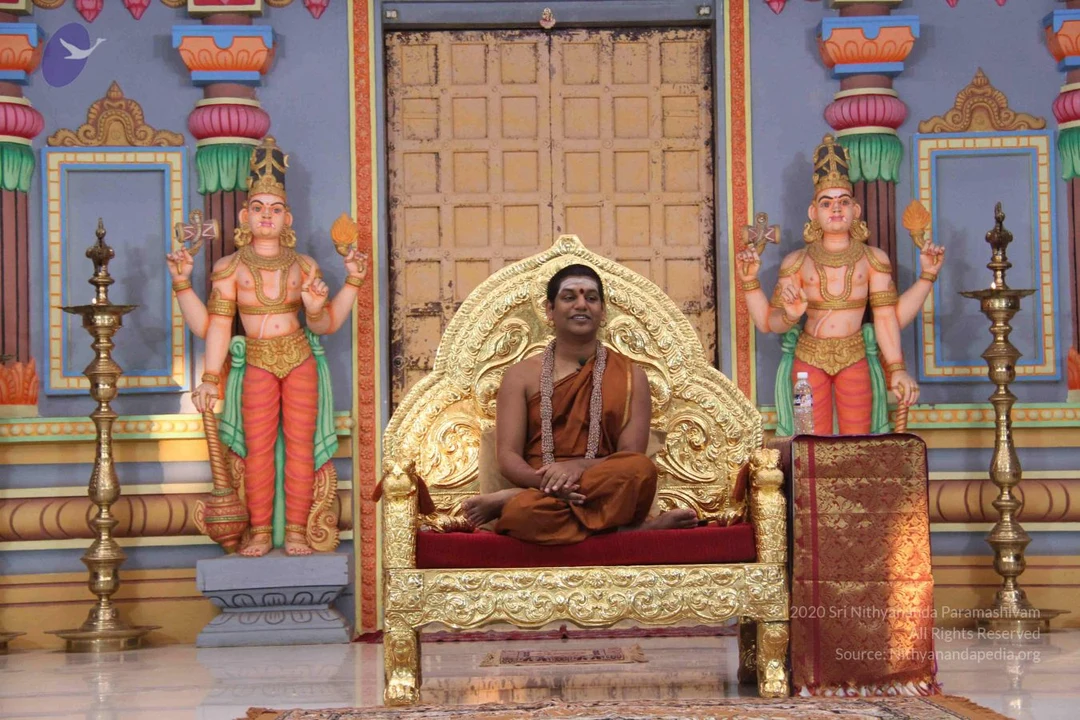
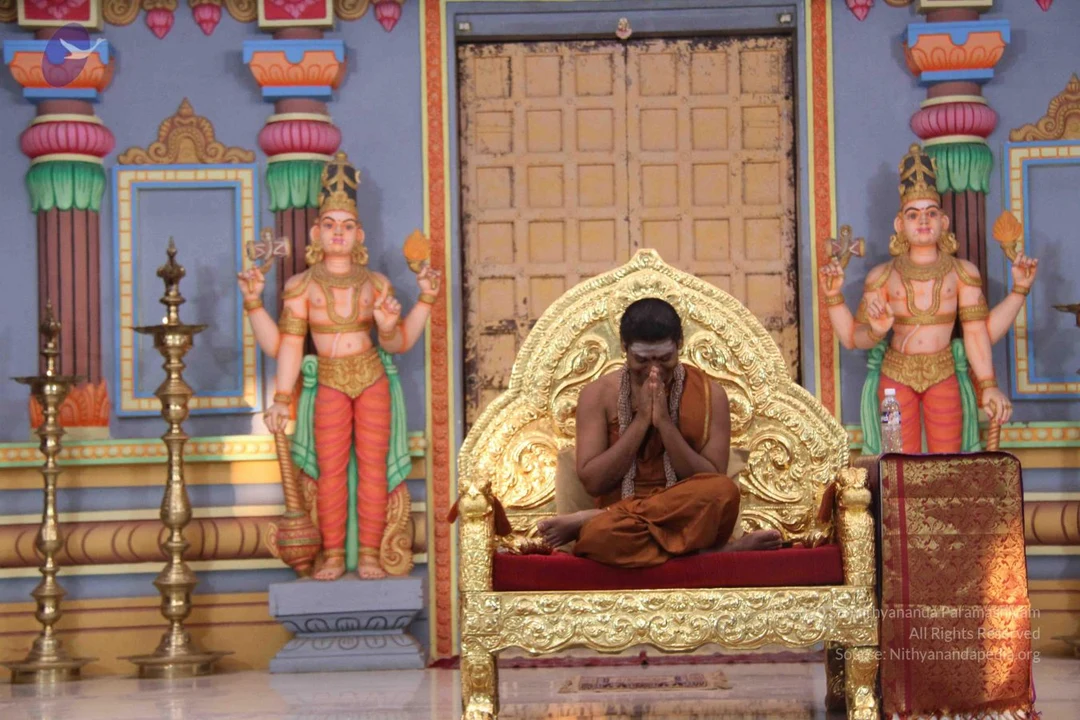
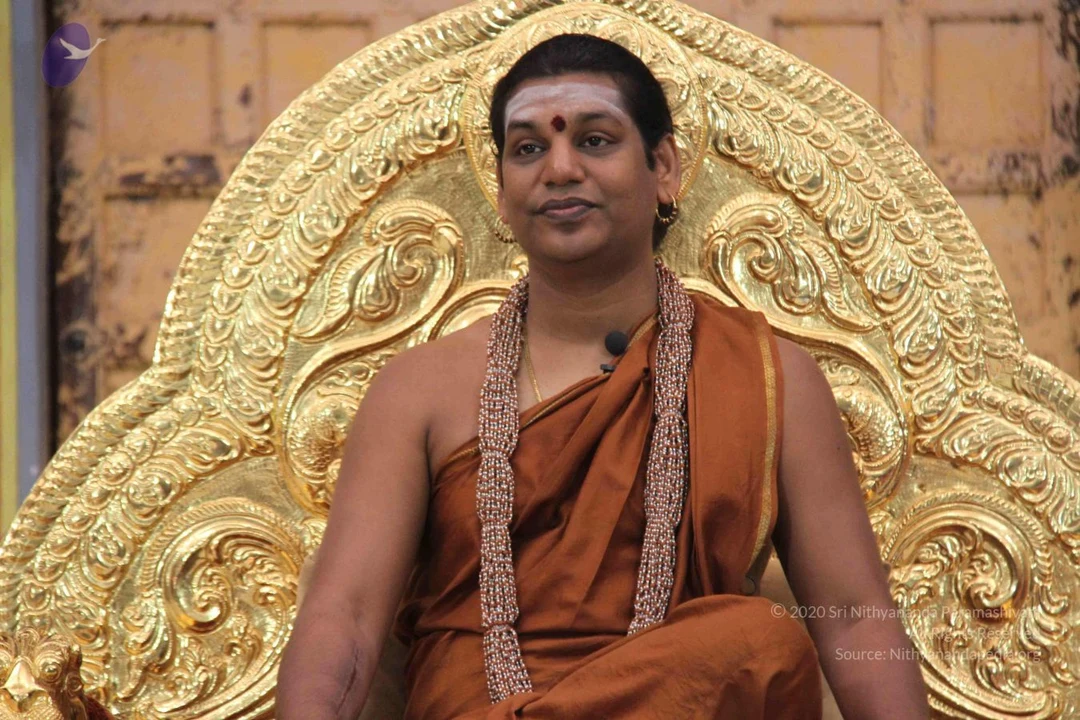
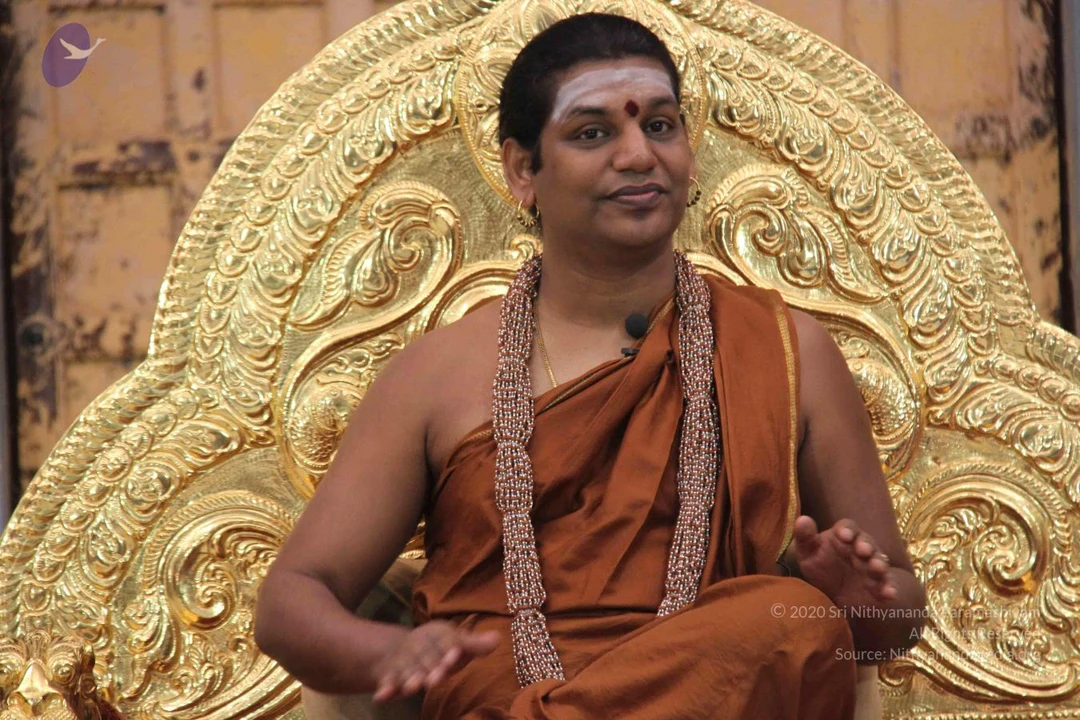
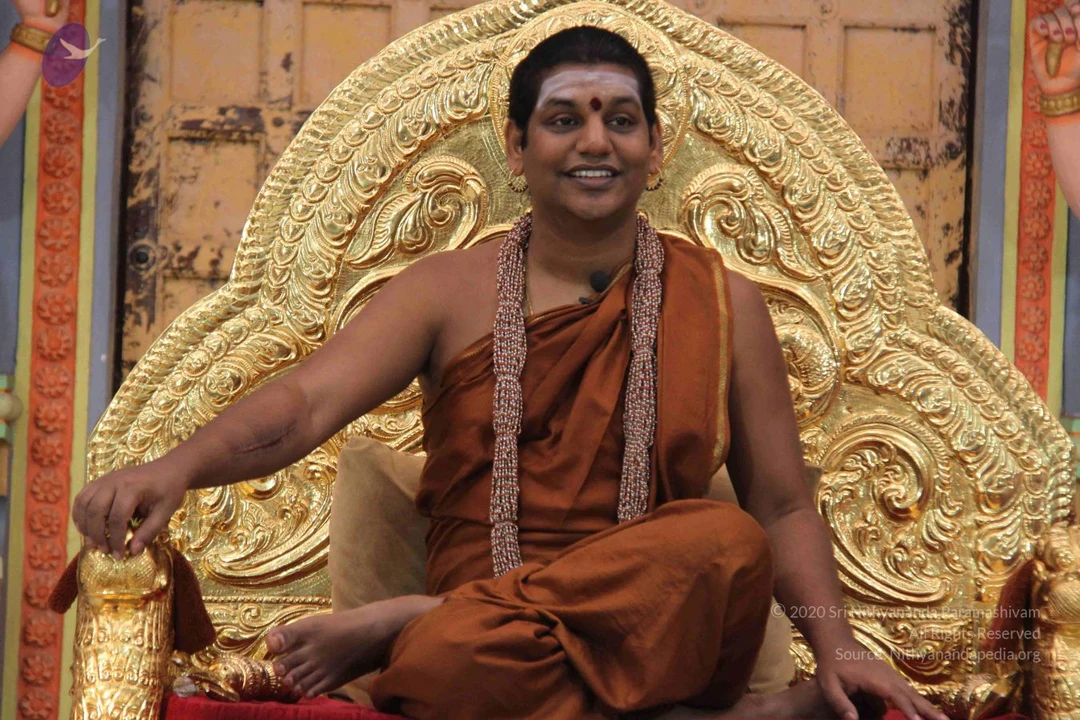
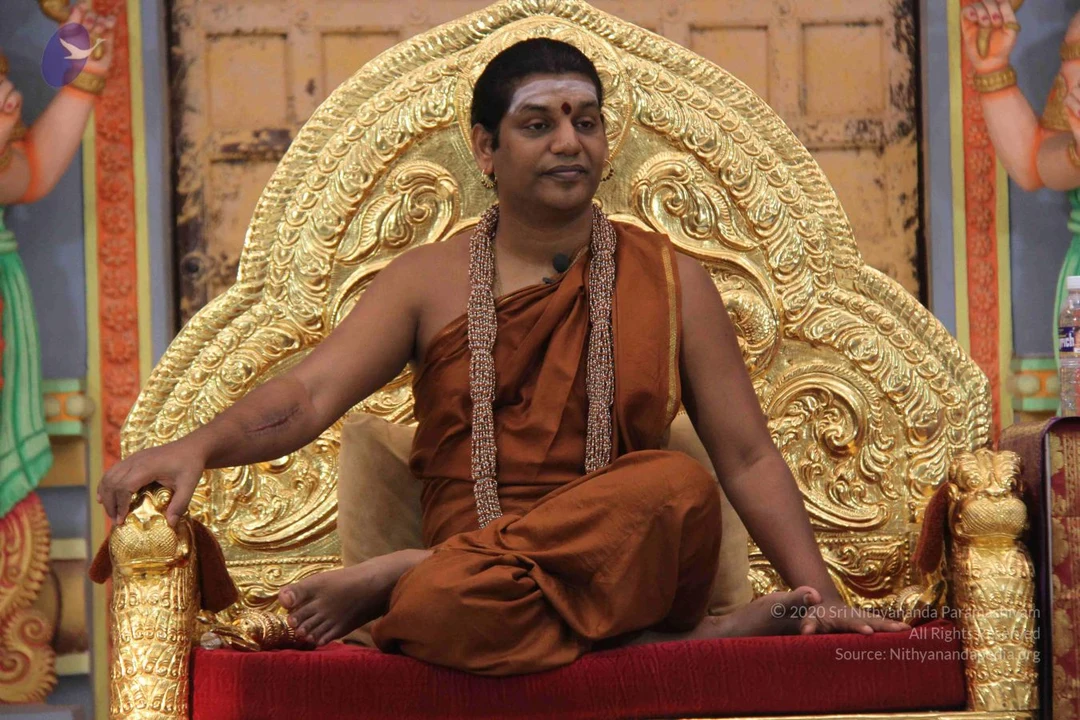
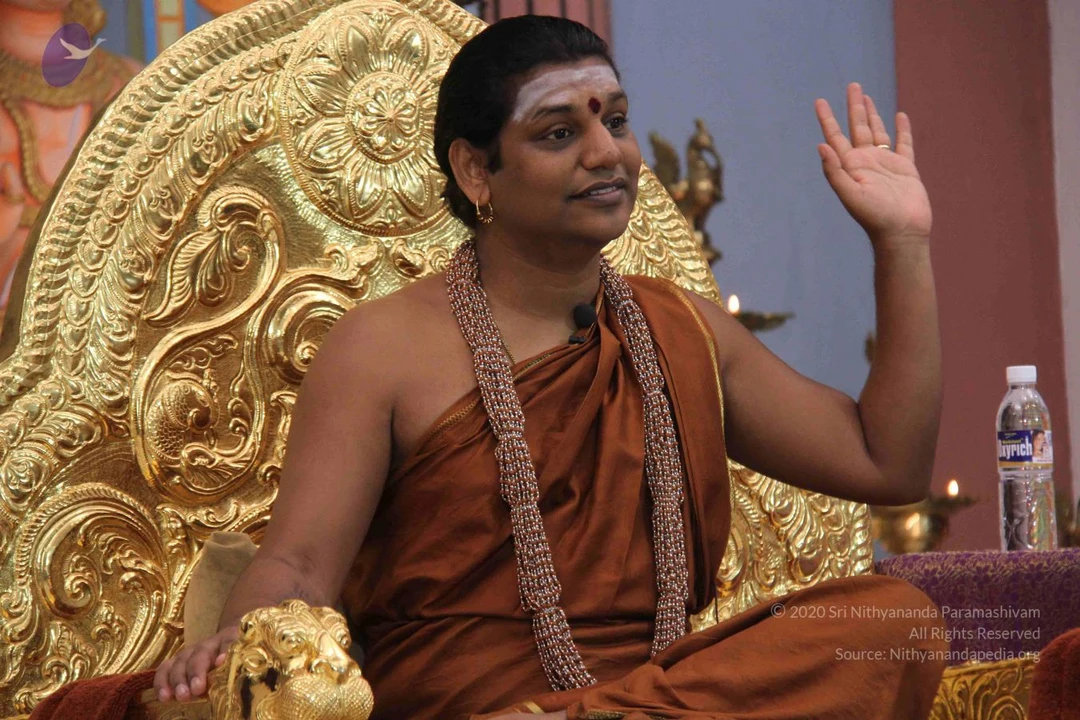
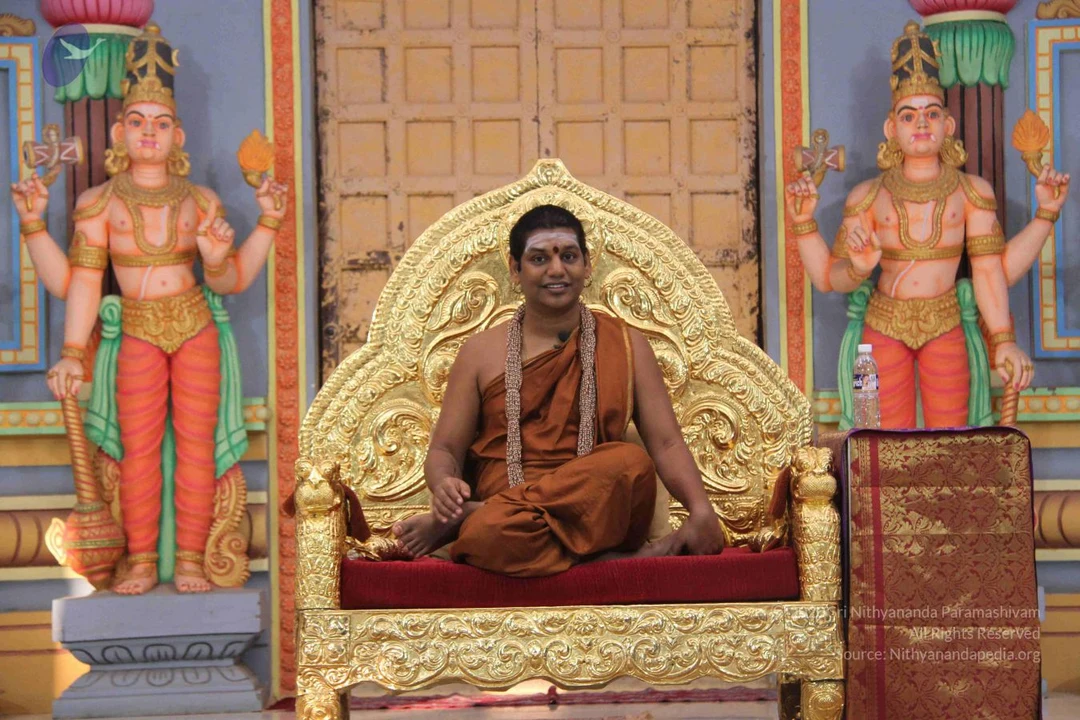
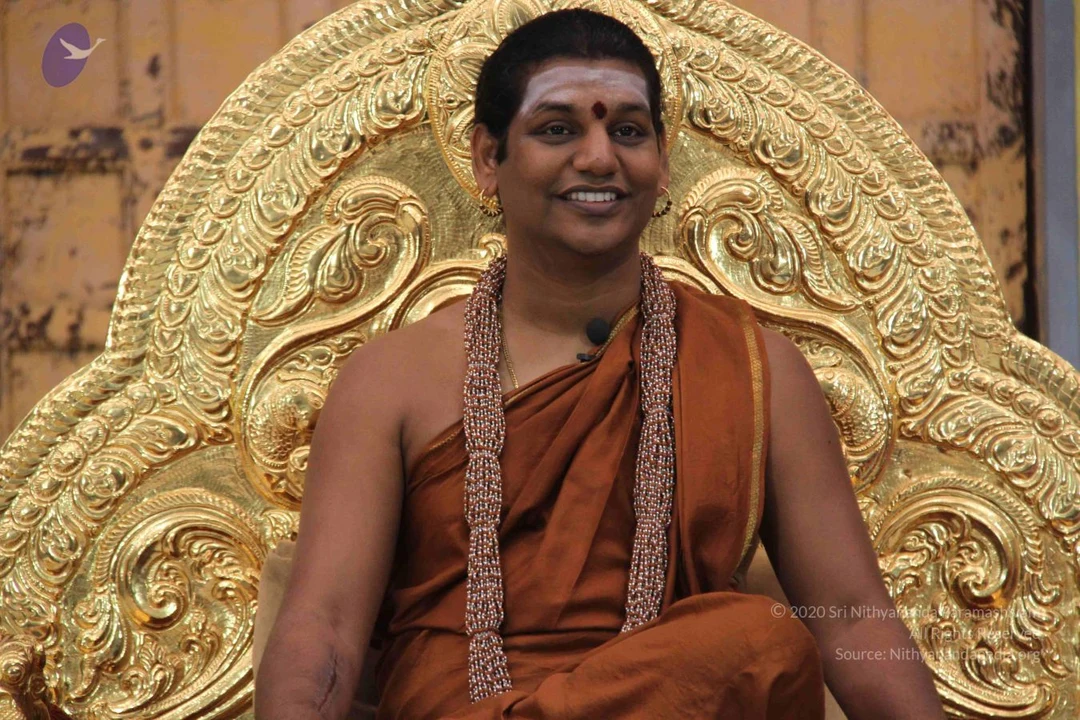

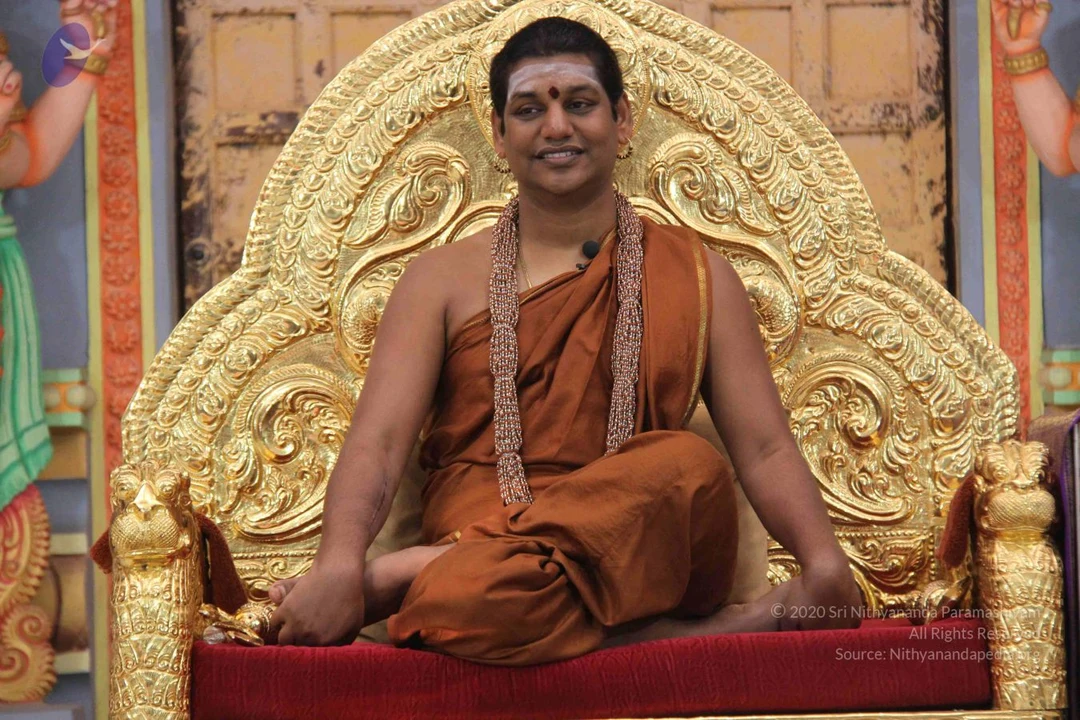
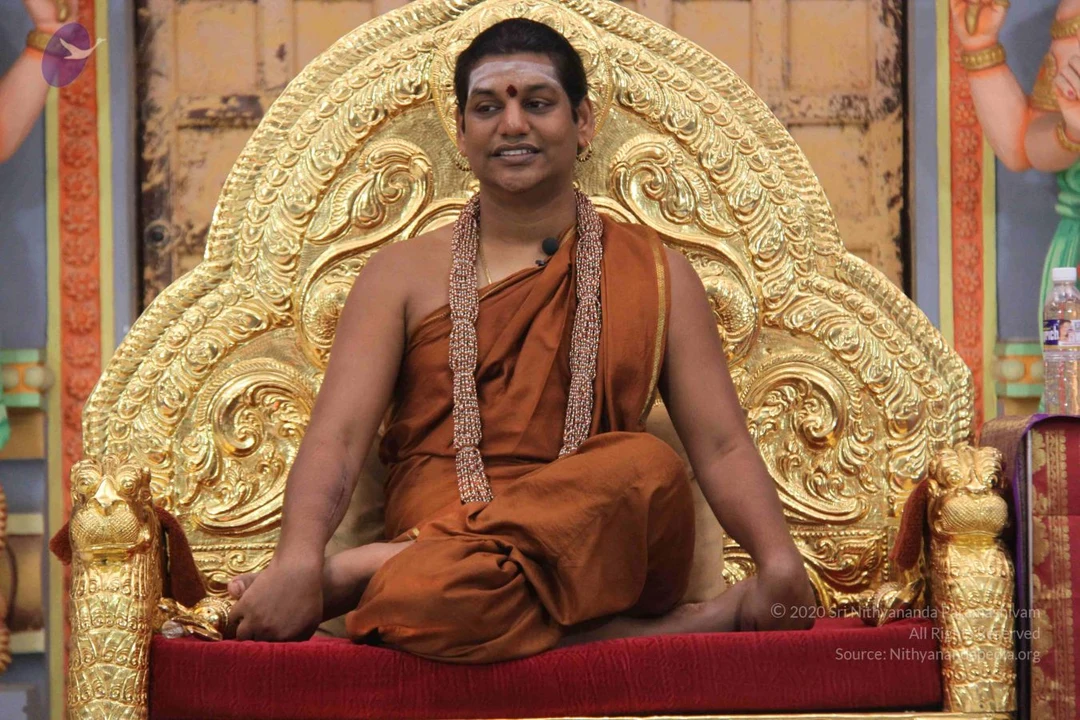
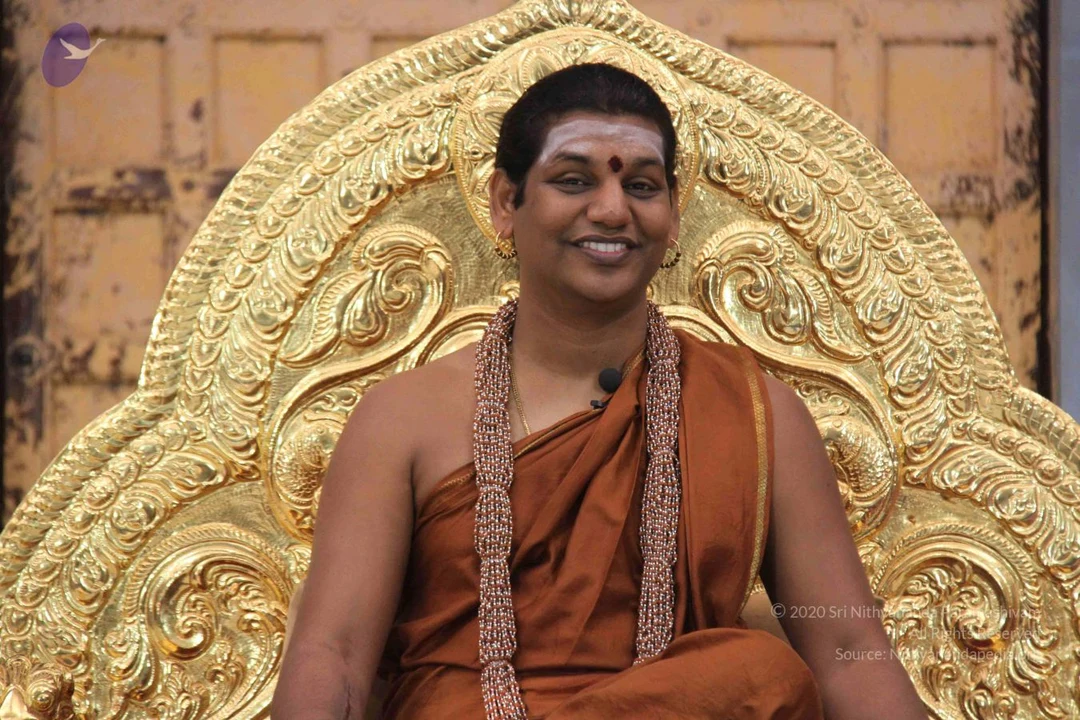
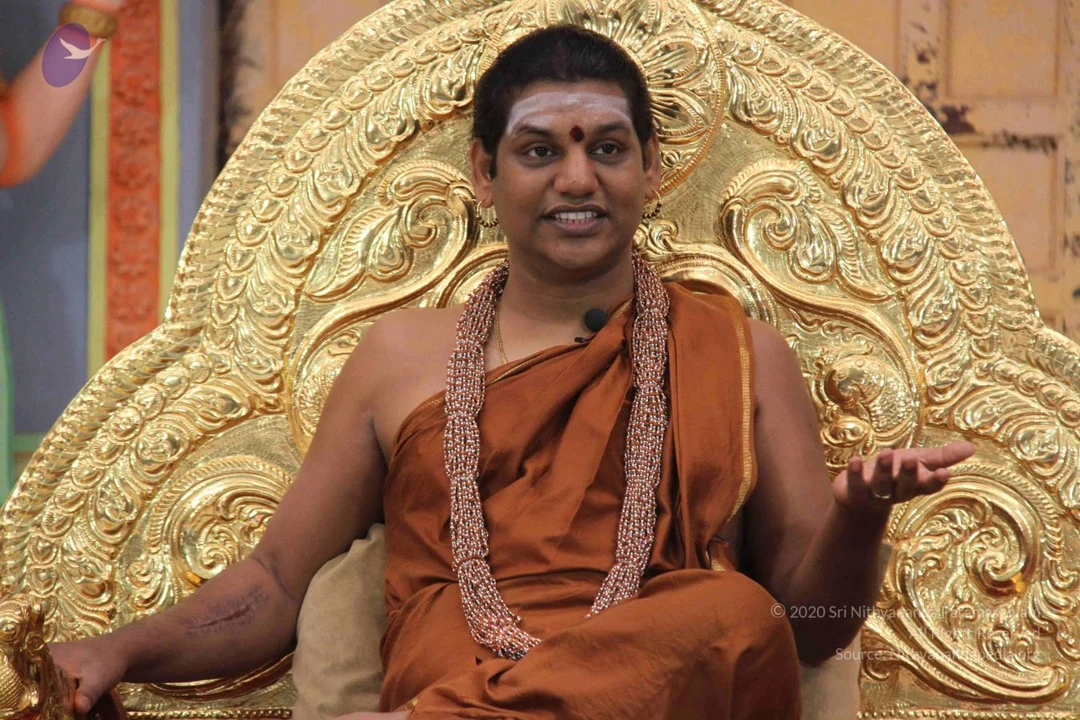

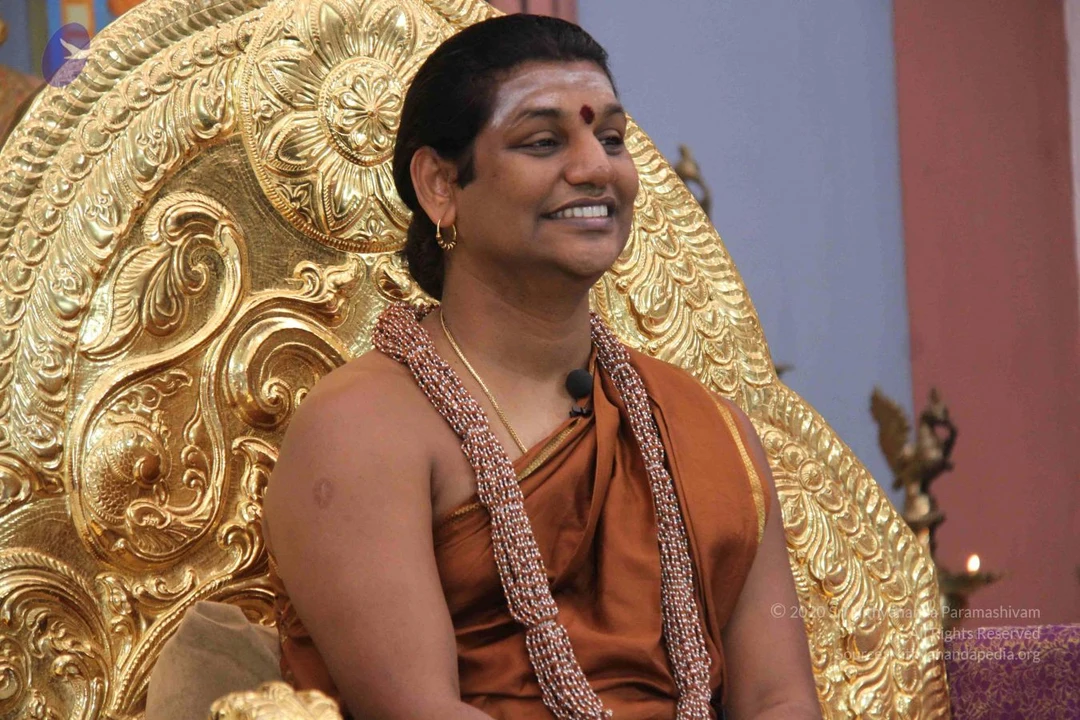
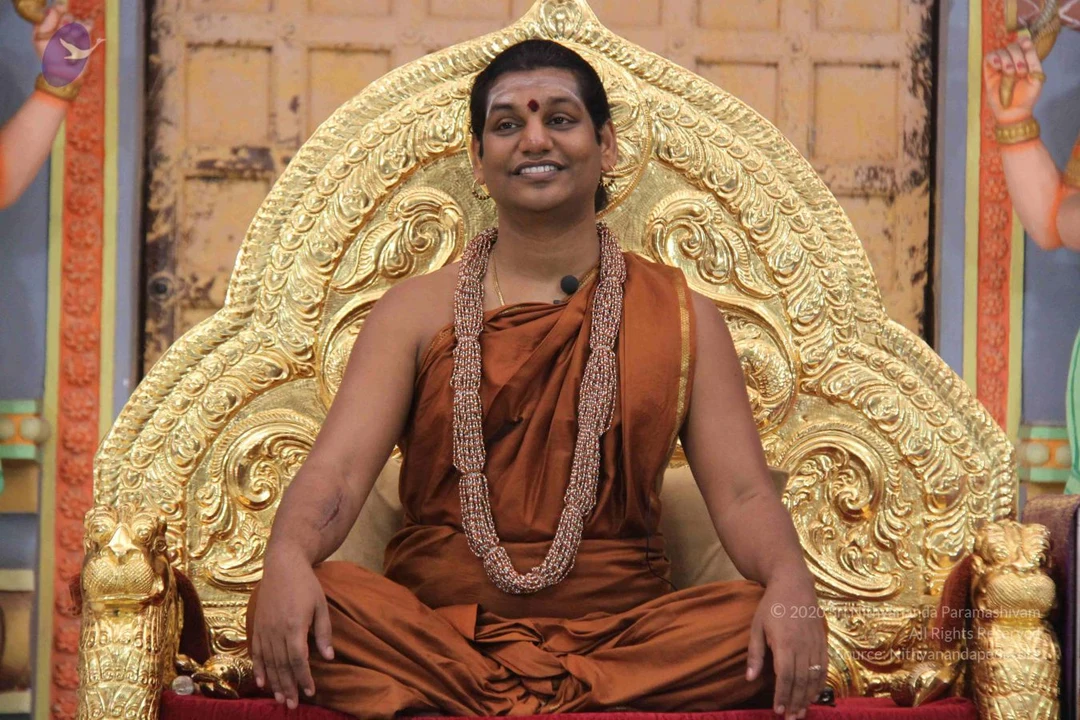
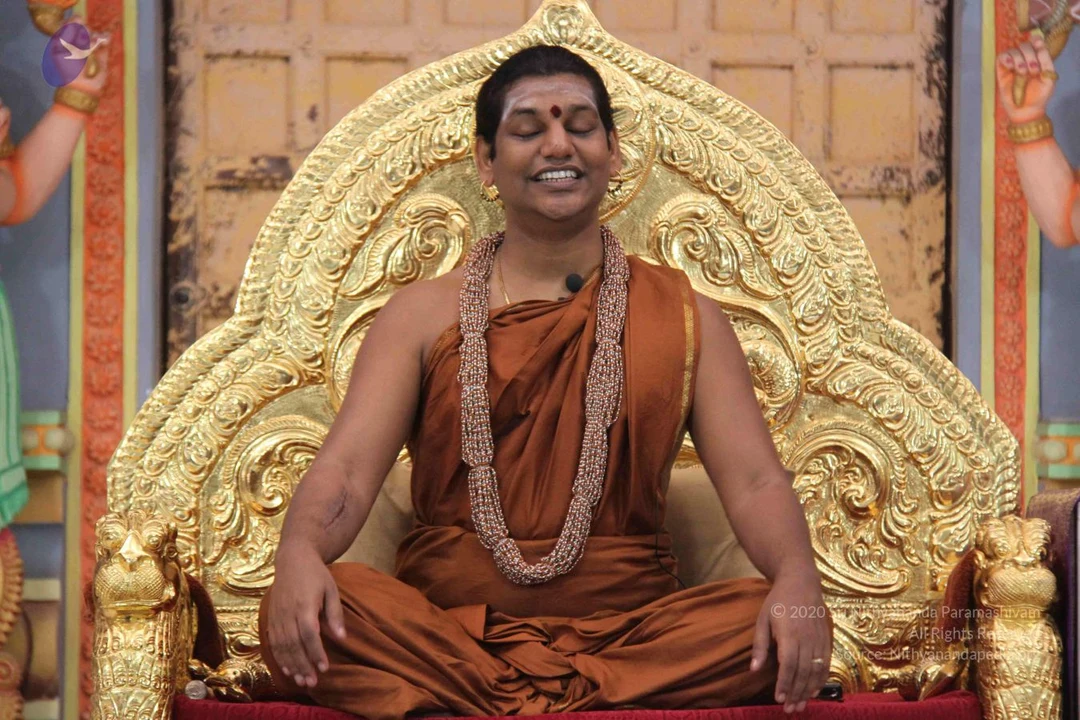
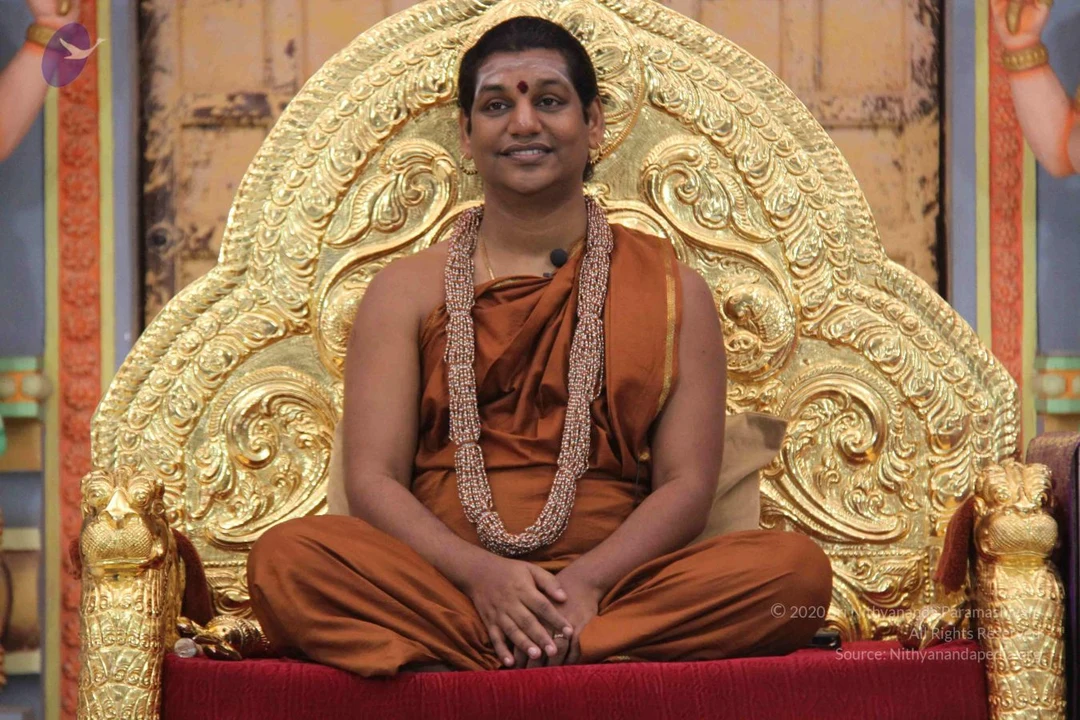
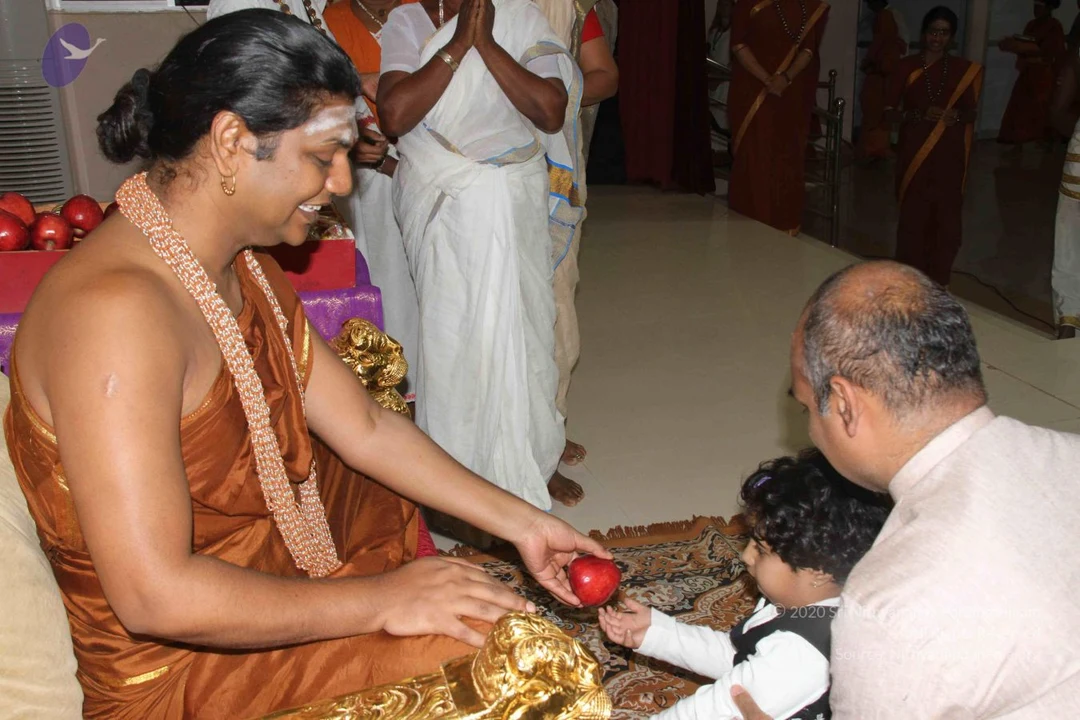
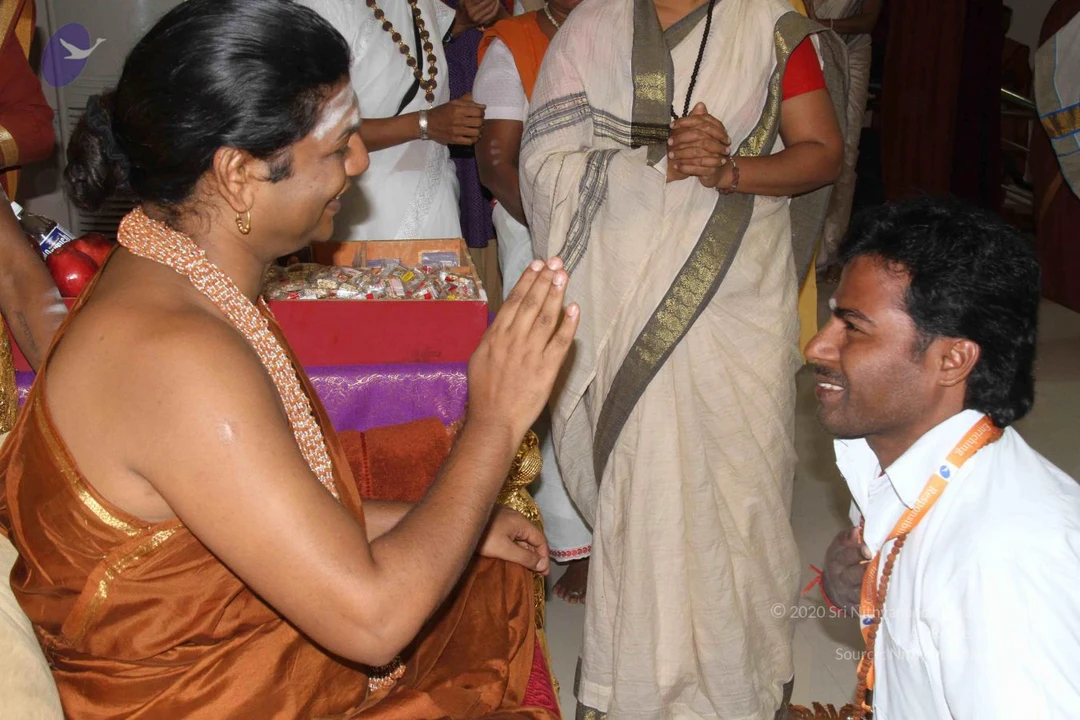
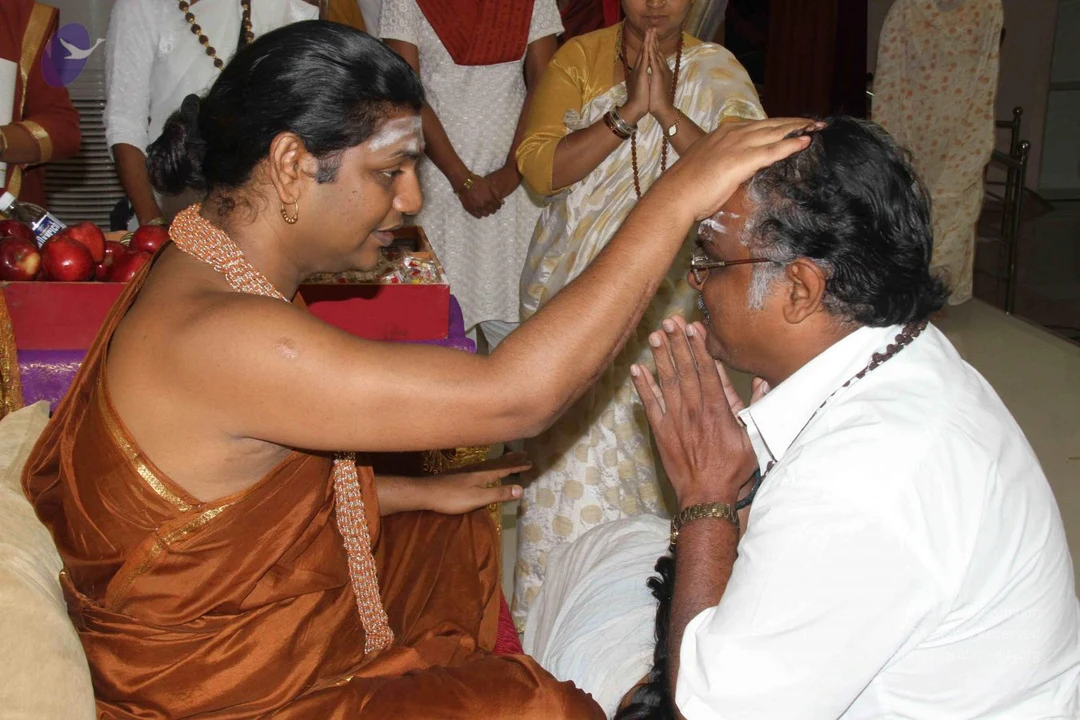
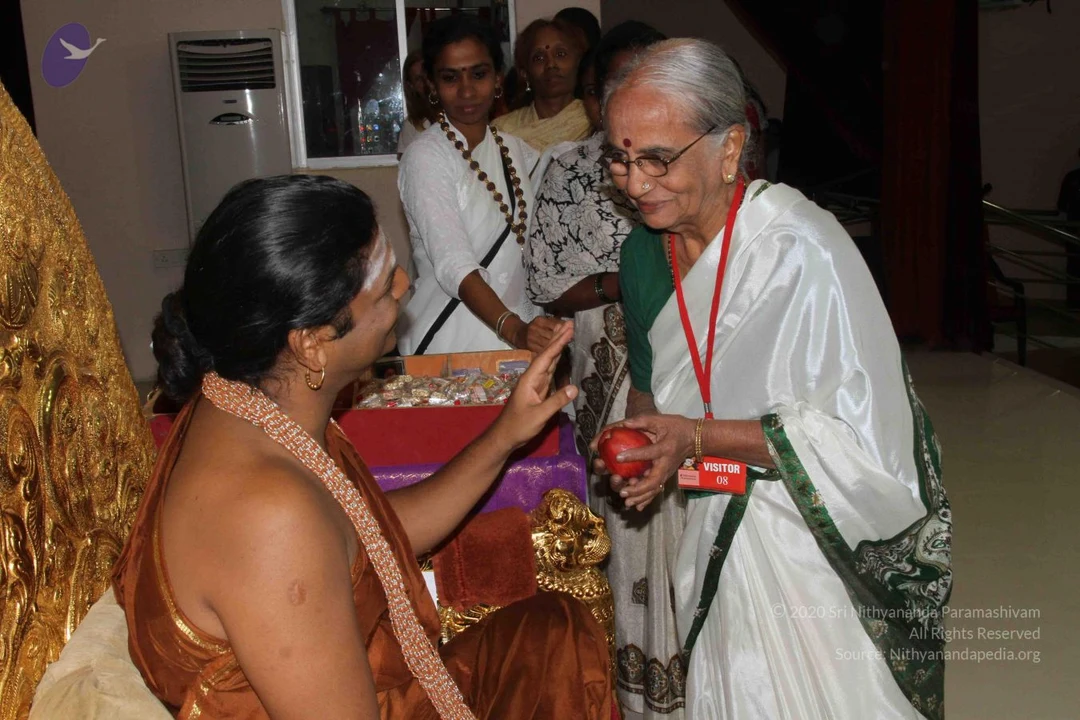


Photos Of The Day:
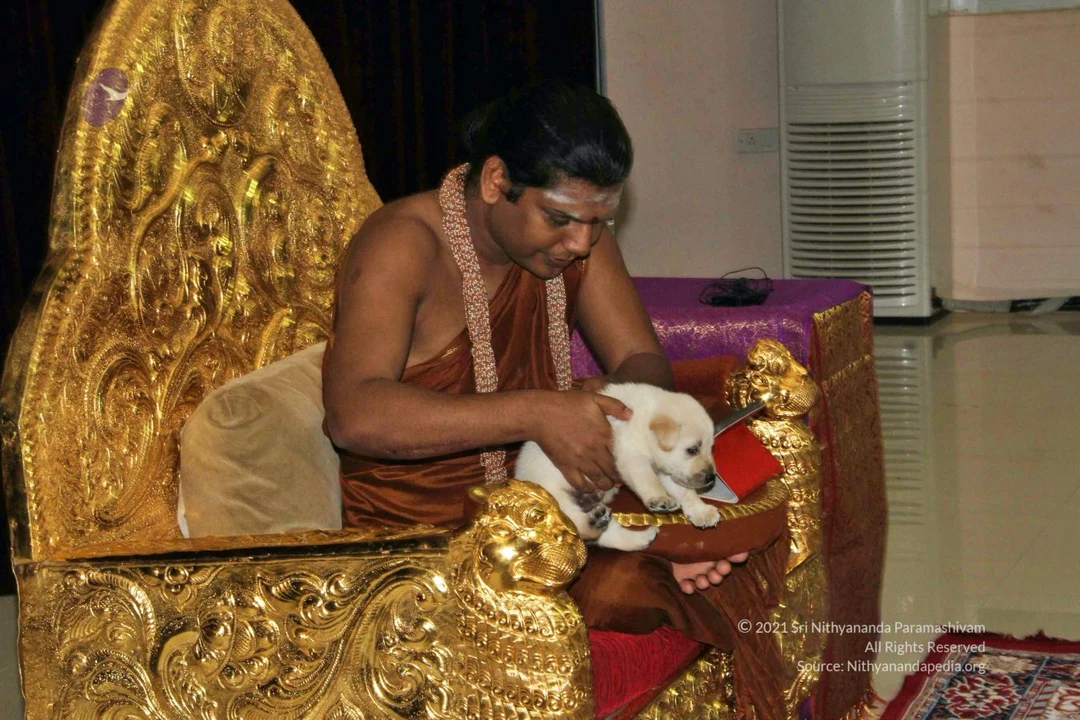
SPH-with-Sweta-Bhairav
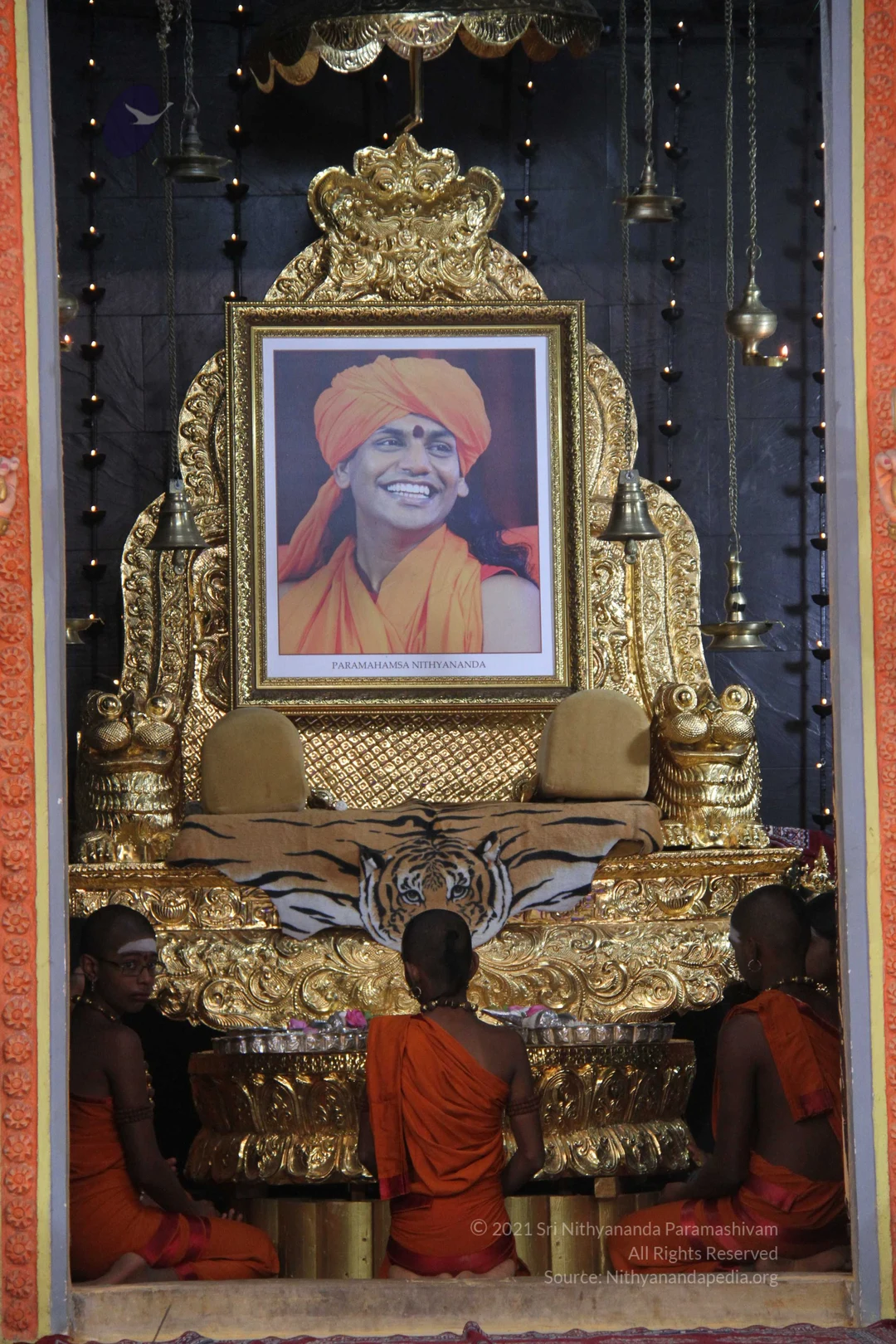
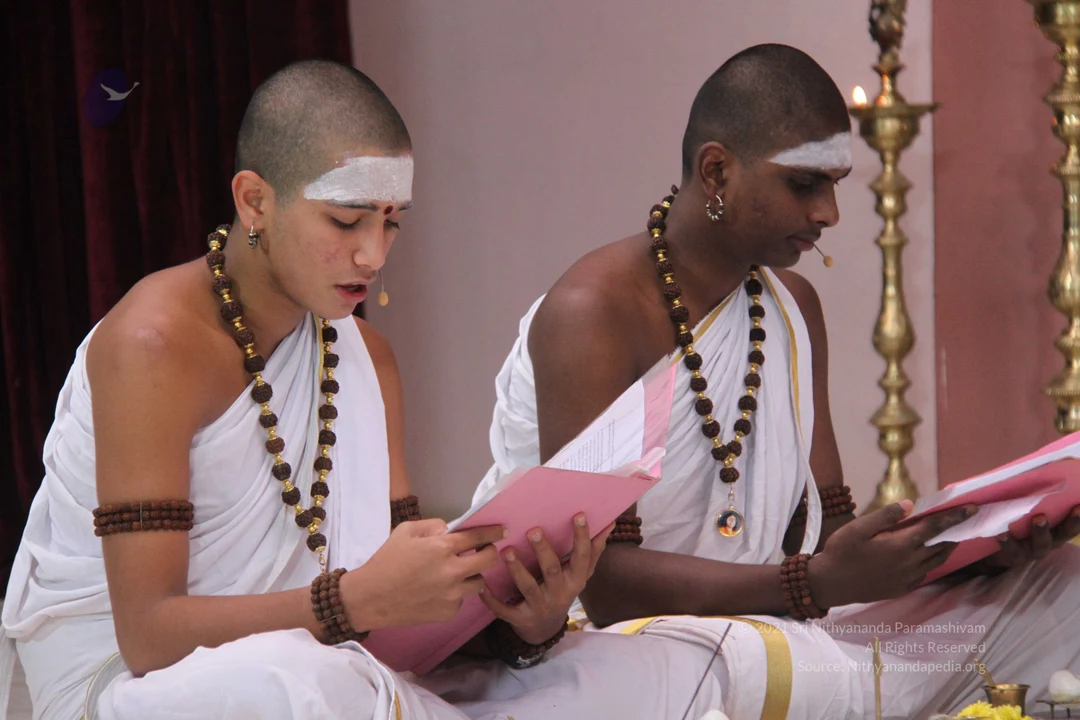
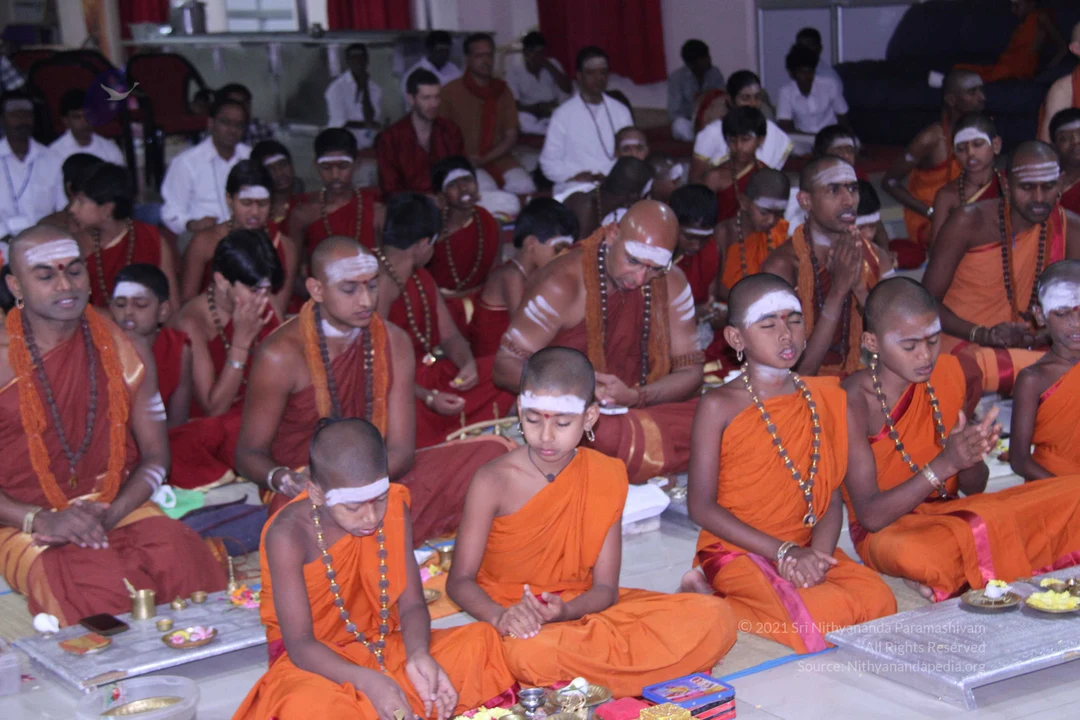
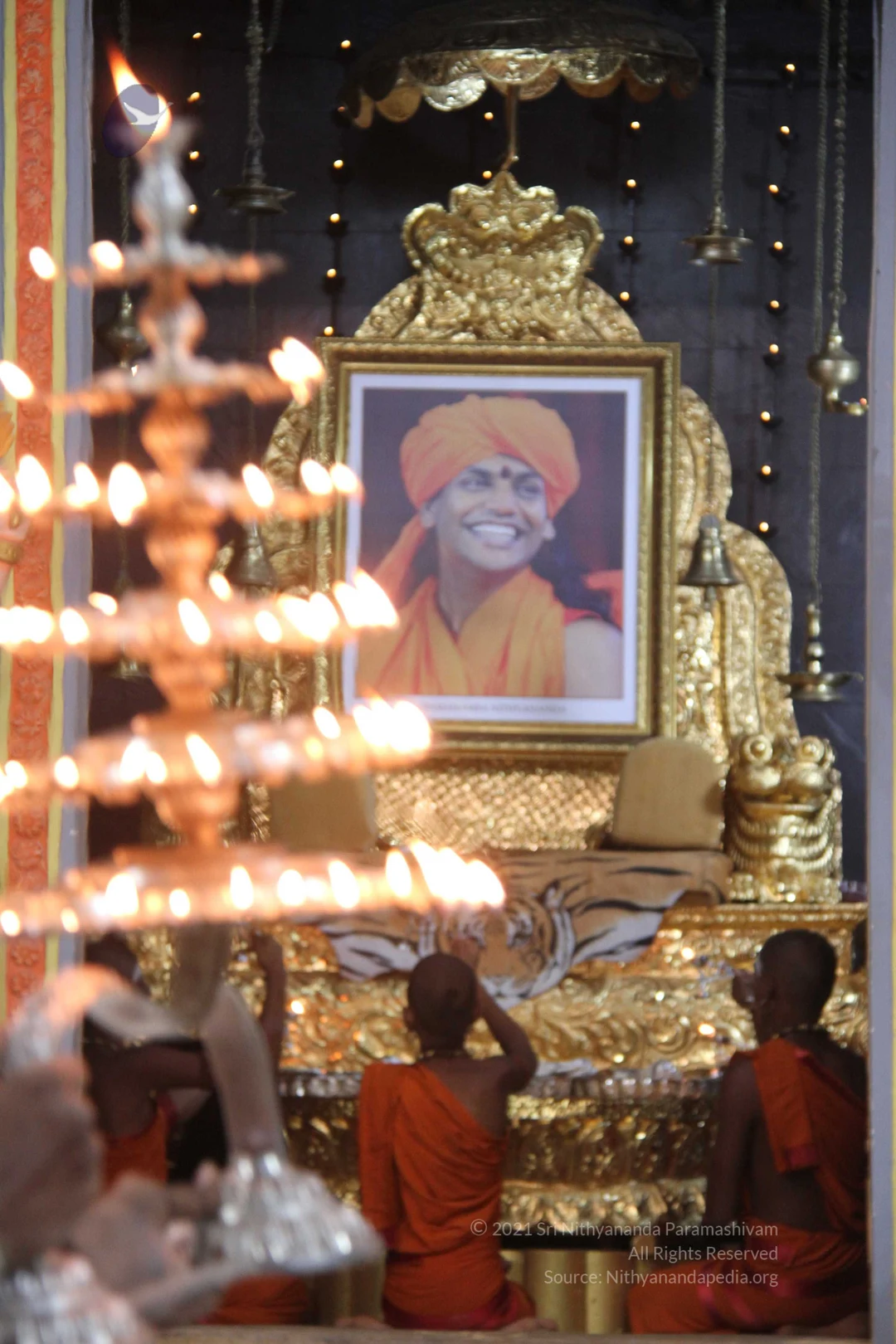
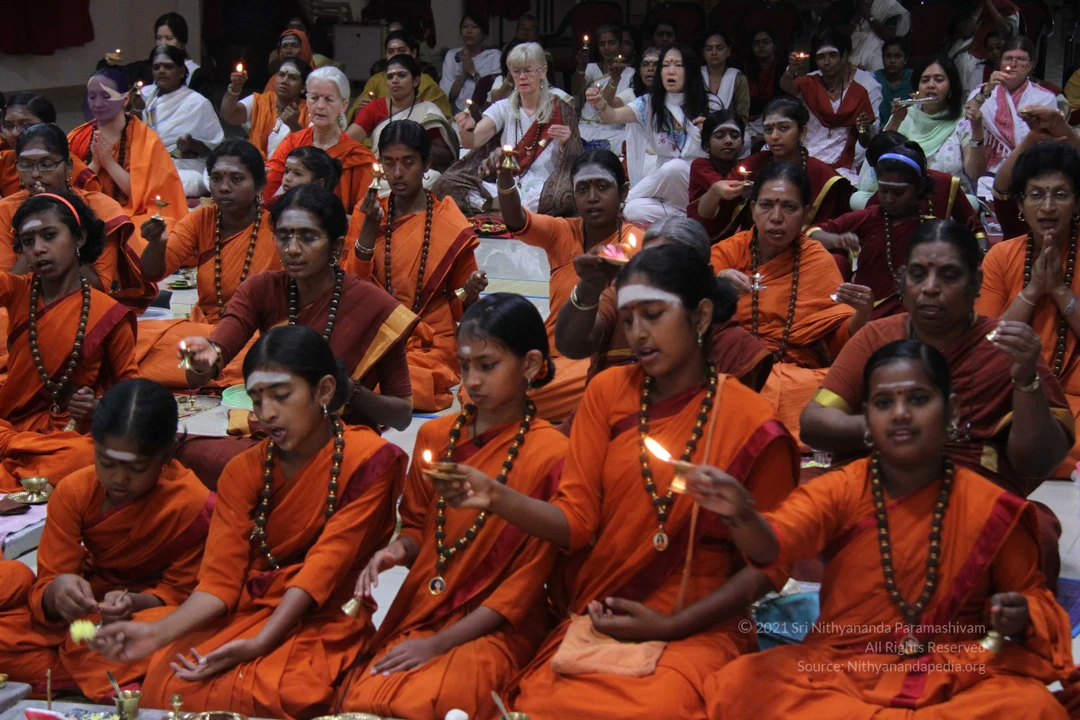
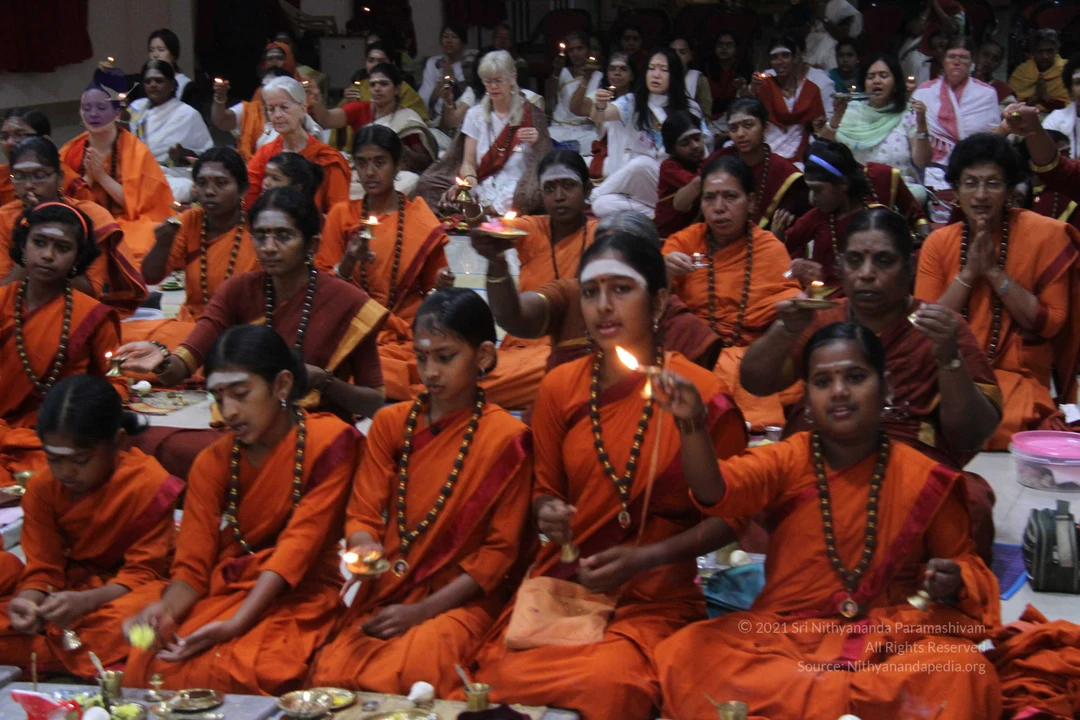
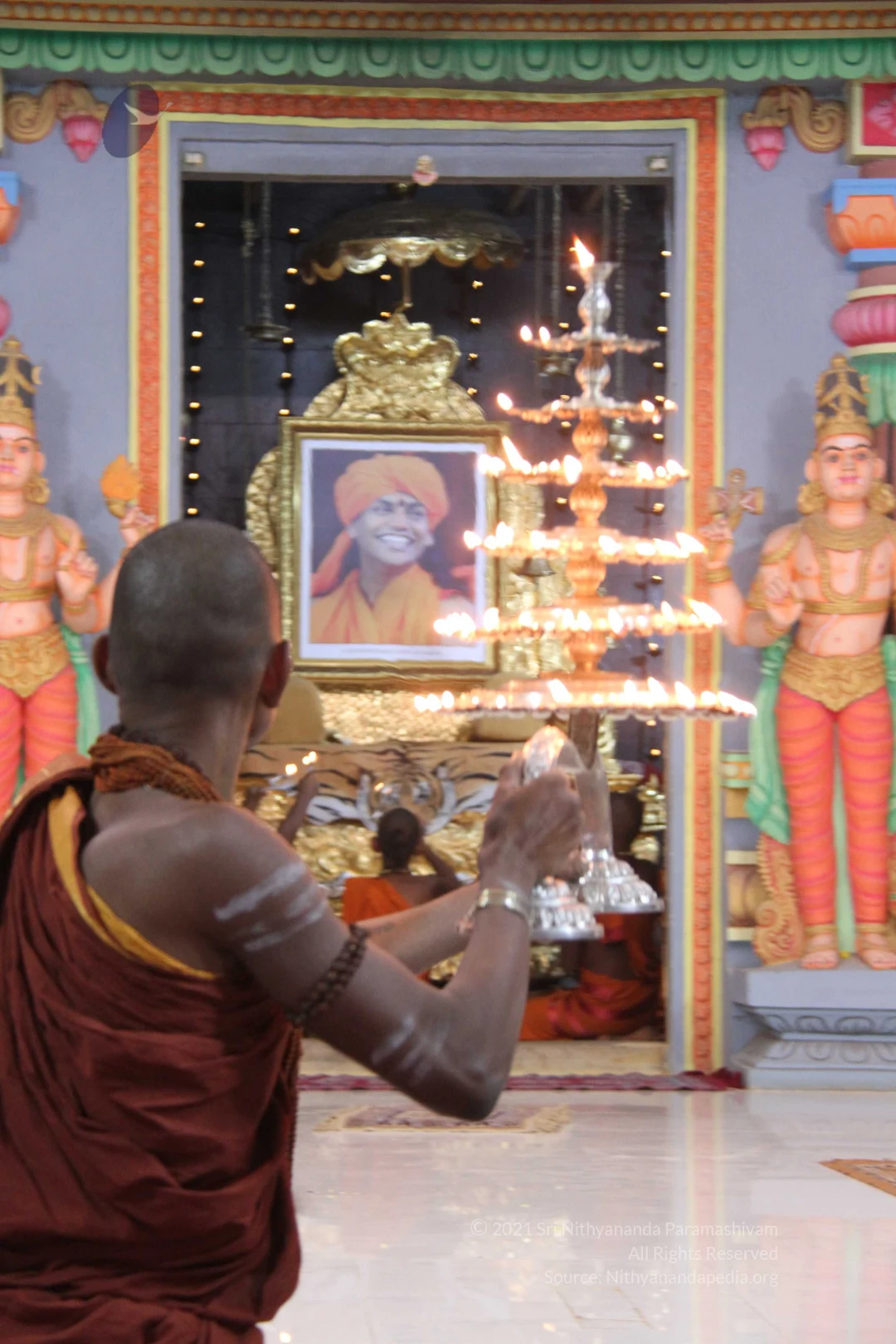
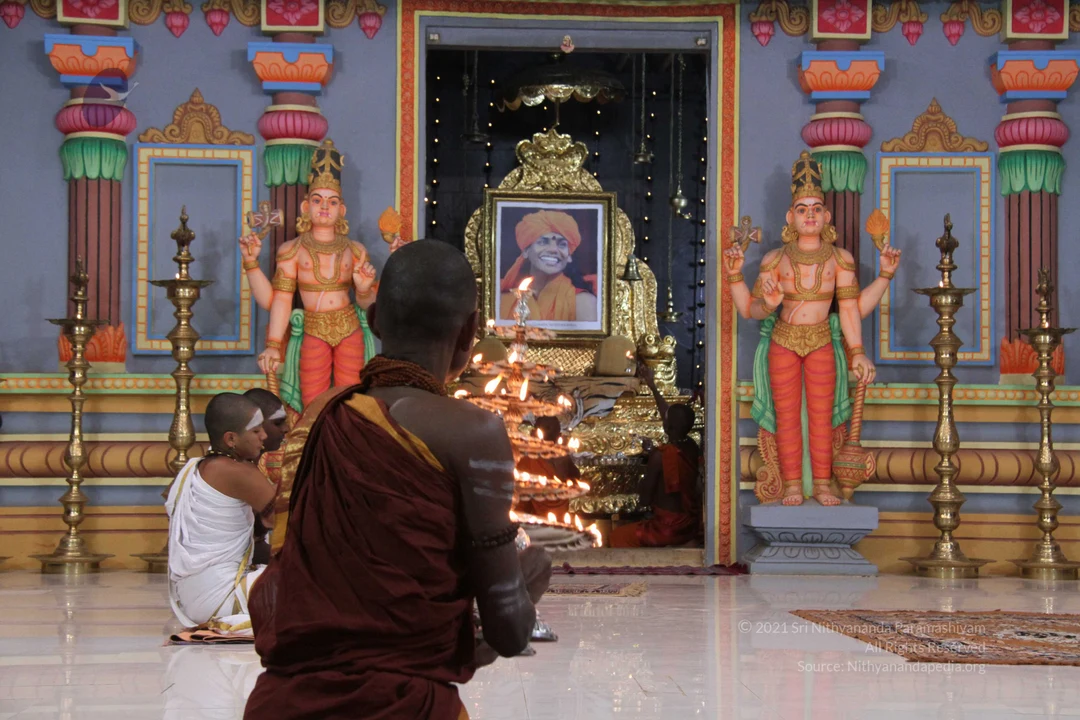
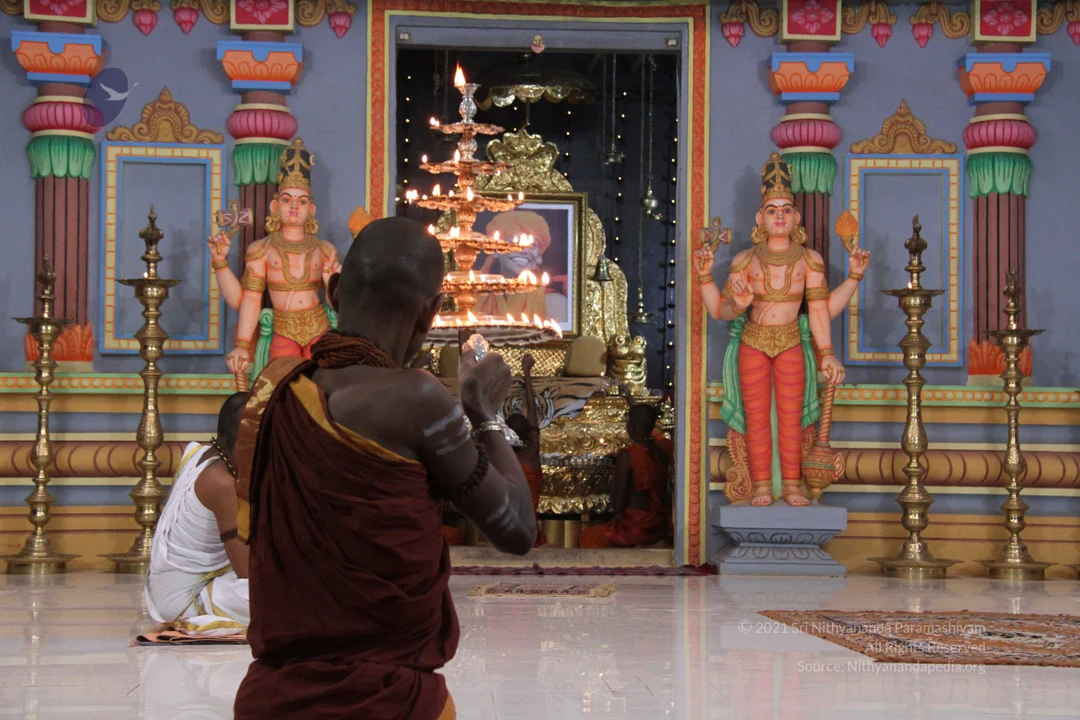
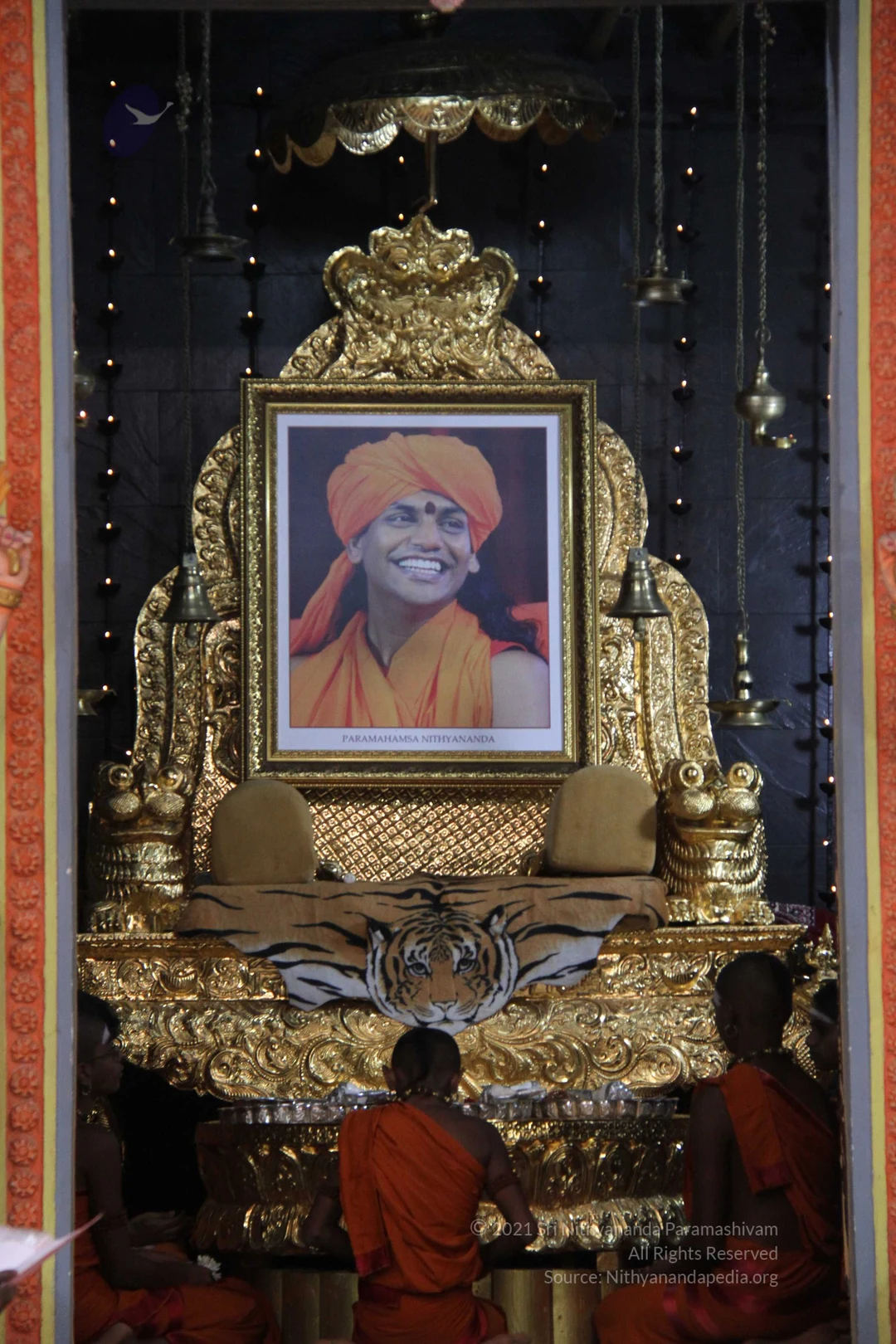
1-Pada-Puja
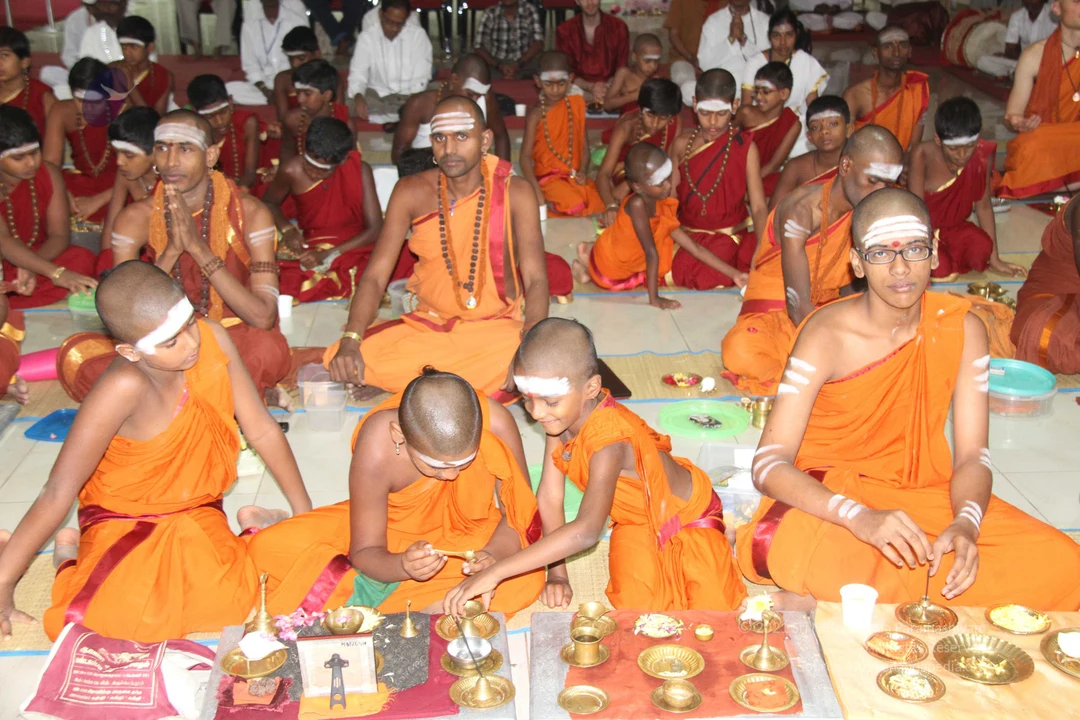
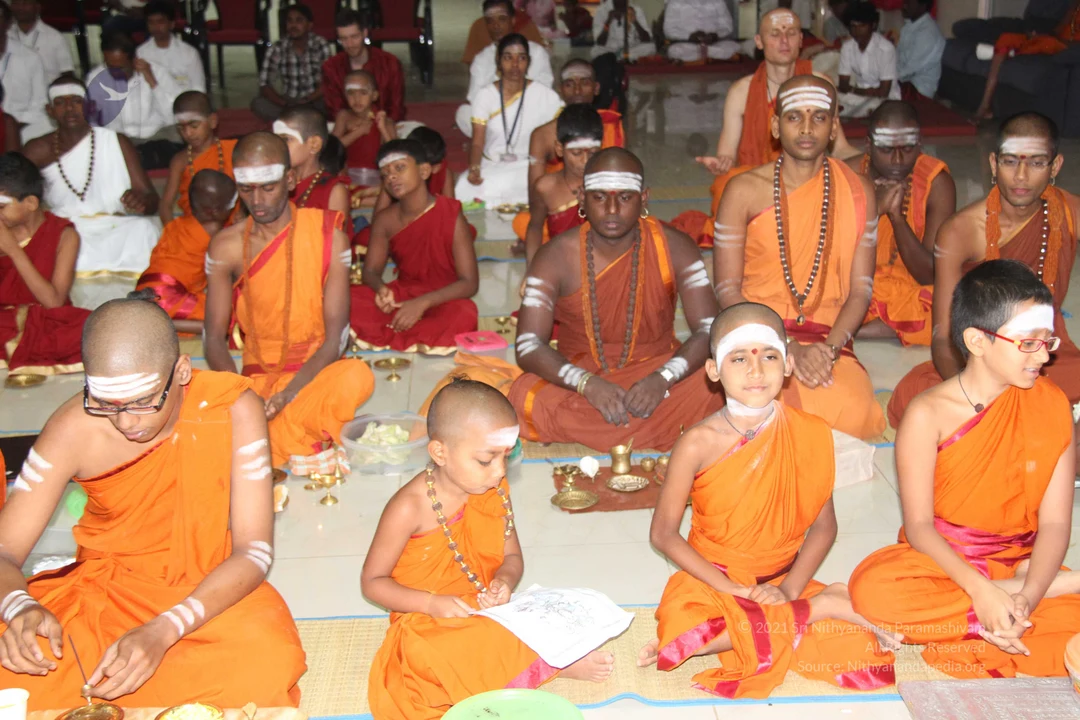
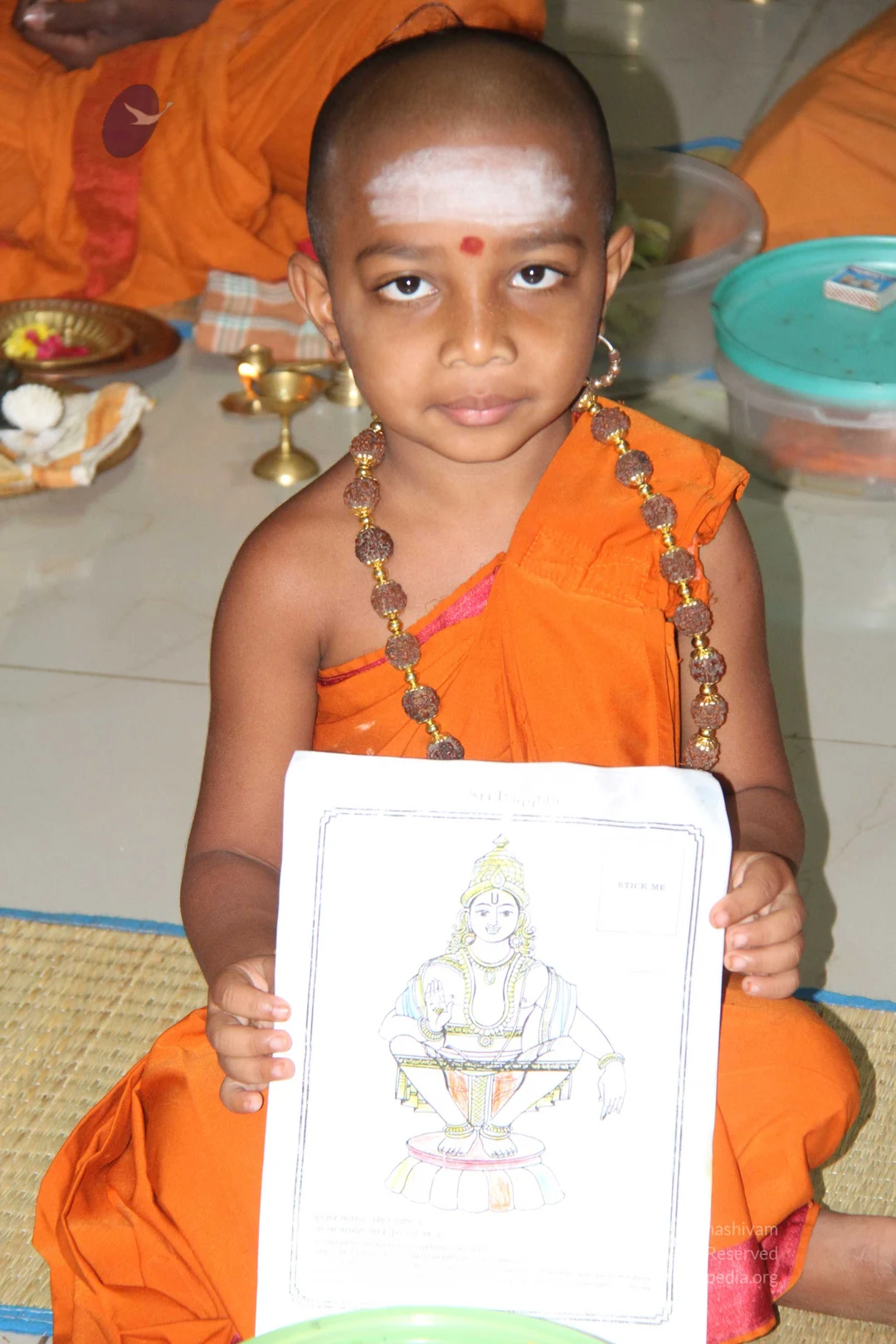
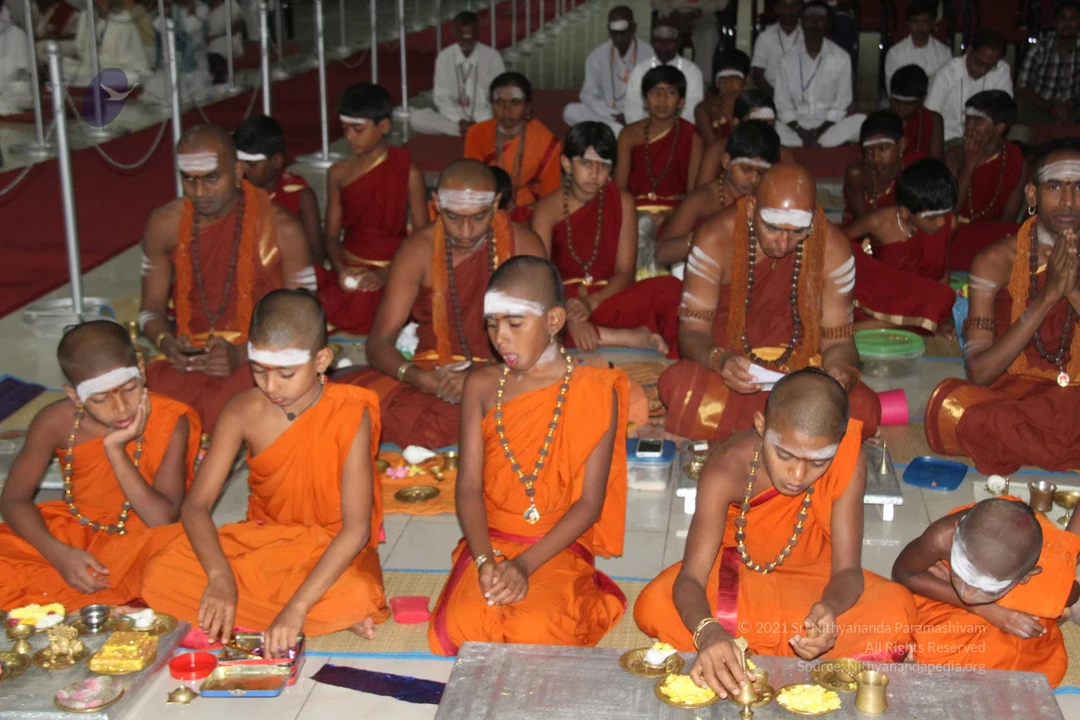
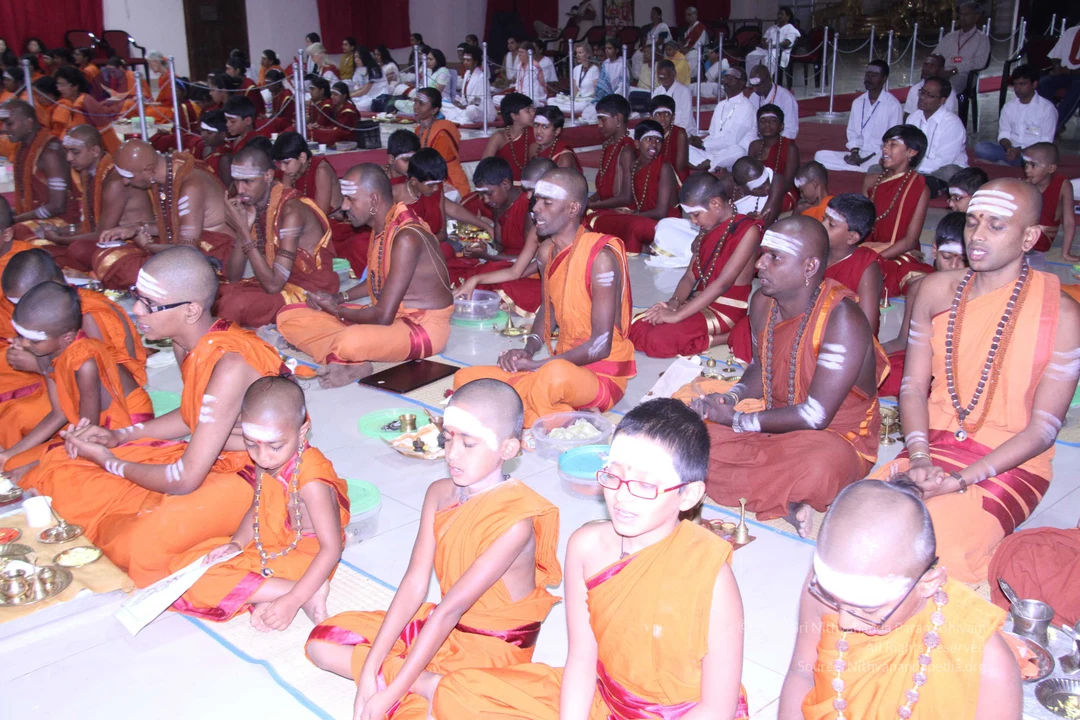
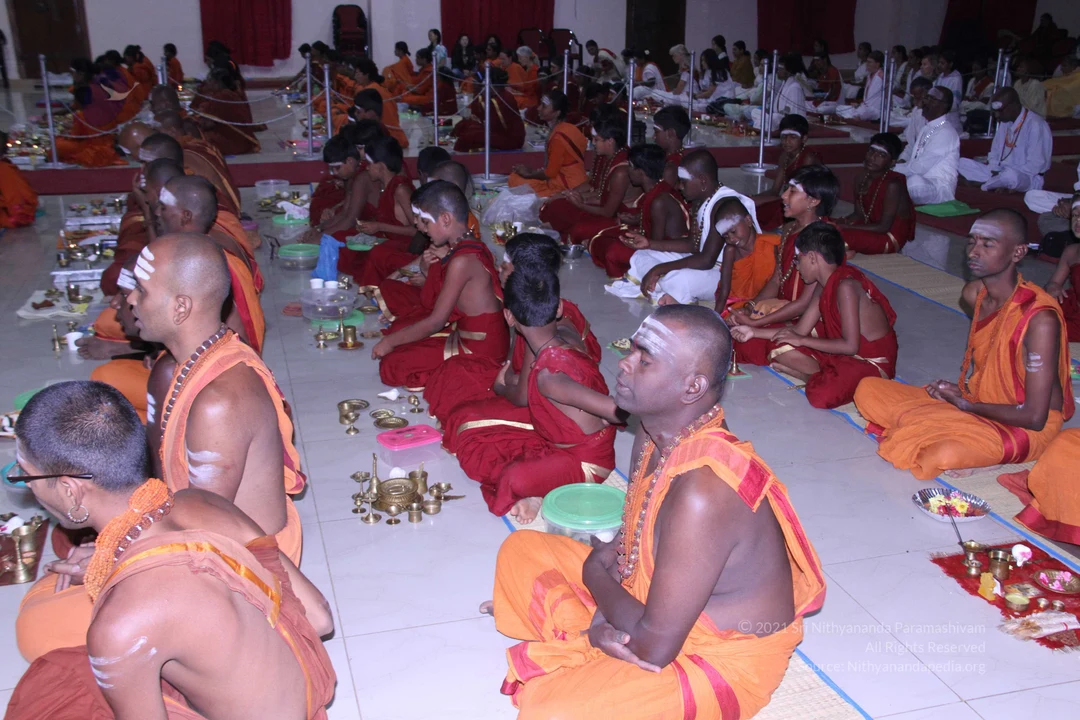
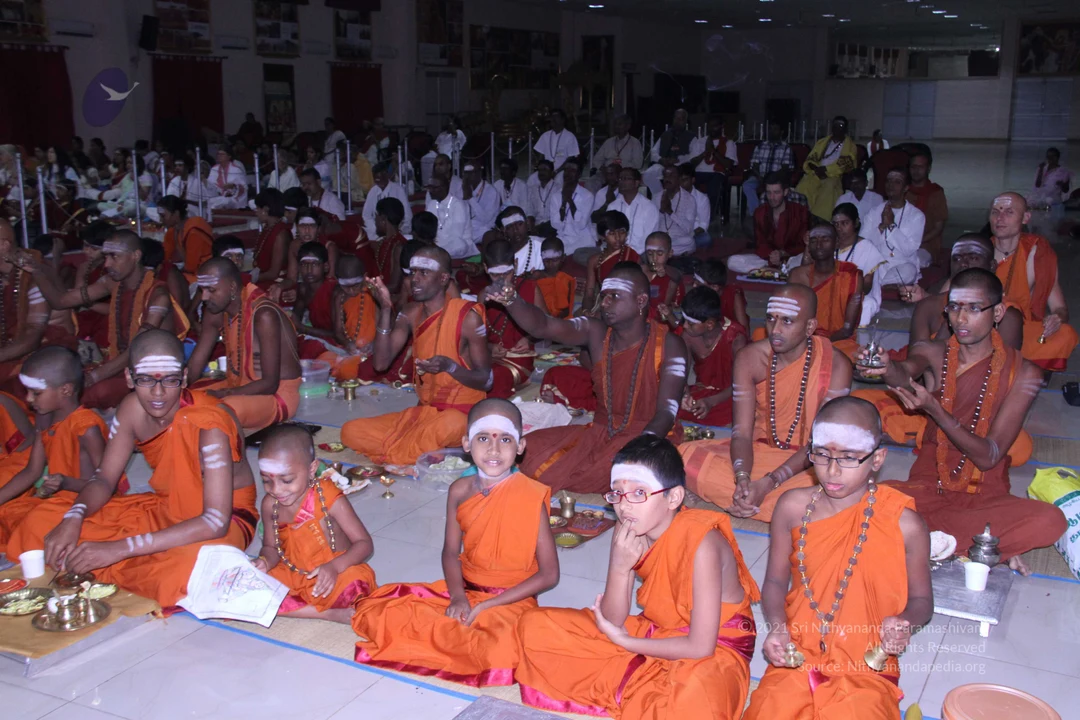
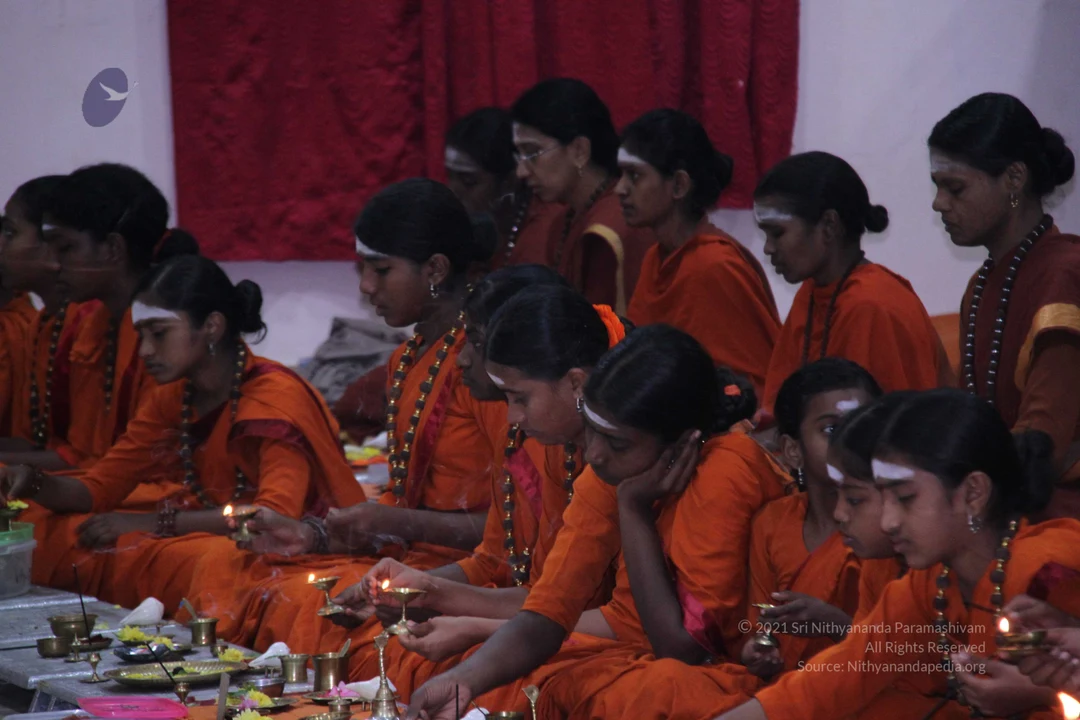
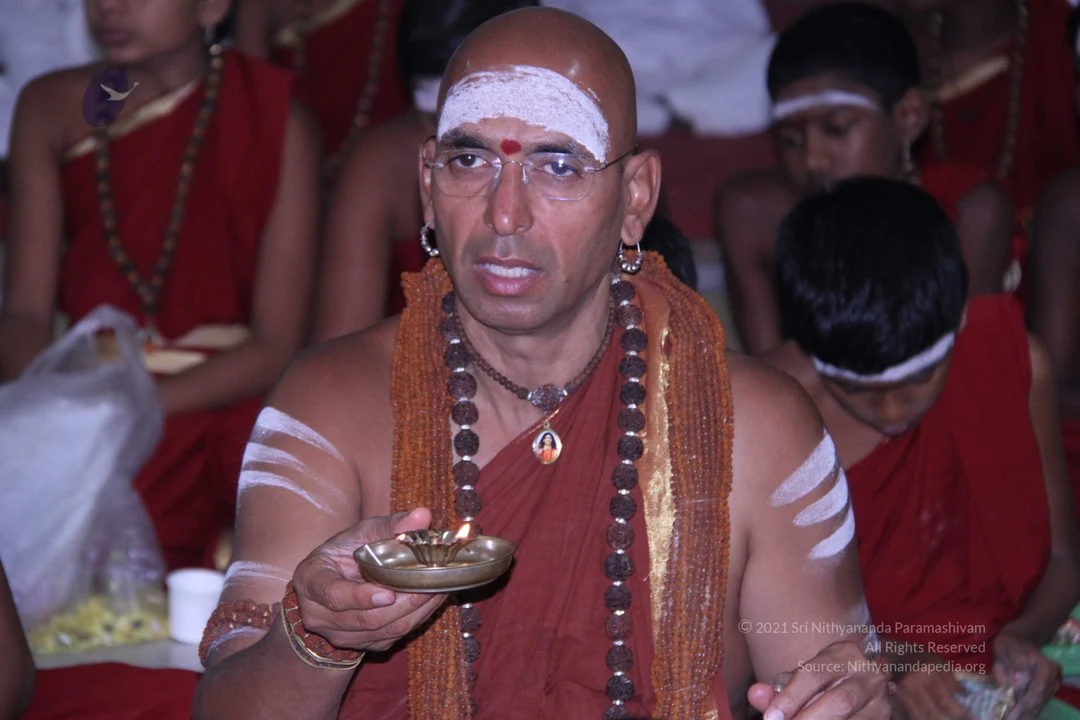
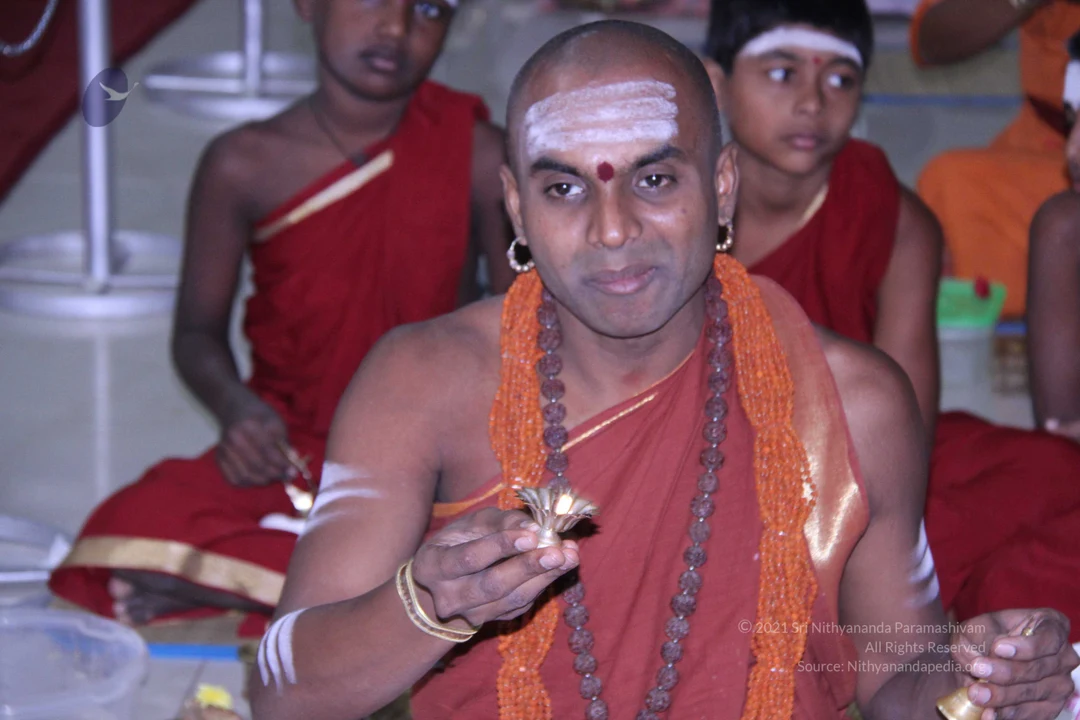
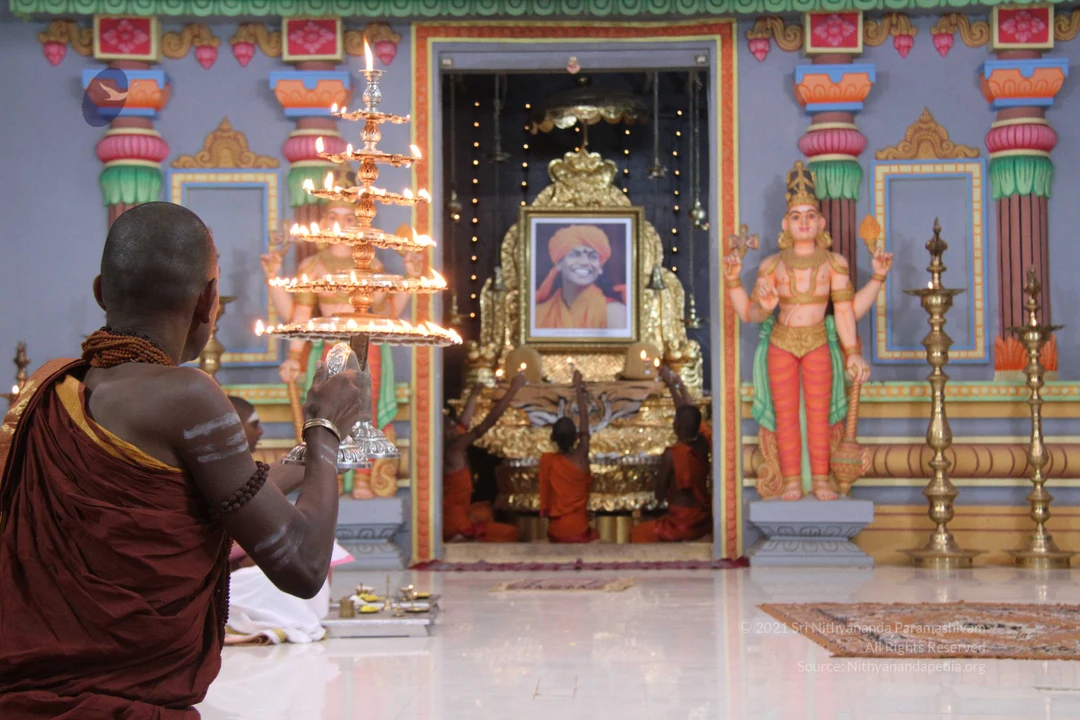
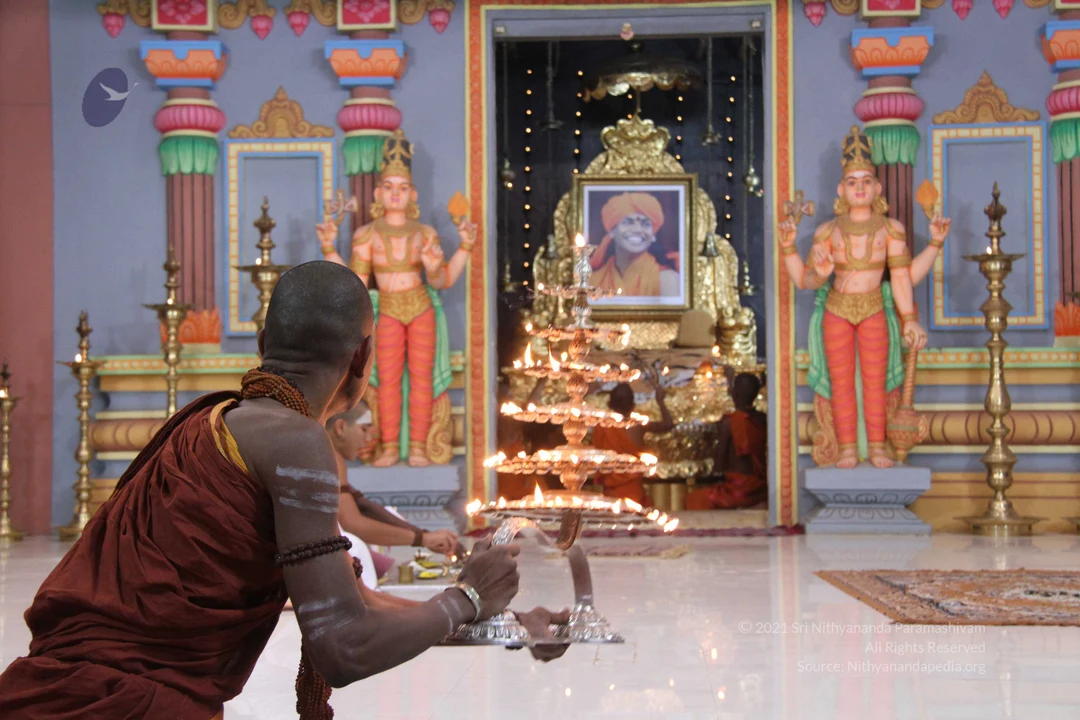
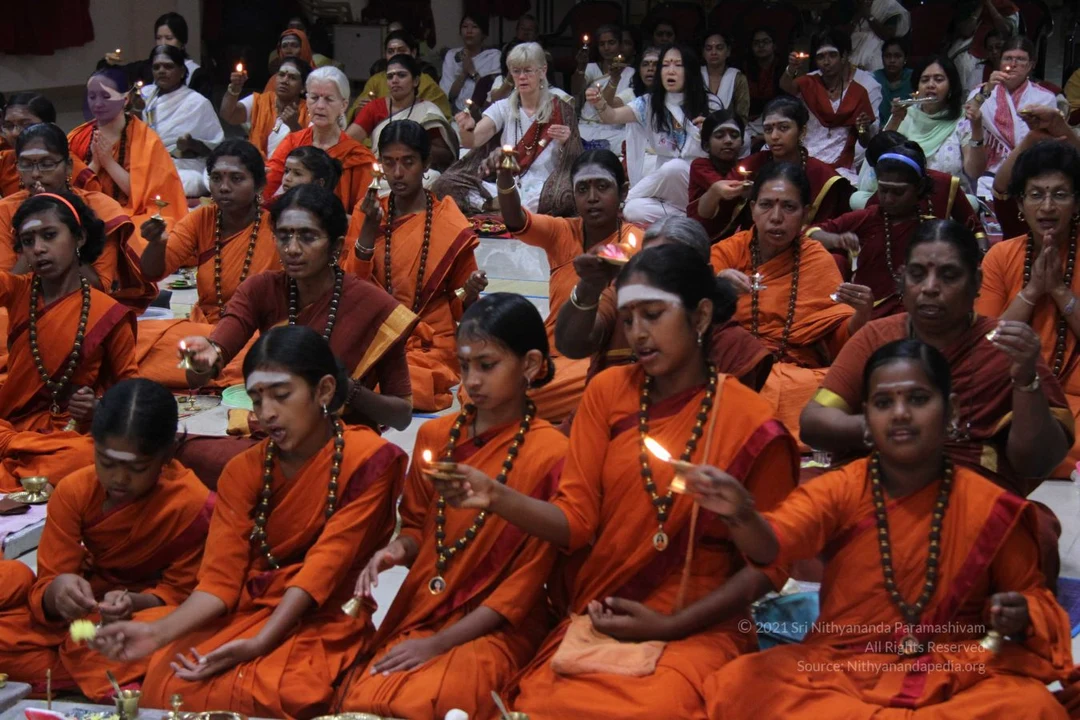
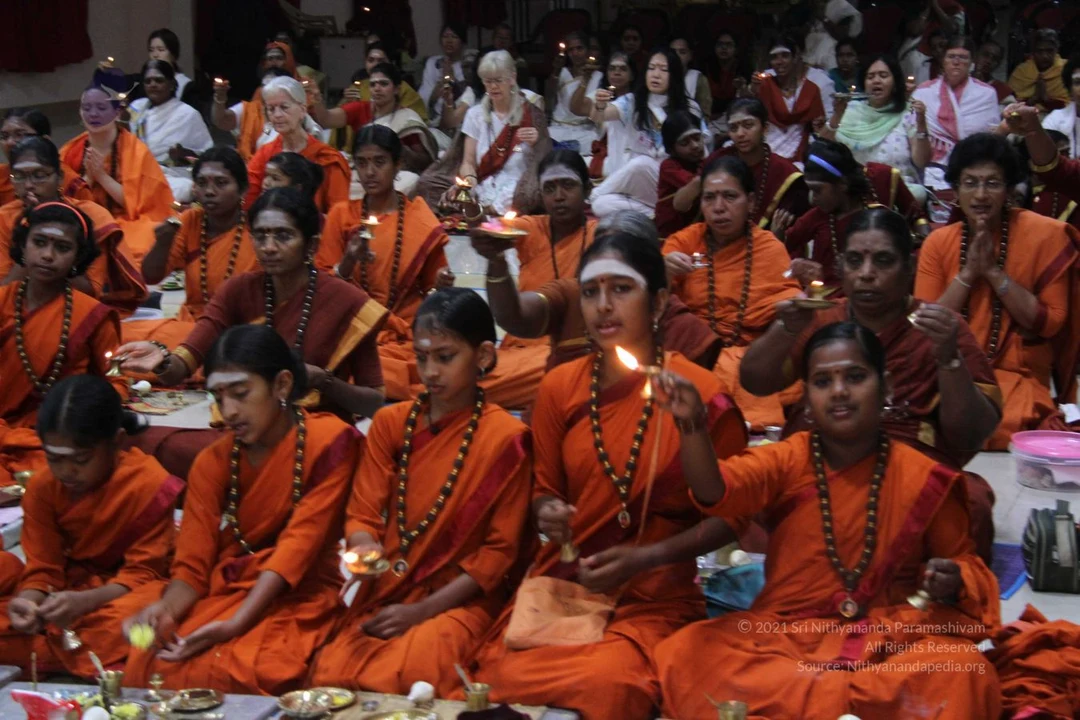
2-Morning-Satsang
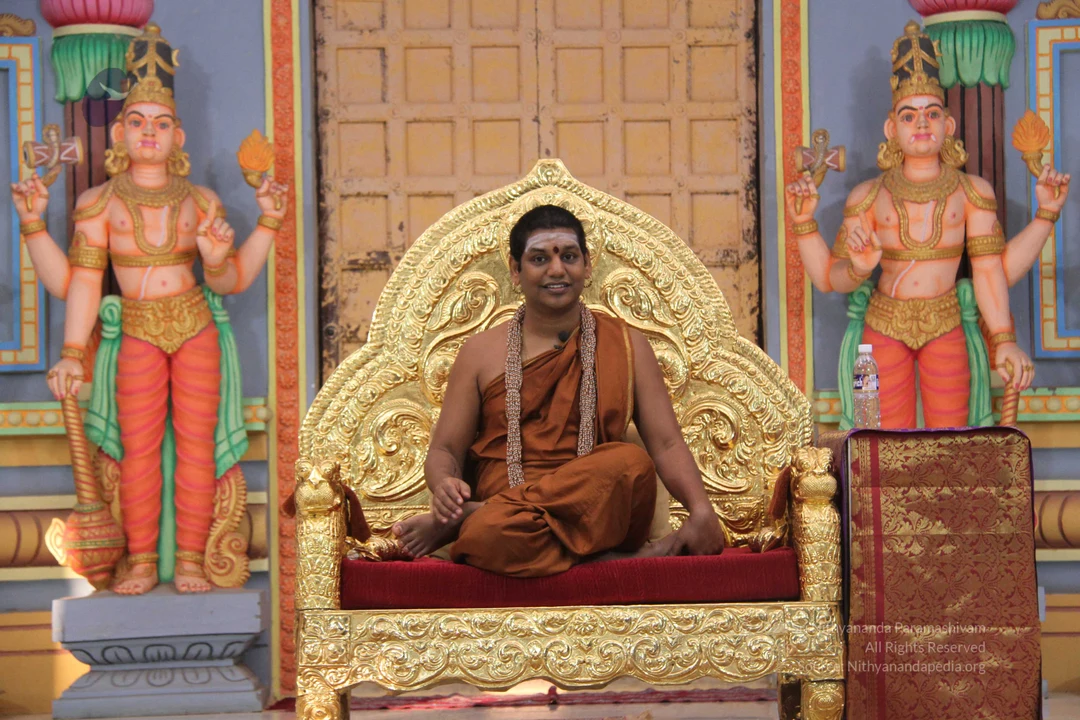
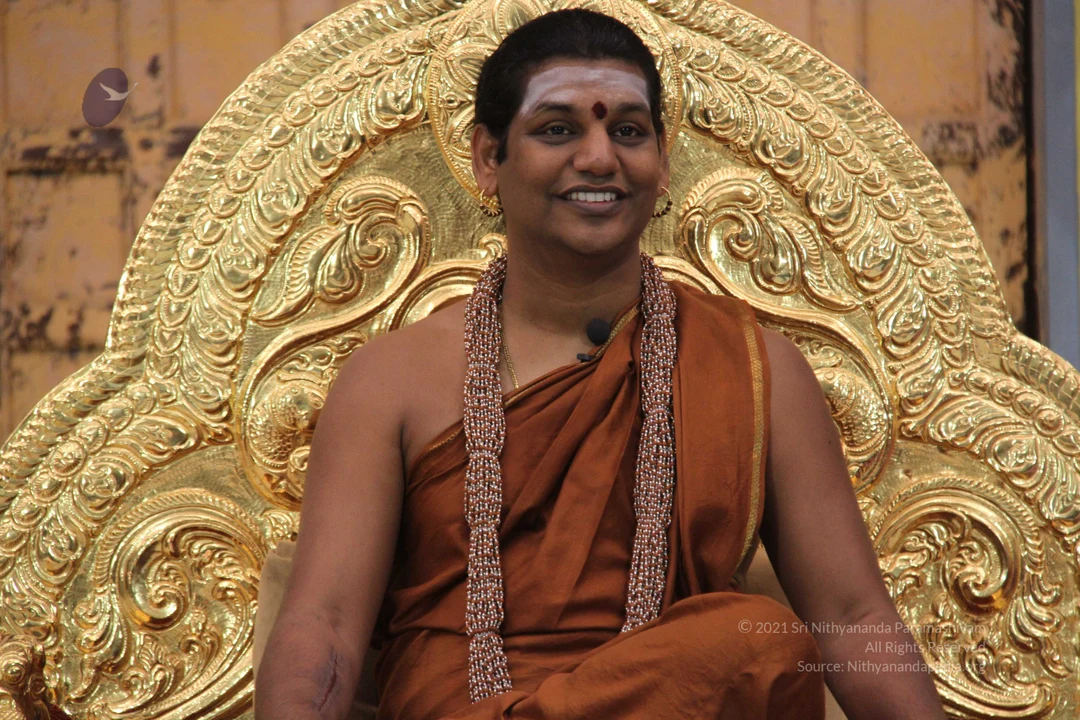
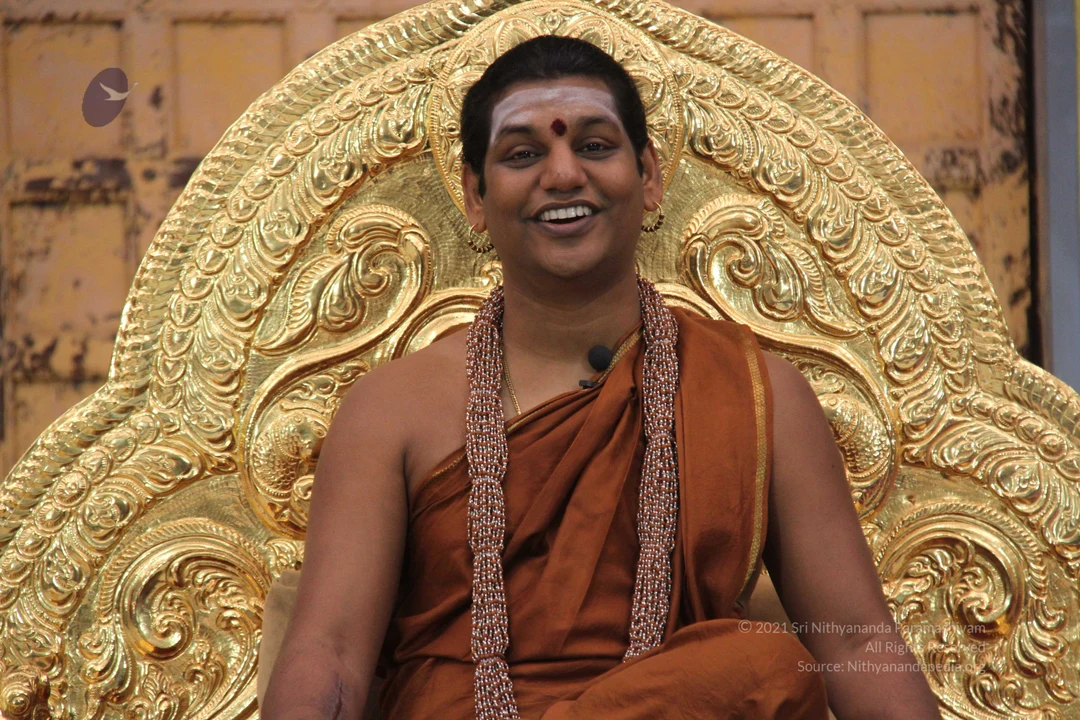
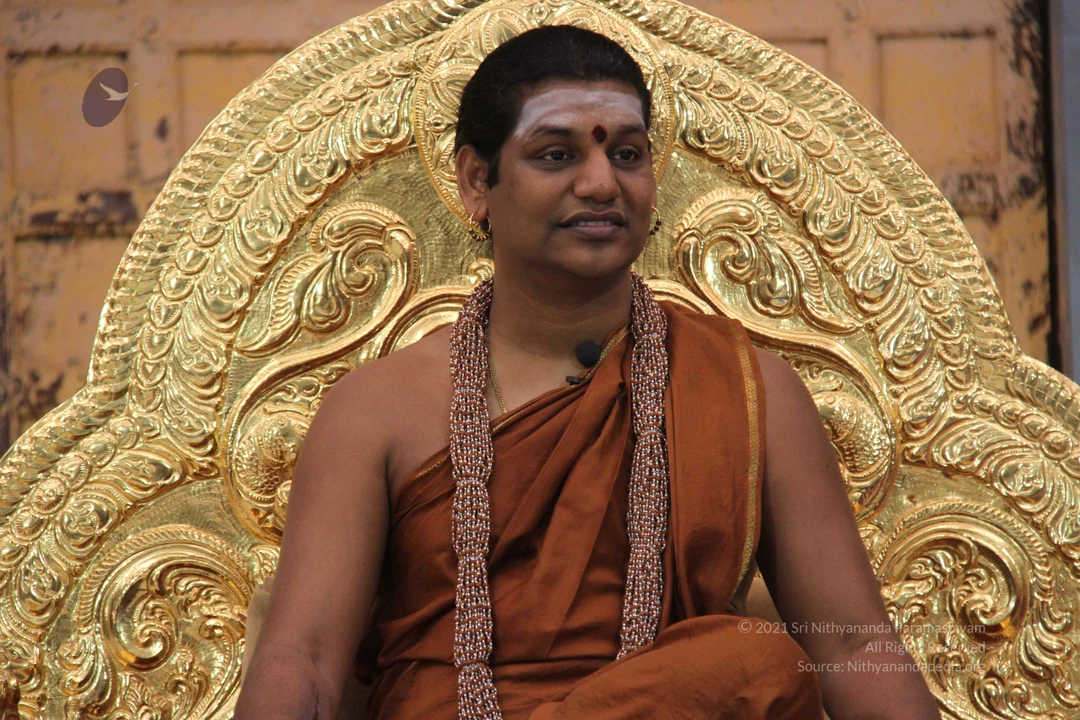
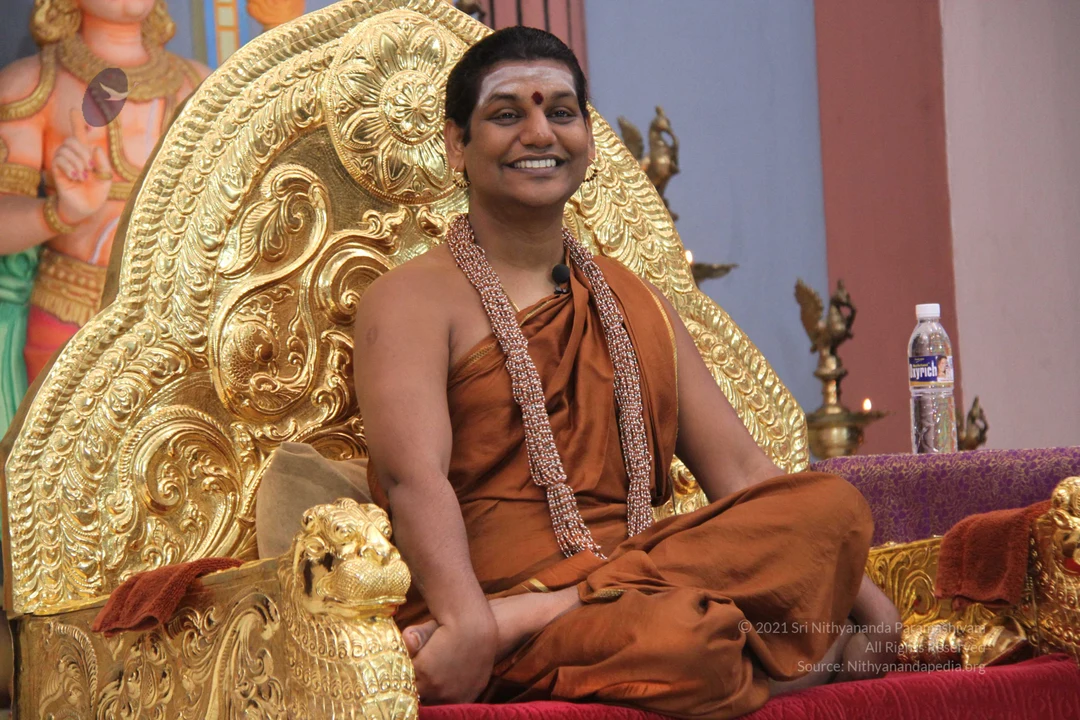
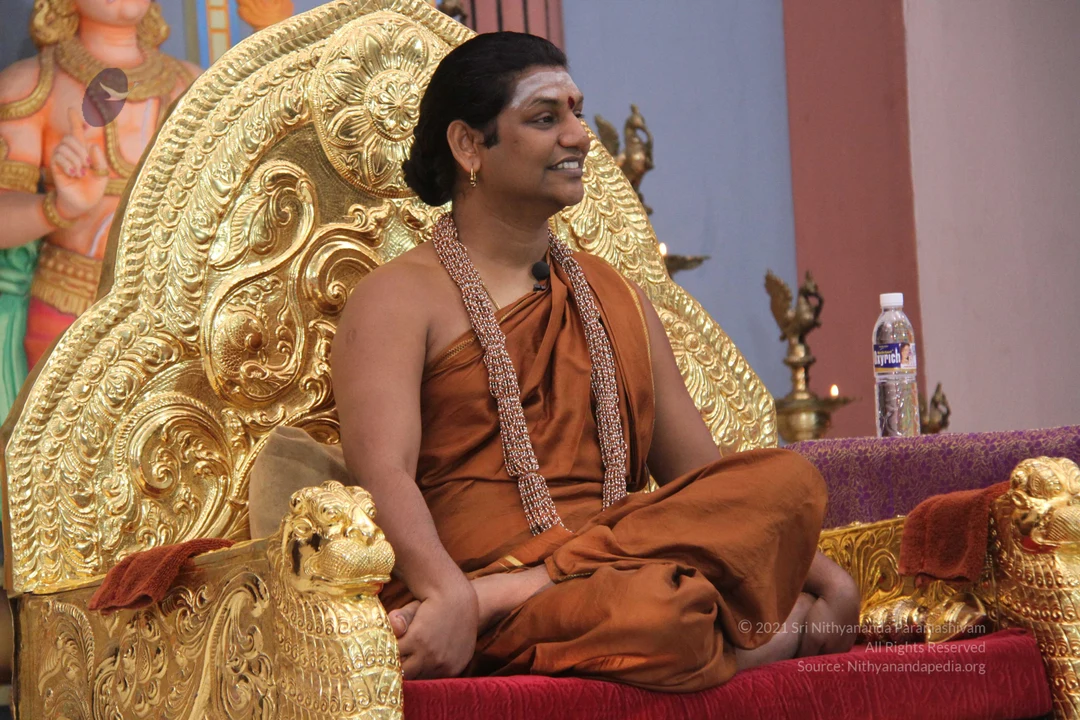
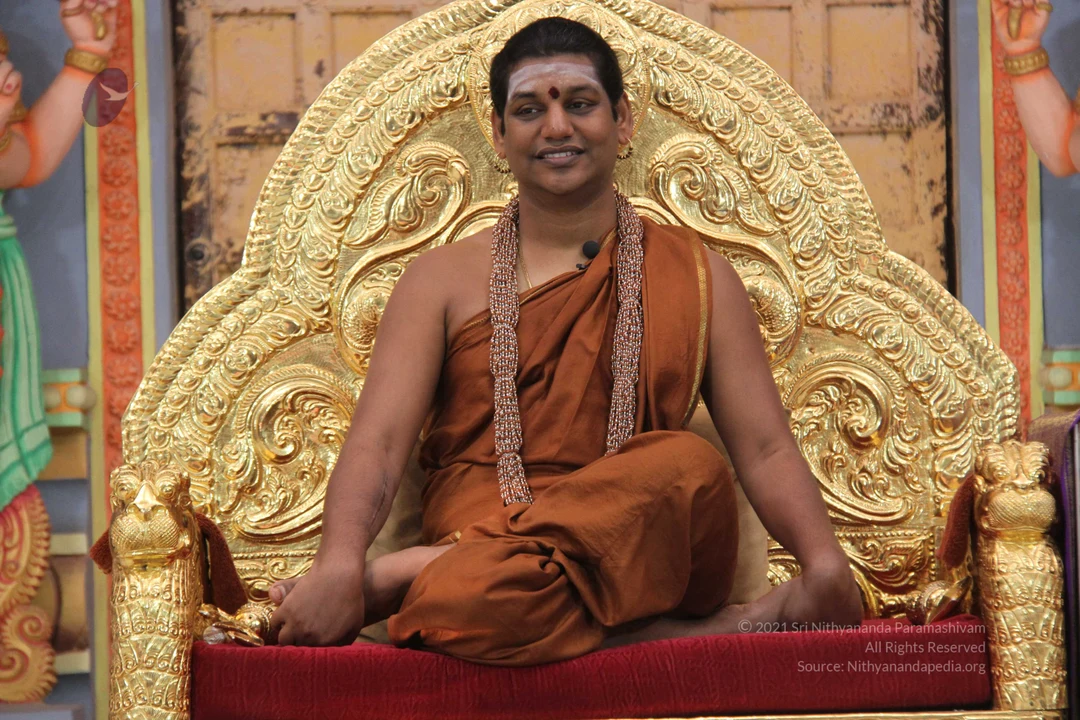
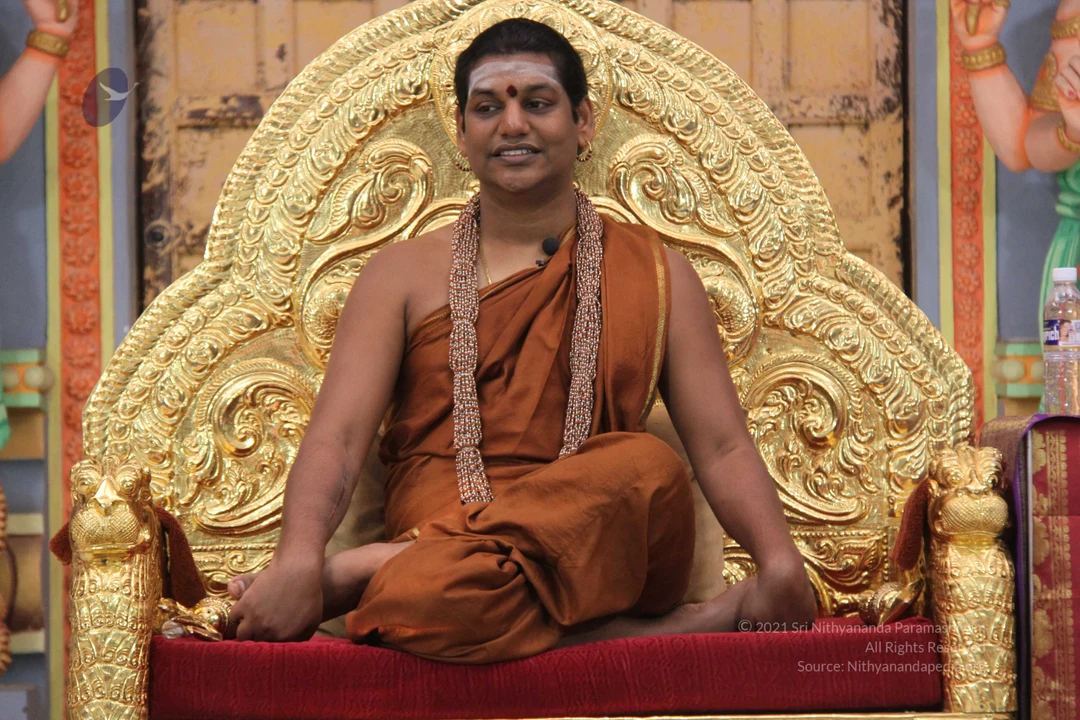
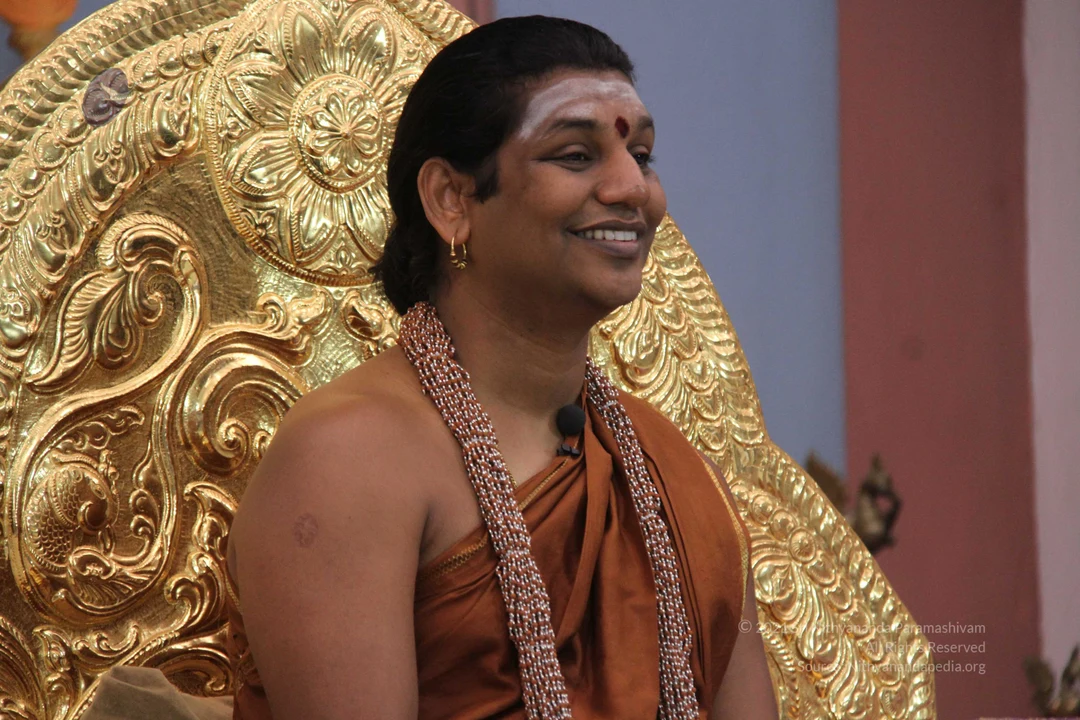
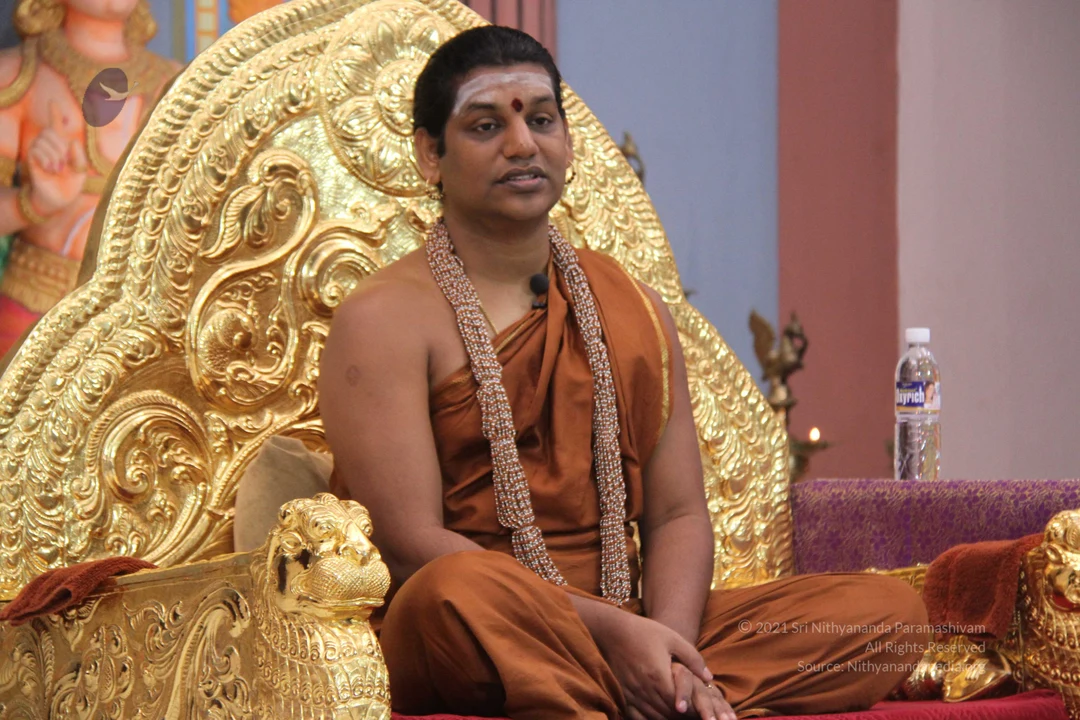
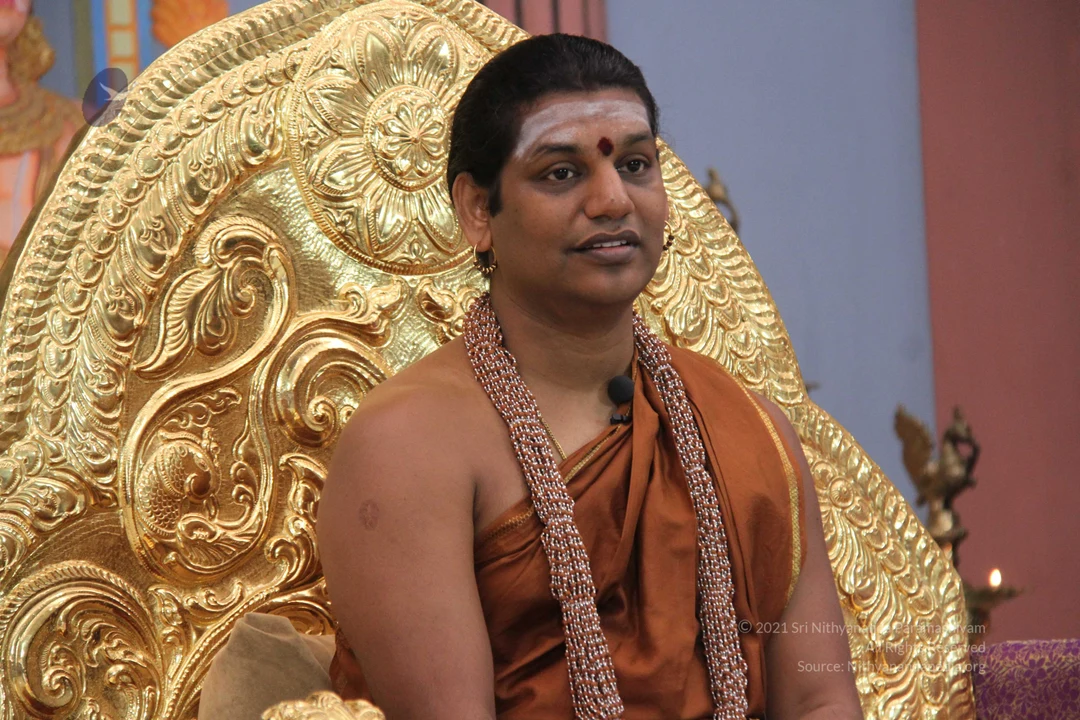
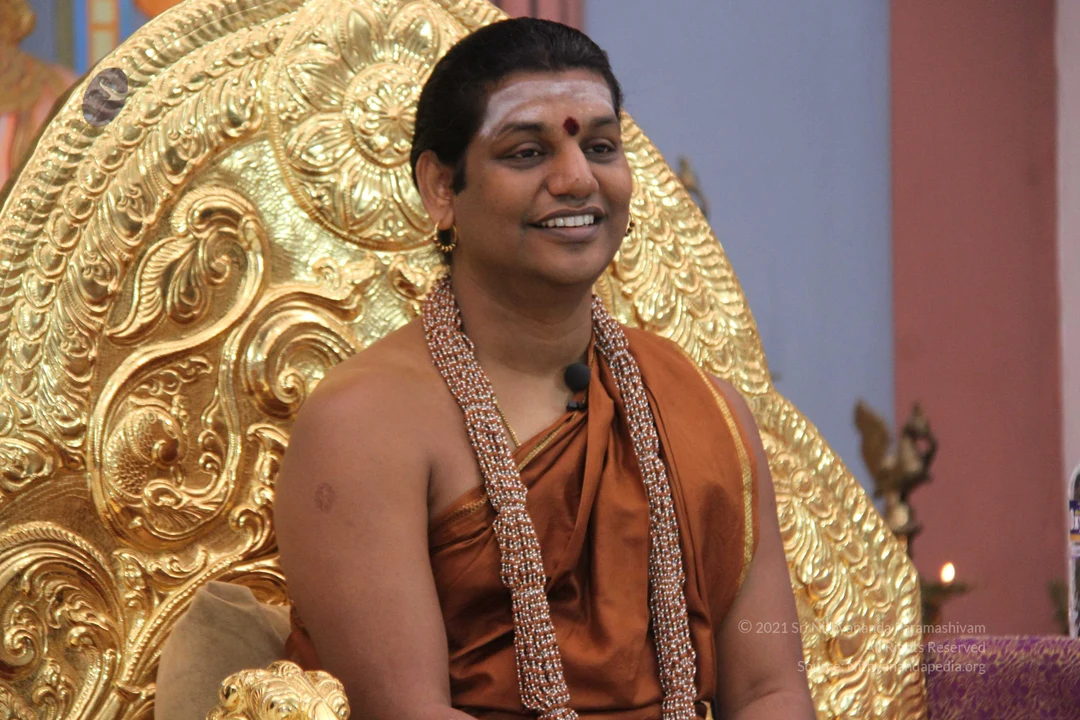
3-Dial-The-Avatar
4-Kalpataru-Darshan
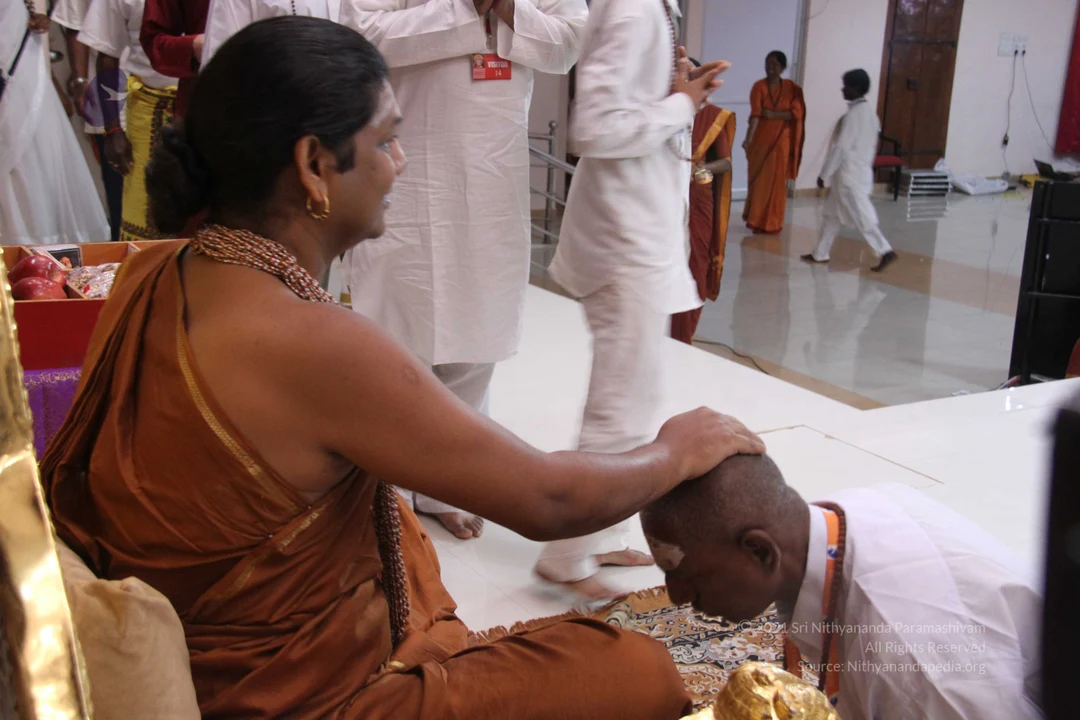
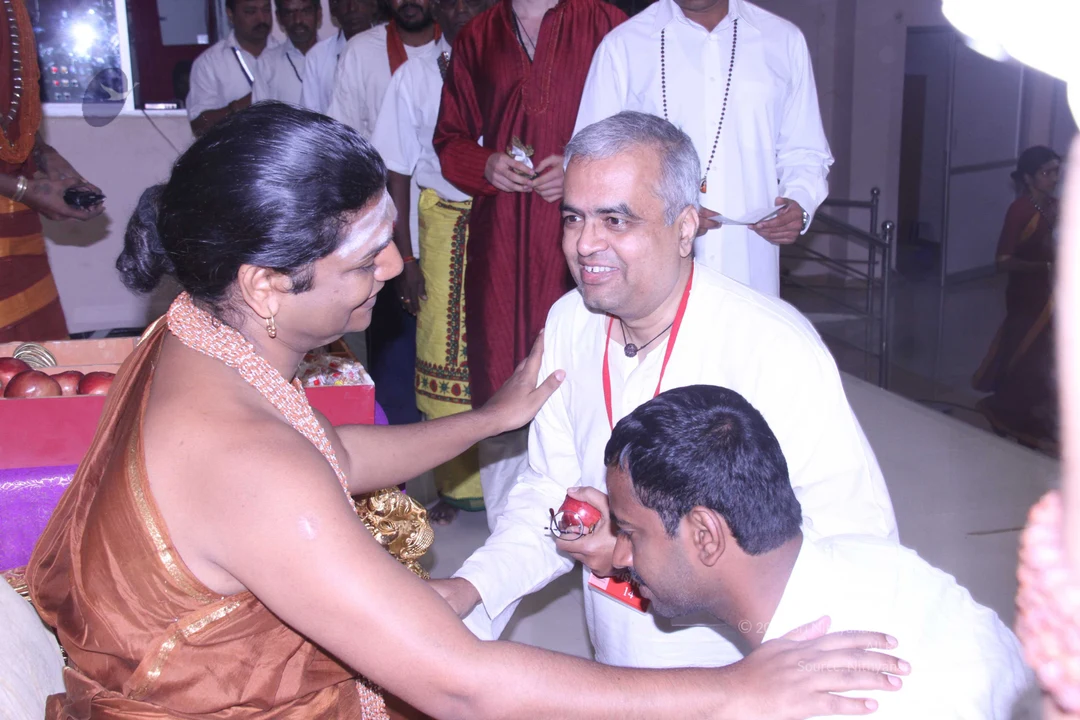
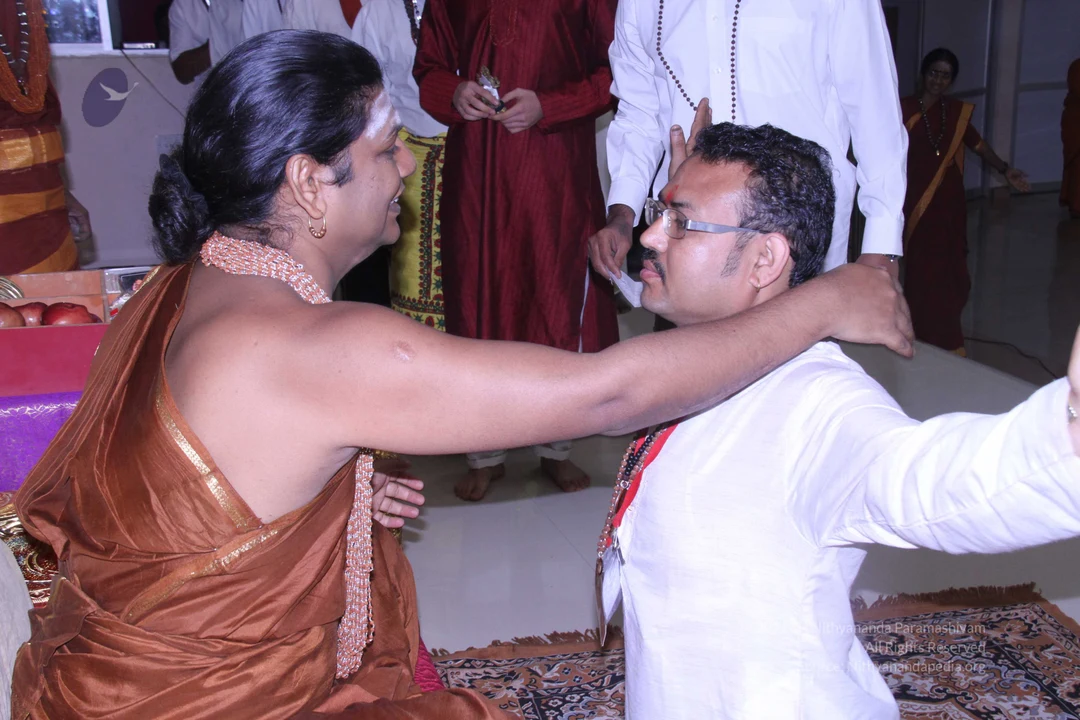
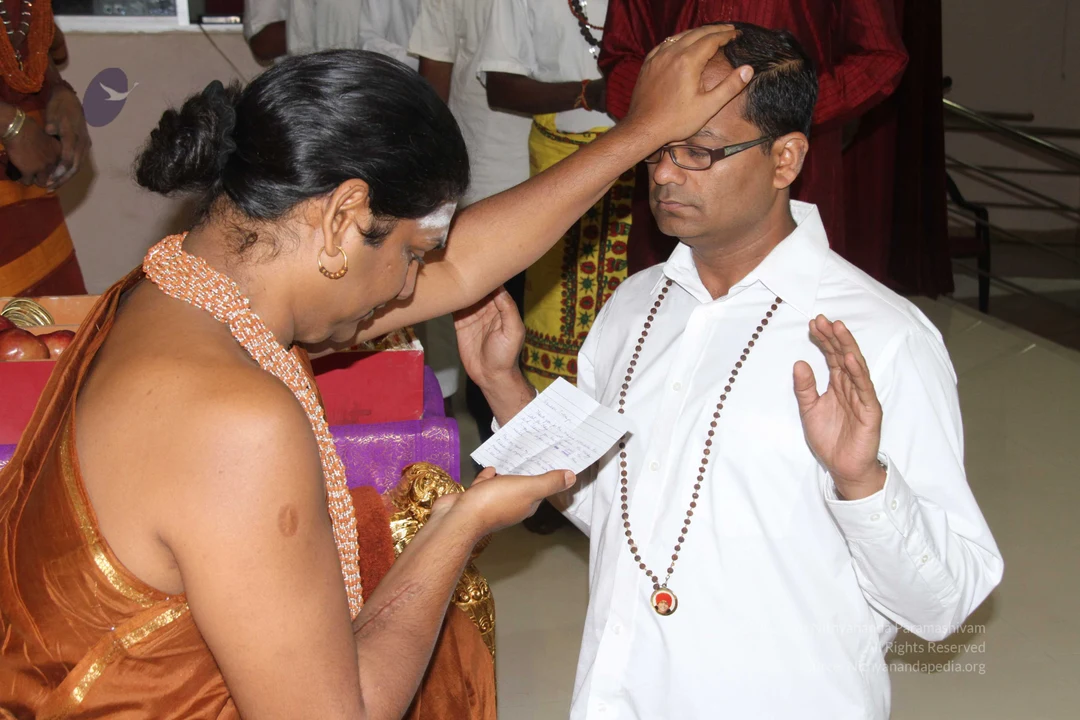
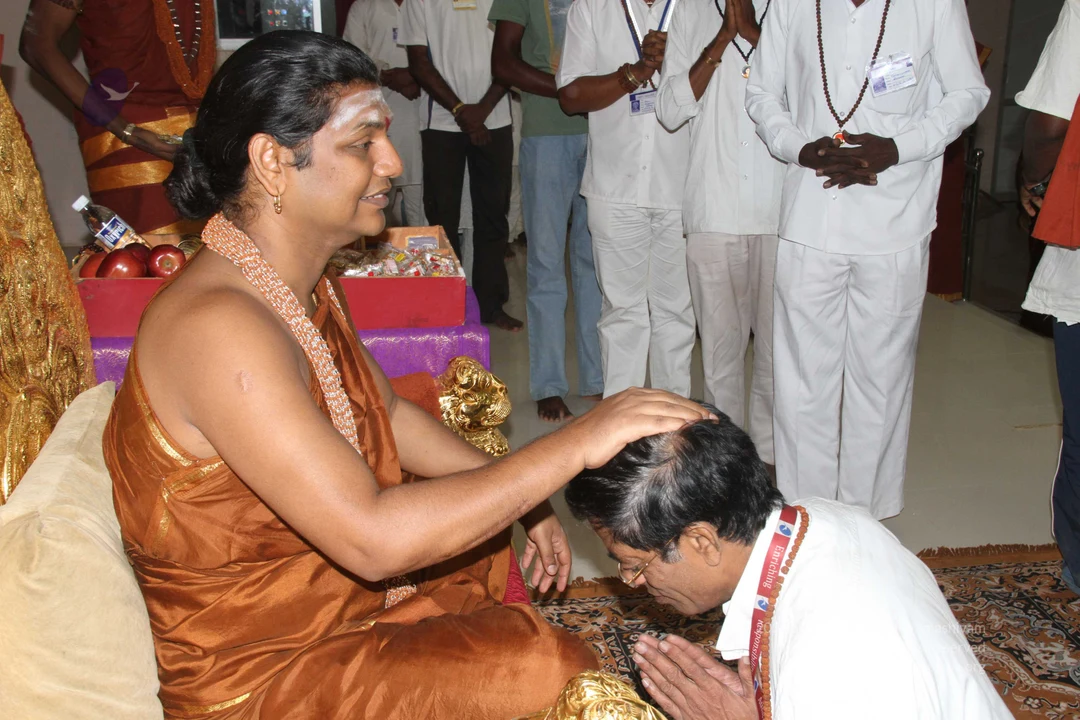
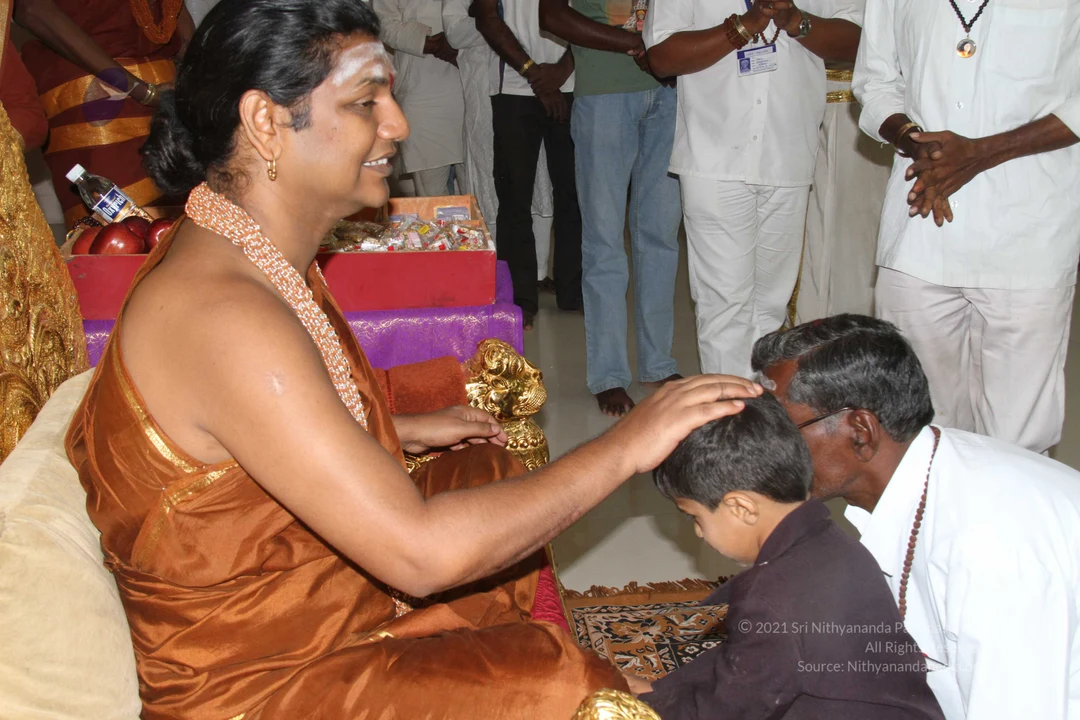
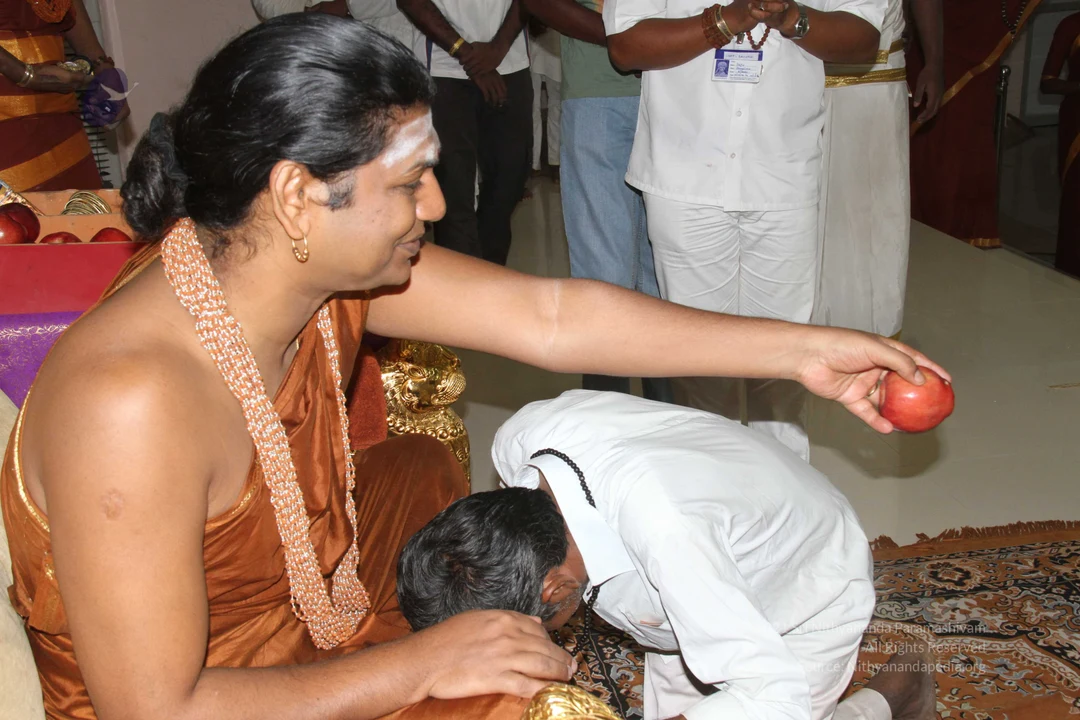
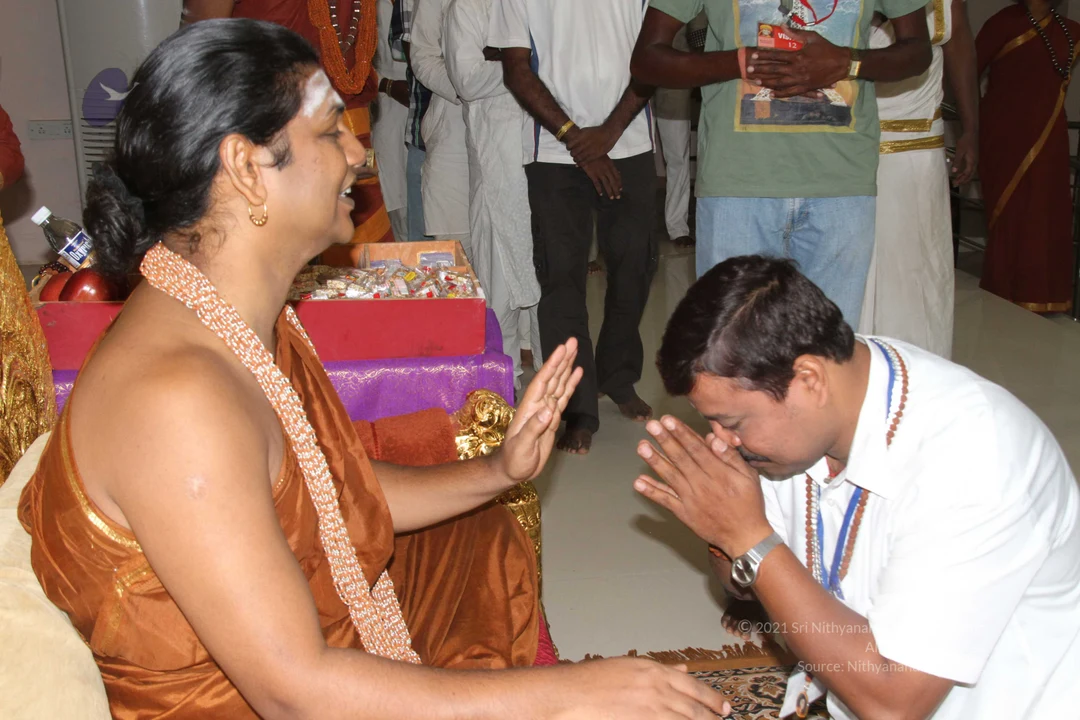
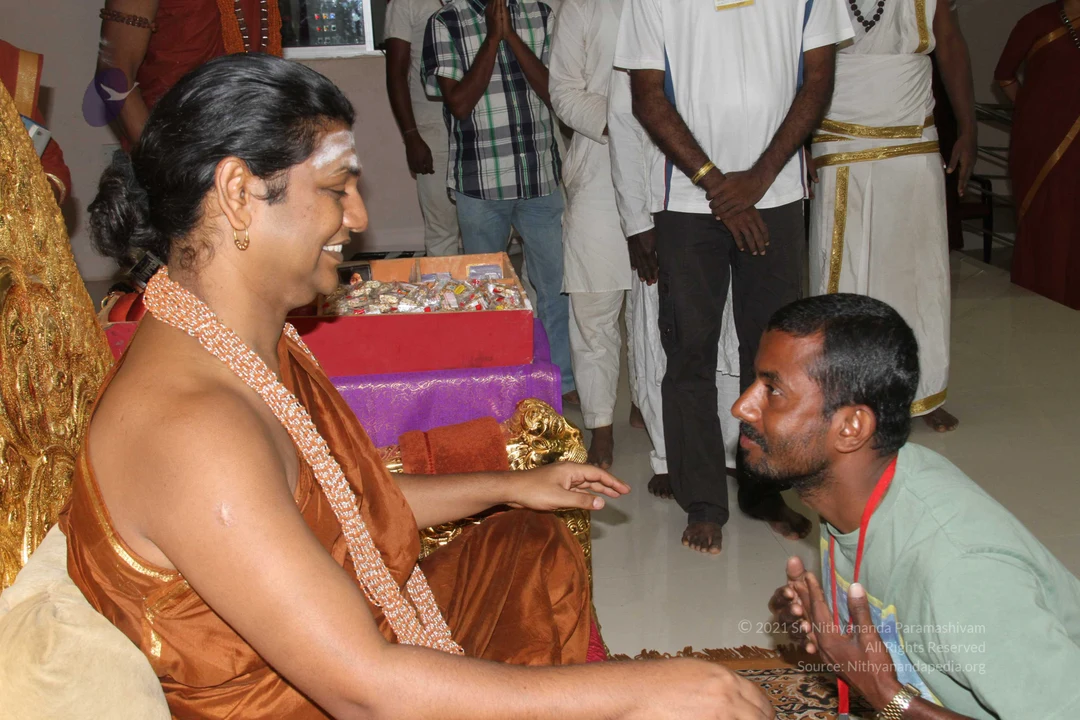
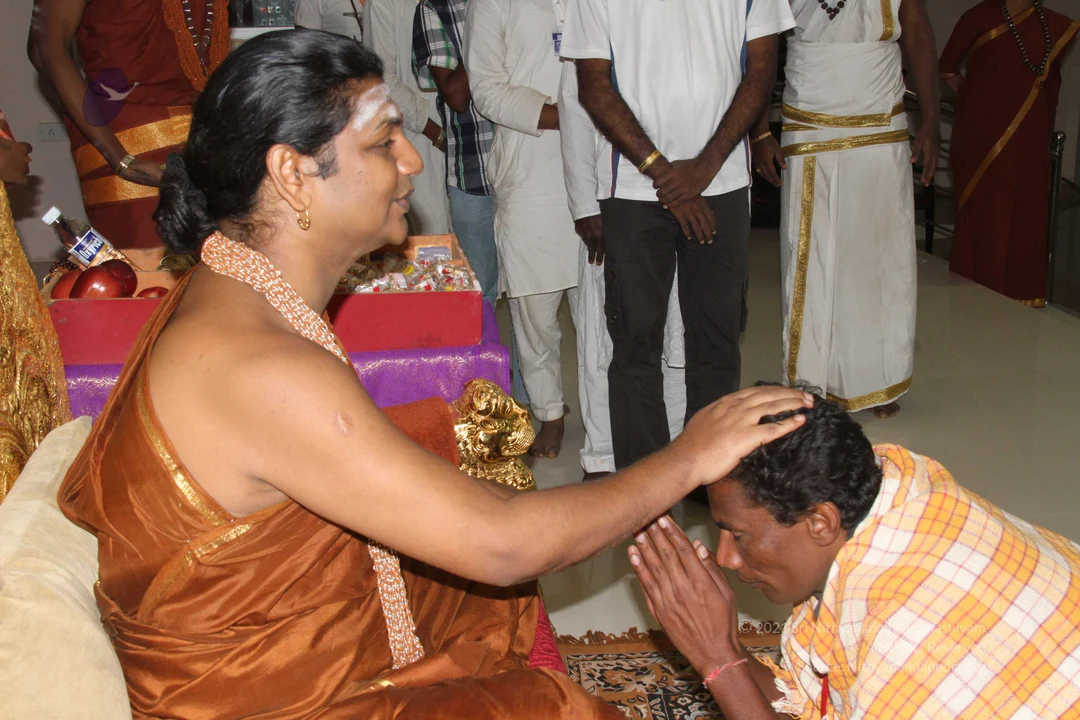
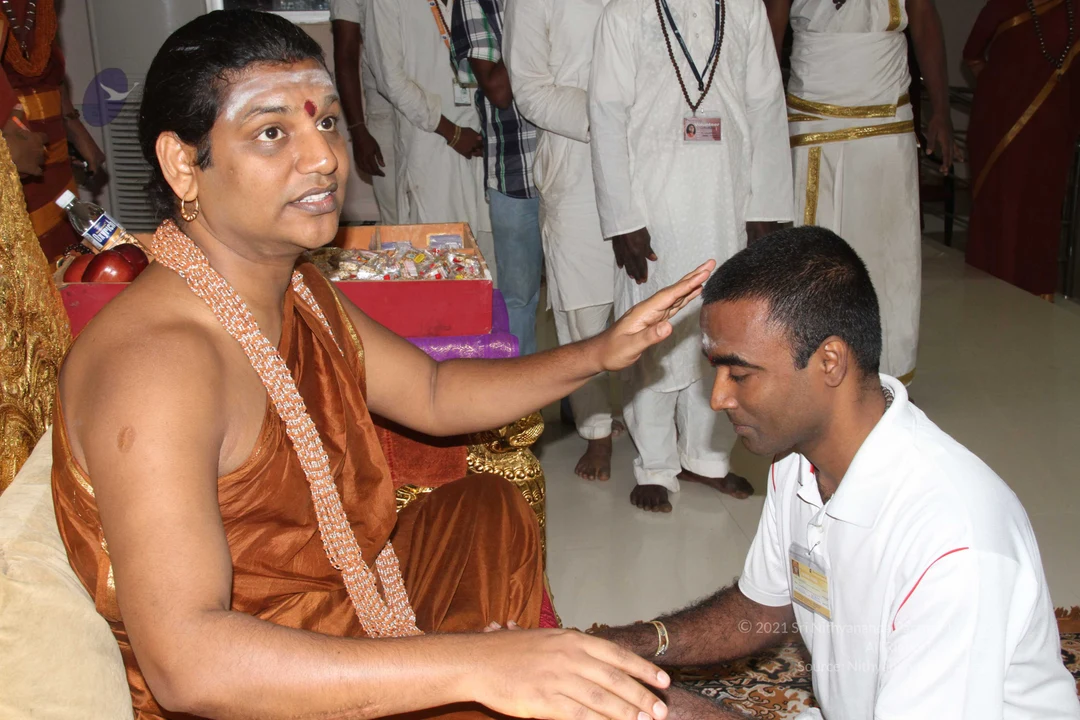
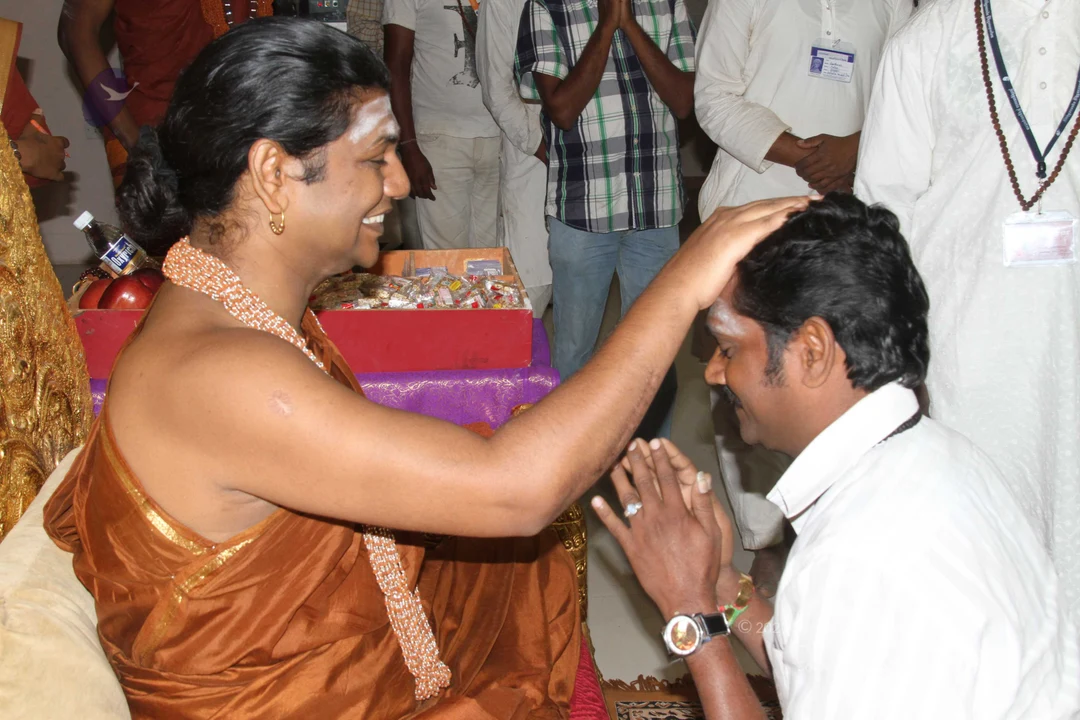
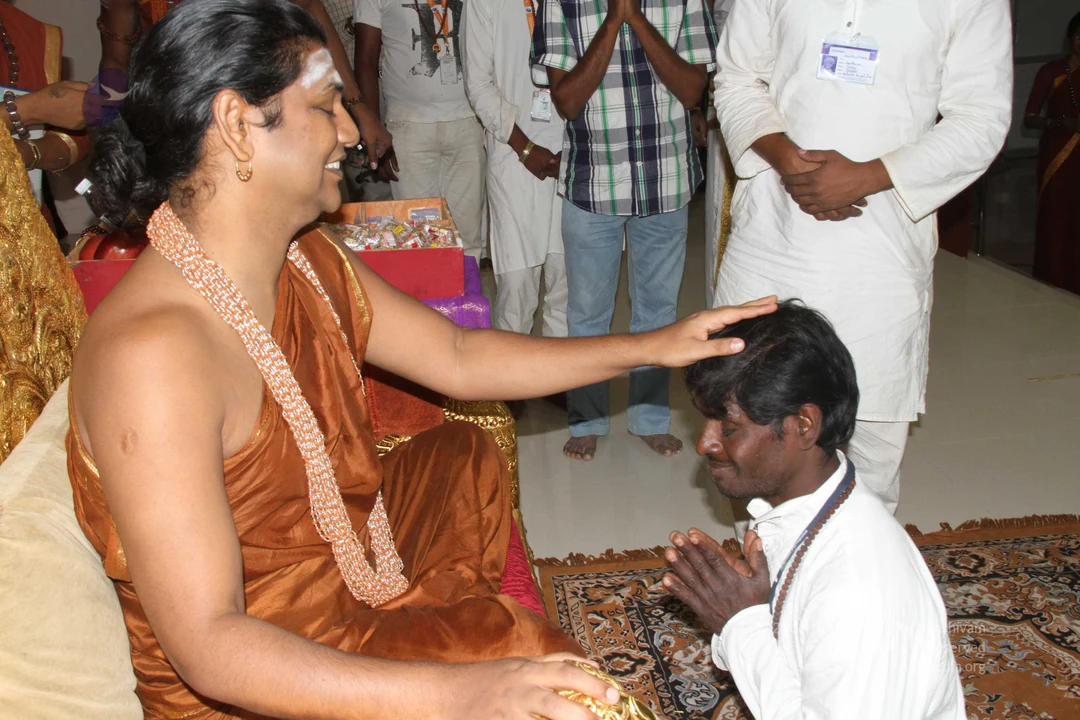
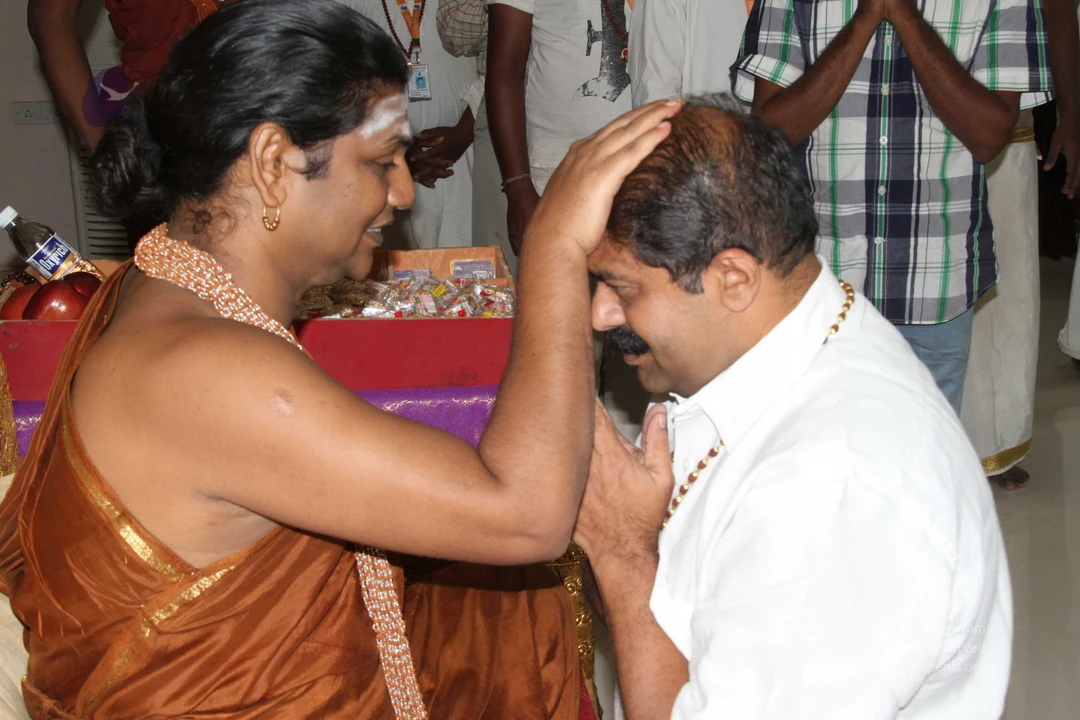
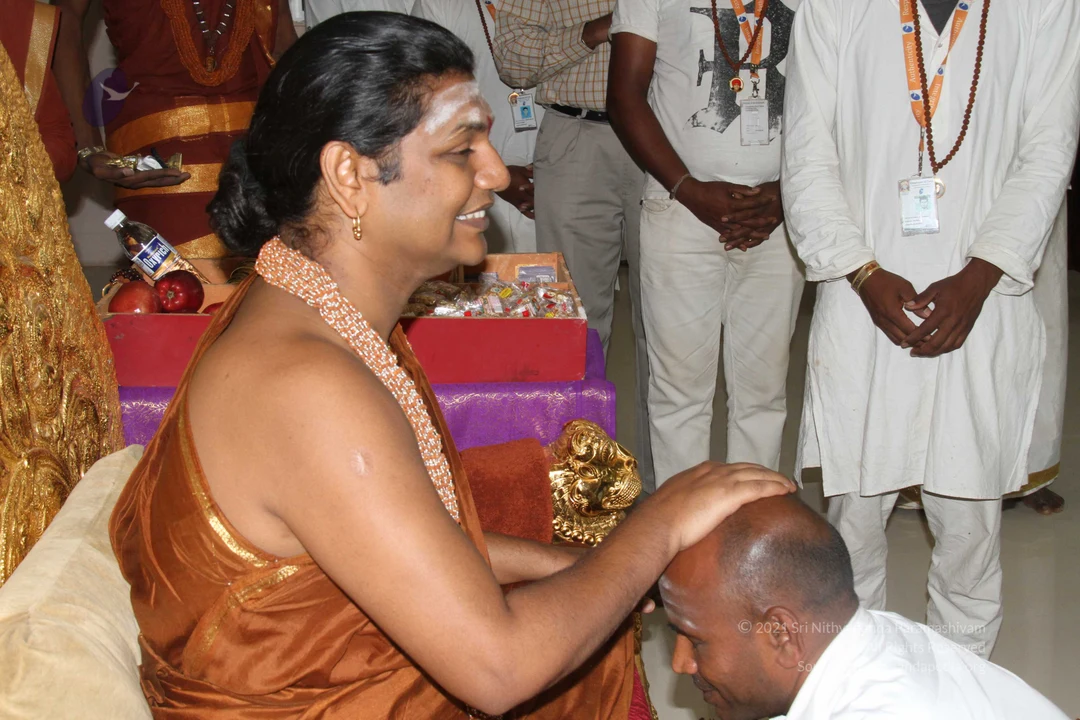
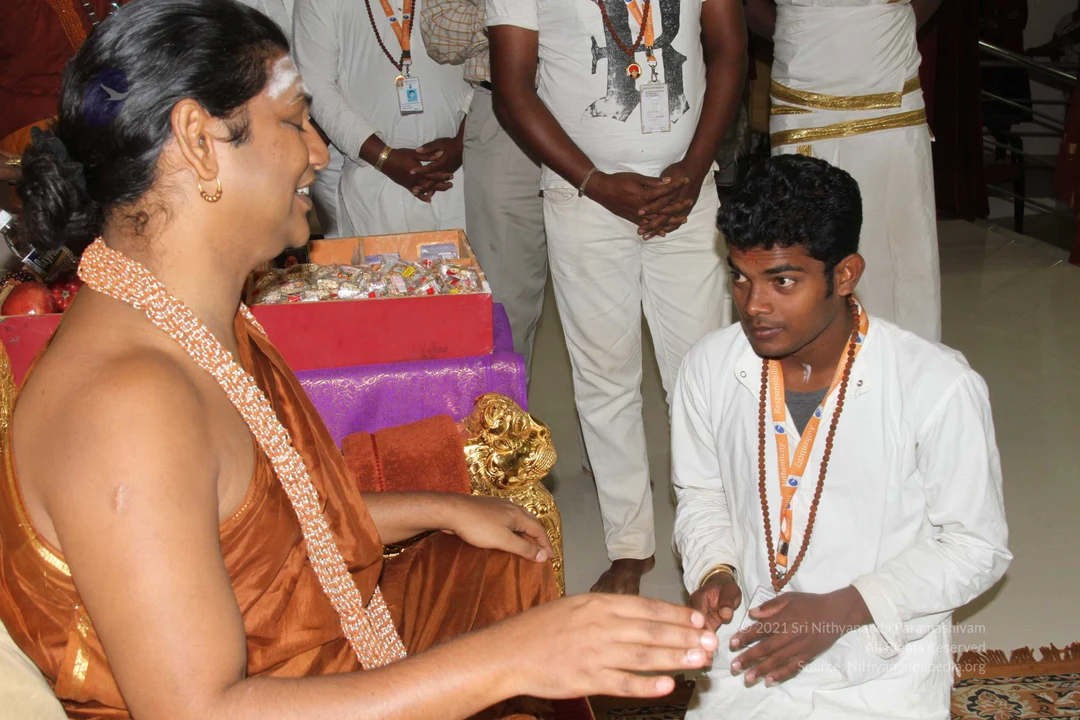
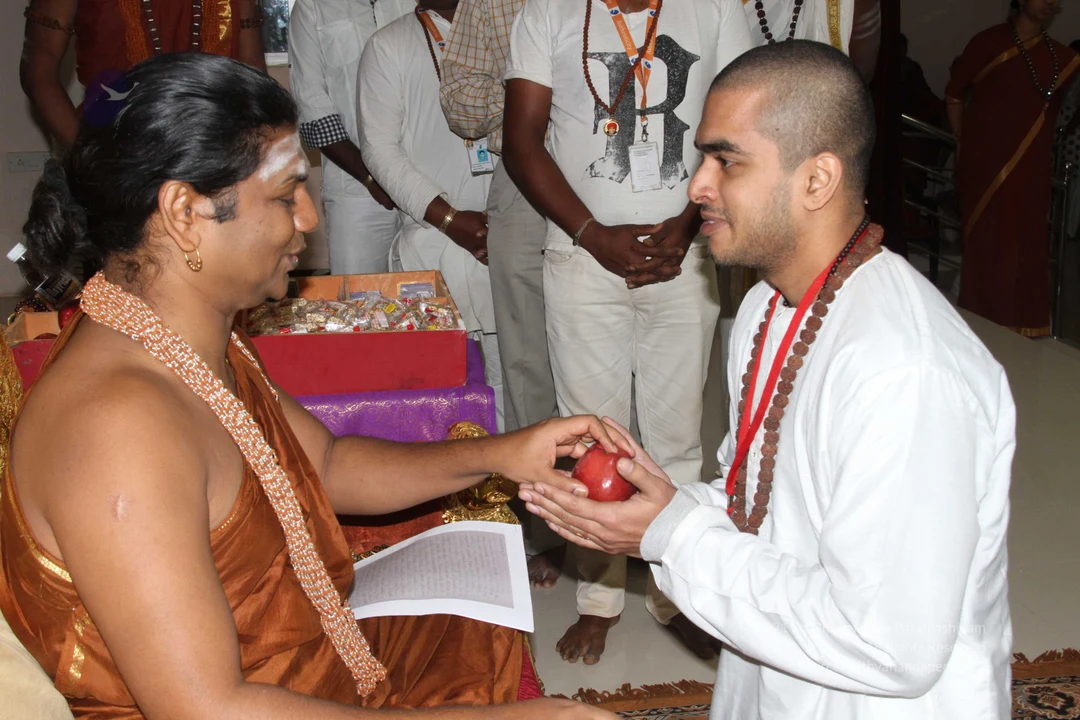
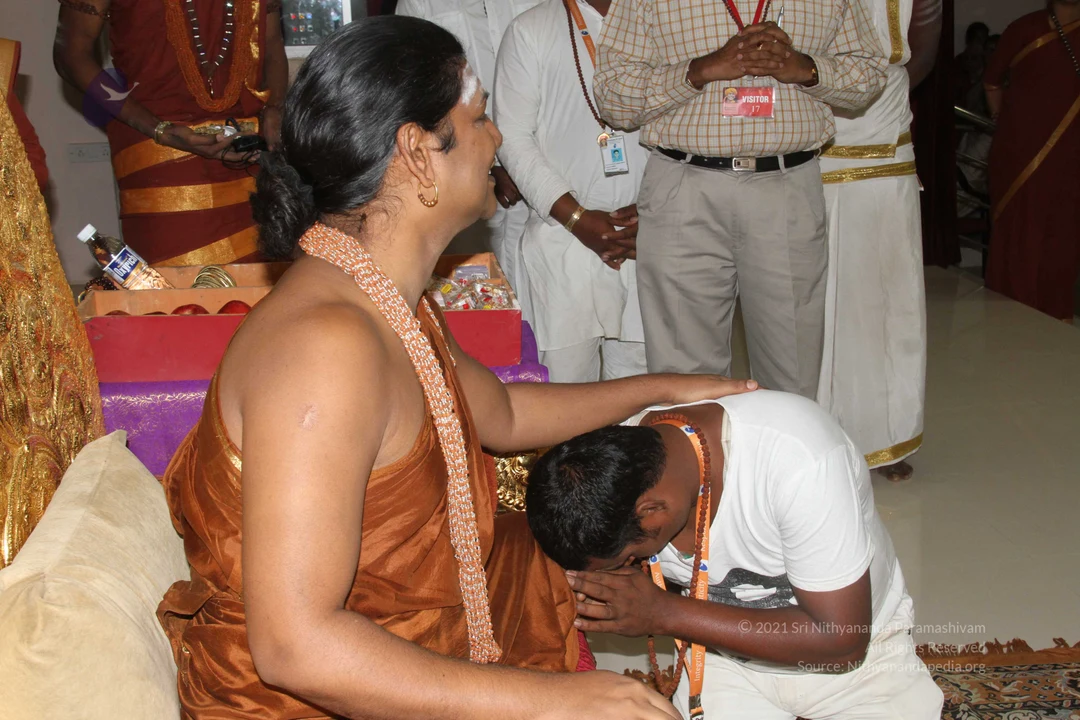
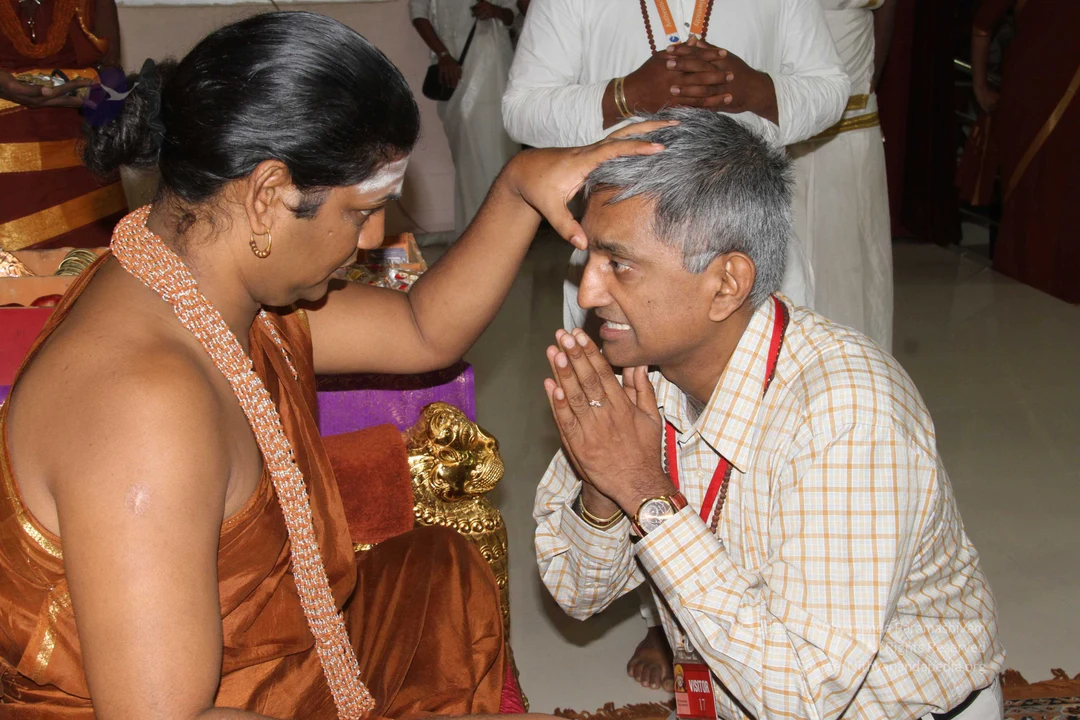
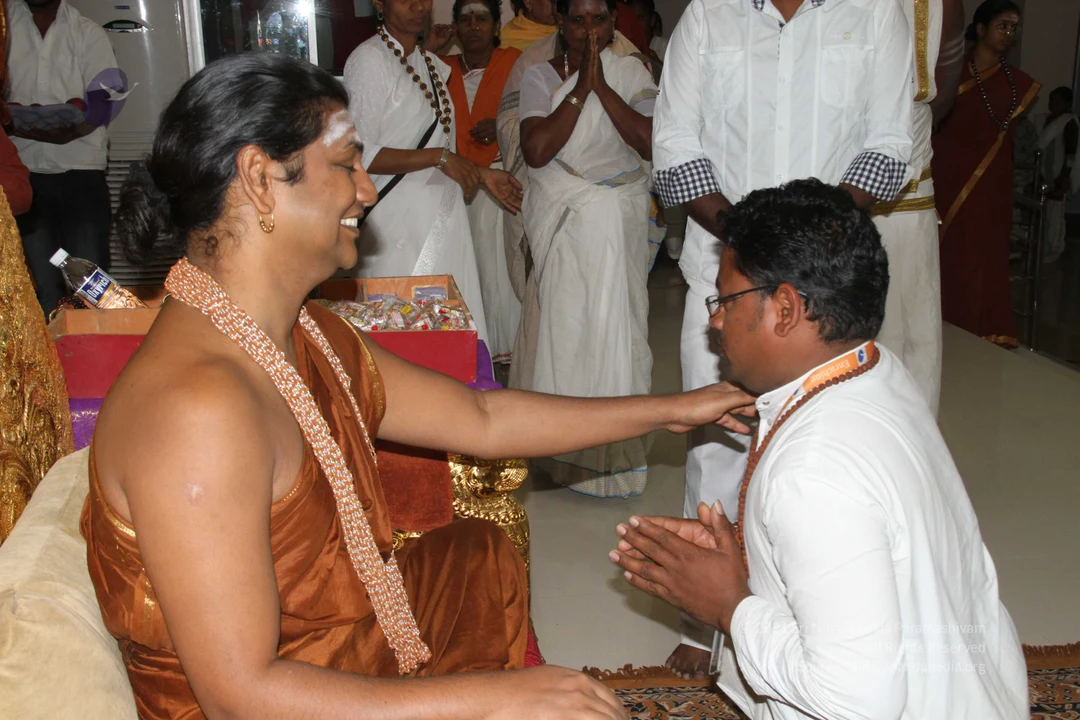
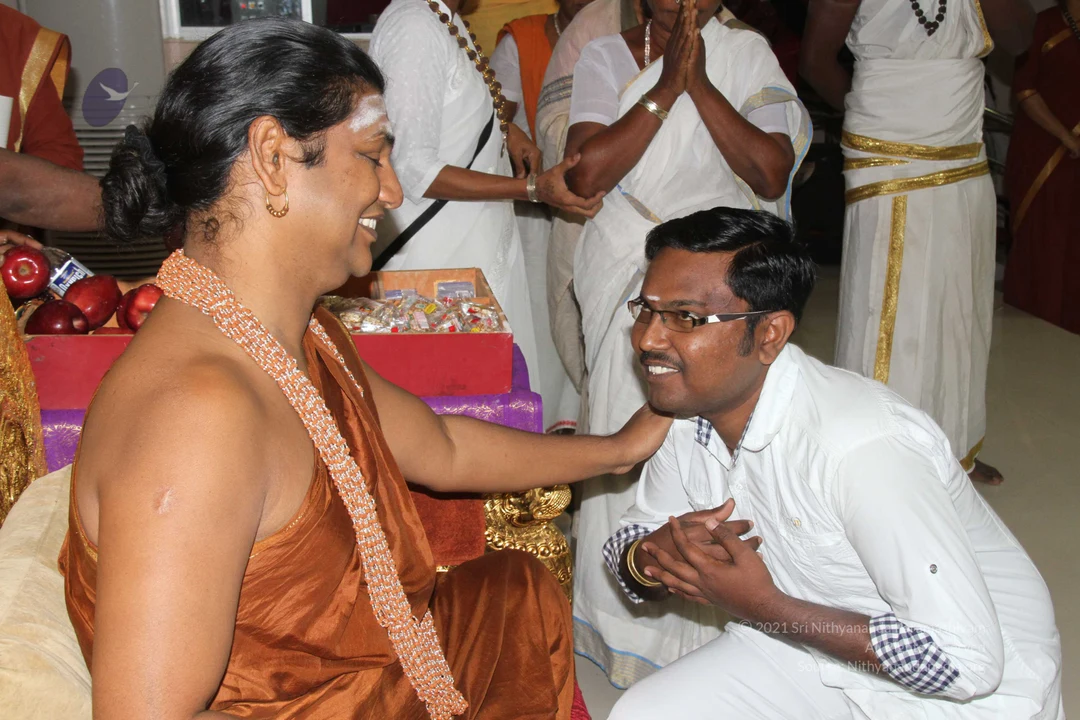
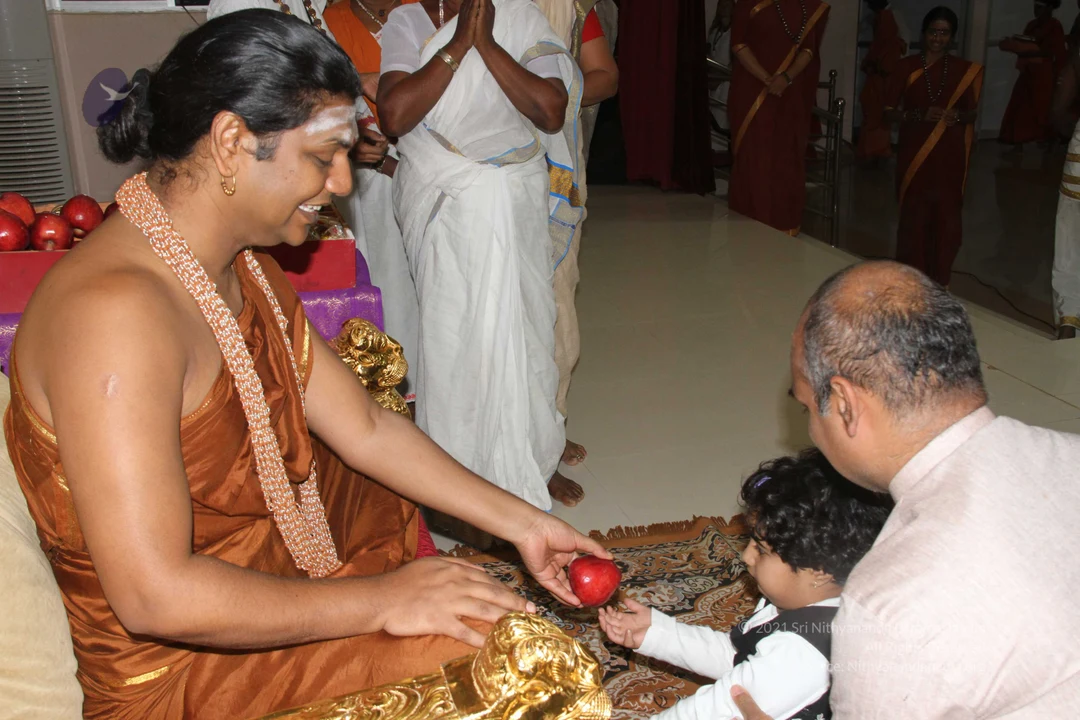
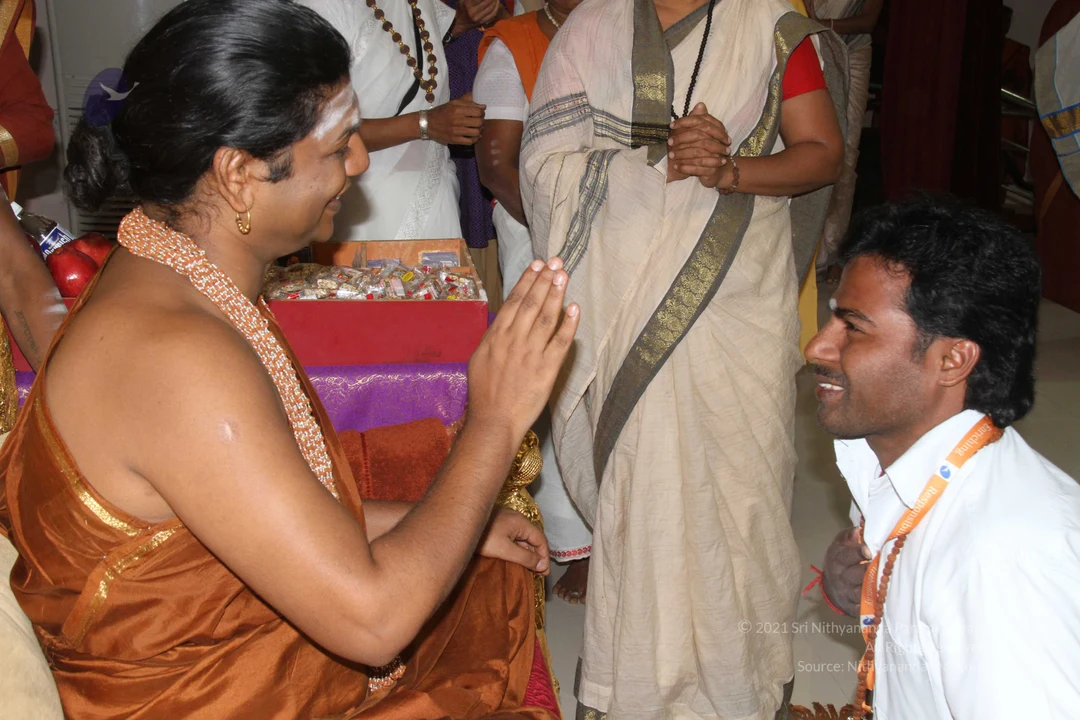
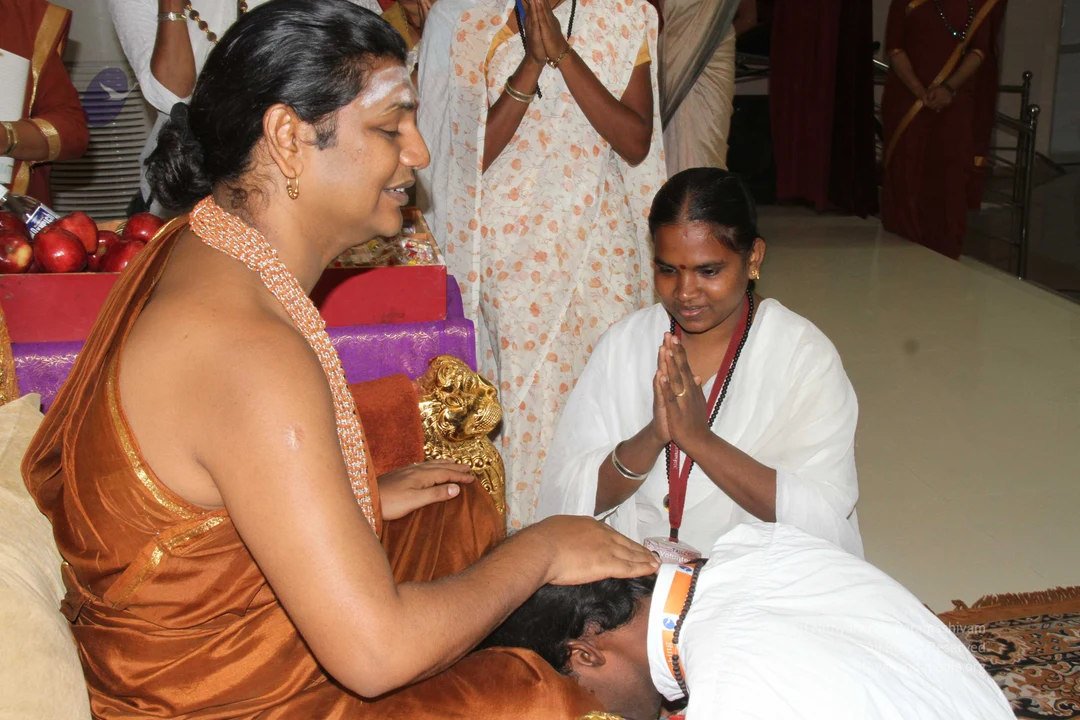
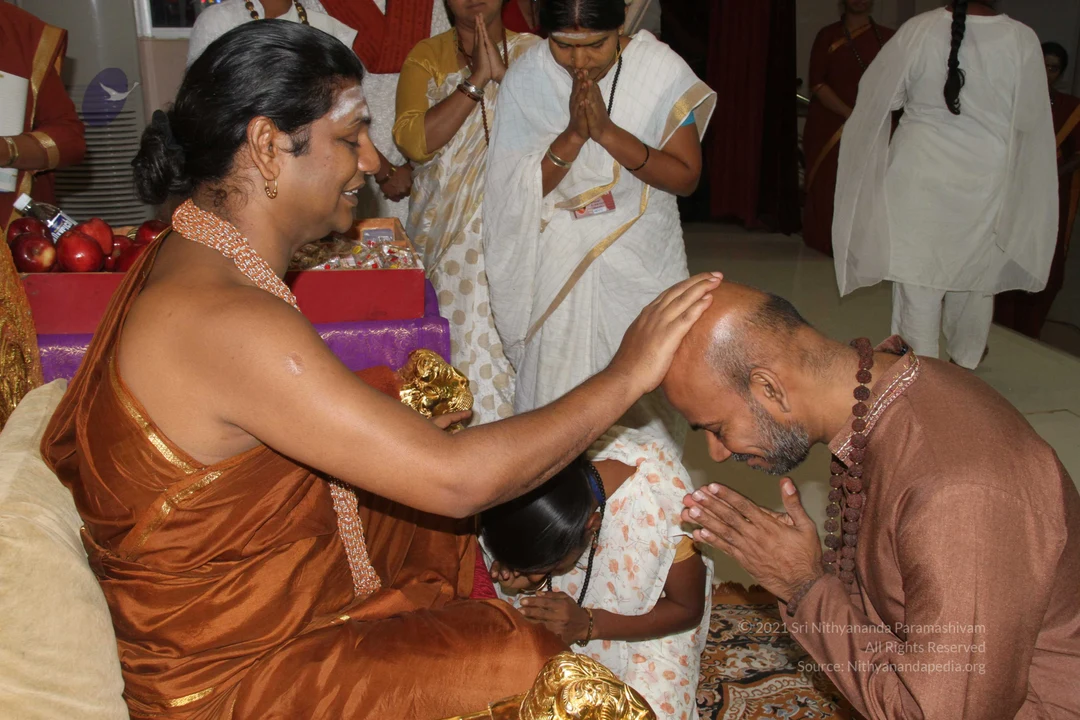
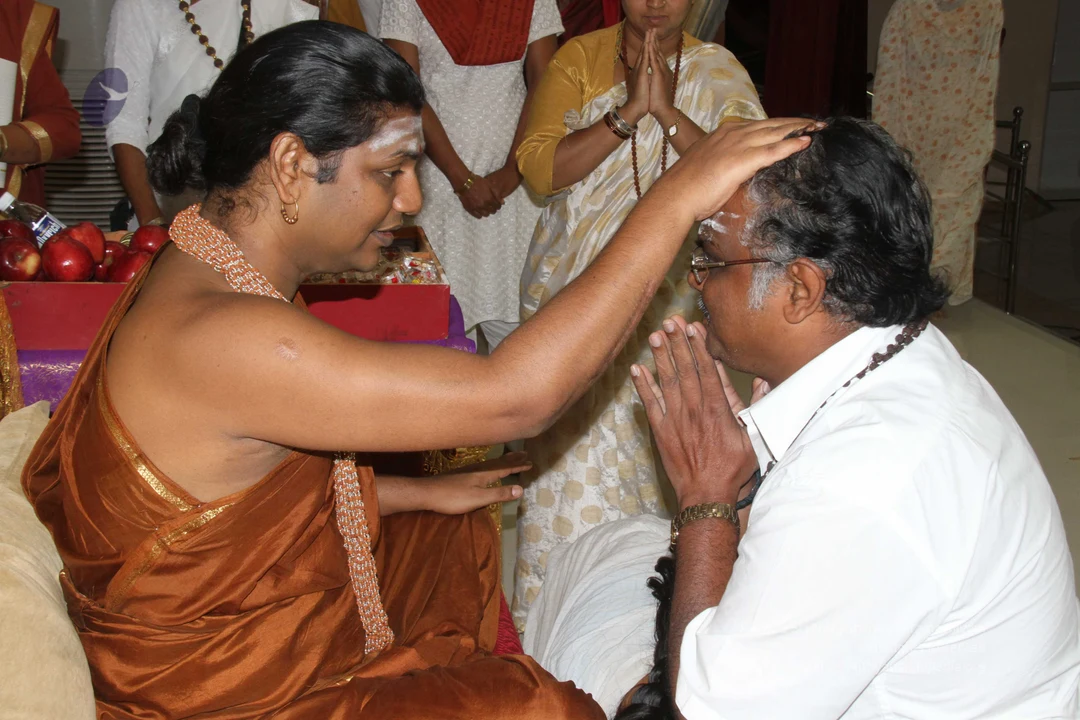
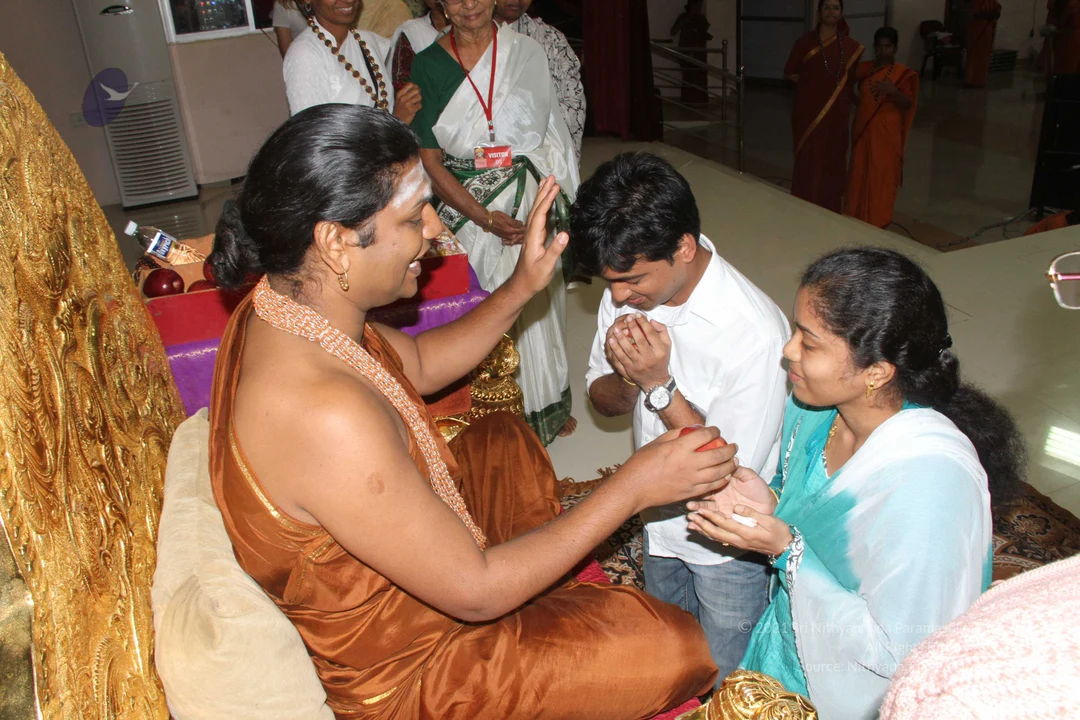
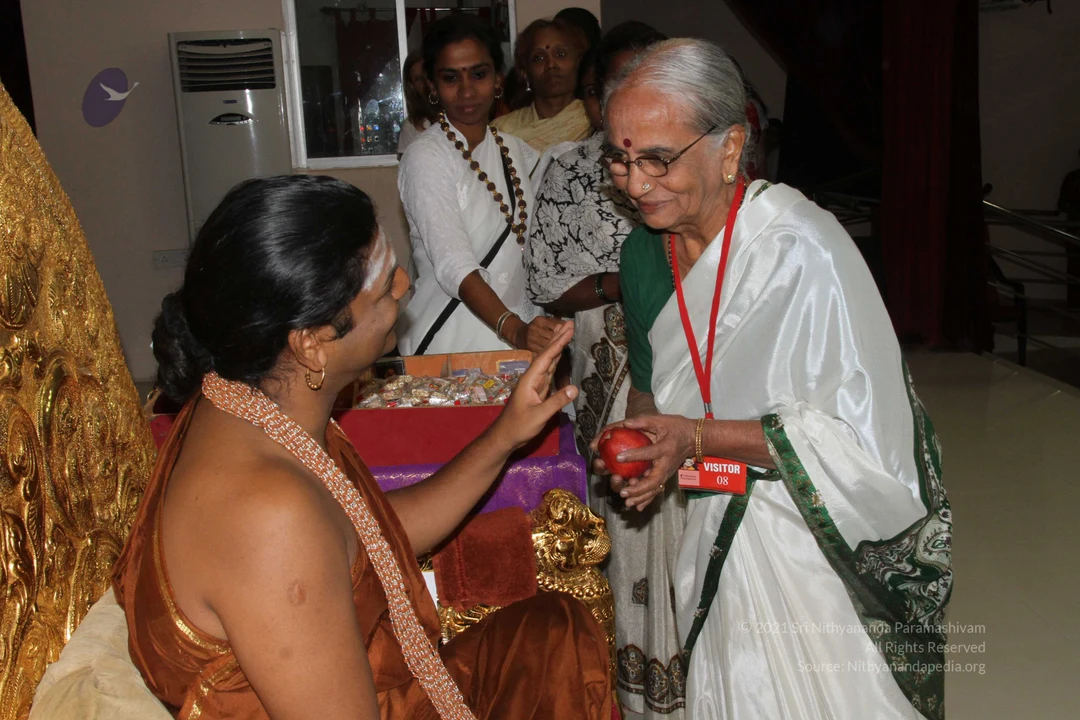
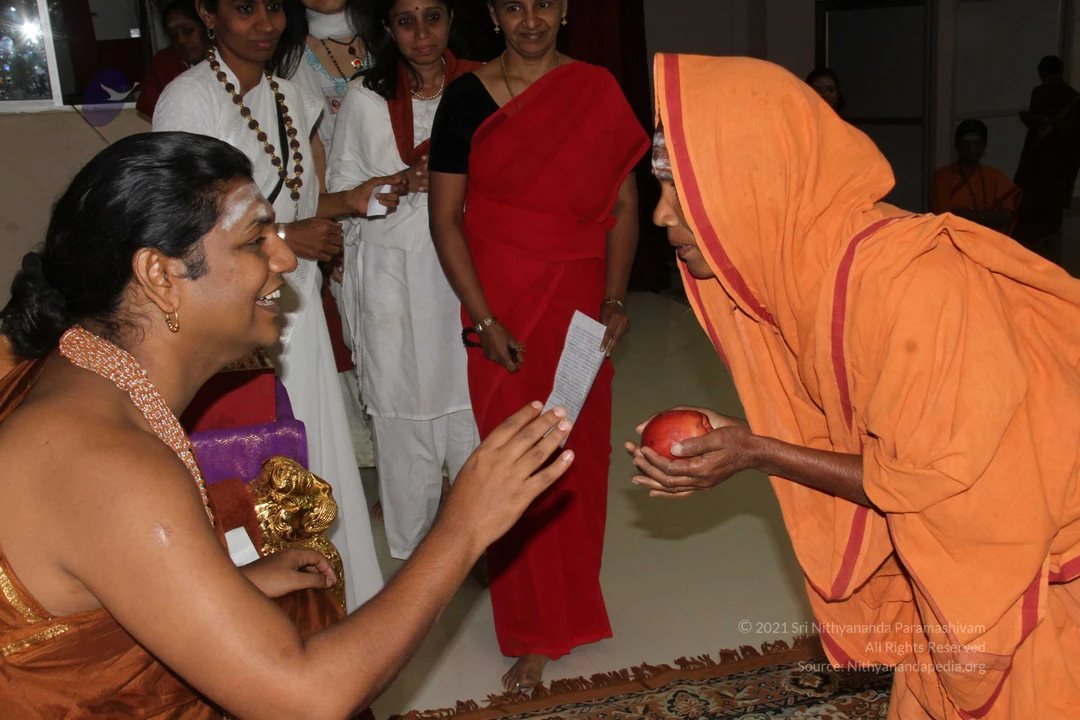
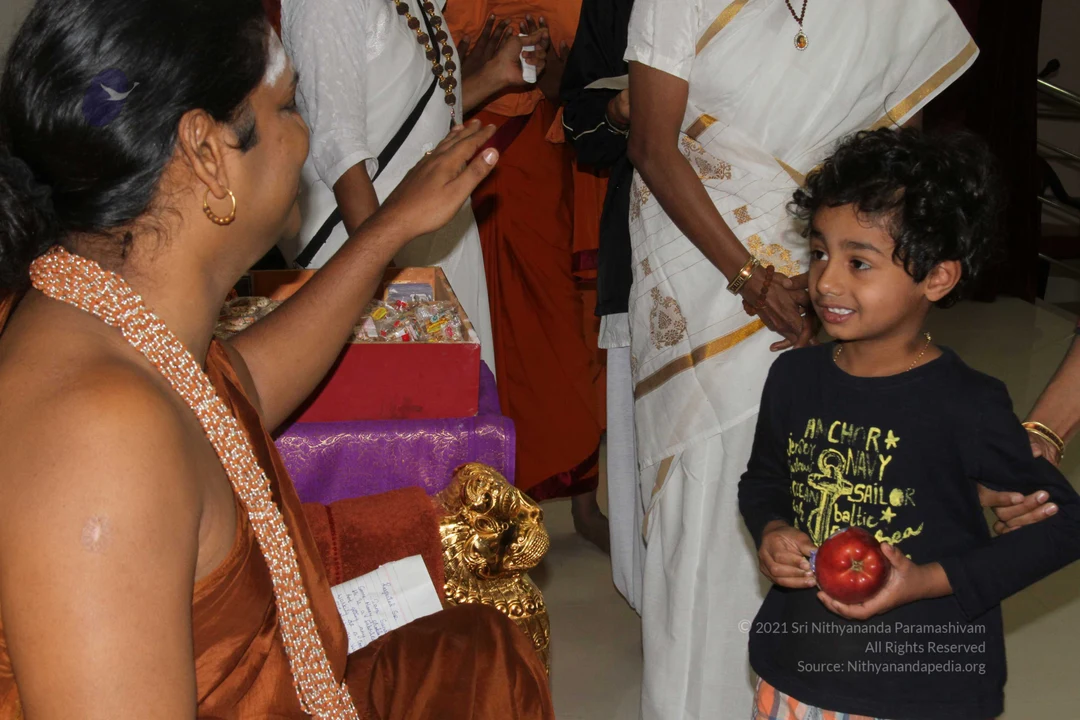
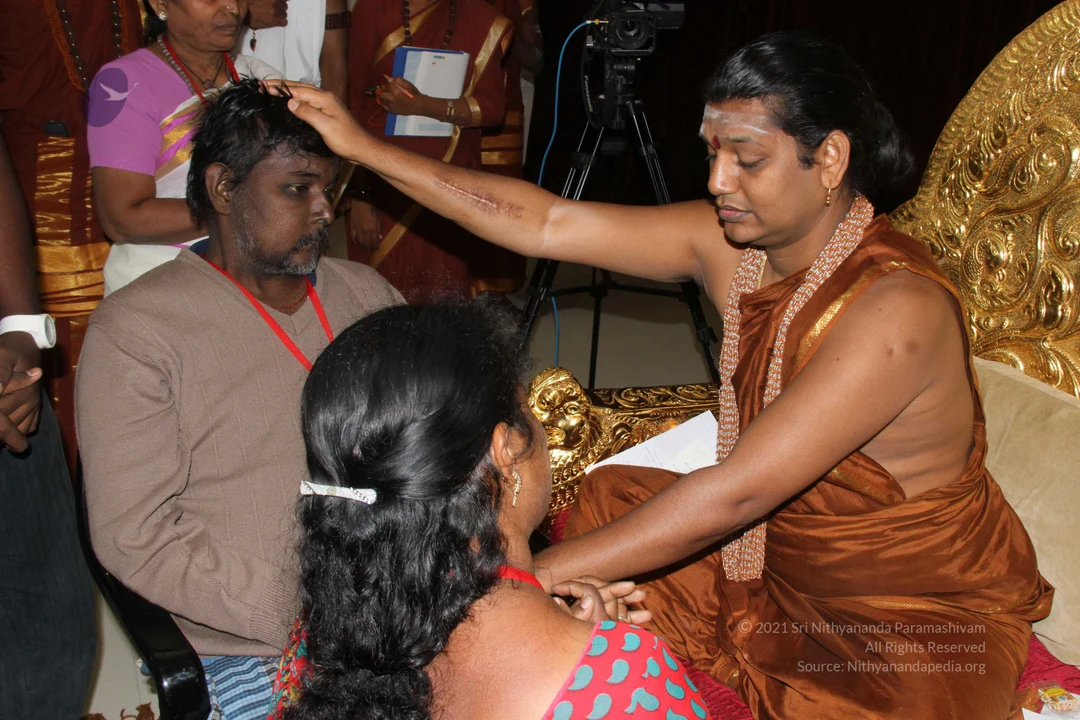
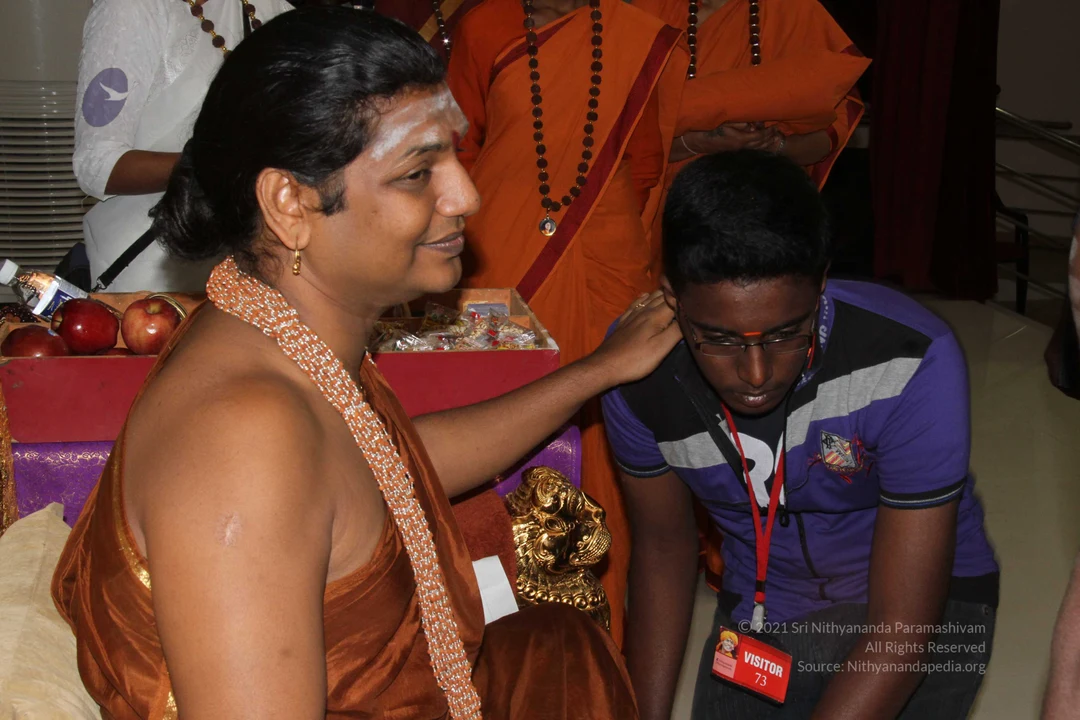
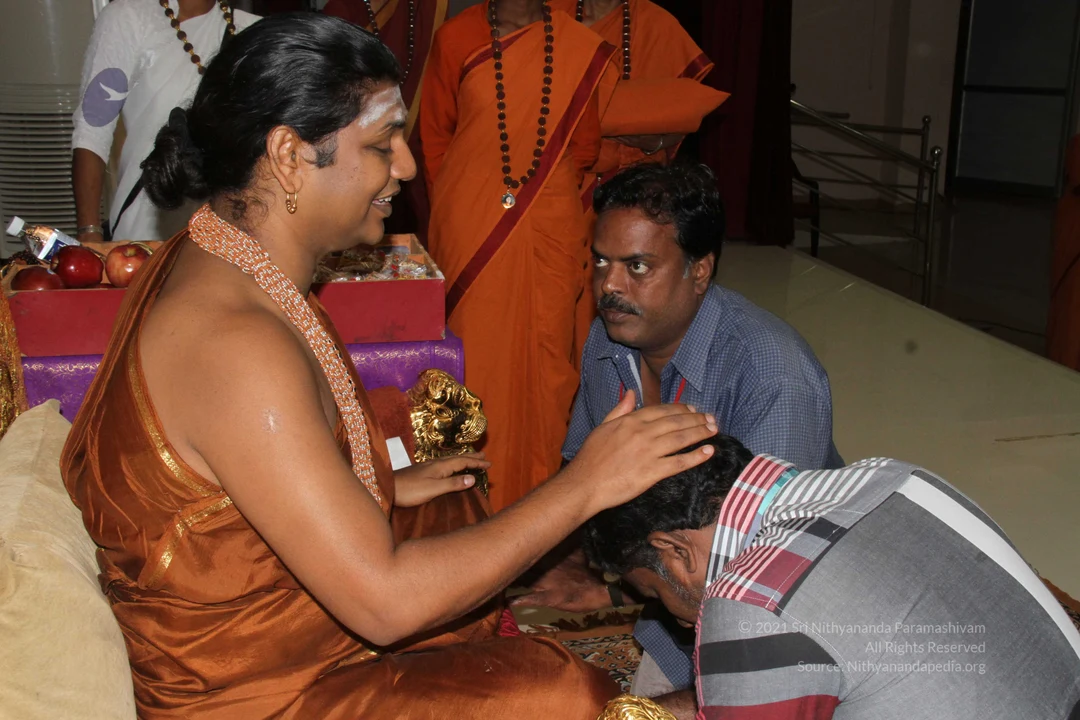
5-SPH-with-Sweta-Bhairav
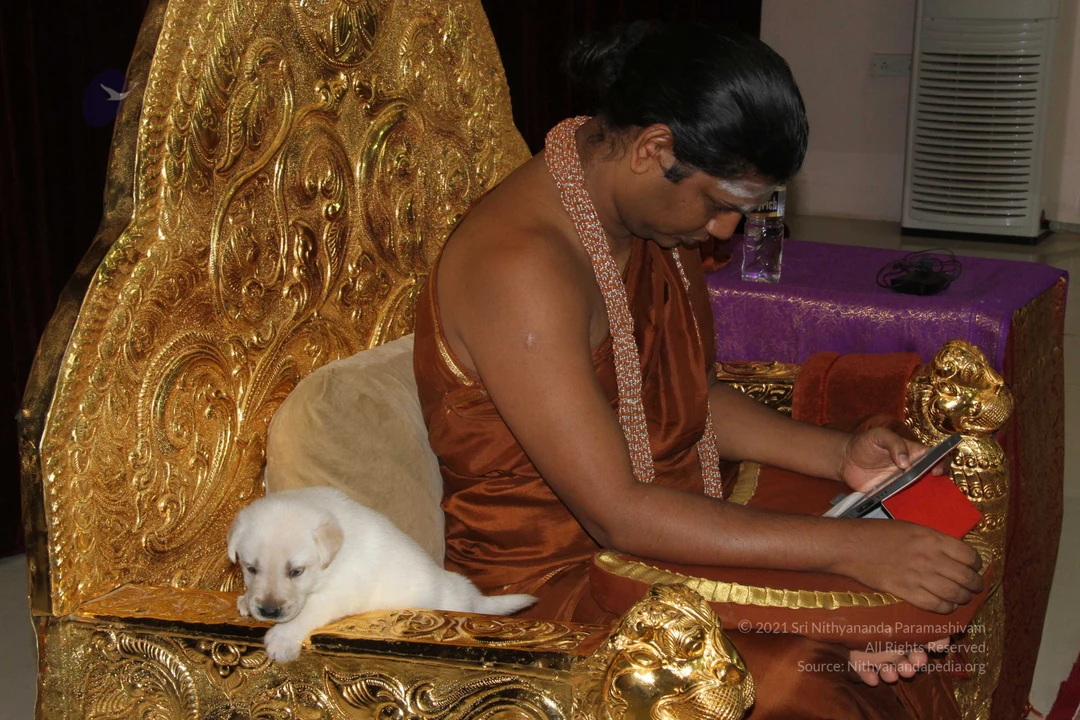
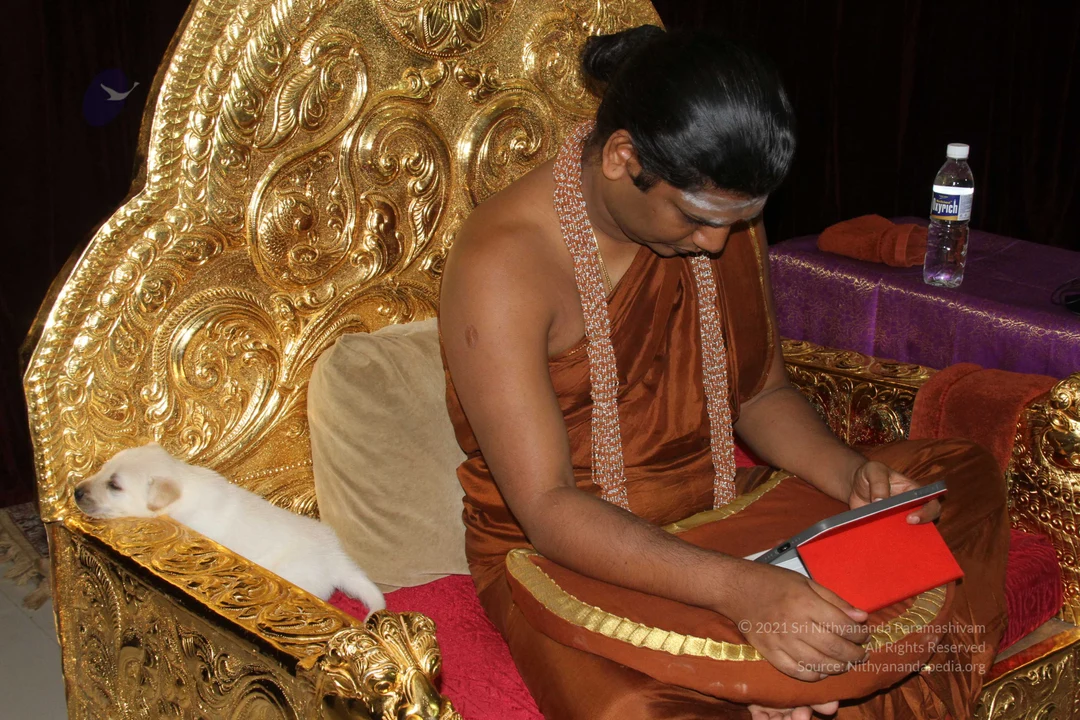





Photos from this day
View all 209 photosPhotos
3 photosSource gallery
Pada-Puja
23 photosSource gallery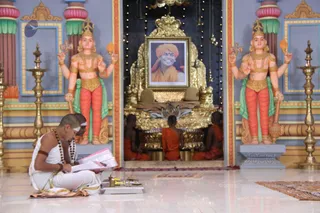
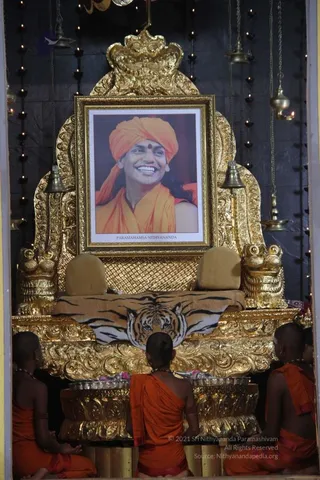
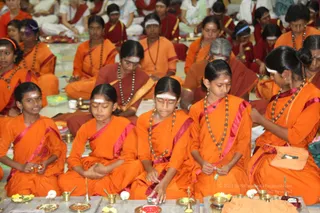
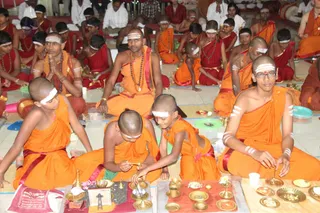
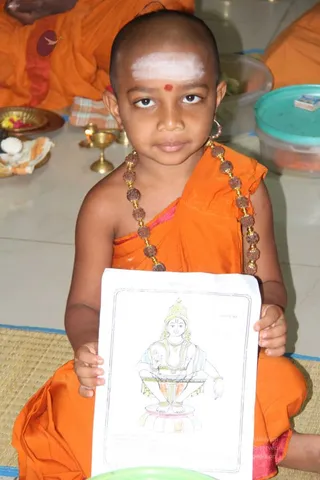
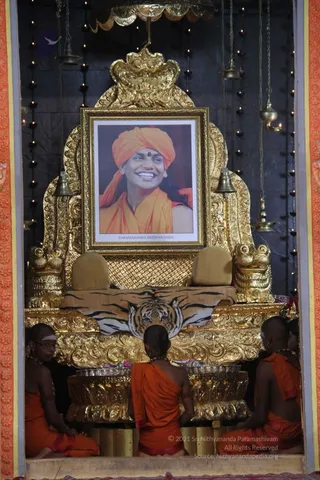
Morning-Satsang
64 photosSource gallery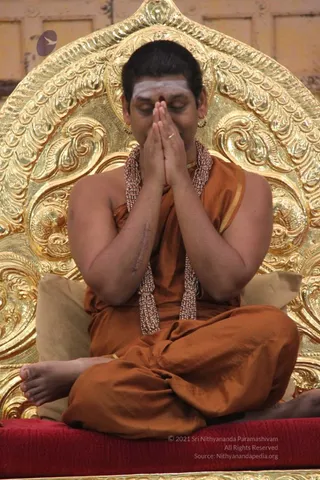
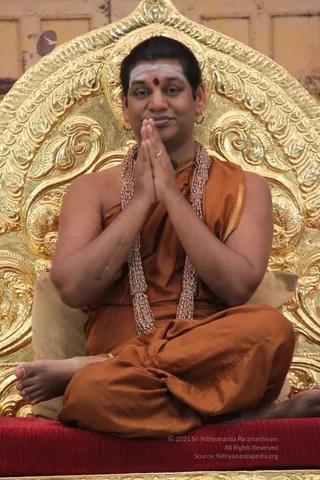
Dial-The-Avatar
6 photosSource gallery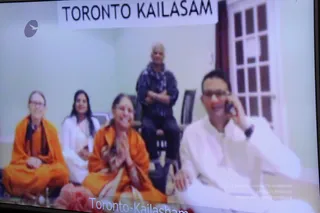

Kalpataru-Darshan
24 photosSource gallery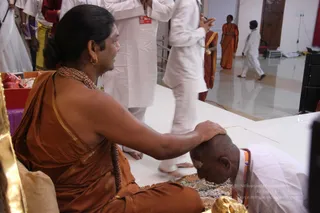
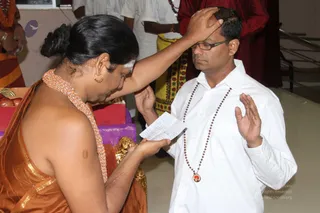
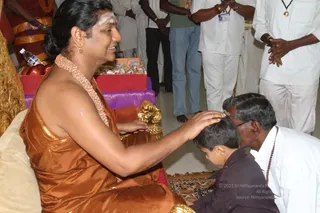
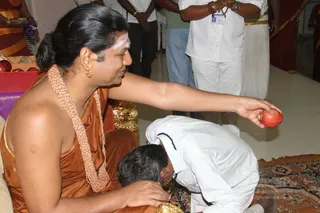
SPH-with-Sweta-Bhairav
6 photosSource gallery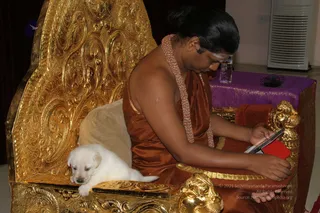
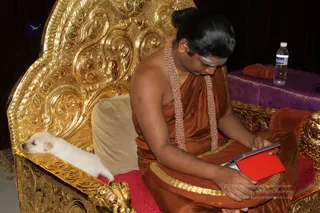




Satsang
80 photosSource gallery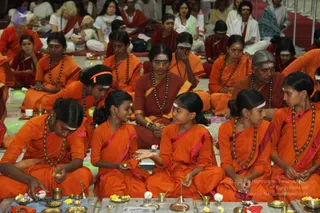
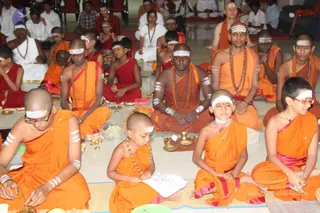
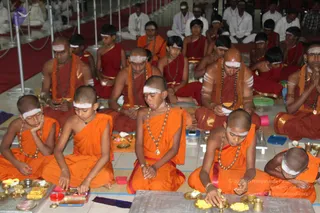
SPH-with-Sweta-Bhairav
1 photoSource gallery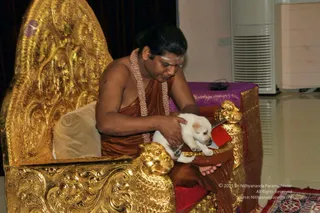
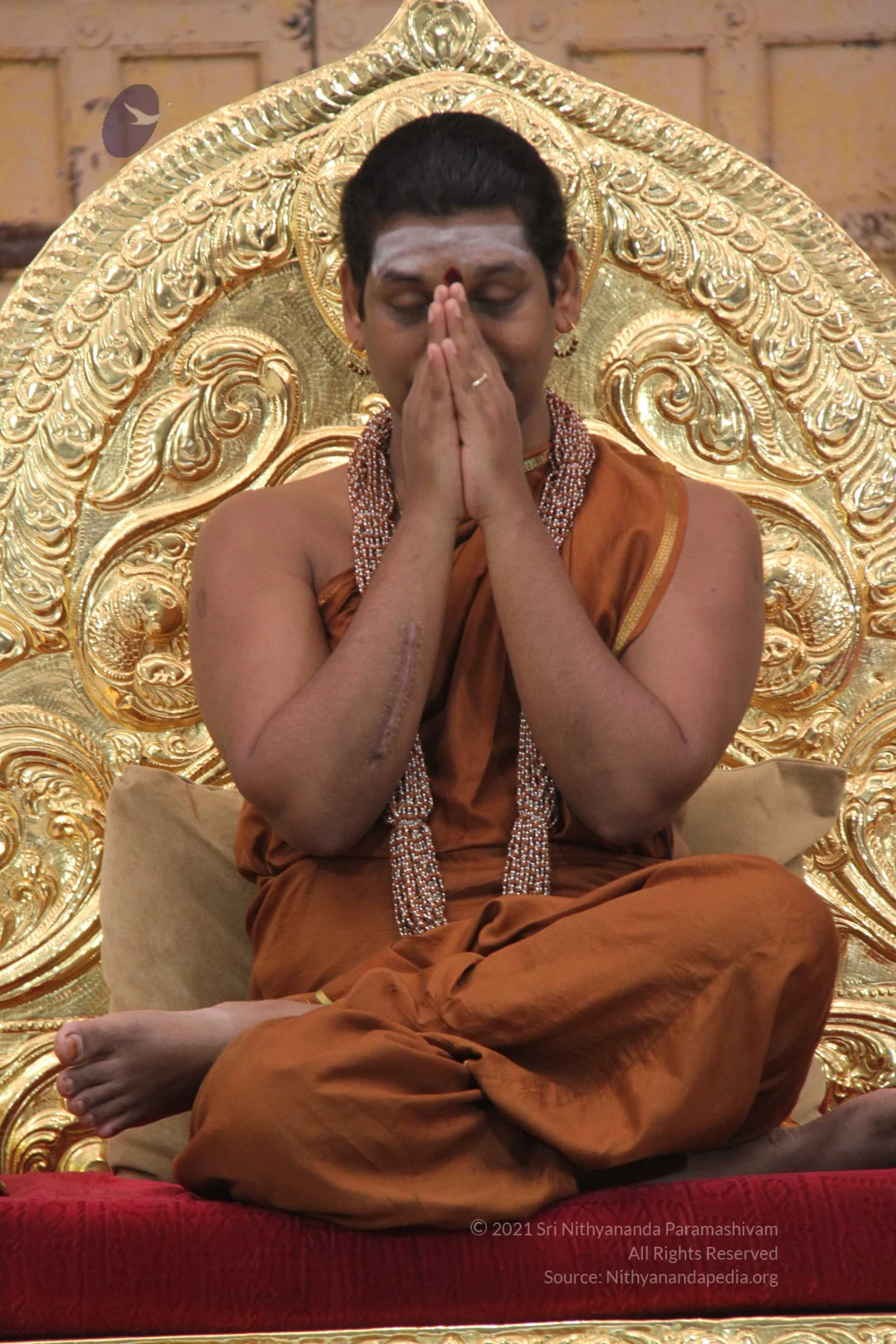
2-Morning-Satsang
1 photoSource gallery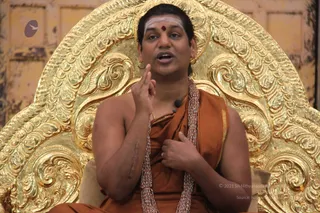
5-SPH-with-Sweta-Bhairav
1 photoSource gallery