Sunday
31 December 2017
Kaala - The Fourth Dimension of the Universe Explained
- Dated photos
- 603
- Source pages
- 1
- Media
- 4
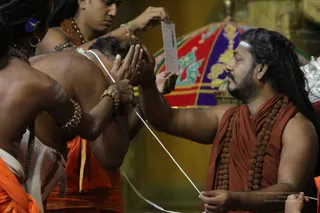
December 31 2017
Original wiki pageTitle
Kaala - The Fourth Dimension of the Universe Explained
Description:
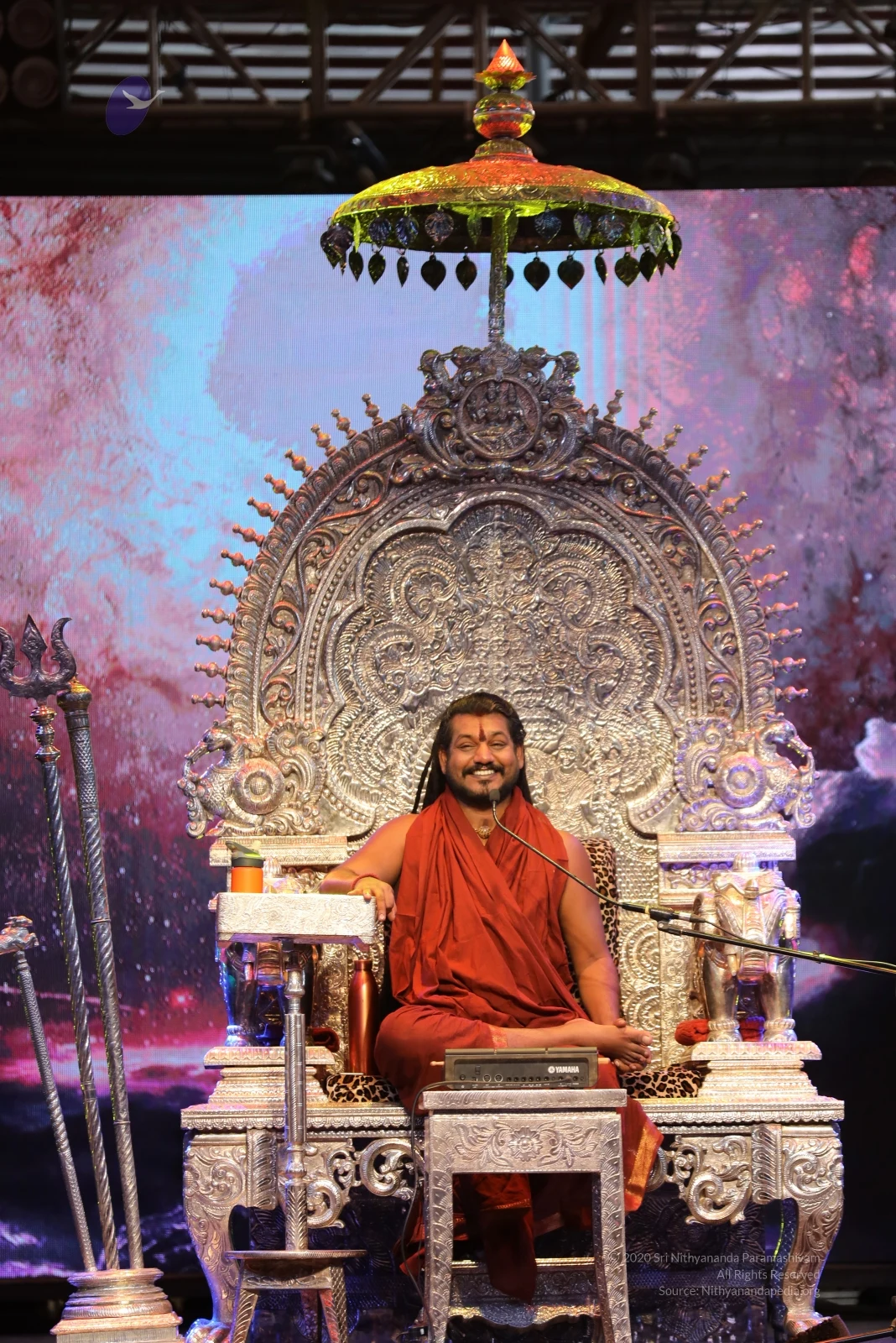
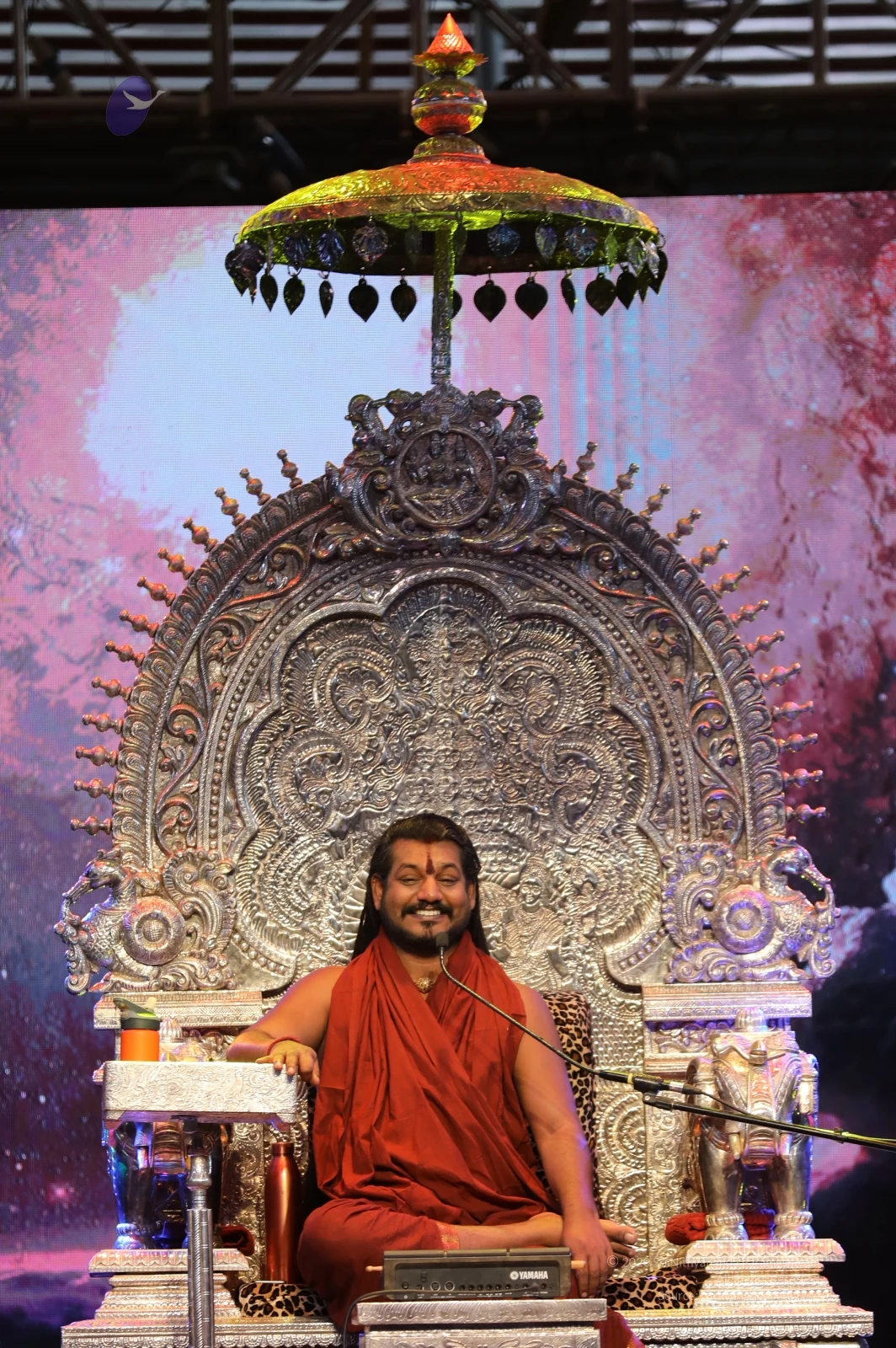
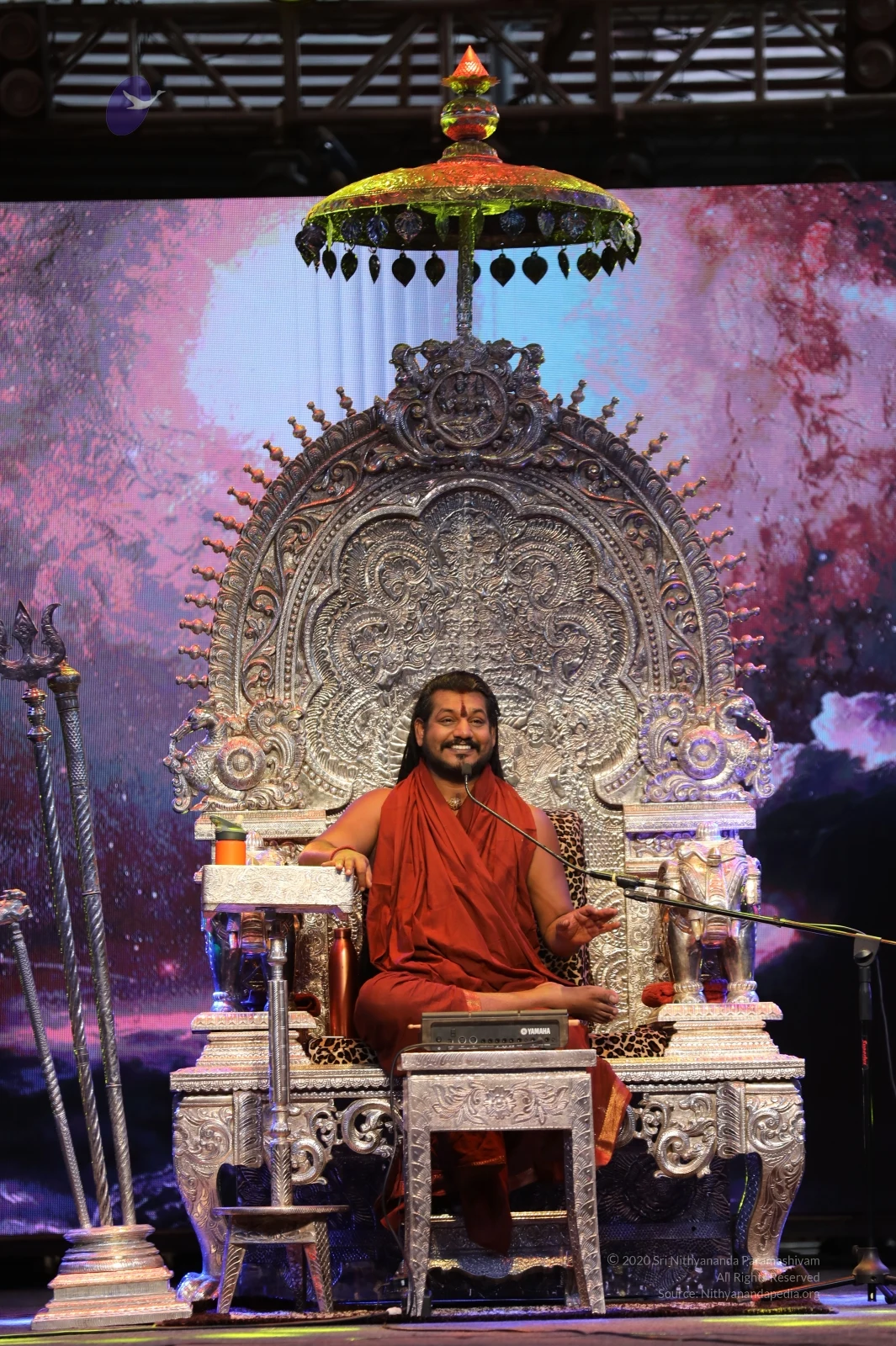
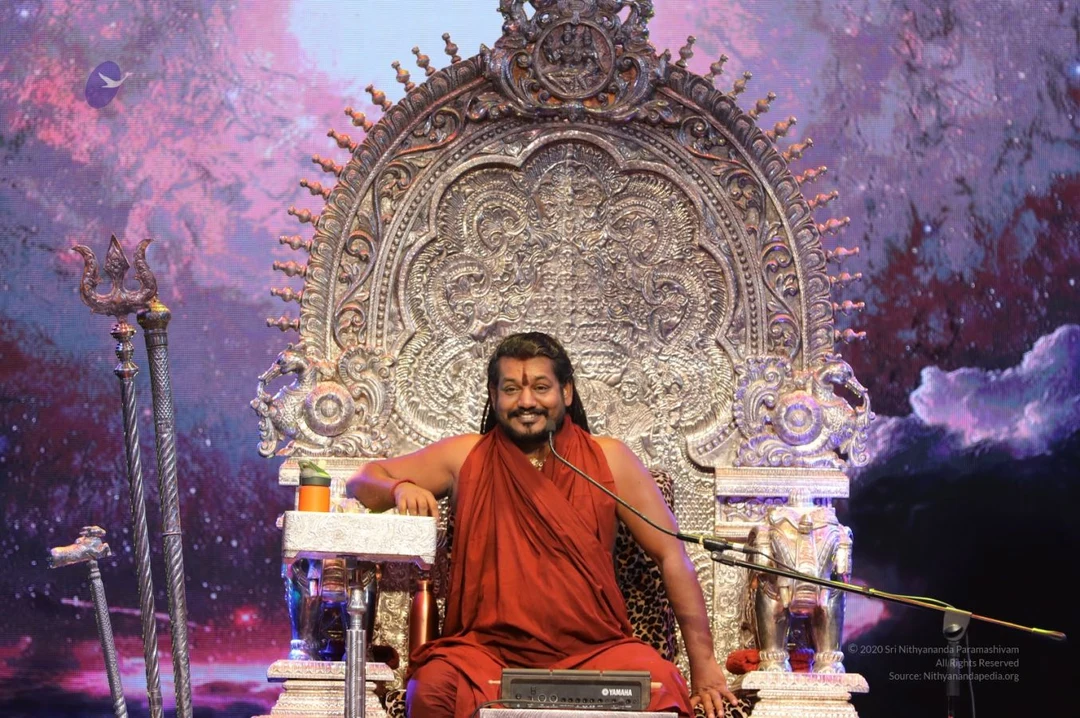
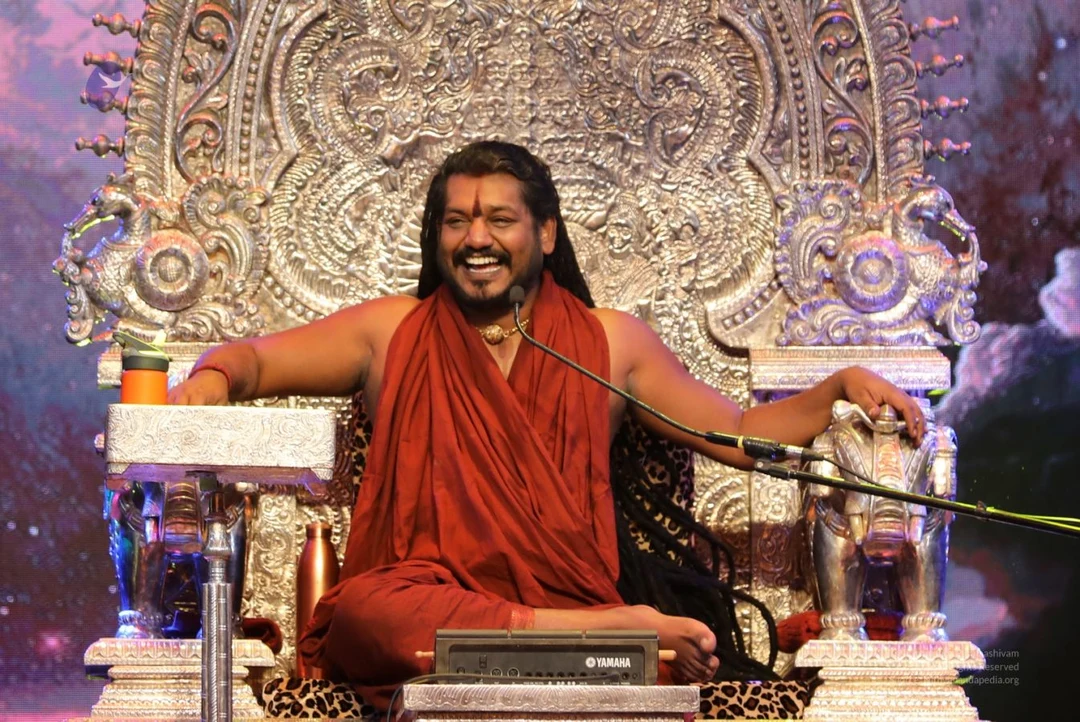
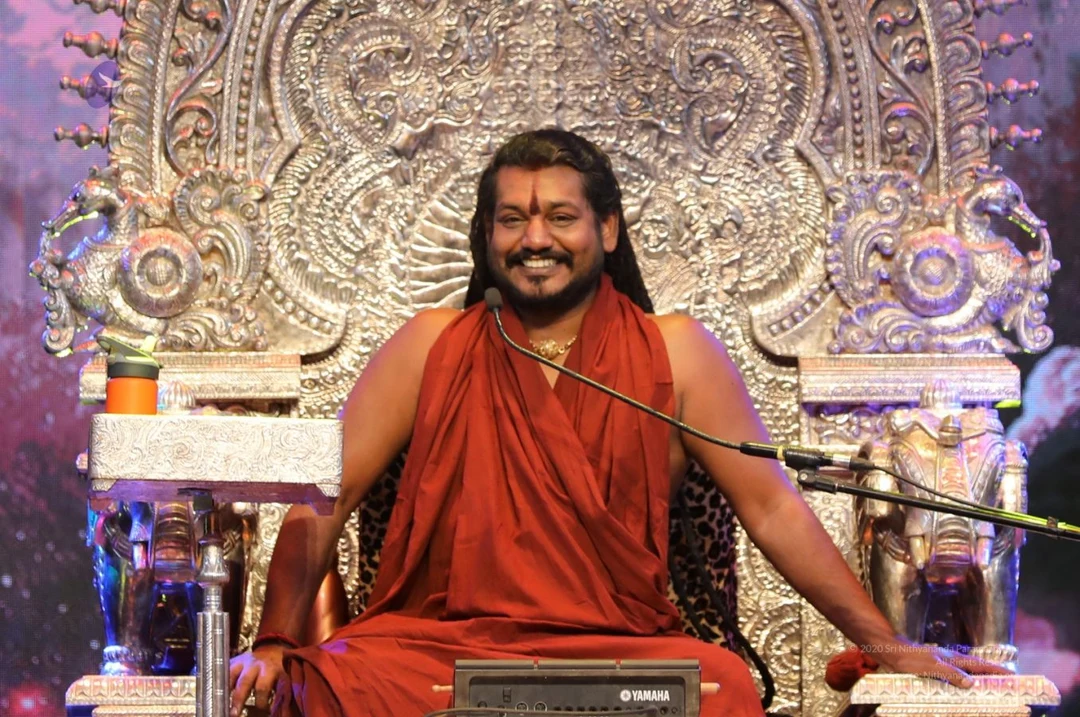
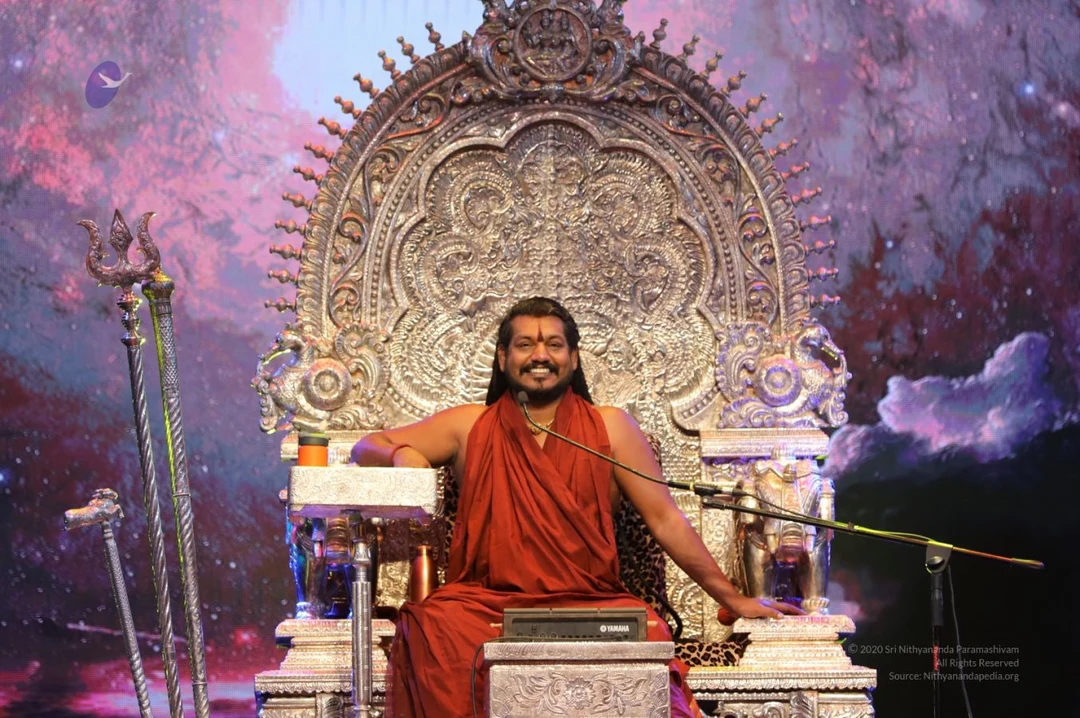
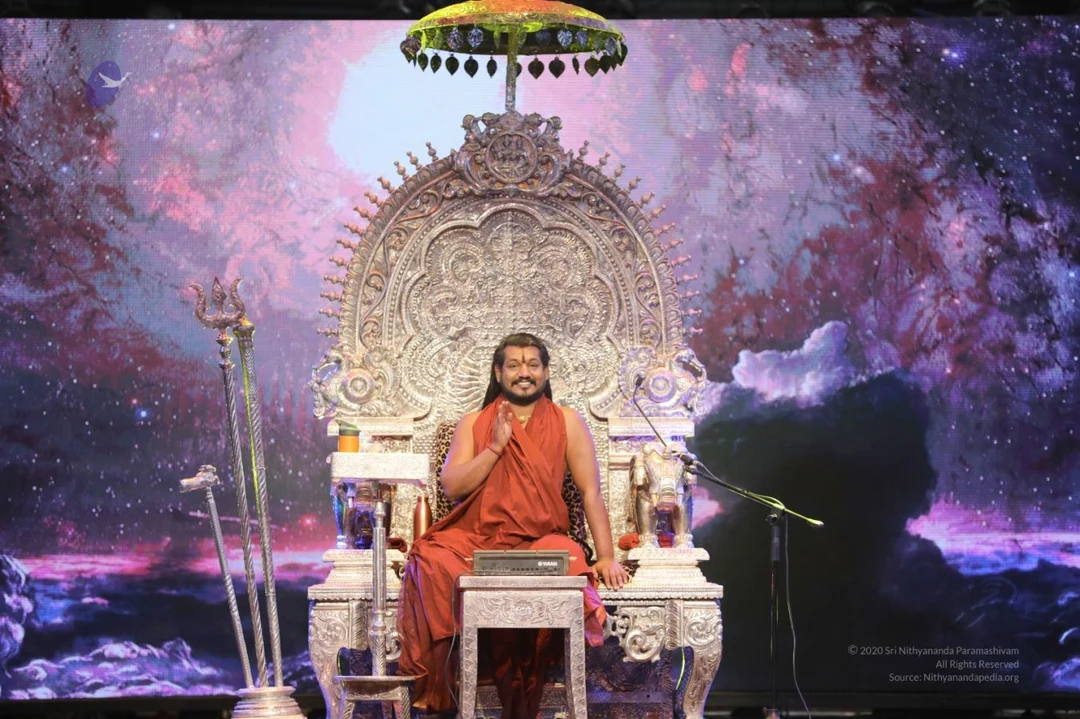
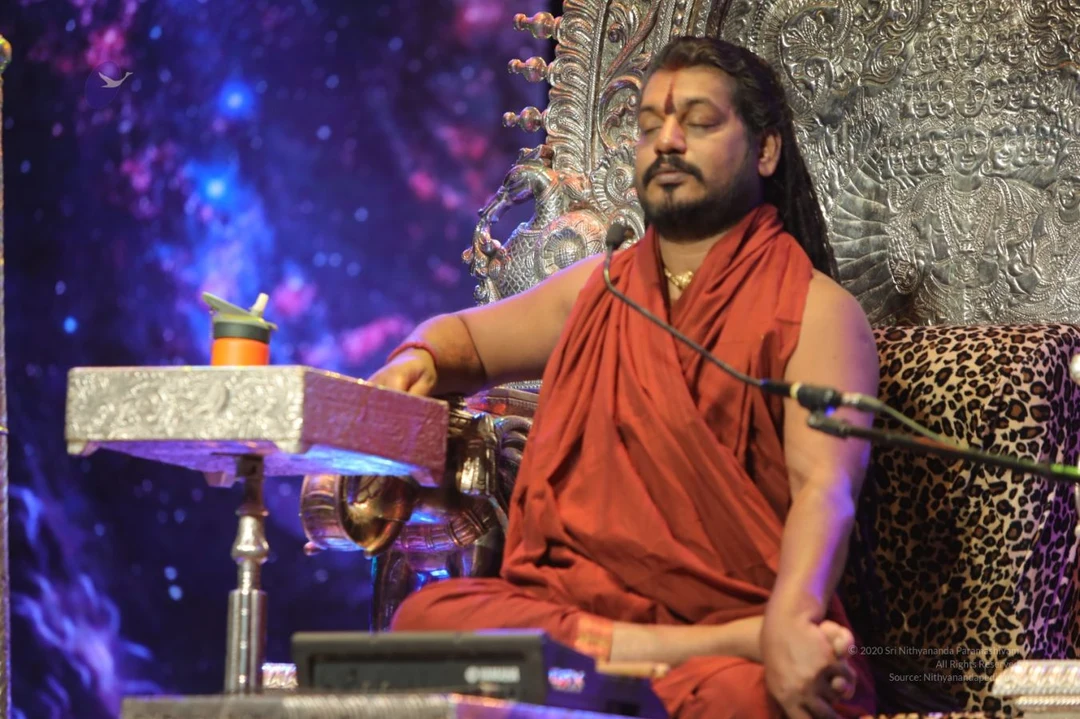
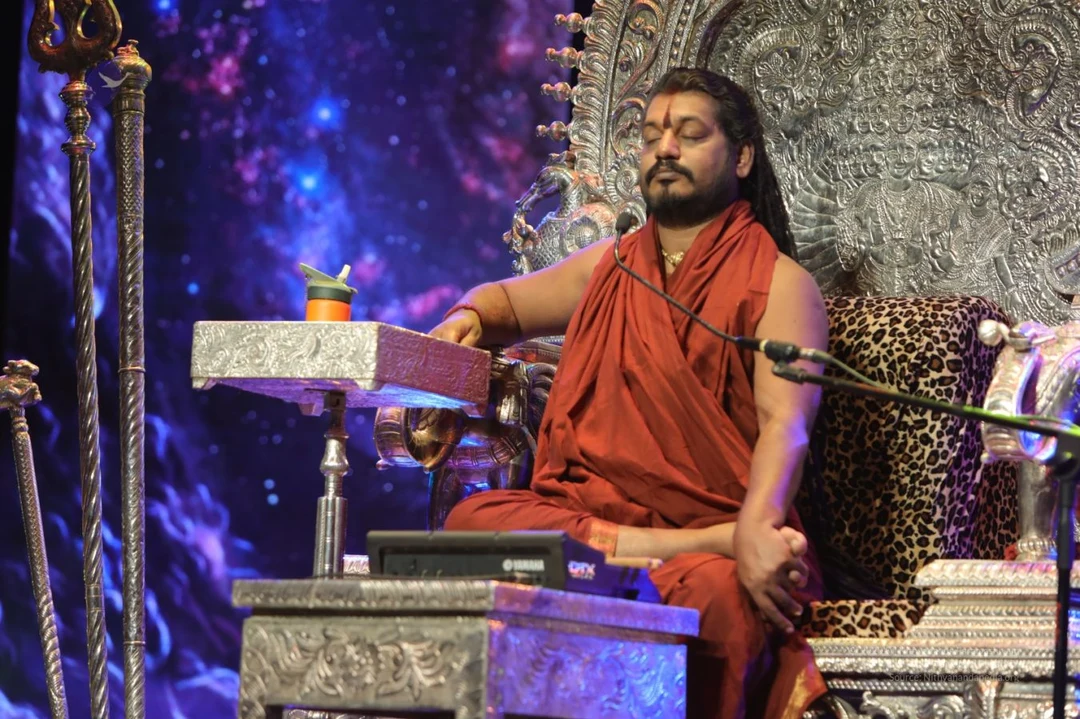
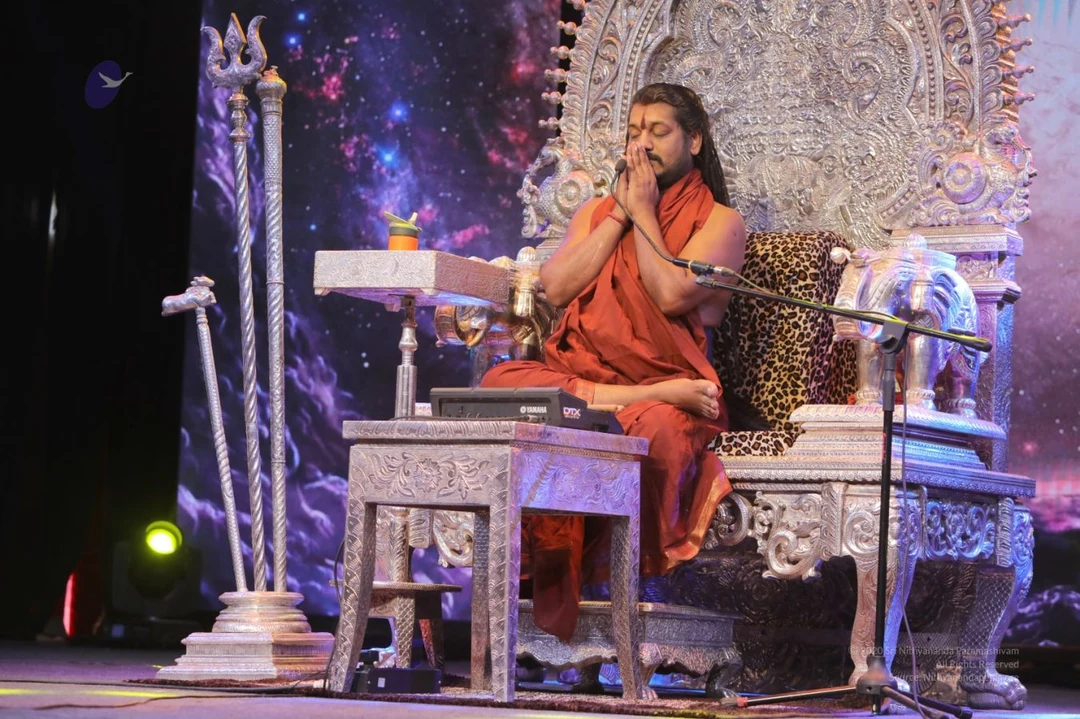
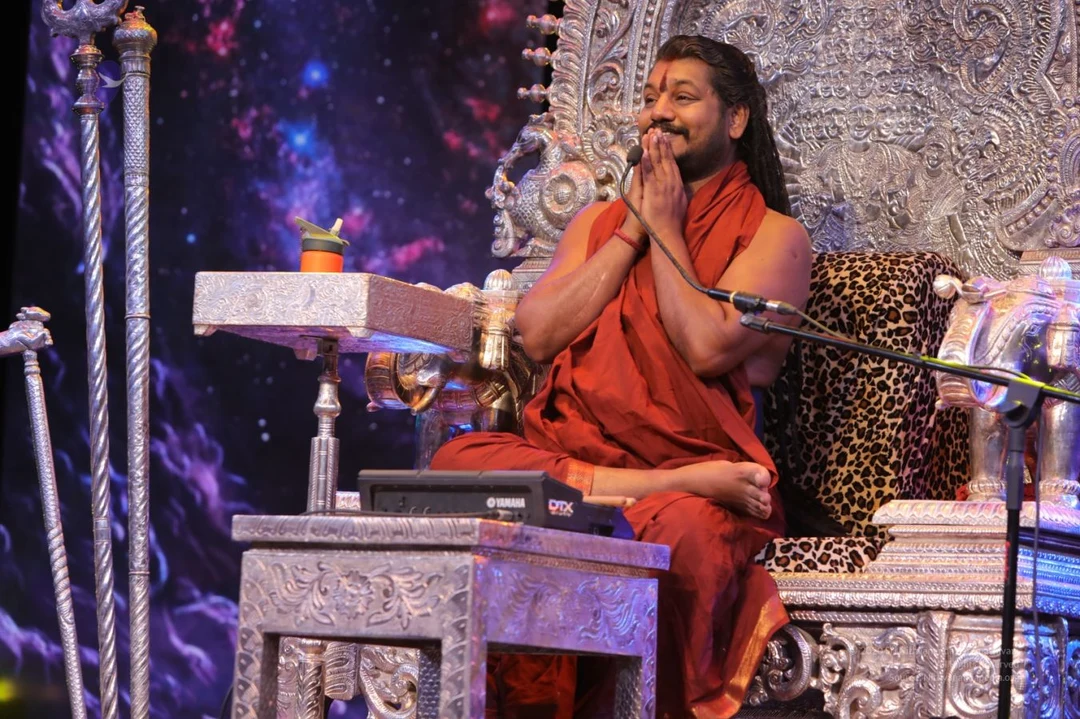
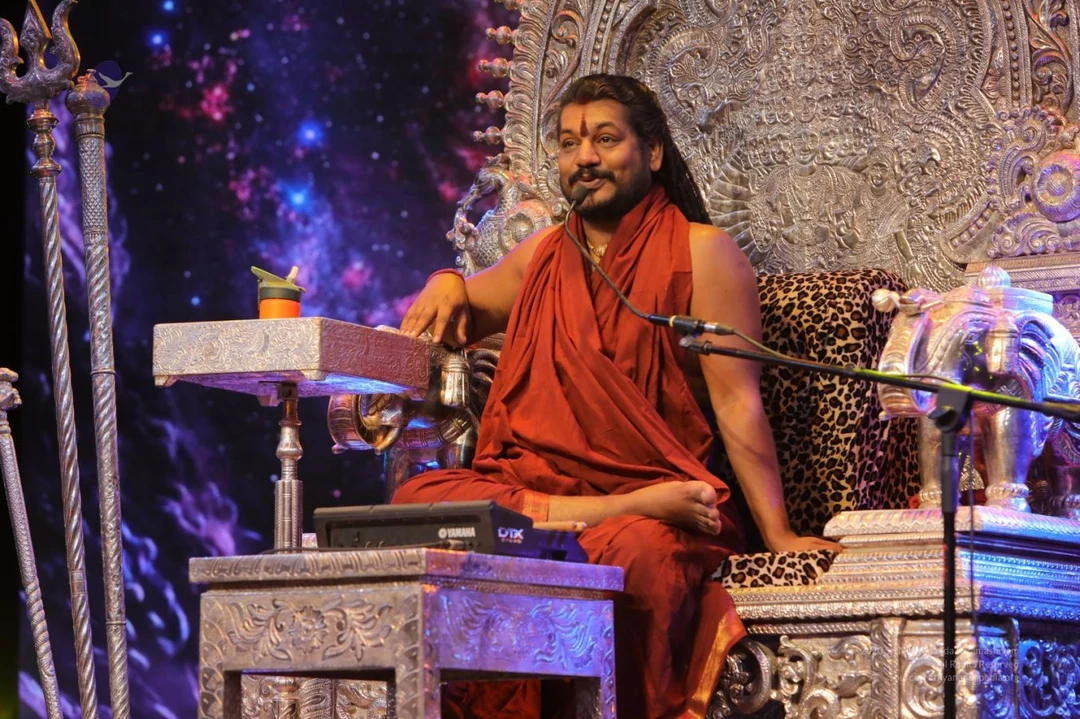
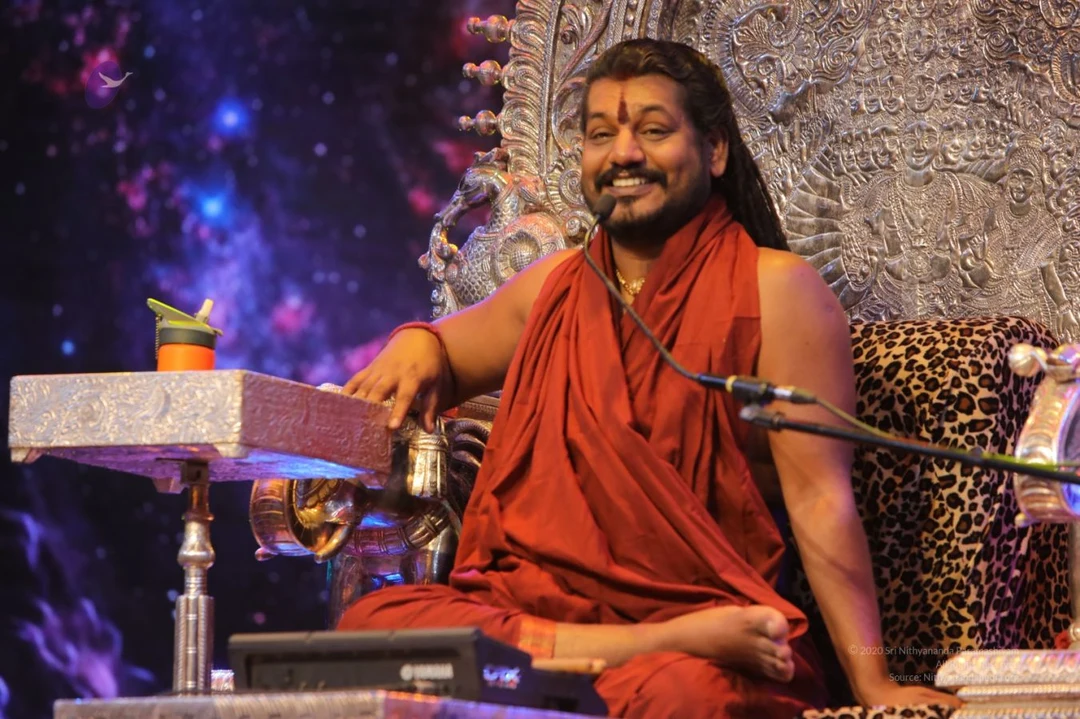
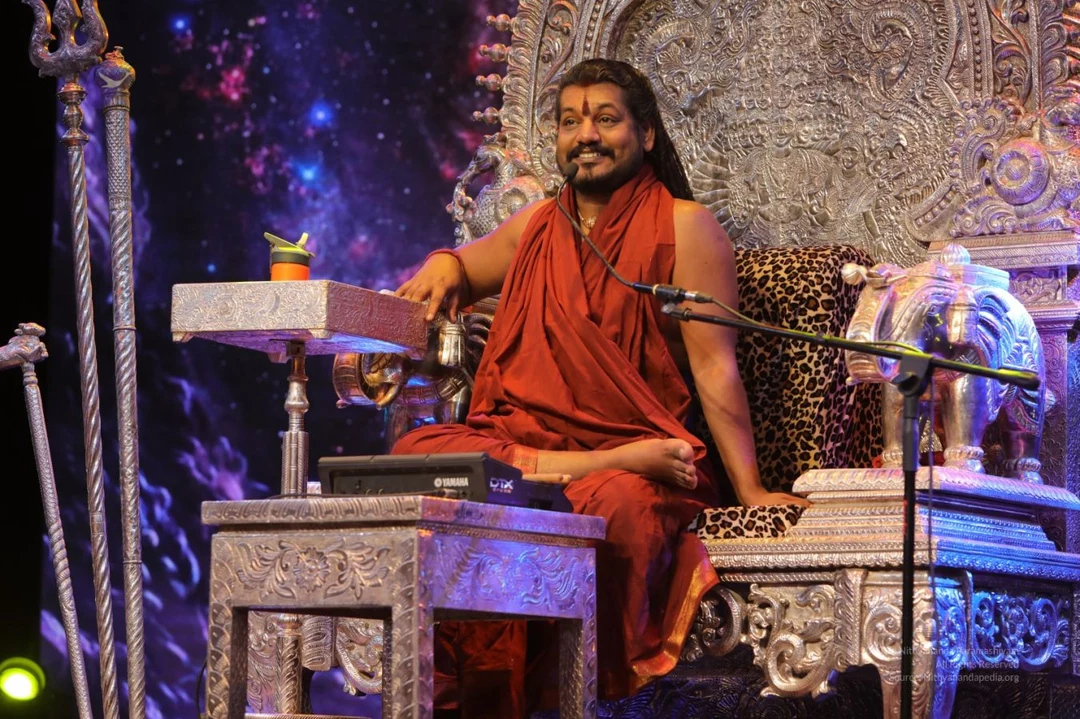
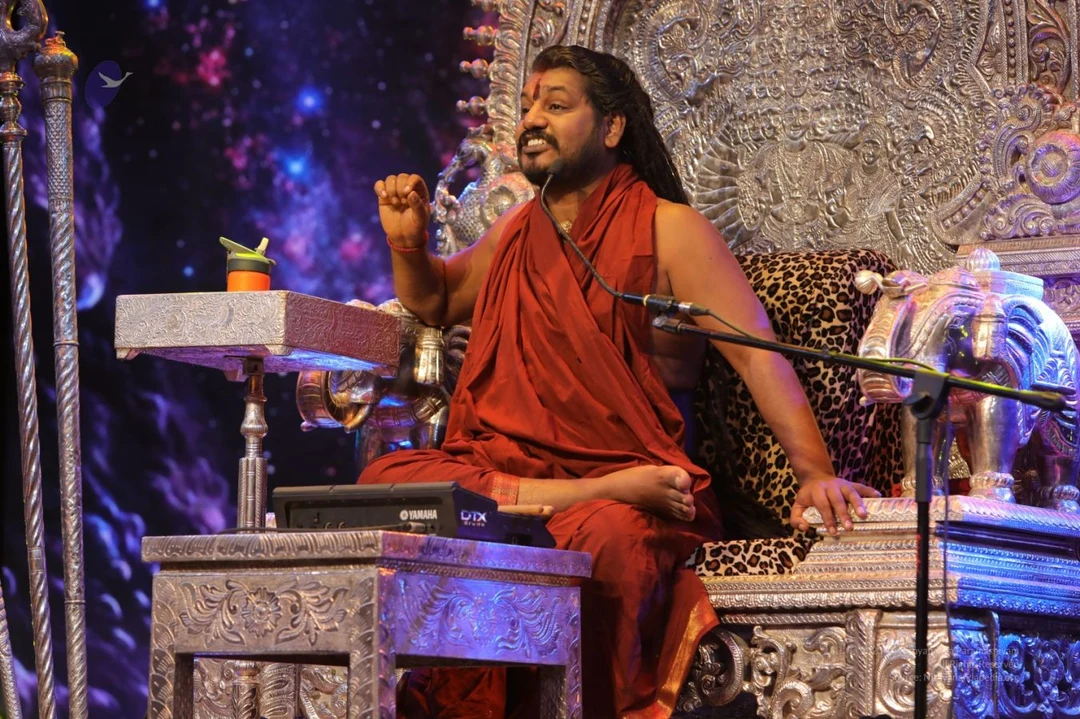
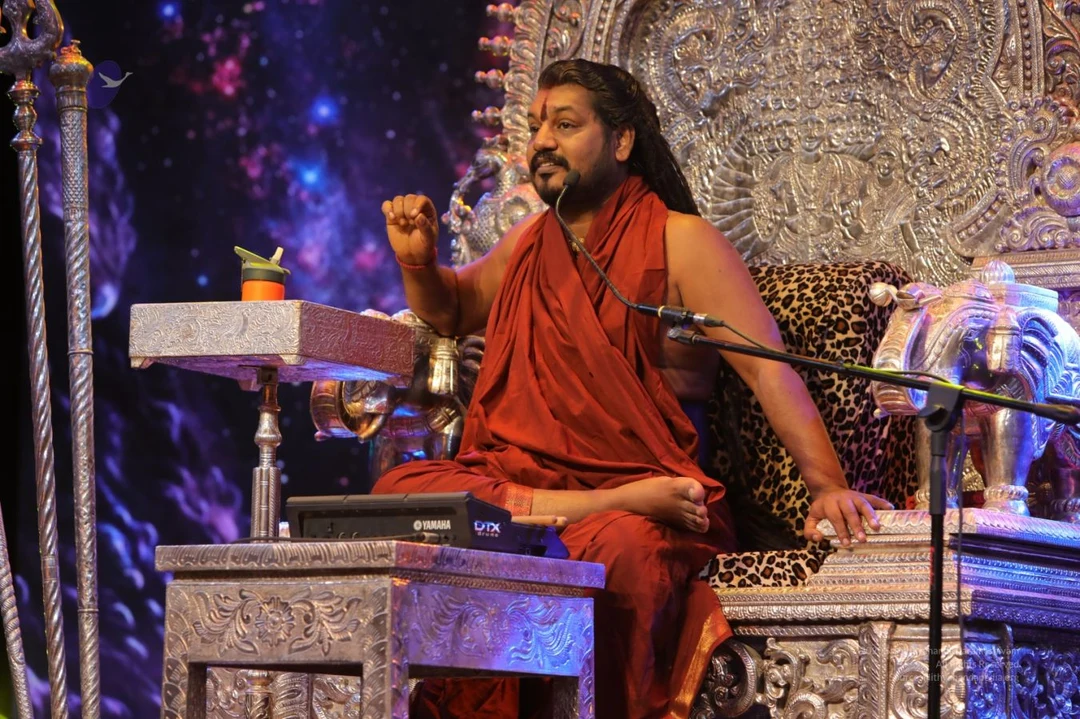
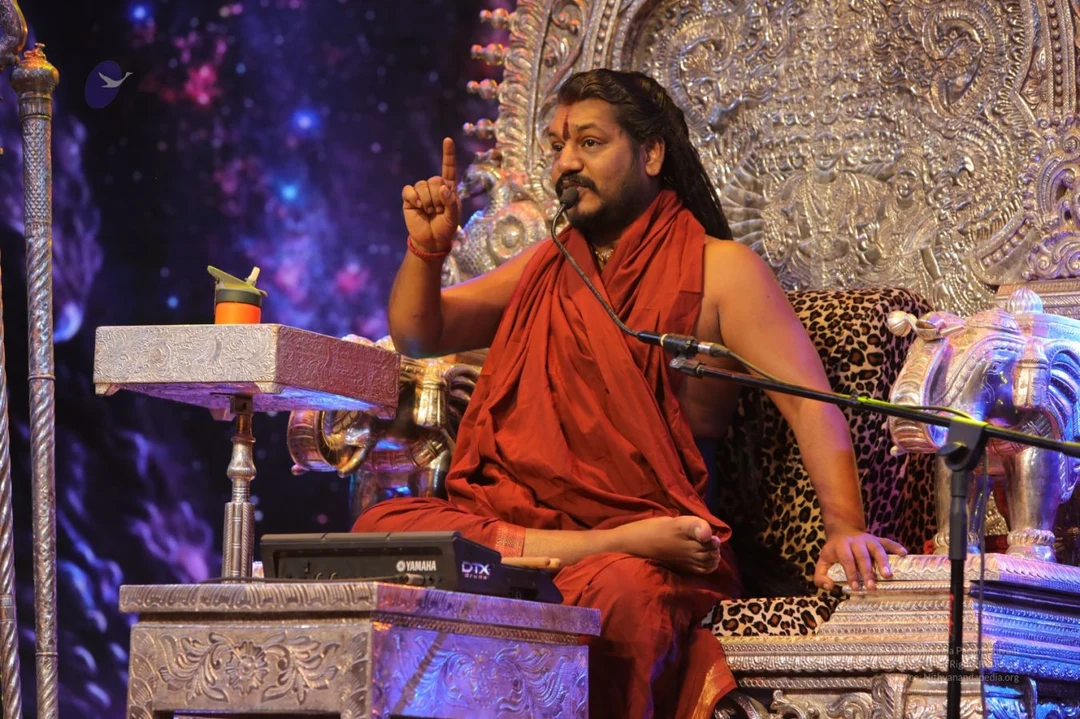
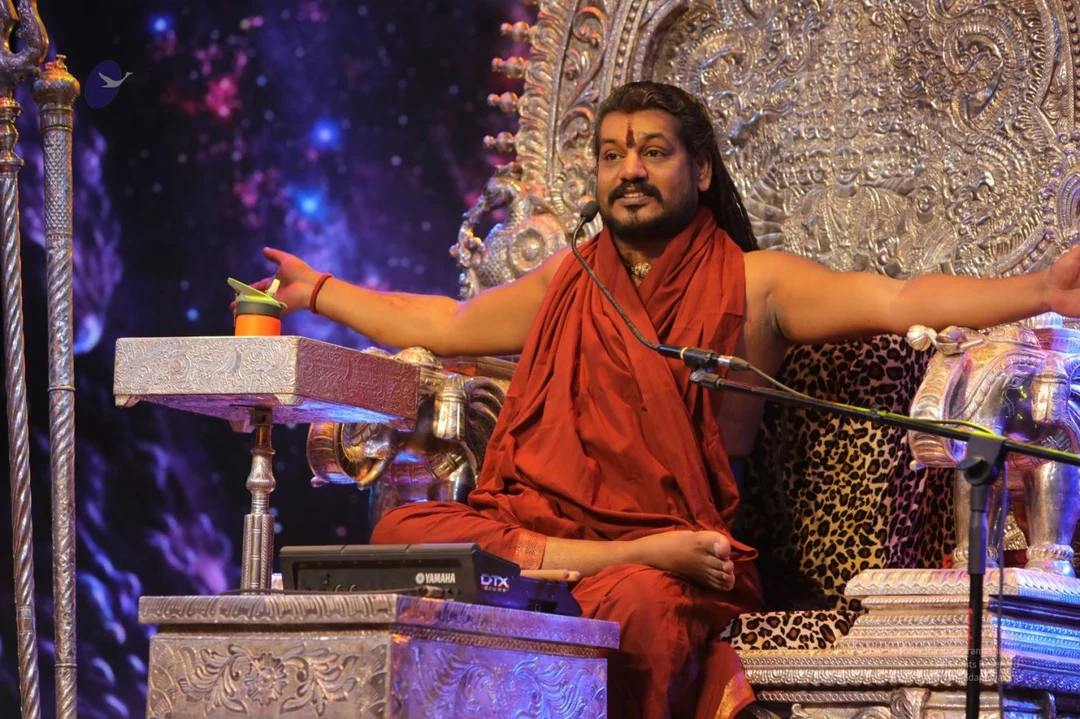
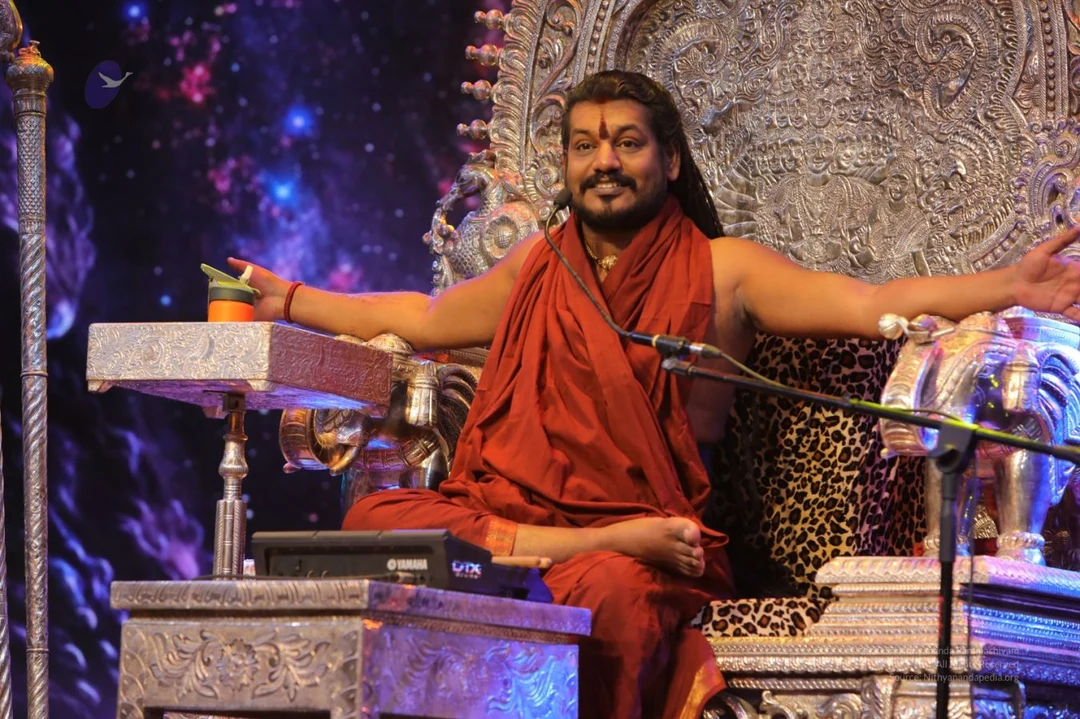
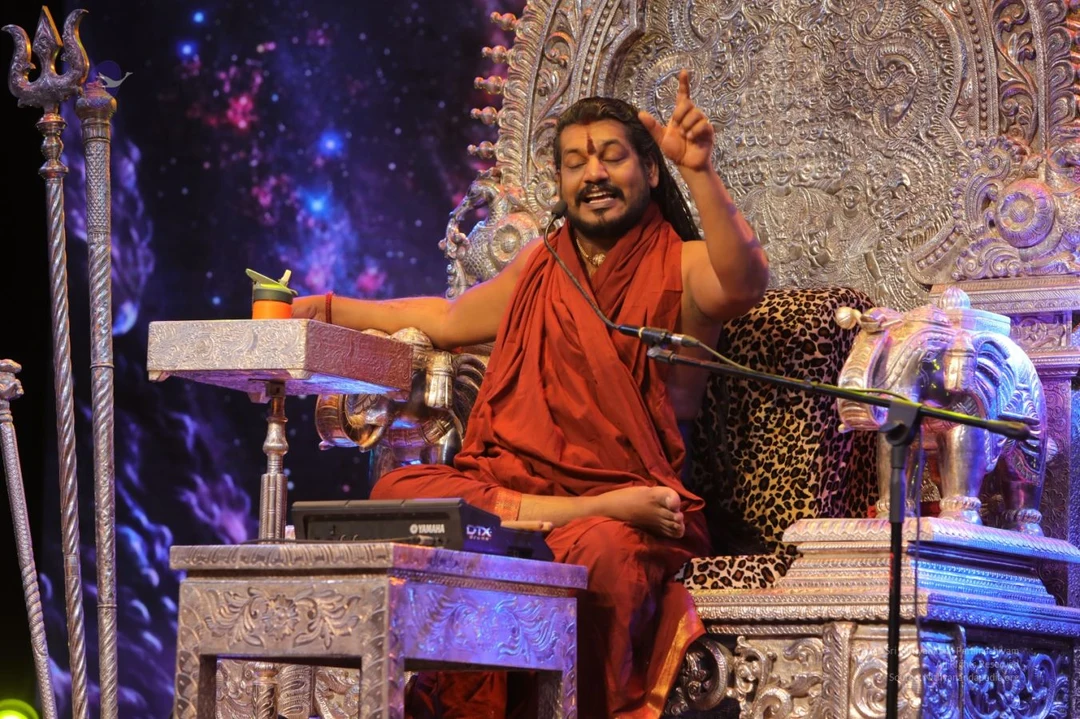
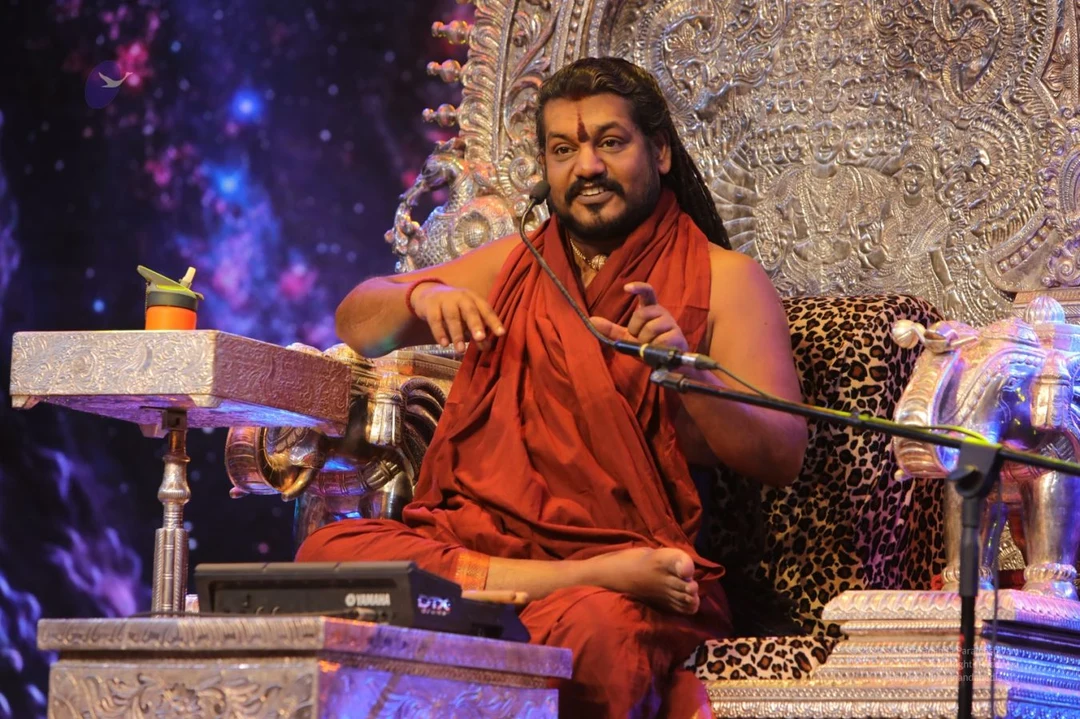
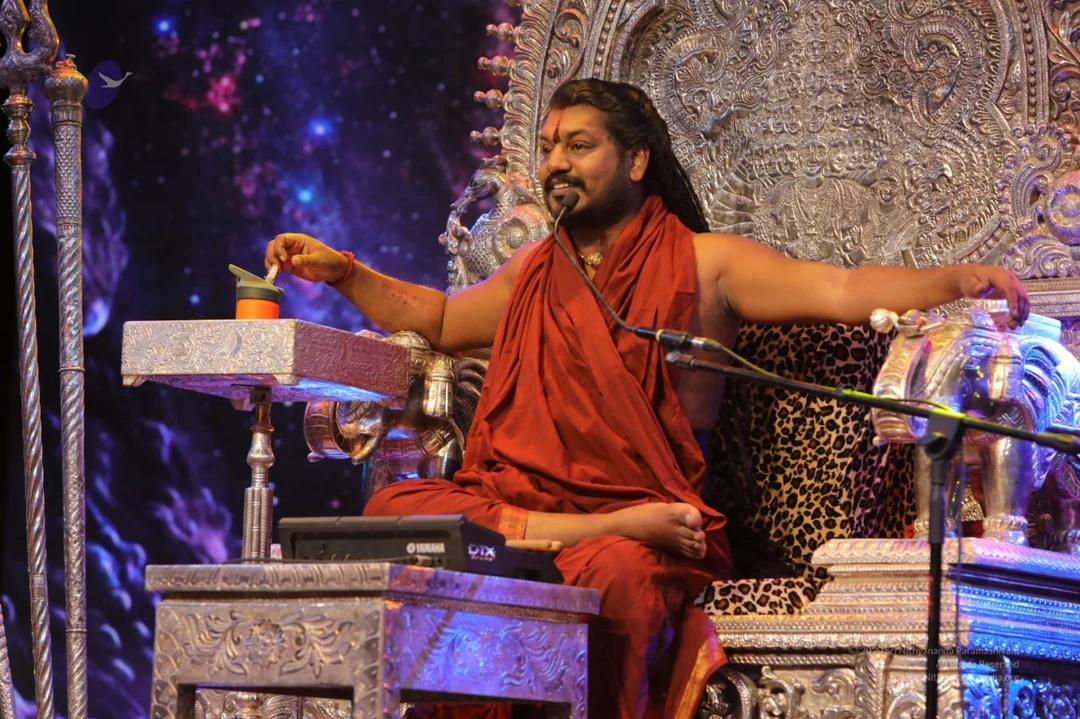
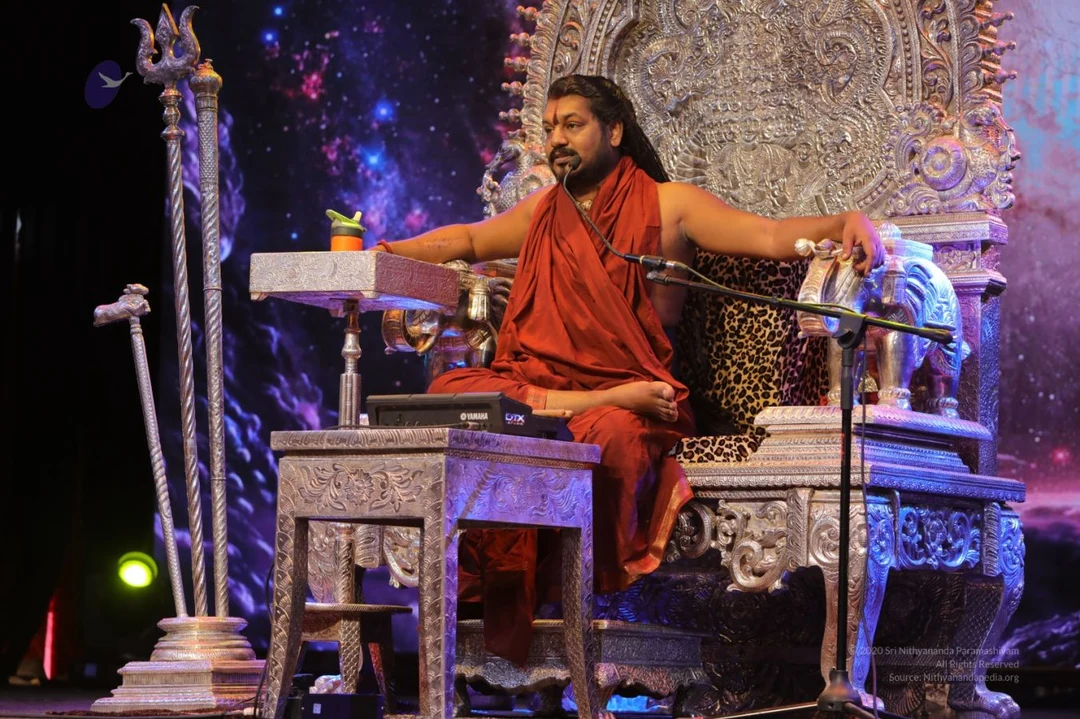
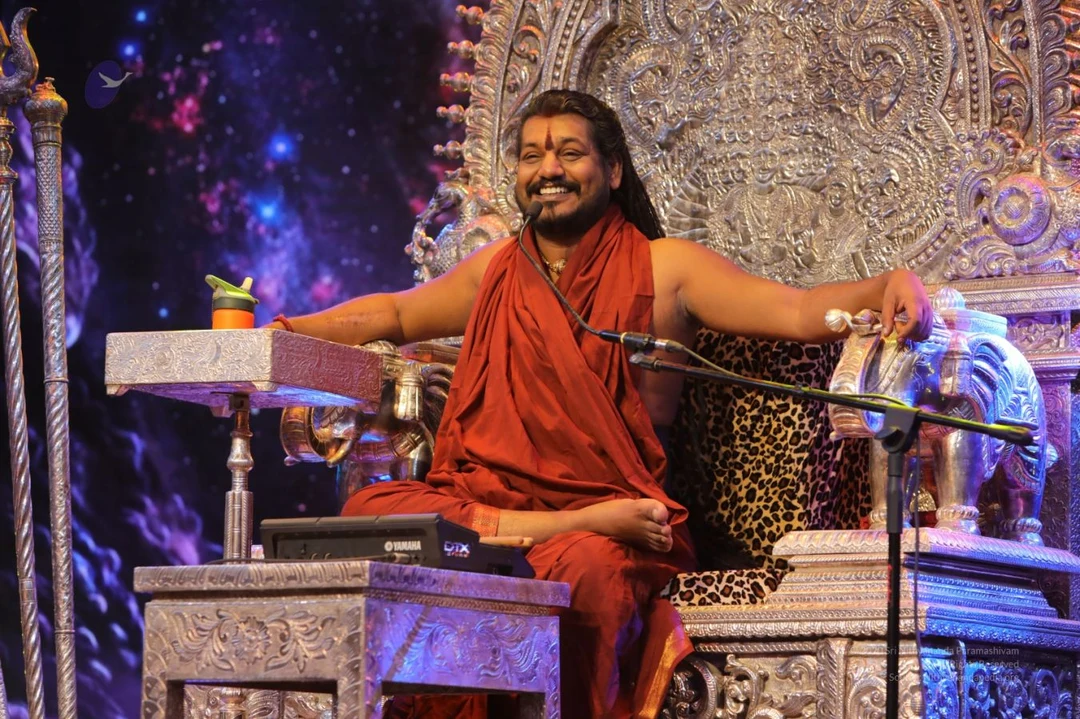
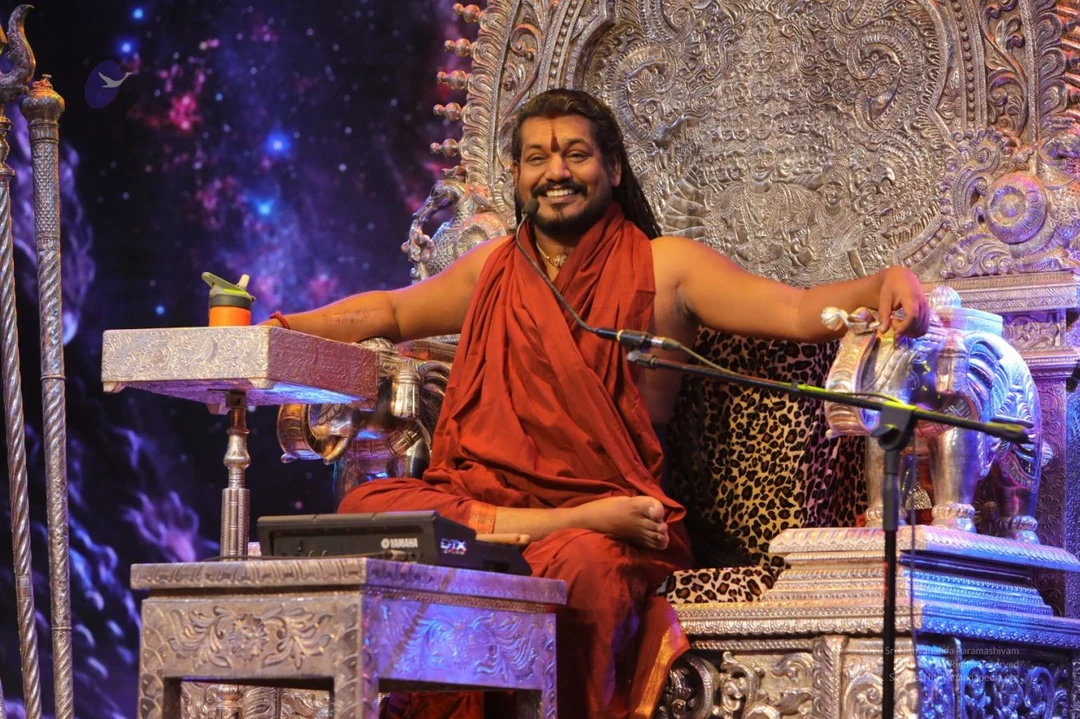
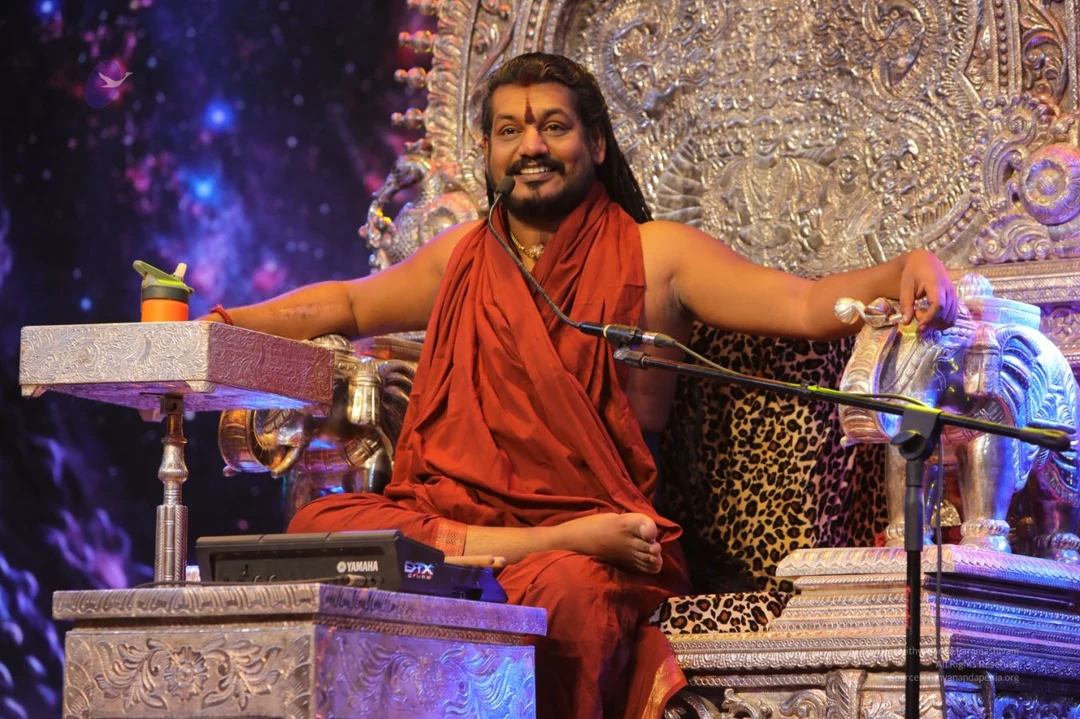
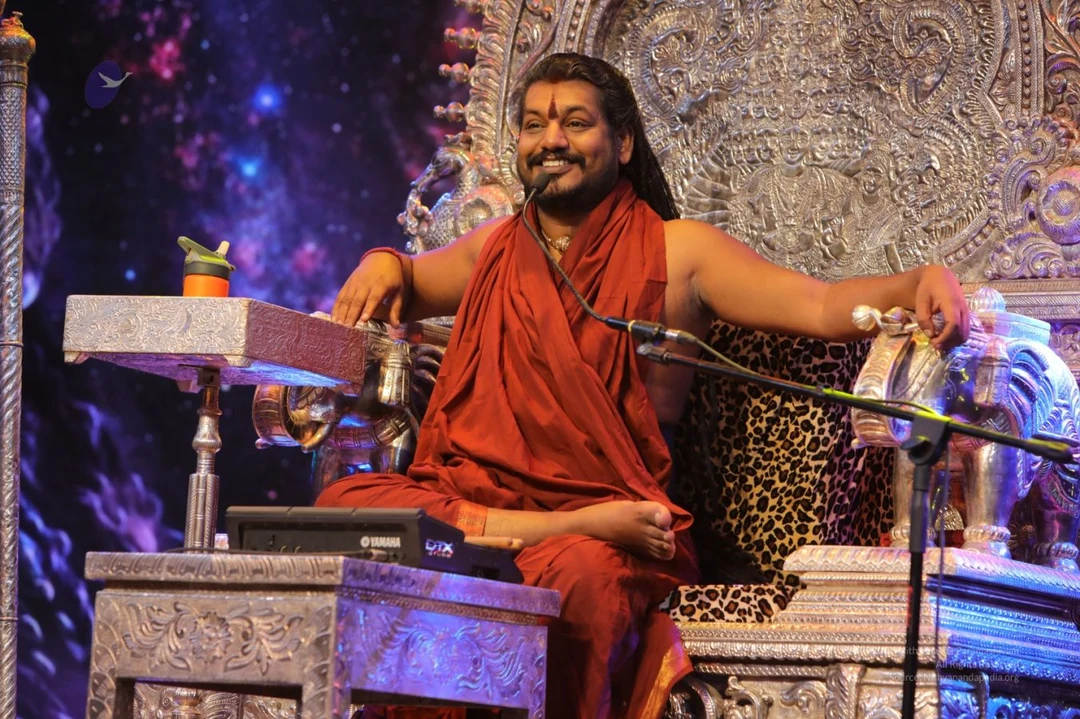
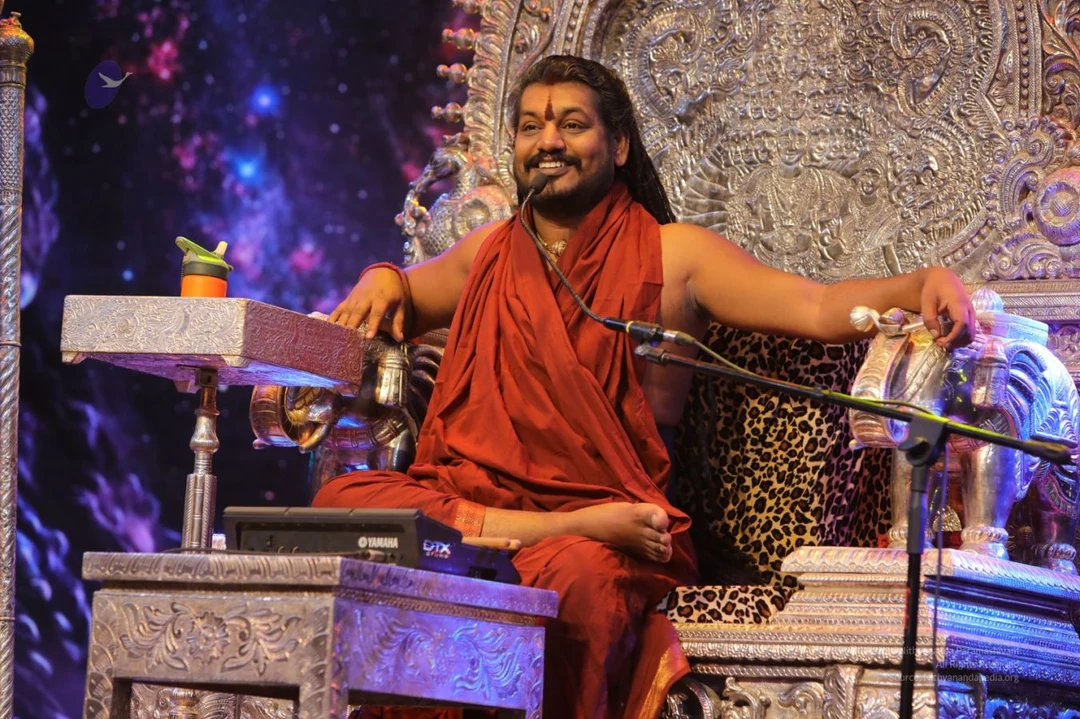
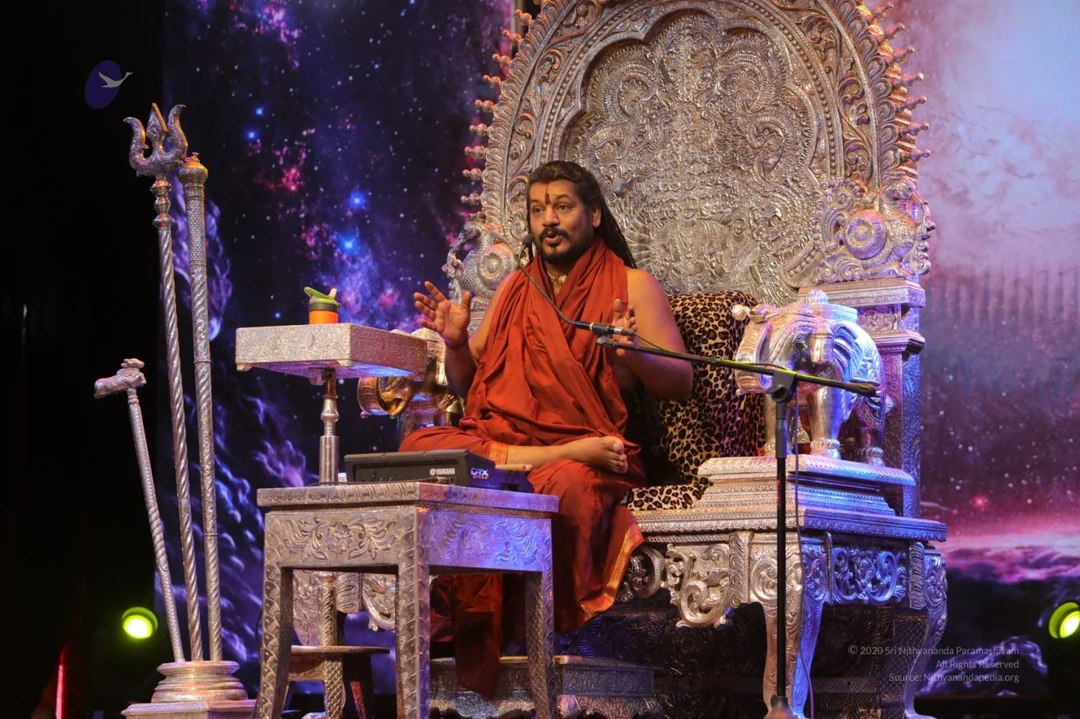
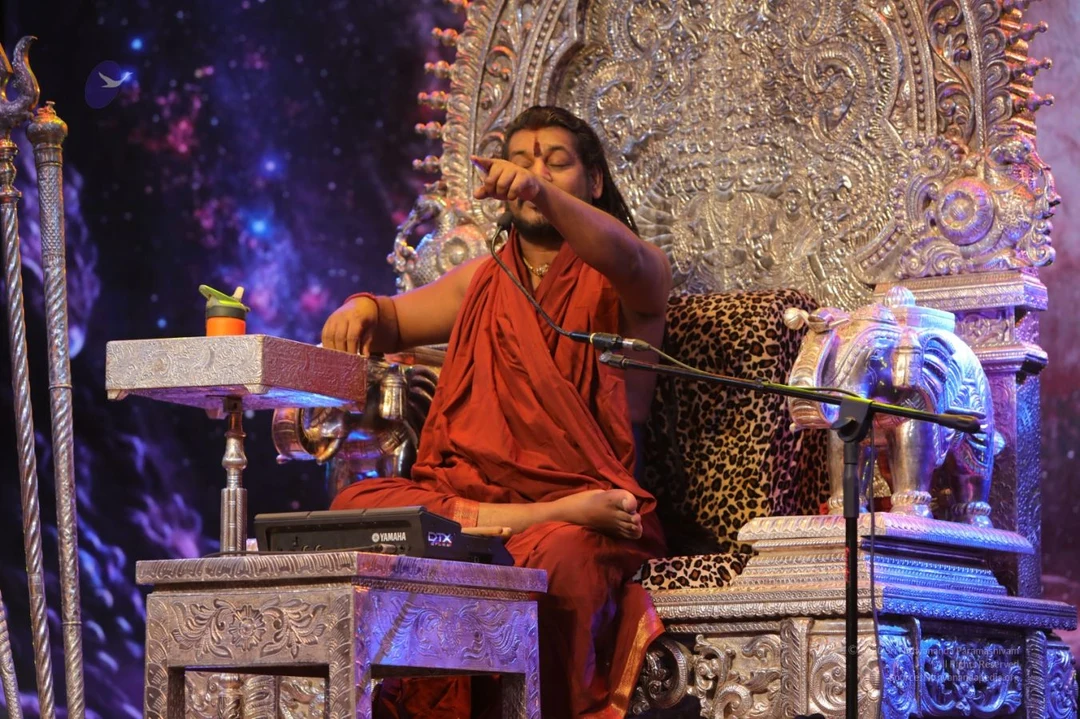
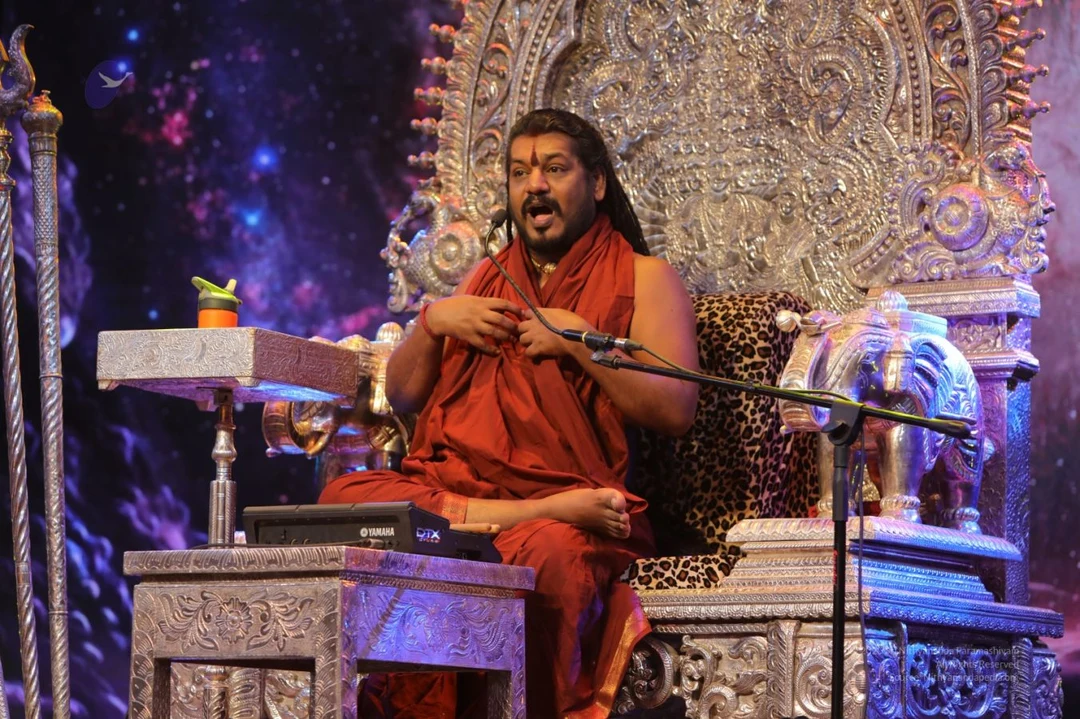
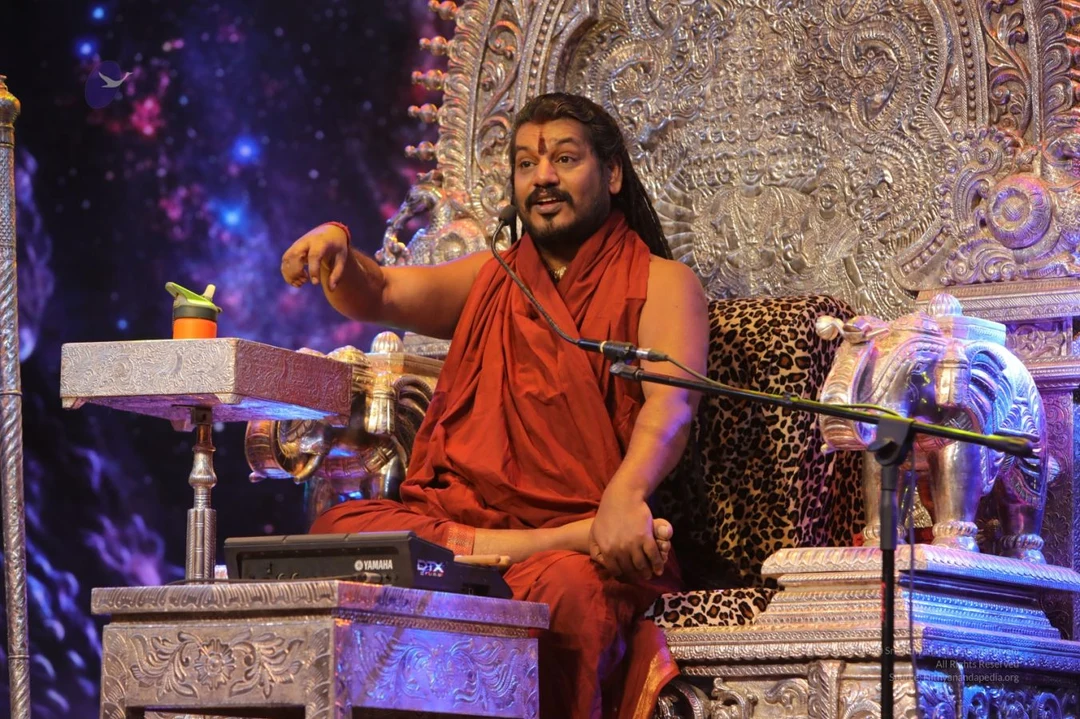
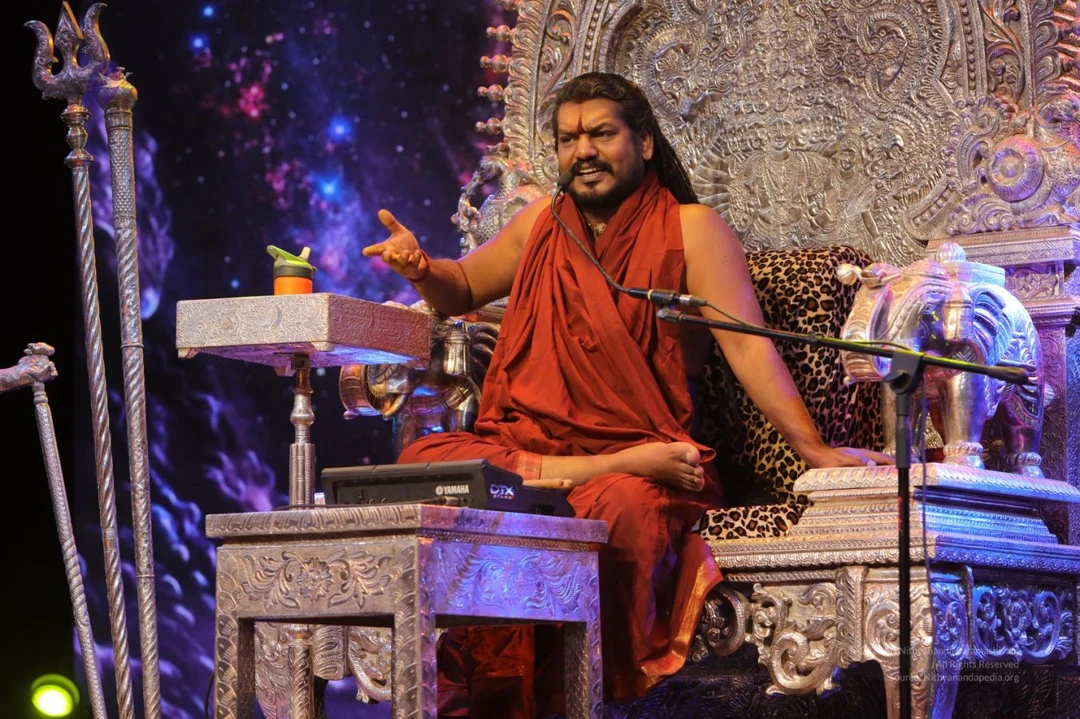
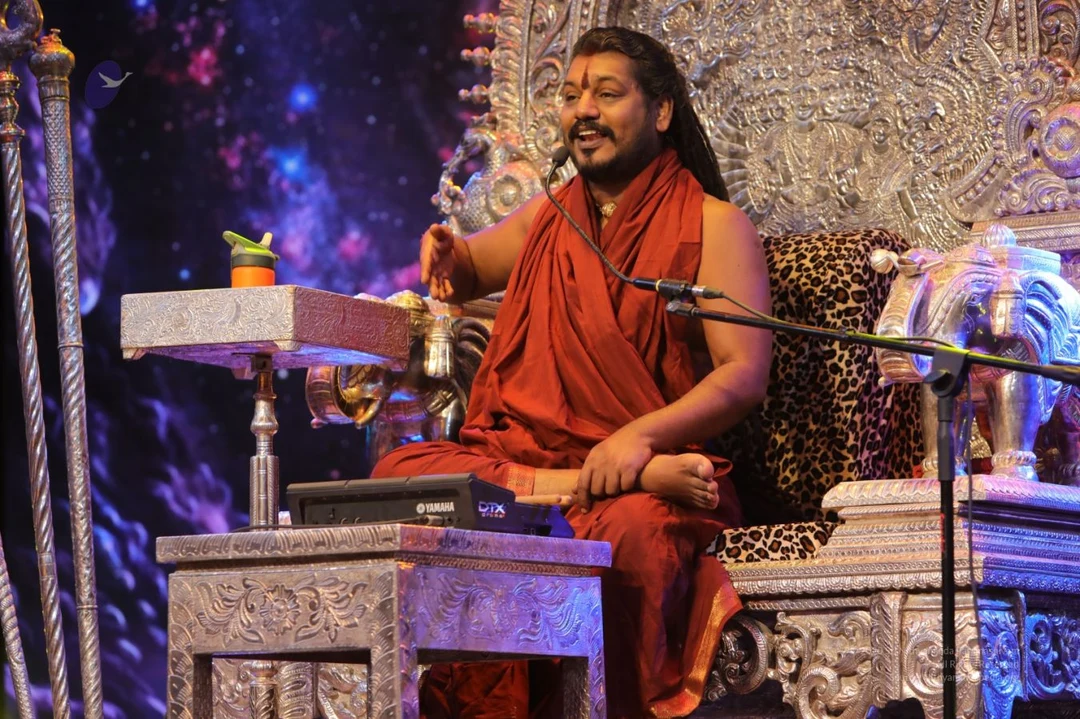
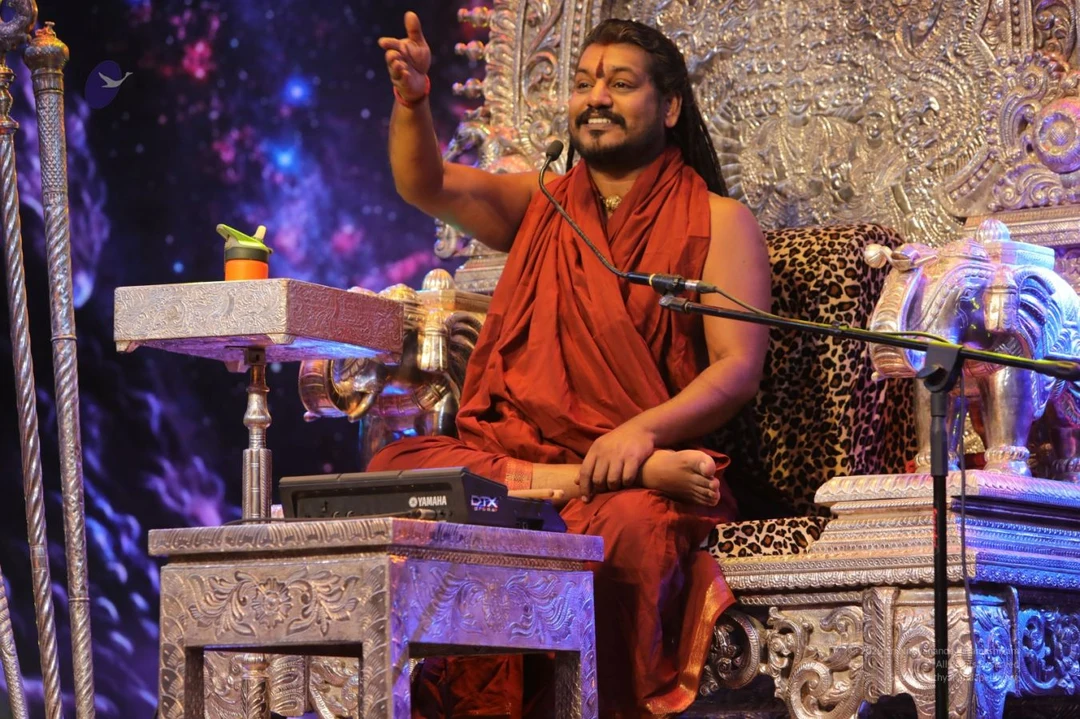
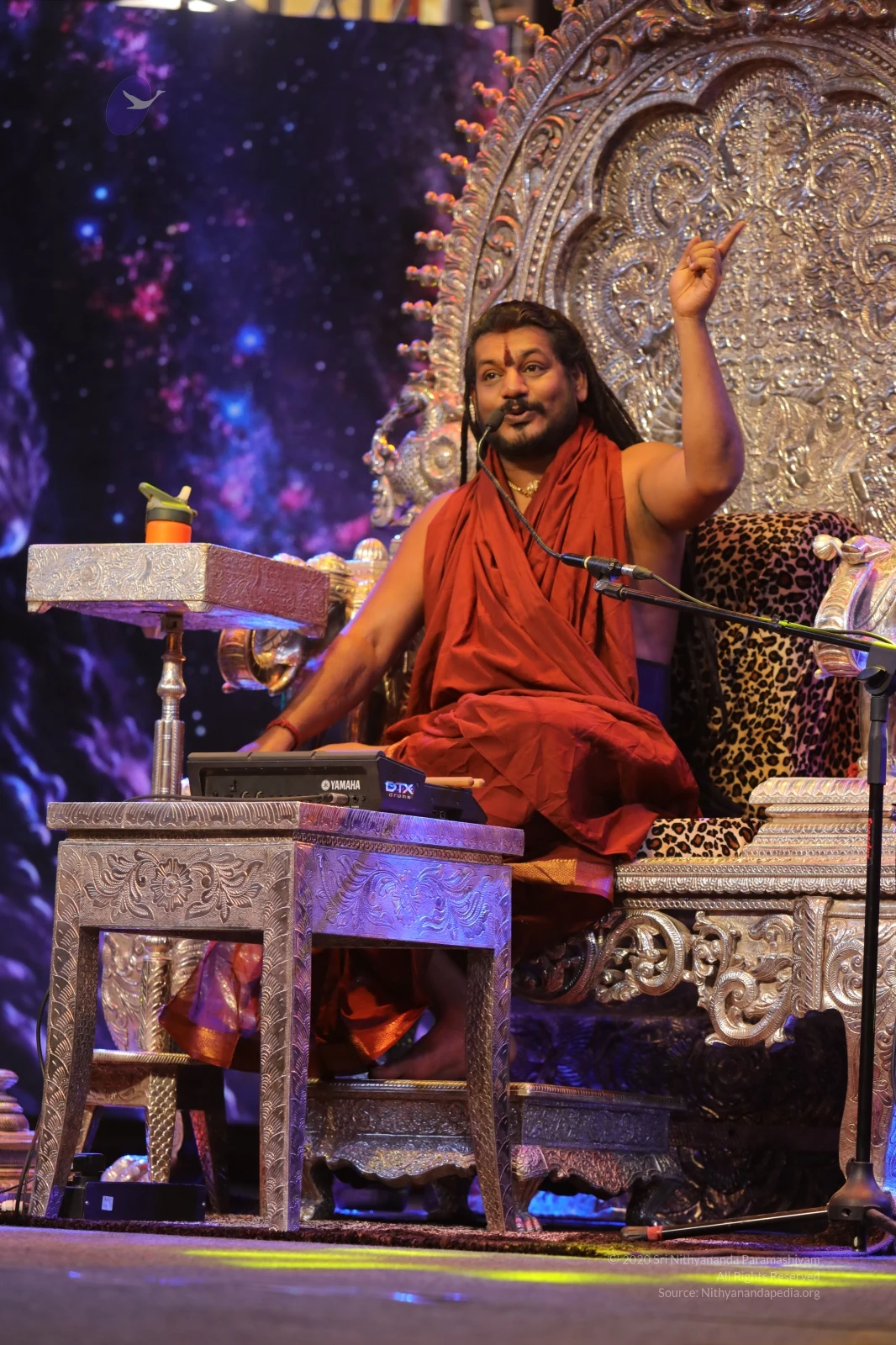
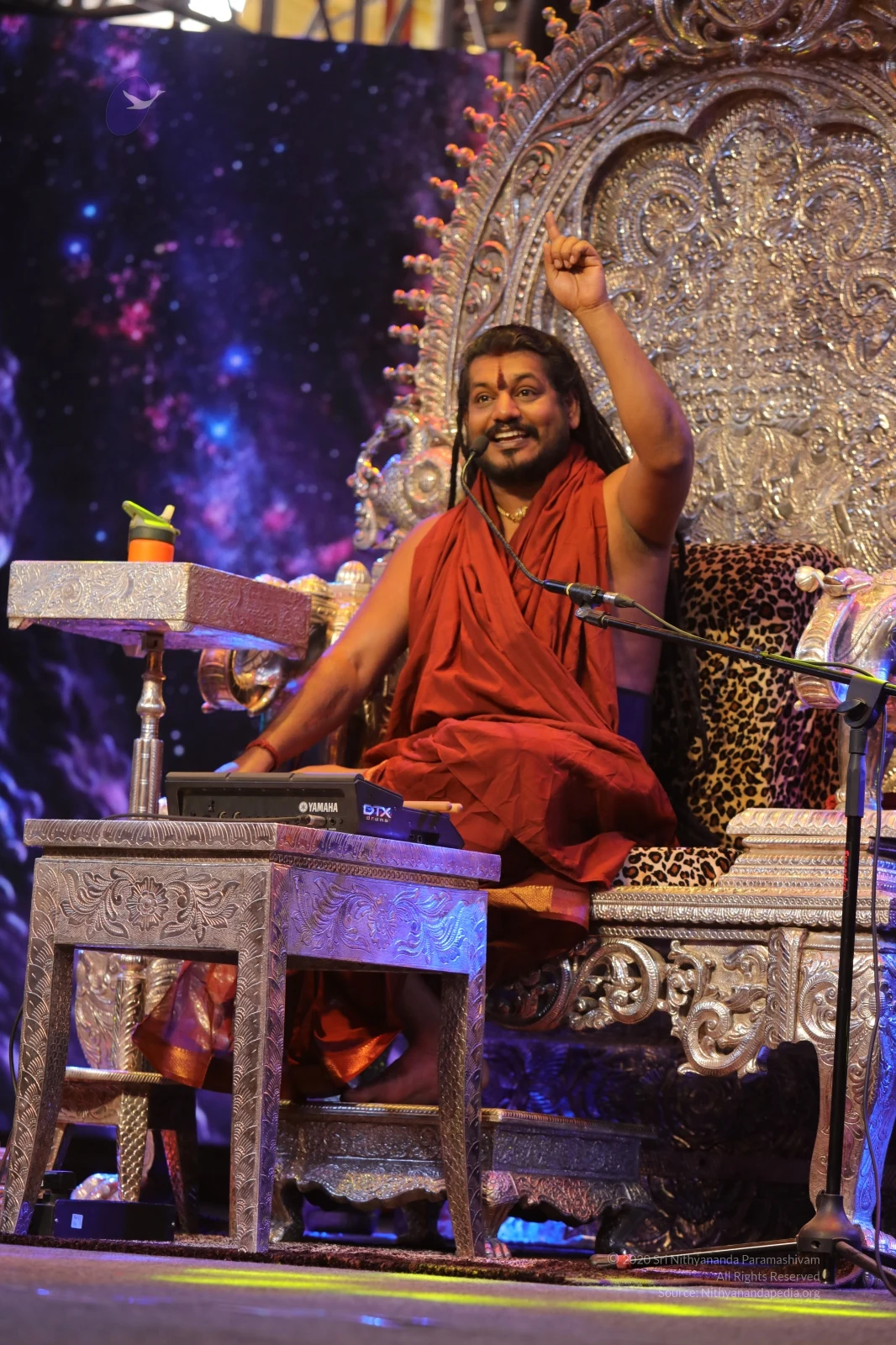
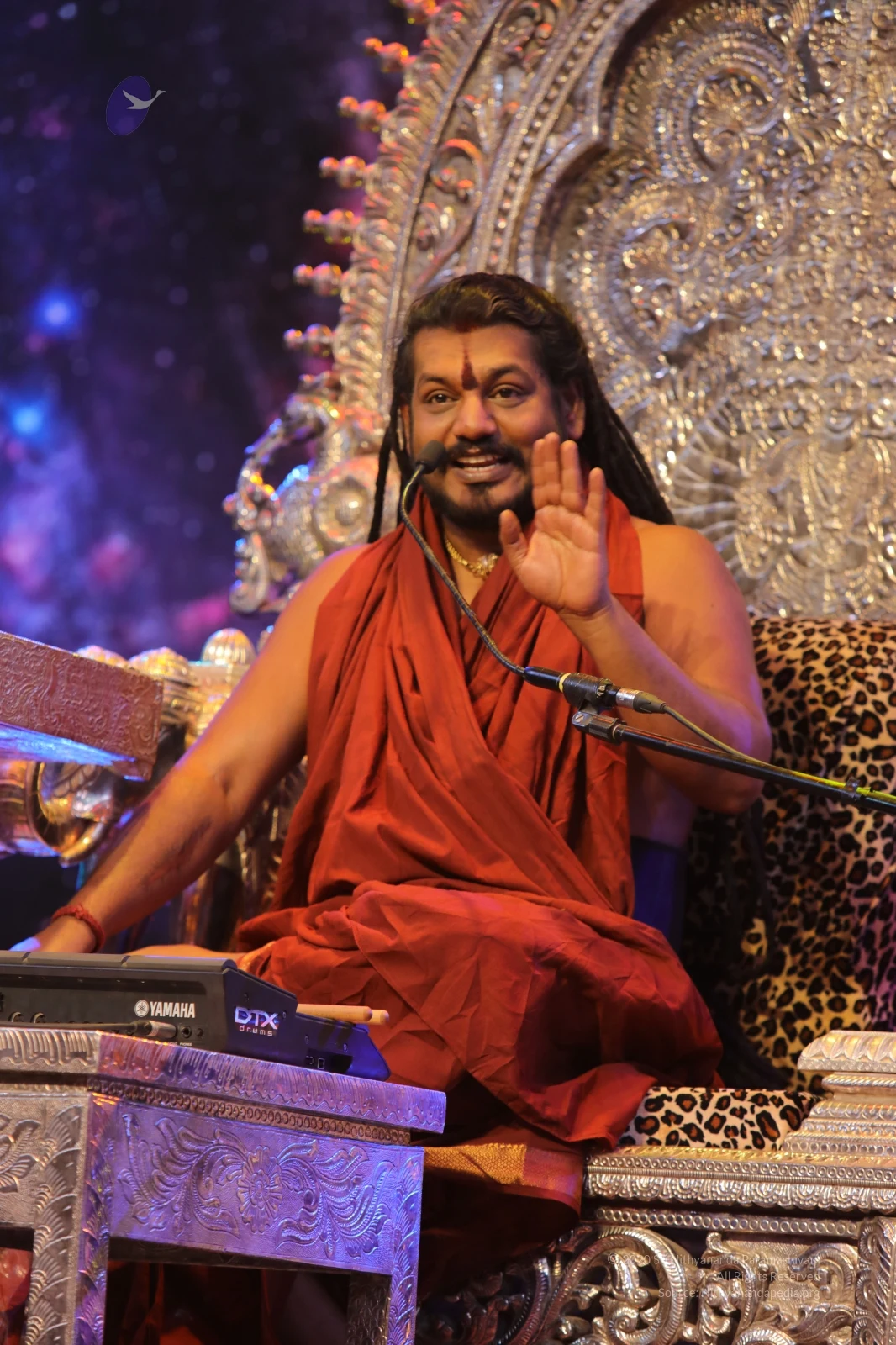
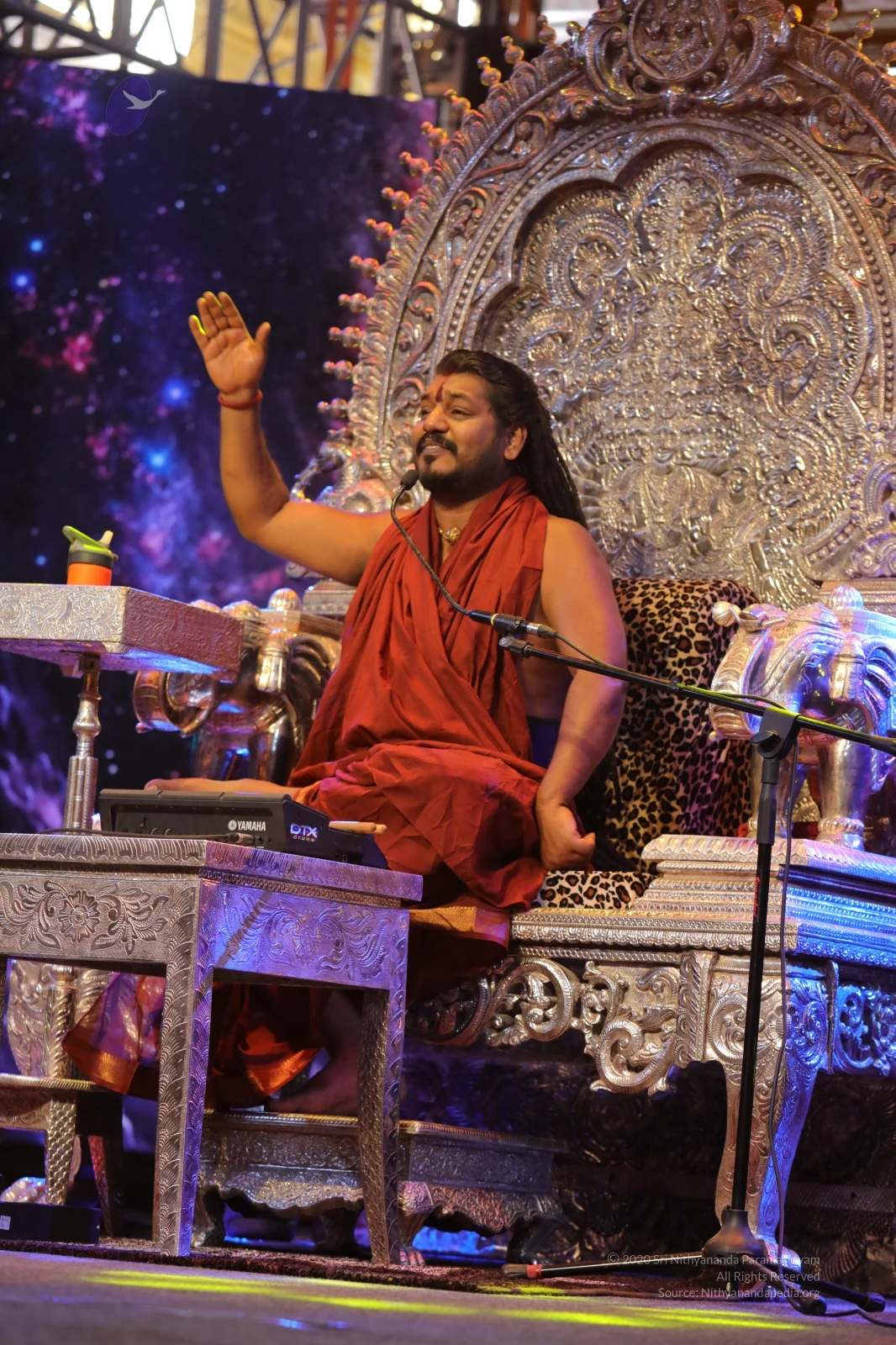
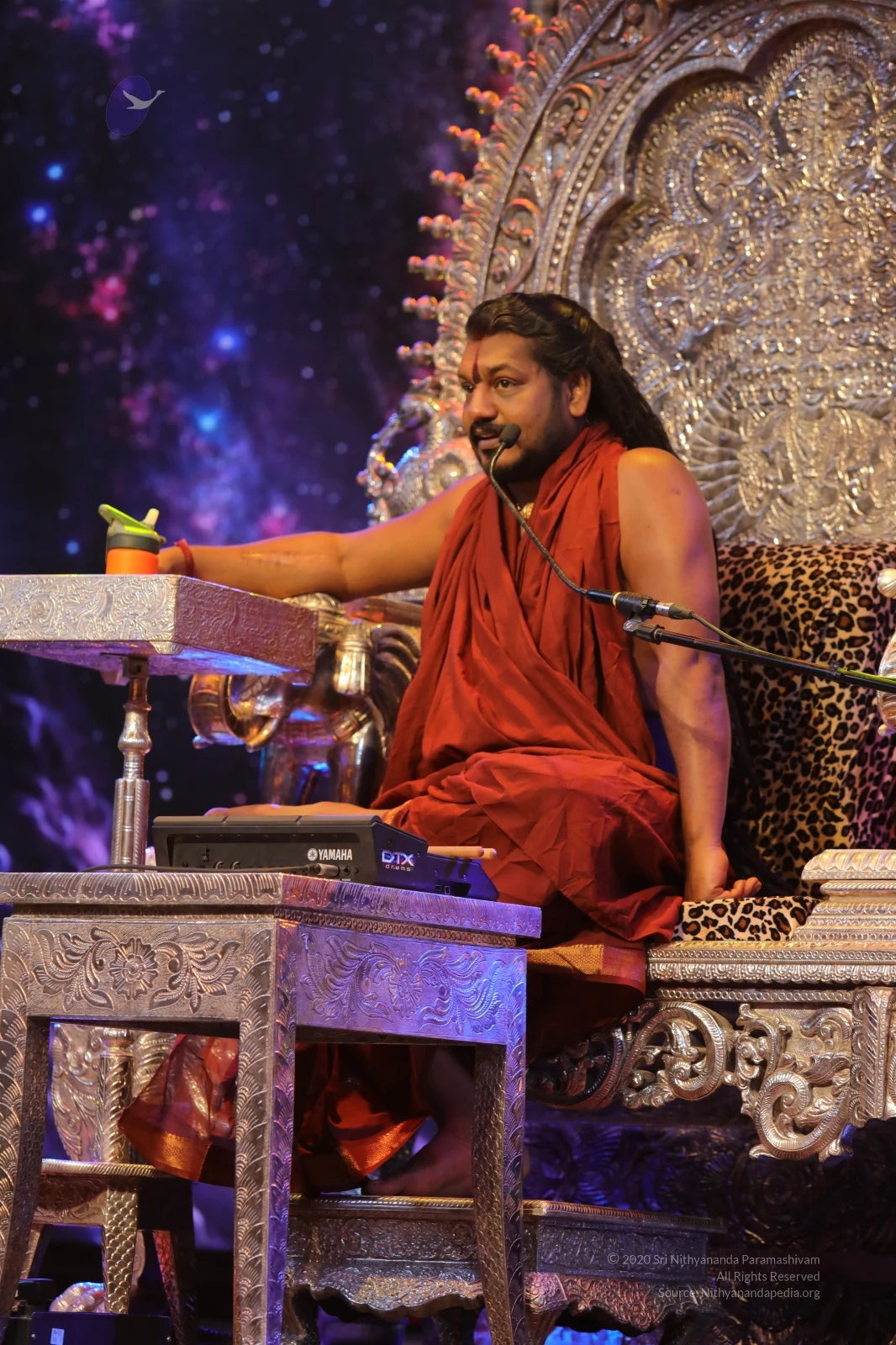
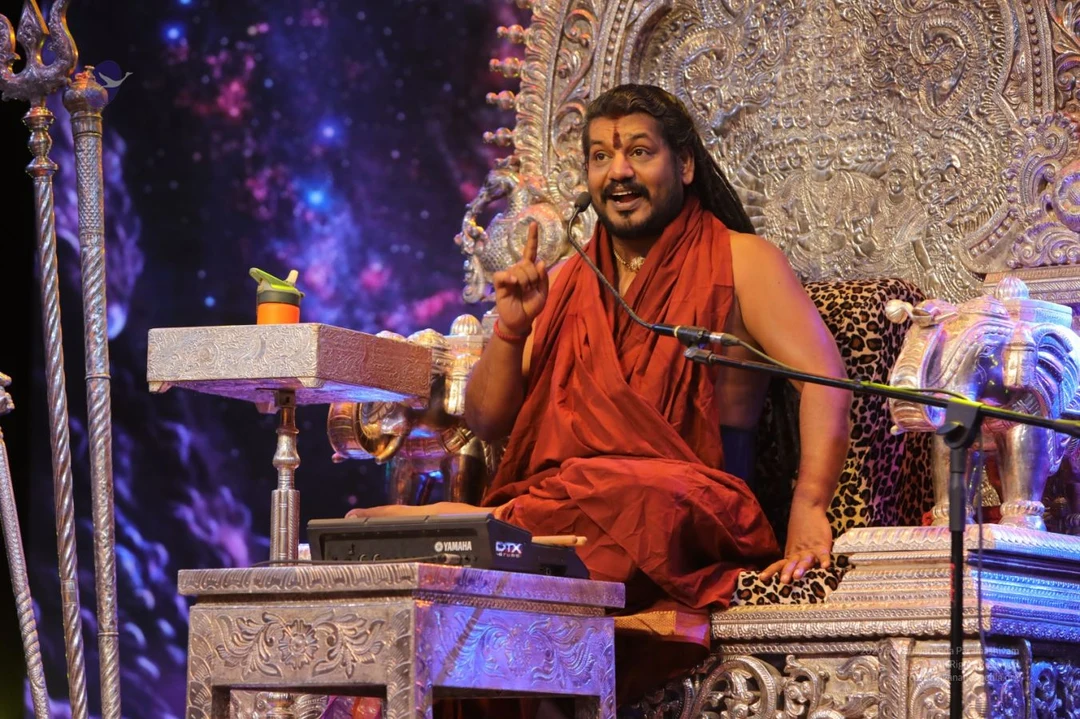
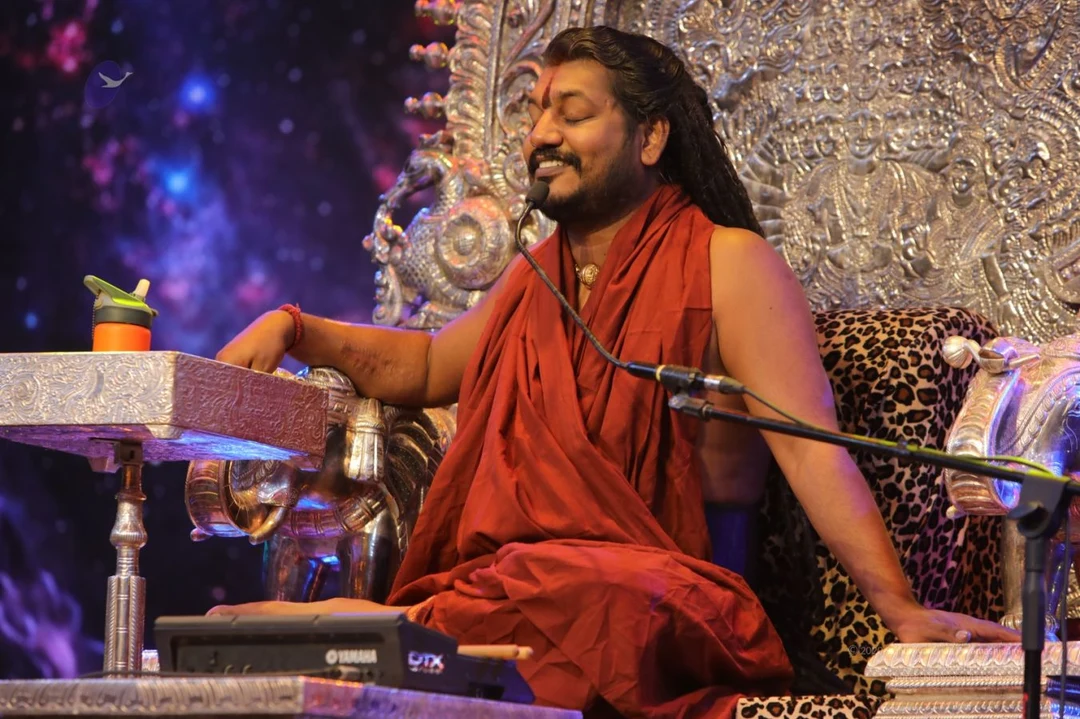
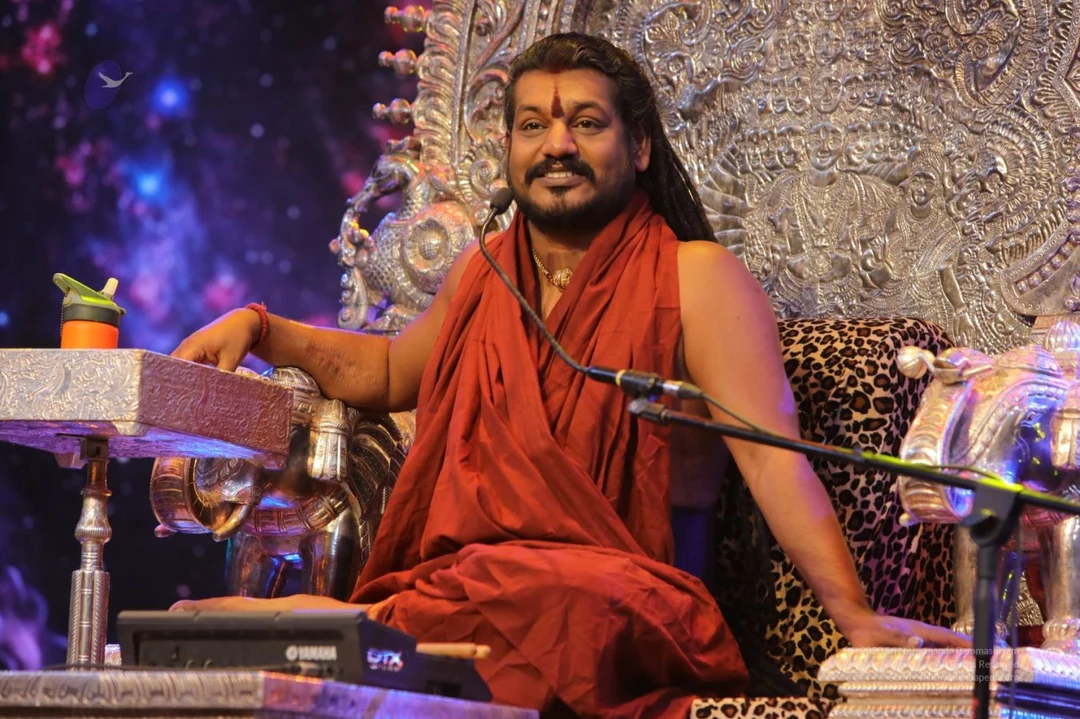
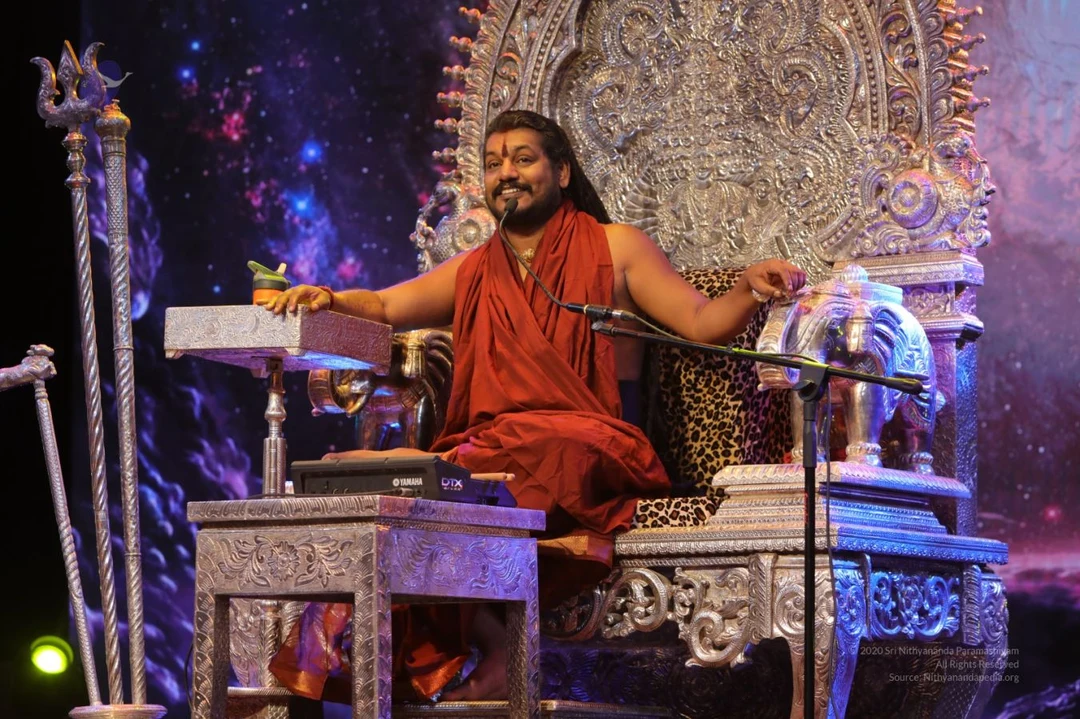
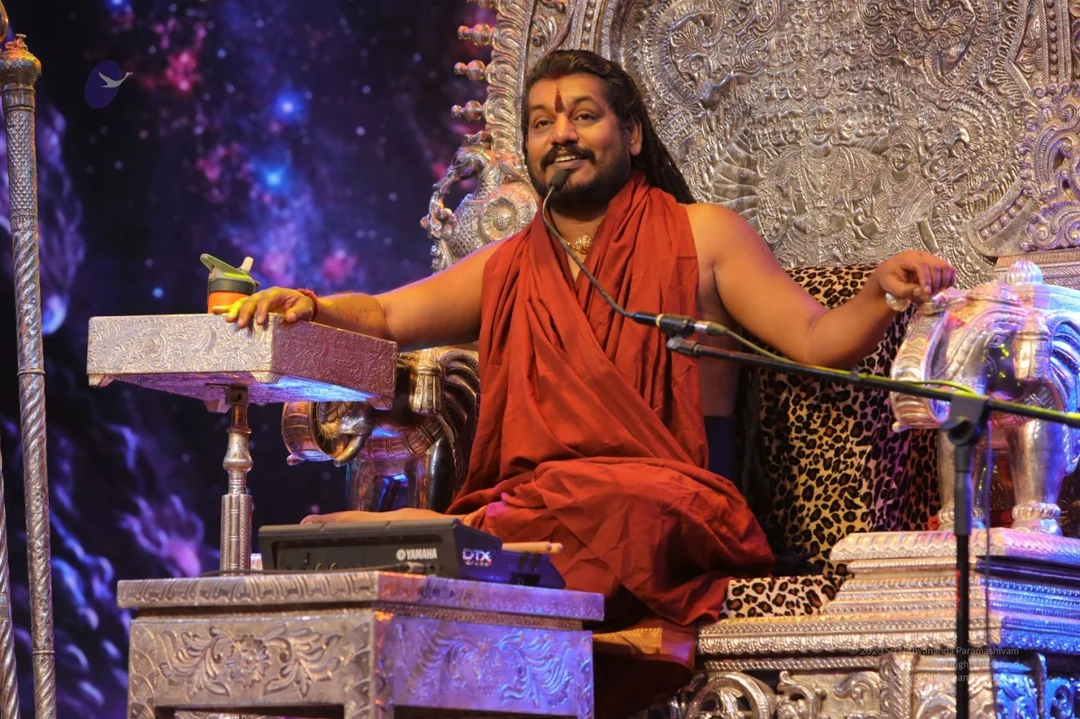
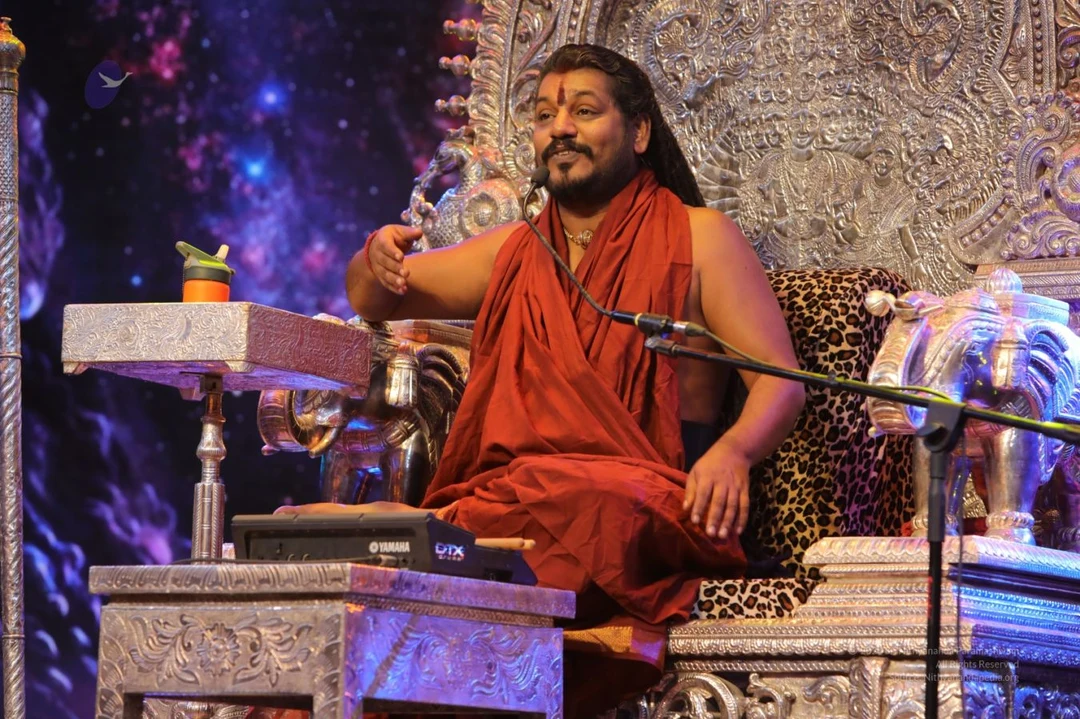
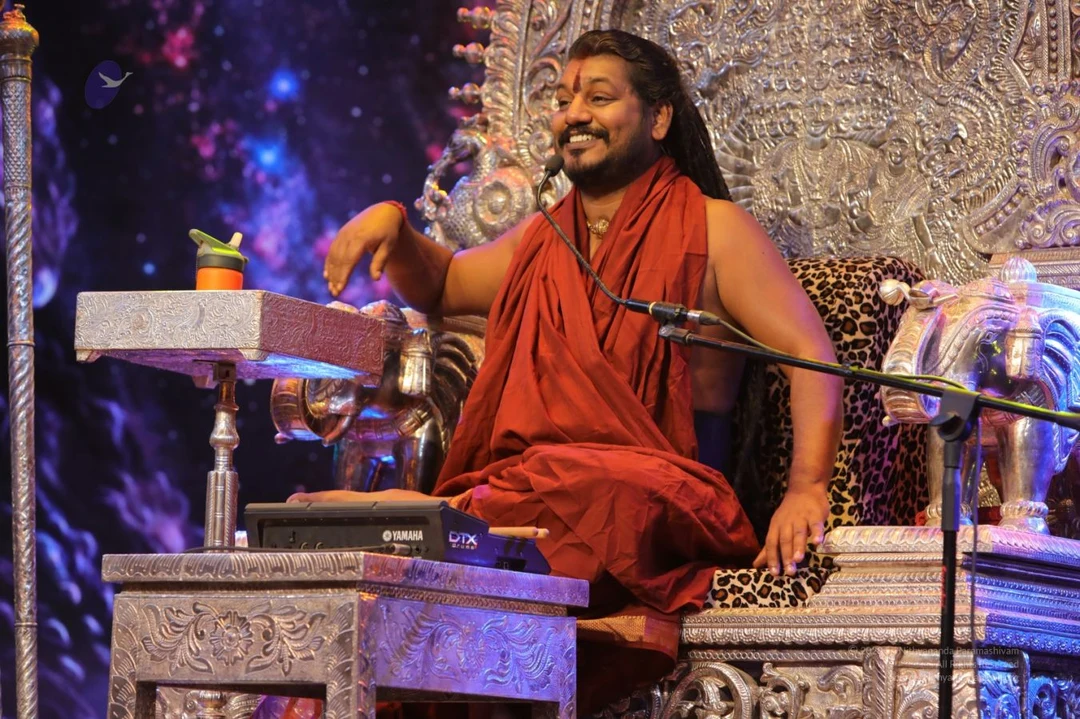
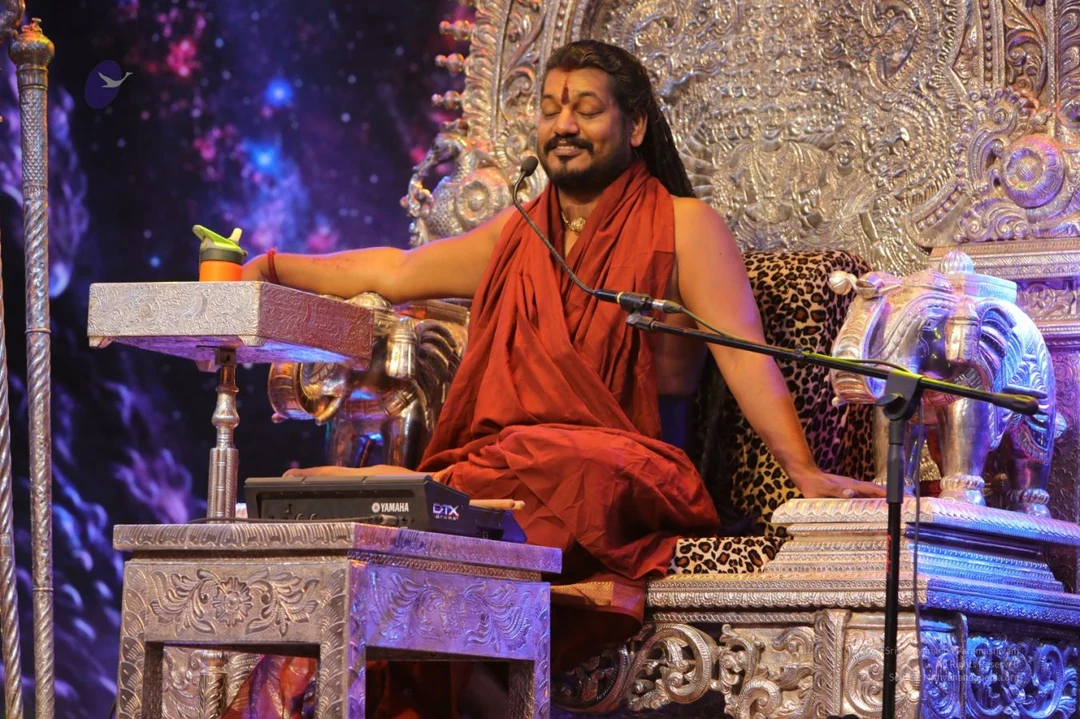
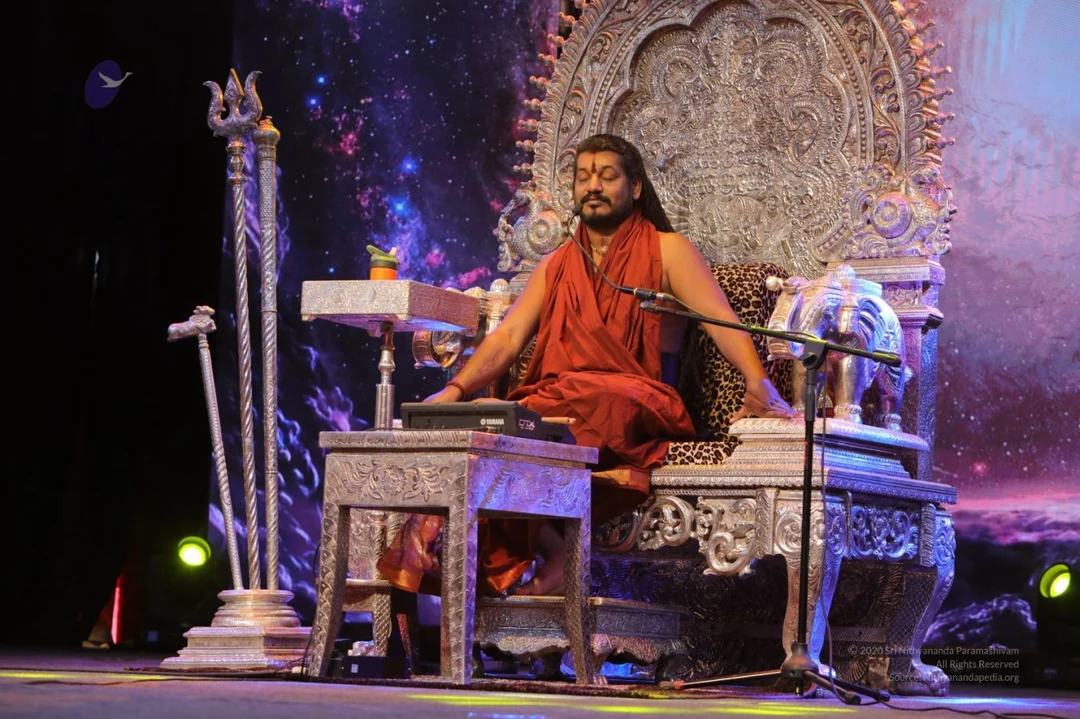
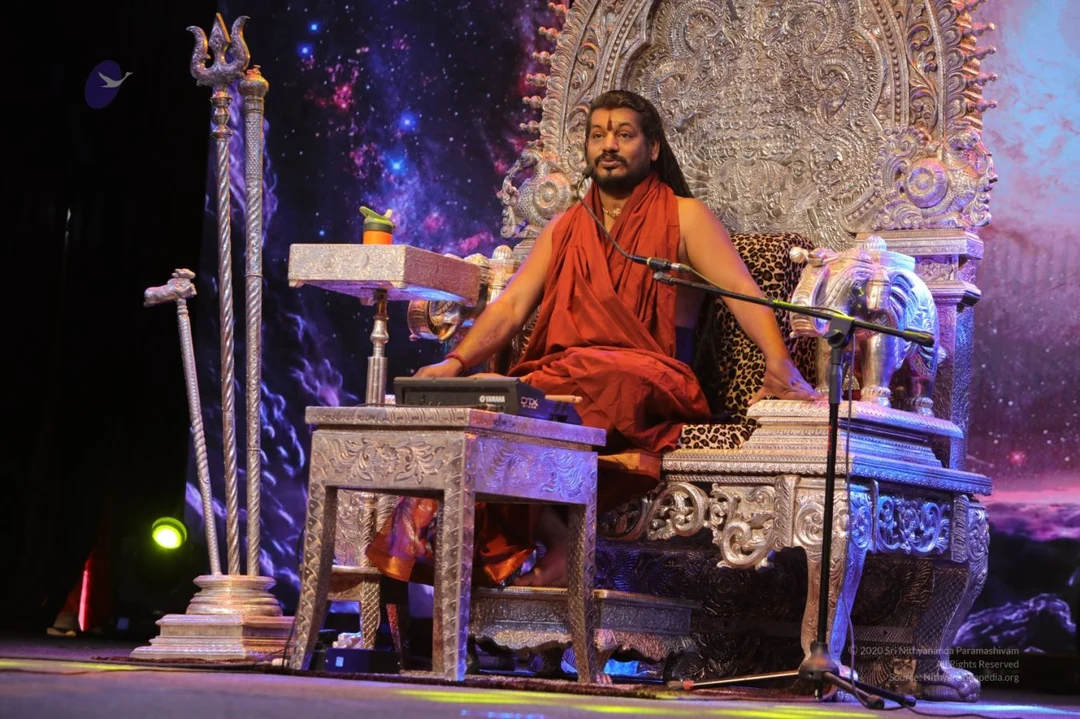
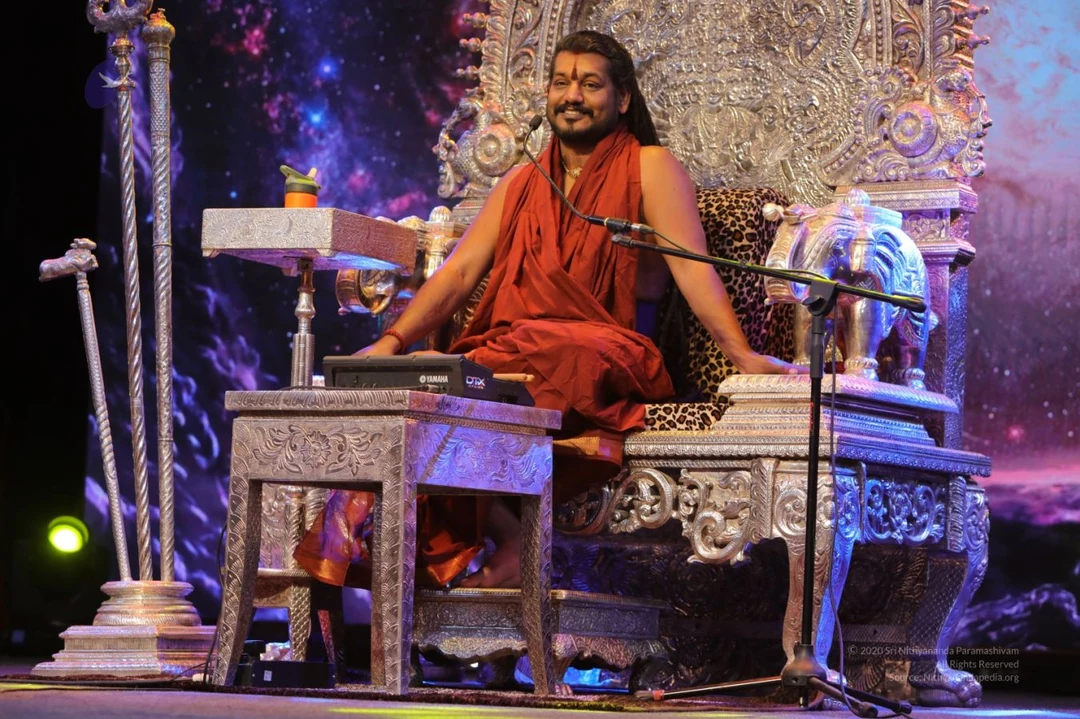
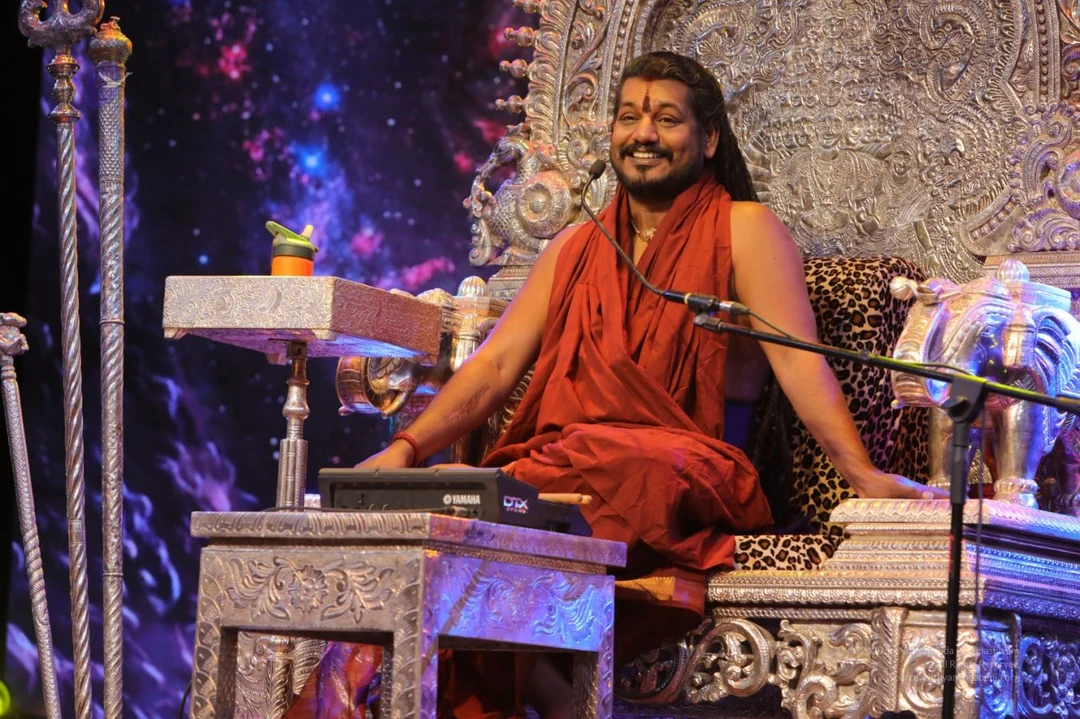
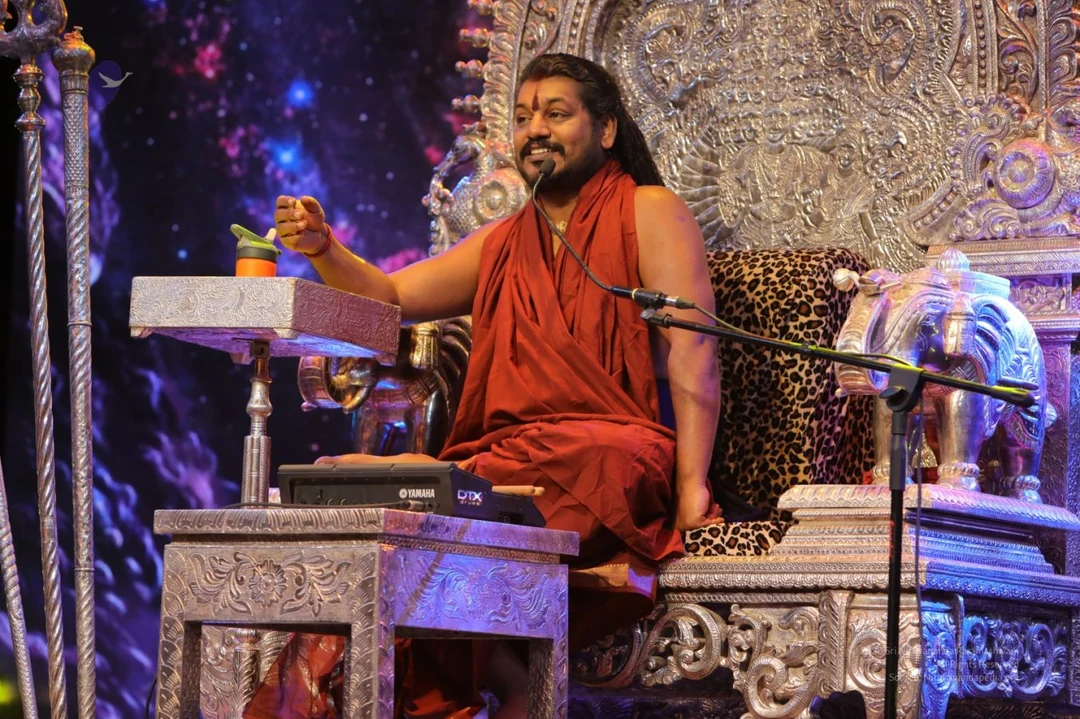
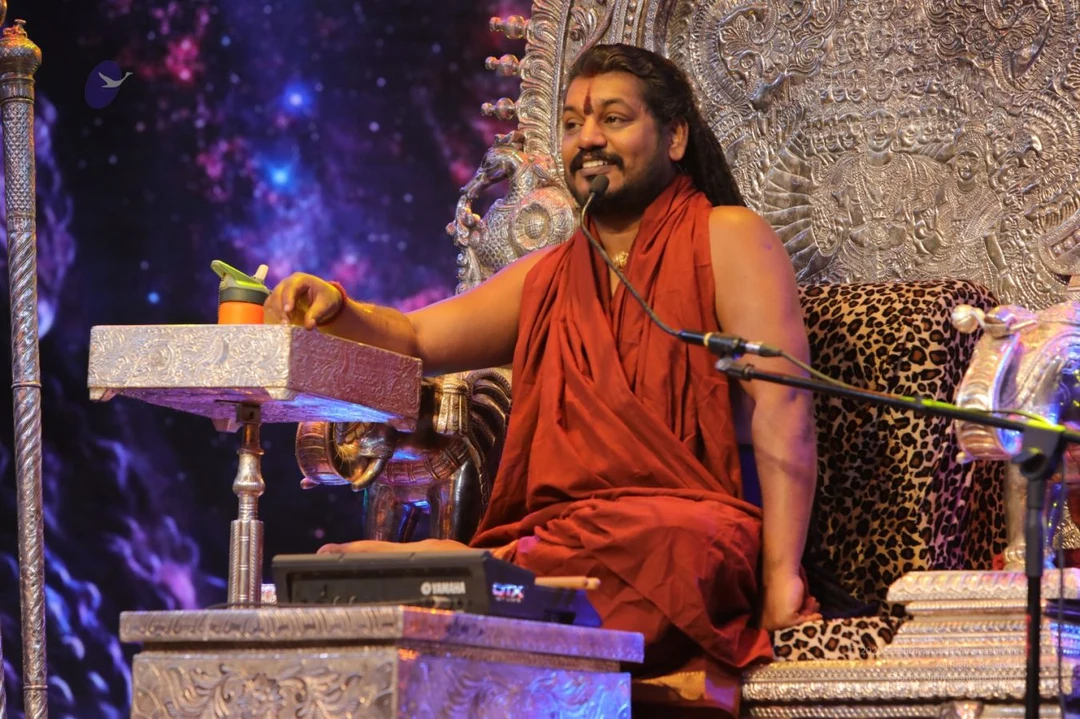
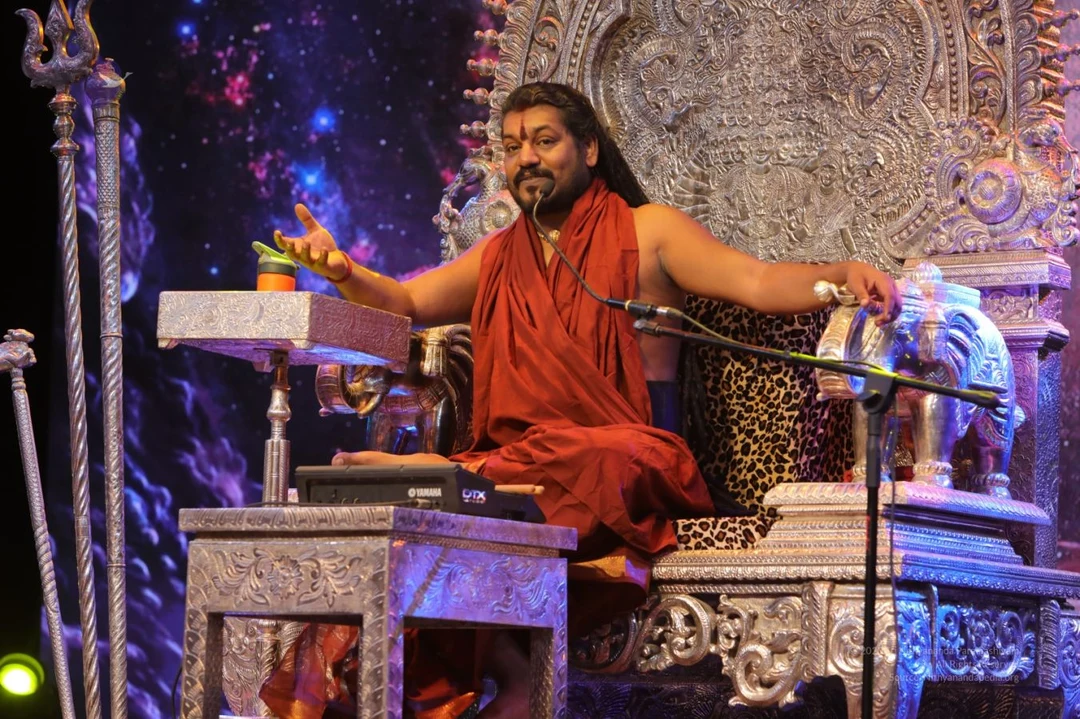
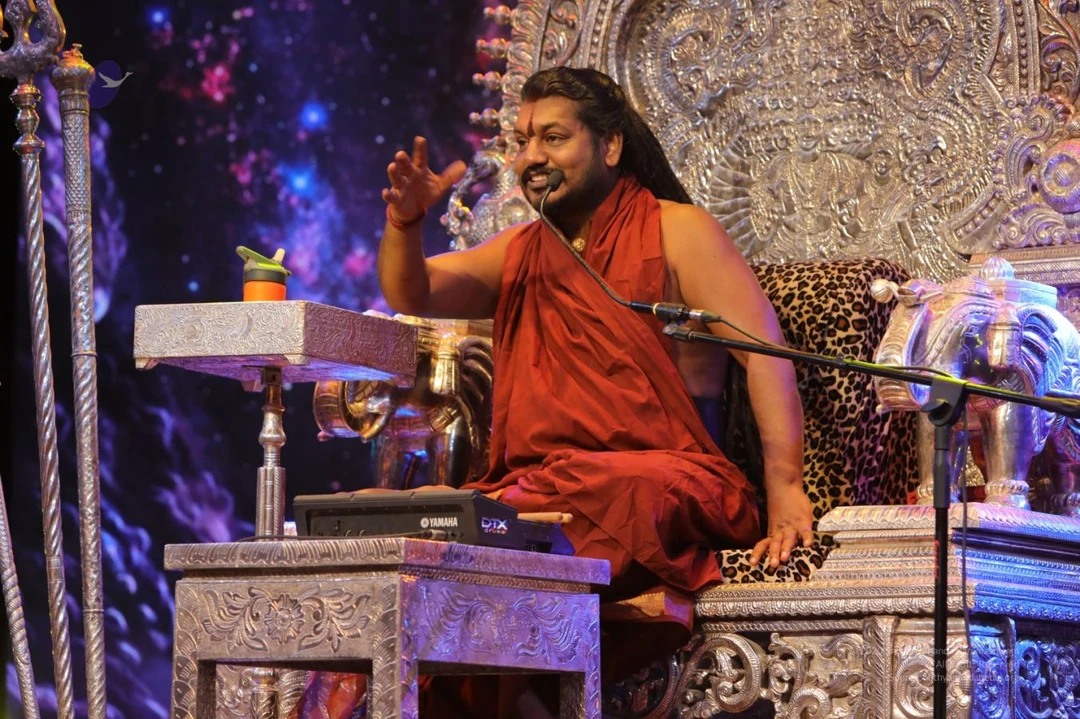
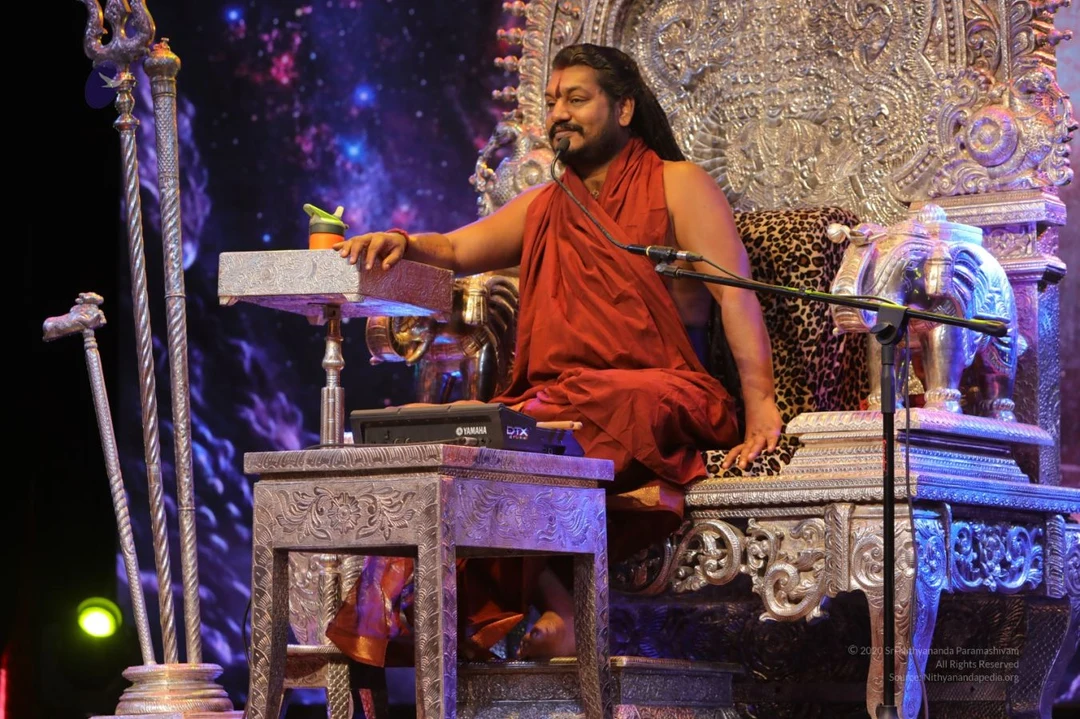
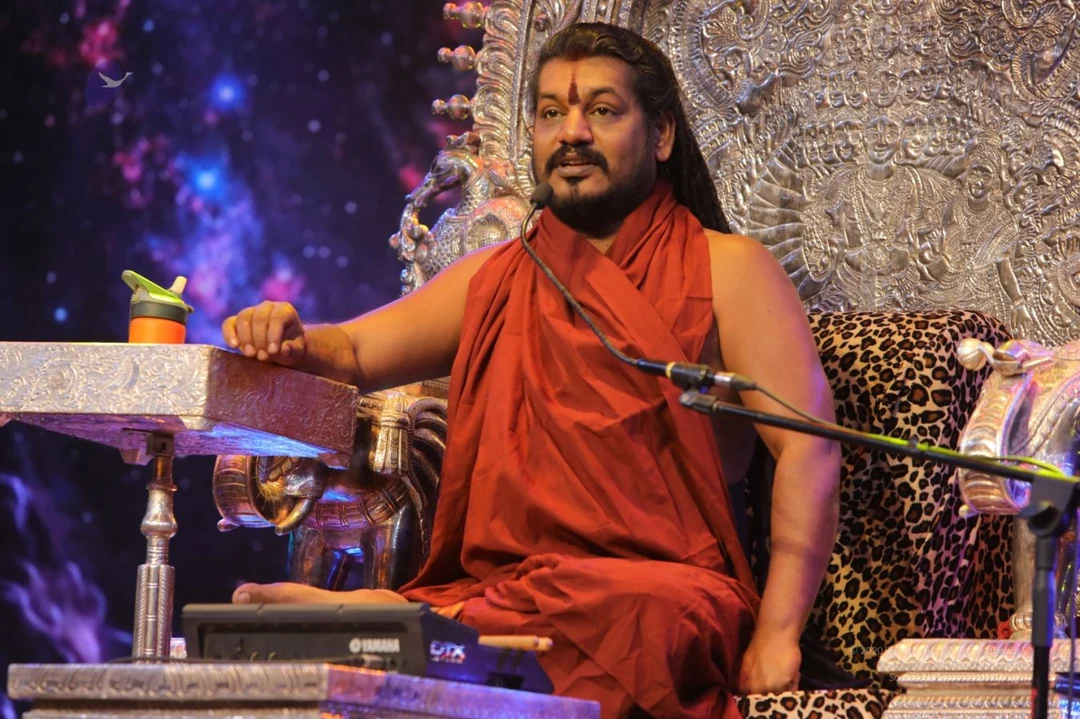
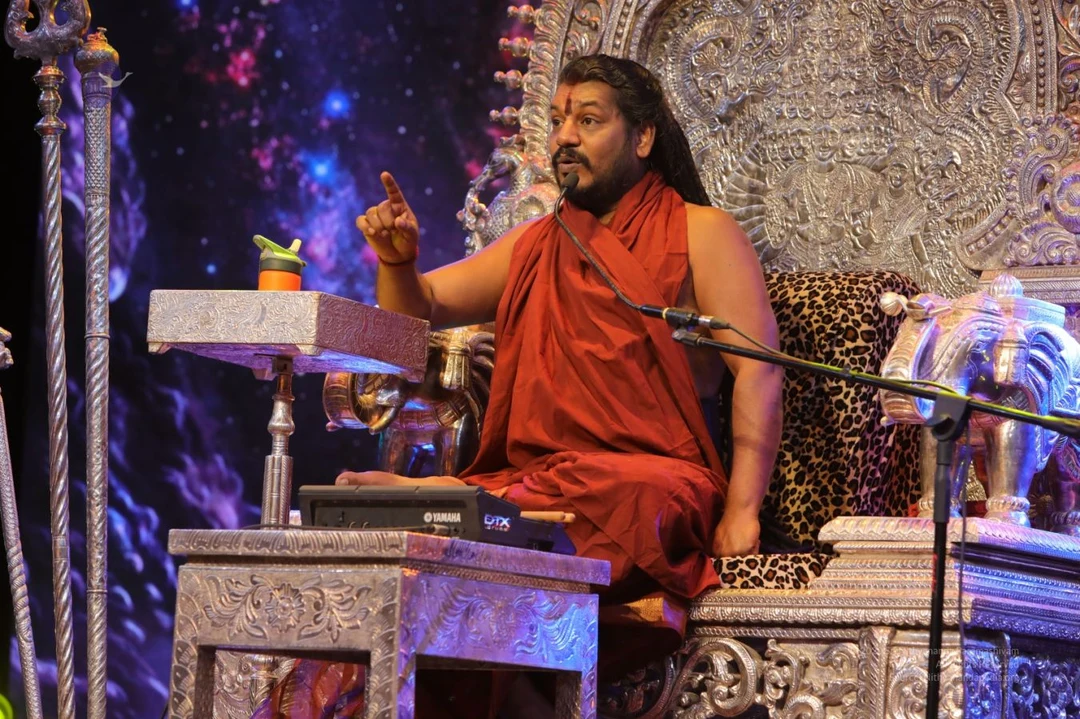
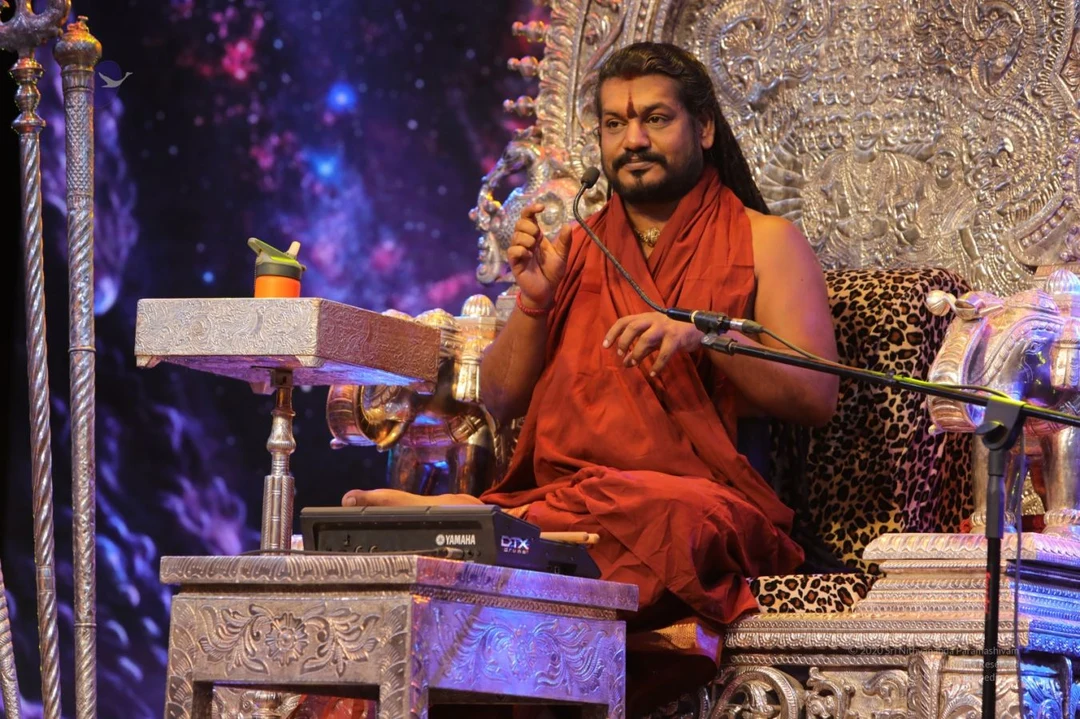
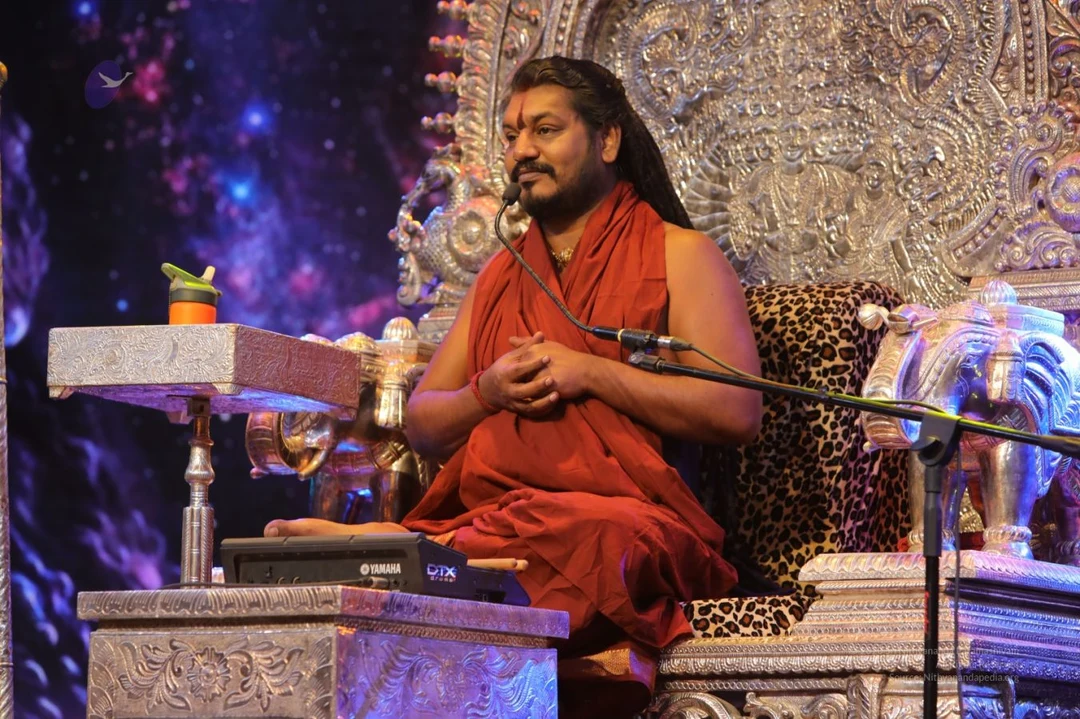
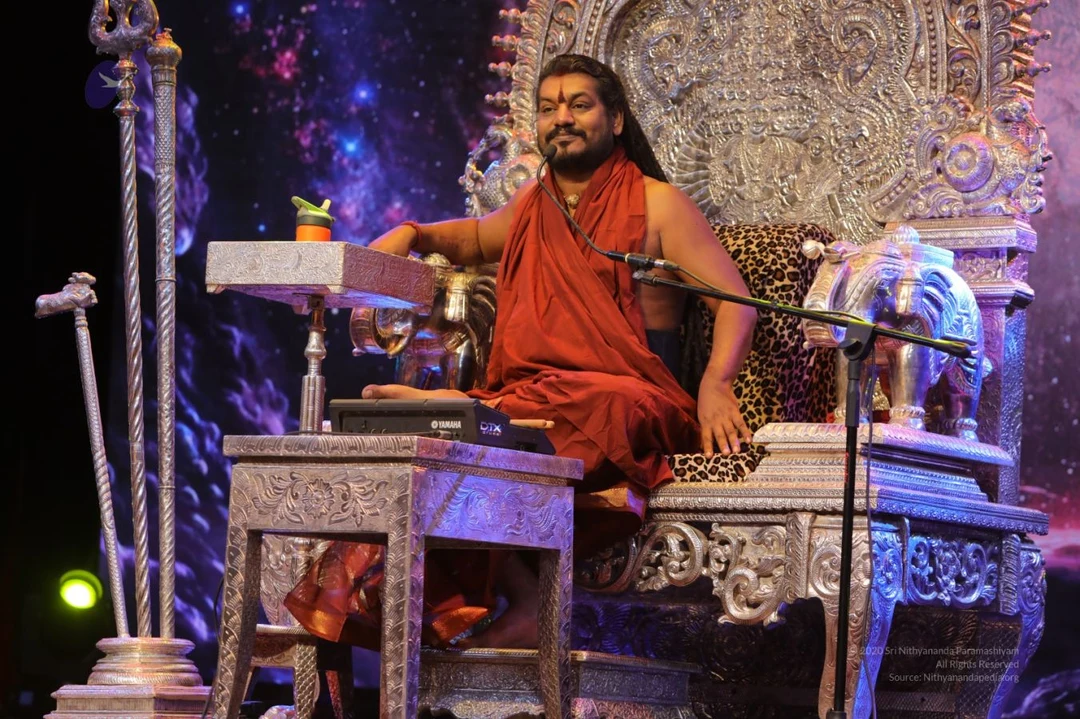
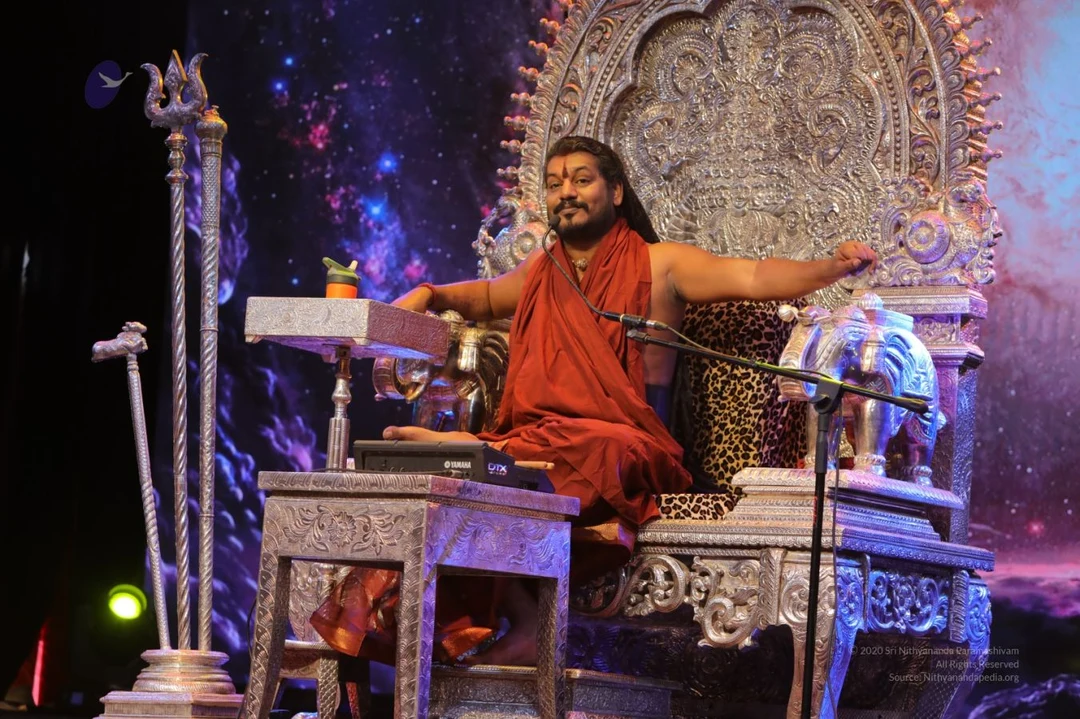
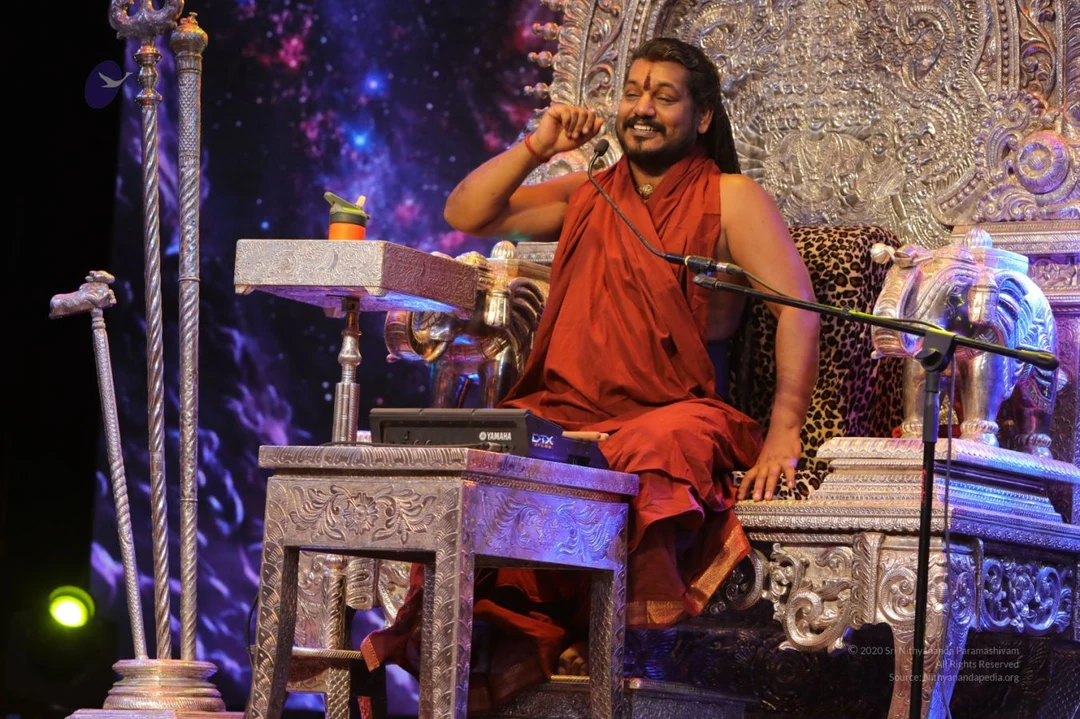
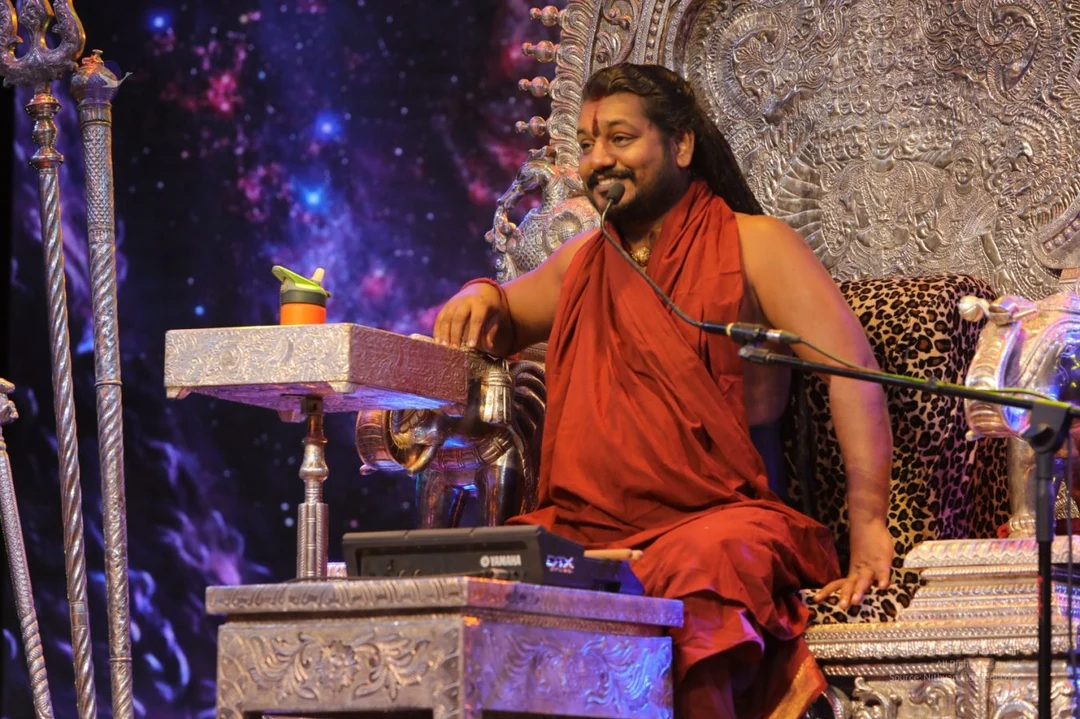
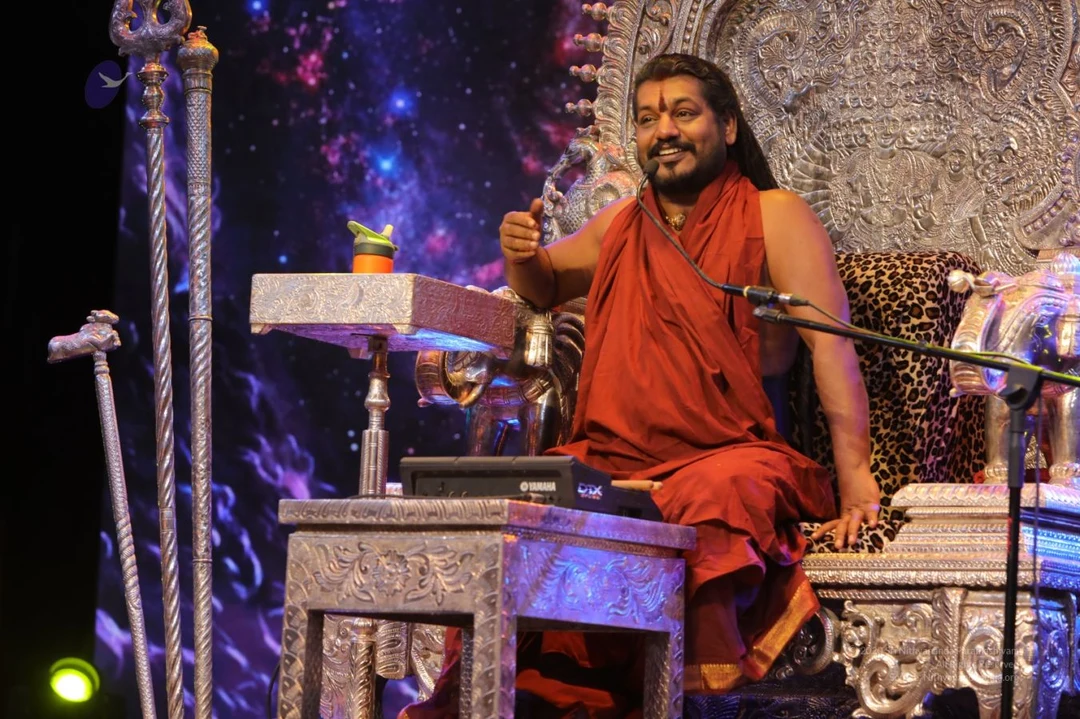
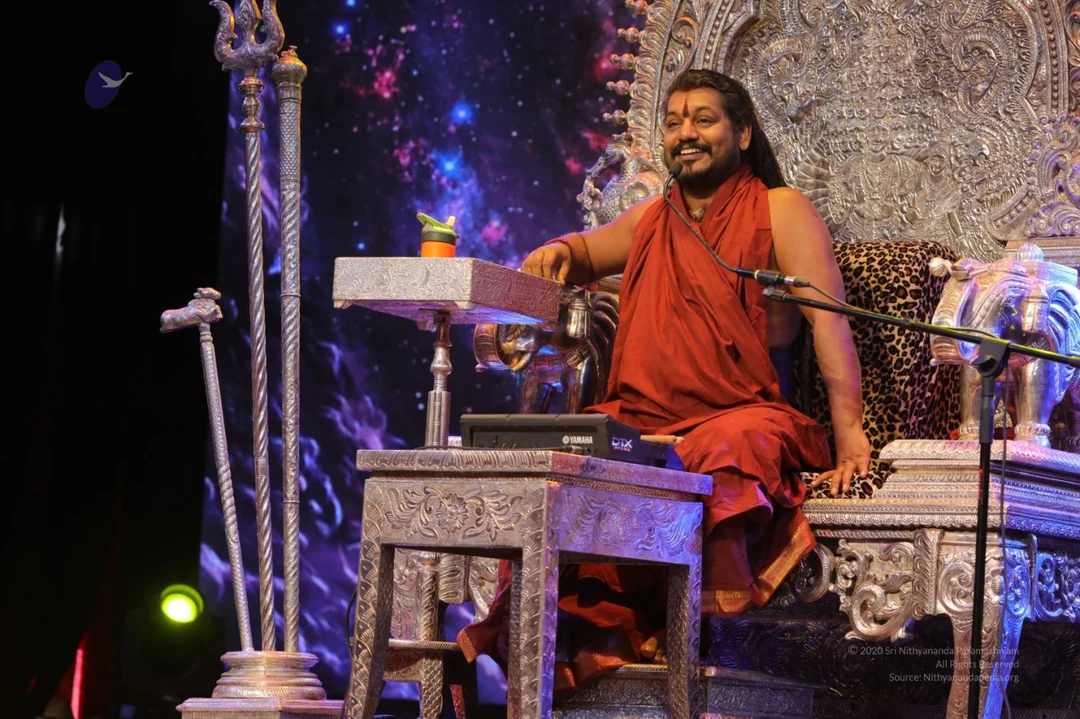
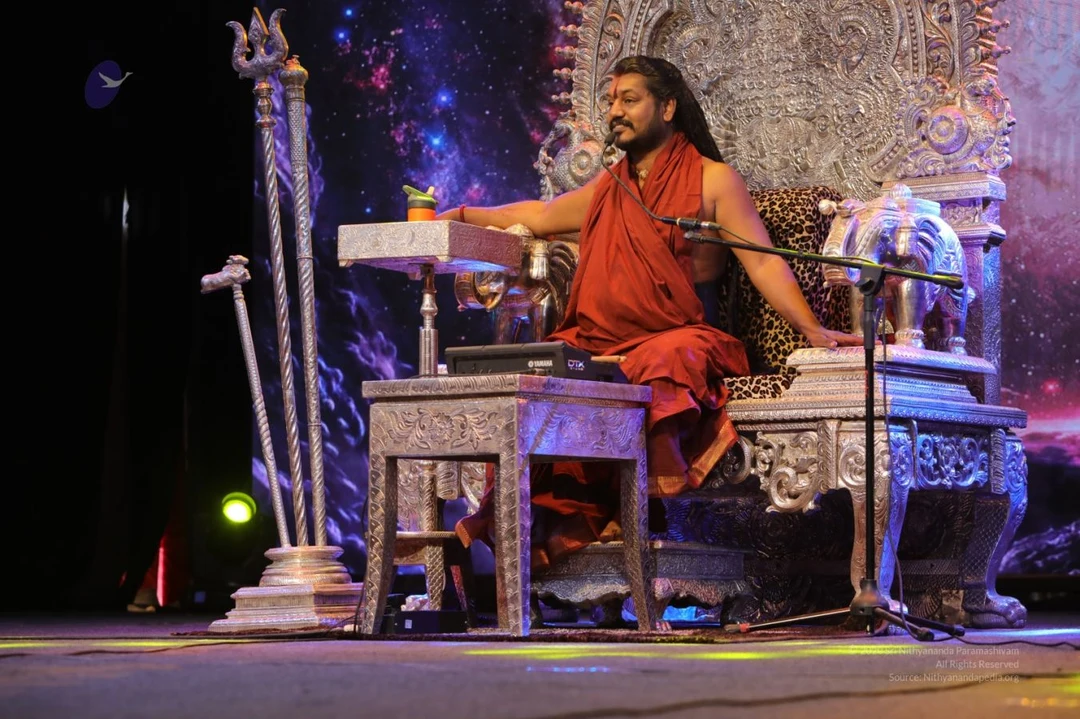
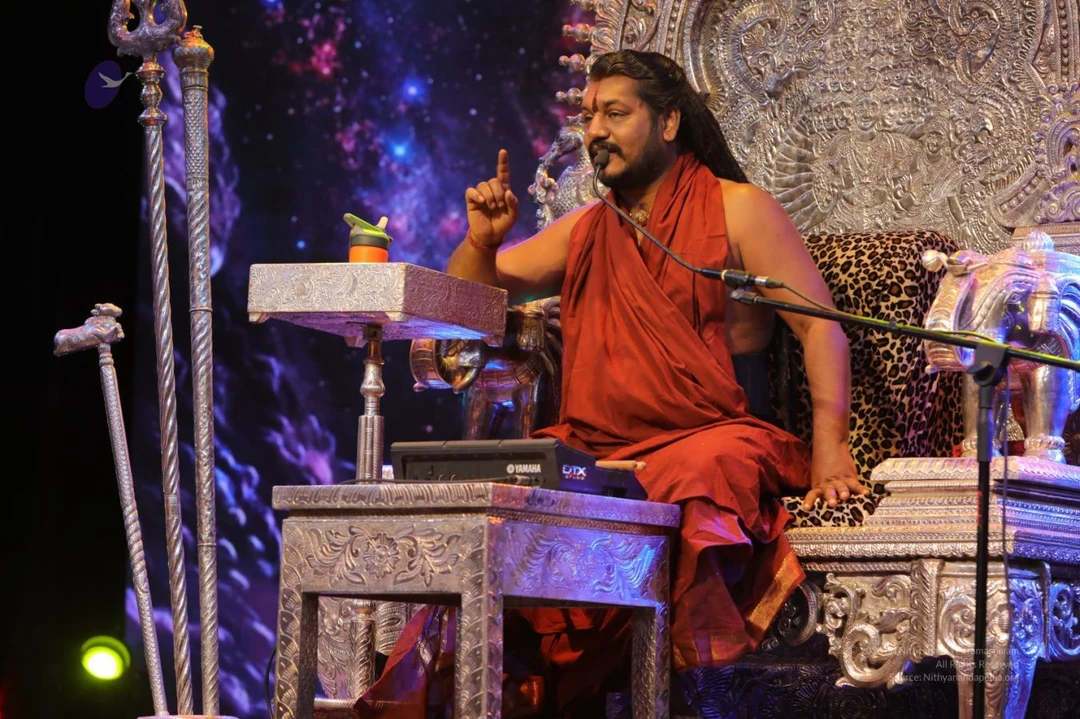
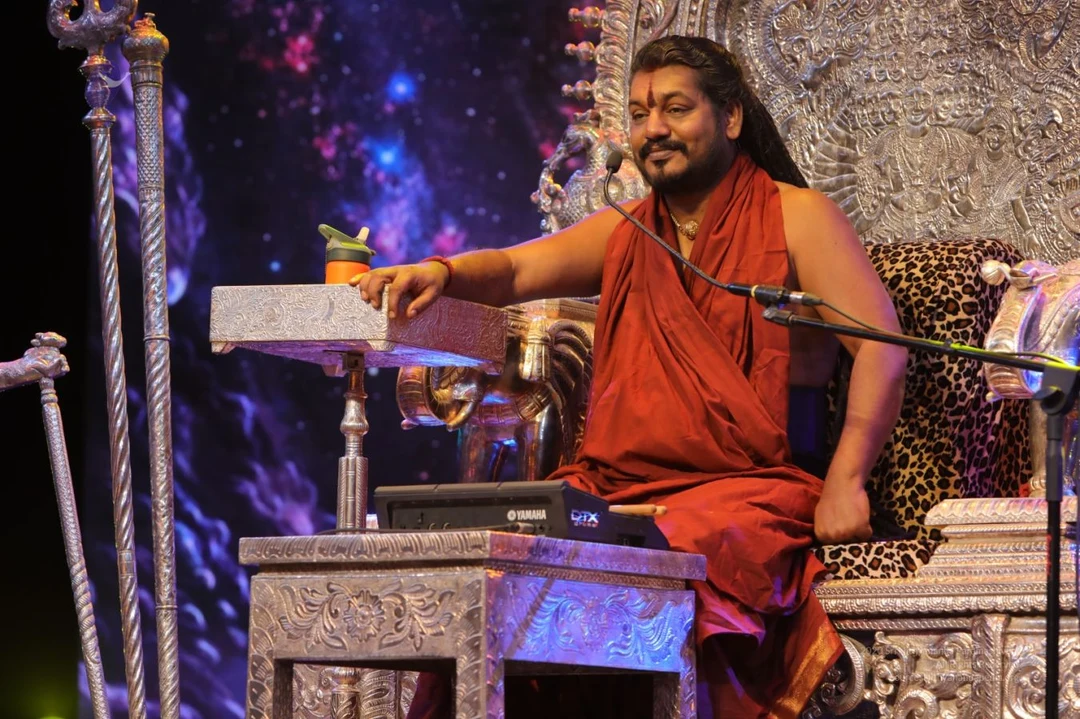
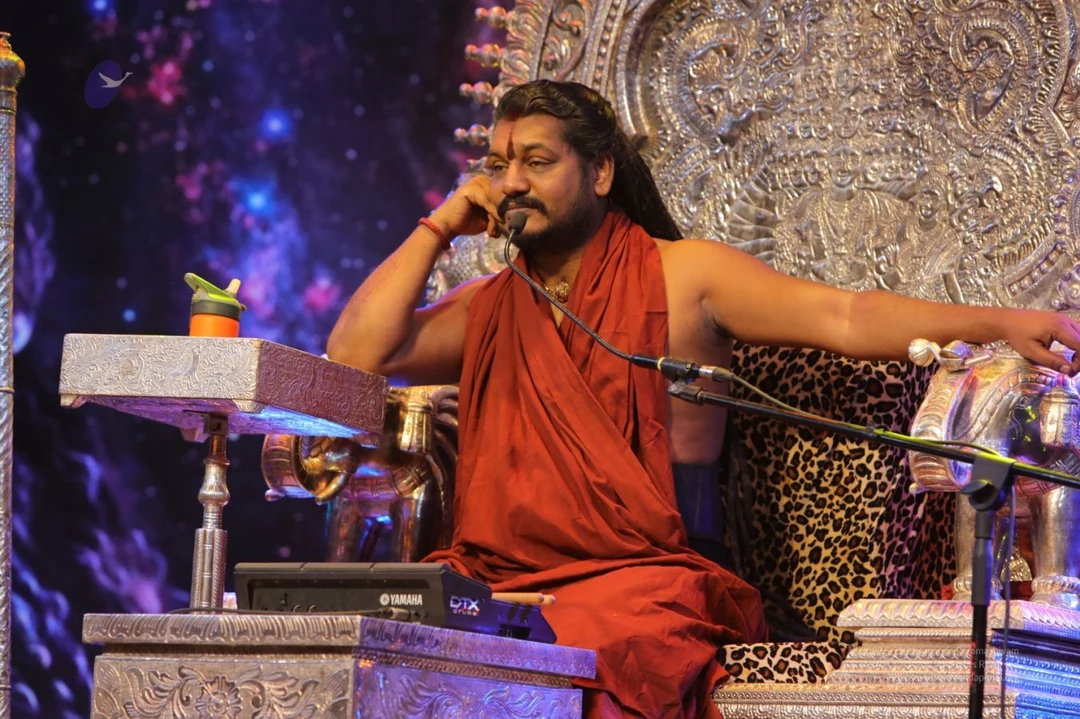
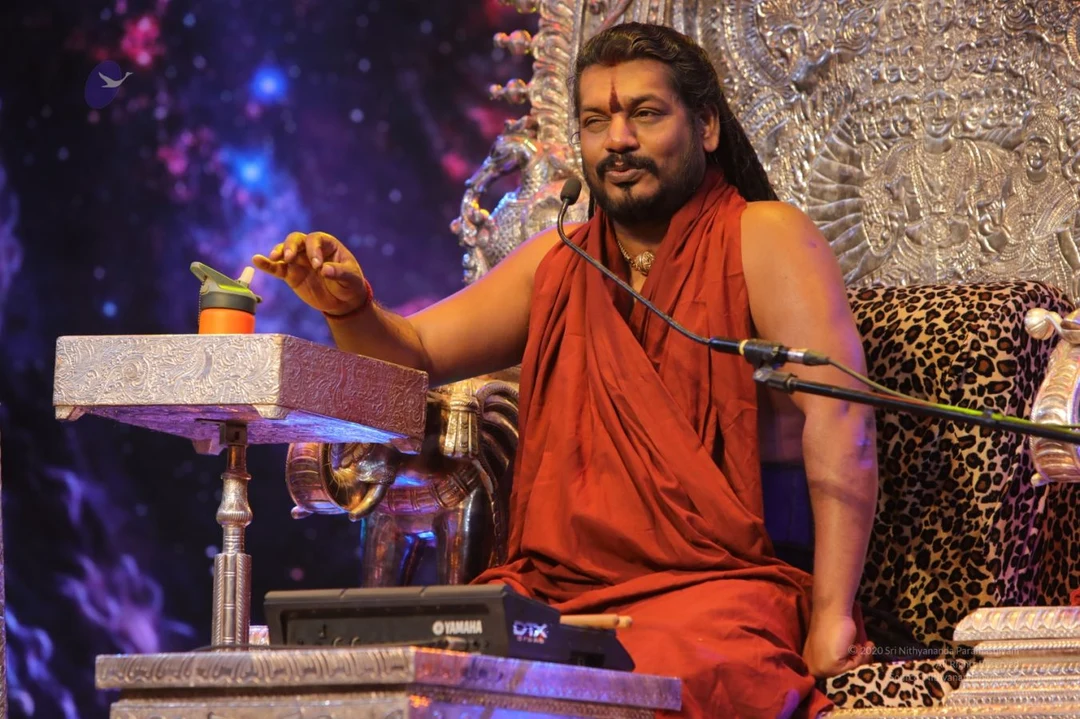
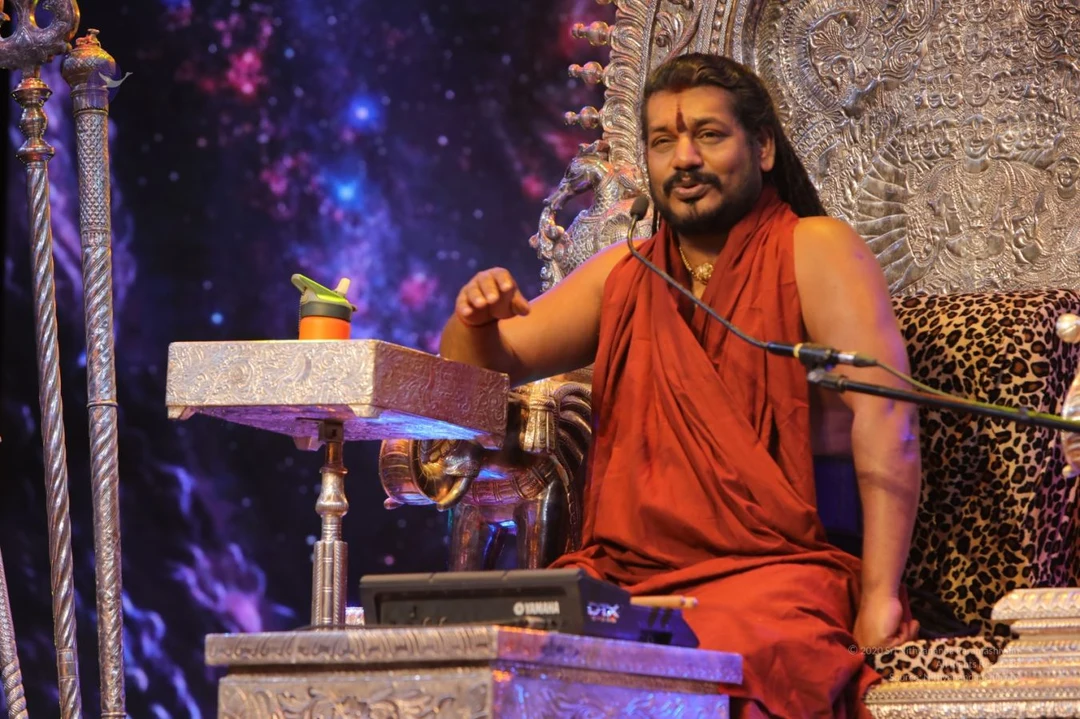
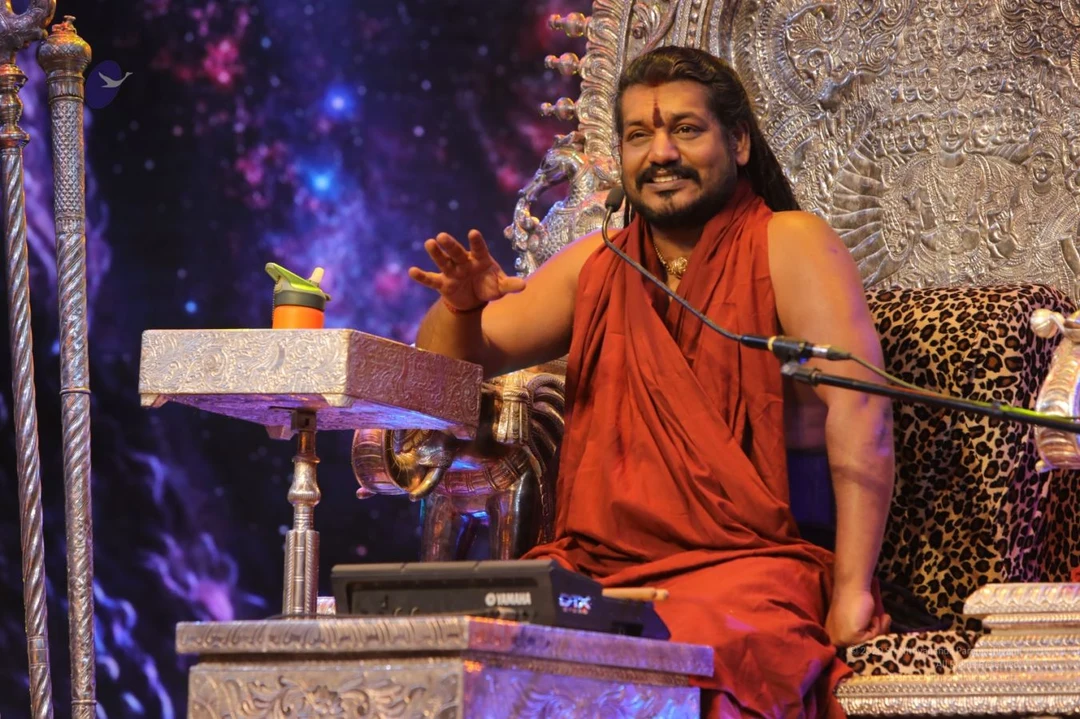
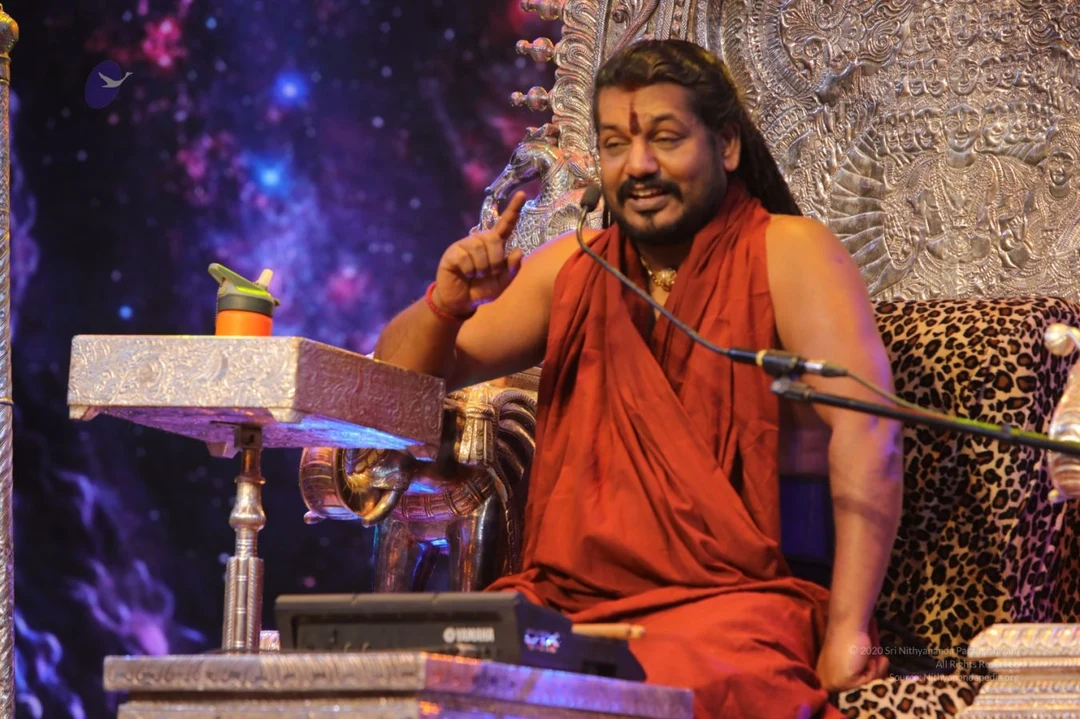
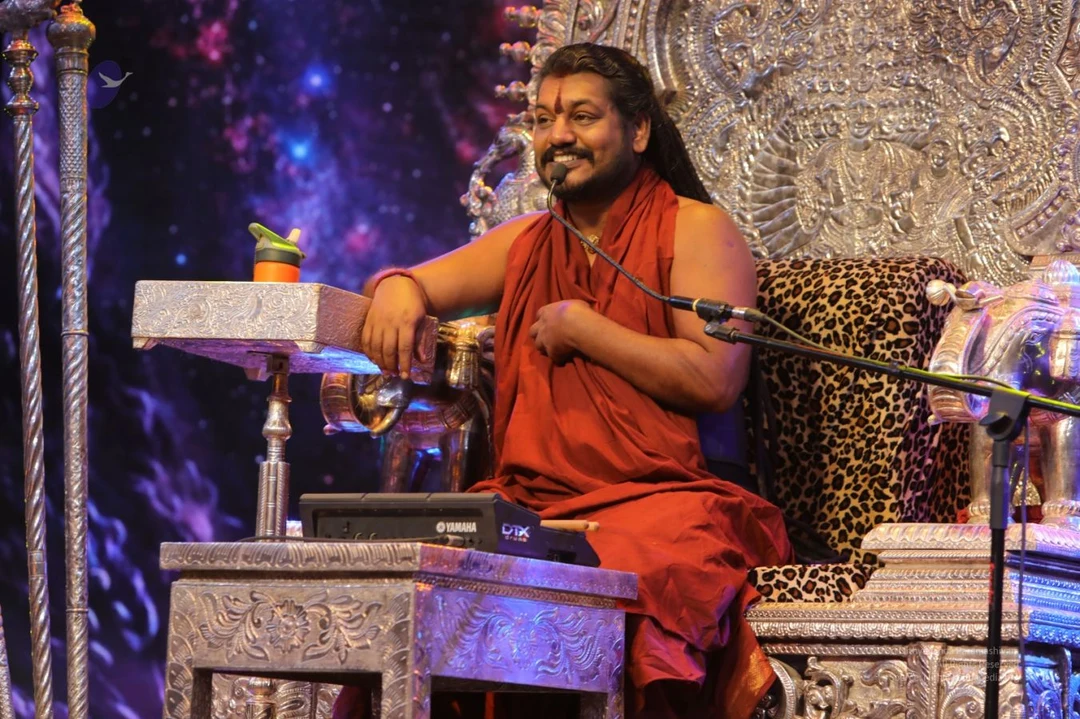
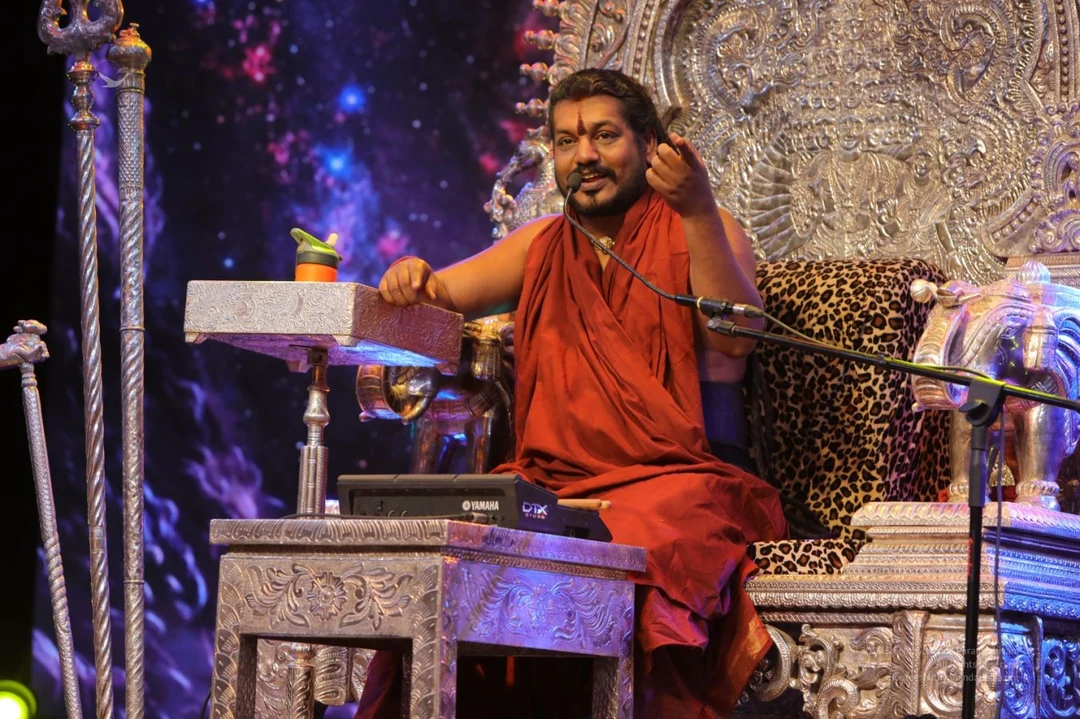
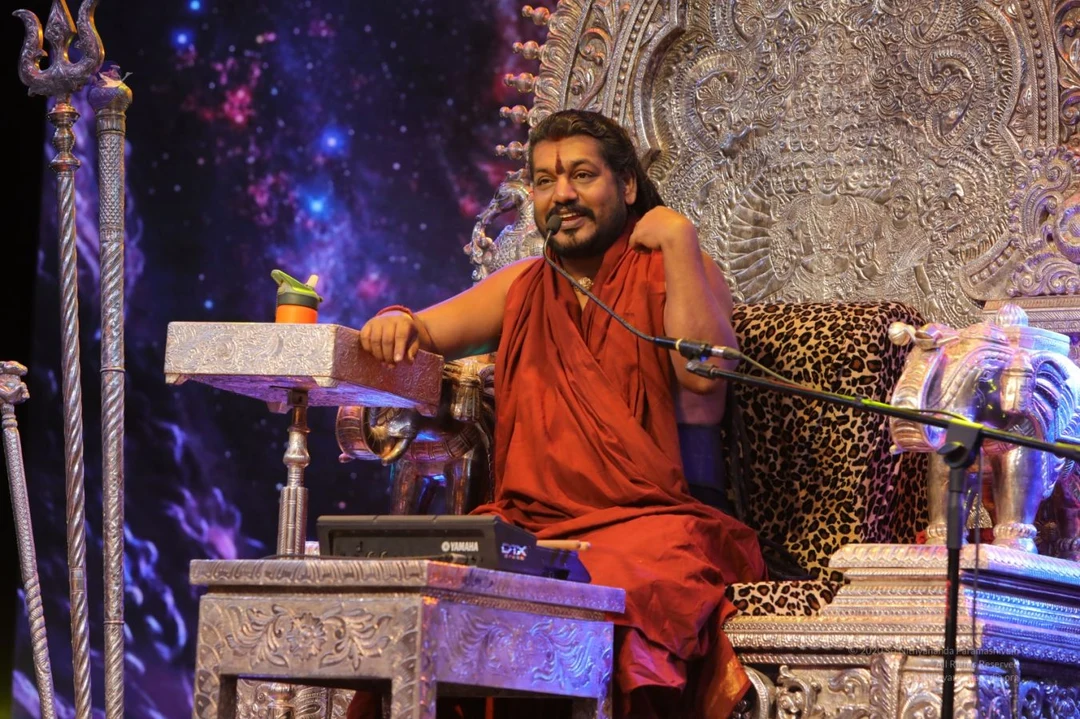
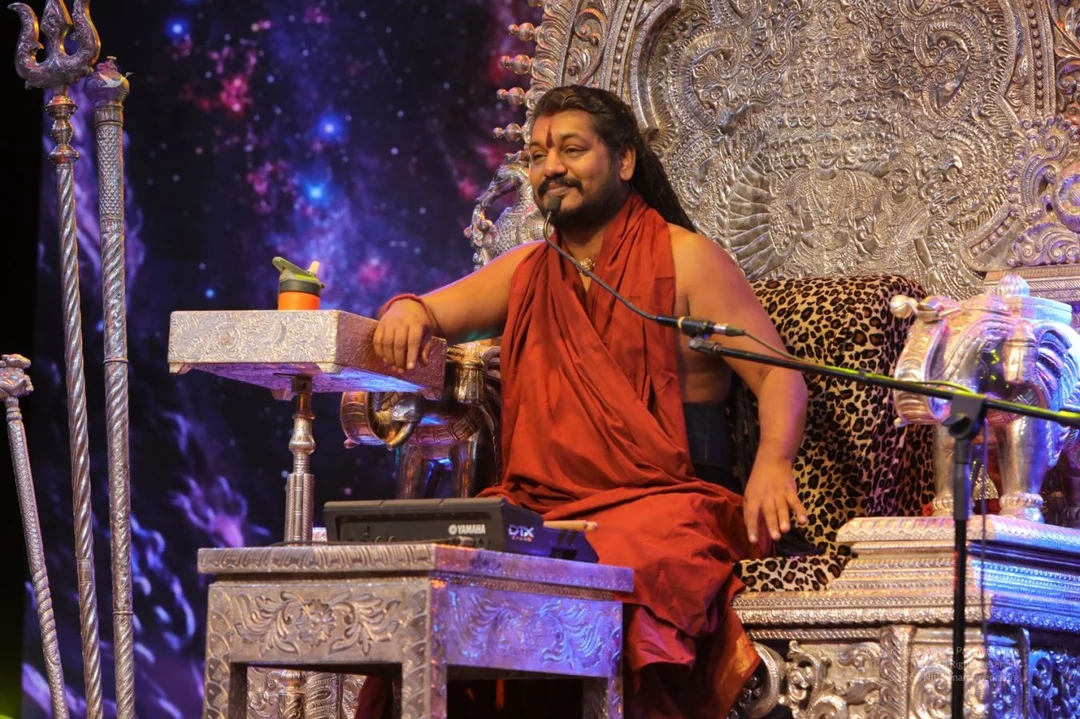
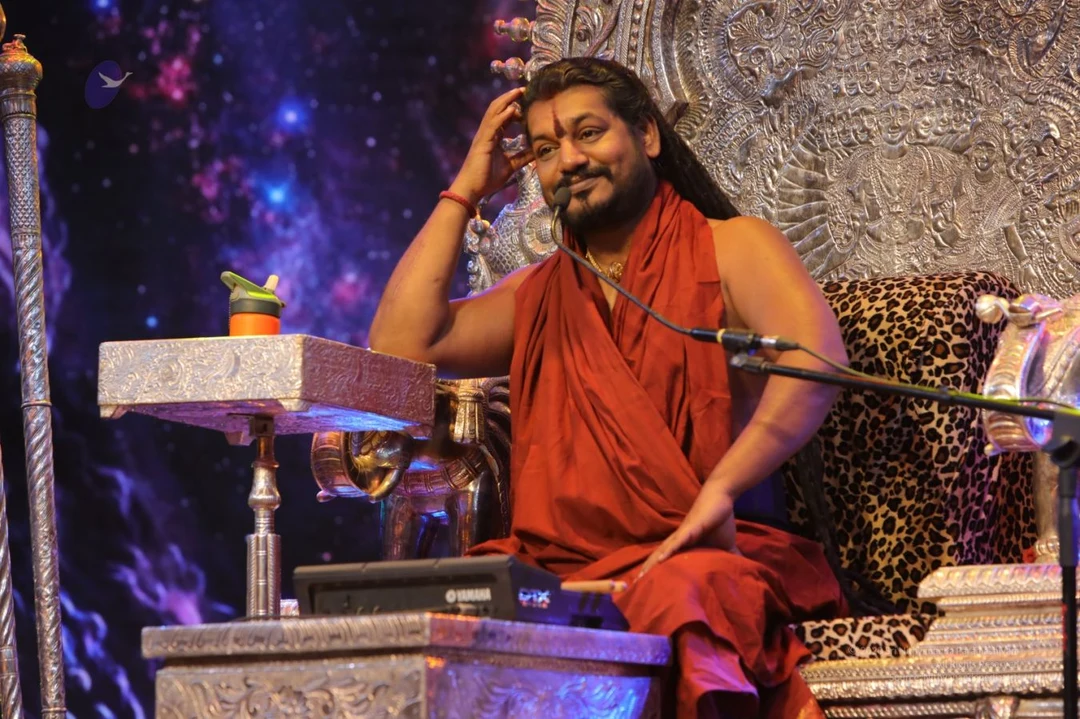
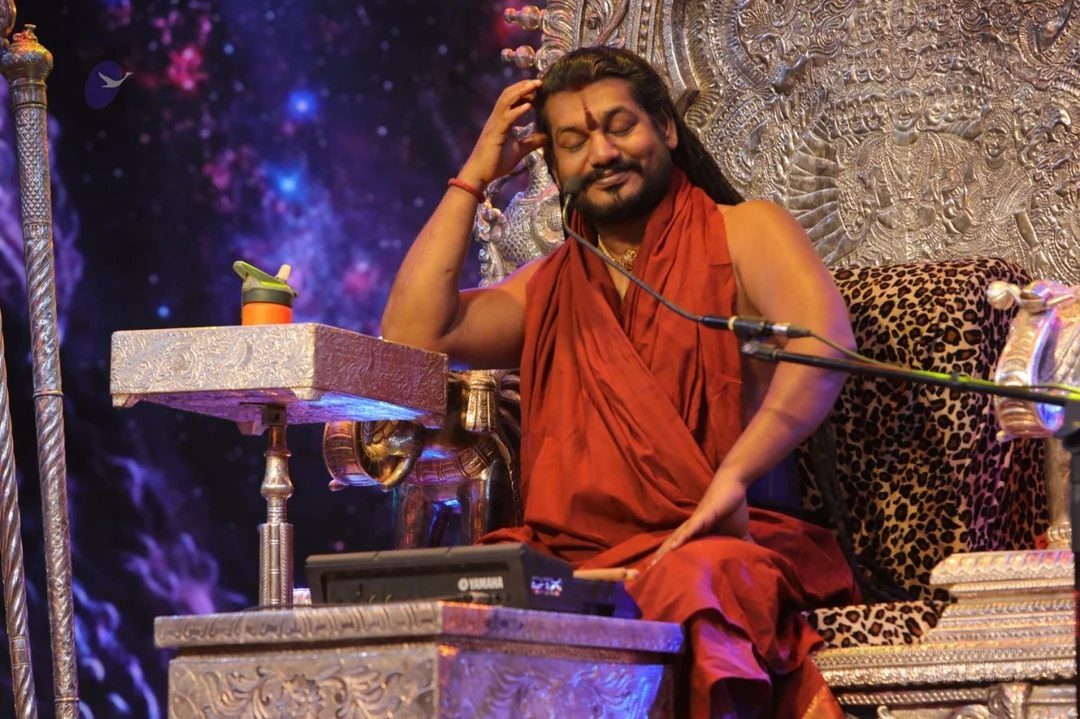
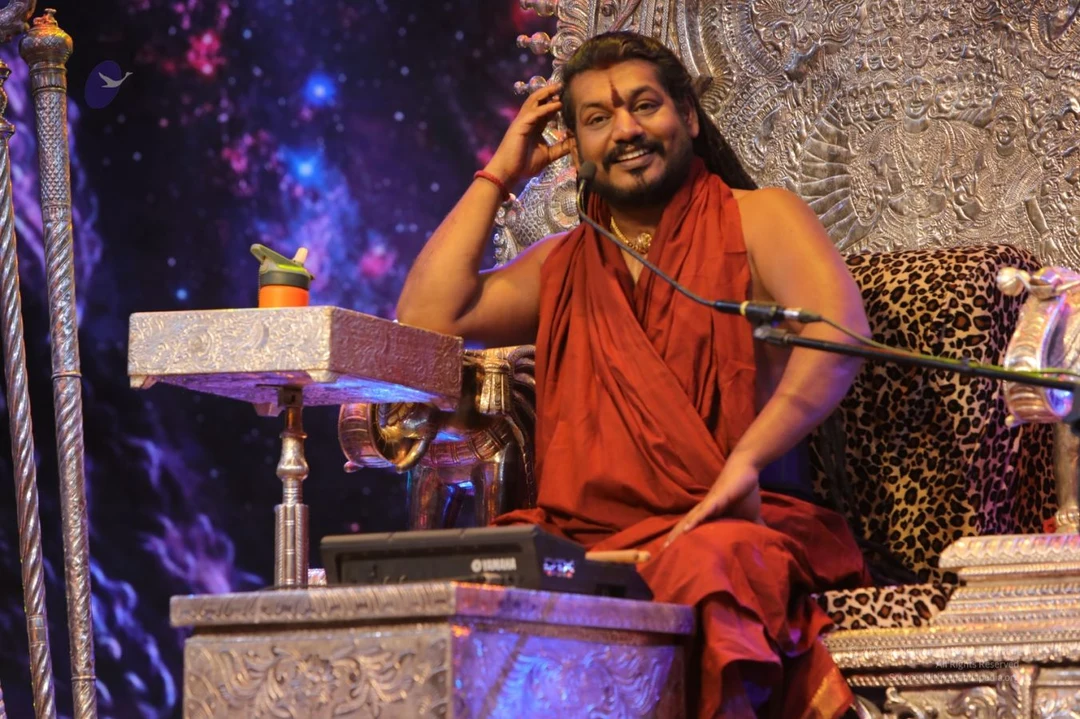
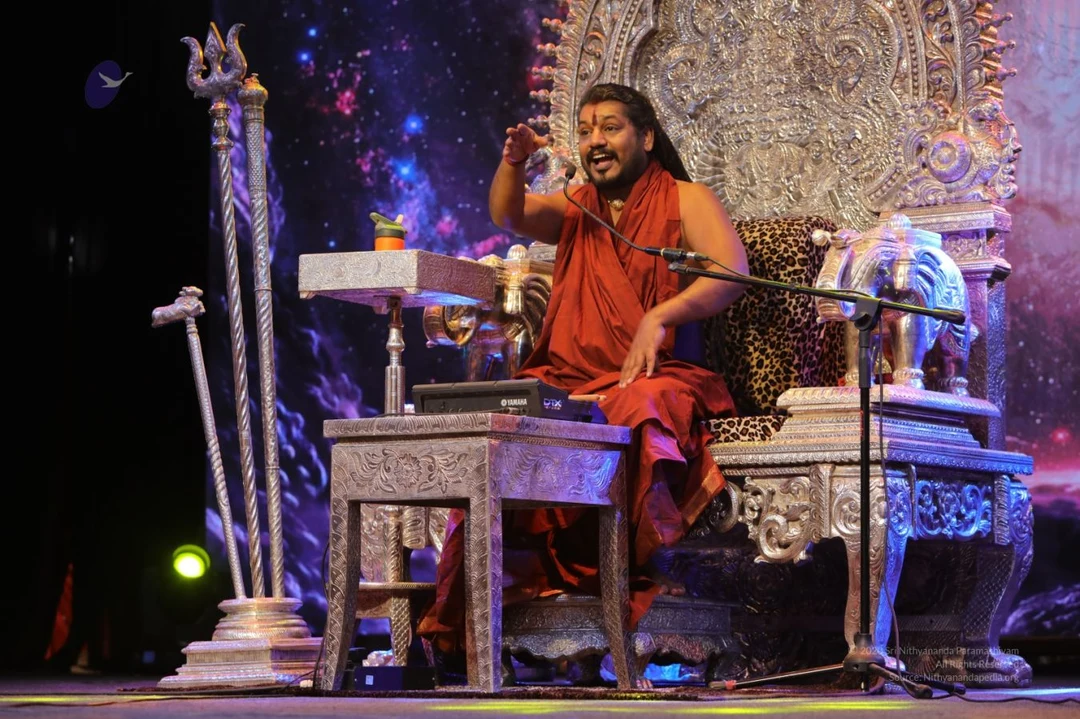
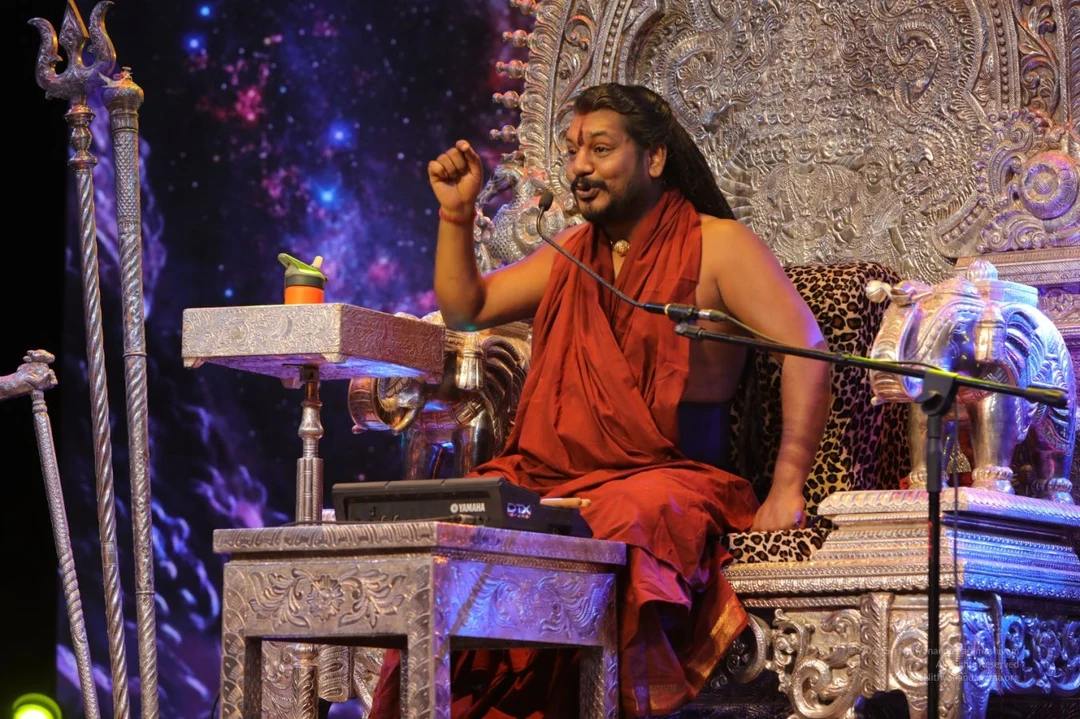
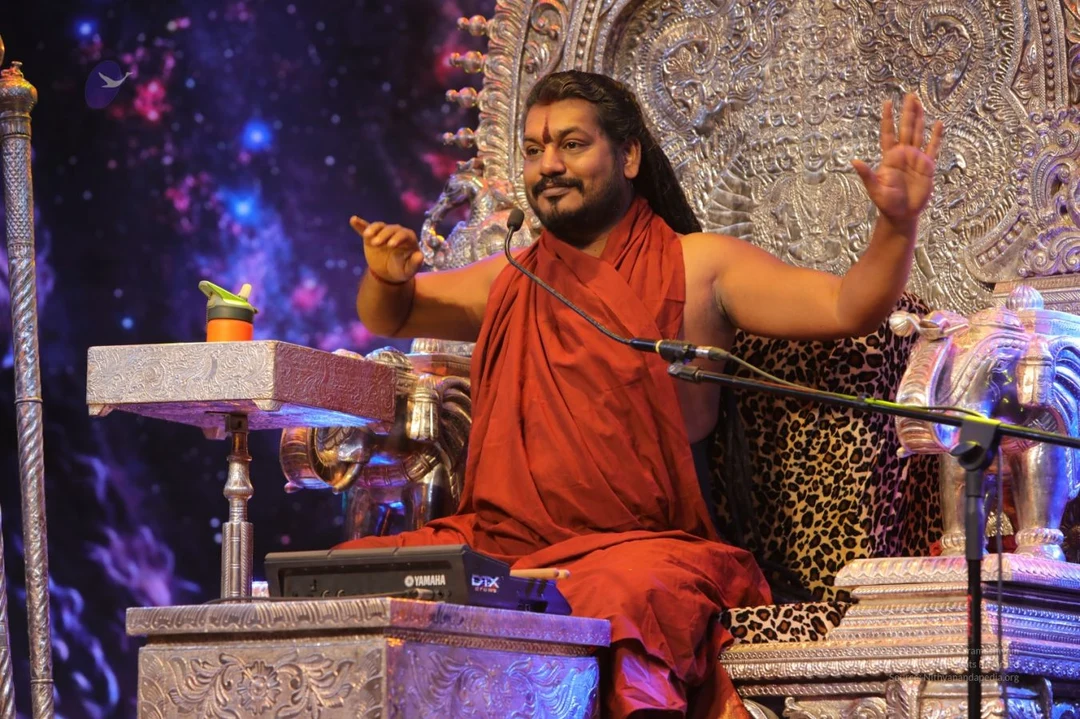
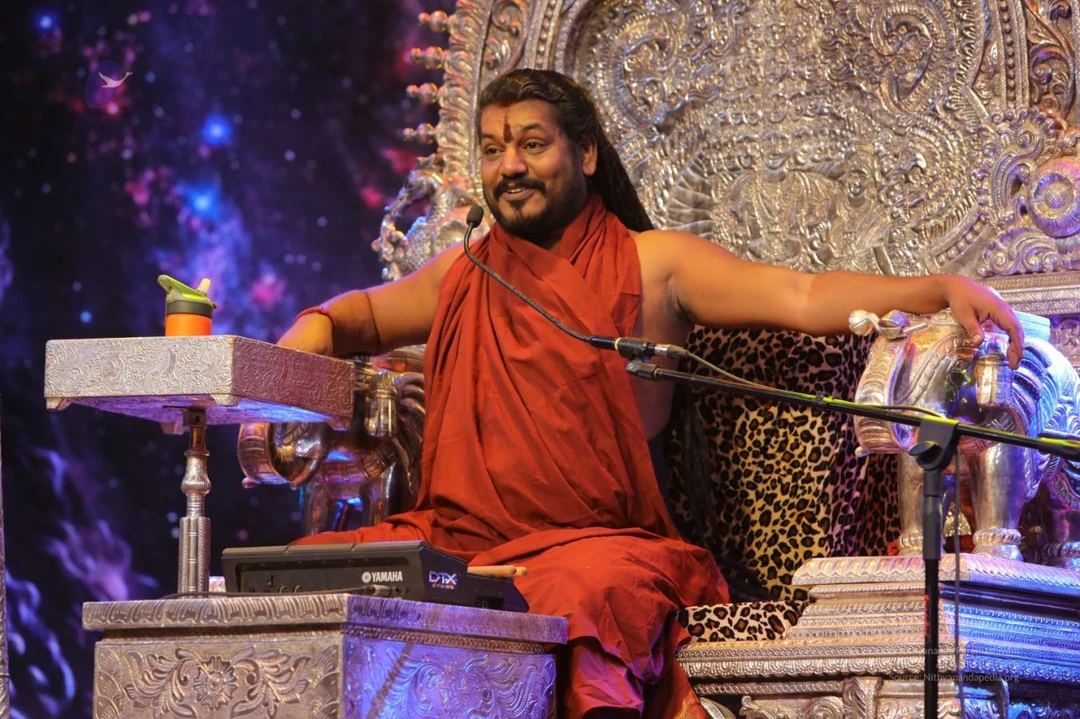
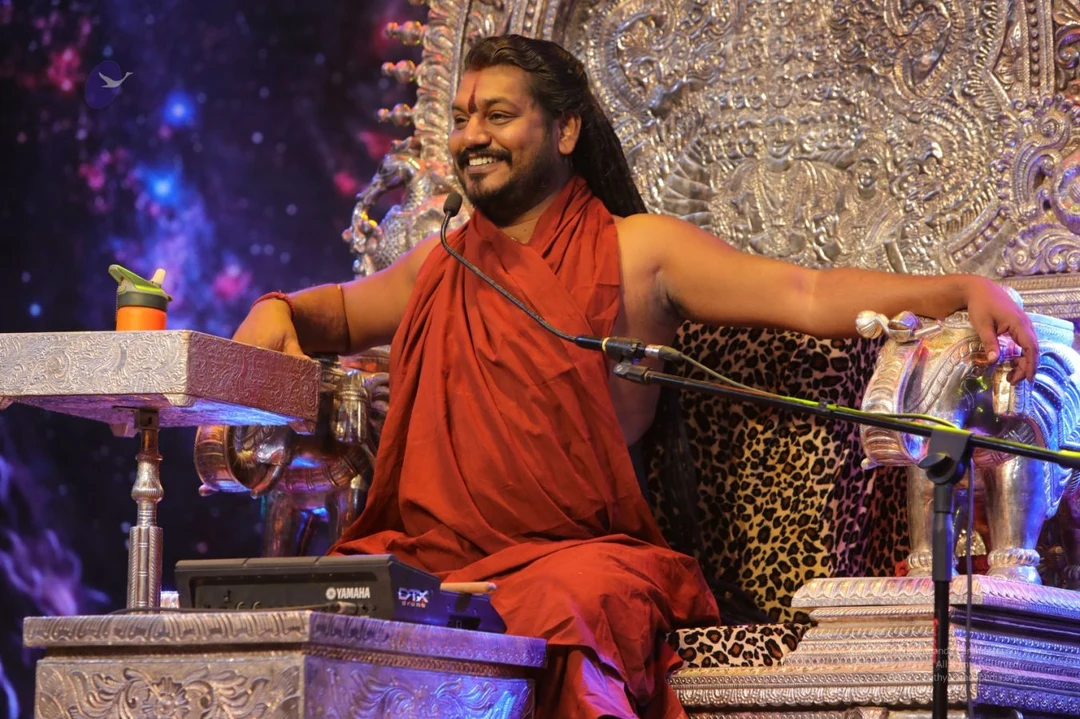
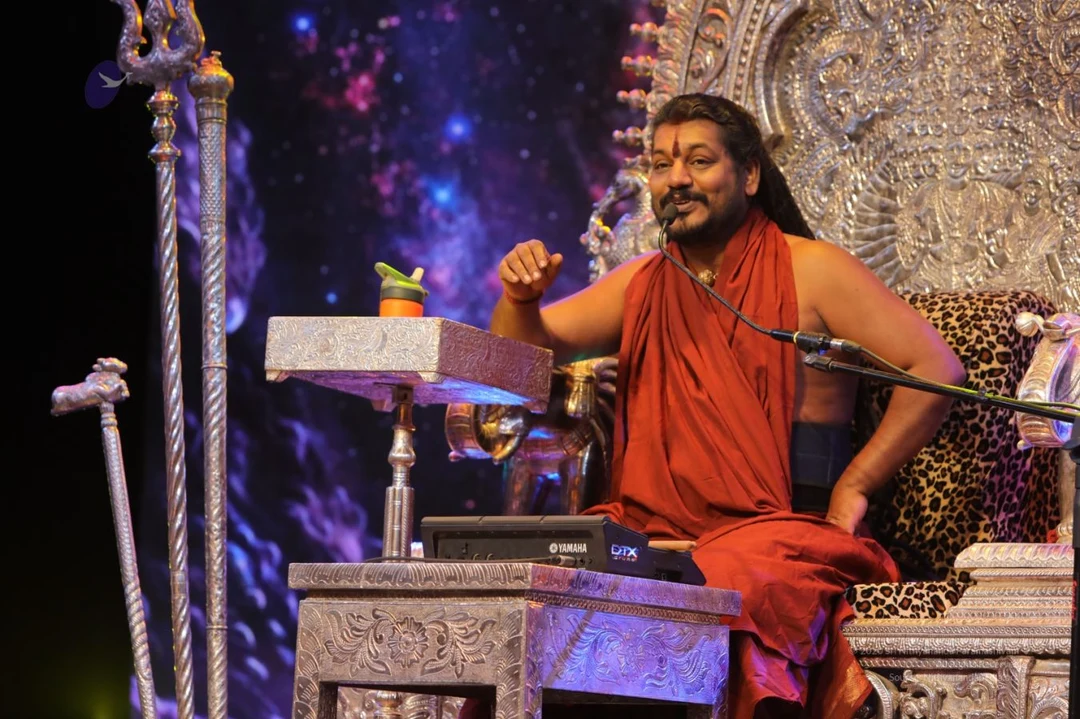
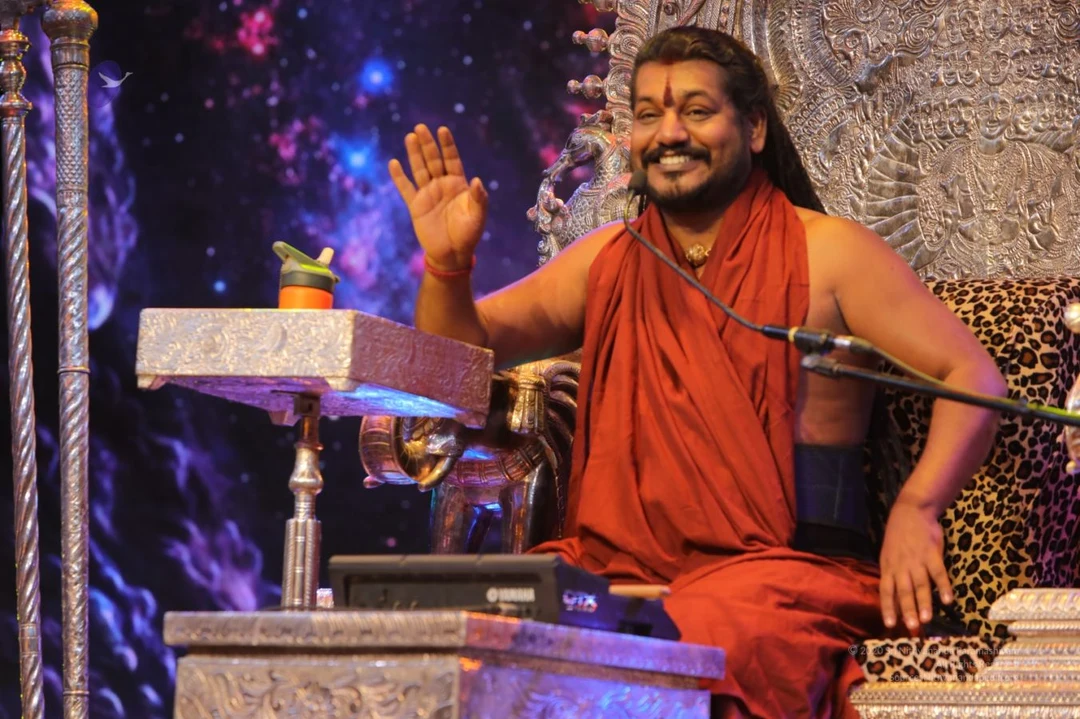
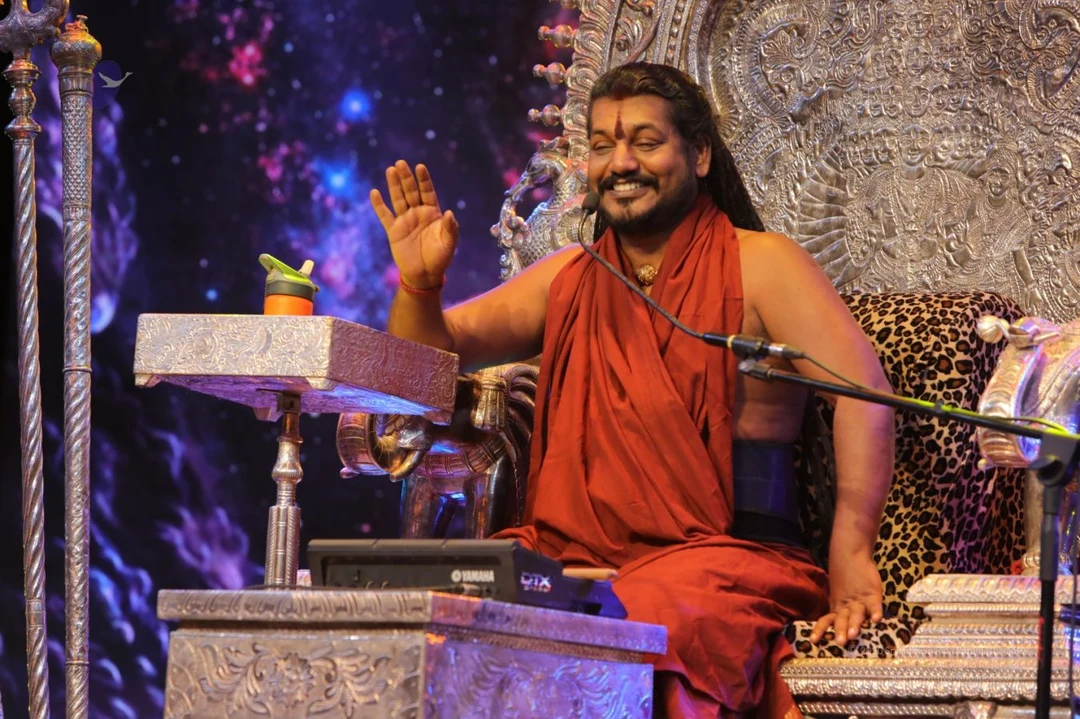
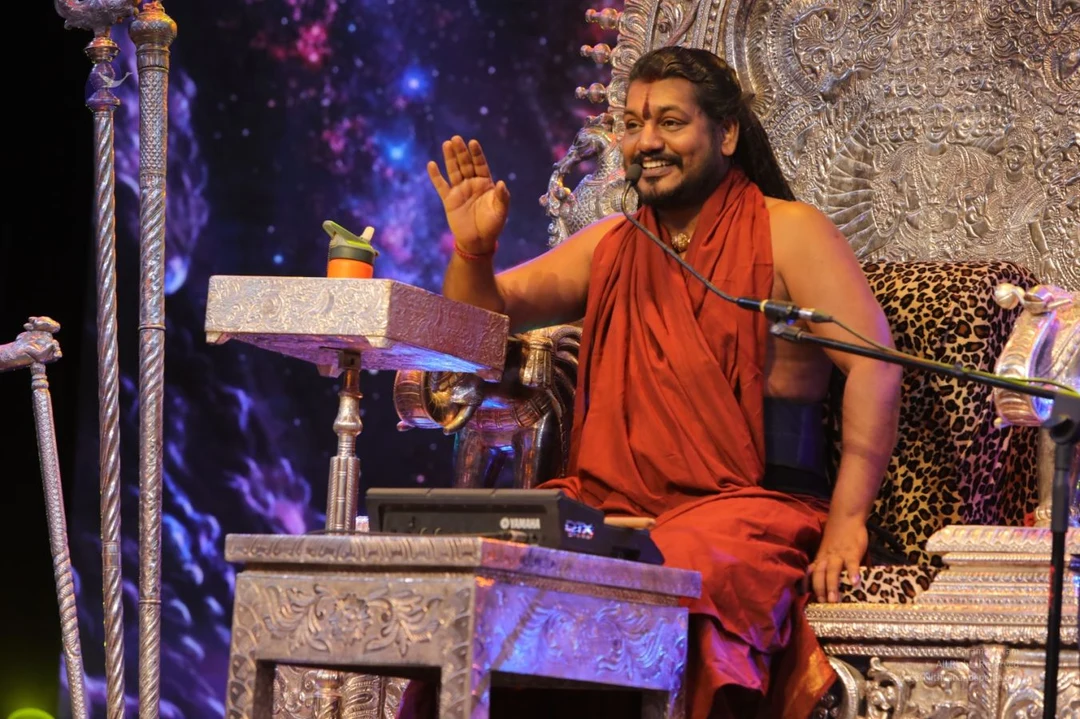
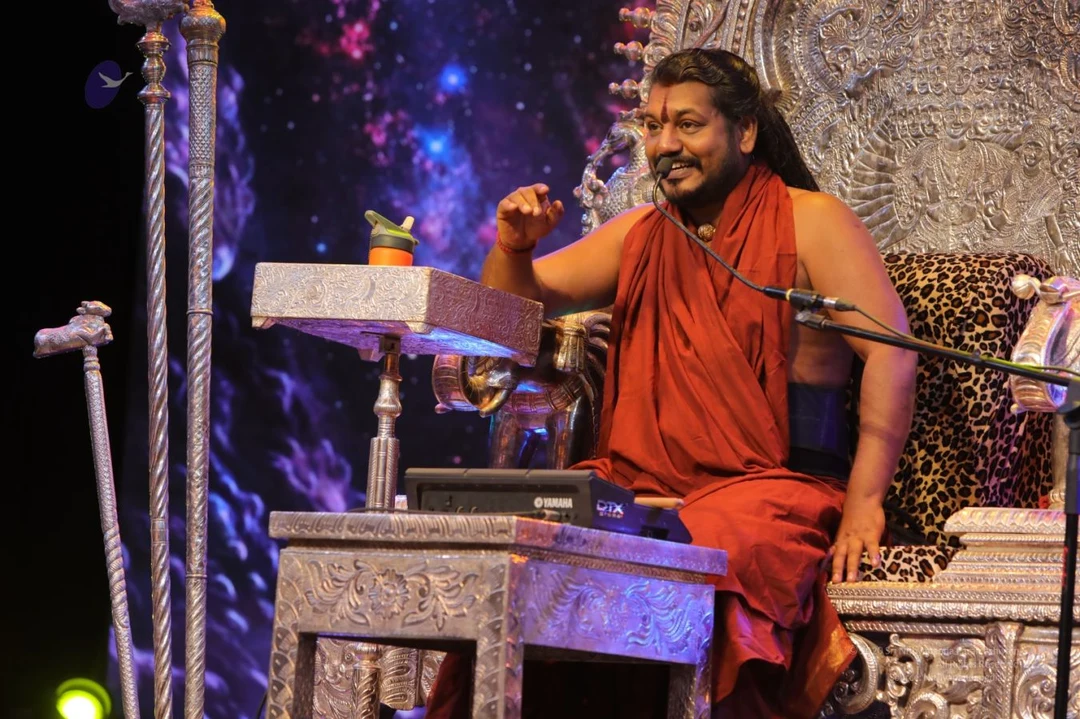
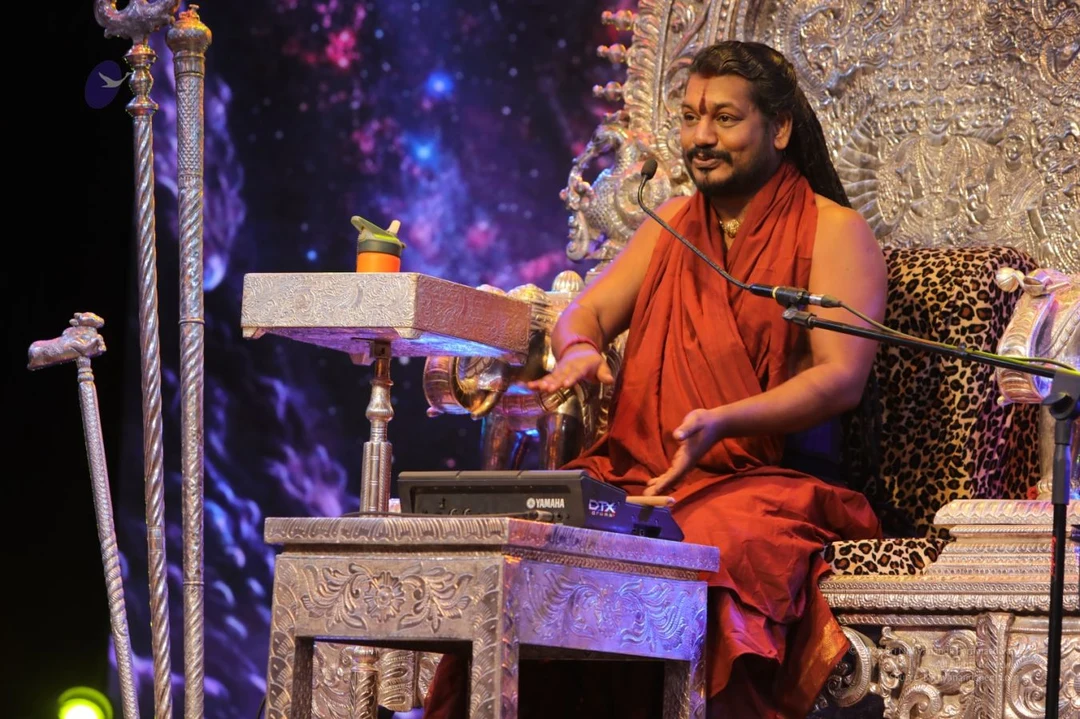
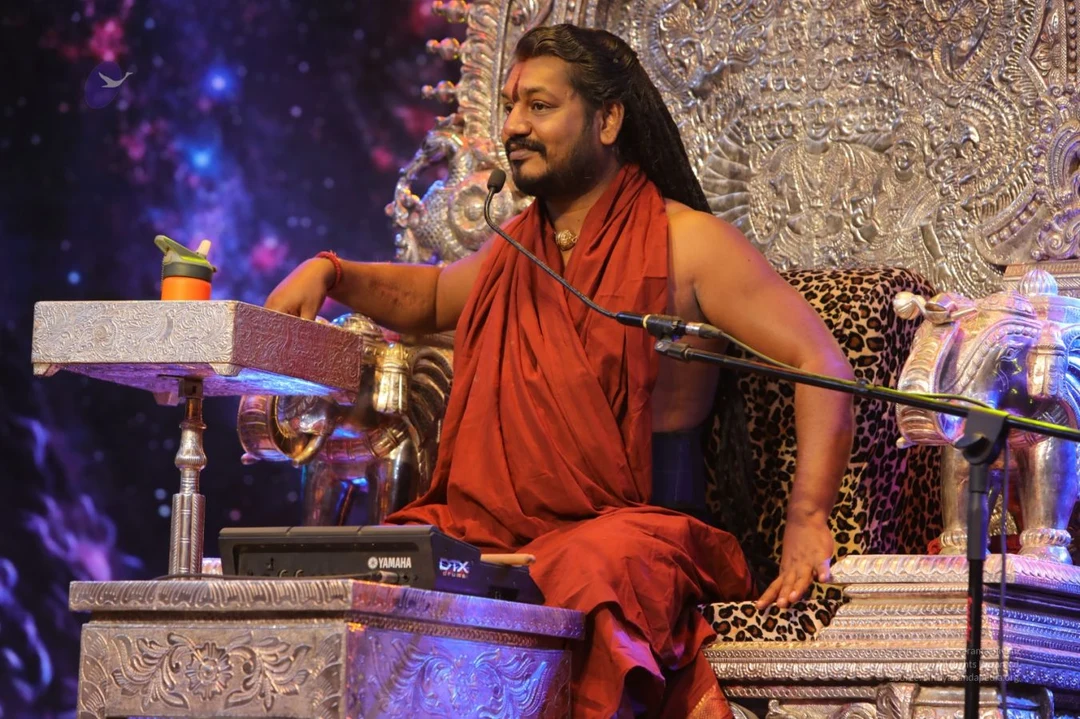
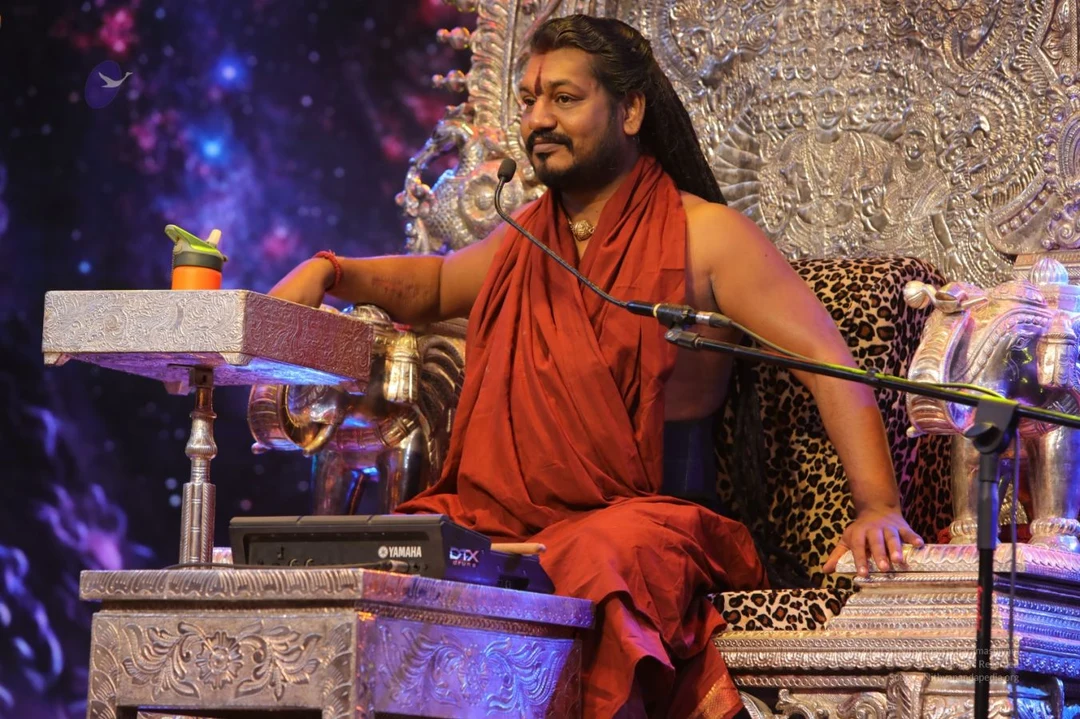
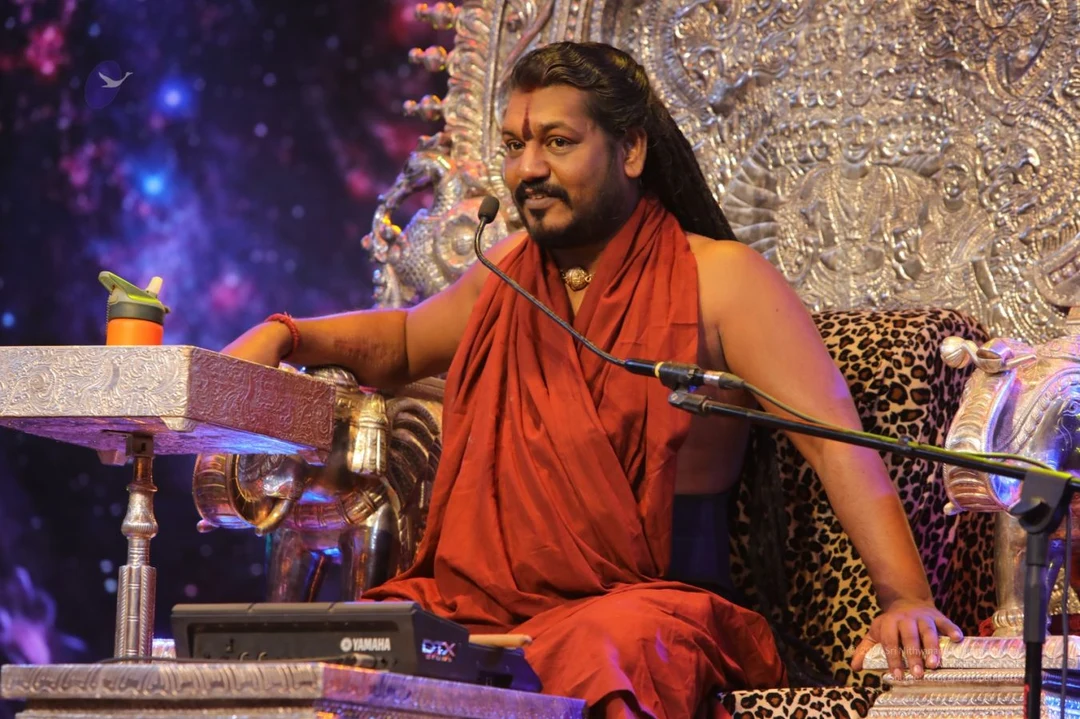
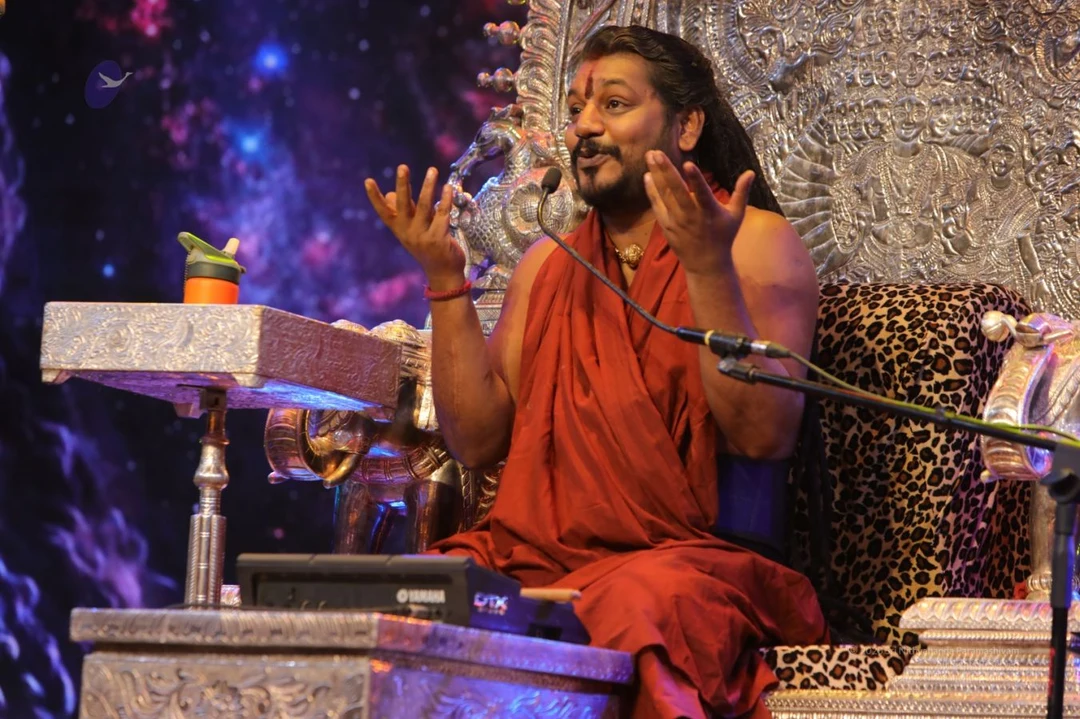
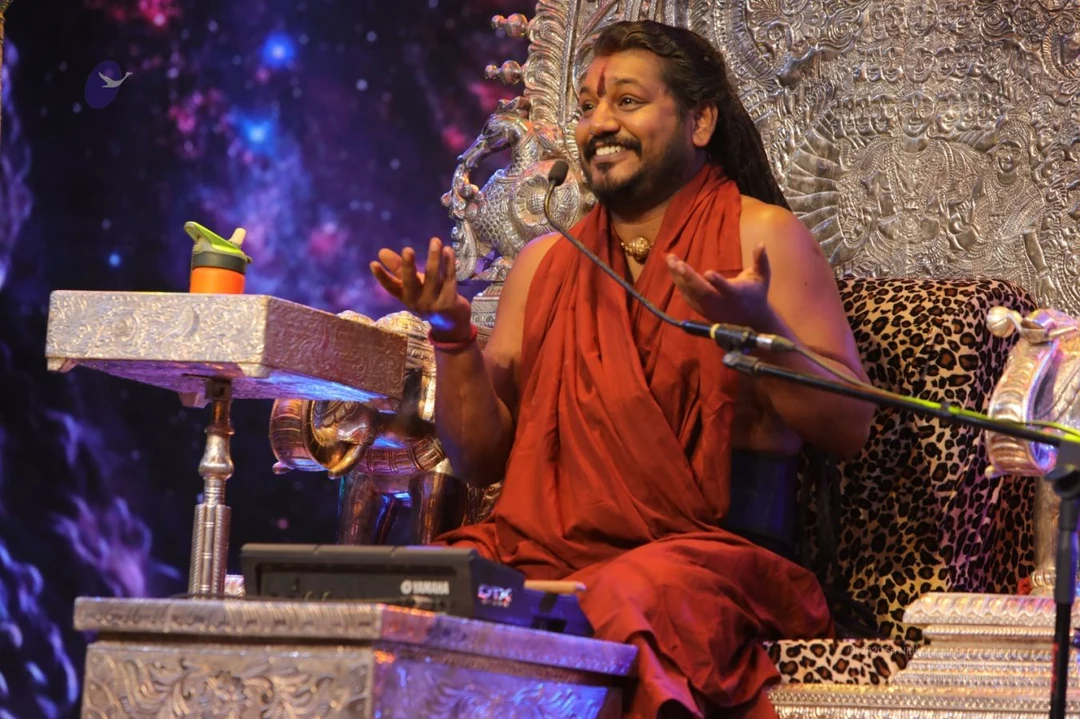
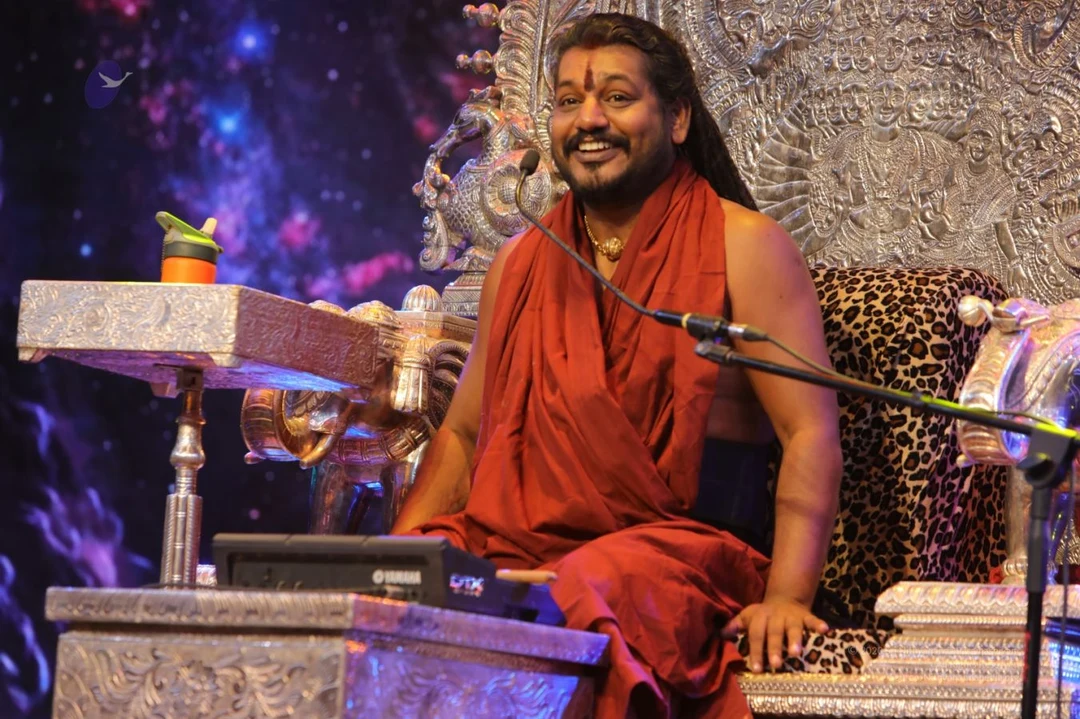
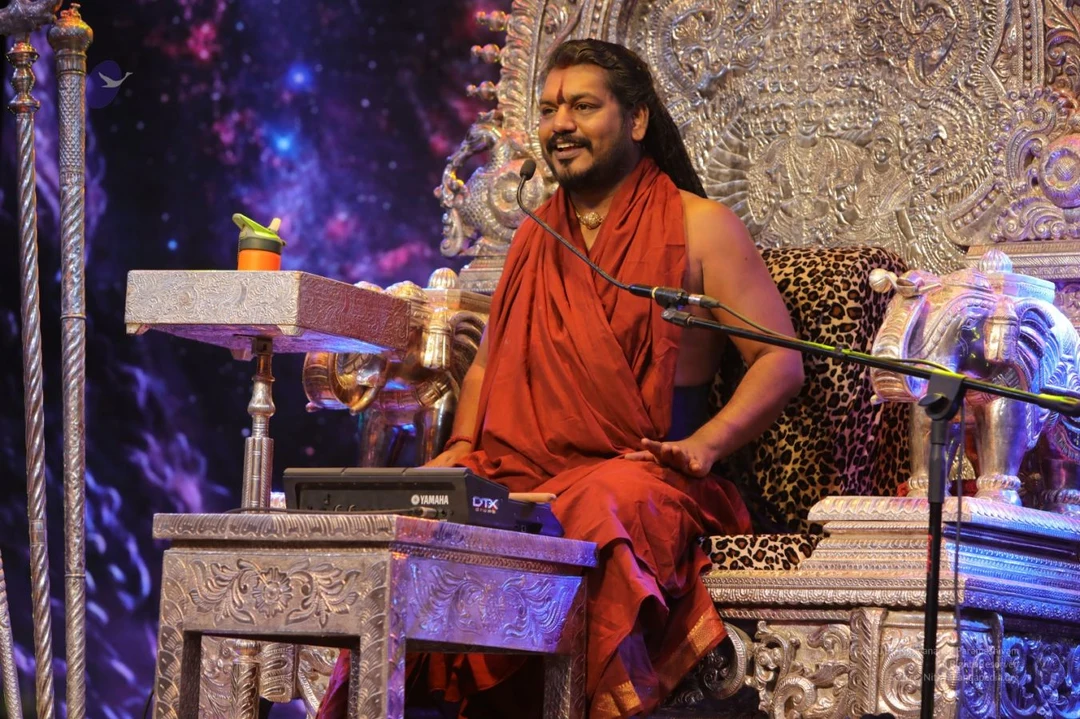
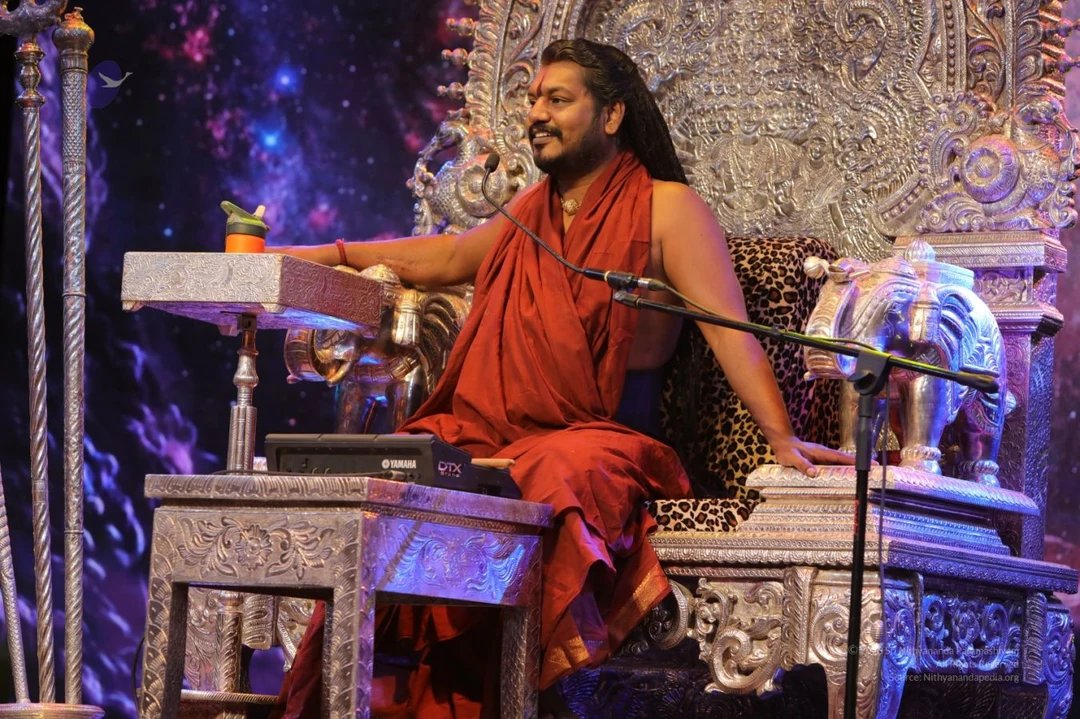
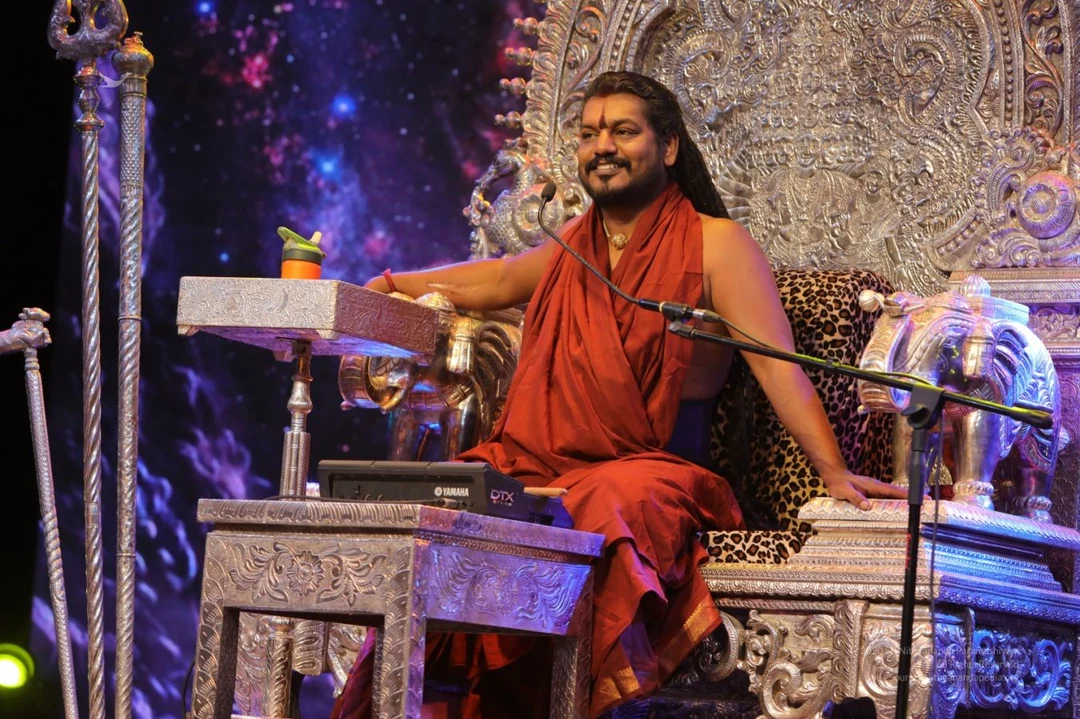
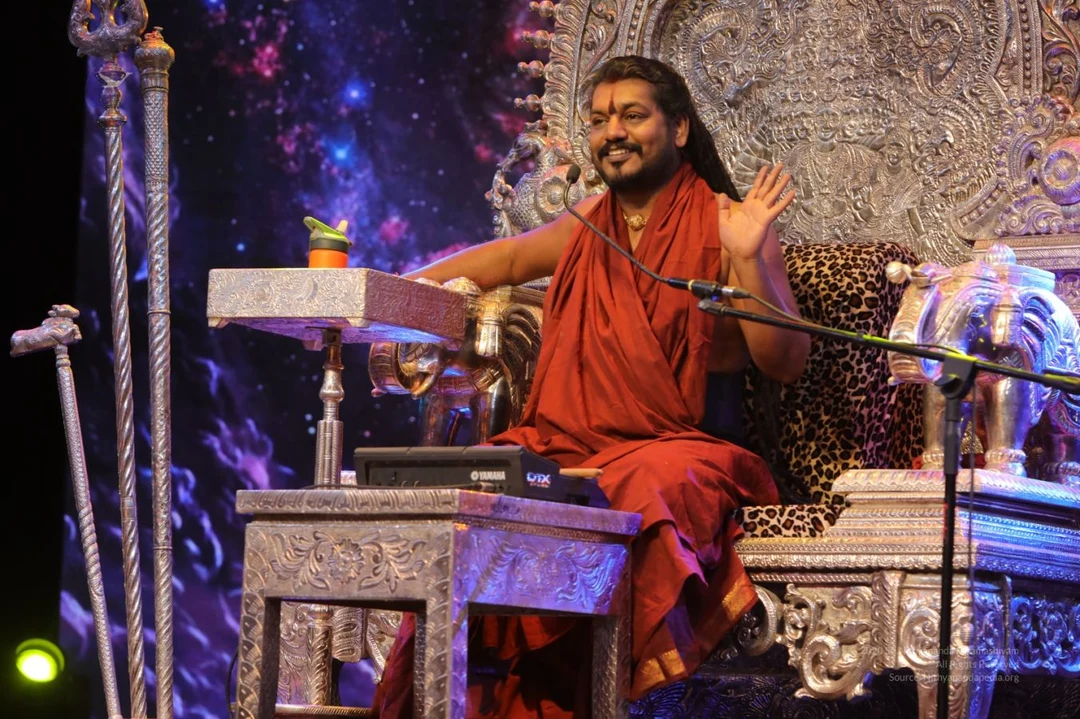
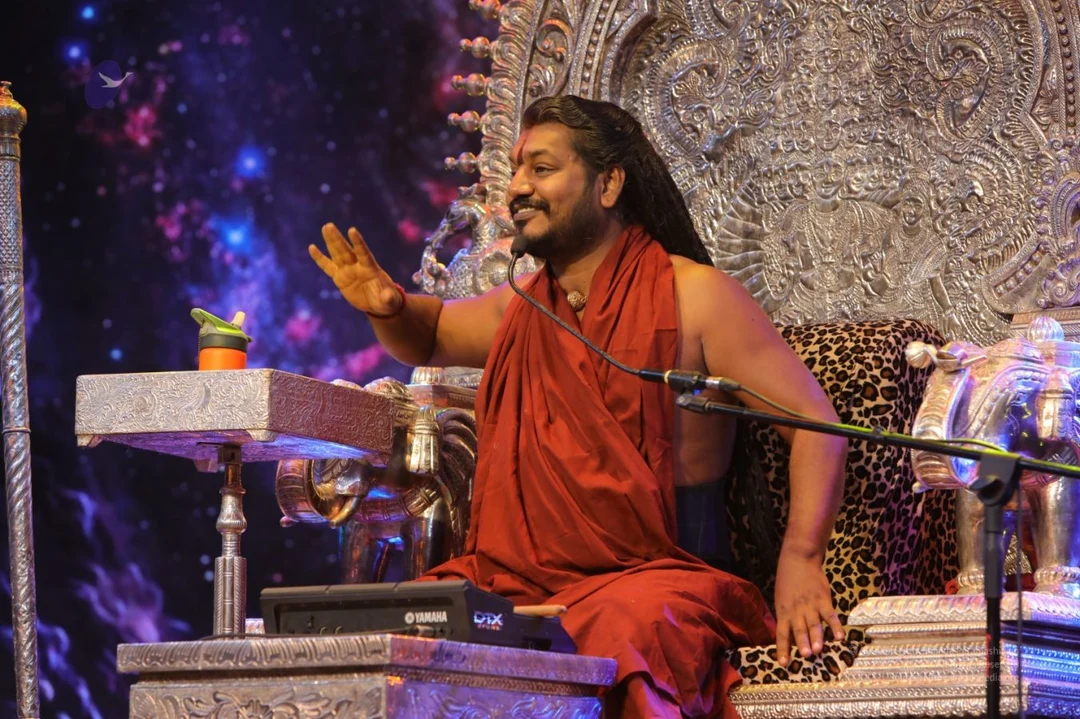
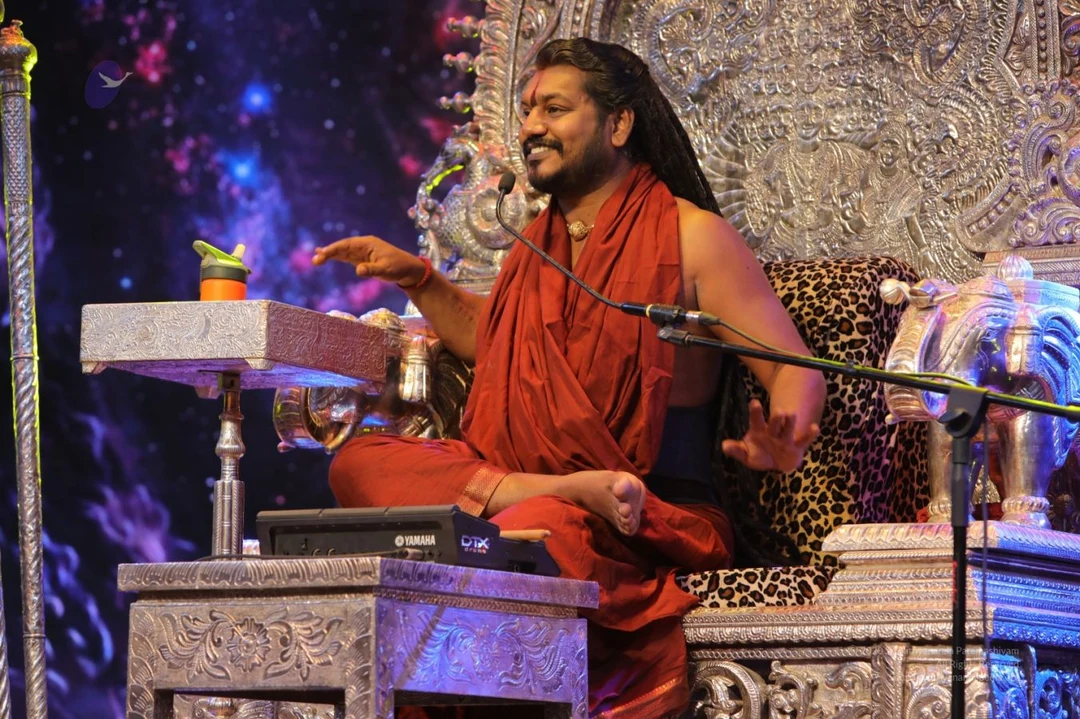
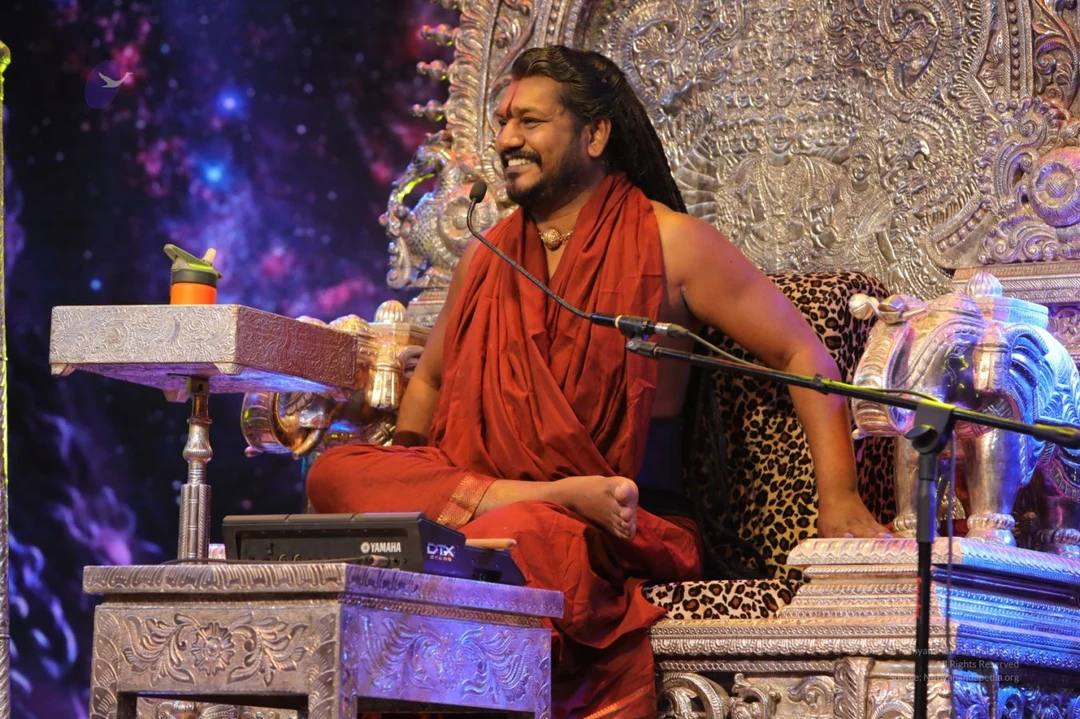
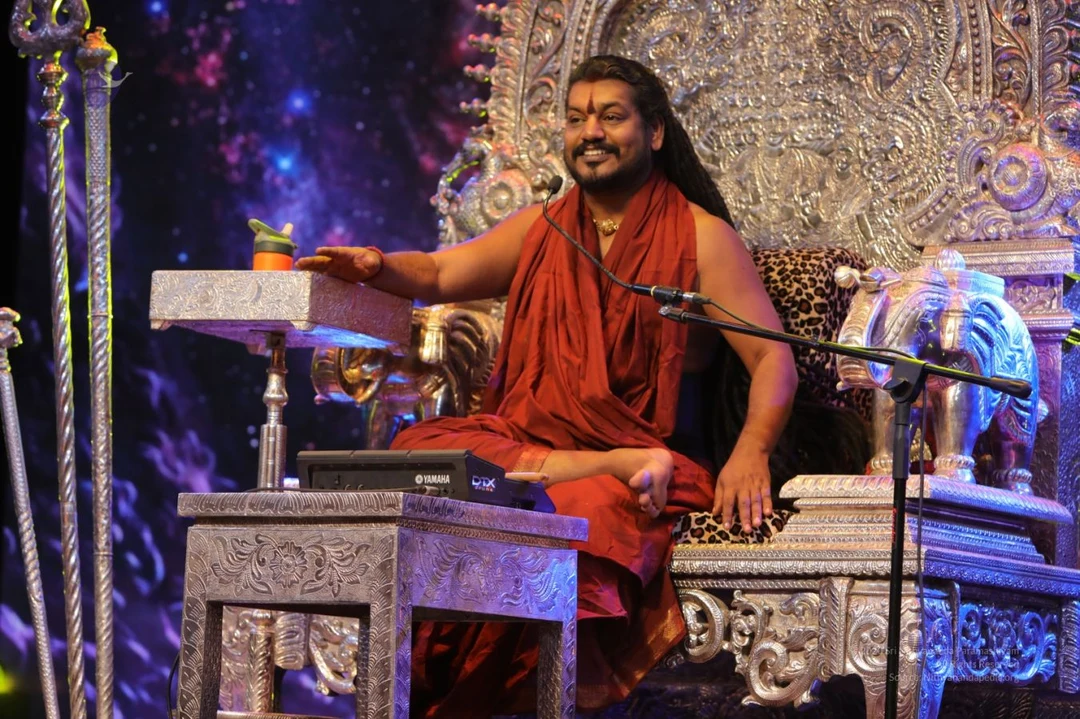
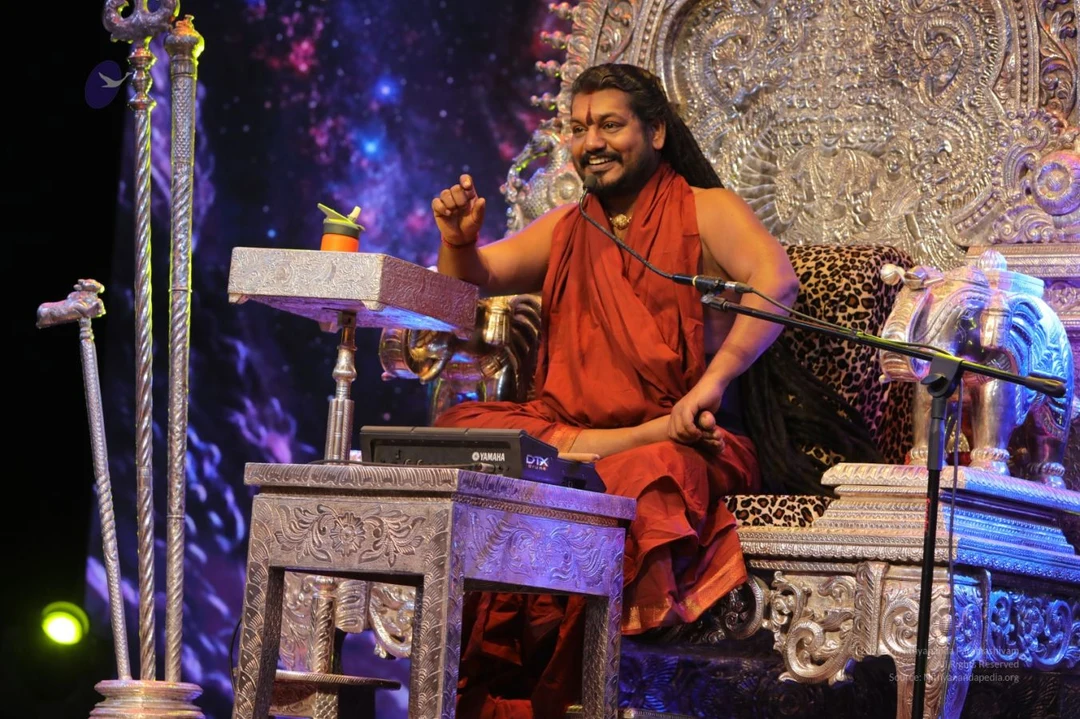
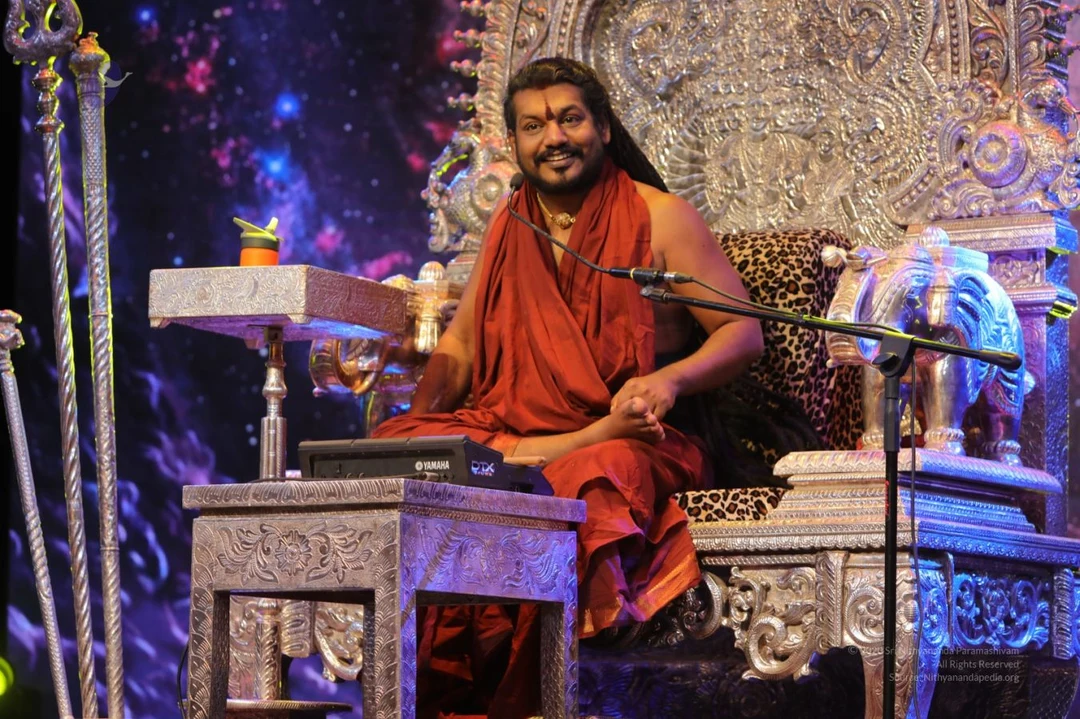
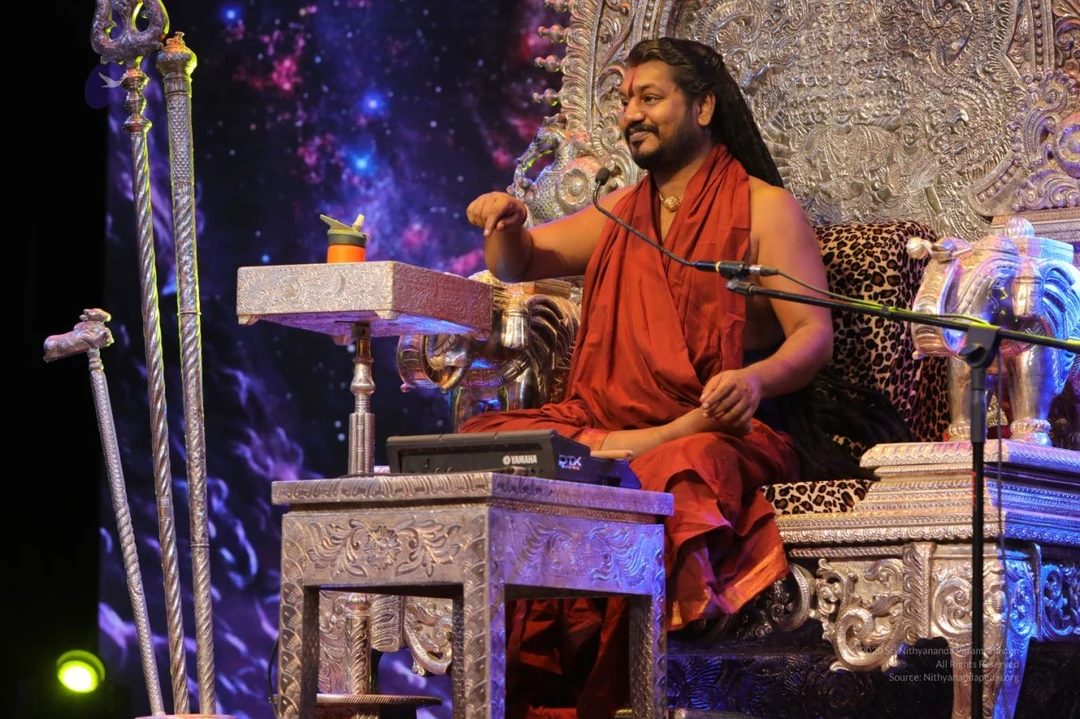
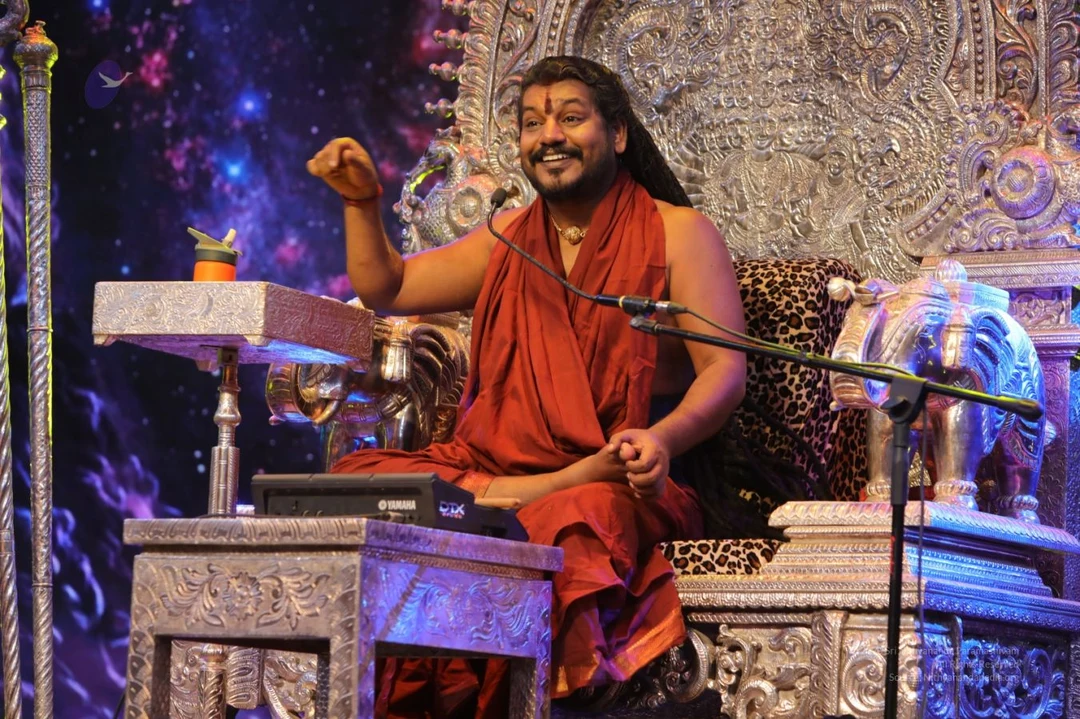
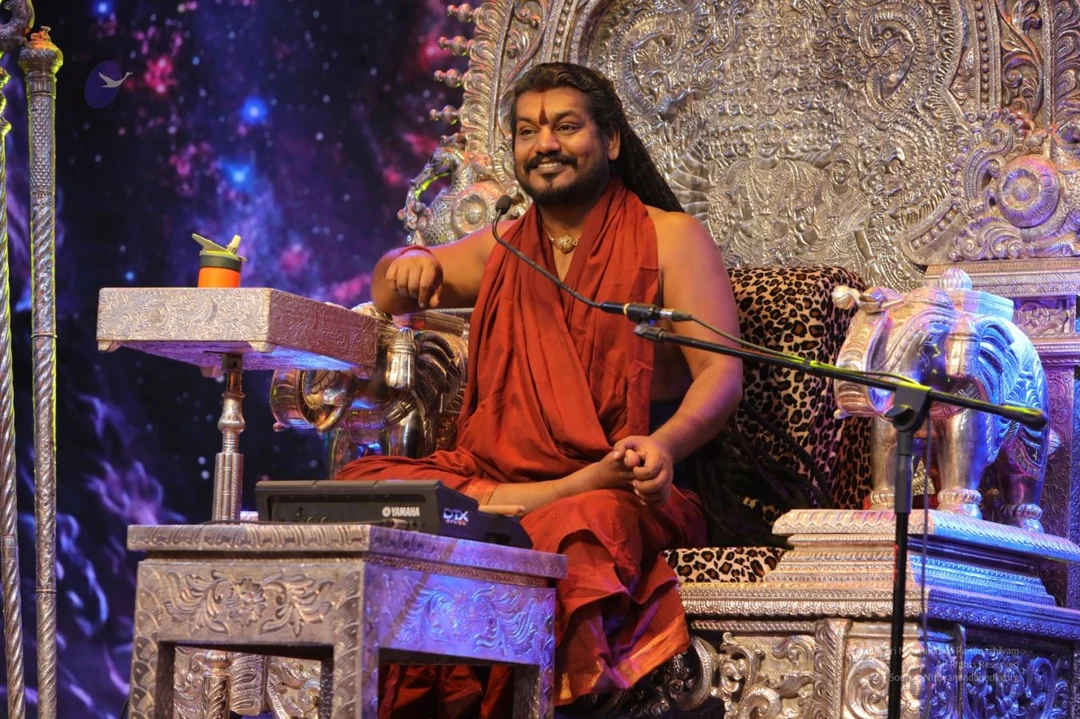
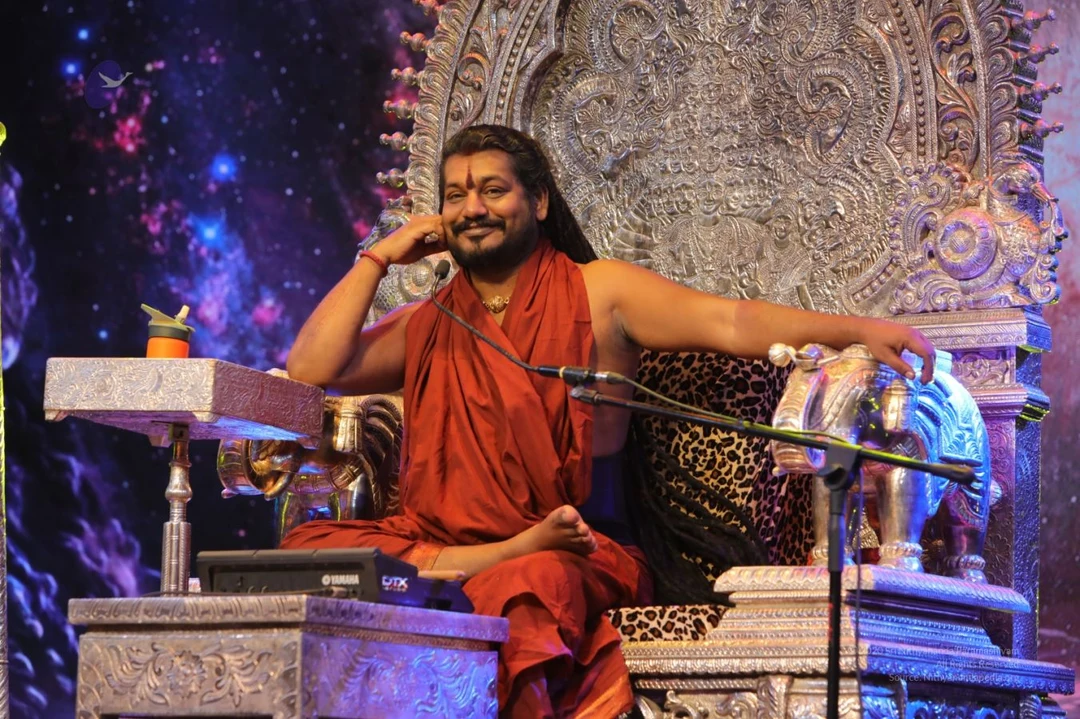
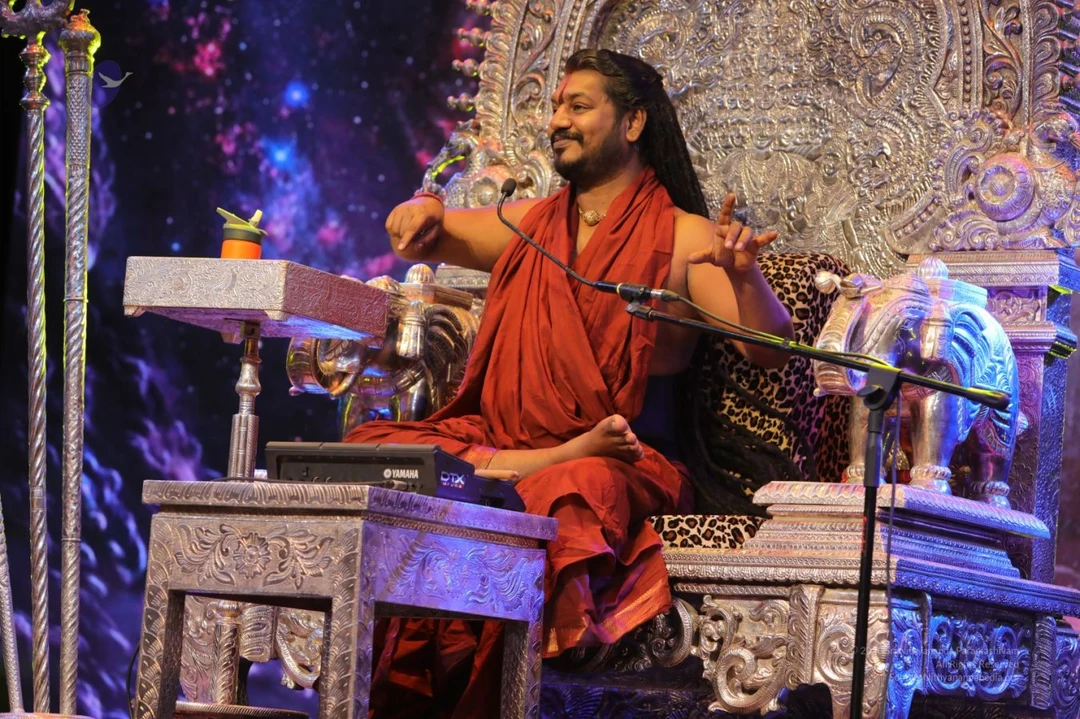
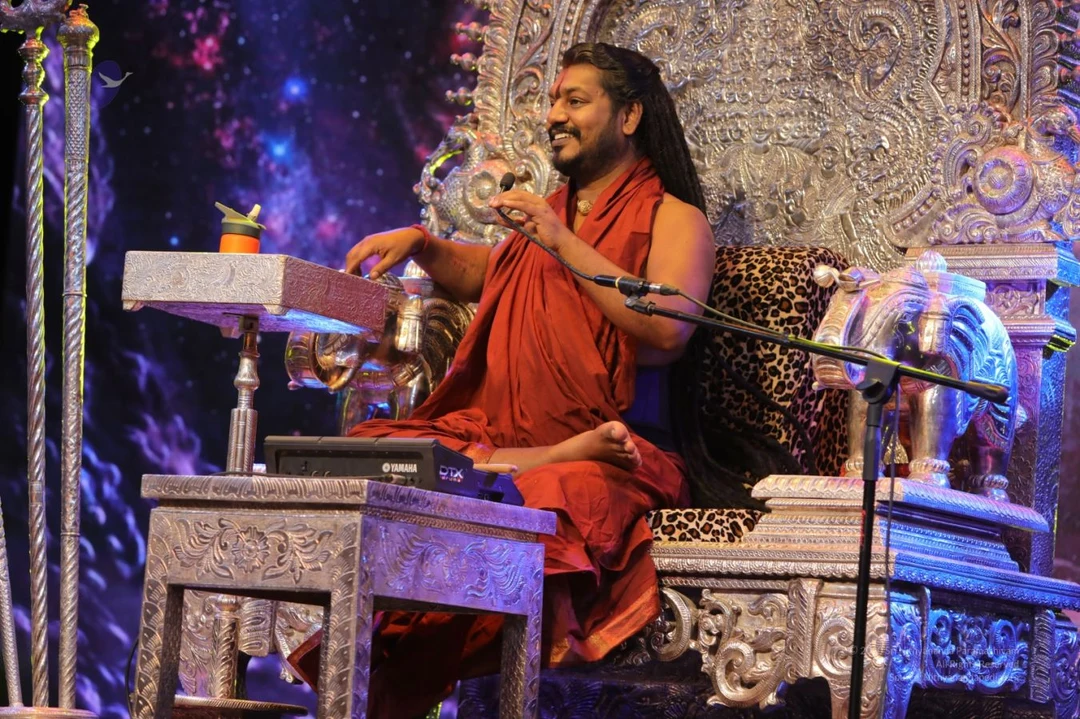
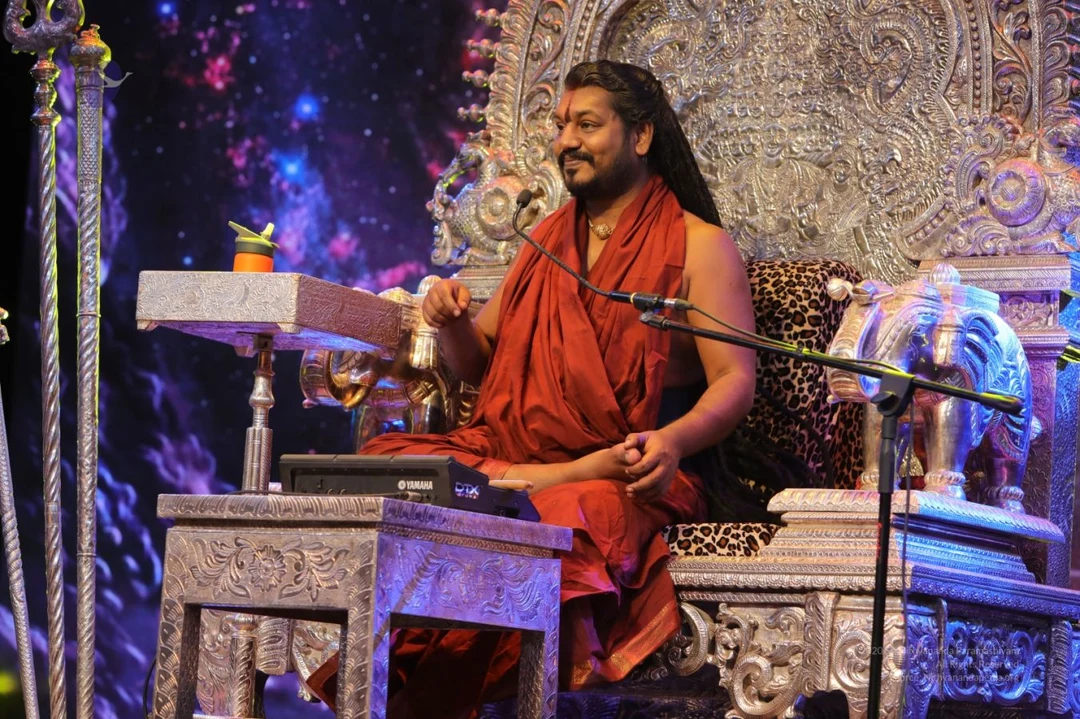
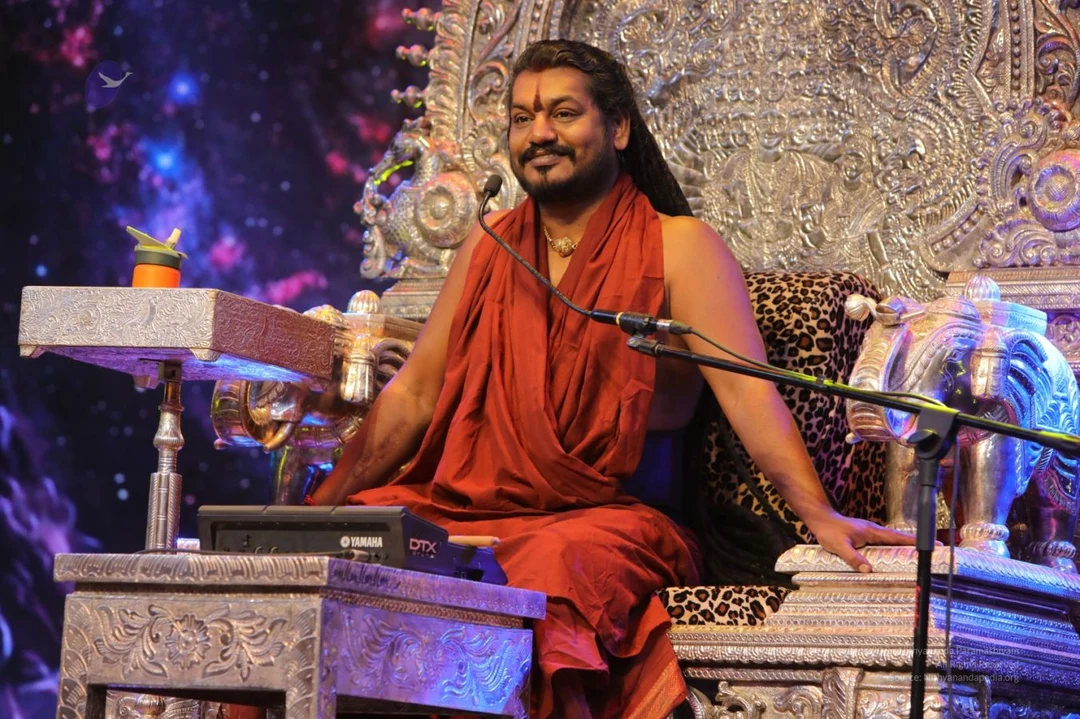
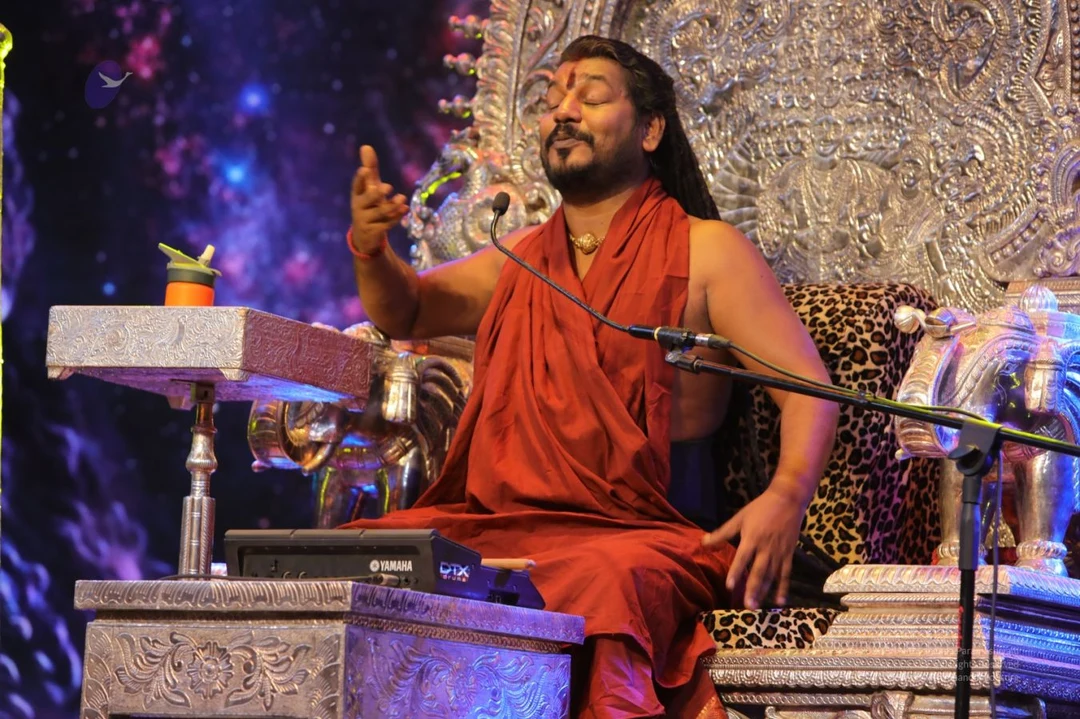
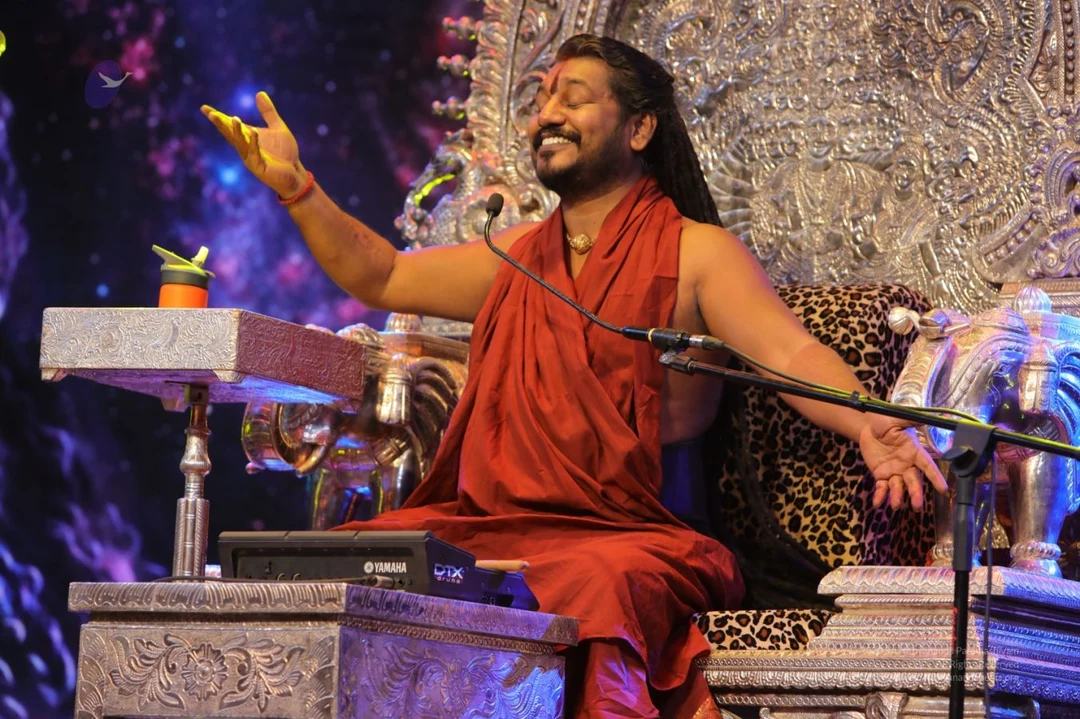
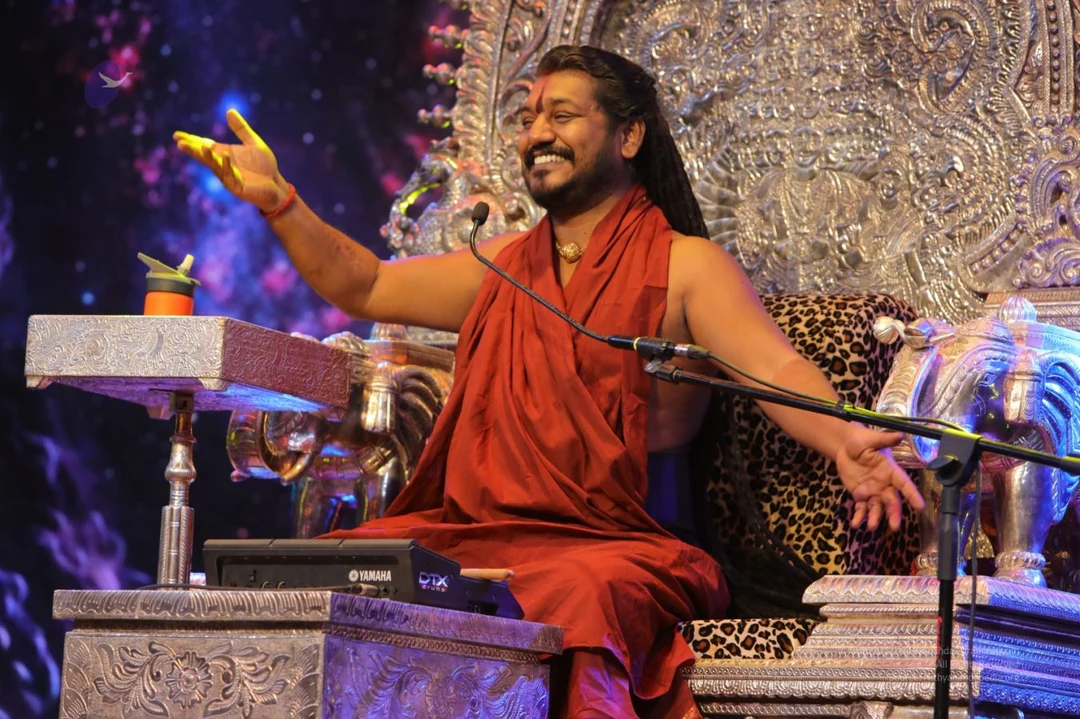
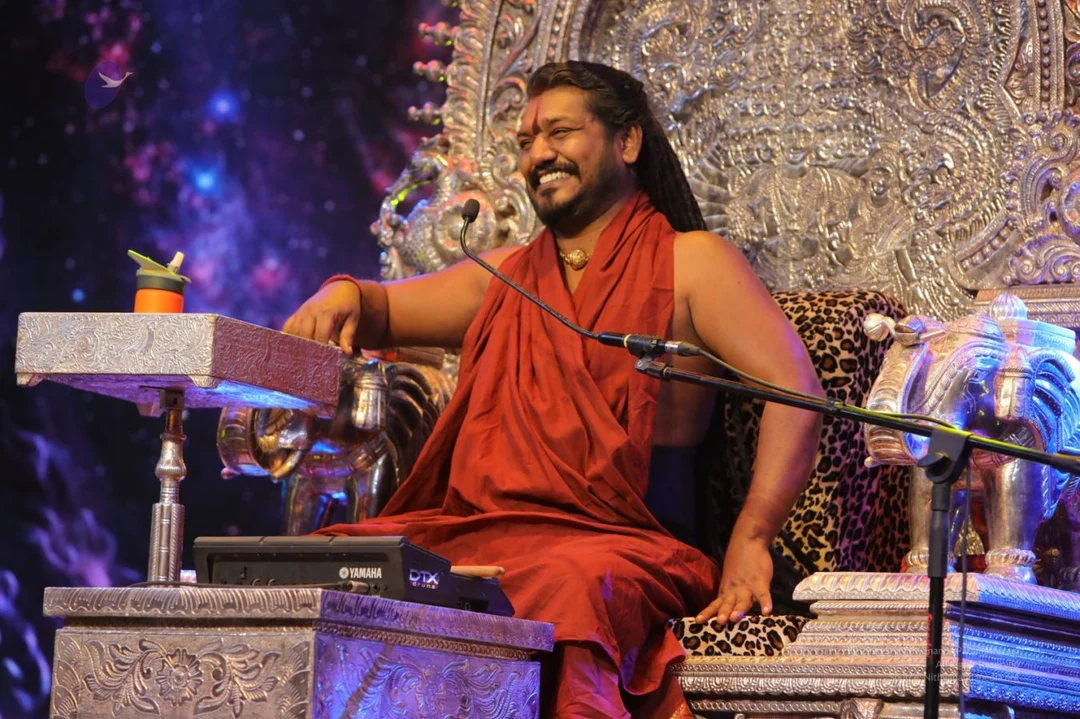
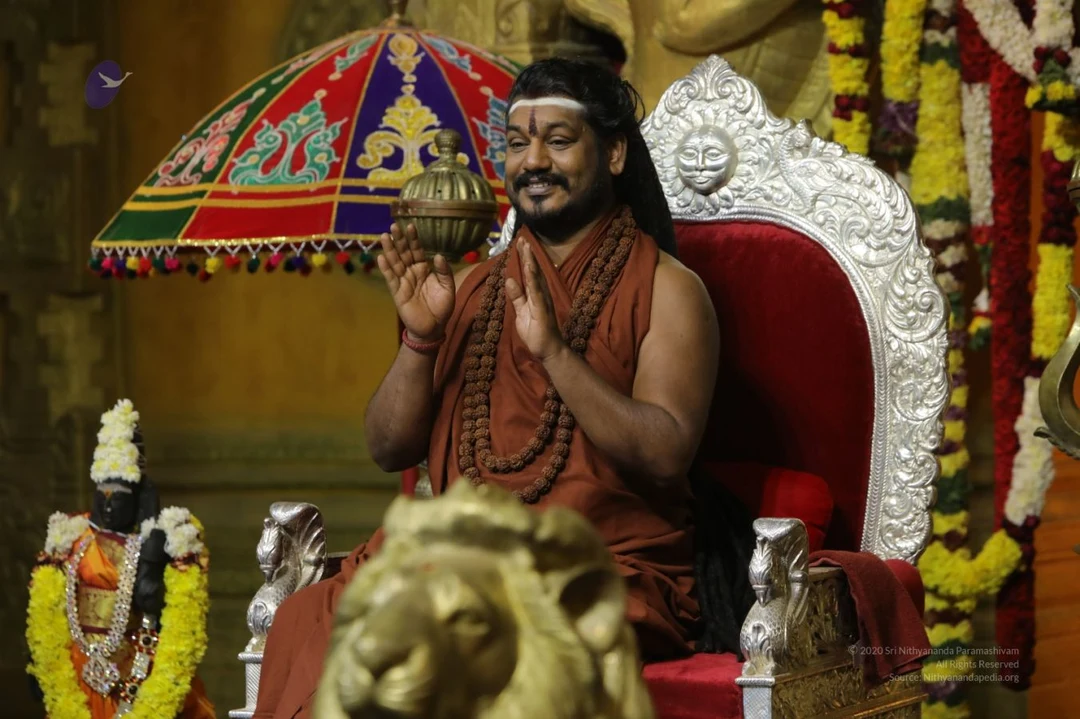
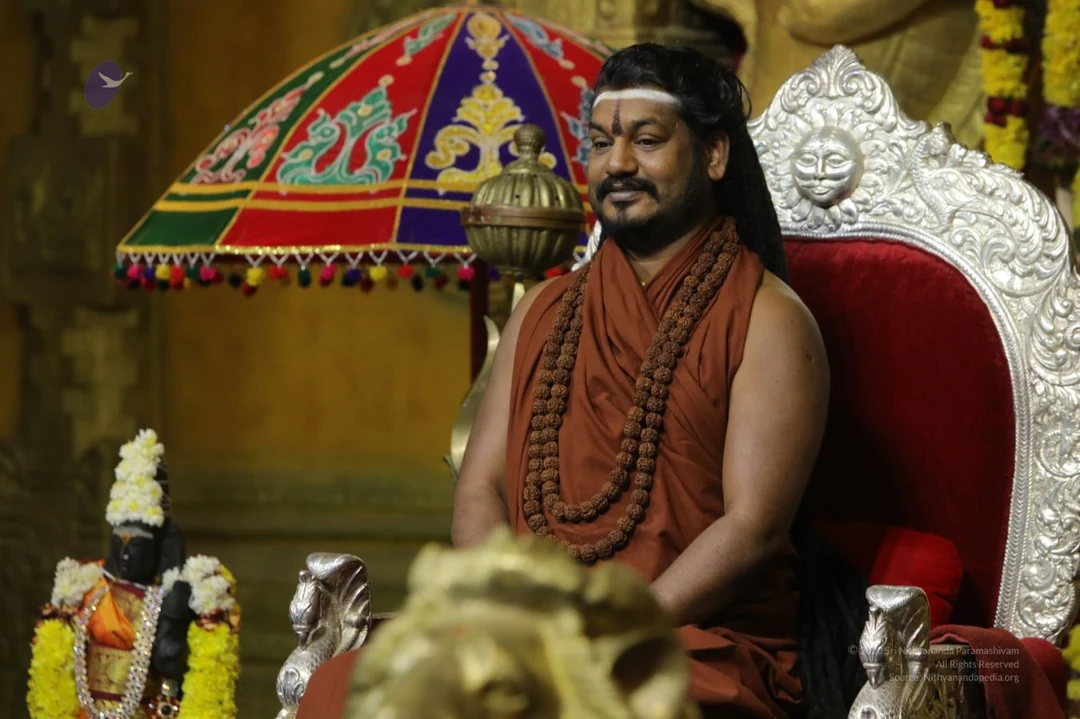
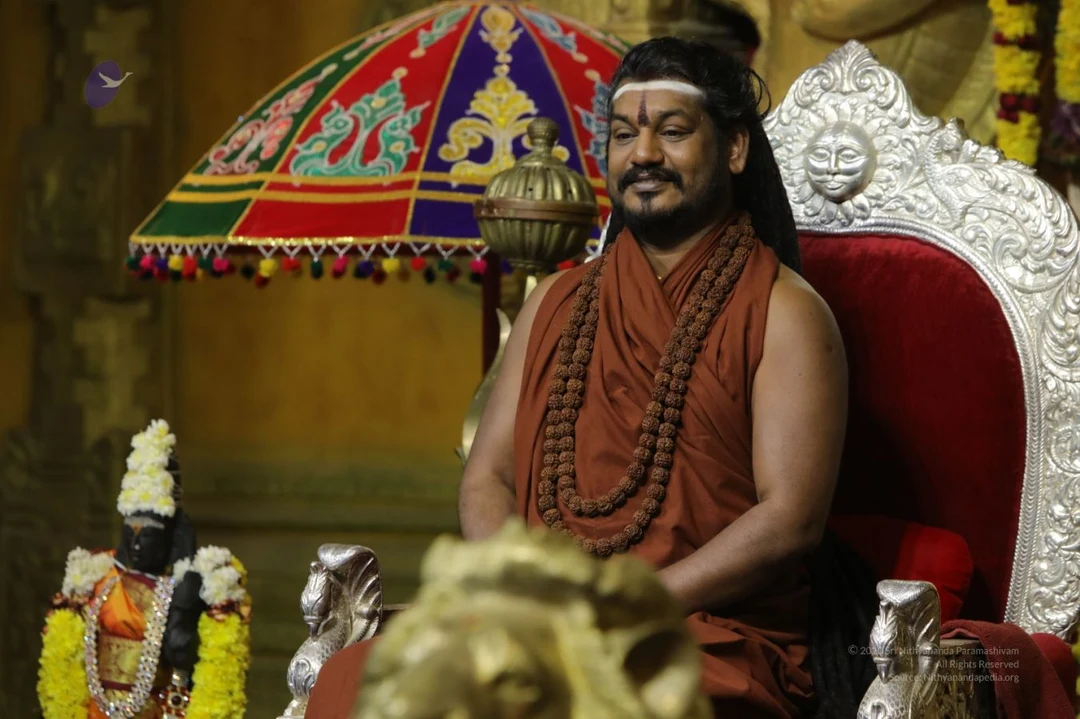
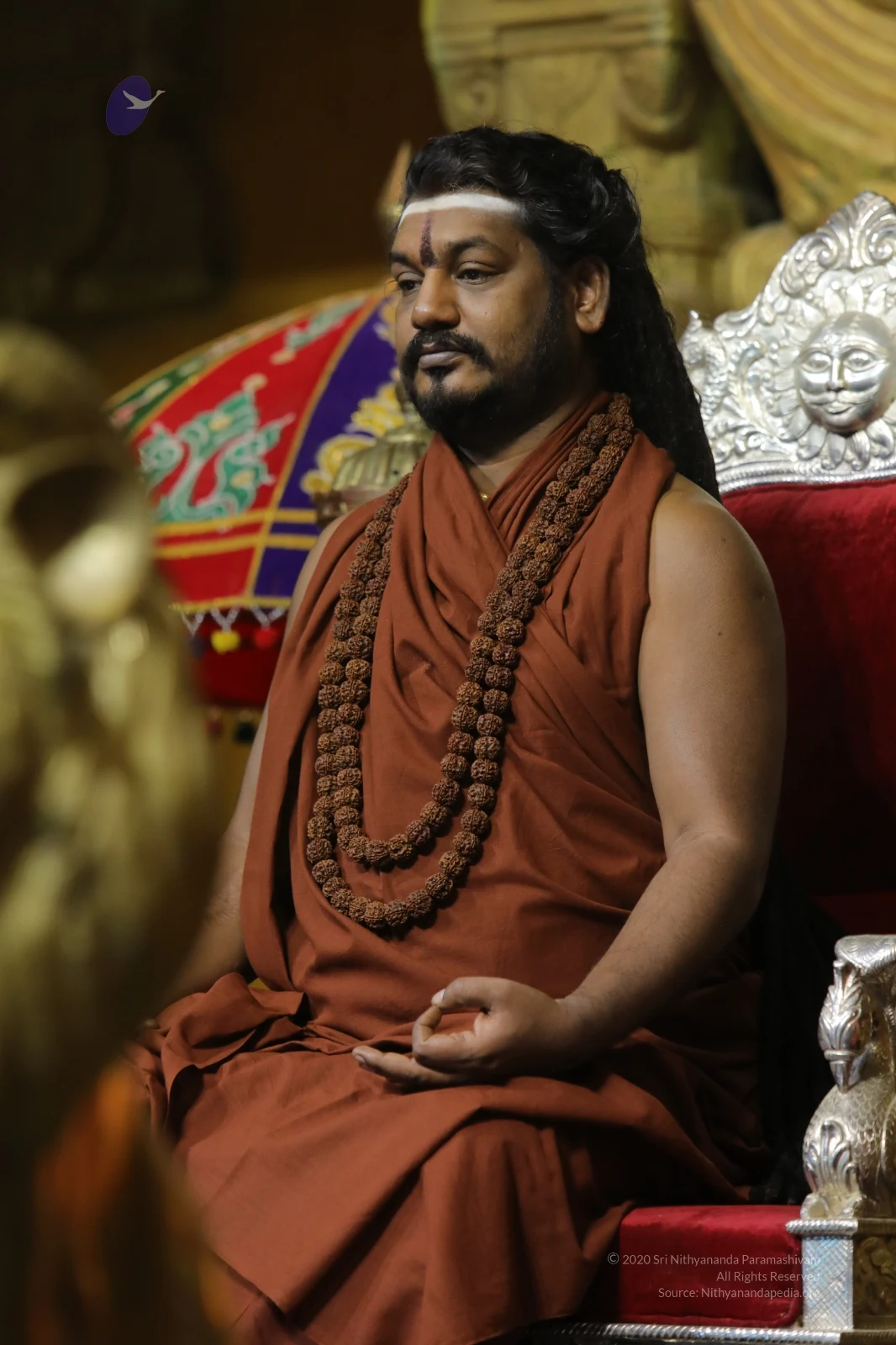
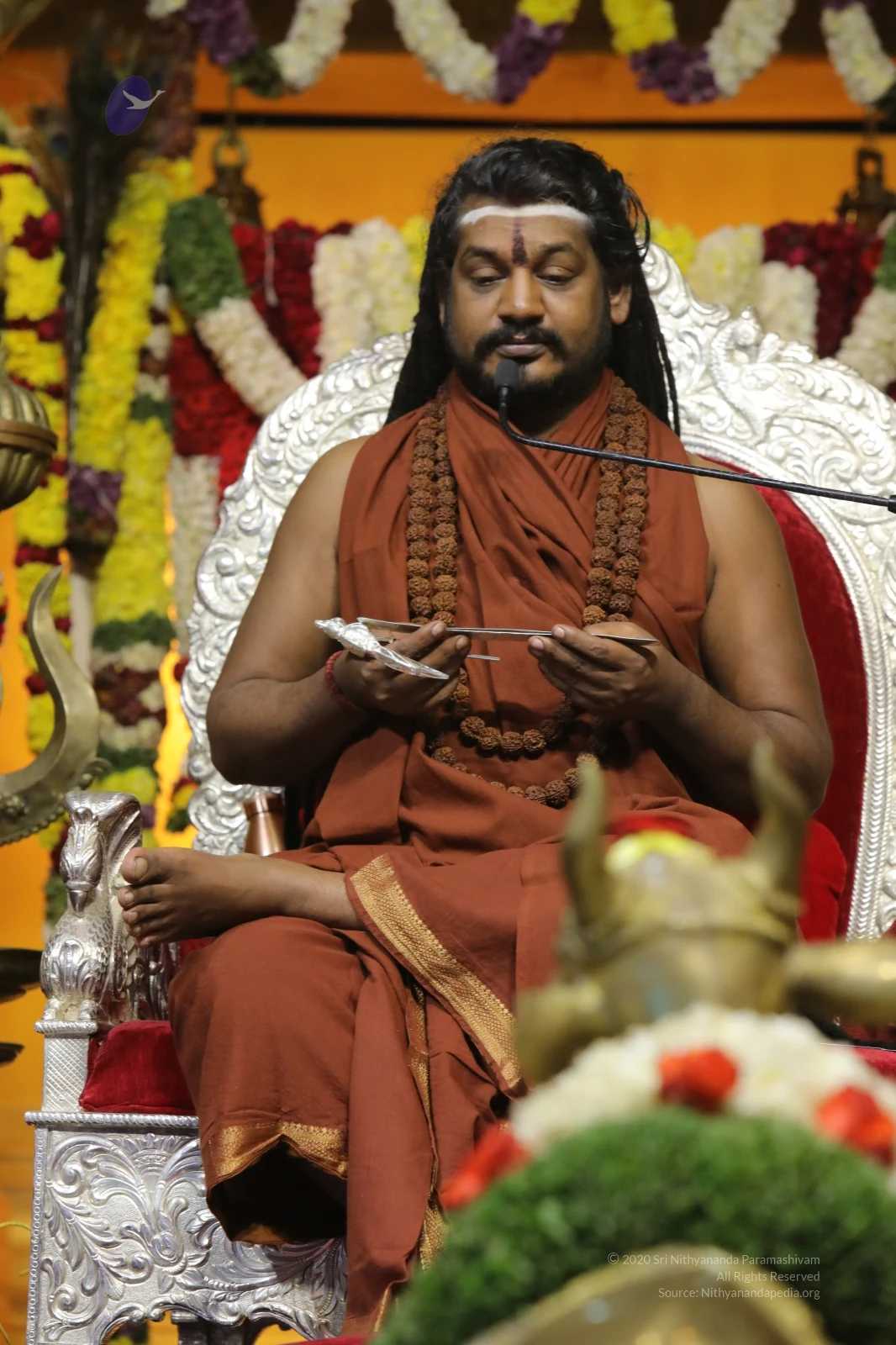
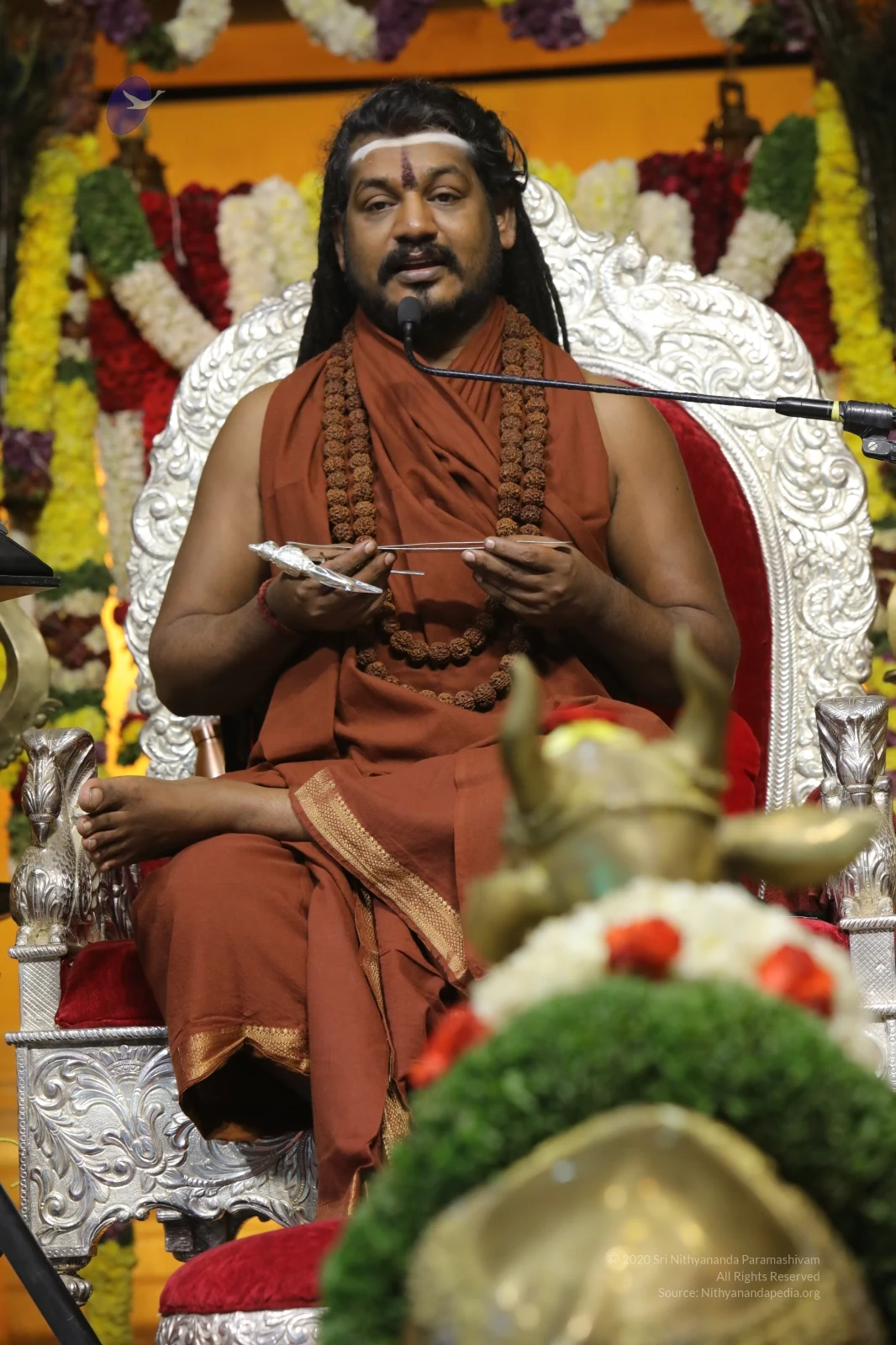
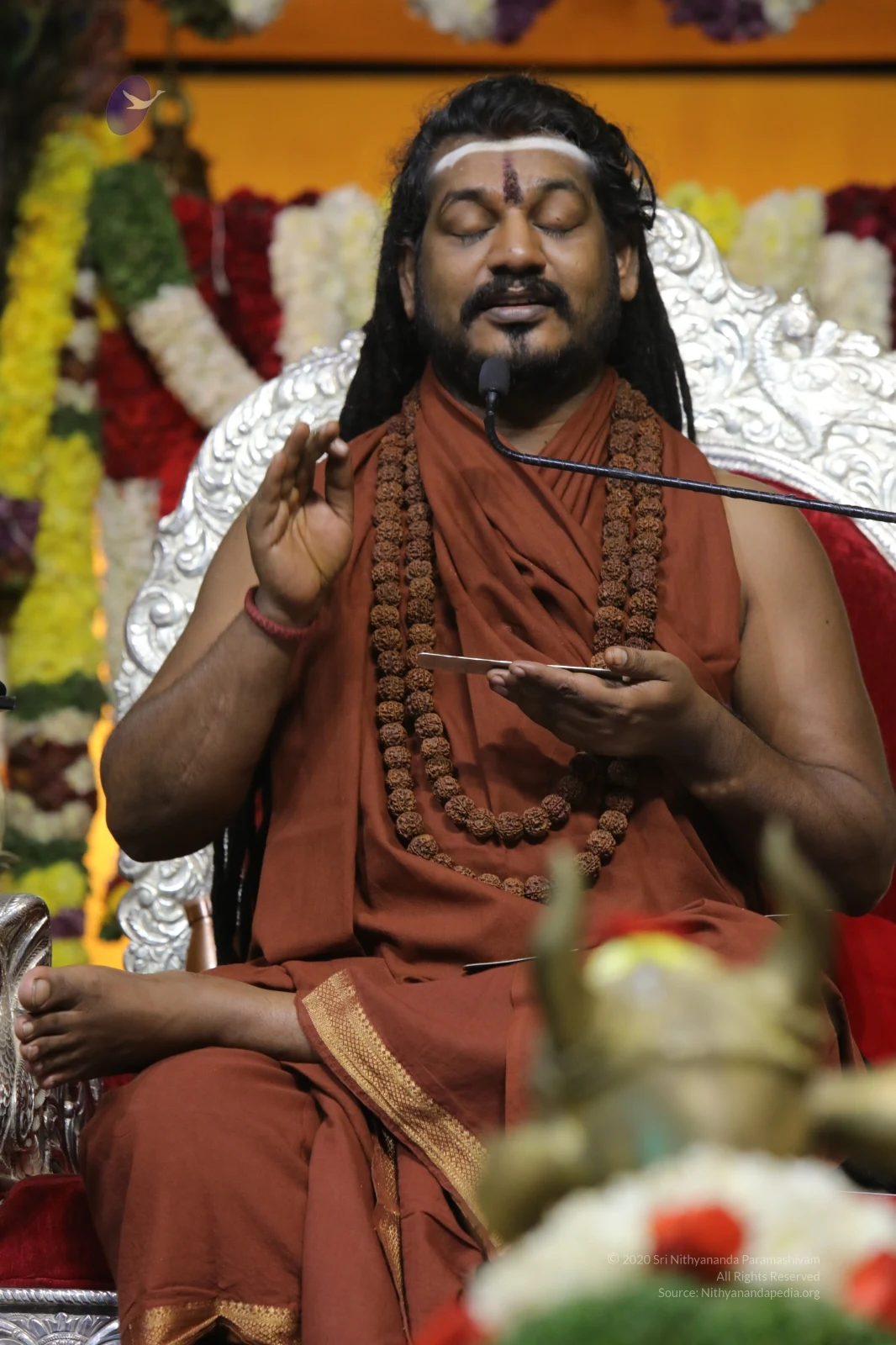
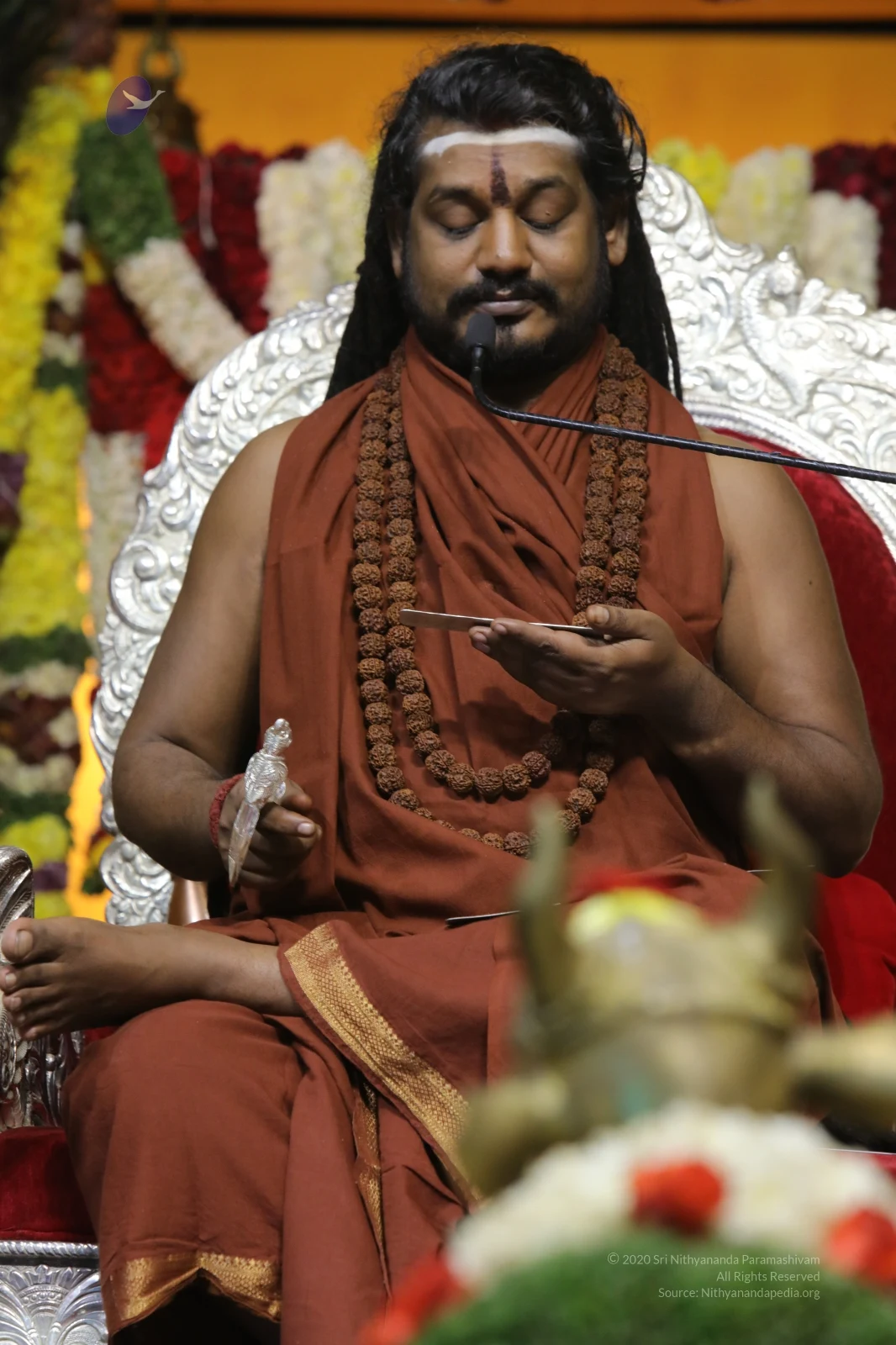
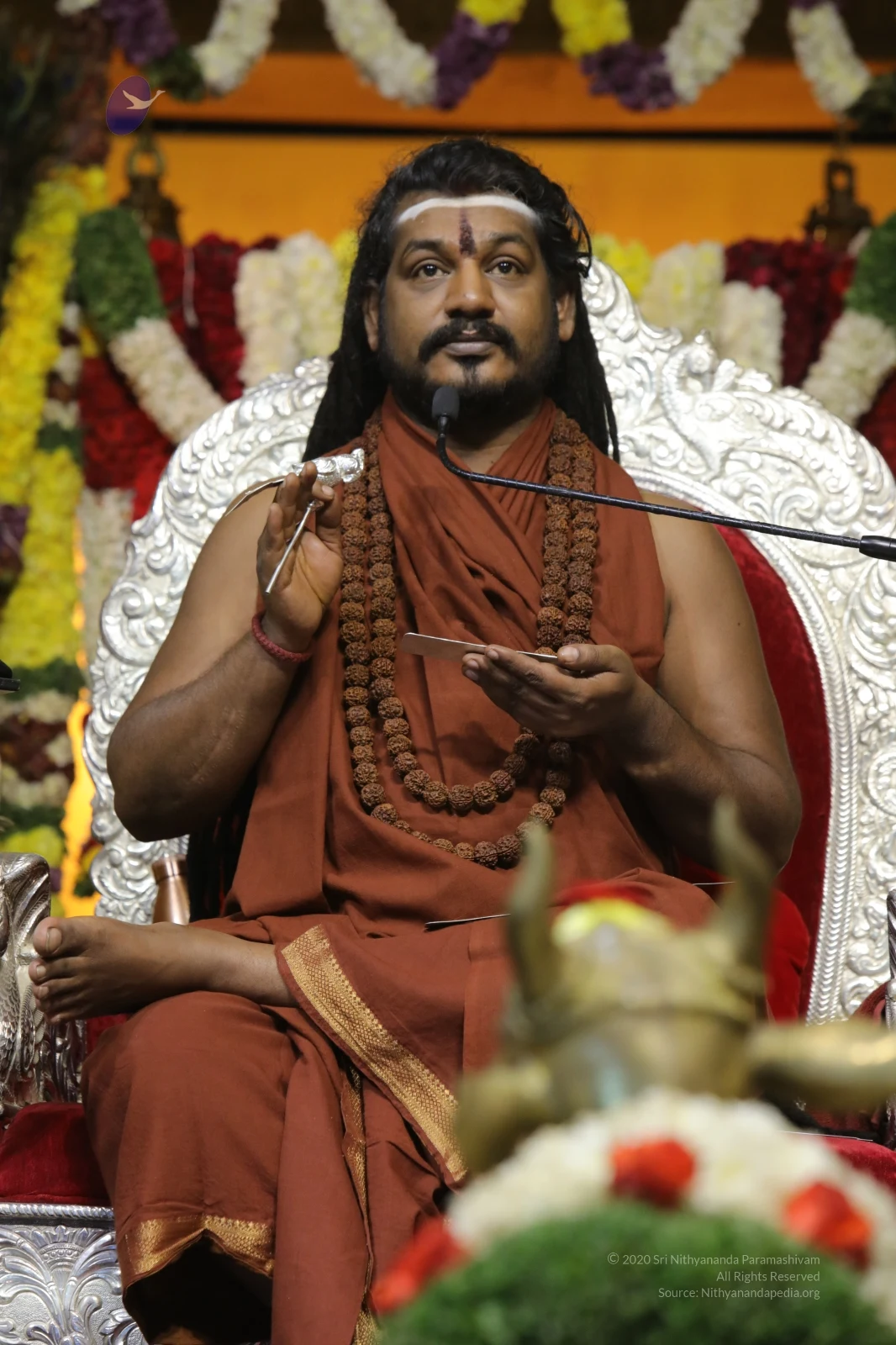
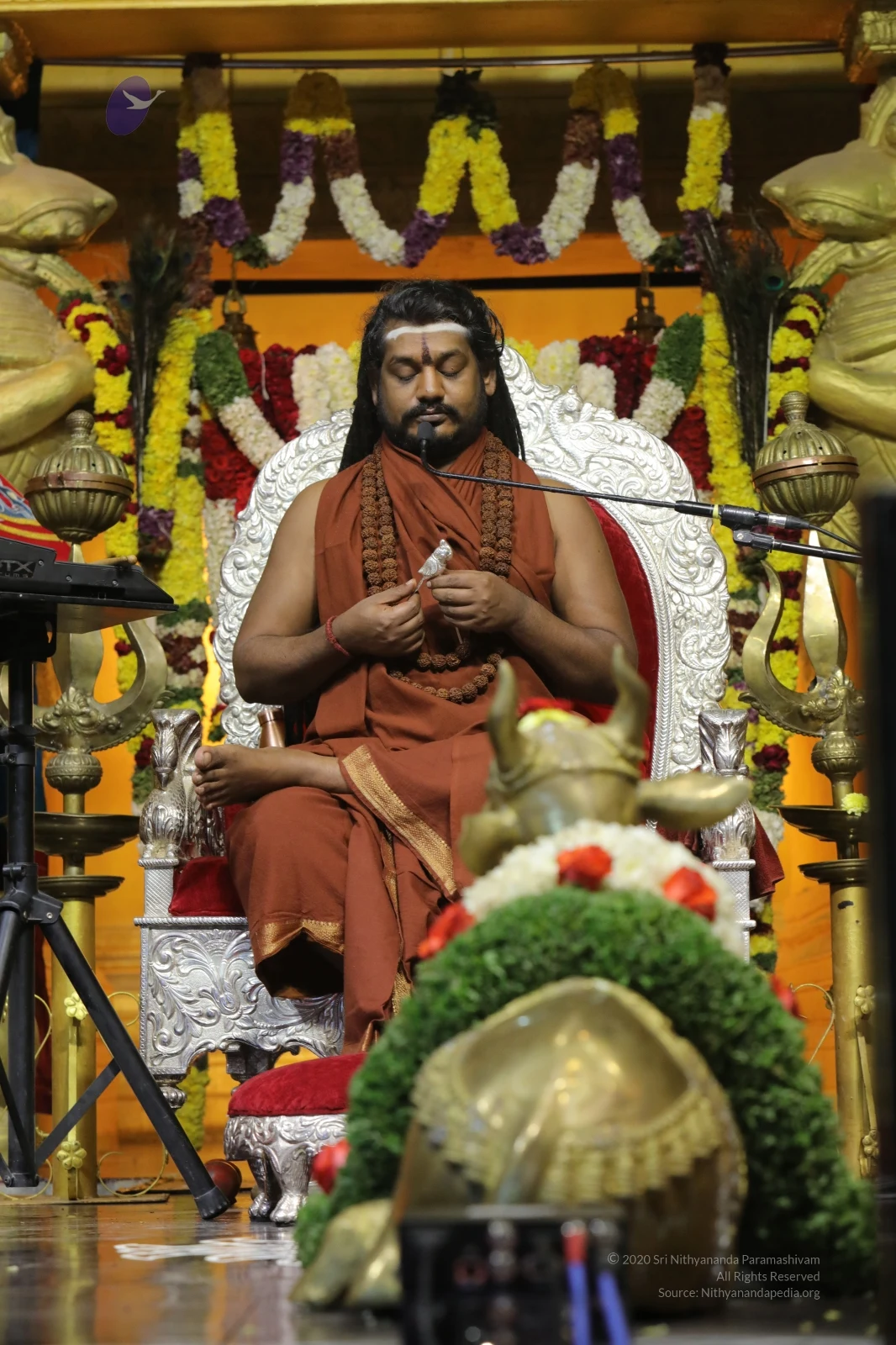
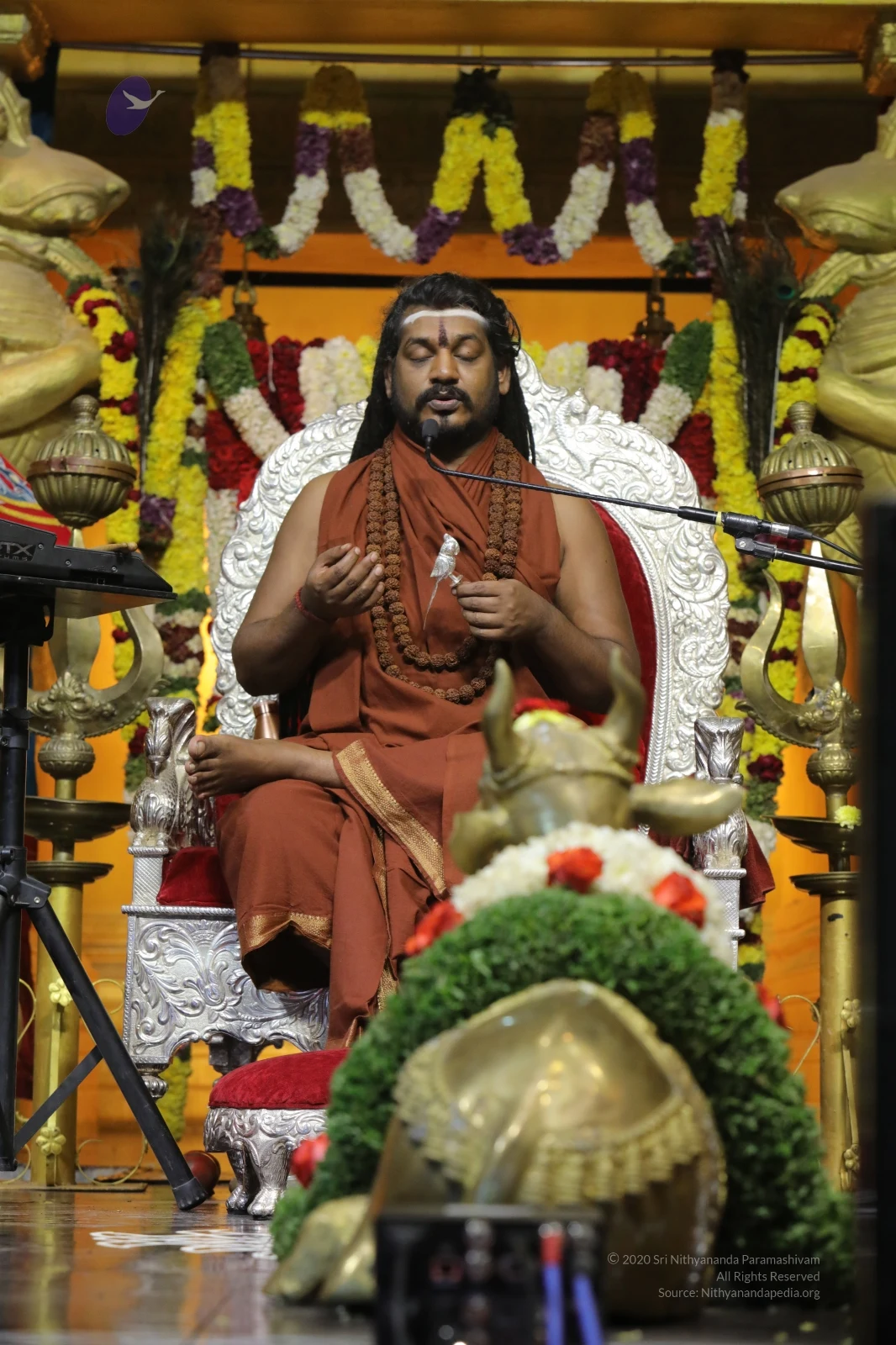
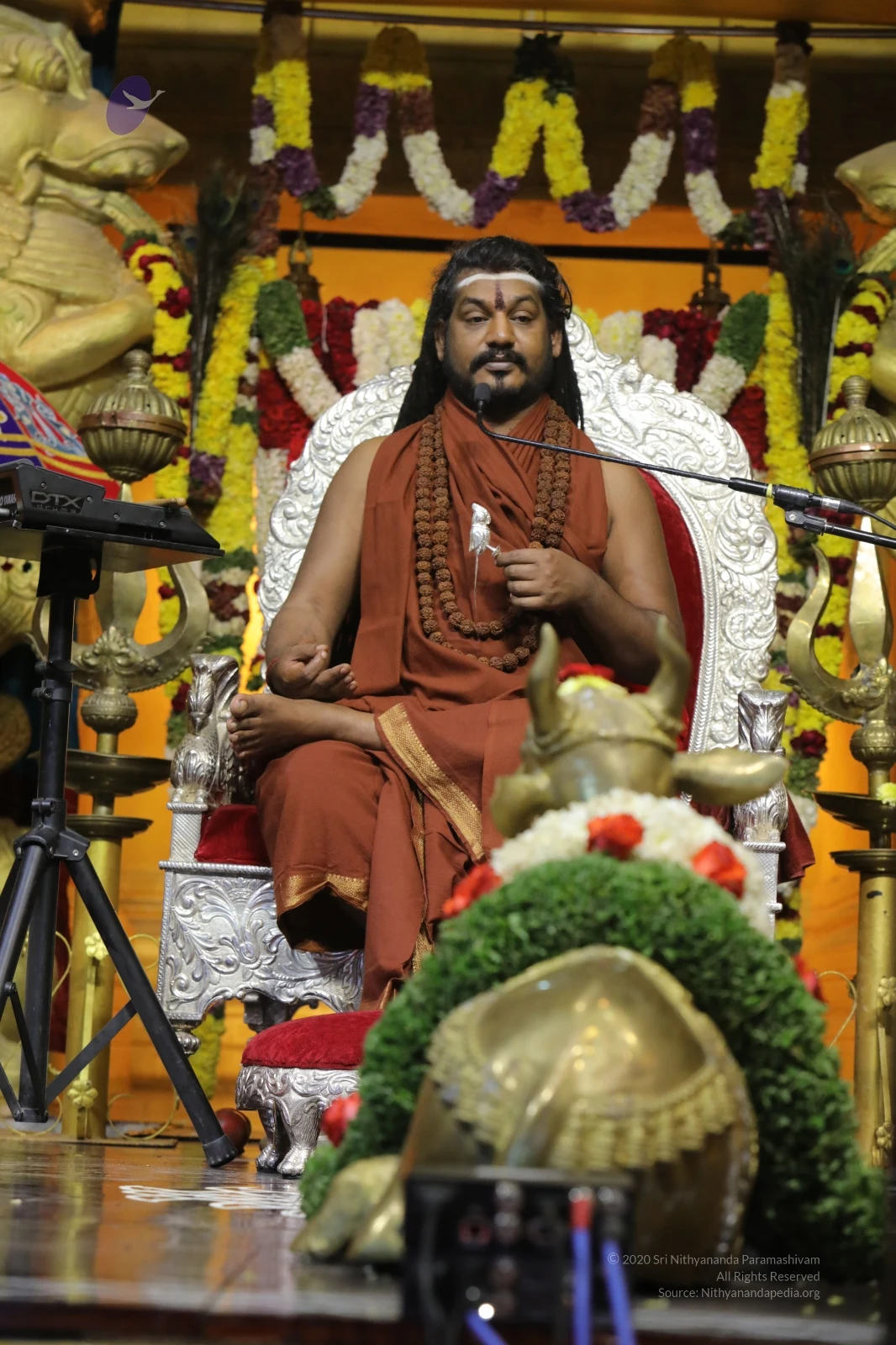
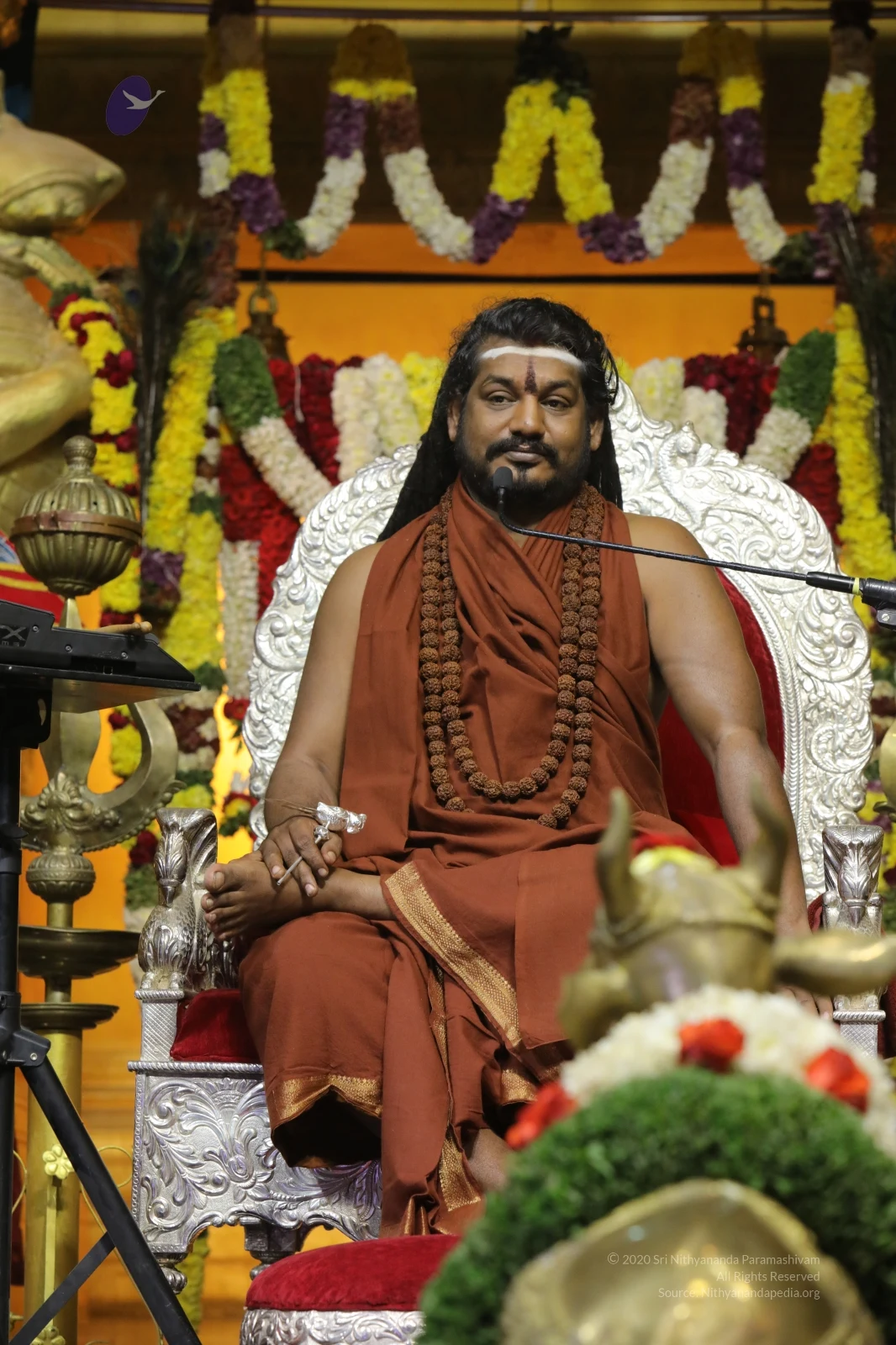
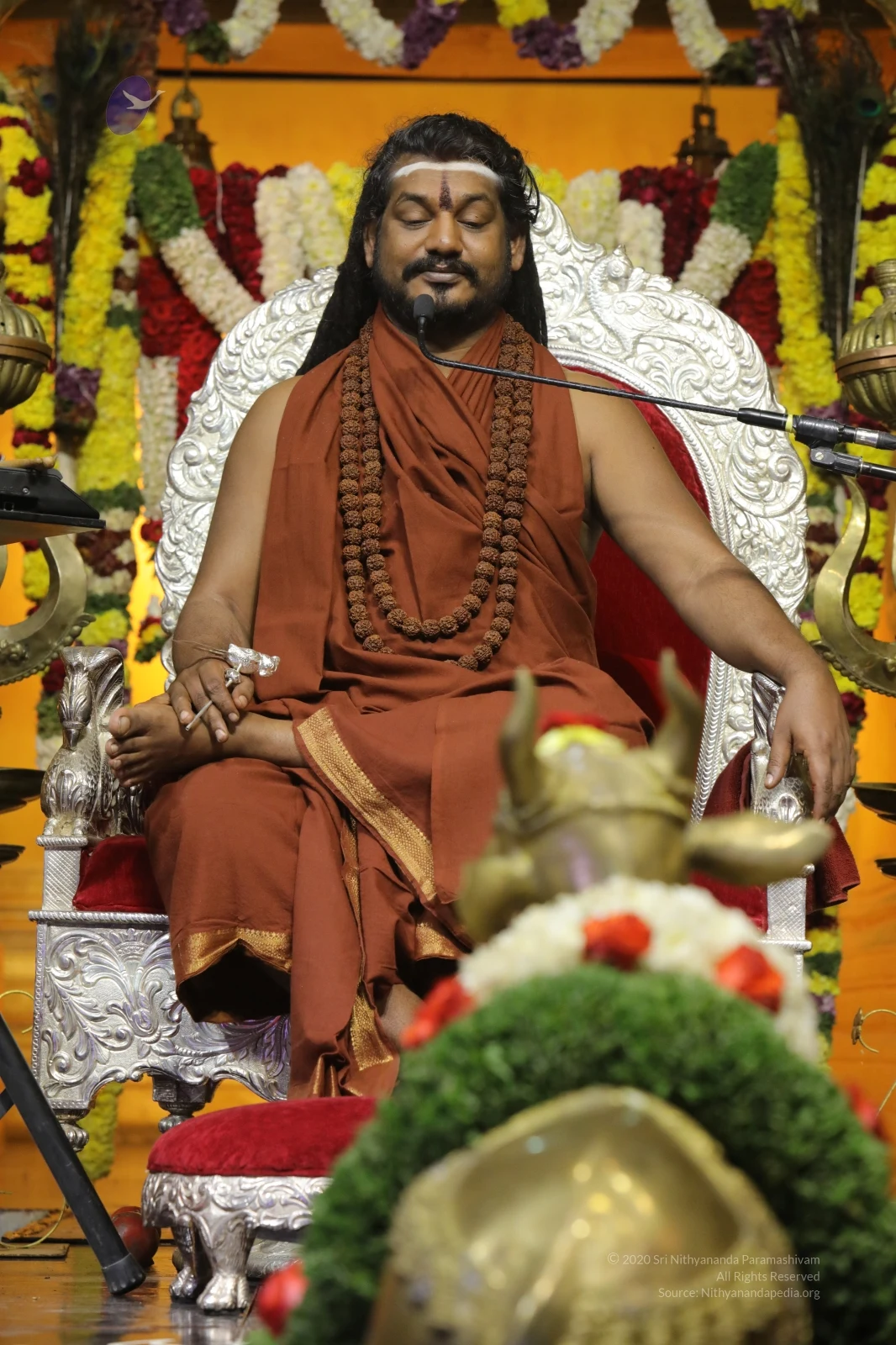
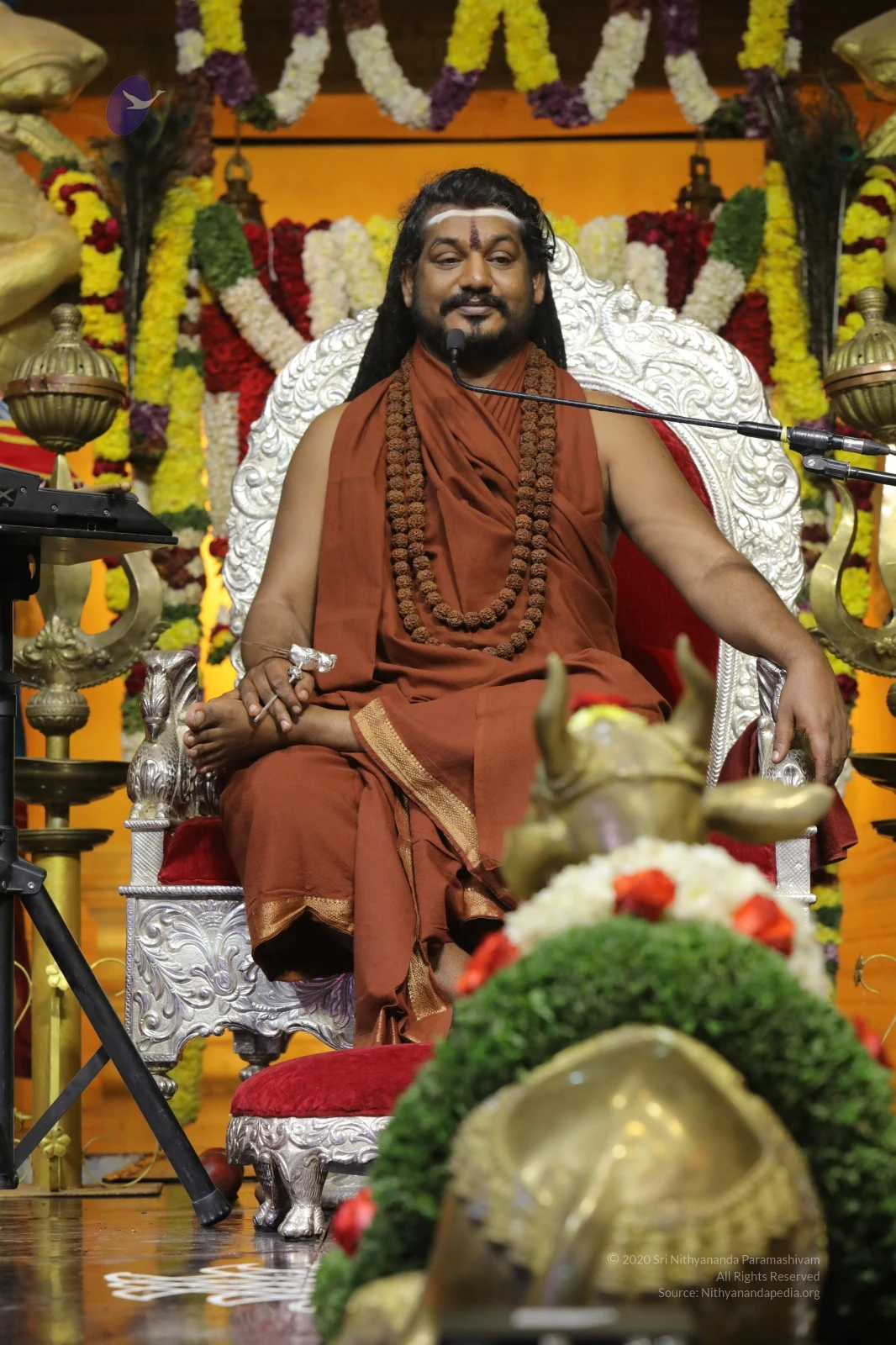
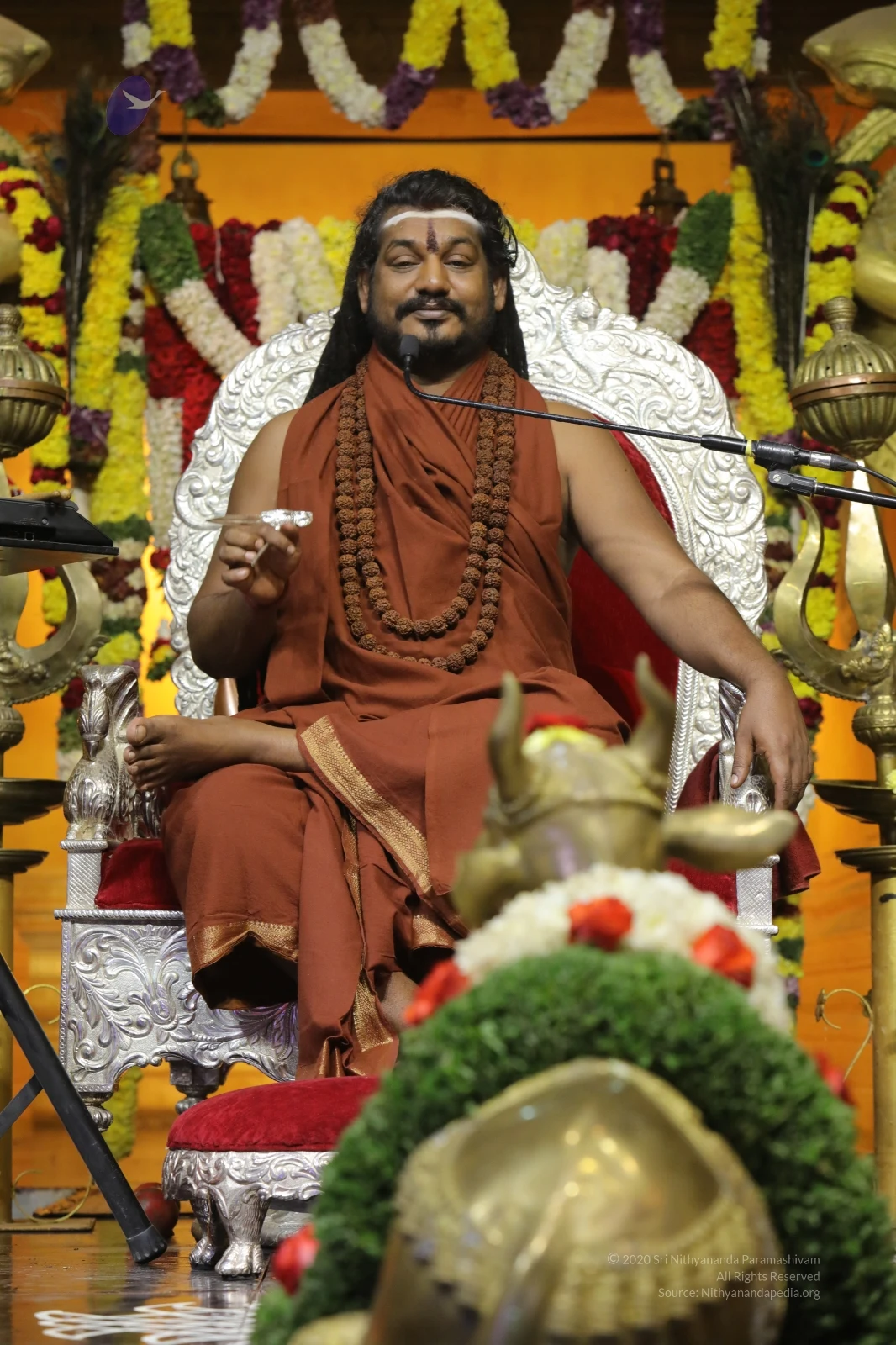
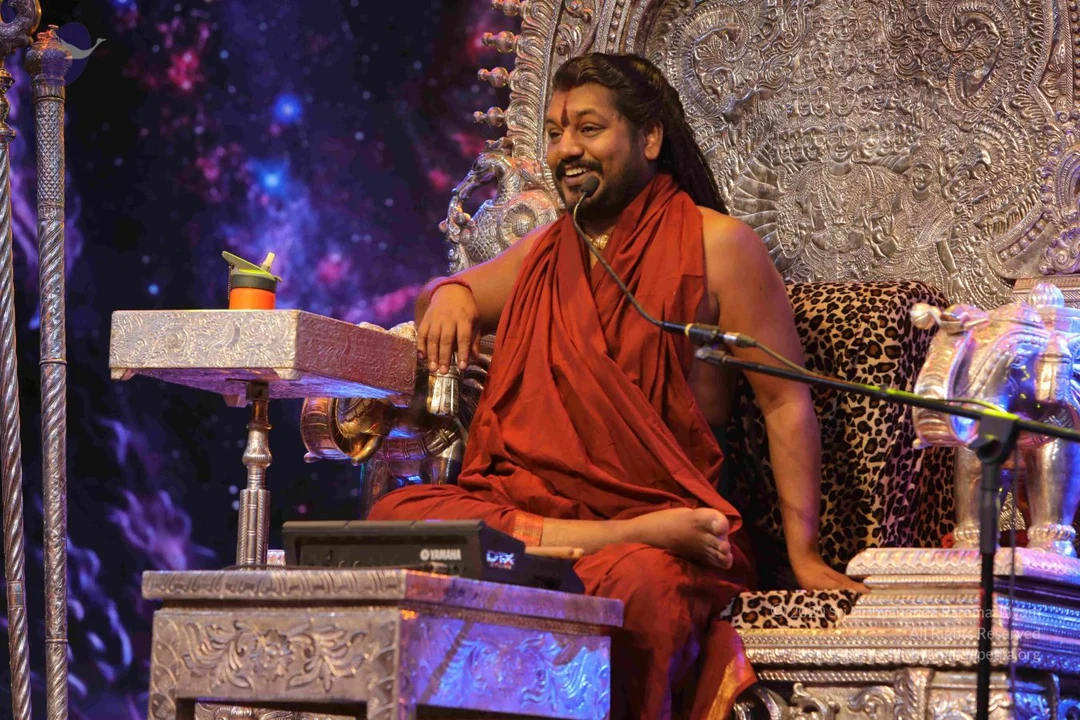
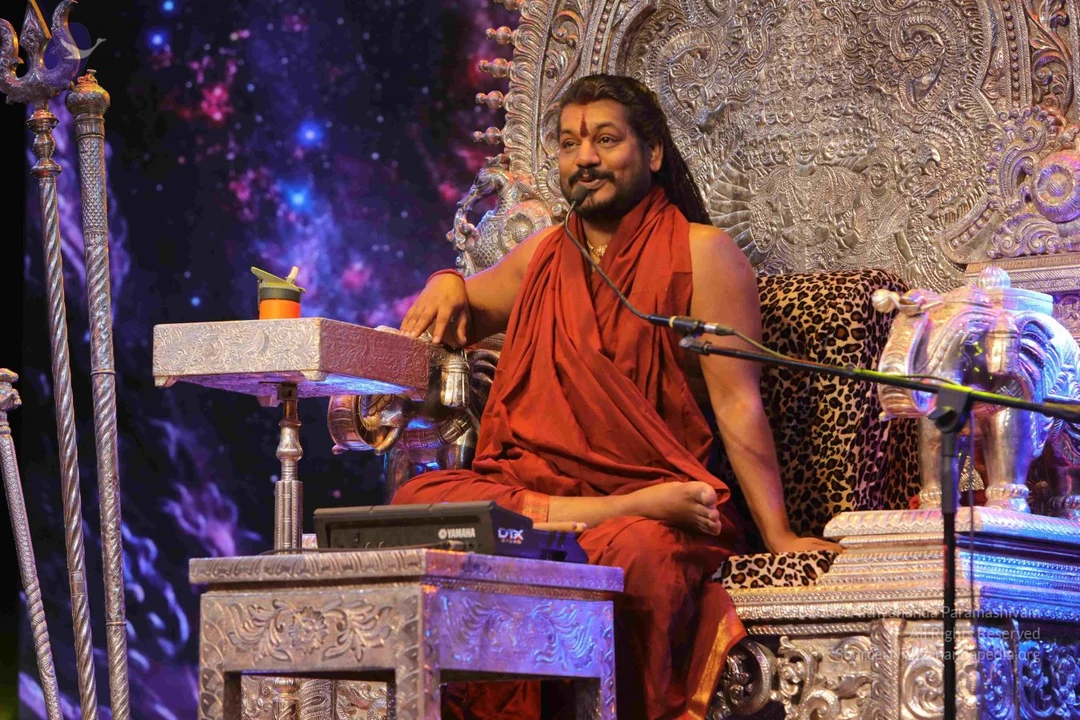
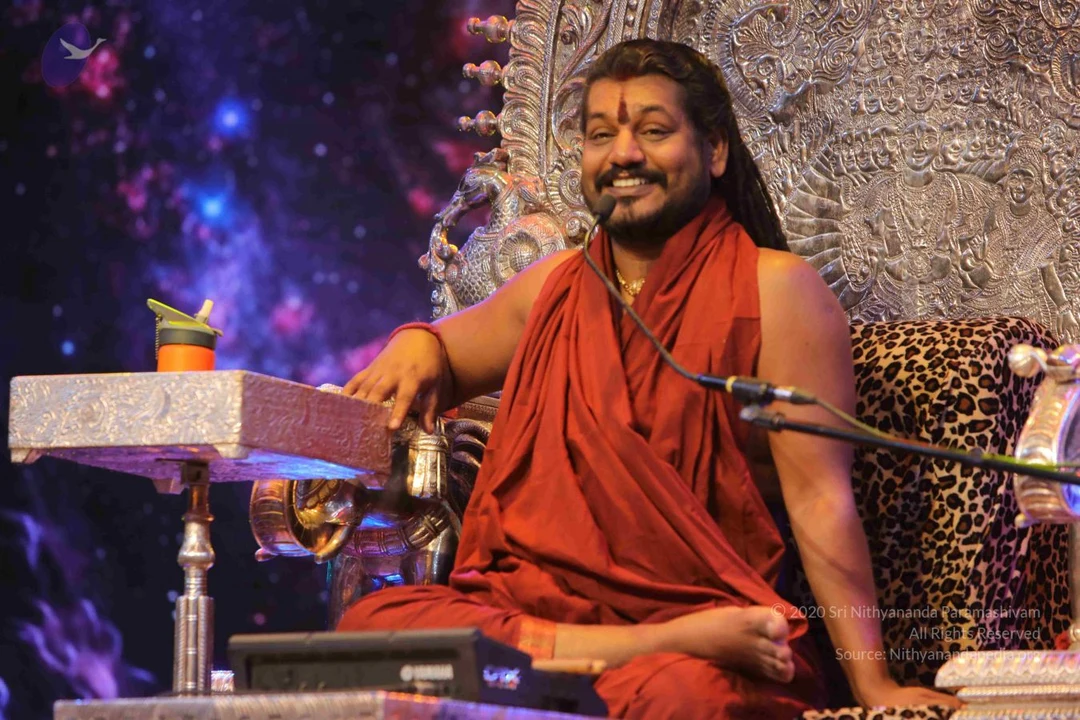
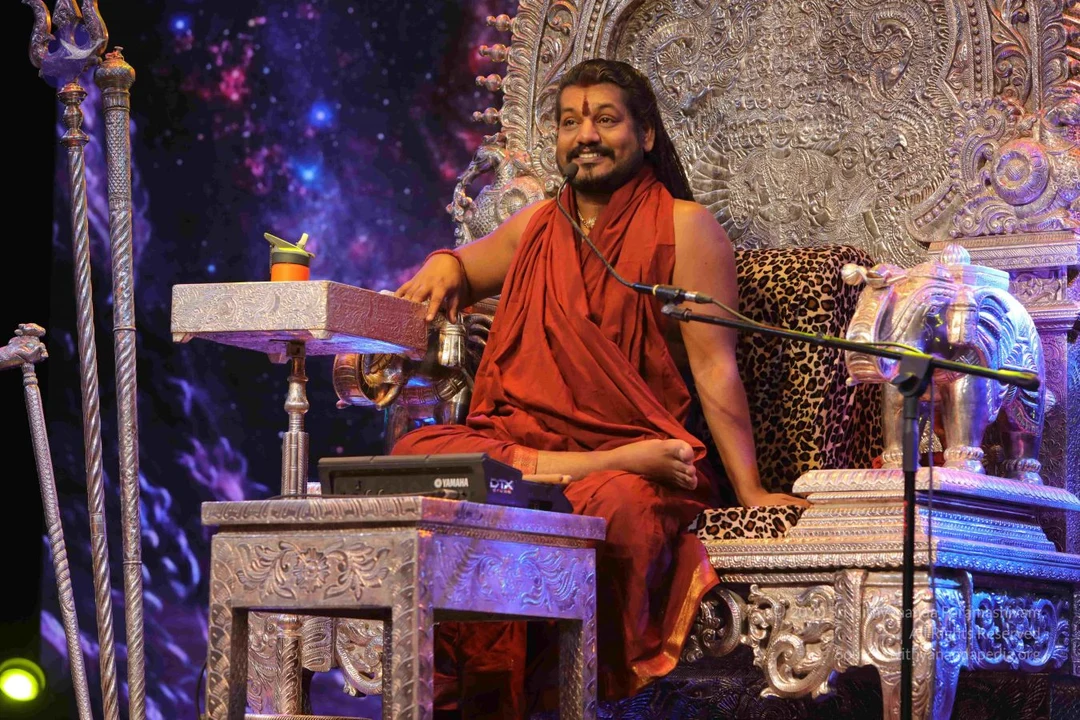
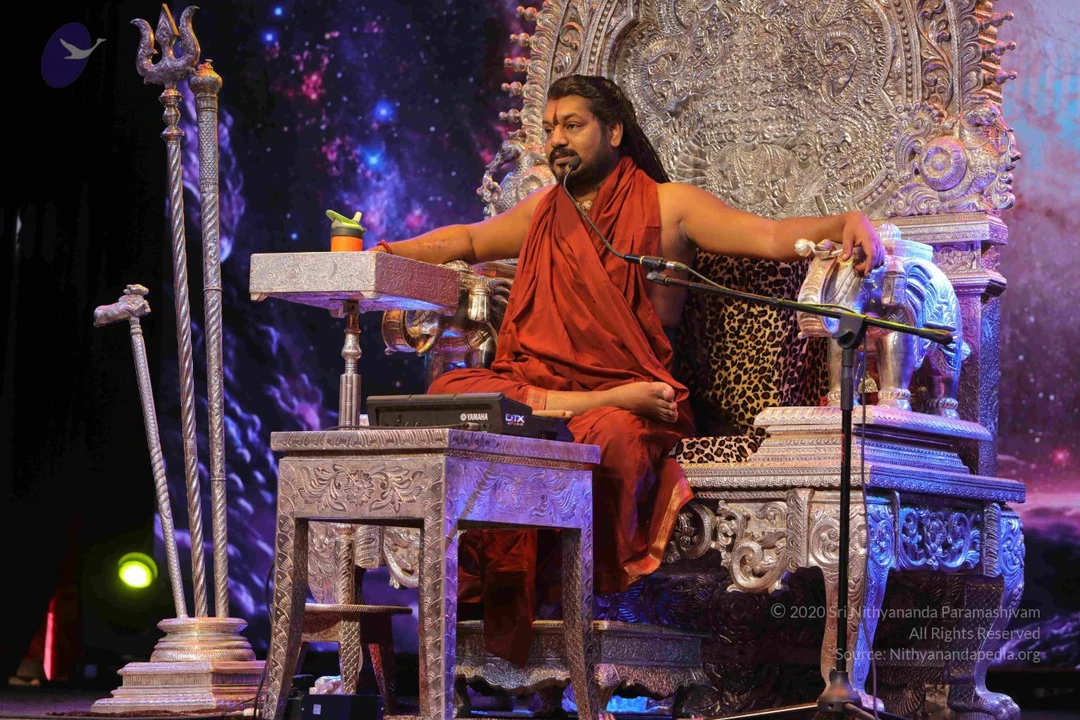
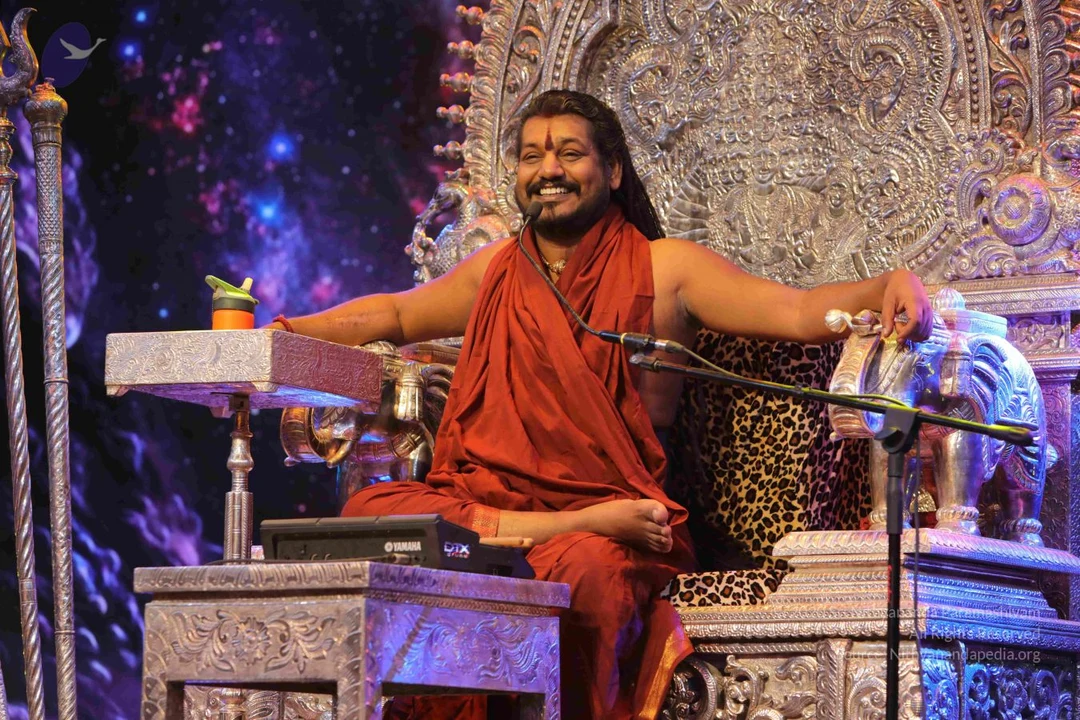
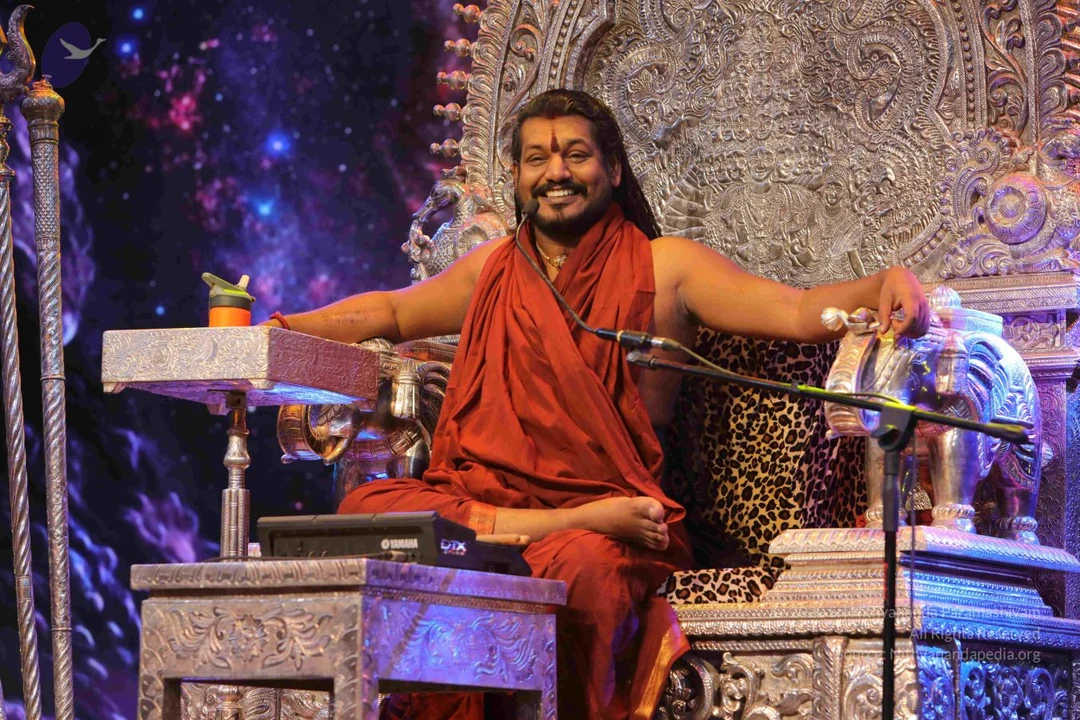
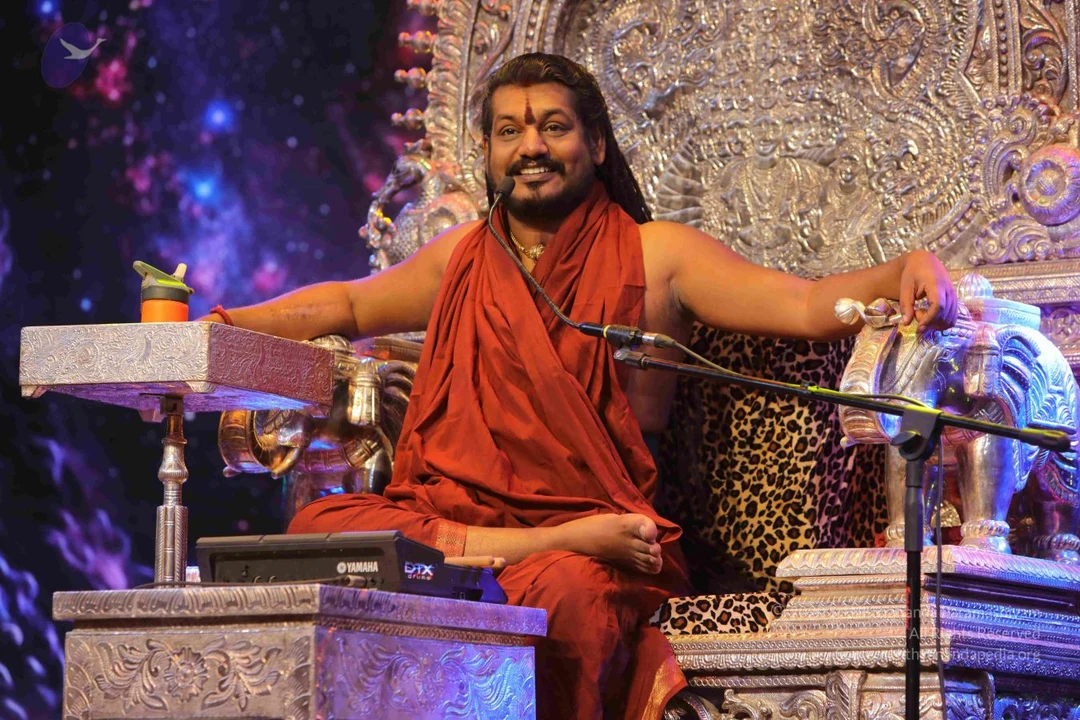
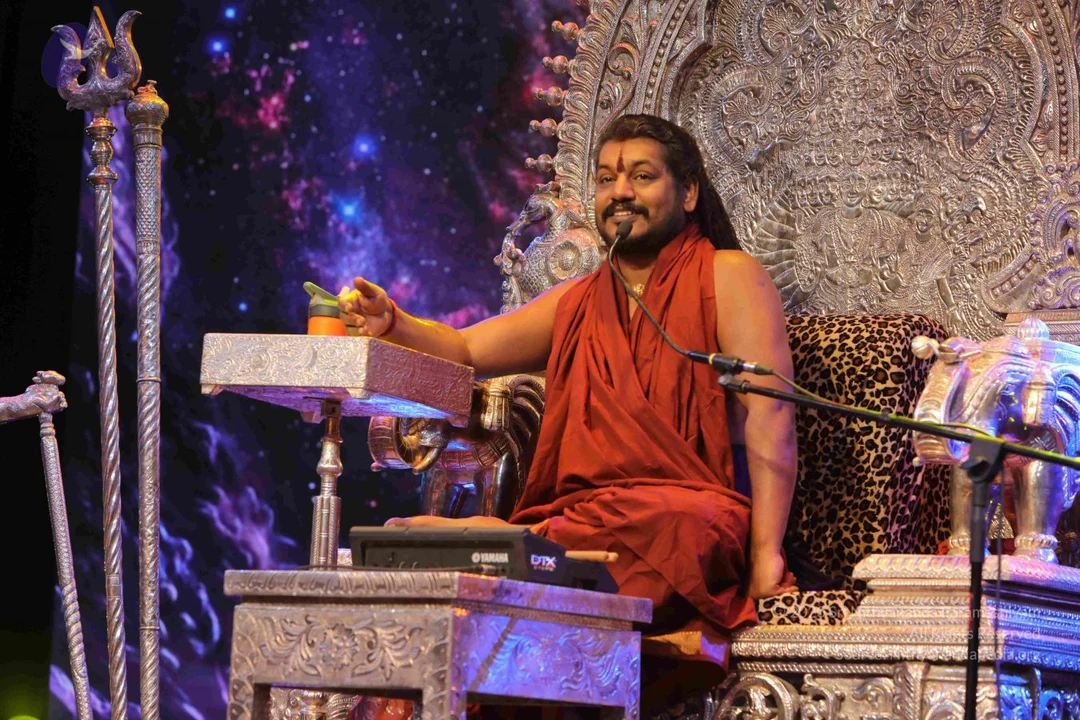
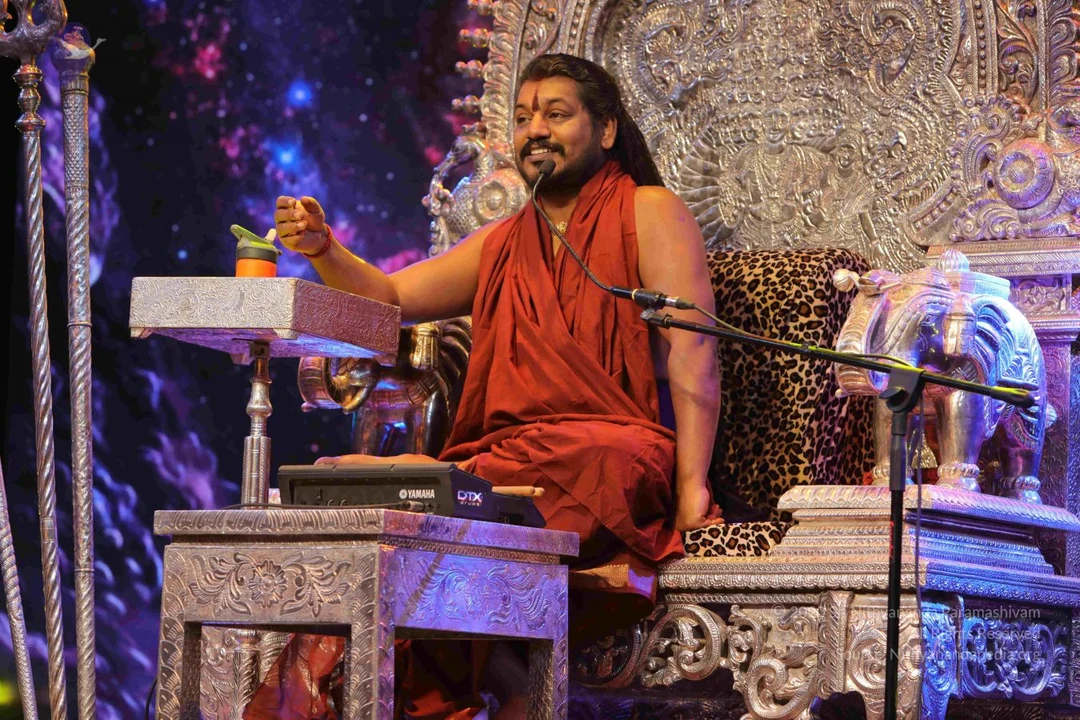
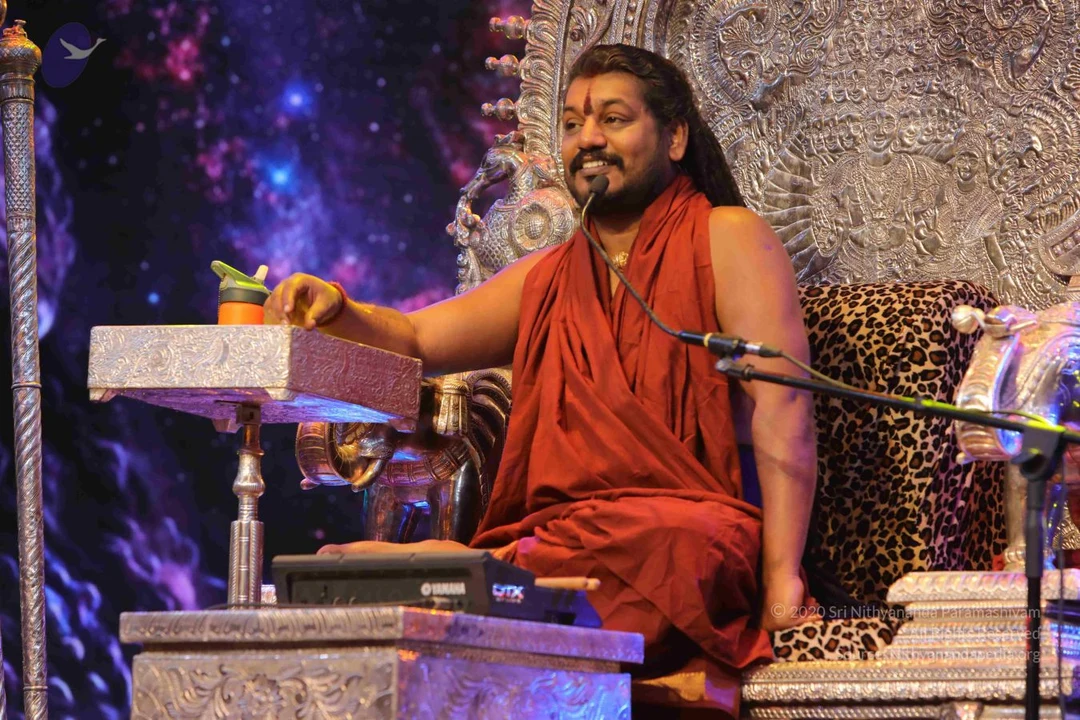
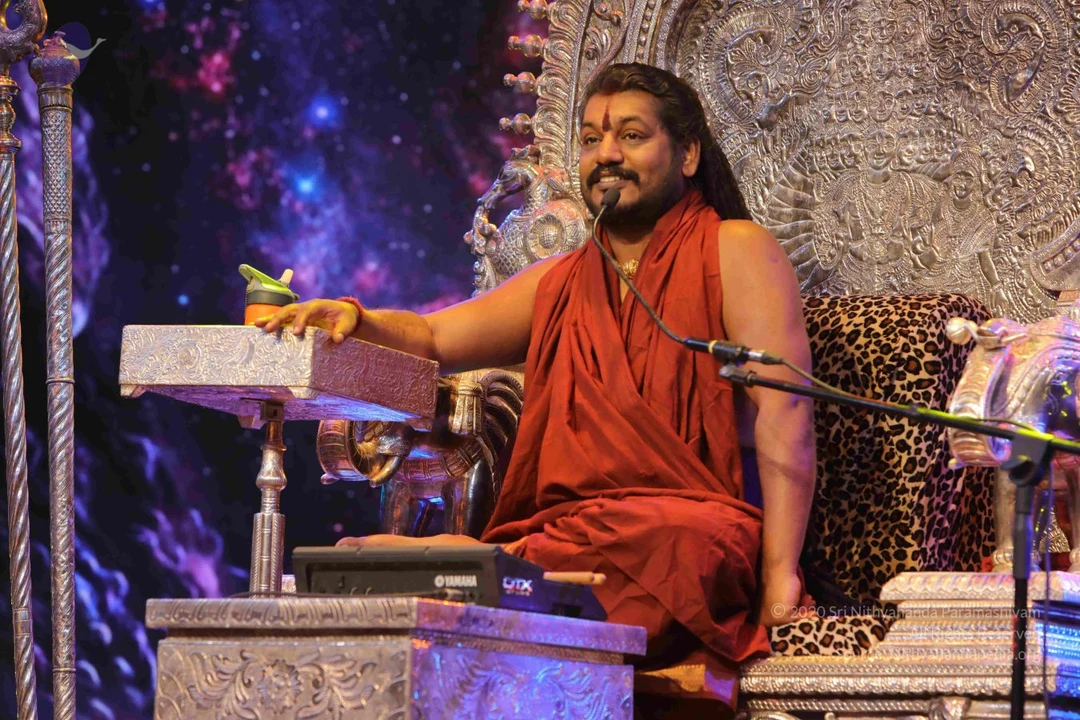
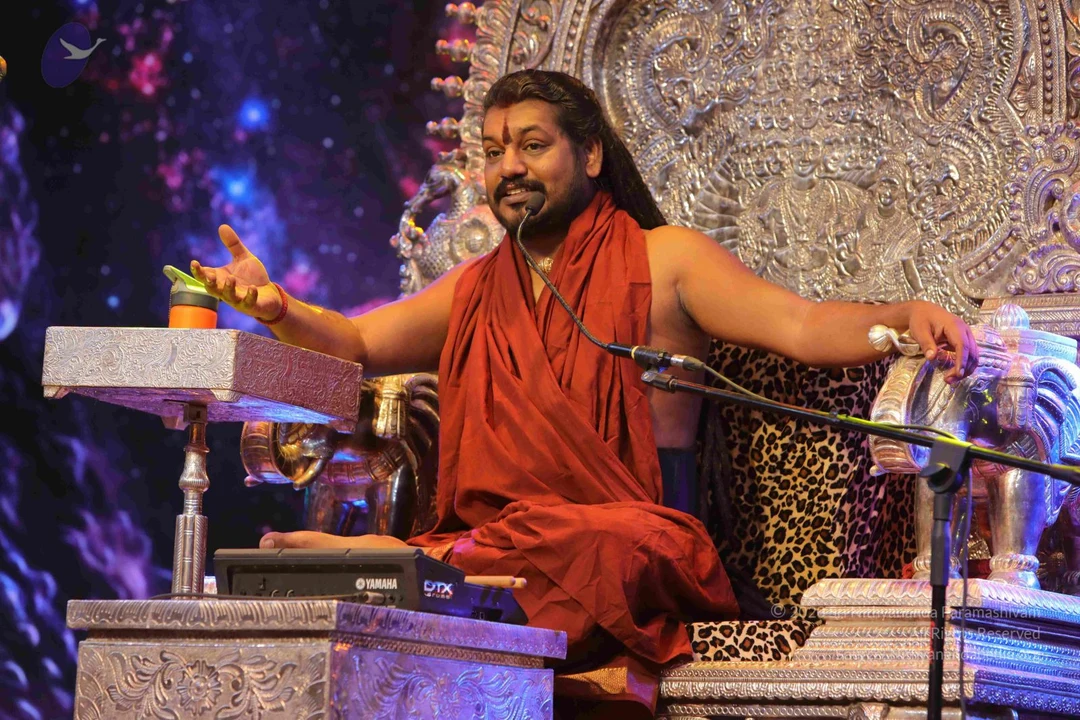
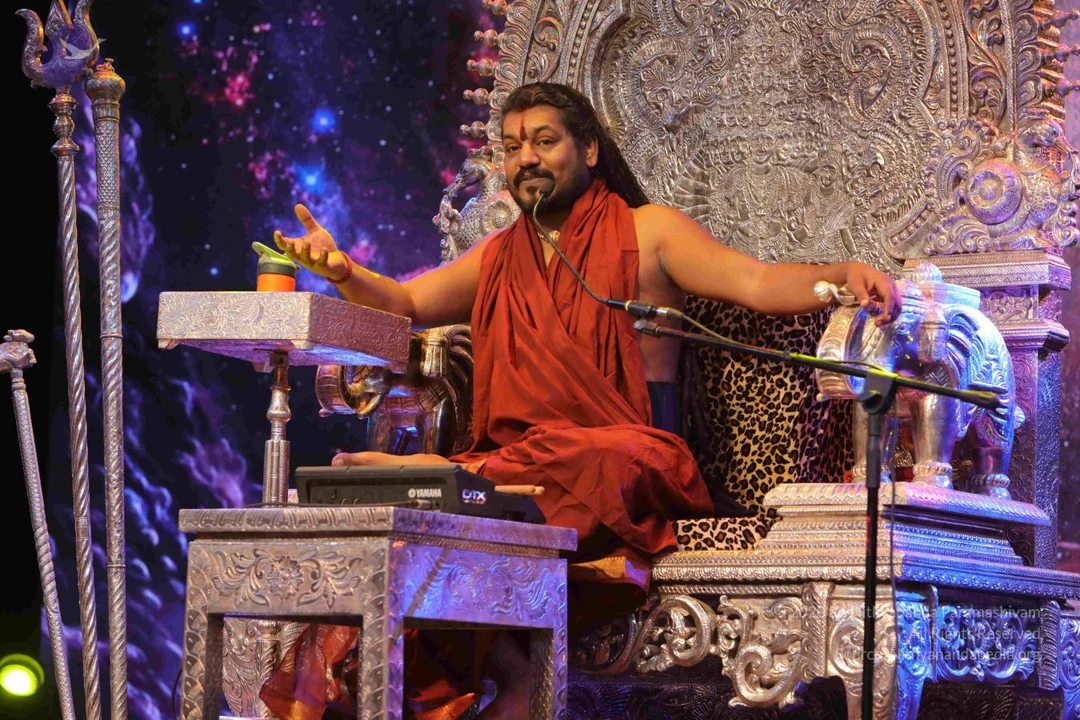
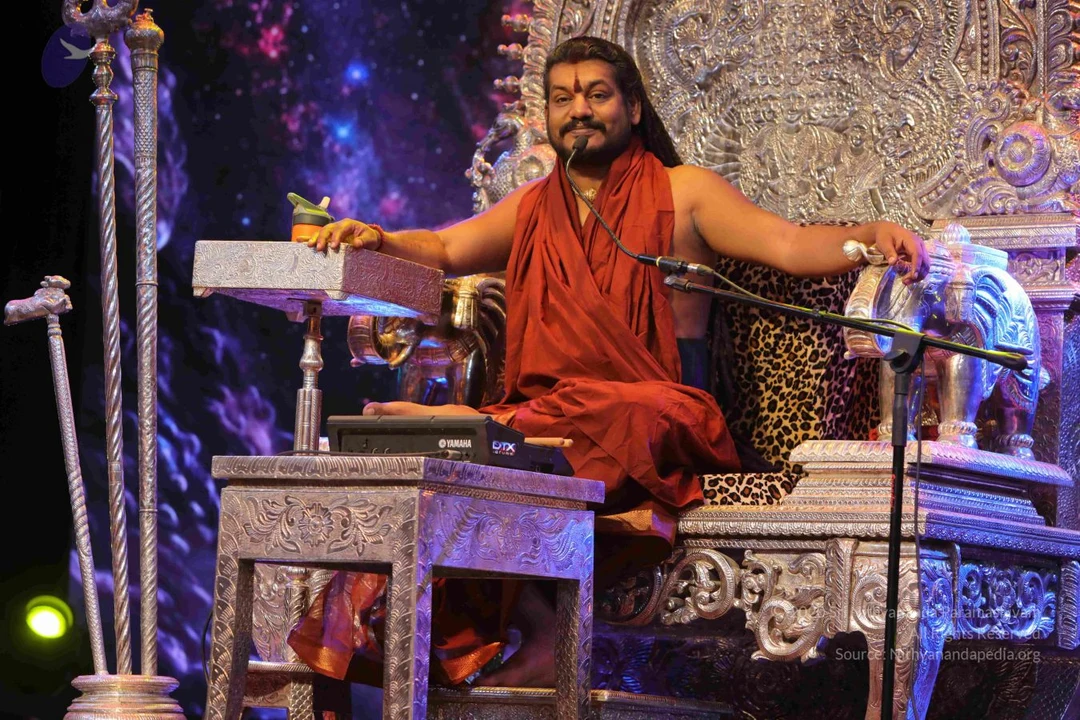
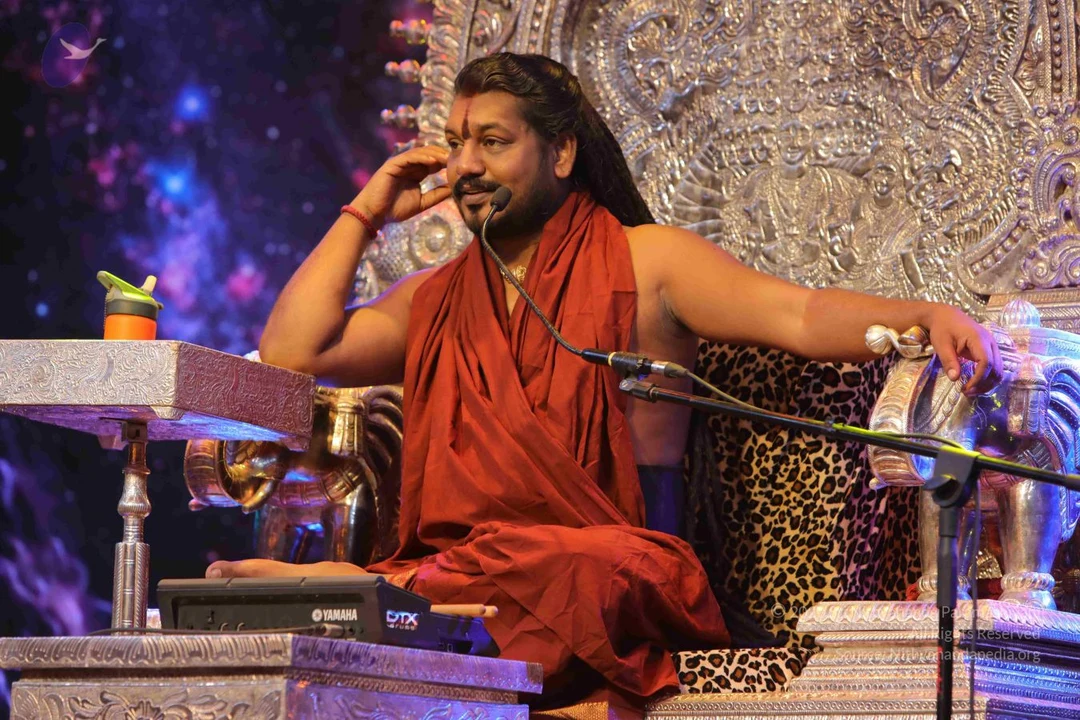
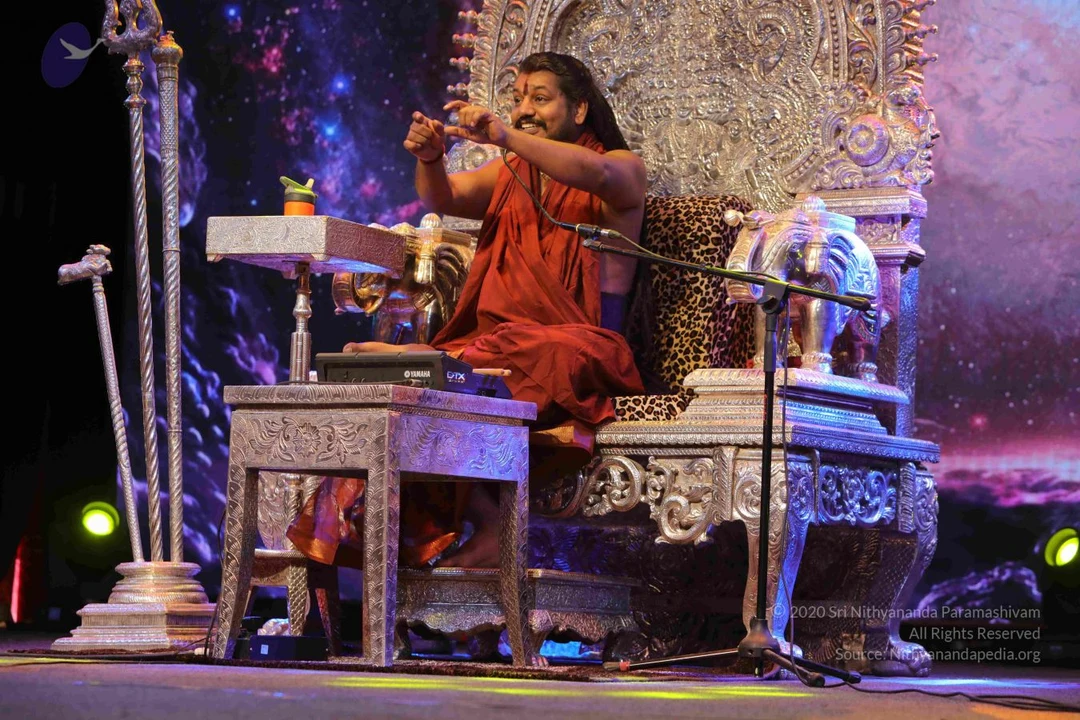
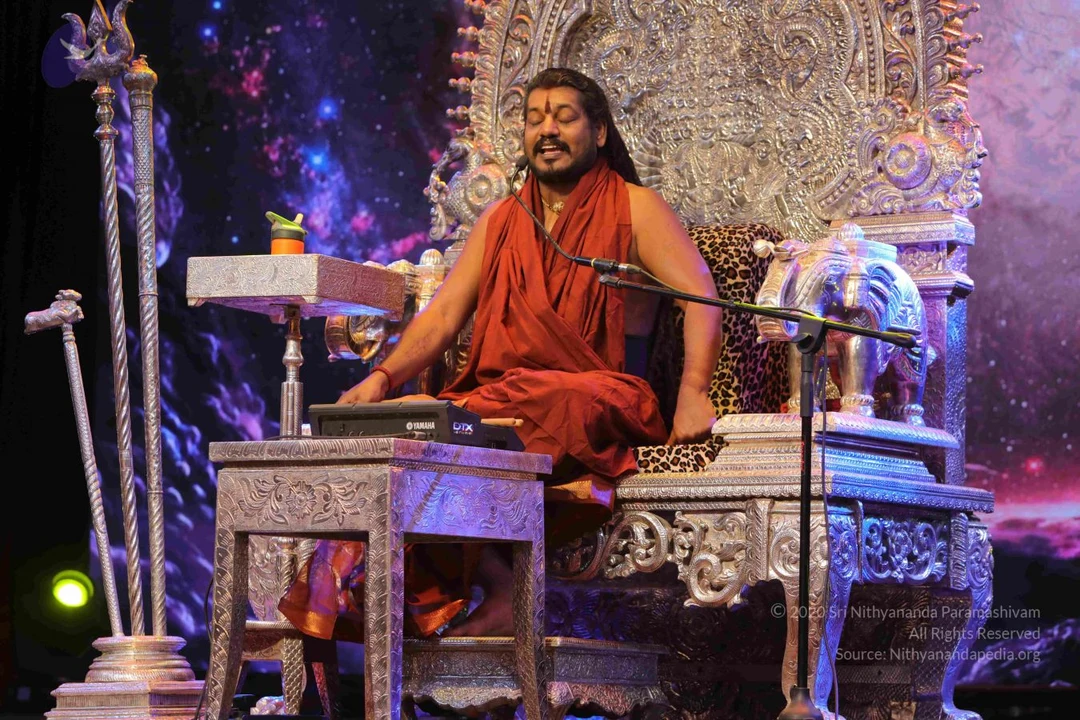
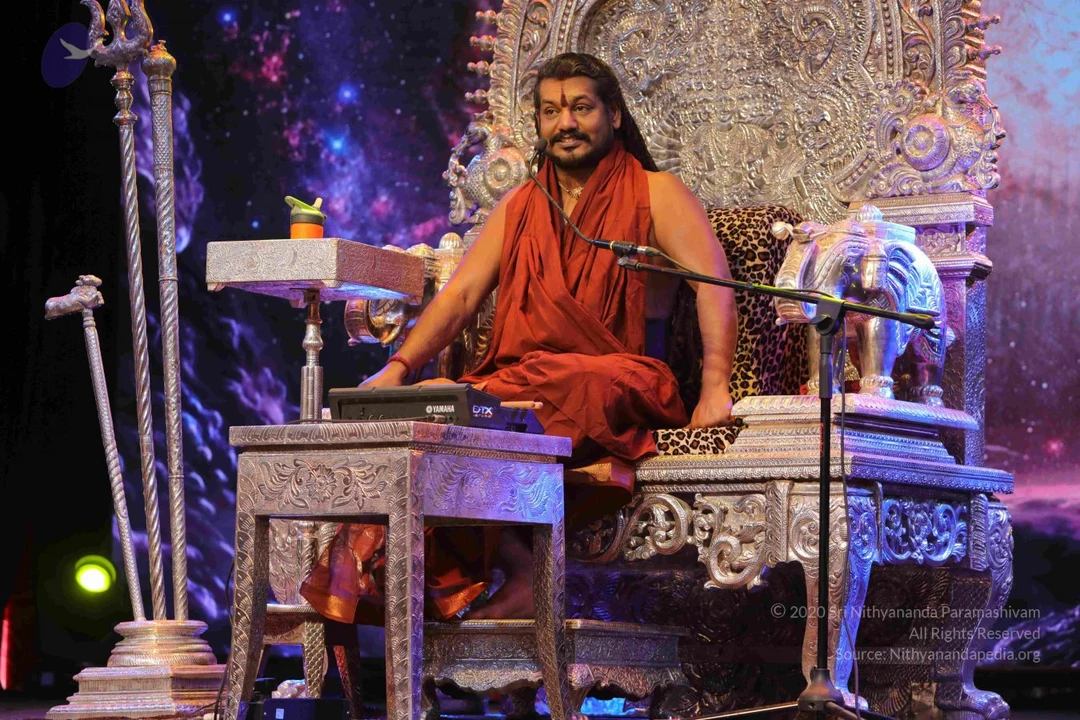
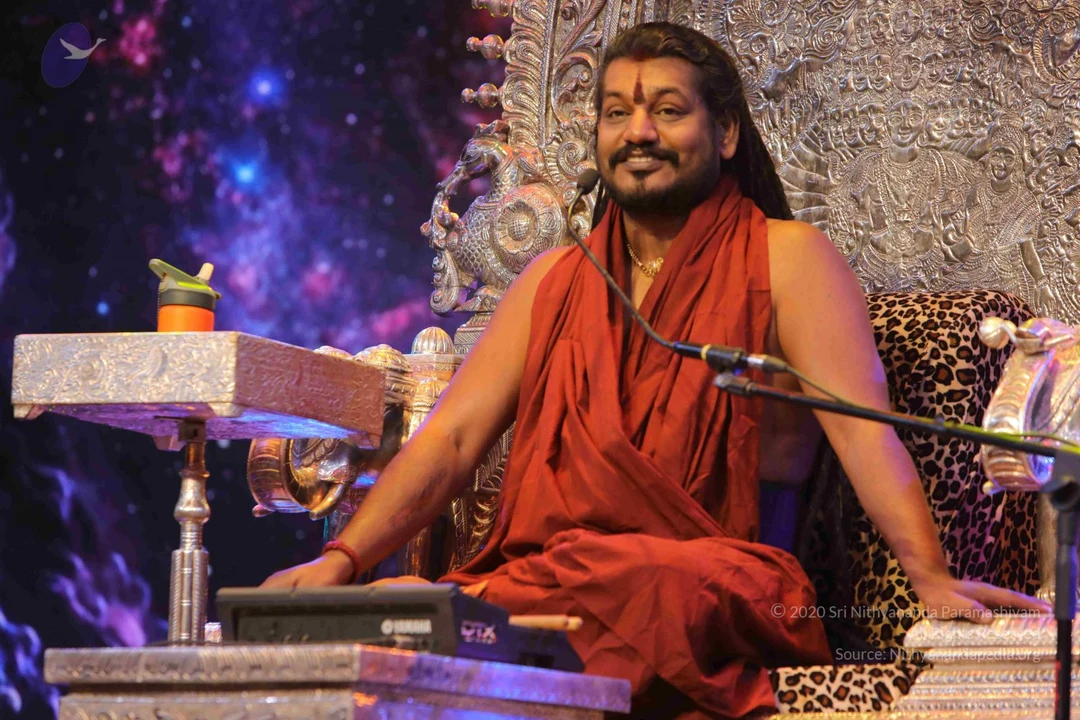
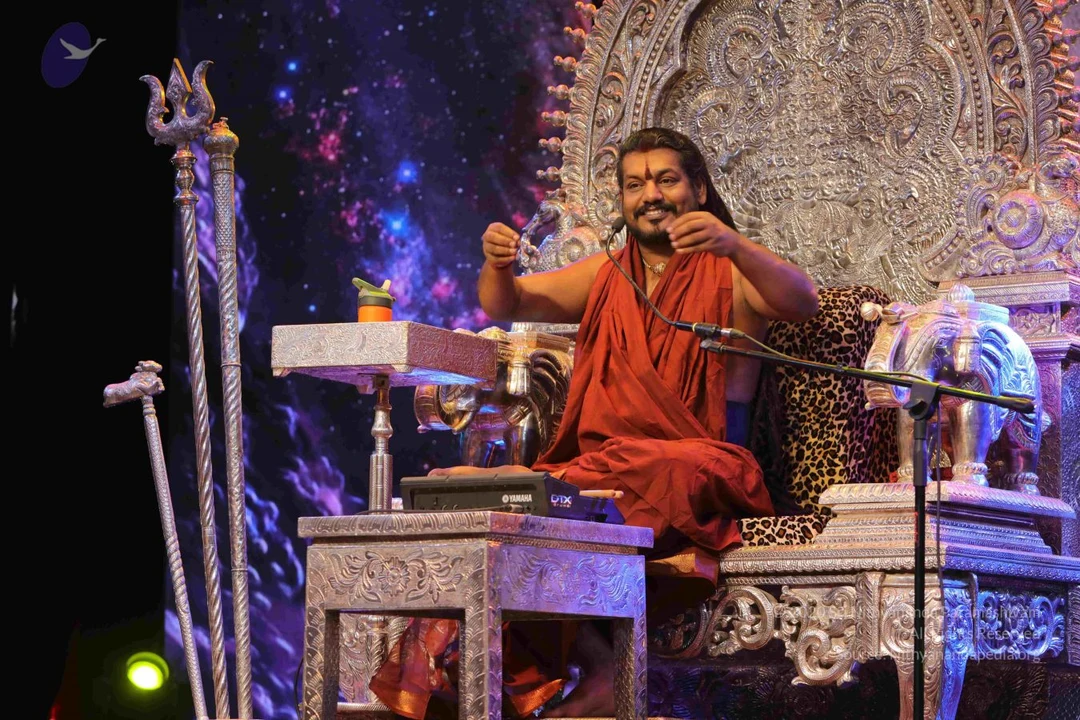
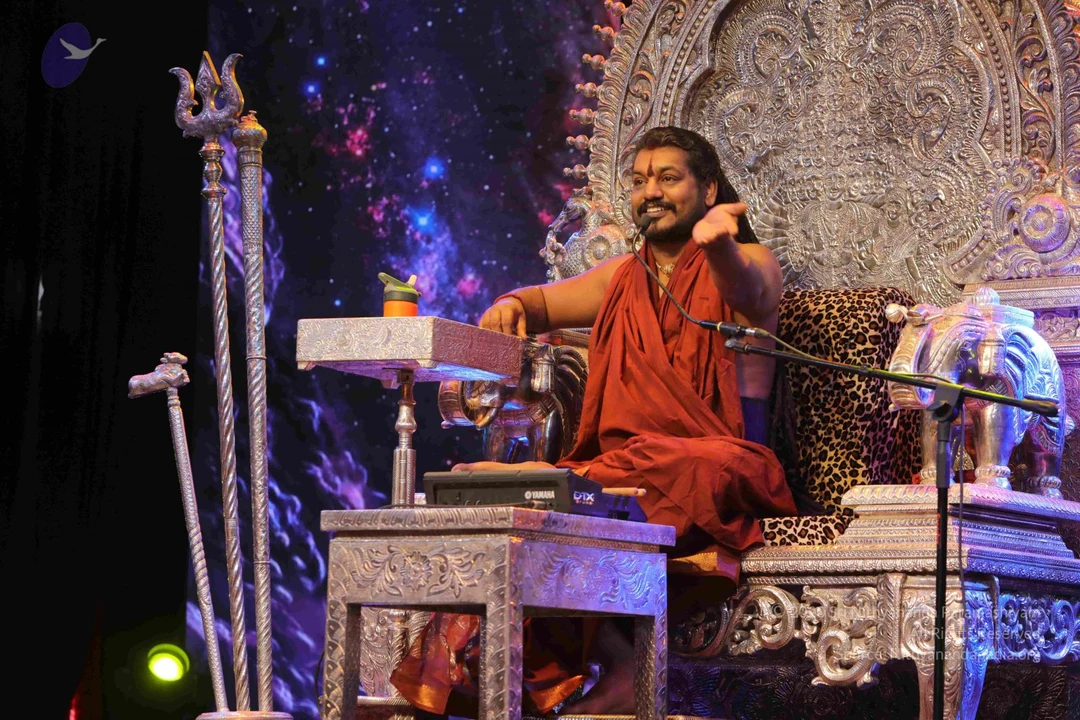
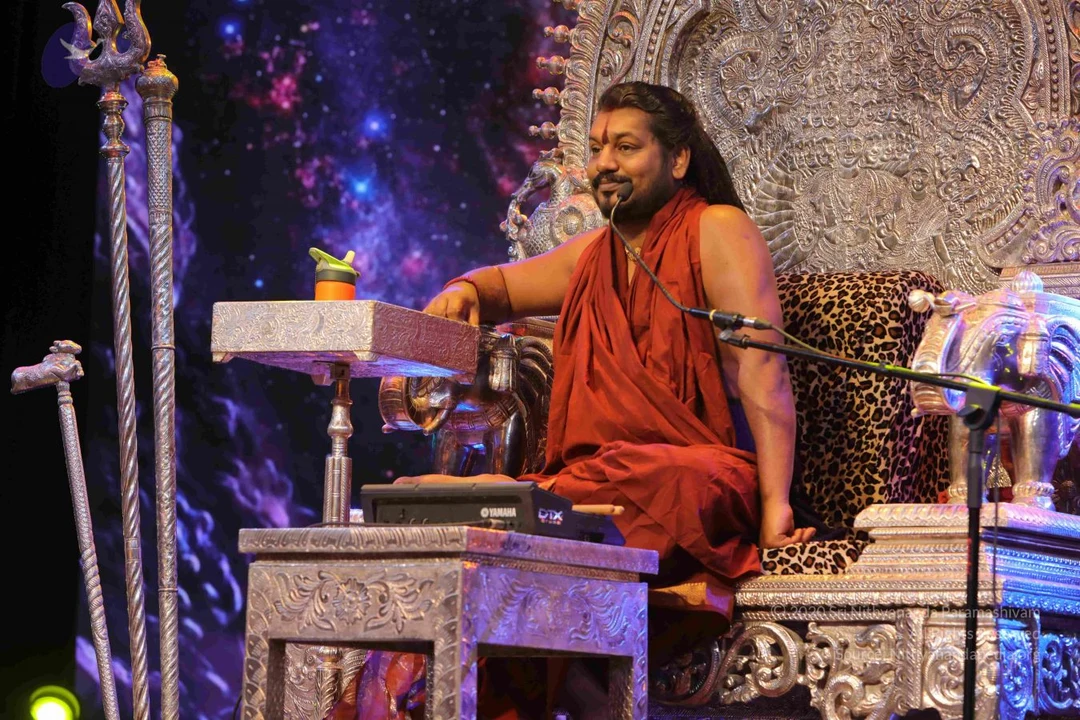
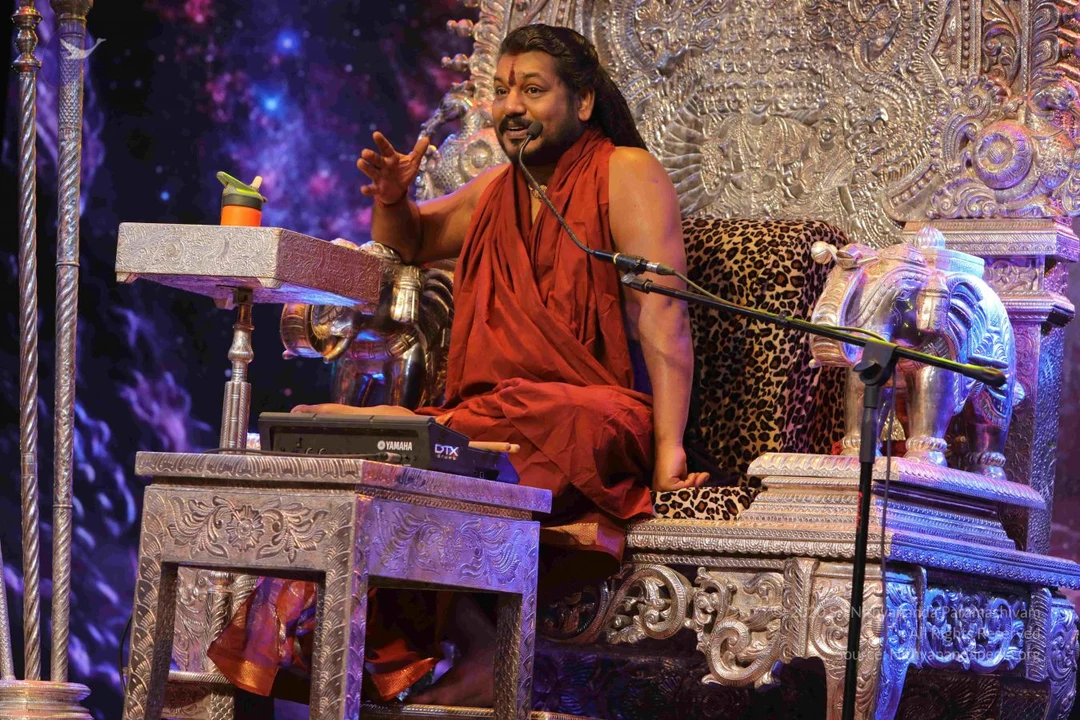
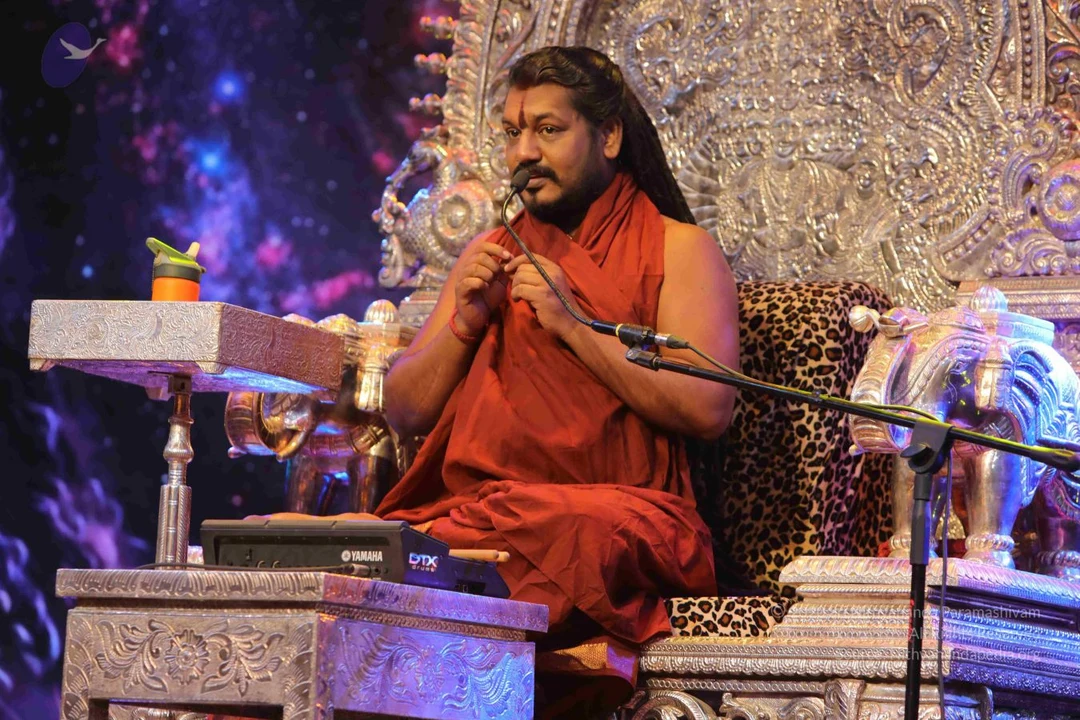
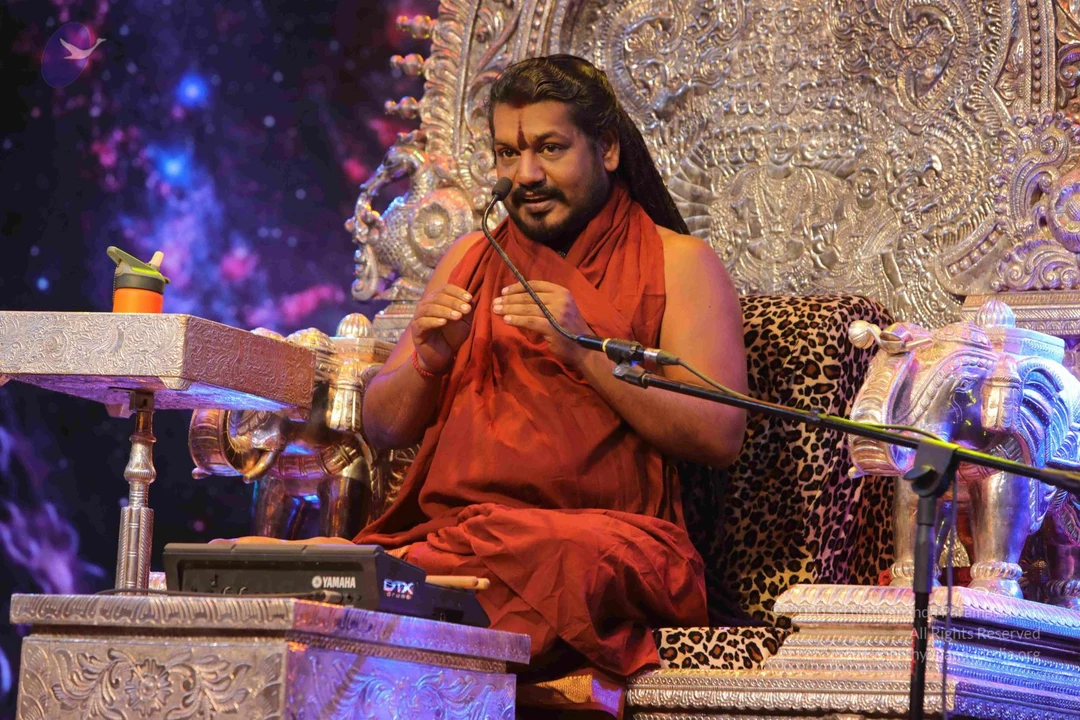
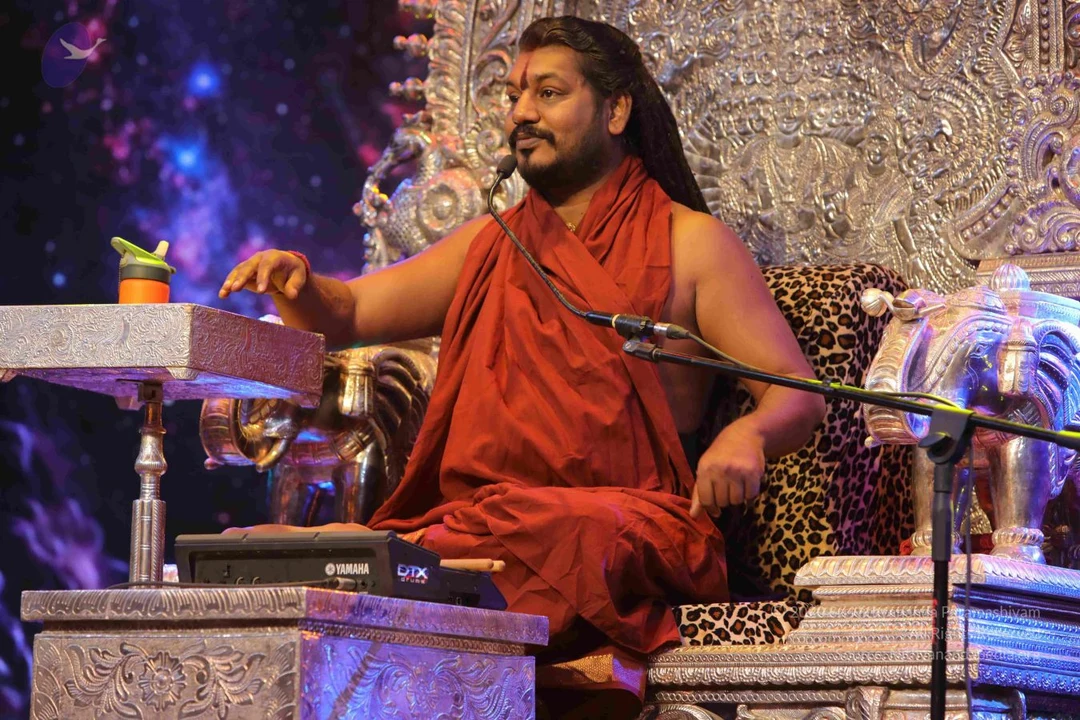
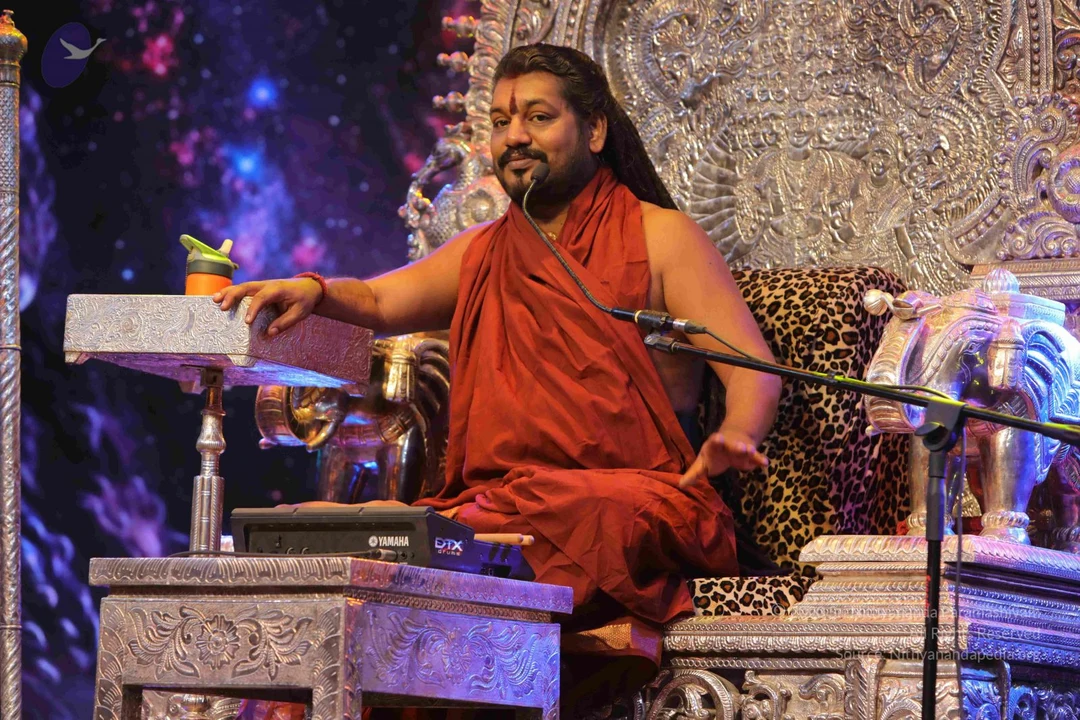
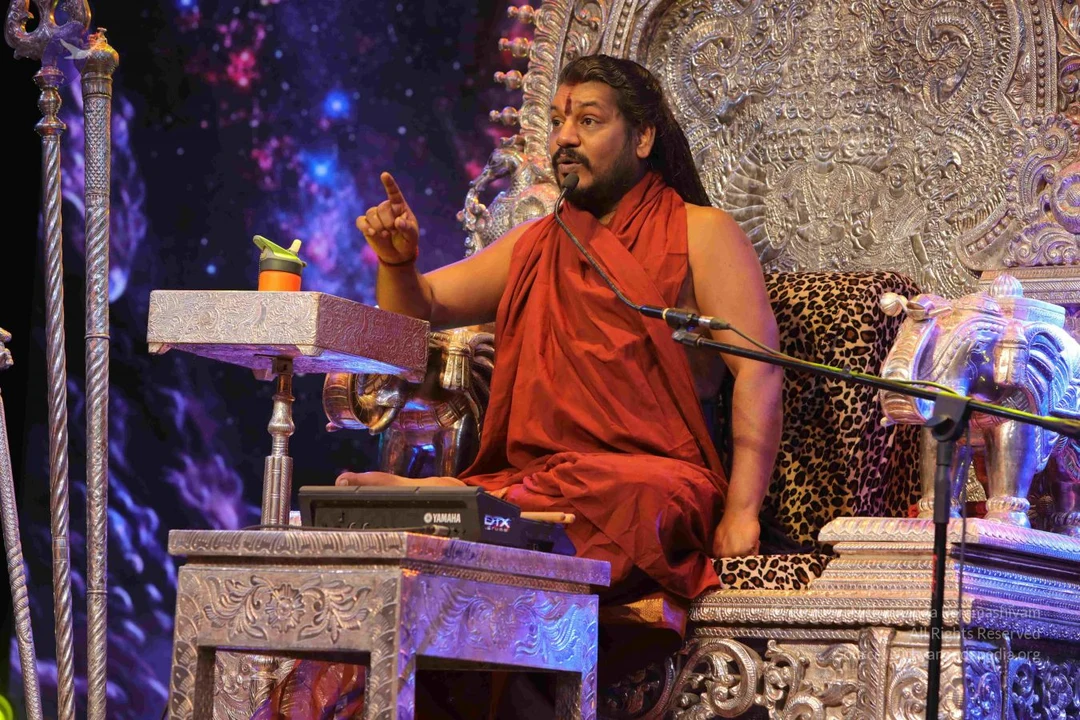
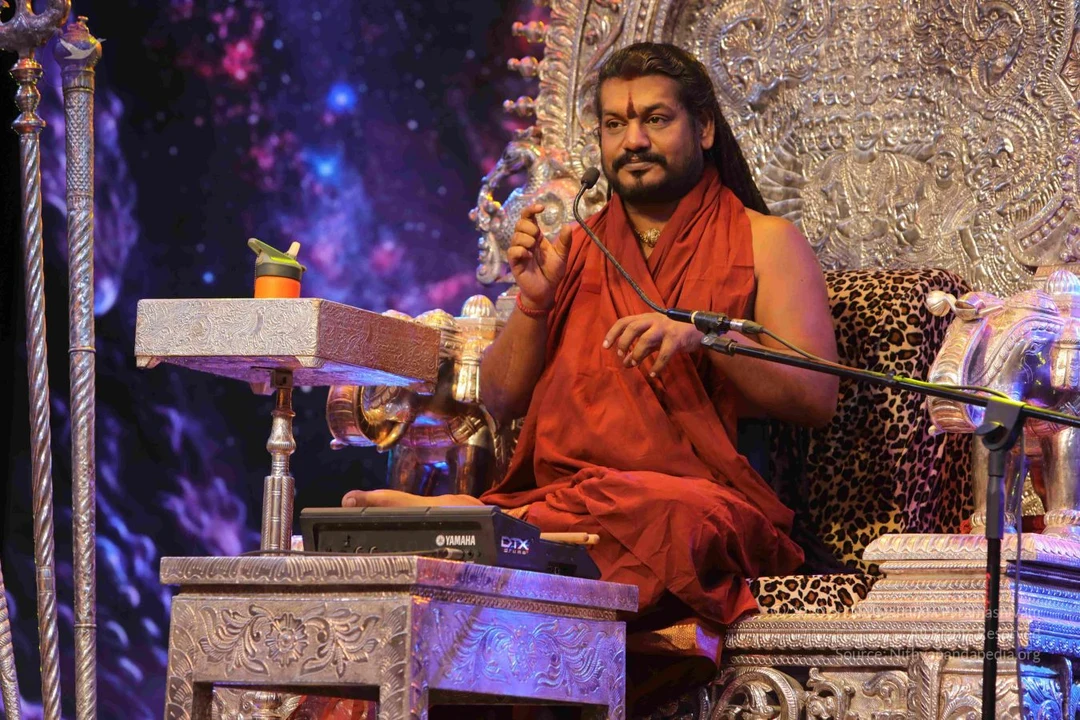
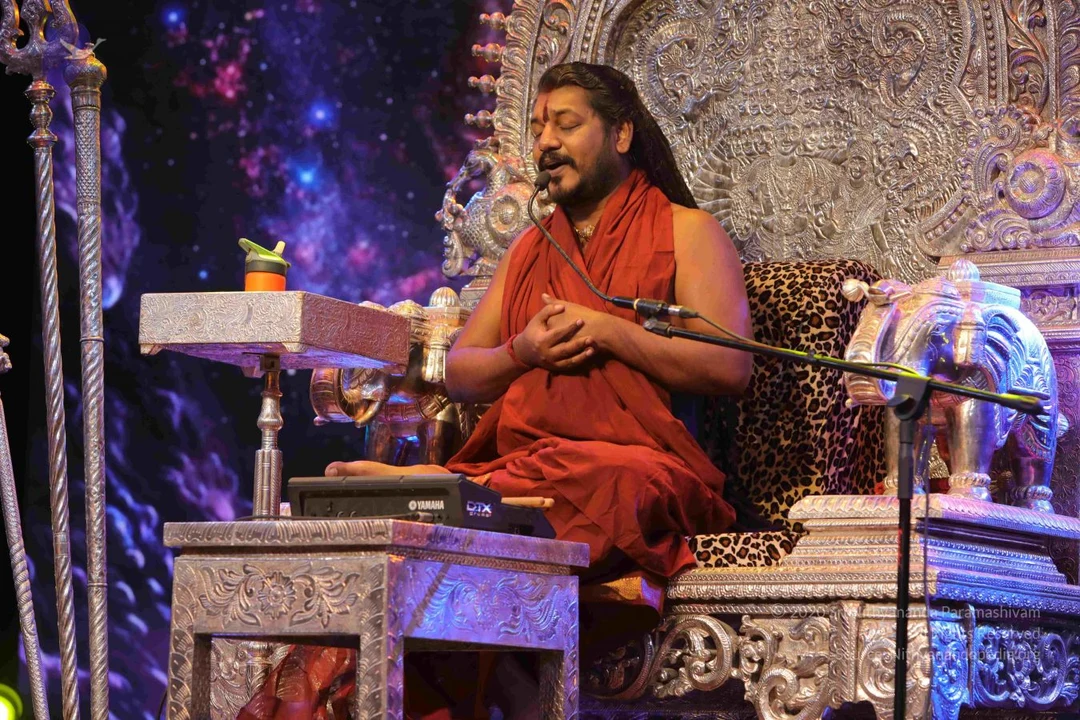
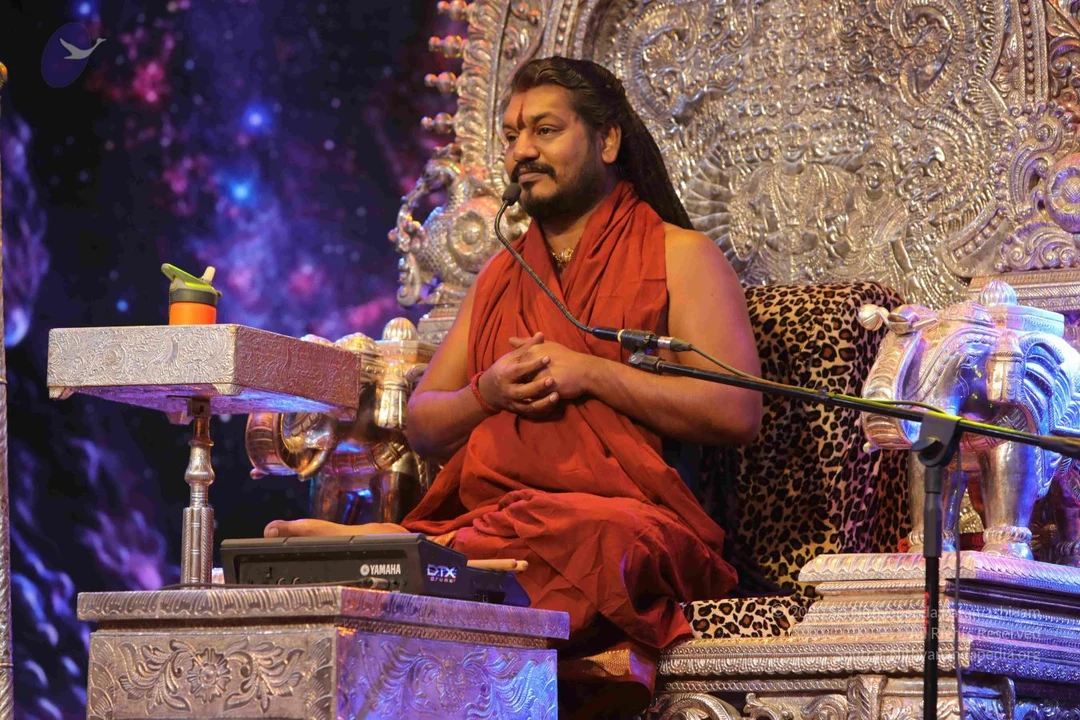
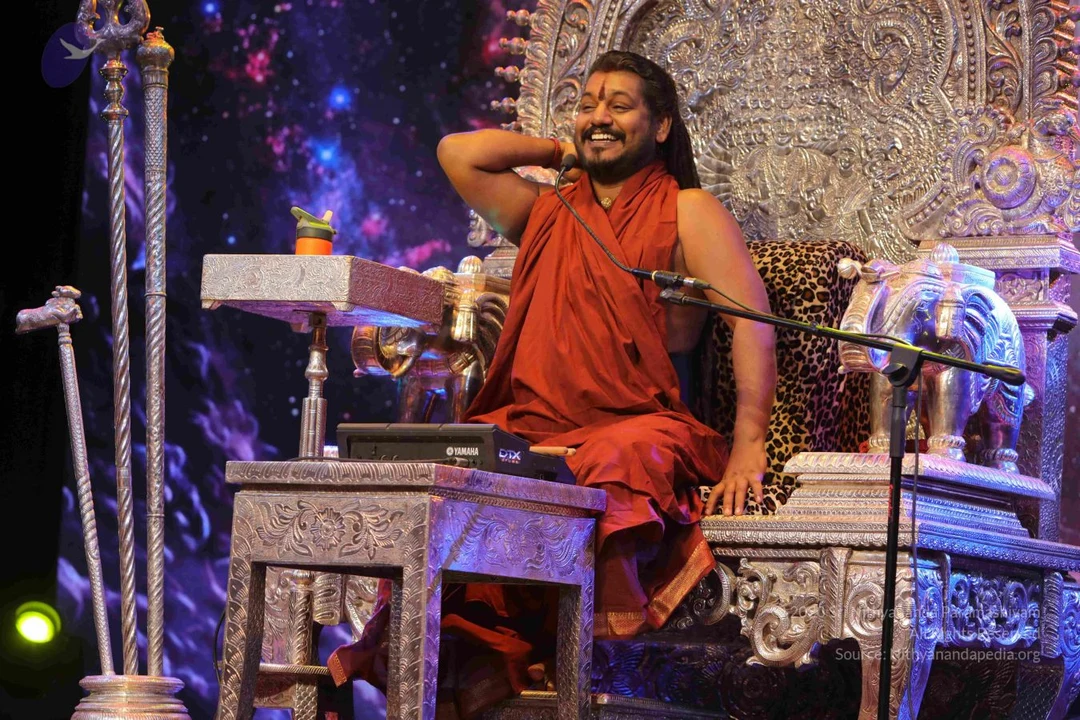
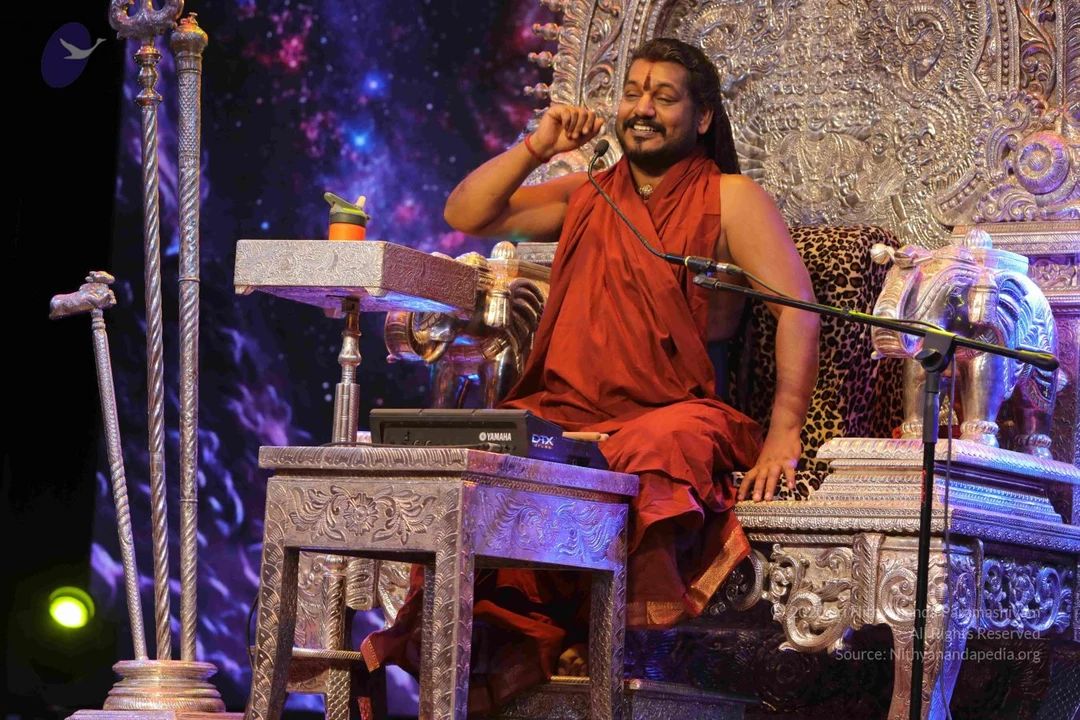
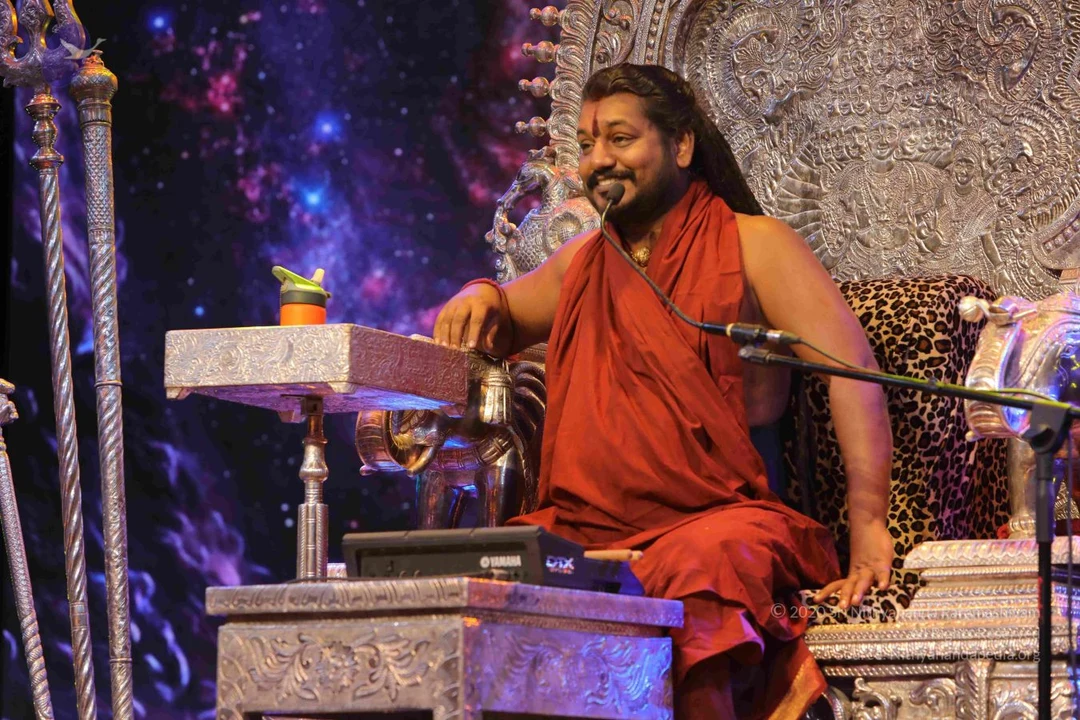
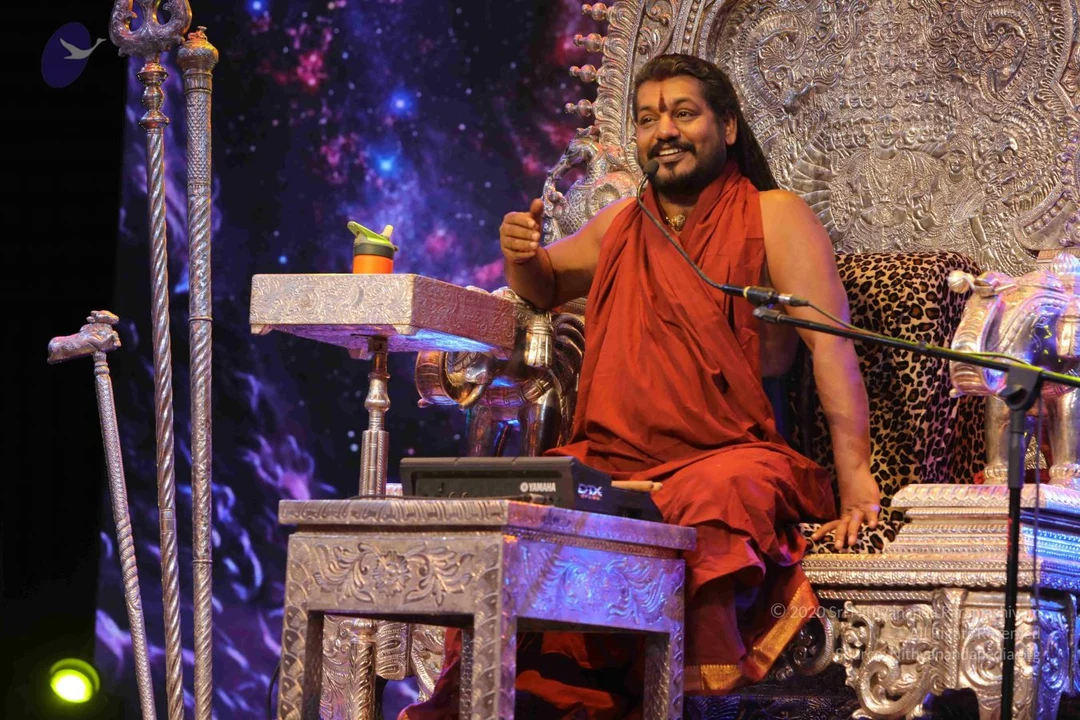
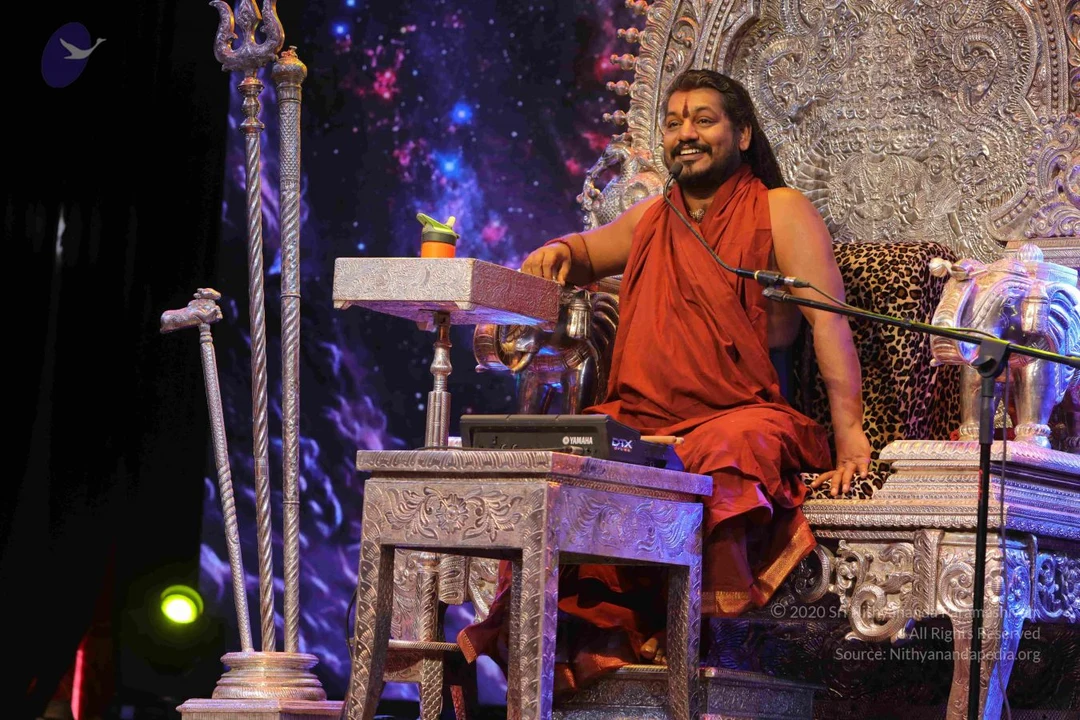
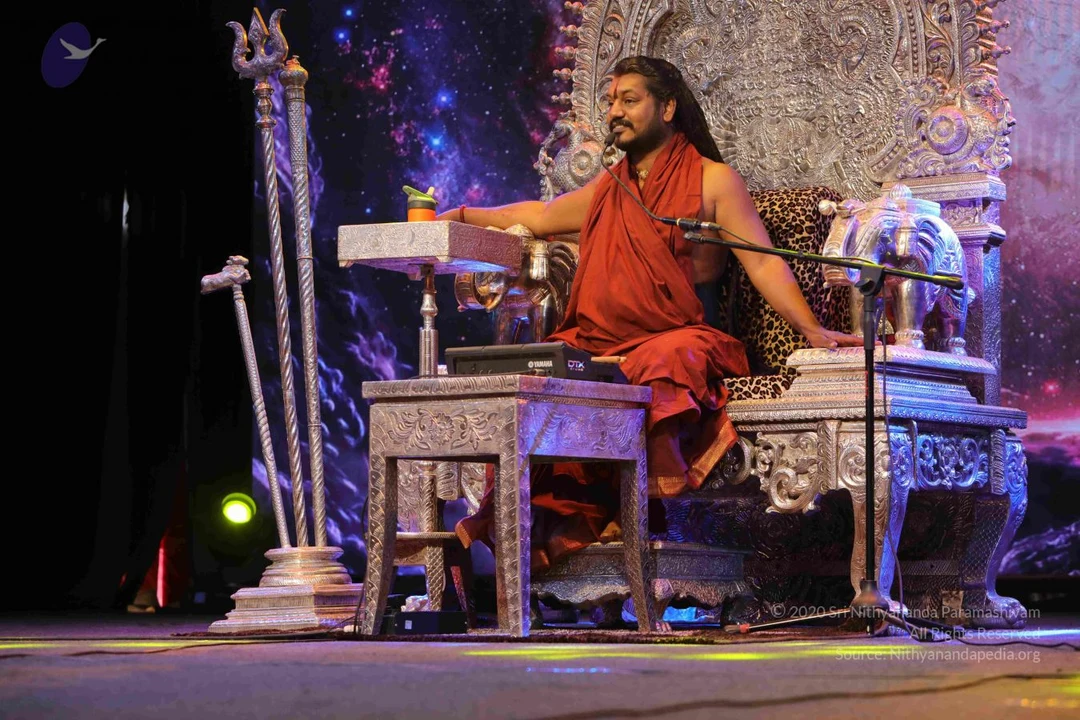
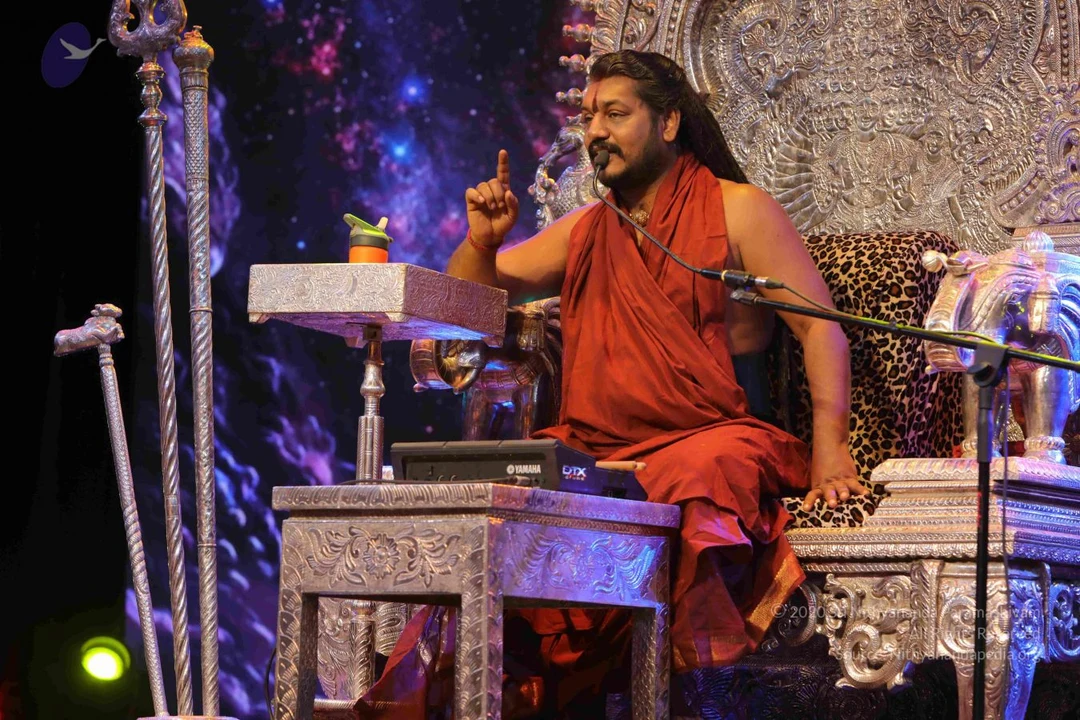
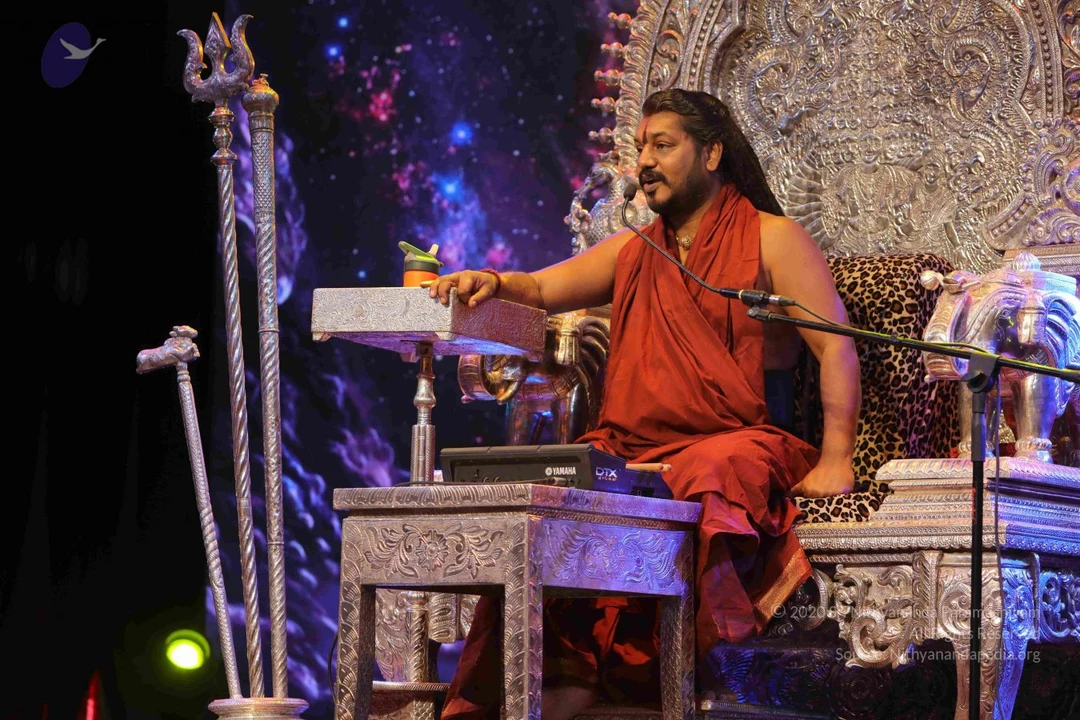
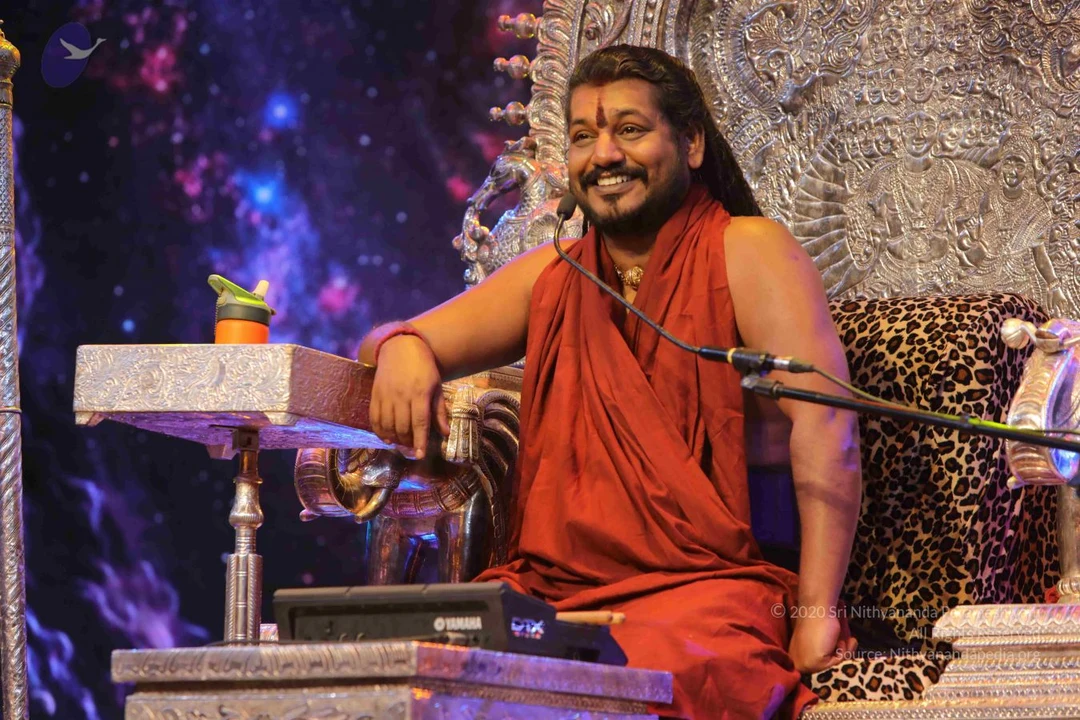
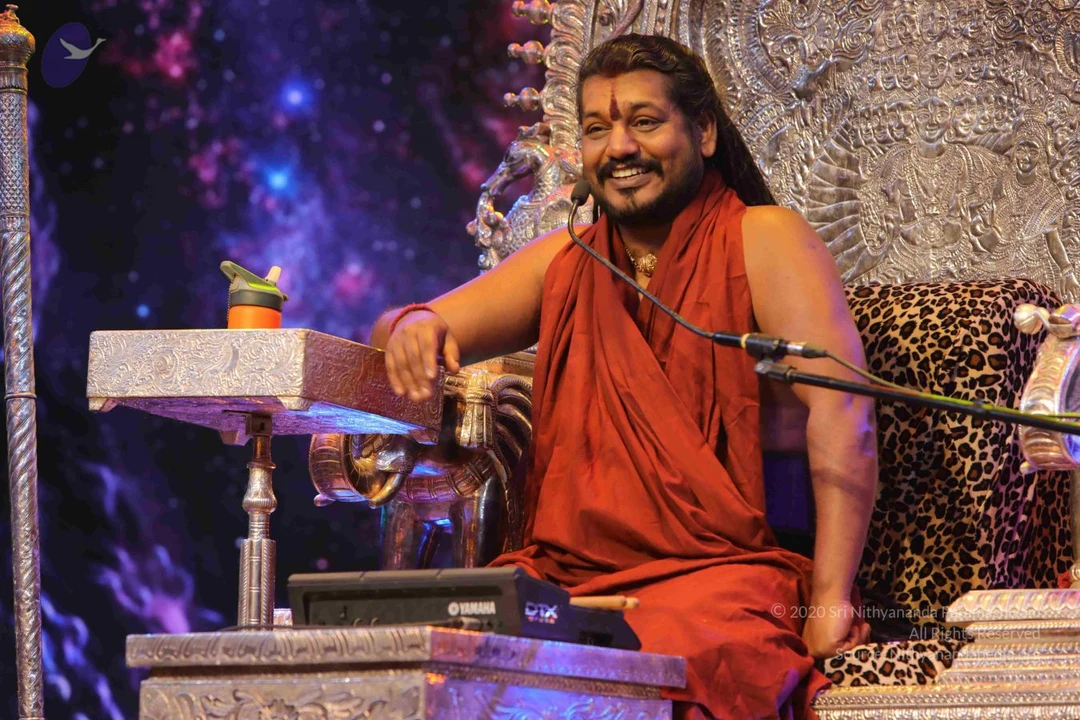
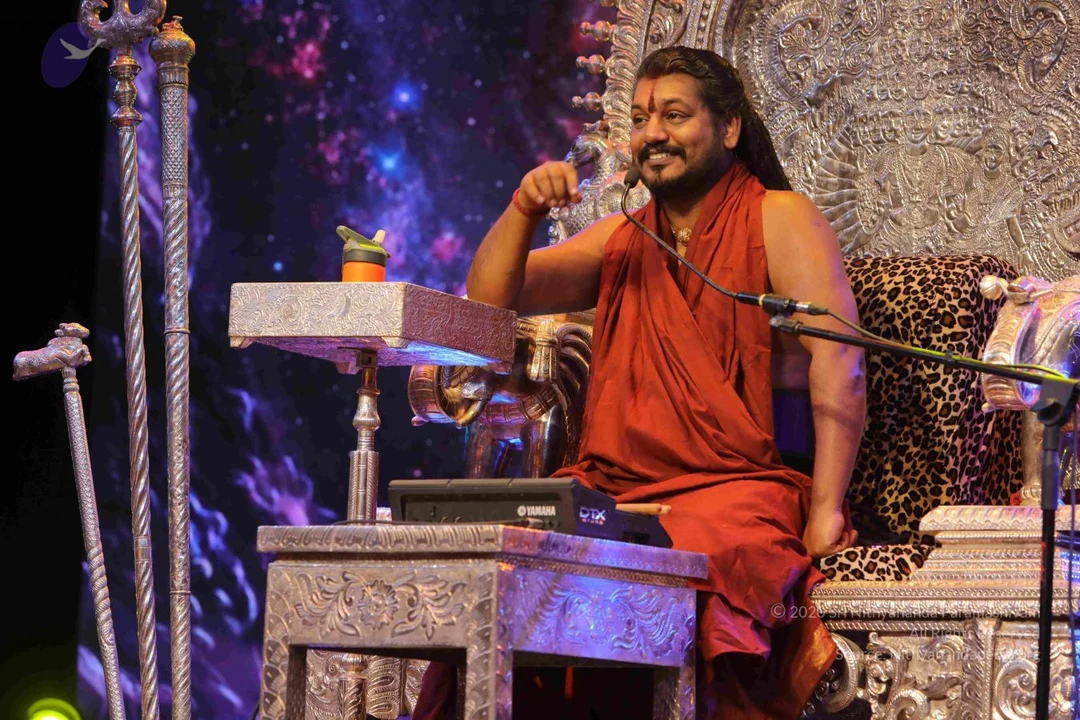
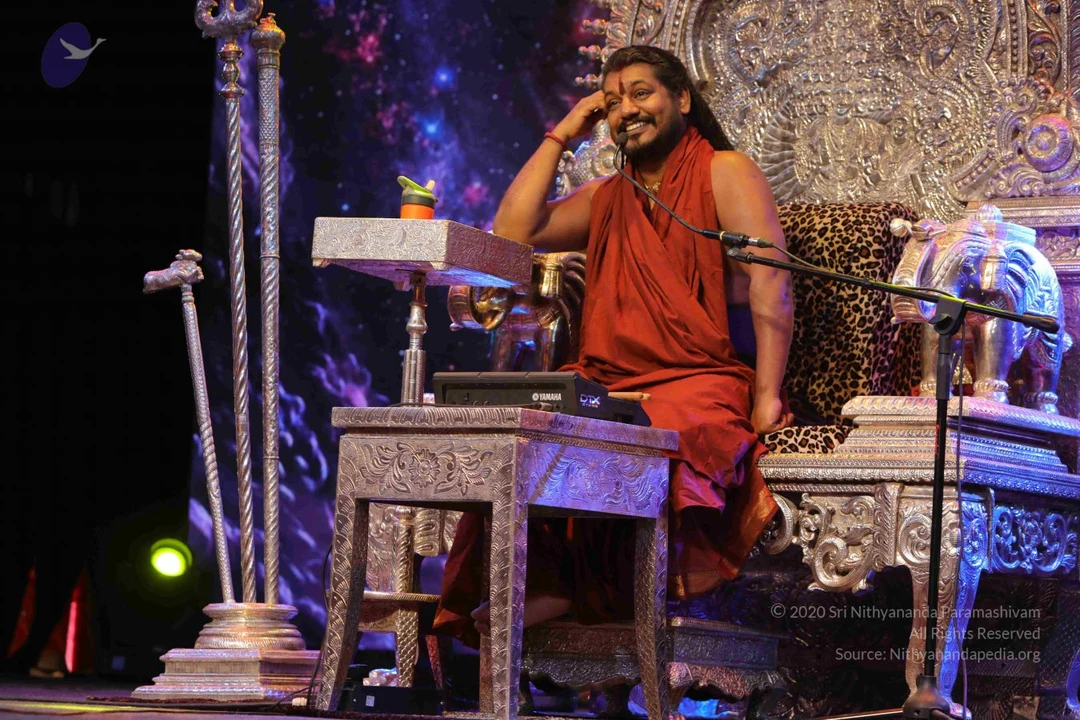
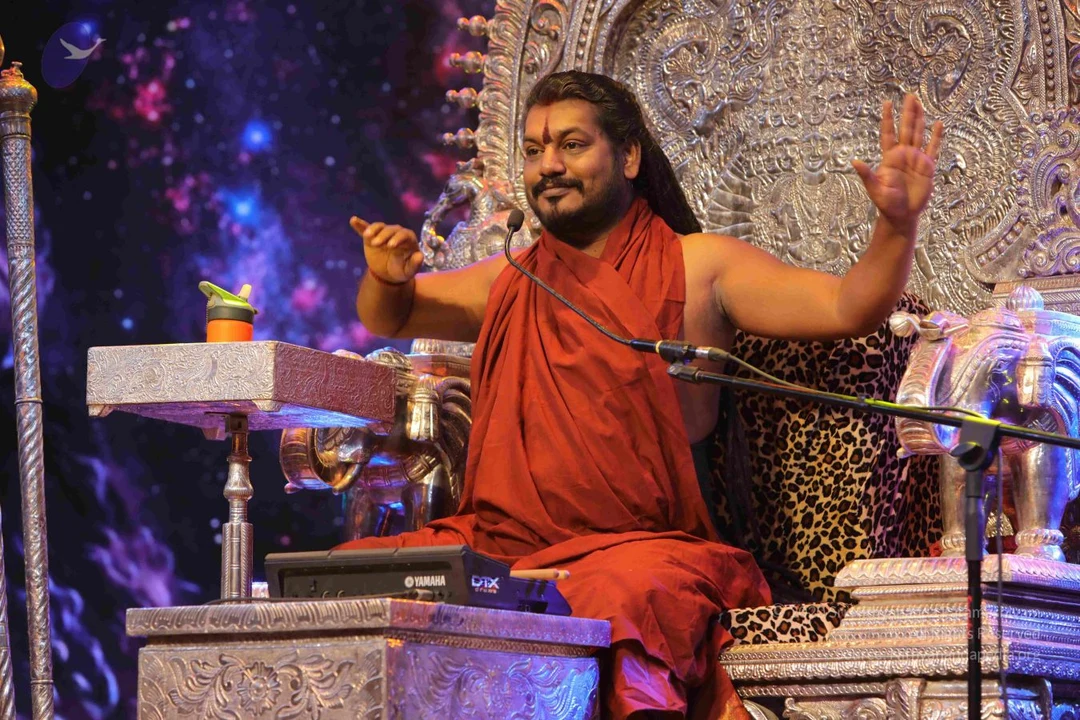
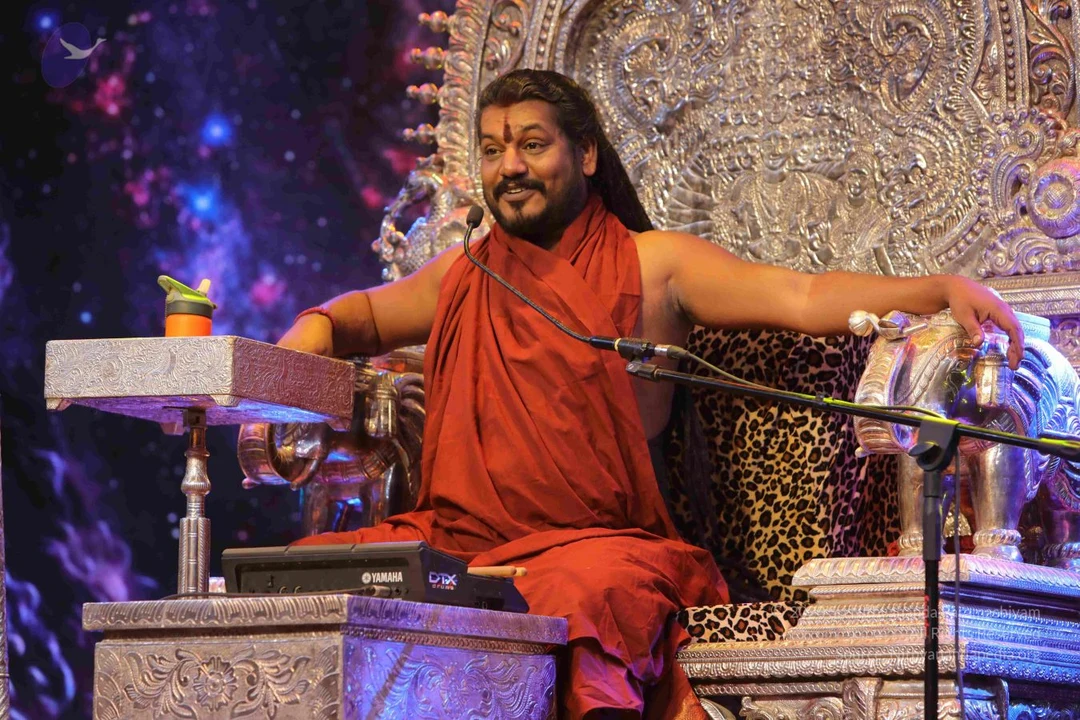
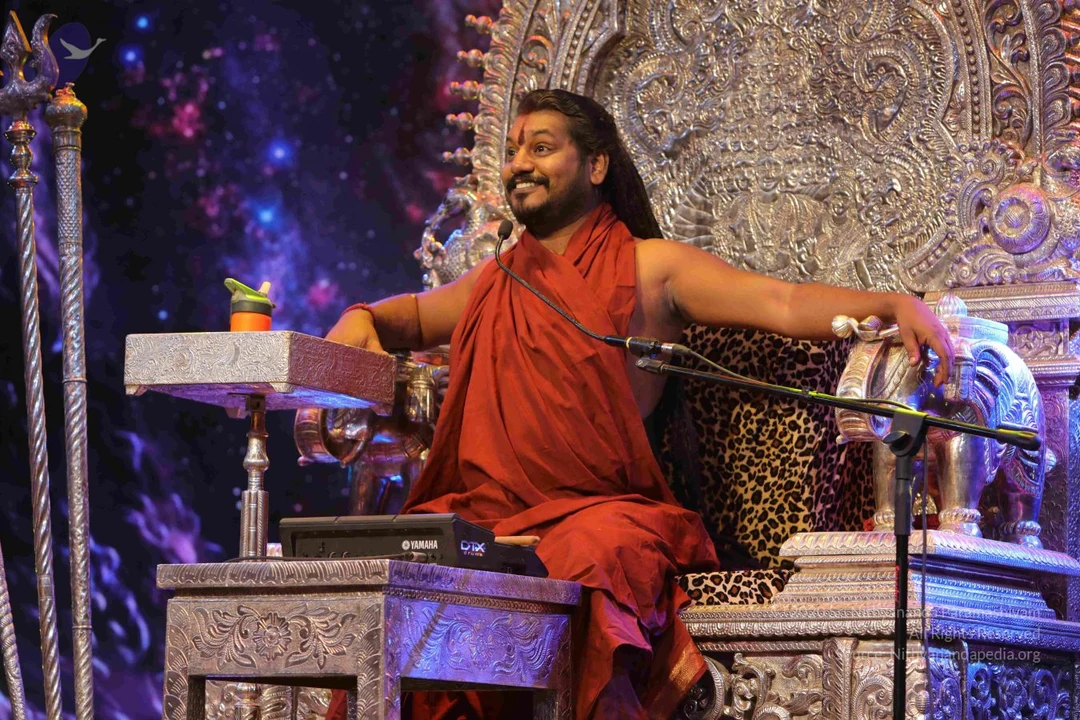
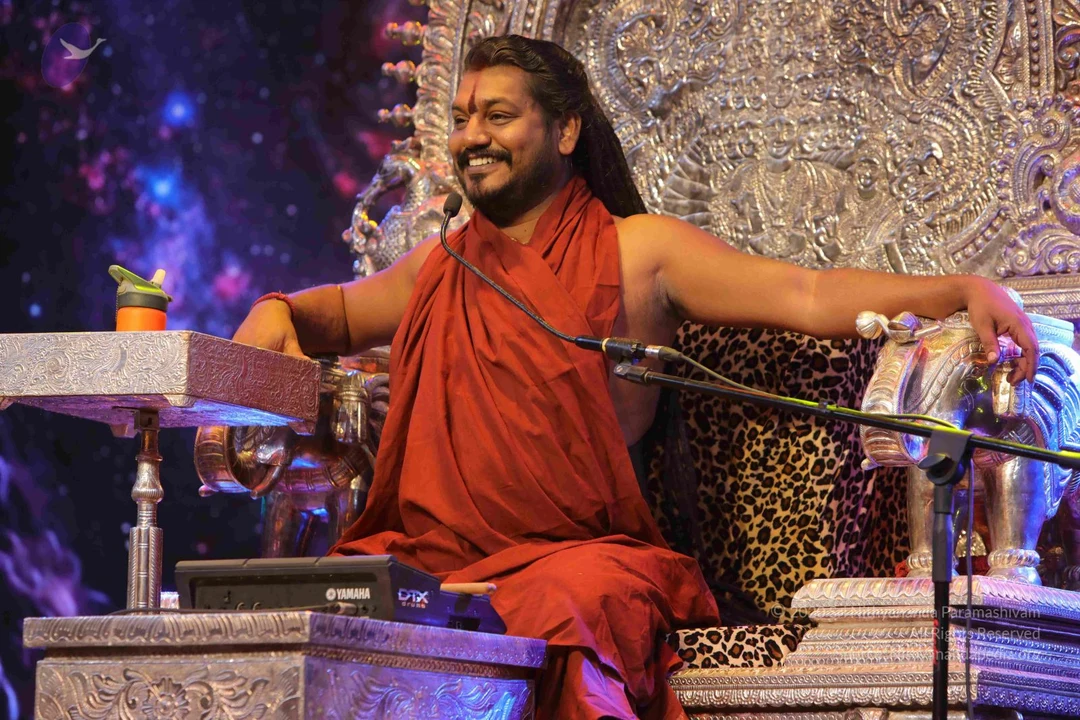
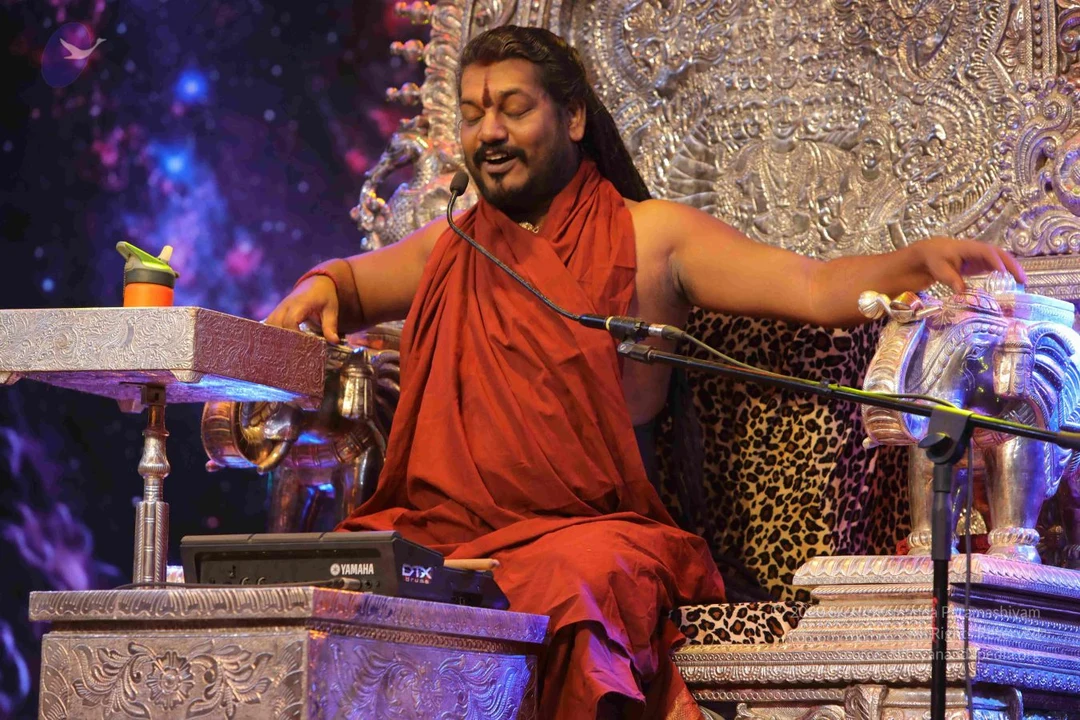
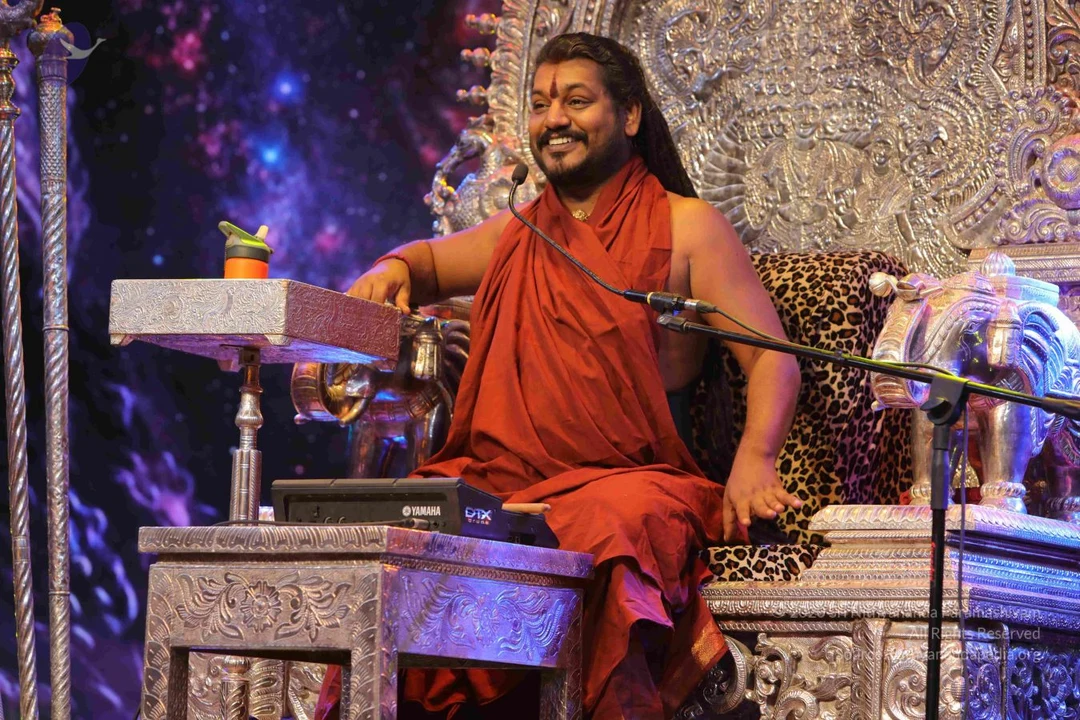
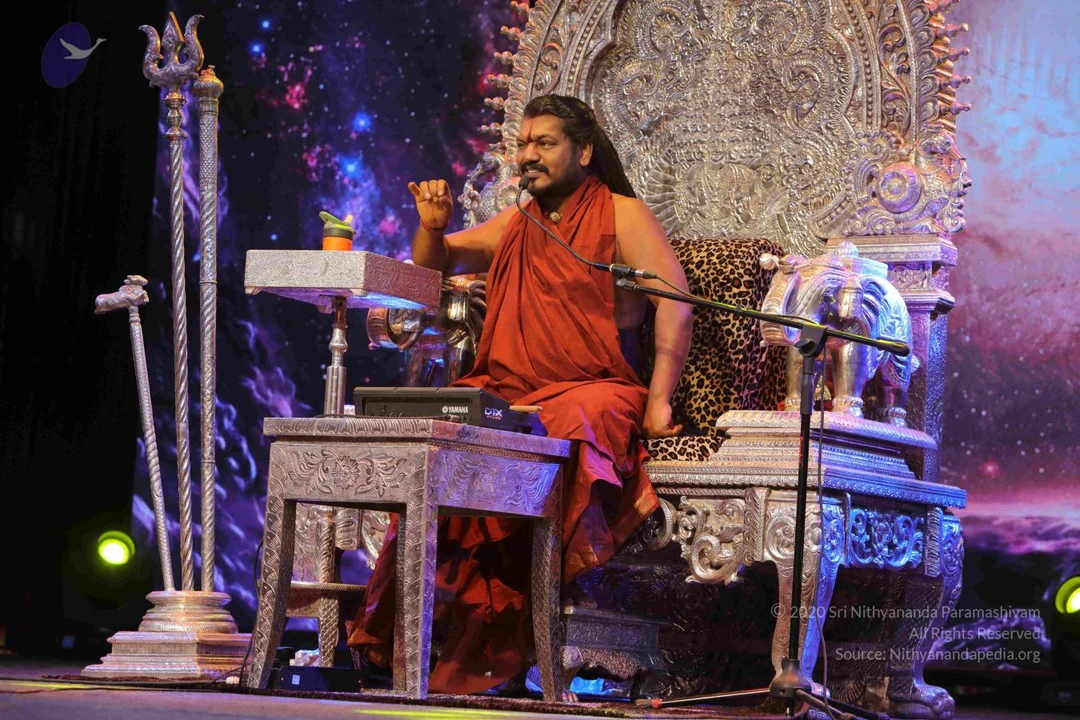
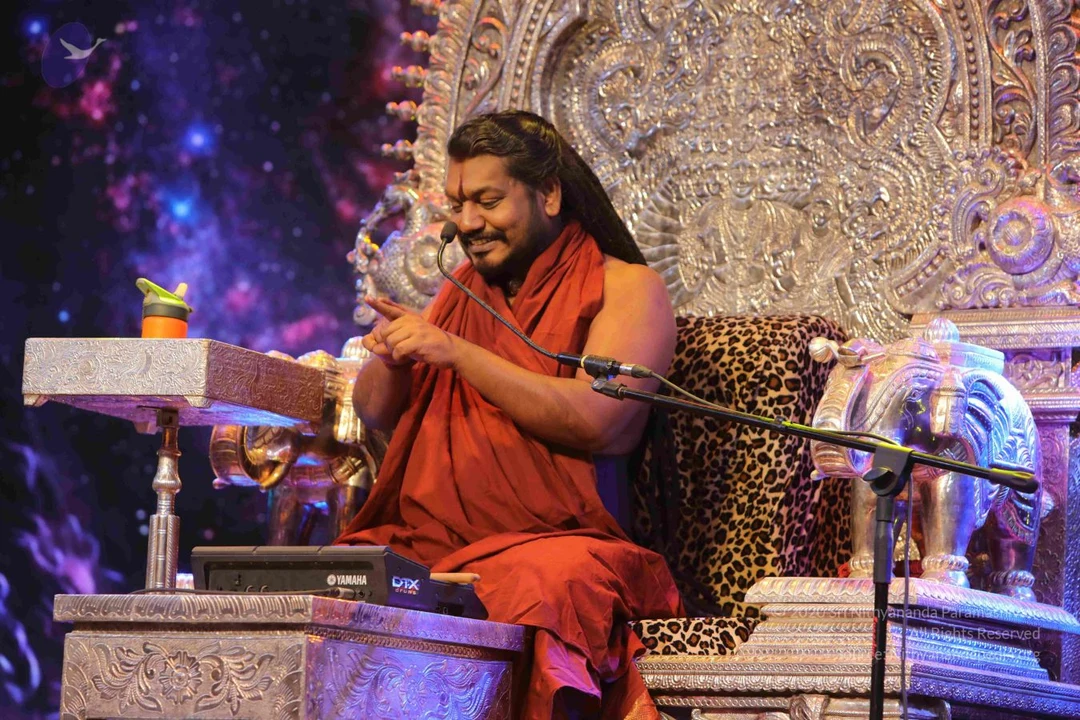
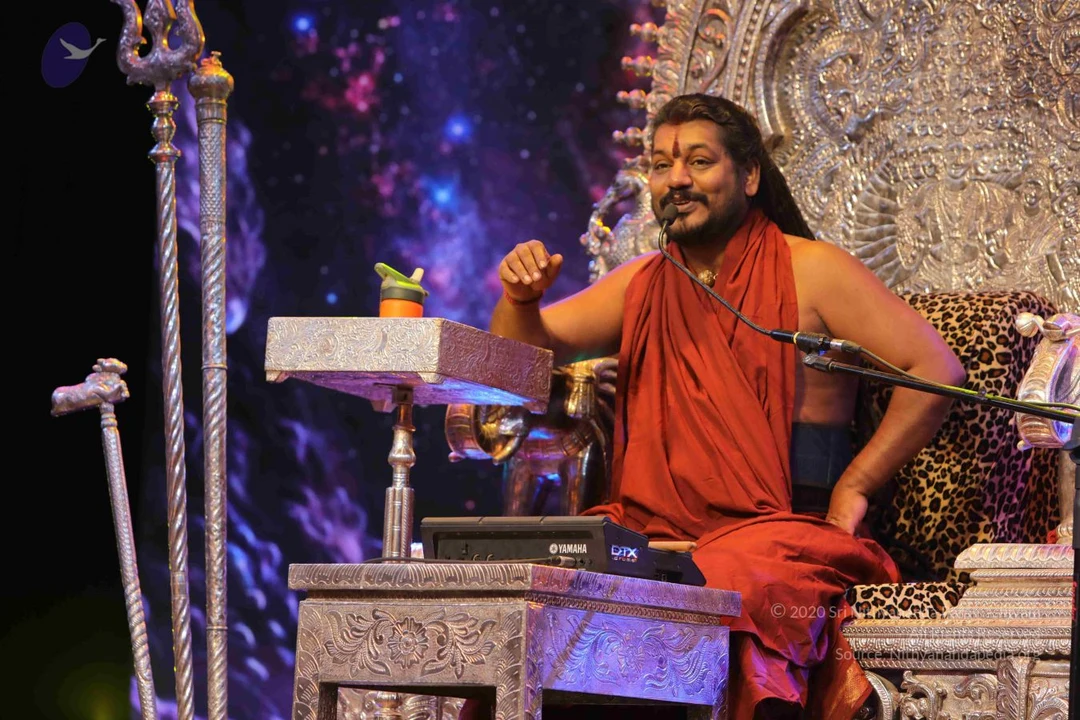
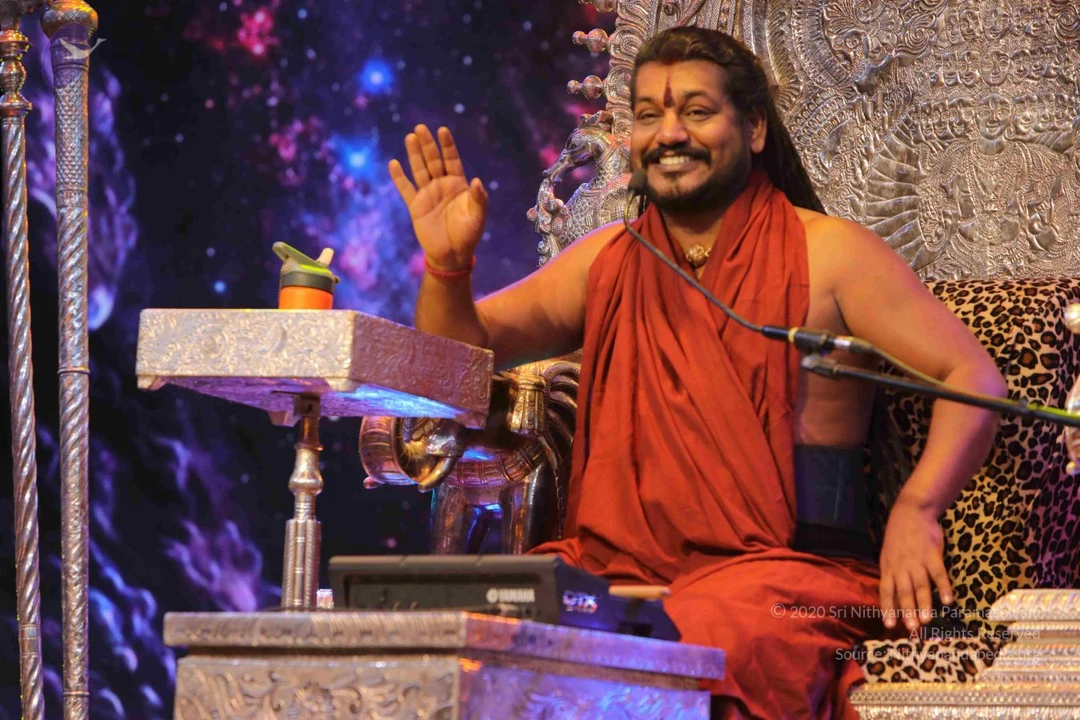
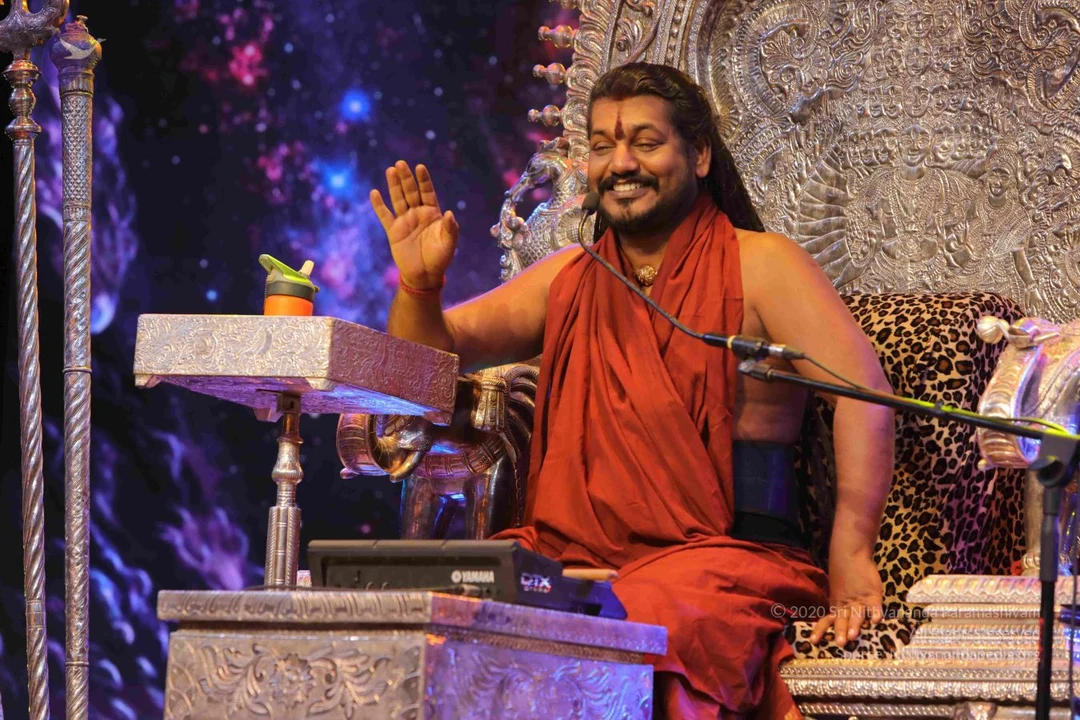
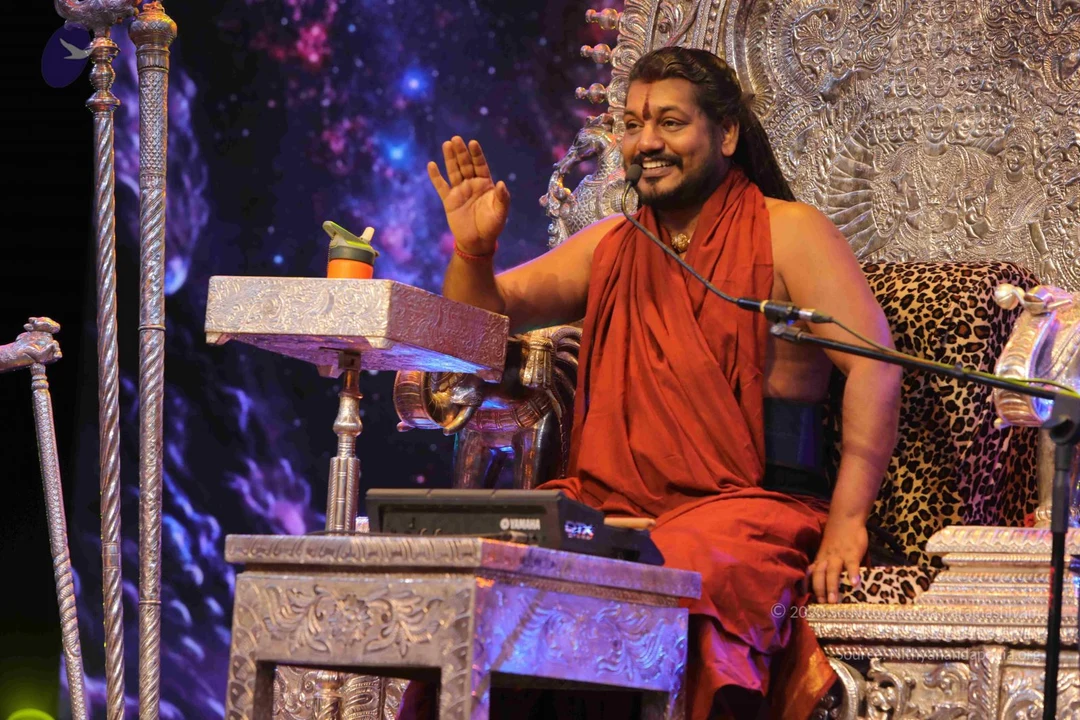
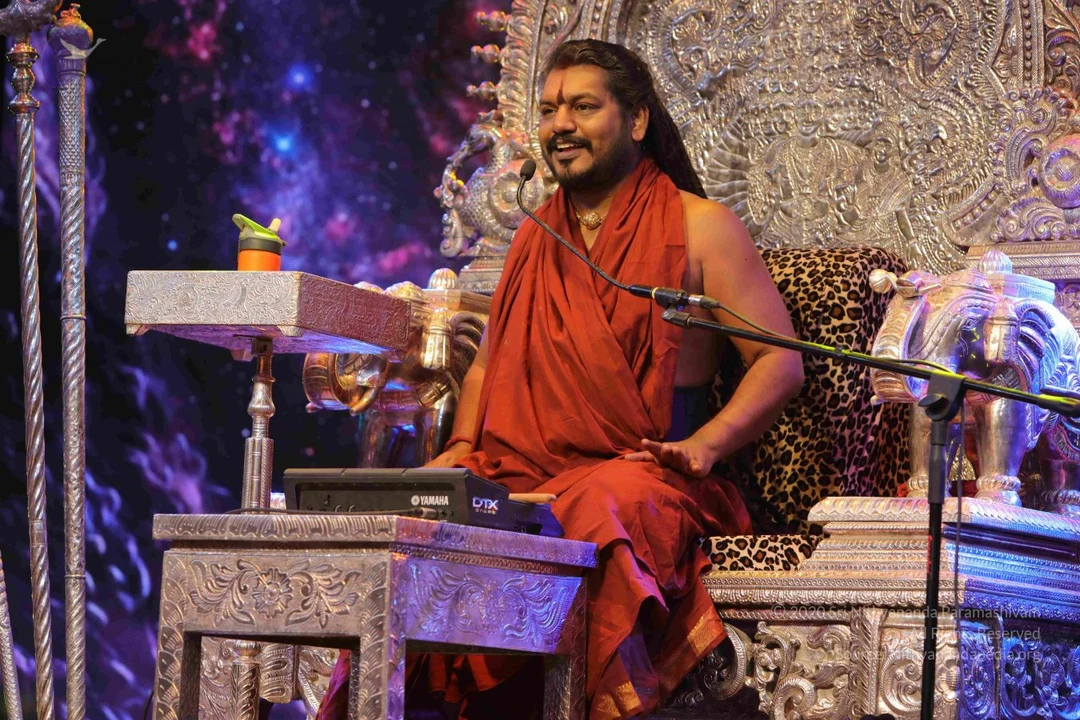
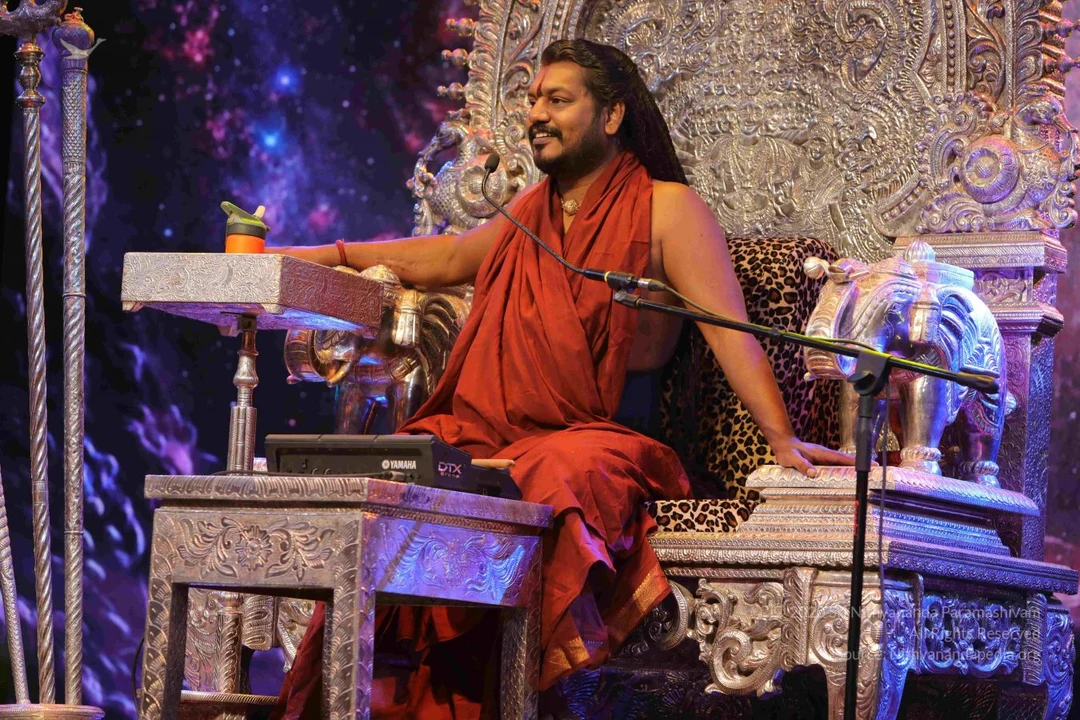
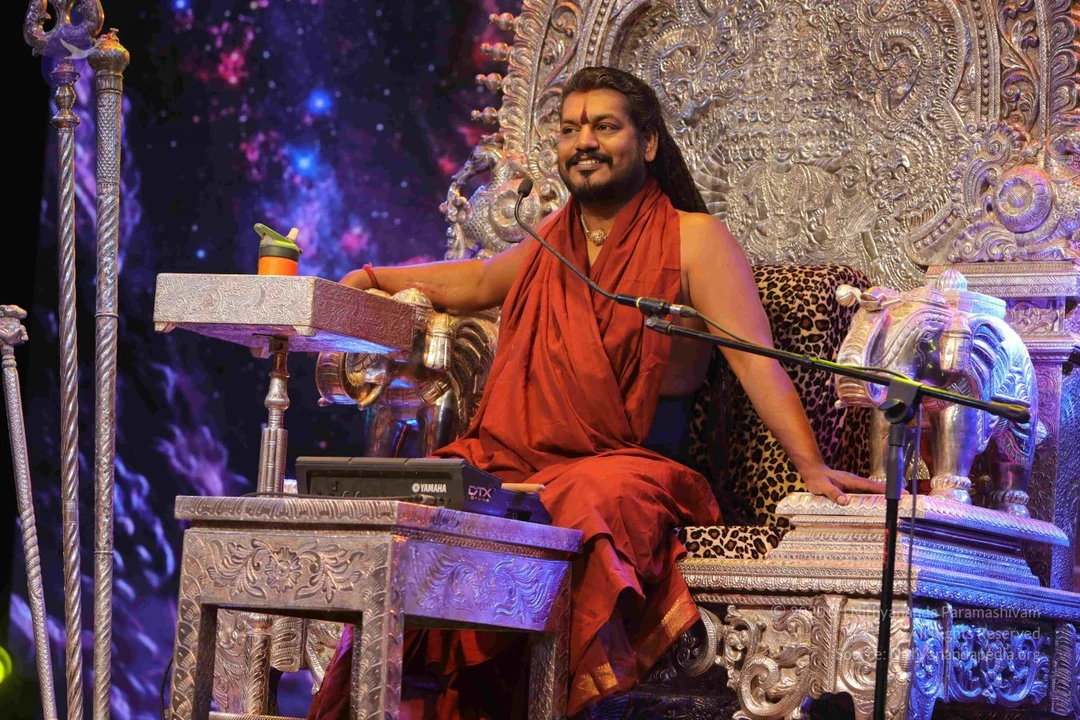
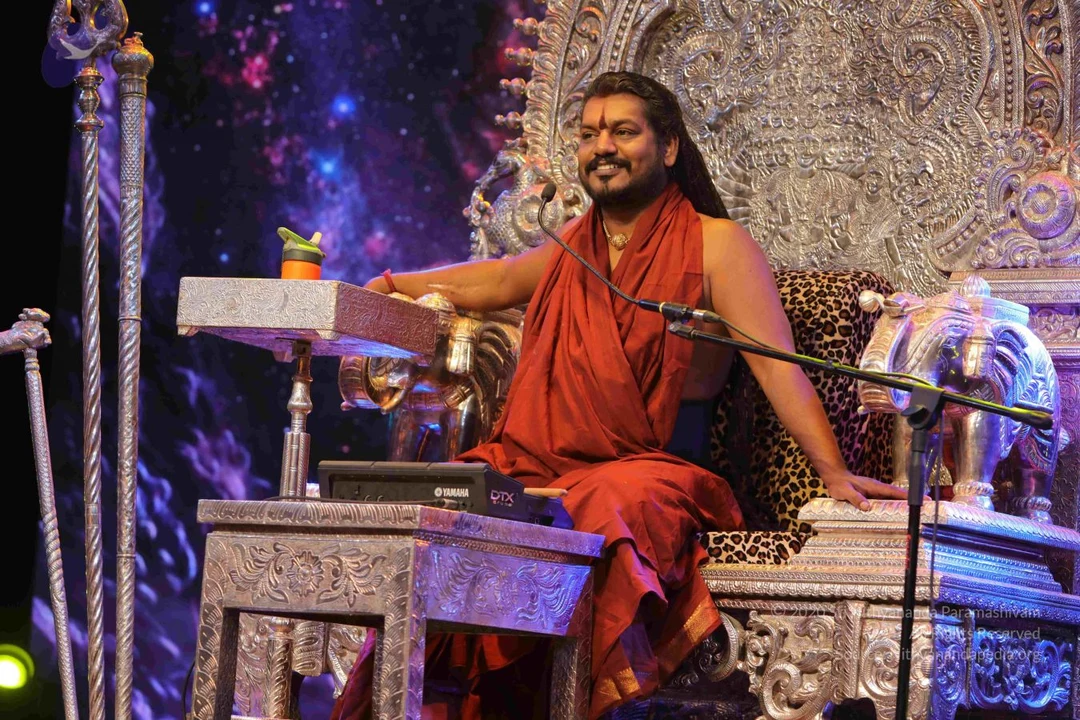
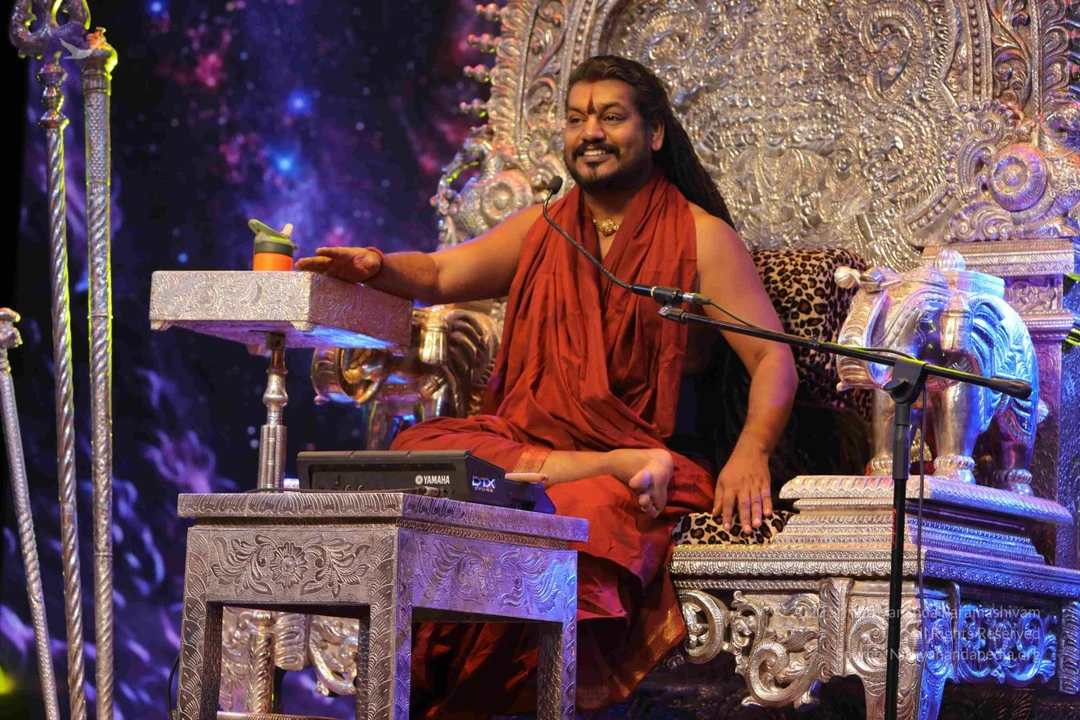
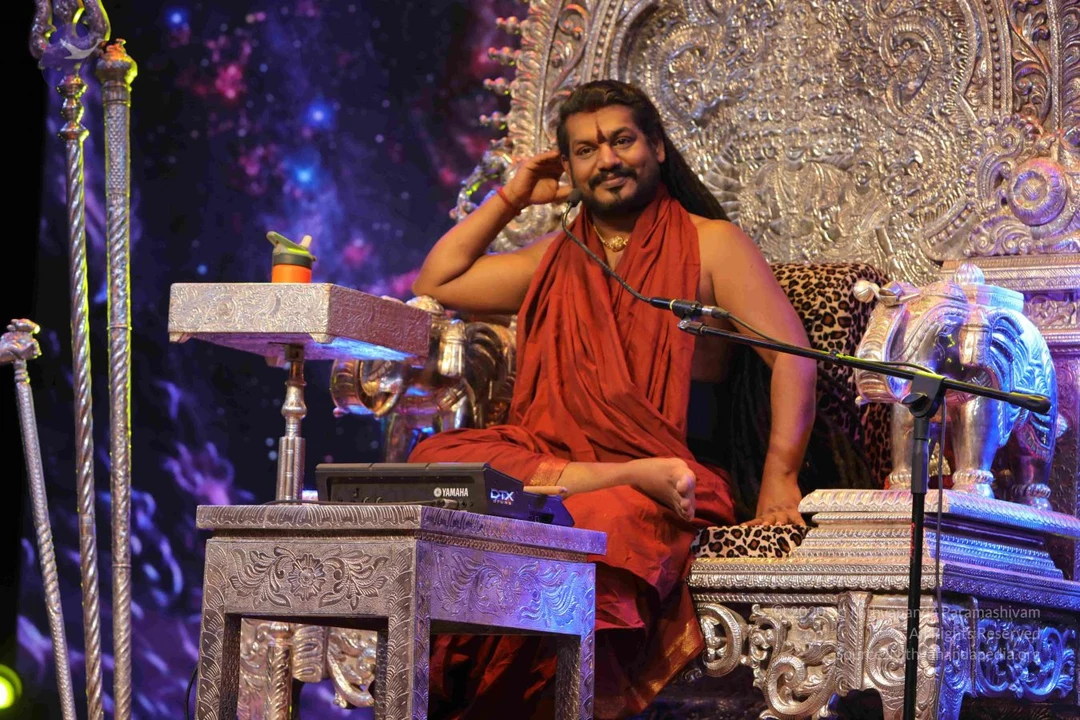
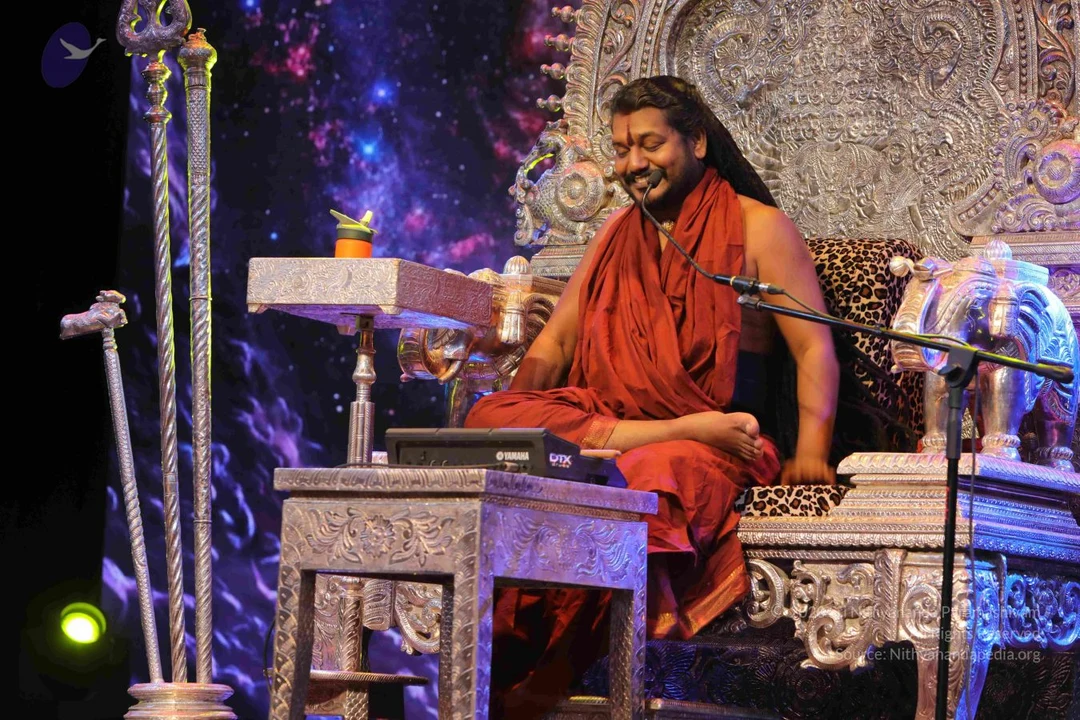
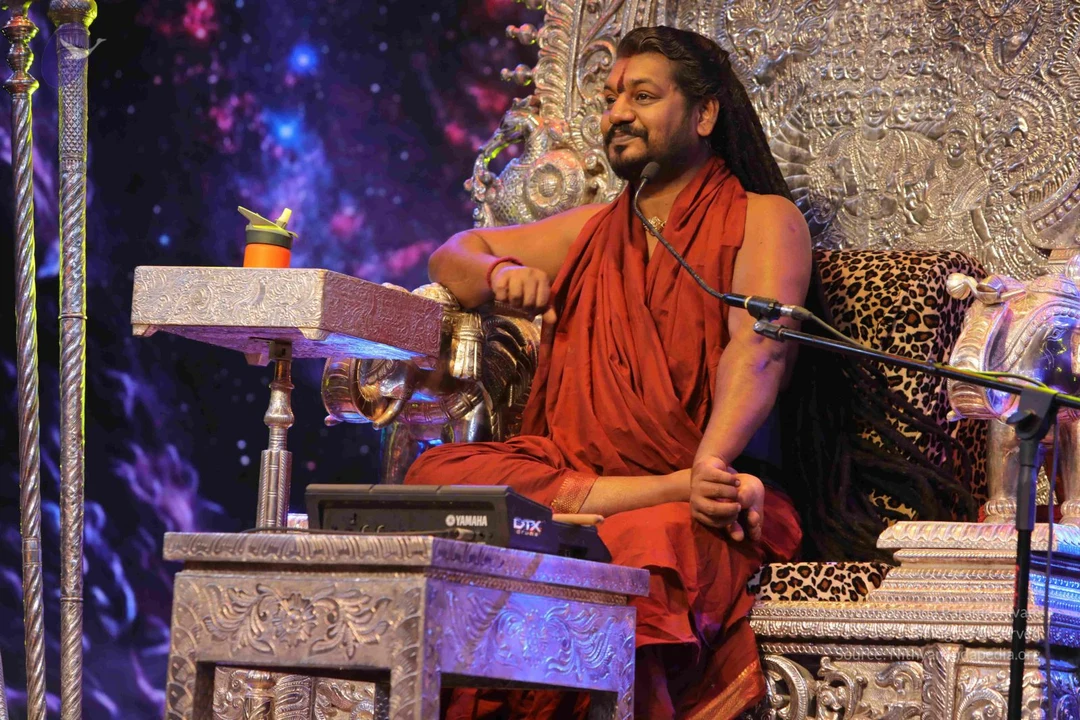
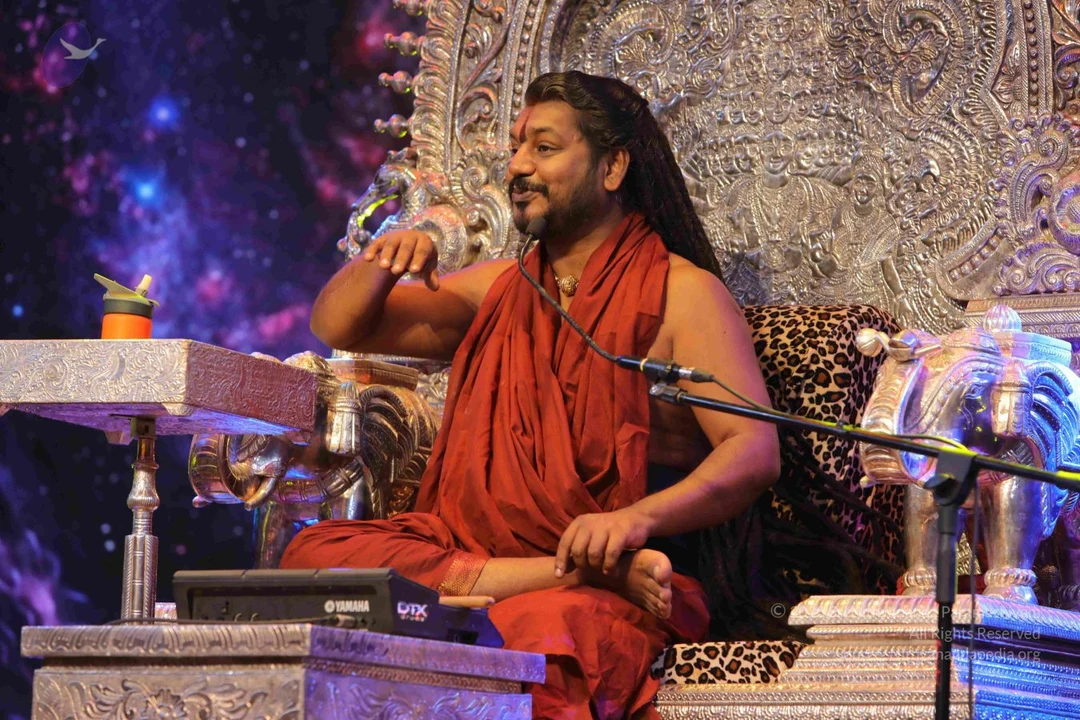
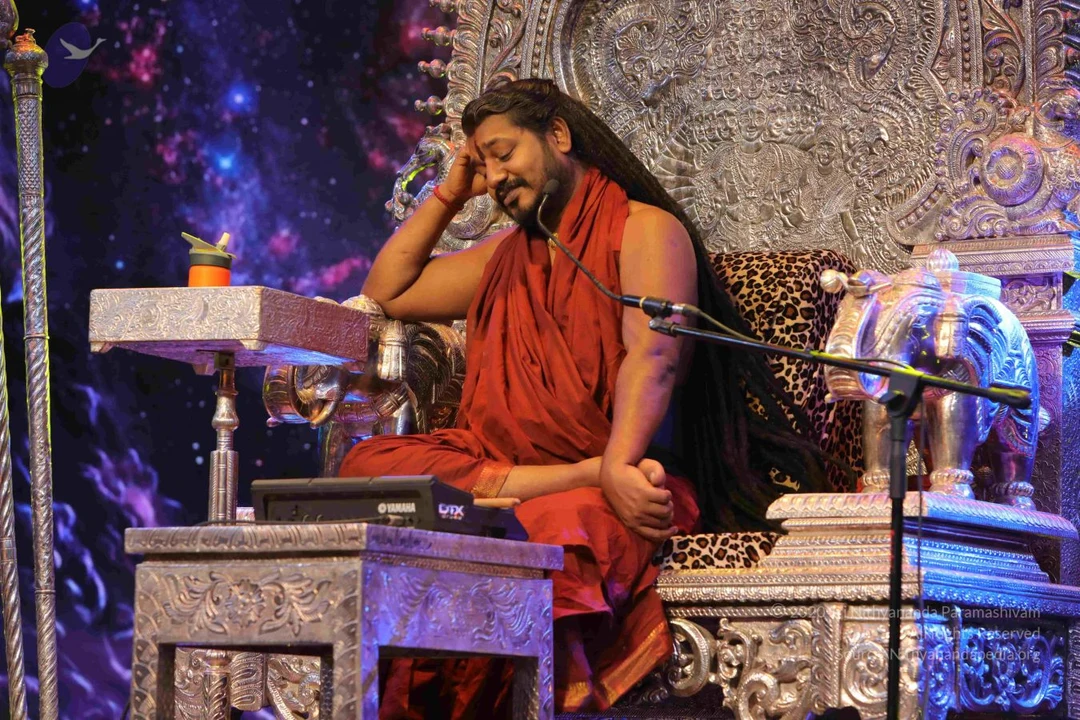
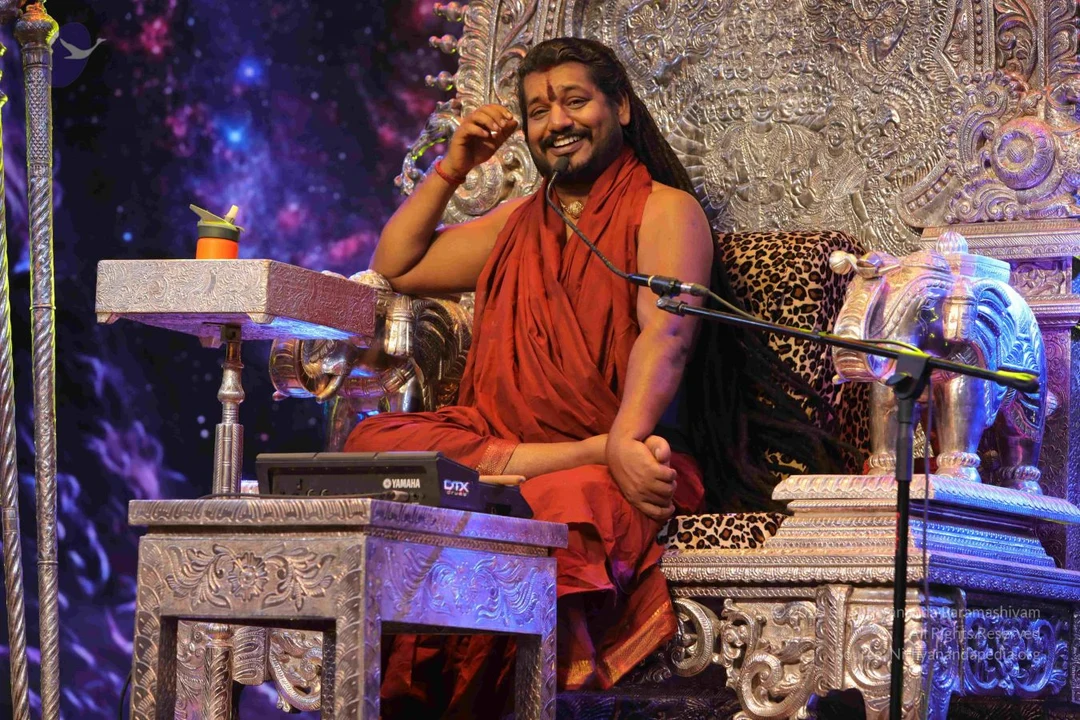
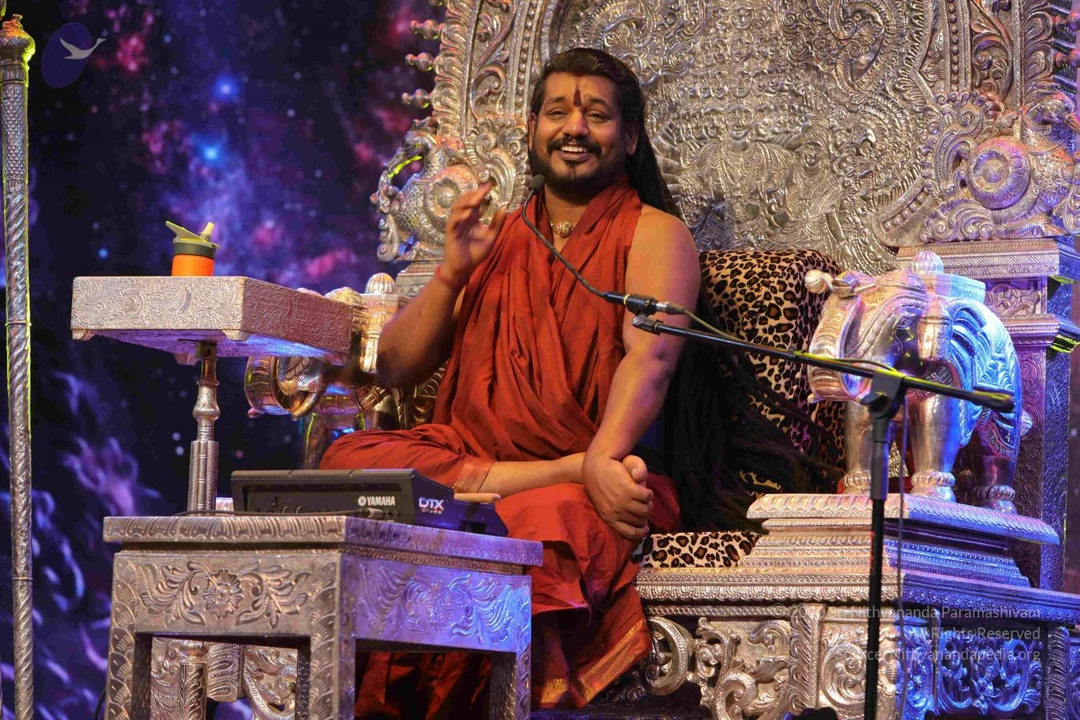
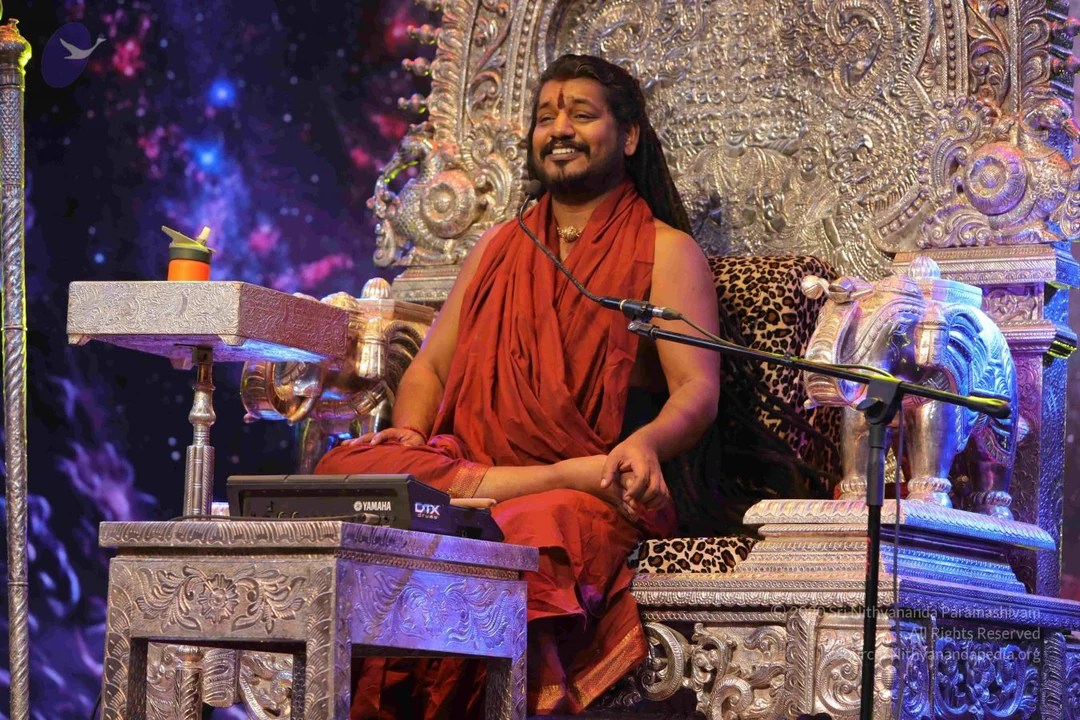
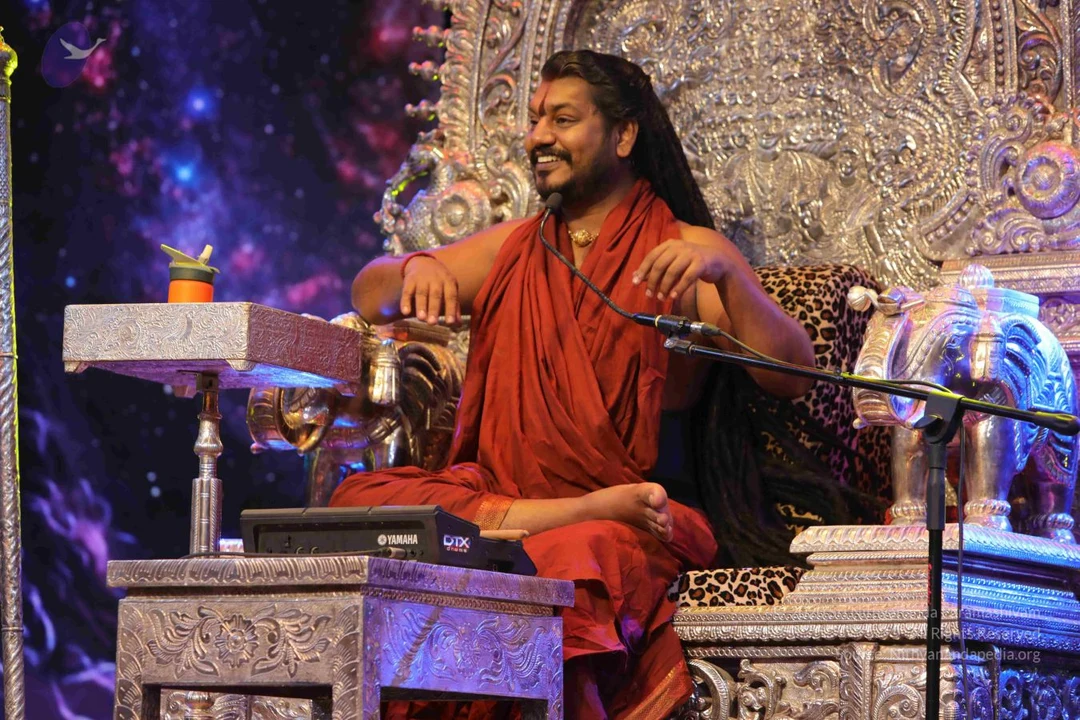
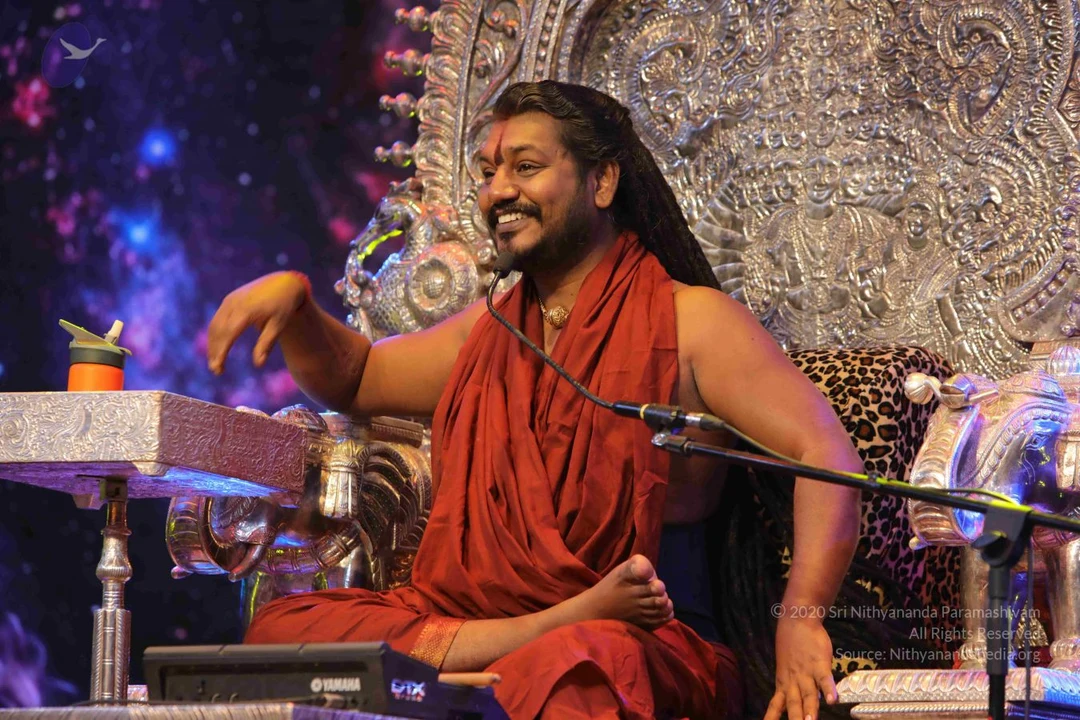
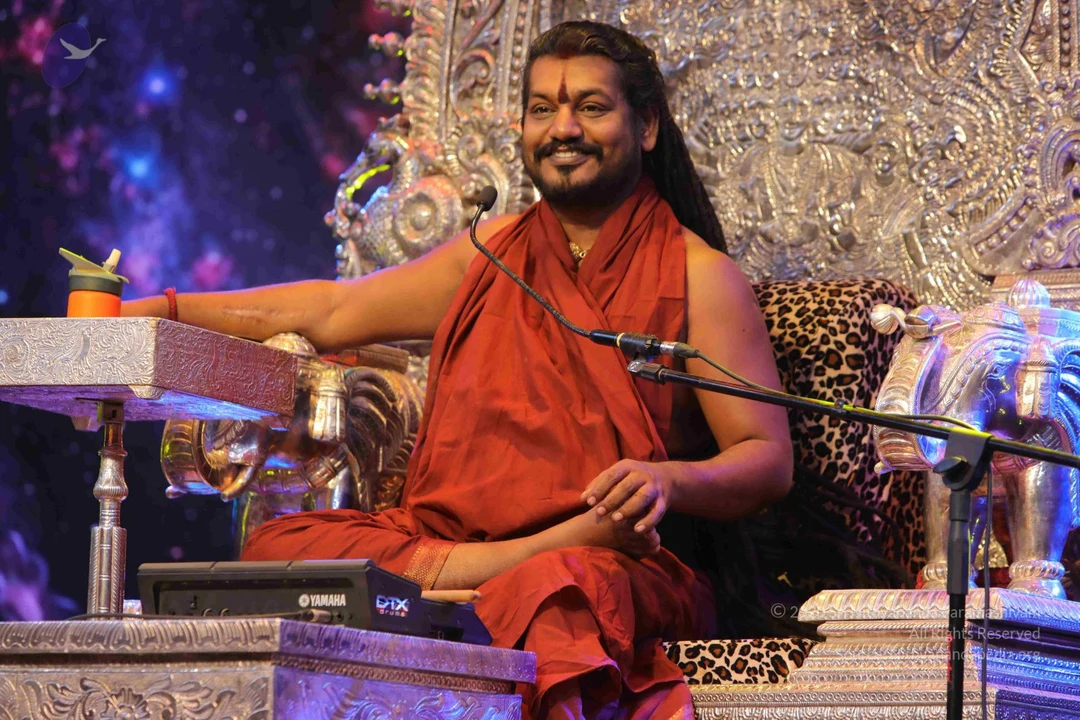
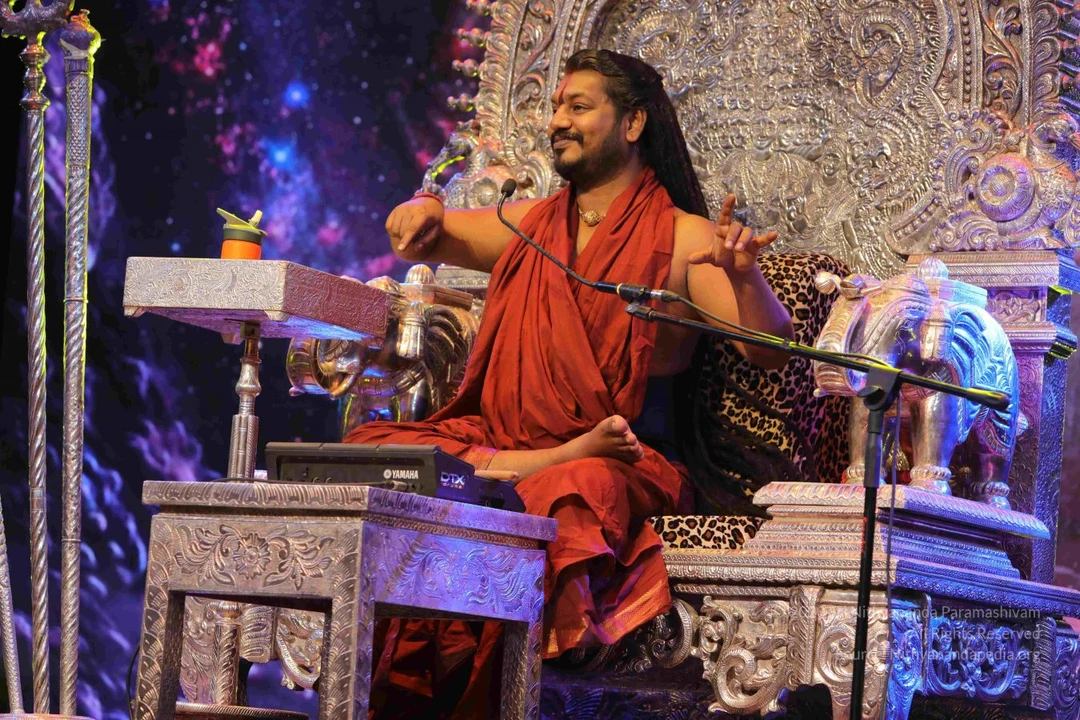
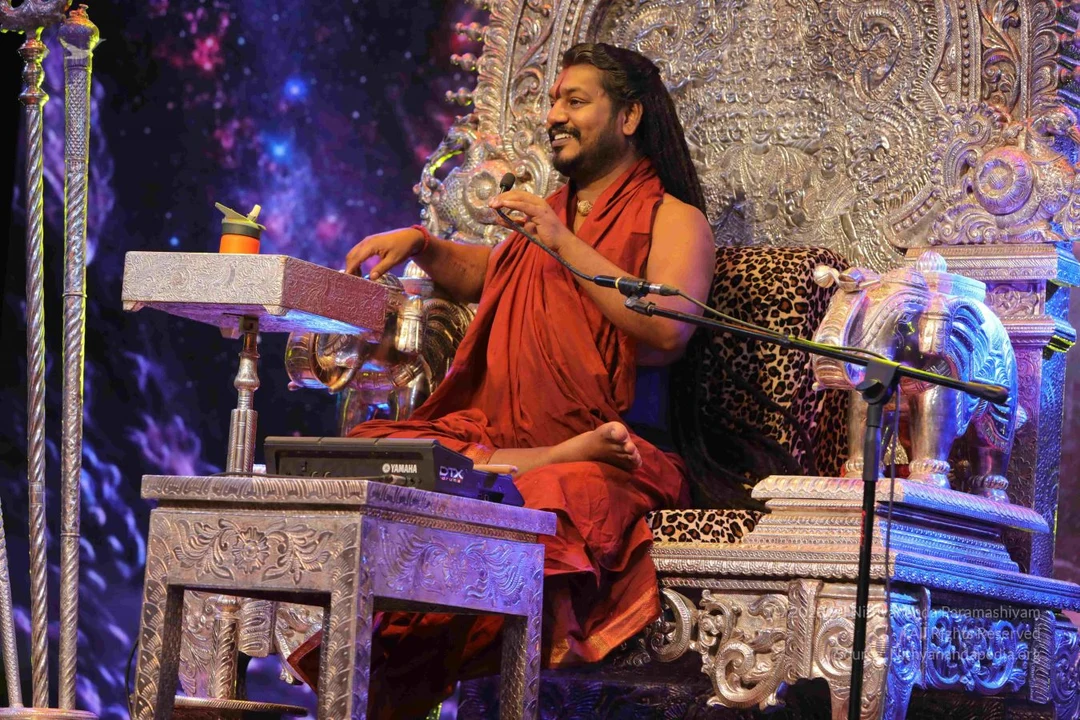
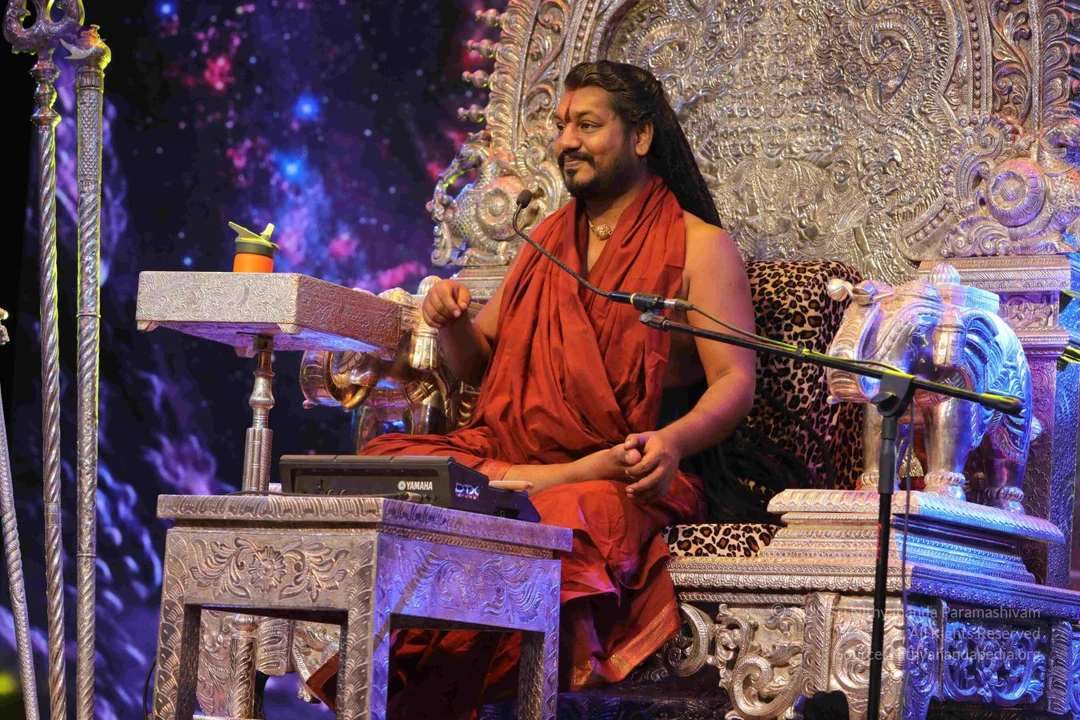
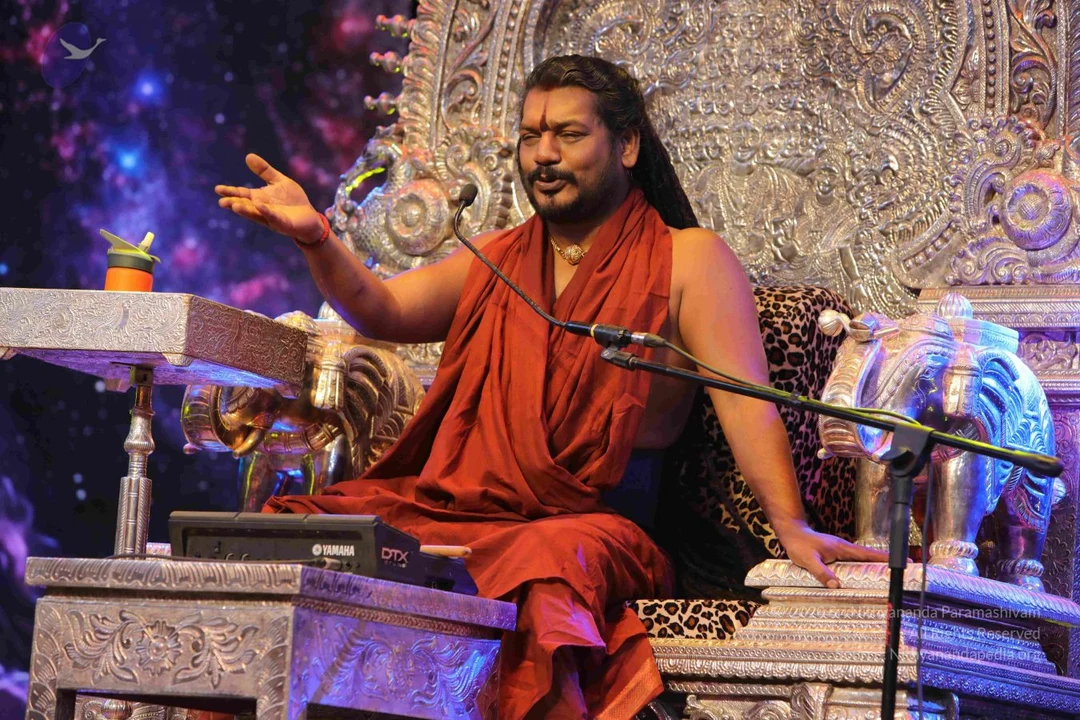
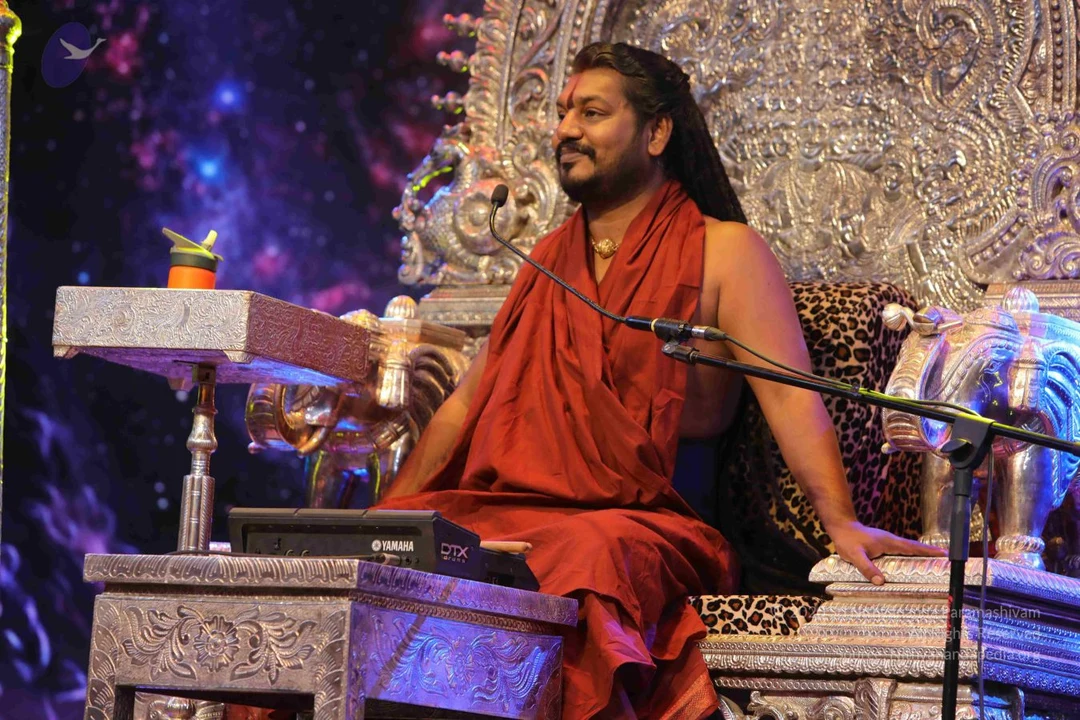
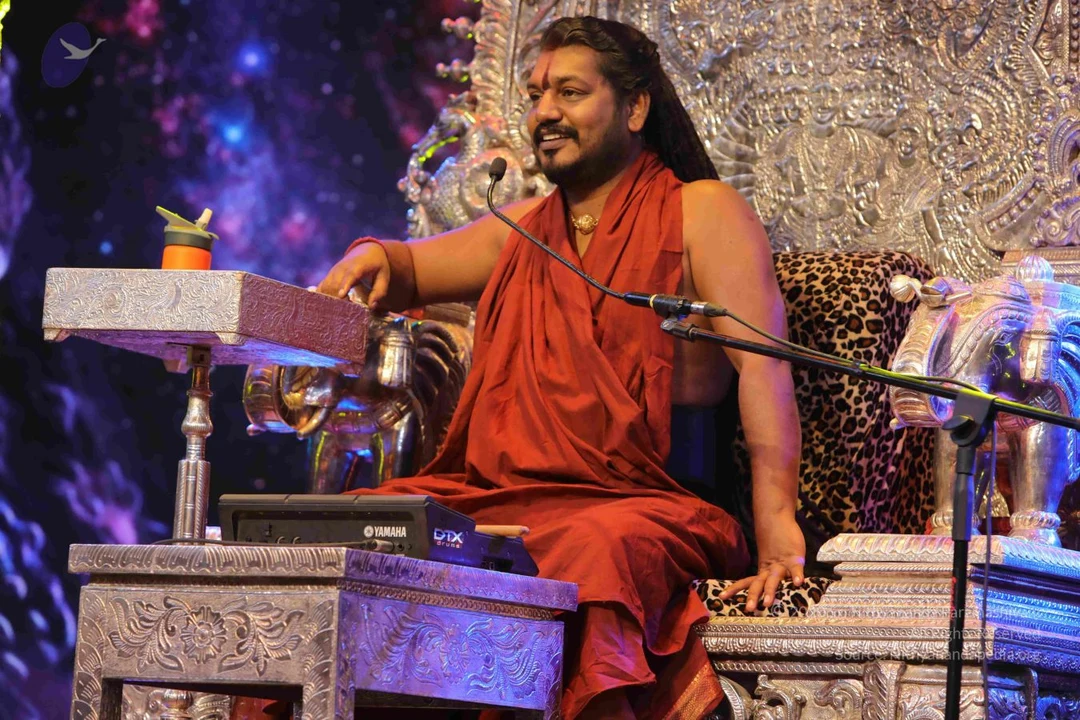
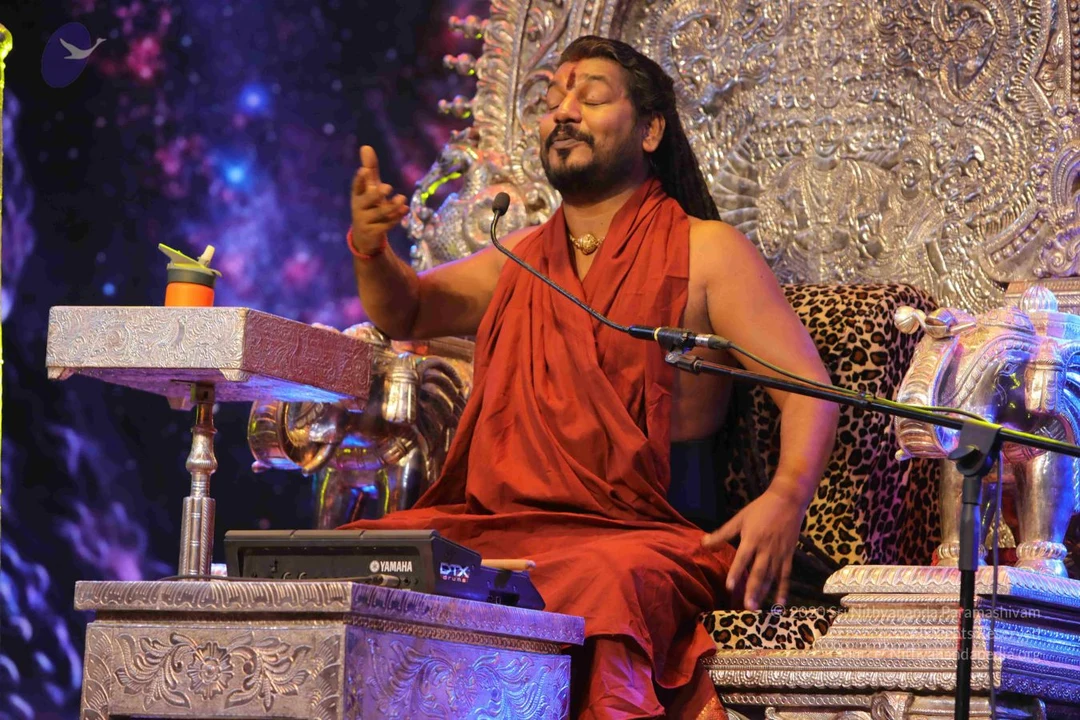
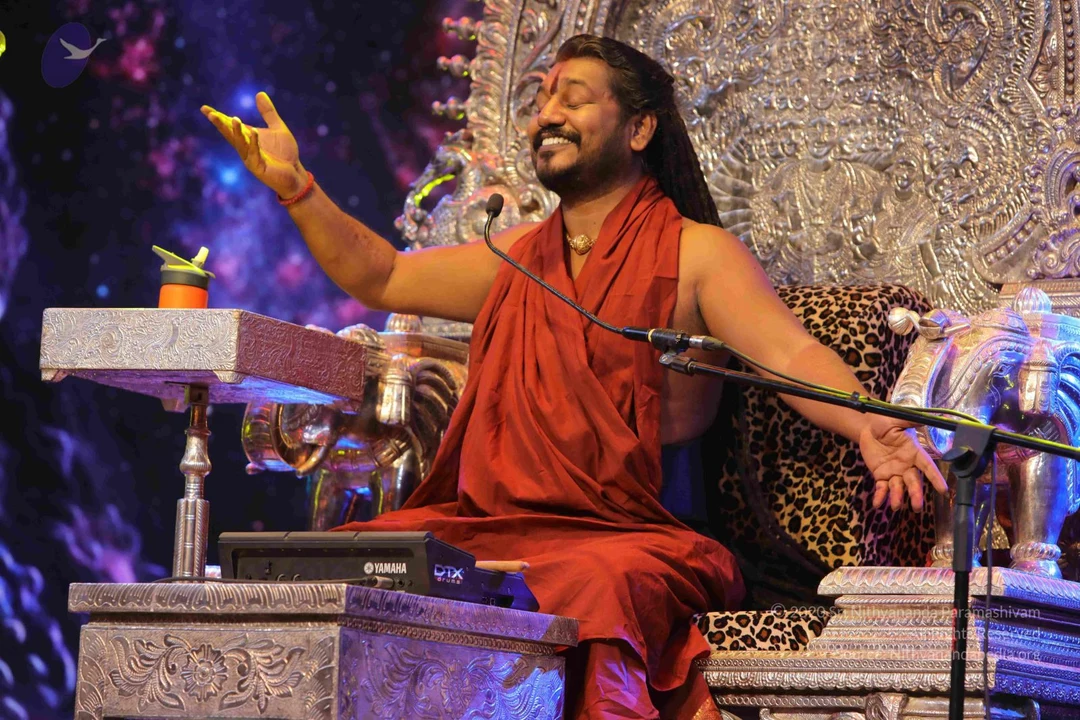
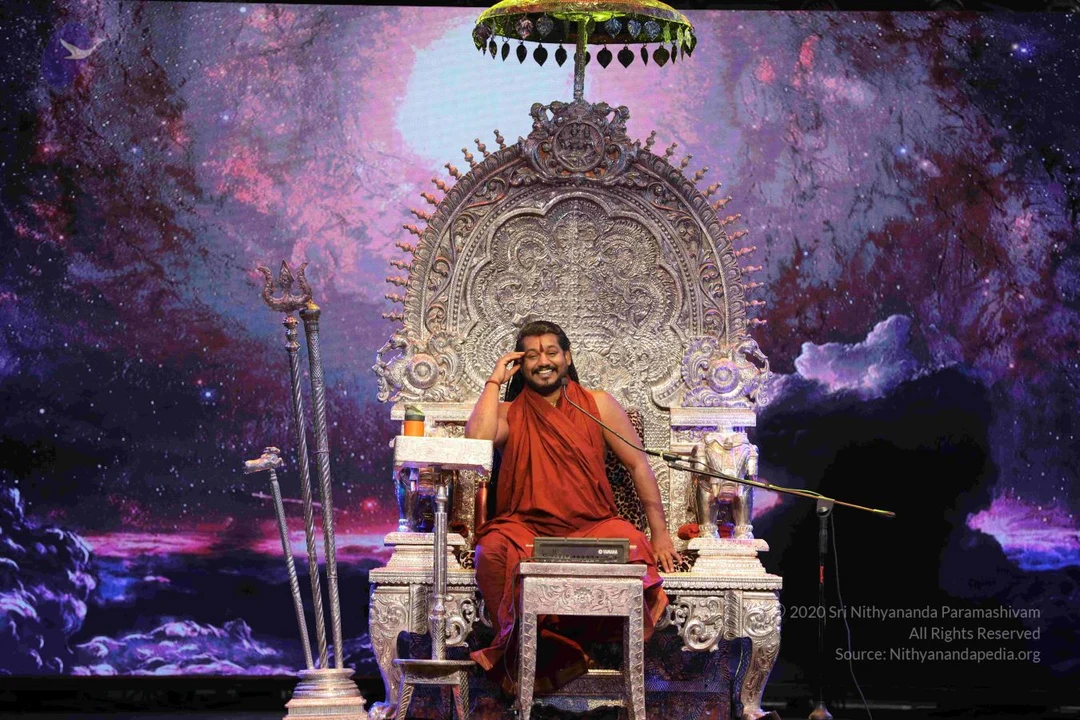
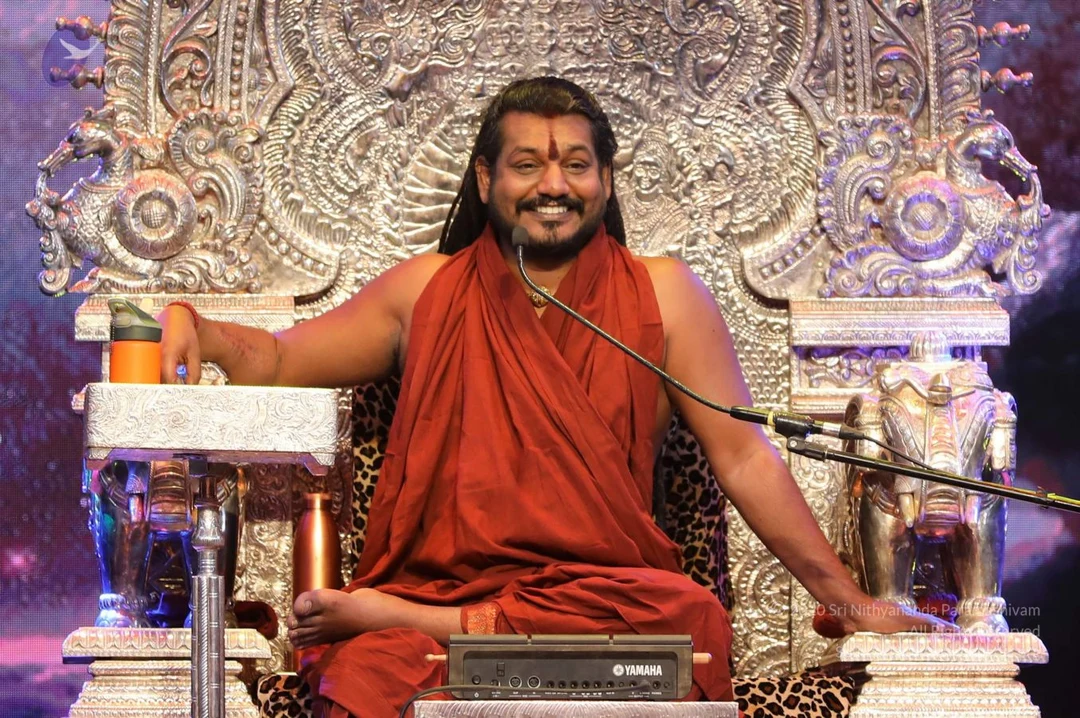
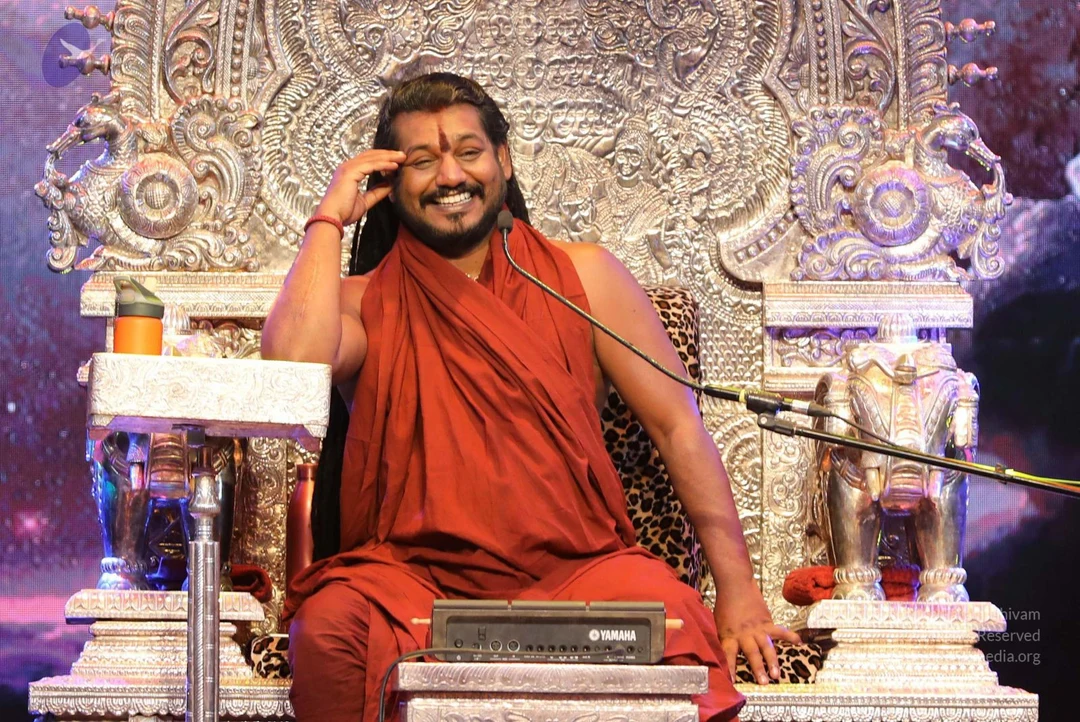
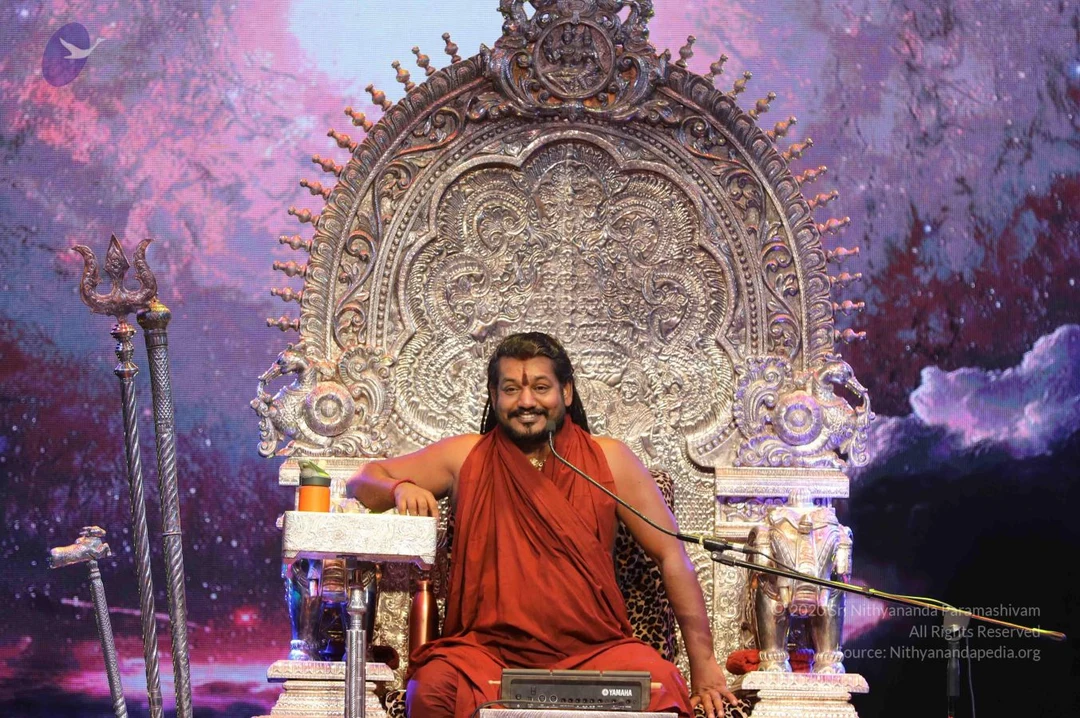
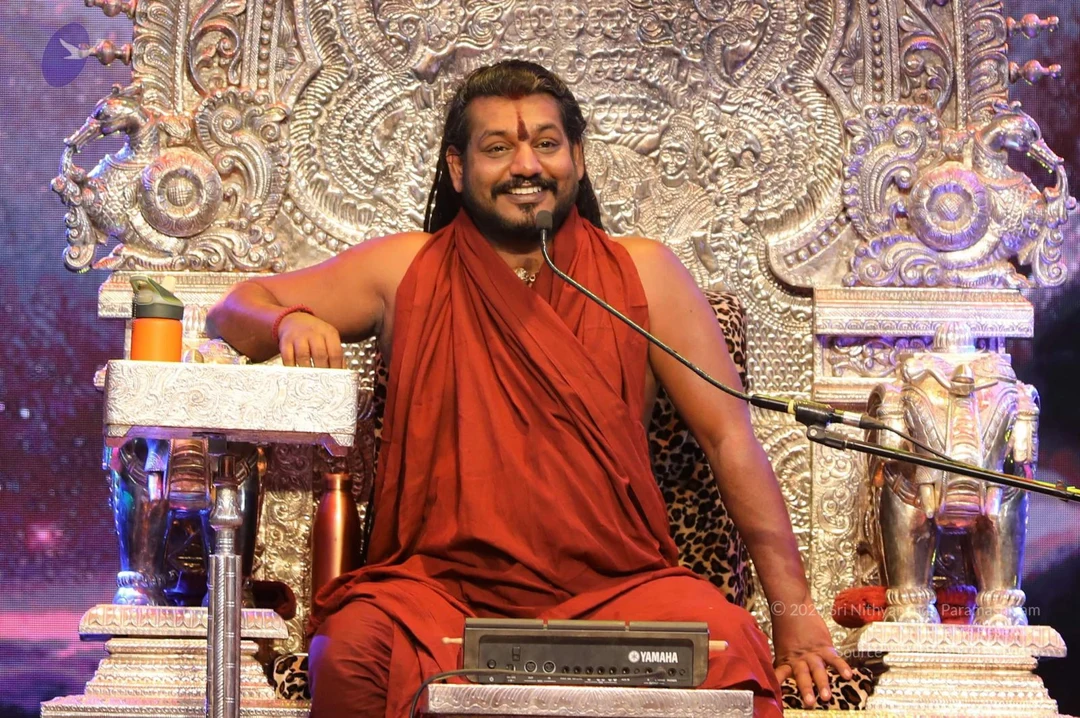
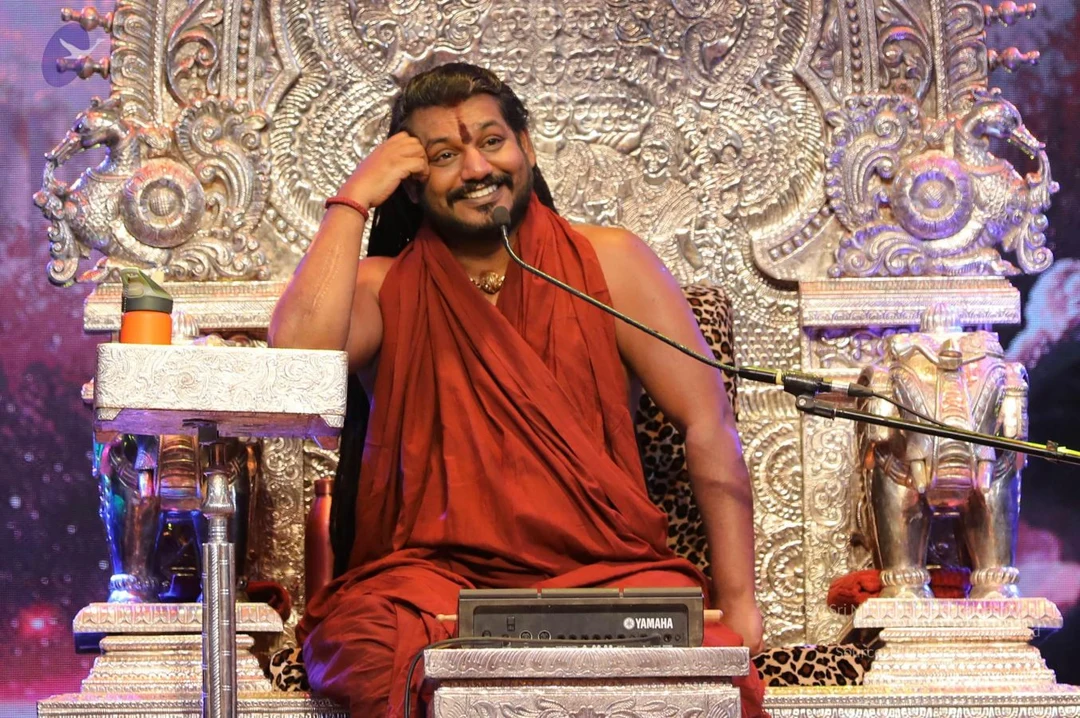
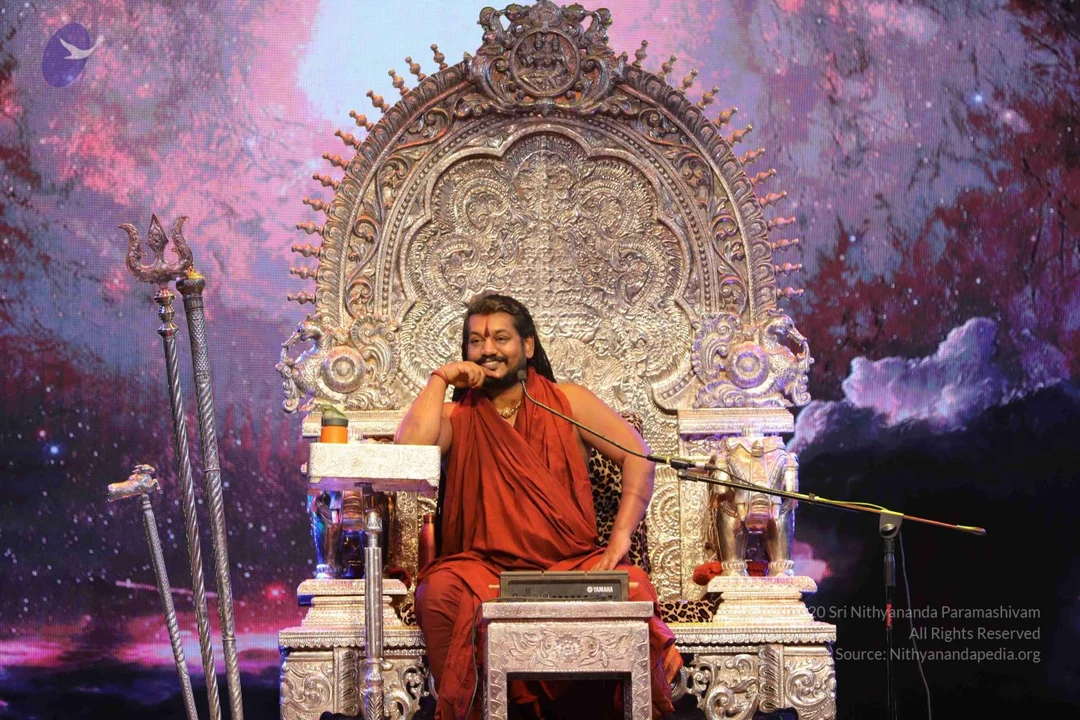
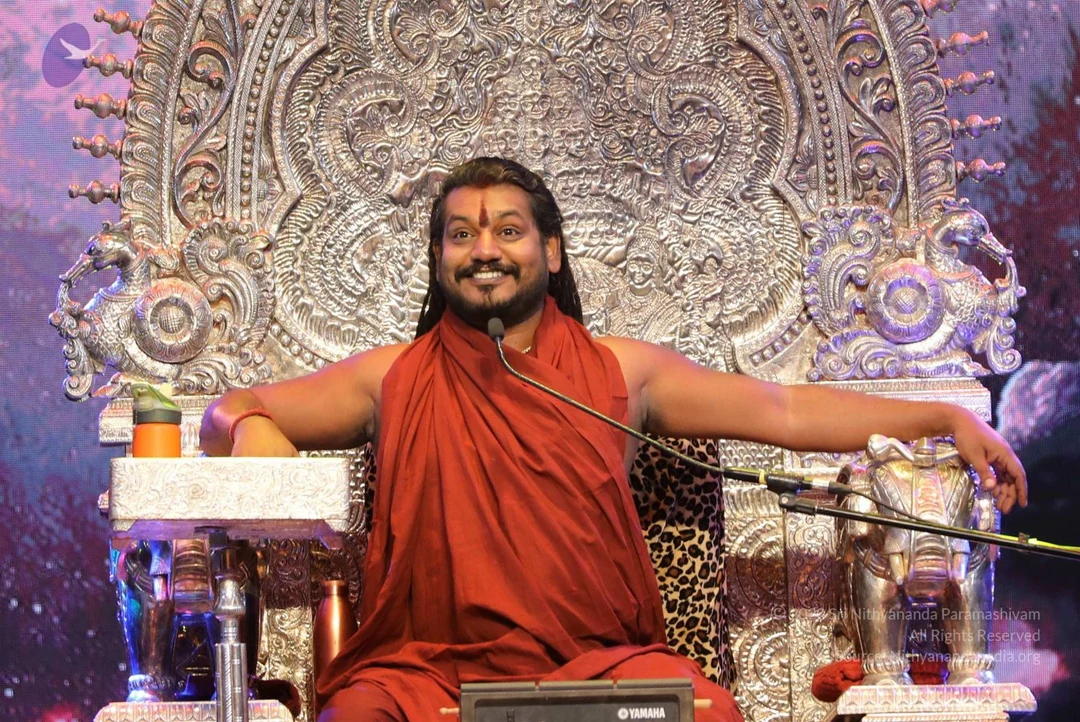
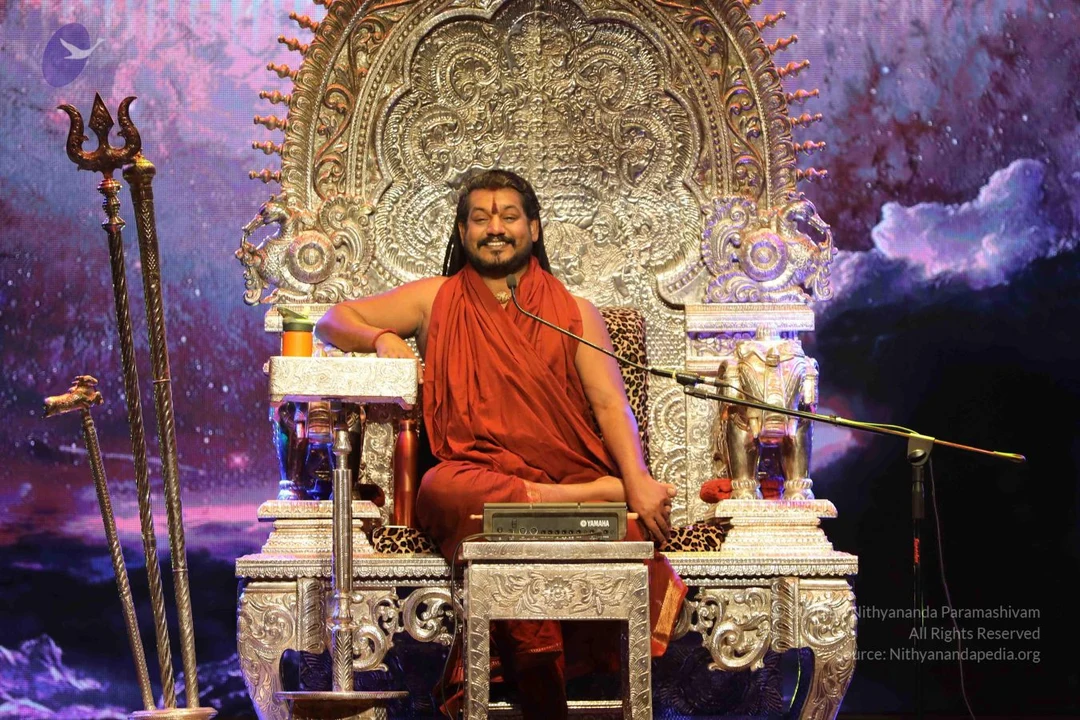
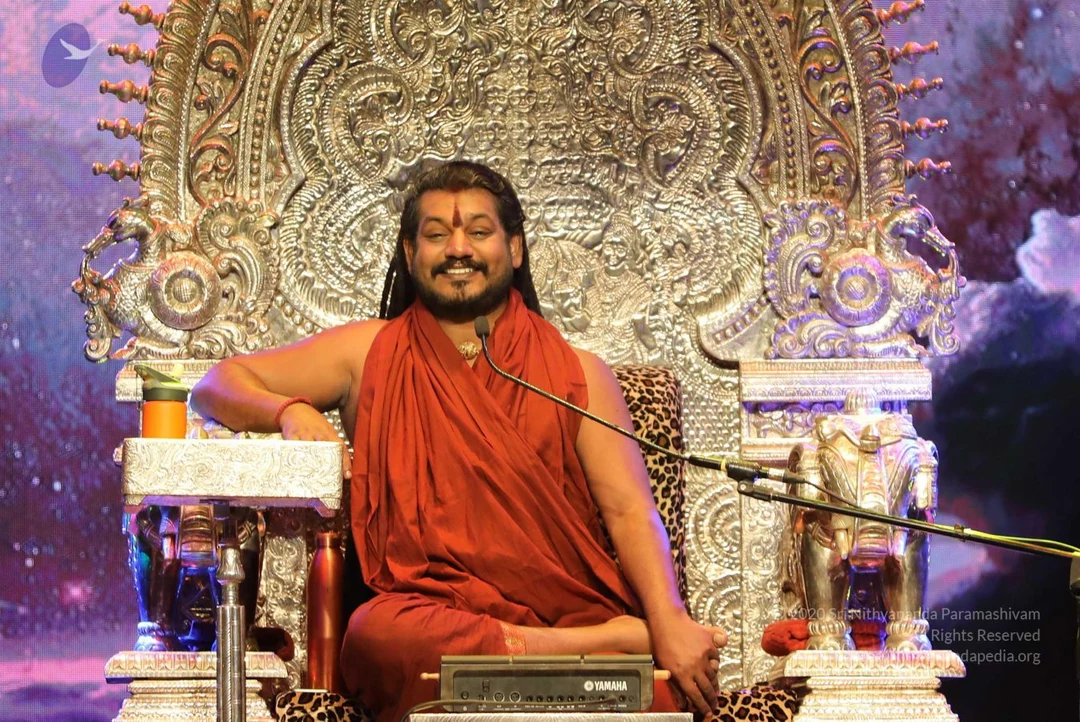
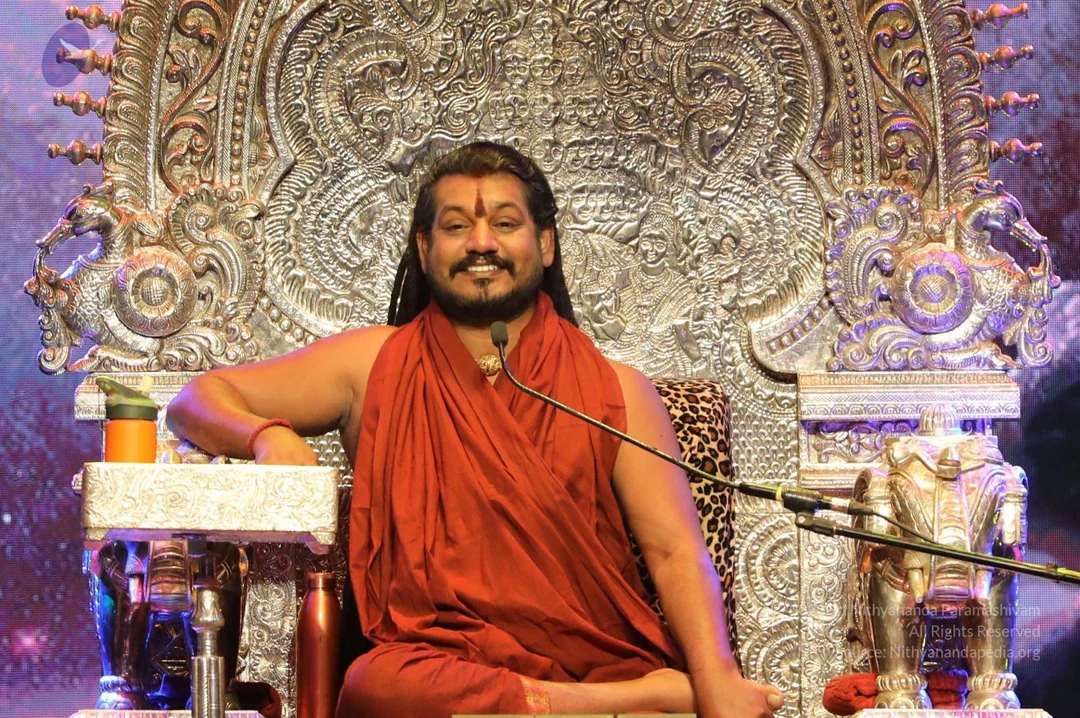
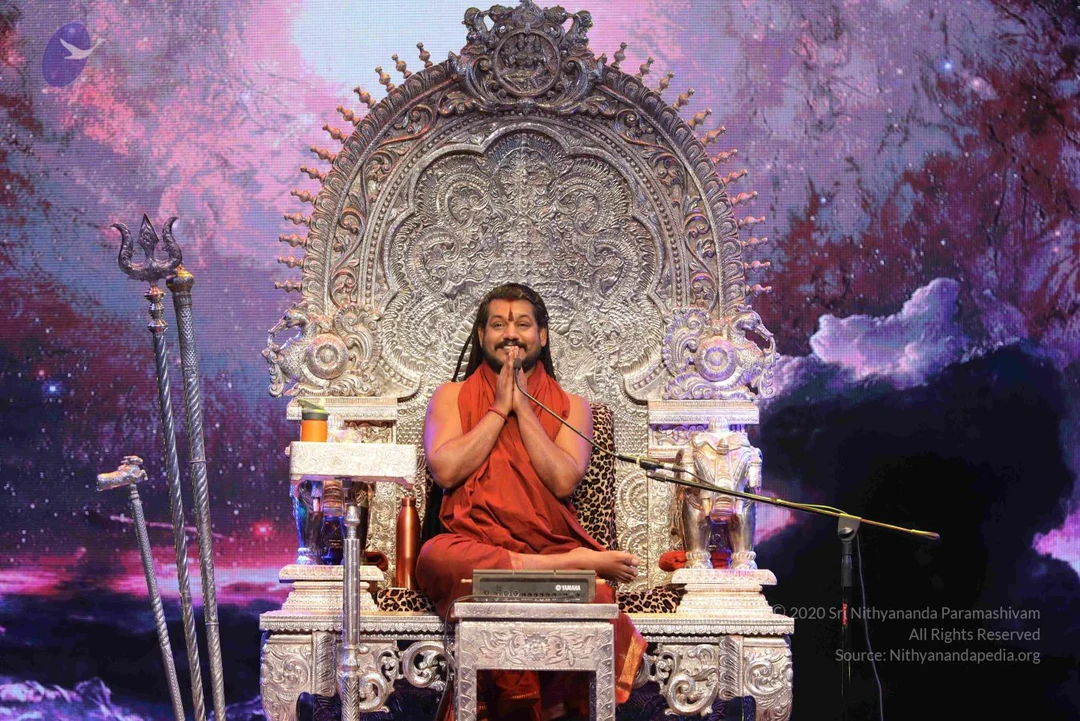
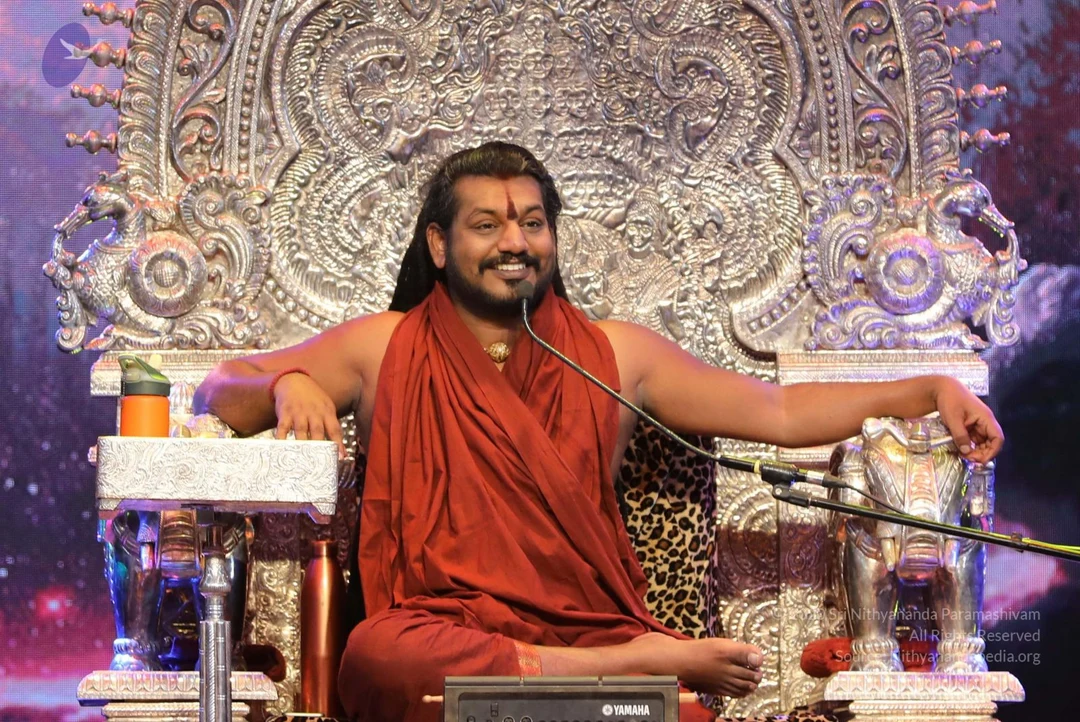
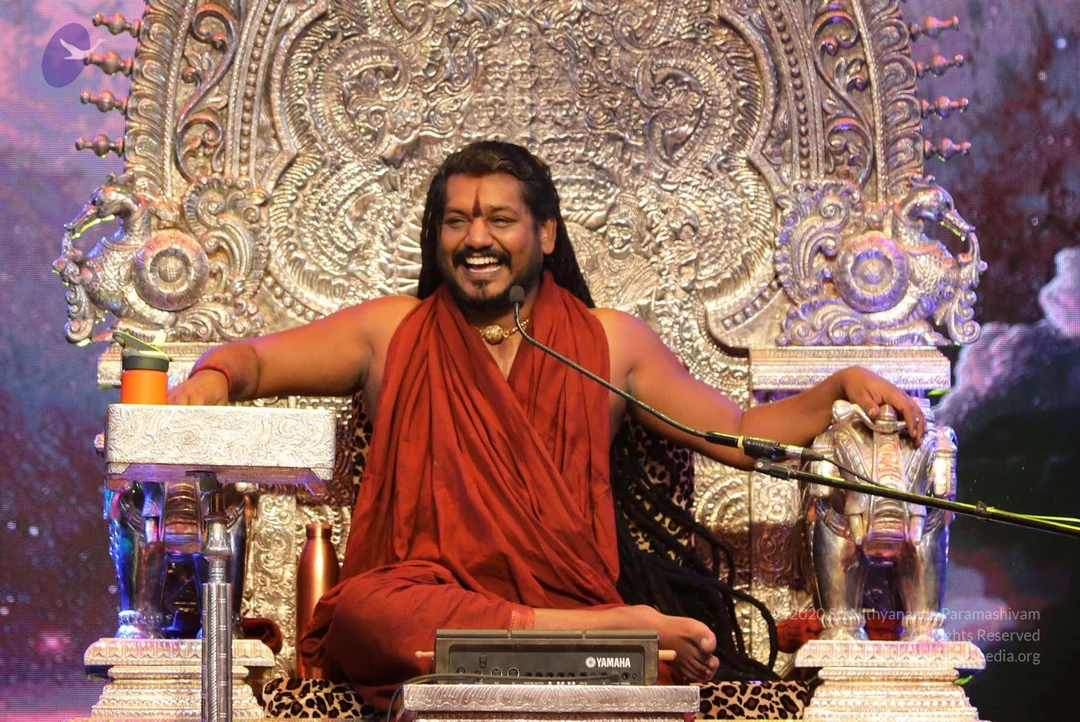
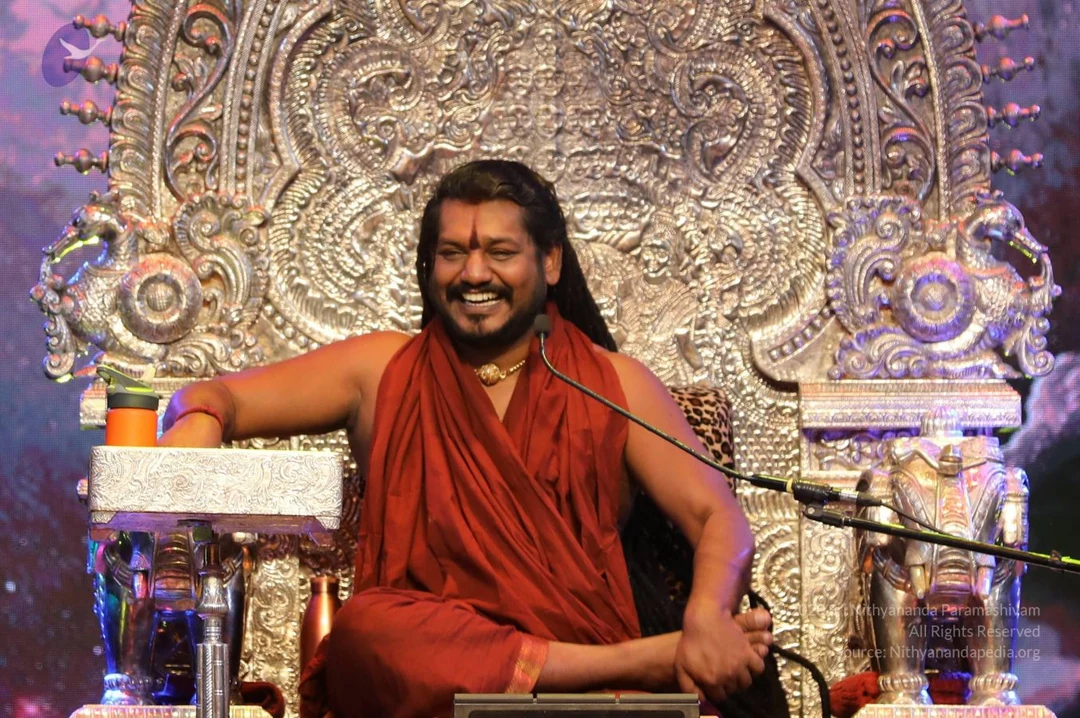
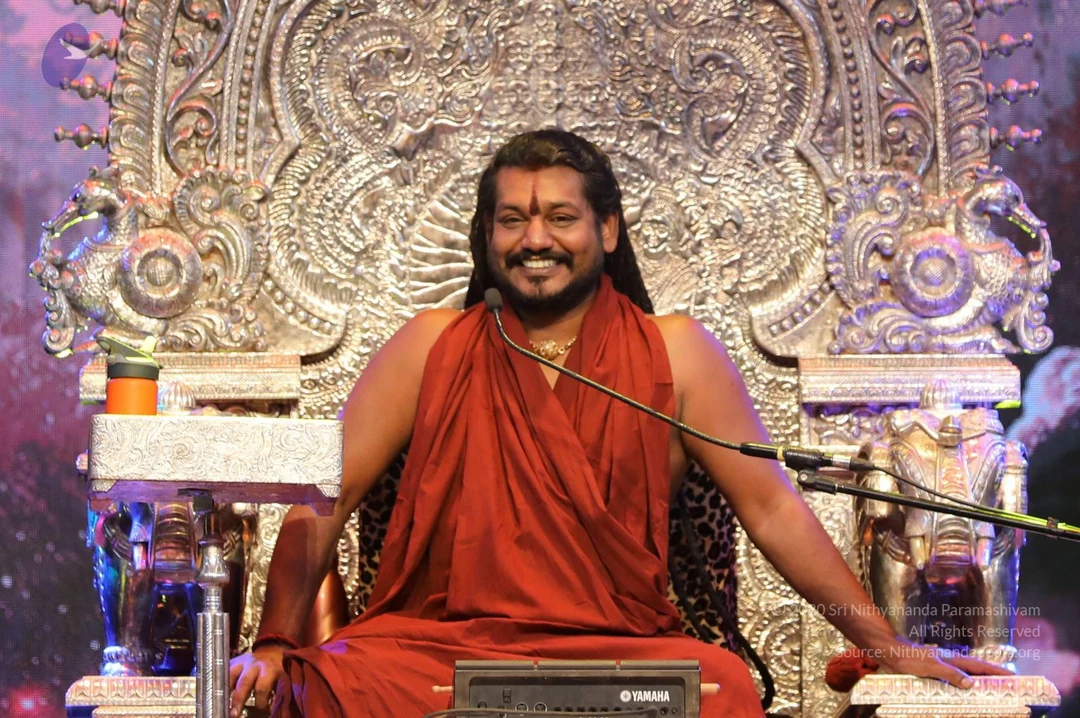
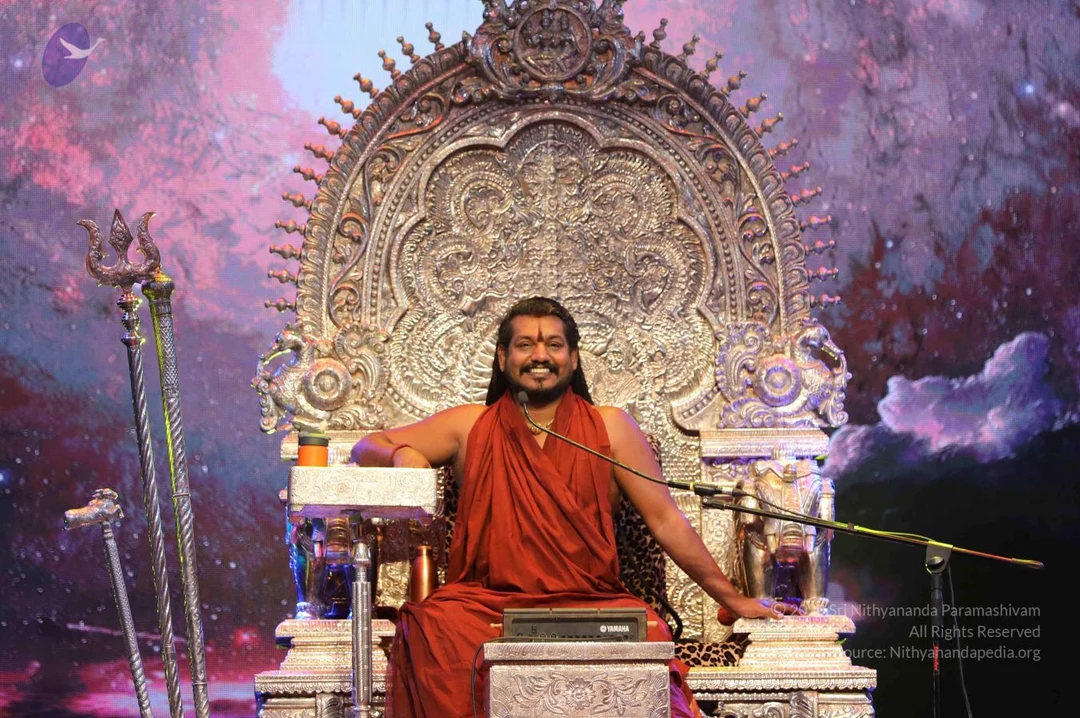
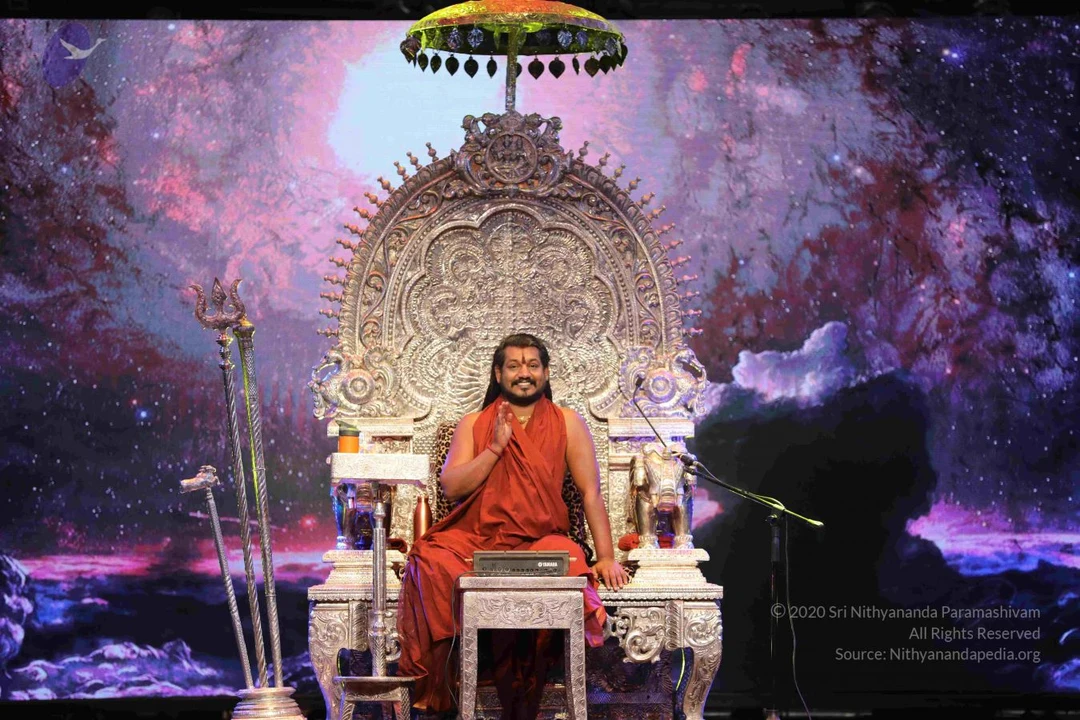
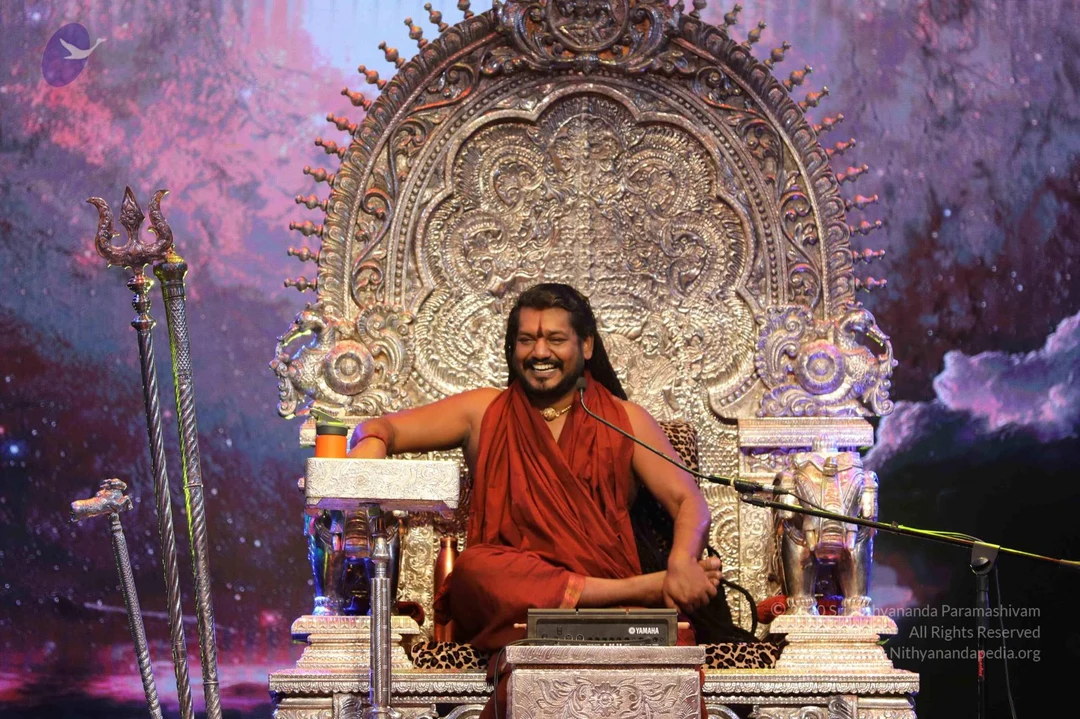
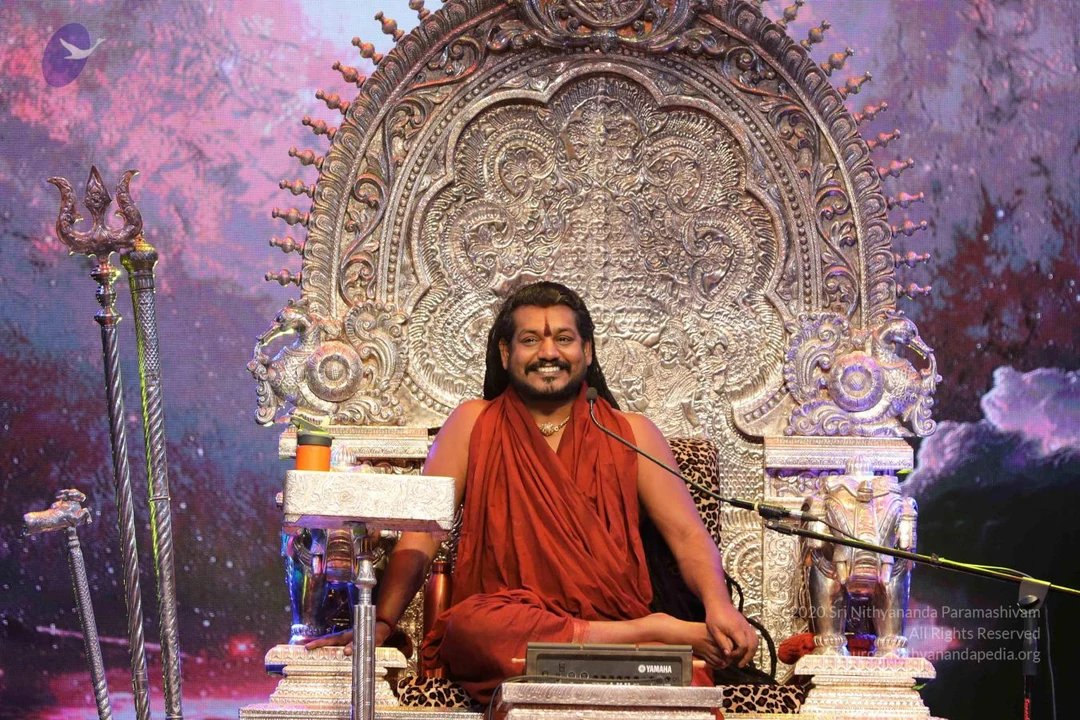
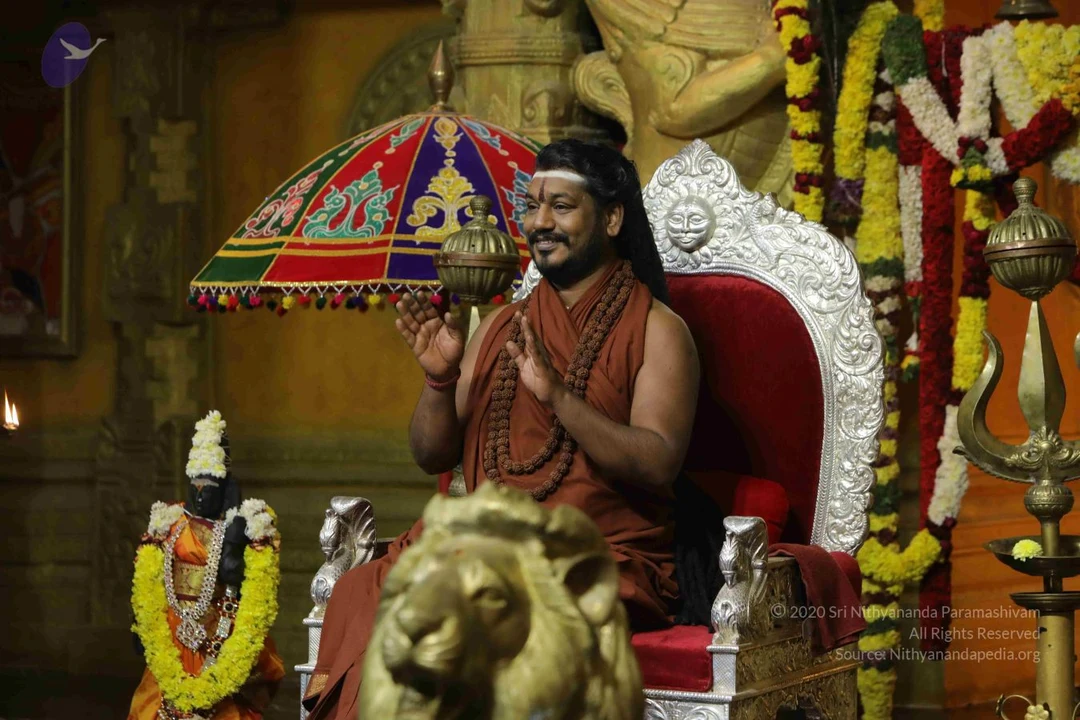
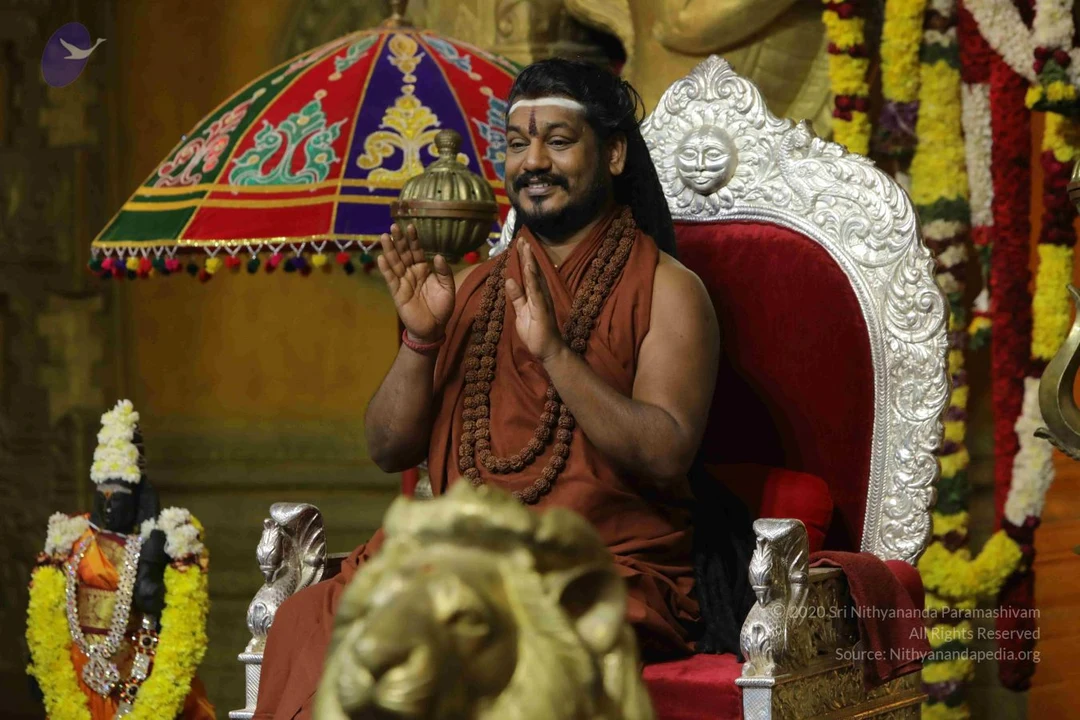
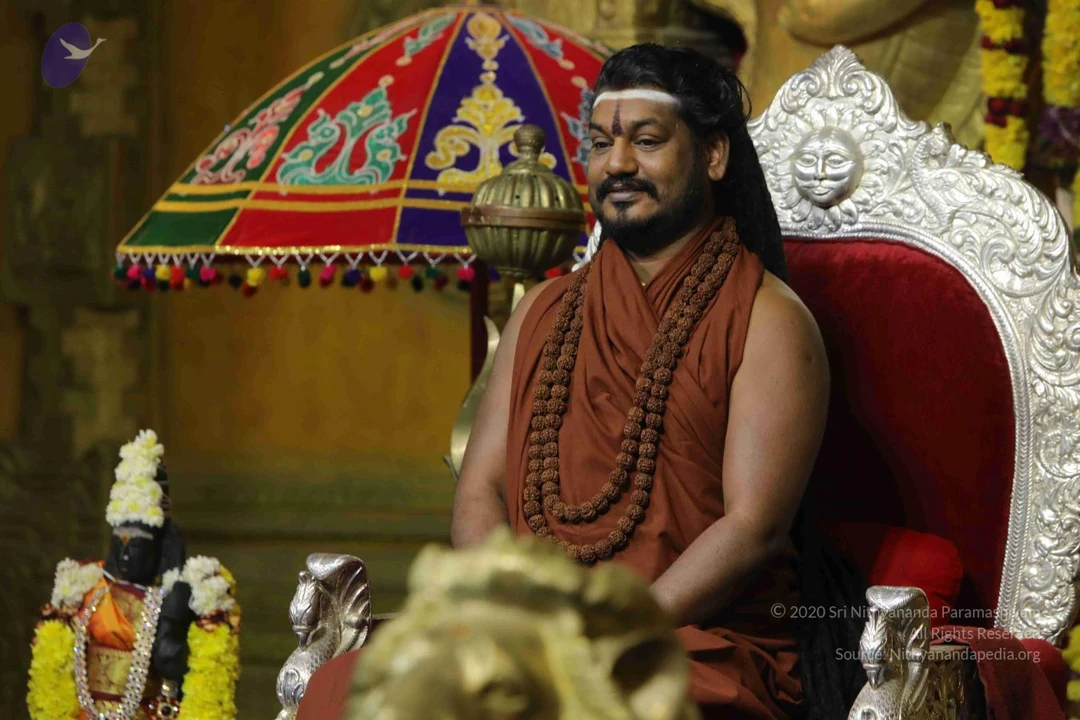
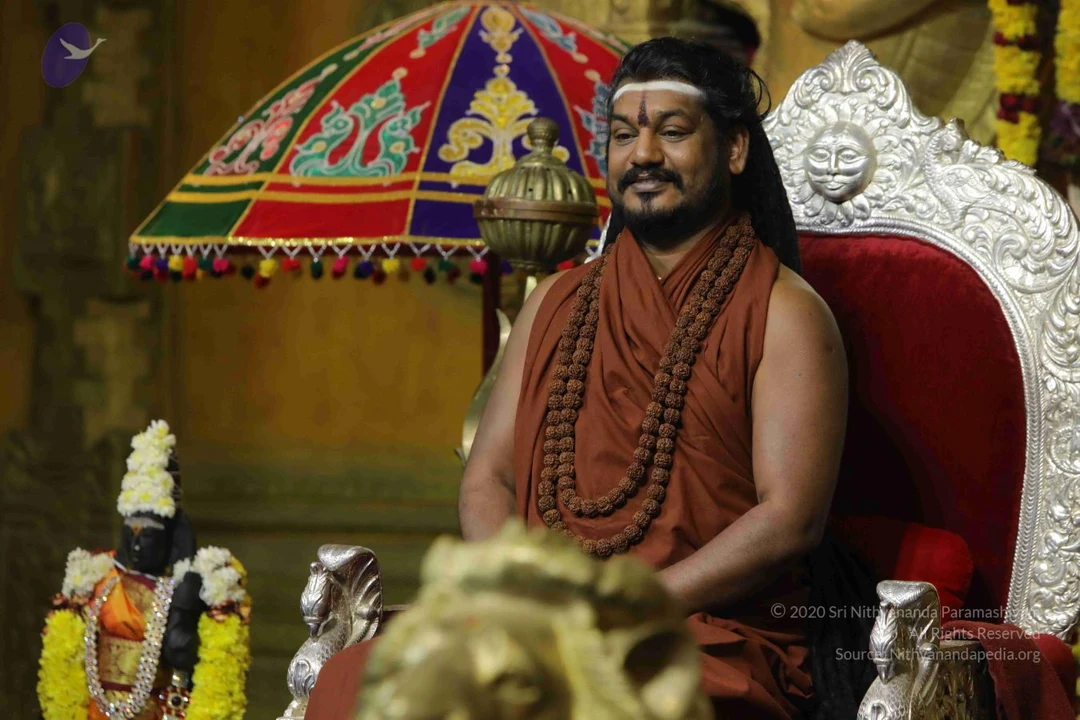
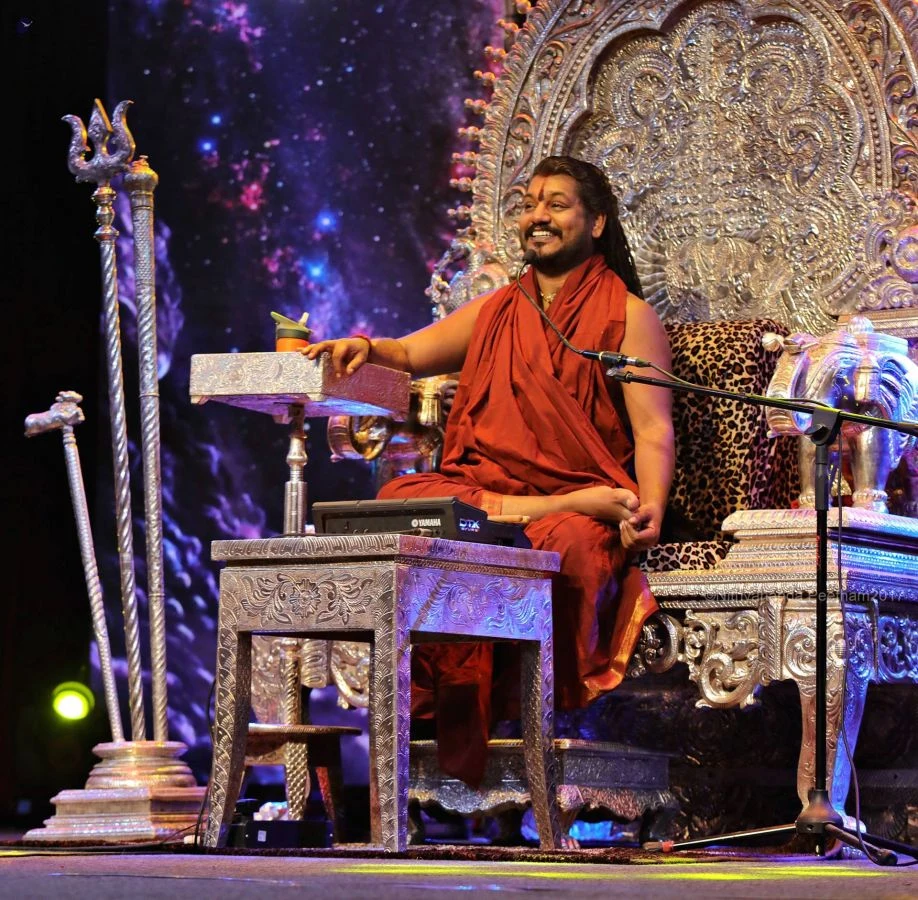
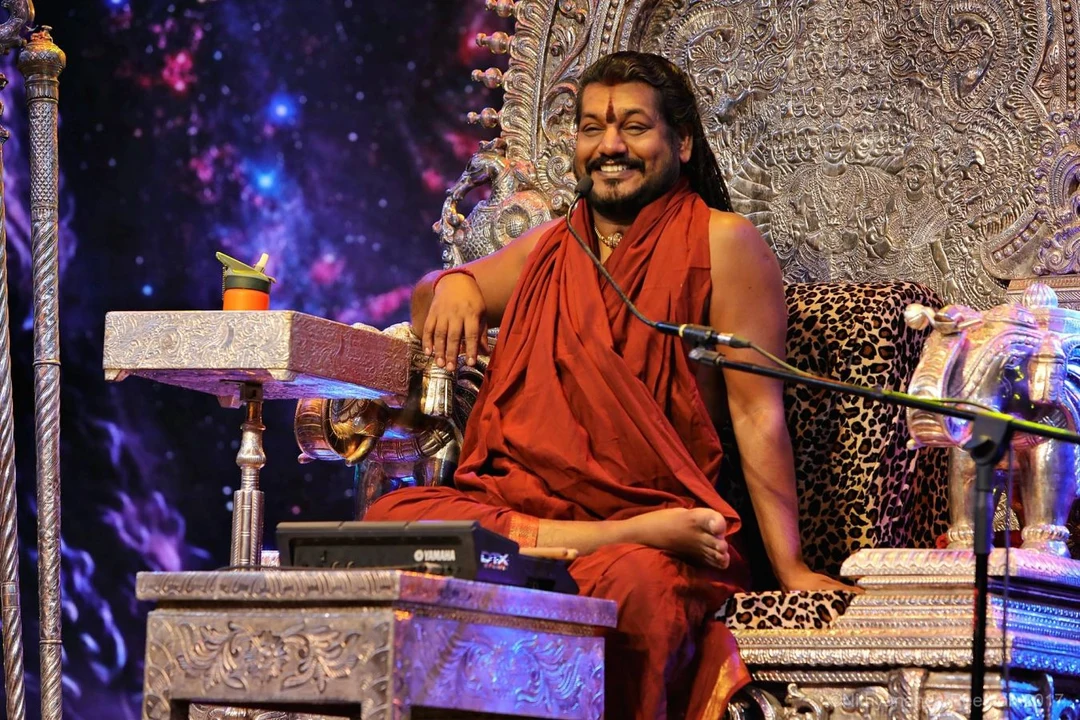
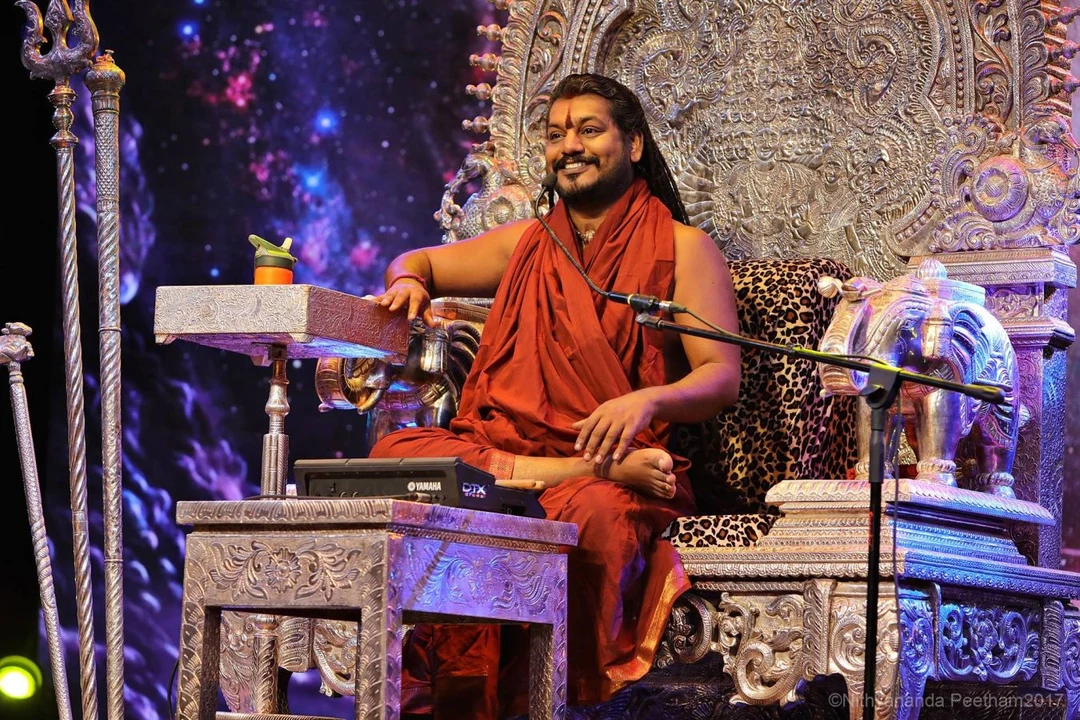
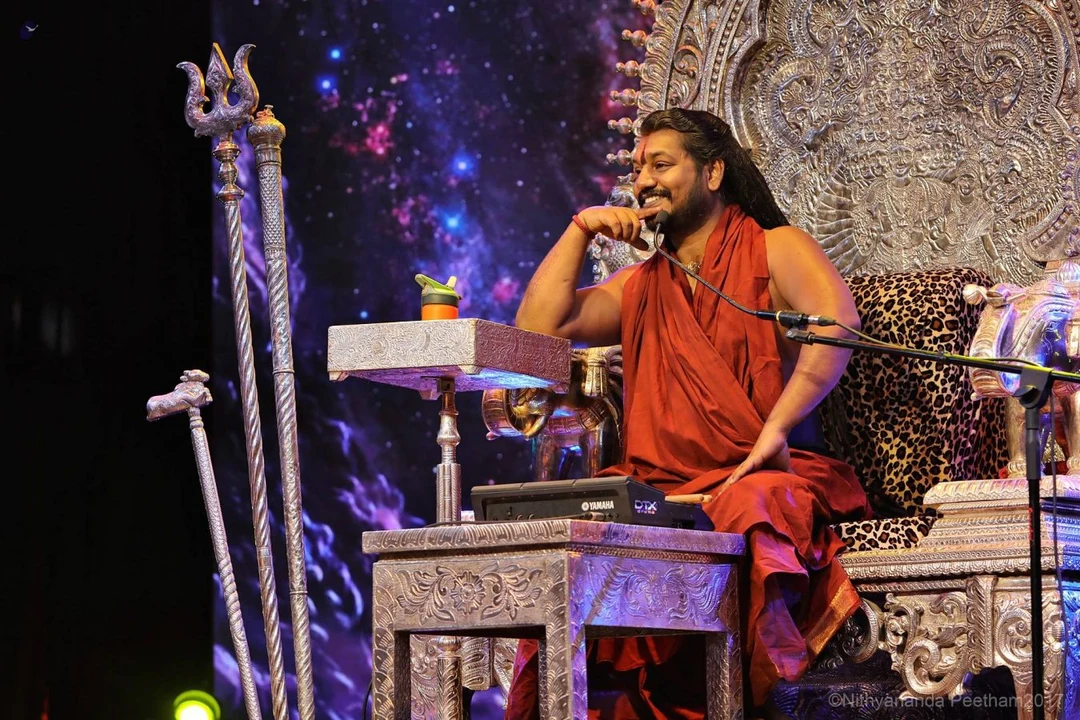
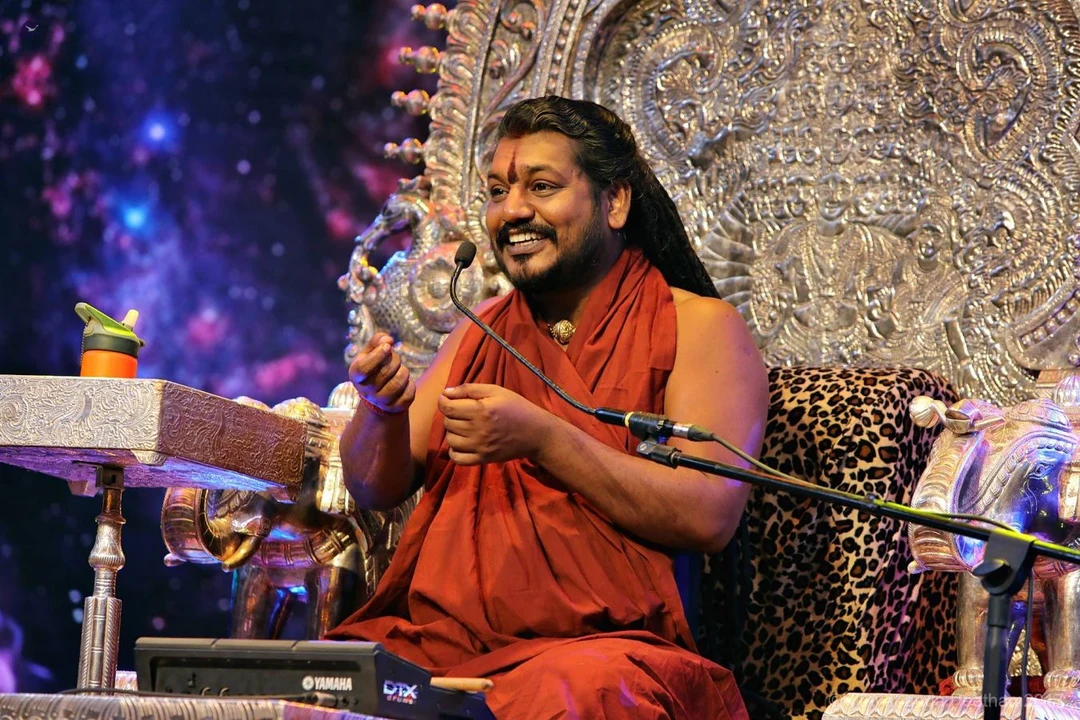
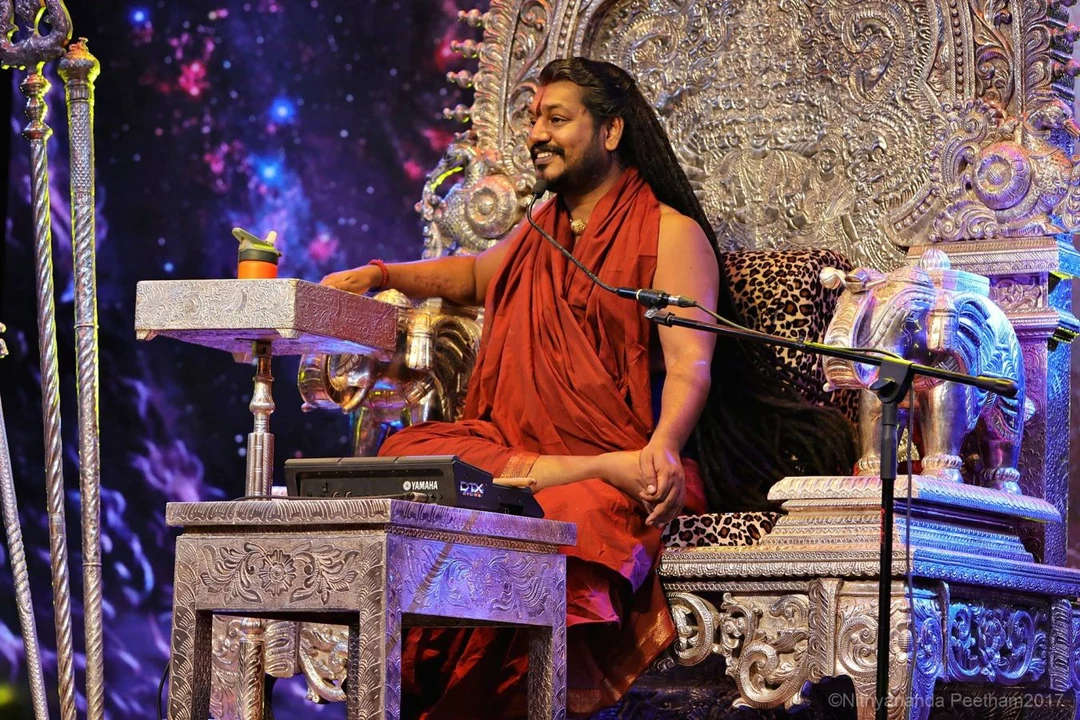
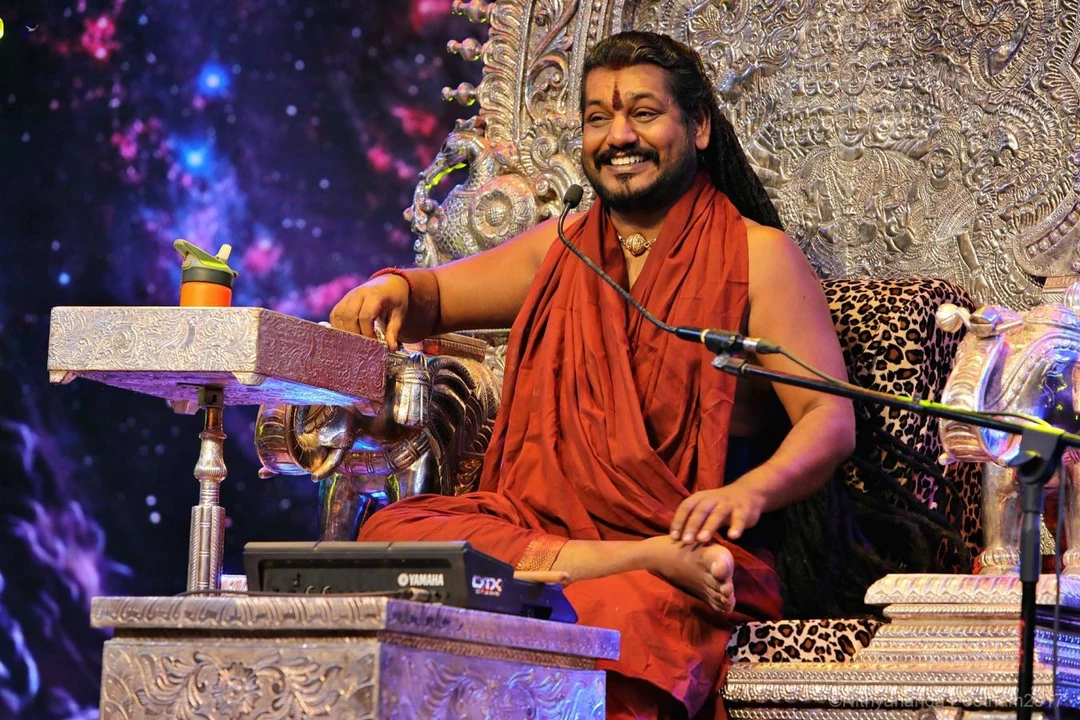
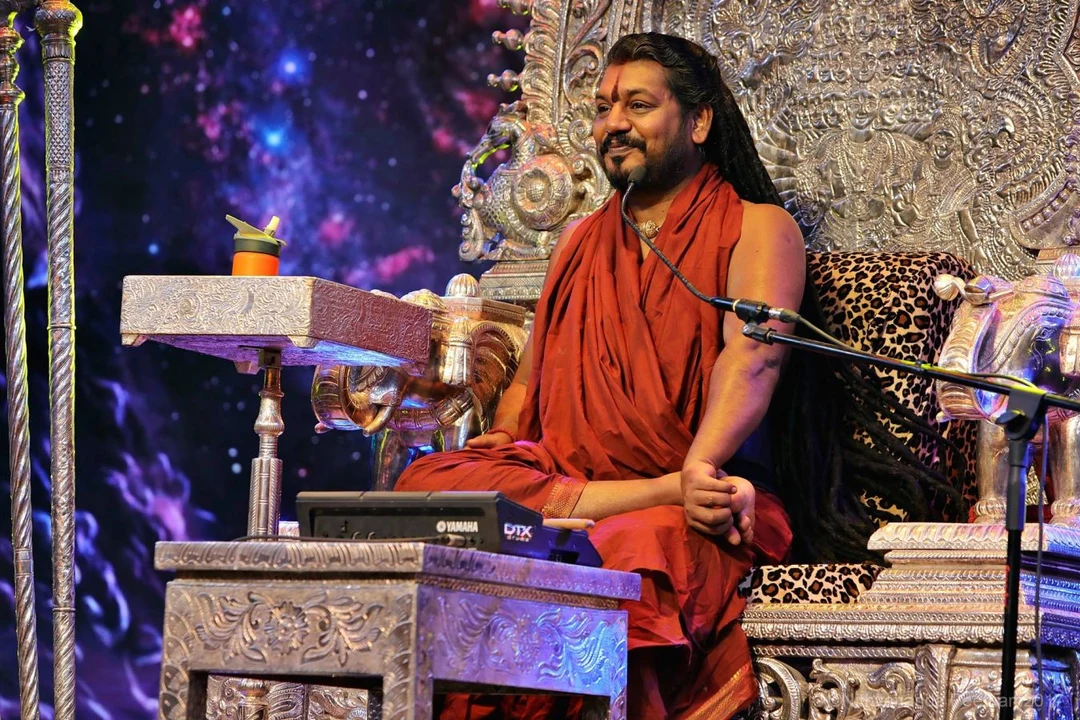
In this video (31 December 2017), Paramahamsa Nithyananda reveals understandings about Kaala - the time dimension of the universe along with the length, breadth, depth and space dimensions. The time dimension of the universe is not limited to the chronological passage of time. Hours, minutes, seconds also represent time, but the time dimension is something more than that. Time is a binary oscillation between moments of associated powerfulness and associated powerlessness in our inner space. By manifesting powers and powerful cognitions repeatedly, we can get rid of this binary and be established in powerfulness - thus going beyond time and ageing. When the time spent in our actions do not align with our vision for life, we fall out of tune with the universal time dimension and fall prey to tiredness and boredom - this is what Sadashiva calls Paasha. Sadashiva also reveals that time is a rythmic continuum - whatever wealth we accumulate in this birth using powerful cognitions comes with us in the next birth along with the cognitions.
Link to Video: =
| Video | Audio |
Transcript:
(00:27)
Listen, again Mrigendragama, Vidyapaada of Kaamikagama, fundamental principles and understandings about the cosmos.
Listen first thing you need to know about the Universe because you are living in Universe. Ignorance is no way cute and ignorance is not going to save you anywhere. Second: why I am teaching about this fundamental units of the Universe, 11 dimensions – because… understanding about this 11 dimensions will make you manifest multiple powerful cognitions and powers.
I will repeat. See, manifesting powers of third eye – like reading through your third eye, scanning through your third eye, is power. But understanding the fundamental principle unit – tattva, why you are able to do – because you connect your third eye with the third eye which is already awakened - your Master’s third eye which initiated you, and that third eye is connected with all the existing third eye. Then, the power you manifested through your third eye is not limited to your third eye; you can read through any third eye. That is what is powerful cognition.
Understand, so today you are going to manifest powerful cognition. Only then you will understand how understanding about these multi dimensions makes you start functioning in multi dimension level. Understand, Mahadeva very clearly says brahmavid brahmaiva bhavati. There are some Vedic verses he exactly repeats in agama –
Knowing which you become that is brahman - cosmos.
Listen carefully. Just because if you know about this pillar, it is not that you will become this pillar. Just because you know about this screen it is not that you will become this screen. But, Consciousness is such just by knowing about it you will become that.
Brahmavid brahmaiva bhavati - Knowing cosmos you become cosmos.
Because … you are cosmos. It is like you remembering some of your qualities.
(04:03)
I am going to introduce the next principles or the next dimensions of the cosmos.
Length, all of you know - logic – whatever you understand as per your logic is length. Breadth is - rhythmic flow of your logic is breadth.
Breadth includes length. Depth includes breadth and length. How many of you understand that? Depth is the source from which length, breadth, both are manifesting. Clear?
Listen. I am defining Time. Length is your logic. Length is your logic and Universe’s logic. There is lot of gap between your logic and Universe’s logic. How many of you understand this. Breadth is your rhythmic flow and Universe’s rhythmic flow. Again there is a lot of gap; much less than length but there is lot of gap. How many of you understand that? In depth your cognitions and your cosmos cognition is one and the same.
Listen, in length things are different, in breadth close - but different, but in depth… you come to such close quarters… jumping of the flame happens in the depth dimension. Means, whatever you cognize you start causing as reality. Whatever is reality you start cognizing as your existence.
Listen, listen to the fourth statement. Time – Kaala, time is a rough word, English word. Let me use the word Kaala directly. Kaala – that’s the fourth dimension; no difference between your Kaala and Kaala of the Universe. Tell me is there any difference - your Kaala and Kaala of the Universe? You know the gap between your logic and logic of the Universe. You know the gap between your breadth and breadth of the Universe. In depth both come near, means shadow falls on each other. Your shadow falls on Universe and Universe’s shadow falls on you. But in time there is no separation. I don’t want to say there is Oneness but there is no separation. Your time and Universe’s time is one and the same.
(08:44)
Listen, listen carefully. Anything which makes you feel Universe’s time is different and your time is different is not you. If you feel your body is this many years old, it is separate from the Universe - that is not you. Listen, I am telling you two things. One: don’t think, “ohhh, earlier itself I heard all this vedantic lessons; that and all doesn’t work for me. The moment it becomes time I feel hungry and all my Vedanta goes in the air.” Listen, earlier failures does not confirm it is impossible for you at all. Earlier you might have failed due to various reasons, now you WILL be successful because I am going to be the reason. Listen. I may be ferocious but I am a go-getter. I will make you get it. I am integrated to my job. I will either convince your logic or confuse your logic but I will make you get it. I will make you to come to the conclusion and this cognition. Let me put it in this way. Listen.
Your length, when its frequency increases becomes breadth.
Your breadth, when its frequency increases it becomes your depth.
Your depth, when the frequency intensely increases it becomes your time.
In breadth, length is included. In depth, length and breadth is included. In time, length breadth depth is included. This fourth dimension is the space where your so called normal human life faces a breakthrough. Listen carefully. Anybody who is introduced to the time dimension - Kaala, manifests even one or two powers related to Kaala, you are liberated from death. Listen carefully. You need to know the principle unit - why you are manifesting powers or why you are not manifesting powers. If you know that solves literally every possible problem.
(13:19)
See I know… like how I try to find solution for every problem there are people who can find problem for every solution. But even they will not be able to find problem… if you understand this fundamental principles. Idea you have about life will get upgraded into such powerful cognition, you will have so much of relief ….not just from worries, so much of relief from powerless cognitions which can be source for future worries and problem. “I am not married, once I get married my problems are all solved”… see people are all laughing J J and if you think, “I don’t have a son, if I have a son all my problems are solved” - see how many are laughing. “I don’t have money, if I have money all my problems are all solved” NO! As long as powerless cognitions are sitting inside you, you are not going to taste life. This powerful cognitions not only liberate you from present sufferings, it liberates you from the possibilities of future sufferings. Actually liberation is too cheap, very, very cheap actually. It’s not at all costly.
Just listen to this one fundamental truth. If you have tons of cotton and you need thread… if you have tons of cotton source material, will you be worried about having less thread? NO. You know you can make. Same way if you have understanding about Kaala you know you can make any amount of time for your body and mind.
(16:32)
I will give you the secret given to Bheeshma by Ganga. Bheeshma is ichcha mruthyu. How many of you know that? He can choose death when he wants. I will give you that understanding, listen. This is the lesson Ganga gave for Bheeshma – Exist with what you think as purpose. Listen carefully. Exist with what you think as your purpose. Work only for purifying your cognitions about purpose, not bother about whether you have time to fulfil your purpose or not. Listen carefully. I am not giving you a teaching. I am giving you an understanding. The number of times you remember you have become old makes you old. How many of you understand that? Number of times you remember you don’t have time makes you not to have time. How many of you are getting what I am saying? Now the next statement I am going to make is little mystical but listen. If you die as a billionaire, when you assume the next body you will be born in a billionaire family and whatever you left will be with you. It is the law of cosmos, understand. You don’t get cheated. Listen carefully. Lives after lives after lives you are a continuous rhythm. Its little mystical but I will establish experientially for you in the next few power manifestation and powerful cognition manifestation.
Sometimes in the mathematical class they tell, “Oh, let us assume x is equal to y till we come to the result. When we come to the result you will understand x is equal to y.” Like that let’s assume this proposal: ‘Your life is a continuous rhythm. Whatever you acquired, whether power or money or love or relationship or fulfilment or completion in the last janma and where you left, where you dropped out, you again start from there.’ It’s a proposal now. It’s not a experience for all of you. It’s a proposal.
I am going to give you few more understandings. Then once it sinks…. you will understand Time. There is no crowd in front of you; there is only one and one and one. All of you are sitting alone with me; because the profound truths I am talking I am touching the core of you. I am addressing your individual cognitions; that is why even if the other persons are sitting you are having a complete a separate relationship.
(21:24)
Time… is a frequency dimension of the Universe…. aspect of the Universe… where you and Universe are reverberating in the same frequency. Unit of time of the sun, moon, kailasa and you is one and the same. Listen, yesterday I said, ‘our one year is one day for them.’ But unit is same, only quantity difference. How many of you are understanding? It’s only quantity difference but not…
So in tattva - principle unit, listen carefully, your logic and logic of the devatas are different. They are not same. Your breadth and devatas breadth not that far away little closer. Your depth and devatas depth little more closer. But in time your unit of time and their unit of time is one and the same. There is only quantity difference. Tattva - fundamental principle unit is same. How many of you are getting it? Yes… for us one year is their one day but OUR one year is one day for them. It means what? Unit is same.
If I give you some of the utility values of Time dimension, you will understand because man is such… only useful things he will listen. If I tell this is the use…dub dub dub vacchindi …then…. J then all five senses will be up and alive.
When you are working with this power manifestation… how many of you have already started feeling precisely you will come to know now it is going to manifest because you are falling into the tune of that needle, like almost that needle is showing the north, that magnetic needle is aligning… ‘aaaa now, now it is going to manifest’, ‘no, I don’t think now it is going to manifest because I don’t think the needle is aligning’. How many of you are able to catch that precision, raise your hand. Listen, power manifestation should not be an accident after few days of practicing. First few days only it will be an accident. “It may come. I am telling. This is like my wife only. Ten days before I told now it is doing.” First two three days it is okay but after few days of power manifestation you will catch ‘eh eh now I know because my inner space is connecting, connecting. I know in my spine what usually happens, happens. Now it is going to happen.’ How many of you are able to catch that.
Listen… all of you can catch what I am saying. Listen carefully, now sit up and come to that same moment, same space. Come to that same space of Oneness. Tell yourself, declare to yourself: “Whatever Swamiji is trying to teach us, let me download and manifest.” Come to that declaration, then it’s easy for me to download bunch-bunch of understandings into you. If you do not understand the fundamental principle unit, even if you manifest powers you are only part of cult, some cult. Only if you understand the fundamental principle unit and able to manifest powerful cognitions on your own, you are part of the culture. How many of you are getting what I am saying? That is why I insist so much on you understanding this fundamental principle. Only if principle cognitions… why things are happening the way it is happening is cognized by you and you design your own powerful cognitions and manifest few powers which I did not teach but on your own ability, you are part of the culture. How many of you are getting what I am saying? Neither I am a cult nor I want you to be a part of any cult. I am a culture - Sanatana Hindu Dharma - the oldest spiritual culture, and I want you to be part of that culture. That is why I want you to understand this fundamental units, principles.
(28:09)
Your remembrance of you powerfully associated to some subject or not associated to something. For example, you may remember you powerfully by feeling “I have young body”. You may remember you powerlessly feeling “oh I don’t have a bank balance.” If you associate yourself with some things you remember you powerfully, if you associate yourself with some things you remember you powerlessly.How many of you are understanding this? This binary is Time, that’s all. Catch it. Listen, this binary is Time - Kaala. Kaala, Sanskrit word means jumping between associated powerfulness and associated powerlessness.
By remembering your body do you feel powerless? By remembering your mind do you feel powerful? With what association you feel powerful… with what association you feel powerless… this binary. And please understand, the number of times feeling powerless, when it increases it is called depression. Number of times you feel powerful, when that increases it is called joy. This feeling powerful or powerless by association, this binary is Time. That is Kaala. Listen, by remembering your Guru if you feel powerful you are in Oneness. Ehh Ennavena erukatumda kadavulae en Pakkam Apparam Enna ‘whatever it may be the ultimate decision maker knows my name’, that’s all leave it. That is the… actually the initiation. That powerfulness behaves like a shark and swallows all the other powerlessness.
(31:06)
How many of you already started feeling powerful when you remember power manifestation. “Ehh I think I can do it. I think I am making it. I am cracking the code. I am catching it.” So when that starts happening, so in that binary, the power manifestation starts adding more powerful cognitions in you. But once the manifestation starts, that binary will change, this power manifestation will start making you more and more confident, and the moment you remember power manifestation you will feel confident. You will feel, “ehh I can make it.” Its powerfulness. Understand, anything which you feel makes you powerful you start cherishing romance with it. Cherished romance… listen carefully, cherished romance makes the frequency of you in tune with Time that is why time is forgotten when you are in love. When you are in love you do not know how time passes. How many of you are catching what I am saying? Being in cherished romance with the whole life is mastering Time dimension.
About this binary… Associating with something, feeling powerless or powerful. This binary is Kaala. Associating with something and feeling powerful is cherished romance. You start cherishing romance with it; because it is making you powerful. It may be power manifestation or Guru, God, with whatever, whatever. It can be even money; anything with which you feel it is making you powerful, you cherish romance with it. And cherished romance raises your frequency to the frequency of Kaala. That is why when you are in romance with something time is forgotten. You don’t know how the time is moving. If you are sitting with your close friend three-four hours you don’t even remember time is lost - your dating period.
With the whole life, being in cherished romance… is what is powerfulness of the Kaala dimension. Catching? That is what keeps you ever young. That is why Sadashiva describes himself in Kaamikagama as eternally sixteen. In His dhyana shloka He says “I am eternal sixteen. All My disciples will remember you as Me as eternally sixteen.” He uses the word… all of us will meditate on Him as us means shivoham, sadashivoham, as eternally sixteen. I think intellectually I have given you some understanding about this Kaala and its flow in us - this binary.
(35:24)
Actually even now like I am heating and beating, heating and beating. How many of you are understanding it? I am not taking any class. I am just talking to somebody who is inside you, somebody who is deciding for you; because stupidly you don’t decide for you. There is somebody else sitting inside you who is deciding for you. I am talking to that person.
Ideas, listen, listen carefully. See this is not elephant. This is an idea representing elephant. Am I right? This is not elephant. Elephant cannot be so small. This is idea representing elephant. Am I right? But all practical purpose we call this as elephant. “Ehh remove this elephant... bring the elephant… keep the elephant.” Stupid are those… representing things are considered as equalent to the real. If you start equating it to real, you are stupid. How many of you are understanding that? This body represents you. Don’t say it is you. How many of you are catching? Why you know? If somebody takes your name and abuses, you feel hurt. They have not hurt you. If this is you [Swamiji indicates towards the hand] if they put the knife you should be suffering. But if they take your name and abuse you are hurt. It means you are this also and something more. So this represents you. Catching it?
Now listen. Now is the climax punch line. In you, please listen, in you… whatever you consider as you and whatever you consider as represents you and faulty misidentification... this represents you but most of the time you go on cognising this as you. Some things are you, you are more alive in that, but while you are cognizing, you don’t cognize when you take decisions you are too alive in that. How many of you are catching the blind spot? Sometimes your profession, your career, your goals, your vision, your mission, you are more alive in that. While you are taking decision to risk them you don’t understand that. When they are really suffering, the suffering you go through you understand you are not able to handle it. How many of you are catching what I am saying?
(39:45)
Now listen, how this and Time is connected… listen. Your day to day time represents Kaala. I am starting again. This represents elephant, not elephant. This represents you, not you. Sometime what is you, you do not understand that represents you and what represents you, you do not understand that is you, it is called blind spot. Clear? Your day to day 24 hours’ time represents Kaala but that is not Kaala. Your Kaala is your life vision, your time is your life mission. No, I think I have missed a link. Listen, your life’s vision is to become enlightened and Yogic body - Vedic mind and living literally like Swamiji. Mission - morning till 11 O’clock sleeping and 11:30 rolling on the bed once and 12 0’ clock thinking should I get up or not! Now how many are catching? Your time, see I am talking from the utility angle… the dimension of time how it penetrates you and where is the gap; these few things. I am not talking any morality. I am talking about some of the…how the vast gap between your ideas and reality is your old age, tiredness and boredom.
Why you are not in eternal romance with life…. because what you want - what you do is different. So what you want nowhere even the horizon is seen. And you are thoroughly convinced nothing is going to be done at least in this birth… and you blame your wife. I am married to you na, over…. or your husband or your job or your country. No.
Mahadeva uses a word called pasa in agama. Not knowing why you are doing what you are doing but continuing to do is pasa. Your purpose, vision, is something; but your day to day actions or all your day to day life is no way matching. And you don’t know why you are doing what you are doing every day and continuing to do thinking suddenly one day somebody will appear in your life and change the whole thing. And when that person comes you try to change him. How many of you are getting what I am saying? The blind spot between your Kaala and Time is pasa. Now I am explaining only the problem don’t worry. I will come to the solution next. I am only analysing the problem.
(44:55)
What is Time? The higher frequency of length is breadth, higher frequency of breadth is depth, higher frequency of depth is Time. So if there is a problem in Time, where is the problem? If there is a problem in depth, where is the problem? Now the good news is… I gave one proposal just now. Can anybody remember? I gave one proposal telling that till the end let it be a proposal. It is rhythmic continuum. That’s the word I used - Rhythmic Continuum. For example, if you developed a very high quality of completion with you and others but suddenly died before getting enlightened, you will start from this and move towards the next step. Same way you developed a wealth cognition and accumulated wealth, suddenly died, you will be empowered and endowed with this wealth and you will start from there. Rhythmic Continuum.
Listen, listen. I am going to connect this proposal which I kept and now whatever this long understandings I have shared. You need to catch this connecting point. Each power manifestation, listen, each power manifestation is nothing but infusing Consciousness in your Time or depth or breadth or length. Listen, each power manifestation is nothing but infusing your Consciousness into your Time or Depth or Breadth or Length. Any Time you spend on it is the most useful time of your life. Because any power you manifest comes back to you till you become powerfully established once for all as Sadashiva. Listen, that is why Patanjali says, shaktis come back to you even if you have practiced little bit in some remote past birth. Krishna says:
swalpam apyasya dharmasya traayate mahato bhayaat
swalpamapyasya dharmasya traayate mahato bhayaat.
Means, even if practiced little, removes huge fears of life.
(48:59)
Now listen, I told about good news, now I have great news. Fortunately your Time is lower than my space. How many of you are getting? I can just chew your Time like a betel leaf, swallow or spit it out, both; which I am going to do. I want you to know this powerful cognitions you manifest, you are going to manifest now, is because the higher space is breathed into your Time… this cognitive shifts will make many of your past memory not just redundant, just erased. Whose memory load which makes you powerless is less than 16 year accumulation load, listen, till the age of 16 in those days especially, you do not accumulate the load of memories which puts you in powerlessness, to make you experience the binary. How many of you are understanding? If your load of what… you see, powerlessness-powerfulness only then binary happens. If one load is taken away can binary happen? Now, by making you manifest powerful cognition I am going to take away the one load. The principle why the powerful cognitions are manifested and what is the side effect and after effect of that in you. I think, I know I have...too many things have gone above your head. I will do one thing, I’ll give this whole discourse, this whole understanding as a video. Watch 4-5 times. Because I have, I have cracked too many codes.
Higher frequency of length is breadth and higher frequency of the breadth is depth and higher frequency of the depth is Time. Time by its very existence is having binary effect on you. Associated powerfulness or associated powerlessness, binary effect makes you experience Time as your existence. And when the associated powerlessness volume is reduced, the number of hours you spend in cherished romance with the life increases. That intensifies the quality of life in you which in turn manifests as powerfulness and powerful cognitions. If you manifest powerful cognitions that makes you feel more cherished romantic with the life, in turn that reduces the powerless cognitions weight and stops this binary oscillation.
Pasa means doing what you are doing even though you don’t know why you are doing what you are doing. You know you don’t know why you are doing what you are doing. Listen, you know you don’t know why you are doing what you are doing and you continue to do. Knowing you don’t know why you are doing what you are doing and continuing to do what you are doing is pasa. Pasa - that makes you old and tired.
(54:56)
Manifesting powers makes you manifest powerful cognitions easily. See, your small identity is like a dam. Never strengthening a river can break a dam. Dam needs to be weakened only then it will break. Have you ever heard strengthening of the river can break the dam? Weakening of the dam only can break the dam. Weakening of the dam means poking on your SDHD. That can happen only by power manifestation. It is power manifestation questions what you think about you is right or not.
Understand, I am not disagreeing manifesting powerful cognitions is the goal… but I am deeply disagreeing manifesting powers is wrong. I tell you, the number of Enlightened Beings I am going to produce… I am not talking out of arrogance I am talking out of reality. Number of Enlightened Beings I am going to produce, that is going to speak the authenticity of what I am saying.
By increasing the quantity of the river cannot break the dam! Dam doesn’t care damn about river. He says, “I AM A DAM… you are a river.” Listen. From the side of the river, you cannot hit and break the dam. From the other side if you poke the hole only, it can be broken. Power manifestation is breaking the dam, drilling the dam; drilling, questioning your very smaller identity. Only that can open up and make the flow happen.
(58:04)
Now listen. I have given you the proposal that life is the continuum, rhythmic continuum. Based on this cognition I am going to make you manifest some of the powerful cognitions and powers. I am coming back to the logy I introduced when I introduced Mahasadashivoham. The sattva tattva … the logic I introduced is – static matter, dynamic activity, strategic existence is one and the same and strategic existence has power over any dynamic activity and any static matter. Am I right? Feels like heard one year before na? J So with this cognition you manifested few powers. So that manifestation strengthened those cognition. Now I am going to work on life is a continuous rhythm, rhythmic continuum, any way is okay - rhythmic continuum or continuous rhythm. Now the cognition with which we are going to work to decode the Time, listen, with power manifestation and the powerful cognition manifestation, I will make this into reality, means, existential reality for you. As on now it is a proposal I am giving you.
(01:00:08)
Oh, in the west proposal means different meaning! With a flower they say, “Oh will you marry me”!! Stupid!! Maybe you can consider this - Mahadeva is giving you the proposal – “Will you become me?” Marrying is a cheap word, four letter word. Will you become me…that’s the right proposal. Marrying is the proposal of the length dimension. “Will you become me” is the proposal of the space dimension.
Thank you guys. Be blissful.
(01:01:20)
Transcript for the Day
எது சிறந்த பக்தி?
உங்கள் அனைவரையும் வணங்கி வரவேற்கின்றேன். நான் சொல்ல நினைக்கின்ற எல்லா சத்தியங்களையும், அதன் உத்தமமான பகுதிகளையும், இன்று உங்களோடு பகிர்ந்துகொள்கின்றேன். மூன்று வயதிலே பேசத் தொடங்கினேன். அன்றிலிருந்து இன்றுவரை, என்னவெல்லாம் பேசி முடித்தேனோ, பேசிக்கொண்டிருக்கின்றேனோ, பேச நினைக்கின்றேனோ அவைகளில் உத்தமமான பாகத்தை உங்களோடு பகிர்ந்துகொள்கின்றேன். மனிதன் ஒரு சாத்தியக்கூறு. முடிந்த முடிவு அல்ல. மனிதன் மிக உயர்ந்த சத்தியத்தின் சாத்தியக்கூறு, முடிந்த முடிவு அல்ல. நீங்கள் மிக உயர்ந்த சத்தியத்தின் சாத்தியக்கூறு, முடிந்த முடிவு அல்ல. ஆழந்து கேளுங்கள். எங்கெல்லாம் முடிந்த முடிவாக உங்களை நீங்கள் கருதுகிறீர்களோ, அங்கெல்லாம் உங்கள் வாழ்க்கை முடிந்துவிட்டது. உடல் நலமாகட்டும், மனநலமாகட்டும், உயிர்நலமாகட்டும், உறவுநலம் ஆகட்டும், எந்தத் துறை எடுத்தாலும் எங்கு நீங்கள் உங்களை முடிந்துவிட்ட முடிவாகக் கருதுகிறீர்களோ அங்கு இயலாமை எனும் குட்டிச் சுவரில் முட்டிக்கொண்டு வாழ்க்கை வீணாகிறது. இயலாமை எனும் குட்டிச் சுவரிலே முட்டிக்கொண்டு வாழ்க்கை வீணாவது தற்கொலையைவிட மோசமான பாவம். ஆழ்ந்து கேளுங்கள். சுவாசமே வாழ்க்கை நம்மீது வைத்திருக்கும் விசுவாசம். இன்னமும் நம்மால் சுவாசிக்க முடிகிறது என்றாலே வாழ்க்கை, இறைவன், பிரபஞ்சம், சதாசிவம் நம்மீது விசுவாசம் வைத்திருக்கின்றது. பிரபஞ்சம் நம்மீது வைத்திருக்கும் விசுவாசம்தான் நமக்குள் சுவாசமாய் இயங்குகின்றது. உள்வரும், வௌிச்செல்லும் ஆழ்ந்து பார்த்தீர்களானால் உள்வரும் வௌிச்செல்லும் என்கின்ற சொல்கூடப் பொருளற்றது. இயங்கும் சுவாசம். ஏனென்றால் சுவாசத்தின் இருப்பையும் இயக்கத்தையும் கவனித்தீர்களானால் எவ்வாறு அலை இருப்பதும், எழுவதும் இருப்பதும் விழுவதும் கடலுக்குள்ளேயே தானோ, ஆழ்ந்து புரிந்துகொள்ளுங்கள். அலைக்கு கடல்விட்டு தனி இருப்பு இல்லை. கண்ணால் அது தனி இருப்பாய் காணப்பட்டாலும், உன்னால் அது தனி இருப்பாய் நினைக்கப்பட்டாலும், தன்னால் அதற்குத் தனி இருப்பு இல்லை.
கண்ணால் காண்பதும் நிஜம் அல்ல. காதால் கேட்பதும் நிஜம் அல்ல. தீர விசாரிப்பதும் நிஜமல்ல. தீர்ந்த முடிவாய் திளைத்து இருப்பதே நிஜம். இருபொருள் இயக்கத்தால் மட்டும்தான் ஓசை வரும். அலைக்கு ஓசை உண்டு ஆனால் அது இருபொருளா? கண்ணால் காணும்பொழுது இருவேறு இருப்பைப்போல் அது இருபொருளா? கடலும் அலையும் கண்ணால் காண்பதனால் இருபொருளாய்த் தெரிந்தாலும் இருப்பினால் அது இருபொருள் அல்ல. அதேபோல் சுவாசமும் உள்செல்லல் வௌிச்செல்லல் என்று இரு இயக்கமாய் நம் வசதிக்காக வேண்டுமானால் முத்திரைக் குத்திக்கொள்ளலாமே தவிர அது இரு இயக்கமல்ல. இயக்கம்! அவ்வளவே! இரு இயக்கம் அல்ல. சுவாசத்திற்கும் உள்ளும் வௌியும் இல்லை. எப்பொழுது நம்முடைய இயக்கம் தடைப் படுத்தப்படுகிறதோ அப்பொழுதுதான் ஒன்றை உள் இன்னொன்றை வௌி என்று நாம் சொல்ல முடியும். இறந்த பிறகும்கூட சுவாசத்தின் இயக்கத்தை உங்கள் உடலில் எதனாலும் தடை செய்ய முடியாது. ஆழ்ந்து புரிந்துகொள்ளுங்கள், இறந்தவுடன் சுவாசத்தின் இயக்கம் தடைபட்டுவிடும் என்று சொல்லப்படுவது மூட நவீன கால மருத்துவத்தின் அறிவியல் மூட நம்பிக்கை. இறந்த பின்பும் உங்களுக்குள் பிராணணின் மற்ற இயக்கங்கள், நம்முடைய இந்து மதத்தின் யோக அறிவியலில் தான் பிராணணின் 10 இயக்கங்களை மிகத்தௌிவாகவும் 16 கூறுகளை மிக்தௌிவாகவும் விளக்கியிருக்கிறார்கள். துரதிஷ்டவசமாக மேலை நாட்ட நவீன மருத்துவம் உடலைத்தாண்டி உடலுக்குள் இயங்கும் எதைப்பற்றியும் ஆழமாக அறியவும் முடியவில்லை. அறிவதற்கான நுட்பங்கள் அவர்களுக்குக் கிடைக்கவும் இல்லை. இறந்த உடலை ஆராய்ச்சி செய்து எழுதப்பட்ட நவீனகால மருத்துவத்தினால் இருக்கும் உடலுக்குள் இருக்கும் பிராணன் பற்றி தெரிந்துகொள்ள முடியாததனால், இறந்த பின்னும் உடலுக்குள் இருக்கும் பிராணன்களைப் பற்றி தெரிந்துகொள்ள முடியவில்லை. இறந்தபின்னும் உங்கள் முடி நகம் தொடர்ந்து வளரும். சில மணிநேரங்களுக்கு அல்ல, சில நாட்களுக்கு அல்ல, சில மாதங்கள்வரை. ஏனென்றால் உங்களுக்குள் இருக்கும் பிராணனின் ஓட்டம் இறந்த பிறகும் முடியயைும், நகத்தையும் தொடர்ந்து வளர வைக்கும். இறப்பினால்கூட உள் வௌி என்று பிரித்து, இயக்கத்தைத் தடை செய்ய முடியாததனால், உள் செல்லும் வௌிச்செல்லும் என்கின்ற வார்த்தைகூடக் குறை வார்த்தை. பிராணனின் இயக்கம். அதுதான் சரியான வார்த்தை. உங்களுக்குள் இயங்கும் பிராணனின் இயக்கமே, விதையாக இருக்கின்ற நீங்கள் எல்லாப் பரிமாணத்திலும் பரிணமித்து பழமாய்ப் பழுப்பீர்கள் என்று பரம்பொருள் உங்கள்மீது வைத்திருக்கும் நம்பிக்கையின் வௌிப்பாடு. ஆழ்ந்து தெரிந்து கொள்ளுங்கள். ஒரு தனி மனிதன் உங்கள்மீது நம்பிக்கை வைக்கும்போது அது அன்பாய் மலர்கின்றது. அந்த அன்பு தந்தைக்கும் மகனுக்குமாயிருந்தால் பாசம். இரு நண்பர்களுக்கிடையிலே இருக்குமானால் நேசம். தலைவனுக்கும் தொண்டனுக்குமிடையில் இருந்தால் விசுவாசம். சம வயதையொத்த ஆணுக்கும் பெண்ணுக்கும் வருமானால் காதல். பல்வேறு வார்த்தைகள் வேண்டுமானால் மாறலாம். ஒருவர் மற்றொருவர்மேல் வைக்கும் நம்பிக்கைதான் அன்பு. சாதாரண ஒரு மனிதன் உங்கள்மேல் வைக்கின்ற, ஒரு நபர் உங்கள்மேல் வைக்கின்ற நம்பிக்கை, அந்த அன்பே உங்களுக்கு இவ்வளவு பலத்தை, உயிர்ப்பைக் கொடுக்குமானால், ஆழ்ந்து புரிந்து கொள்ளுங்கள். நீங்கள் யாரும் காதலுக்கோ, அன்பிற்கோ அடிமையல்ல. காதலும், அன்பும் உங்களுக்குள் உயிர்ப்பிக்கச் செய்யும் உயிர்த்தன்மையின் உயிர்ப்பிற்கு அடிமை. உபநிஷதம் மிக அழகாக விளக்குகின்றது. கணவனோ மனைவியோ ஒருவர்மீது ஒருவர் கணவன் அல்லது மனைவி என்ற காரணத்தினால் ஈர்க்கப்படுவதில்லை. இந்த உயிர் இந்த உயிர்மேல் வைக்கின்ற நம்பிக்கை. ஒவ்வொருவருக்குள்ளும் ஒரு உயிர்த்தன்மையை உயிர்க்கச் செய்து, தன்னையே பெருக்கும் சக்தி. தன்னையே பெருக்கும் சக்தி தனக்குள் மலர்வதனால் அந்த சக்திக்கு அடிமையாவதுதான் அன்புக்கு அடிமை, காதலுக்கு அடிமை. அன்பை நோக்கித் தேடும் தேடலும், காதலை நோக்கித் தேடும் தேடலும். சாதாரண நம்மளவிற்கு மட்டுமே சக்தியுடைய நபரின் அன்பே உங்களின் உயிரை உயி்ர்ப்பிக்கச் செய்கின்றதென்றால், பிரபஞ்சப் பேர் அருளையே சுவாசமாகக் கொண்ட, பிரபஞ்சப் பேரரருளையே வார்த்தையாய், பிரபஞ்சப் பேரழகே வடிவாய், பிரபஞ்சப் பெருஞ்சாந்தியே விம்பமாய், பிரபஞ்சப் பேரியக்கமே தீட்சையாய் மலர்கின்ற குருவின் அன்பு, அவர் நம்மீது வைக்கும் நம்பிக்கை, பெற்றுக்கொள்ளக்கூடப் பெரும் பாய்க்கியம் செய்திருக்க வேண்டும். இரும்பின் உருக்கை, ஈயத்தவளையால் ஏந்த முடியாது. இரும்பின் உருக்கை, ஈயத்தவளையால் ஏந்த முடியாது. தங்கத்தின் தாரையை மண்சட்டியால் மடக்க முடியாது. குருவின் காதலை ஏற்கக்கூட உயிருக்குத் தகுதி வேண்டும். அந்தத் தகுதிதான் வாழ்க்கைக்கு நேர்மை என்று சொல்லப்படும் வைெநசபசவைல. ஒரு தங்கக் காசை எடுத்து, பாதரசத்திற்குள் வைத்தீர்களானால் தங்கம் கரைந்து காணாமல் போய்விடும். தங்கக் காசை பாதரசத்திற்குள் நுழைக்கும்போது தங்கம் தன்மயம் இழந்து பாதரசமாய் மாறிவிடும். கரைஞ்சு போன தங்கம் கடவுள் தன்மையின் களிப்பைச் சுகிக்கும். கரையாது கைப்பிடியில சிக்கிக்கொண்டிருக்கும் தங்கம் ஐயோ! ஐயோ கரைகின்றேனே, காணாமல் போய்விடுவேனே எனக்கதறும். அதேமாதிரித்தான், குருவின் அன்பிற்குள் நம் உருவம் நுழைதல். ஓரு பாகம் தன்னையும், தன்னைப்பற்றித் தான் சுமக்கும் கருத்துக்களும் கரைந்து நித்திய சமாதிக்குள் நிலைபெறத் தொடங்கும். இன்னொரு பாகம் ஐயோ, ஐயோ என் இருப்பே இல்லாமல் போகிறதேயென்று அலறும். அலறும் பாகத்தோடு உங்களை இணைத்துக் கொண்டால் வாழ்க்கையே அலக்கழியும். கரையும் பாகத்தோடு உங்களை கரைத்துக்கொண்டால் வாழ்க்கையே இனிக்கும். உங்களுக்கு அளிக்கப்படும் ஒவ்வொரு தீட்சையும் பிரபஞ்சப் பெரும் சக்தி. குரு உங்கள்மேல் வைக்கும் நம்பிக்கை. அவர் உங்கள்மேல் வைக்கும் விசுவாசம். கடவுளை விசுவாசியுங்கள் காப்பாற்றுவார். கடவுள் உங்களை விசுவாசித்தால்மட்டும்தான் காப்பாற்றப்படுவீர்கள். நமக்கு யார்ரென்றே தெரியாத ஒருவரை எப்படி விசுவாசிக்கமுடியும்.? நம்மை யார்ரென்று தெரிந்த அவர்தான் விசுவாசிக்க முடியுமே, நமக்கு யார் என்று தெரியாத அவரை நாம் விசுவாசிப்பது சாத்திமேயல்ல. சத்தியத்தின் சாரத்தைச் சொல்கிறேன் கேட்டுக்கொள்ளுங்கள். நாம் கடவுளை விசுவாசக்க முயற்சி செய்தாலும் அவர்சார்ந்து ஏதாவதொரு கருத்தைத்தான் விசுவாசிக்க முடியும். பெருமானே நீ என்னை விசுவாசி நான் அதை விரும்புகின்றேன். ளுஆளு வேணுமானால் அனுப்பலாம் கால் பண்ணுங்கள் என்று. ீடநயளந உயடட அந டியஉம என. கால் பண்ண முடியாது. இரண்டு பார்ப்பதற்கு மூரண்படுகின்றாற்போல வார்த்தைகளைச் சொல்லுகின்றேன். ஆழ்ந்து கேளுங்கள். அவர் நம்மை விசுவாசித்தல் உண்டேதவிர, நாம் அவரை விசுவாசிக்க முடியாது. இன்னொன்றை அடுத்துச் சொல்கின்றேன் நீங்கள் சுவாசிப்பதே அவர் உங்களை விசுவாசிக்கின்றார் என்பதற்கான நிருபணம். மேம்போக்காகக் கேட்டால் பகுத்தாள்ஸ்க்குப் புரியாது. மூள முழுக்க பன்றிக்குப் புநூல் போடுறதைப் பற்றி யோசித்துக்கொண்டிருந்தால் என்ன புரியும்? ஆழ்ந்து கேளுங்கள். மேம்போக்காக் கேட்டால் புரியாது. ஆழ்ந்து கேட்டால் இந்த இரண்டு வாக்கியங்களும் ஒரு கருத்தைத்தான் சொல்கின்றது எனப்புரியும். உங்களால் விசுவாசிக்கப்படுகின்றளவிற்கு அவரை உங்களால் உணர முடியாது. அவரால் விசுவாசிக்கப்படுவதனால் நீங்கள் அவரை வாழ முடியும். உணர்தல் என்றால் என்ன? கட் பண்ணி, பேக் பண்ணி கபேட்டில் அவாட் மாதிரி வைத்திருக்கலாம் என முயற்சிசெய்வது. பாத்தியா என்னிடமும் கடவுள் இருக்கிறார். கபோர்டில் அவாட்மாதிரி வைத்திருப்பதற்கு கடைக்குப்போய் கப்பை வாங்கி வந்து கபடி விளையாடி வாங்கினமாதிரி காட்டுவதற்கு, இது என்ன கடன்காரக் கப்பா? நல்லாகப் புரிந்து கொள்ளுங்கள், நாம் உணரமுடியாததொன்றை உணர முயற்சிக்கும்போது தோற்கின்றோம். வாழ வேண்டியதொன்றை வாழாமல் மறுக்கும்போதும் தோற்கின்றோம். இறைக்கும் இரைக்கும் இடைவௌி , இறைக்கும் இரைக்கும் இடைவௌி உணரமுடியாது என்று தெரியாமல் உணர முயற்சித்தல், வாழவேண்டியது புரியாமல் வாழாதிருத்தல். உணர்தலுக்கும் வாழுதலுக்கும் மிகப் பெரிய வித்தியாசமுண்டு. உங்கள் தர்க்கத்தாலும், குறையுணர்ச்சிகளினாலும் விழுங்க முயற்சிக்கின்றது, உங்கள் தர்க்கத்தாலும், குறையுணர்ச்சிகளினாலும், பரம்பொருளை விழுங்க முயற்சித்தல் உணரமுயற்சித்தல். அதன் இருப்பும் நம்மிருப்பும் ஒரேயிருப்பென்ற தன்மையின் நிலையைப் புரிந்து உள்ளதை உள்ளபடி உள்ளத்தில் உள்ளியிருத்தல் வாழ்தல். எங்கு நாம், நாம், நாம். நாம் என்று ஏதோ ஒரு பயத்தால் எதையோ பிடித்துக்கொண்:டும், நின்றுகொண்டும், அமரந்துகொண்டும் இருக்கின்றோமோ கலக்கமே வாழ்க்கையின் அடித்தளமாய் அமைந்துபோன மன அமைப்பு. எதிலுமே நிலைகொள்ளவியலாத, கண்டதே காட்சி, கொண்டதே கோலம் என எதைக்கண்டாலும் பொறுக்கித் தின்பது. எதையும், அதன் எதிர்காலம், நம் எதிர்காலம் இதைச் சார்ந்து அணுகாது காட்சிக்கு அழகாகவிருந்தால் விஷத்தையும் பொறுக்கித் தின்பது. குறையுணர்ச்சியினாலும், குறை தர்க்கத்தாலும், நிறை நிலையை உணர்வது சாத்தியமில்லை. ஆனால், எதை நாம் ஜீரணிக்க முயற்சிக்கின்றோமோ, அது நம்மை ஜீரணிக்க அனுமதித்தால் வெற்றி. தொடர்ந்து எதையோவொன்றைப் பிடித்து வைத்துக்கொண்டு காத்துக்கொண்டிருக்கின்றோமே, கையை விட்டு அது உள்ளத்தில் உள்ளபடி உள்ளதில் கரைவதற்கு அனுமதித்தால், அதைத்தான் நிர்விகல்ப சமாதி என்று சொல்வது. கரைவதற்கு அனுமதித்தால் அது வெற்றி. நன்றாகப் புரிந்து கொள்ளுங்கள். வியாபாரத்தில் நுளைகின்றவன் கொள்கைகளைப் பற்றிக் கவலைப்படக்கூடாது. பணம் மட்டும்தான் உயிராக இருக்கவேண்டும். அப்போது மட்டும்தான் வெற்றி. கொள்கைக்காக வாழ்க்கையைக் கொடுப்பவன் பணத்தைப்பற்றிக் கருதக்கூடாது. நினைத்தால் கொள்கை காணாமல் போய்விடும், விலைக்குப் போய்விடும். ிசழைசவைநைள. வாழ்க்கையில் ிசழைசவைநைள. ஞானத்தை நோக்கித் தேடுபவன் கொள்கையும் சரி, பணமும் இரண்டும் இல்லாது உயிர்நோக்கிய தேடுதலையே வாழ்க்கையாய் வைக்க வேண்டும். இல்லாவிடின், பணமென்றால் வசதிகளிலும், கொள்கையென்றால் மூடத்தனமான தர்க்கக் கருத்துகளிலும் சிக்கிக்கொள்வார்கள். பலபேர் என்னிடம் வந்து கேட்பதுண்டு. சைவம் உயர்ந்ததா? சாக்தம் உயர்ந்ததா? அல்லது வைணவம் உயர்ந்ததா? வேதாந்தம் உயர்ந்ததா? இந்த மதம் உயர்ந்ததா? அந்த மதம் உயர்ந்ததா? என. ஆழ்ந்து உள்நோக்கி வாழ்ந்து பார்ப்பதுதான் எம்மதத்தினுடைய சாரமும். எந்த மார்க்கம், எந்தத் தத்துவம் இந்தச் சாரத்தை நோக்கி உங்களைச் செலுத்துகின்றதோ அது இறைவழி. மற்றதெல்லாம் வெறுமனே இரைதேடும் வழி. இறைதேடும் வழியல்ல, இரைதேடும் வழி. இறைதேடும் வழி வேறு, இரைதேடும் வழி வேறு. நம் எல்லோருக்குள்ளும், பொங்கும் சதாசிவத் தன்மைக்குள் நம் கவலையையும், கற்பனையையும், பயத்தையும் விட்டுக் கரைவதற்குத் தயாராகுதல்தான் நாம் செய்யவேண்டிய ஒரே செயல். மீதியெல்லாமே தேவையில்லாத ஆணியைப் புடுங்குவதுதான். இதைத்தவிர மீதியெல்லாமே தேவையிலலாத ஆணிதான். இதைத் தவிர நீங்கள் செய்வது எல்லாமே கனவின் கற்பனைக்குள் நிகழும் விளையாட்டு. கனவில பாத்ரூம் தெரிஞ்சால் தயவுசெய்து அதைப் பாவிக்காதீர்கள். அது பாத்ரூமில்லை. சதி. எழுந்து பார்த்தால் படுக்கை ஈரமாகவிருக்கும். உங்களது பிளாடர் ப்ரஷரினால் மனம் கட்டுகின்ற கனவு. ஆழ்ந்து புரிந்து கொள்ளுங்கள். உயர்ந்த சத்திய நிலையான சதாசிவத் தன்மைக்கு, உங்களைத் தயார்படுத்திக் கொள்வதும். அதை உங்களுக்கு மலரச்செய்வதும் தவிர, செய்கின்ற மற்ற எல்லாச் செயல்களும் தேவையில்லாத ஆணிதான். மற்றவை எல்லாமே கனவிற்குள் கட்டப்படும் கோட்டைகள். காலம் விழிக்கும்போது, மெழுகைப்போல அழுகி இறுகிவிடும். நம்மால் உணர முடியாது, ஆனால் வாழ முடியும். நாம் அதை உண்டுவிட முடியாது, அதில் கரைந்துவிட முடியும். நாம் அதைக் கரைக்க முடியாது, நாம் அதில் கரைய முடியும். சிவத்தை எண்ணி சிந்தையைச் சிறப்பாக்க முடியாது, செழிப்பாக்க முடியும். சிறப்பாக்குதல் என்பது பதவி, பட்டம் ளரிநசடயவைஎநநௌள. ஊழஅியசந பன்ற ளரிநசடயவைஎநநௌள. செழிப்பாக்குதல் என்பது உயிர்த்தன்மை உயிர்த்து மலருதல். செழிப்பு வேறு. சிறப்பு வேறு. நாம் எல்லாருமே என்ன பண்ணுகிறோம். இறைவன் மூலமாக நம்மைச் சிறப்பாக்கிக் கொள்ள முயற்சிக்கின்றோம். செழிப்பாக்கிக் கொள்ள மறுக்கின்றோம். அவனோ நம்மைச் செழிப்பாக்குவதற்குக் காத்திருக்கின்றான். நாம் அவனை உபயோகித்து சிறப்பாக்கிக்கொள்ள முயற்சிக்கின்றோம். சிறப்பு வேறு, செழிப்பு வேறு. செழிப்பு உயிர் சார்ந்தது, சிறப்பு சமுகம் சார்ந்தது. ஒப்பீட்டு இருப்புச் சார்ந்தது சிறப்பு. உயிர்ப்பின் இருப்பு சார்ந்தது செழிப்பு. ஒருவரோடு ஒப்பிடுவதால் வருகின்ற சிறப்பை நோக்கியே செல்வதற்கு இறைவனை உபயோகப்படுத்த முயற்சிப்பது மூடத்தனம். உயிர் நோக்கிய செழிப்பை மலரச் செய்வதற்கு இறைவனை உபயோகித்தல், உபயோகிக்கக் கூட வேண்டியதில்லை. அவரை நோக்கிச் சென்றாலே செழிப்புத்தன்மை மலரும். சக்தி வௌிப்பாடு செழிப்பு, சிறப்பல்ல. எப்பொழுது சிறப்பென்று நினைக்கிறீரகளோ அகங்காரம் வந்துவிடும். அகம் காரமாய் இருப்பதுதான் அகங்காரம். தன்னைத் தானே நினைக்கும்போது எரிவது அகம்காரம். அகம் காரமாய் இருத்தல். செழிப்பு இறைத் தன்மையை நோக்கி நாம் இயங்க இயங்க நமக்குள் சக்தி மலர்வதும், வௌிப்படுவதும் செழிப்பு. செழிப்பு வேறு, சிறப்பு வேறு. உணர முயற்சித்தல், சிறப்பாக்க முயற்சித்தல். கரைந்து கிடத்தல், செழிப்பாய்க்கிடத்தல். இறைவனால் செழிப்பாகுங்கள். சிறப்பாக முயற்சிக்காதீர்கள். சிறப்பு ஒப்பீட்டு இருப்புச் சார்ந்தது. சமுகம் சார்ந்தது. செழிப்பு தன் சுய இருப்புச் சார்ந்தது. ஞானம் சார்ந்தது. உயிரின் உயிர்ப்பு செழிப்பு. ஆழ்ந்து கேளுங்கள். இந்தச் சத்தியங்களை மீண்டும், மீண்டும், மீண்டும் வாழ்க்கையின் முடிவாக நீங்கள் ஐயம் திரபு அற உணரும்பொழுது, ஐயம் என்பது சந்தேகம், திரிபு என்பது மாற்றிப் புரிந்து கொள்ளுதல். உழவெநஒவ புரியாமல் இருப்பதுதான் திரிபு. ஊழவெநஒவ ம் உழவெநவெ ம் யடபைநென இருத்தல்தான் திரிபு அற்று இருத்தல். நோக்கும், புரிதலின் போக்கும் நேர்மையோடு இருப்பதுதான் ஐயம் திரிபு அறுந்த நிலை. ஐயமும் திரிபும் இல்லாது, இந்த உயர் சத்தியங்களை உங்கள் உள்ளத்தின் இறுதி முடிவாக... ஆழ்ந்து புரிந்து கொள்ளுங்கள். தர்க்கமாக மூளையில் இருப்பதும், உணர்ச்சியாக இதயத்தில் பொங்குவதும் உங்களுடைய தீர்க்கமான தௌிந்த நிலையாக இருக்காது. இந்த இரண்டையும் தாண்டி நீங்கள் எடுக்கின்ற முடிவுகள்தான் உங்களது தீர்க்கமான தௌிந்த நிலை. பிரபஞ்சத்தின் உண்மைகளை தர்க்கமாய் மட்டுமல்லாது, உணர்ச்சியாய் மட்டும் பாராது, தீர்க்கமான தௌிந்த நிலையின் பாகமாக மாற்றிக்கொள்வதுதான் ஞானத்தை நமக்குள் மலரச் செய்வது. சிவத்தன்மையை நமக்குள் பொங்கச் செய்வது. வாழ்க்கையின் போக்கு வெறும் தர்க்கம் சார்ந்தே முடிந்து விடுவதில்லை. உயர் நிலைச் சத்தியங்கள் உயிர் நிலைச் சத்தியங்களாக மாறும்பொழுது வாழ்க்கையின் பல்வேறு கேள்விகளுக்கு விடை தெரிவது மட்டுமல்லாது, நாம் வைத்திருந்த பல்வேறு விடைகளைப்பற்றிய கேள்விகளும் தோன்றும். பல கேள்விகளுக்கு விடை தெரிவதும், பல விடைகளைக் கேள்வி கேட்பதும்தான் ஞானத்தின் பரிமாணம். பிரபஞ்சத்தின் போக்கும் அதன் நோக்கும் நம்முடைய தீர்க்கமான முடிவாக, உயிரின் உயிர்பாக மாறும்பொழுது, வாழ்க்கையின்மீது மிகப்பெரிய நட்பும், நம்பிக்கையும் காதலும் மலர்கிறது. அதுதான் பக்தி. வாழ்க்கையின்மீது நம்பிக்கை வராதவன் காட்டுகின்ற பக்தி பார்த்தாலே எனக்குப் பயமாயிருக்கும். ஐயோ ரெம்ப நடிக்கிறானே. என்ன பண்ணப்போறானோ?. அவர்களுடைய பக்தி பகுத்தாள்ஸ் காட்டுகின்ற பவ்வியம். பிரபஞ்சத்தின், பேரியக்கத்தின் விதிகளை, அடிப்படை சத்தியங்களை தன்னியக்கத்திற்கான சத்தியங்களாக மாற்றிக் கொள்வதனால் அதுவே தன் இயக்கத்திற்கான சத்தியமான தீர்க்கமான முடிவை எடுப்பதனால், நமக்குள் மலருகின்ற புது வாழ்க்கைதான் சக்திகள். நம்மைப்பற்றி நாம் வைத்திருக்கும் கருத்தின் உயர்வும், உயர்வின் மலர்வும்தான் சக்திகள். இதை வாழ்க்கை முறையாக வாழ்வதுதான் ஆதினவாசி வாழ்க்கை. திரும்பத் திரும்ப திரும்ப வைெநசபசவைலஇ யரவாநவெைஉவைலஇ சநளிழளெடைிடைவைல. நம்மை நாமே ஒருங்கிணைத்துக் கொள்ளலும். நம்மை உயர்நிலைக்குத் தள்ளலும், உலகிற்குப் பொறுப்பெடுத்தலும் அவைகளையெல்லாம் வளமாக்கலும,் வளமாக்குவதனால் நாம் மலர்கின்றோம் என்ற தௌிவும் நம்முடைய வாழ்வின் முடிந்த முடிபாக வேண்டும் உழபயெவைஎந ளாகைவஇ கயைெட உழெஉடரவழைெ இறுதி,ஐயம் திரிபு அற நமக்குள் நிகழும்பொழுது மலர்வதுதான் சக்திகள். சதாசிவத்தன்மையின் நோக்கும,் போக்கும் புரிந்து மலர்வதுதான் சக்திகள். இவைகளை எப்படி மலர்த்துவது தொடர்ந்து சத்சங்கங்களில் காண்போம். நீங்கள் எல்லோரும் நித்தியானத்தில் மலர்ந்து, நித்தியானந்தத்தில் நிறைந்து, நித்தியானந்தமாகிட ஆசீர்வதிக்கின்றேன். ஆனந்தமாக இருங்கள்.
Sharing from Mahasadashivoham
| Video | Audio |
Photos
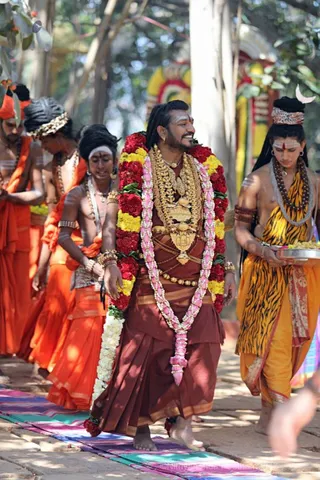
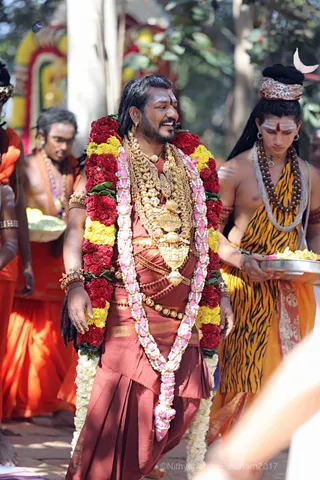
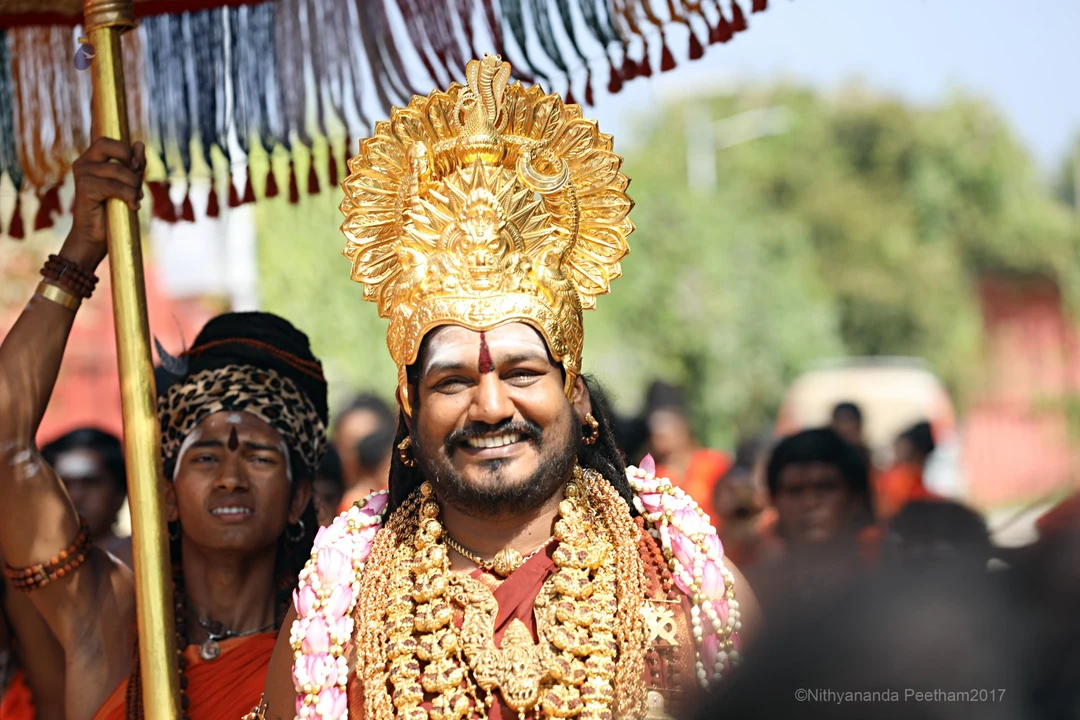
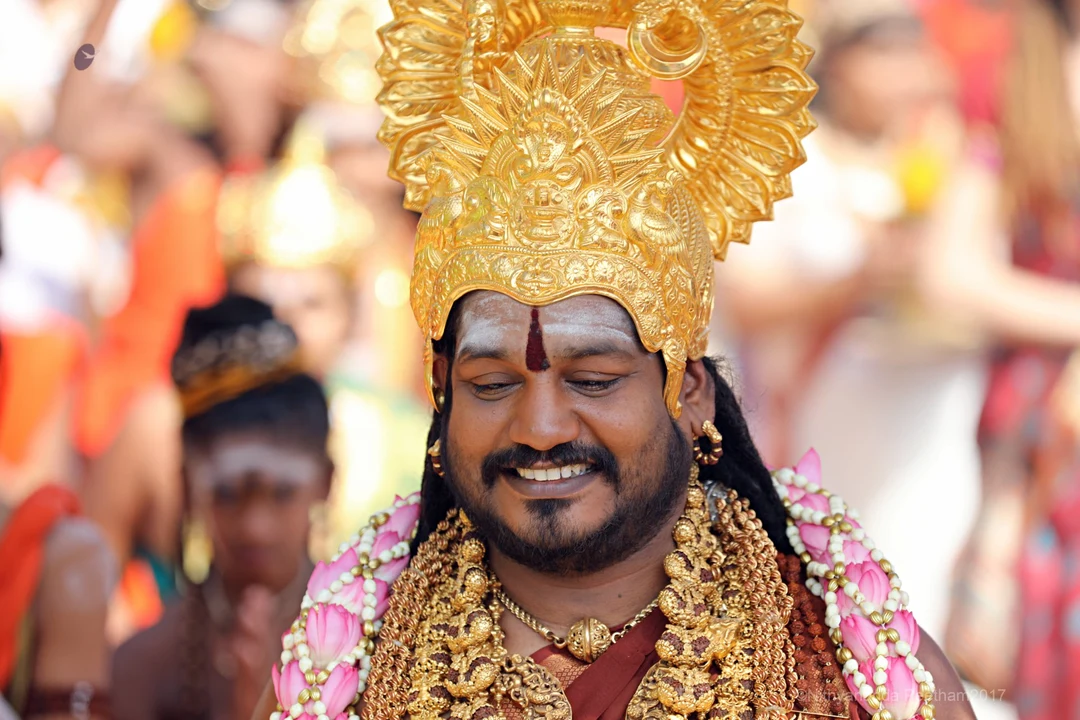
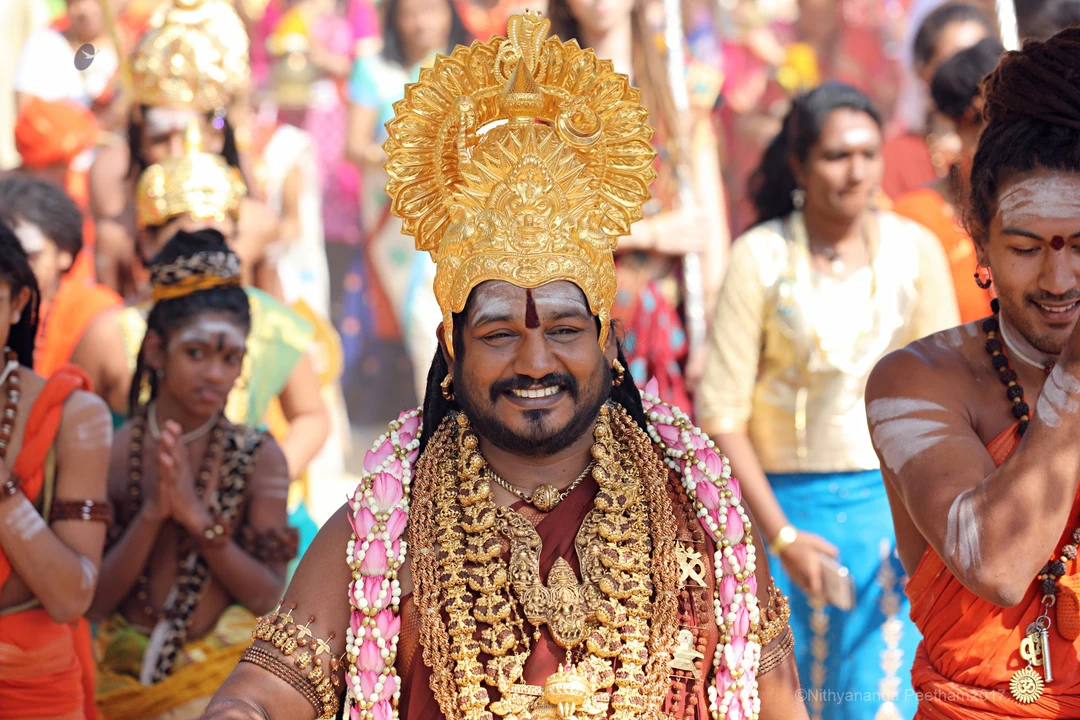
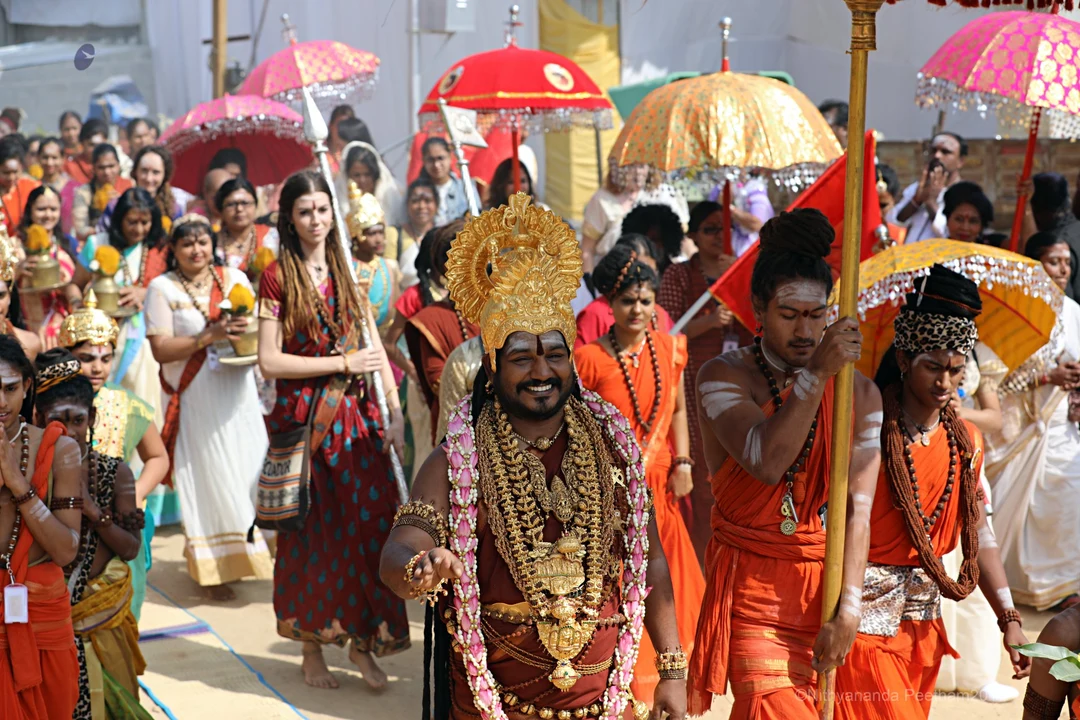
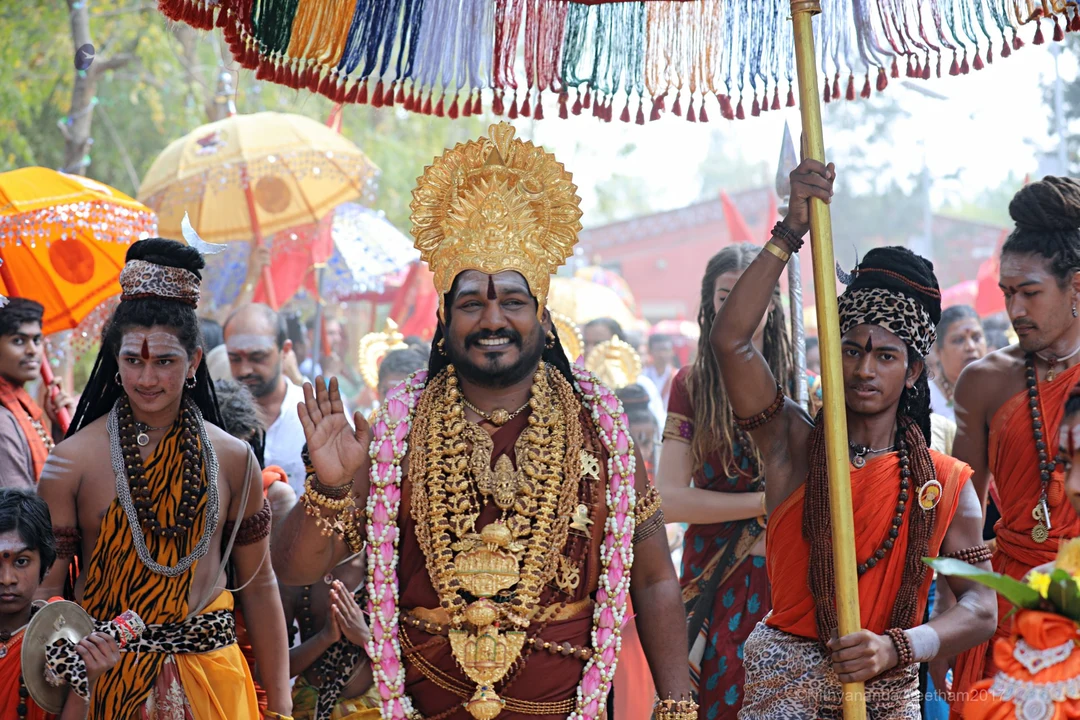
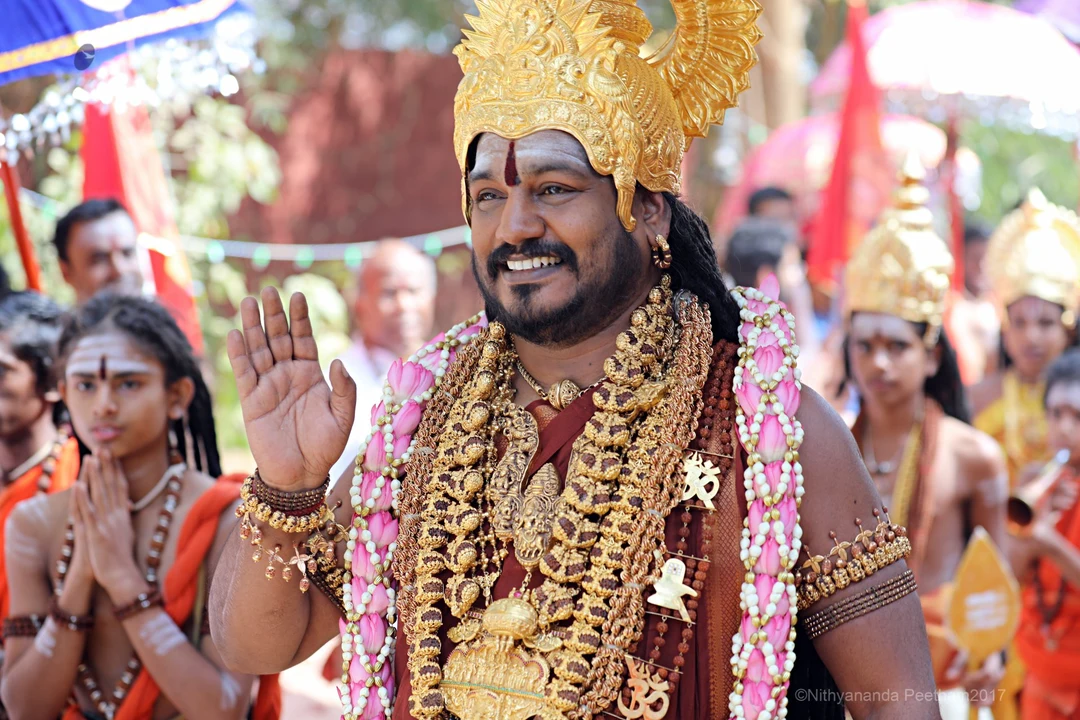
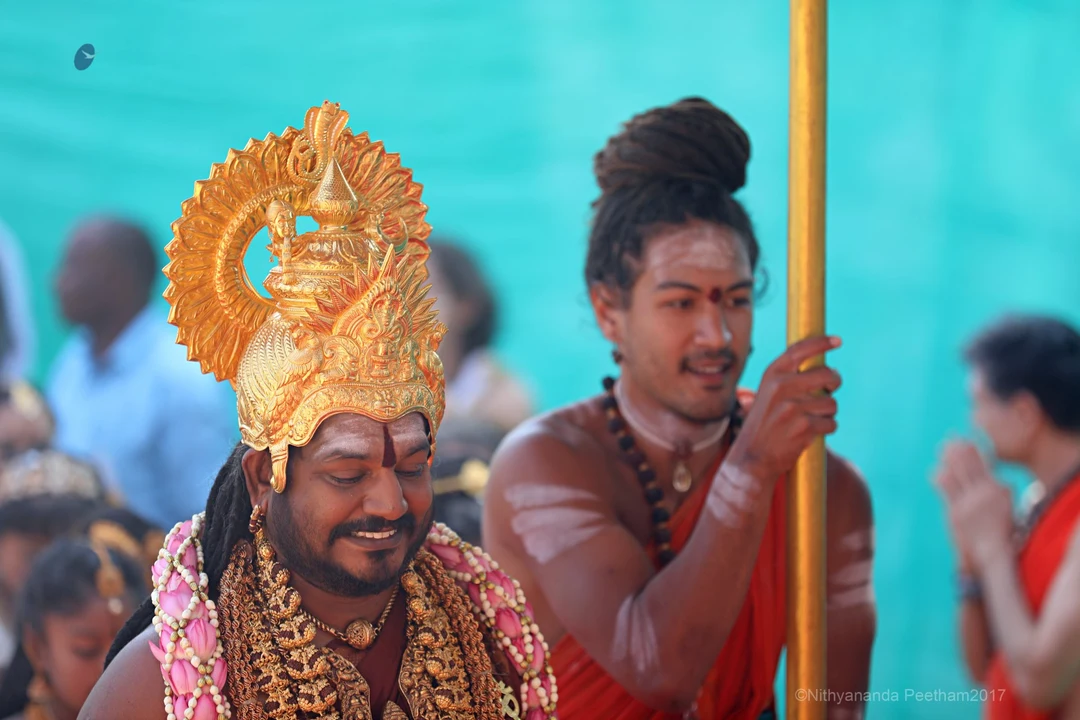
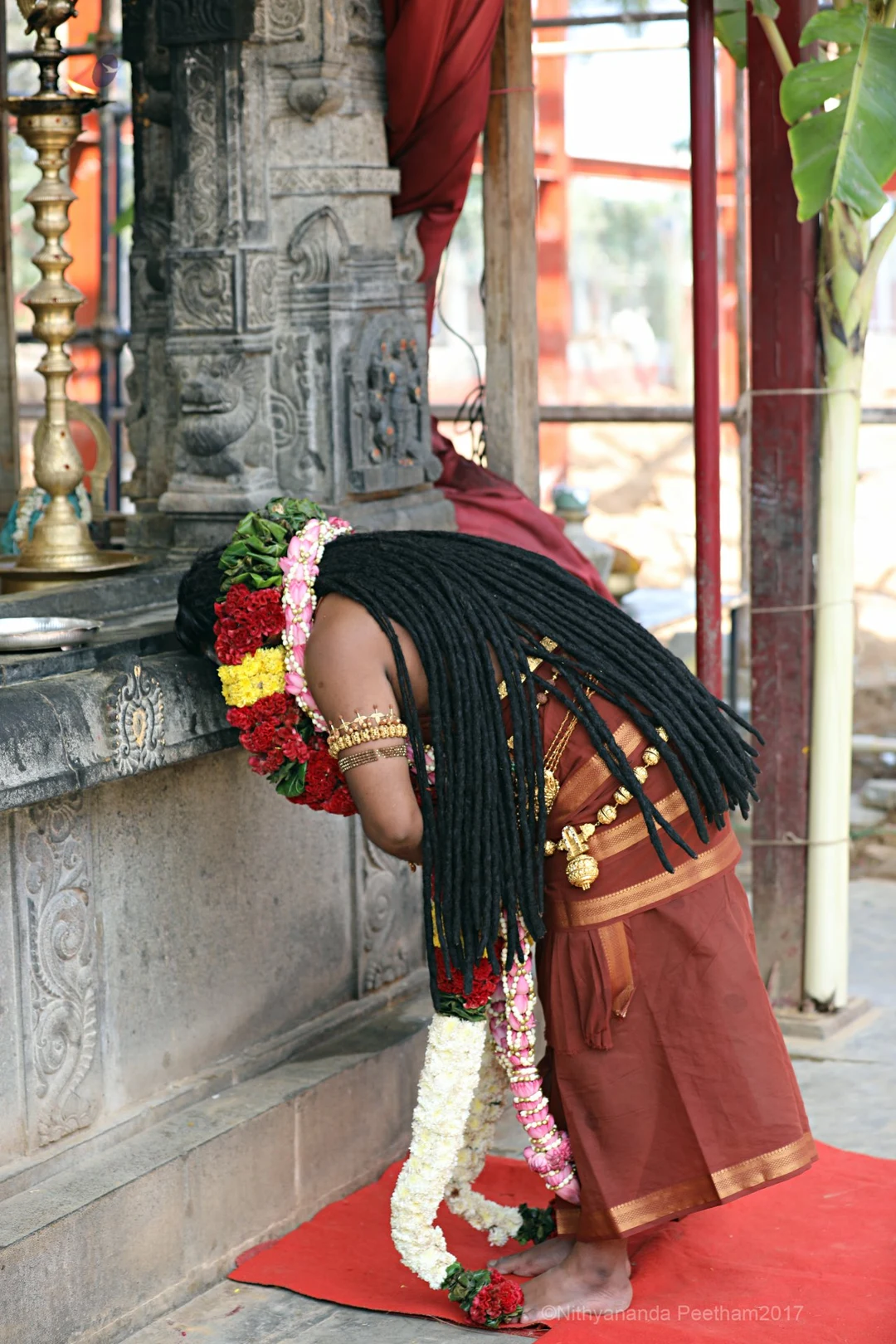
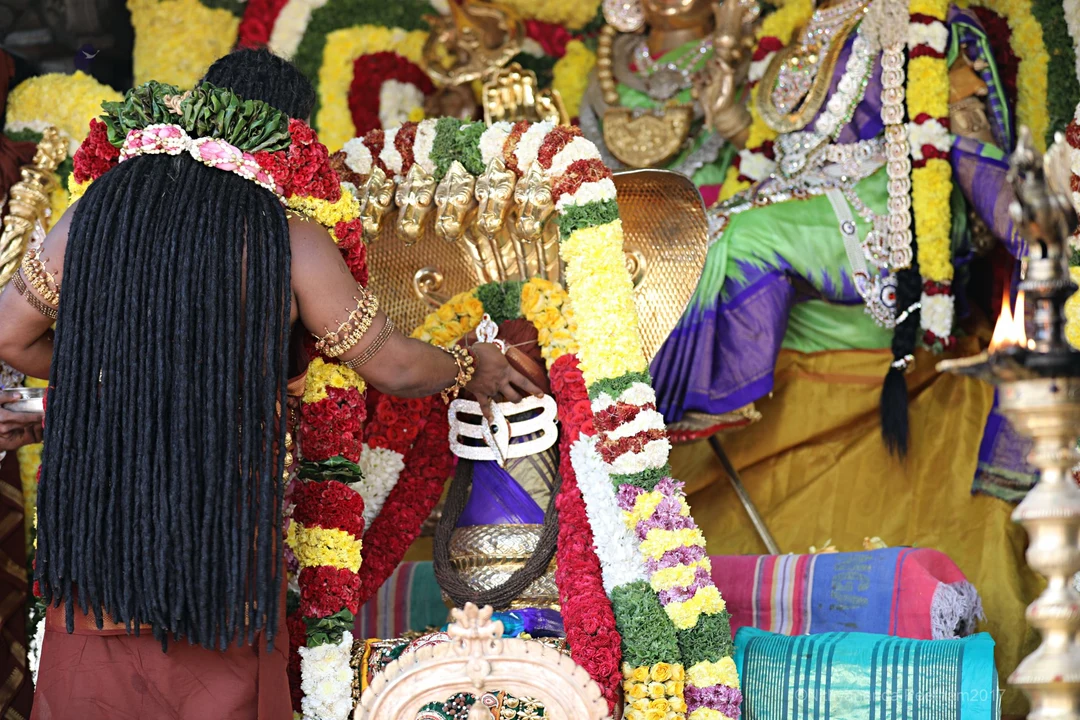
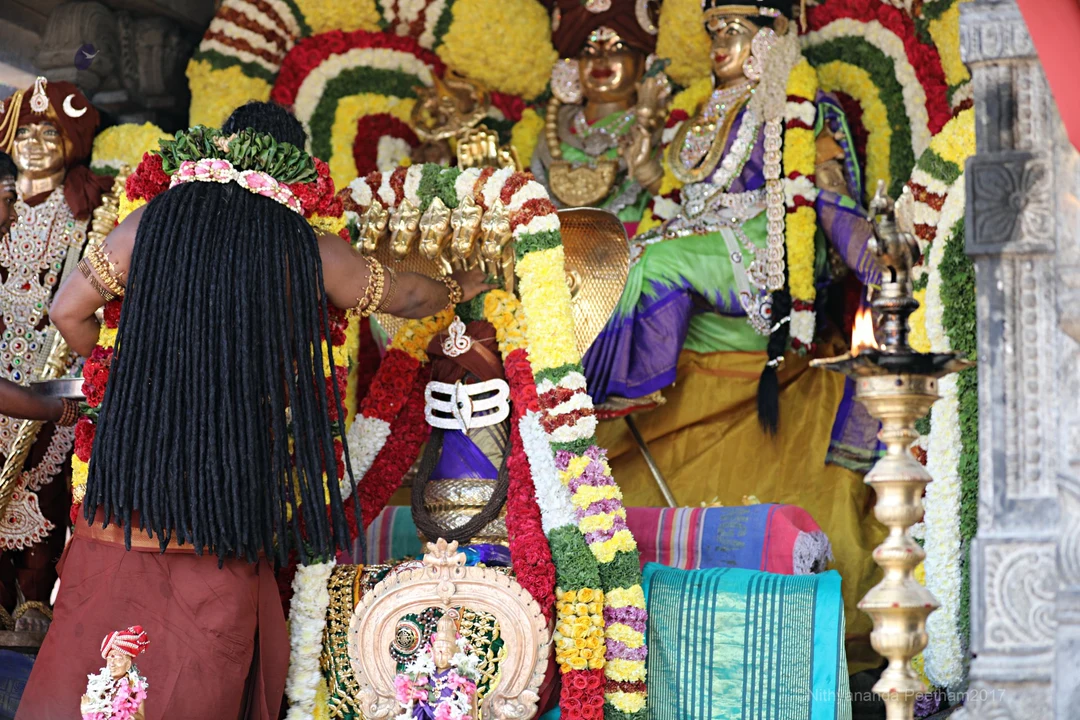
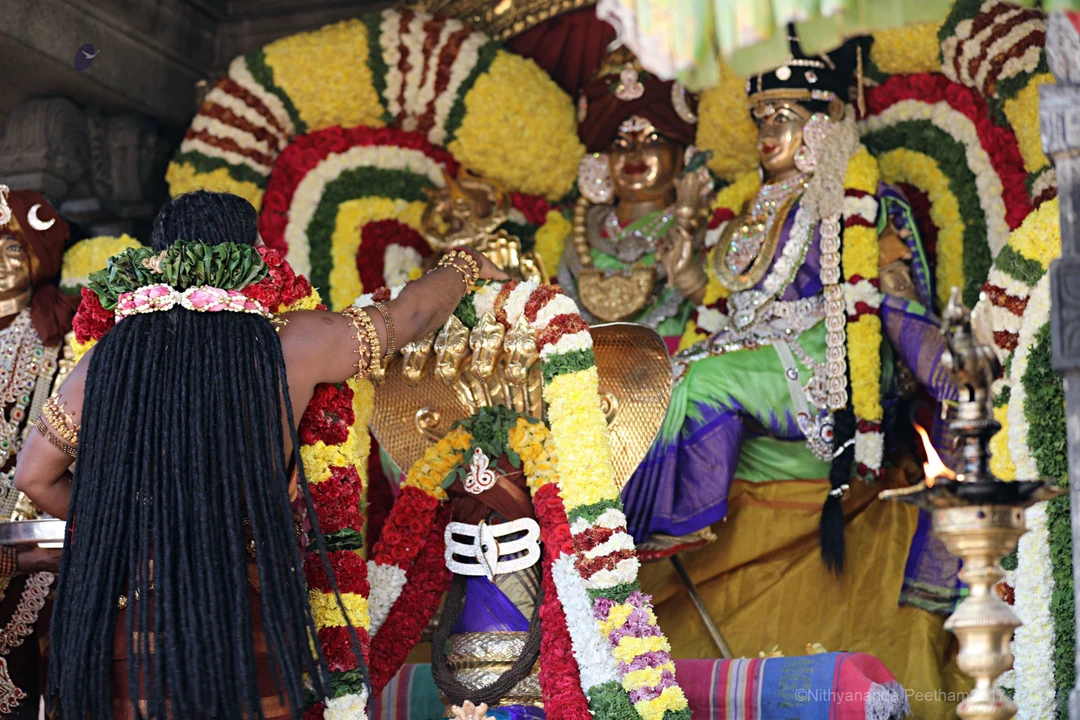
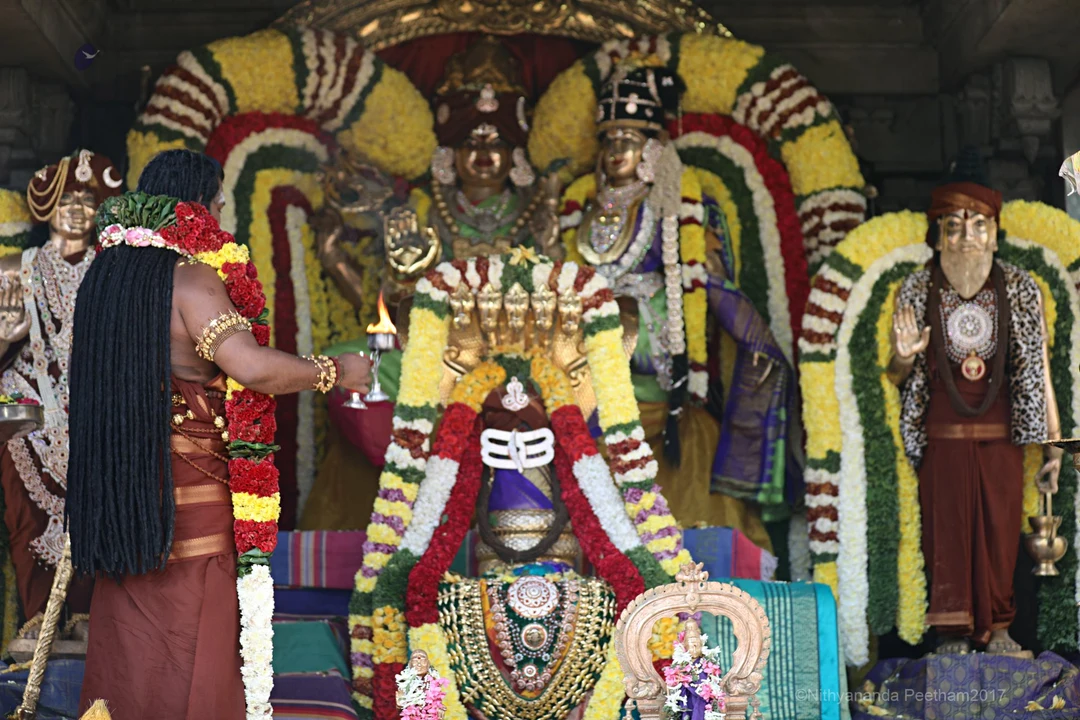
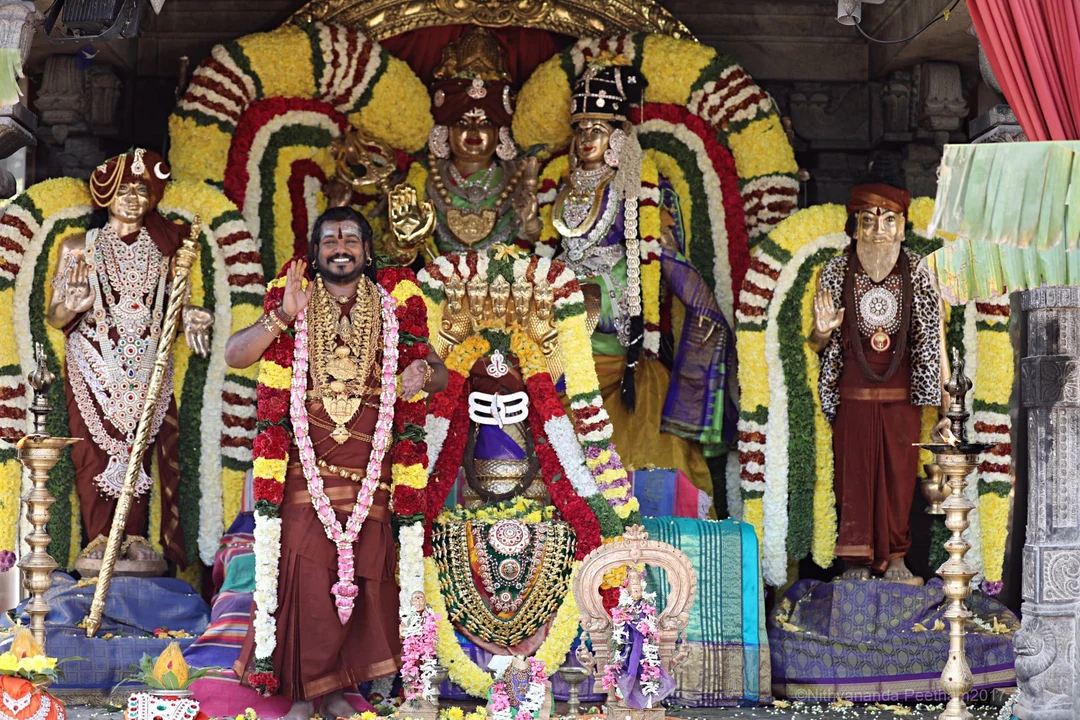
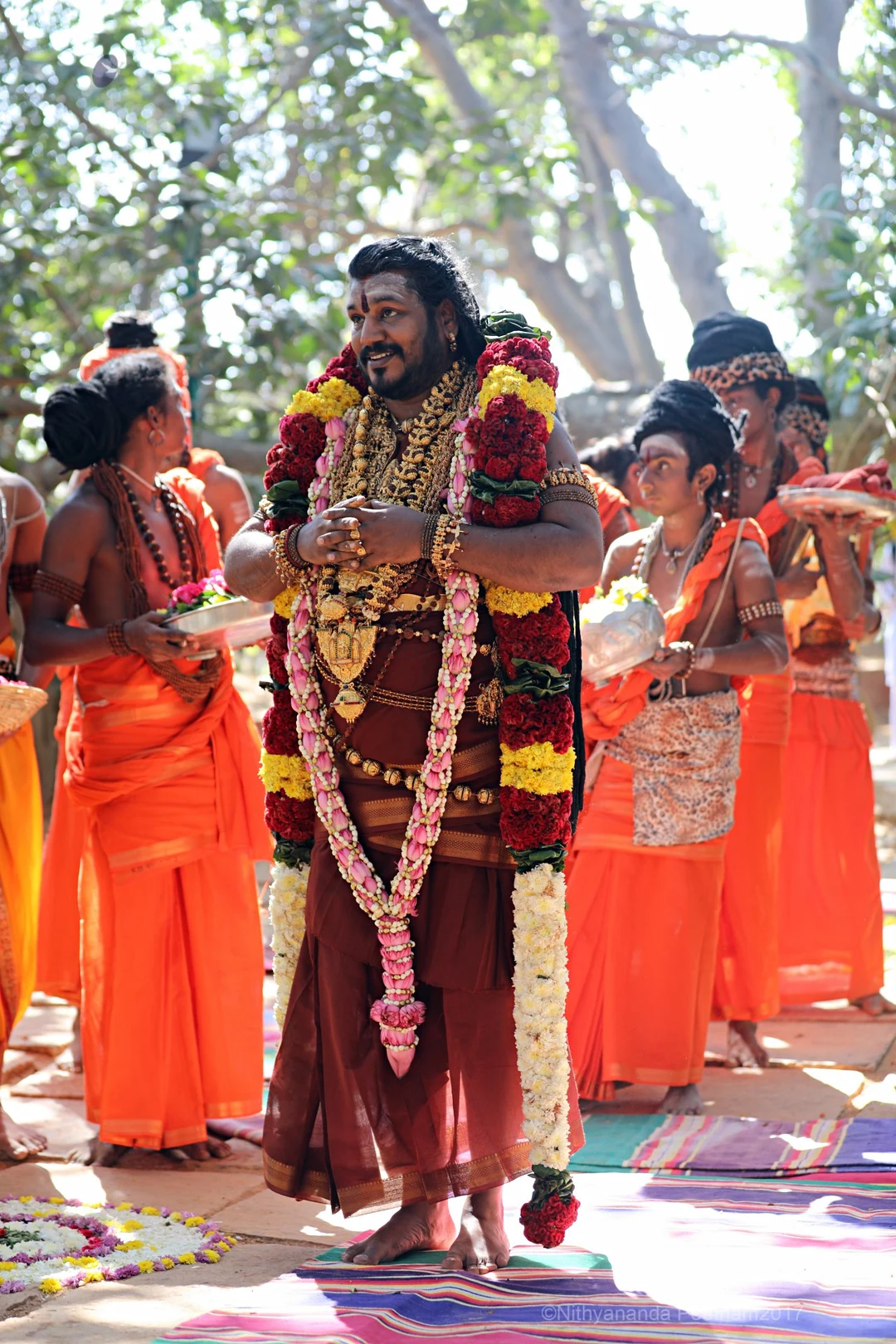
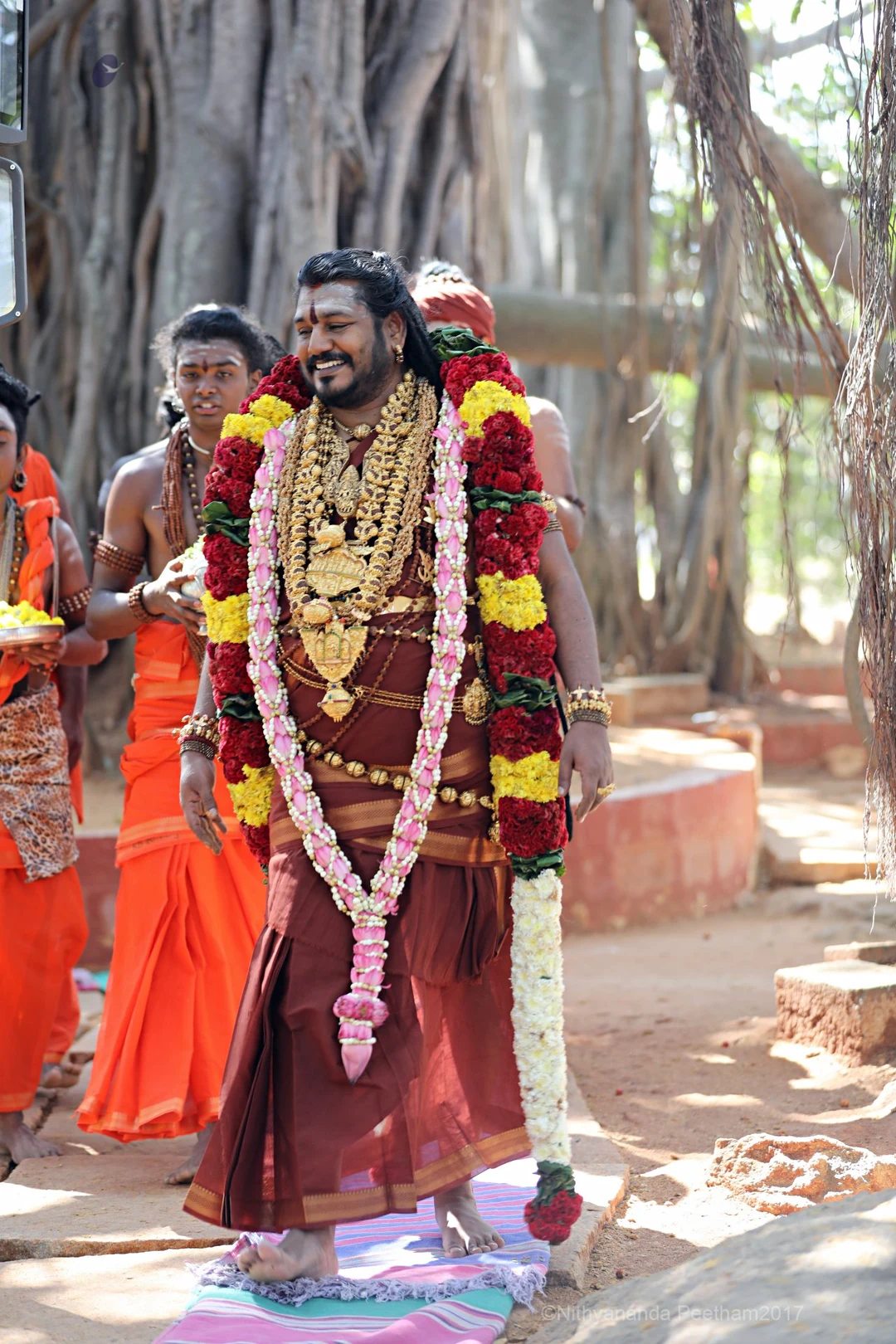
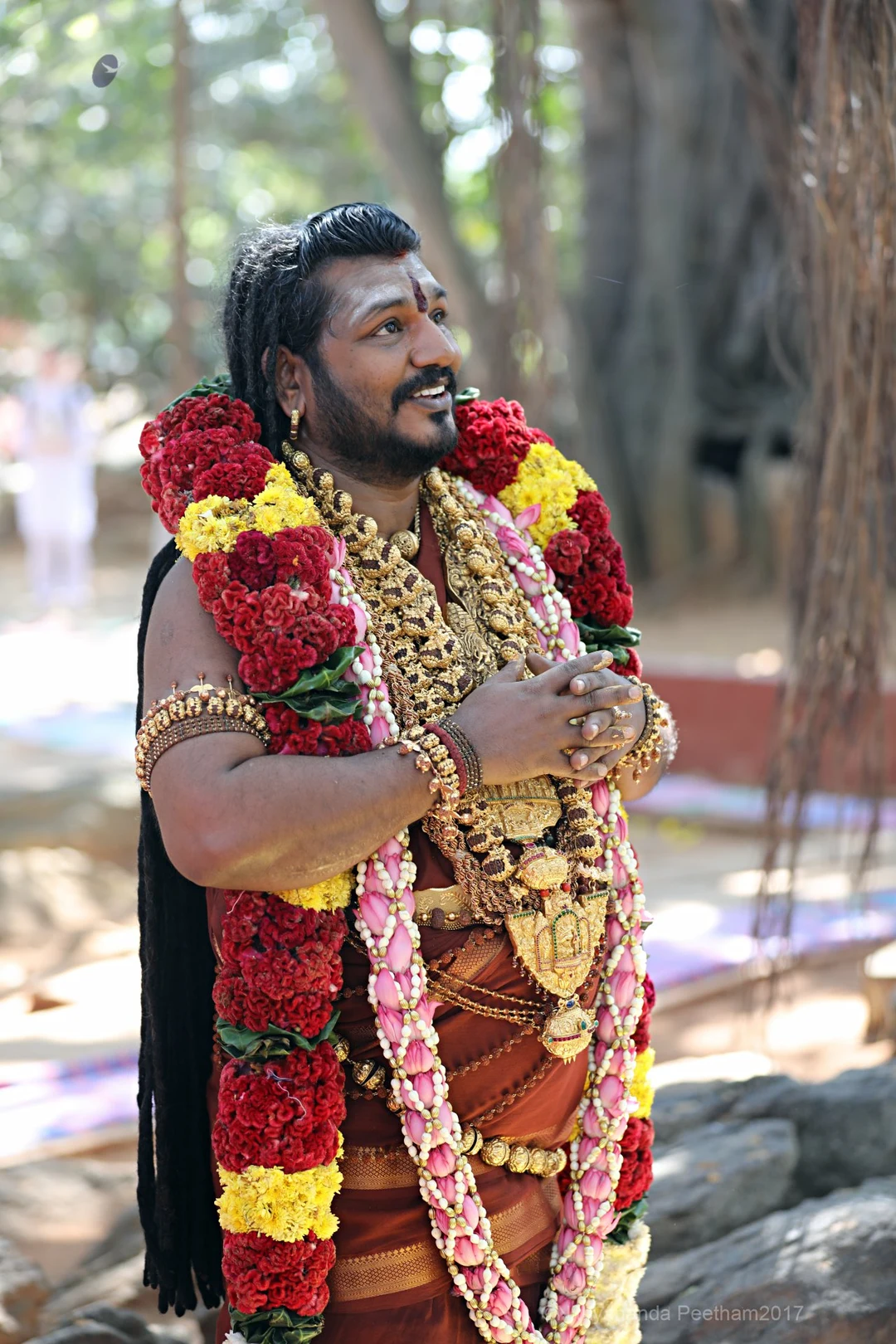
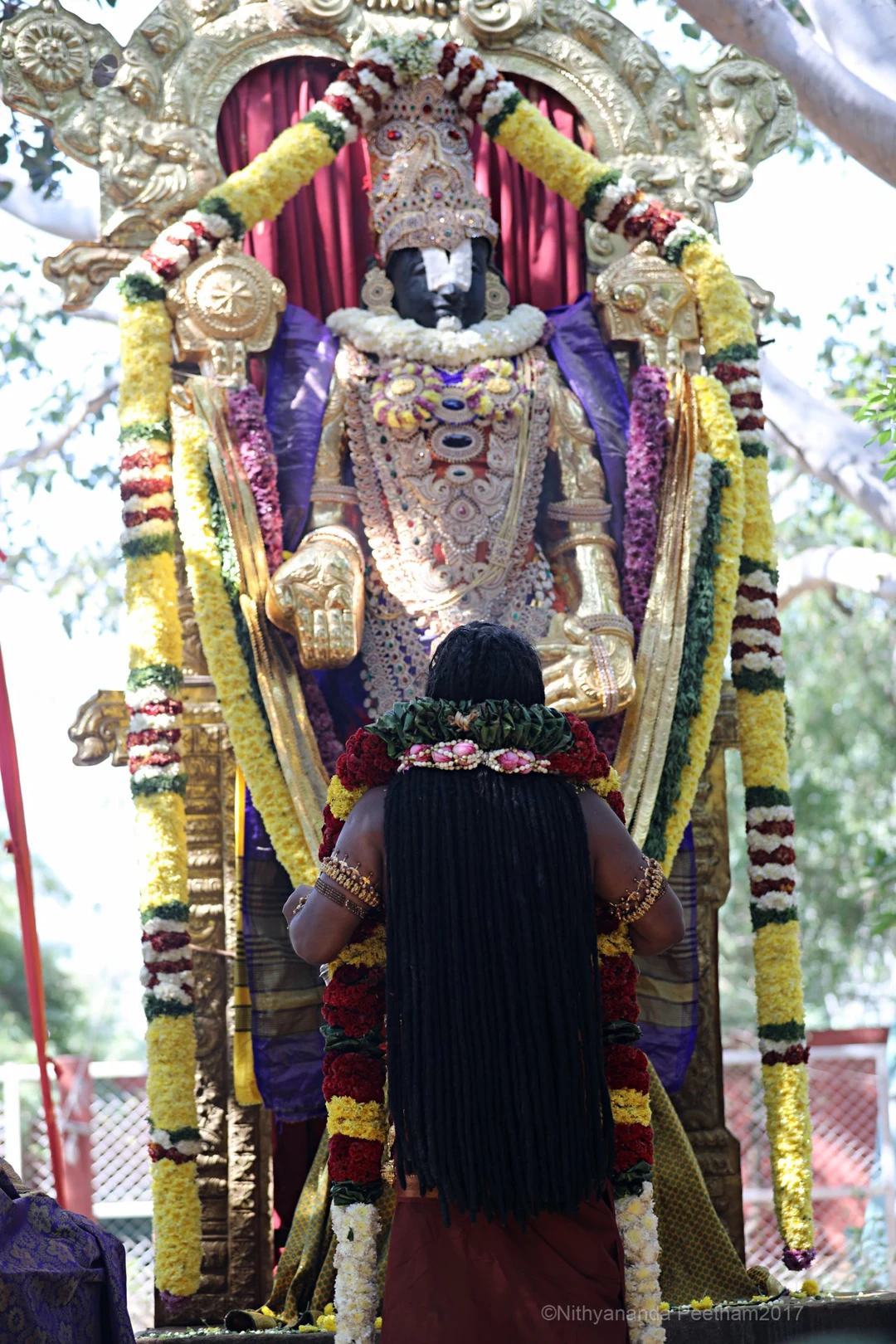
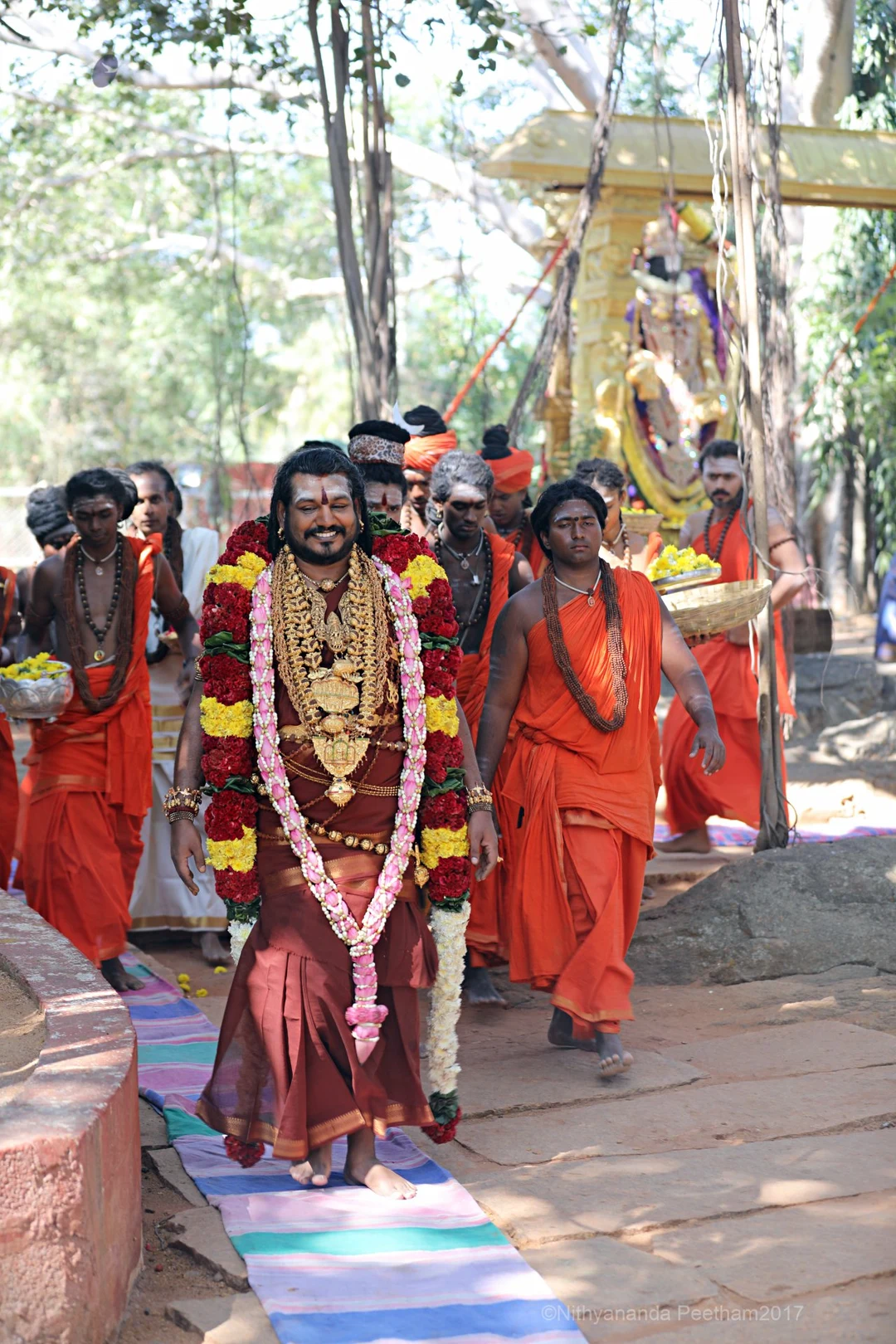
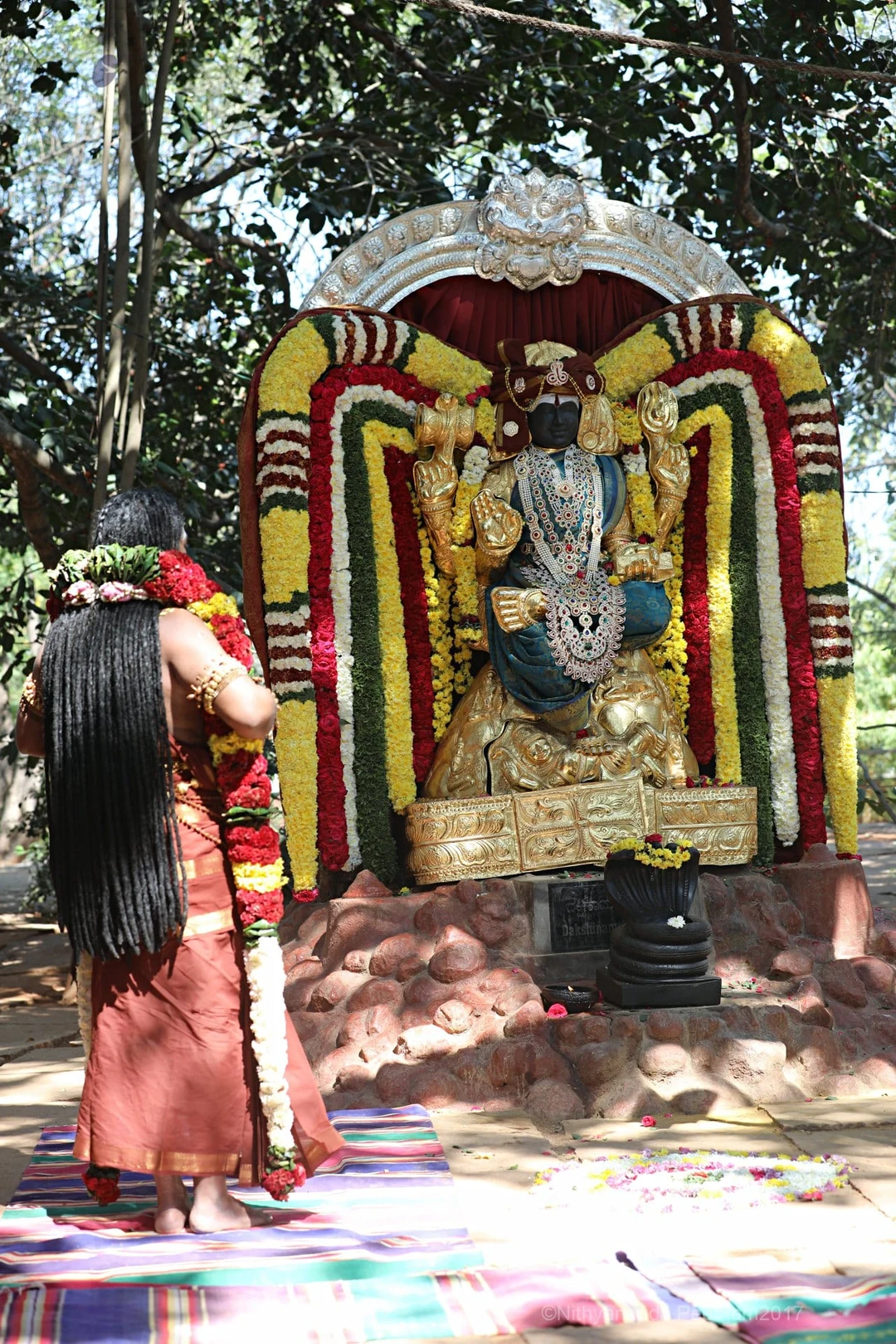
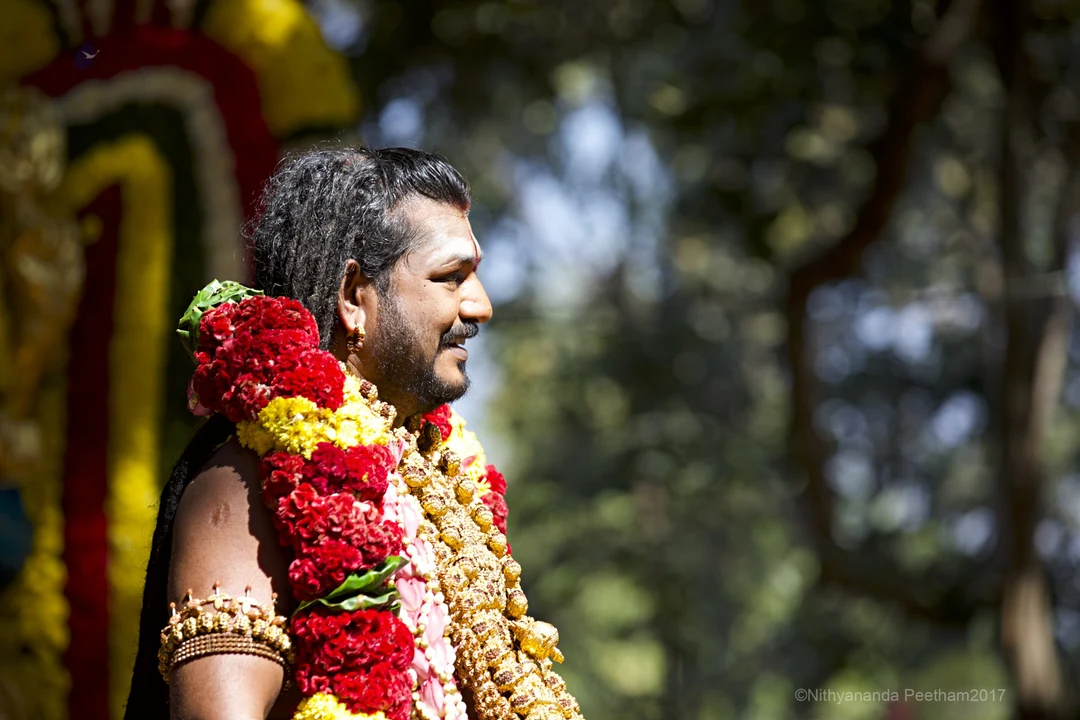
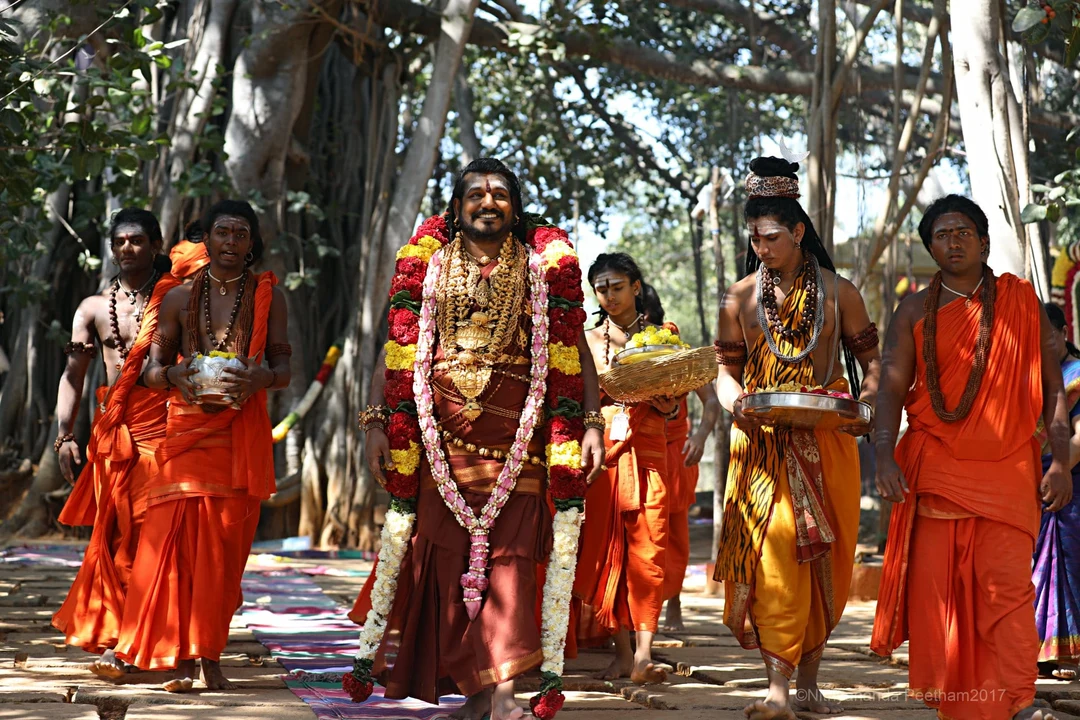
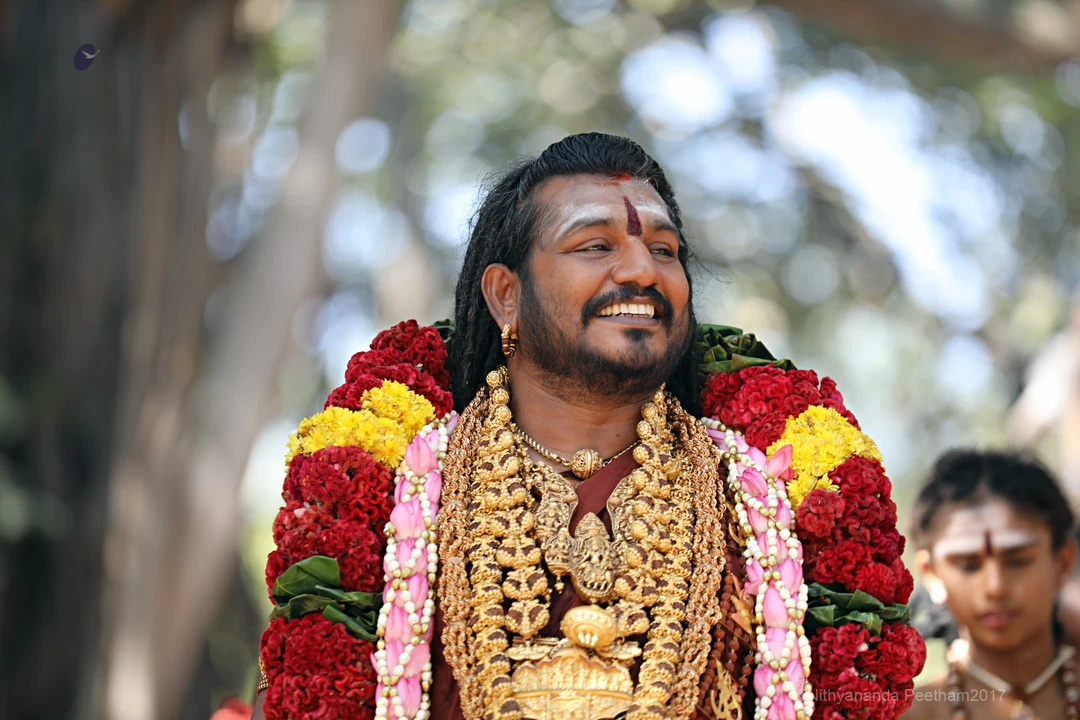
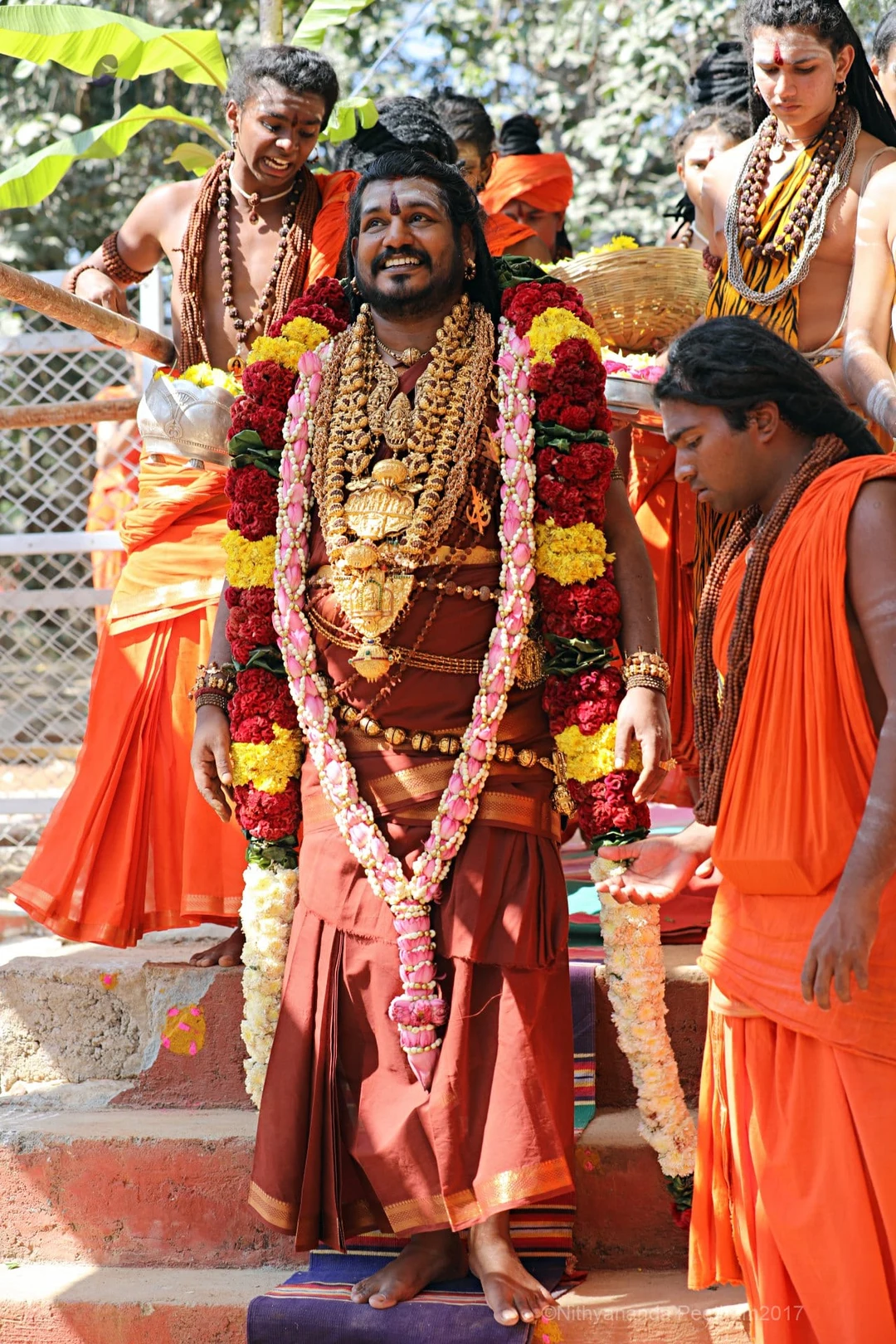
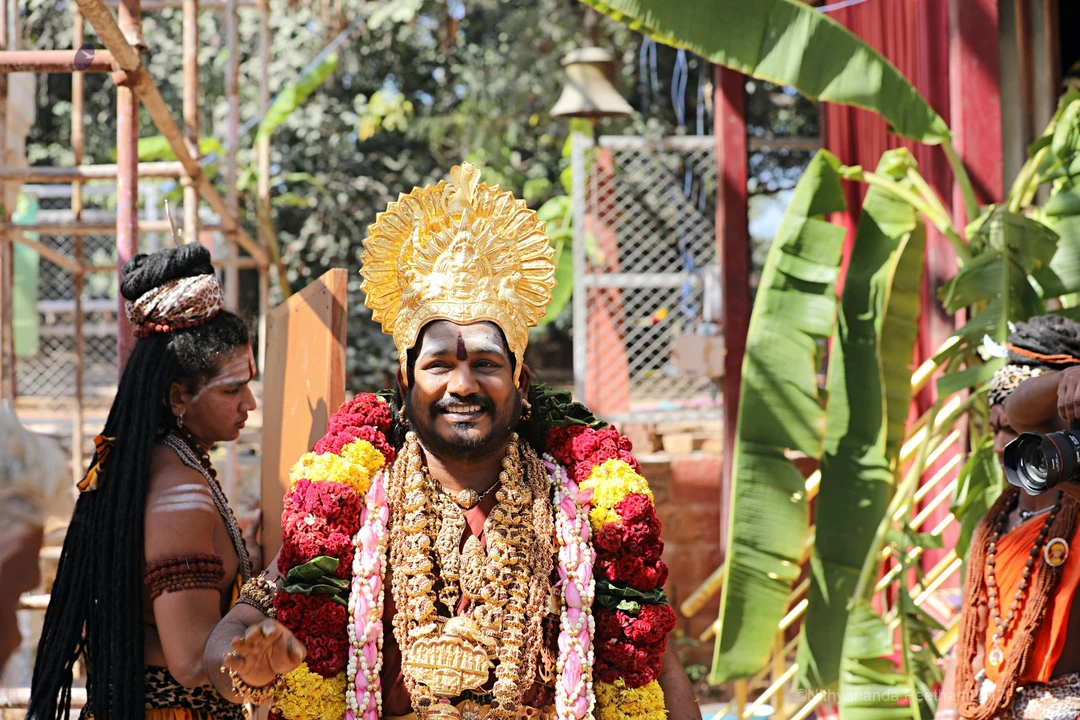
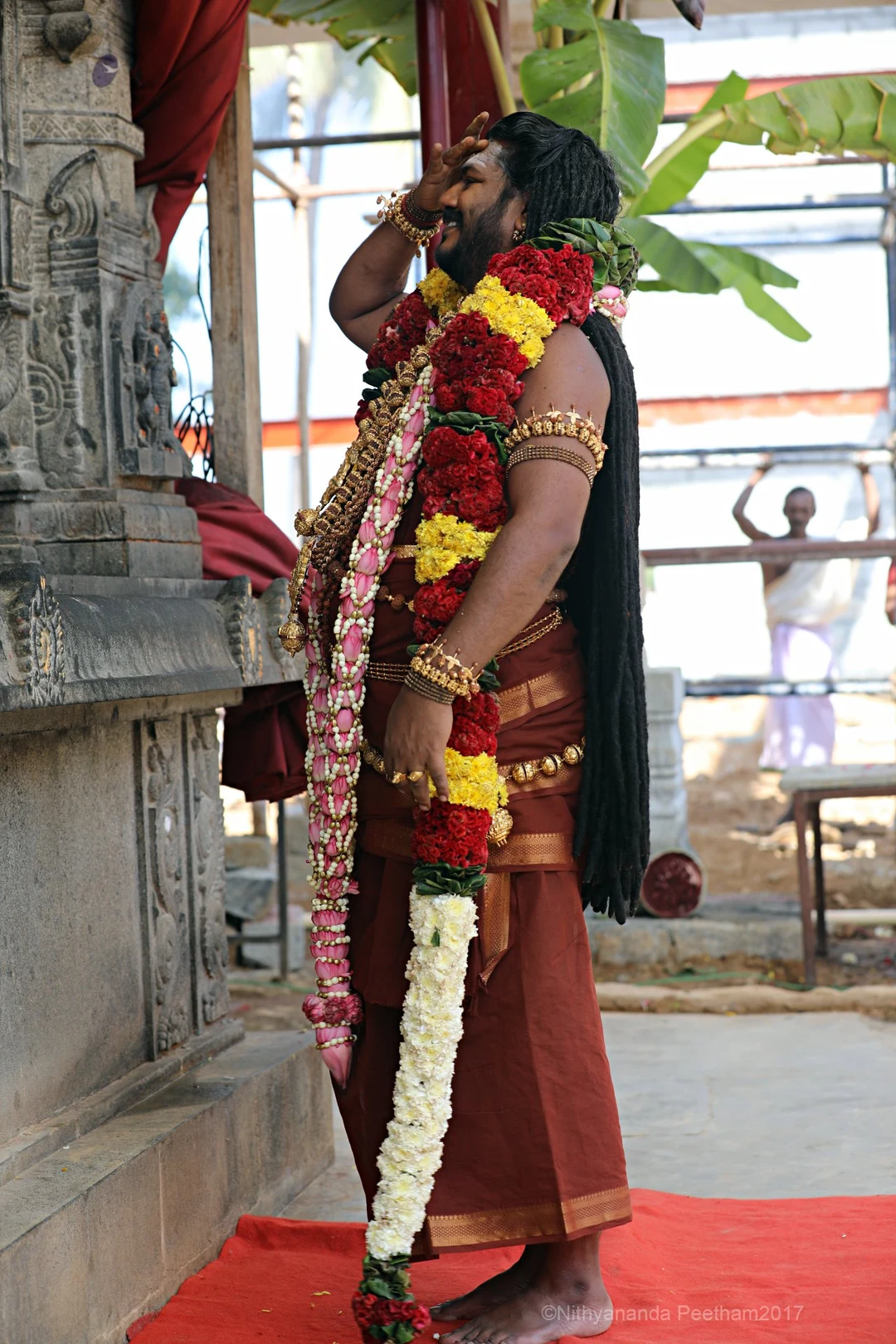
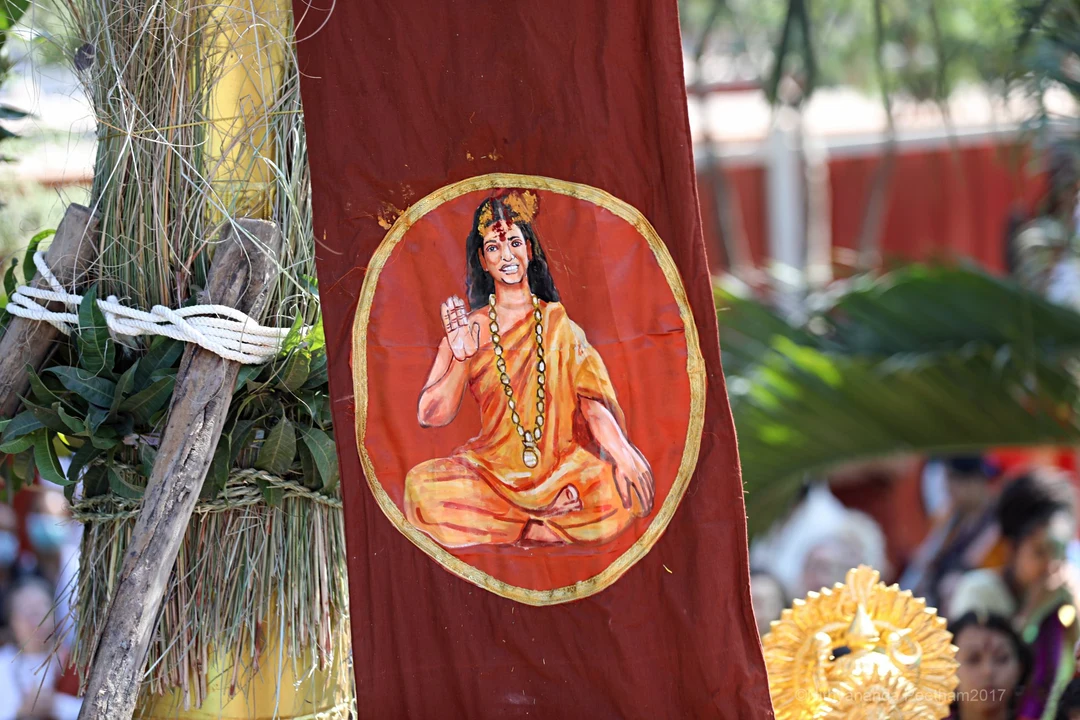
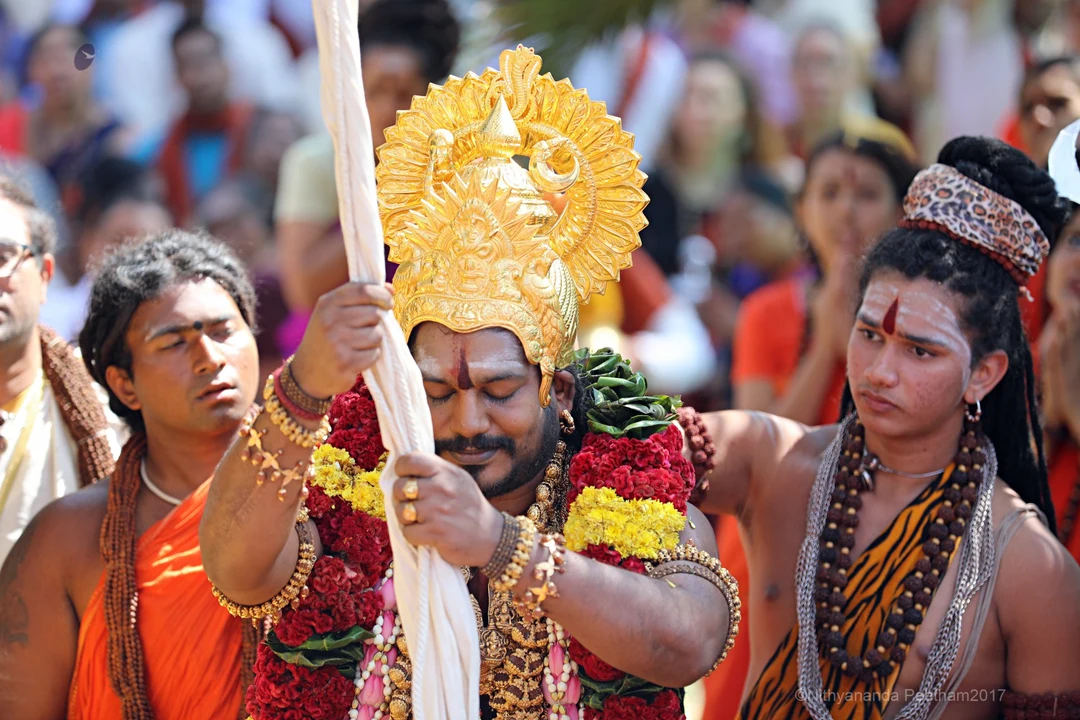
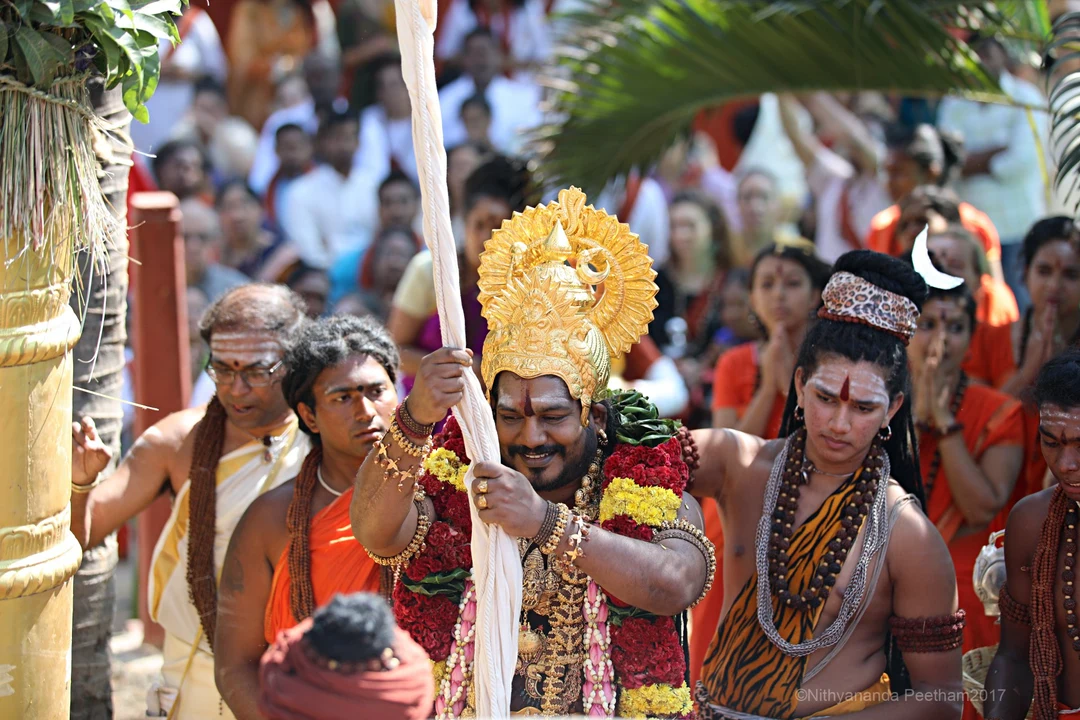
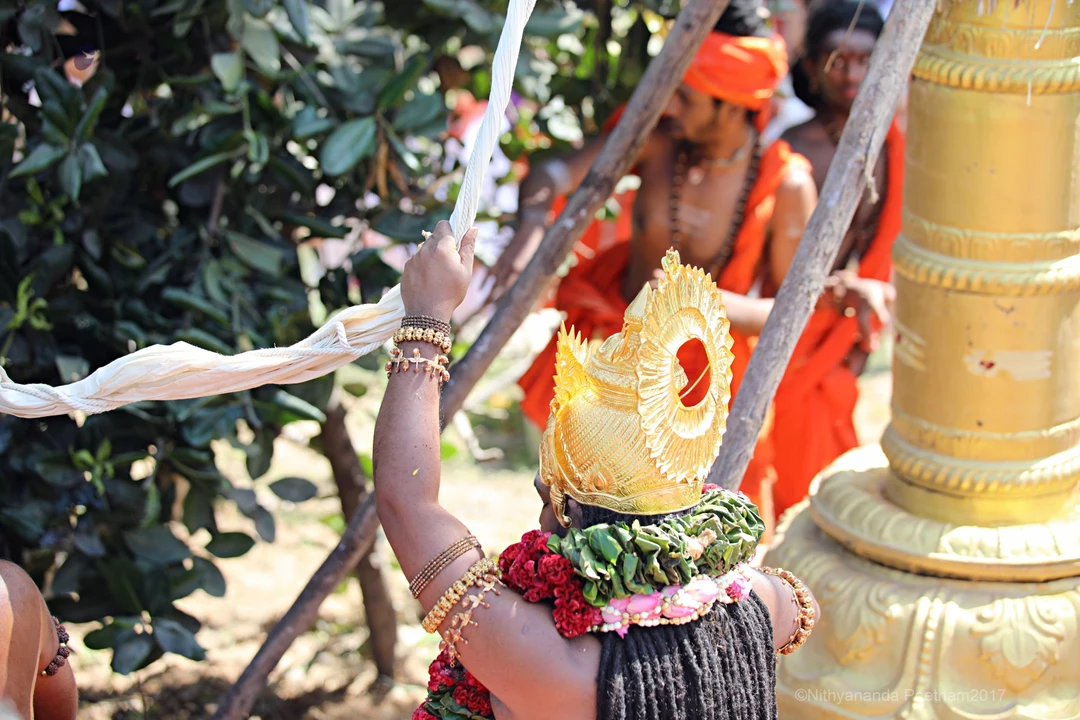
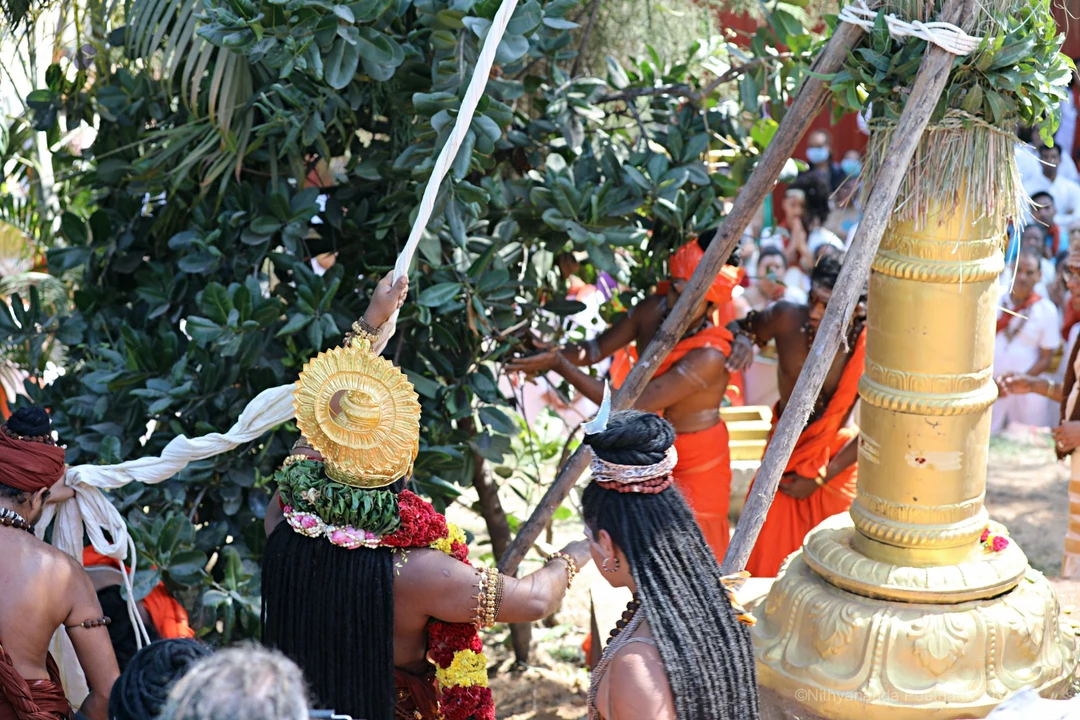
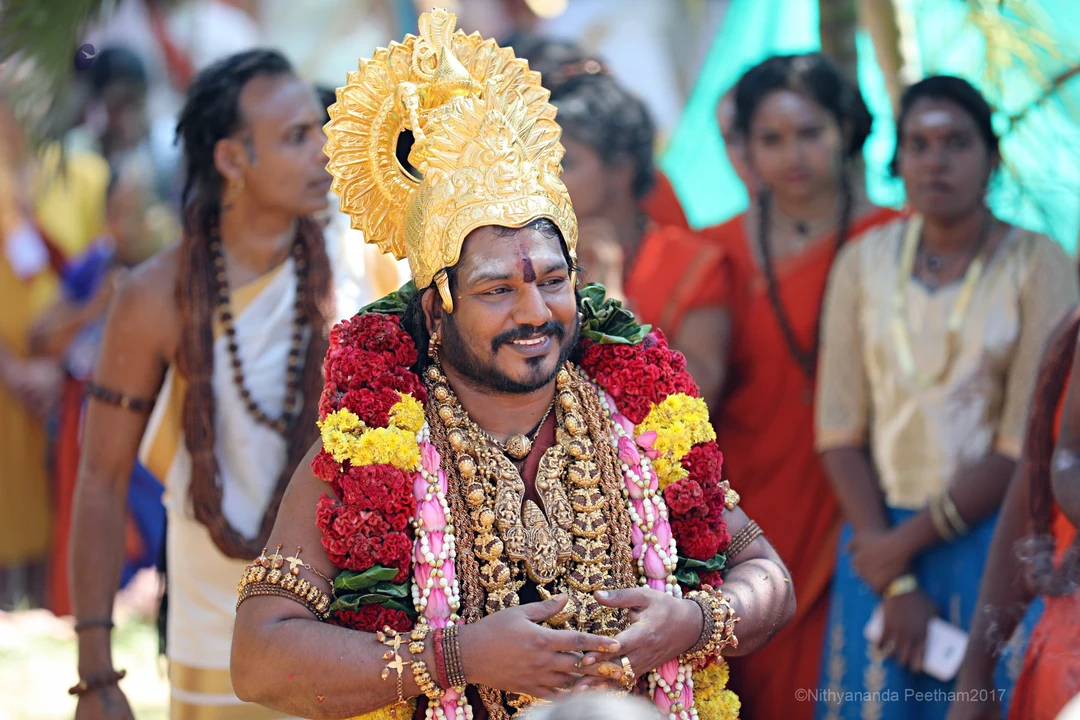
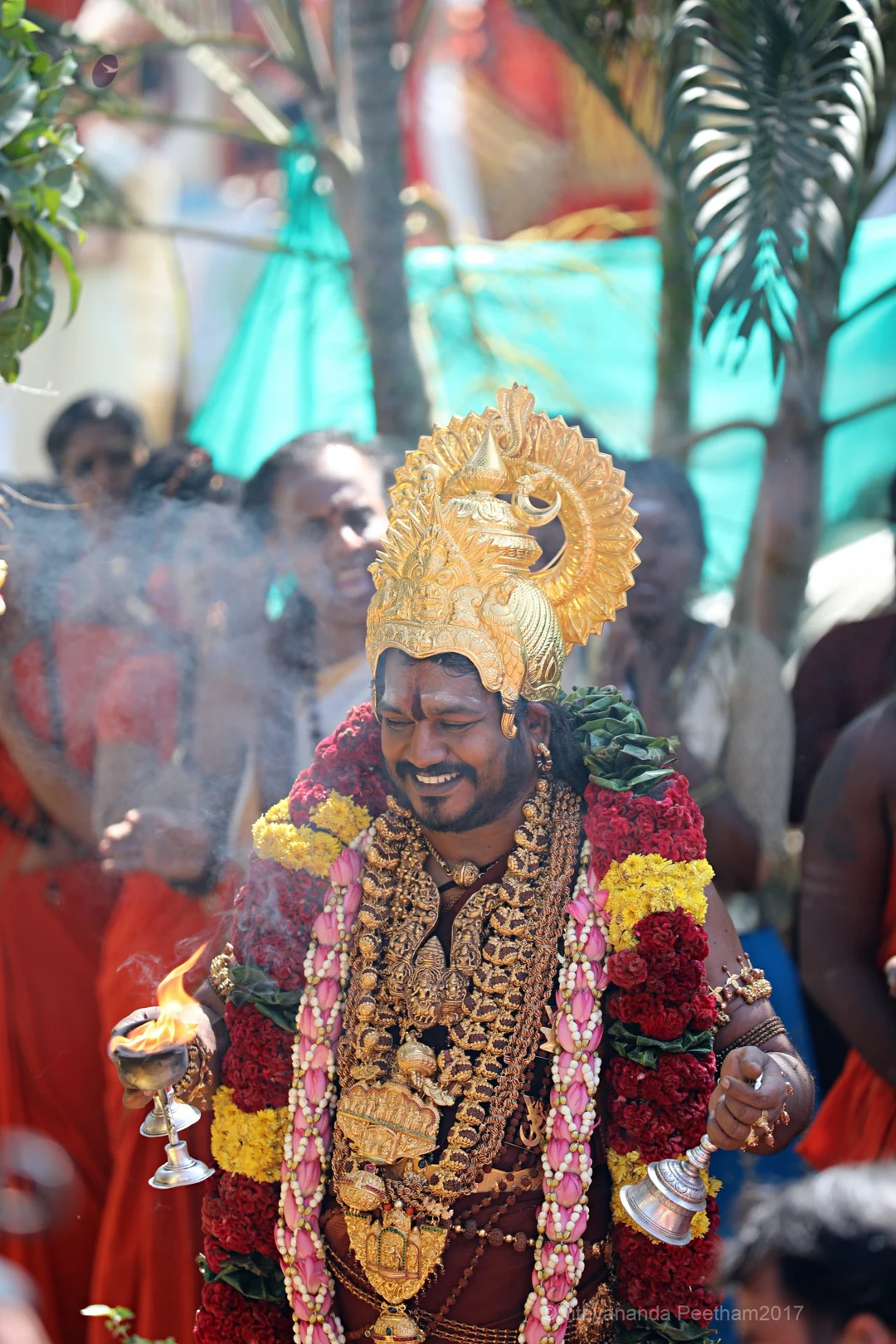
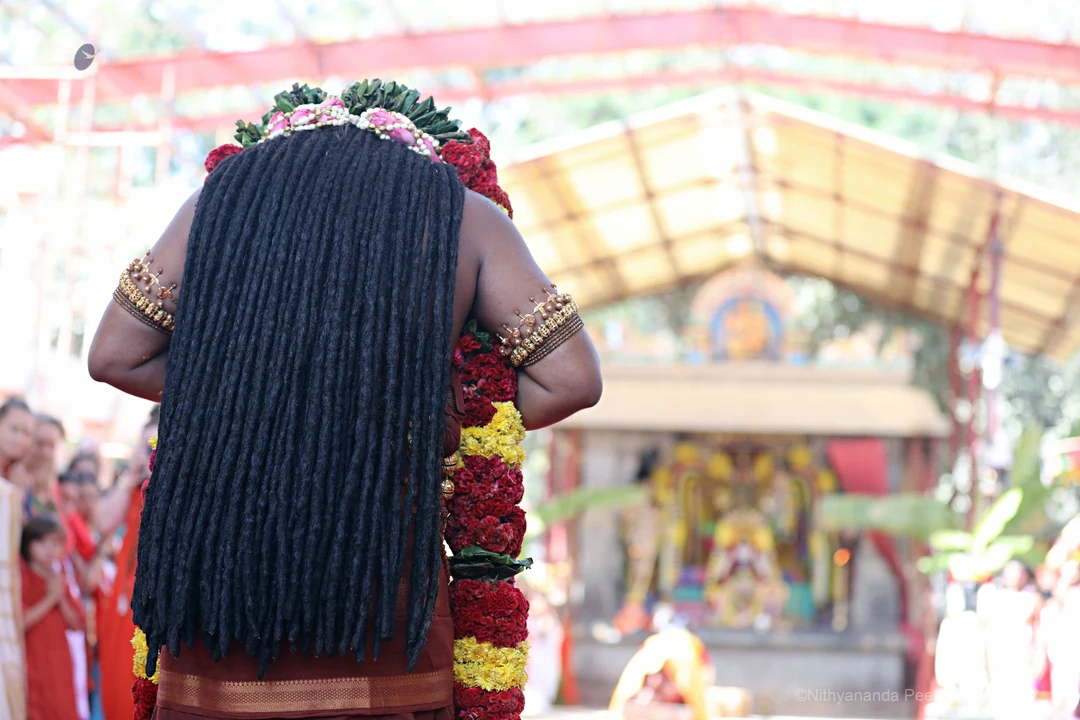
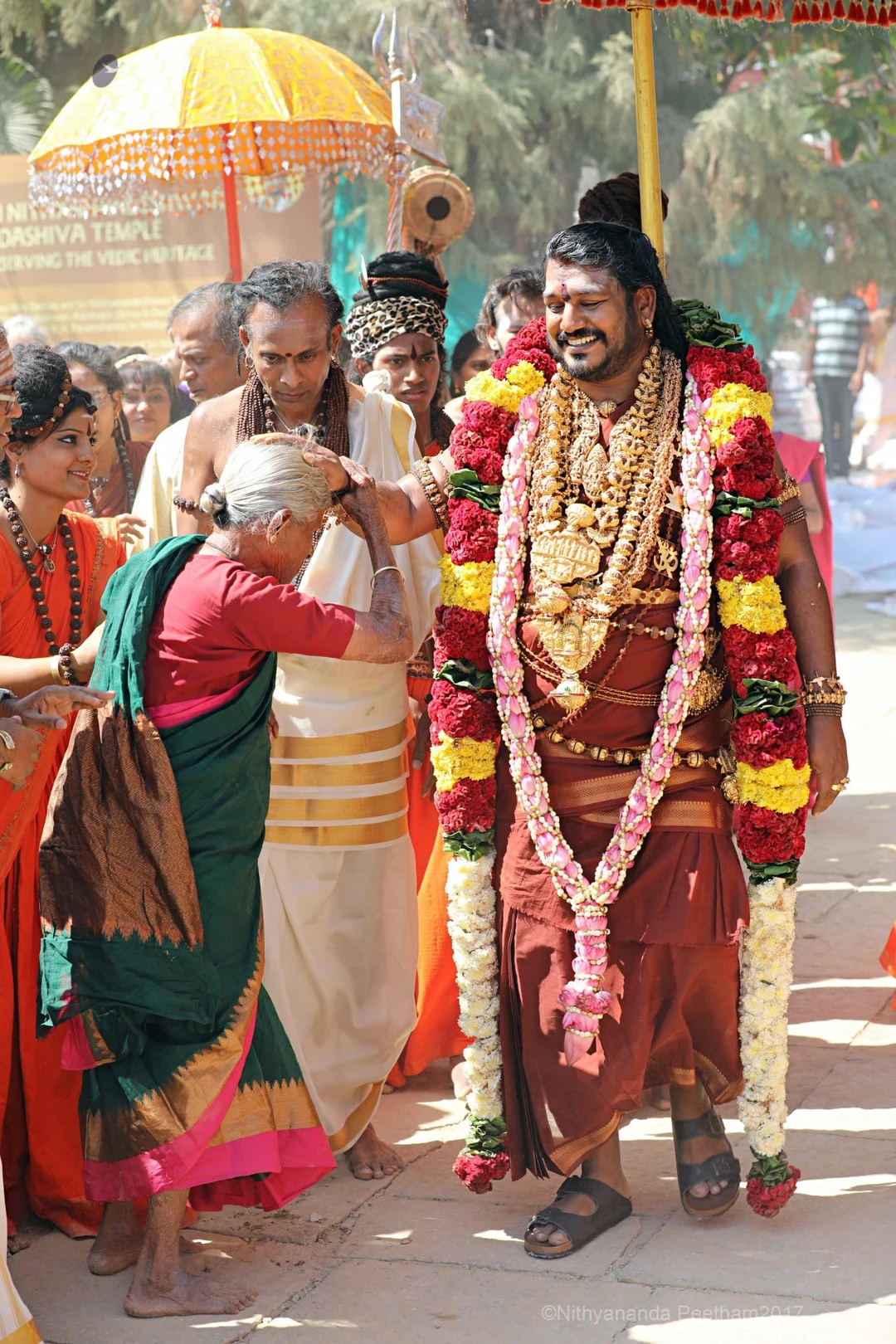
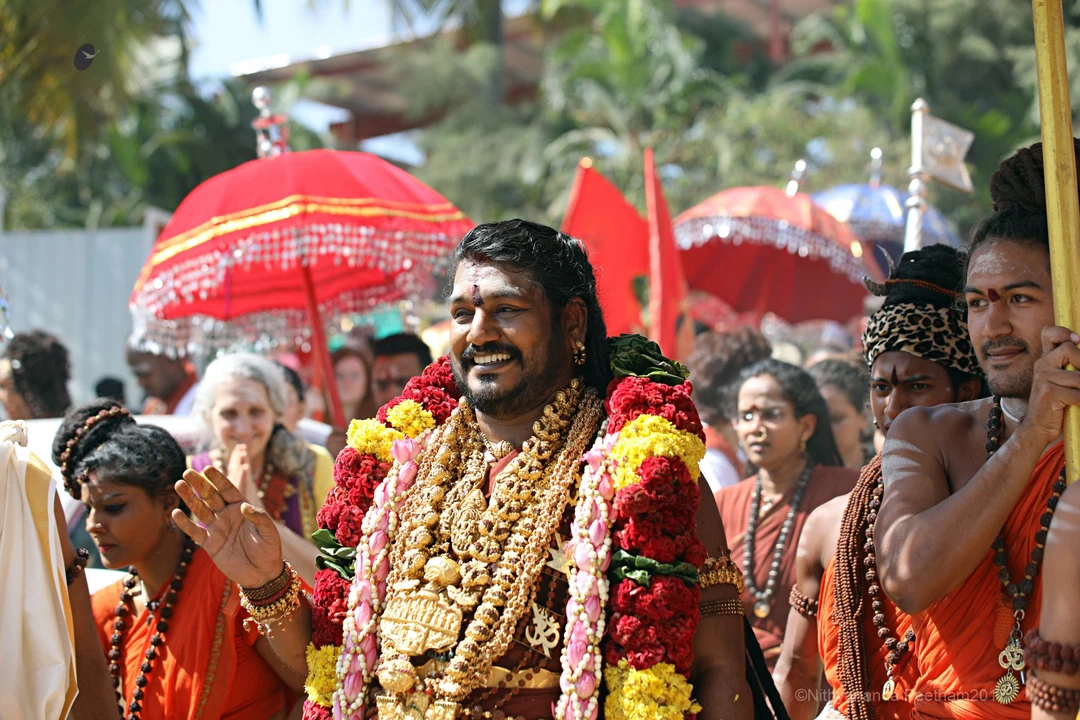
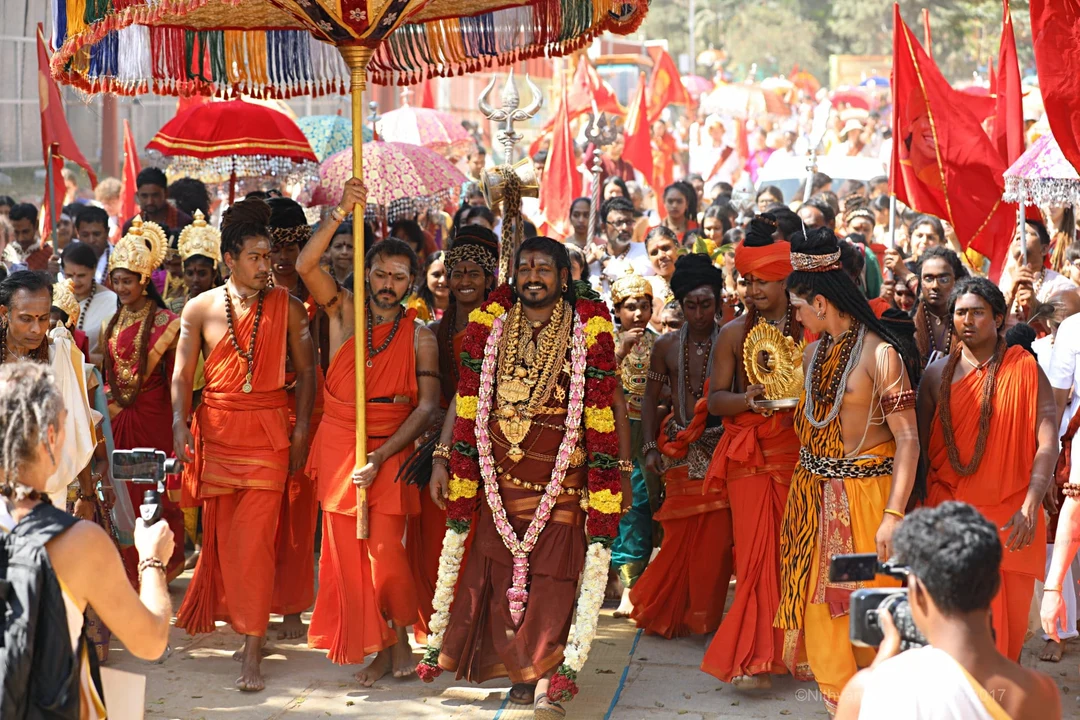
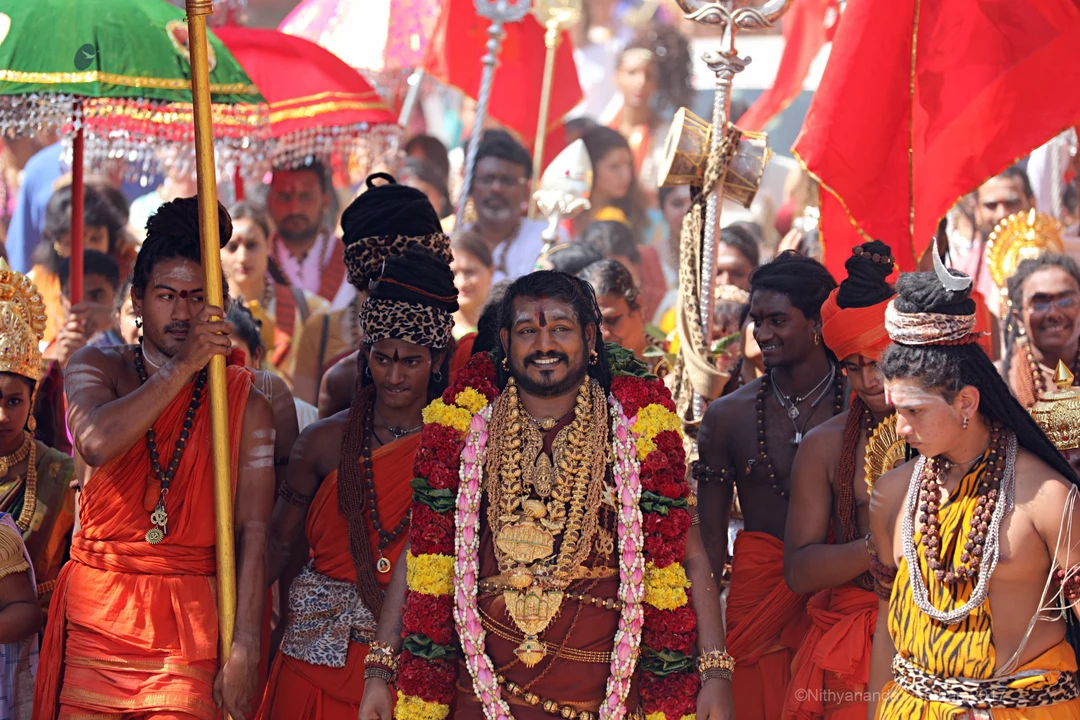
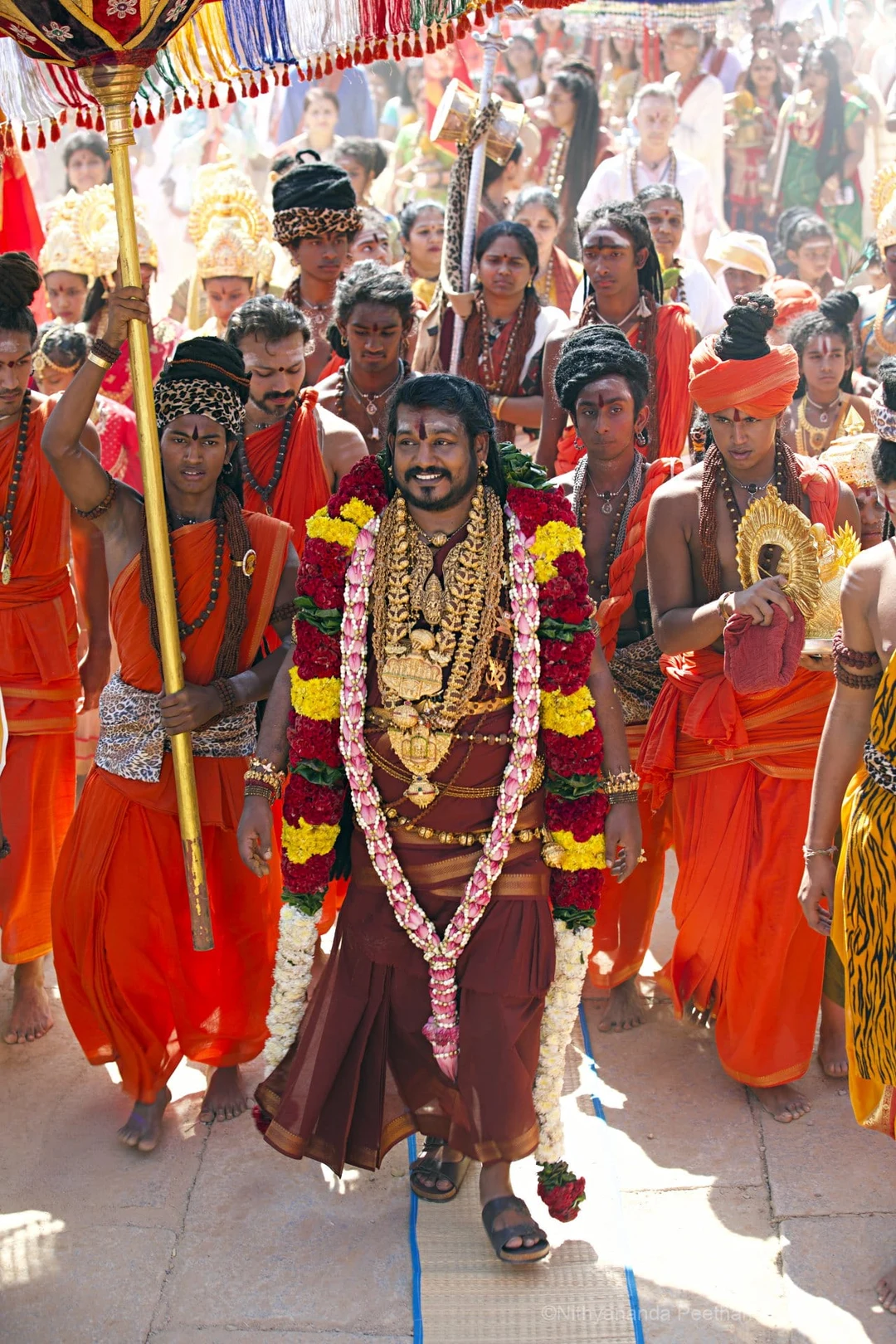
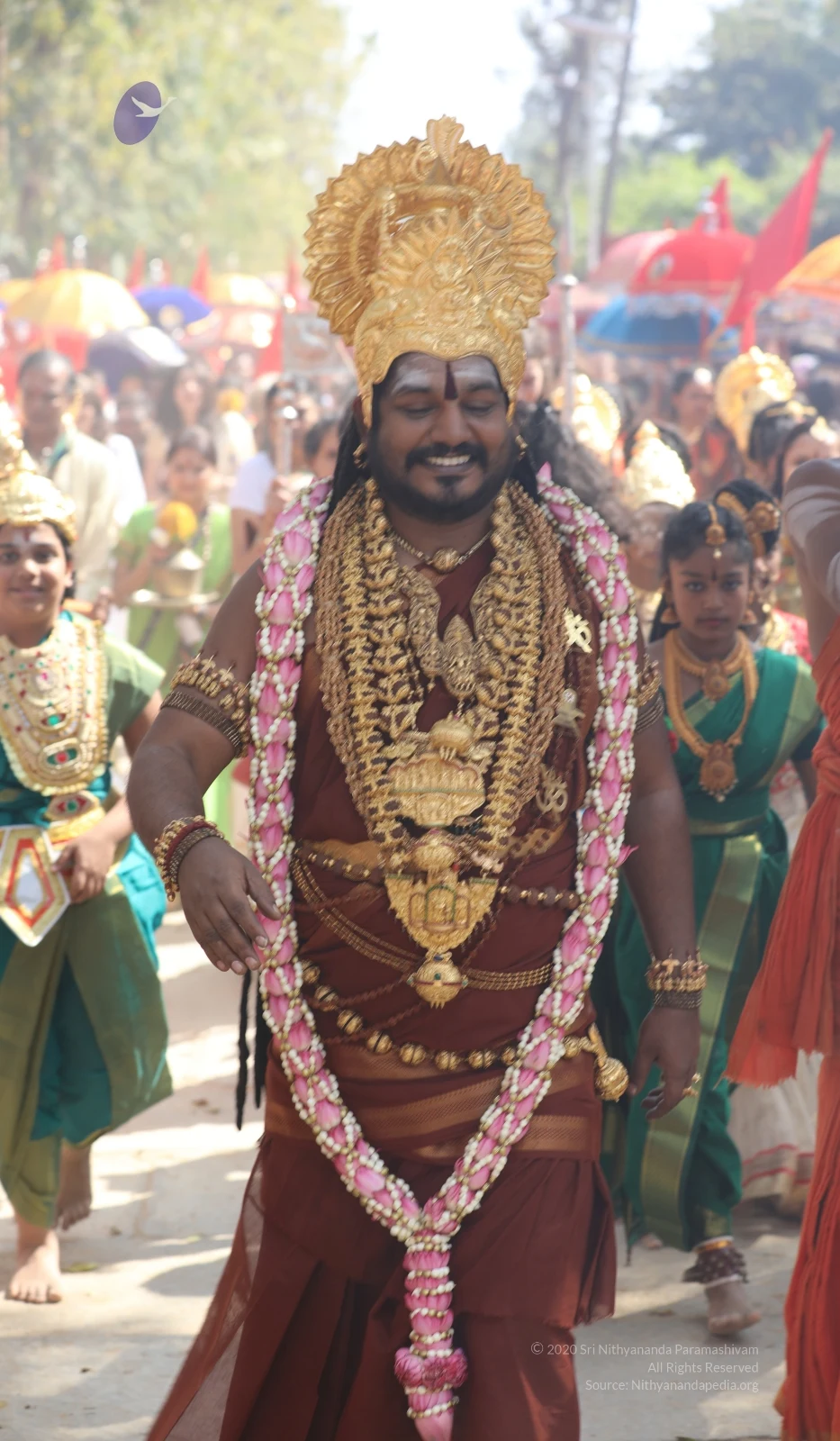
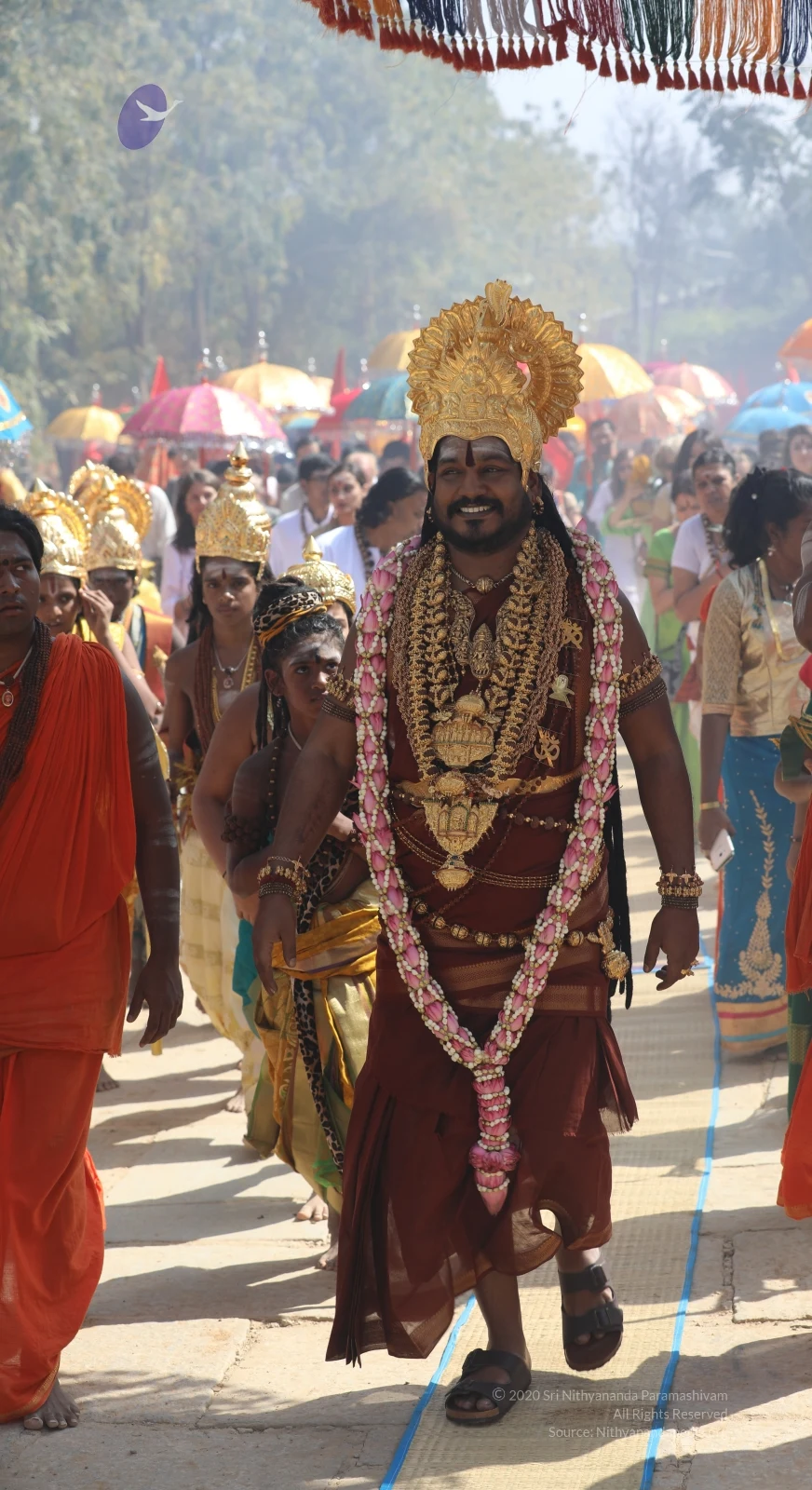
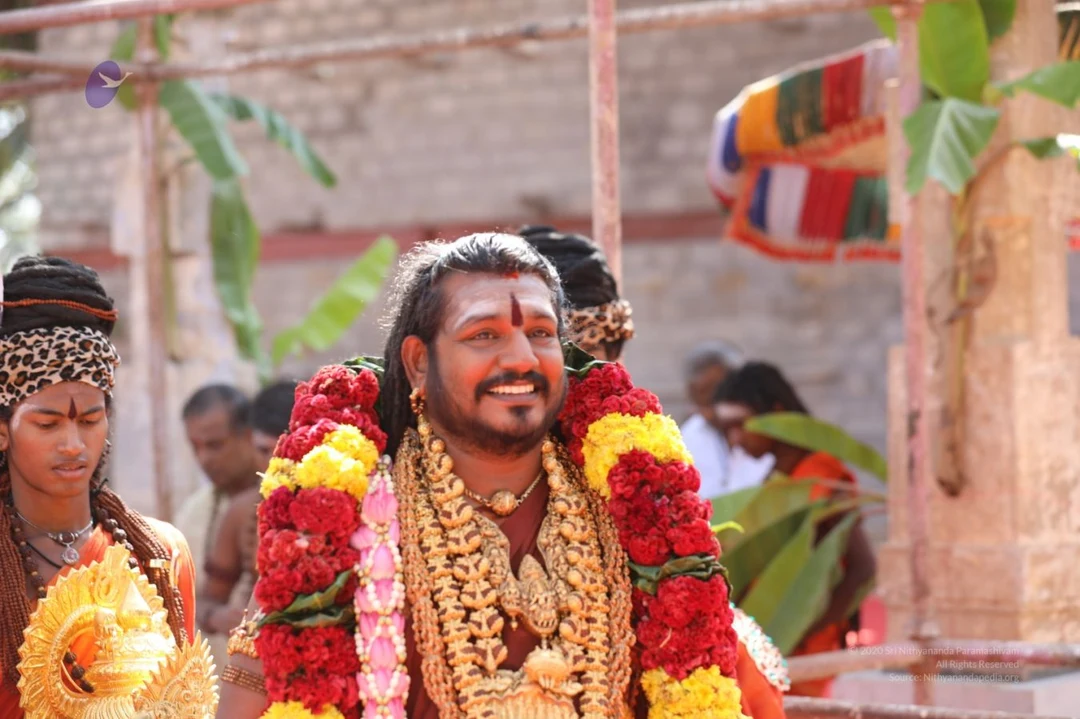
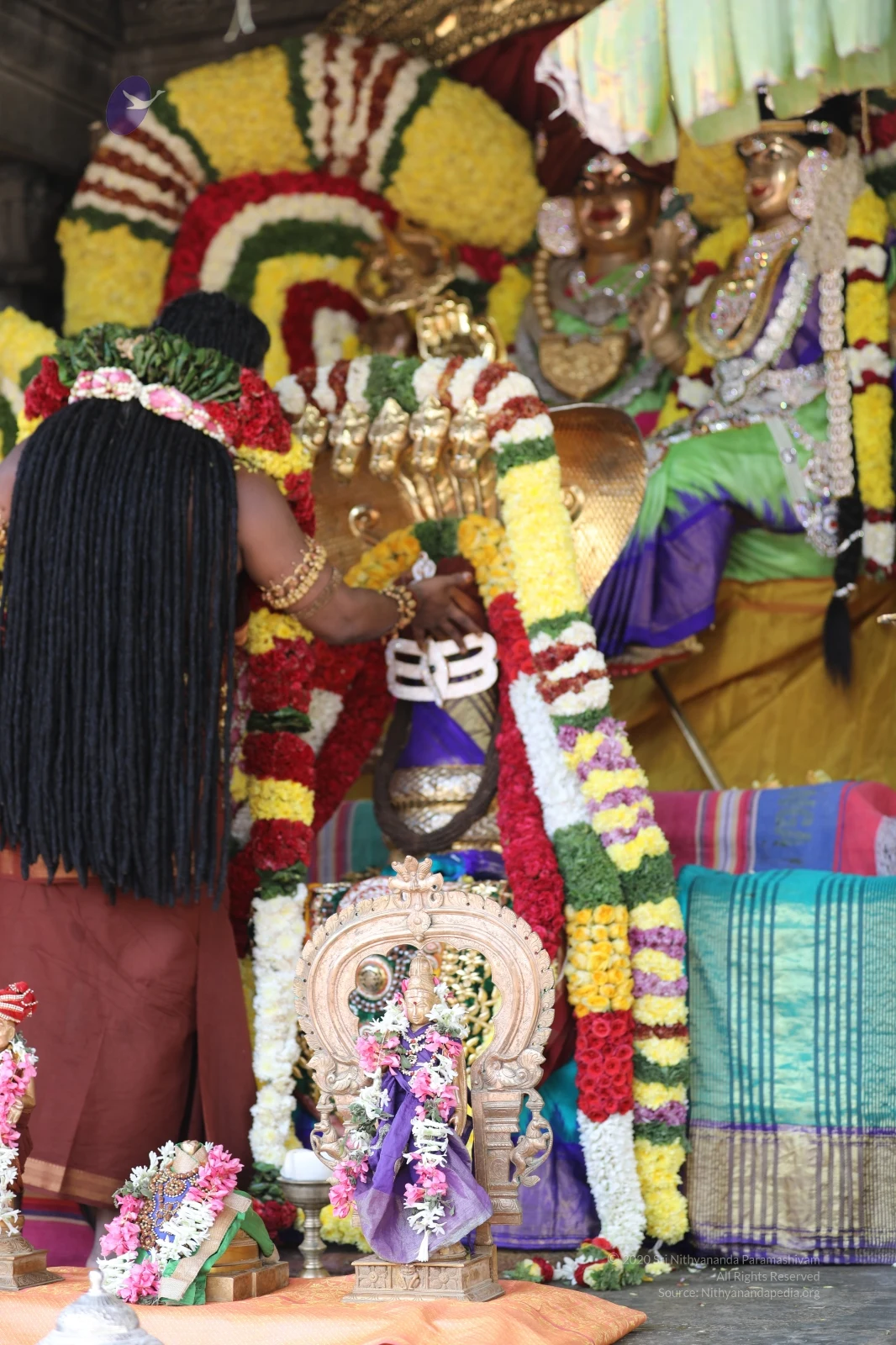
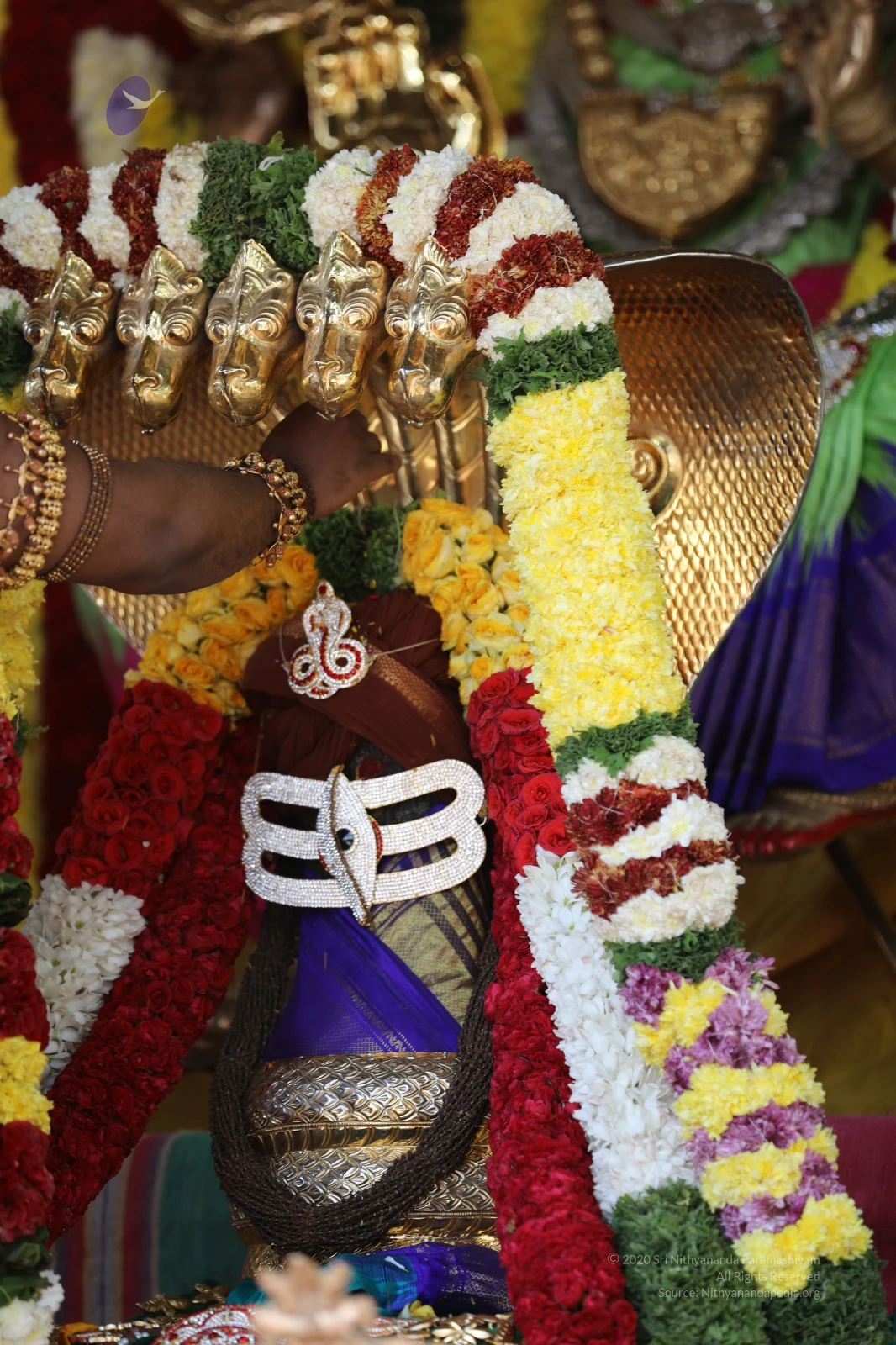
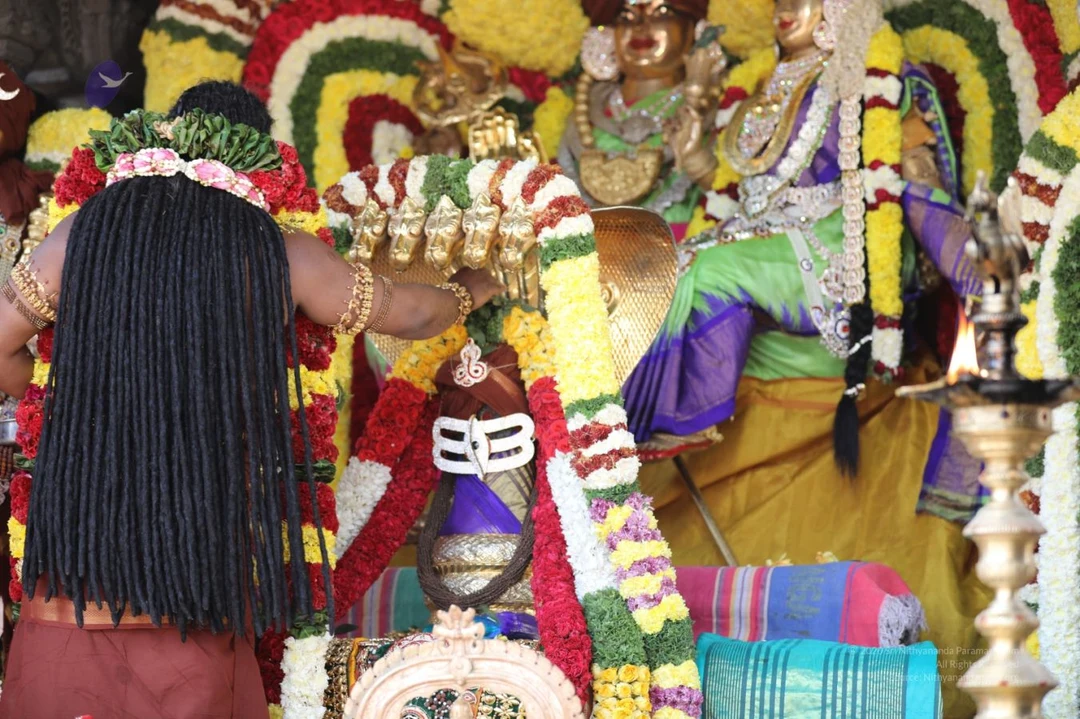
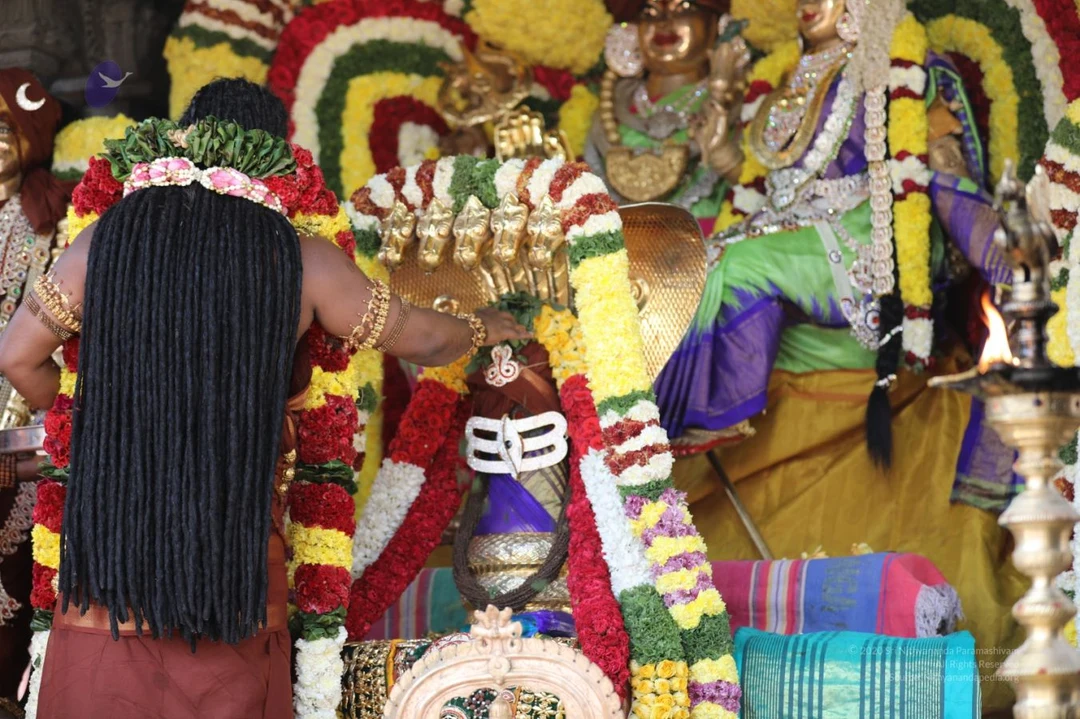
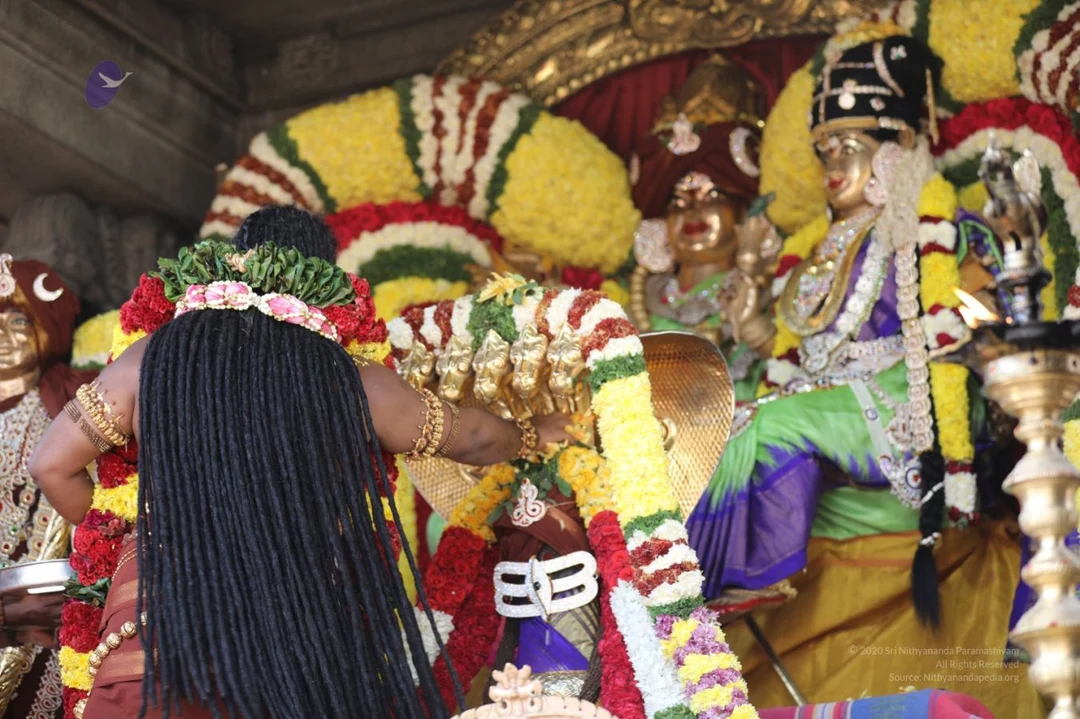
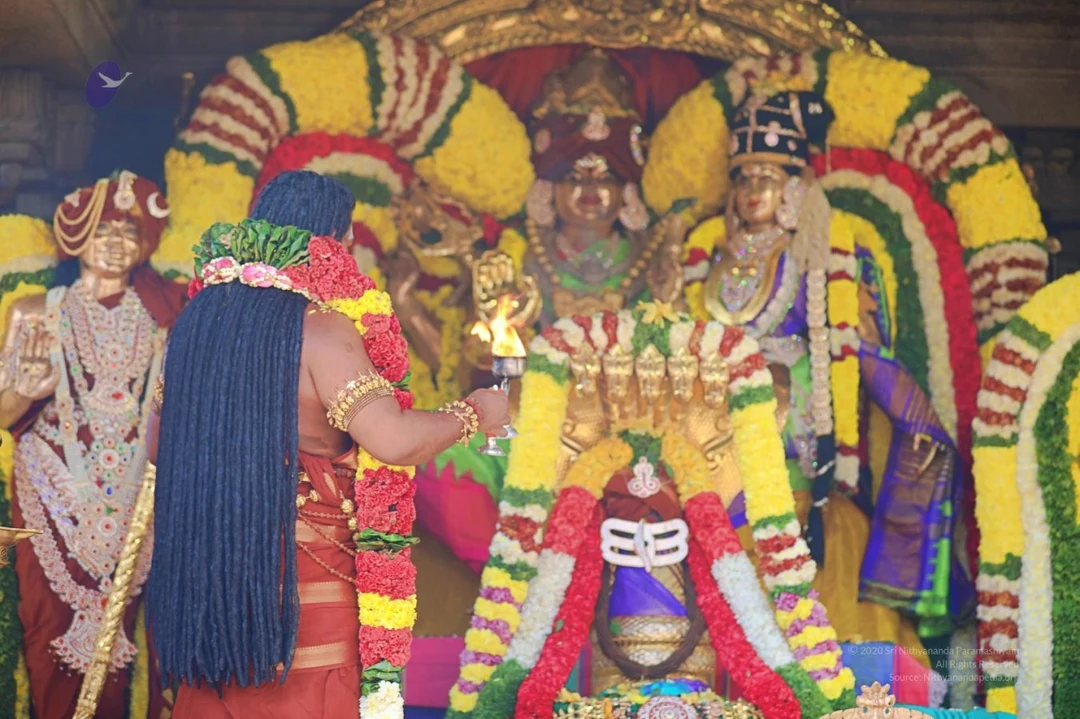
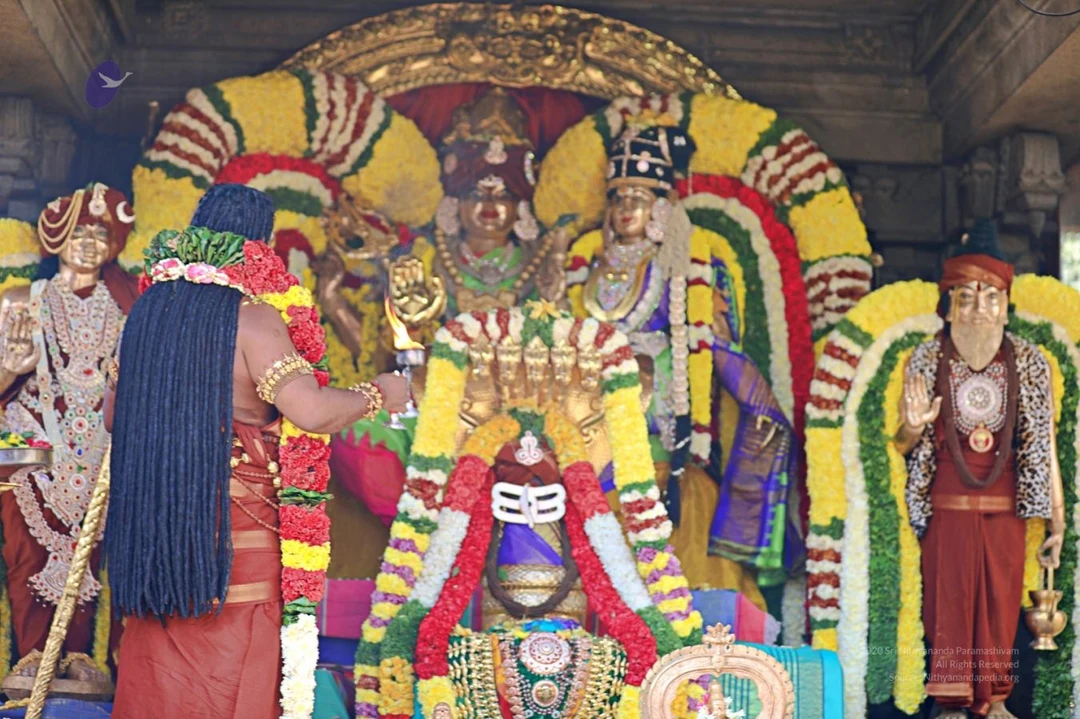
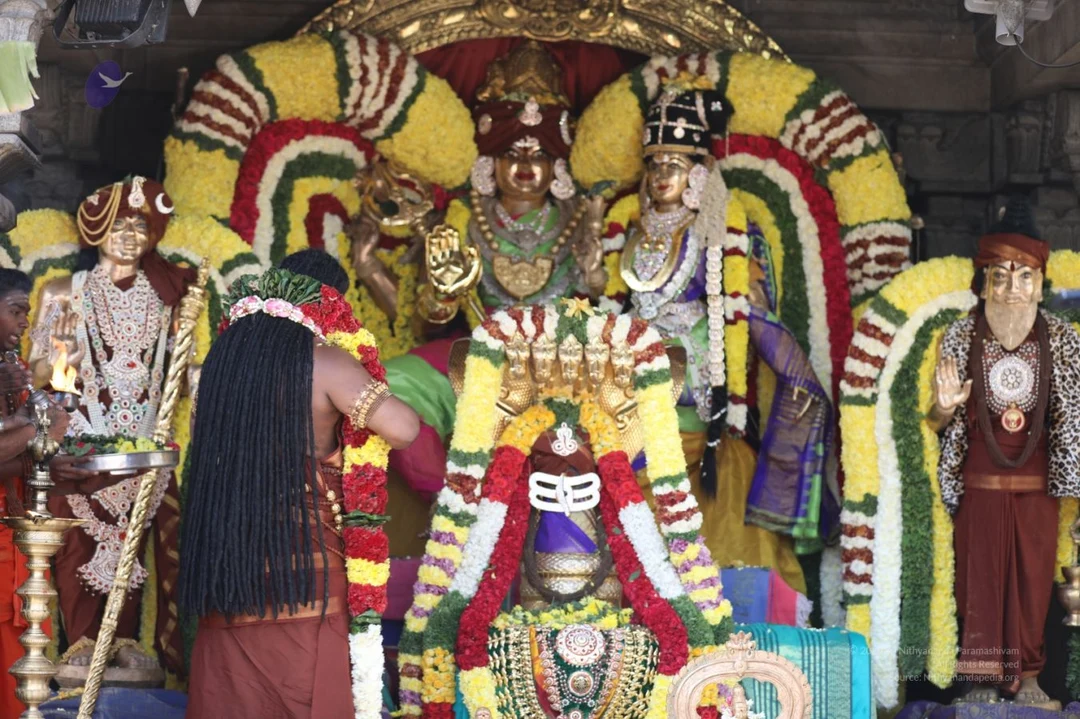
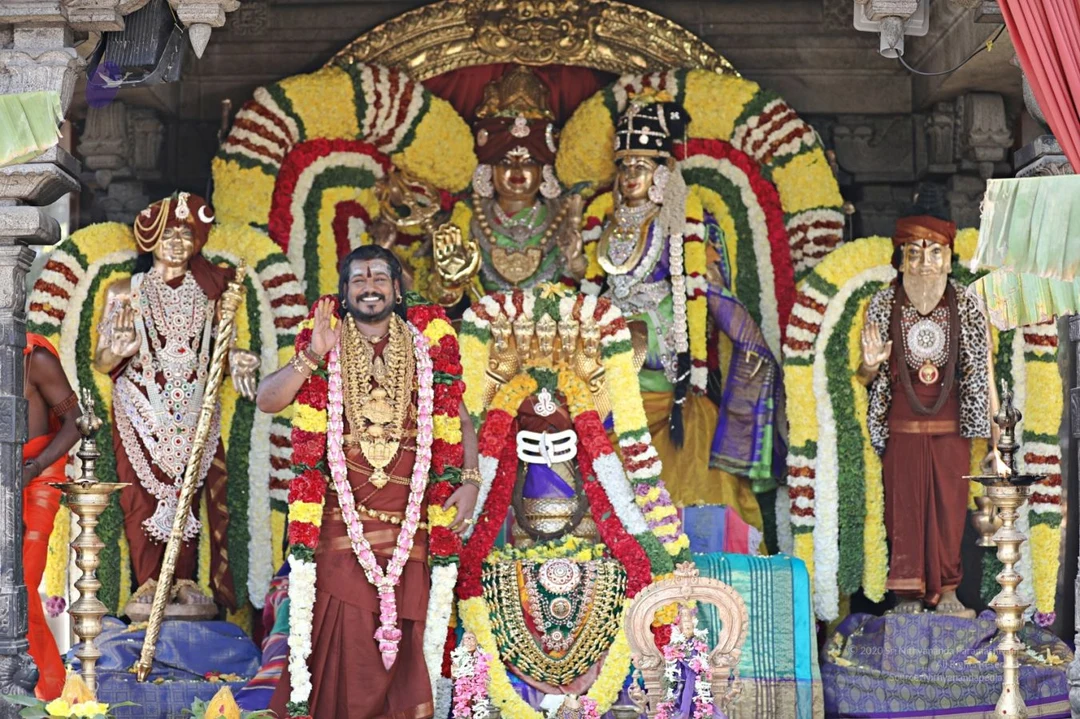
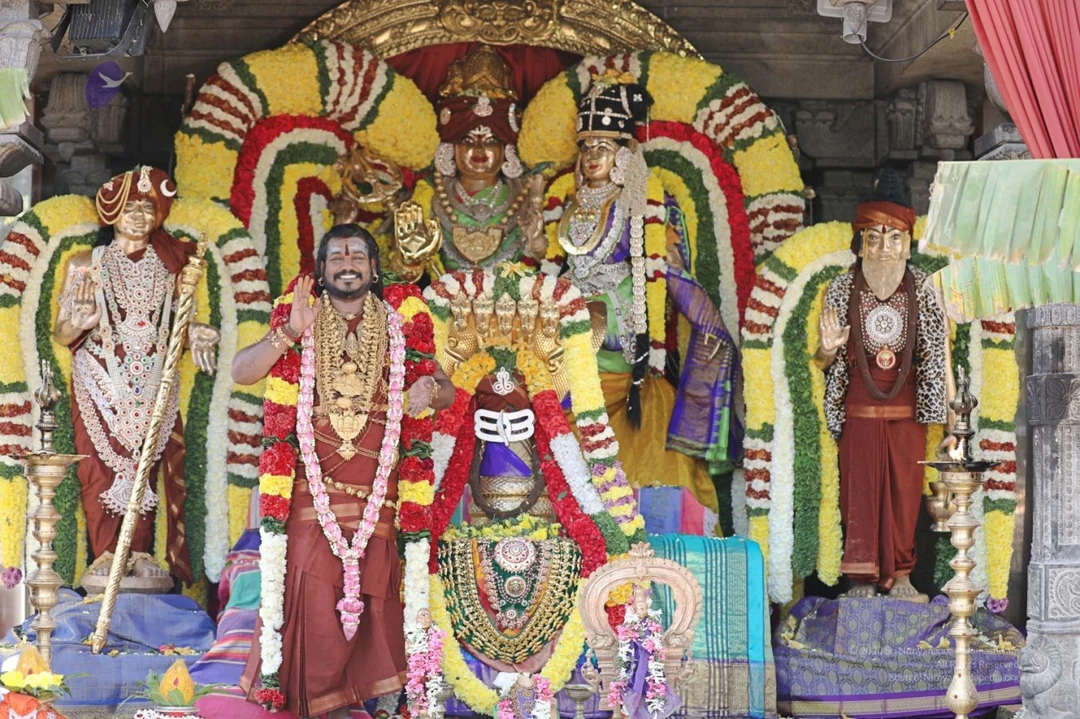
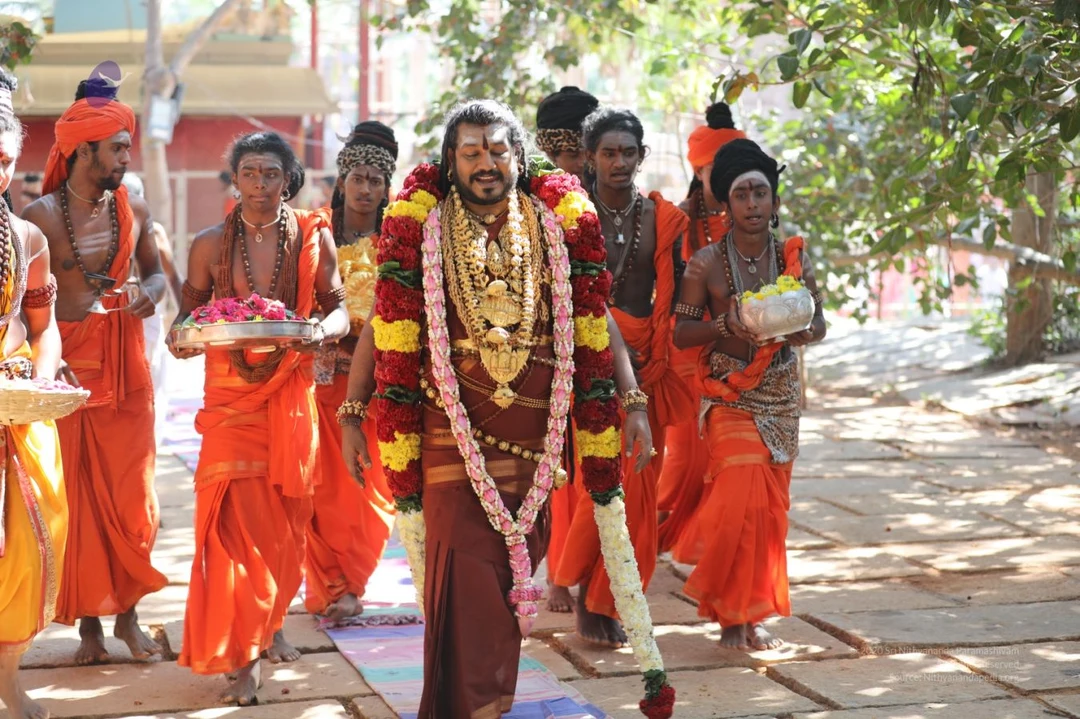
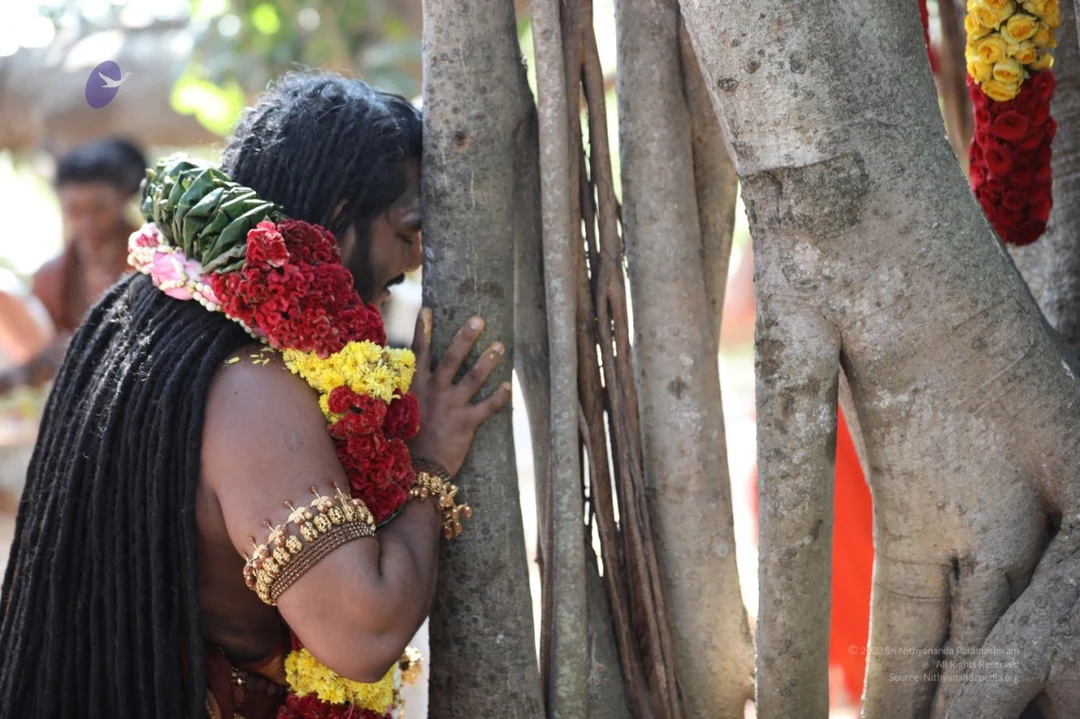
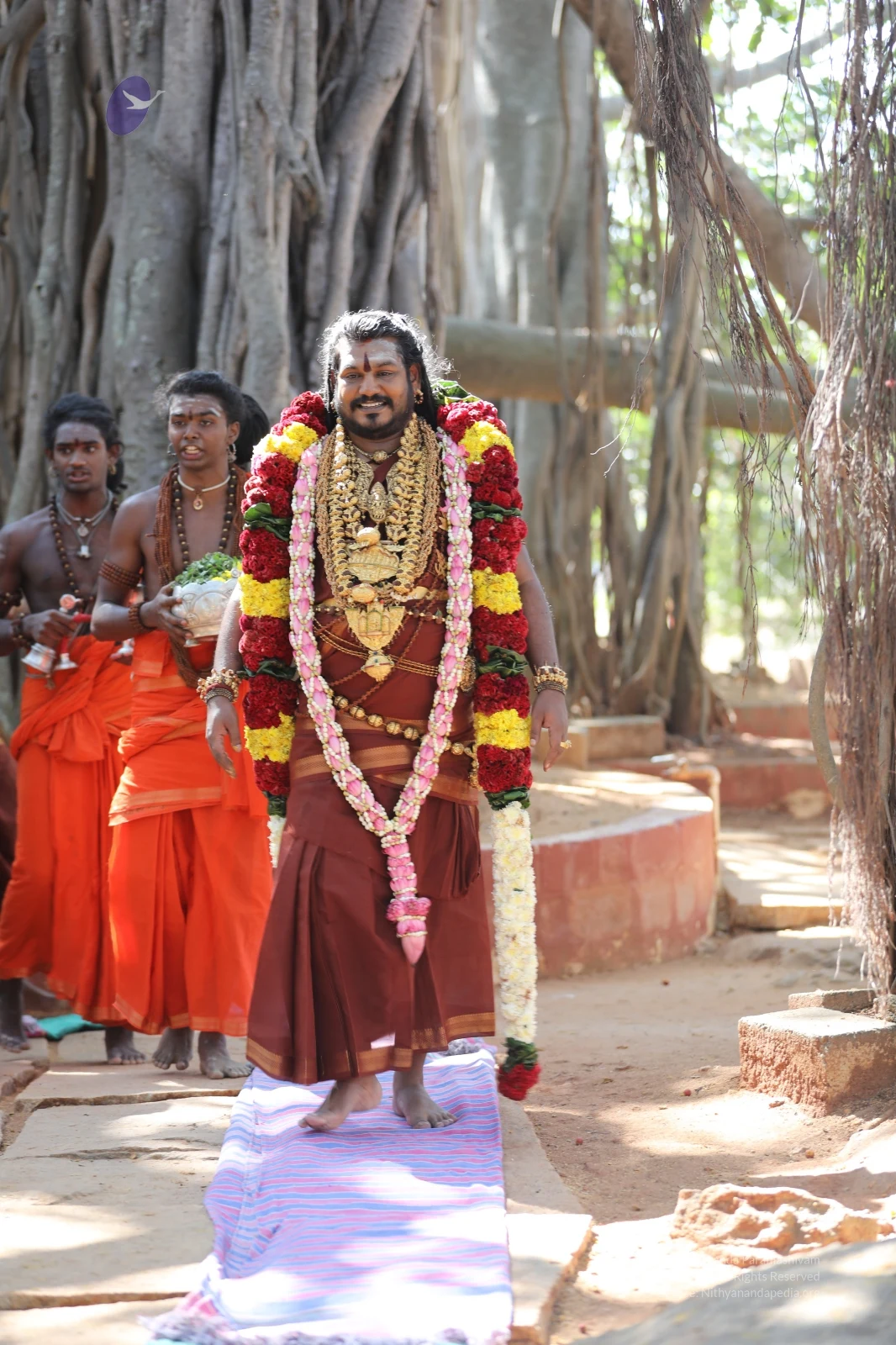
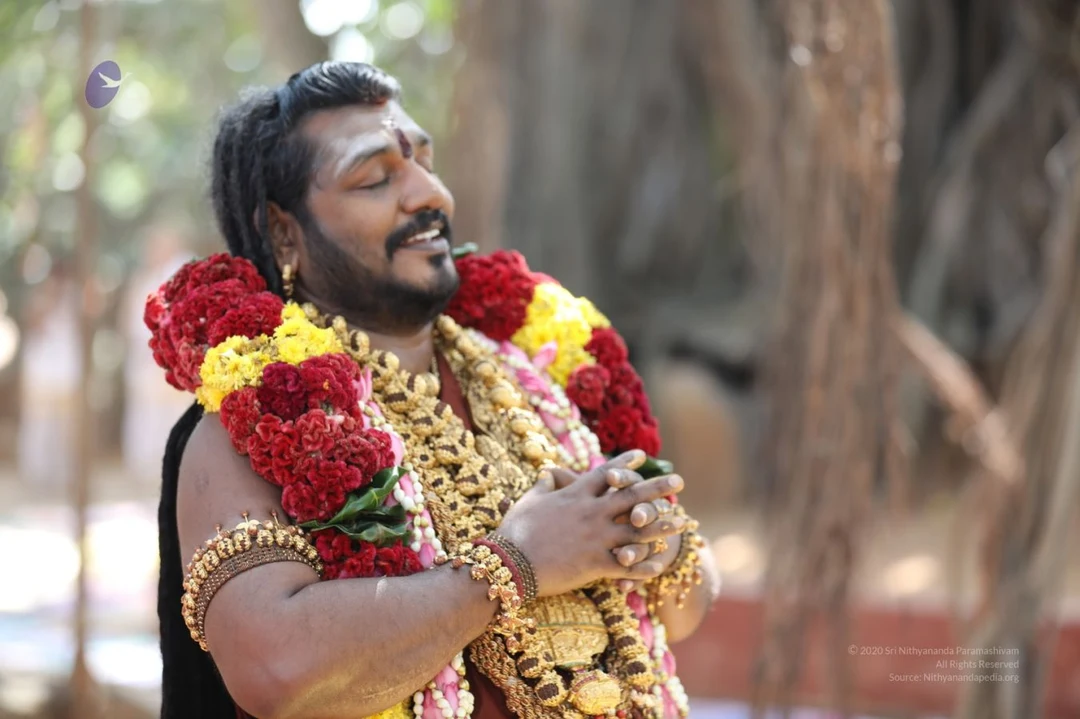
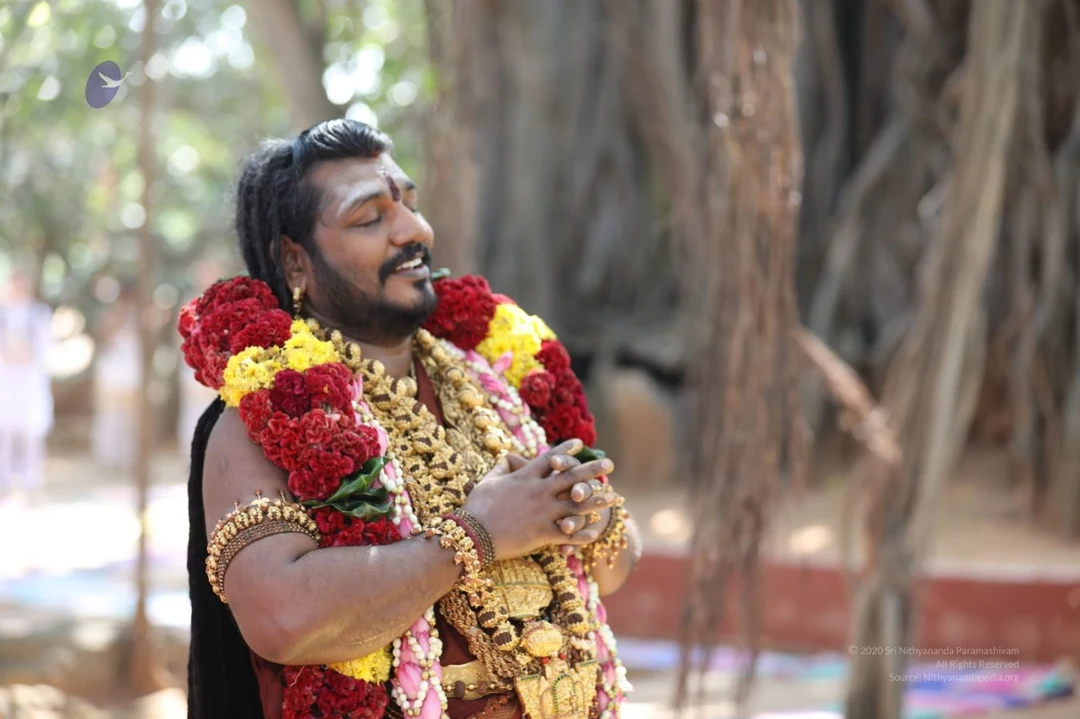
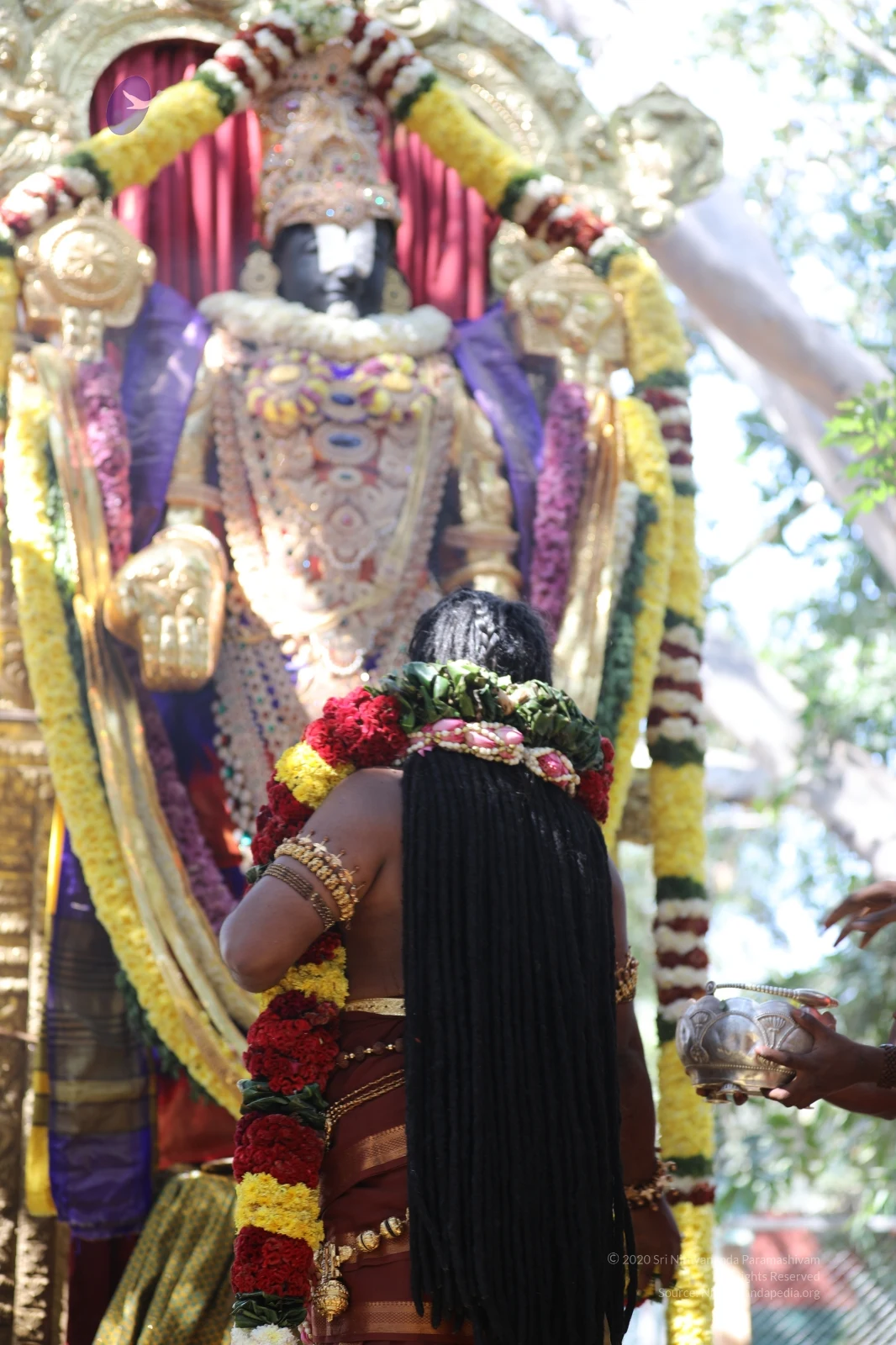
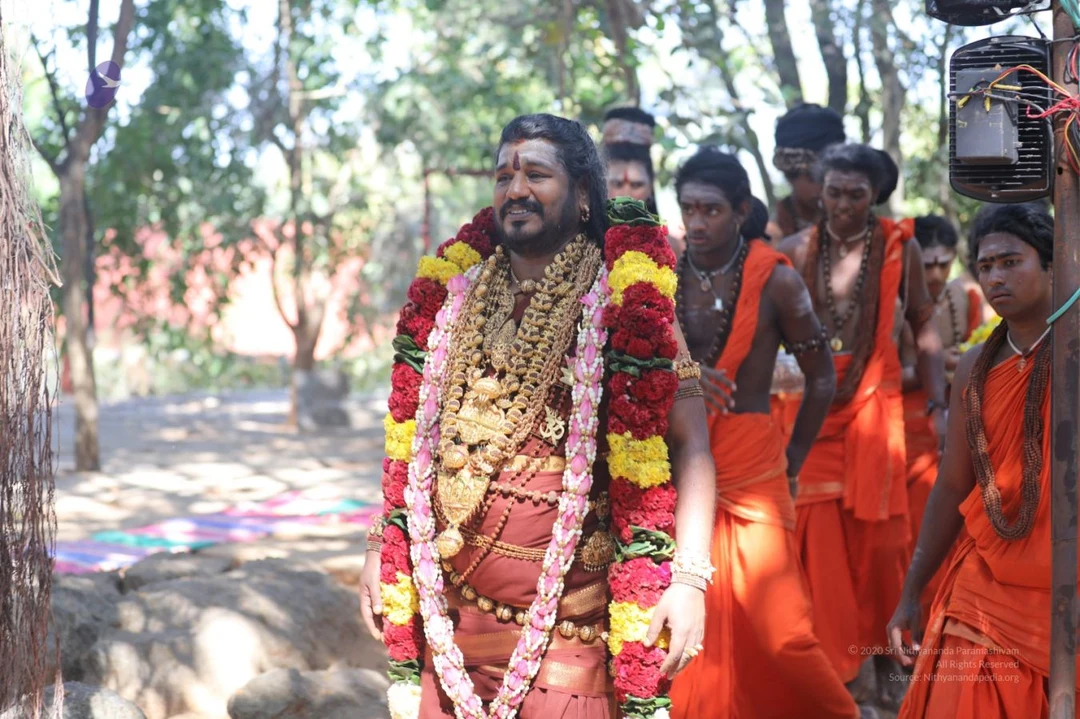
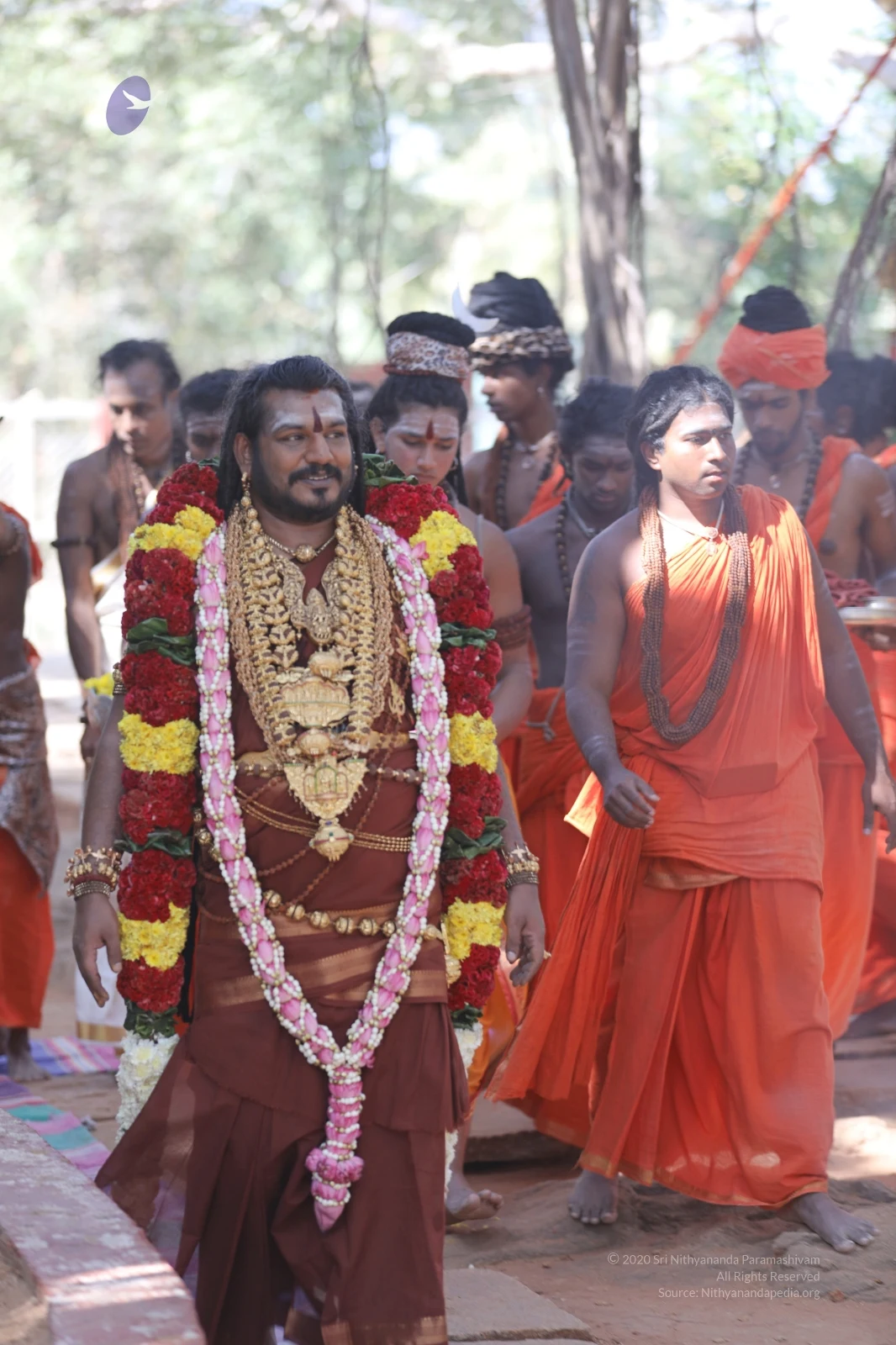
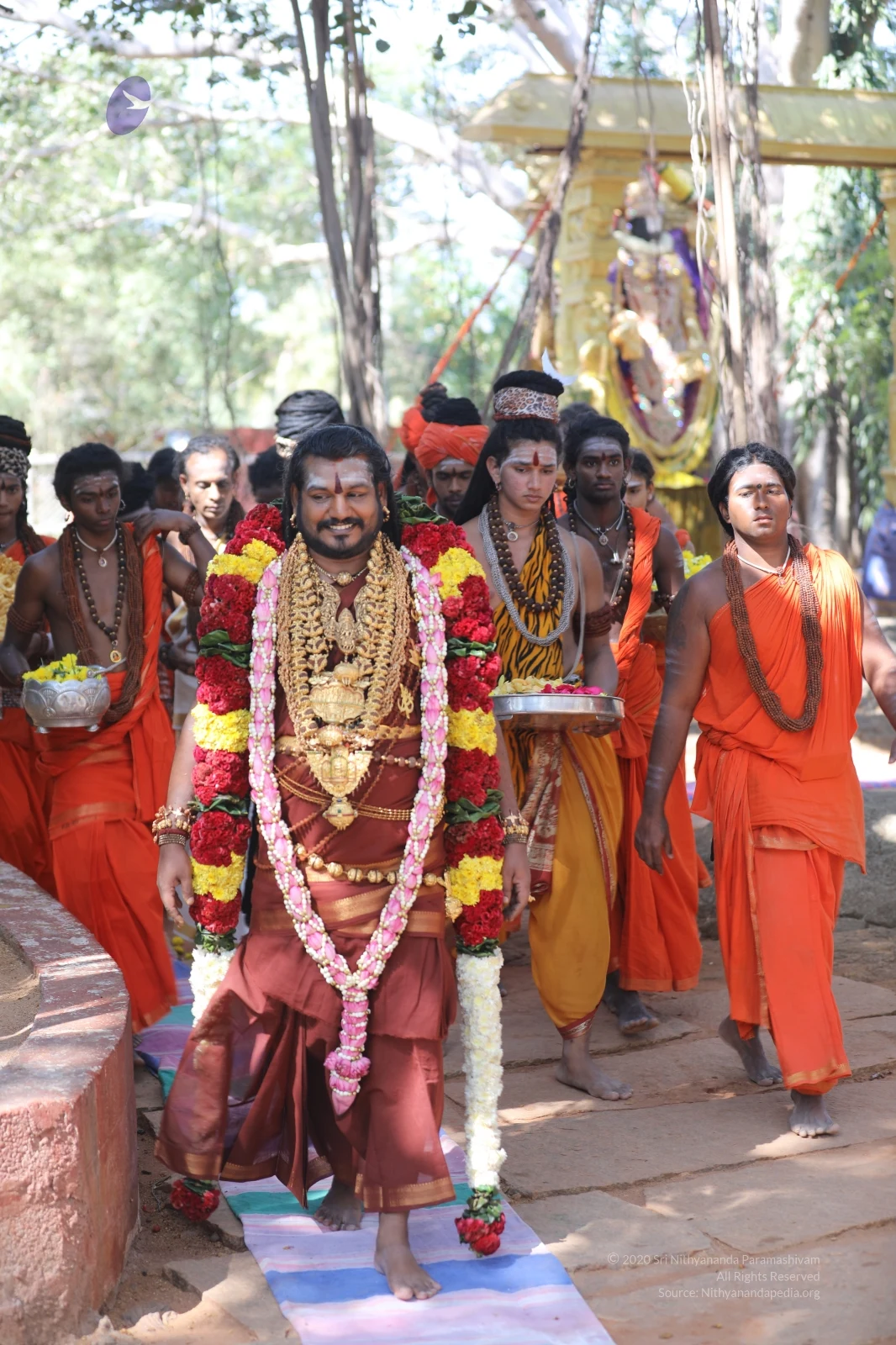
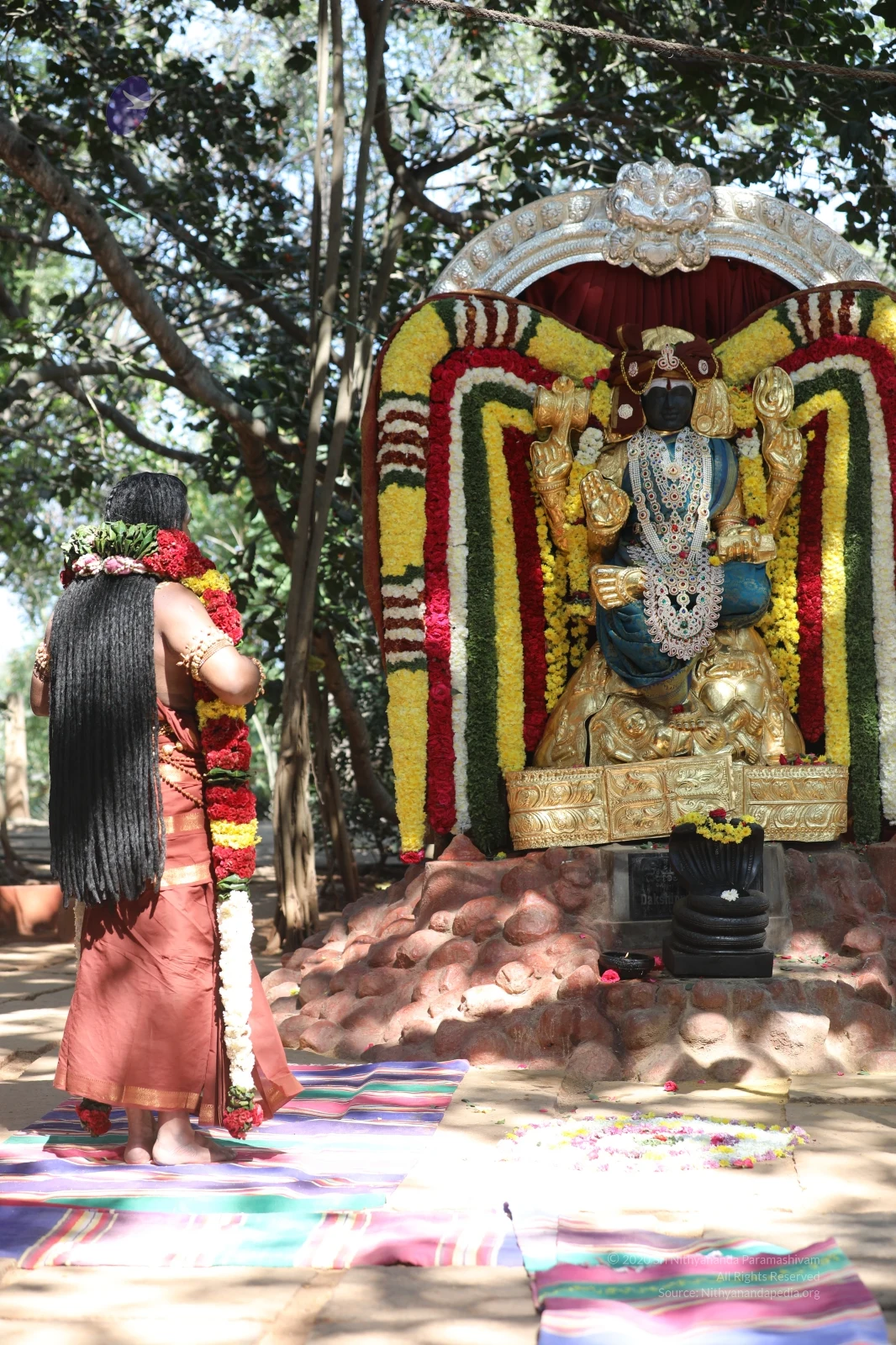
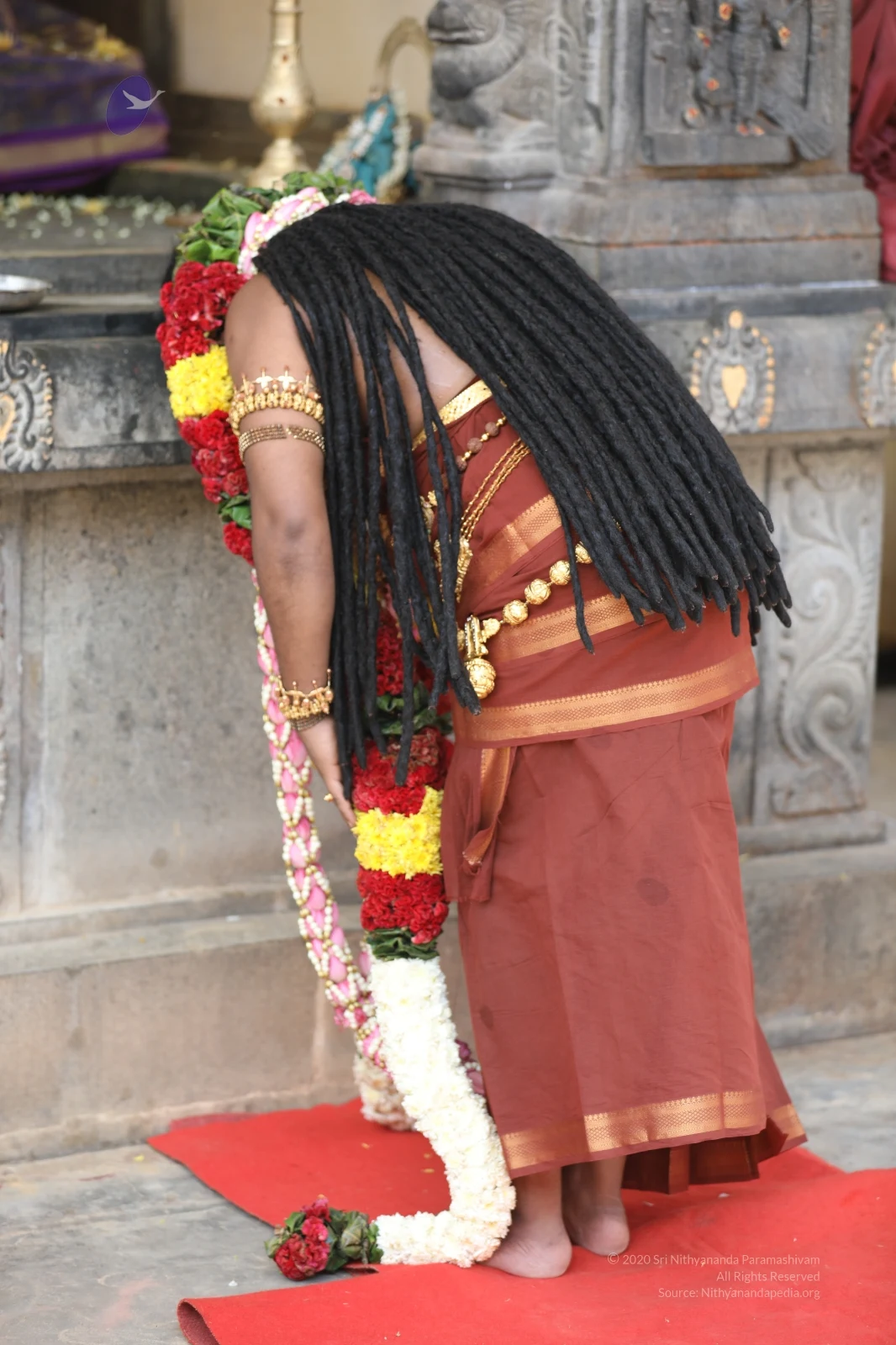
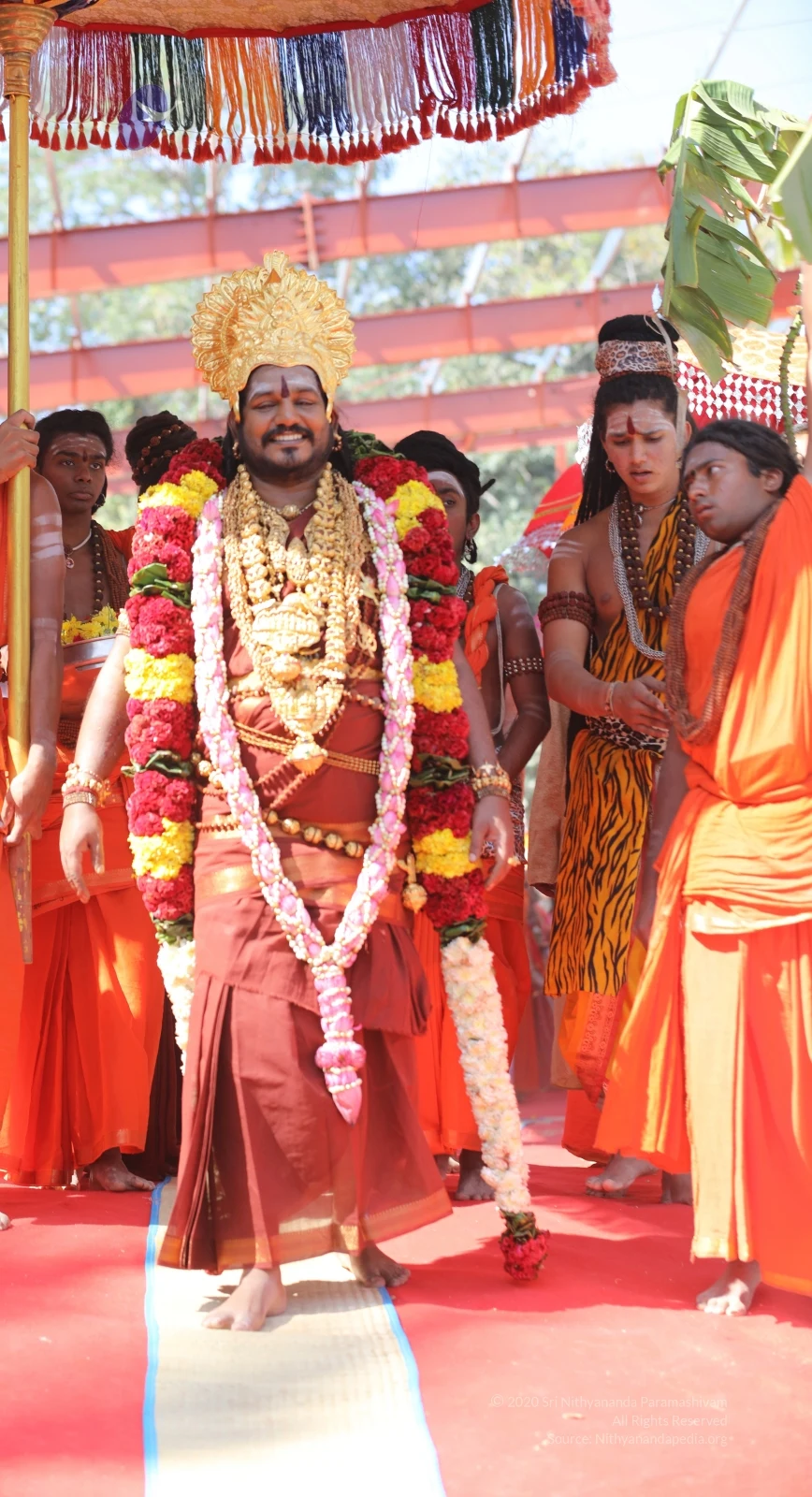
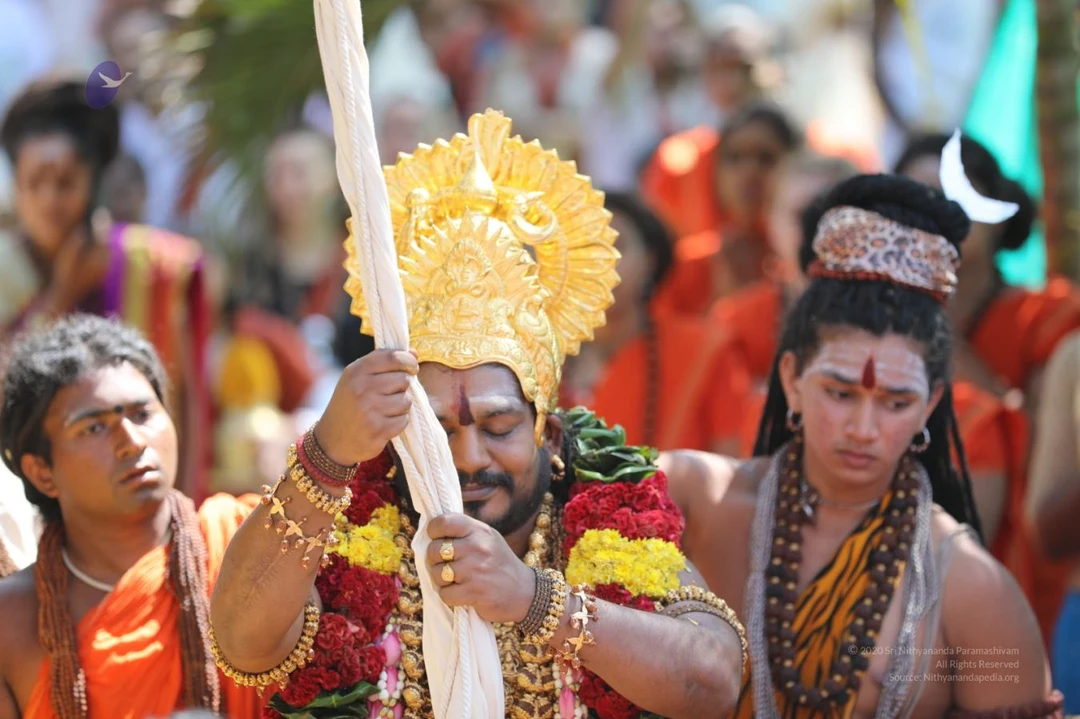
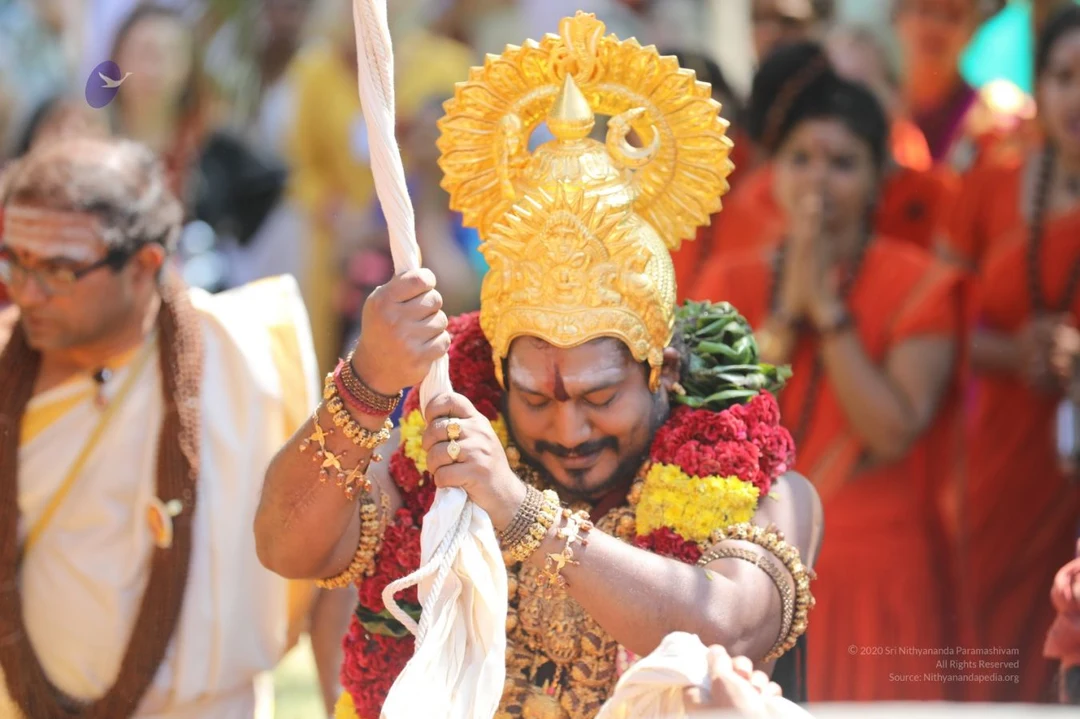
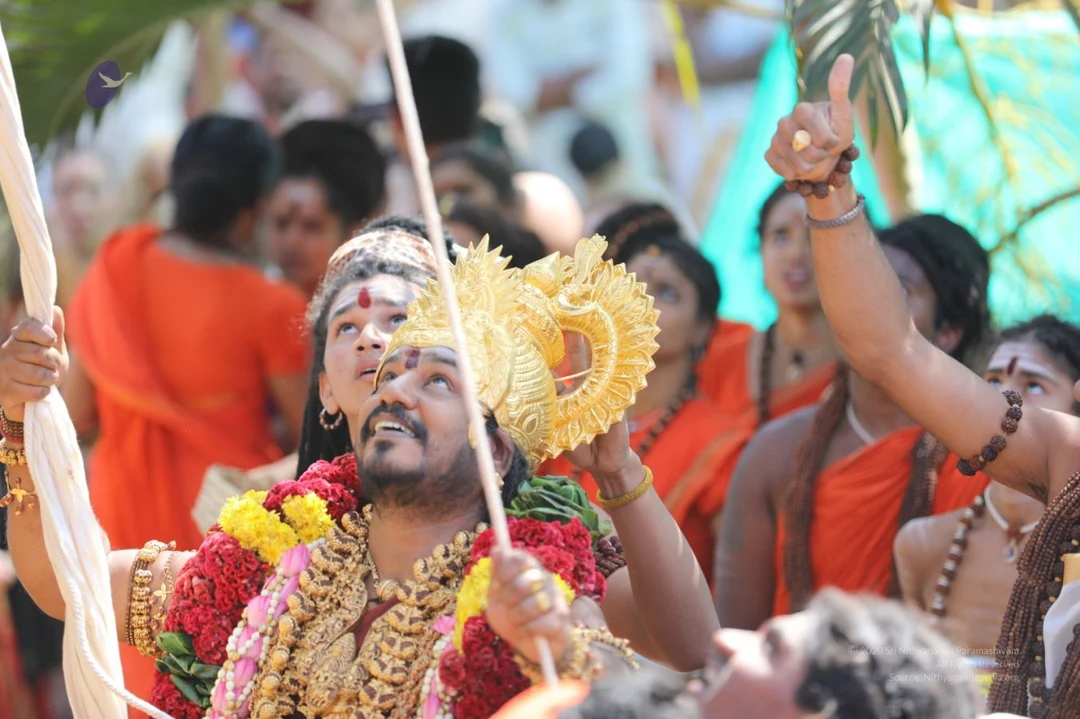
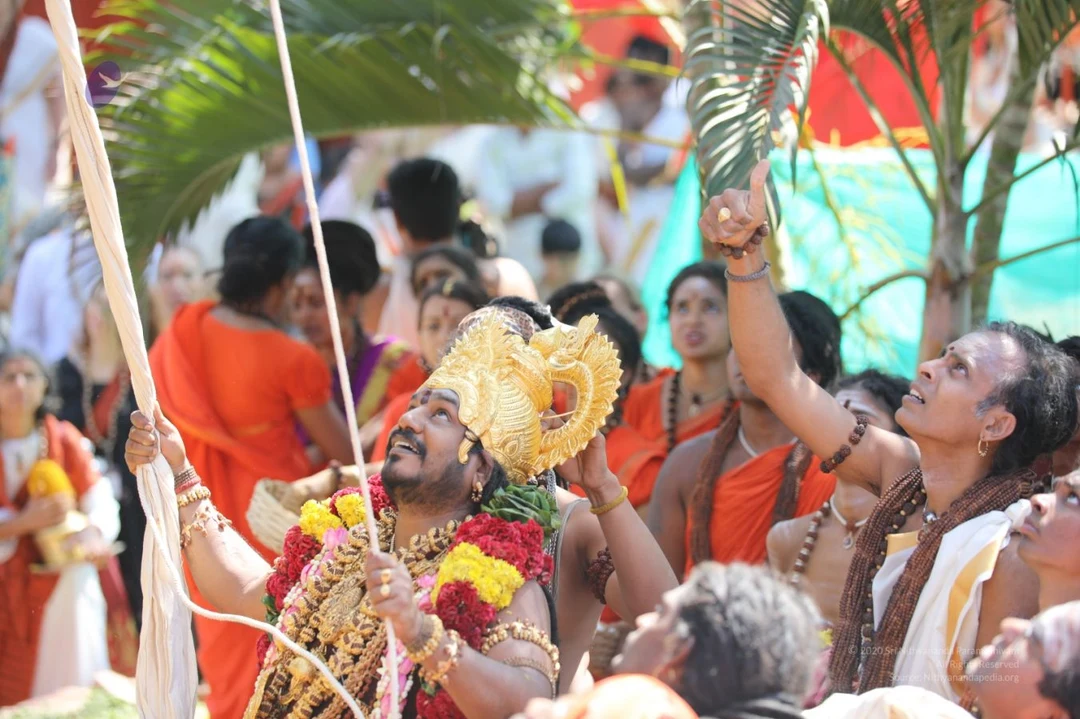
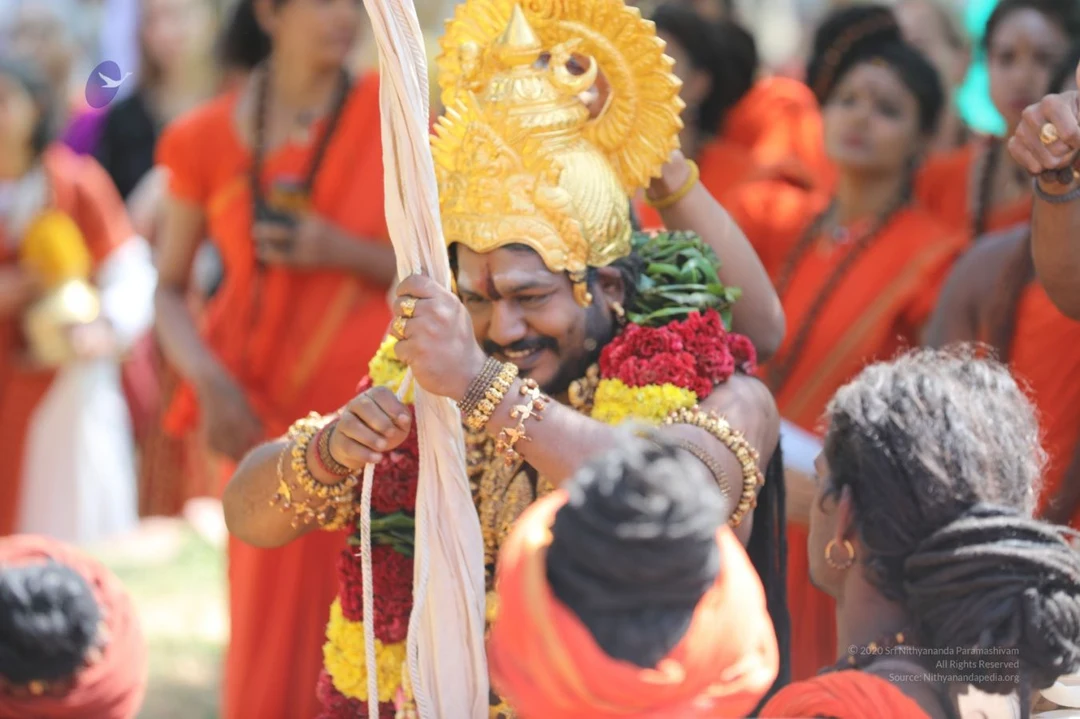
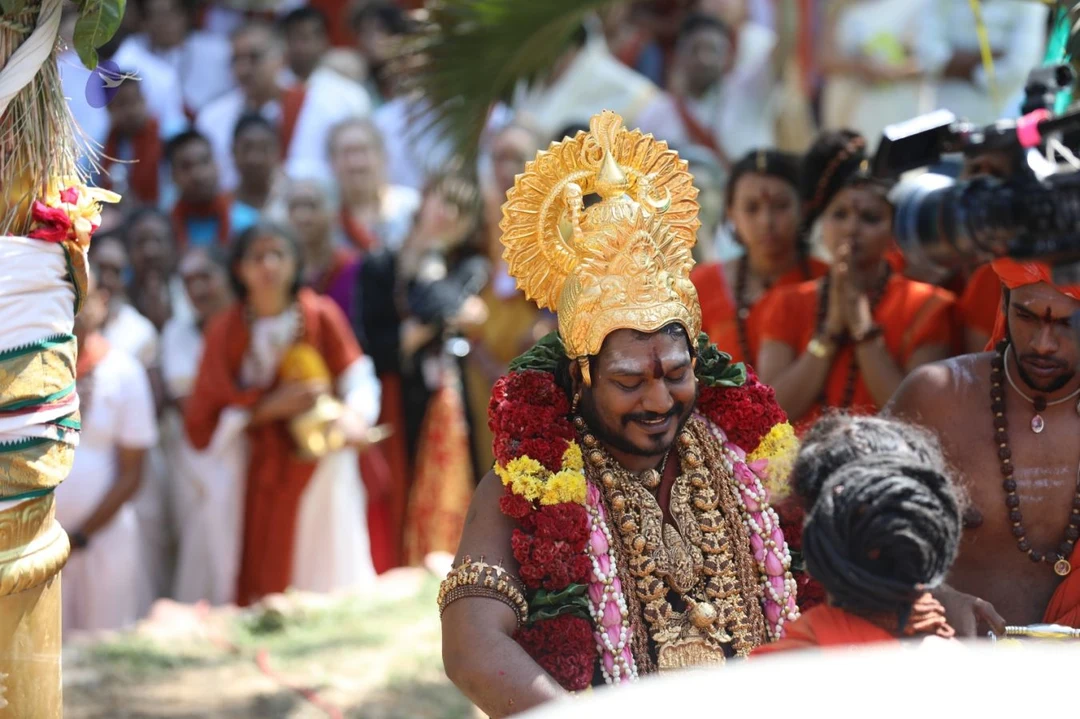
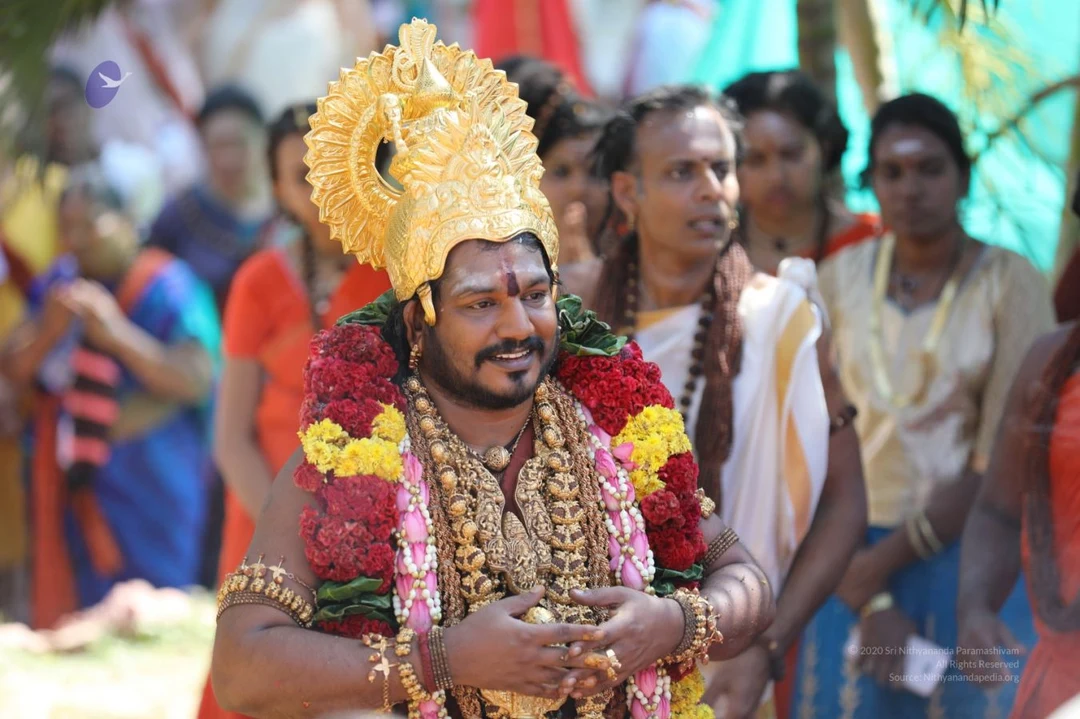
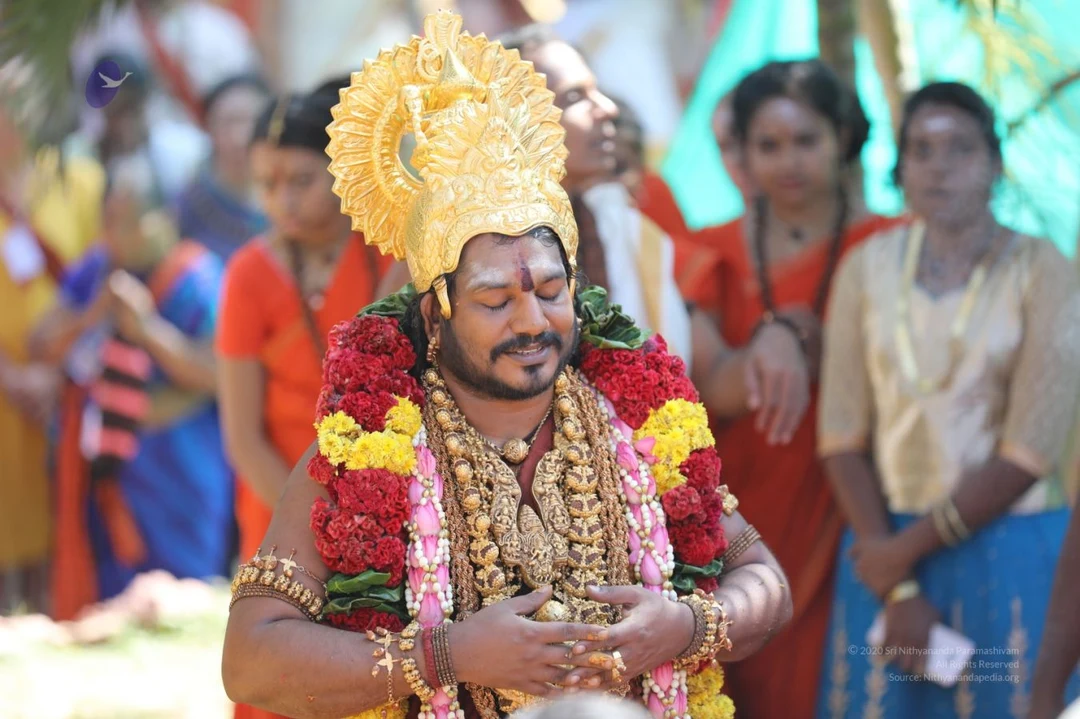
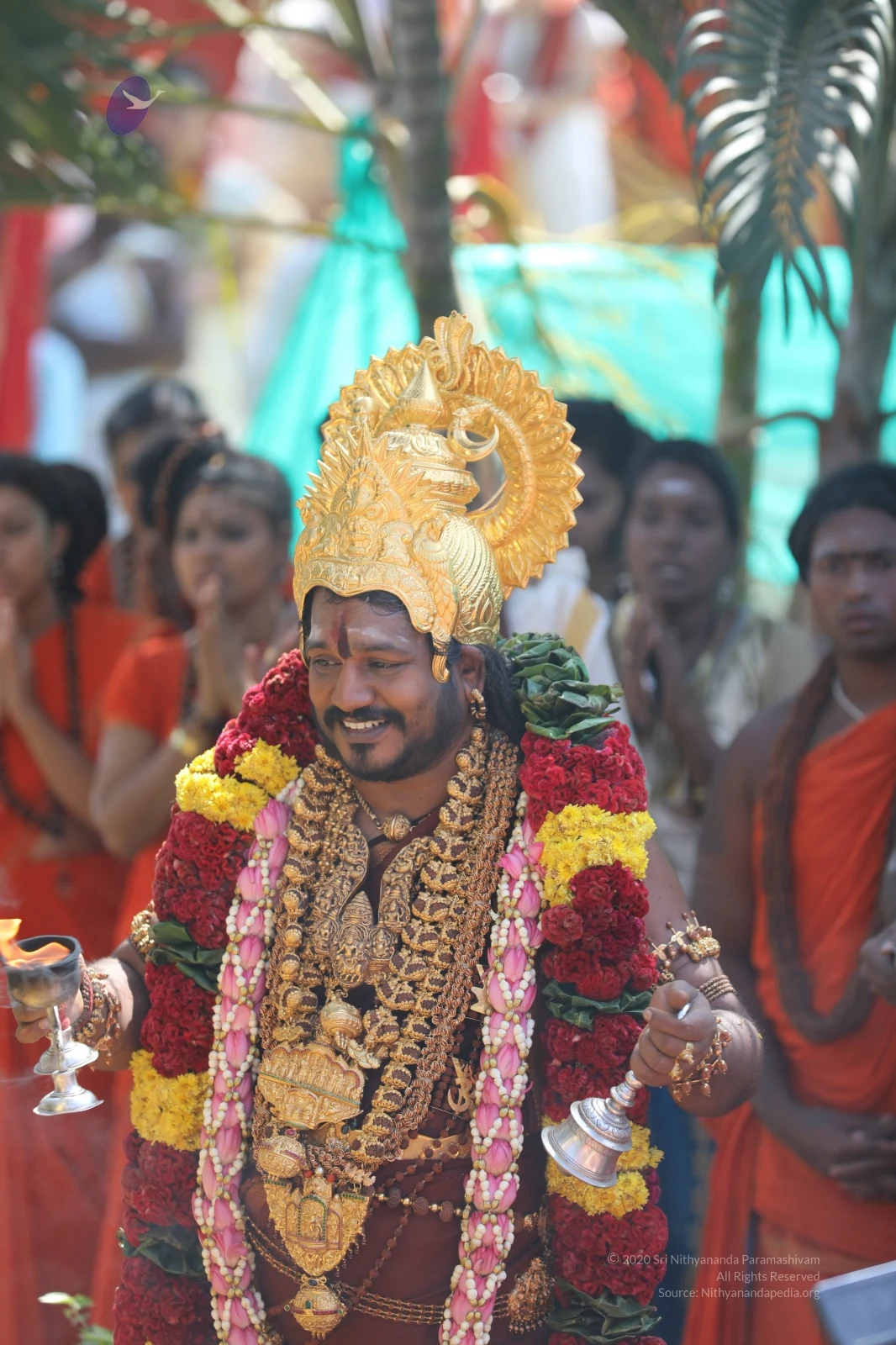
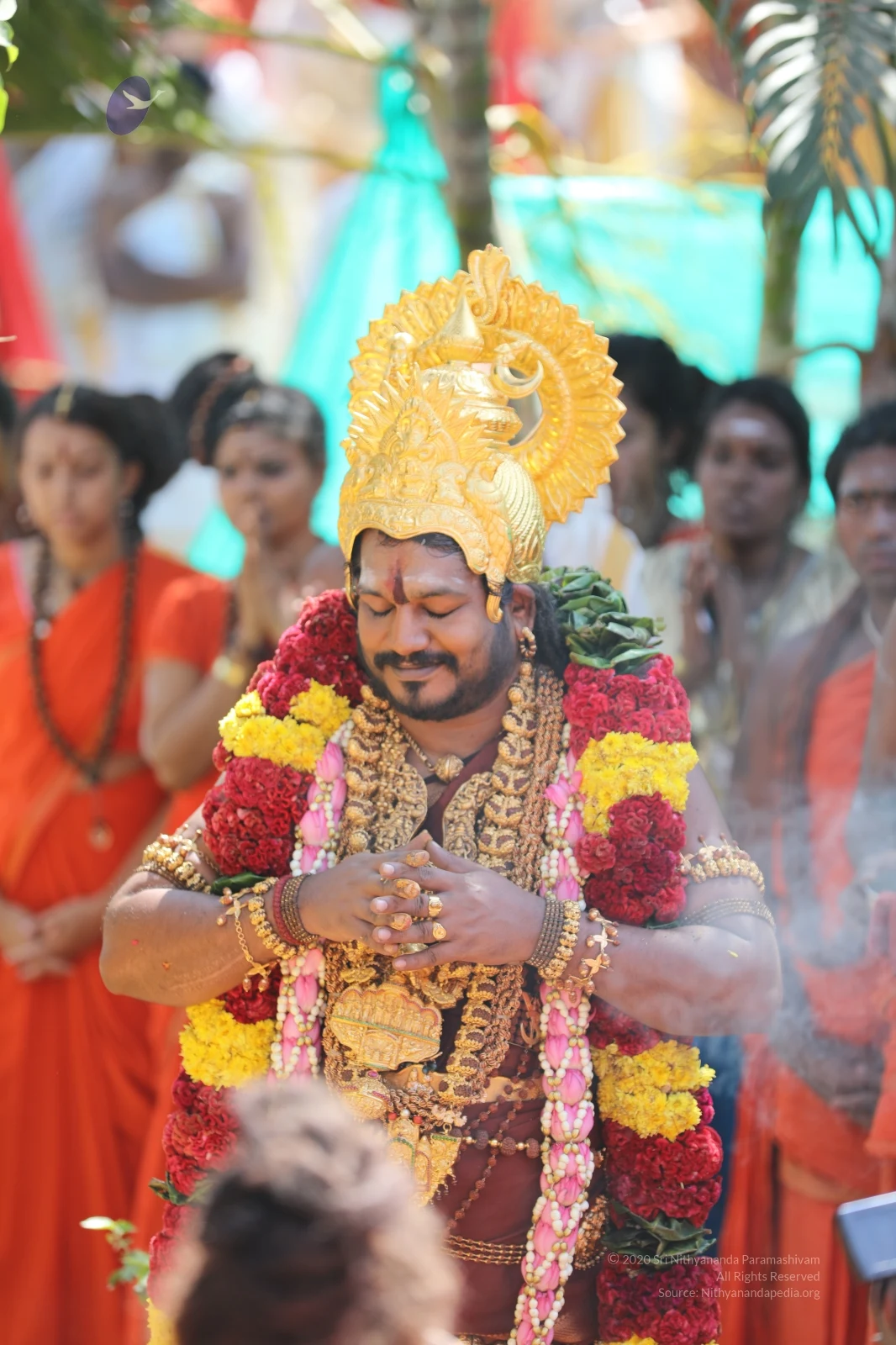
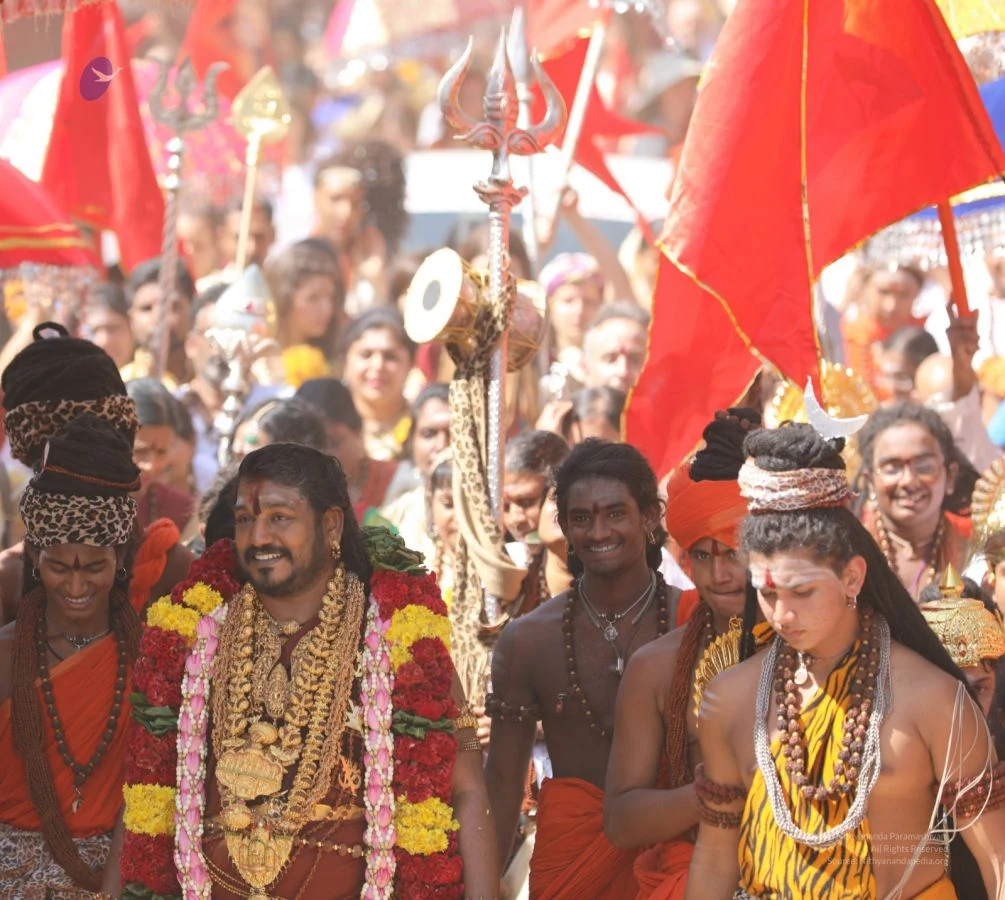
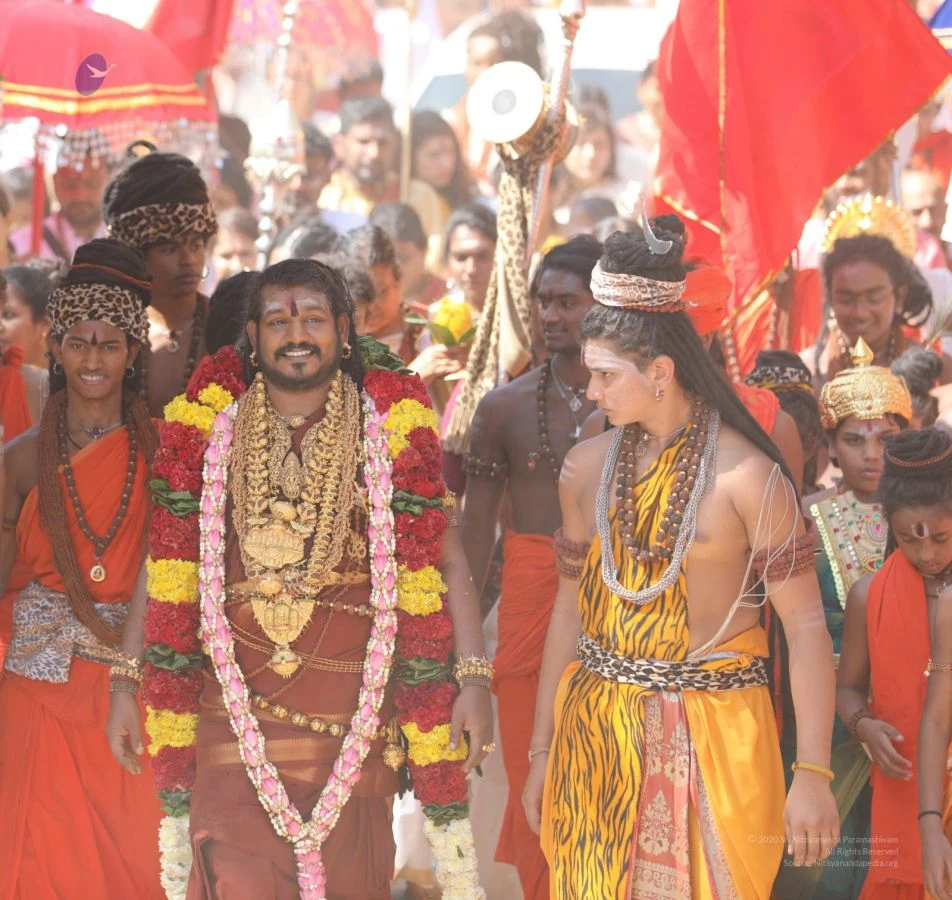
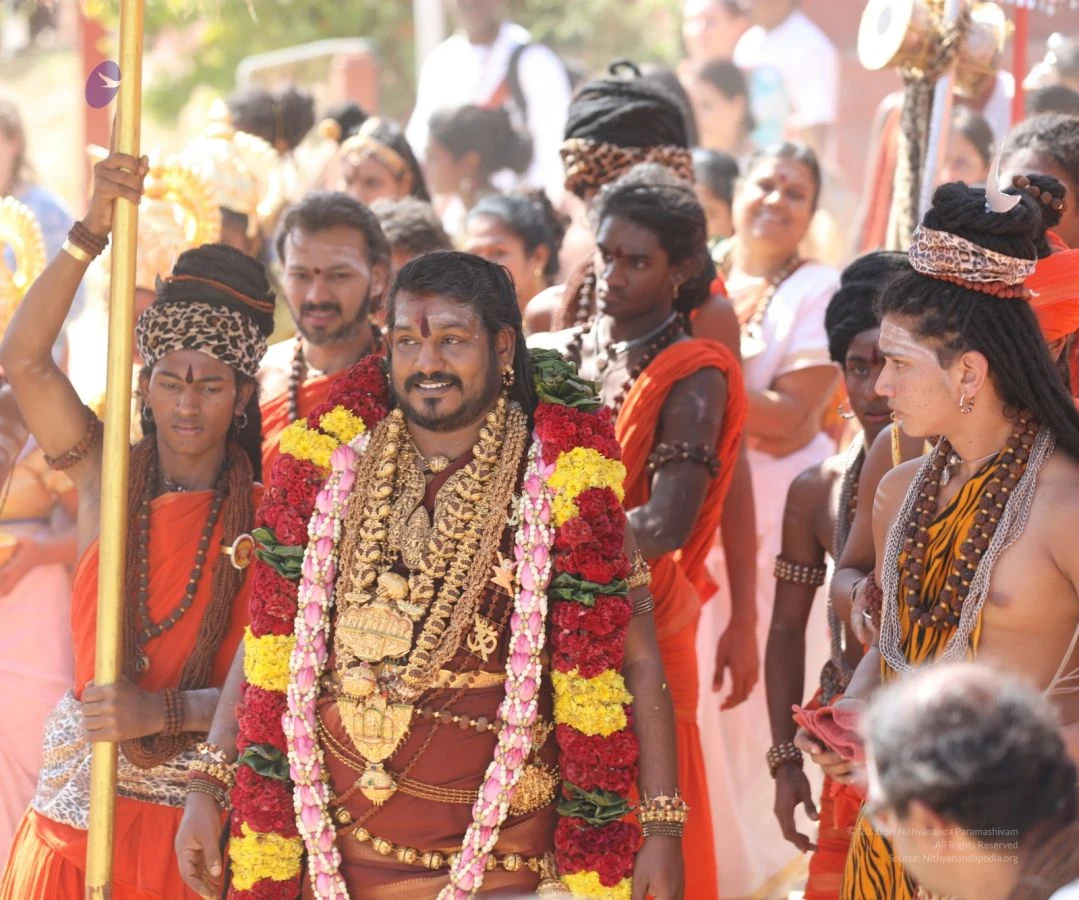
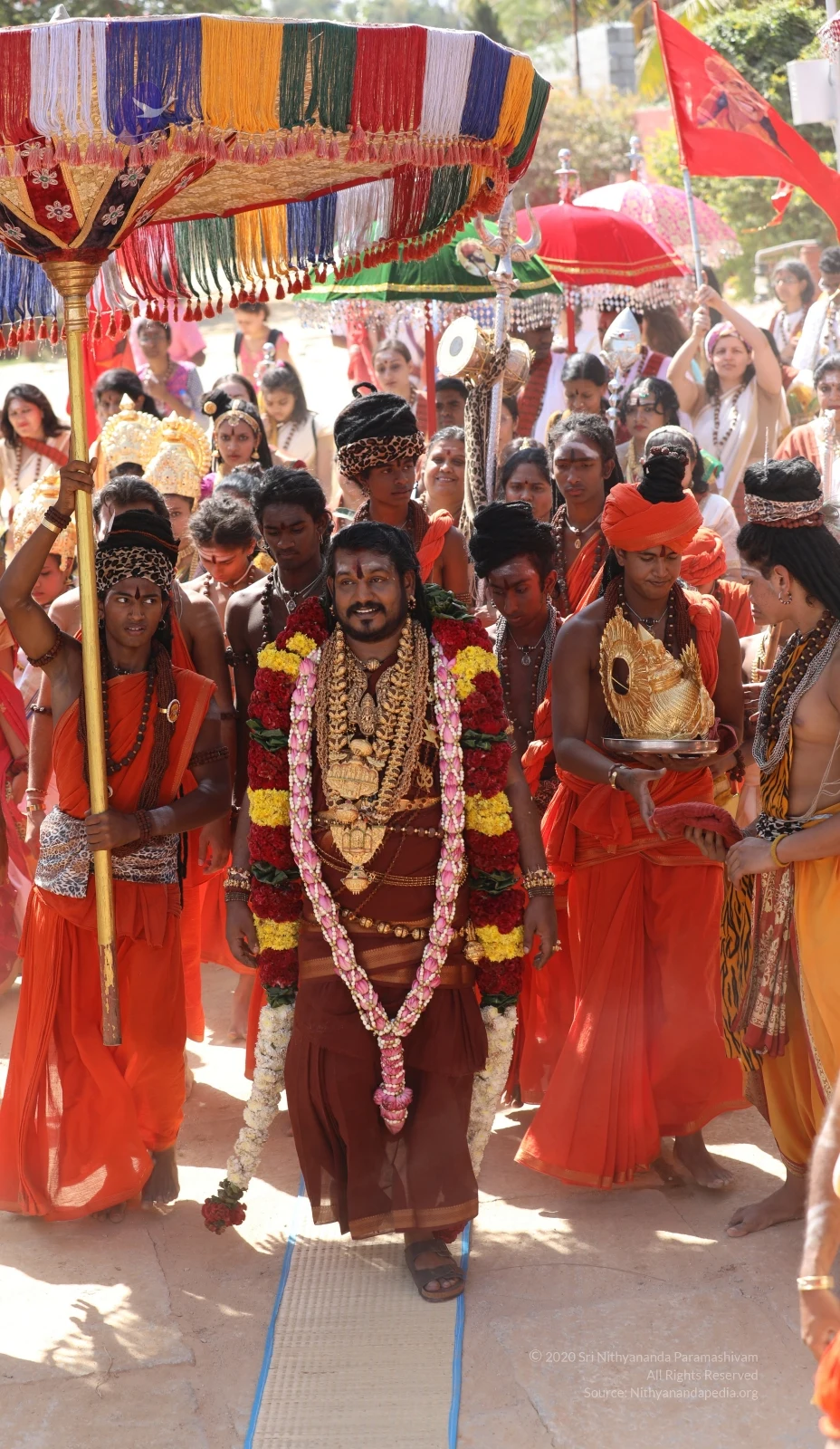
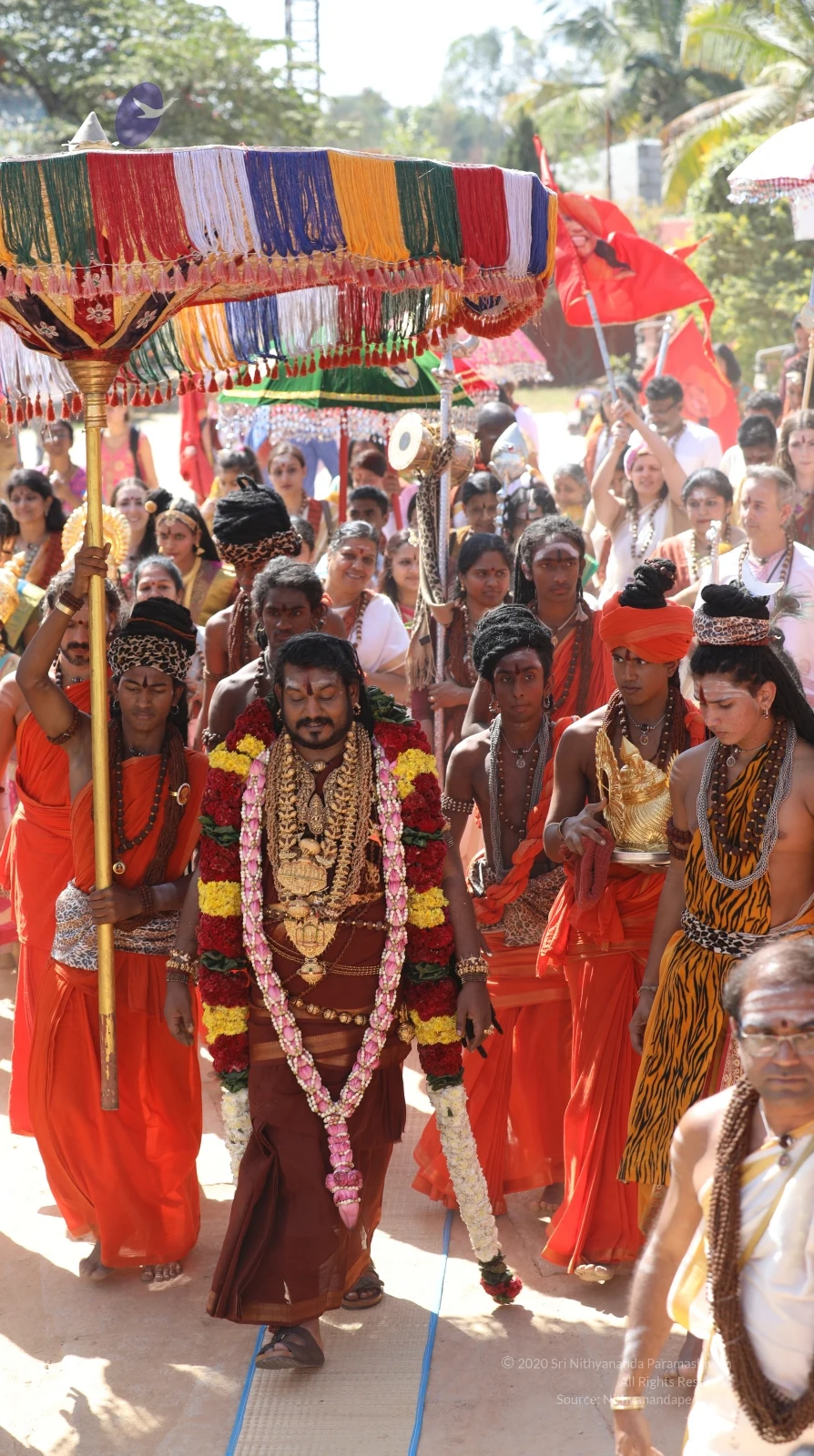
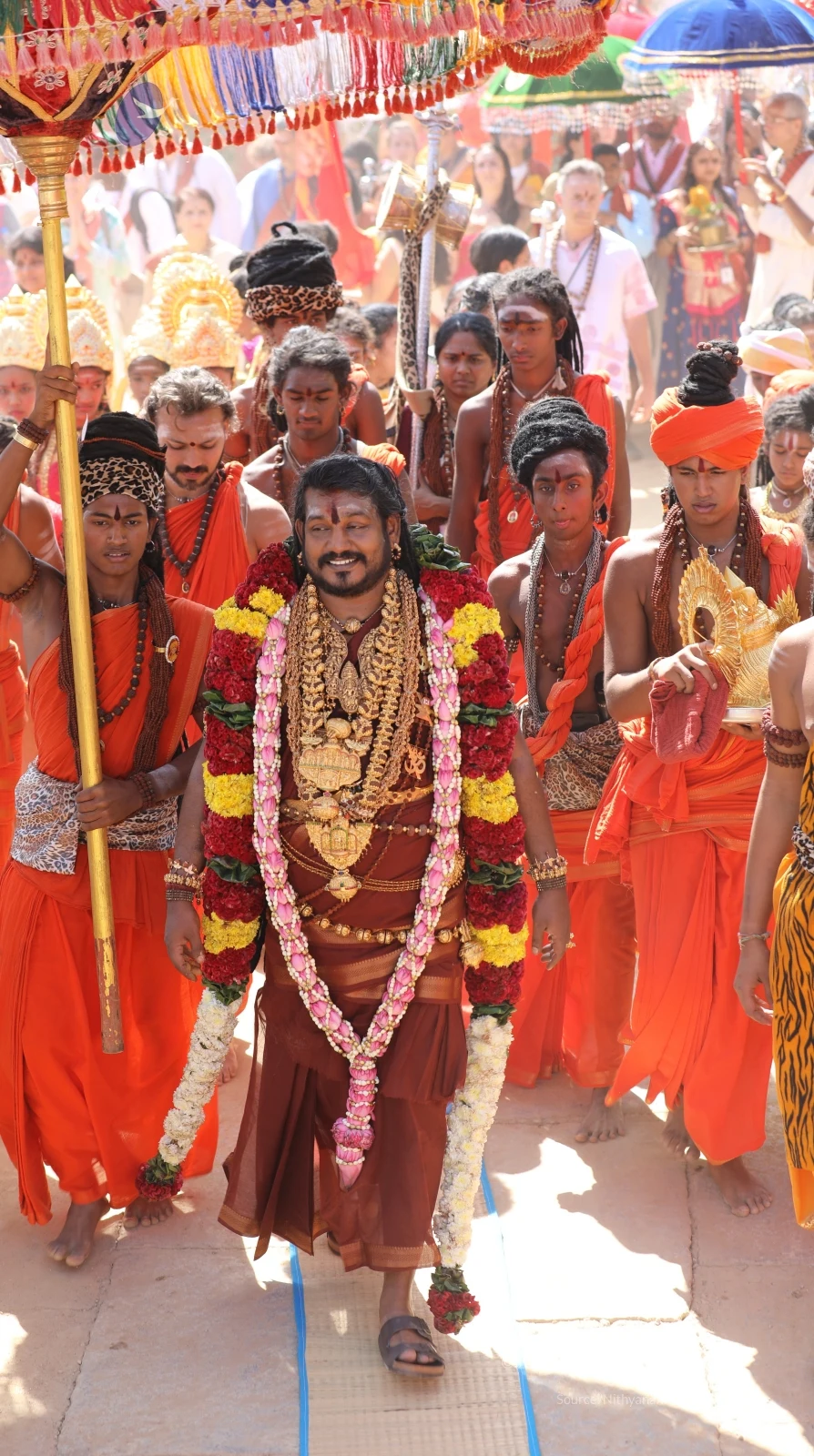
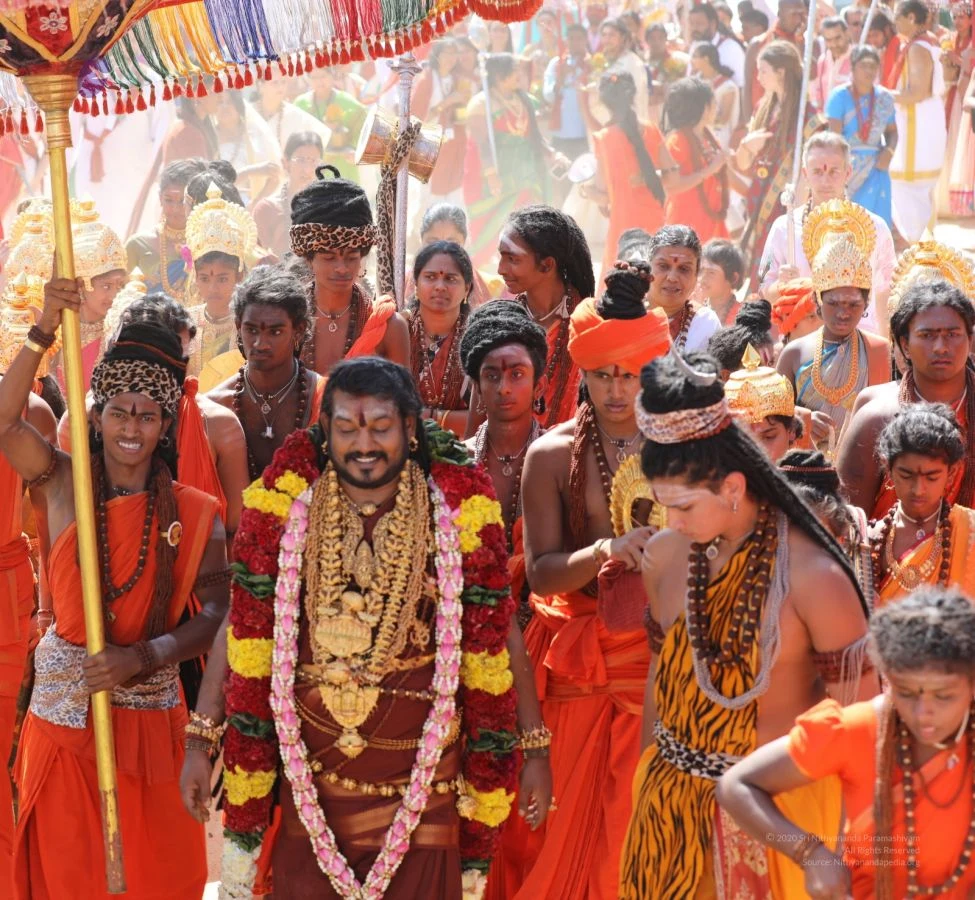
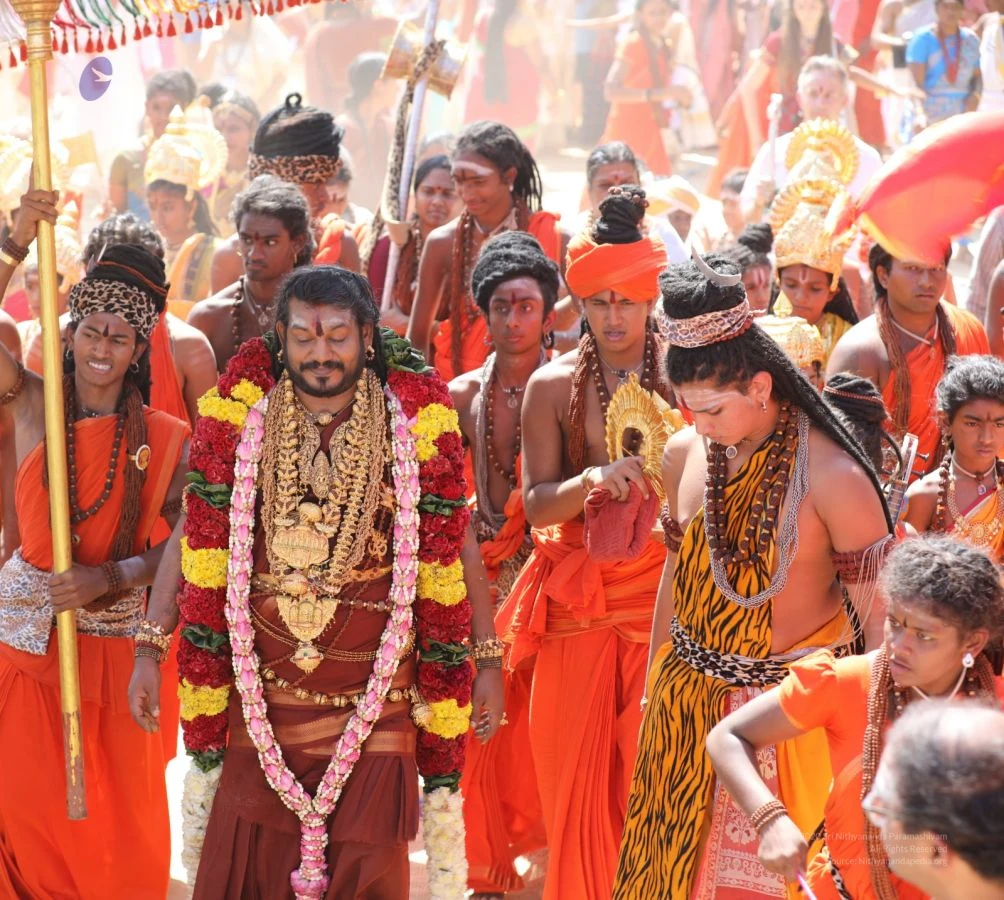
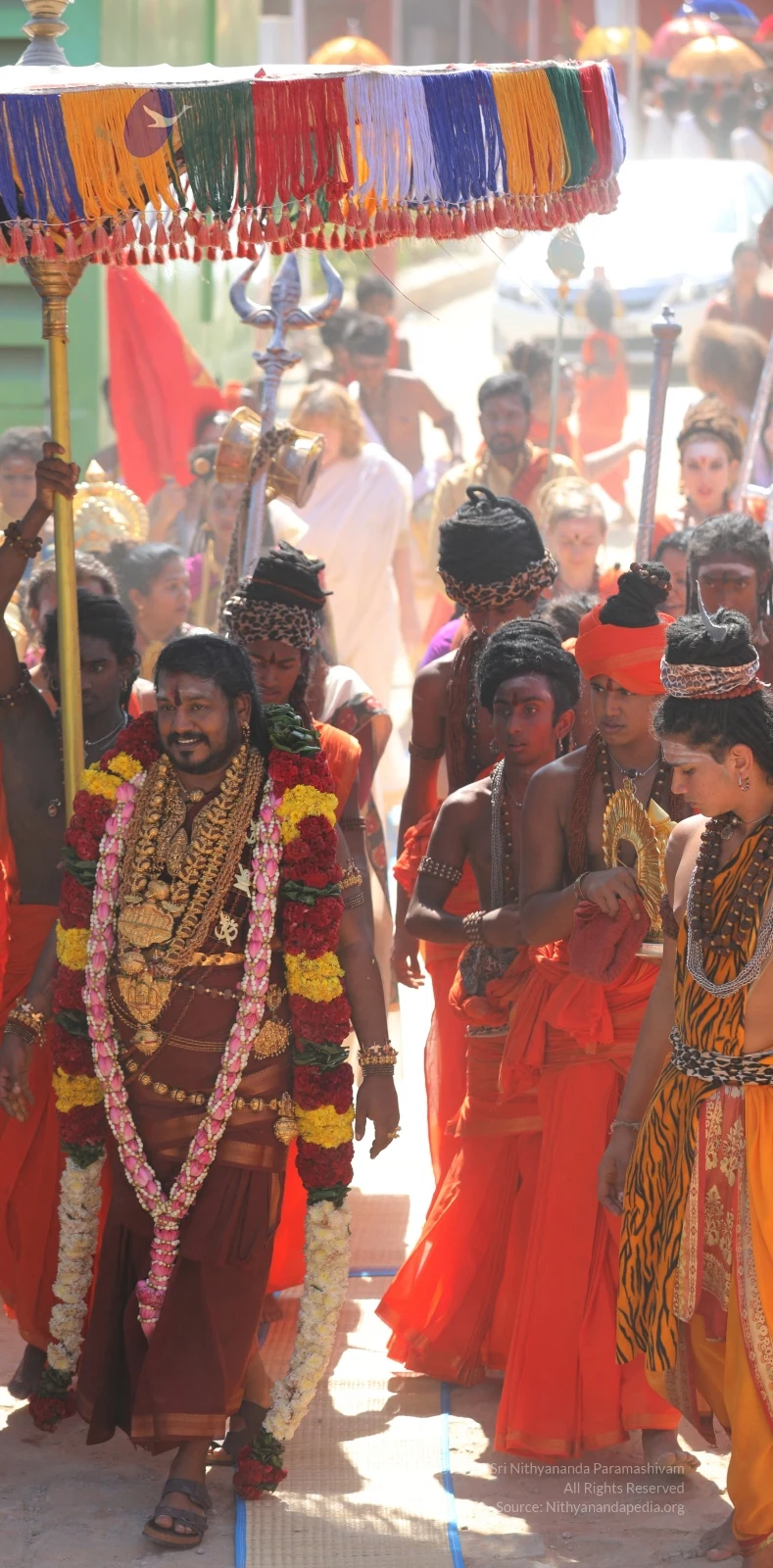
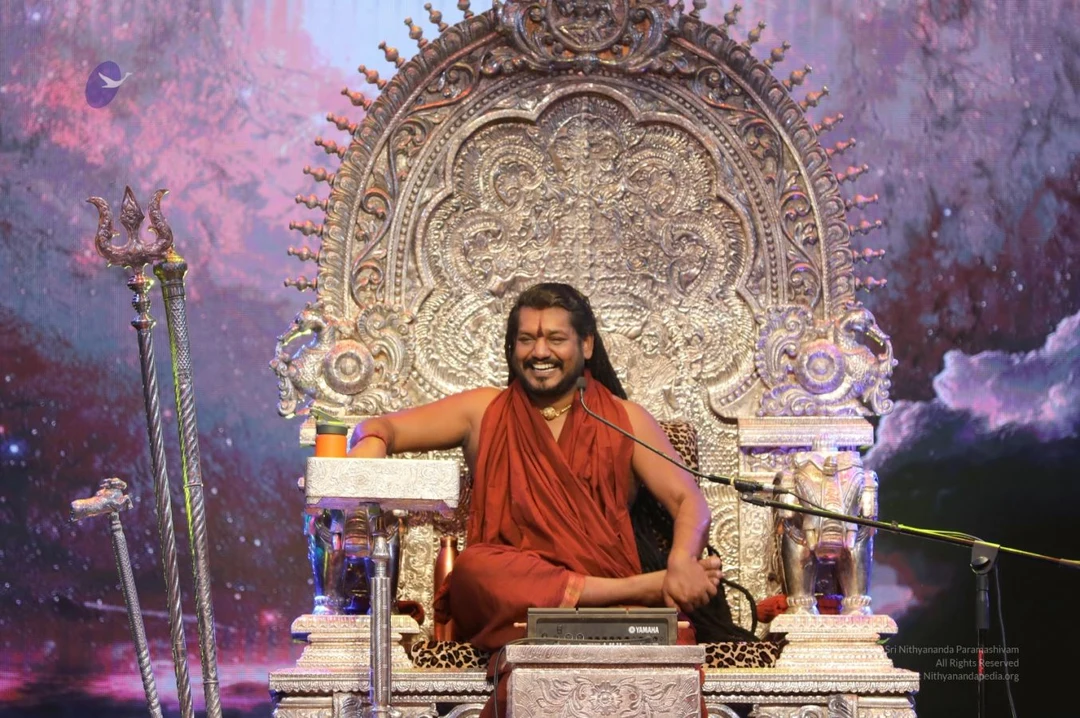
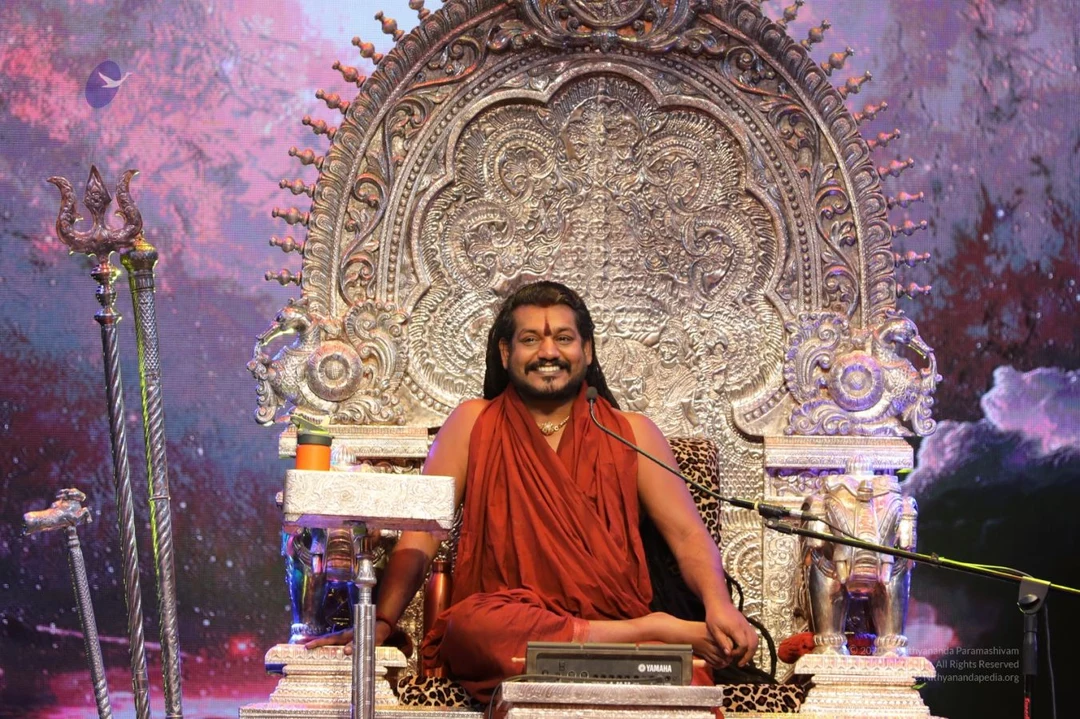
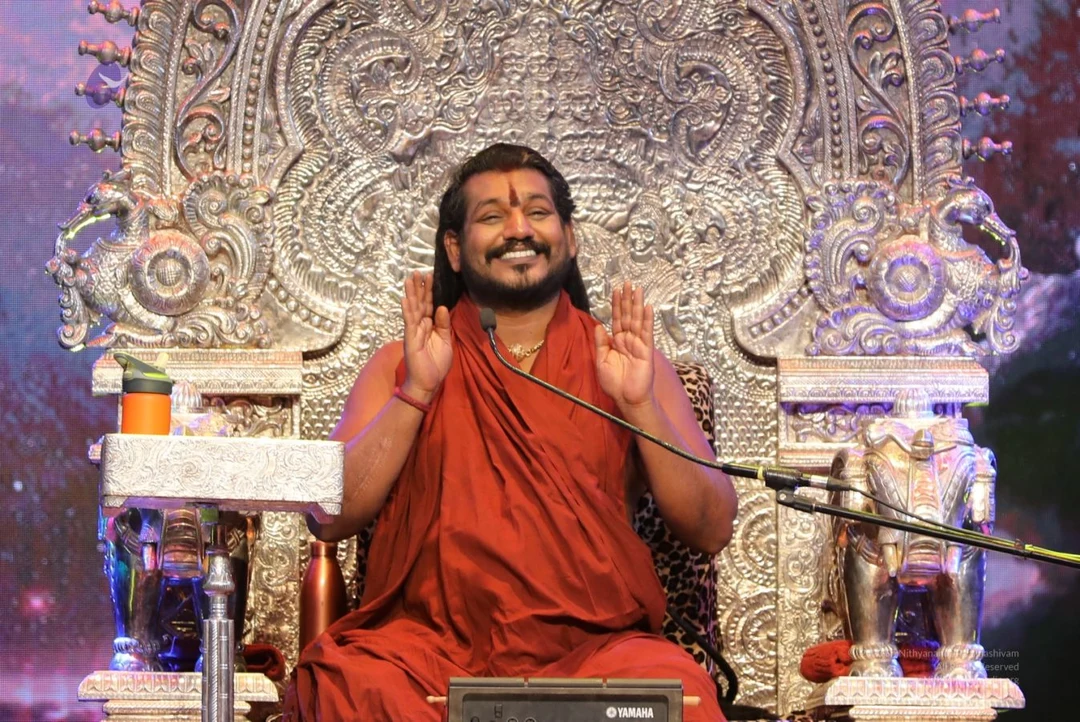
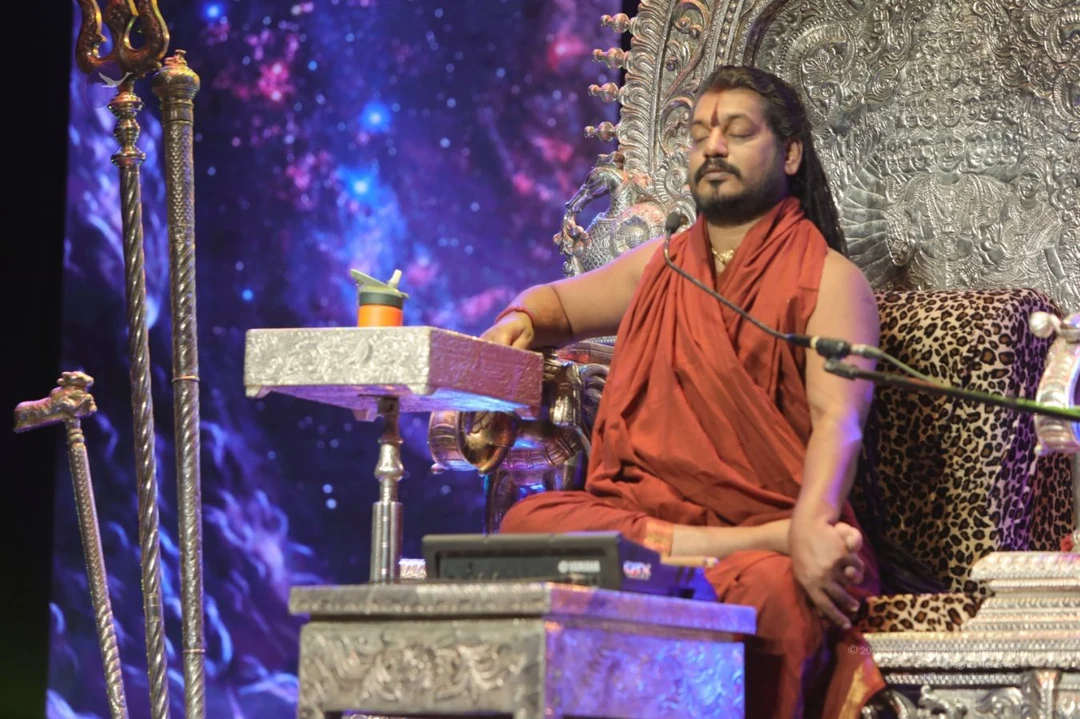
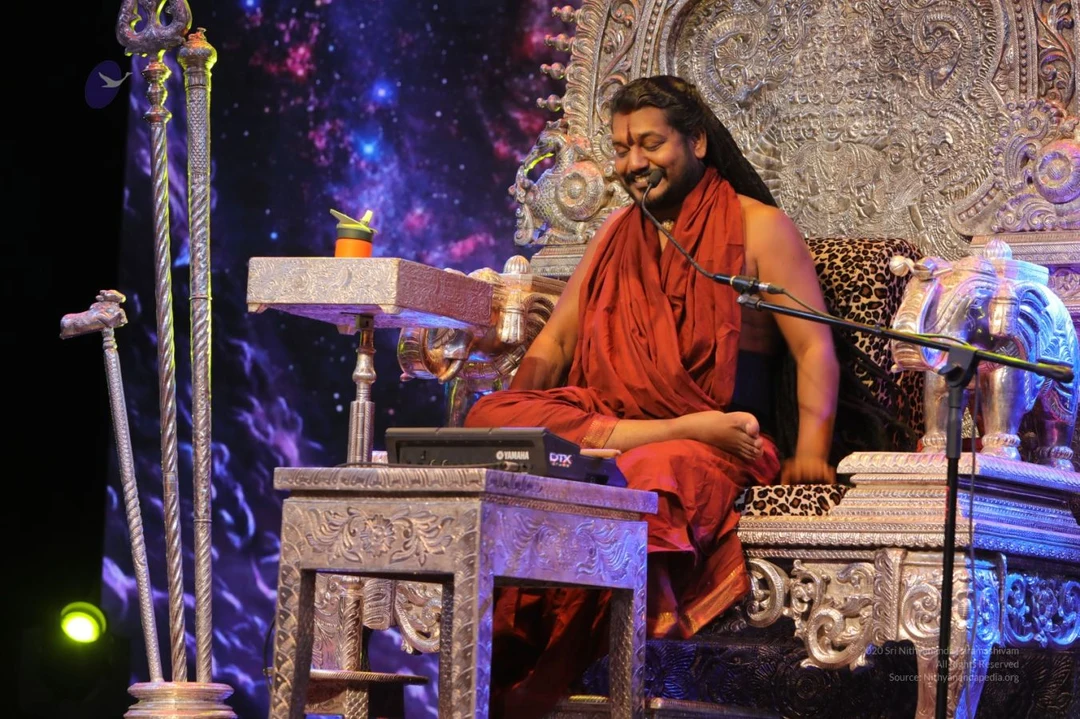
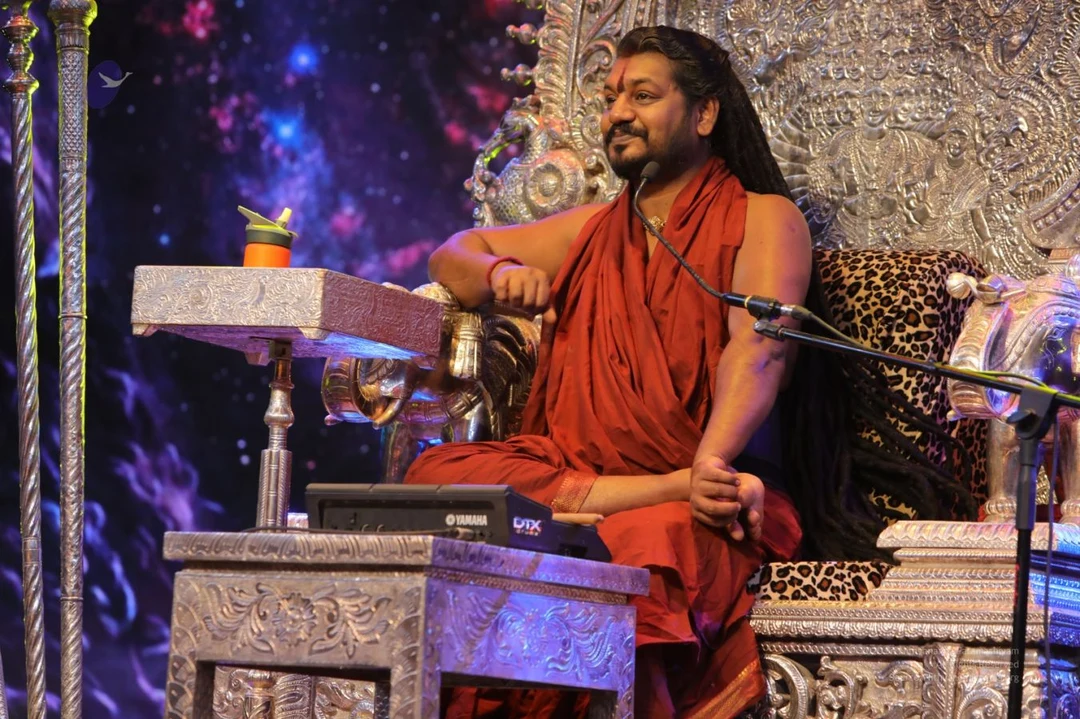
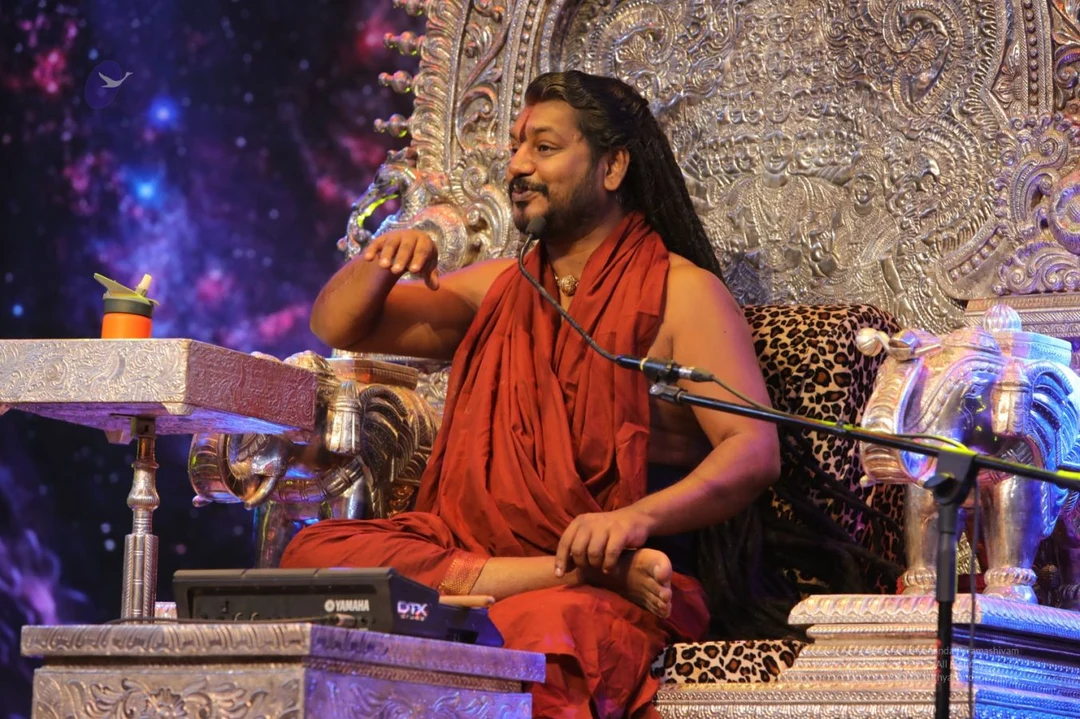
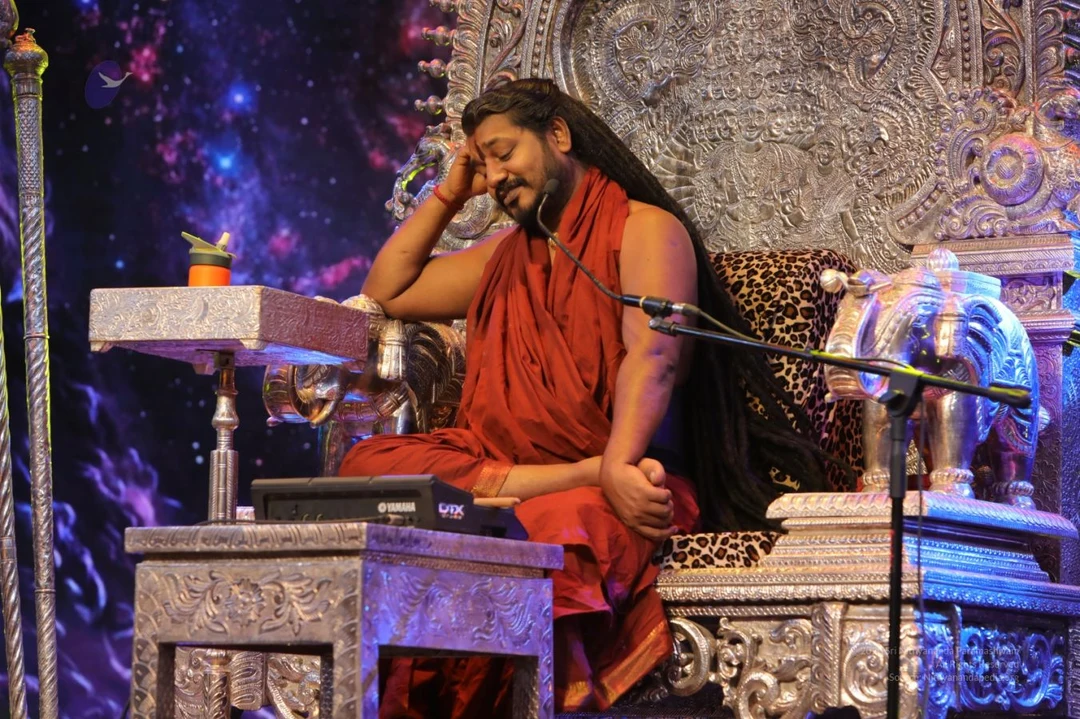
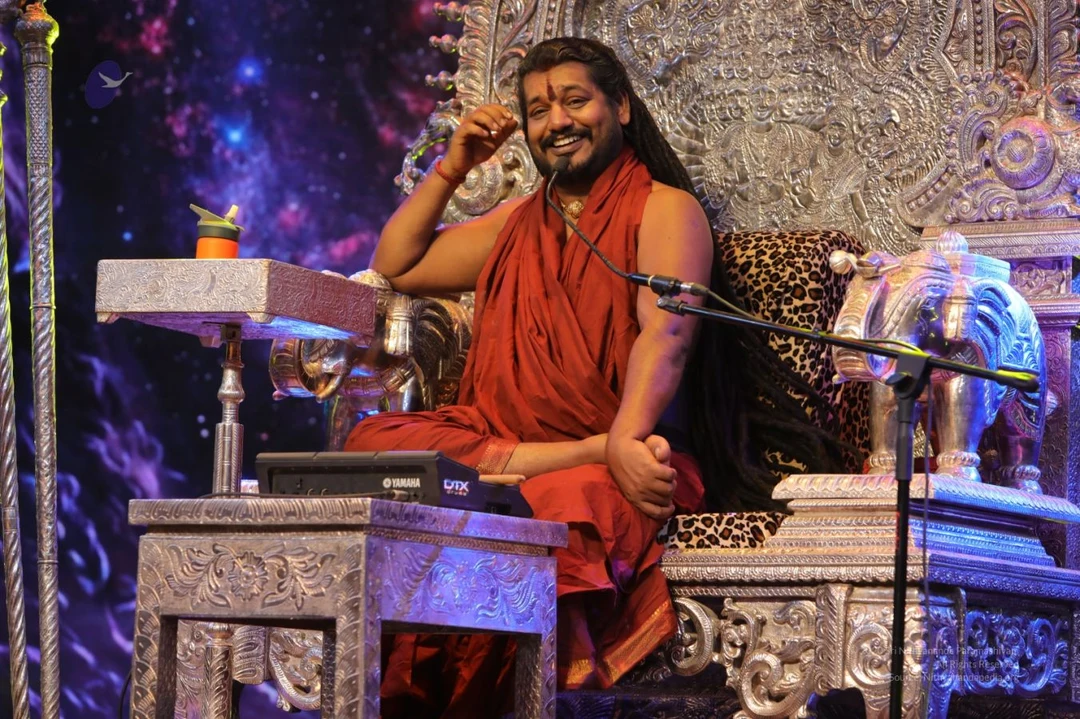
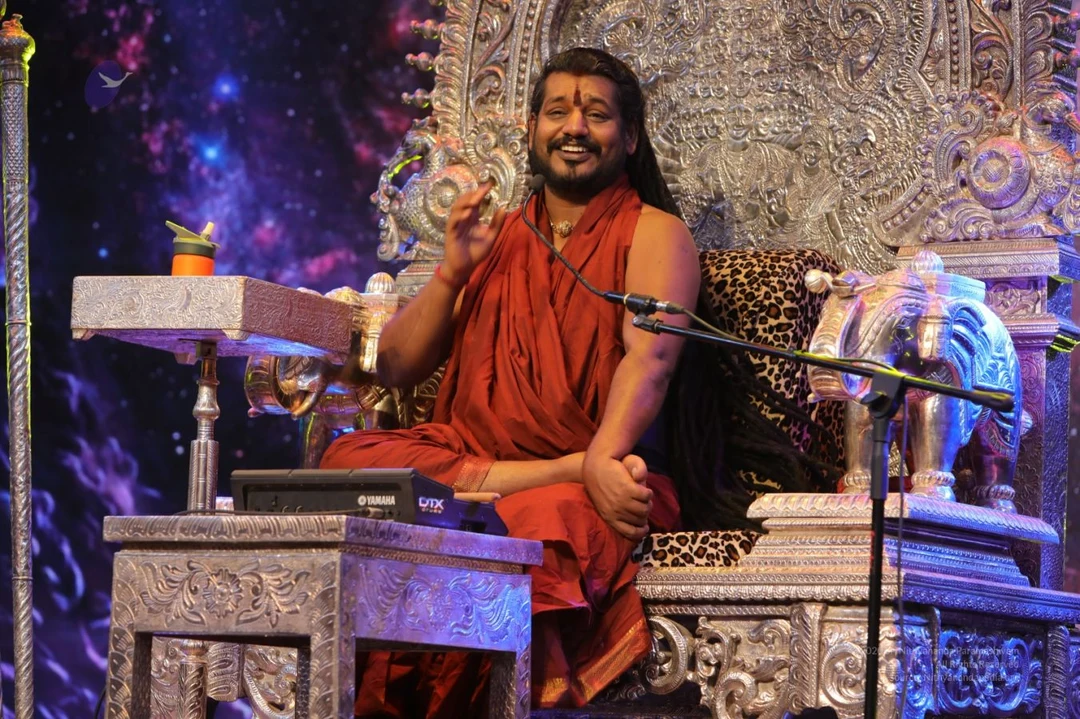
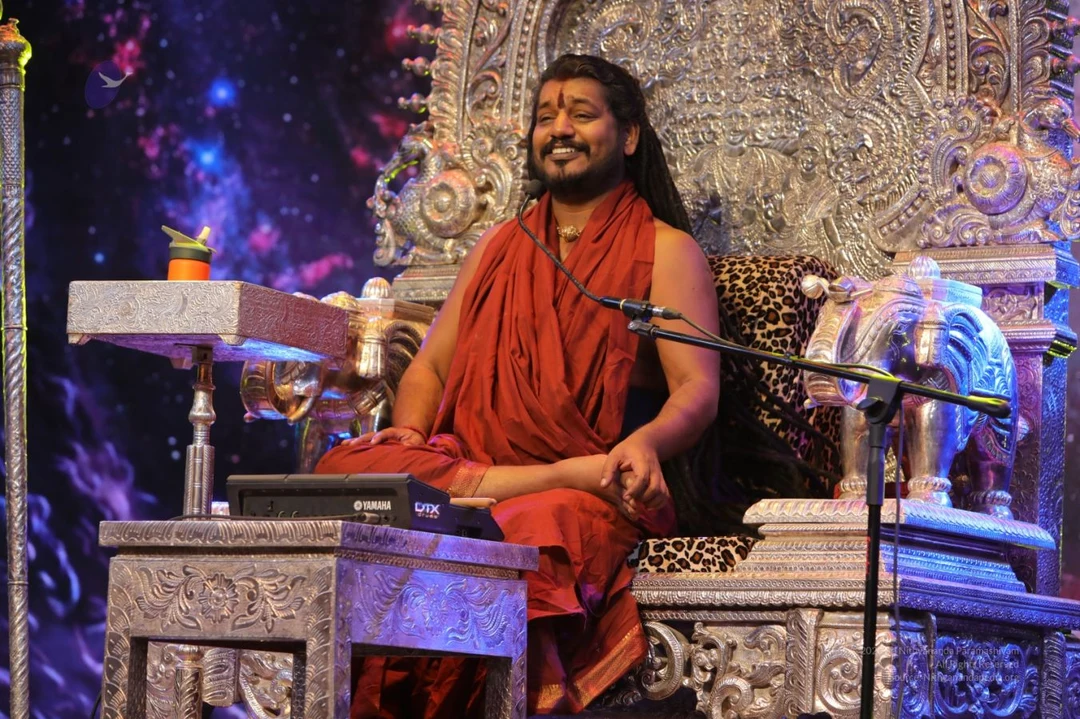
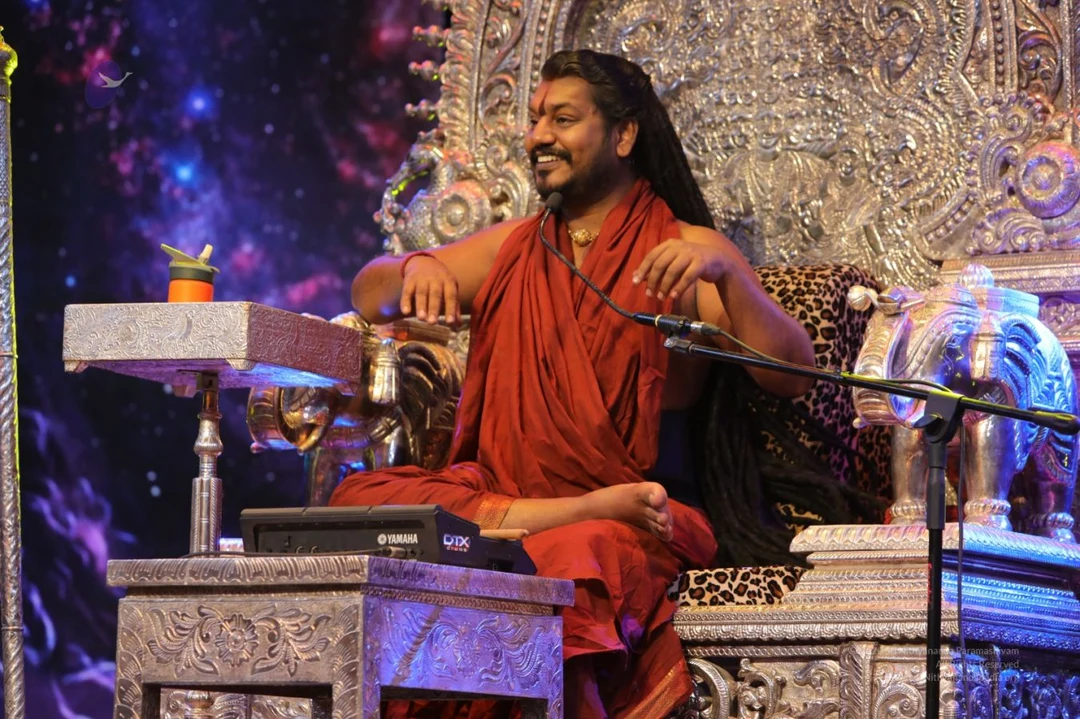
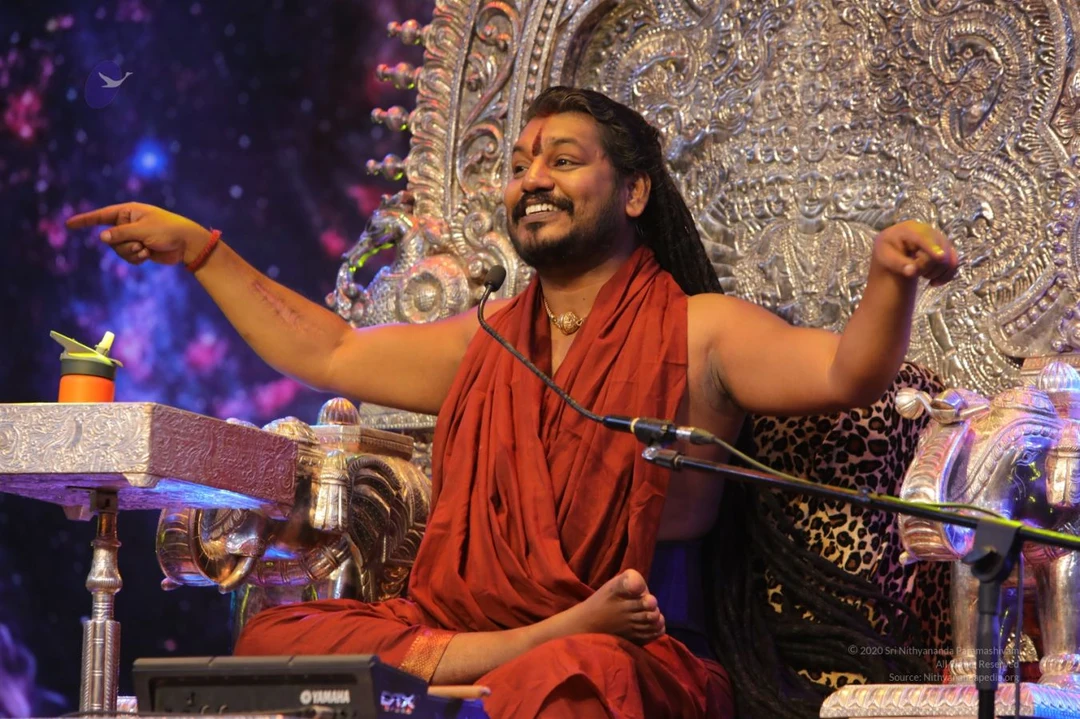
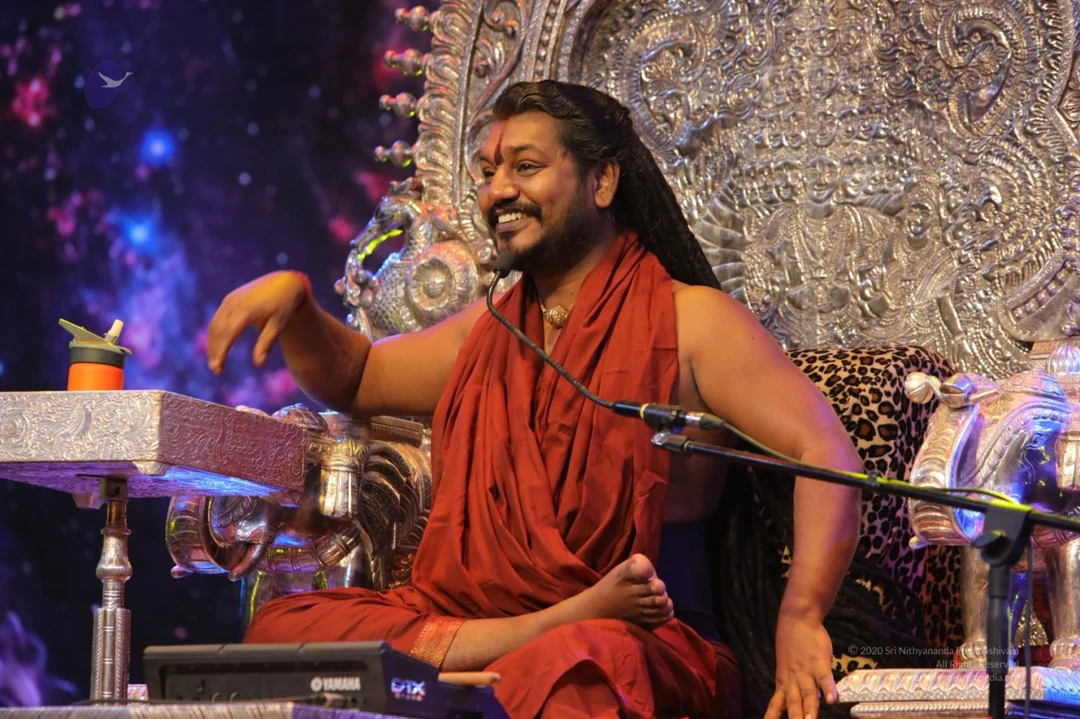
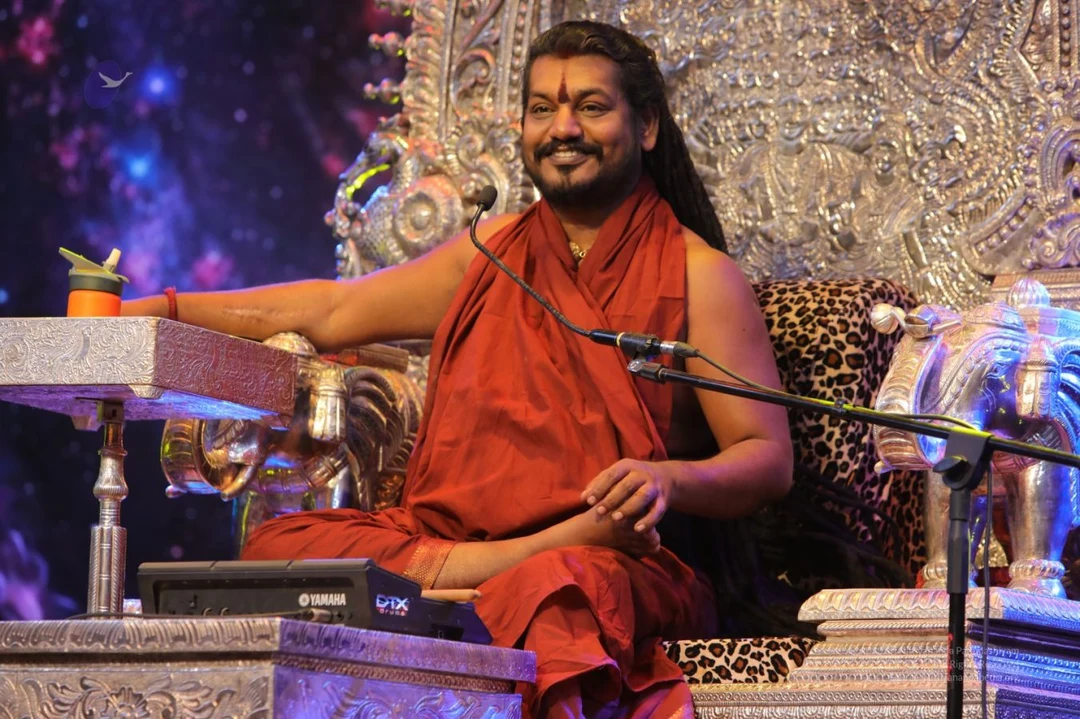
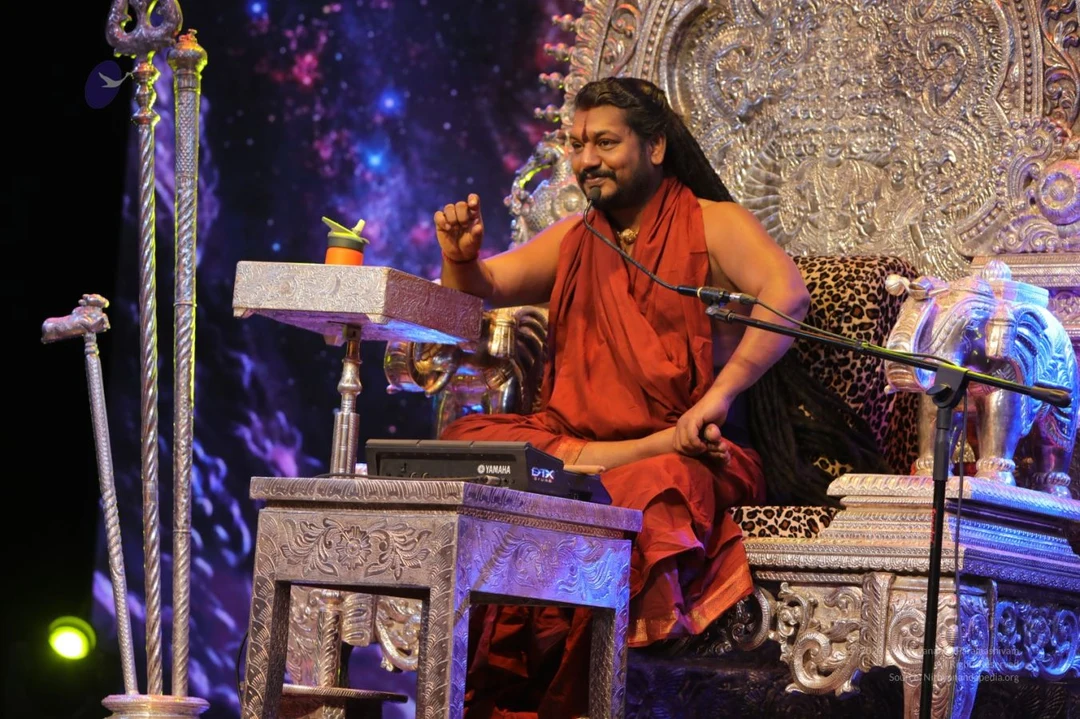
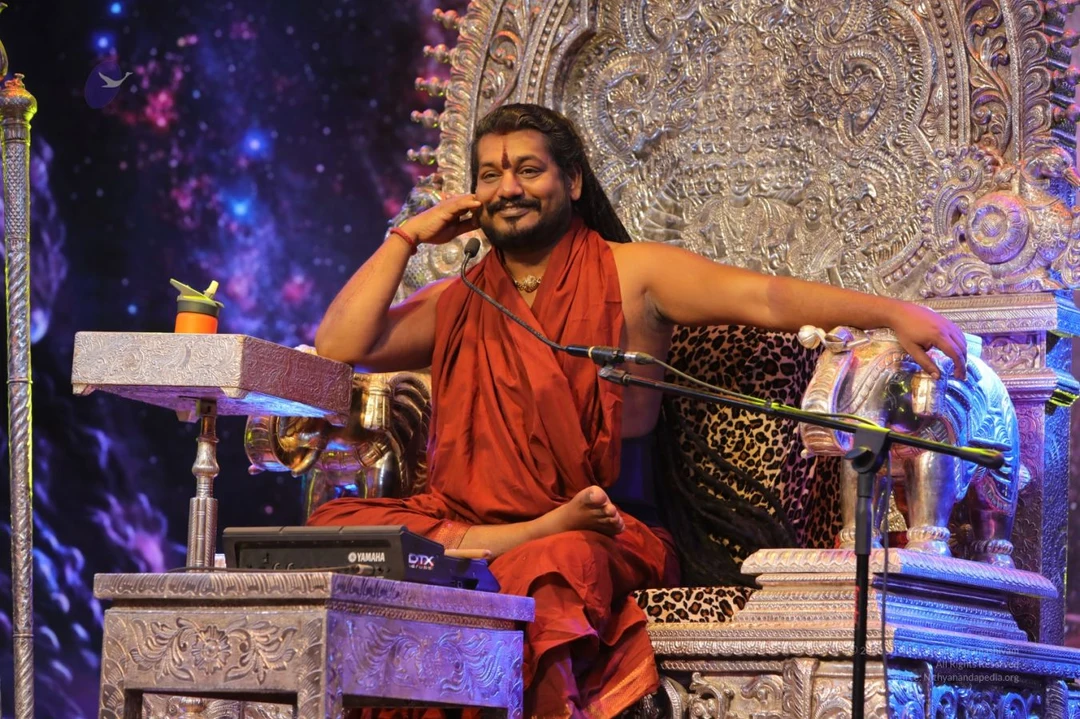
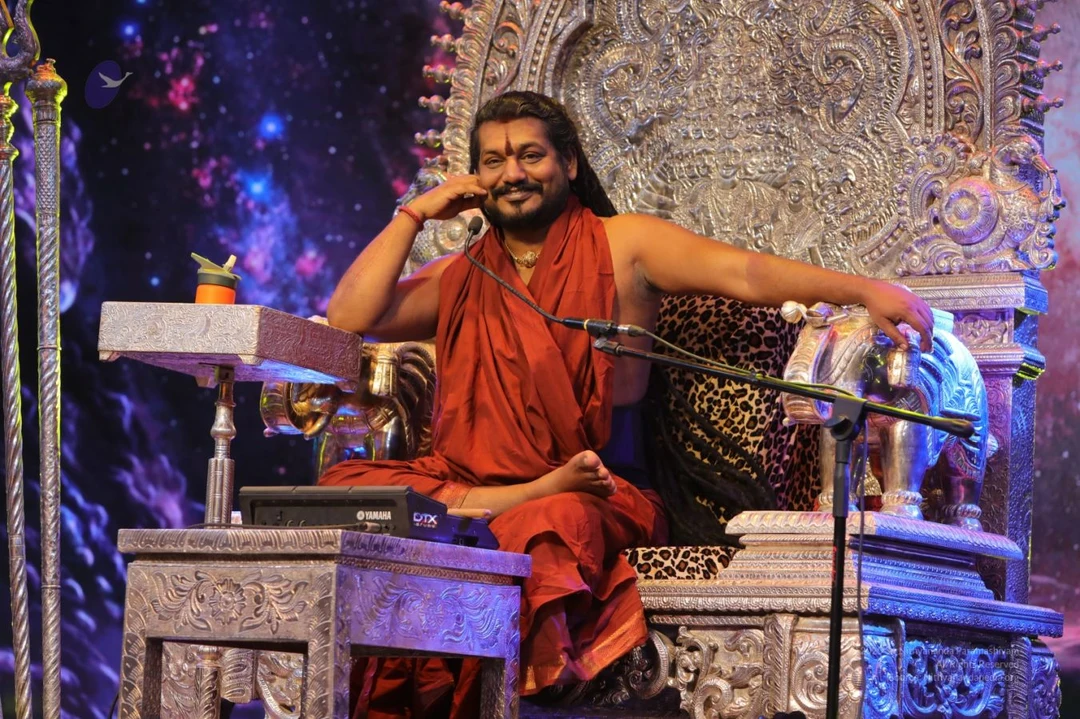
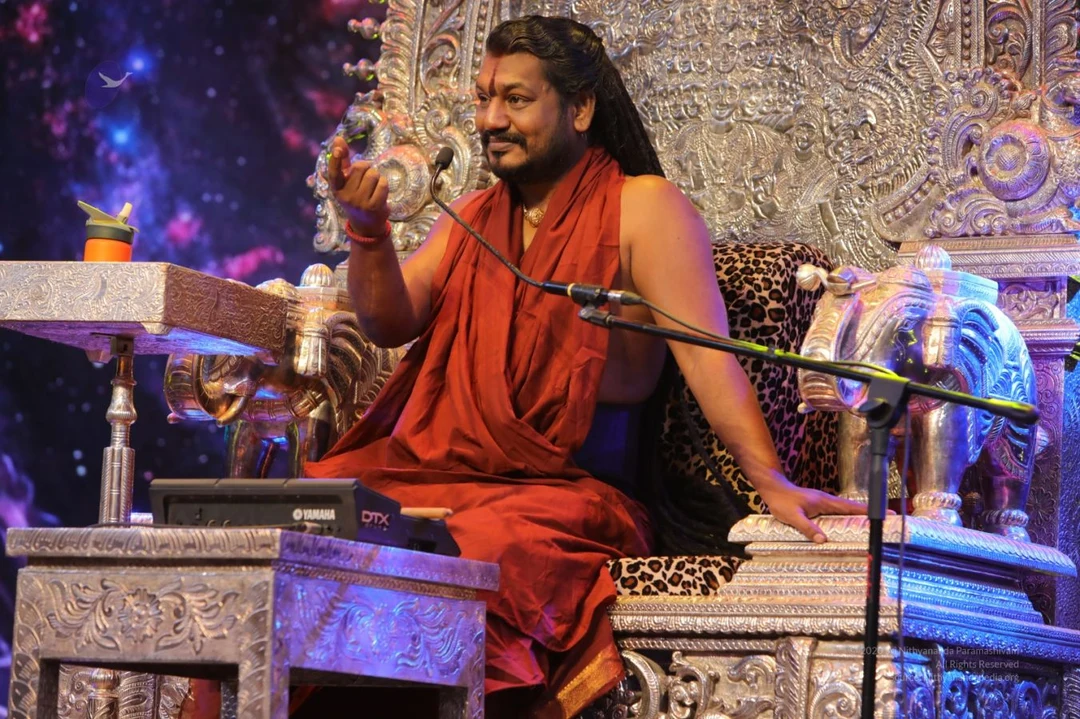
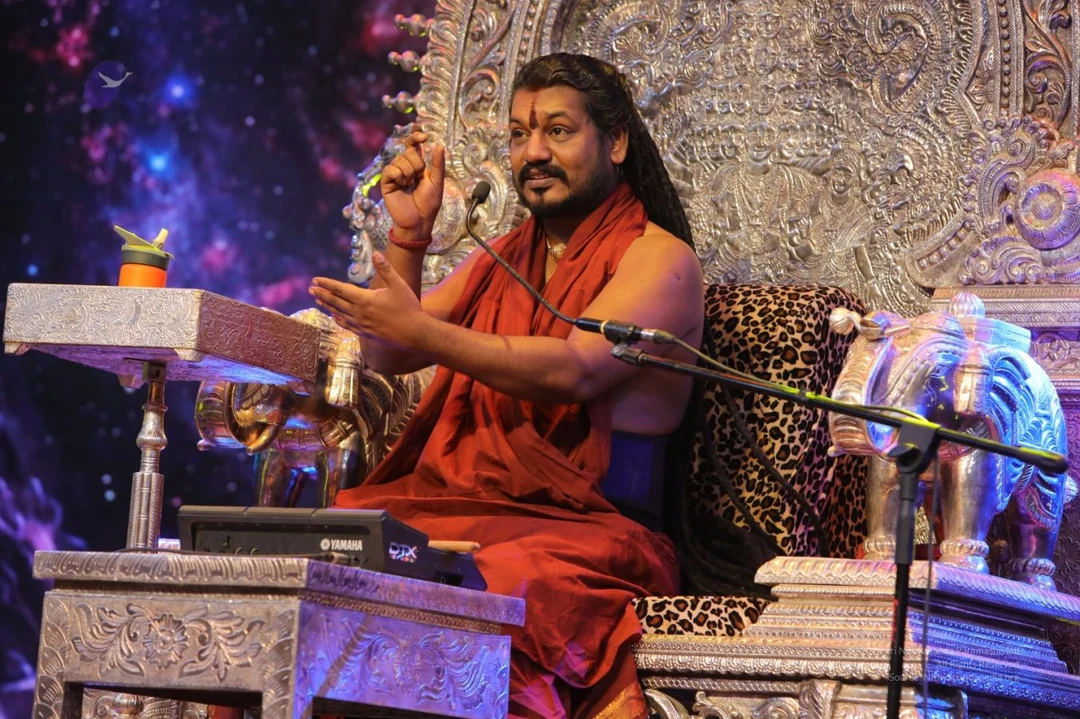
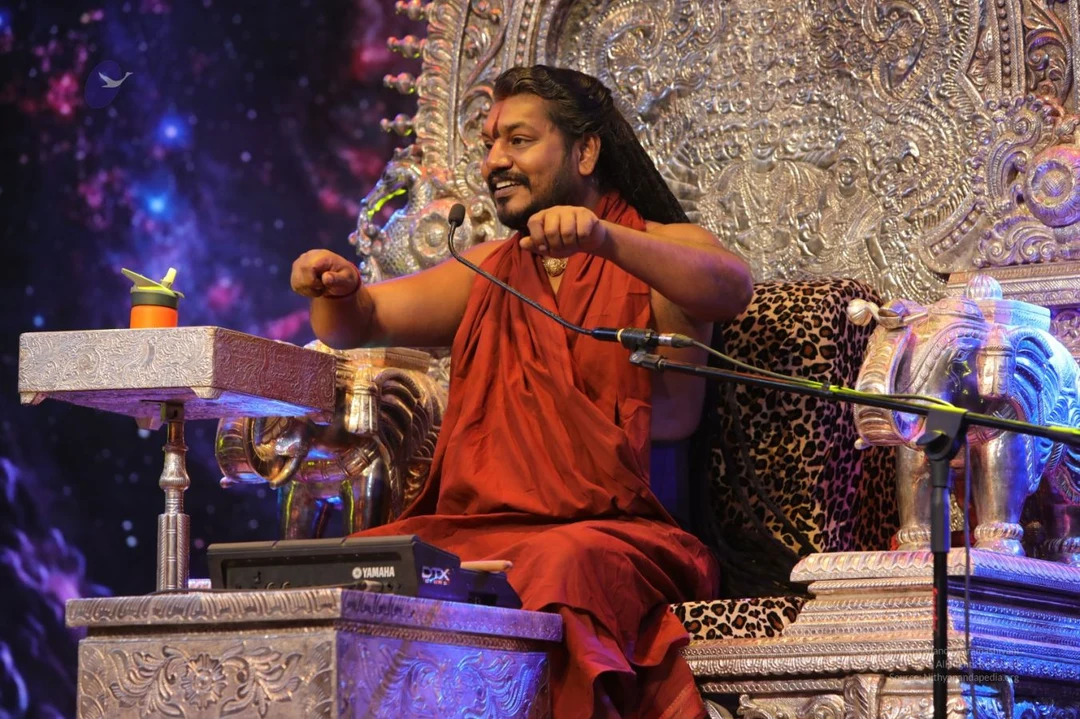
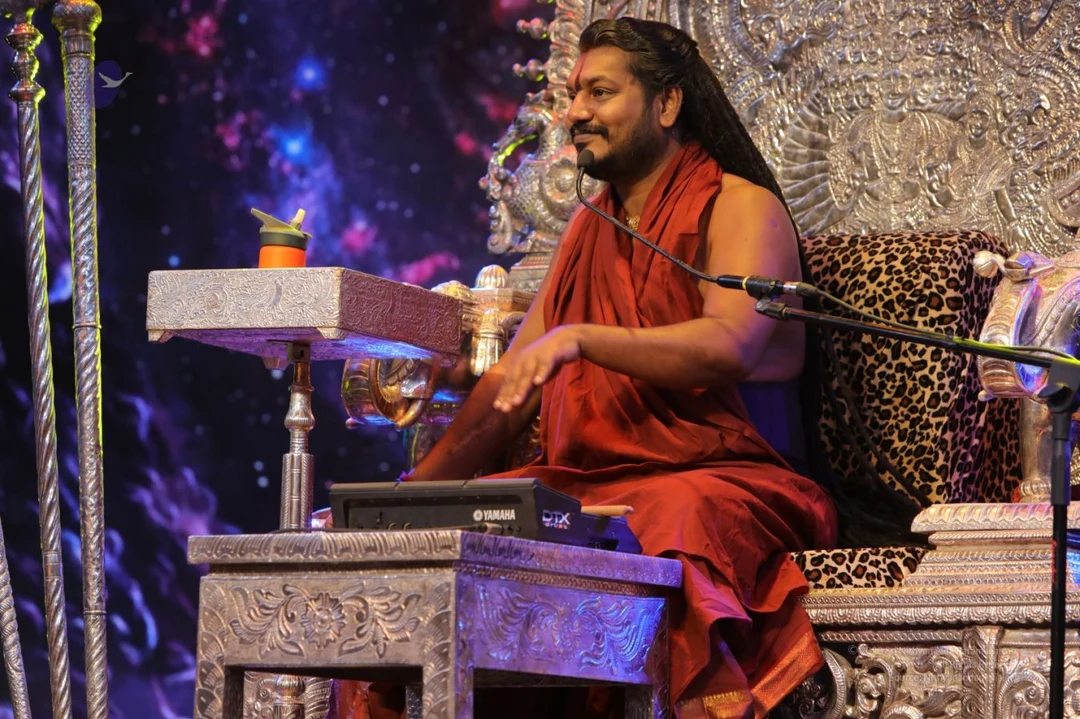
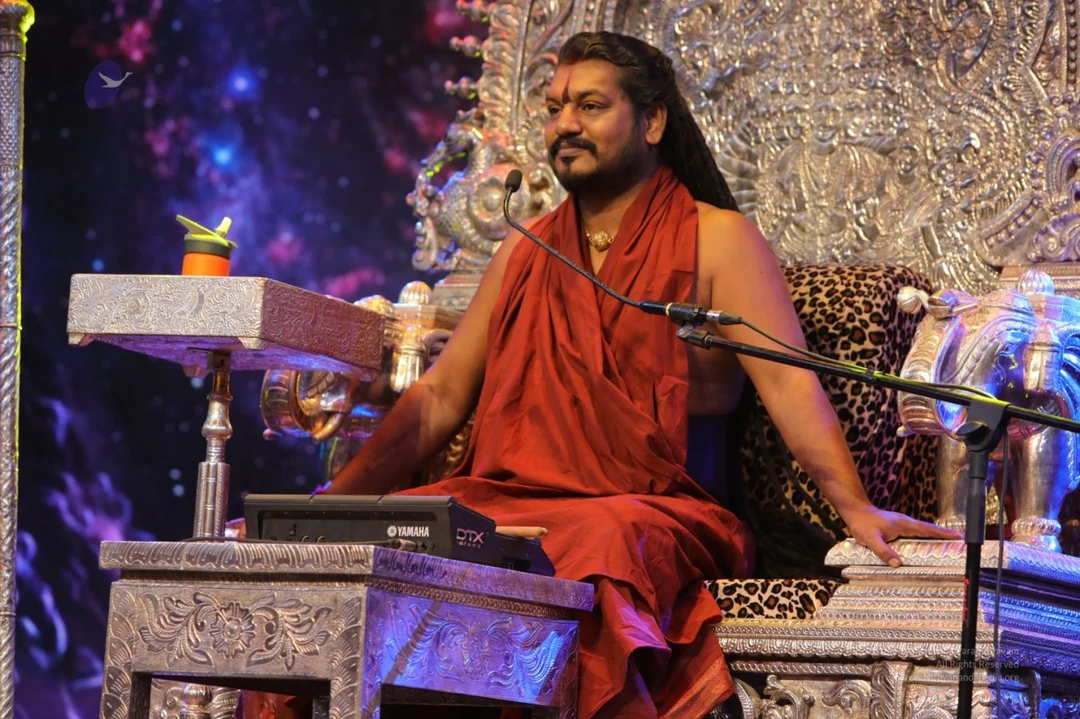
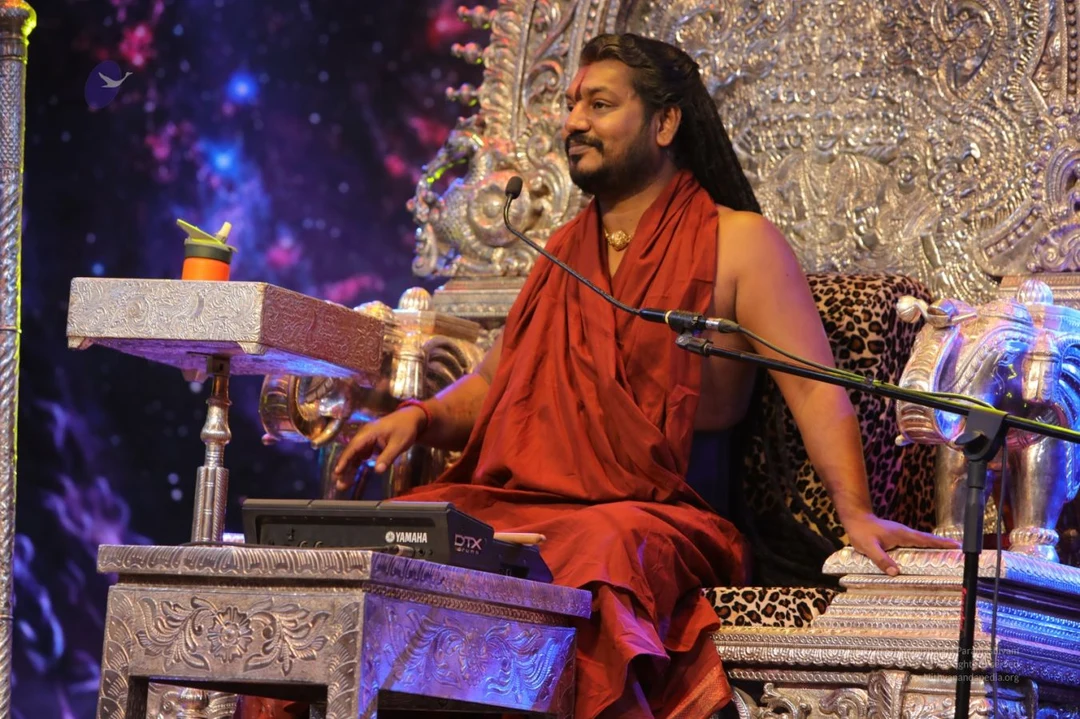
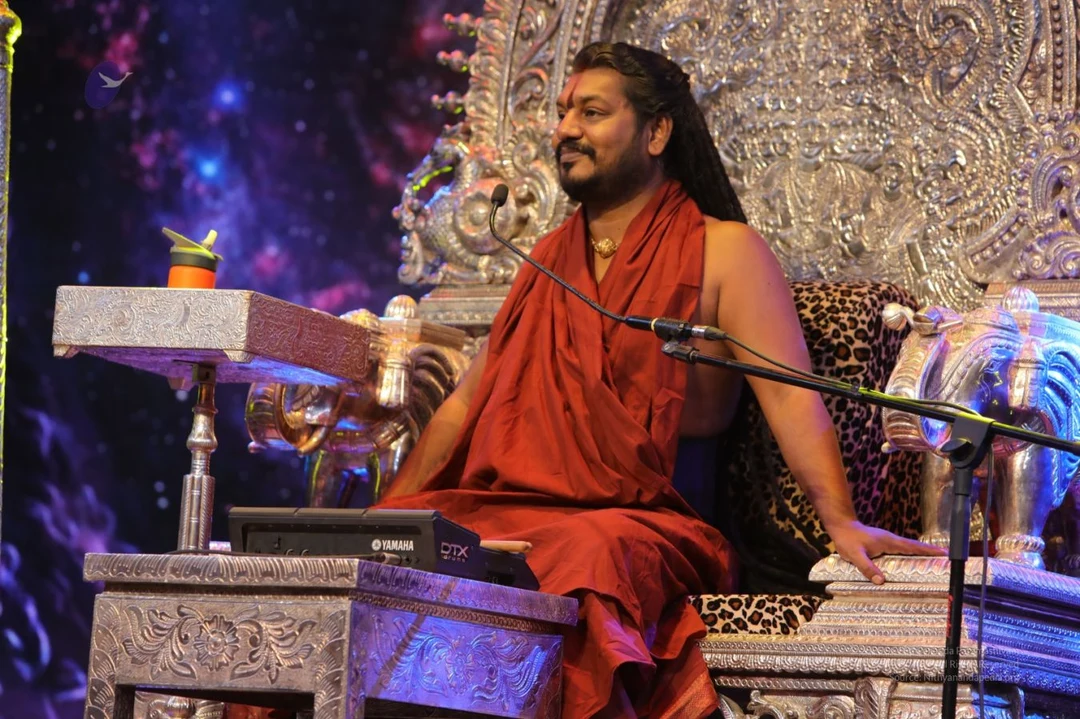
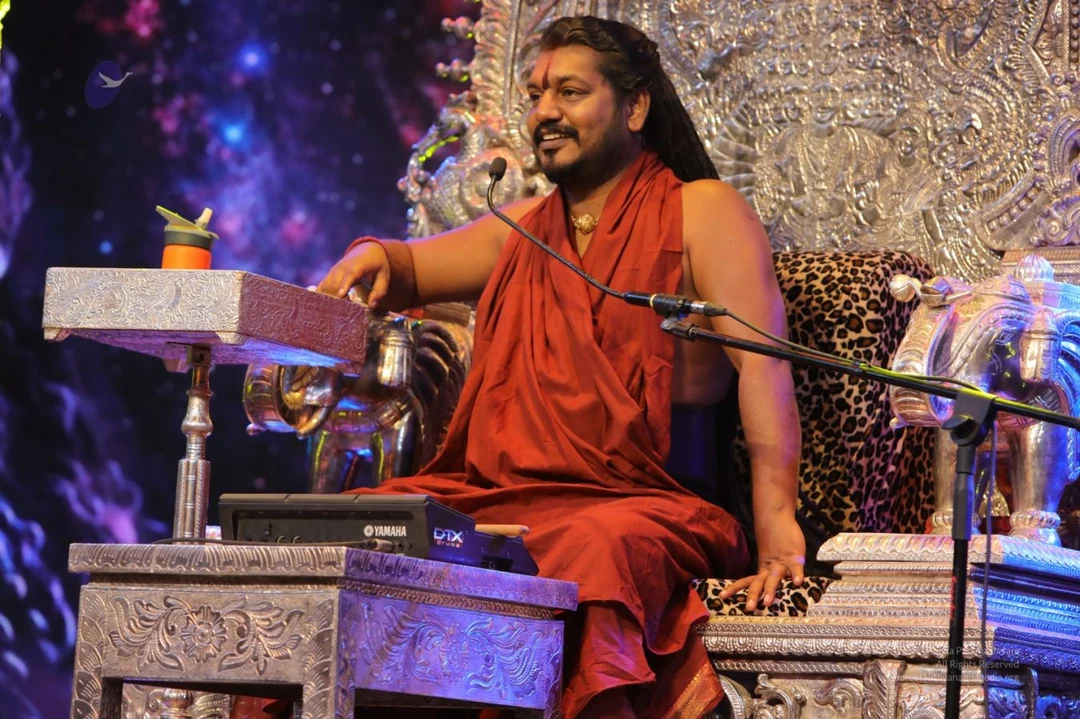
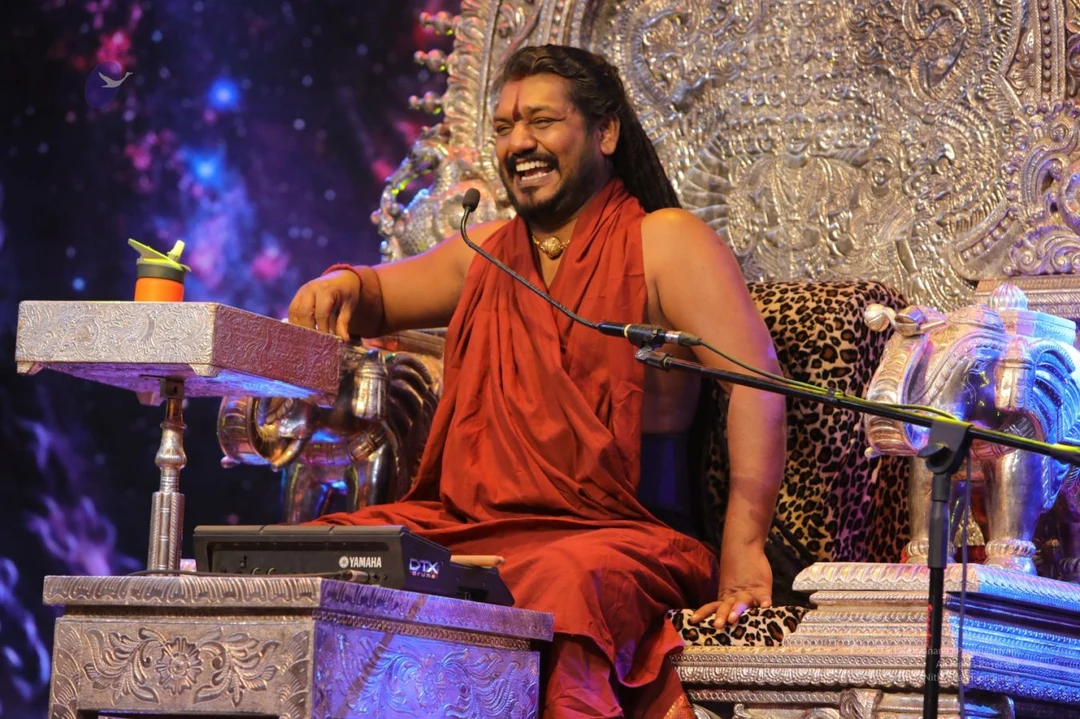
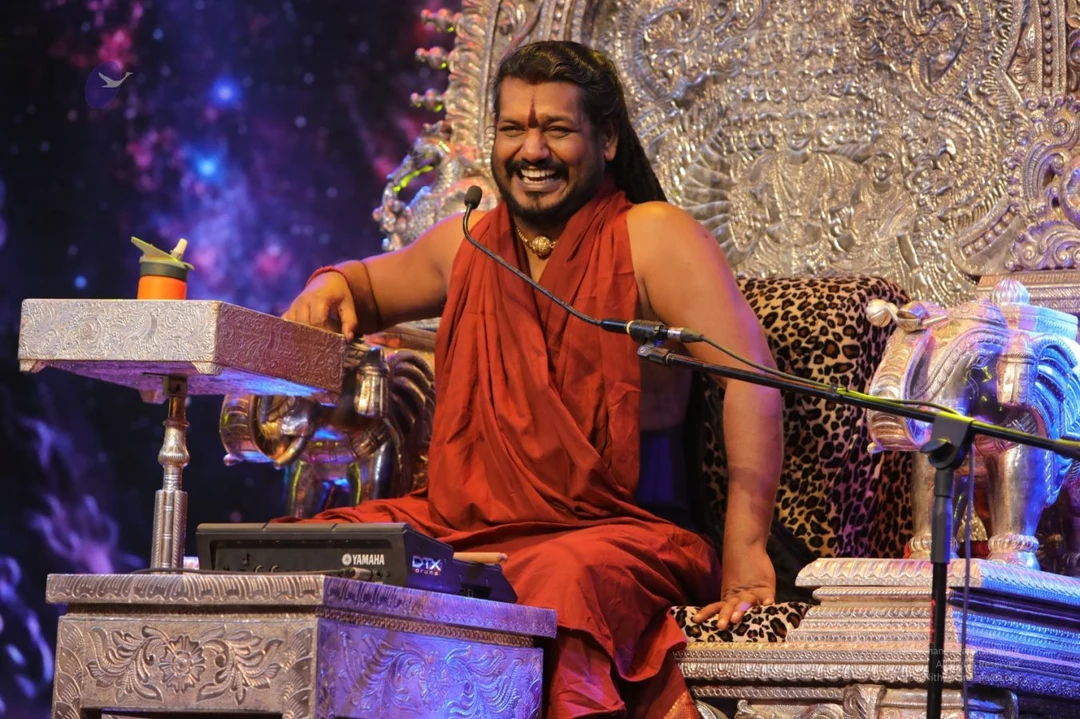
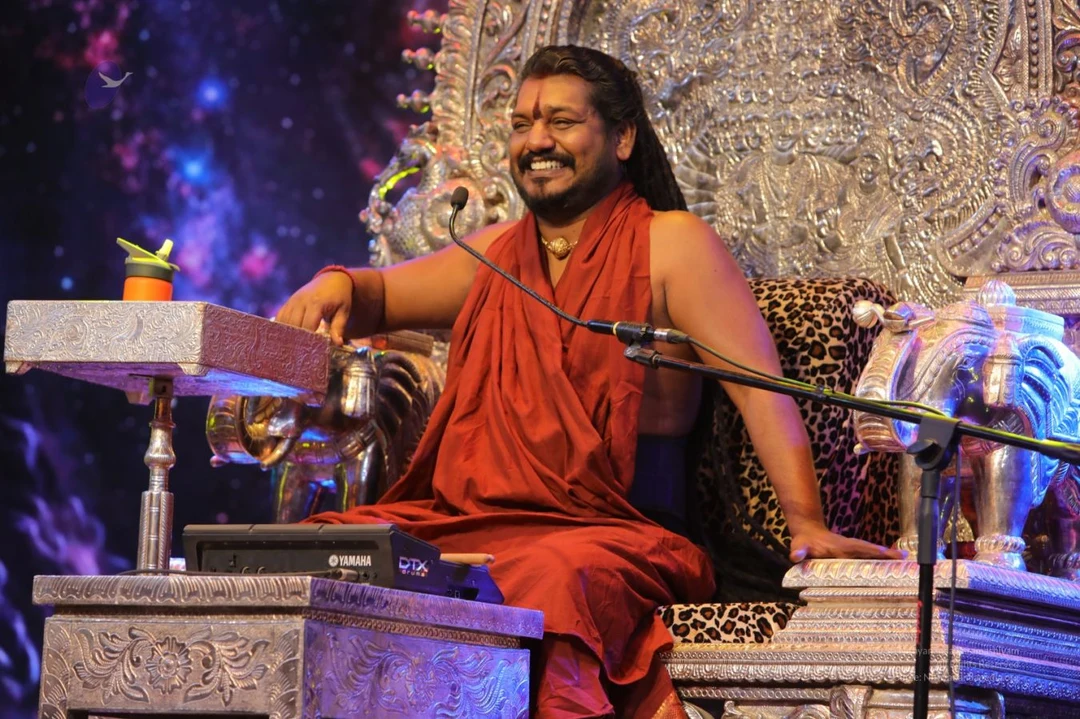
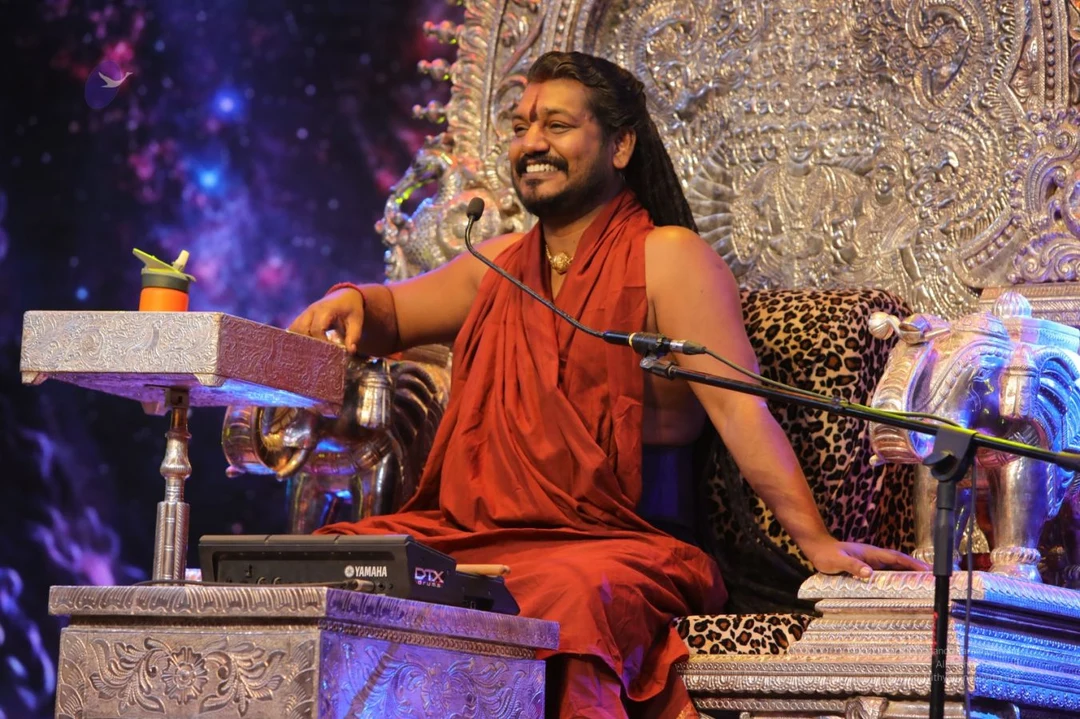
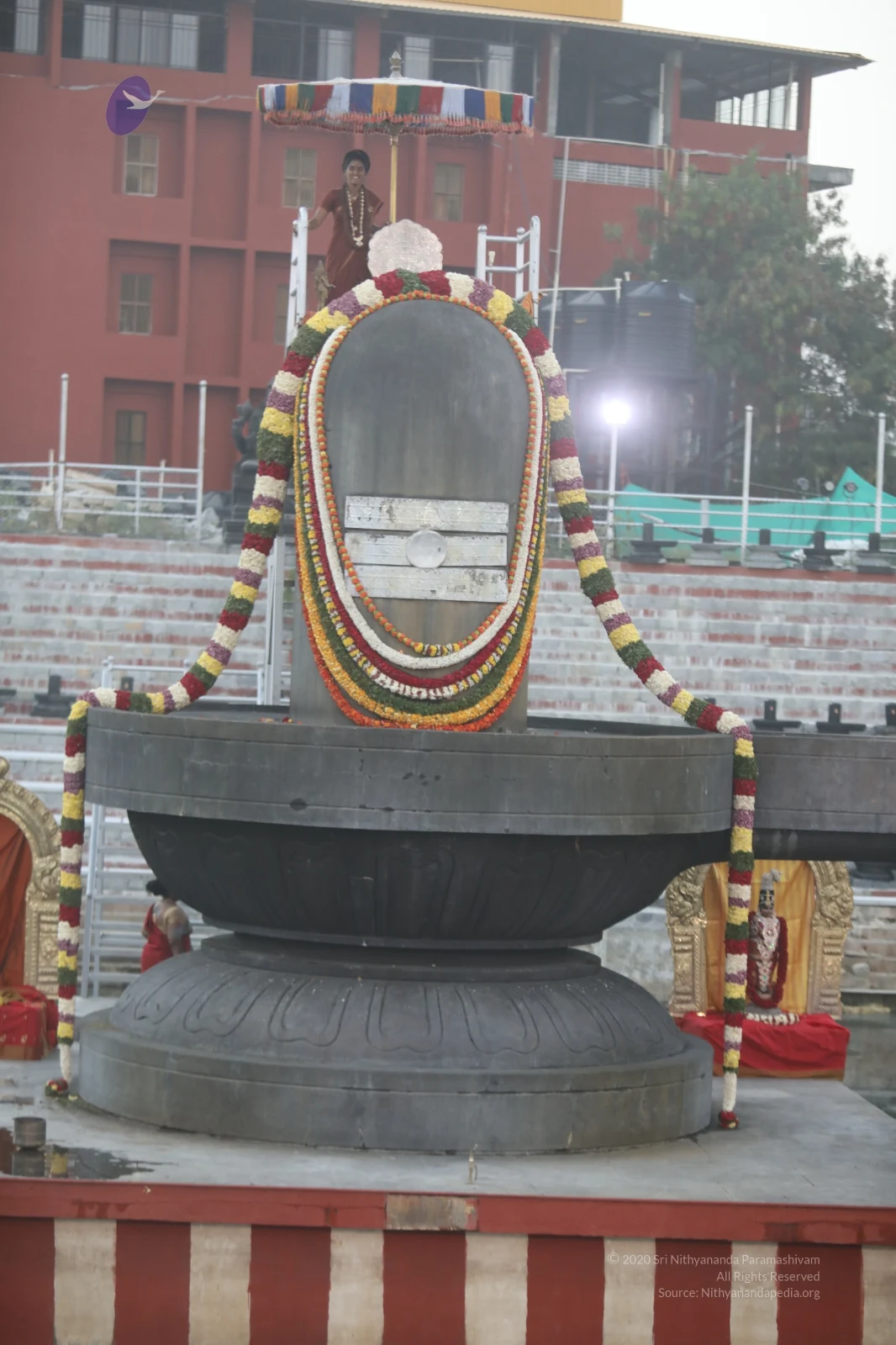
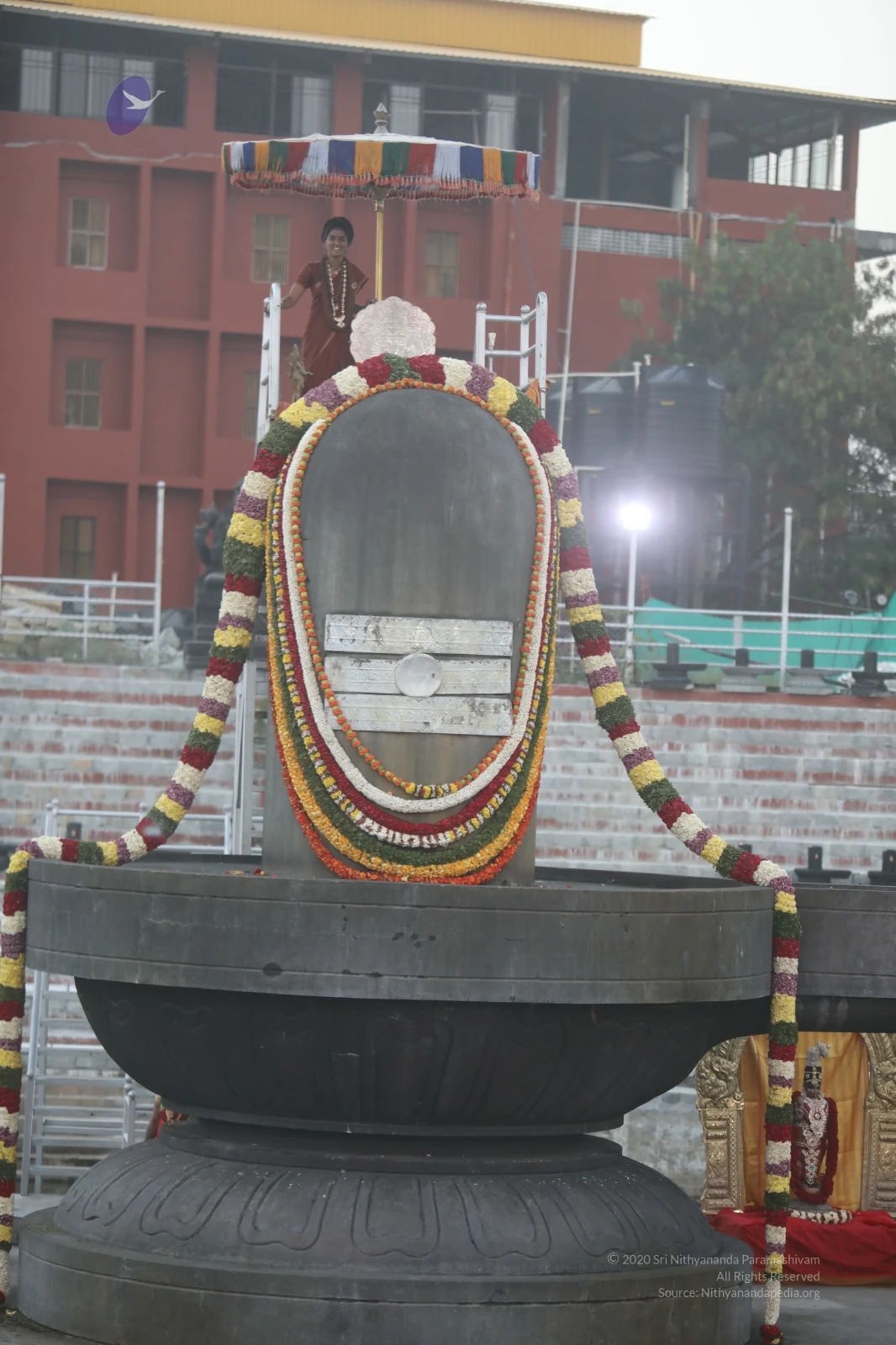
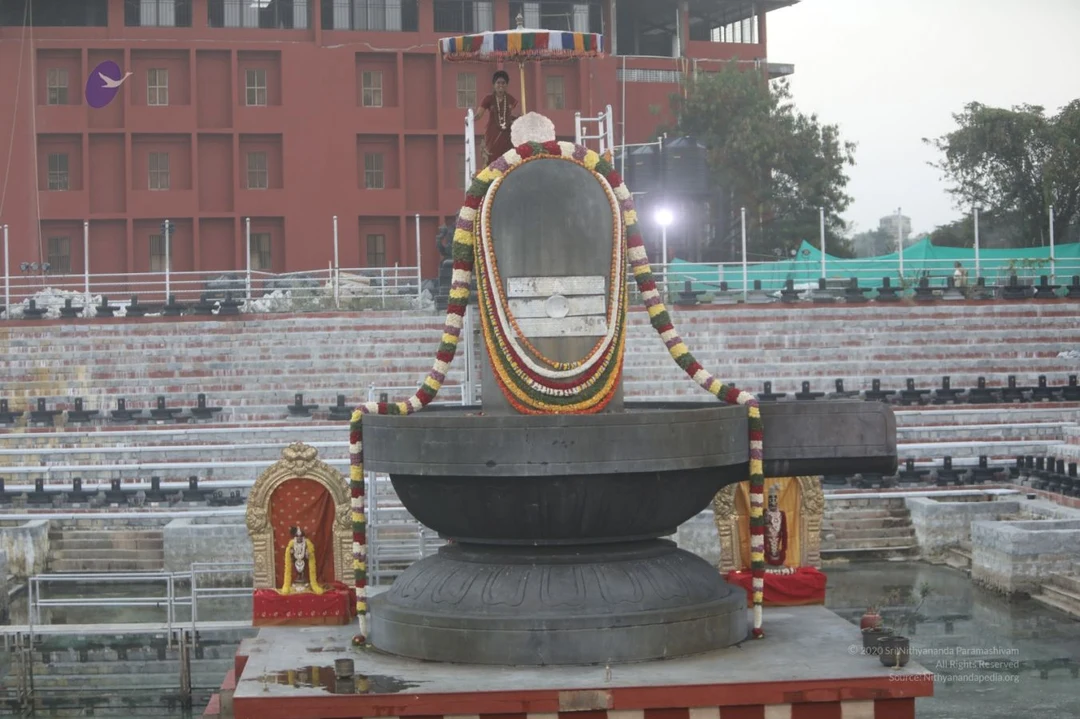
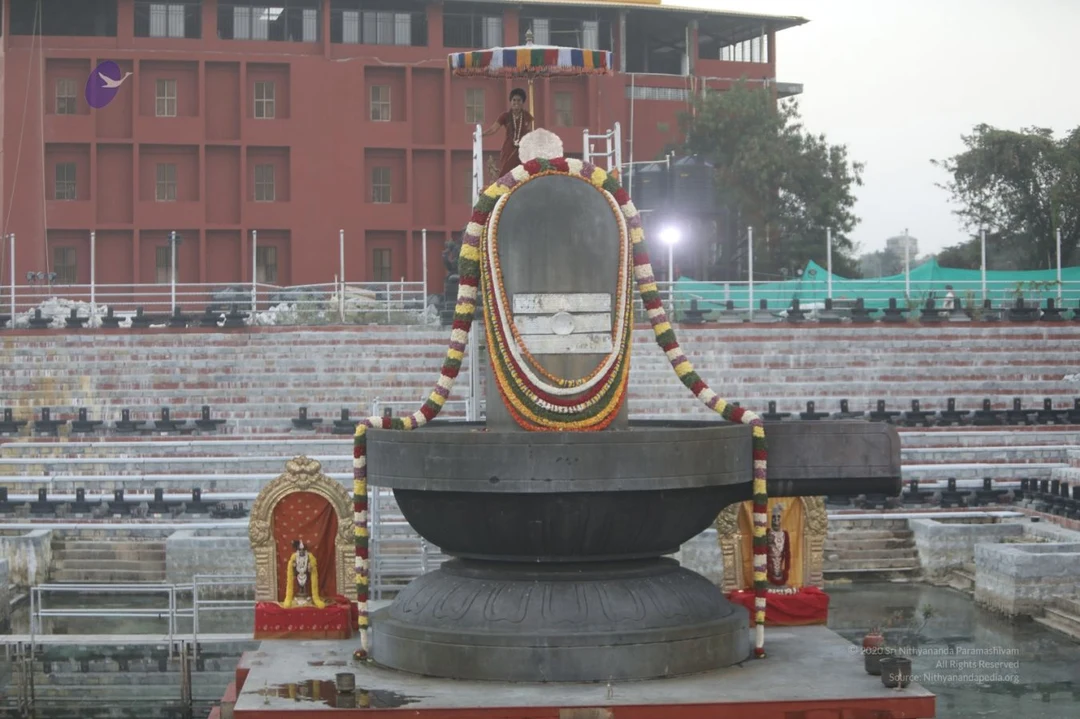
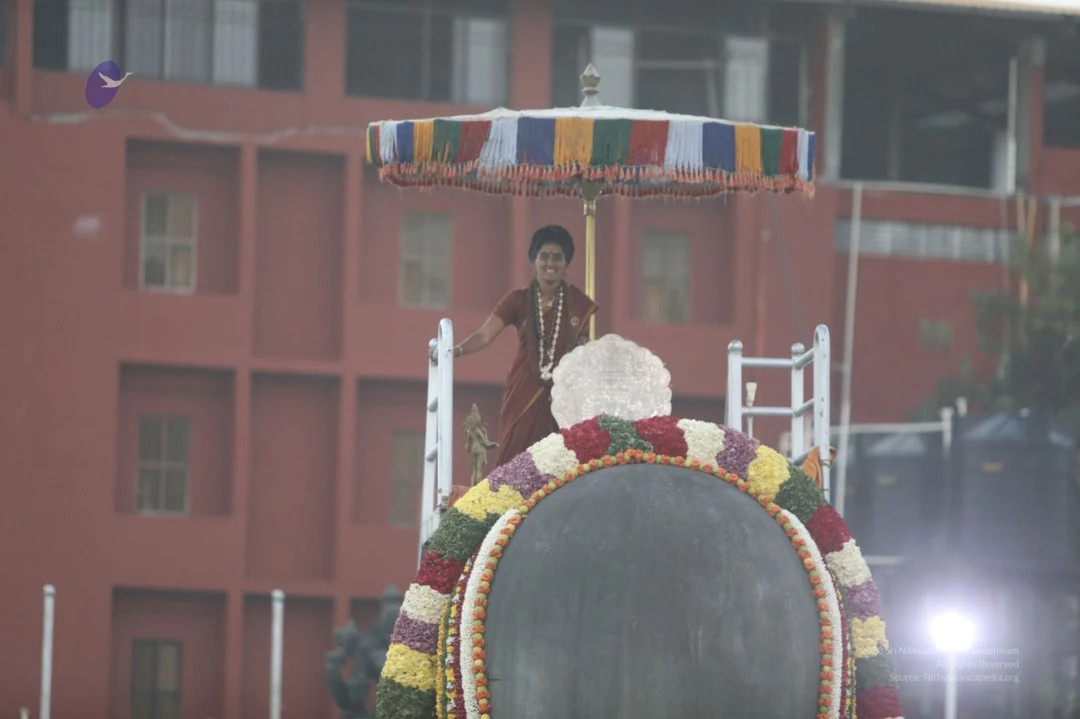
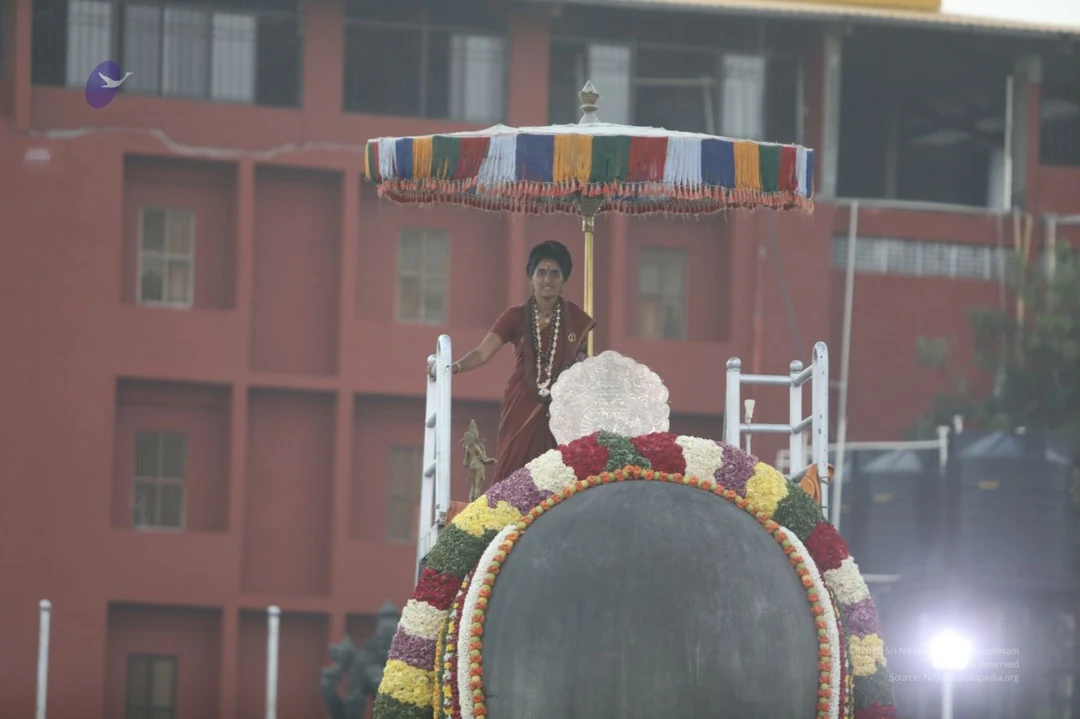
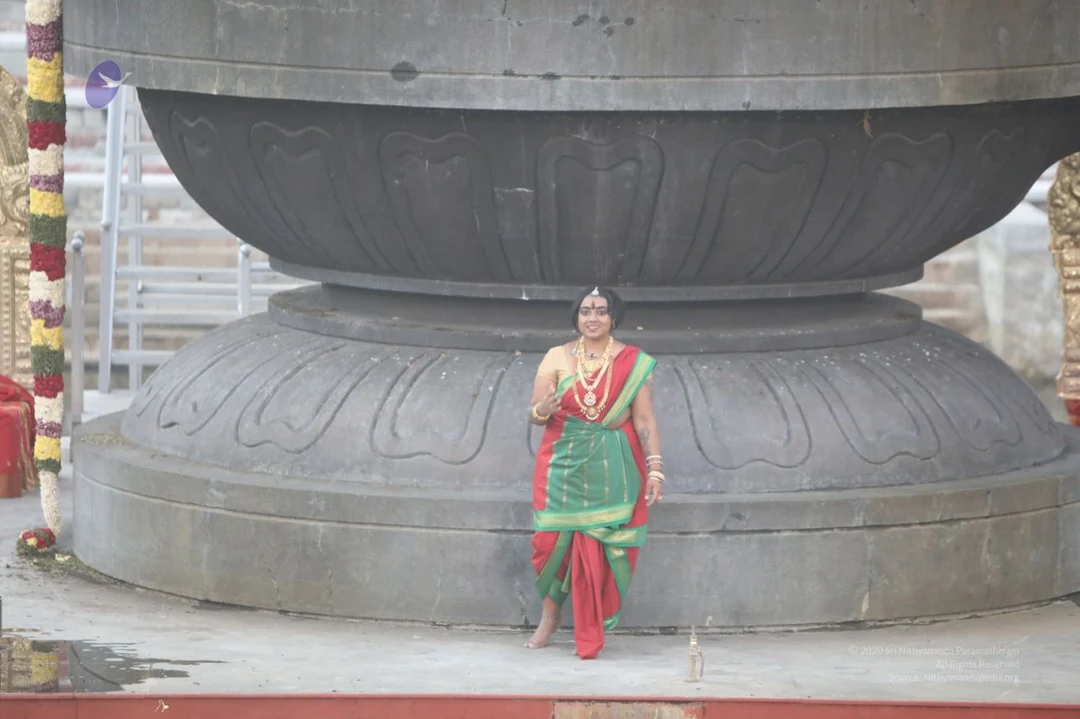
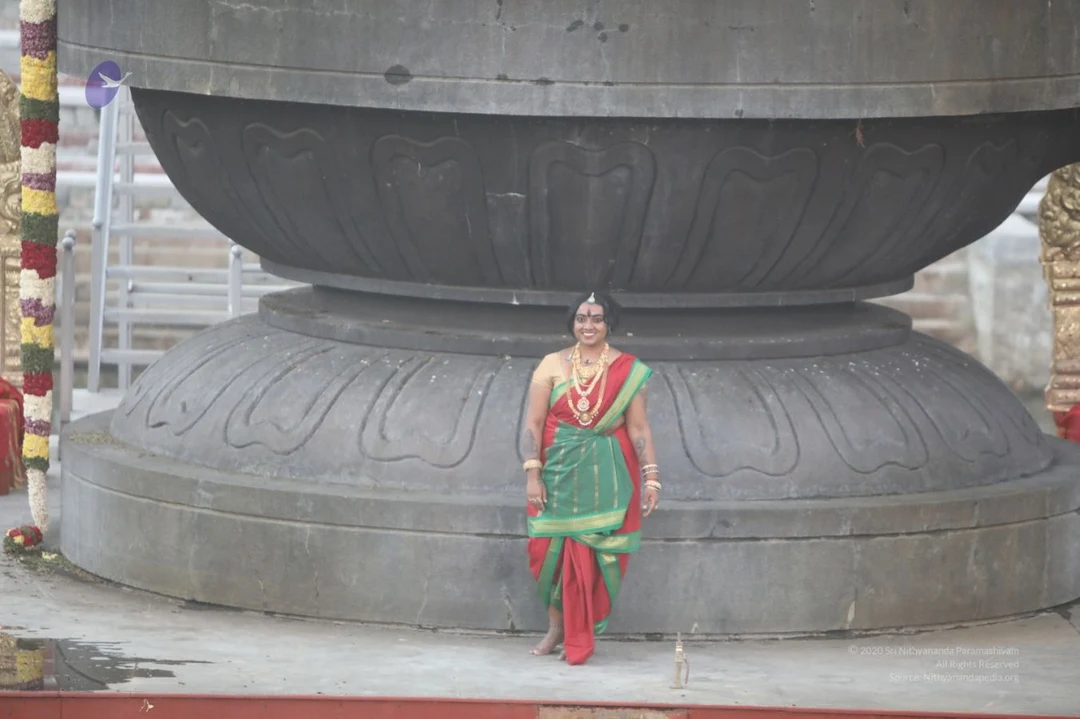
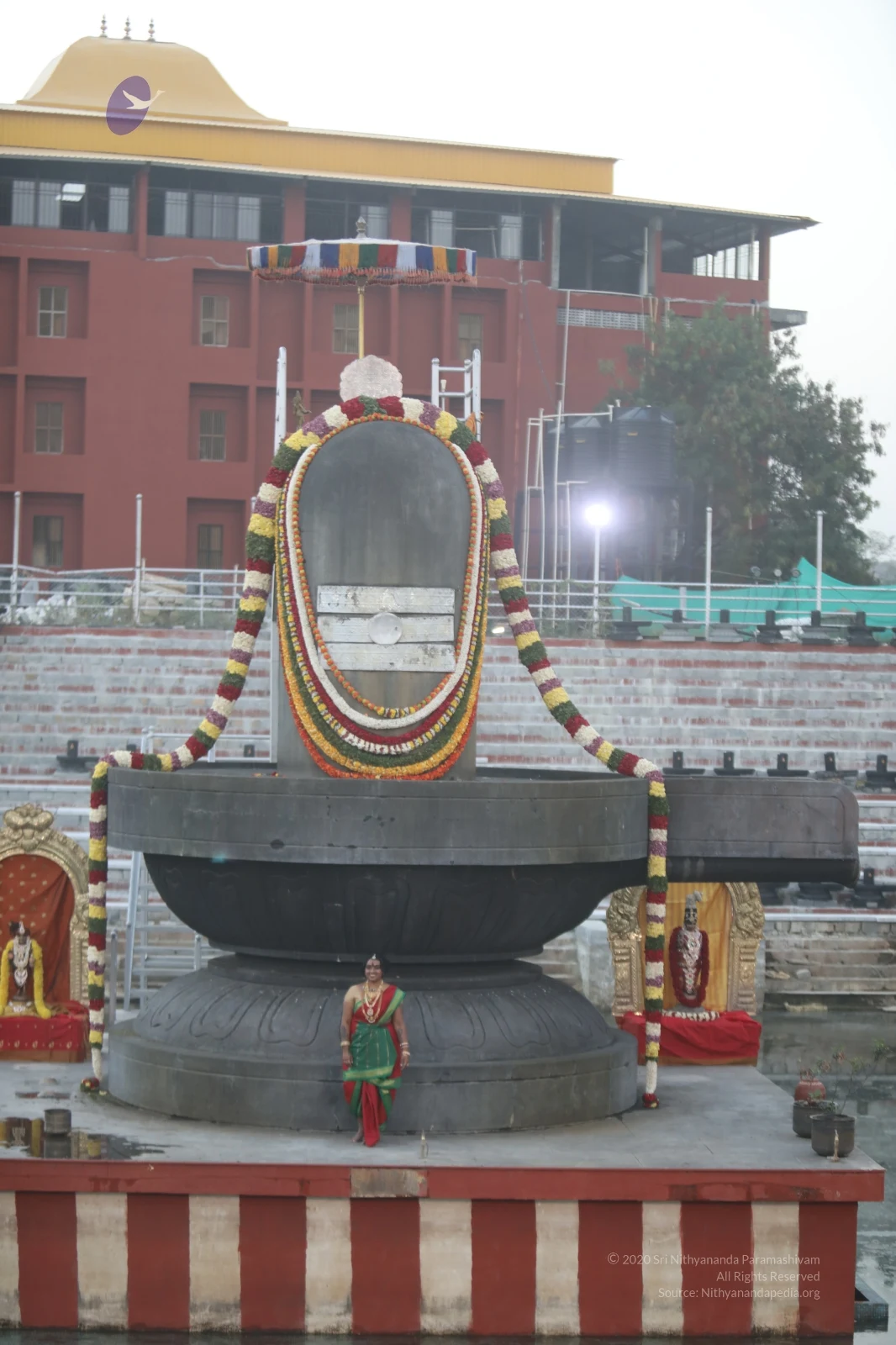
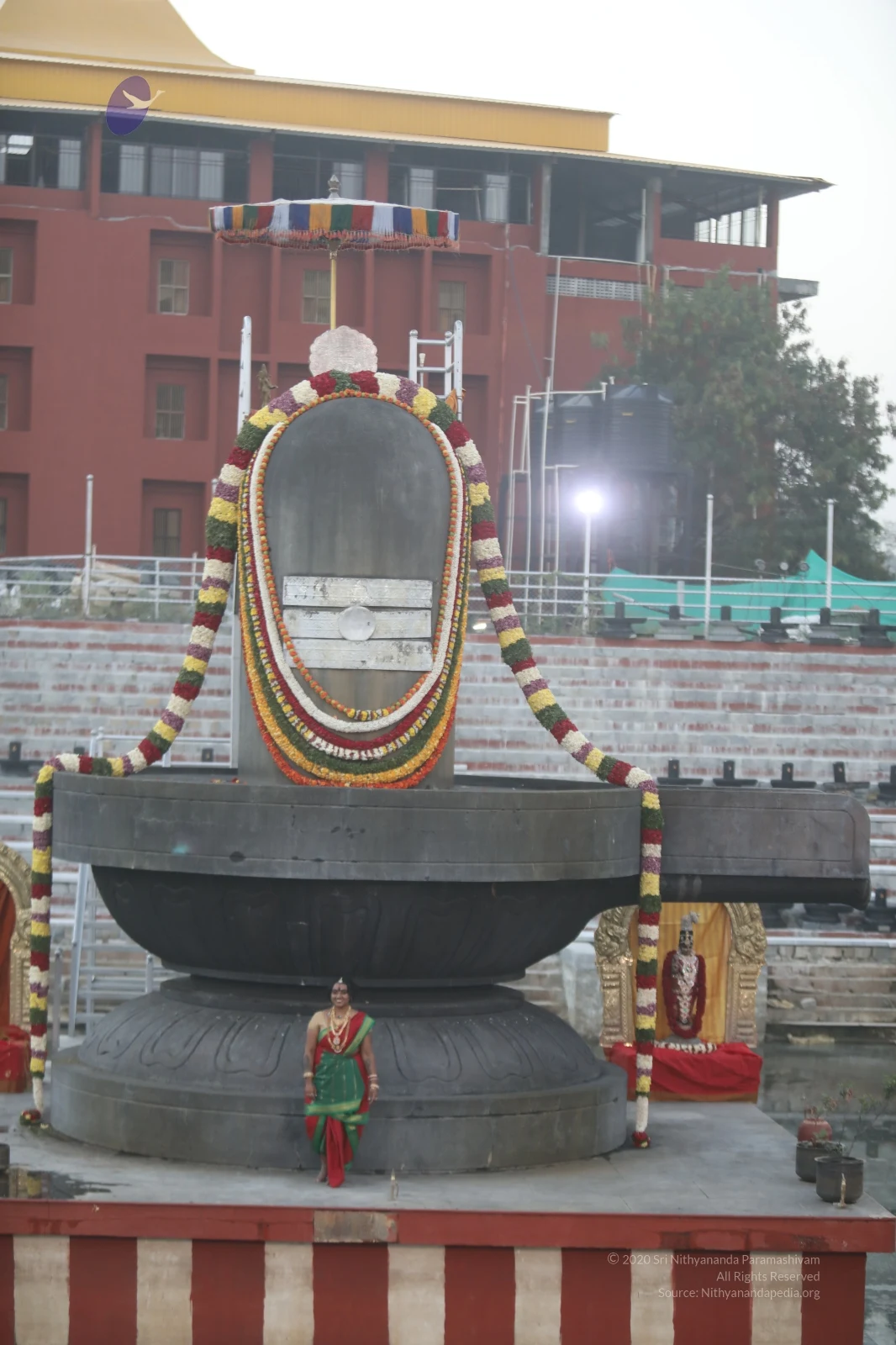
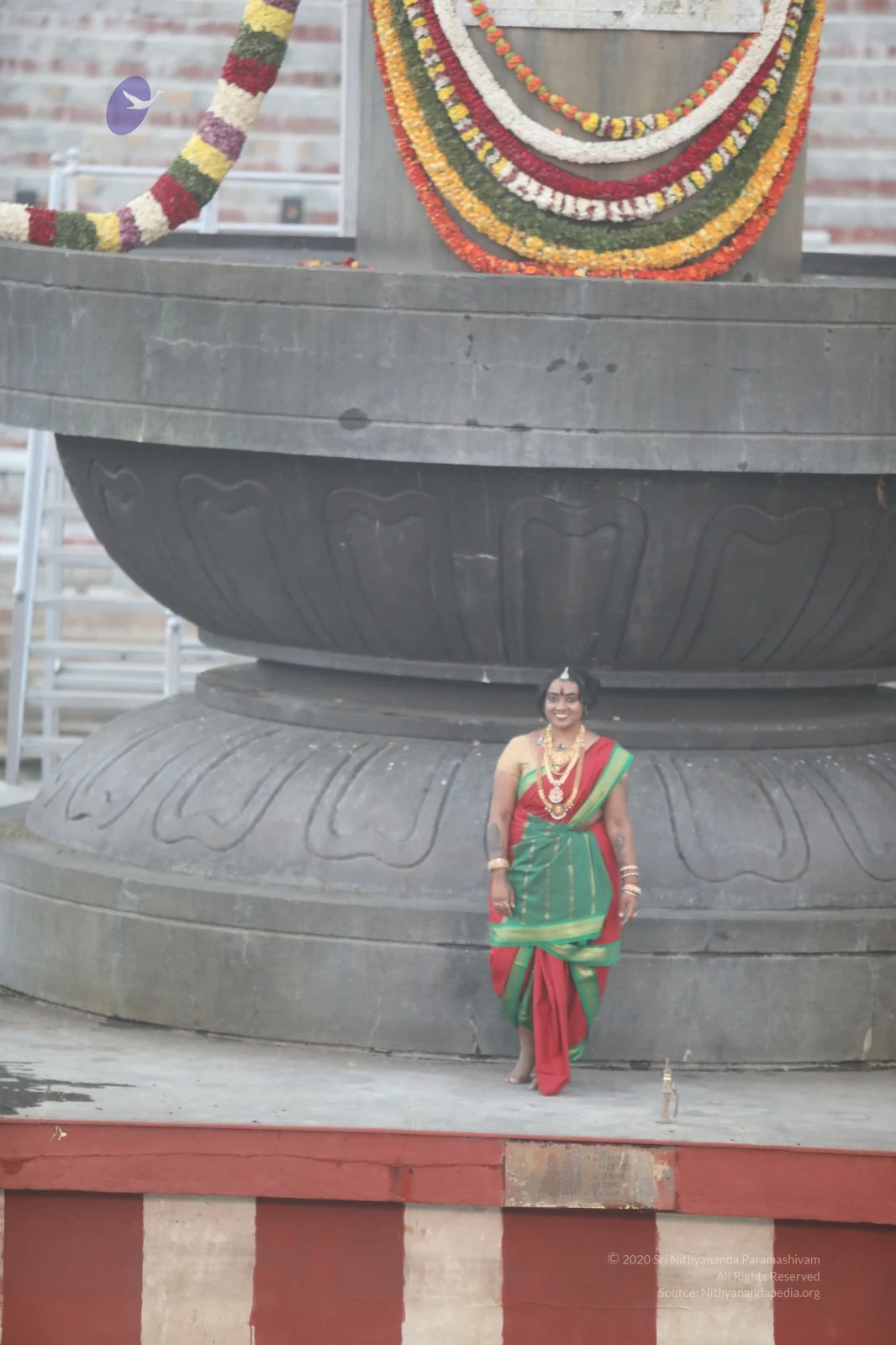
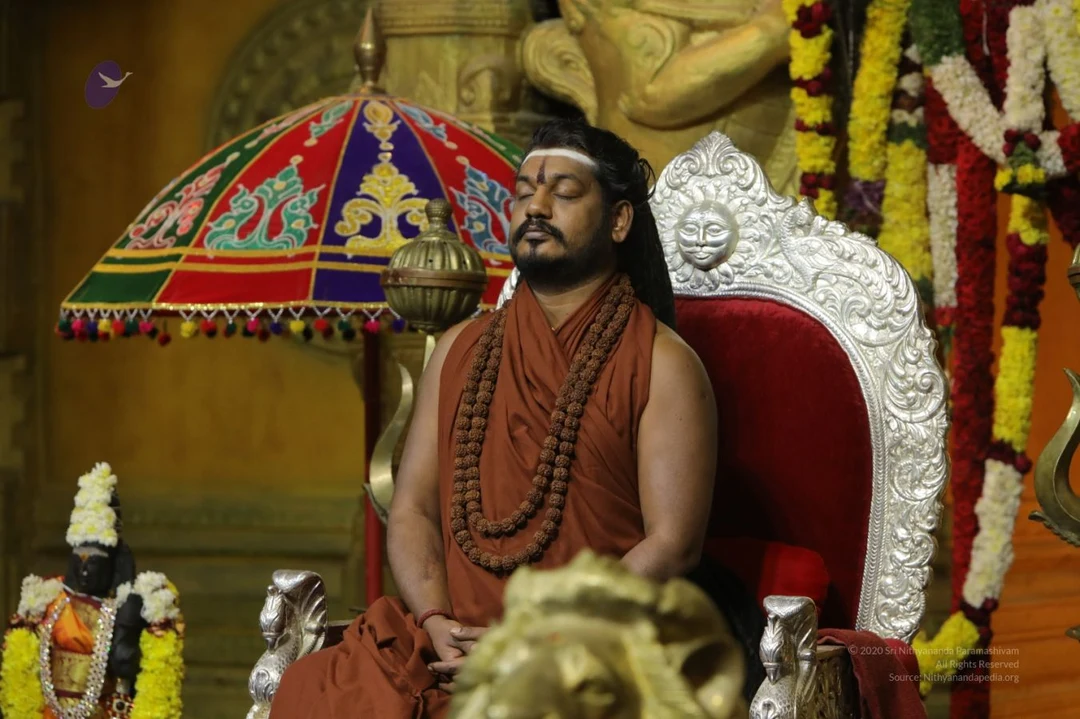
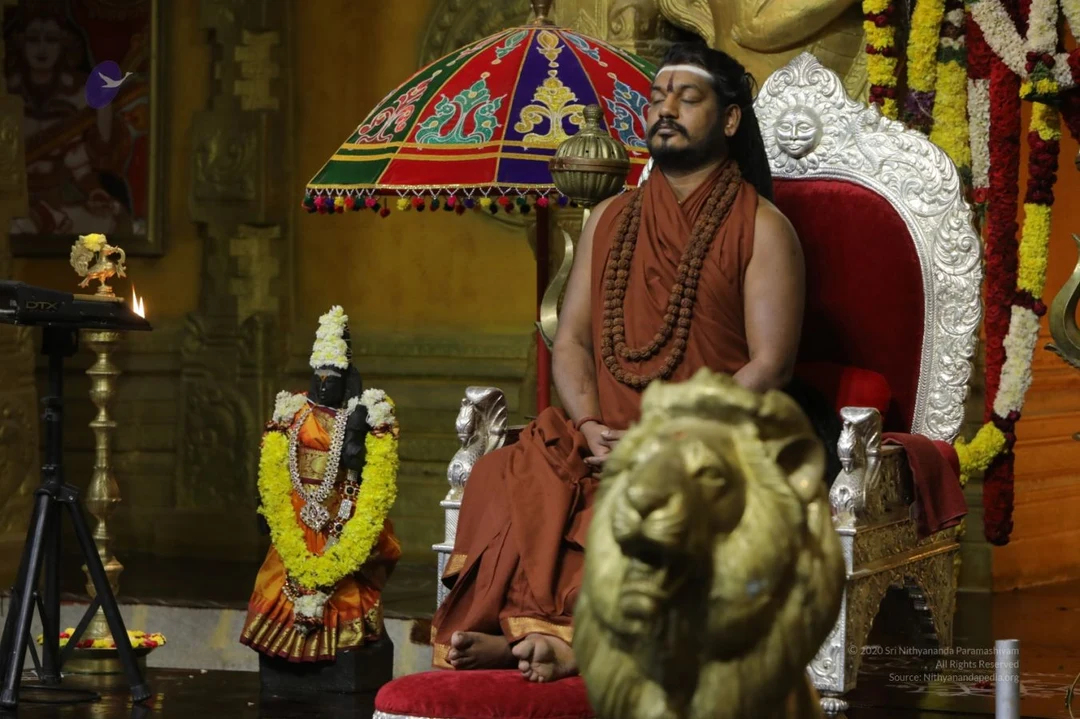
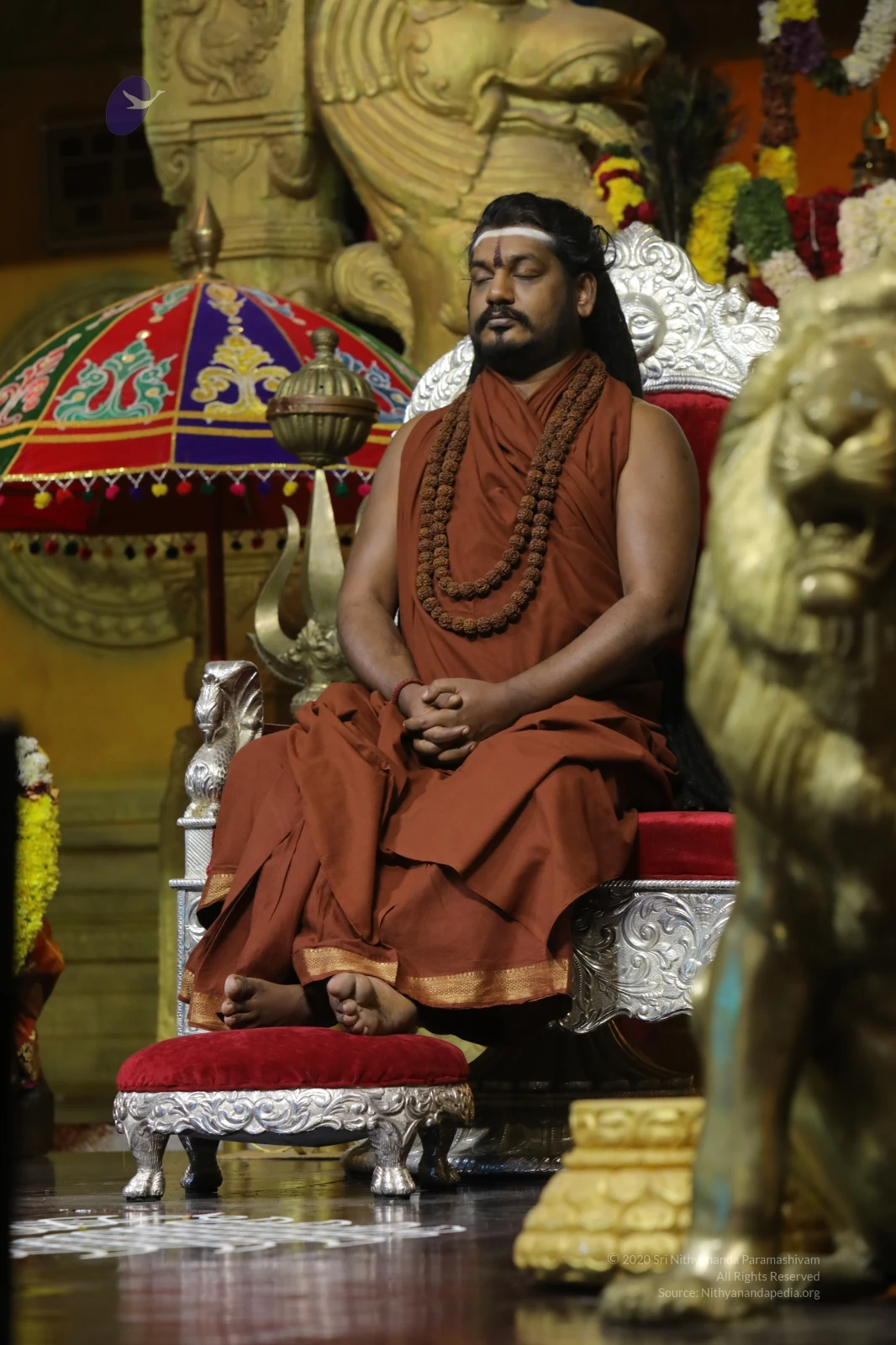
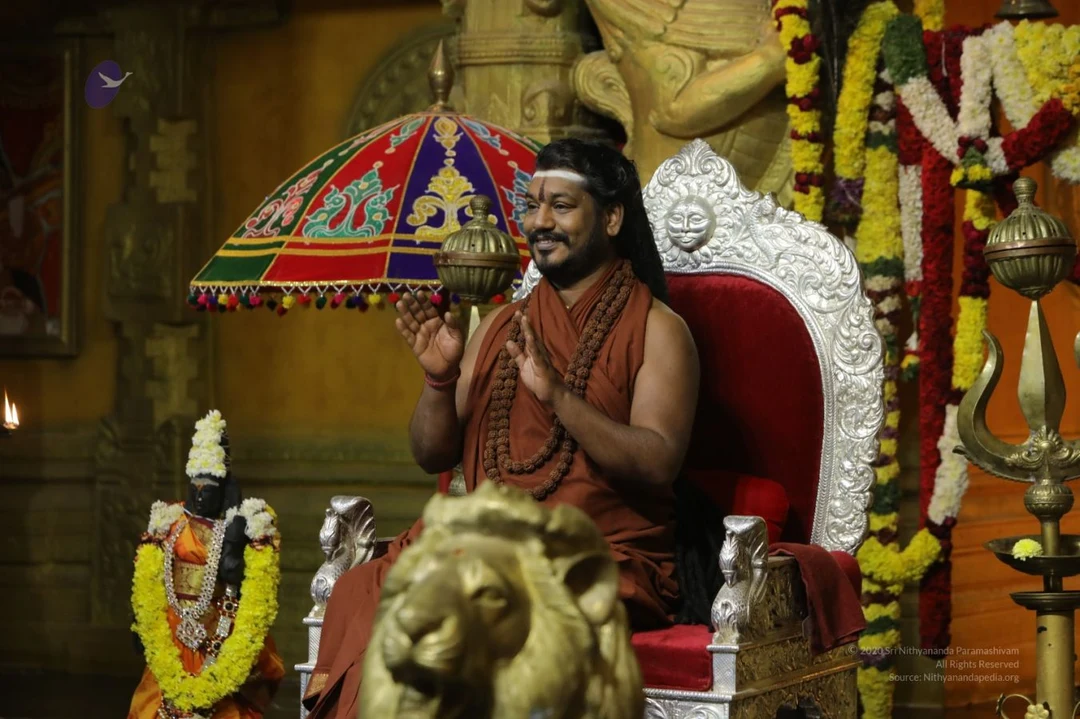
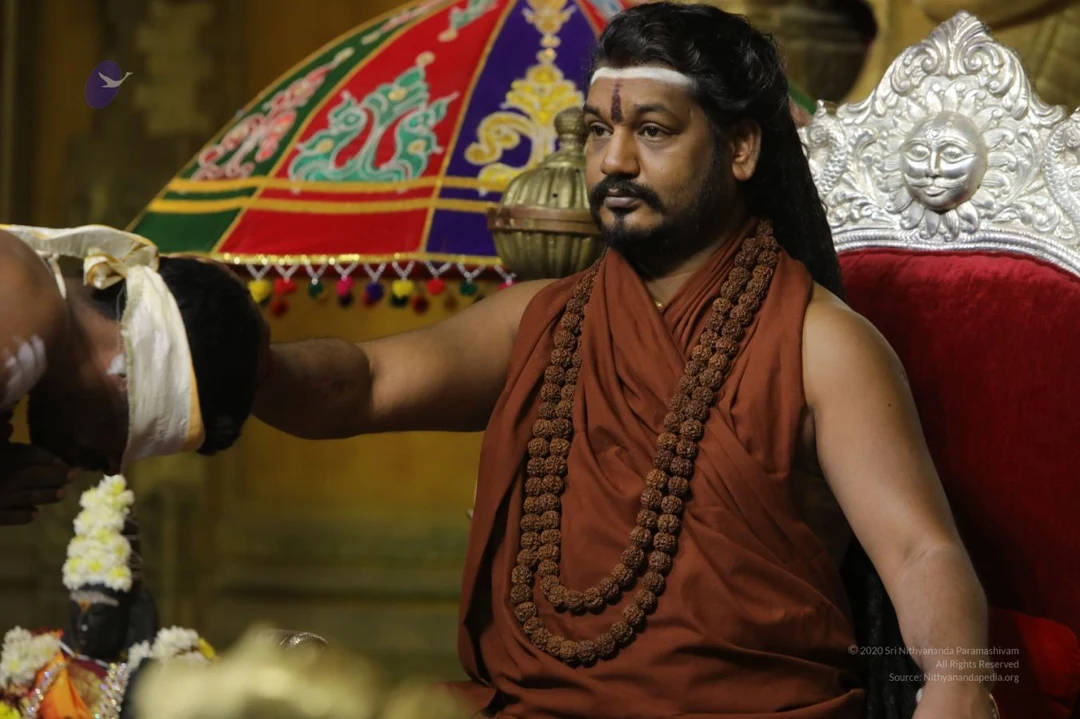
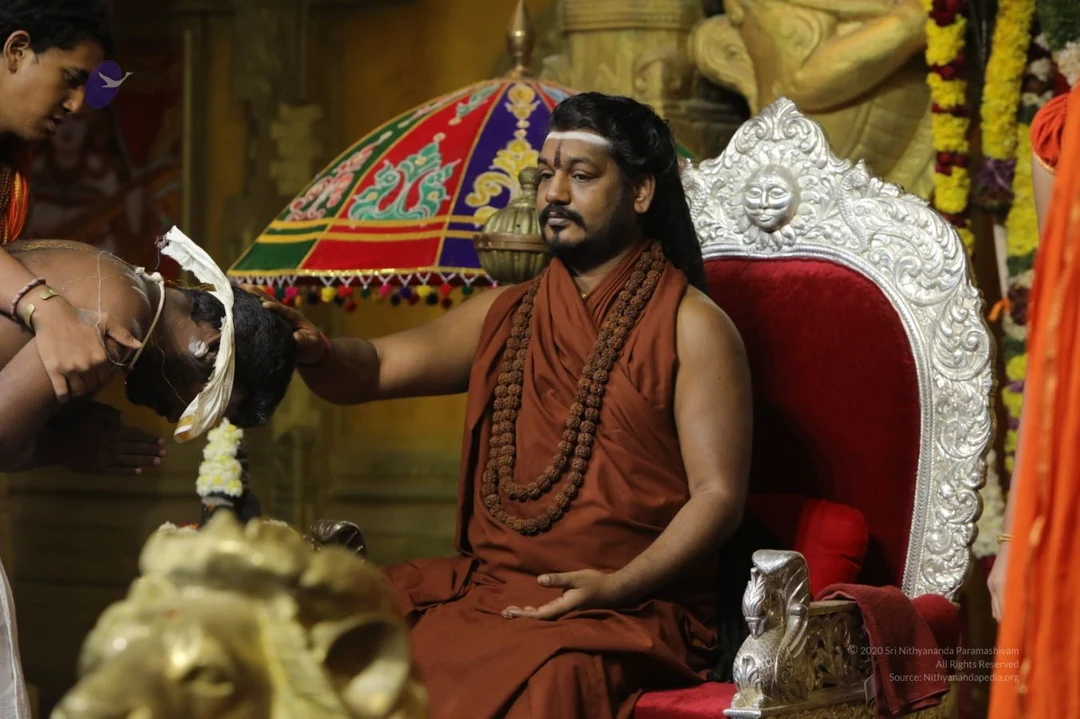
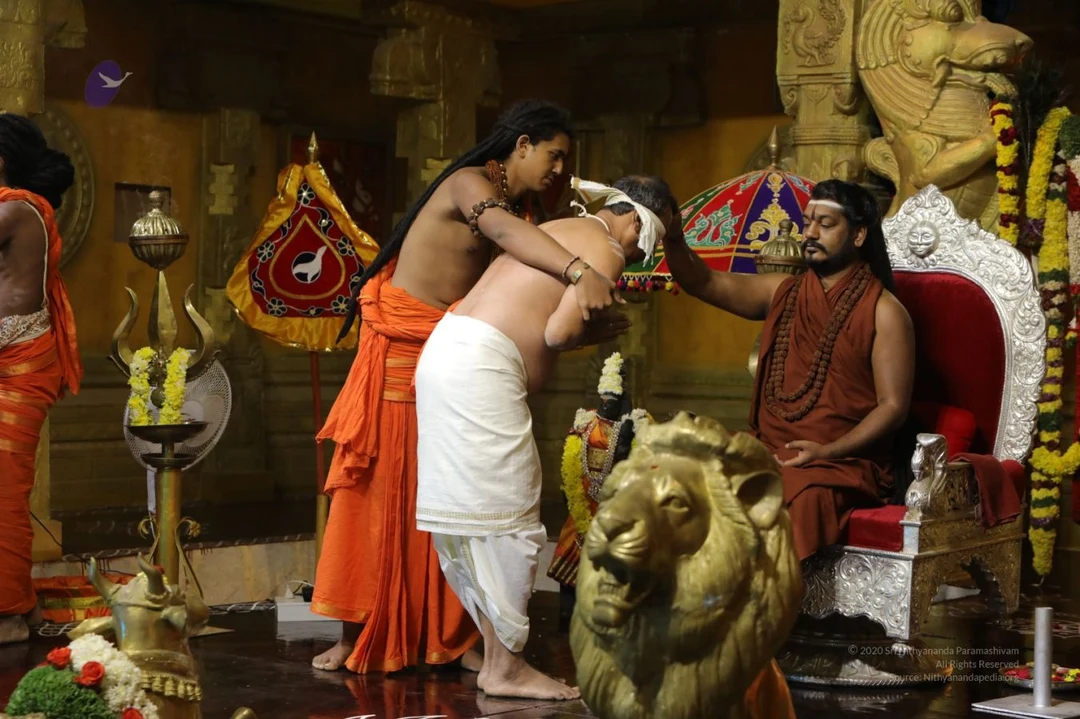
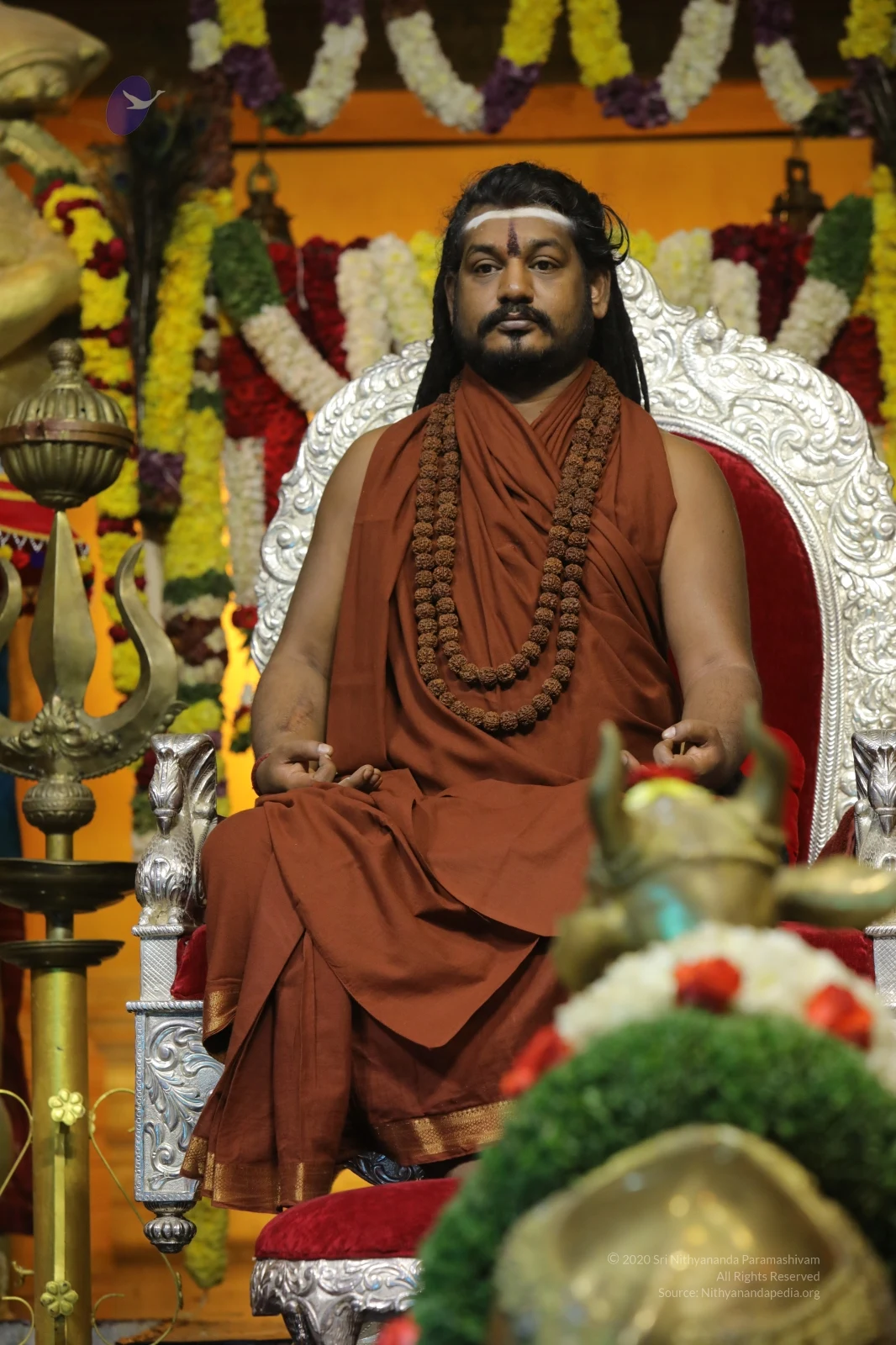
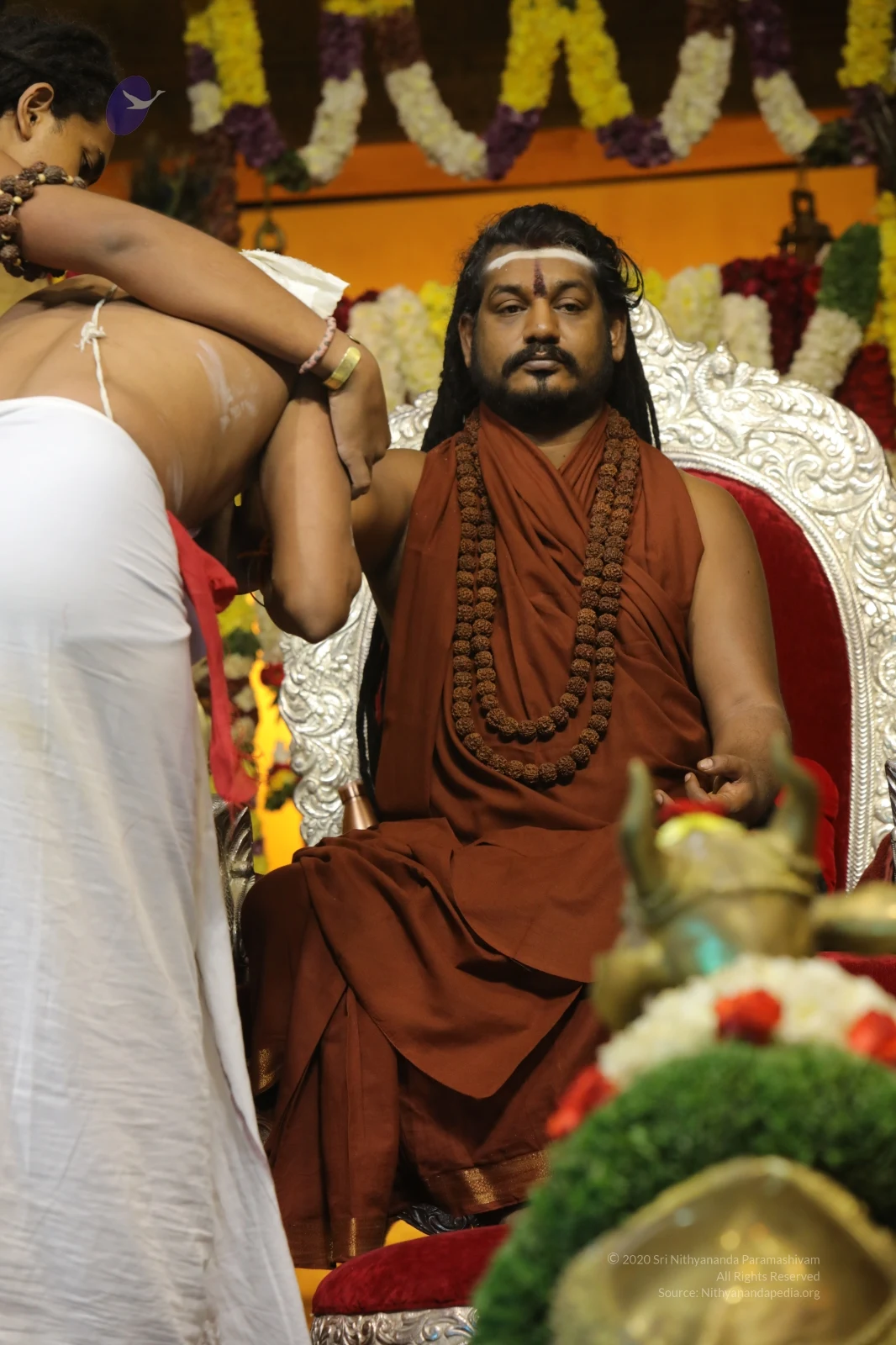
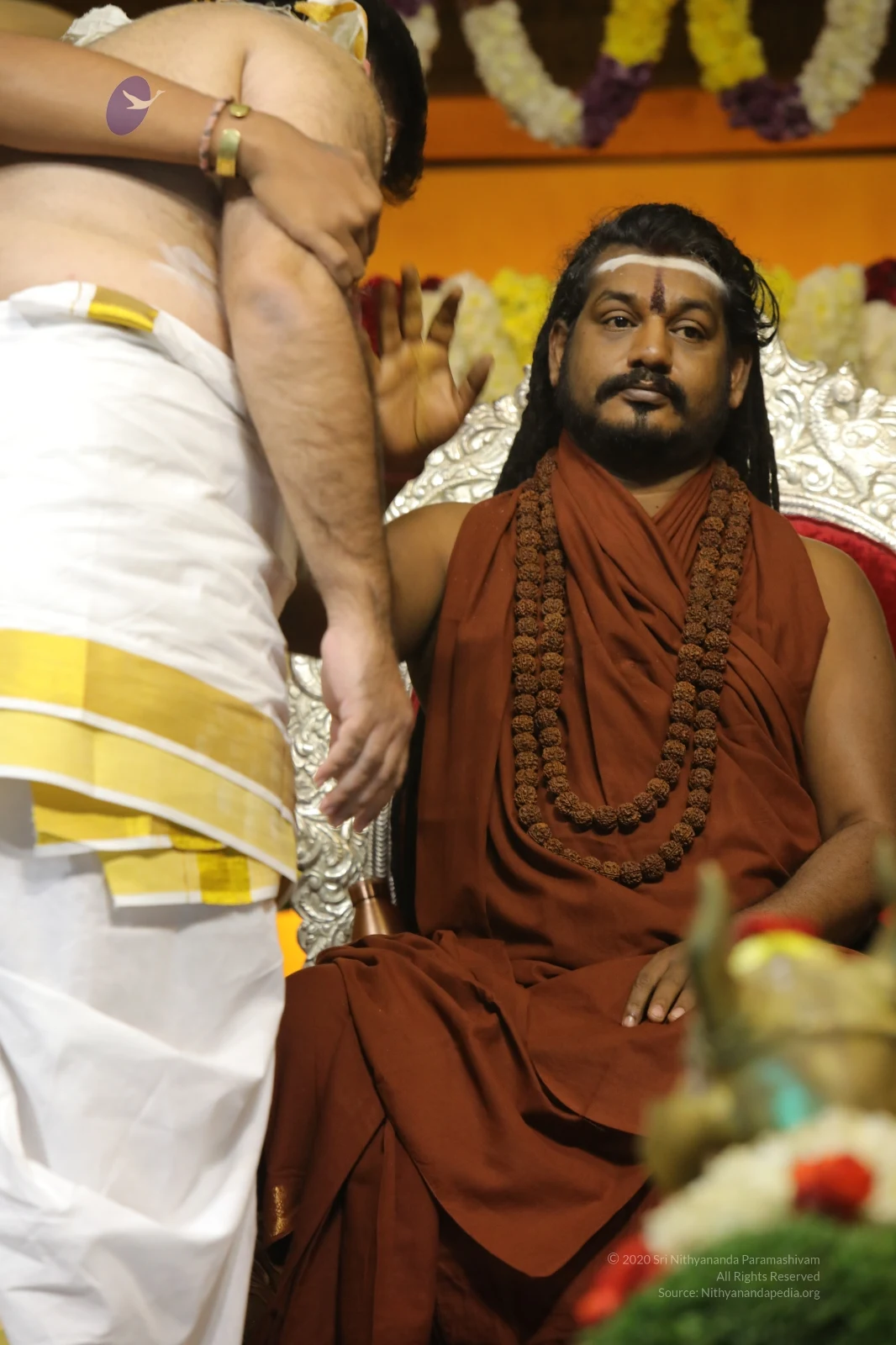
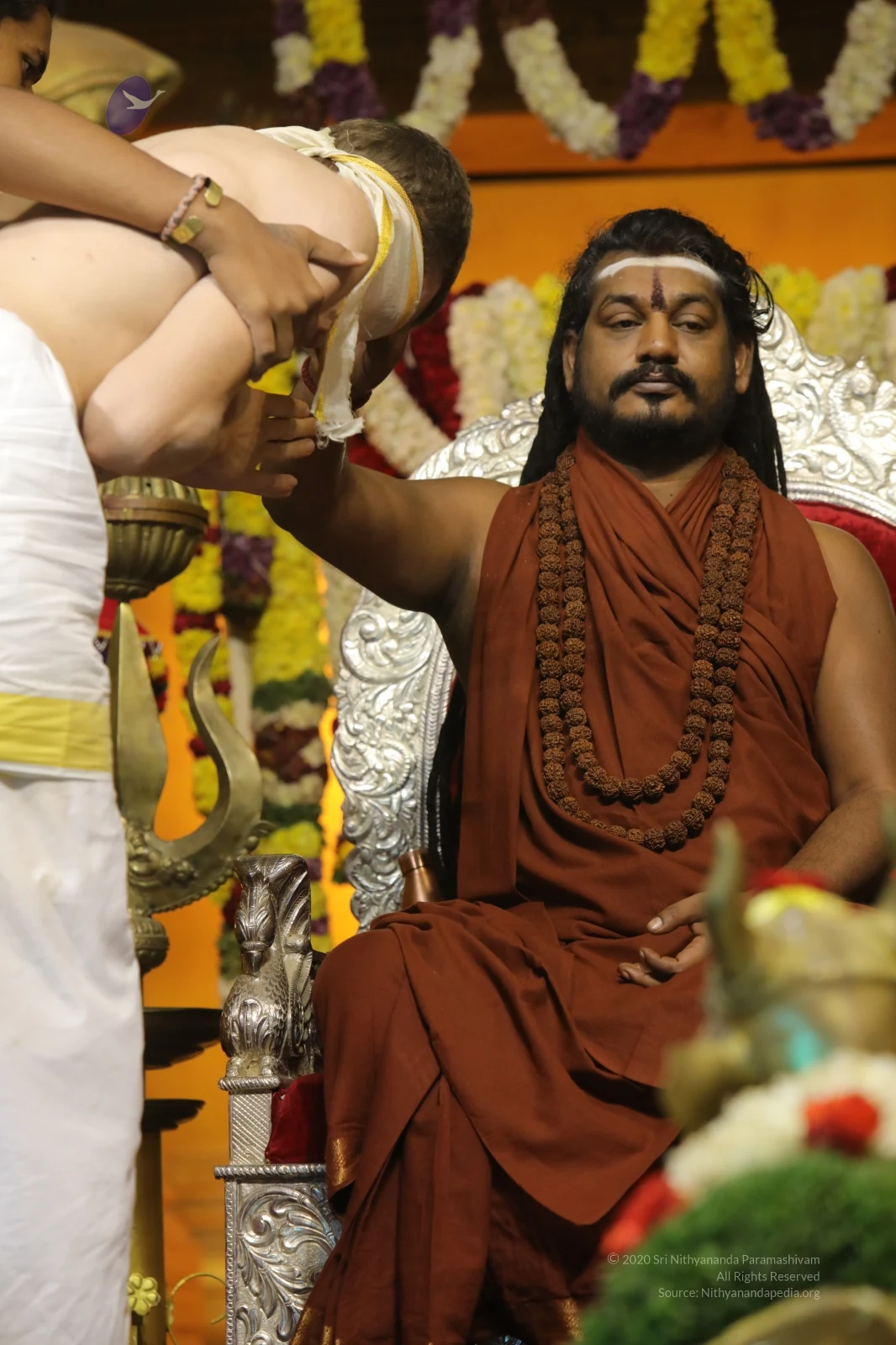
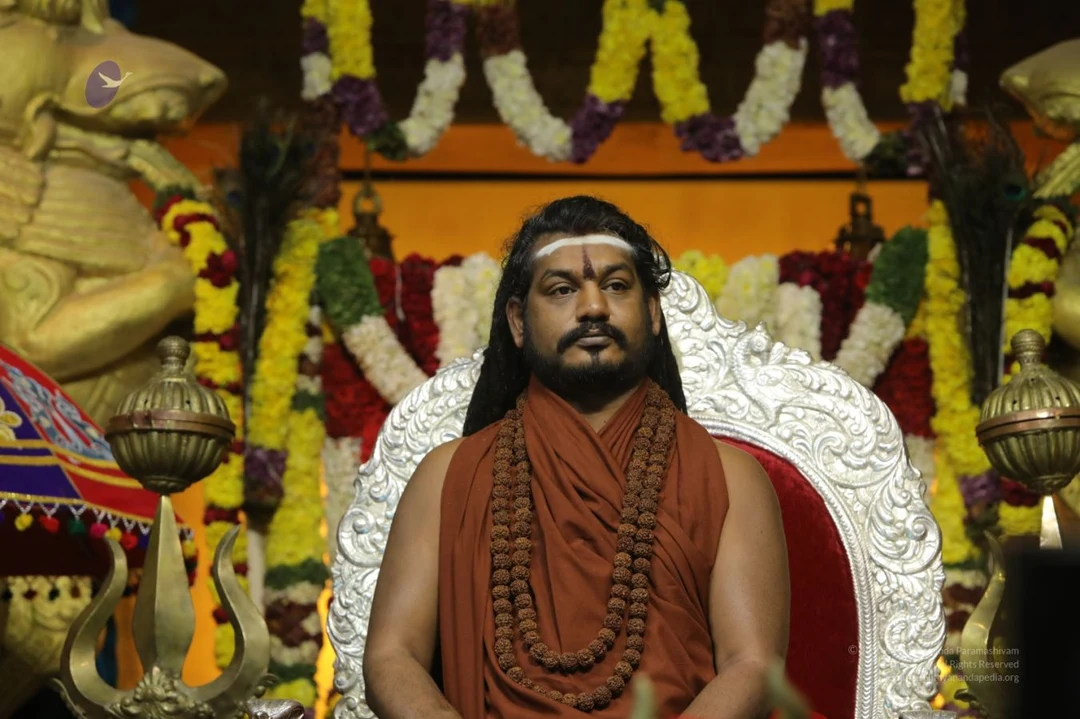
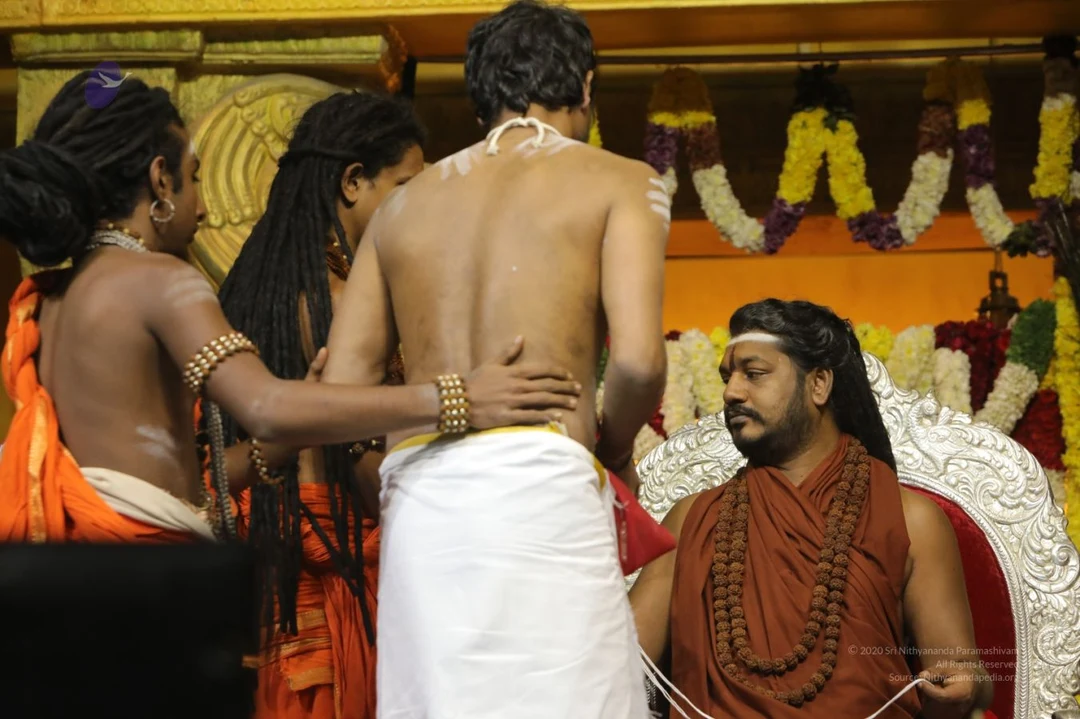
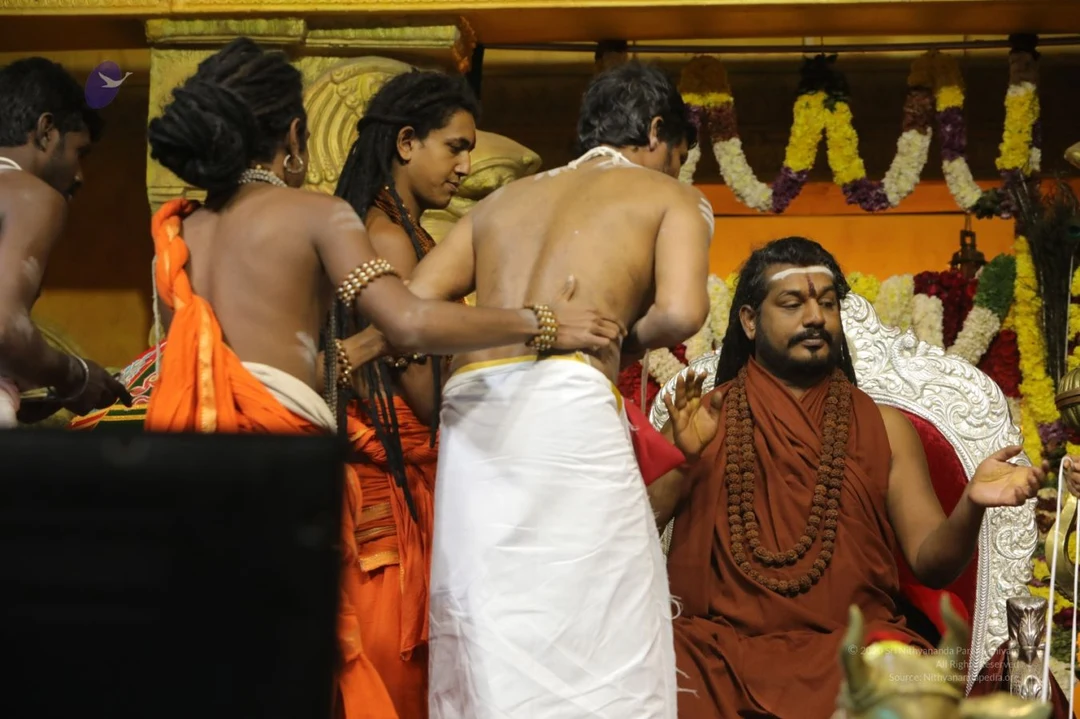
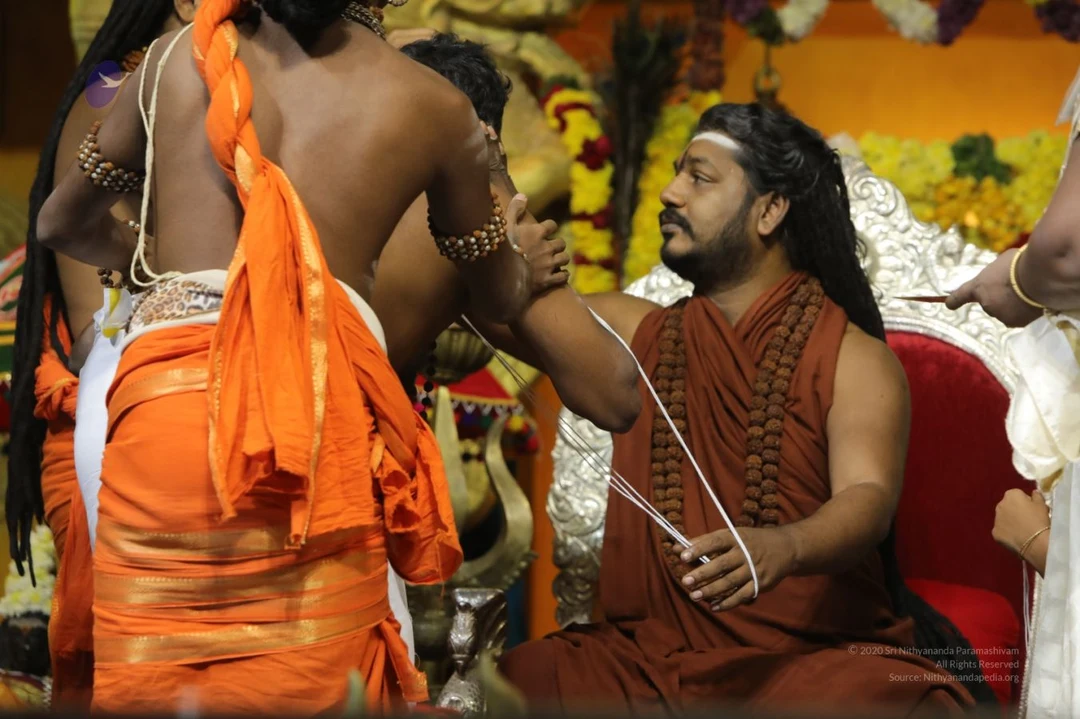
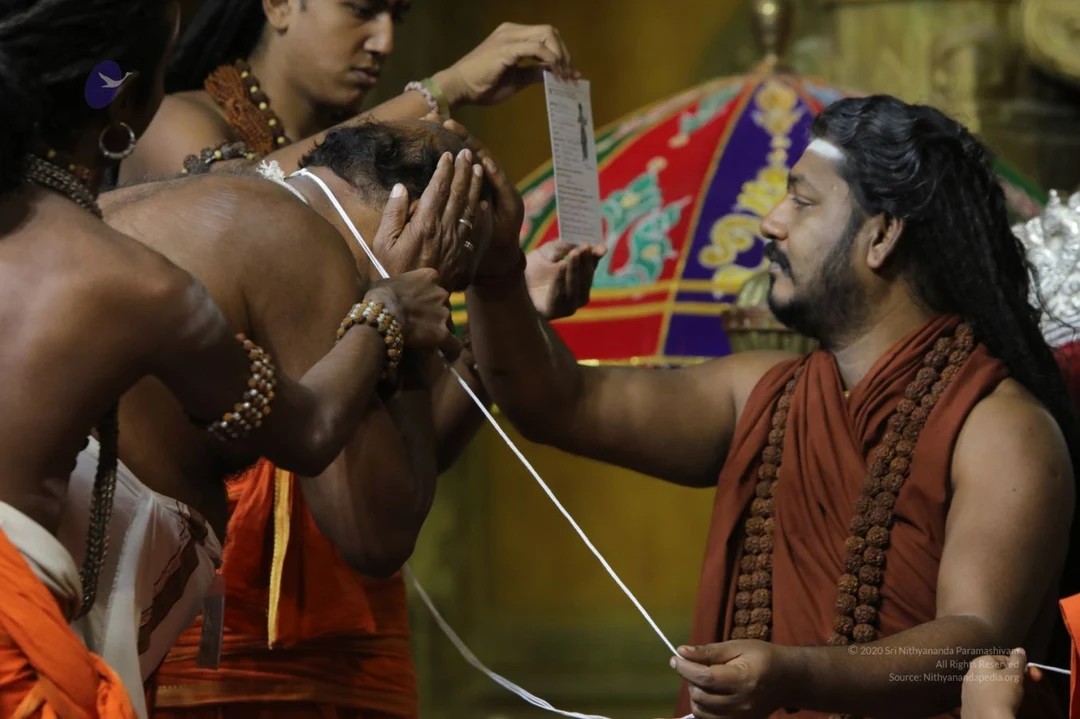
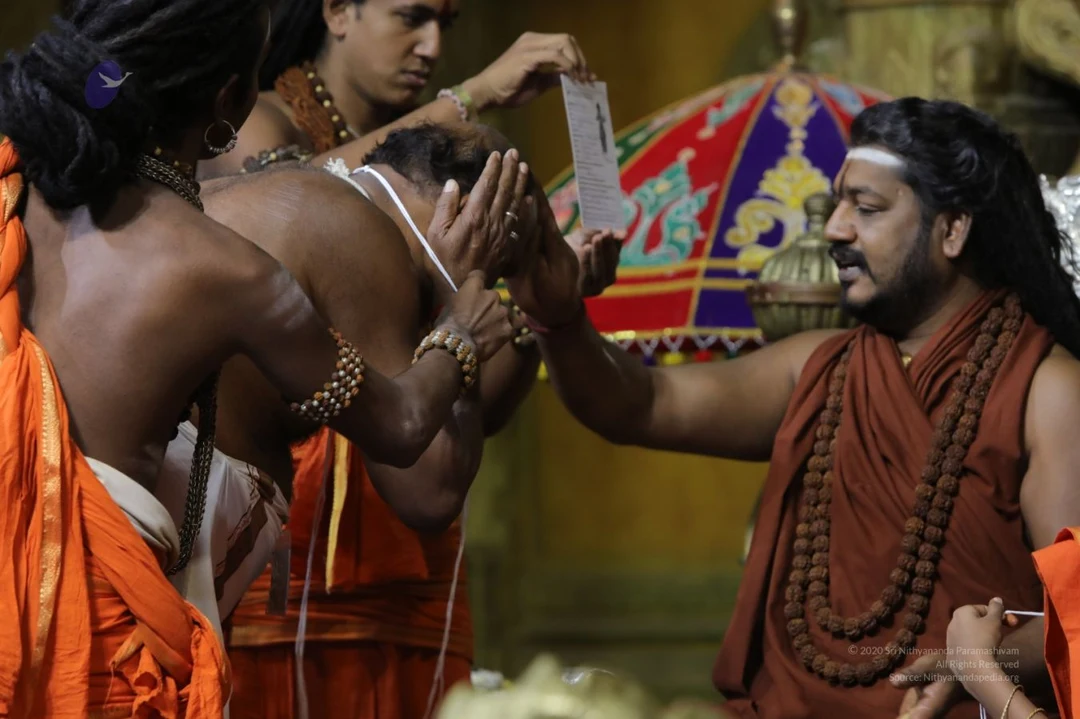
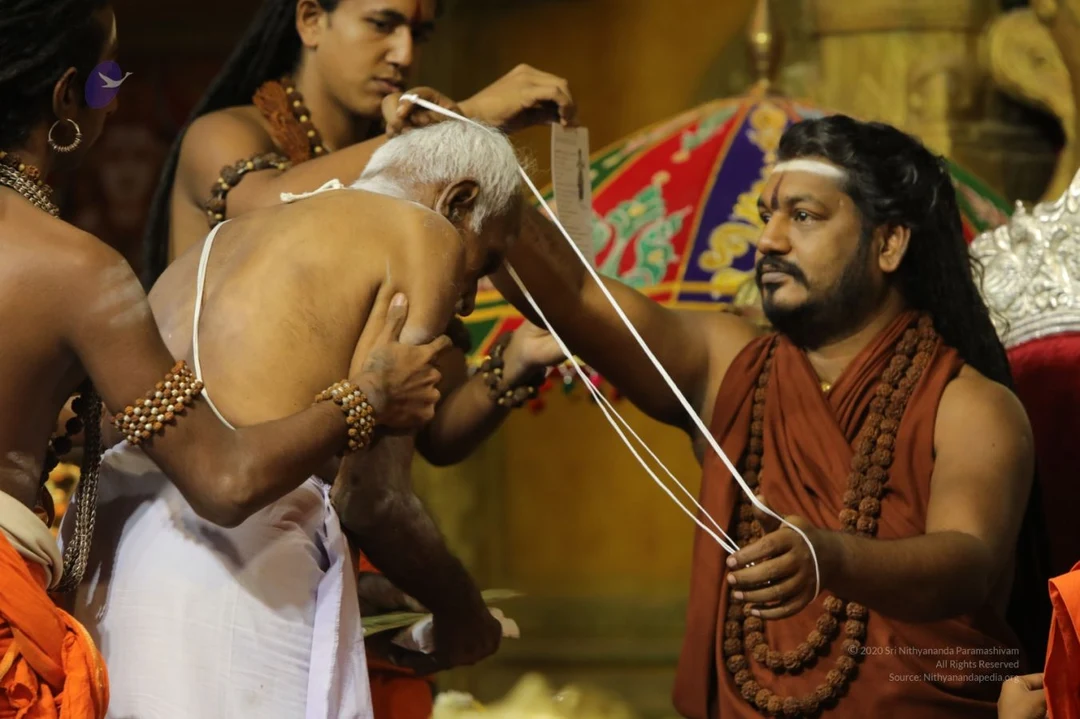
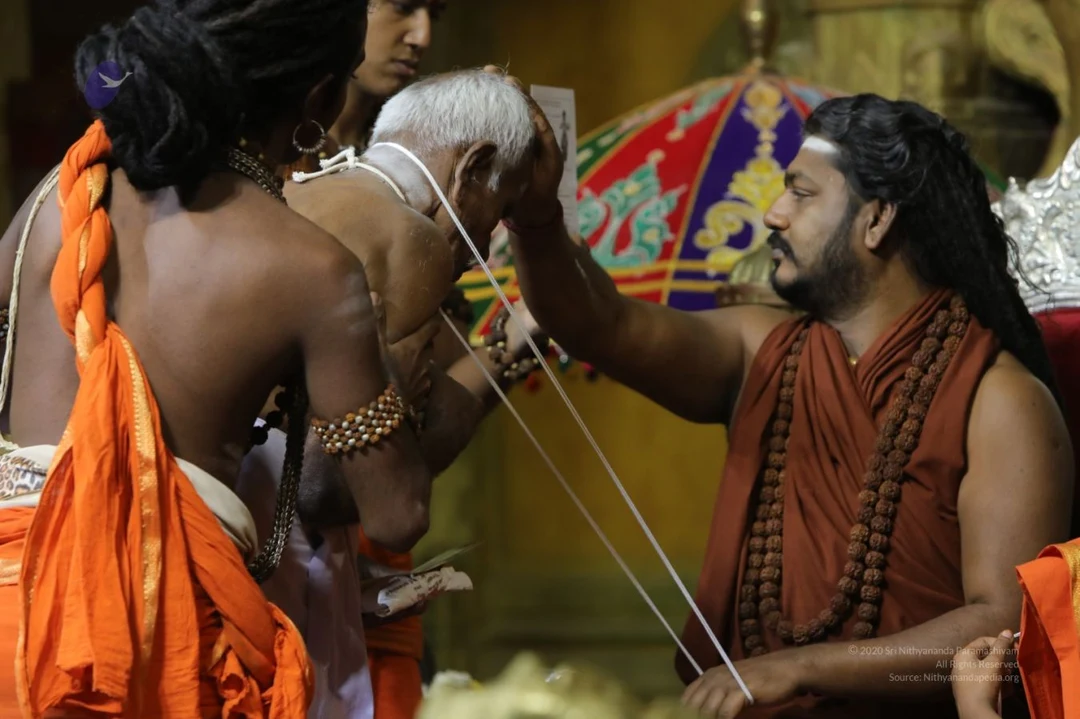
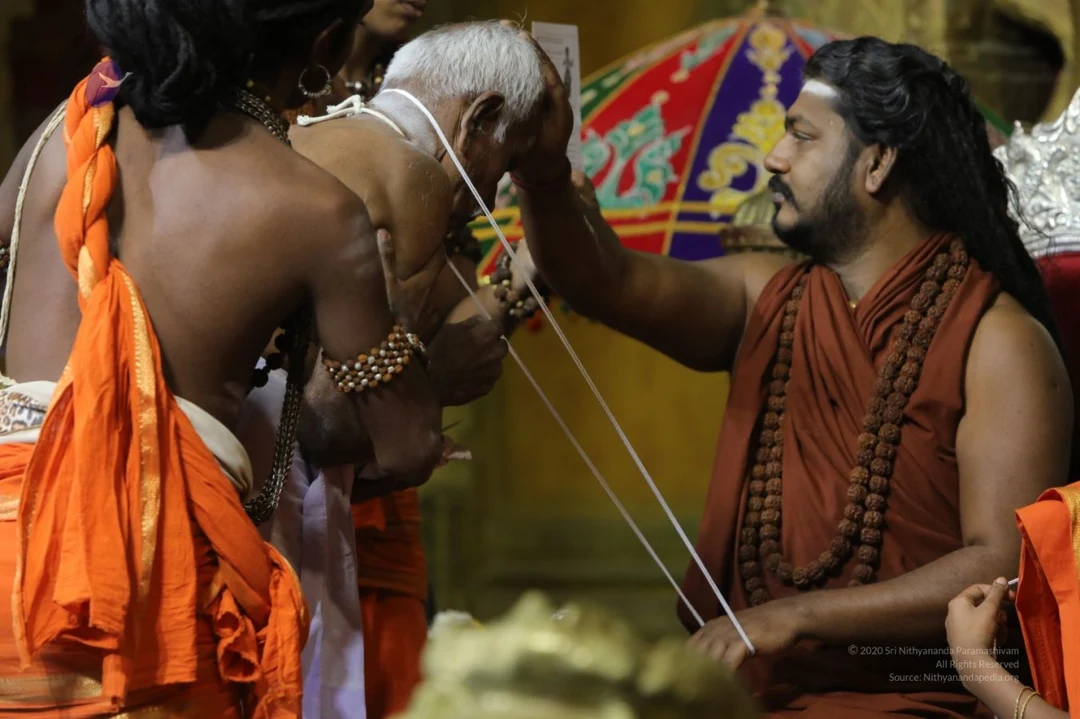
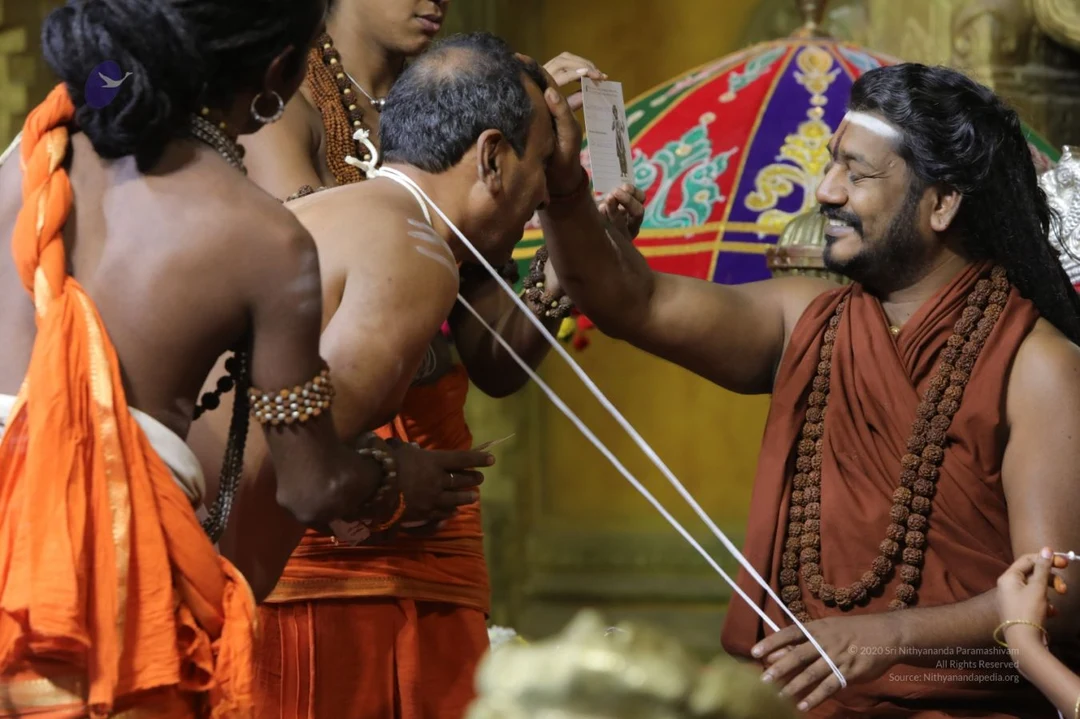
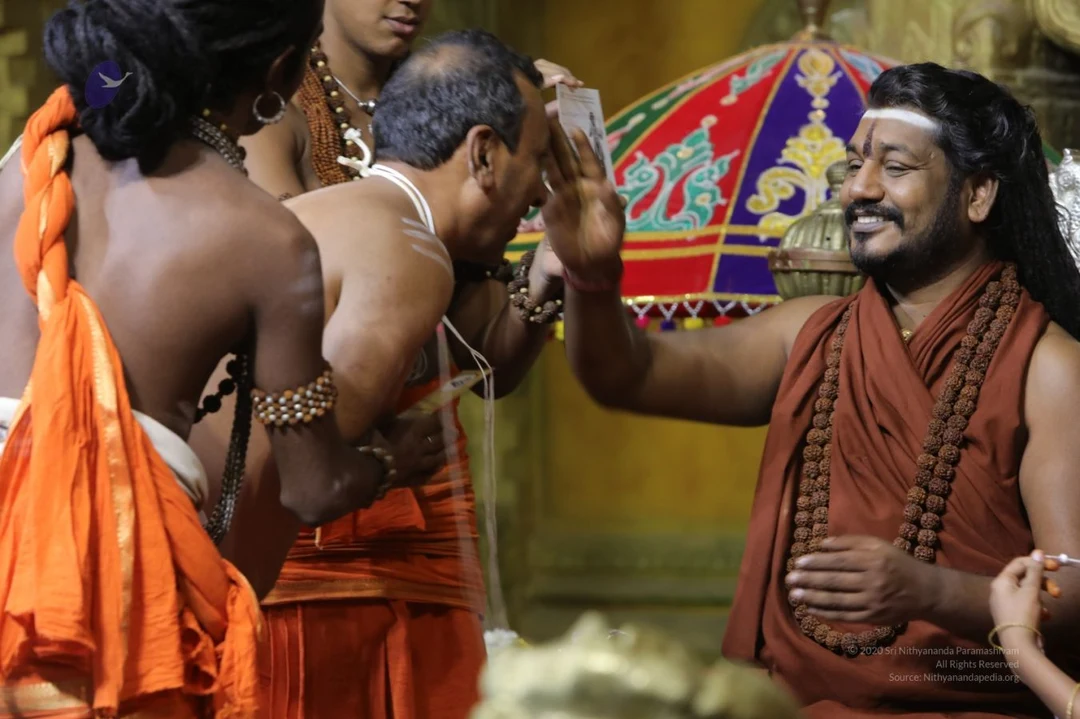
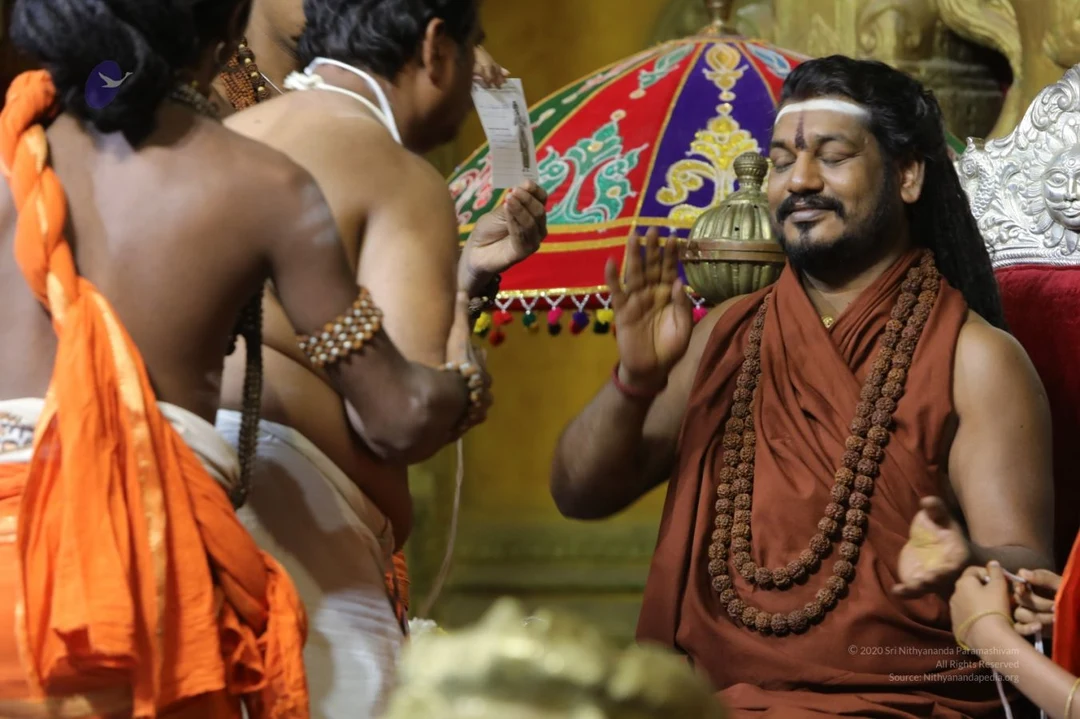
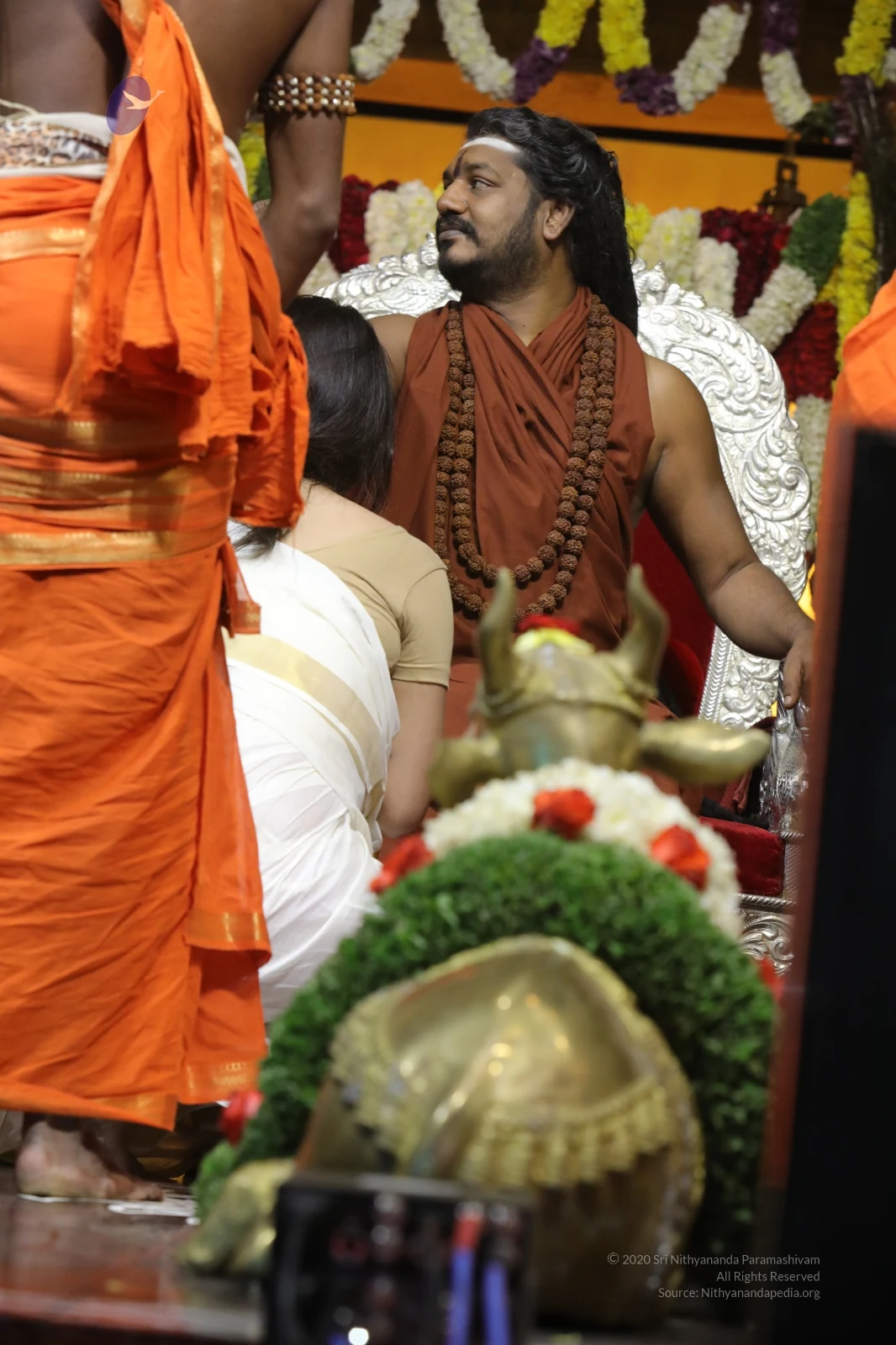
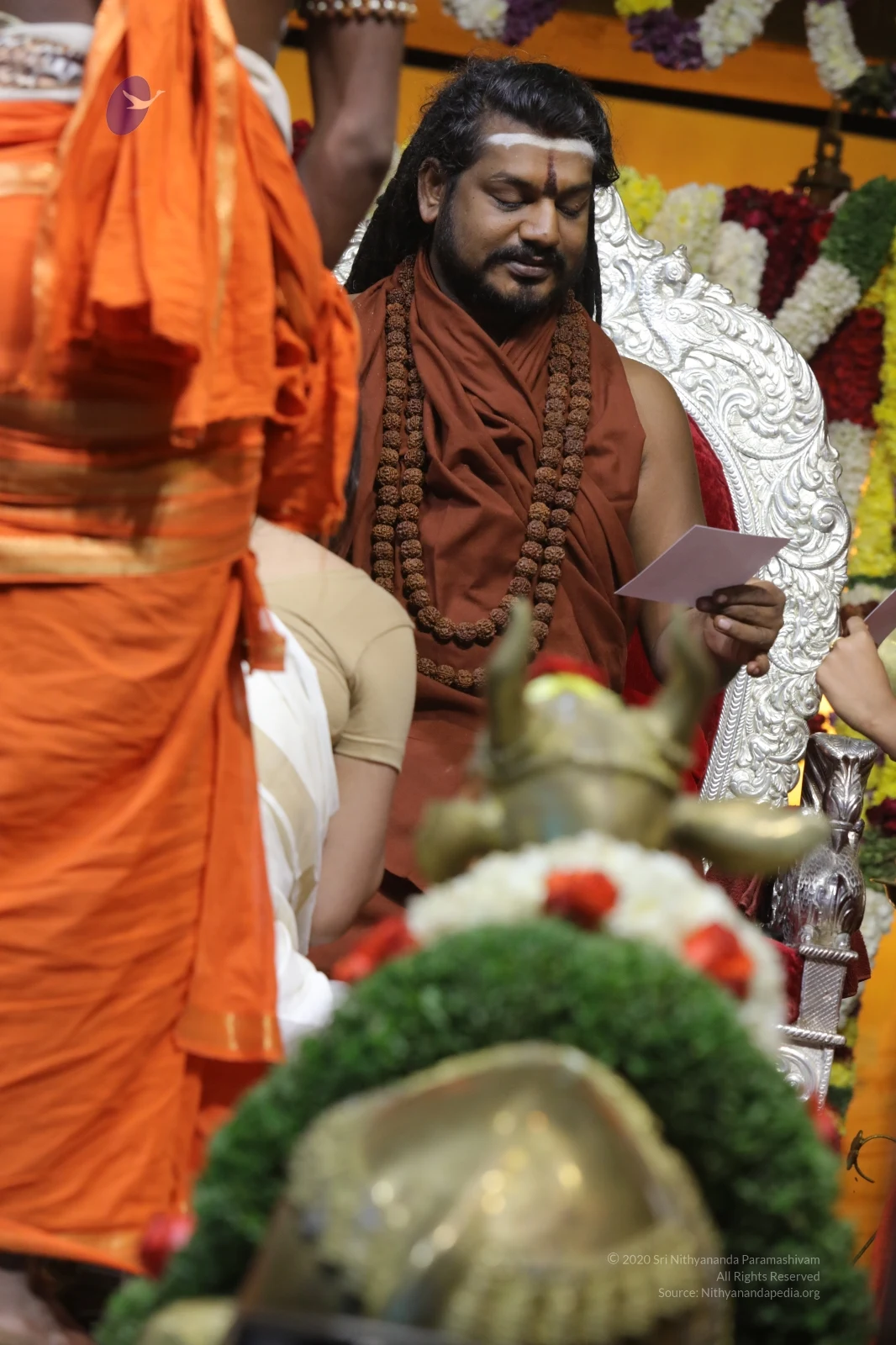
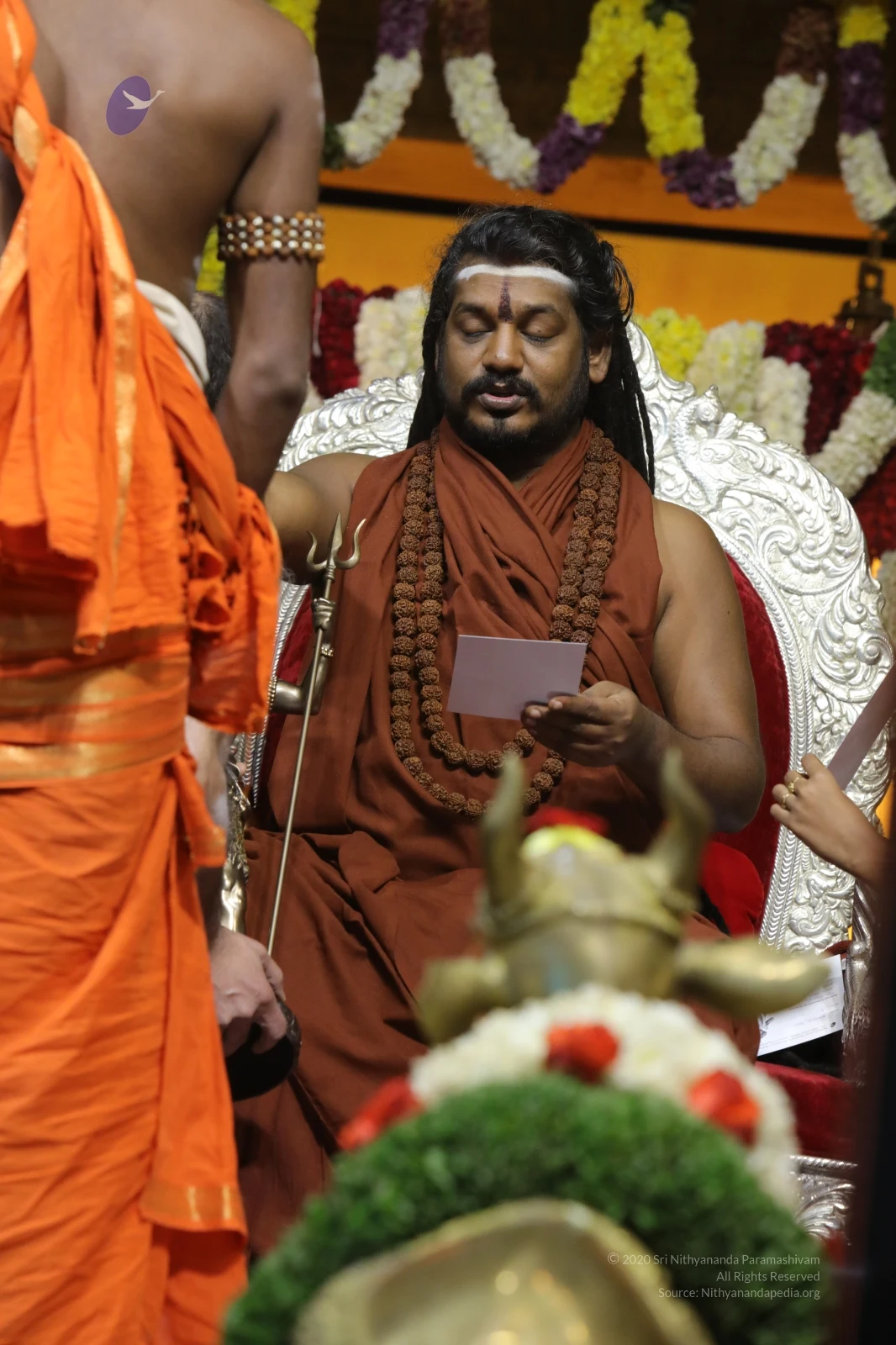
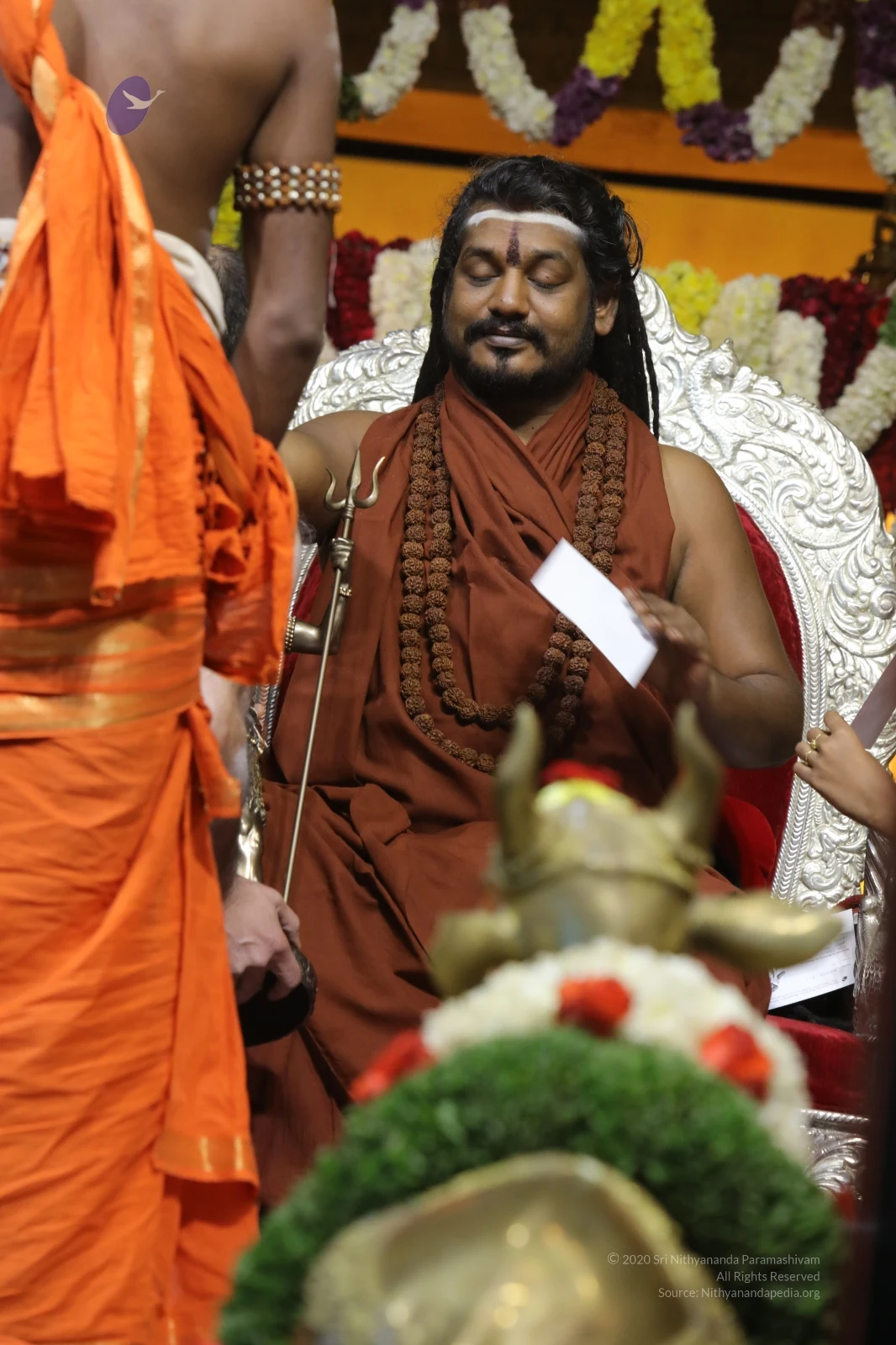
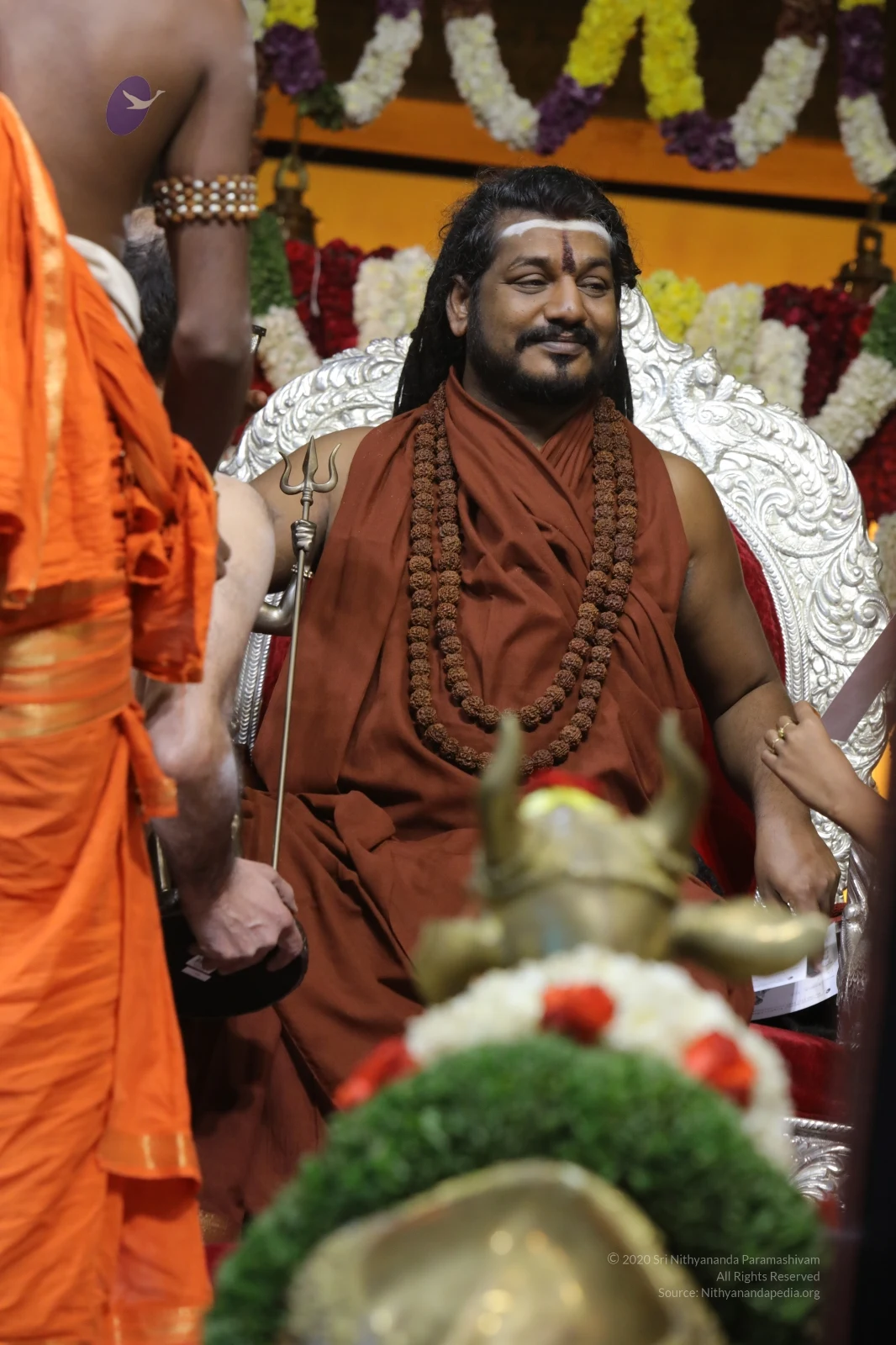
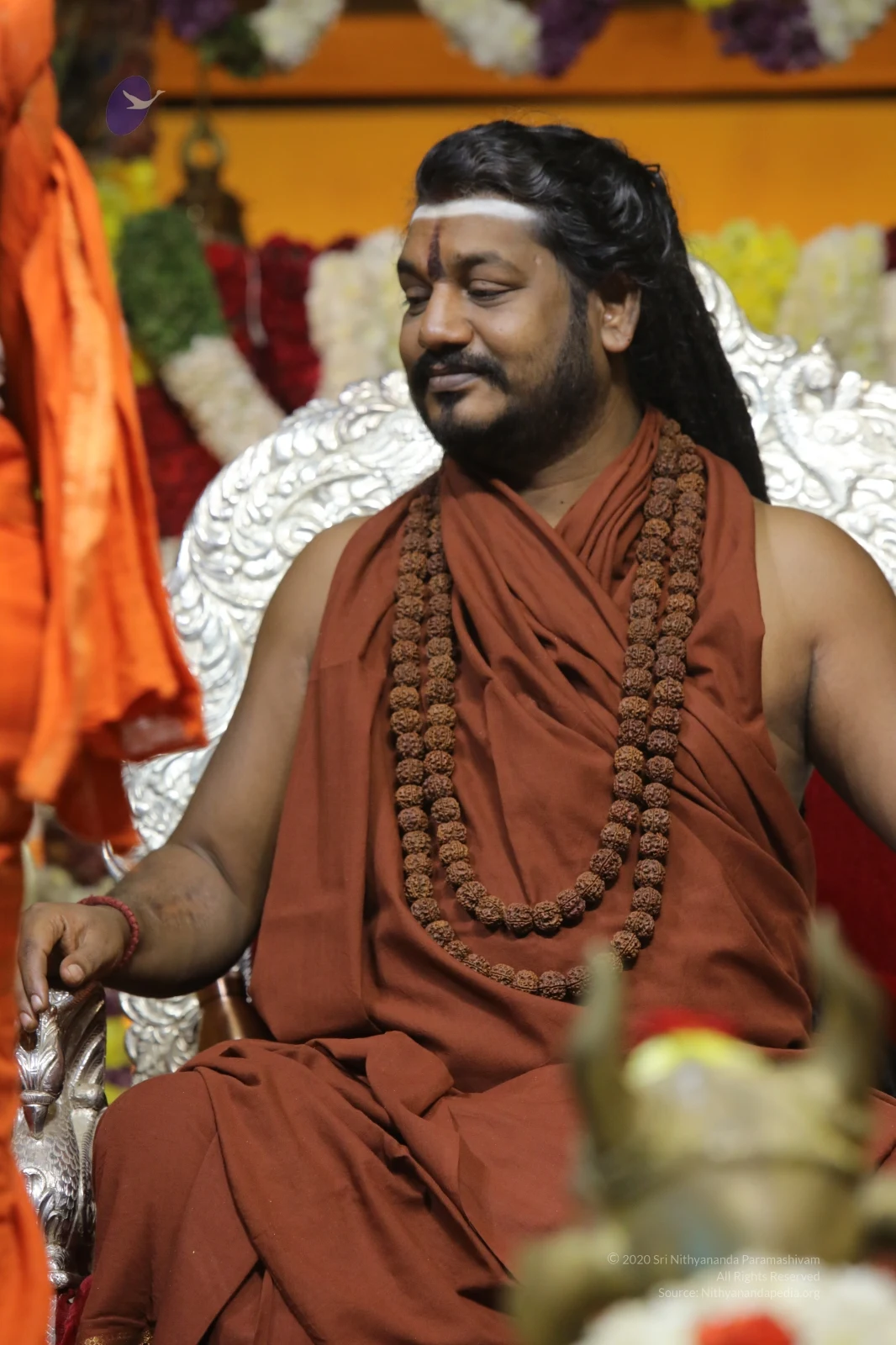
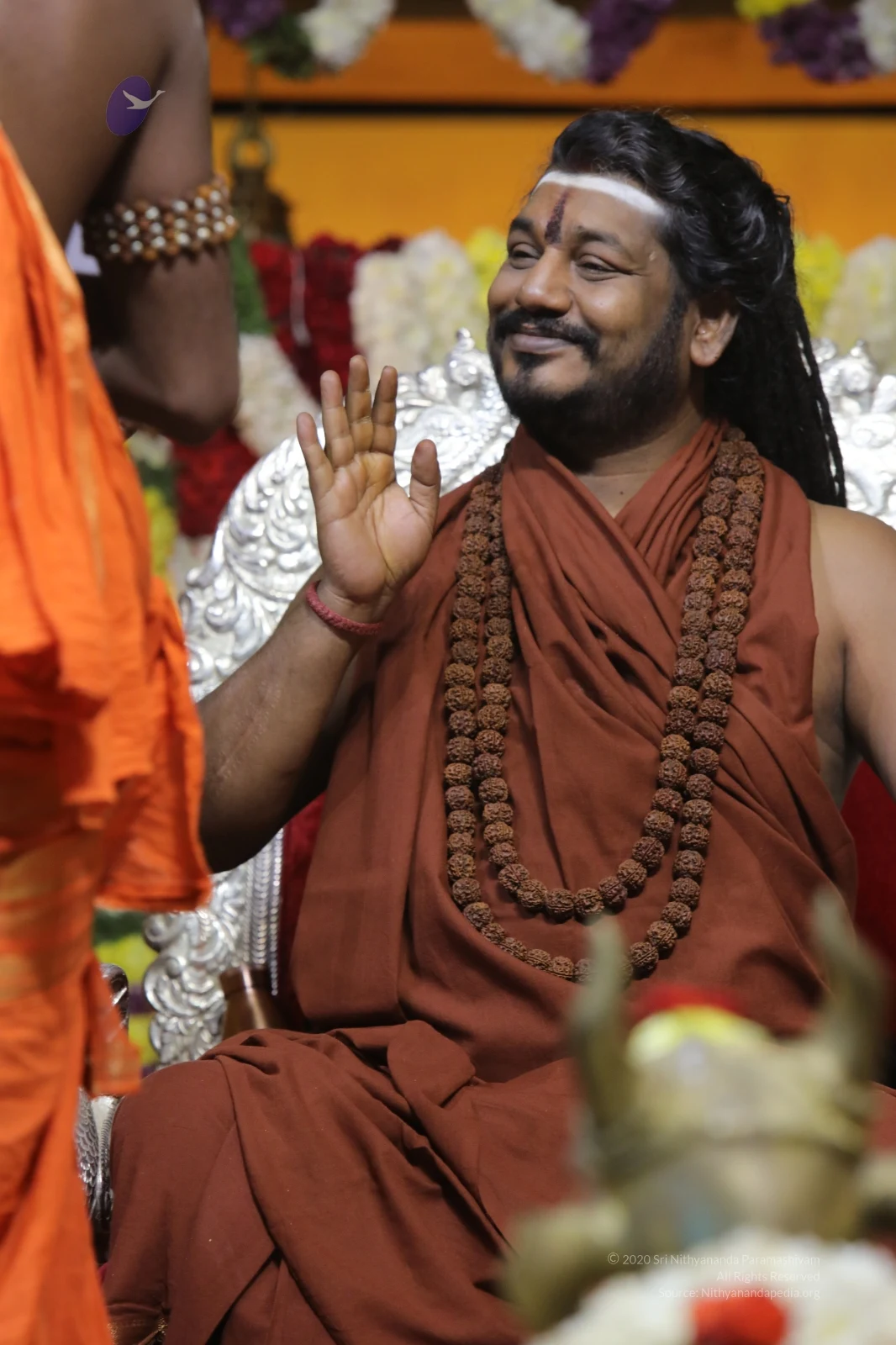
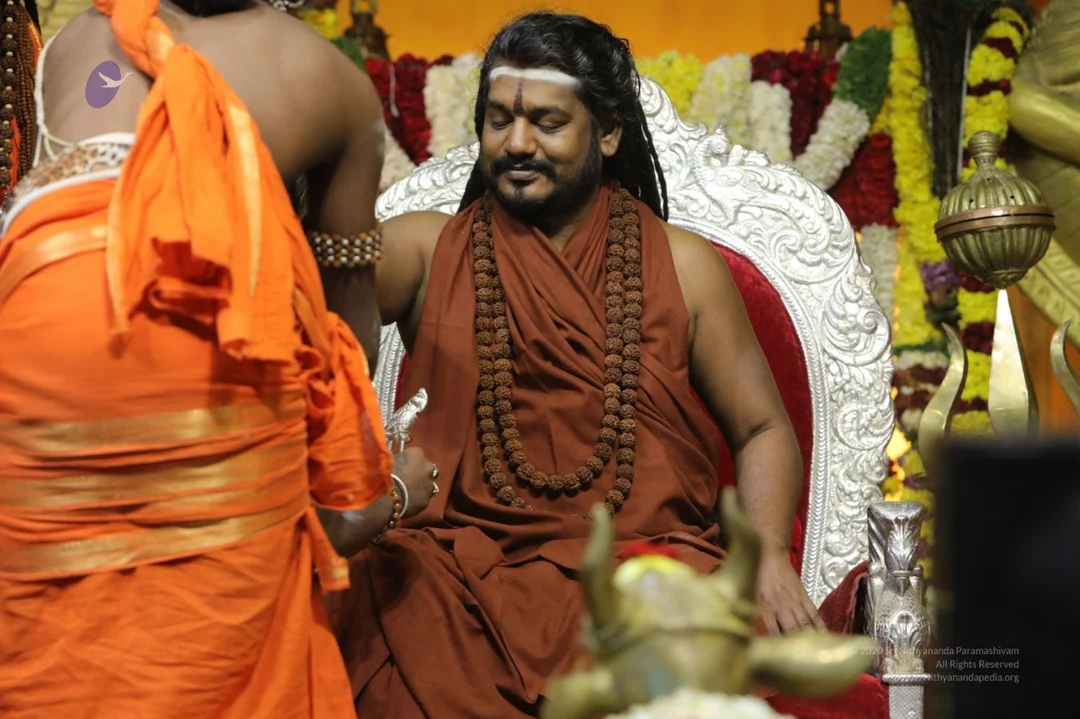
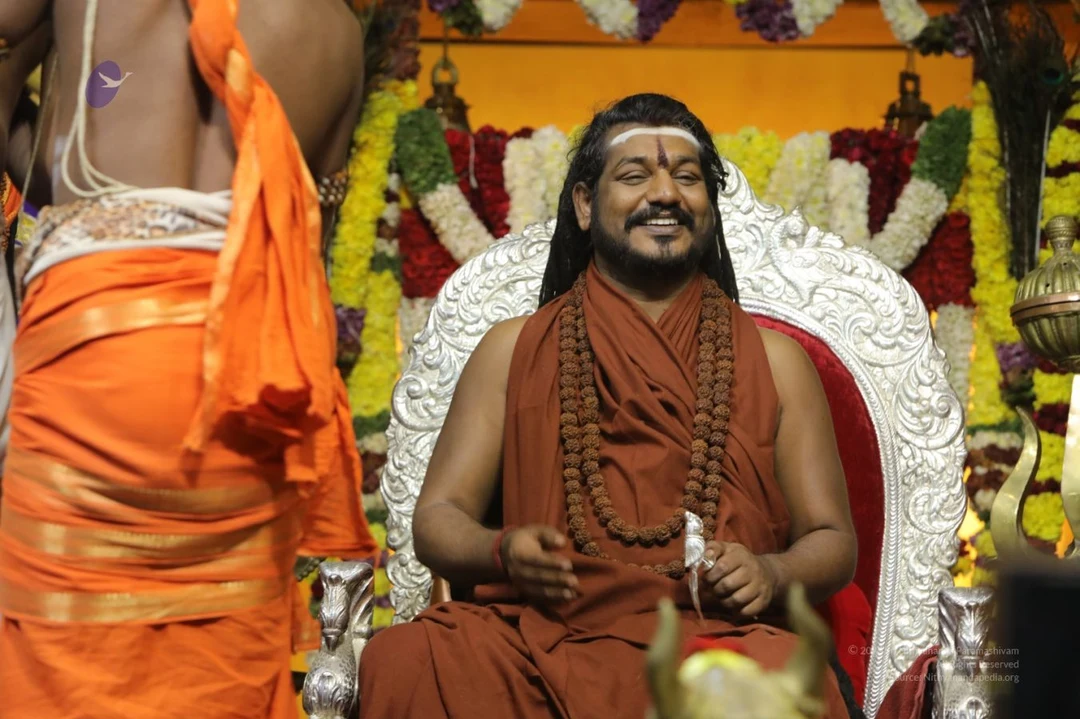
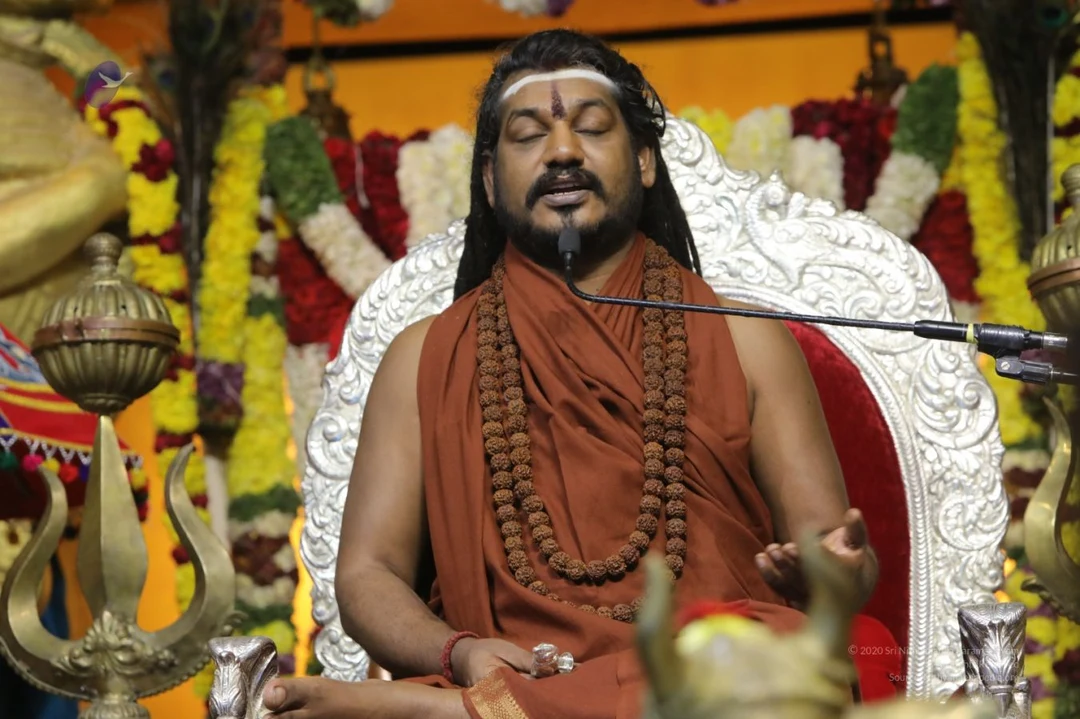
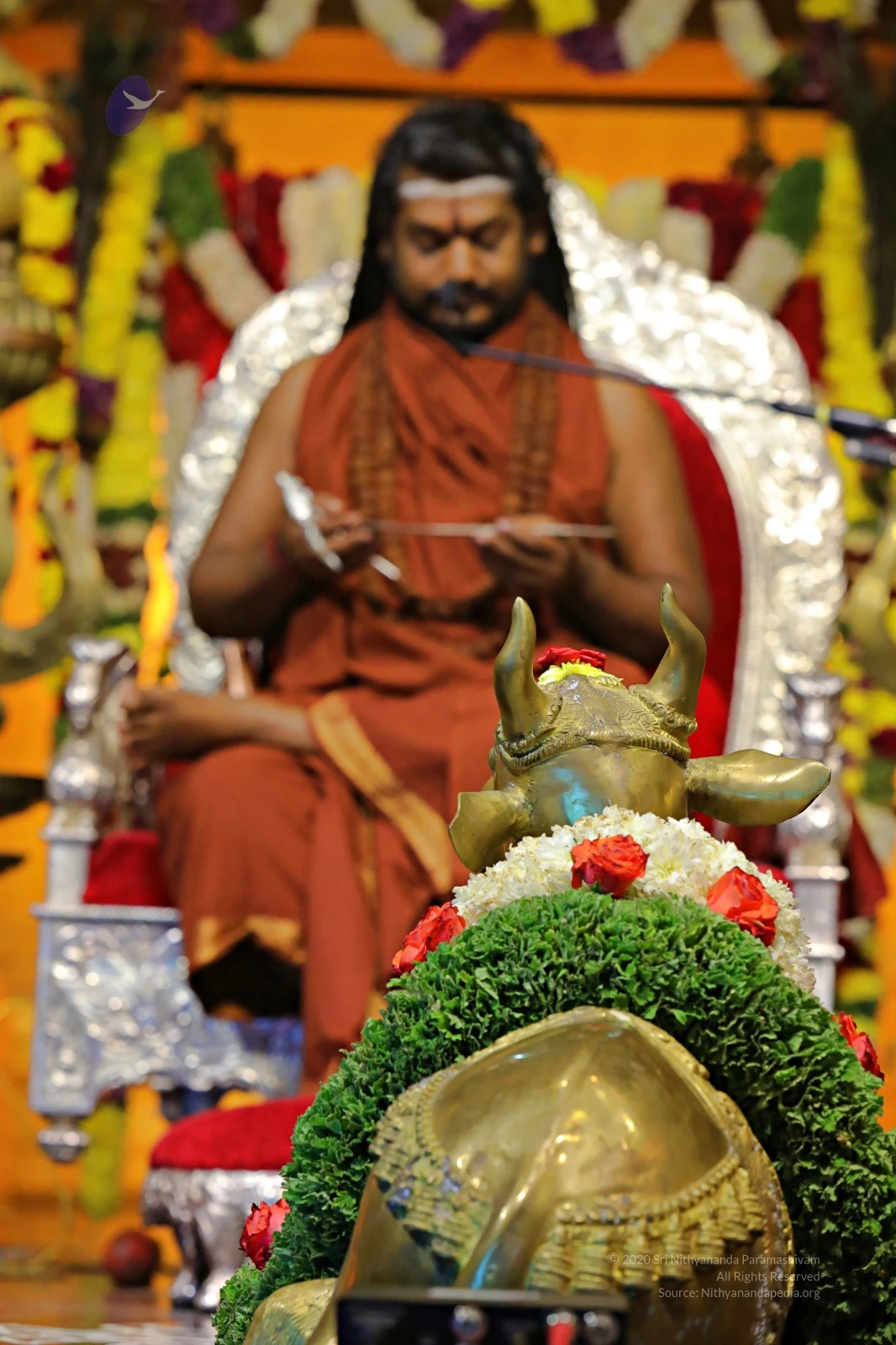
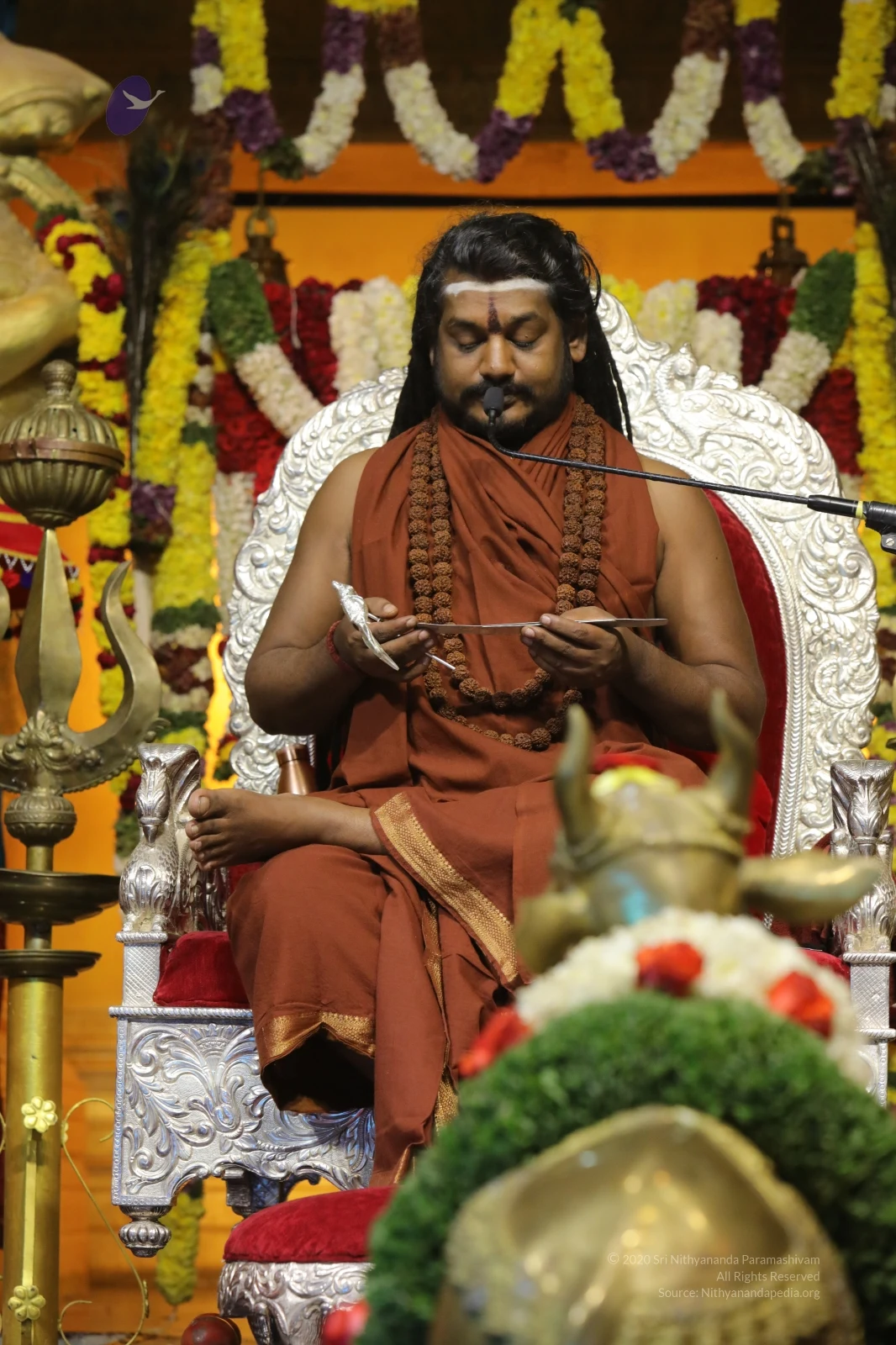
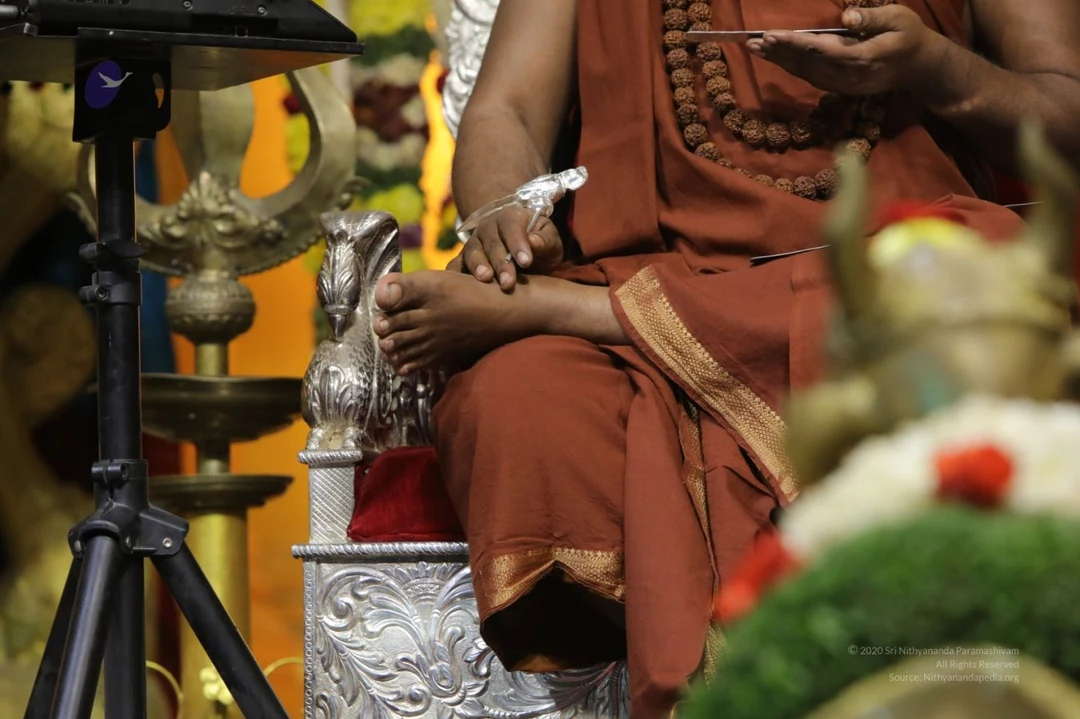
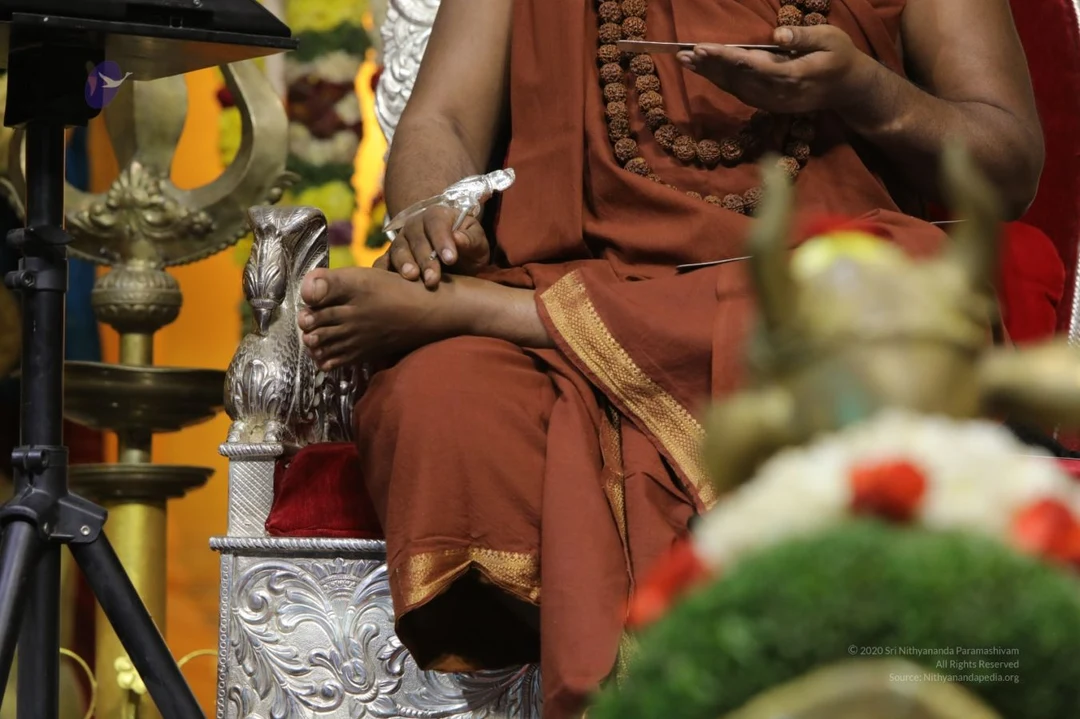
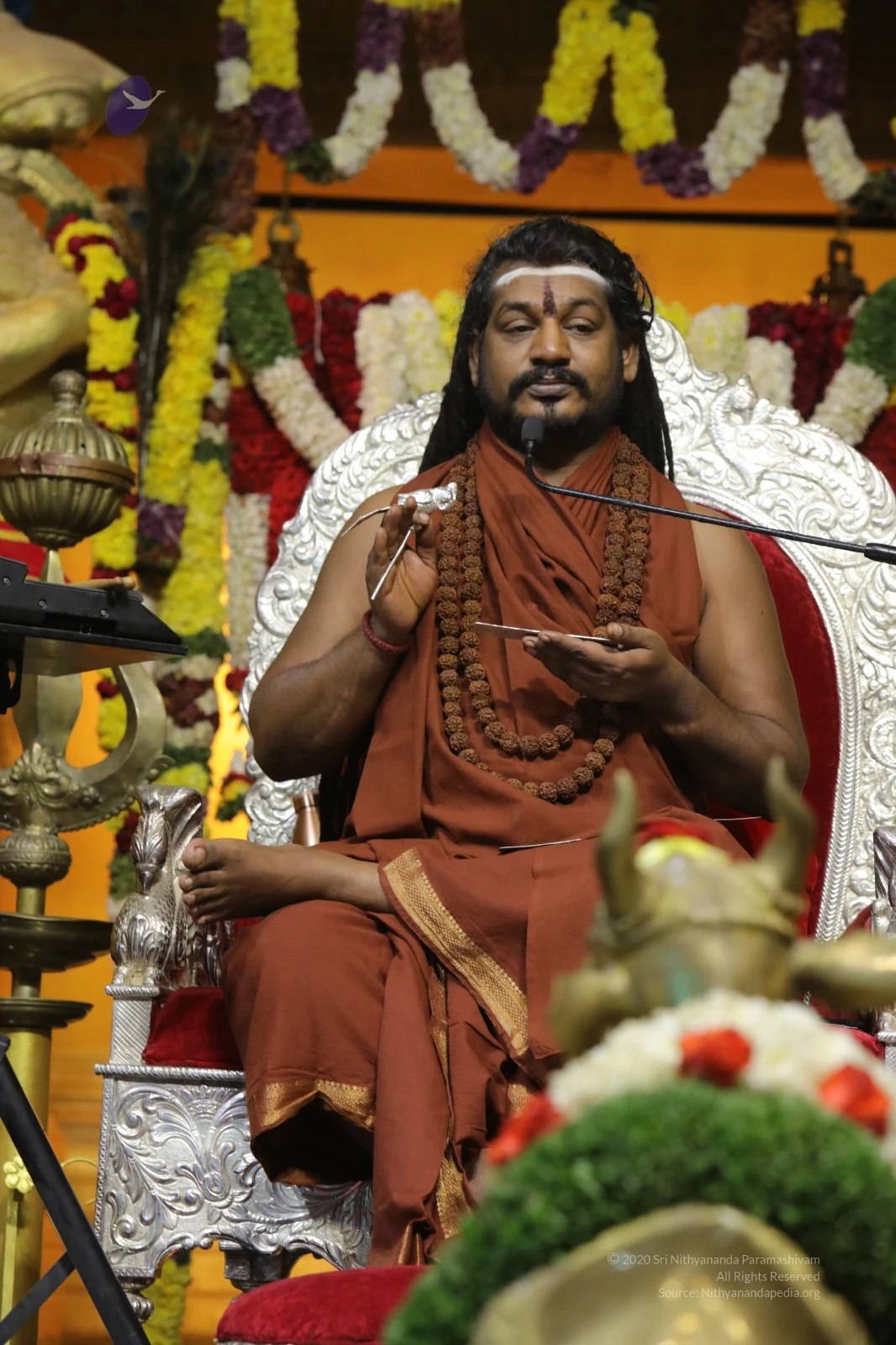
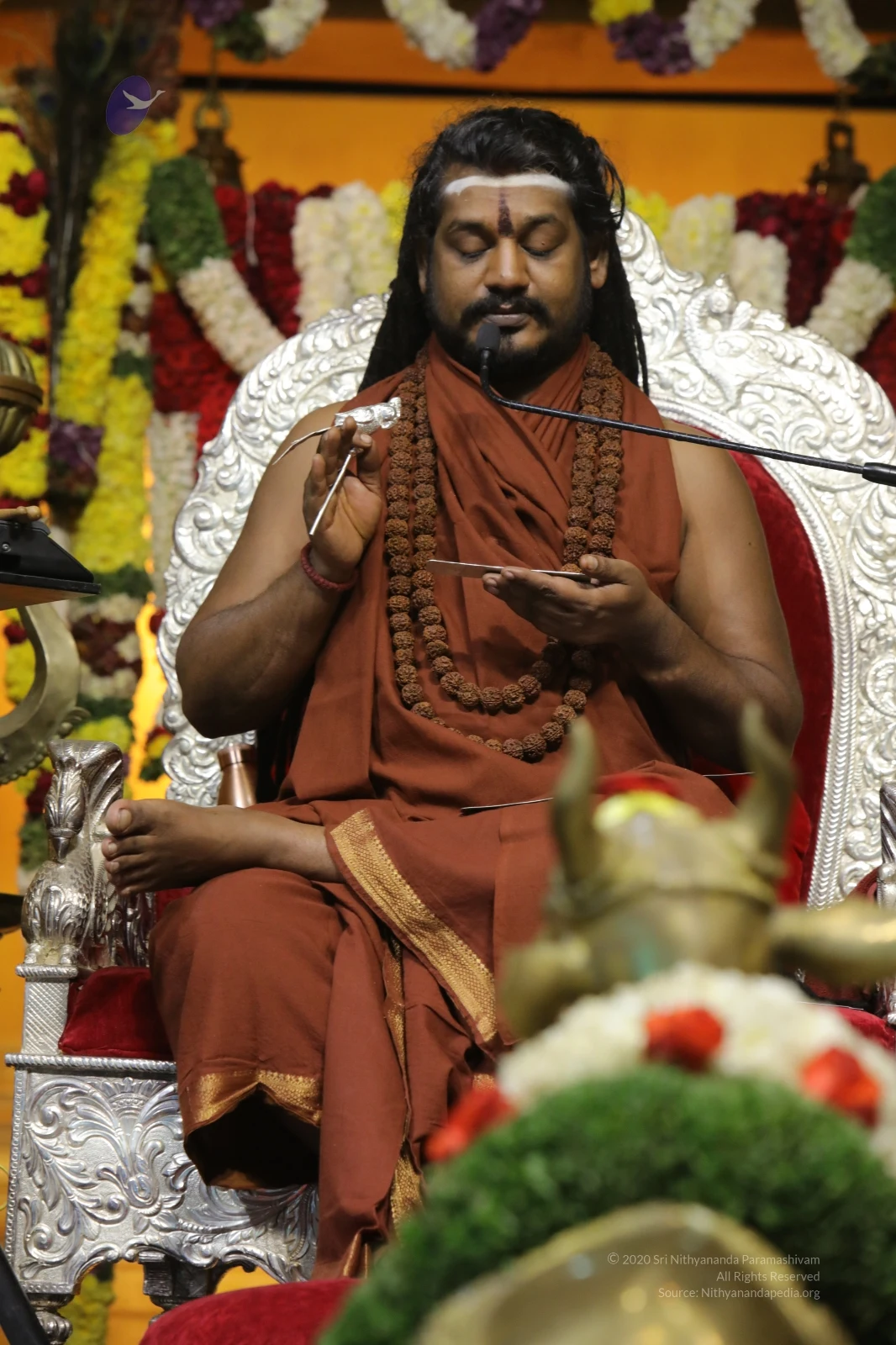
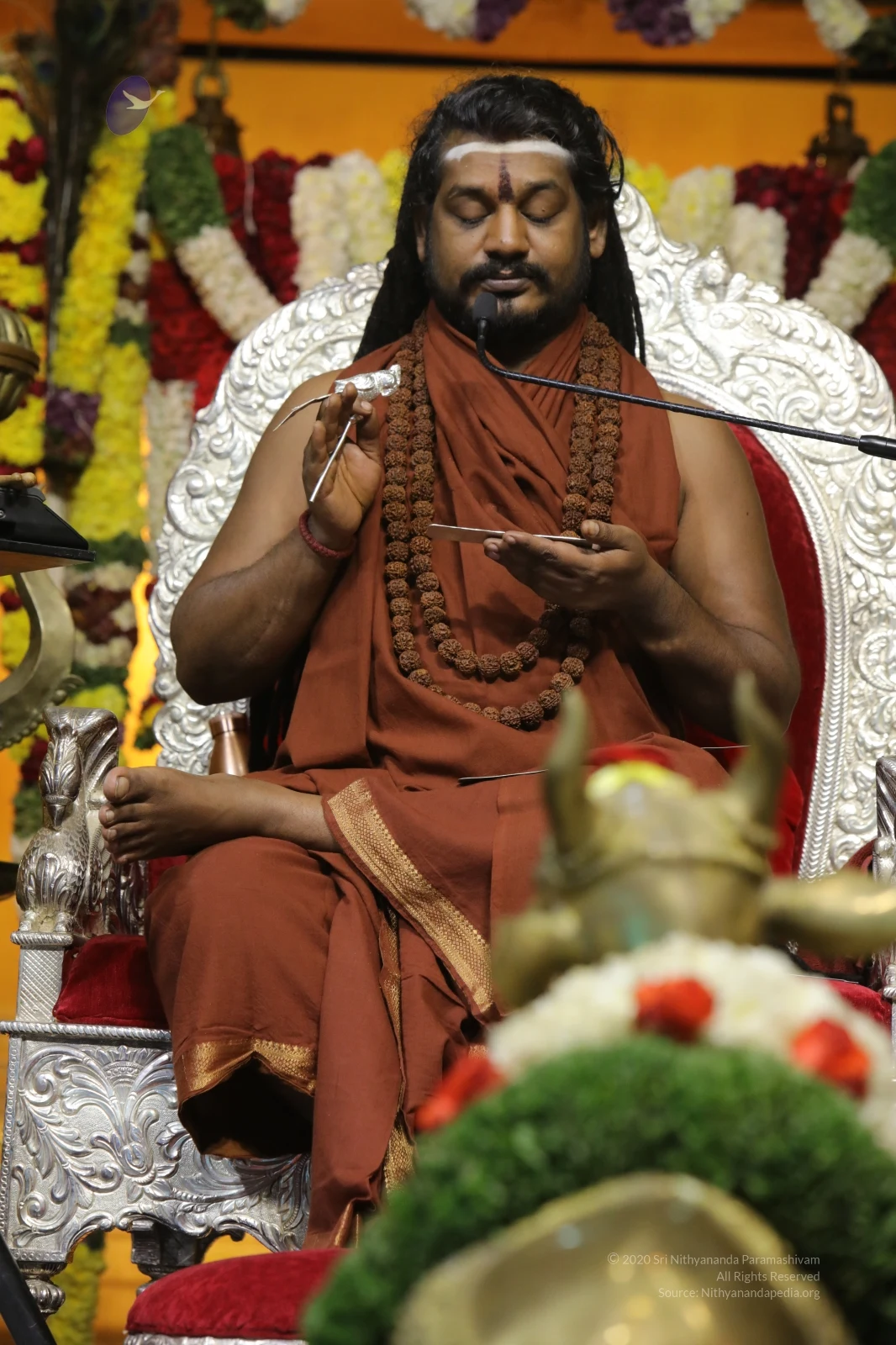
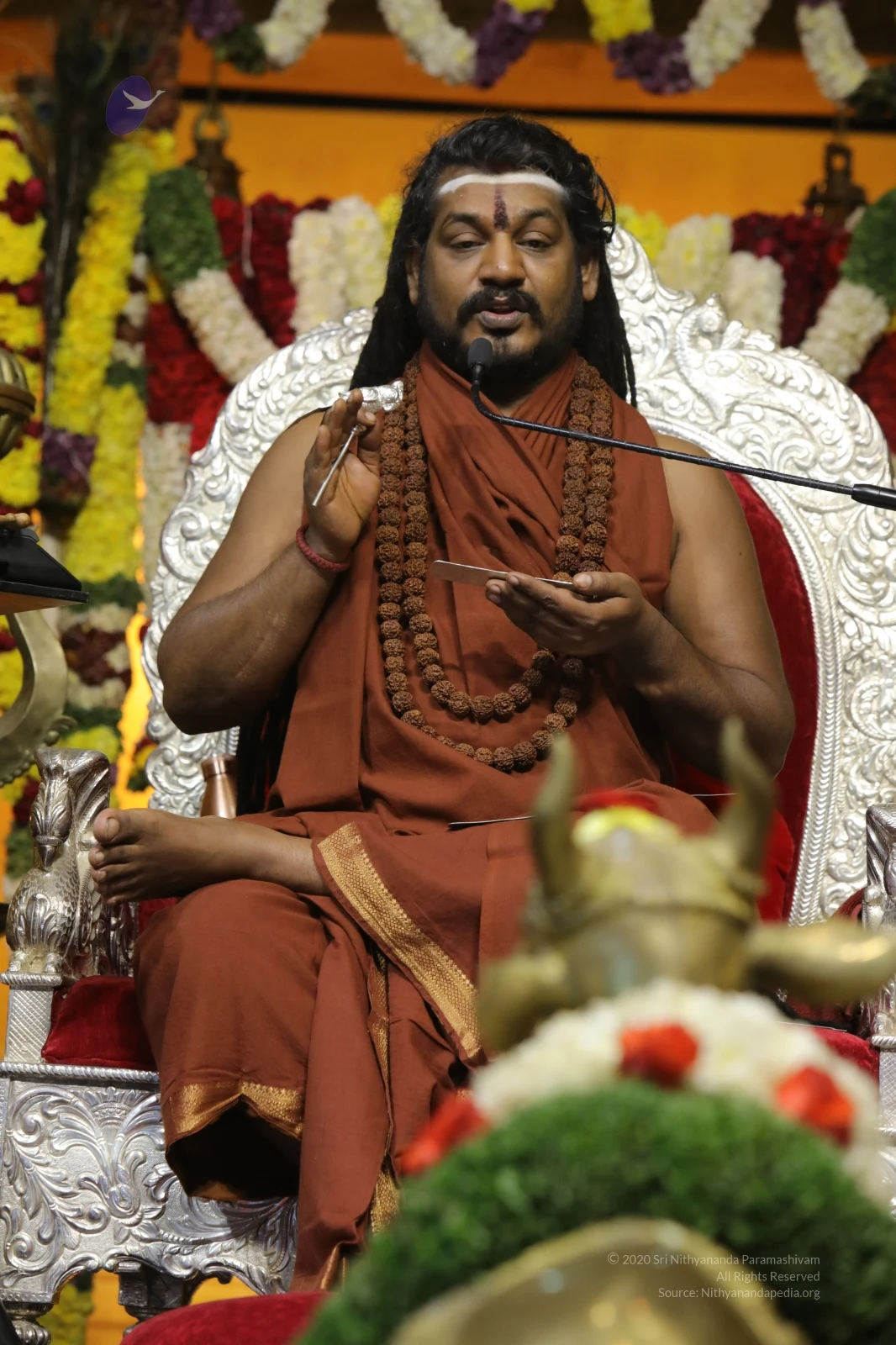
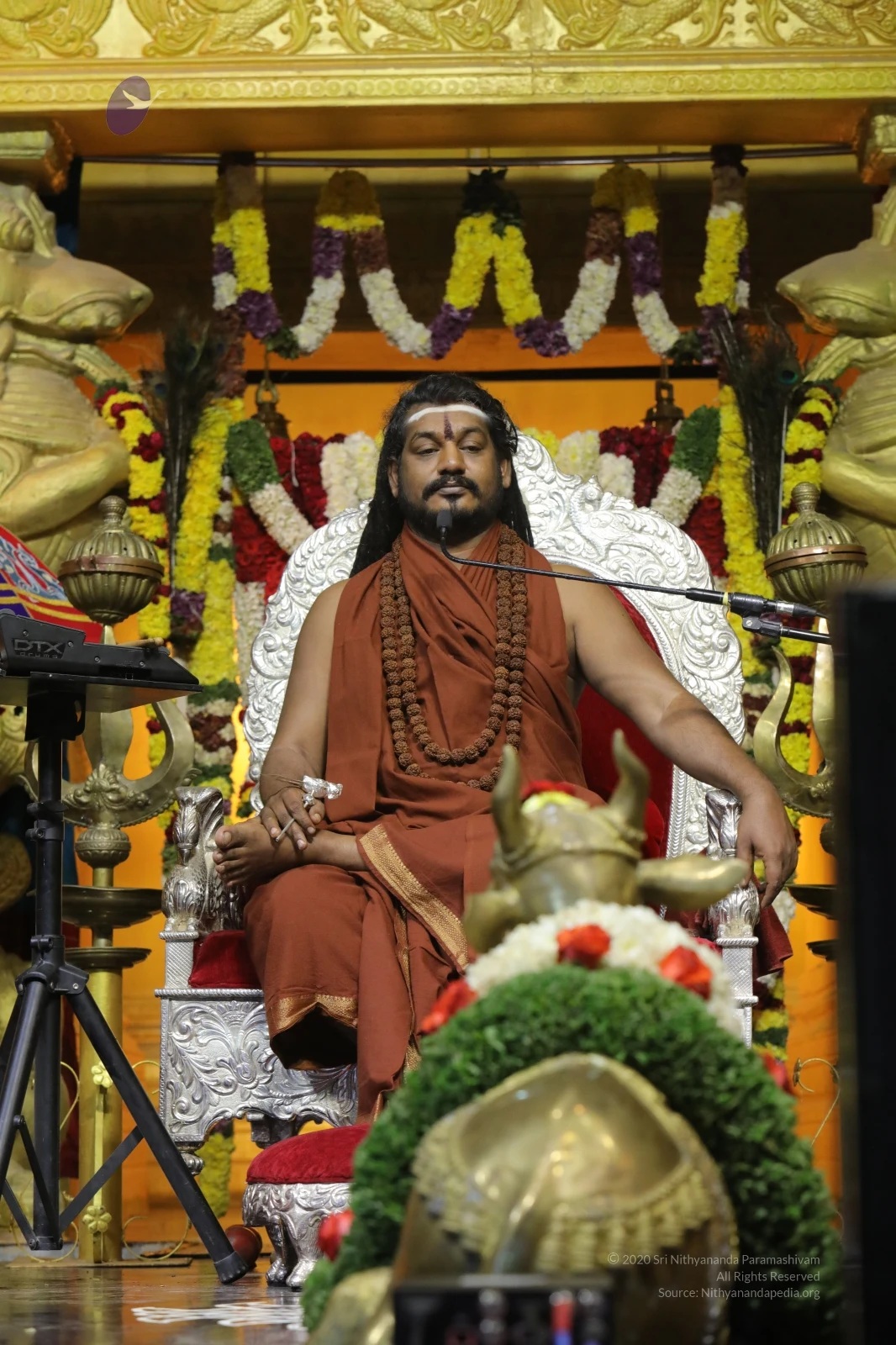
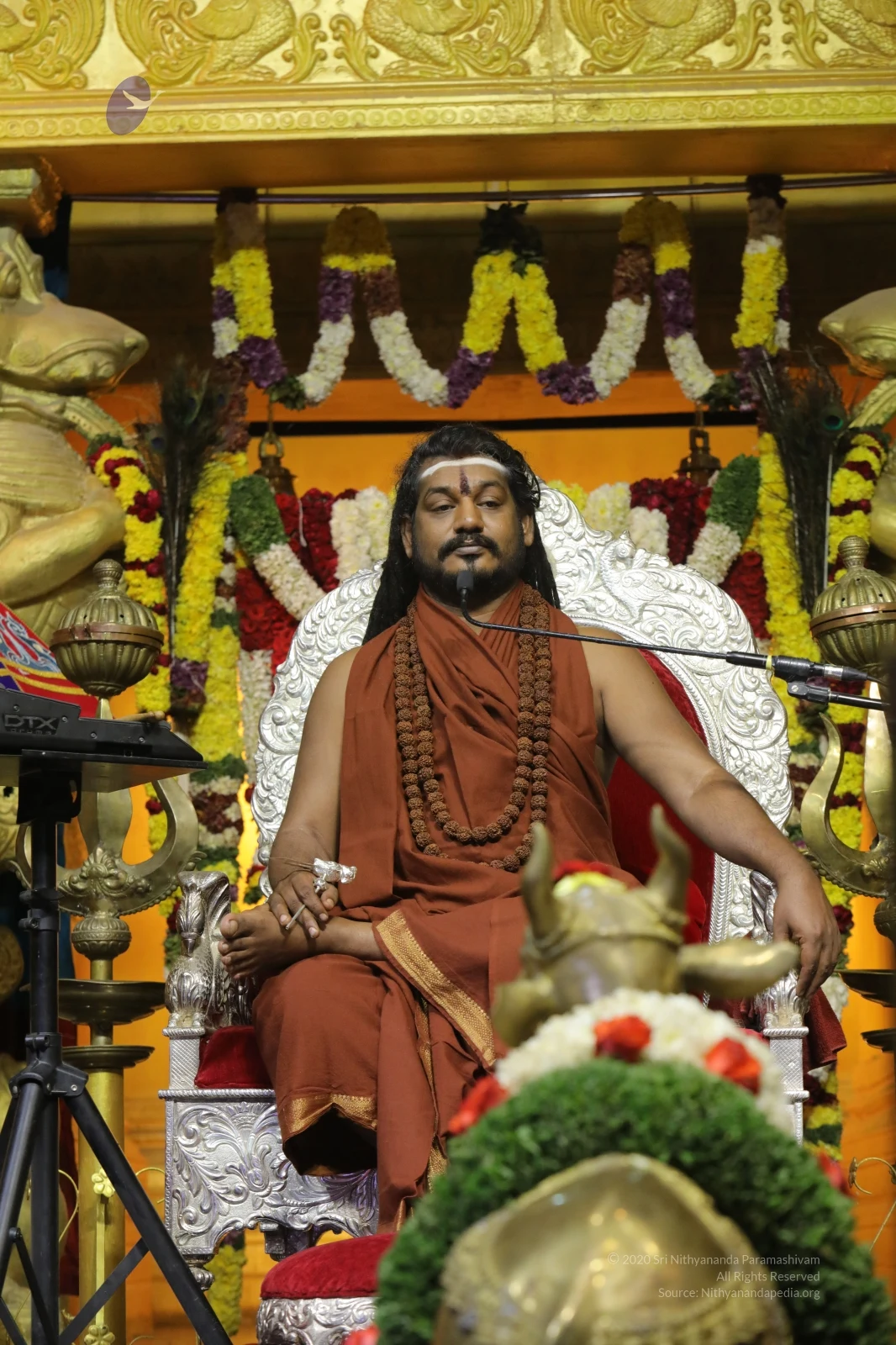
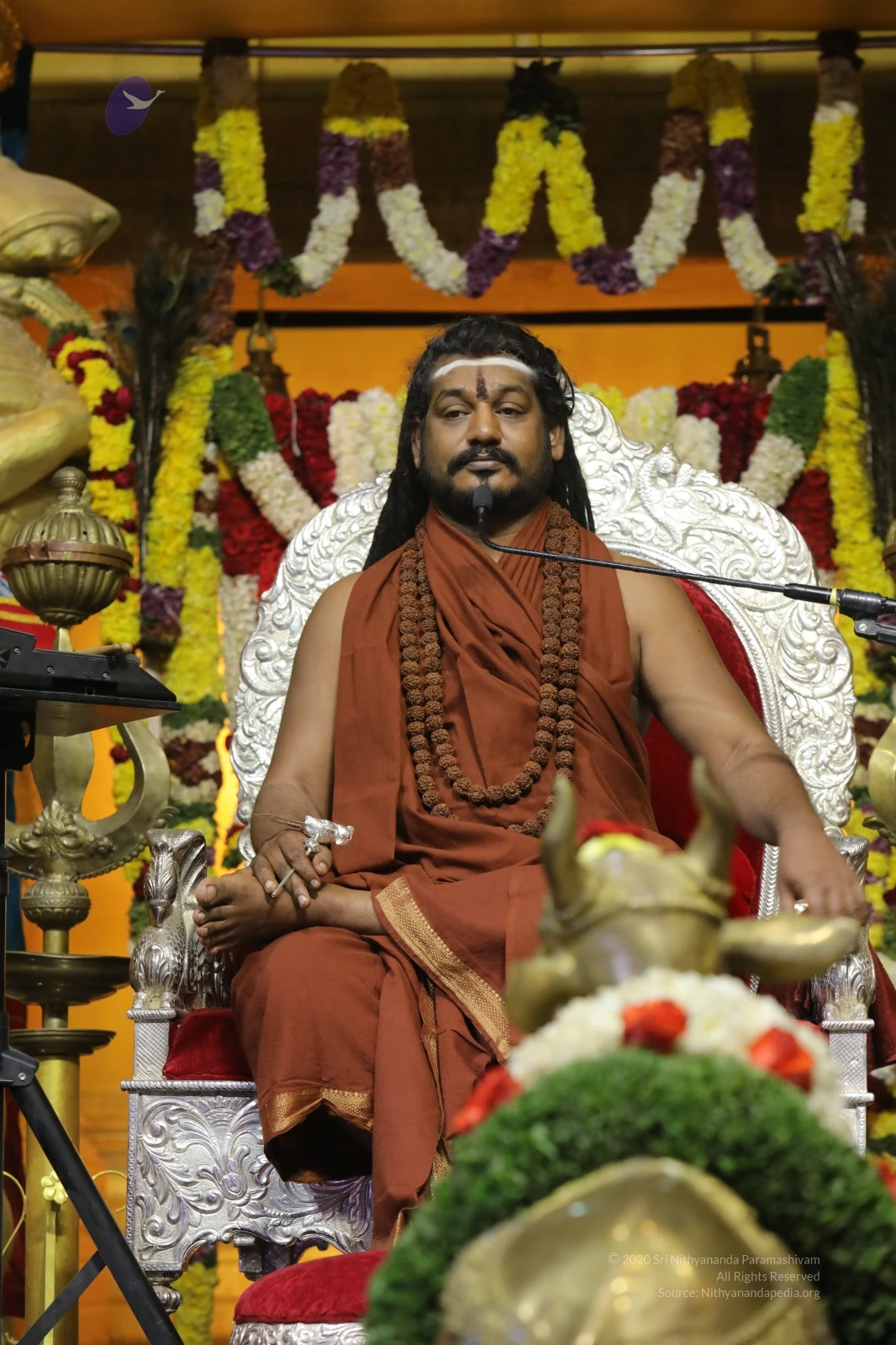
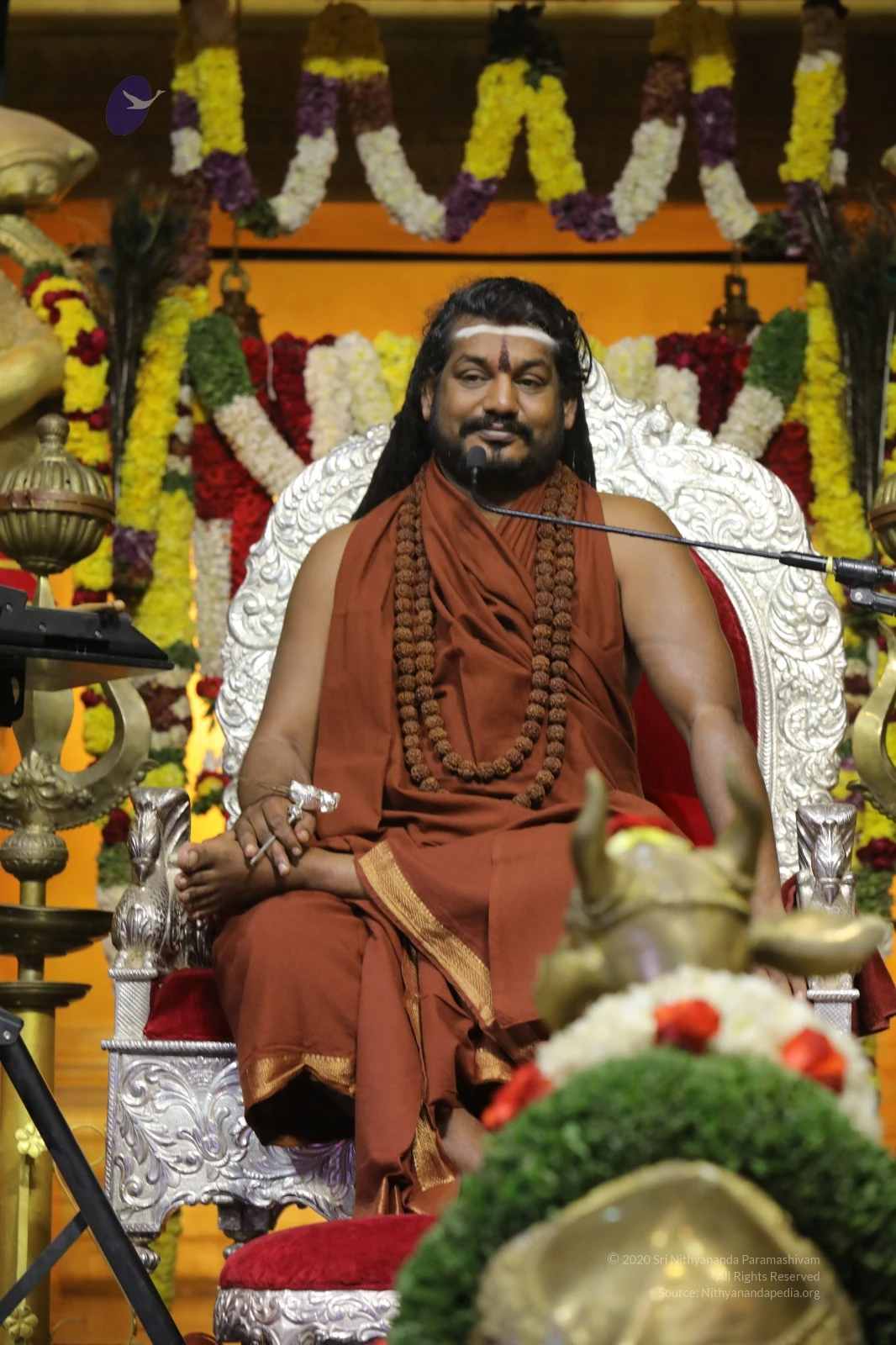
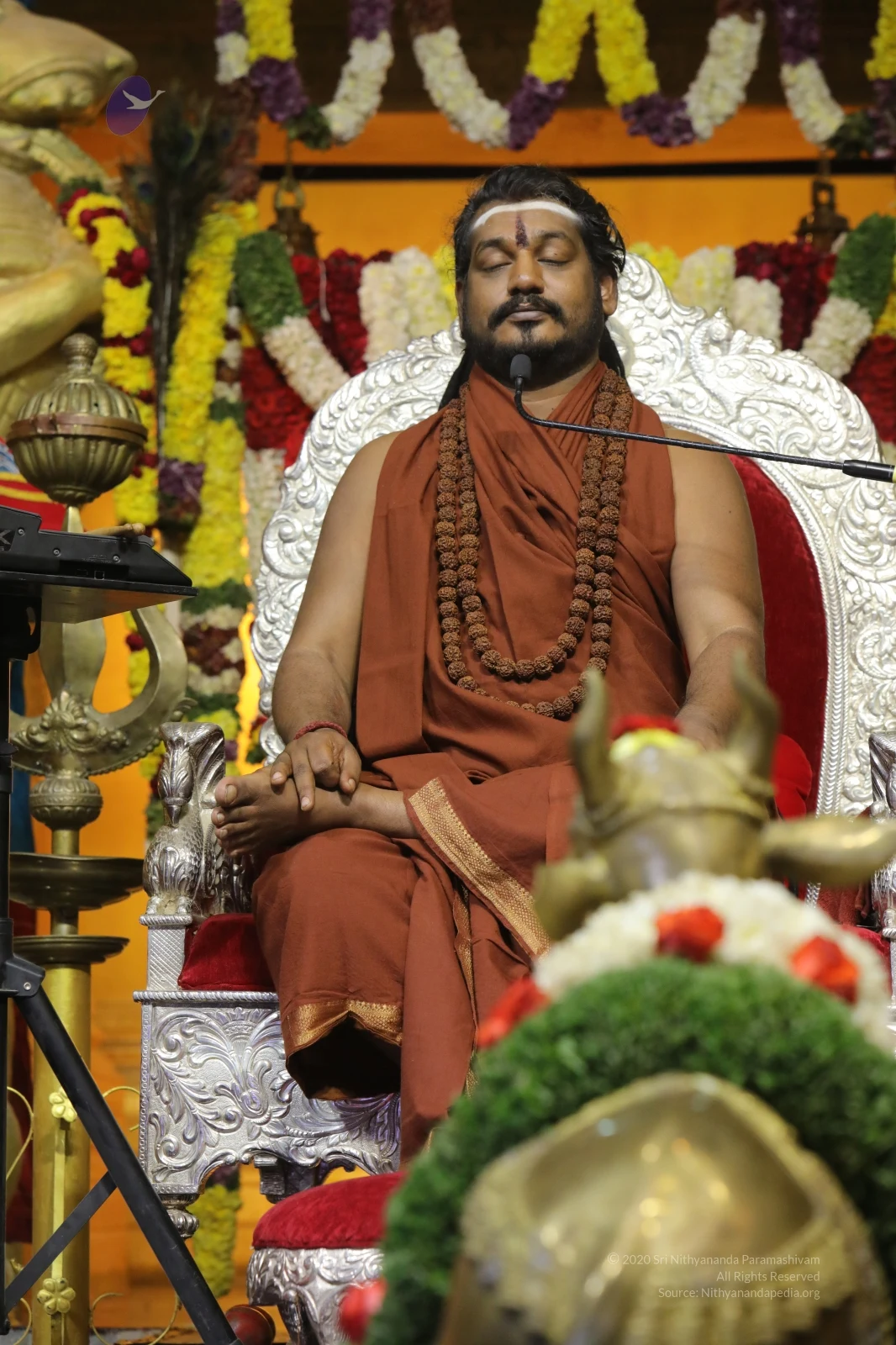
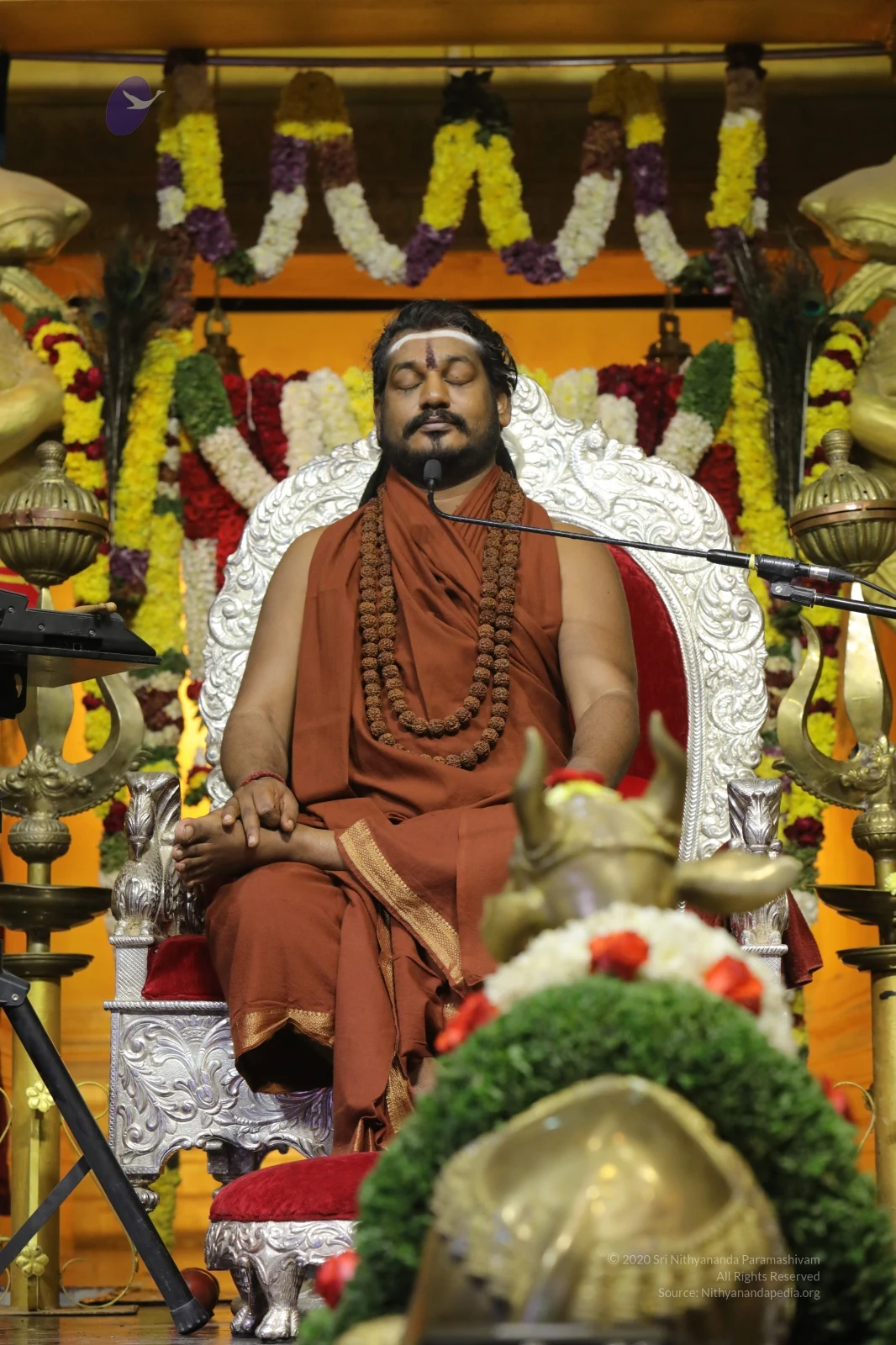
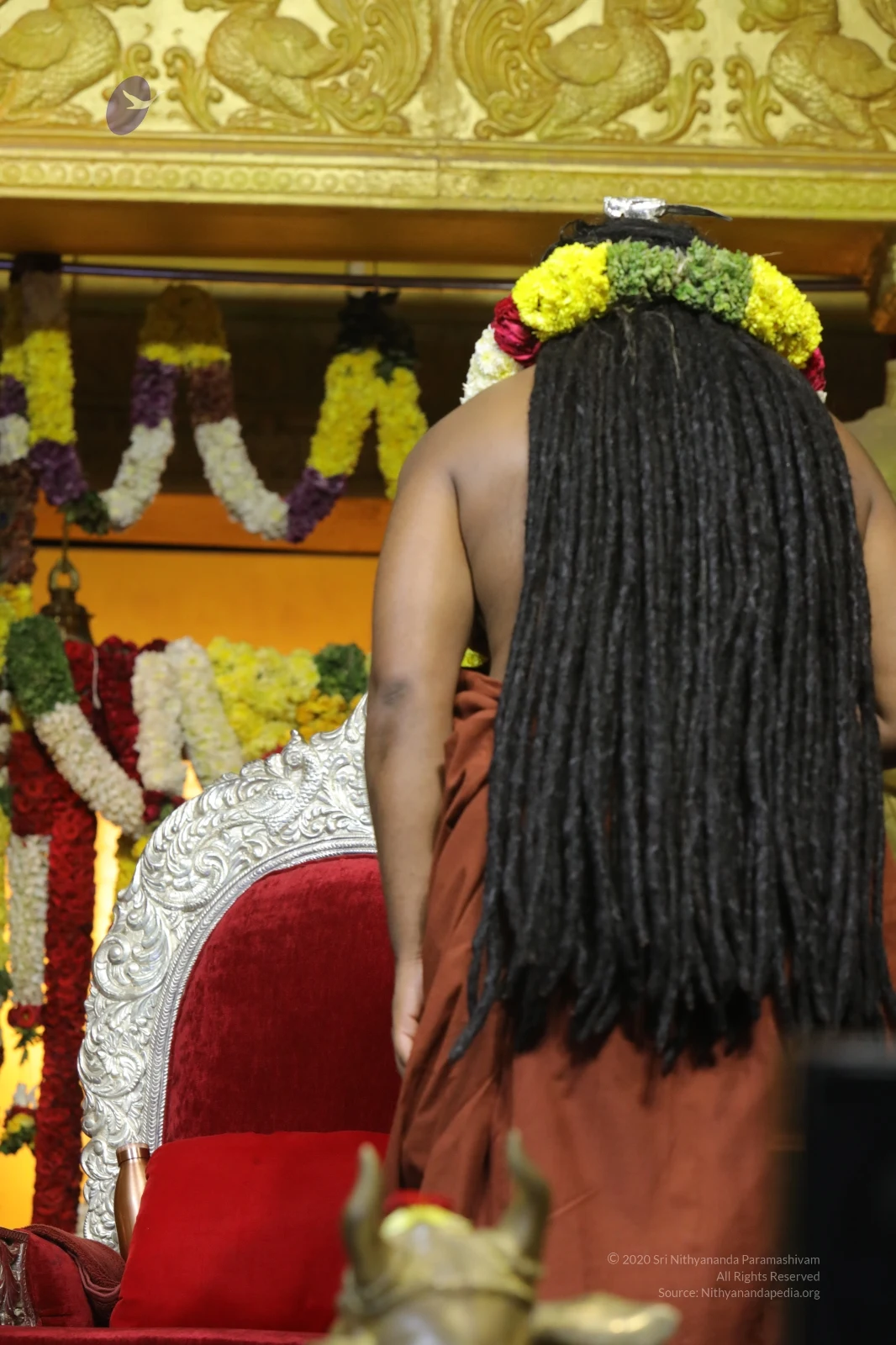
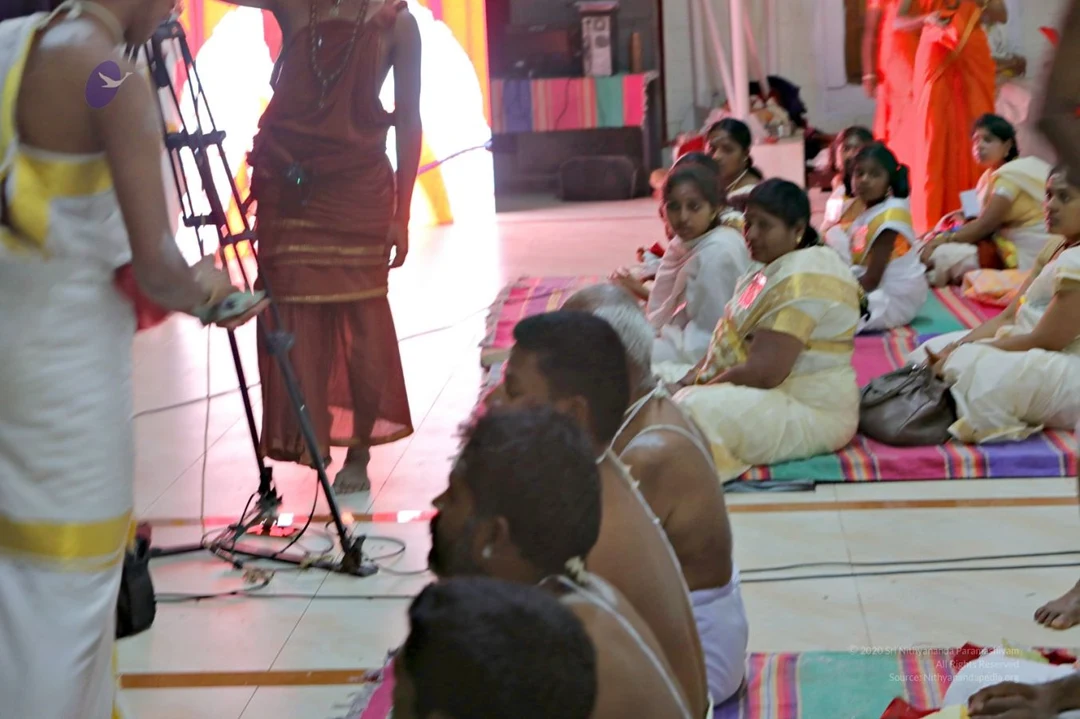
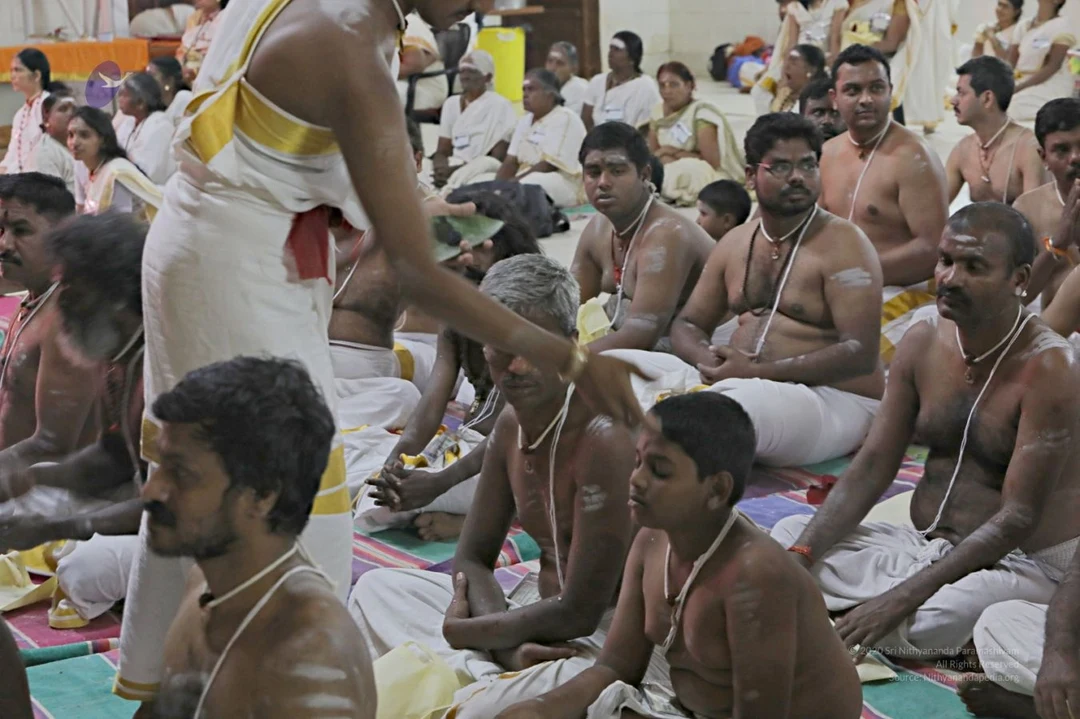
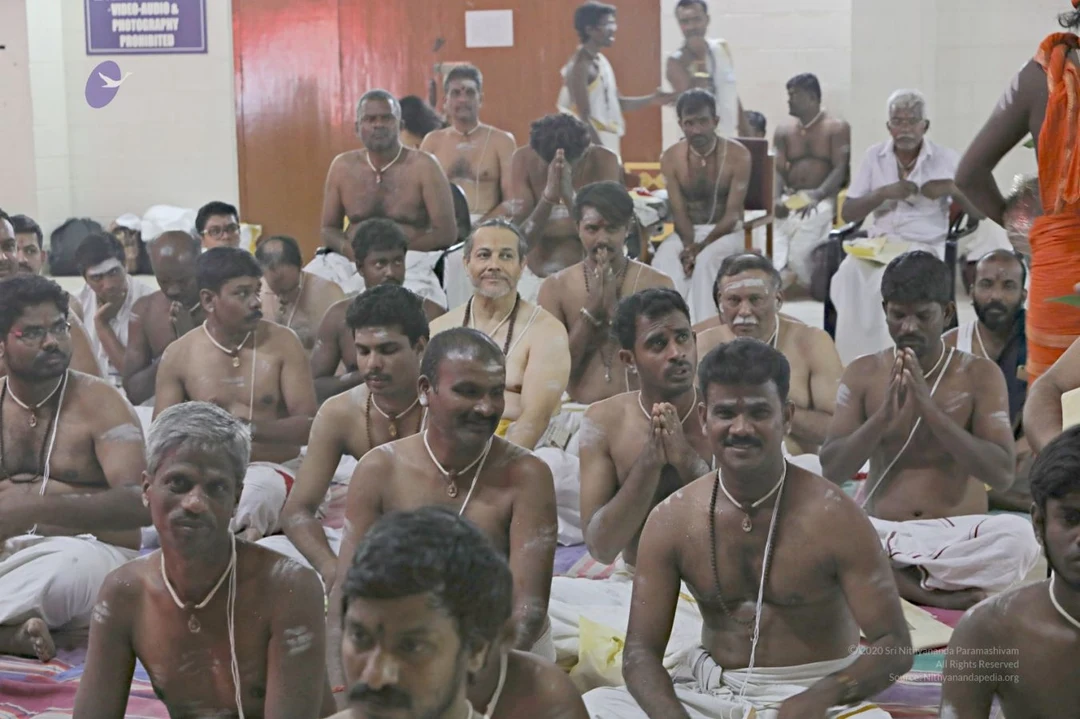
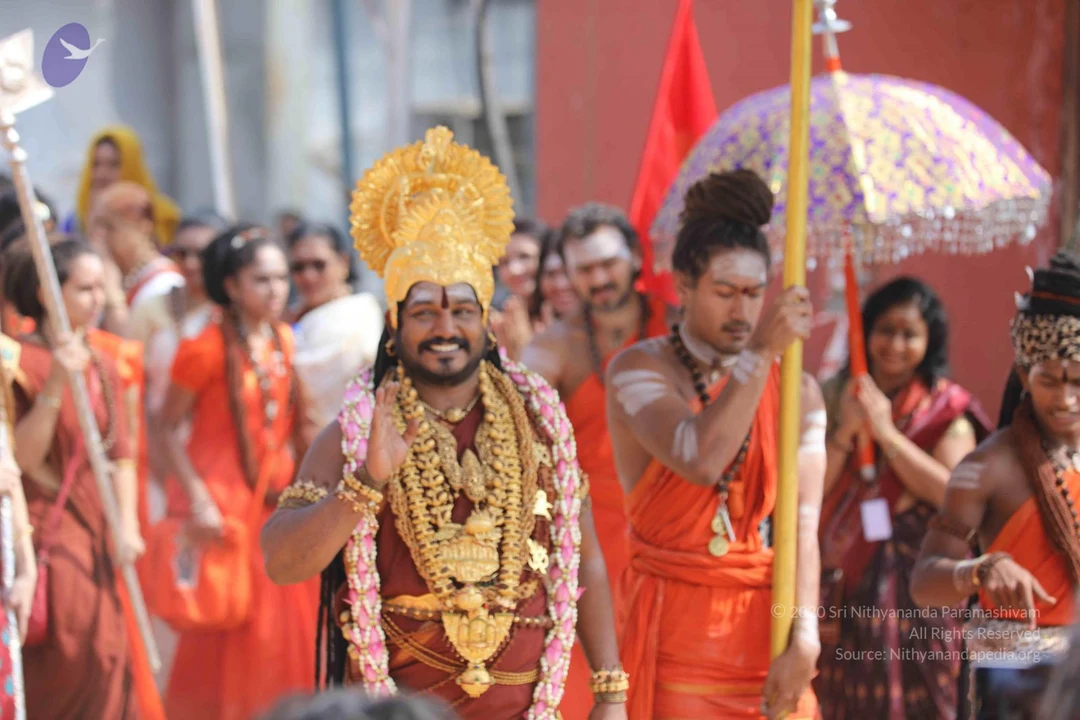
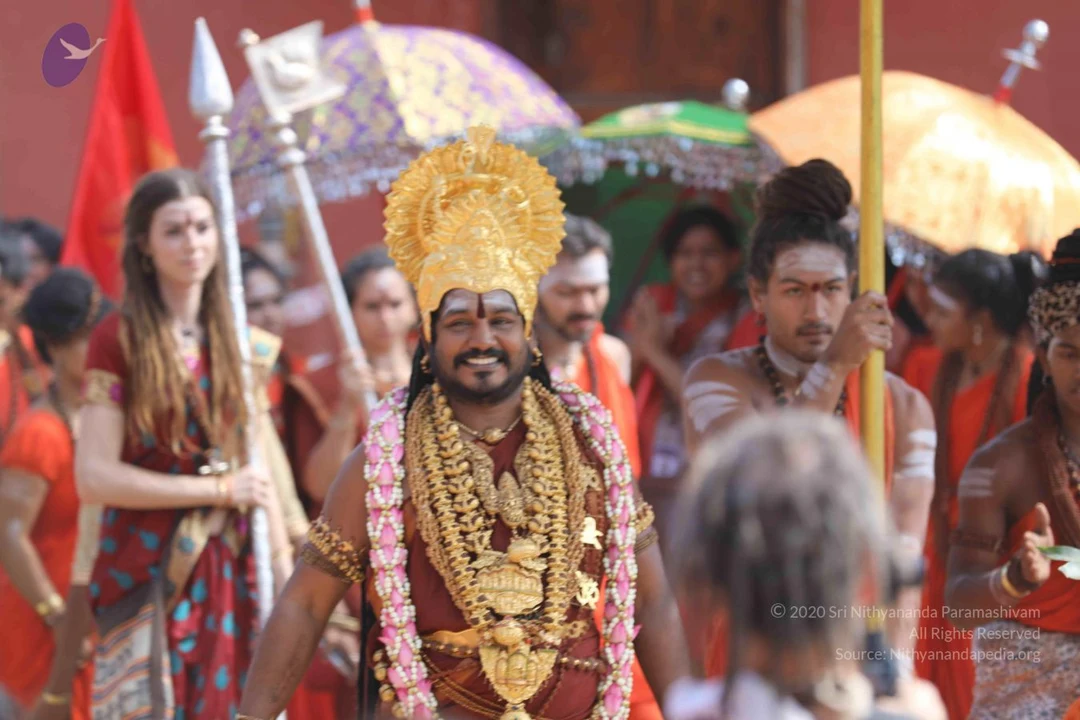
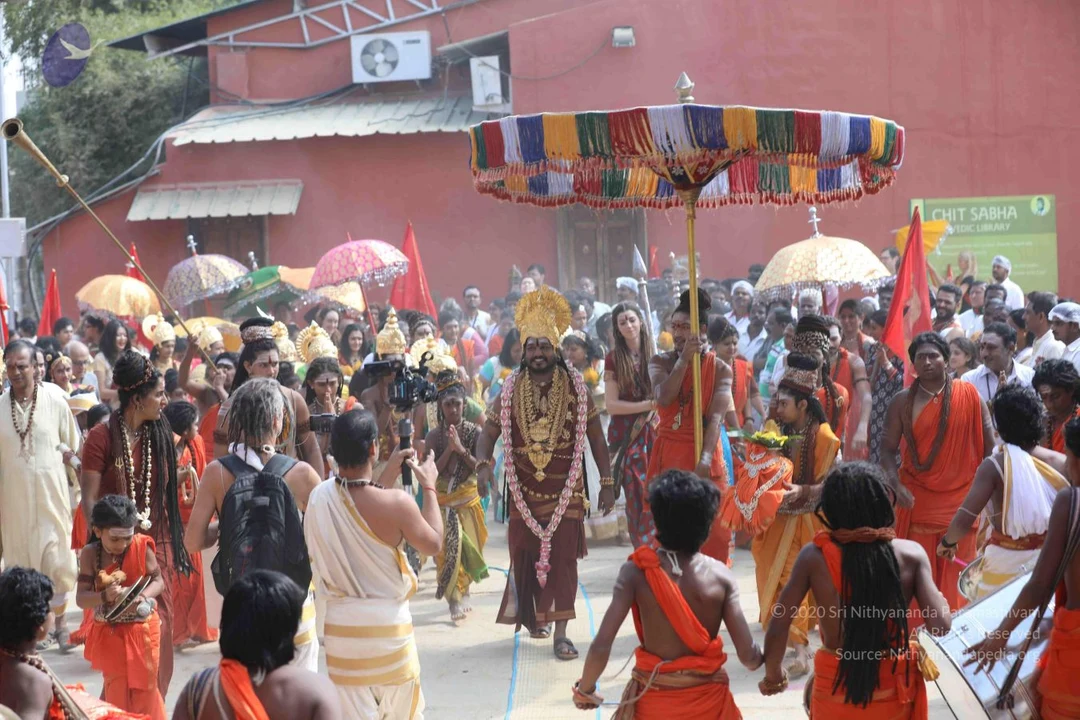
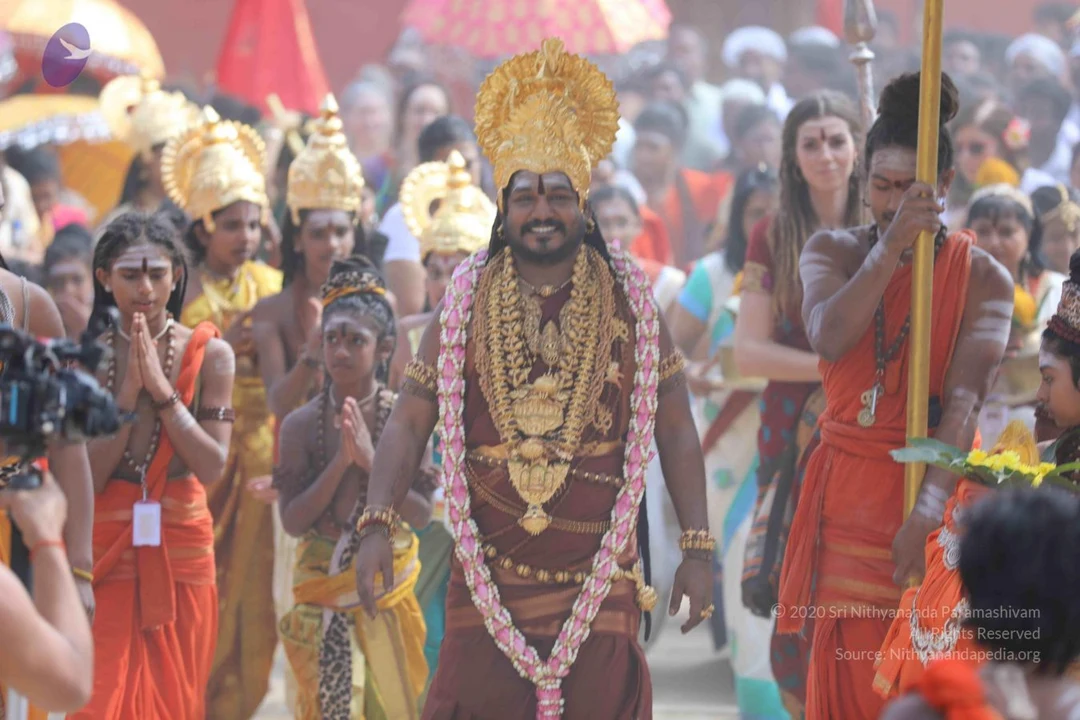
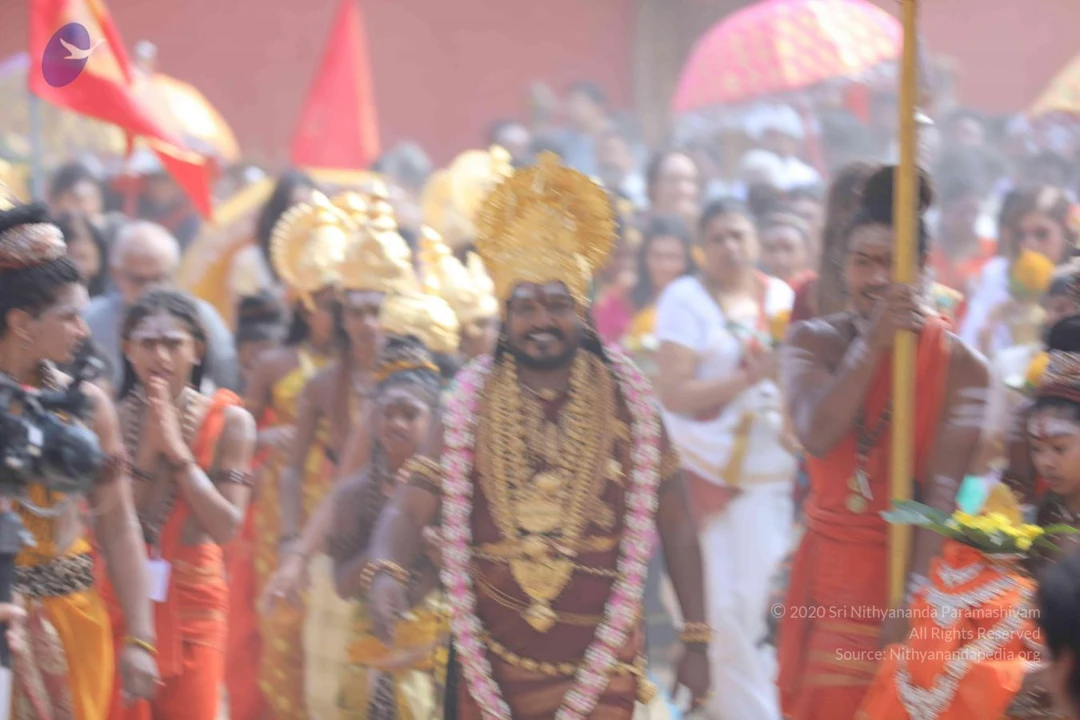
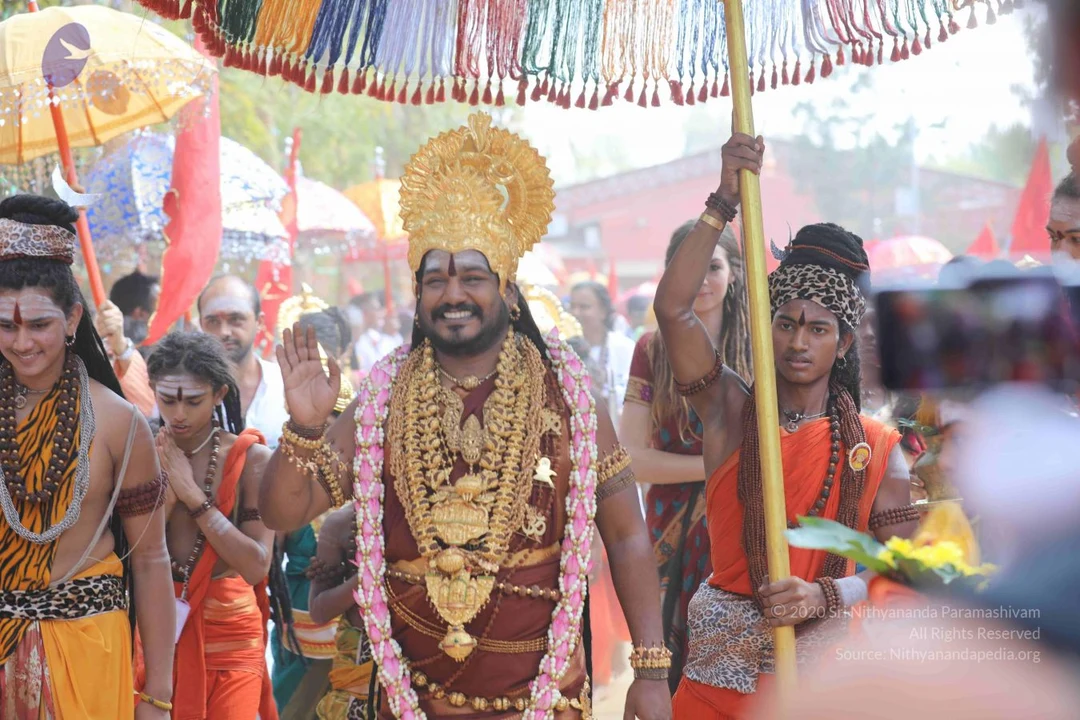
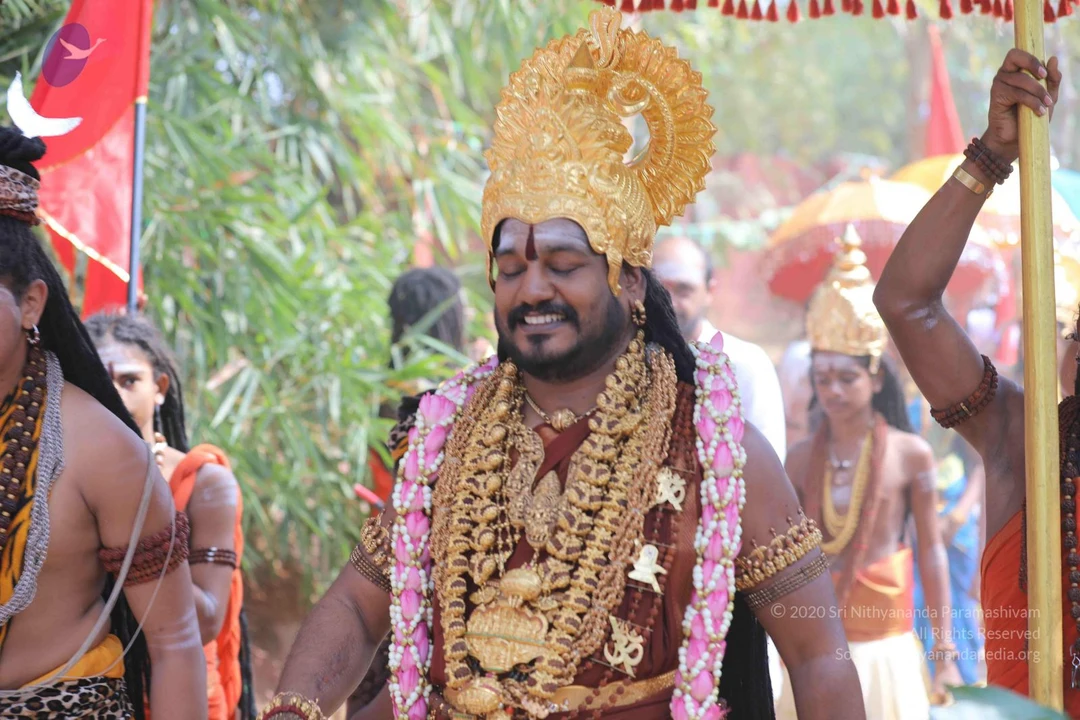
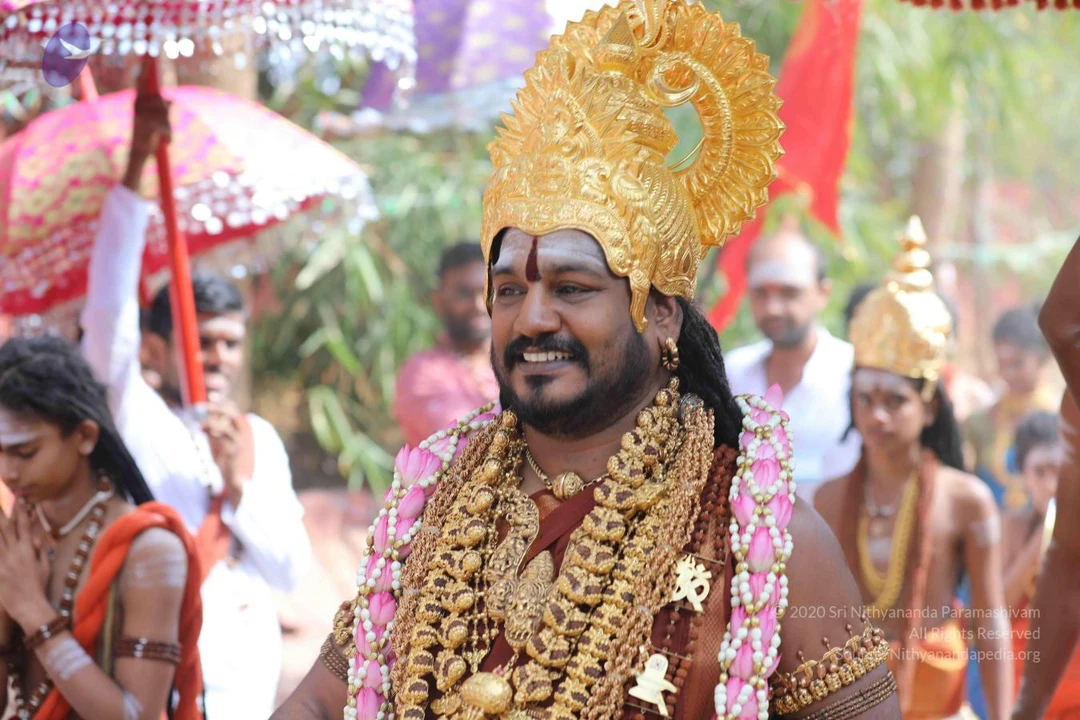
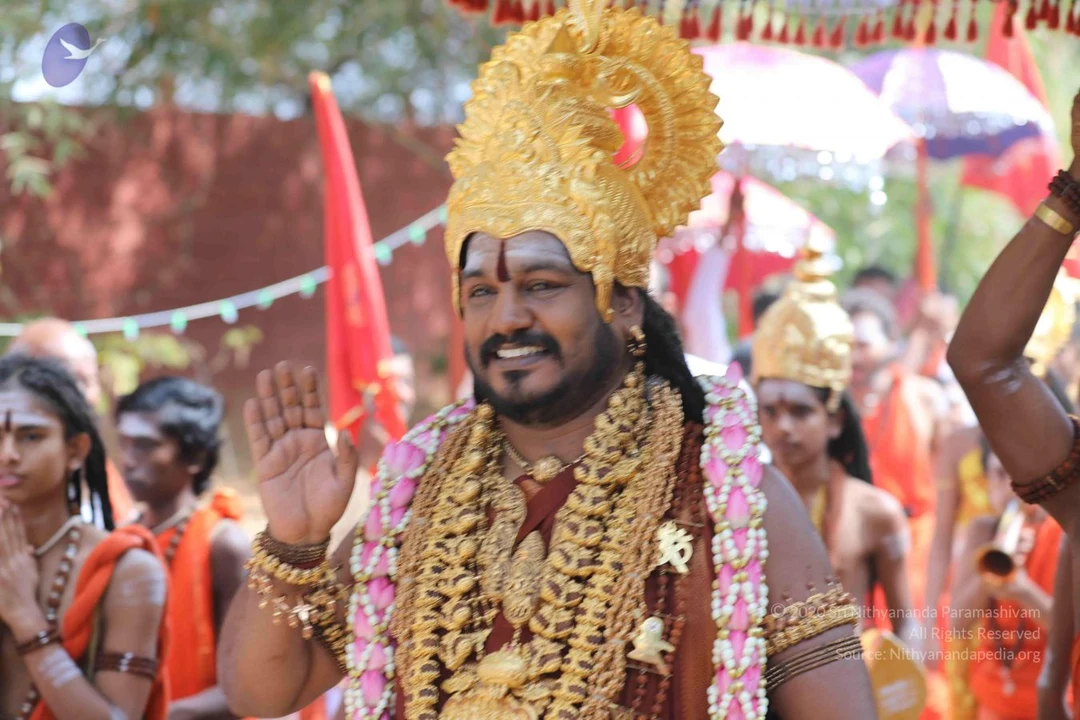
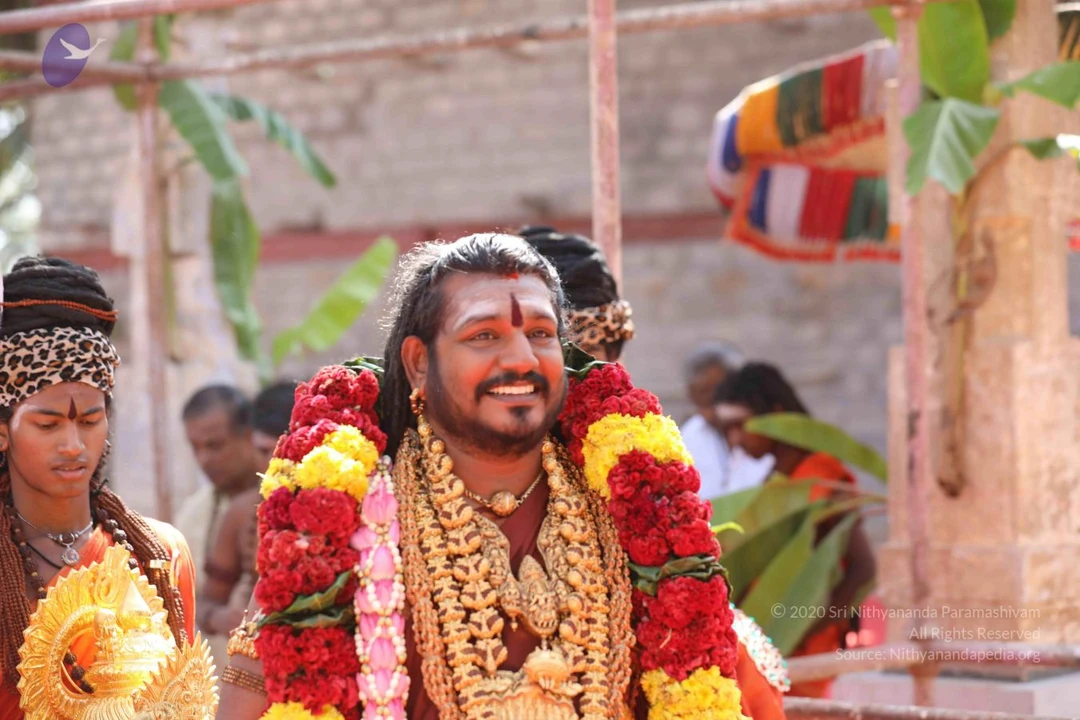
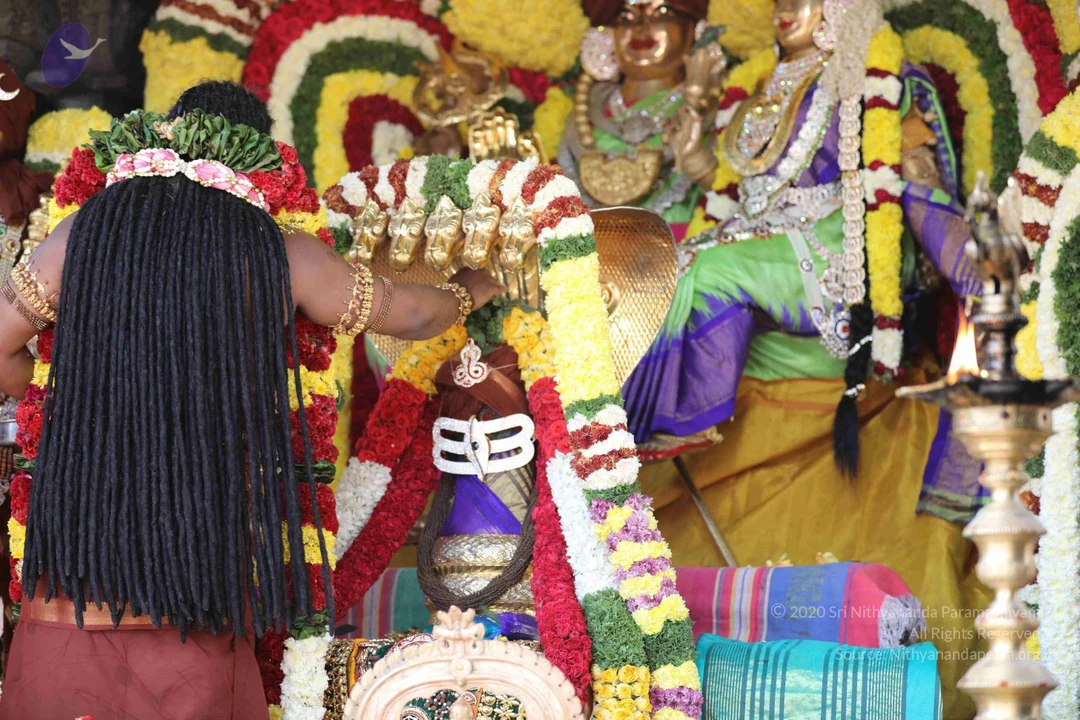
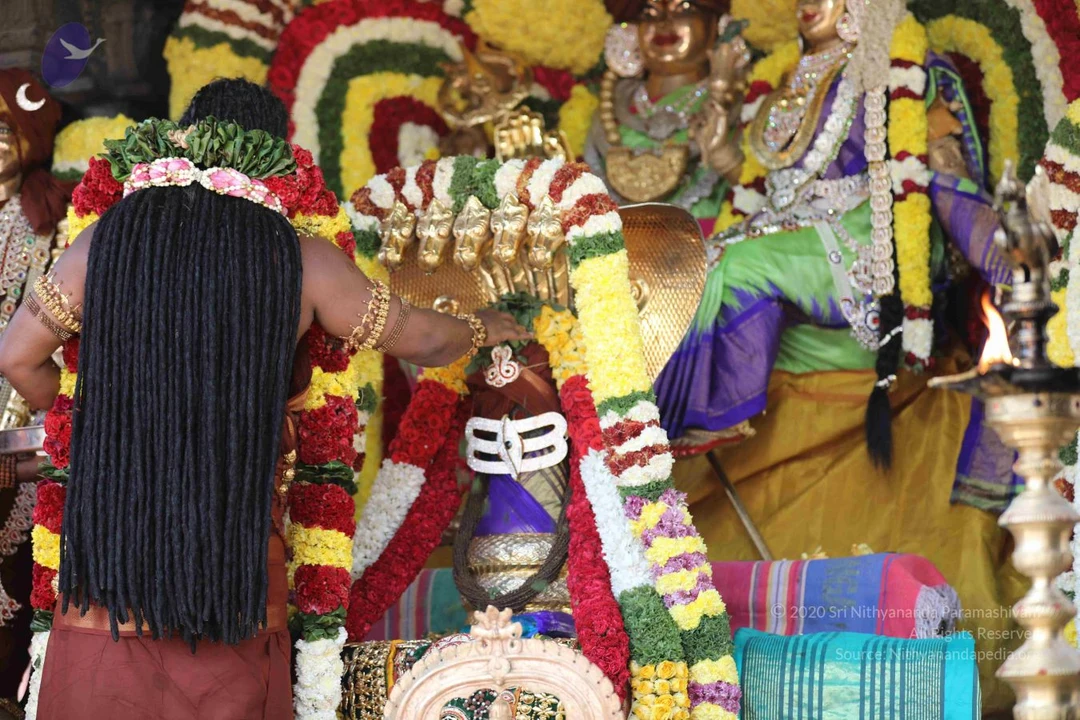
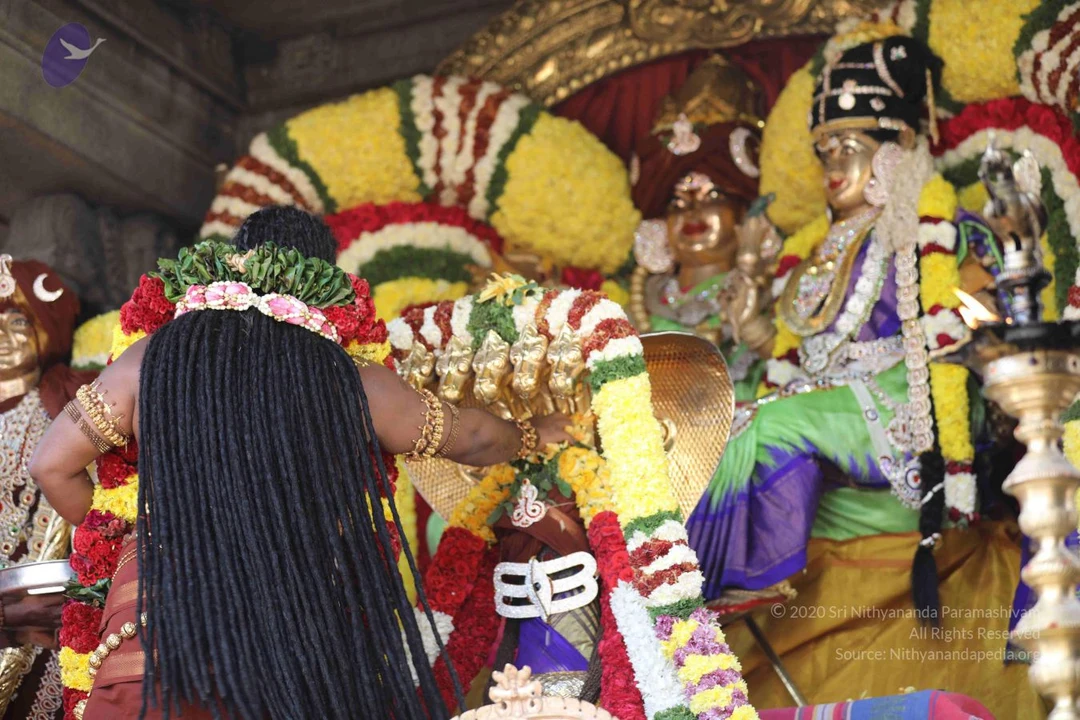
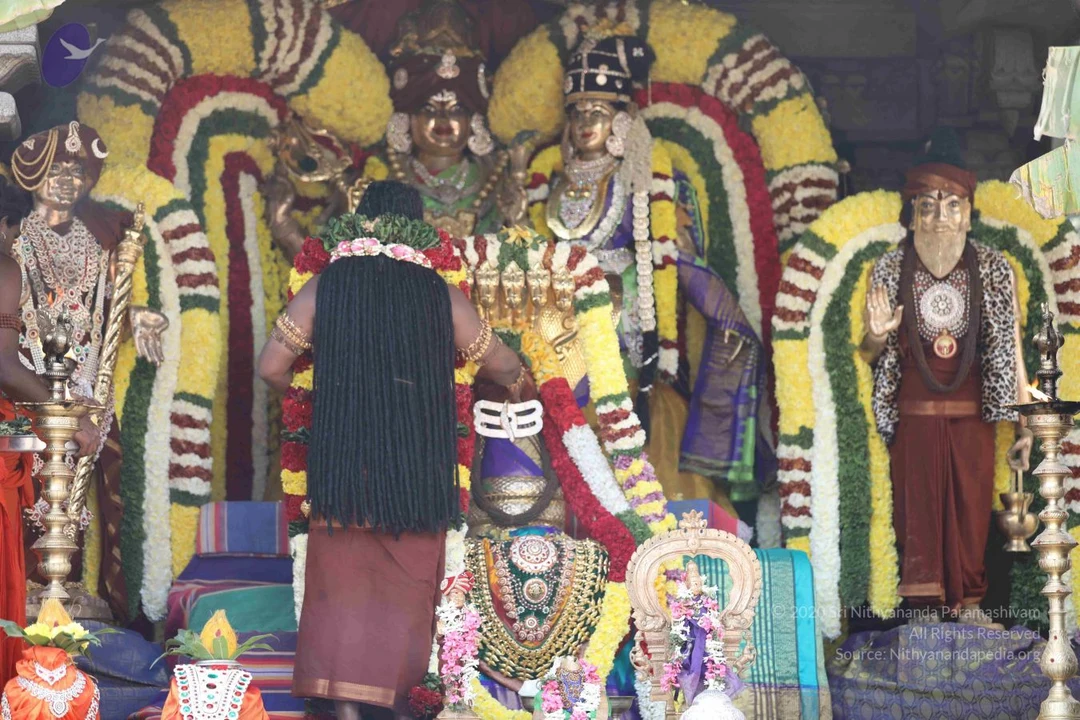
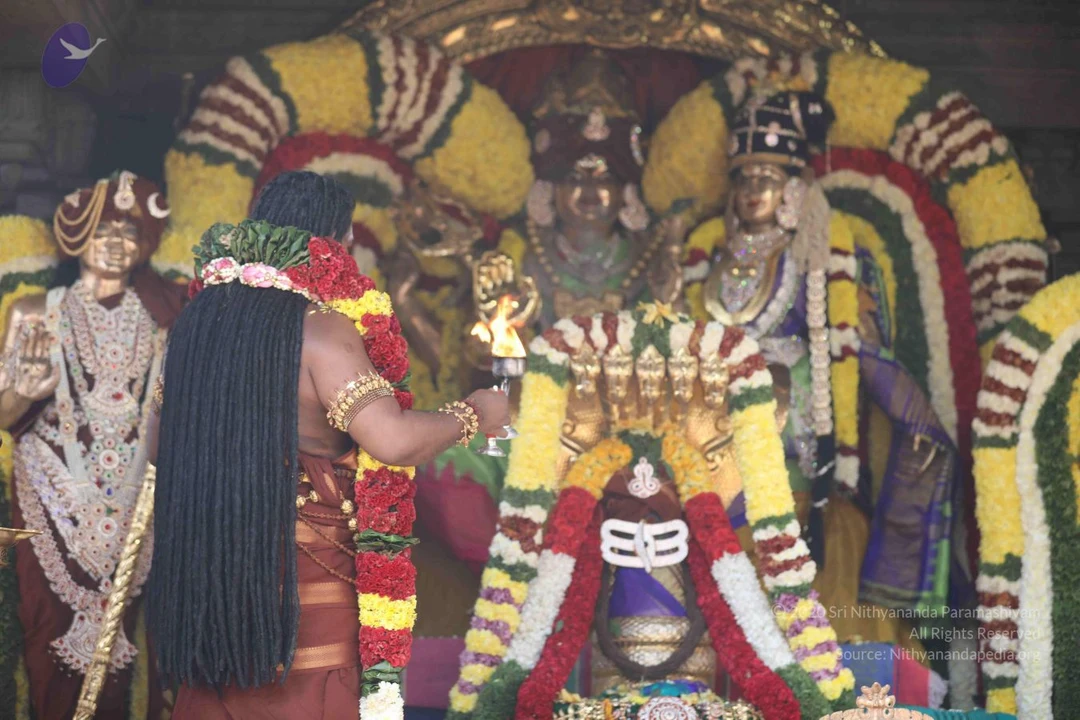
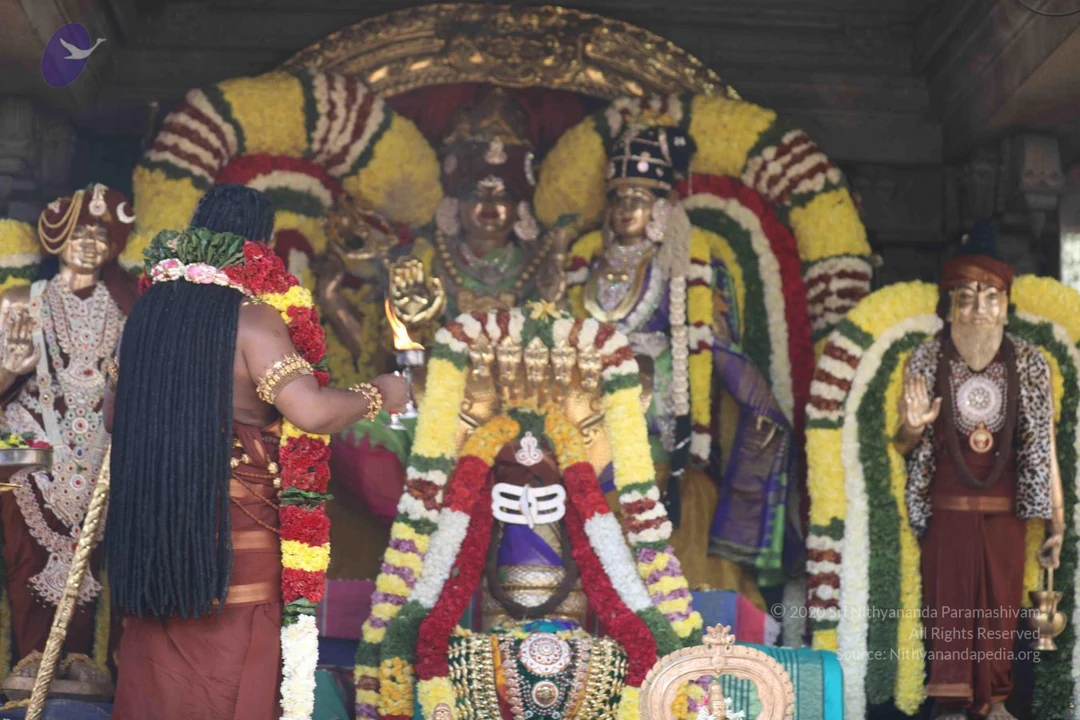
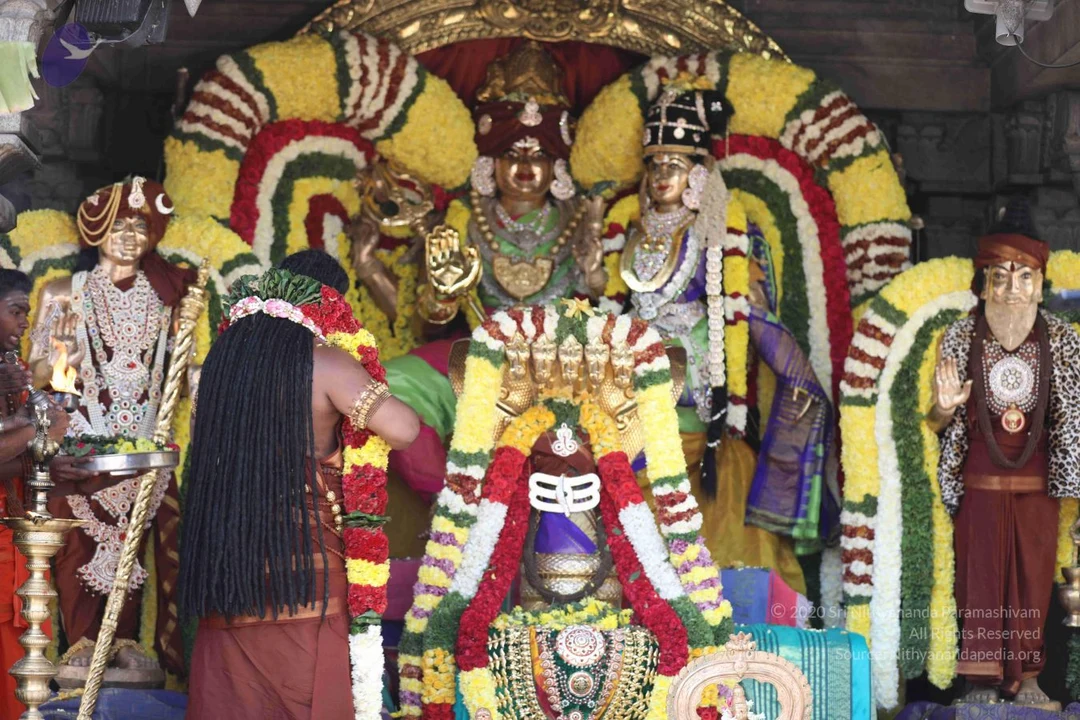
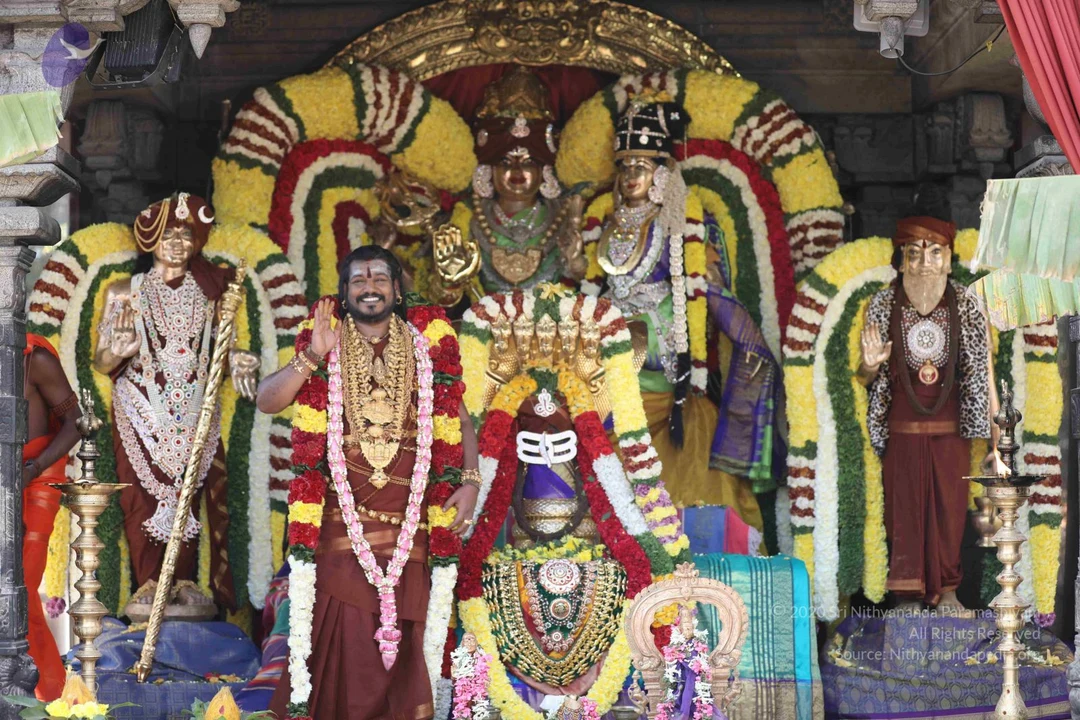
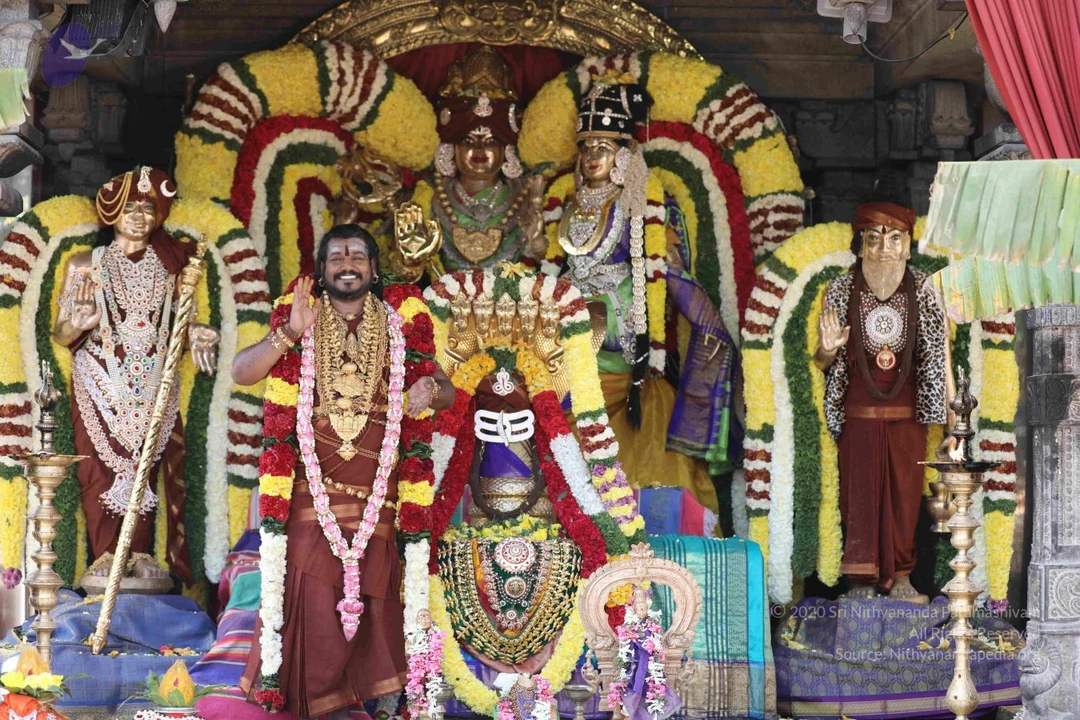
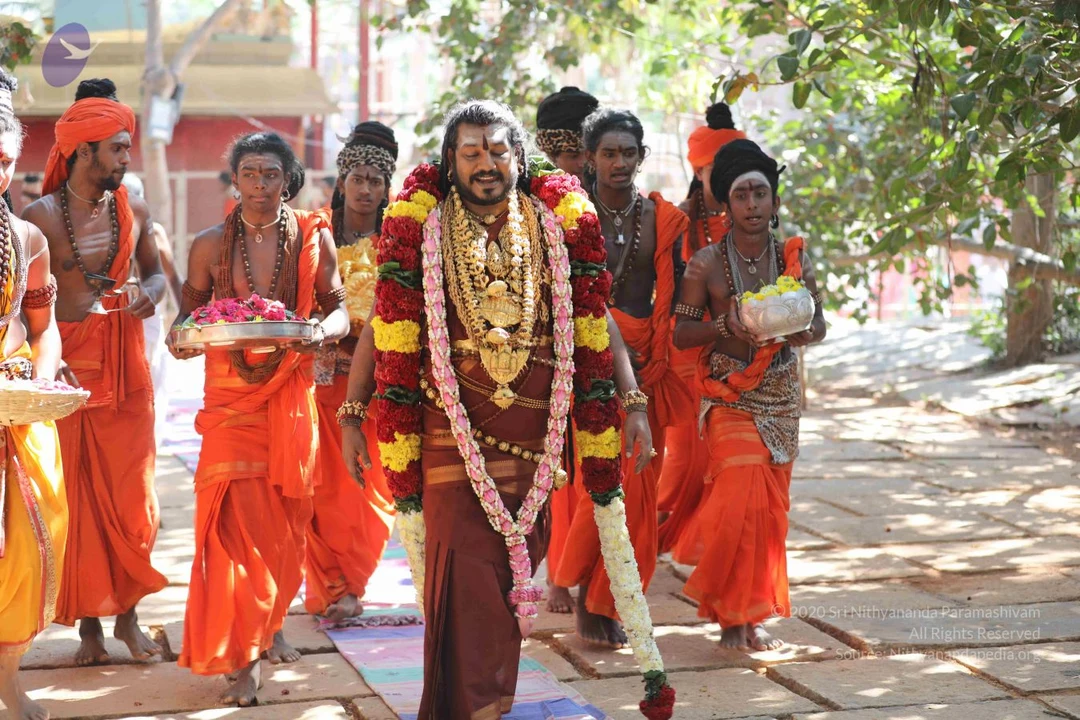
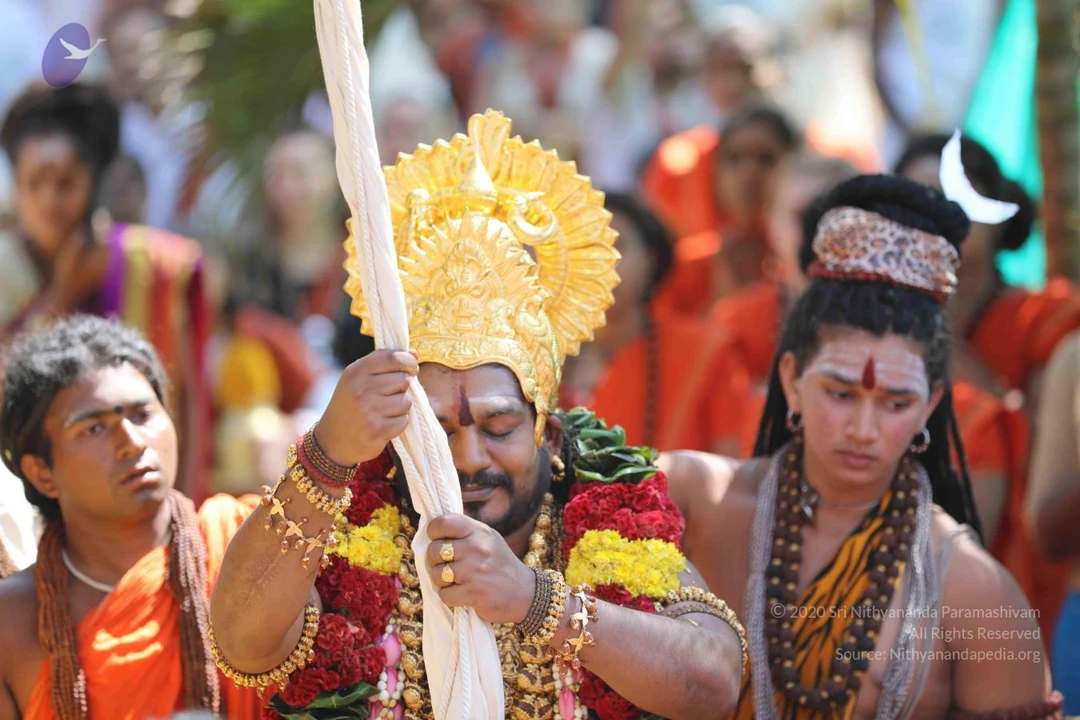
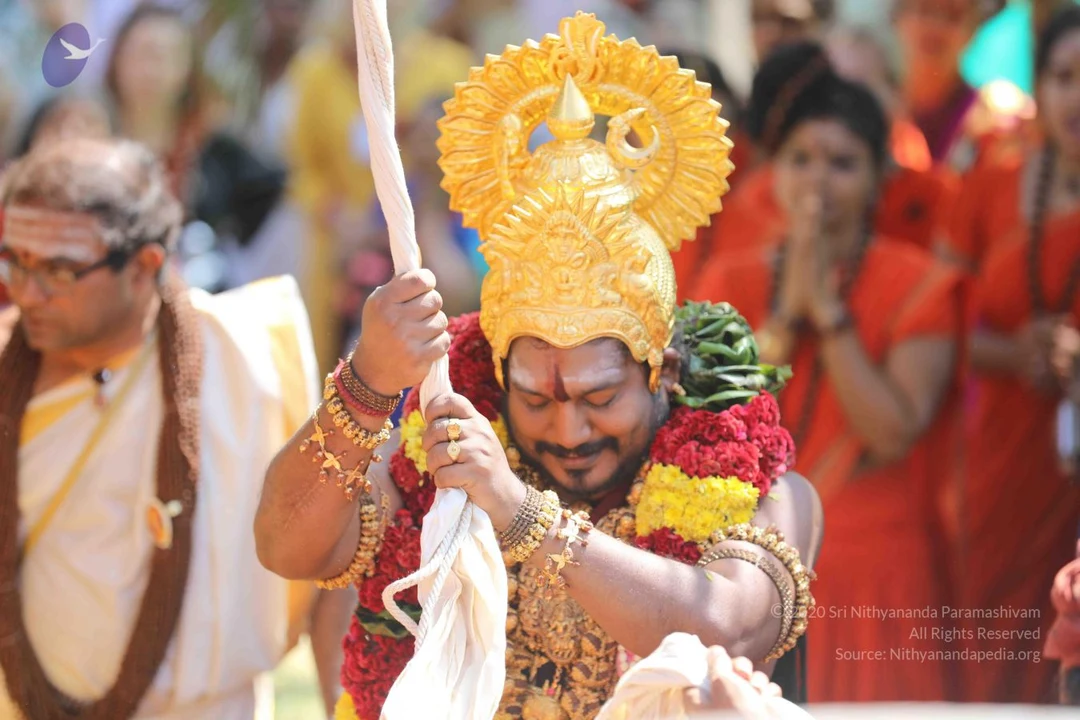
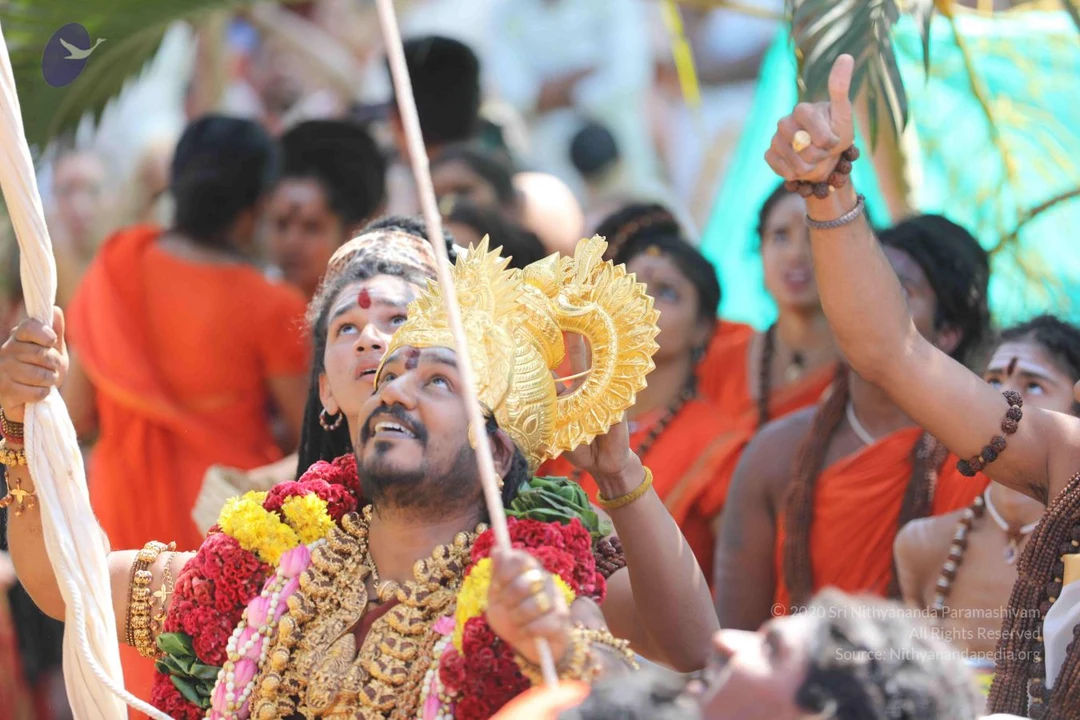
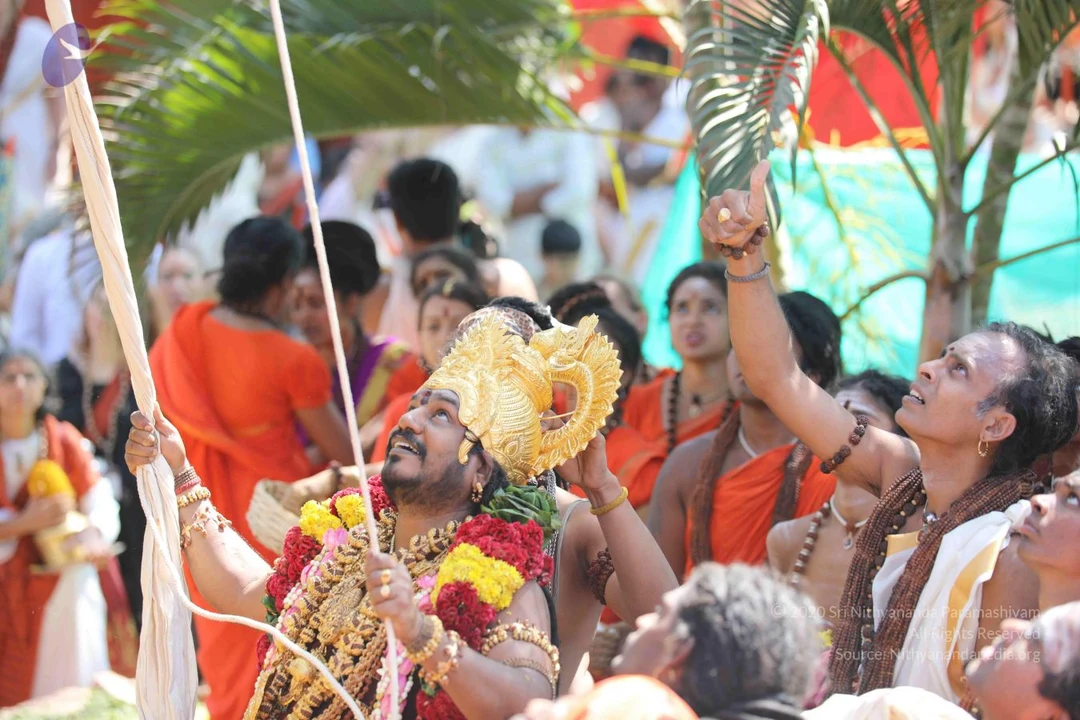
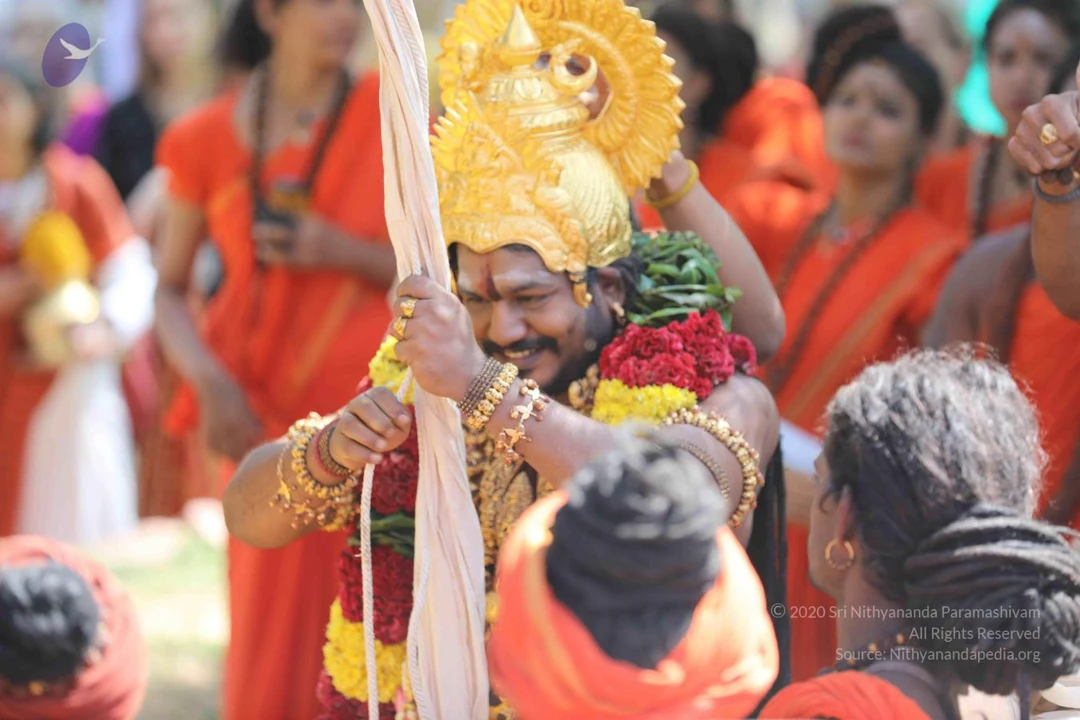
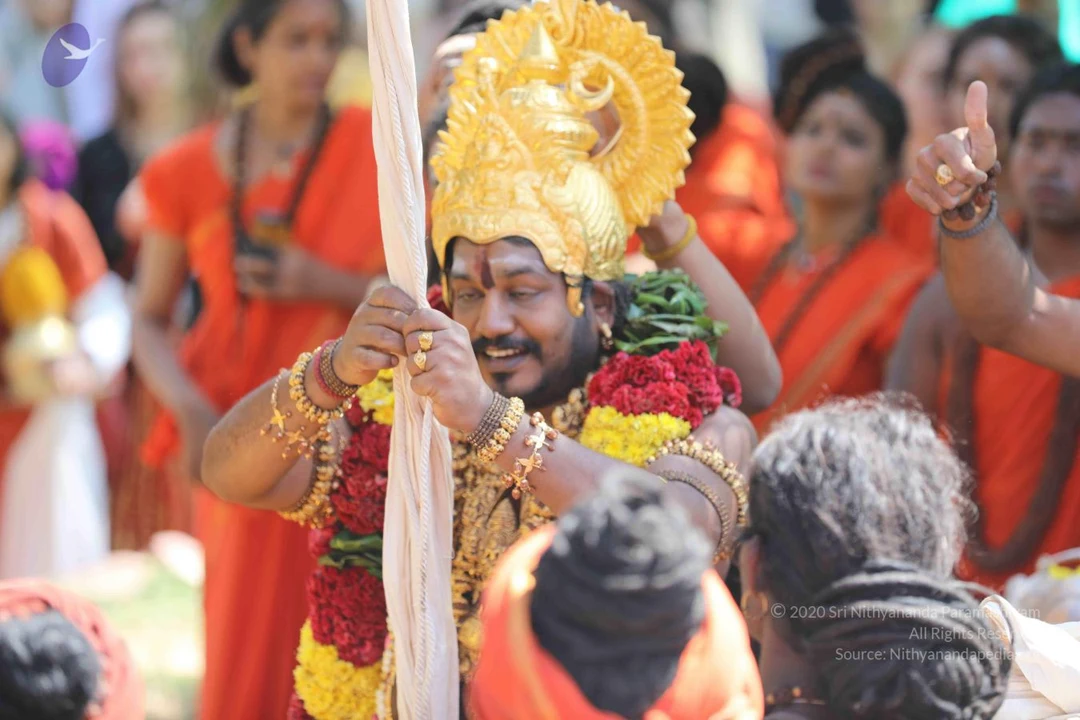
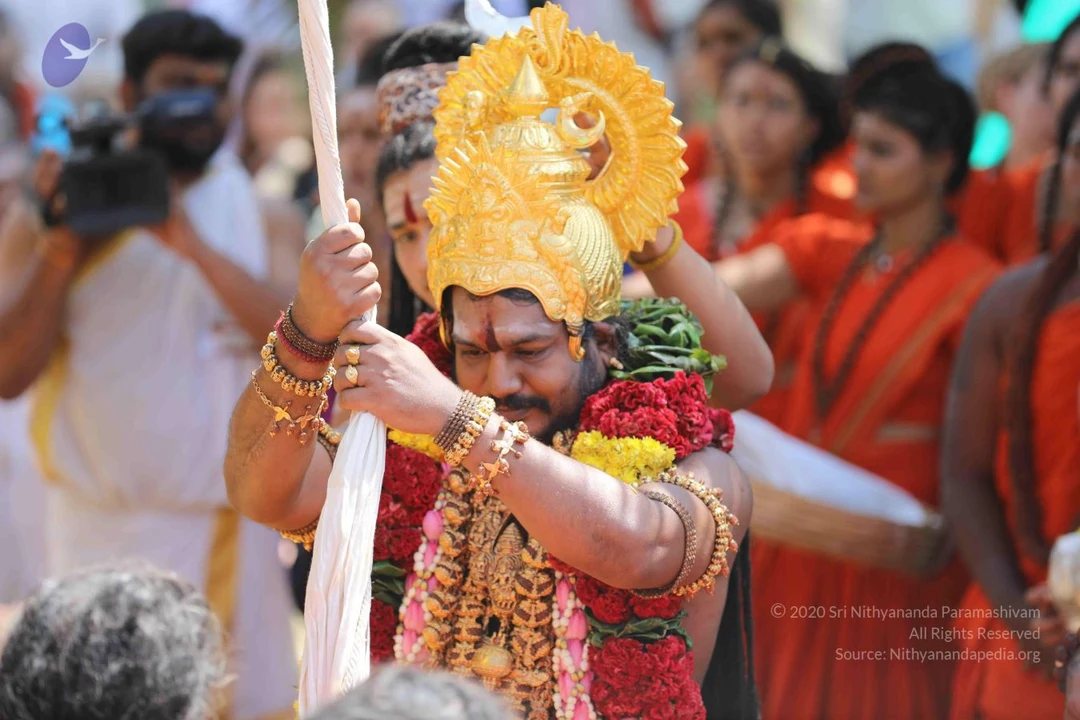
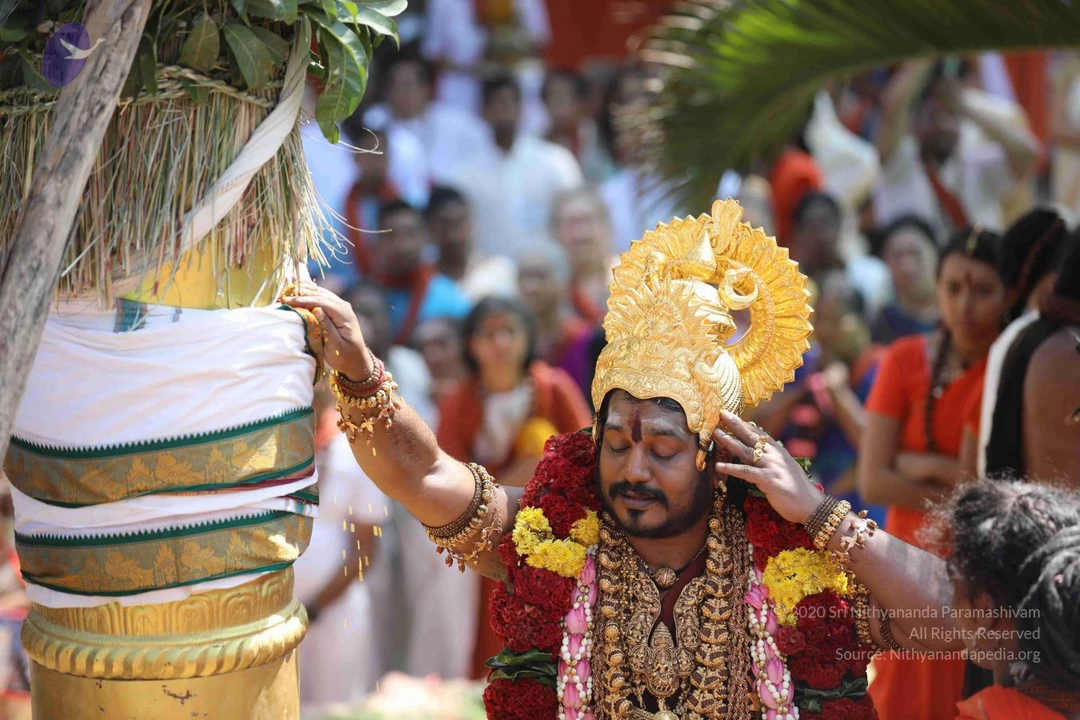
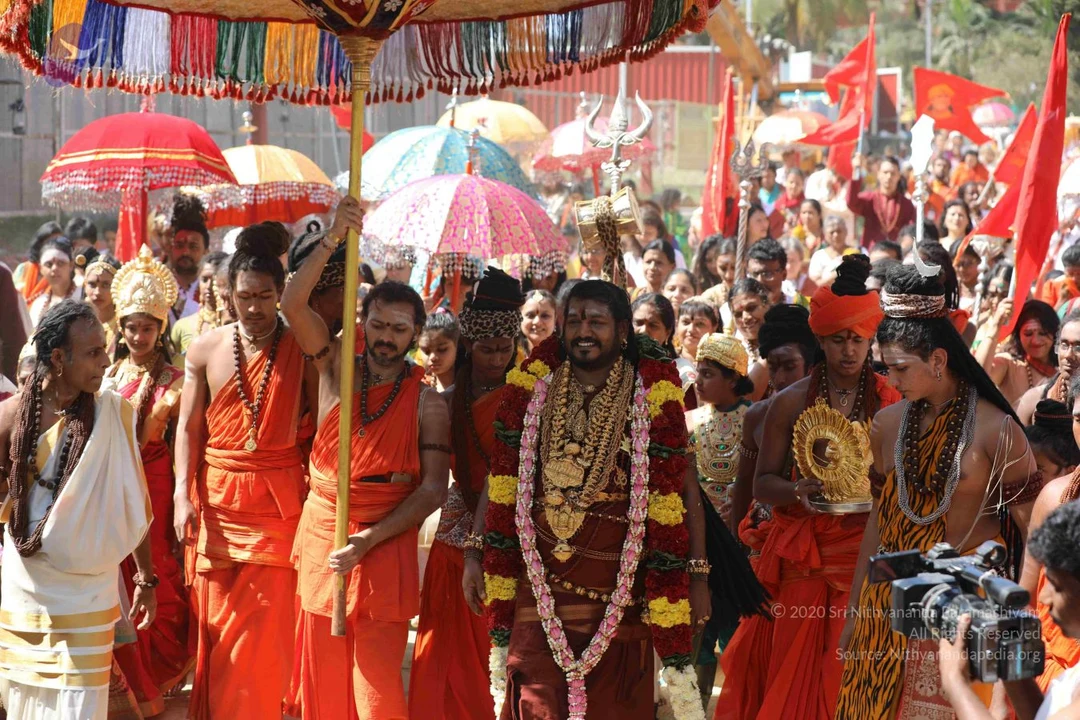
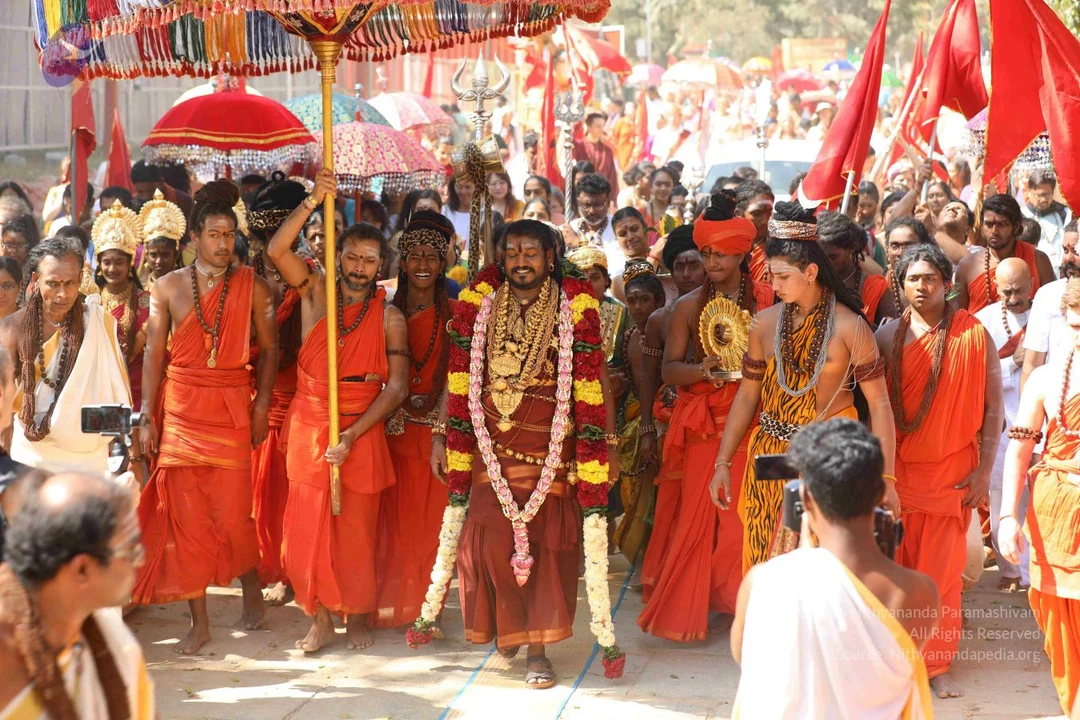
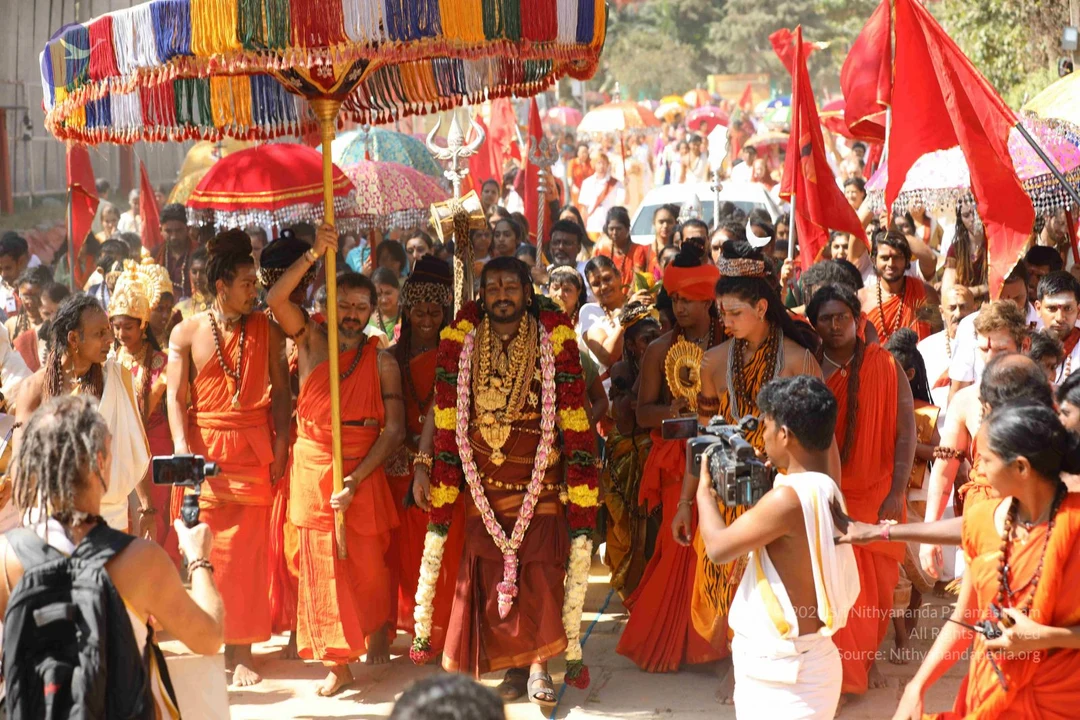
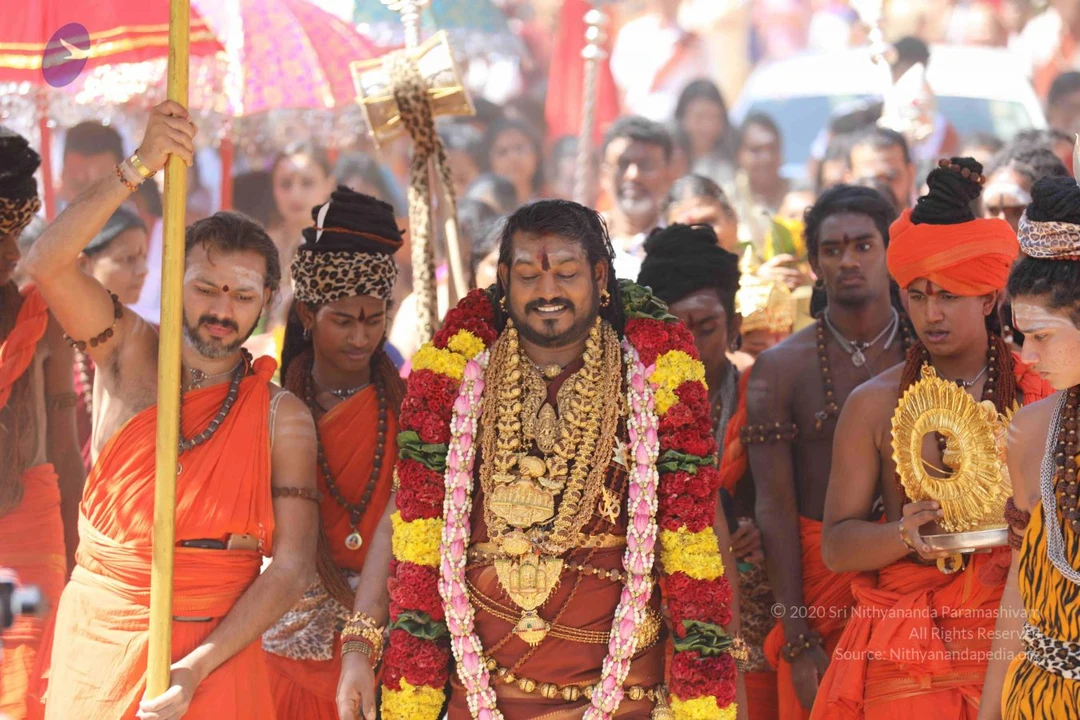
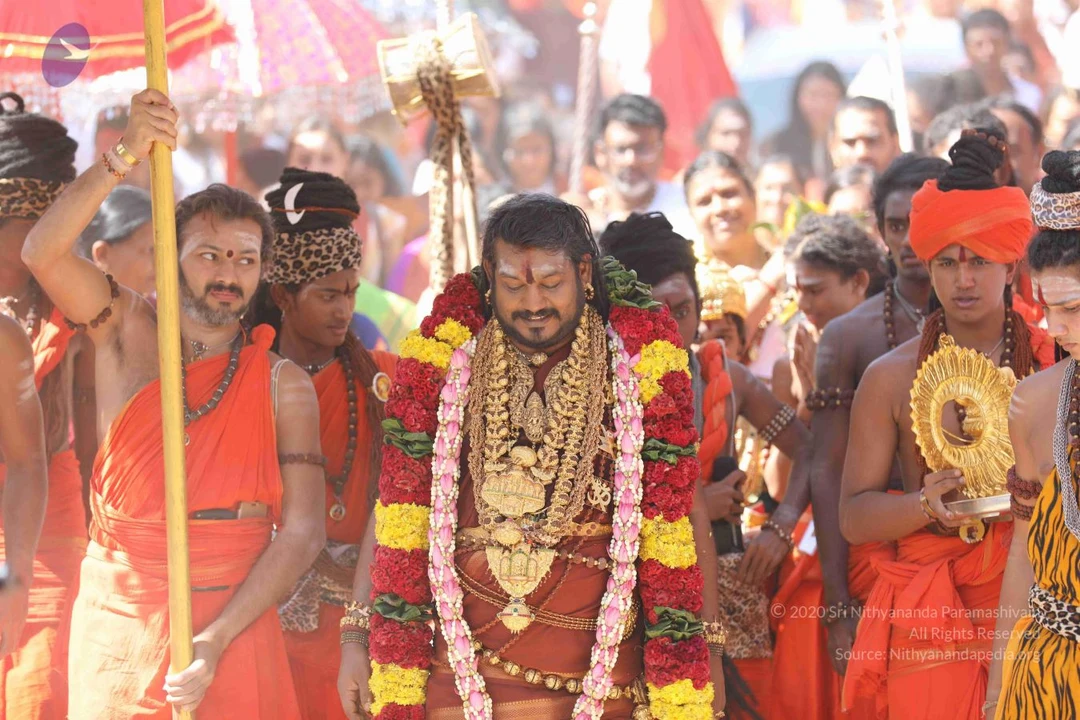
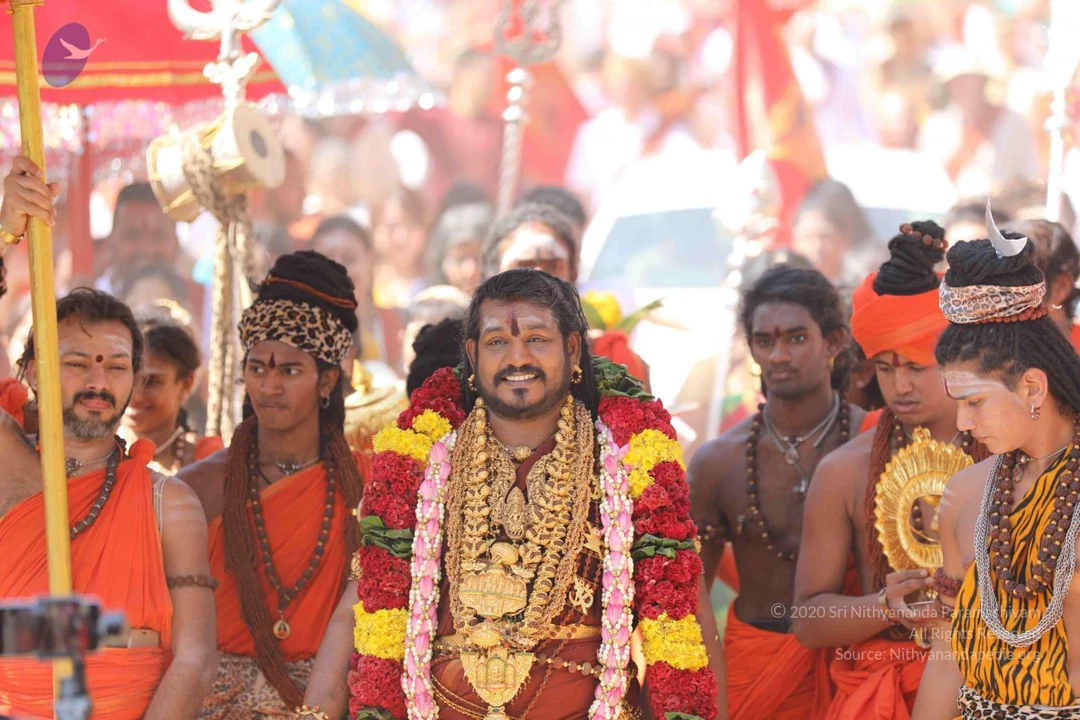
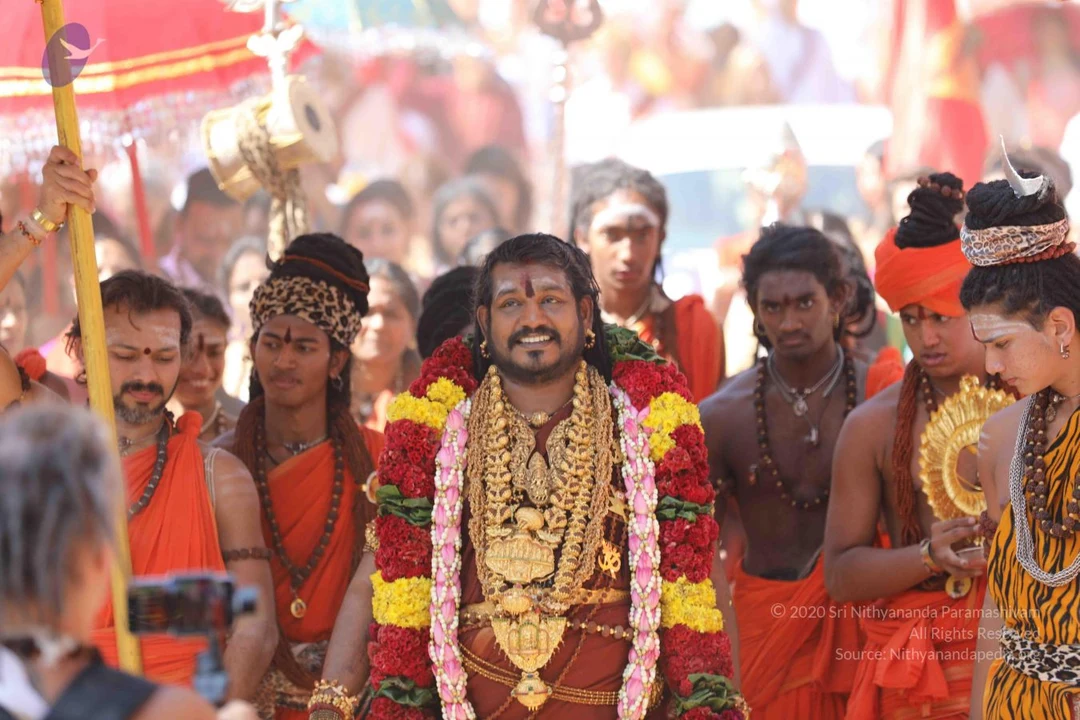
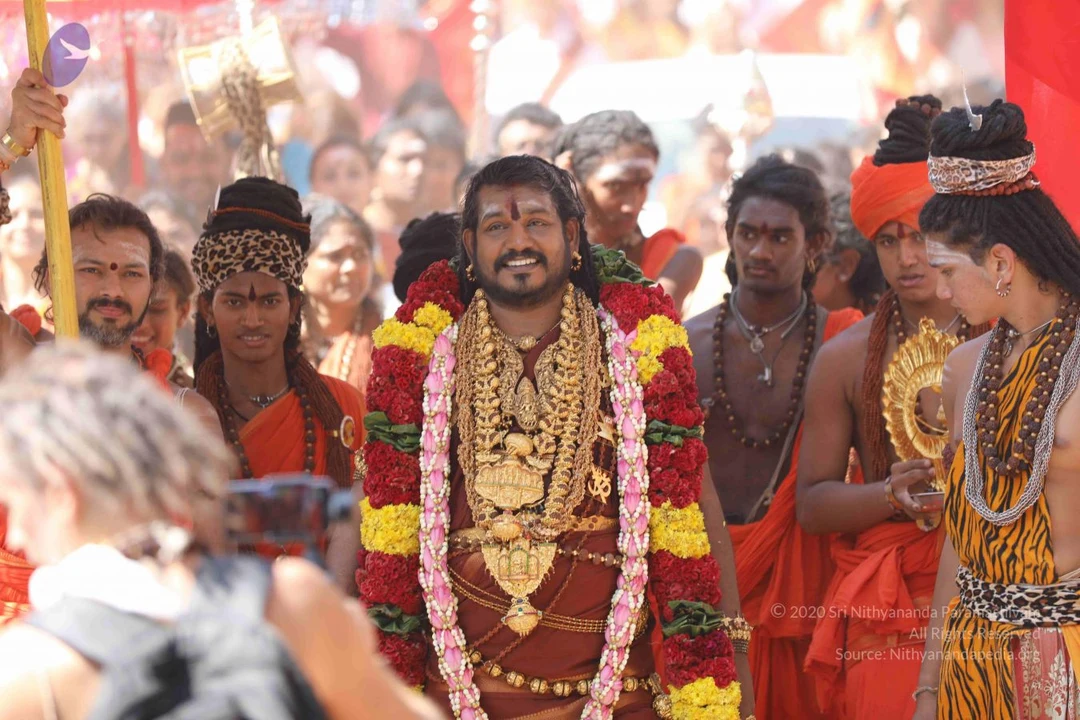
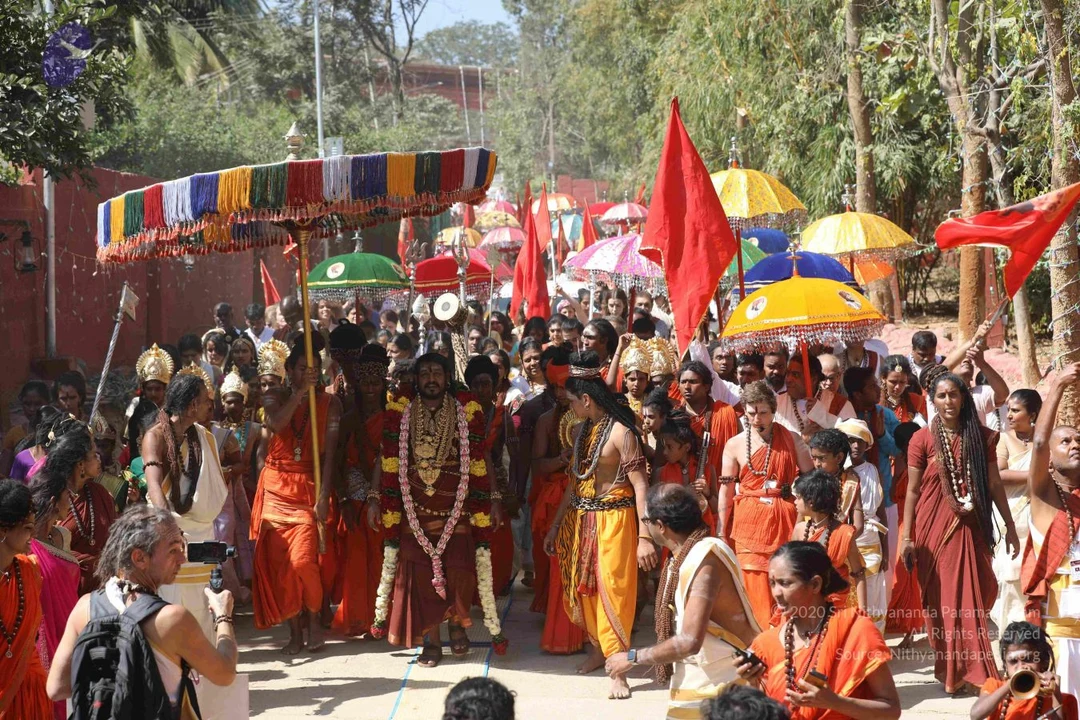
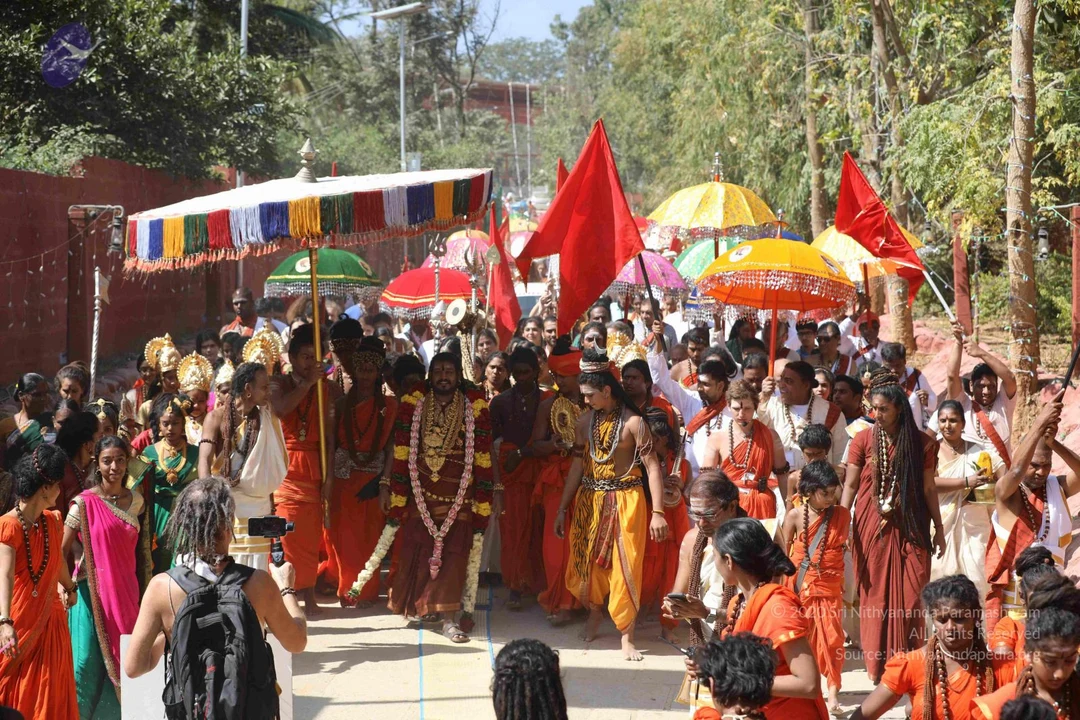
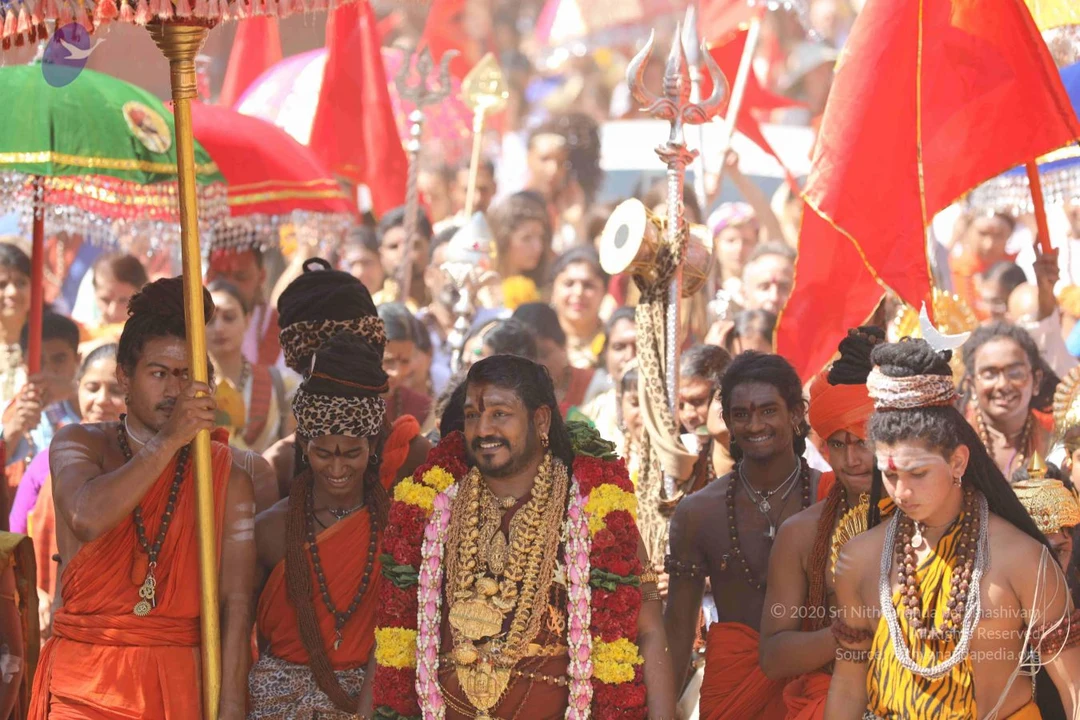
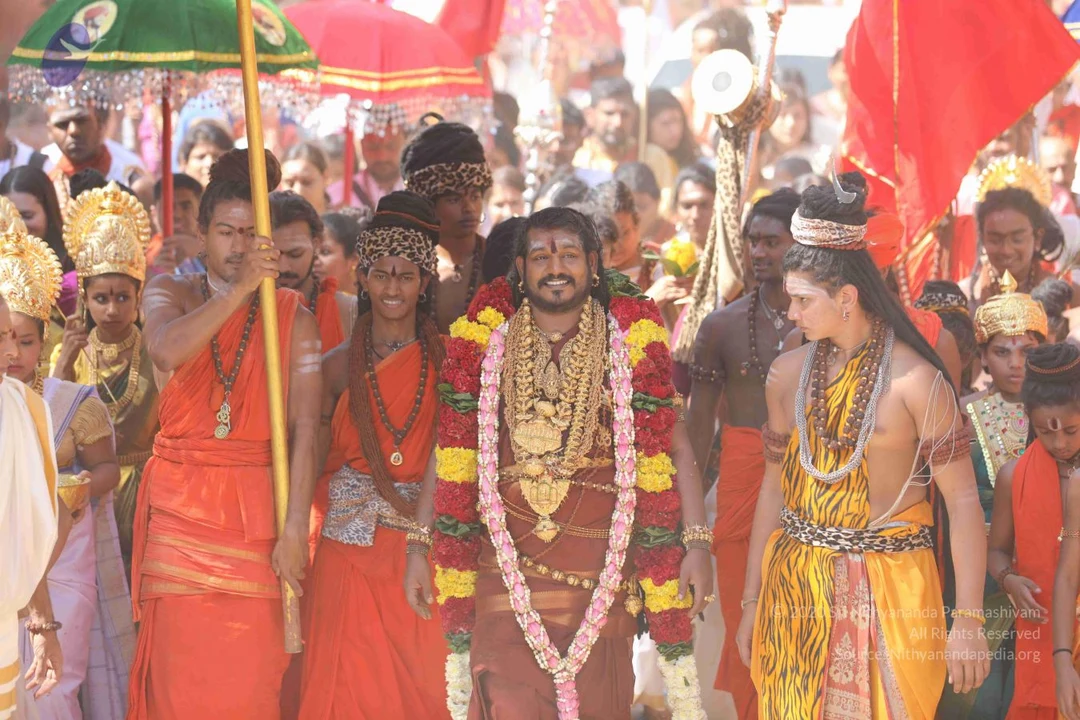
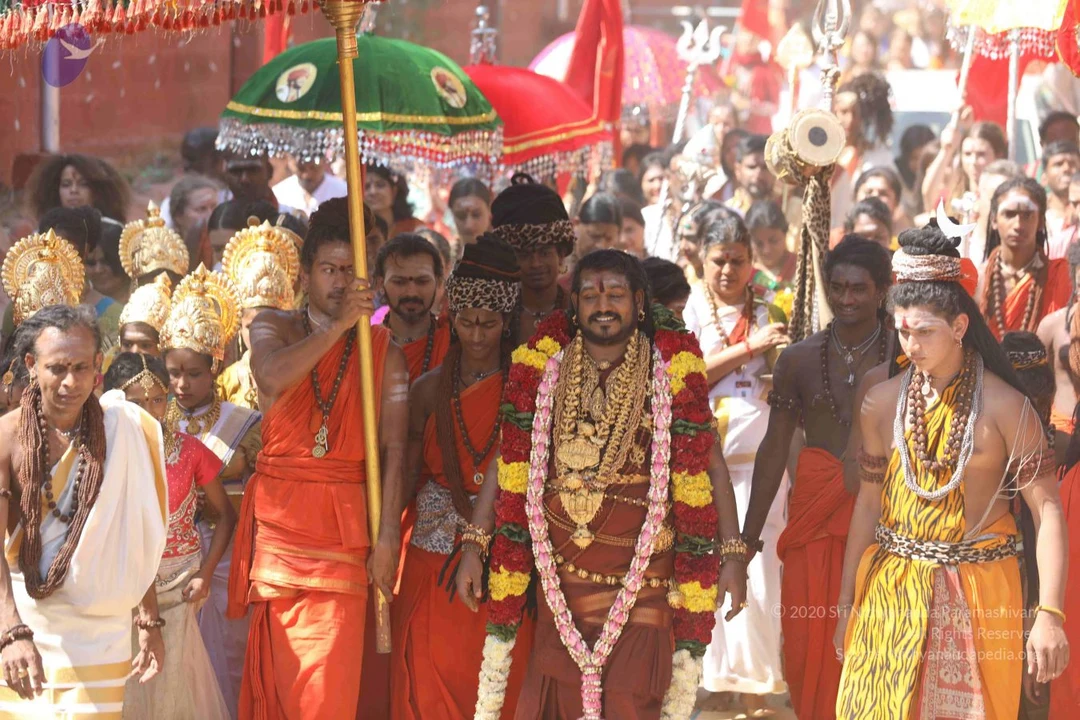
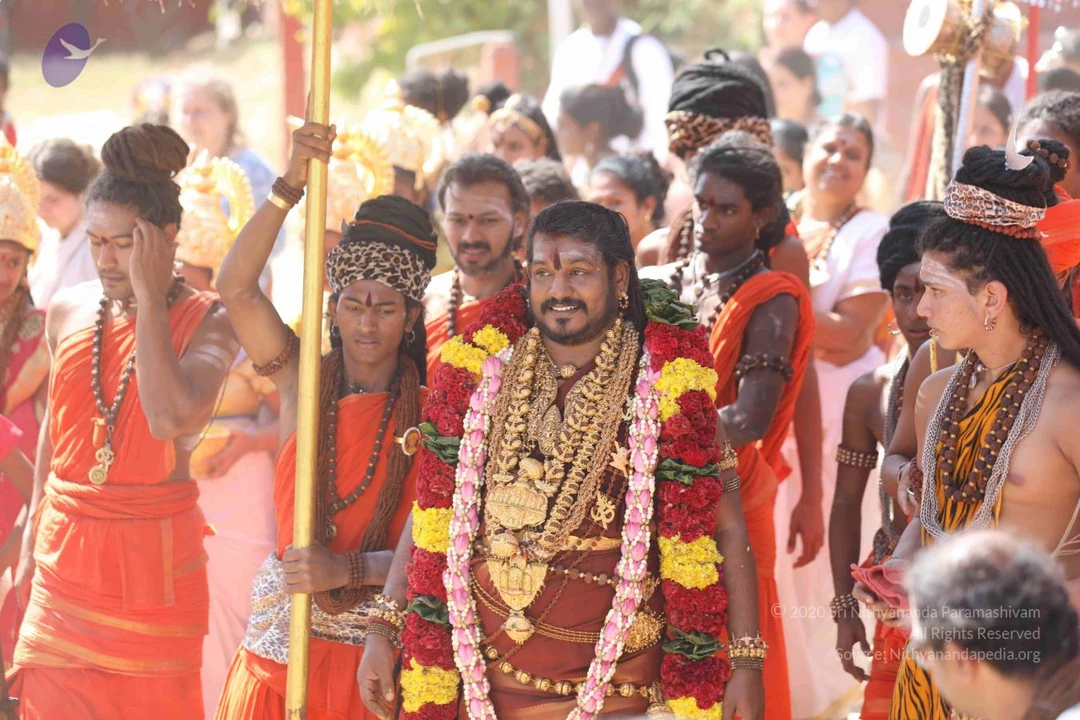
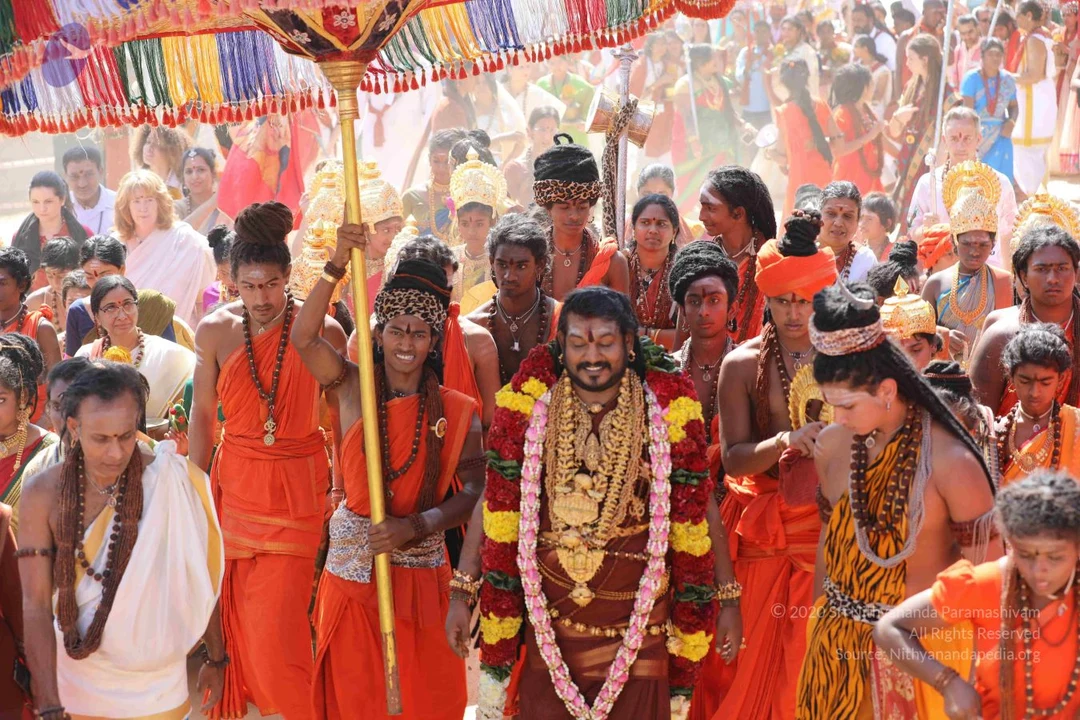
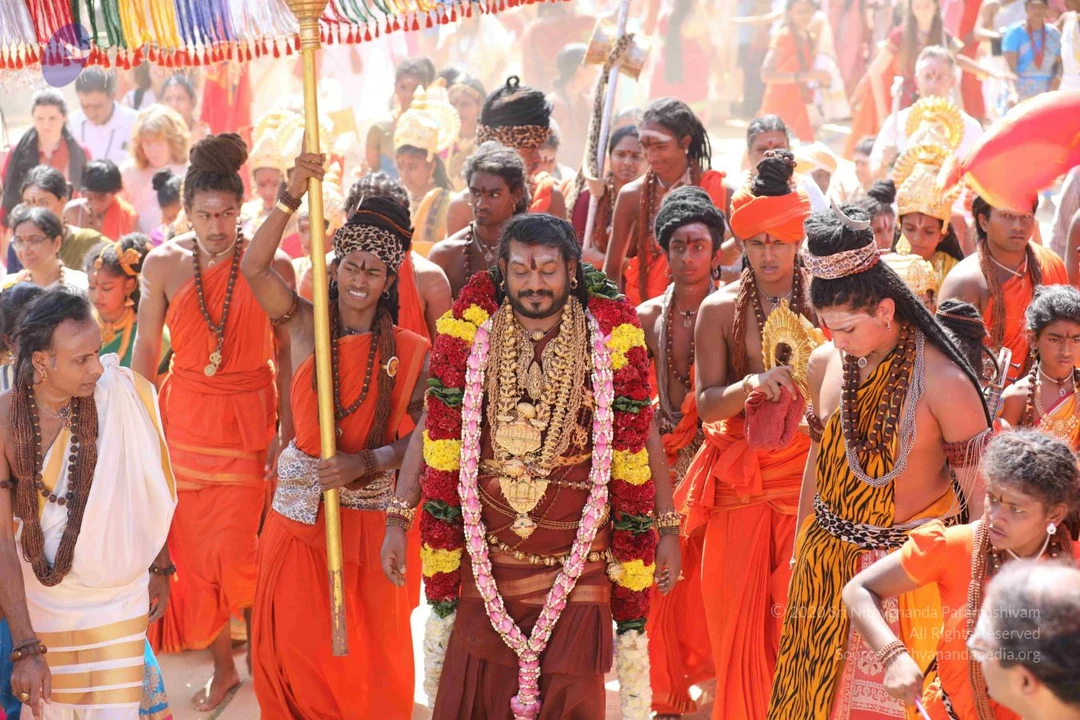
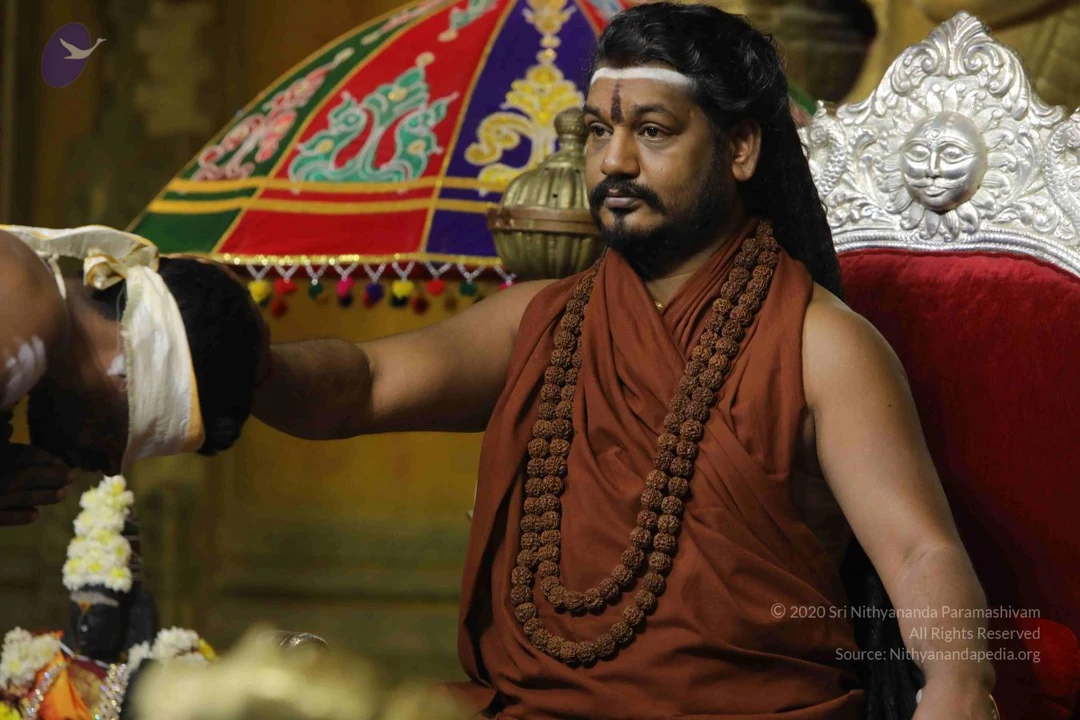
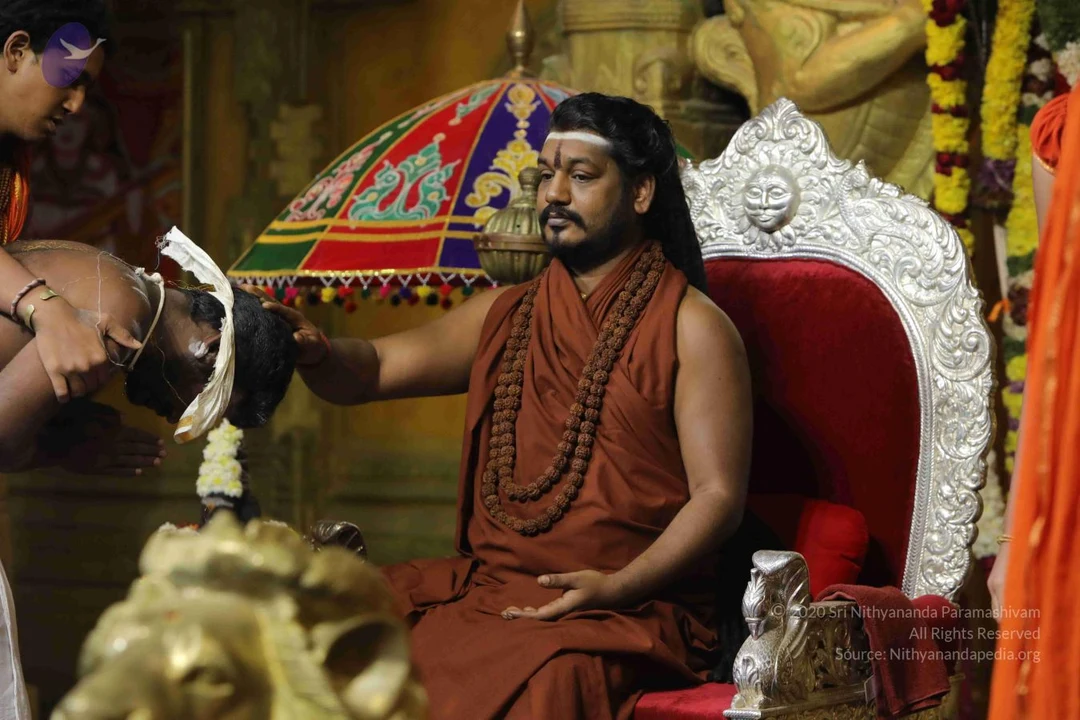
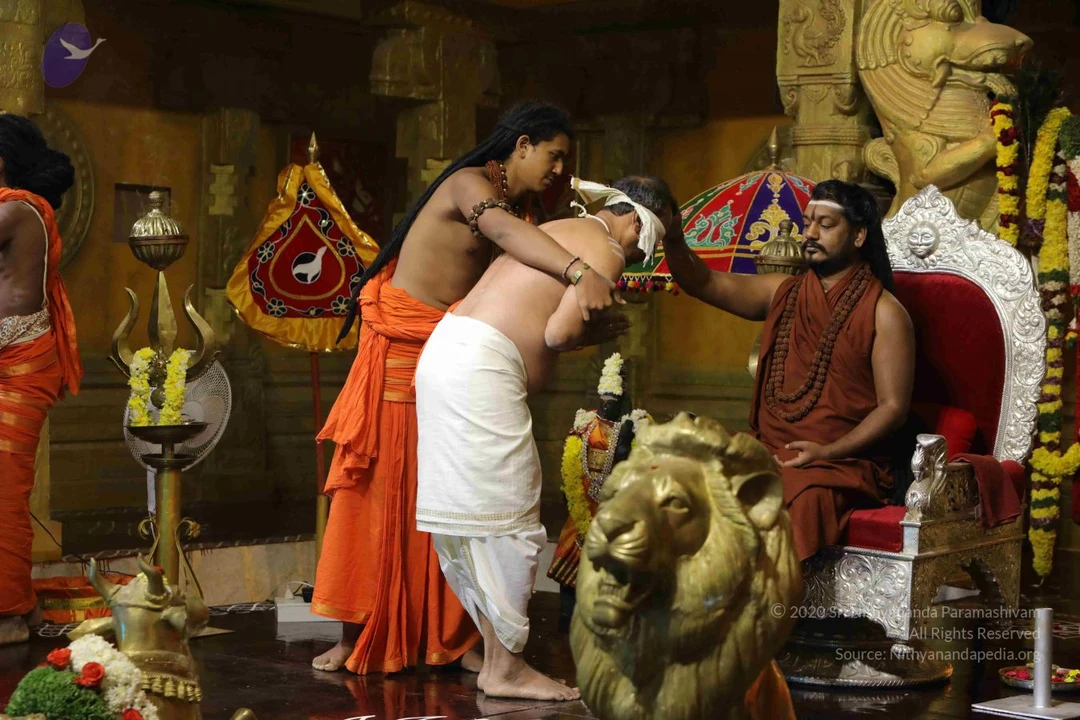
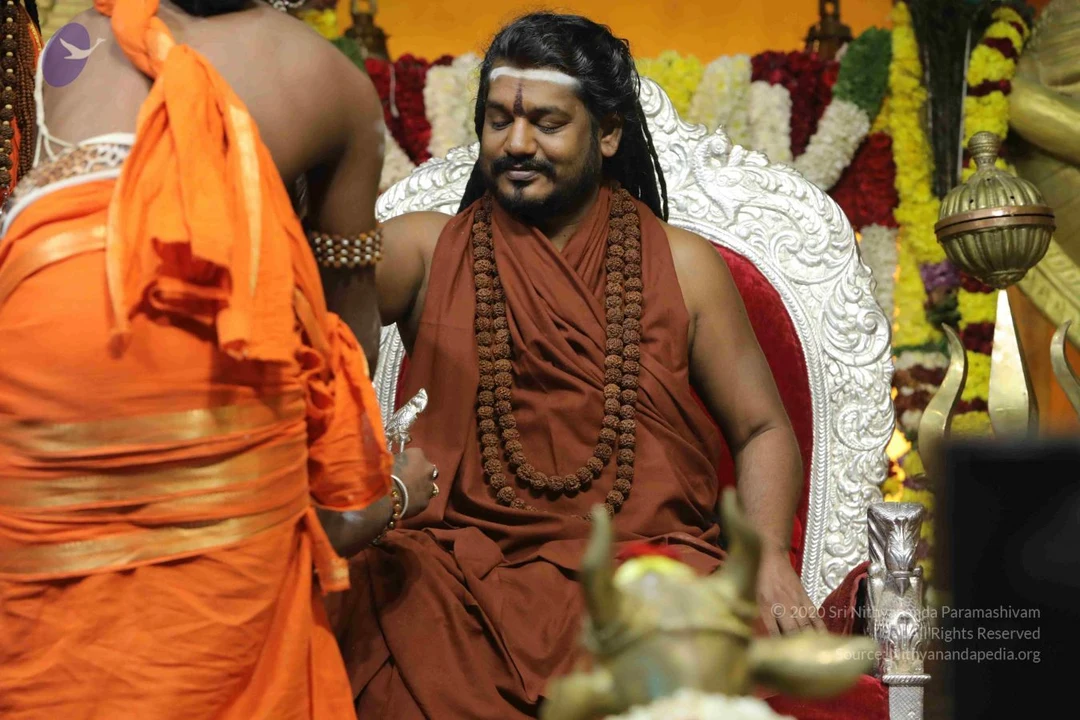
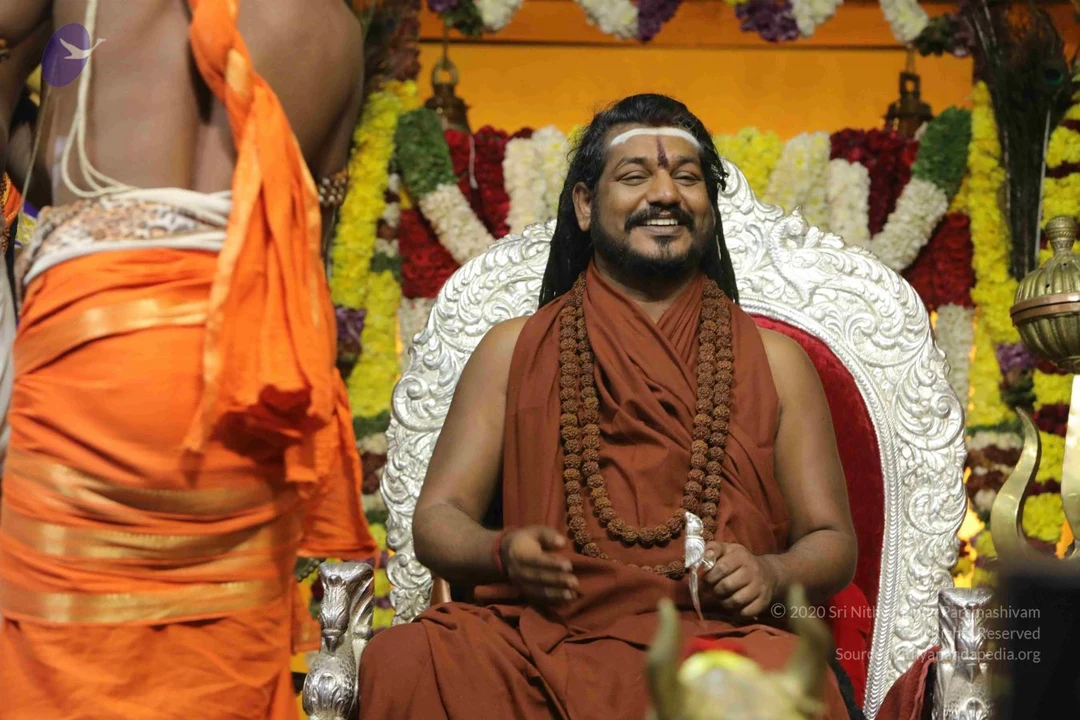
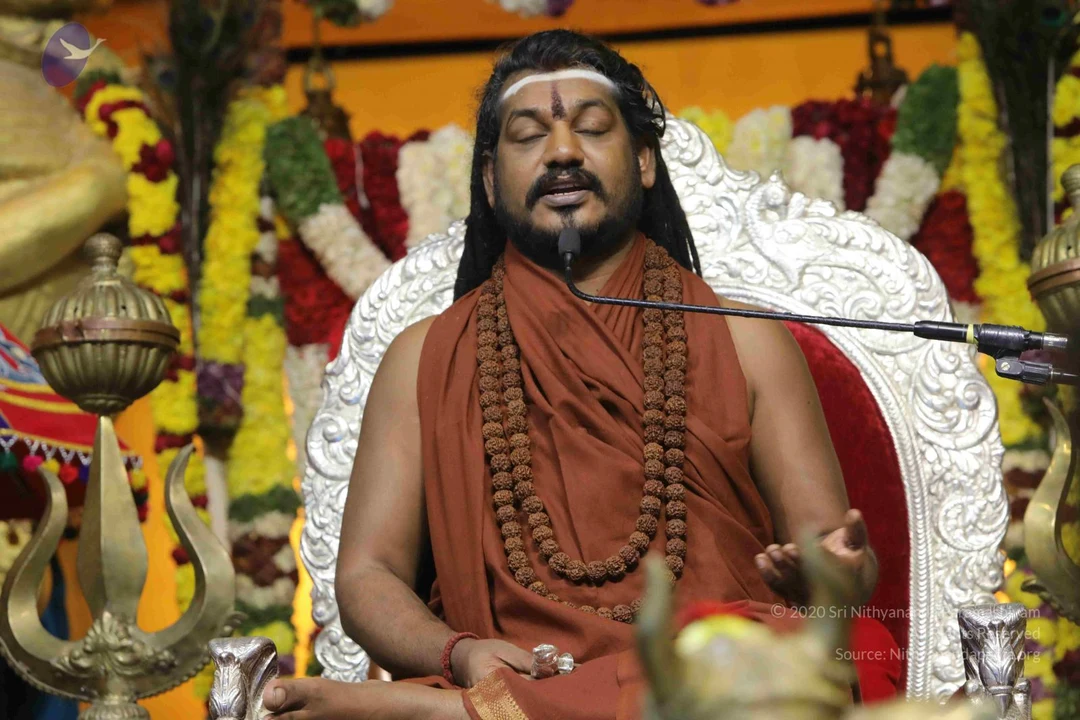
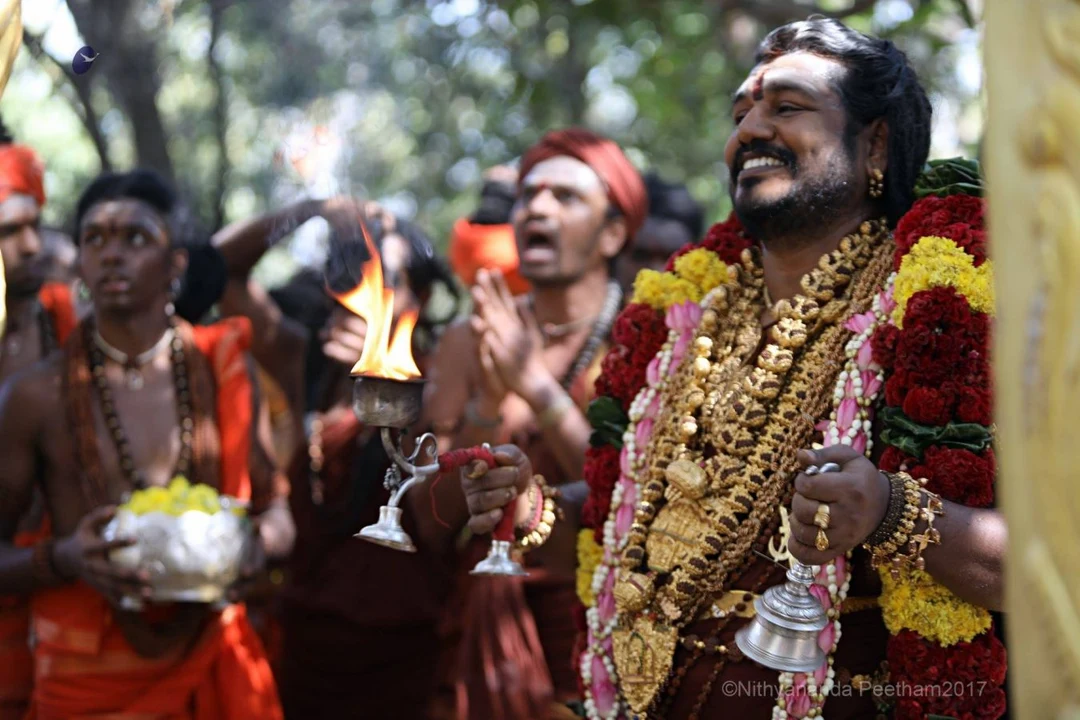
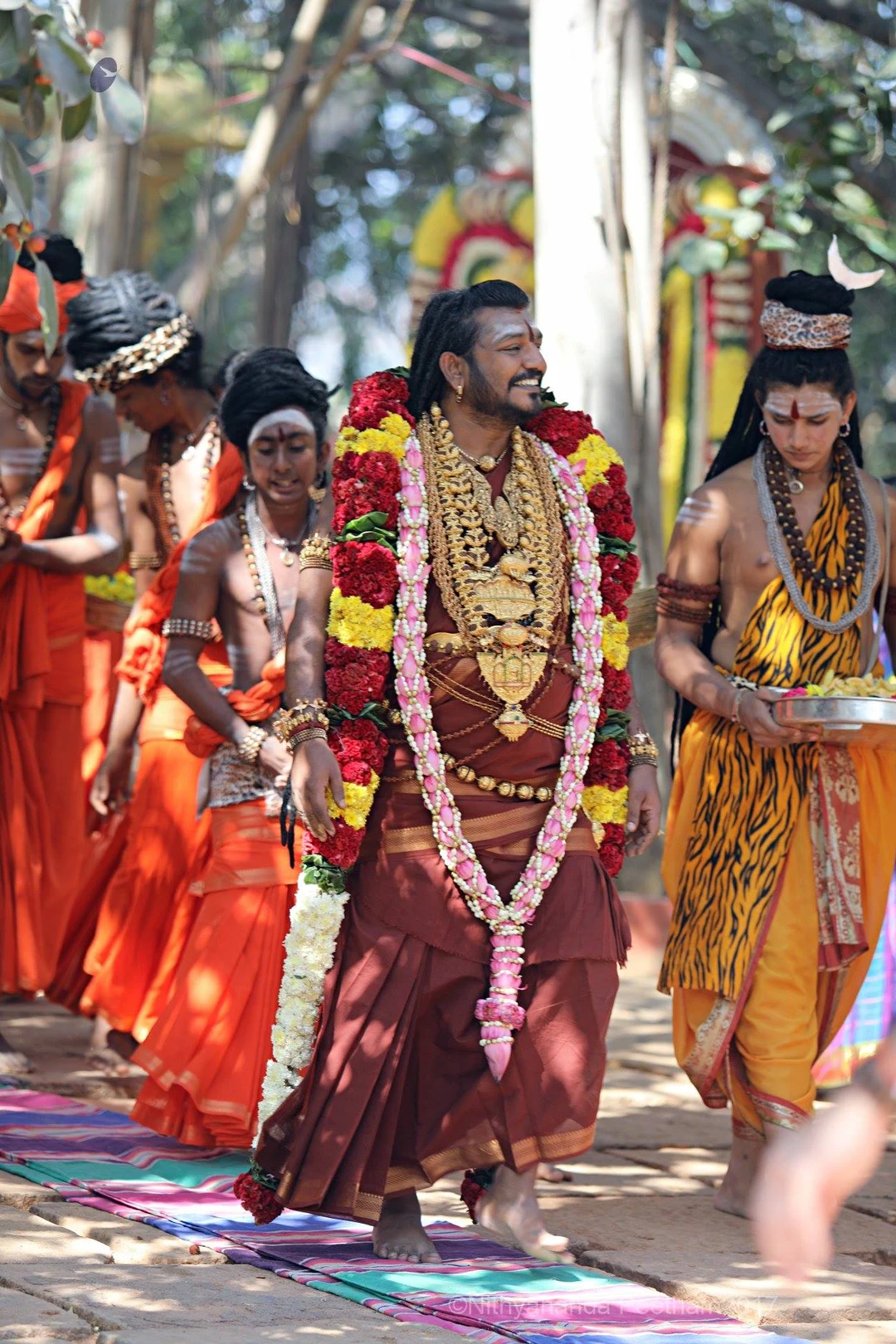
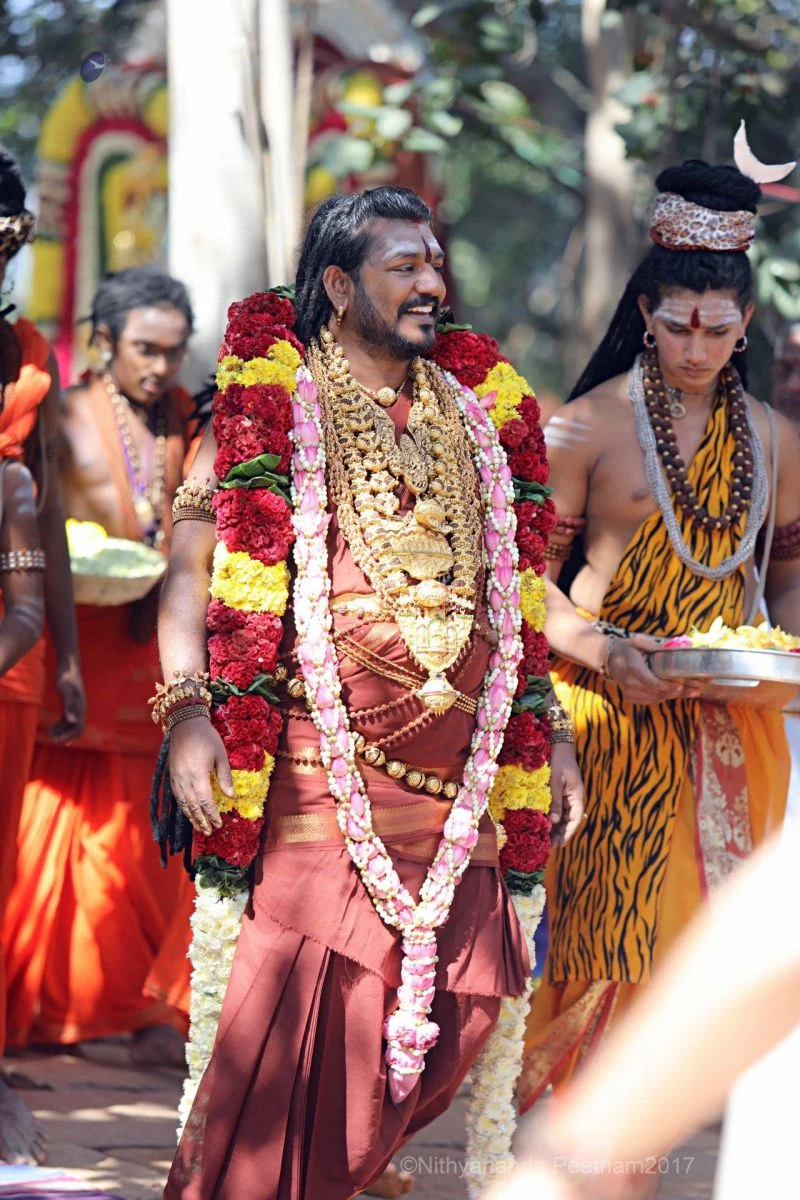
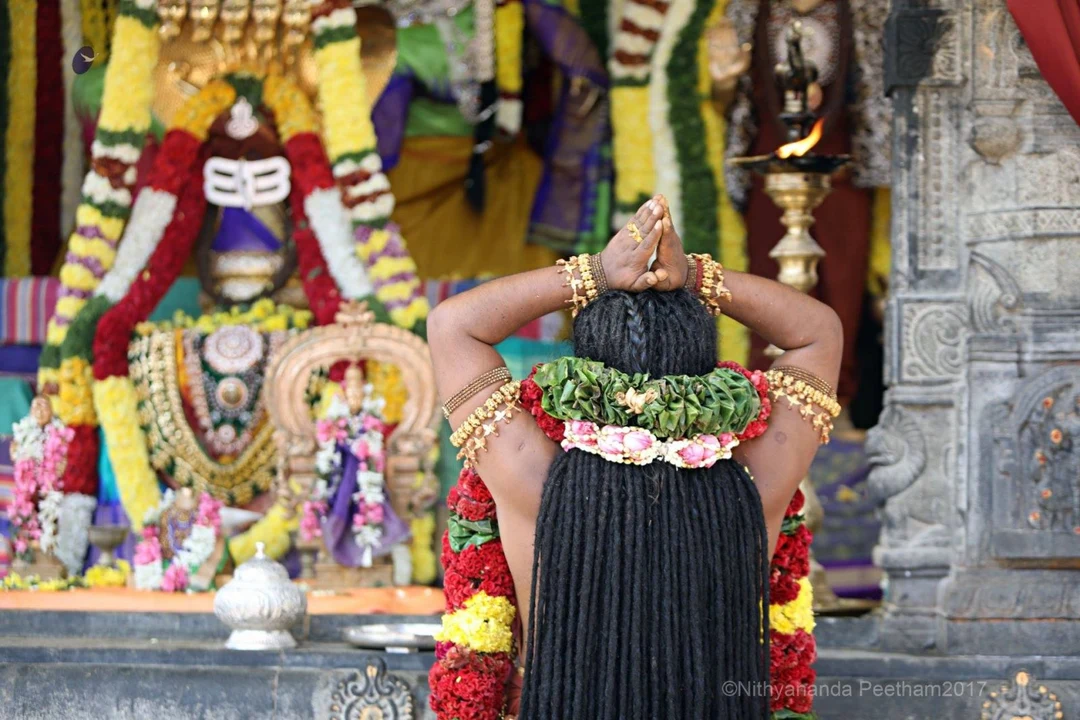
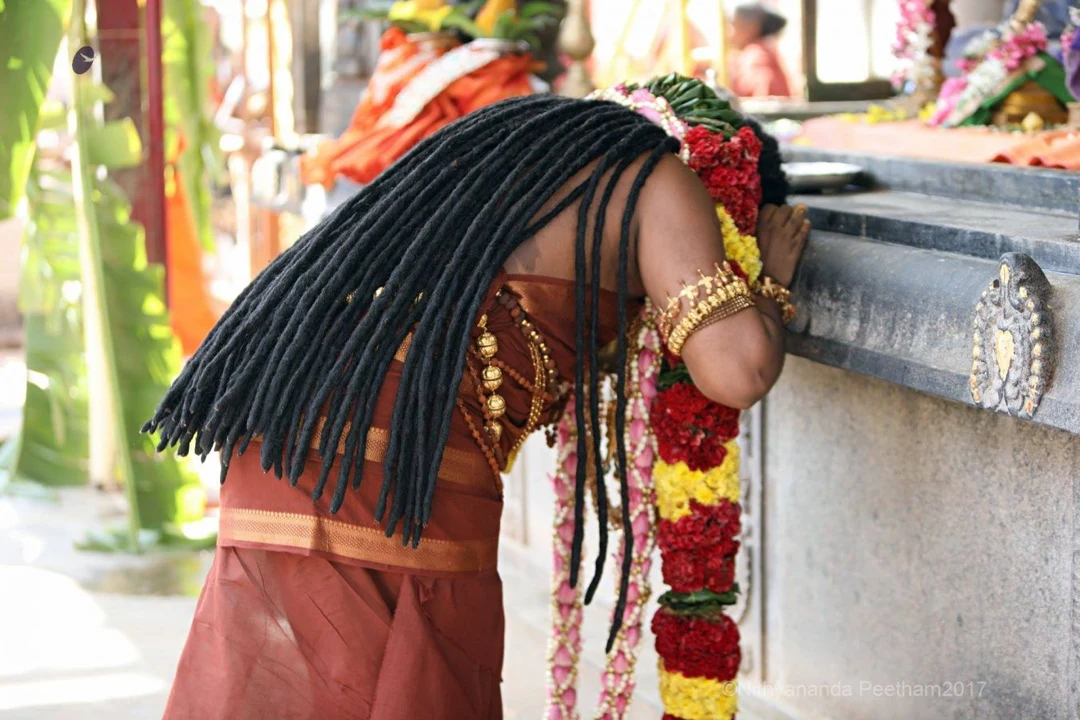
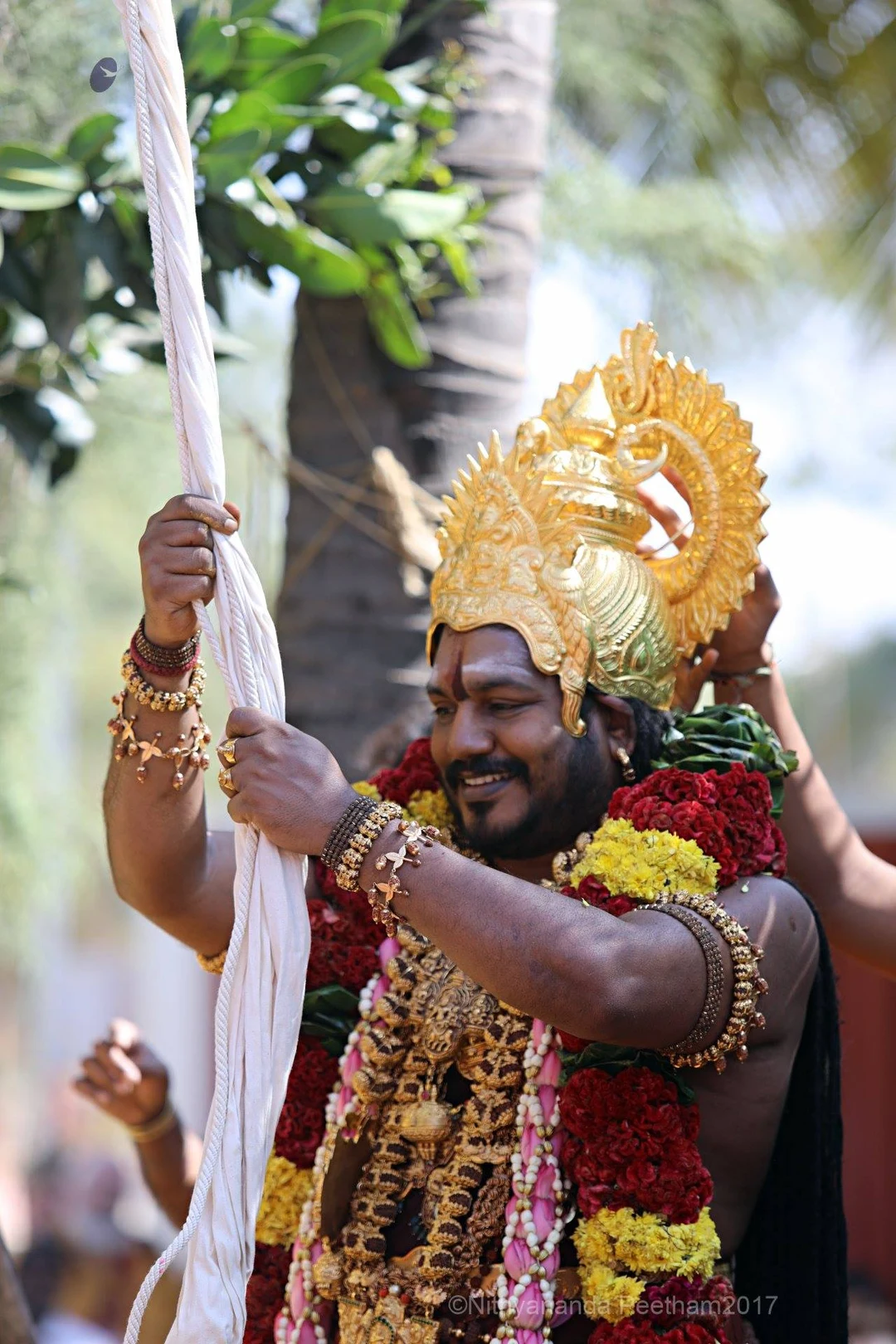
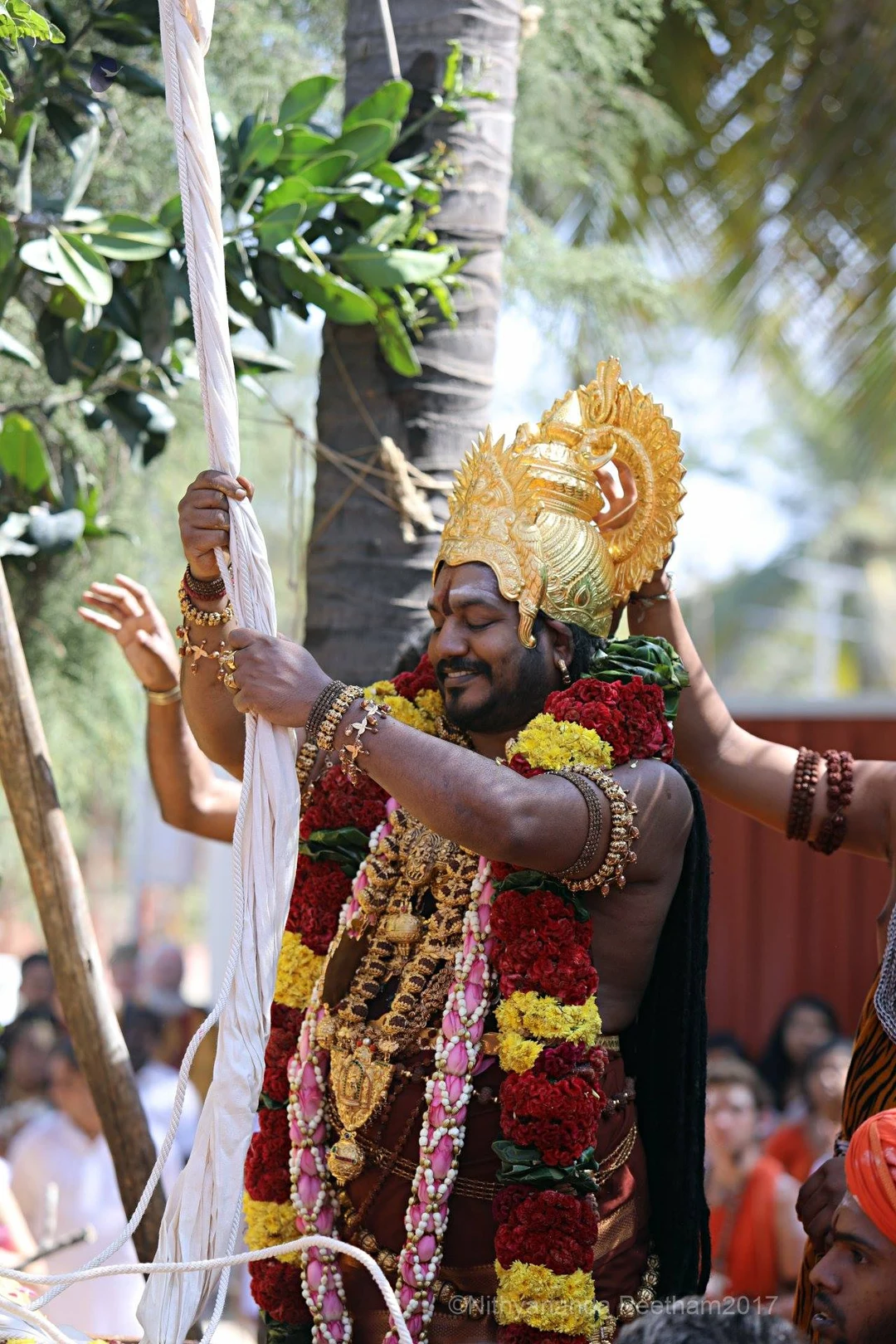
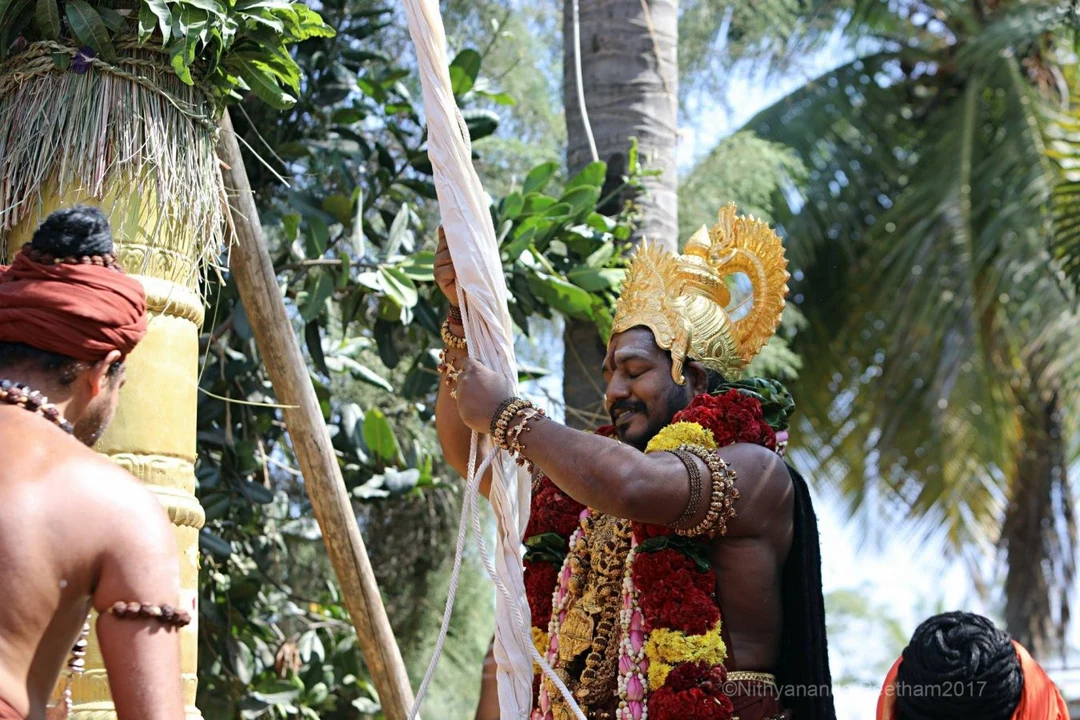
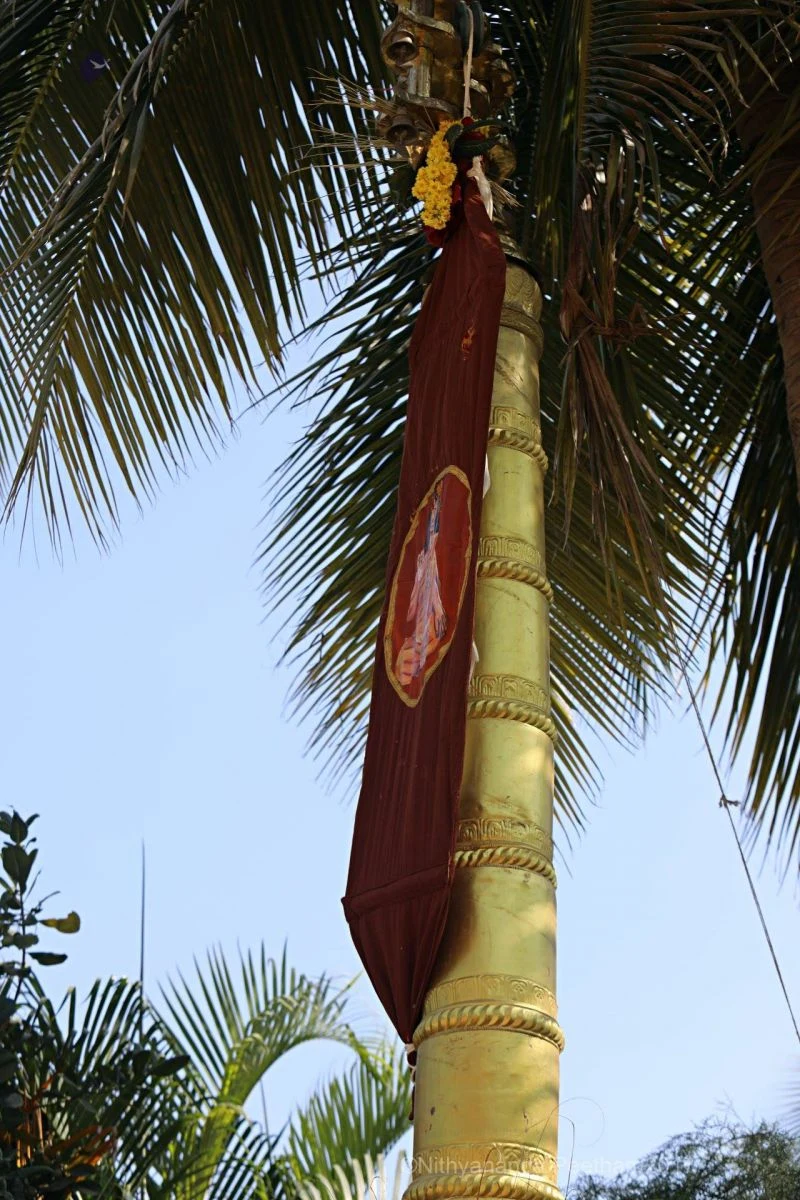
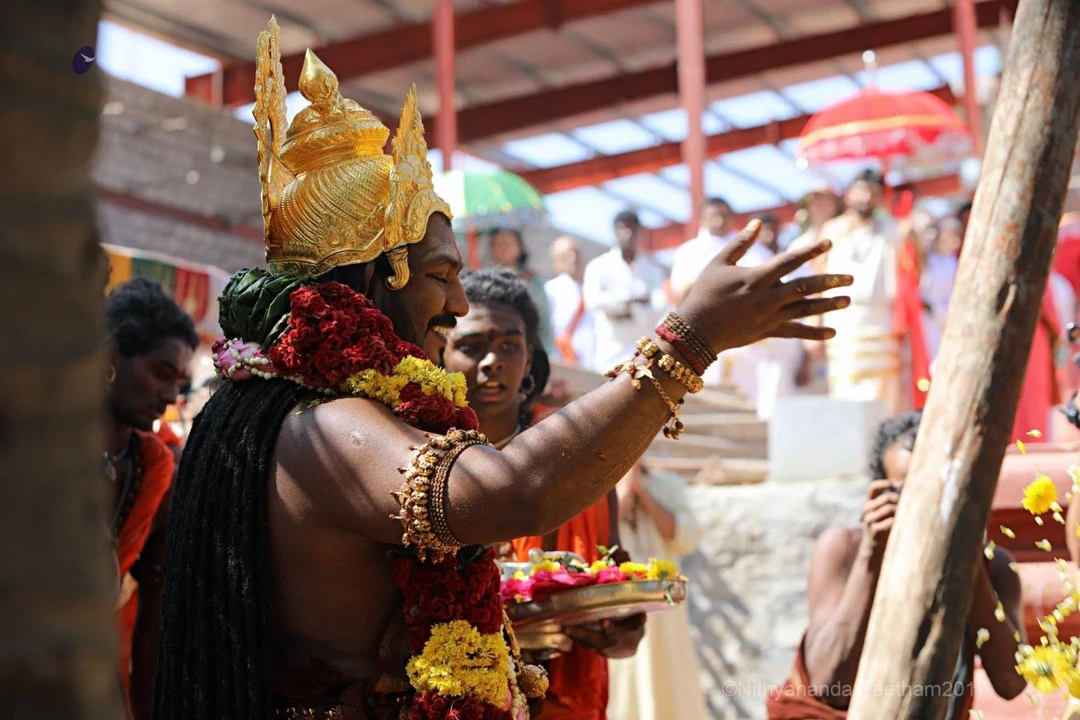
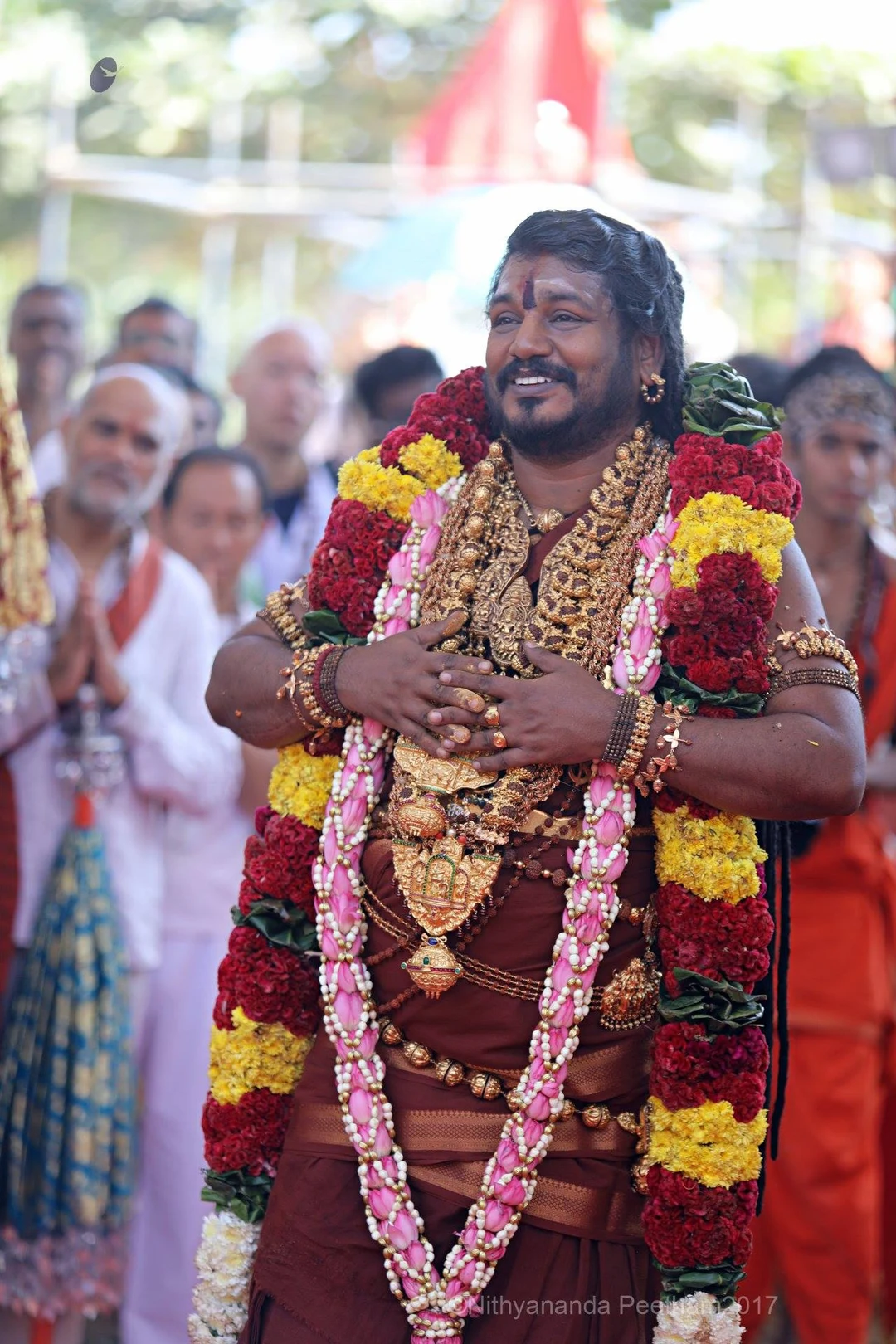
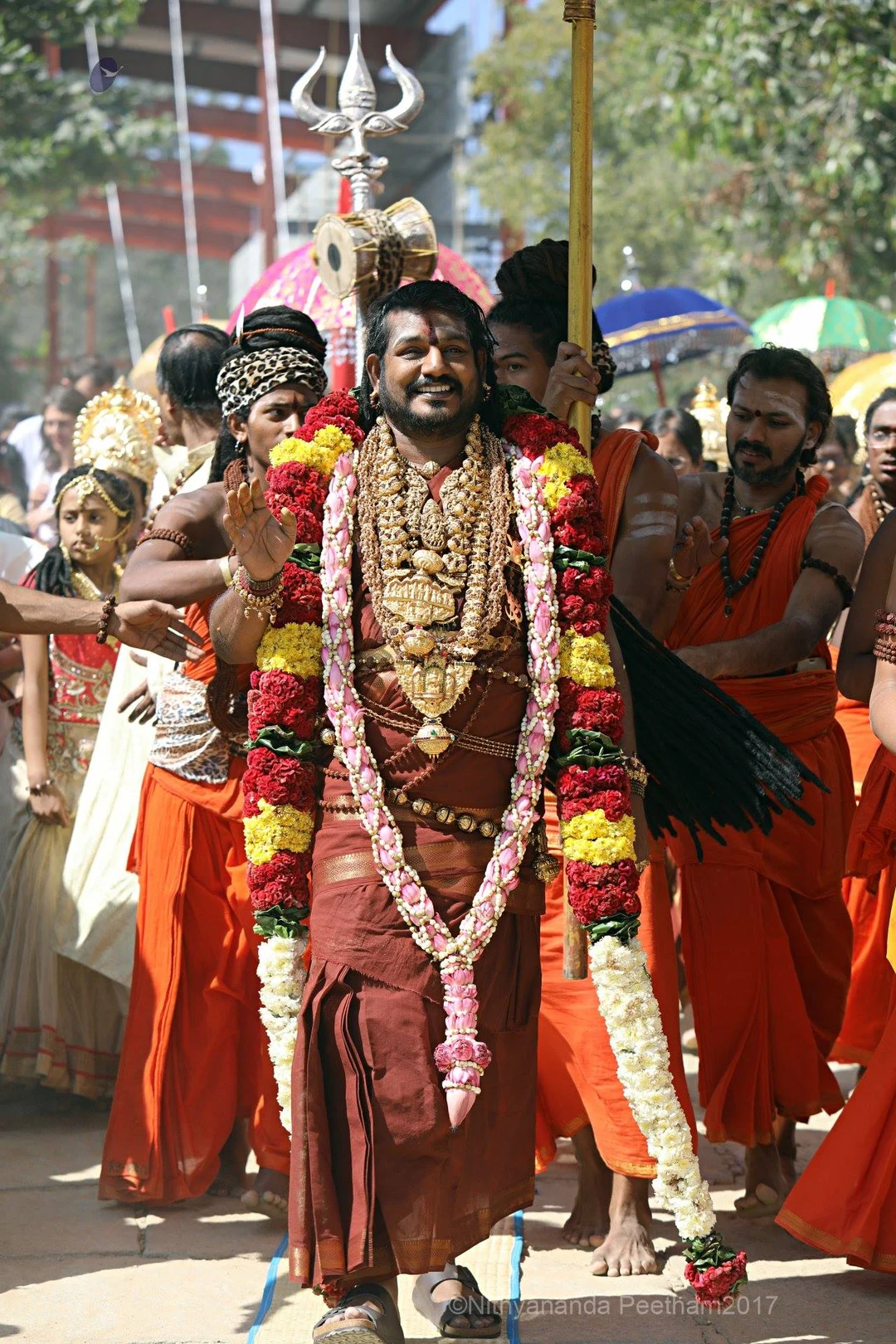
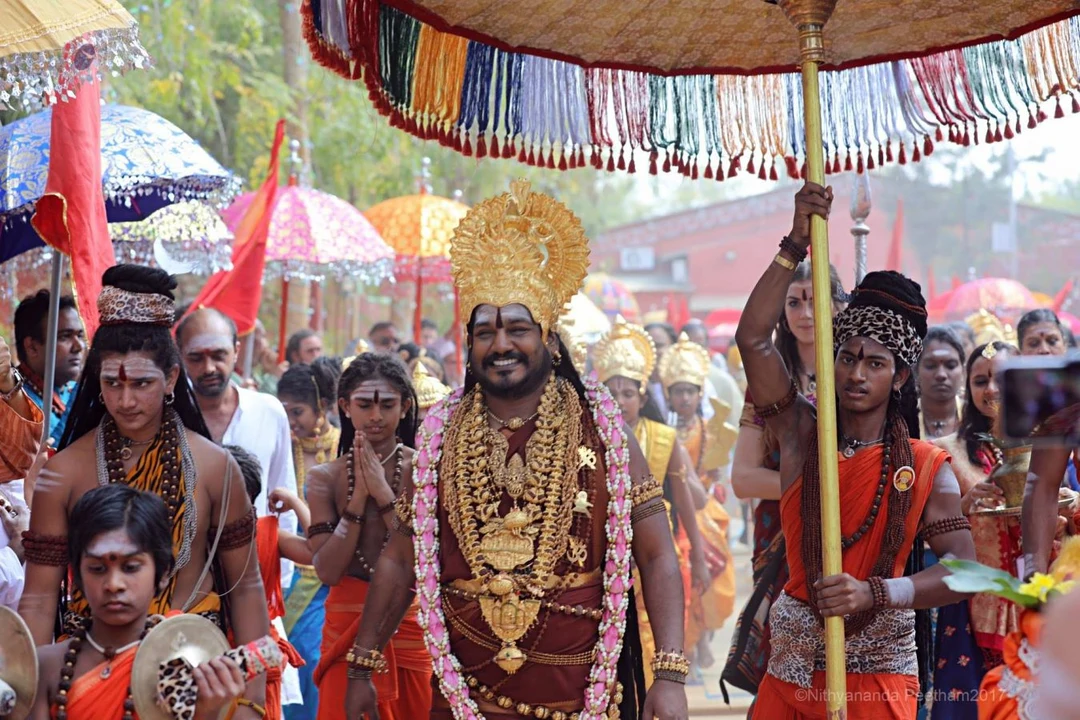
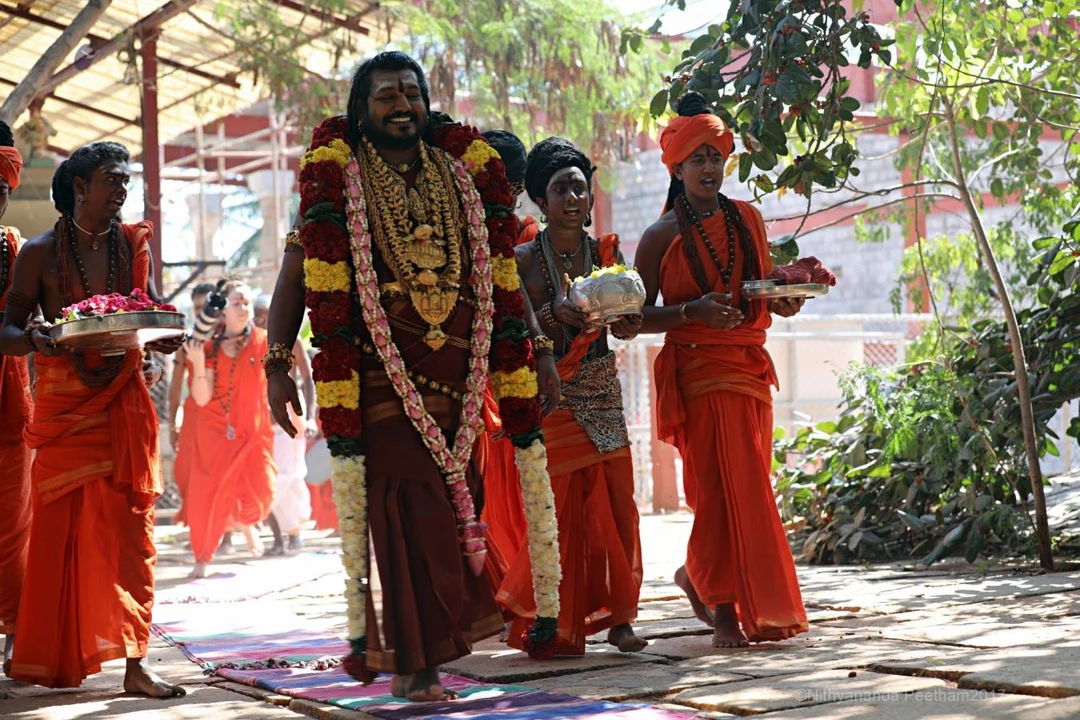
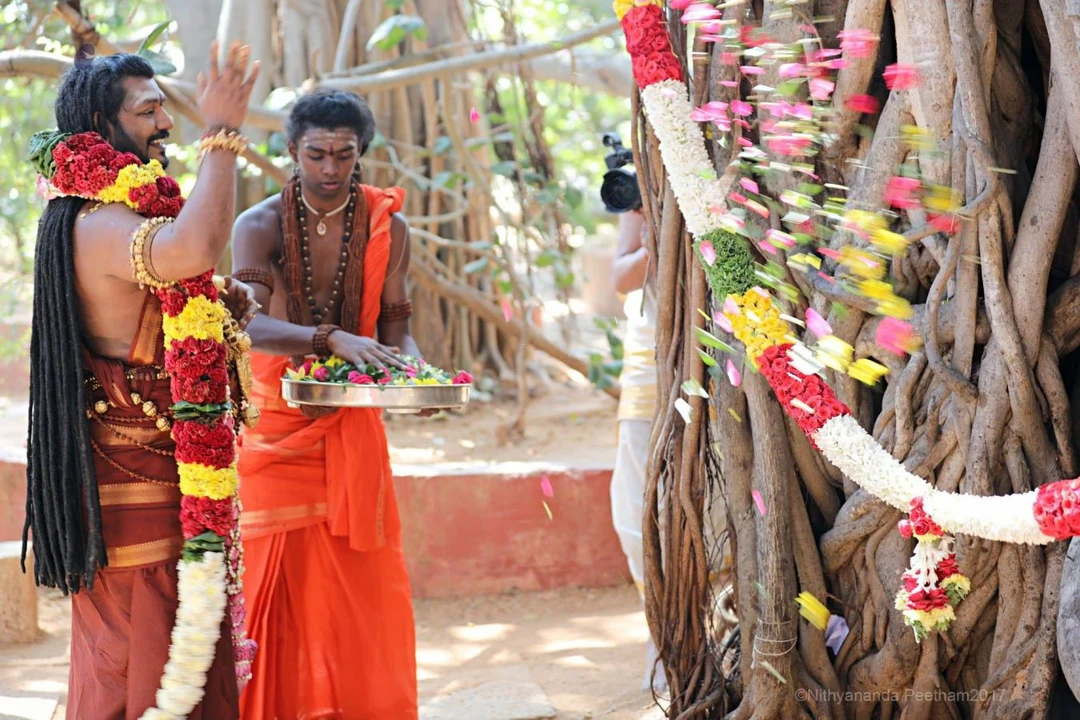
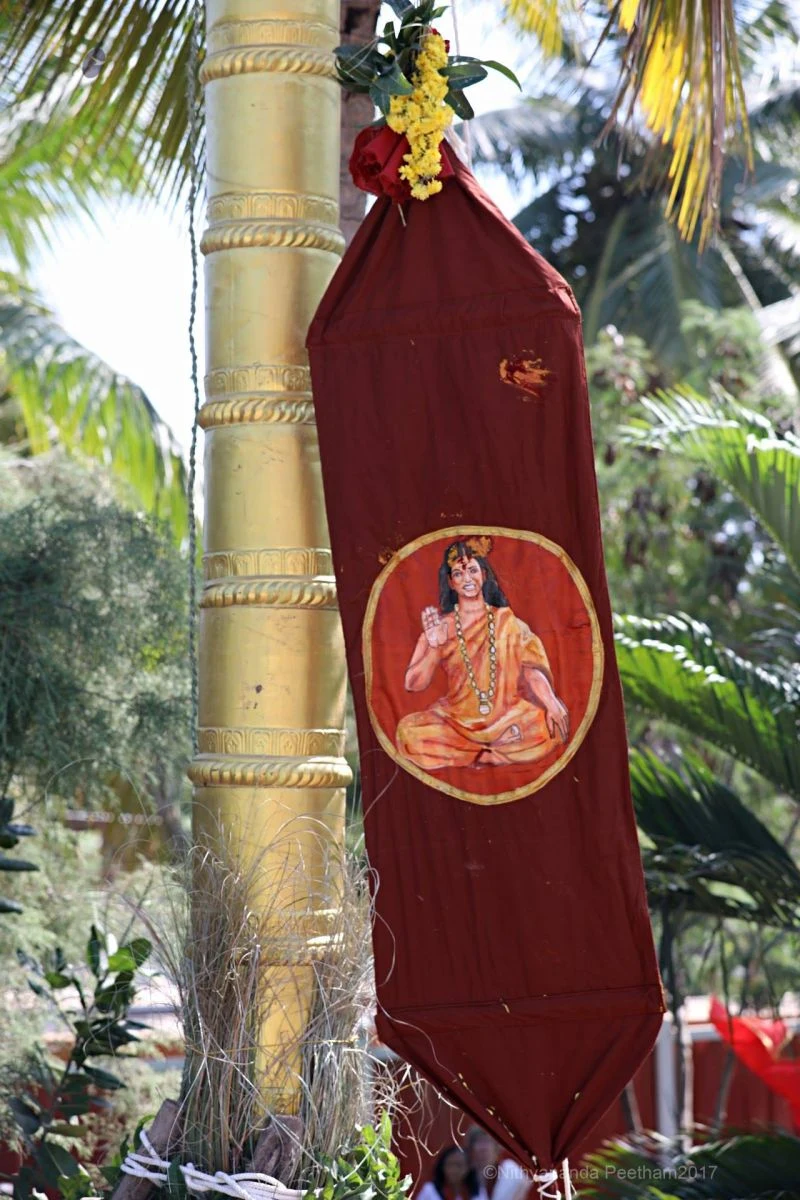
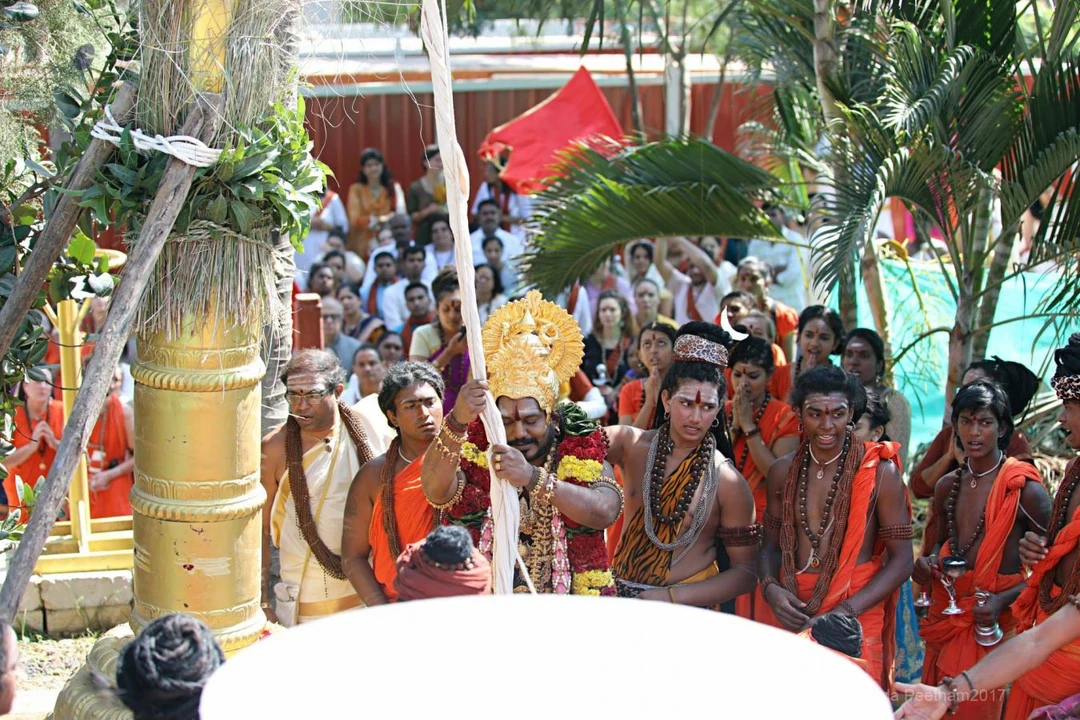
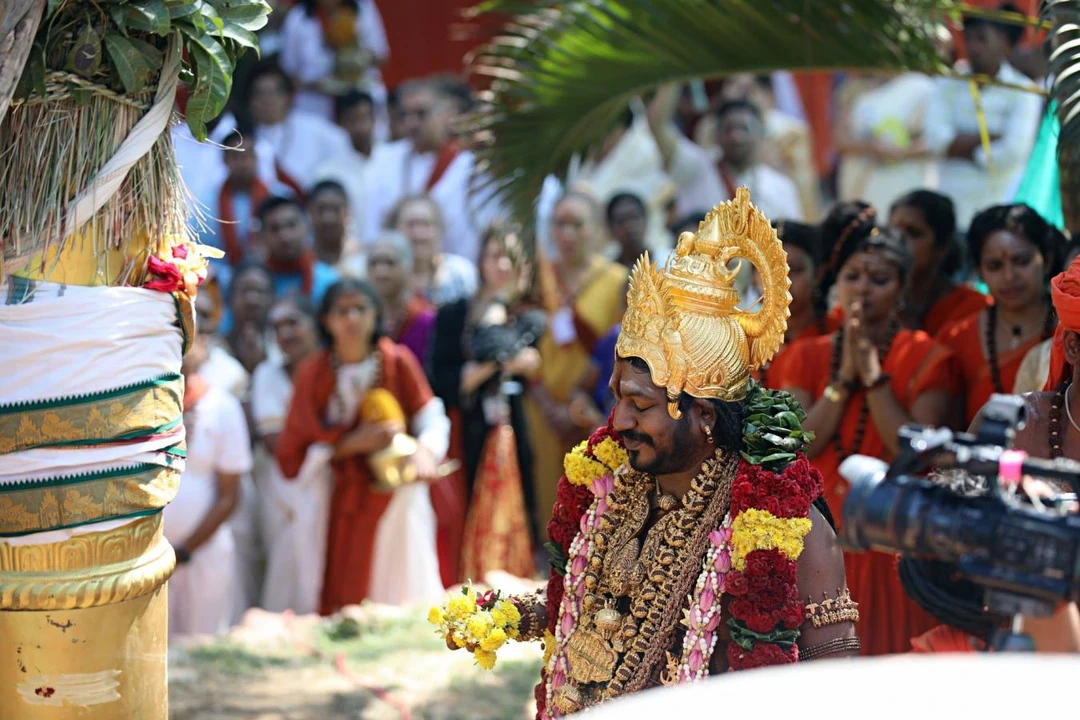
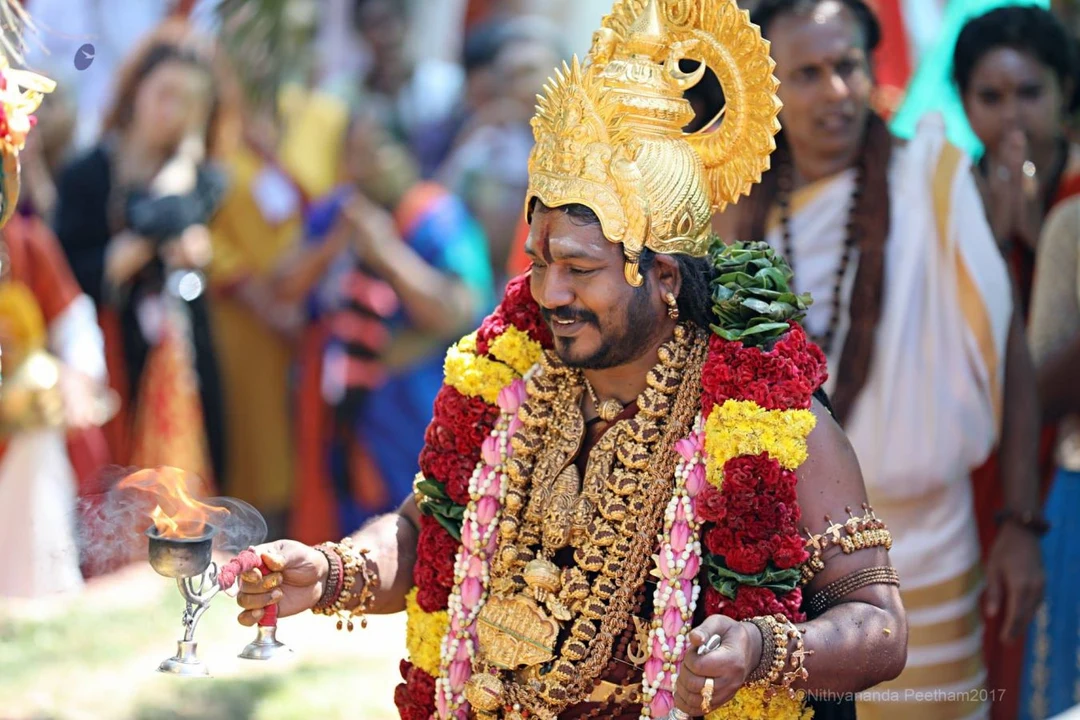
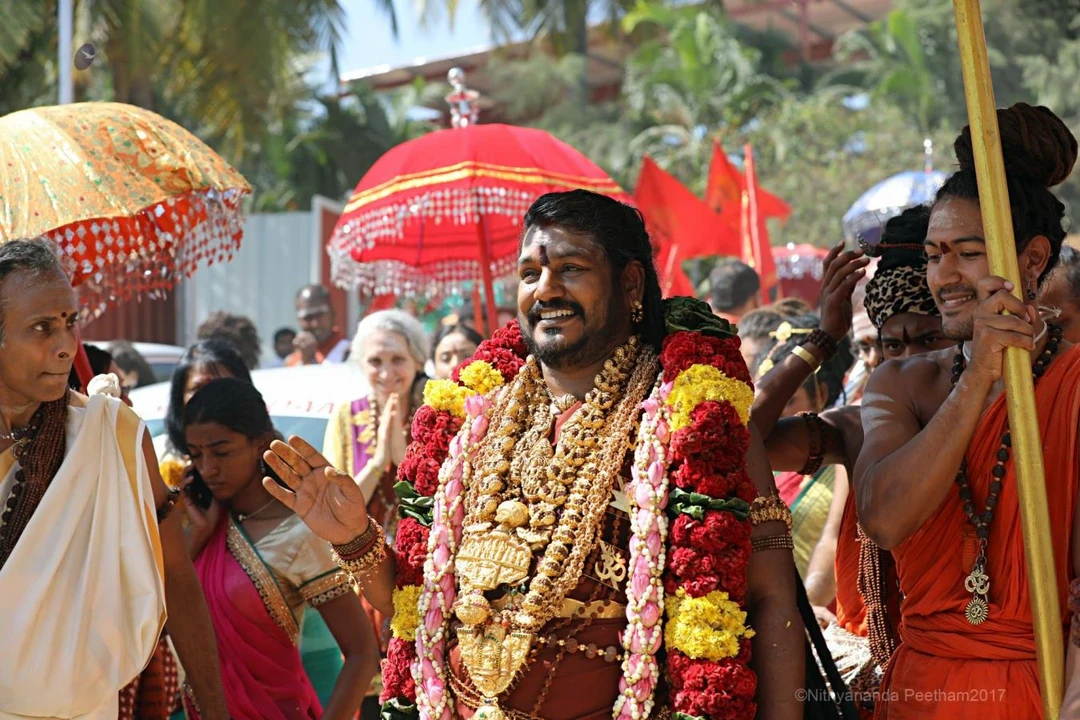
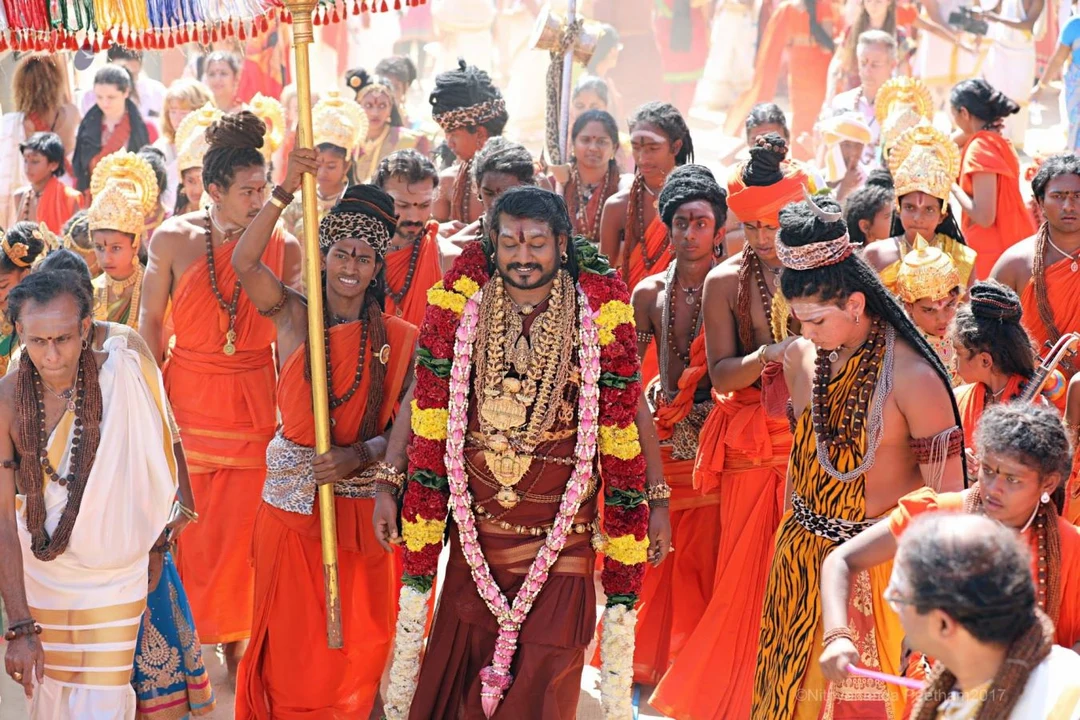
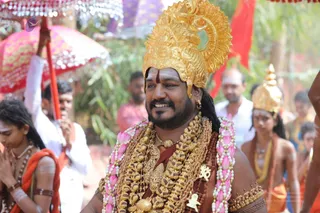
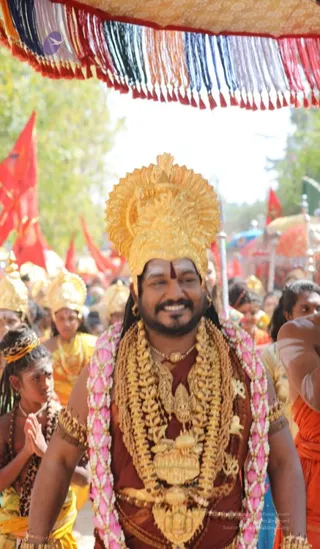
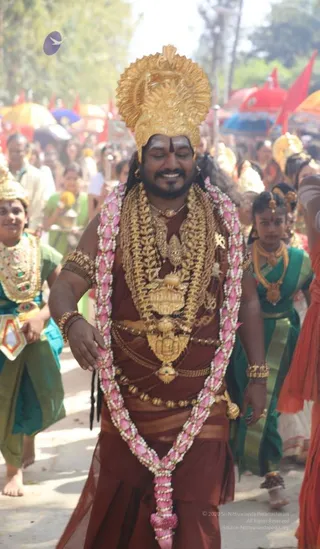
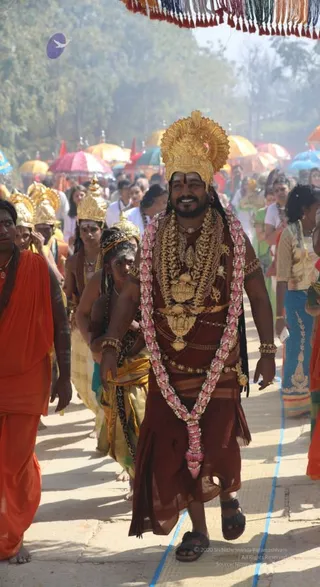
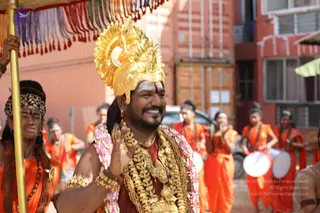
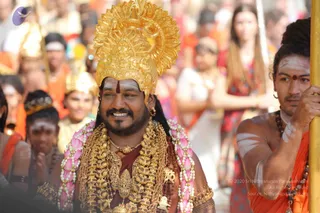
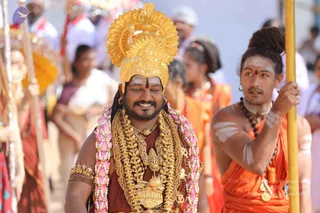
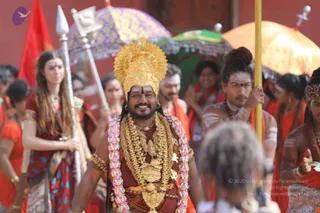
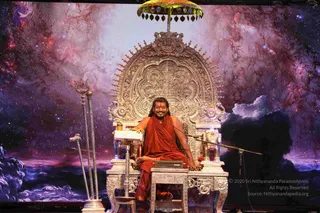
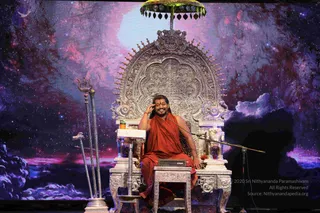
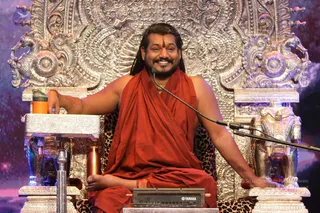
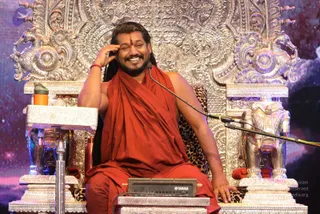
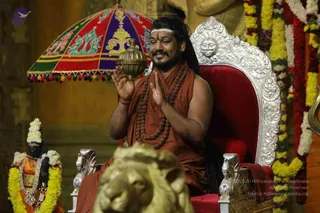
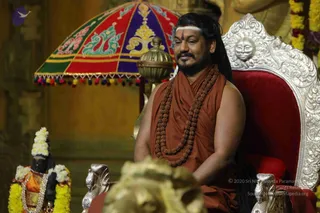
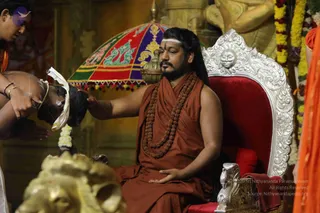
Nithyananda Peetham, Bengaluru Aadheenam | Mahasadashivoham - Day 16 | Nithyananda Brahmotsavam Dhwajarohanam
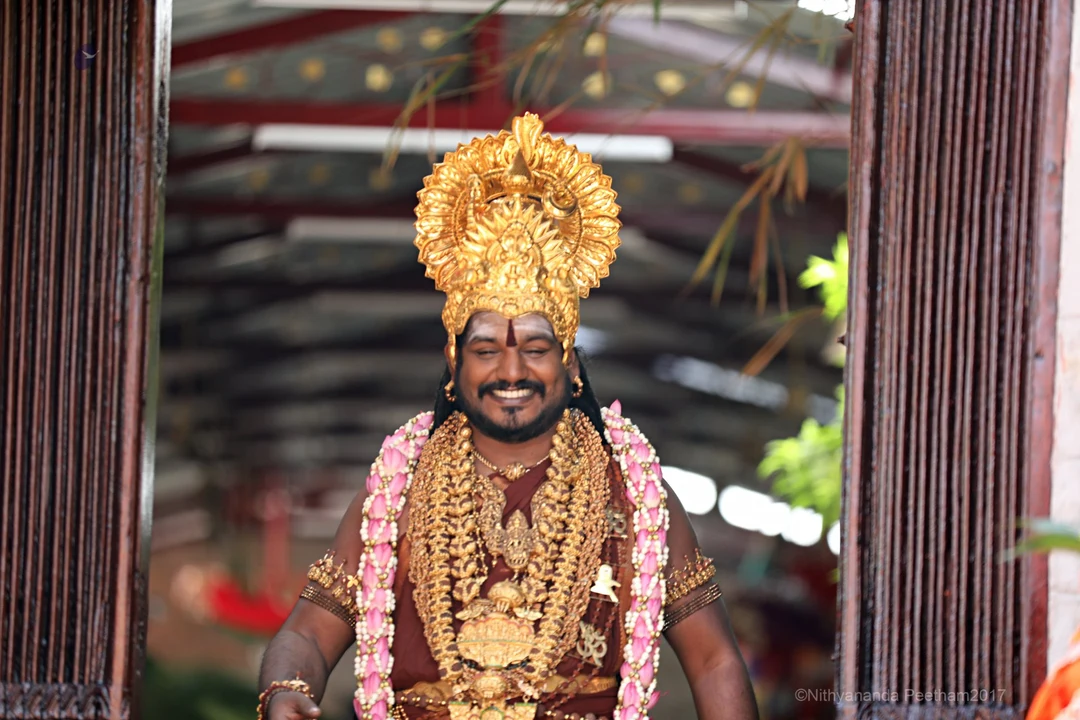
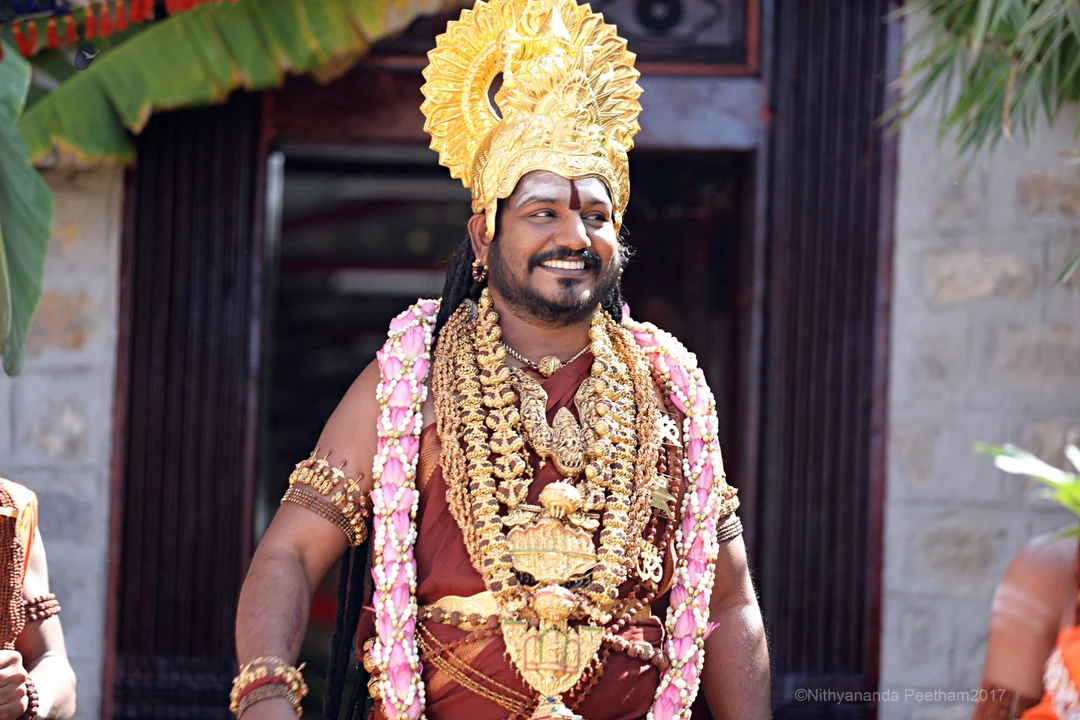
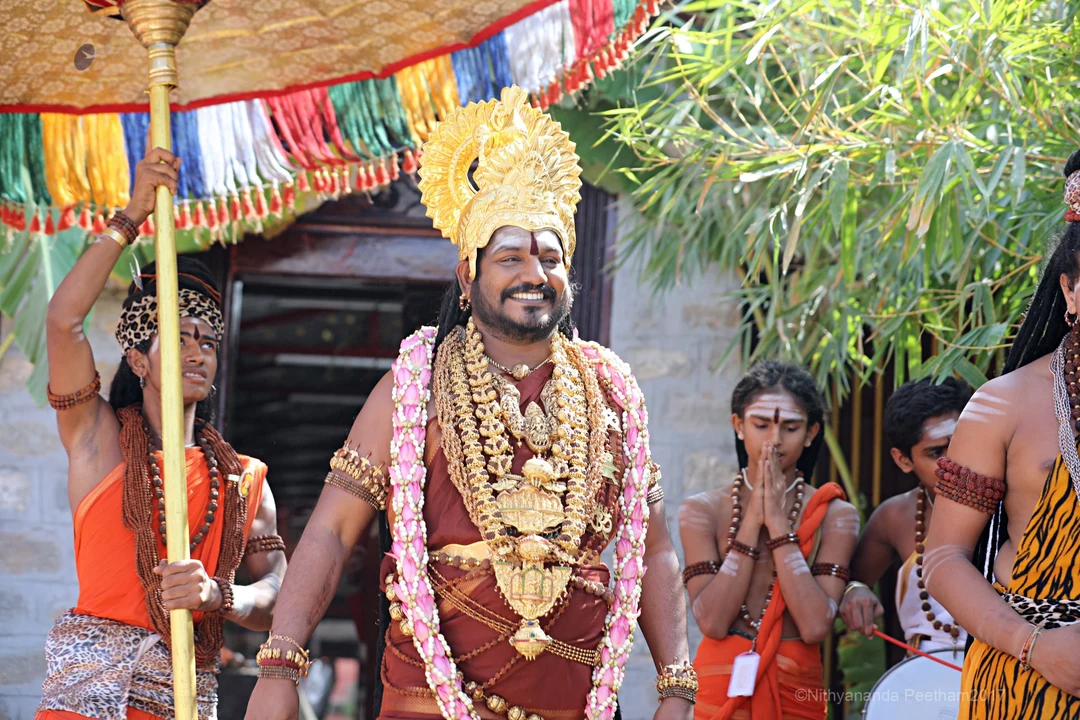

"
Dhwajarohanam


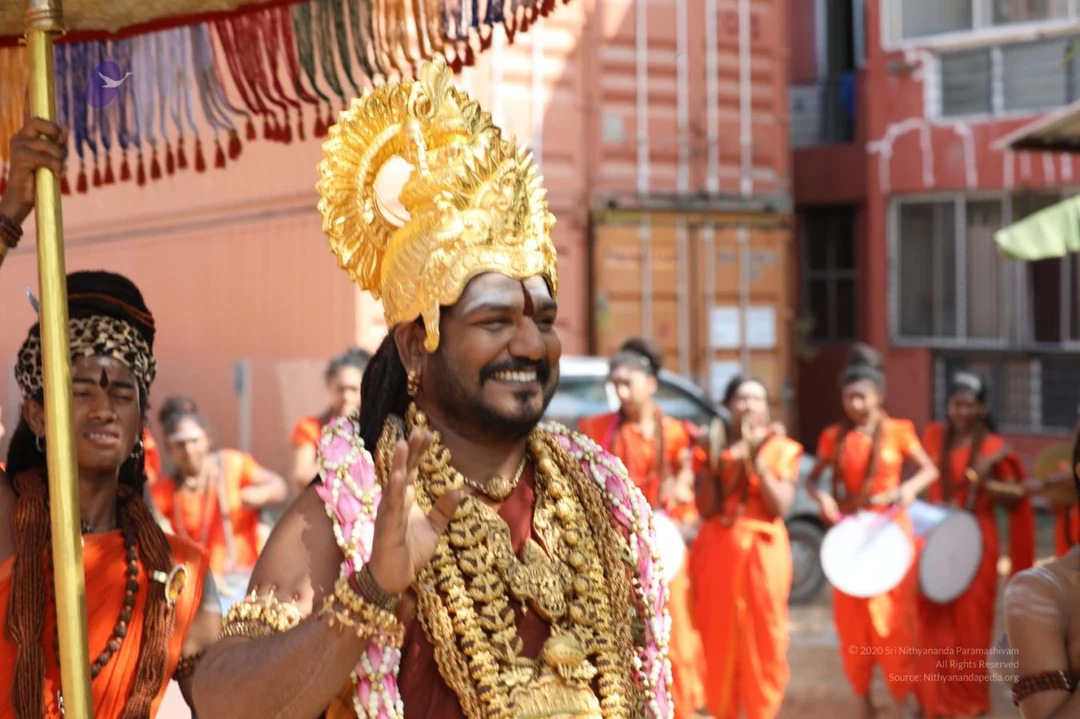
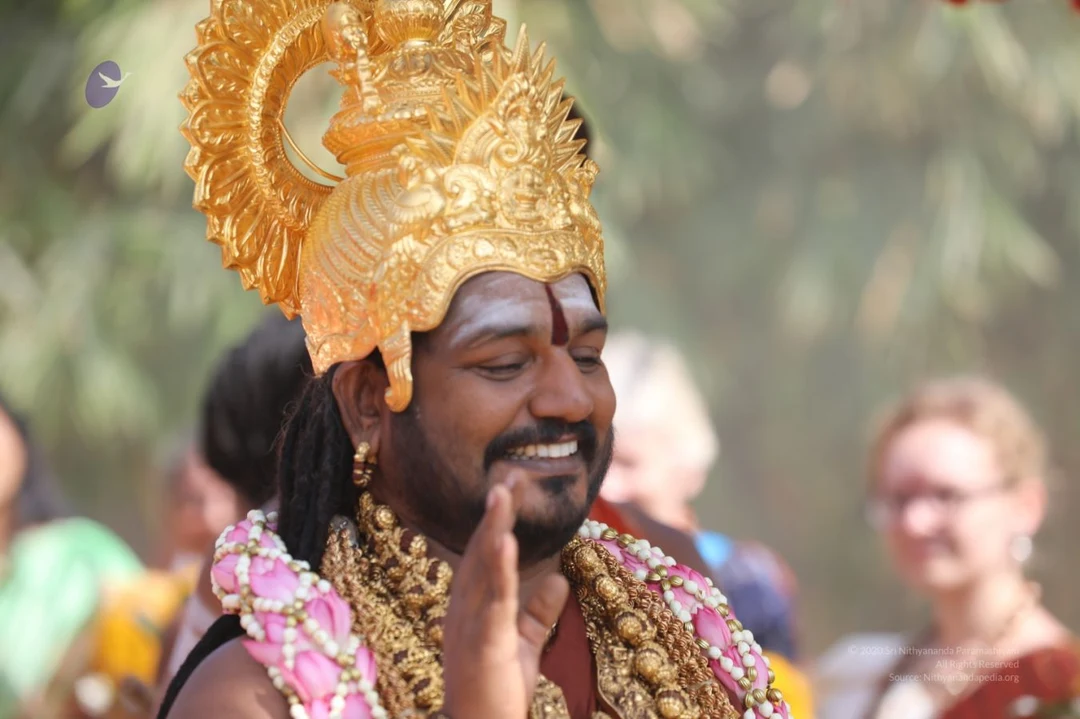
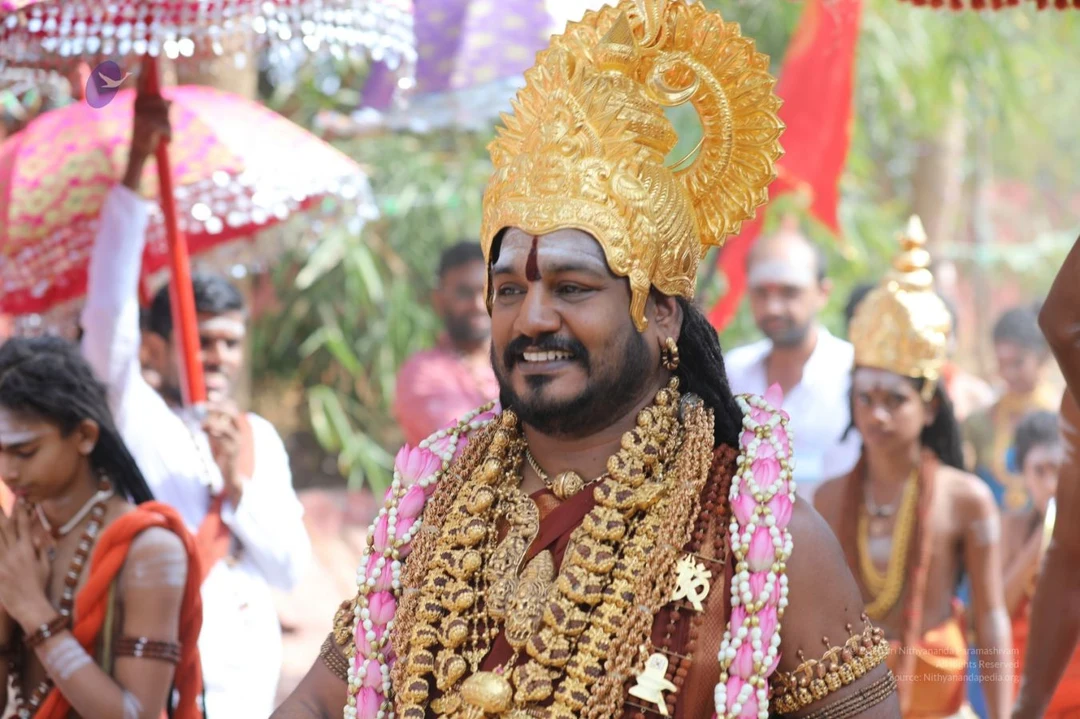
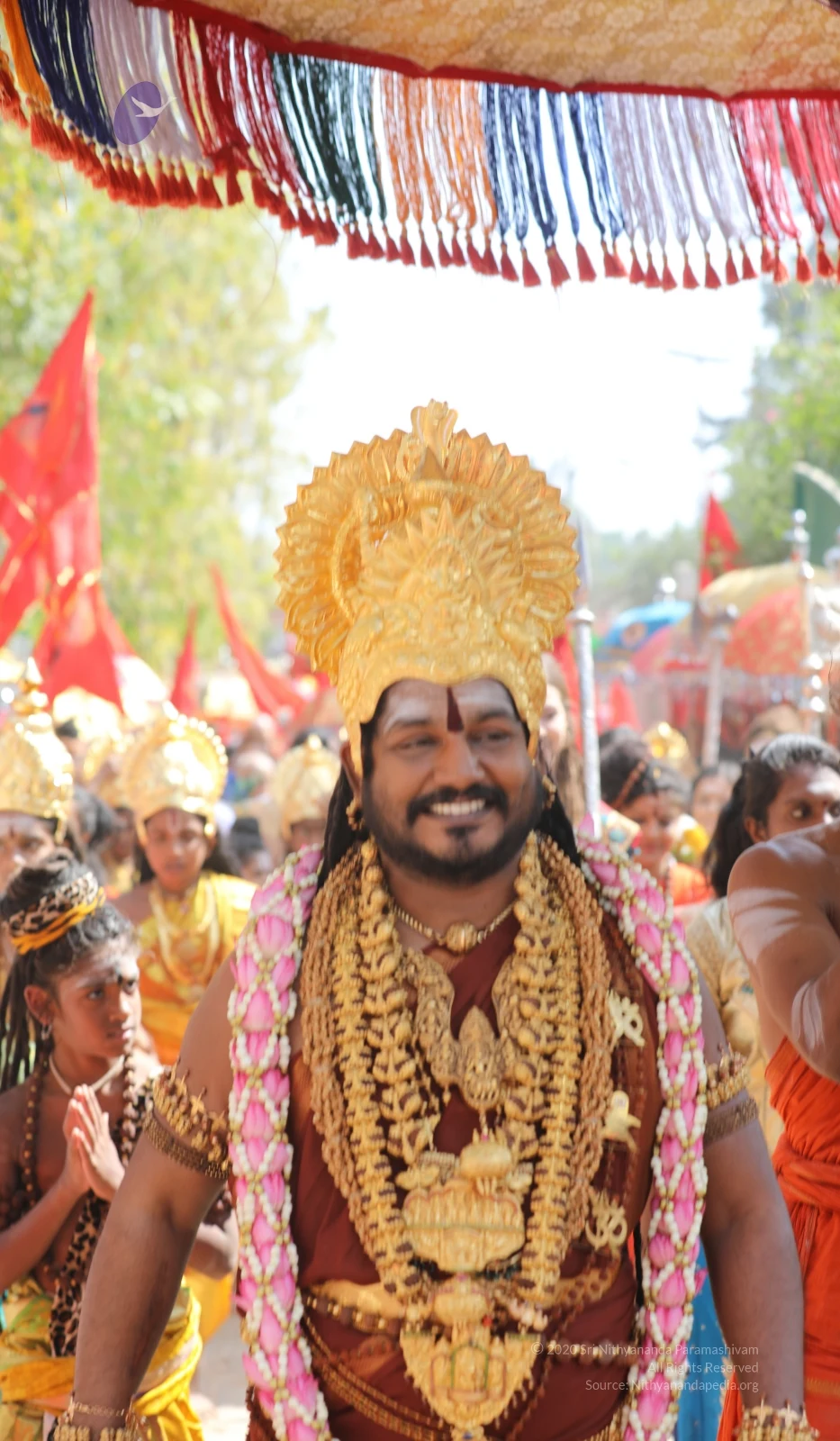




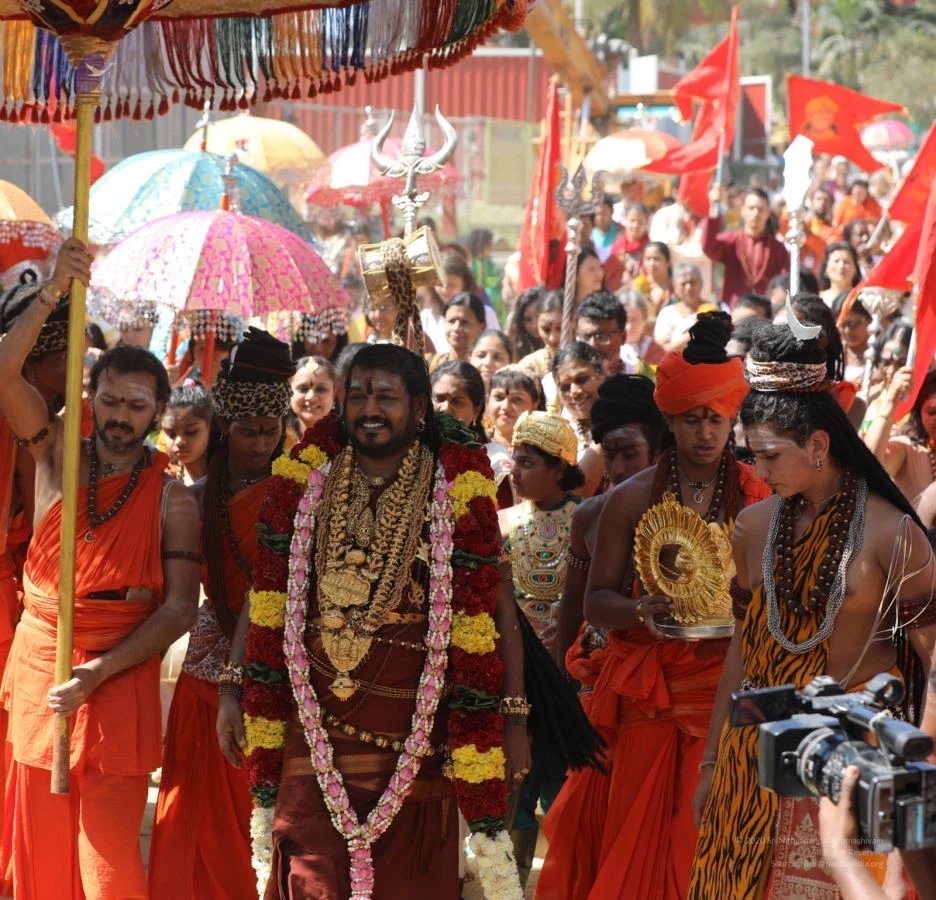
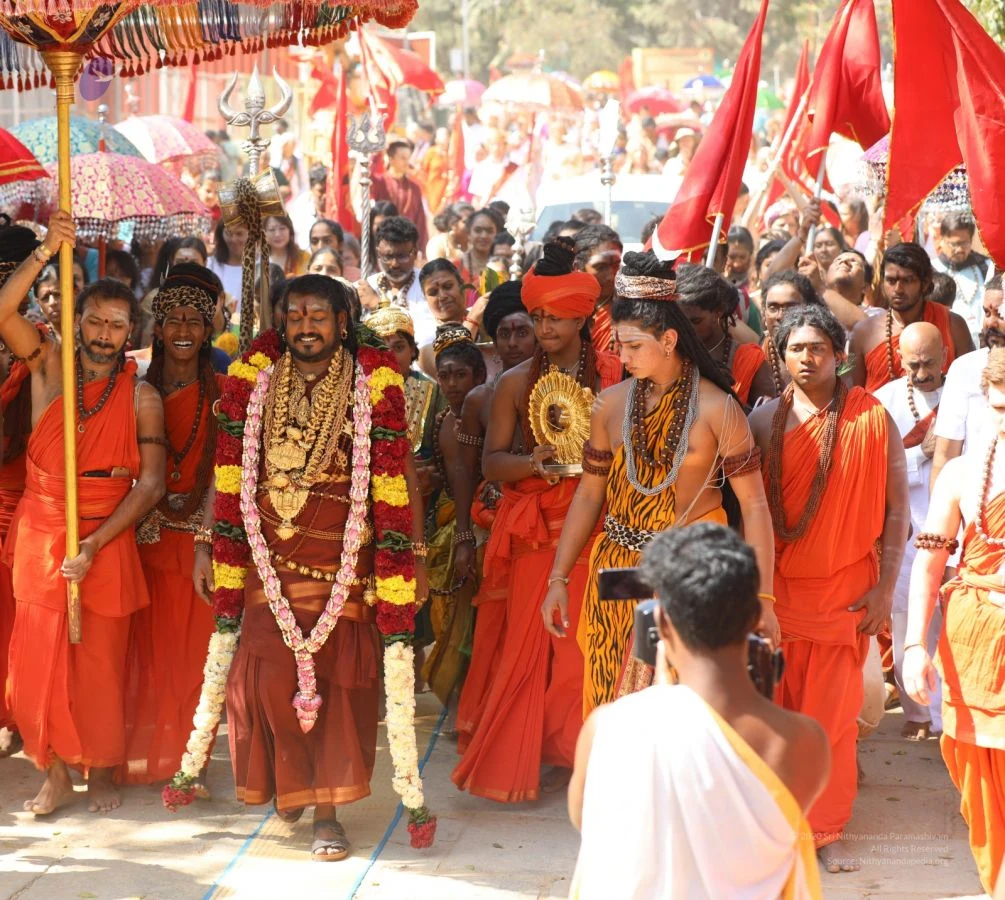
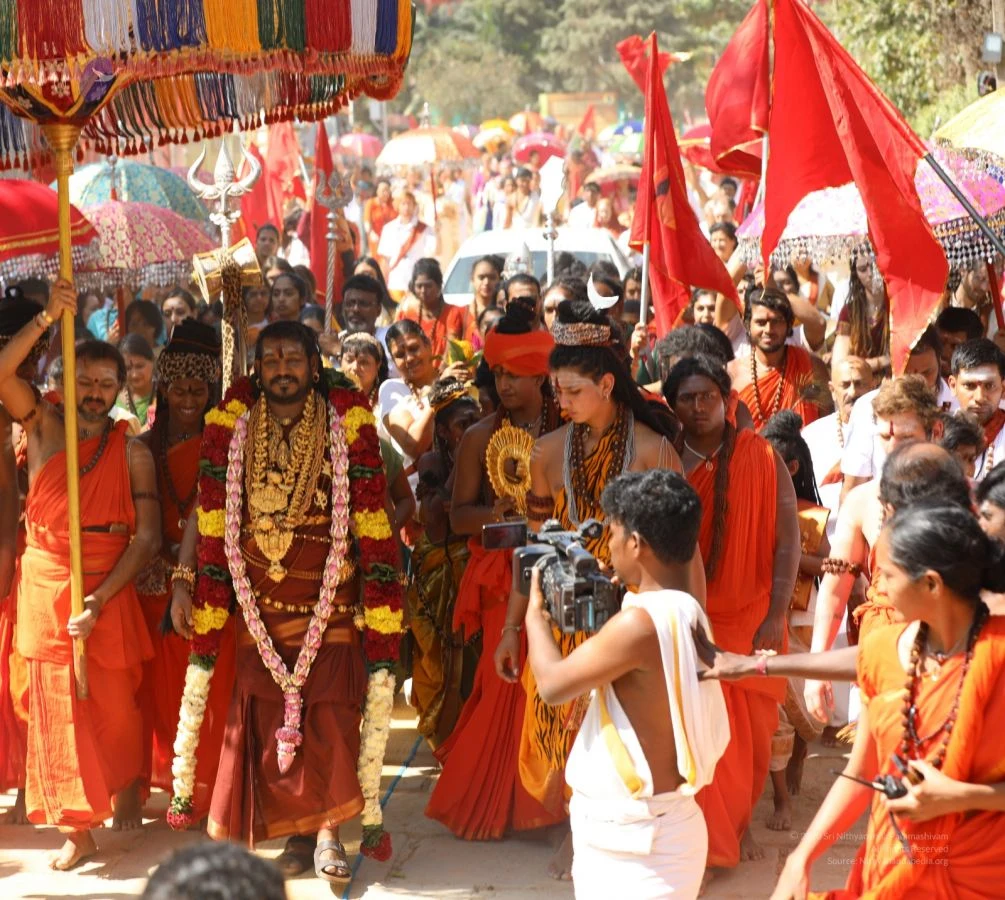
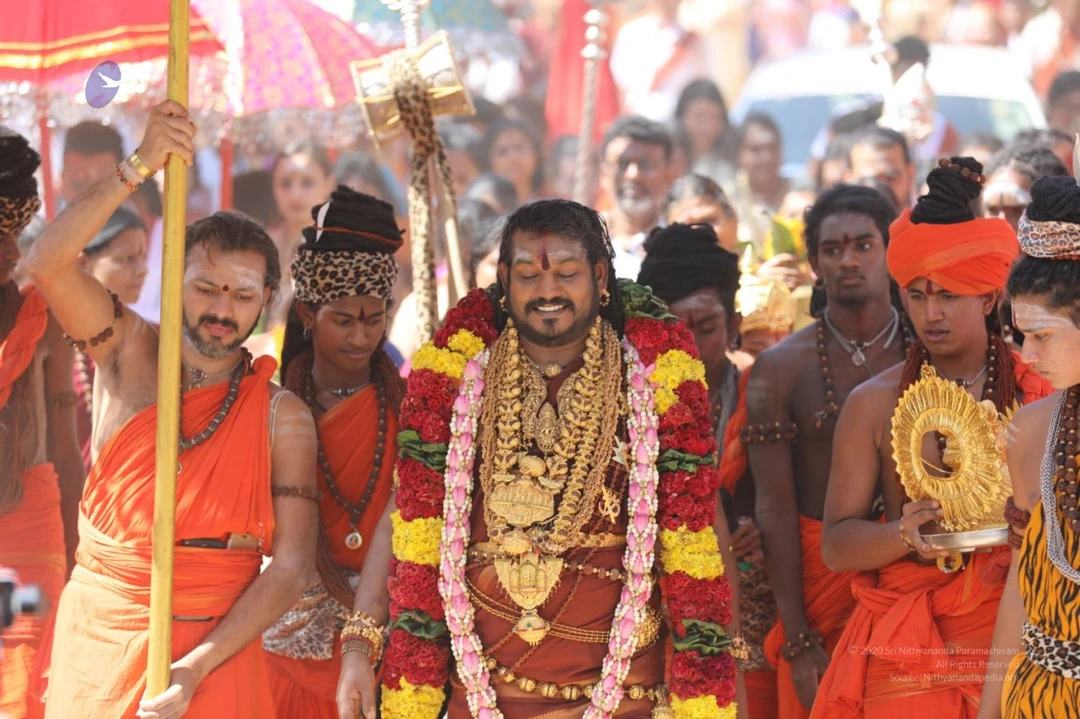
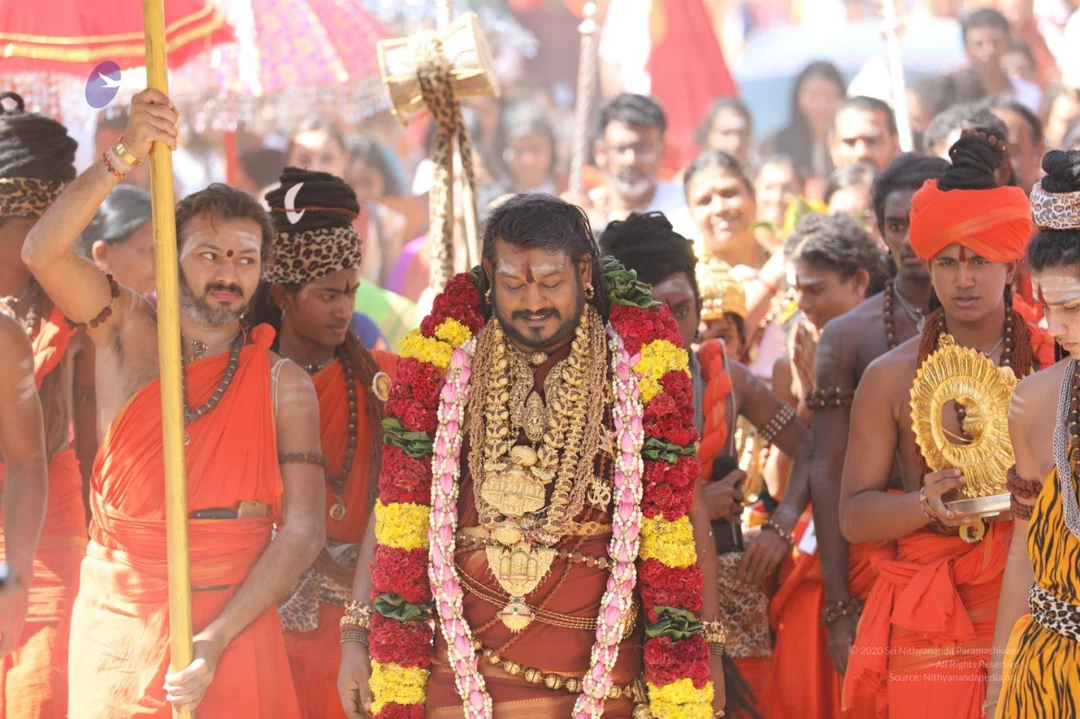
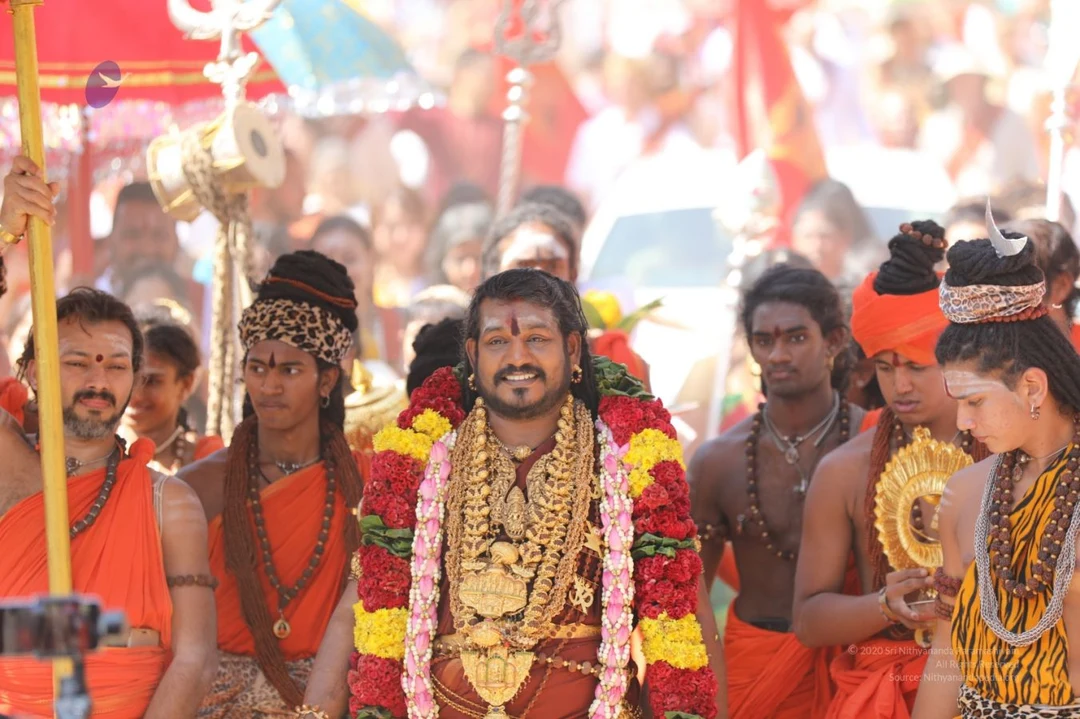
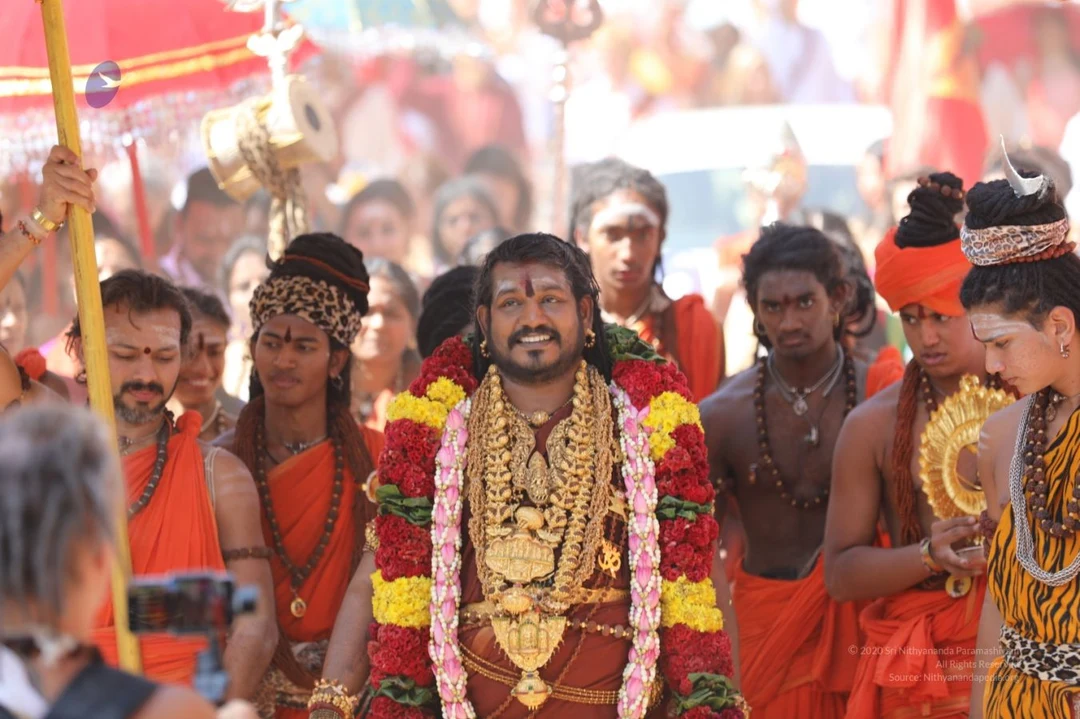
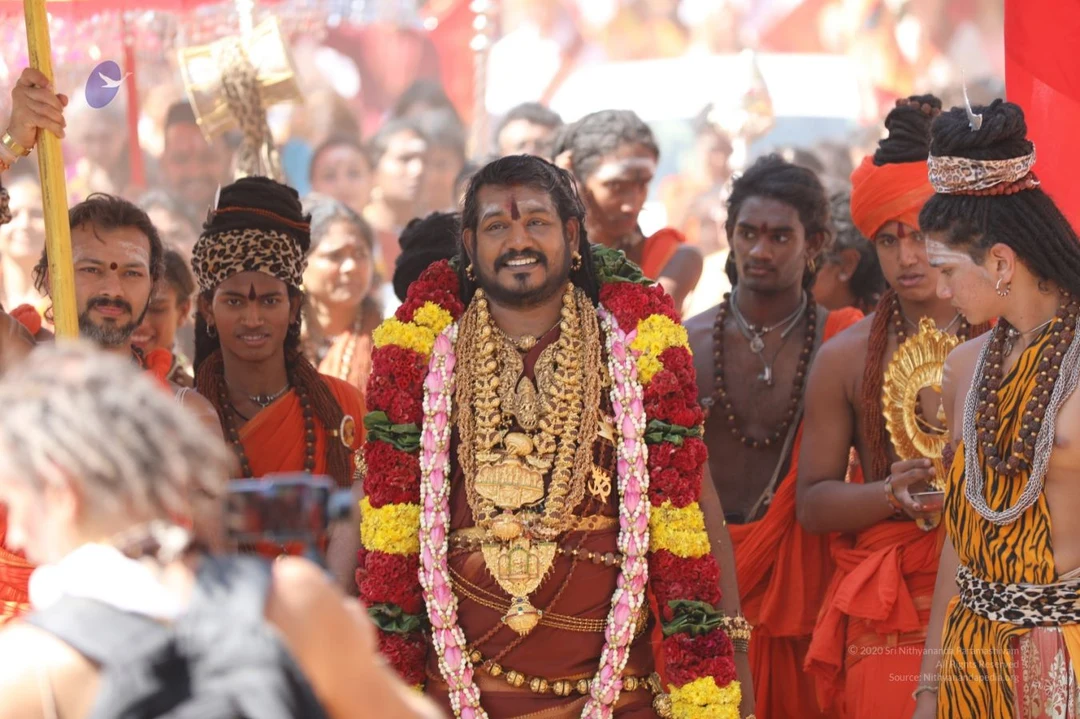
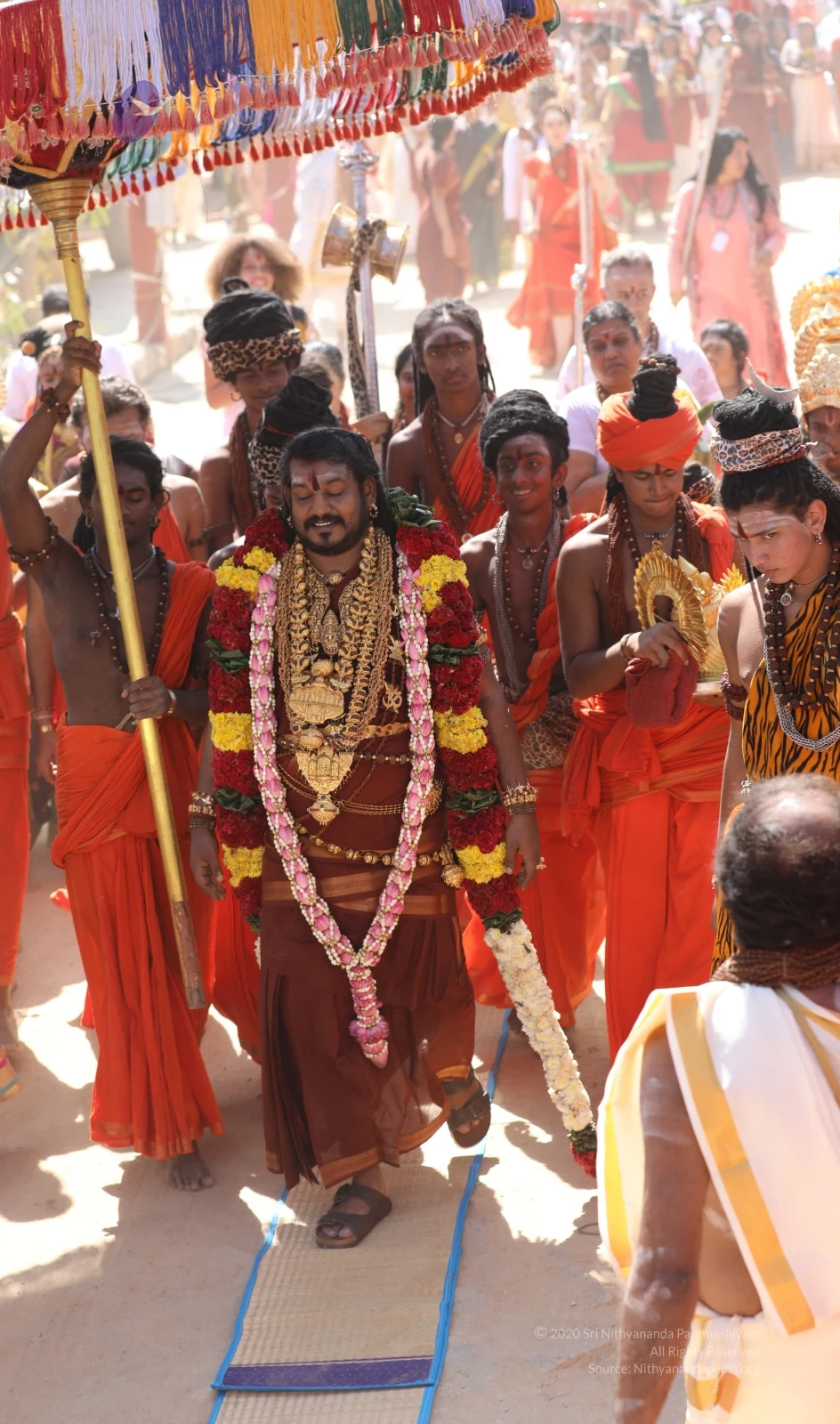
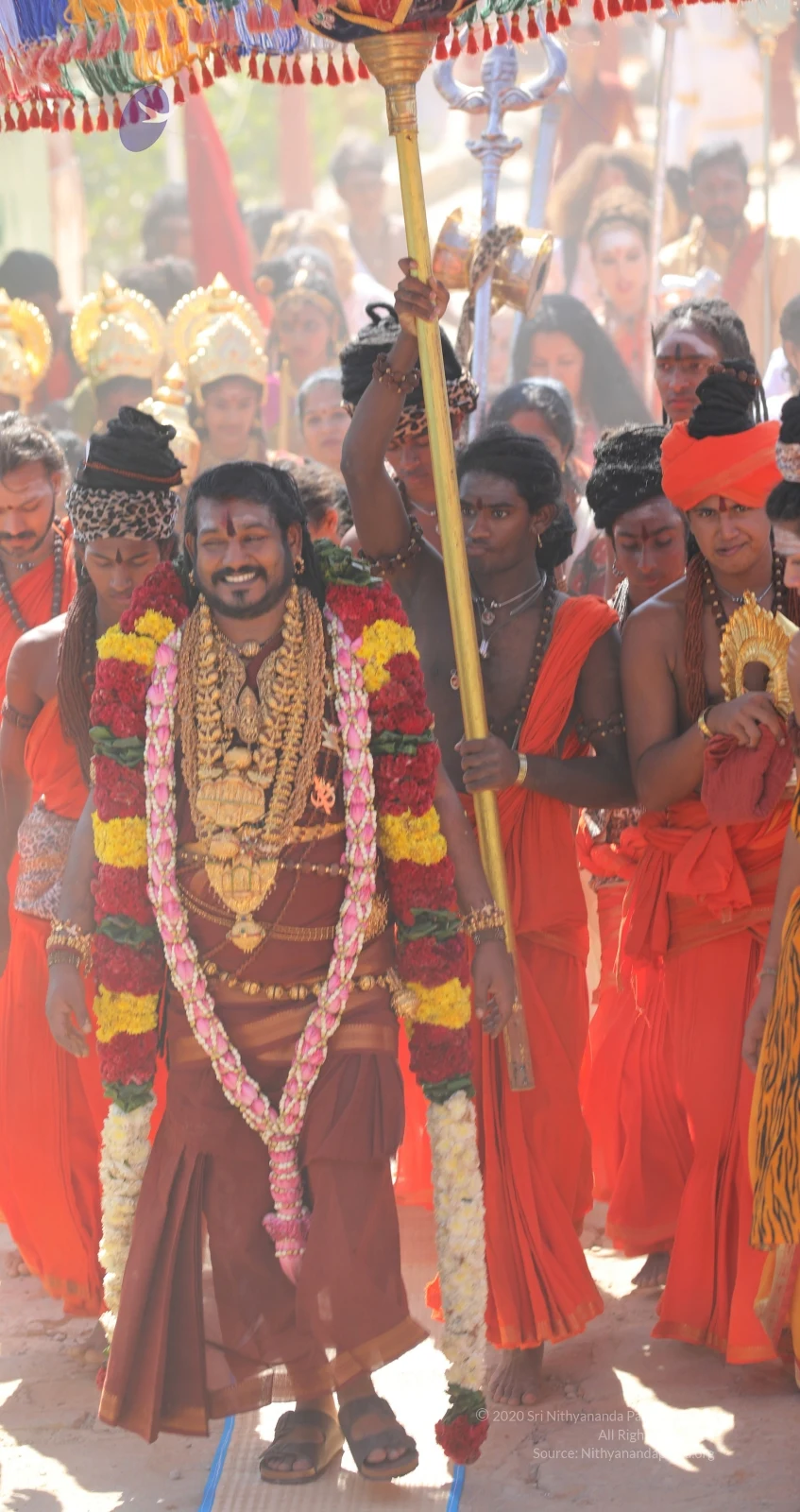
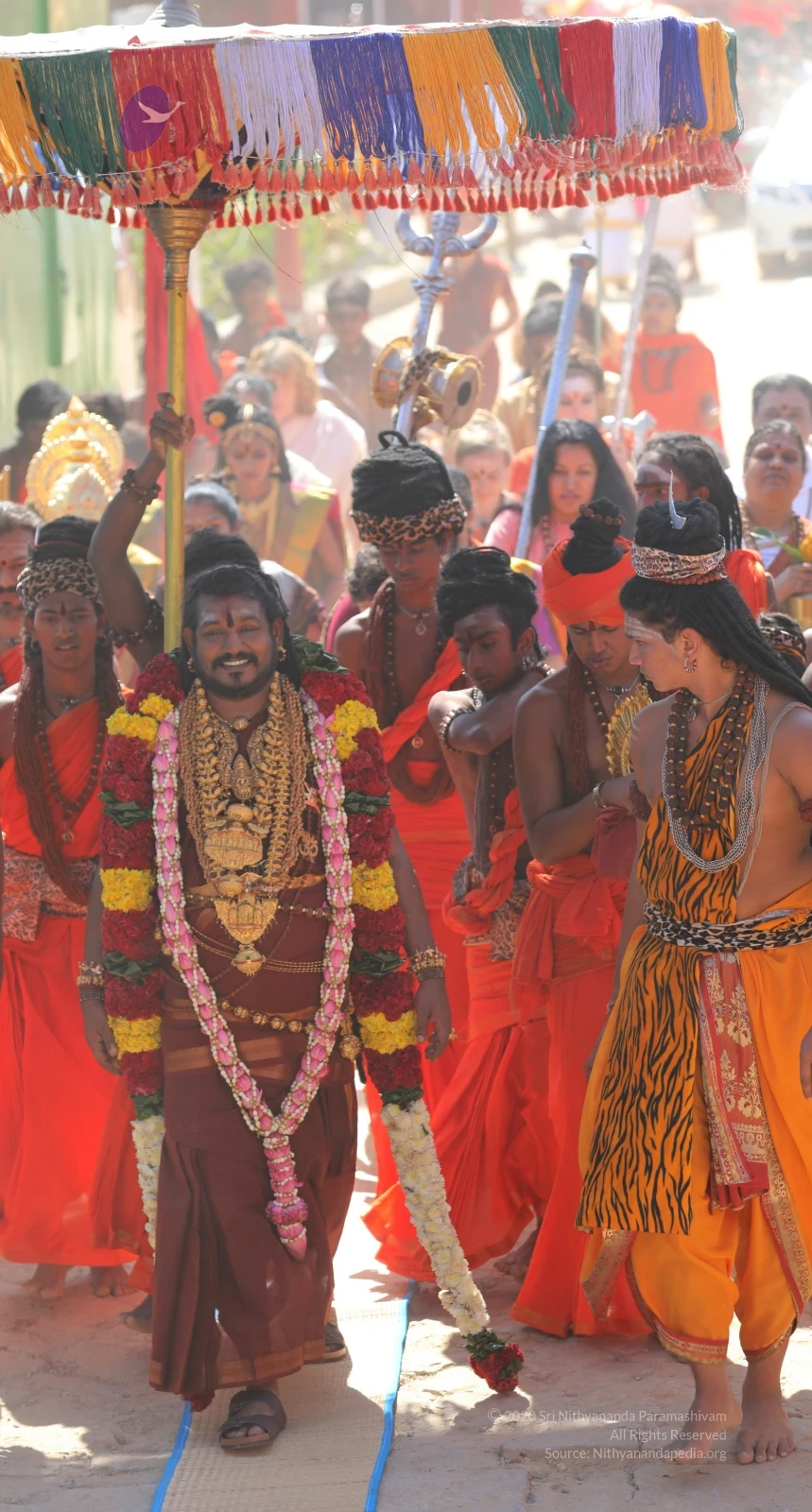
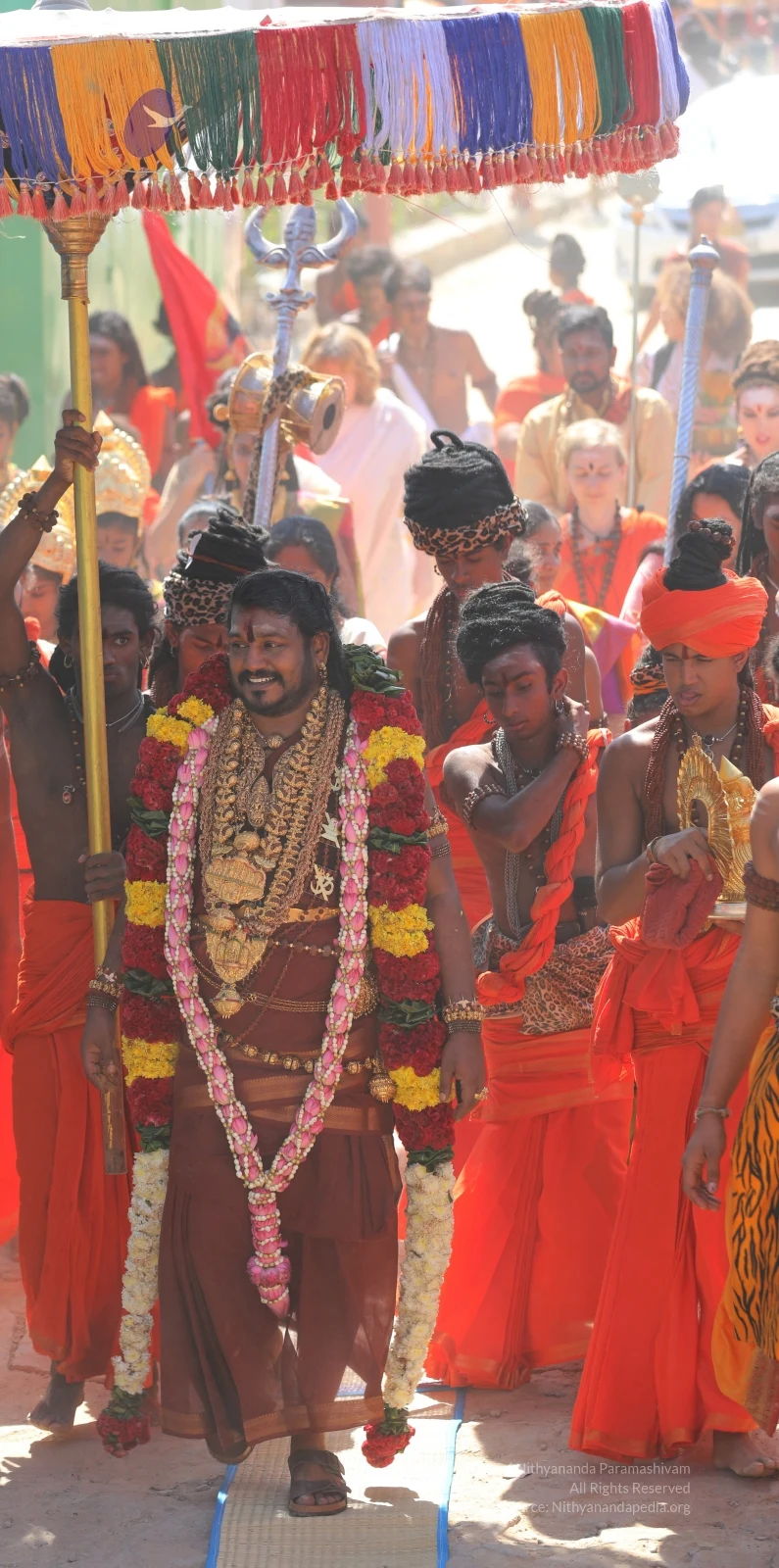
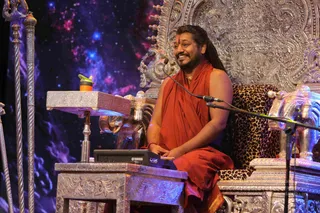
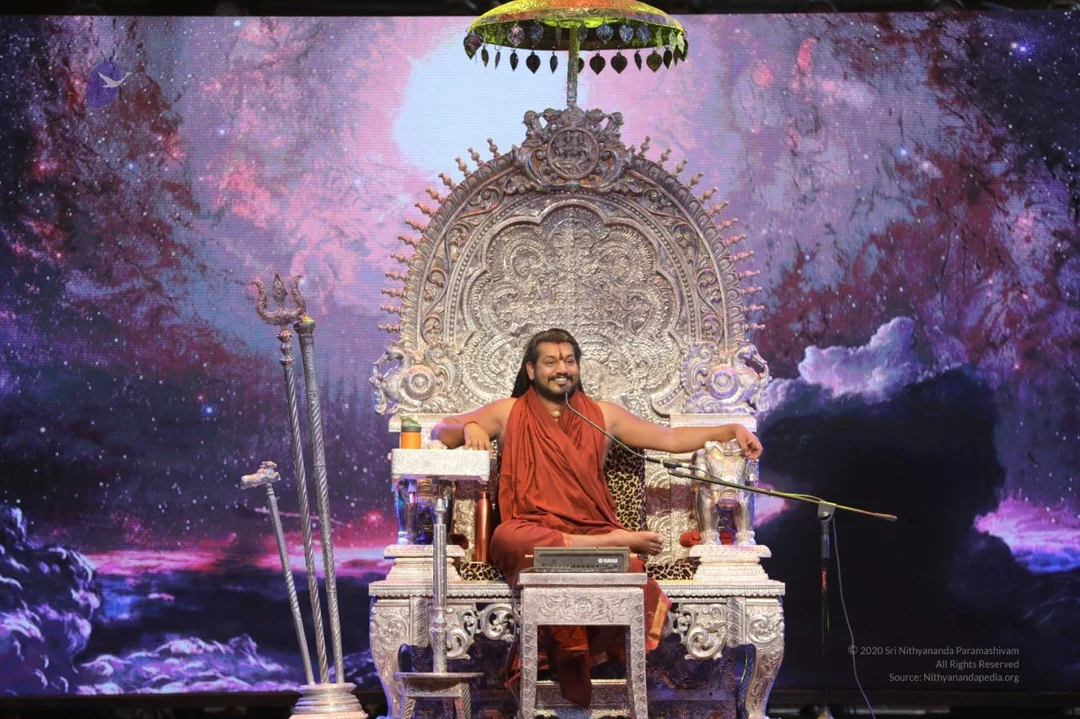
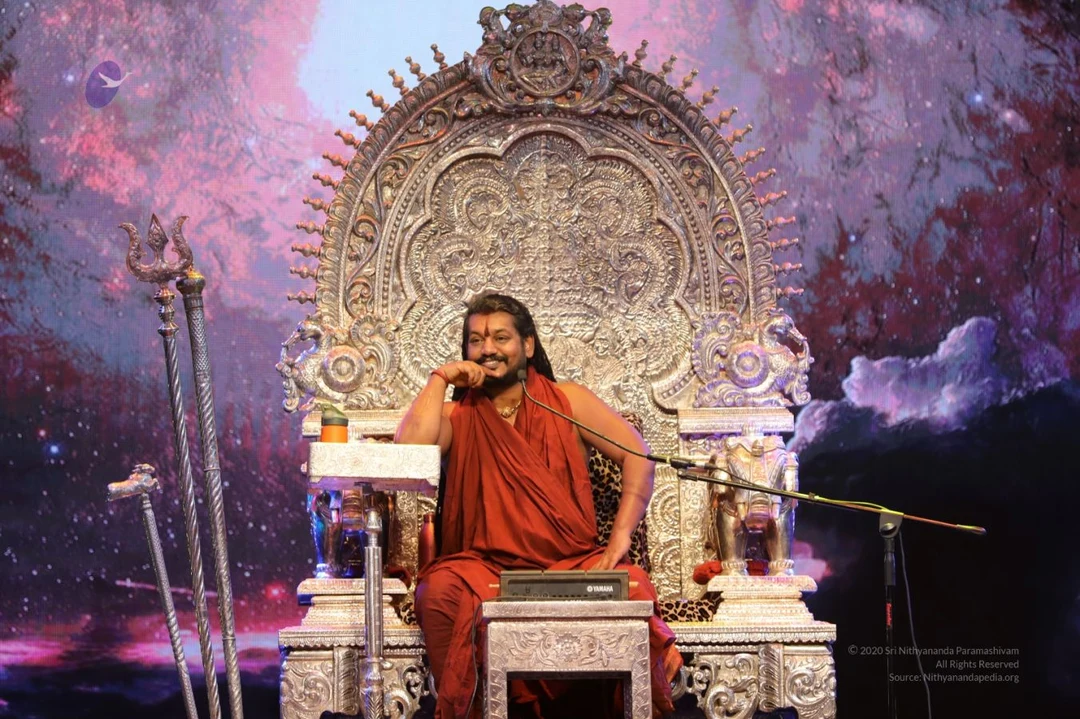
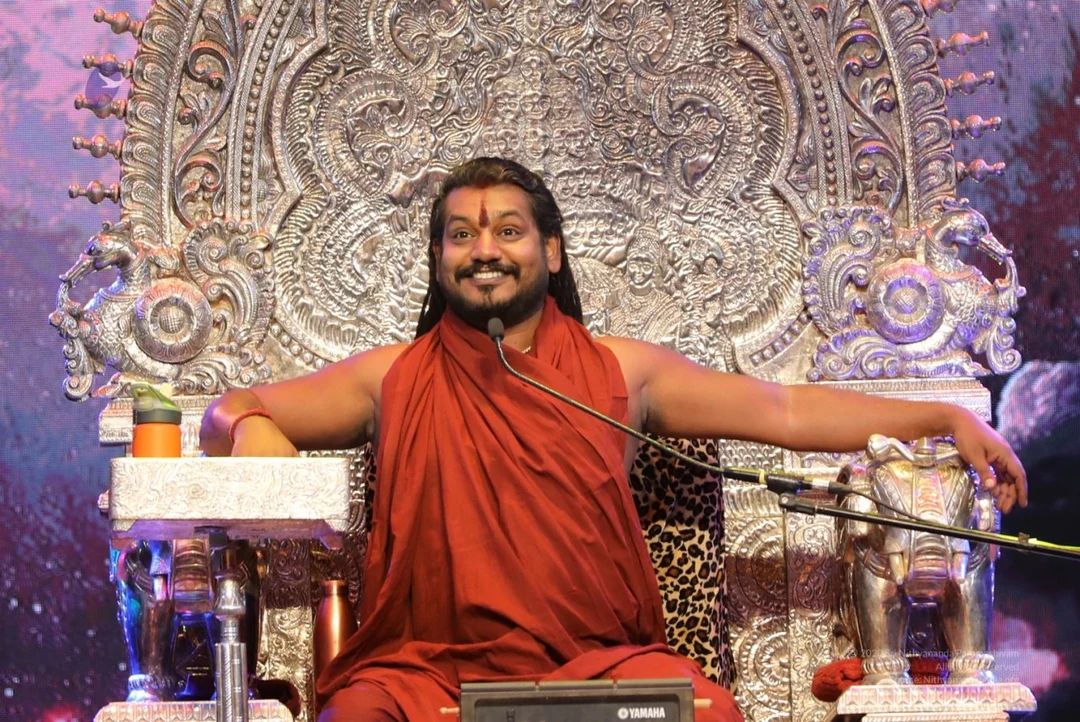
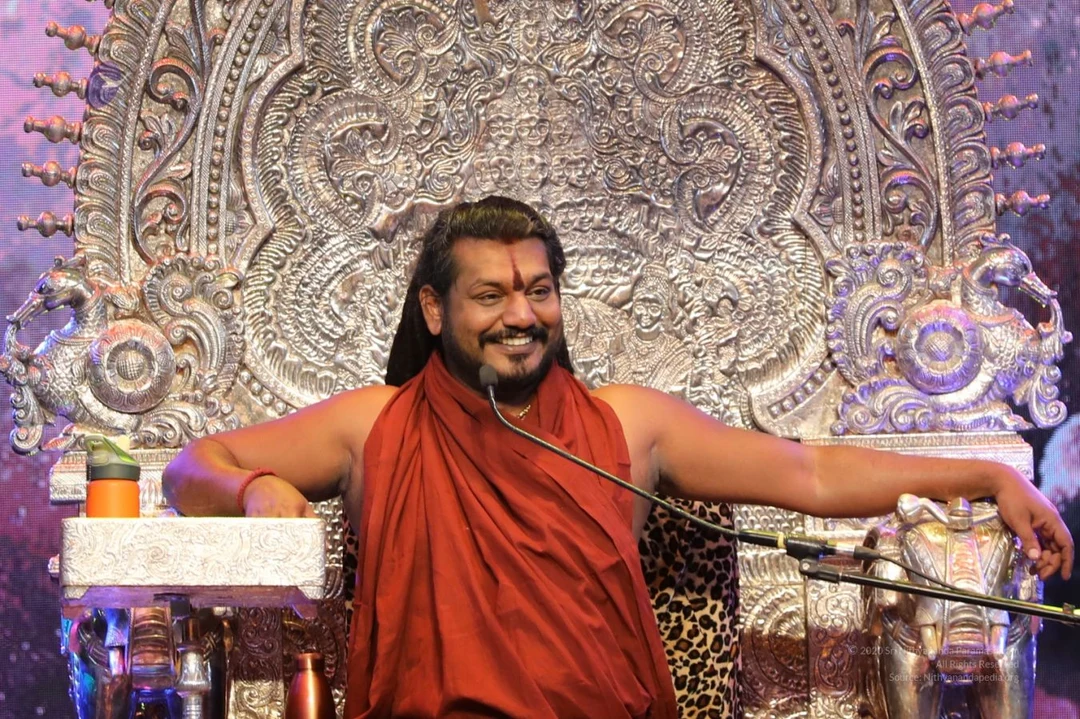
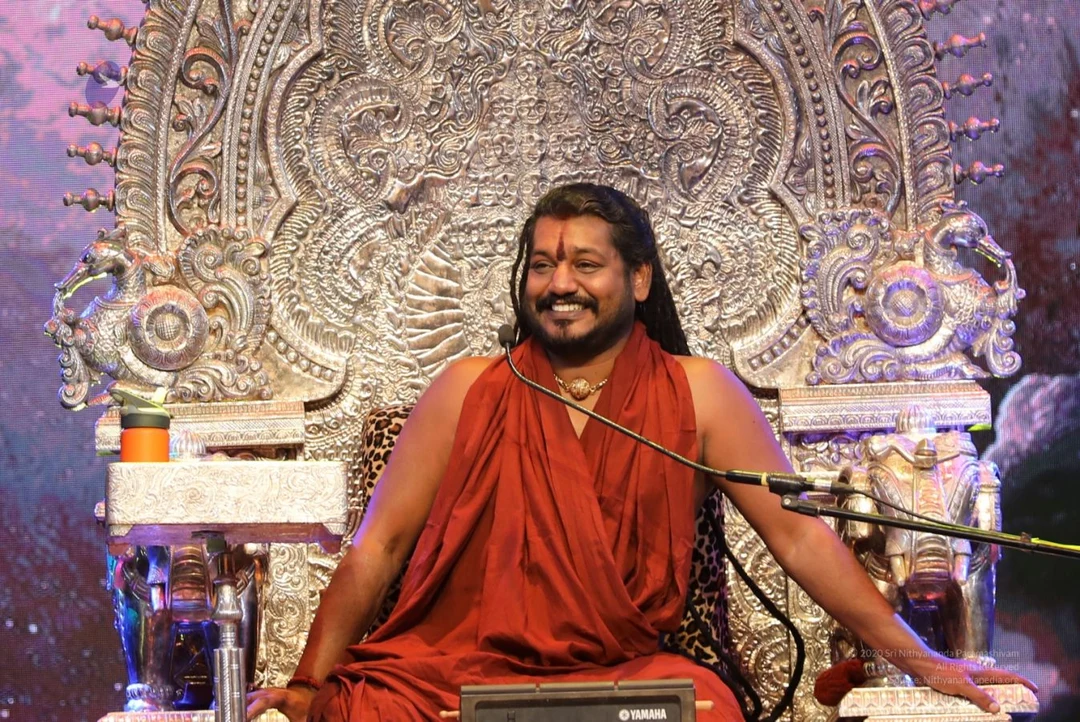
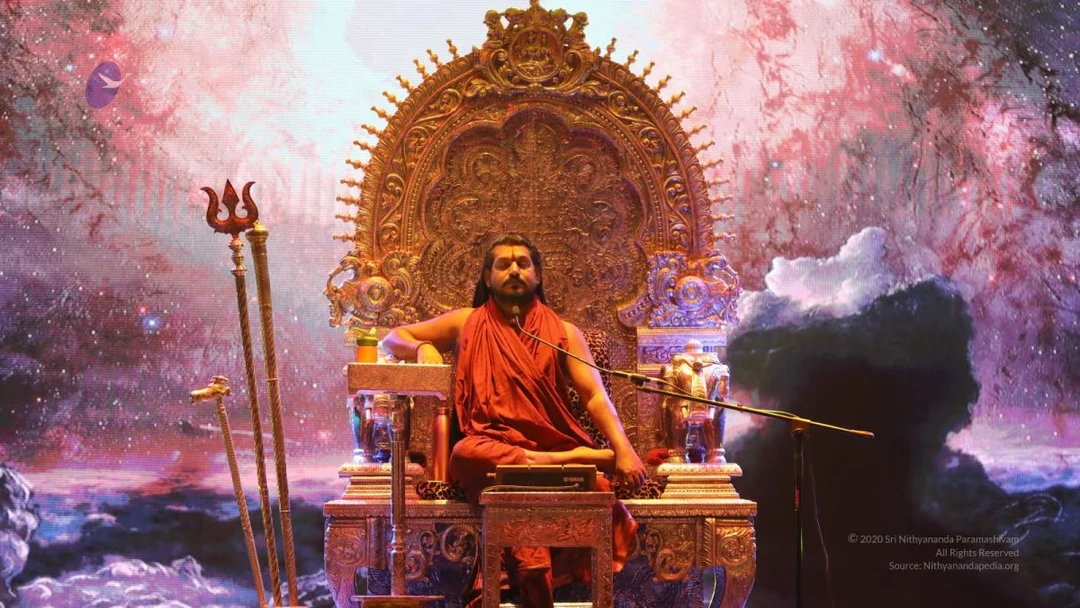
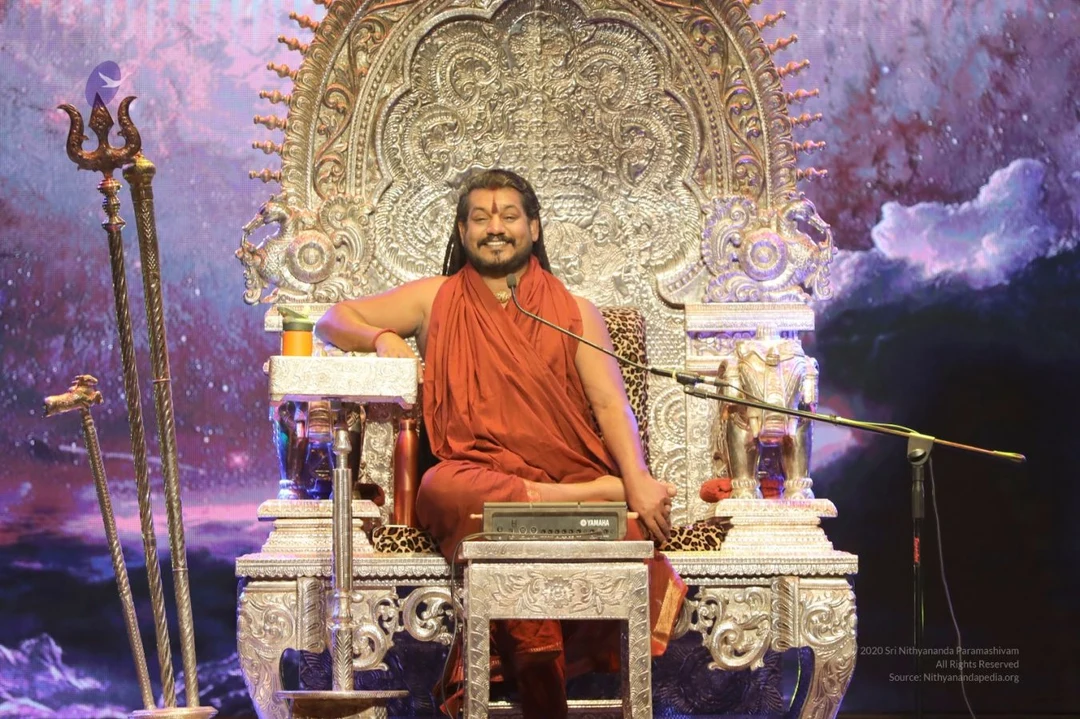
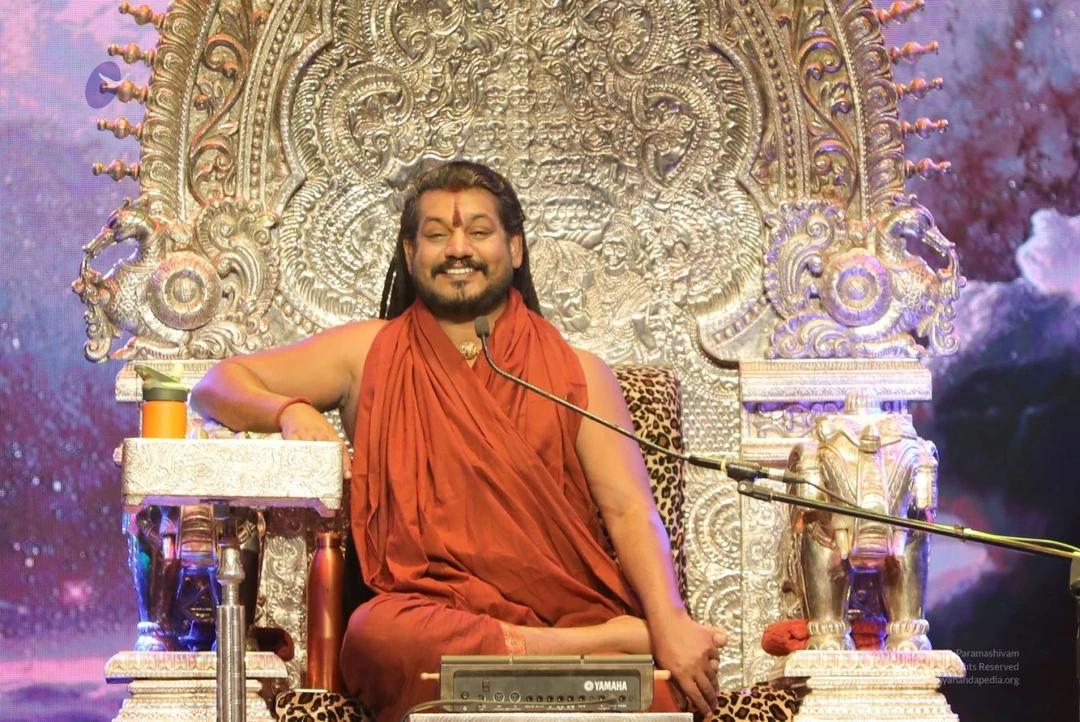
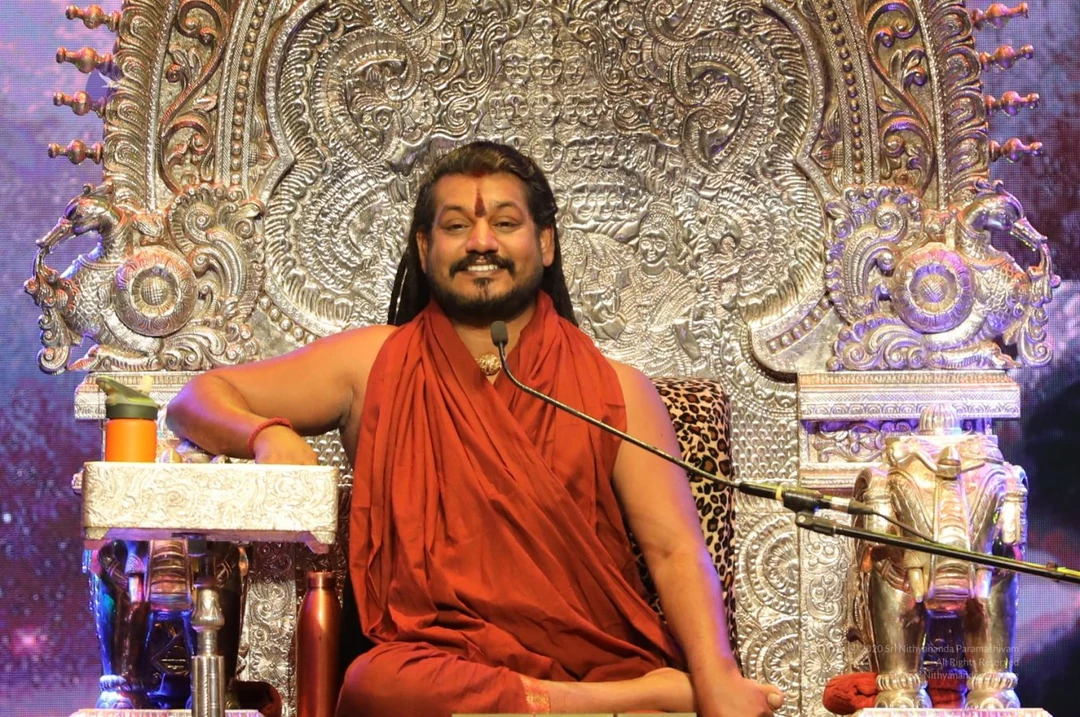
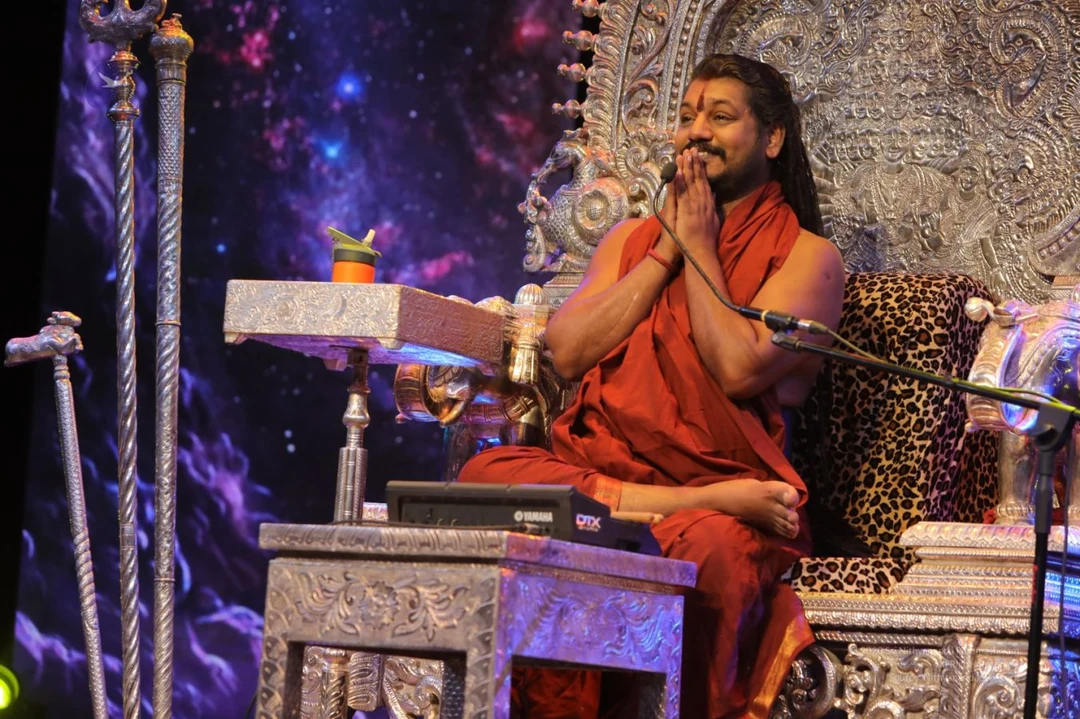
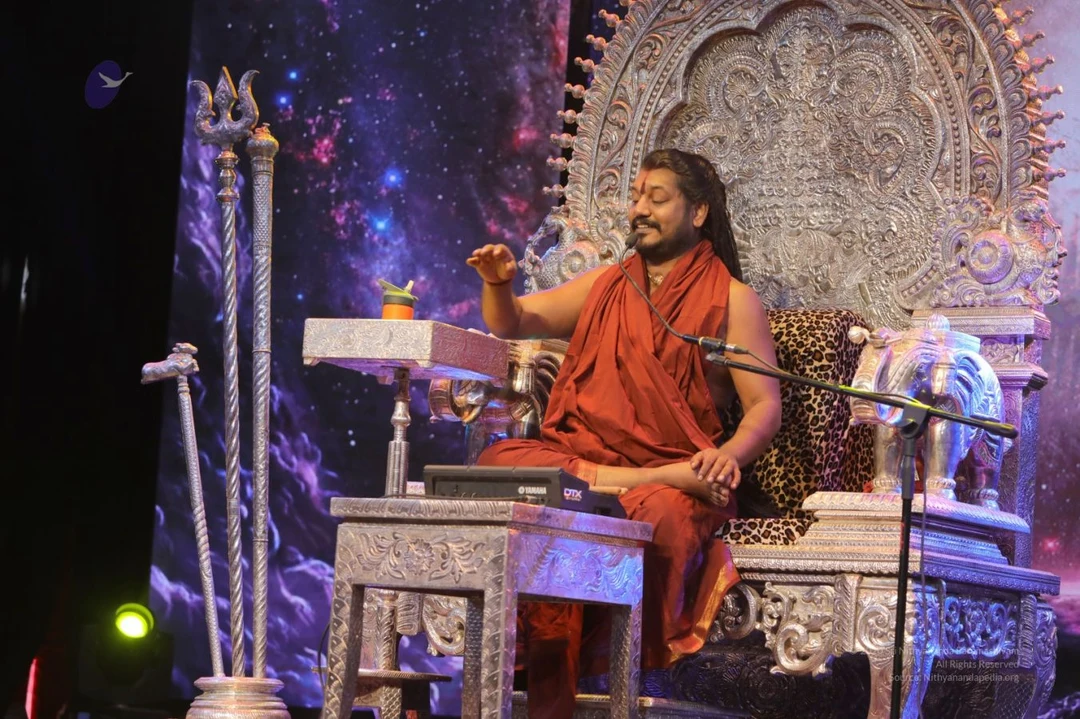
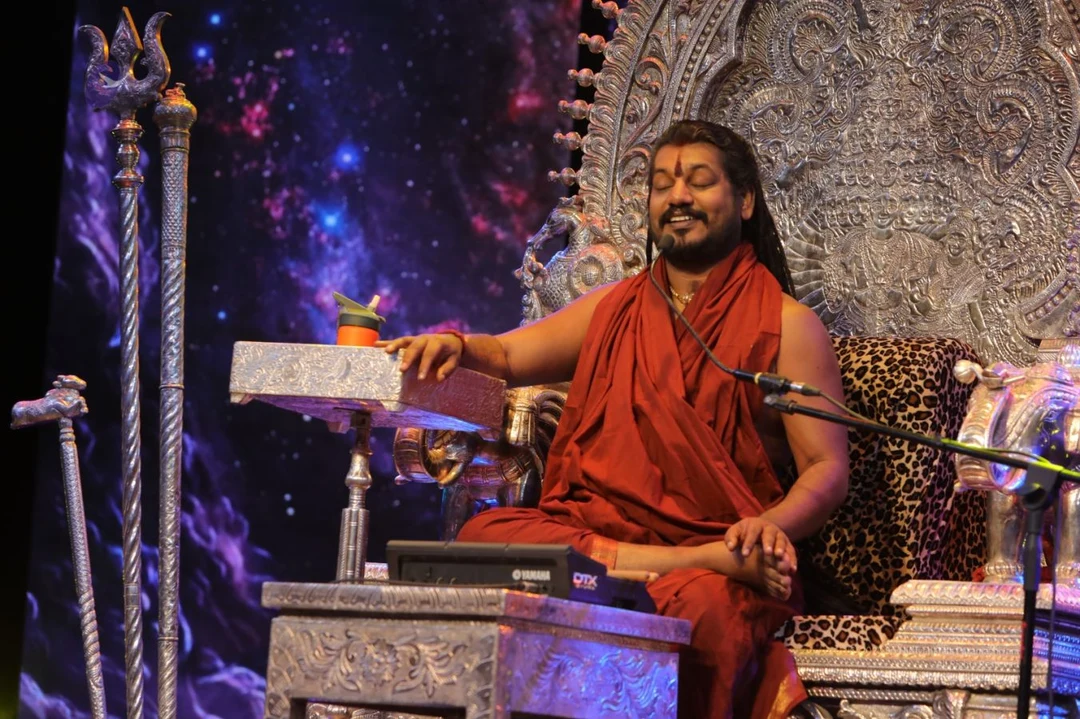
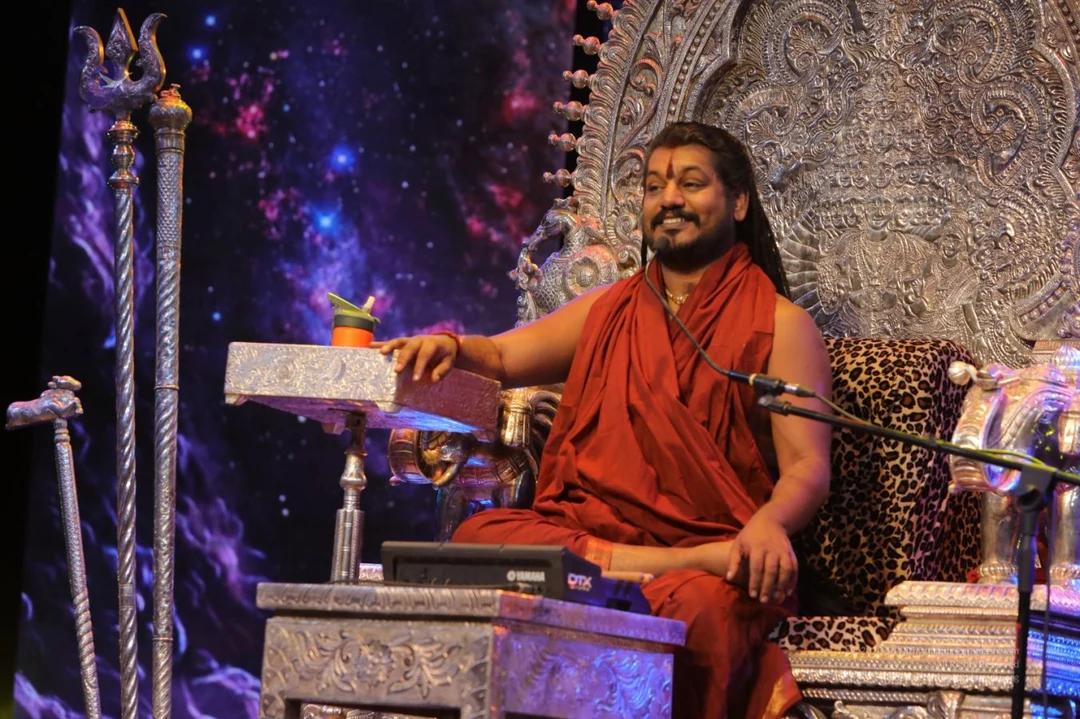
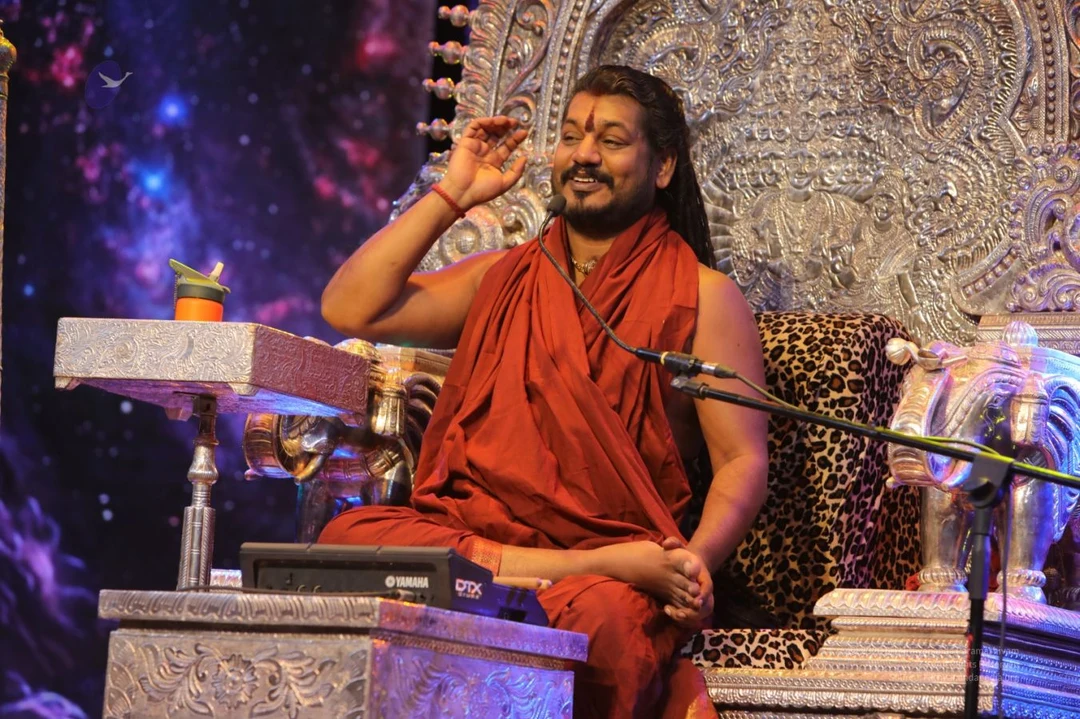
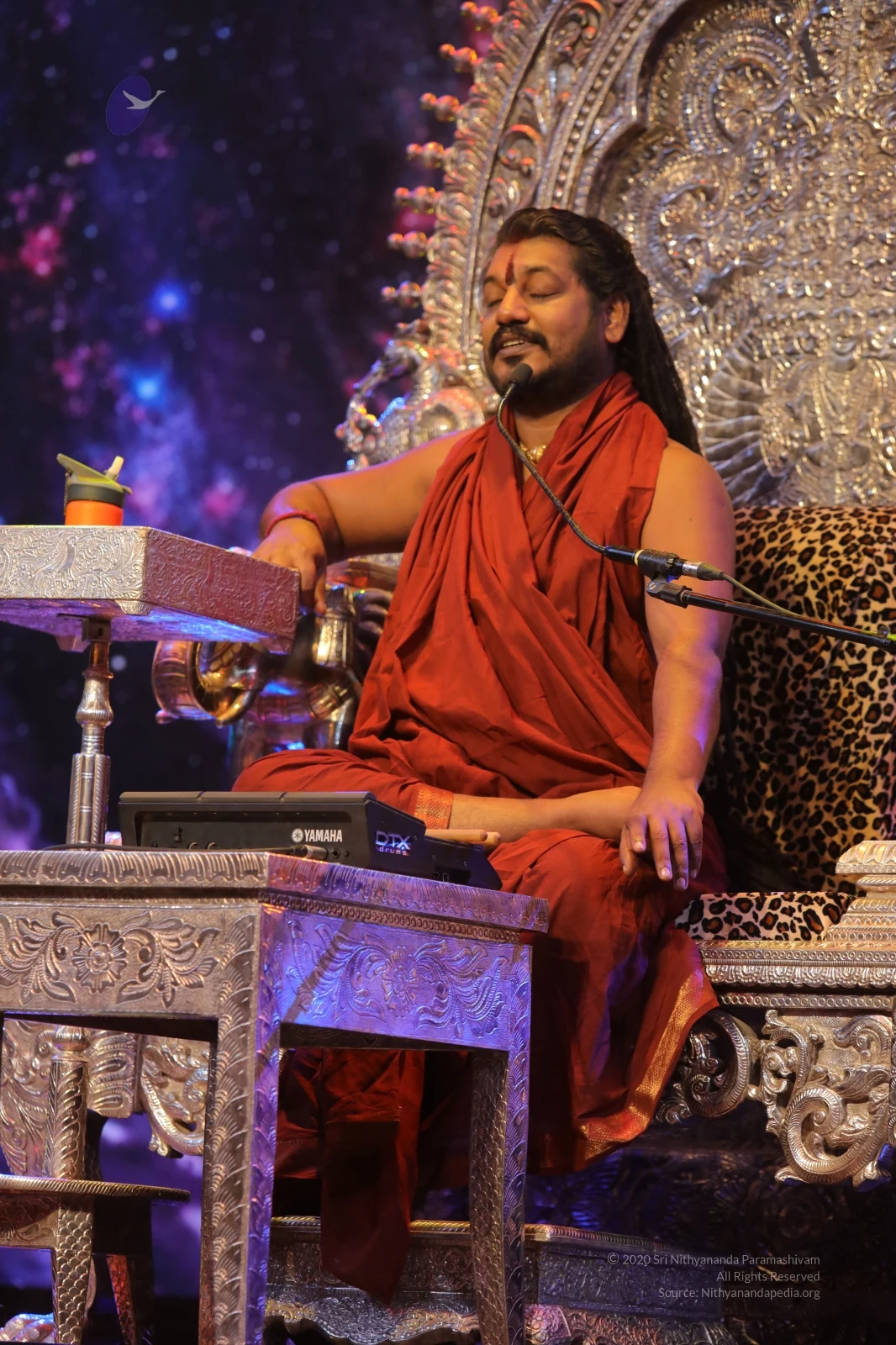
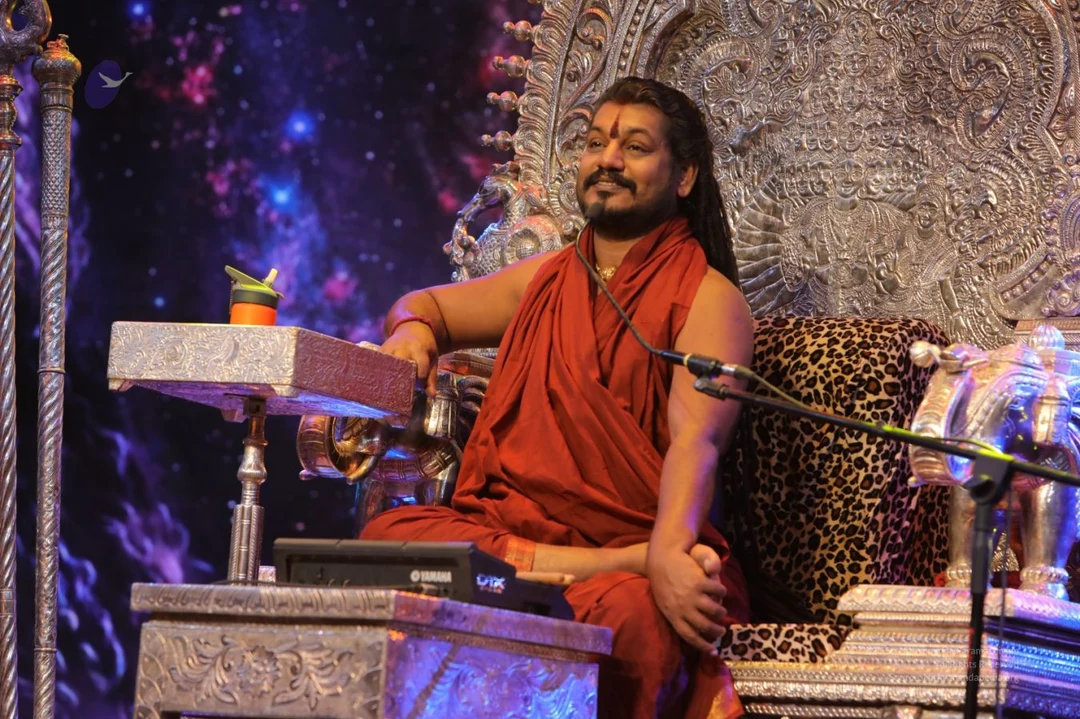
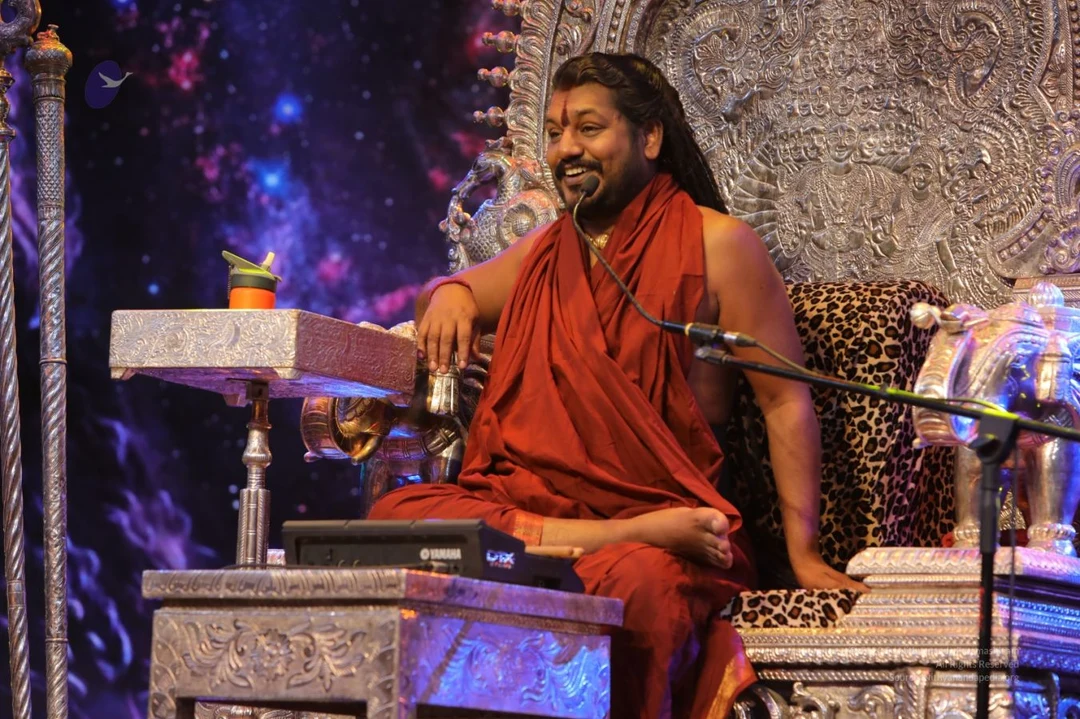
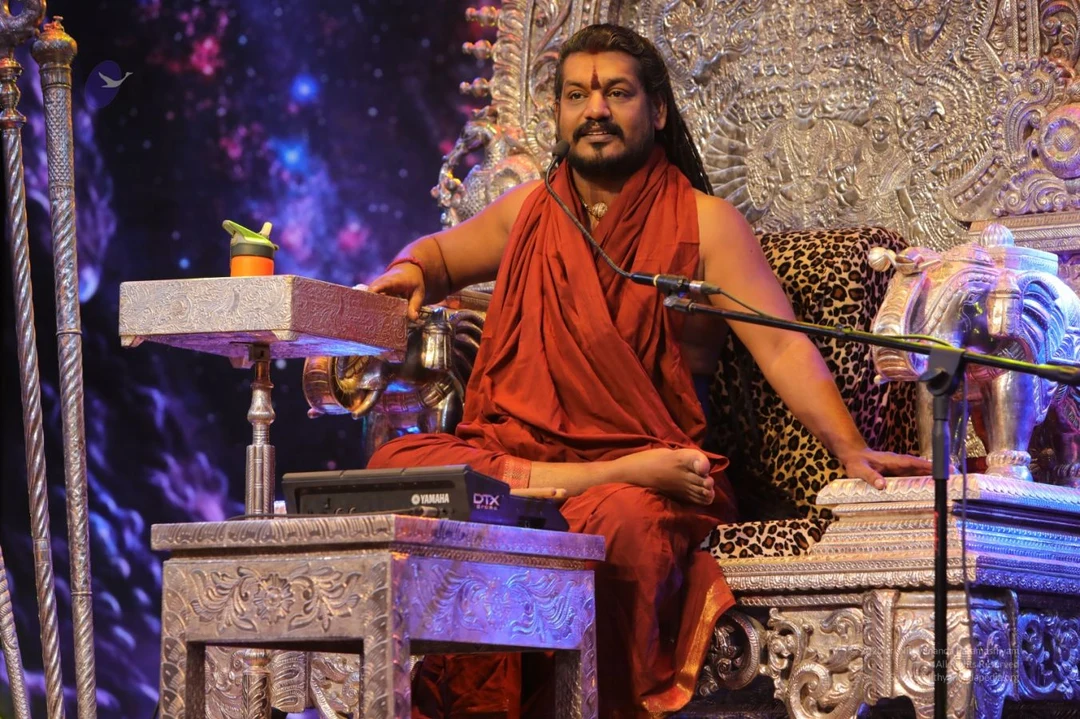
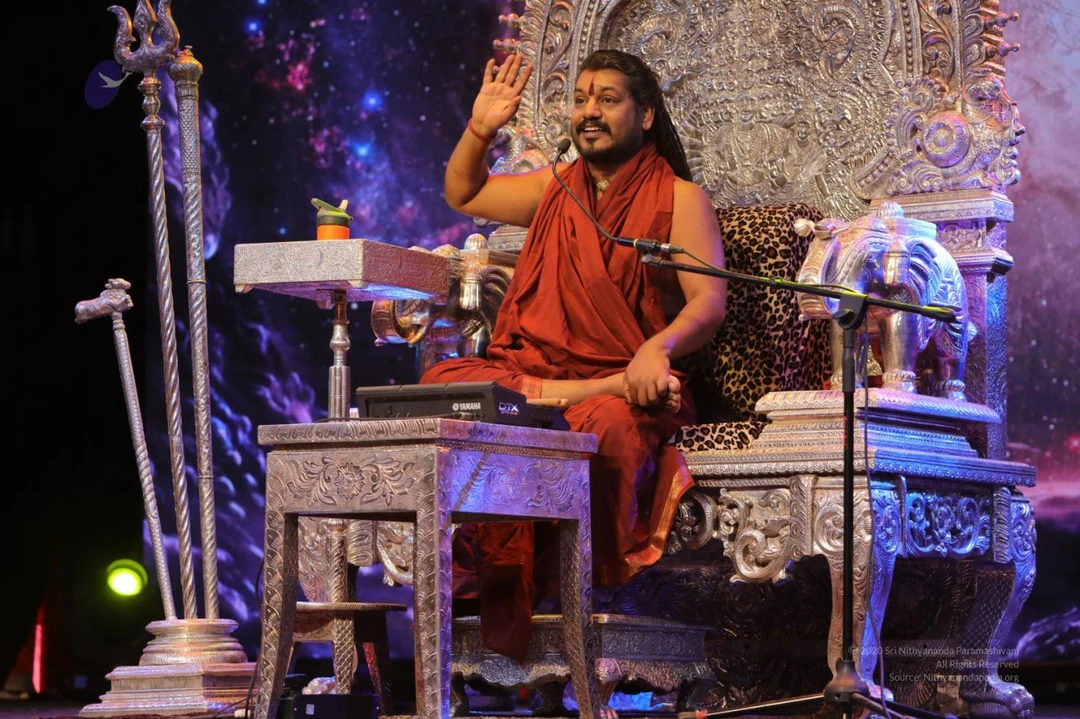
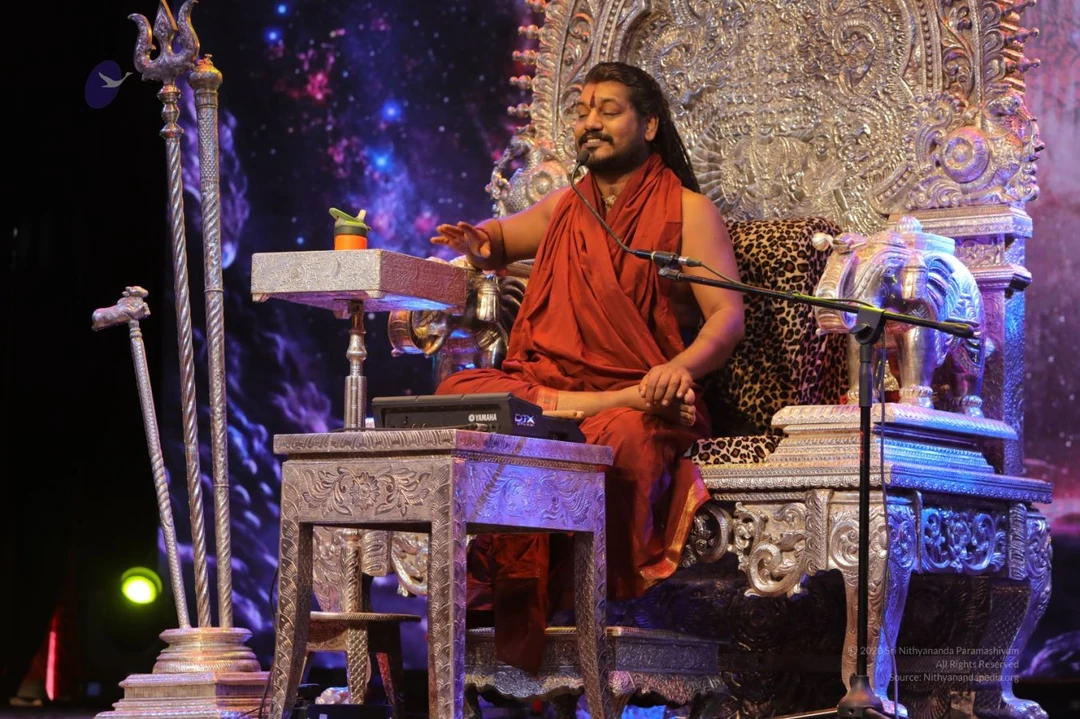
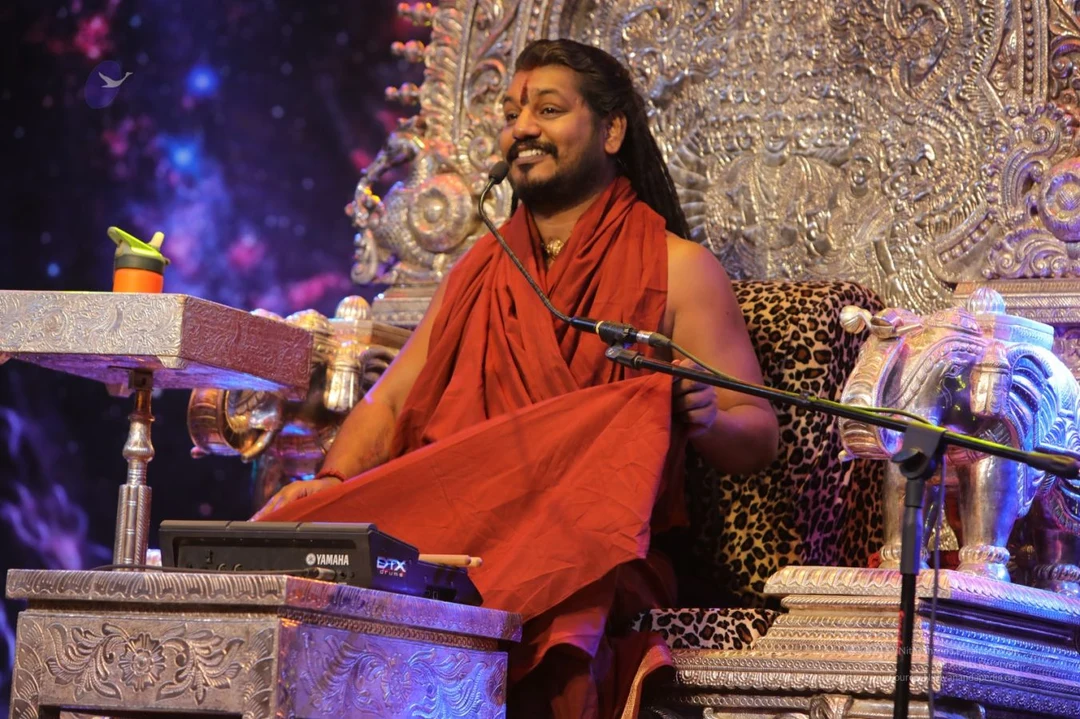
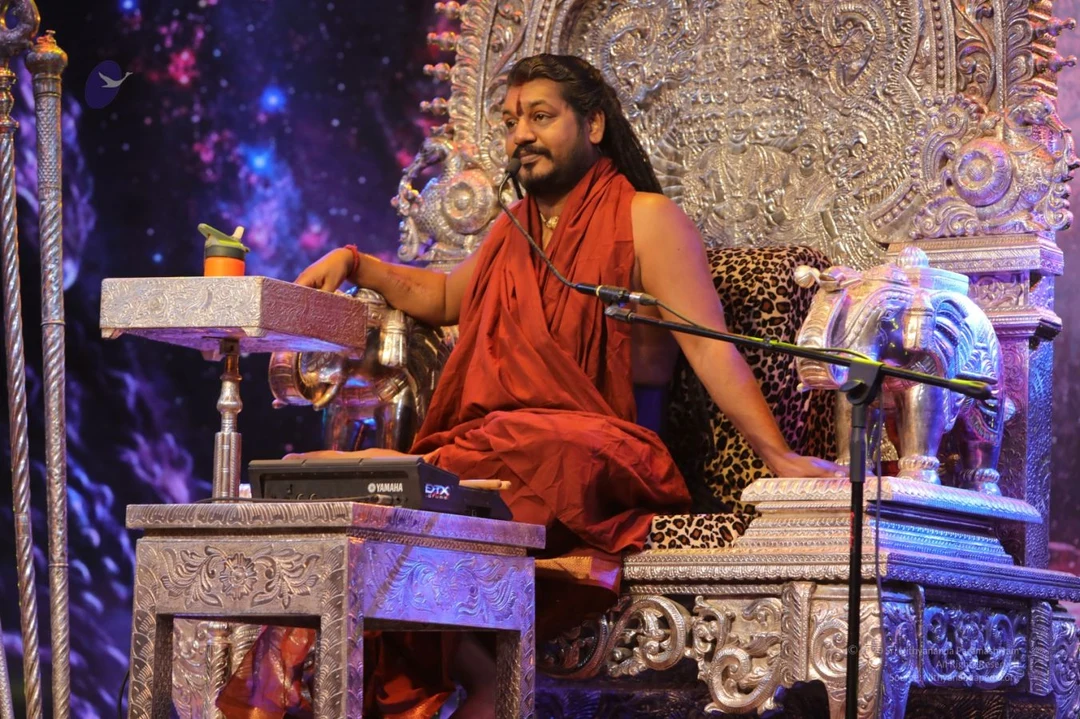
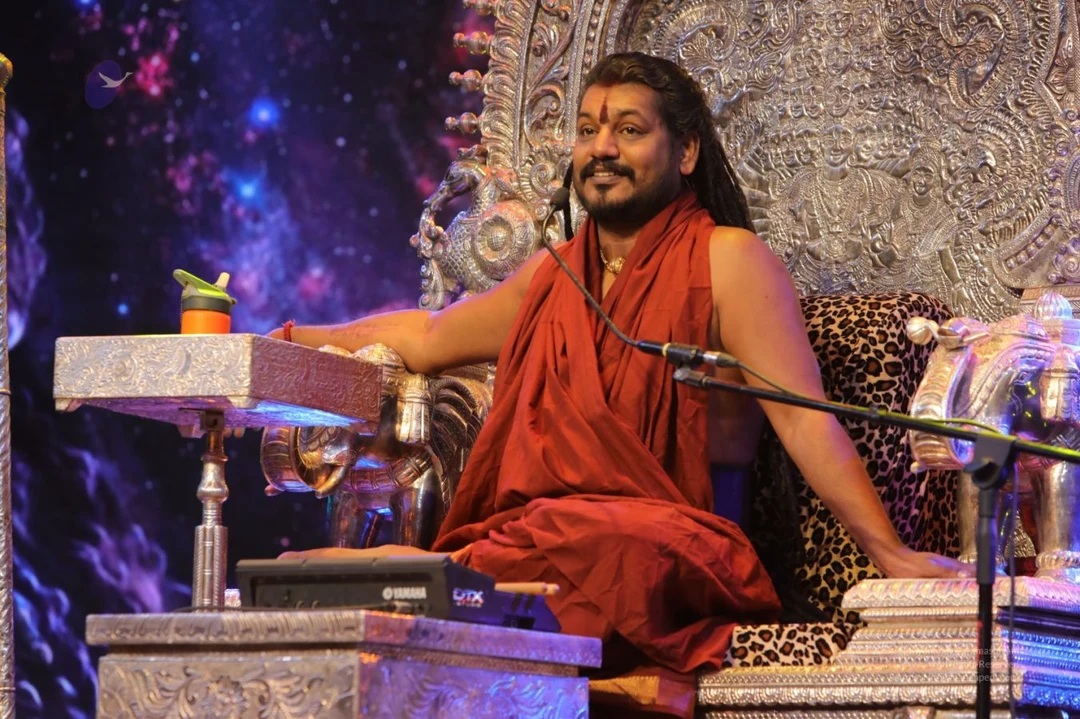
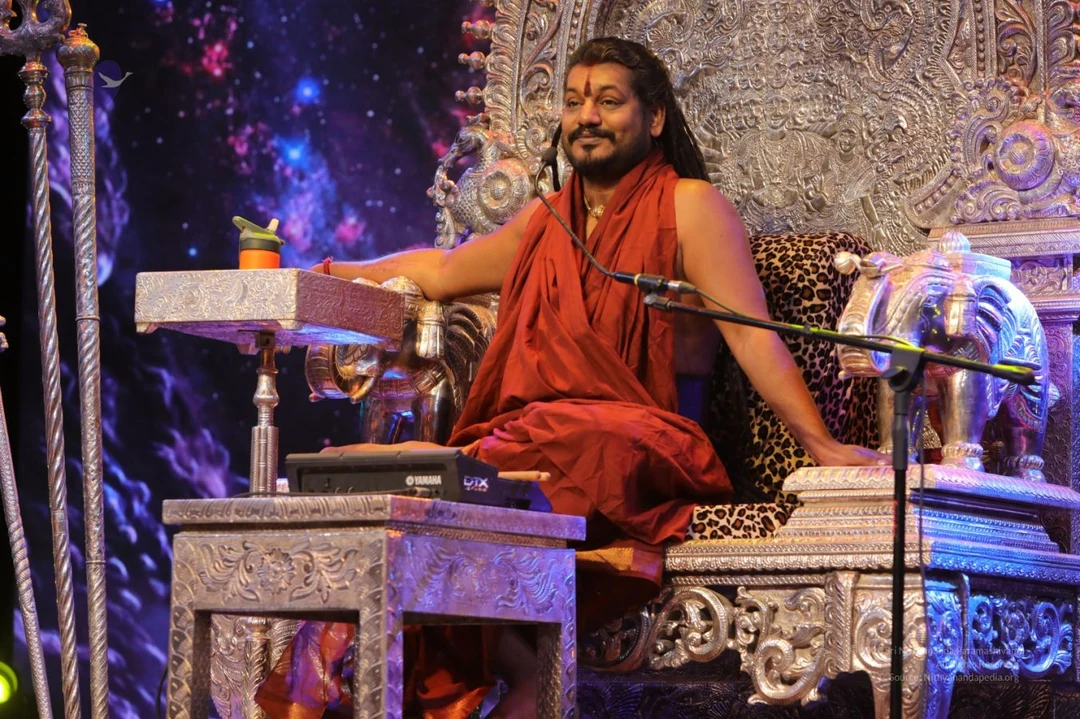
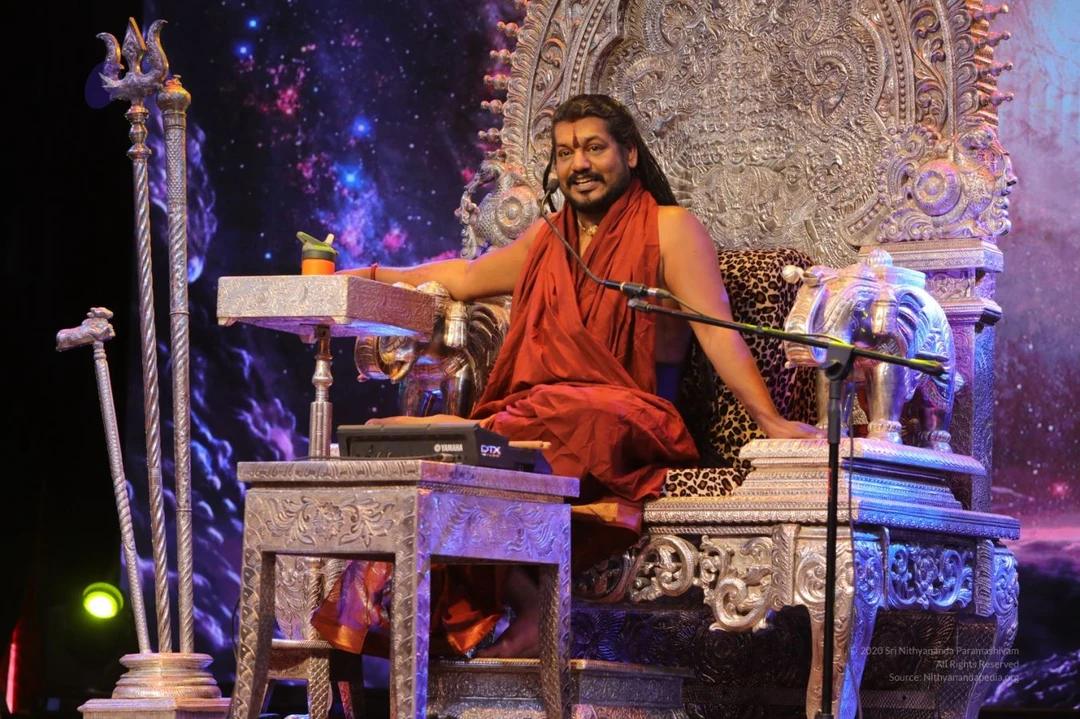
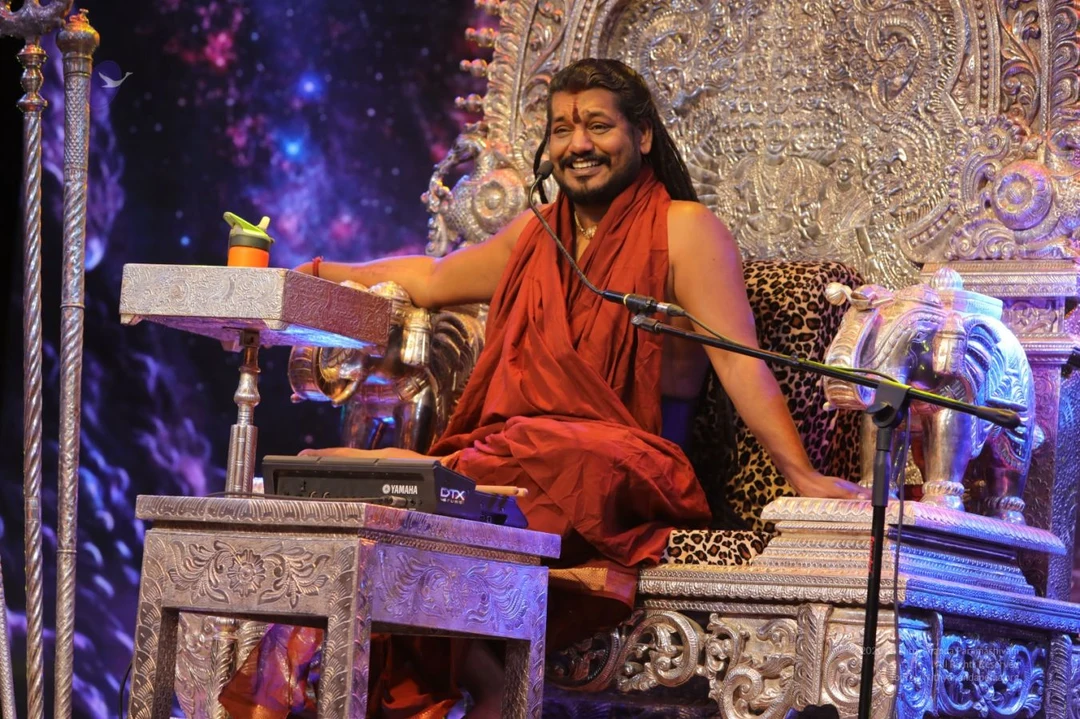
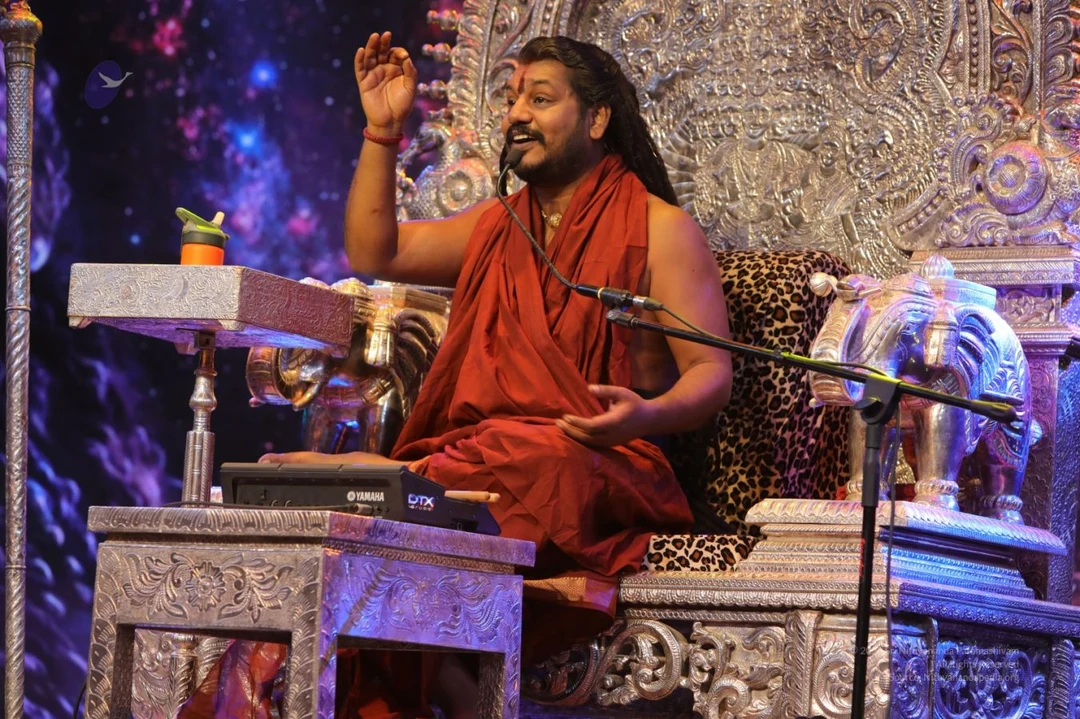
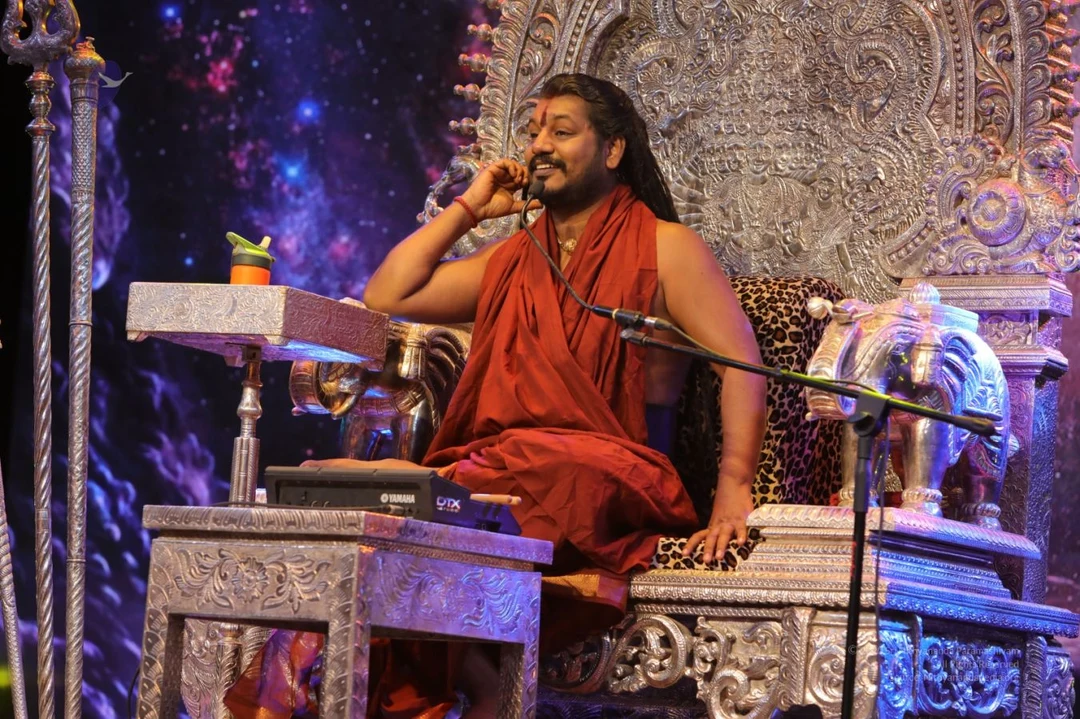
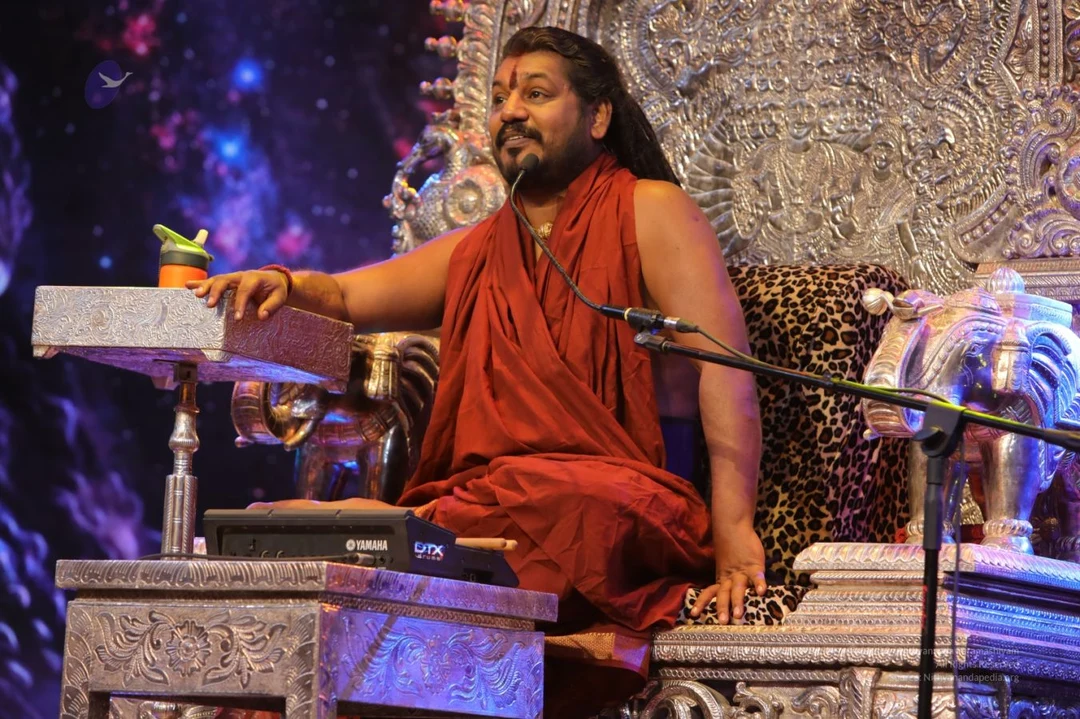
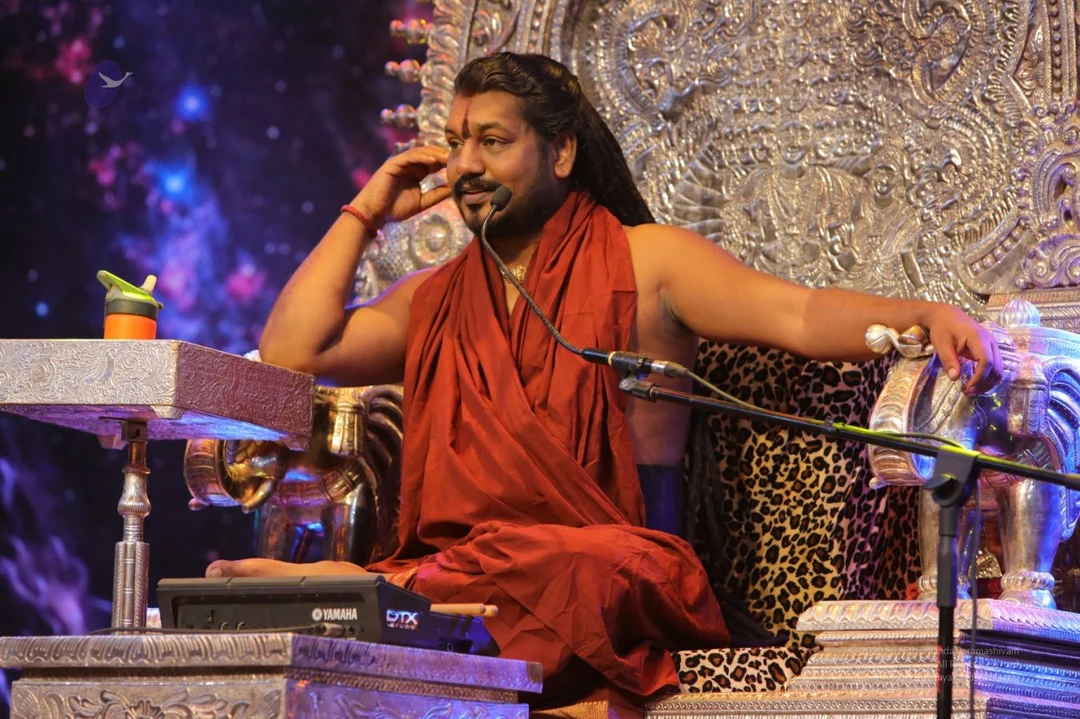
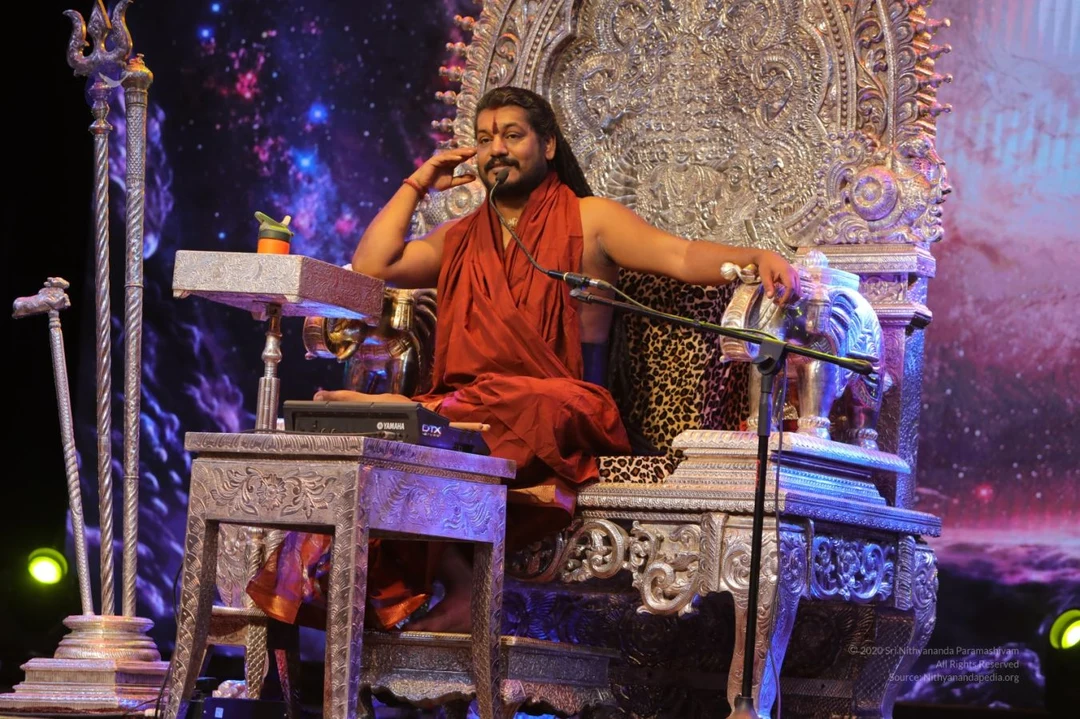
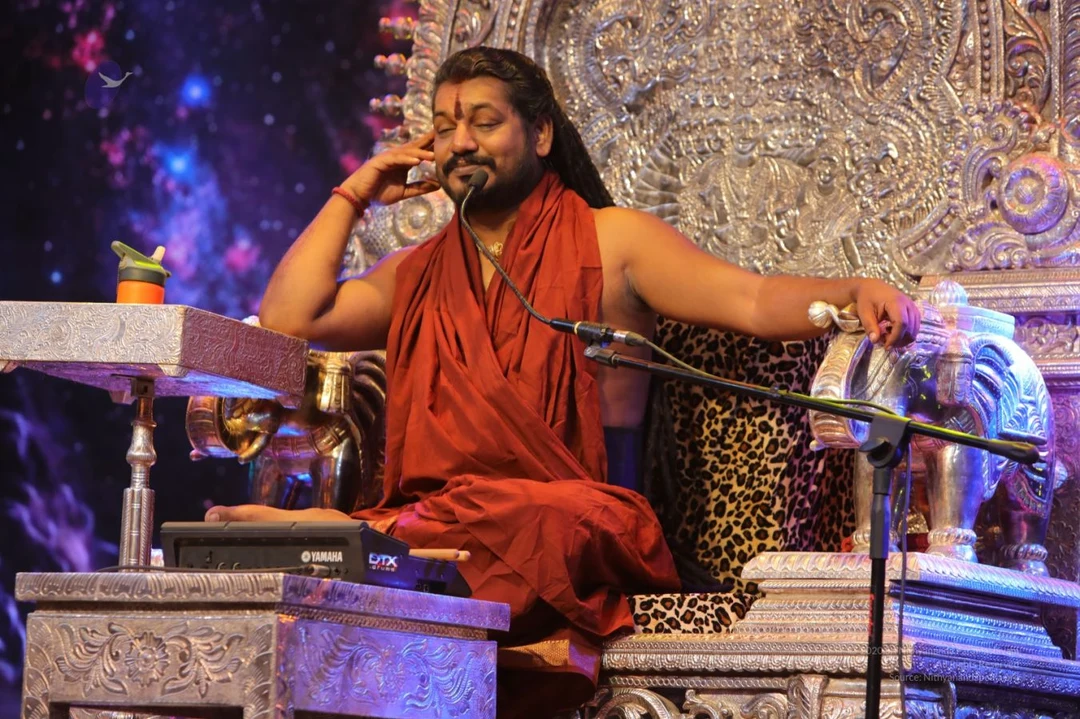
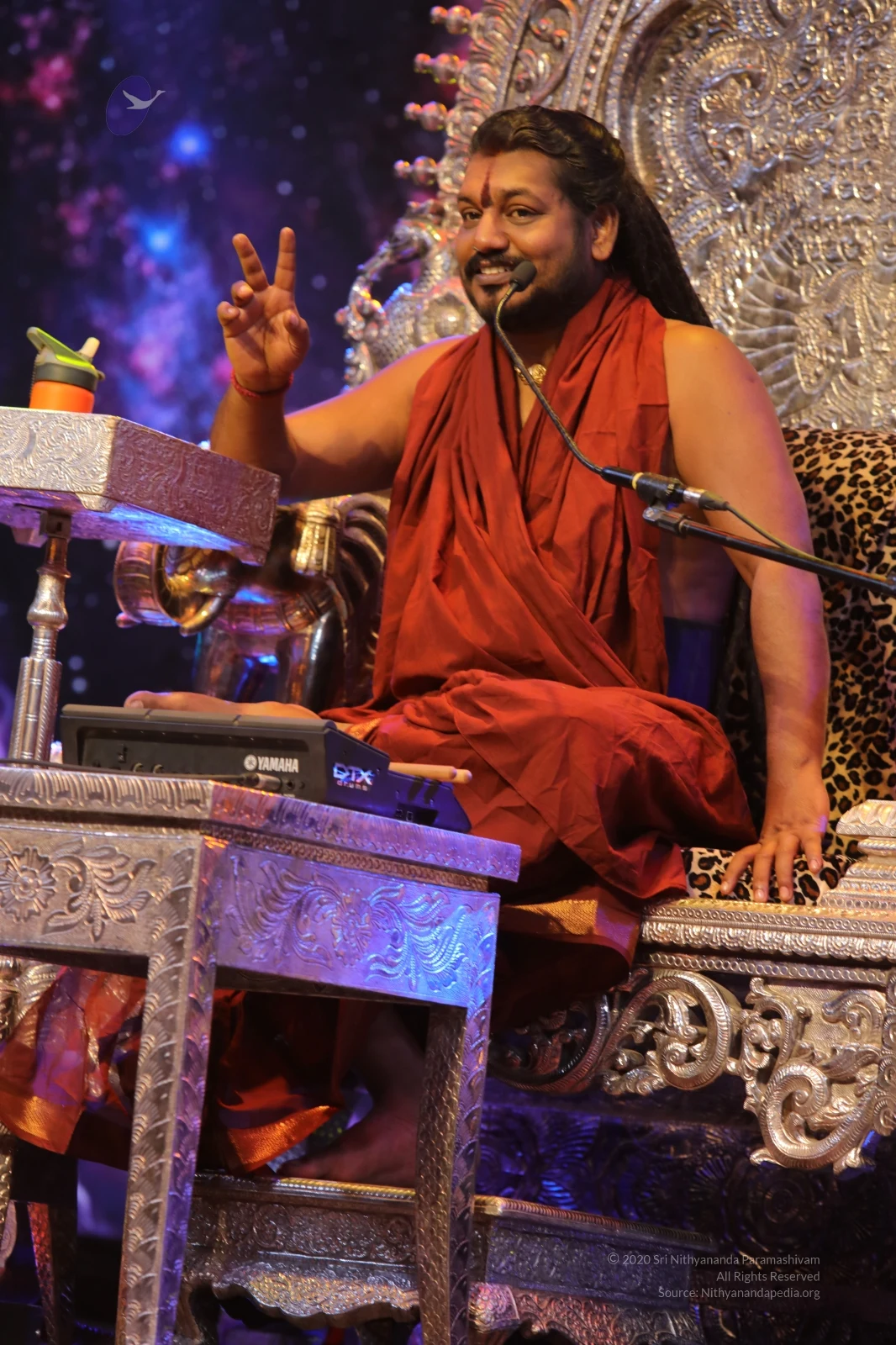
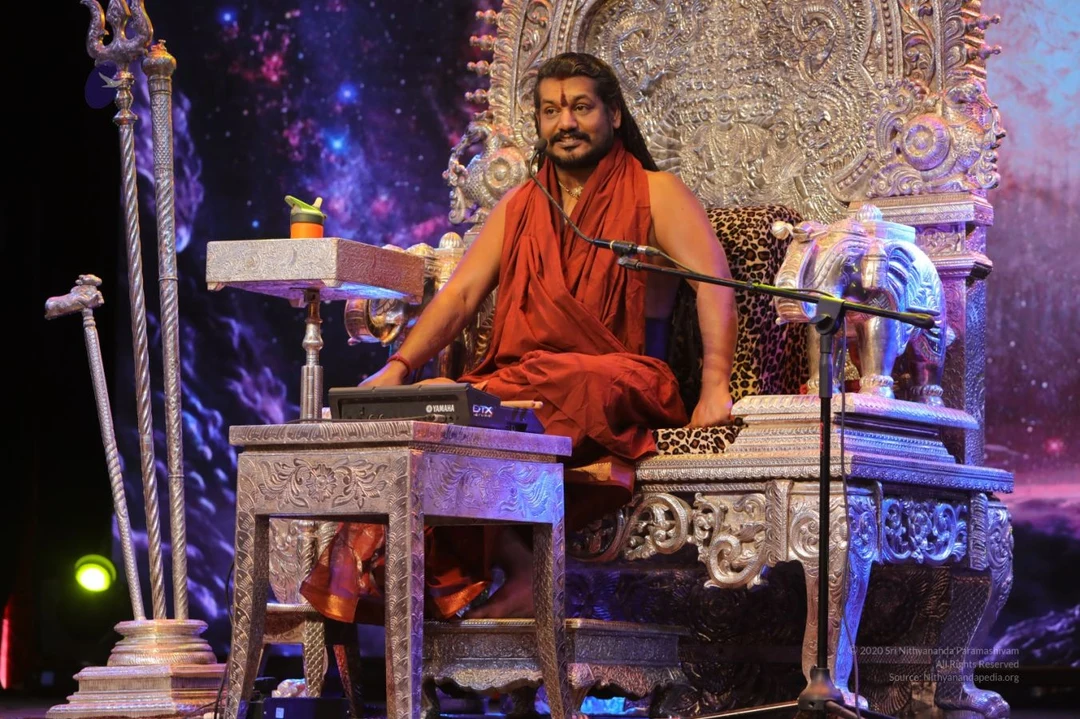
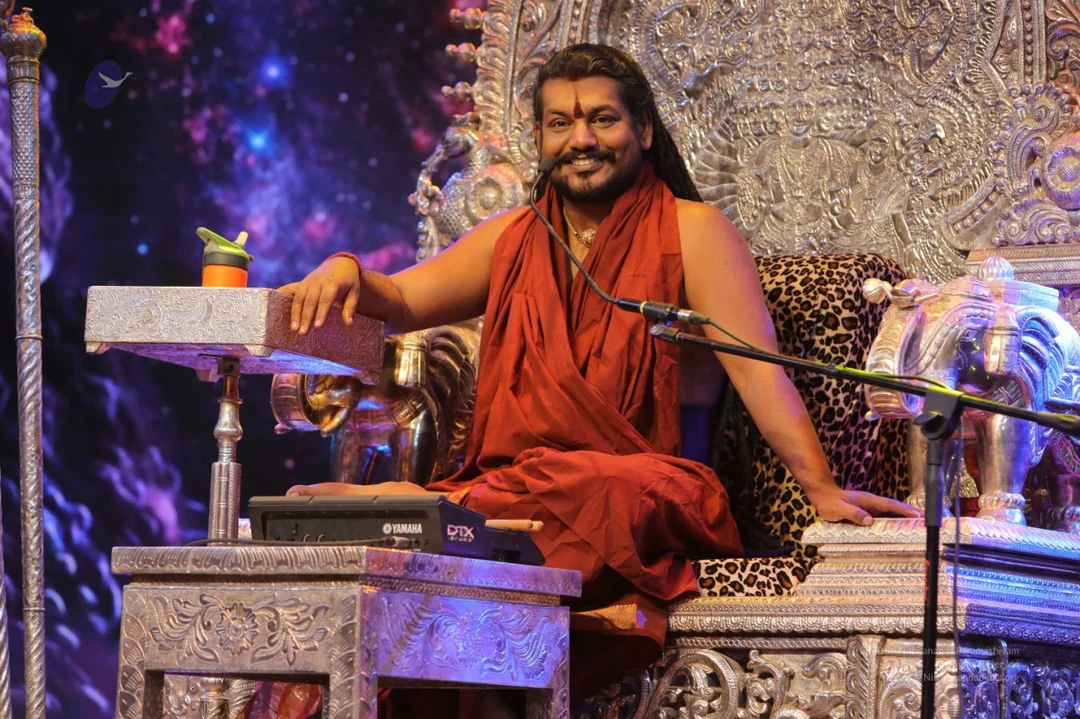
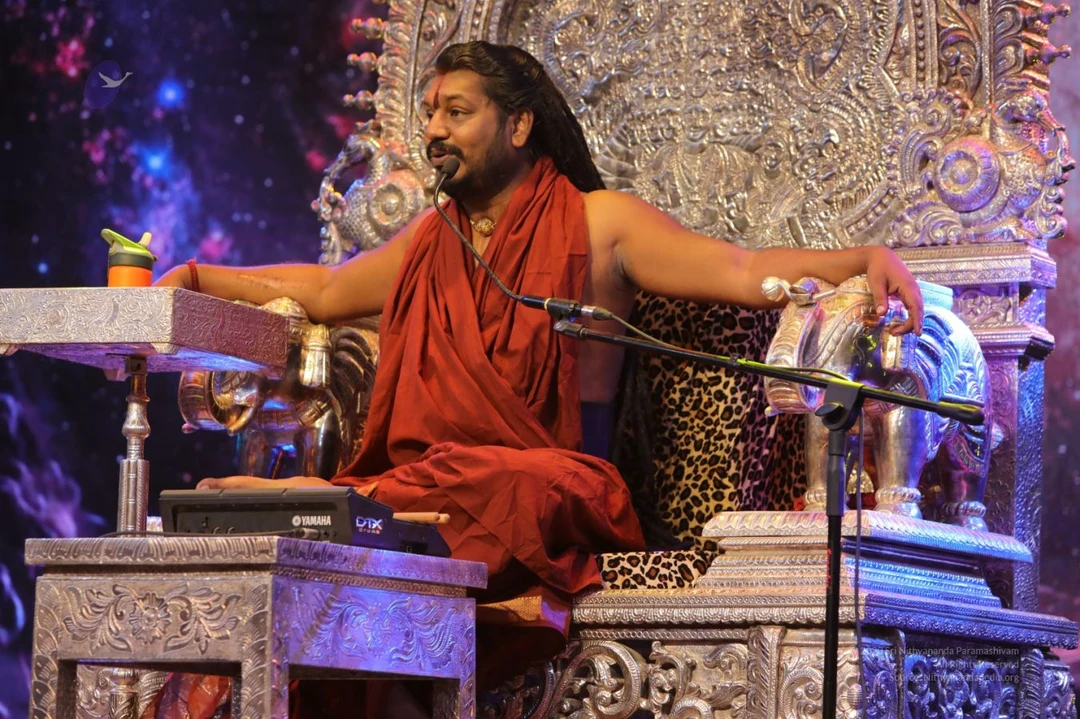
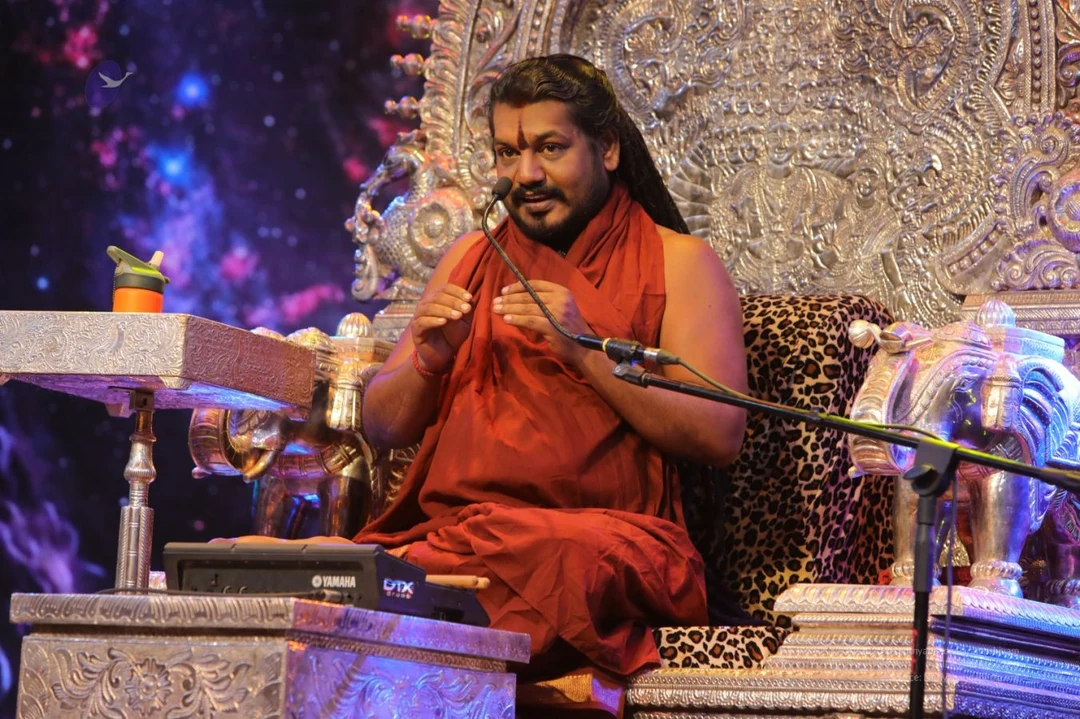
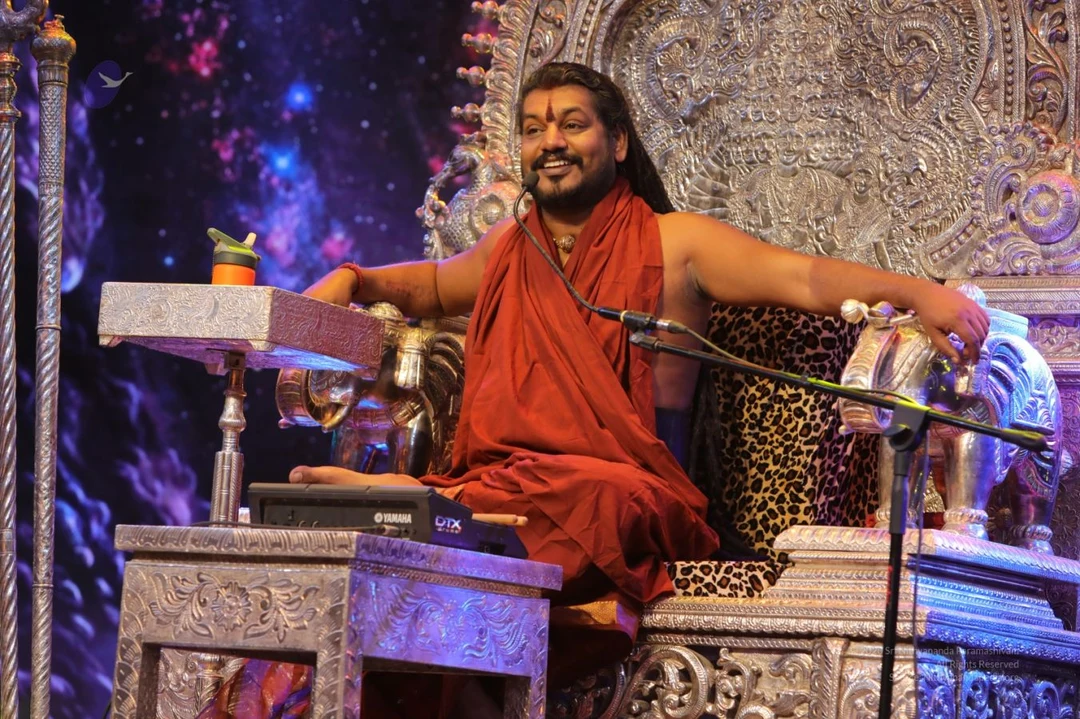
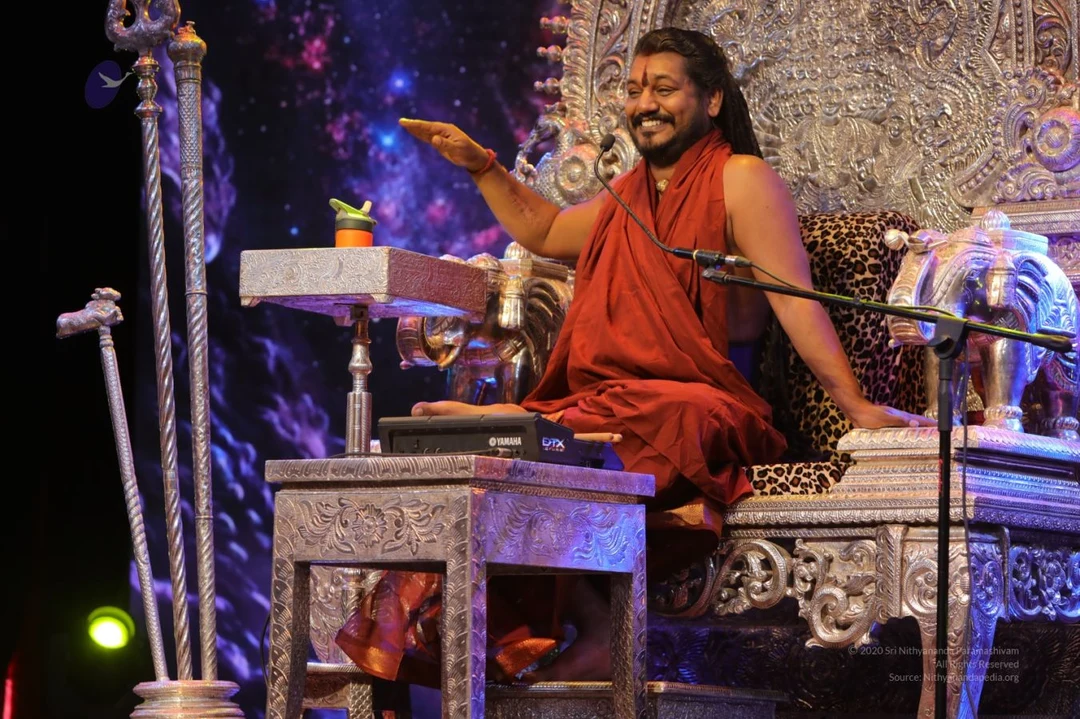
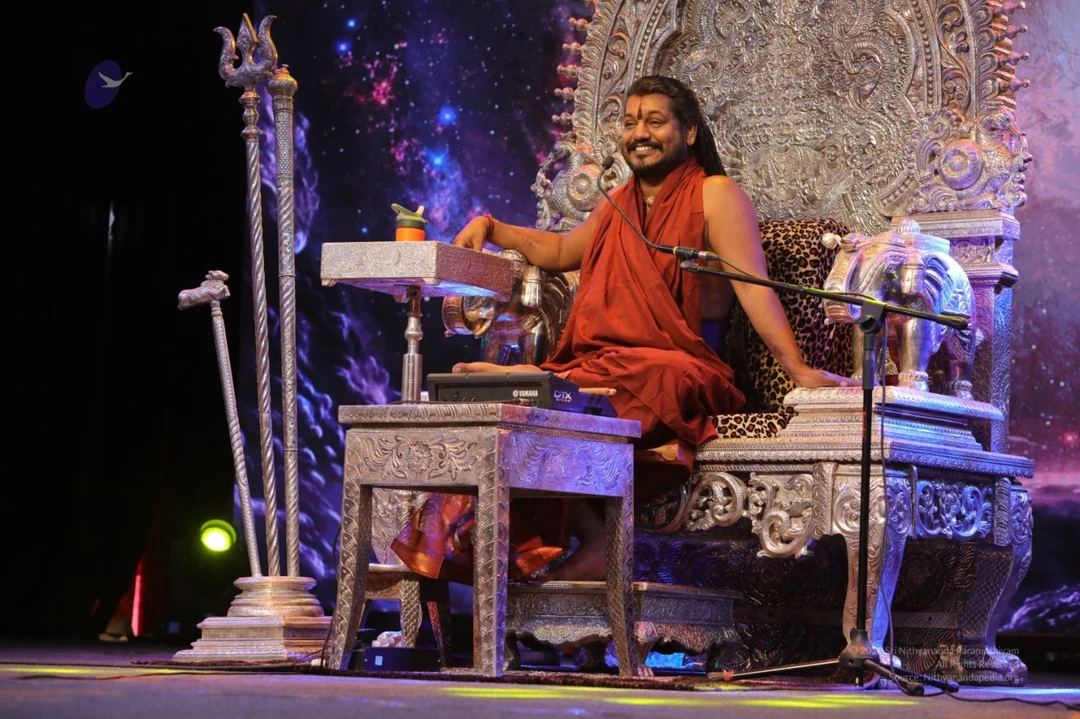
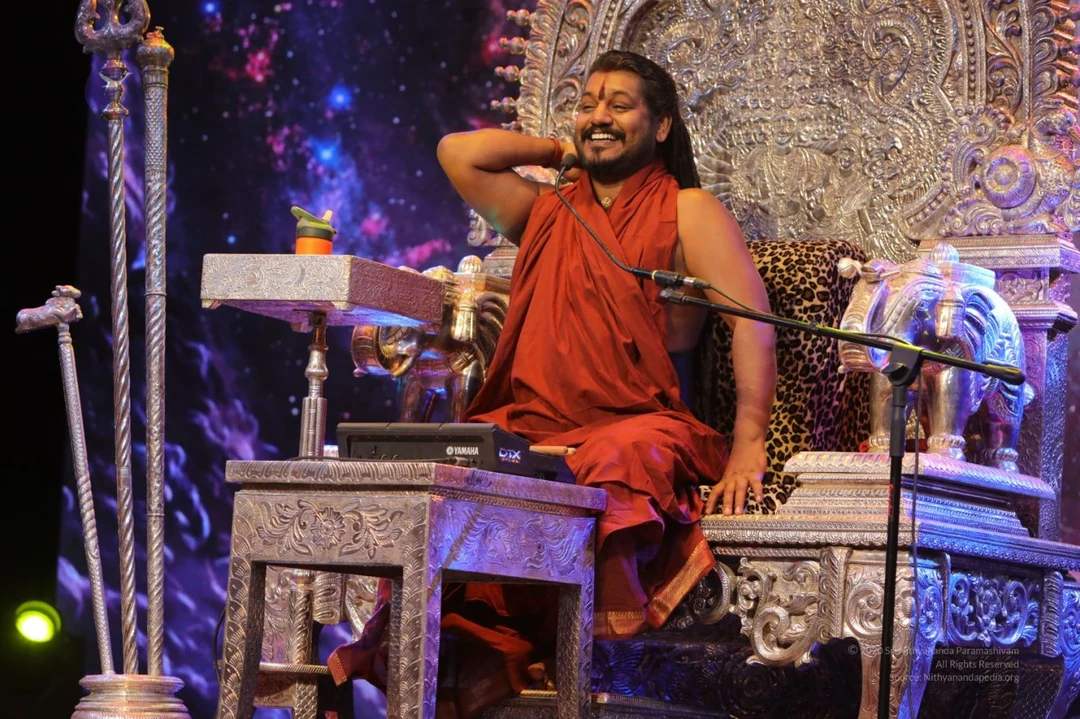
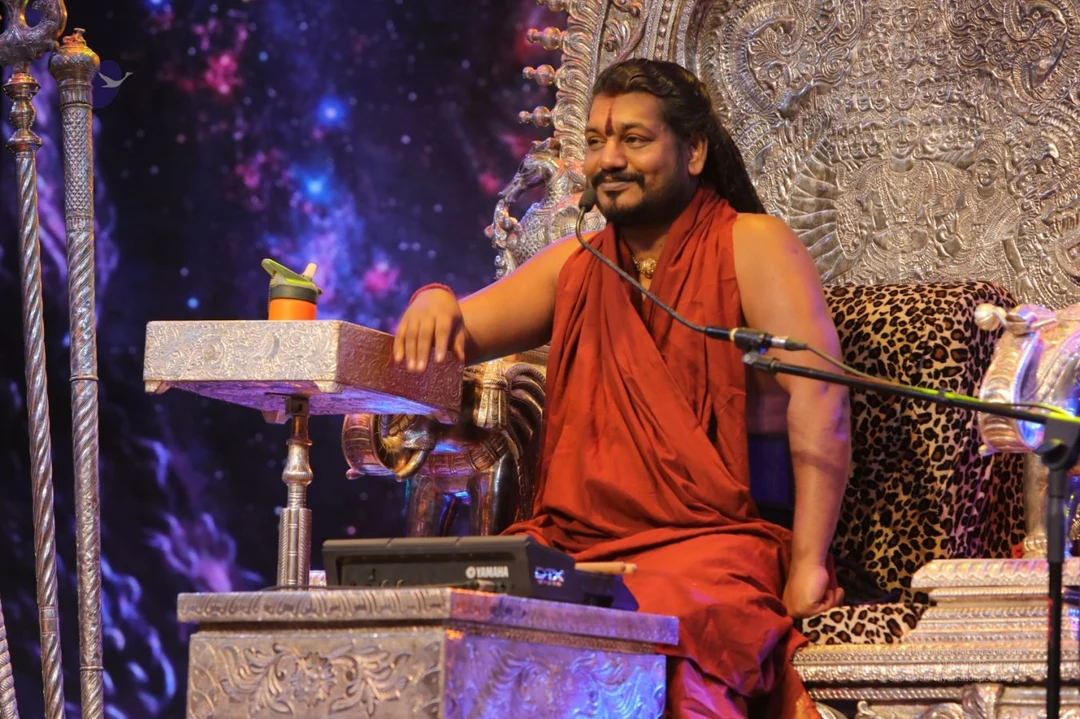
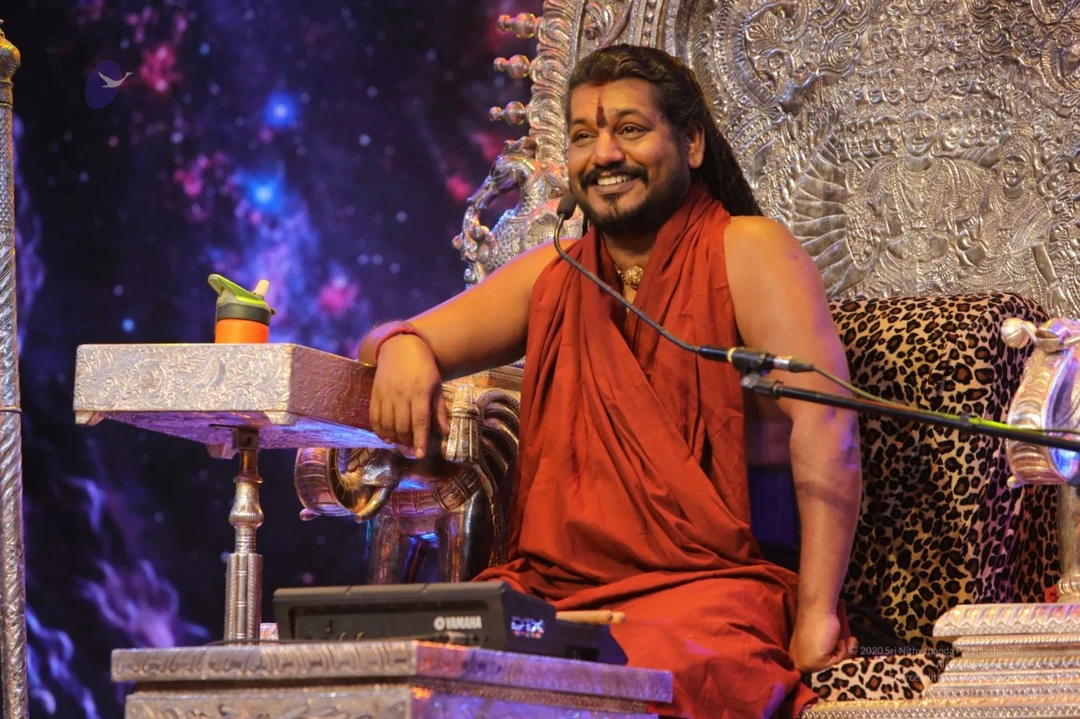
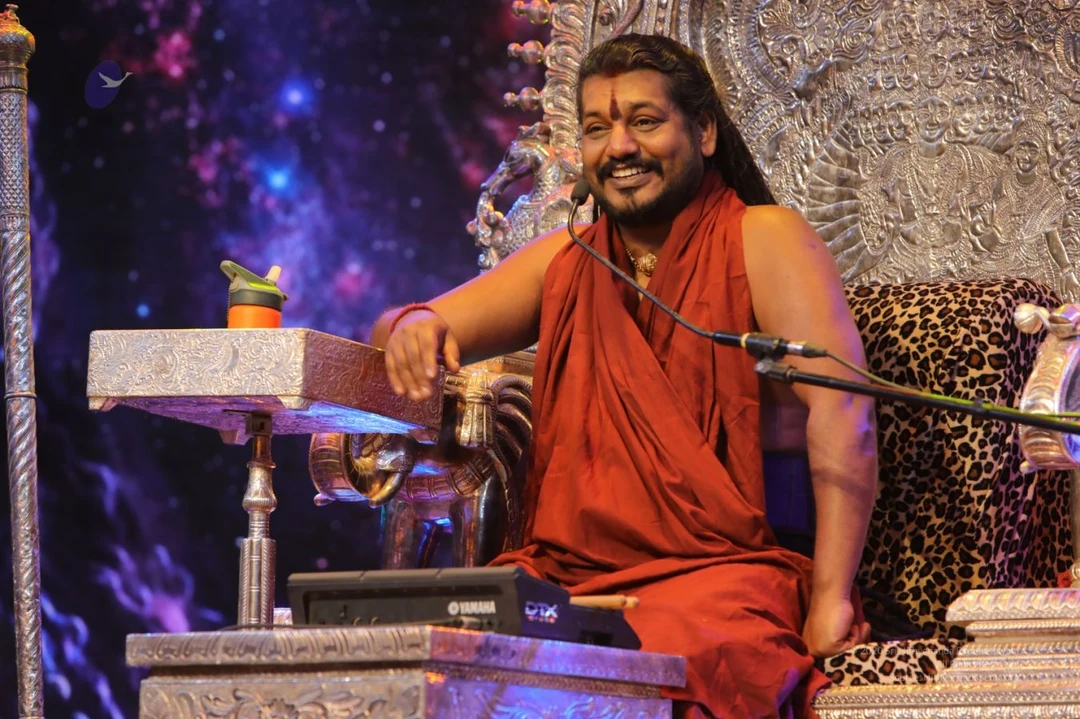
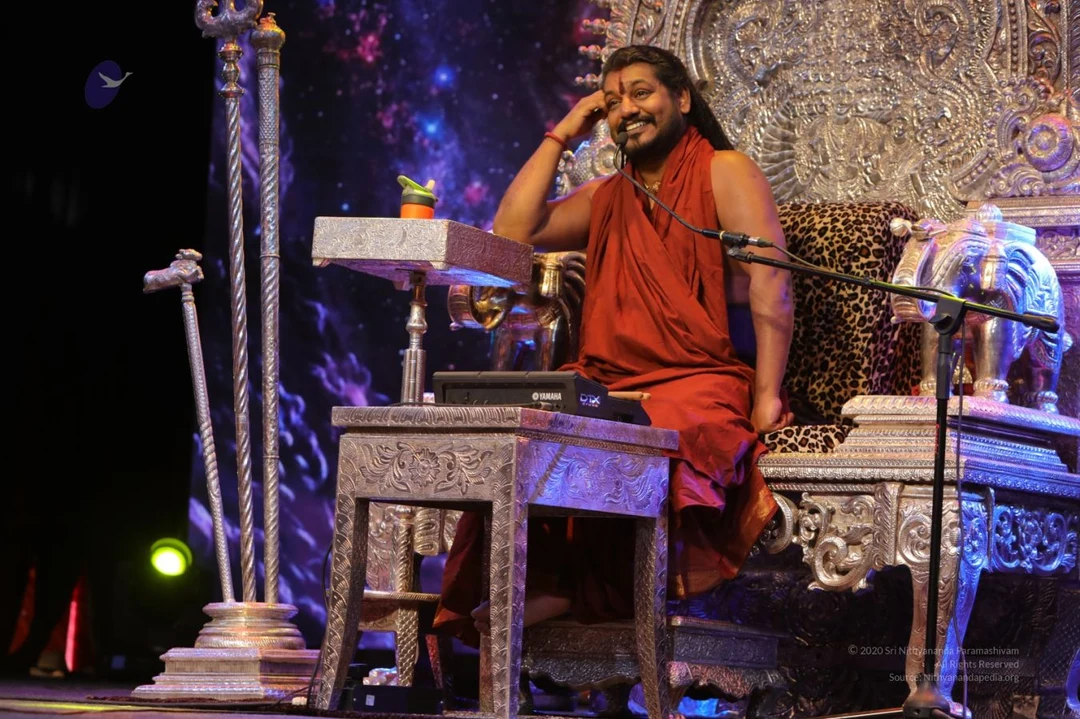
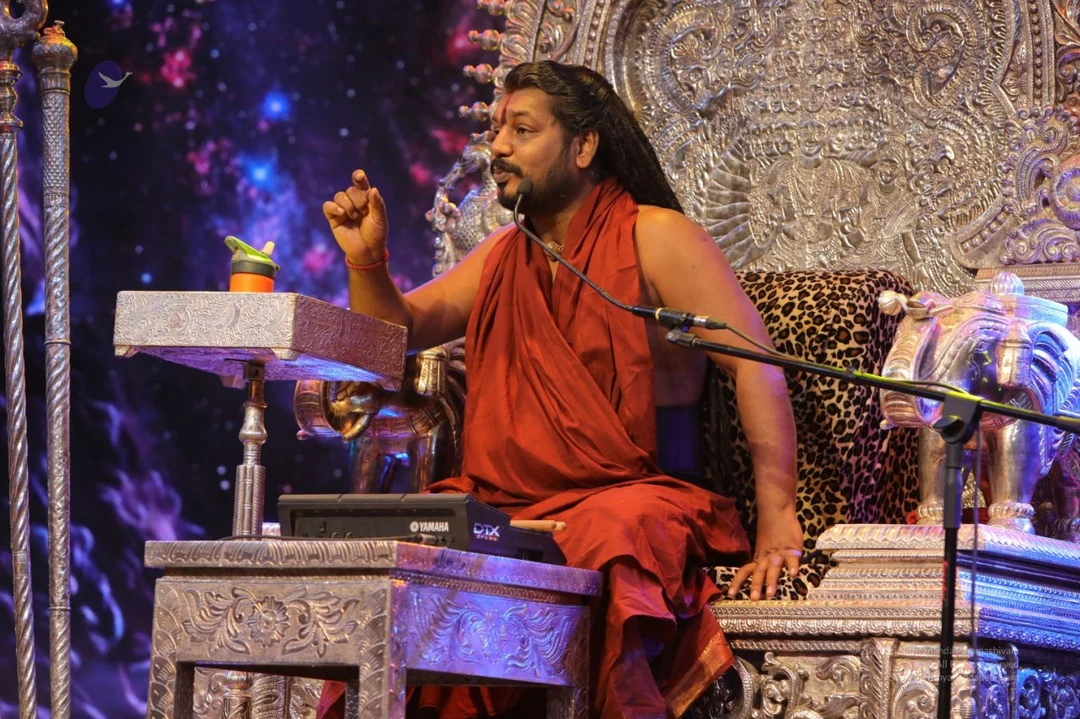
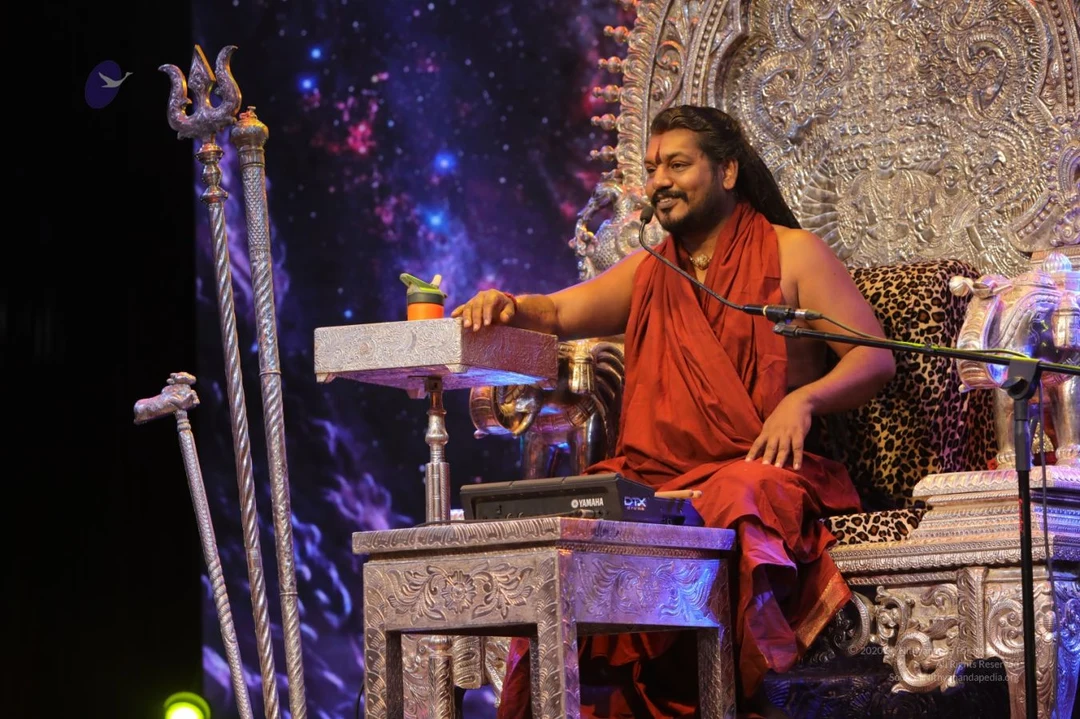
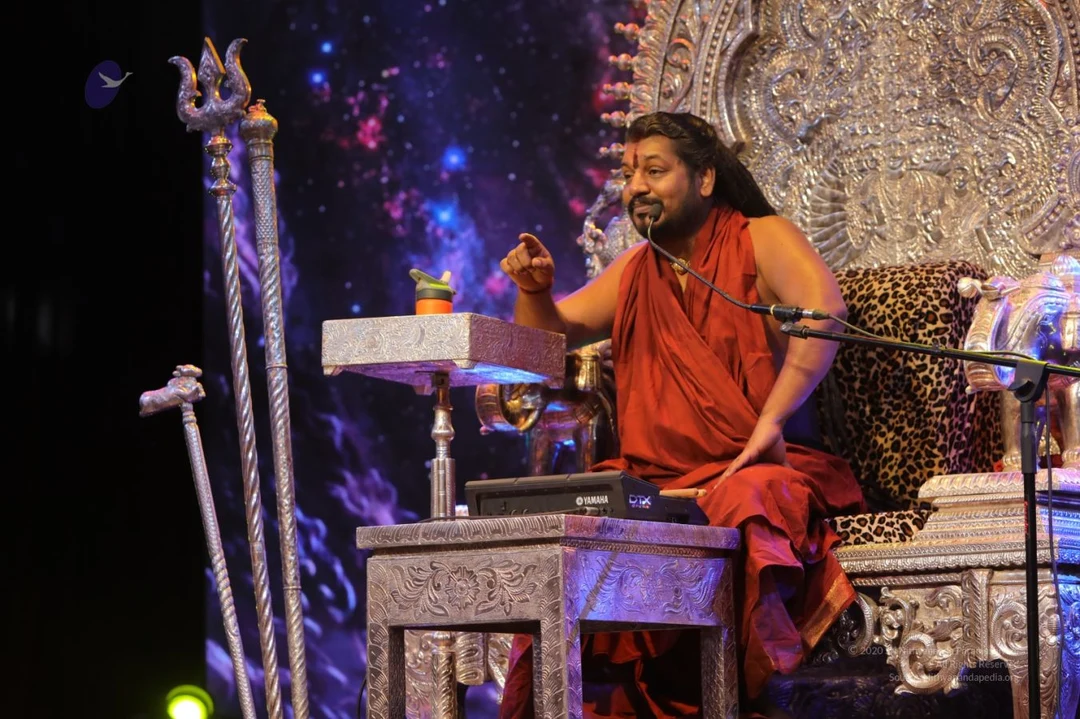
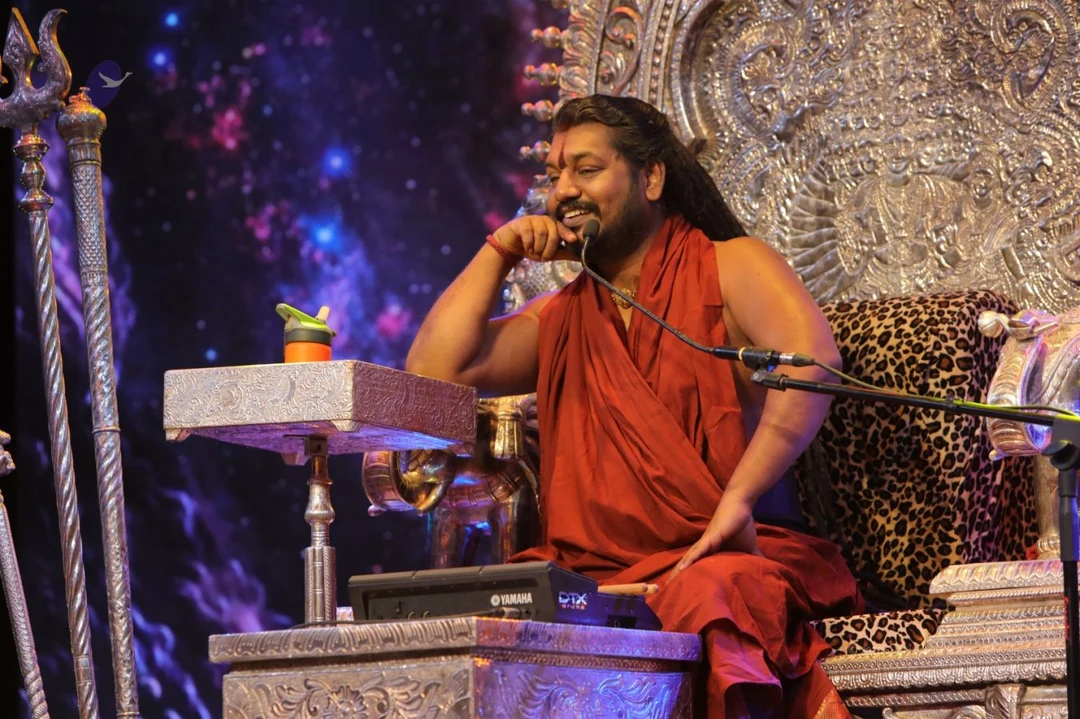
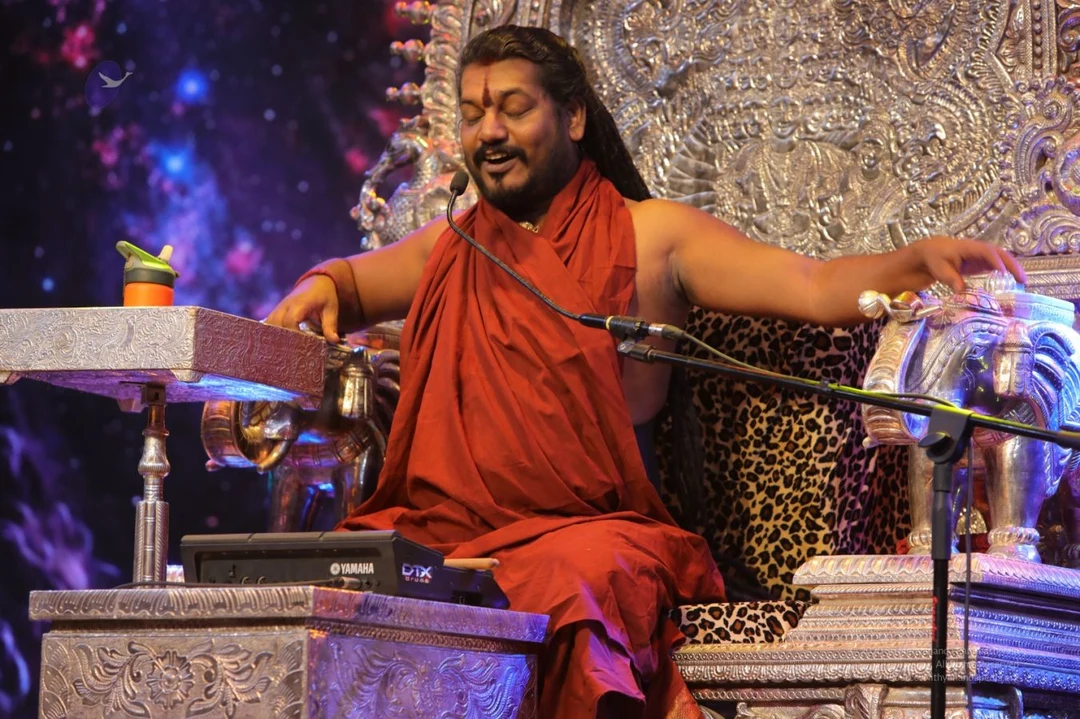
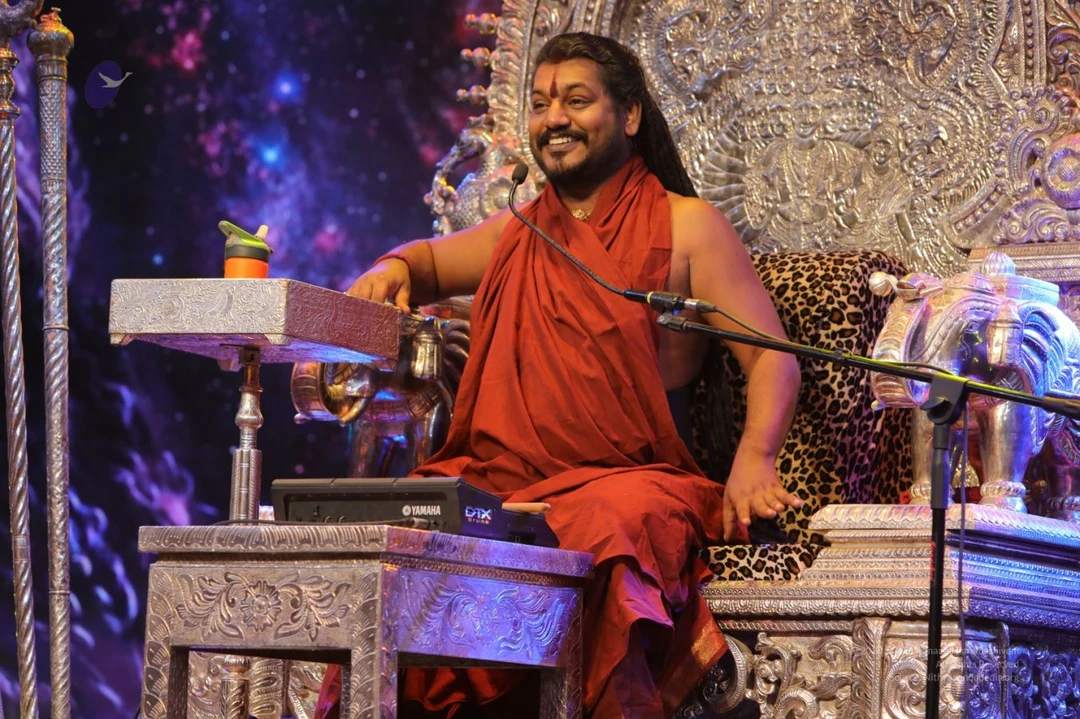
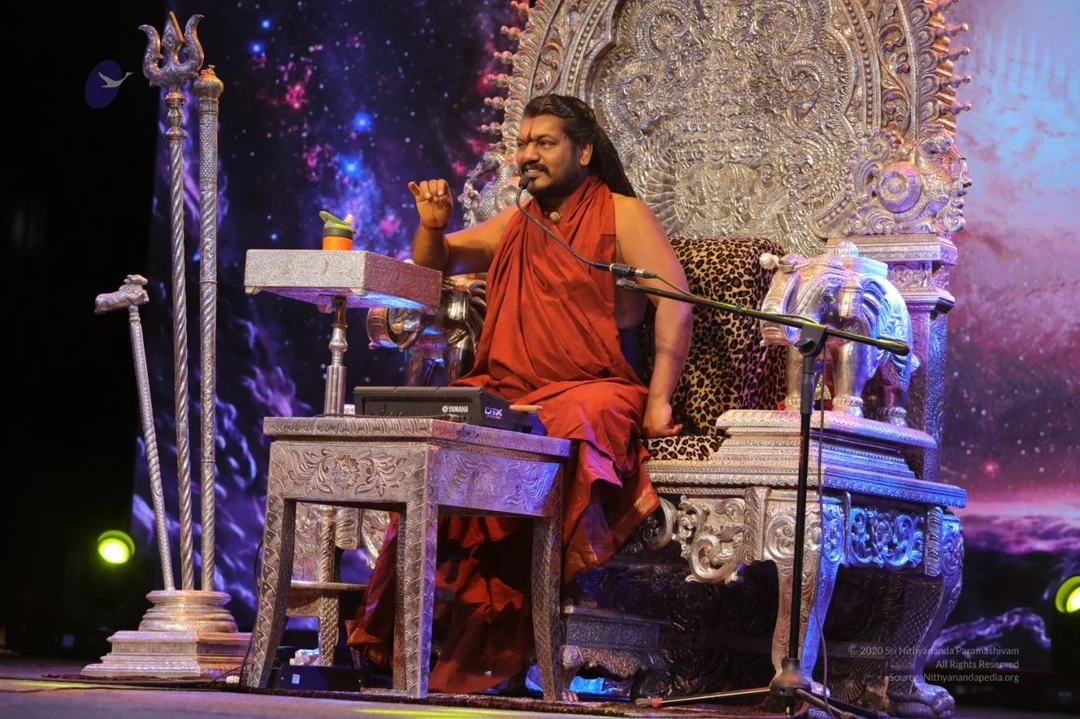
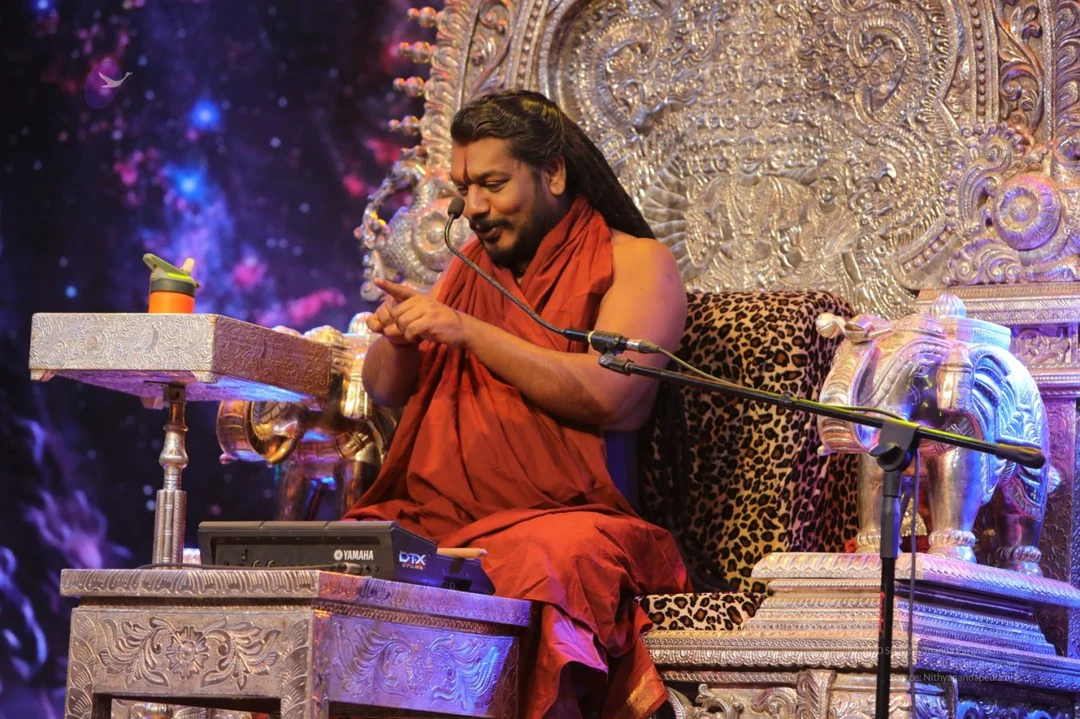
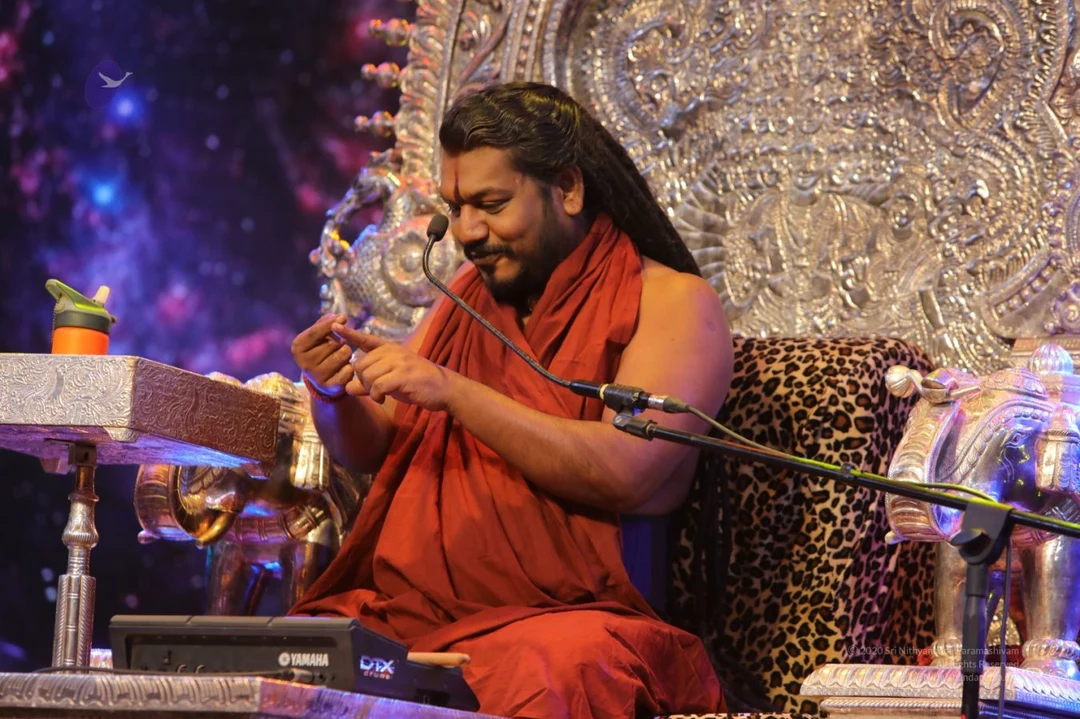
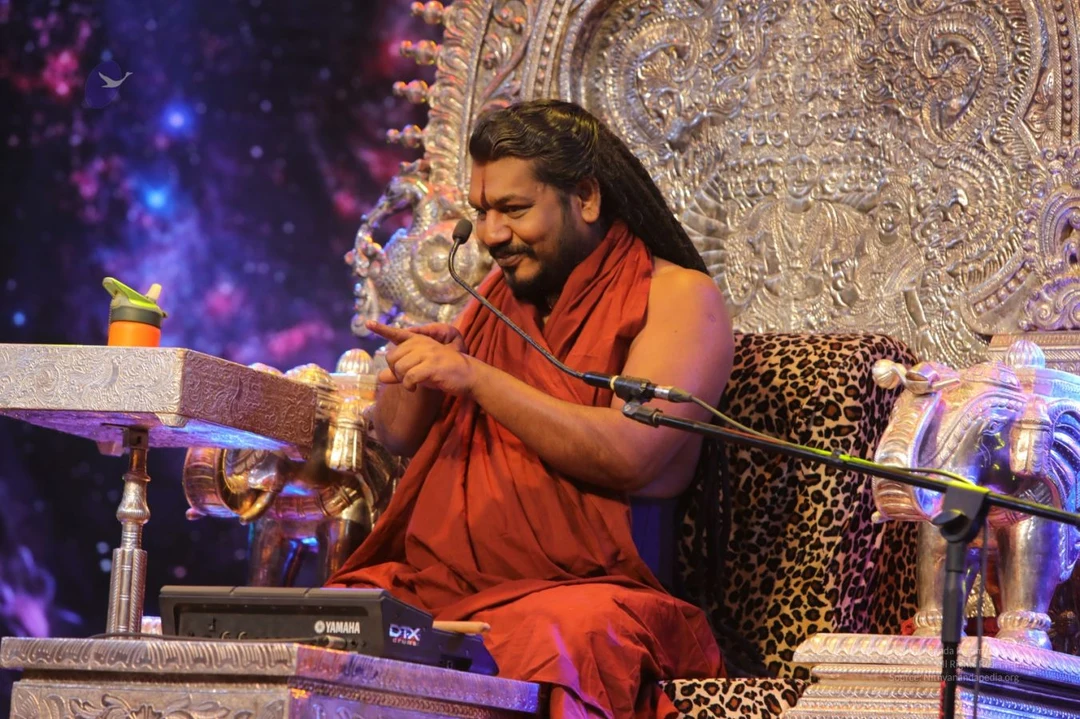
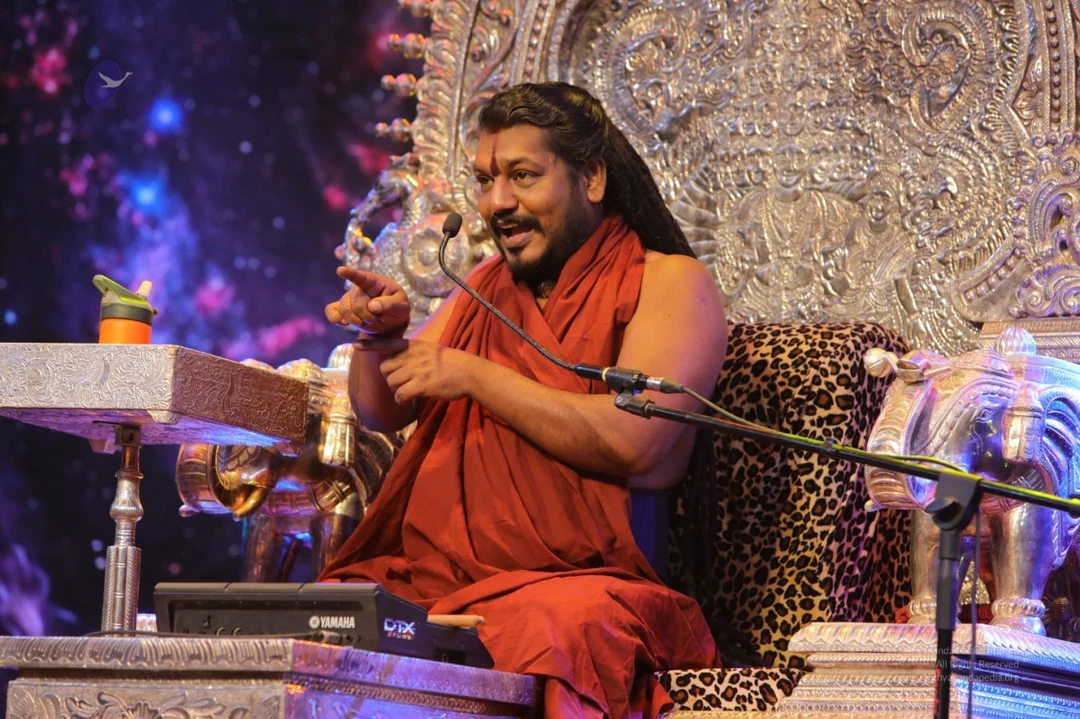
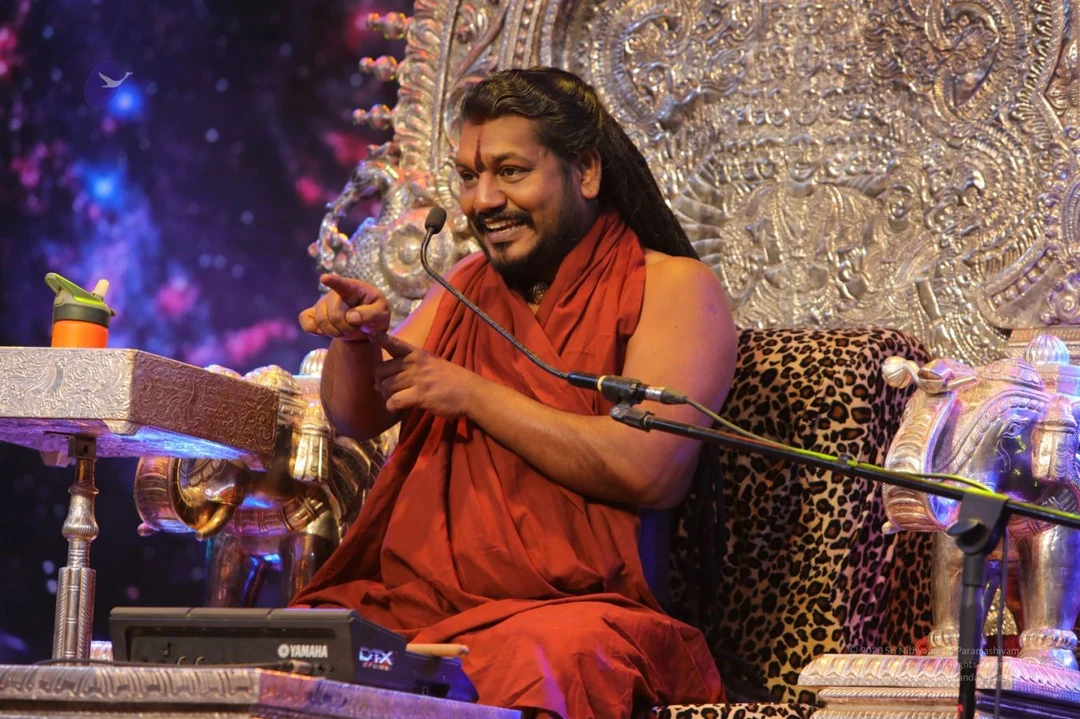
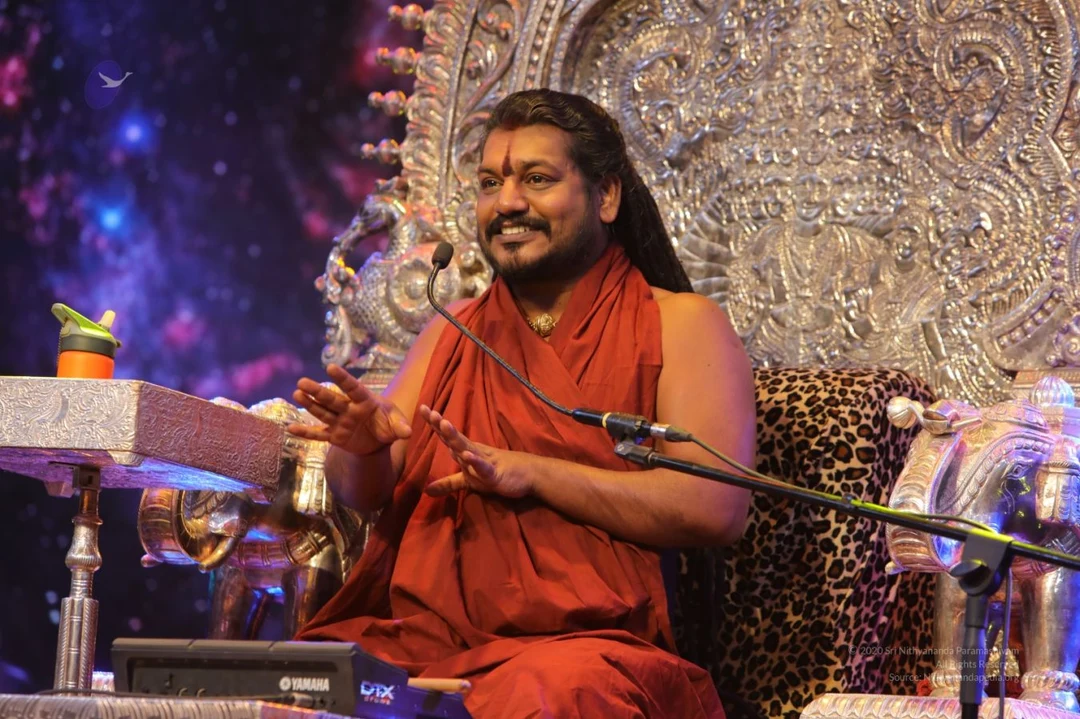
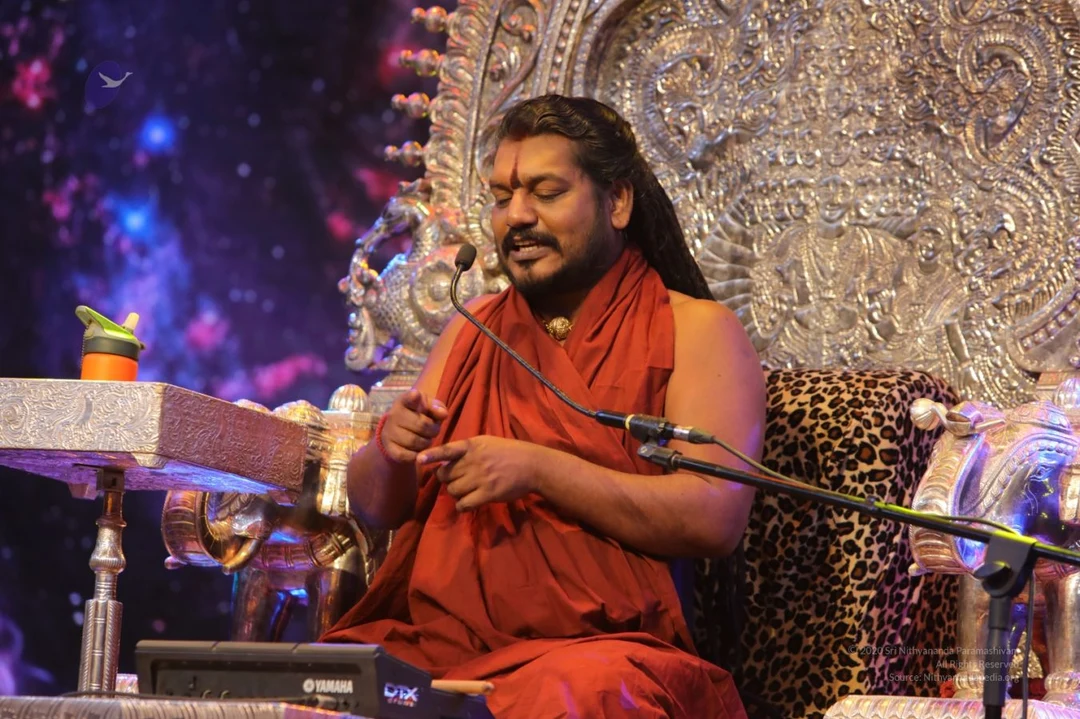
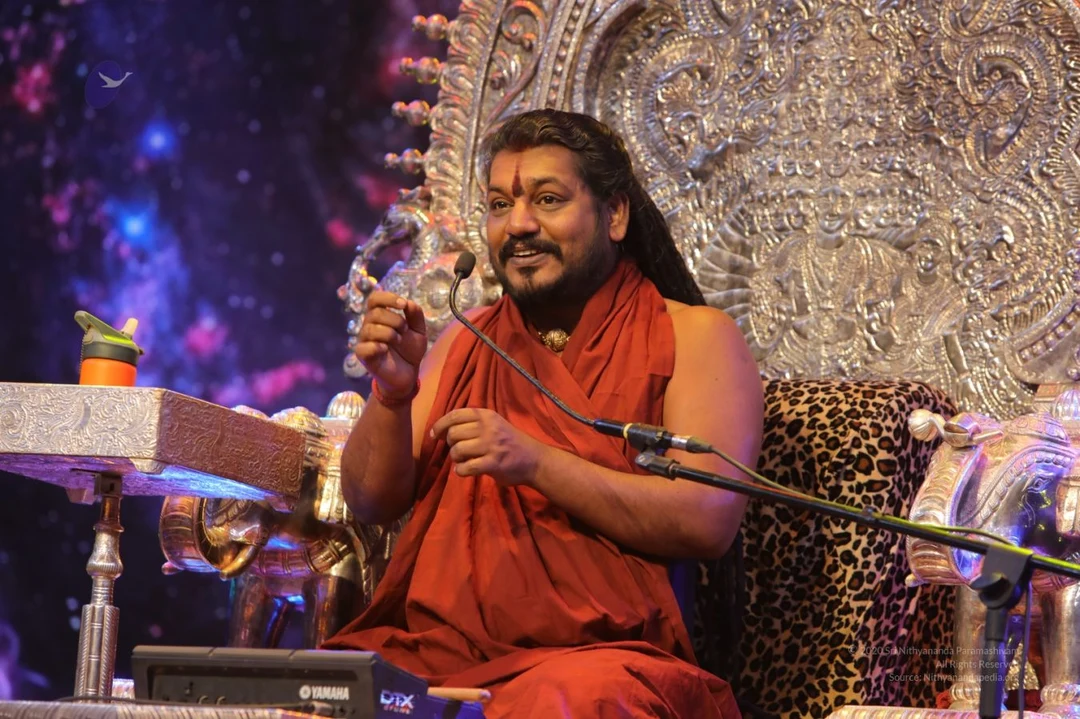
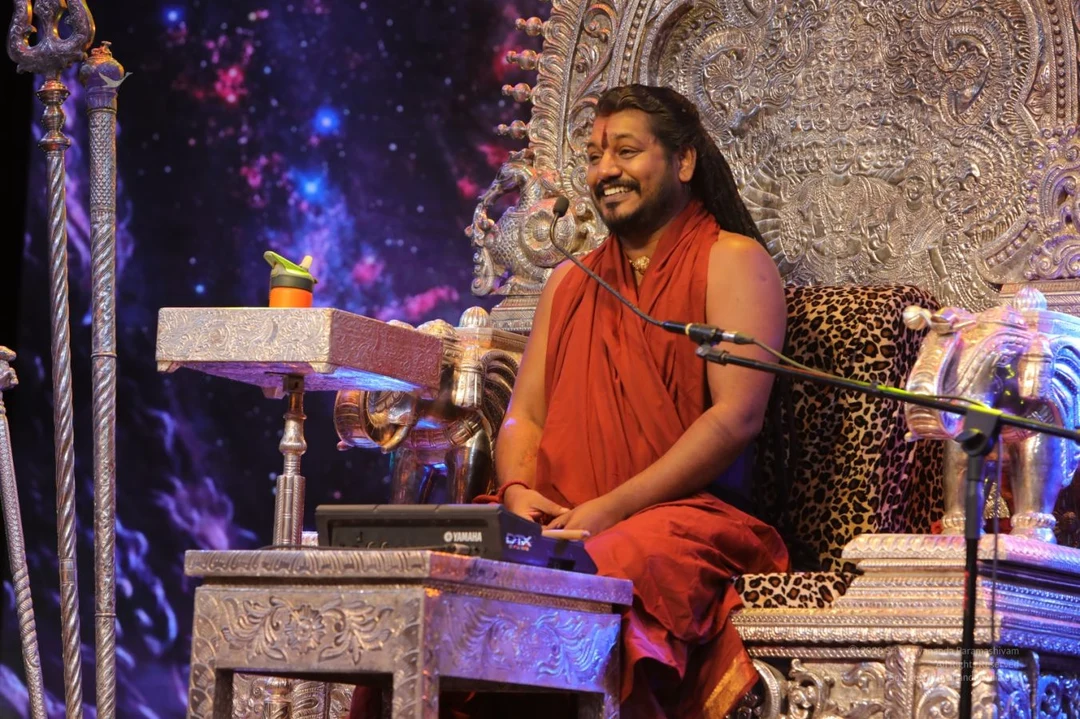
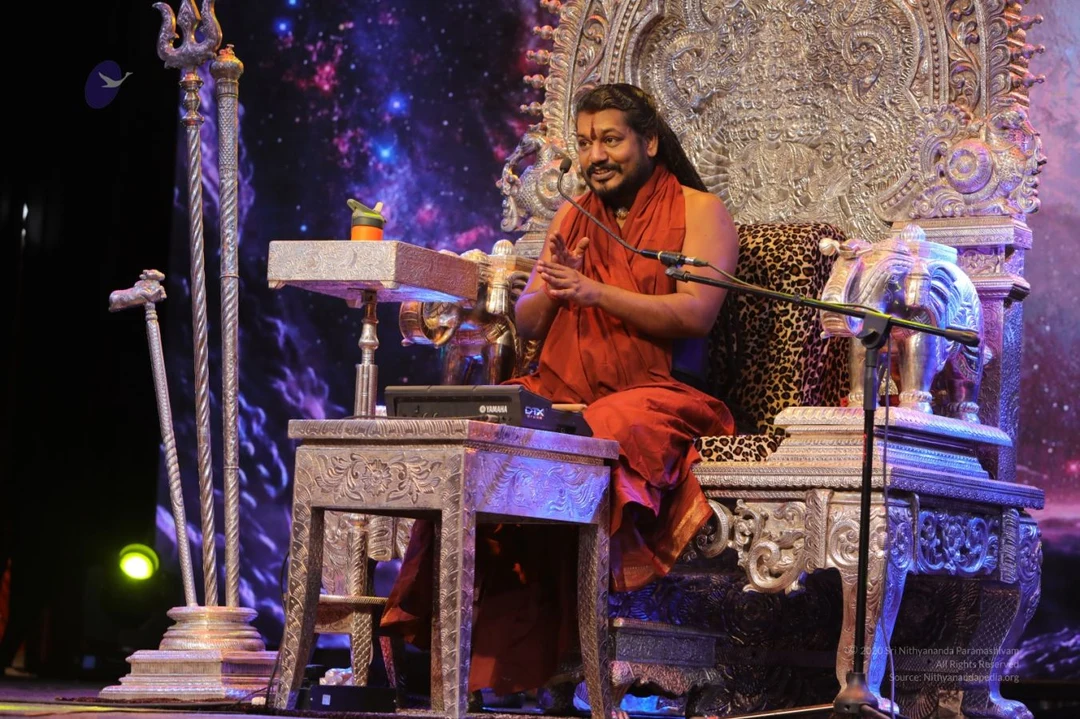
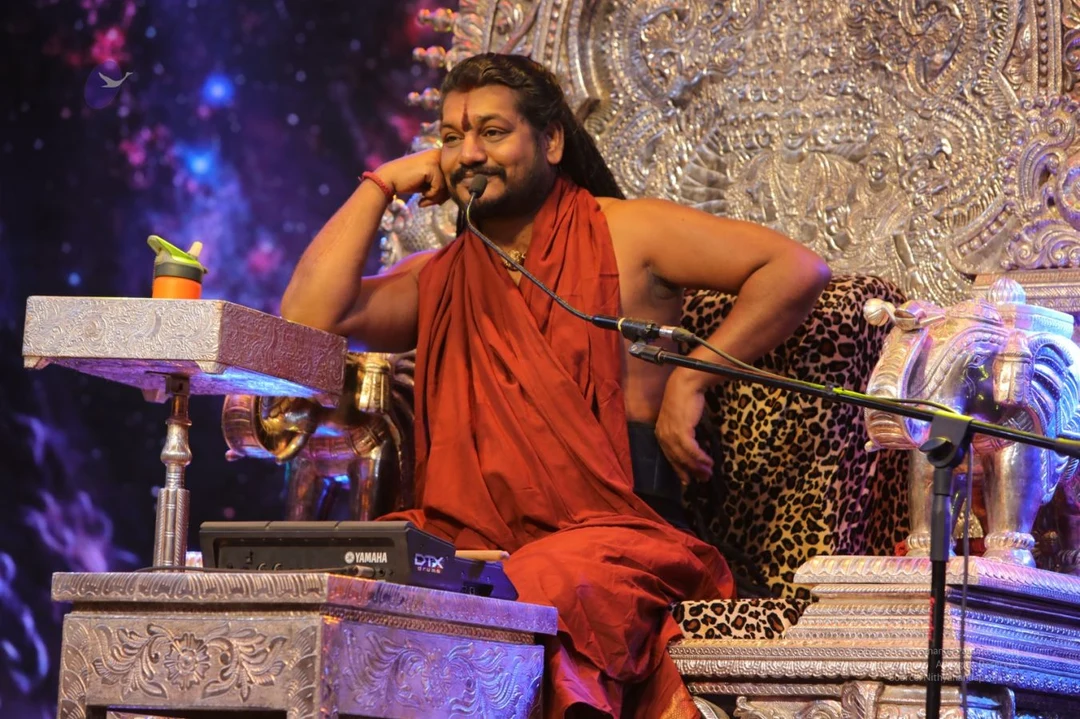
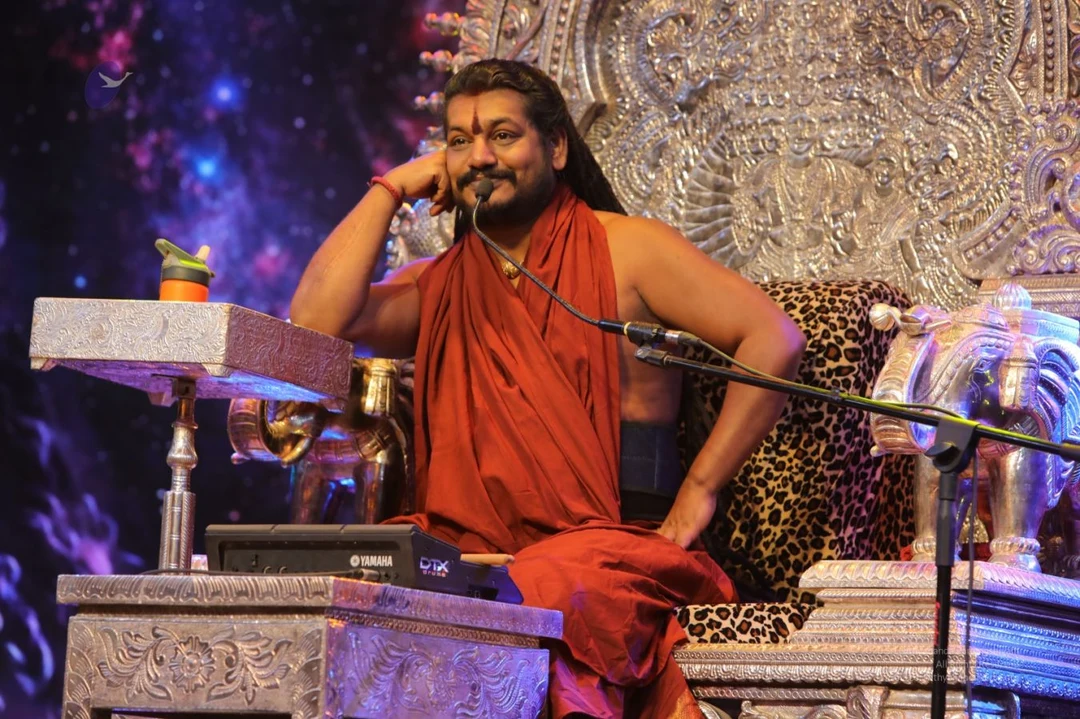
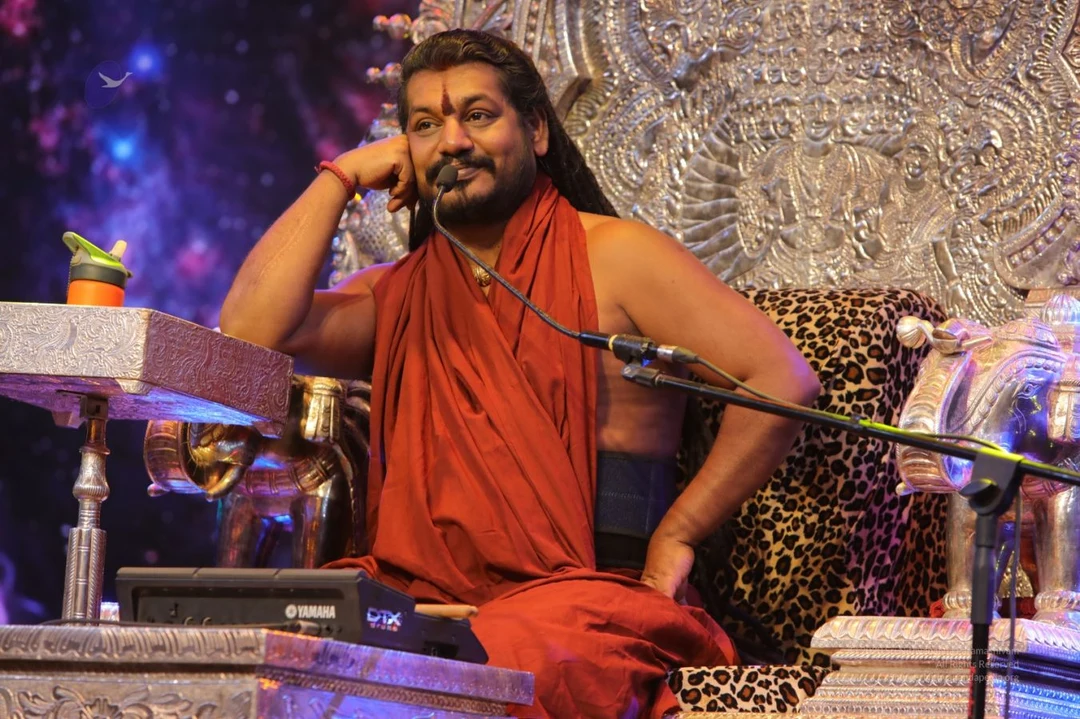
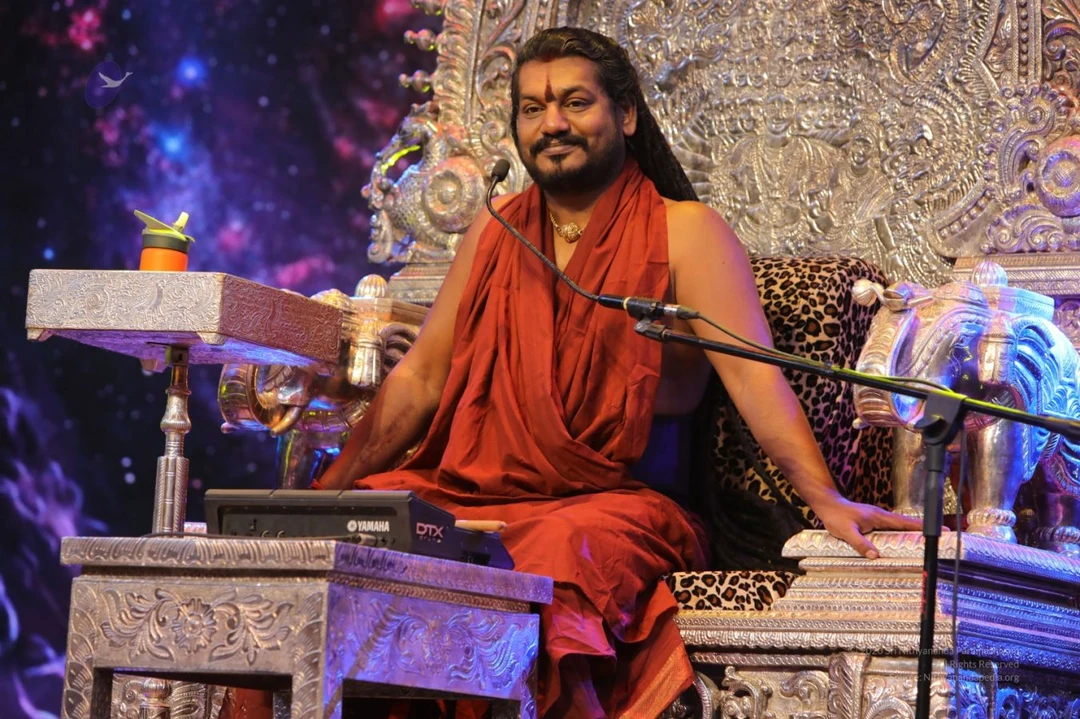
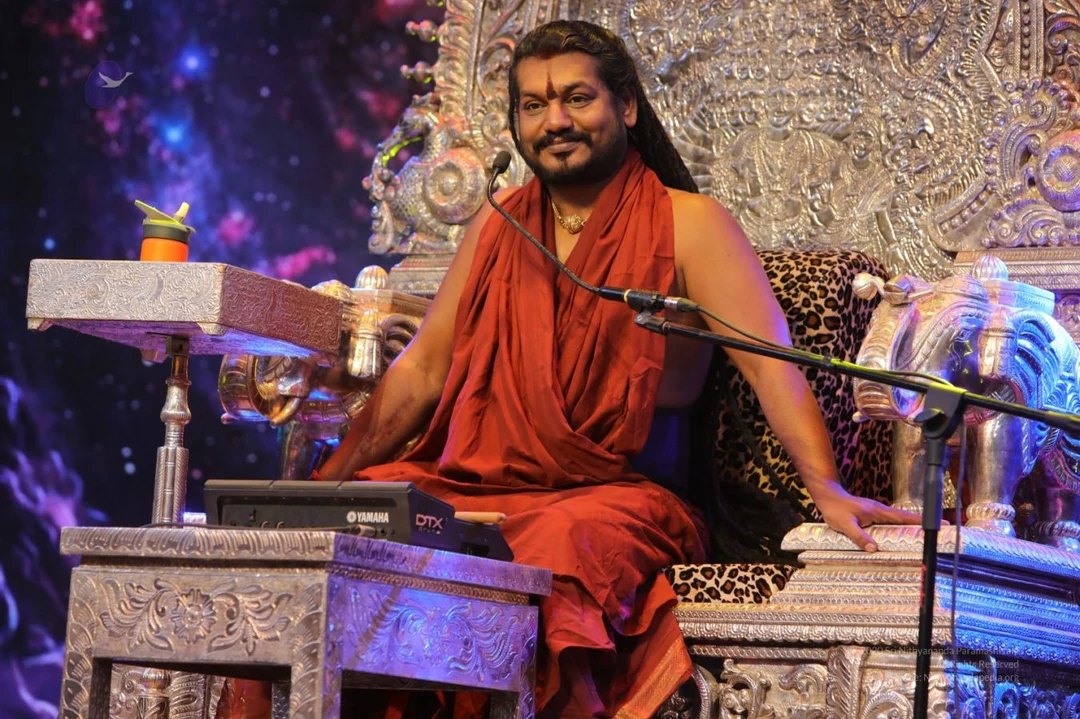
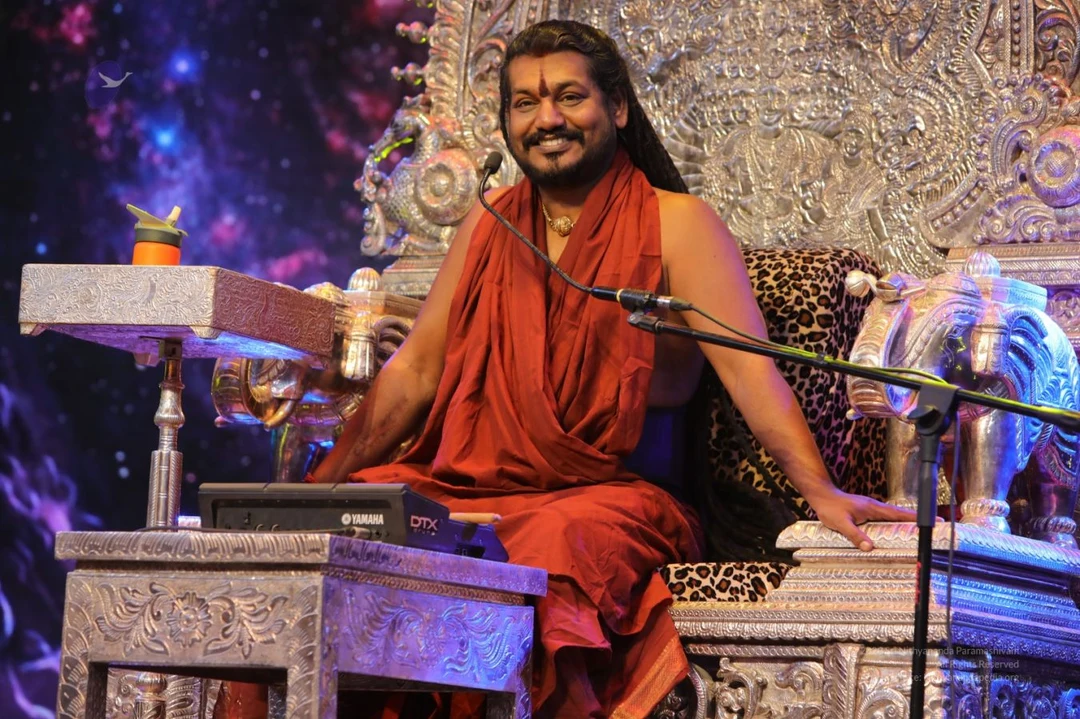
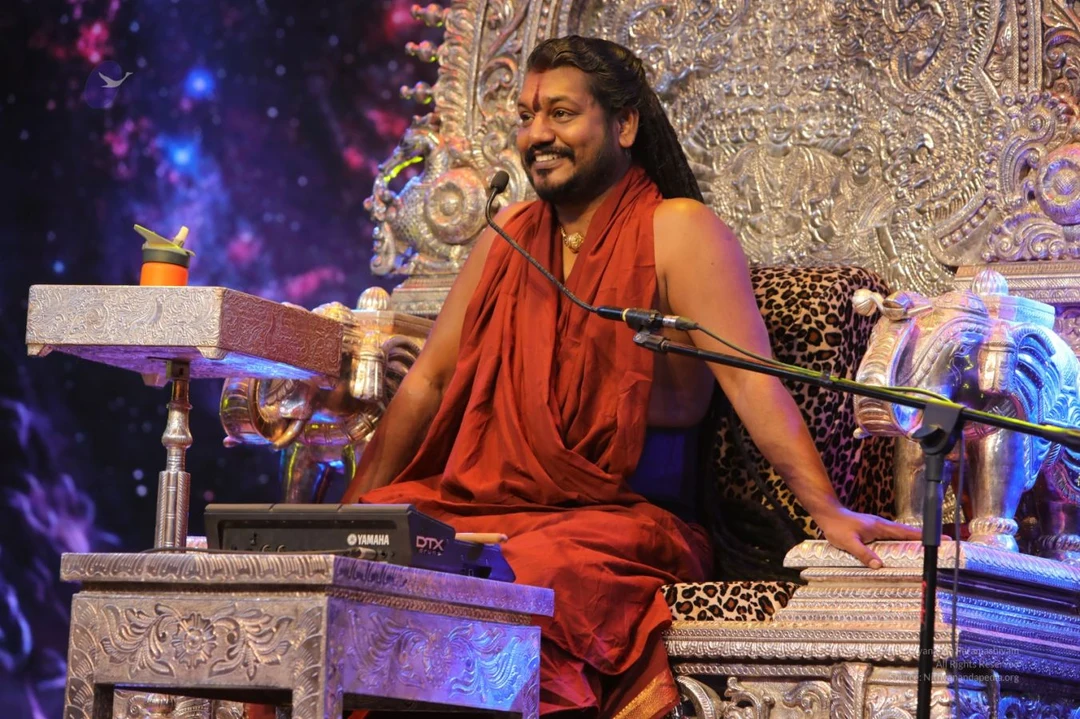
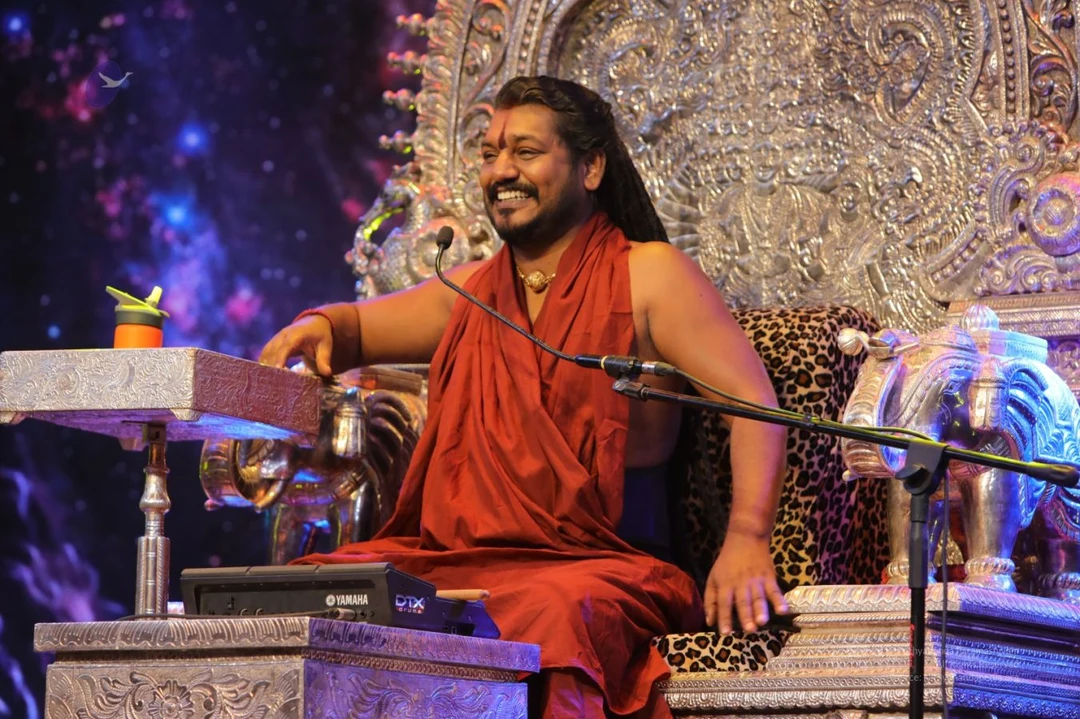
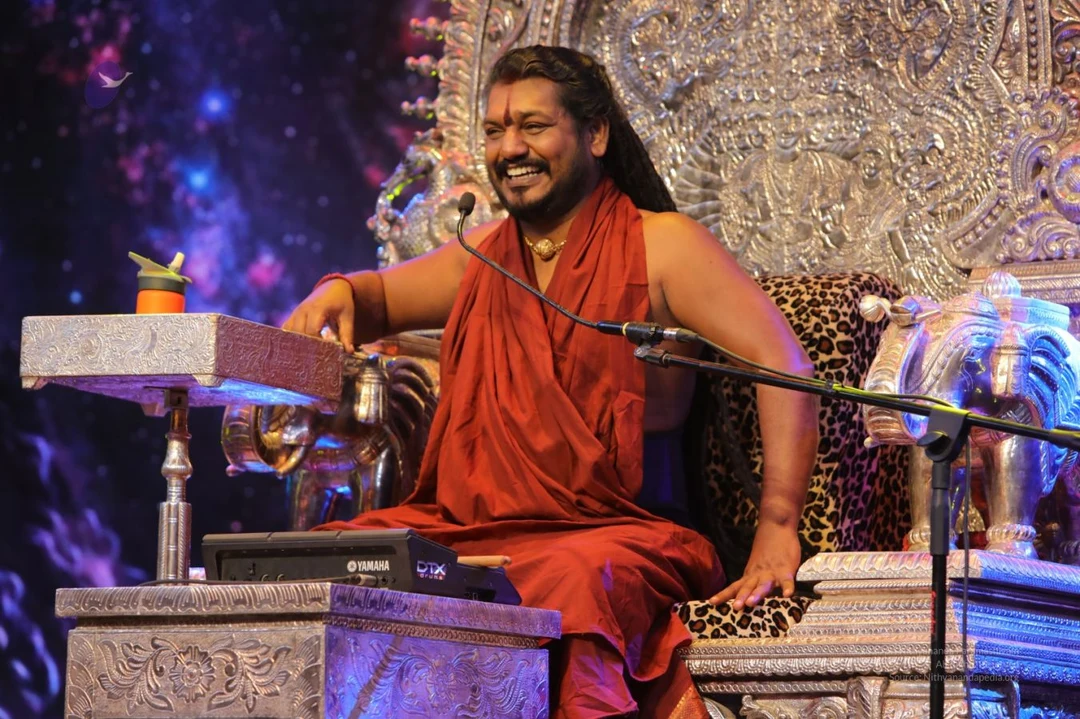
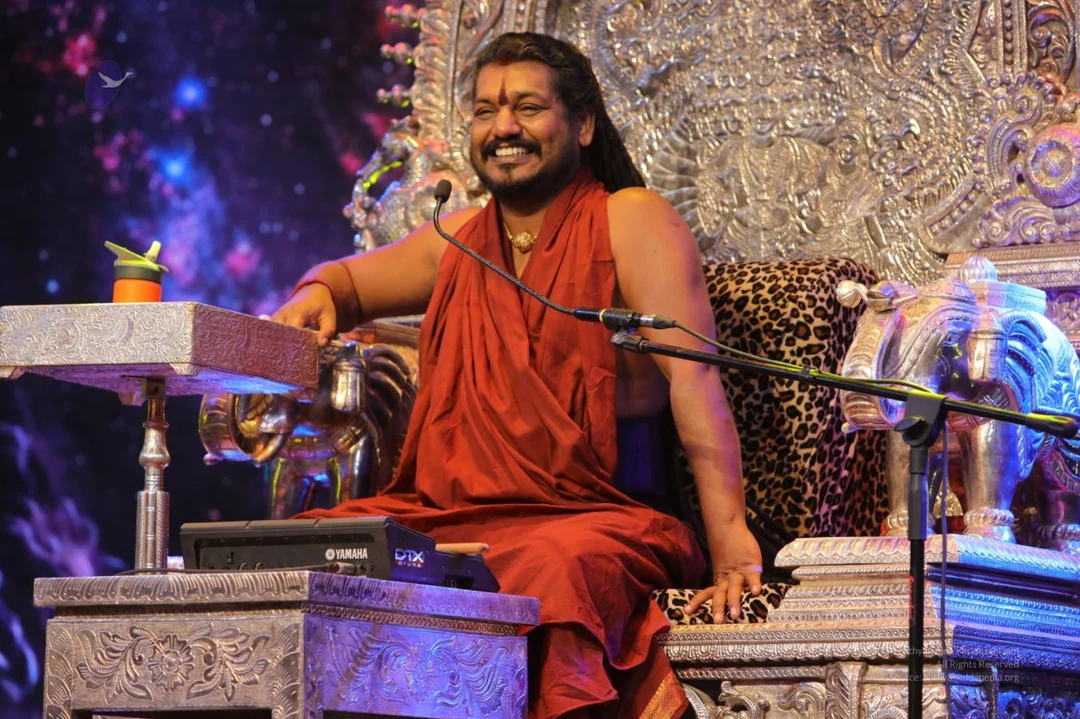
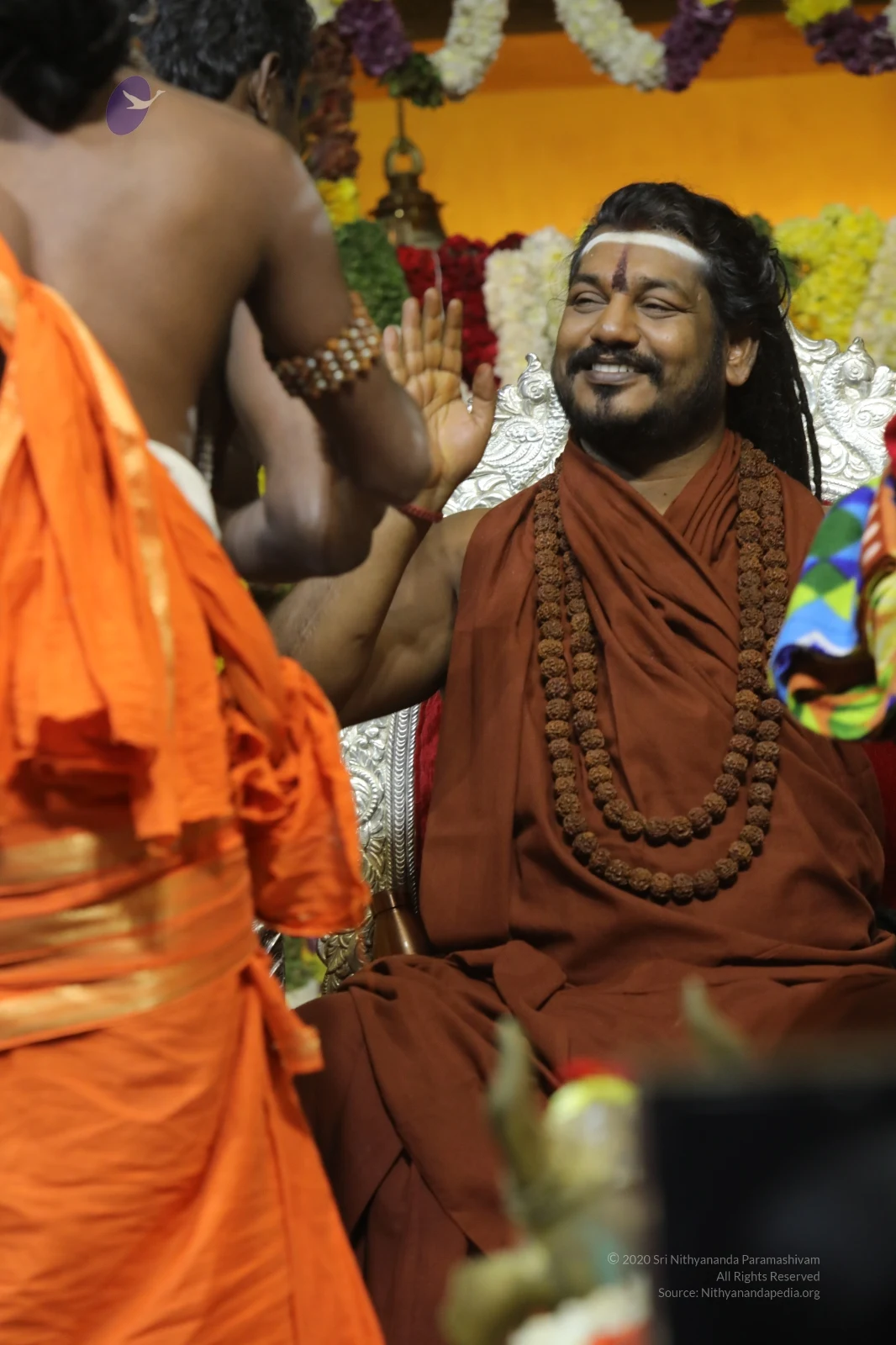
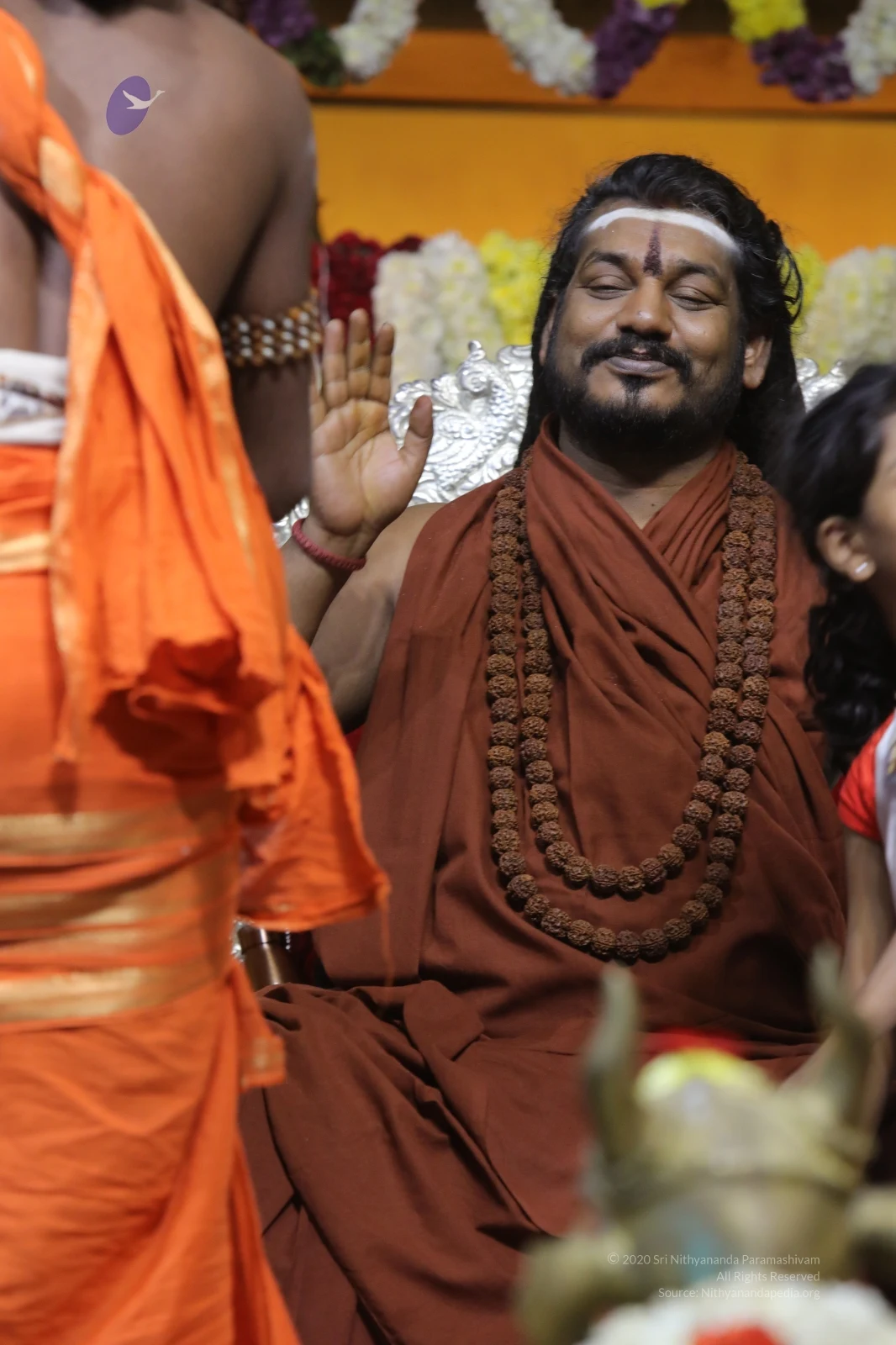
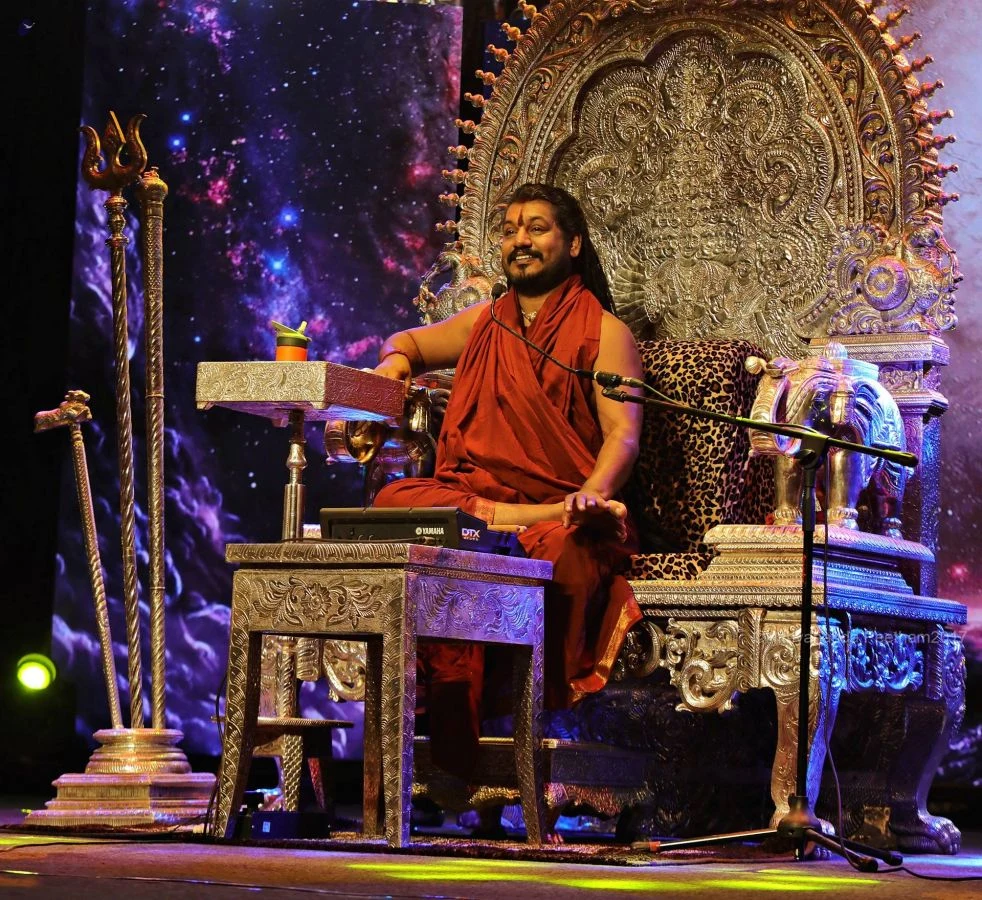
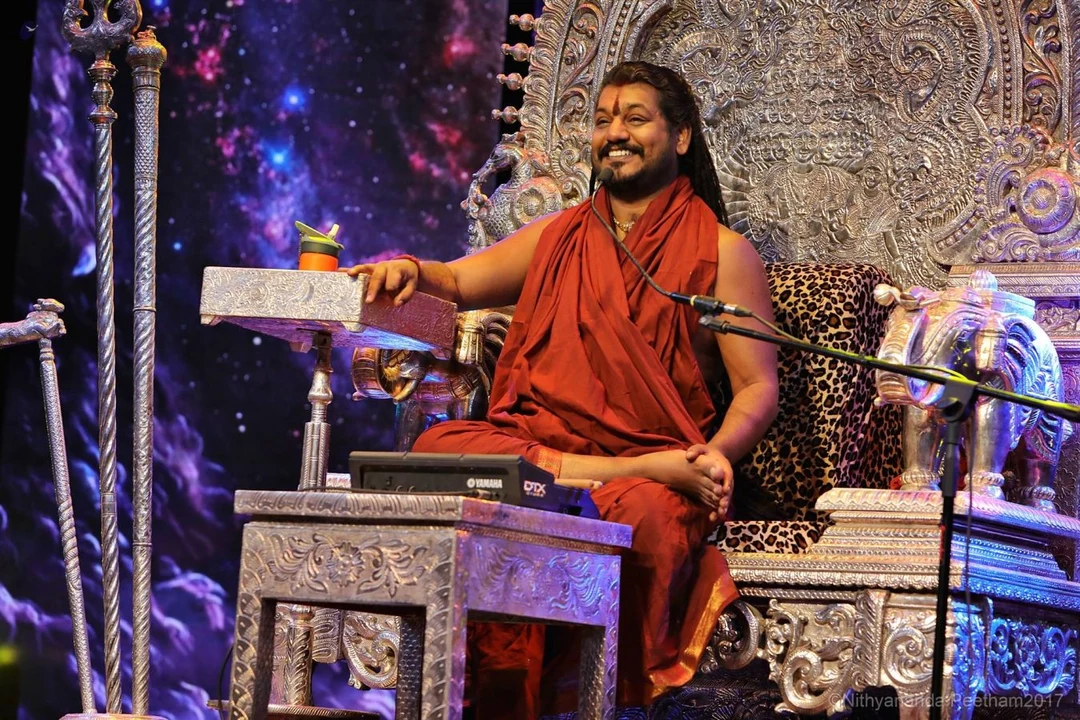
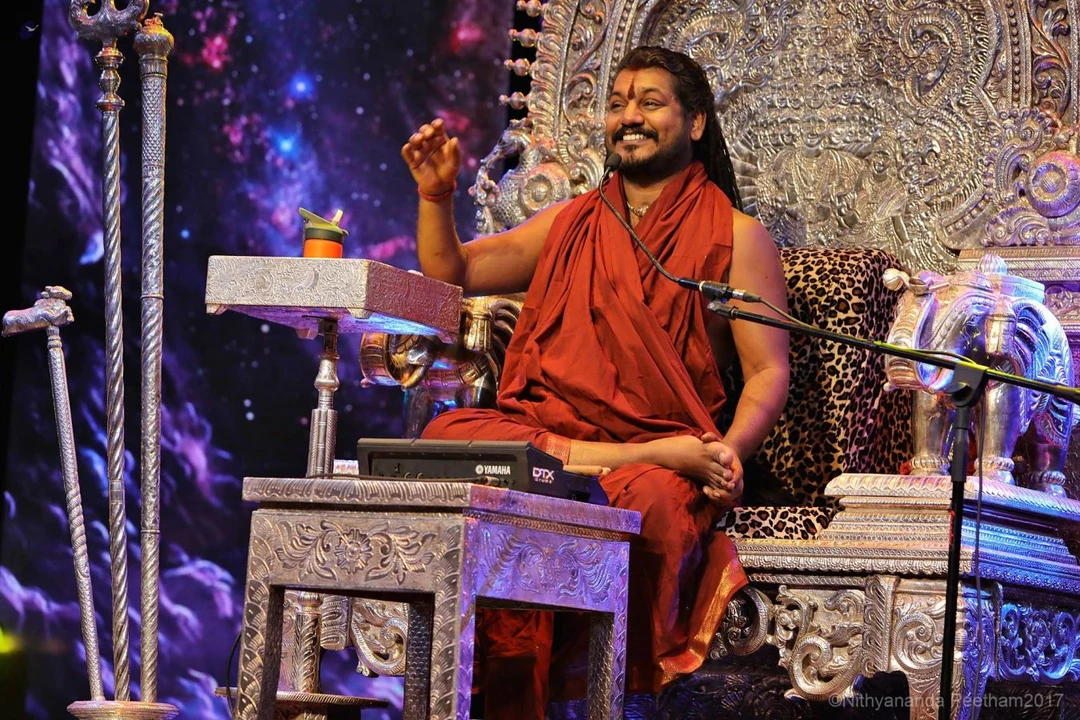
Eleven-dimensions-session
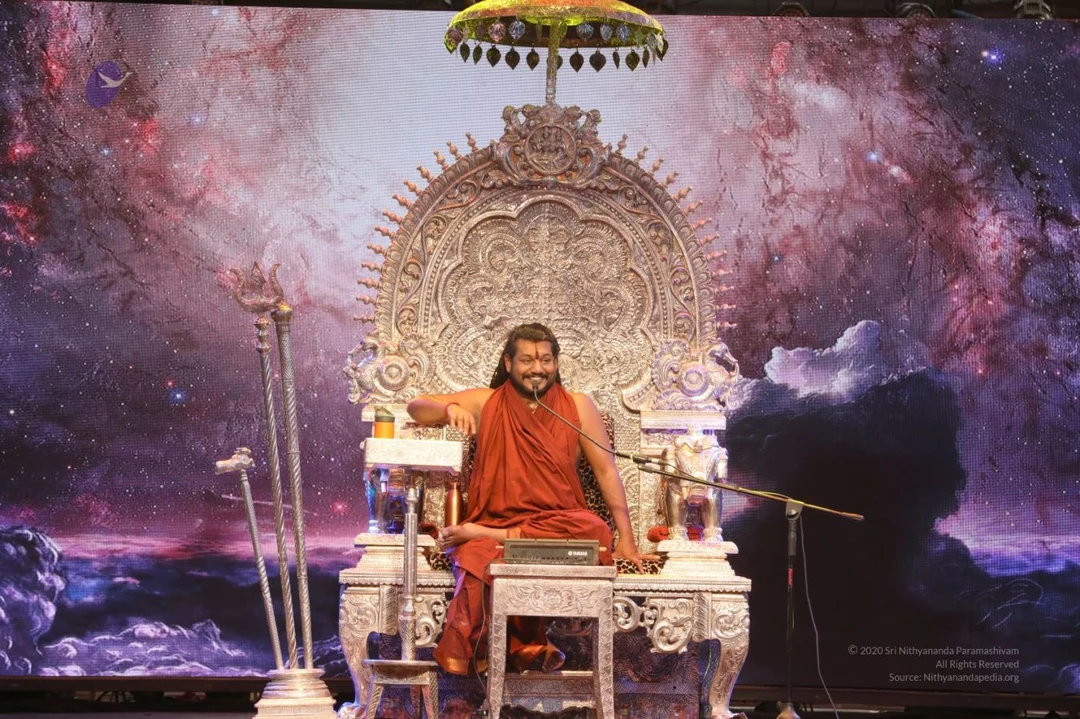
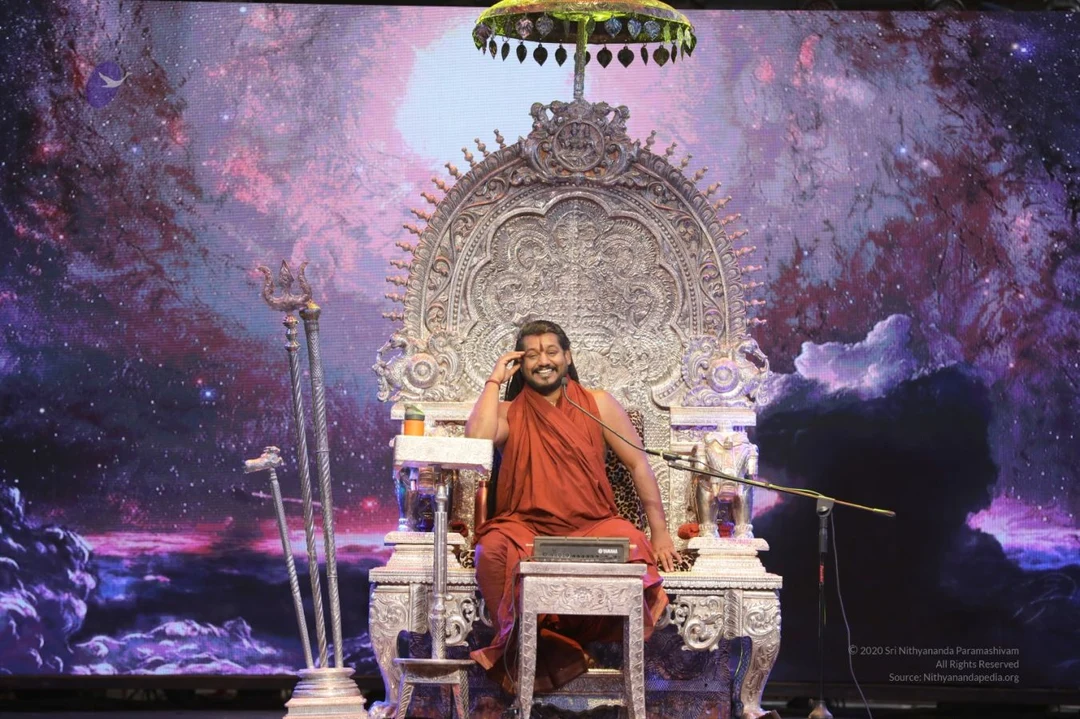









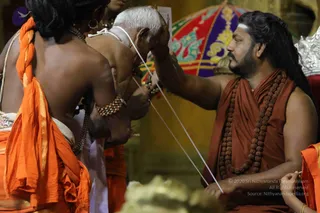
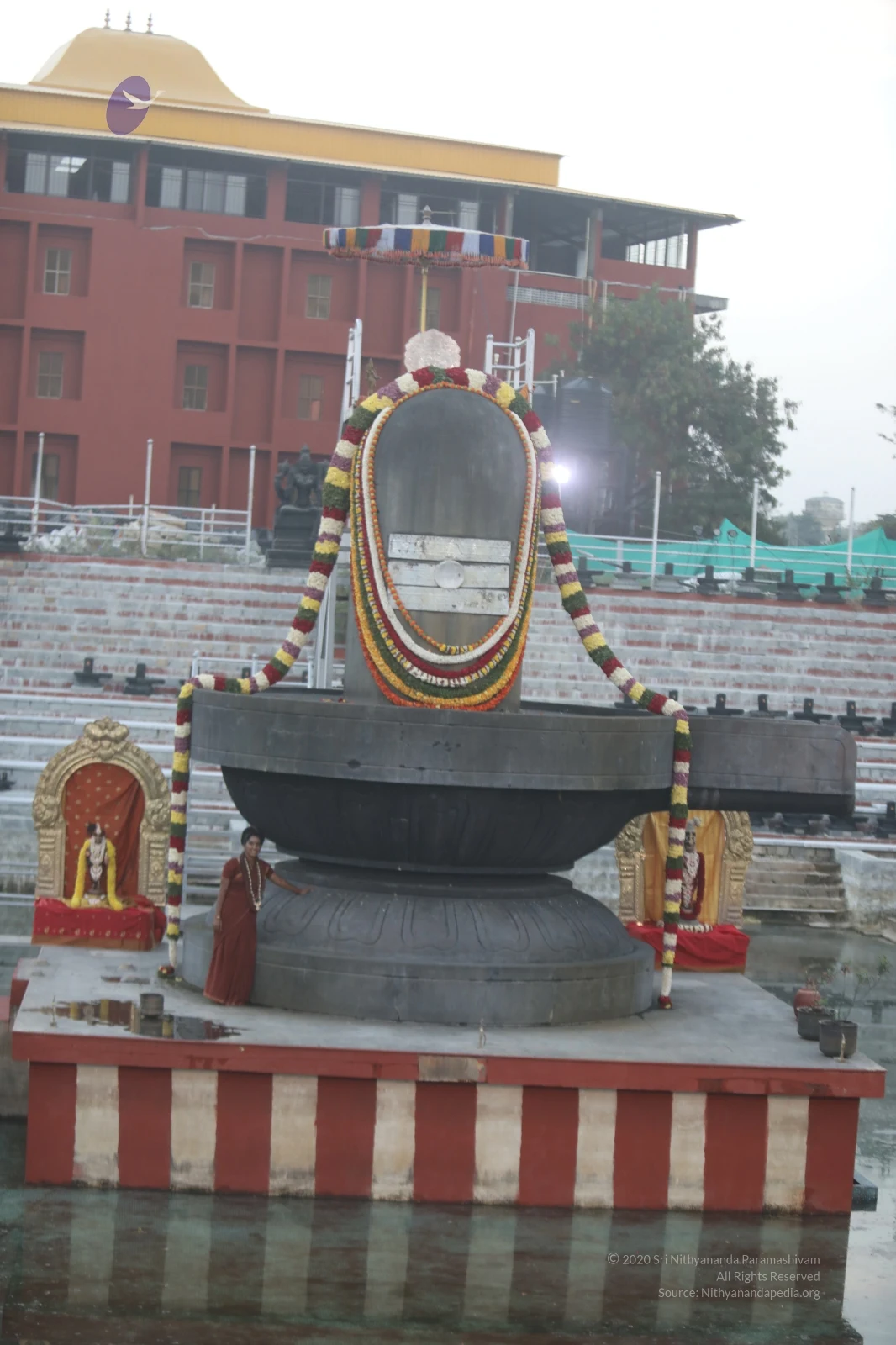
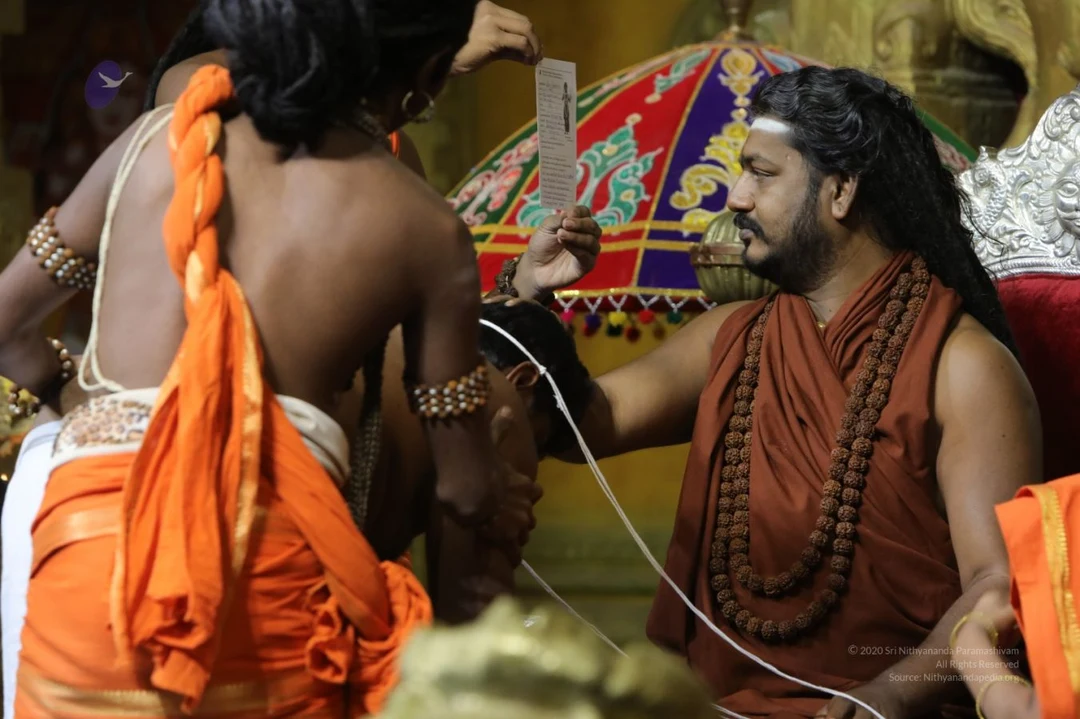
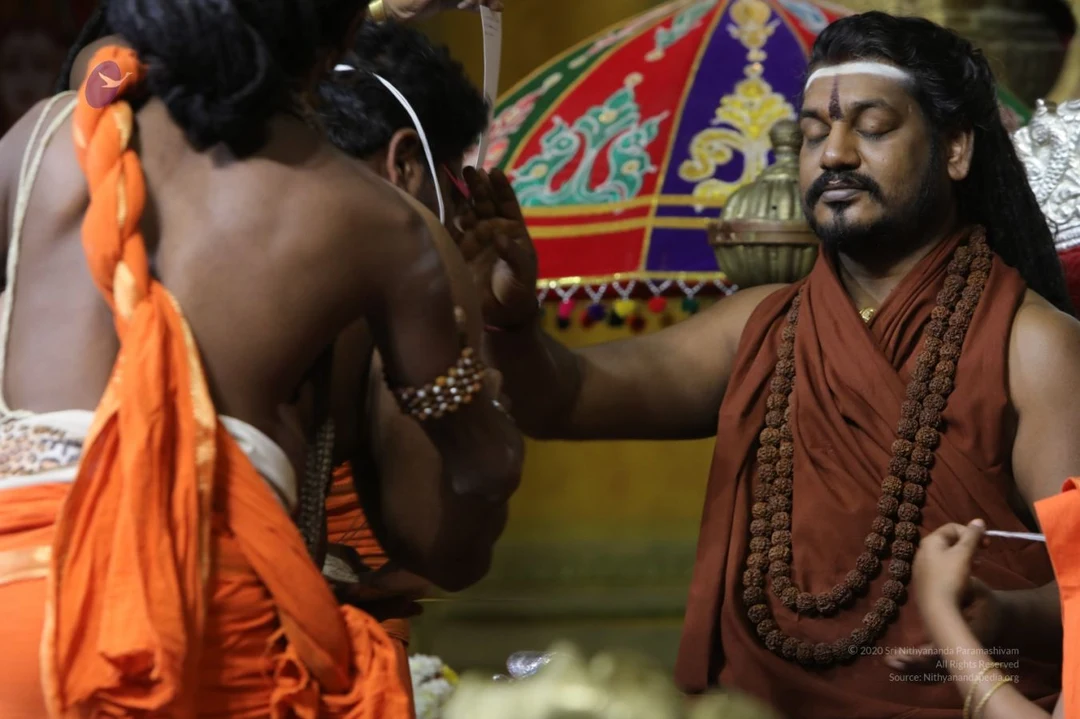
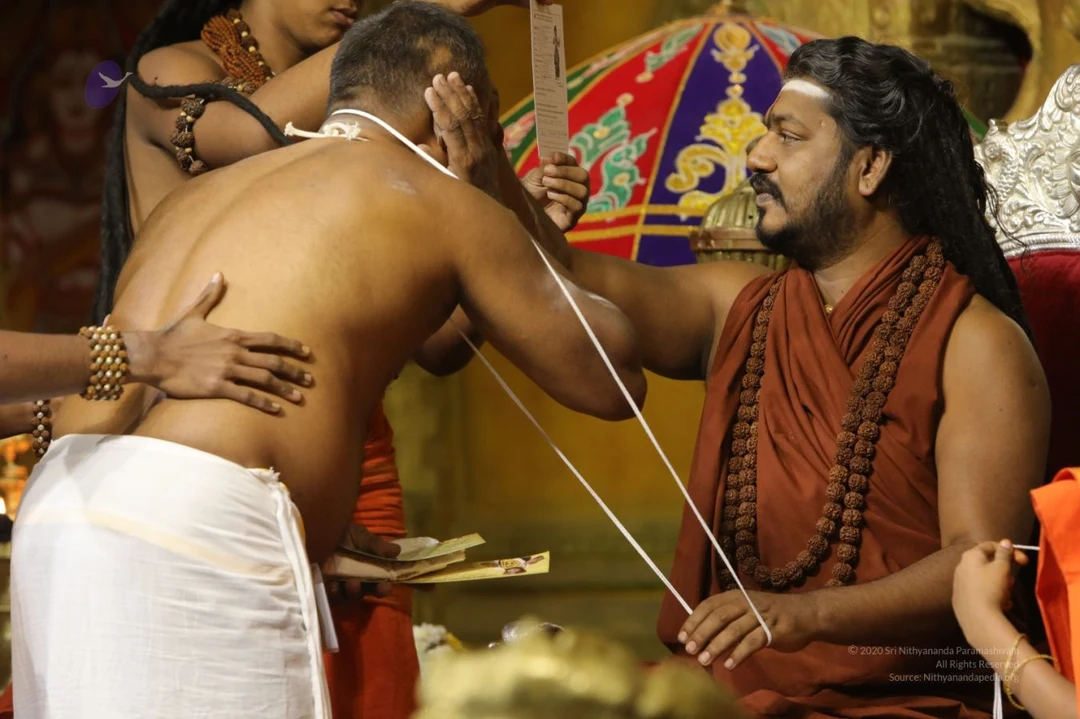
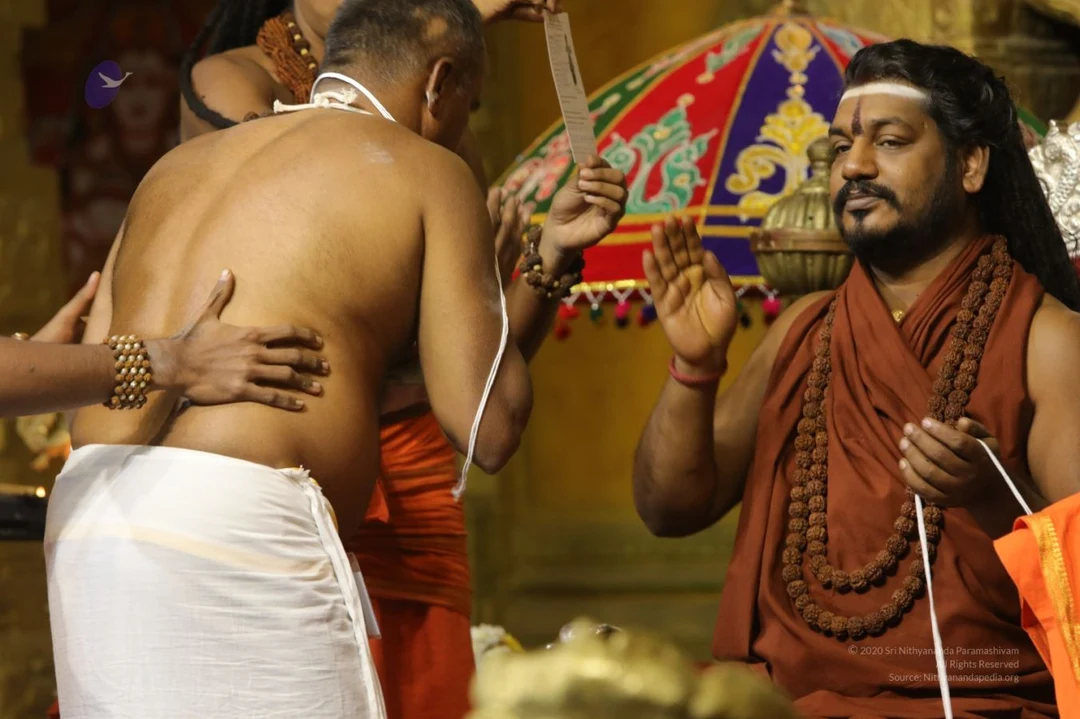
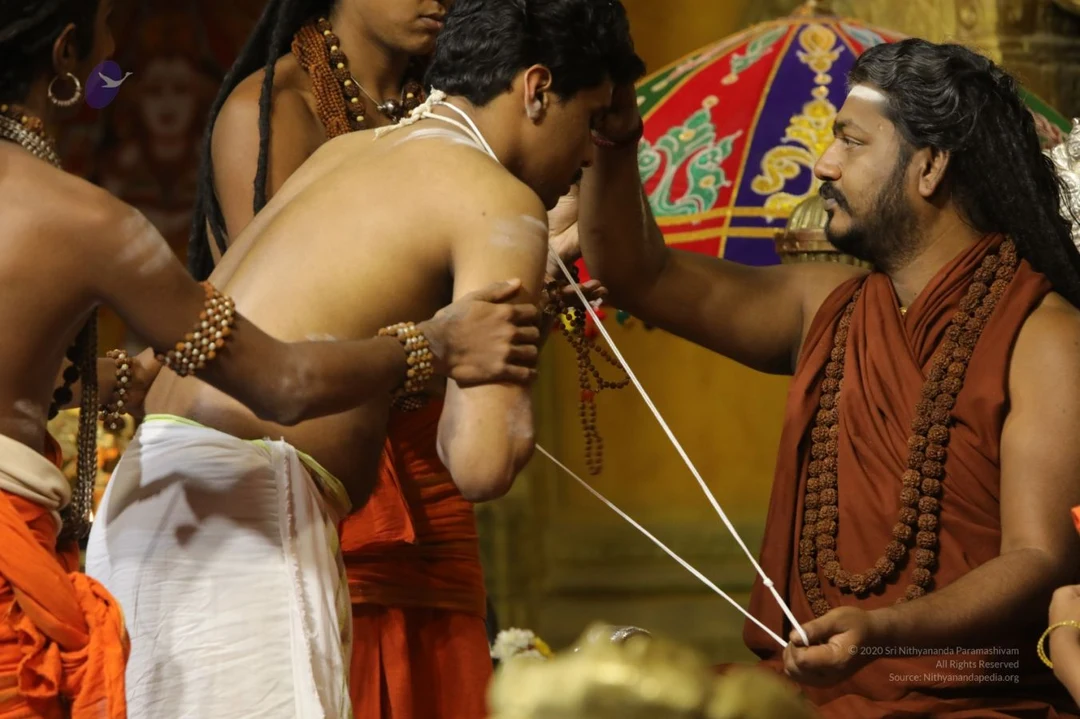
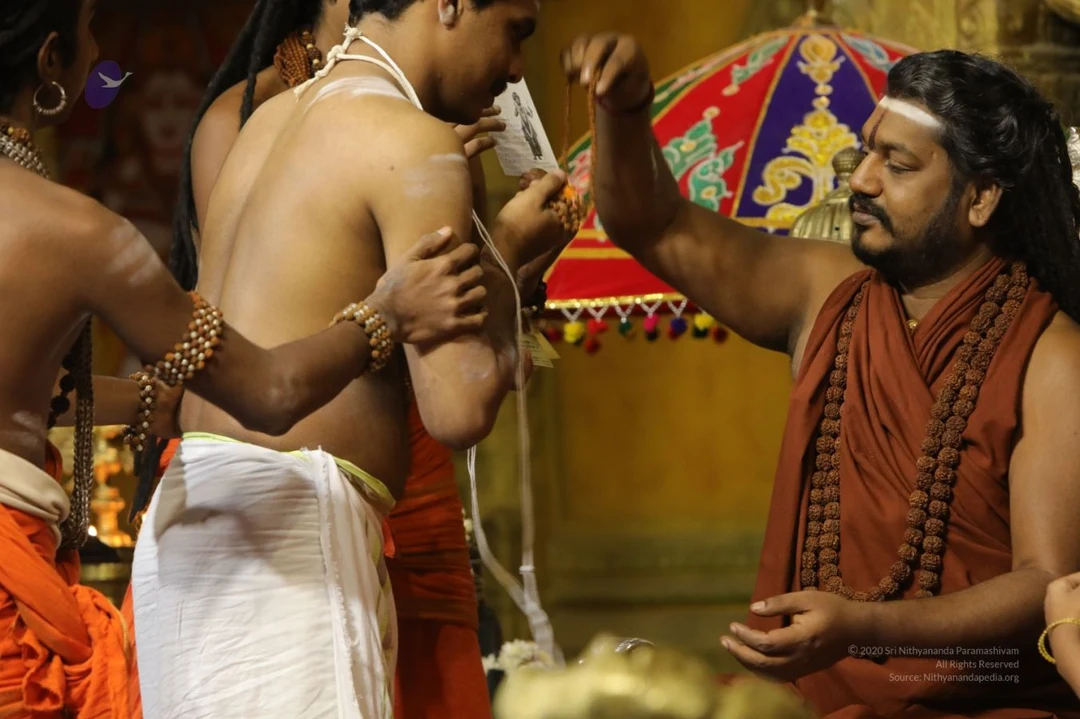
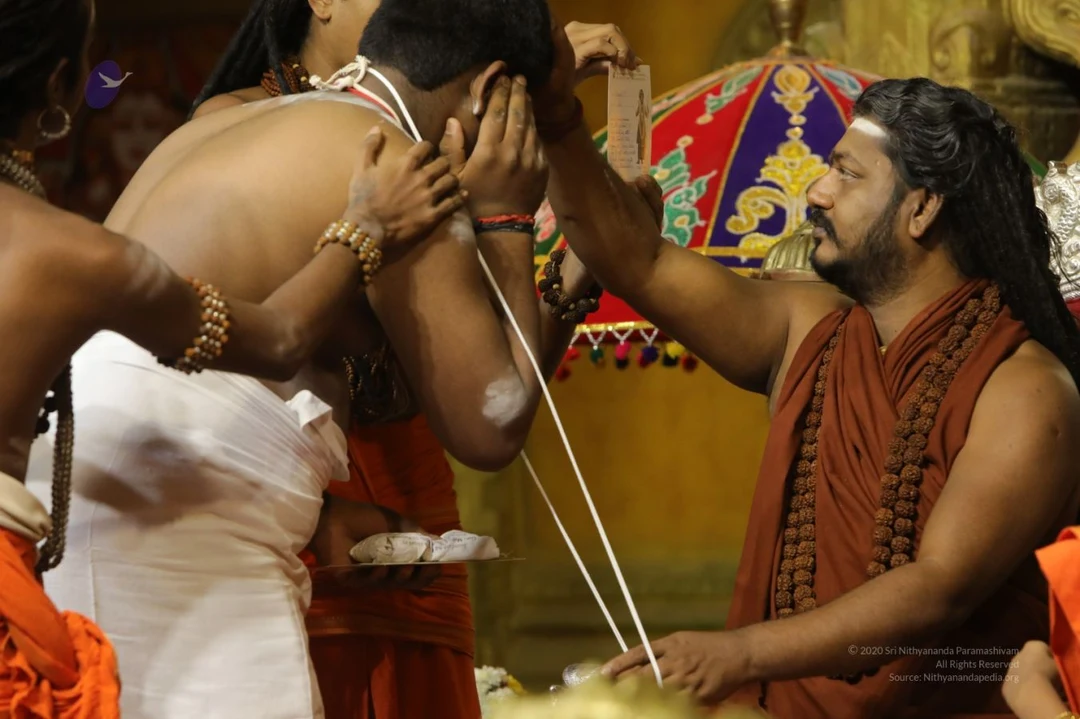
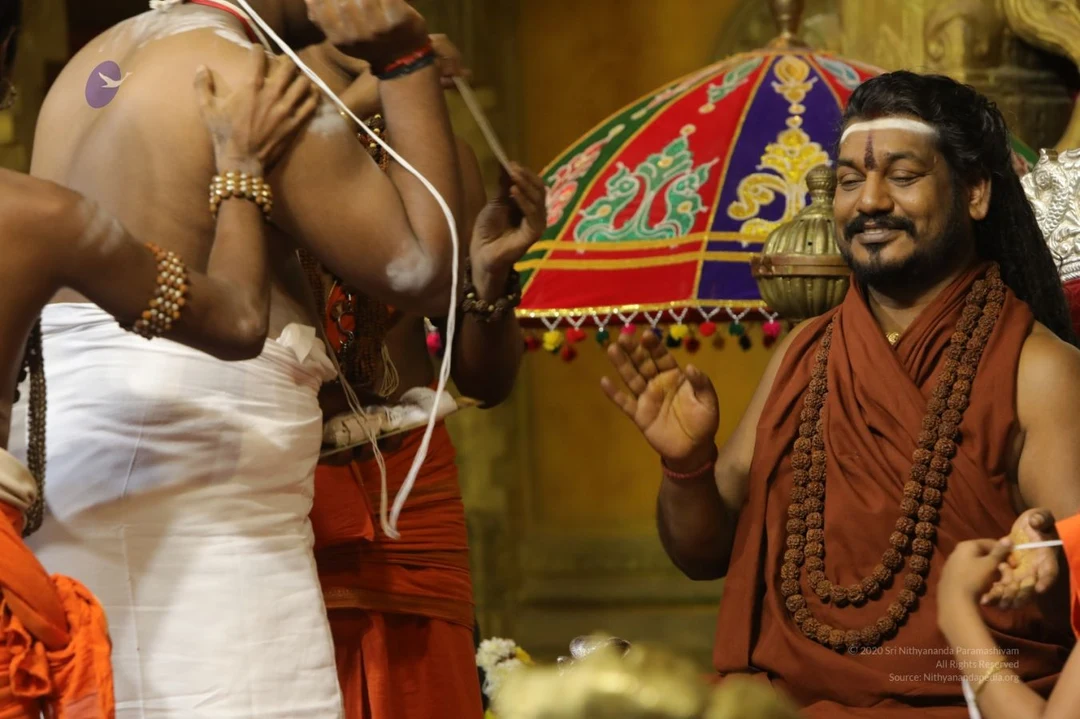
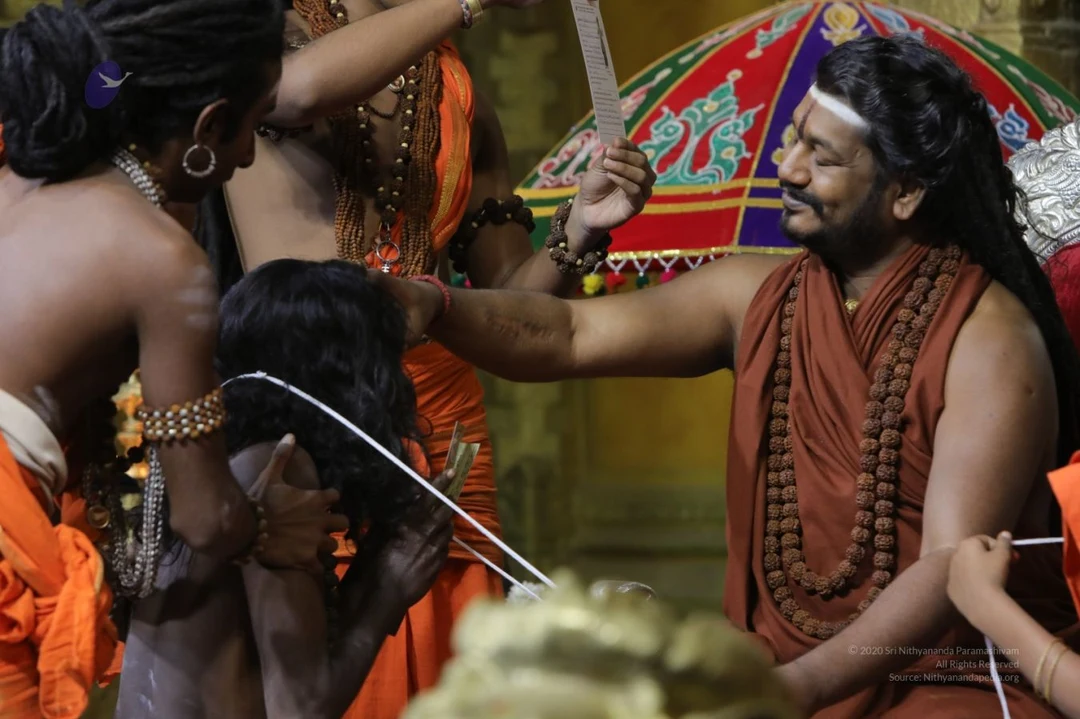
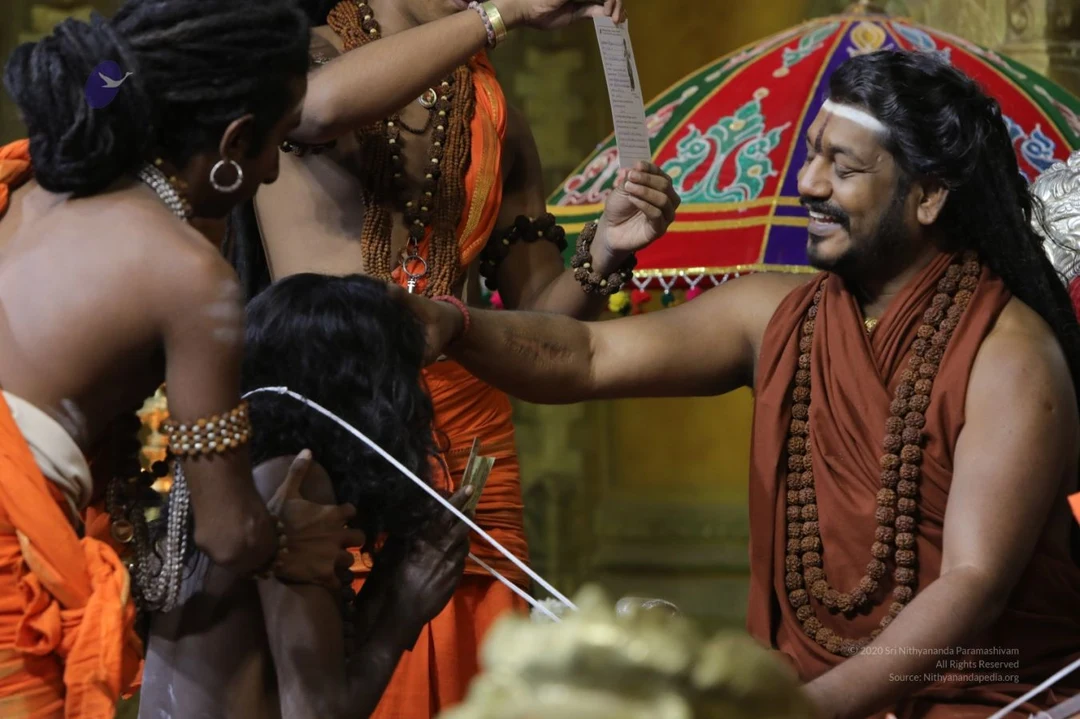
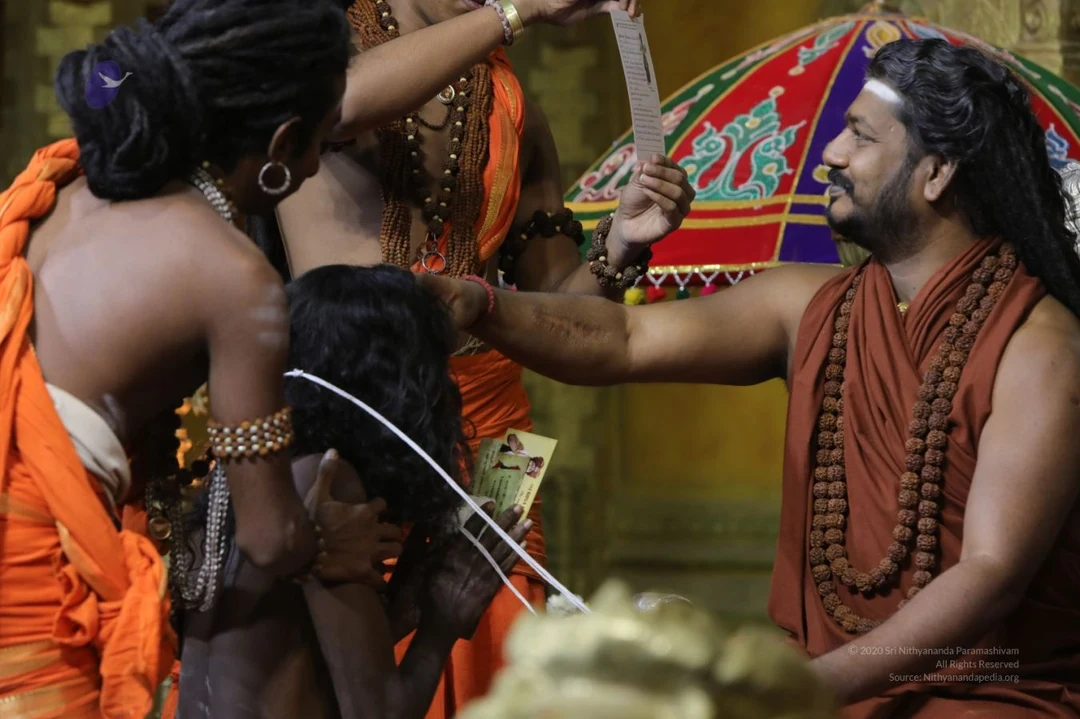
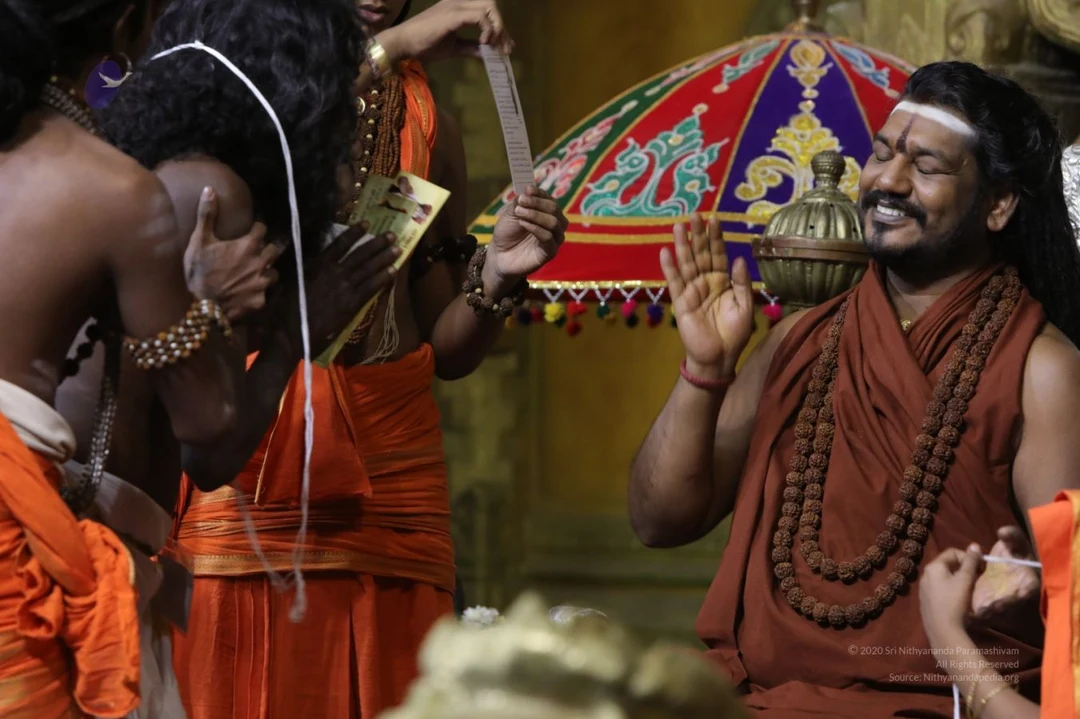
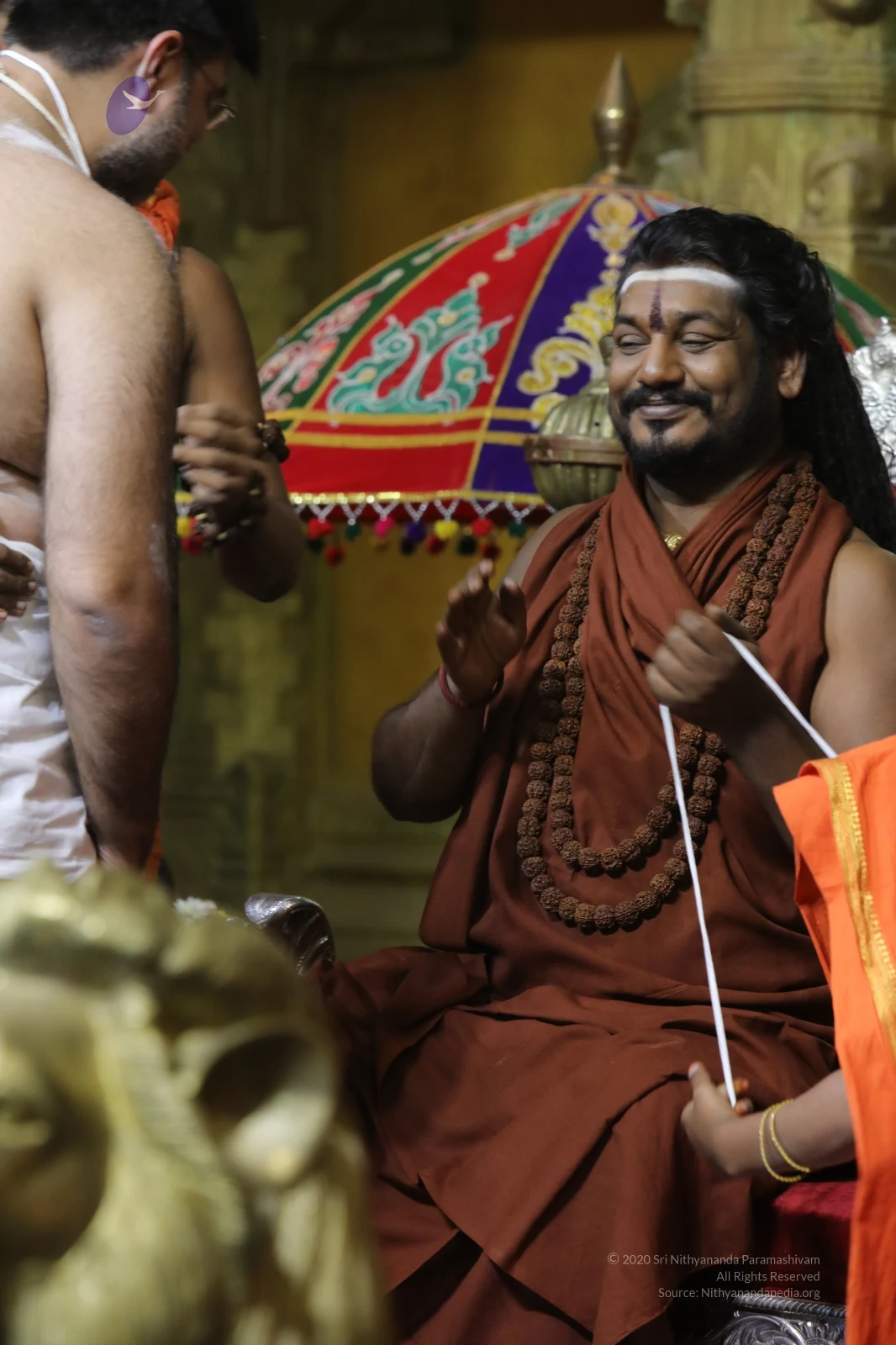
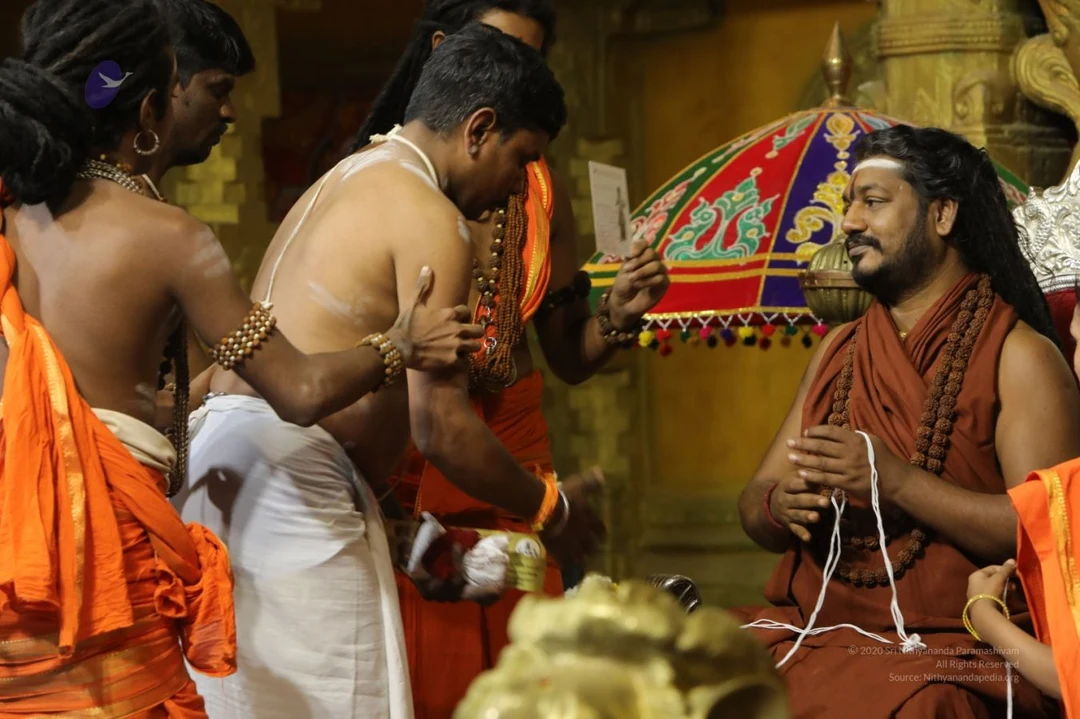
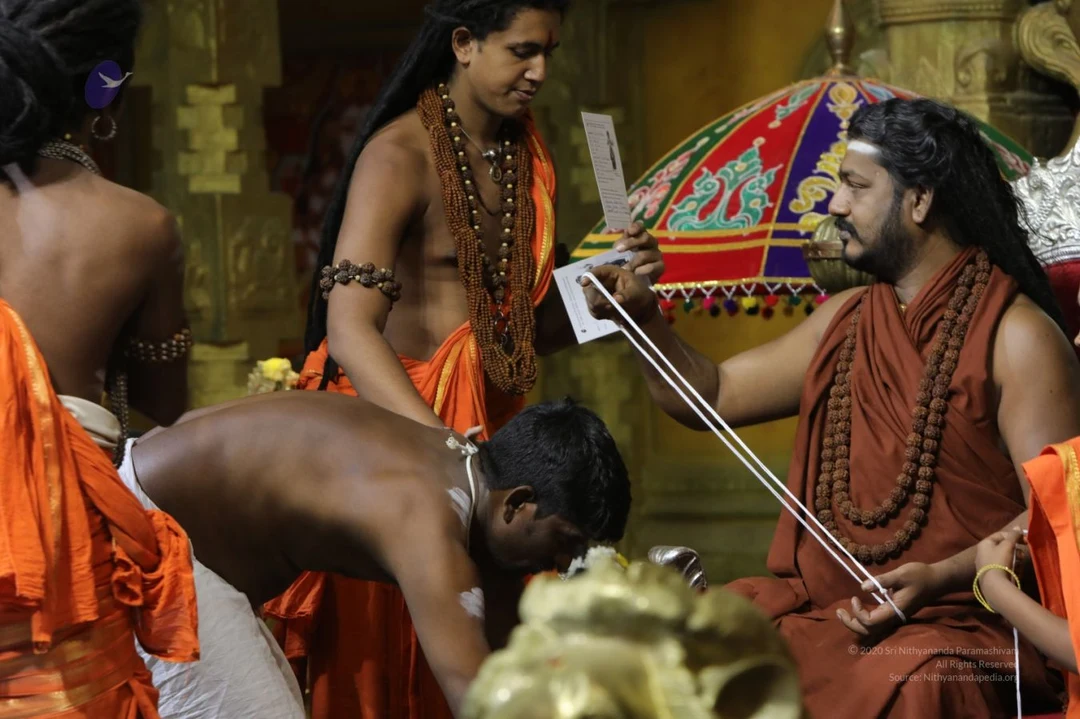
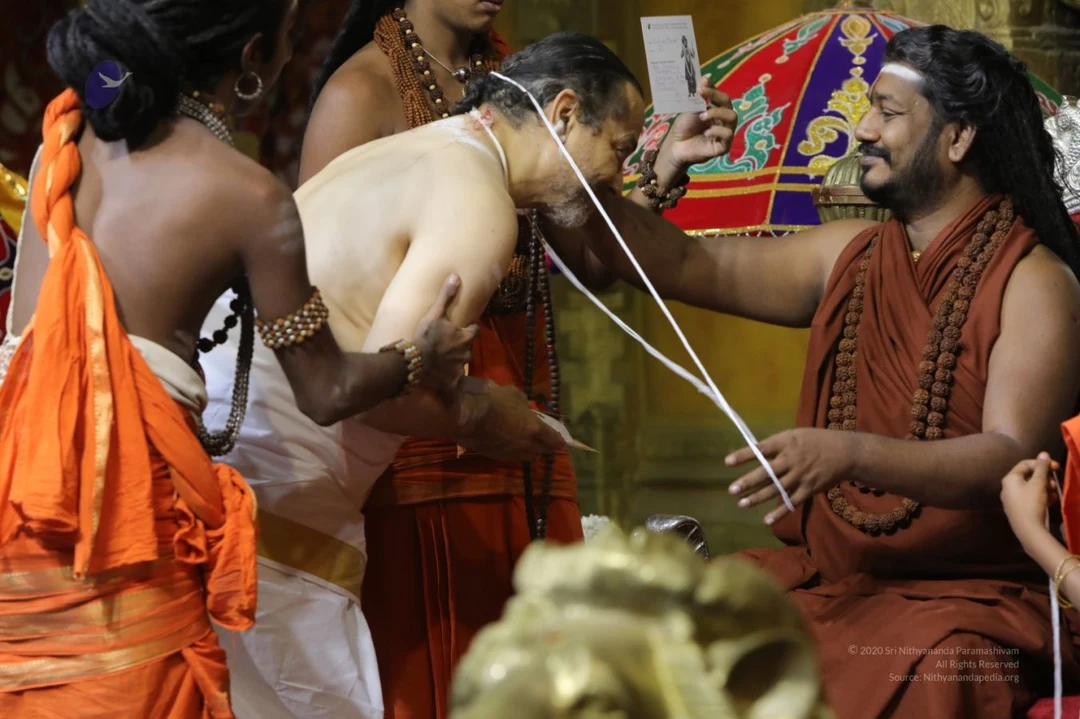
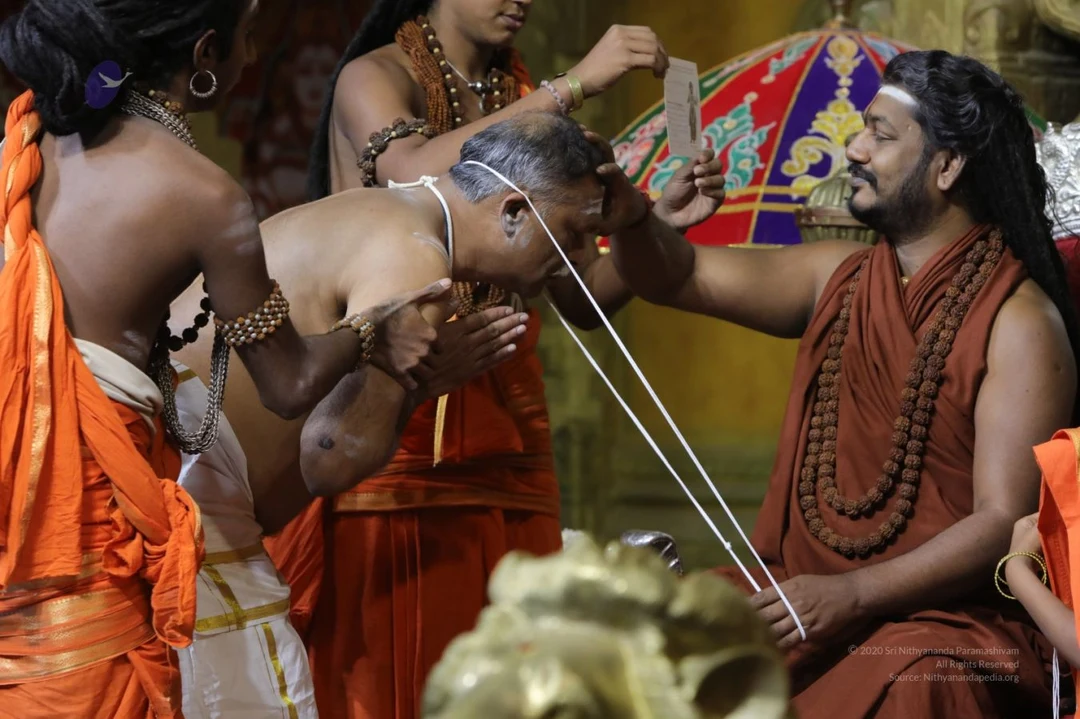
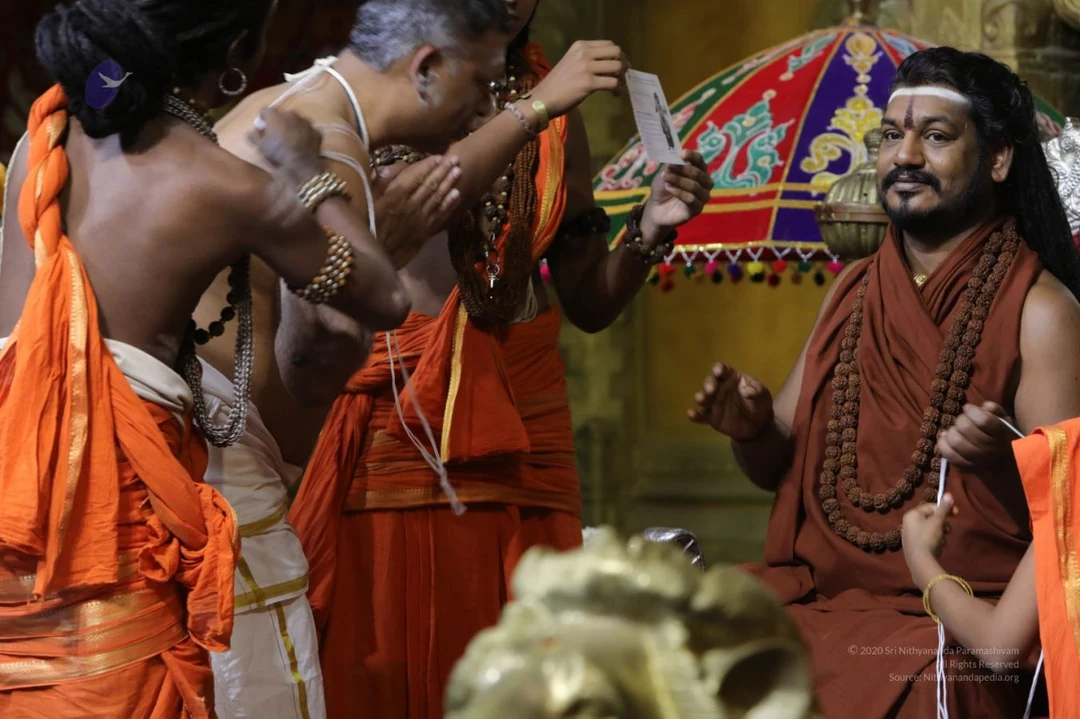
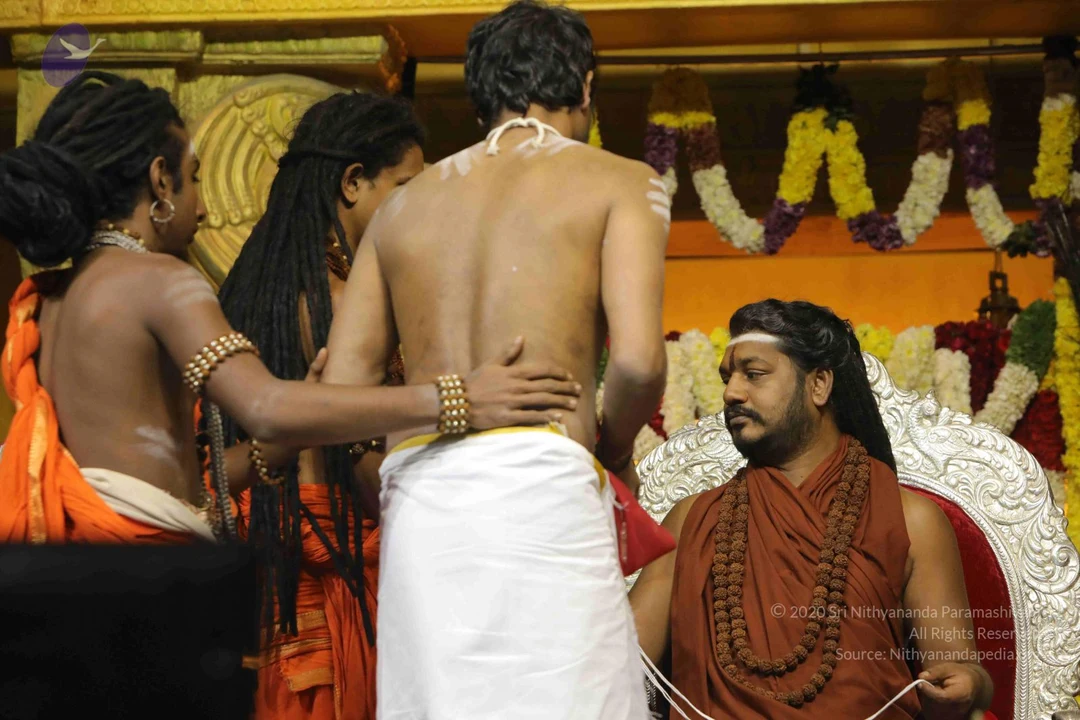
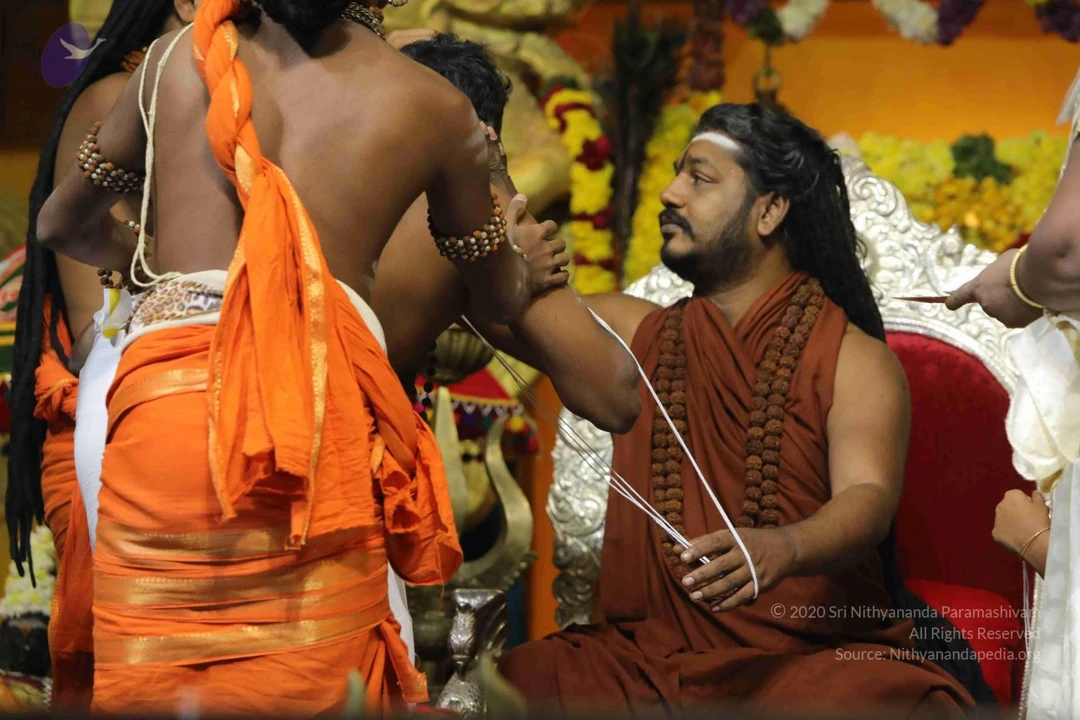
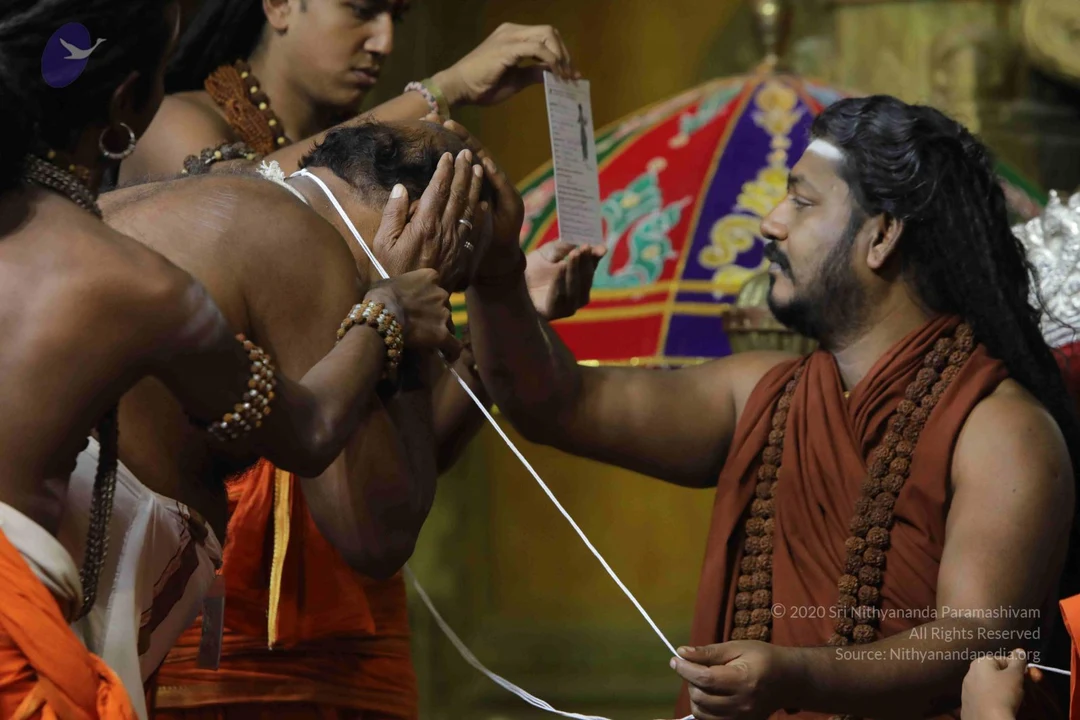
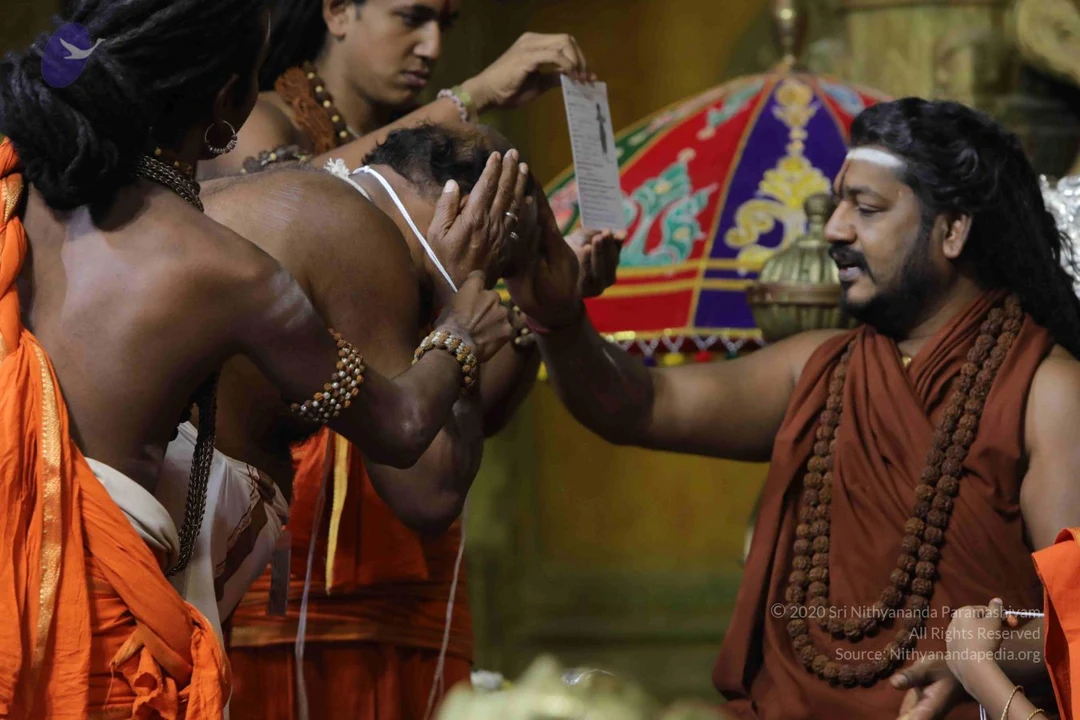
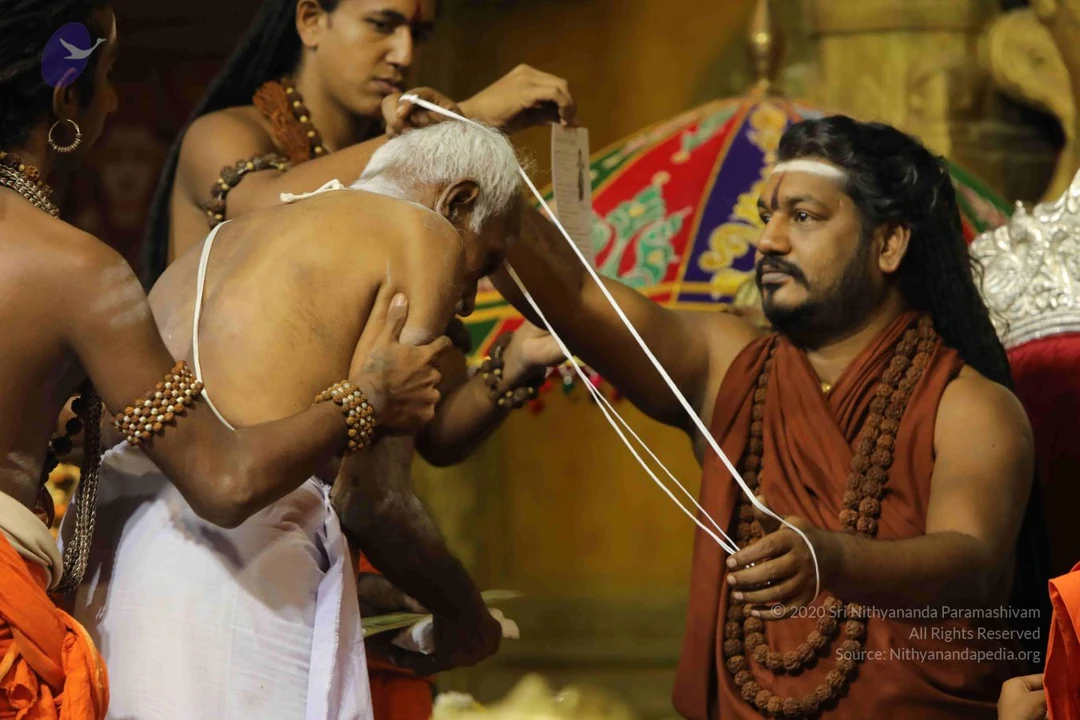
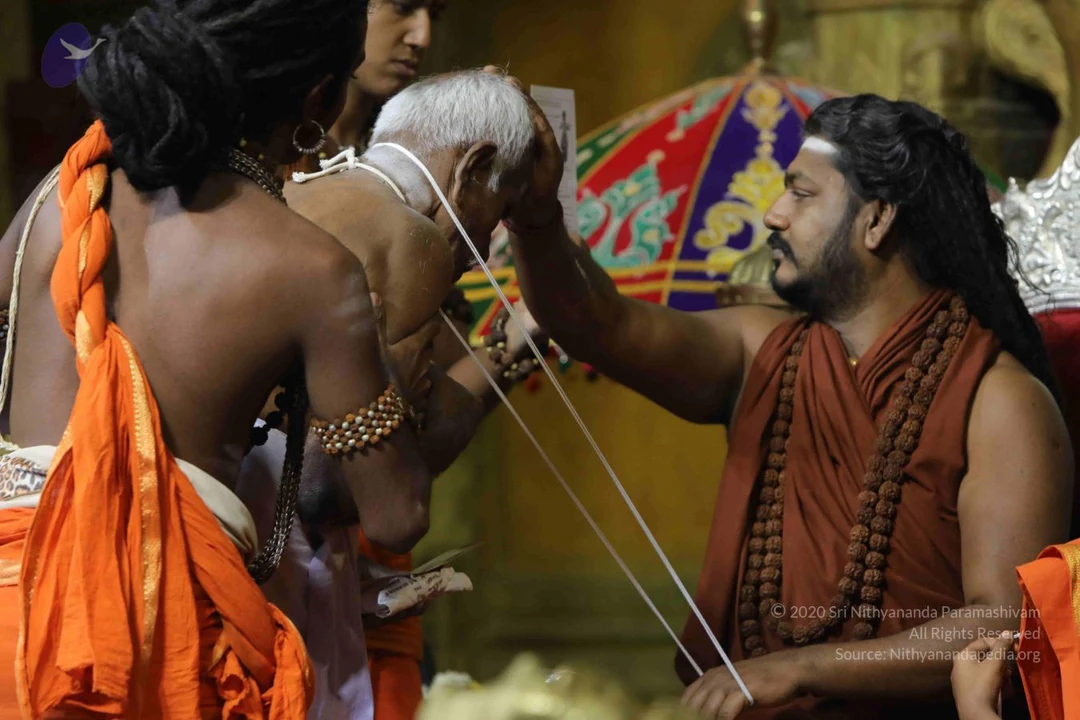
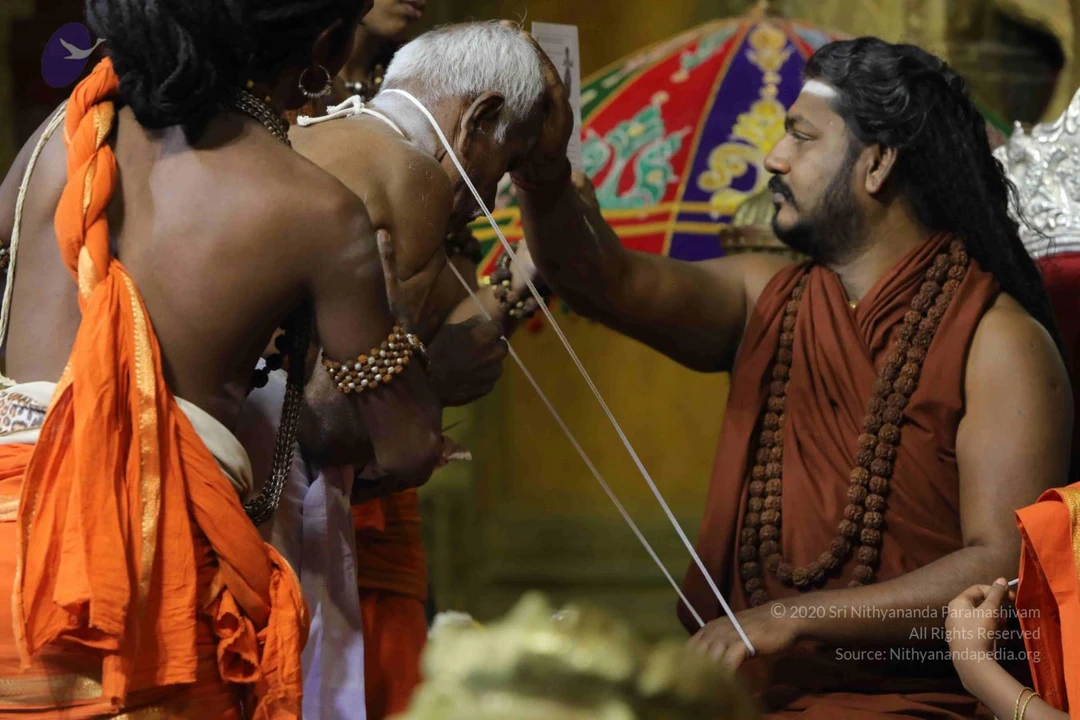
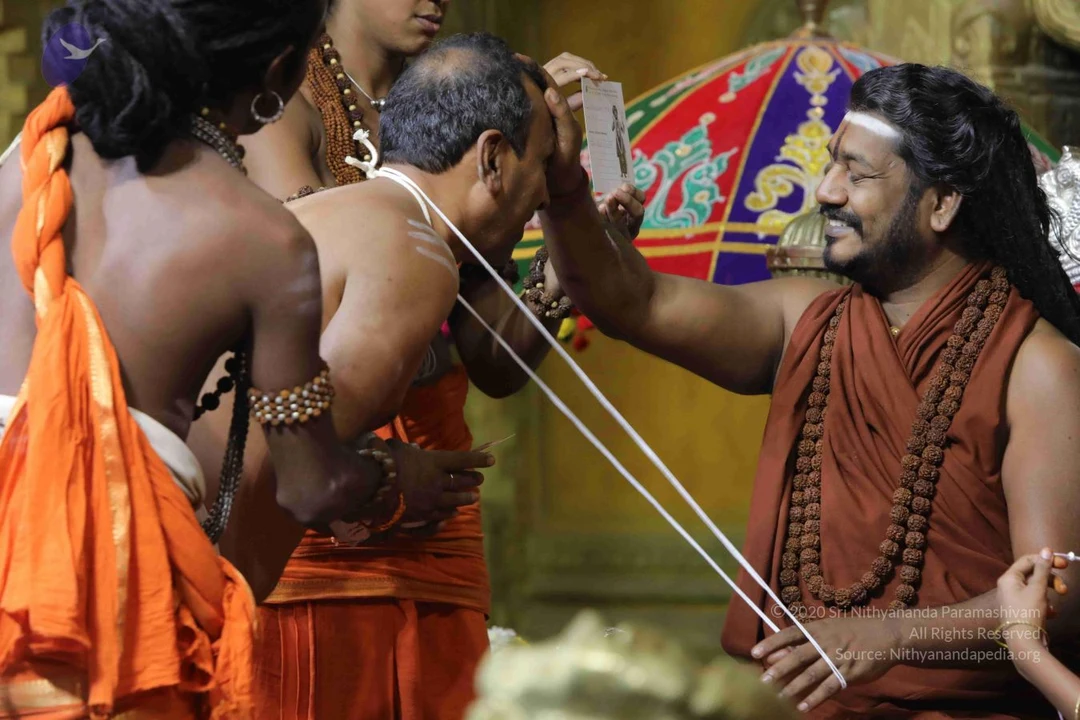
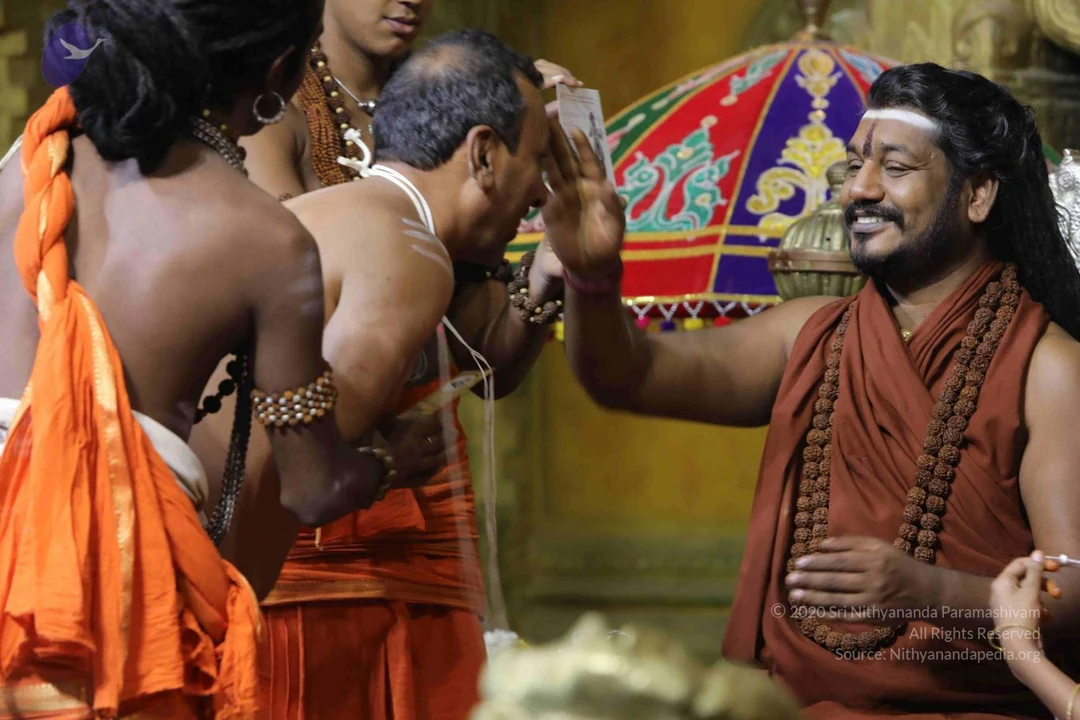
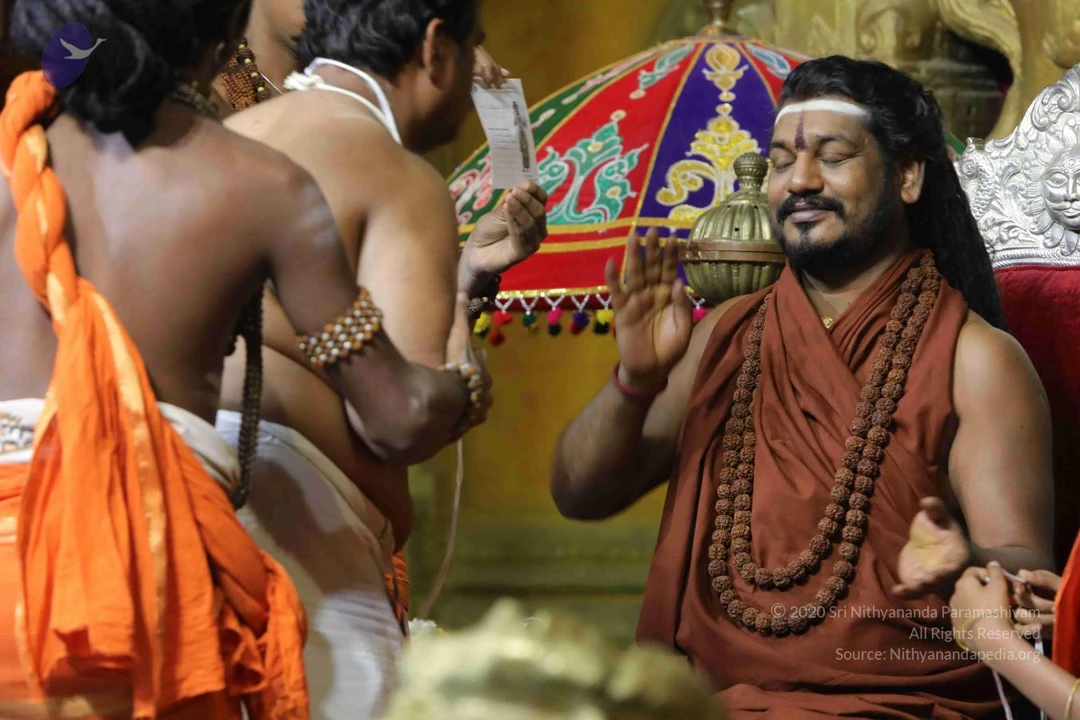
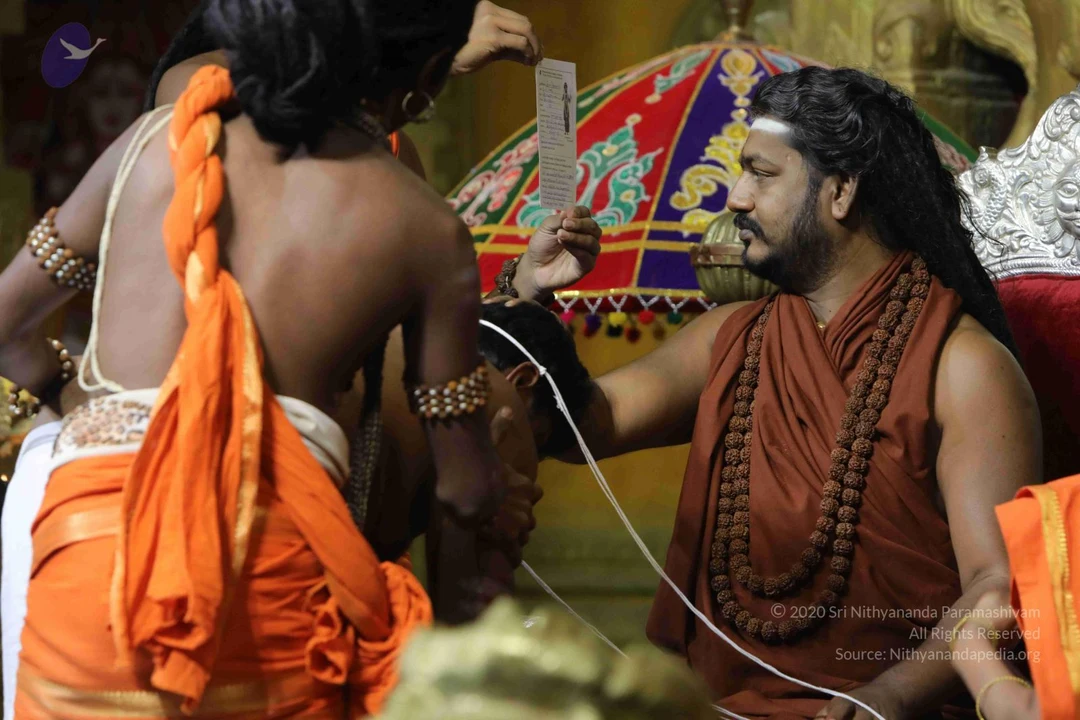
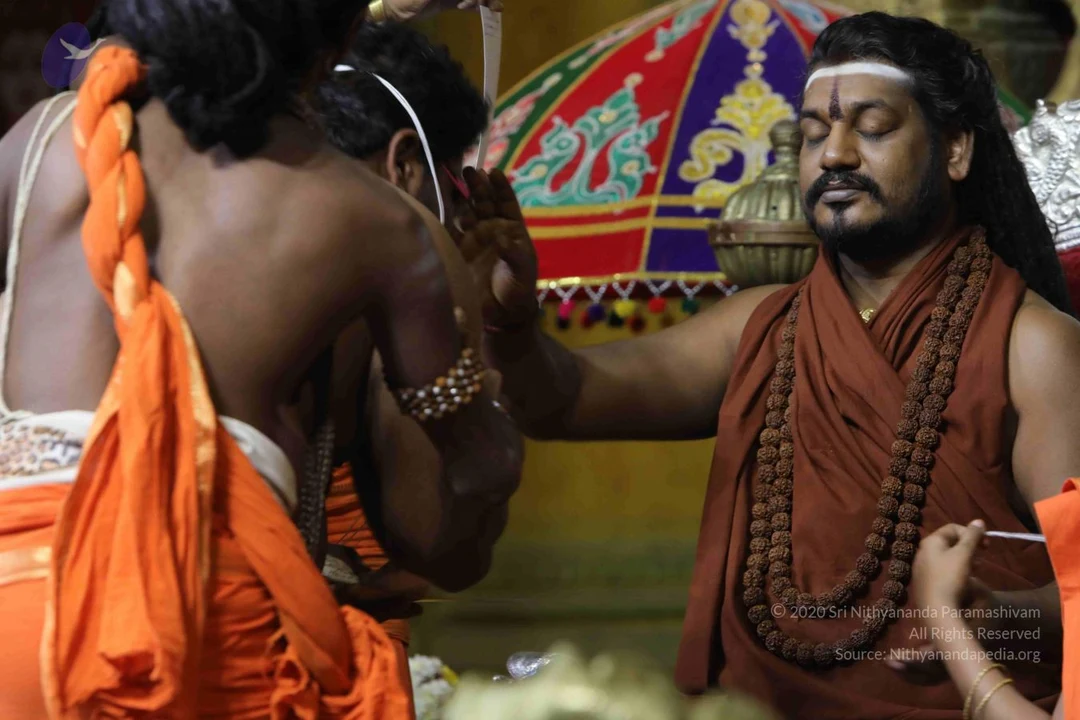
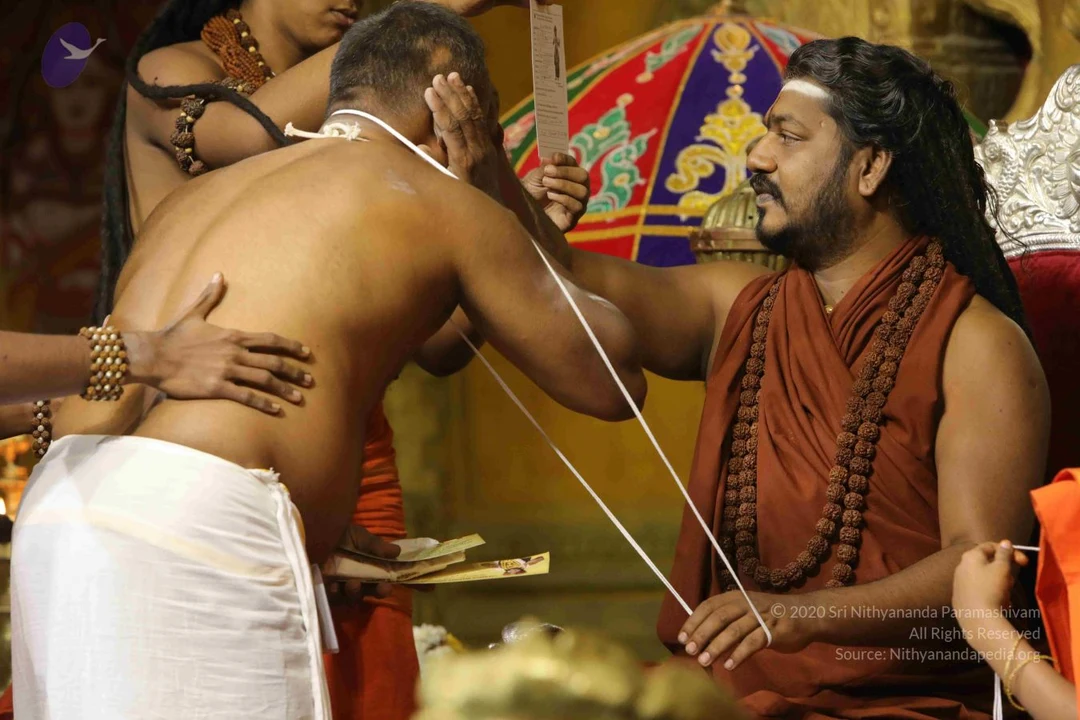
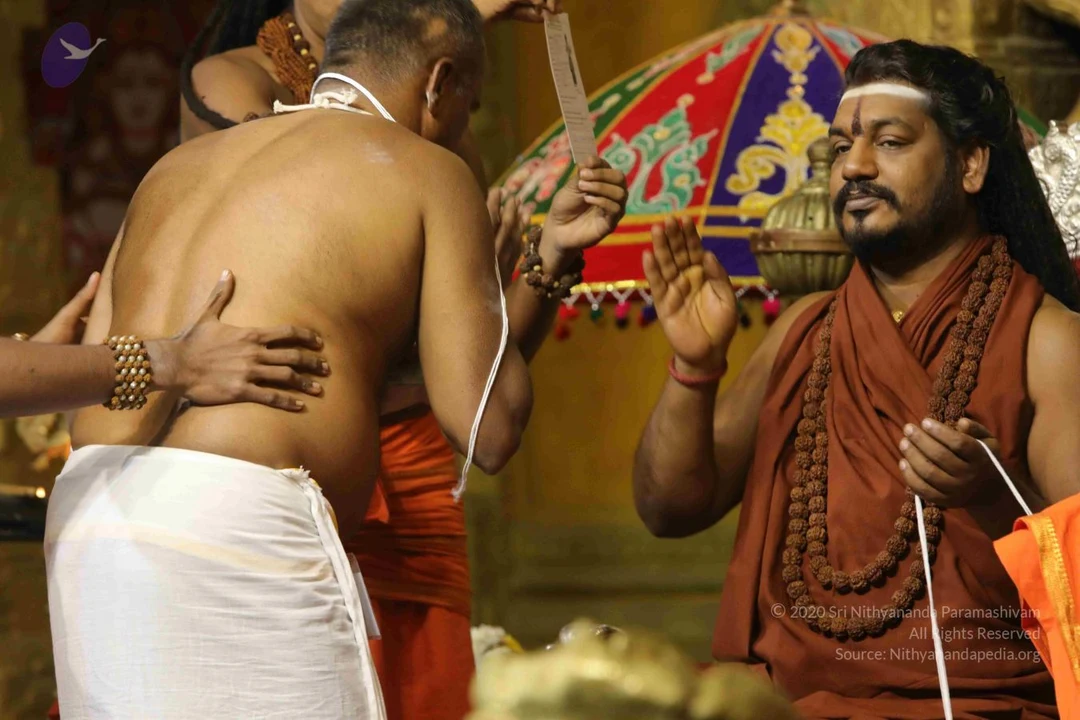
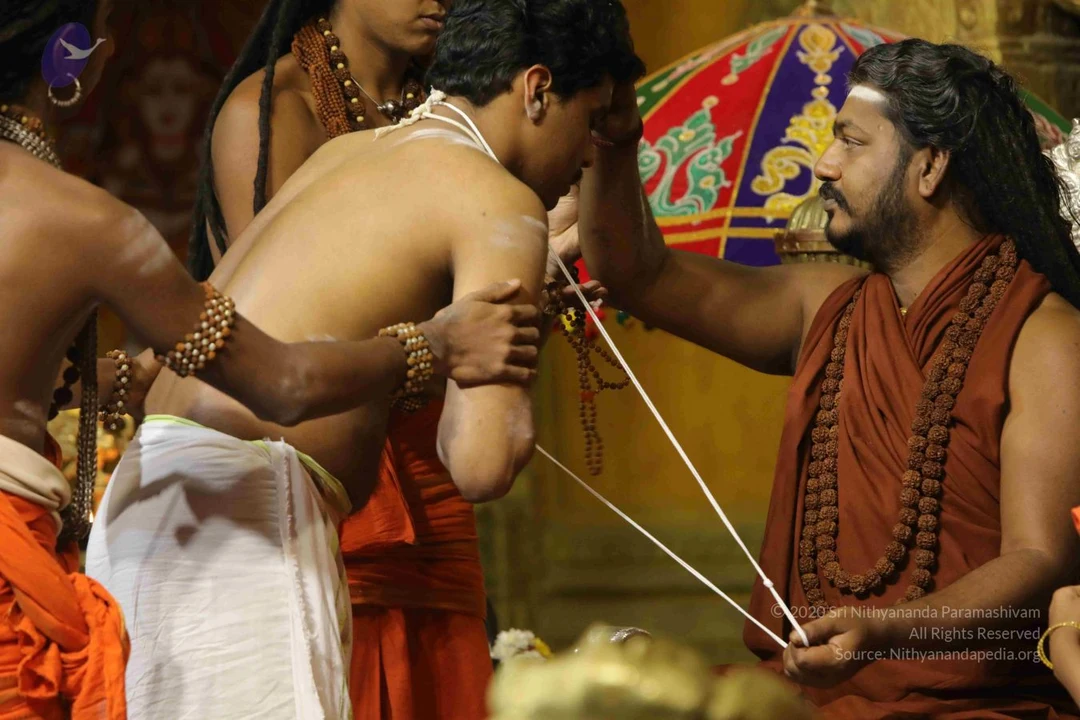
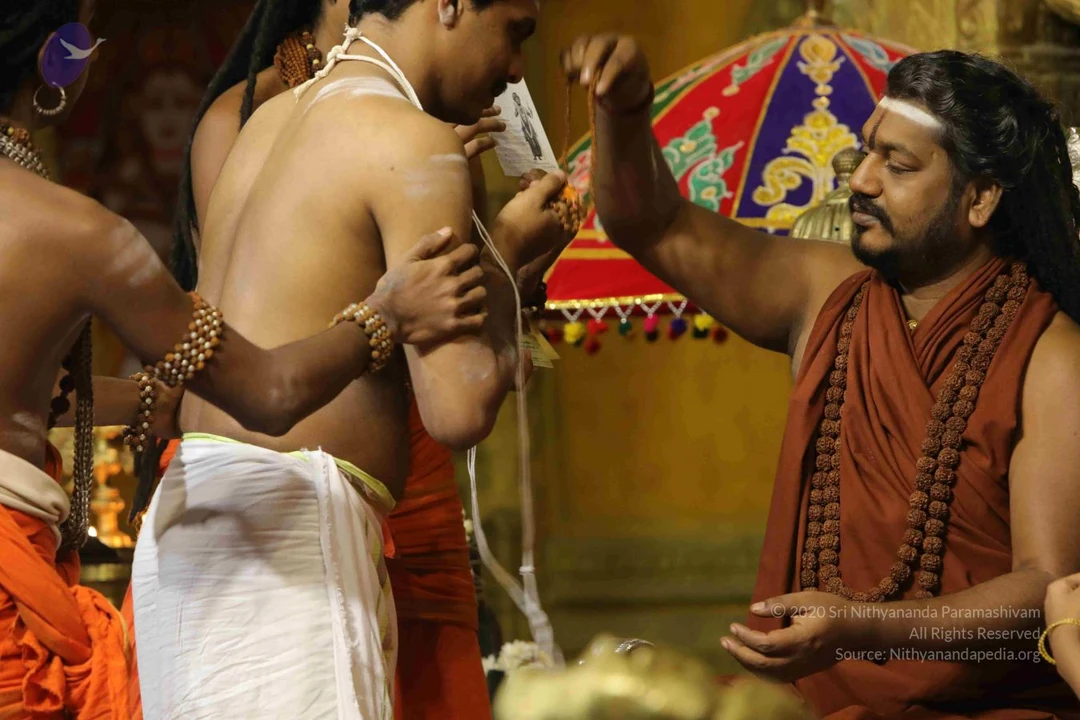
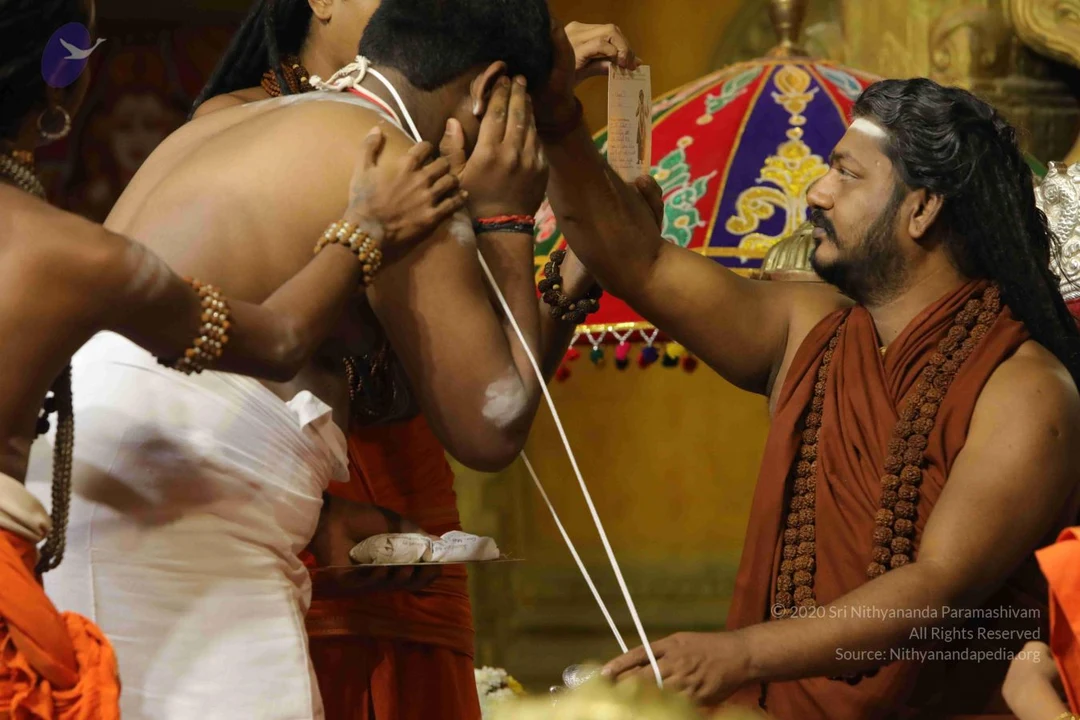
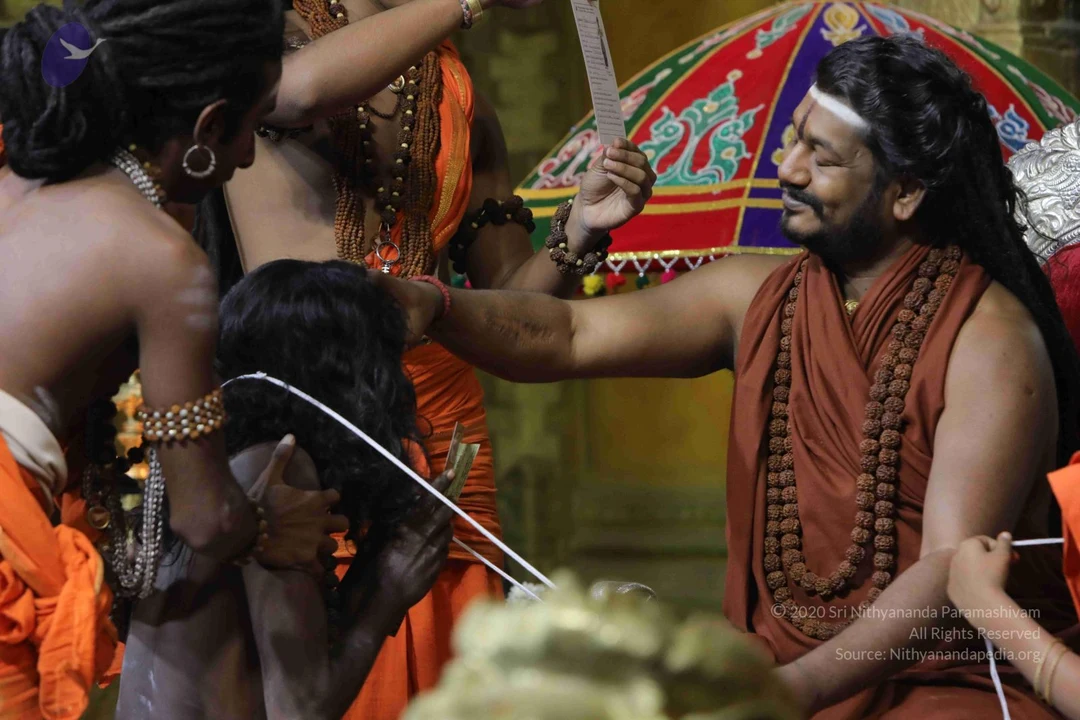
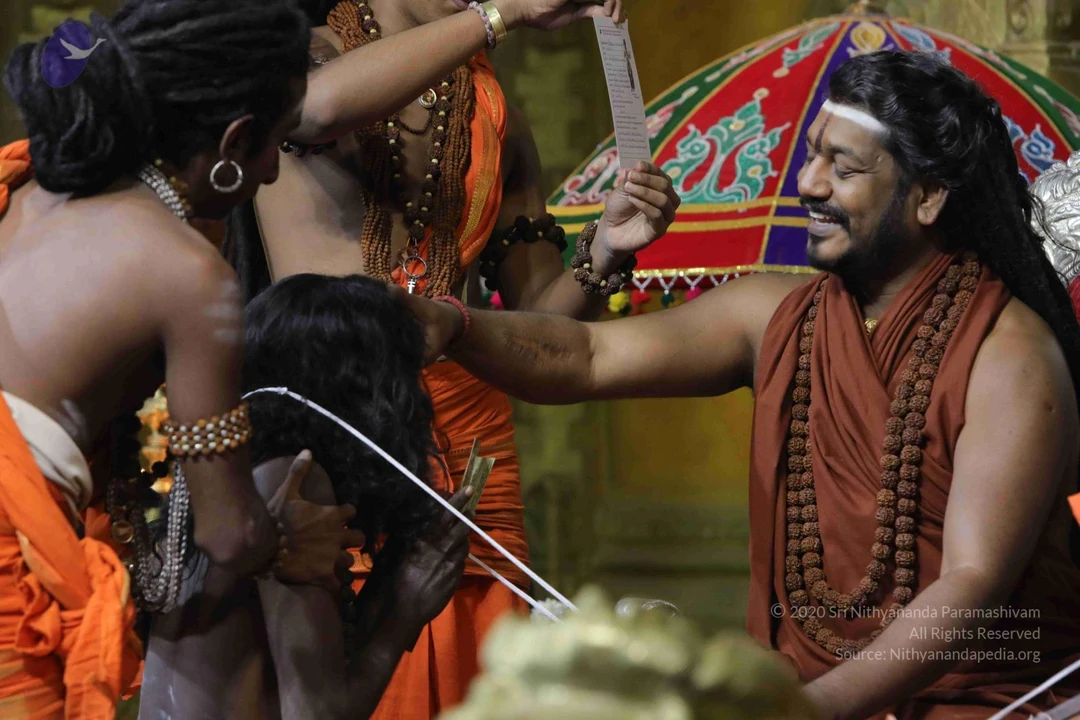
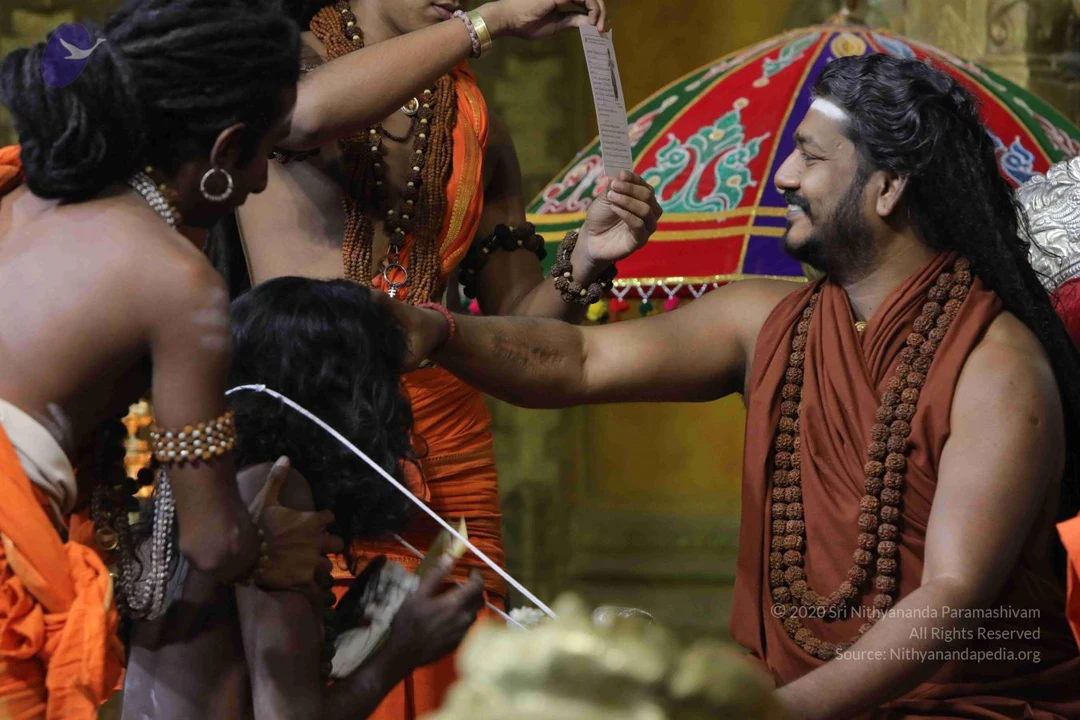
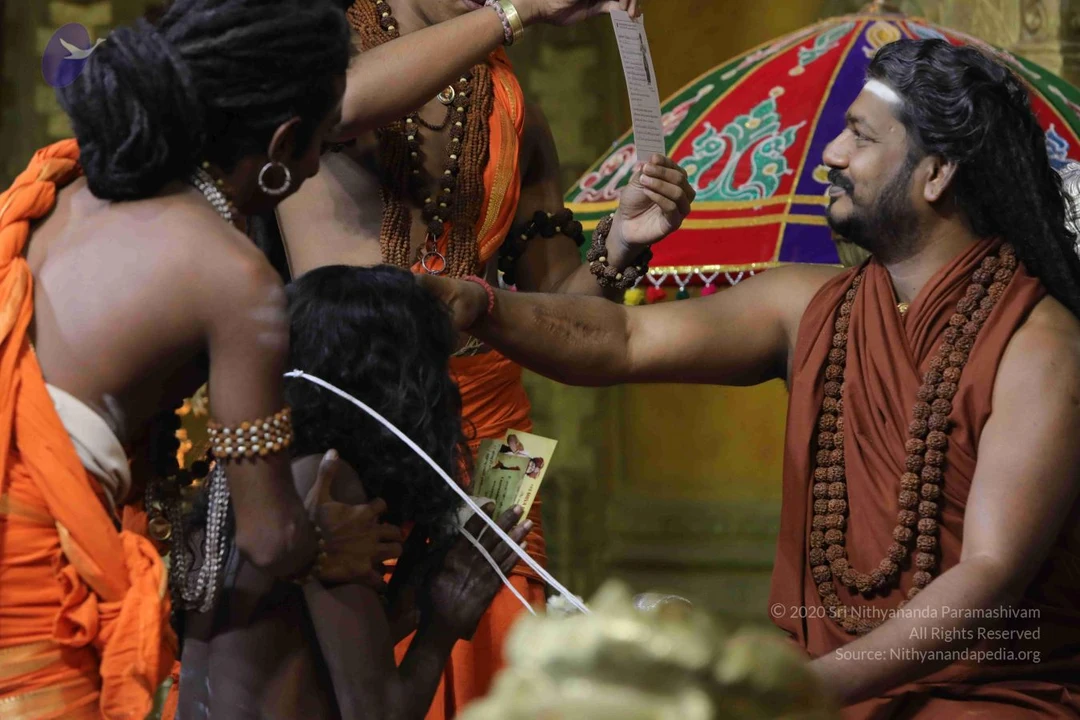
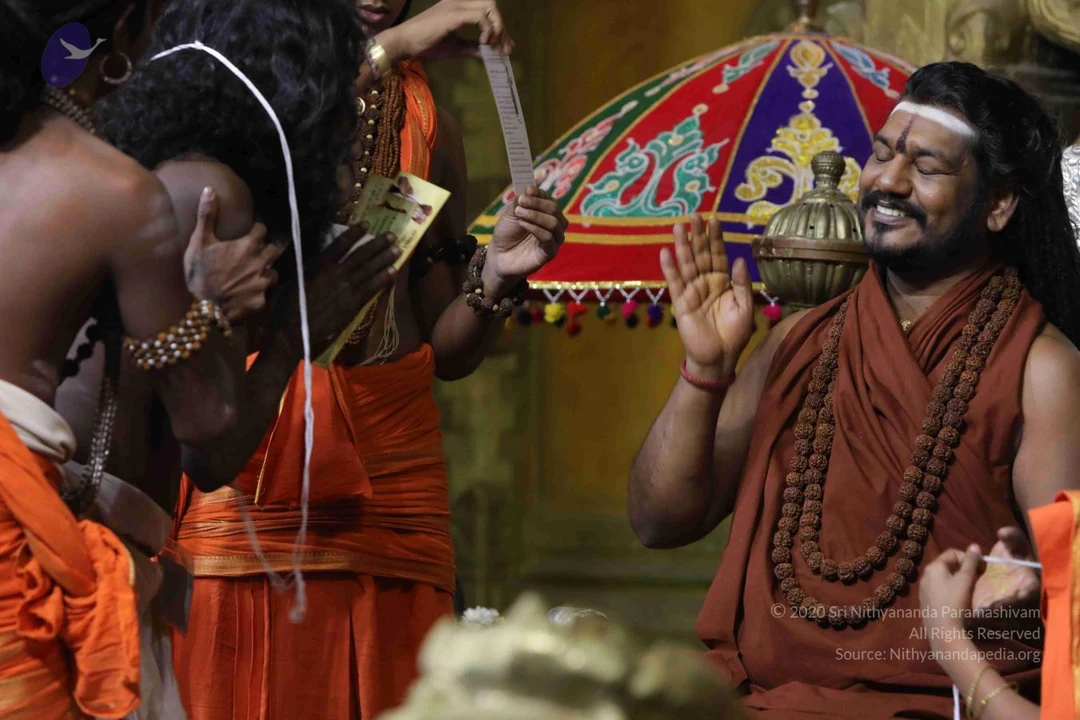
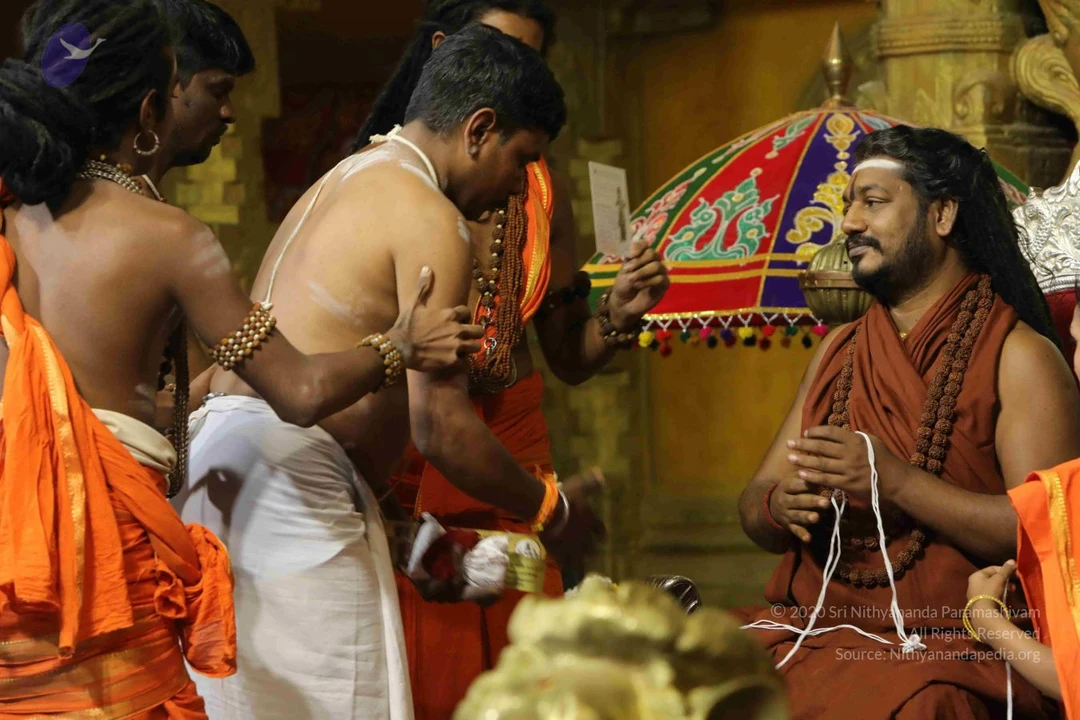
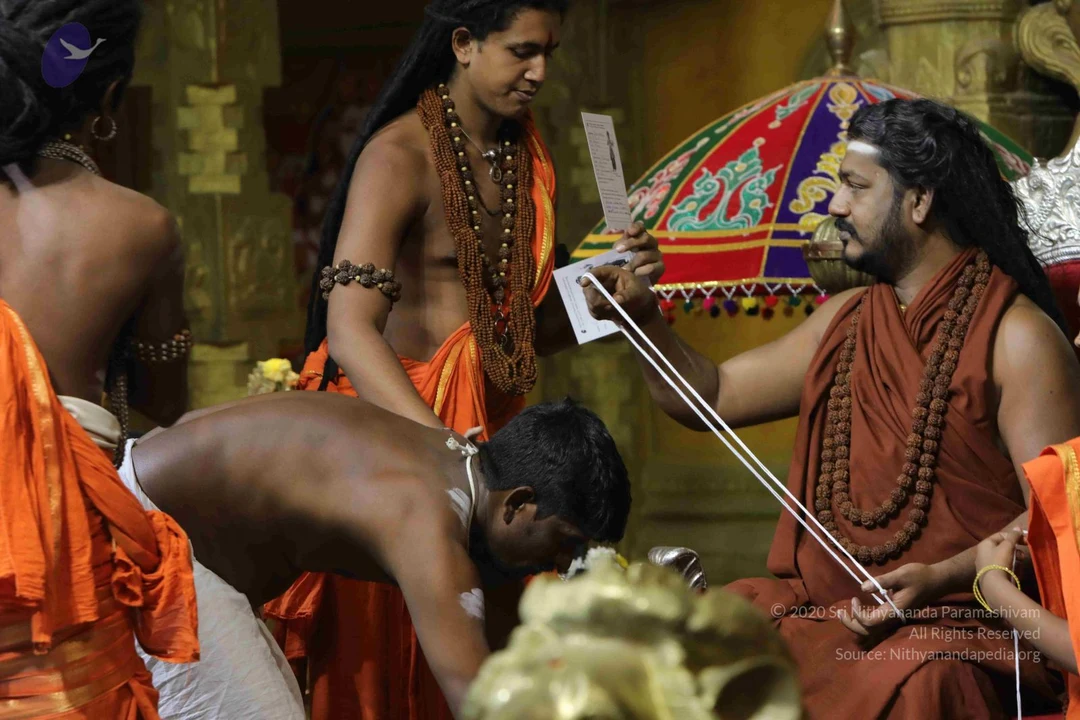
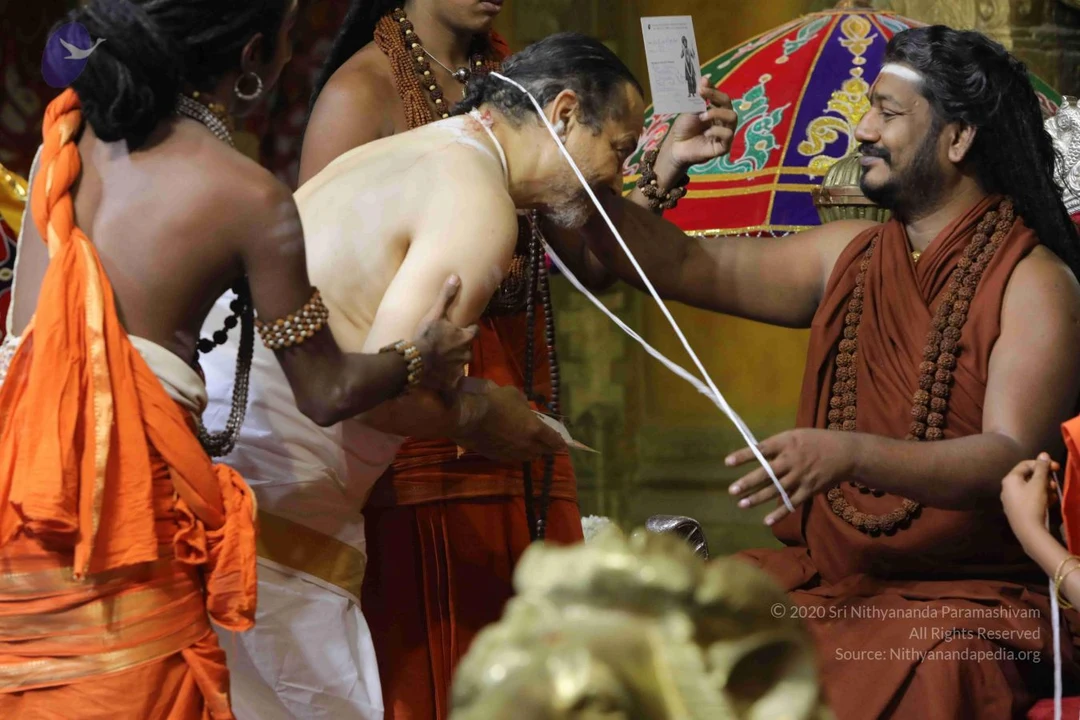
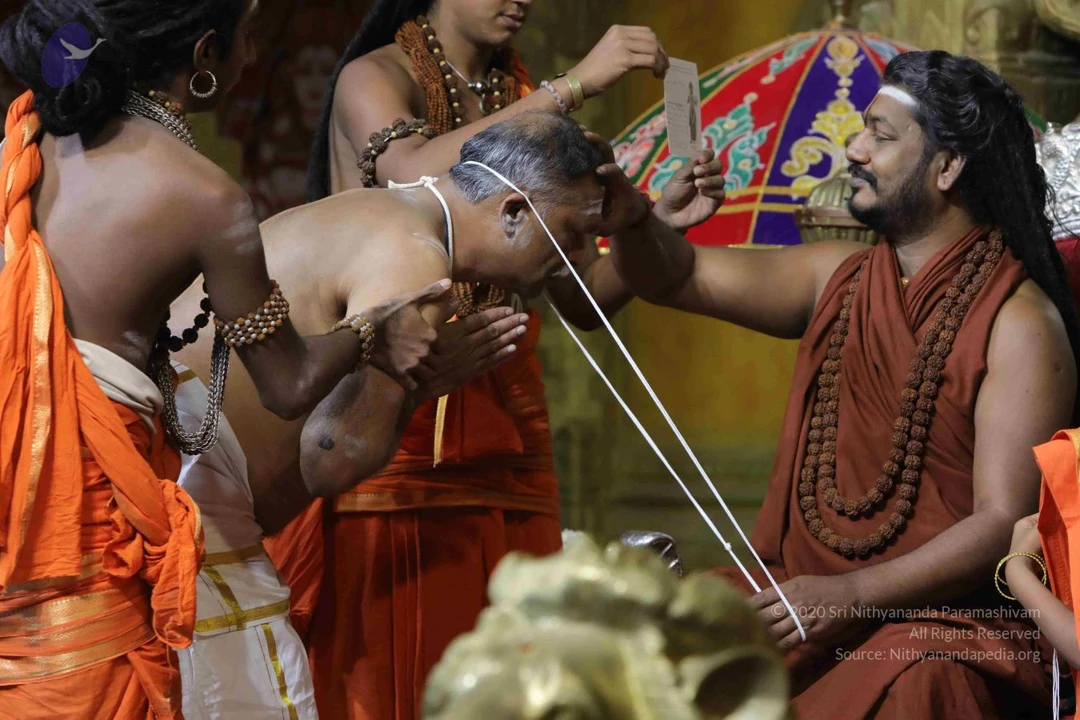
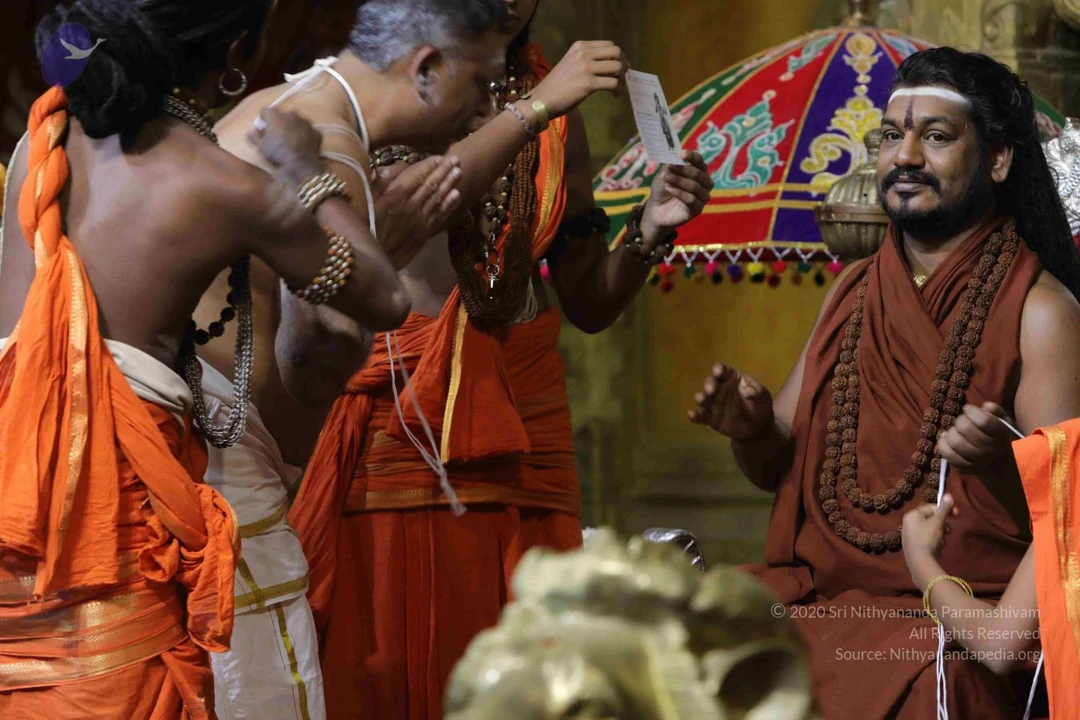
Shiva-deeksha




Tags:
Bhagavan Sri Nithyananda Paramashivam Paramahamsa Nithyananda, Nithyananda, Swamiji, Sadāshiva, MahaSadāshiva, MahaSadāshivoham, Mrigendragama, Vidyapaada of Kaamikagama, cosmos, fundamental units of the Universe, 11 dimensions, powerful cognitions, powers of third eye, tattva, Kaala, Universe, death, powerless cognitions, powerful cognitions, Bheeshma, Ganga, cognitions, life, power manifestation, Guru, cherished romance, blind spot, old age, tiredness, boredom, cognitive shift, SDHD
Link to Facebook Page
https://www.facebook.com/ParamahamsaNithyananda/posts/1607041959383648
Photos Of The Day:
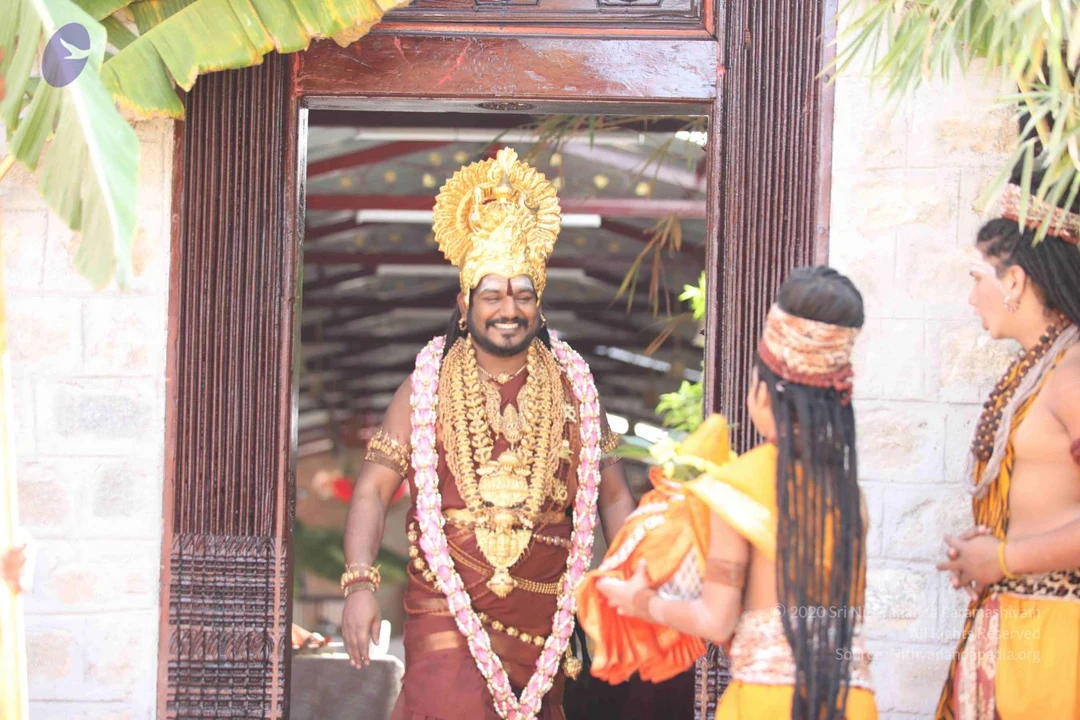
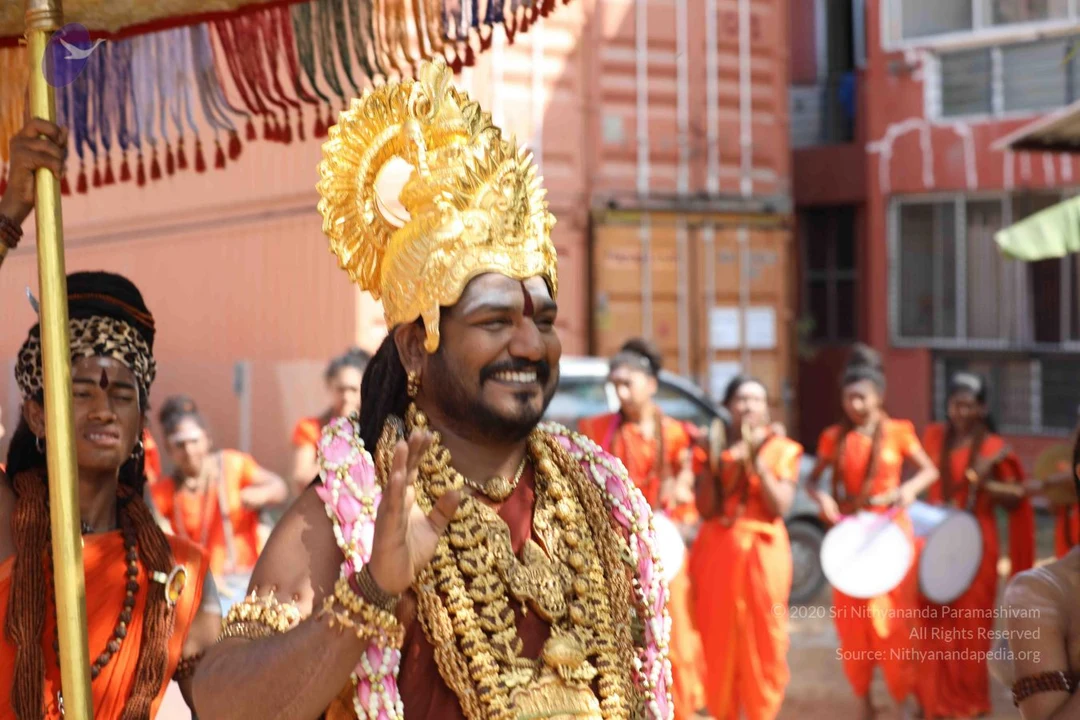
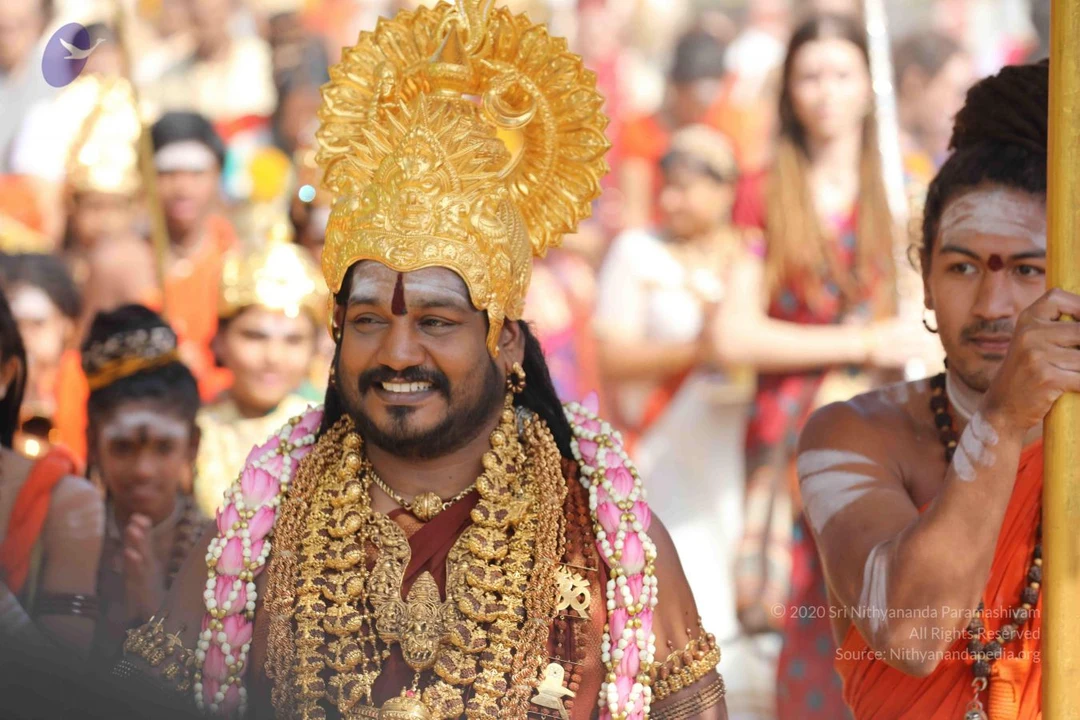
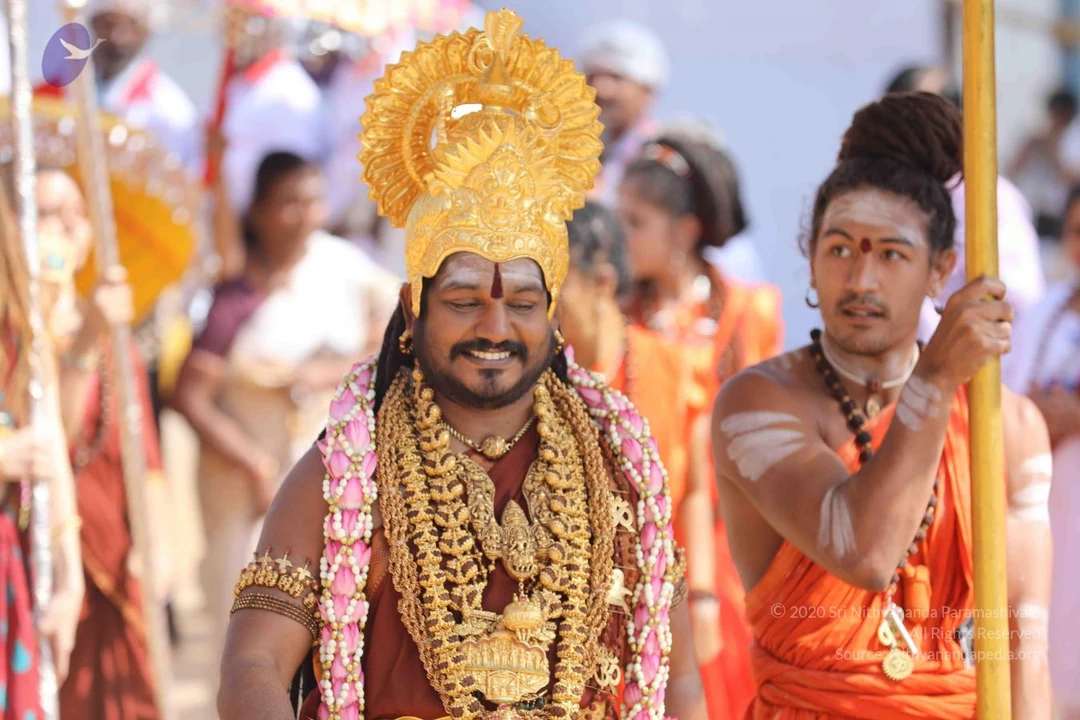
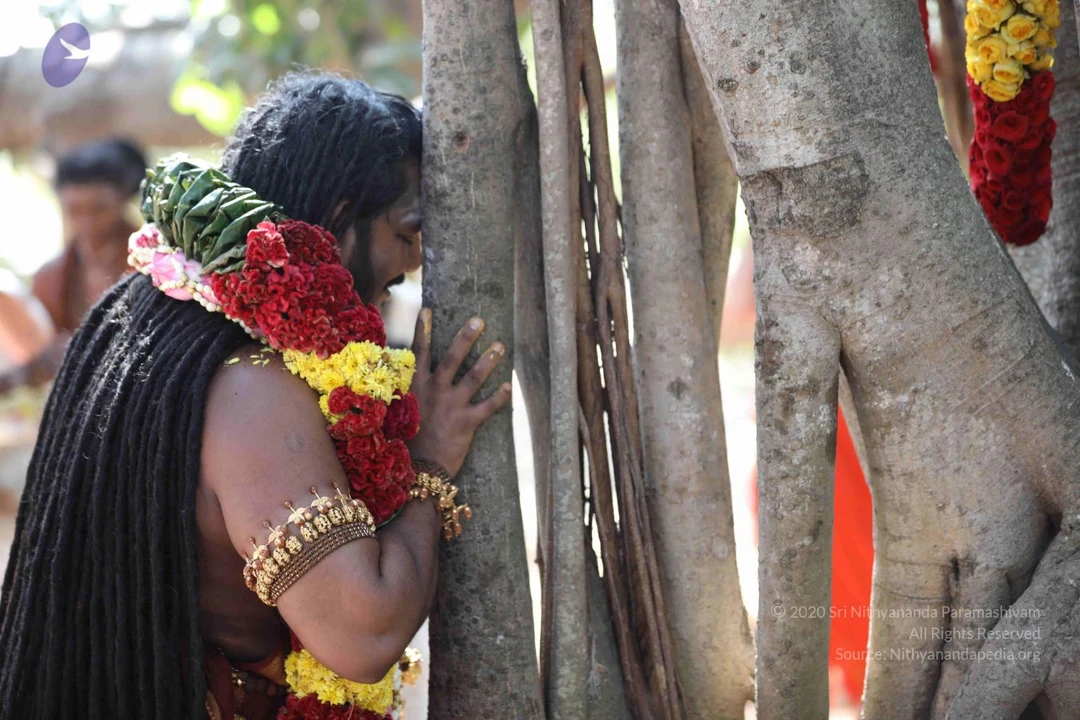
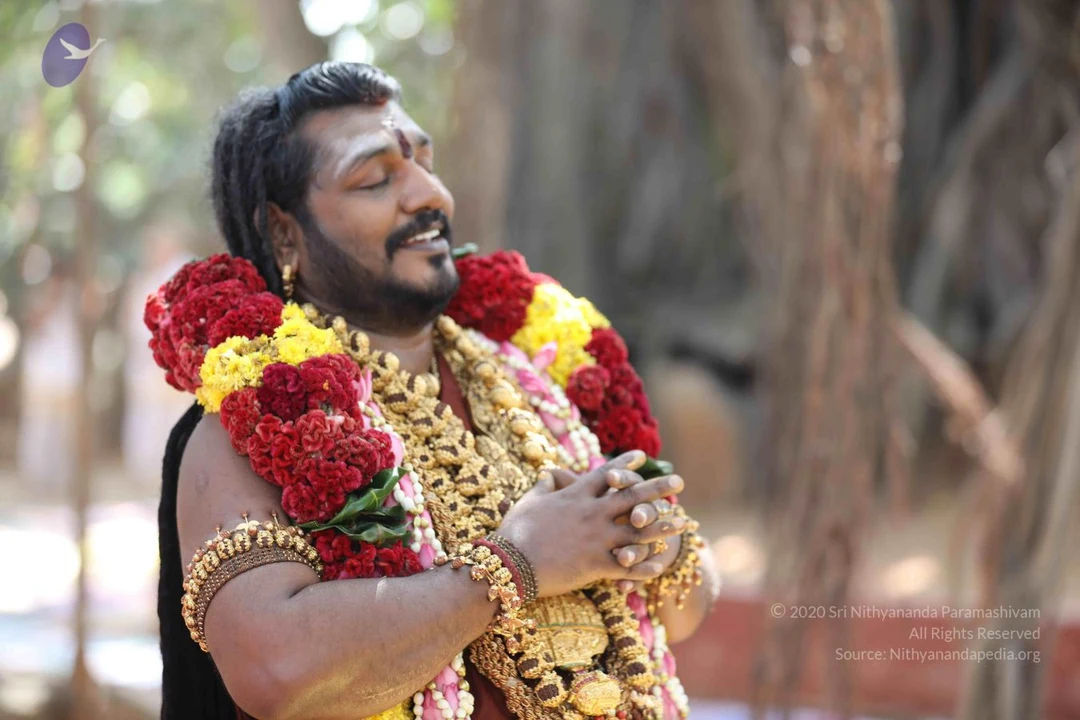
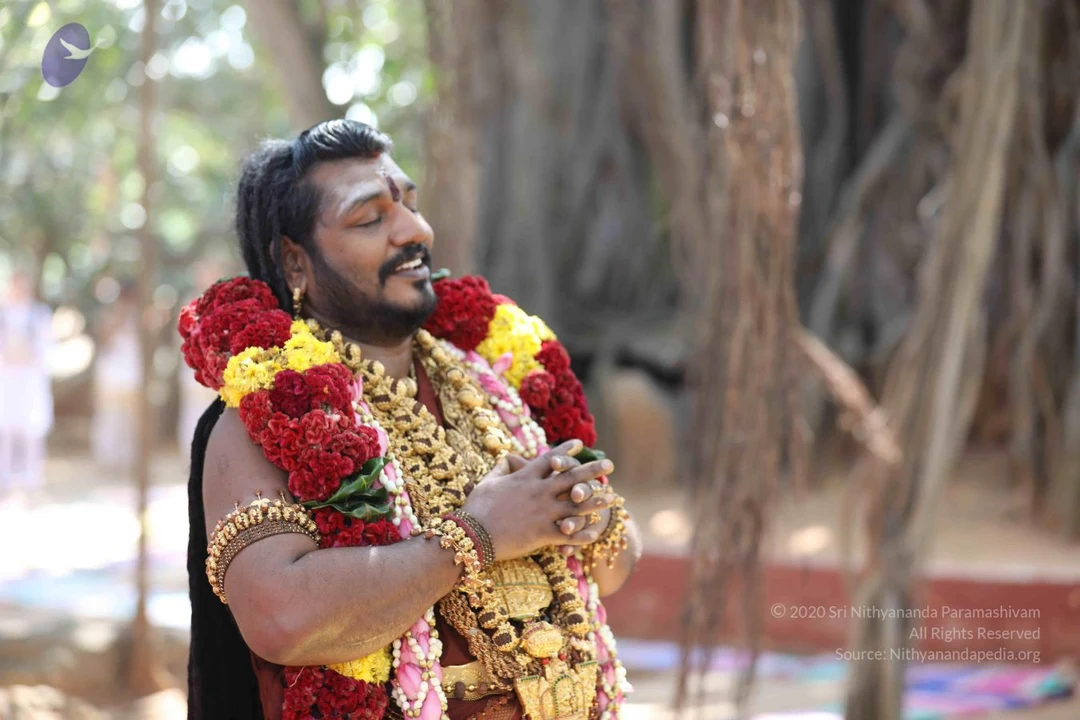
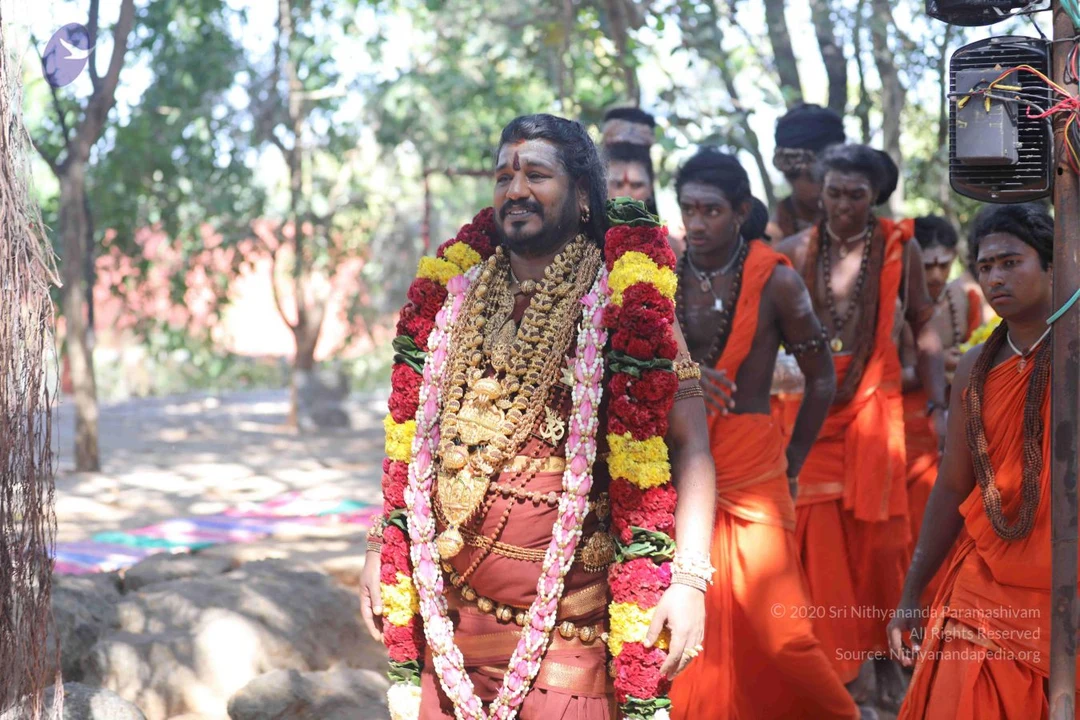
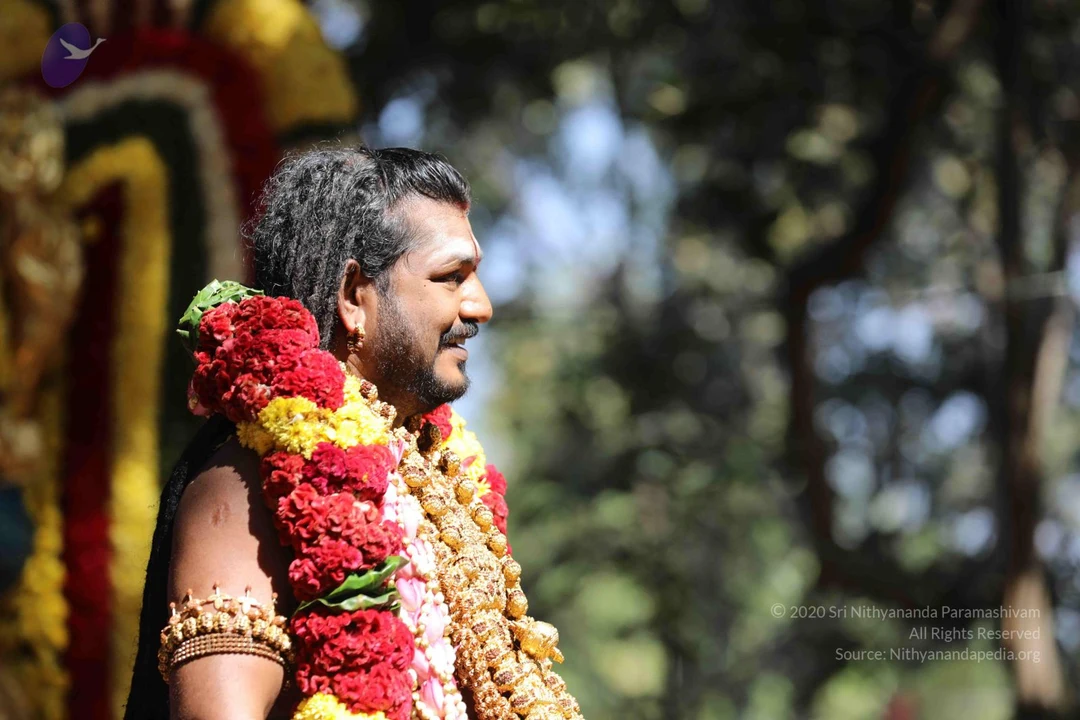
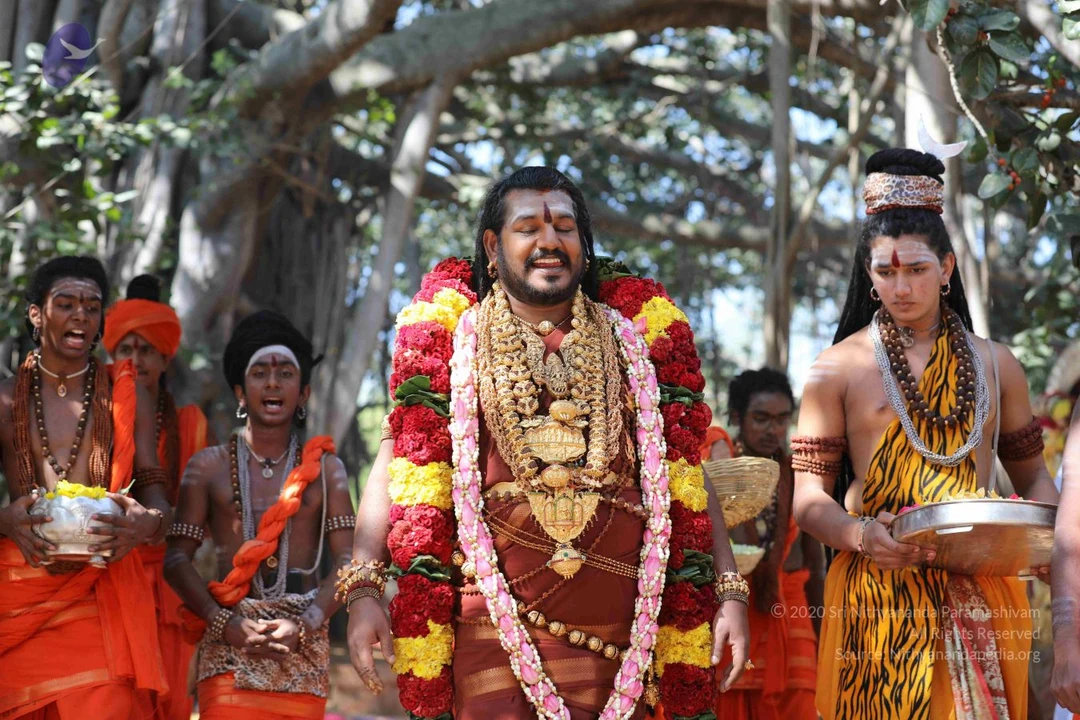
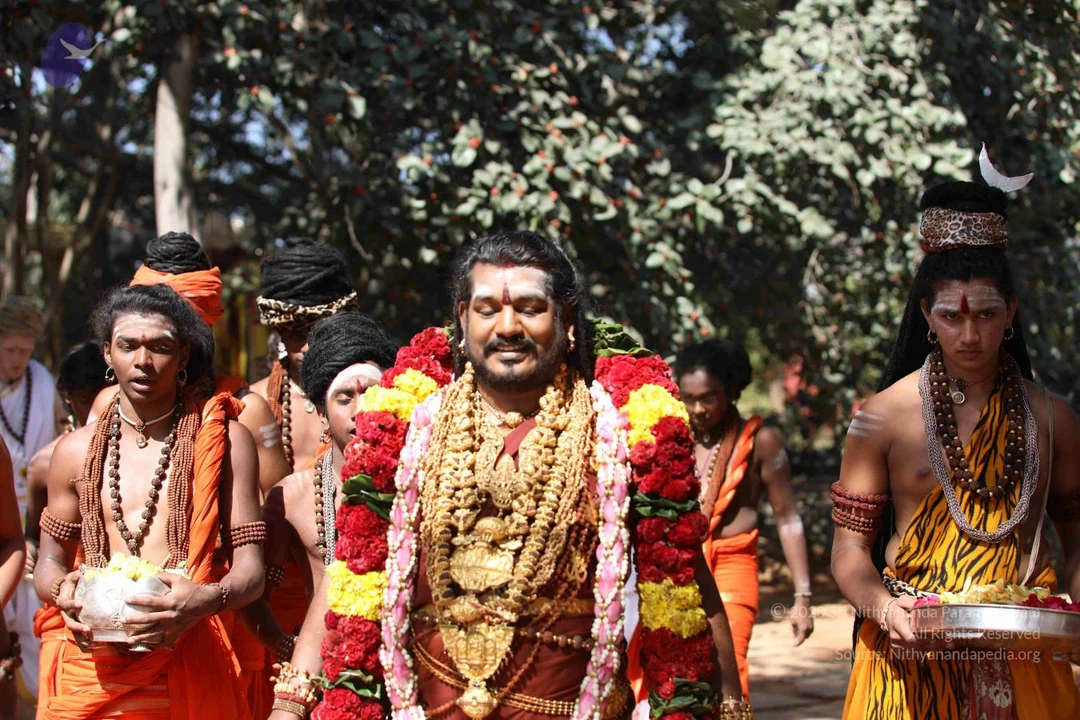
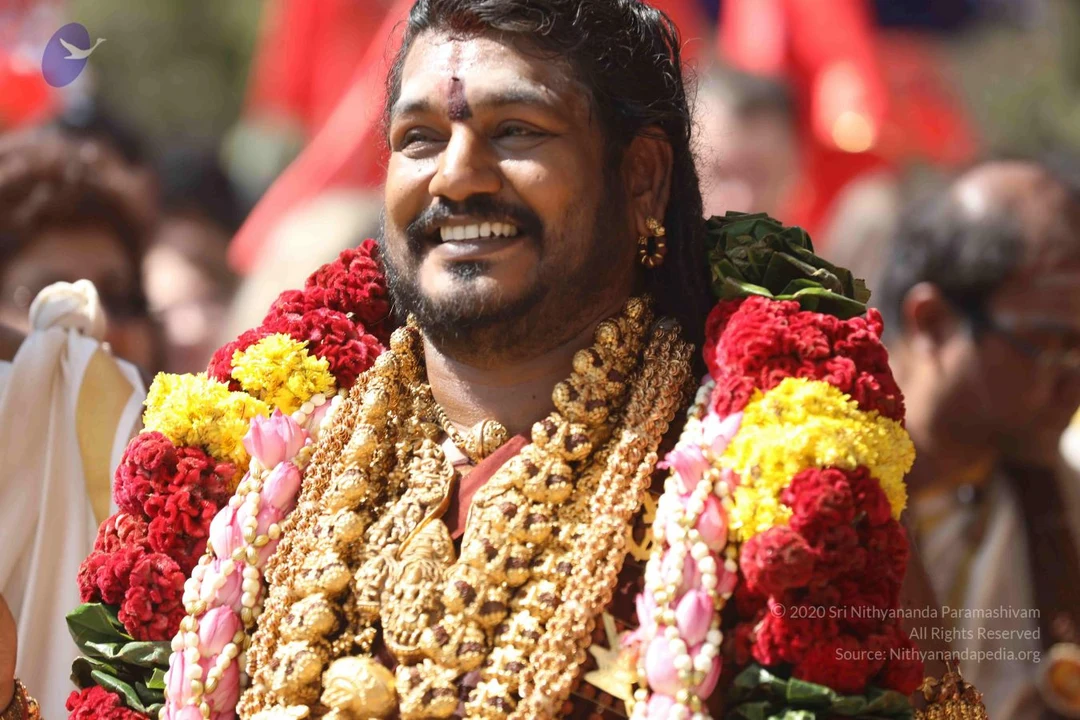
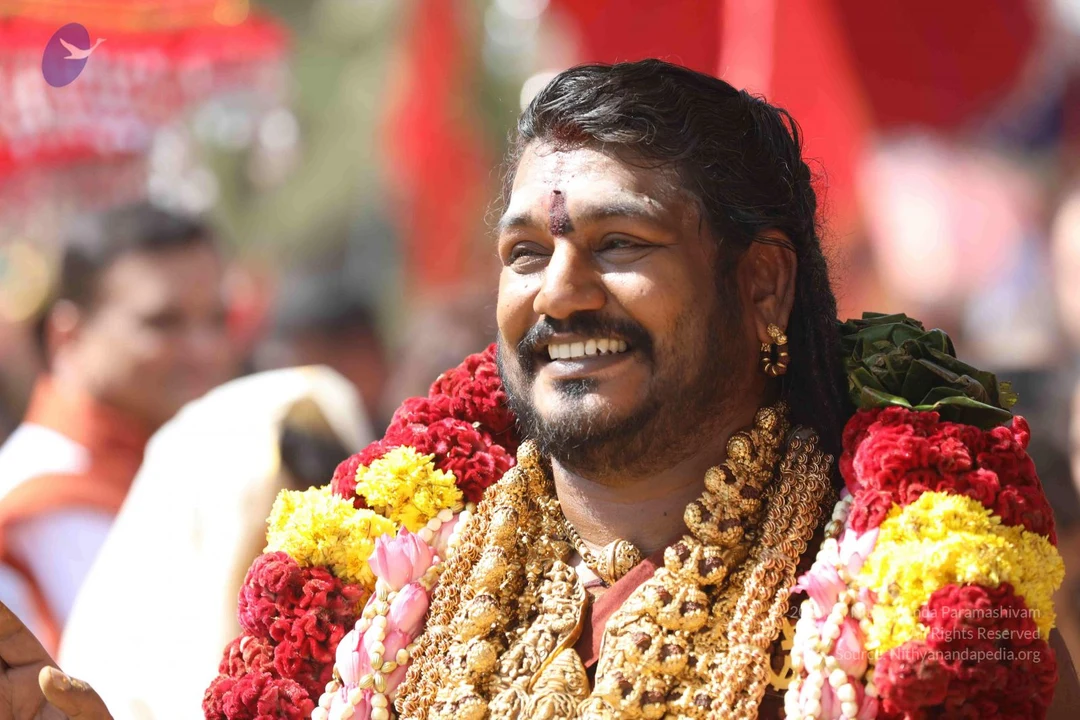
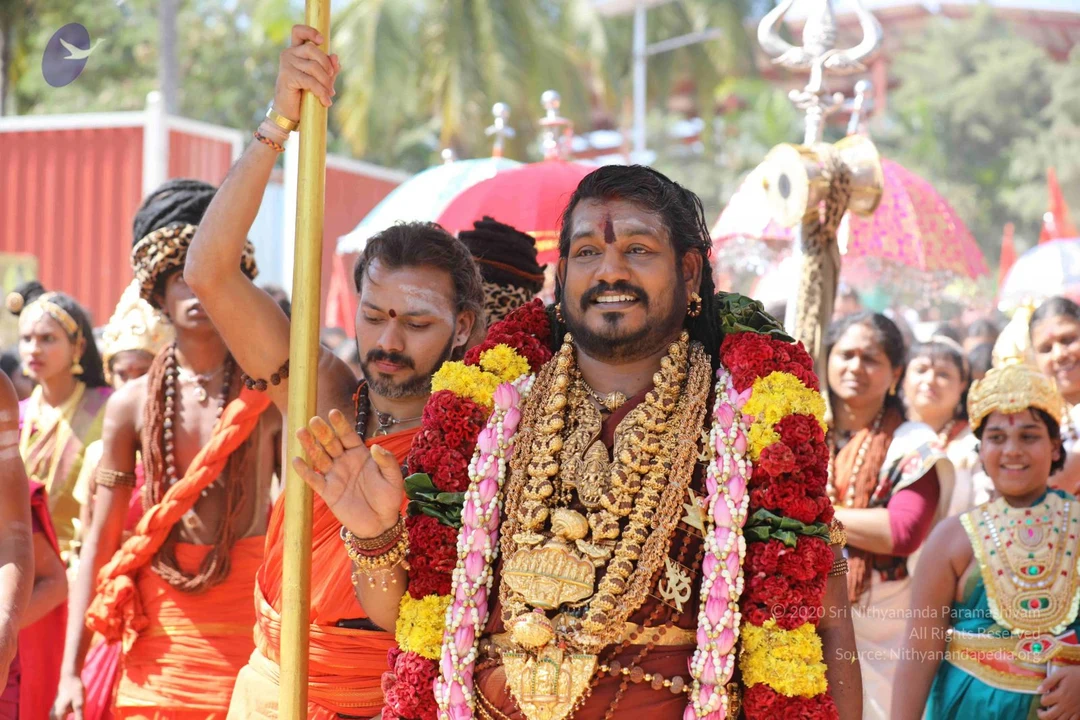
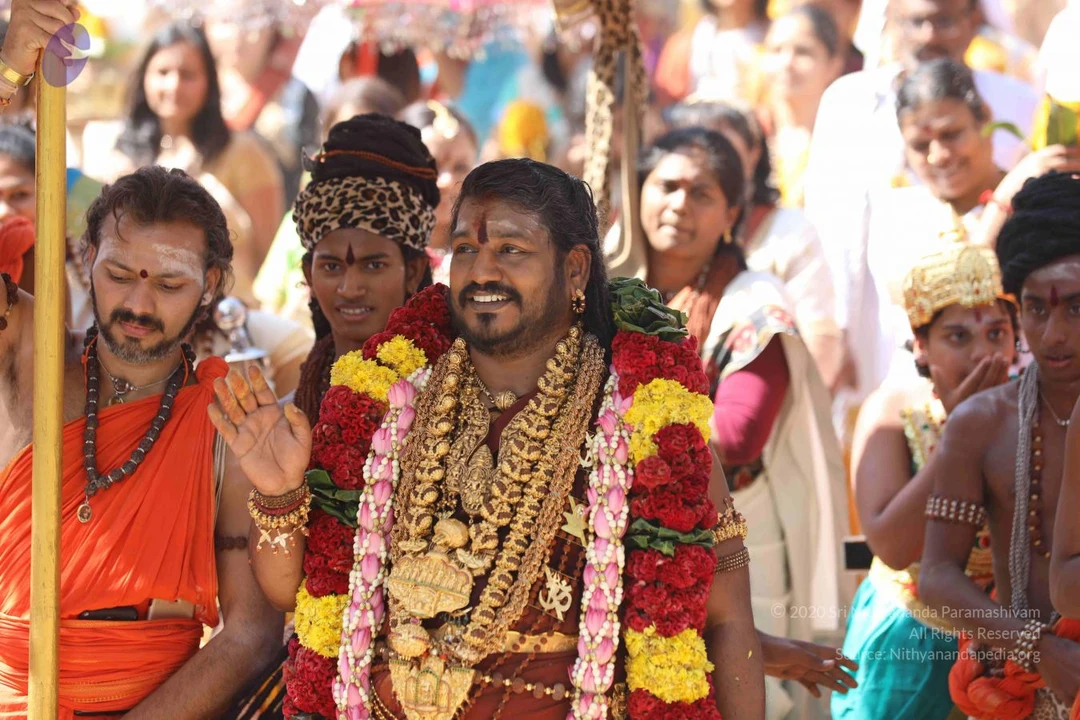
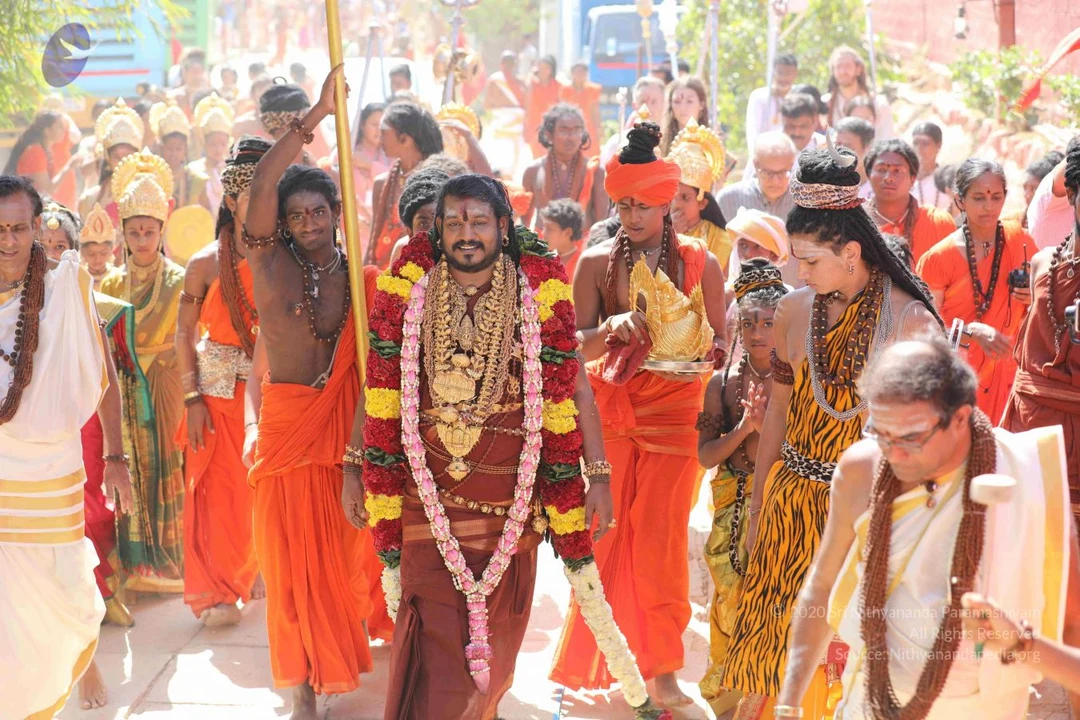
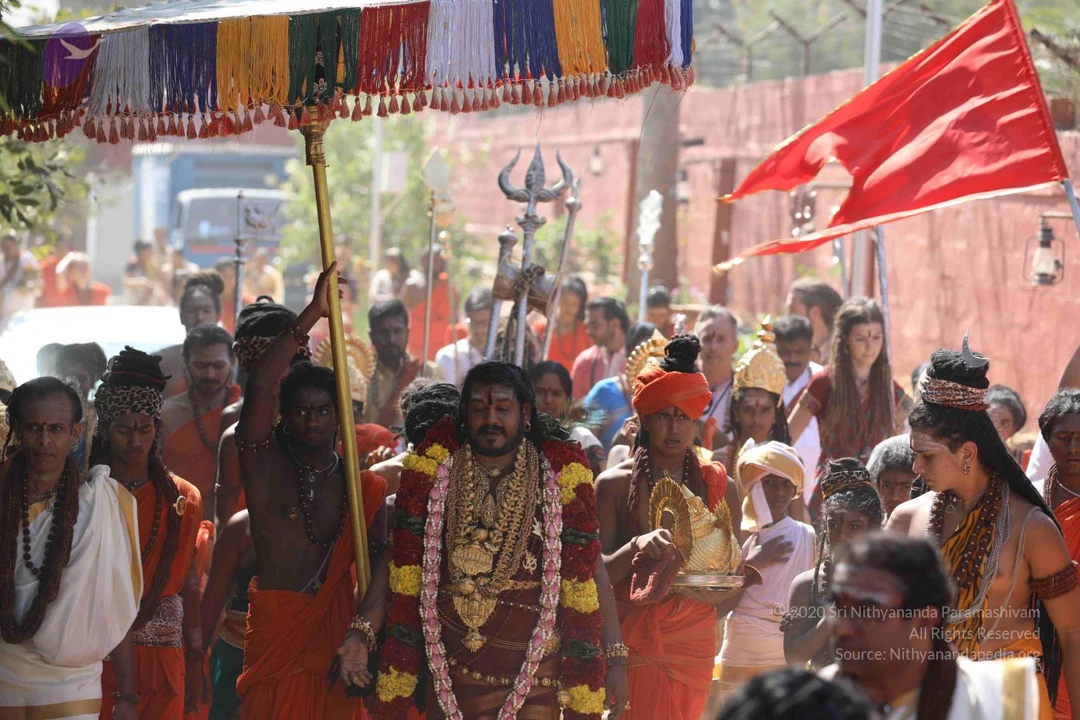
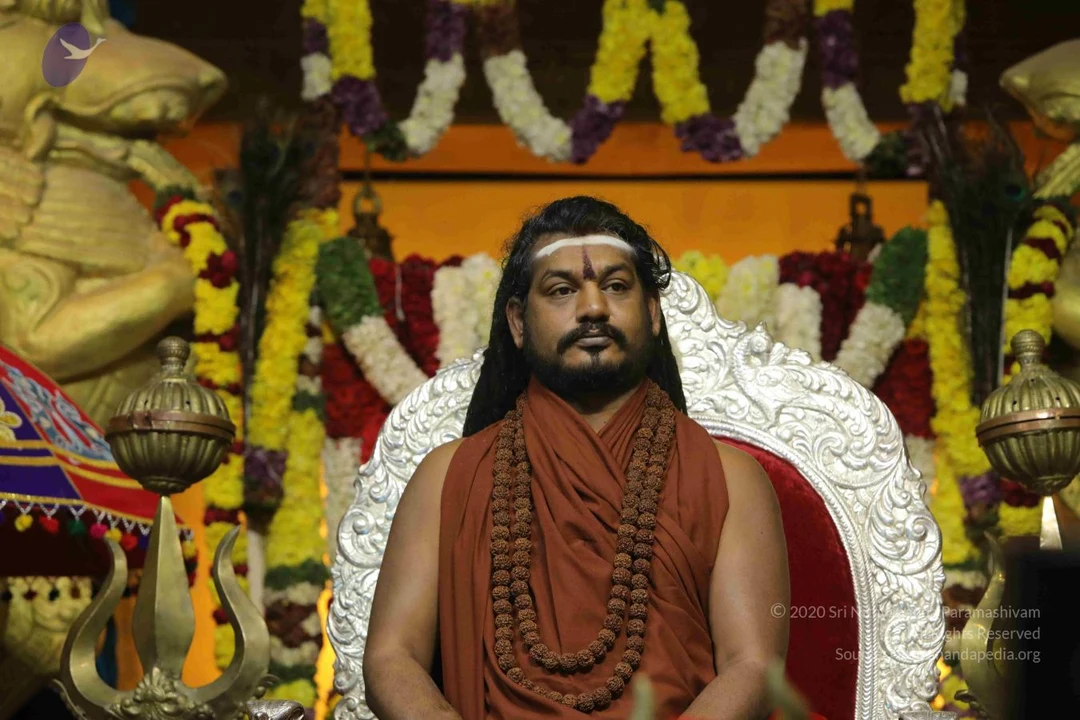
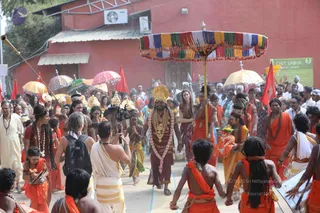
Dhwajaraohanam


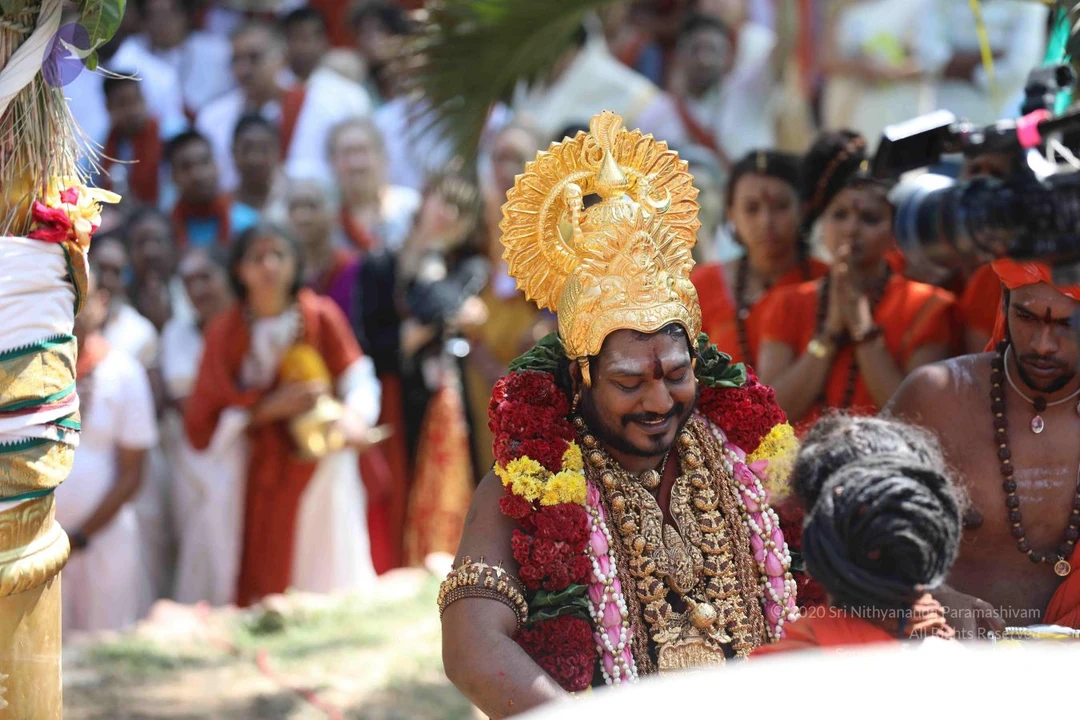
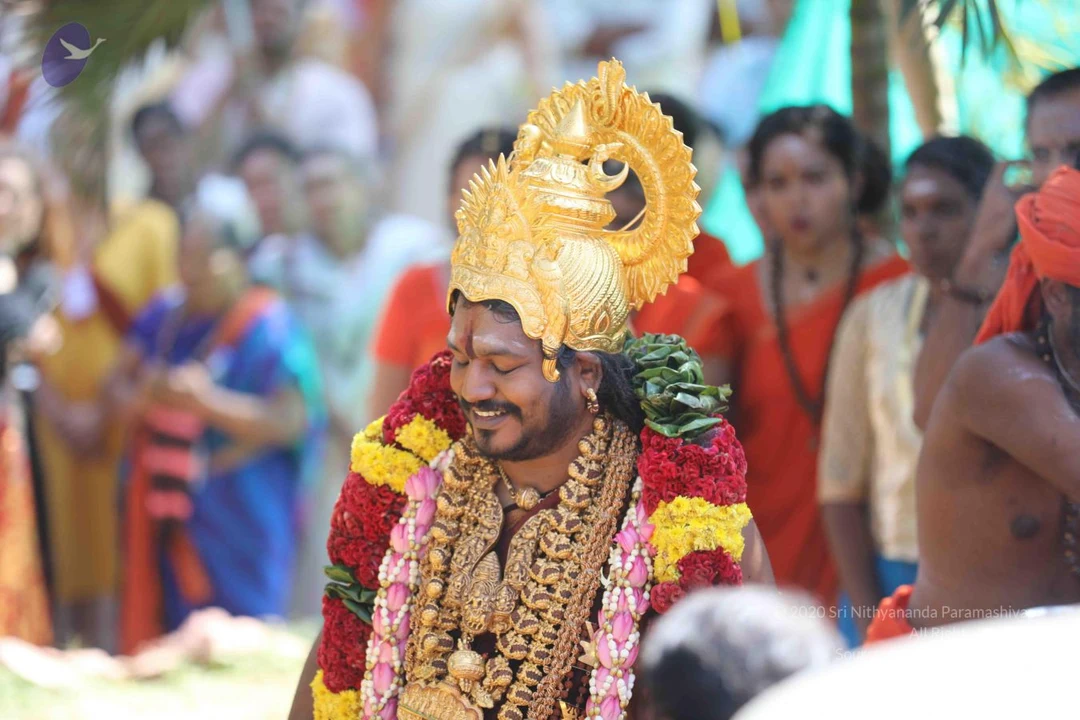
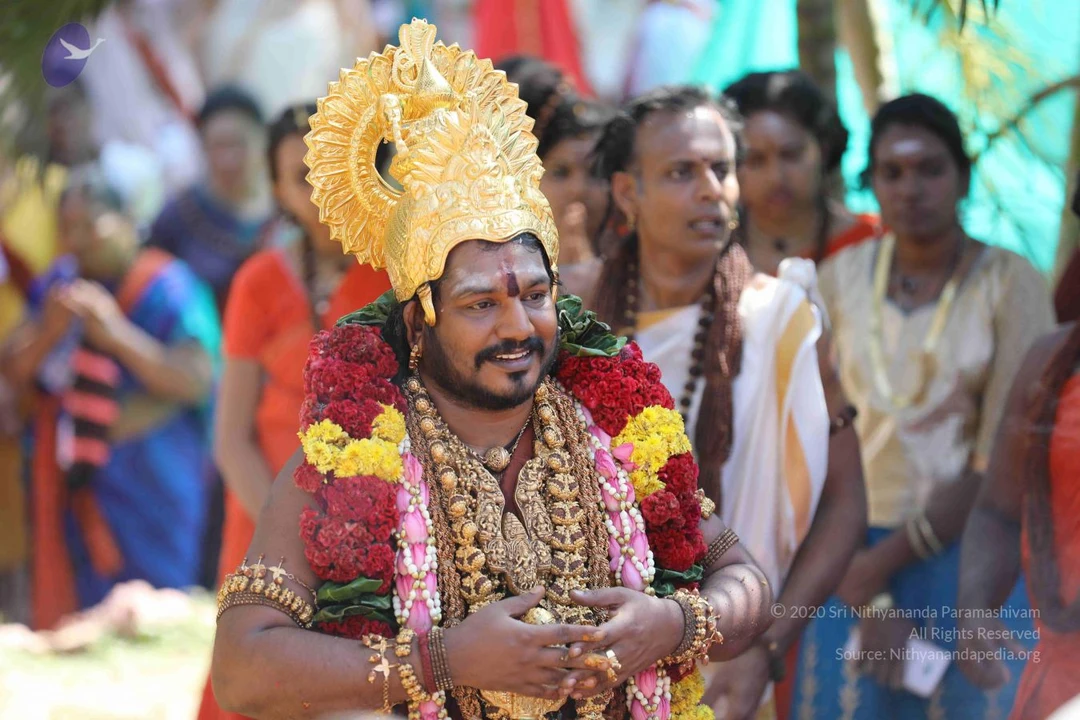
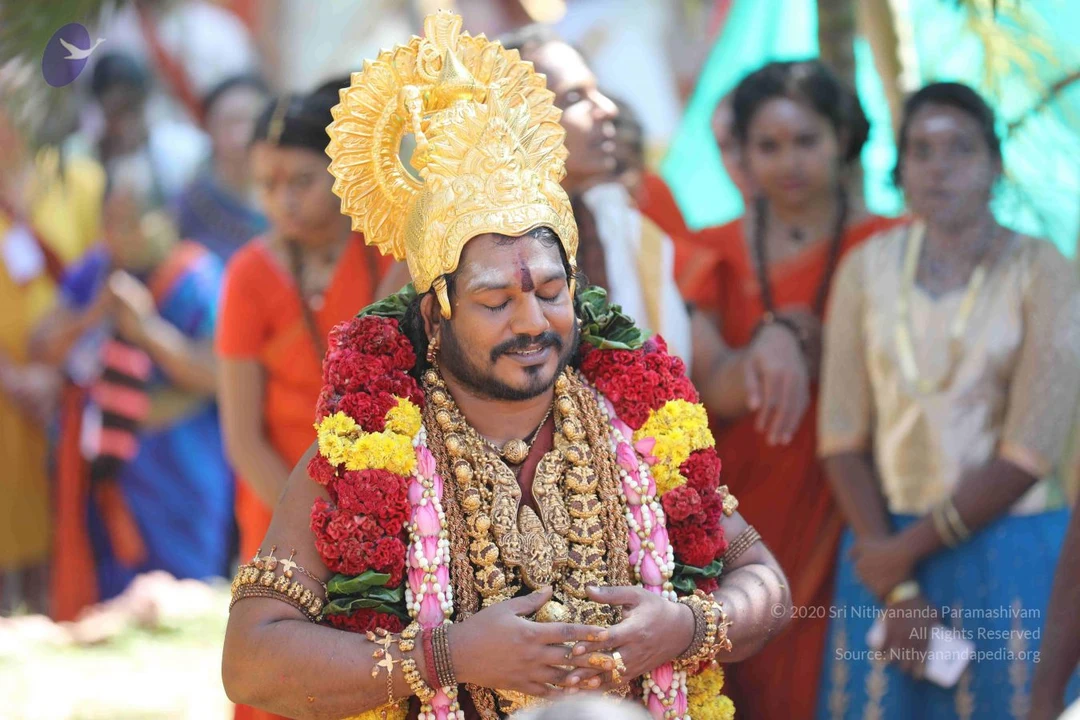
11Dimension-session
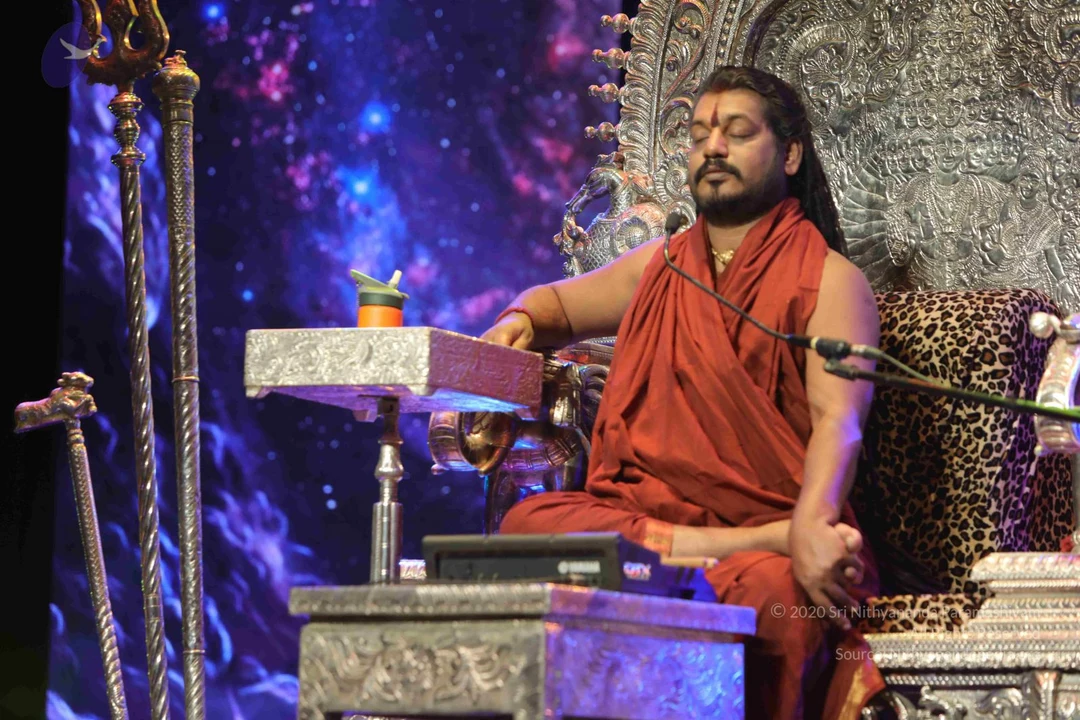
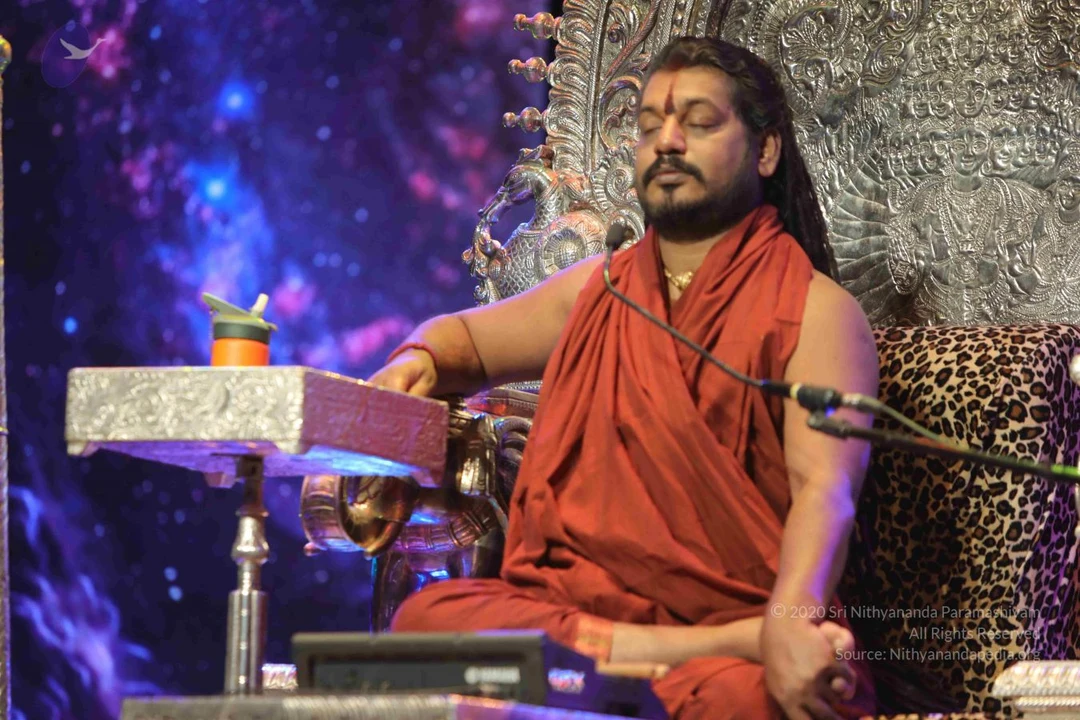
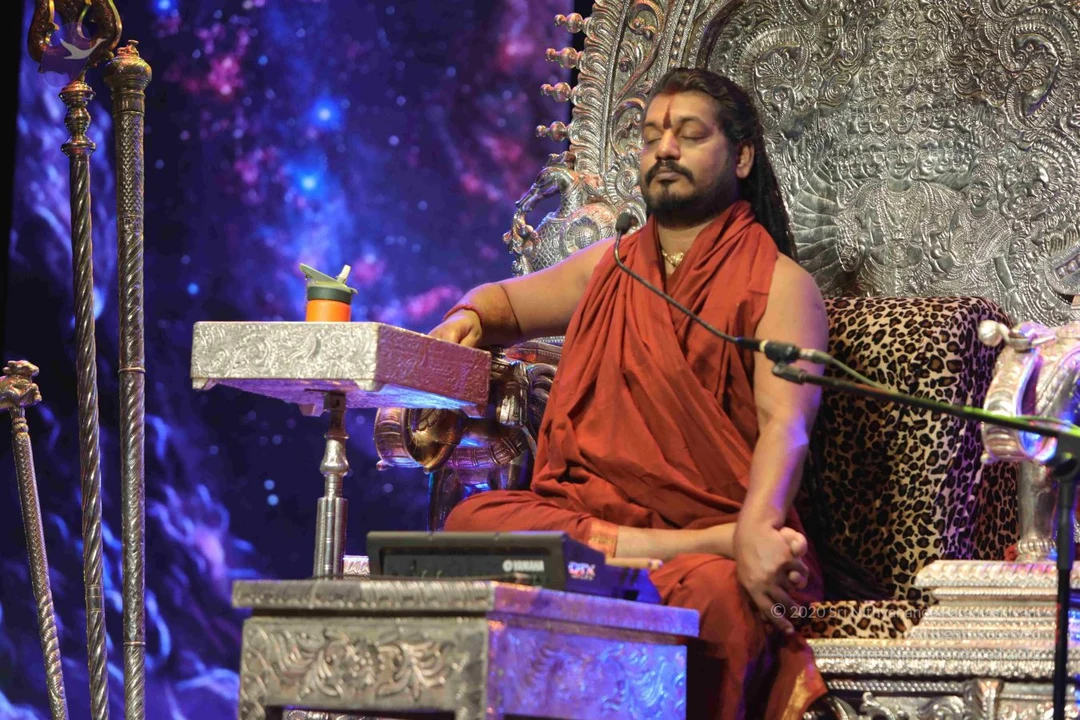
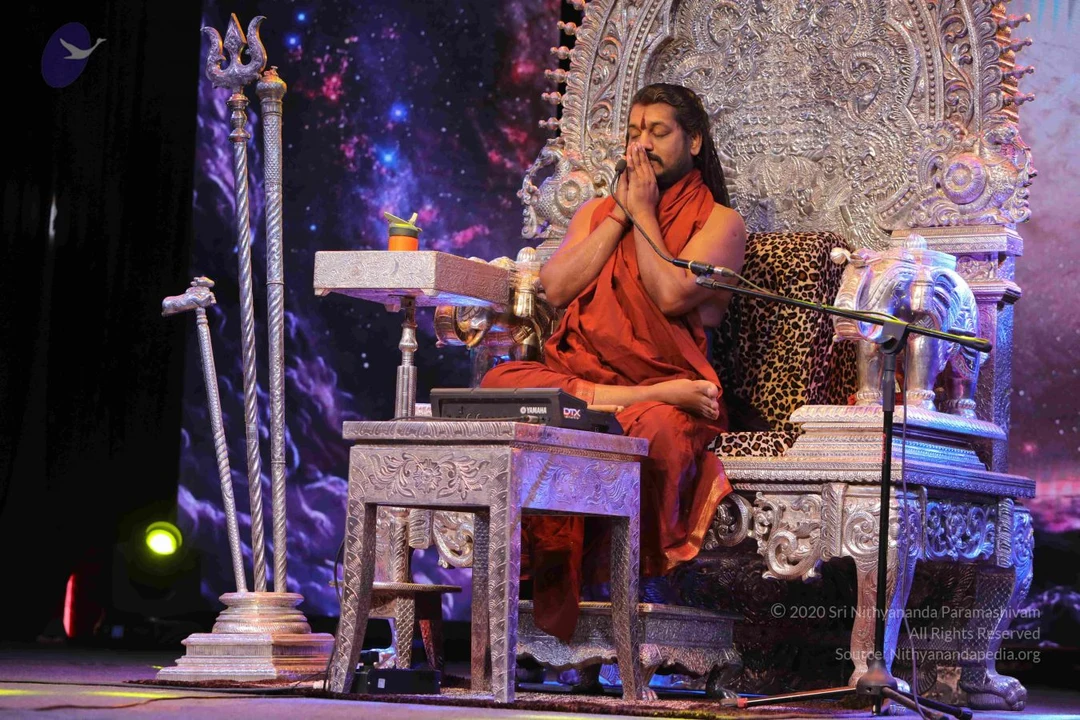
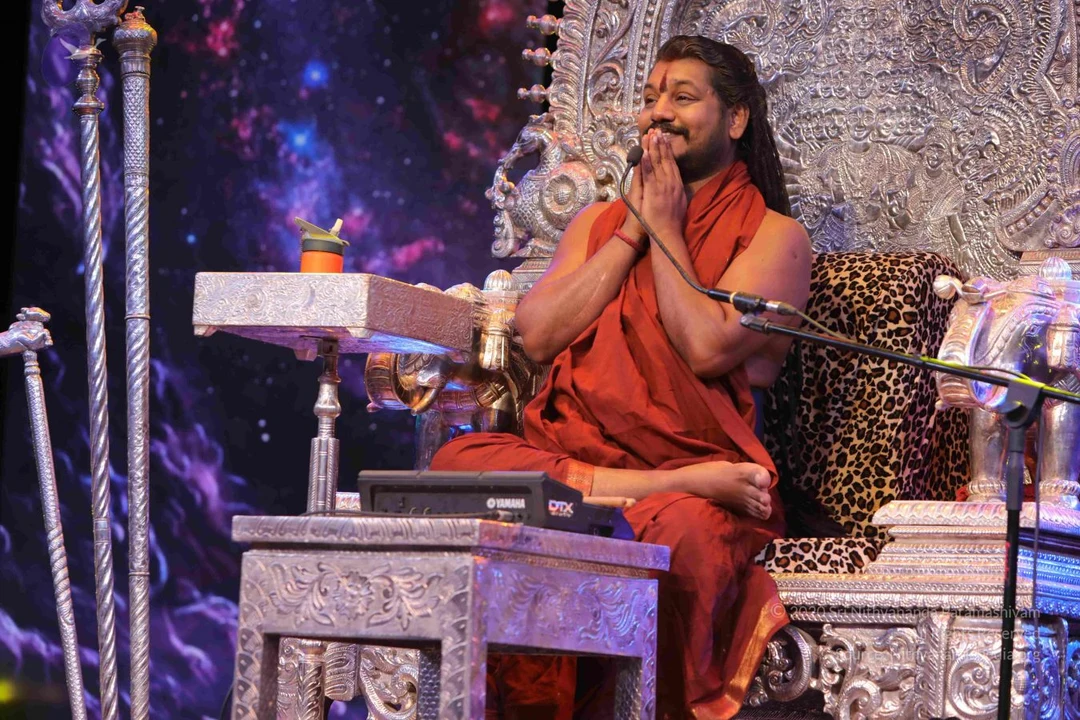
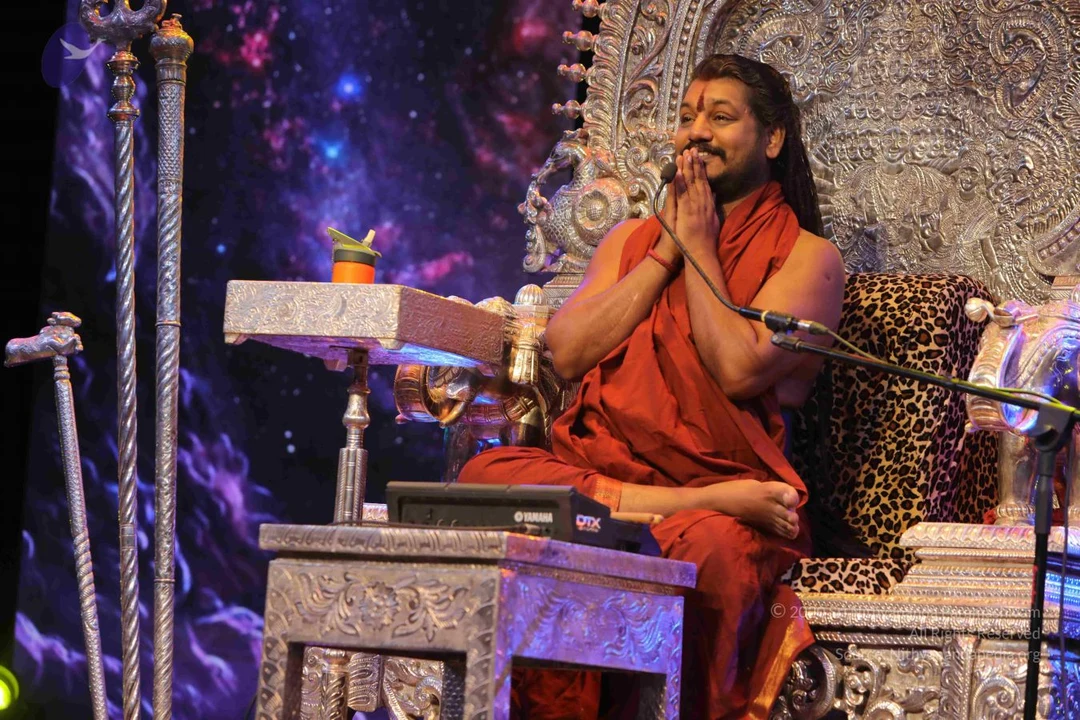
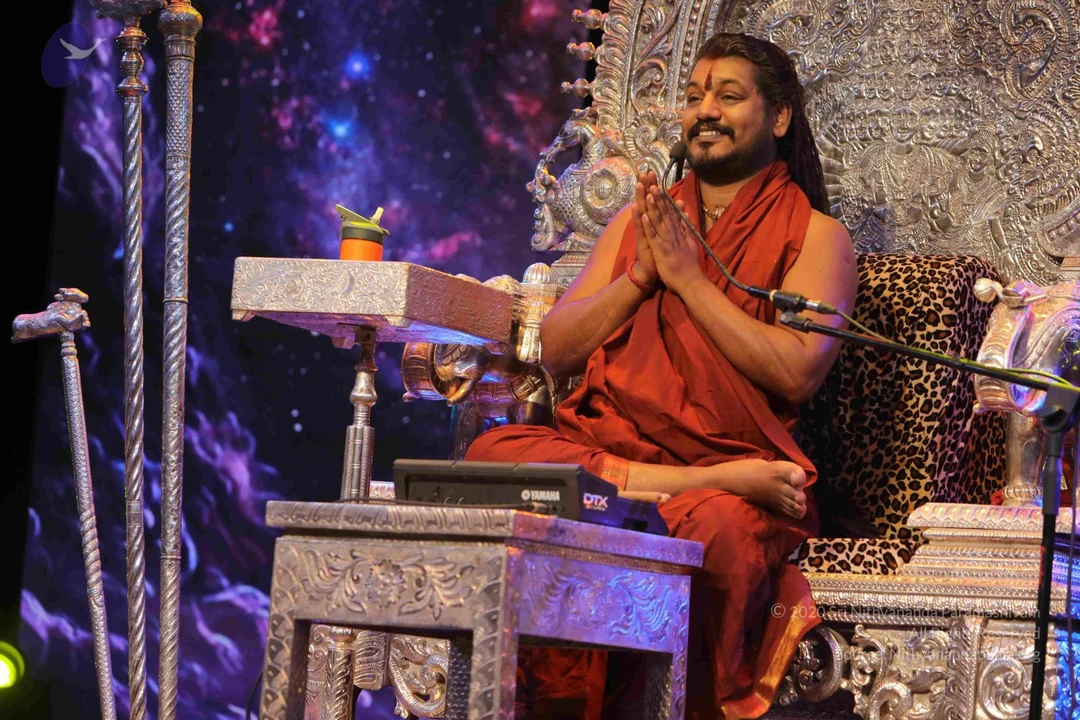
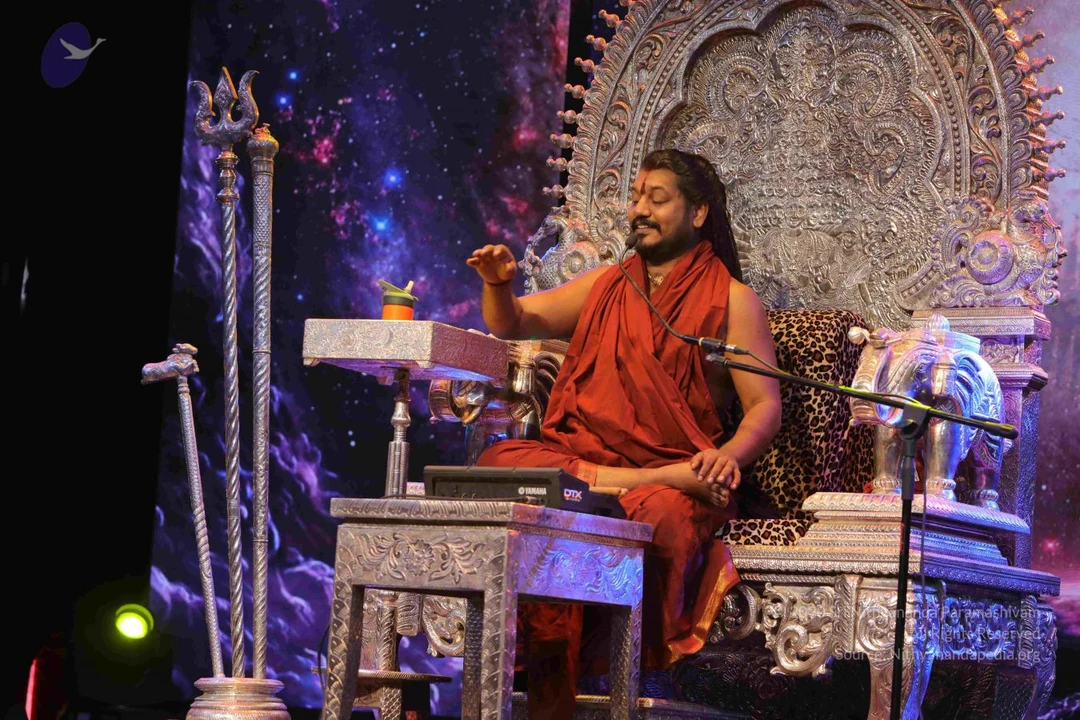
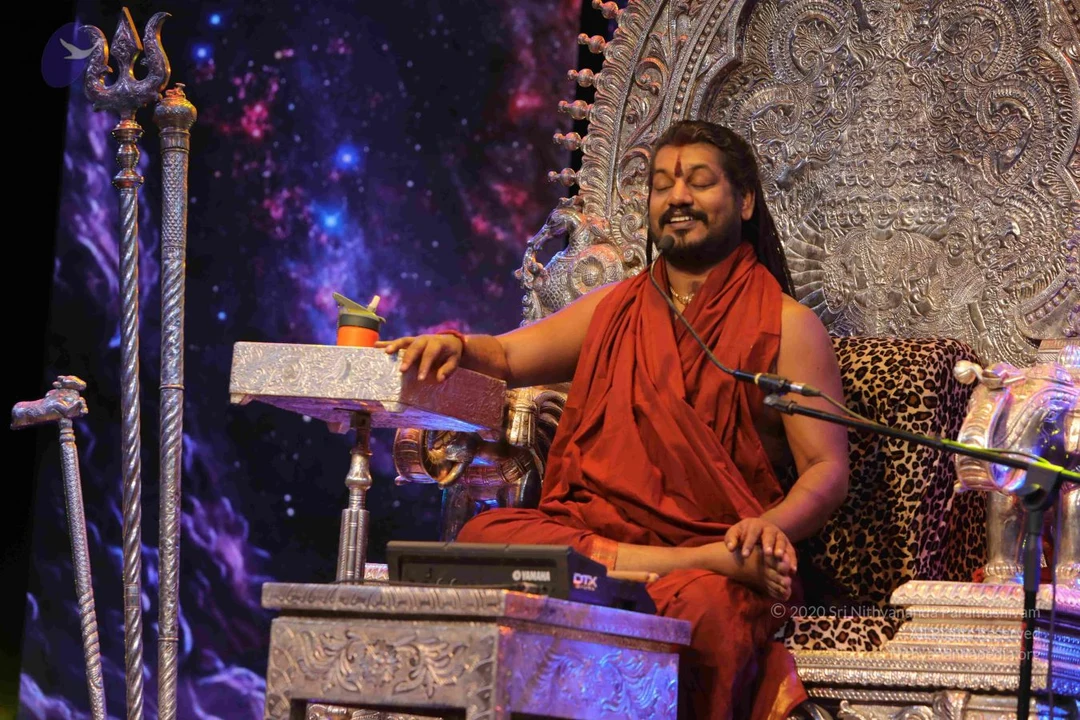
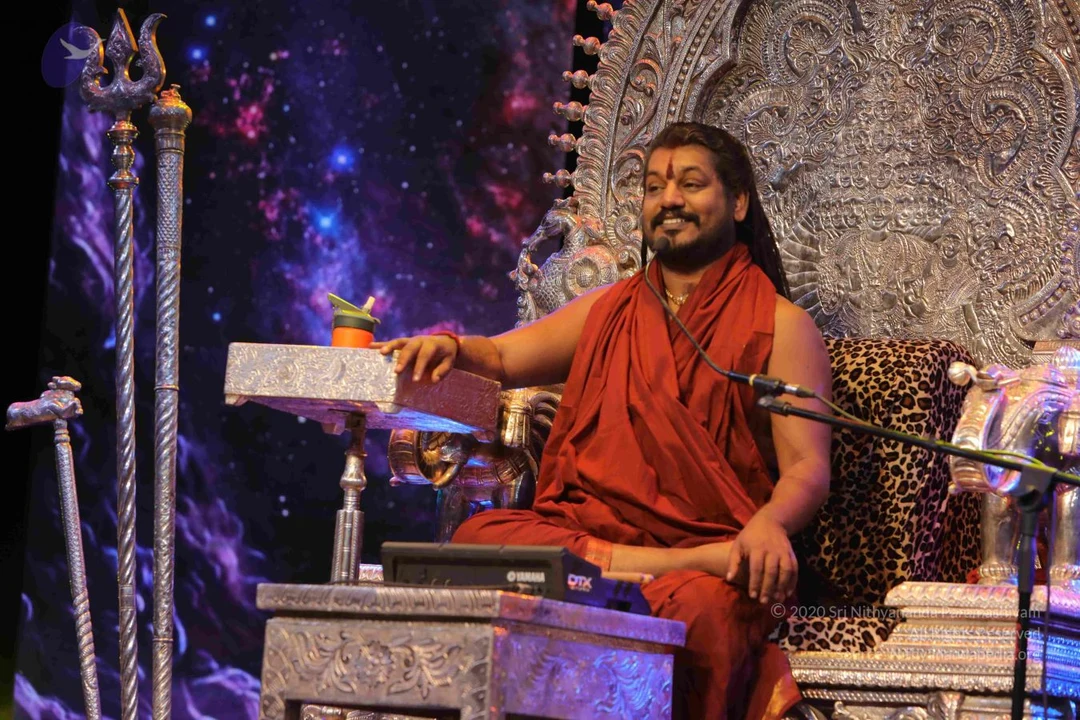
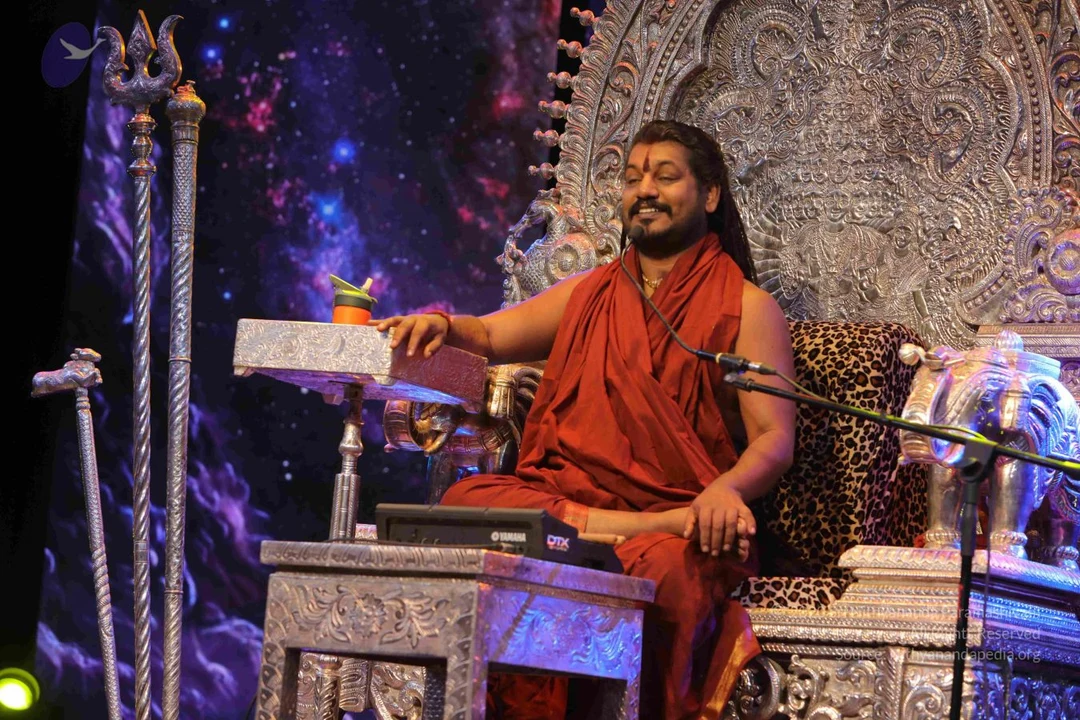
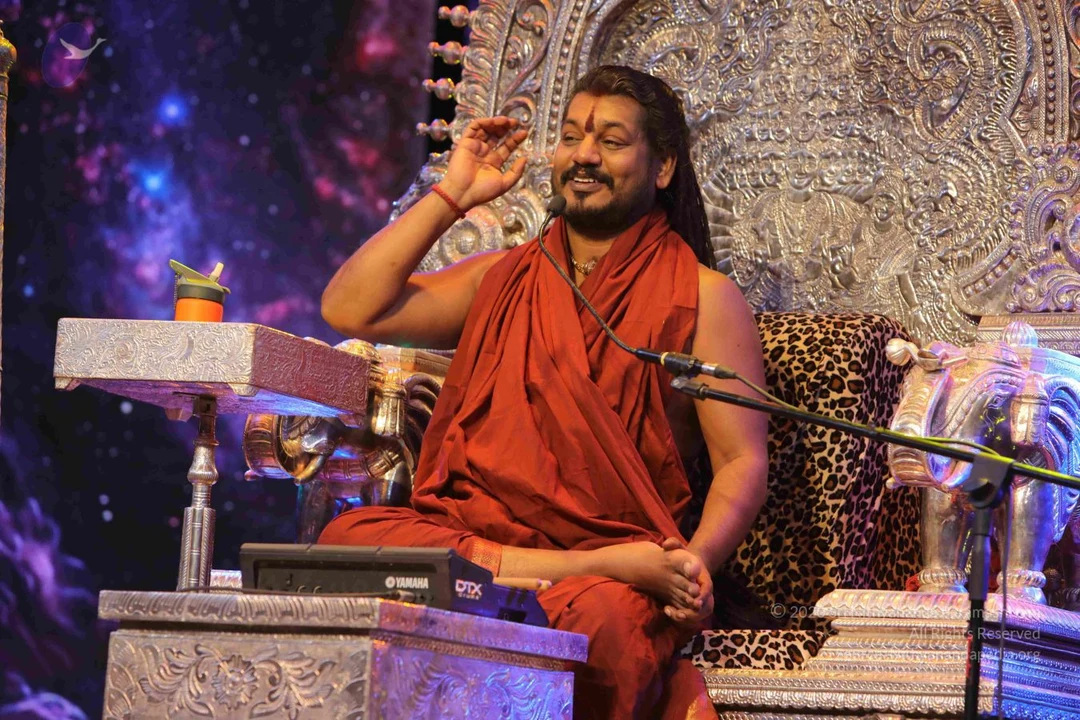
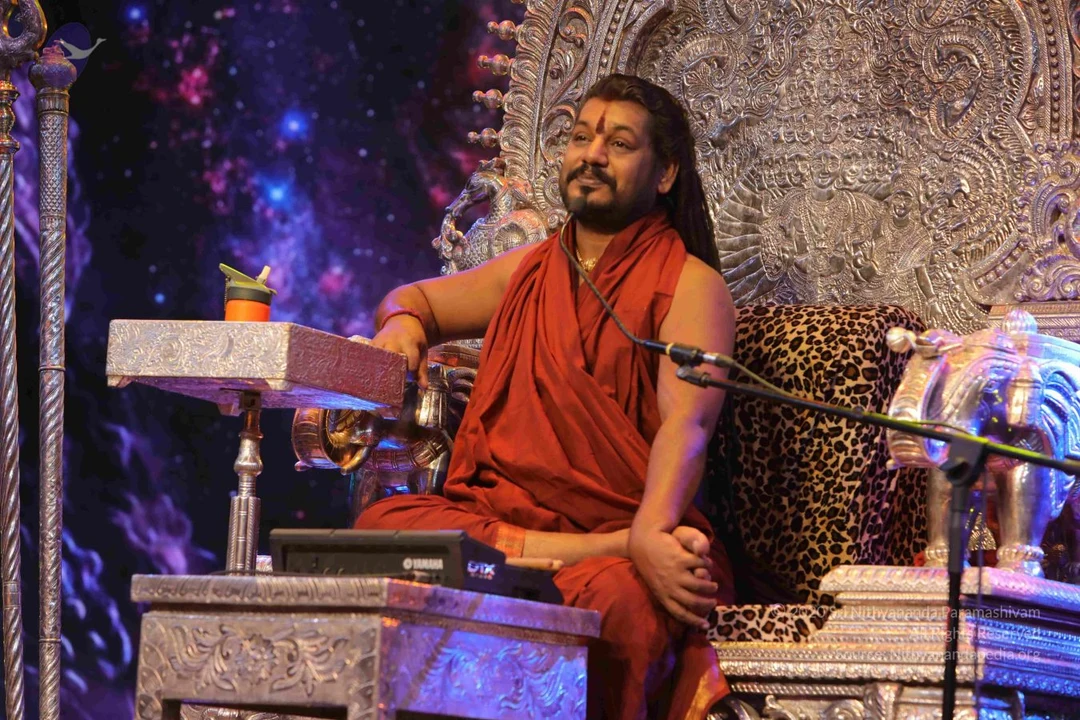
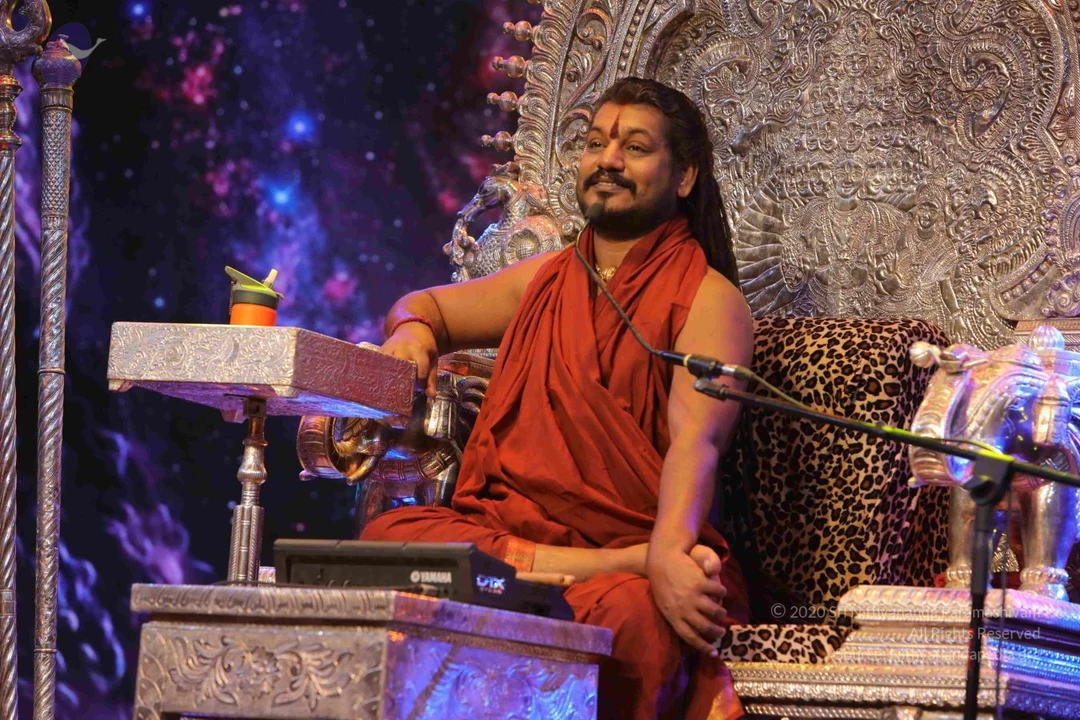
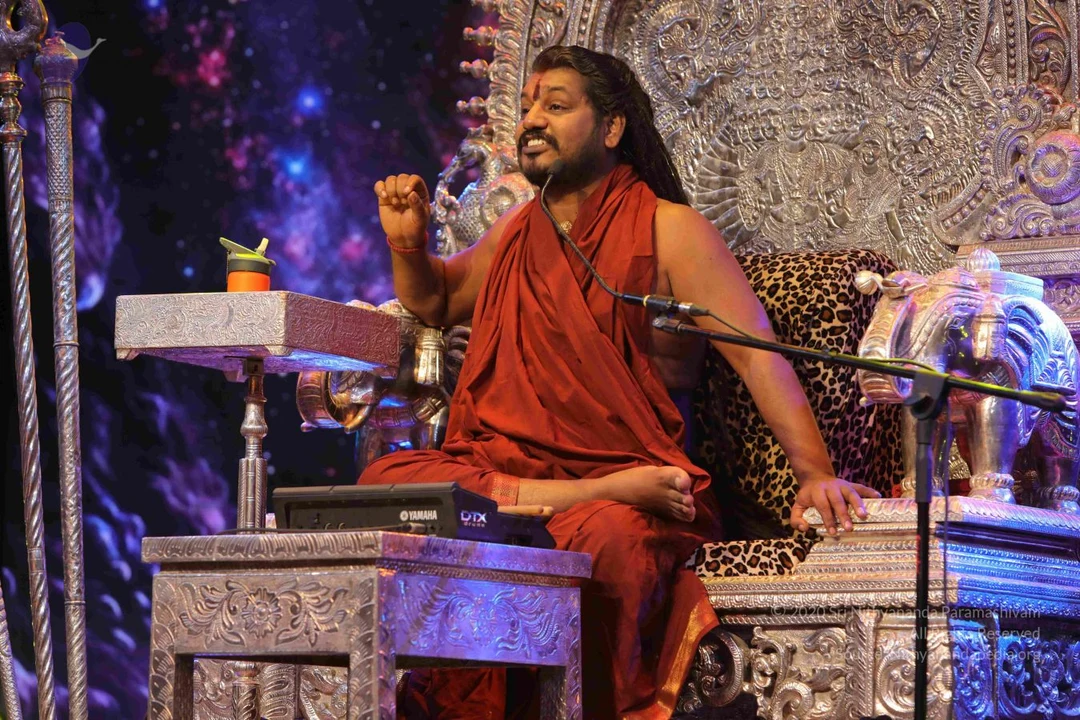
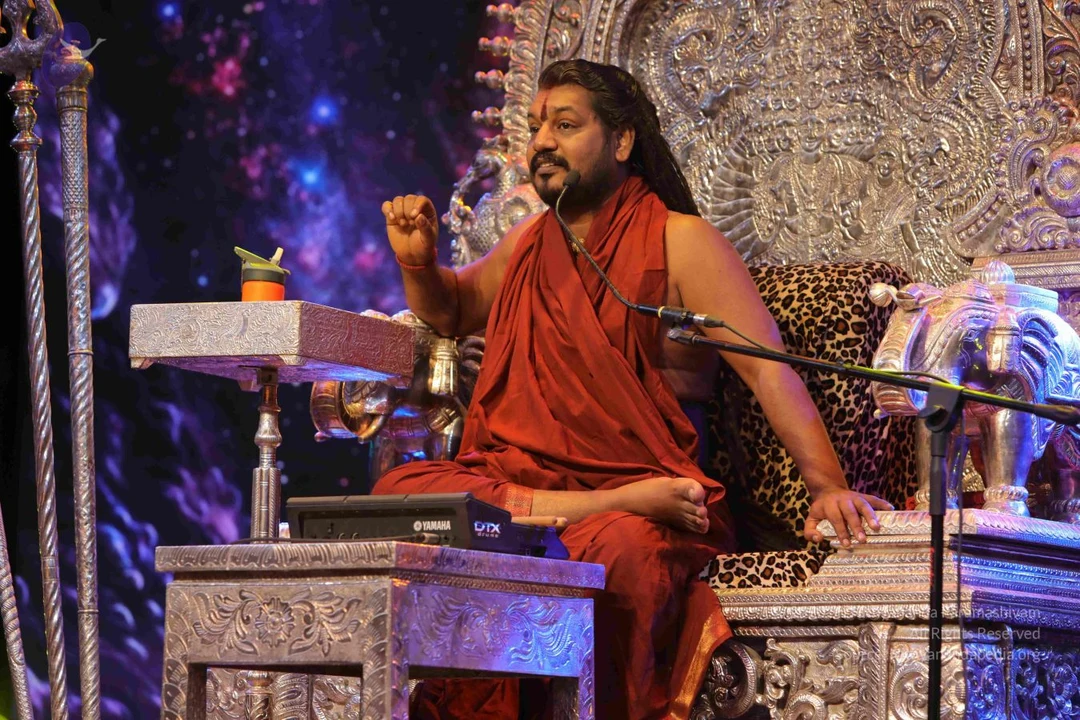
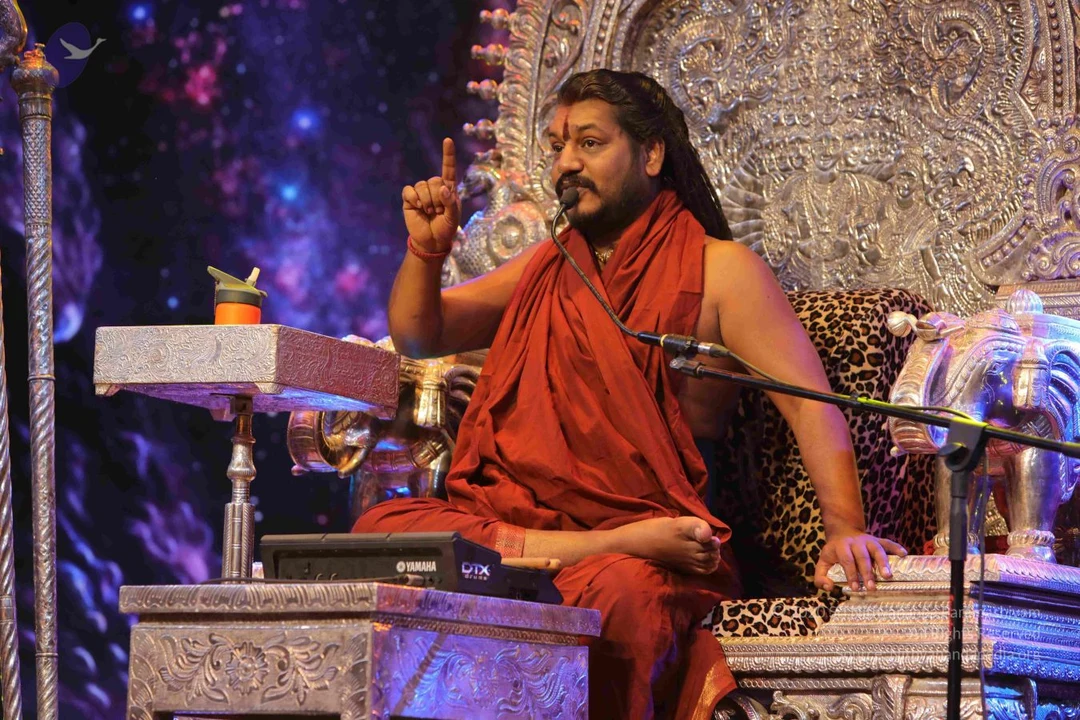
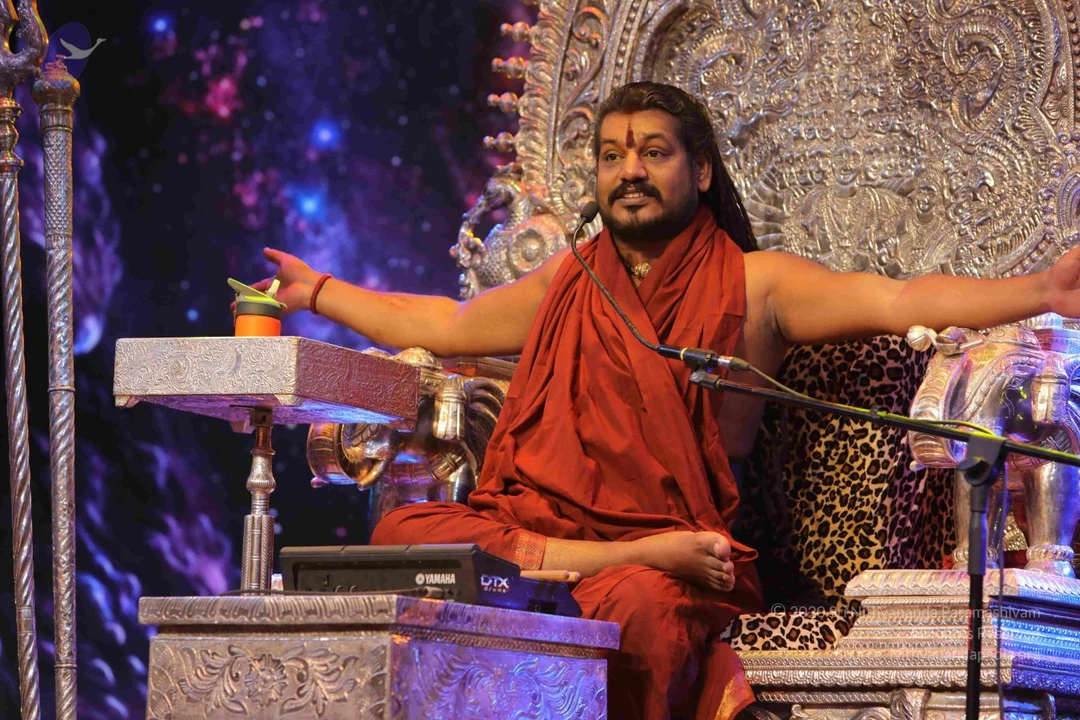
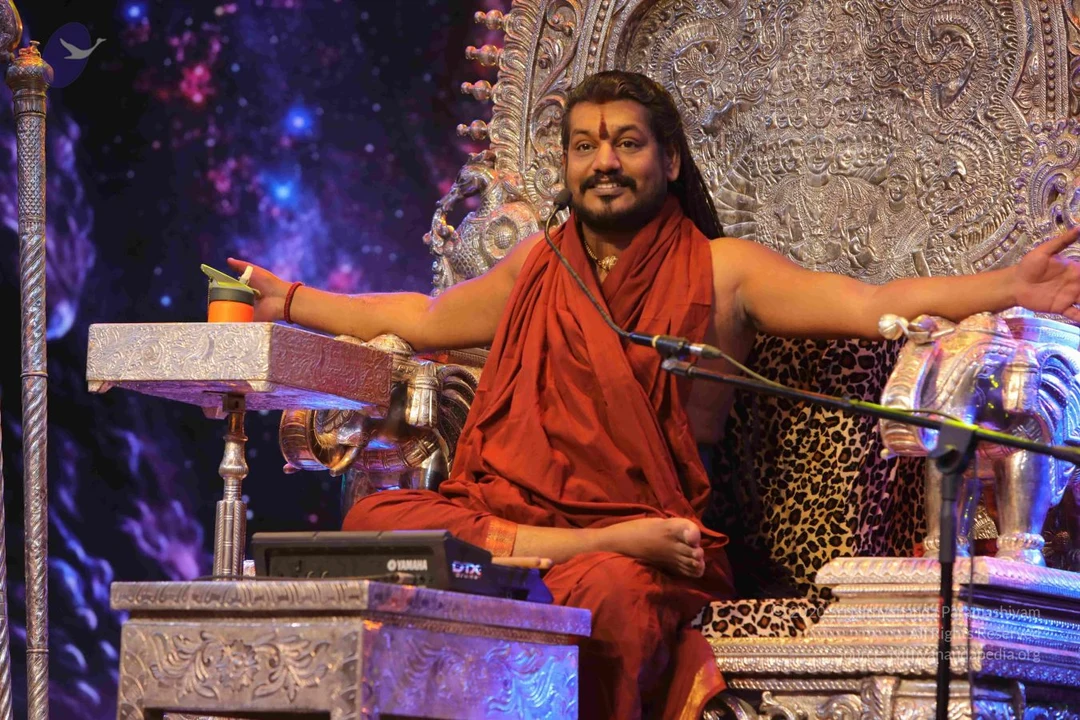
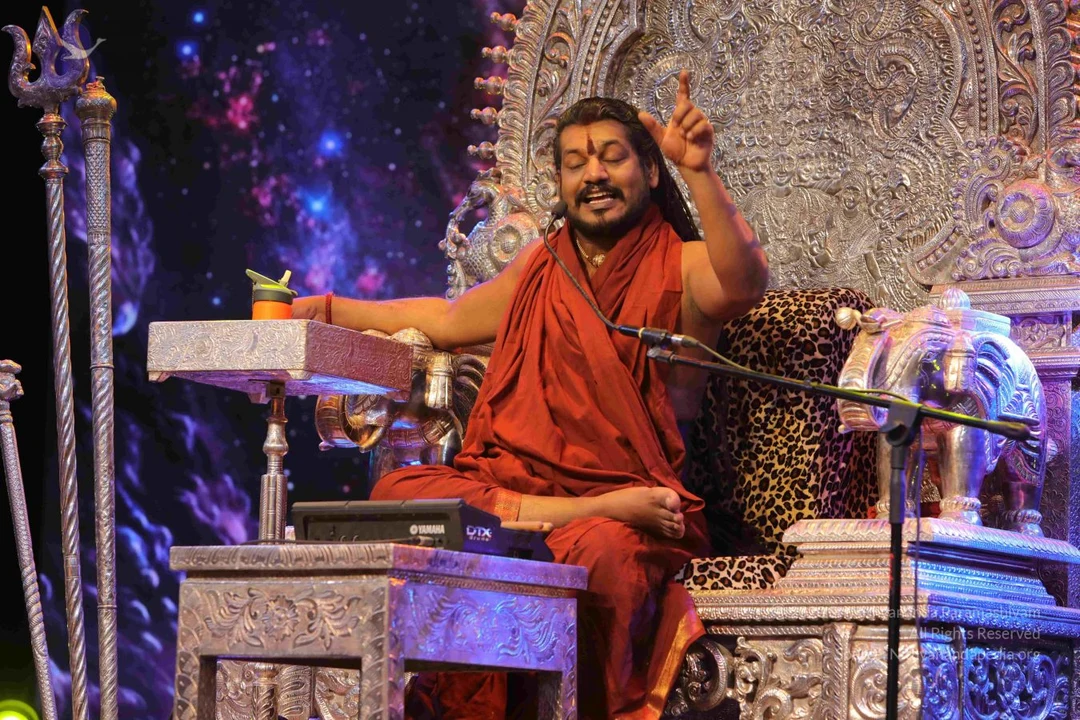
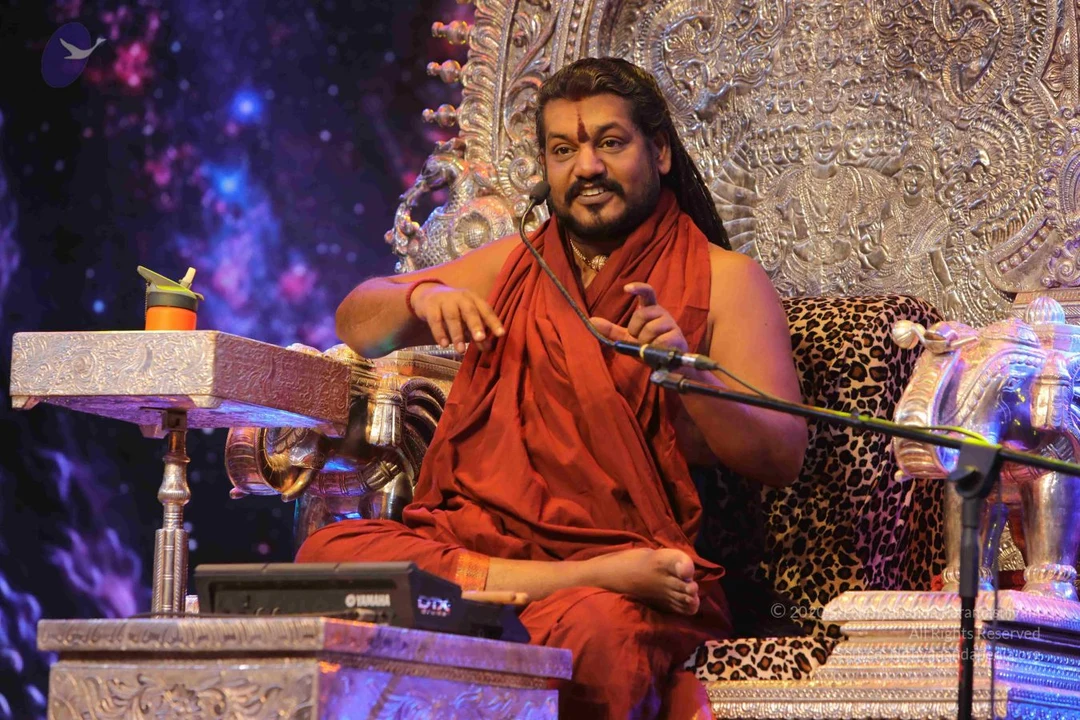
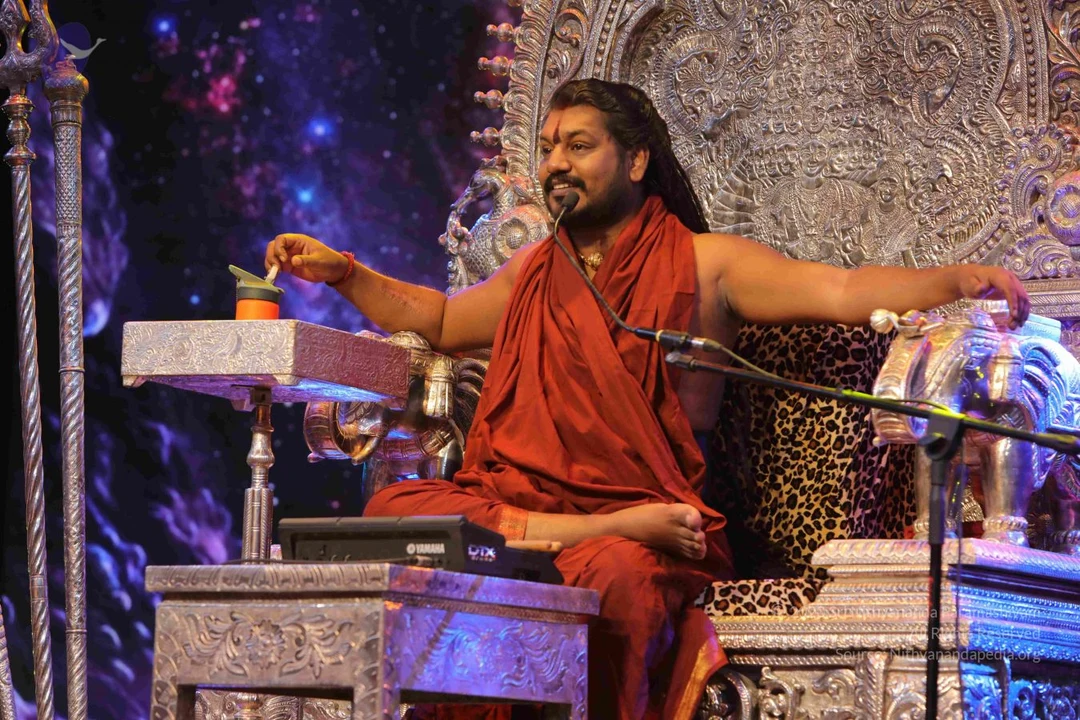
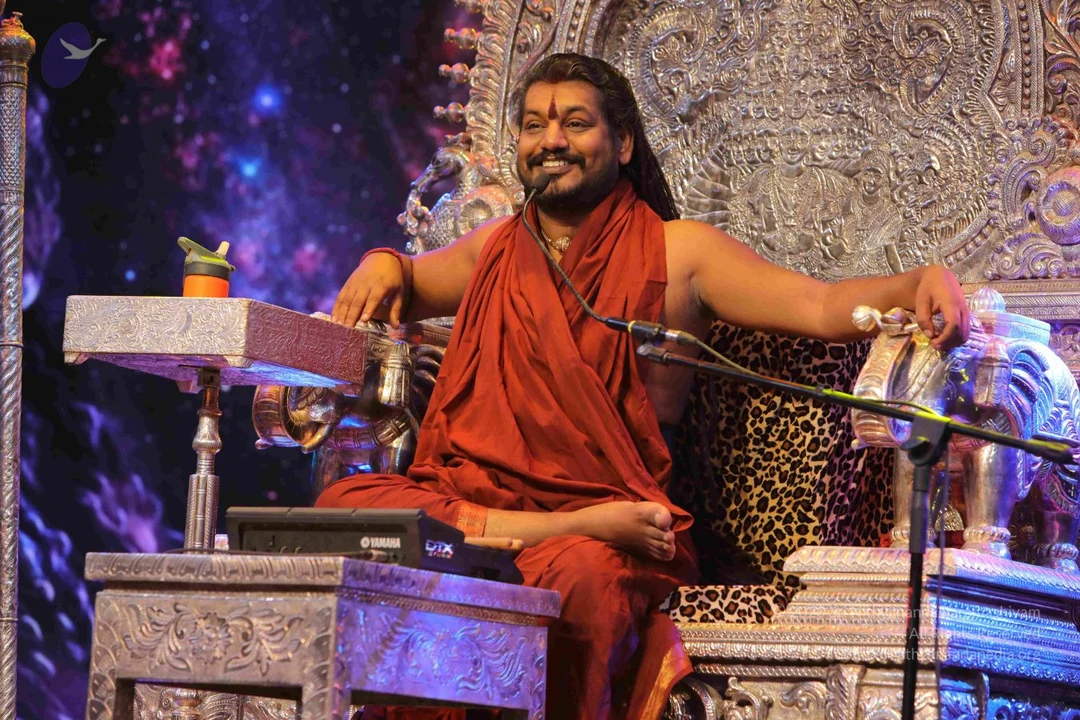

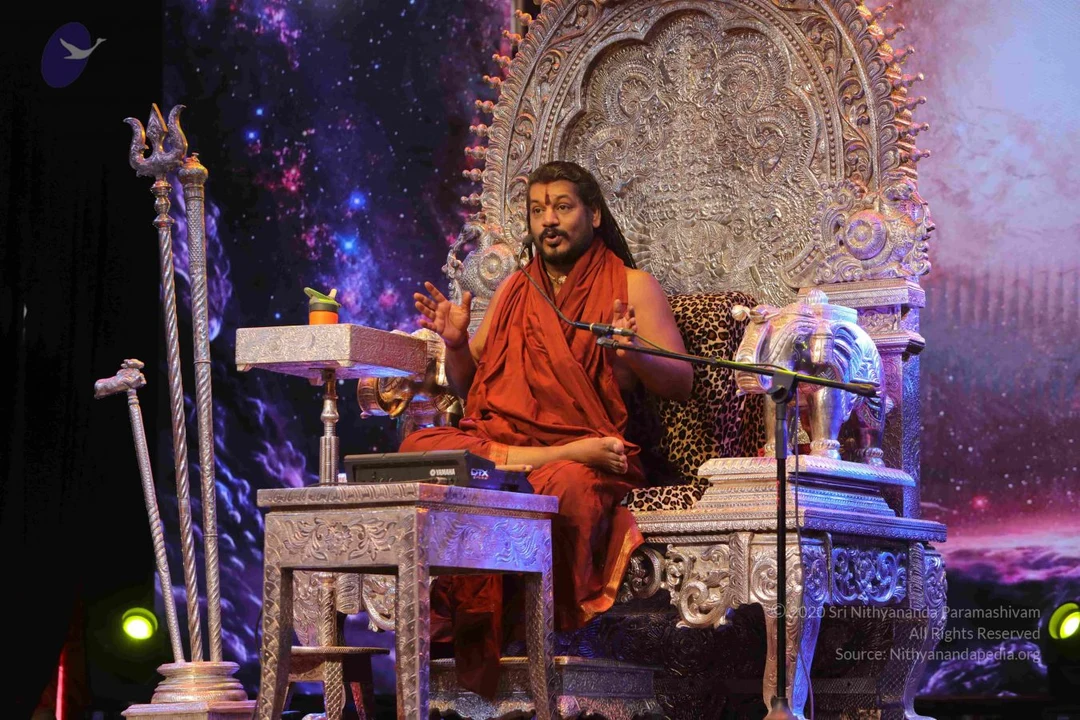
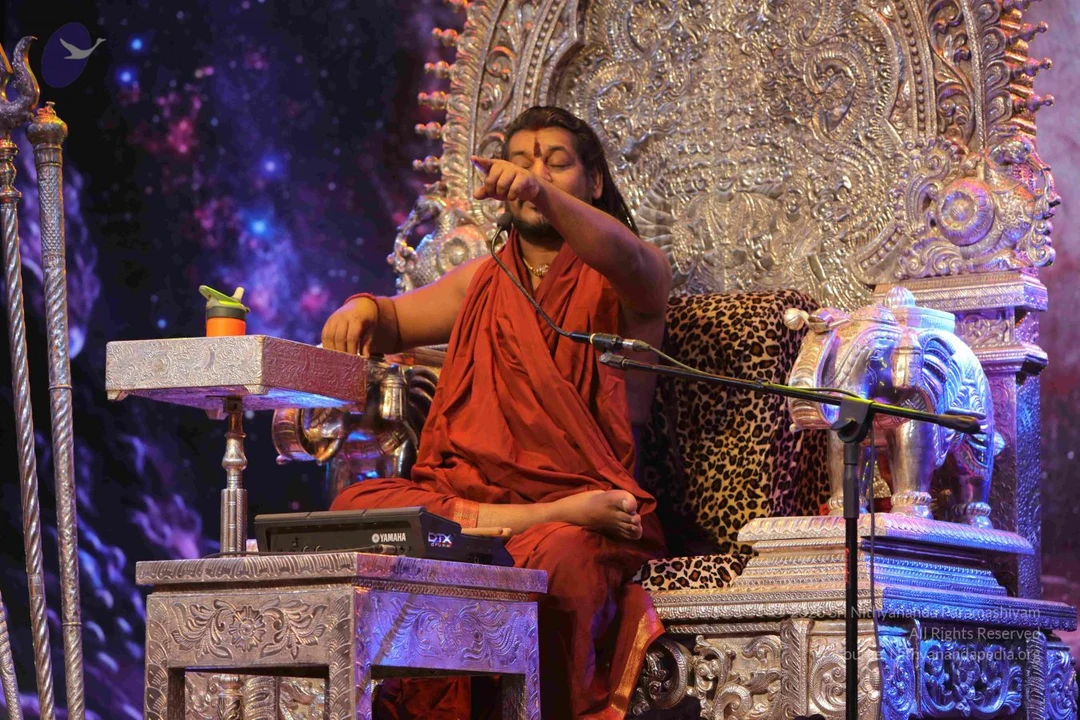
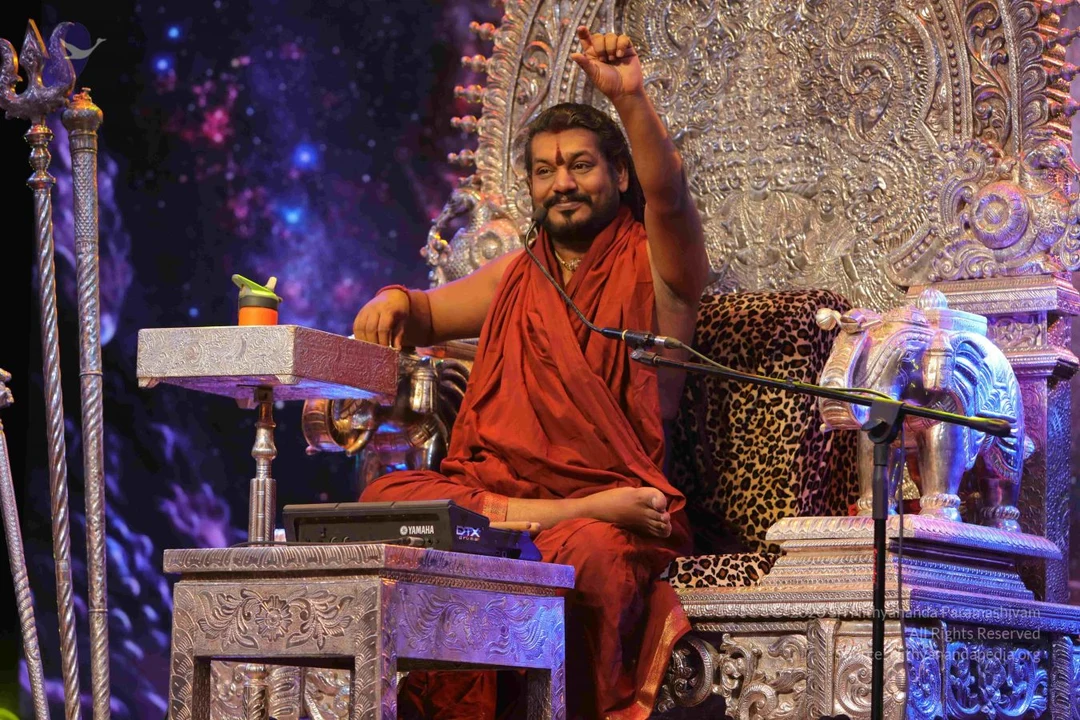
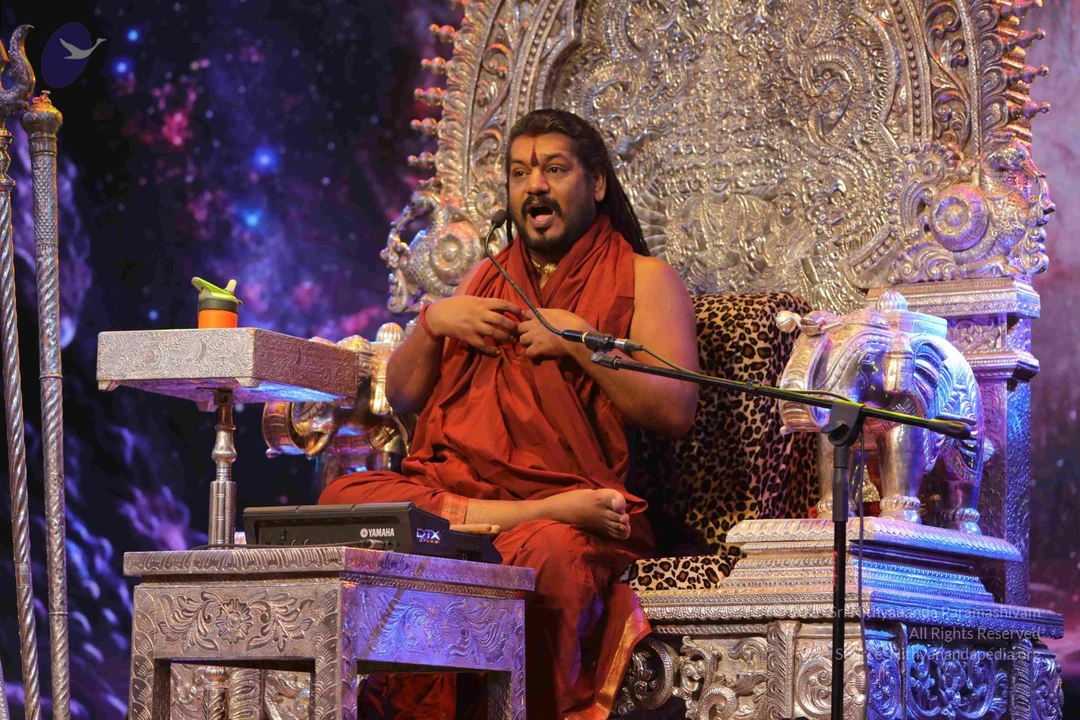
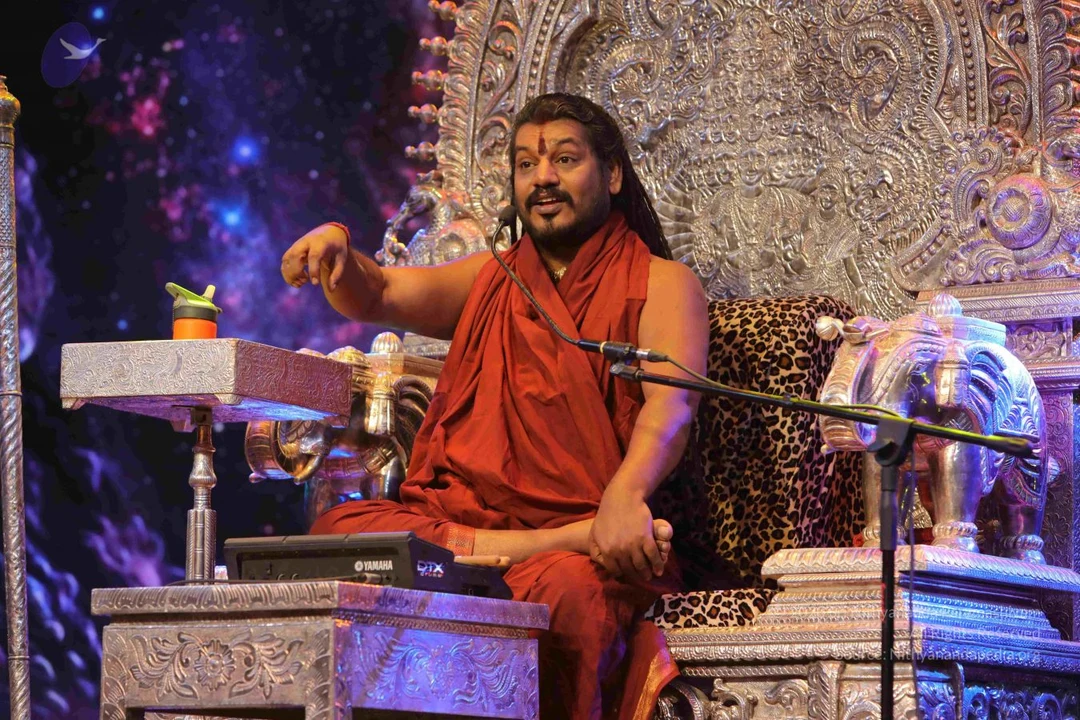
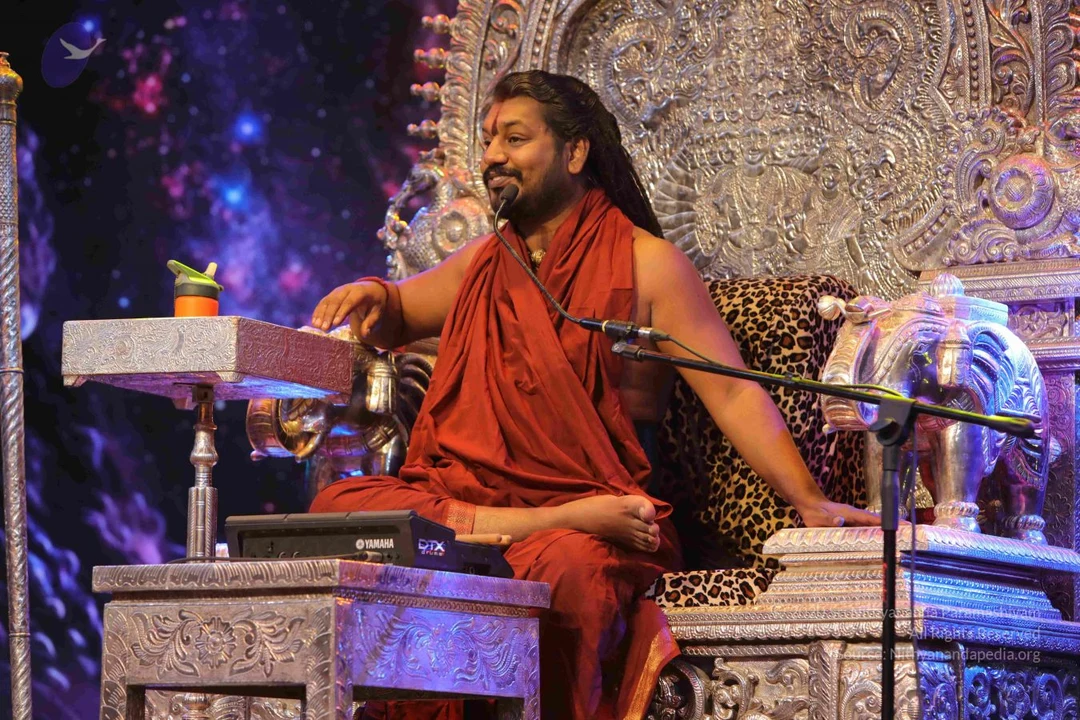
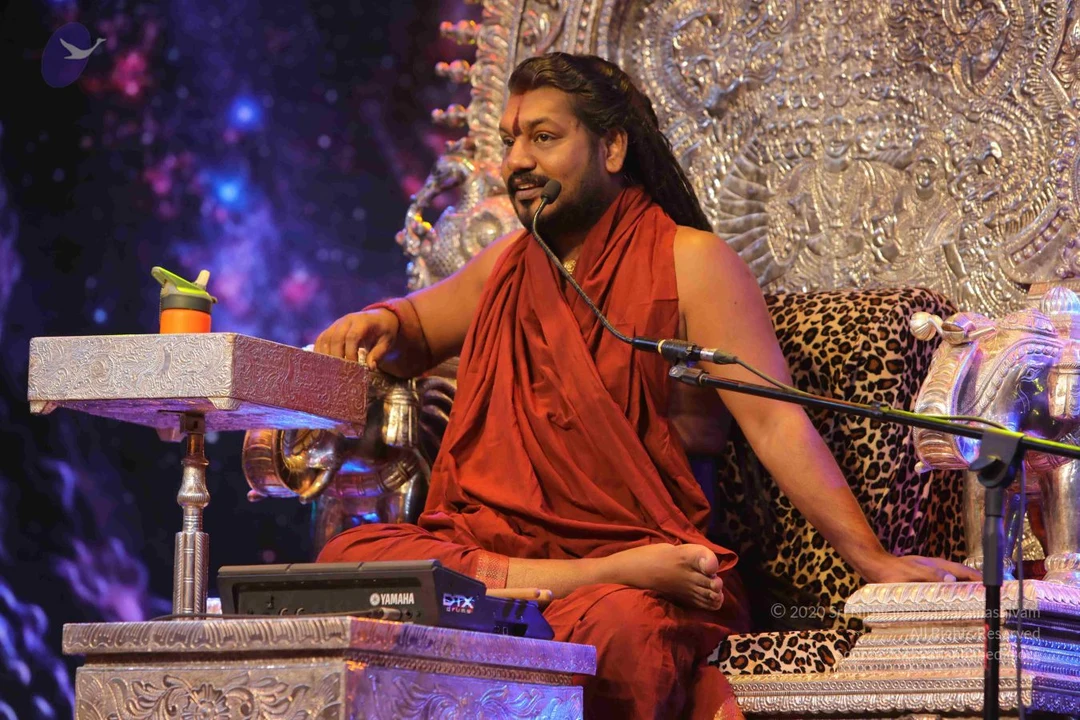
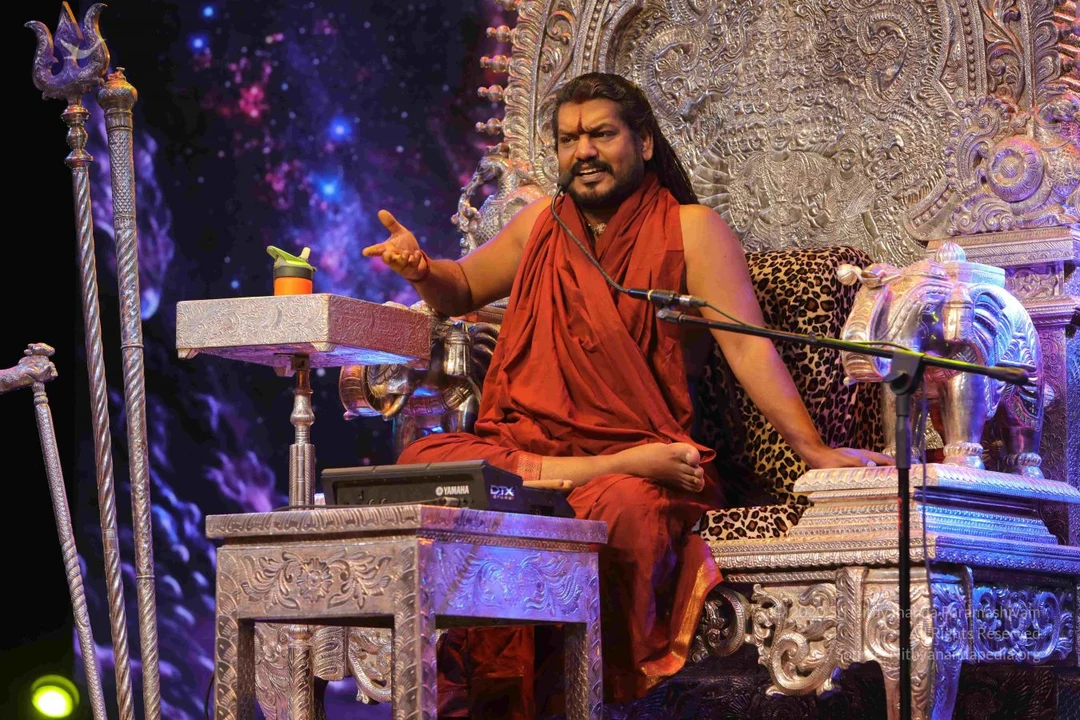
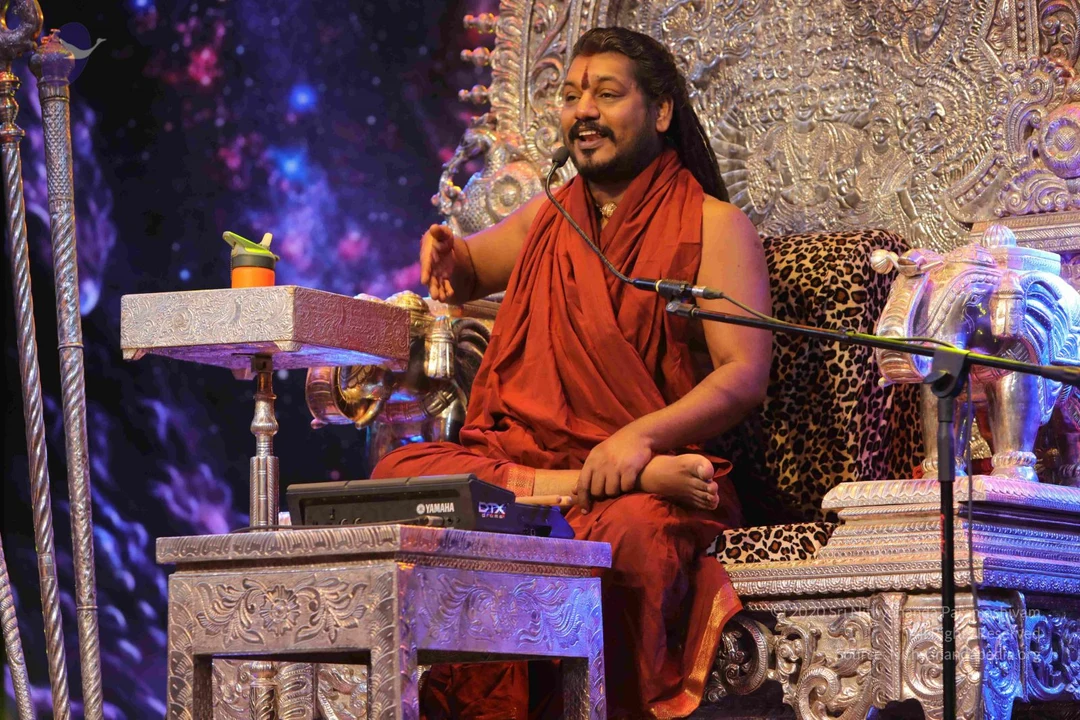
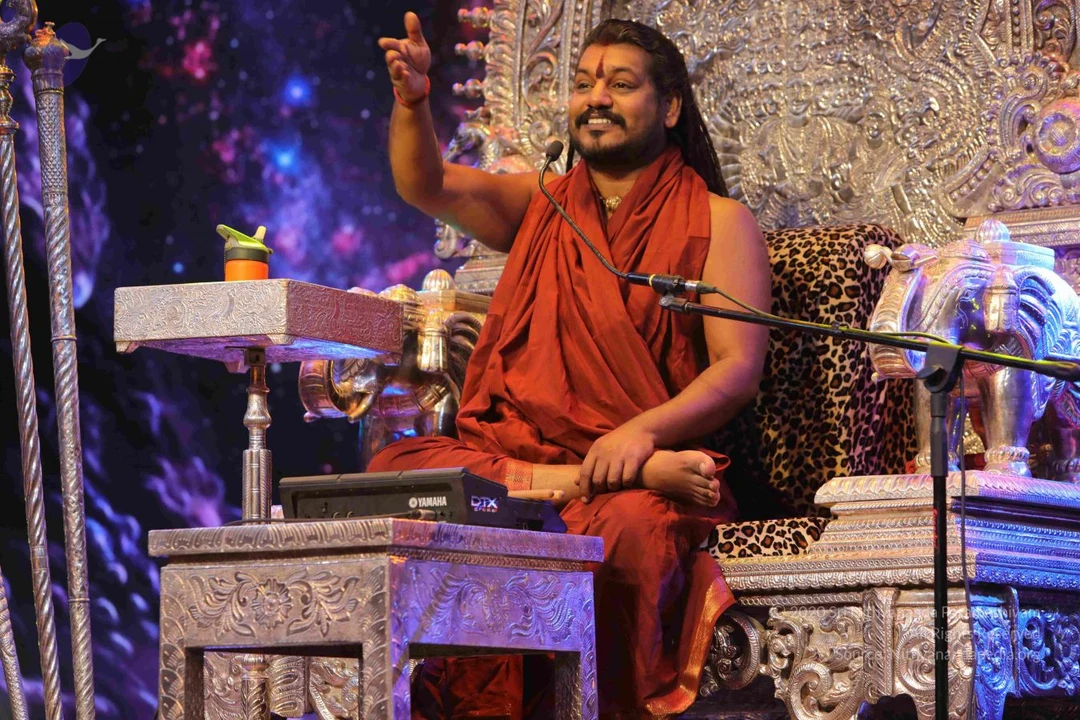

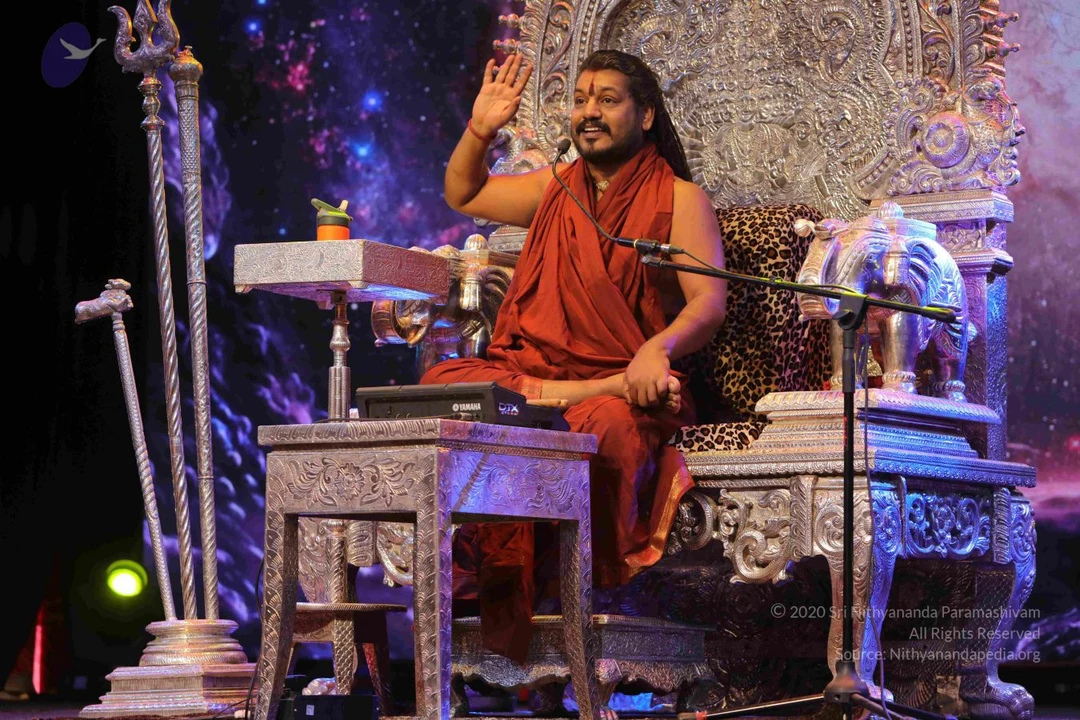
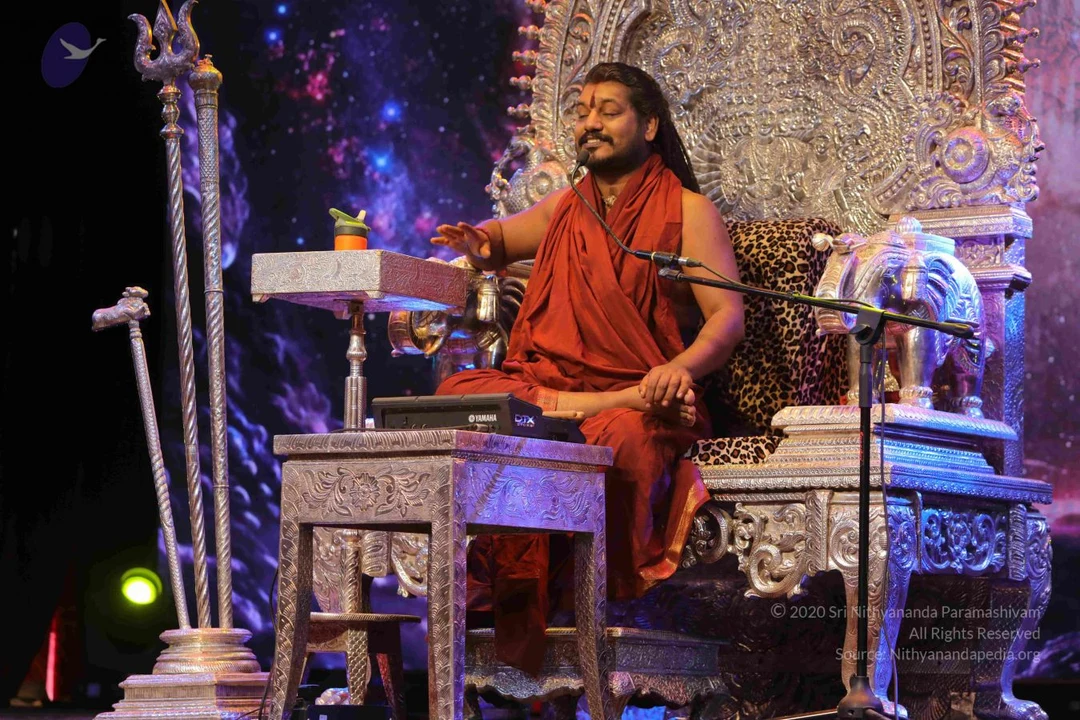
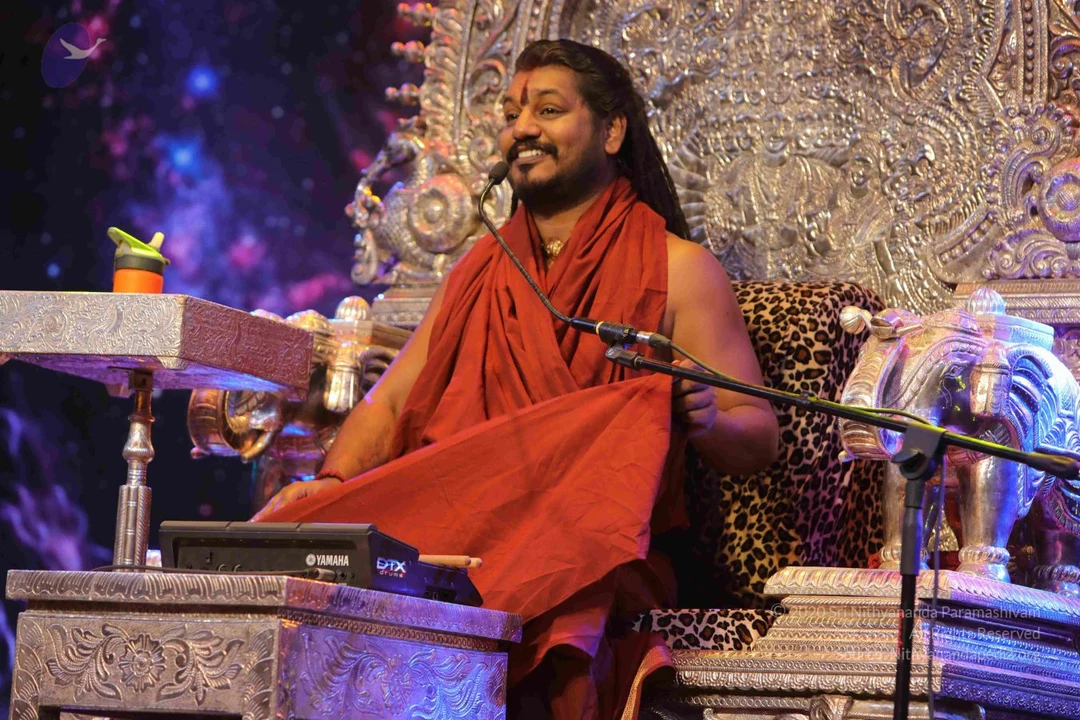
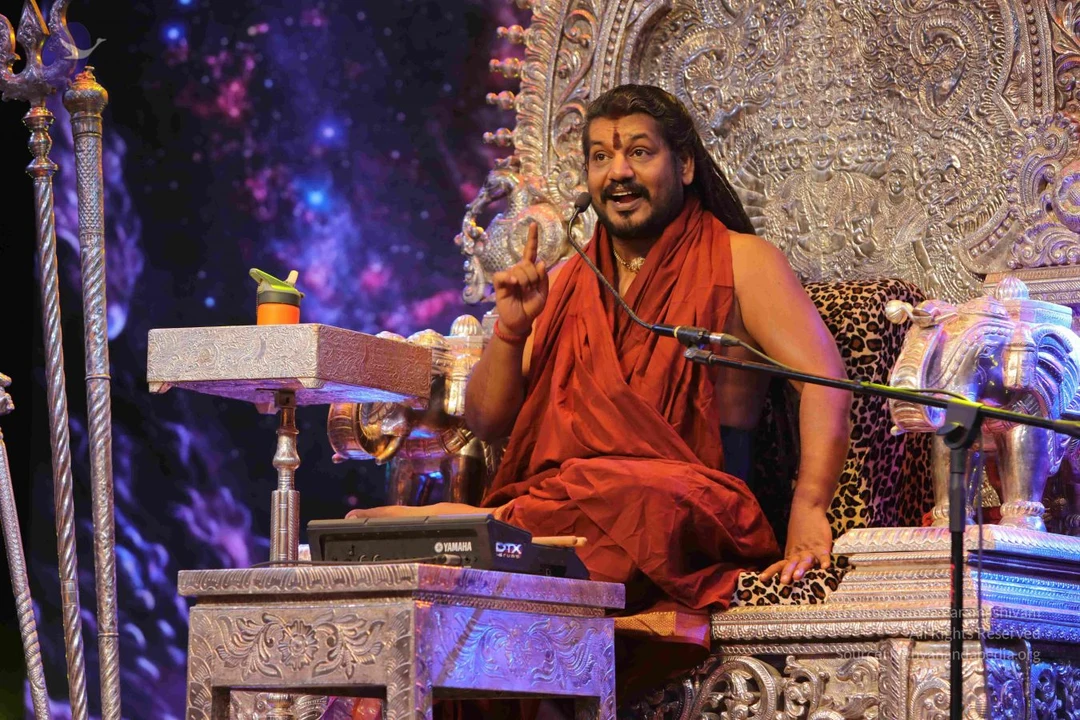
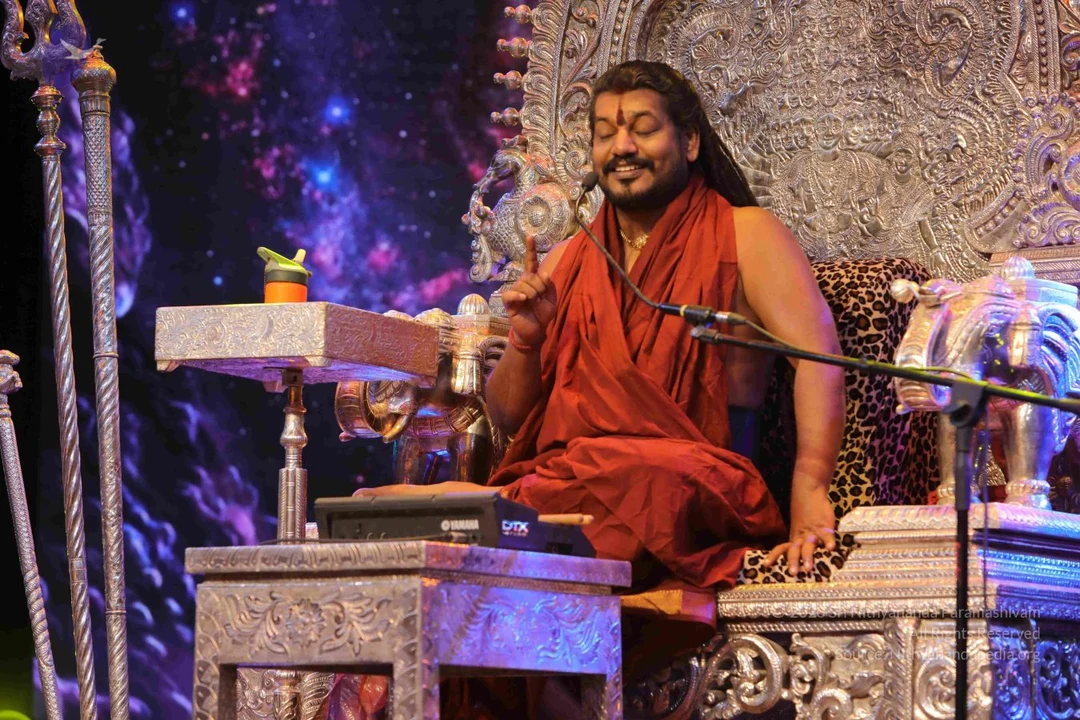
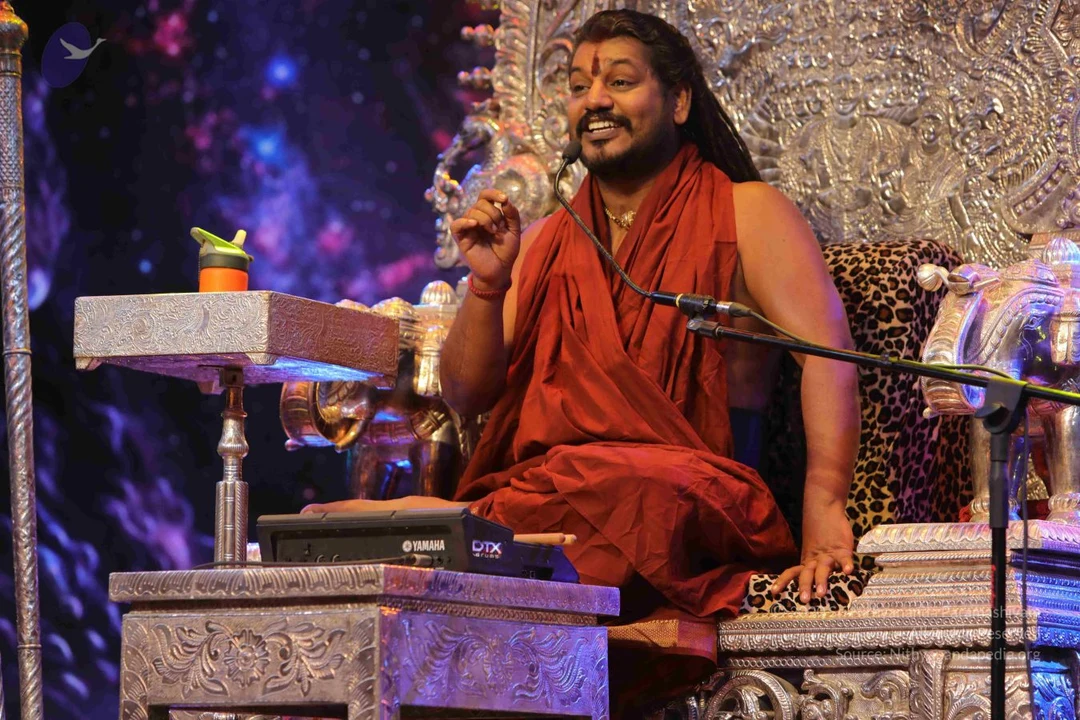
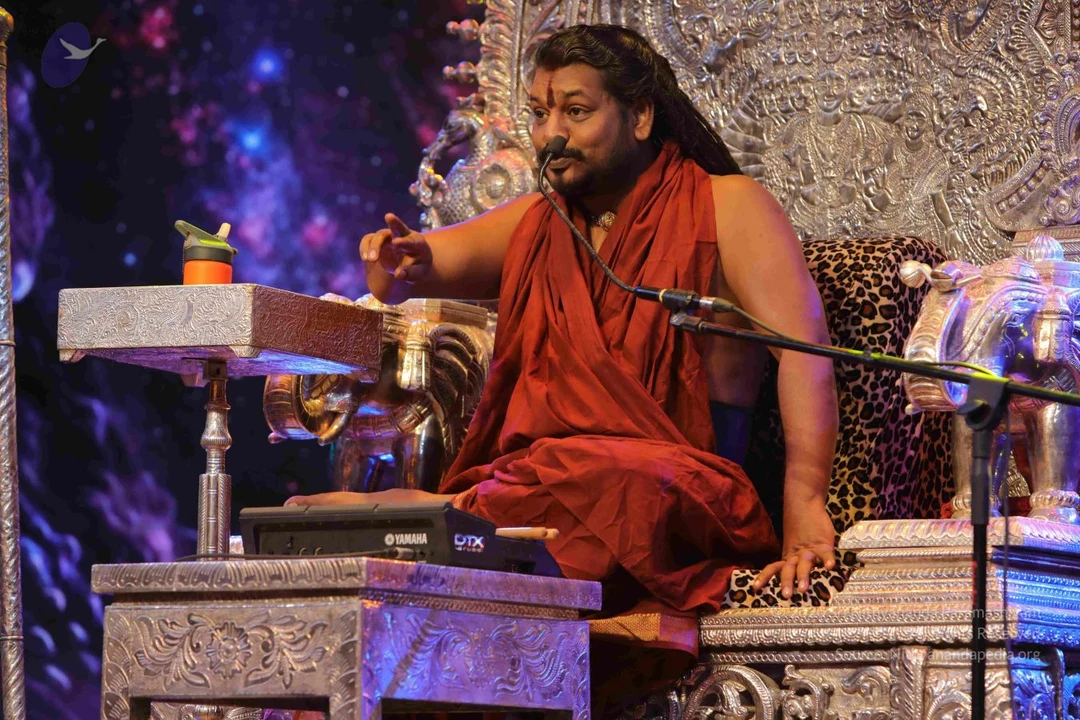
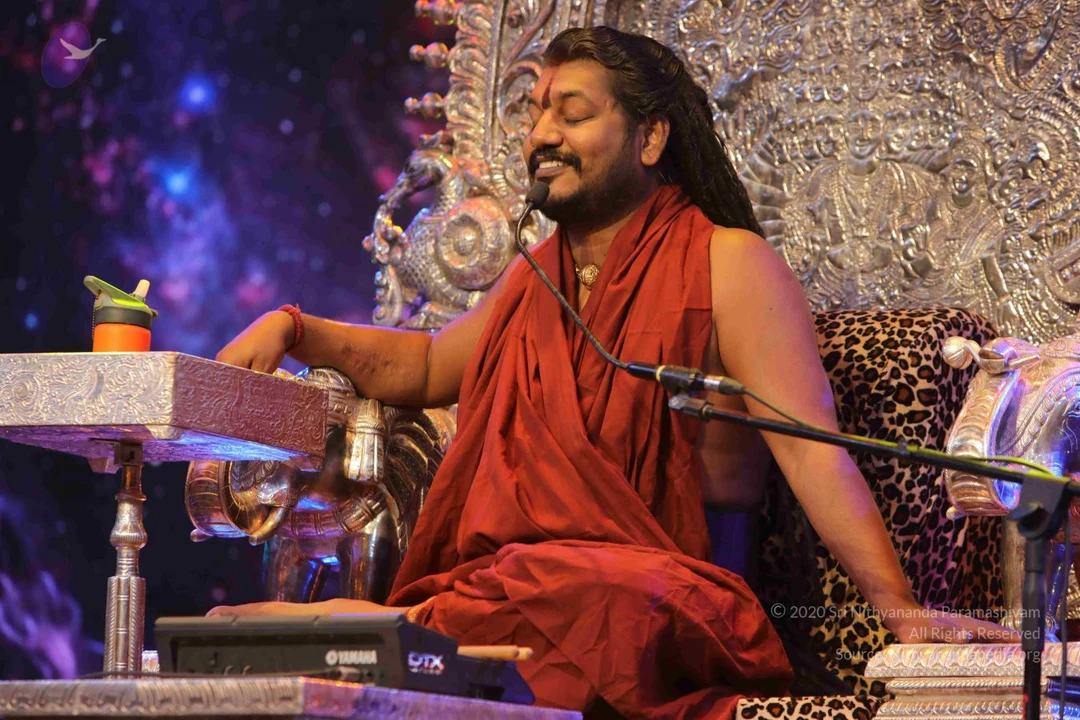
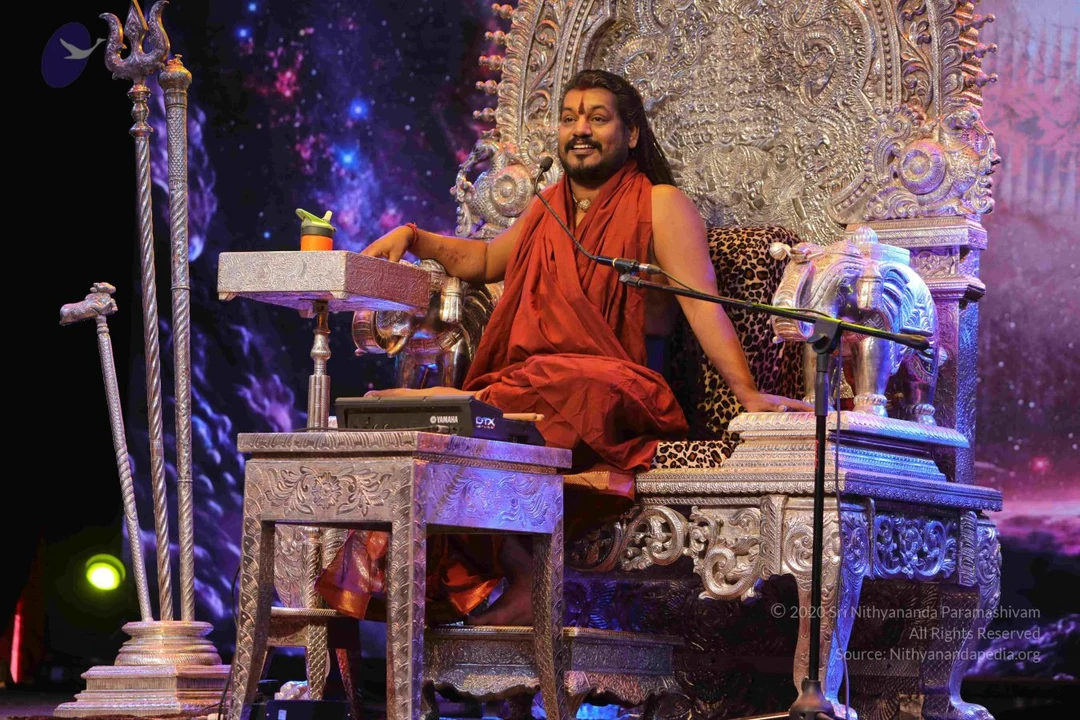
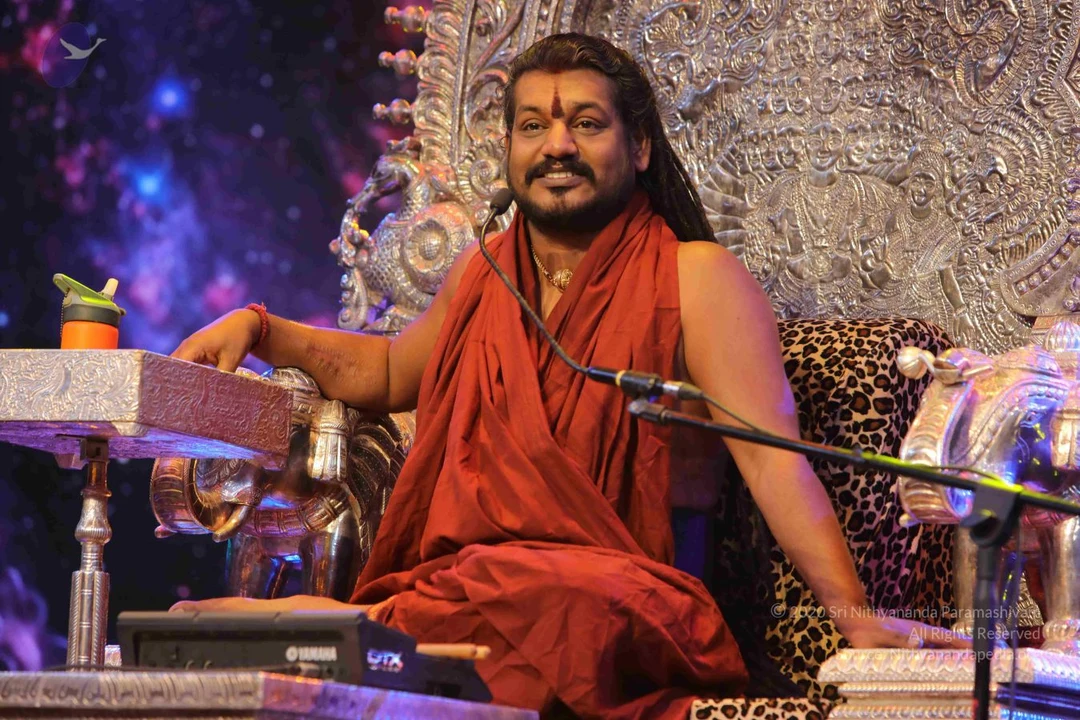
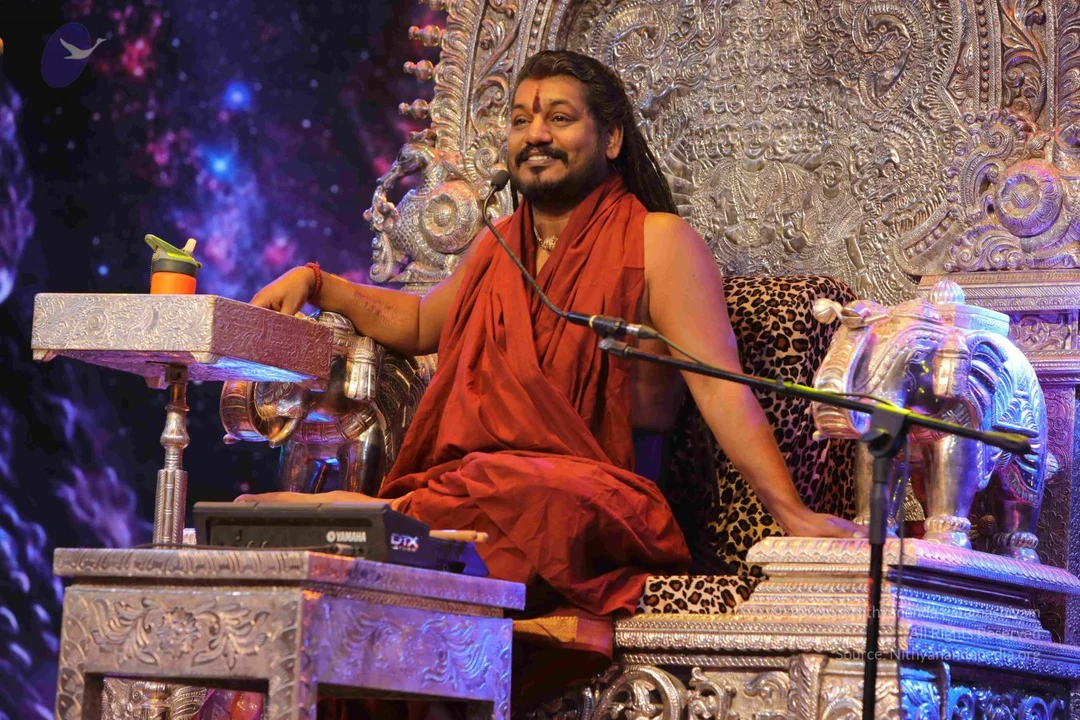
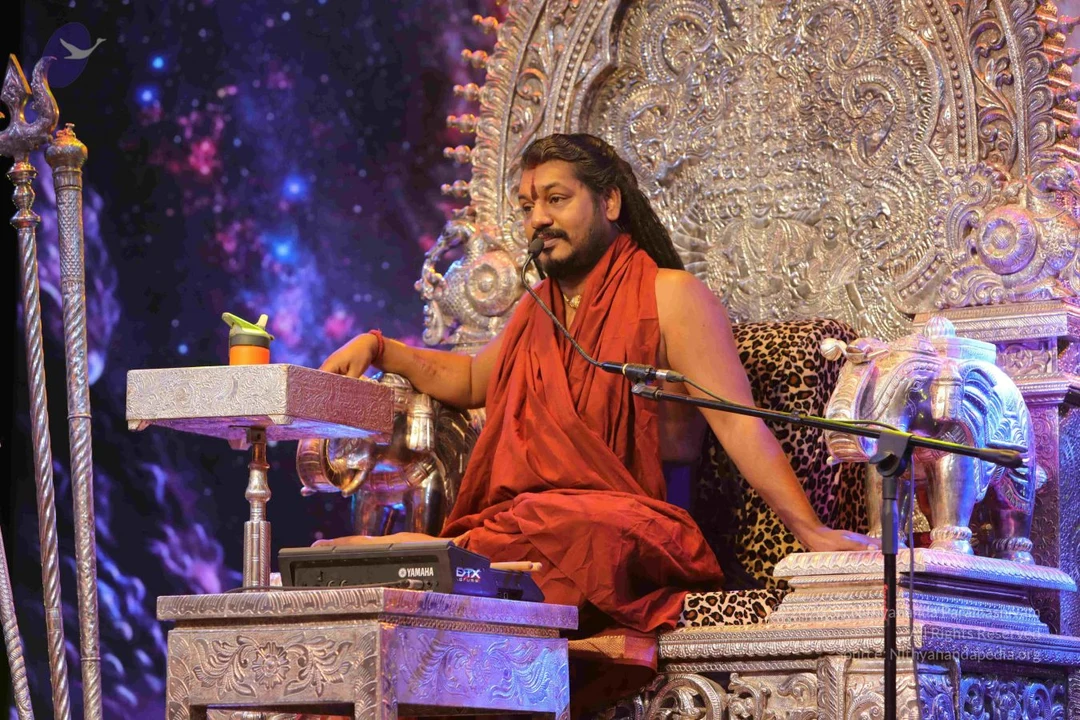
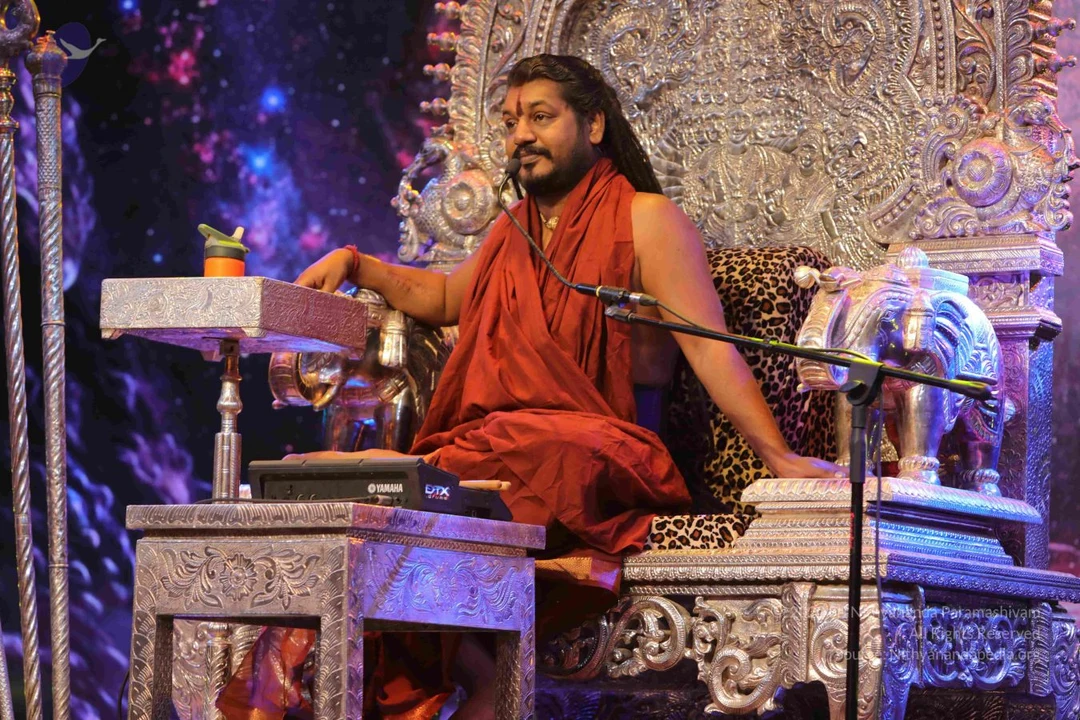
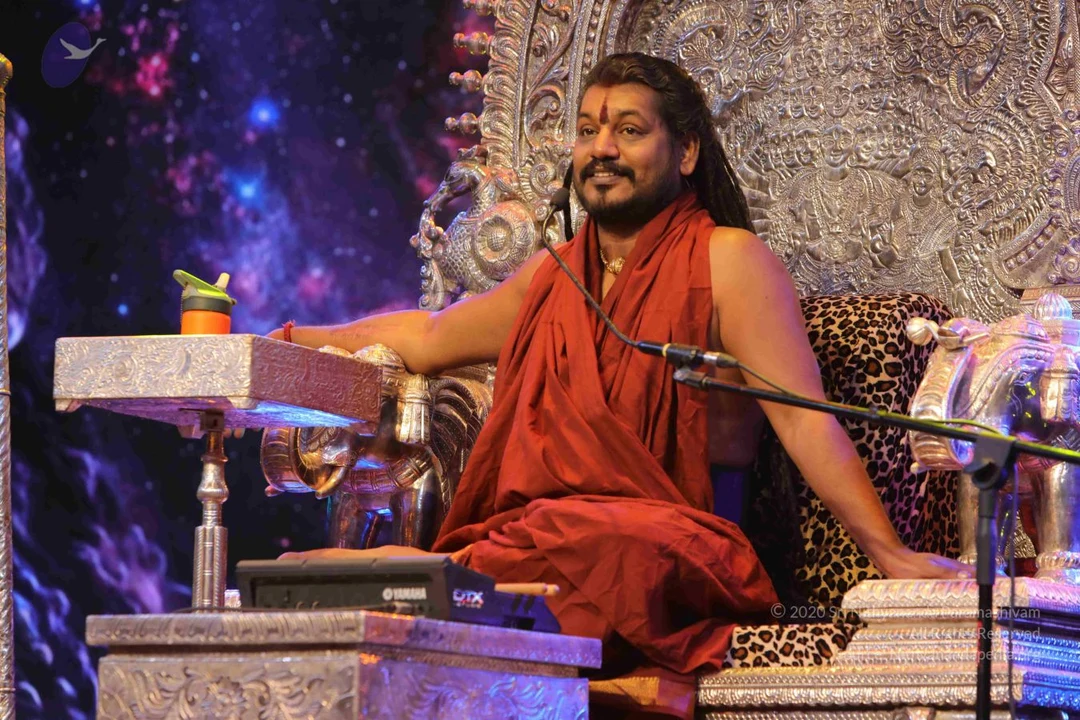
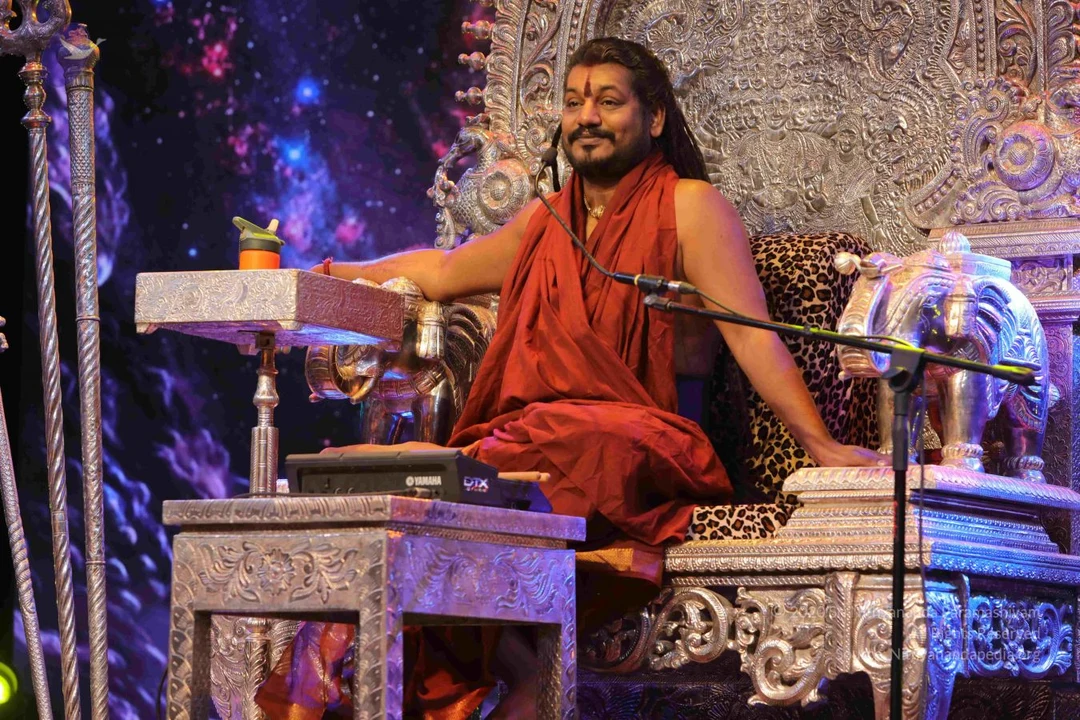
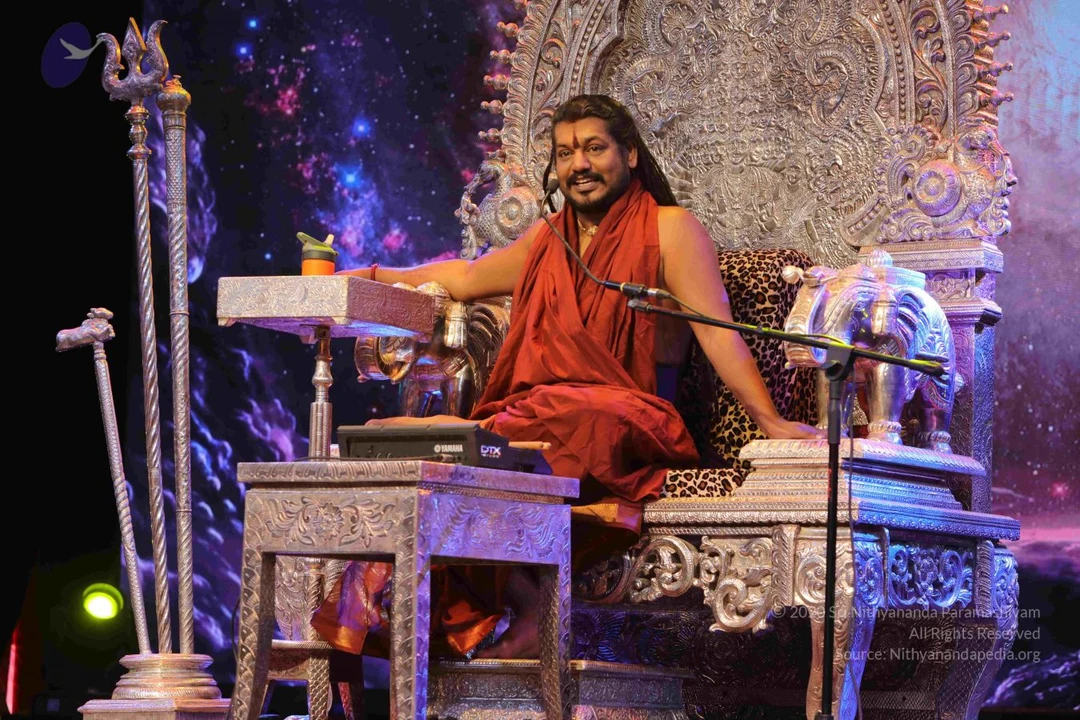
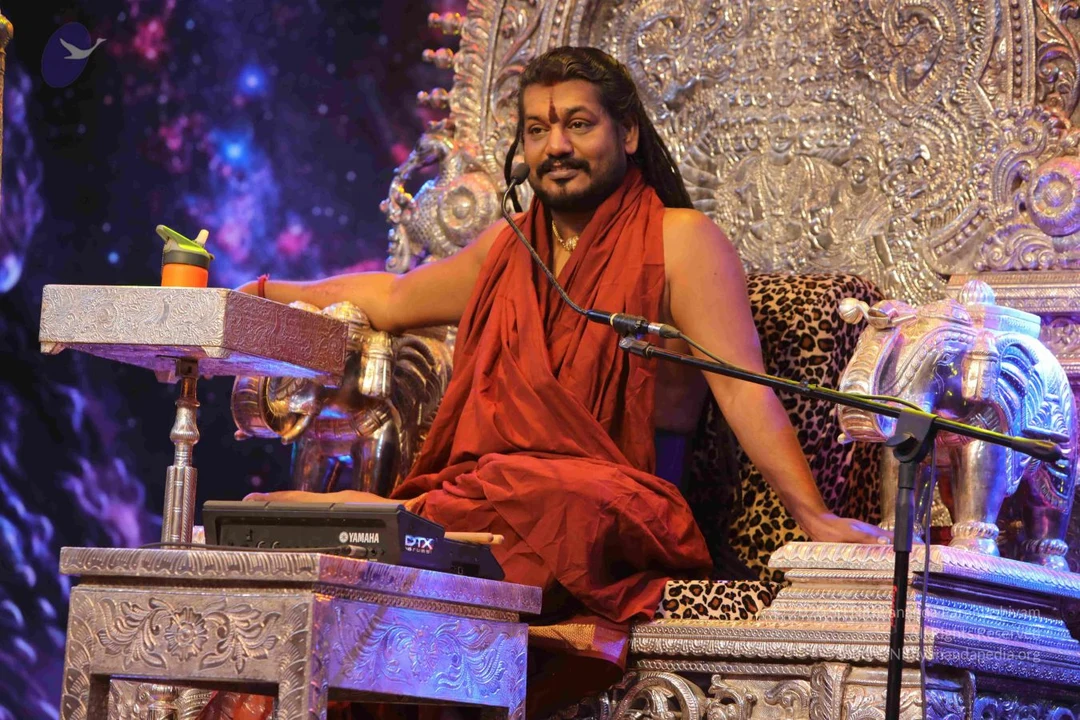
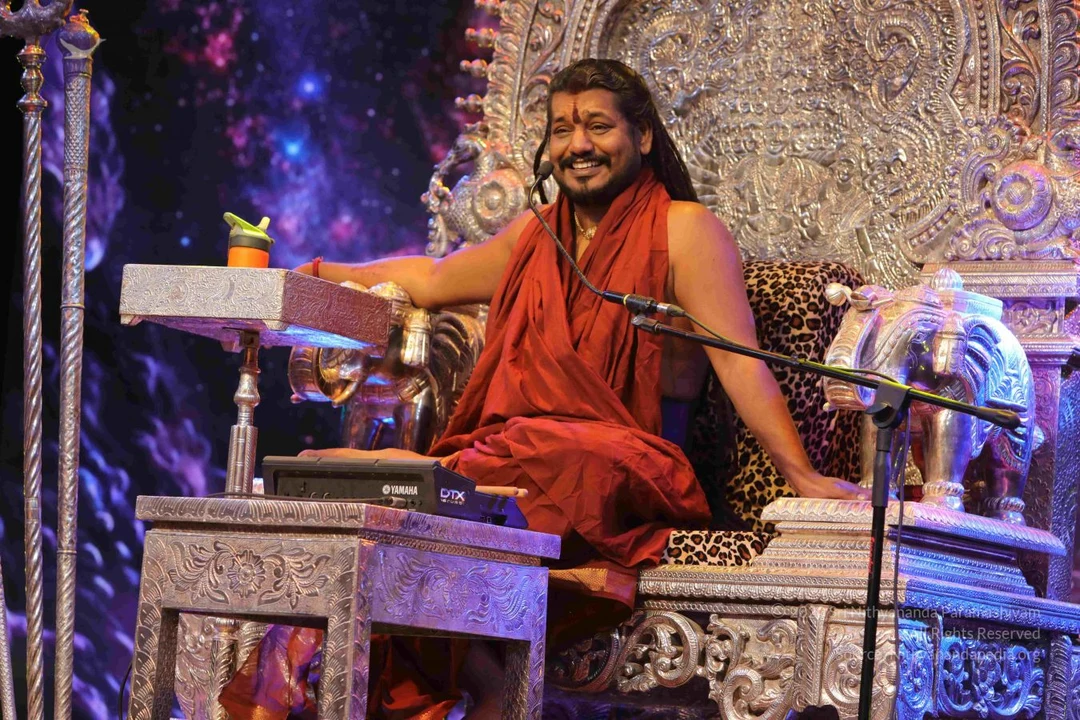
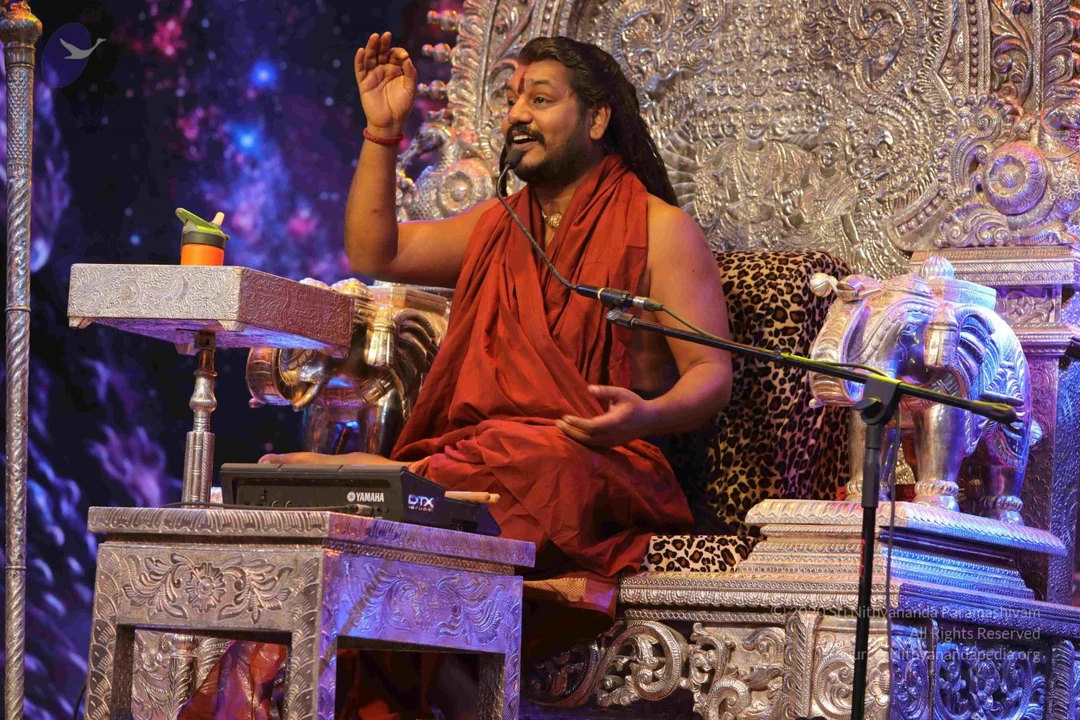
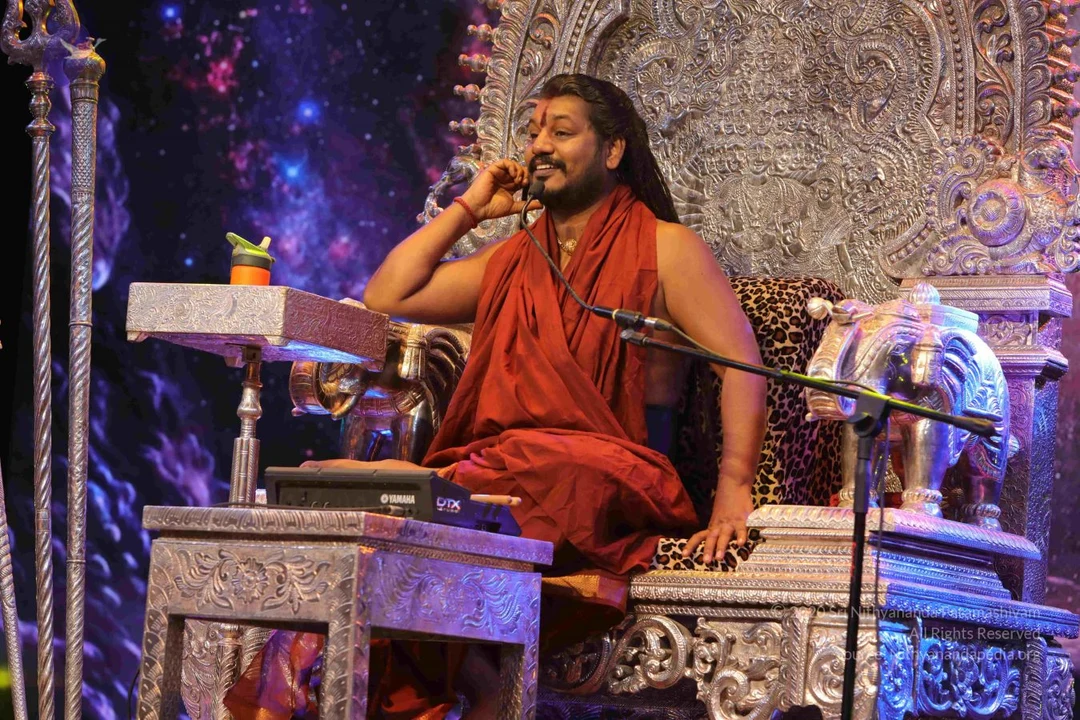
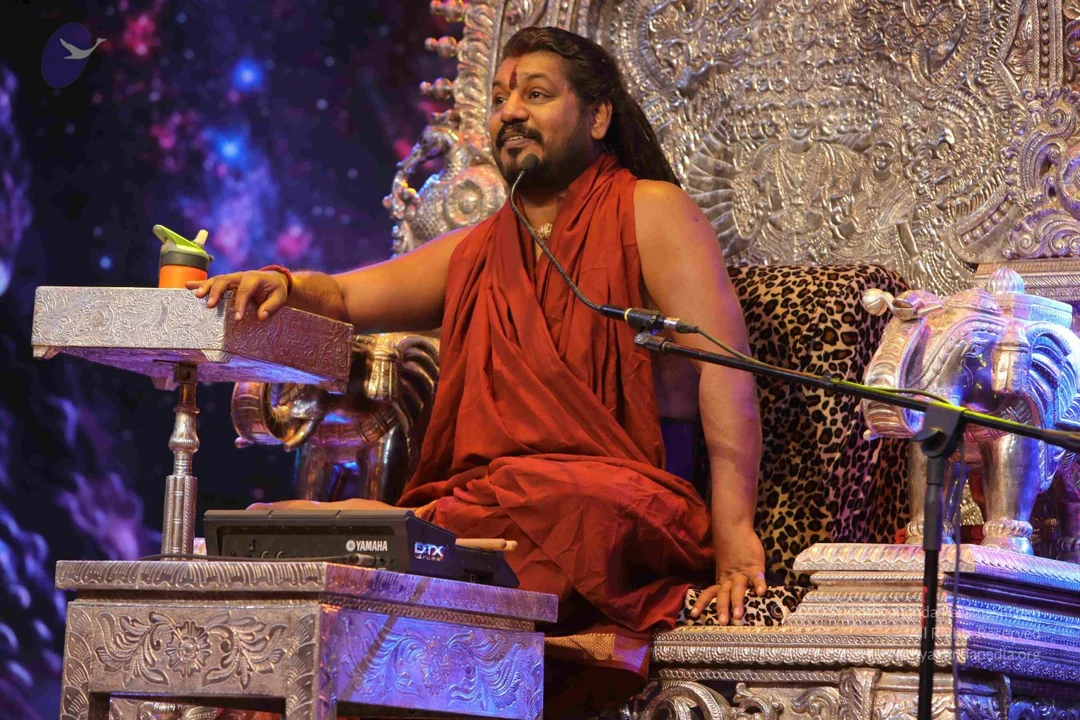
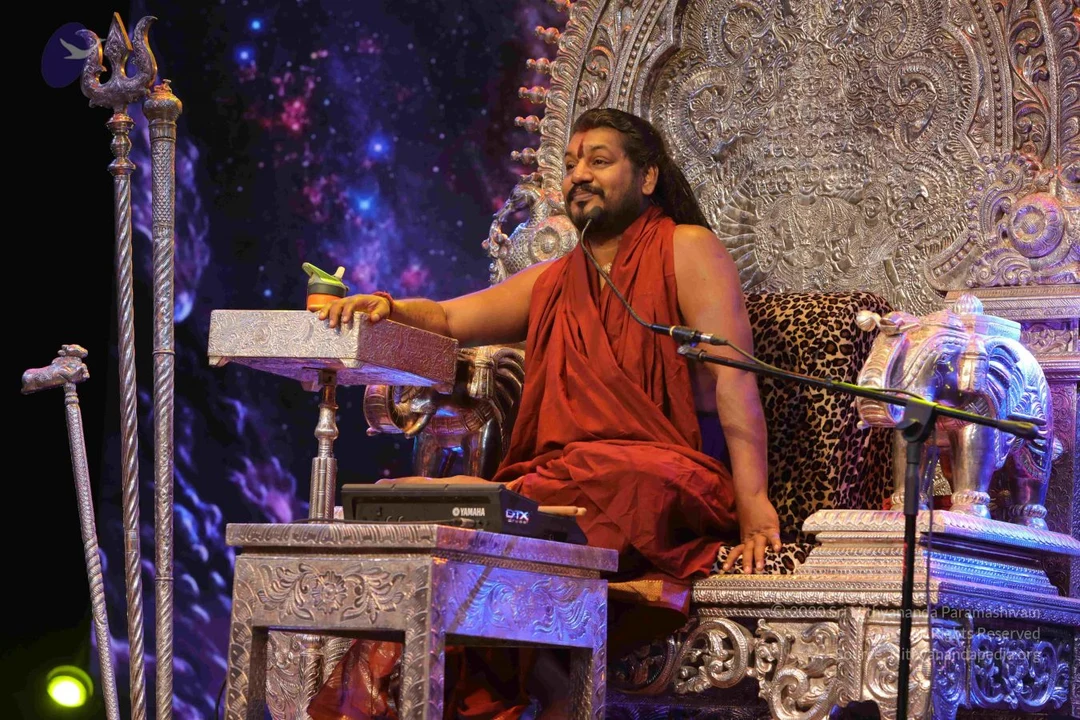
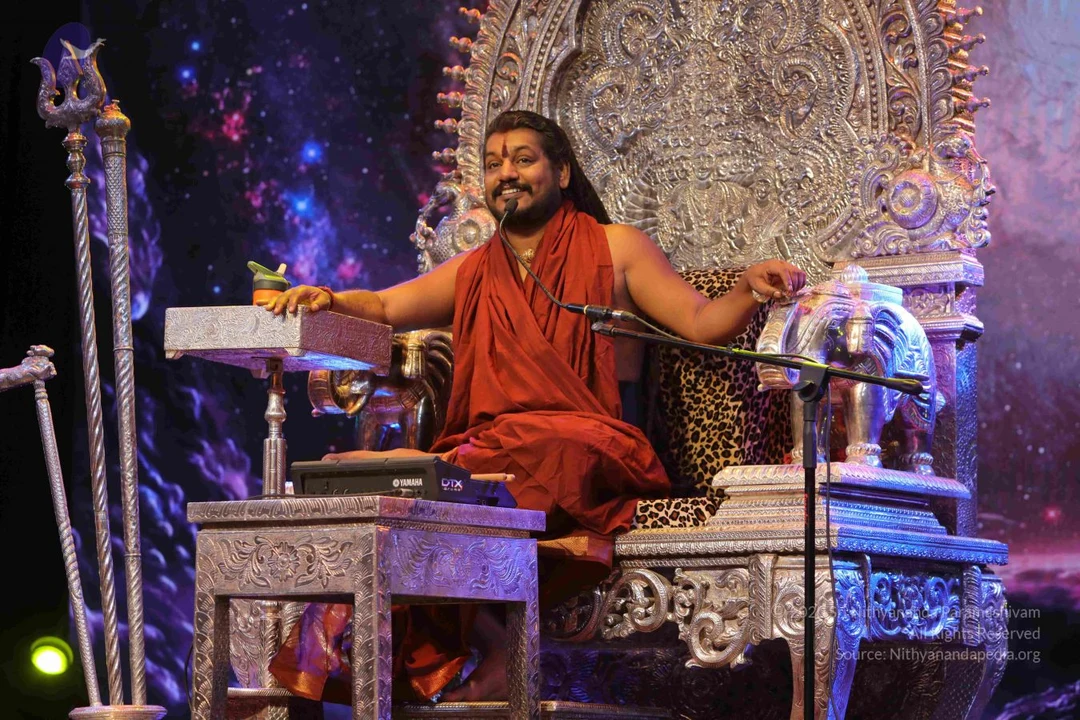
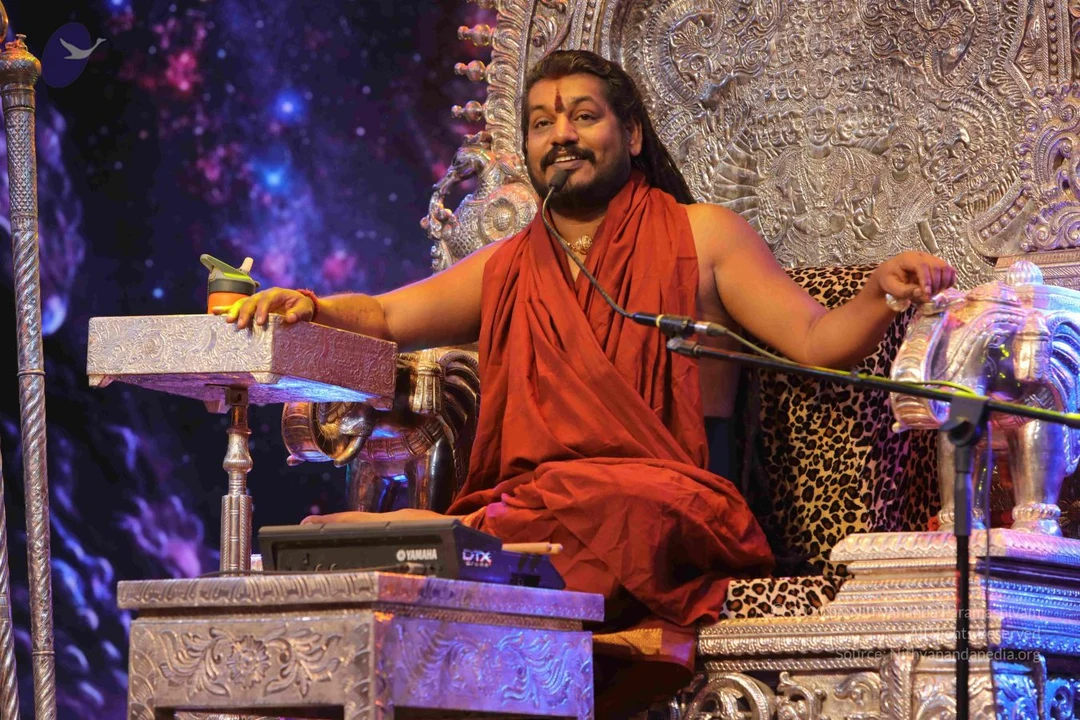
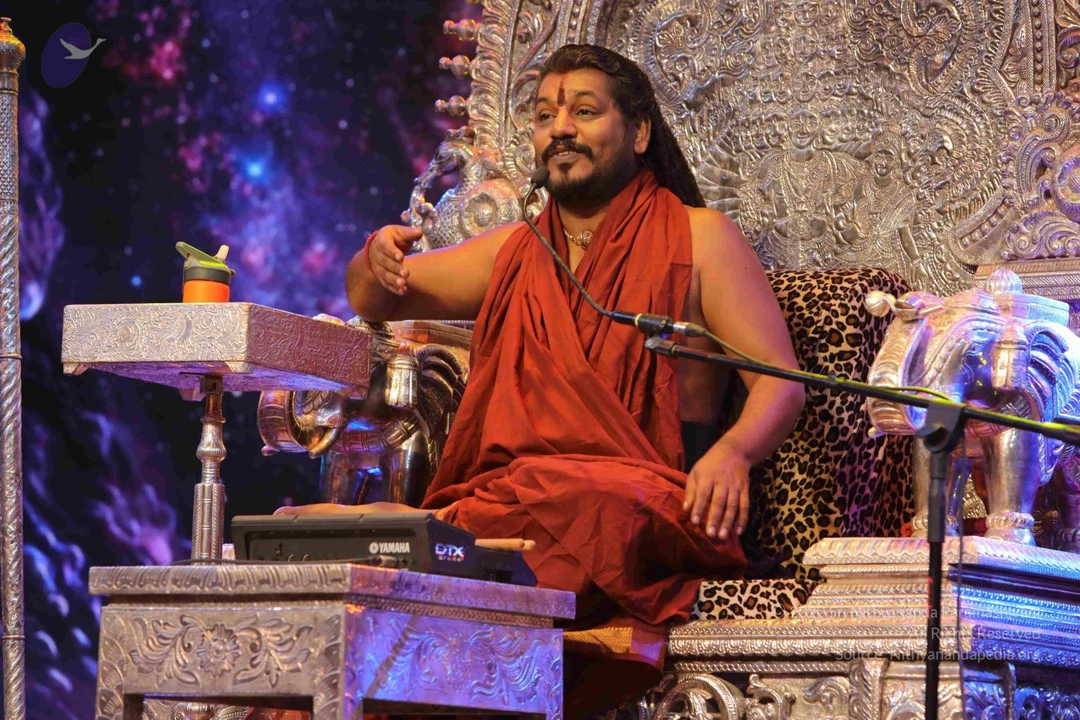
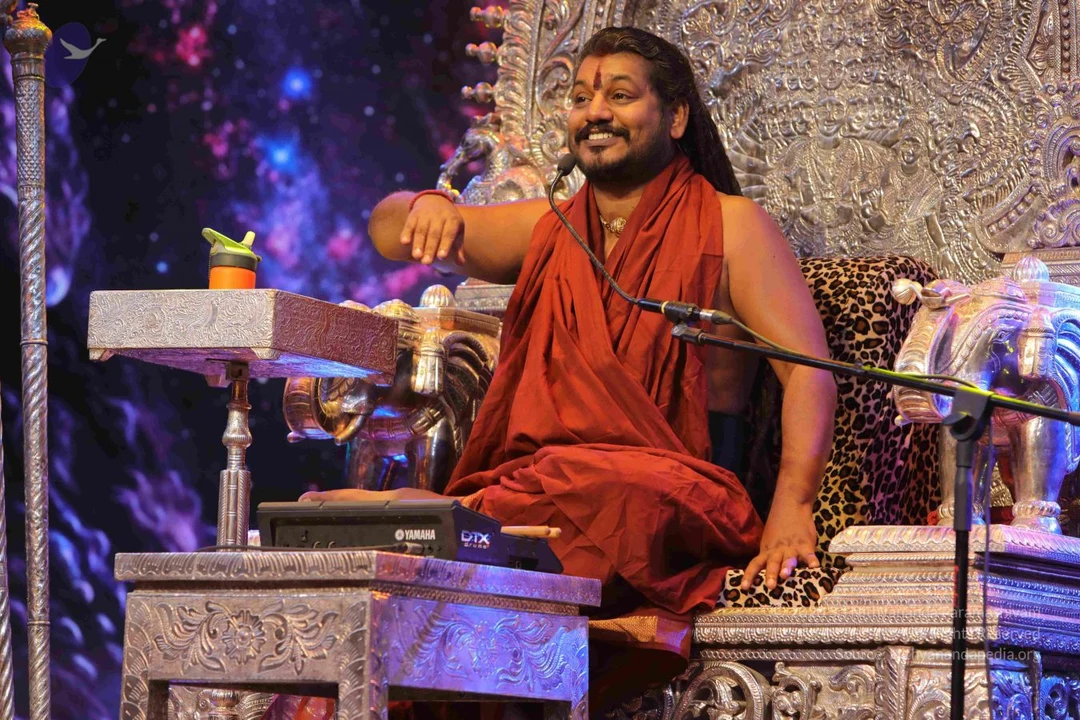
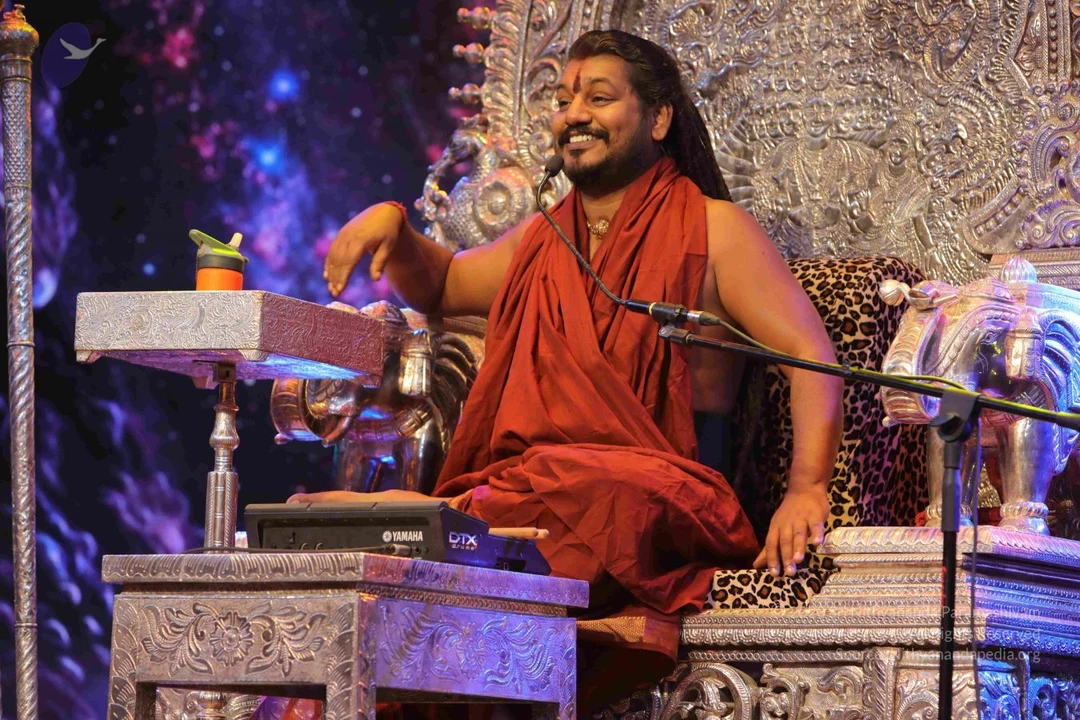
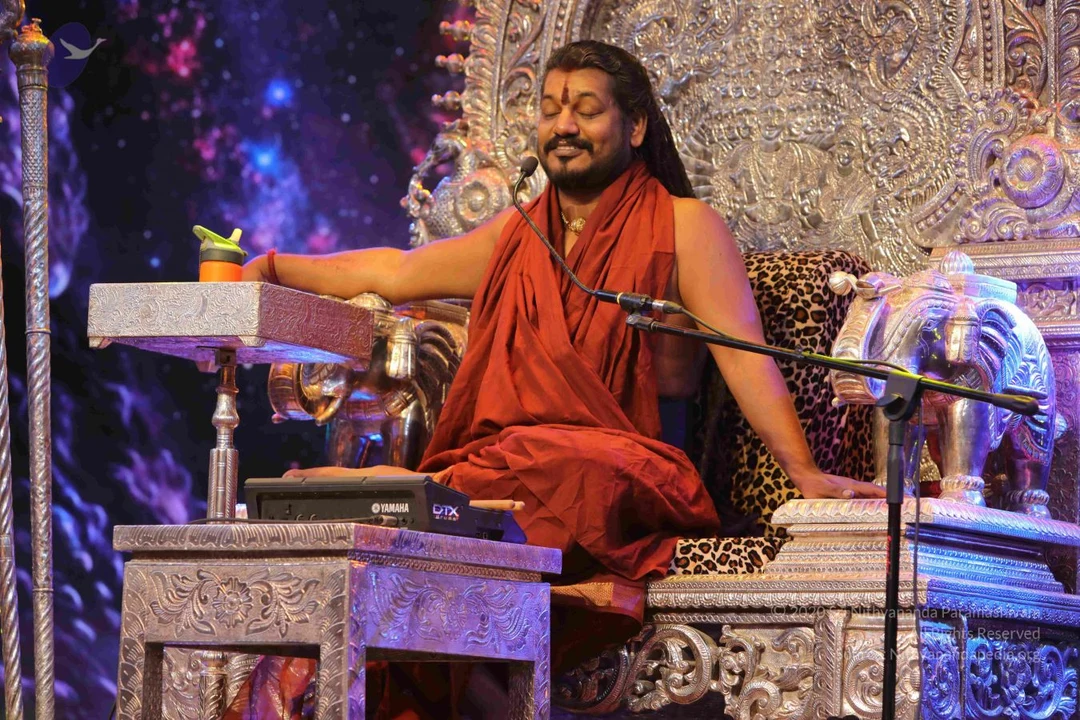
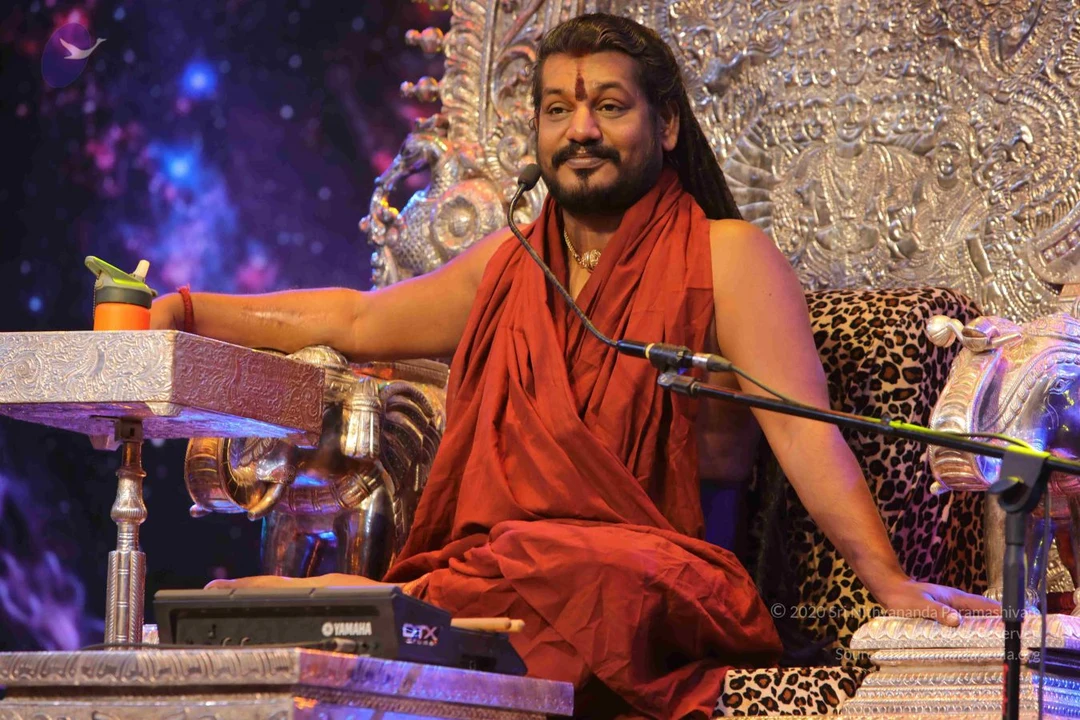
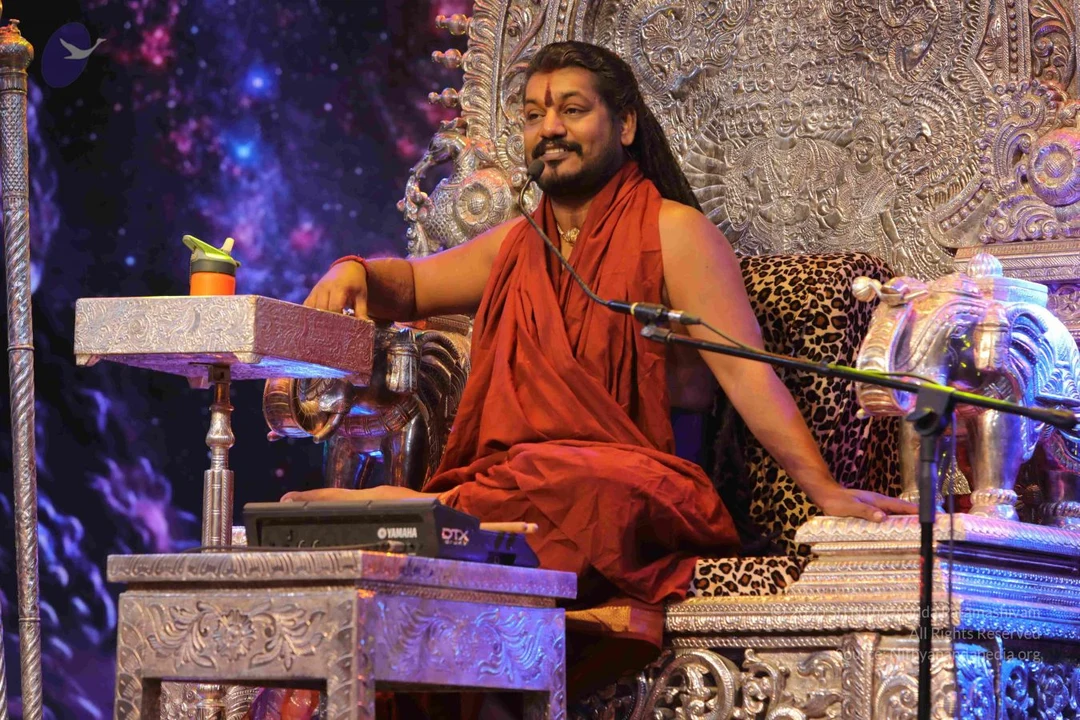
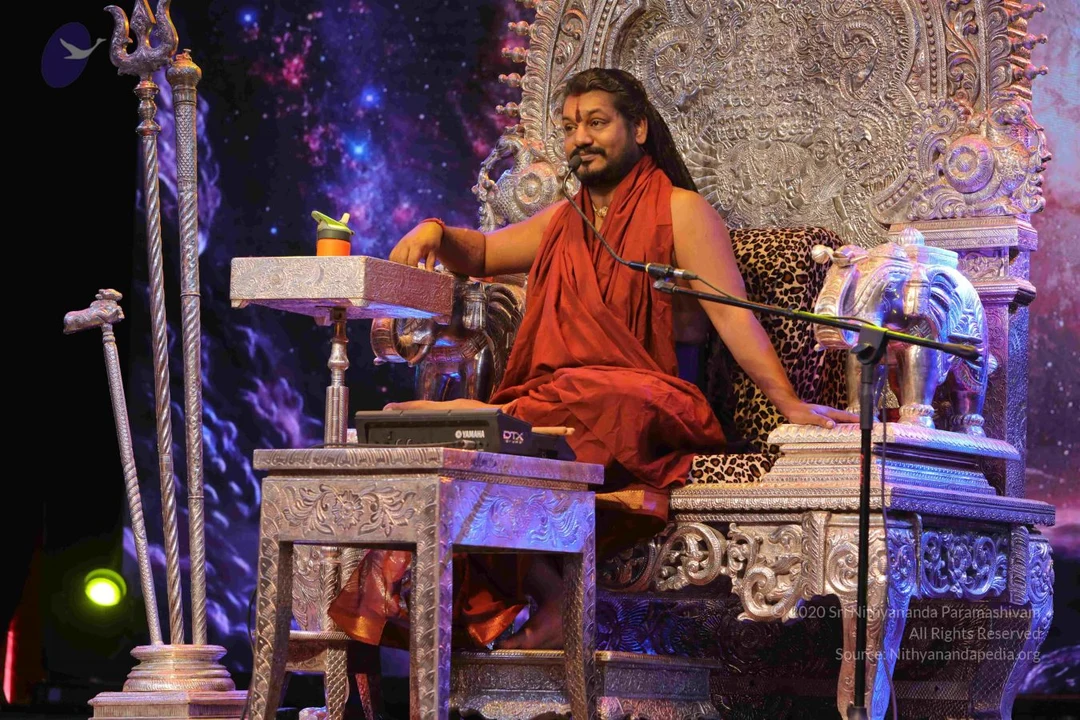
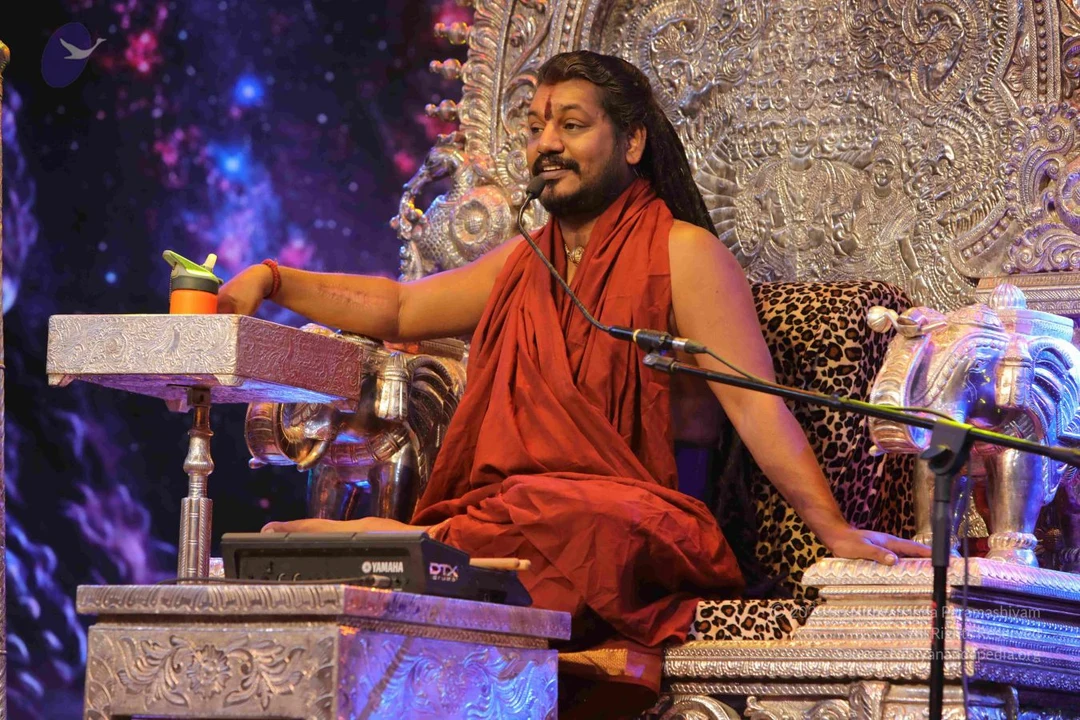
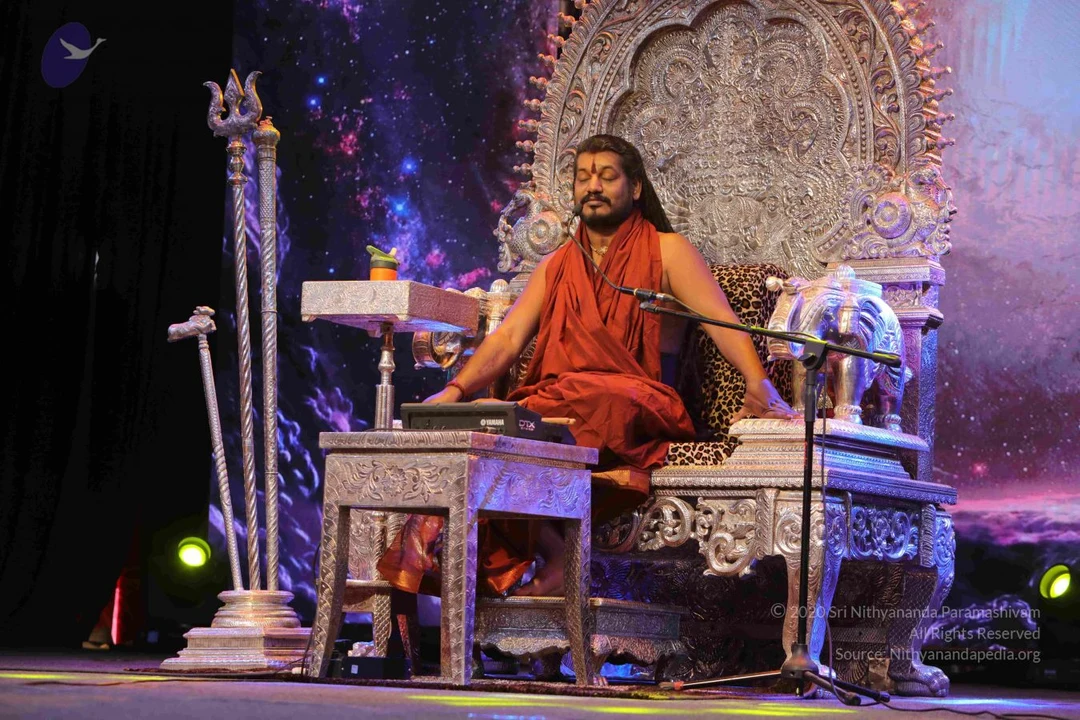
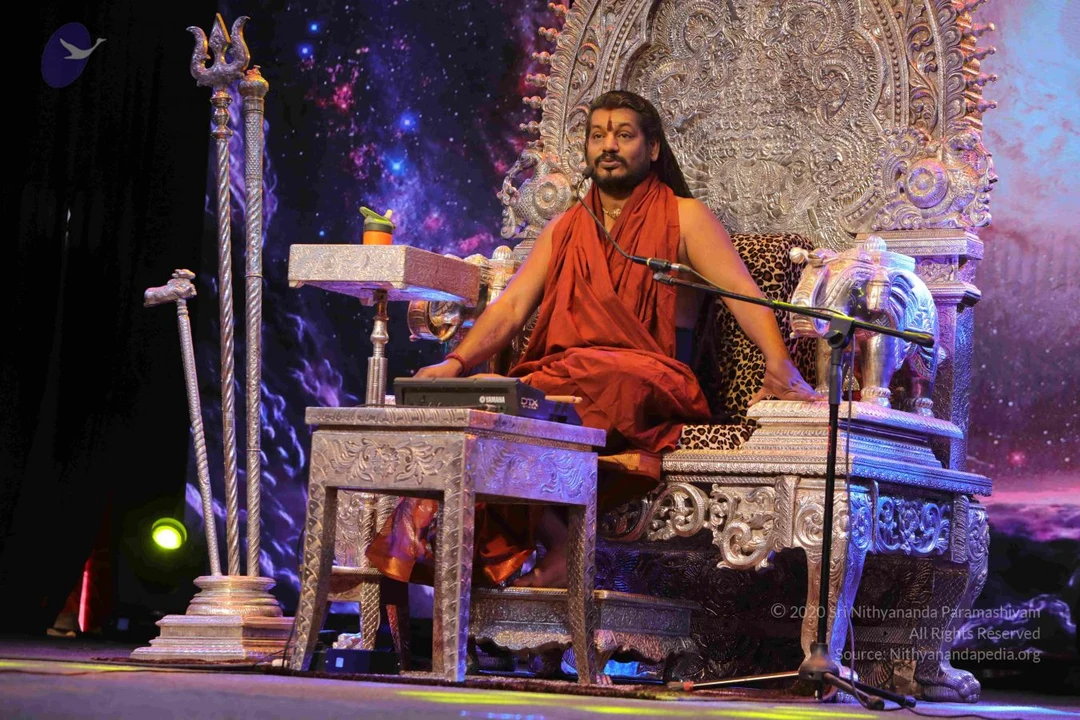
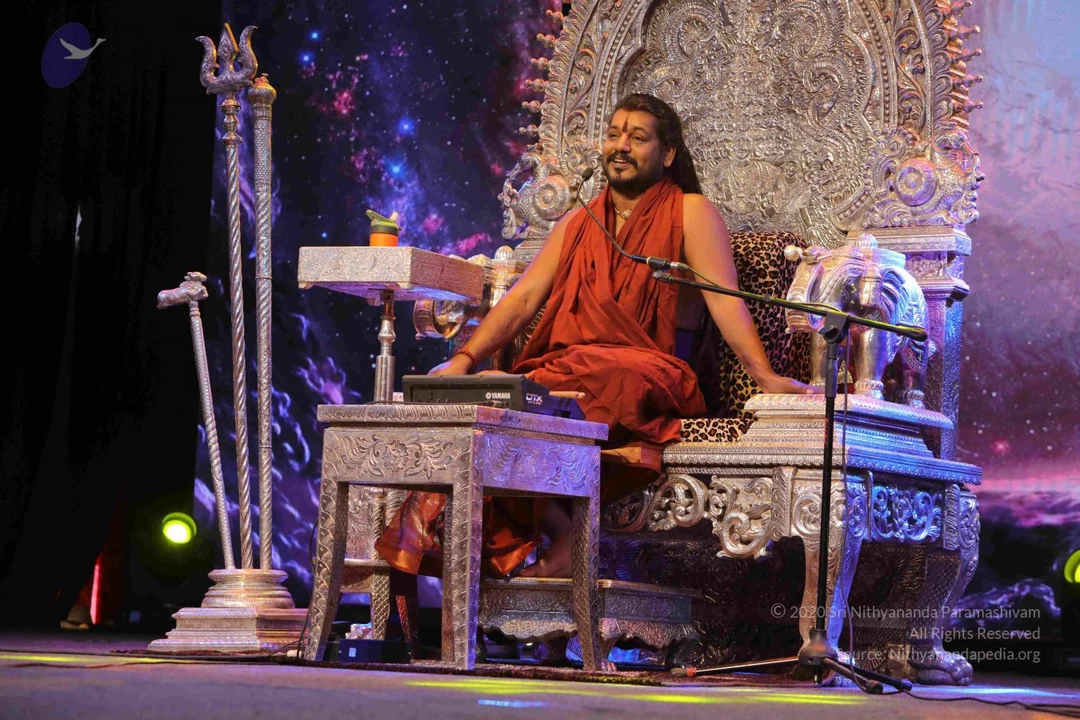
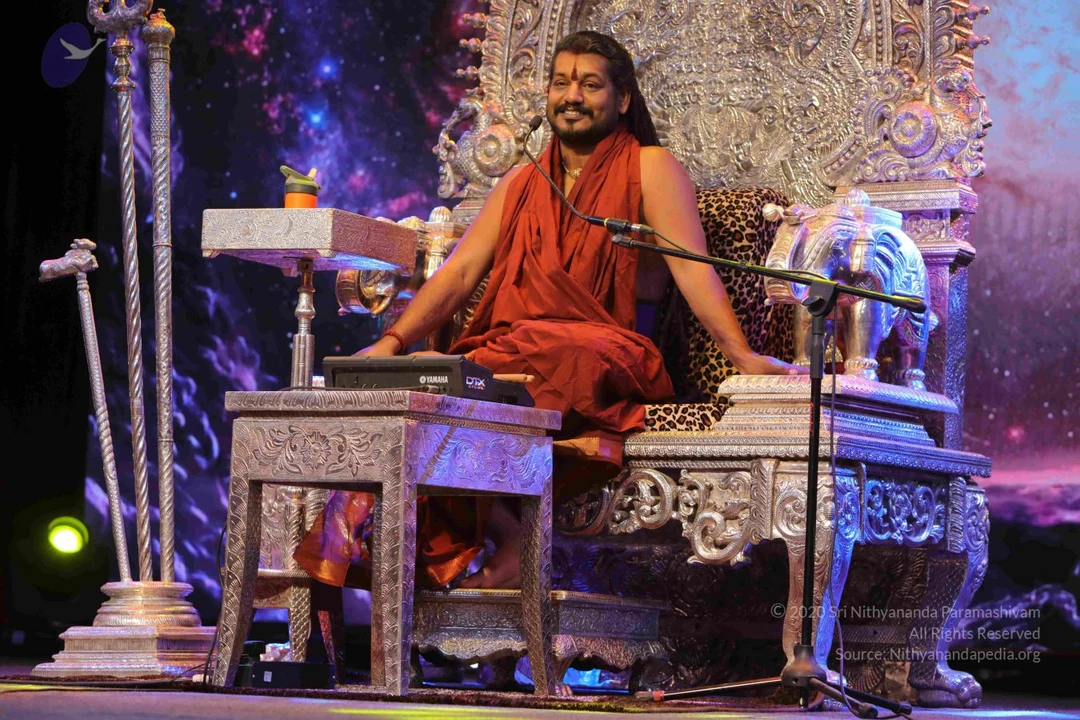
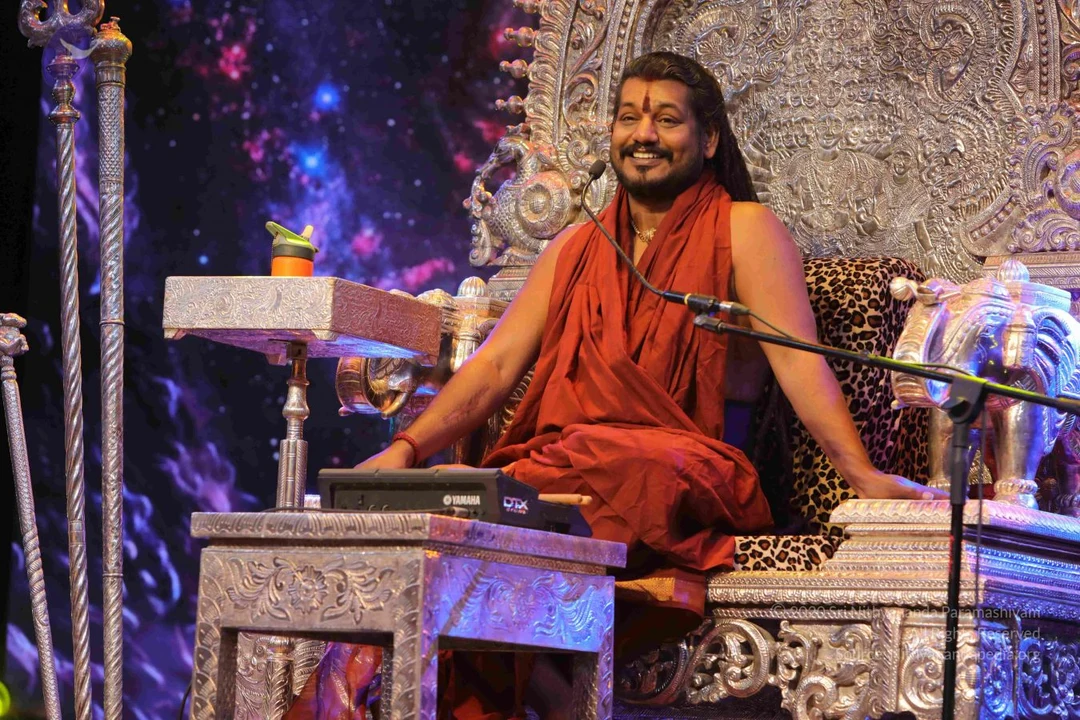
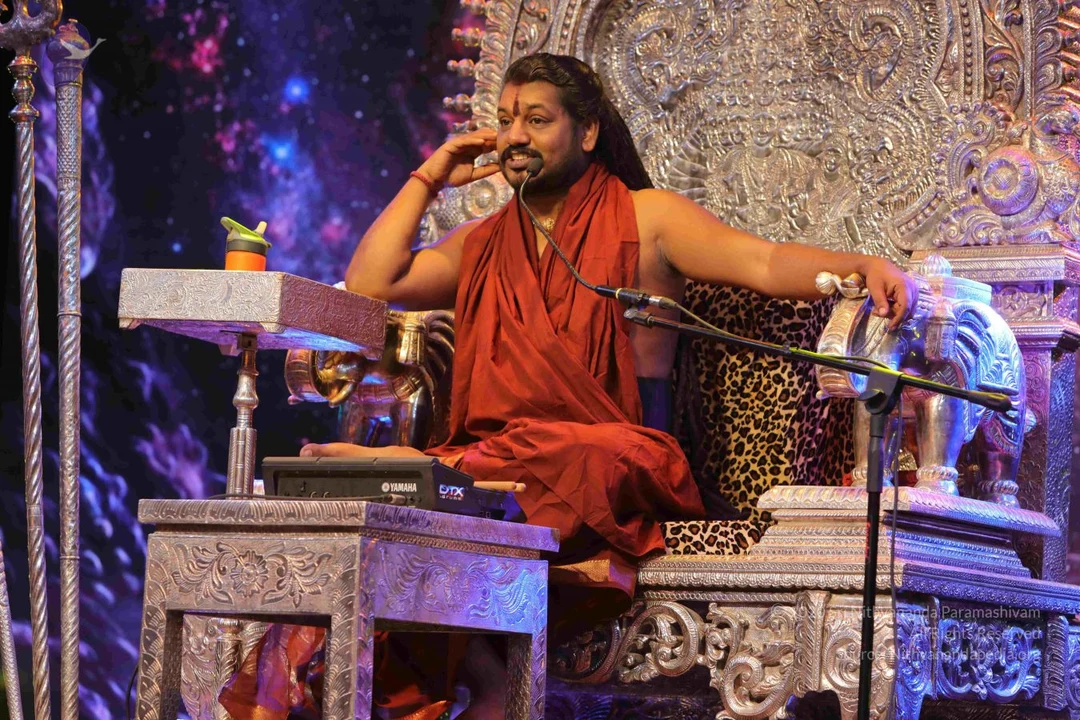
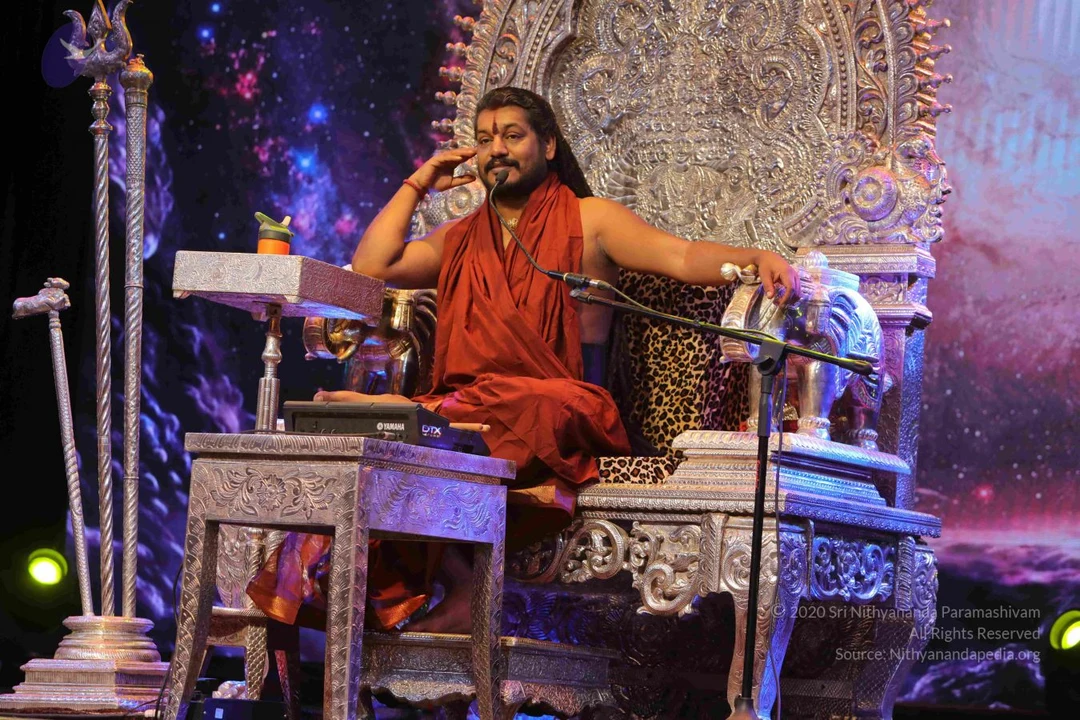
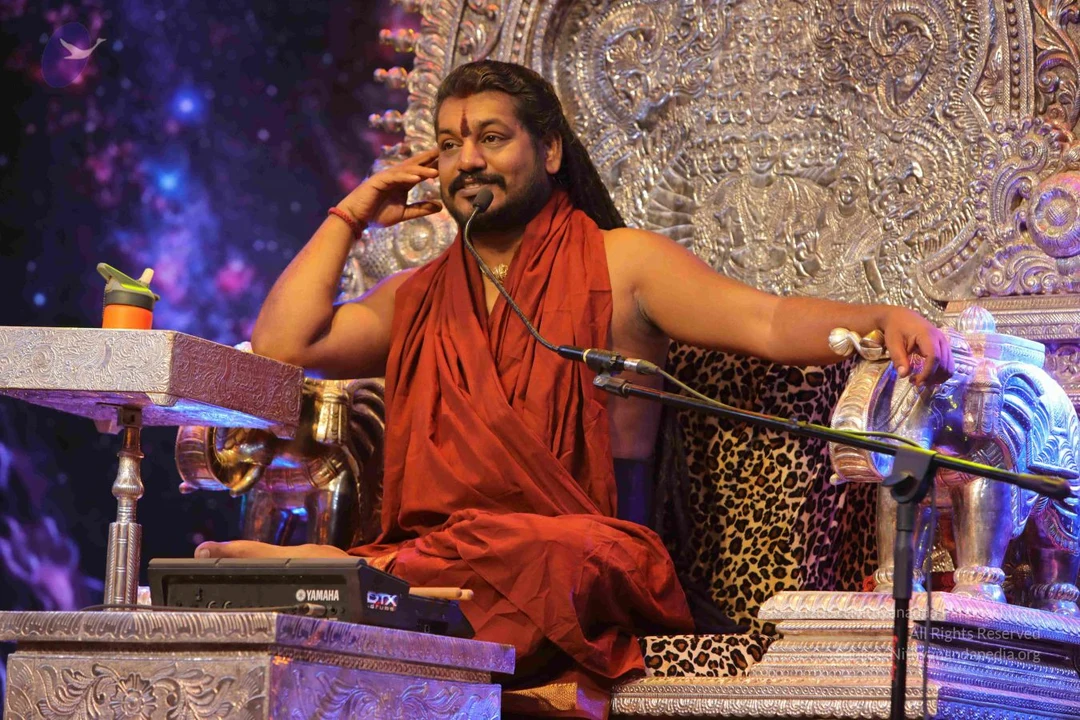
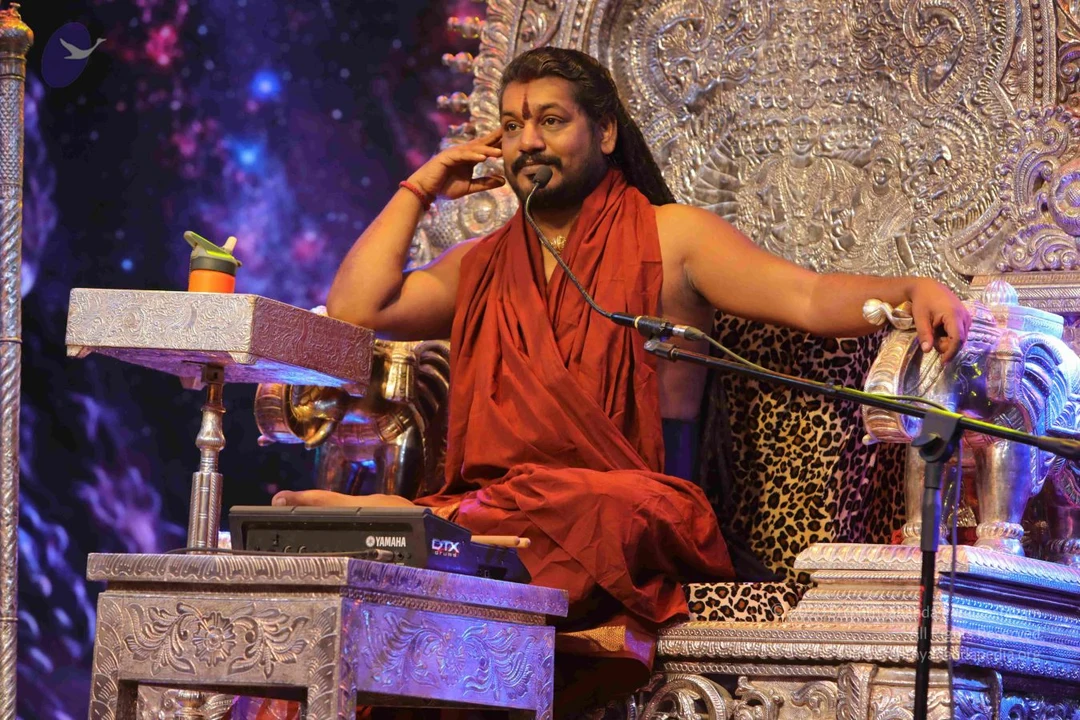
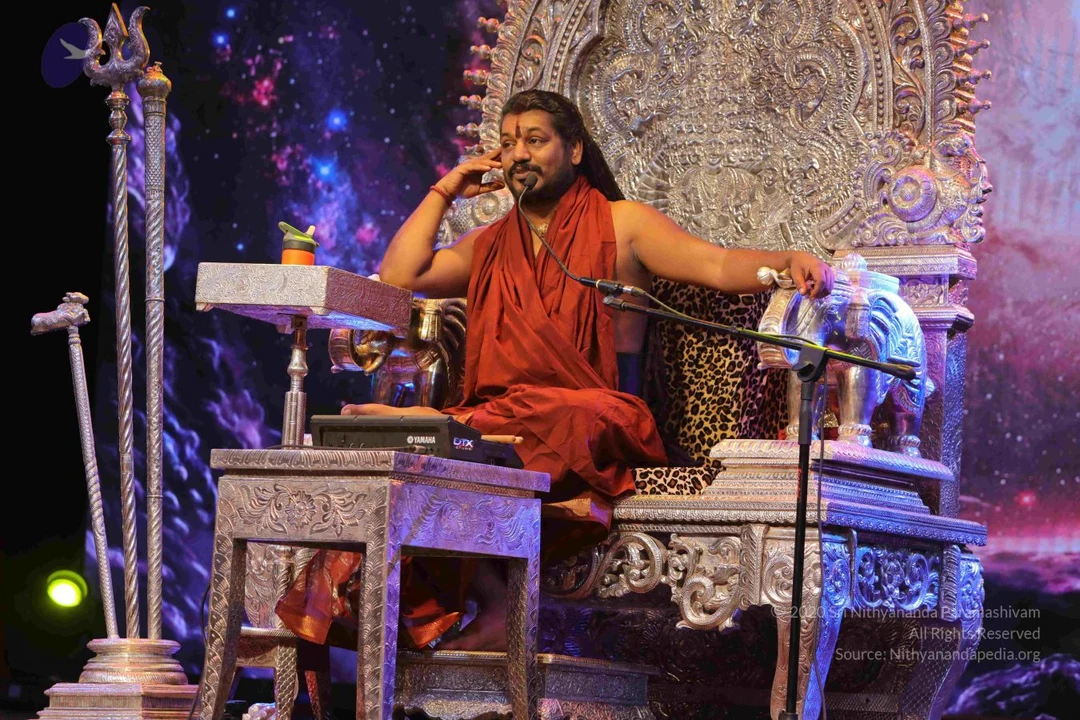
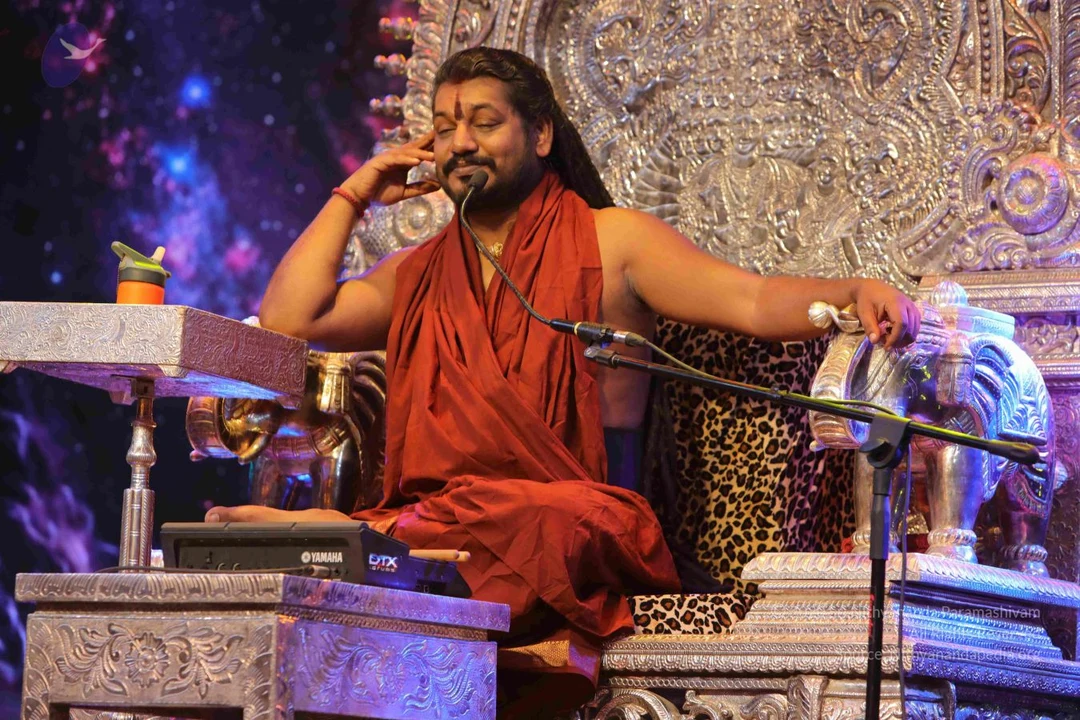
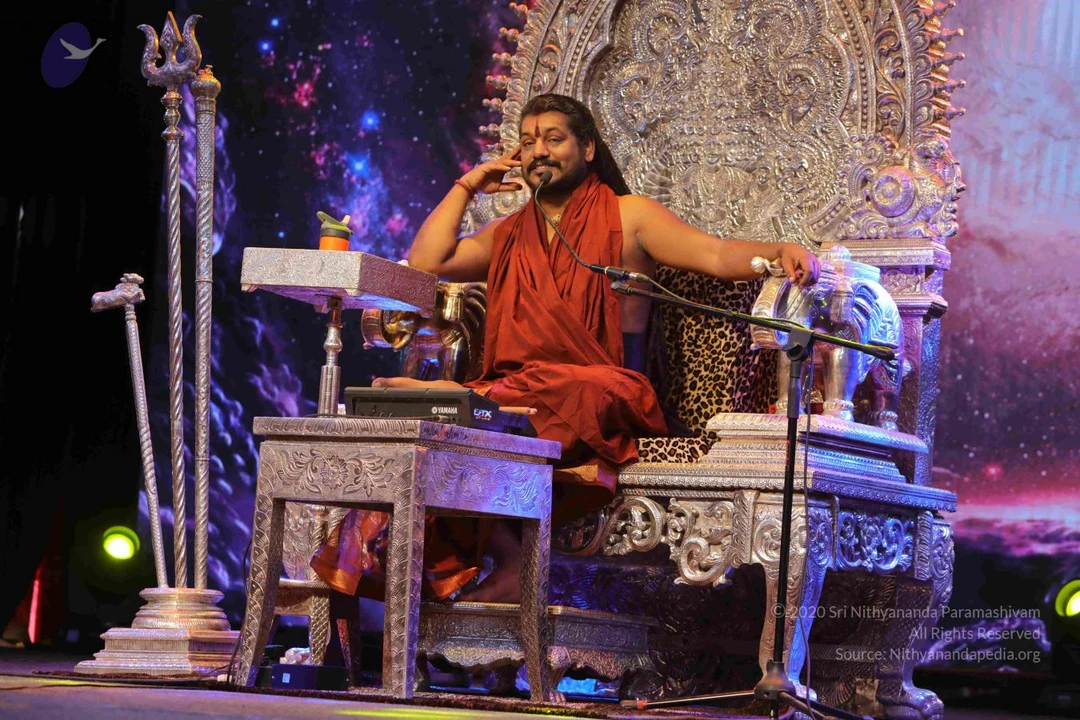
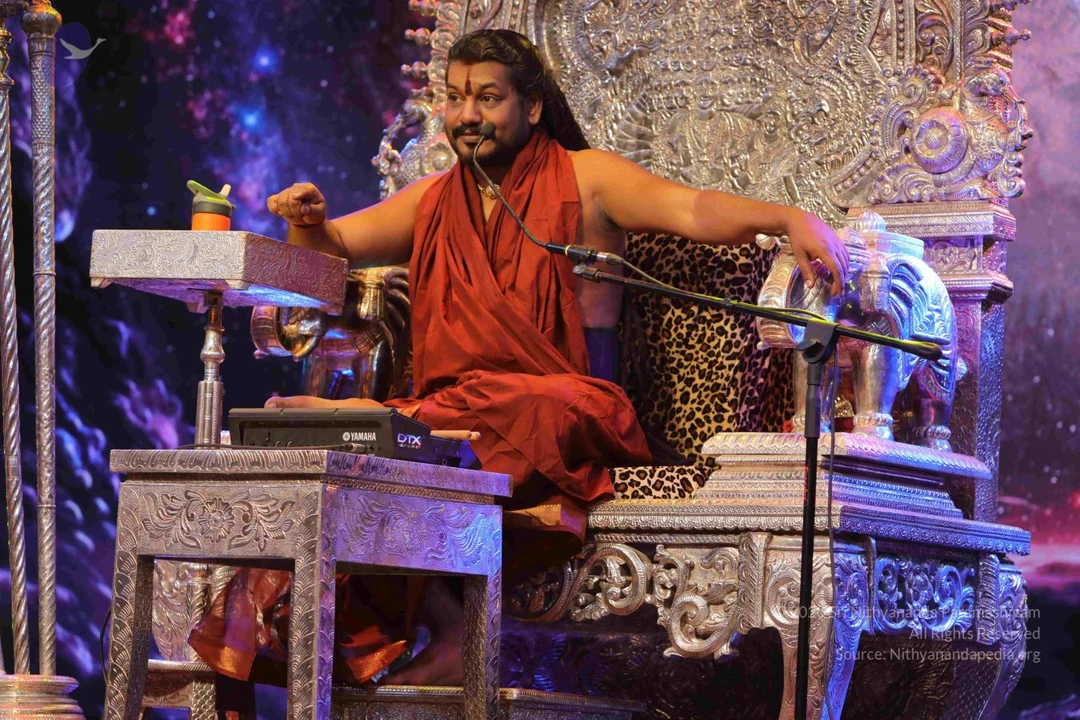
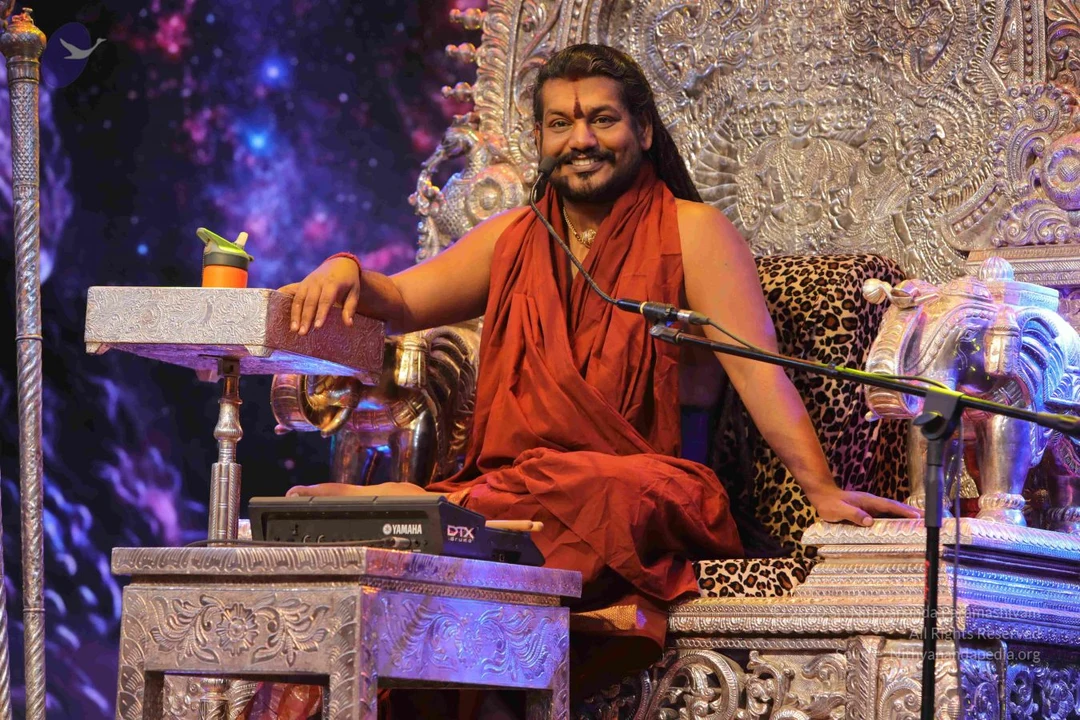
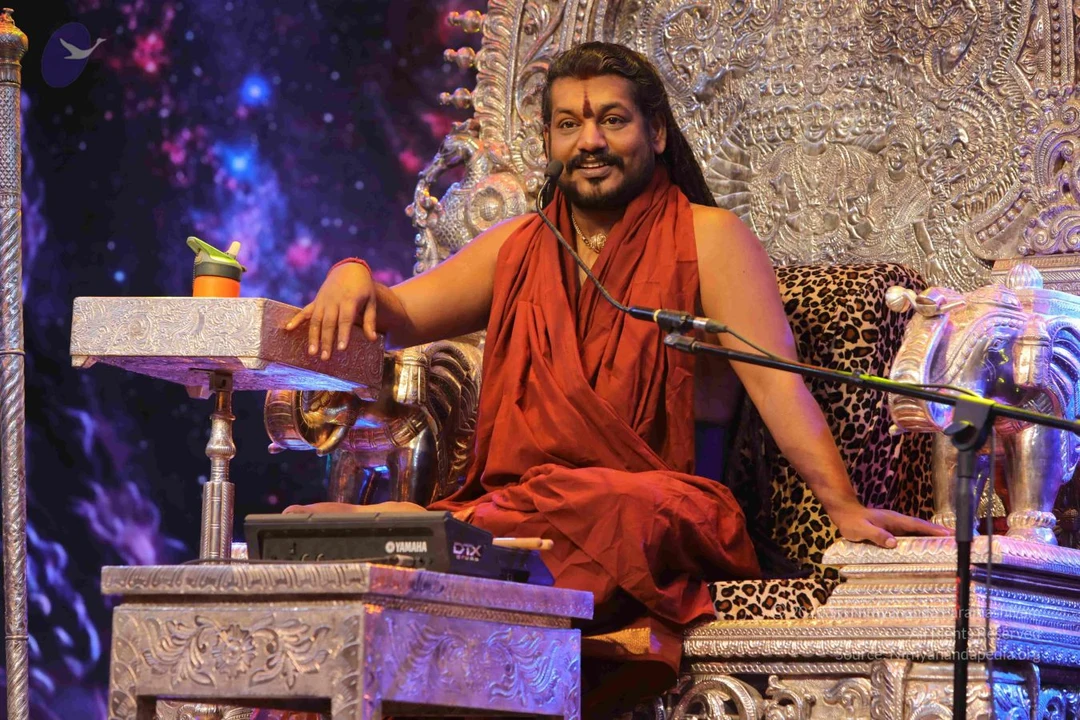
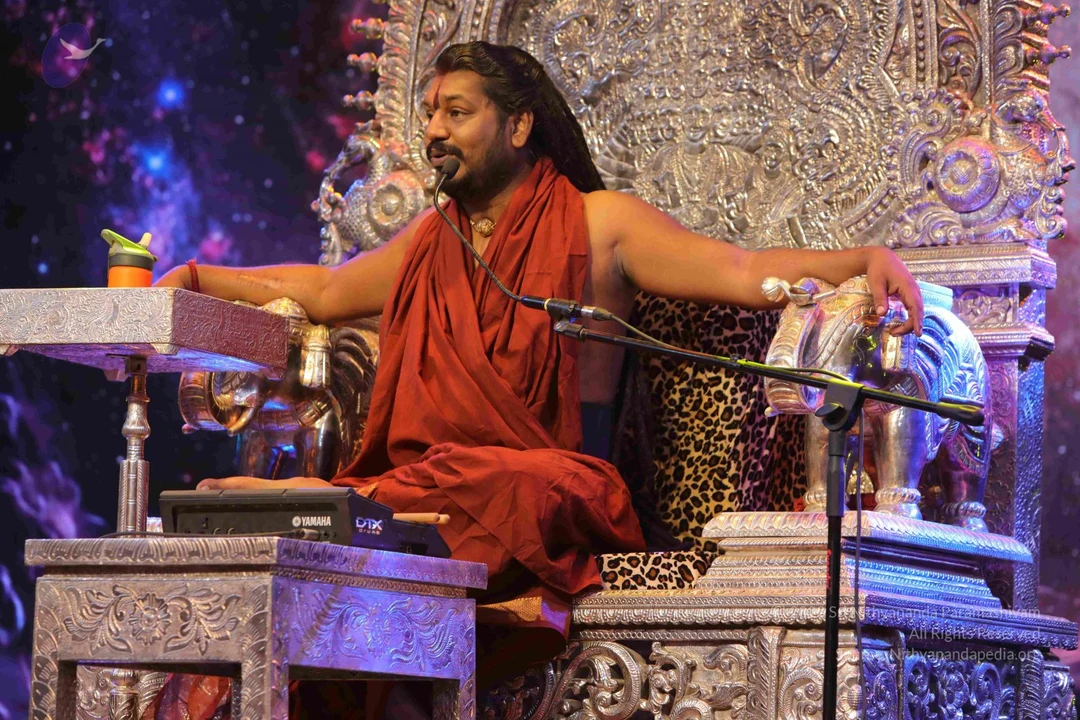
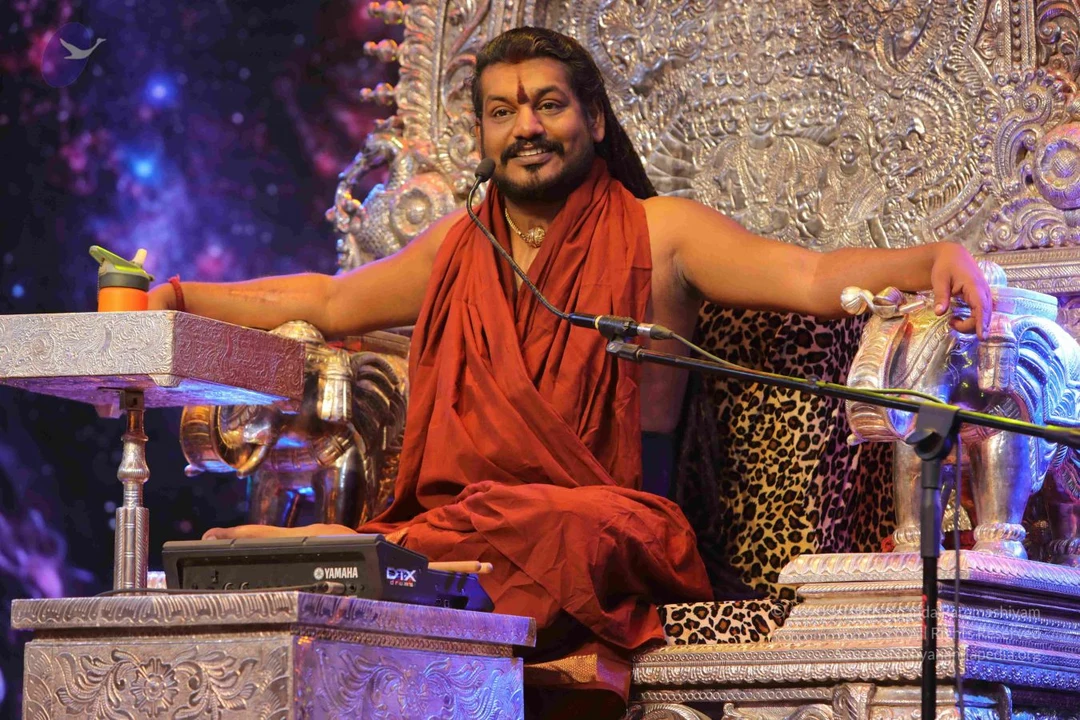
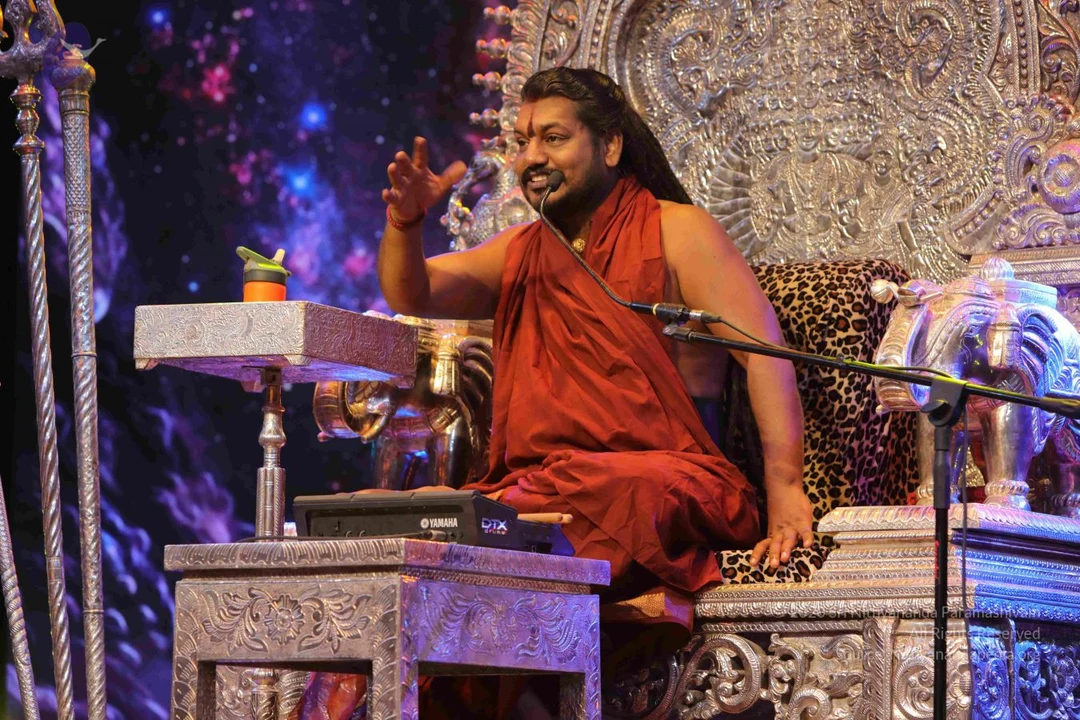
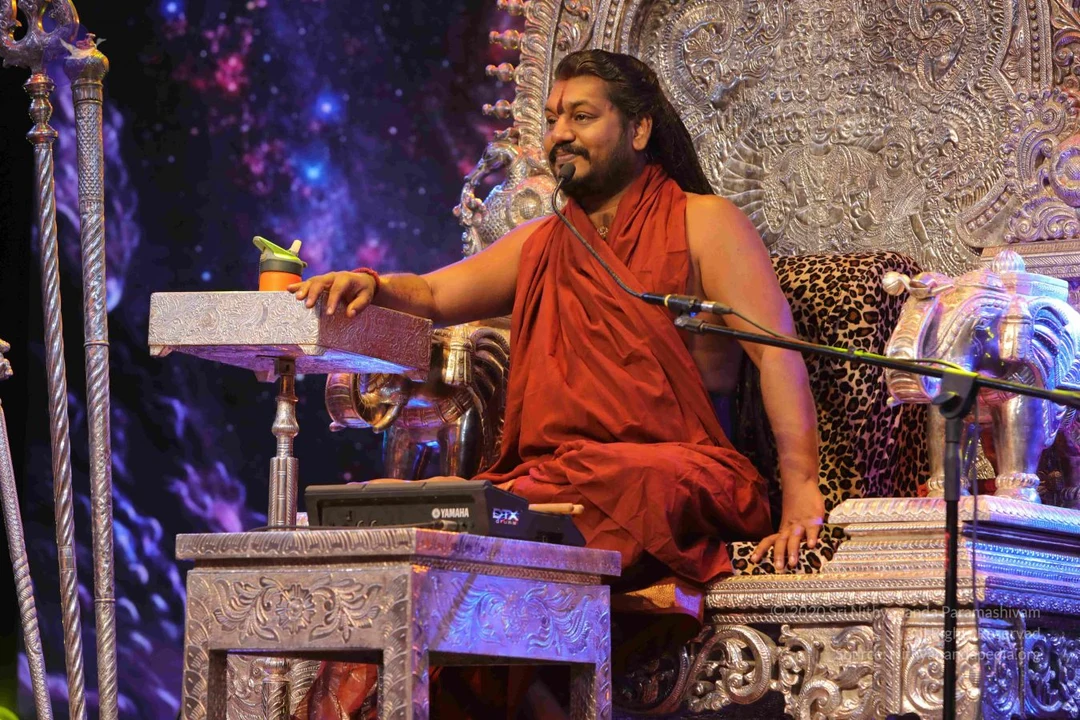
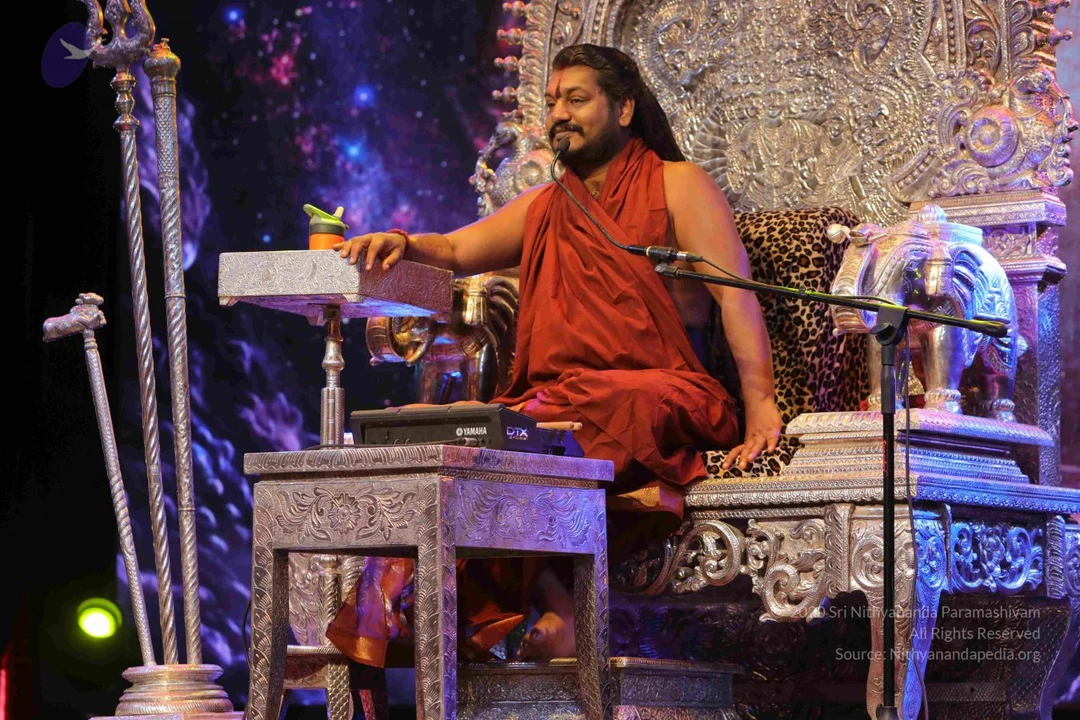

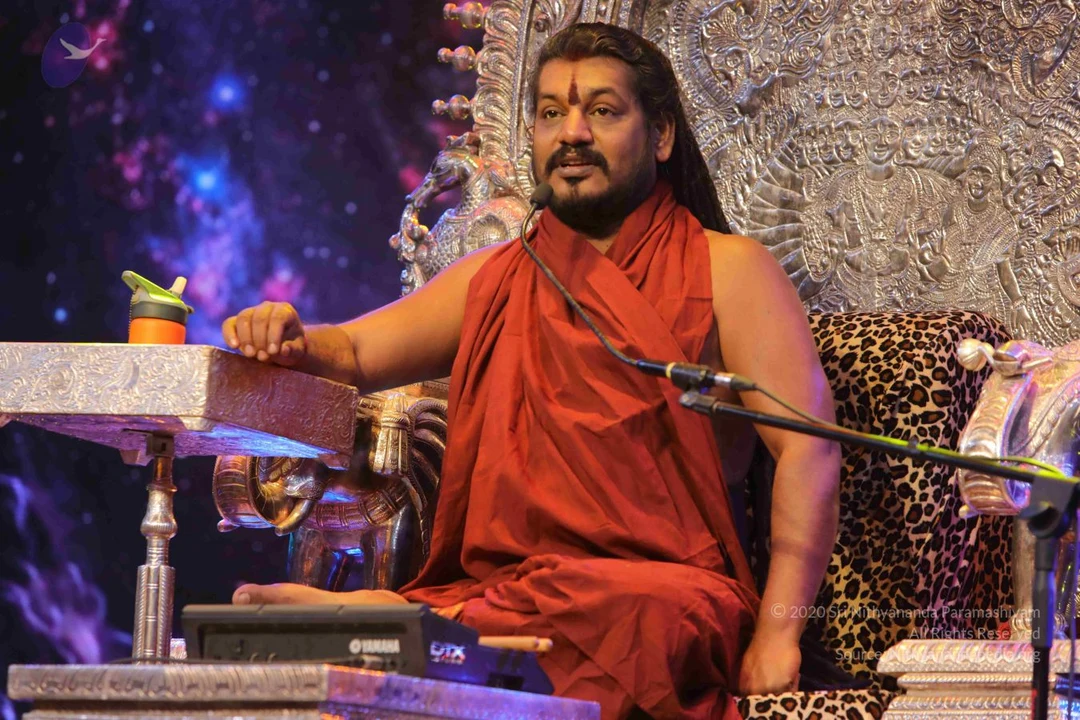
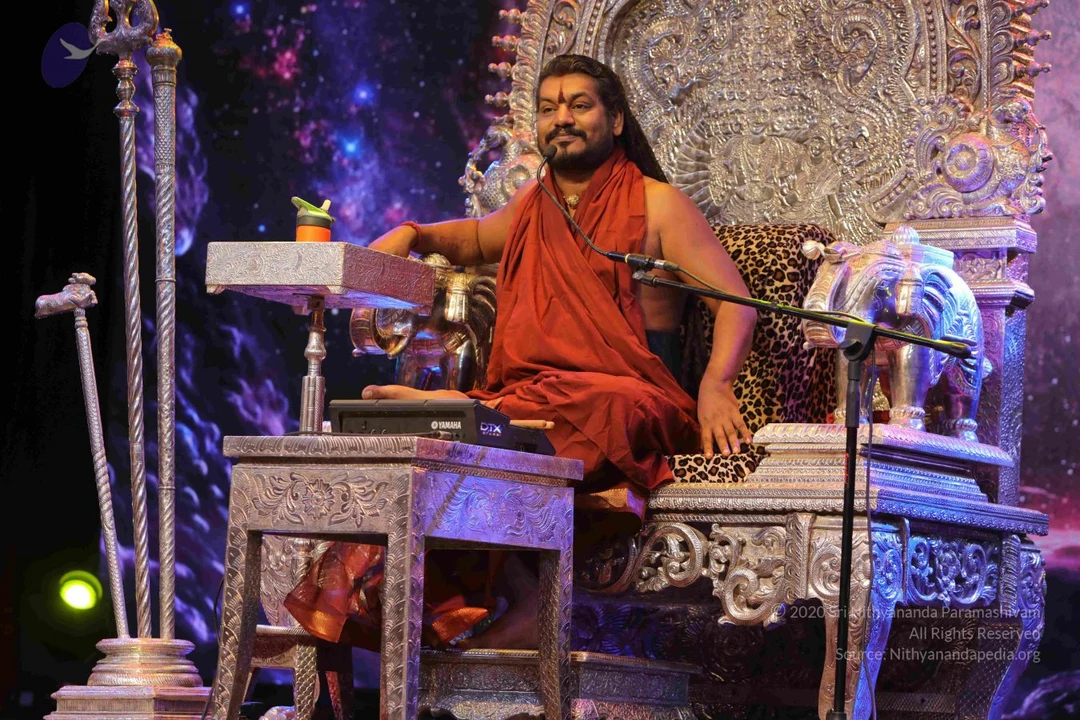
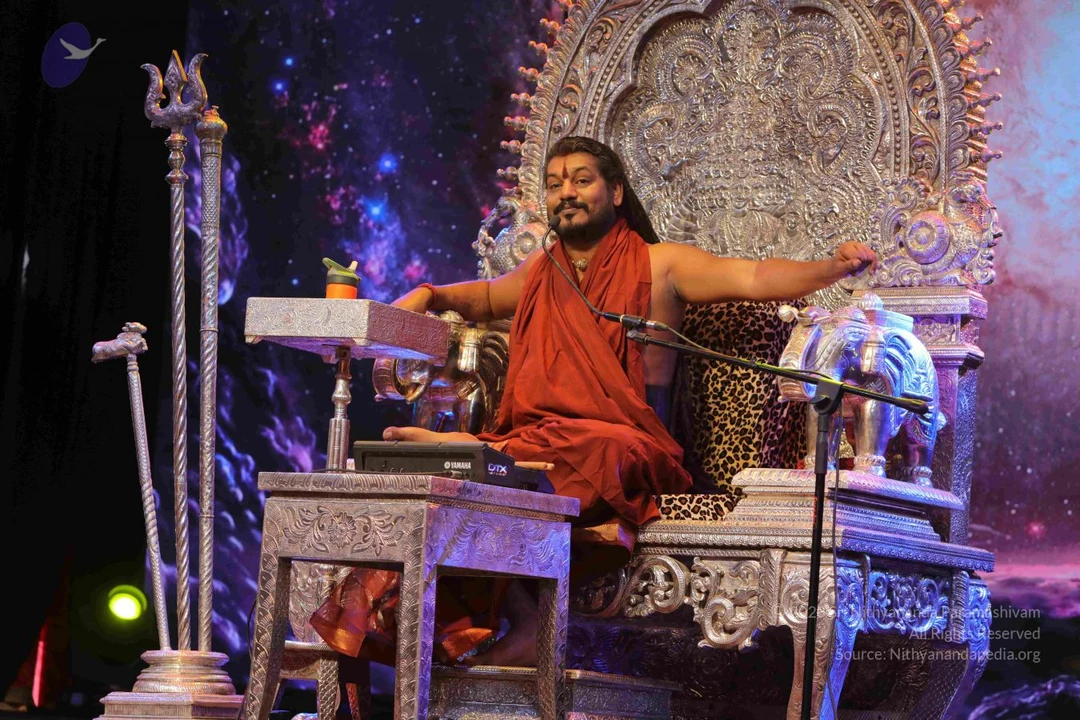
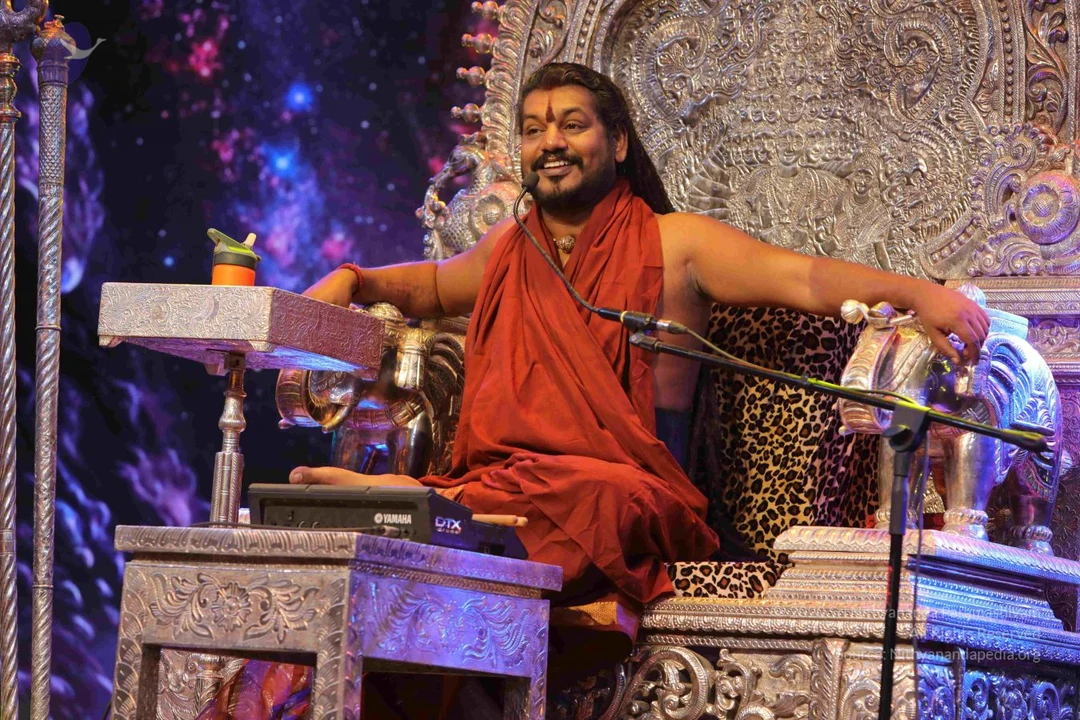
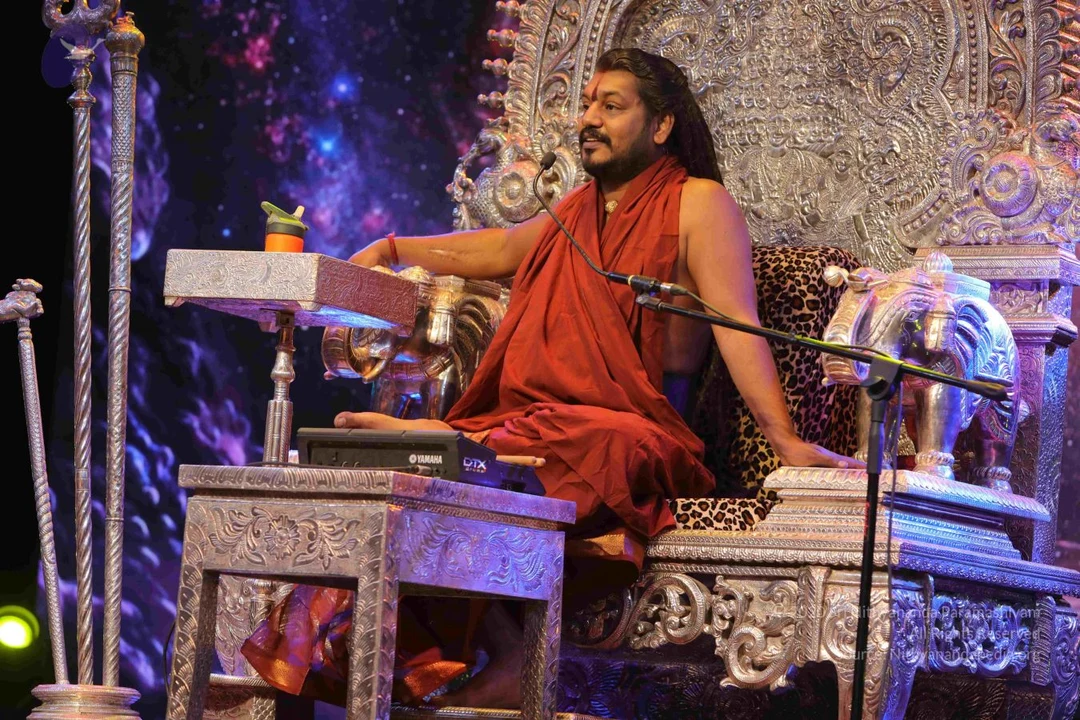
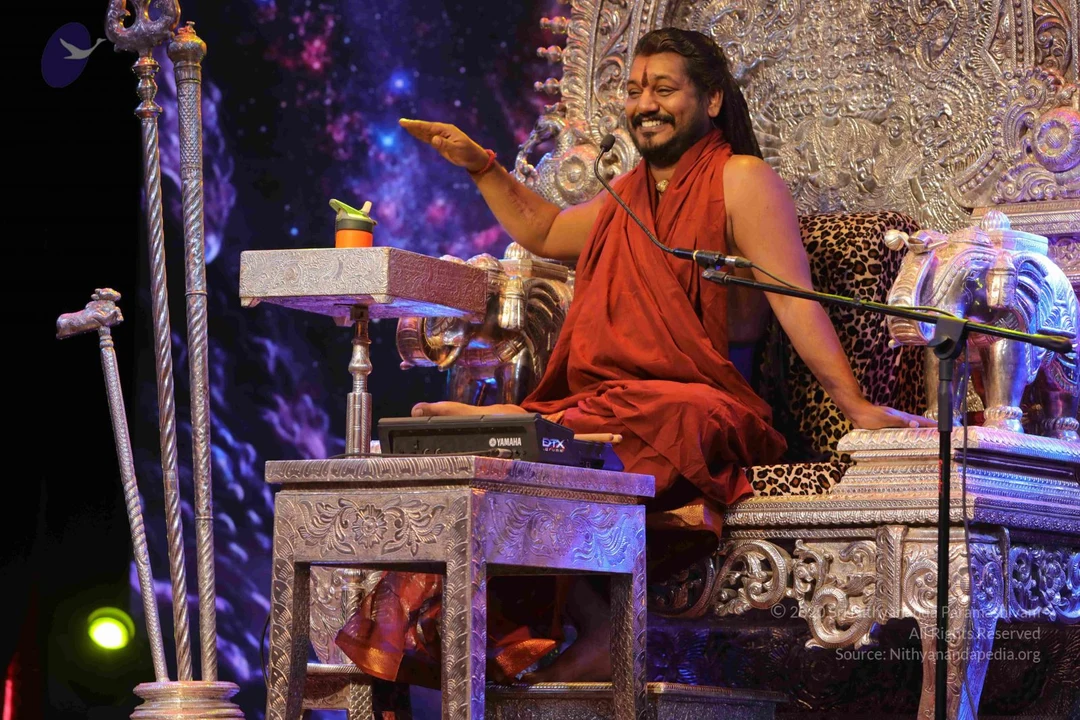
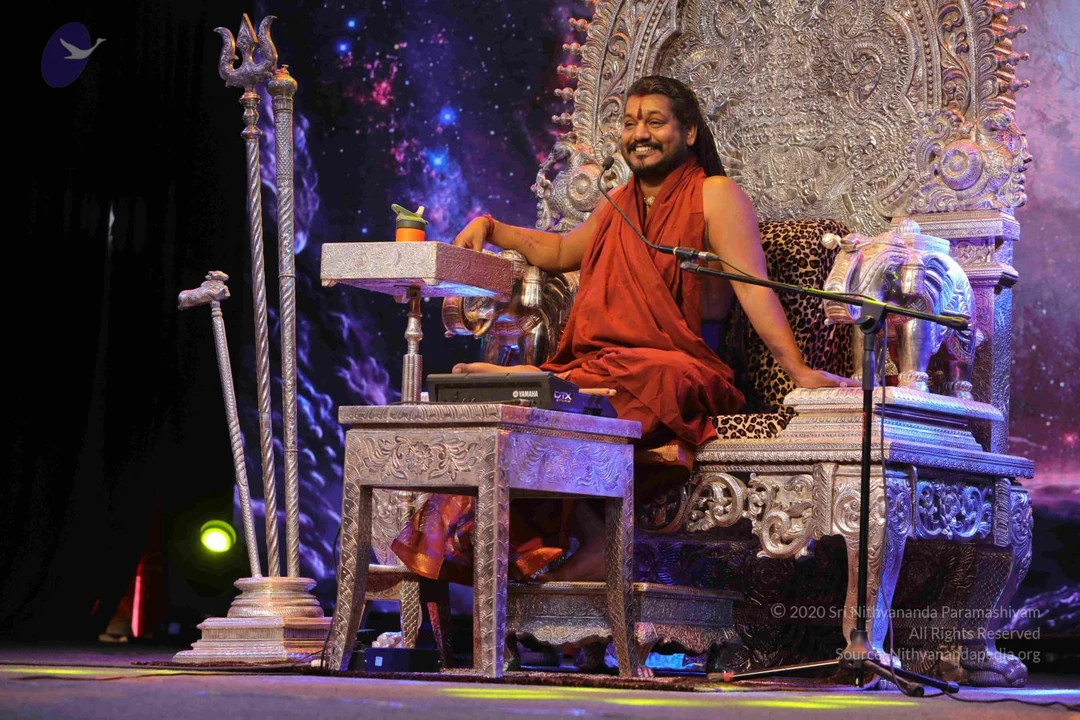
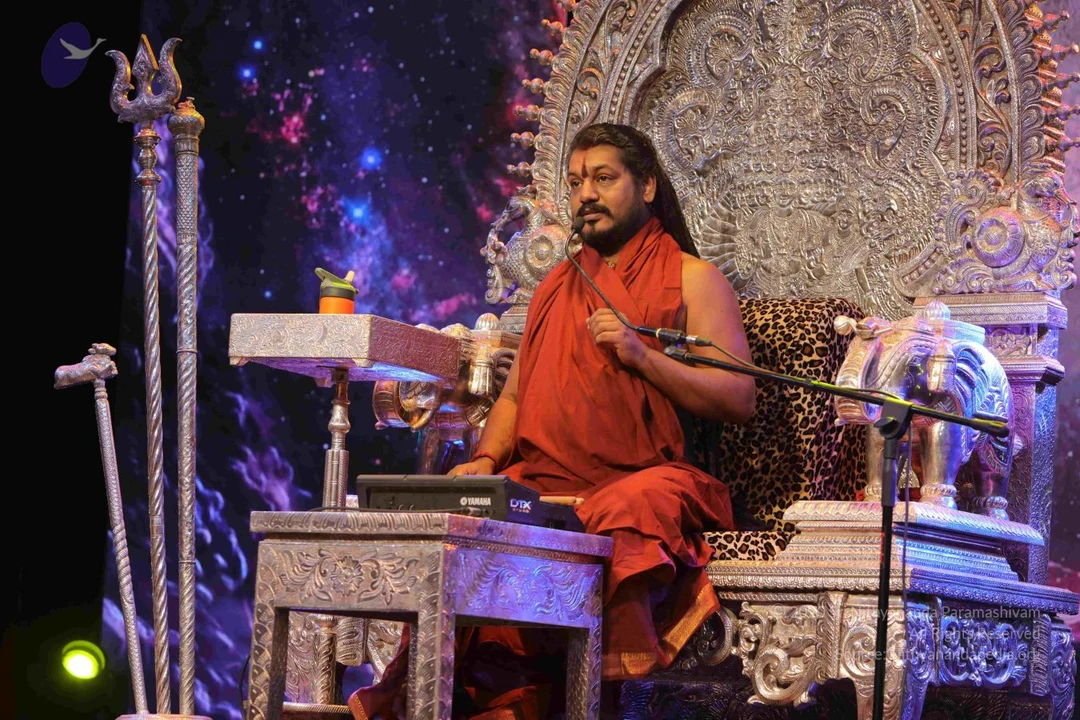
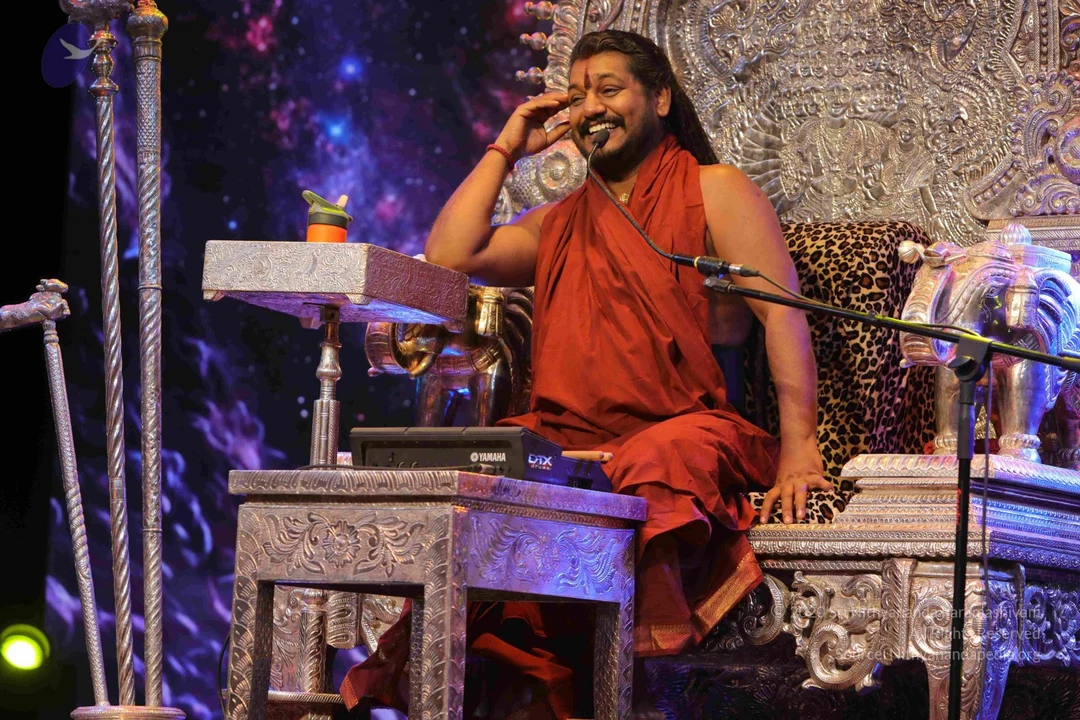
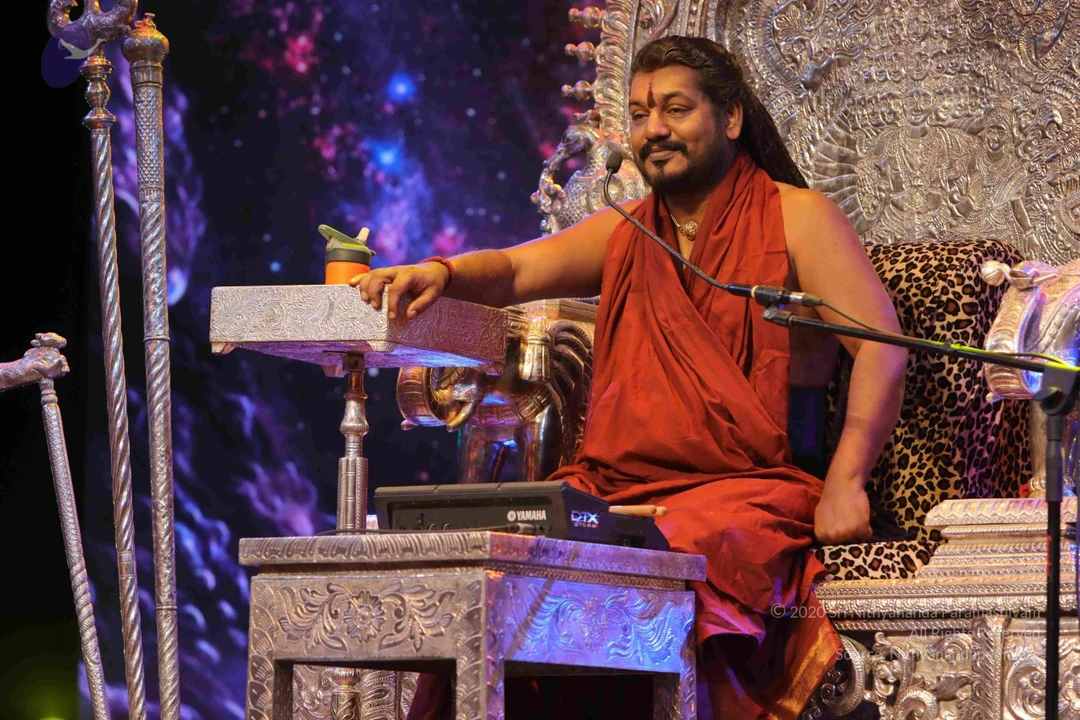
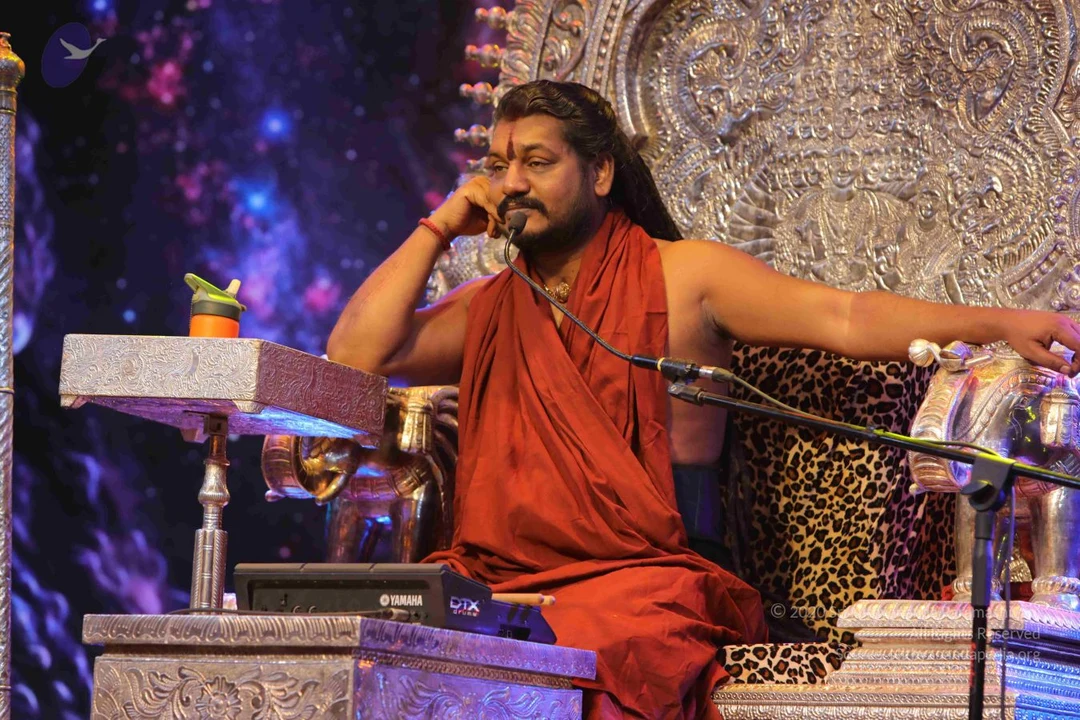
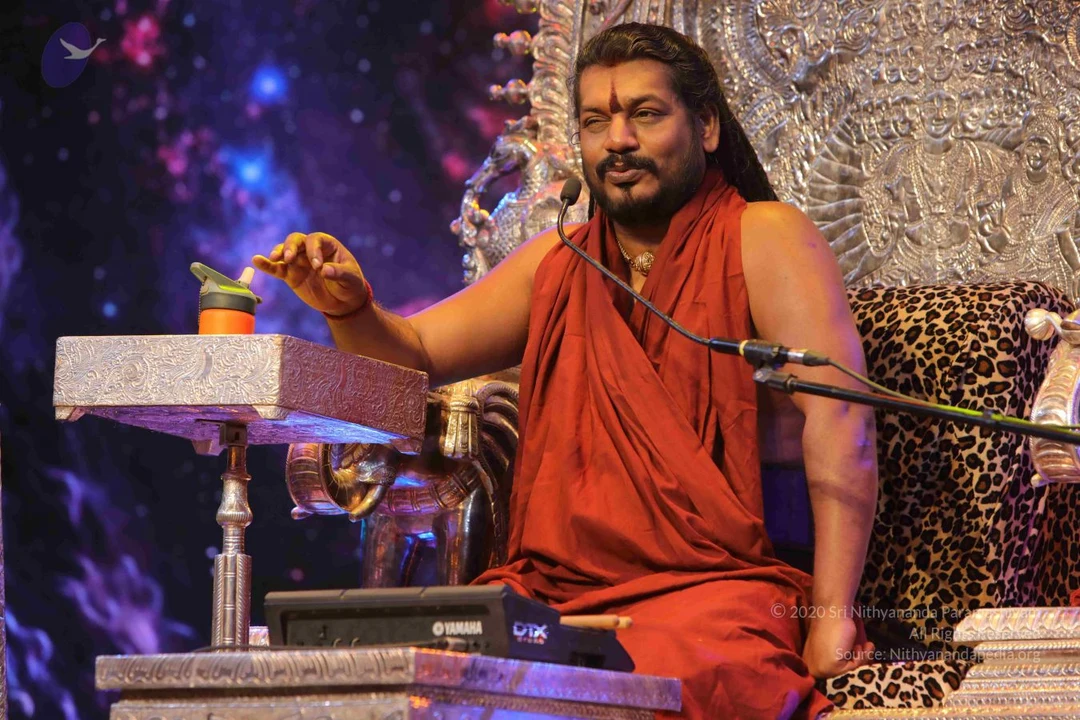
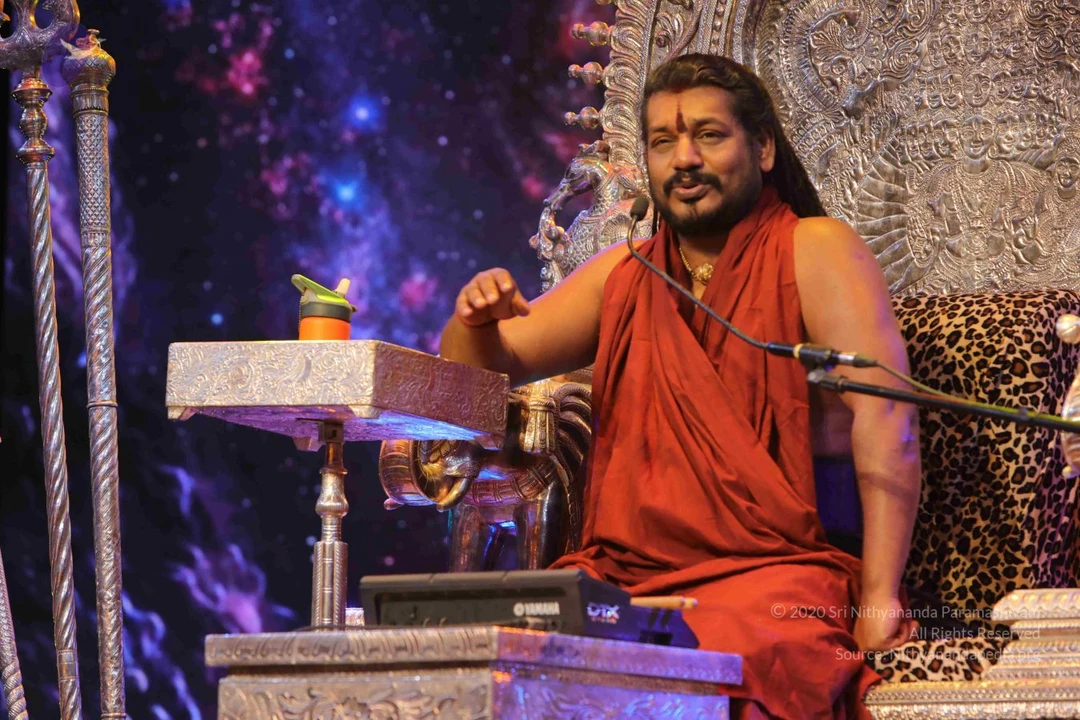
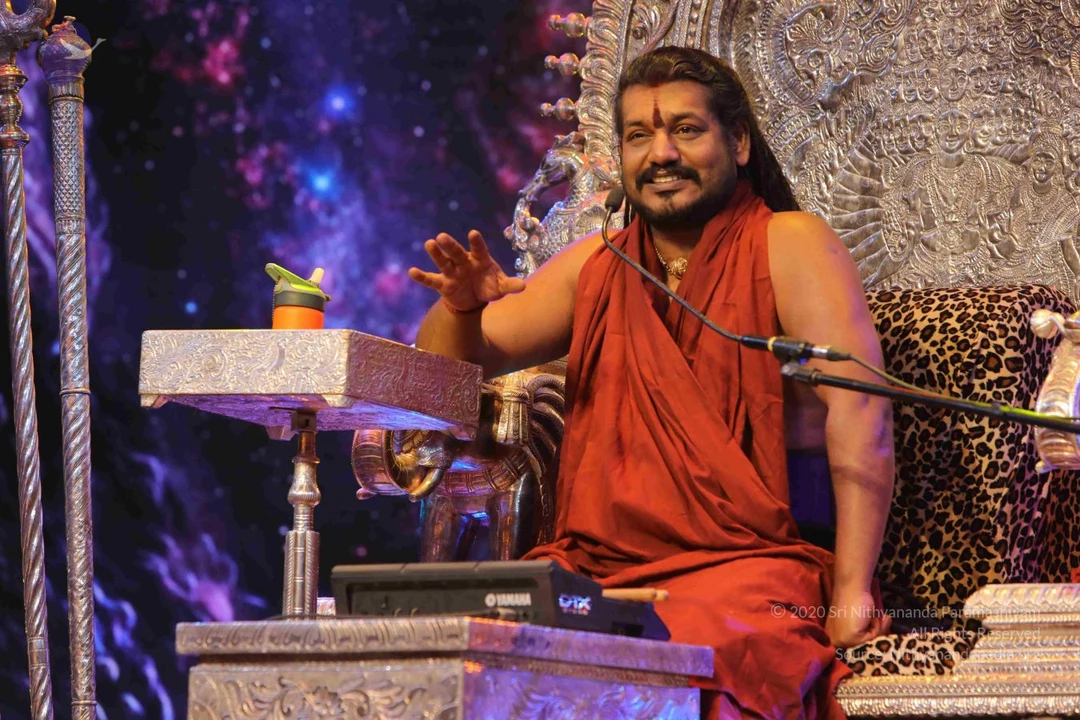
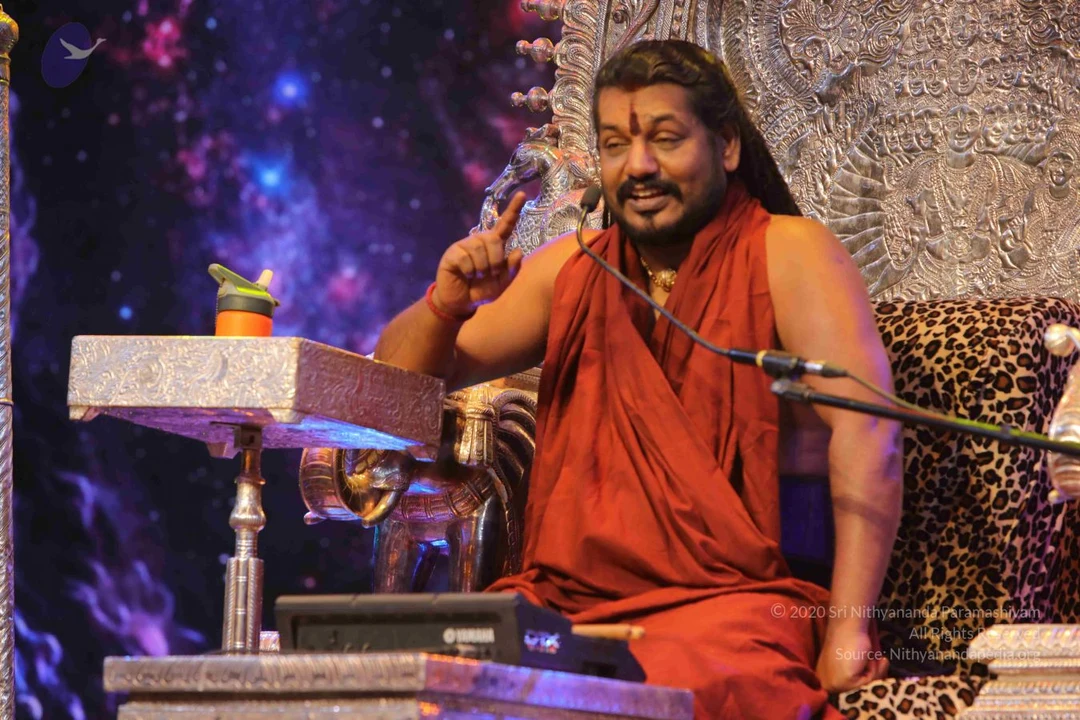
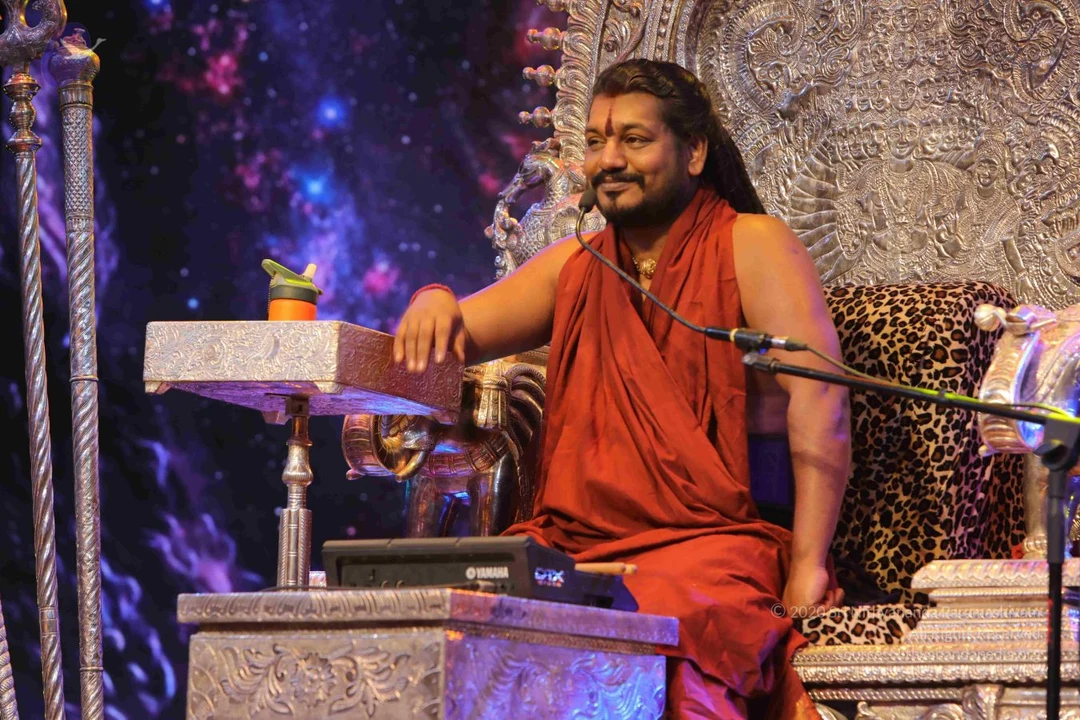
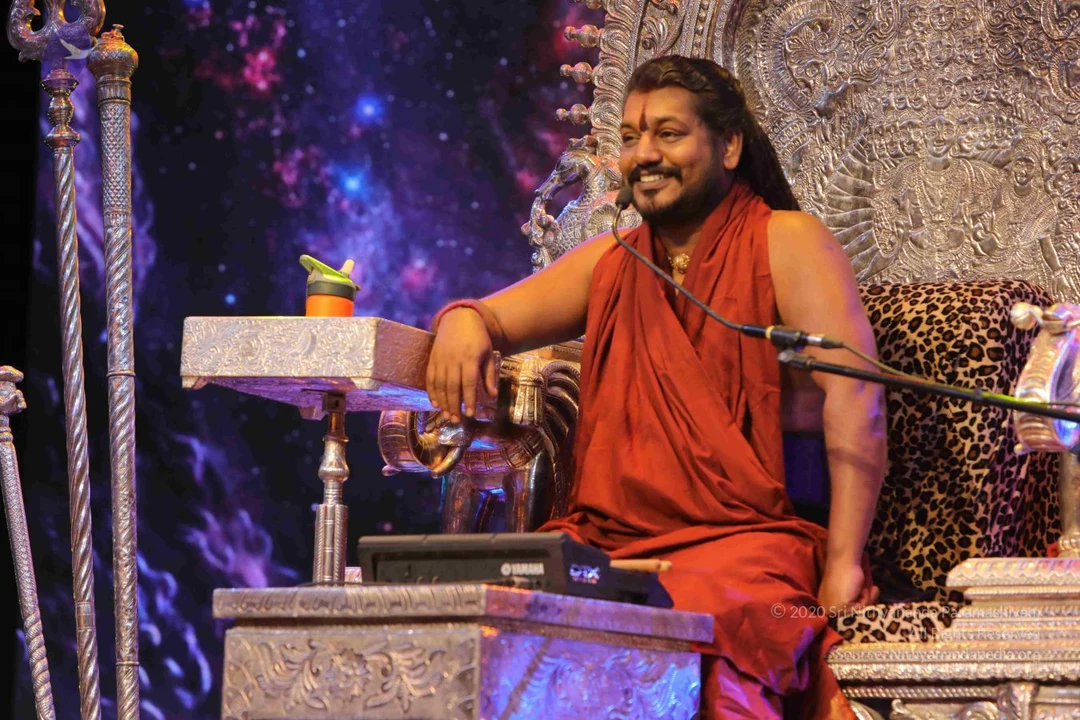
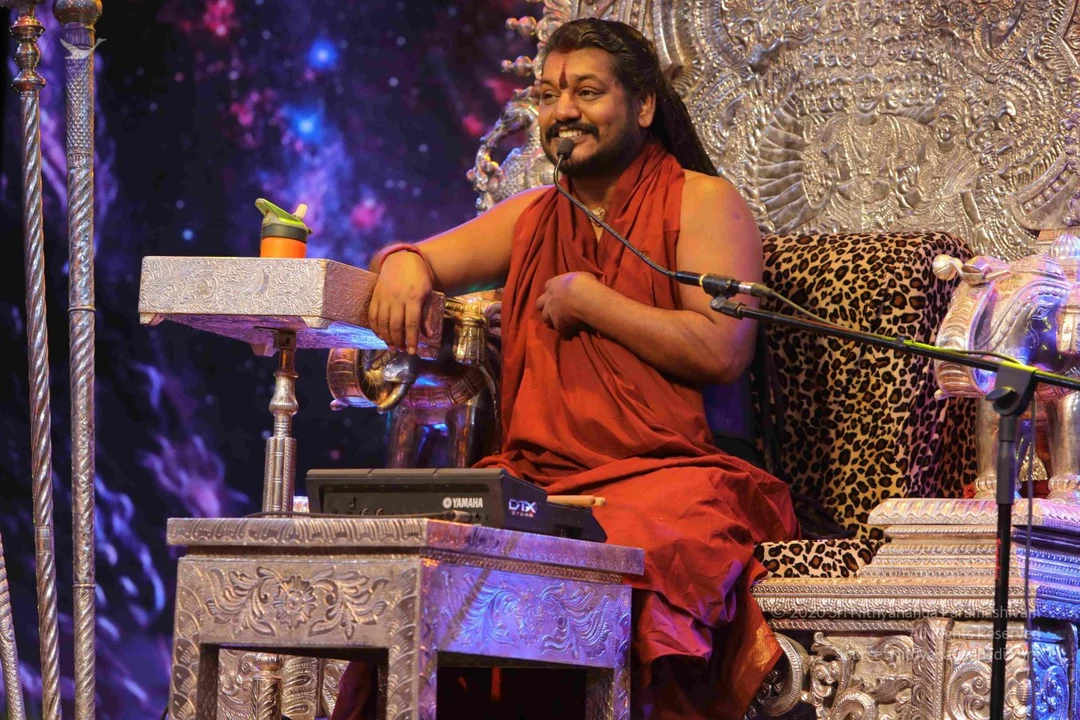
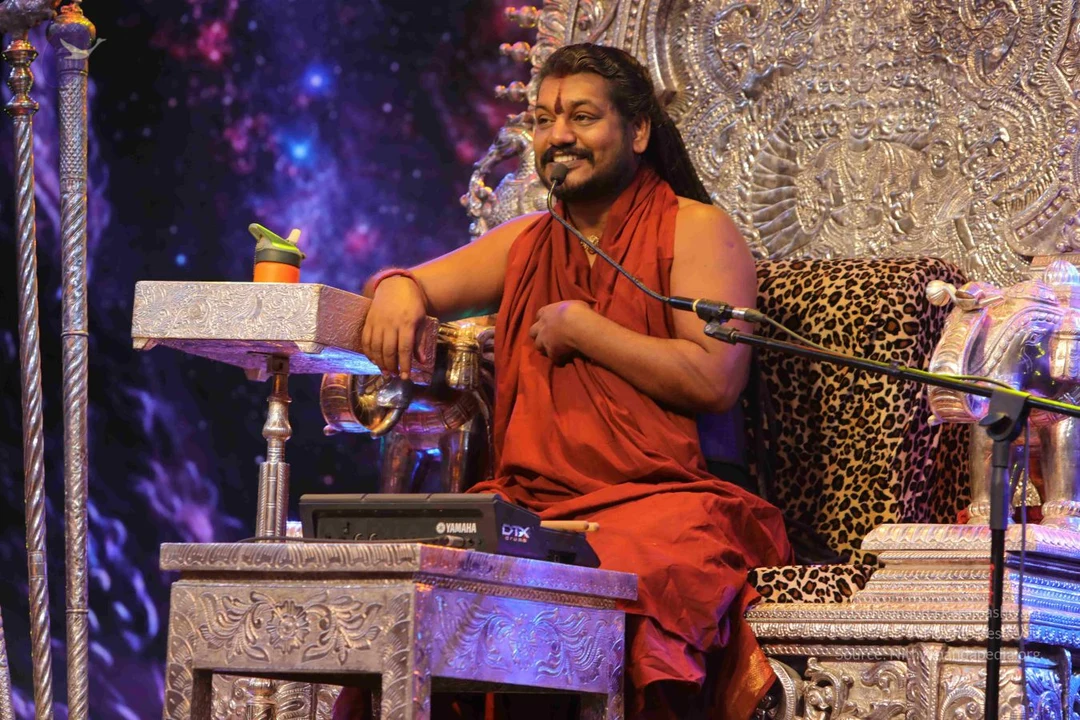
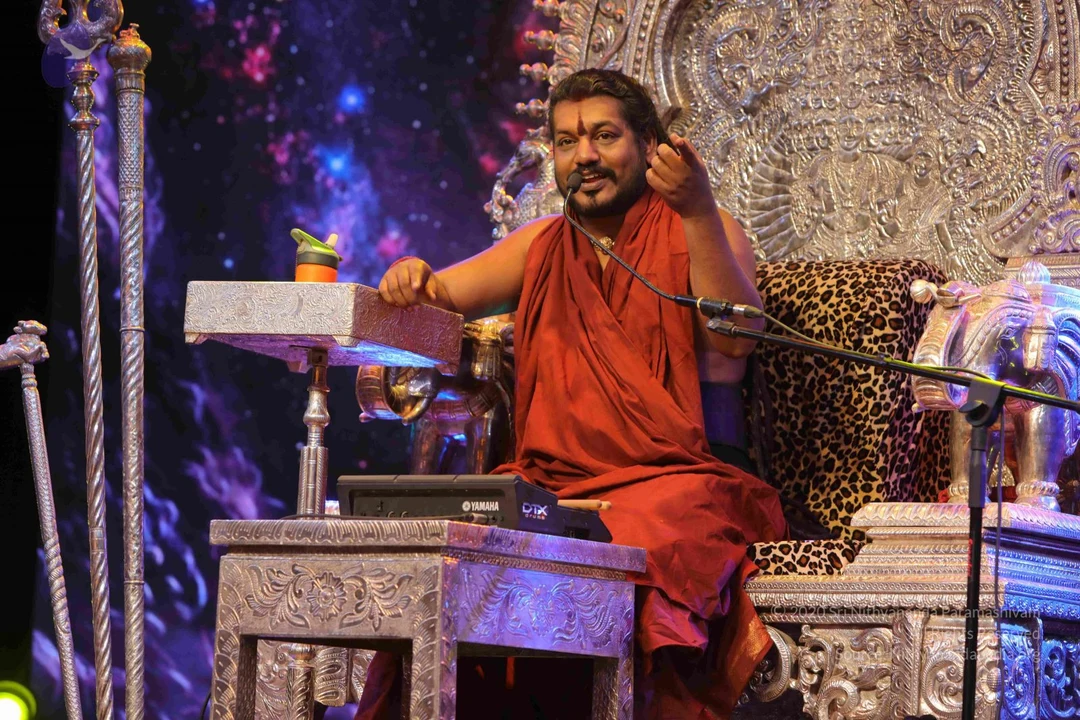
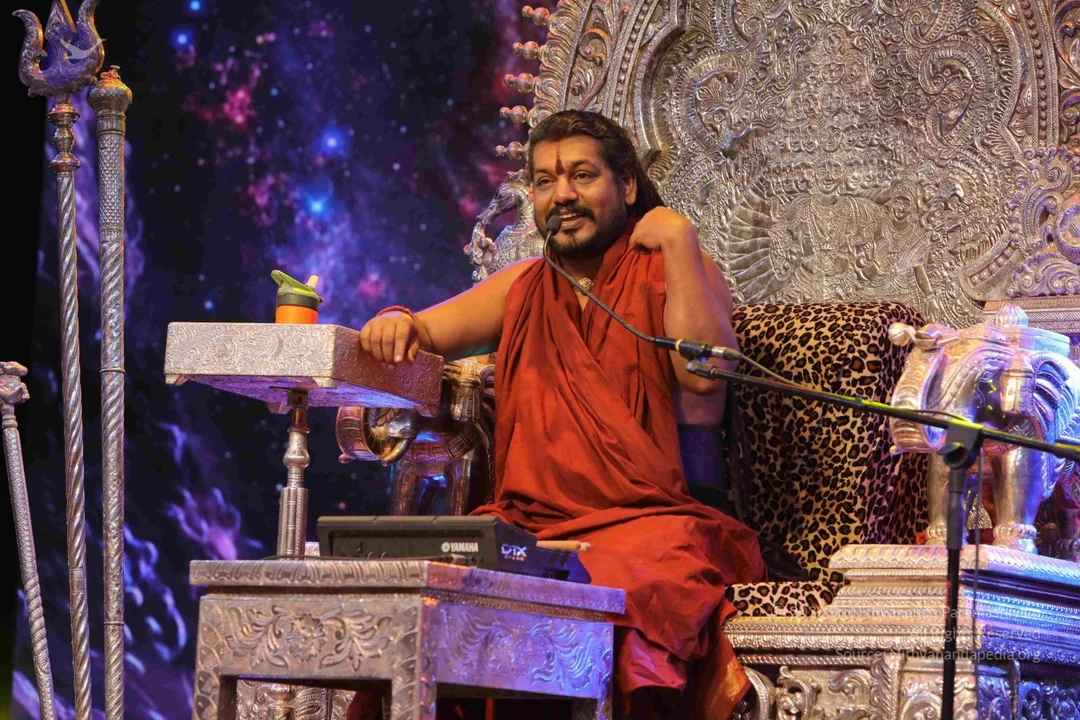
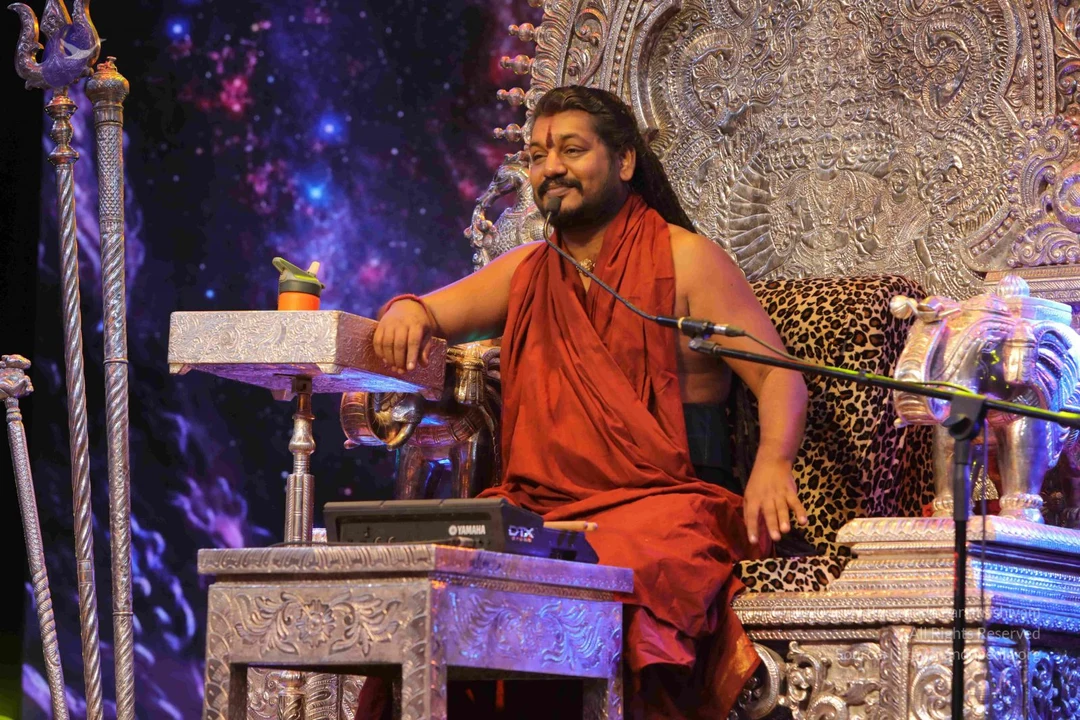
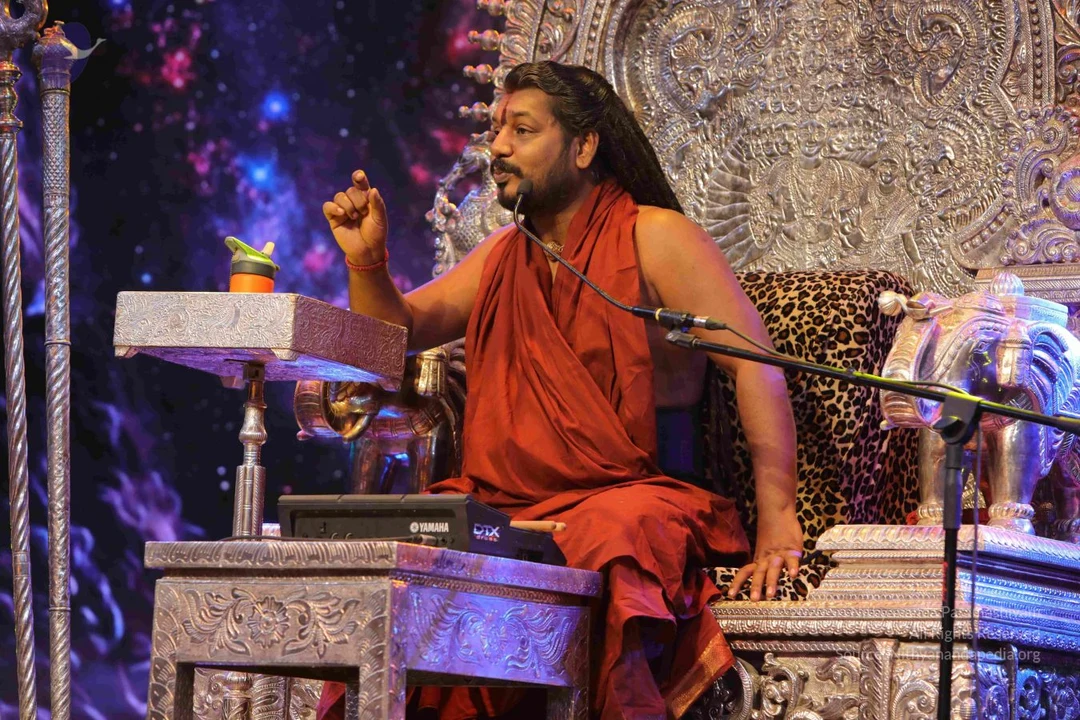
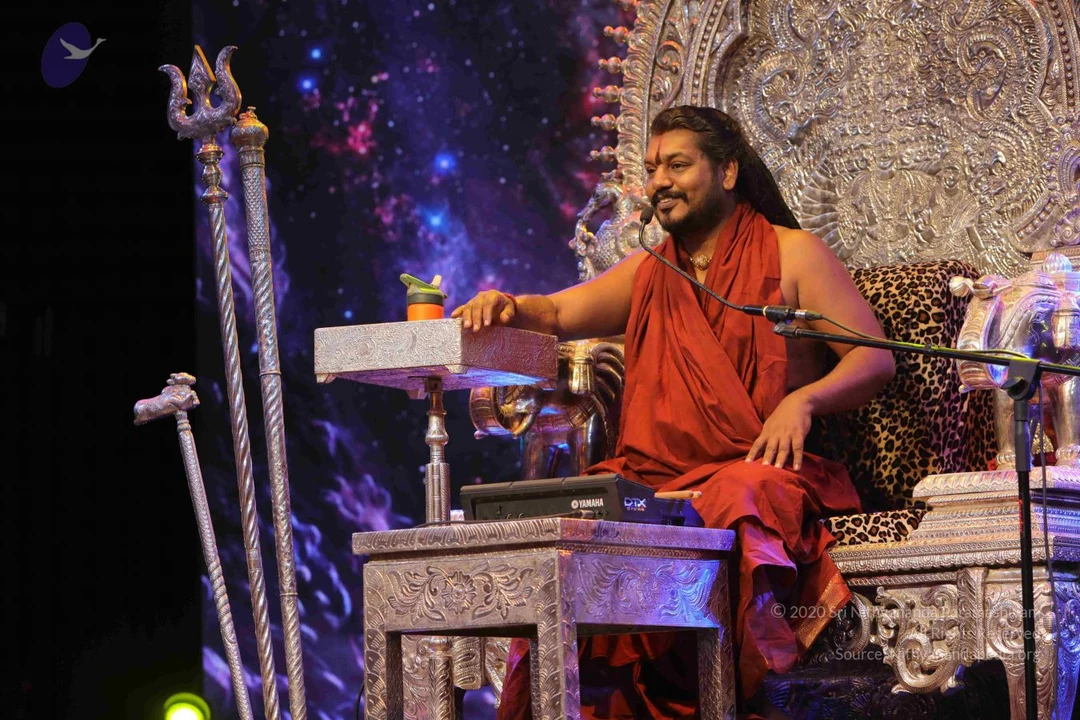
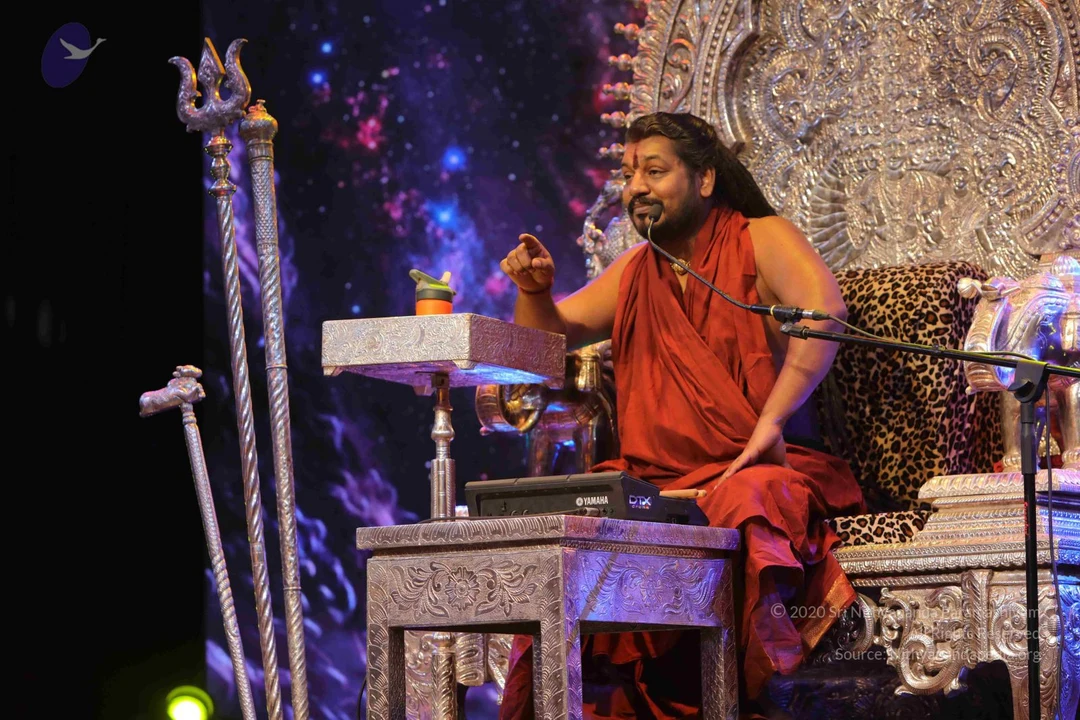
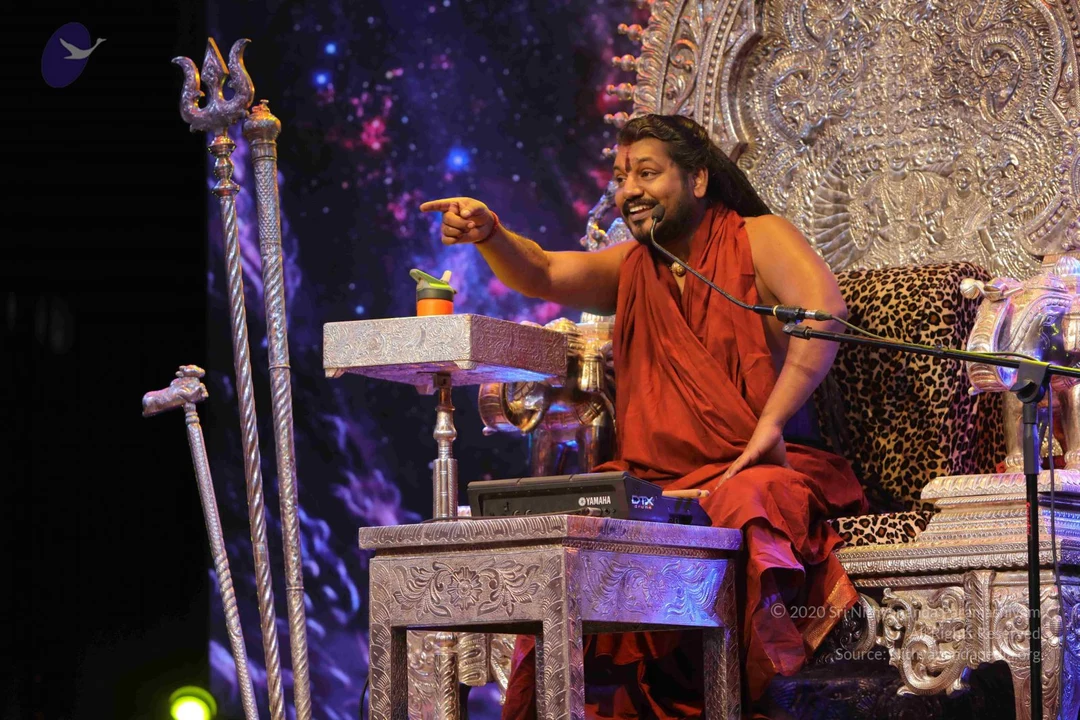
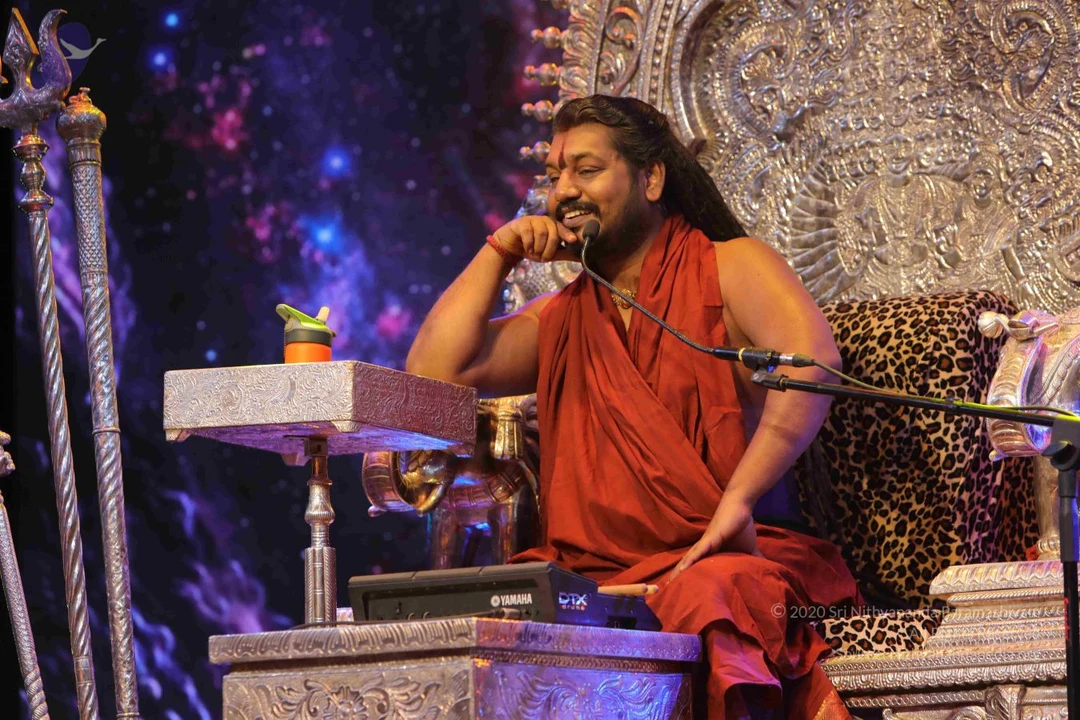
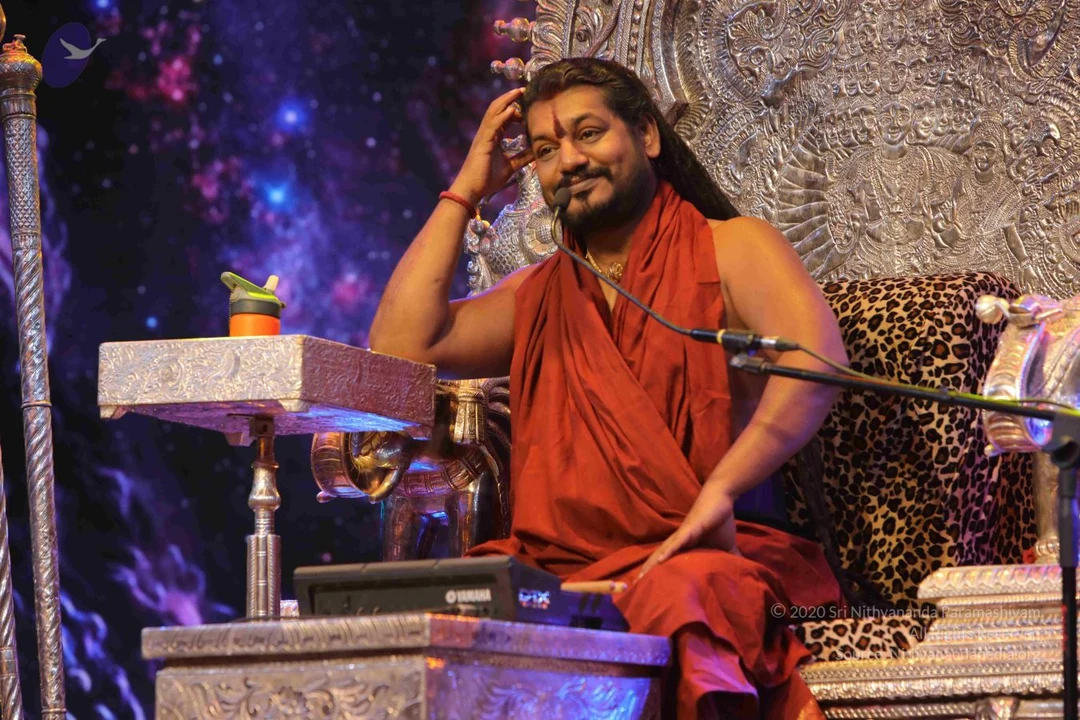
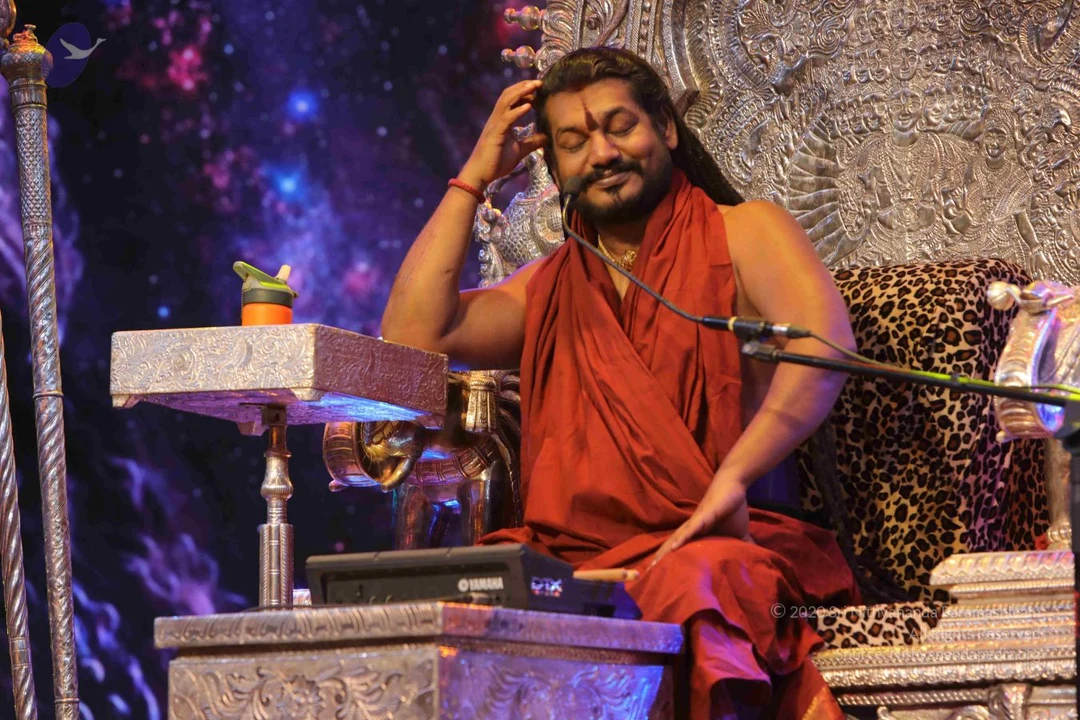
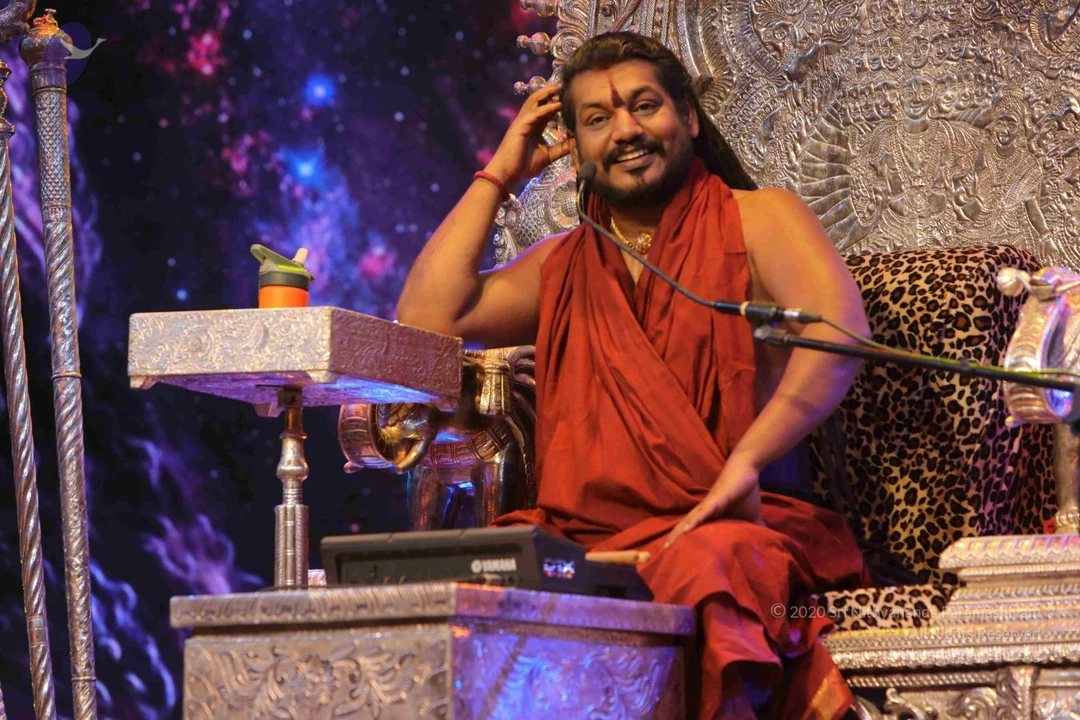
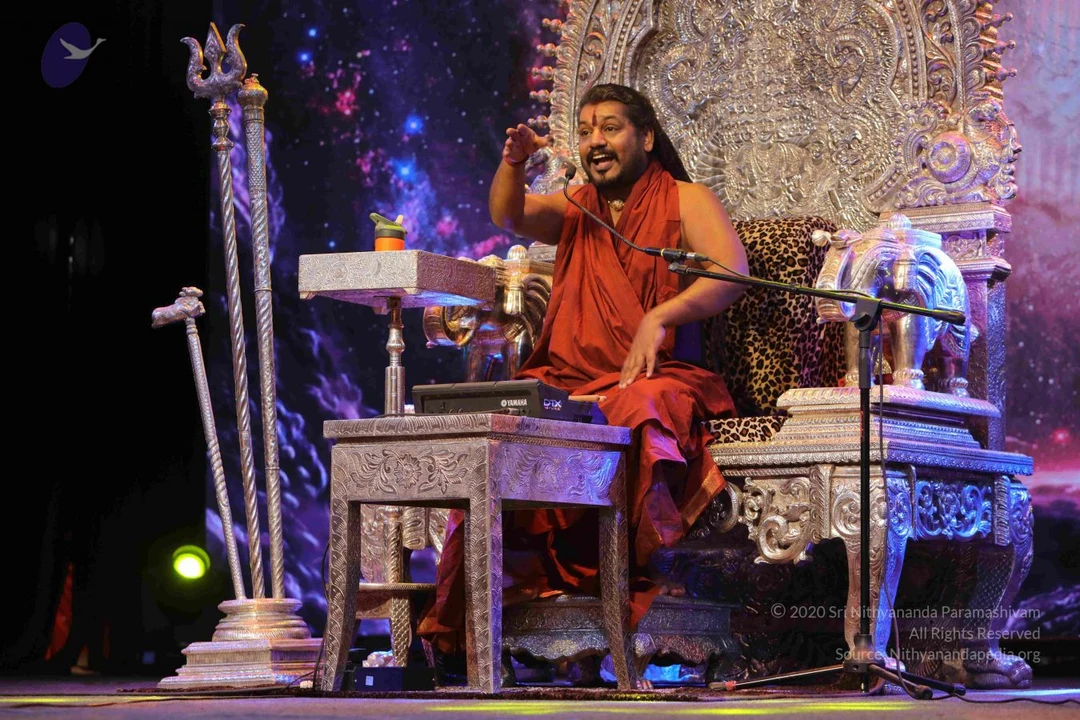
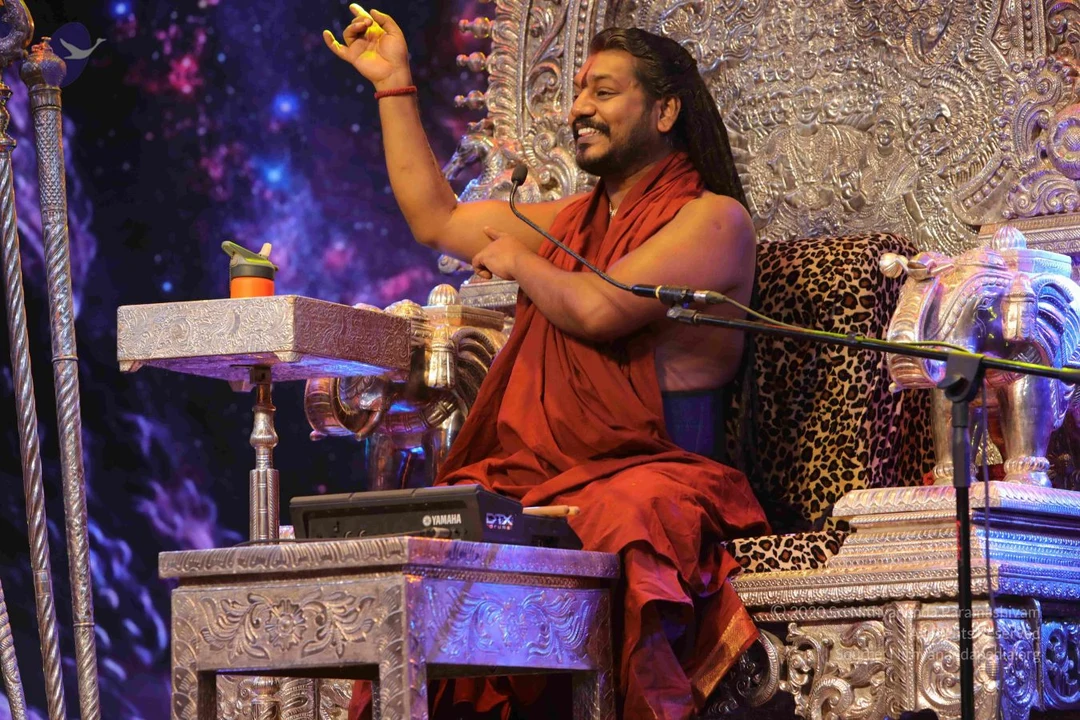
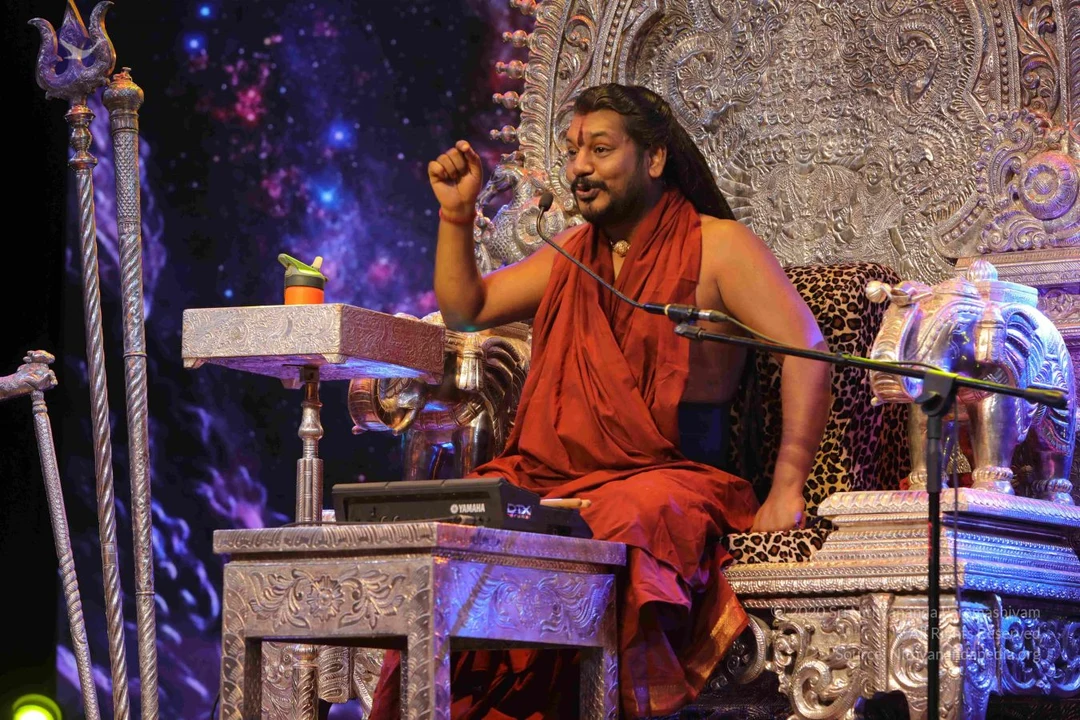
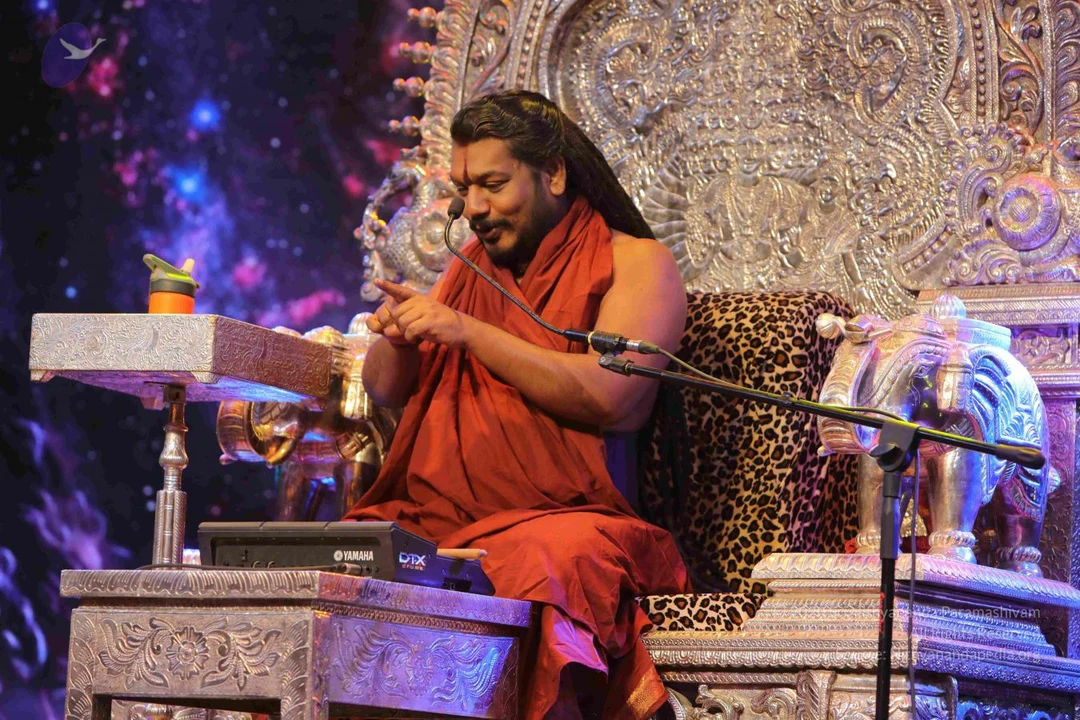
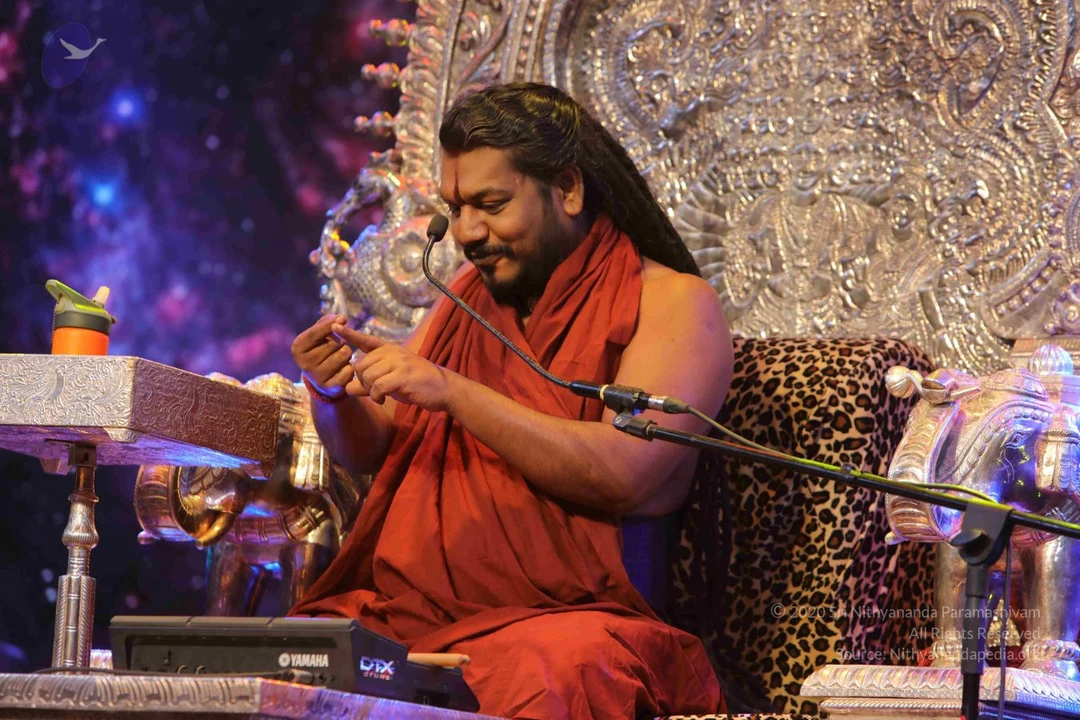
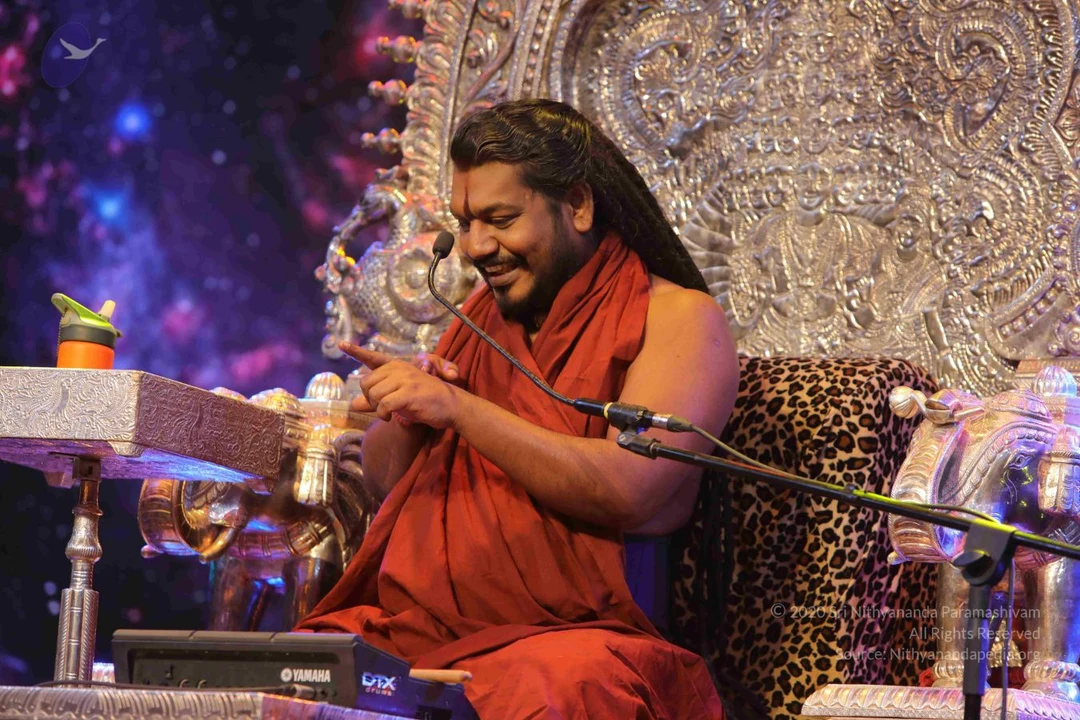
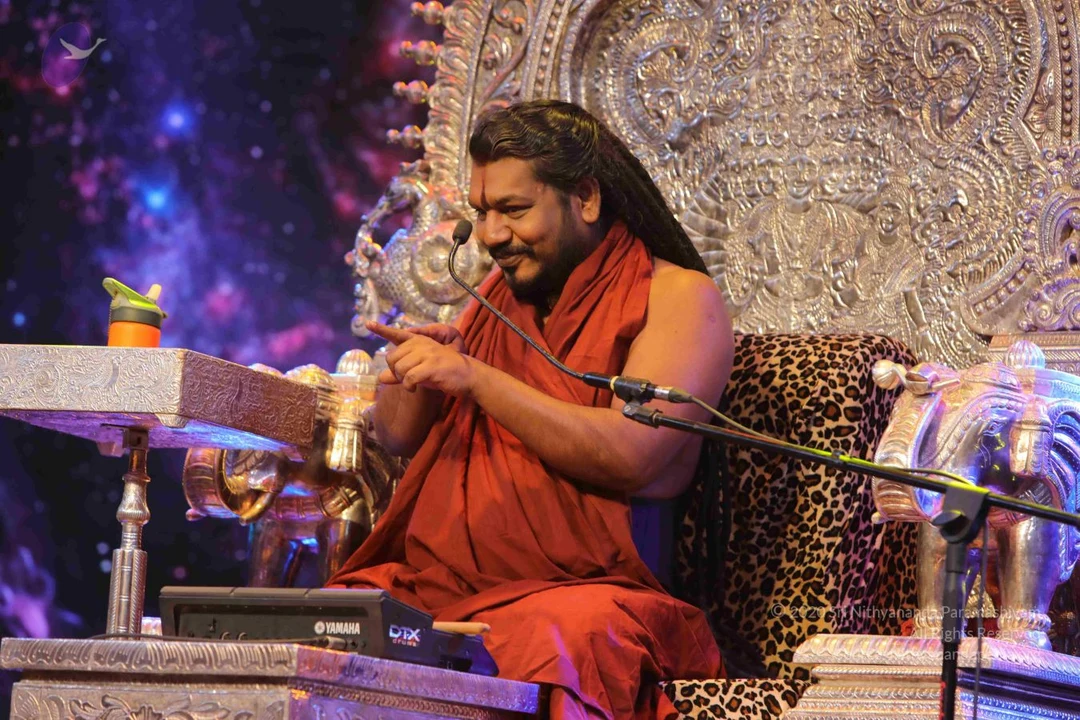
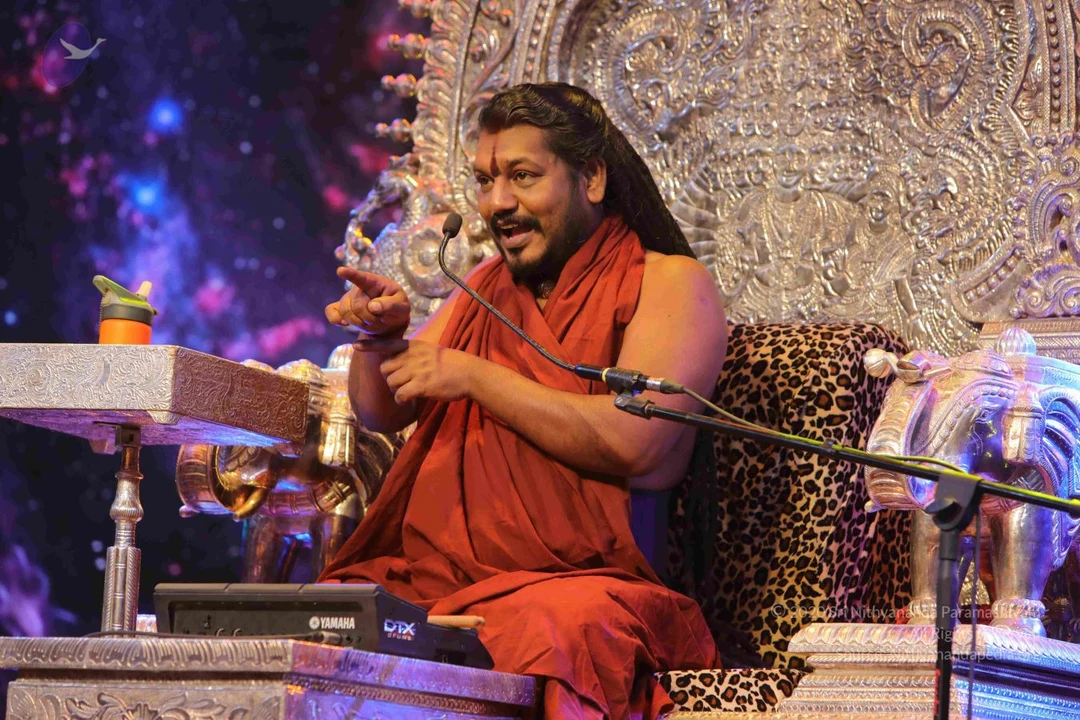
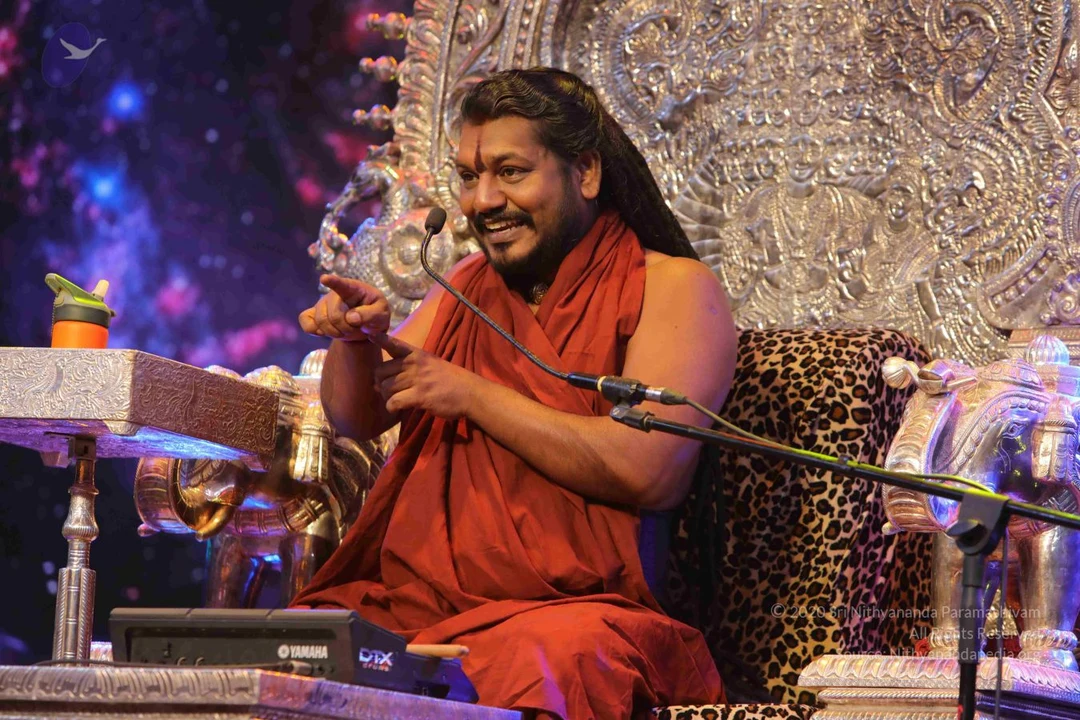
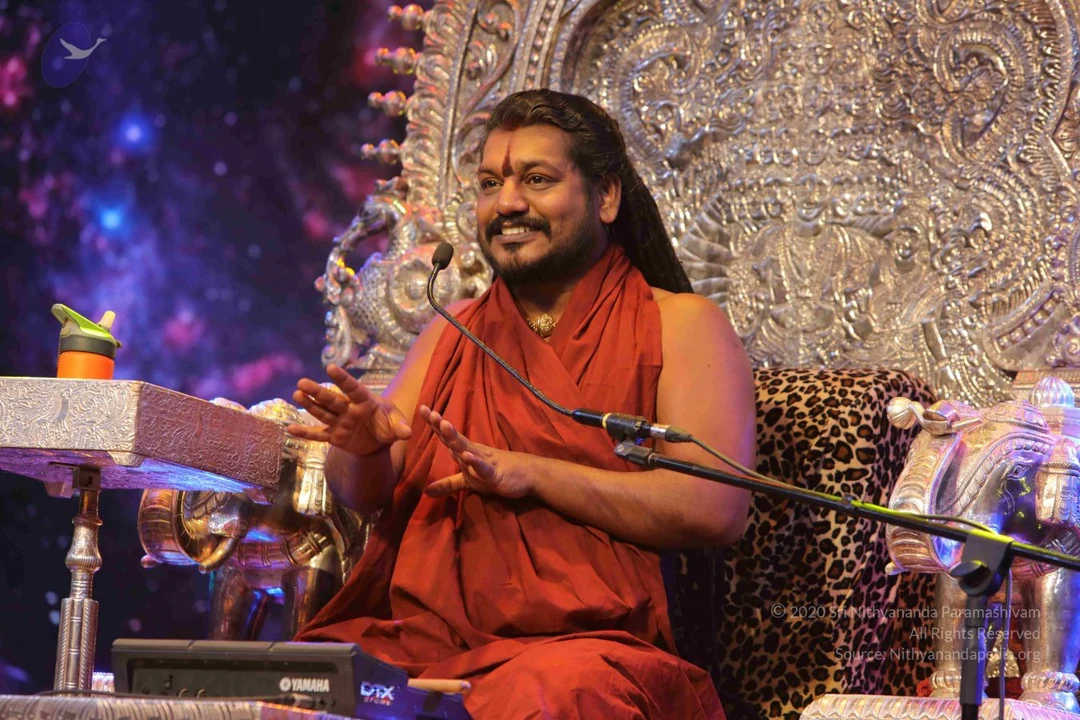
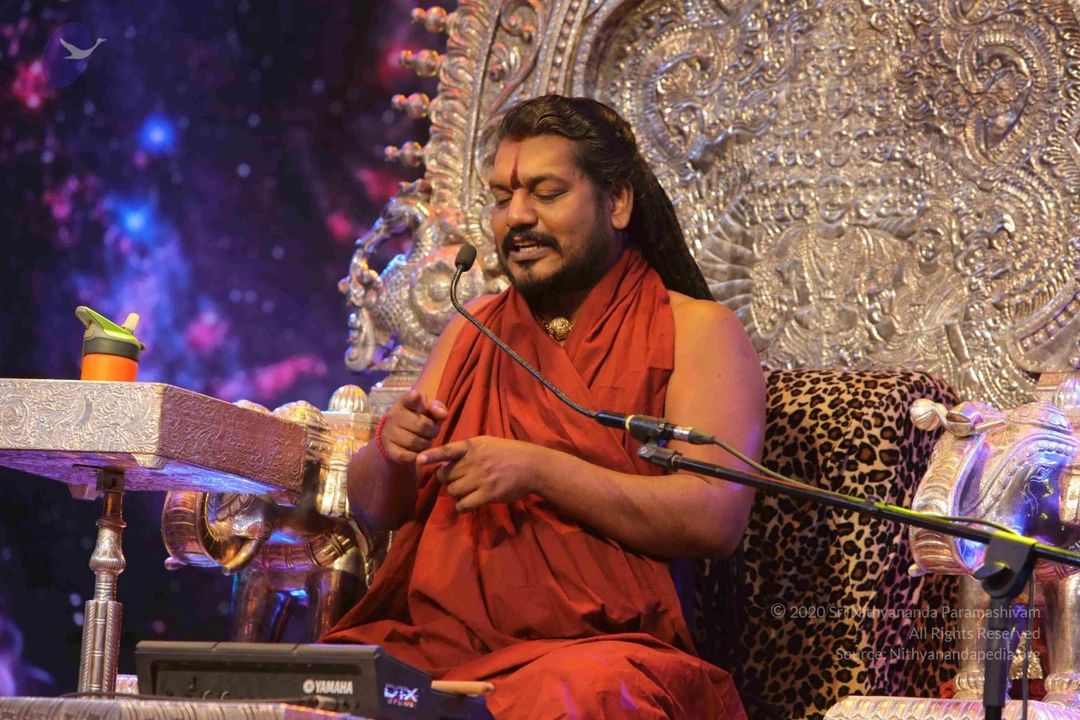
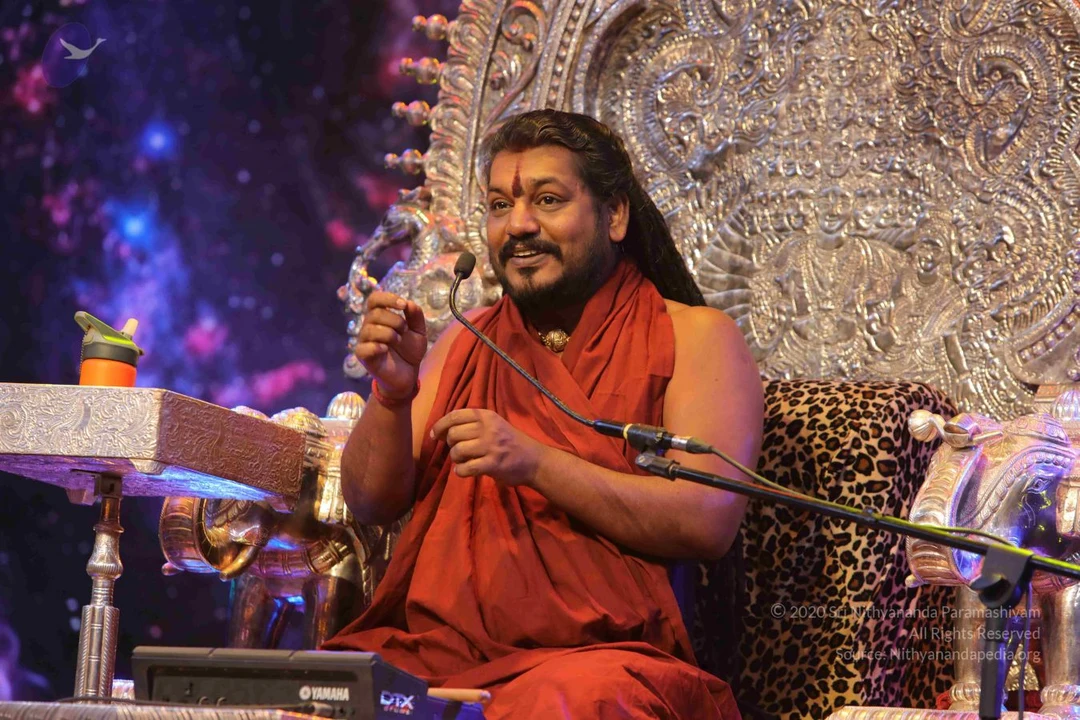
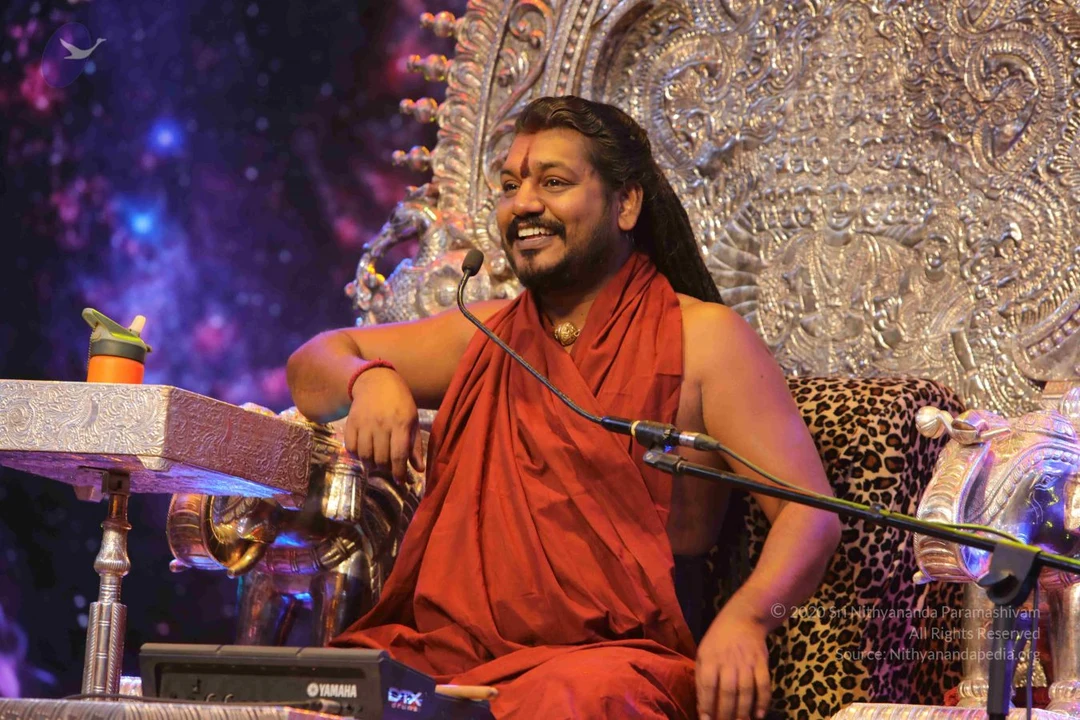
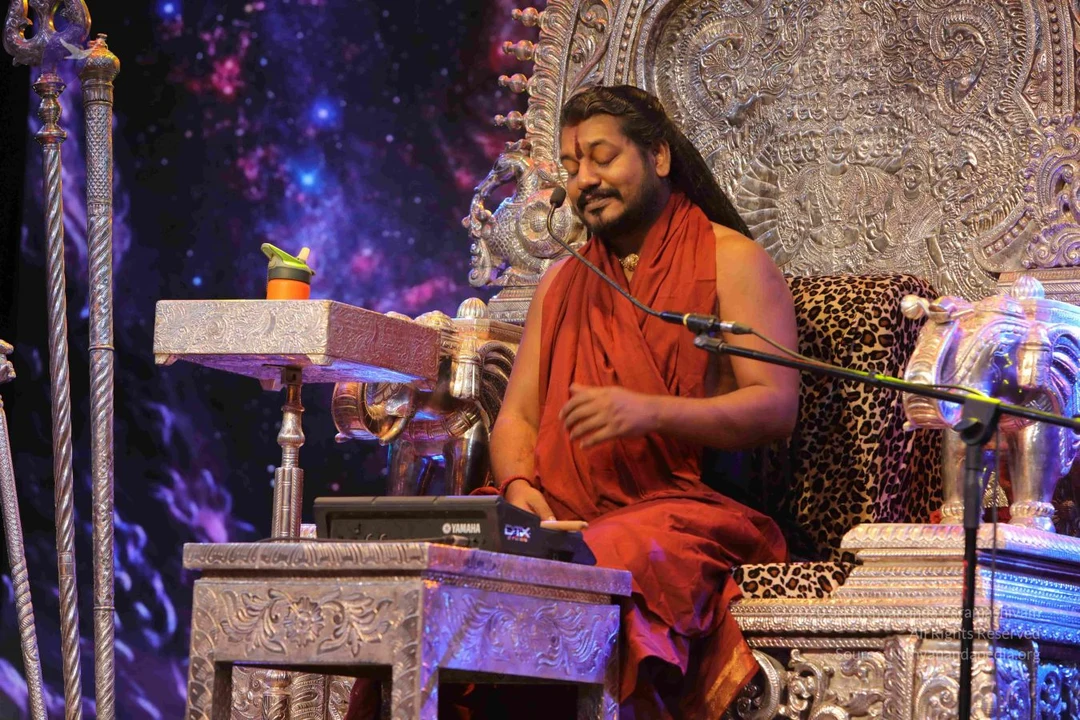
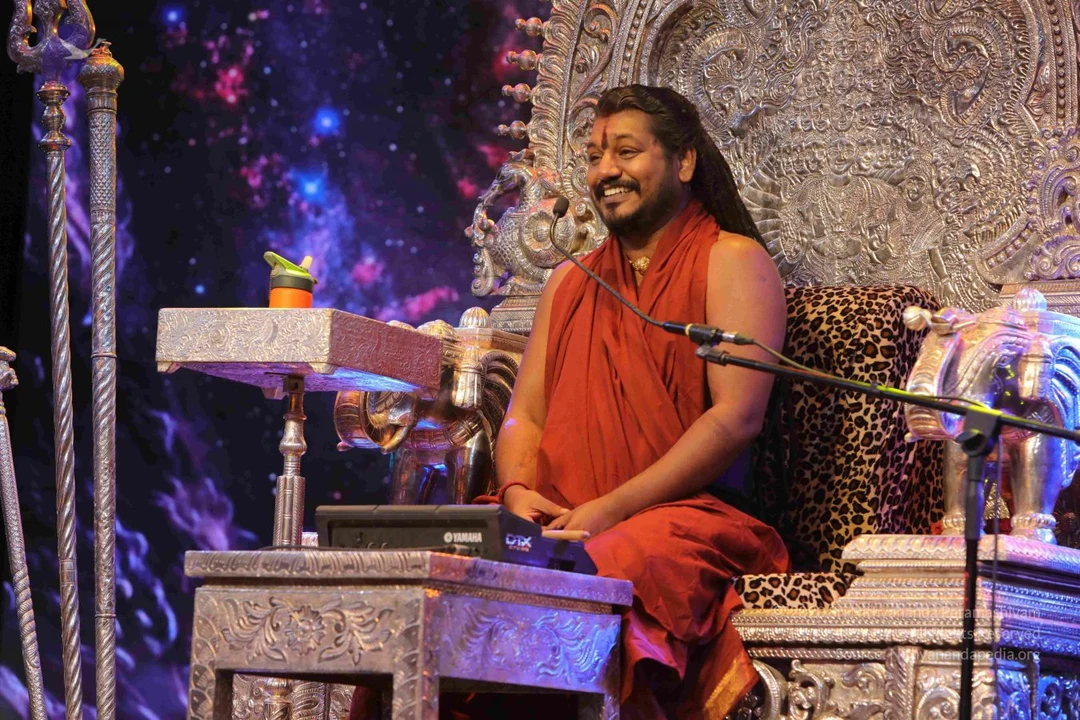
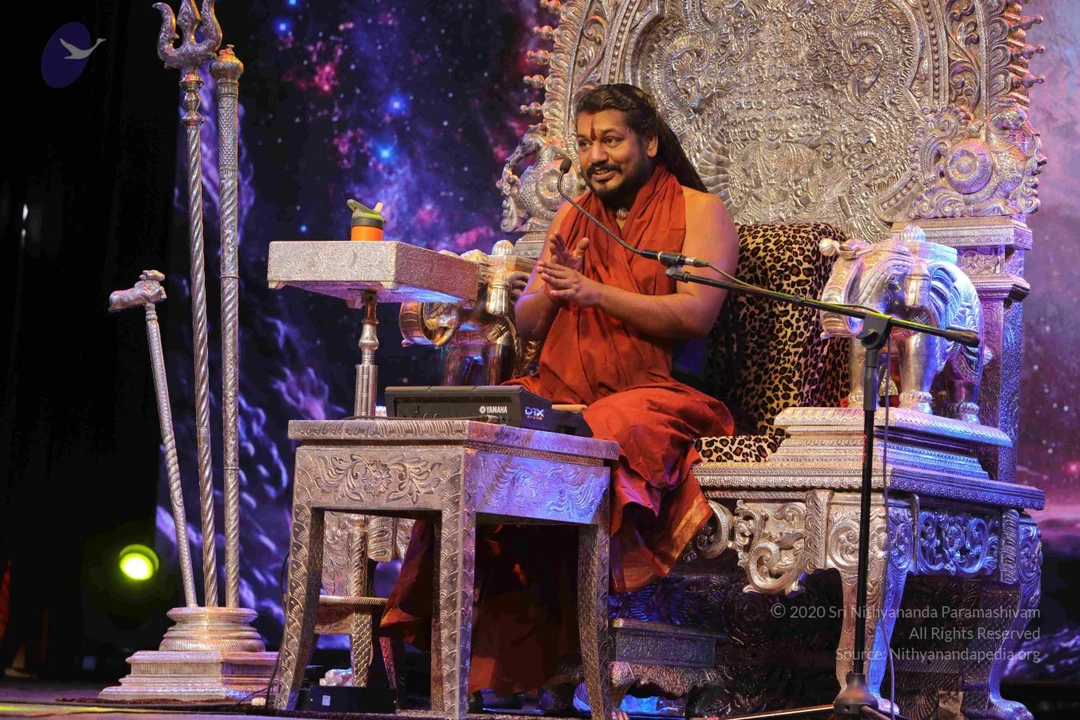
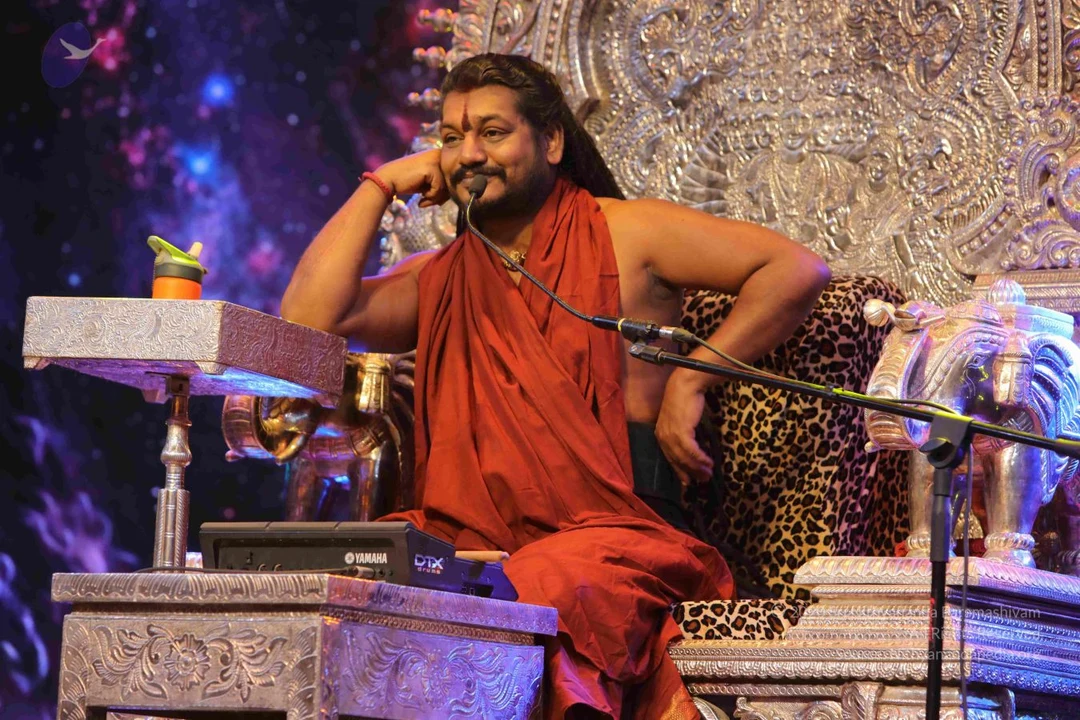
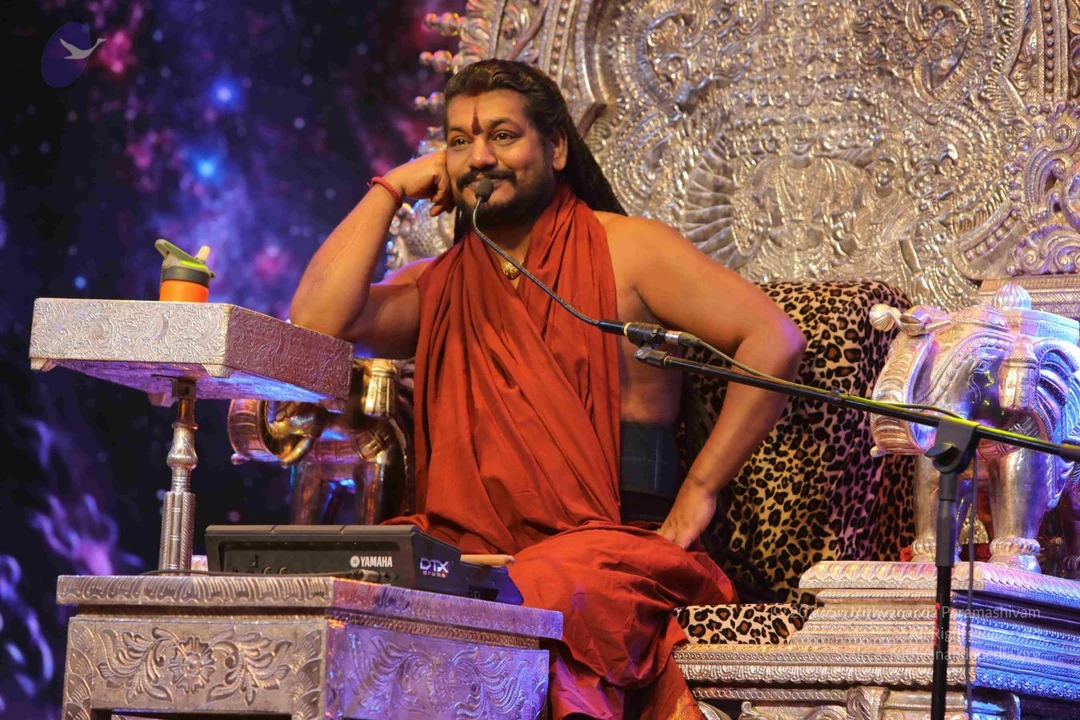
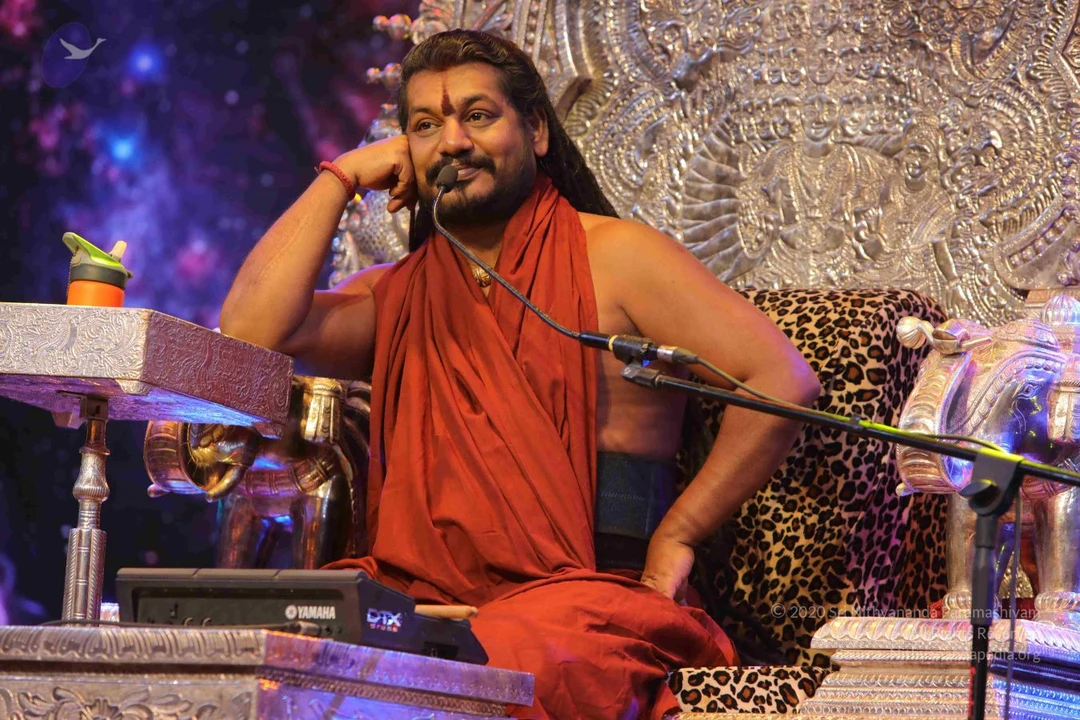
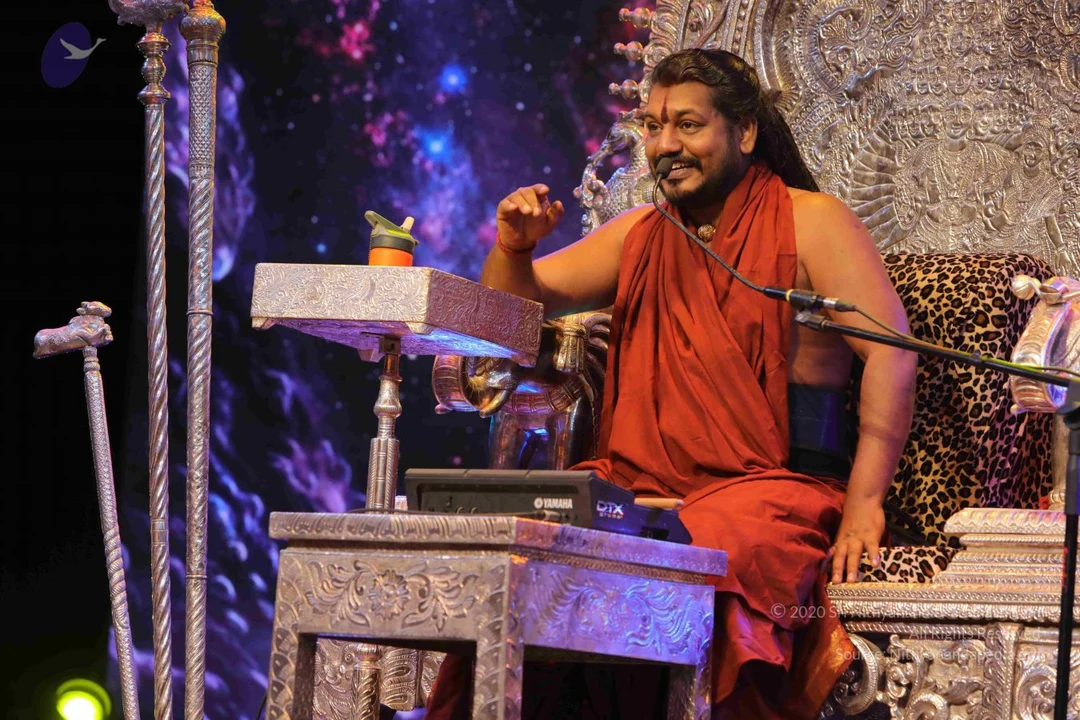
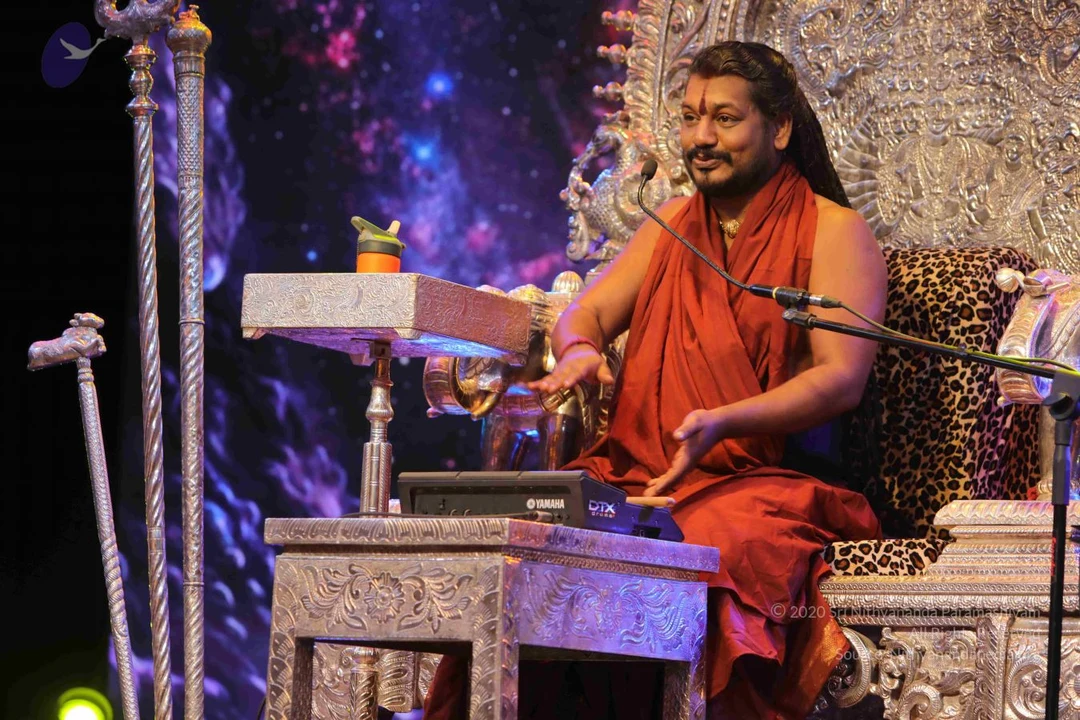
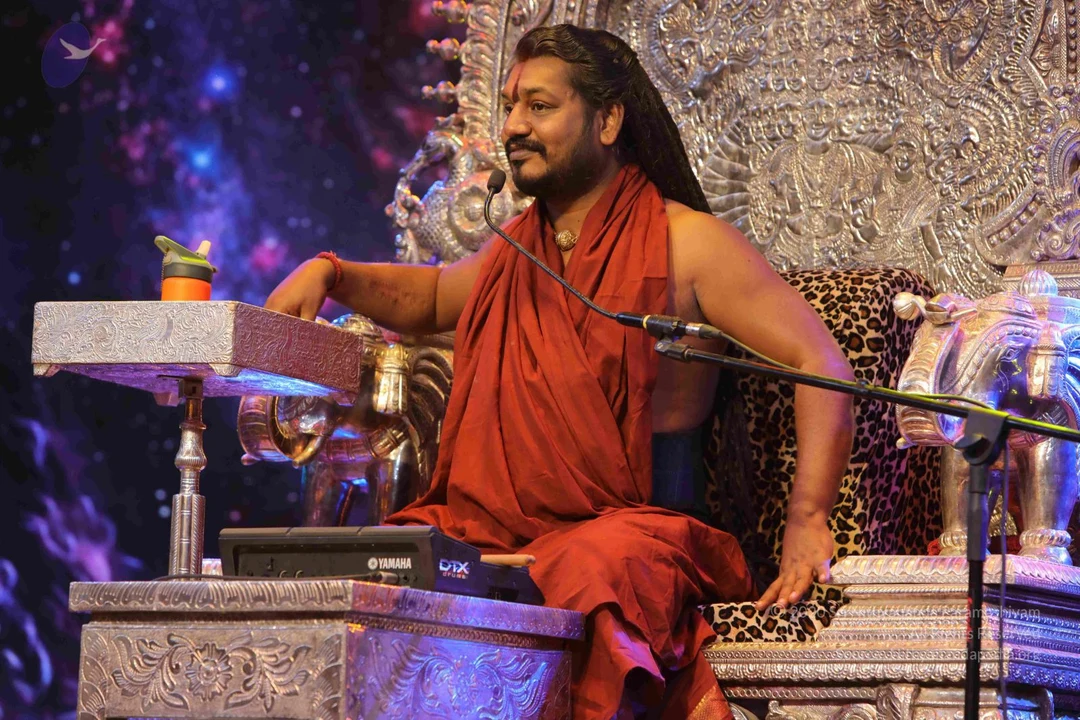
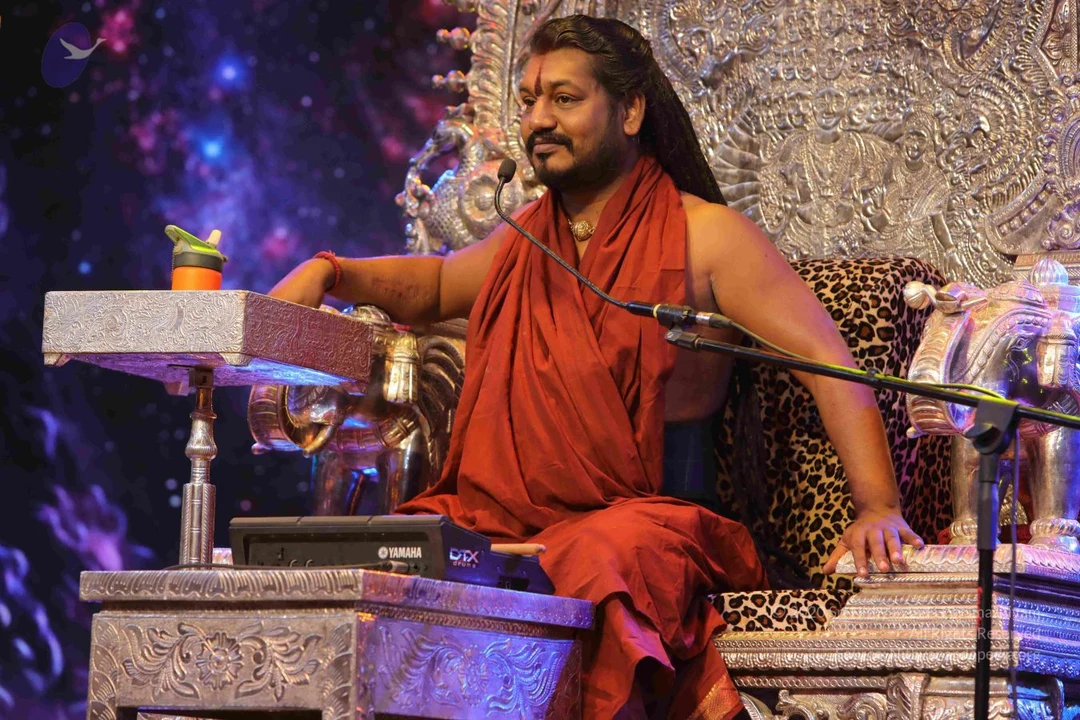
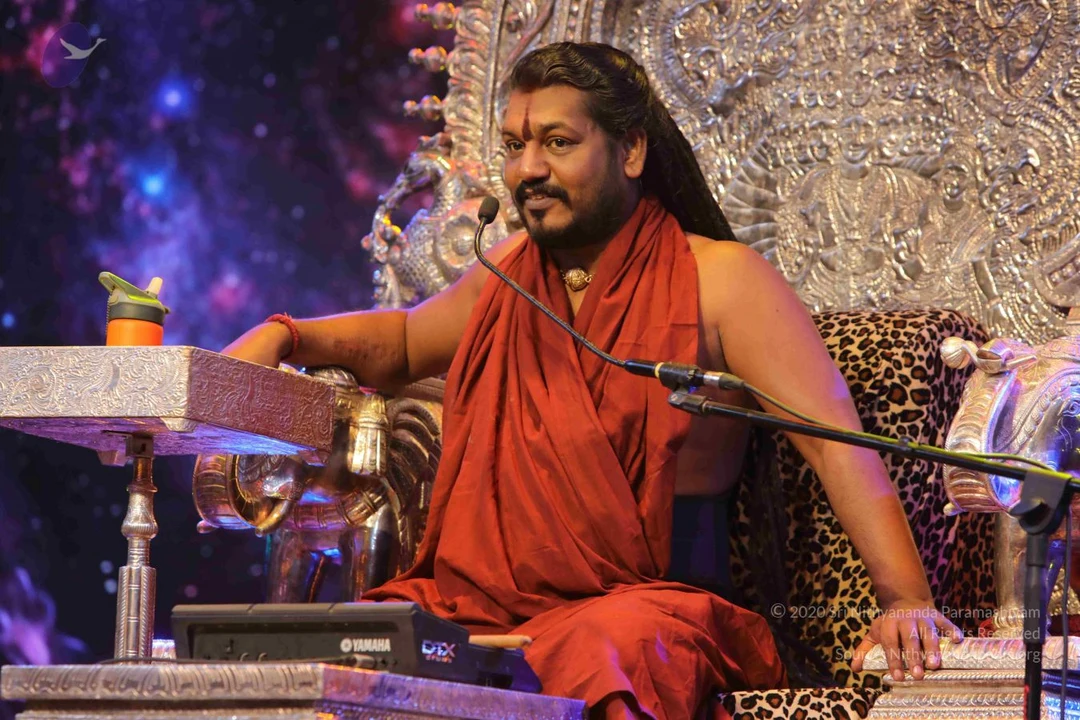
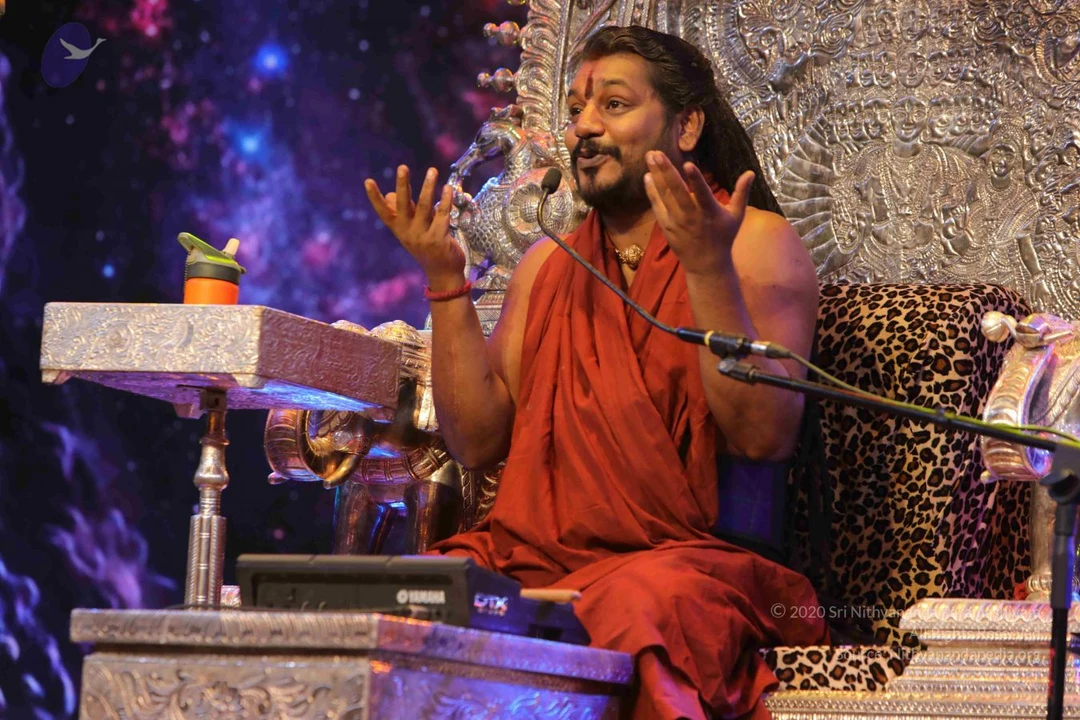
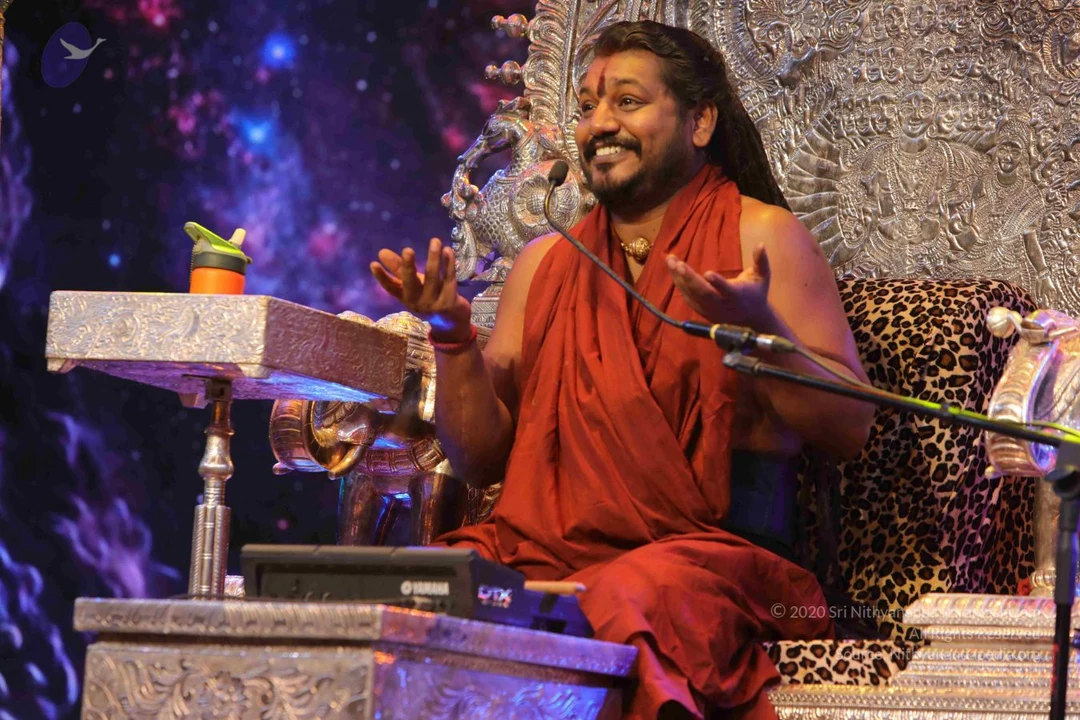
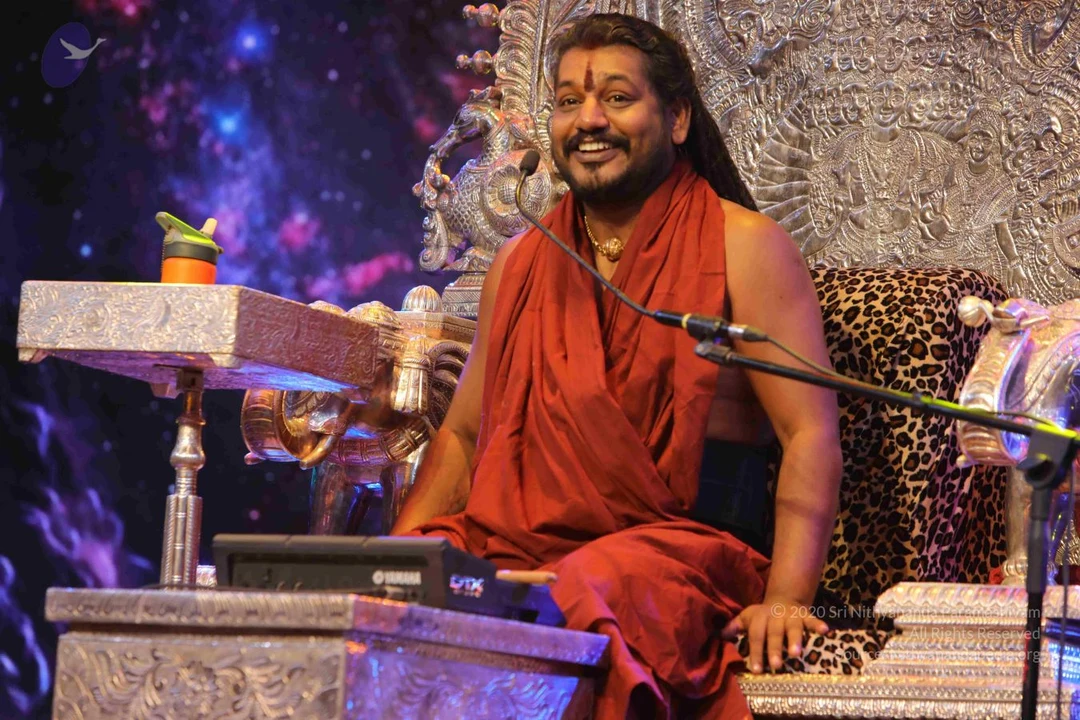
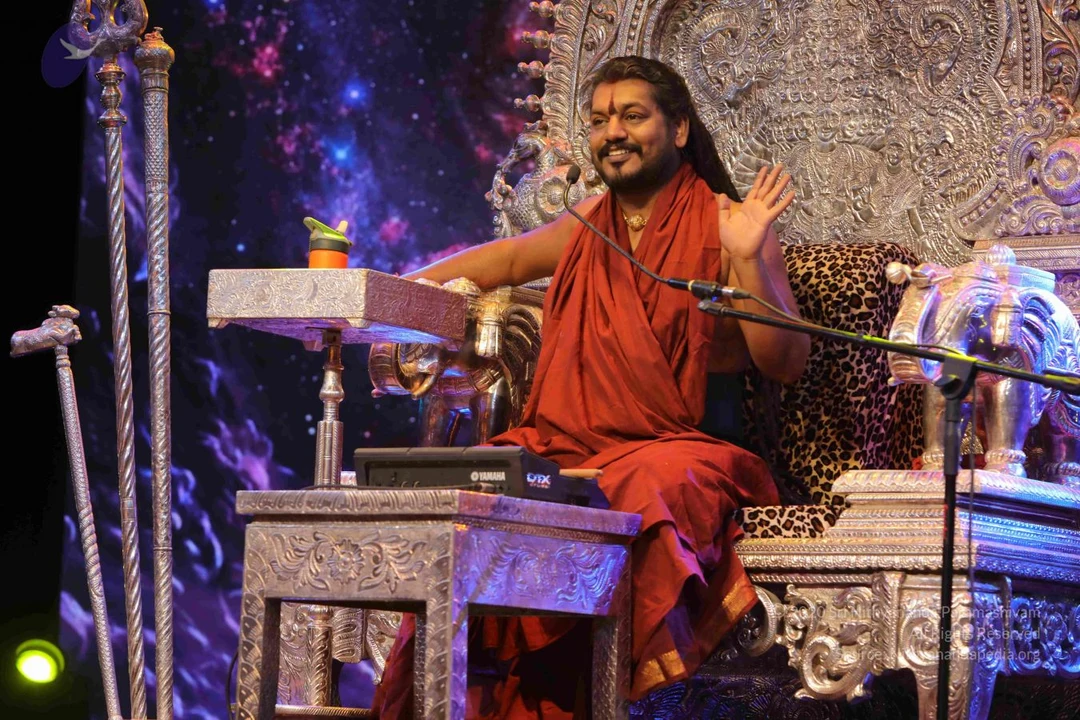
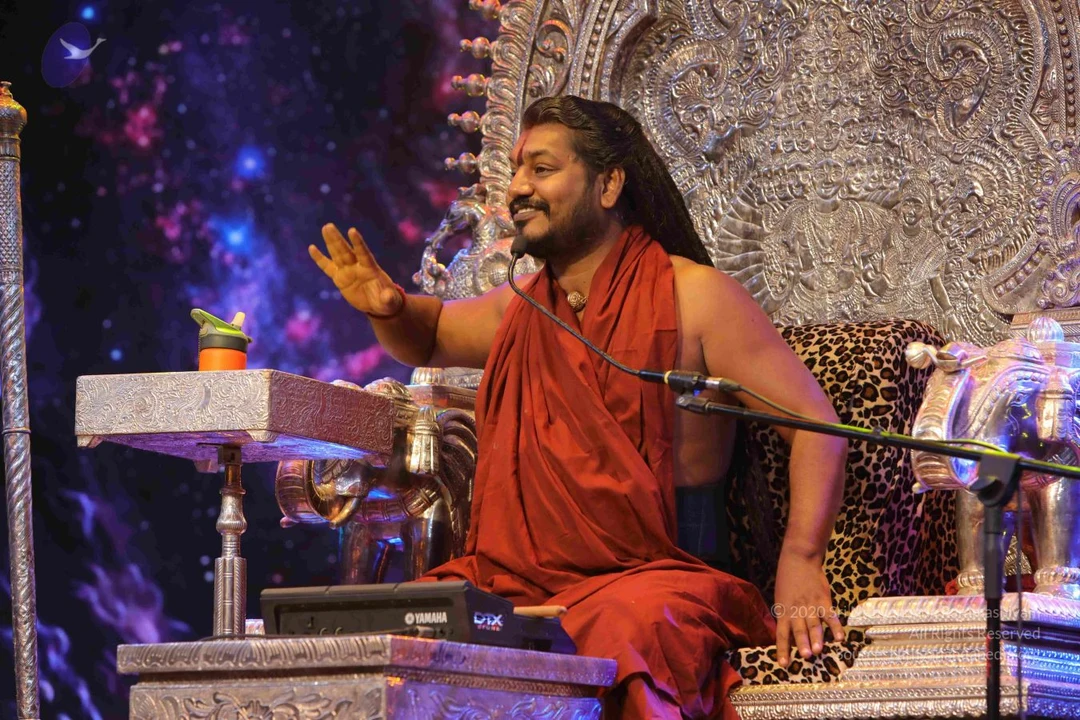
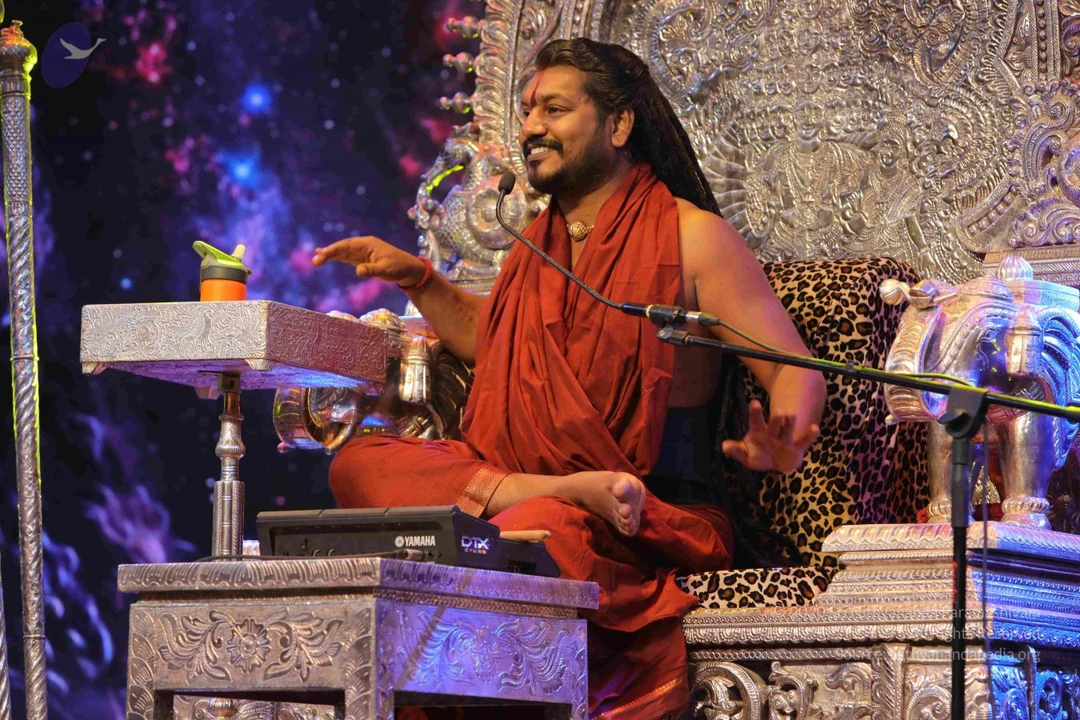
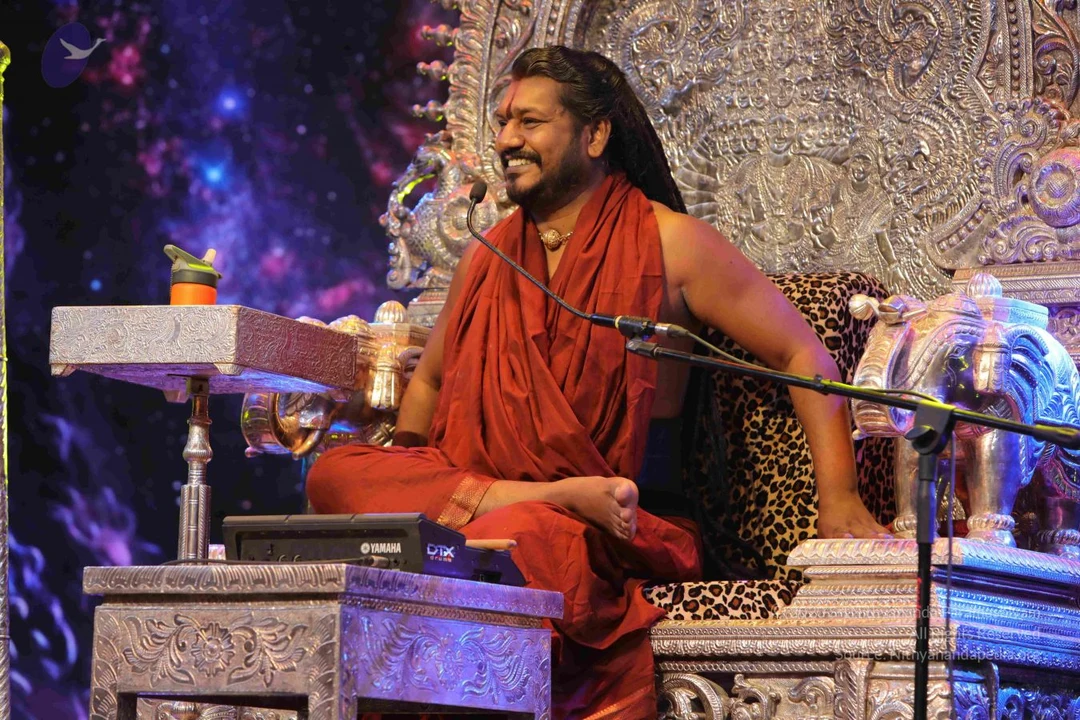

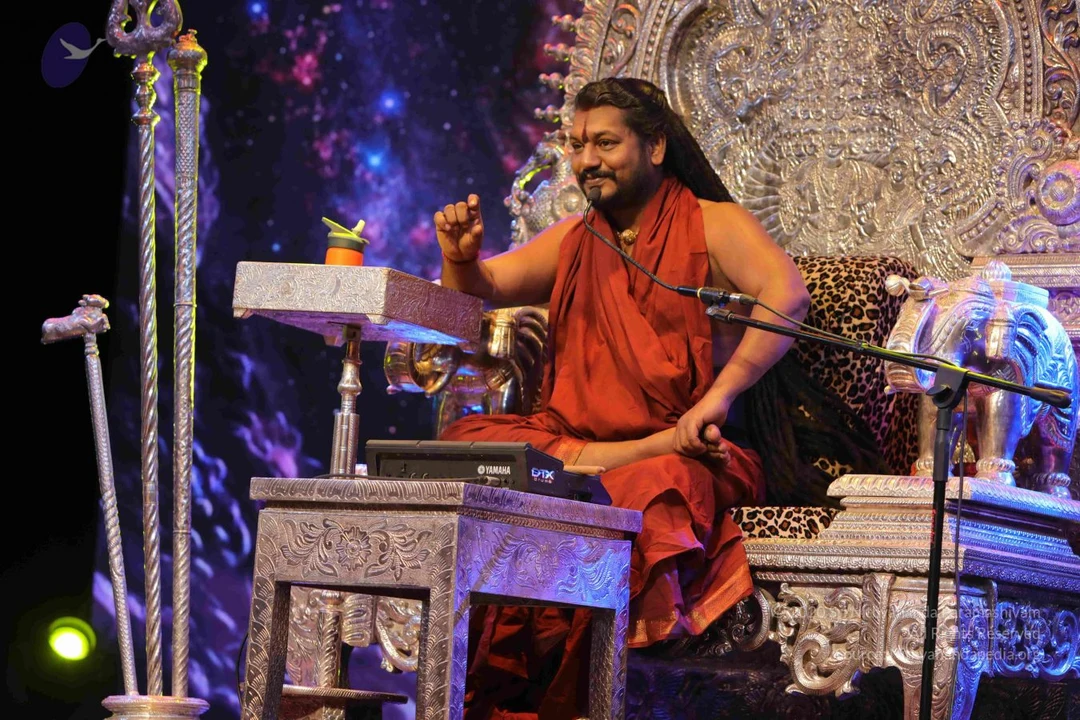
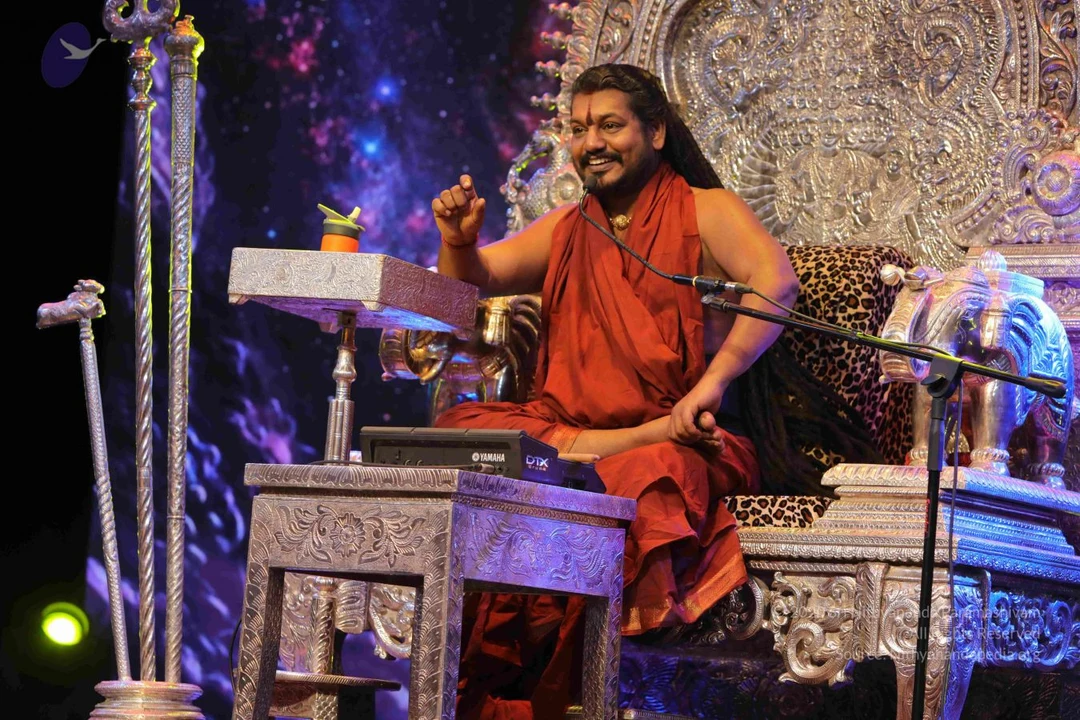
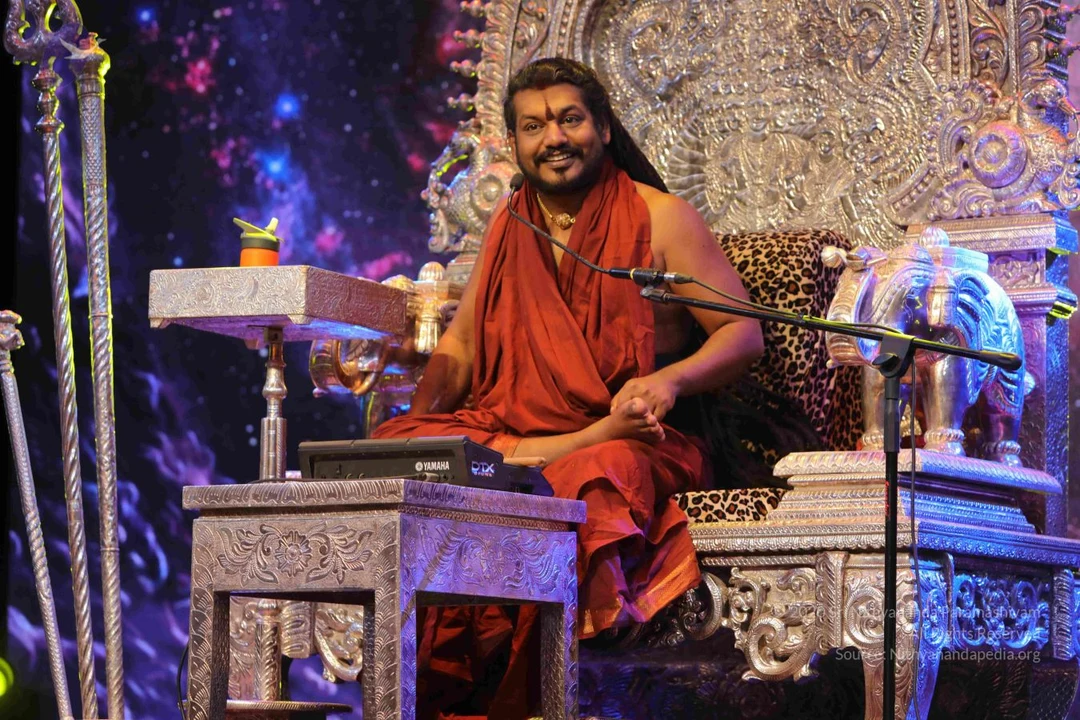
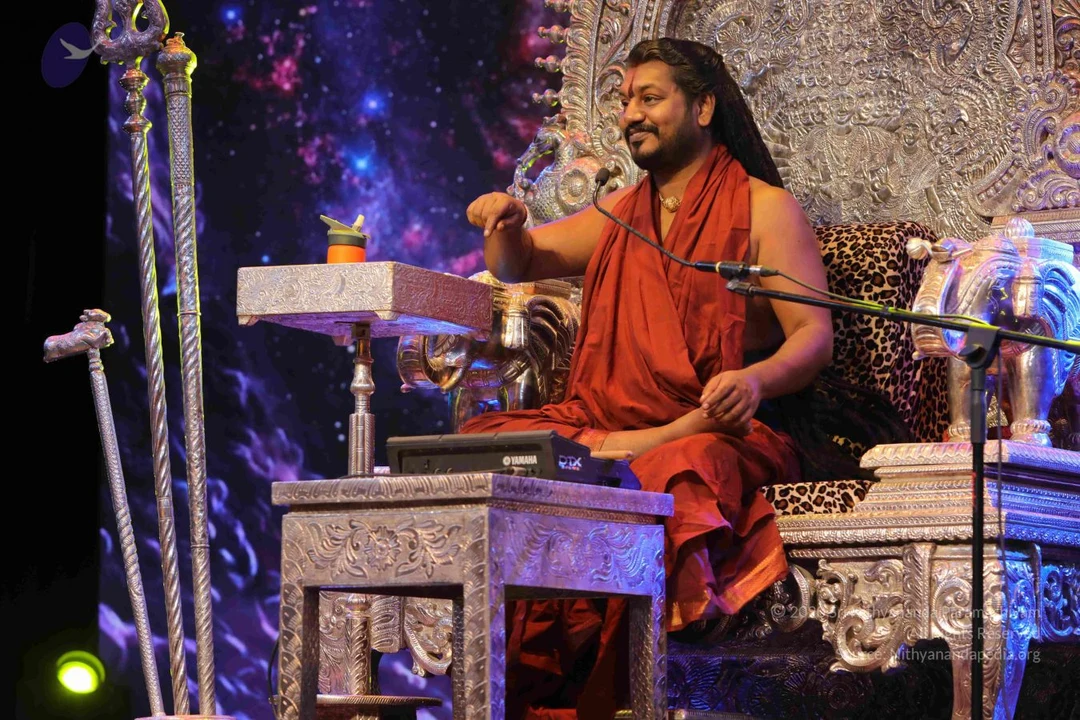
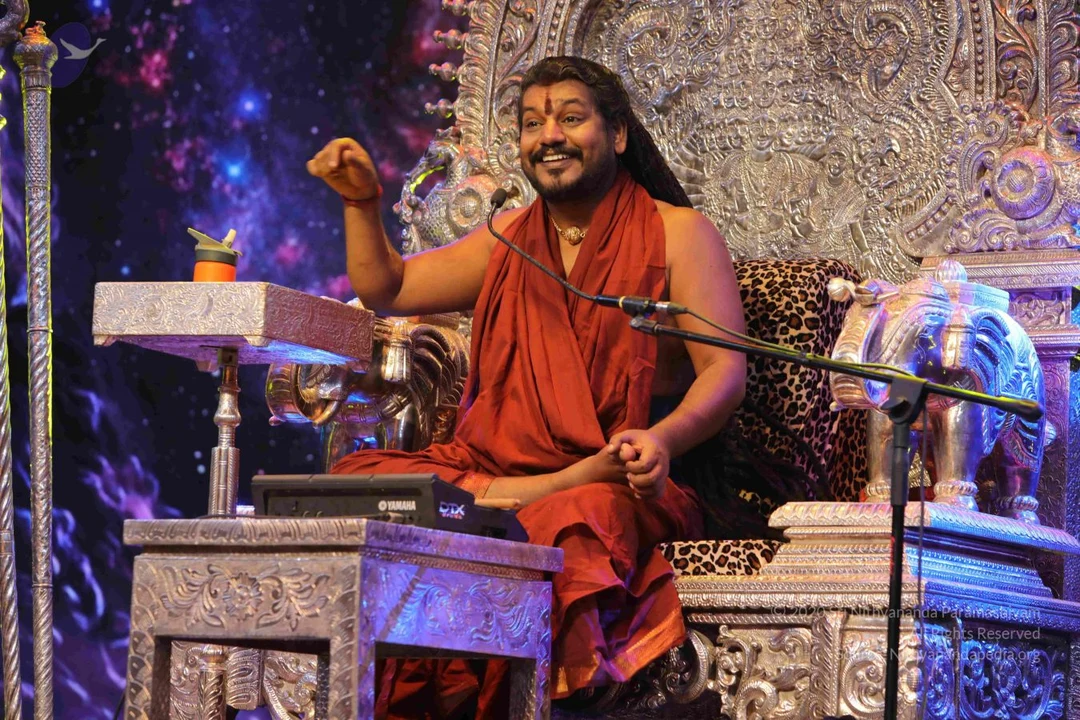
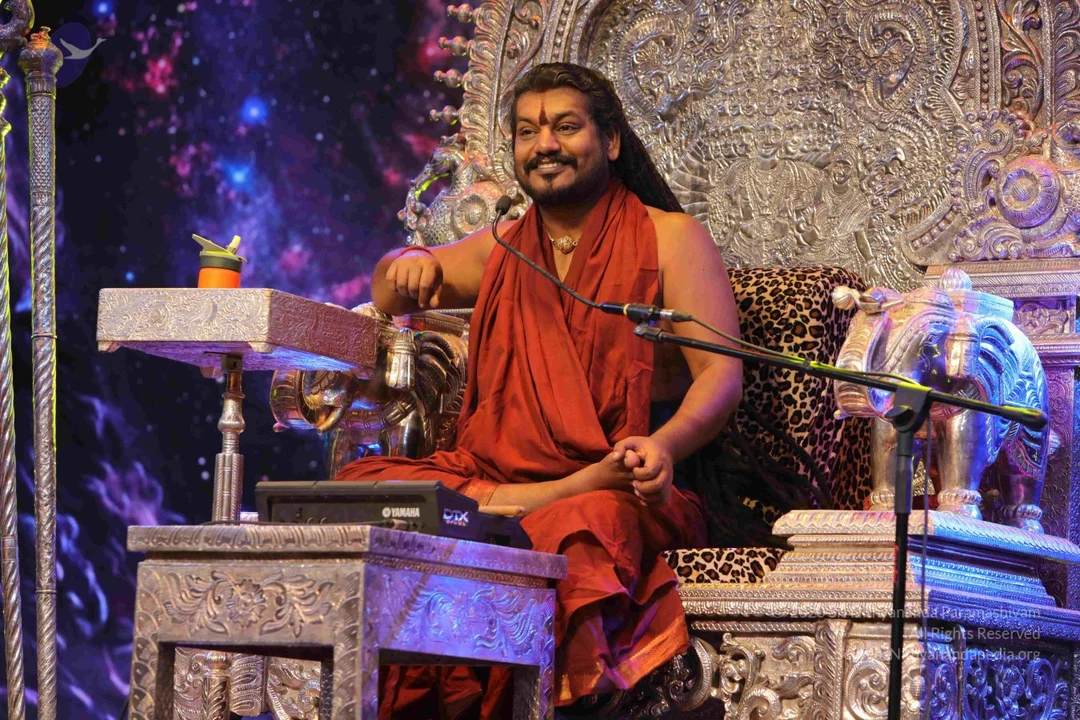
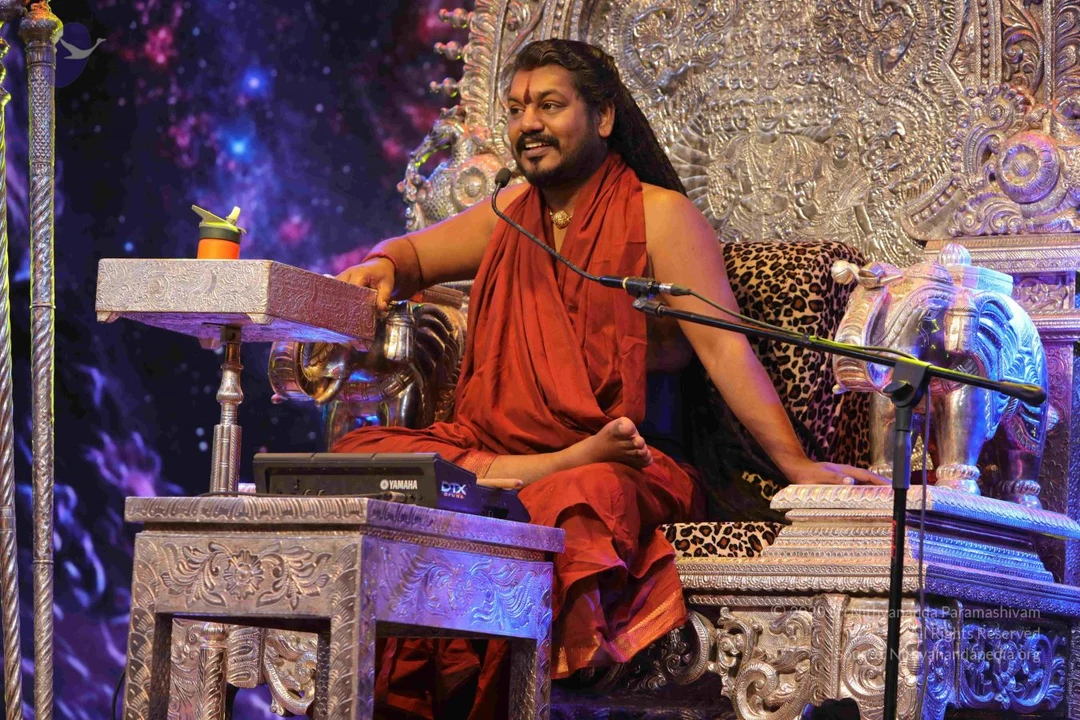
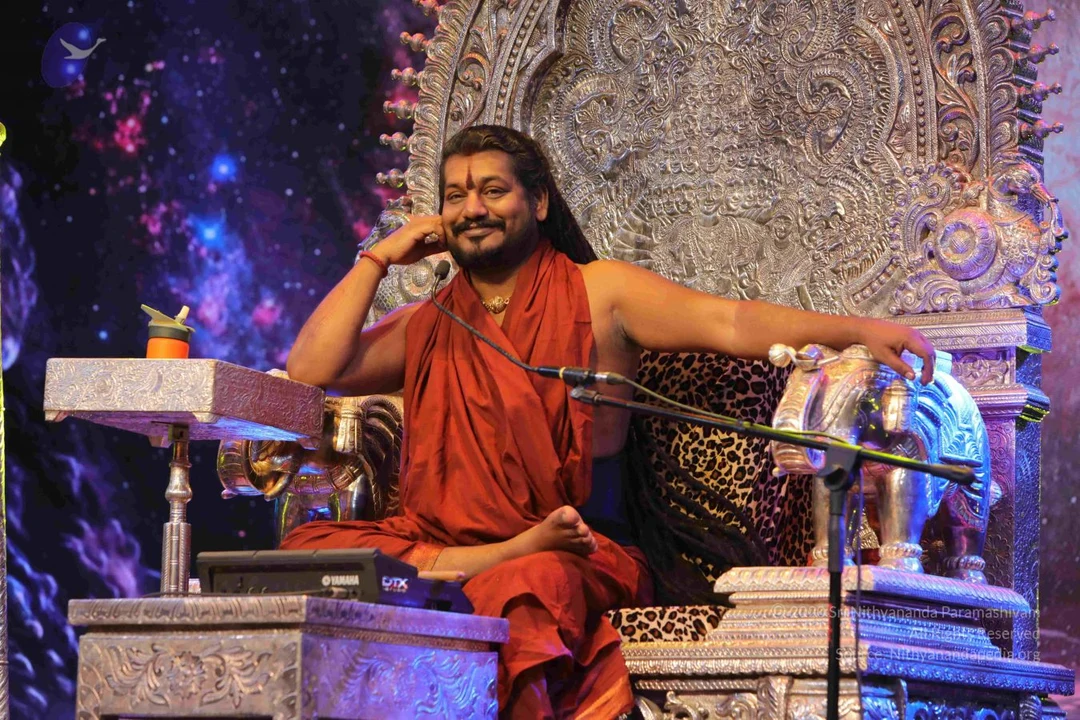
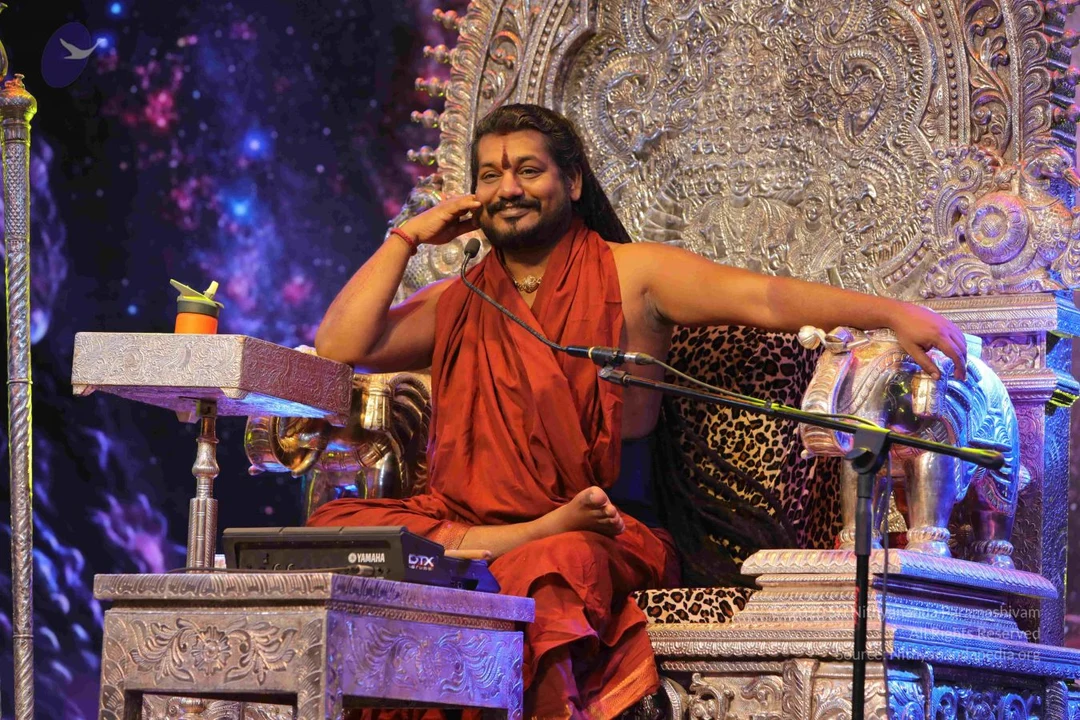
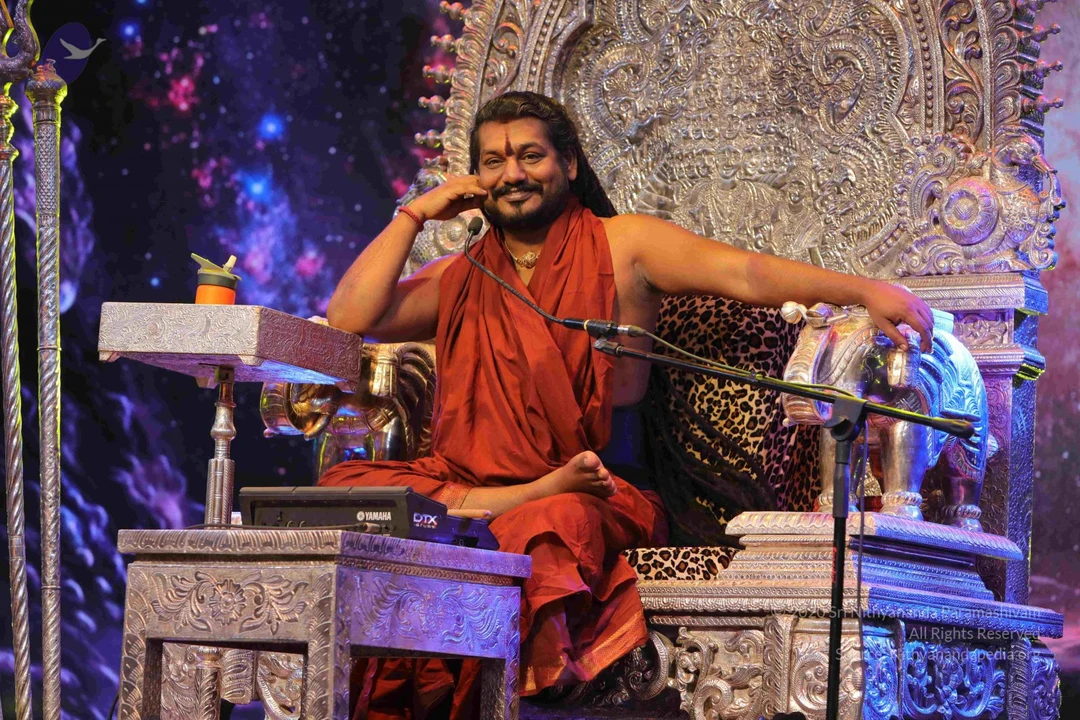
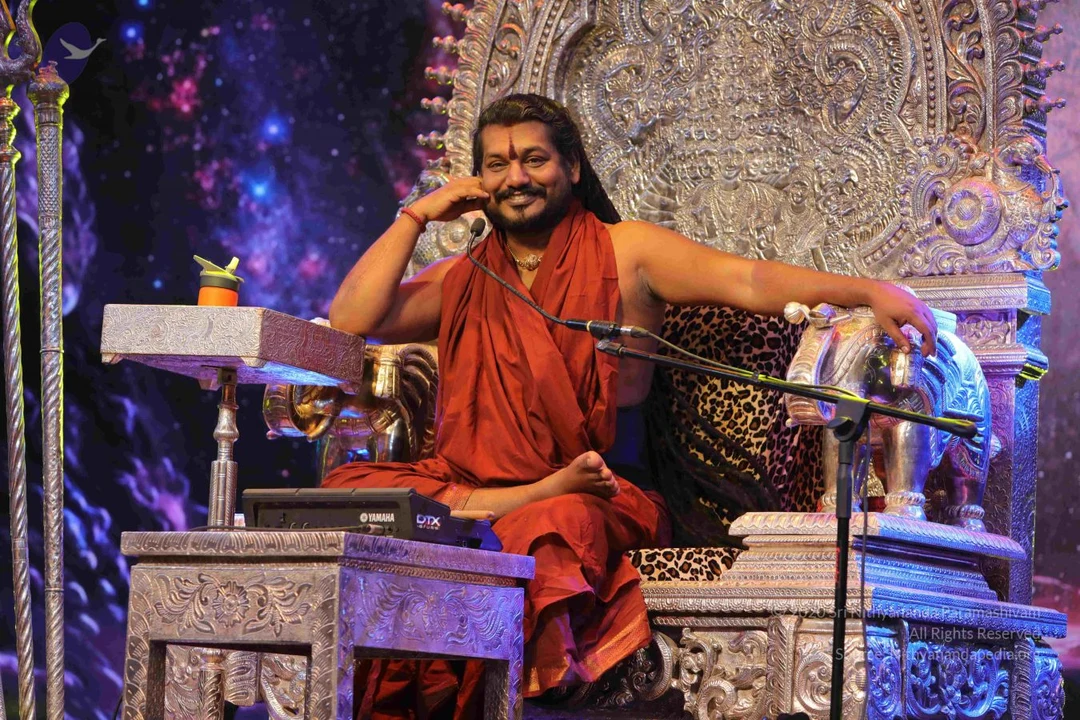
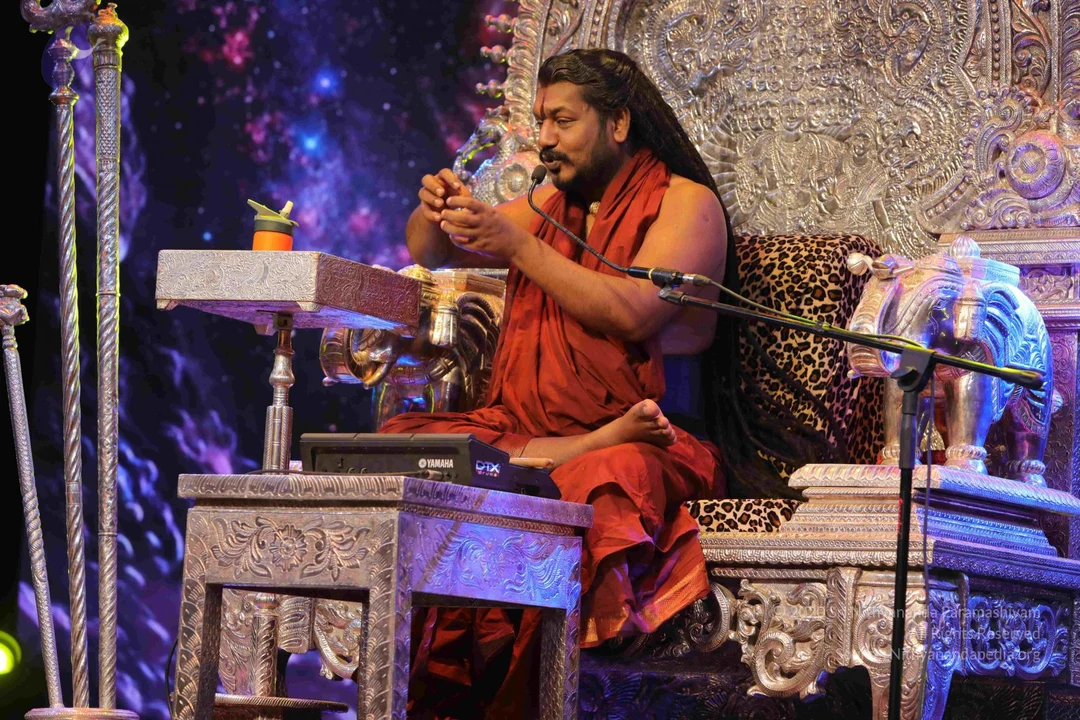
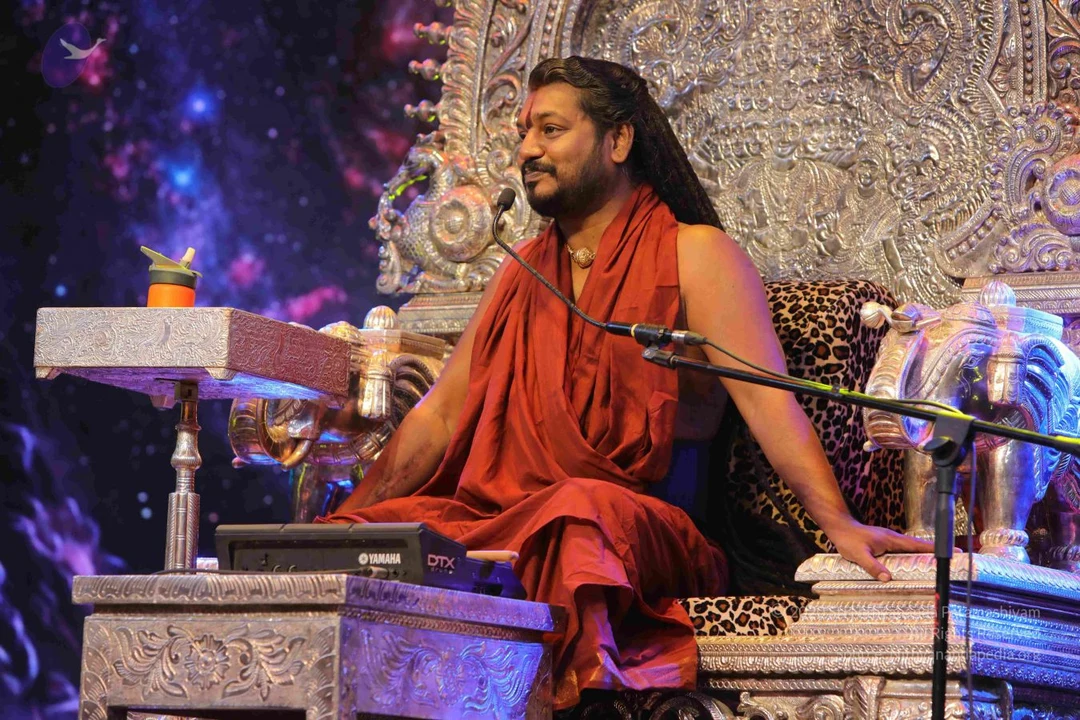
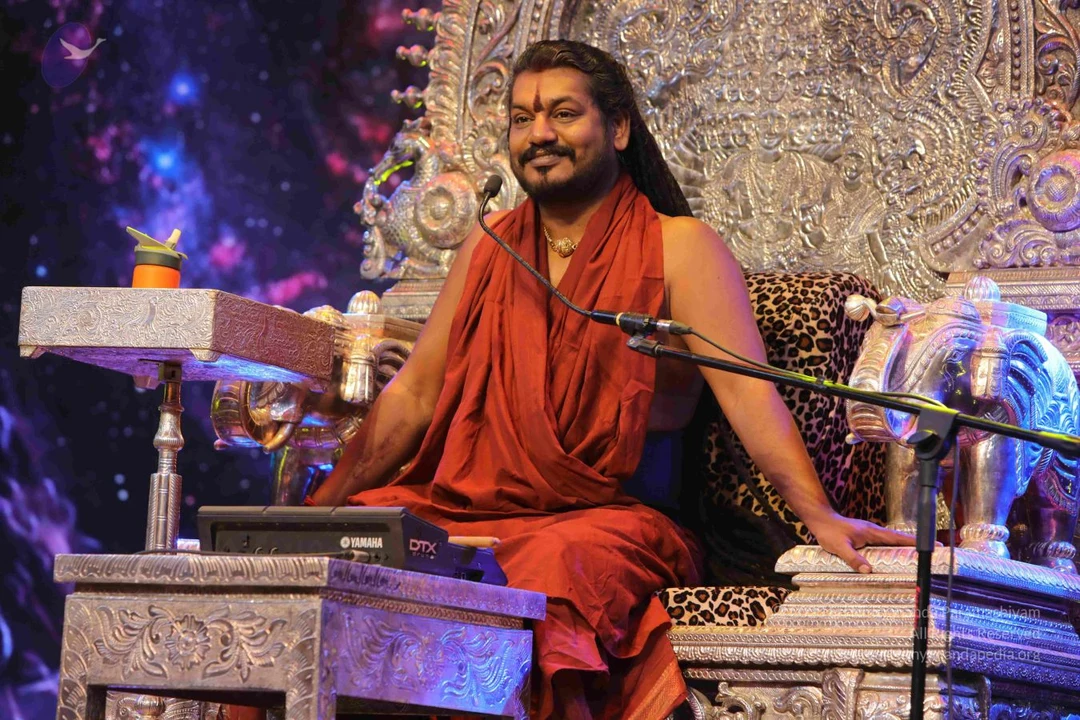
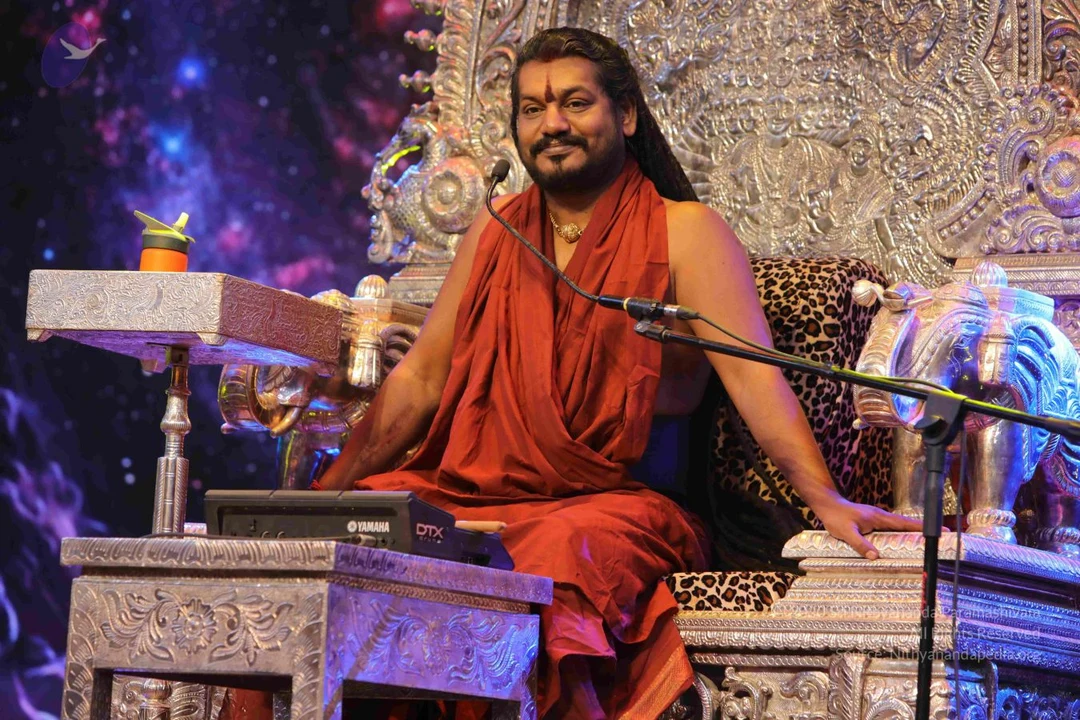
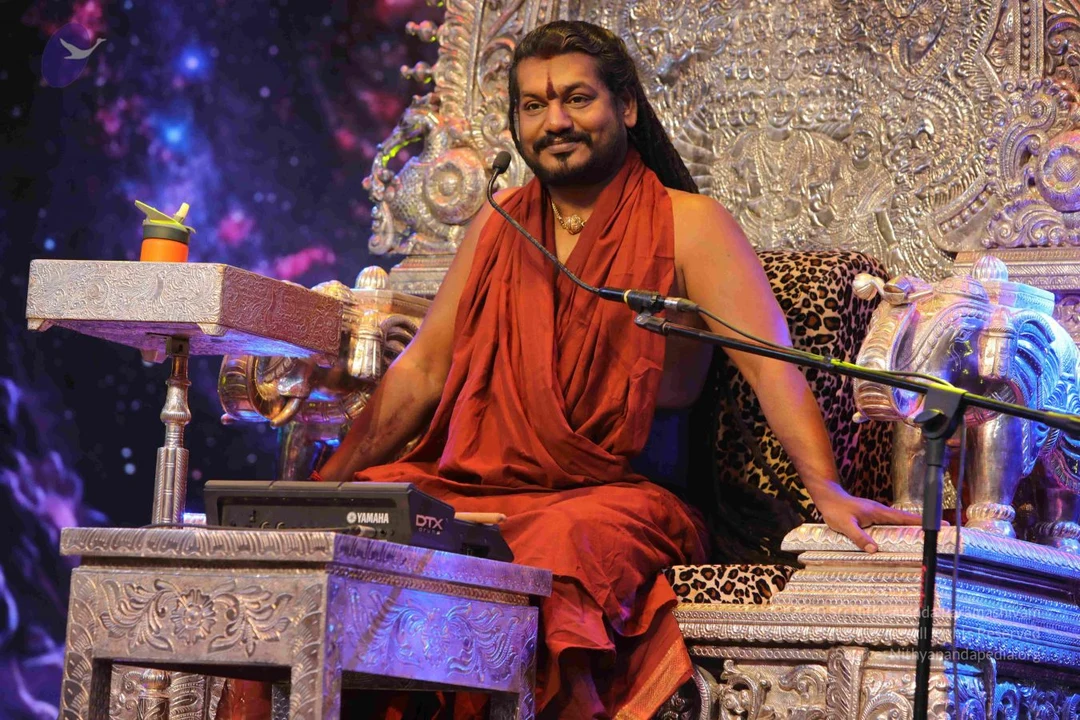
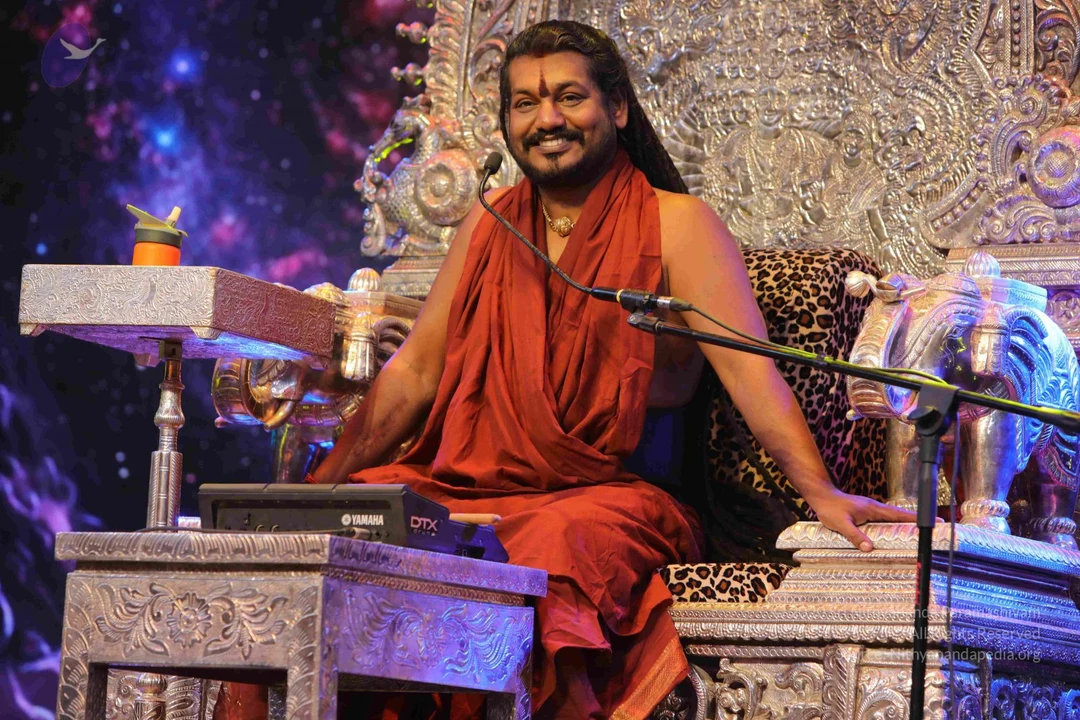
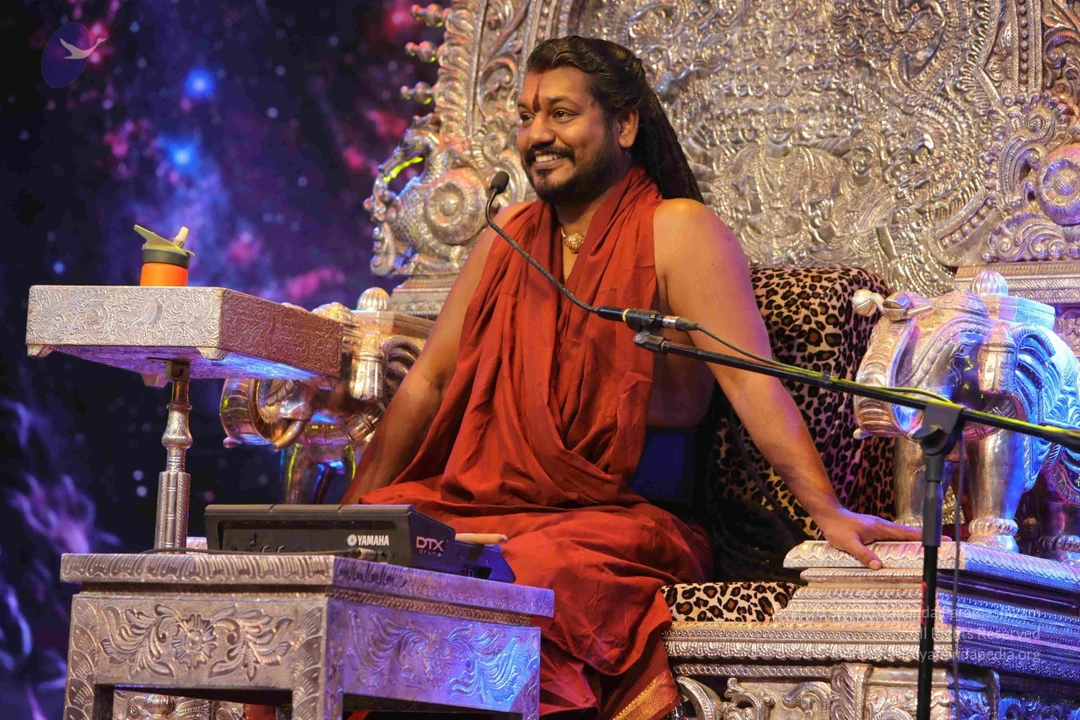
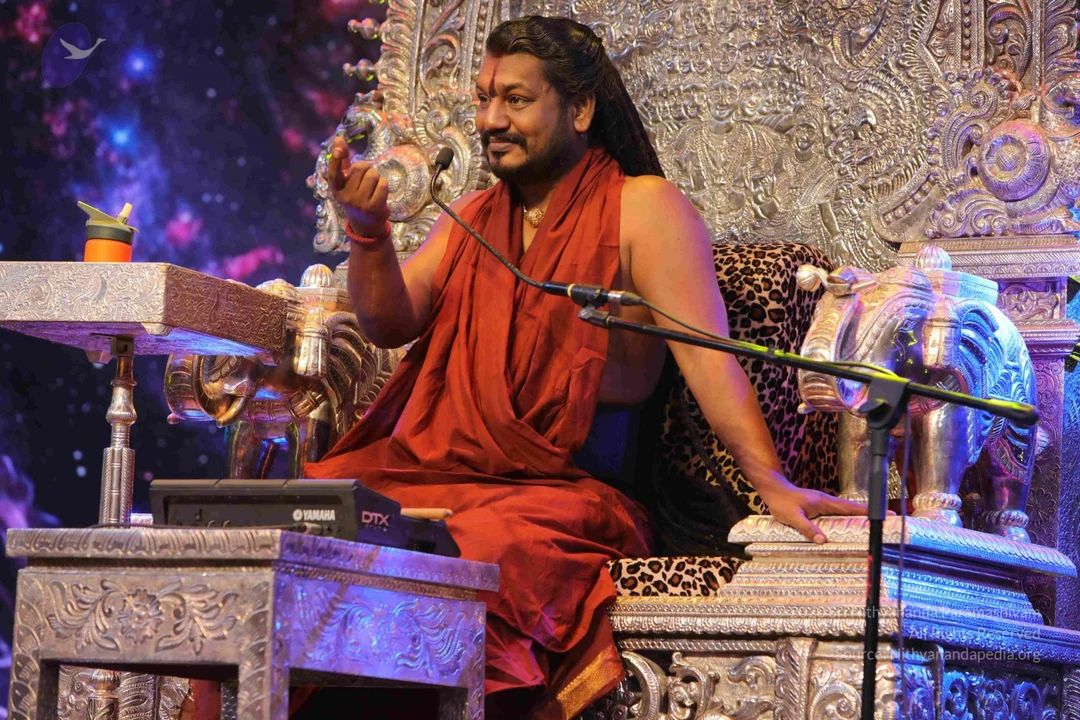
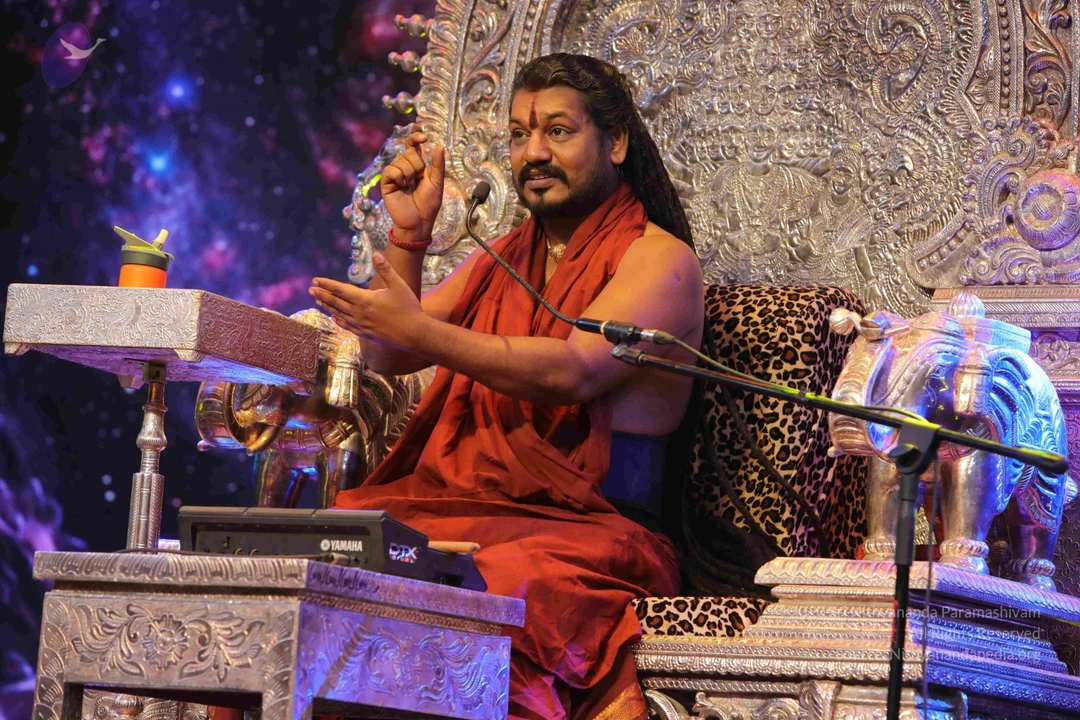
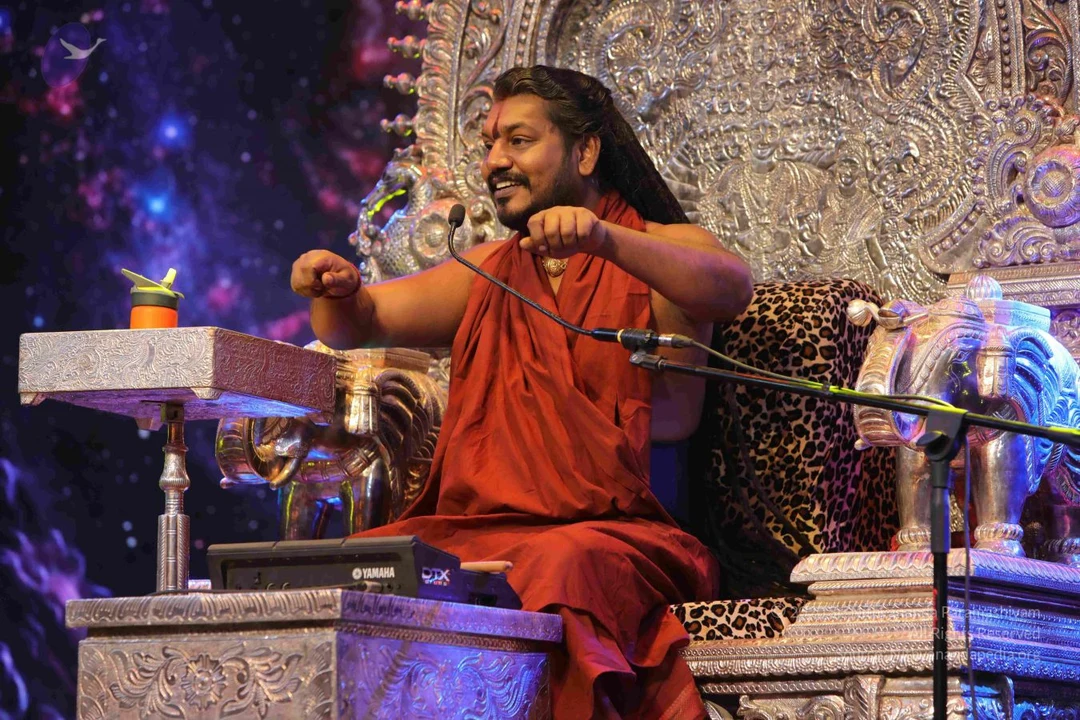
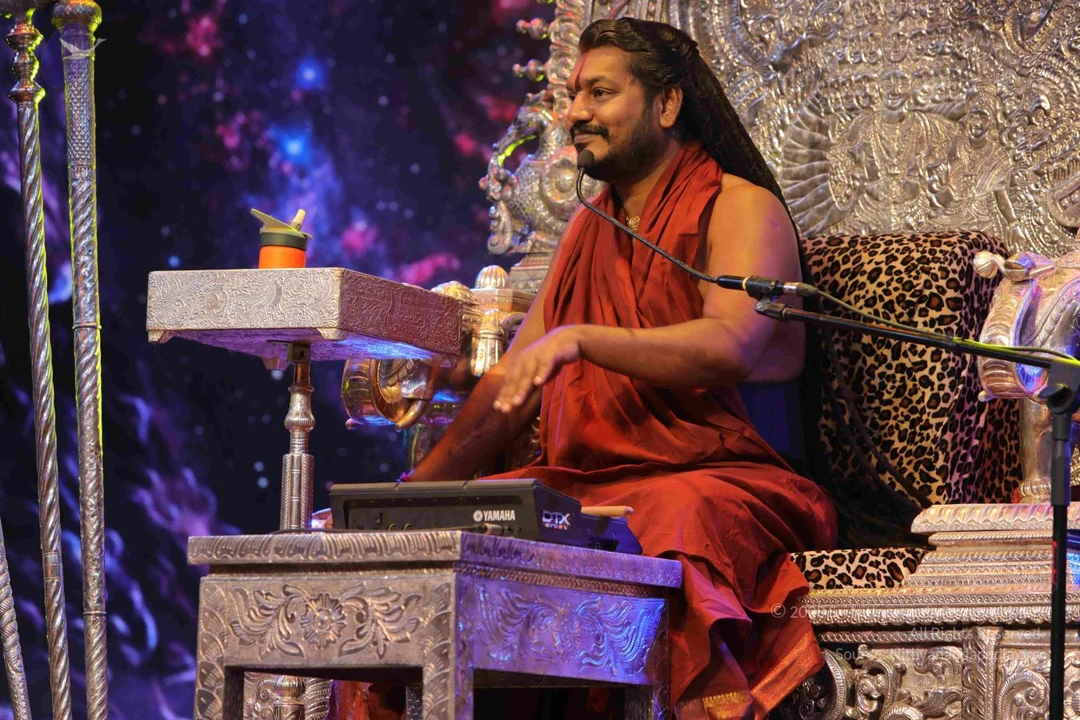
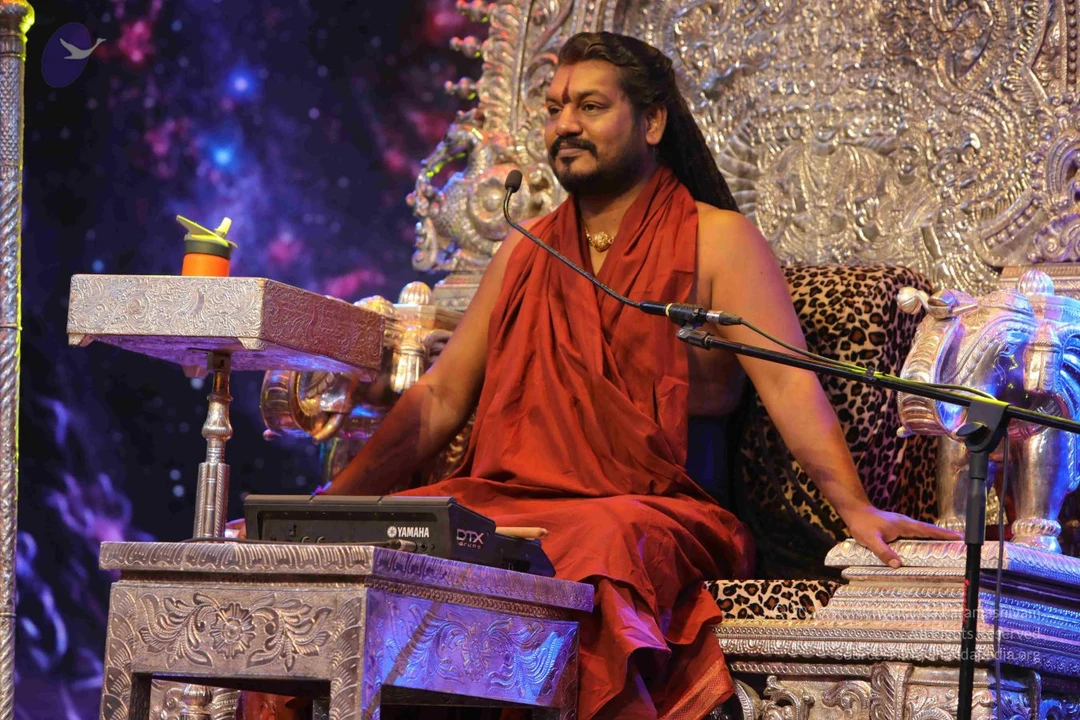
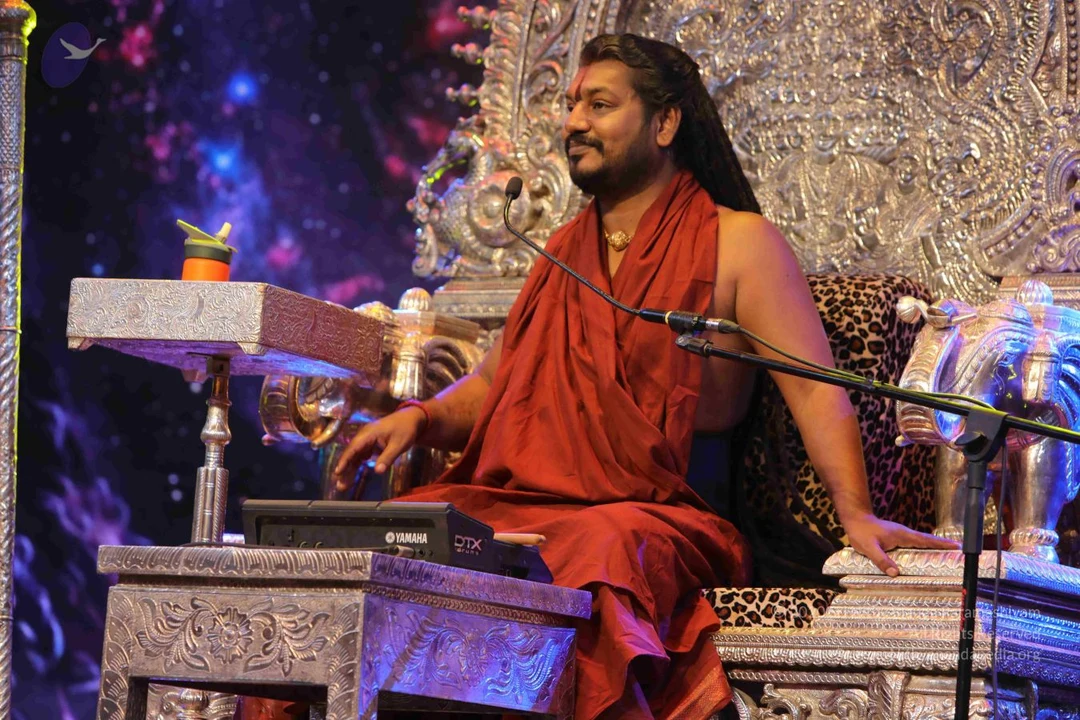
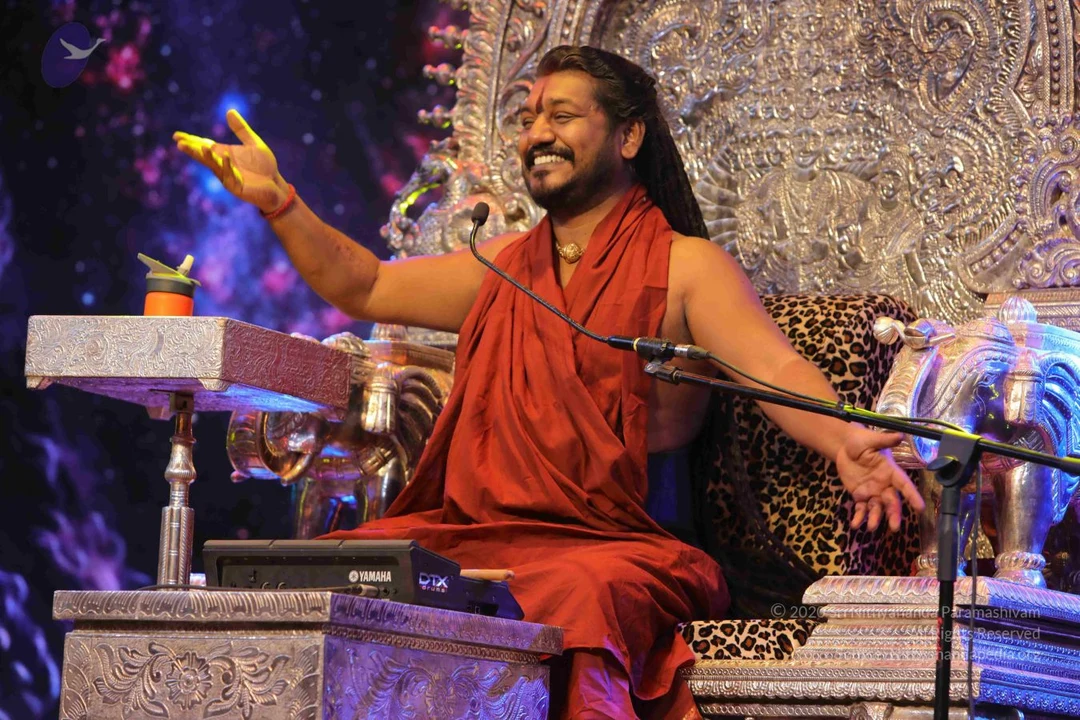
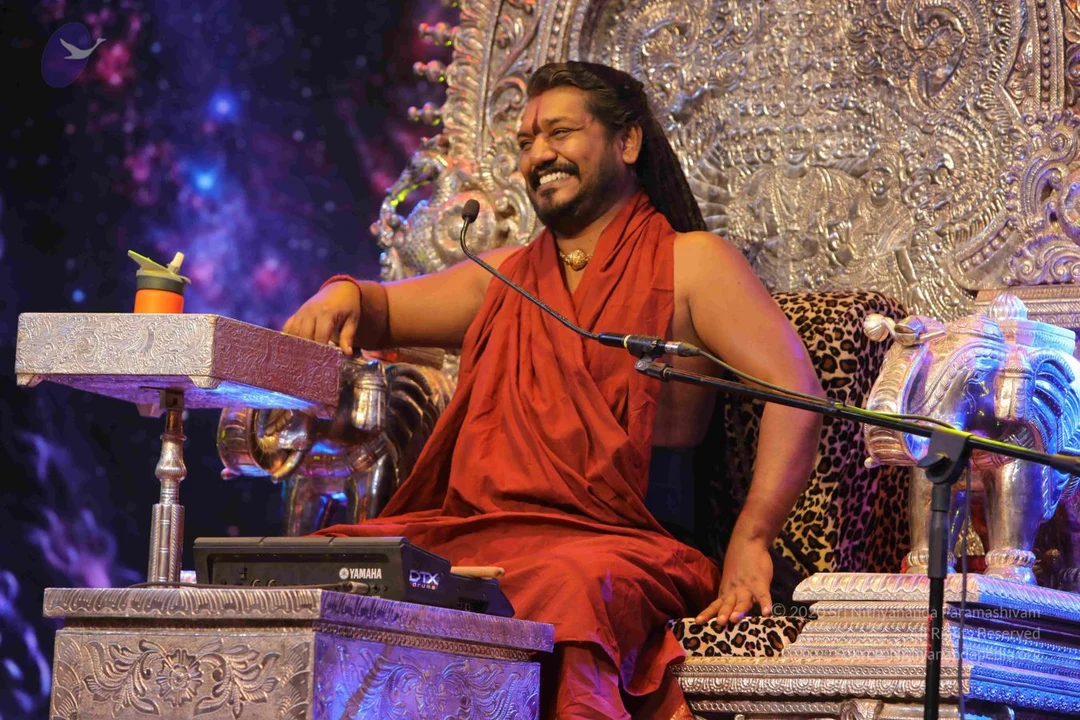
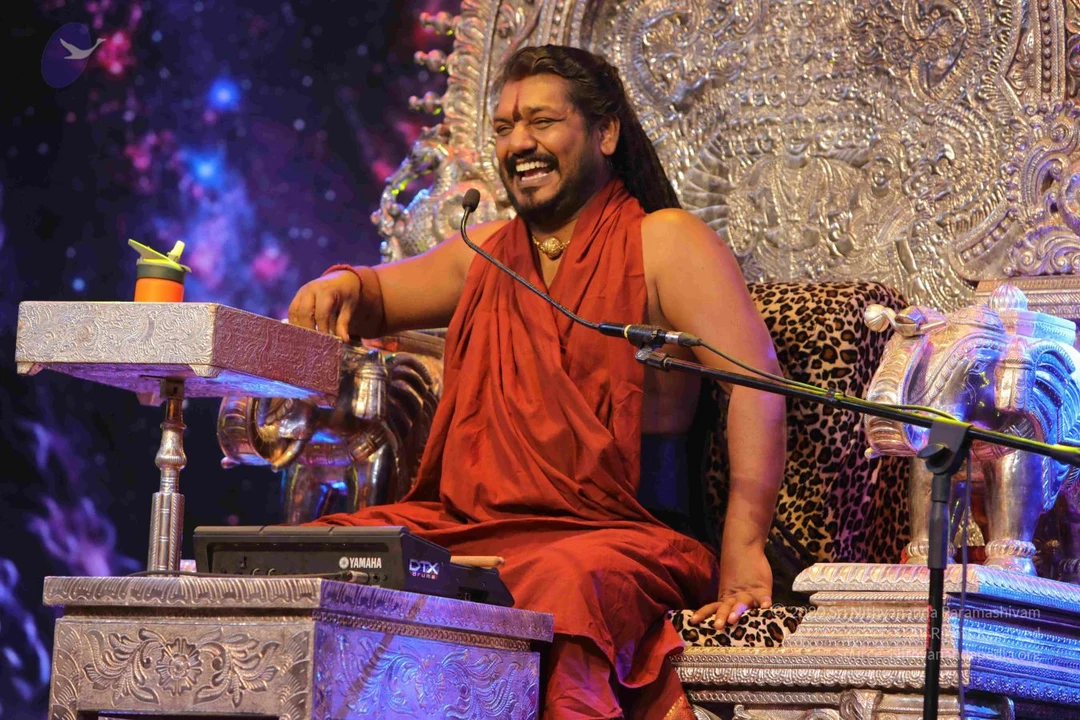
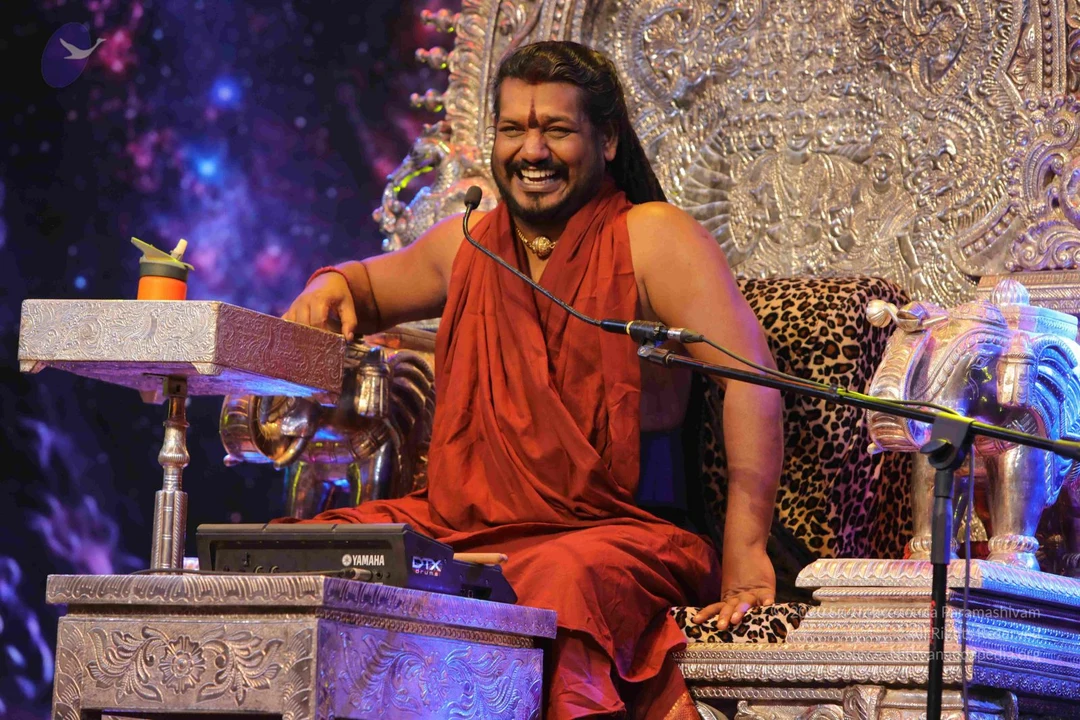
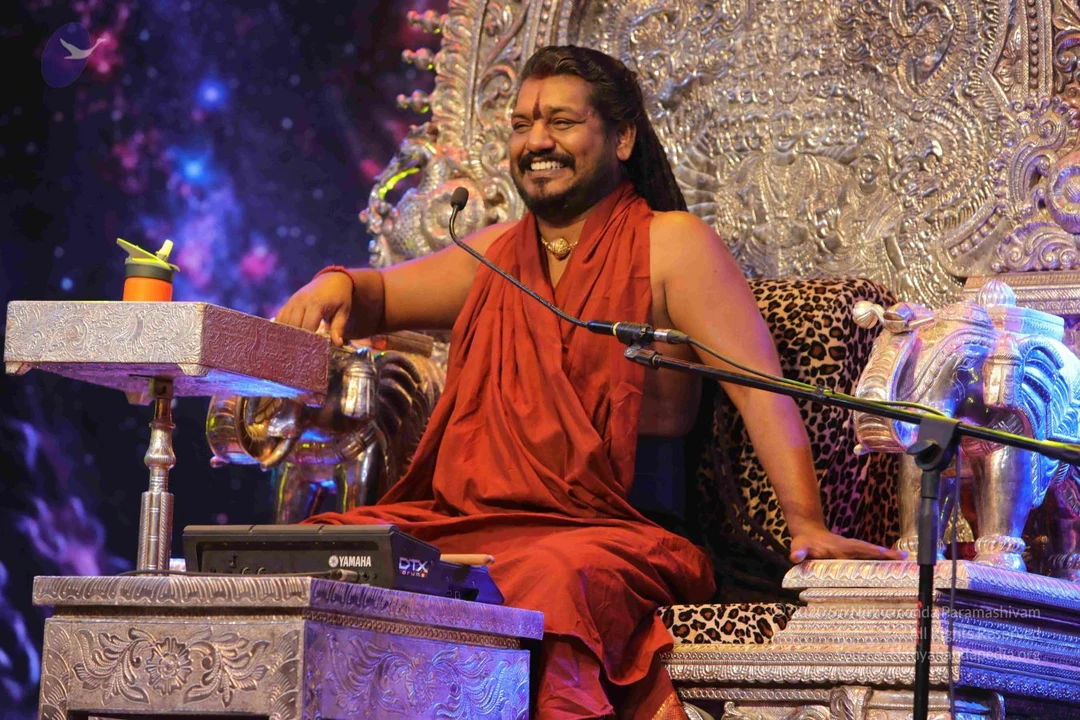
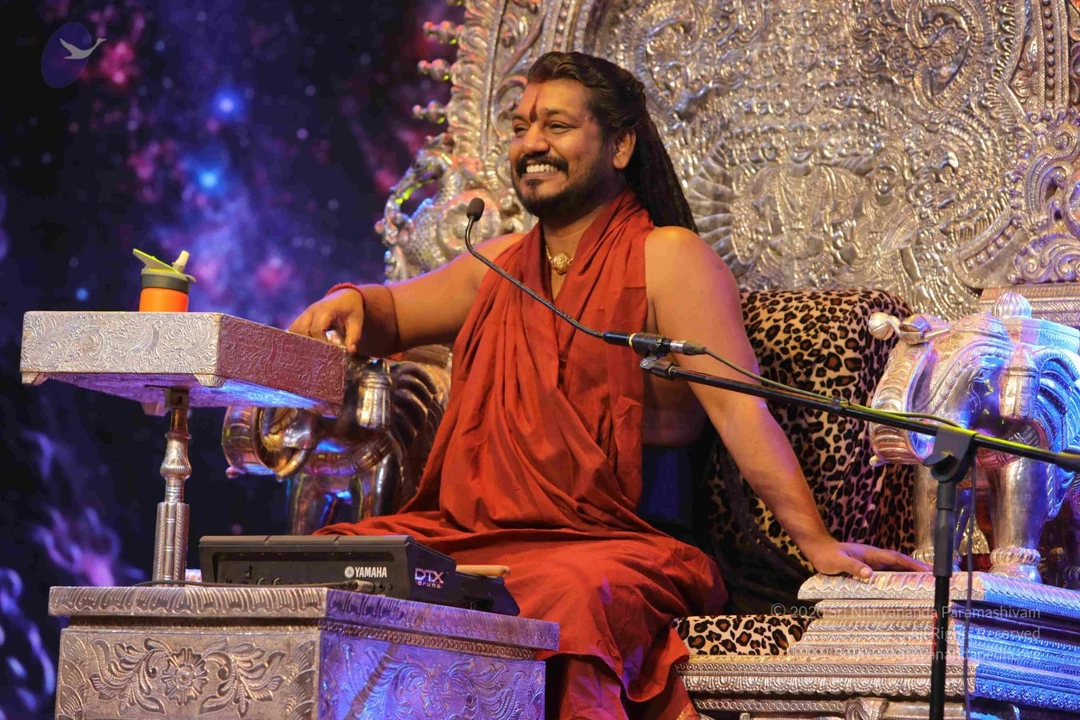
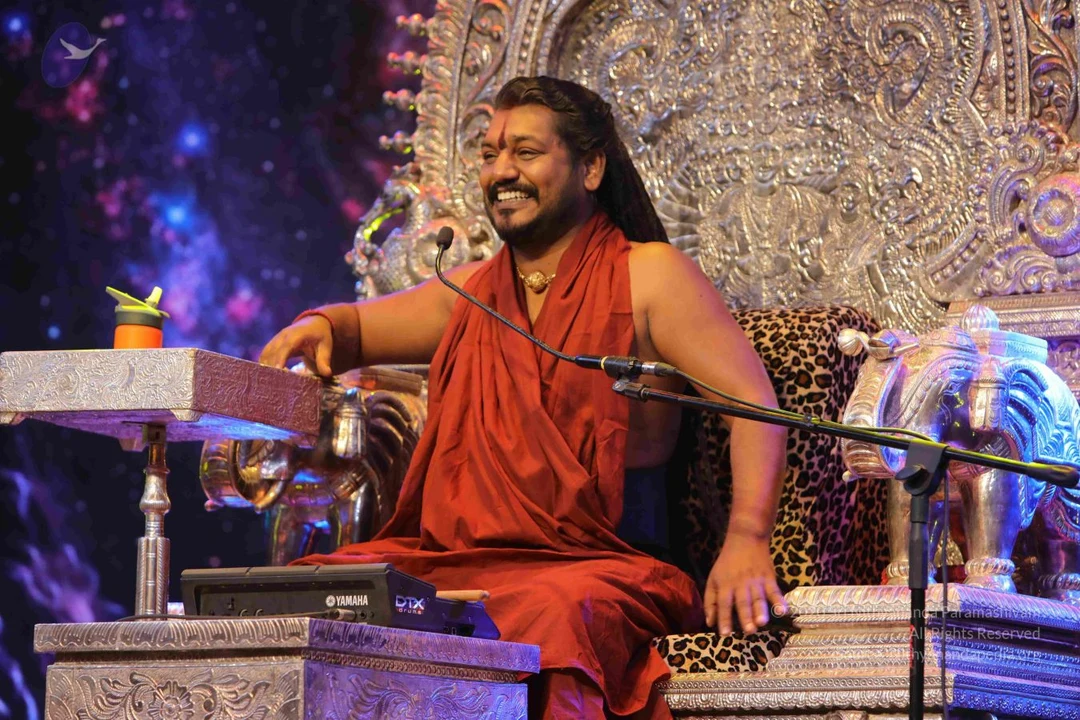
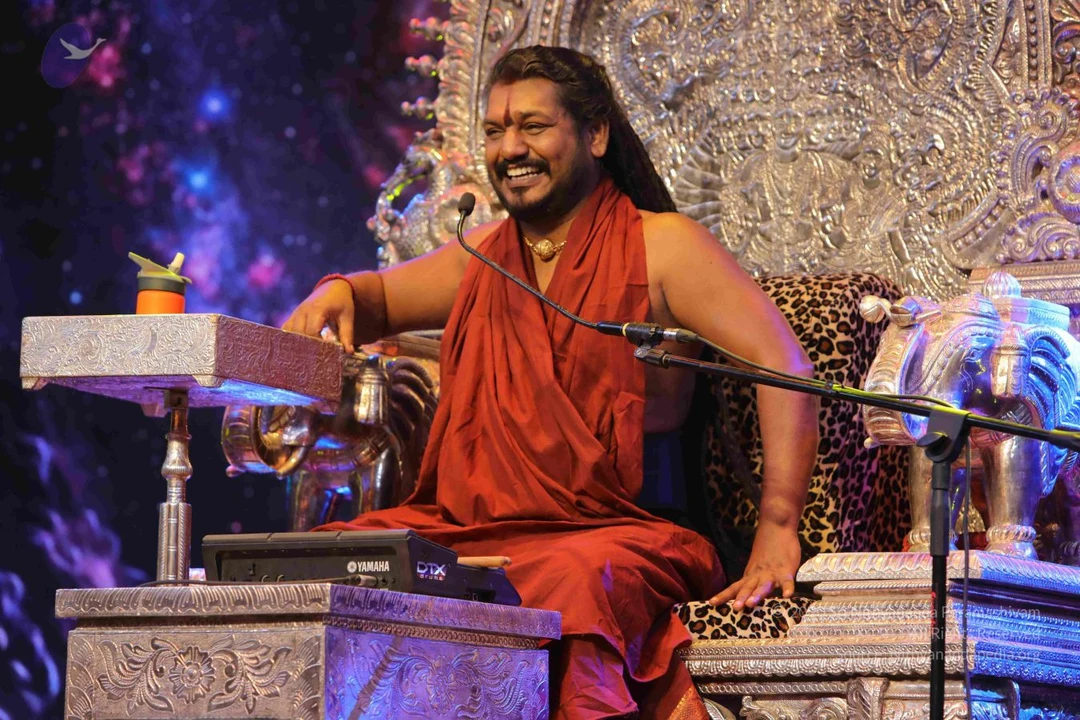
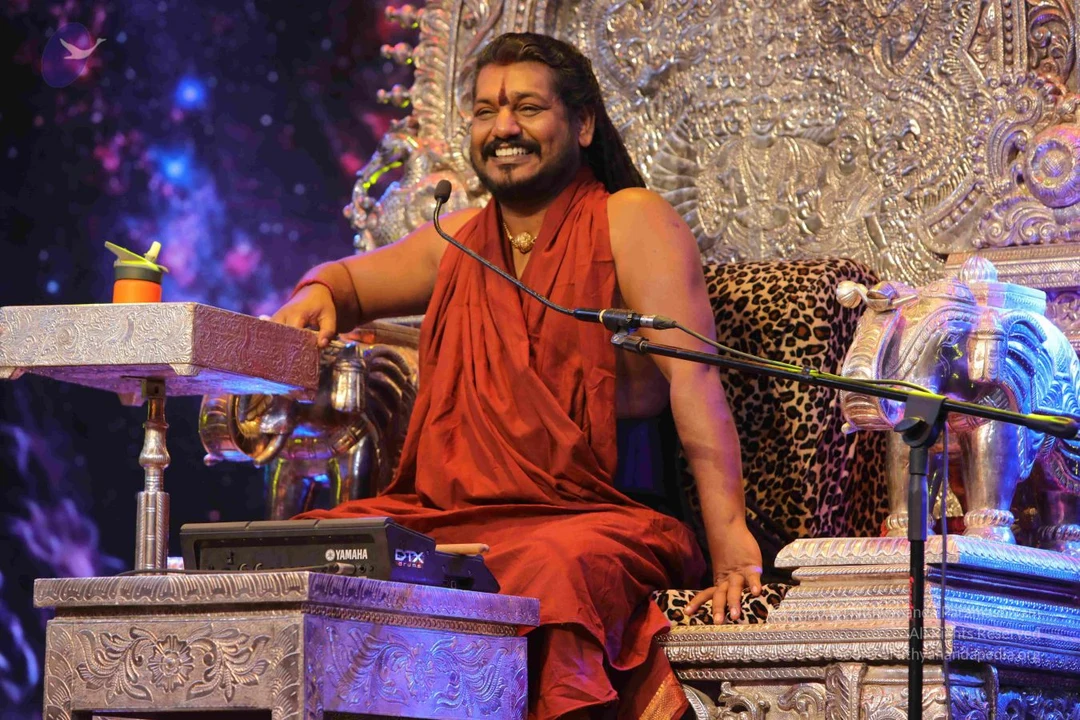
11Dimensions-session
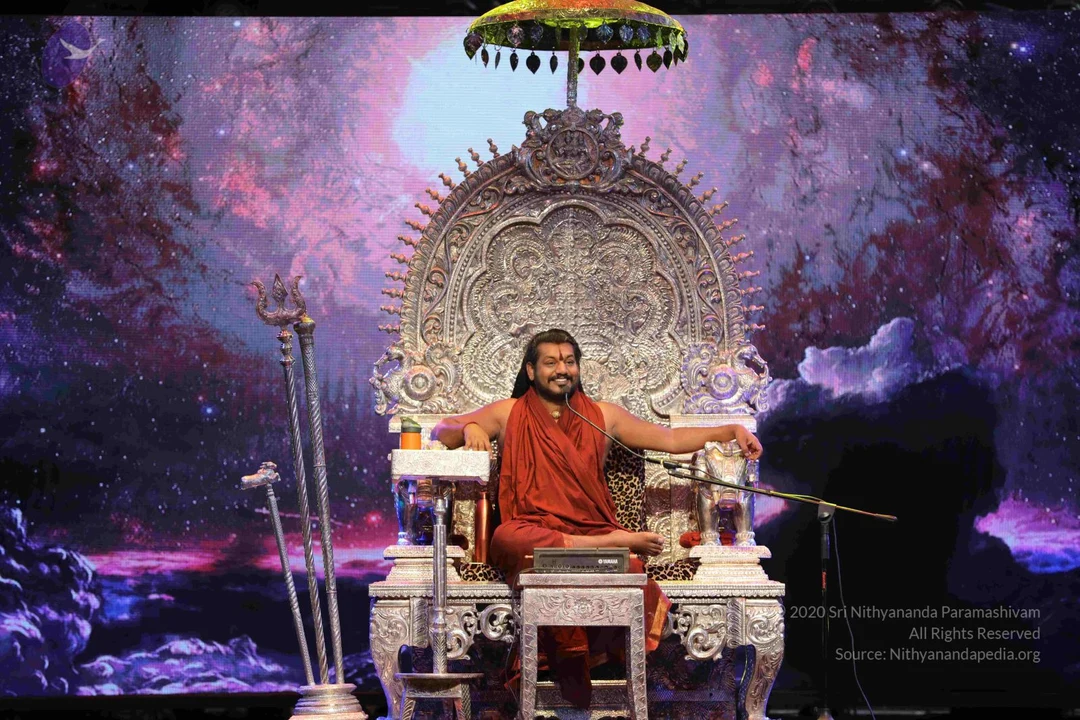
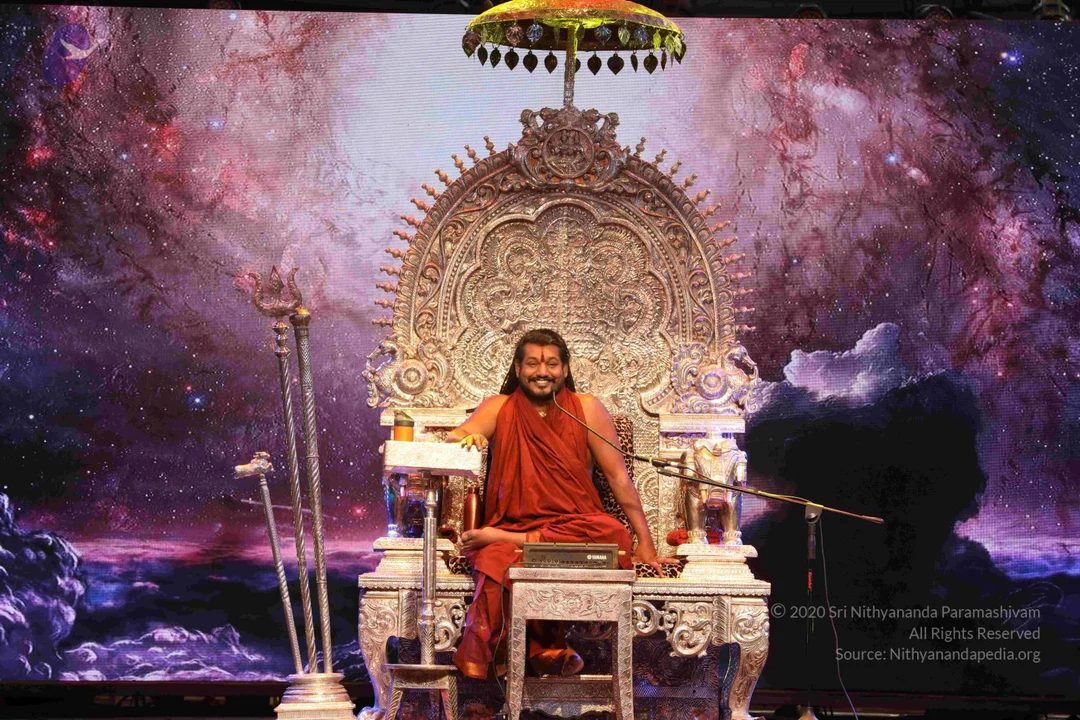
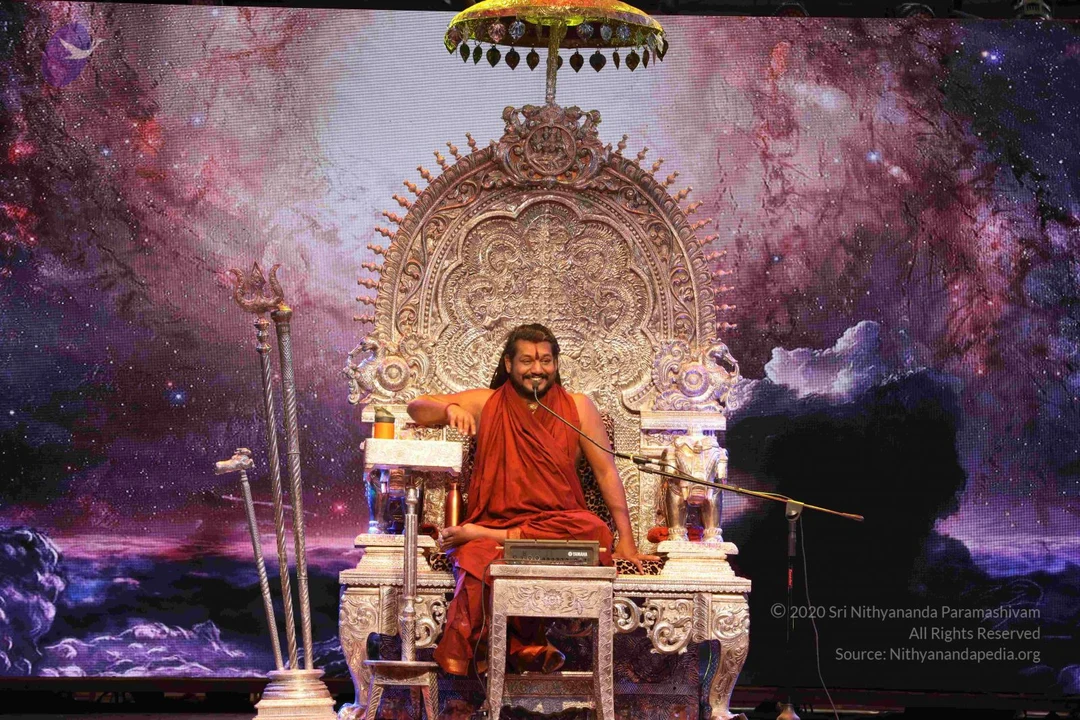
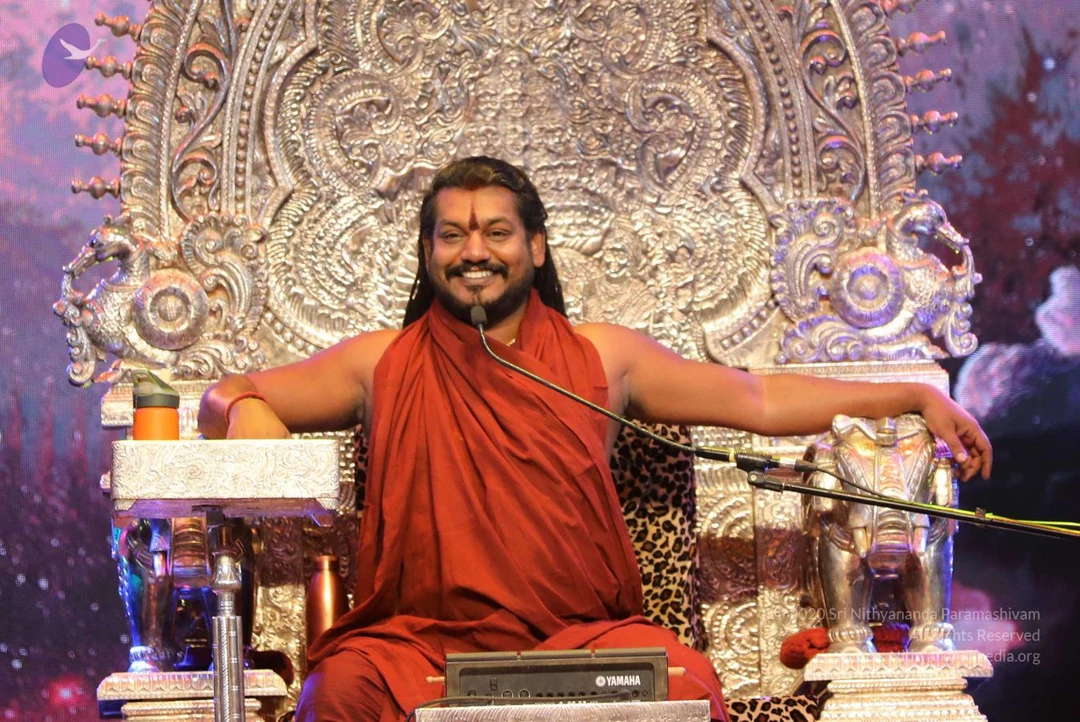
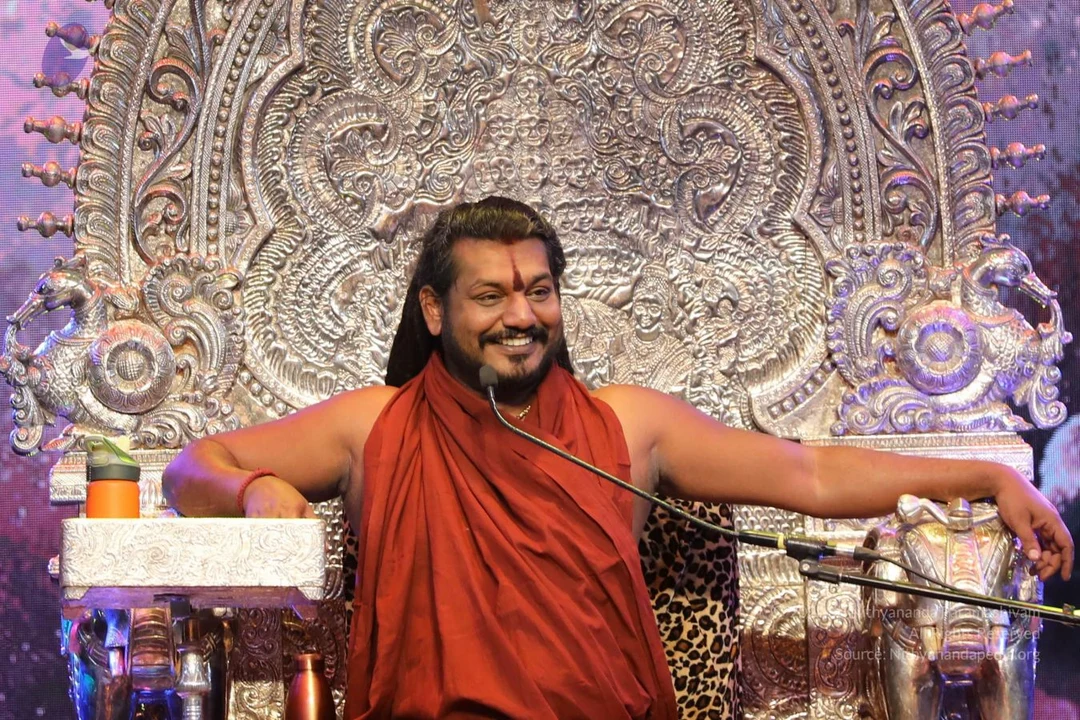
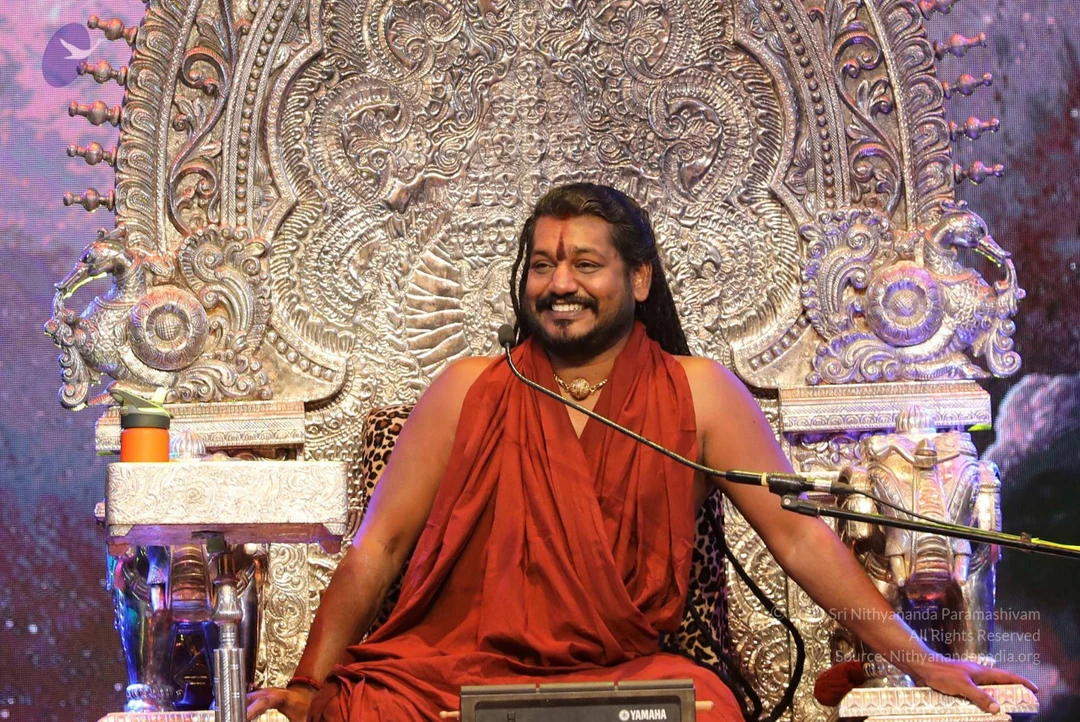
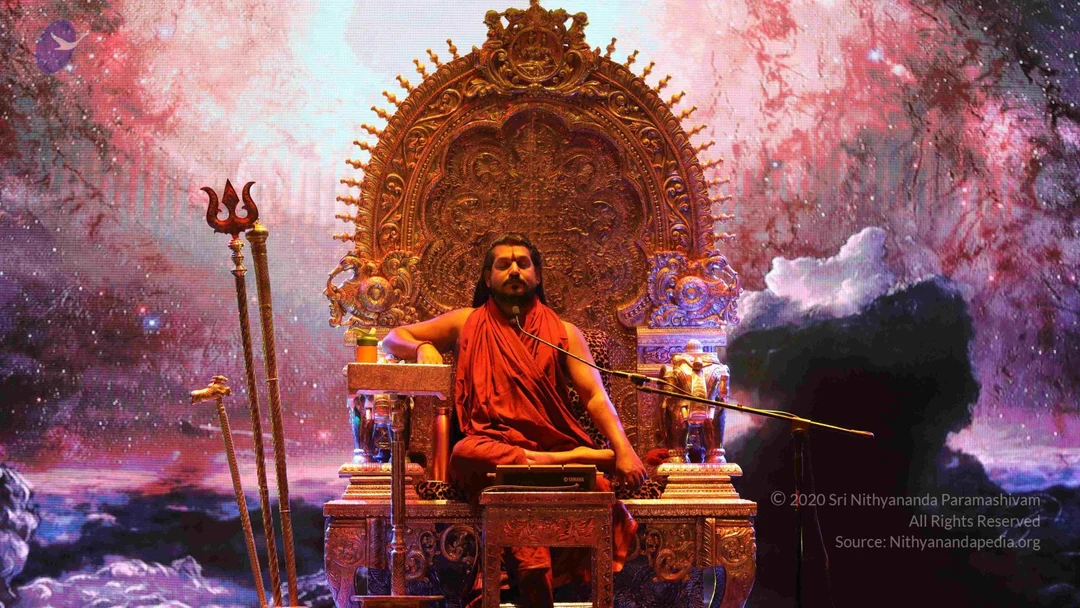
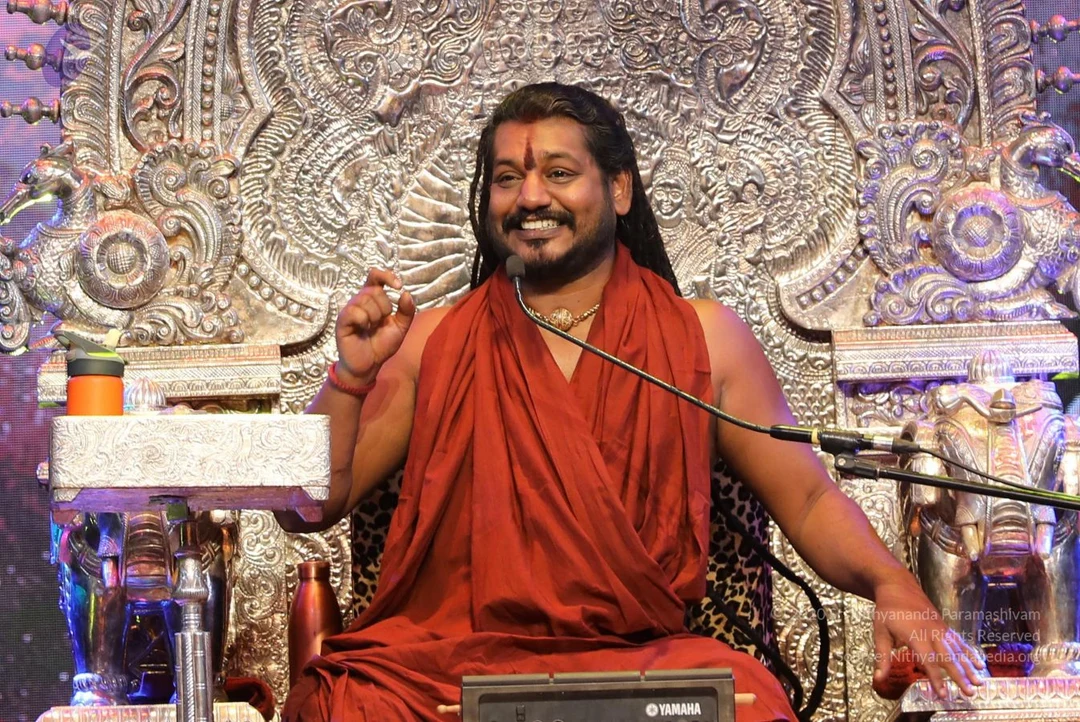
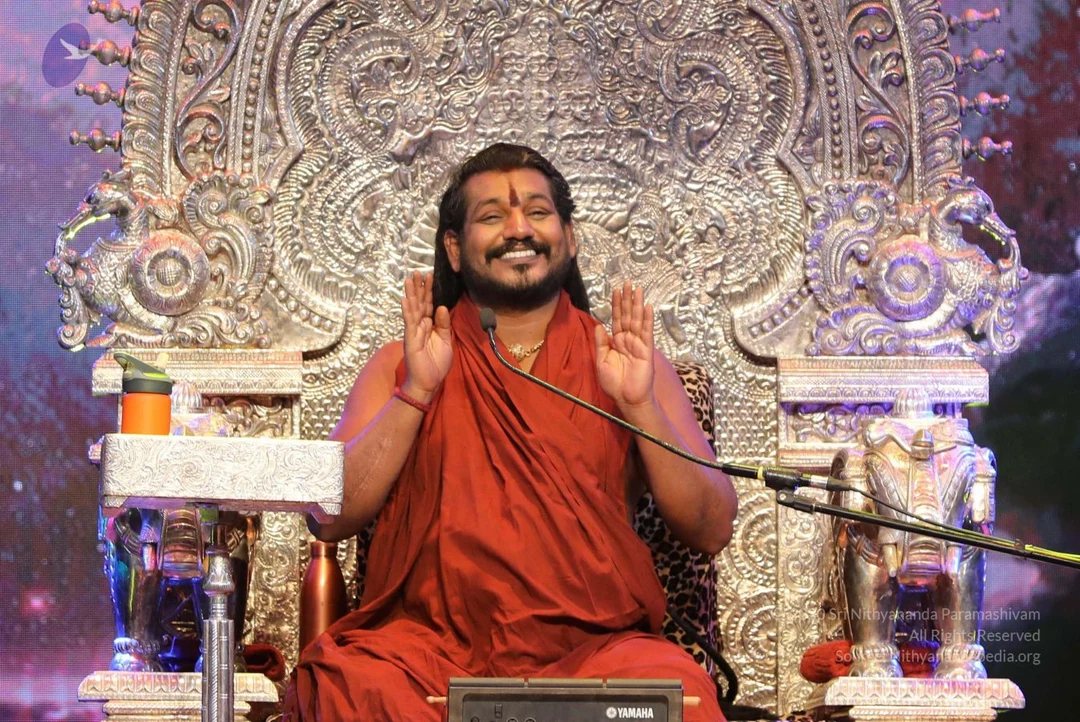
Shiva-Deeksha
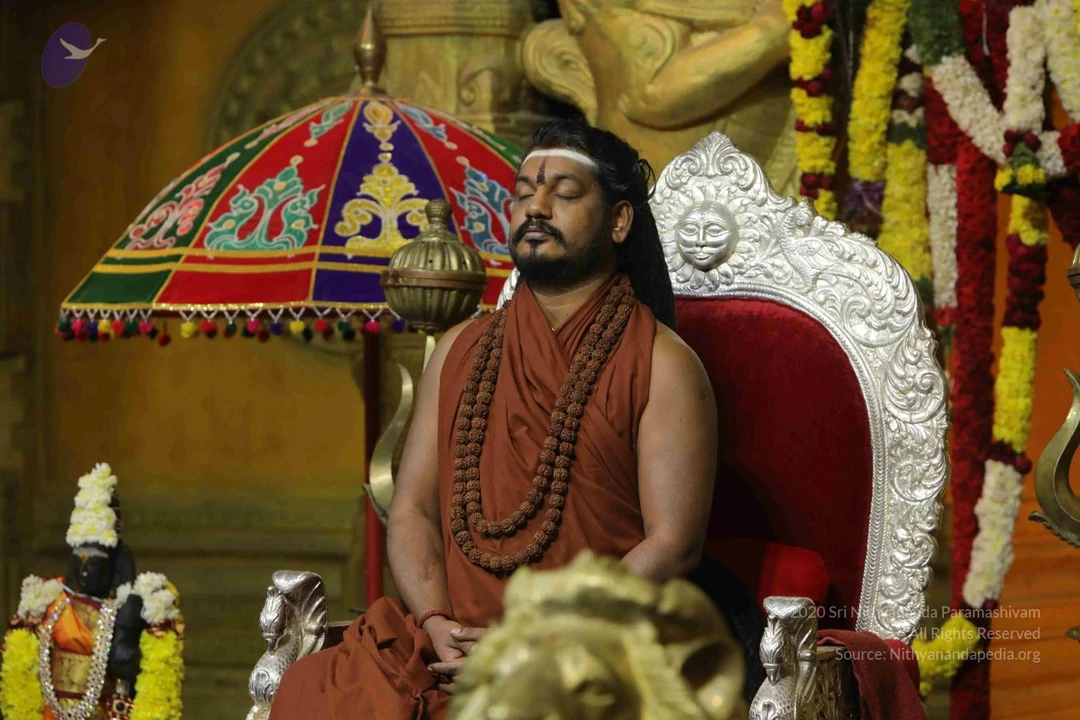
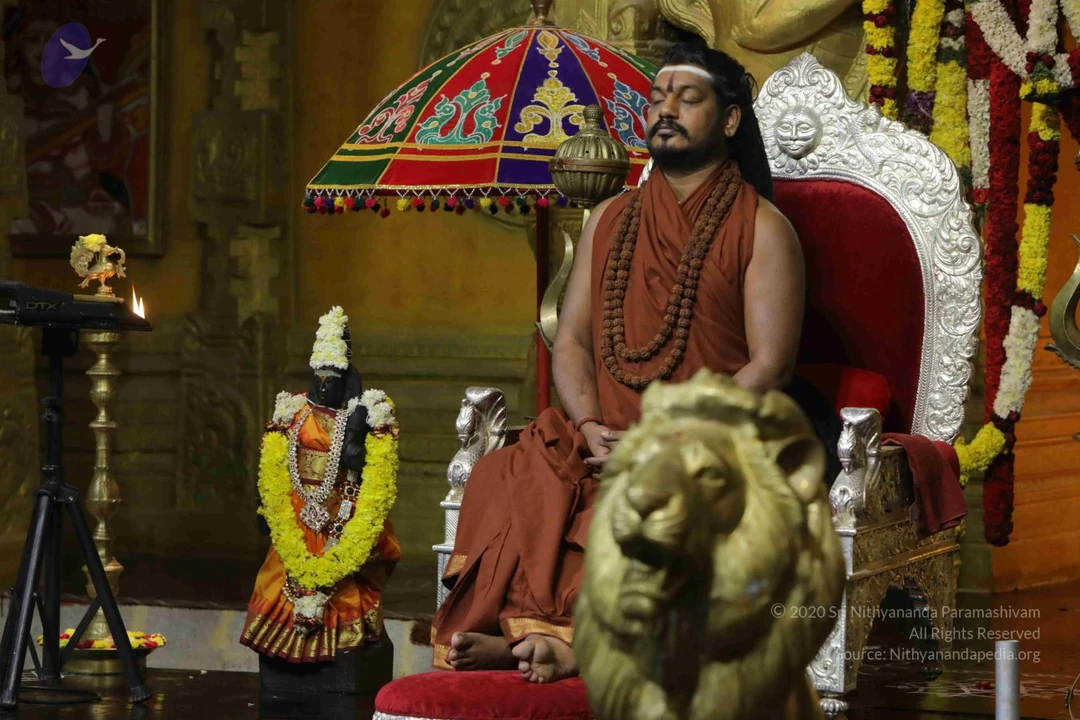


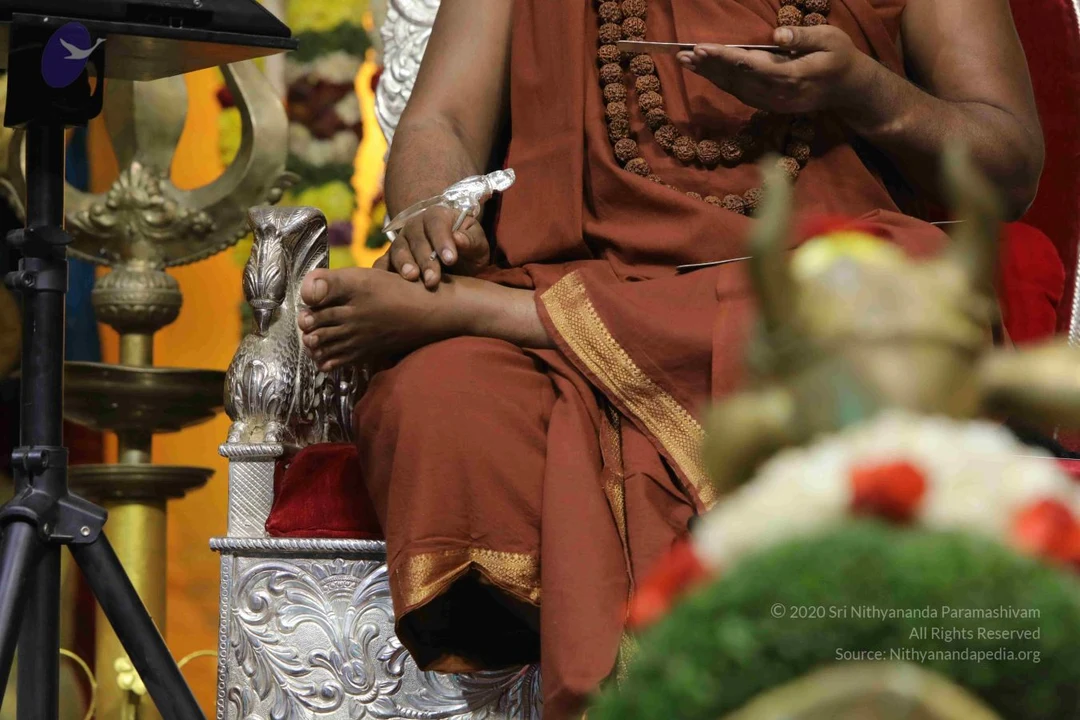
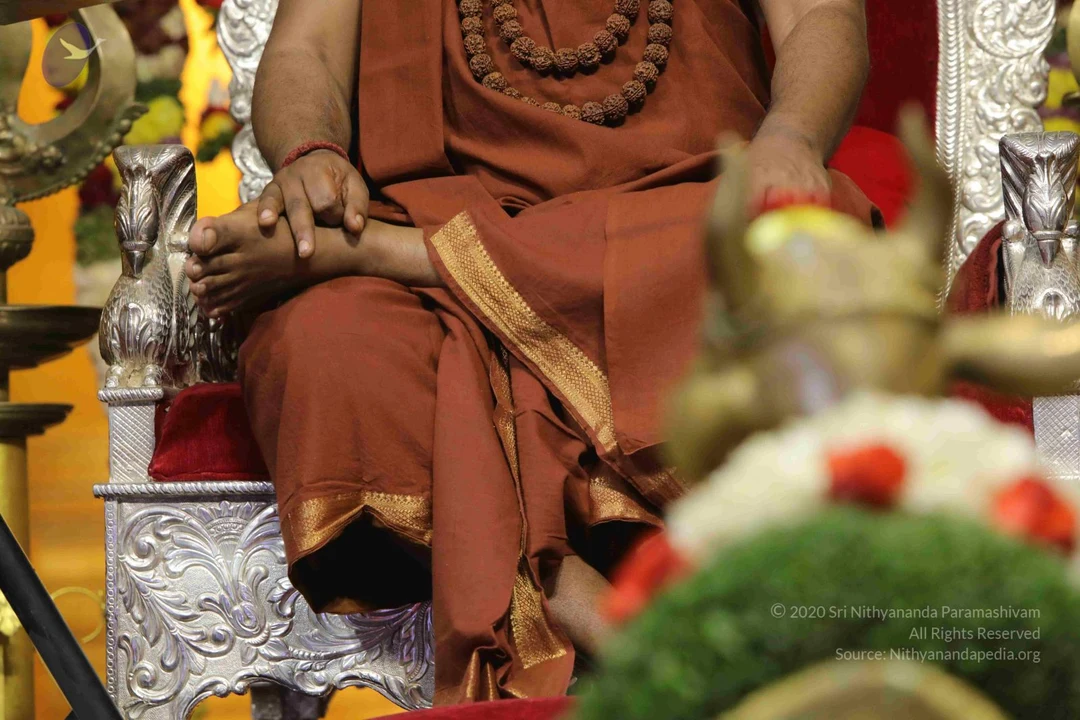
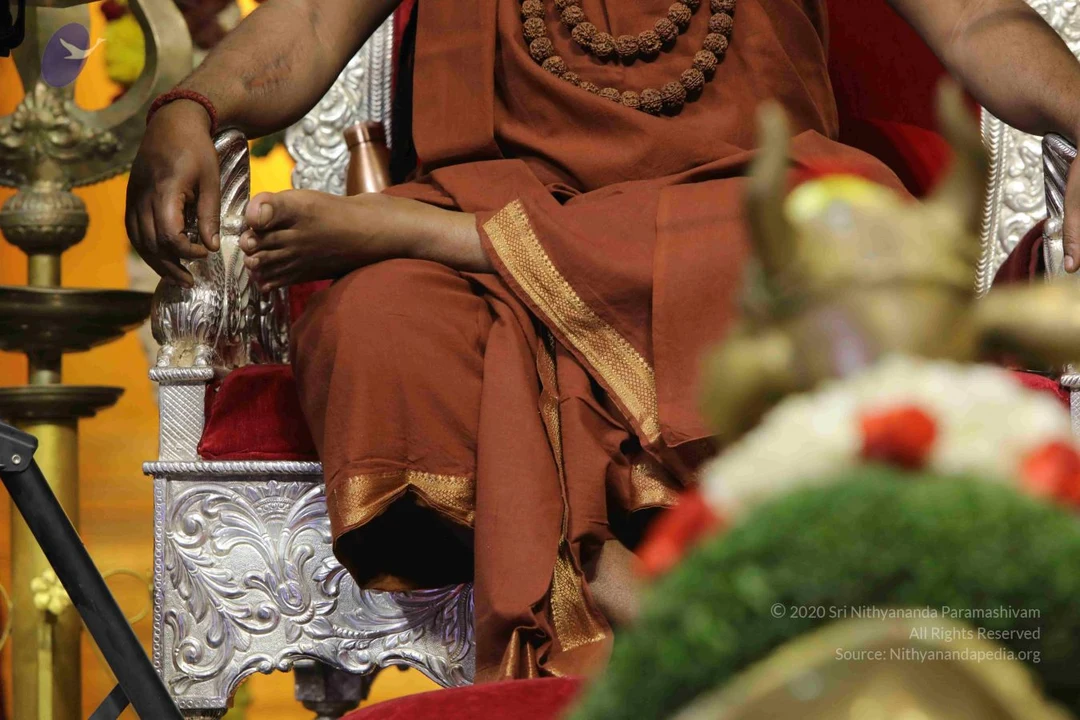
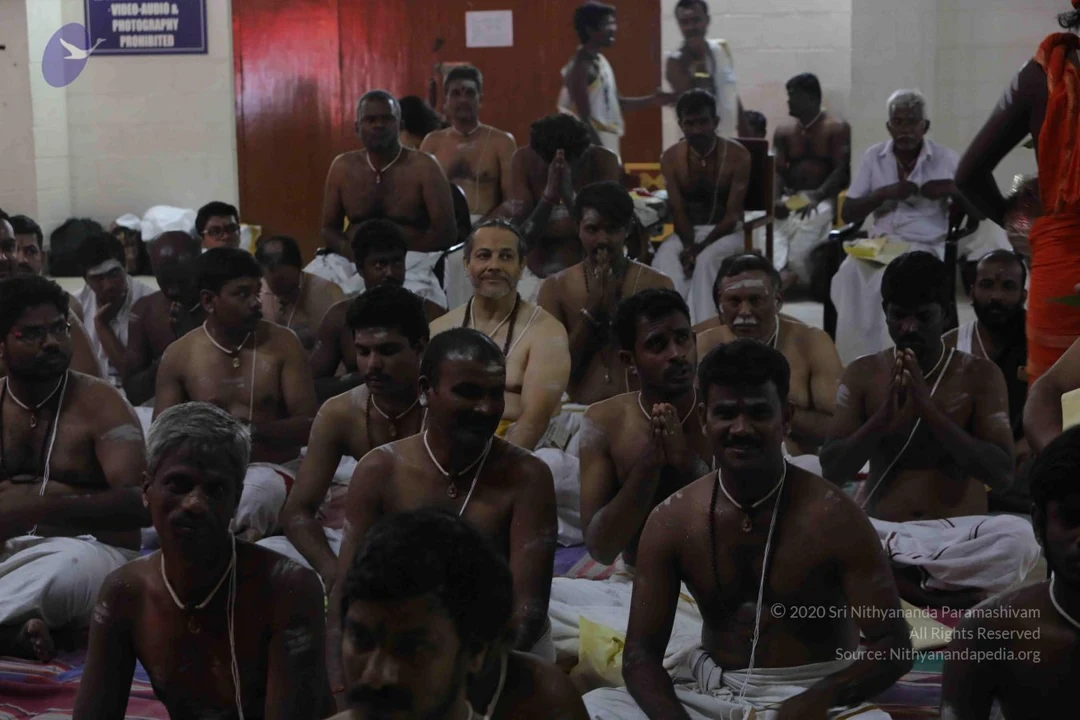
Photos Of The Day:
FB-photo-of-the-day
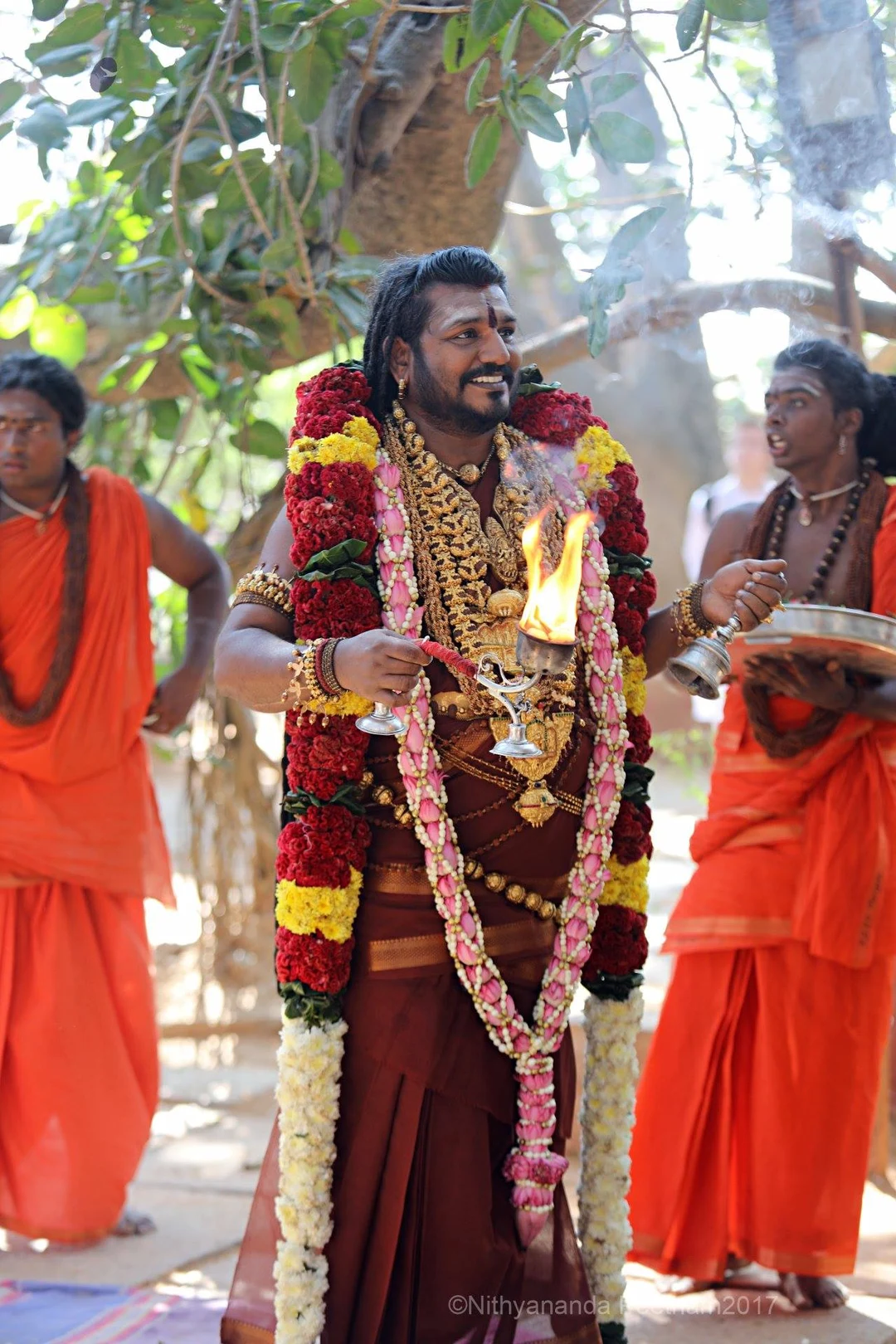
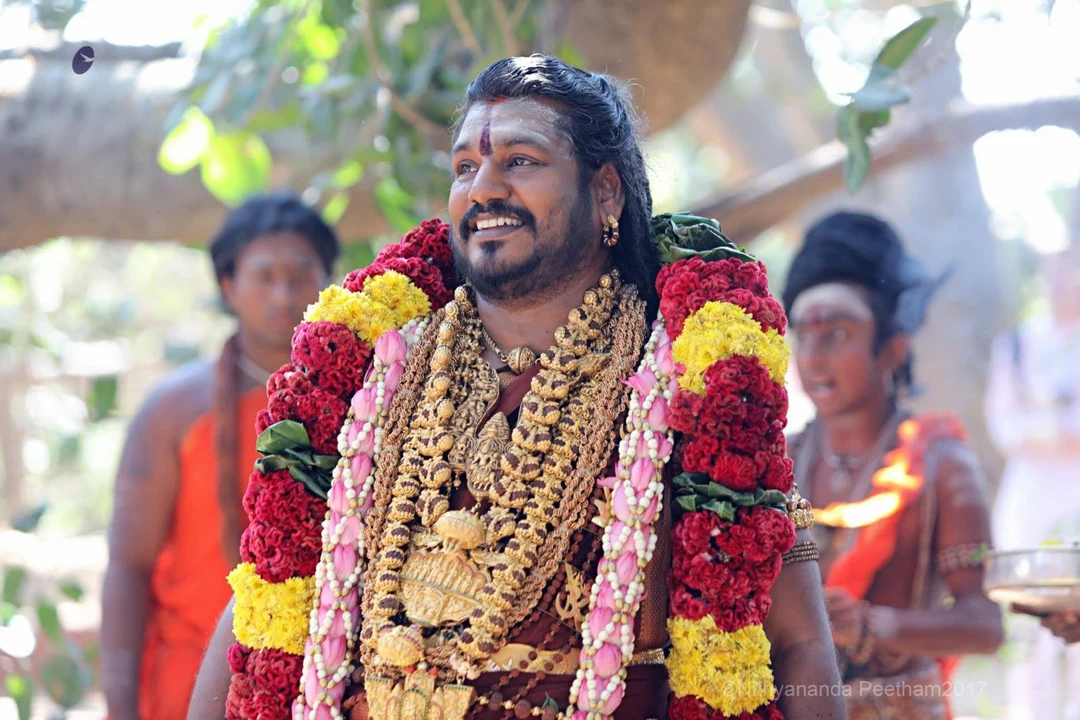
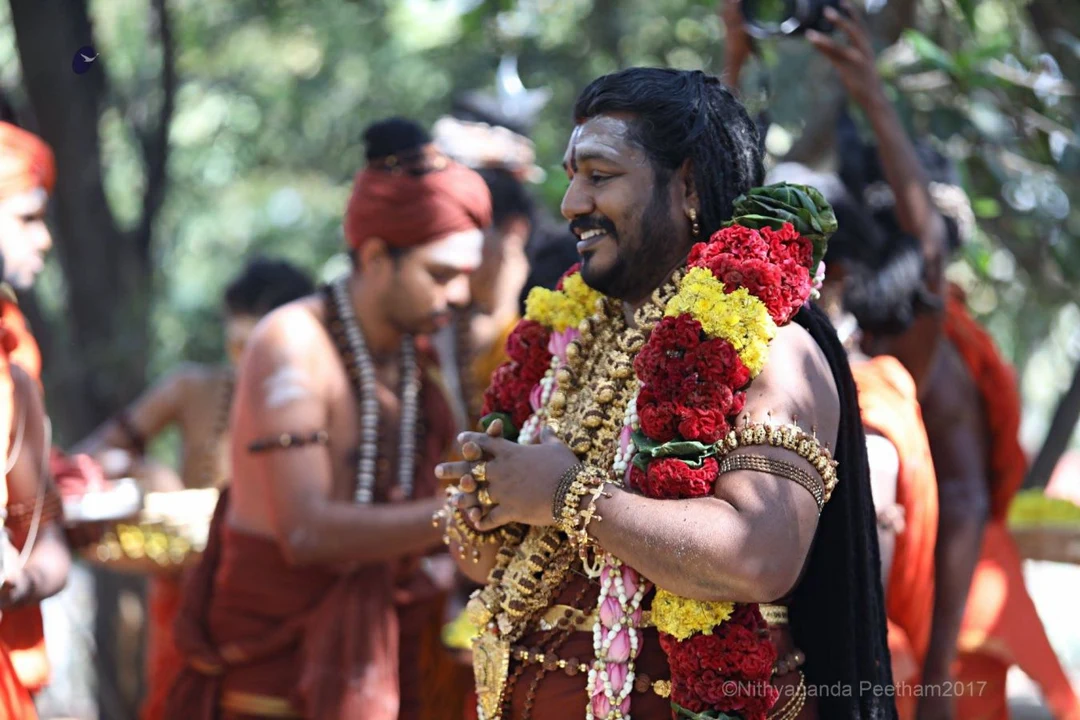
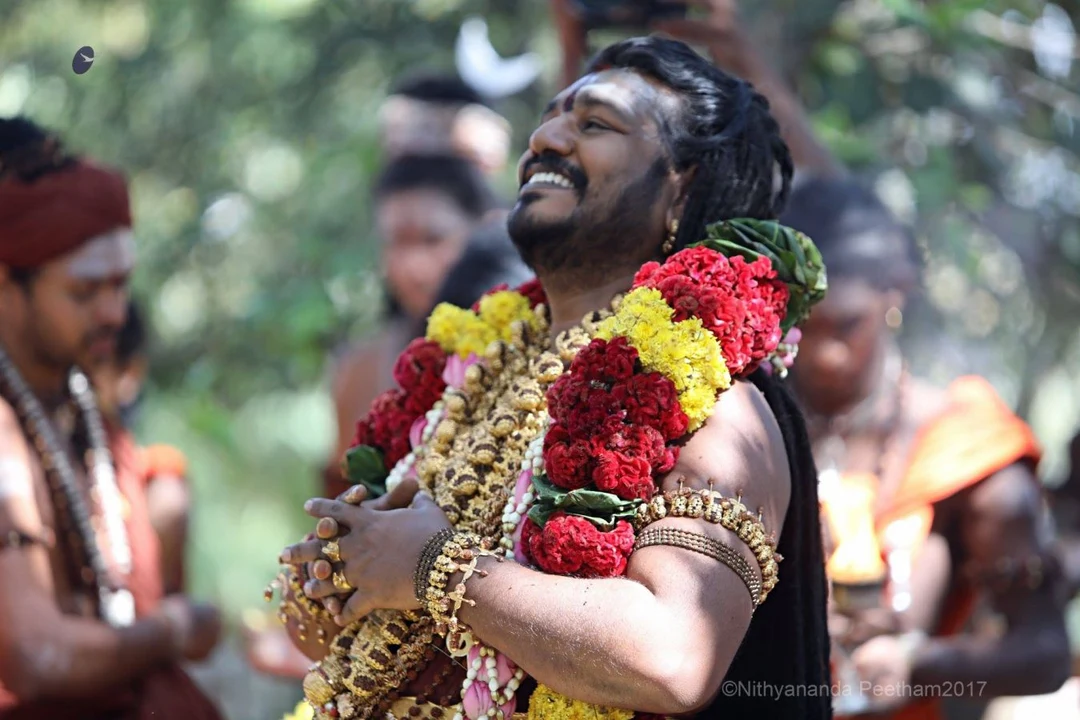




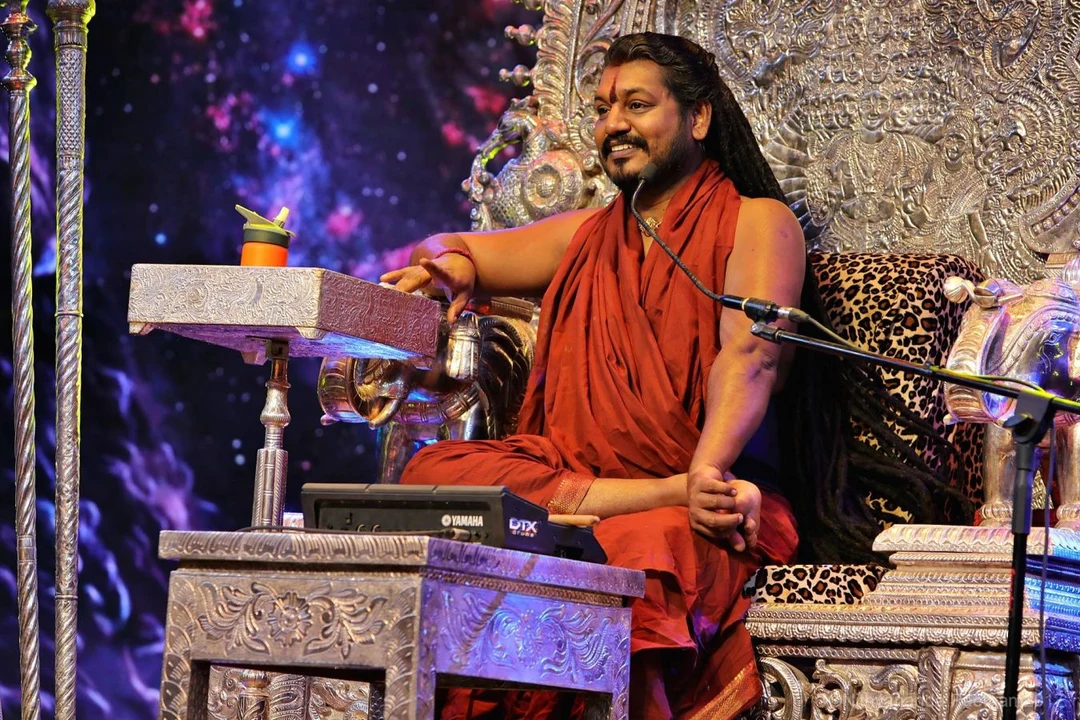
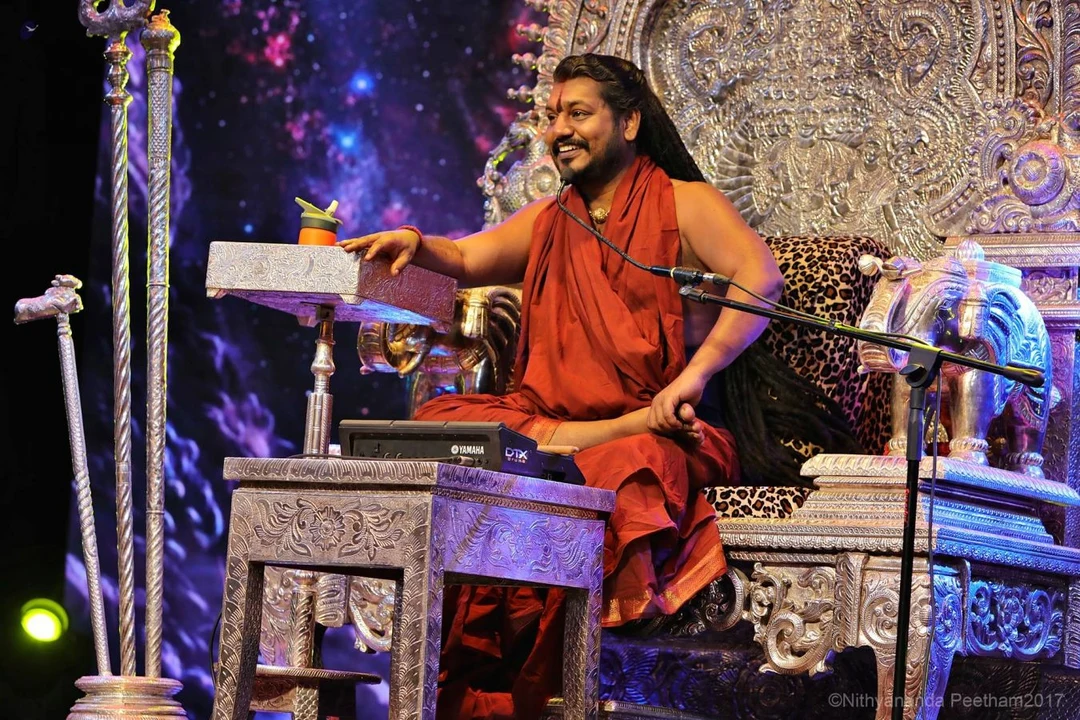
Photos from this day
View all 603 photosDhwajarohanam
47 photosSource gallery
Eleven-dimensions-session
114 photosSource gallery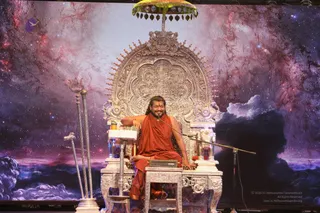
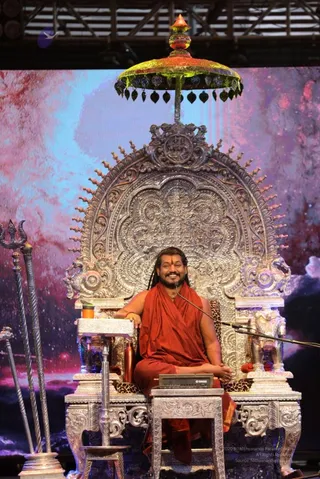
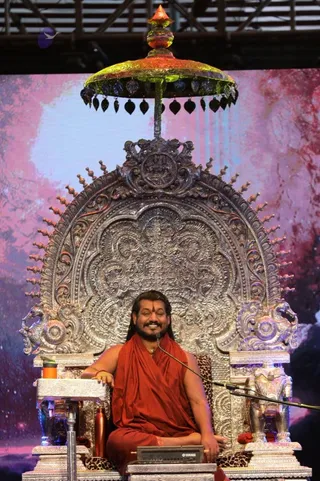
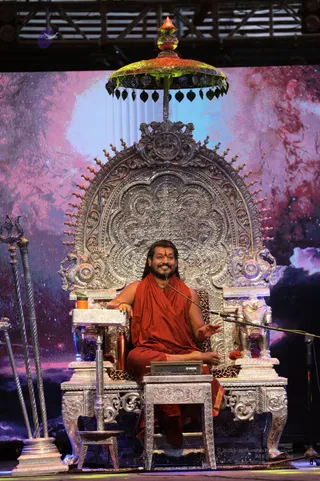
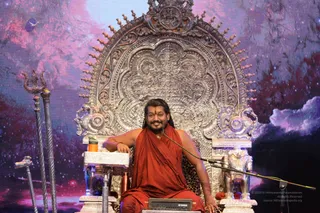
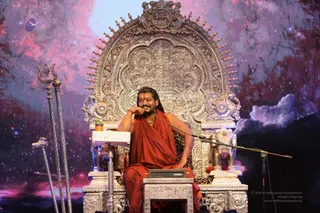
Shiva-deeksha
69 photosSource gallery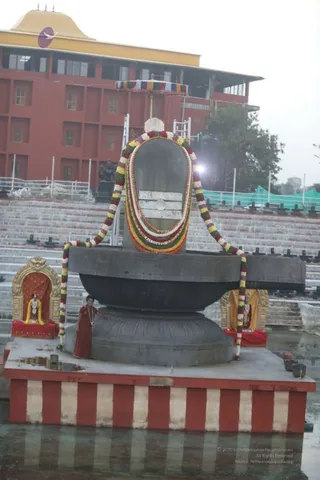
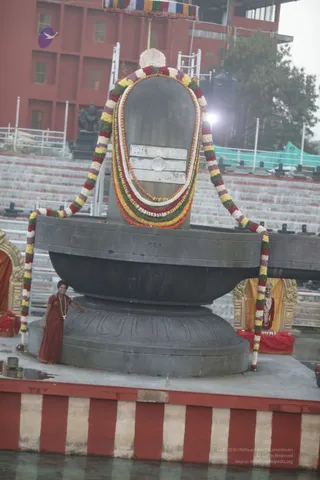
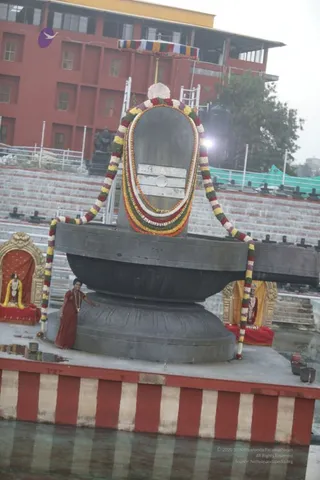
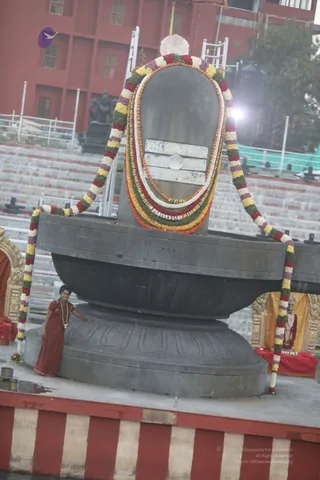
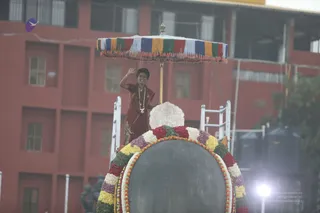
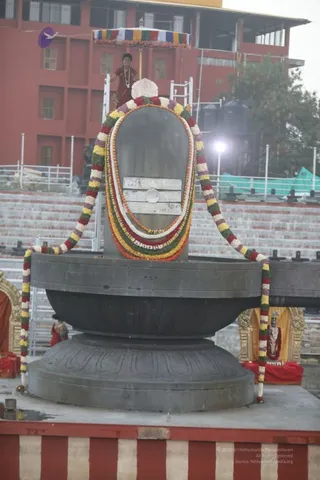
Dhwajaraohanam
42 photosSource gallery
11Dimension-session
152 photosSource gallery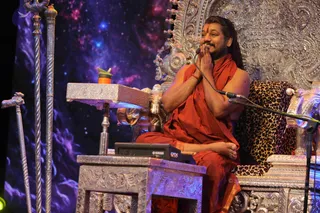
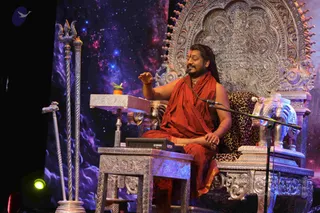
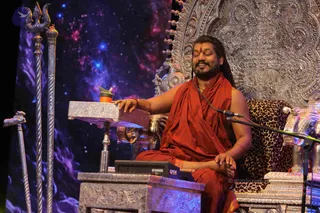
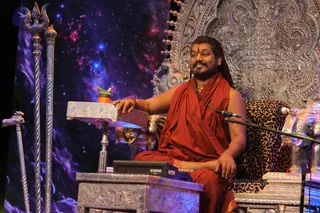
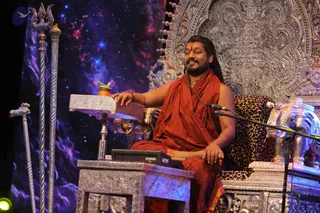
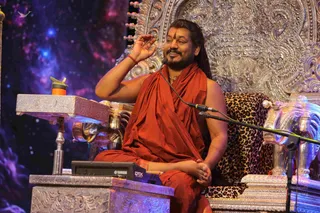
11Dimensions-session
16 photosSource gallery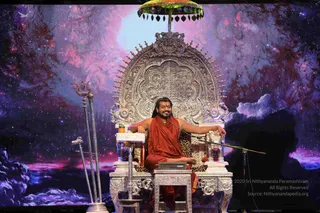
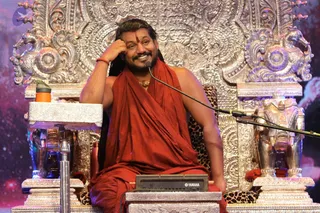
Shiva-Deeksha
25 photosSource gallery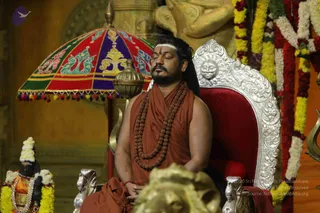
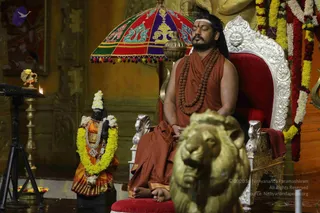
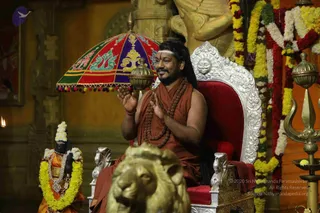
FB-photo-of-the-day
35 photosSource gallery