Tuesday
24 December 2013
Nithyananda Diary | Padapuja | Satsang | Meditation | Sarvadarshan
- Dated photos
- 462
- Source pages
- 1
- Media
- 2
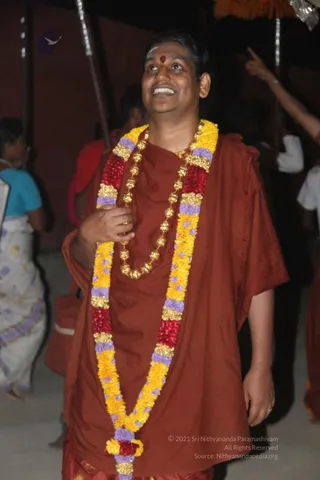
December 24 2013
Original wiki pageTitle
Nithyananda Diary | Padapuja | Satsang | Meditation | Sarvadarshan
Description:
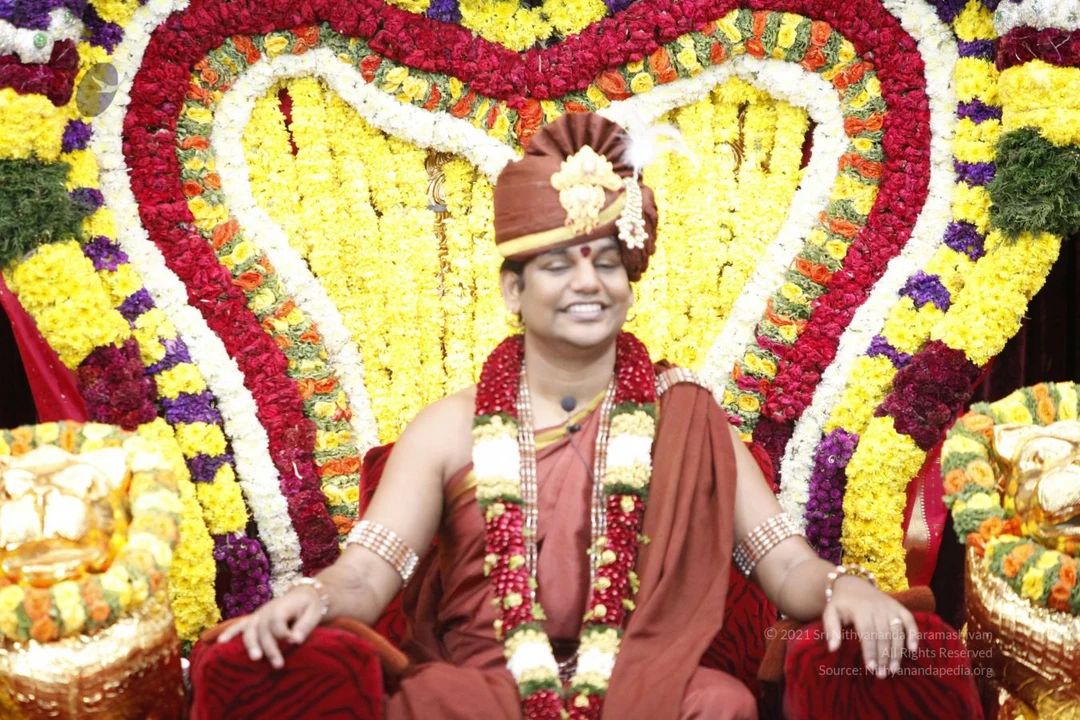
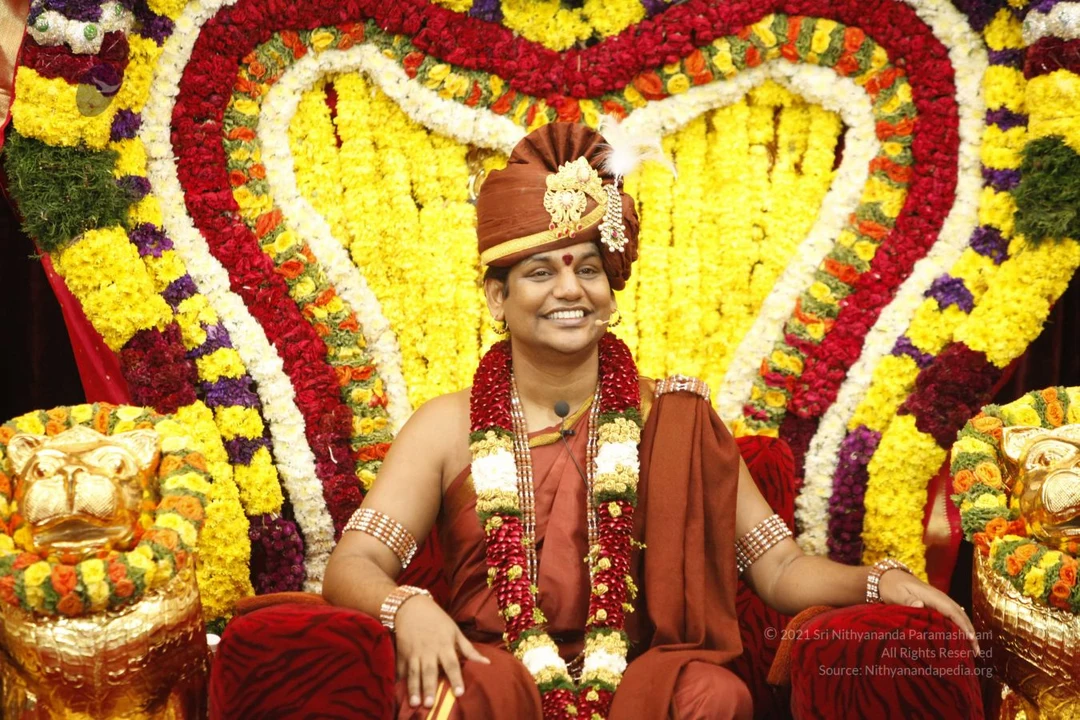
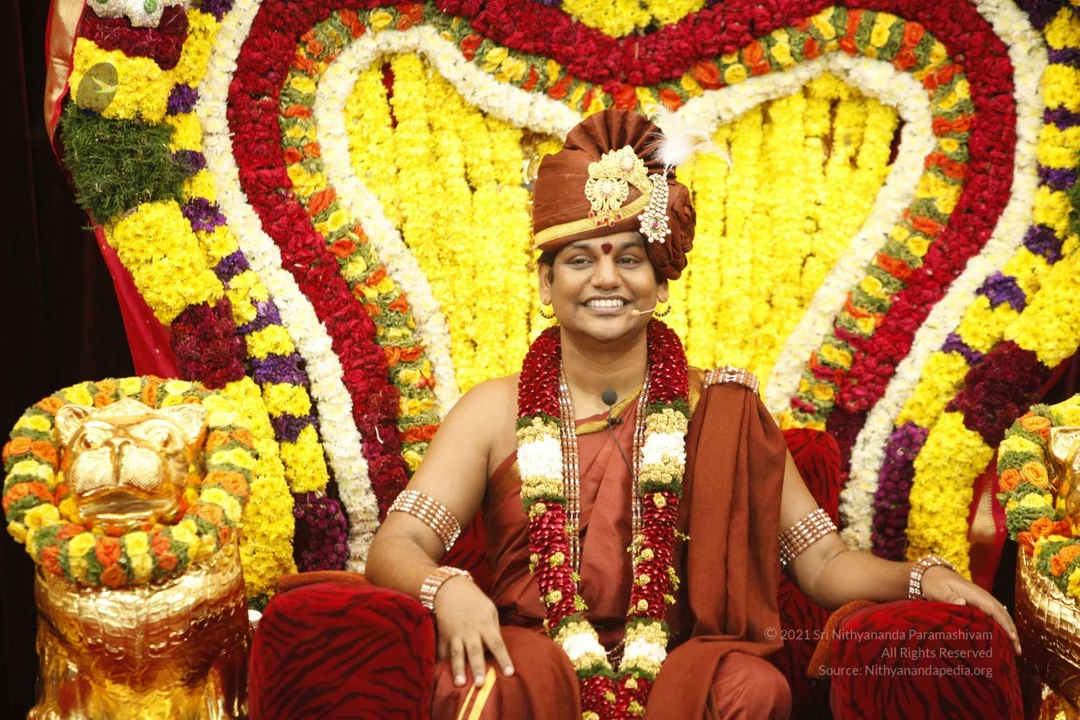
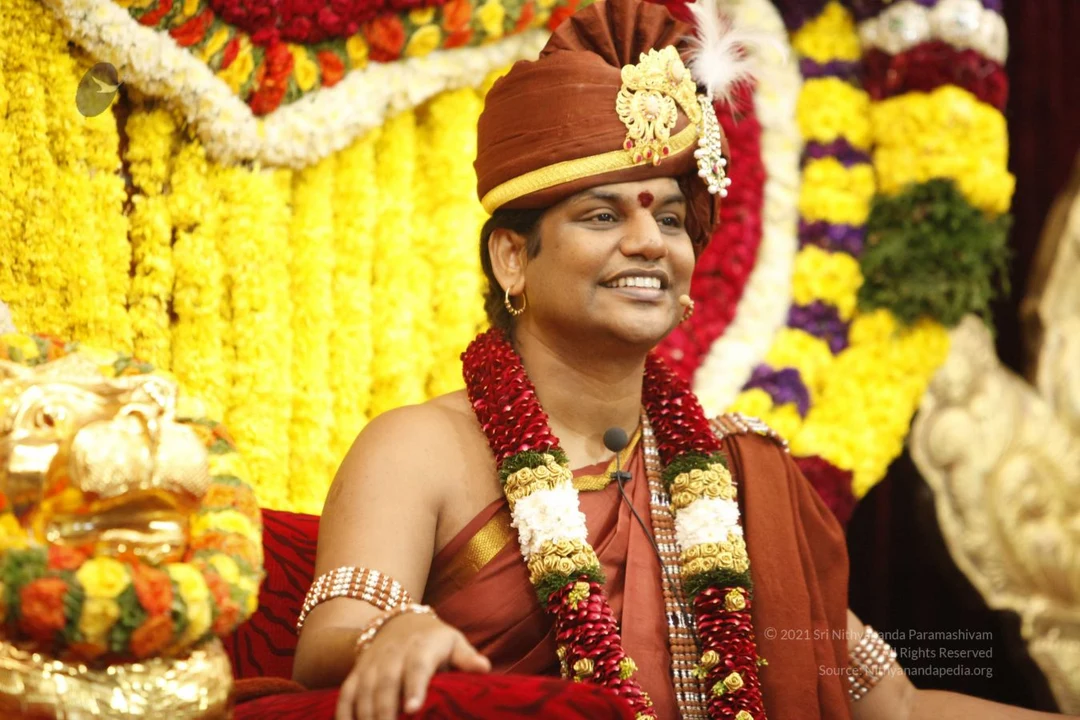
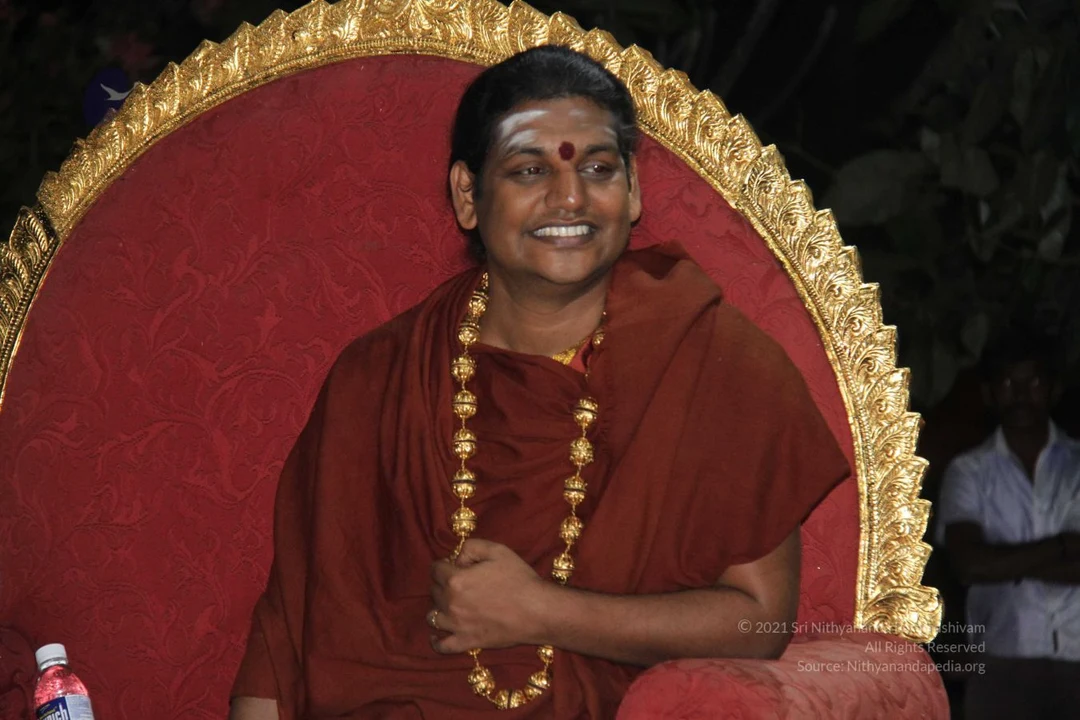
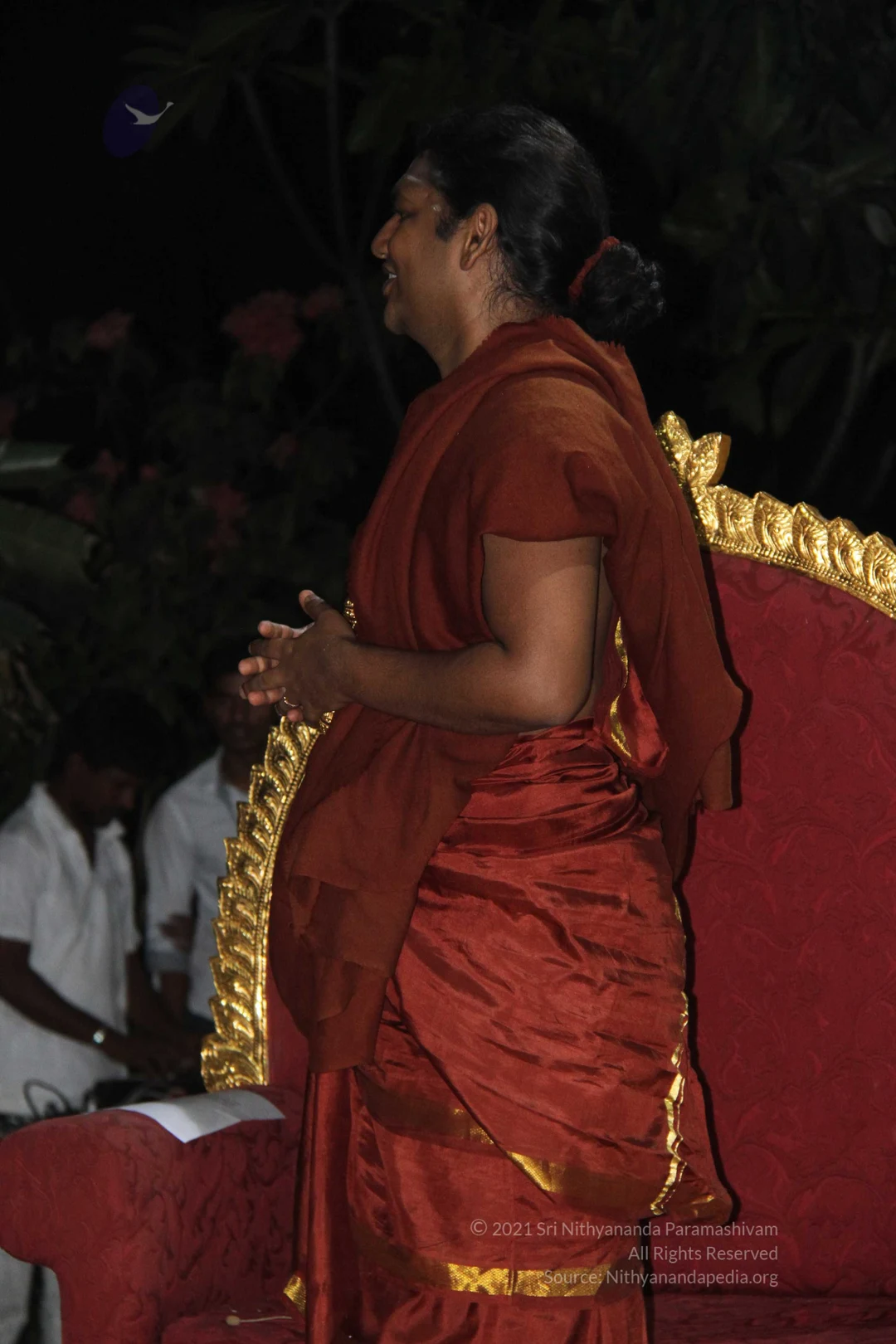
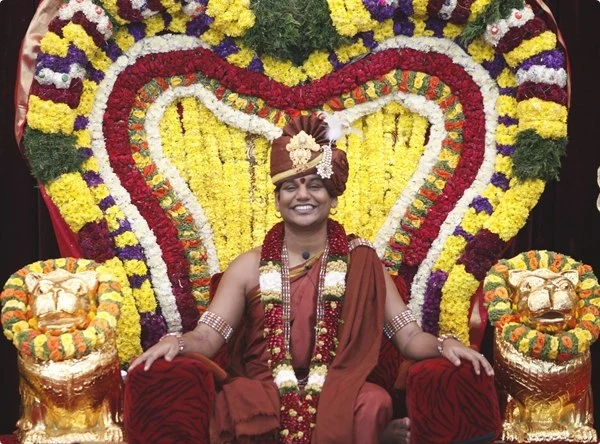
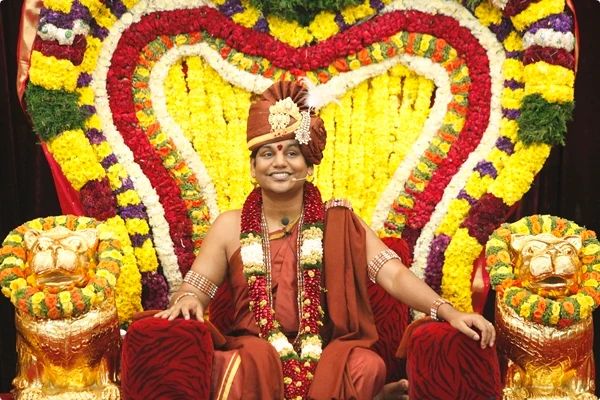
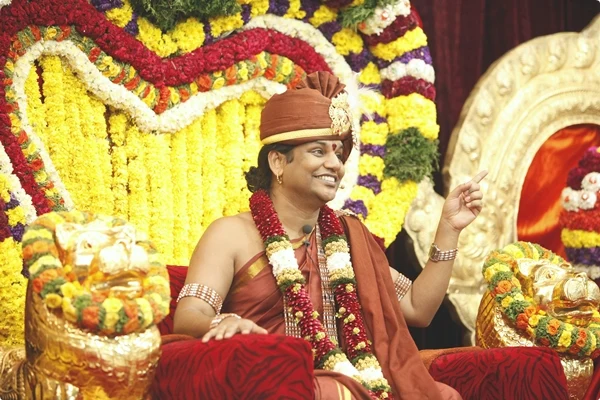
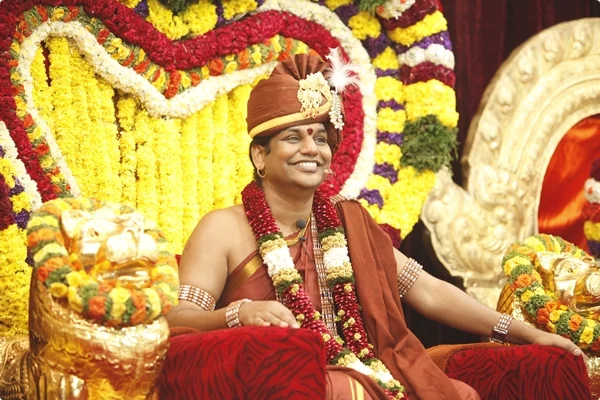
In today’s morning Satsang, Paramahamsa Nithyananda explains how enriching can be used as a sure test to measure our spiritual growth. When we have imbibed the spiritual truths, enriching becomes a great excitement! When we provide authentic listening for others, we can speak into their listening, moving an inspiring them! Let us be authentic listeners, continuously inspiring others, living in eternal enrichment.
Link to Video:
Audio Link
speak into the listening of the listener
Transcript:
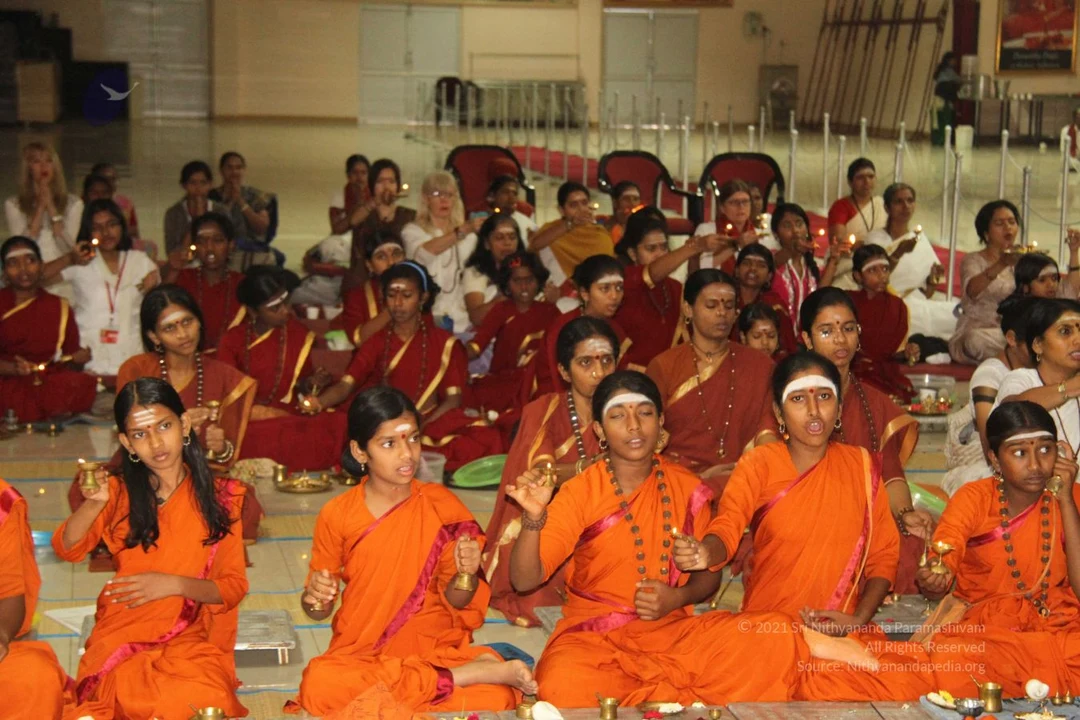
I welcome all the devotees, disciples, samajis, satsanghis sitting with us through Nithyananda TV, Sadhna TV, Lotus News Channel, Eshwar TV, Janashree TV, and through two-way video-conferencing in twenty-two cities in twenty-two countries around the world.
The cities sitting with us through two-way video-conferencing: Toronto-Kailasam, San Jose-Madurai, Los Angeles-Arunachalam, Nithyananda Nagaramu-Hyderabad, Guadeloupe-Rameshwaram, Ohio-Prayag, Oklahoma-Somanatham, Singapore-Singapuram, Seattle-Chidambaram, Oman Sivagangai, Tiruvanmiyur-Chennai, Kathmandu-Nepal, Kuala Lumpur-Palani, Enriching Temple - Bidadi, Seattle-Mukthika, Hyderabad-Gupta Kashi, Bangalore-Cambridge Layout, San Diego-La Jolla, Warrington-UK, Dakota Dunes, Dubai-Vaidyanatham.
With this, I welcome all of you with my love and blessings.
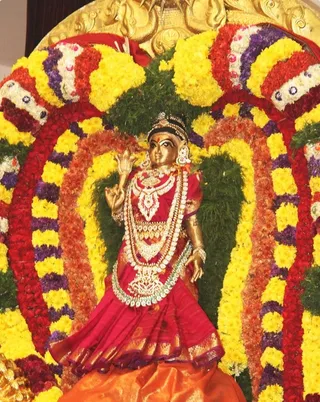
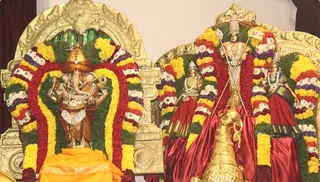
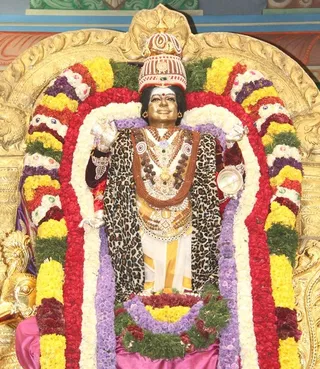
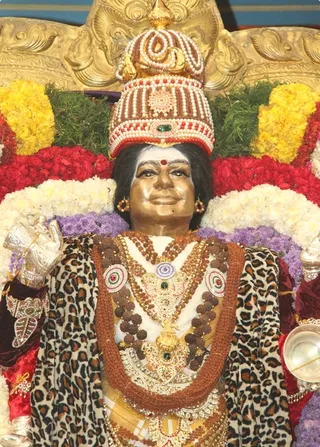
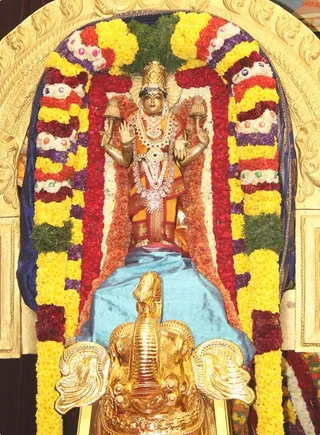
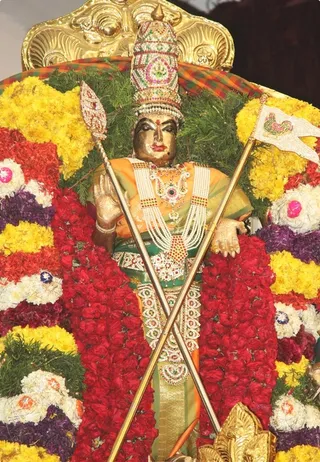
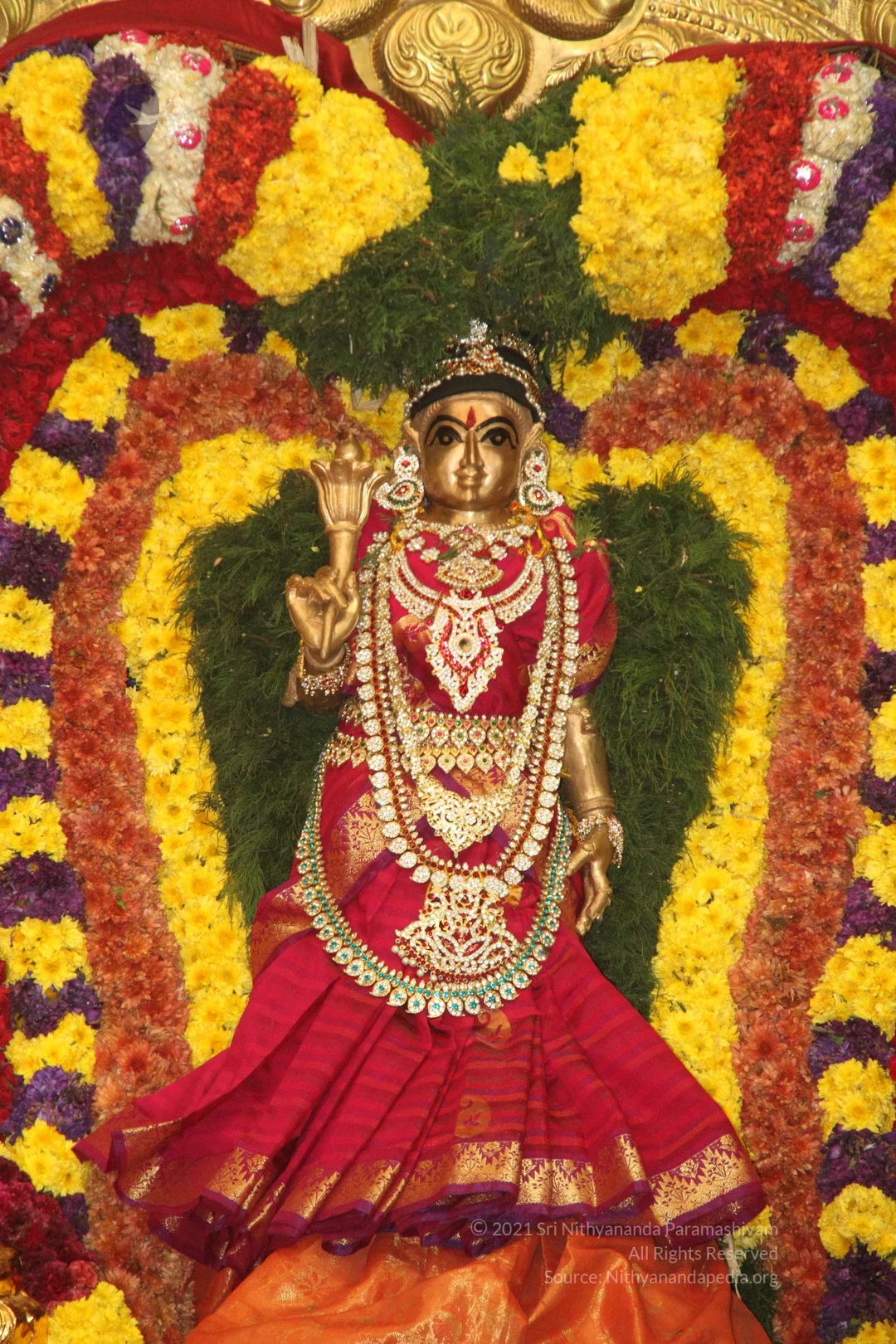
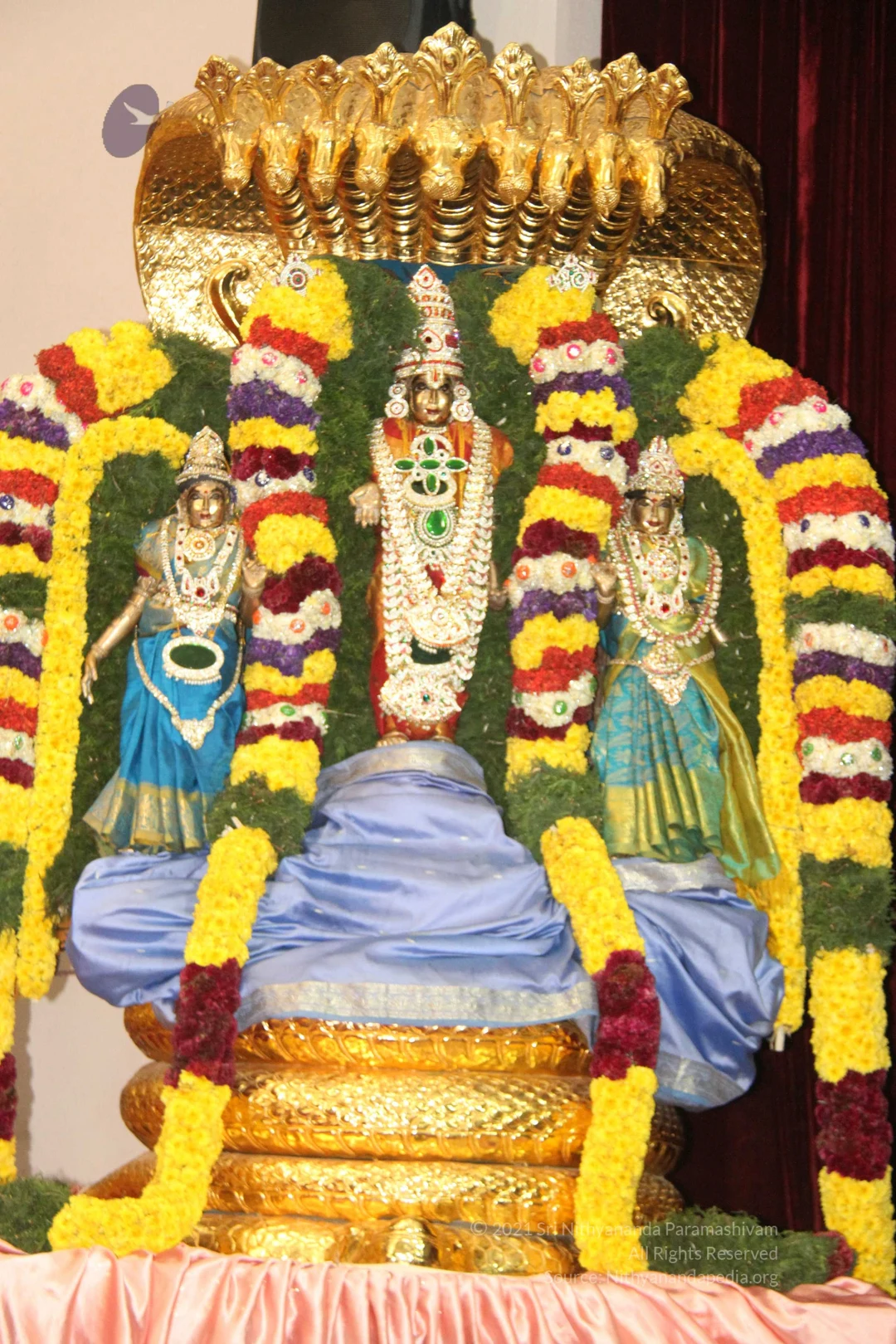
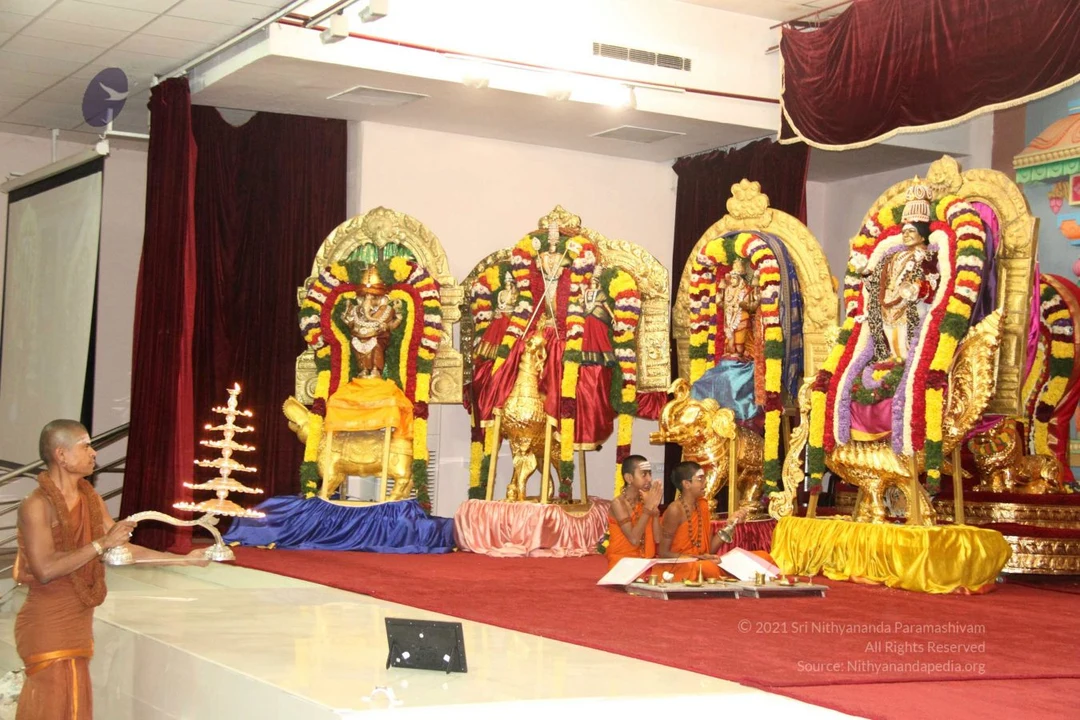
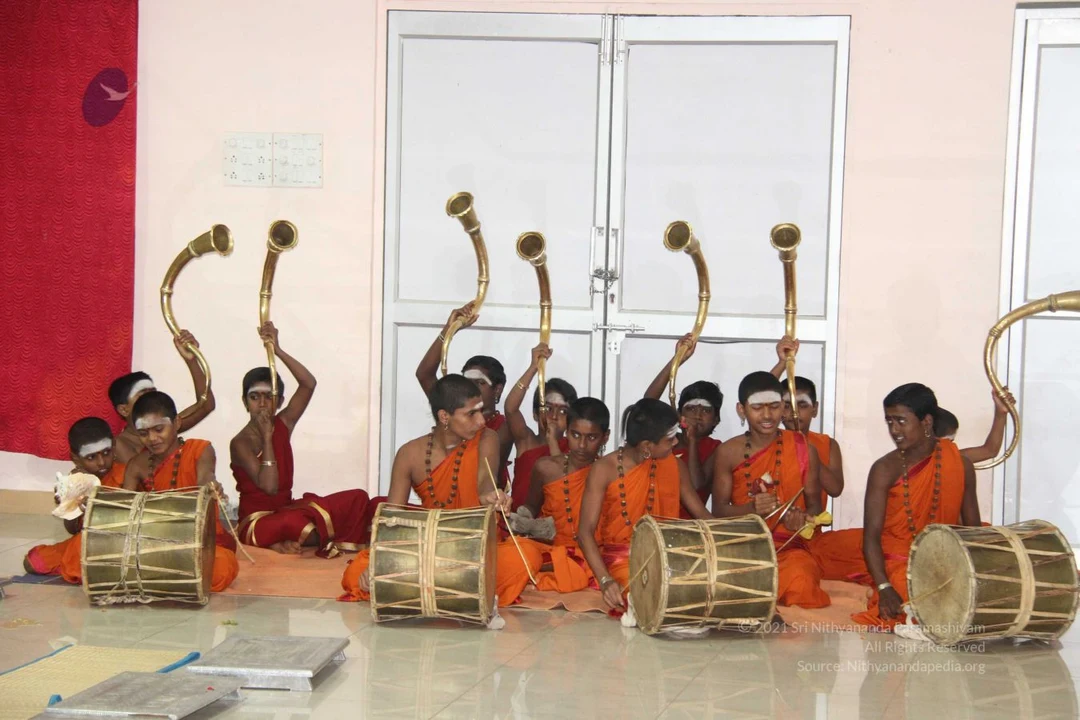
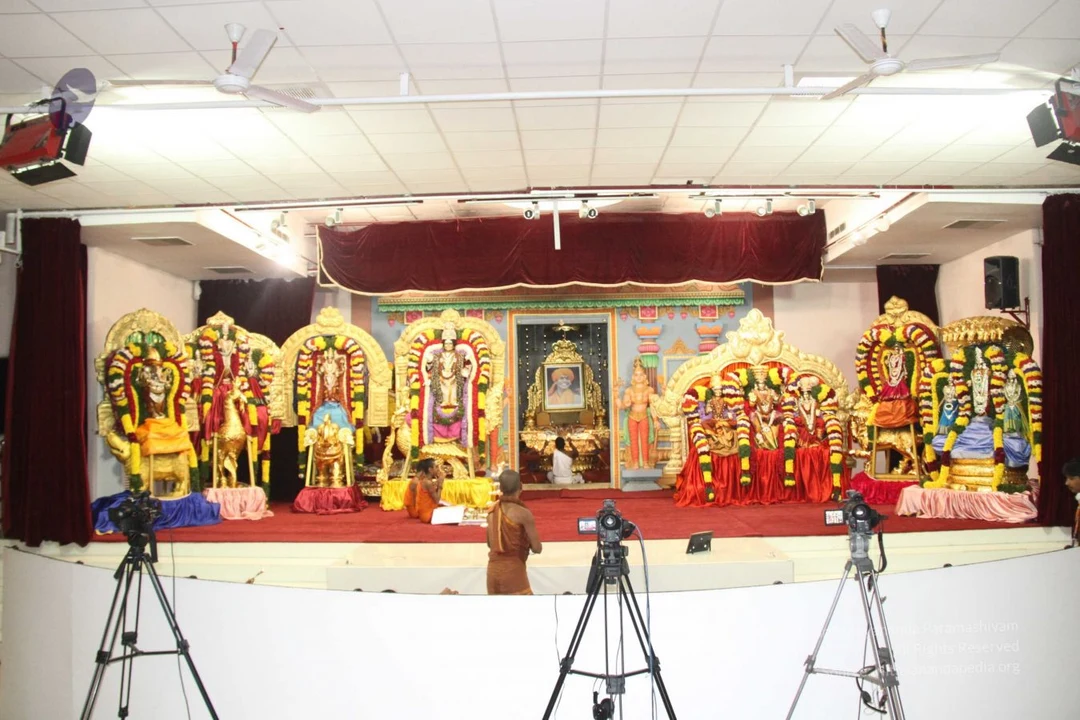
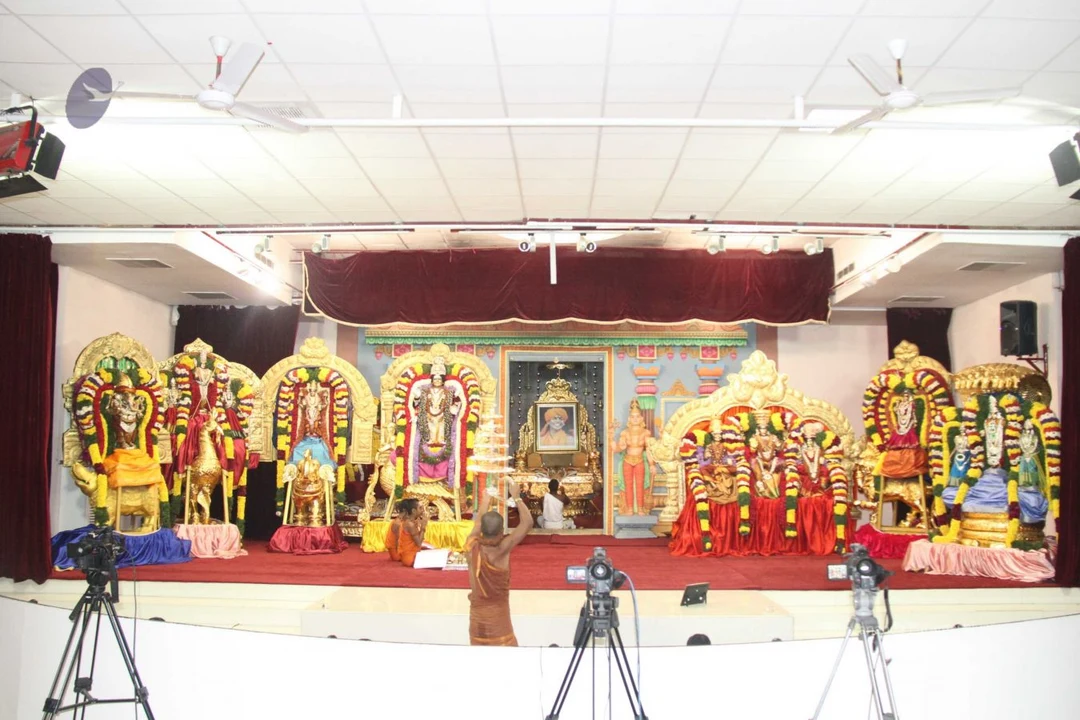
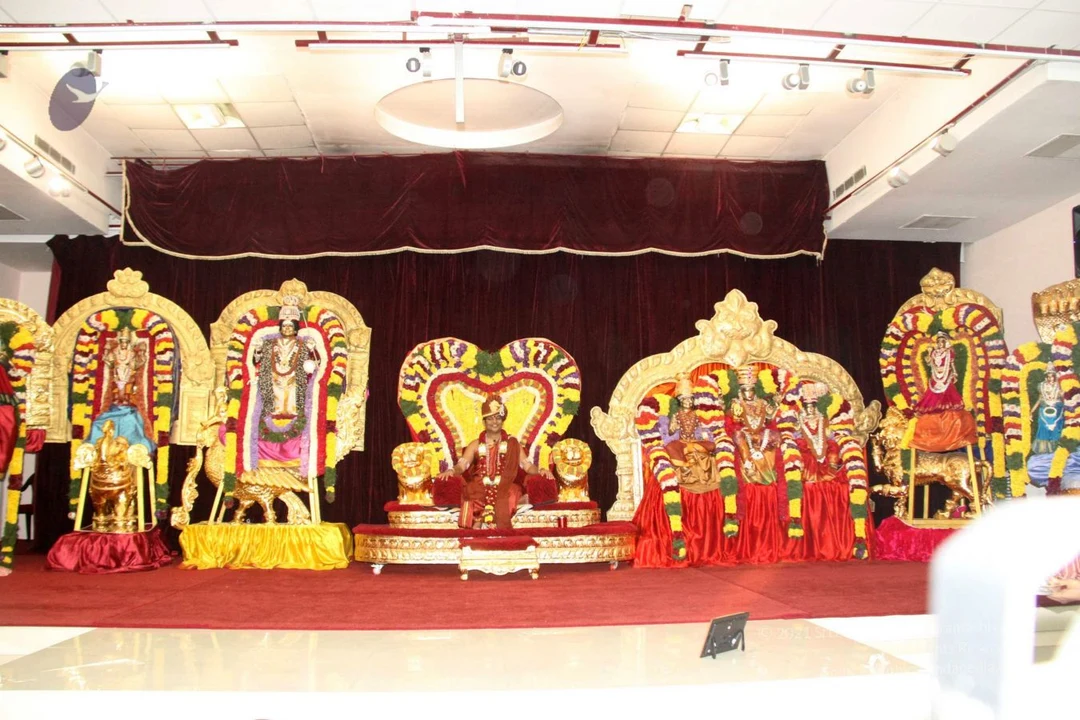
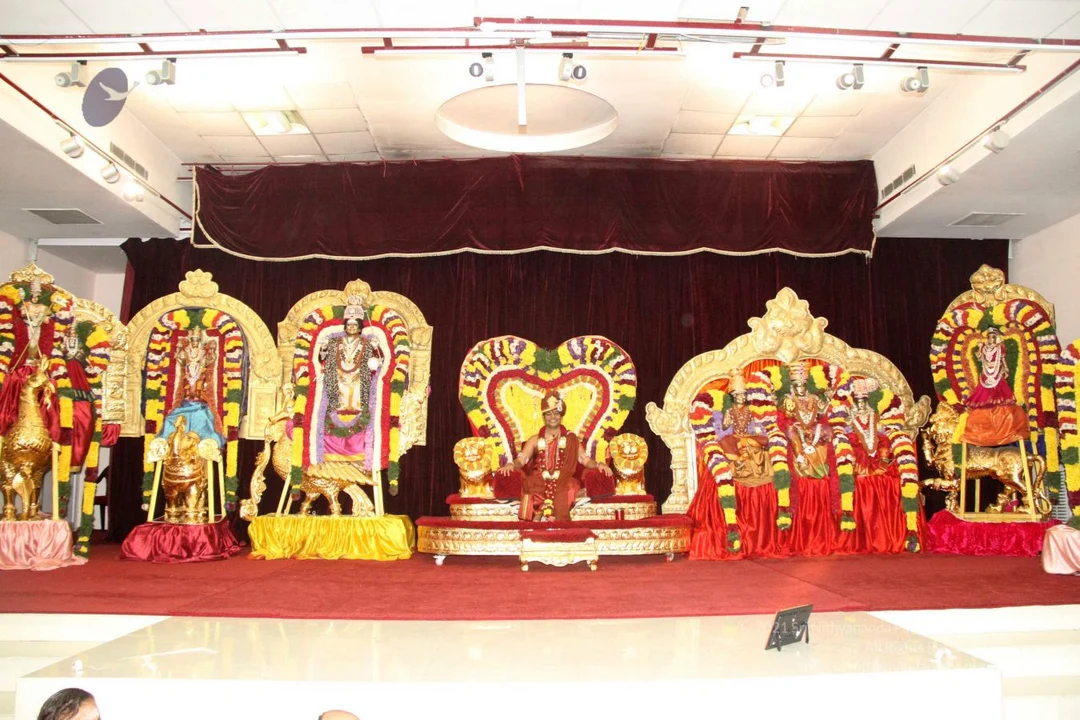
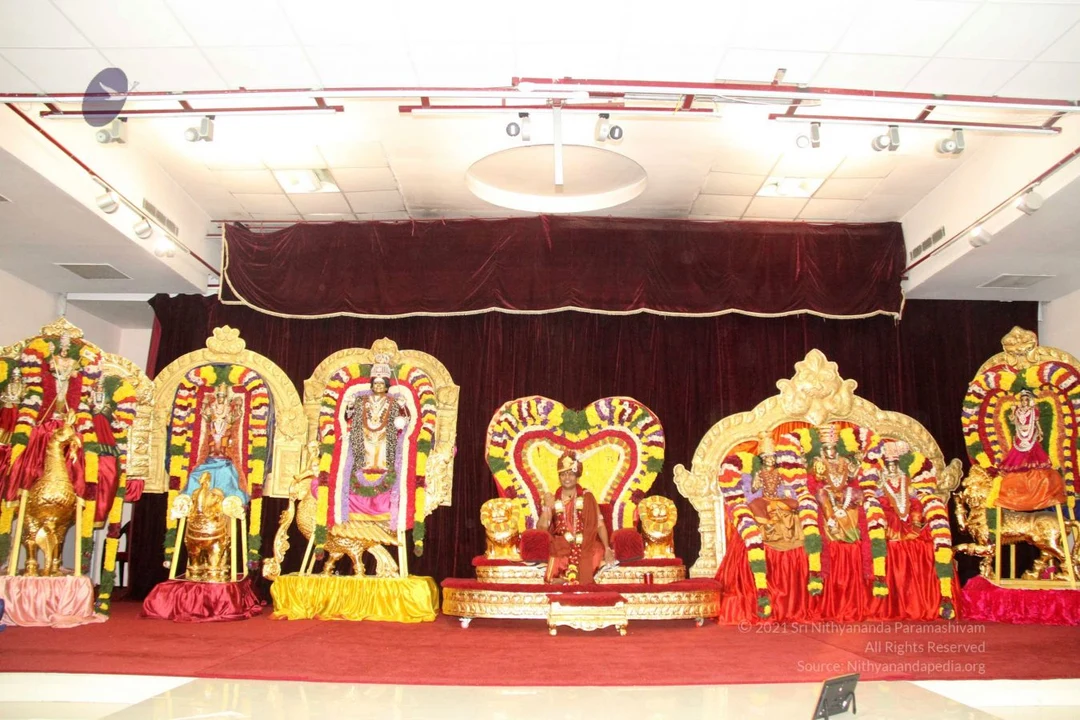
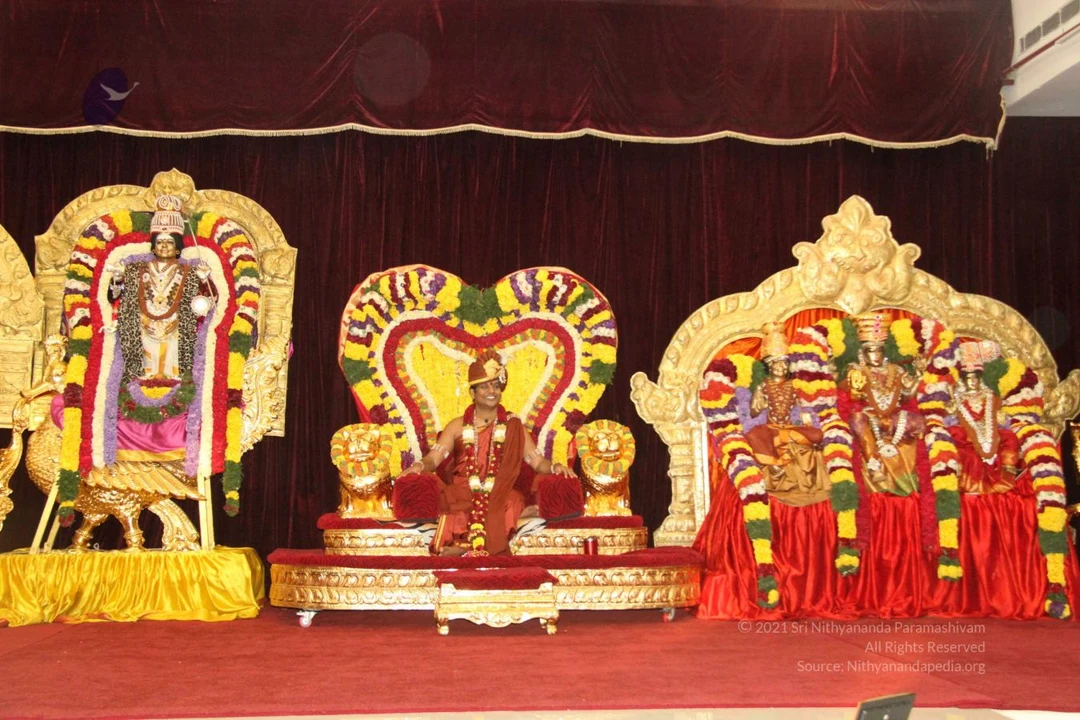
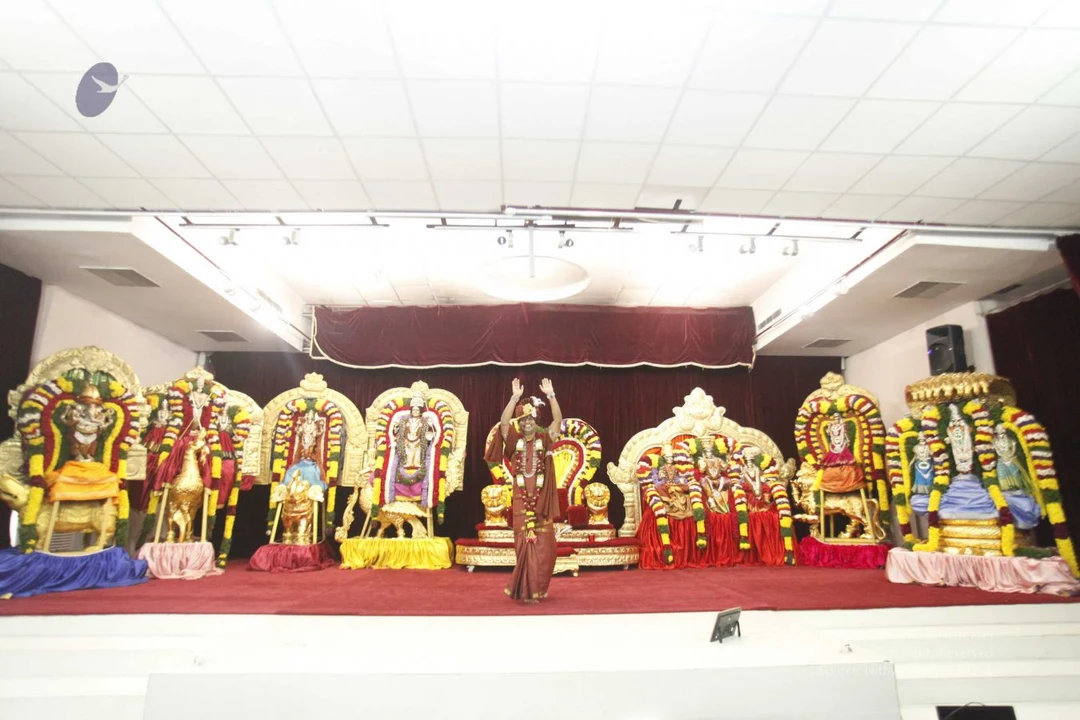
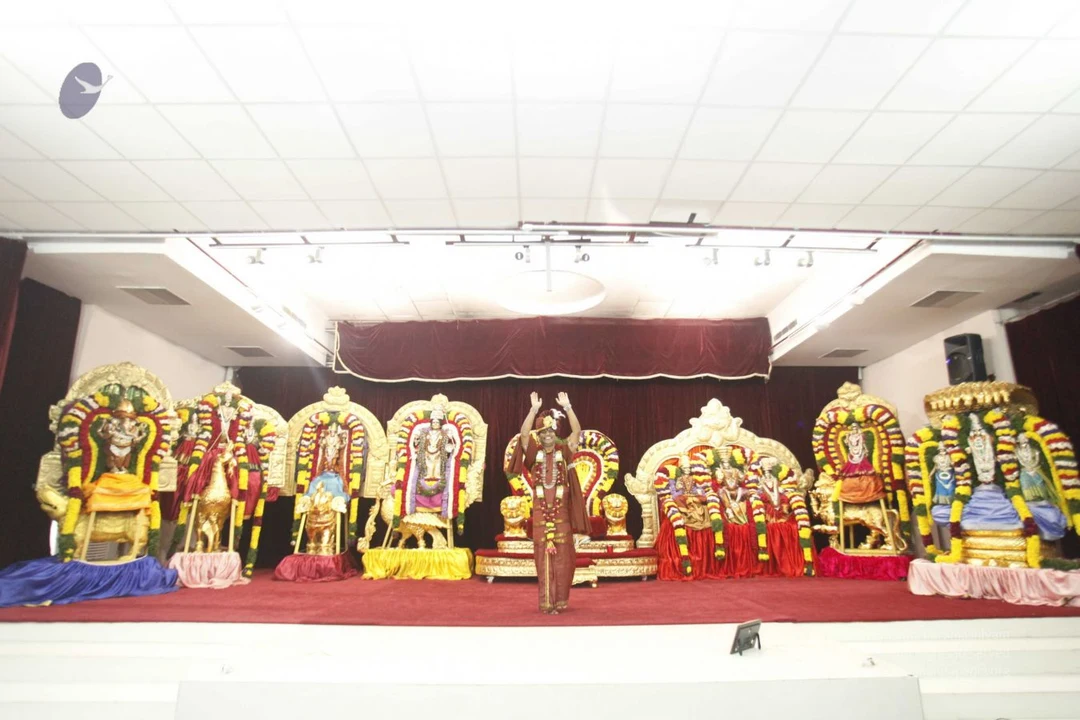
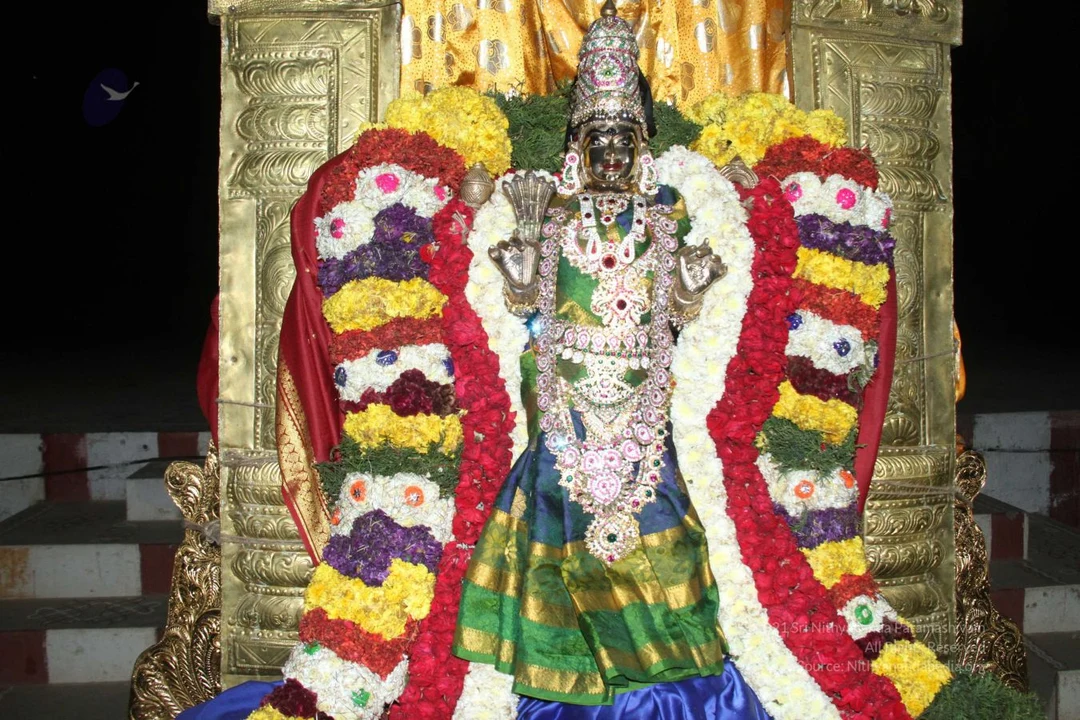
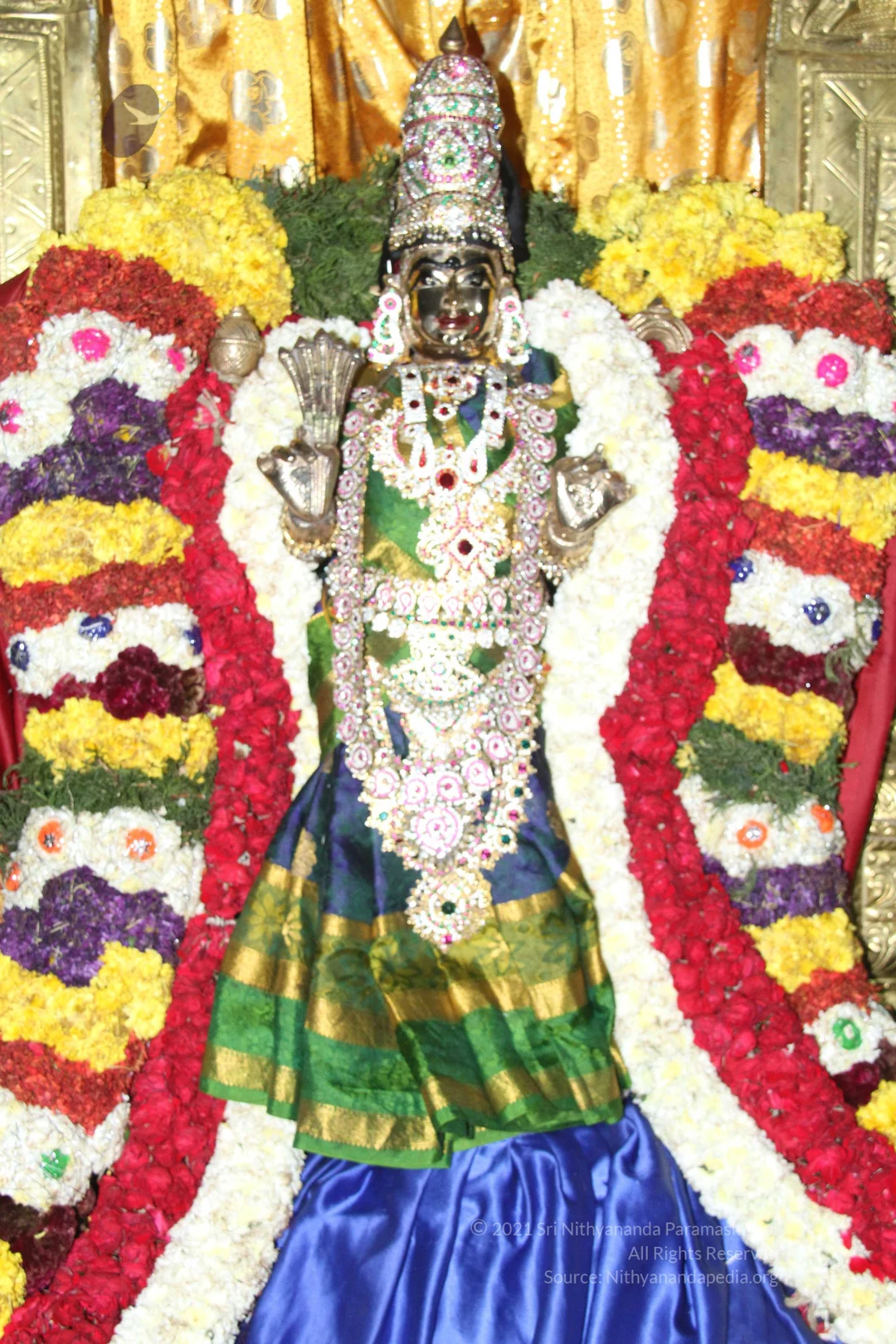
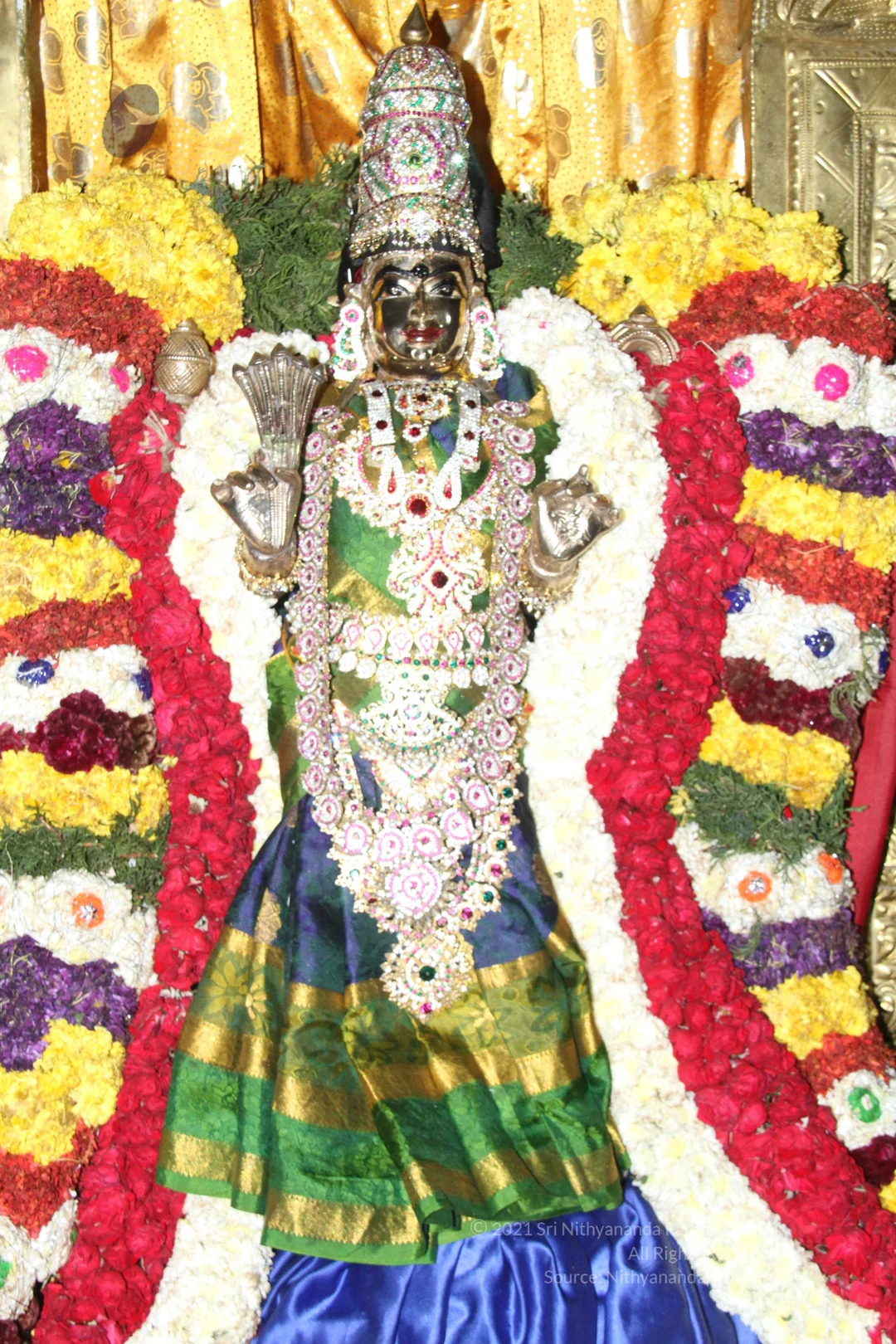
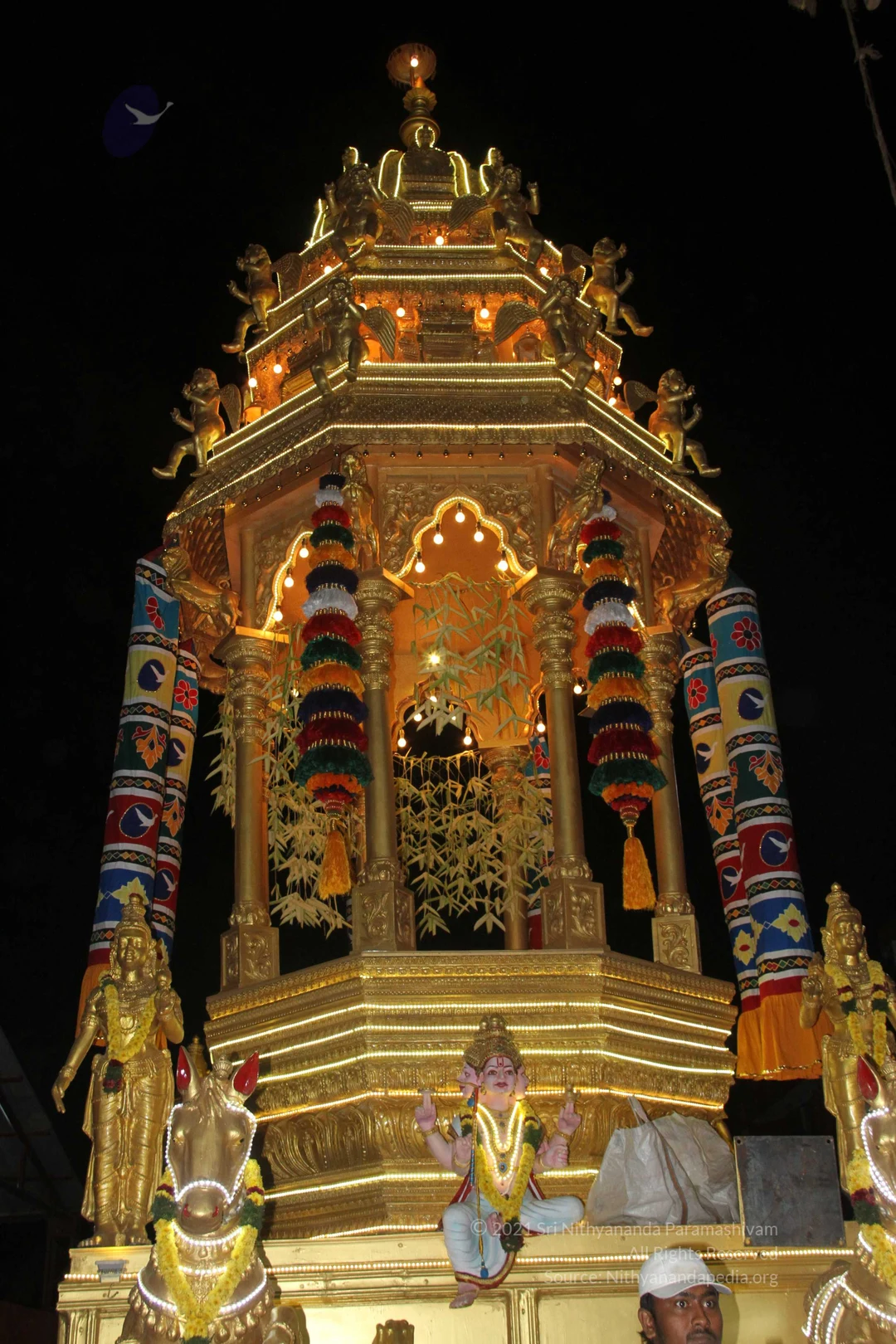
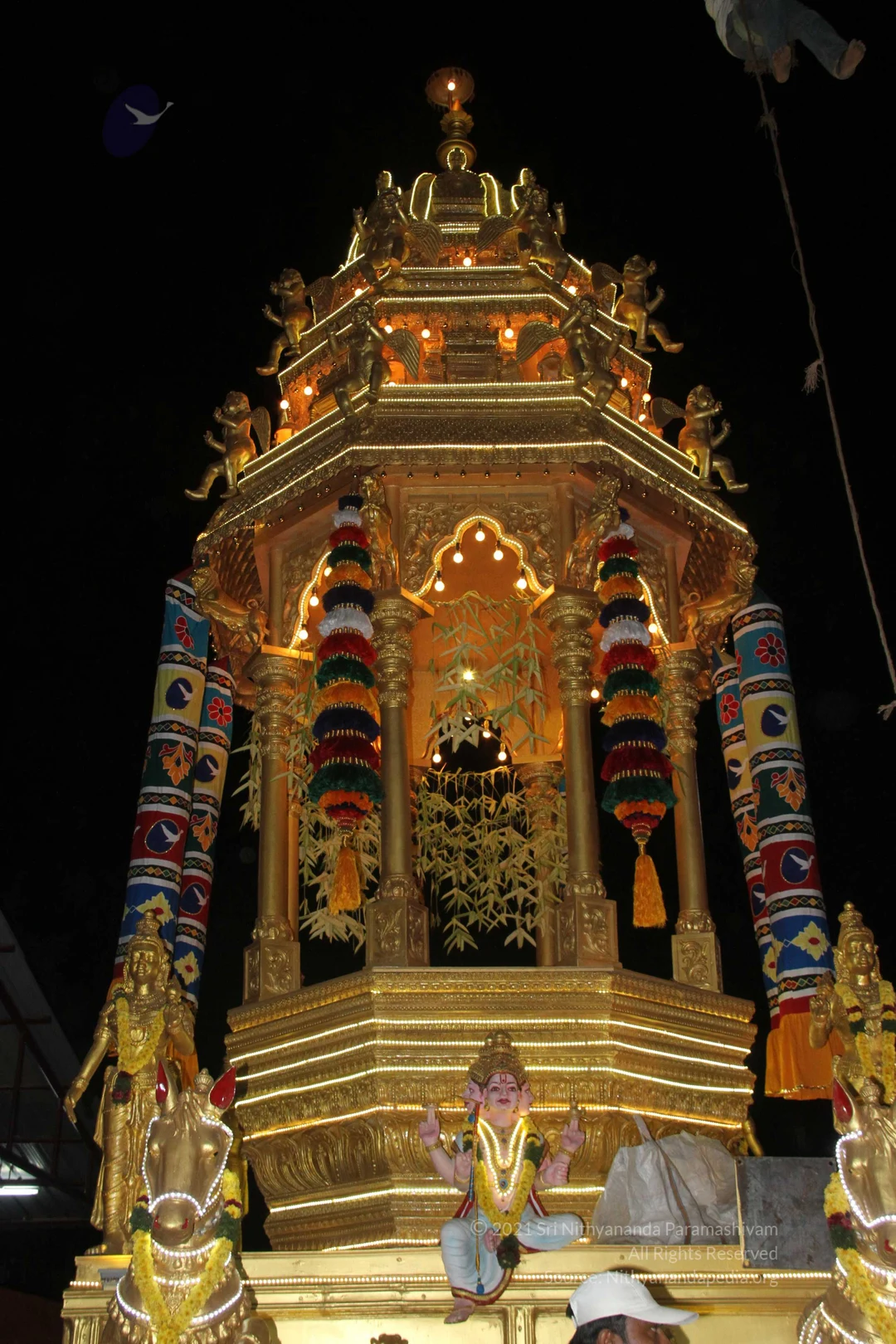
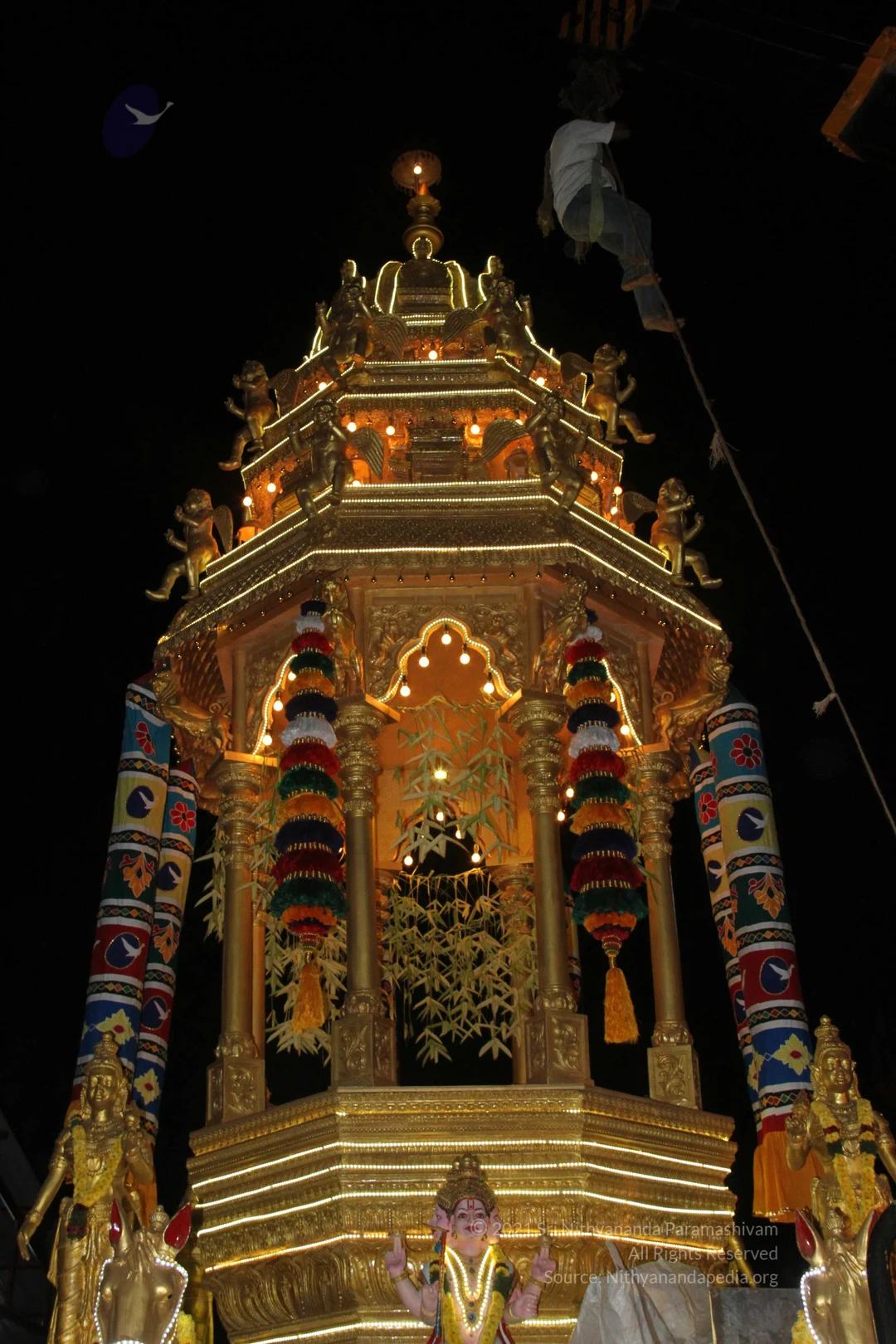
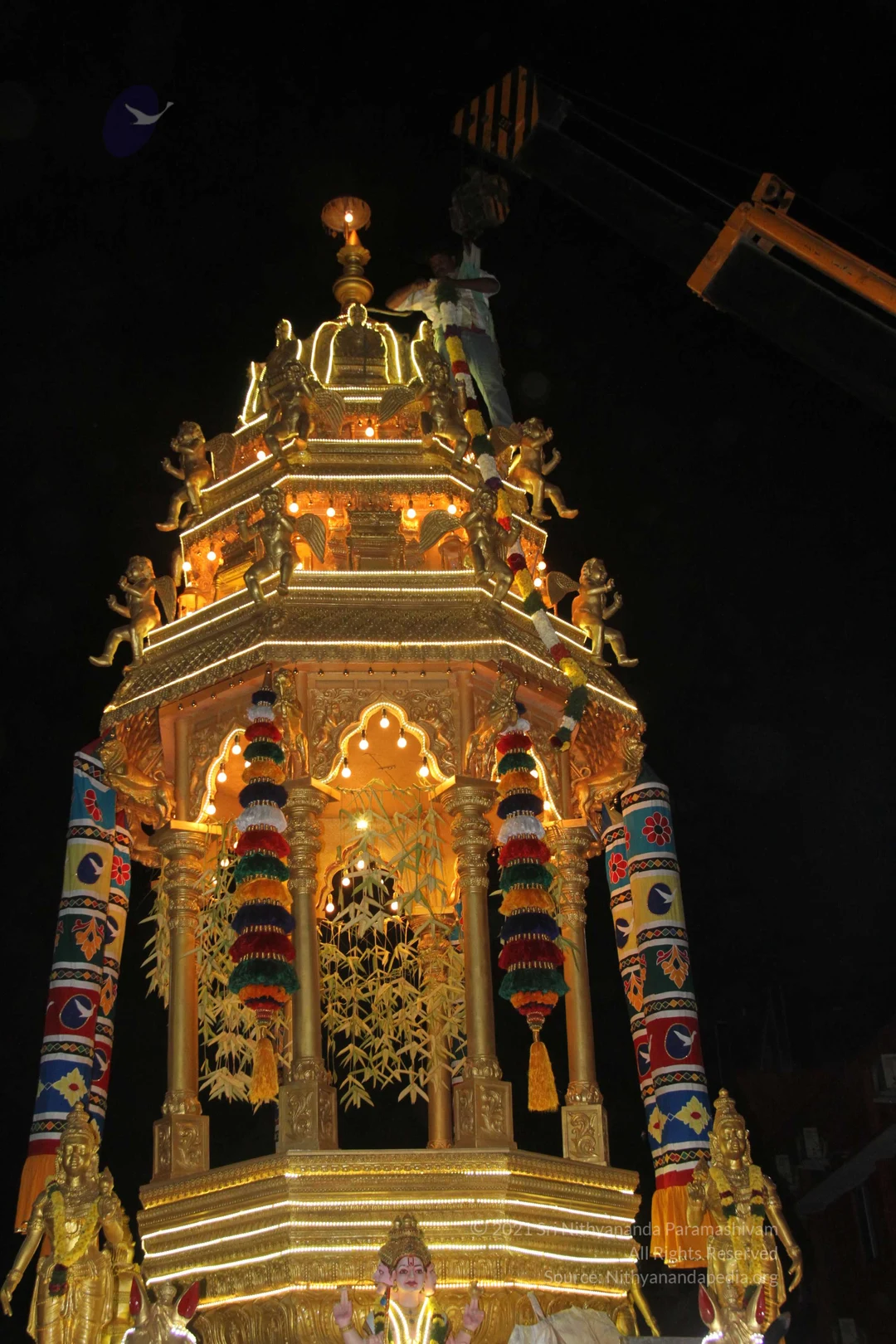
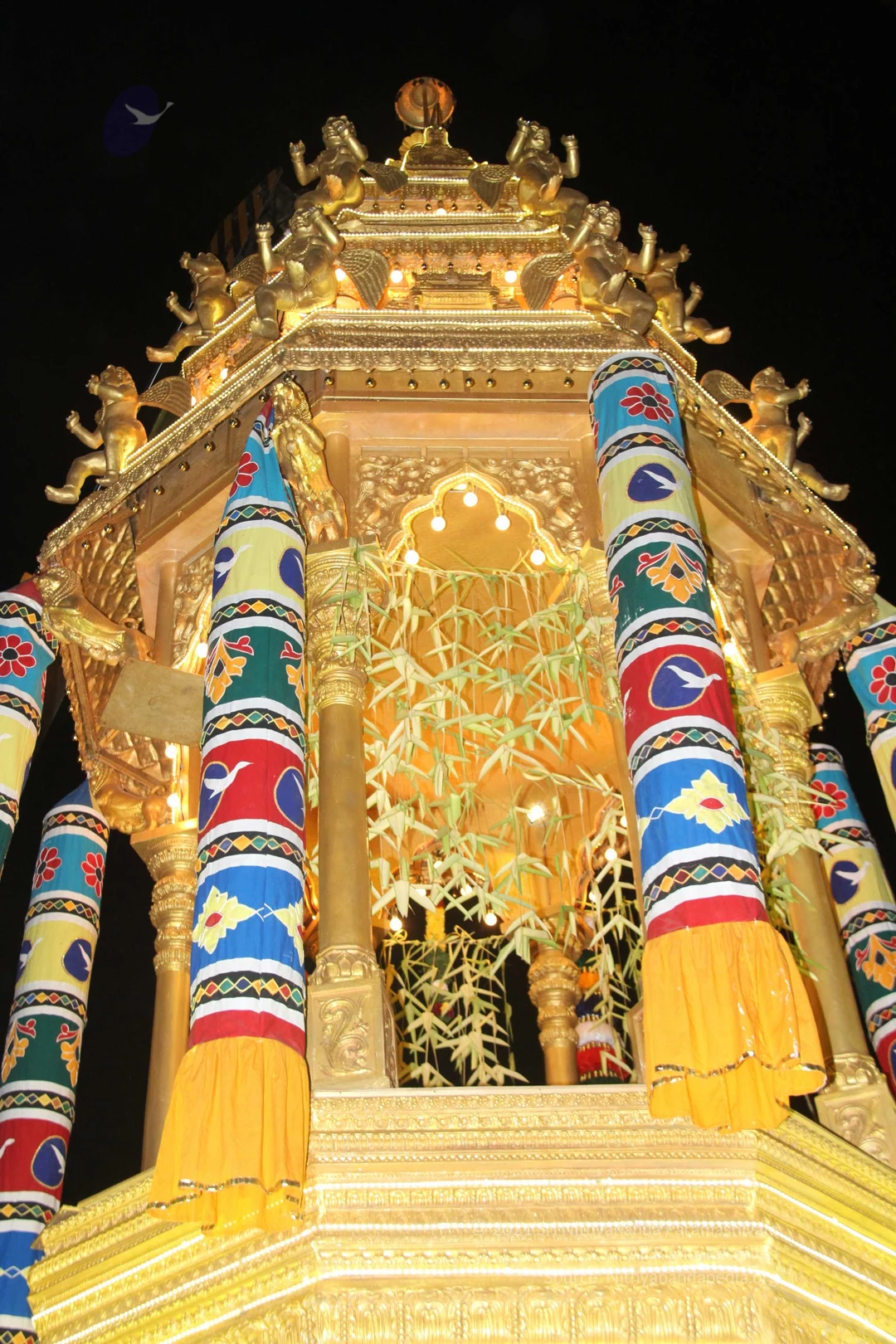
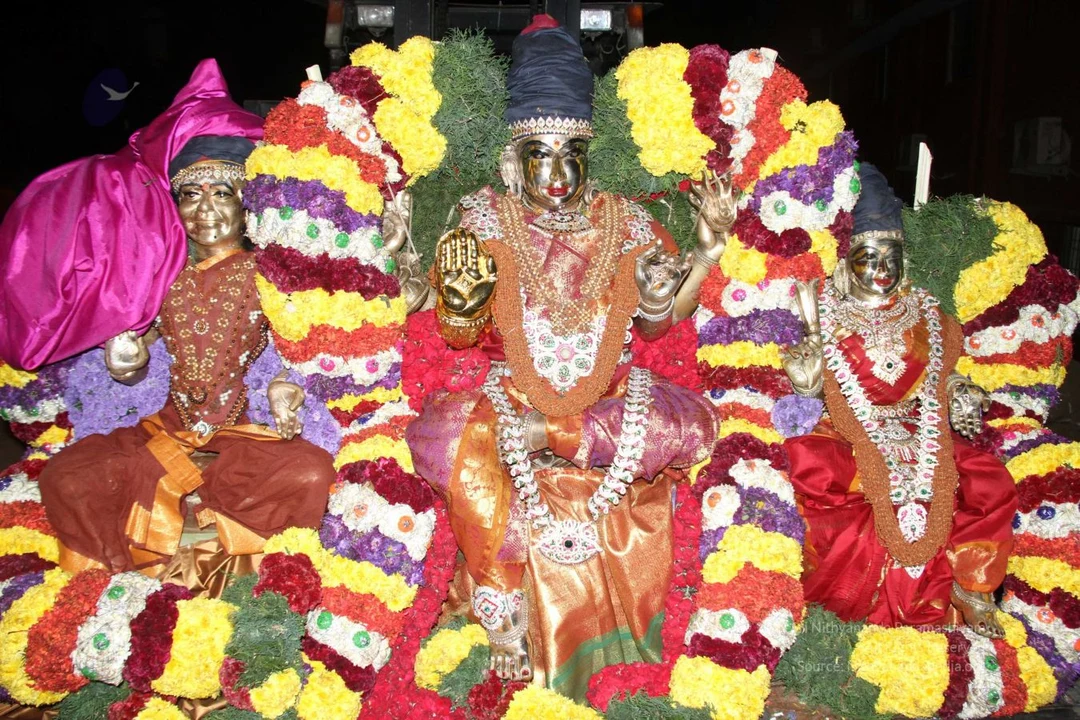
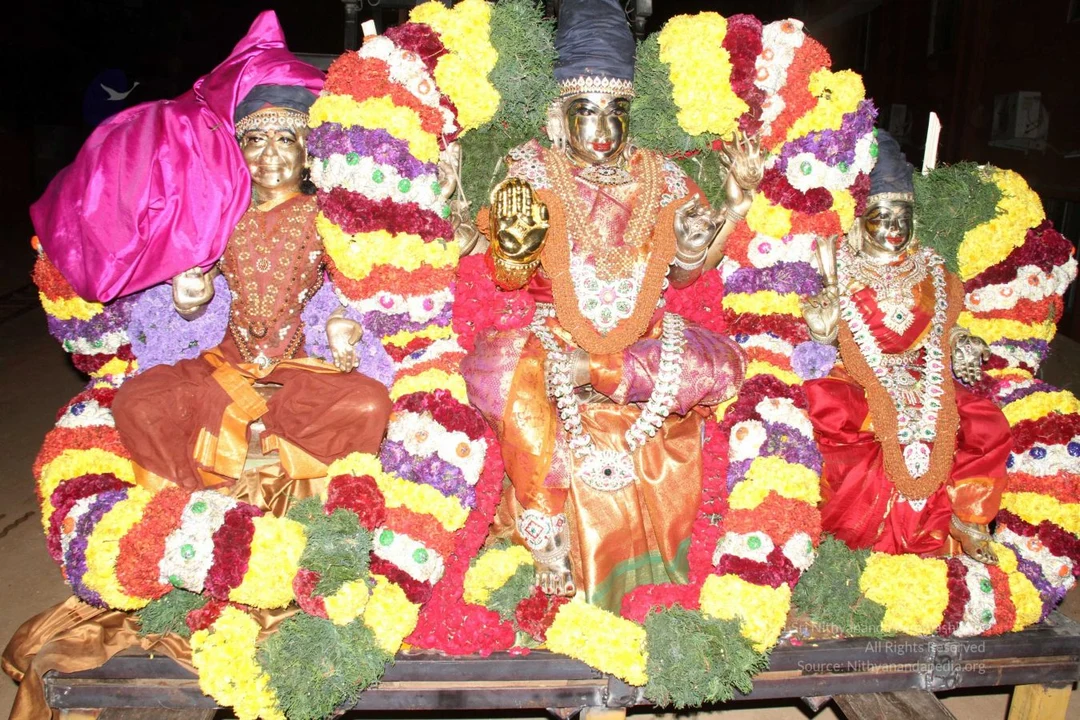
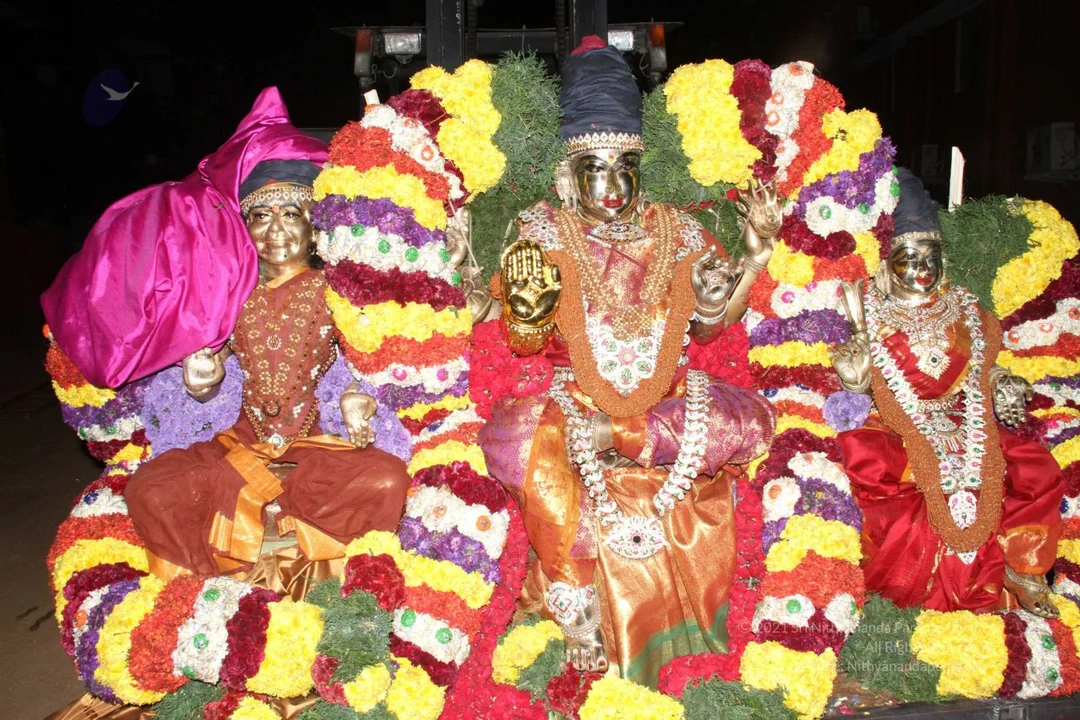
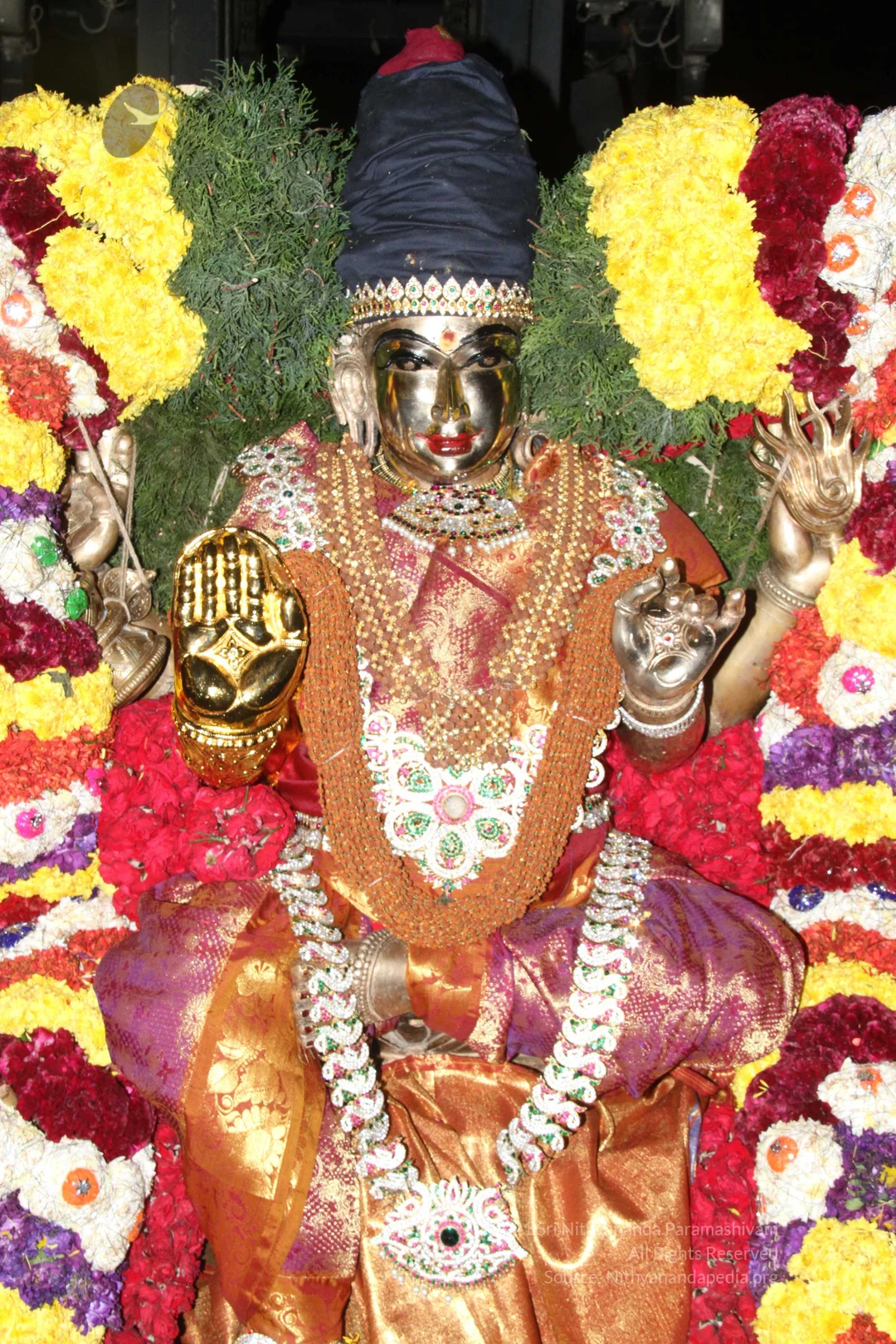
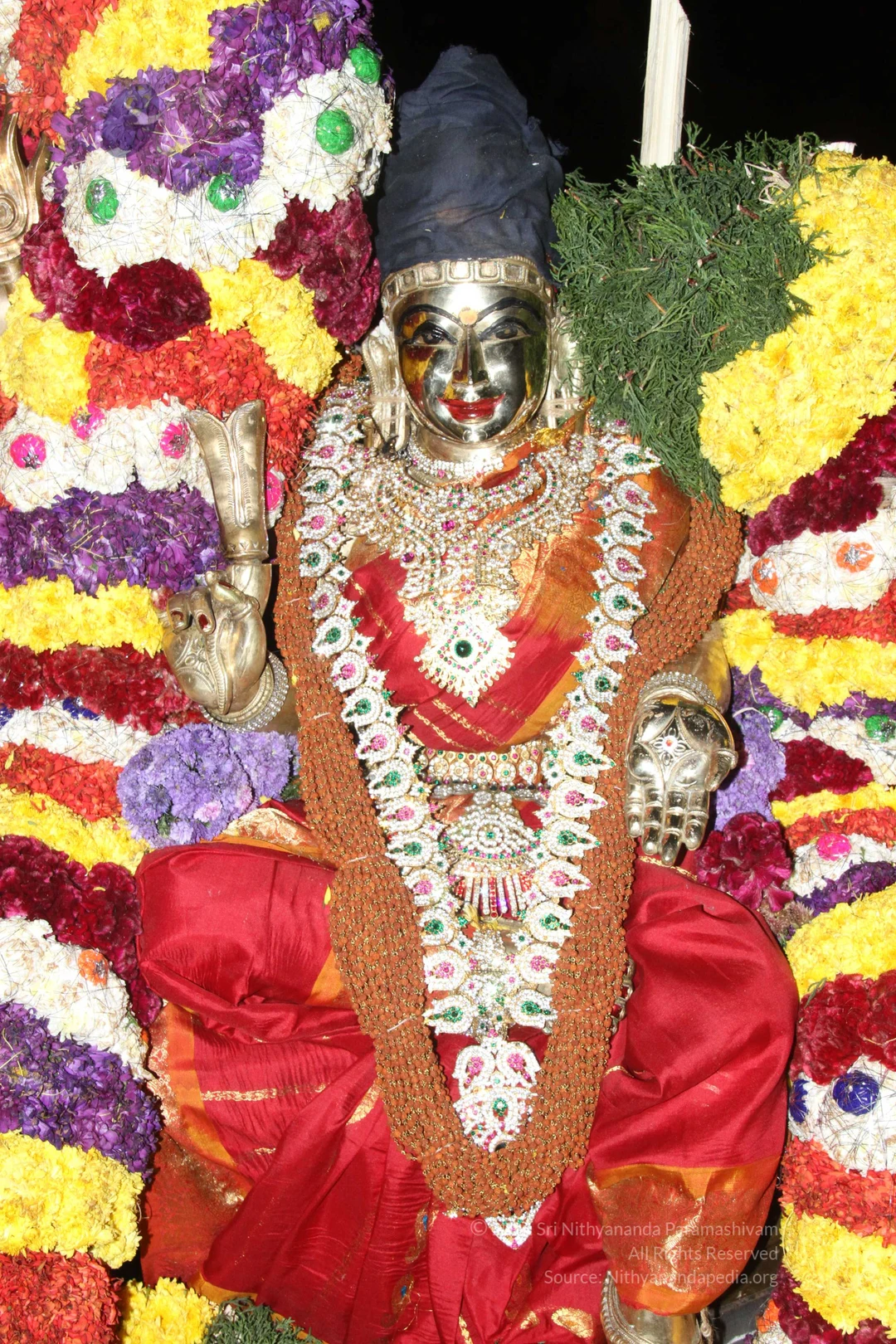
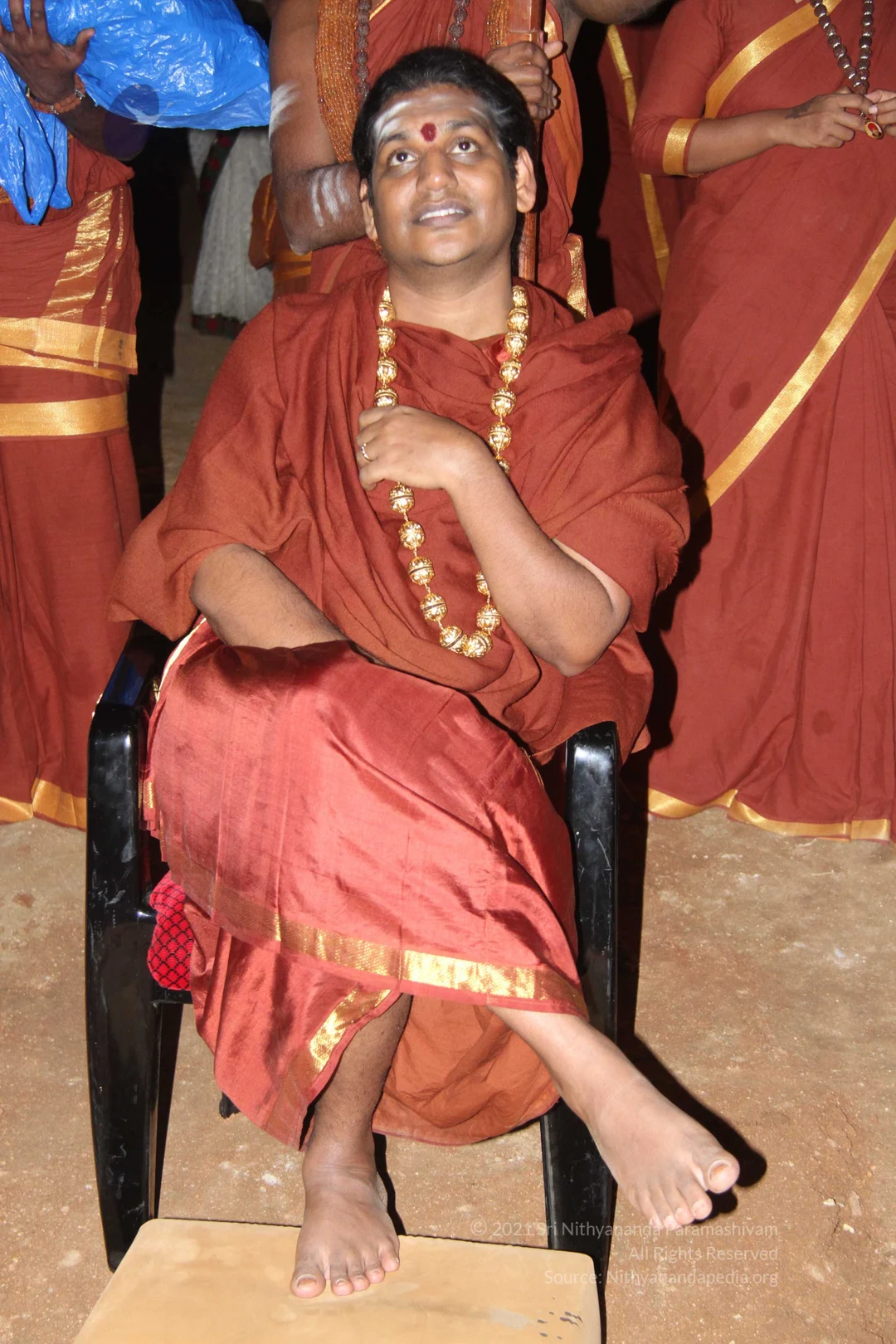
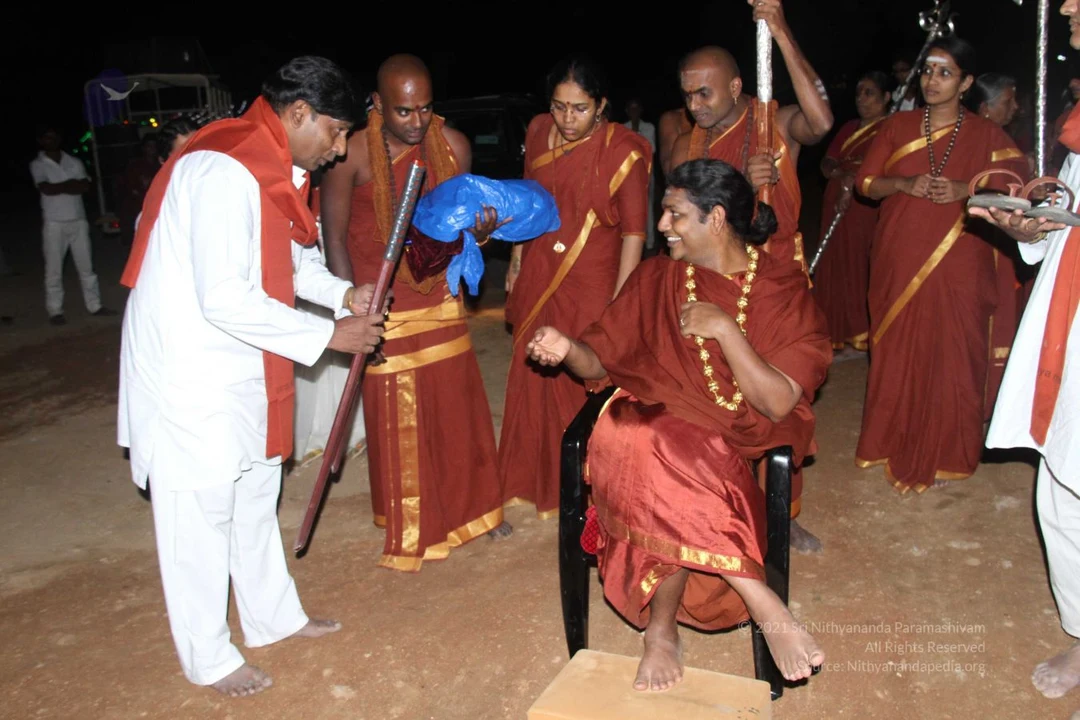
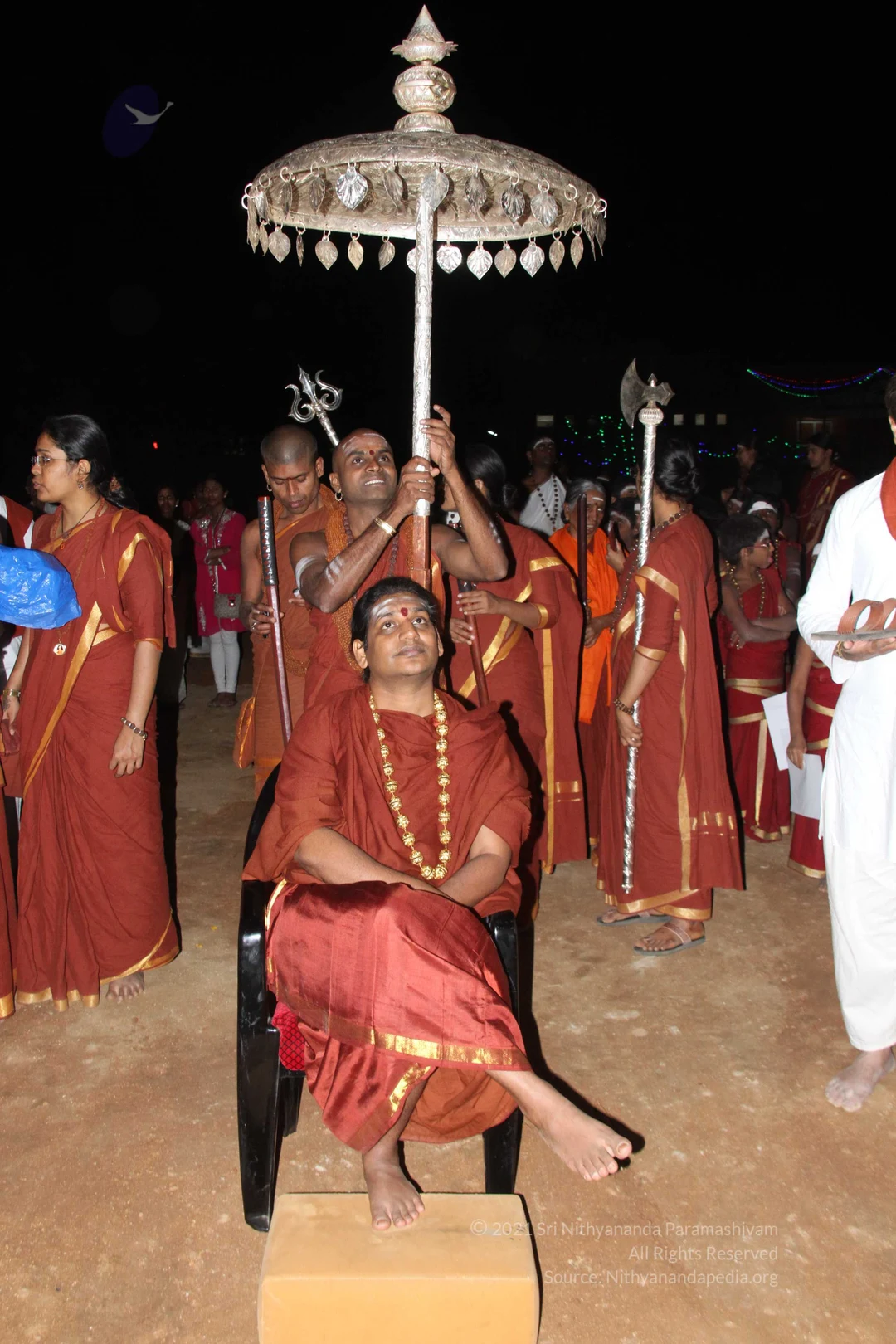
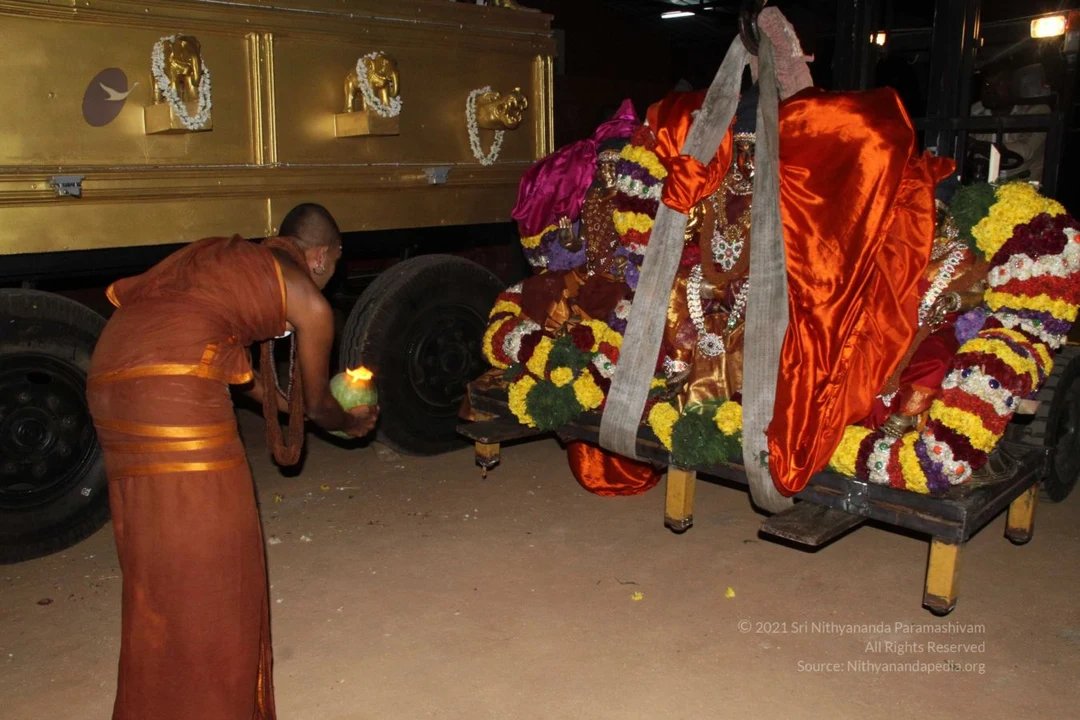
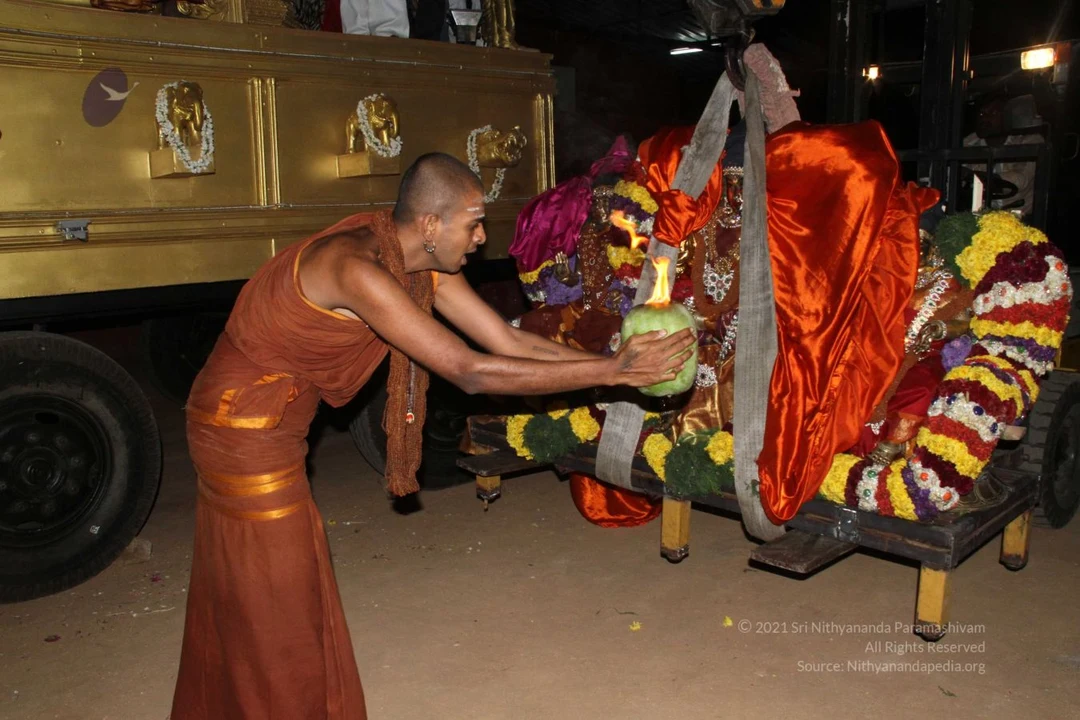
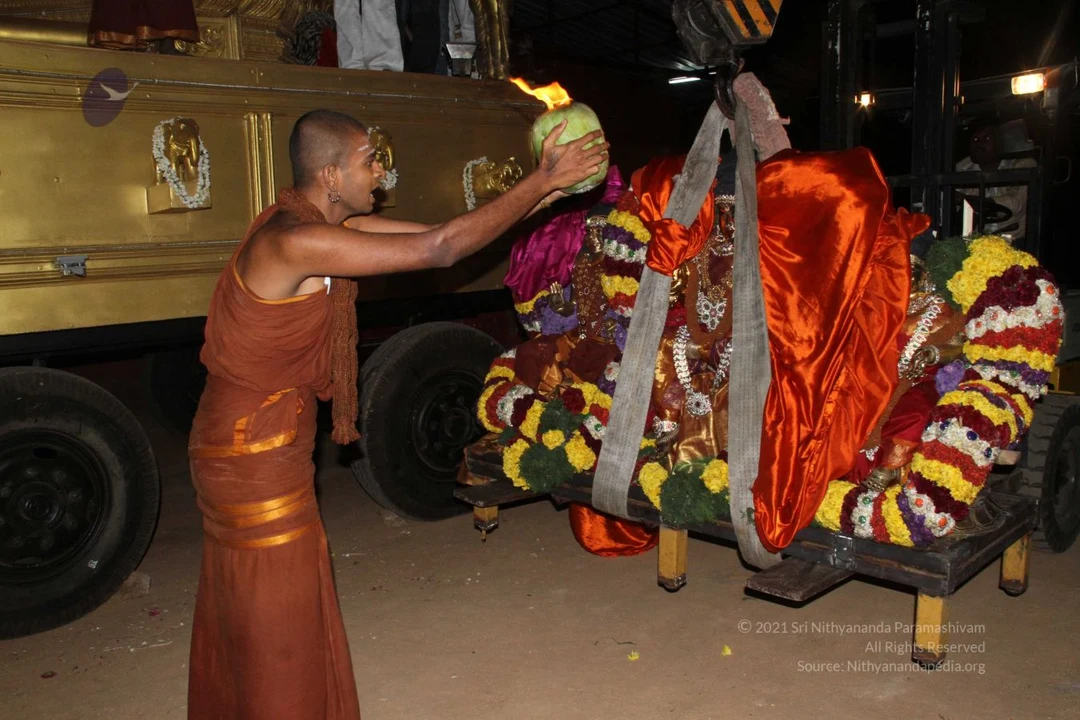
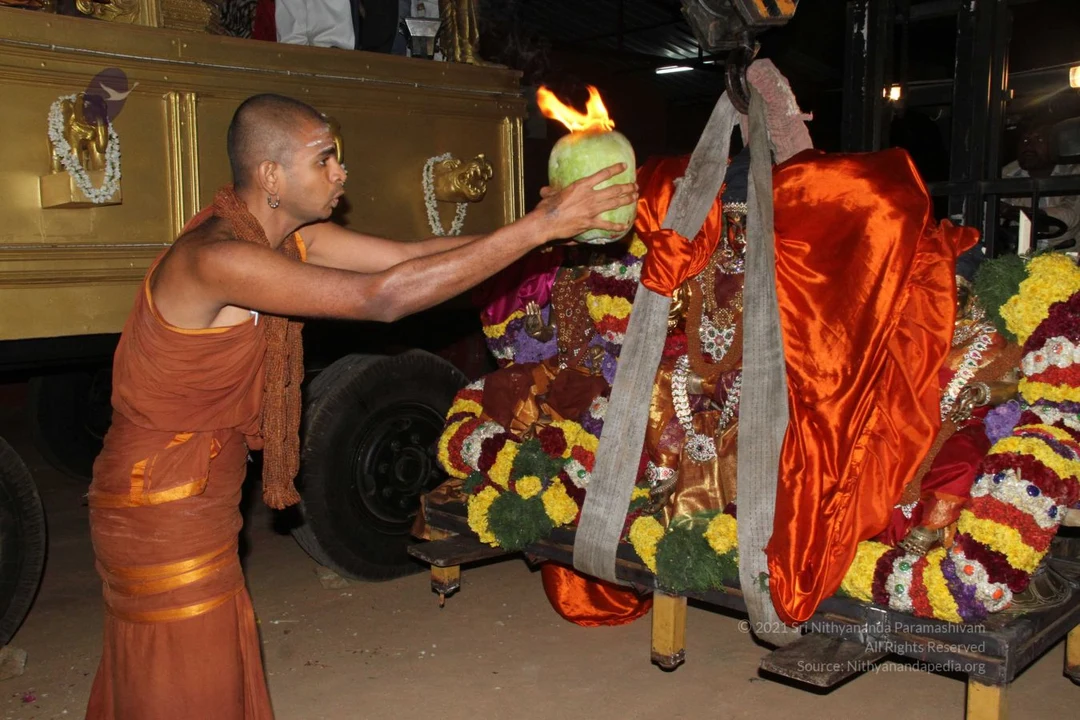
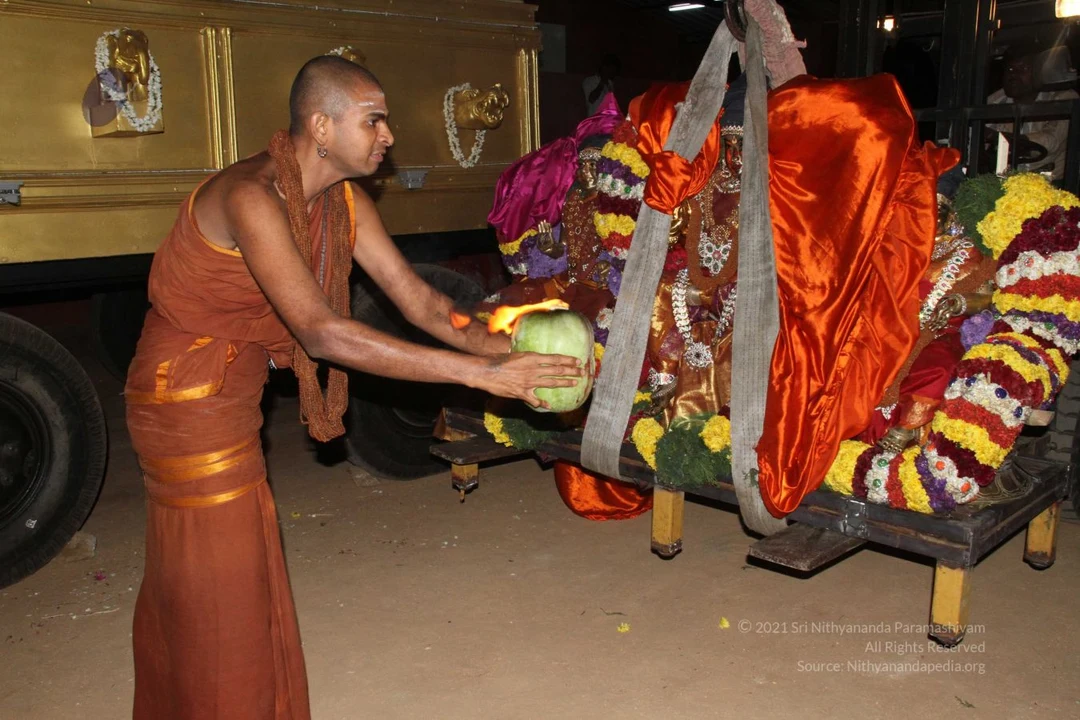
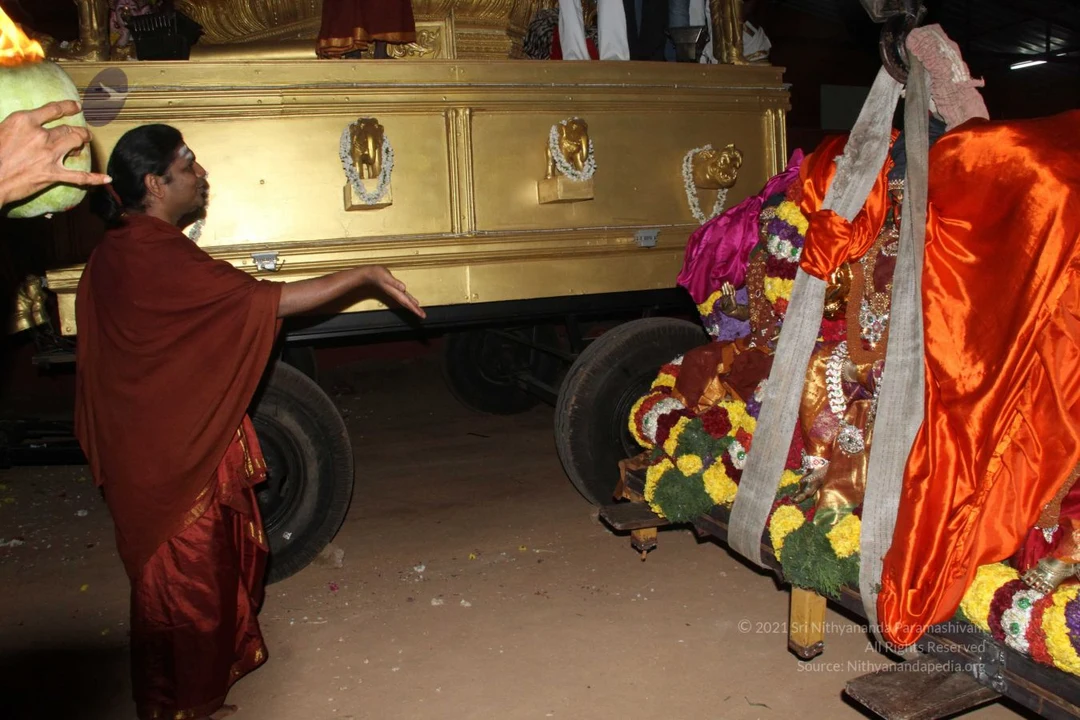
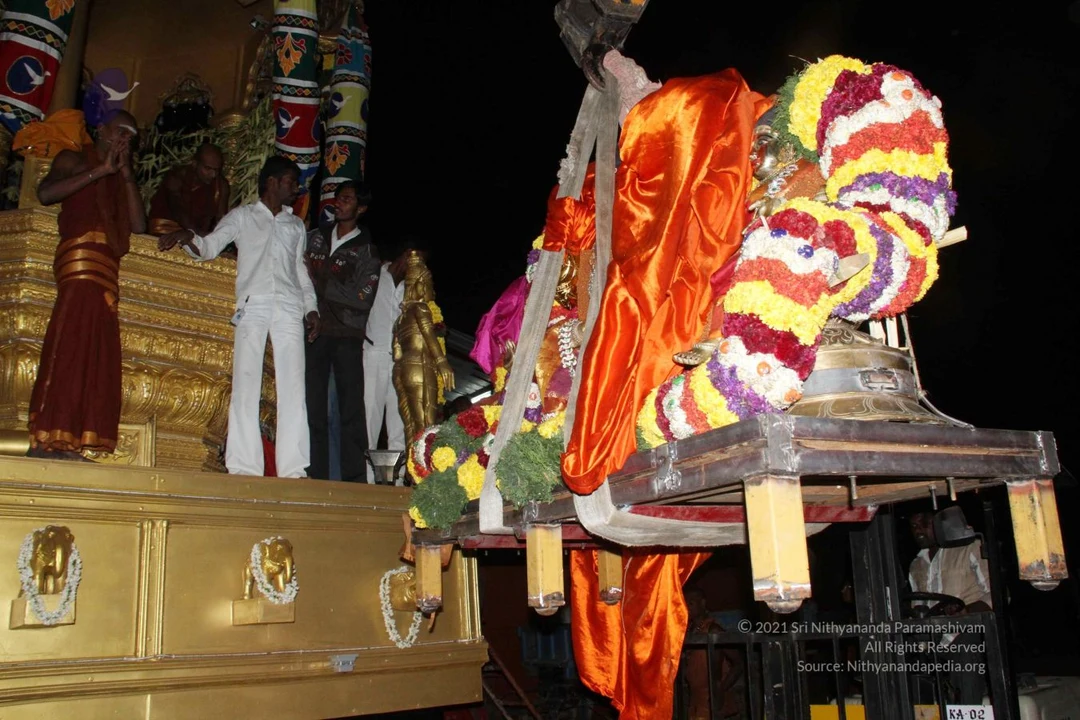
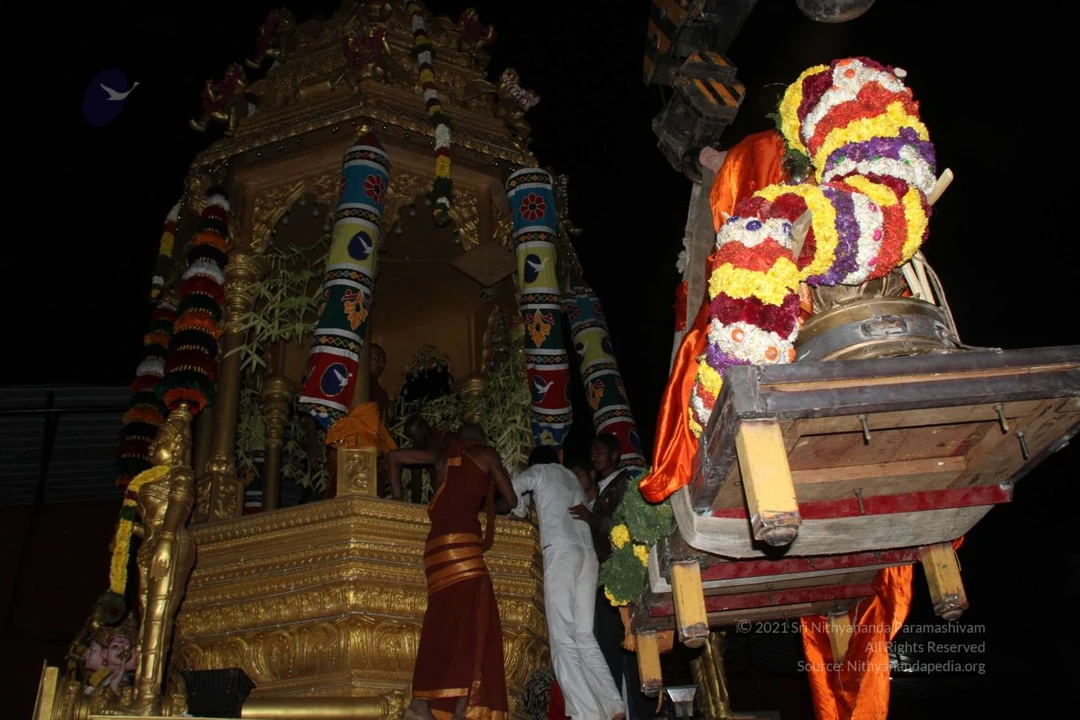
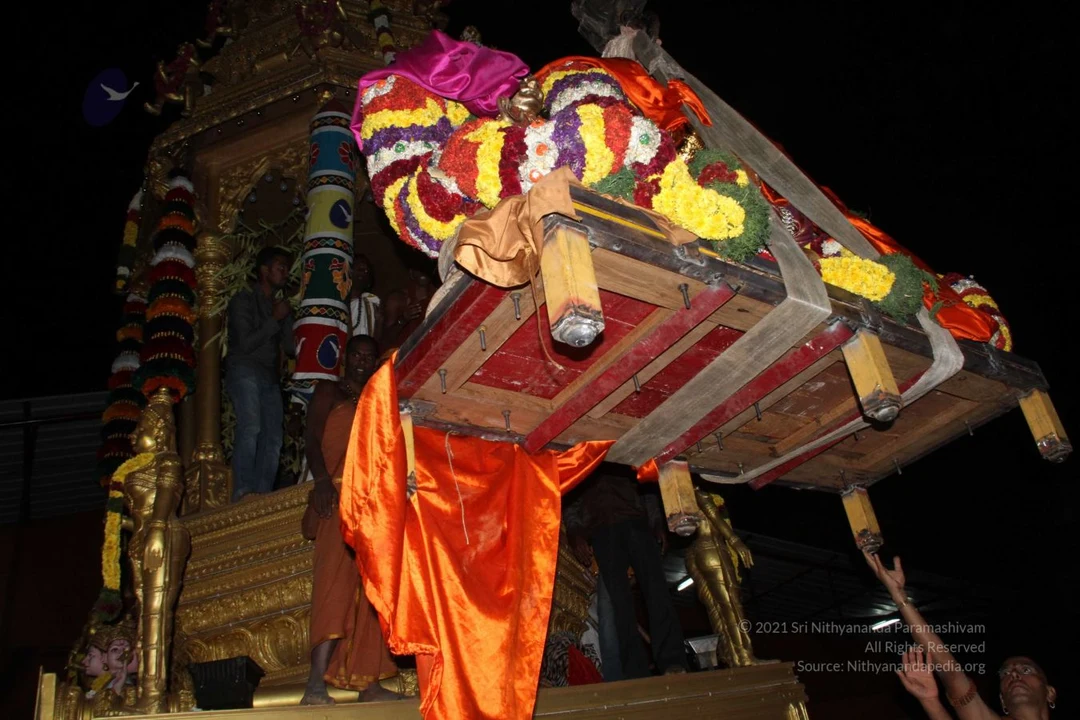
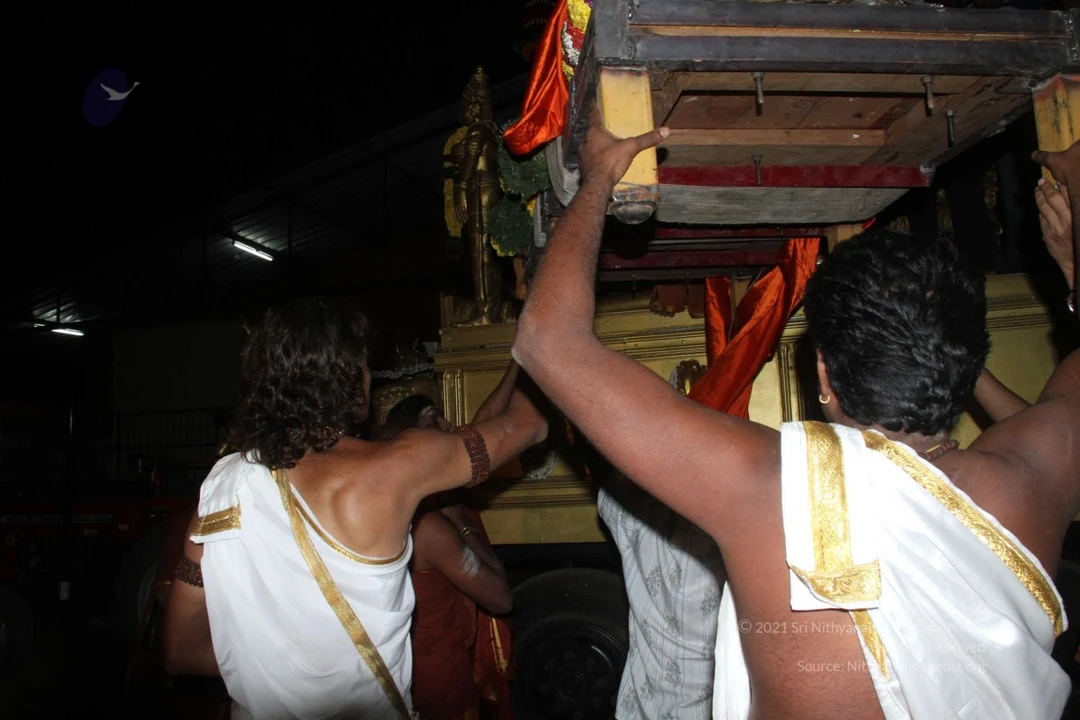
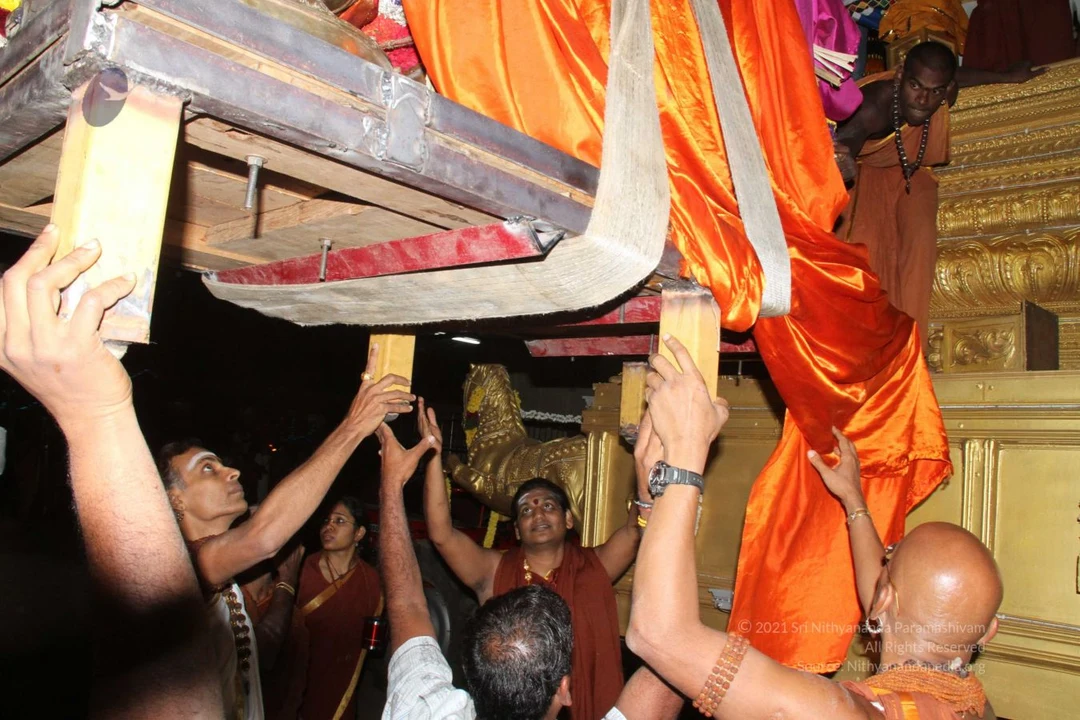
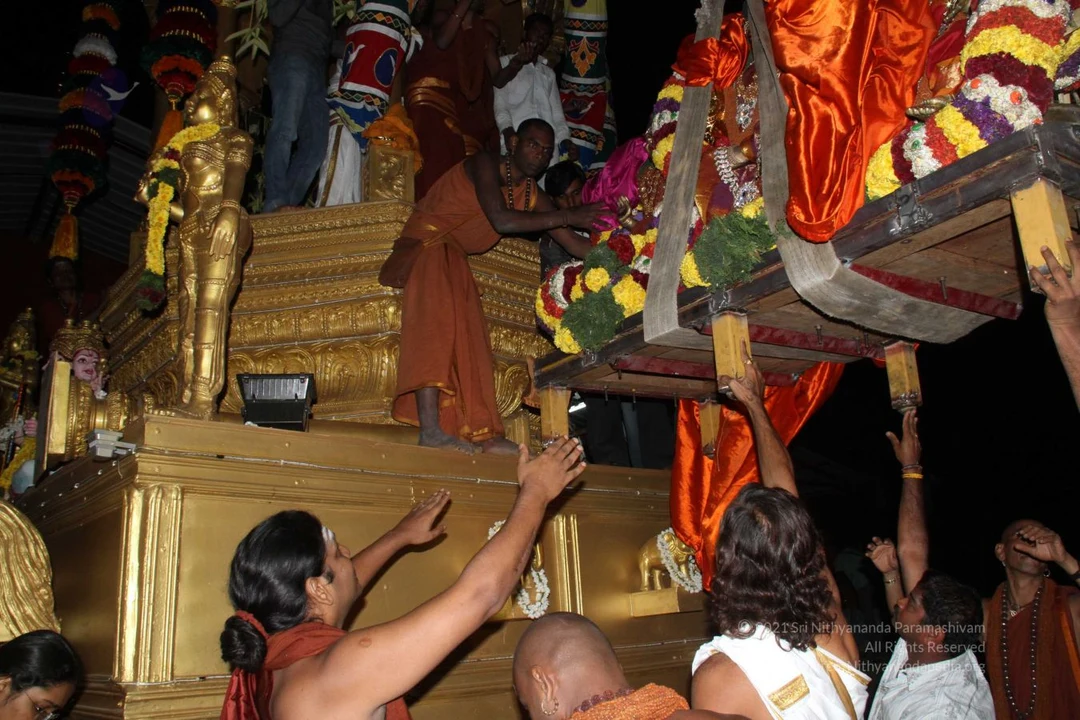
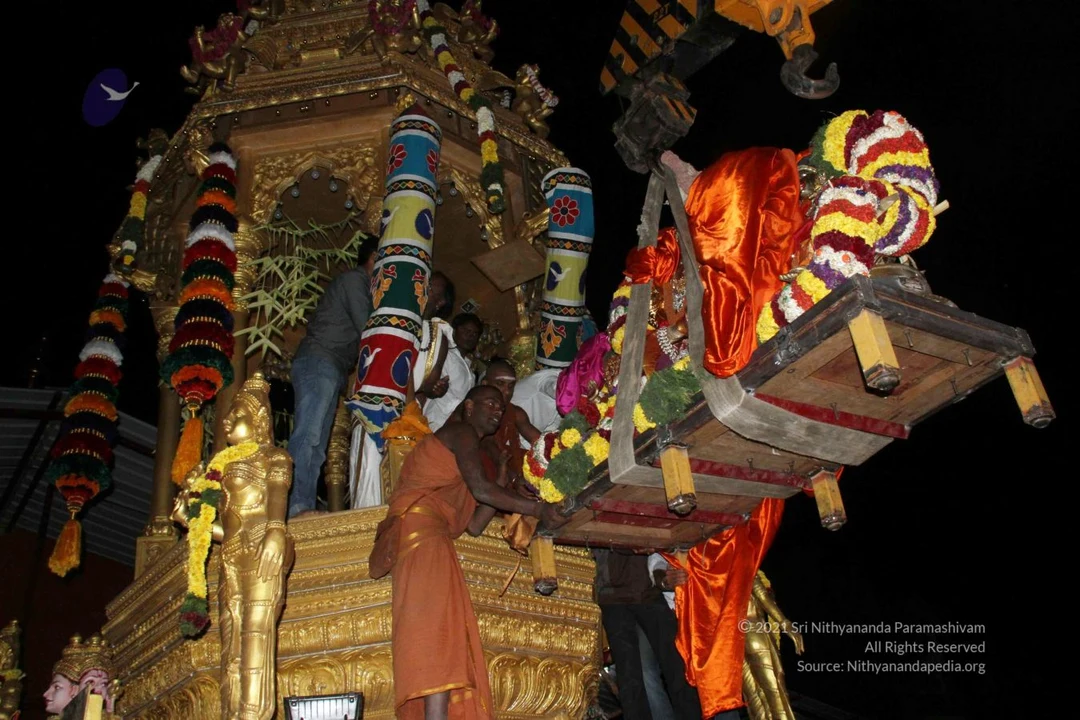
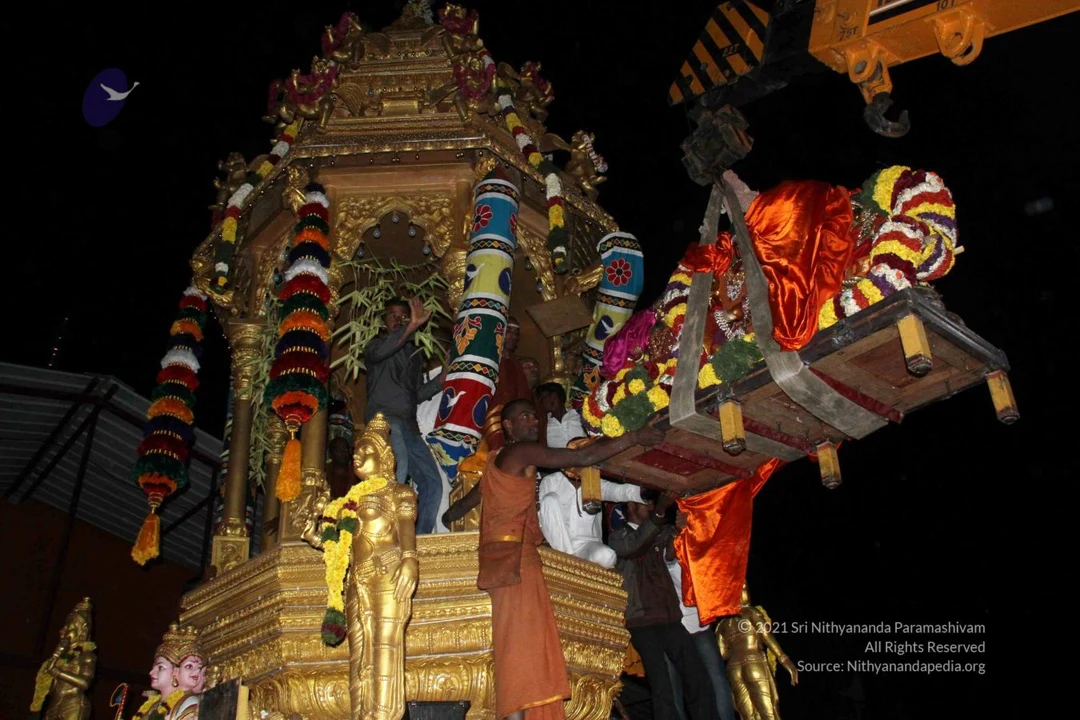
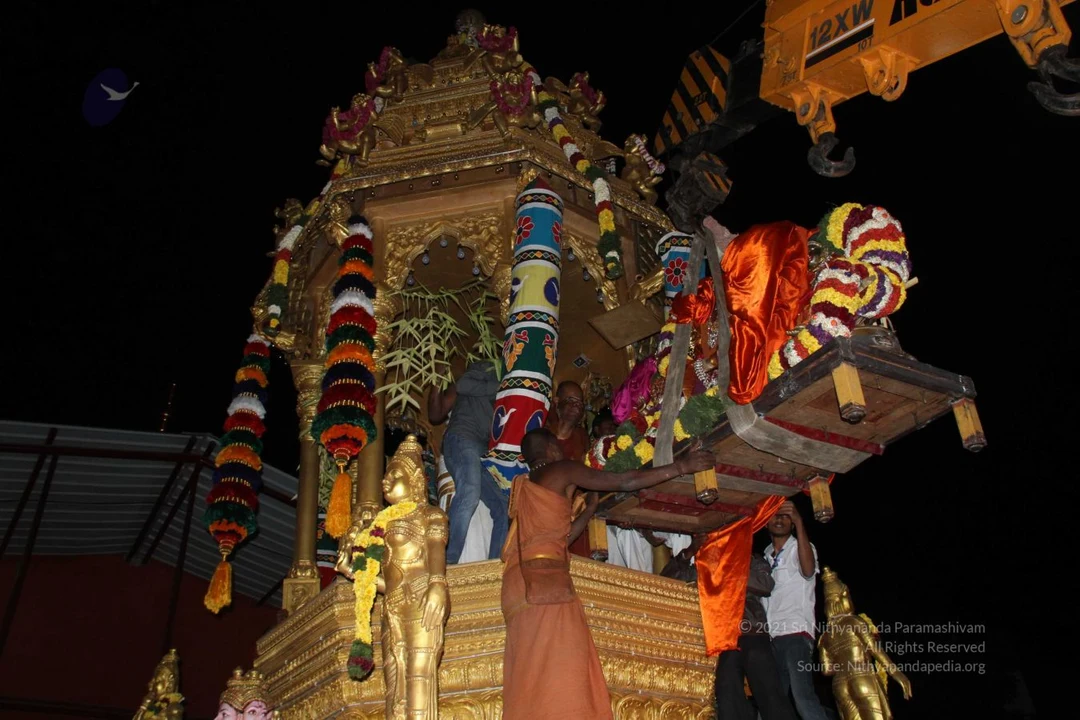
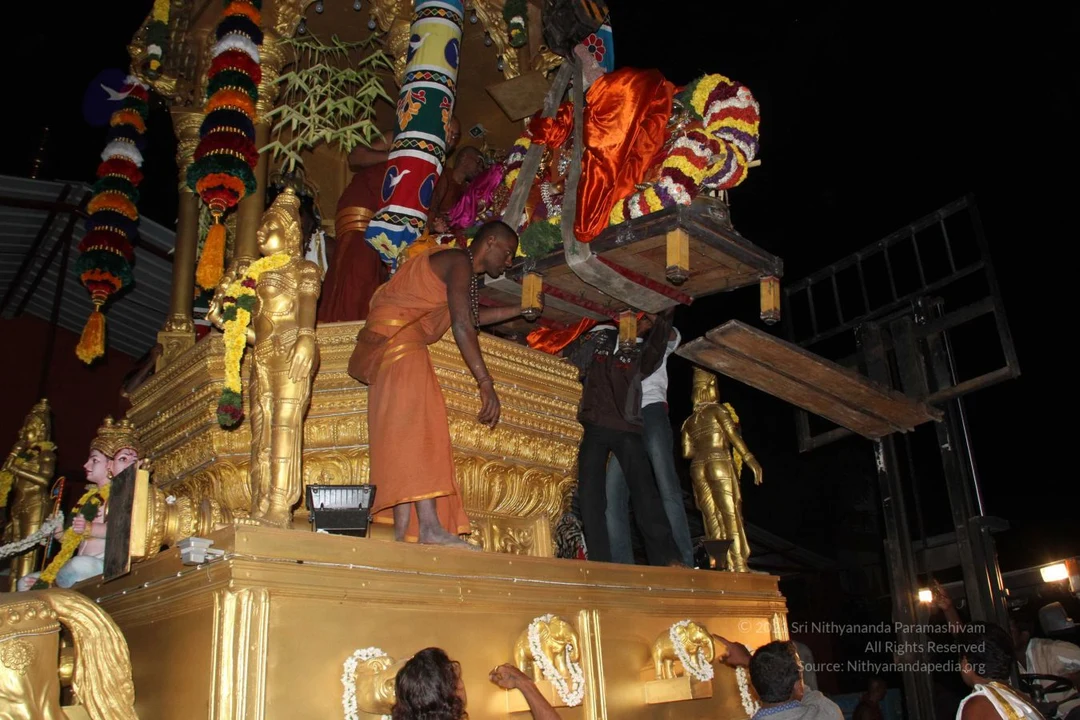
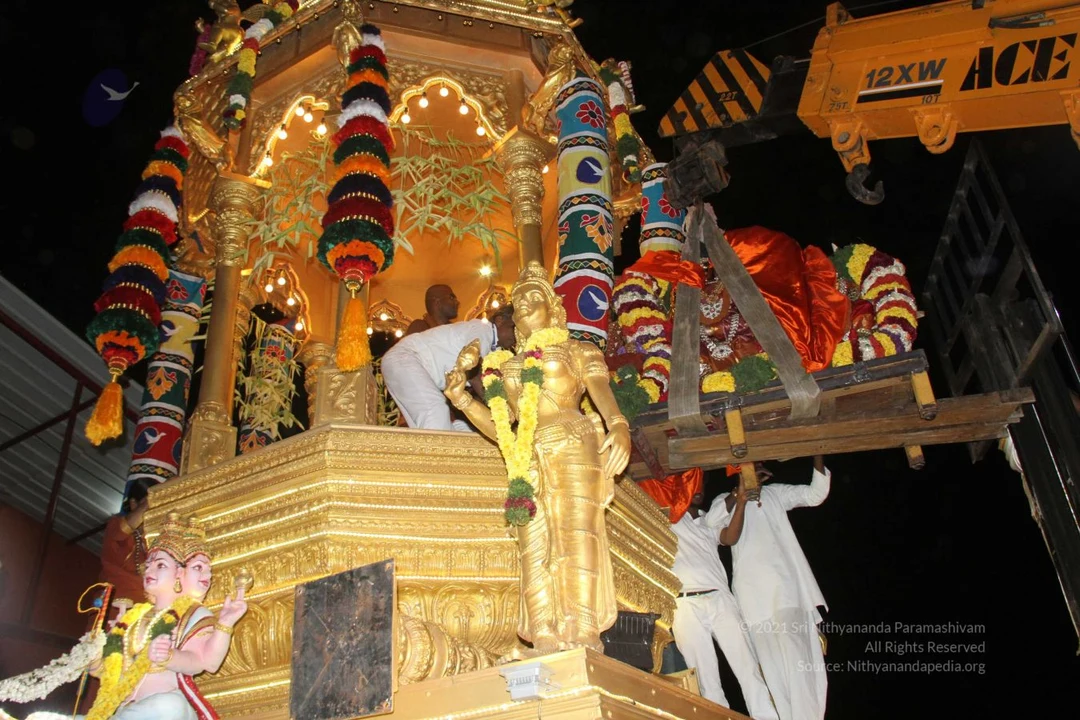
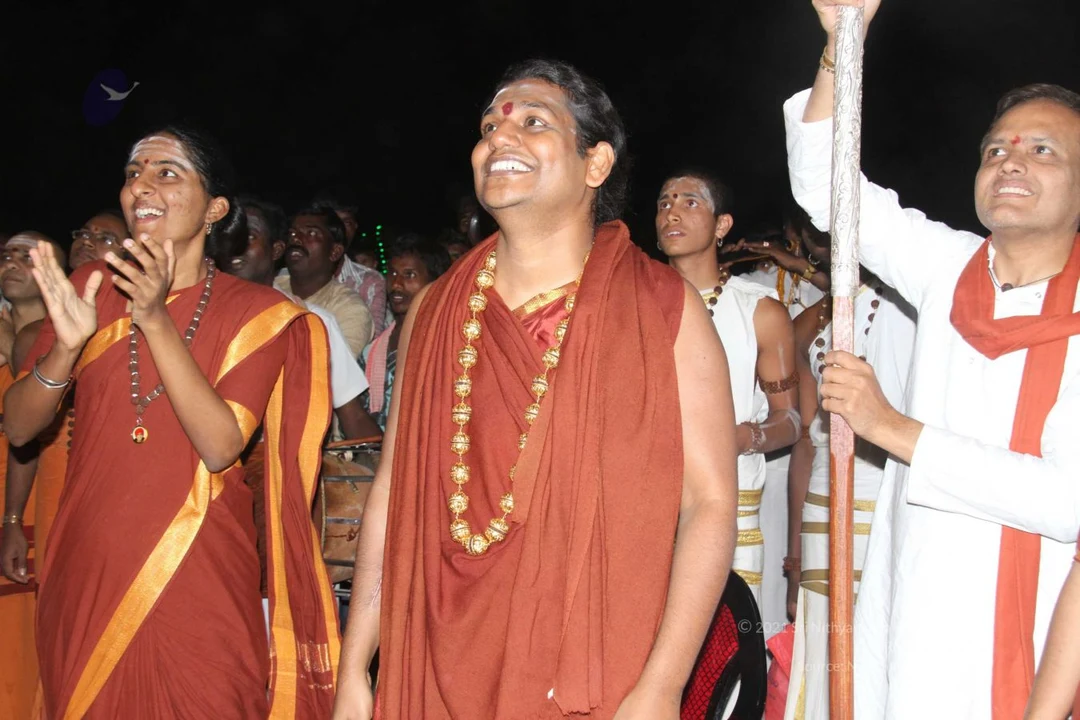
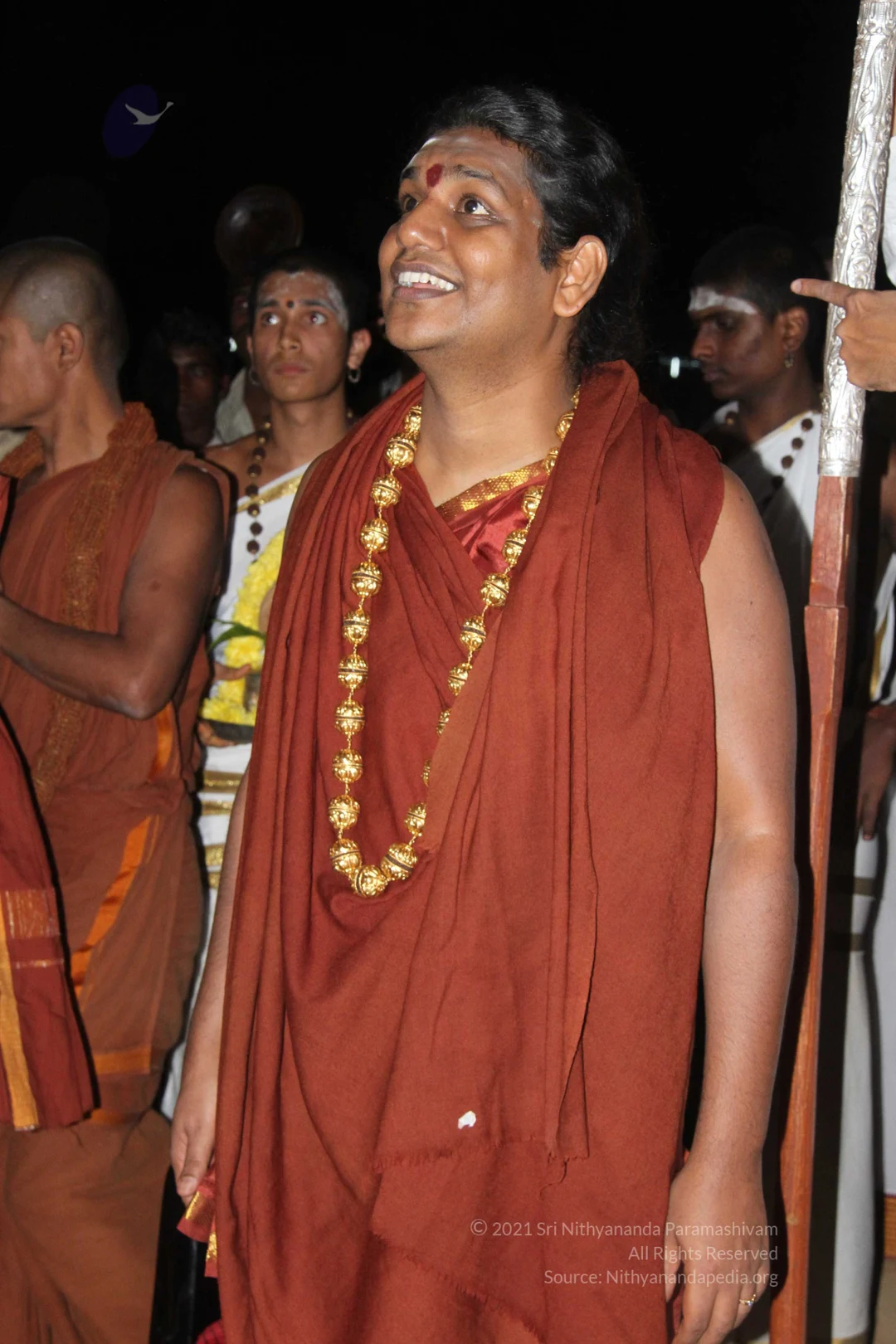
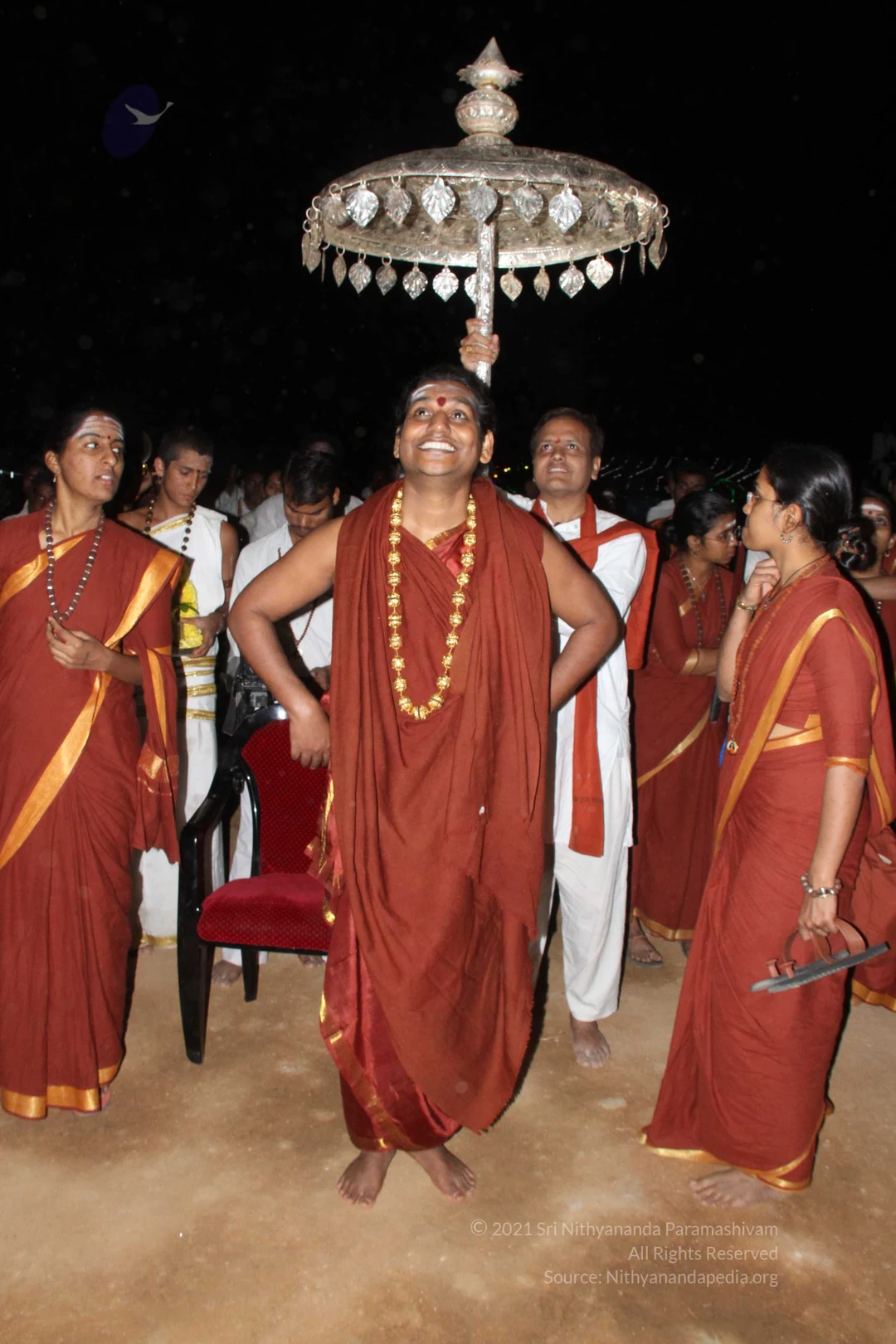
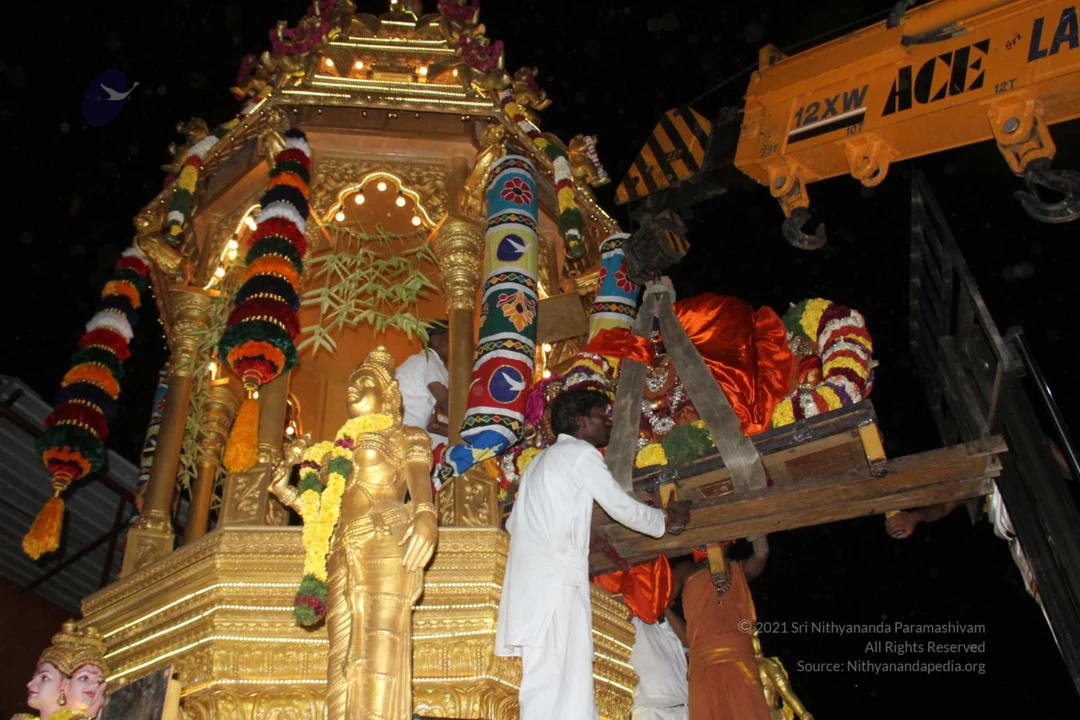
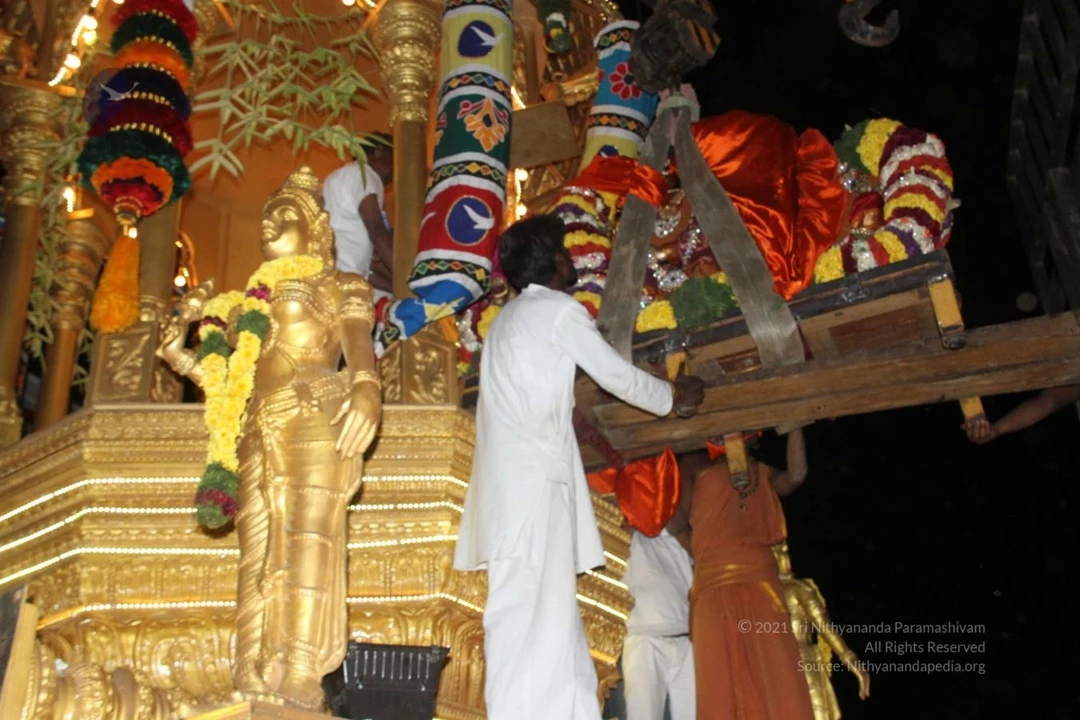
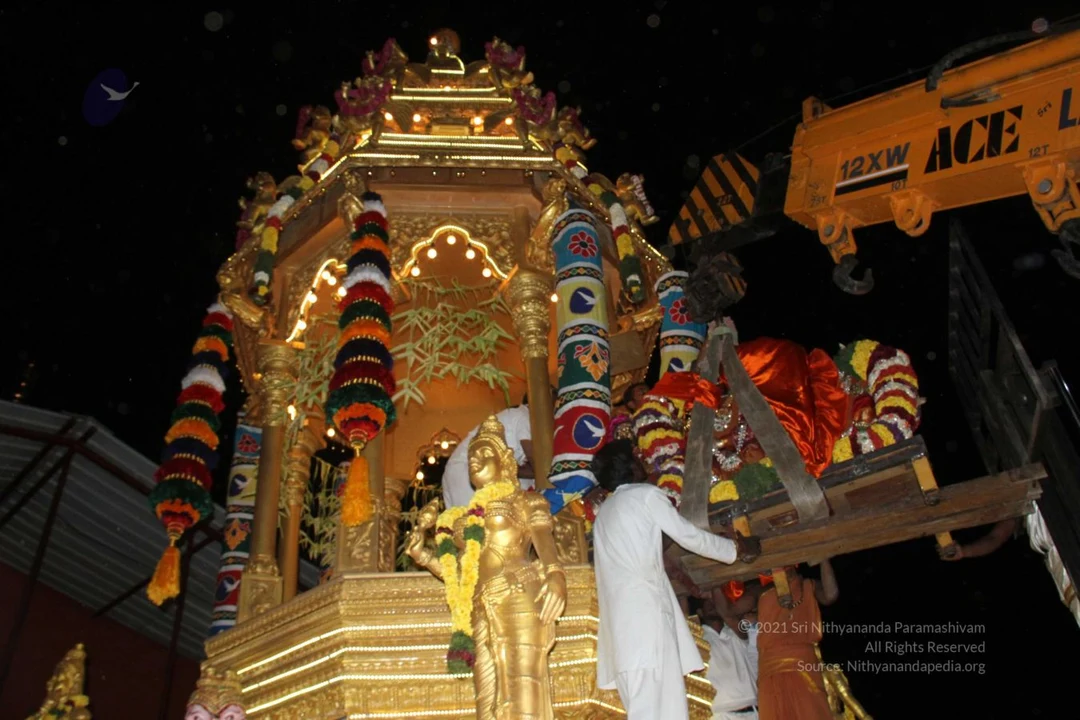
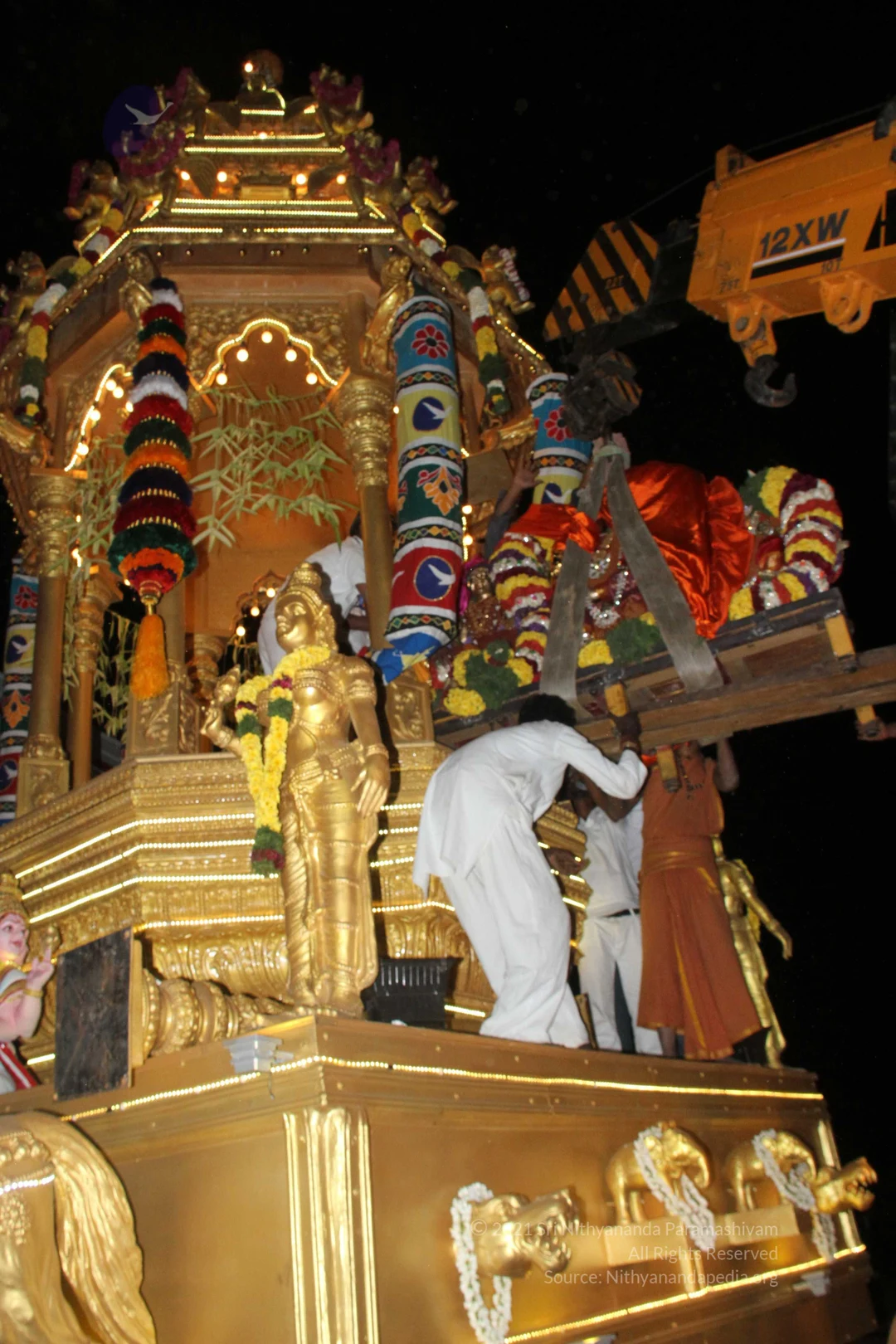
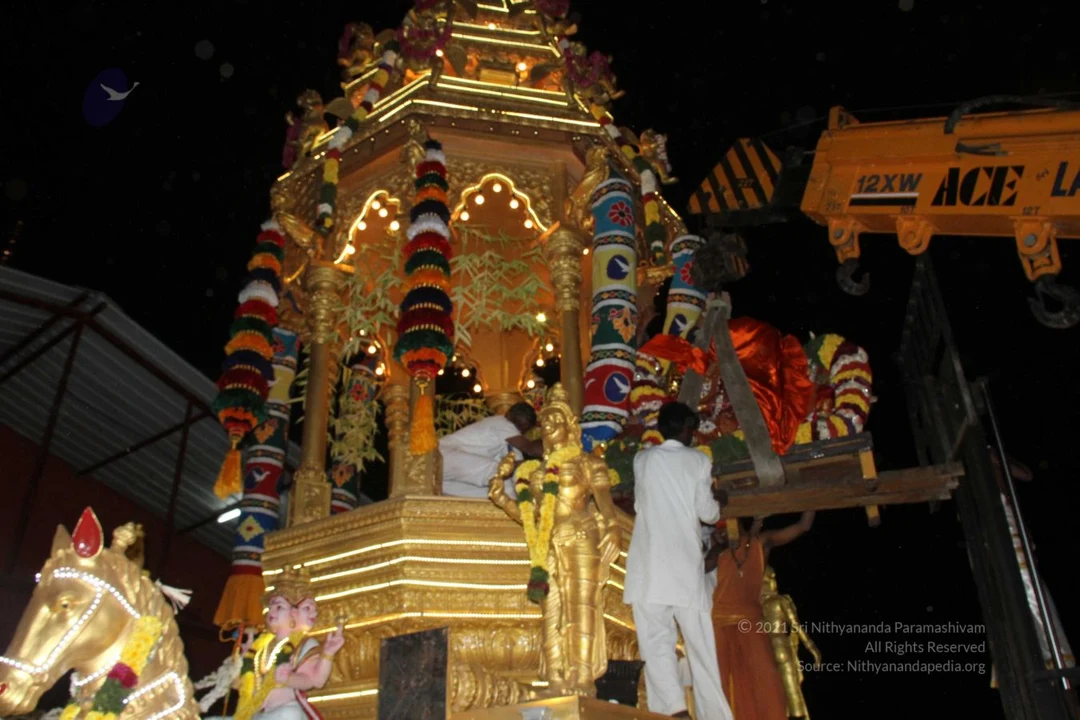
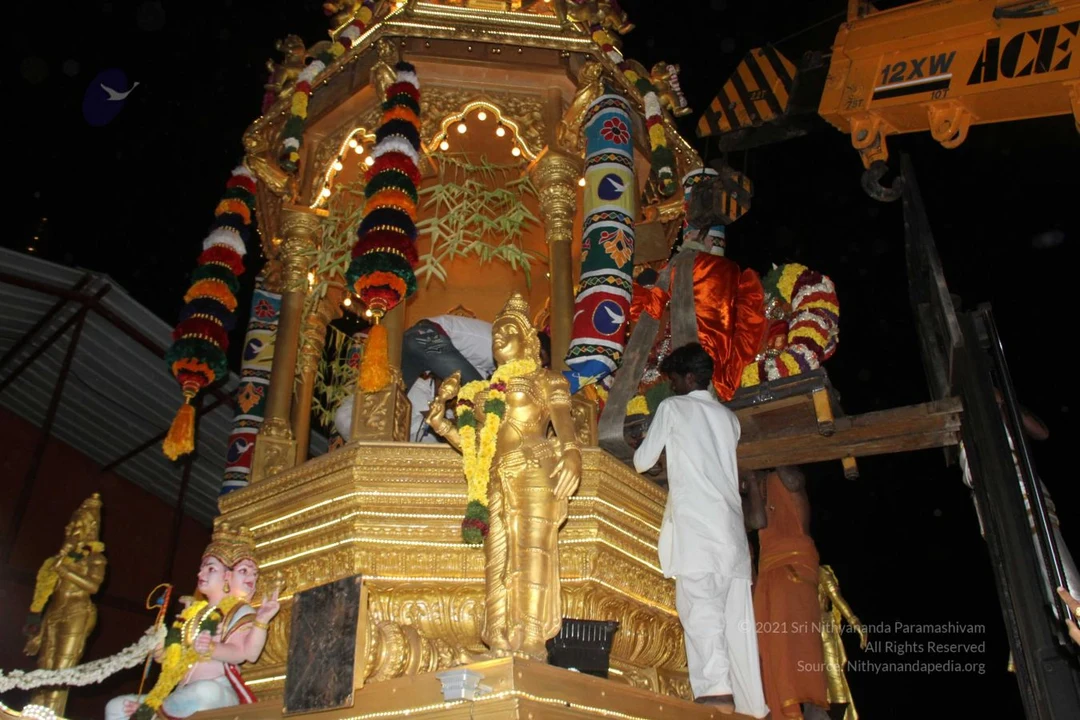
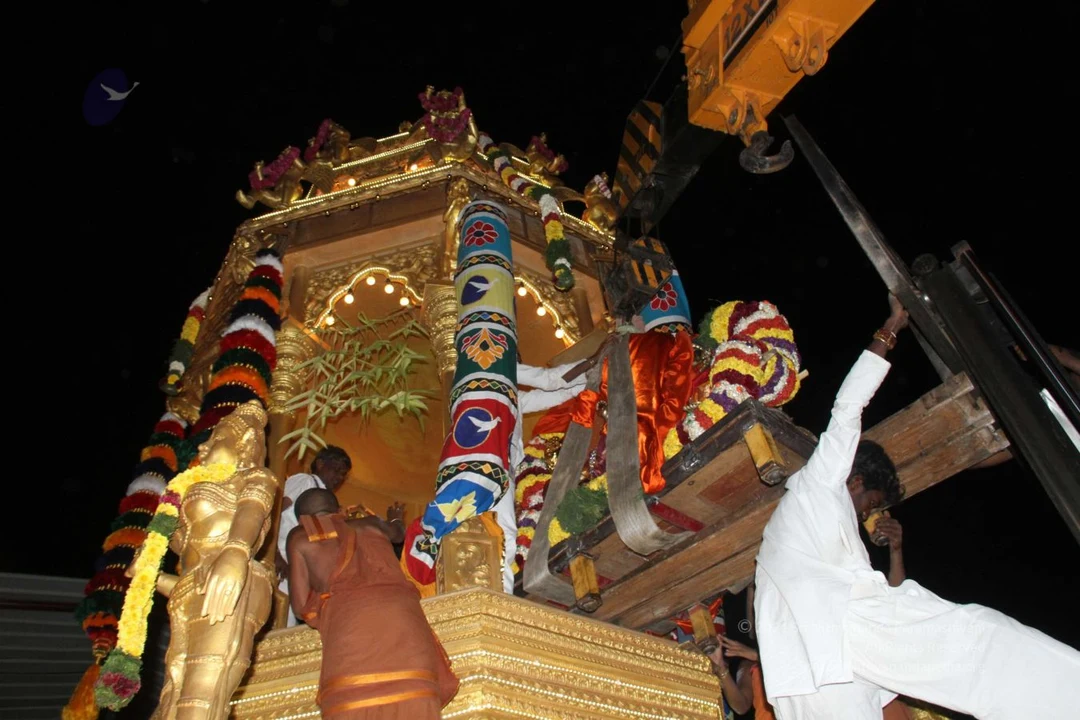
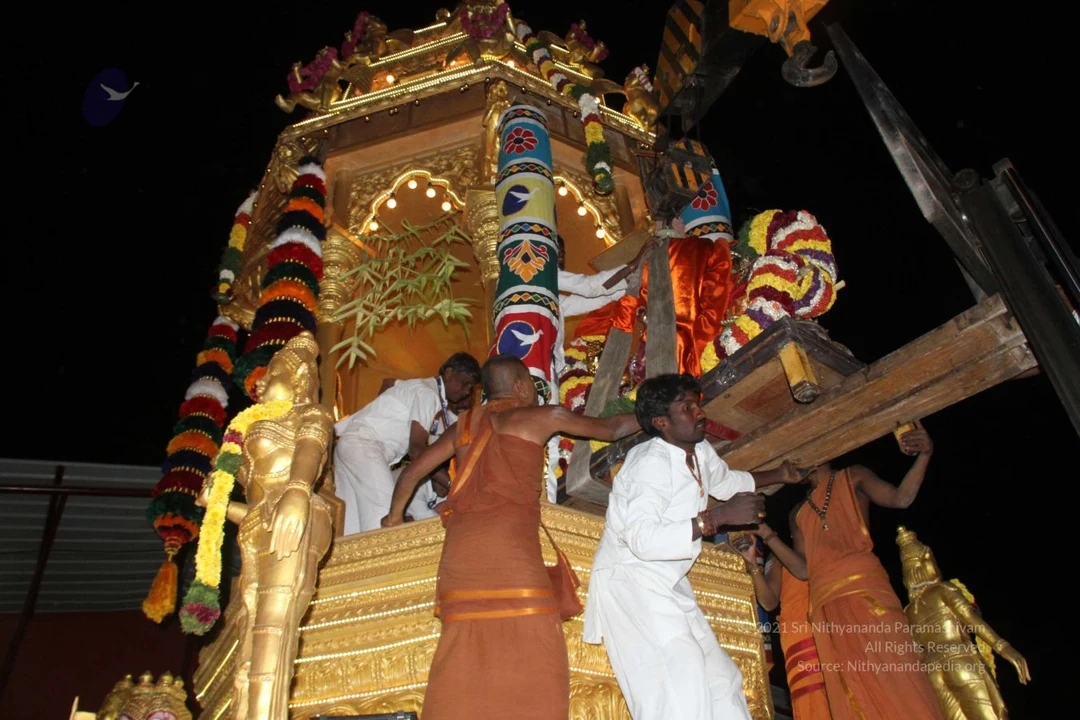
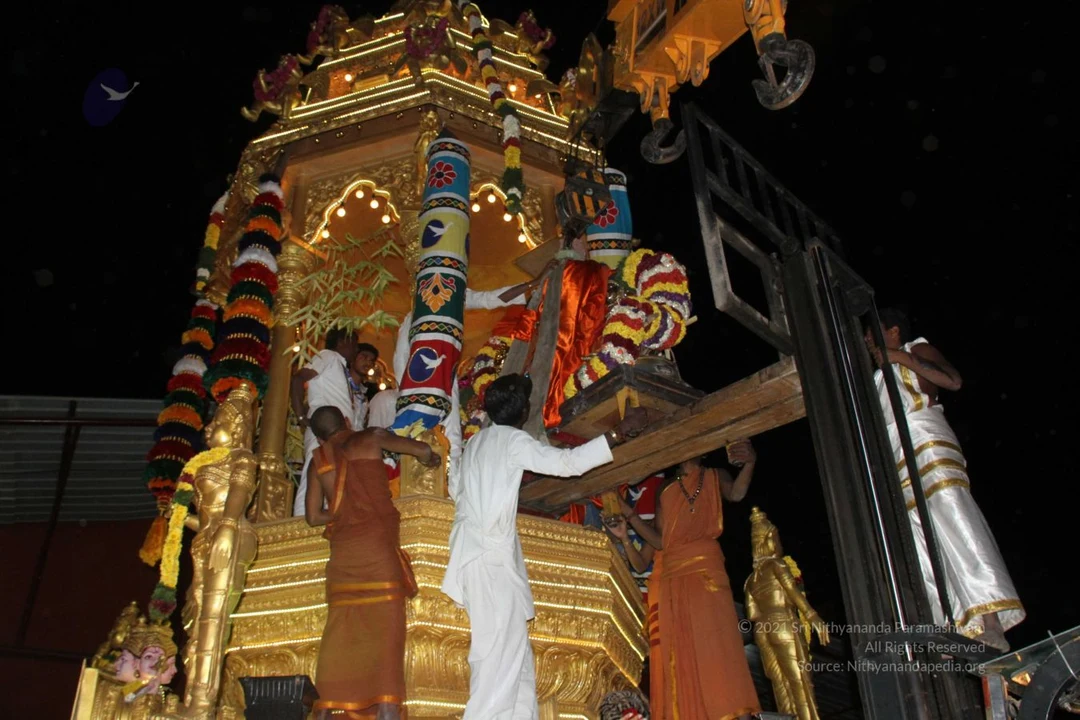
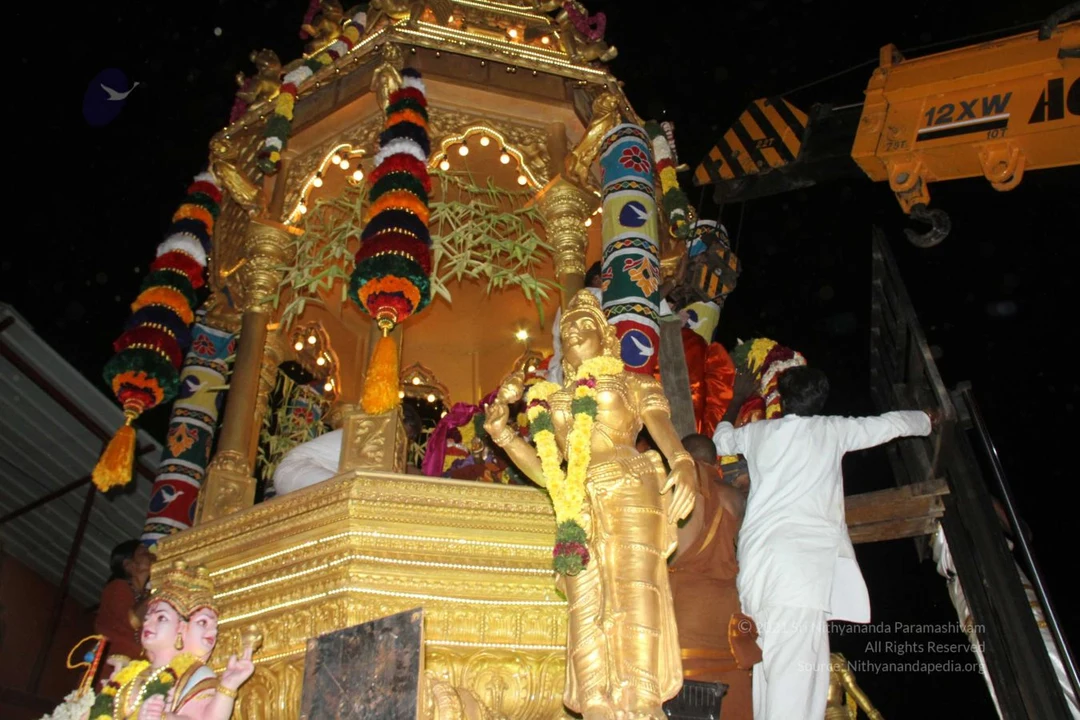
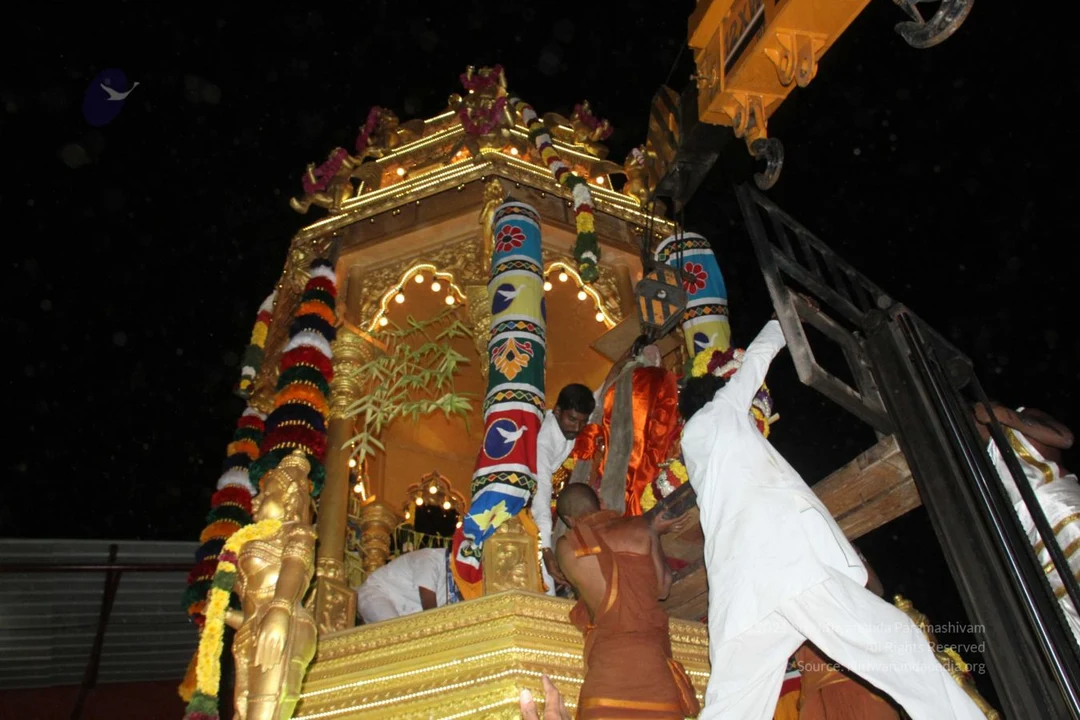
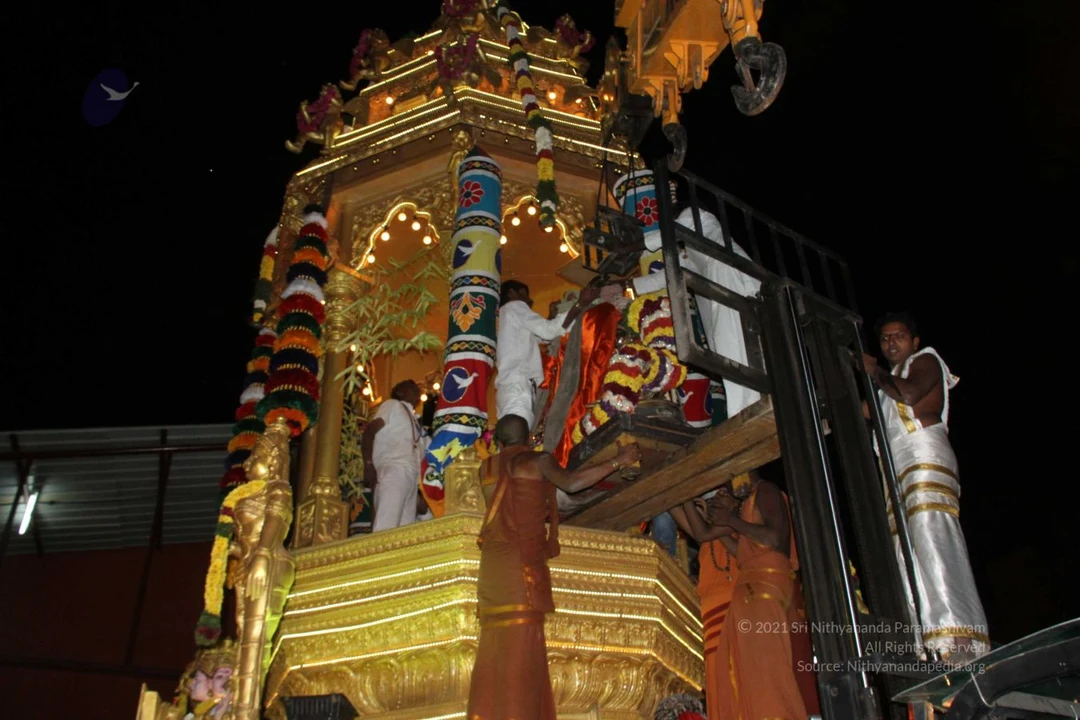
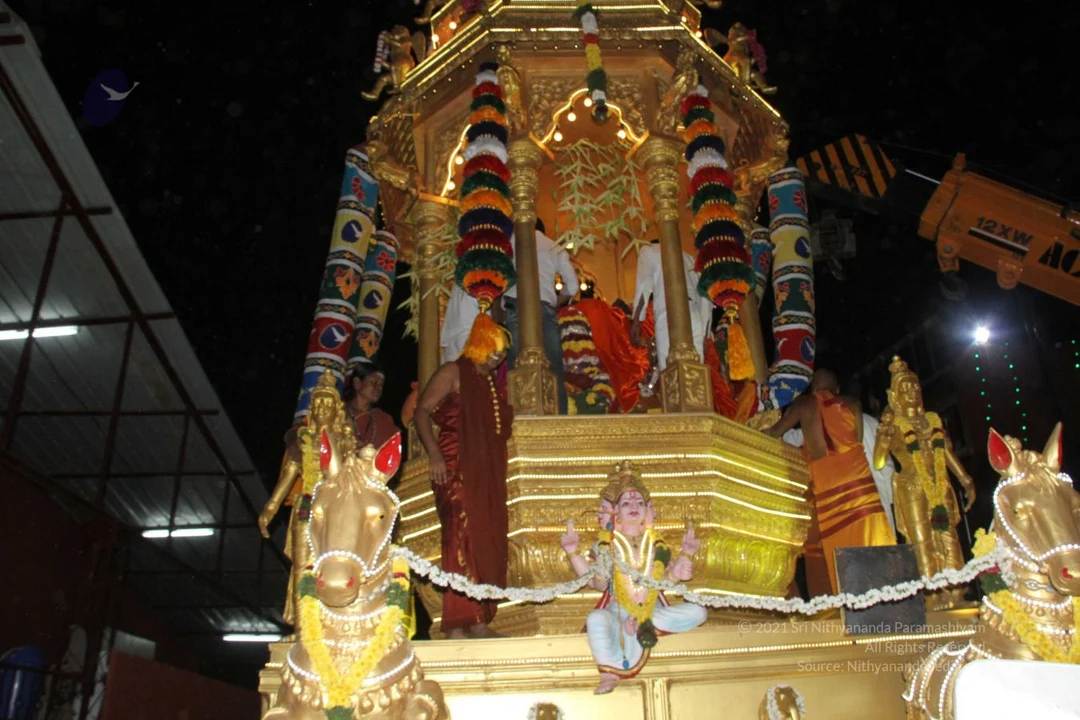
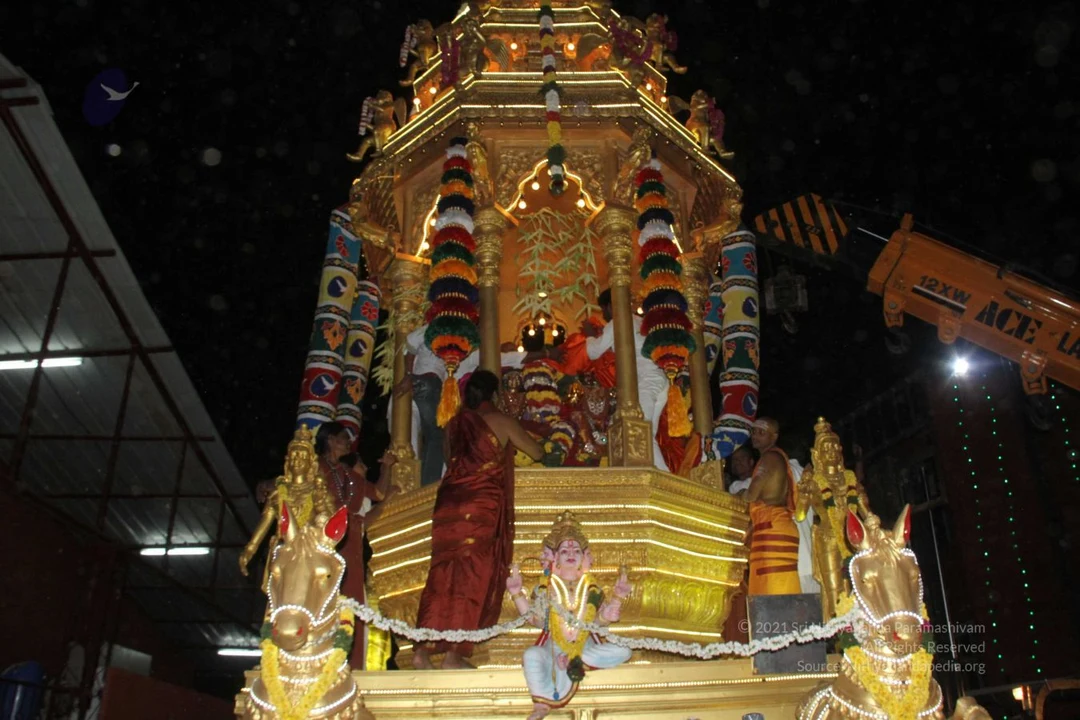
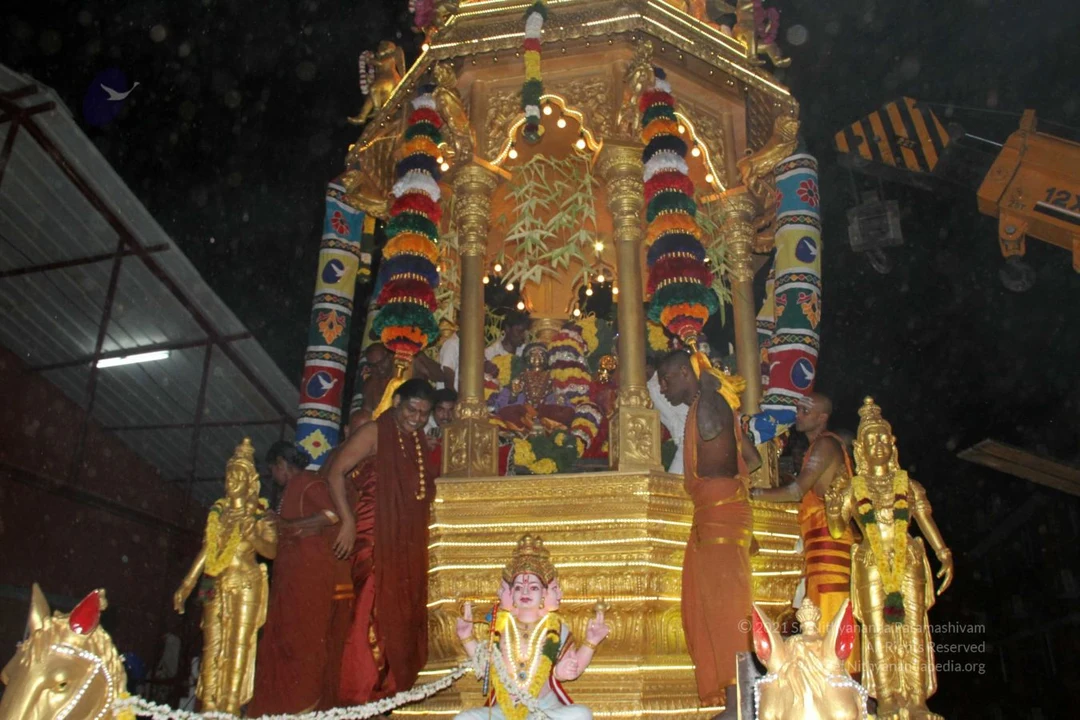
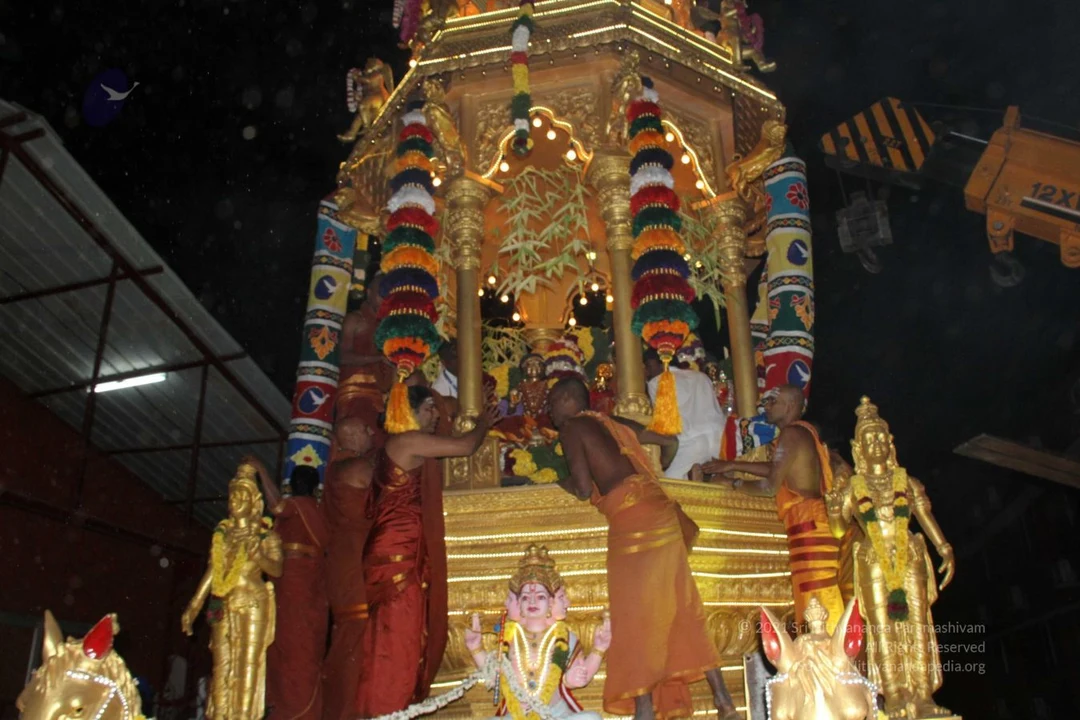
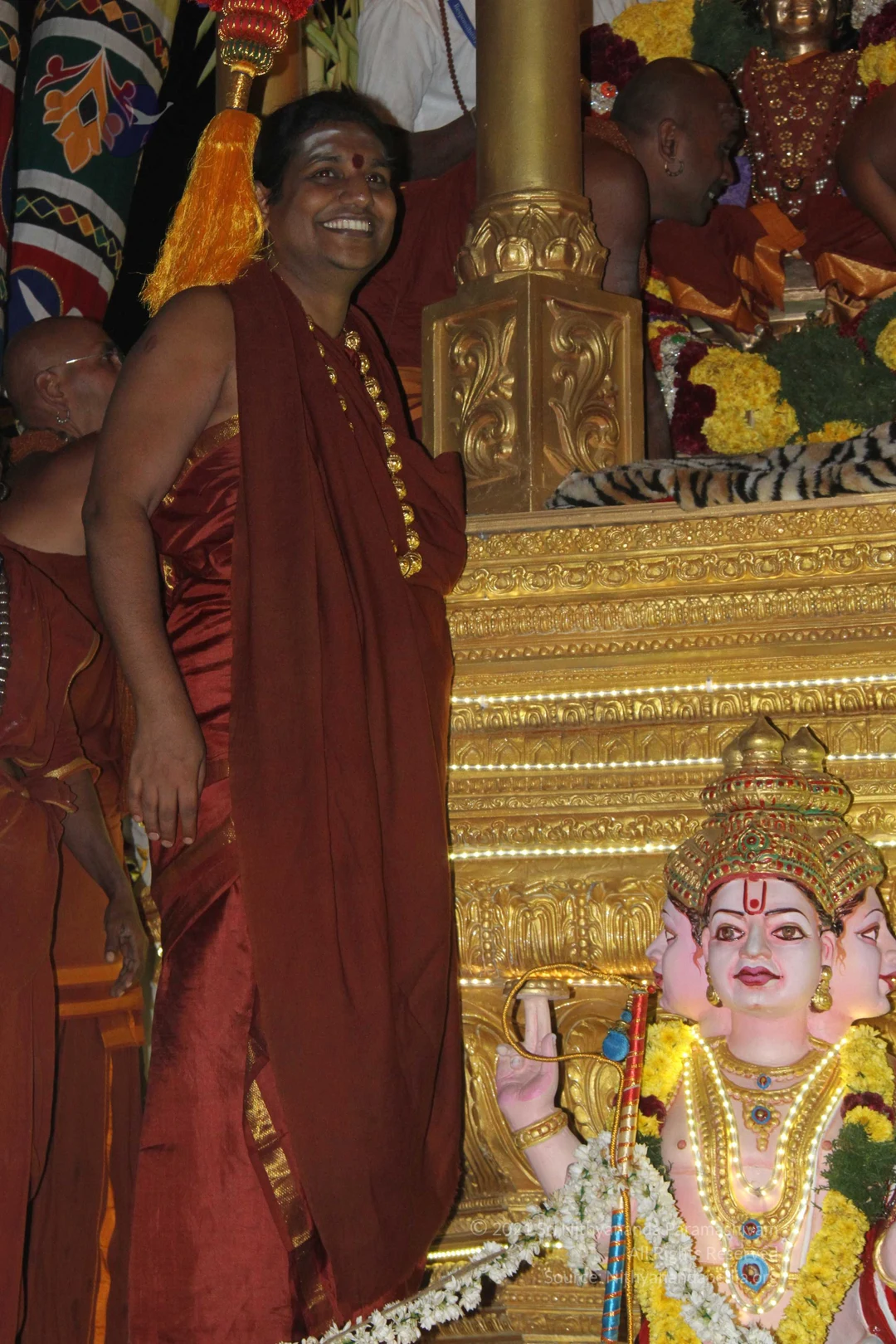
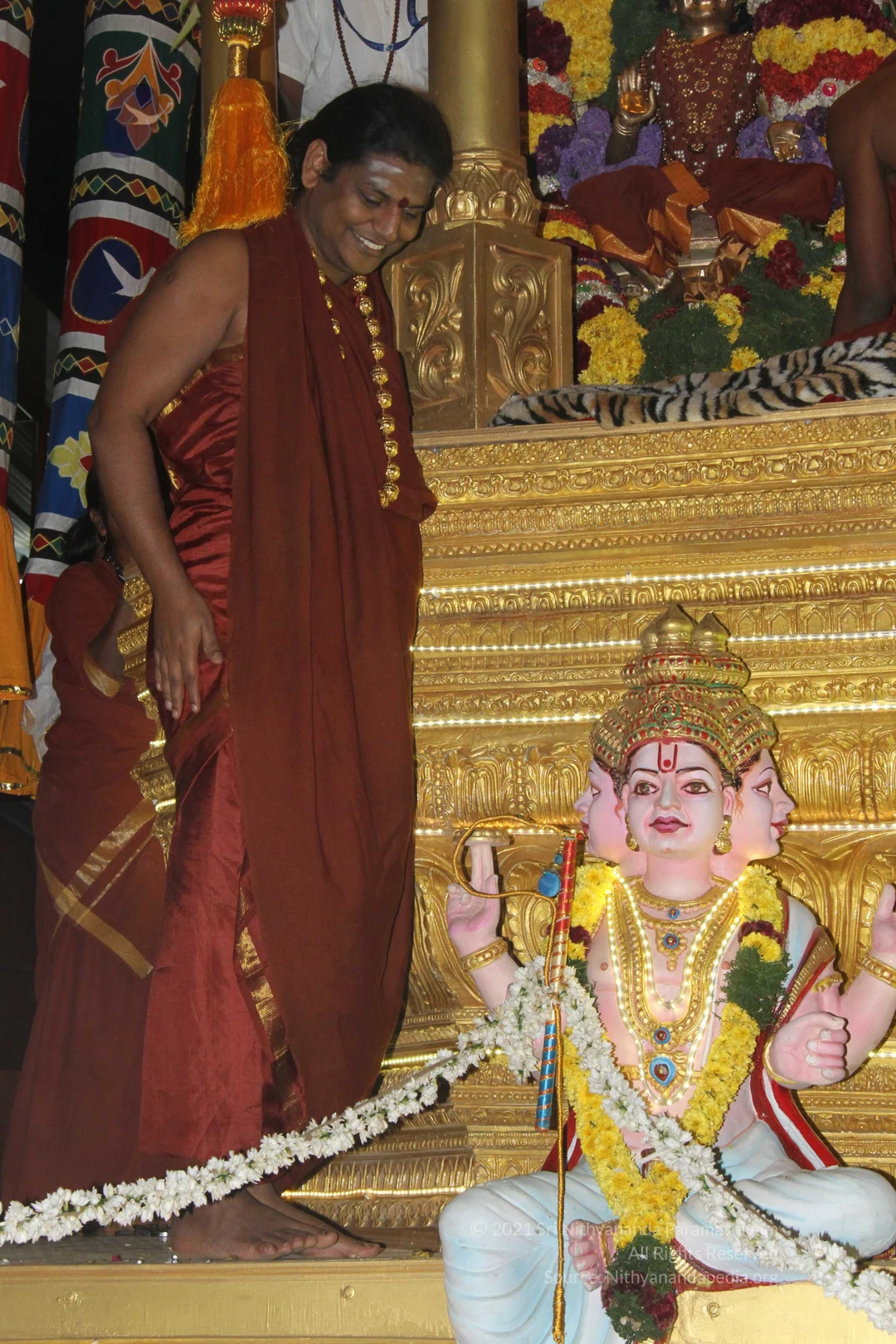
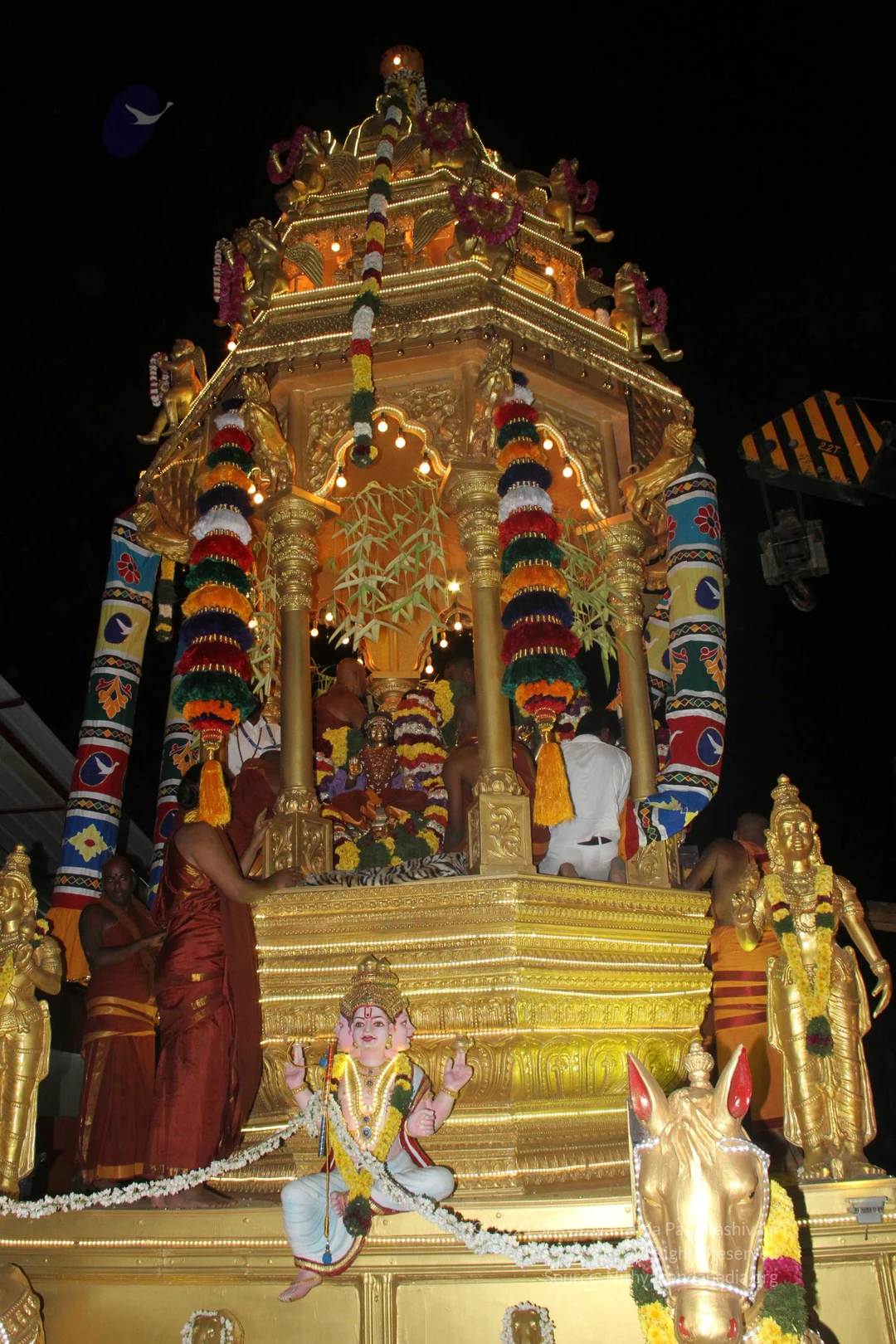
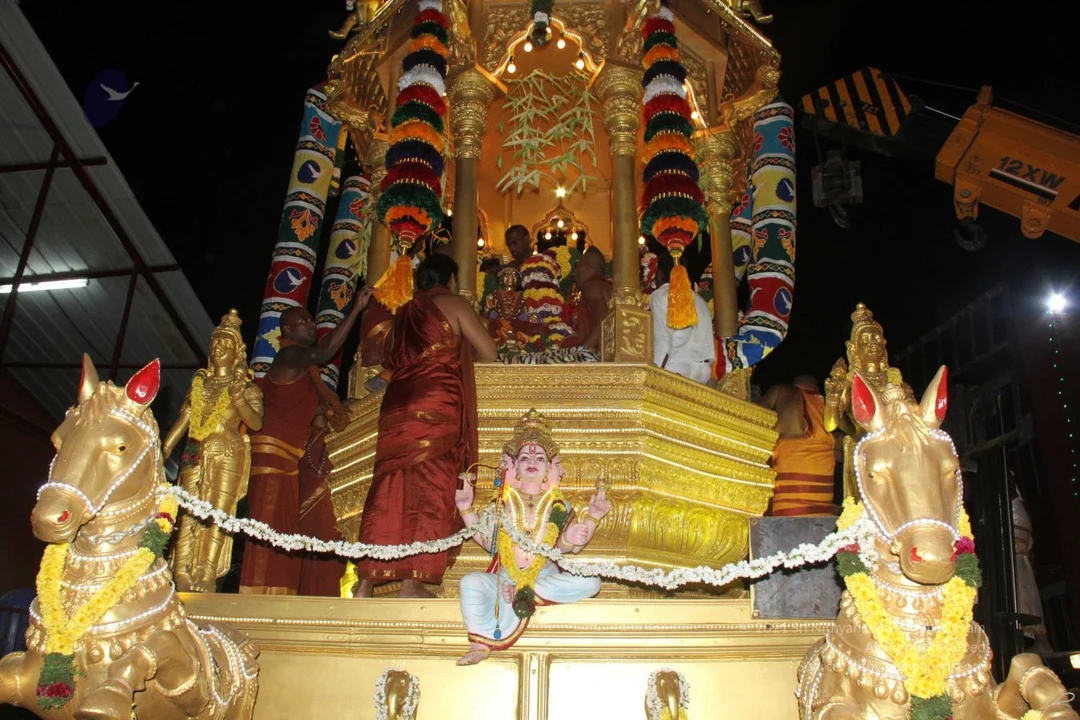
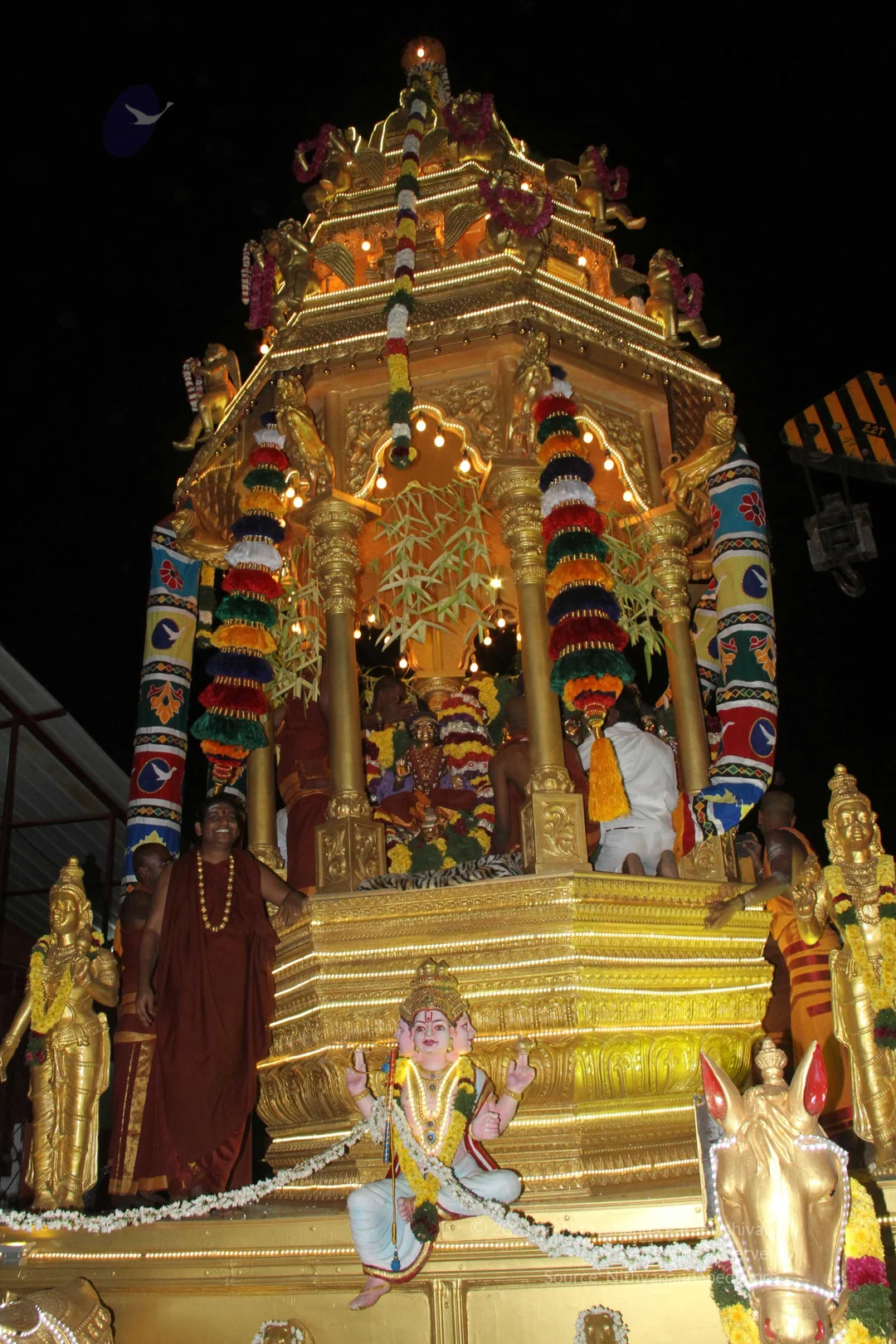
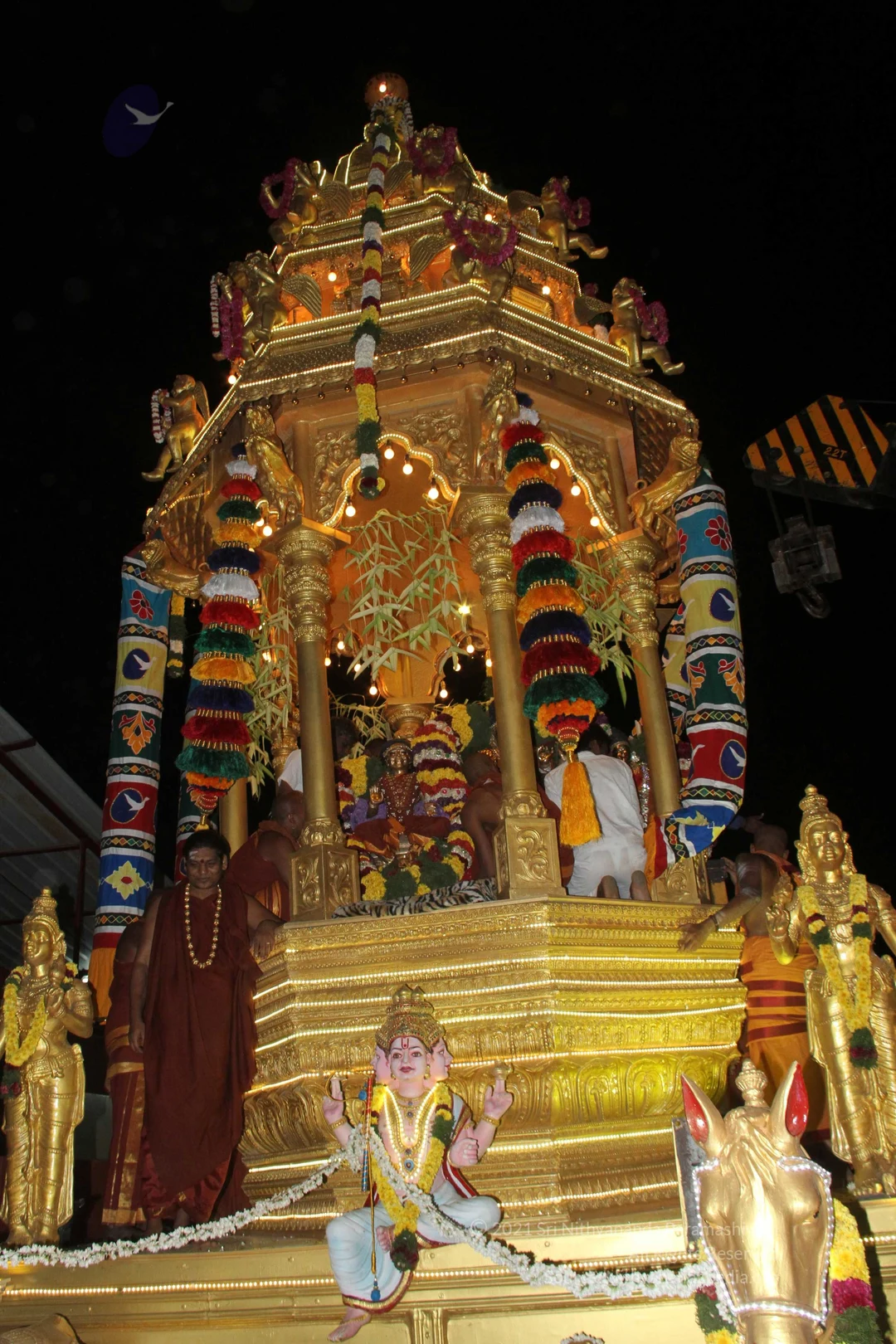
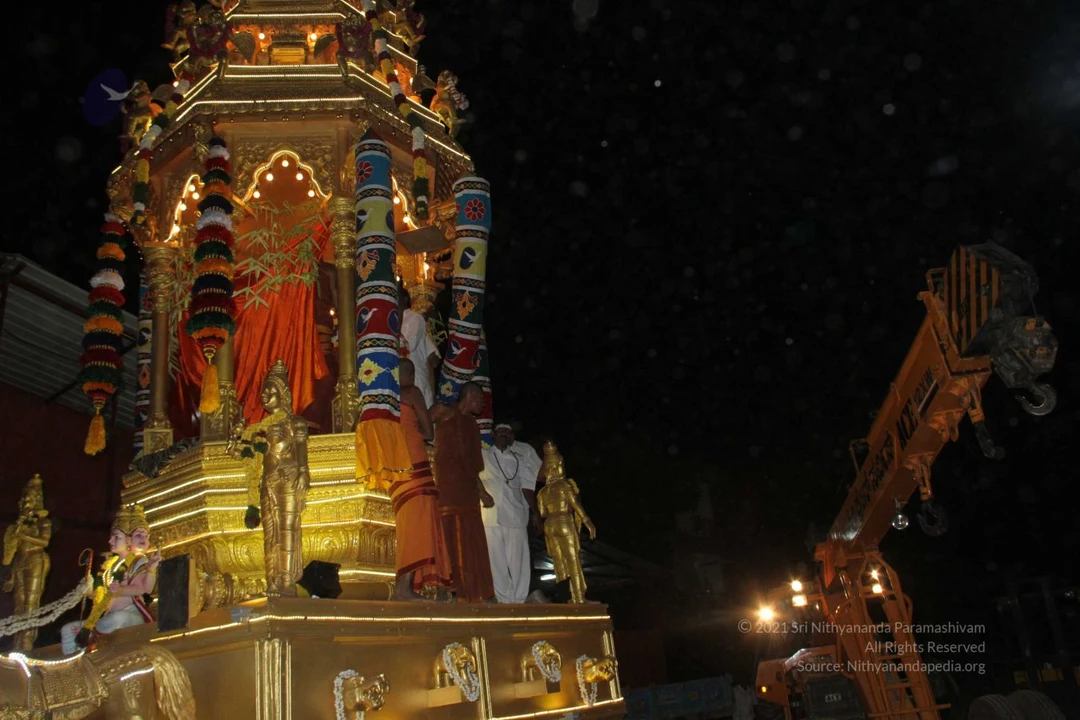
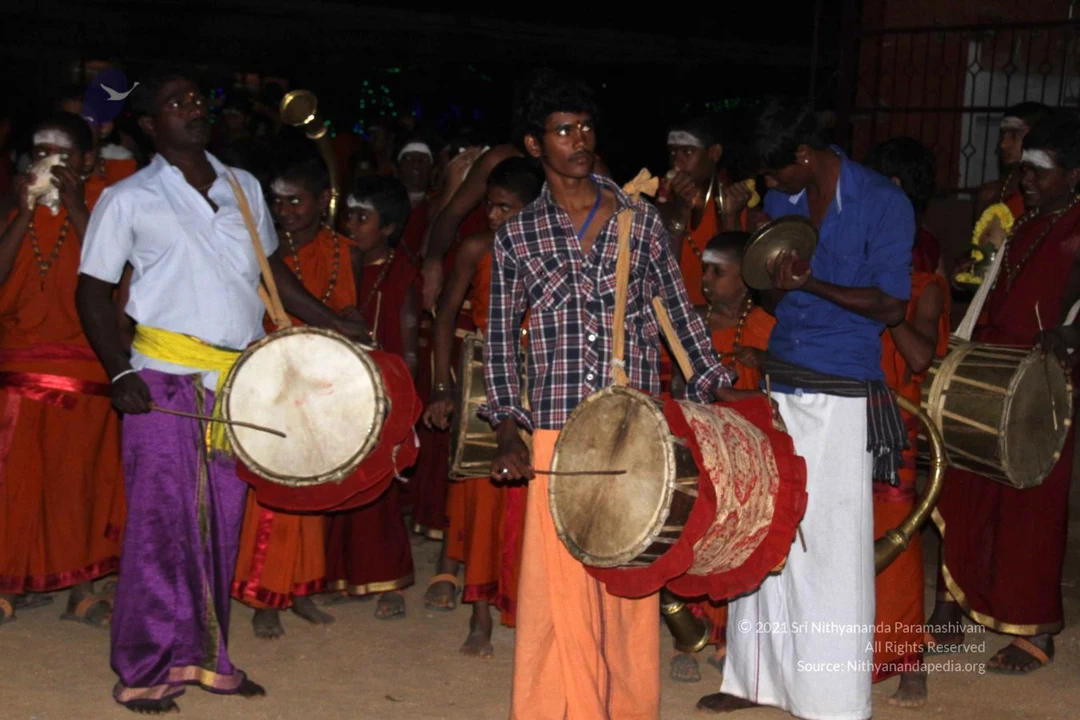
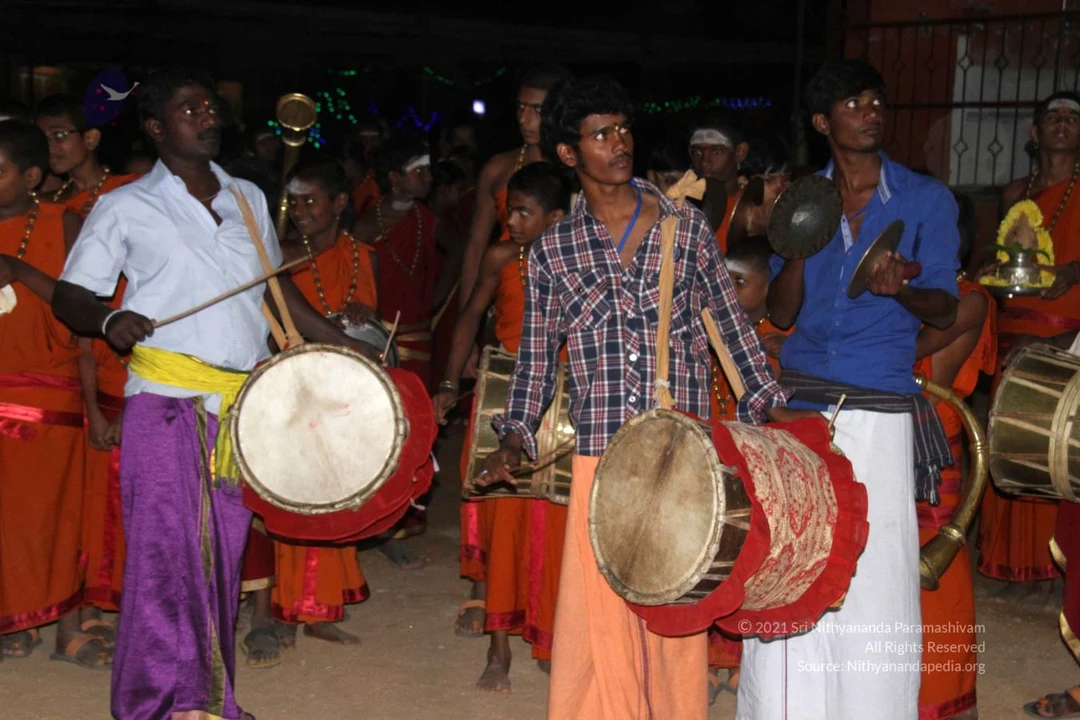
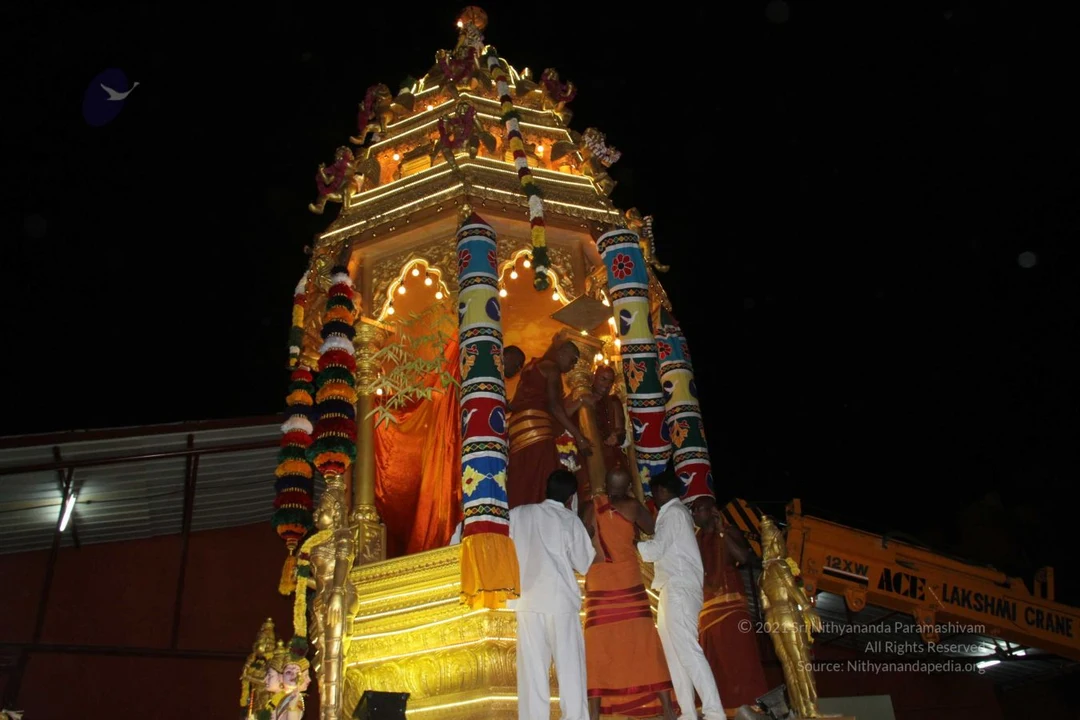
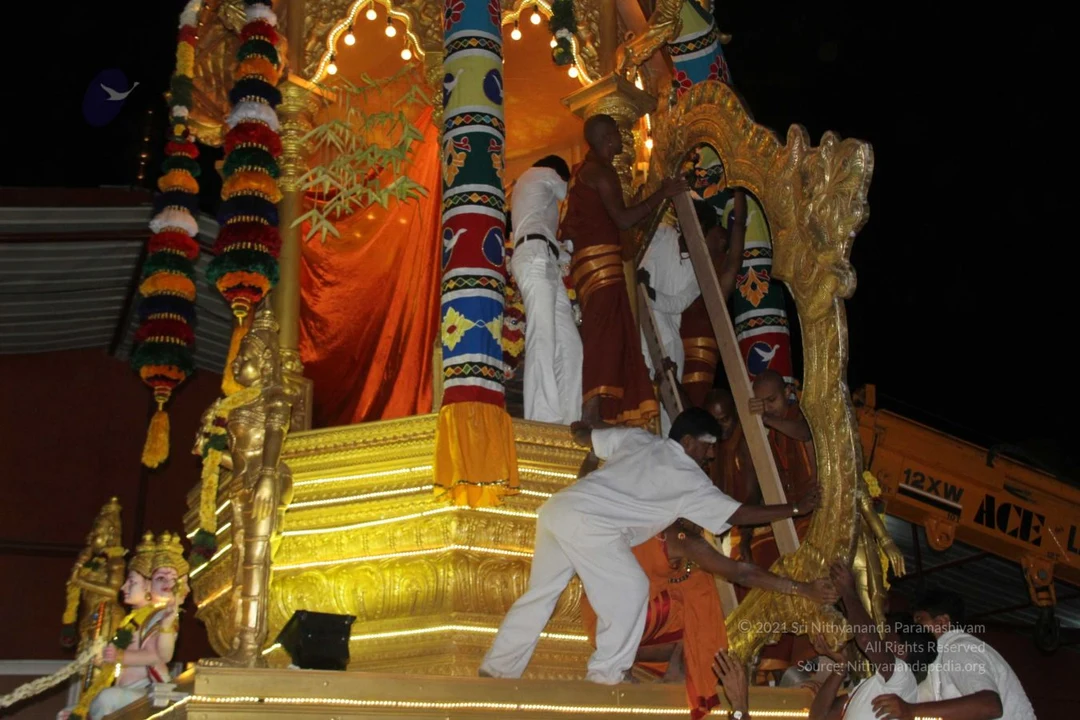
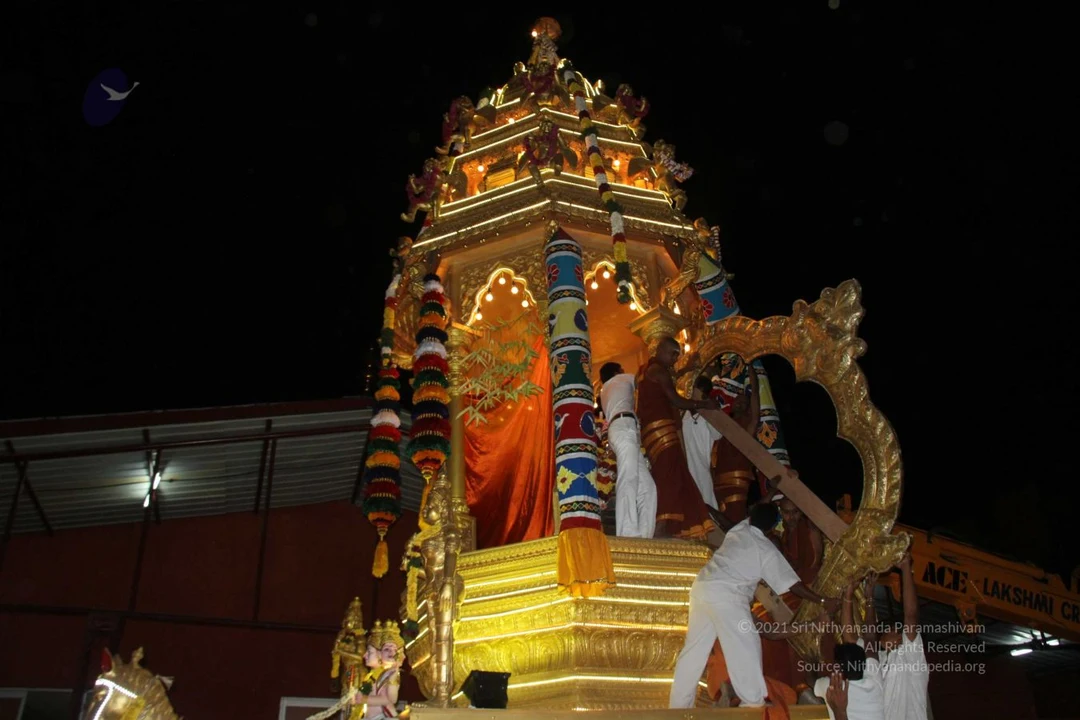
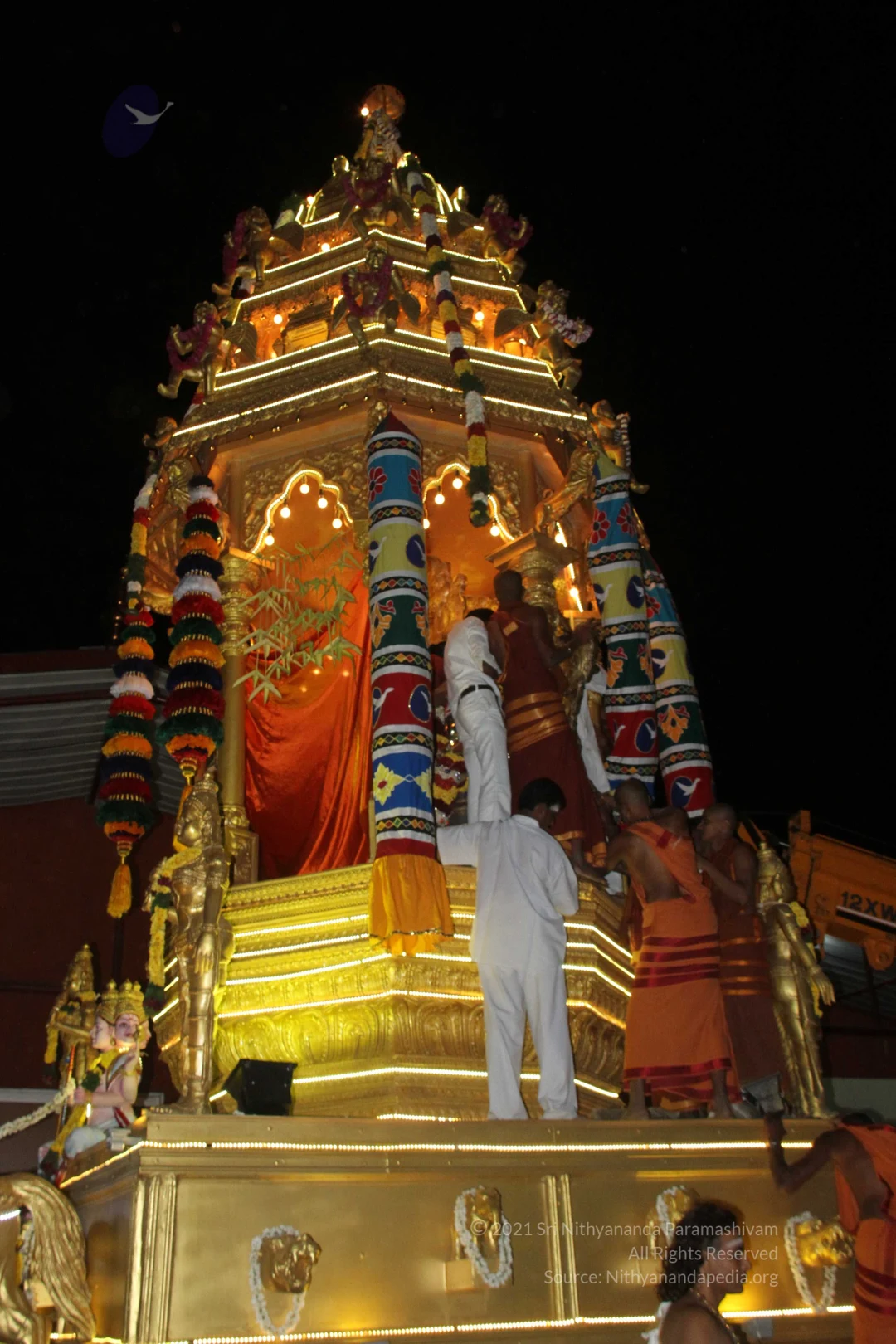
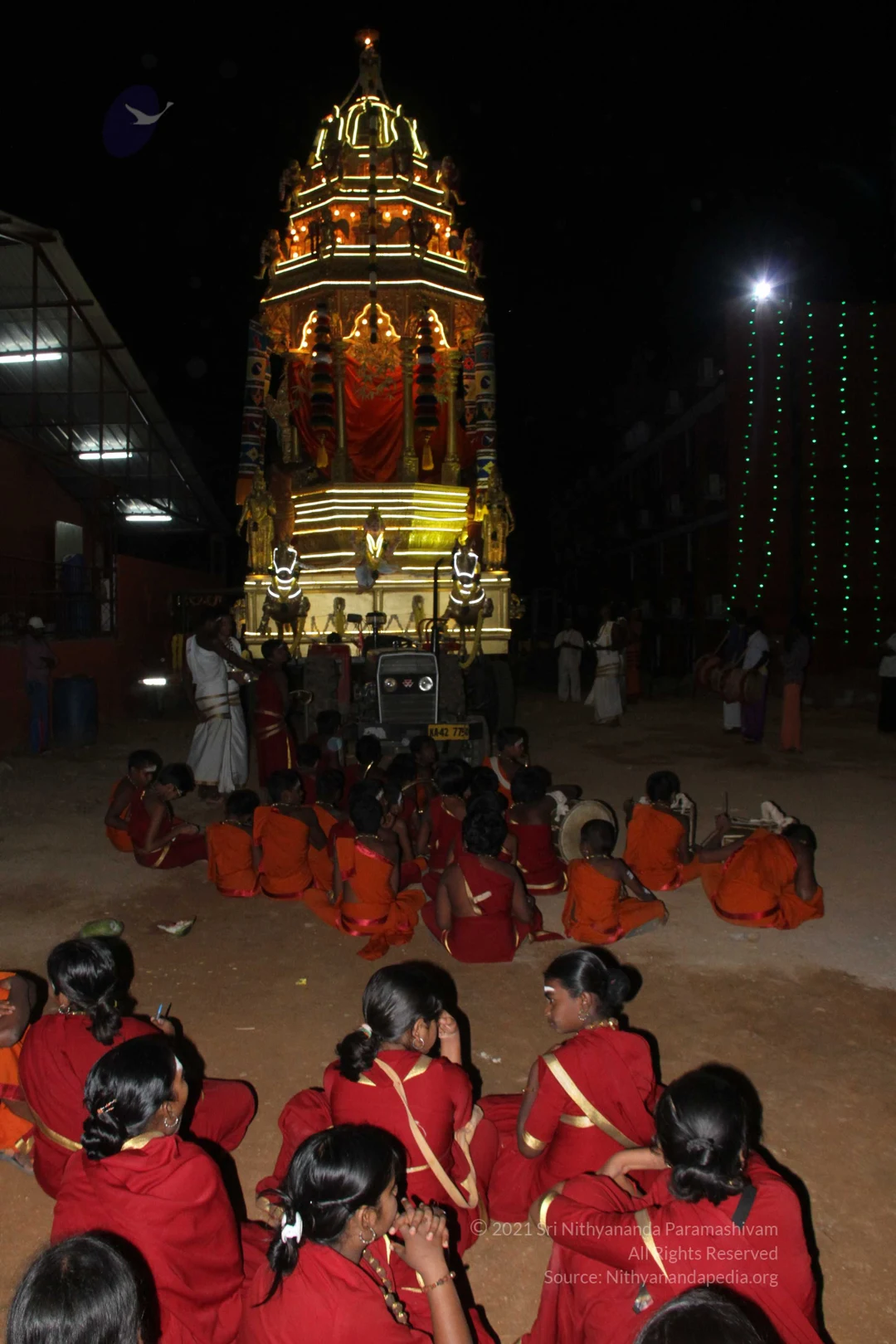
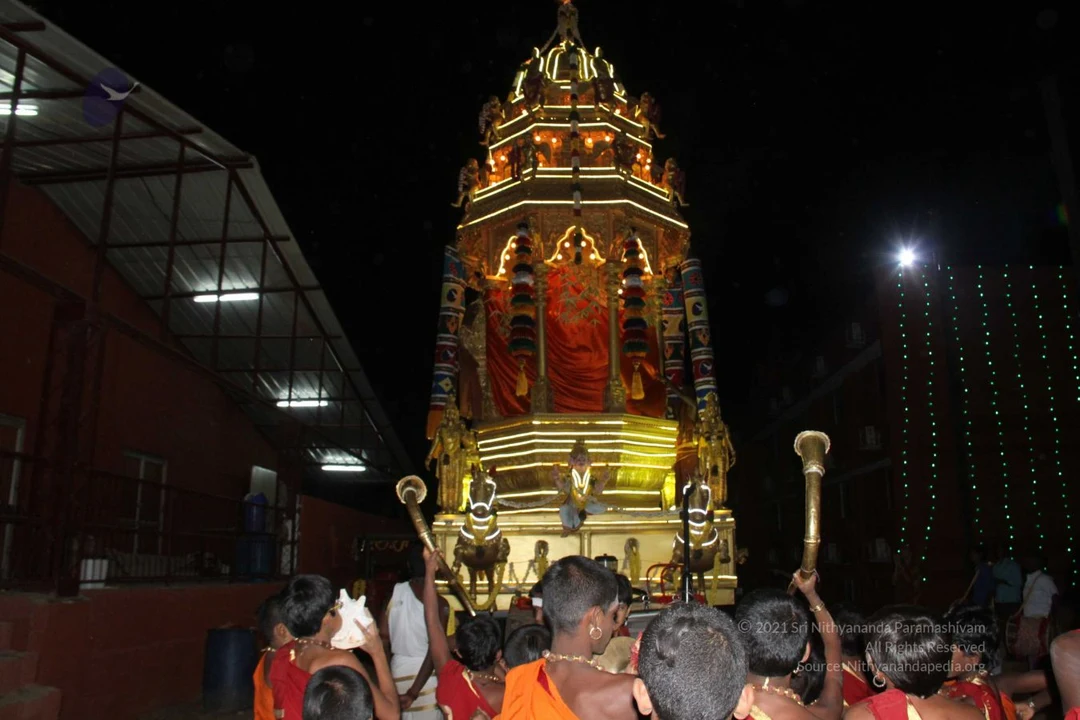
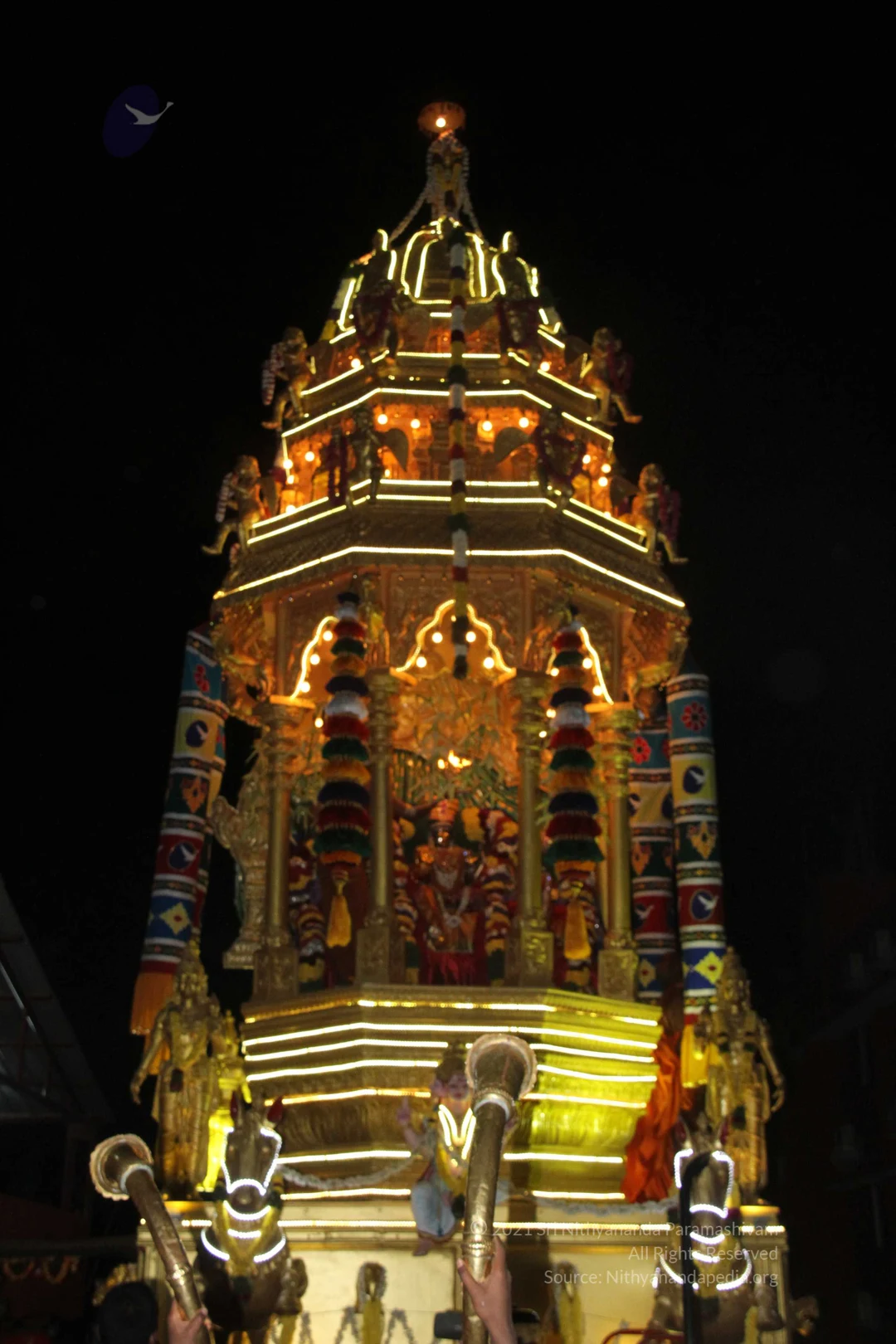
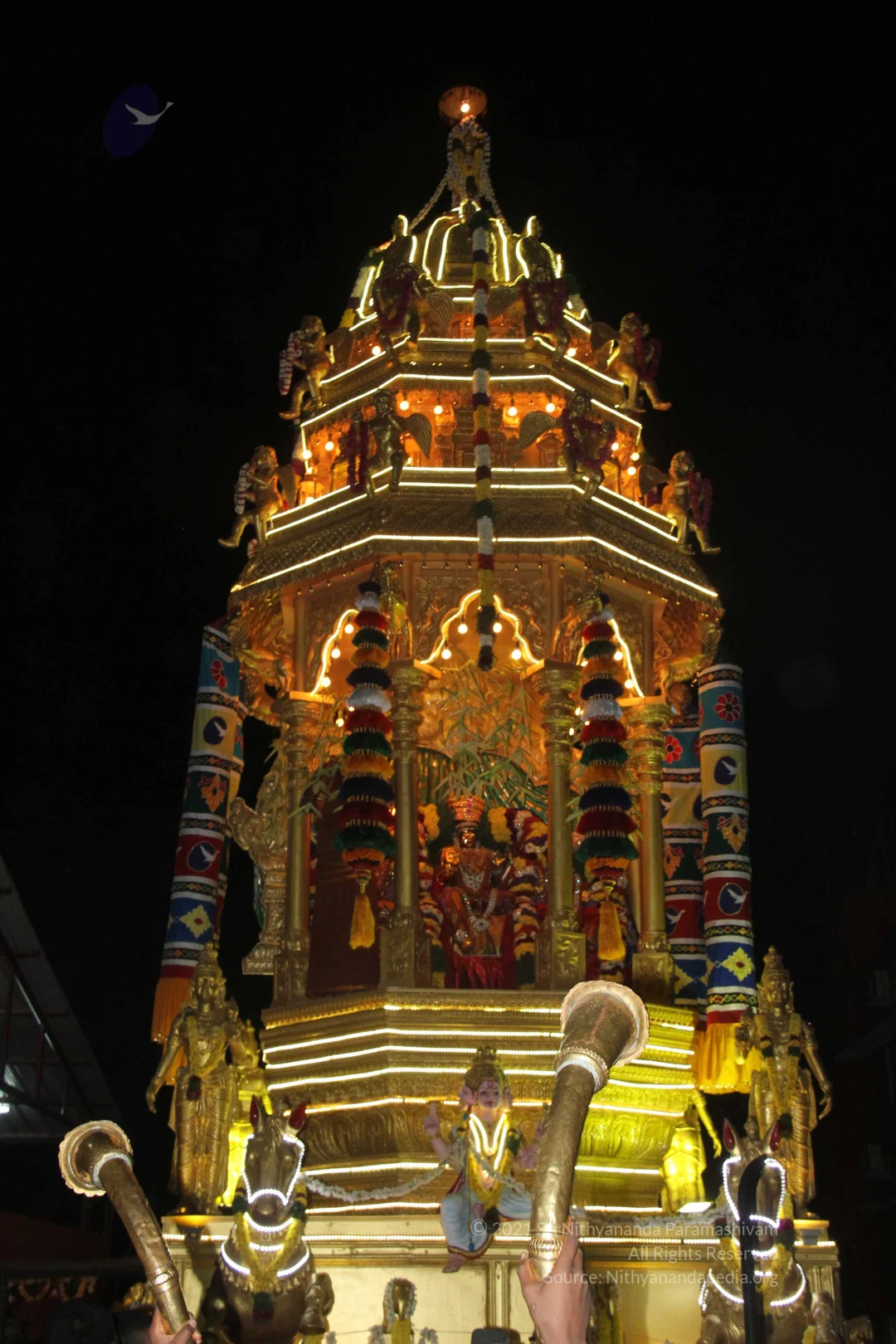
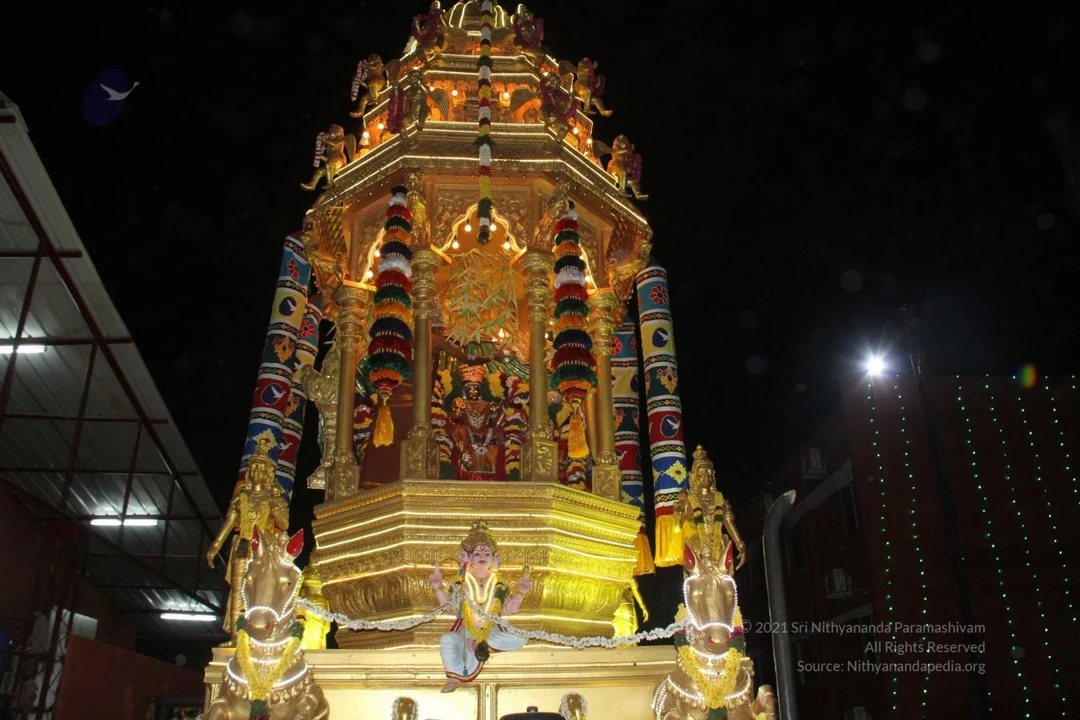
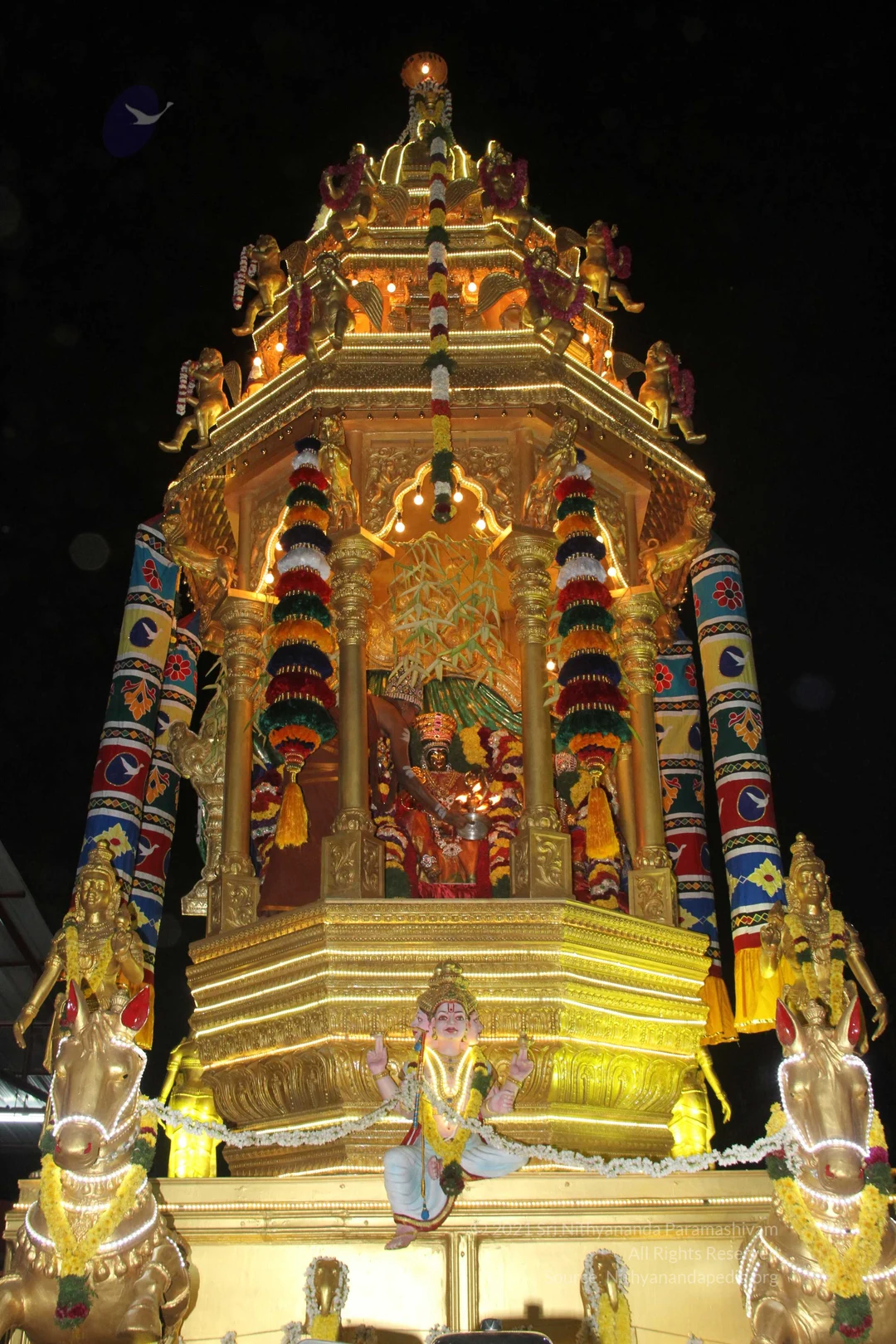
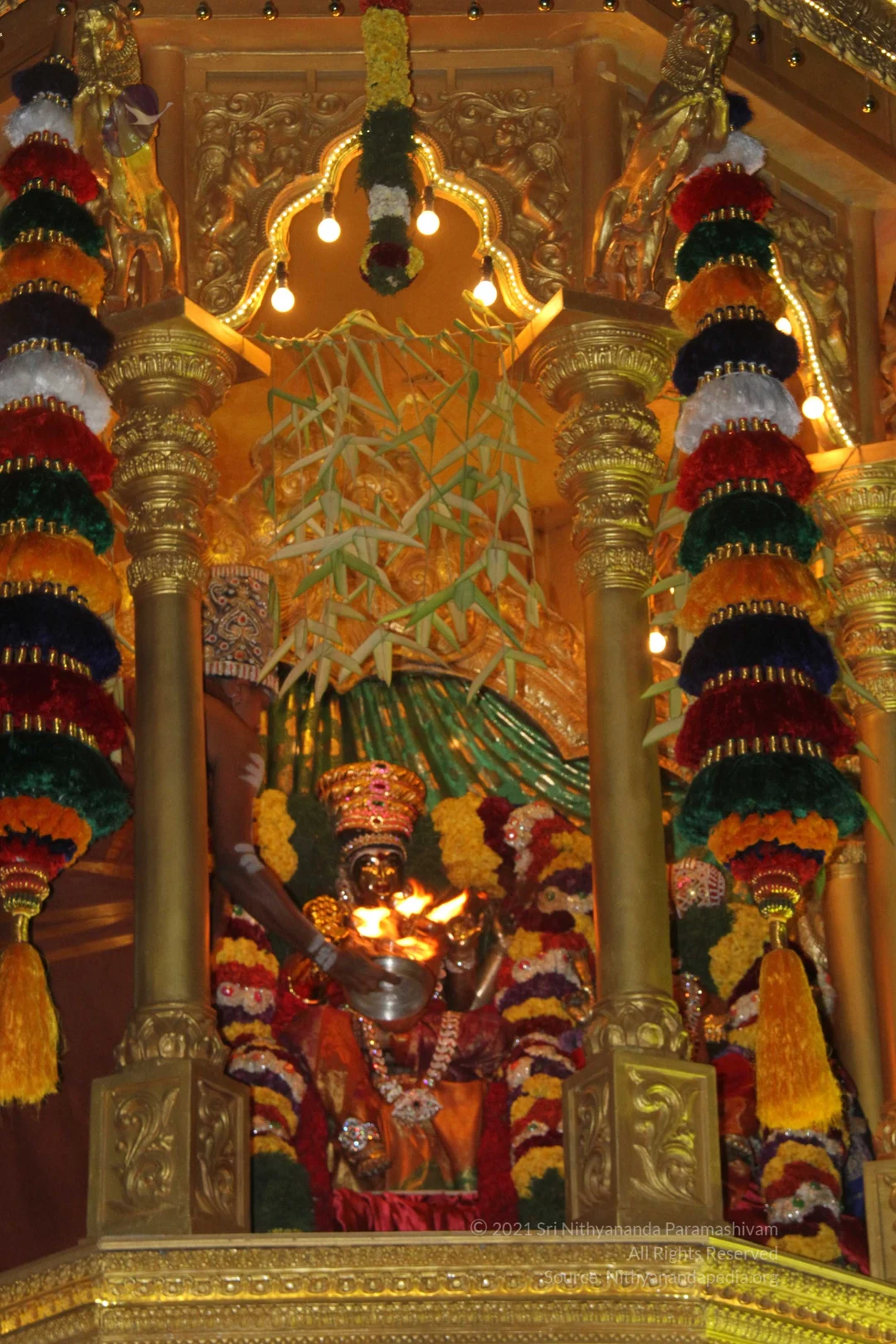
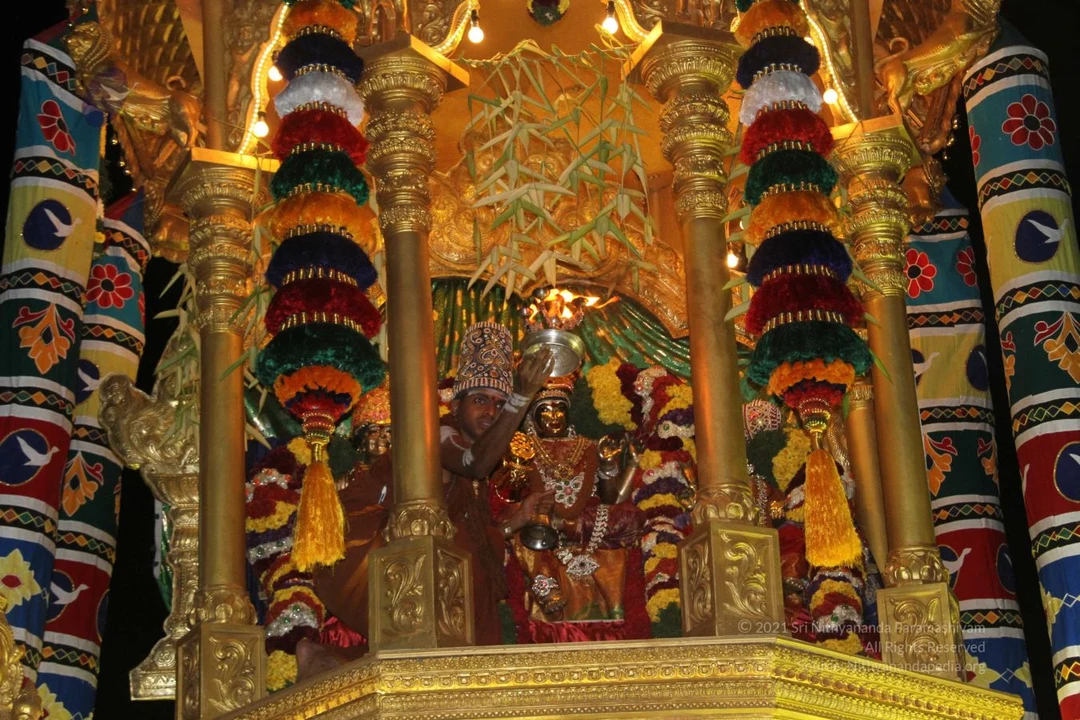
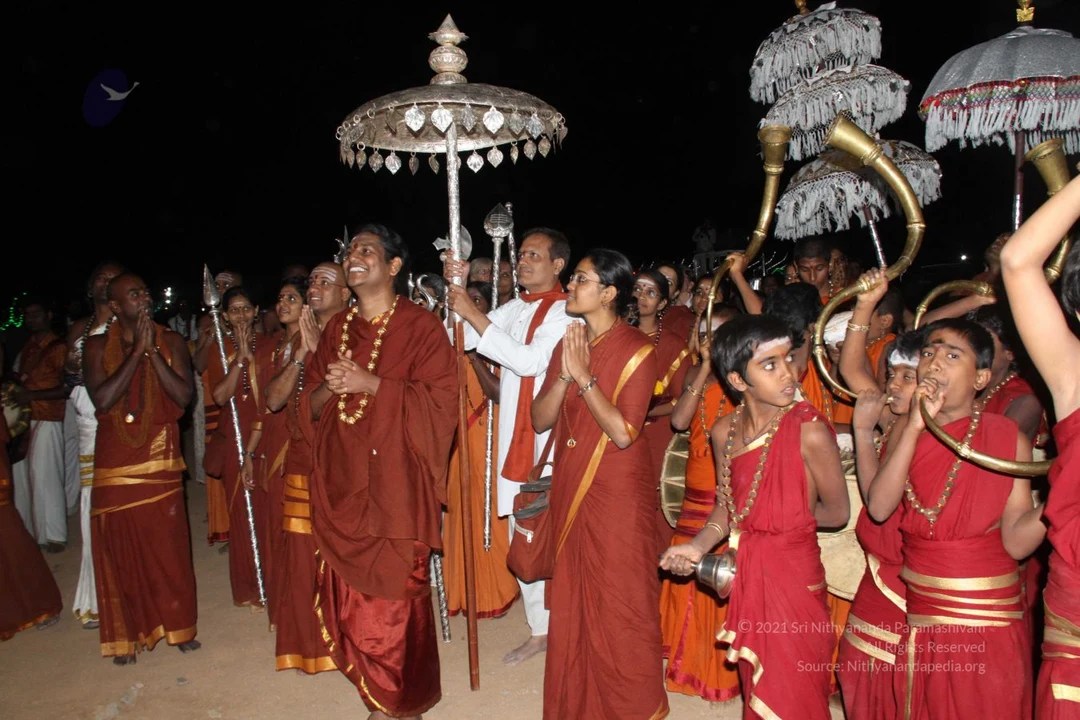
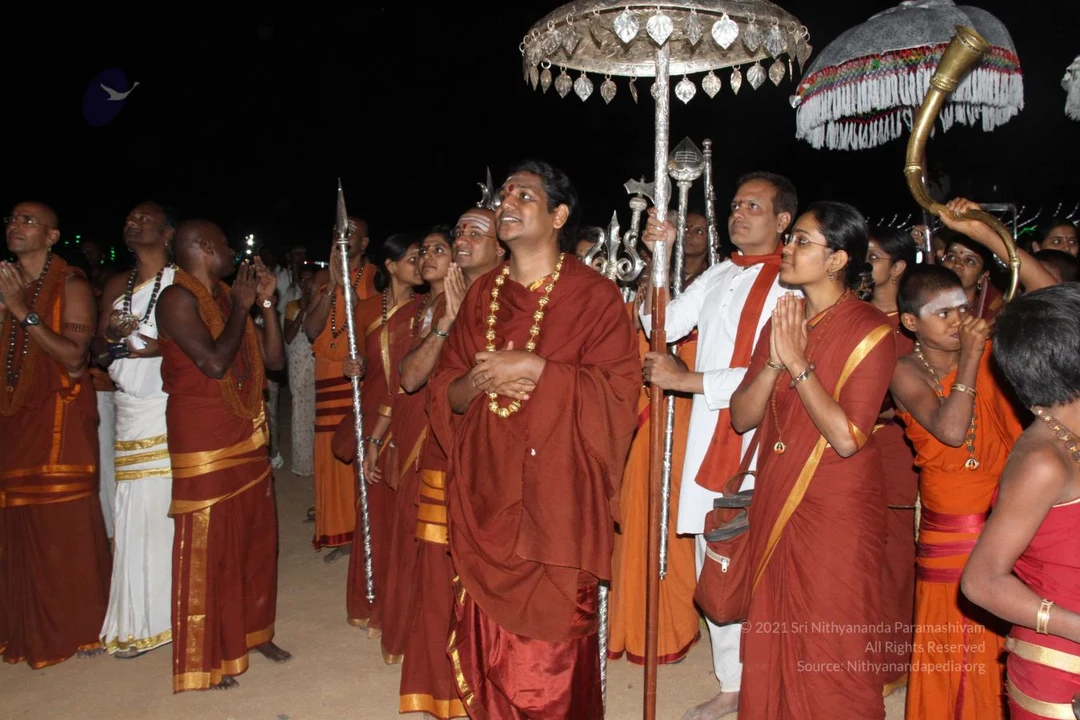
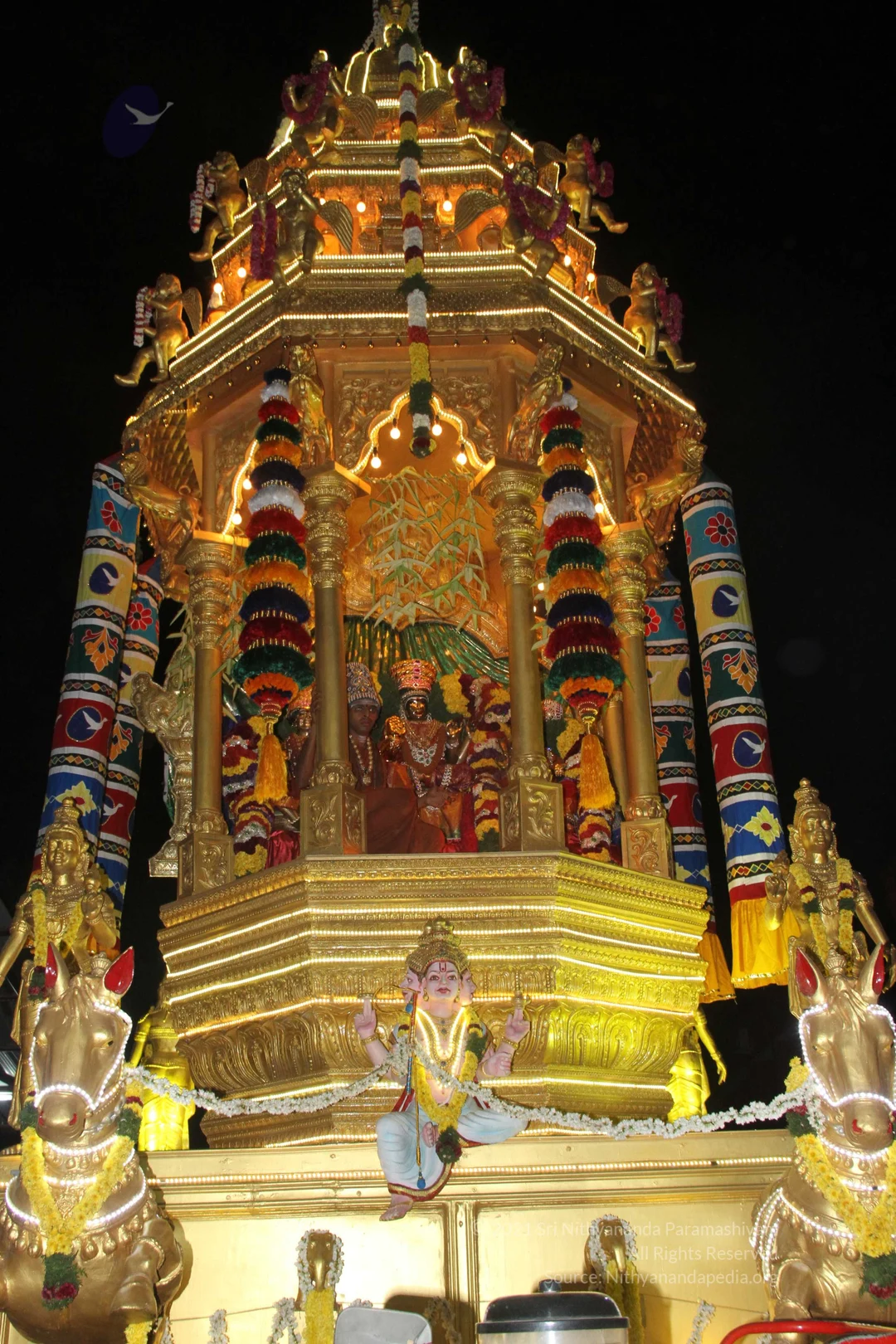
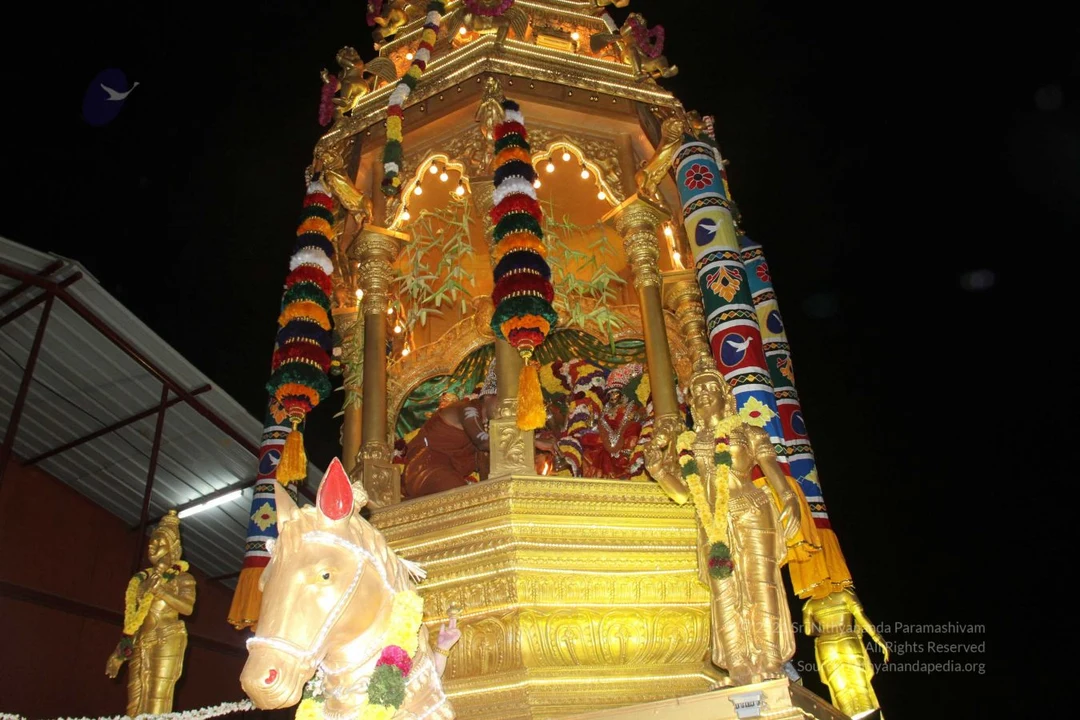
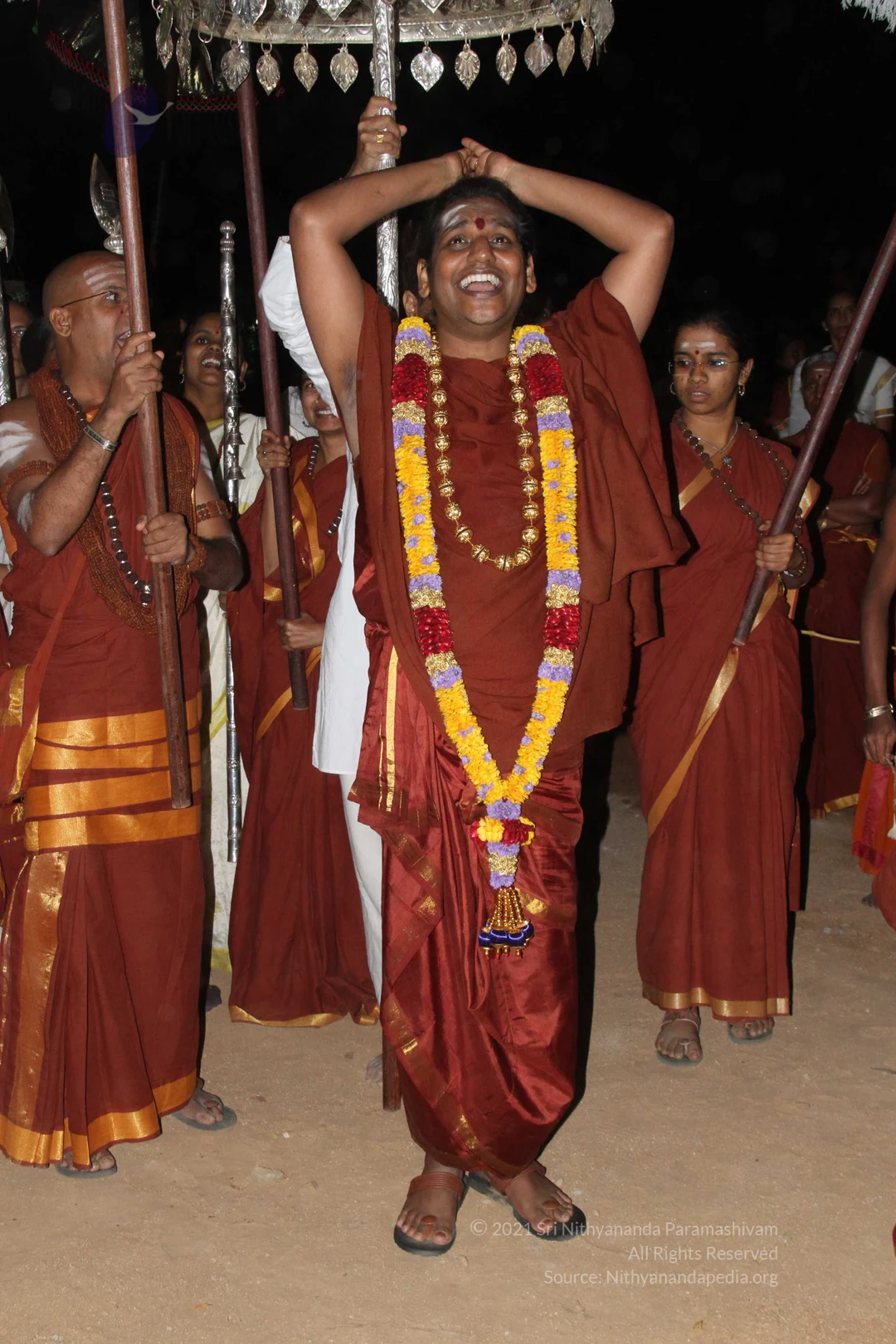
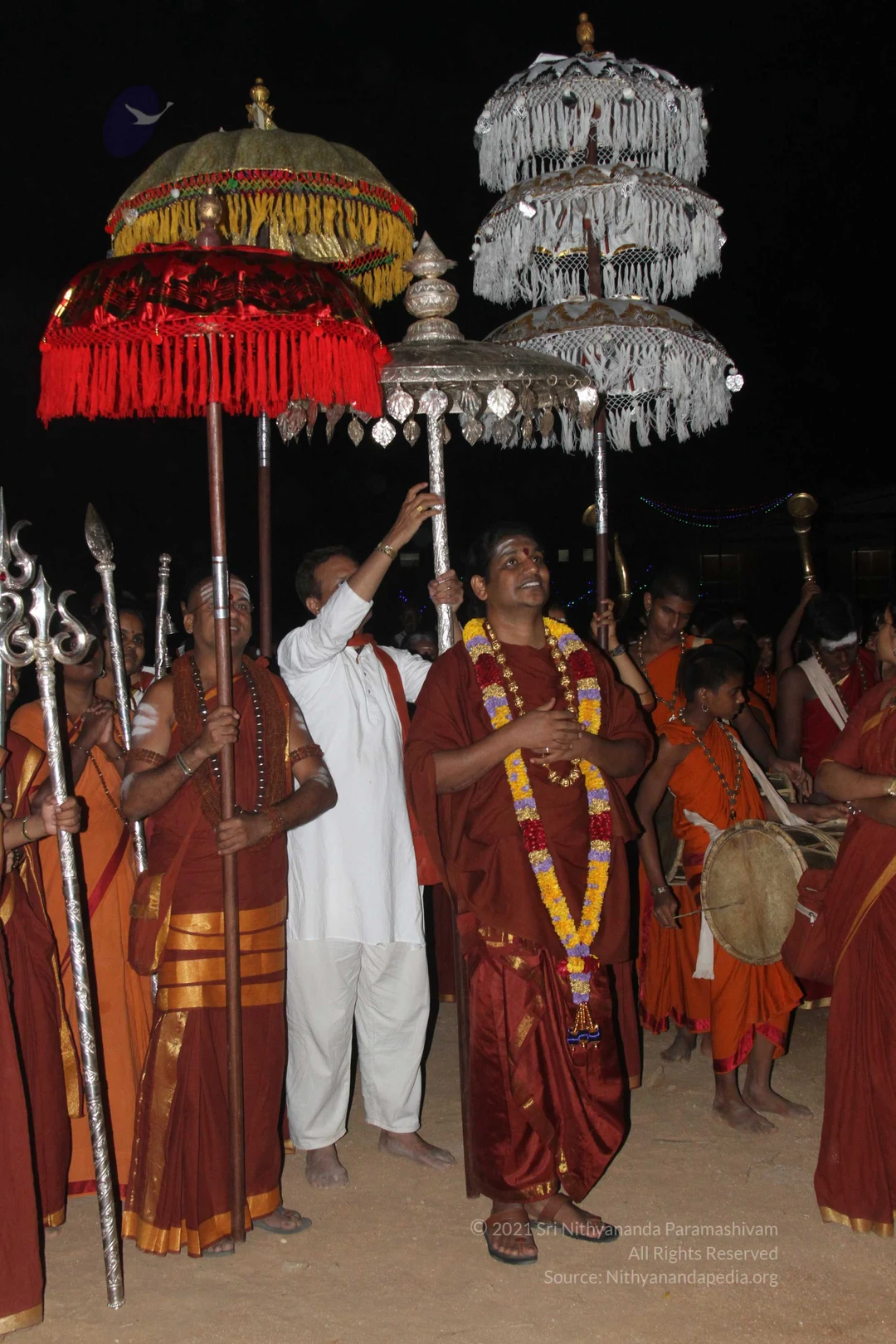
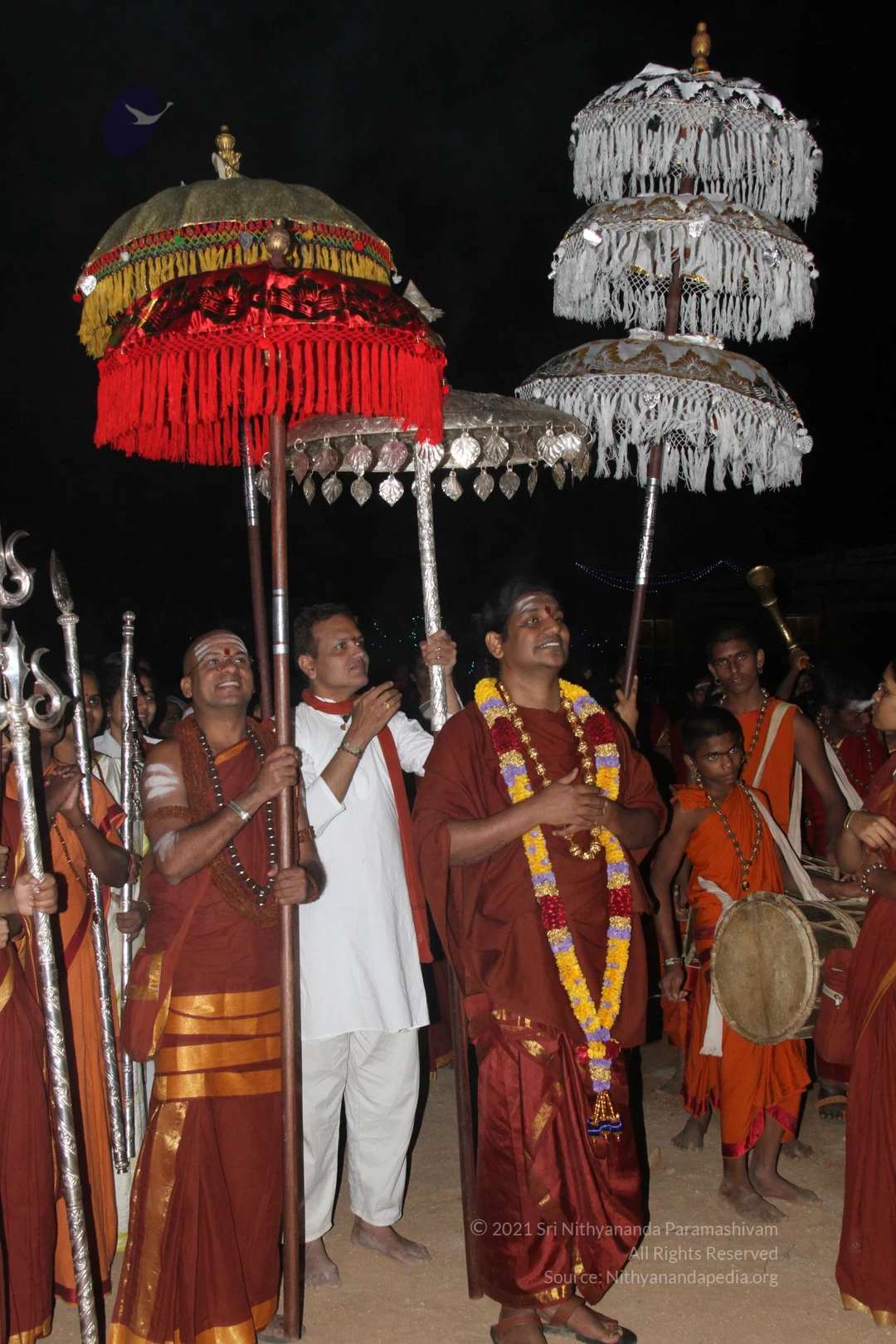
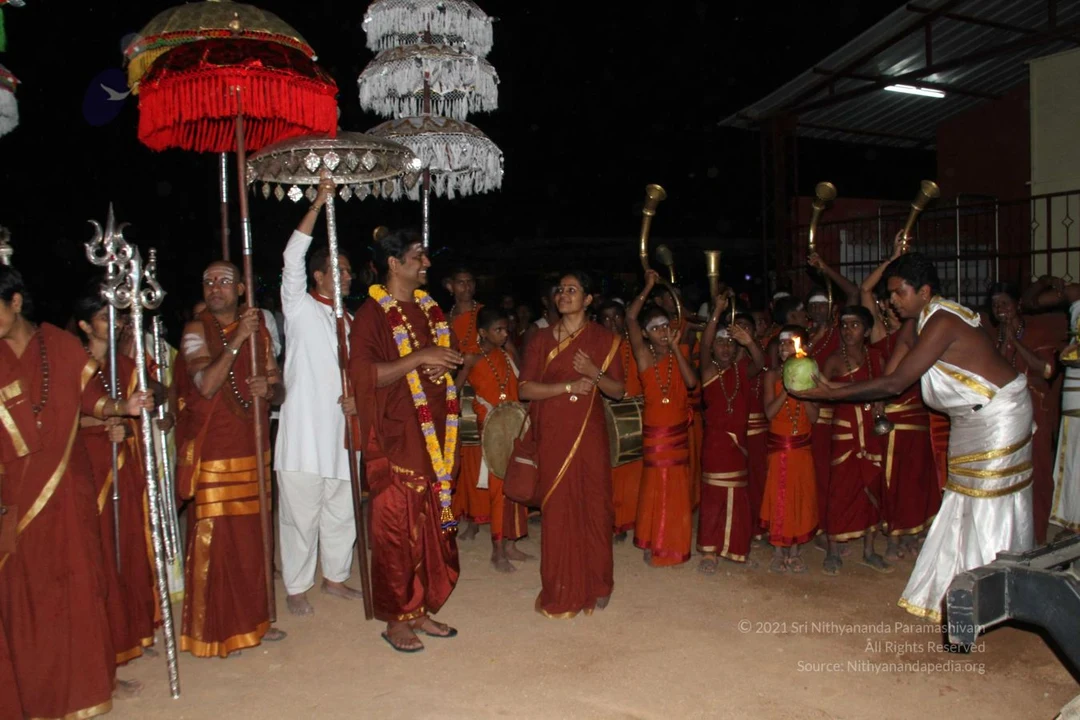
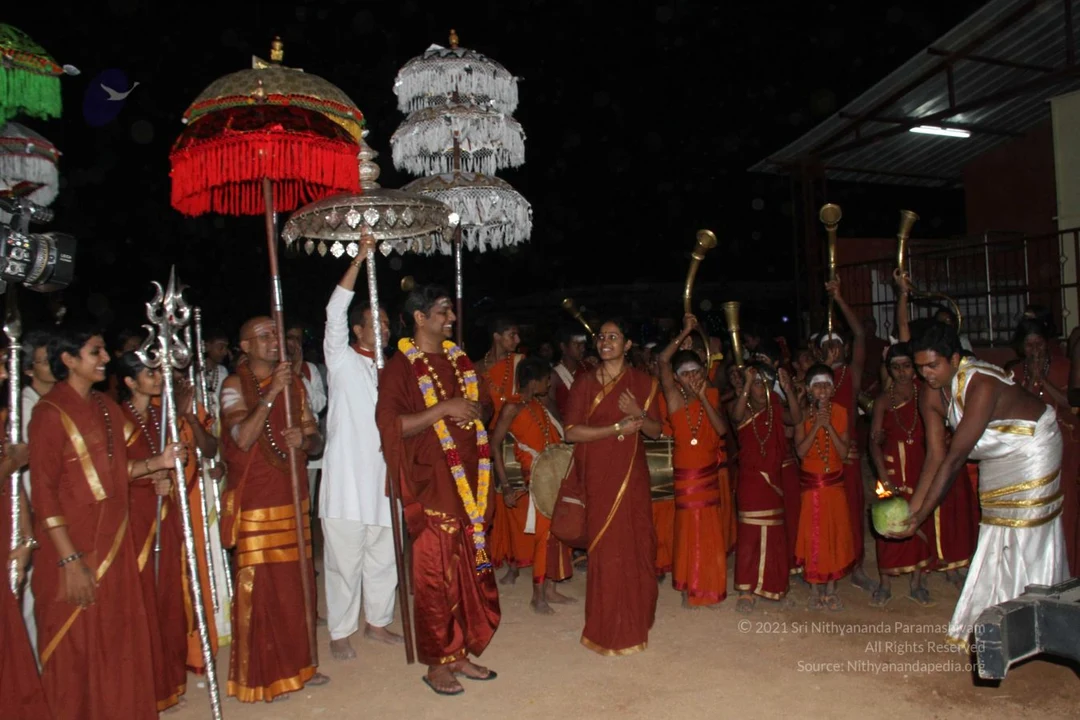
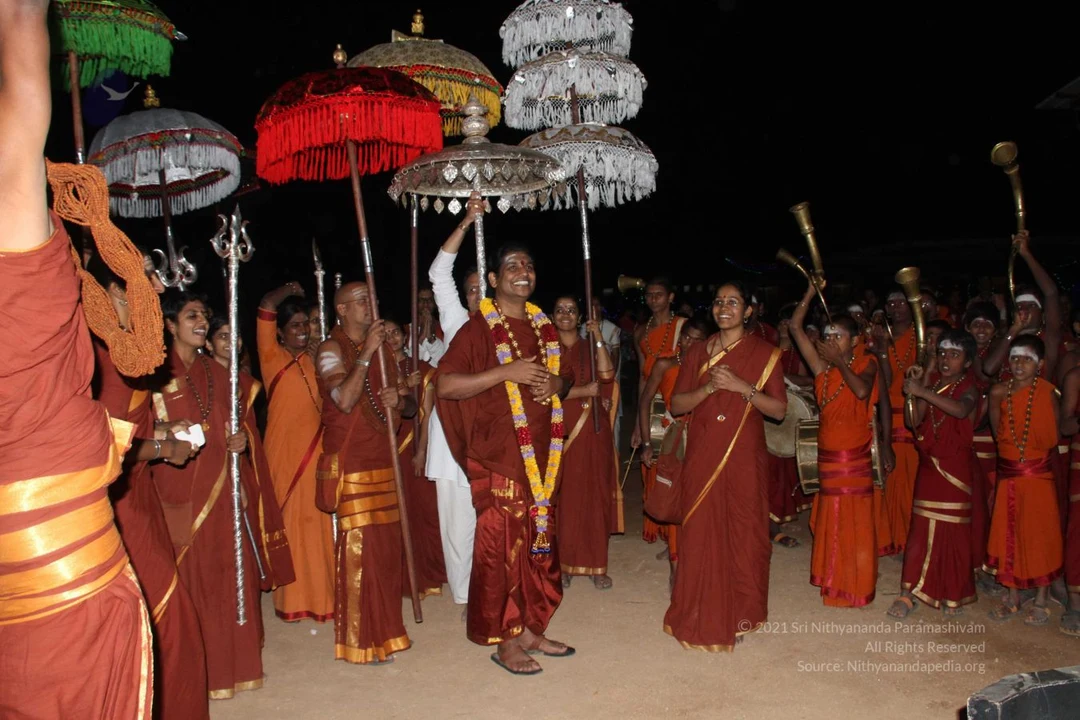
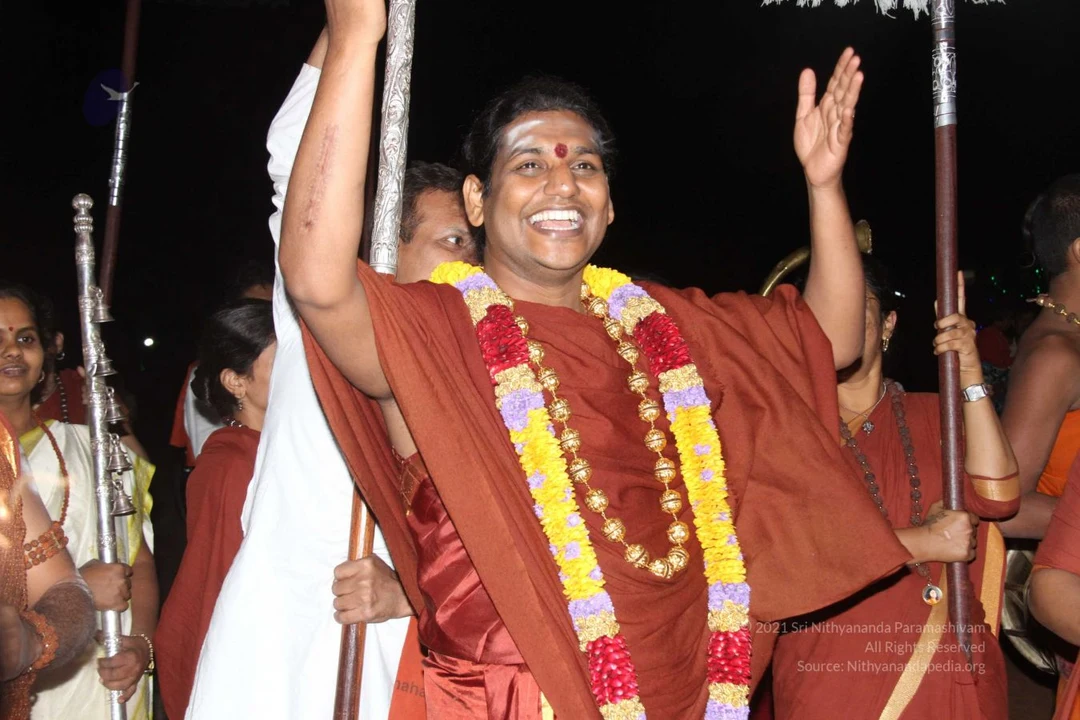
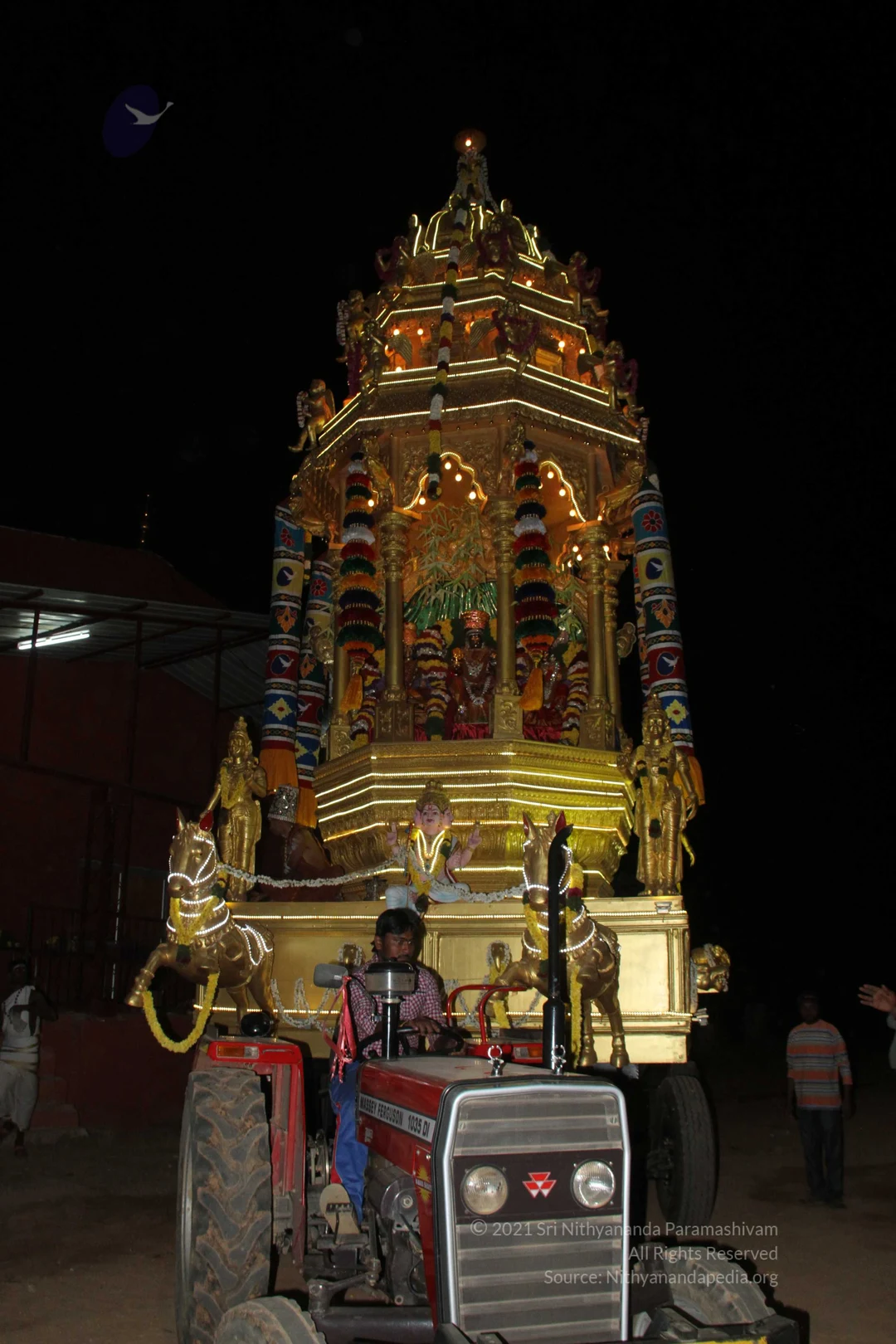
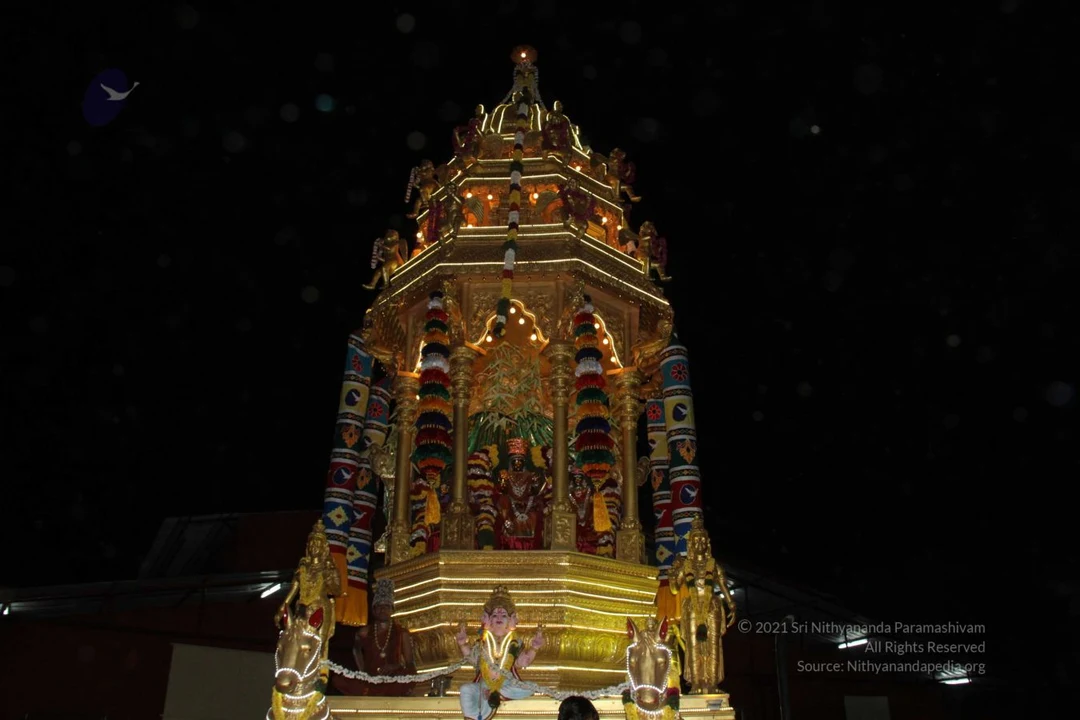
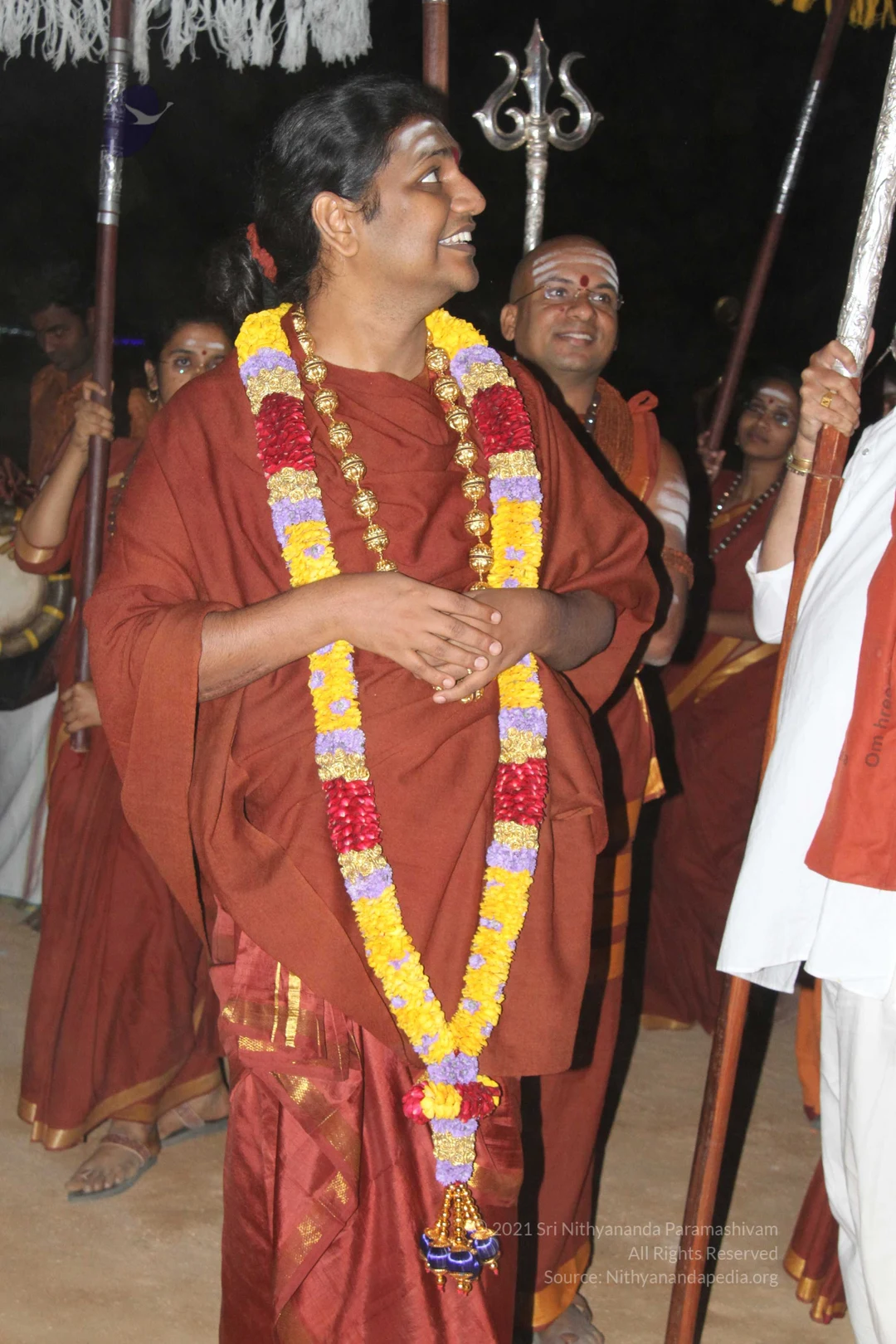
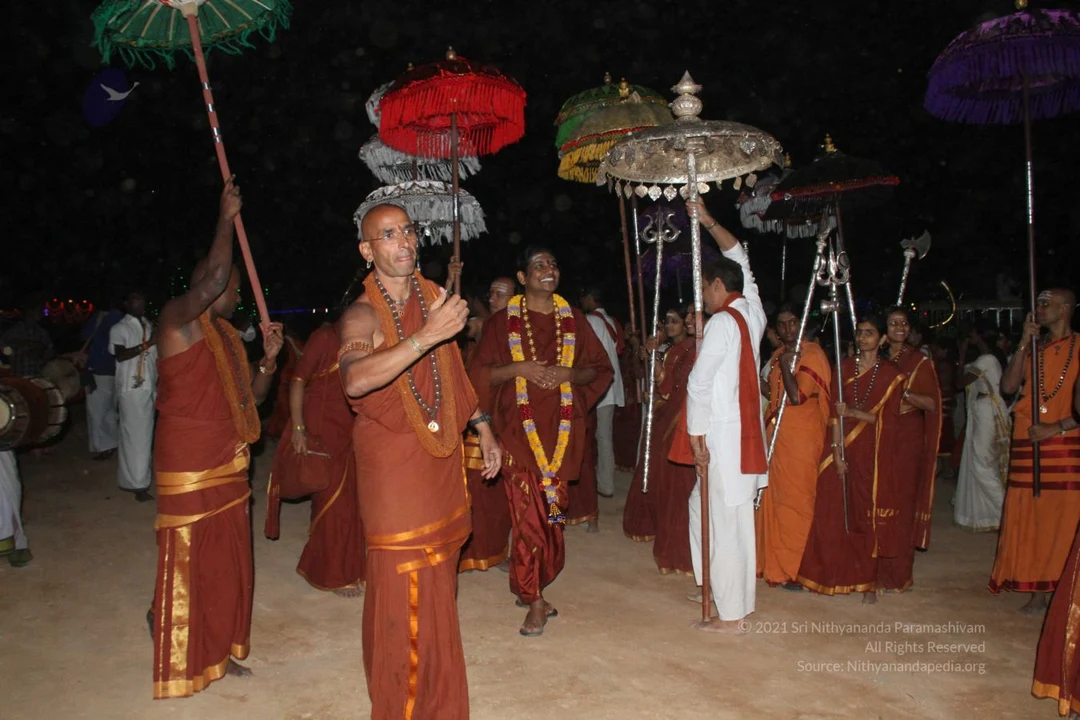
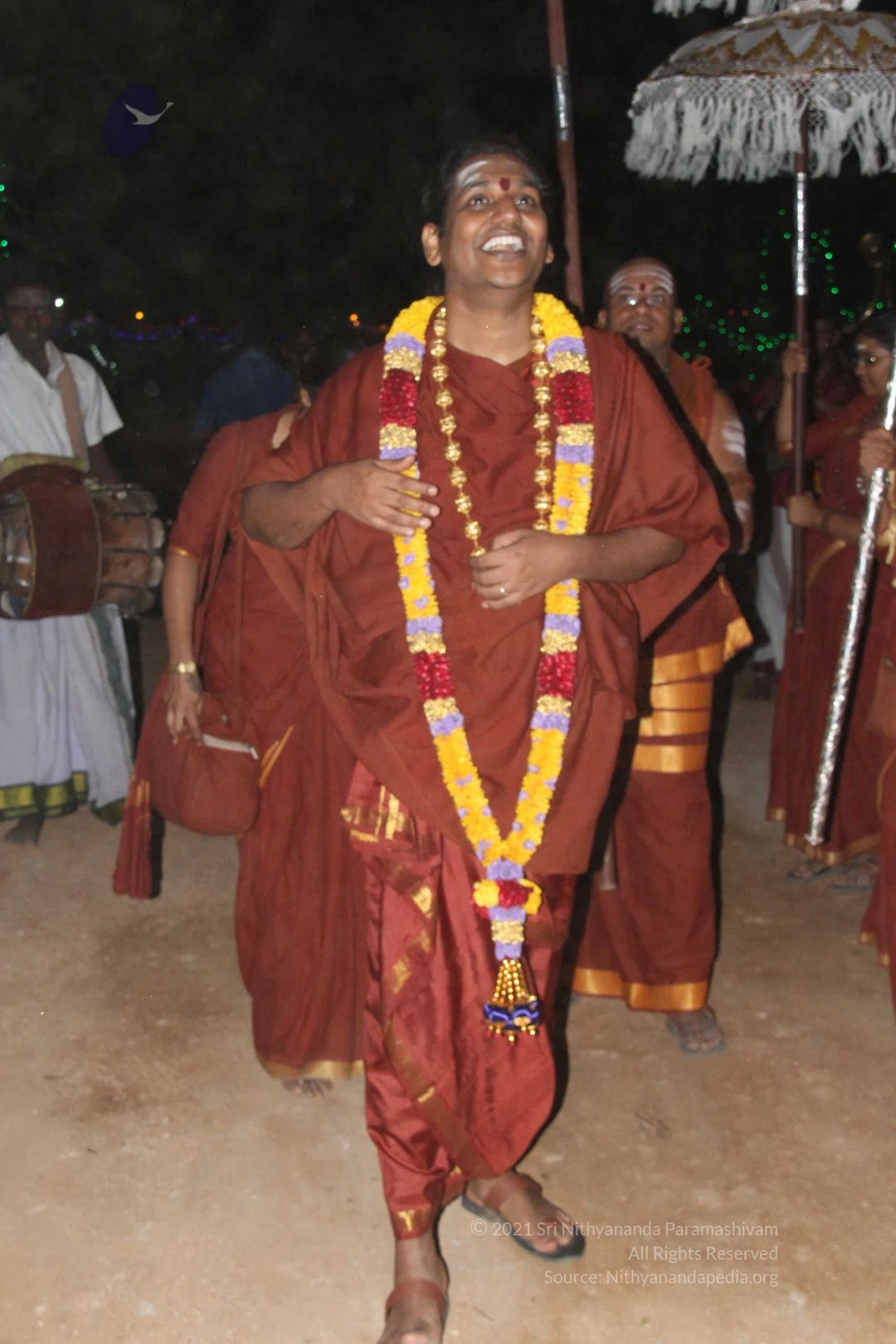
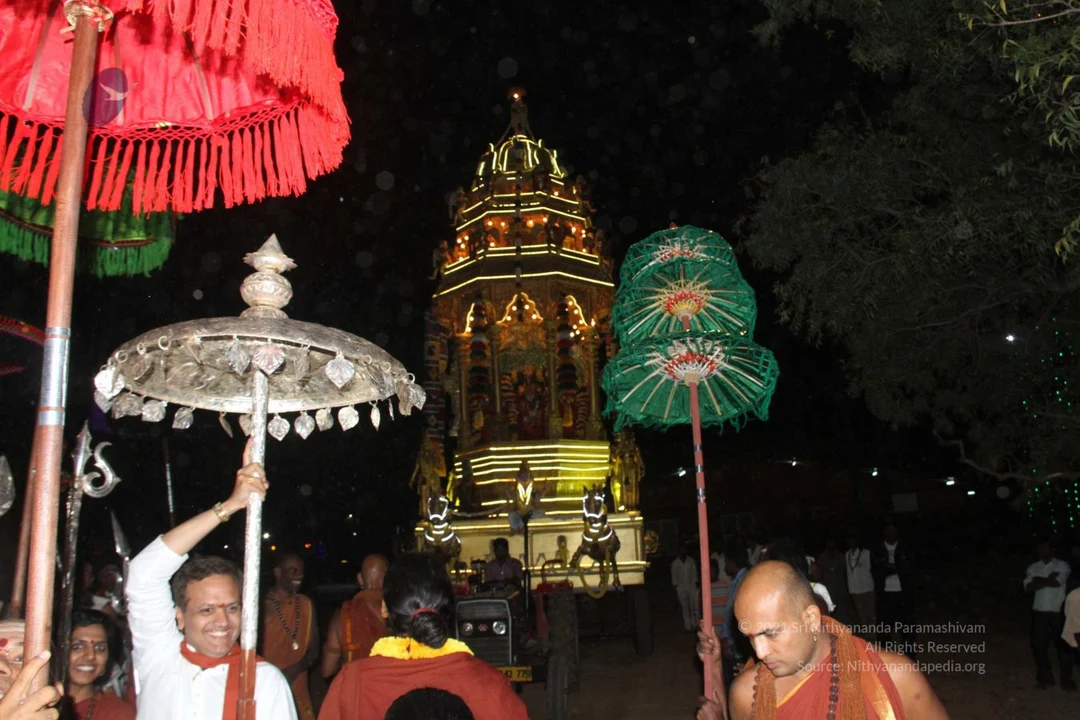
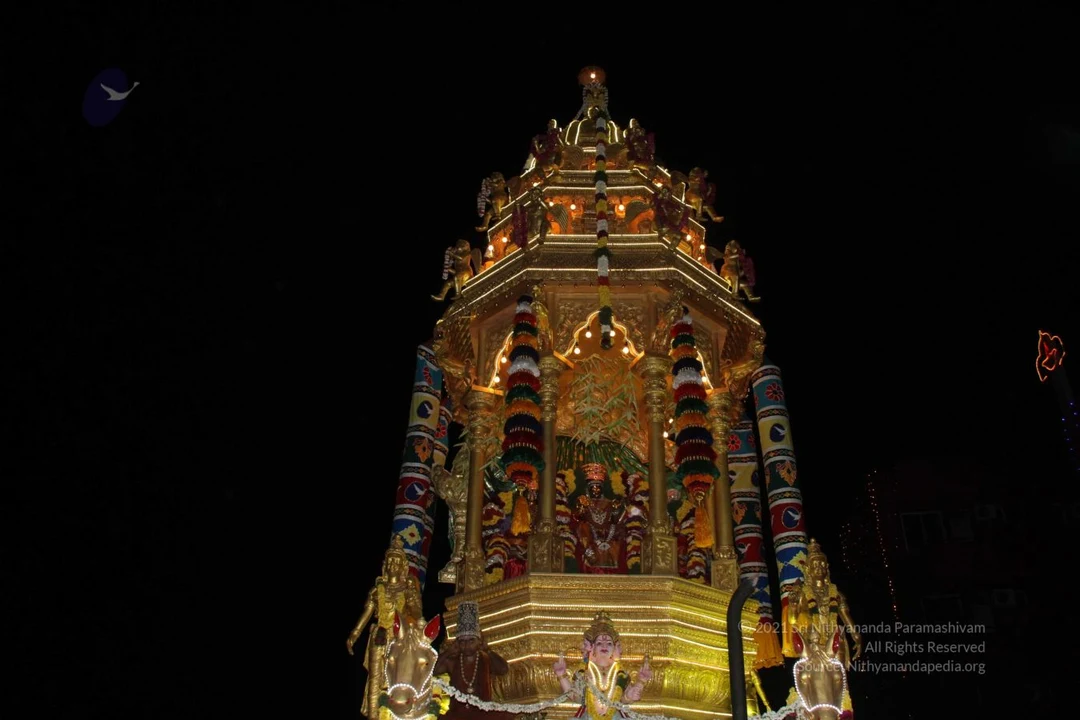
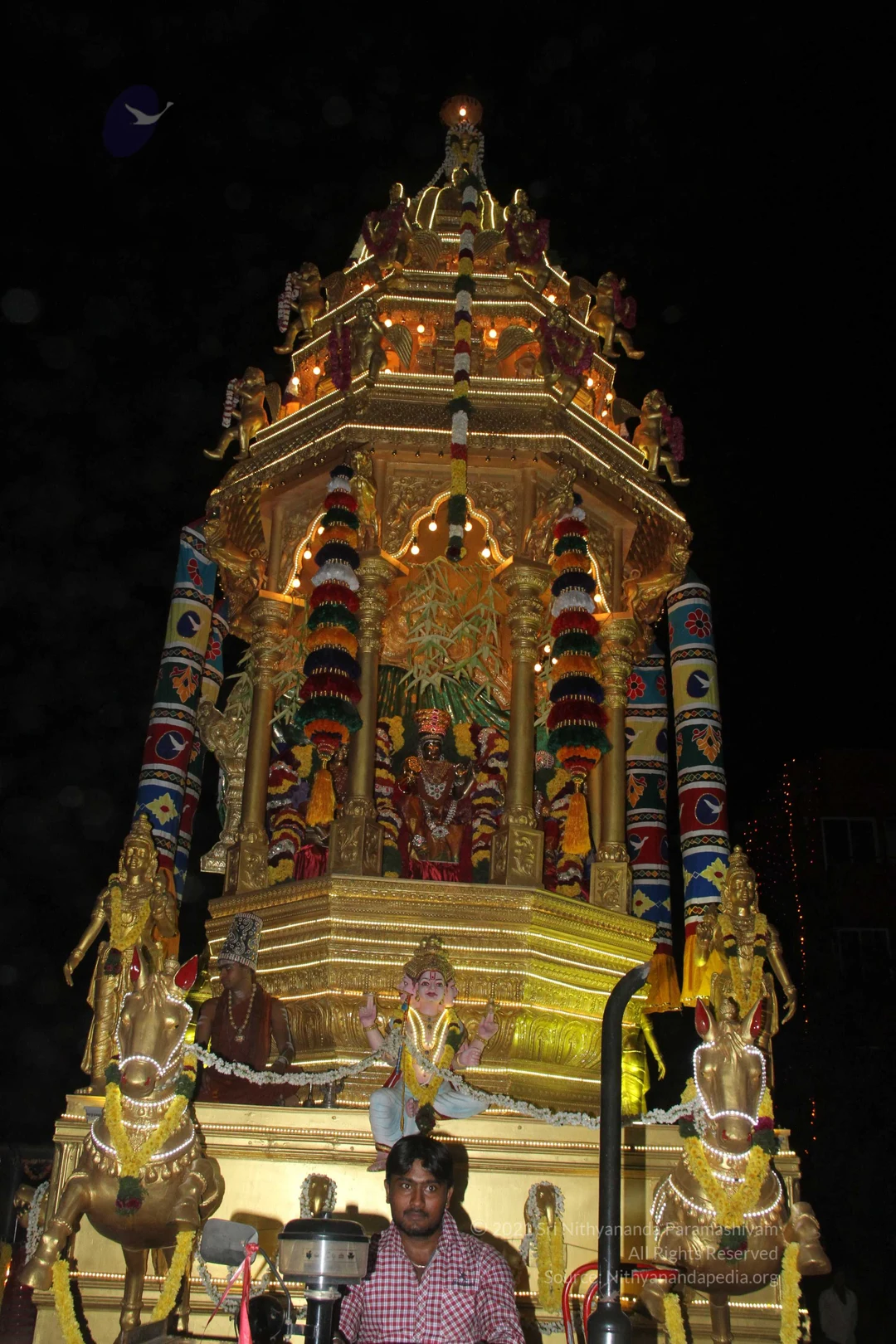
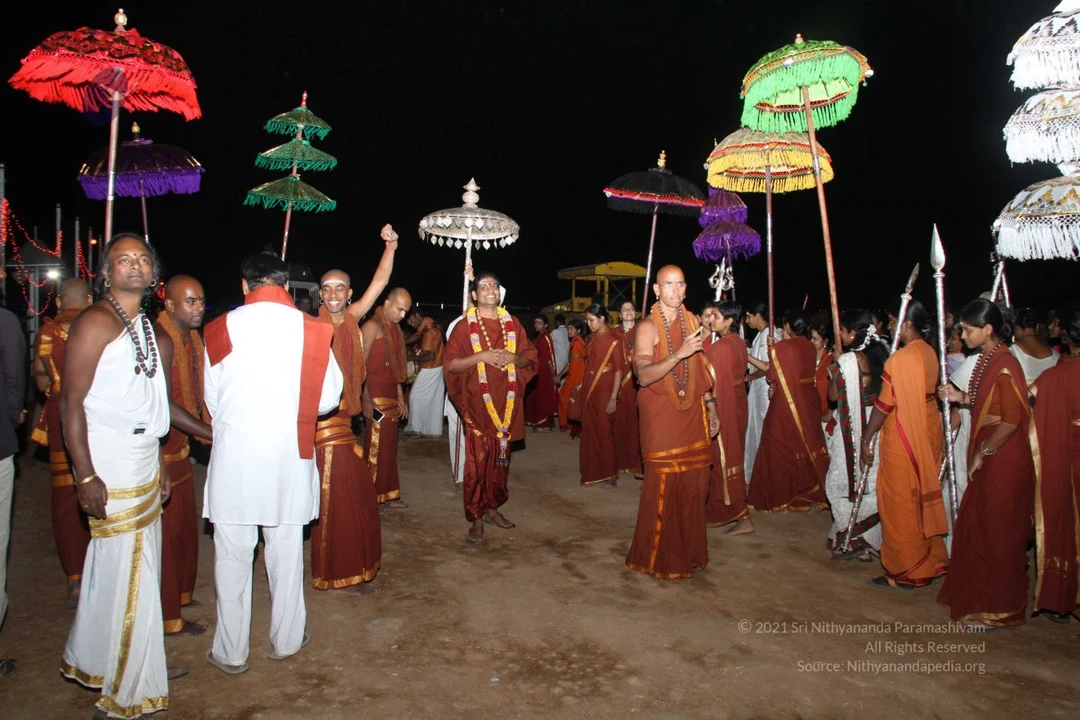
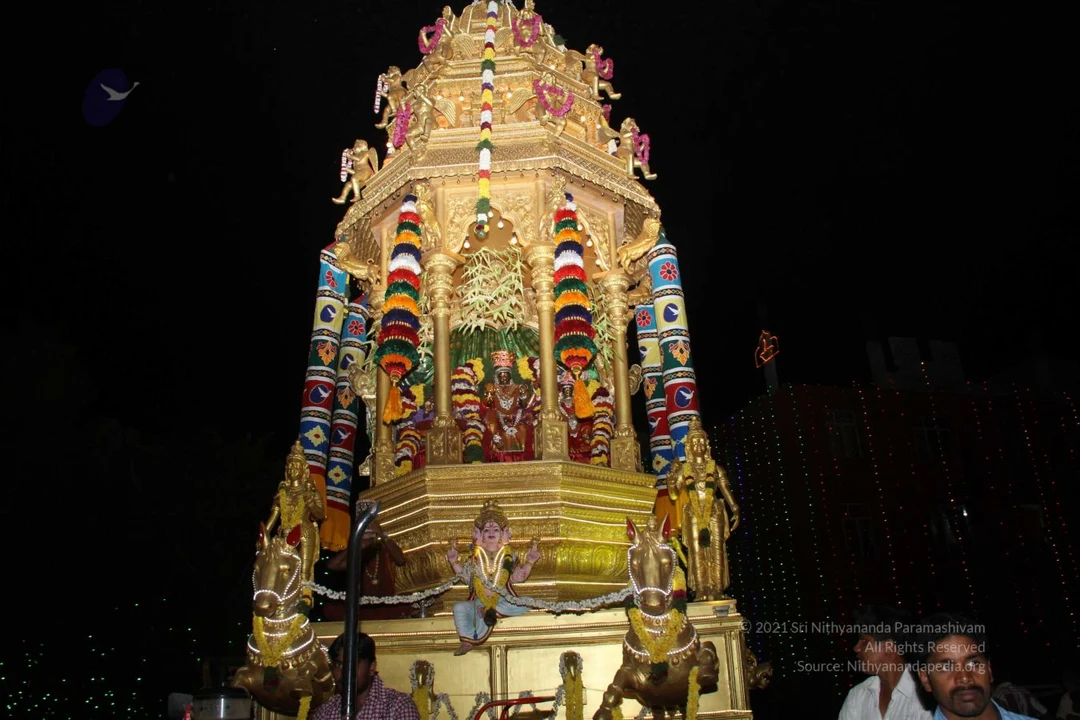
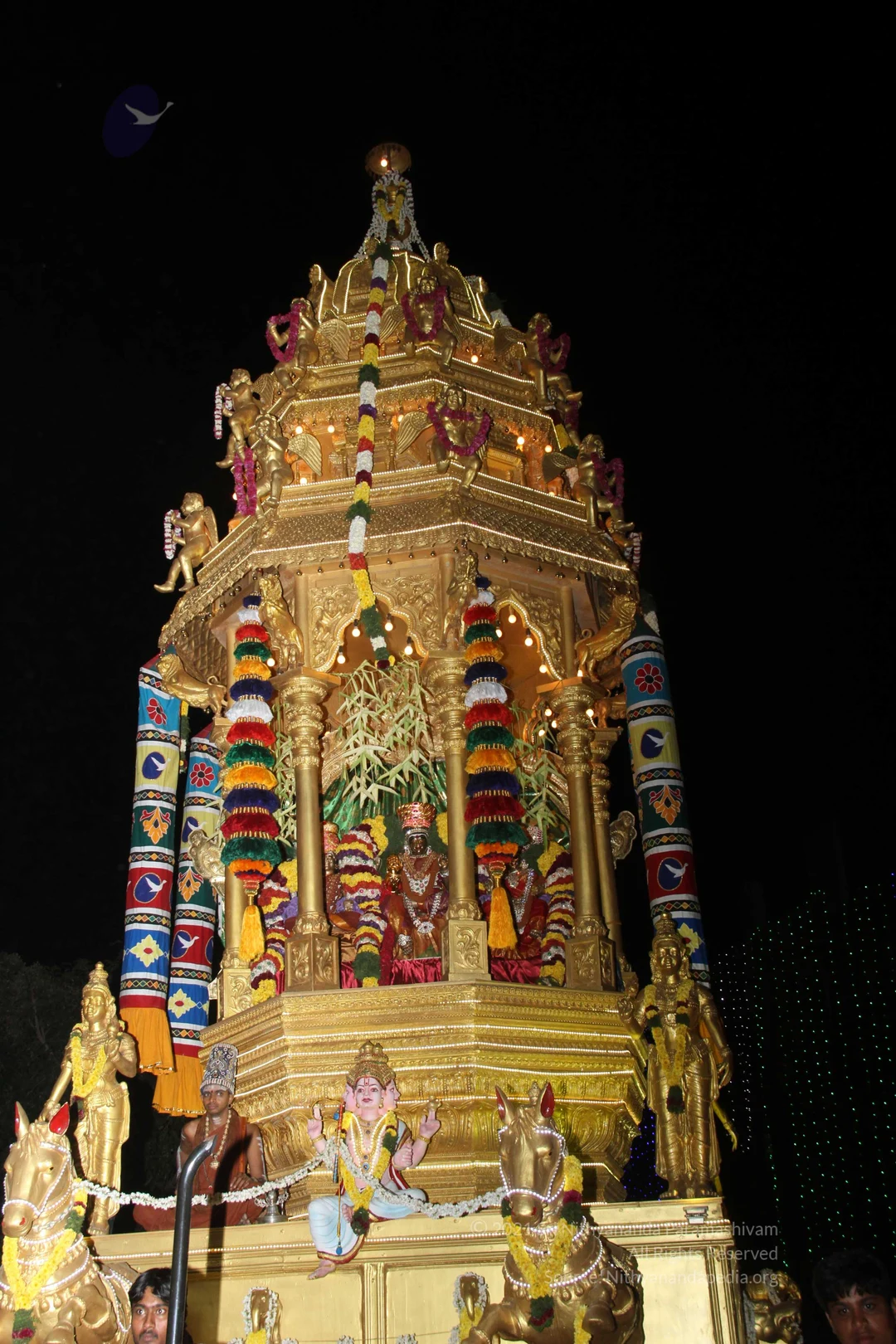
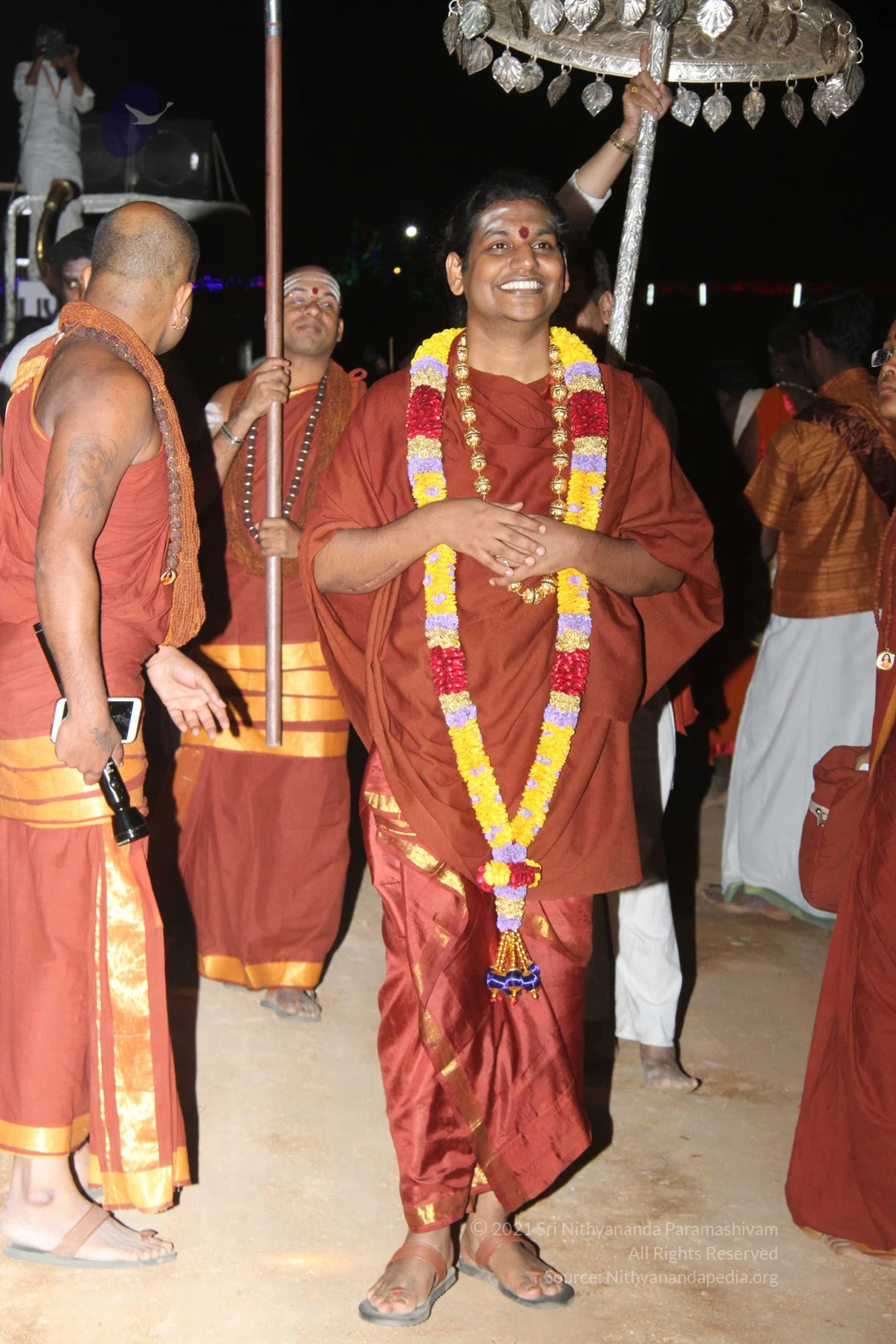
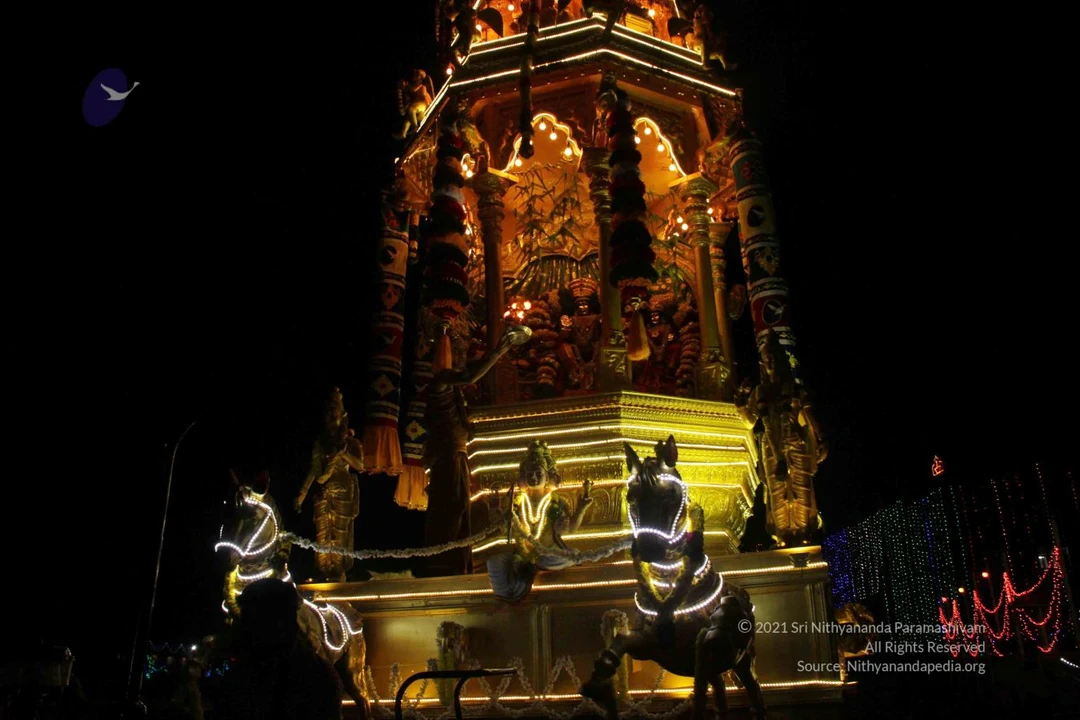
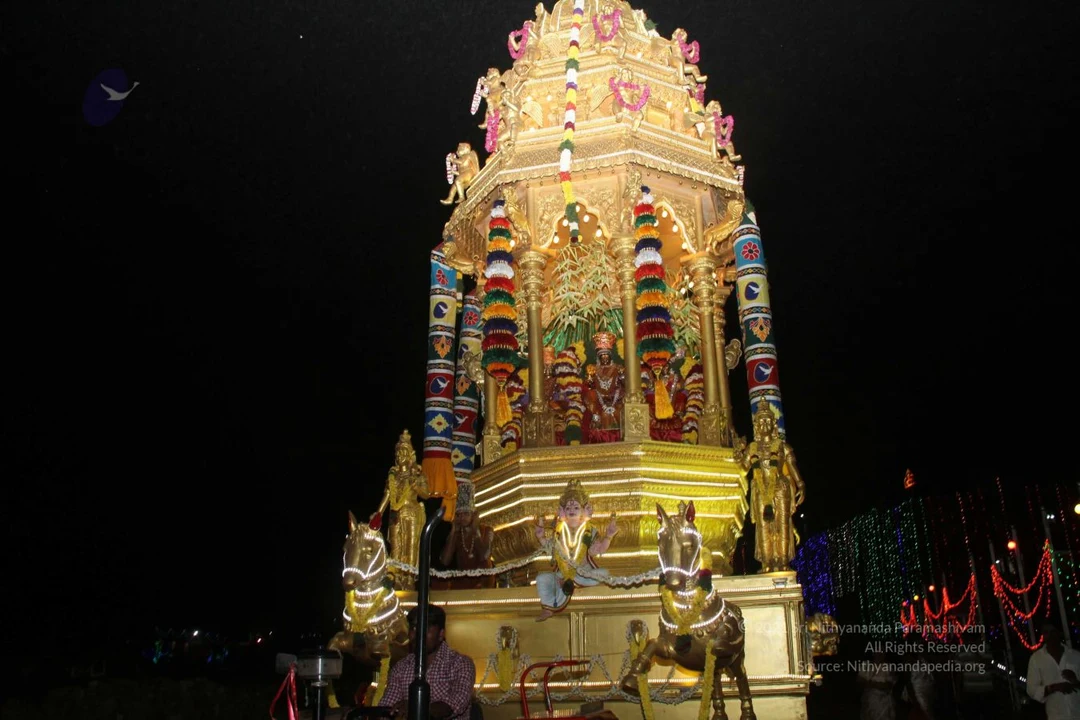
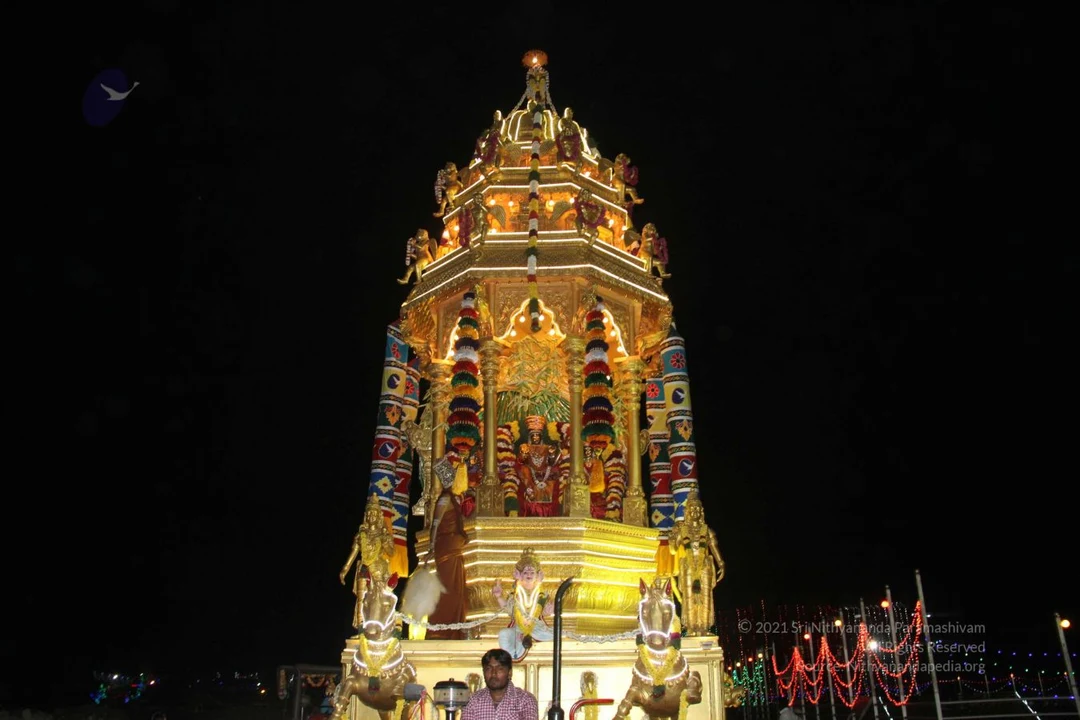
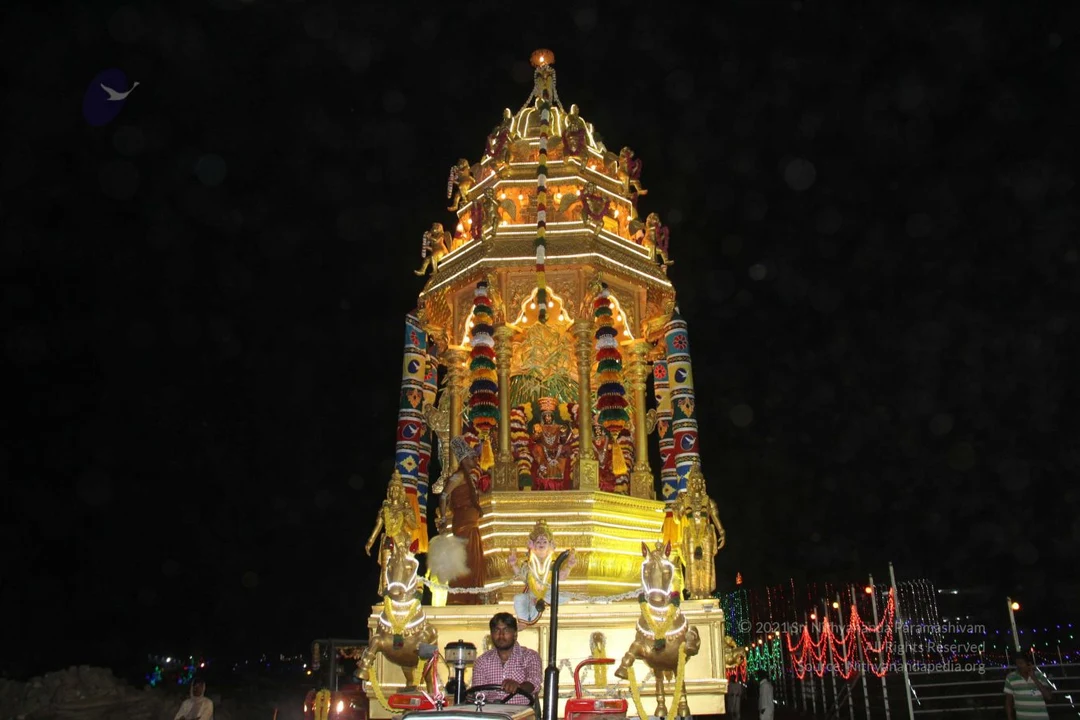
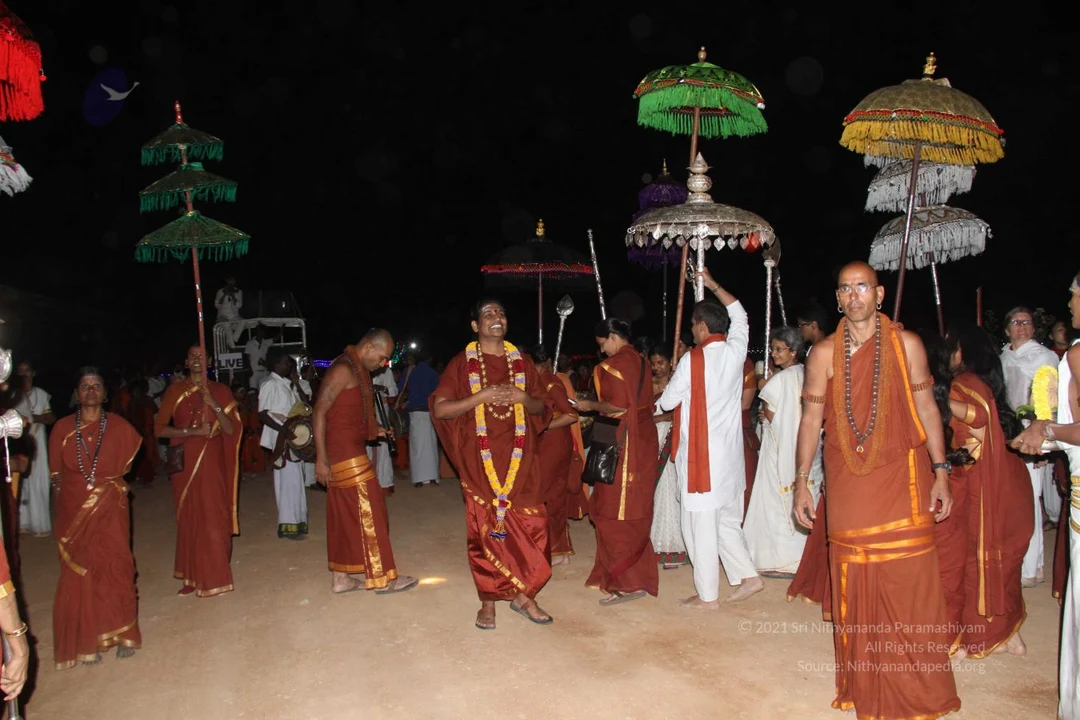
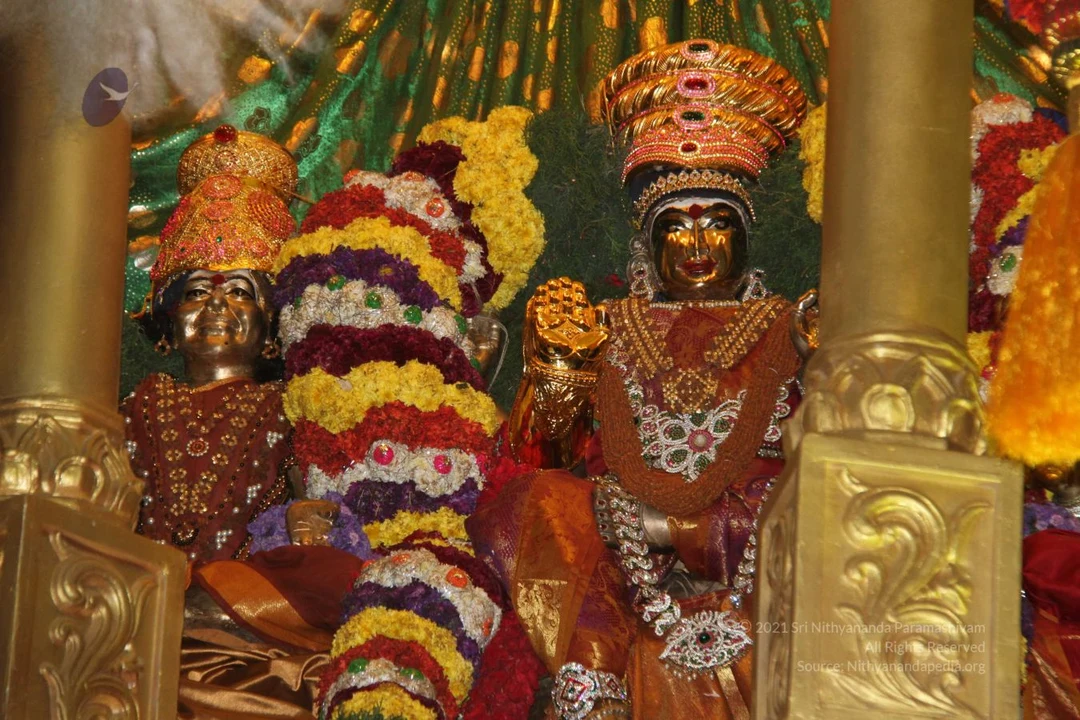
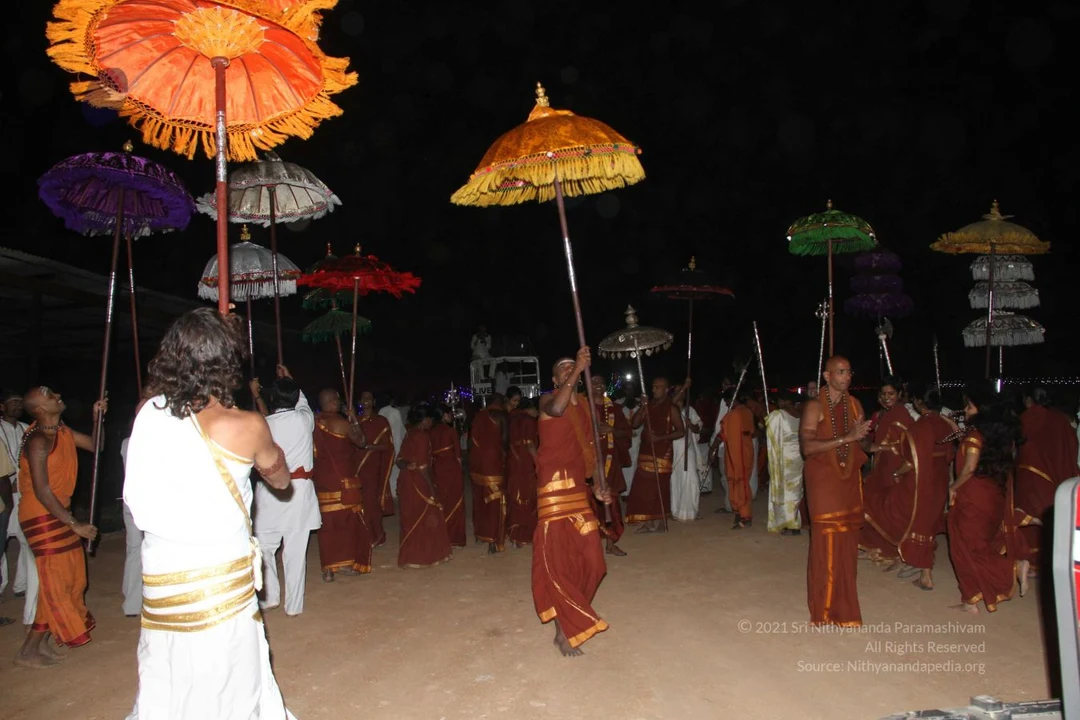
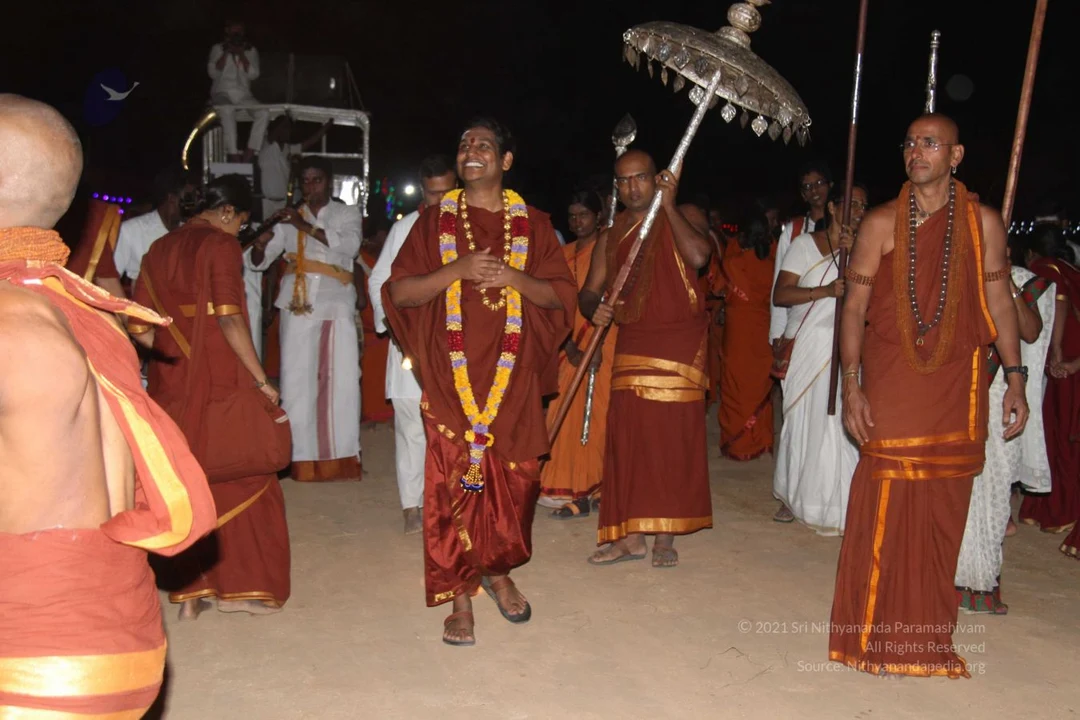
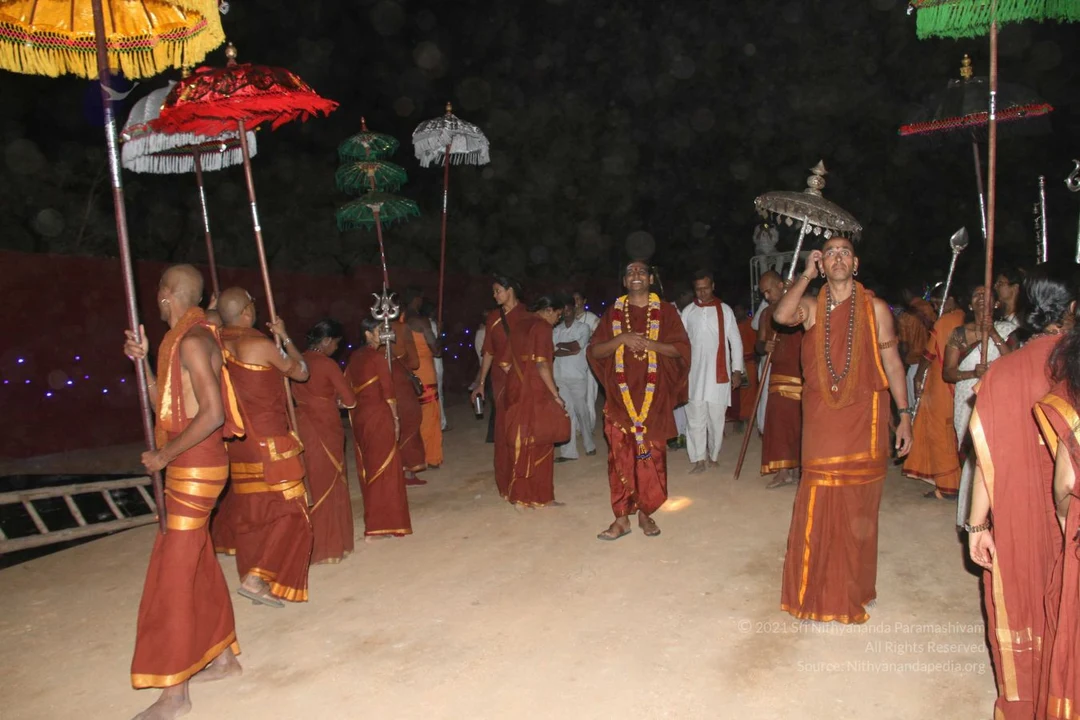
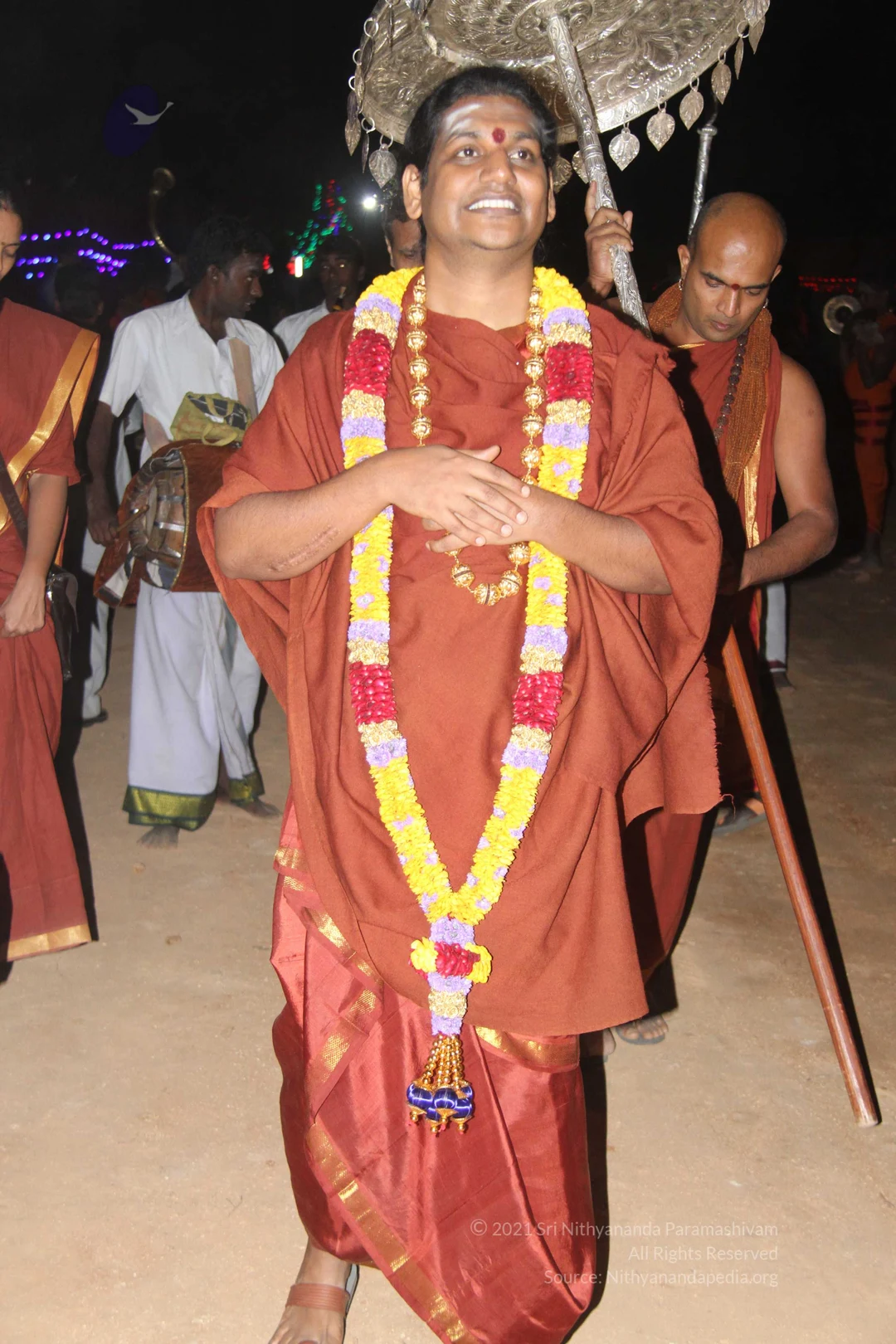
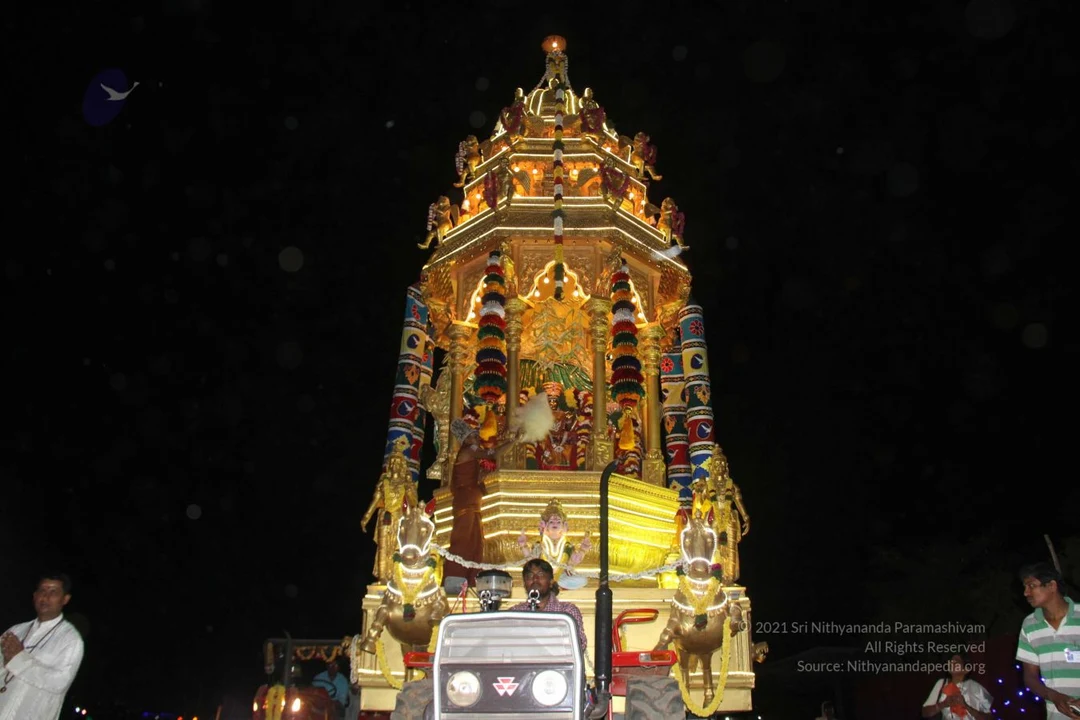
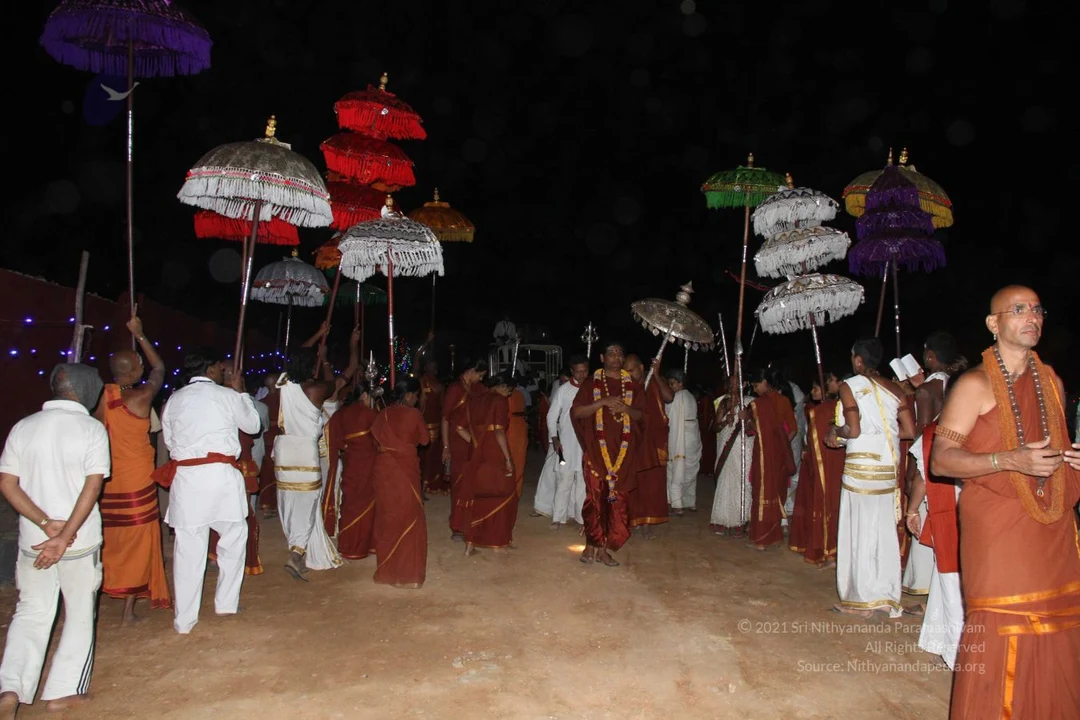
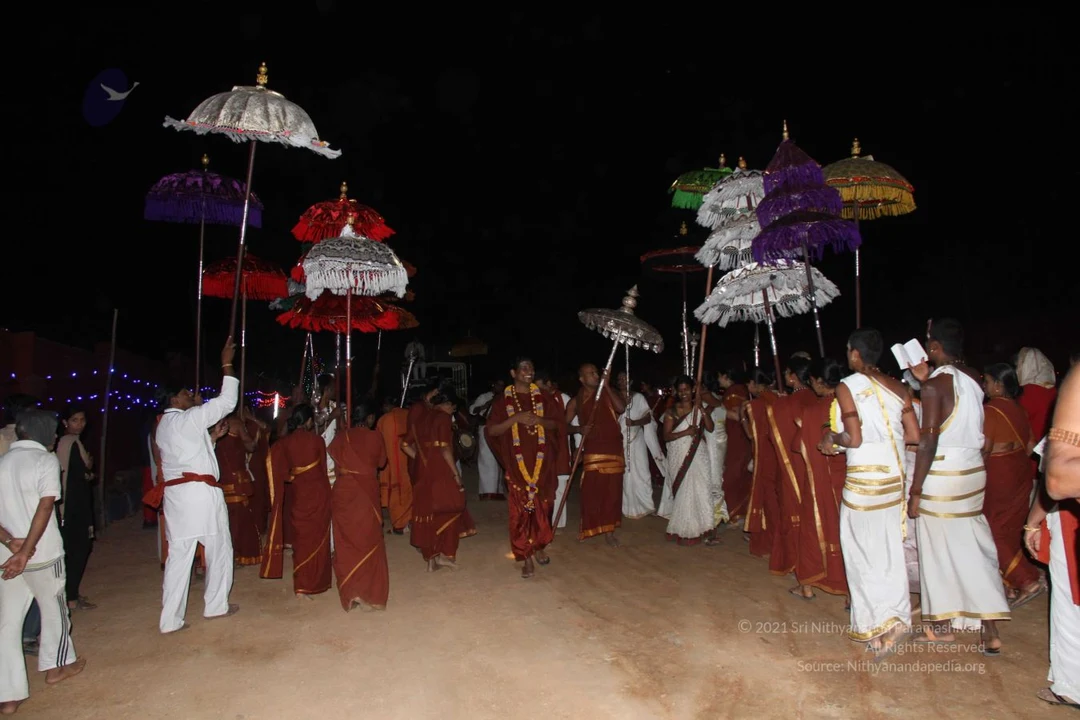
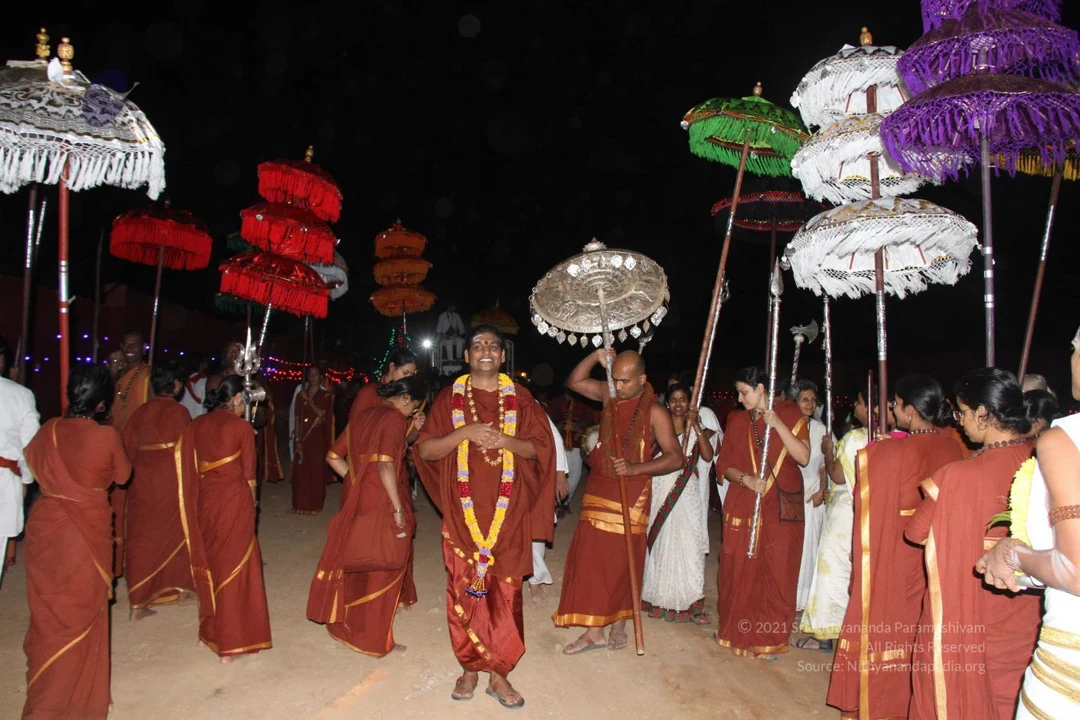
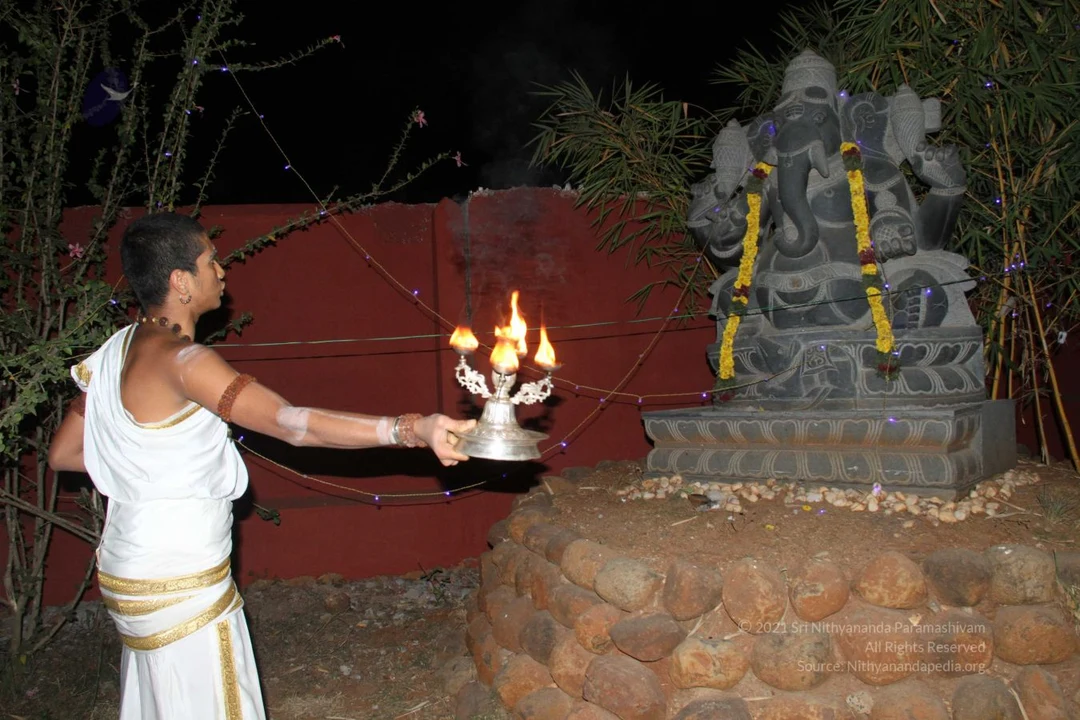
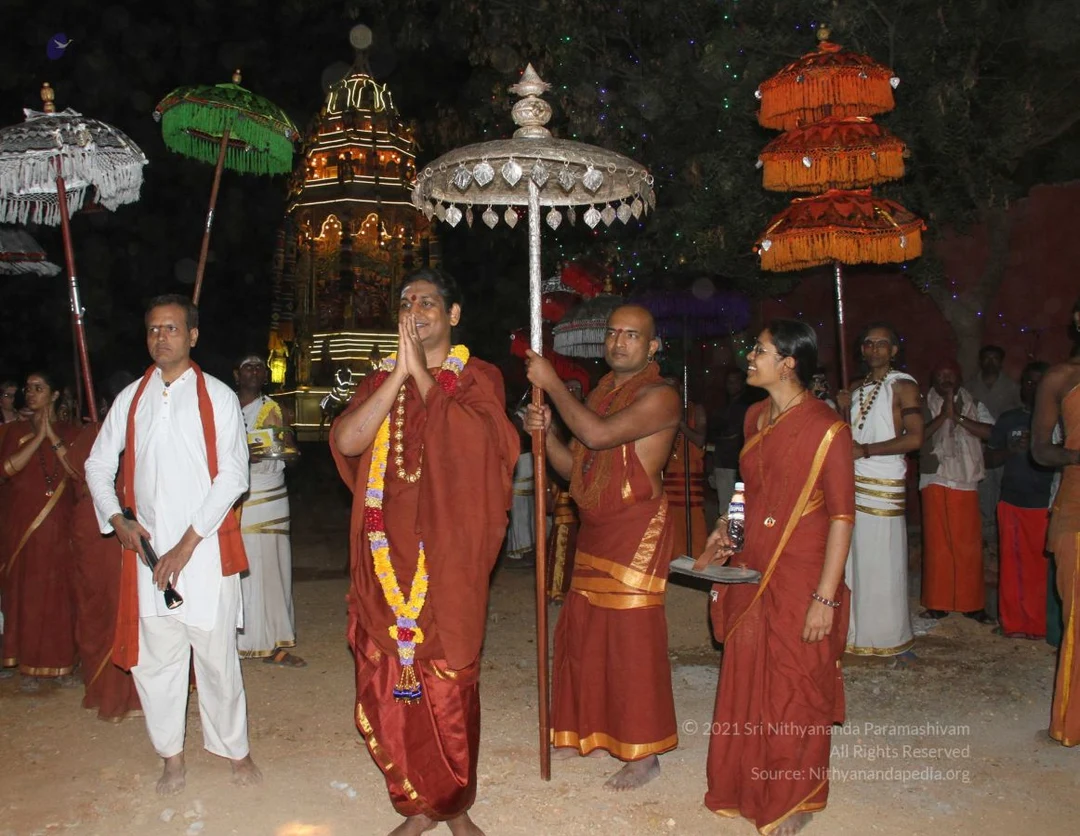
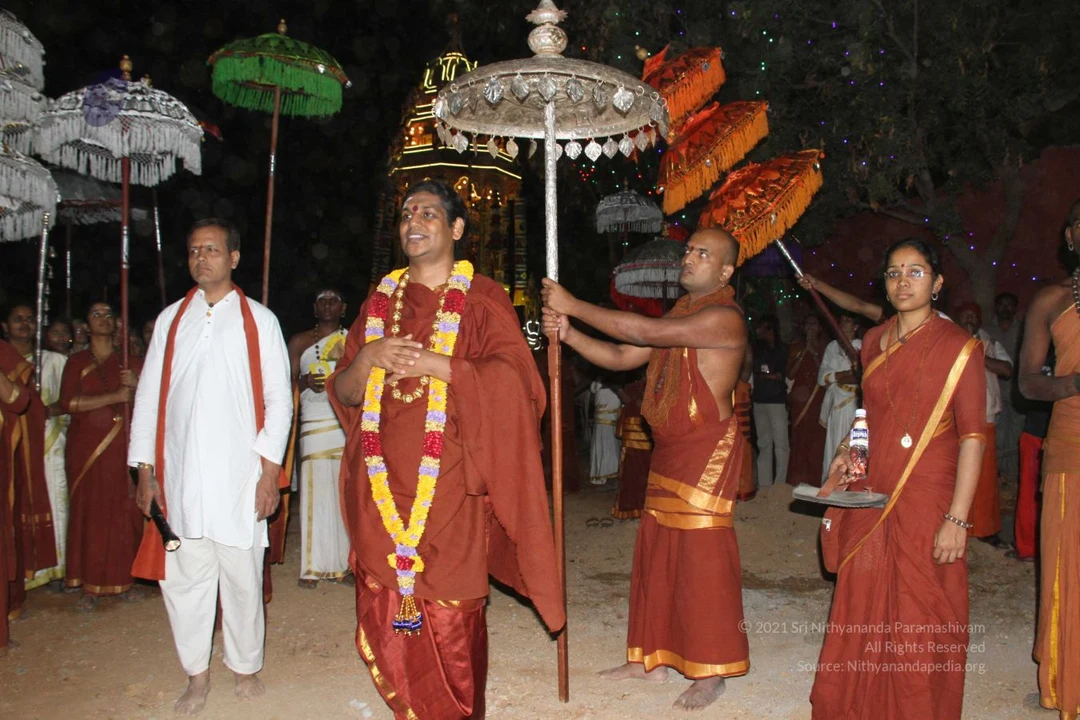
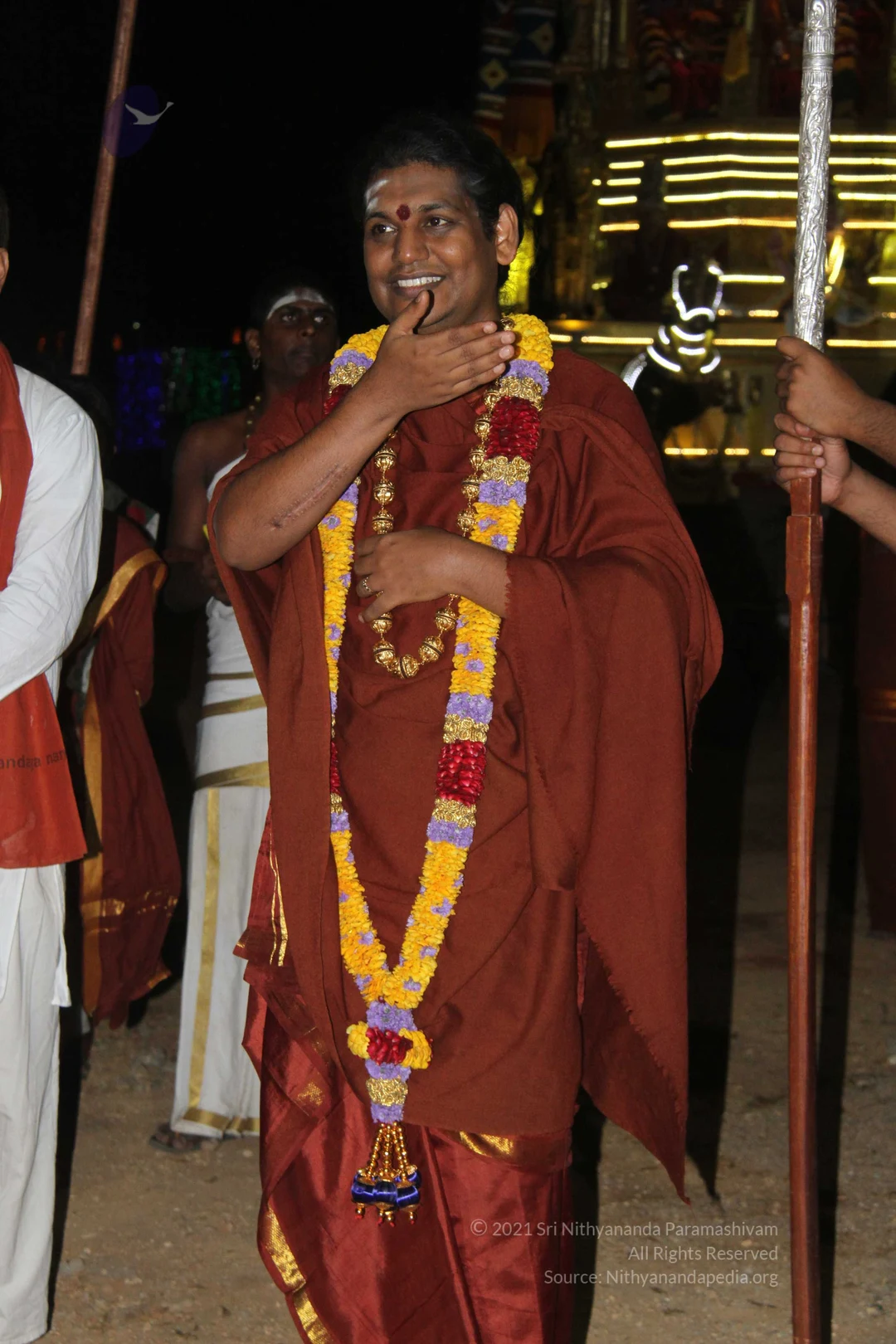
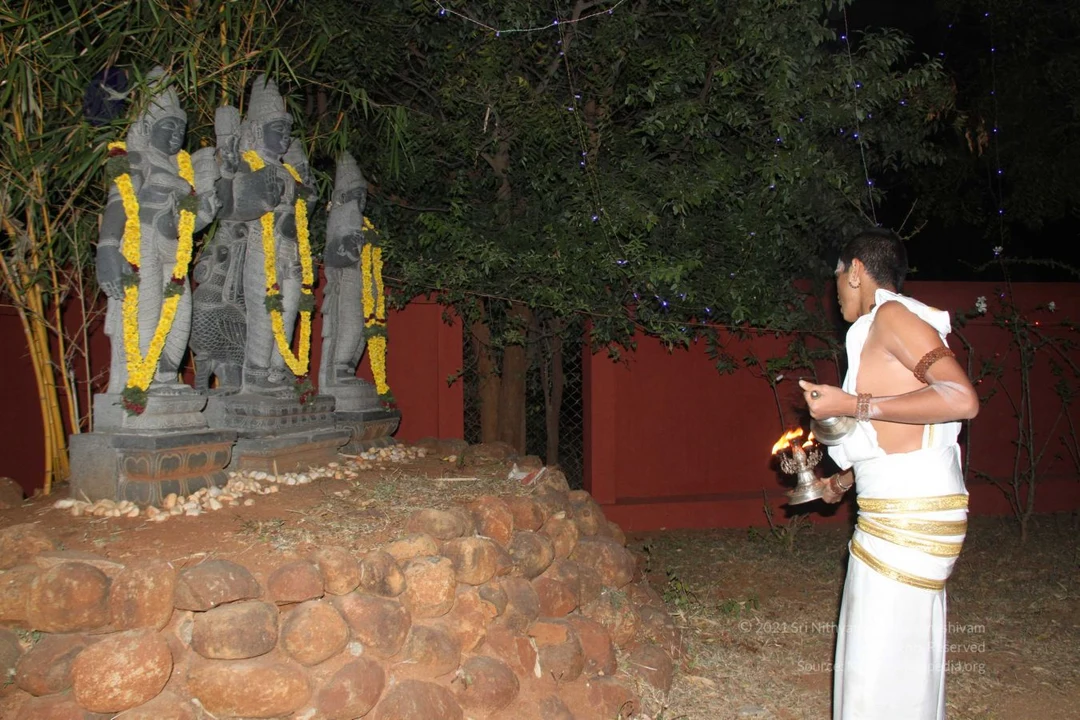
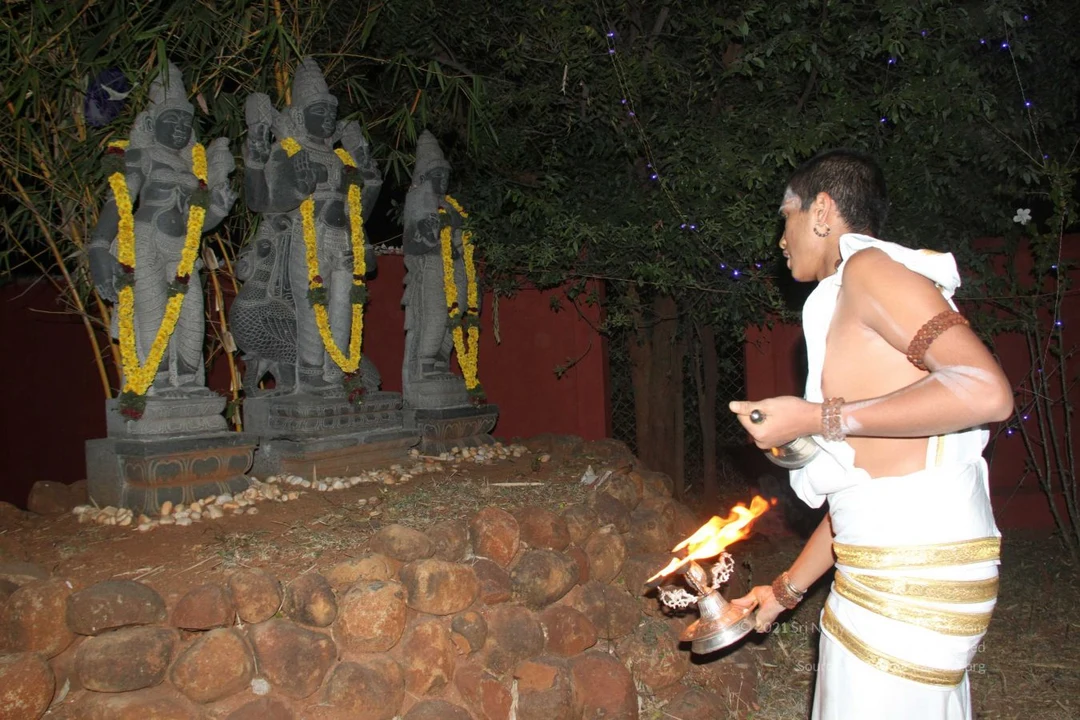
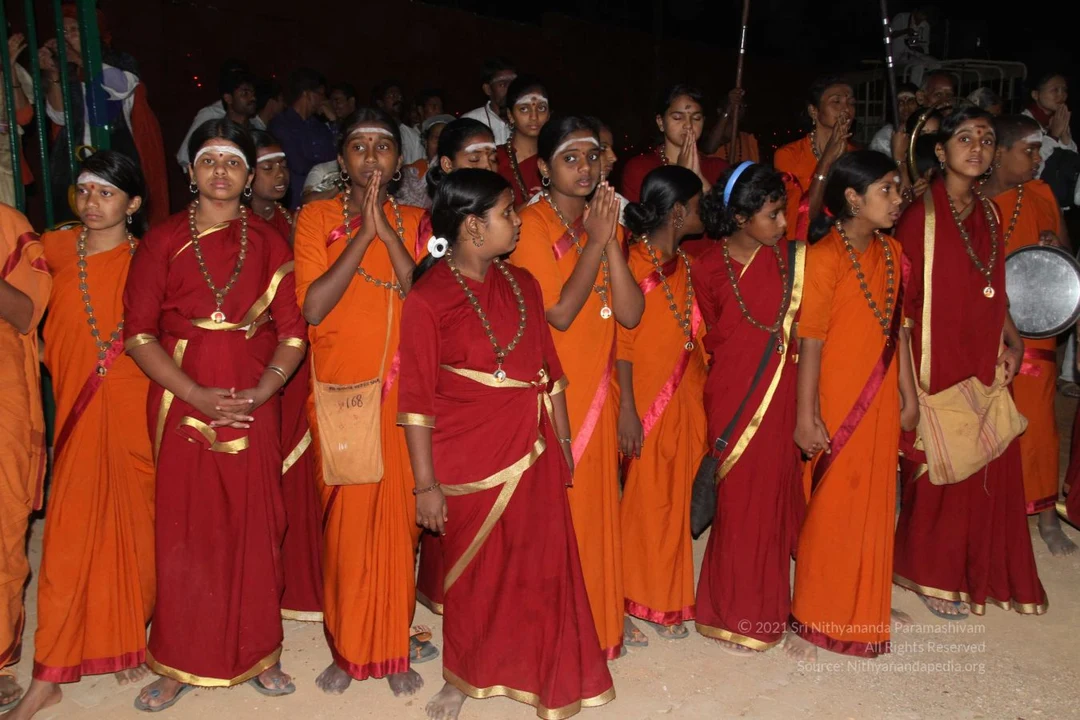
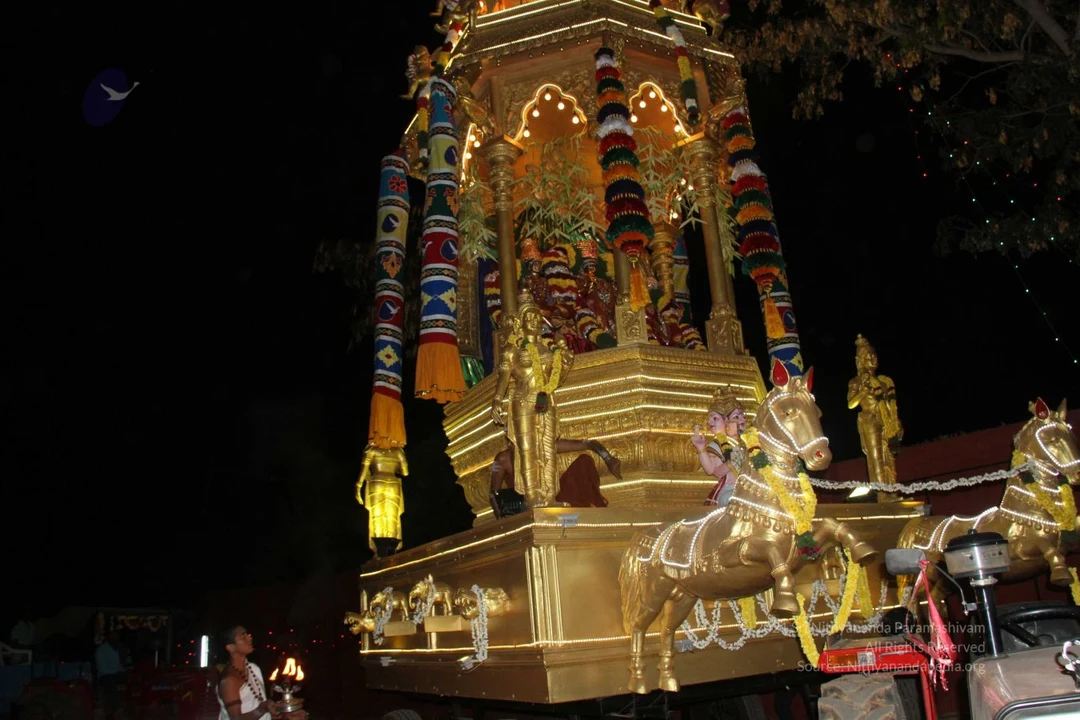
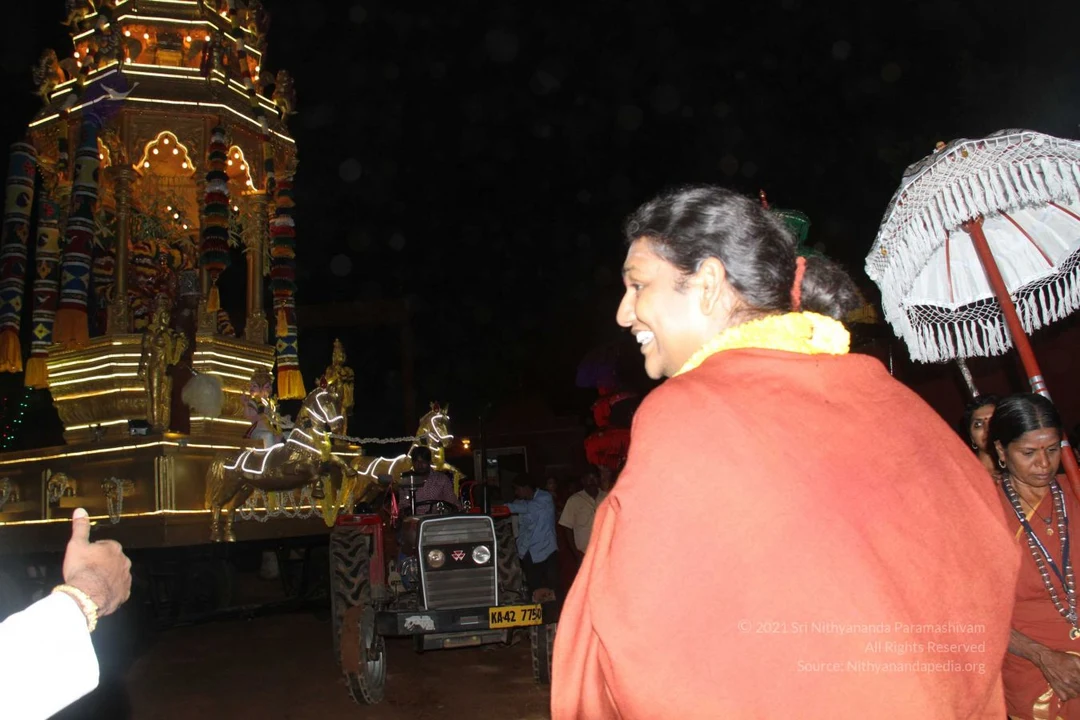
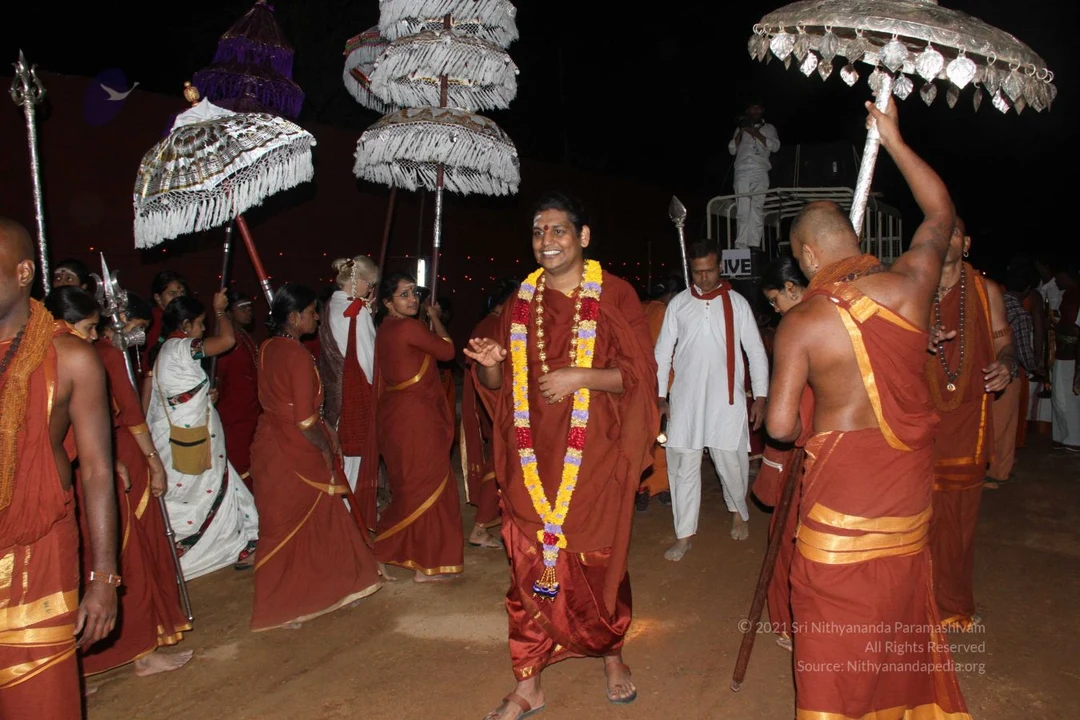
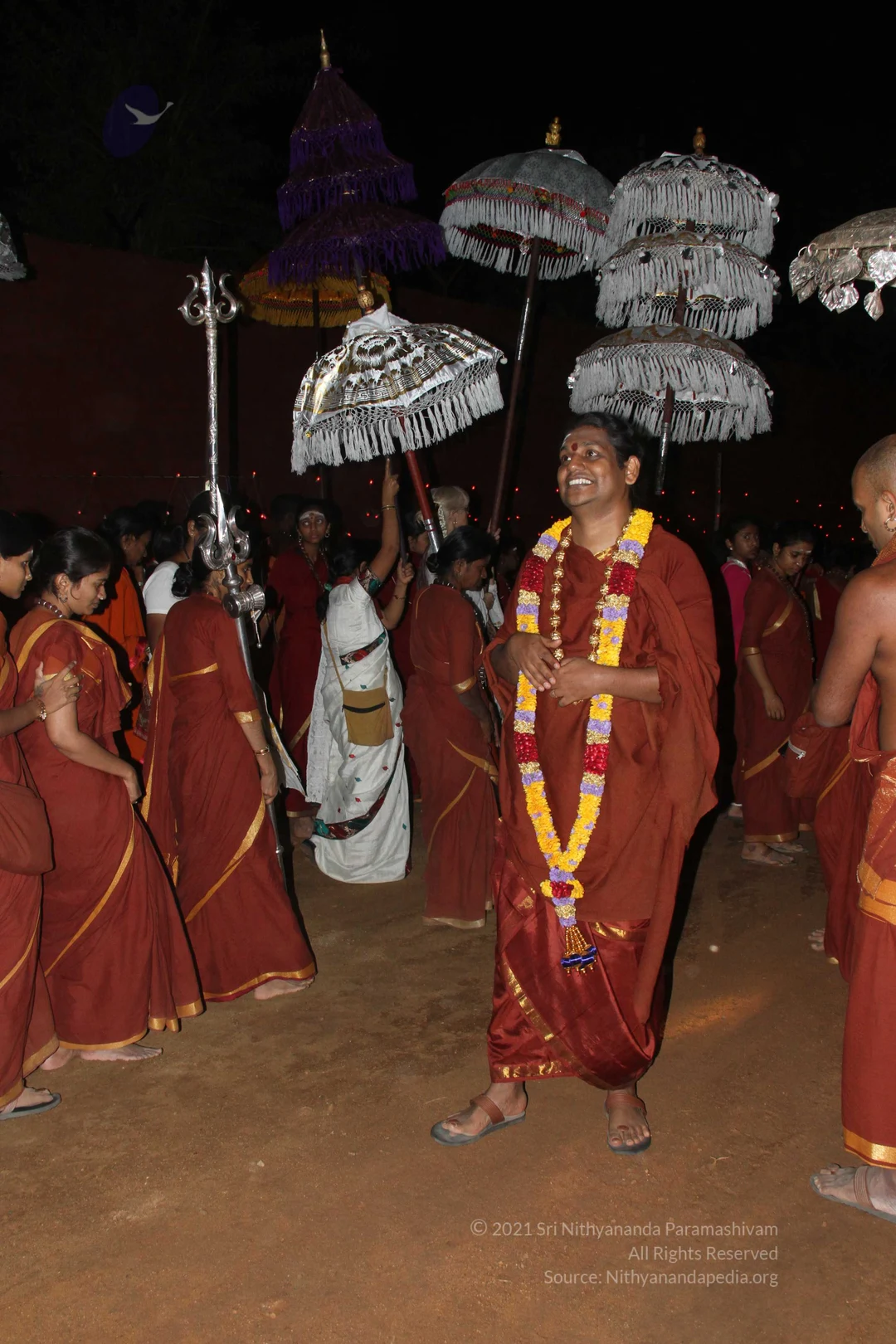
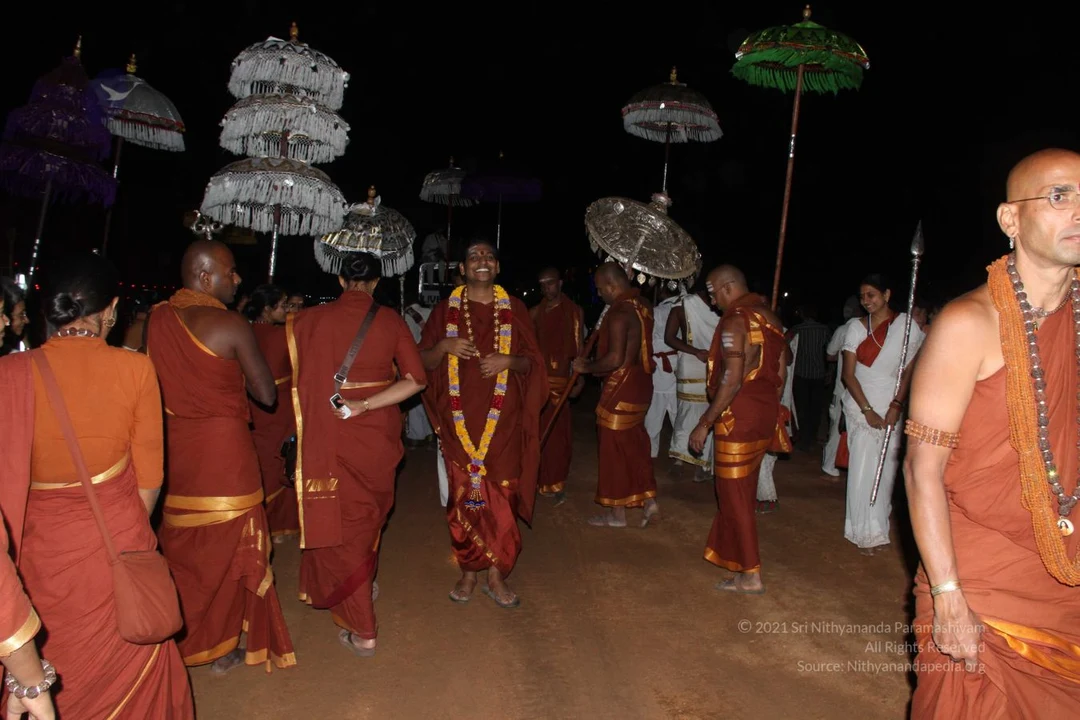
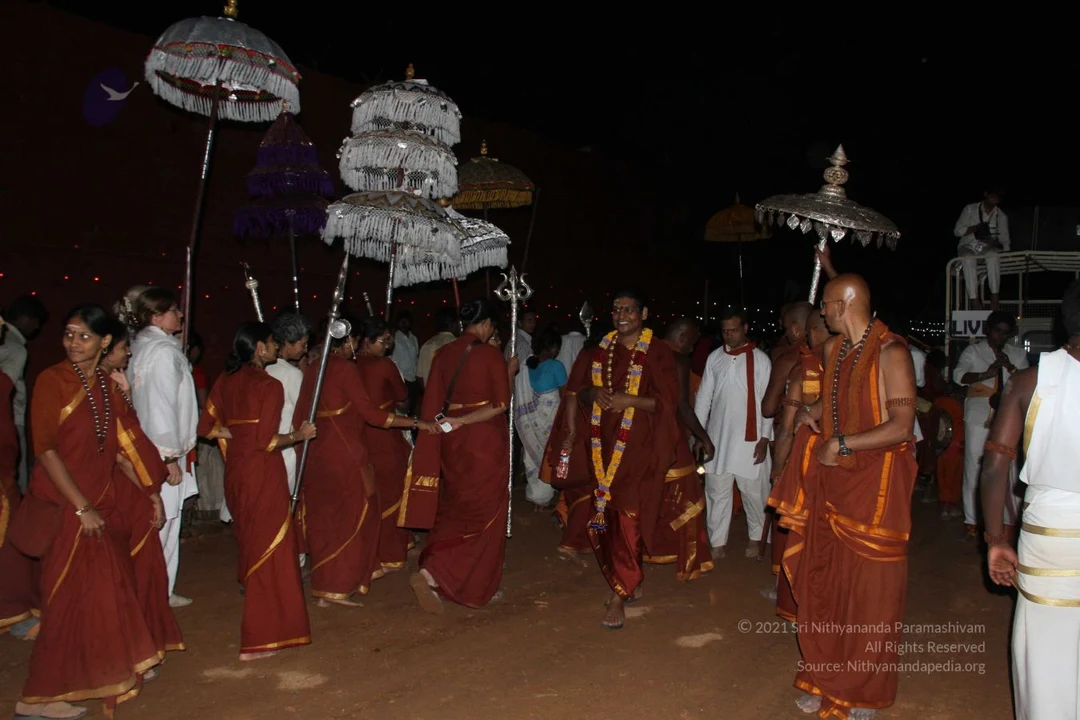
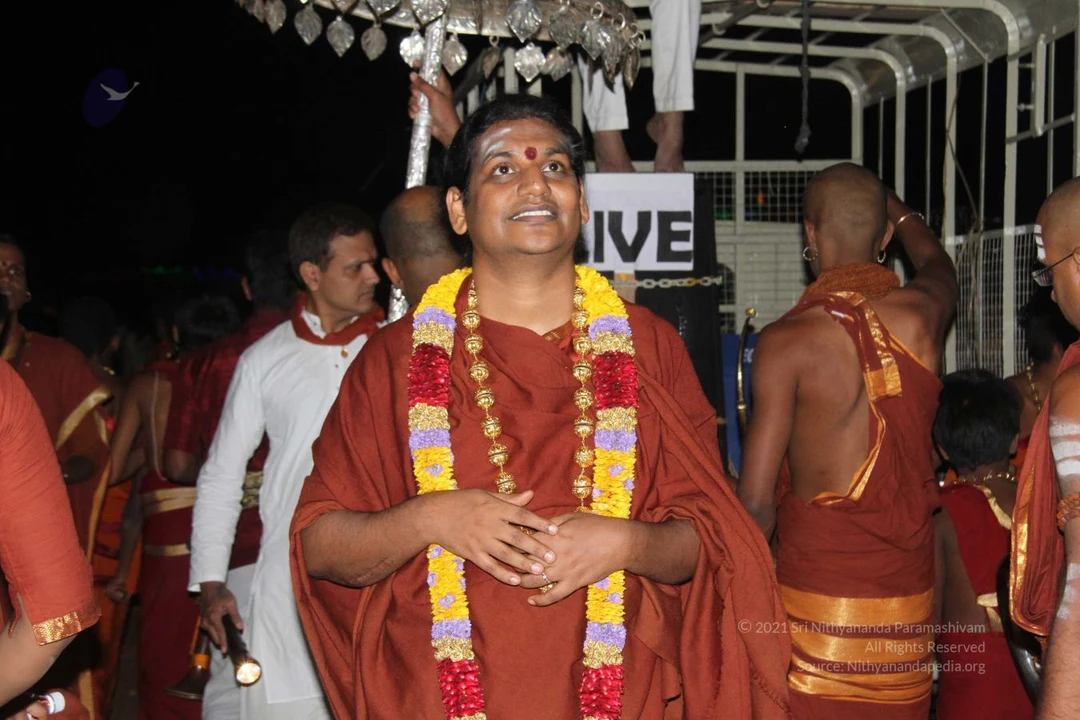
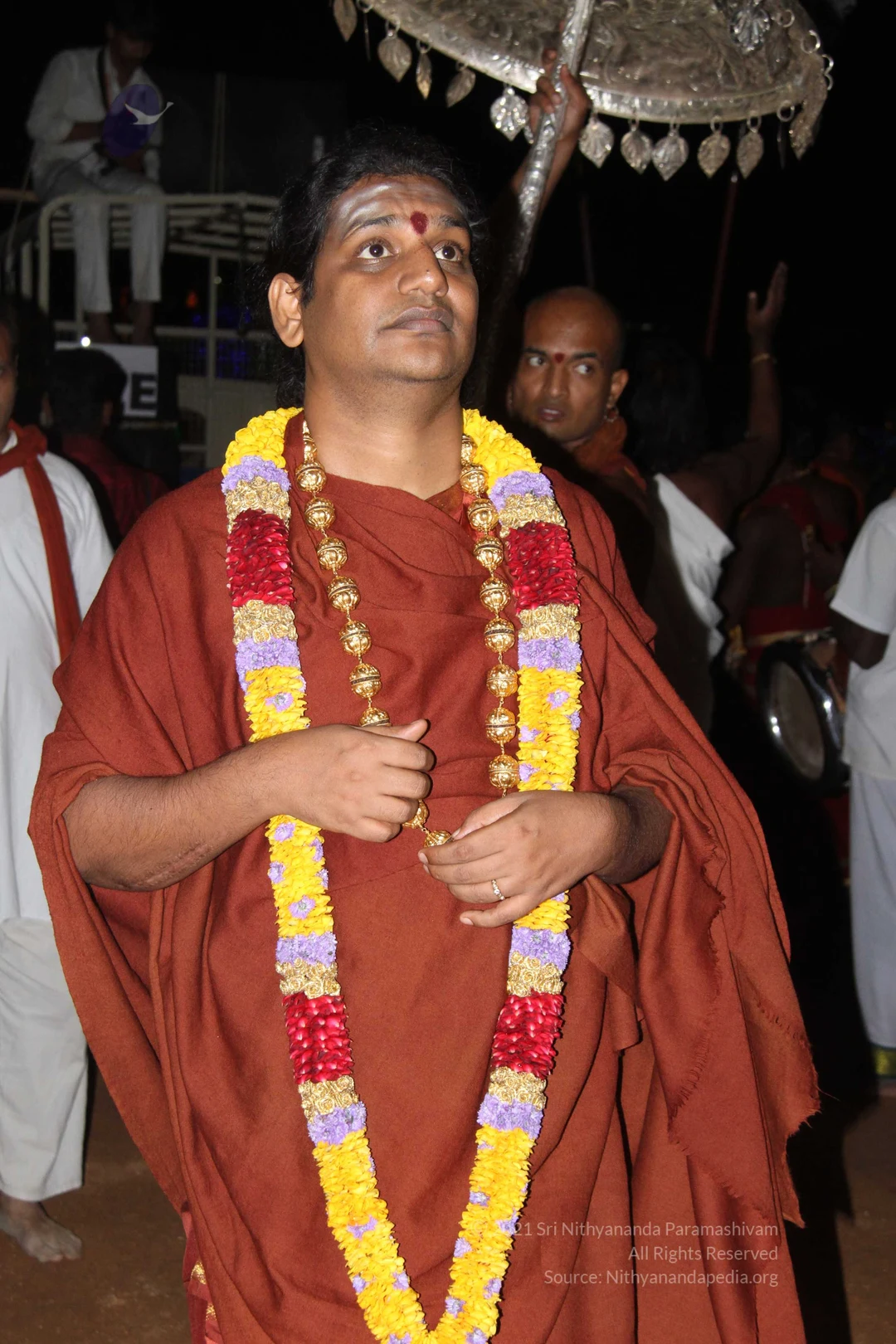
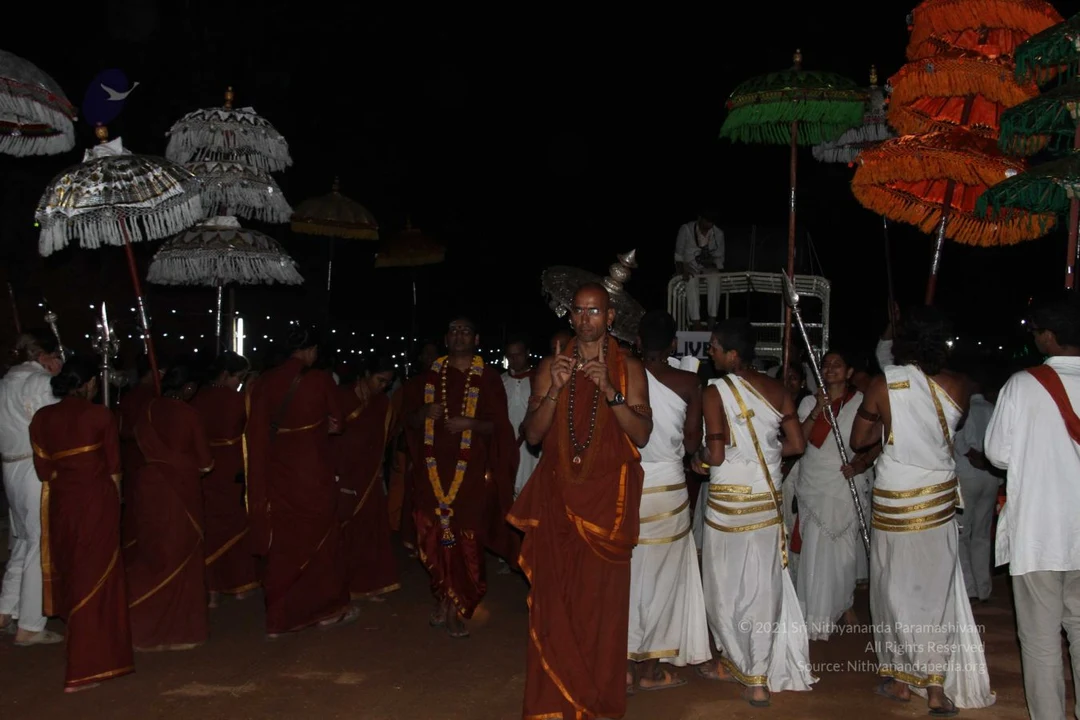
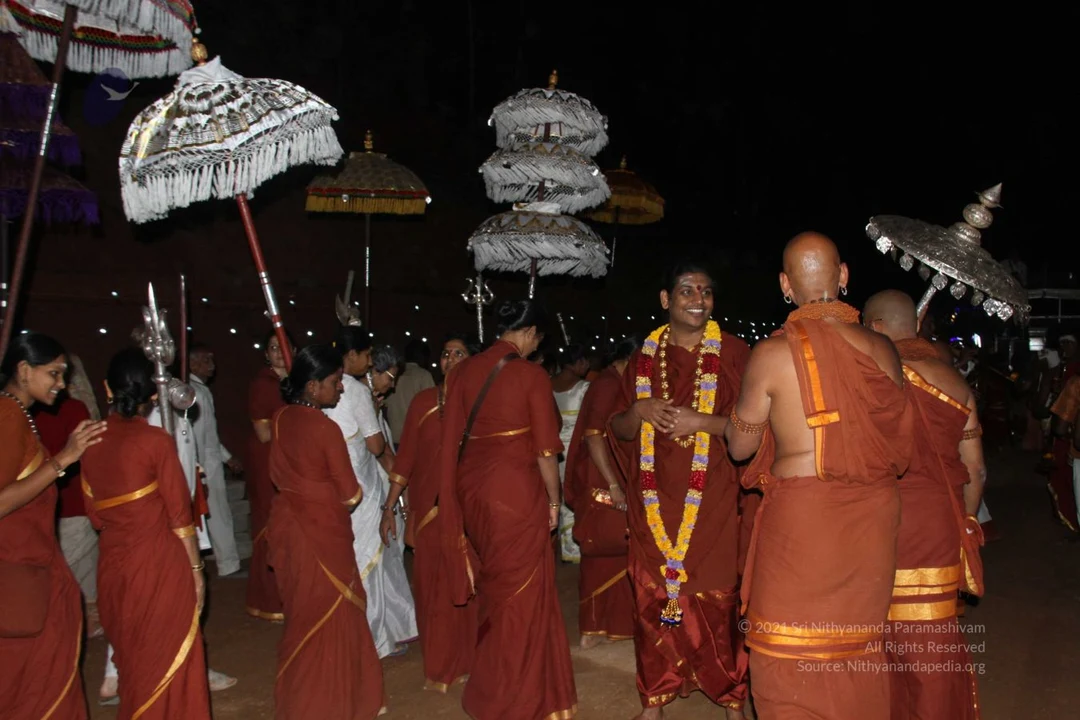
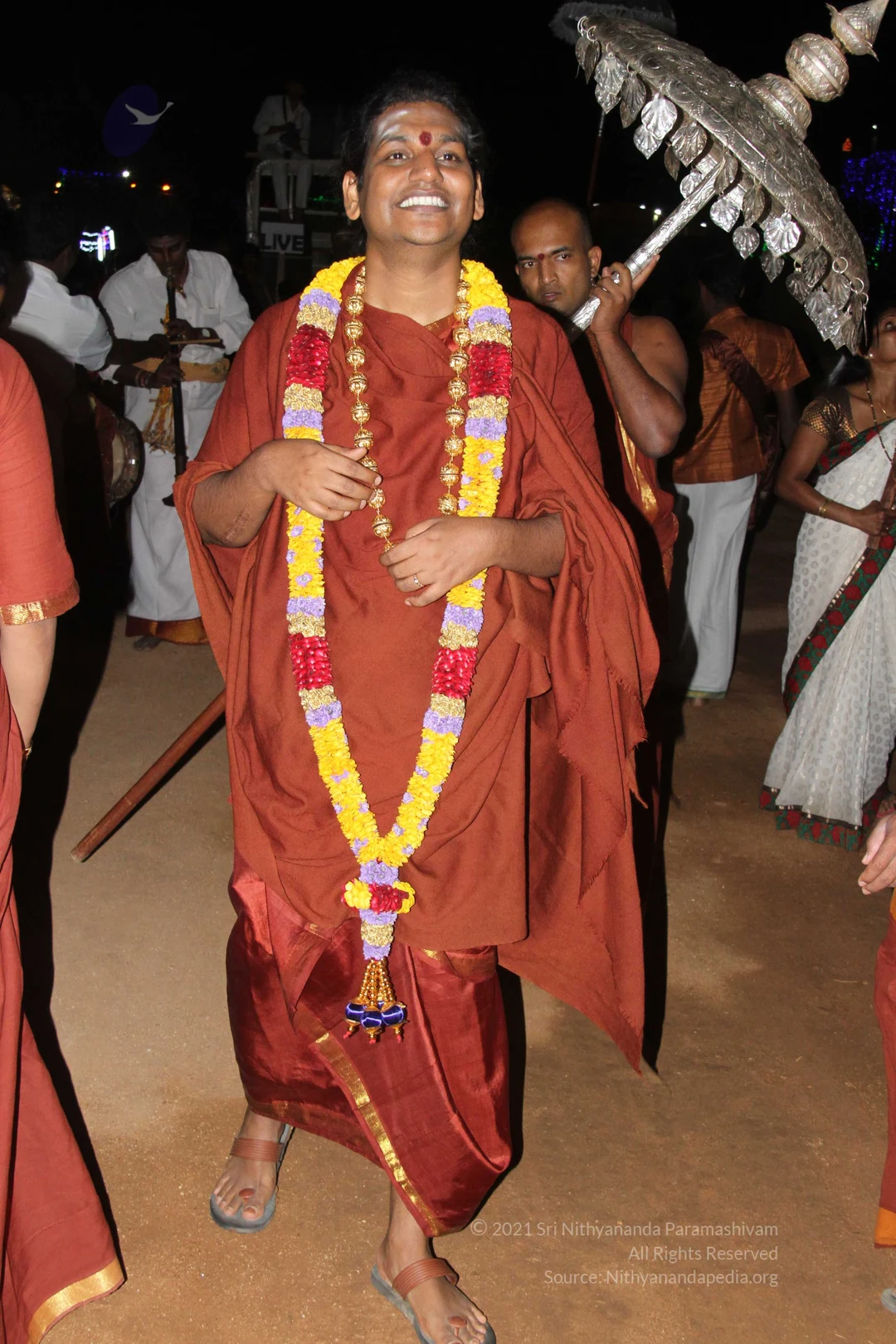
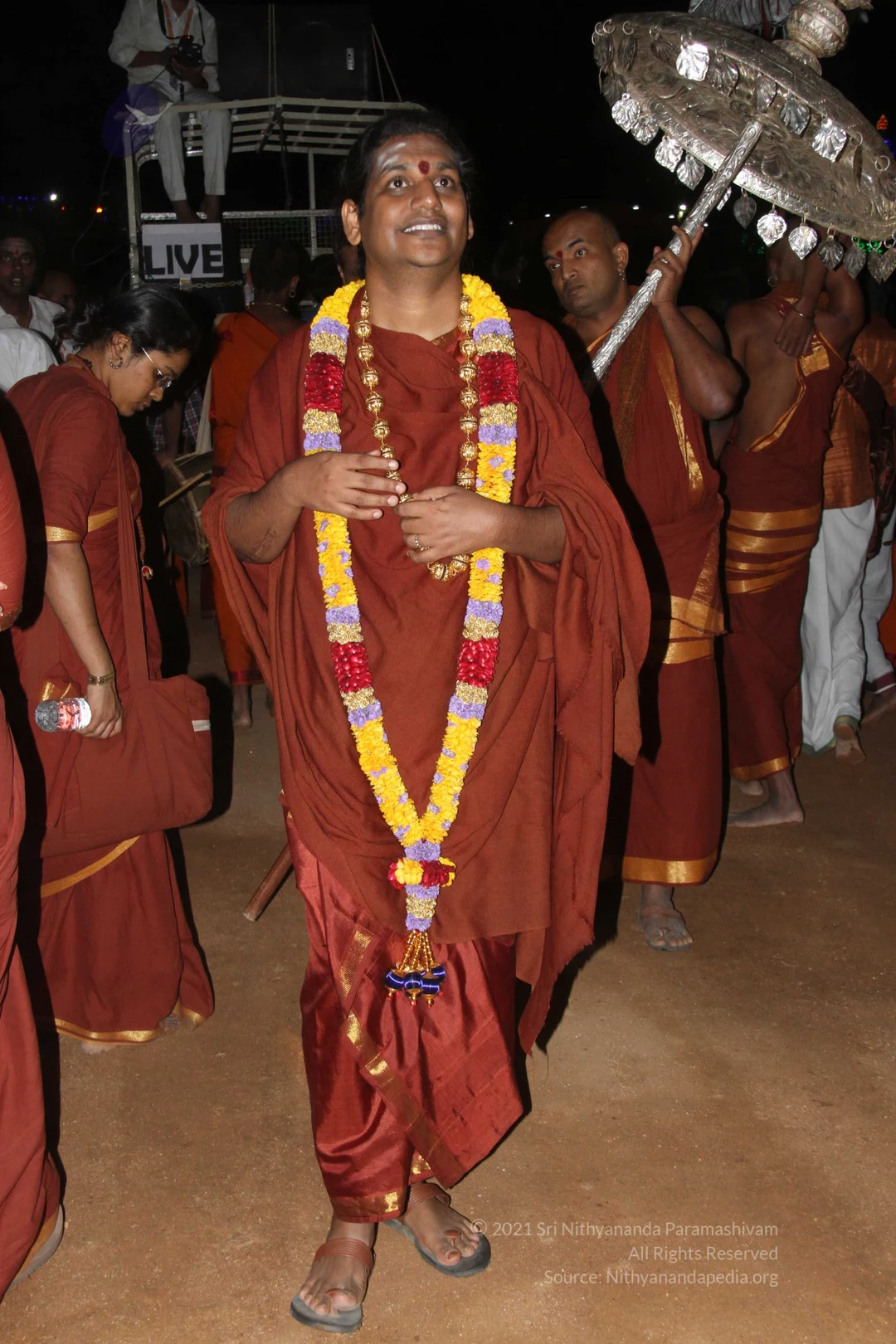
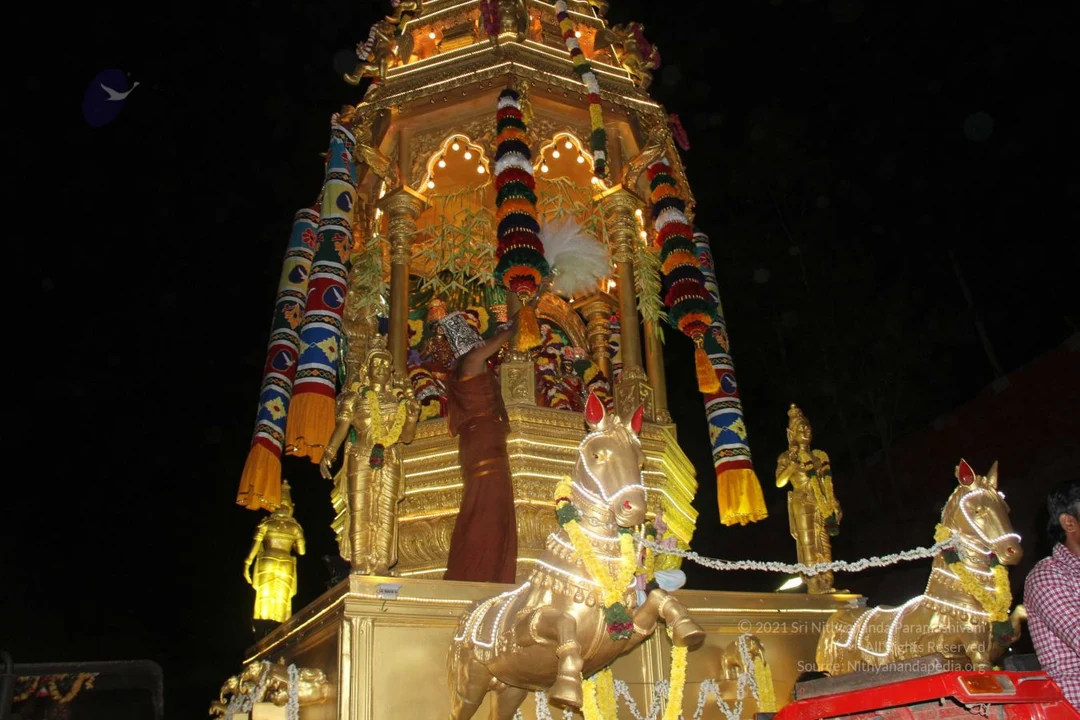
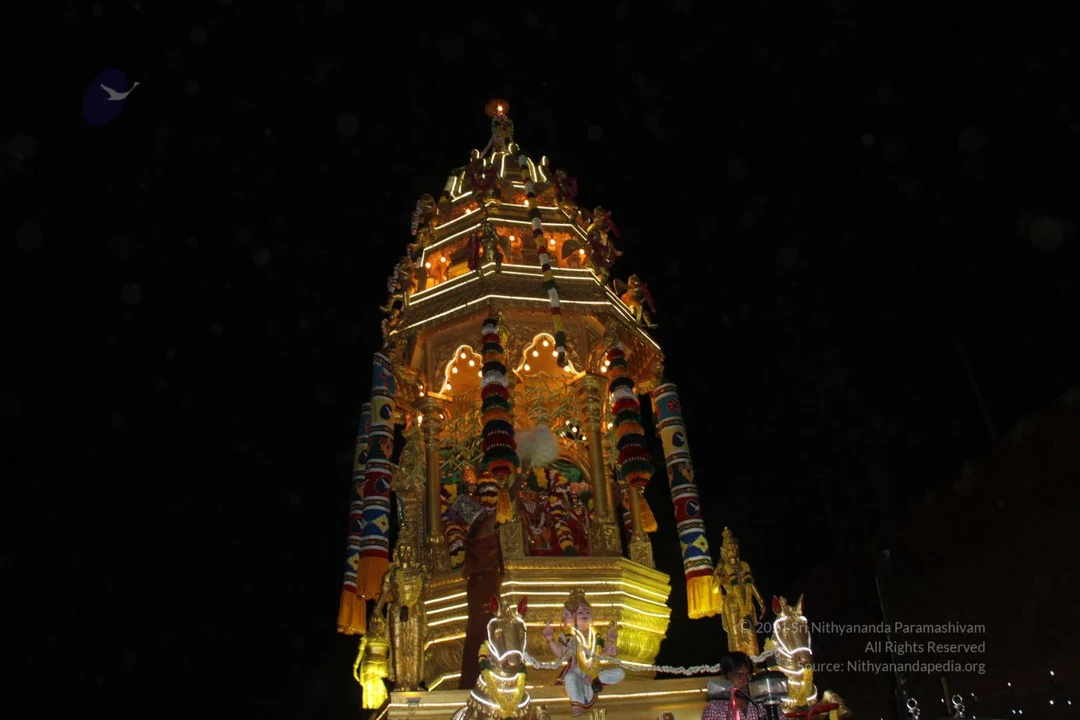
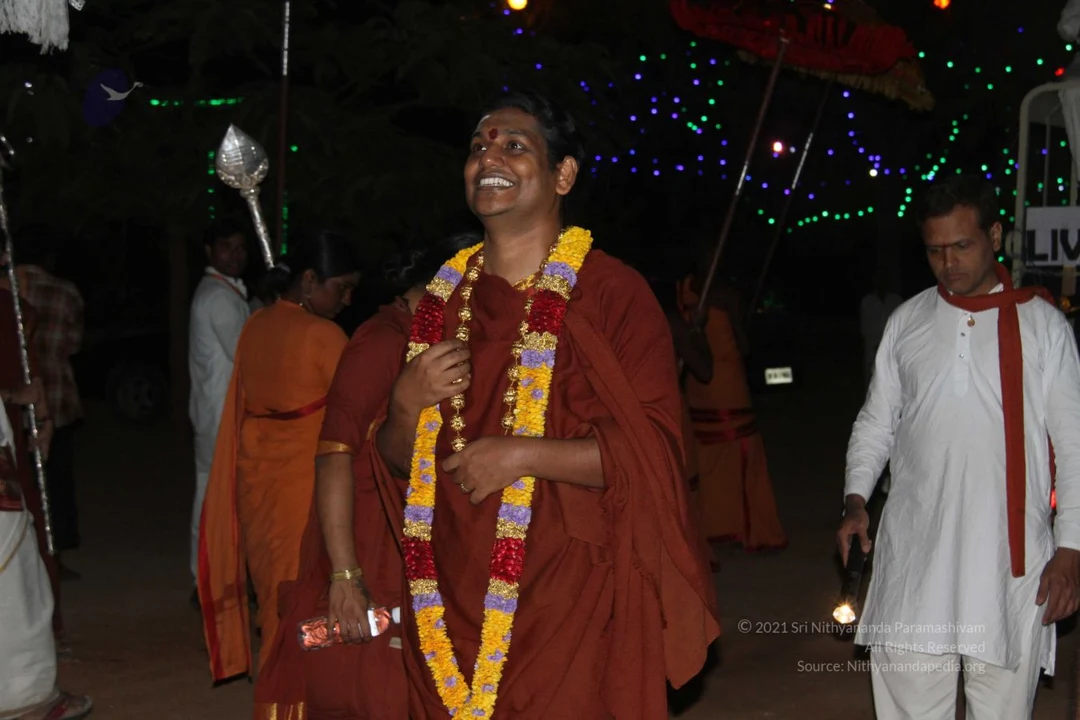
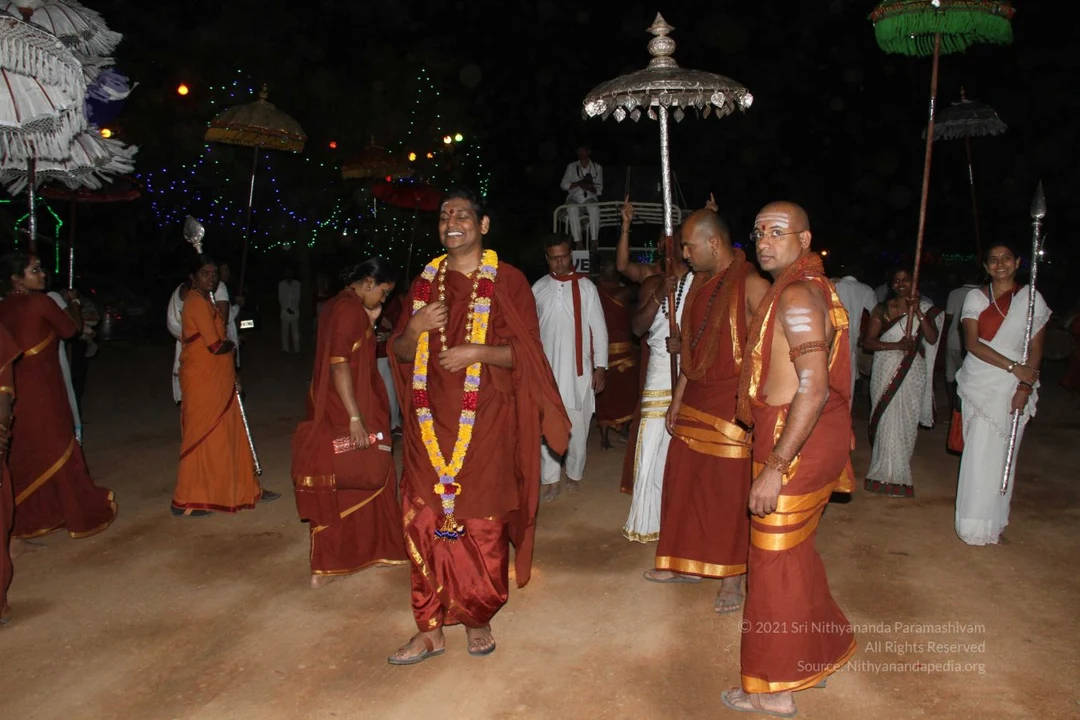
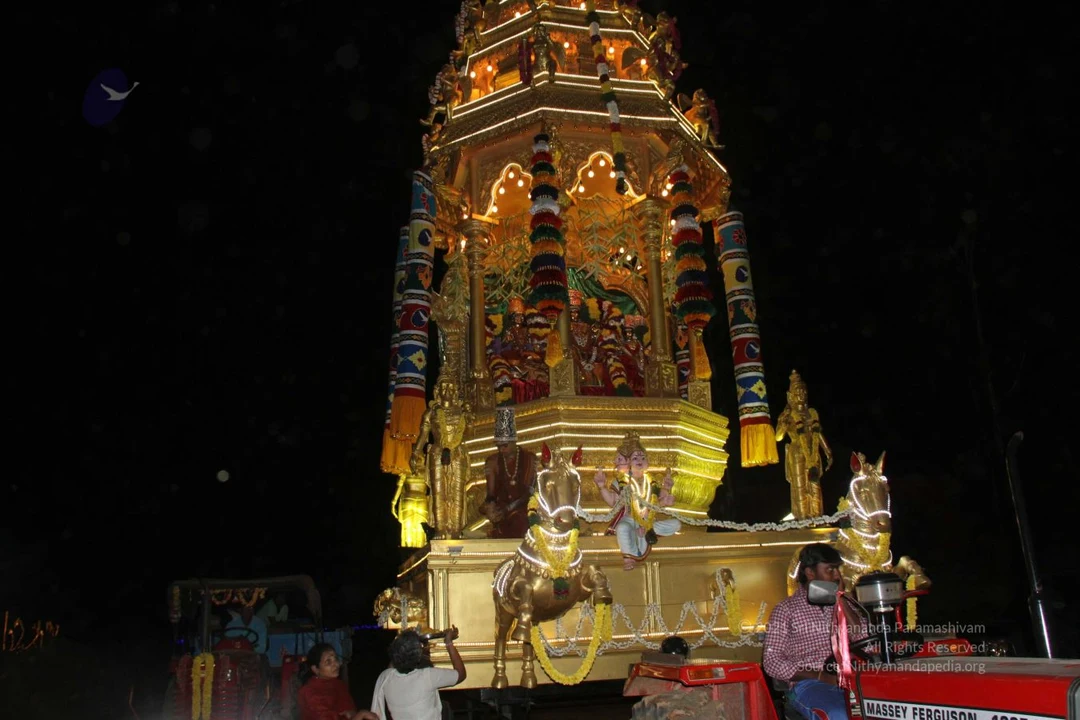
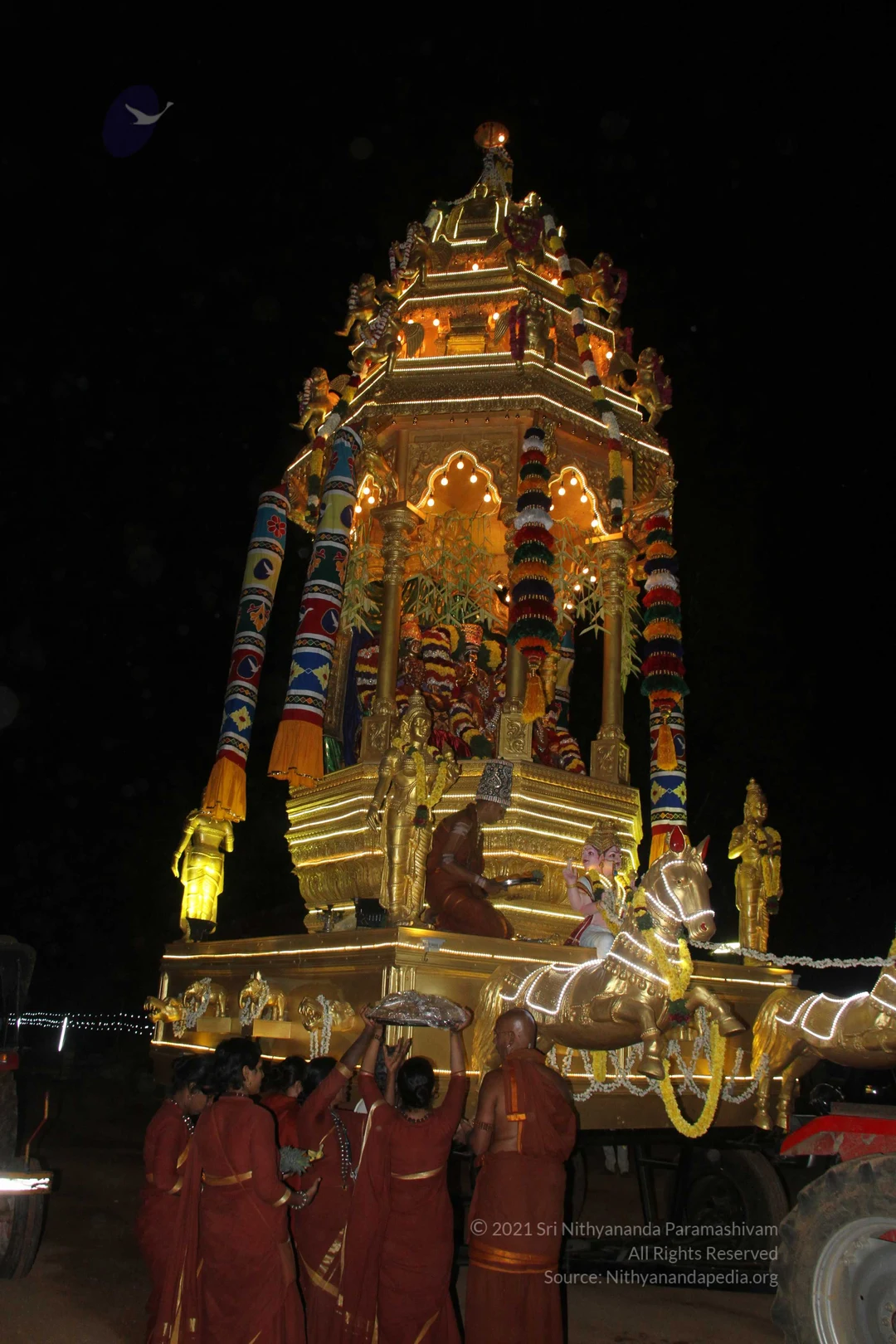
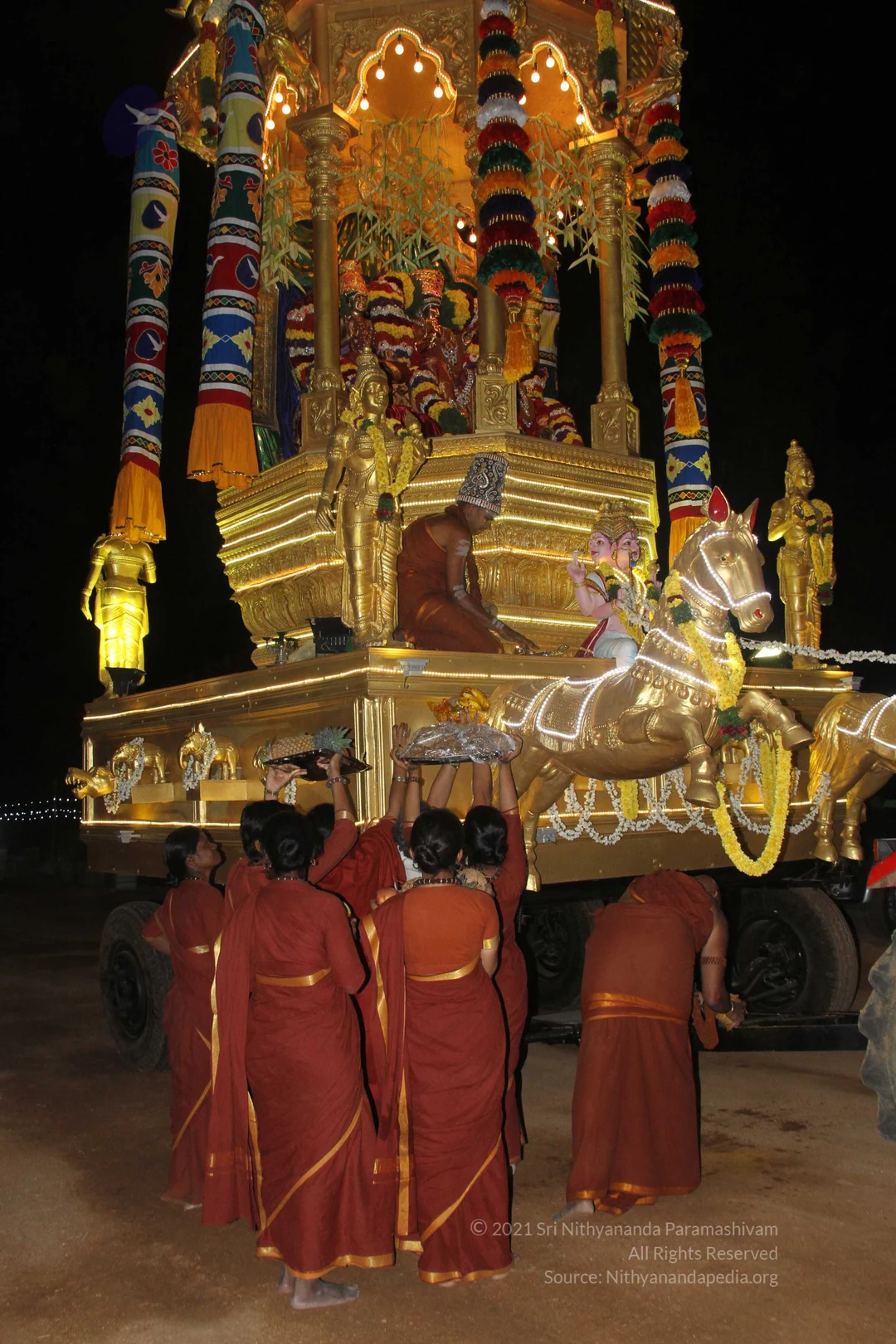
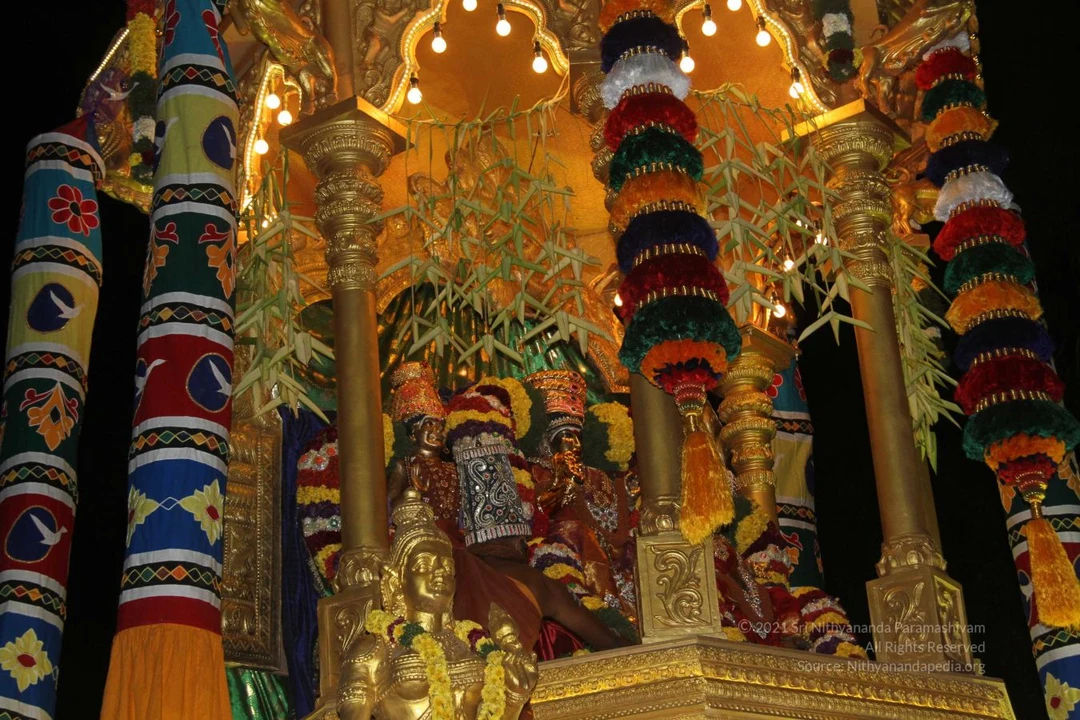
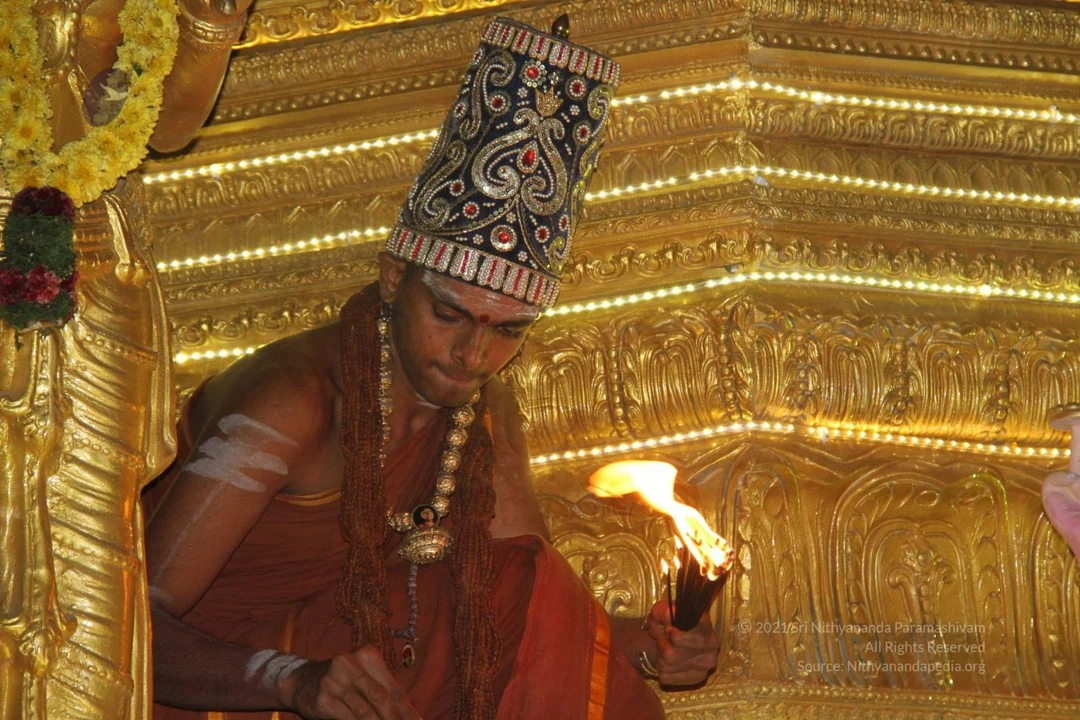
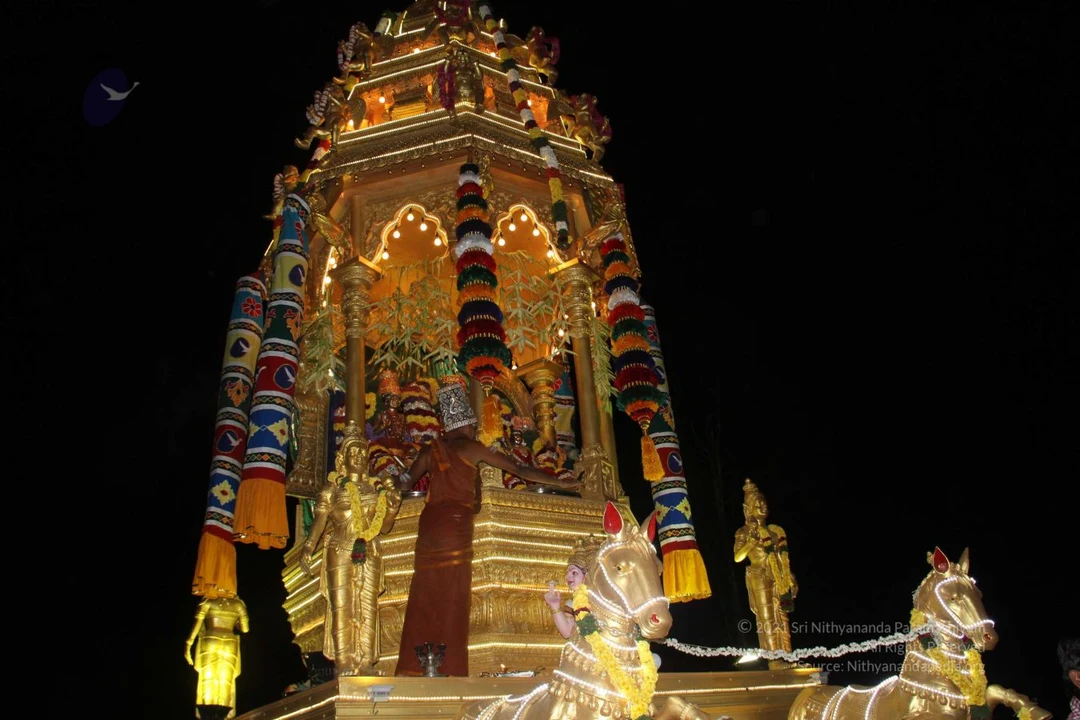
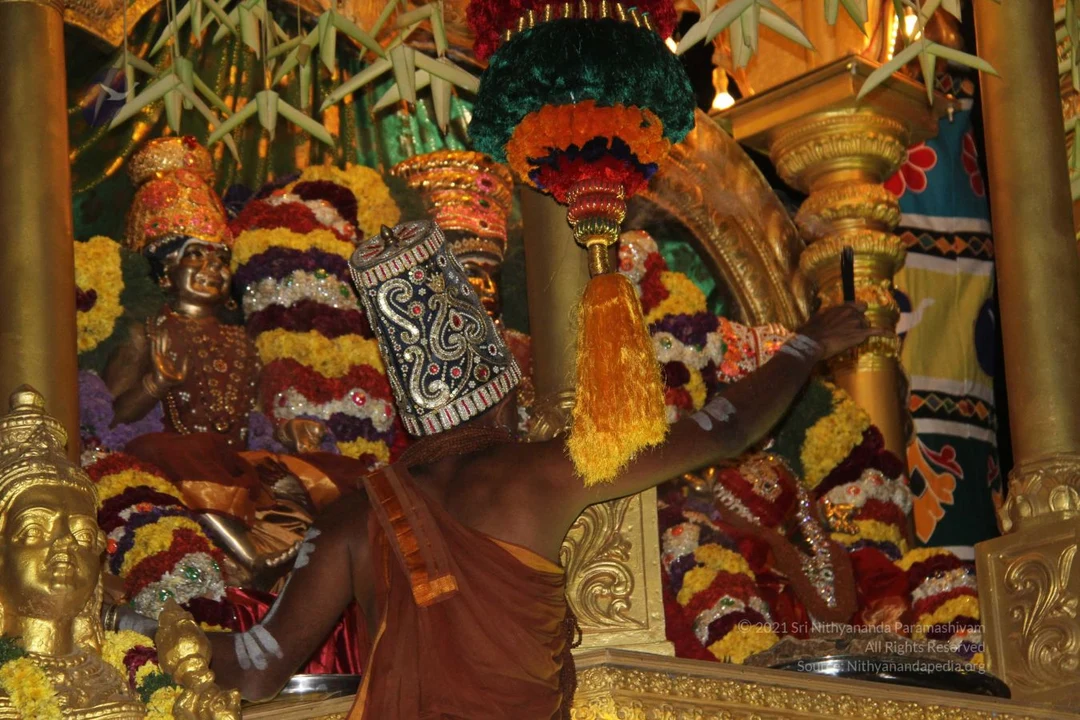
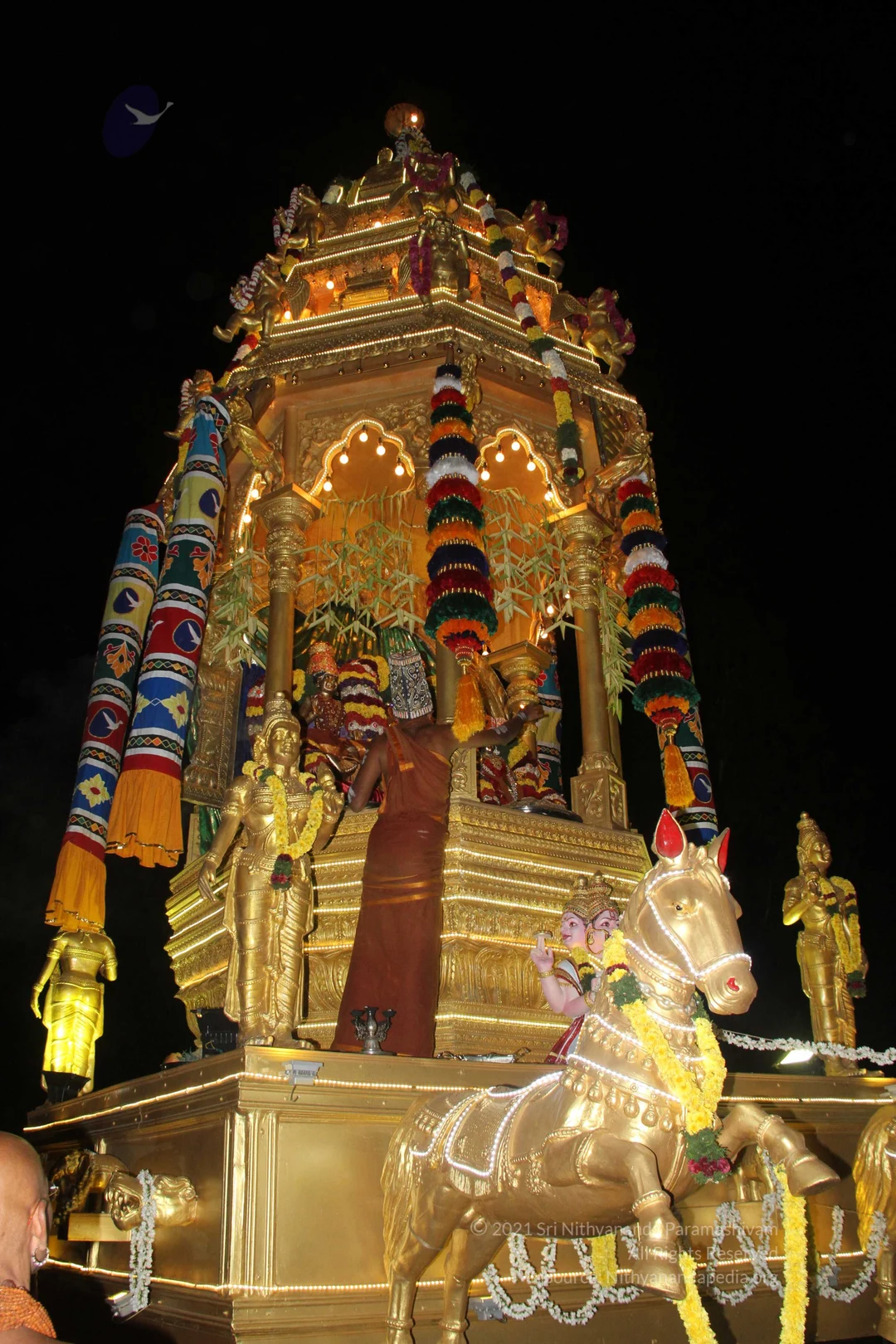
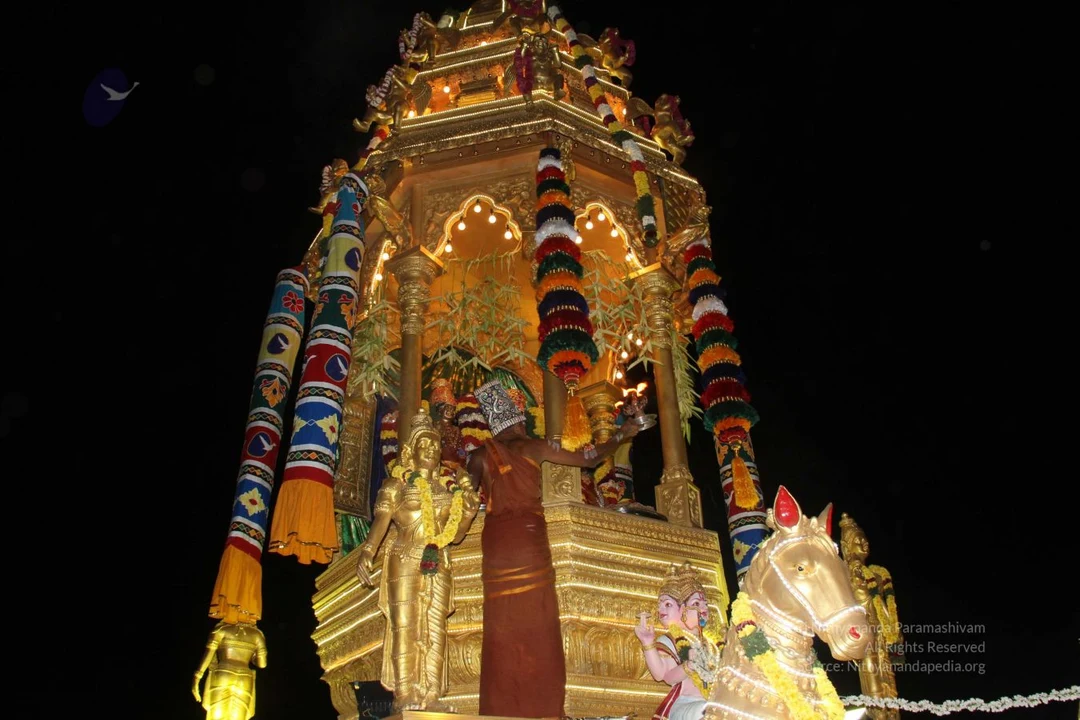
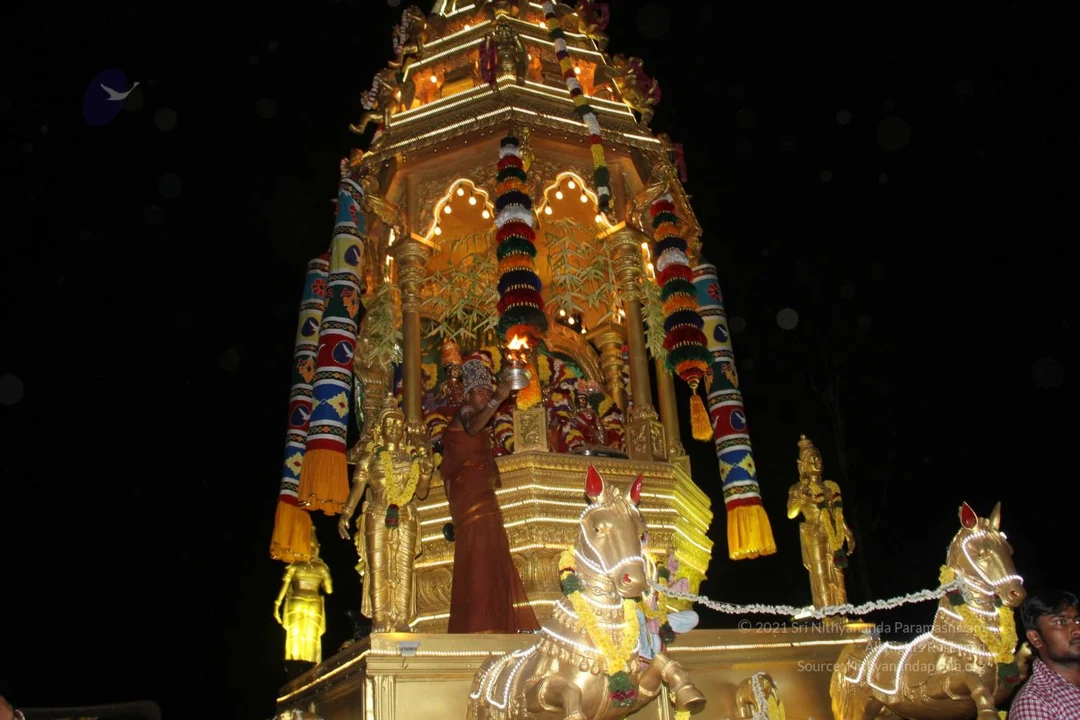
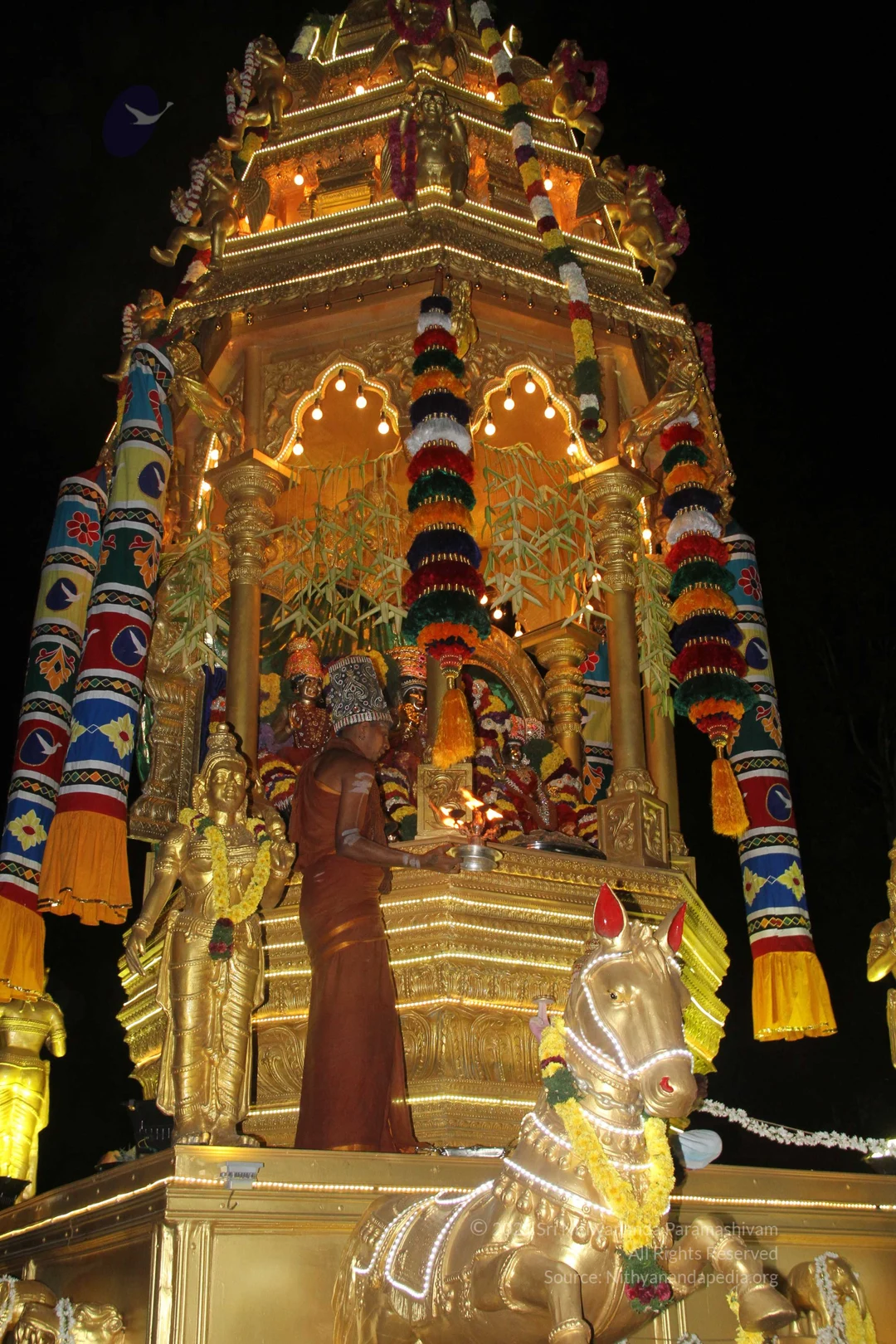
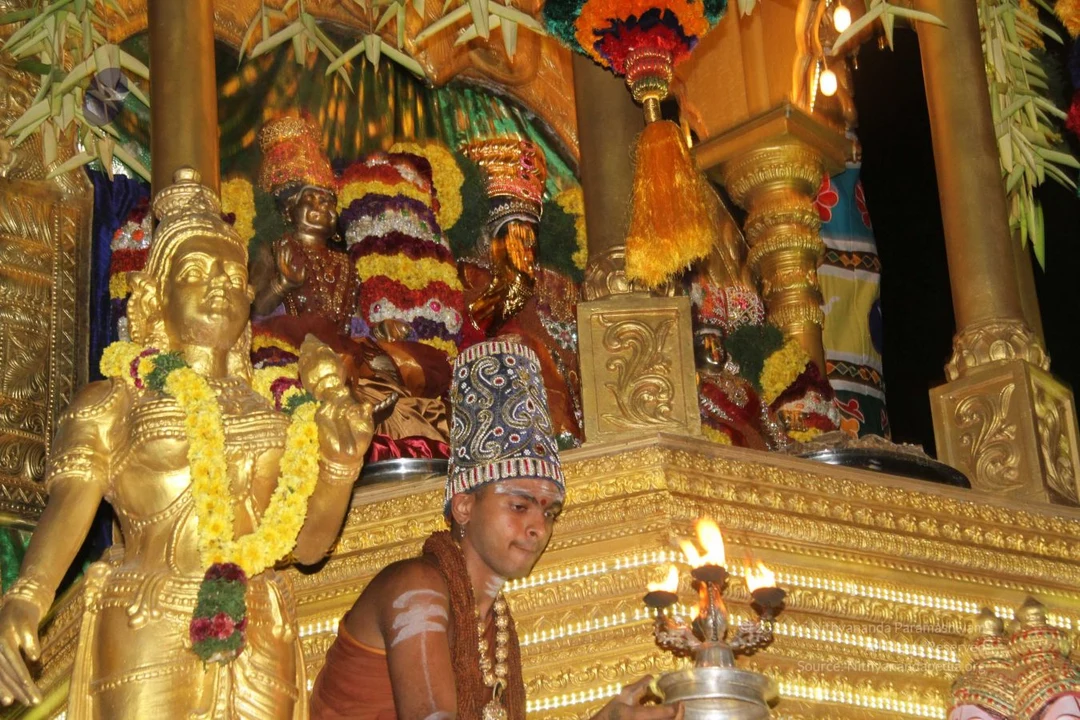
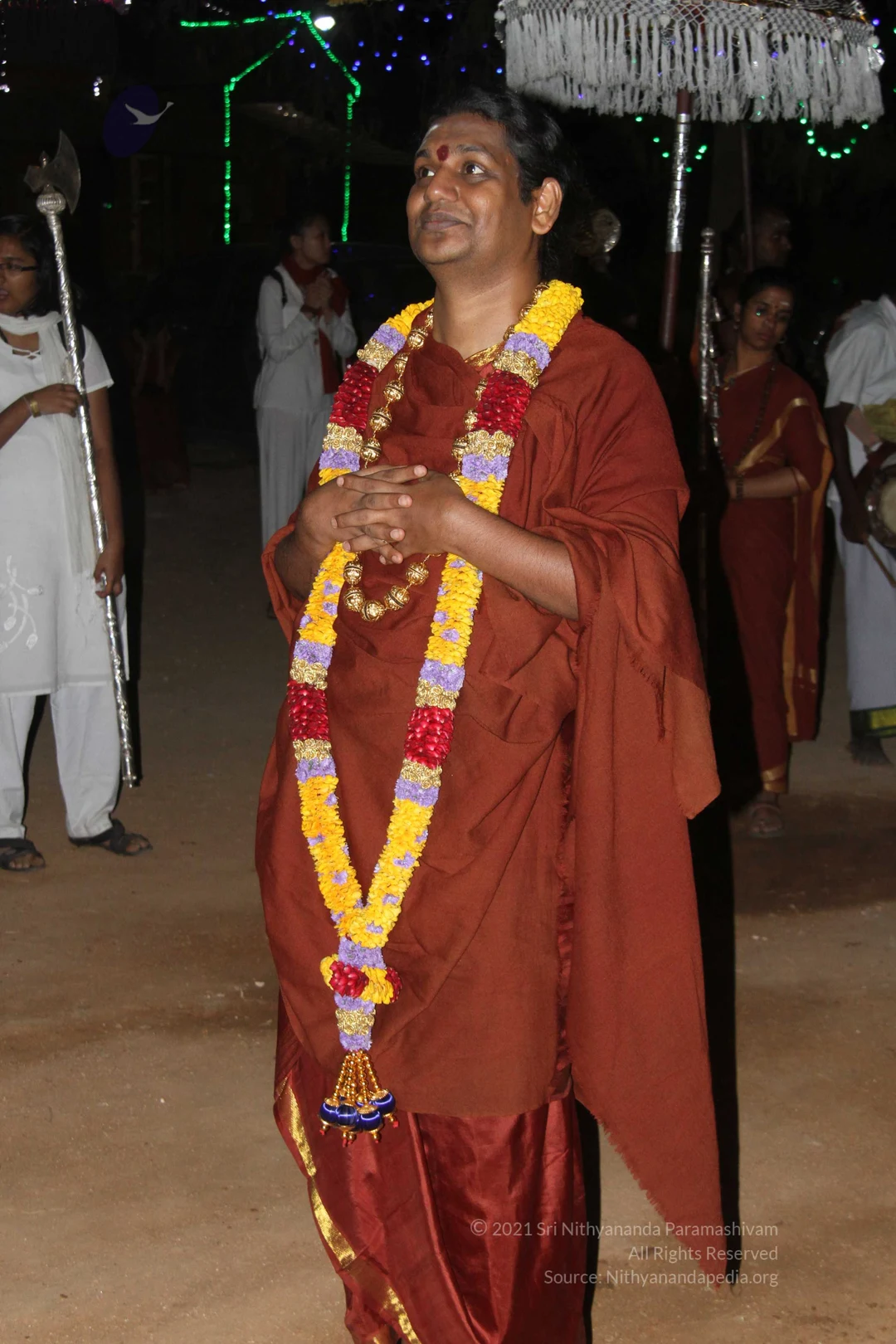
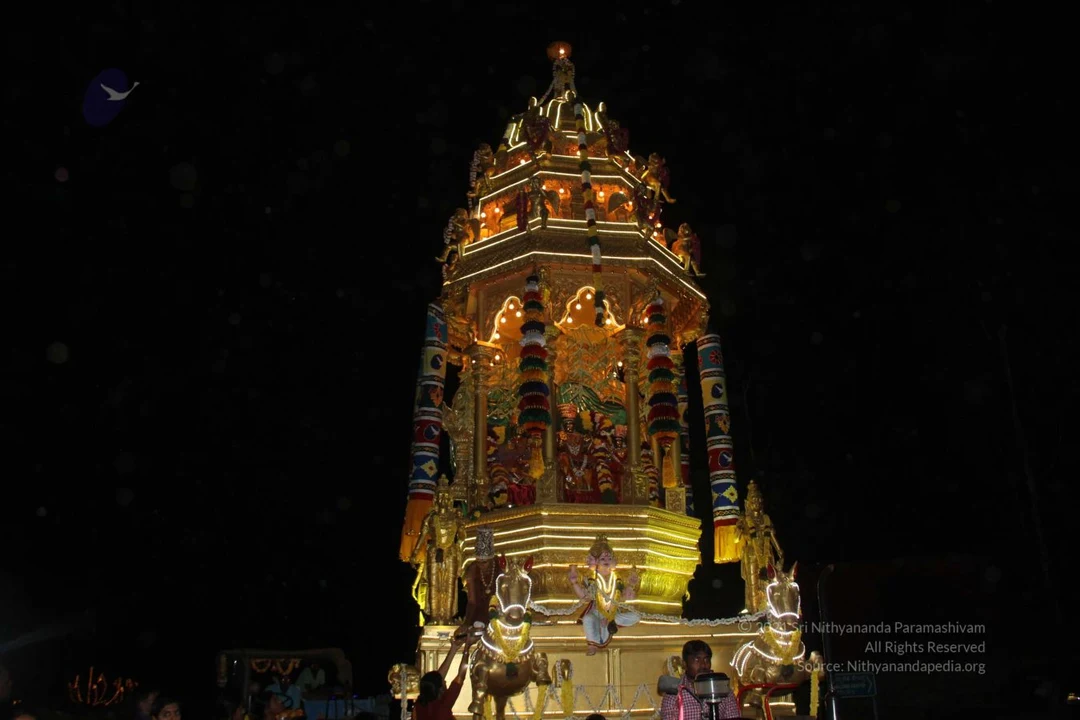
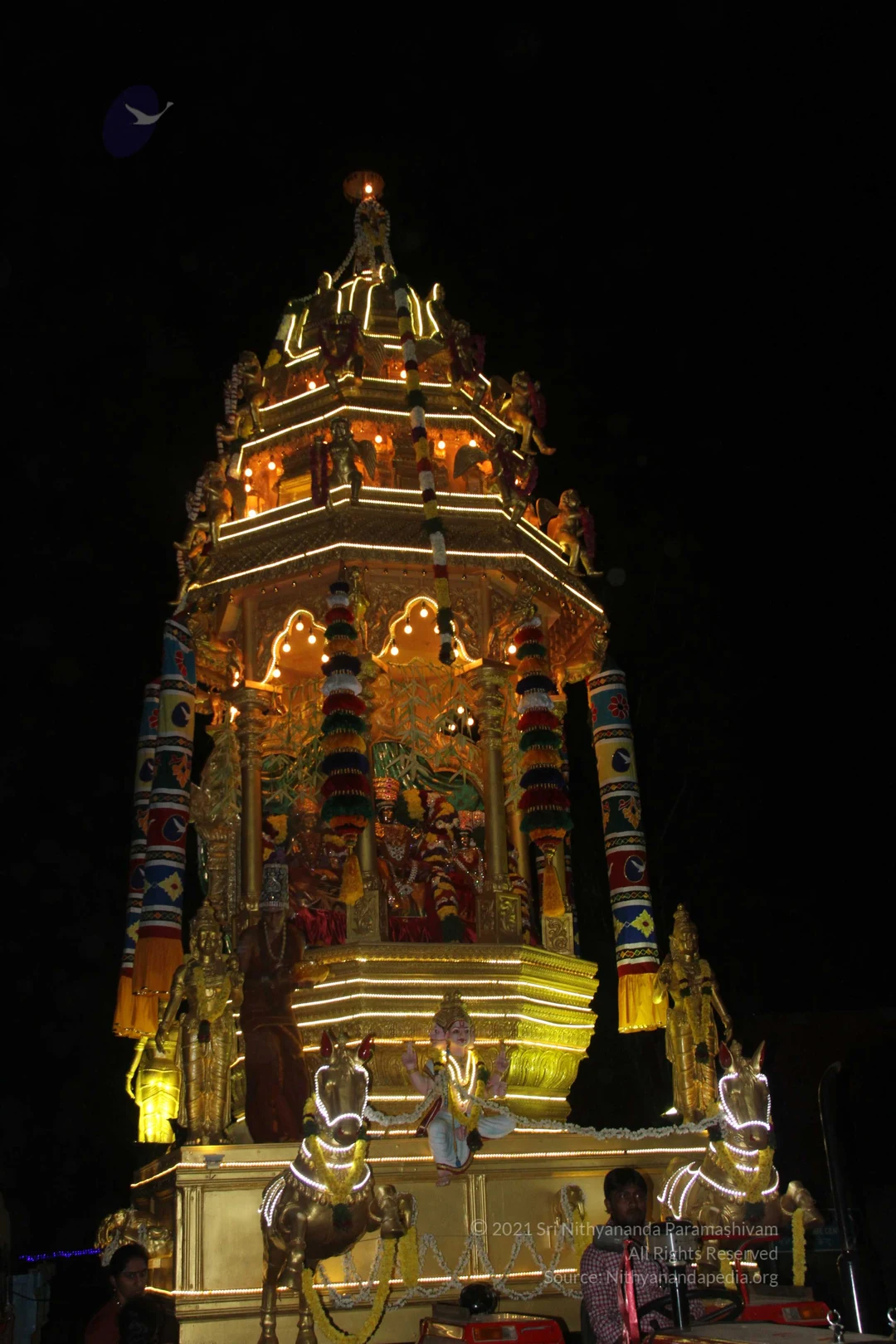
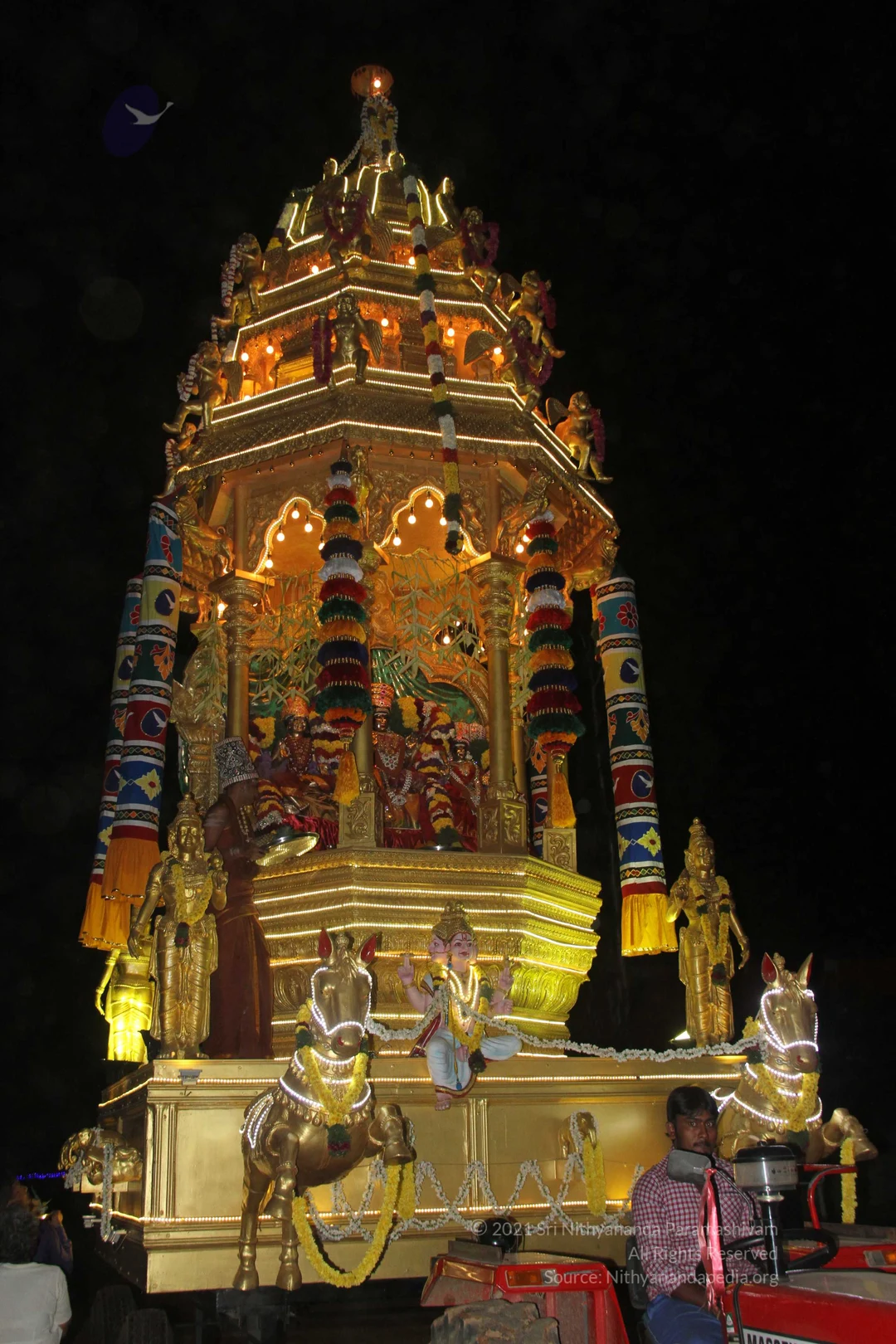
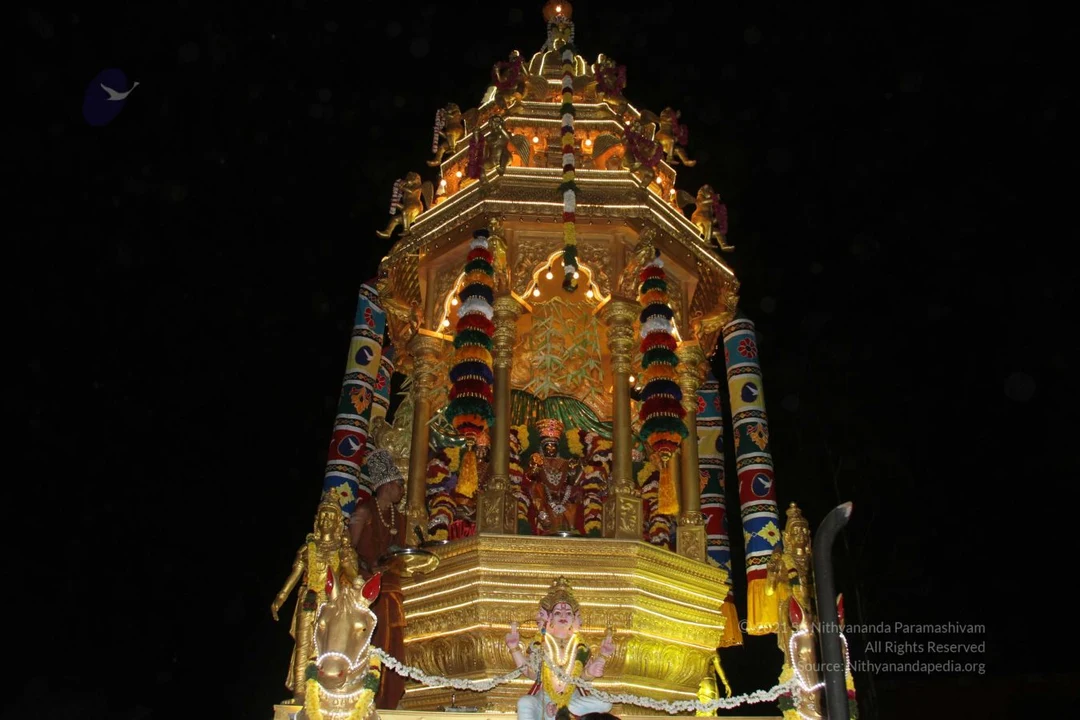
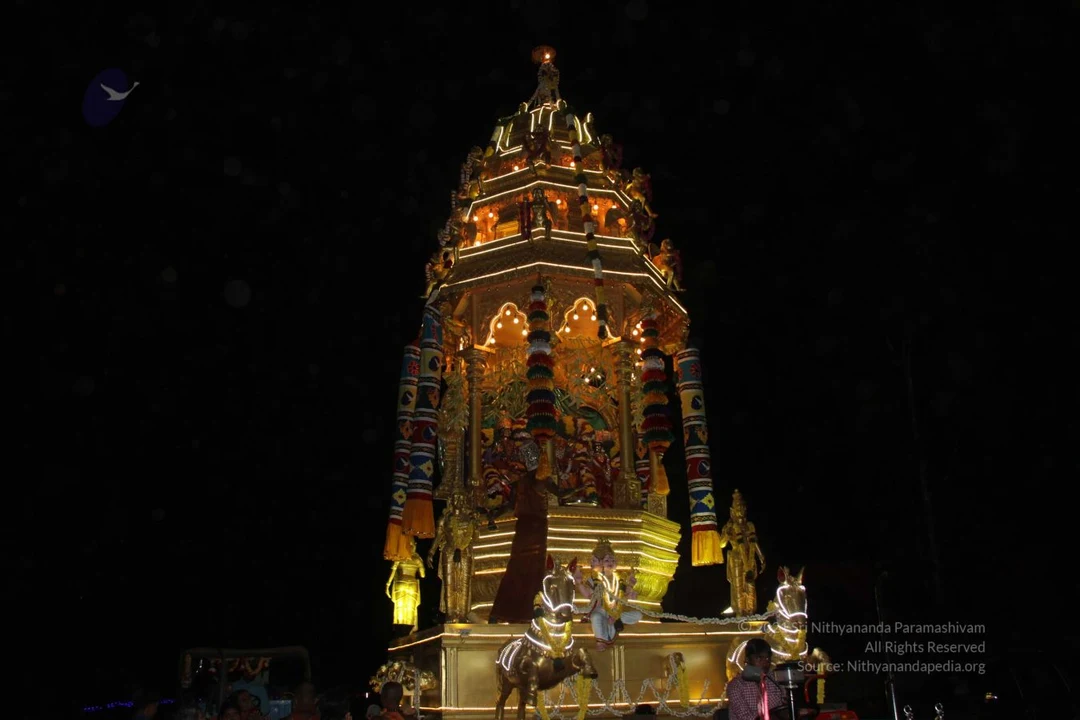
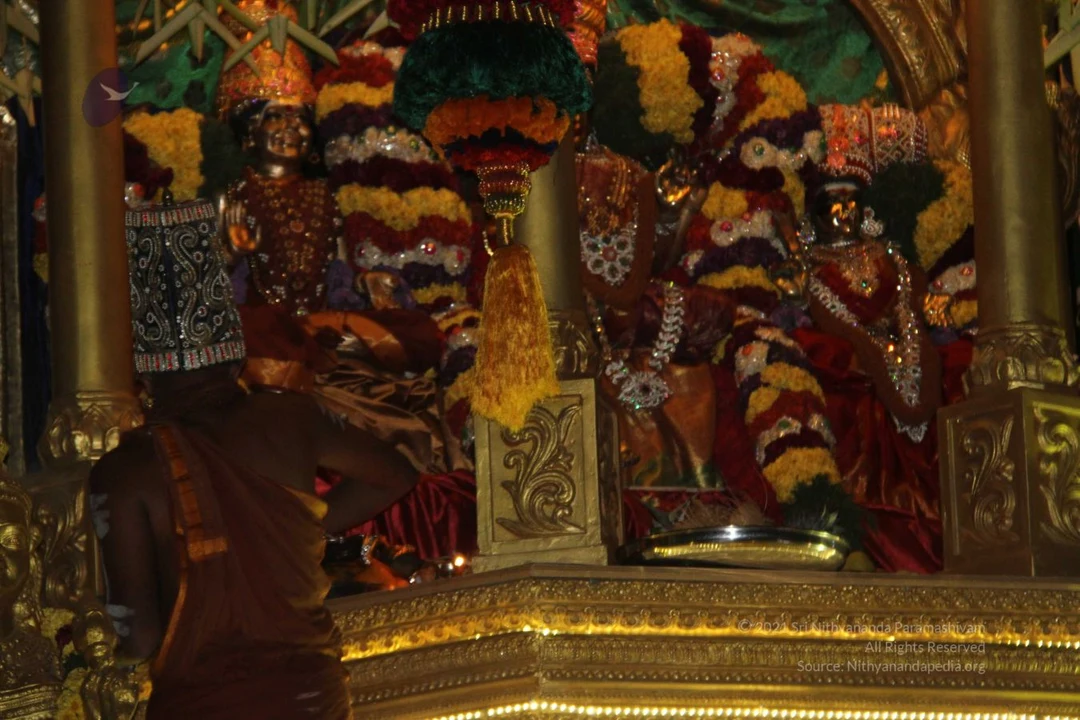
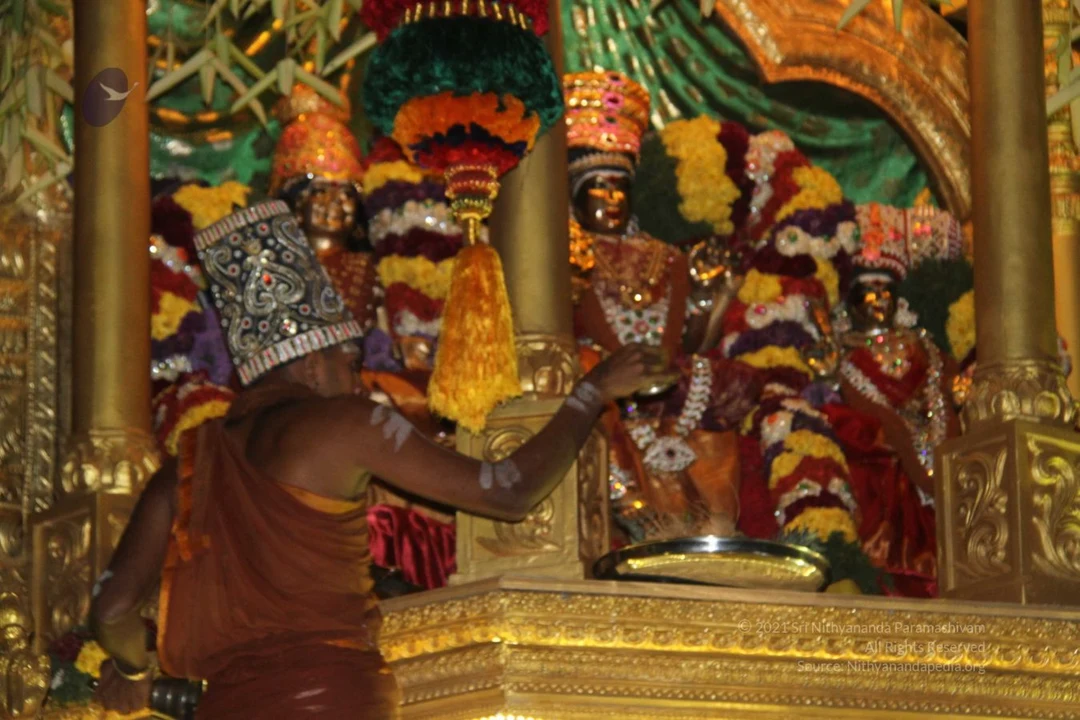
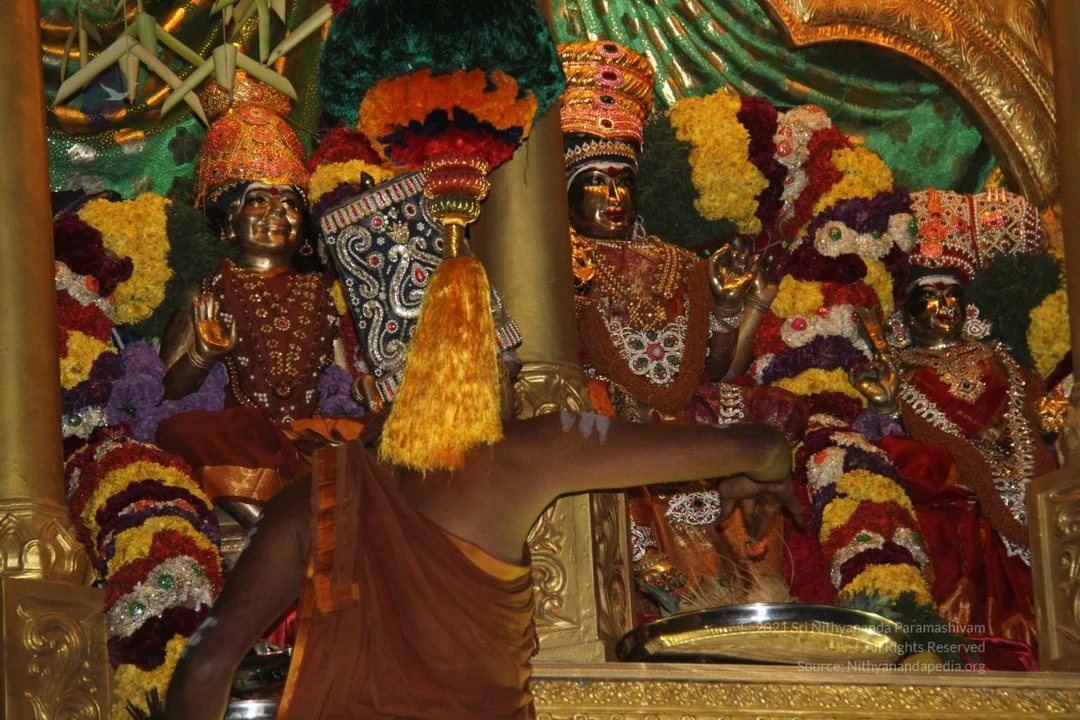
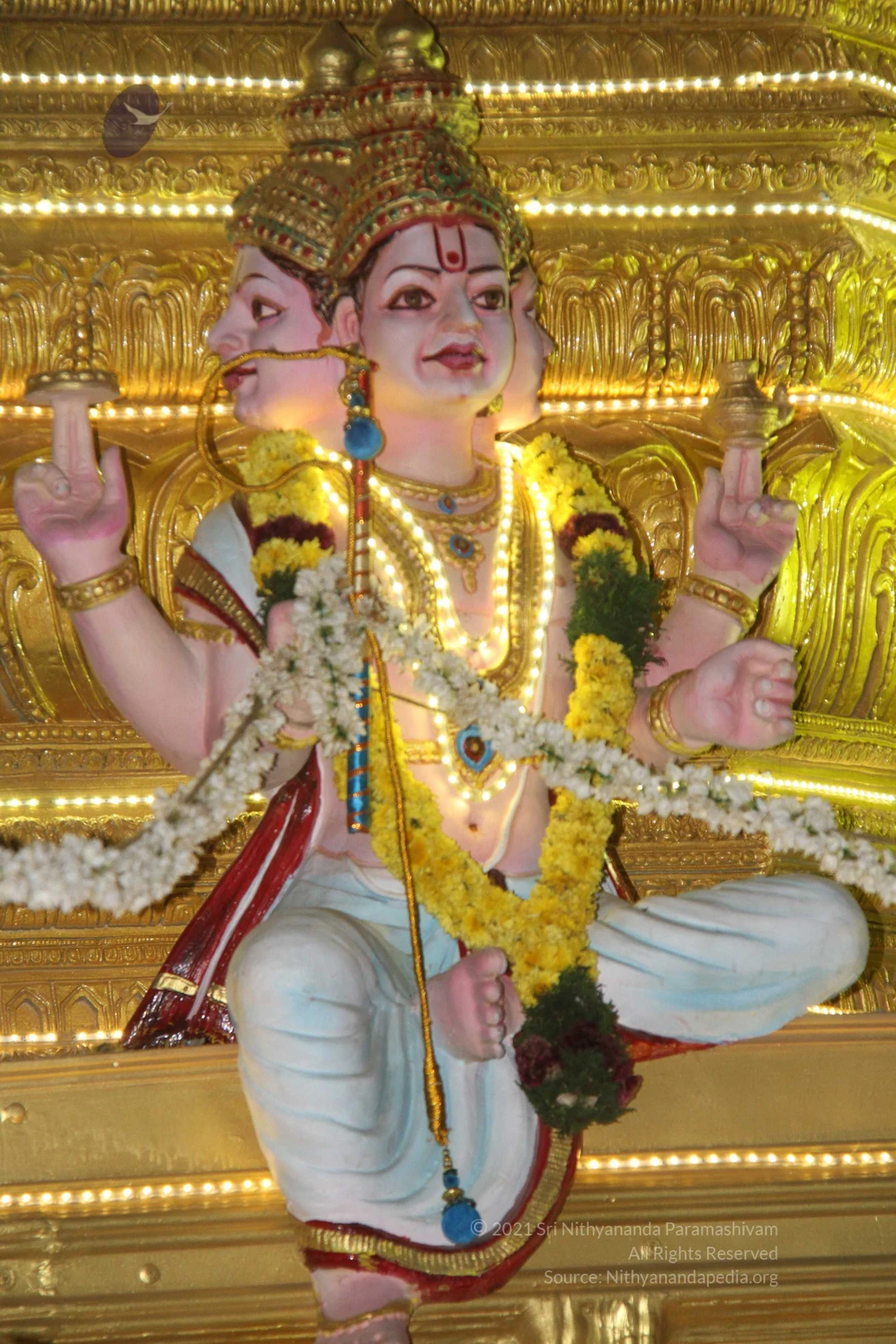
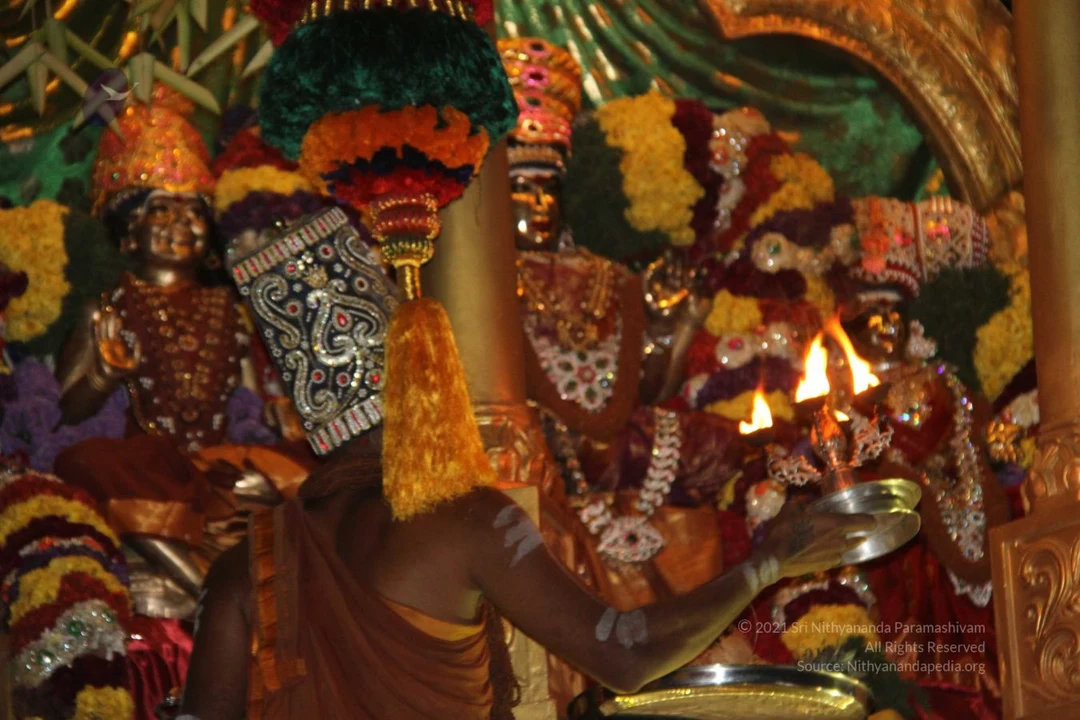
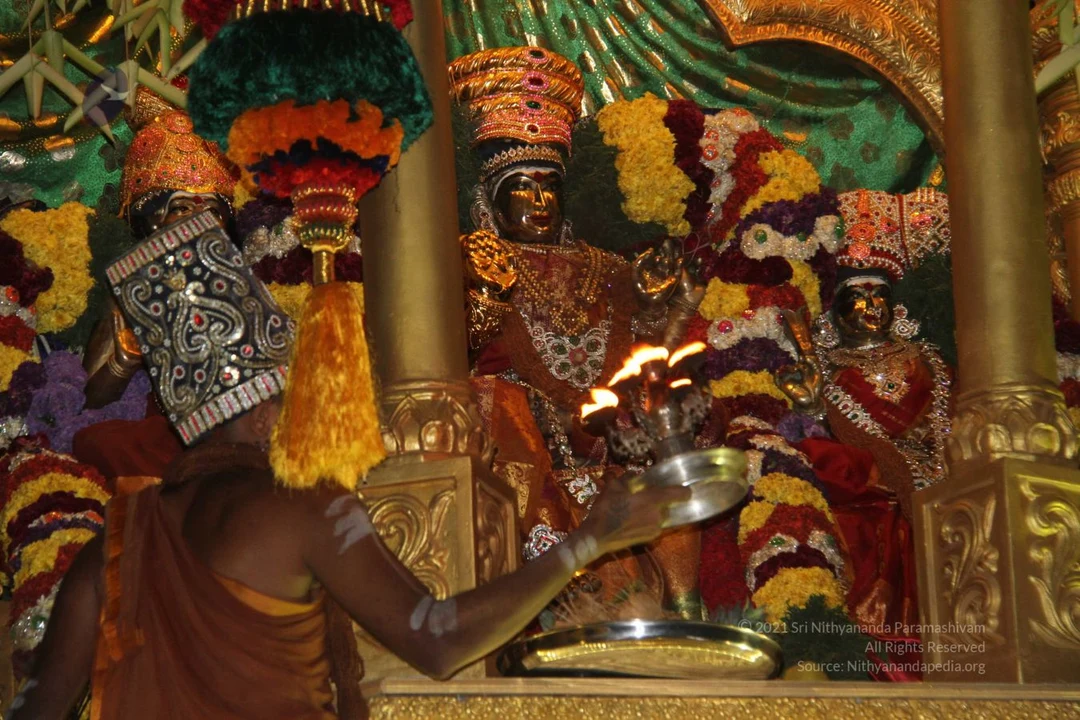
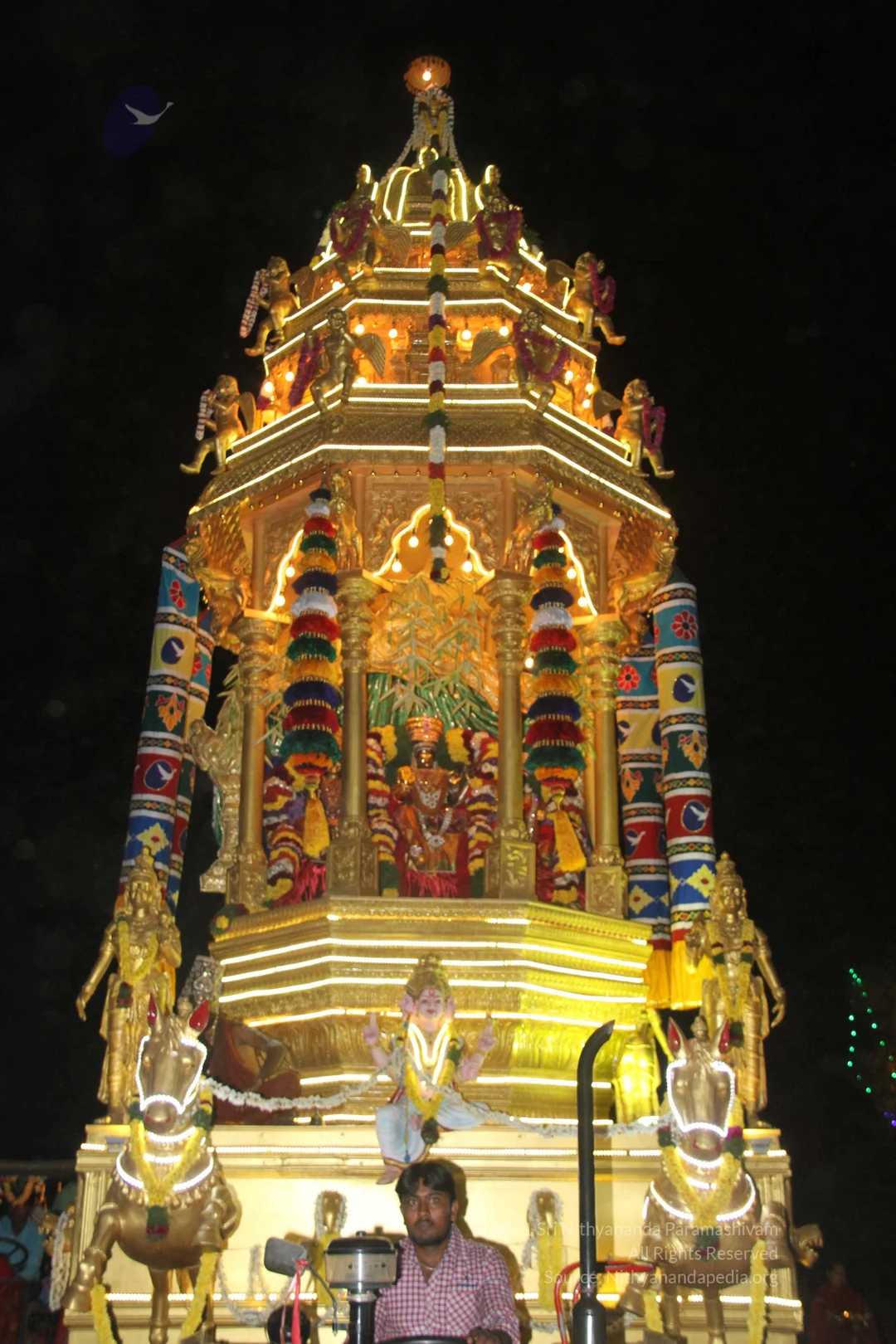
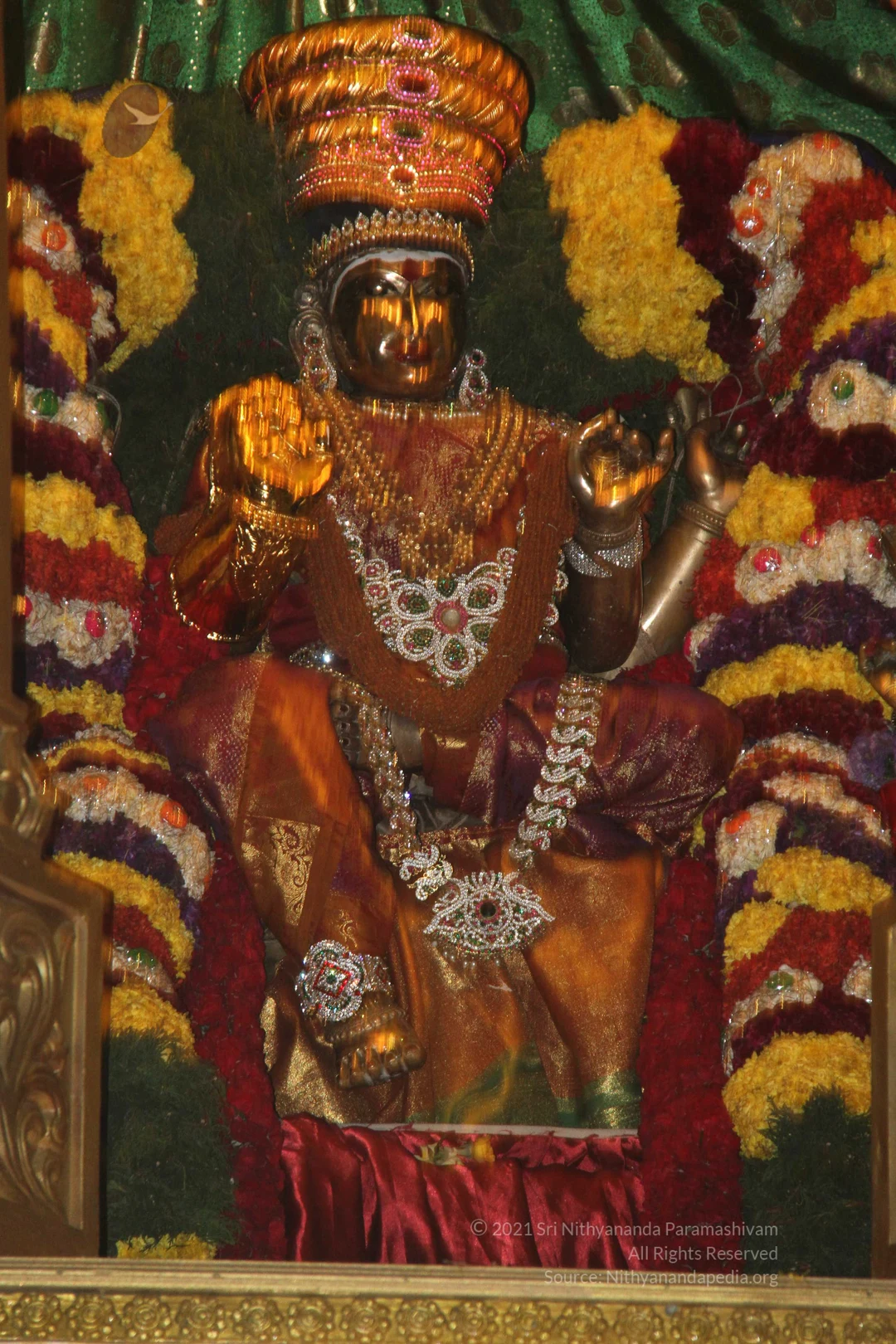
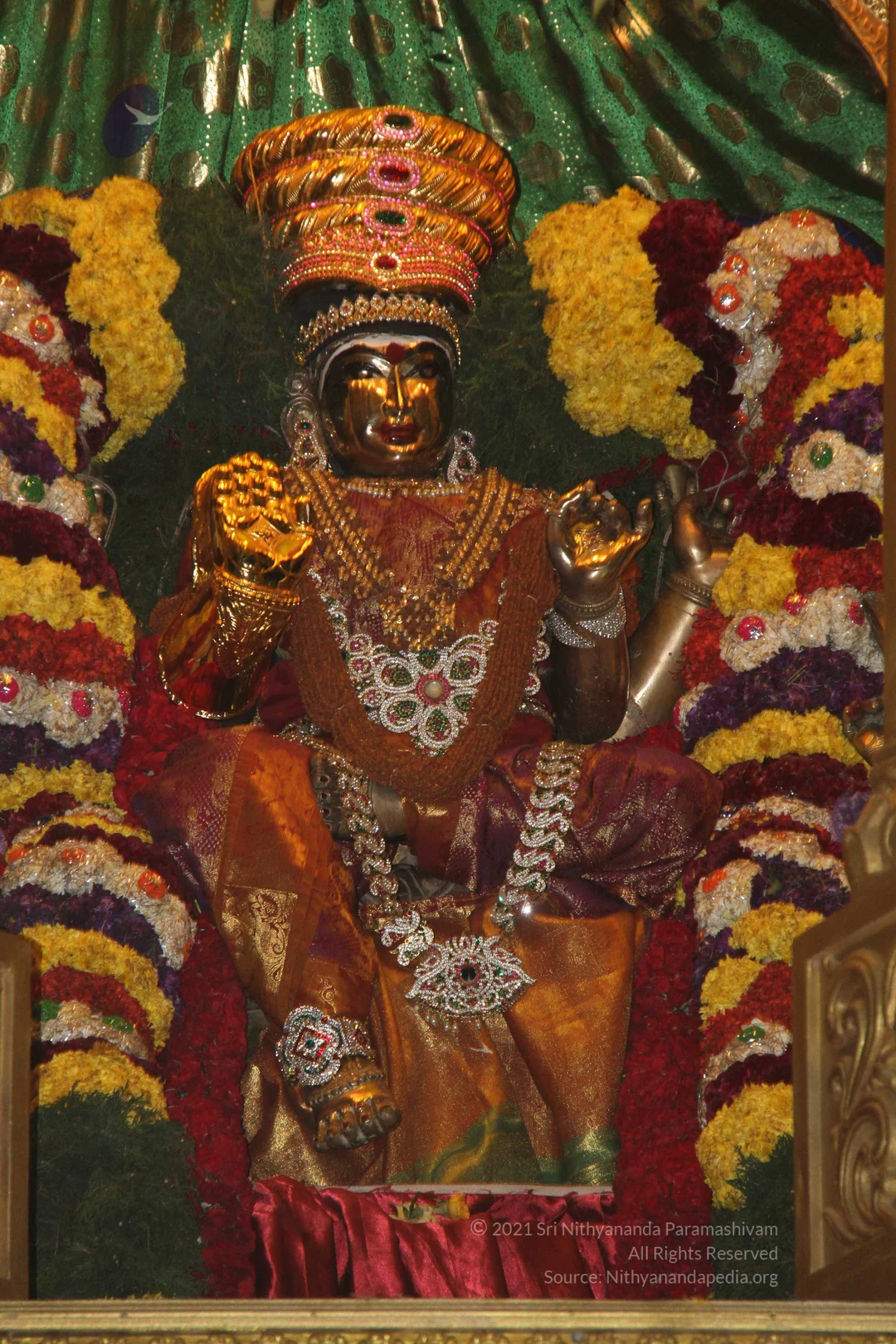
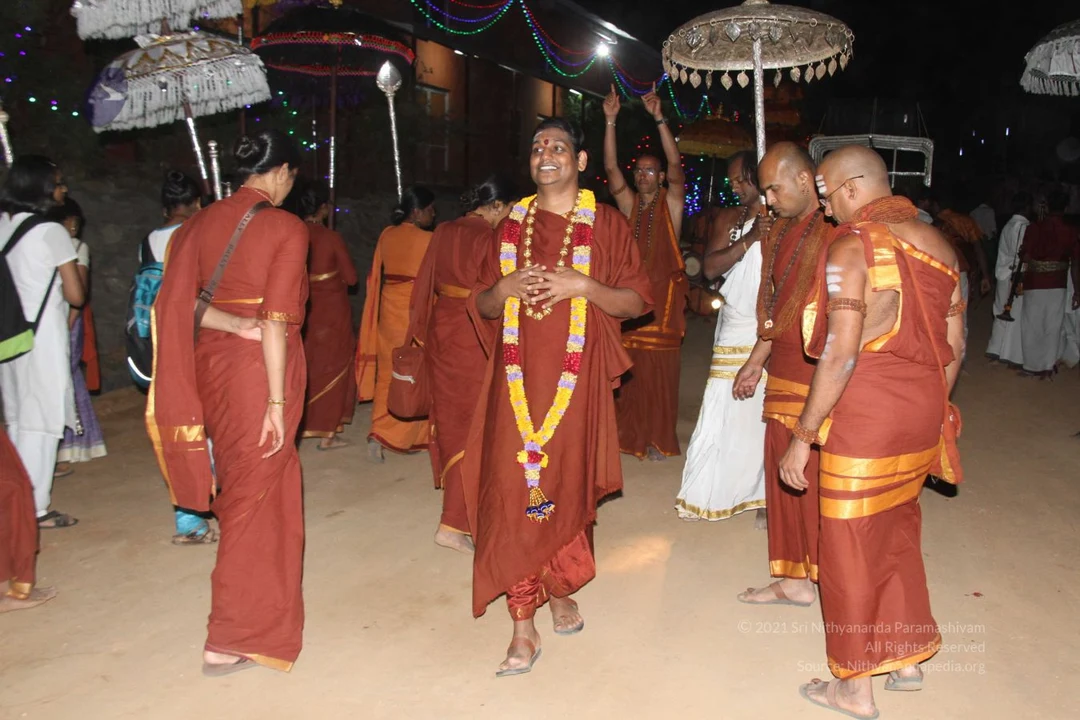
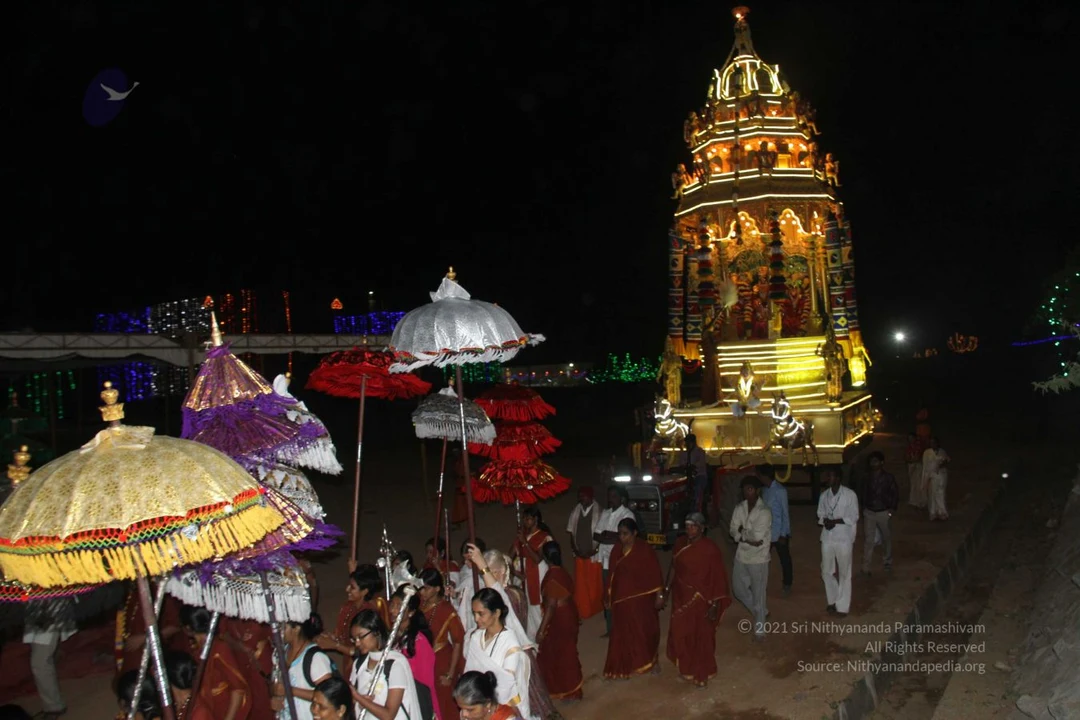
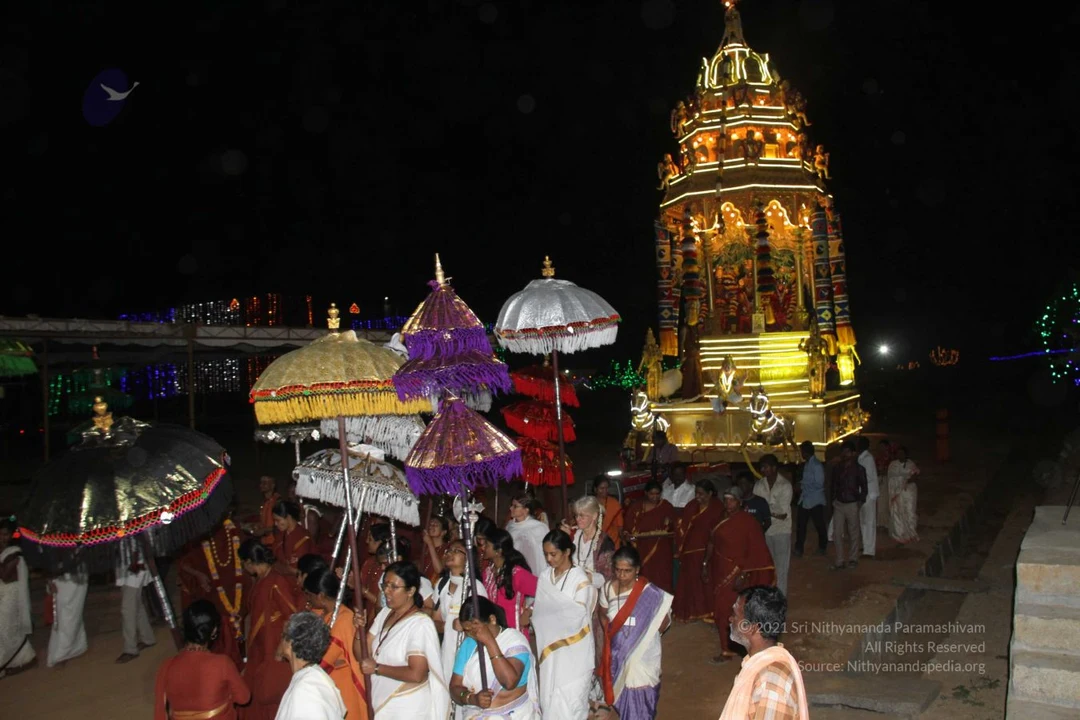
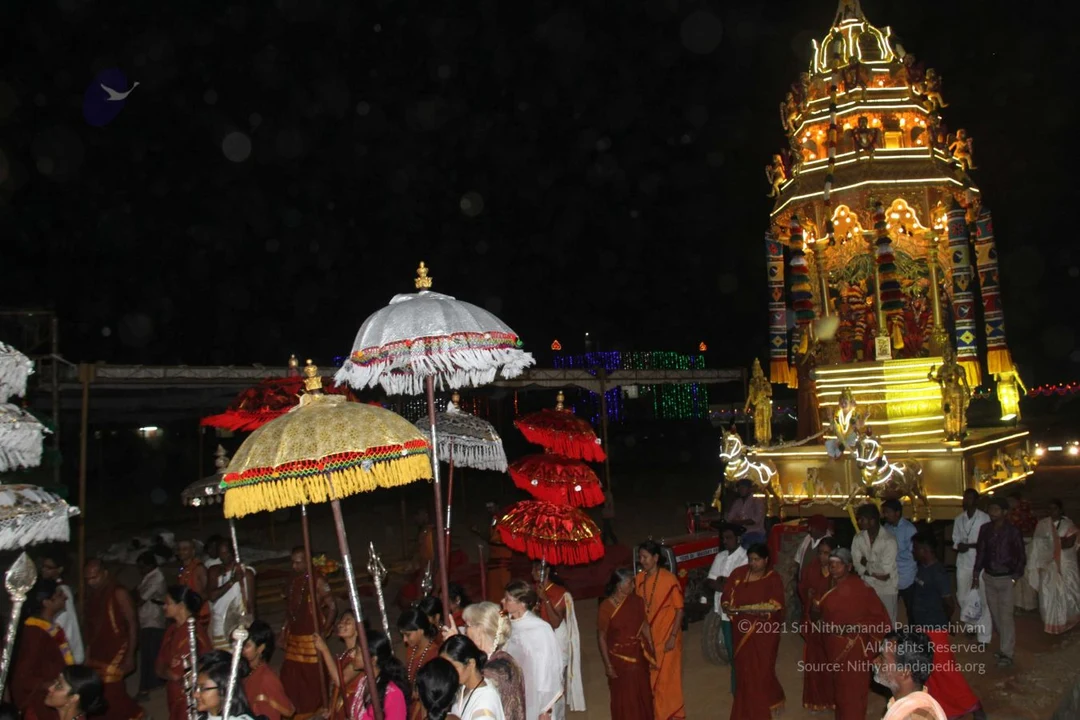
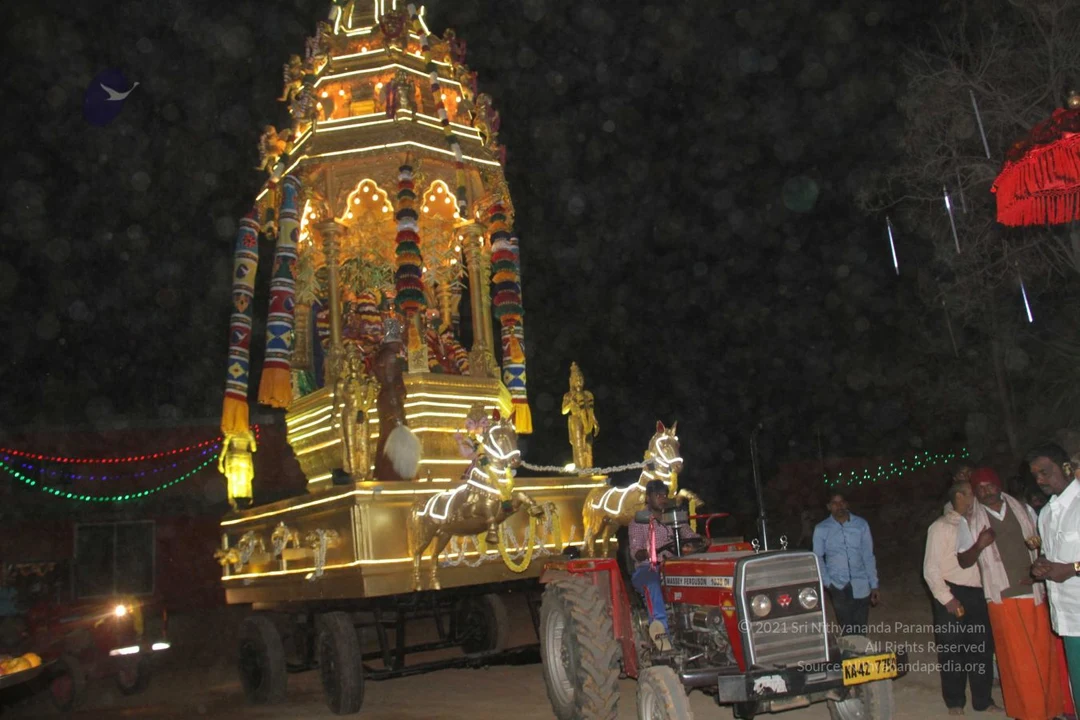
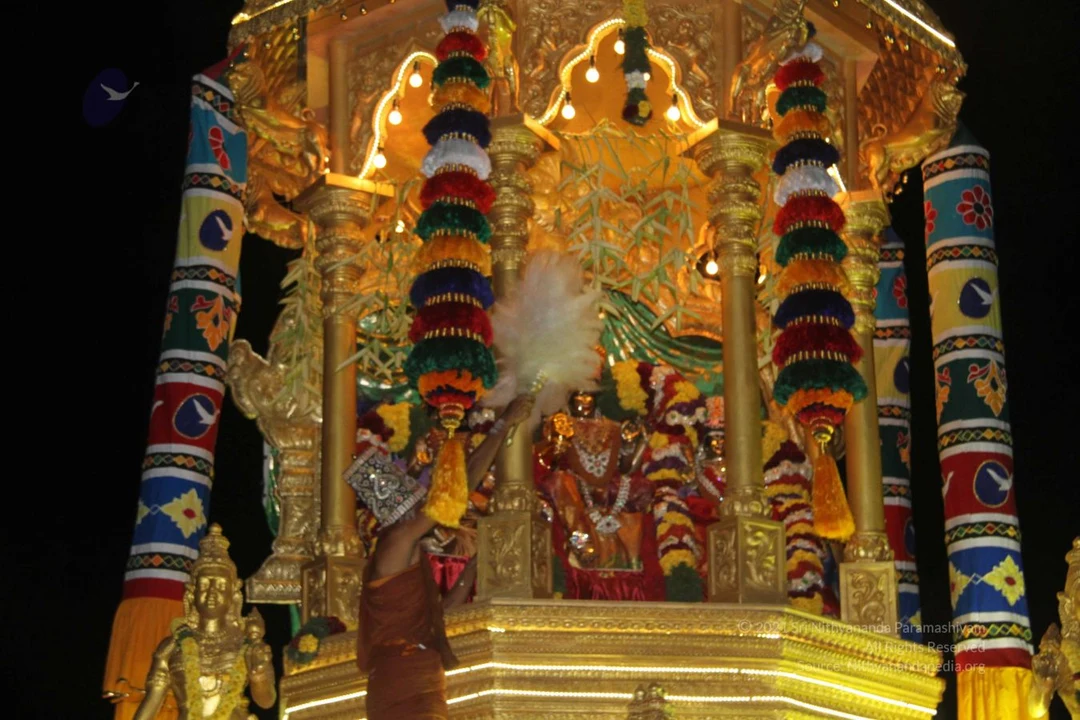
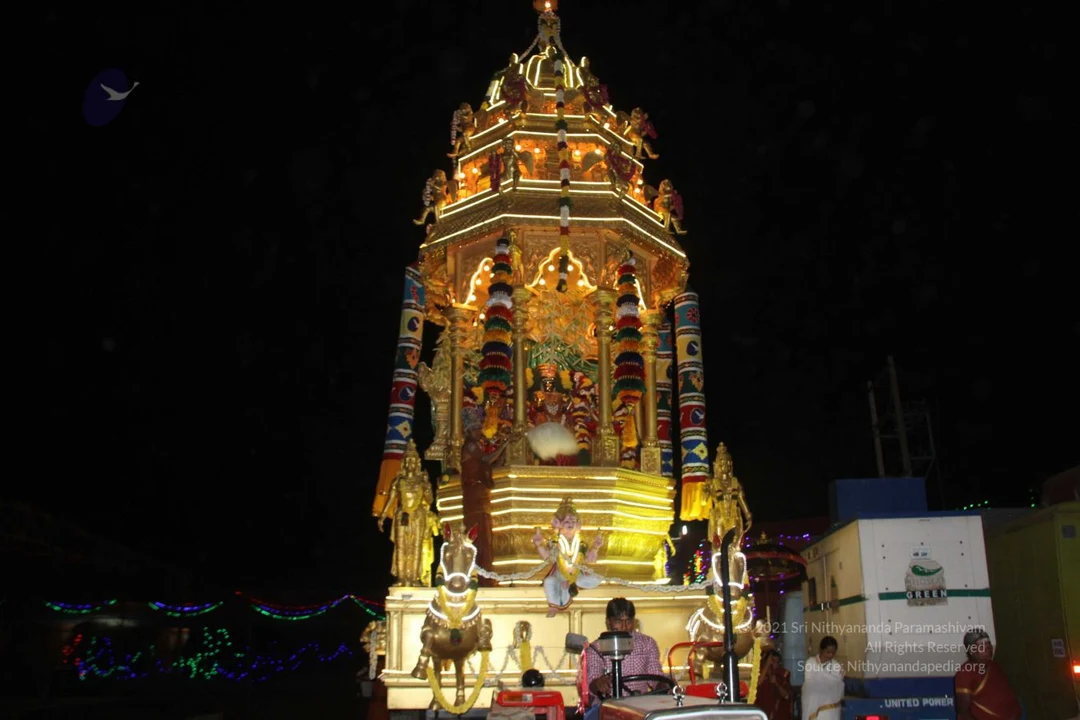
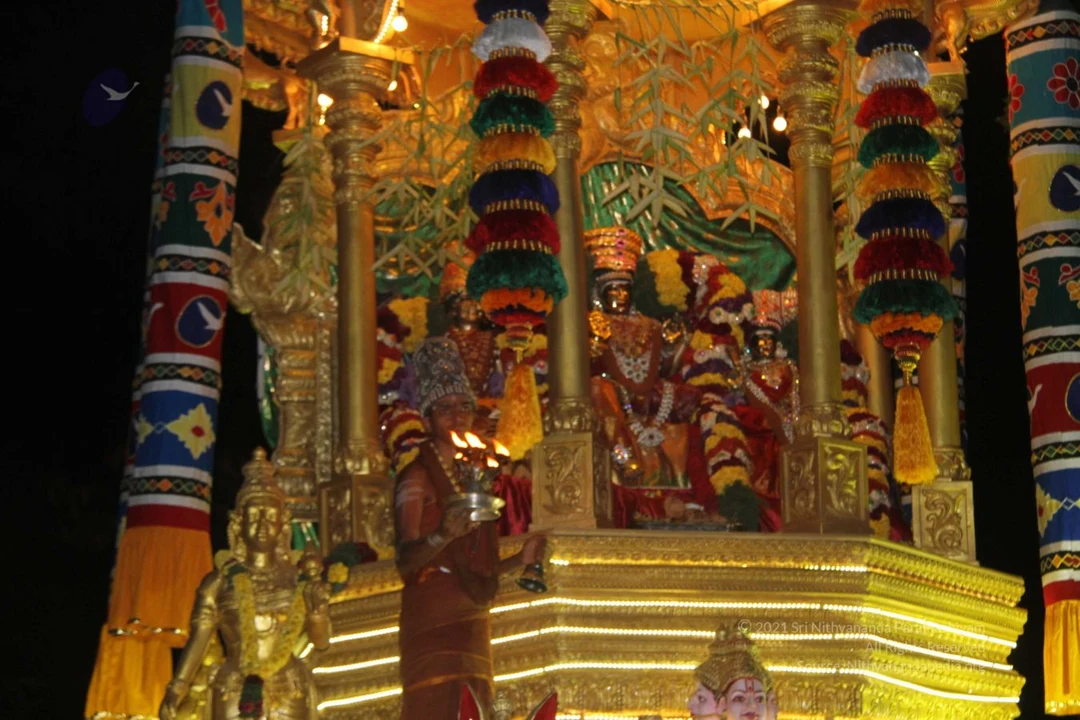
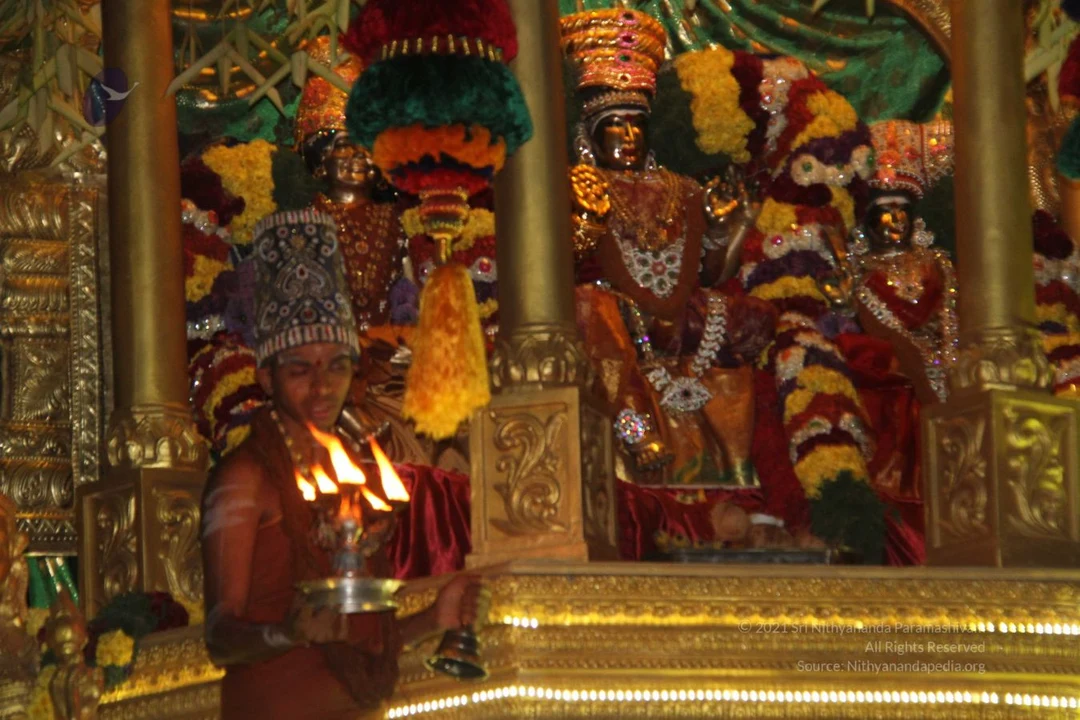
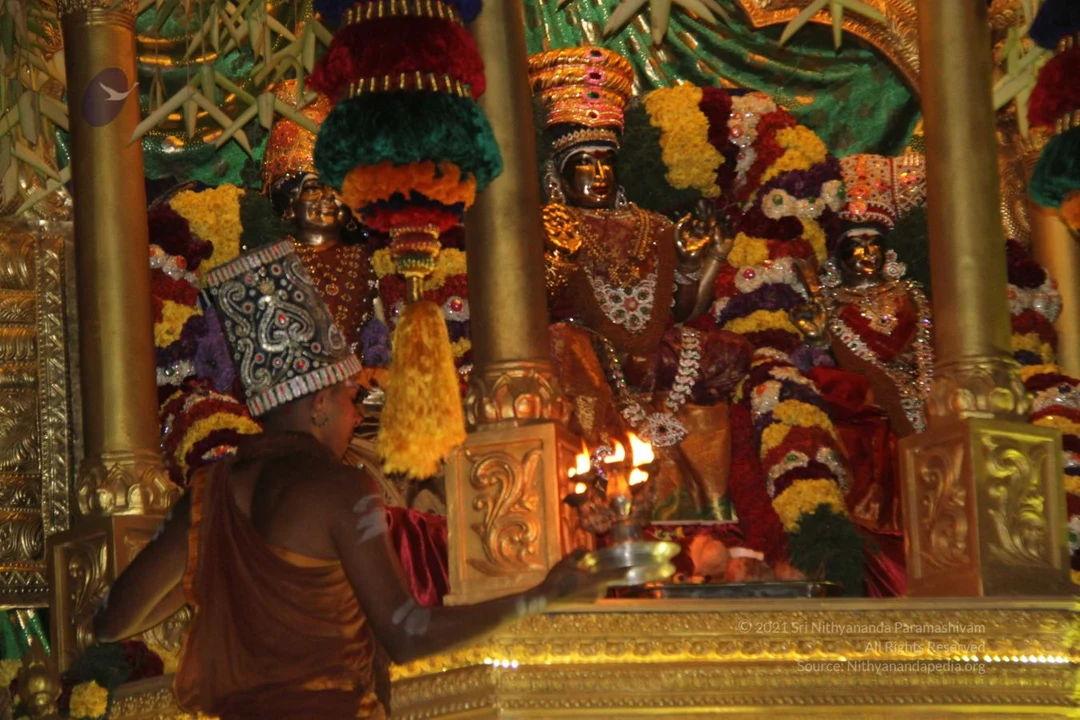
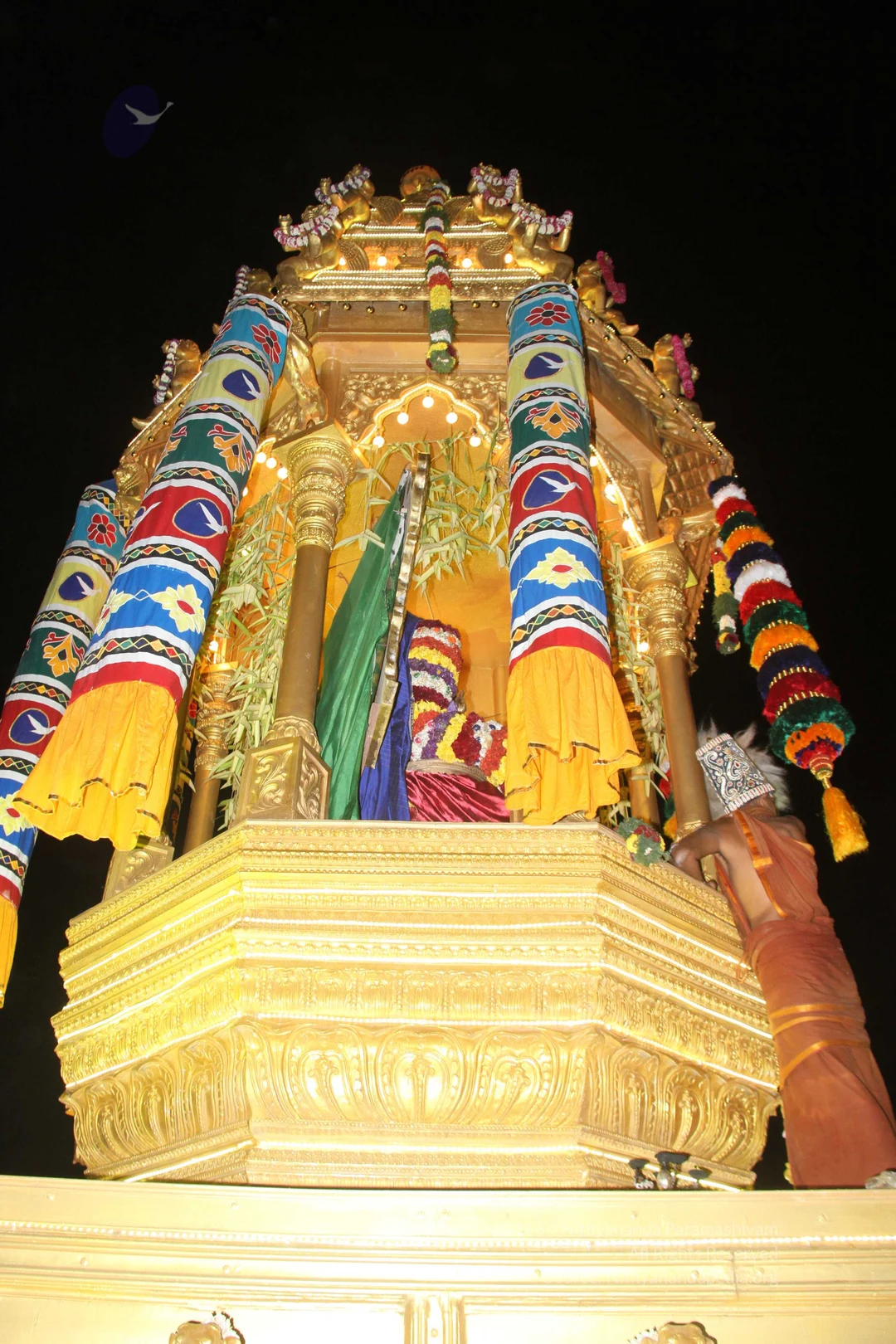
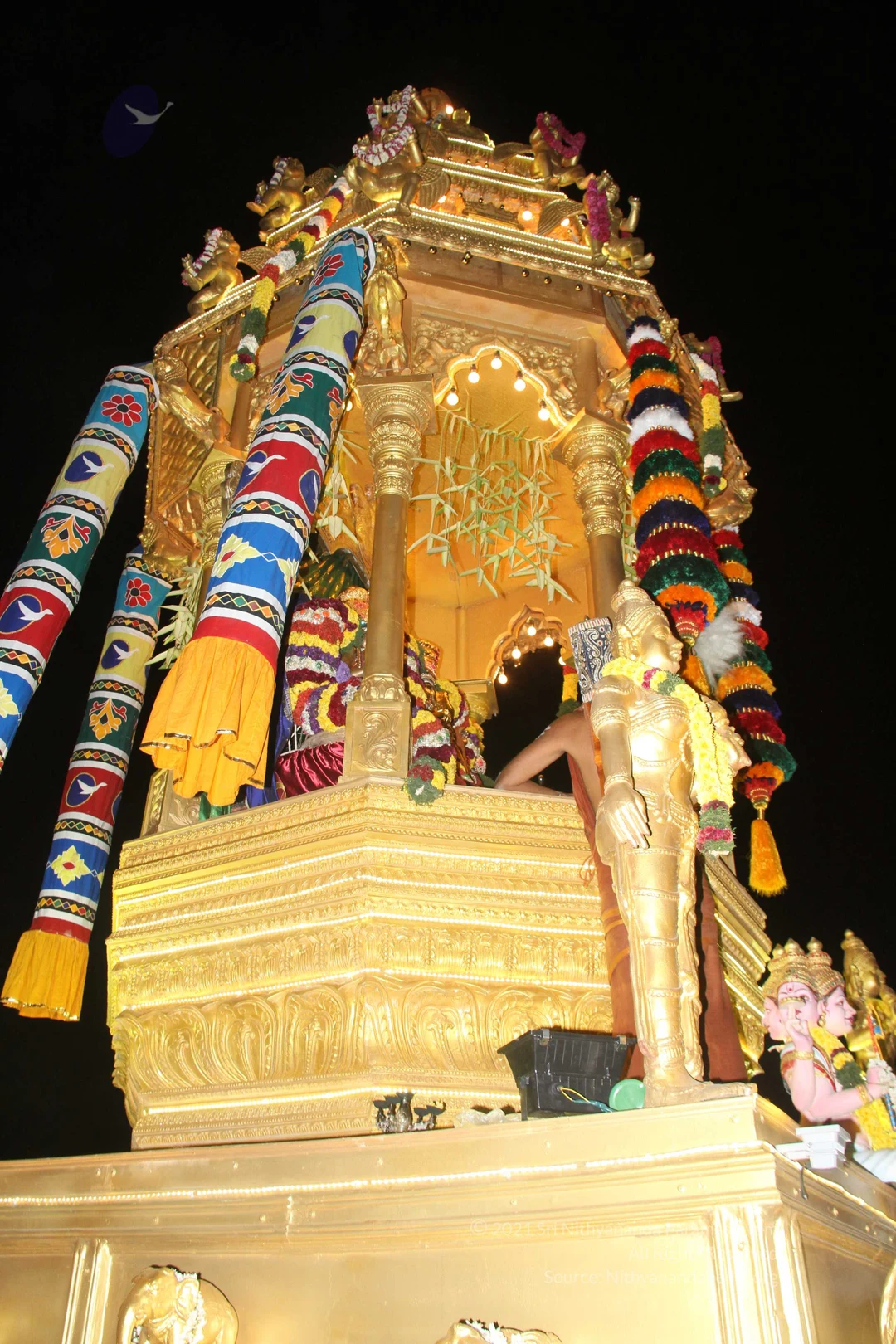
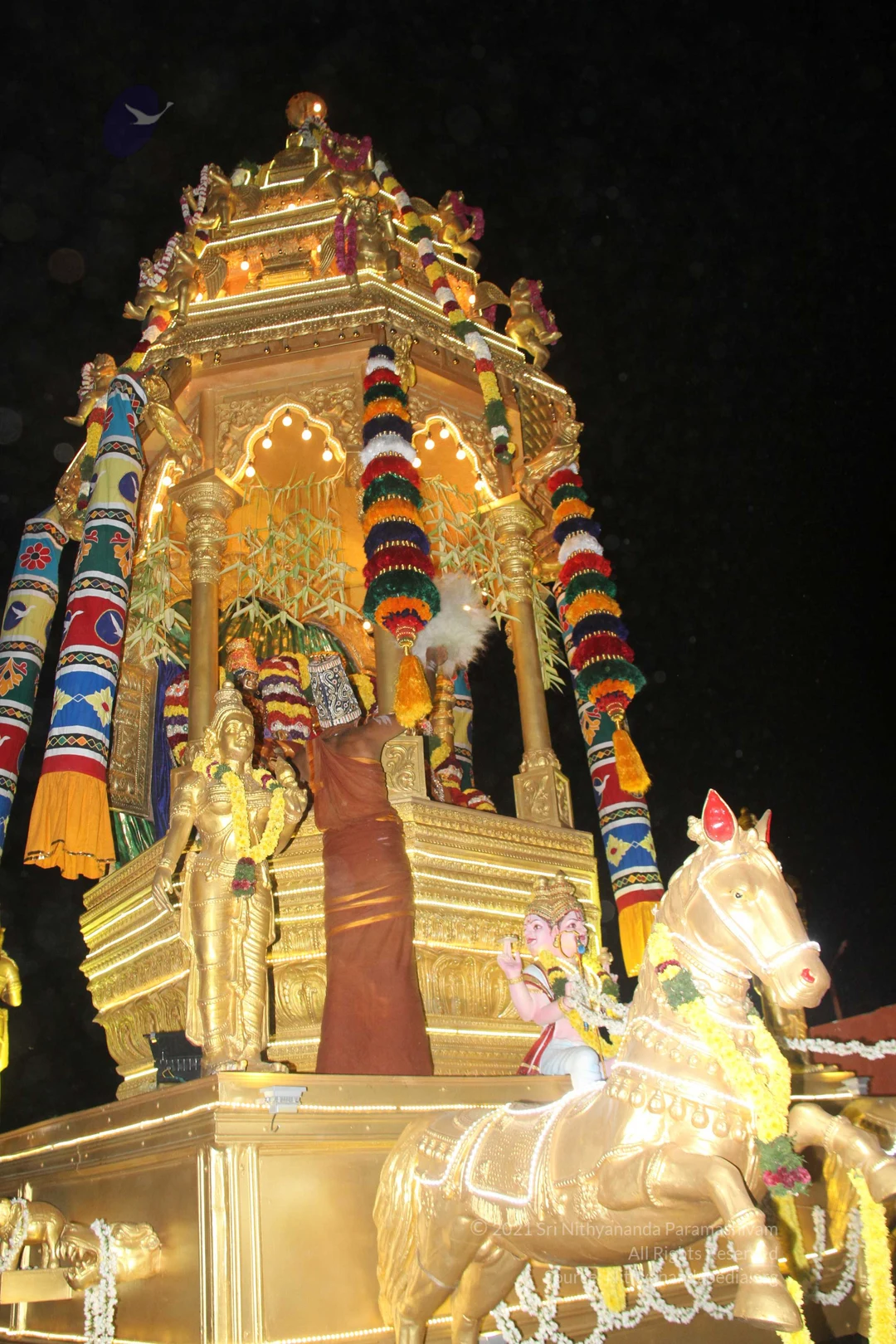
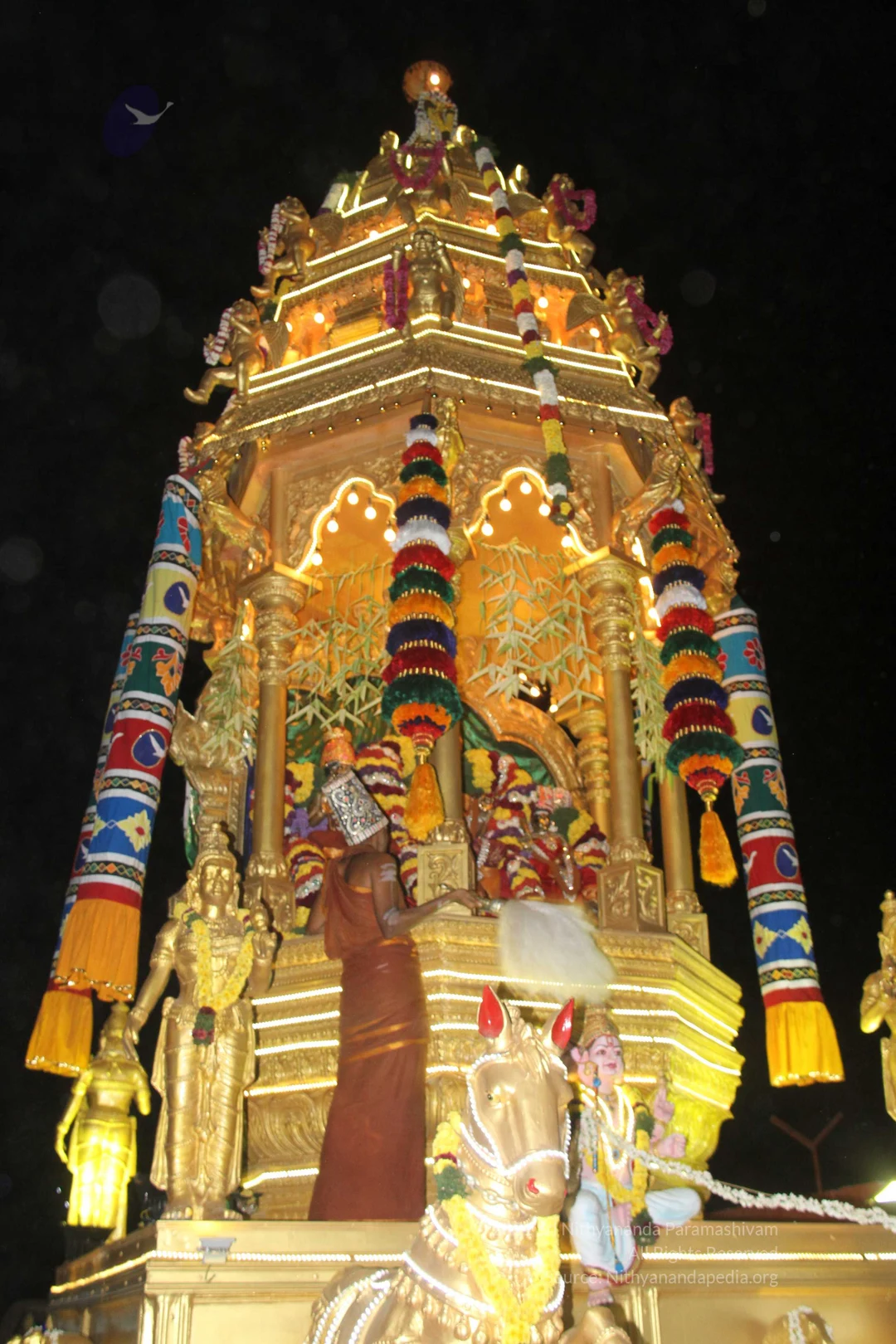
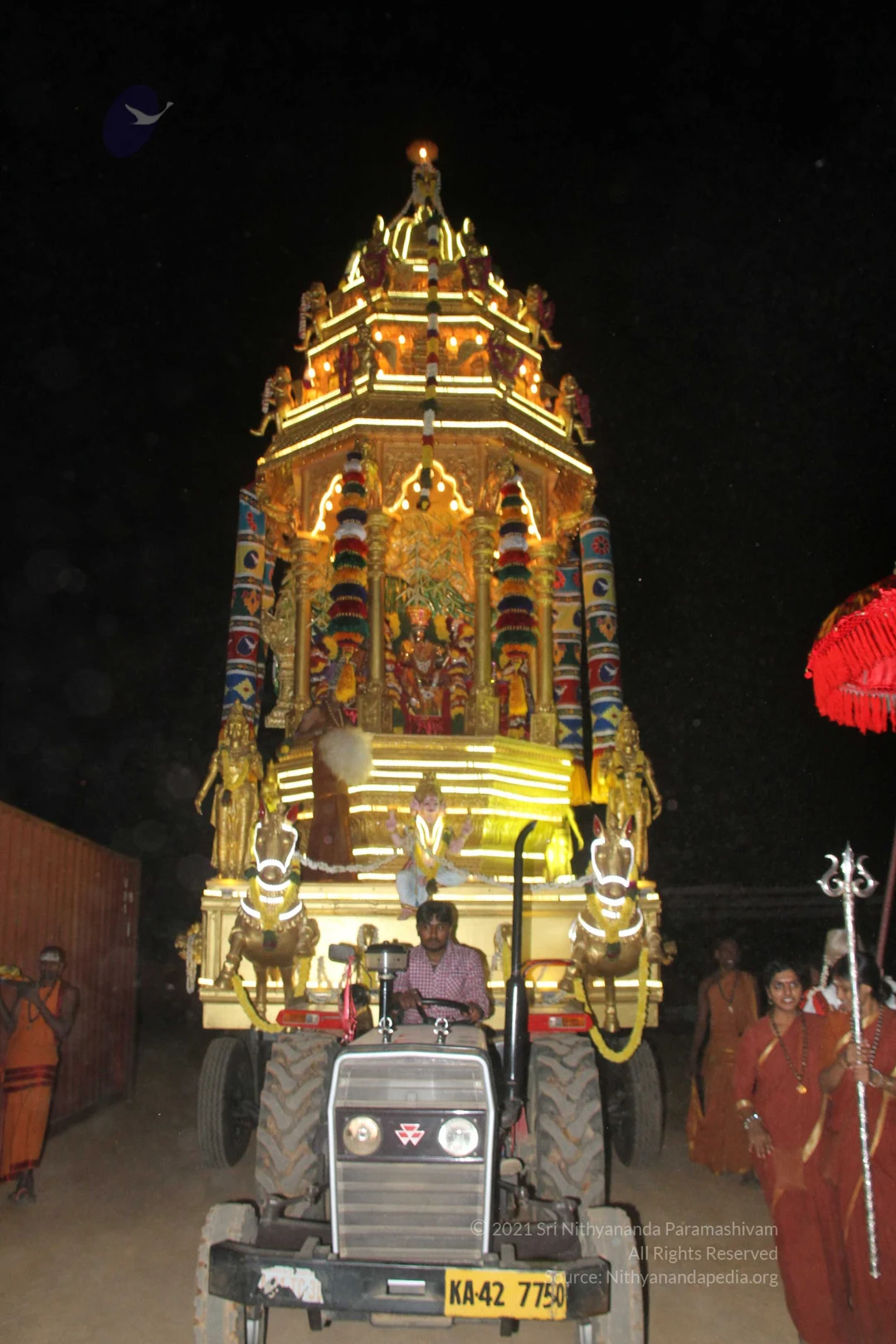
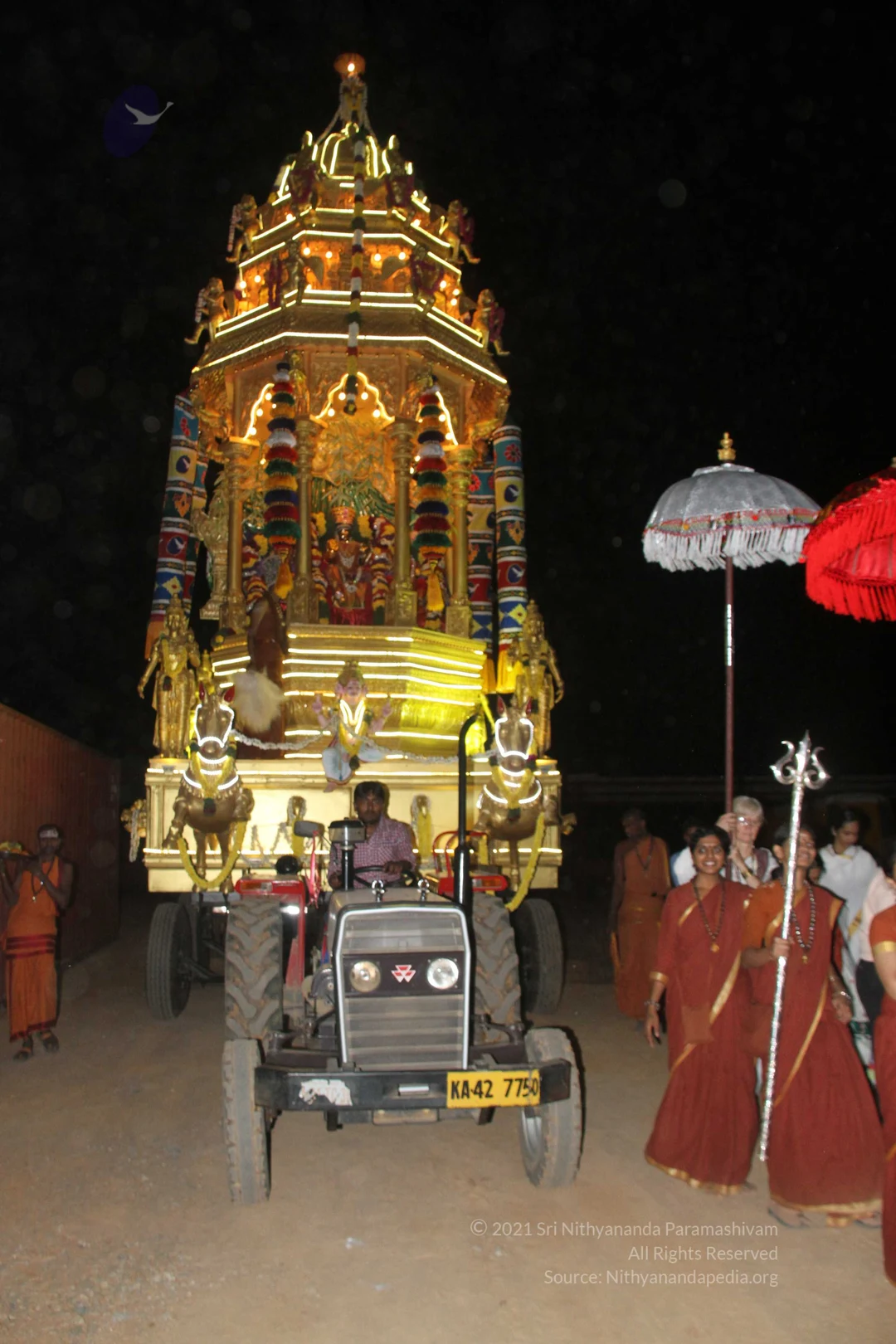
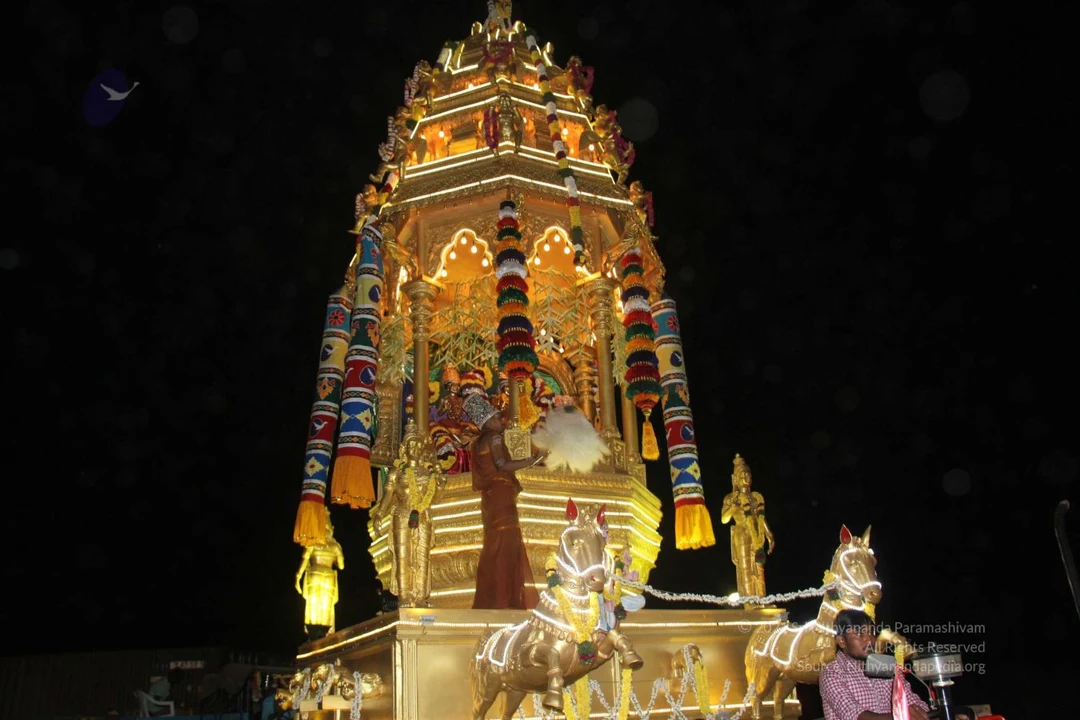
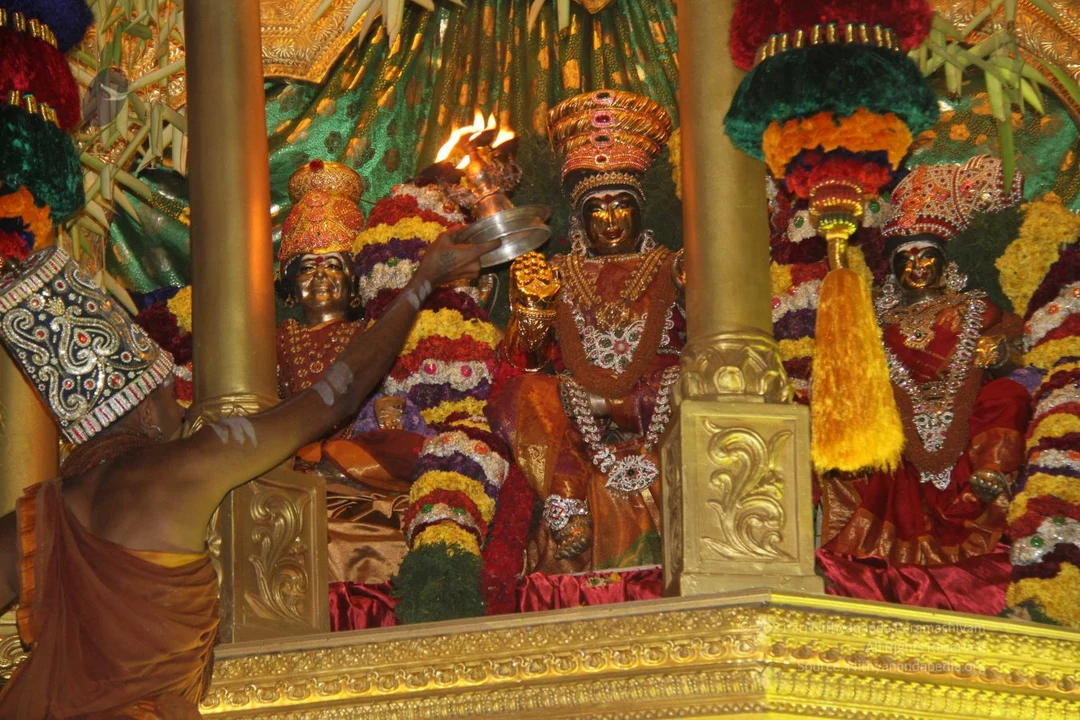
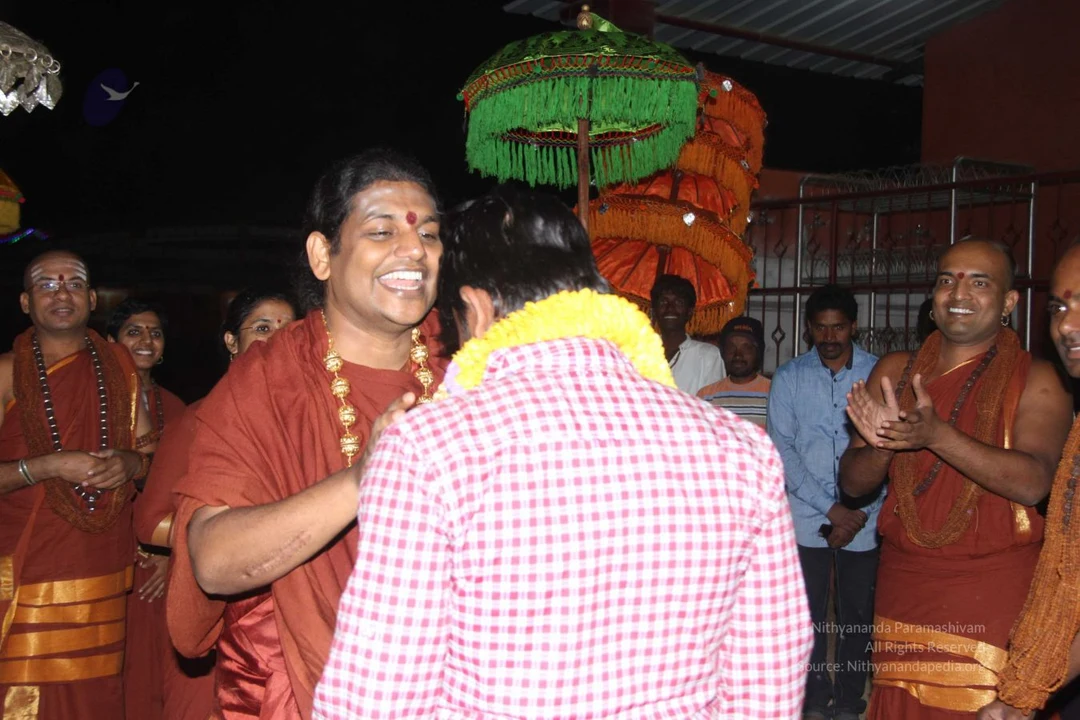
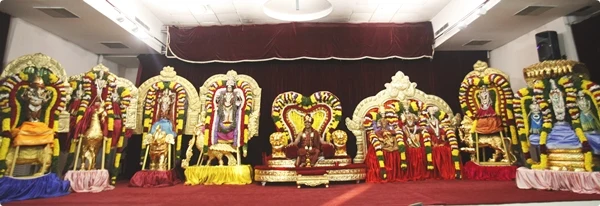
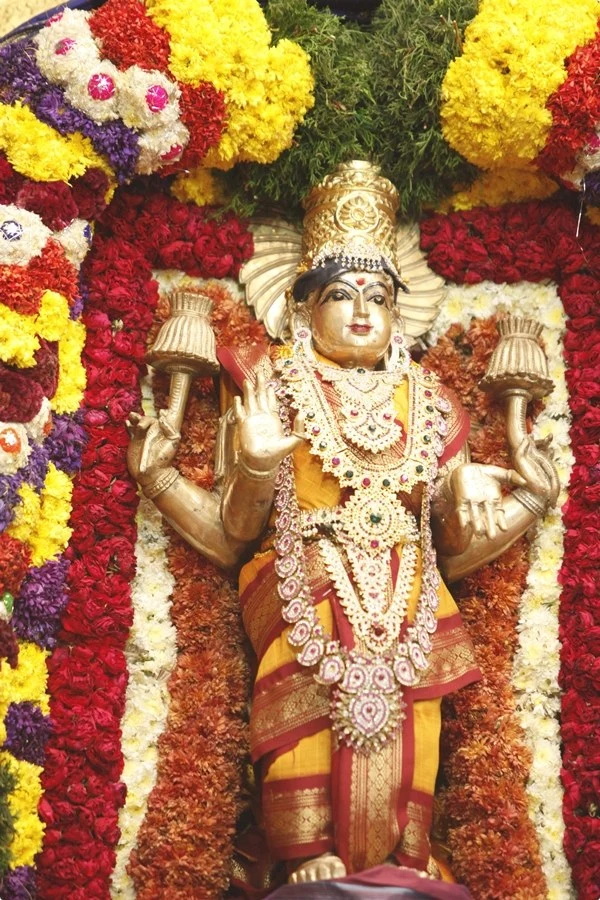
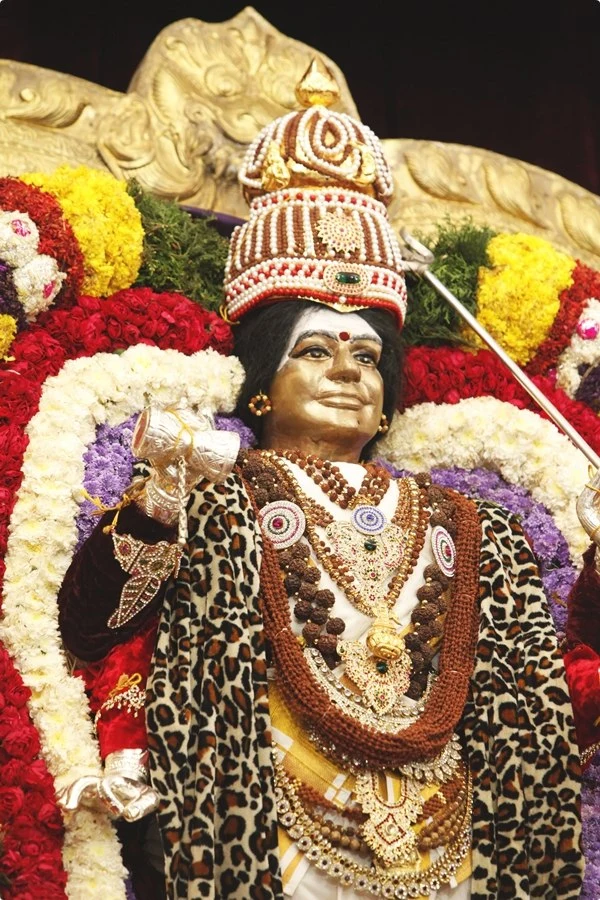
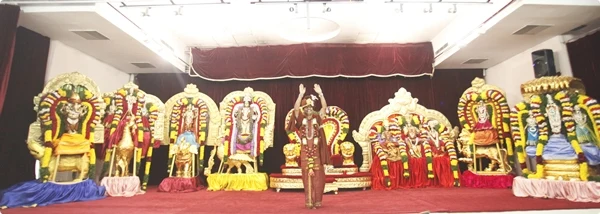
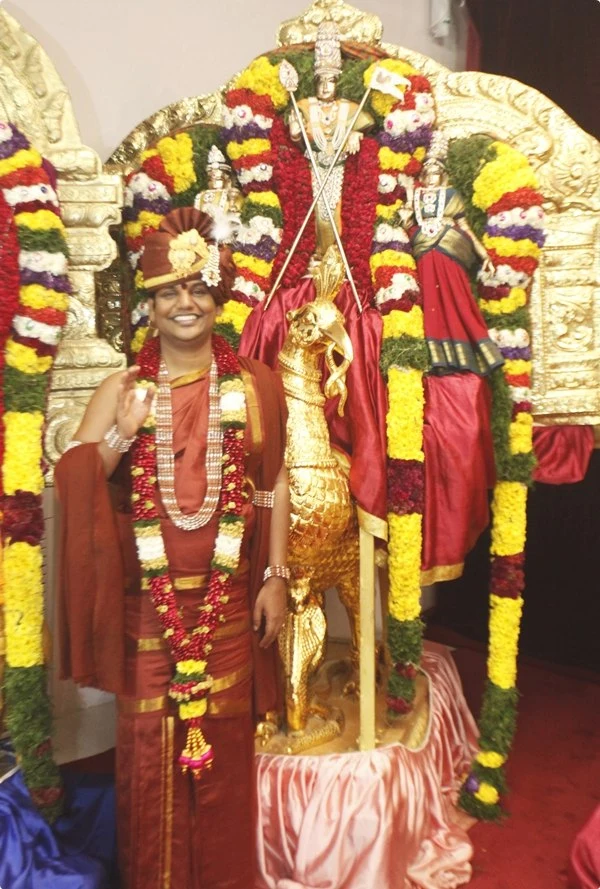
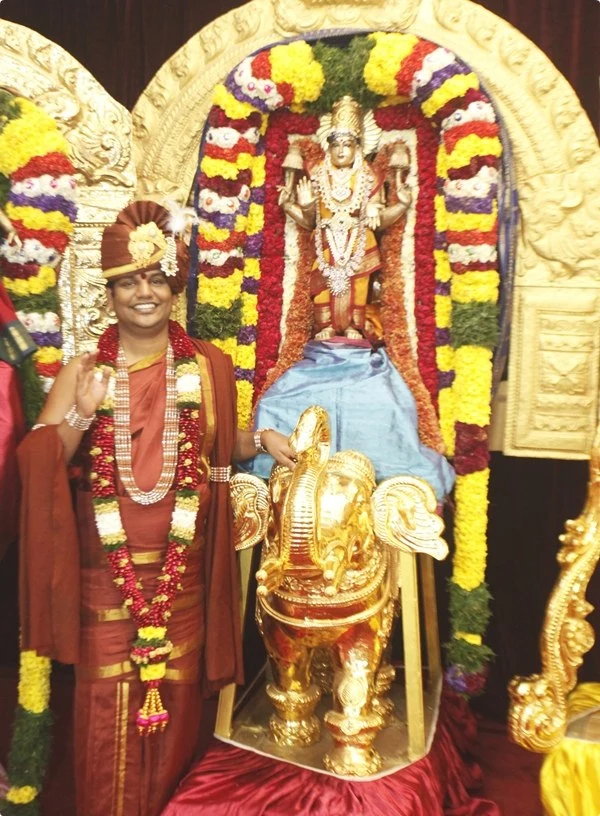
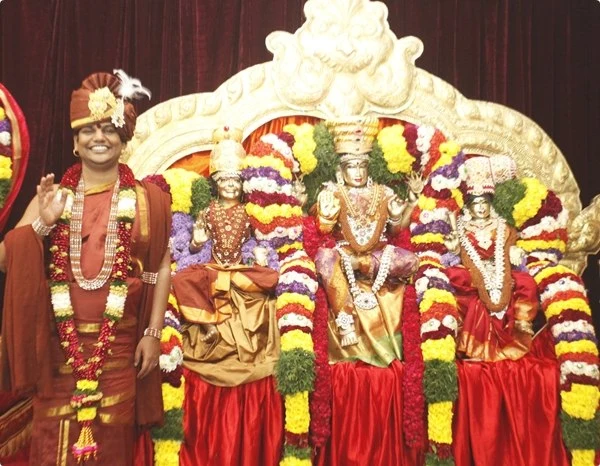
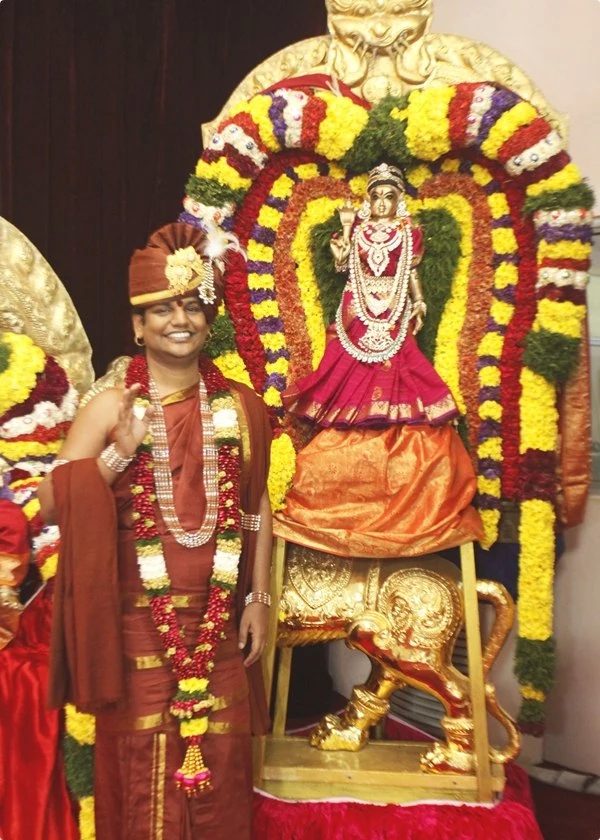
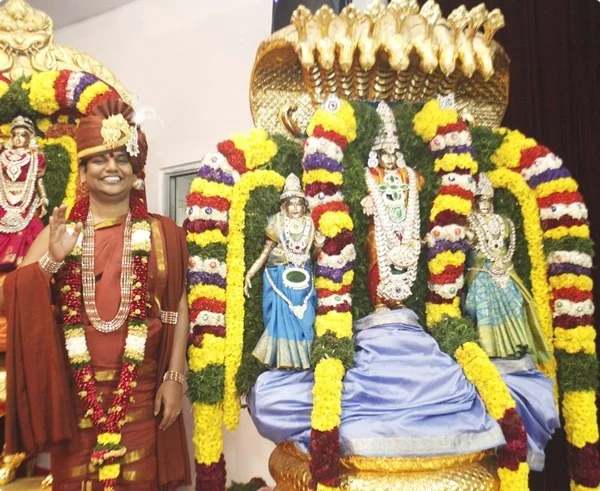
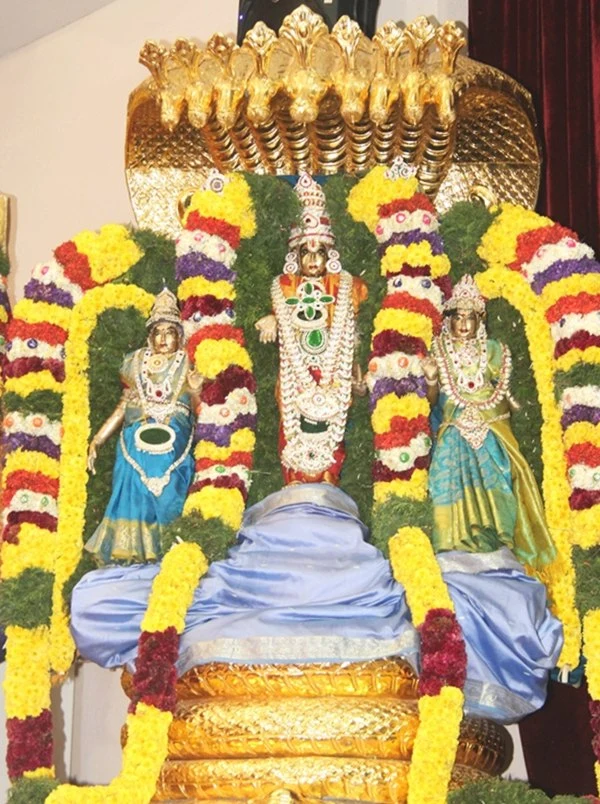
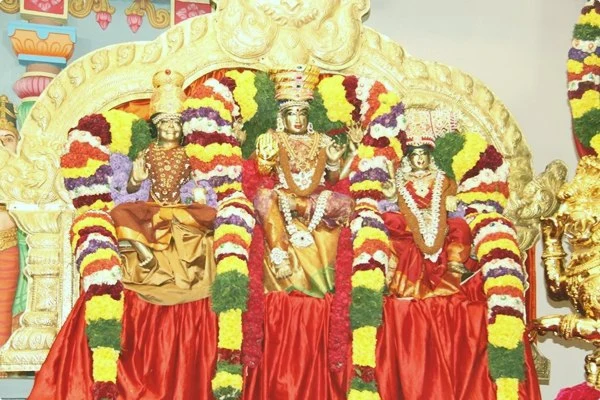
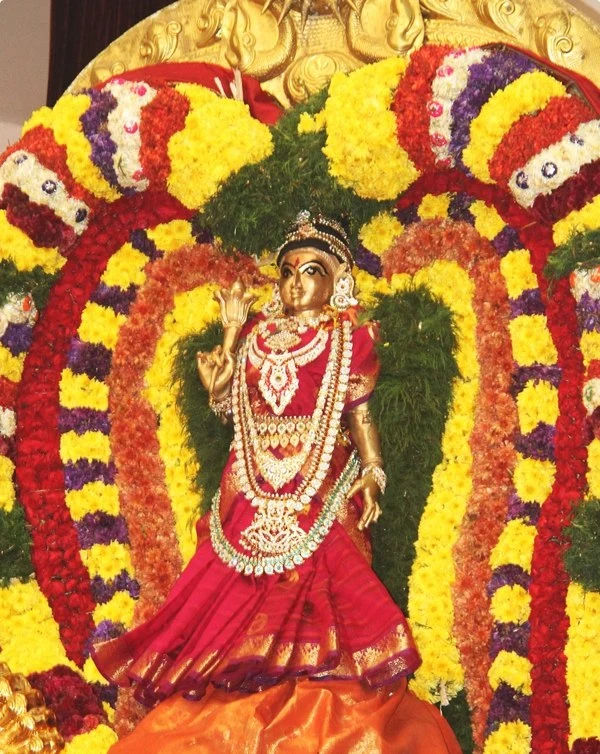
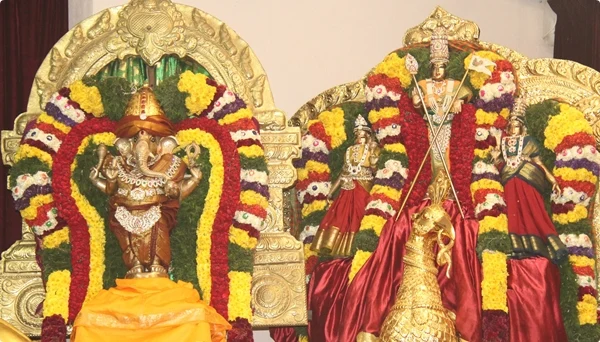
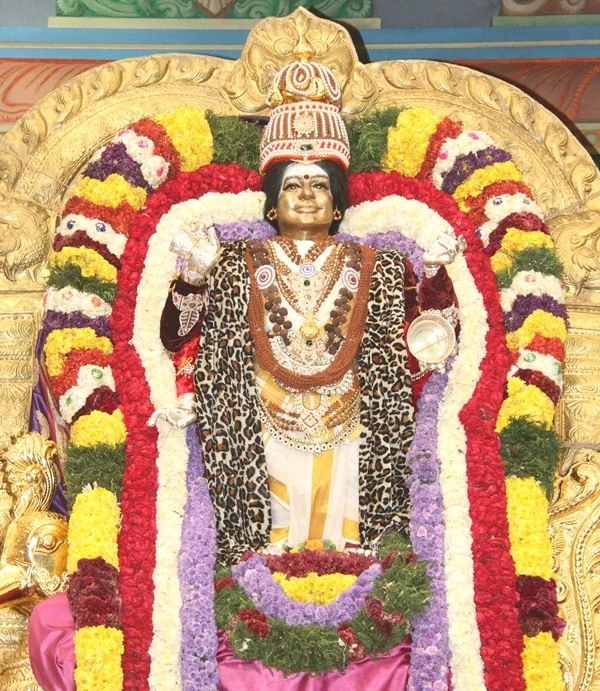
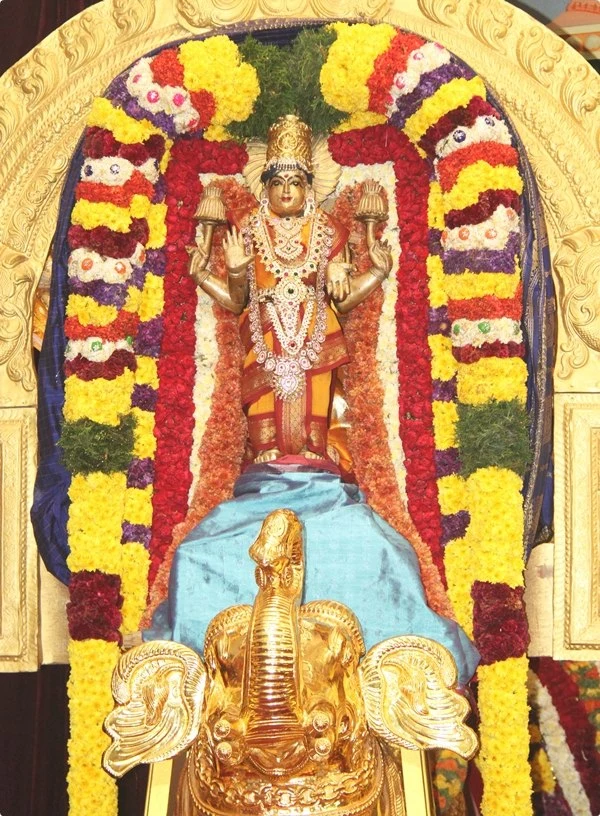
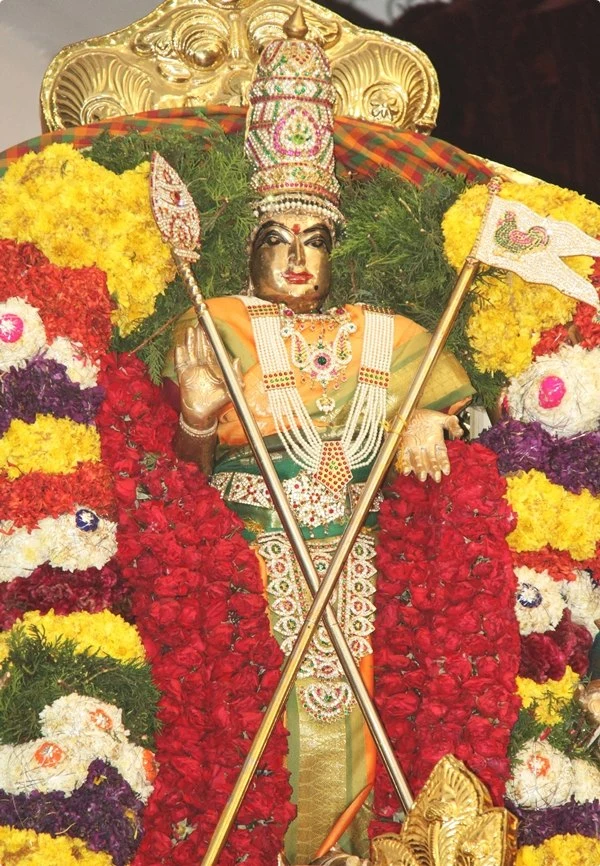
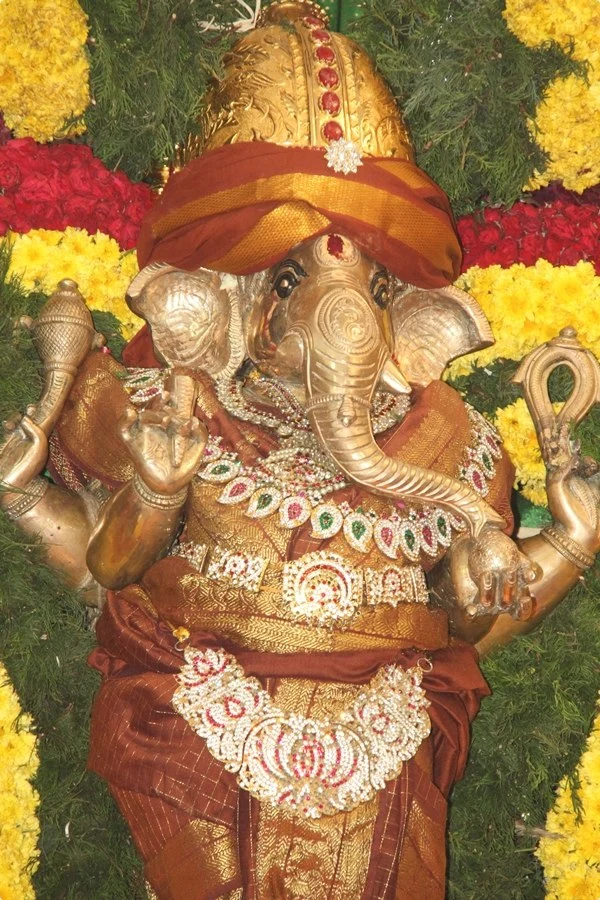
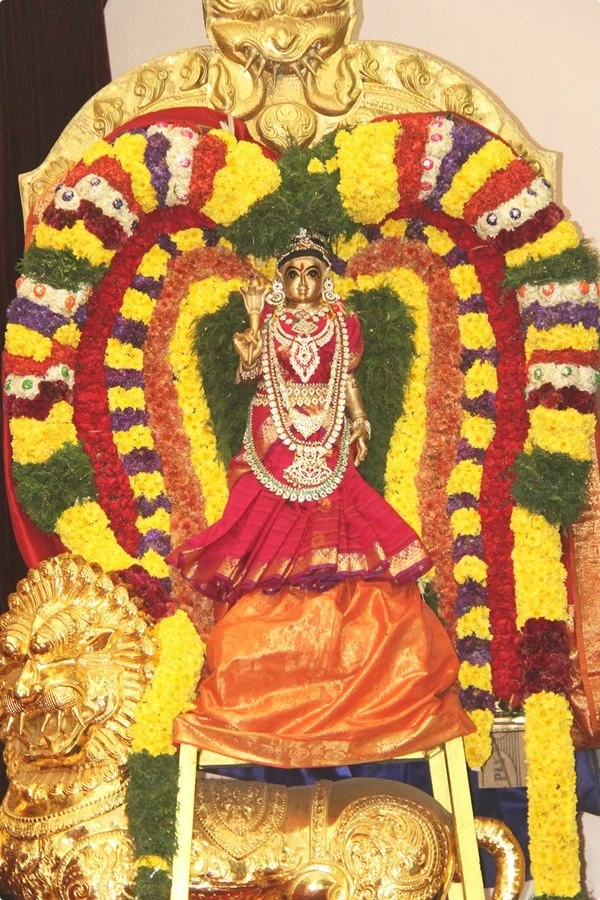
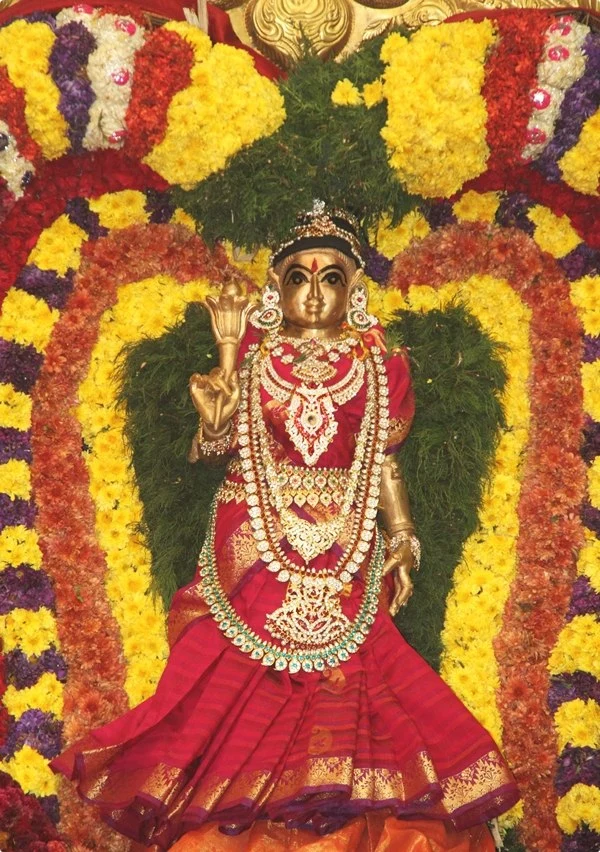
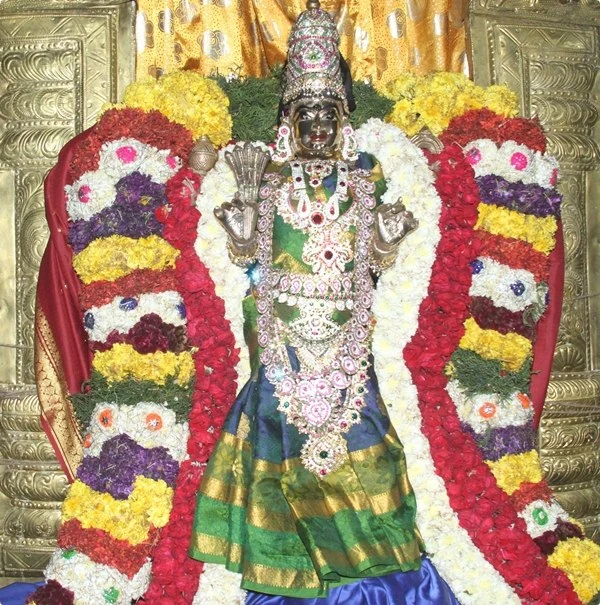
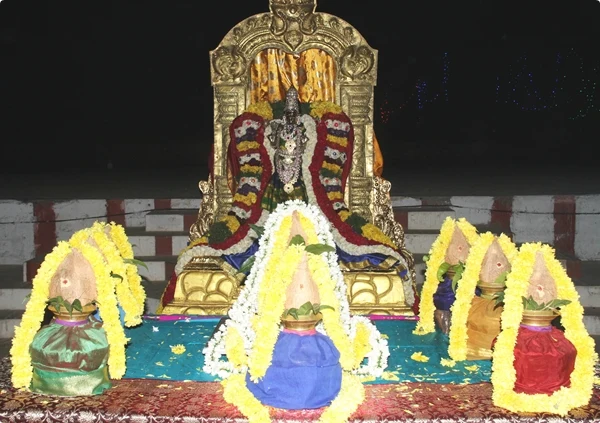
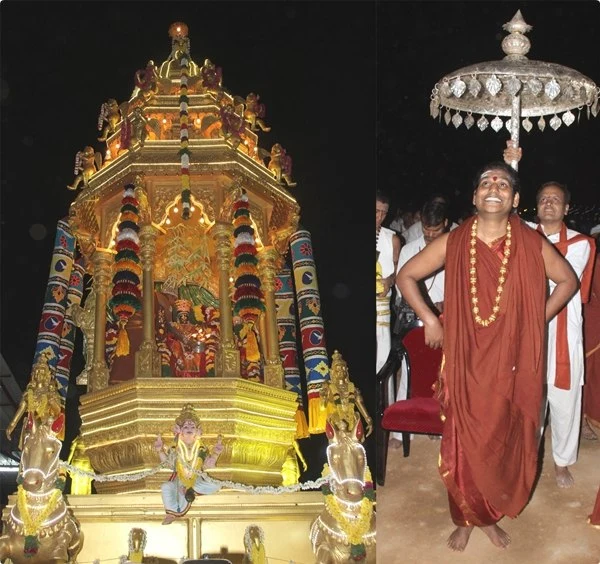
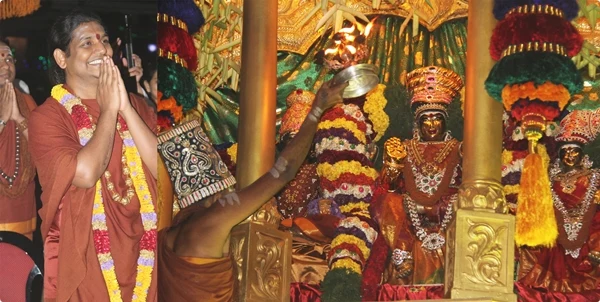
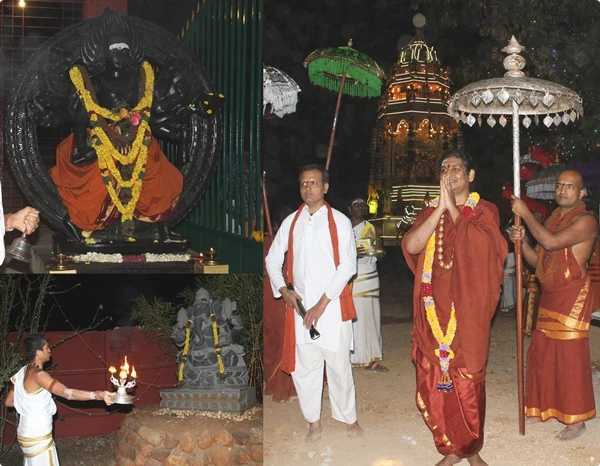
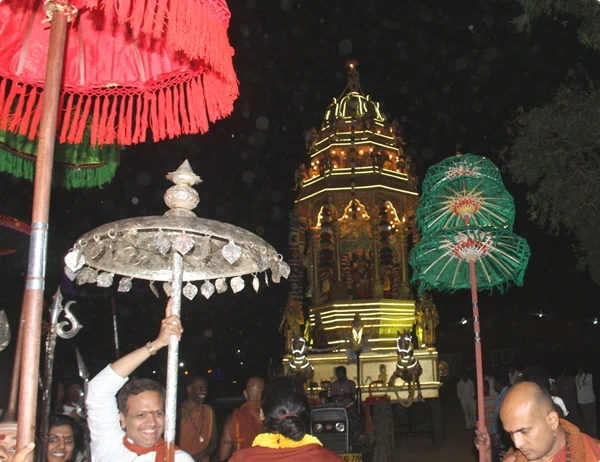
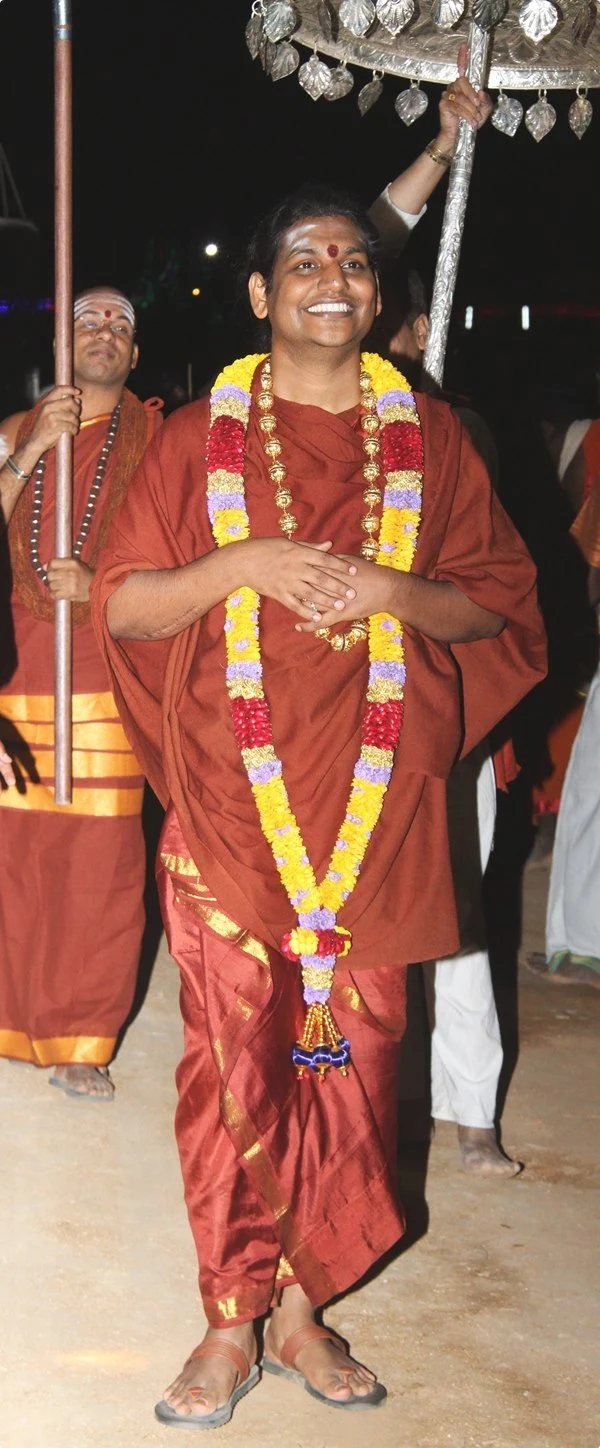
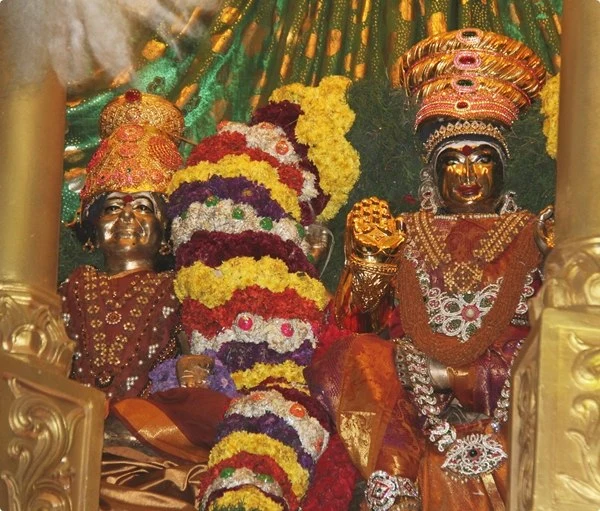
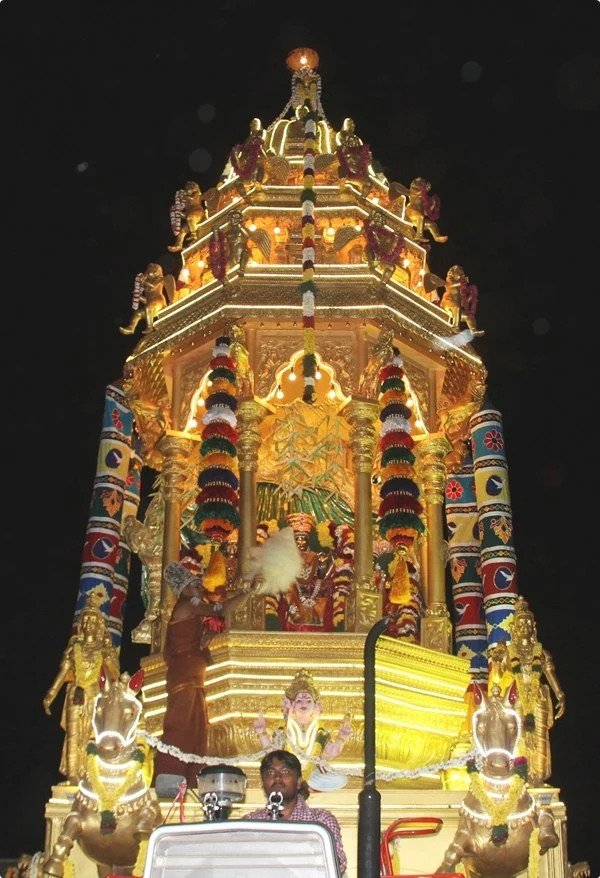
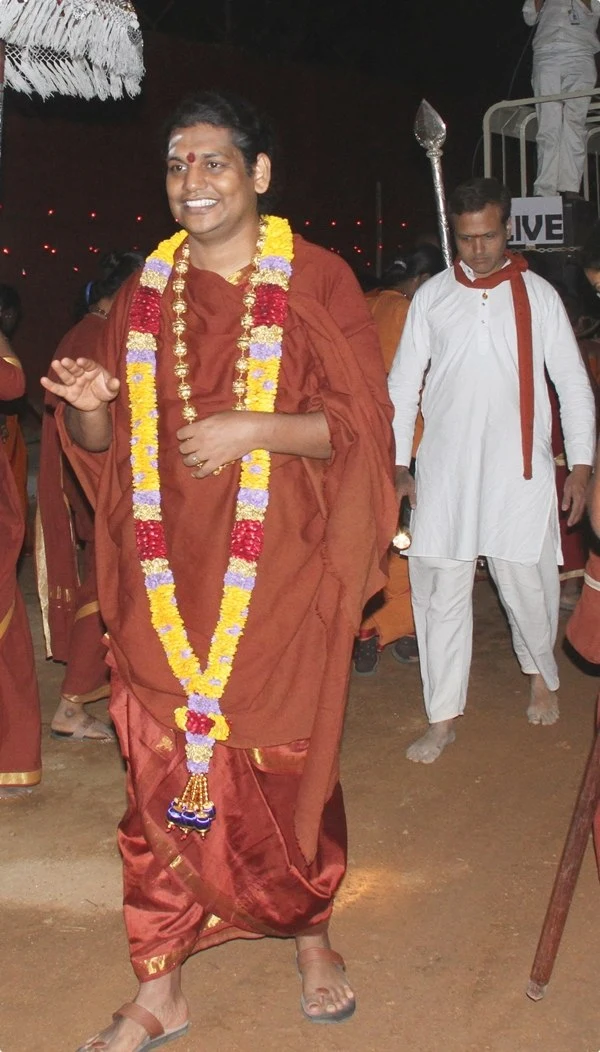
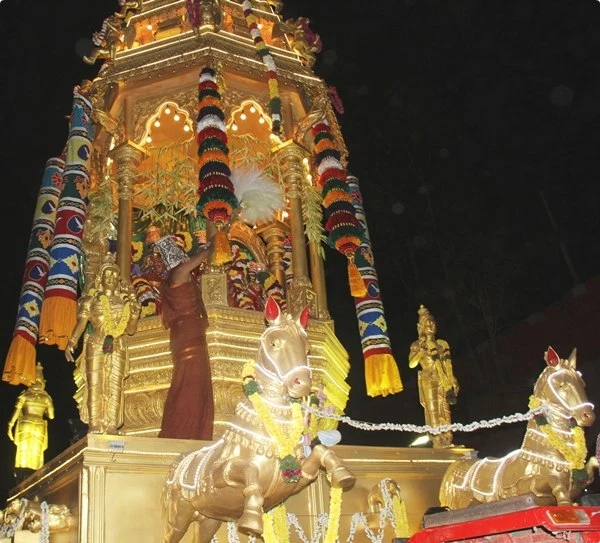
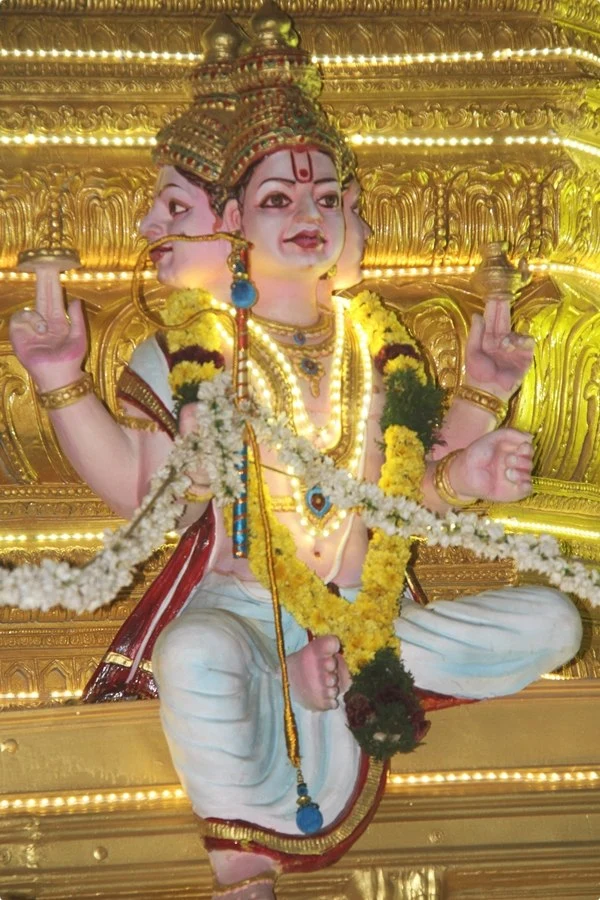
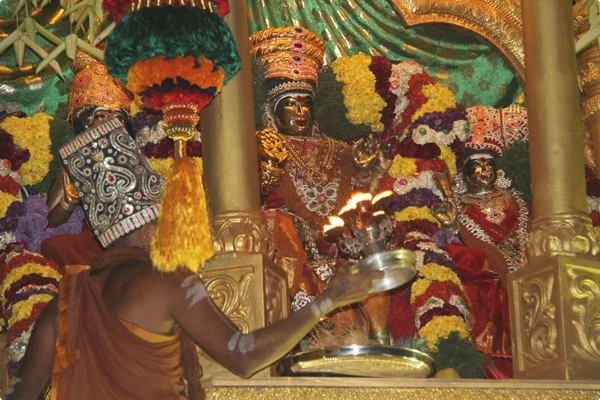
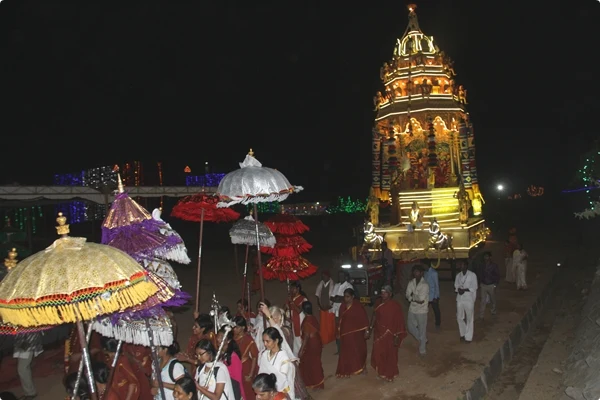
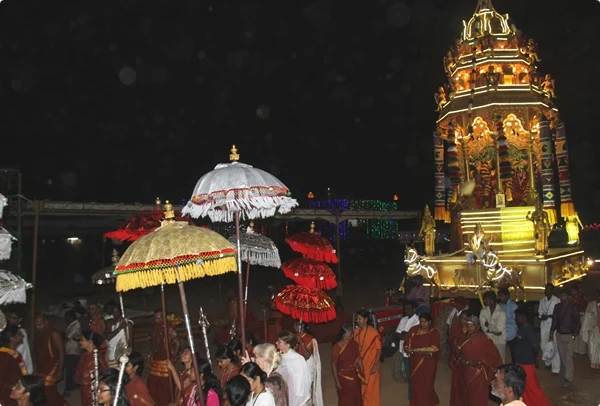
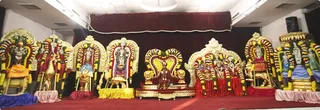
Today, the seventh day of the Nithyanandotsava! Seventh day of the Brahmotsava! All the Saptha Murthis, the main six Sampradayas in the Hindu tradition – worshipping Ganapathi, worshipping Subramanya, and worshipping Surya and Navagrahas, worshipping Shiva, worshipping Devi, worshipping Vishnu, and worshipping the Guru – the seven major traditions of Hinduism is represented through the Saptha Murthis’ presence here. Today is the seventh day of the Jayanthi Brahmotsava. Today evening we will be having Rathotsava. Nithyanandeshwara will be gracing all of us and the whole Nithyanandapuri, Nithyananda Nagara, in the chariot.
I’ll continue to share the essence of this whole year’s satsangh in these next few days.
One of the important contribution of this year’s satsangs, I not only wanted to stop with the word “contribution”, I wanted to say “the way we all reinvented ourselves”, the way the whole Sangha reinvented ourselves, is Integrity and Authenticity. Understand, I am not saying we have become authentic; but we know the right reason for our problems. Understand, knowing the right reason for our problems is solving the problems 90%.
If you know the right reason, 90% of the problem is solved. Vivekananda says, ‘Right beginning is Completion’. I don’t want to say the whole Sangha has become completely authentically authentic; but I can say with all the confidence and Integrity and Authenticity that now the Sangha knows the right reason for the problems. When I say “Sangha”, I don’t mean only the organization, I mean every individual is a Sangha, every individual discovering the right reason for their problems.
Please understand, if you discover the right reason for your business problems, I can say 90% of the problem is solved. If you are fighting, struggling with the wrong reasons, never the solution is arrived. Integrity and Authenticity is an amazing way we reinvented ourselves. We have reinvented way to exist. We have redefined our existence, way of life. We have redefined our reality. We may not have become completely authentic but we know where we are inauthentic, why we are inauthentic, and we know how to become authentic.
I tell you, I do not know about other religions, but in Hinduism, if you can inspire, guide, enlighten hundred people, you can enlighten the whole Hinduism, because it is so much freedom-based religion. In hundred people, all the specimens of Ravana, Hiranyakashipu, Shoorpanaka, Hiranyaksha, Kamsa, Karna, Tarakasura, Triparasura, in that hundred all specimens. All asuras and all devas – and you will have Krishna, Rama, Devendra, Brahma. You will have all specimens, all gods and demons in that hundred, because “choice” is the core message of Hinduism. It gives so much of choice. Such an amazing variety produced without compromising on the theology.
Please understand, Upanishads are like a “Think Tank”. All the important concepts – what is life, what is karma, what is death, what is religion, what is dharma – main concepts are compiled in the form of a Think Tank in Upanishad. Each Purana makes those great ideas into applied reality of your life. Mahabharata; along with the recording of the history of India, Bharat, Vyasa has done an amazing job of explaining all the important concepts and truths about life. Where will you find a better character portraying dedication than Bhishma? Where will you find a better character describing friendliness than Karna? Unimaginable dedication to that one ideology. Please listen, unimaginable dedication to that one ideology. So, each concept of Upanishads have become one character. That is the way Vyasa has recorded the Indian history. That is why, please understand, the newspapers can never be re-read, ultimate concepts will never be exciting; but Vyasa has mixed the ultimate concepts and the newspaper together. Please listen, tabloids are always exciting but can’t be read every day; you will not take the newspaper which is published ten years before and read today. A newspaper is exciting only twenty-four hours, because it is a “happening”, the day-to-day news, history. Same way, the spiritual concepts will be read all over the world throughout the times, but it will not be exciting; you will never get excited when you read Upanishad. Please listen; it’s a very important concept, very important truth. Age-old truths, ultimate truths never excites you, and the things which excites you can never be read regularly. The happenings, Mahabharata would have been amazing news. Every morning the fresh news: Karna dead! Abhimanyu dead! The tenth day, eleventh day of the newspaper Mahabharata war would have read headlines ......... falls. Maya takes care whenever the great truths are revealed it is not heard or recorded.
Listen. Understand, there are some information “news value” – every day, day-to-day news. And there are some informations, “life value” – theory of reincarnation it has life value but it doesn’t have news value. The truth, the great truth of Karma, Dharma, it has a life value, but it doesn’t have the news value. The informations of “life value” and the information of “news value”, understand these two. Upanishads are the informations of “life value”, and the day-to-day happenings are informations of “news value”. Vyasa, a greatest author ever happened on Planet Earth, understand, he puts both together, and what he presented is “Mahabharata”. Still it has “news value”! Not just “life value”, not just “life value”! Right from my birth I am listening to Mahabharata. I don’t know from when I am talking about Mahabharata. Now like a crazy child I am sitting and watching the Star Plus Mahabharata.
Please understand, presenting the greatest truths of “life value” along with the excitement of the “news value” is Puranas. Vyasa has done that job, amazing way, in an ultimate way in Mahabharata. Then, in each Purana, he has adopted the same methodology. Each god, the story of the each god is told in a way where all these “life values” are explicitly portrayed with extraordinary powers. Please listen; I am using the word “explicit”. Even though this word is not used for right context, in the right context, I am using the word “explicit”. How the word “nirvani” has been started being used by common people in the wrong context, same way “explicit” is also used in wrong context. But now I am giving the right context. “Explicit” means: “without getting distorted or described or interpreted”. Please listen, cloth is the interpretation of the body. Dress is the interpretation of the body. “Nirvani” means: “one who has grace to present himself without any interpretation”; who is full of, so full of grace, he does not need any interpretation to present himself in front of the world; whether his words do not need internal editor; his body language does not need internal auditor; his being does not need interpretation. “Swabhaava Sundaraangaya”. By the very nature, “swabhaava”, radiating grace.
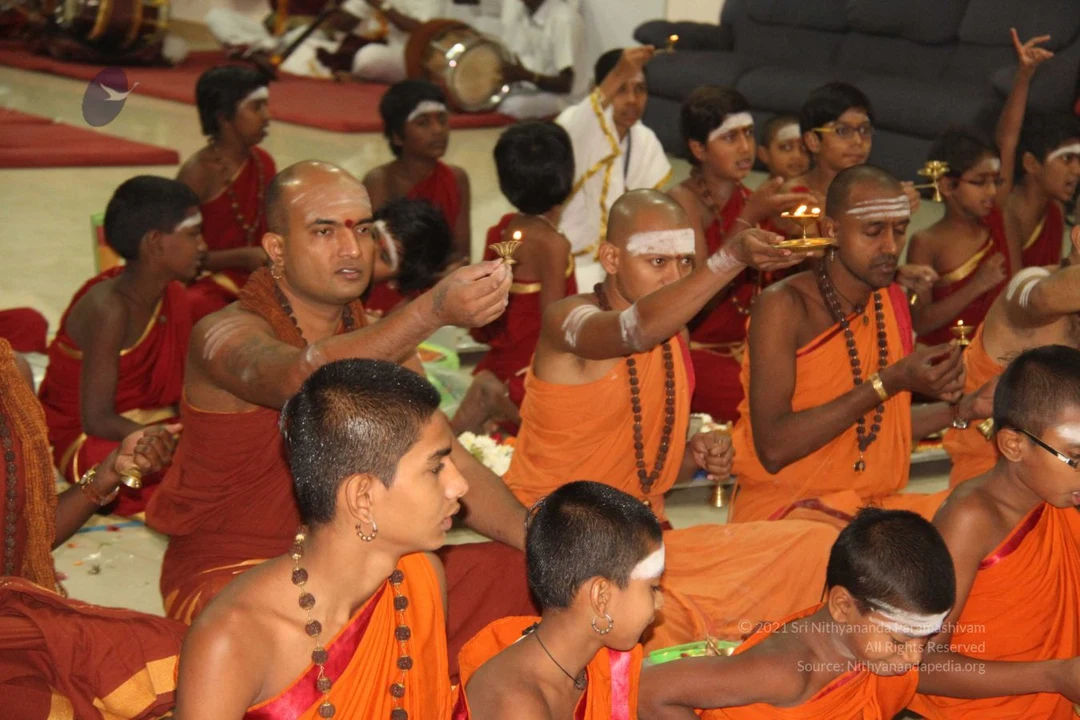
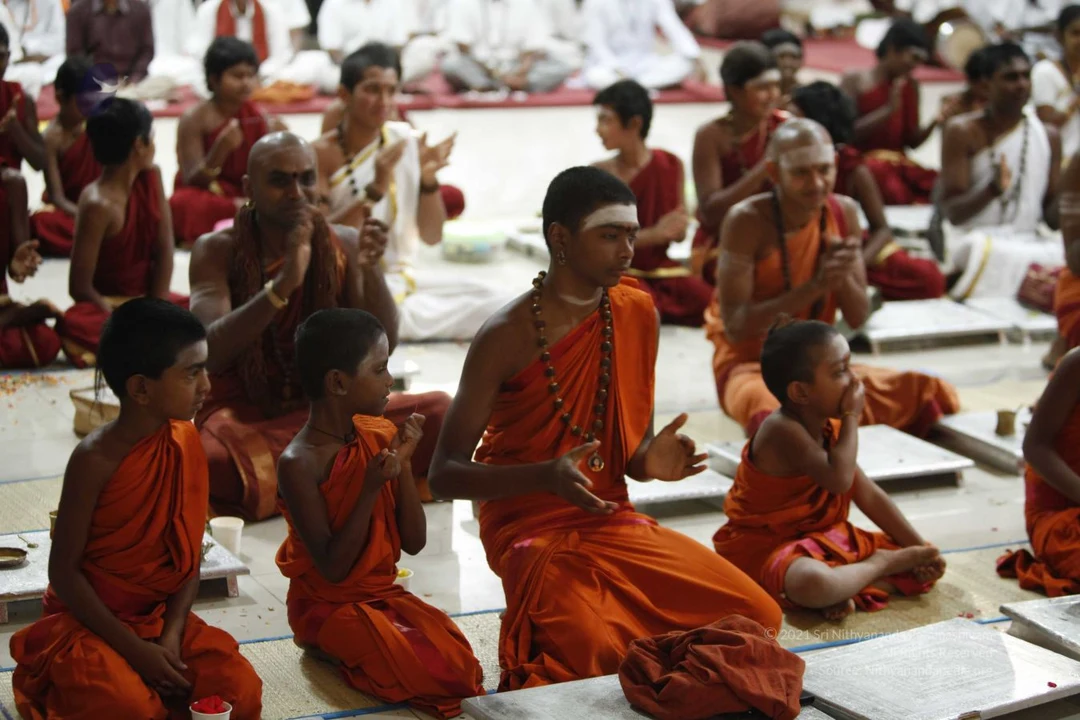
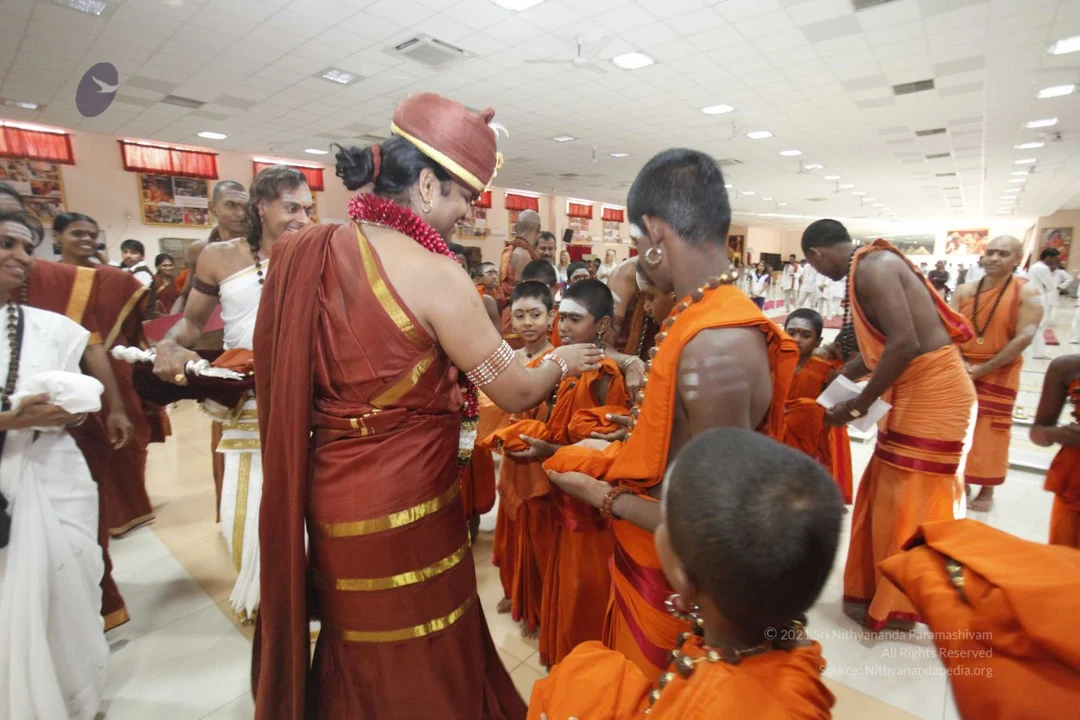
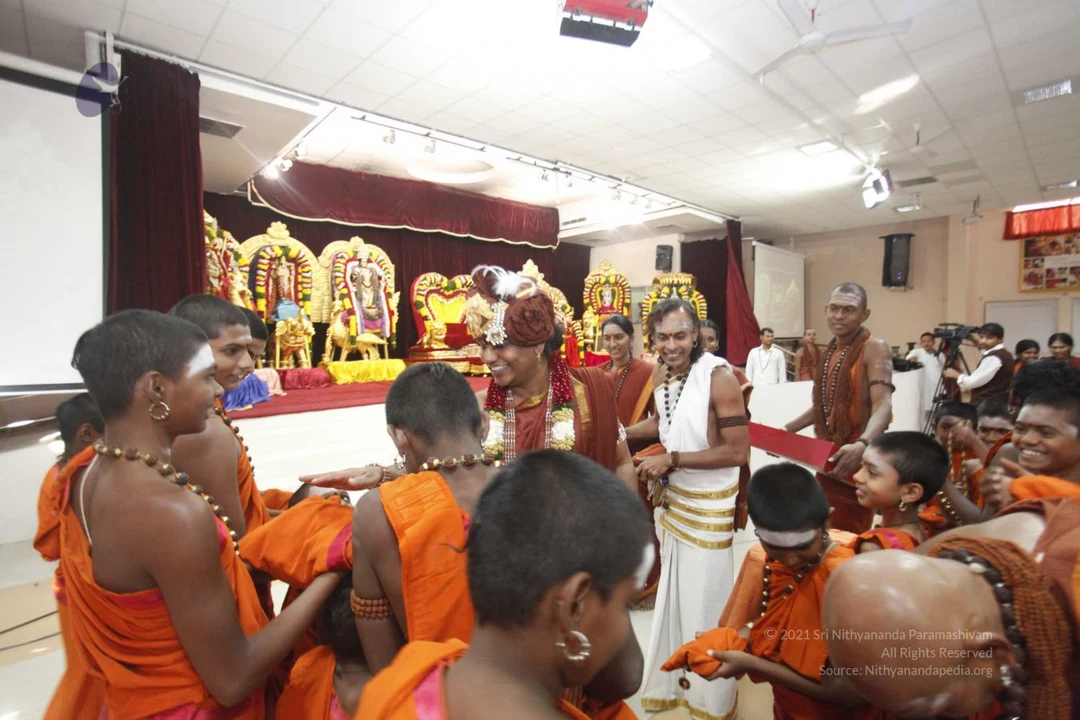
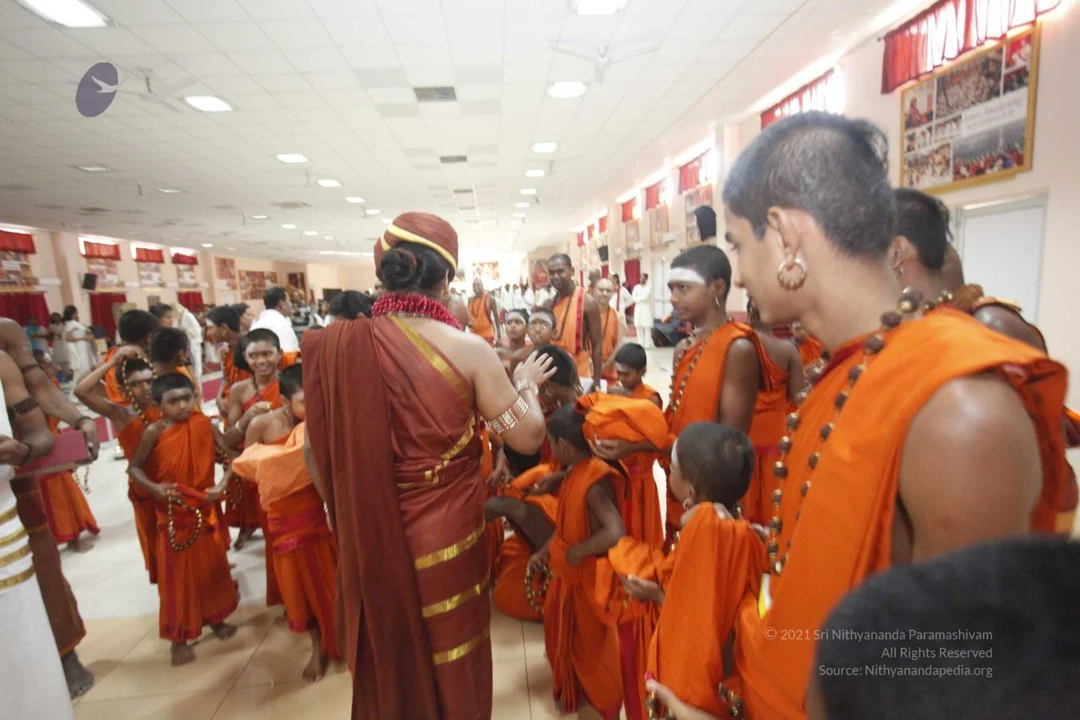
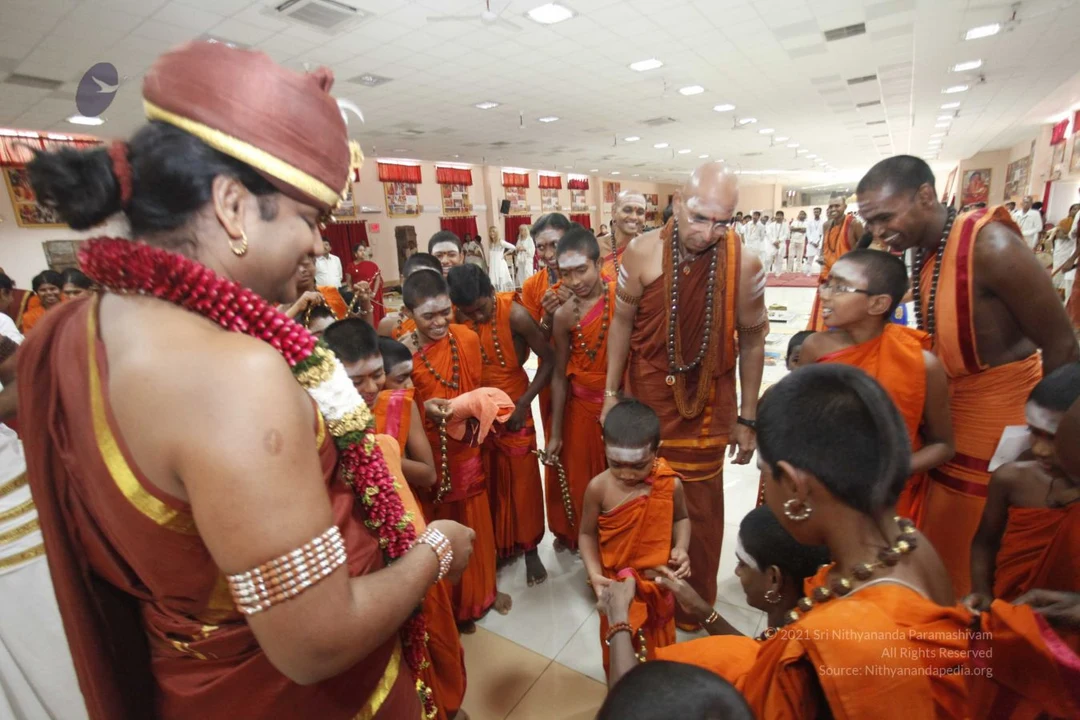
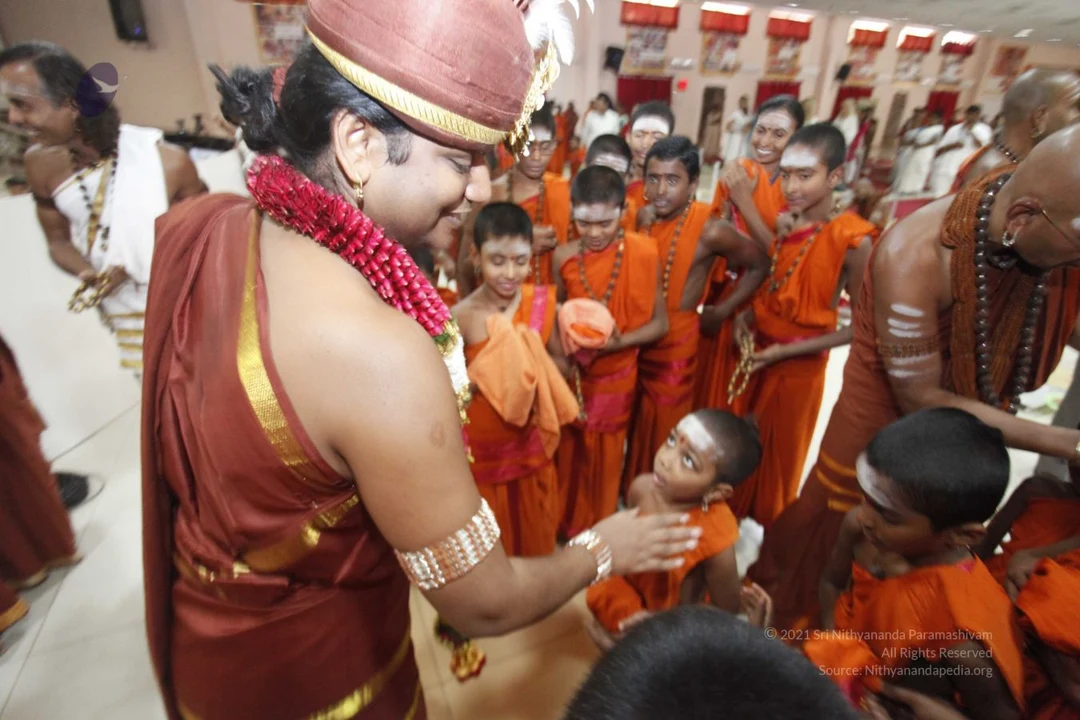
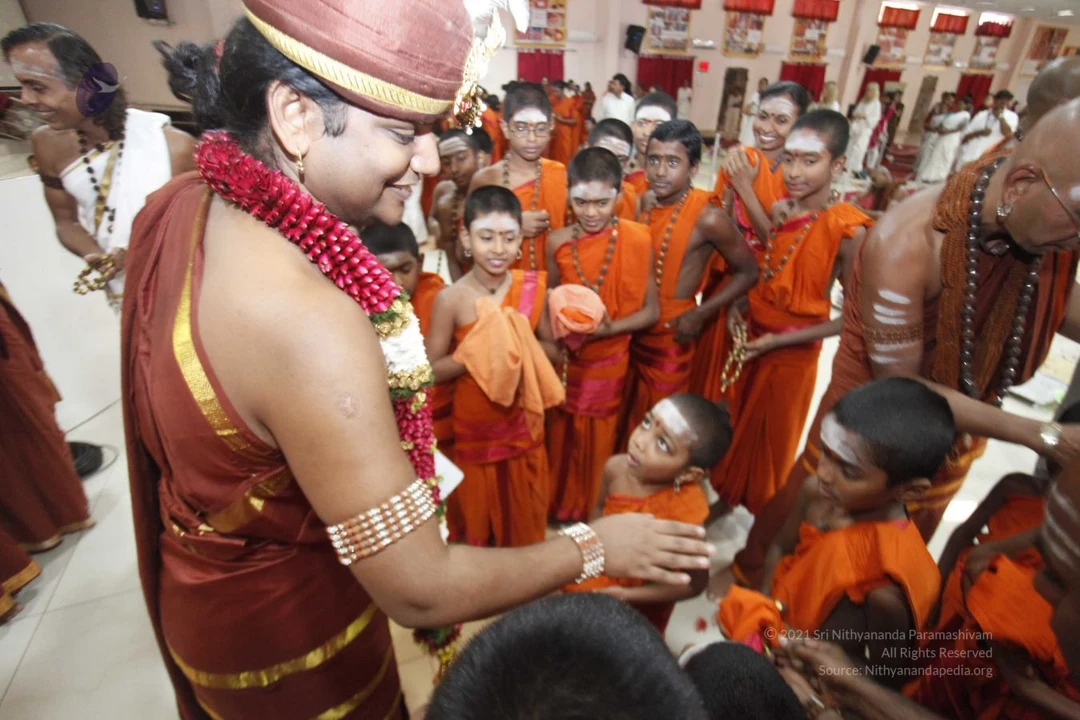
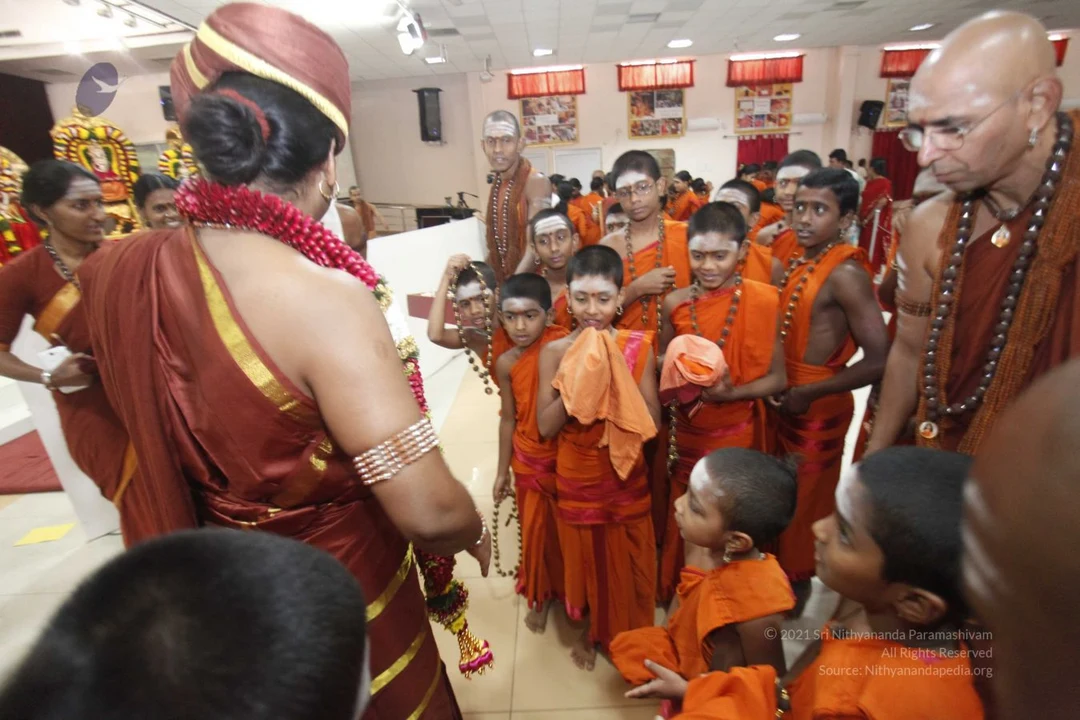
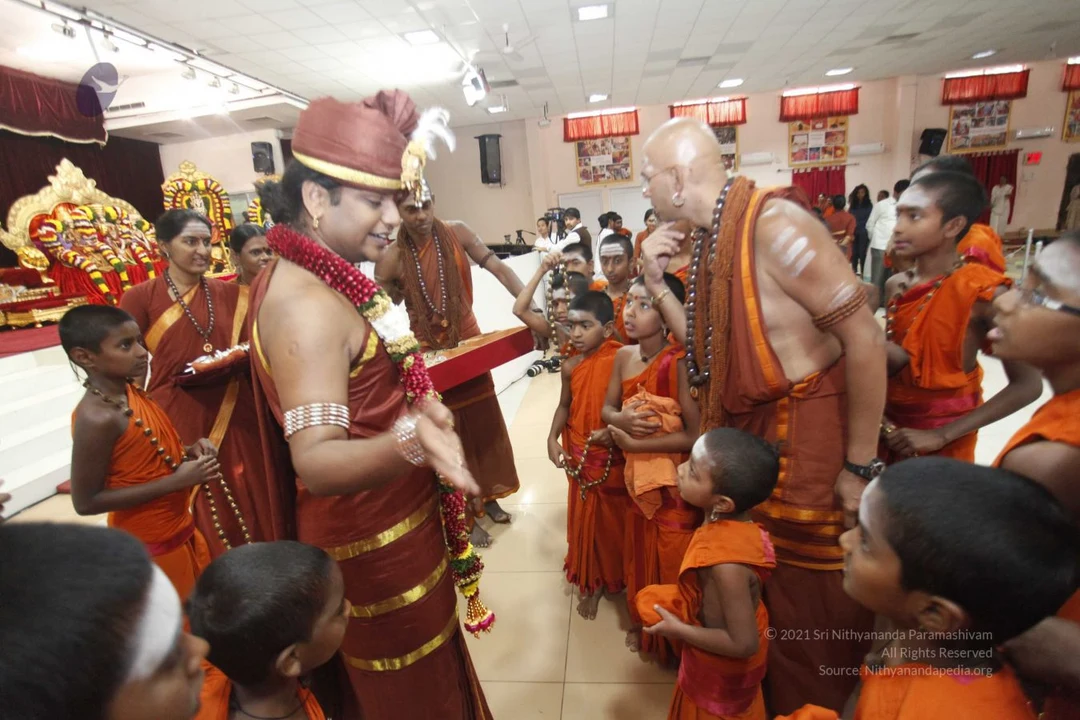
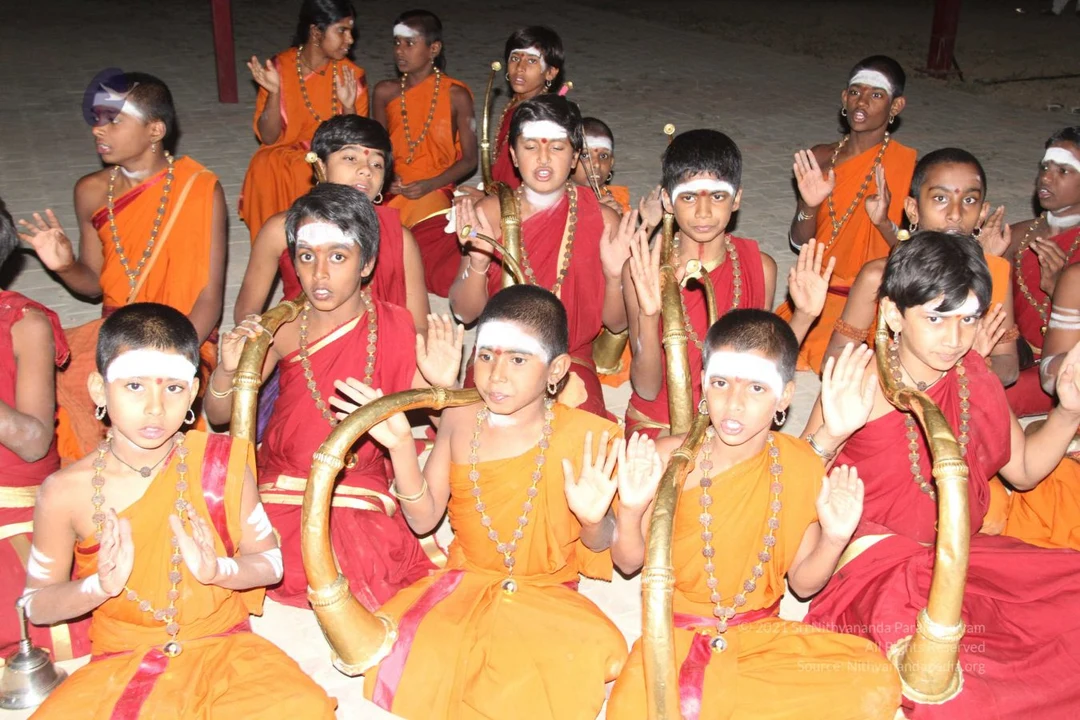
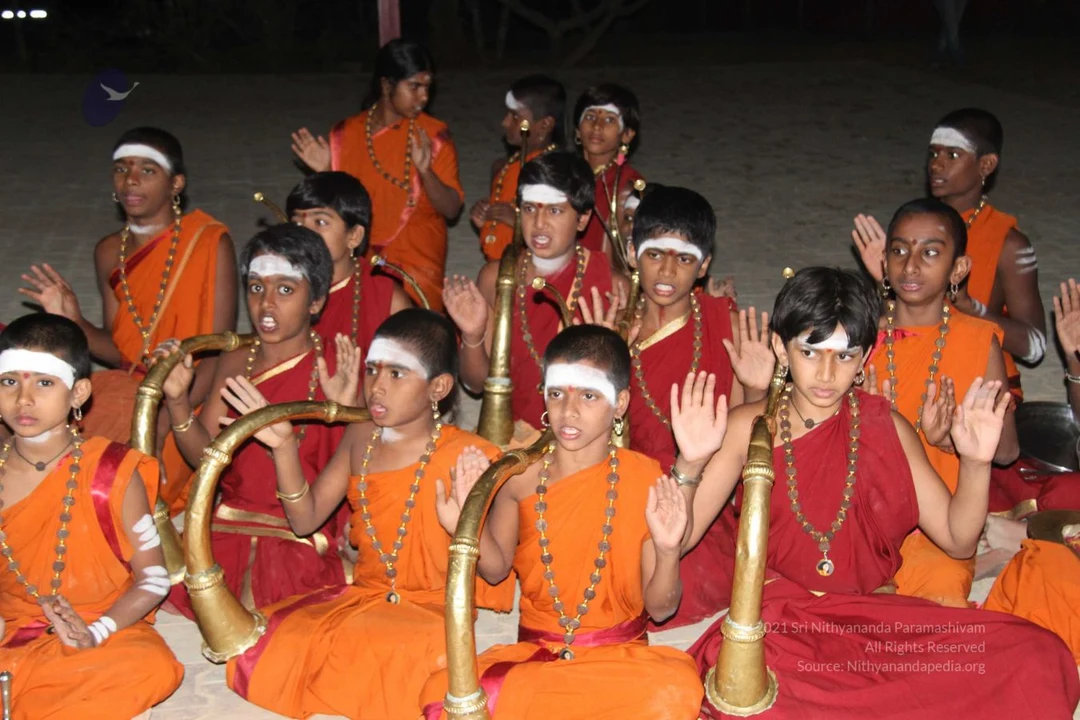
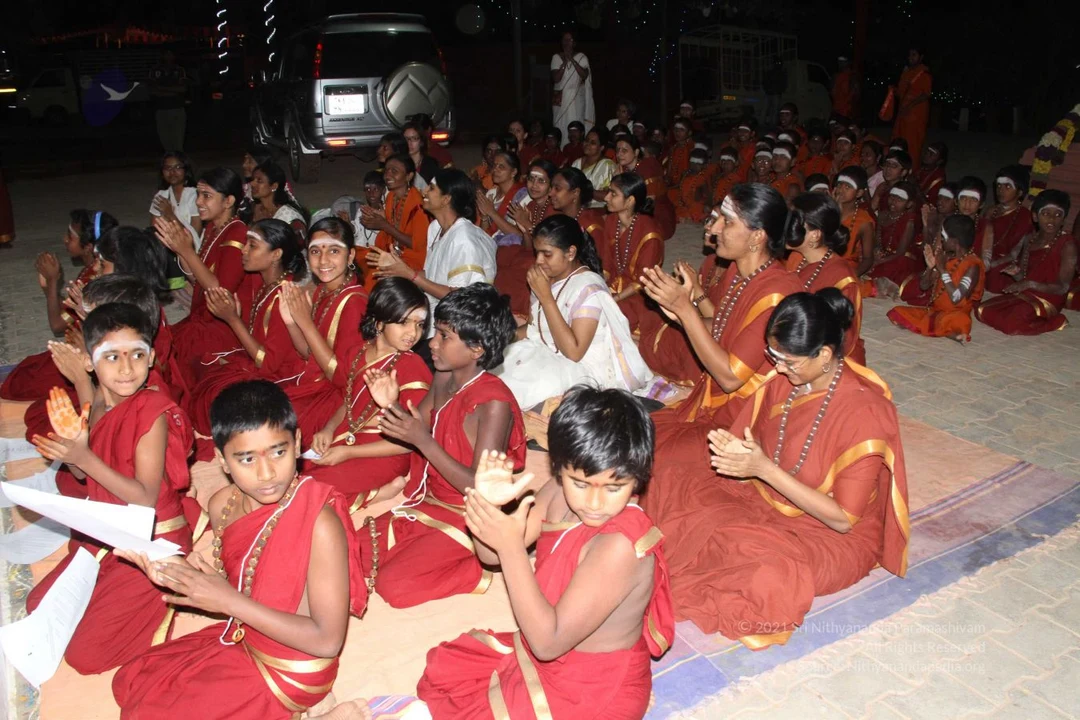
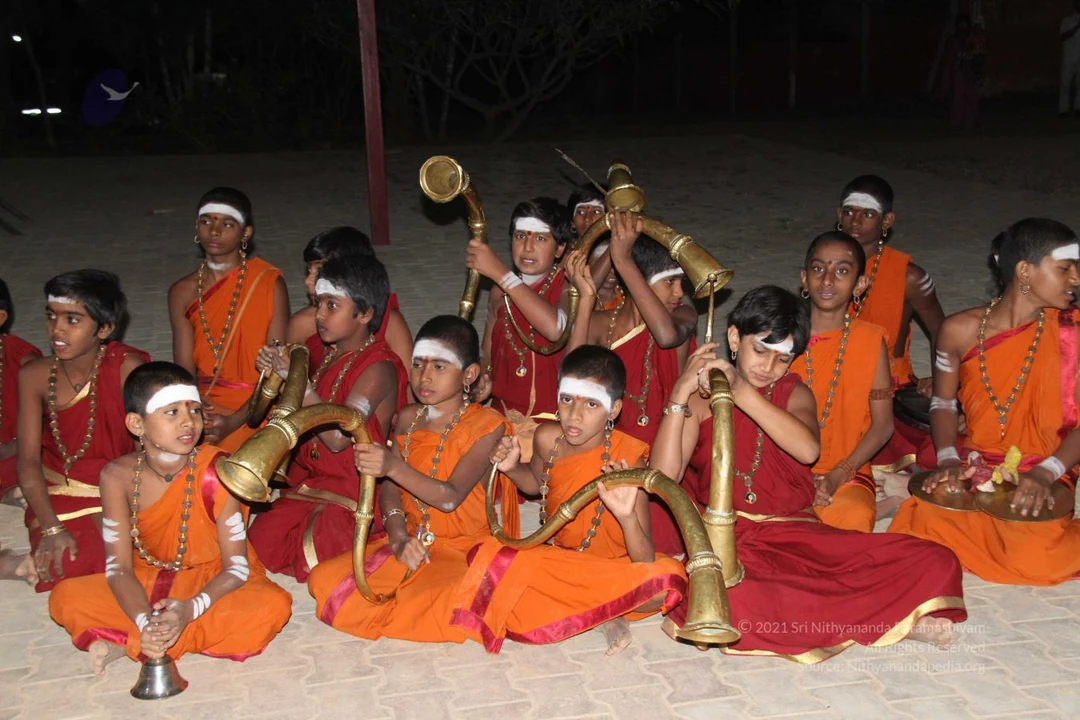
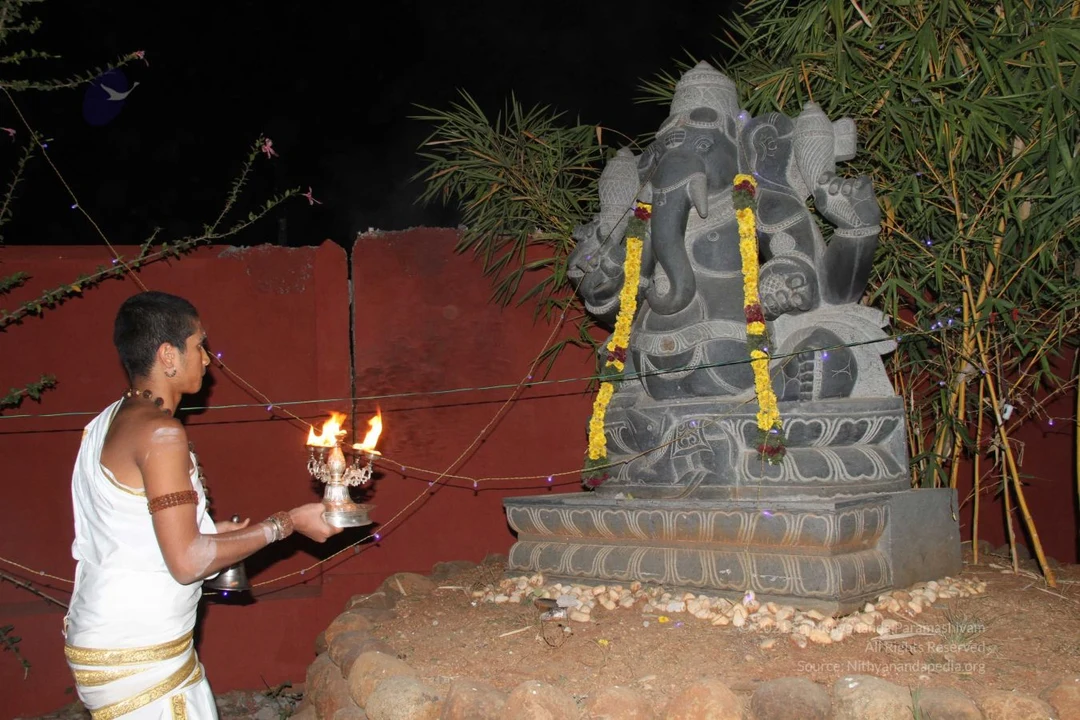
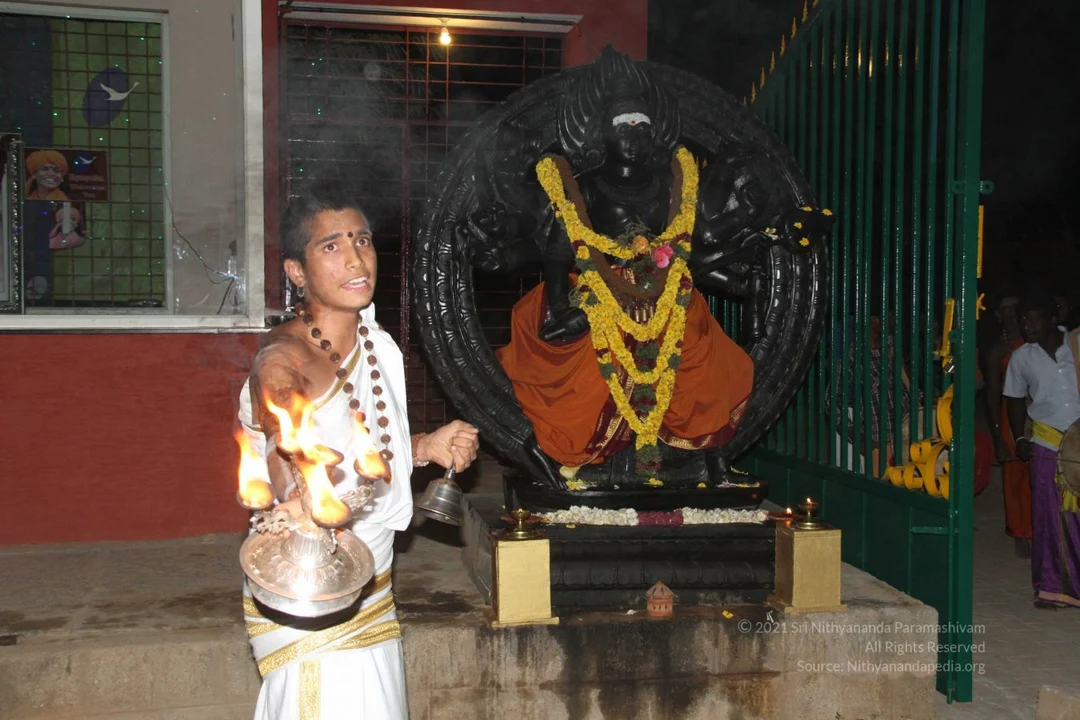
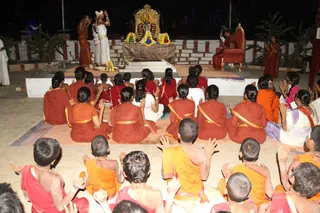
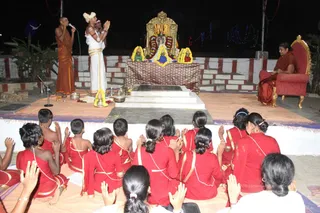
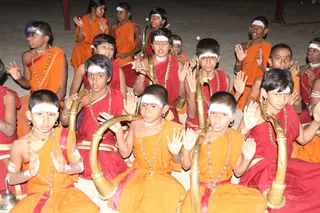
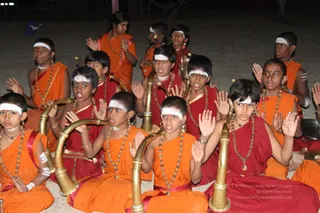
See the power of our Gurukul kids. Yesterday morning these guys reported Nithyanandeshwara is materializing Kumkum continuously. Yesterday morning, in the satsangh, I said Tatwananda Maharaj brought the photographs and Vibhooti and Kumkum collected in the Nithyanandeshwara and my Utsava Murthy. I drilled these fellows. ‘Did you guys drop it and take photographs? Or did some other kids drop it by mistake?’ They said, ‘No, Swamiji.’ When I went to the temple, I saw really Nithyanandeshwara was so happy with these fellows’ puja. He was so happy with the Gurukul kids’ puja, he was just in ecstasy, gracing. Then I know it’s a real miracle.
Then, again, the evening pujaris team that is coming and reporting, ‘Swamiji, even now Nithyanandeshwara is materializing Kumkum!’ Not little, large quantity! Yesterday, the Kumkum I was able to apply to all the Gurukul kids, to all the pujaris team I was able to give; that much of Kumkum. Again I drilled. ‘Hey, did you guys put it your own and bringing it?’ They said, ‘No, Swamiji.’
The Integrity these kids carry, and the amazing respect they have for the deity. He’s so happy, and He is radiating through that deity! Please understand, he is always happy, that’s why he is “Nithyanandeshwara”. But when you show Integrity through deity, he expresses his joy. That is what is “Miracle”. Understand, when you show your Integrity to him in the form of a deity, deity based bhakti, he also radiates his joy through the deity. I was so happy. I commit with him, ‘Mahadeva, I’ll always make sure that the integrated Gurukul kids do your puja and you always remain happy like this in this Archaavatara.’ I always used to feel, I really used to feel, the puja and the homa, everything, rituals should be done by the people who radiate Integrity, who love it, not as a duty. It’s a four-letter word. It has to be done by the people who have integrity.
When I saw Nithyanandeshwara yesterday – yesterday evening I went to the temple, but in the morning itself I could see – after these guys reported the materialization, I could see he is so happy. I thought may be the Utsava is happening all gods and goddesses are here, celebration is going on, so he is happy. But, yesterday, when I went there, I saw really he is so happy that these guys are doing such a beautiful puja with so much of Integrity. Now I know I have started producing Andal and Manickavaasagar, Jnanasambandhar and Thirunaavukkarasar. My enlightenment industry is progressing in right direction.
No, yesterday we were having a conversation. Shambhavananda was telling me, it seems Jnanananda, Shambhavananda’s son, Jnananda was talking to Shambhava. Jnanananda is telling. In our Gurukul, all of you know that our Gurukul kids everyday practice developing non-violence in them. They awaken their “manonmaniya”. Manonmaniya “Unmana” means in Sanskrit: “Awakening”. Awakening the powers of the “mana”, mind is “Manonmaniya”. They’re getting trained into the Manonmaniya Vidya. Only if you awaken all powers of the mind, you can go beyond the mind. See, when you awaken the powers of mind, it’ll salute in front of you, saying, ‘Me and my forefathers and all my generations are your slaves, Mahadeva!’ Only then you will become enlightened. Like a how you read in the stories when you release the bootha from the jar it says, ‘Here I am! I am your slave. I am your servant.’ Same way, when you awaken the powers of your mind, it declares, ‘I am your slave. Me and my seven generation above, seven generation below, seven generation left, seven generations right, are all your slaves.’ Then you become enlightened!
The Manonmaniya, all of you should know, our Gurukul kids are getting trained in the Manonmaniya Vidya. They sit every day with a rose plant and speak to that plant. Just by their speaking, the plants drop all their thorns! Please understand they DON’T REMOVE it. The rose plants DROP all their thorns. Last, this vidya is successfully proved by Paramahamsa Yogananda. Even the next generation of Paramahamsa Yogananda is not able to do. And our kids are doing it so casually. Jnanananda is telling Shambhava, ‘In our Gurukul, Mahageetha’s plant is the biggest plant. He pours very little water. And his is the largest plant with lot of flowers. Just by talking, he brings up that tree. He brings up that plant, sorry not tree, plant.’ And it seems they talk to each other based on only their progress report, i.e., how much thorns your plant has. And Jnanananda is telling, ‘My plant all the thorns got dropped by itself. Only two were left. I just touched them and requested, “Please, please drop”, and it dropped after few days.’ And all of you should know, I go around and check whether these fellows have removed really or it has automatically dropped. See, automatically dropped, the wound will not be there on the plant. If it drops naturally, the mark will not be there. If it is removed, the mark will be there. And I tell you, none of our Gurukul rose plants have the mark. Means, they all have dropped their thorns naturally. It is not a joke, the power of your mind experienced and expressed by the plants externally, just because you talk to them, communicate with them! The Manonmaniya Vidya!
When I heard this whole thing yesterday, I just know I am successful! I am successful! And Shambhavananda who can never be excited about anything in the life, if he is excited, if he can be excited by something, then it must be only God. Nothing else can excite him. He was inspired and excited. And I told him, ‘You will see now. We have started producing Yogis, enlightened beings. In few years, in next ten years, you will see two-thousand, three-thousand Nithyanandas will be going all over the world and reviving the Sanatana Dharma.’
My Gurukul kids will be one of the biggest contributions of me to the world. I tell you, they will be one of the biggest contribution I am making to the world, because the dedication they will radiate, they will show to the world, the amount of enriching they will do to the world. Please understand, these hundred kids sitting with hundred rose plants every day and talking to them, making those plants drop their thorns, is not just hundred kids getting trained. Each kid is releasing the positive energy into the world equivalent to one-thousand Rudra Homas! Please understand. When they release that energy of Integrity and Authenticity, it is equivalent to performing one-thousand Rudra Homas. So, Mahagitananda is performing one-thousand Rudra Homas every morning. Jnanananda is performing one-thousand Rudra Homas every morning. Every morning, each kid sitting with the rose plant, they are doing thousands, thousands of Rudra Homas. Sahasra Rudra Homas.
And I really wanted to take this moment, this opportunity, to sincerely, with all my Integrity and Authenticity, thank the parents of the Gurukul kids for putting your kids in the Gurukul, trusting me. I will make diamonds out of them! I will make them diamonds. I will make them diamonds, no doubt; but you trusted me and gave the raw material. I thank you guys for that.
This whole year, we reinvented ourselves through Integrity and Authenticity. We started chiseling ourselves with Integrity and Authenticity. Now many of our problems have disappeared; but whatever few problems are remaining, we know the right reason; we know the right reason for our problems. We are not groping in the dark. We are not beating around the bush. We are not throwing stones in the dark. Now we are very clear, scientific, conscious about what has to be done, how it has to be done, why it has to be done.
Even enriching, now we know why it has to be done, the right reason. Even the Sangha, now we know why it has to be built, for the right reason. Not just inspiration, illogical emotion, but a logical, legitimate reason, supporting the excitement. When the excitement is supported by a logical, legitimate reason, it becomes inspiration. When the logical, legitimate reasoning, support is not there, even inspiration is just excitement; it will go away. Now, suddenly, I am seeing all the Inner Awakening Level-4 participants have started enriching like their life with so much of excitement, because now they know the excitement has become inspiration, they know the logical, right reason. Enriching itself has become inspiration. Enriching itself has become inspiration.
All the devotees, disciples, understand, enriching is excitement. First, it is the ultimate methodology to test how much you have grown, how you are able to adopt the spiritual principles, provide authentic listening to people, and then speak into the listening of the listener. Not just because you have to speak, but because you have to move the other person’s listening, you have to move the other person. So, speak into the listening of the listener. Speak into the listening of the listener. Speak into the listening of the listener. Listen, speak into the listening of the listener. When you are speaking into the listening of the listener, whether you are trying or successful, whichever level you are, you will learn the lesson. See, when you speak into the listening of the listener, if he is not ready to move, then be very clear you will have to listen to your own self, you will have to provide authentic listening to yourself and your self-doubts, self-denial, self-hatred patterns.
I tell you, every time when you guys don’t listen to me, I look back and how I did not listen to my Gurus, I complete with that and come back. When you don’t listen to me, even I look only into me and provide authentic listening to myself. So, be very clear, you also do the same. Whenever somebody is not listening outside, they are extension of you. They are not external, they are “intrexternal”. I am creating a new word. Extensions of your internal being – “Intrexternal”! Nobody is external, everybody is only extension. Nobody is external, everybody is extension. So, when you provide authentic listening to others, you will learn the art of providing authentic listening to yourself. When you provide authentic listening to yourself, you will know how to speak into your listening. When you know how to speak into your listening, you will know how to speak into others’ listening. Speaking into others’ listening and moving them is always an excitement. I tell you, that is why I tell you, enriching is excitement. It’s an unending excitement, eternal inspiration. An enricher’s life is eternal “Utsava”. An enricher’s life is “Nithyanandotsava”!
I sincerely invite all of you.
Please listen, this new science I revealed in the Inner Awakening Level-4 in Bali. Please listen:
Inner Awakening Level-1, you are initiated into the Science of Completion with Yourself.
In Inner Awakening Level-2, you are initiated into the Science of Completion with Others and life.
In Inner Awakening Level-3, you are initiated into the Science of Creating Your Reality experientially.
In the Inner Awakening Level-4, you are initiated into the Science of Creating Others’ Reality also experientially.
Now, in January, in Haridwar Inner Awakening, you are going to have all the four in one. Means, in Inner Awakening Level 3 itself, - 1, 2, 3, in these three itself, I am bringing all the four. Means, the Science I revealed in Bali as Inner Awakening Level-4 will be incorporated into Level-3 itself. I welcome every one of you to come, join, enjoy and celebrate the greatest Science of Living Enlightenment in its source, Haridwar.
I welcome all of you to come to the only Hindu city in the world. Please understand, Haridwar is the legally Hindu city in the world. You can’t build any other religious structures in Haridwar legally. Still the law is in effect. It is the pact created between British and Mahanirvani Akhada two hundred years before. Still that law is accepted even by the Indian Constitution. The only Hindu city in the world, Haridwar, which is headquarters for all seventeen Akhadas. Even though Akhadas were formed in various cities, now all of them have accepted Haridwar formally as their headquarters. Come to celebrate the highest knowledge and the experience of Upanishad in the source.
Inner Awakening Level-1 initiates you experientially into Completion with yourself.
Level-2 initiates you experientially into Completion with others.
Level-3 initiates you experientially to create your own reality.
Level-4 initiates you experientially into creating others’ reality.
Now, in the Haridwar Inner Awakening, you will have all the four put together in these twenty-one days. I wanted even many of our Sannyasis to experience this truth. So, I am taking thirty of the Ashramites to come and attend the Inner Awakening. Then, understand, how powerful this whole program is going to be. Whatever I revealed in the Bali Inner Awakening, that whole science will be taught in Haridwar Inner Awakening. Essence. Bali, we had twenty three full days. The whole thing, as essence, I will have to pack it up in these twenty one days. So, I welcome all the devotees, disciples, samajis, satsangis, pack your bags, book your tickets to Haridwar.
So, with this, I bless you all. Let you all radiate with Integrity, Authenticity, Responsibility and Enriching, with eternal bliss, Nithyananda. Thank you.
Let you all achieve, experience, live, express, radiate, share and explode in eternal bliss, Nithyananda.
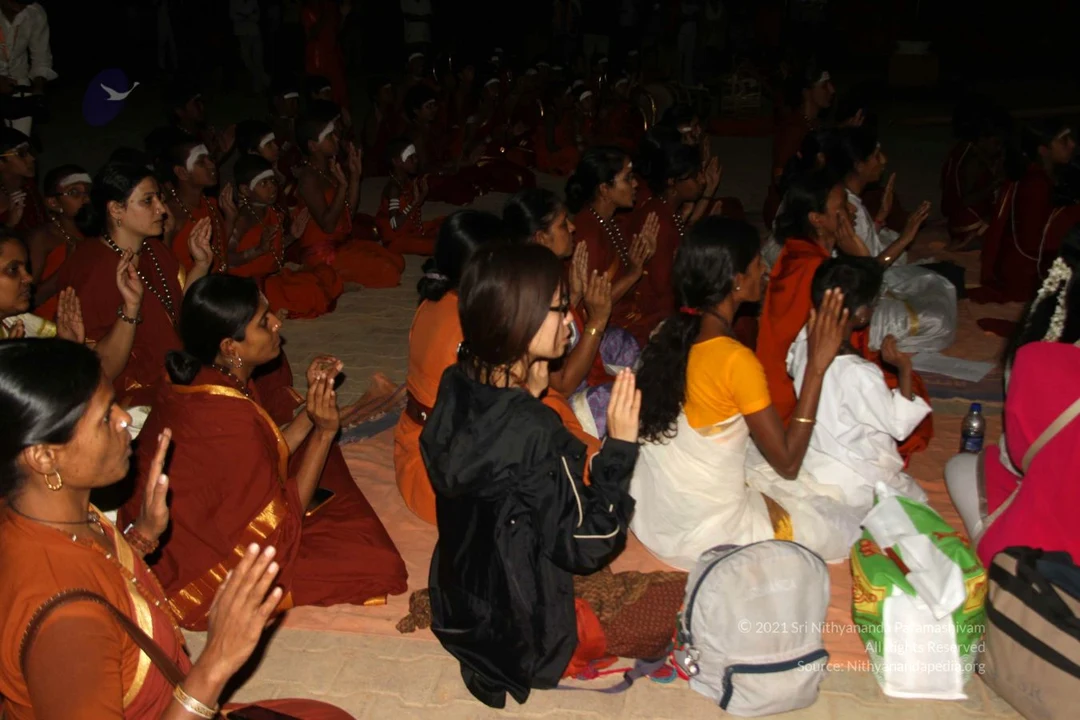
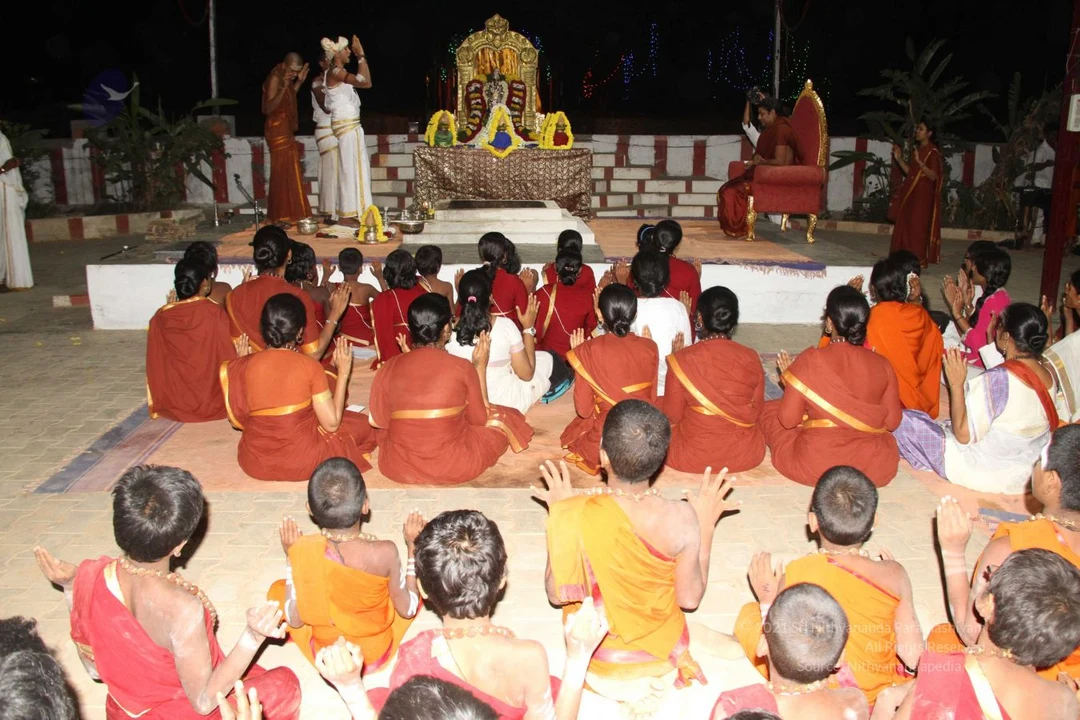
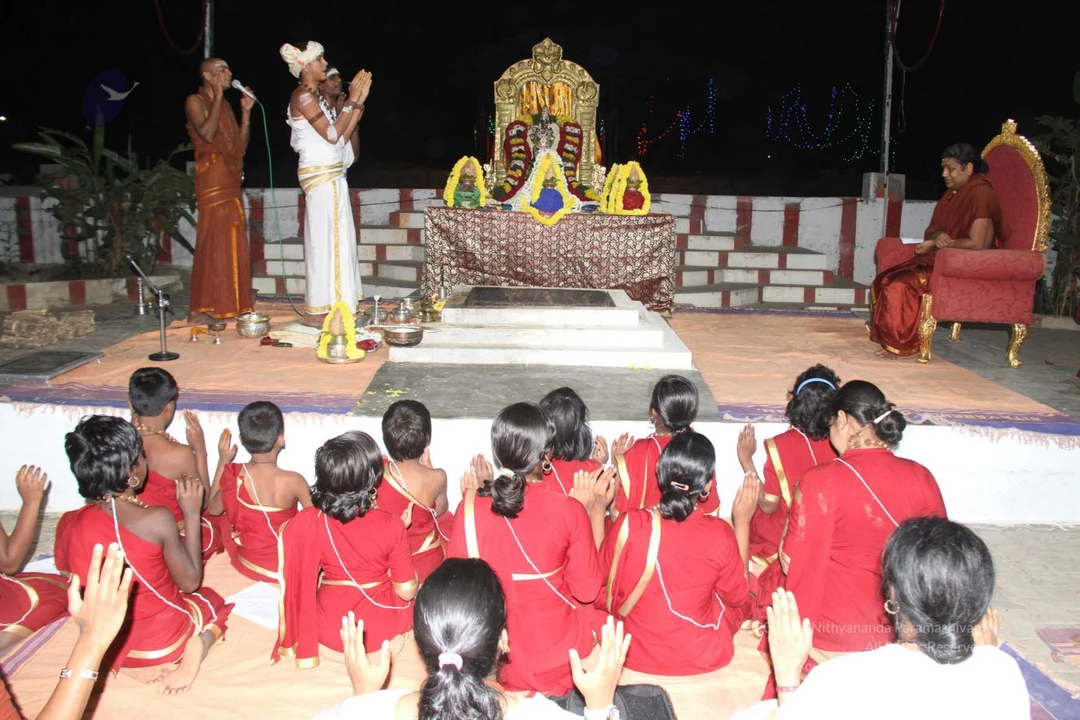
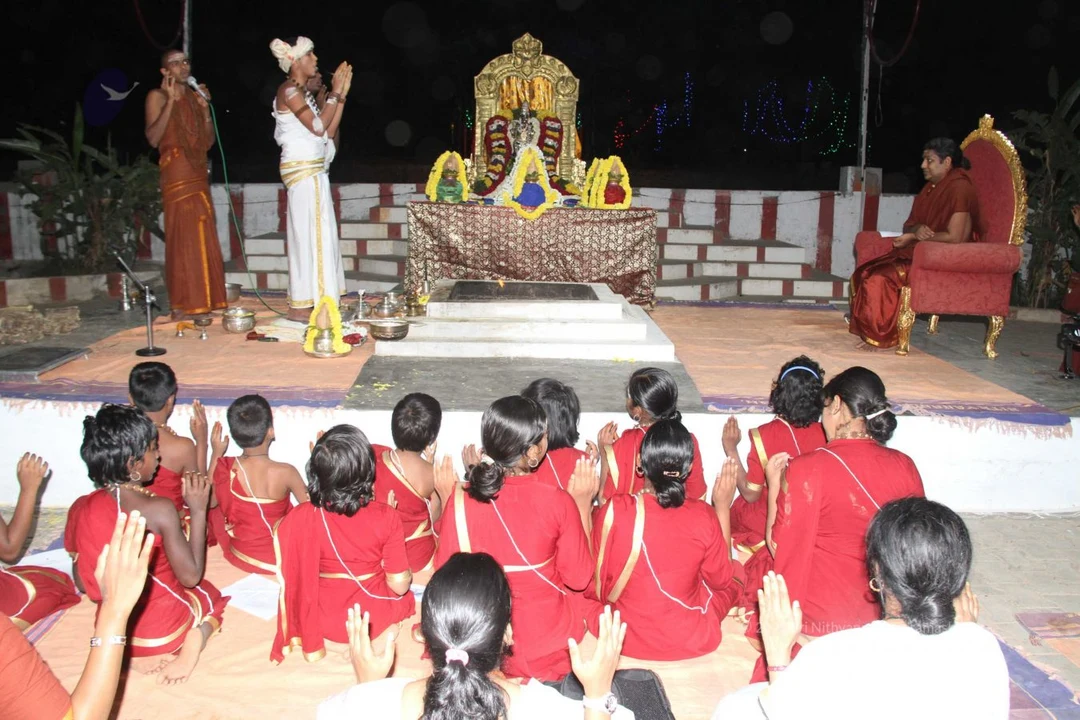
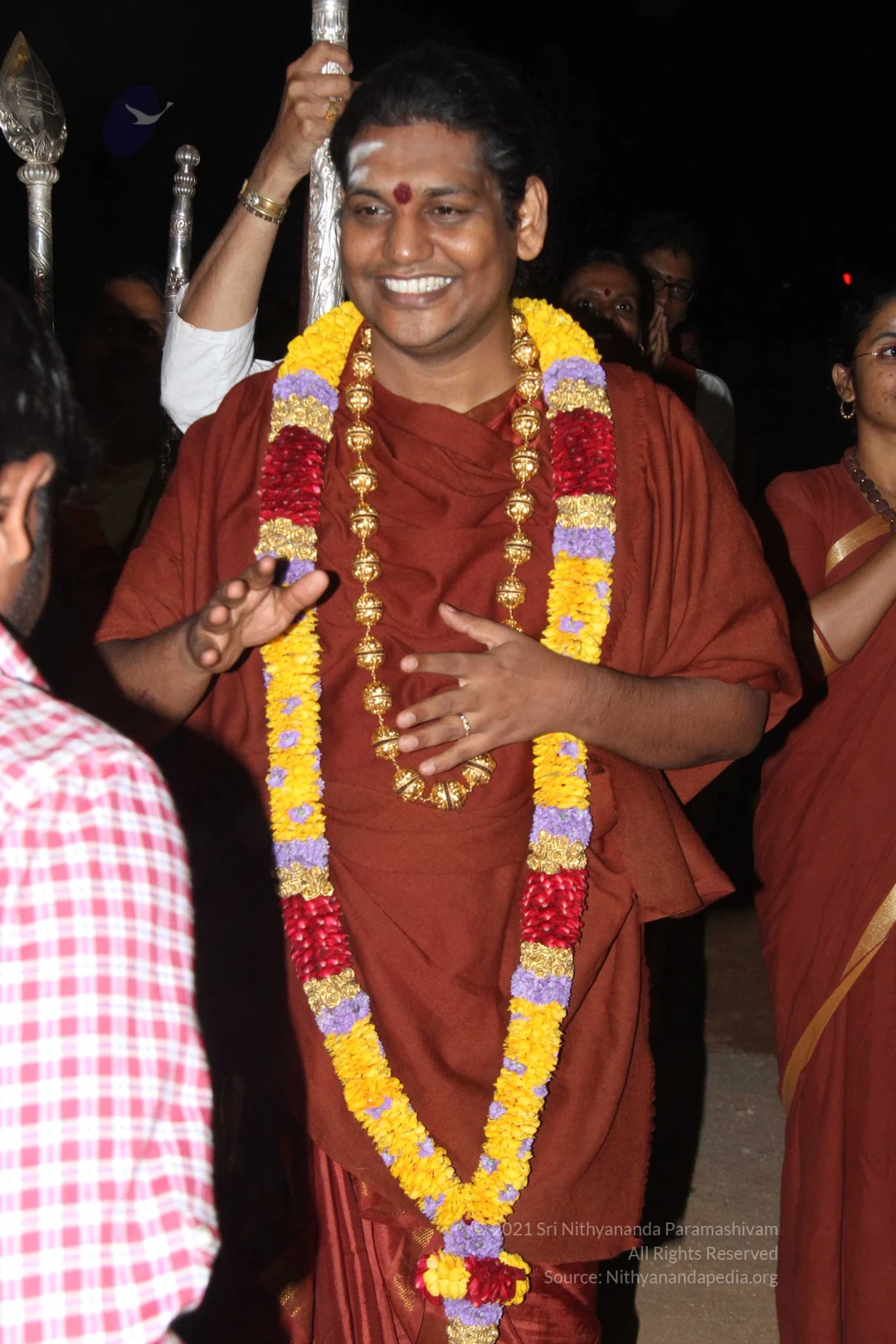
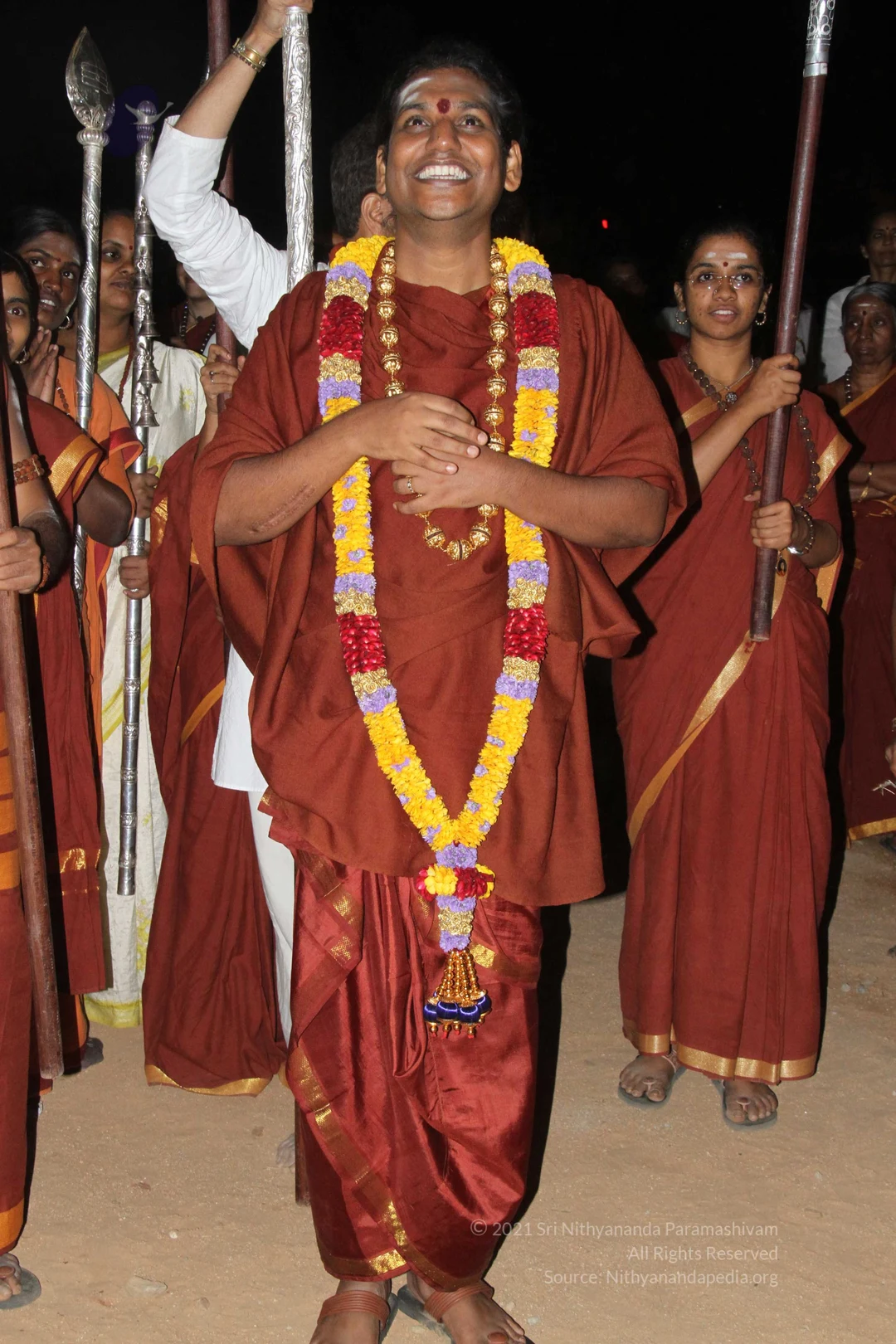
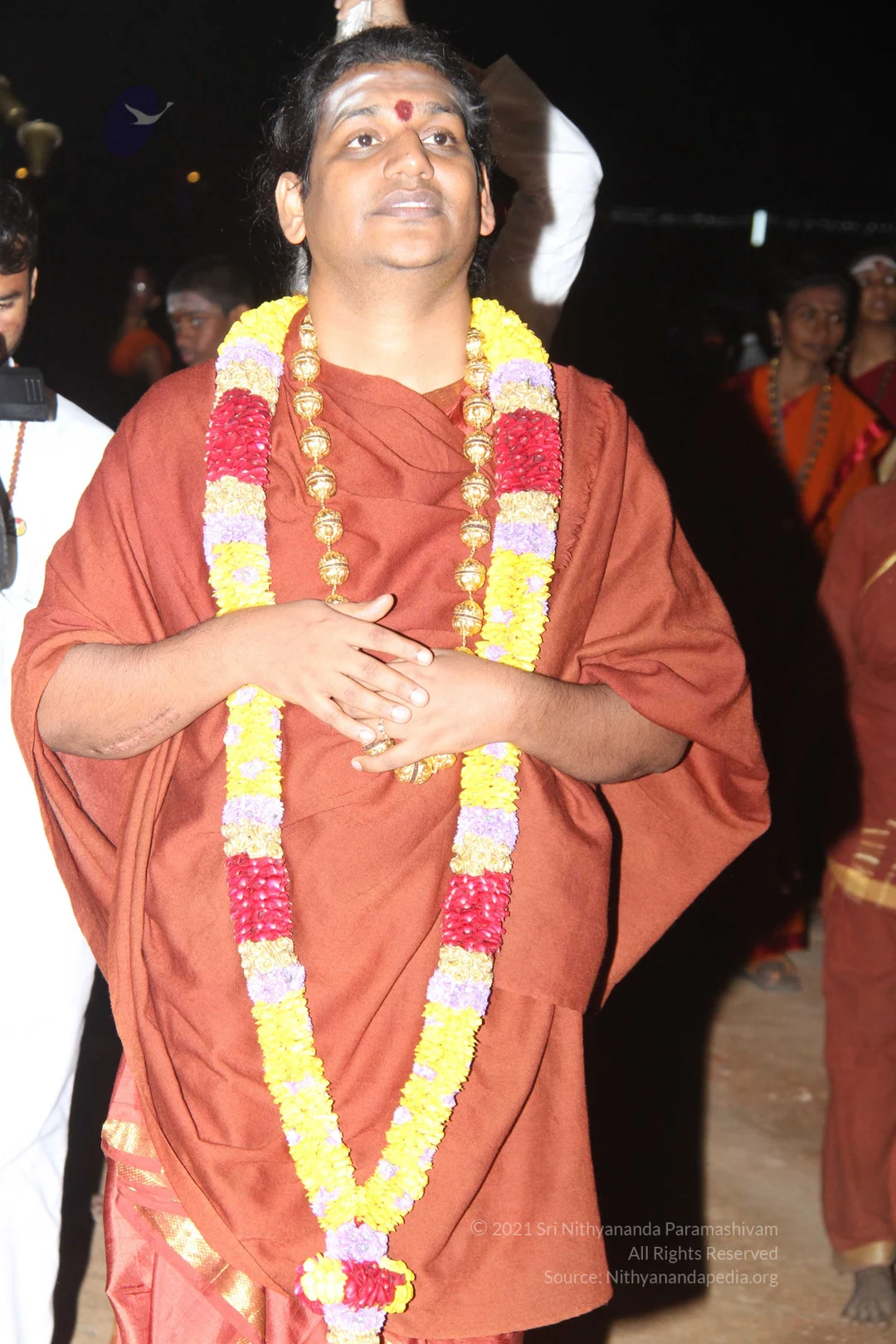
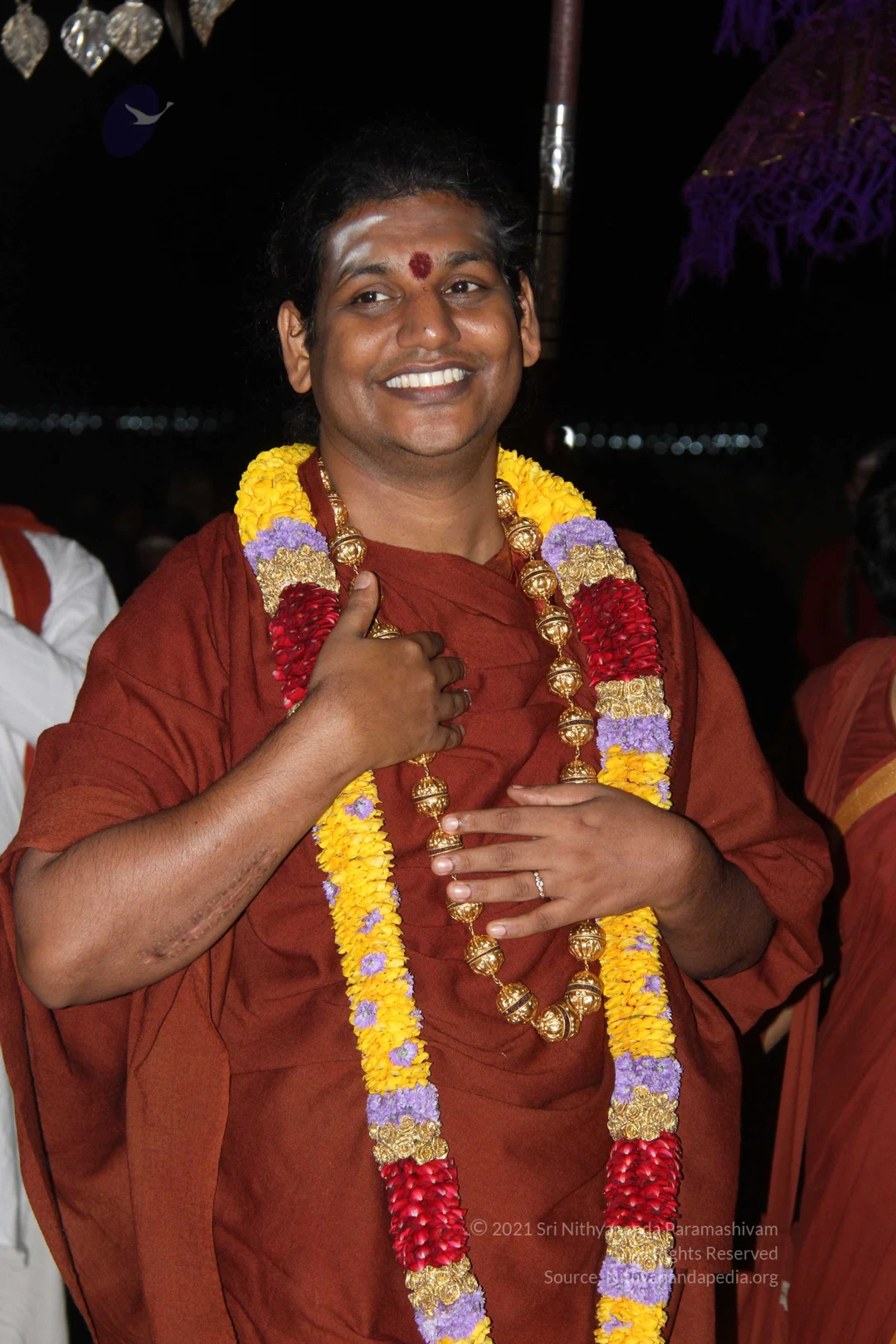
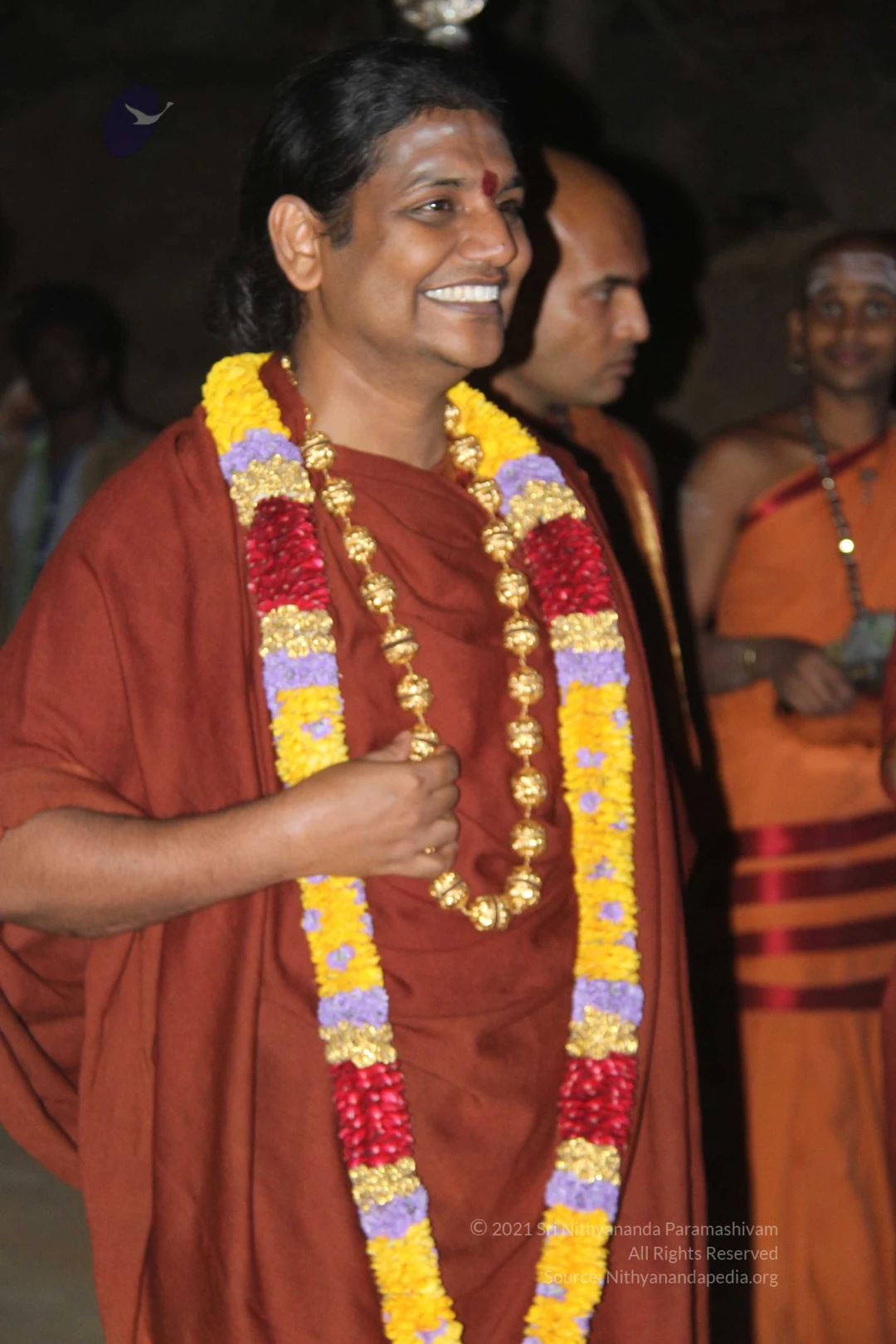
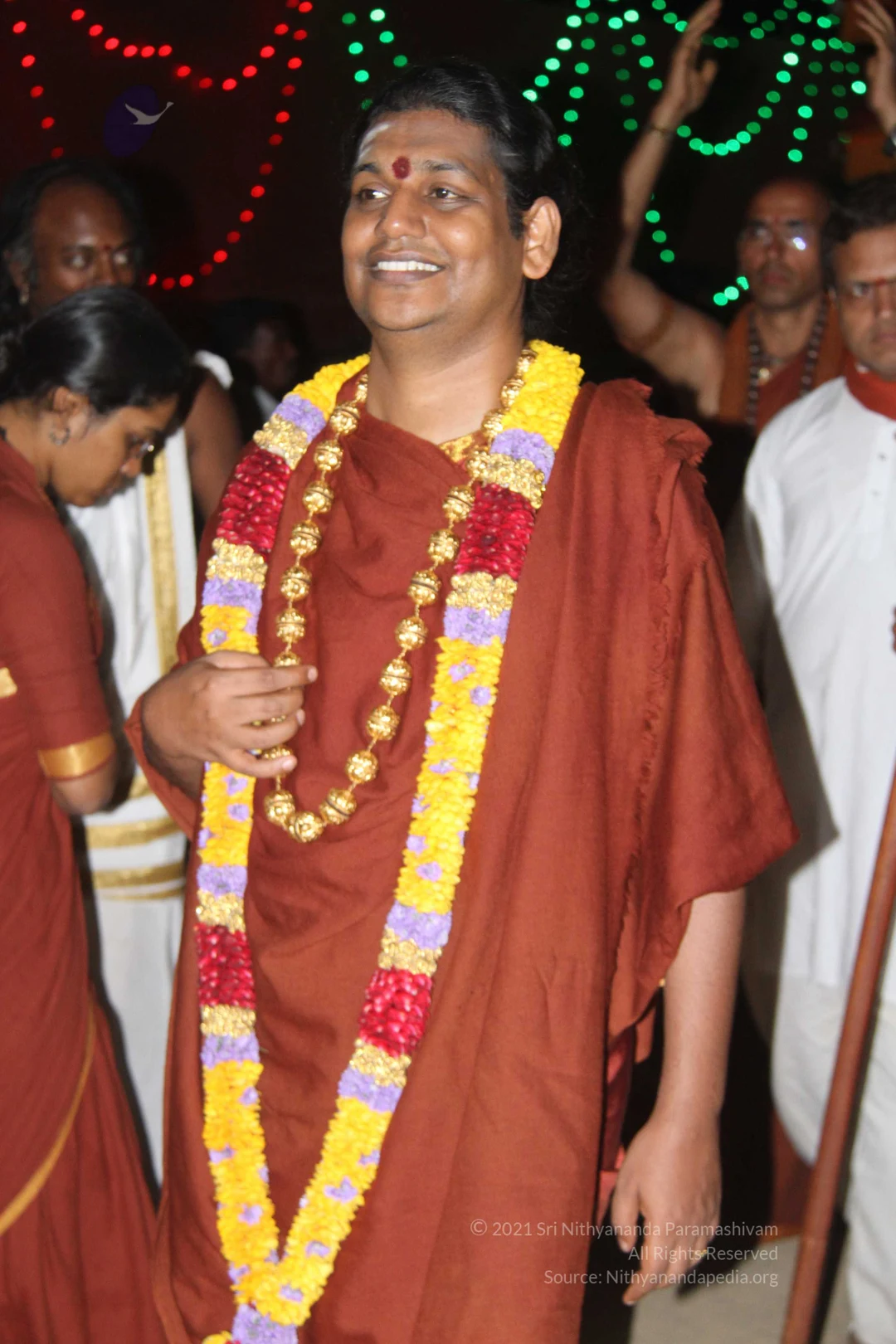
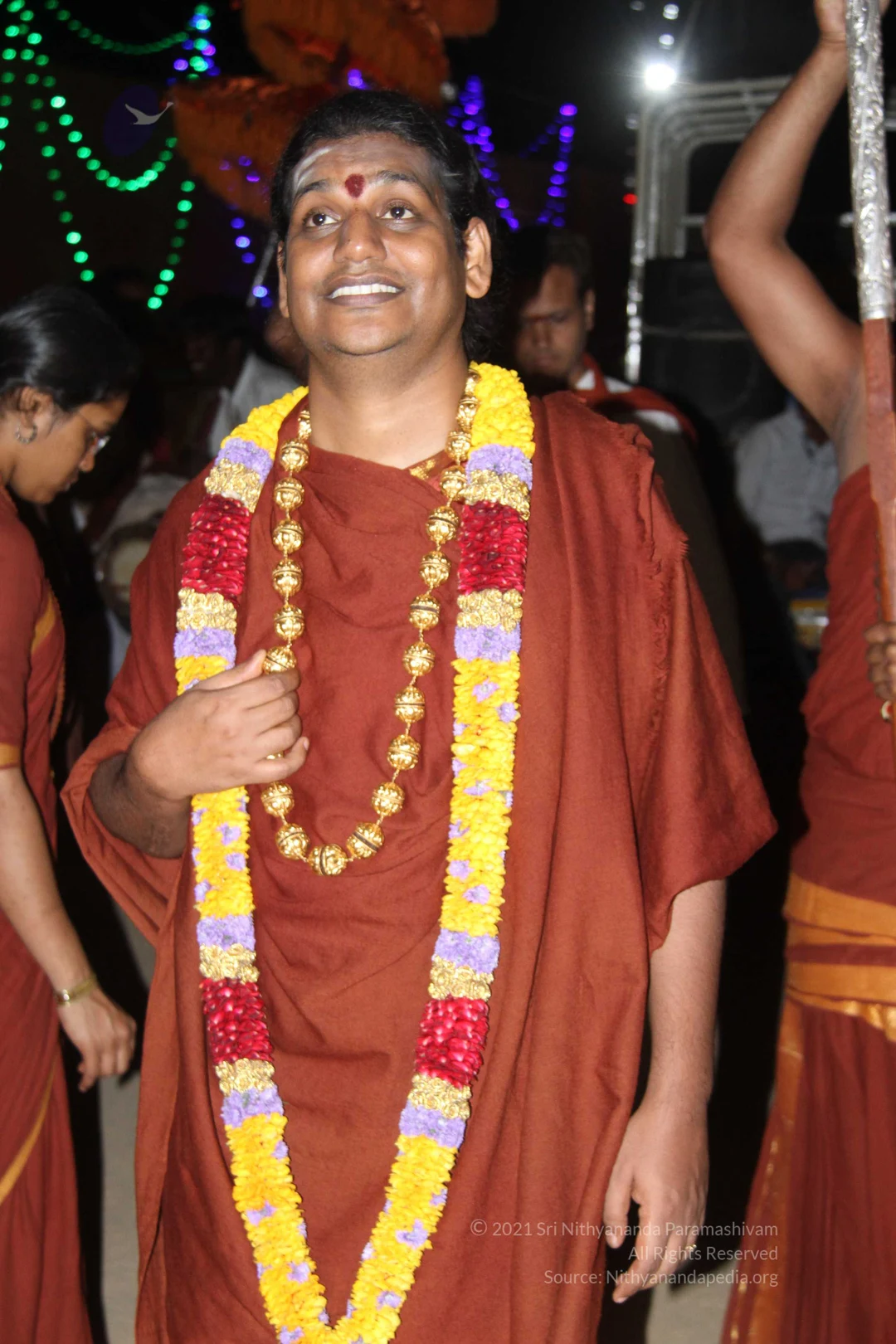
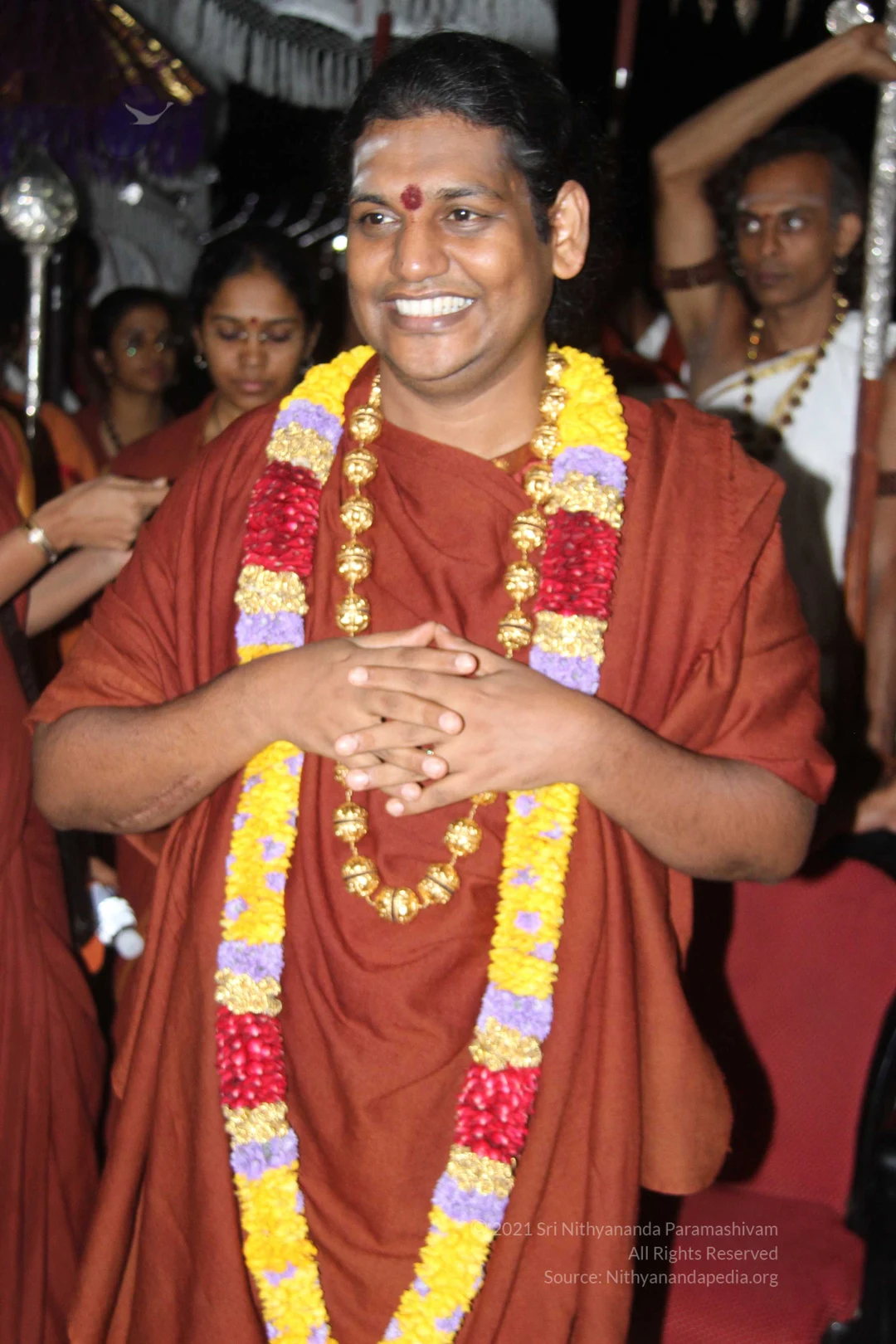
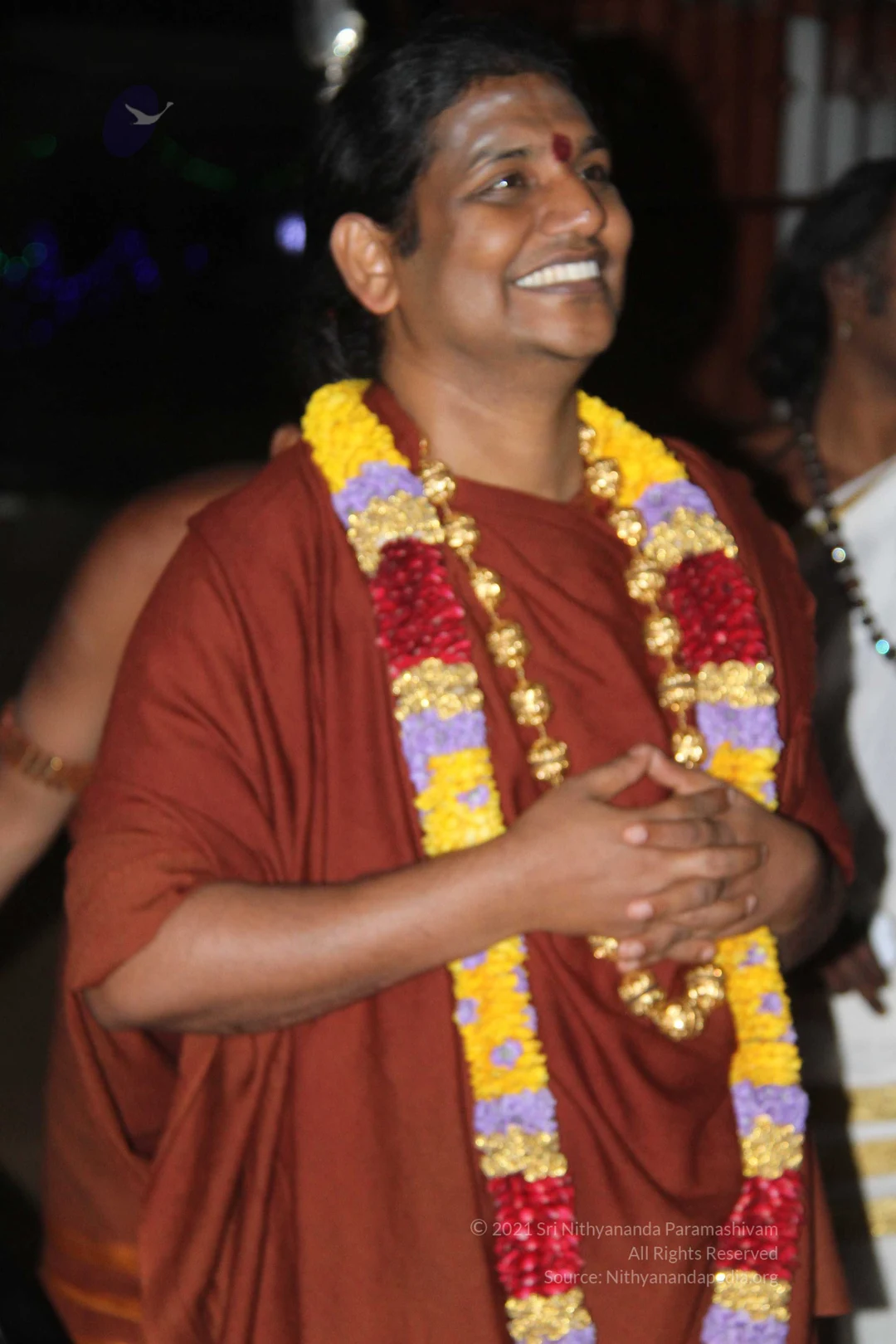
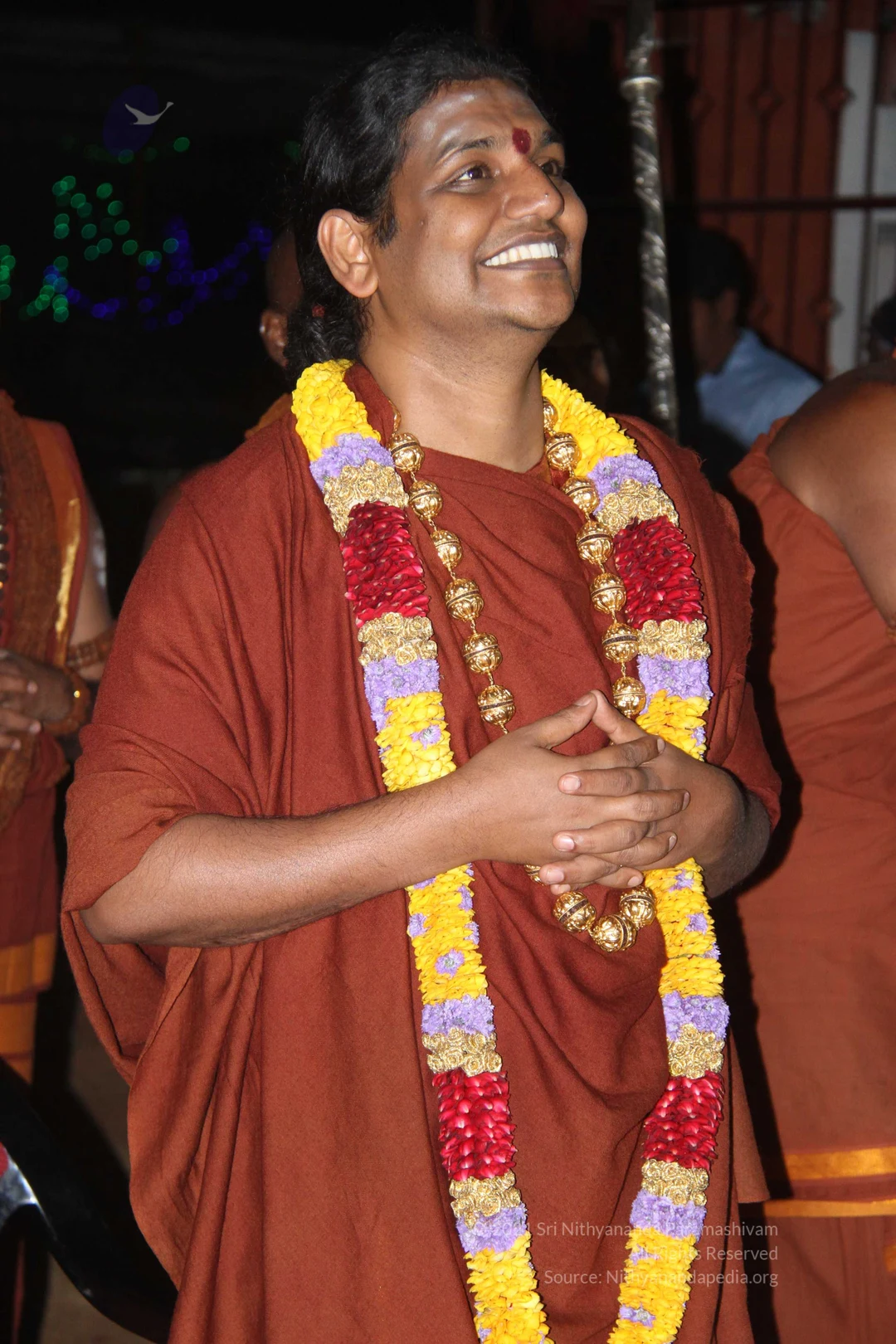
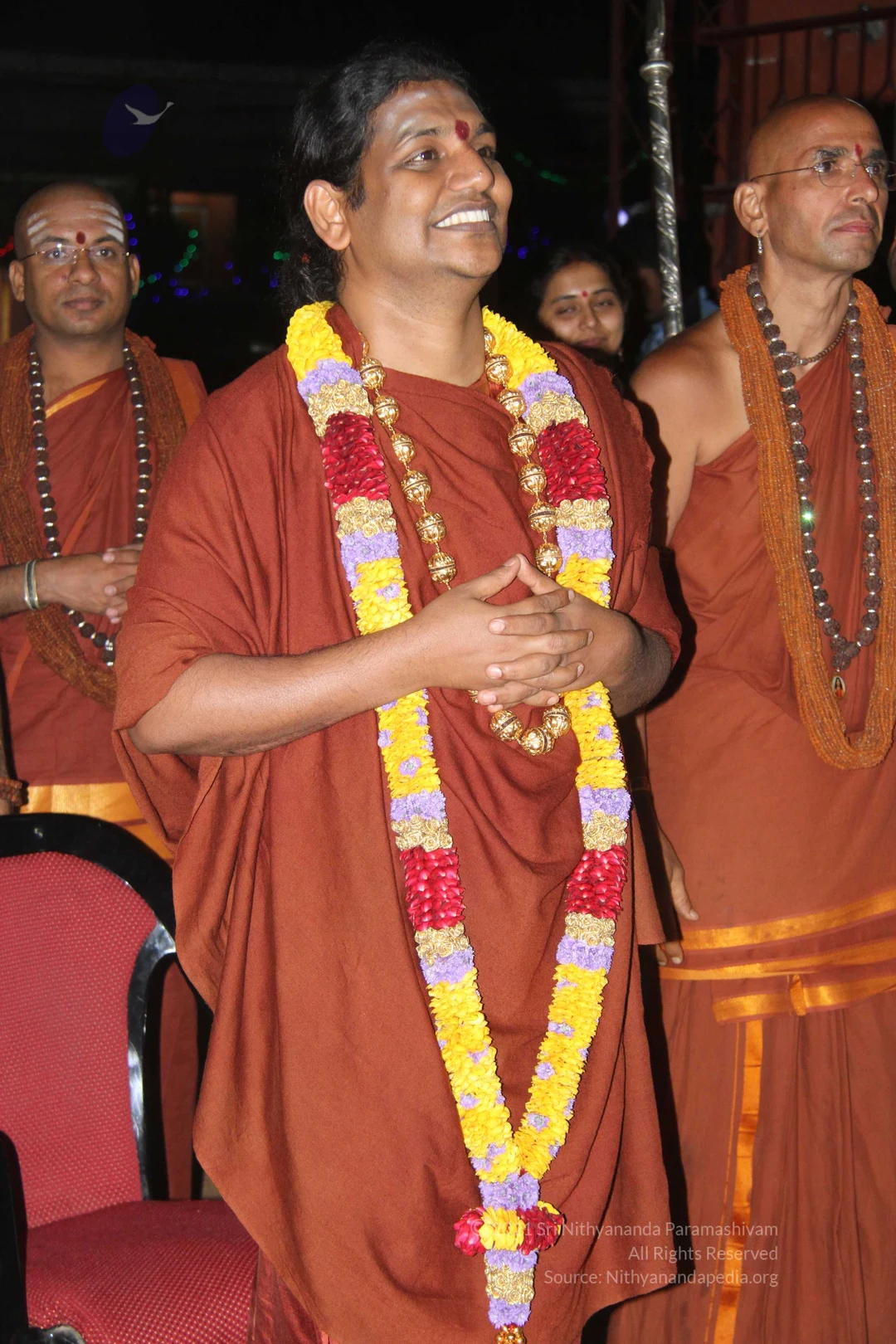
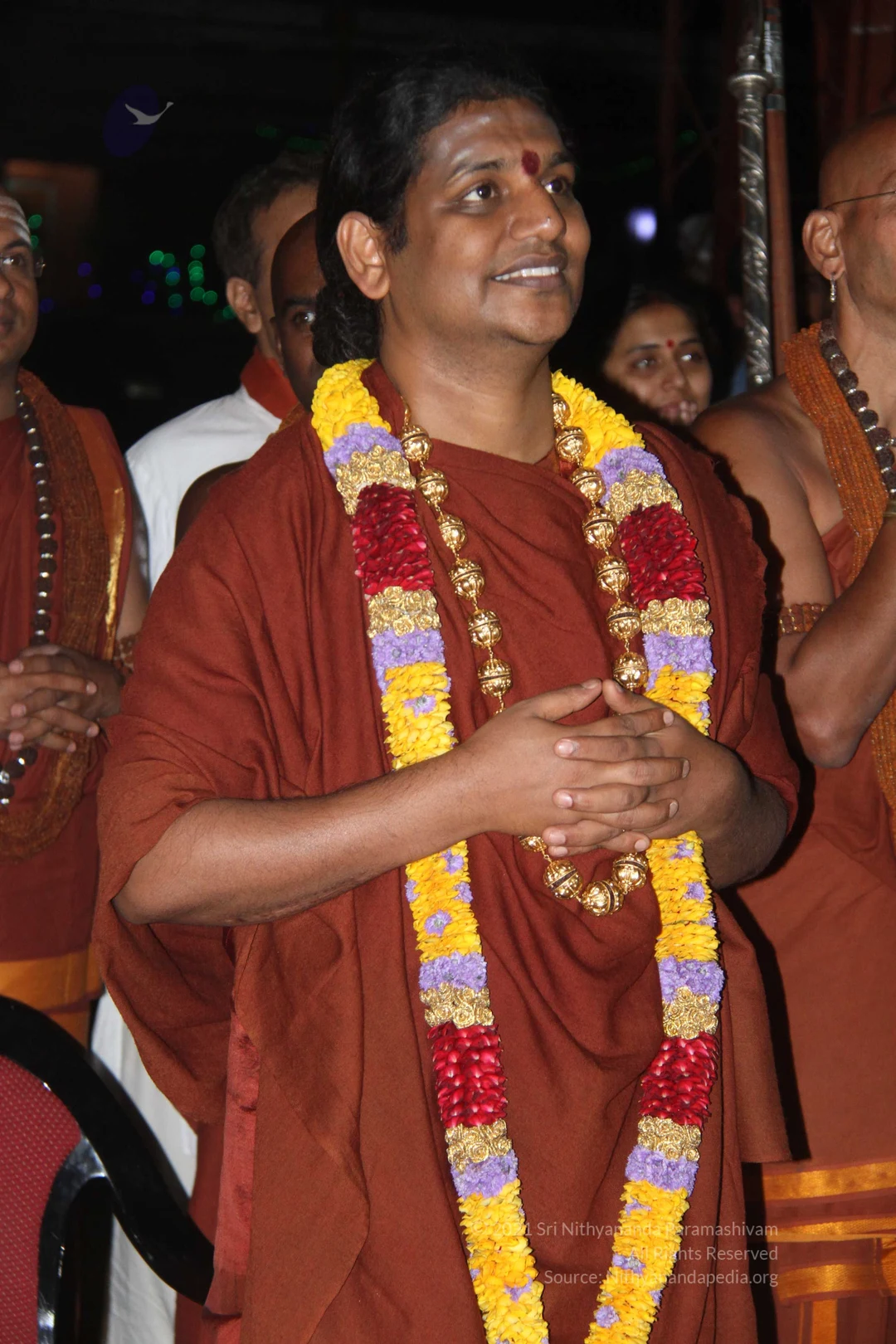
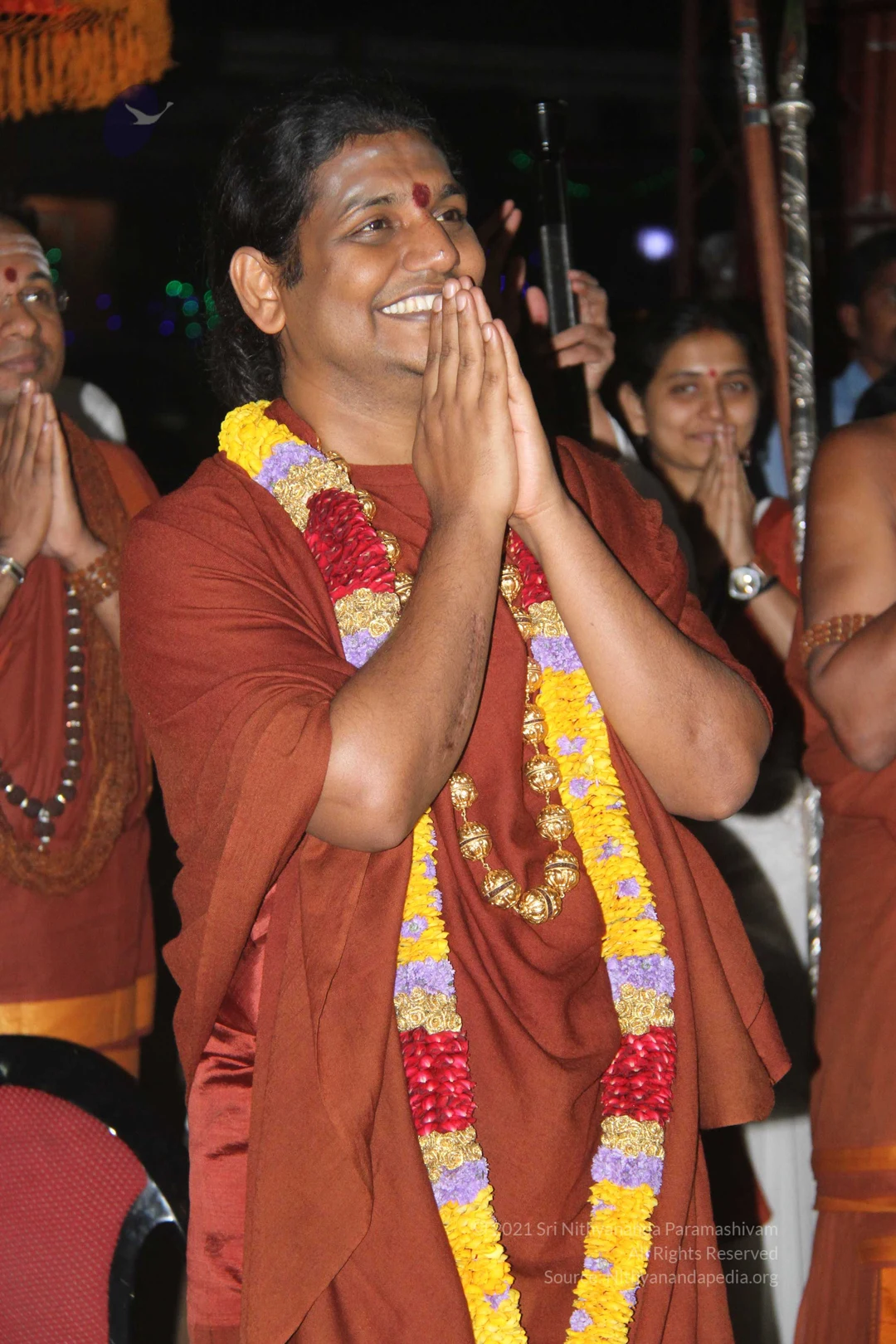
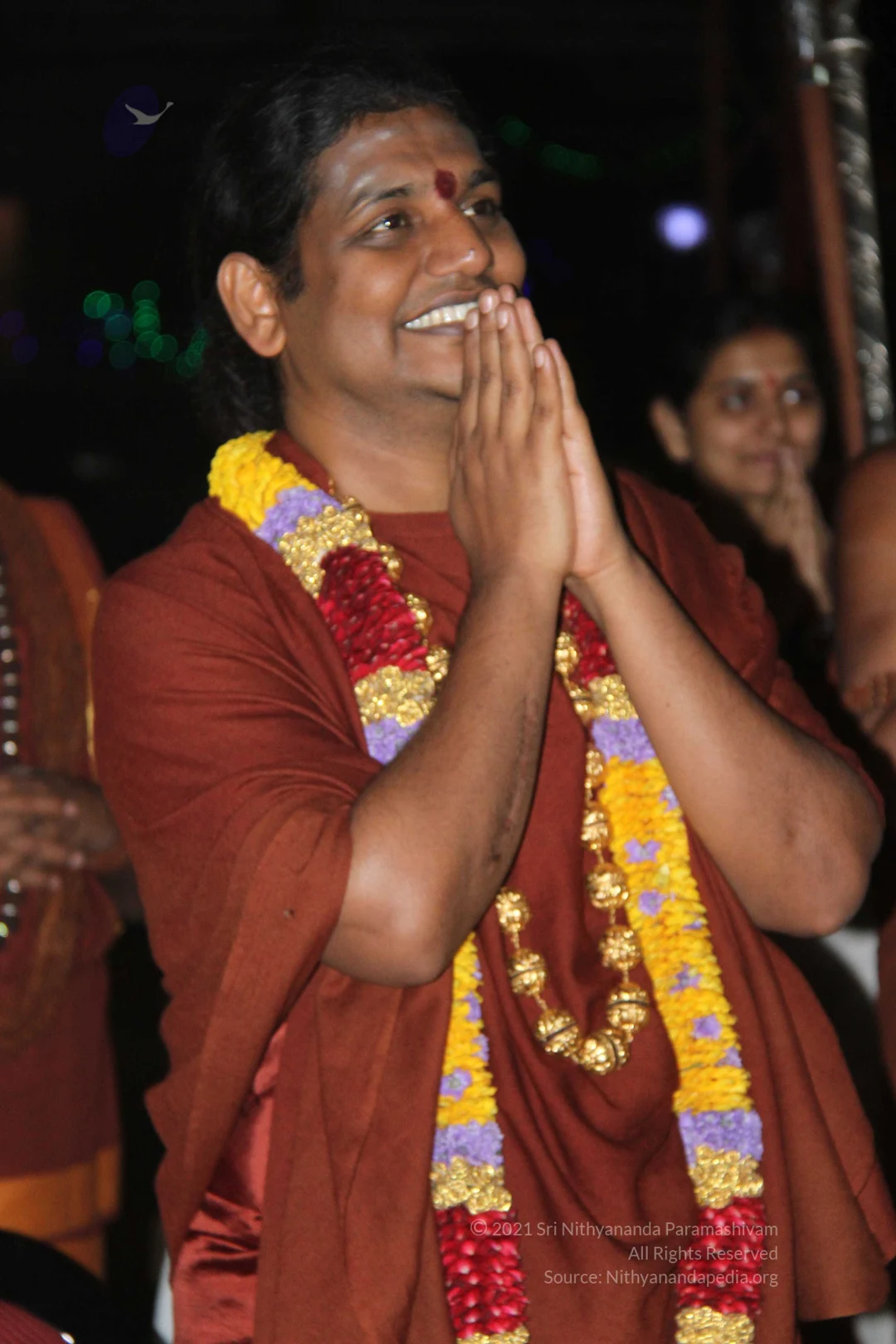
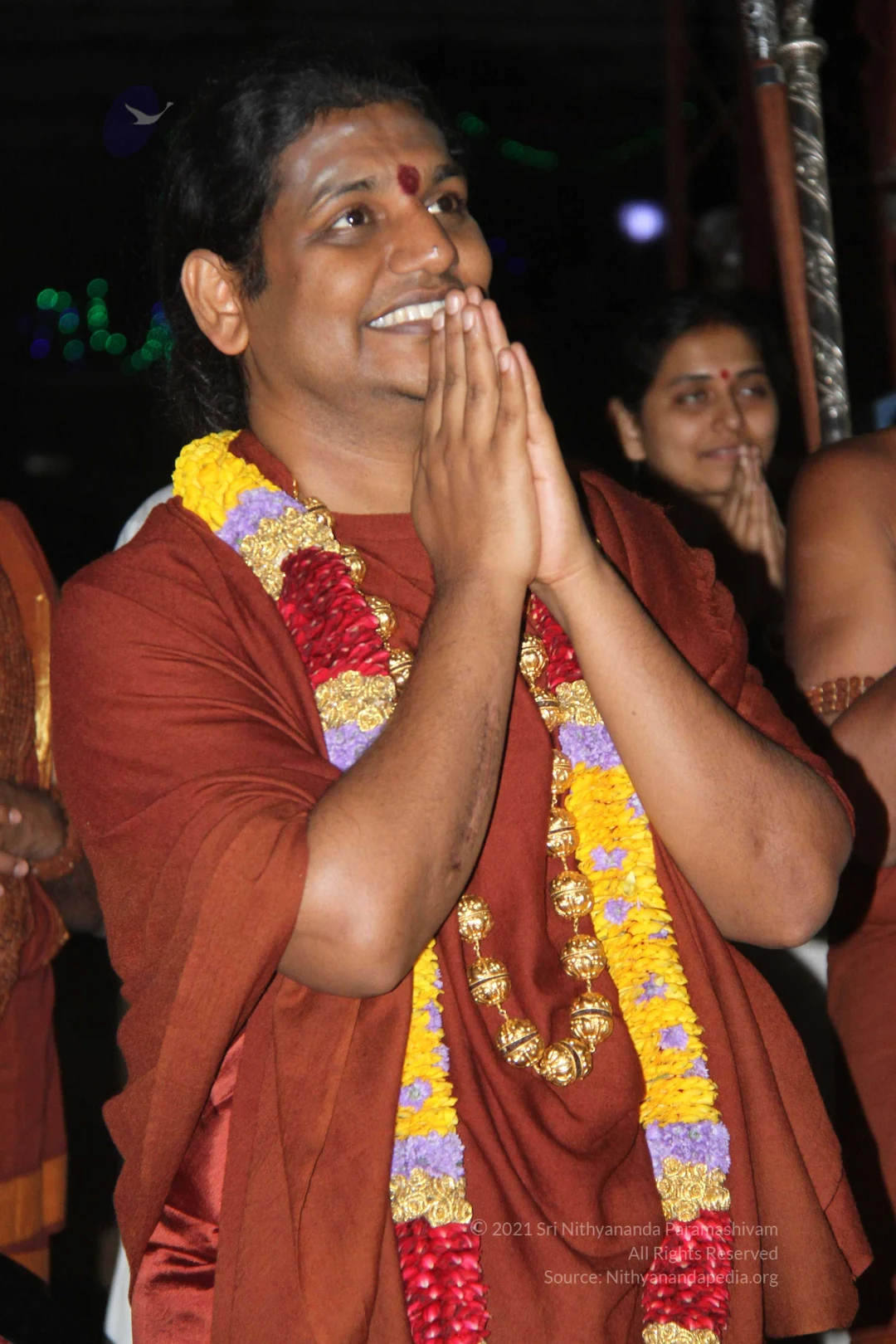
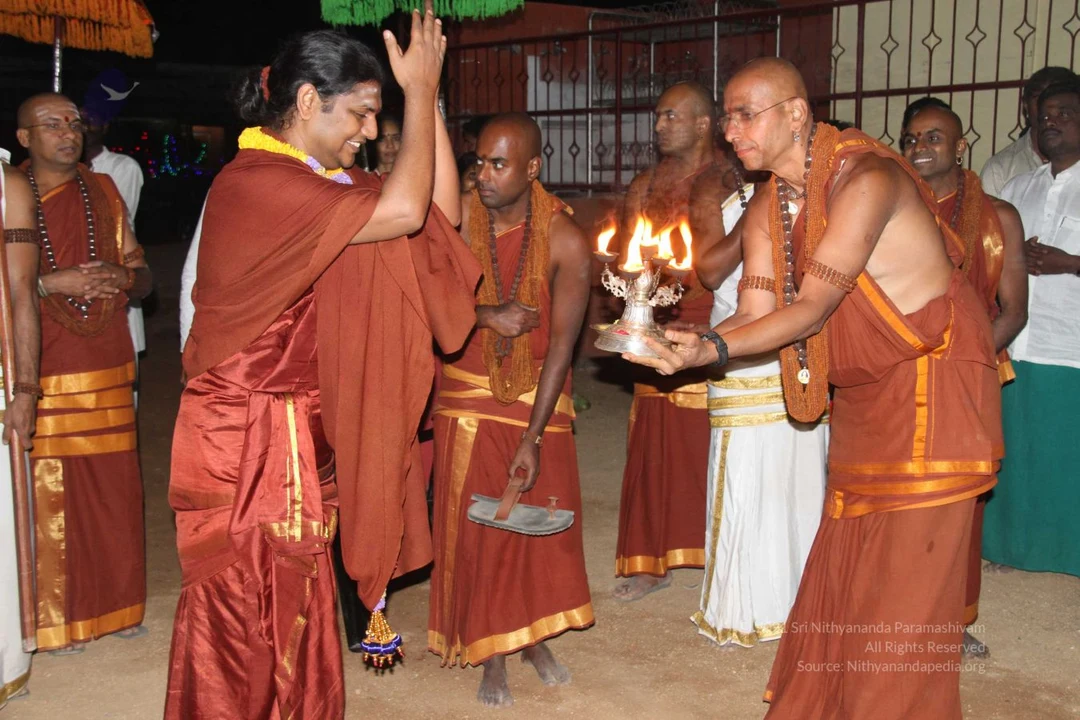
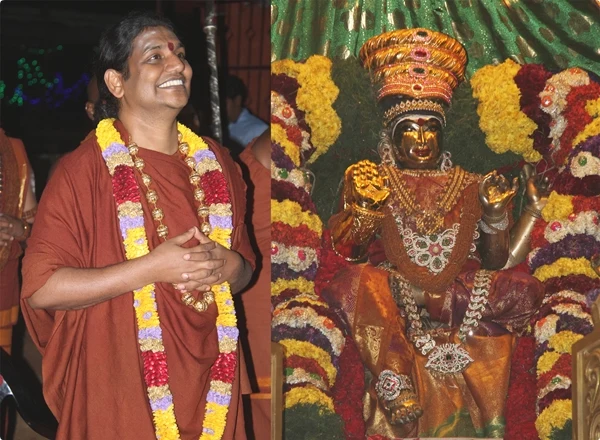
Photos Of The Day:
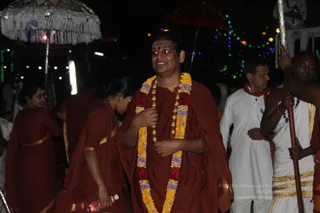
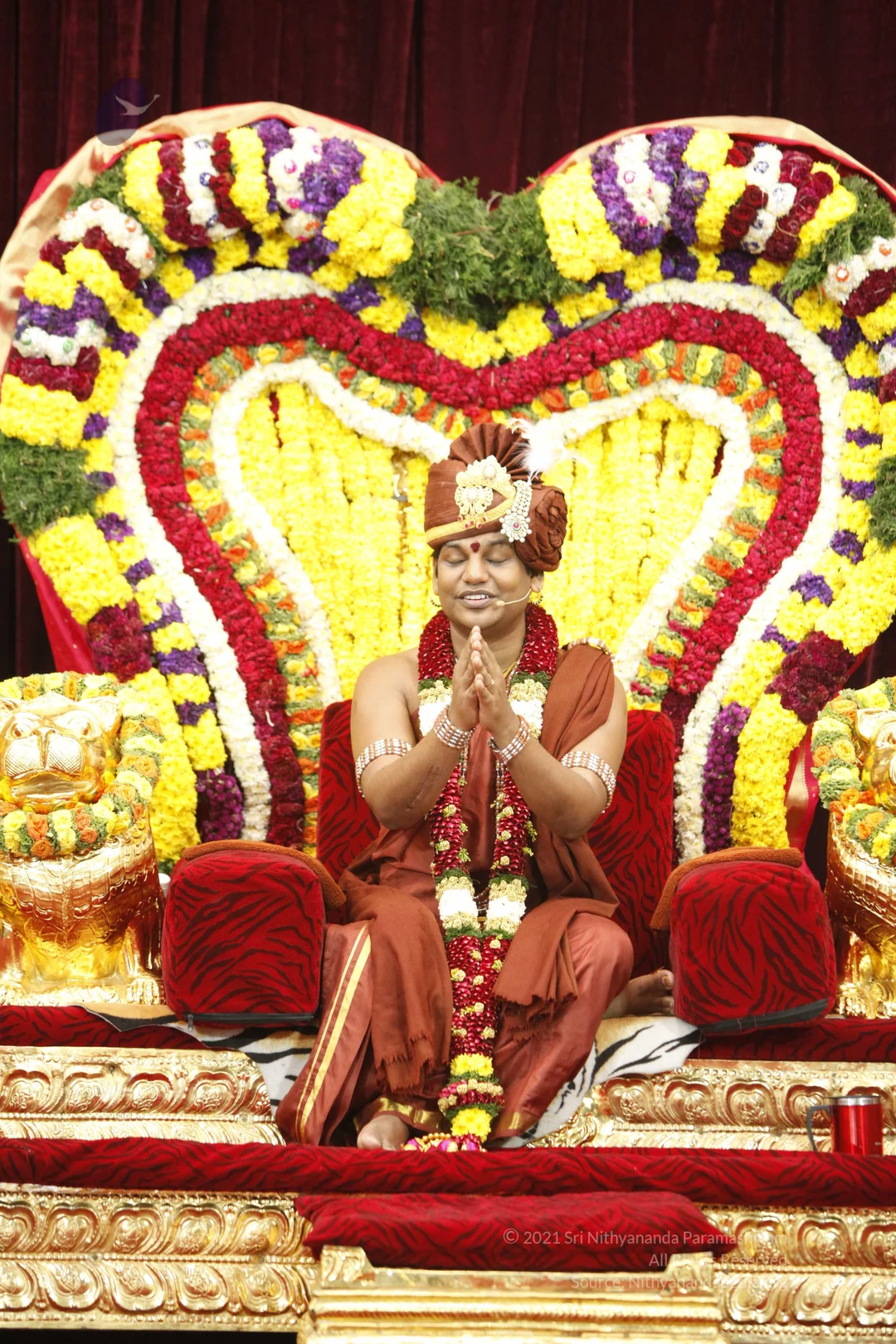
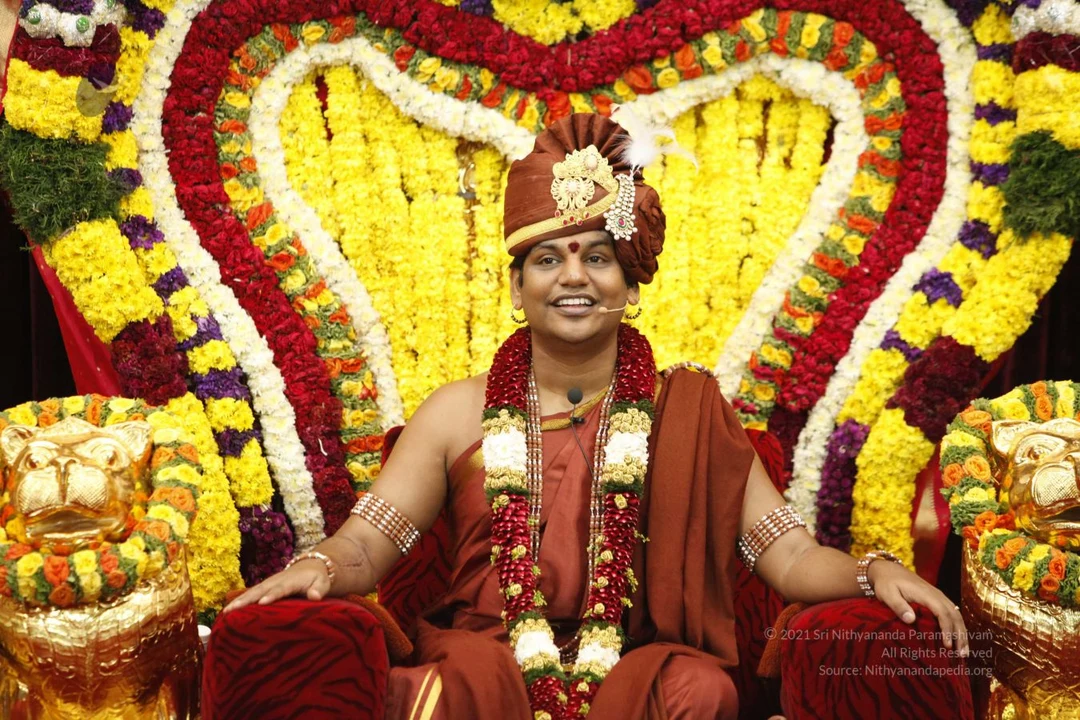
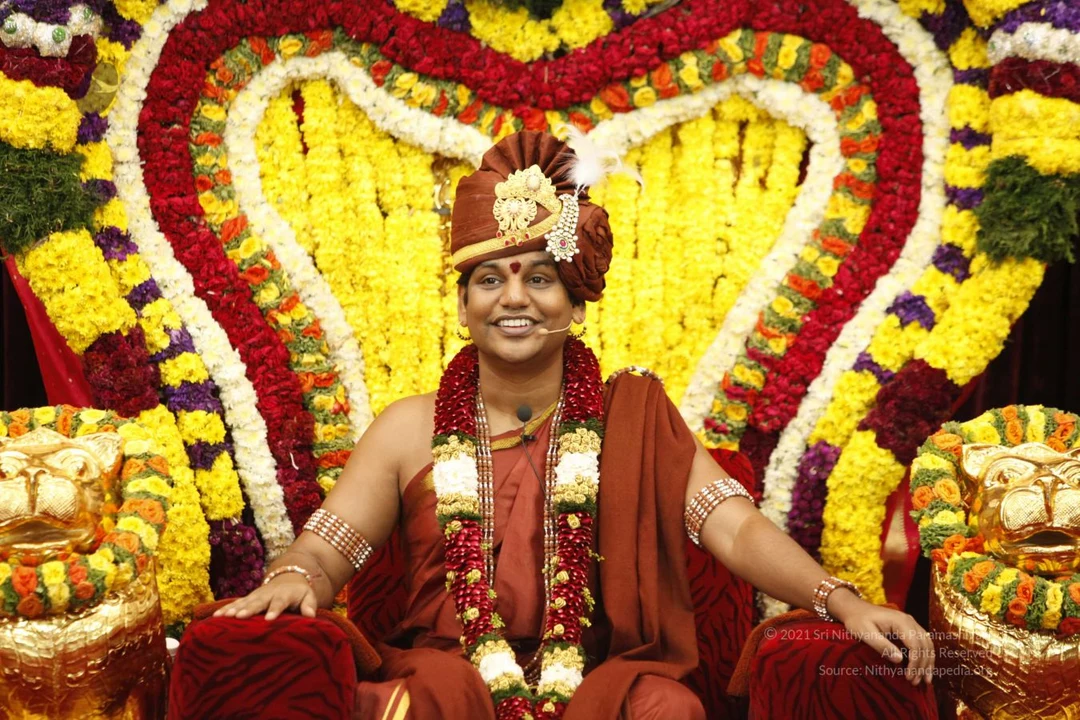
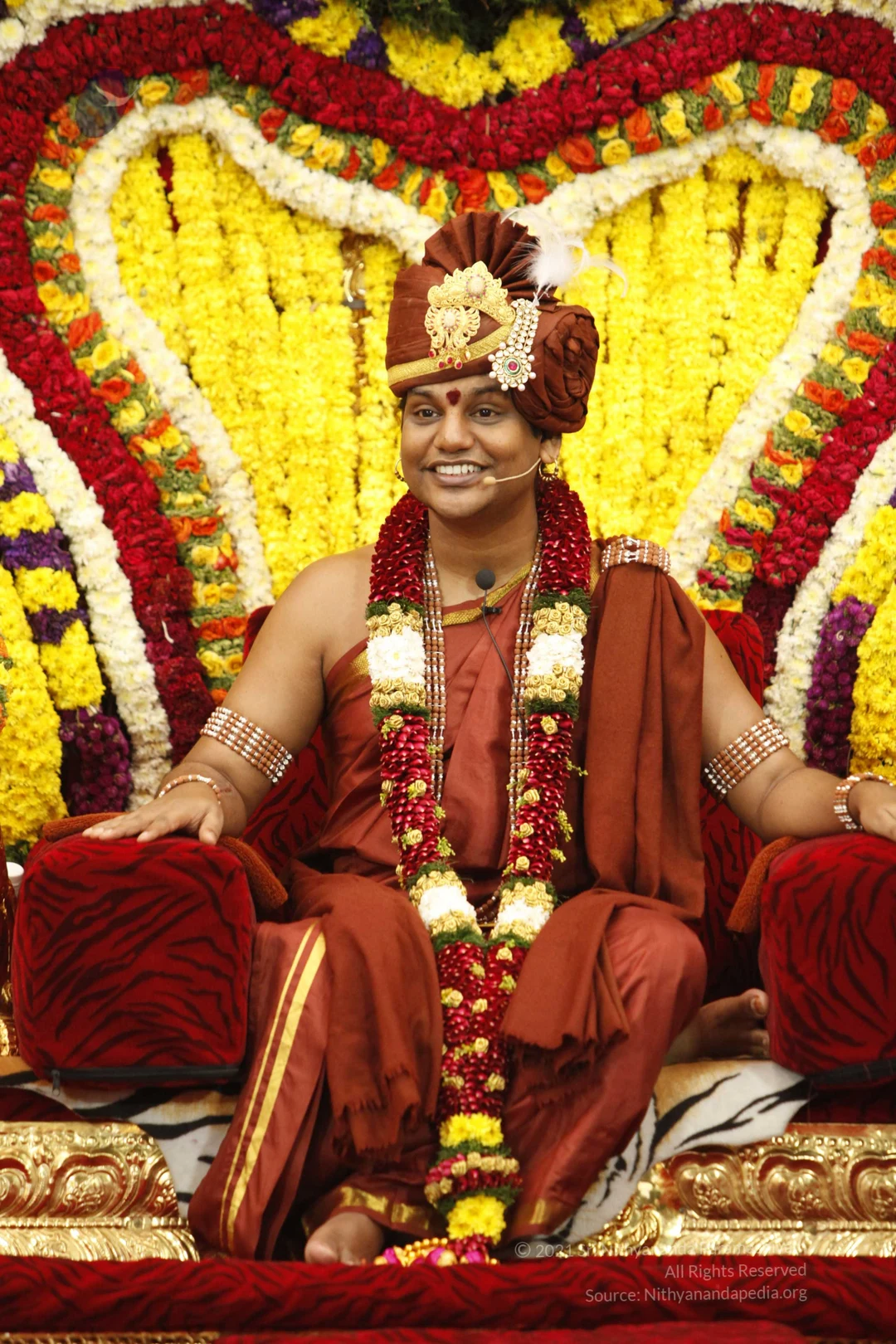
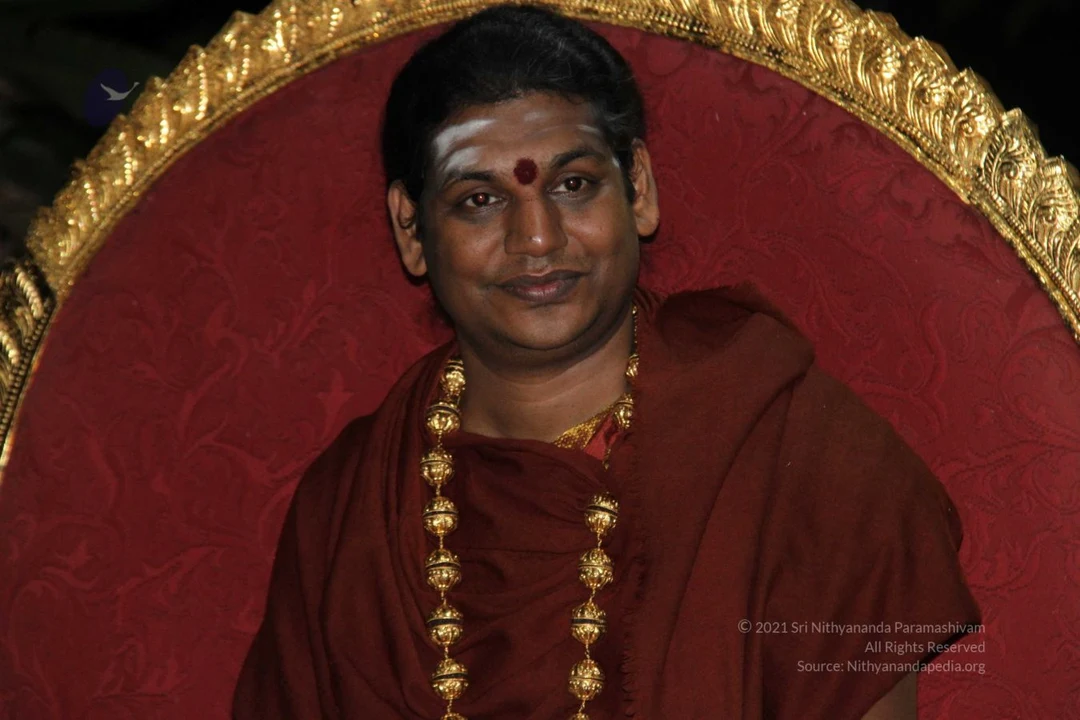
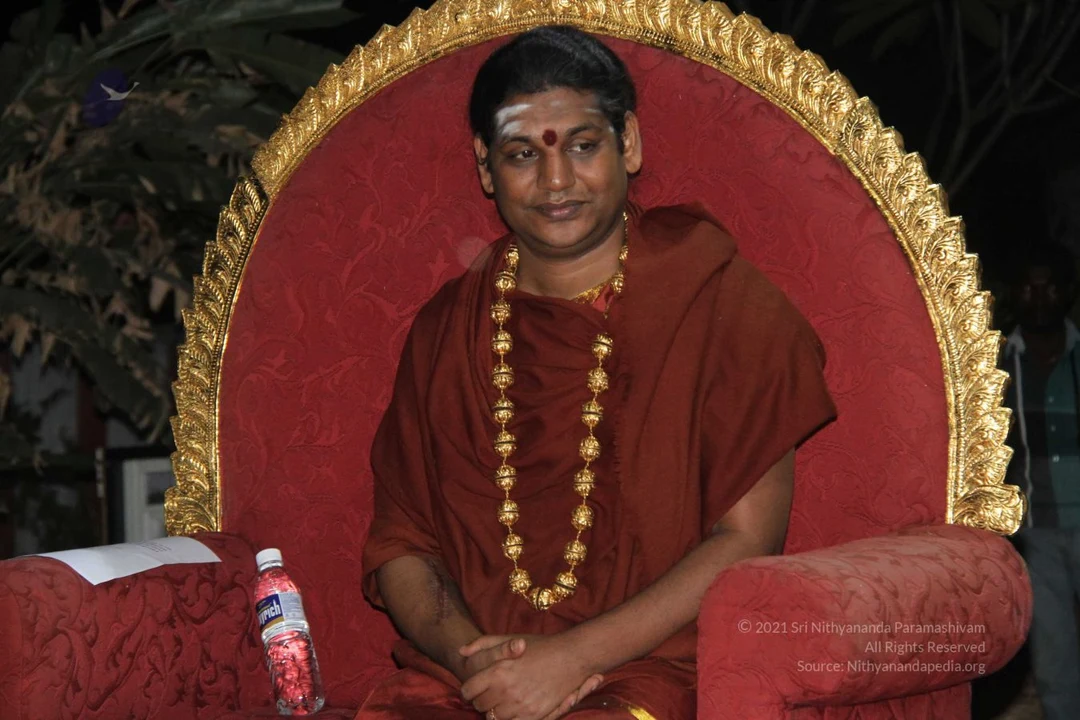
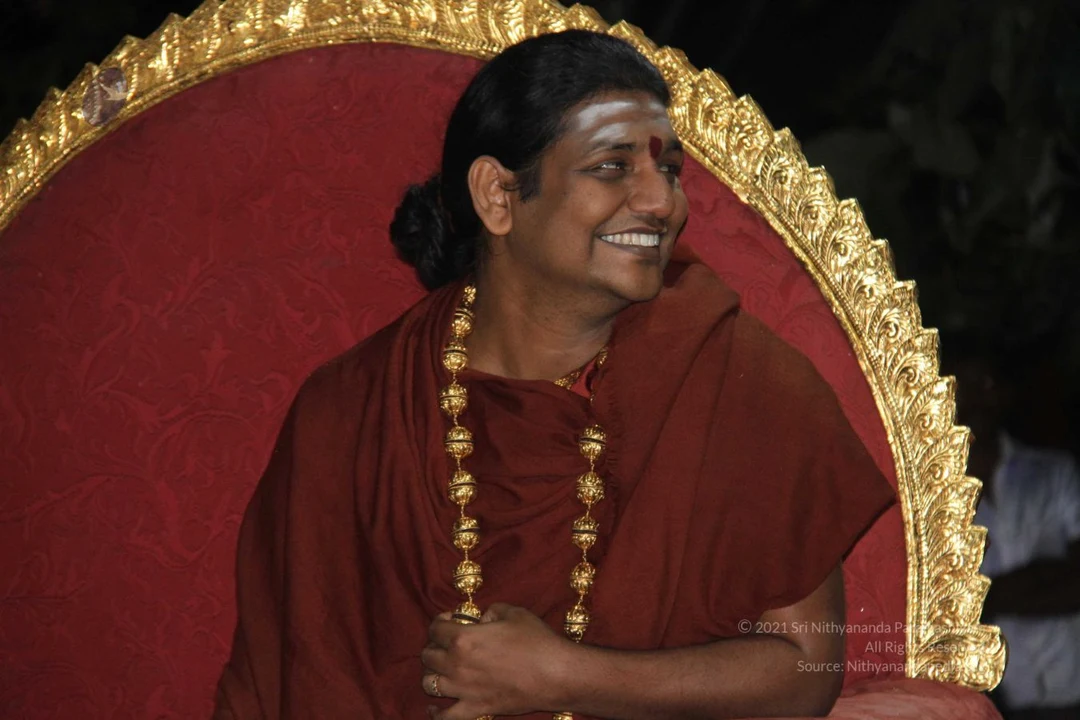
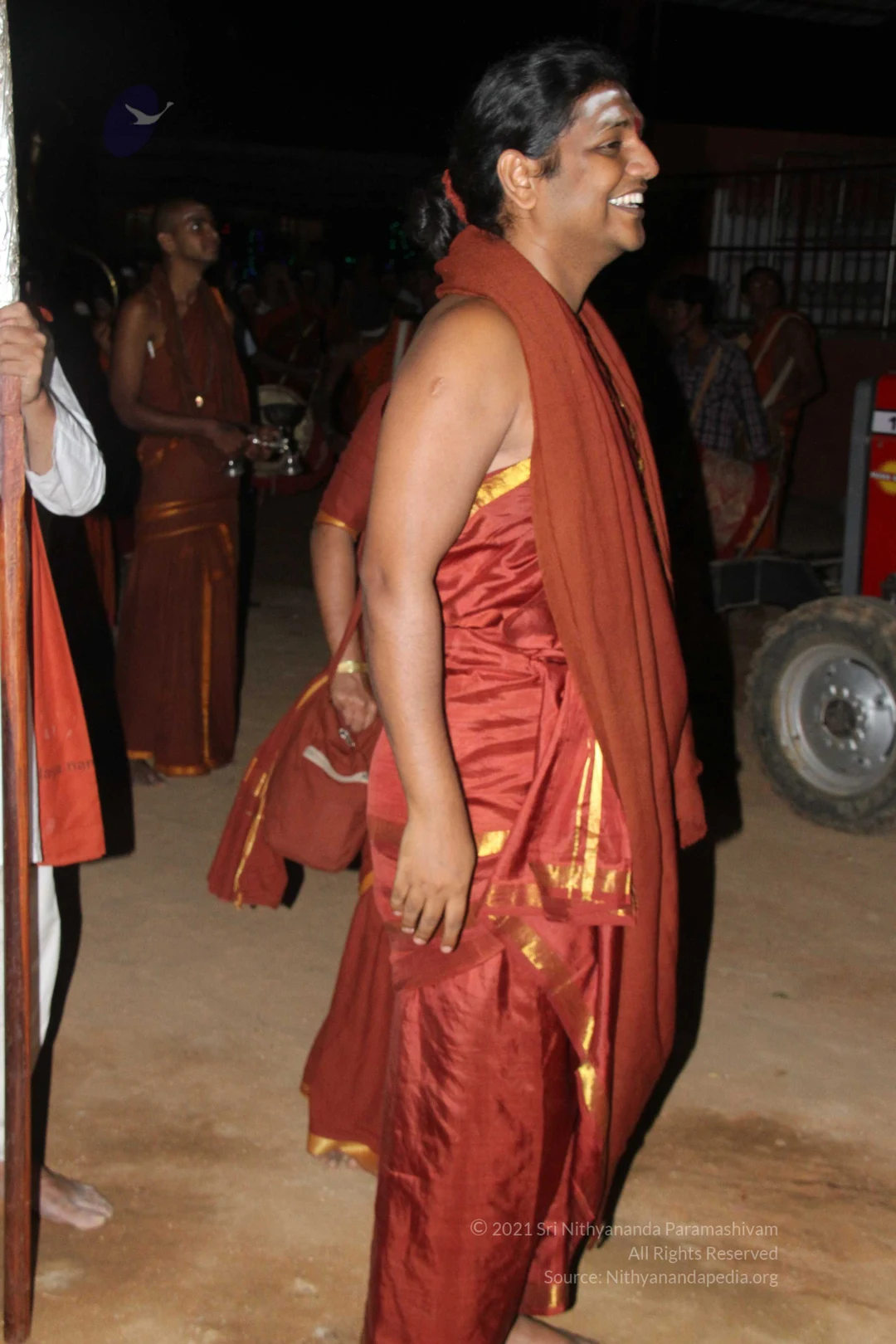
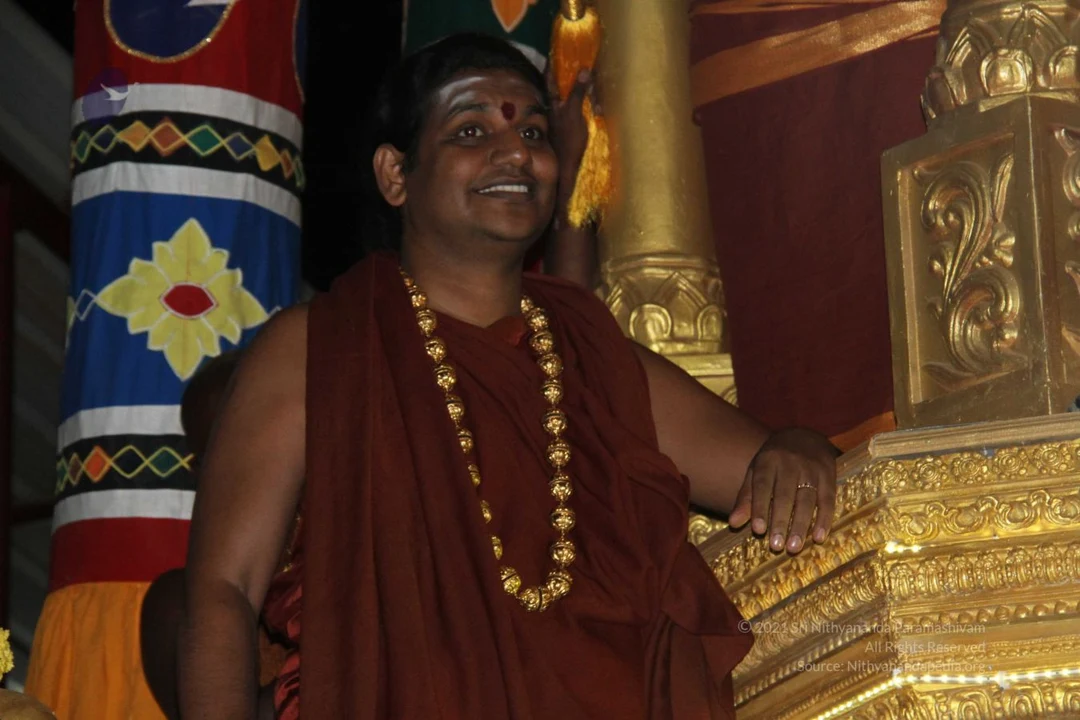
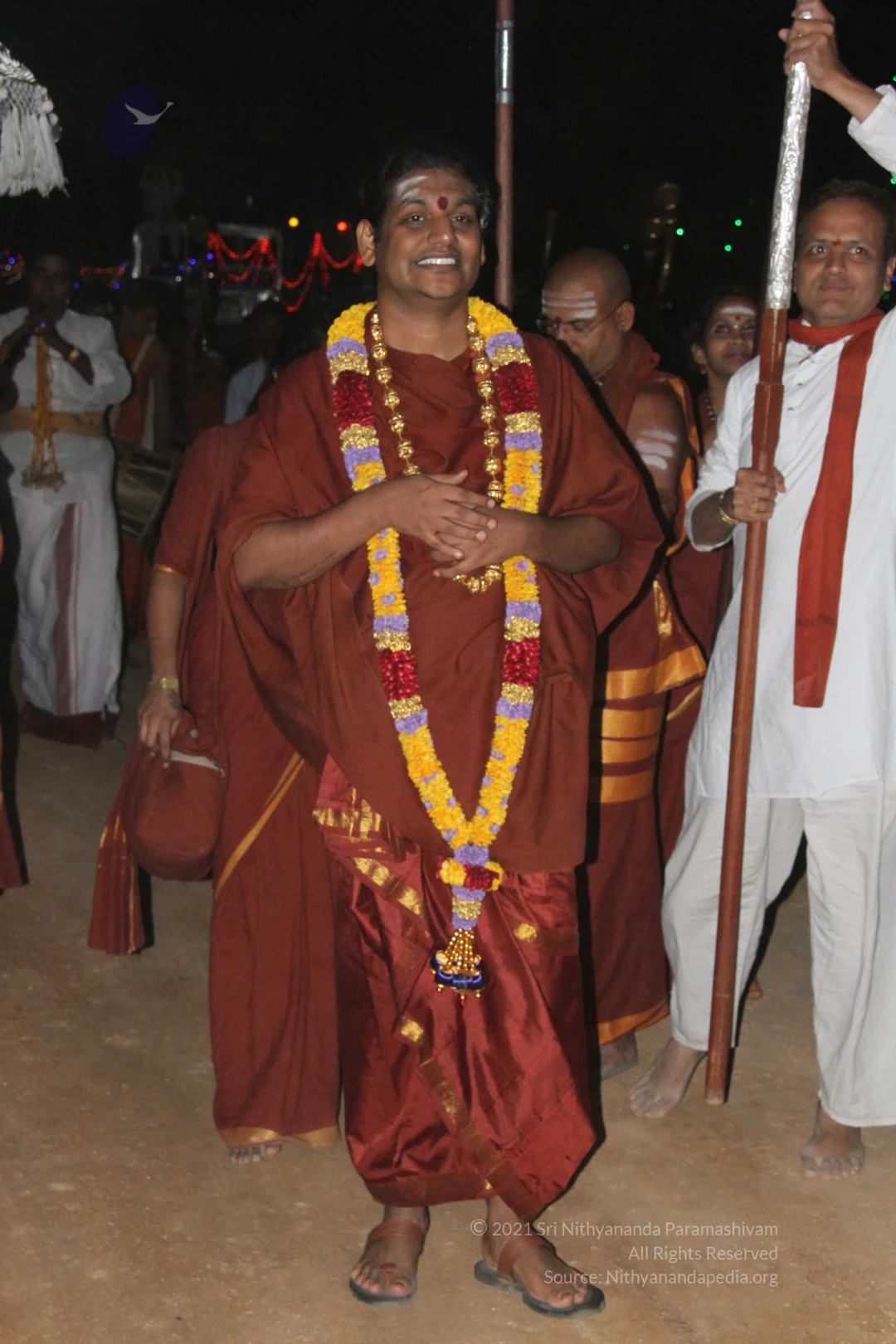
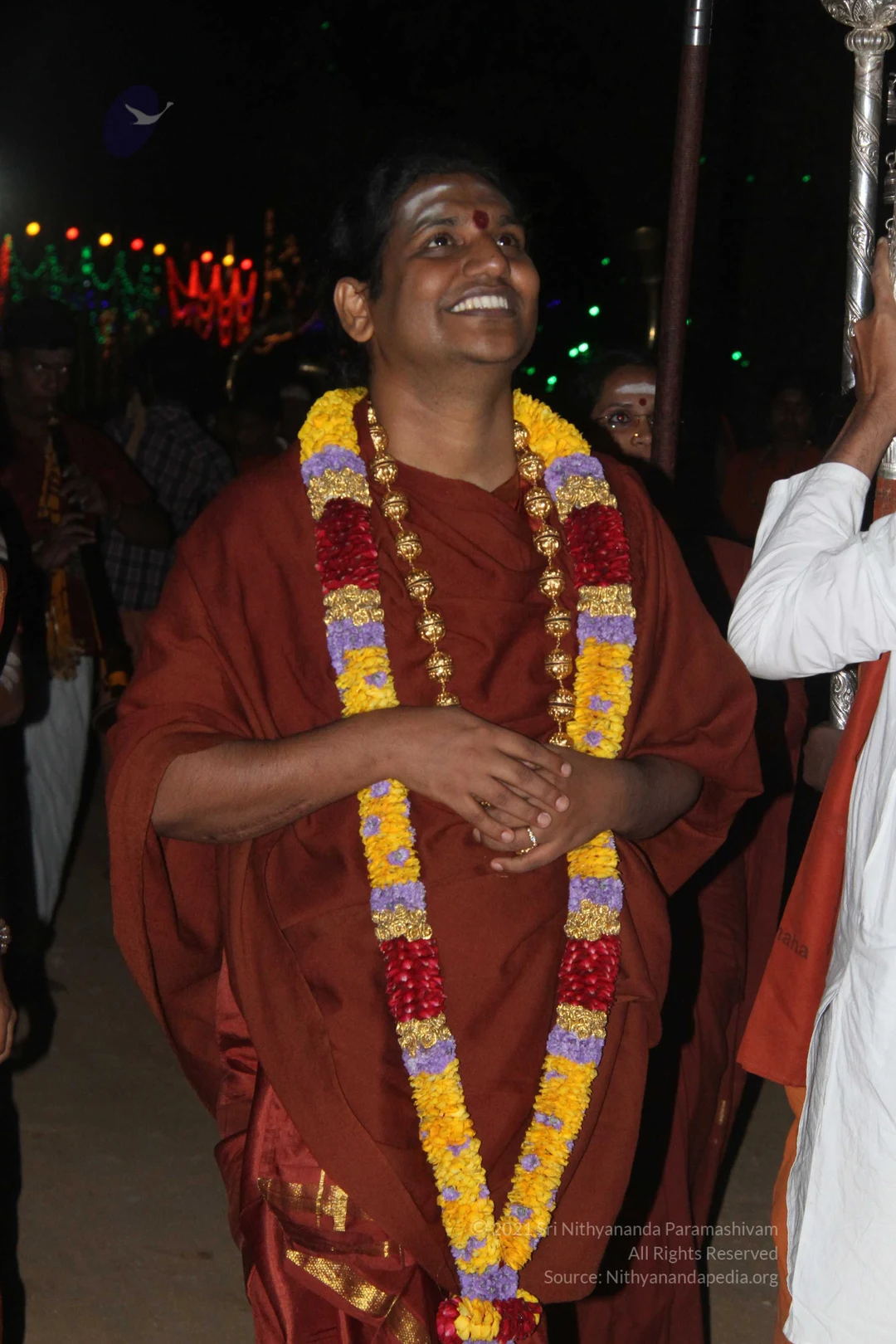
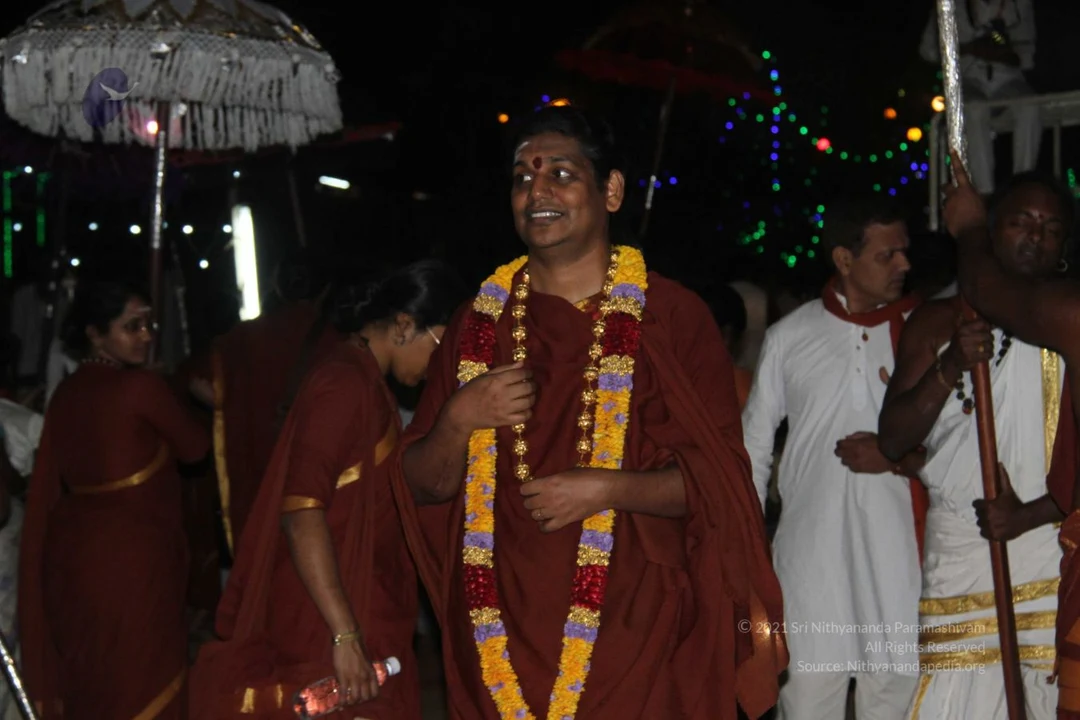
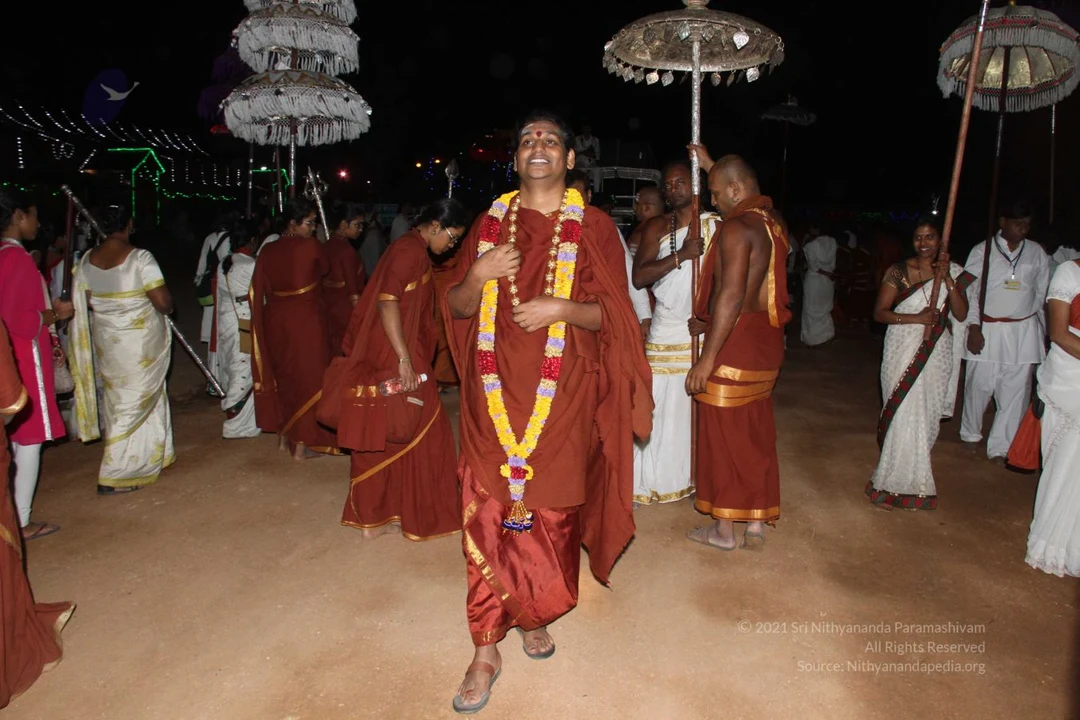
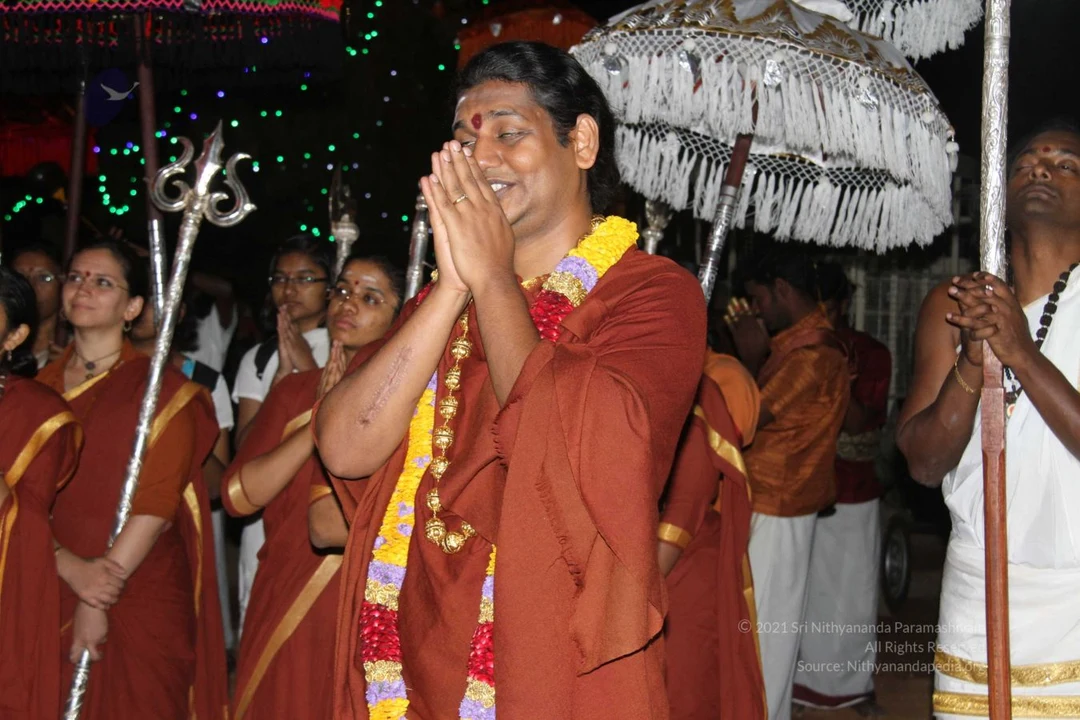
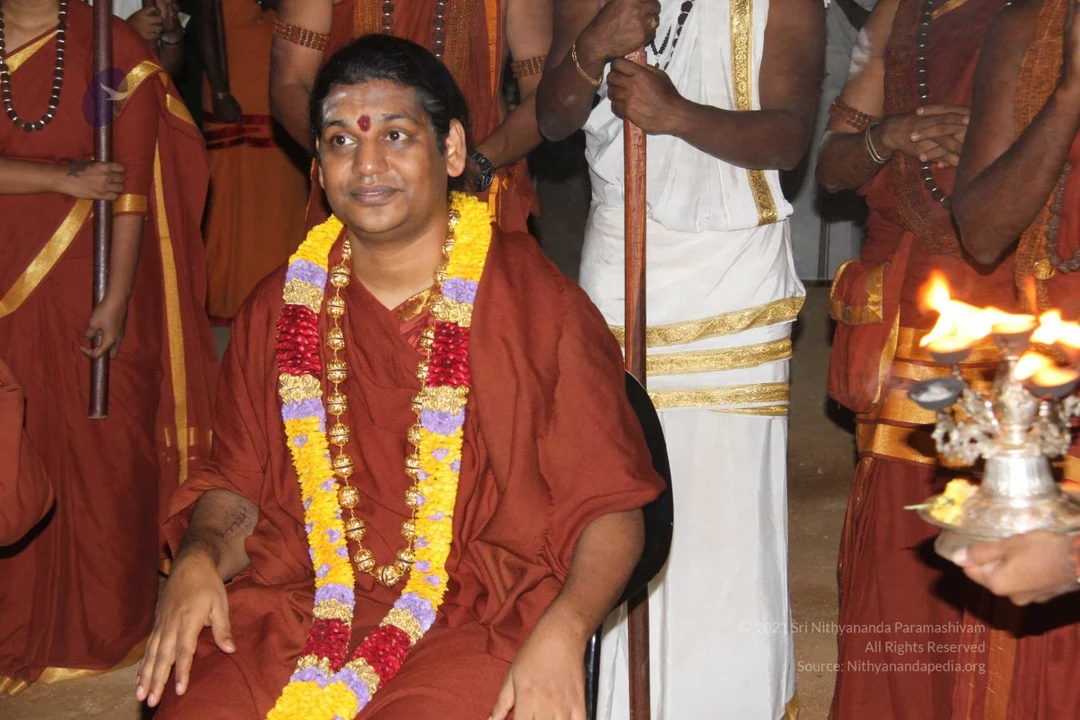
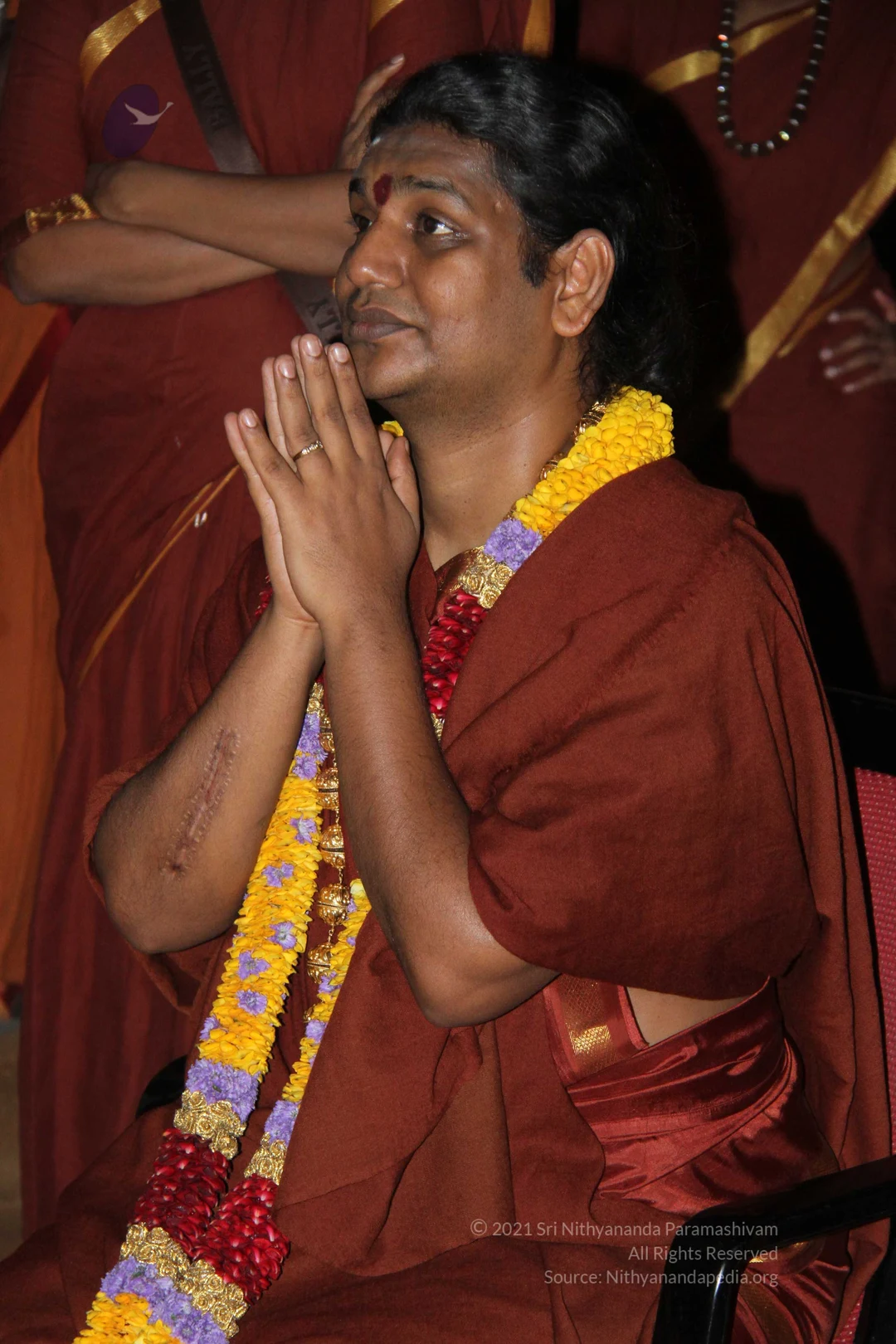
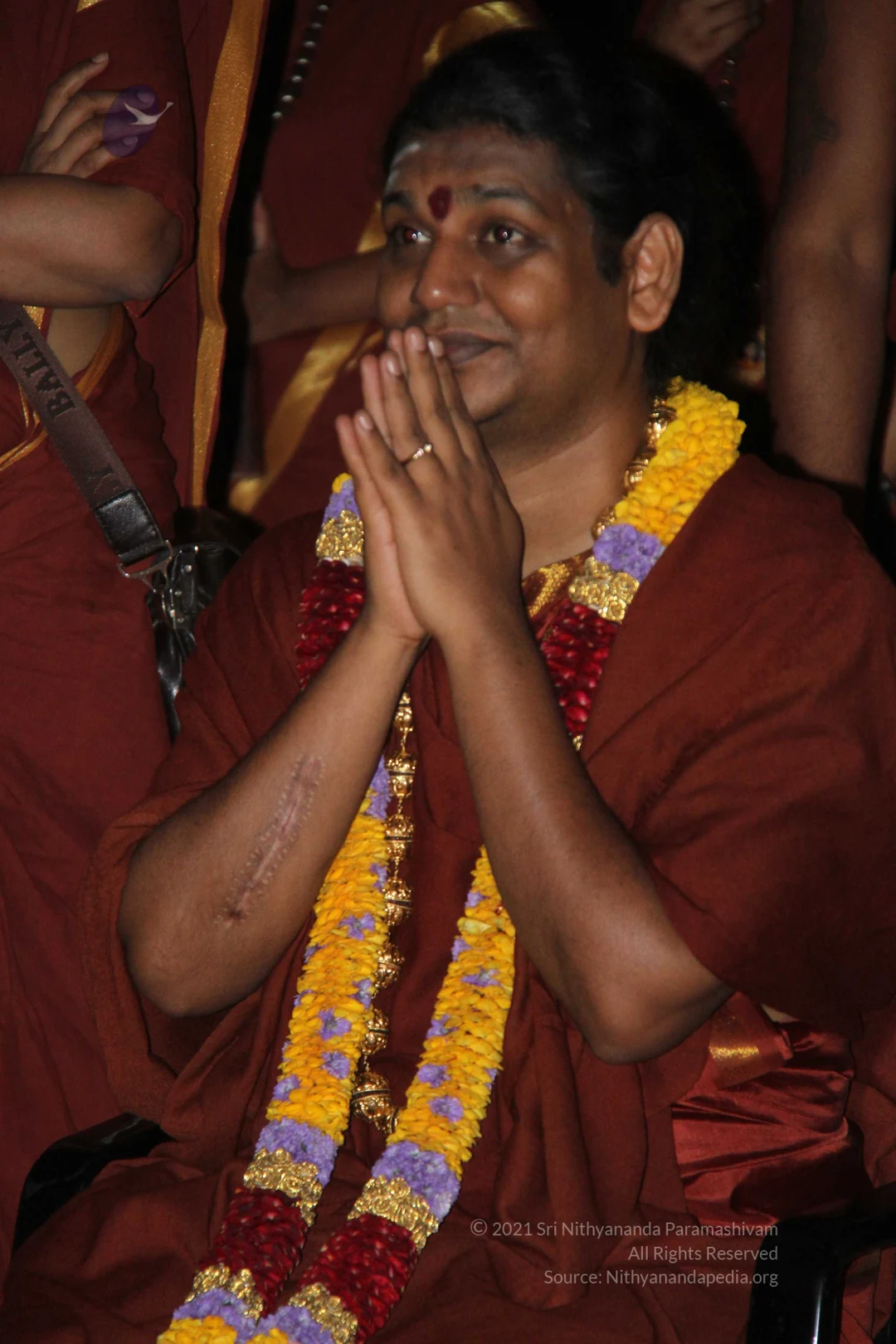
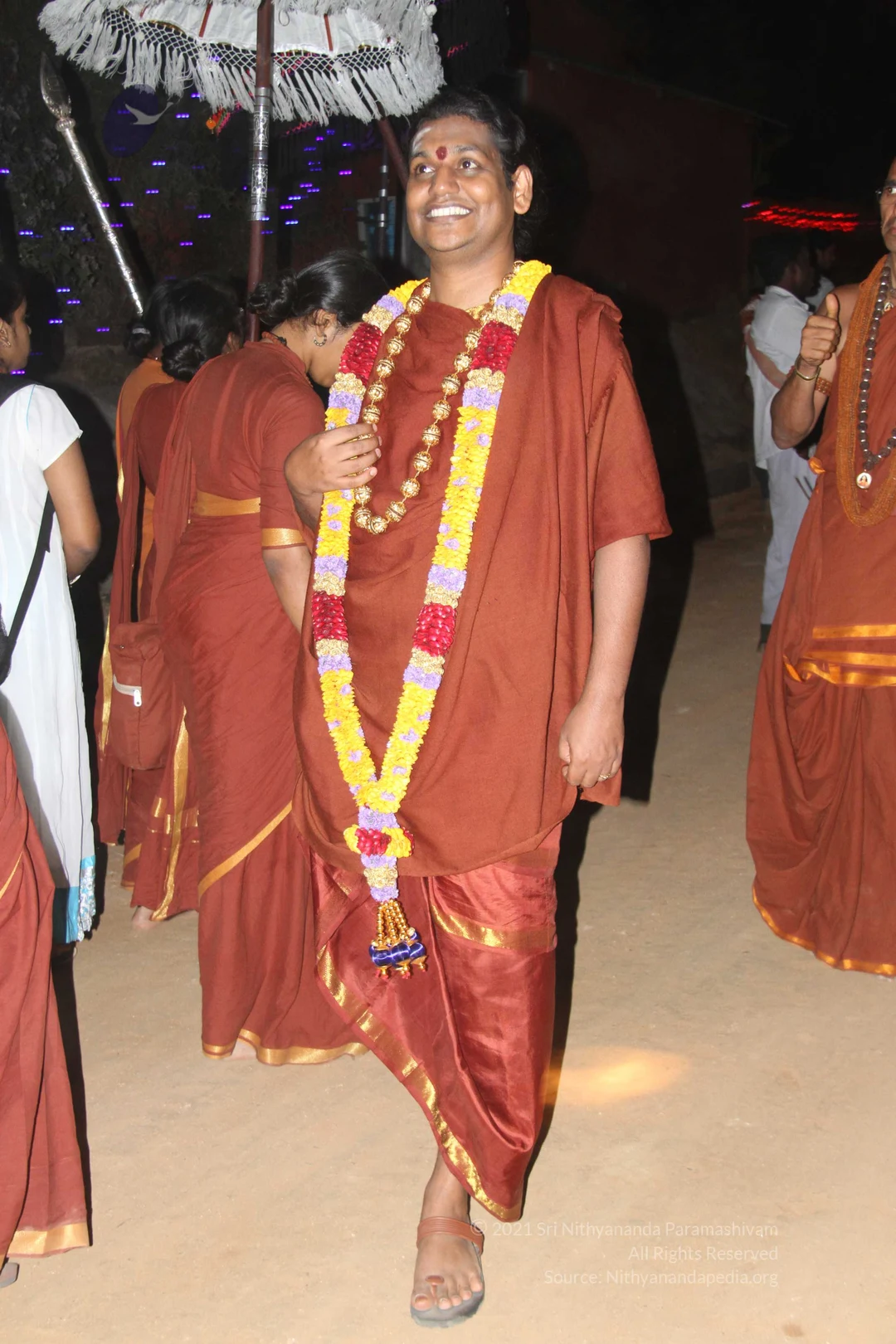
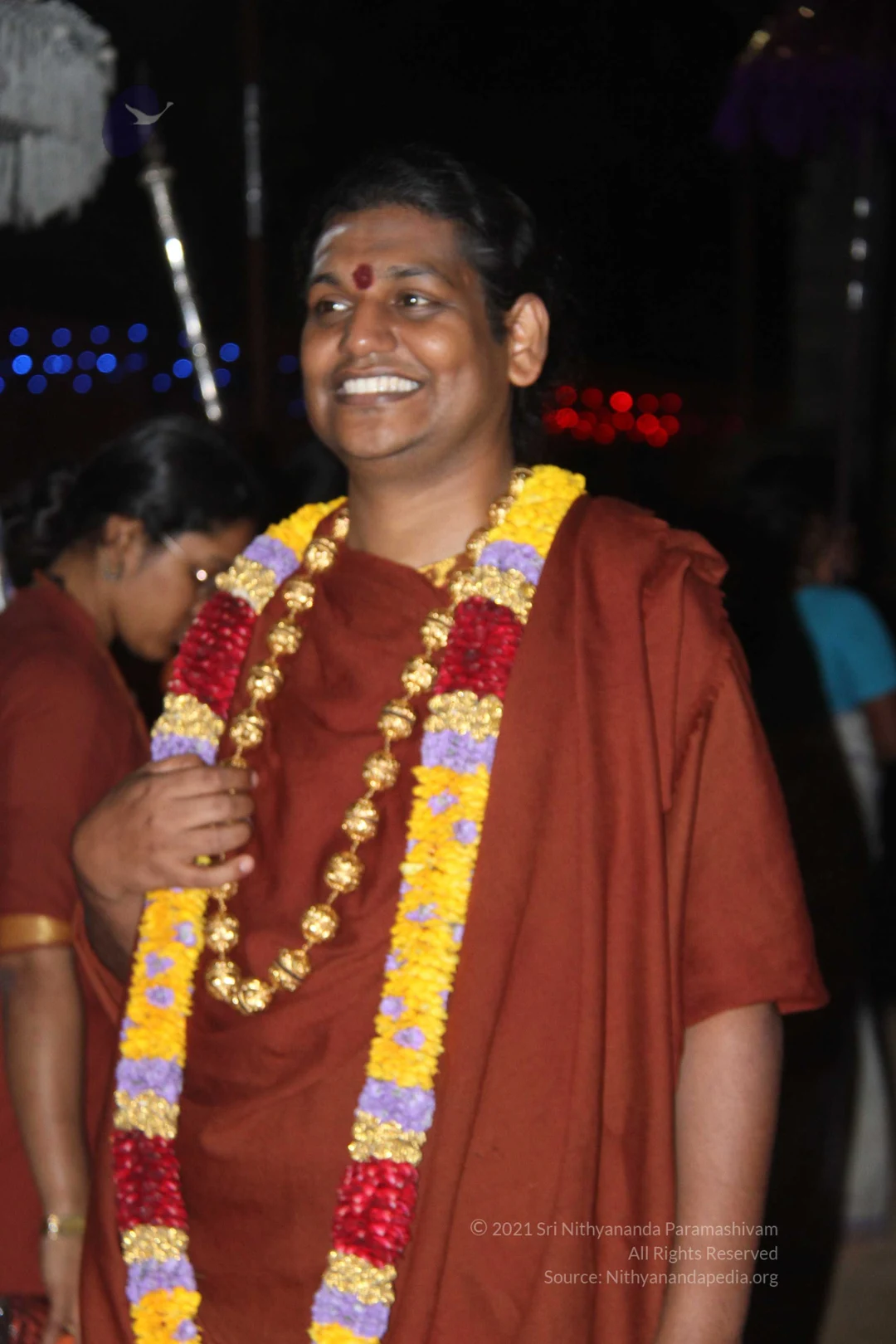
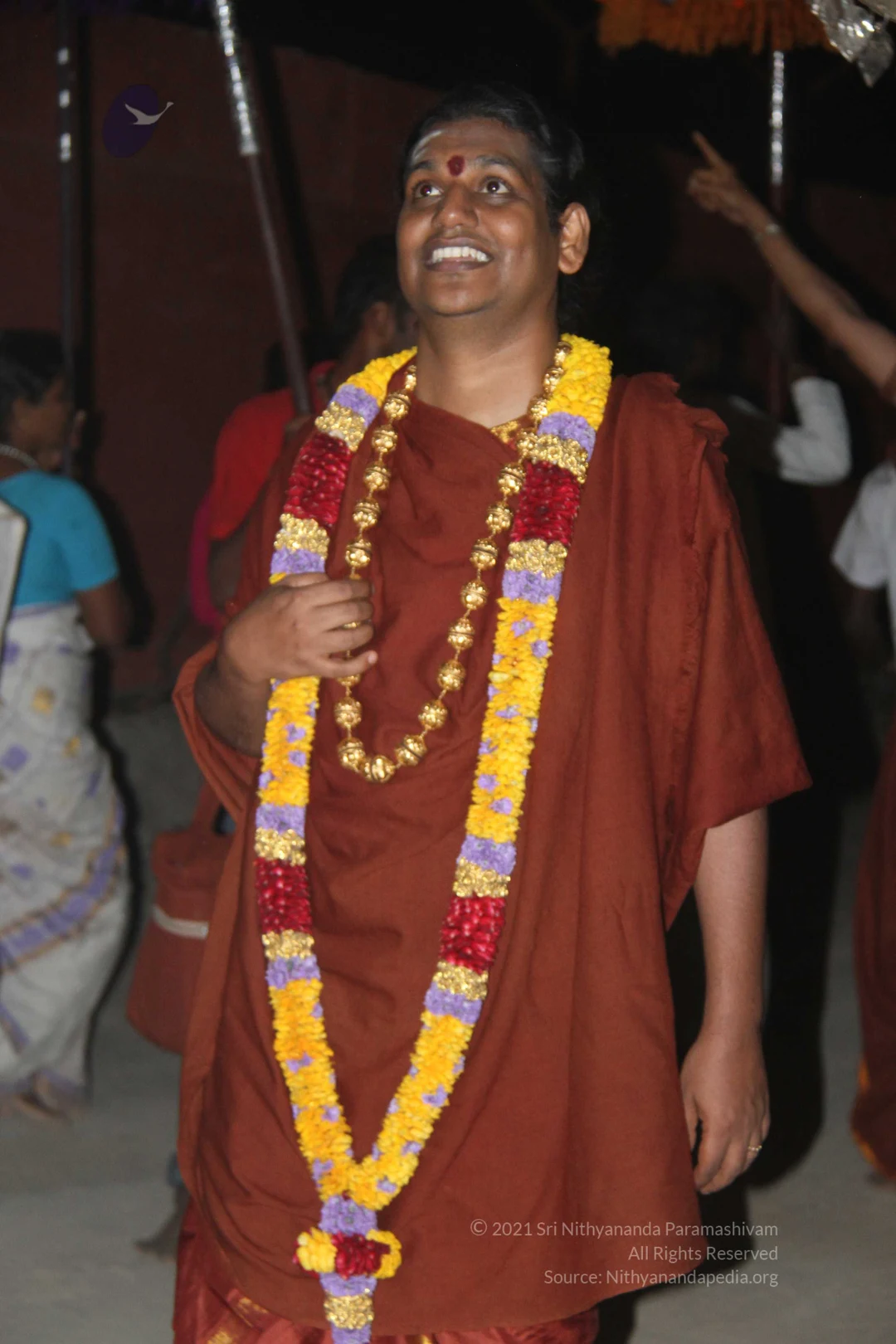
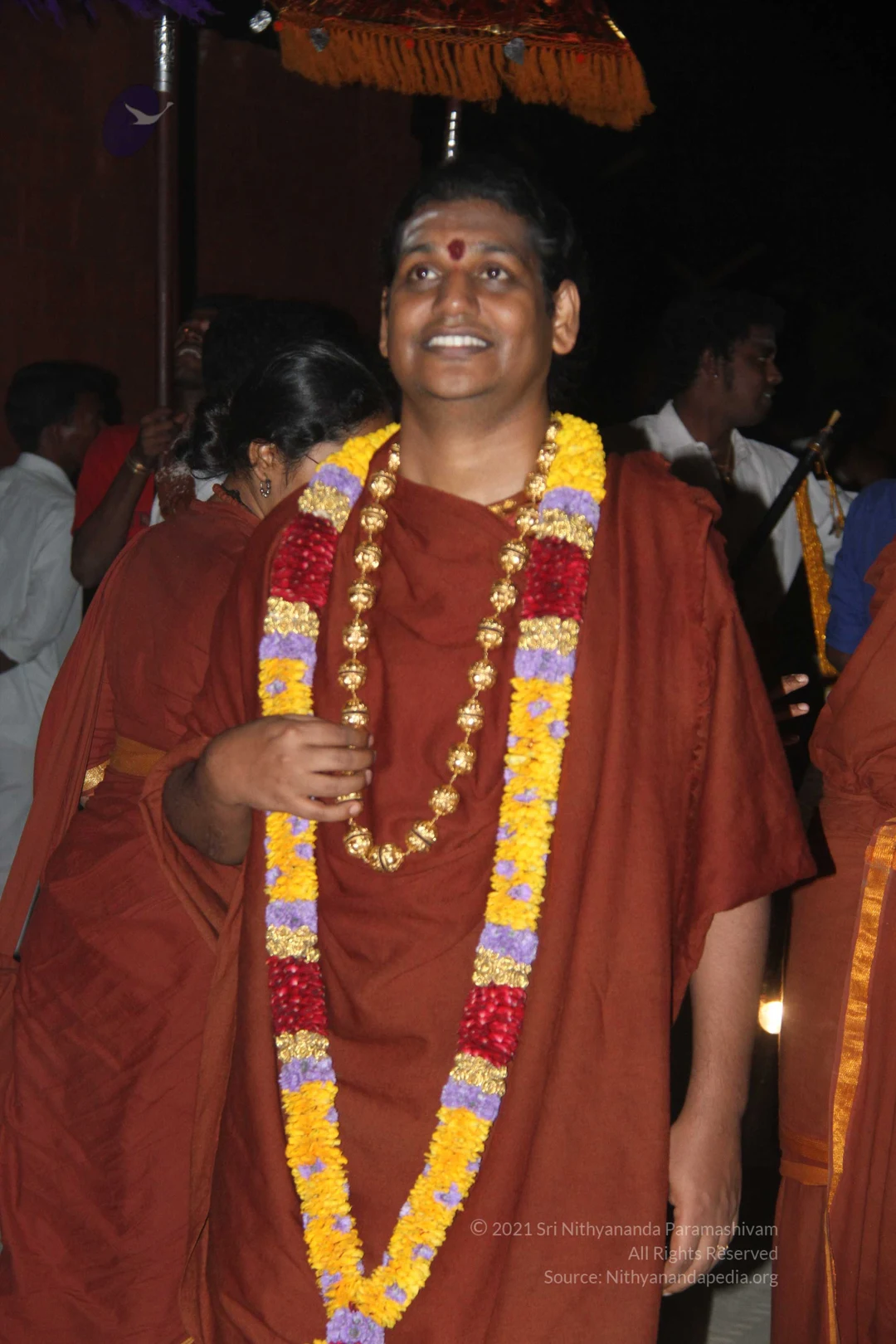
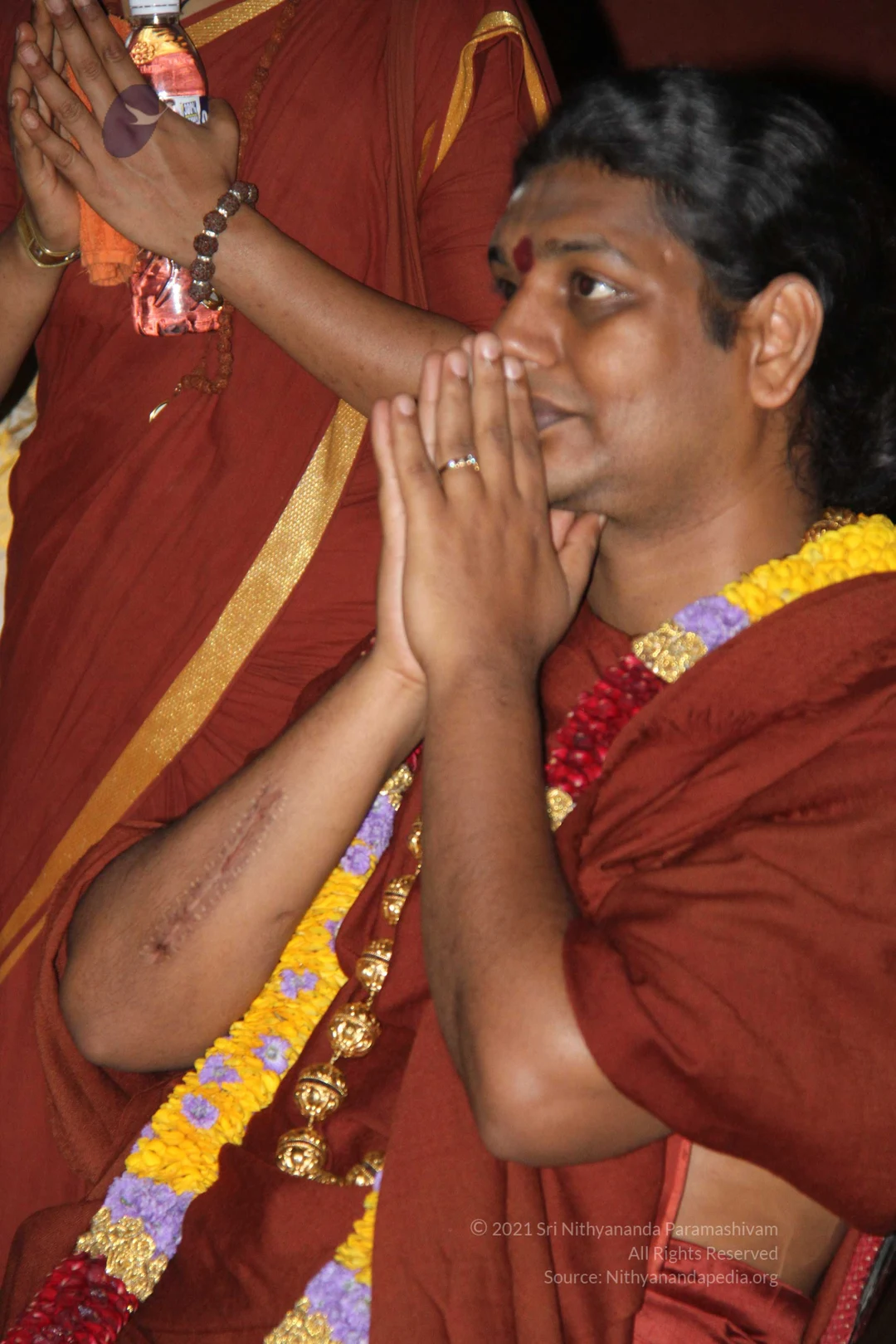
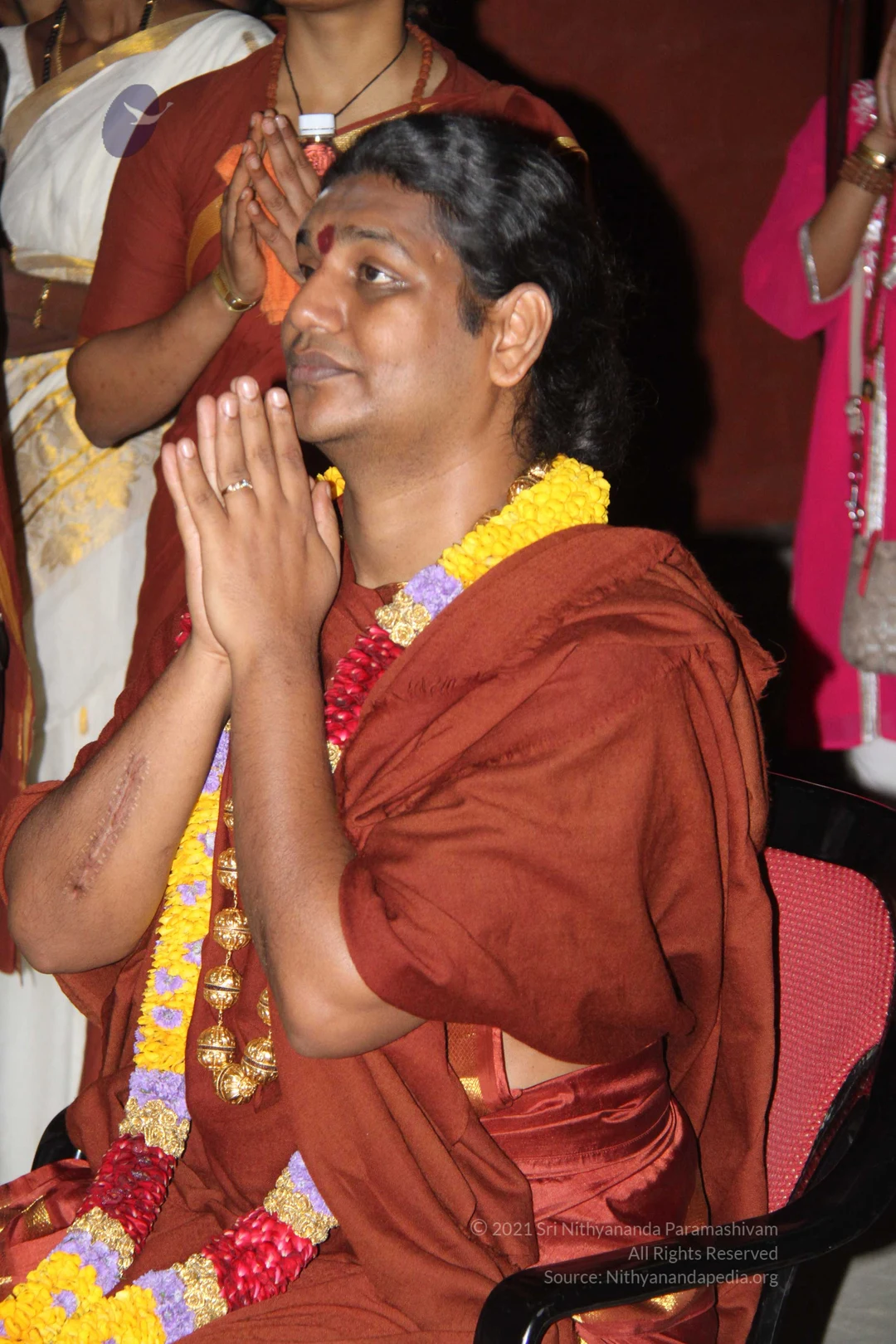
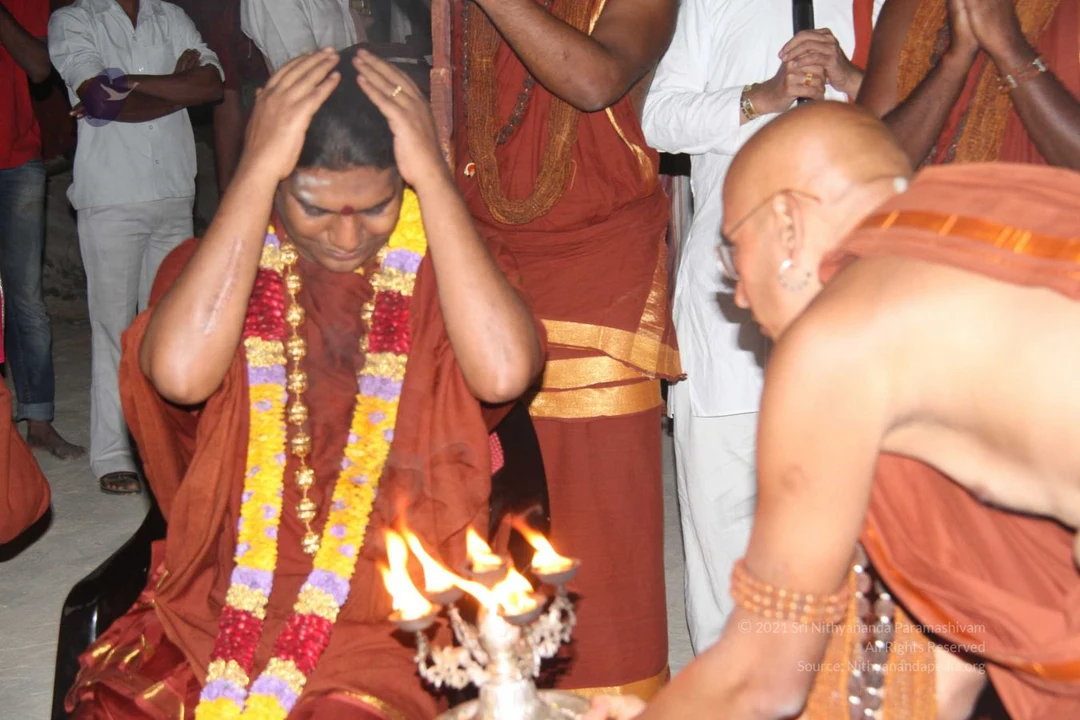
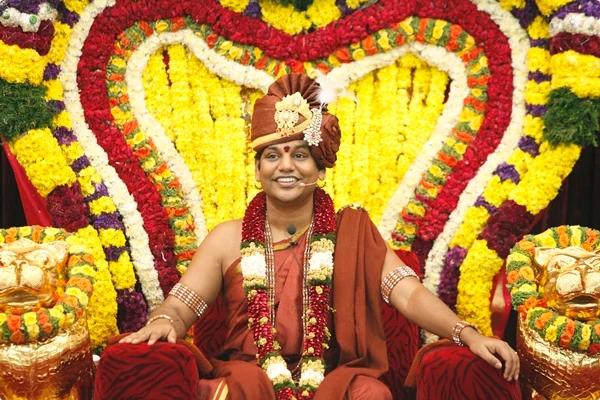
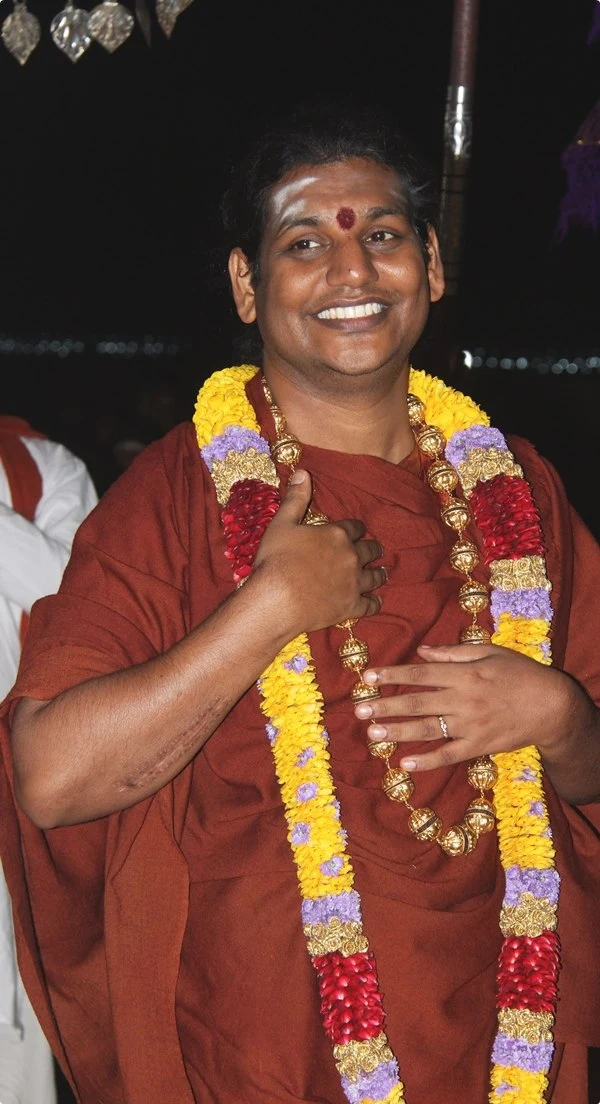
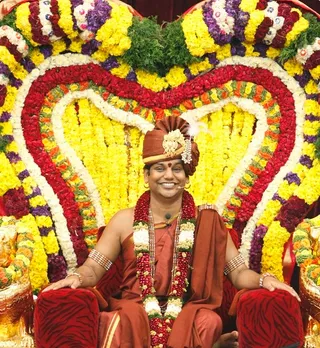
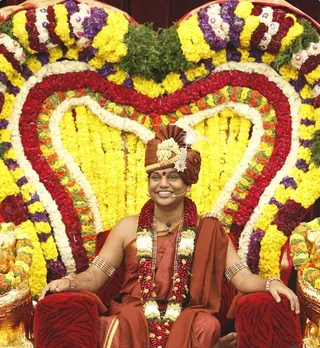
Satsang
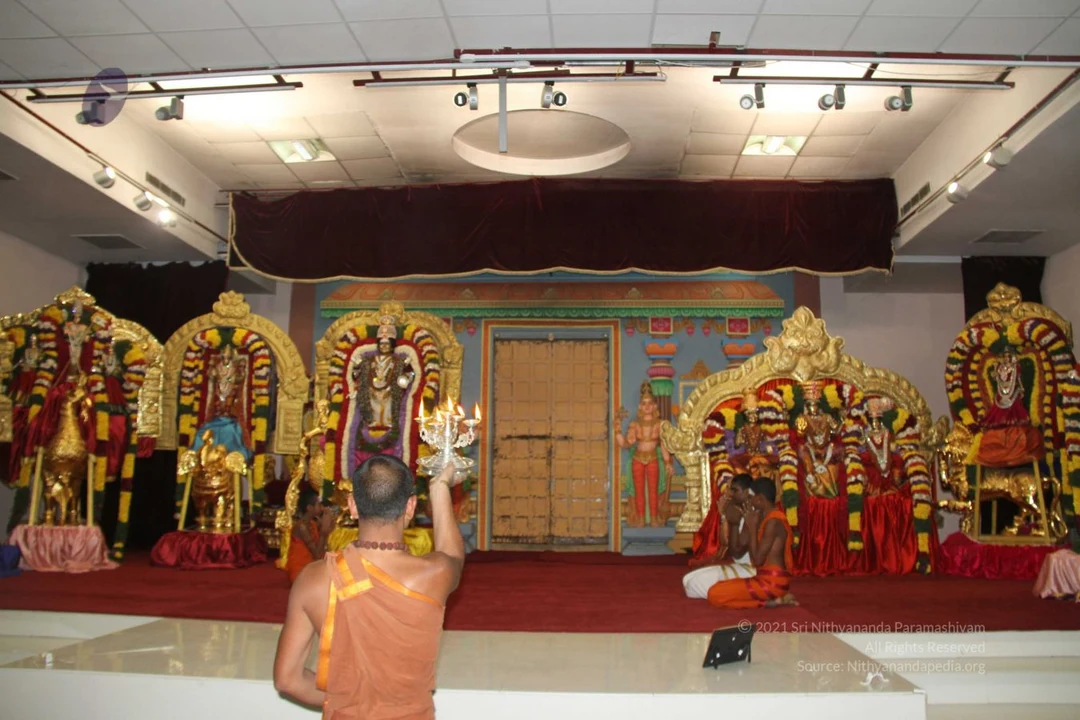
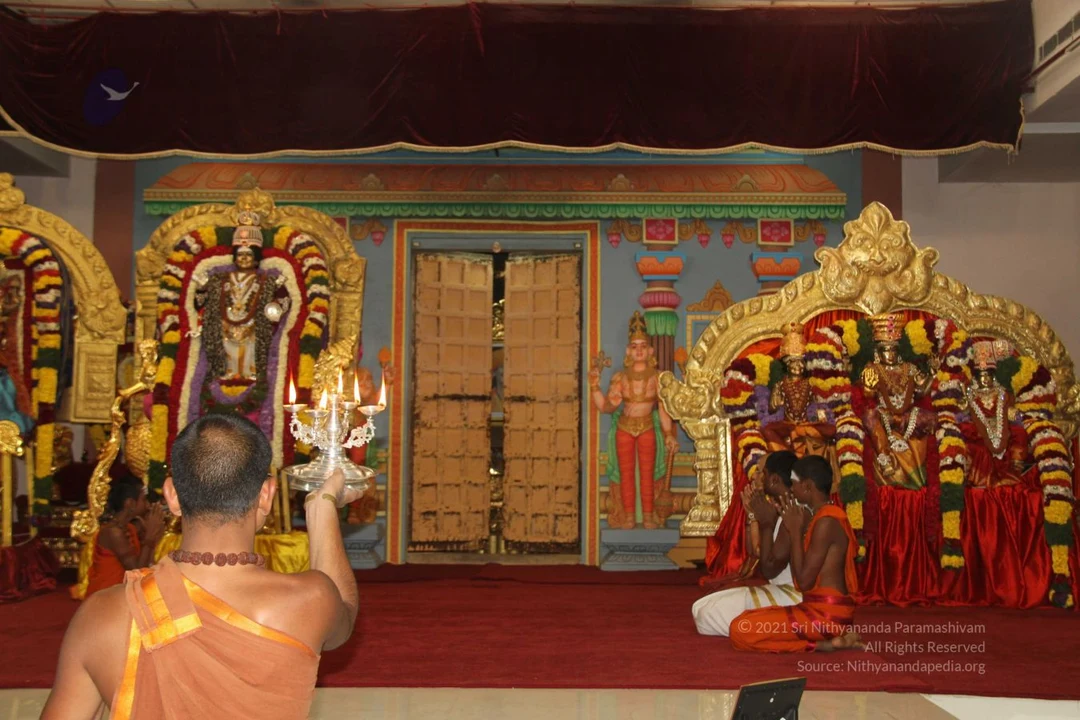
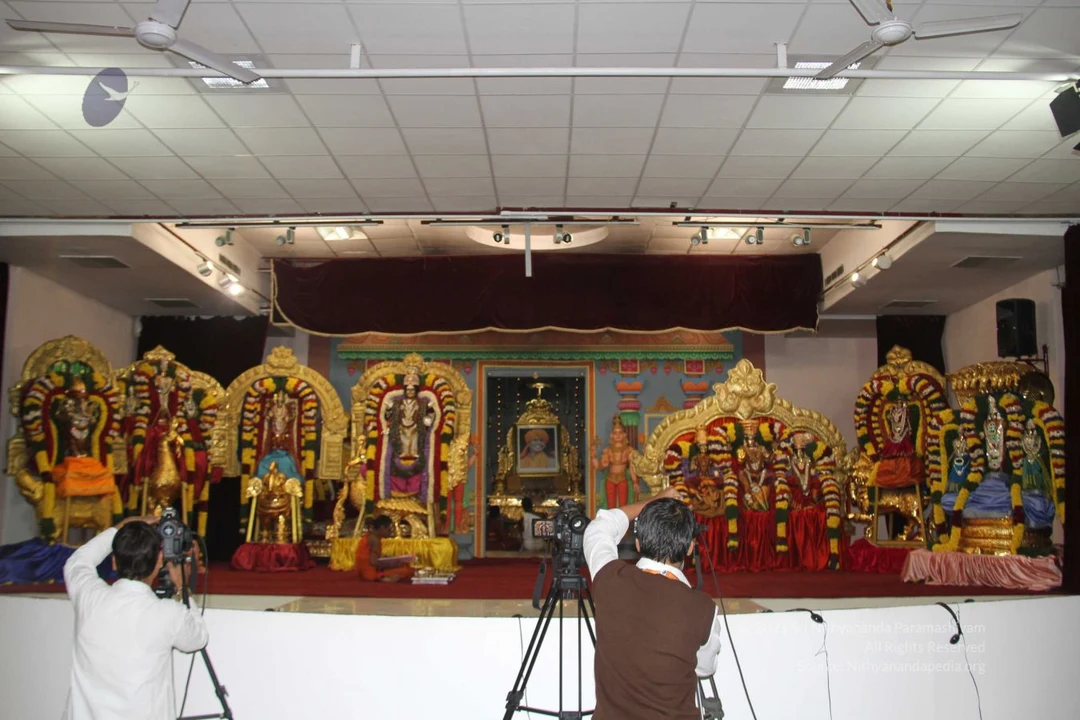
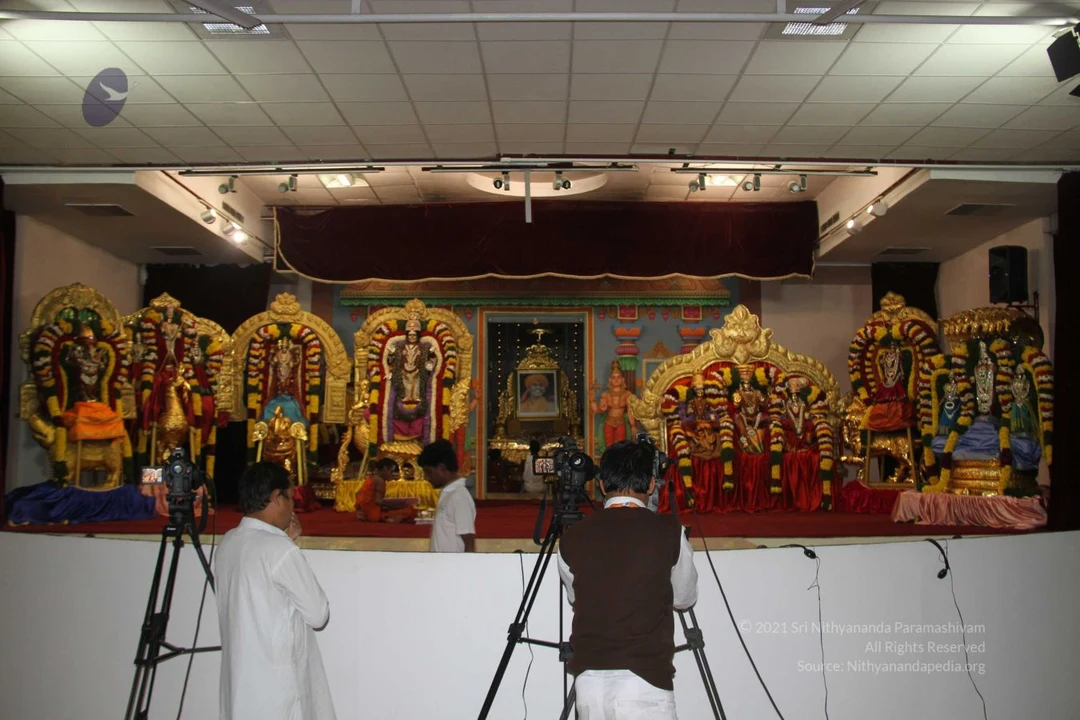
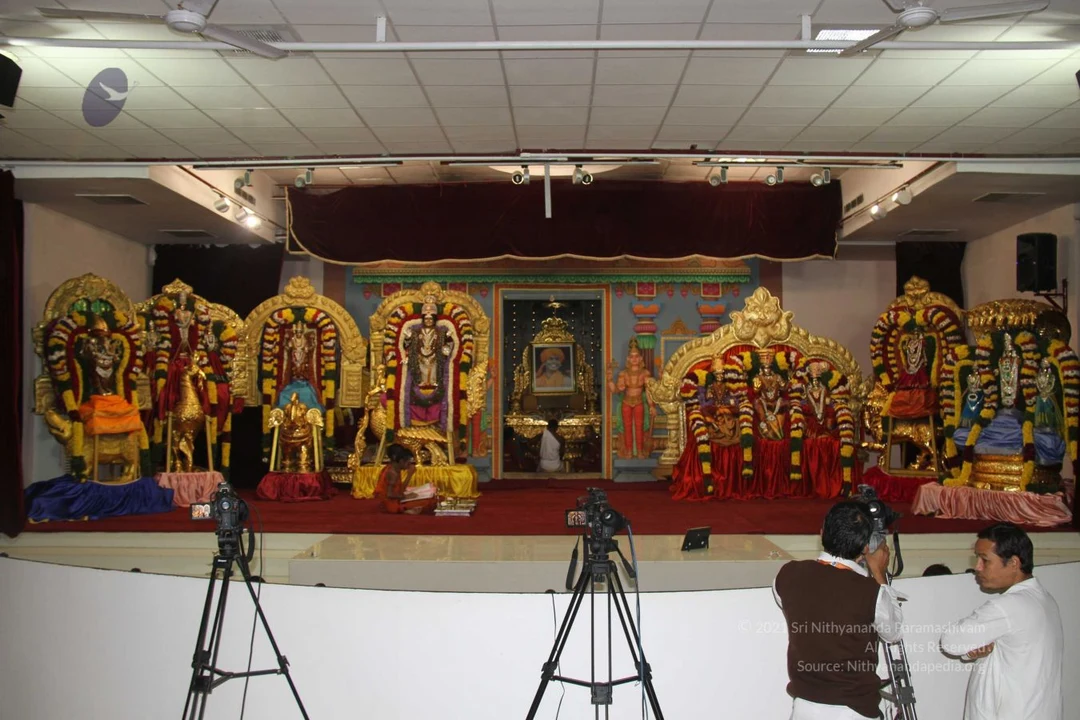
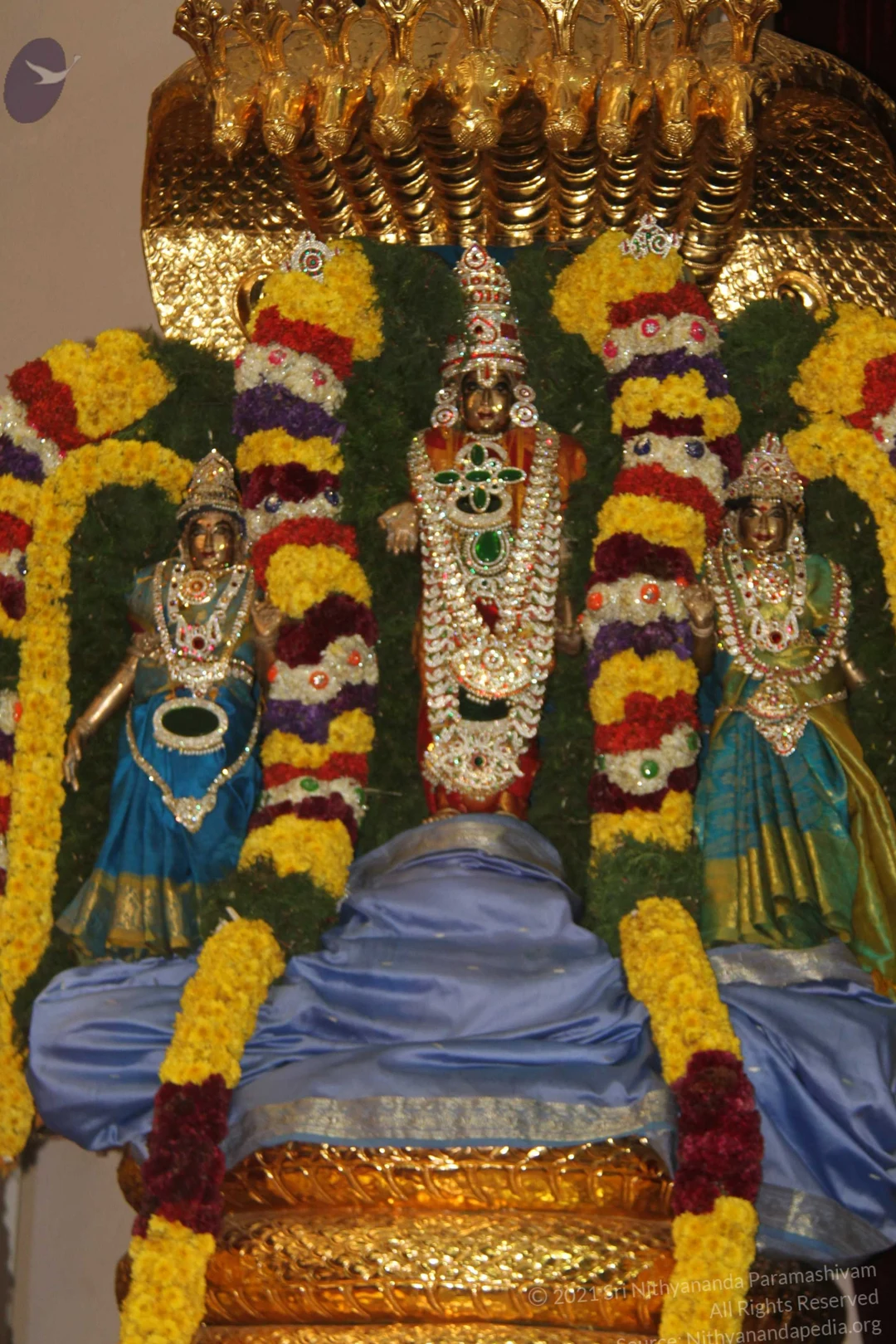
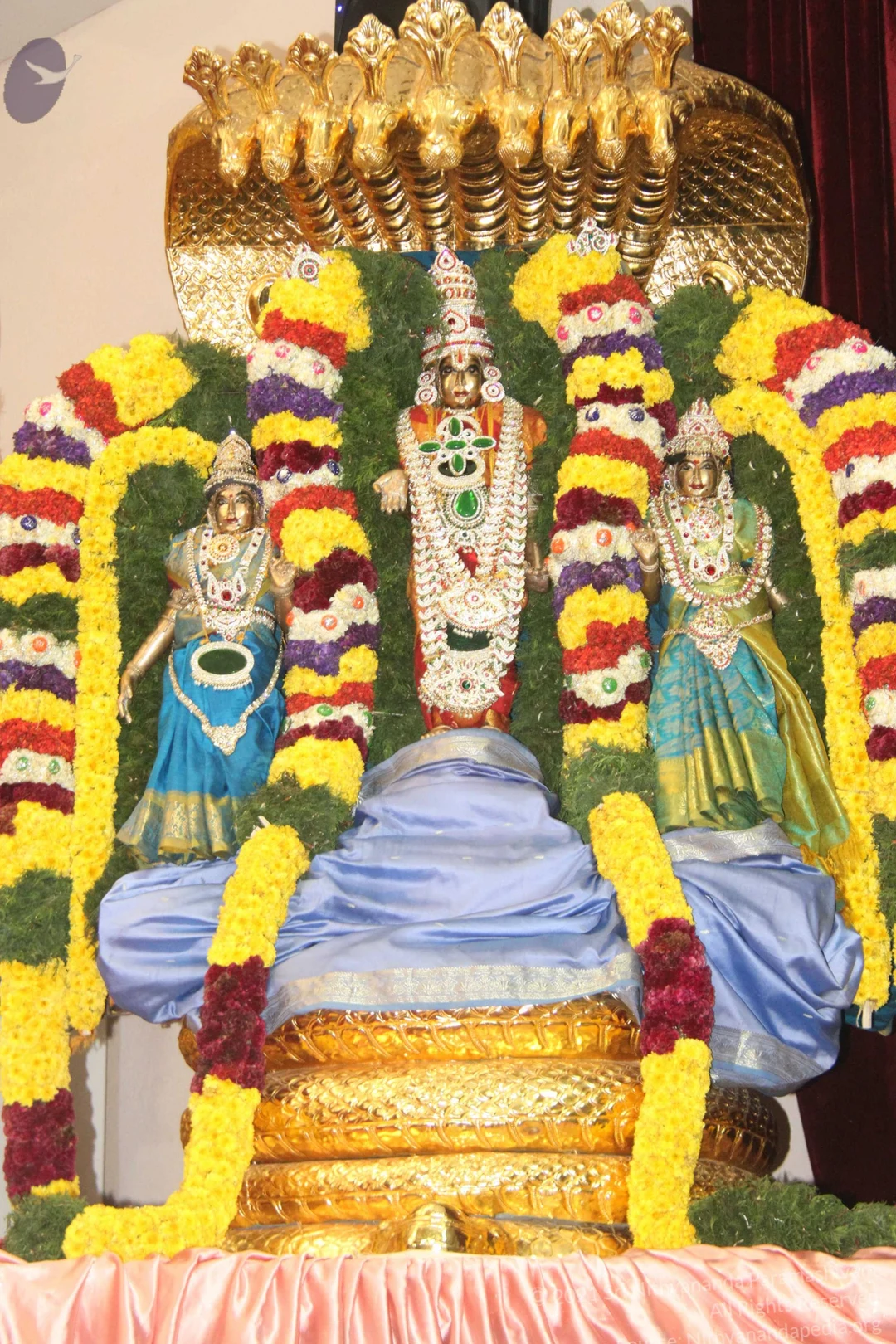
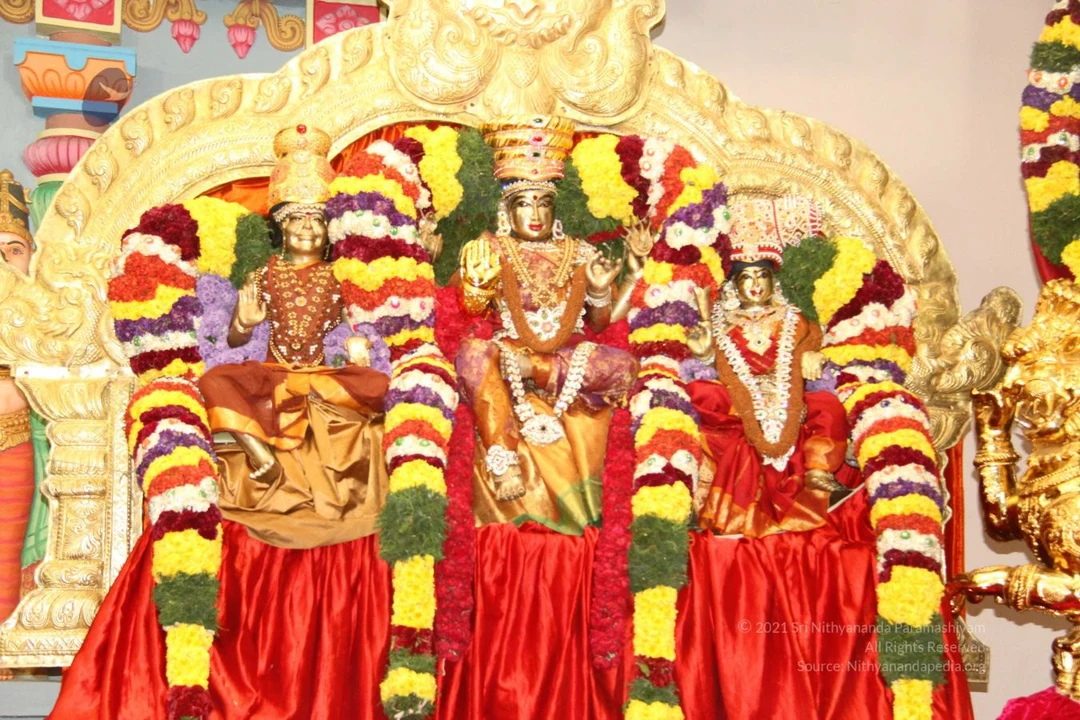
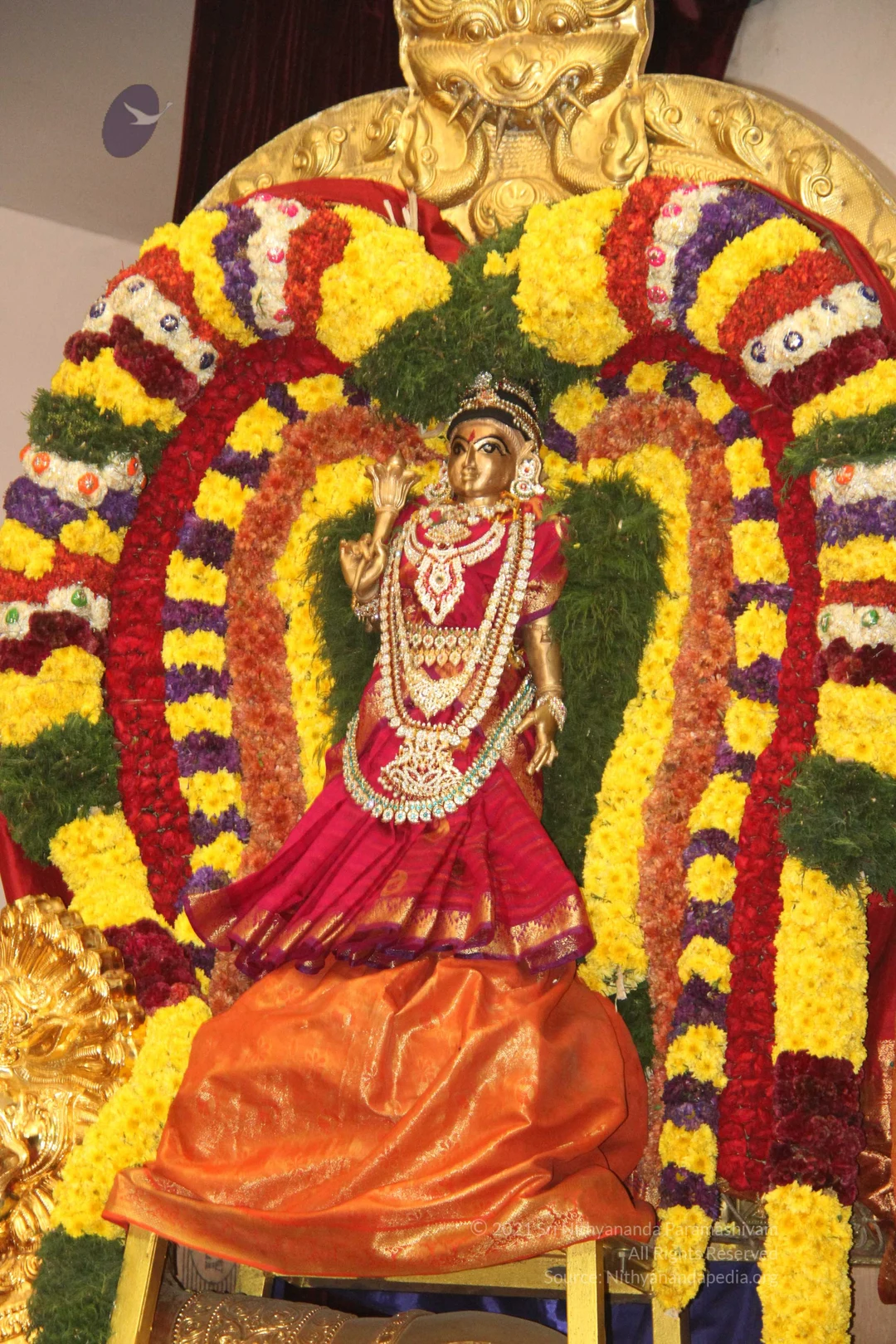
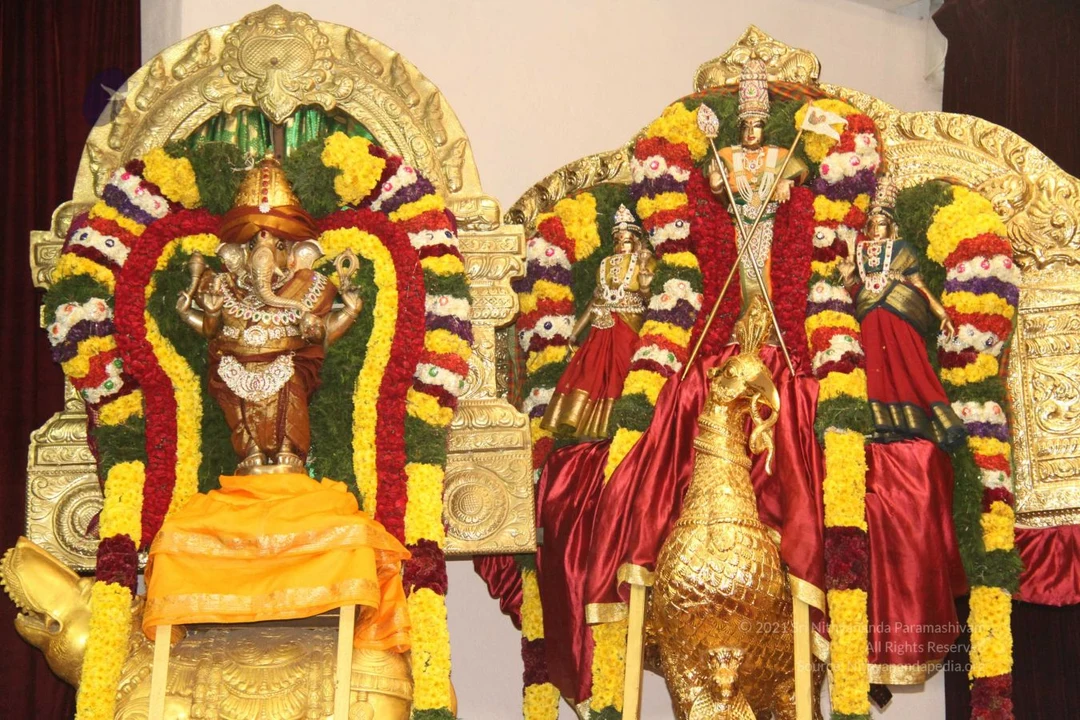
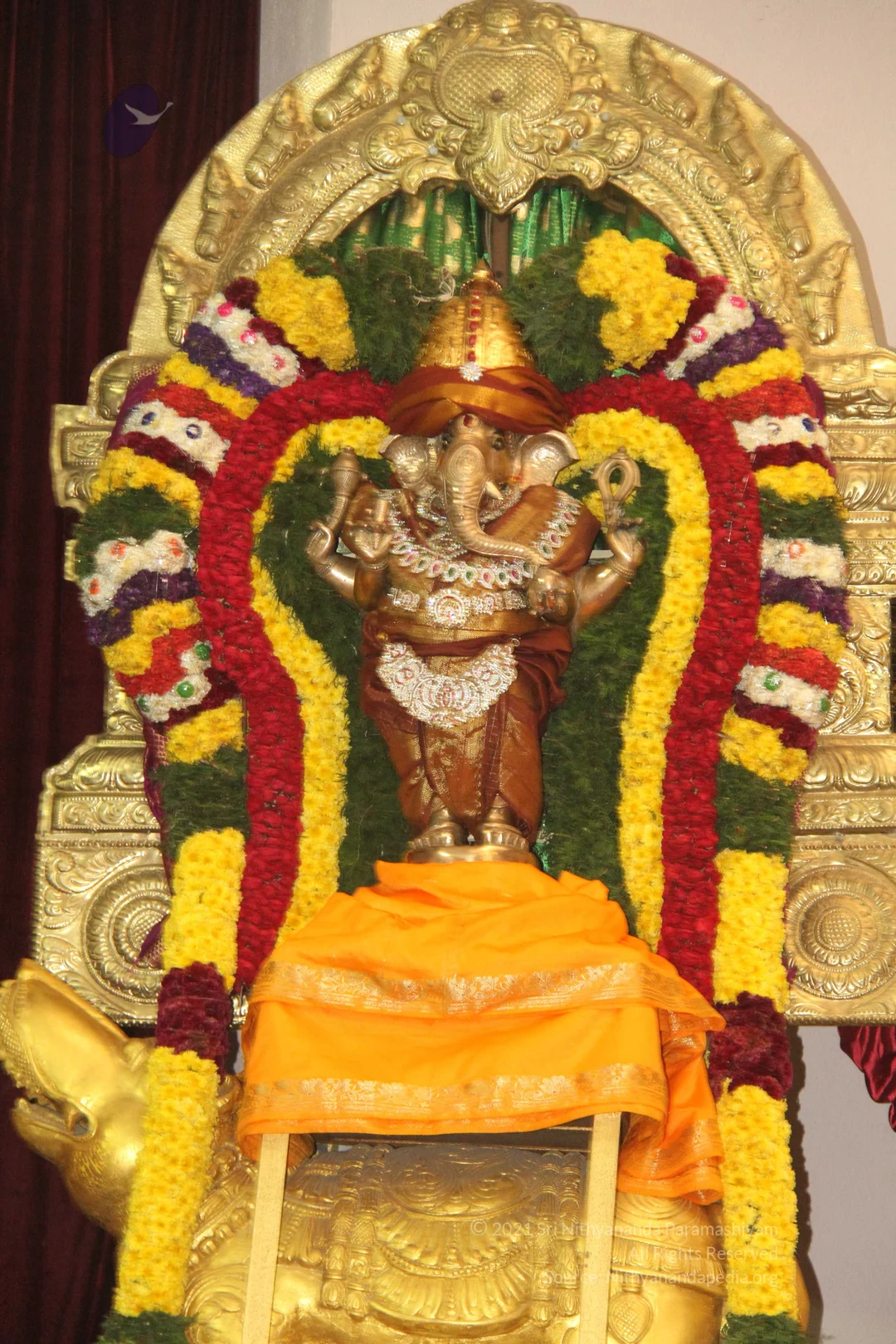
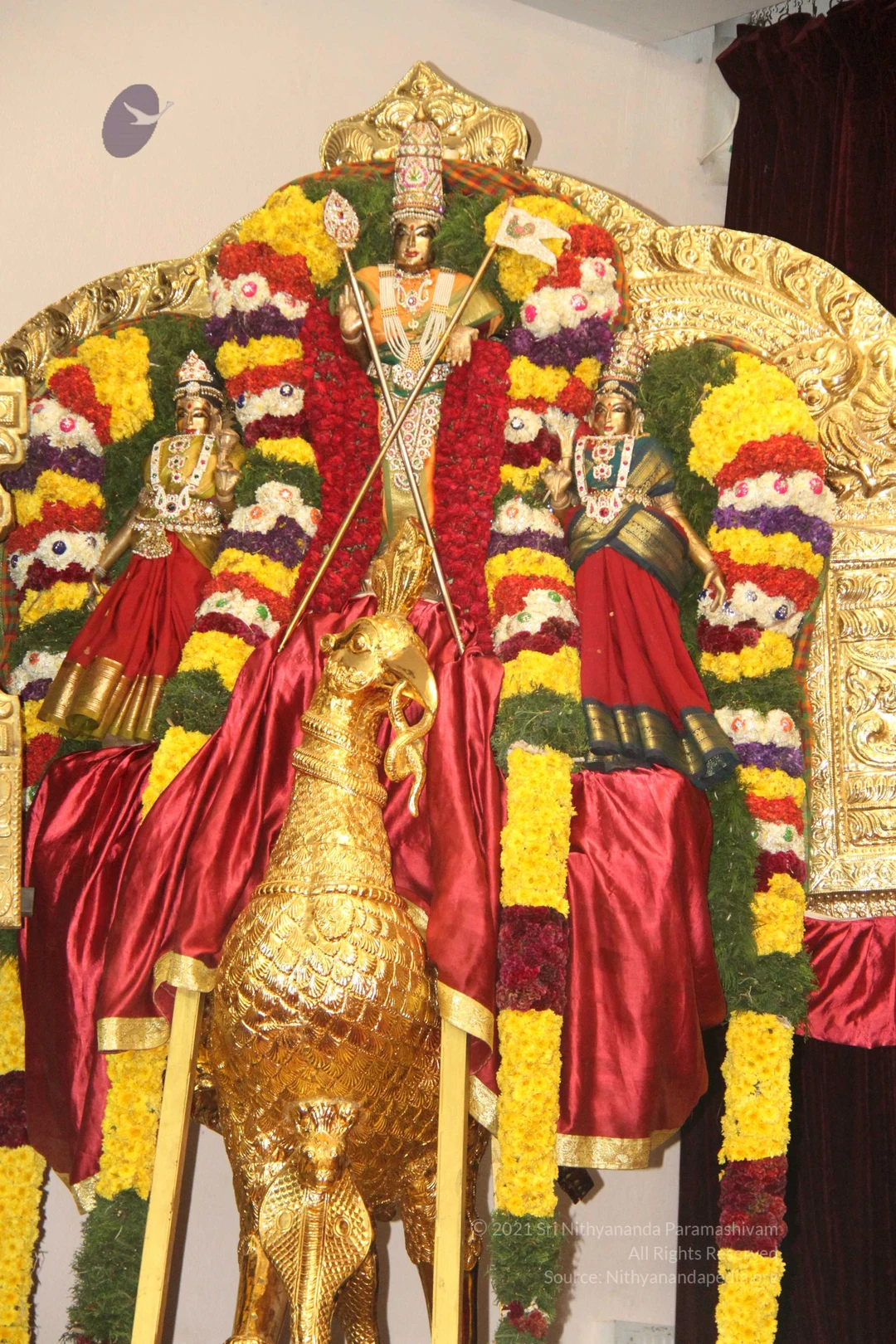
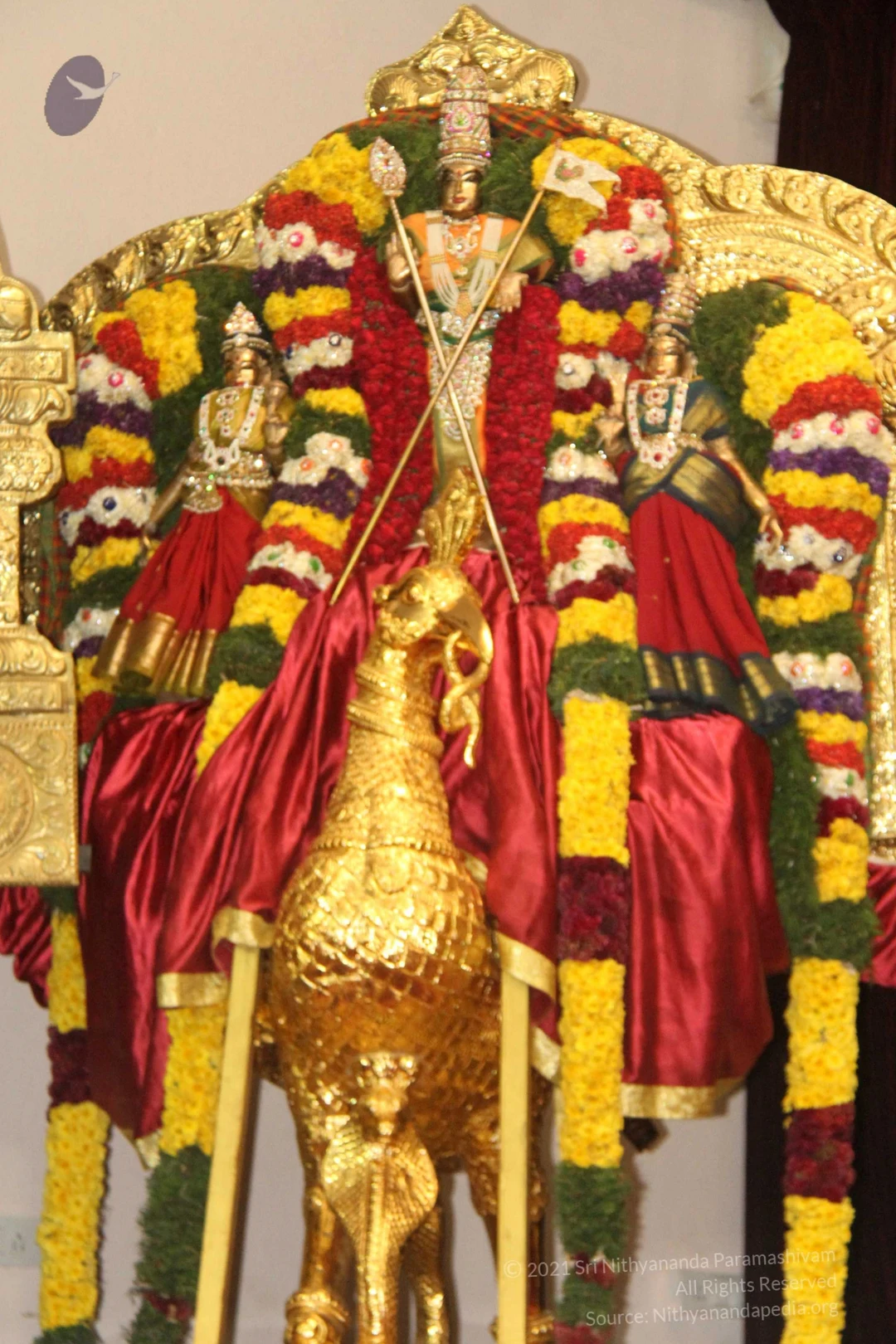
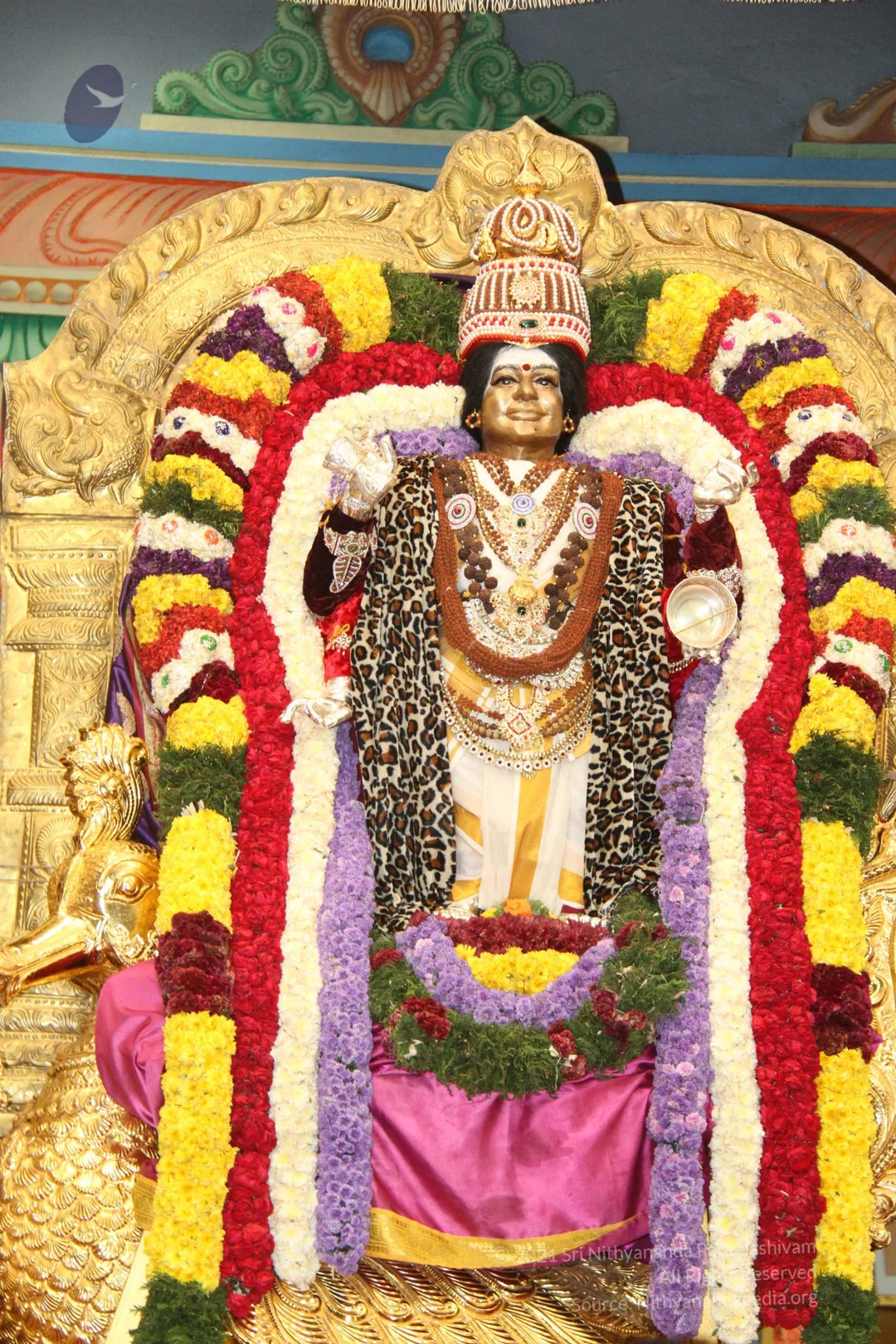
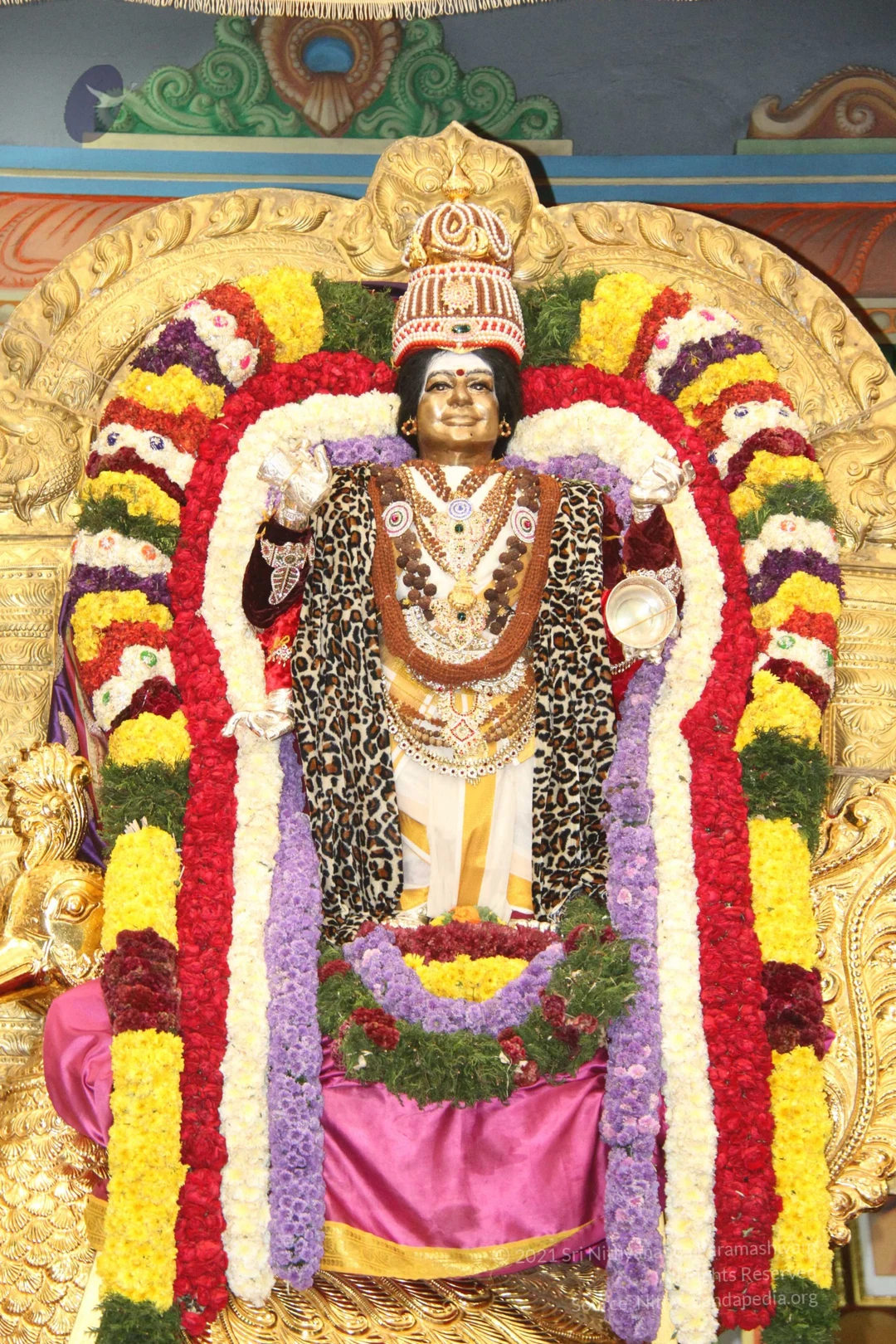
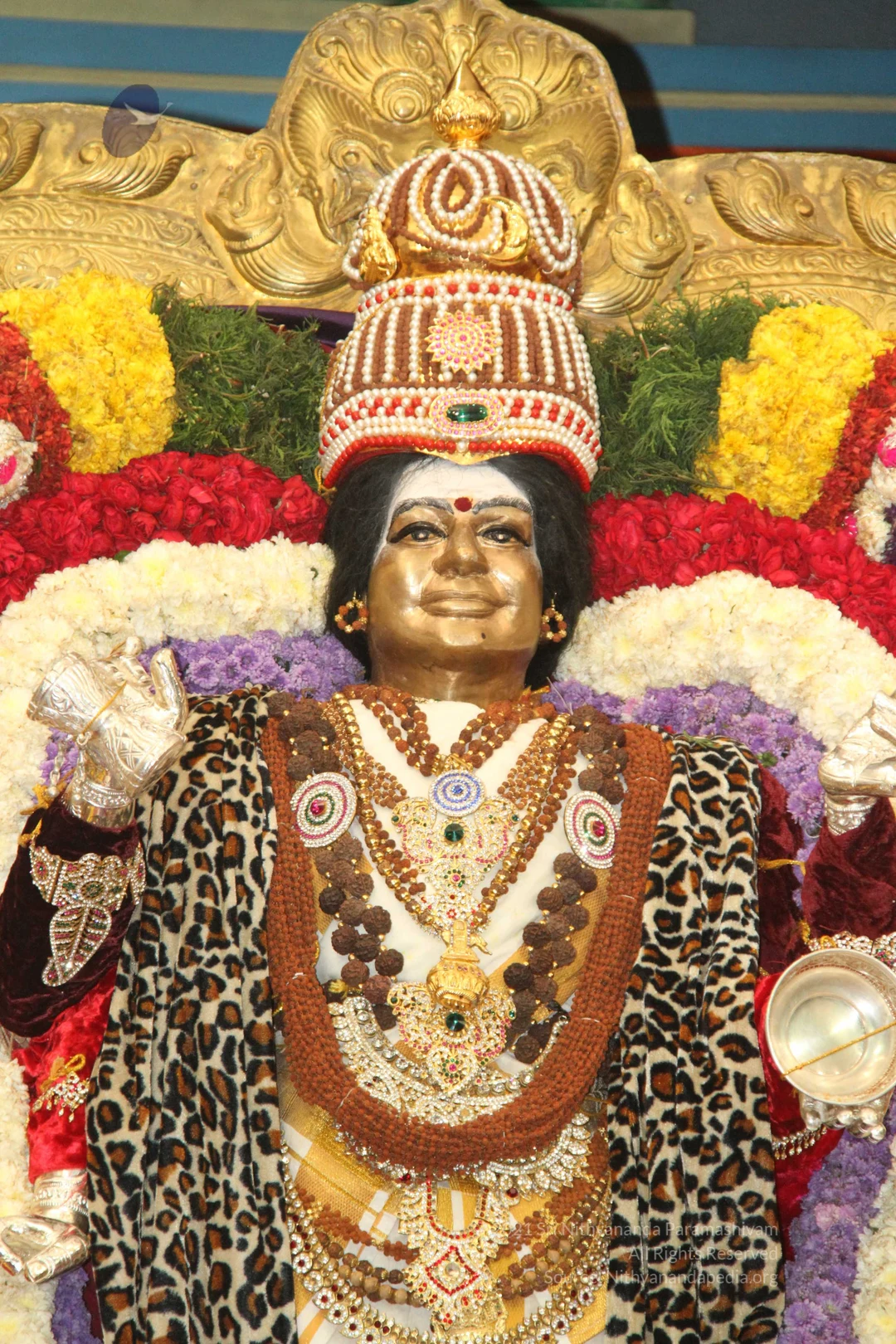
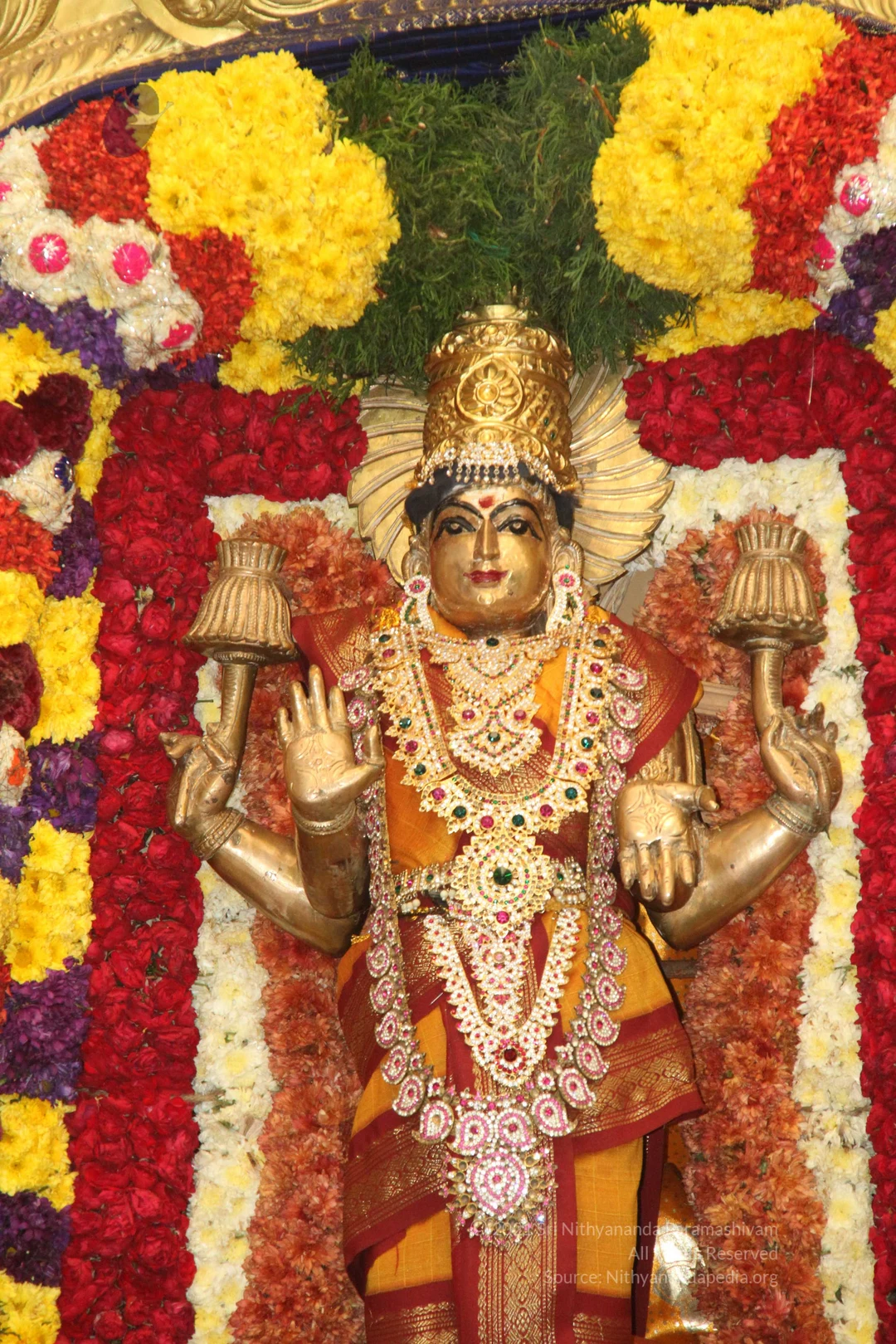
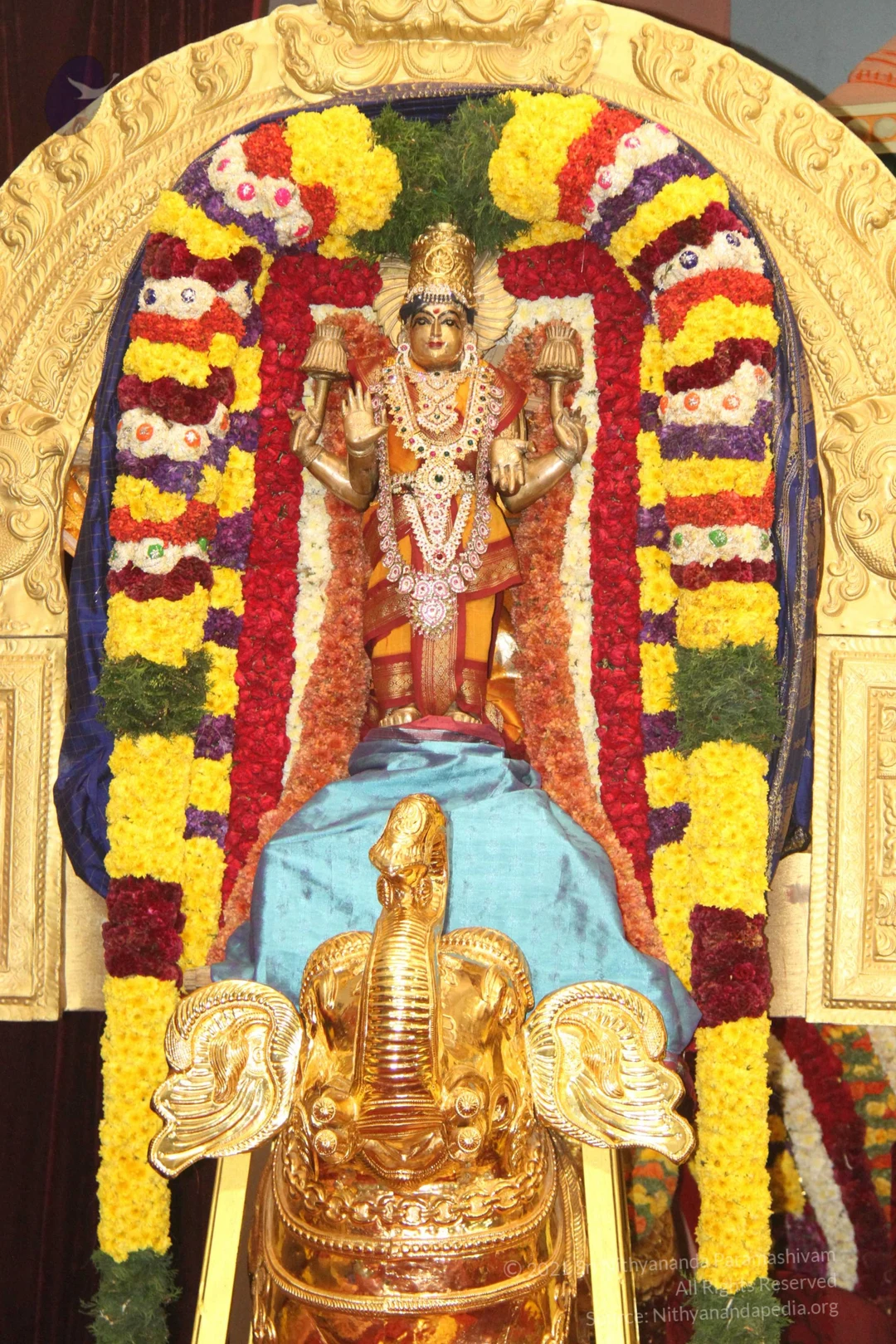
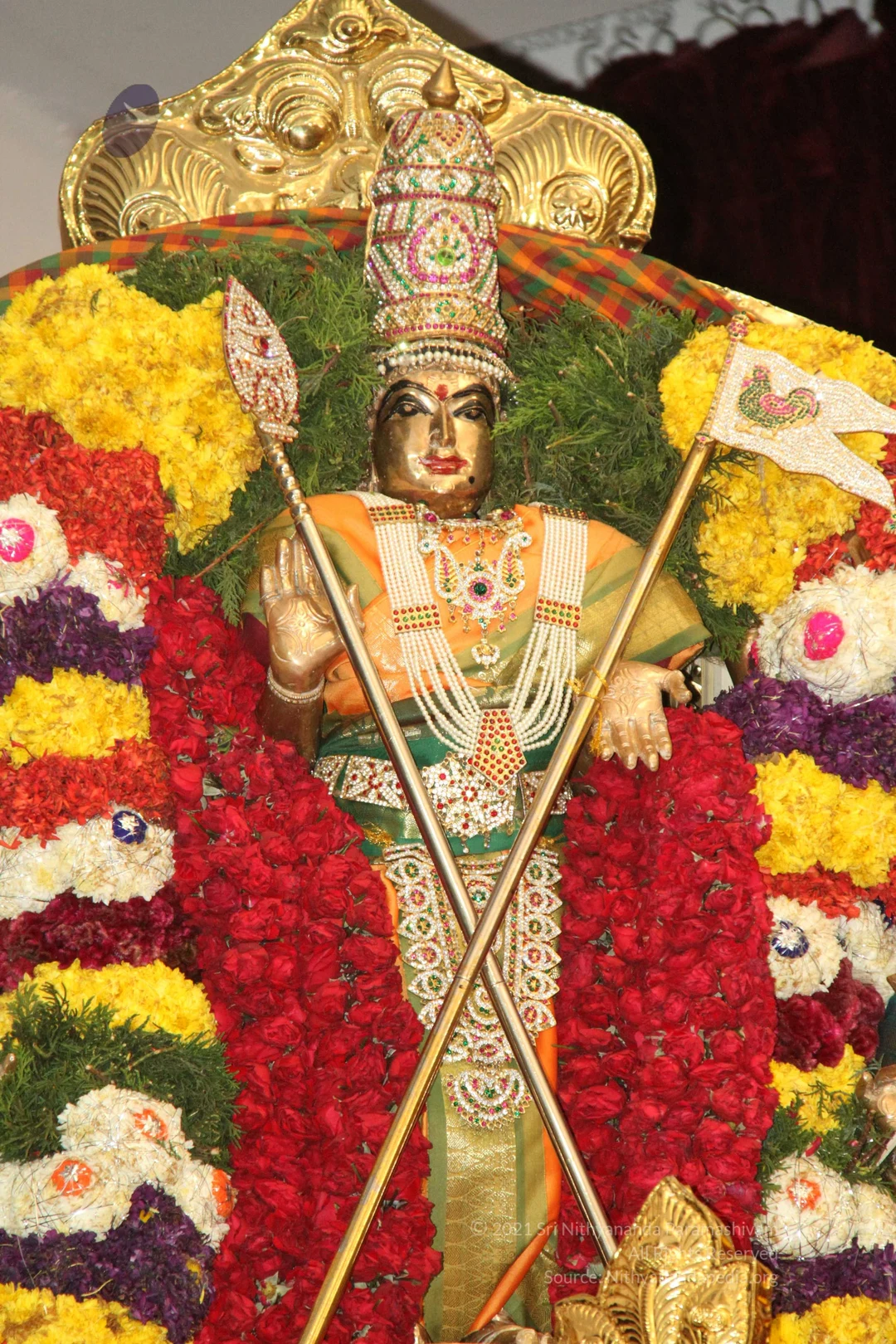
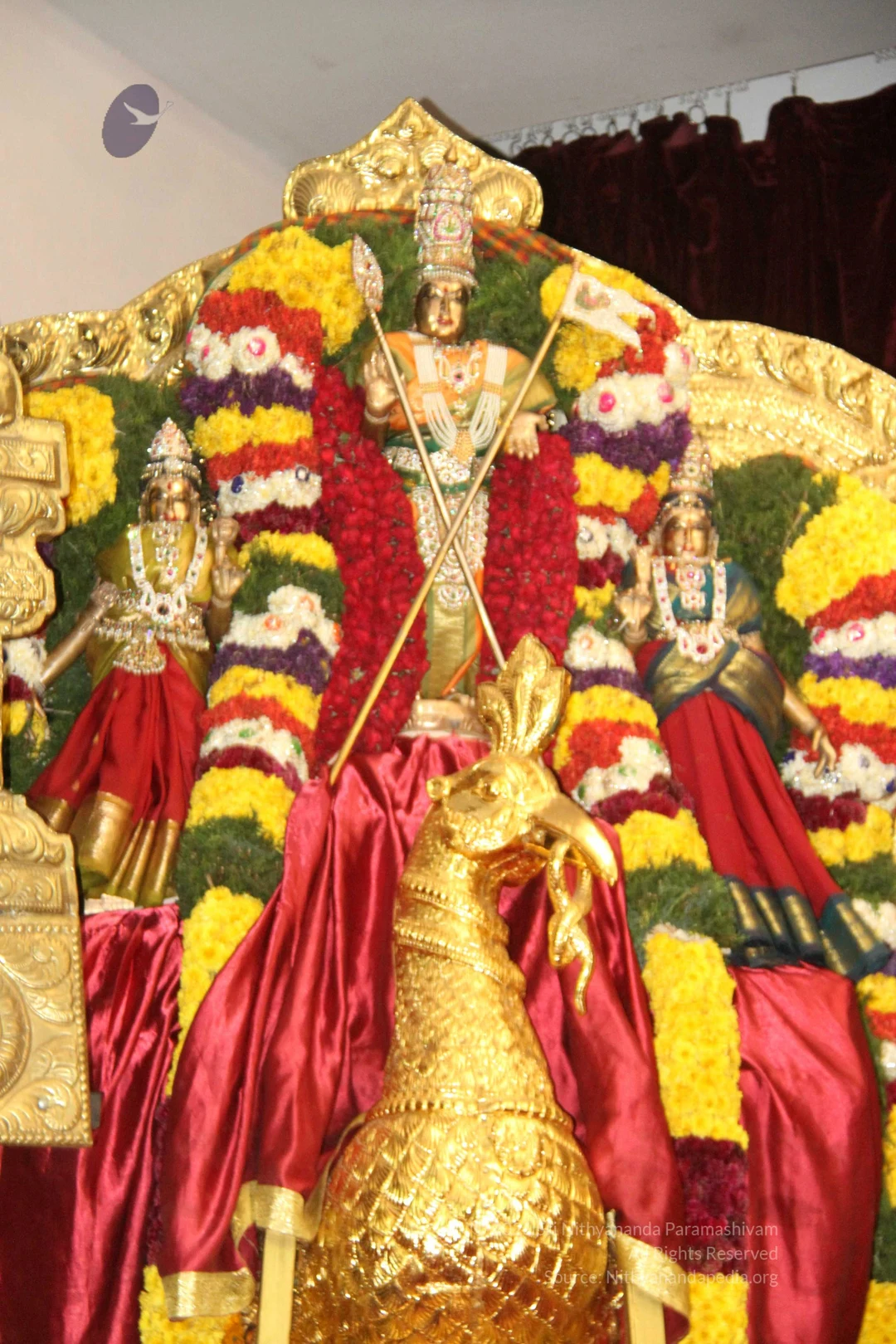
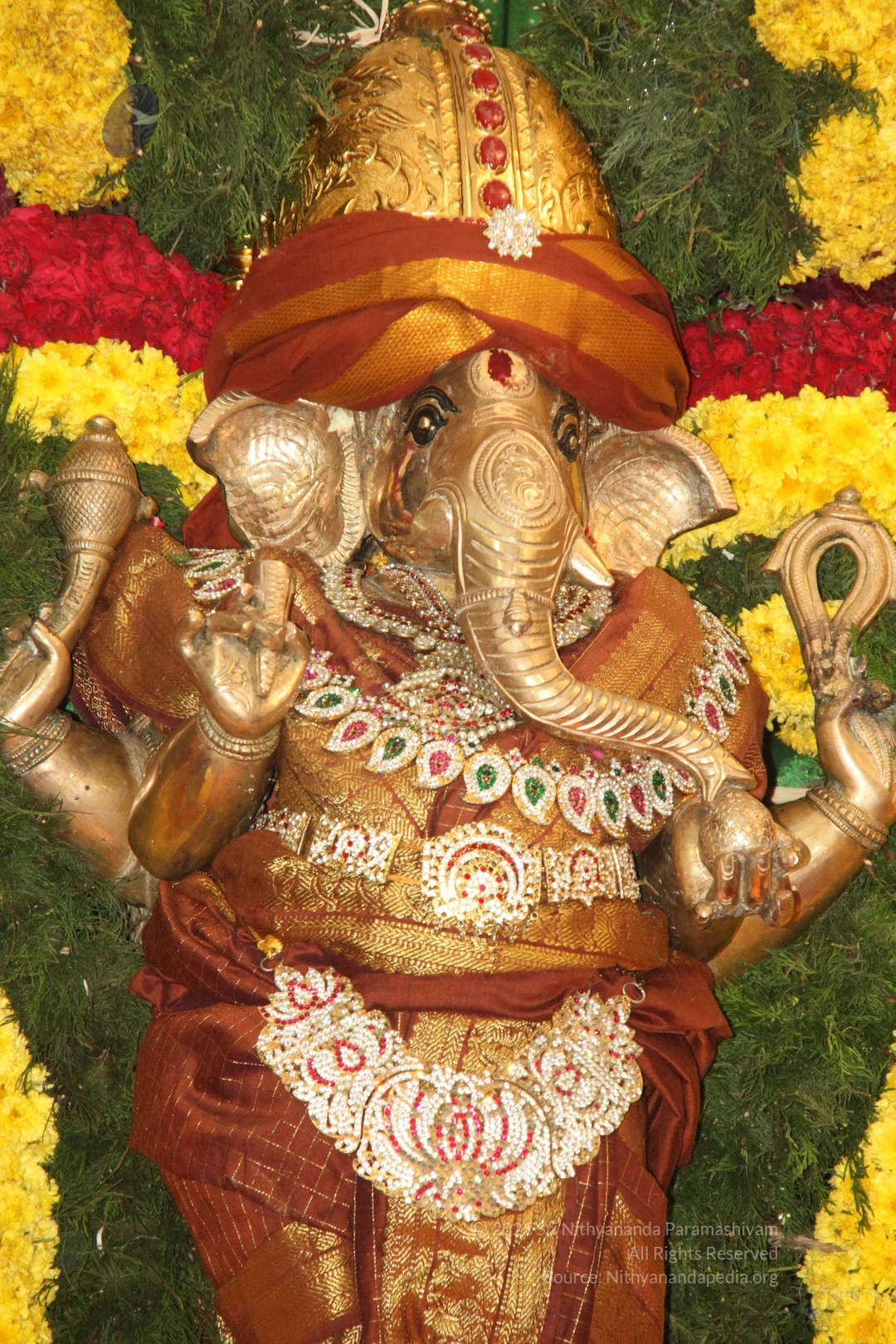
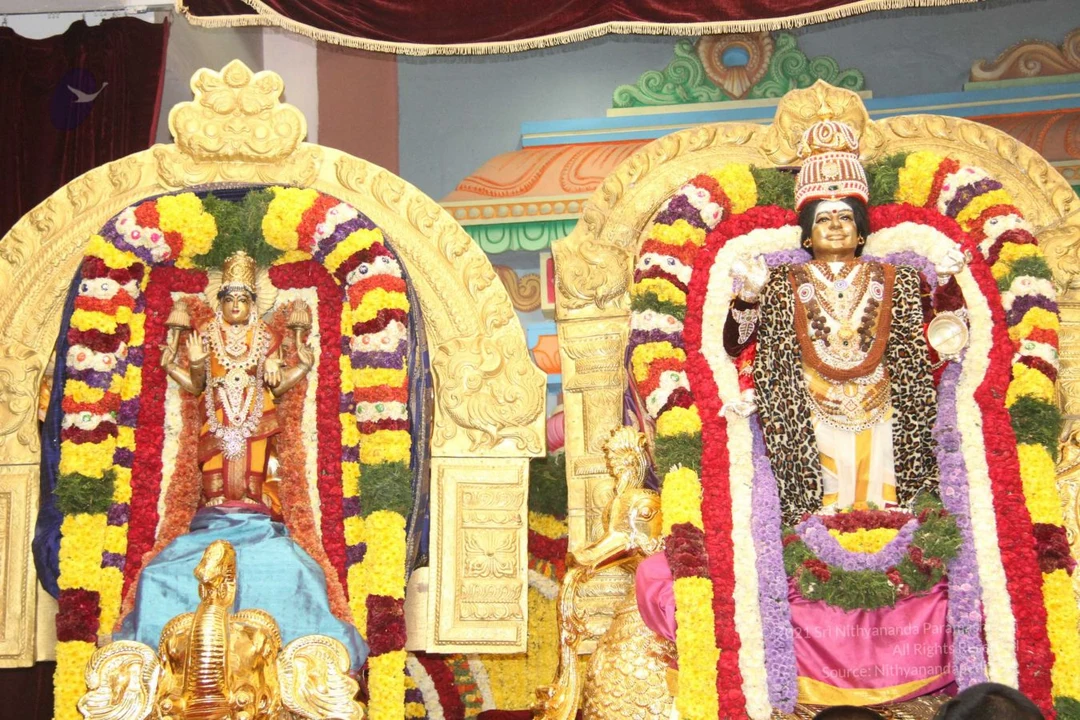
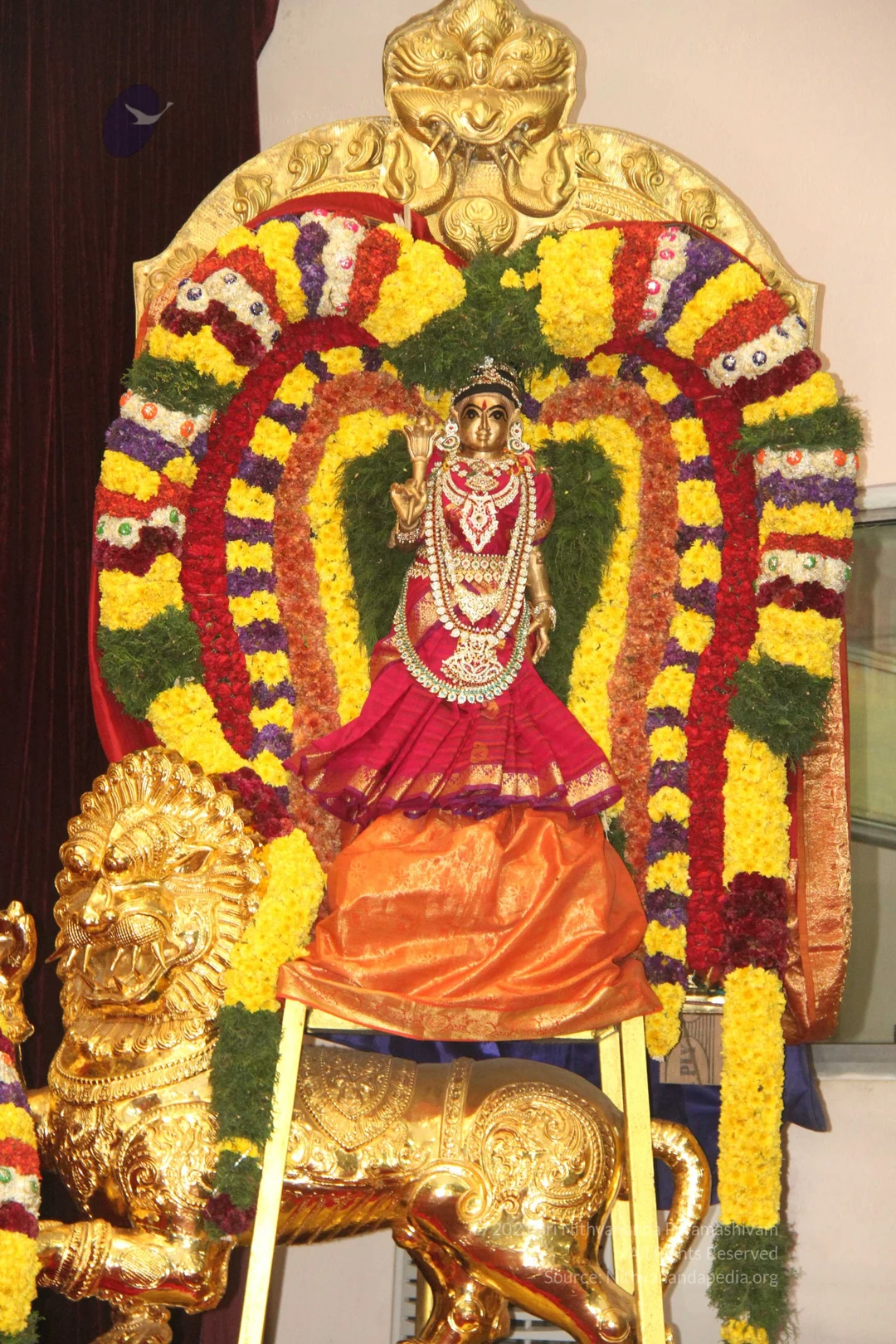
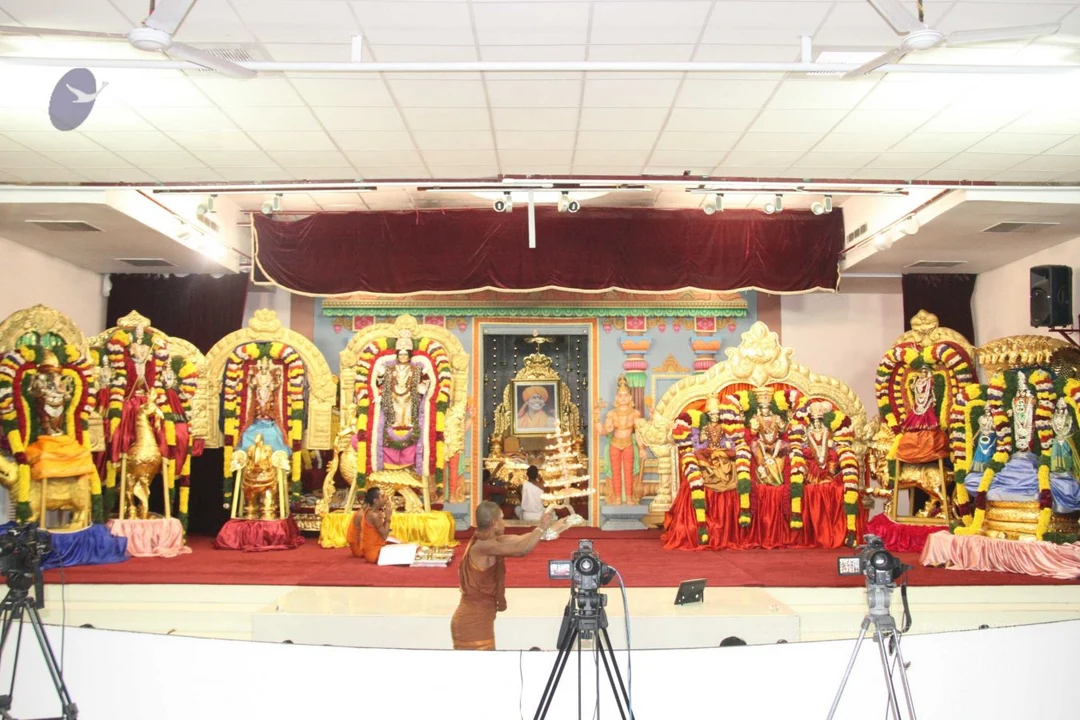
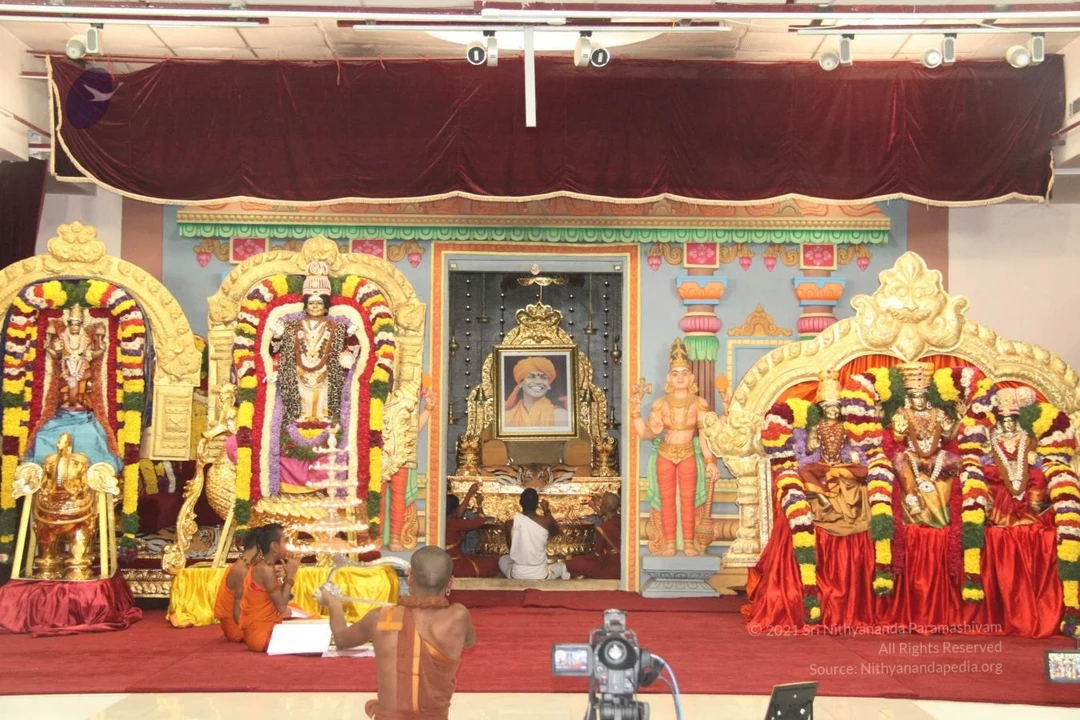

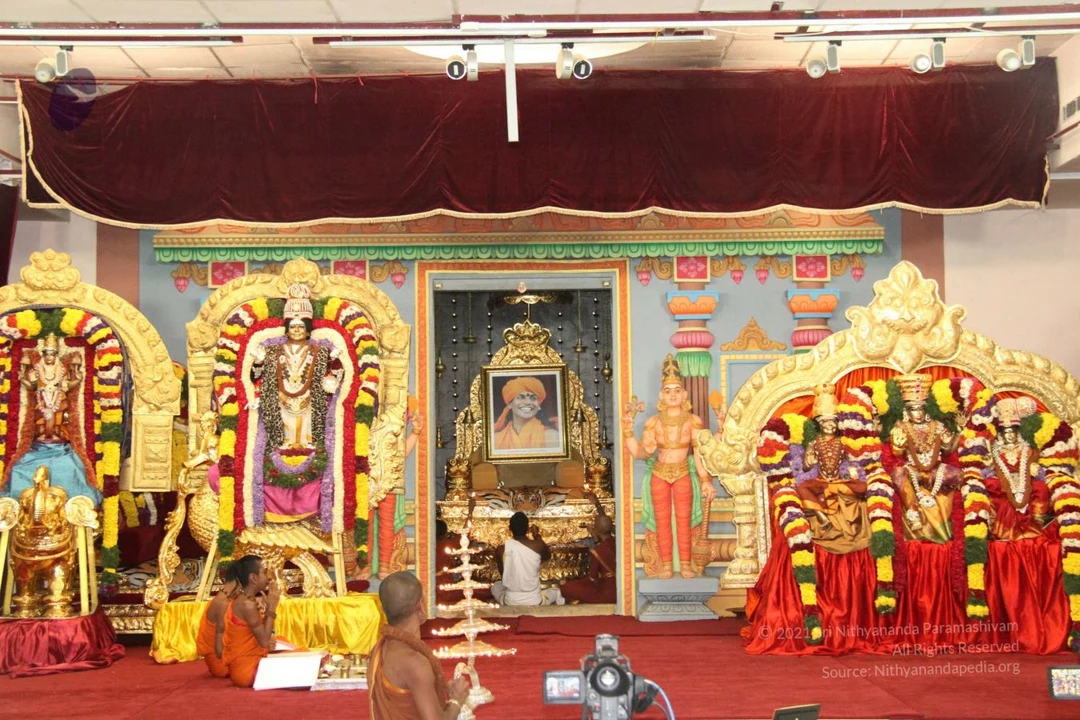
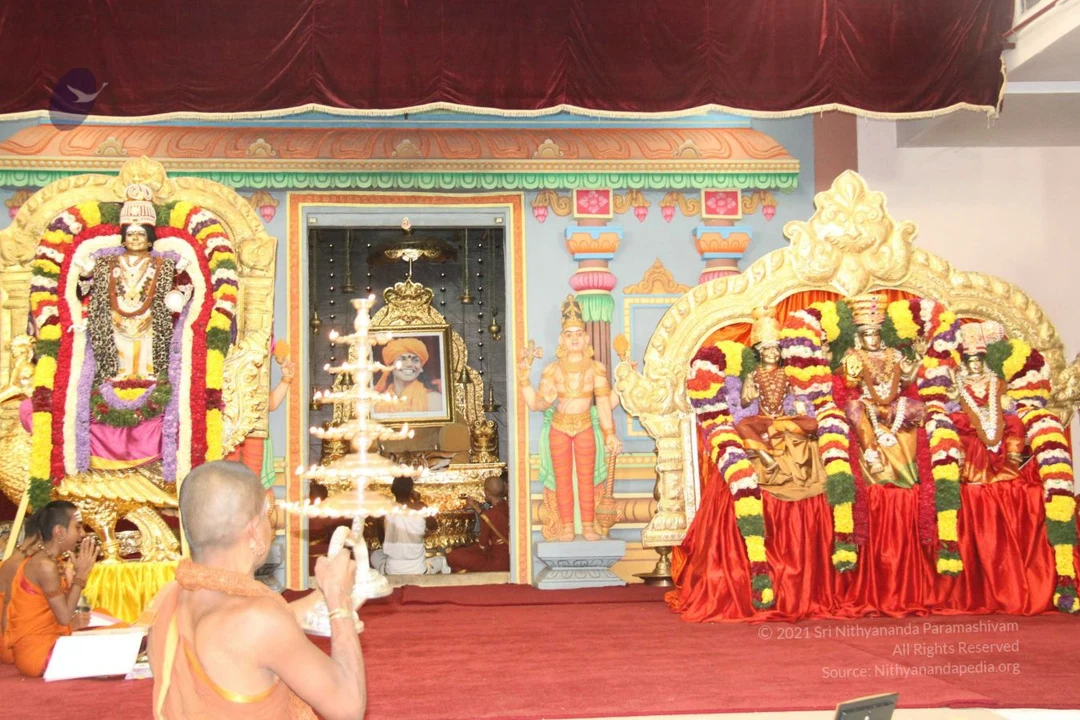
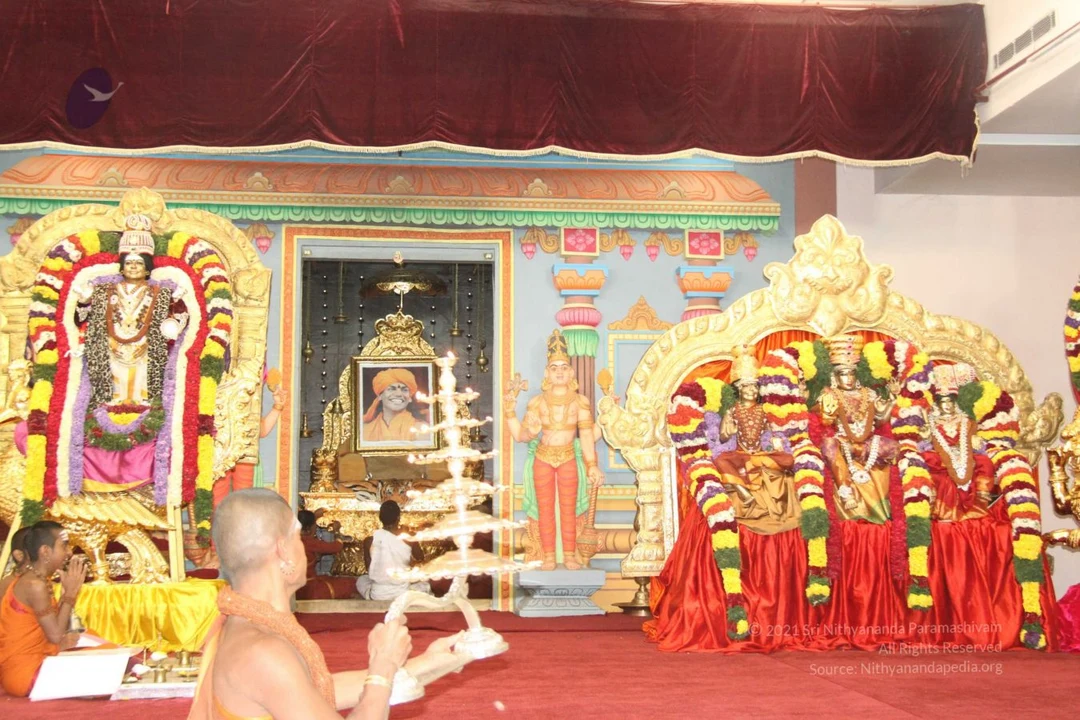
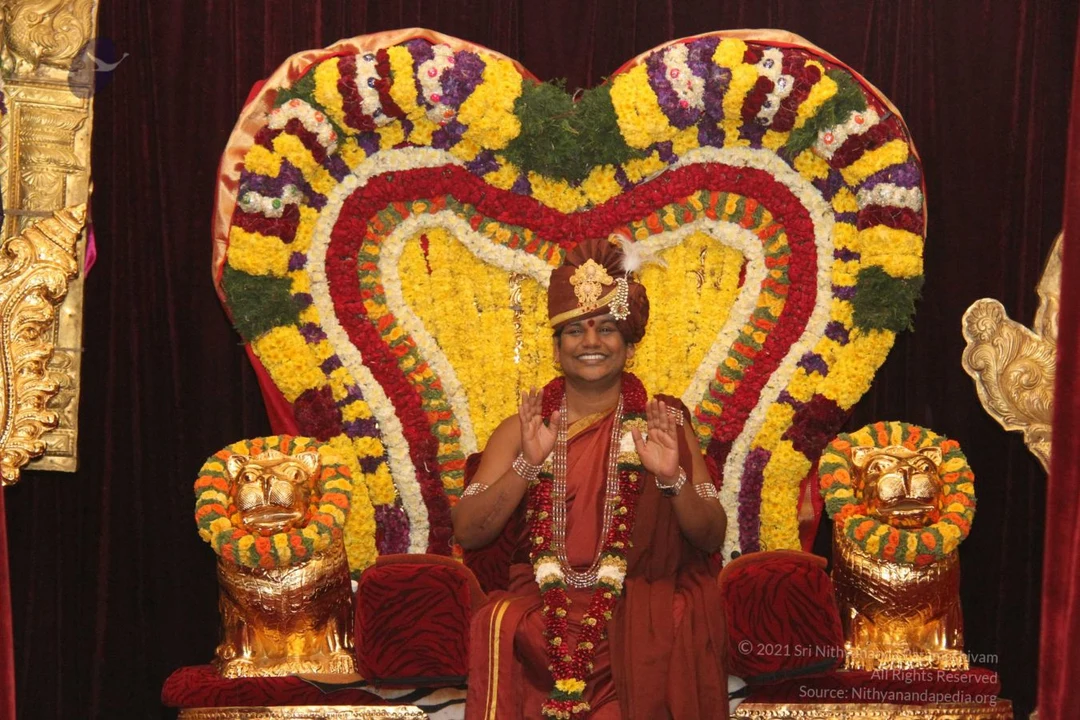
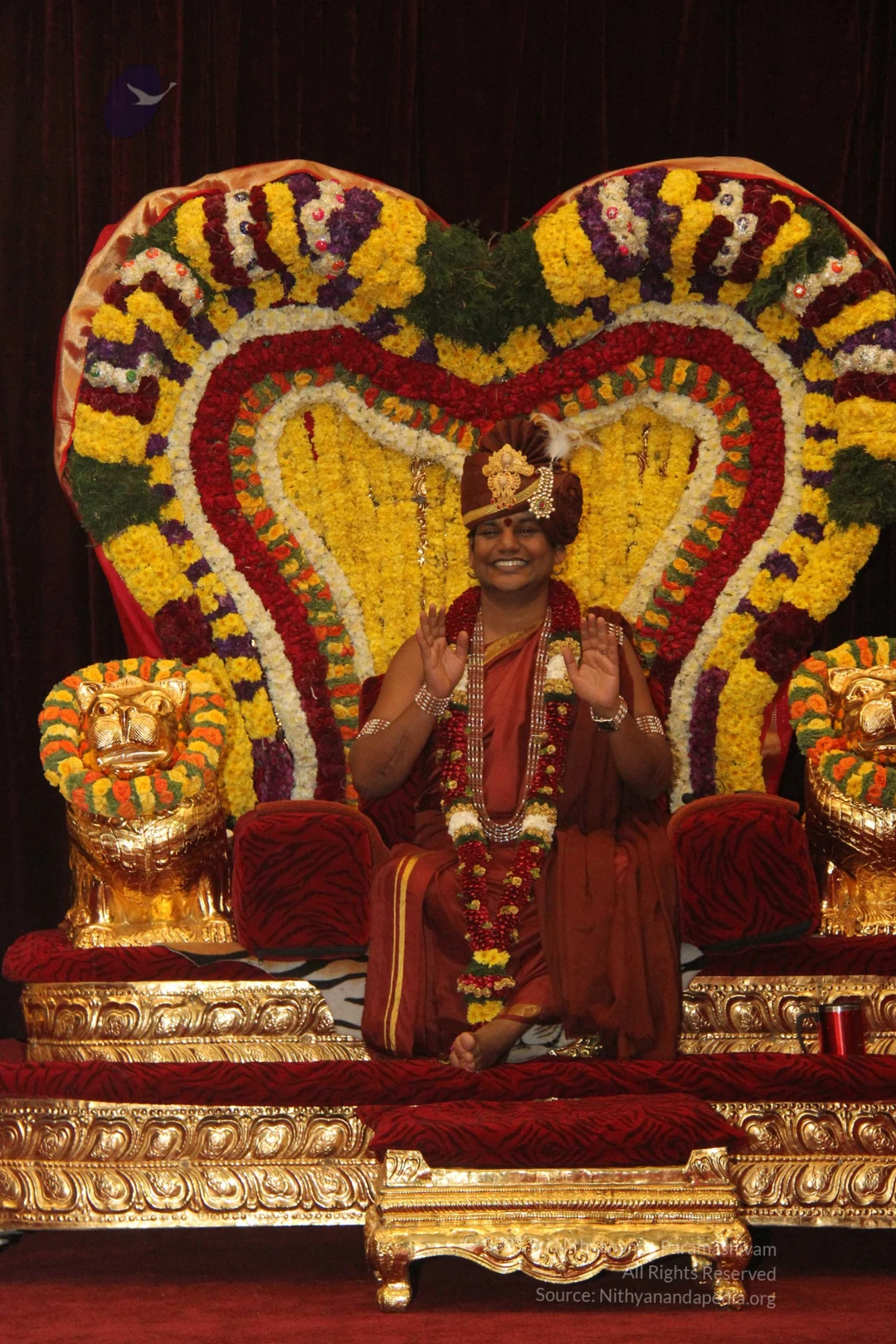
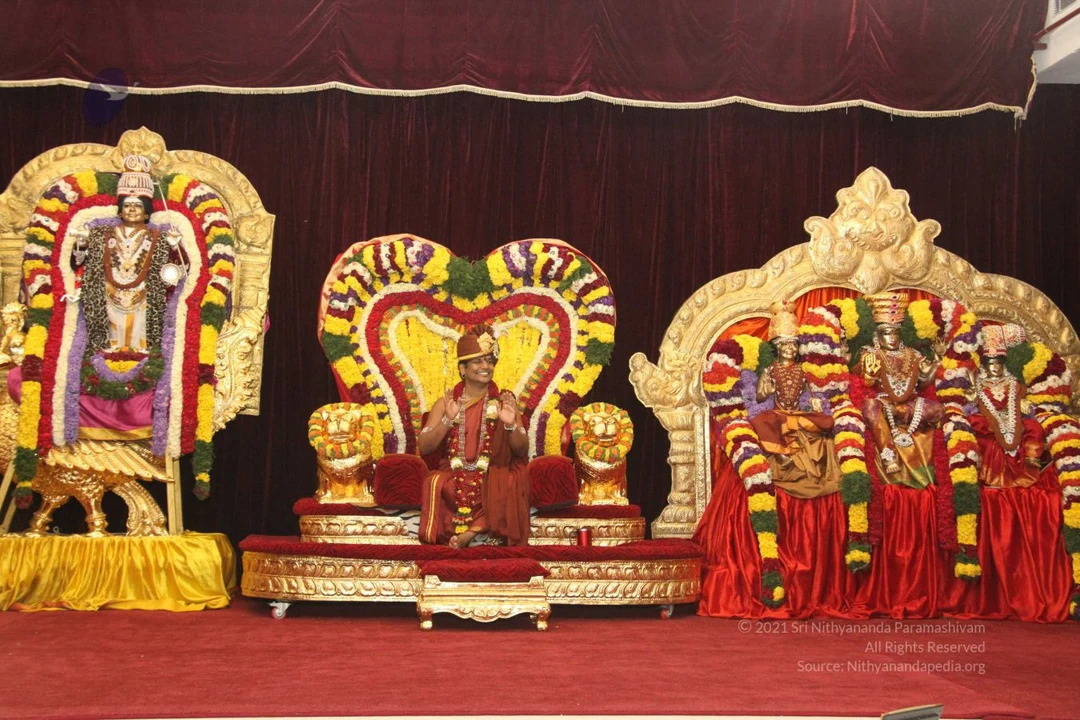
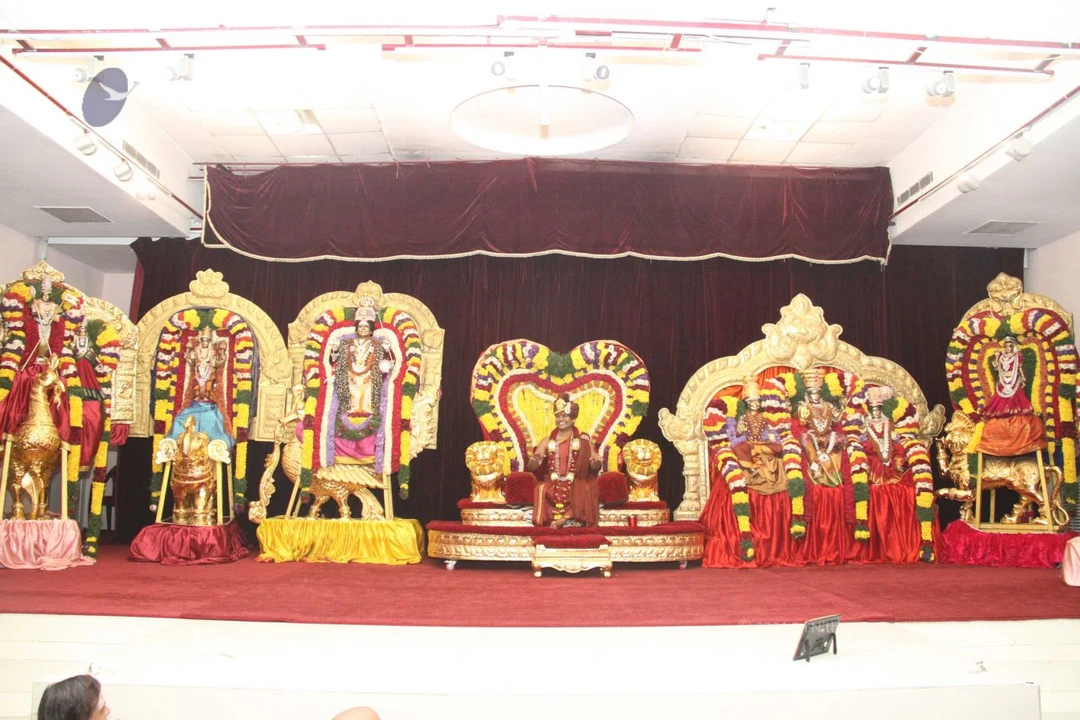
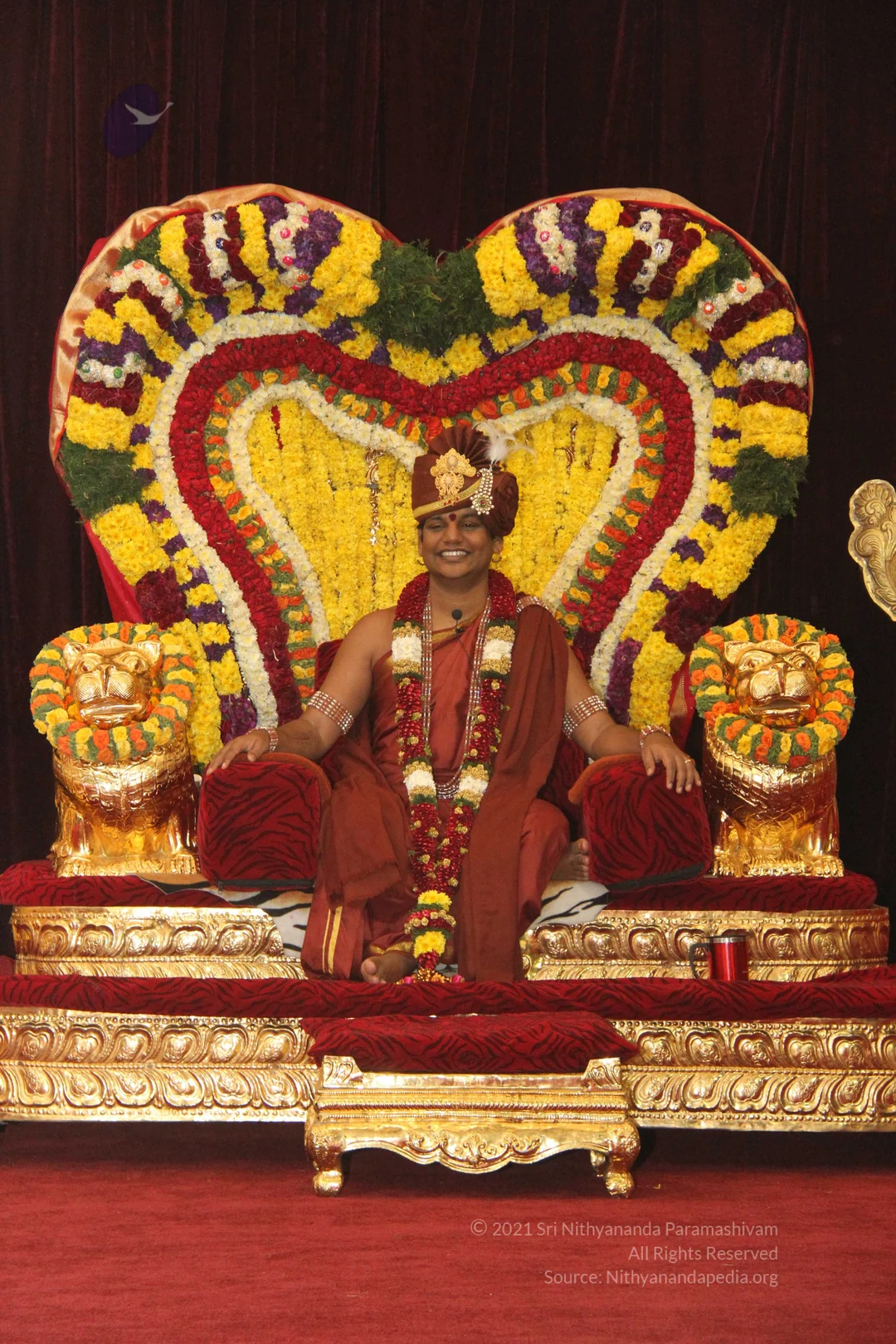
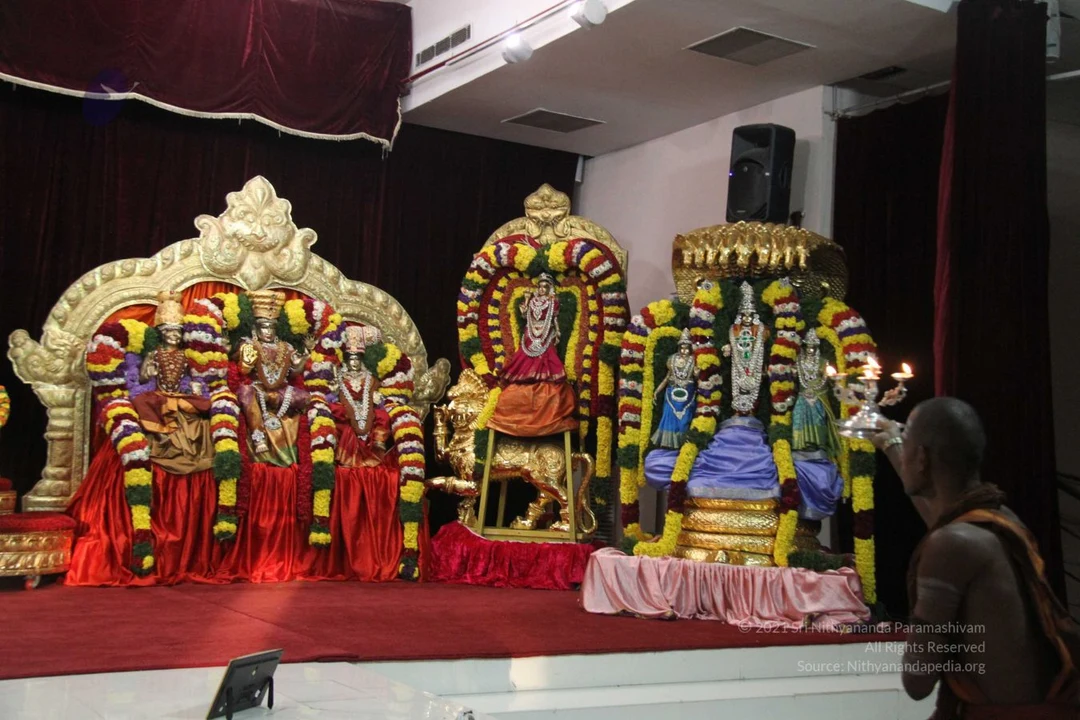
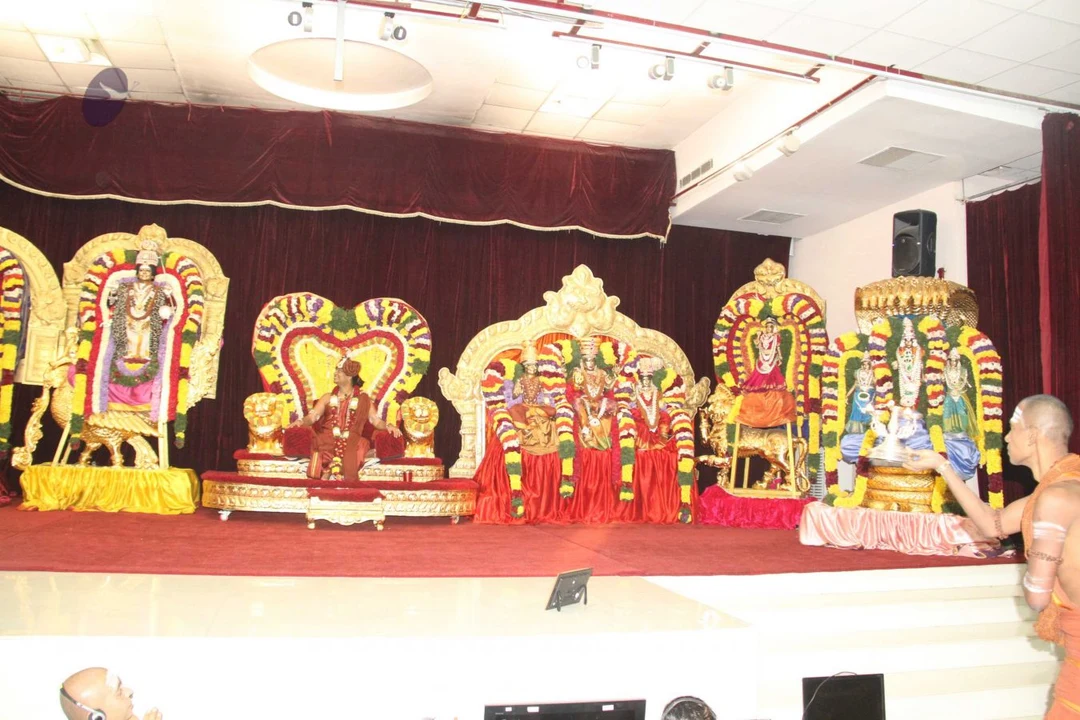
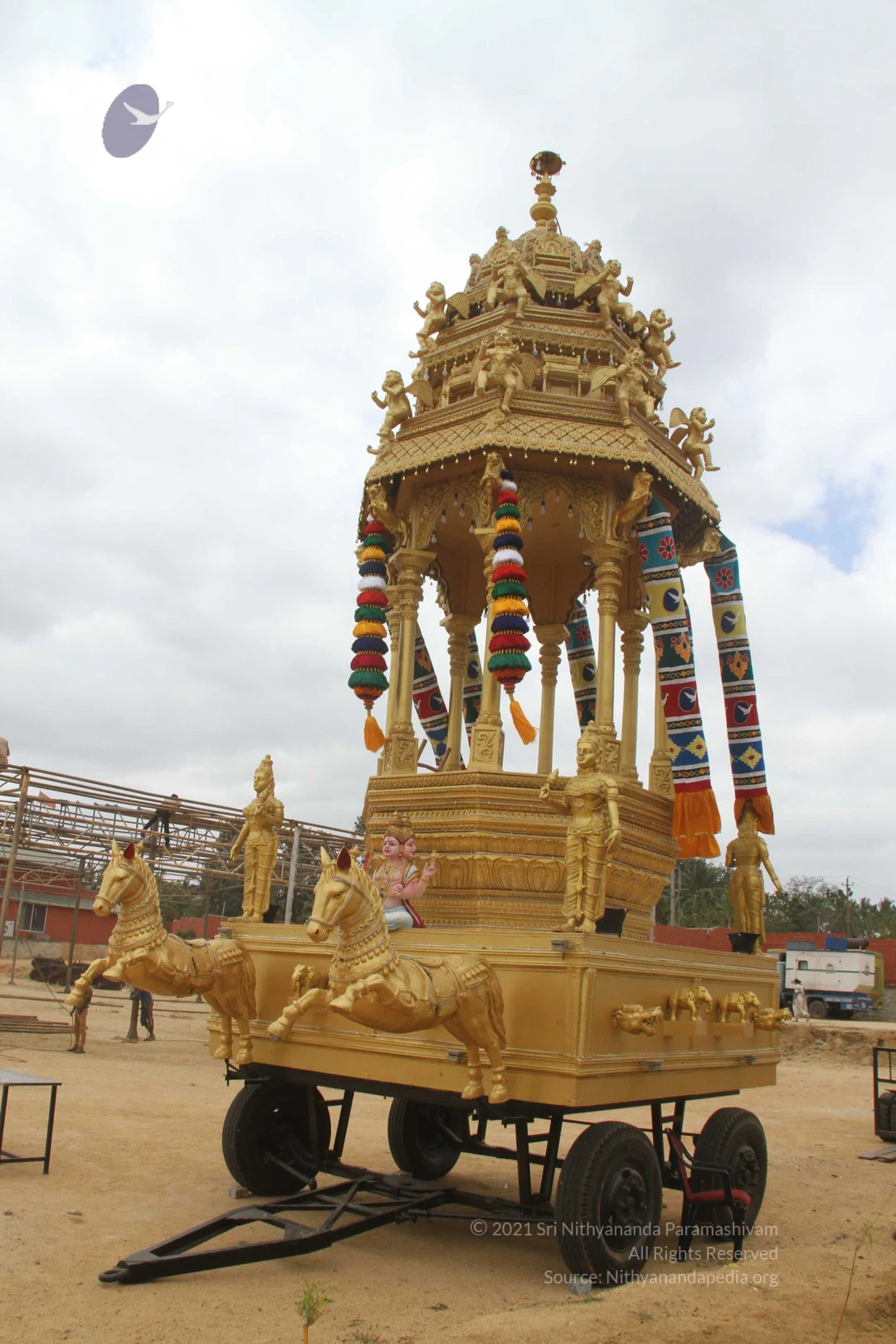
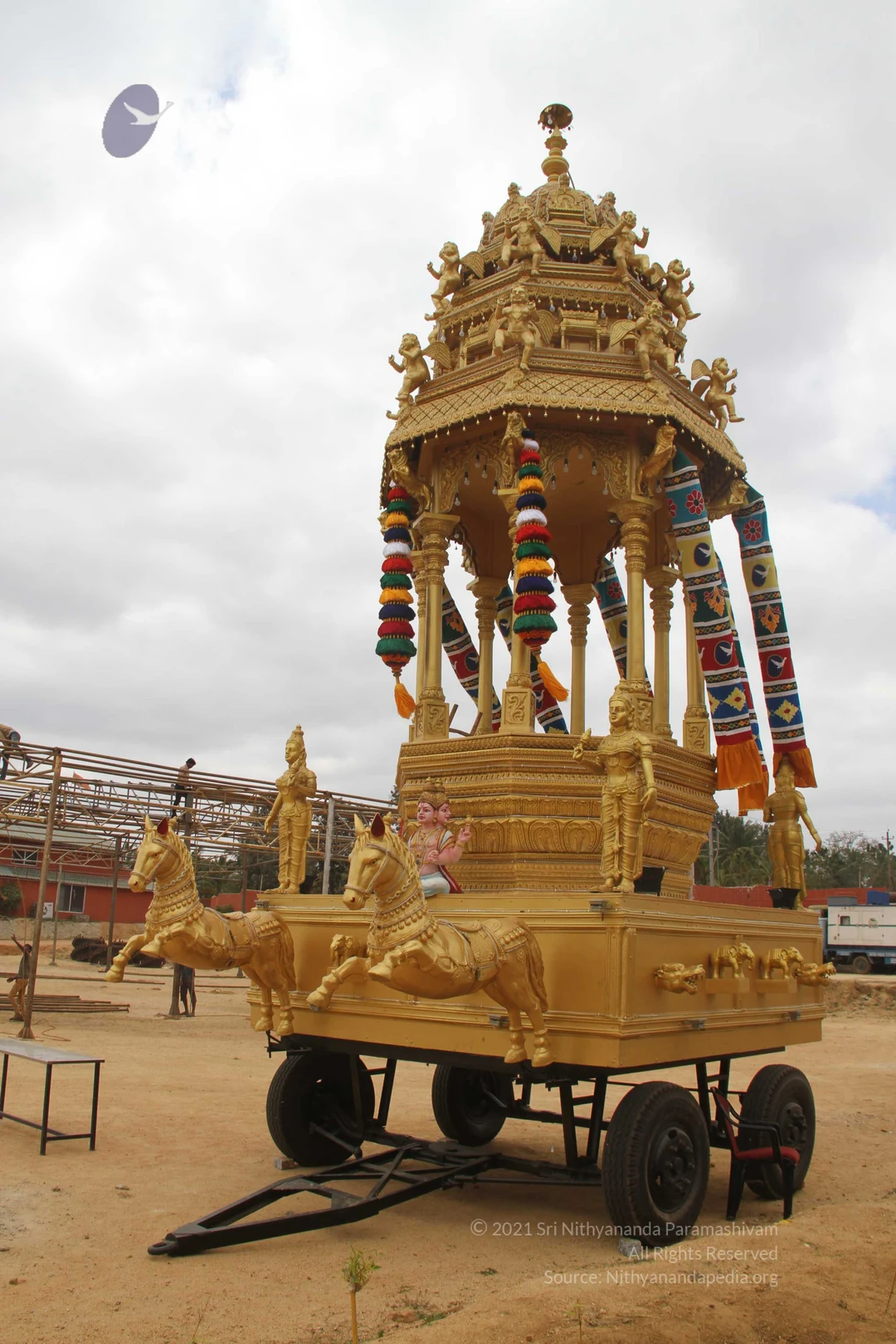
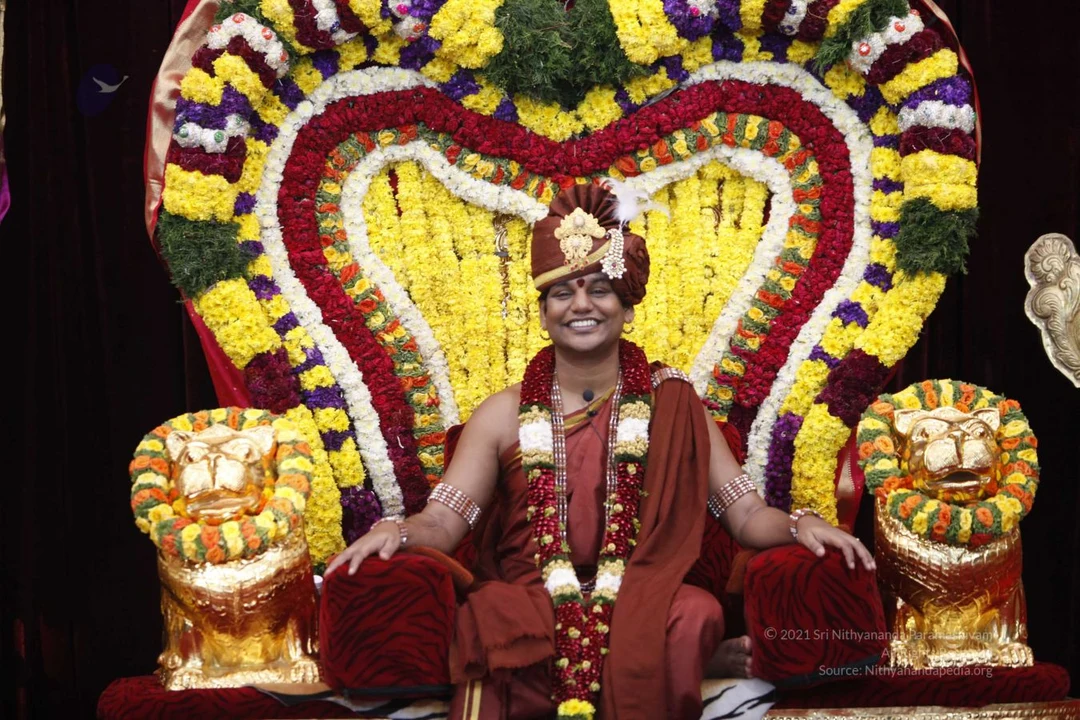
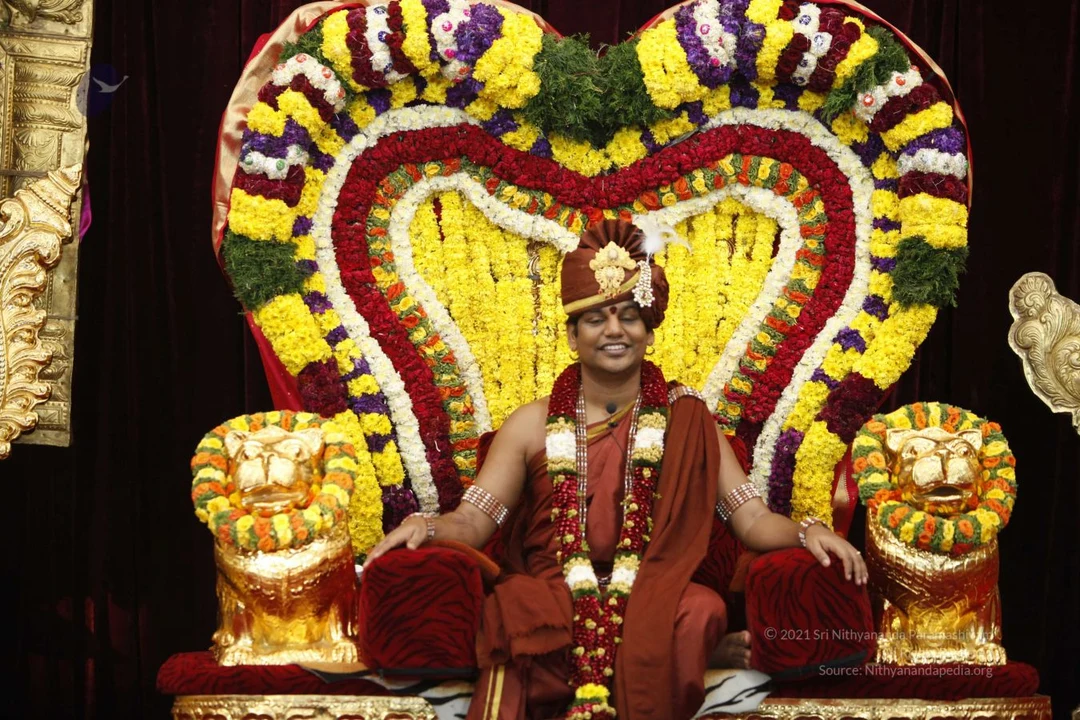
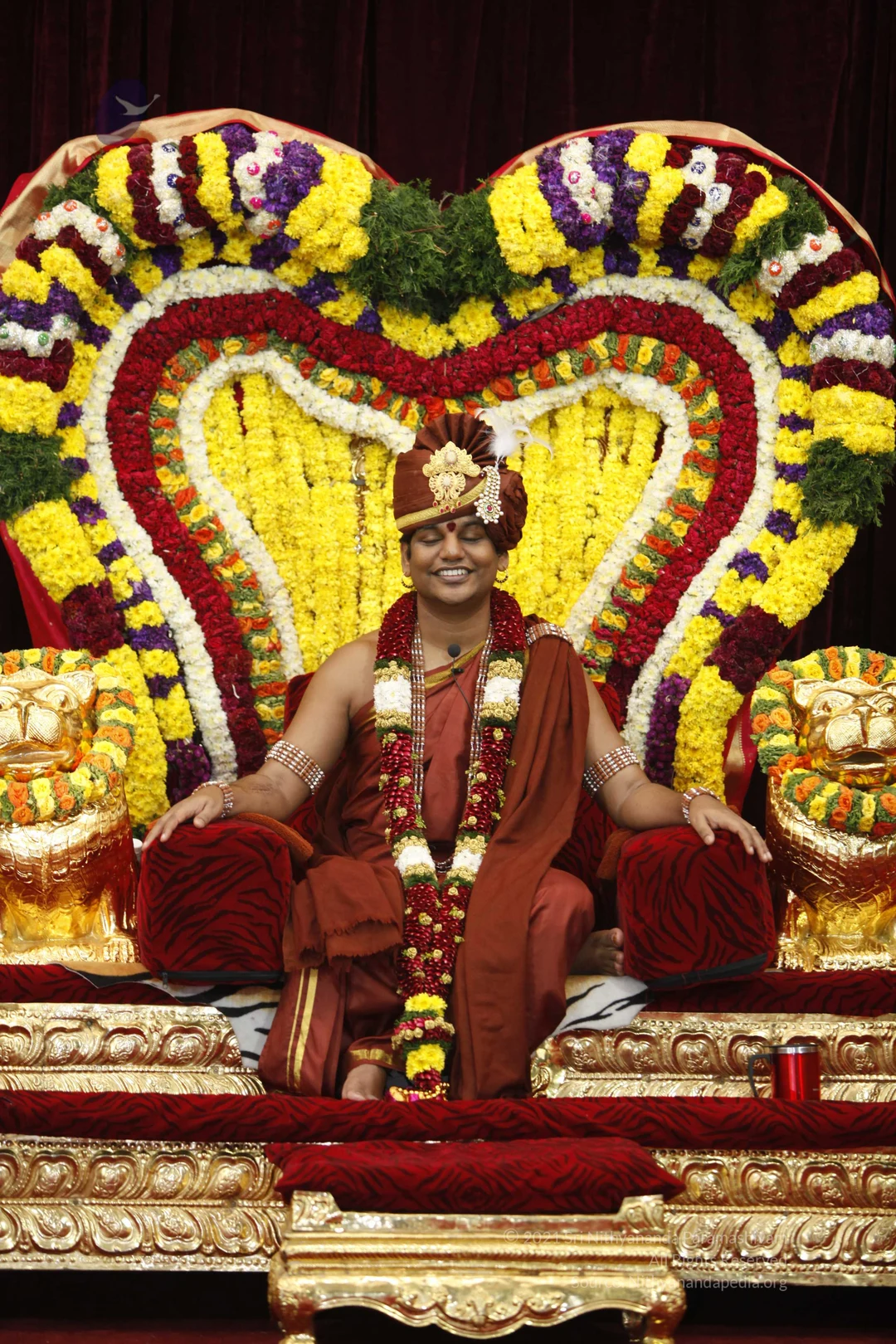
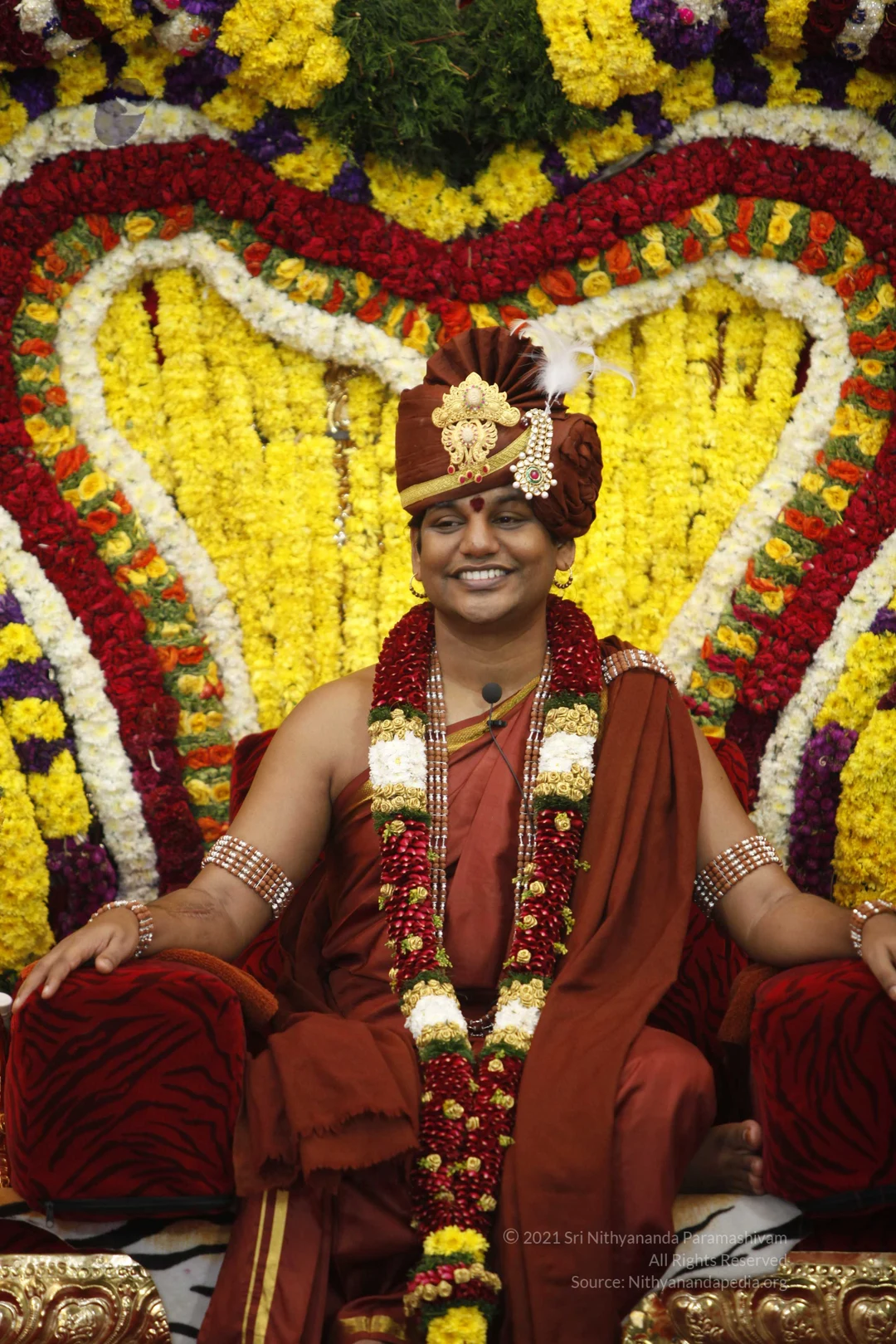
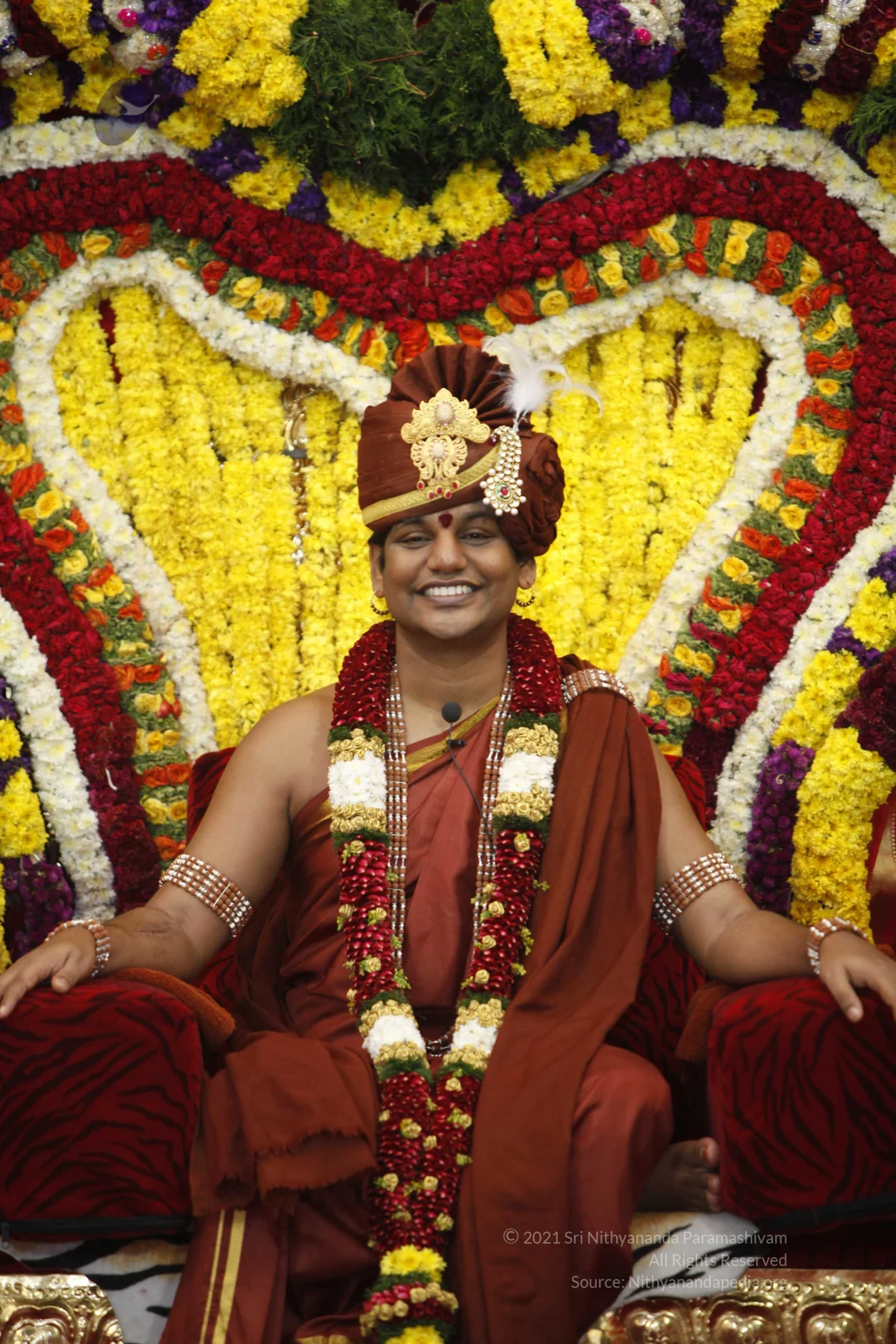
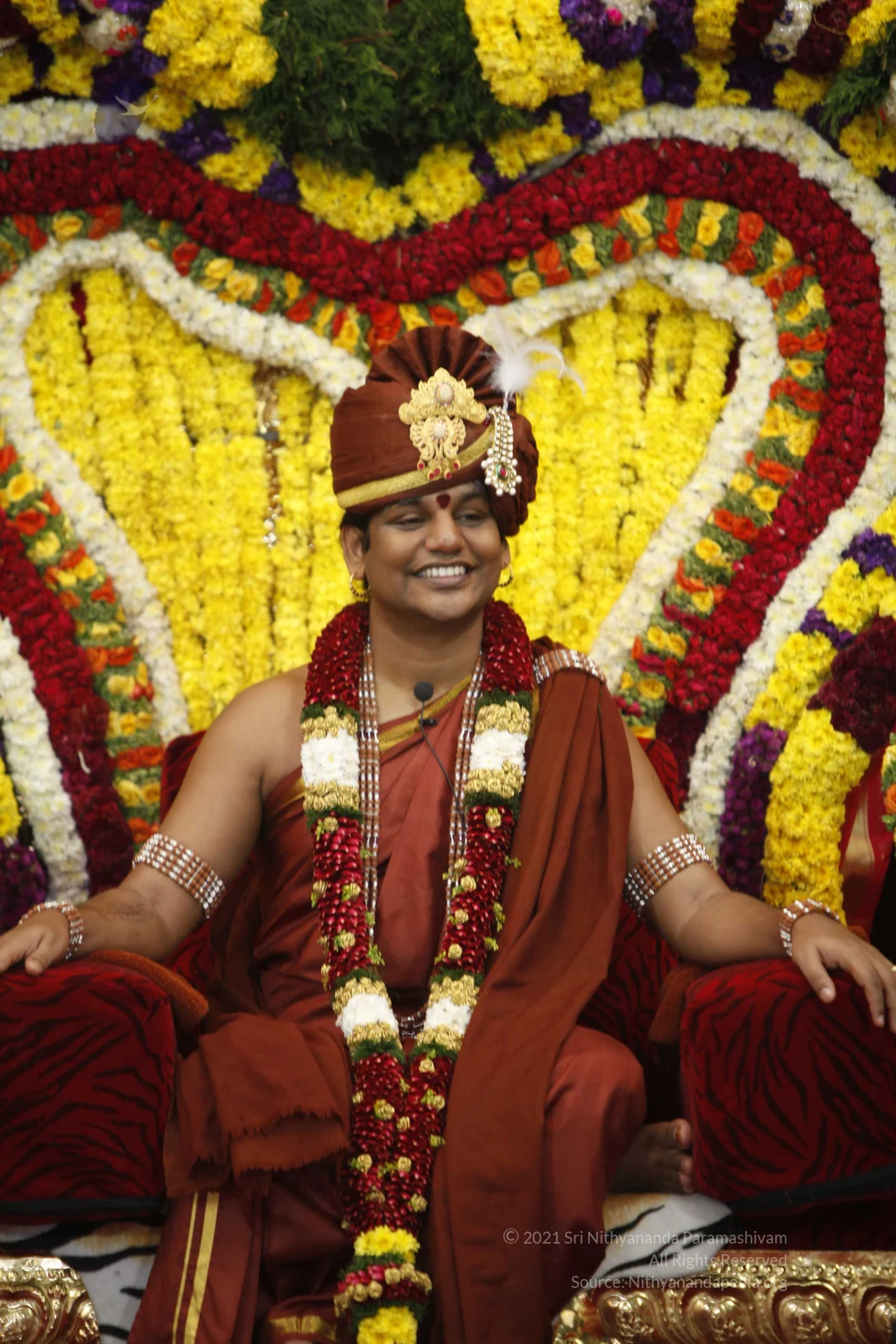
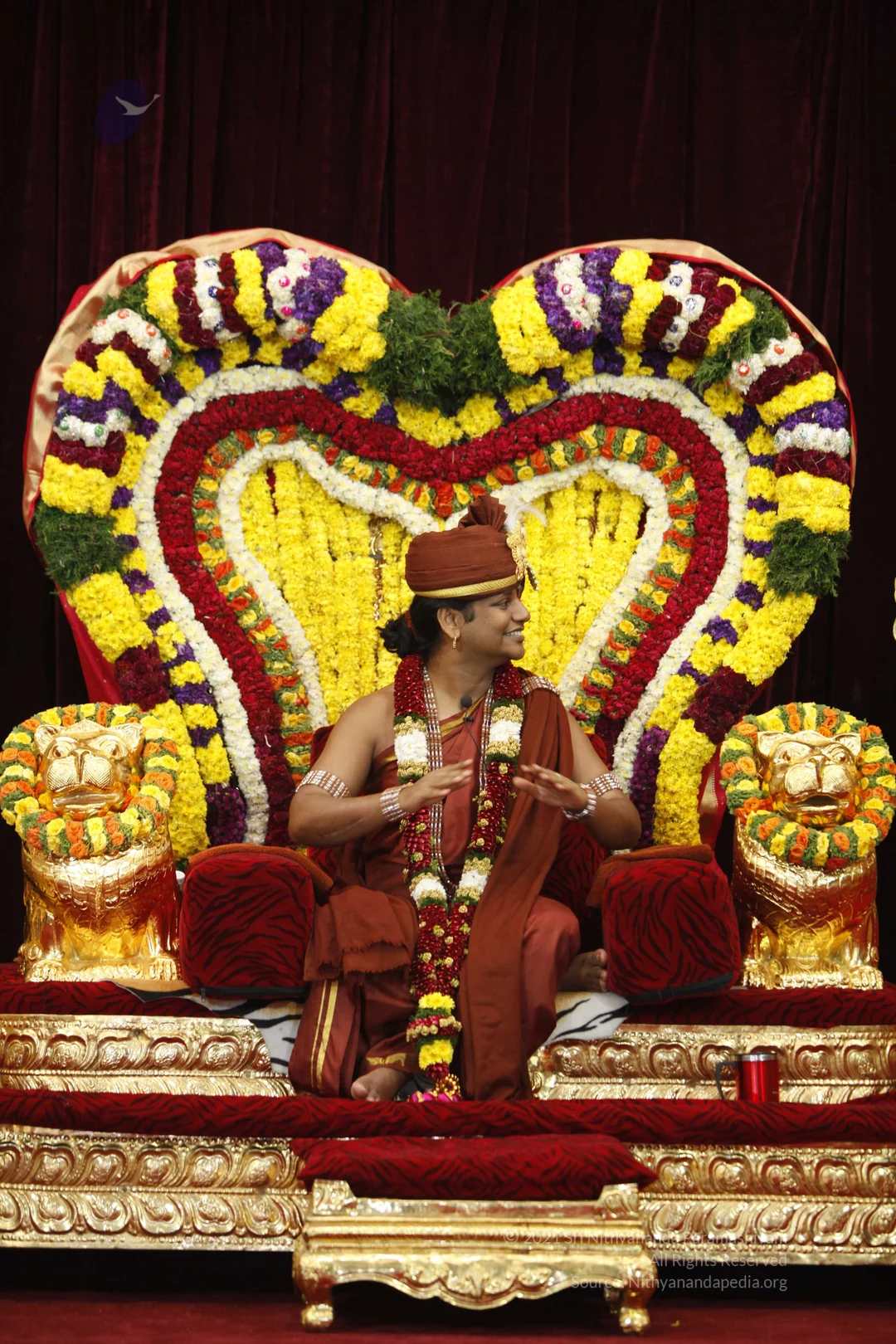
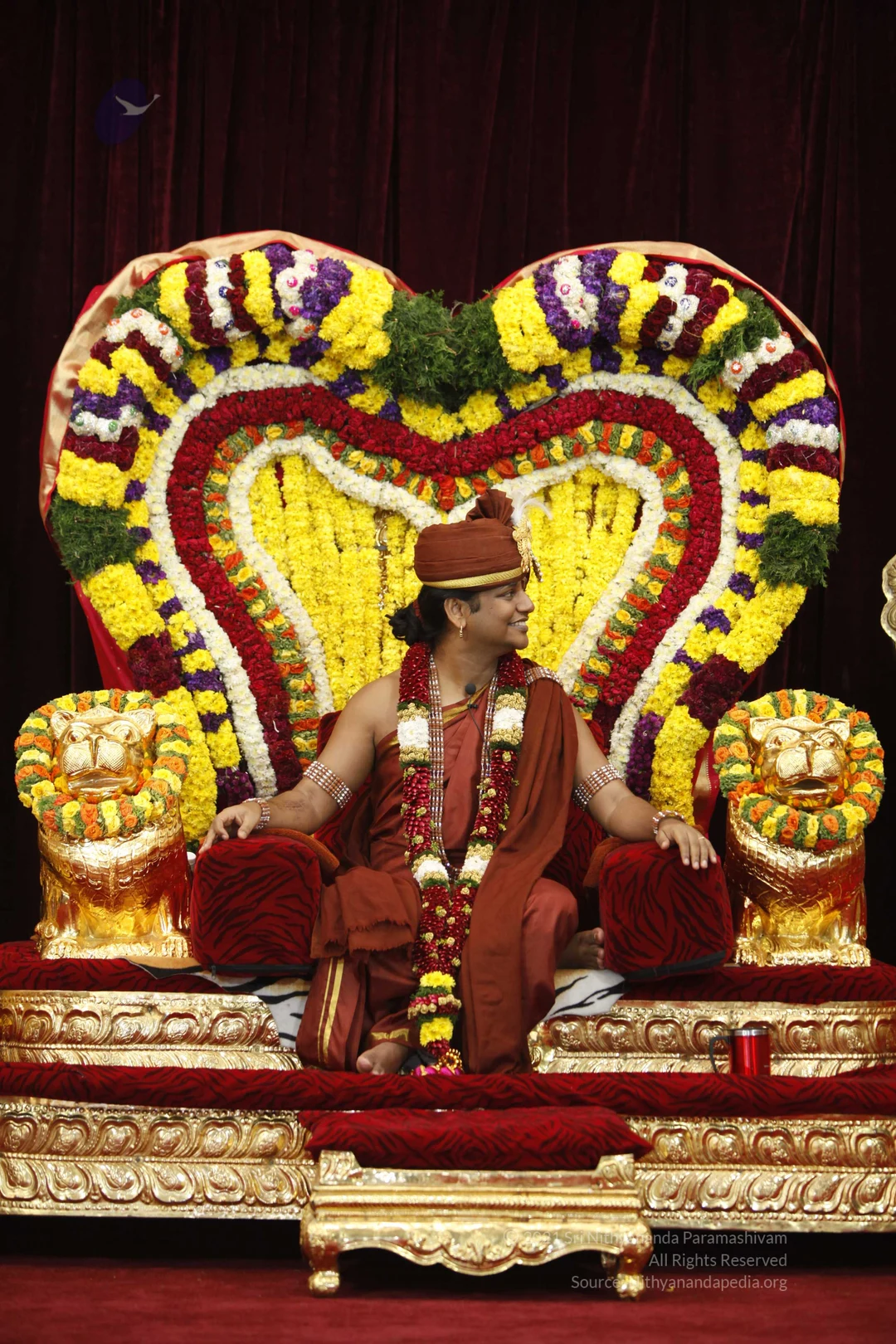
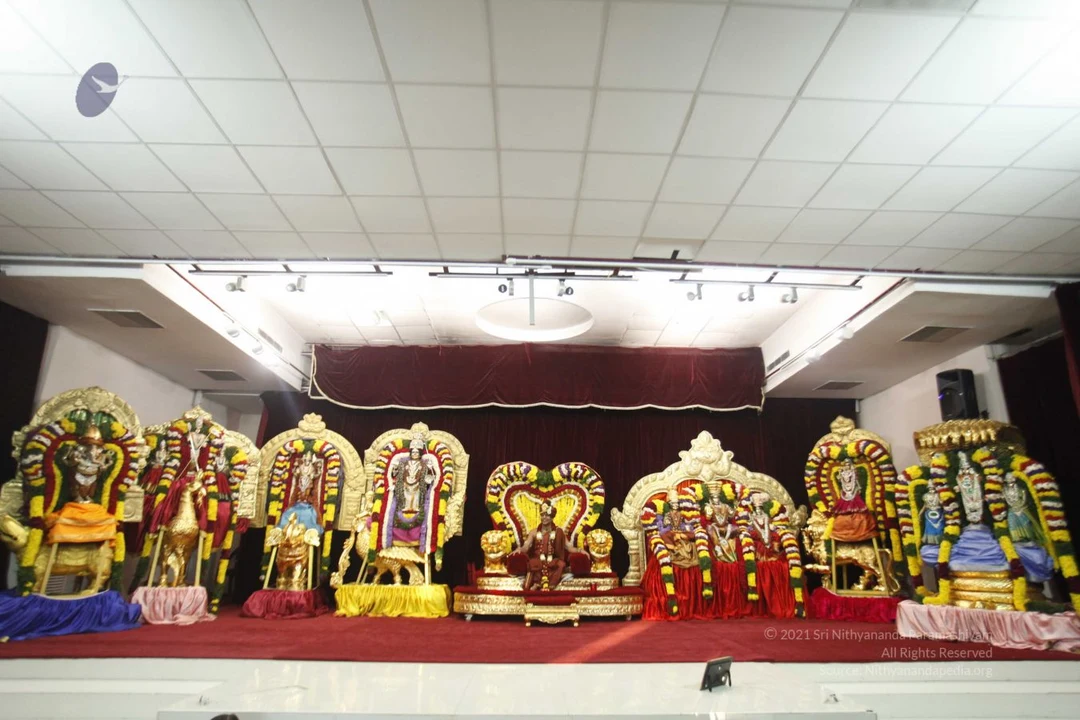
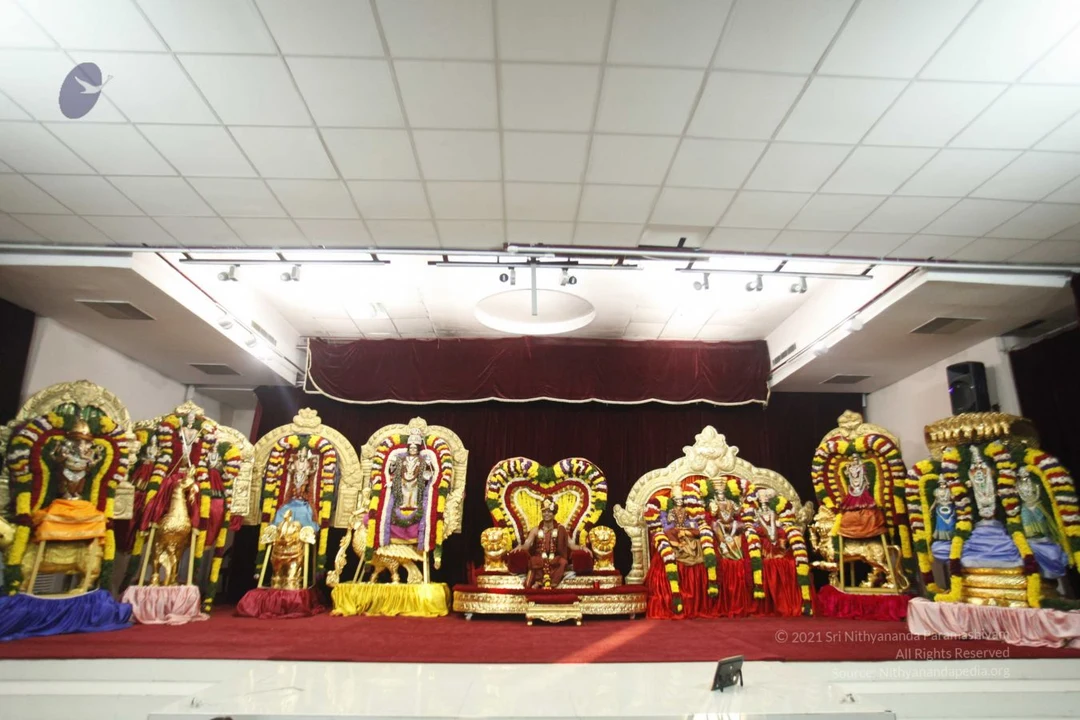
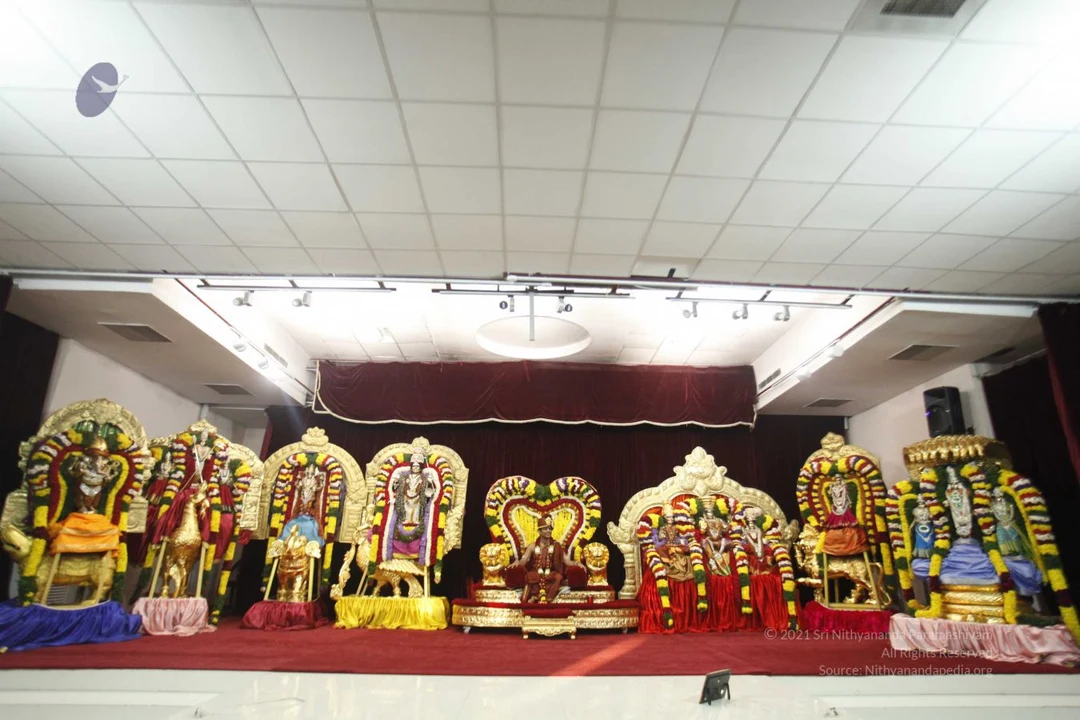
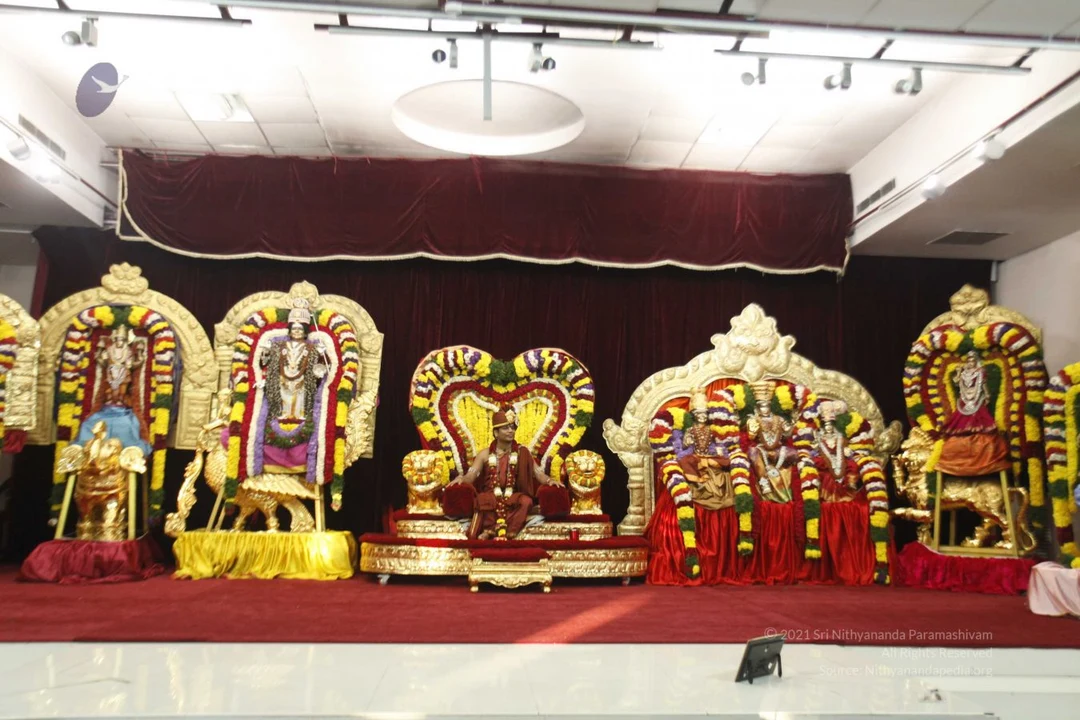
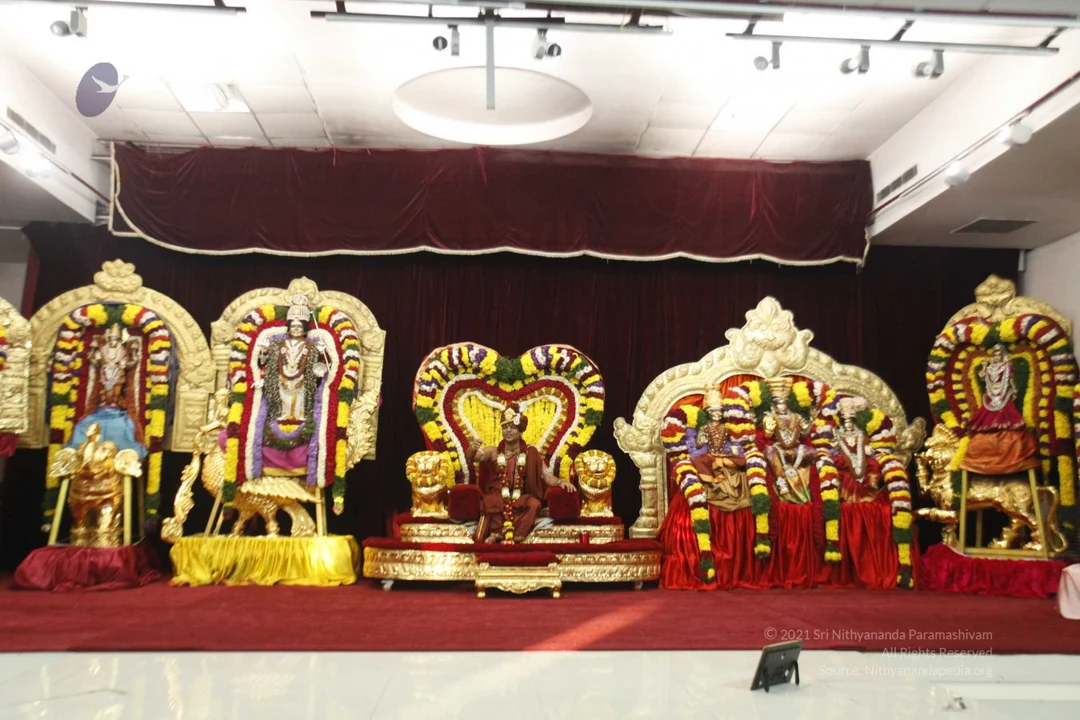
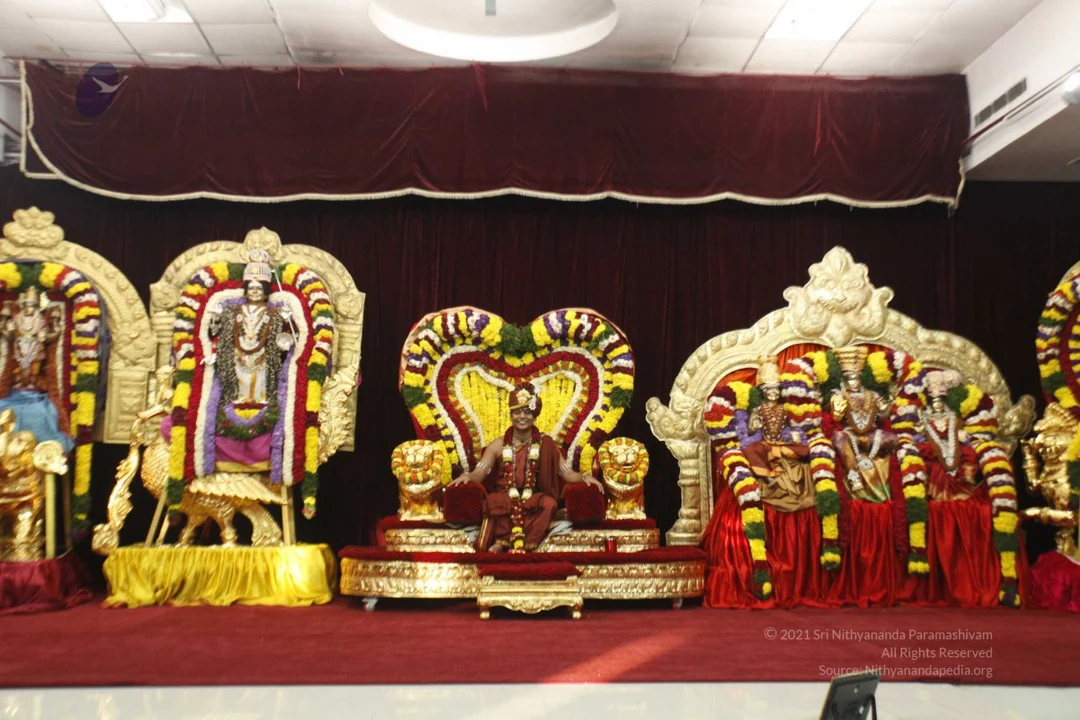
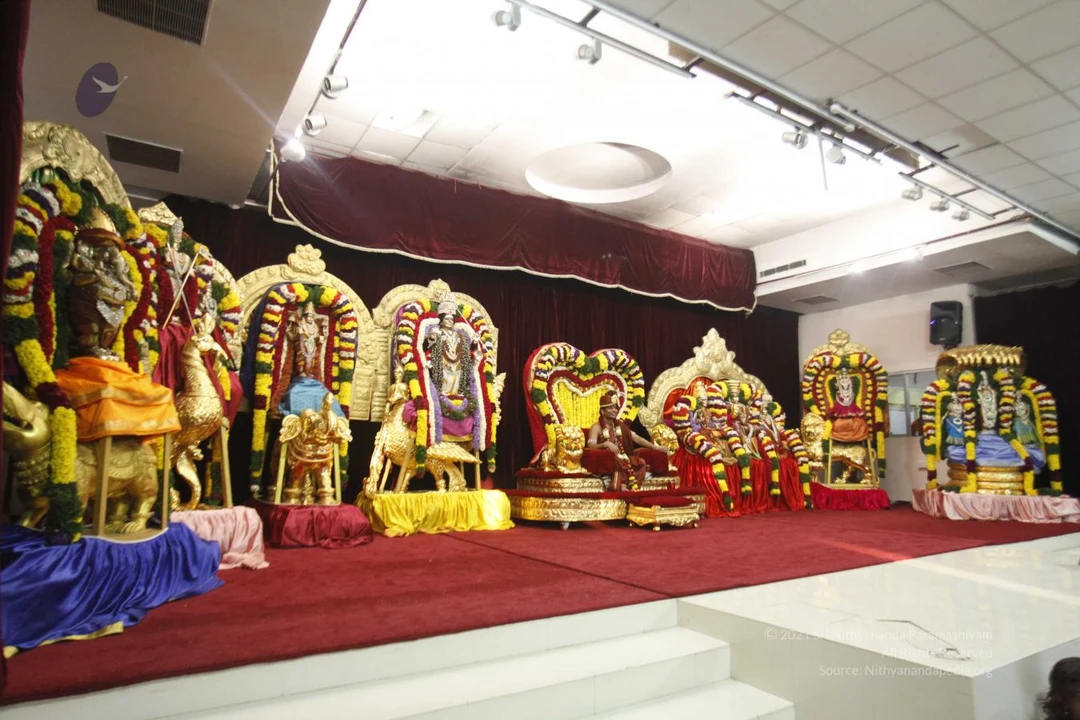
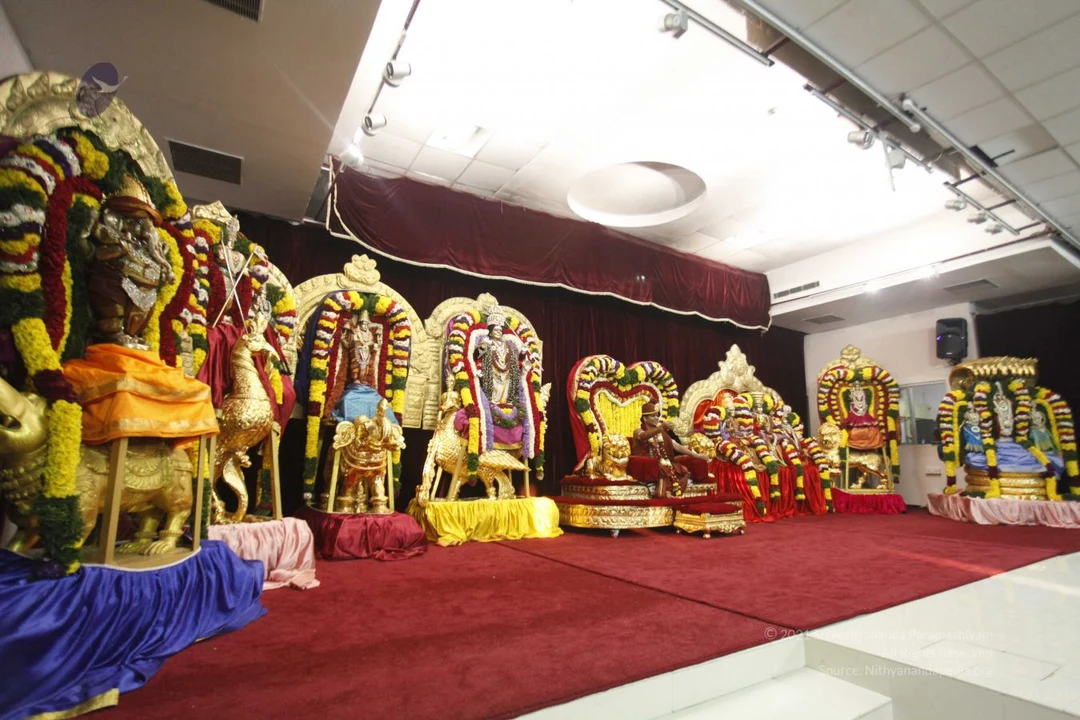
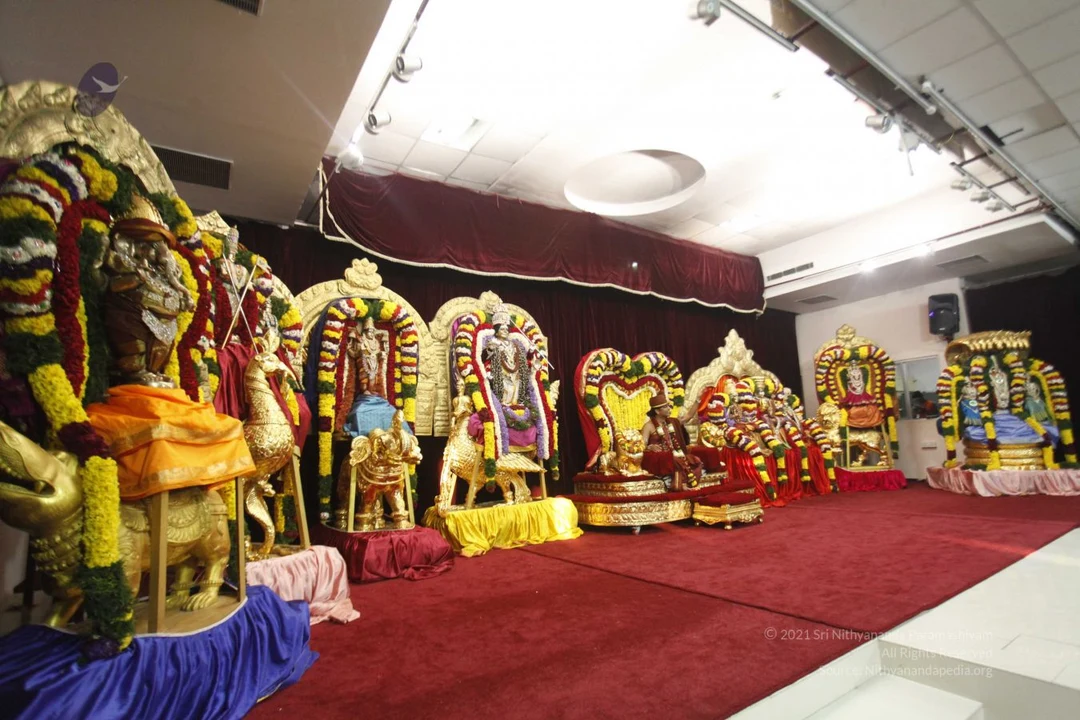
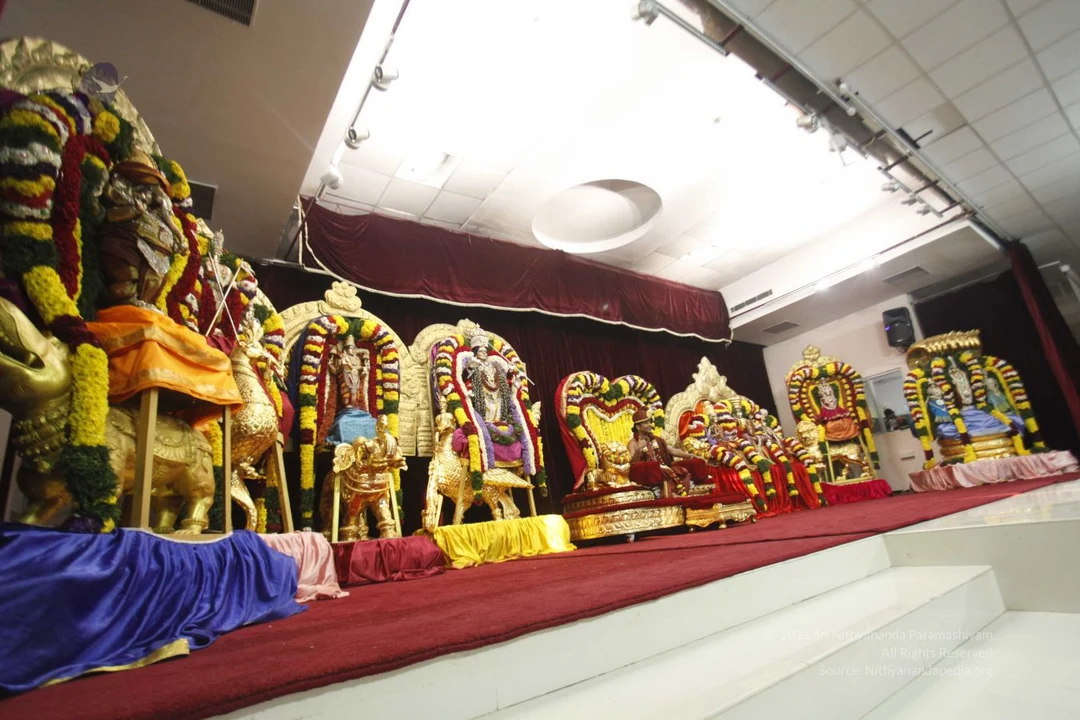
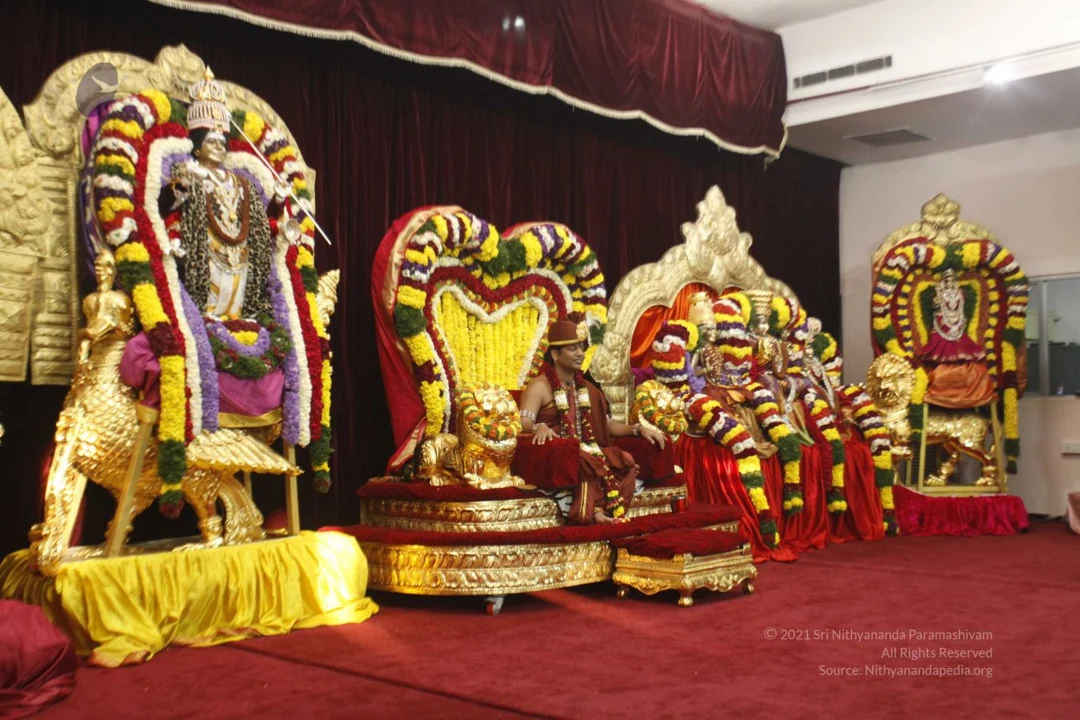
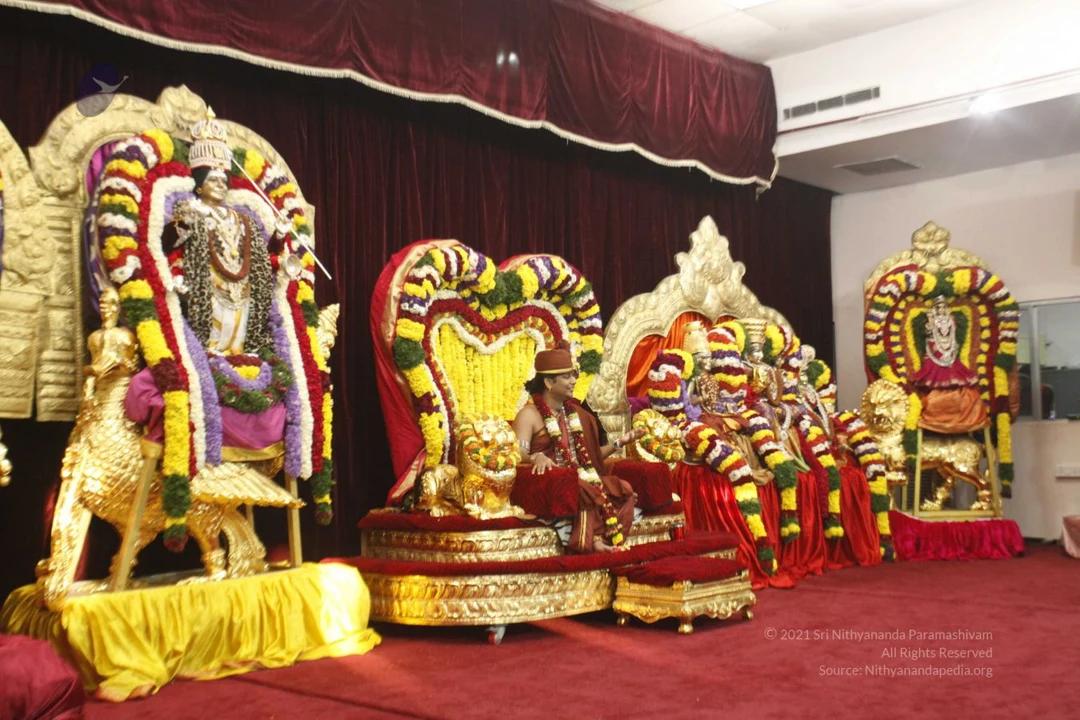
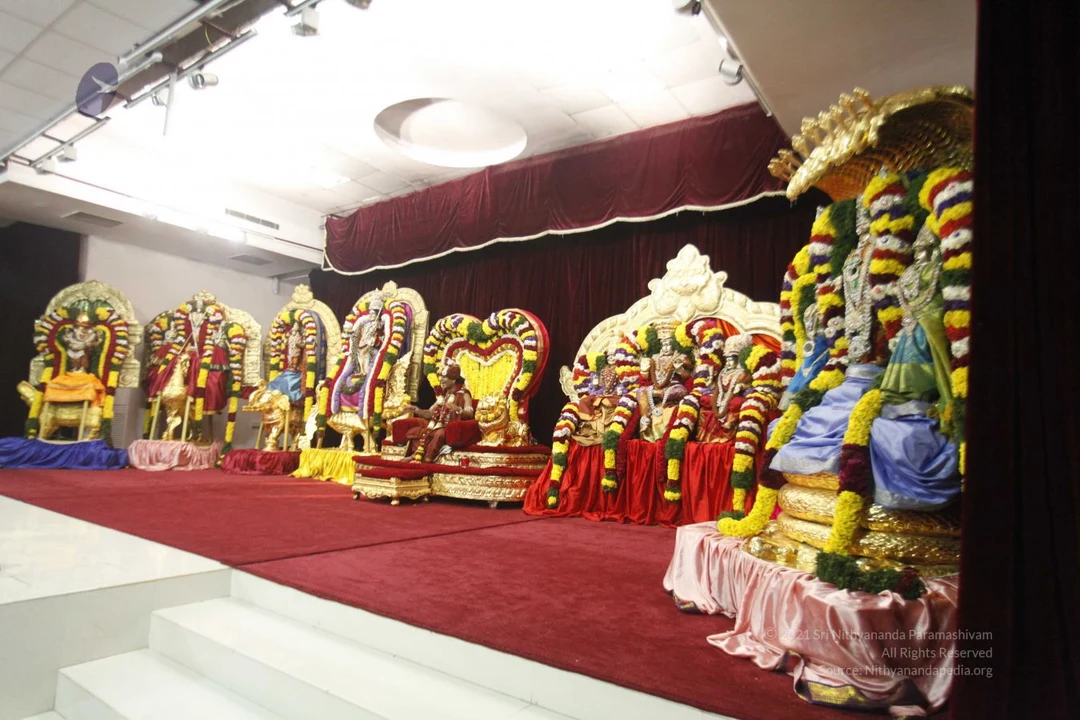
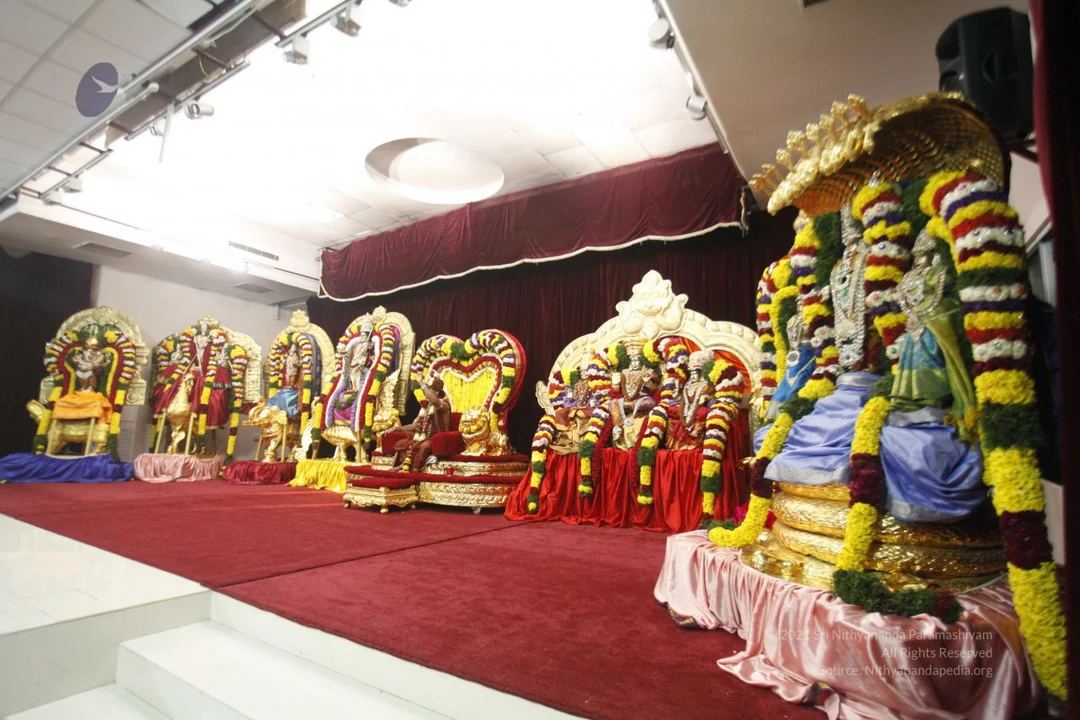
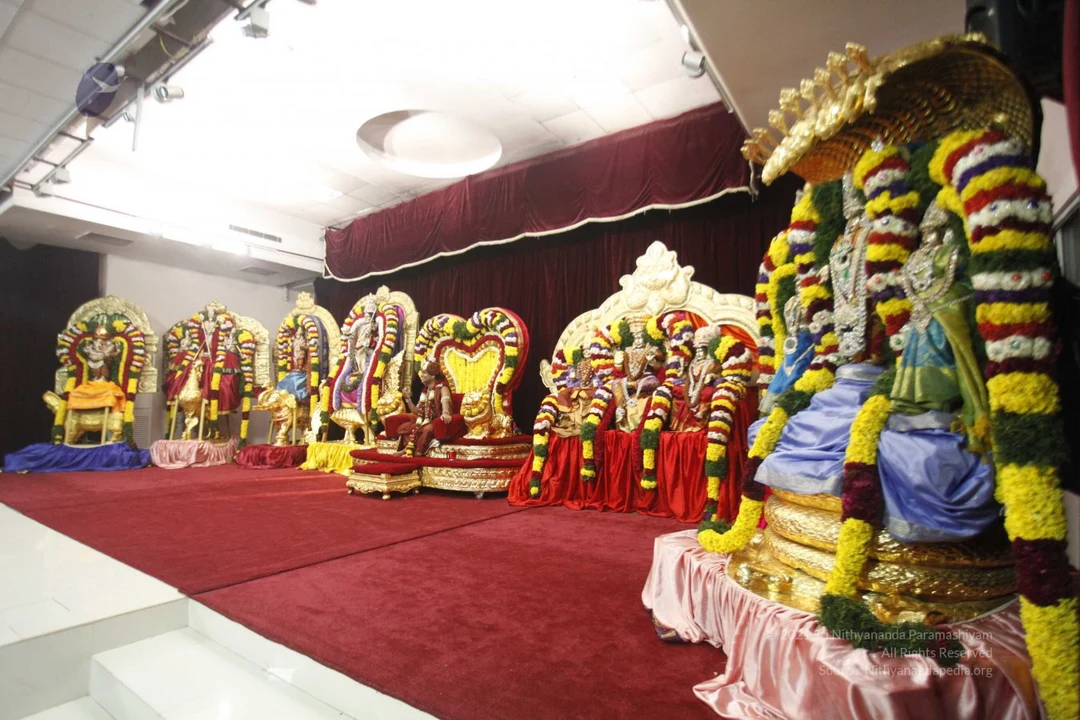
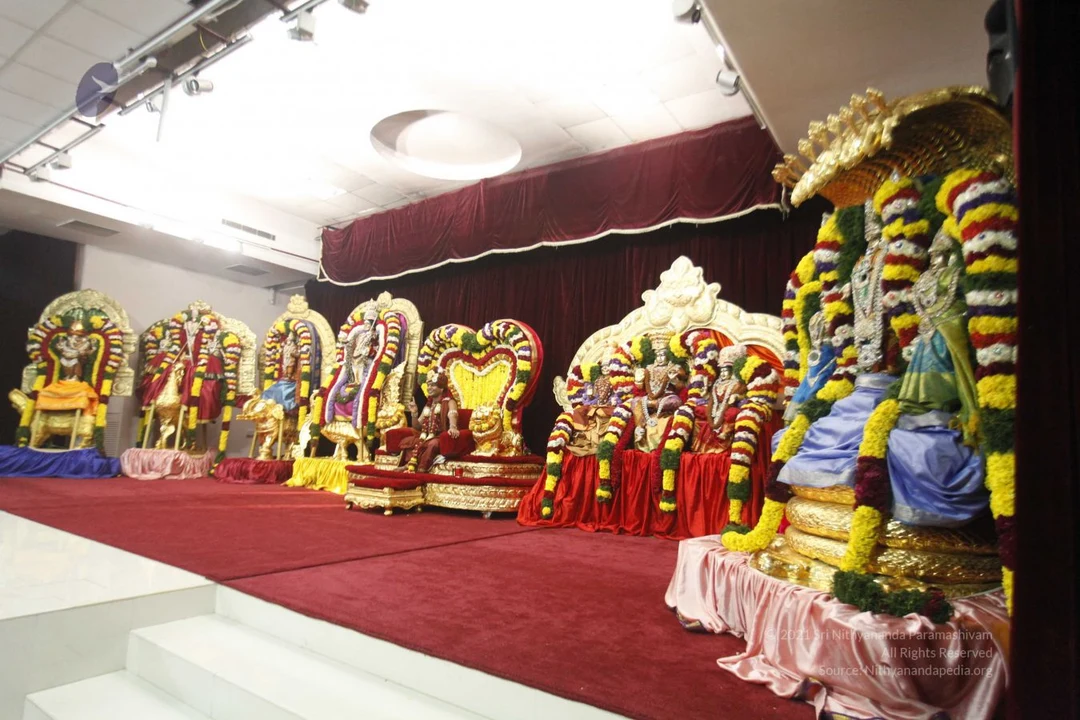
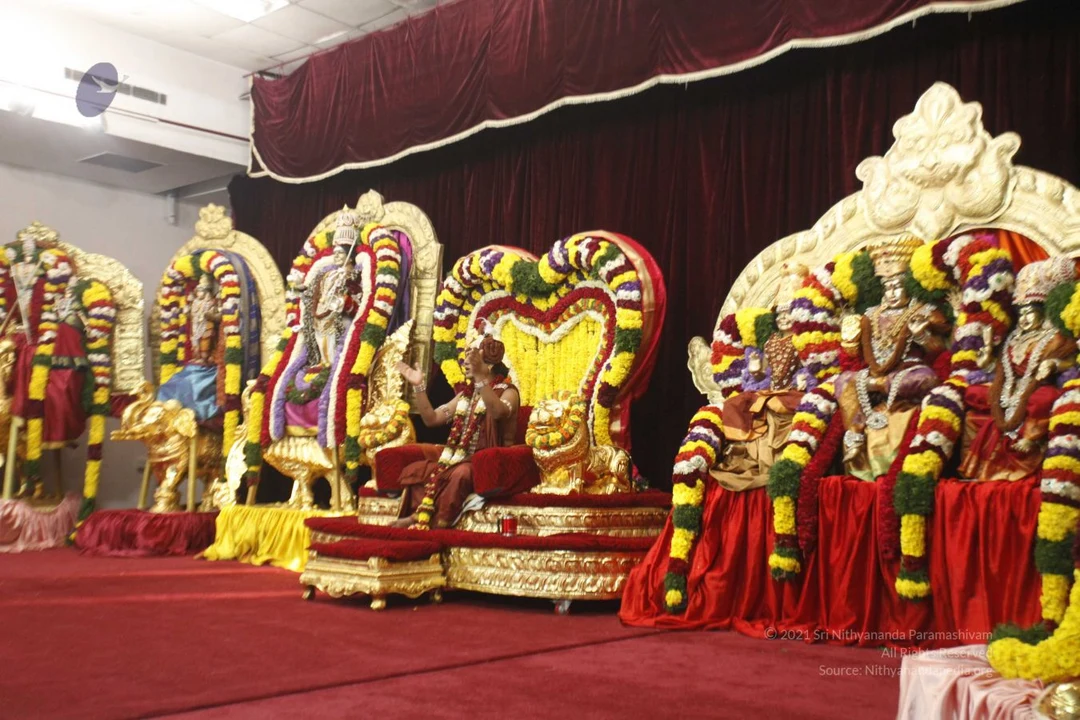

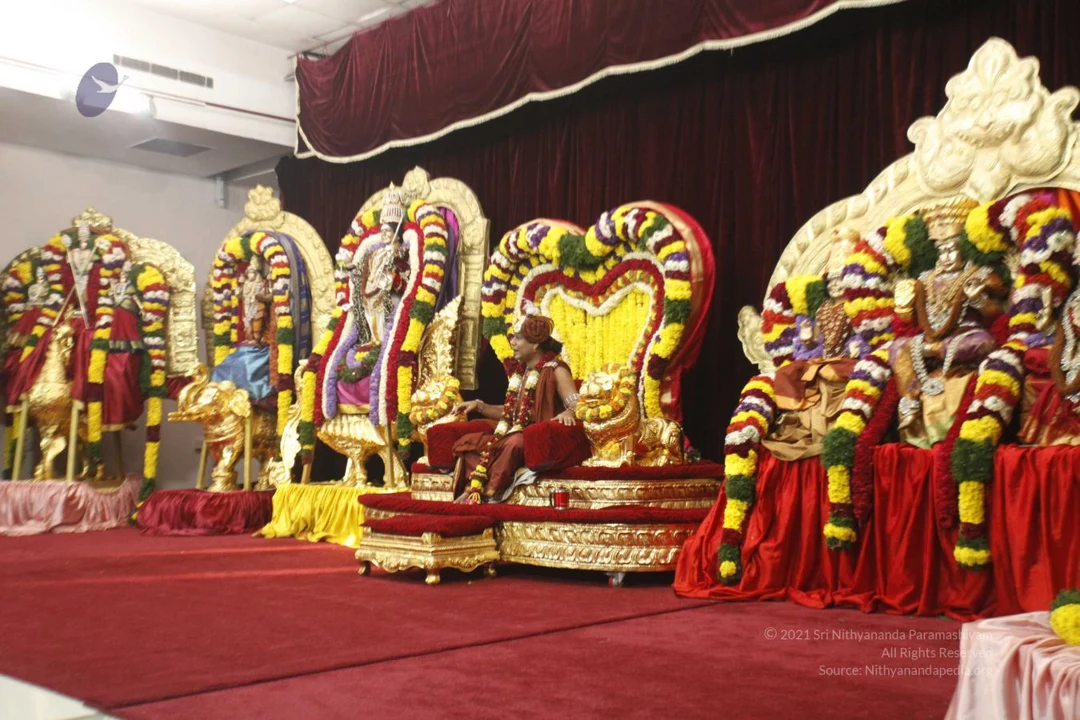
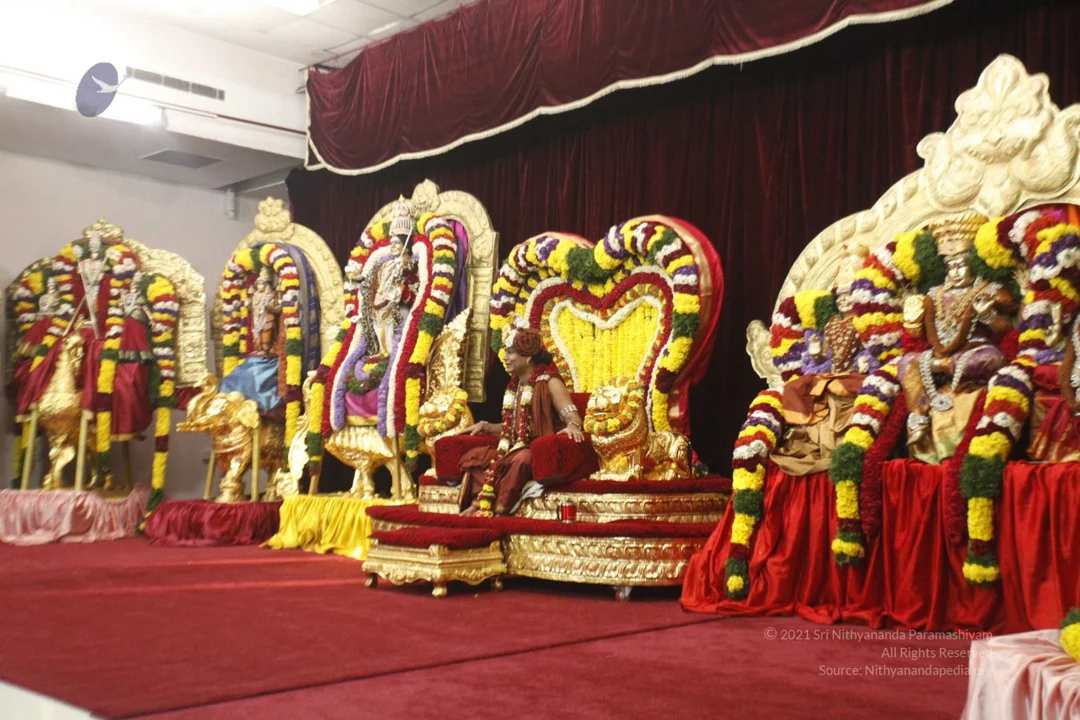
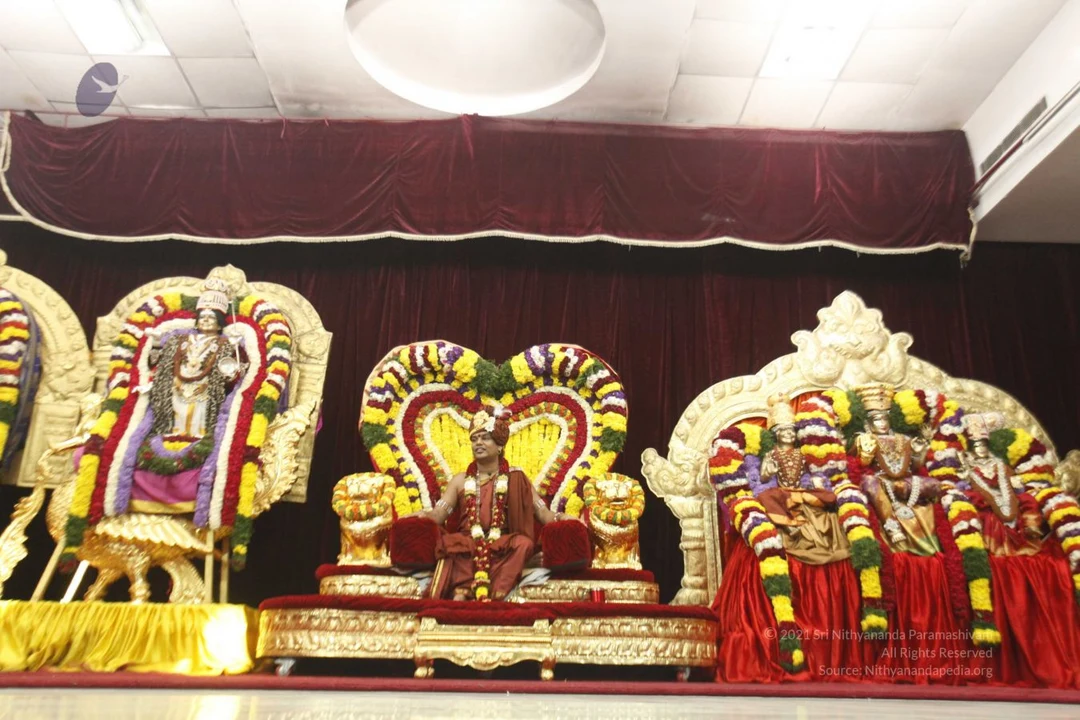
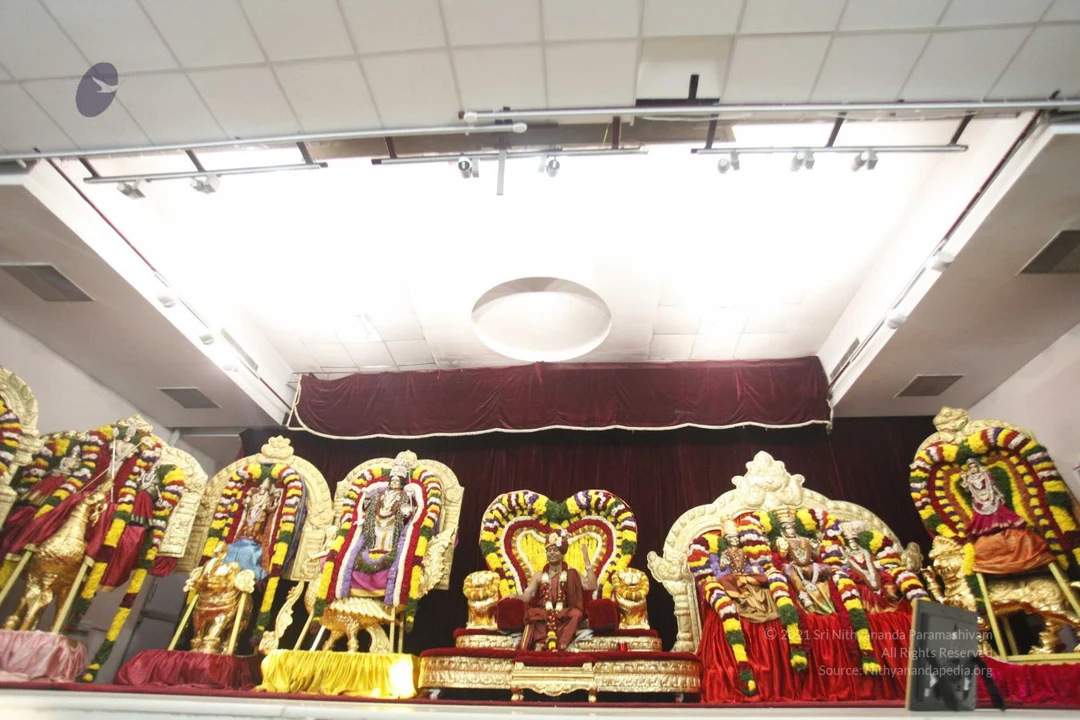
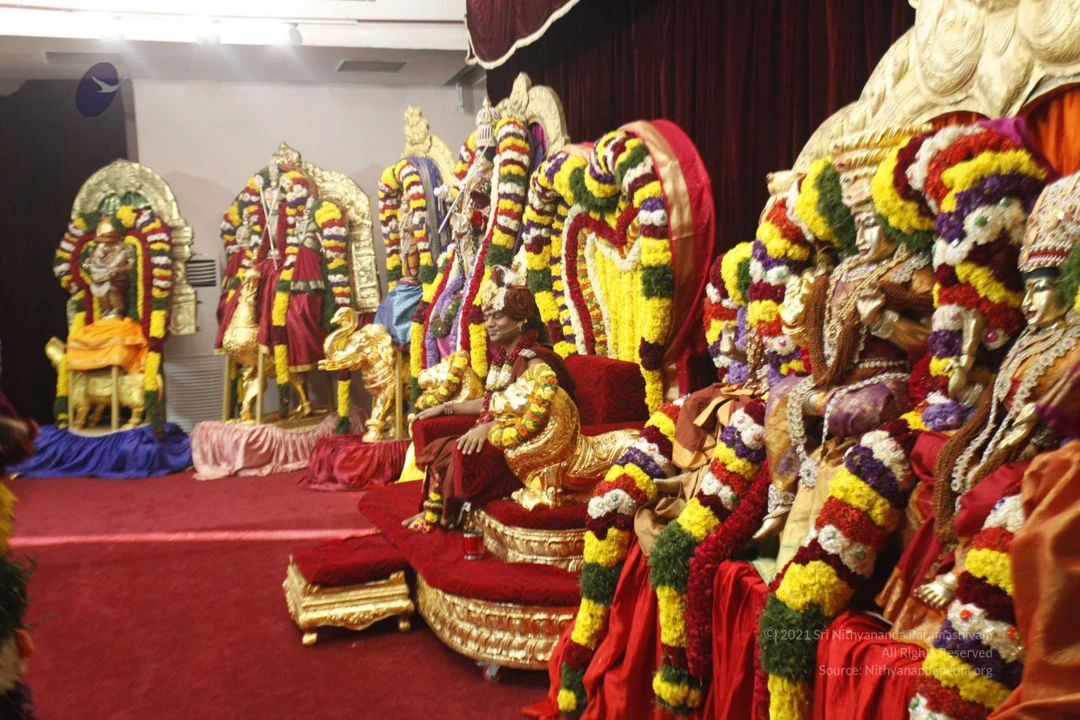

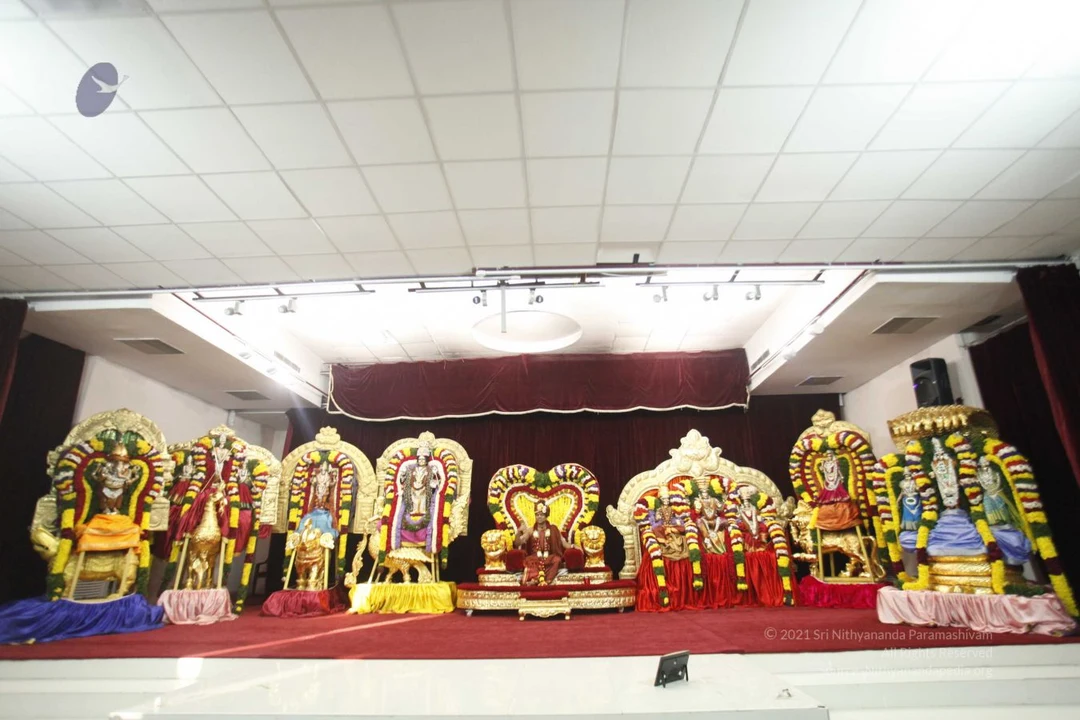
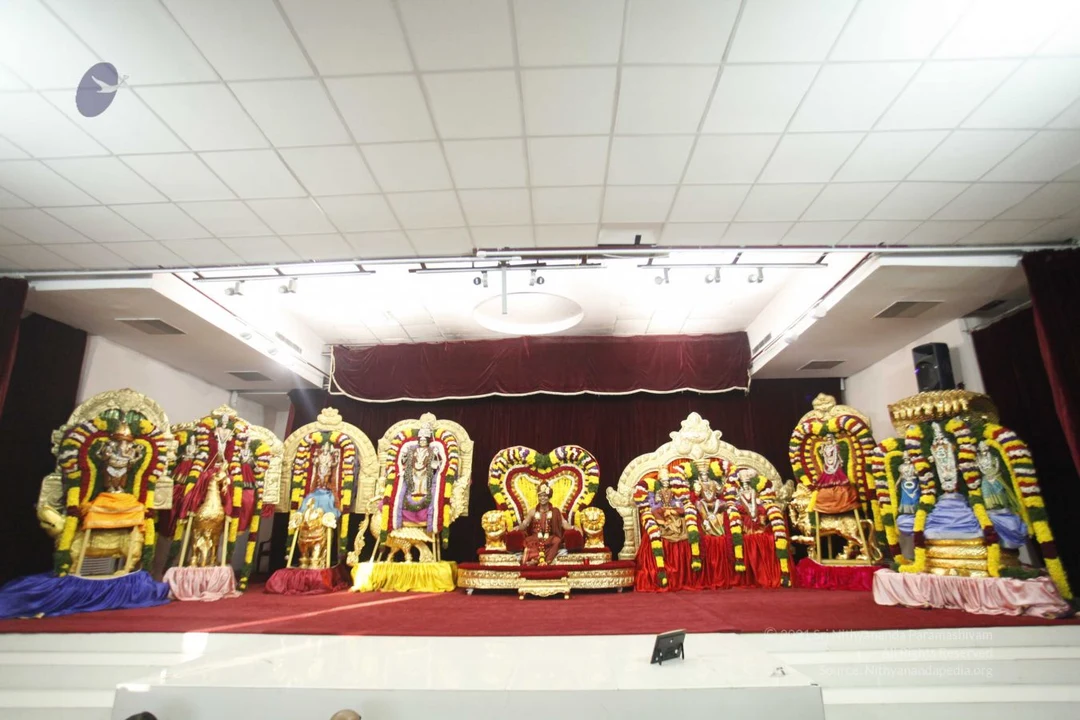
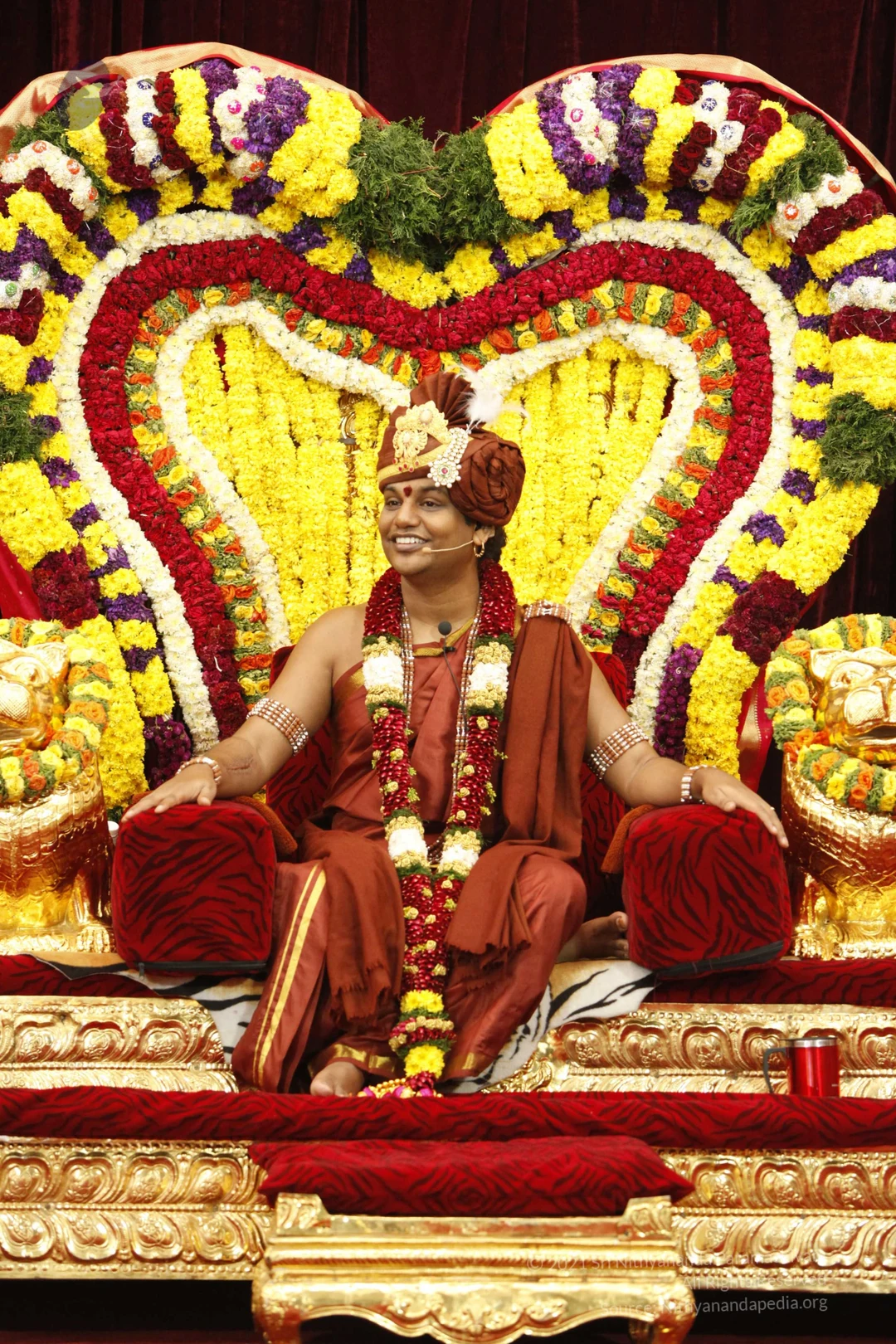
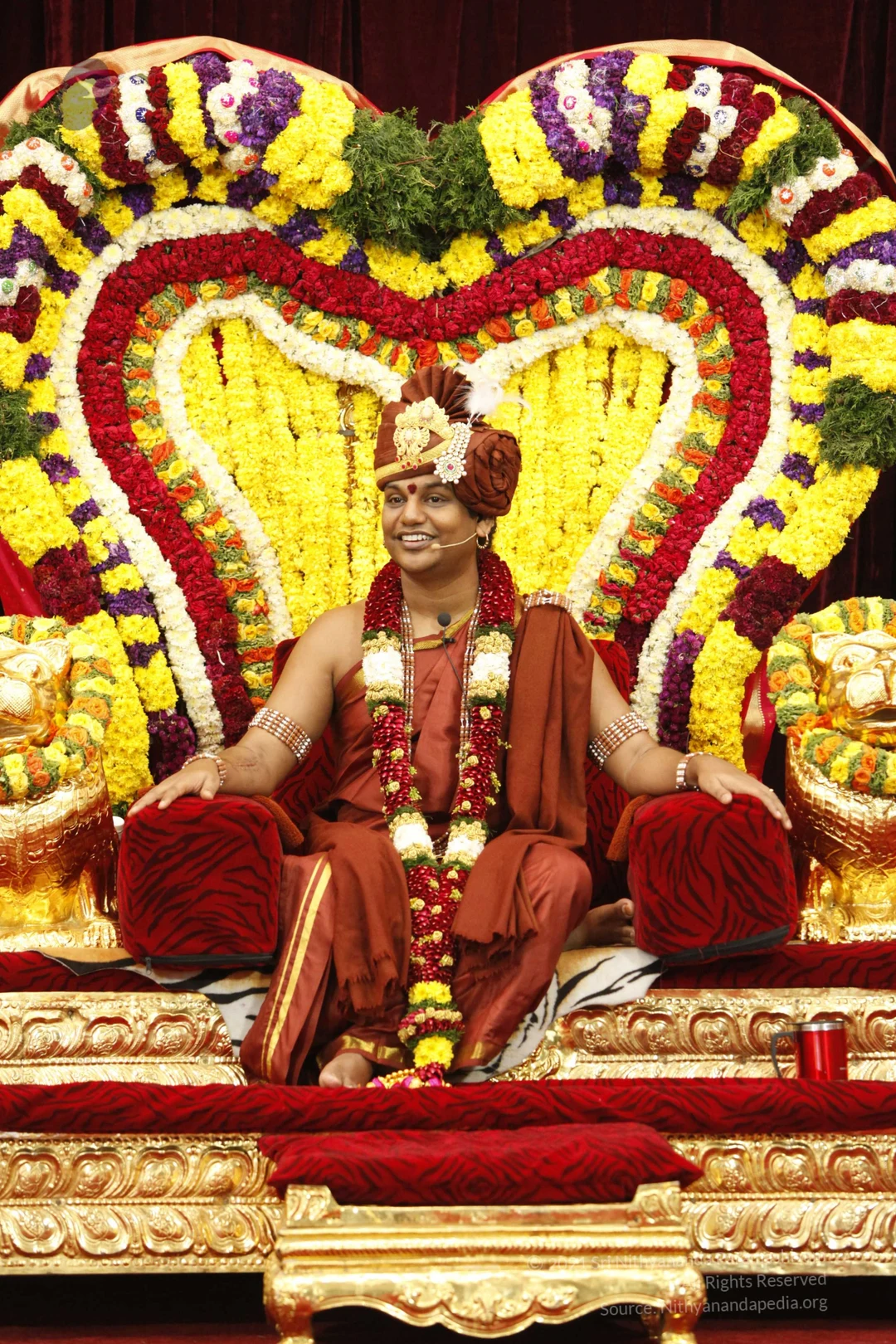
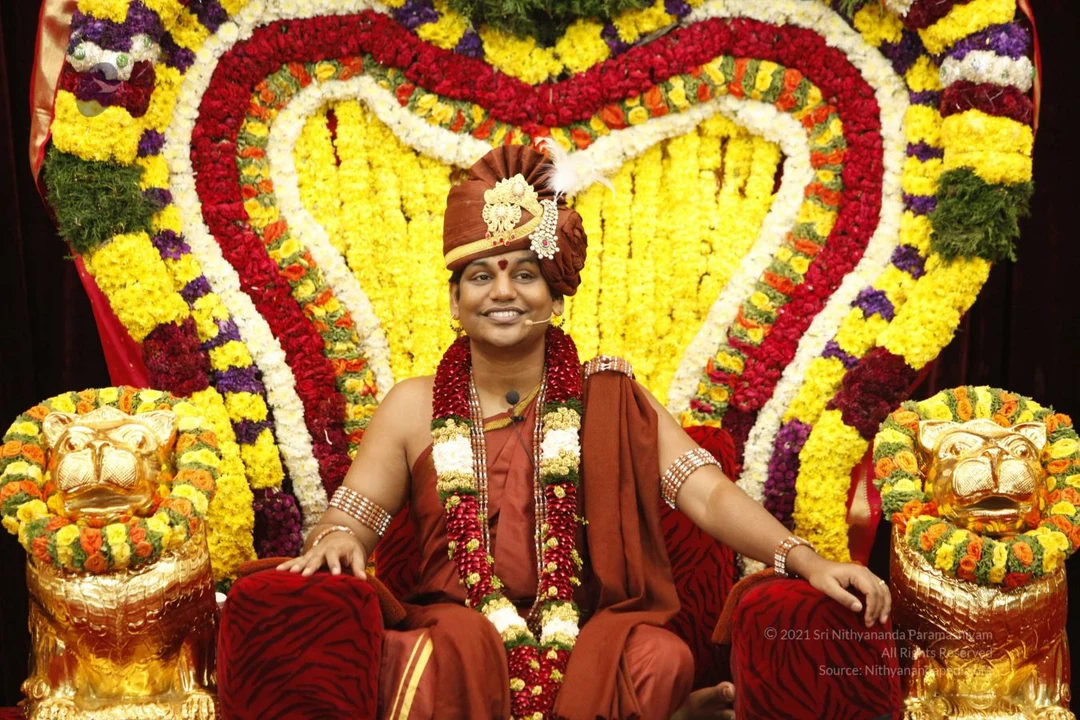
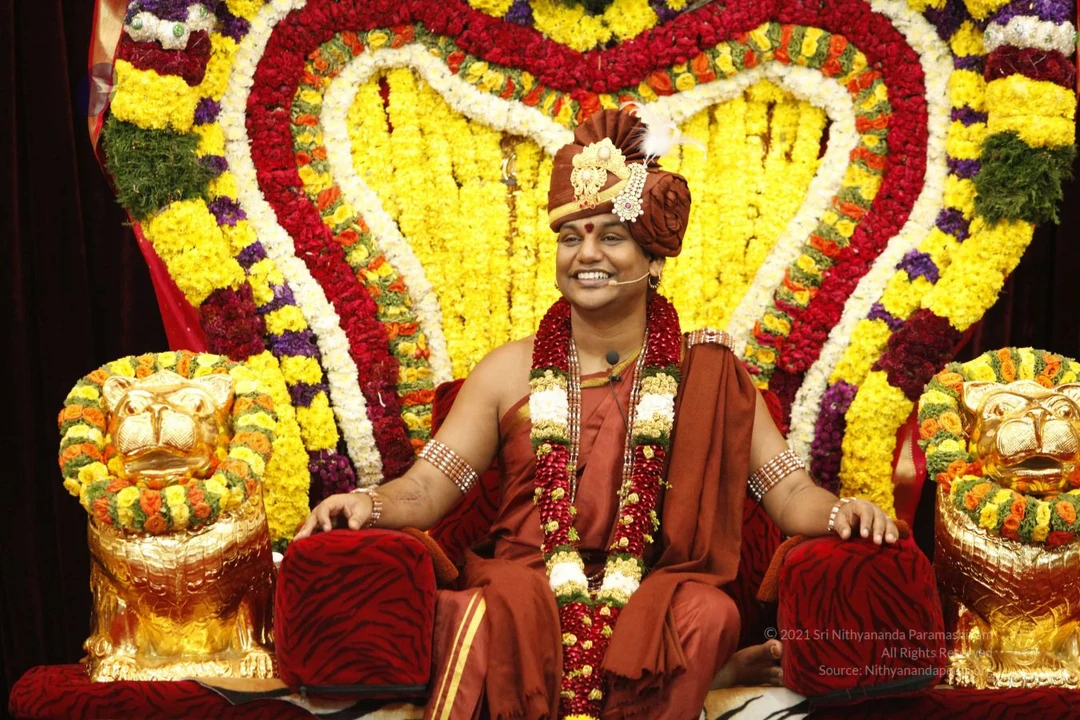
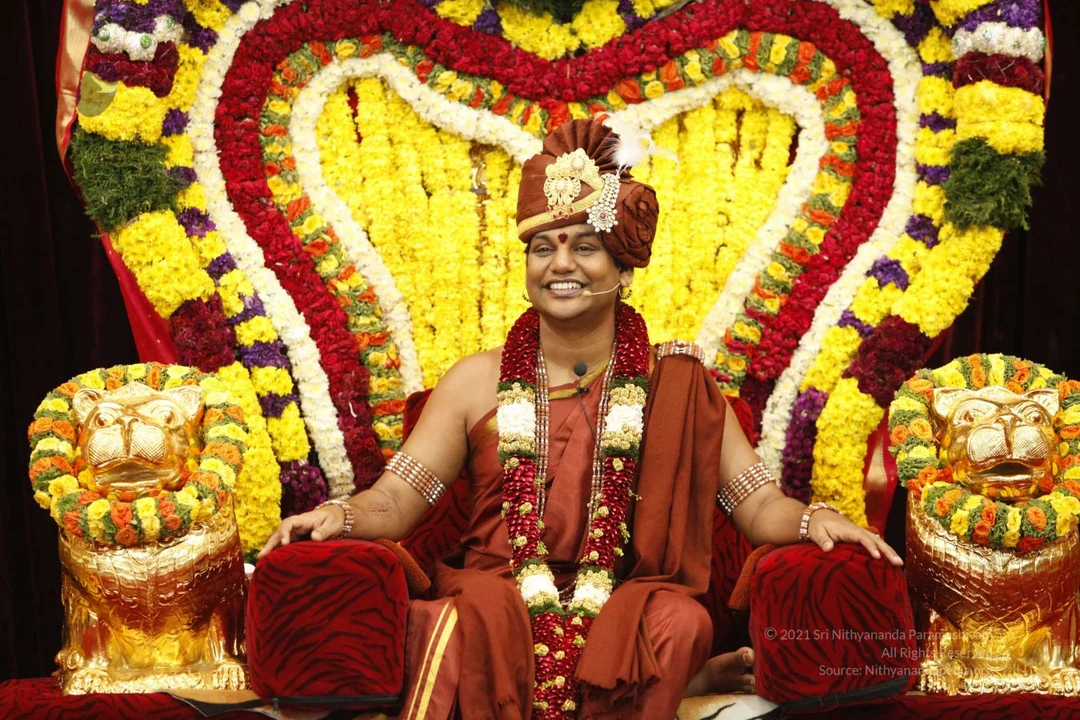
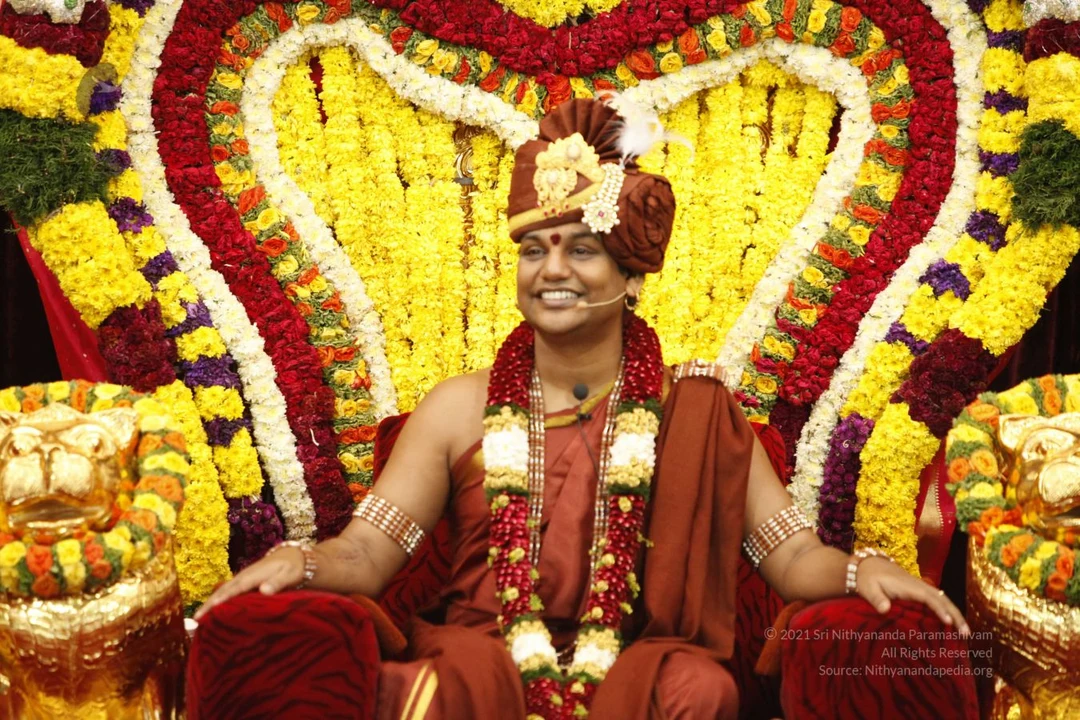
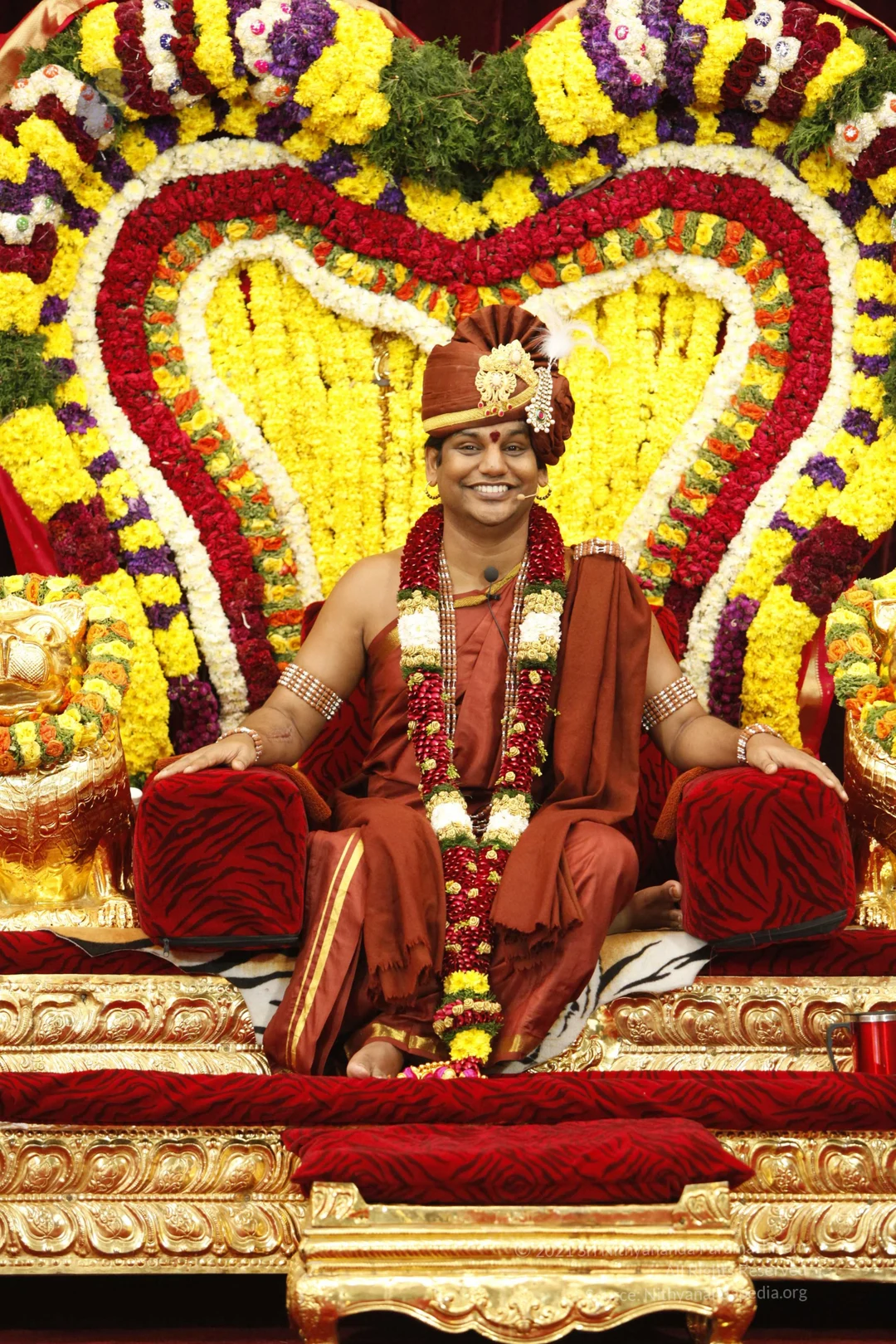
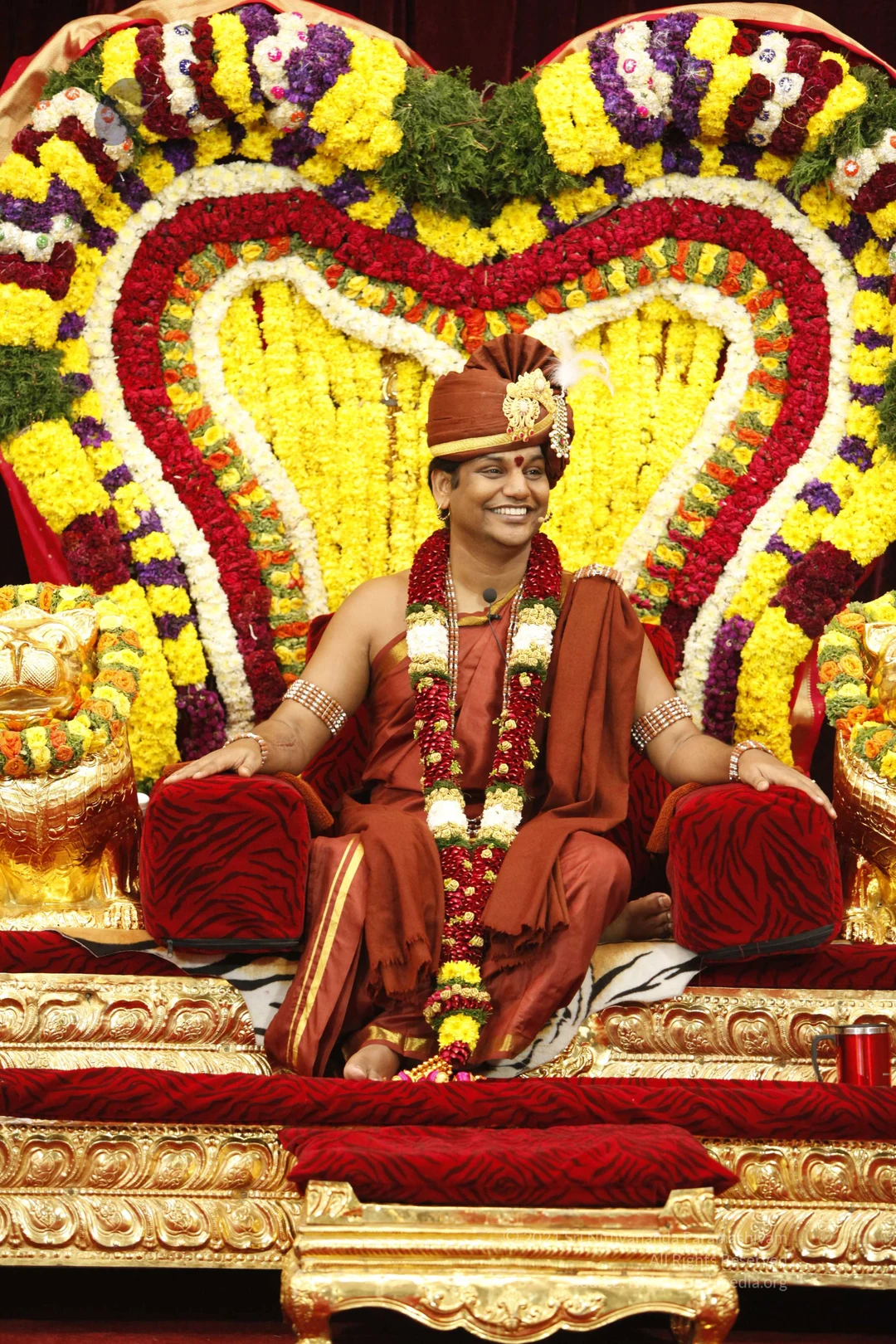
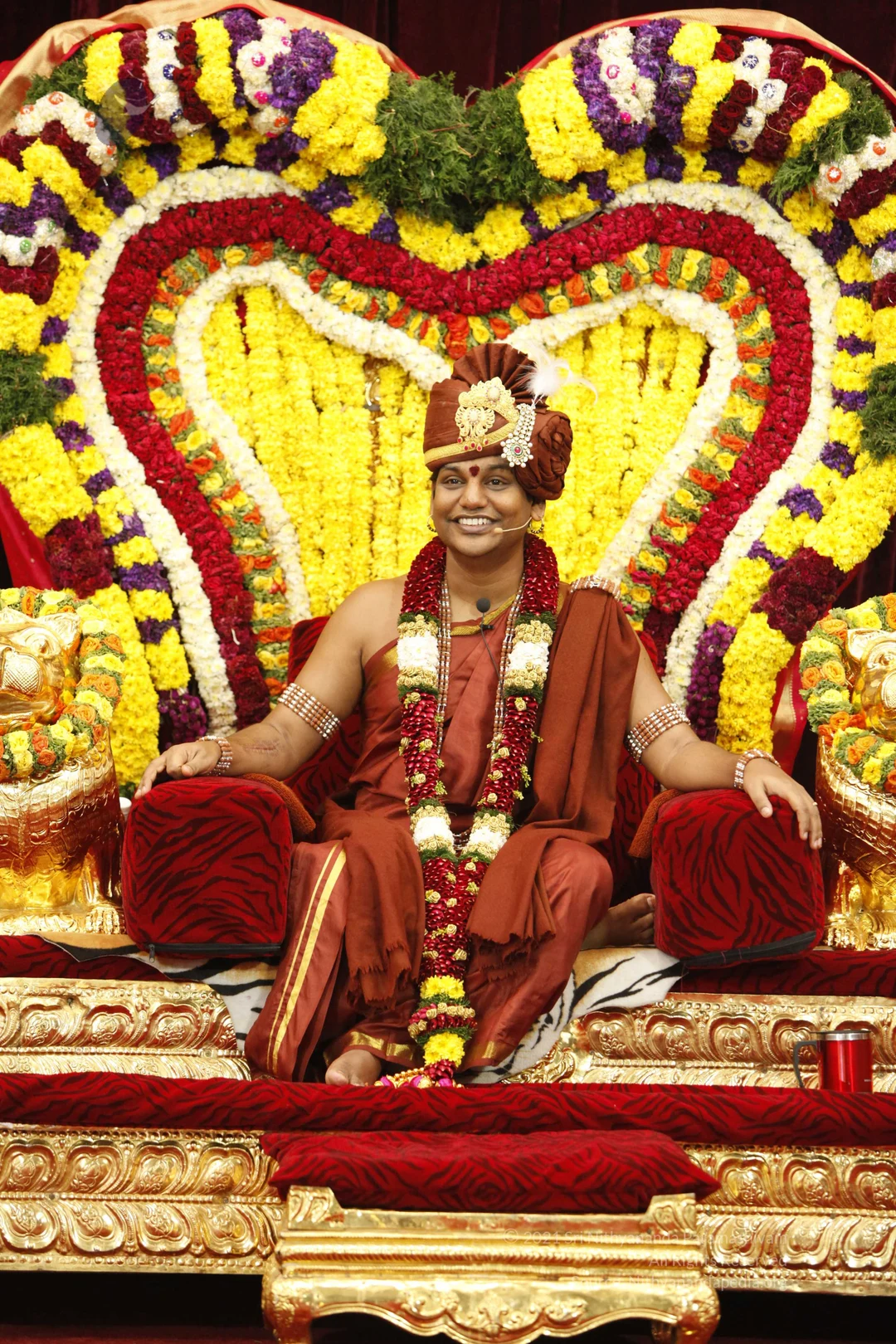
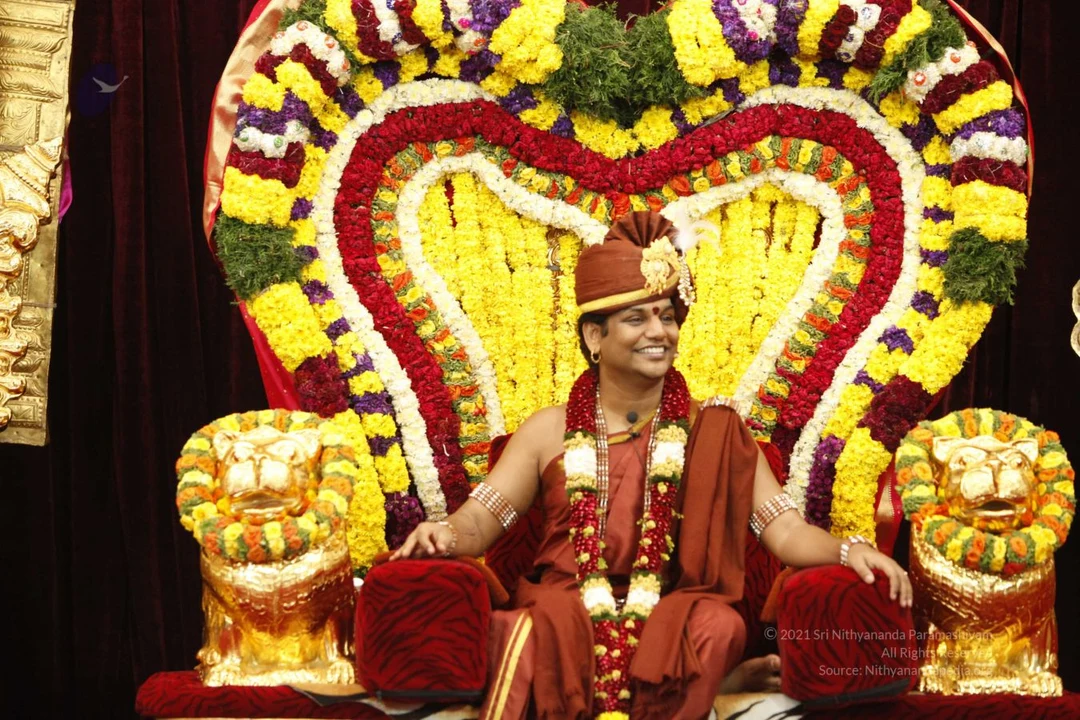
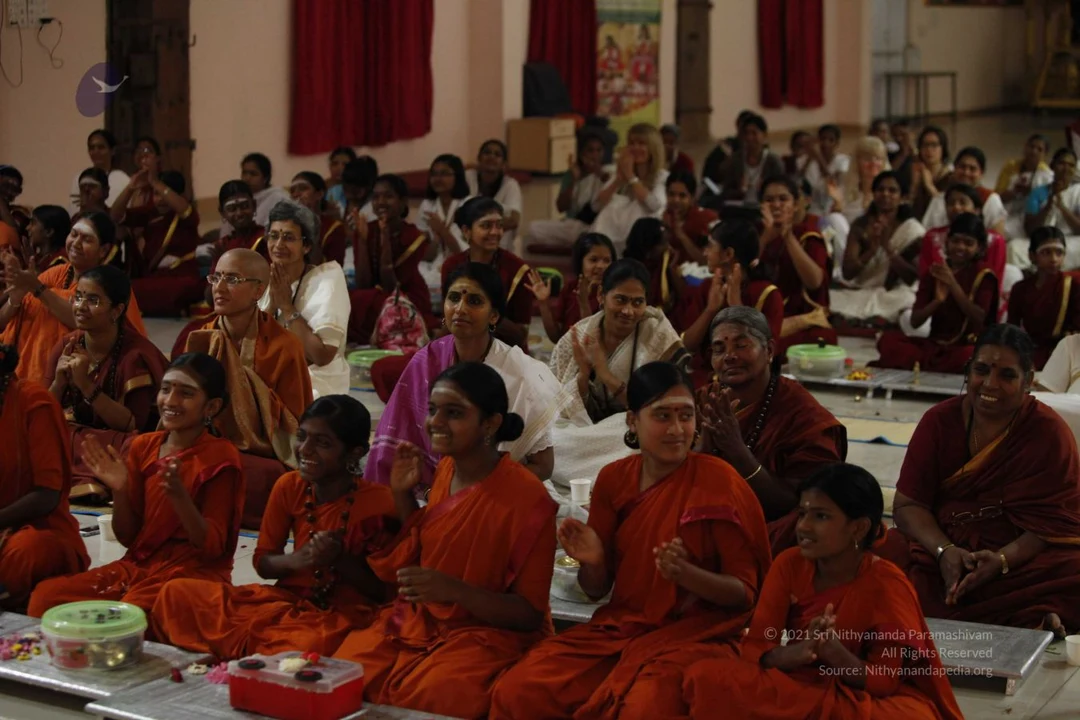
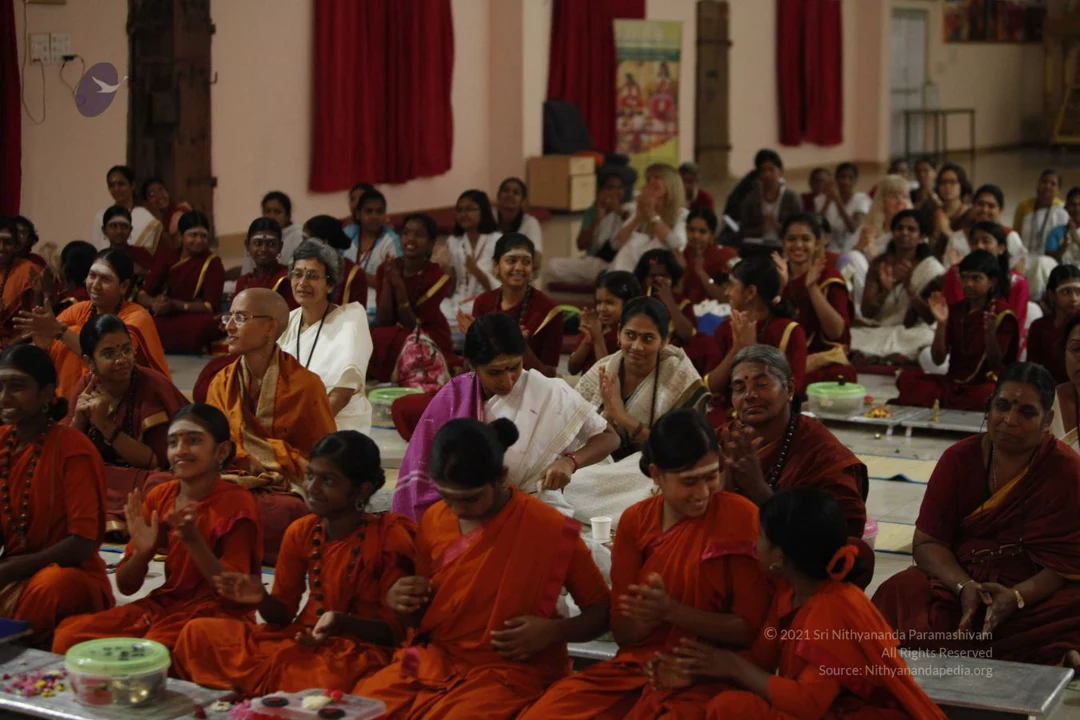
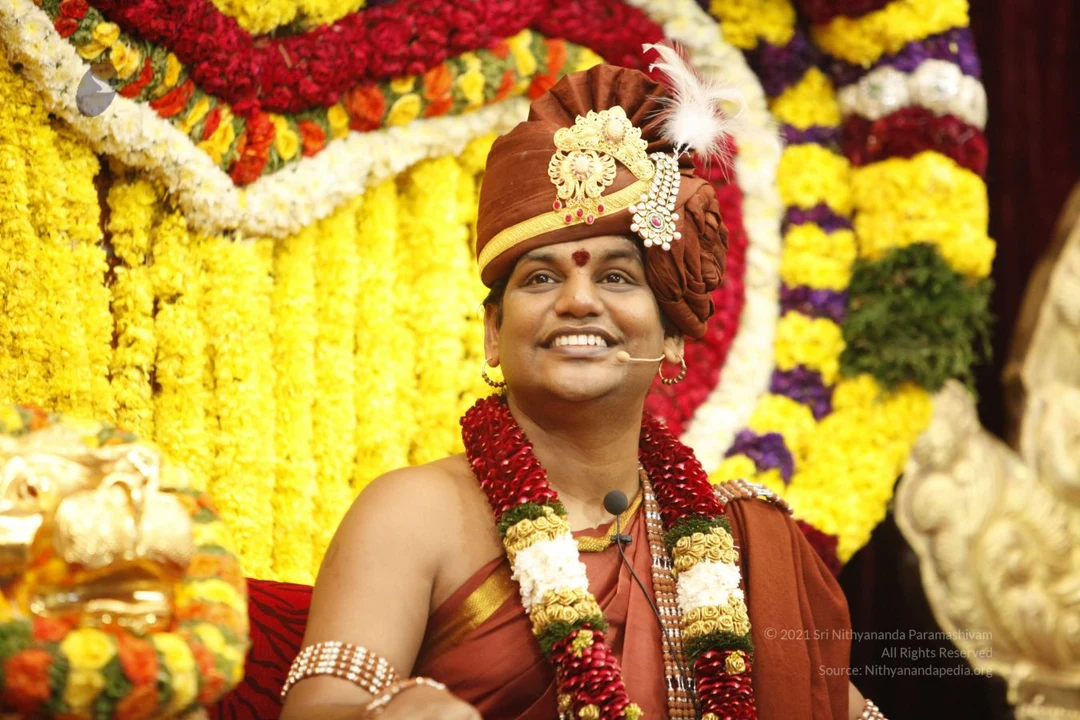
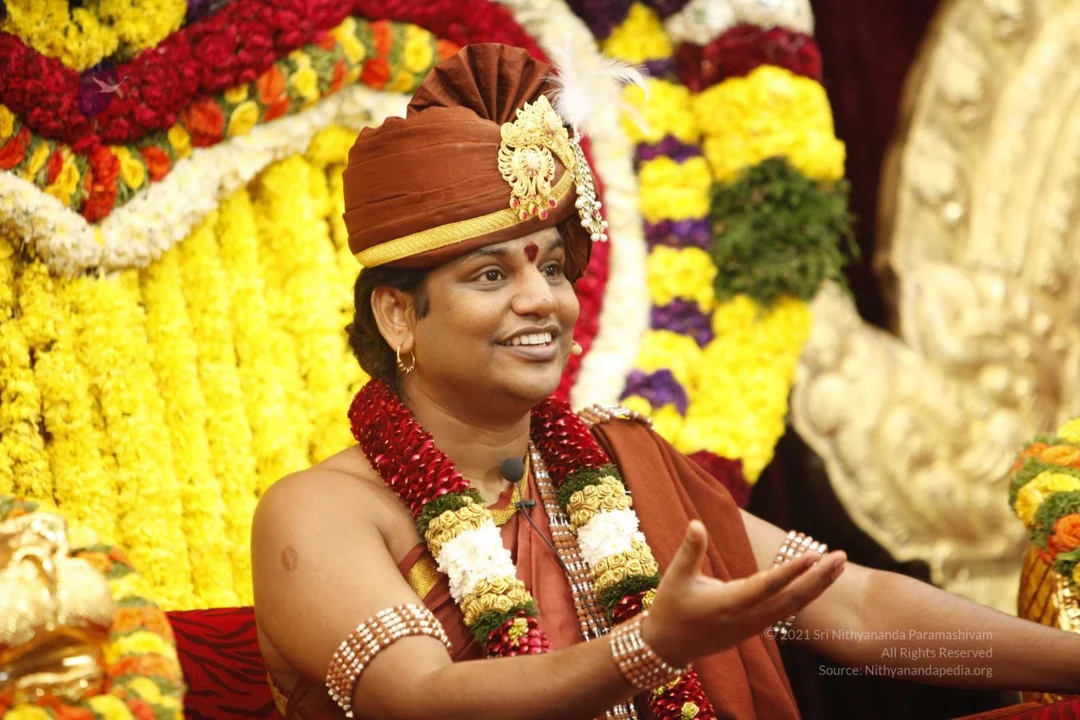
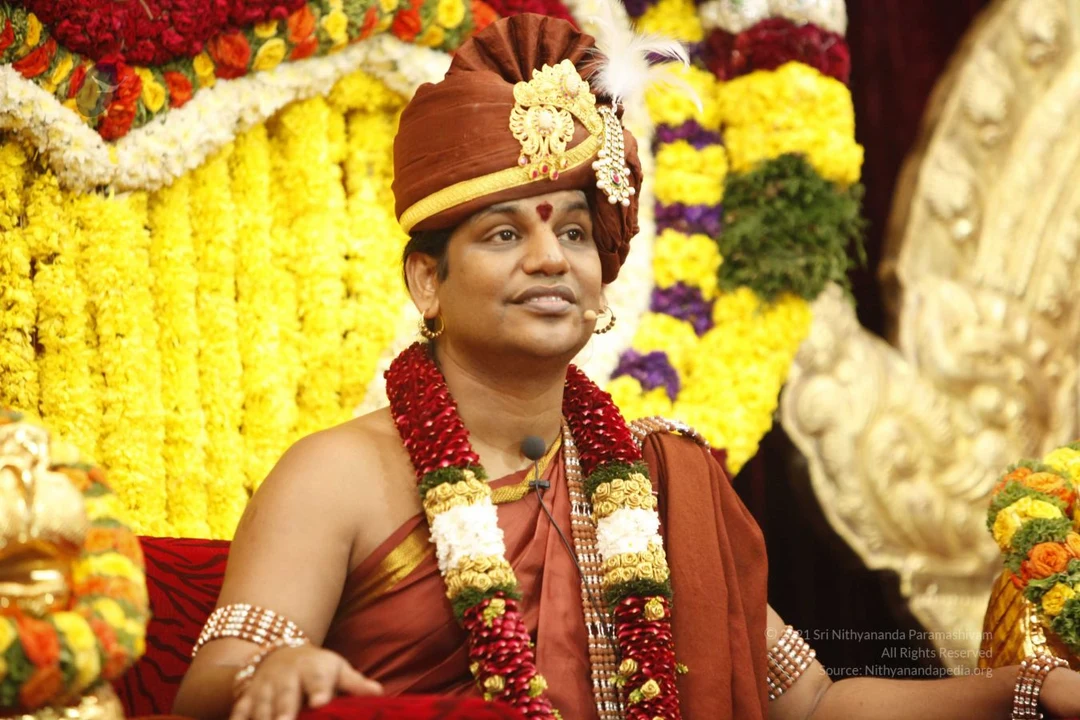
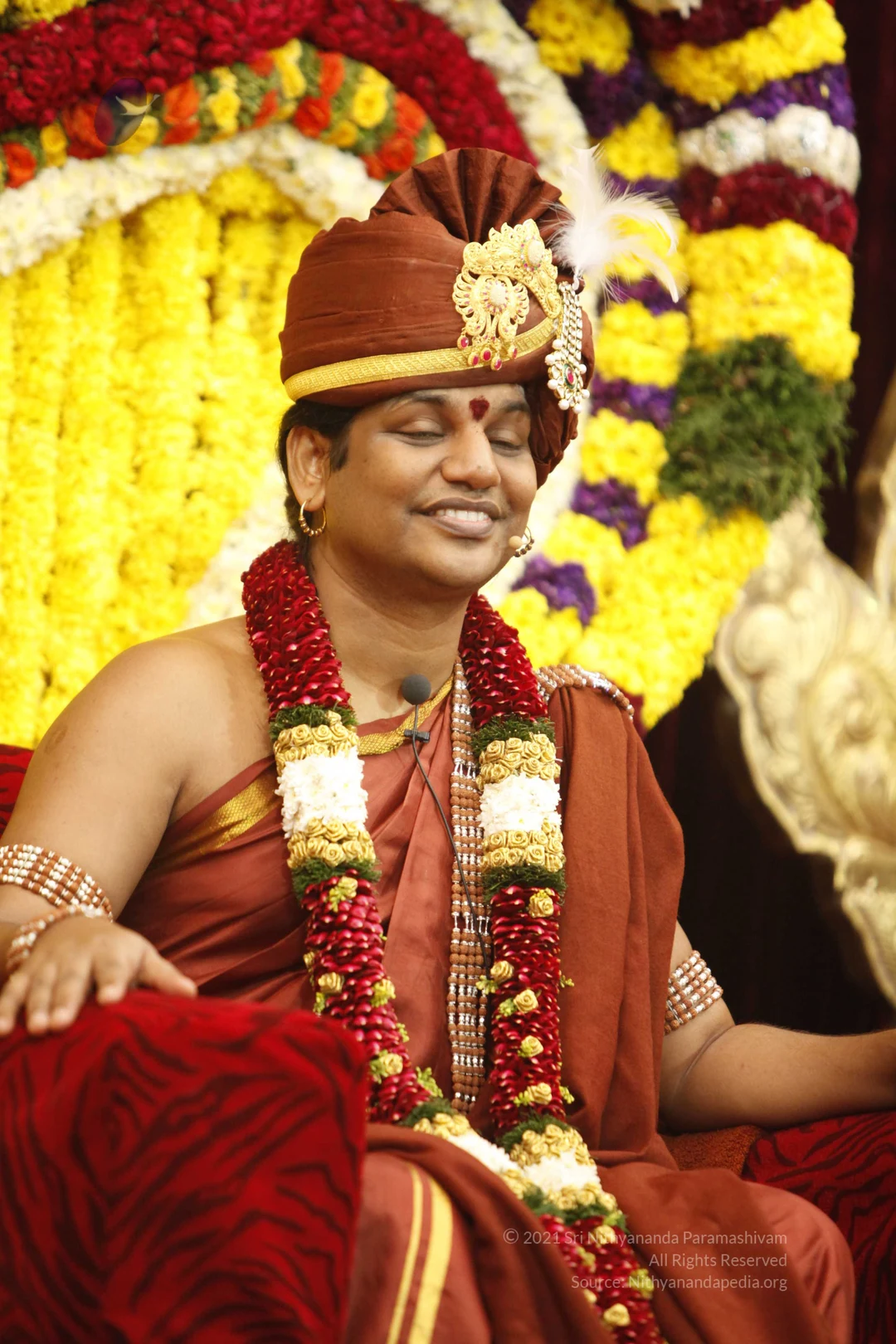
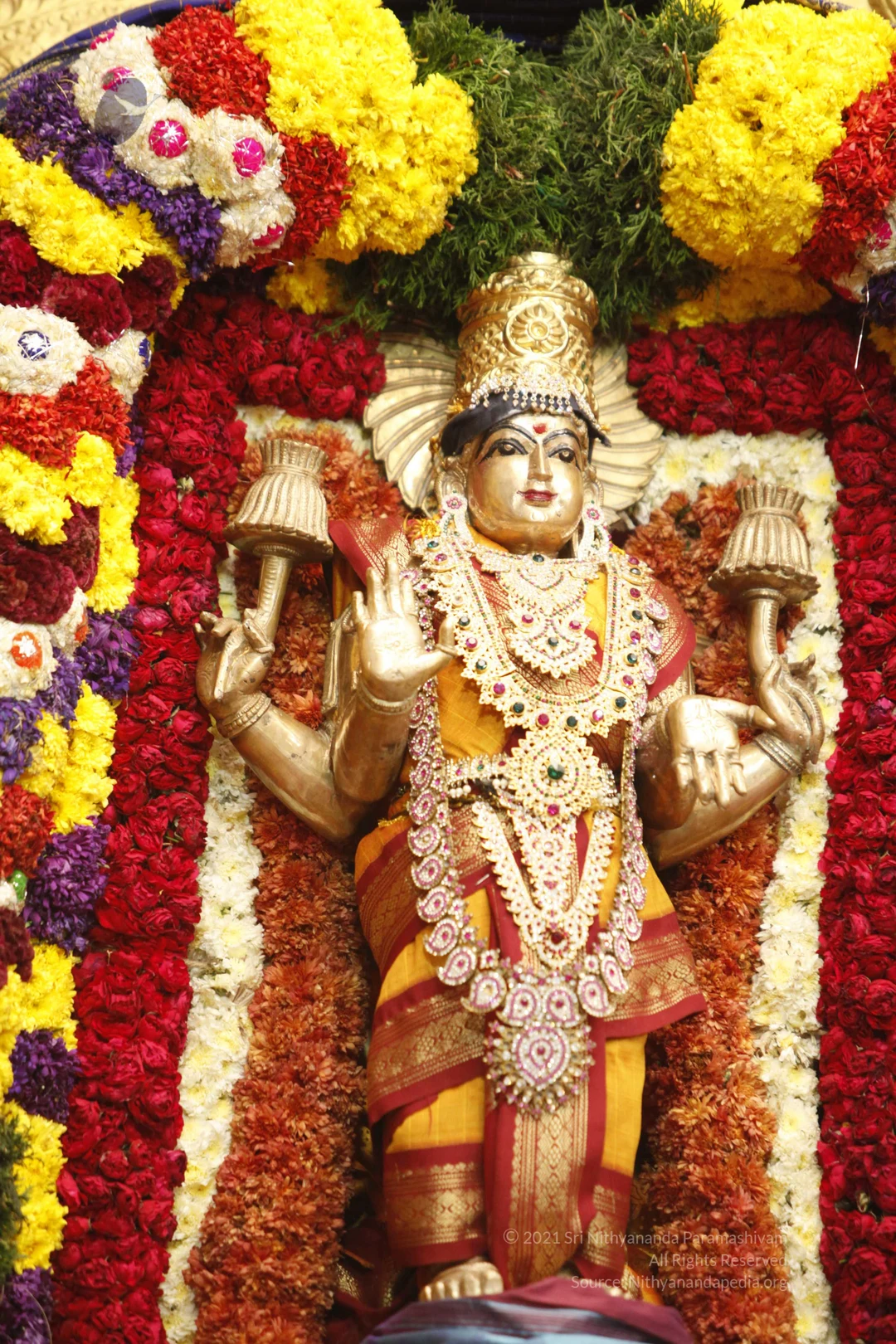
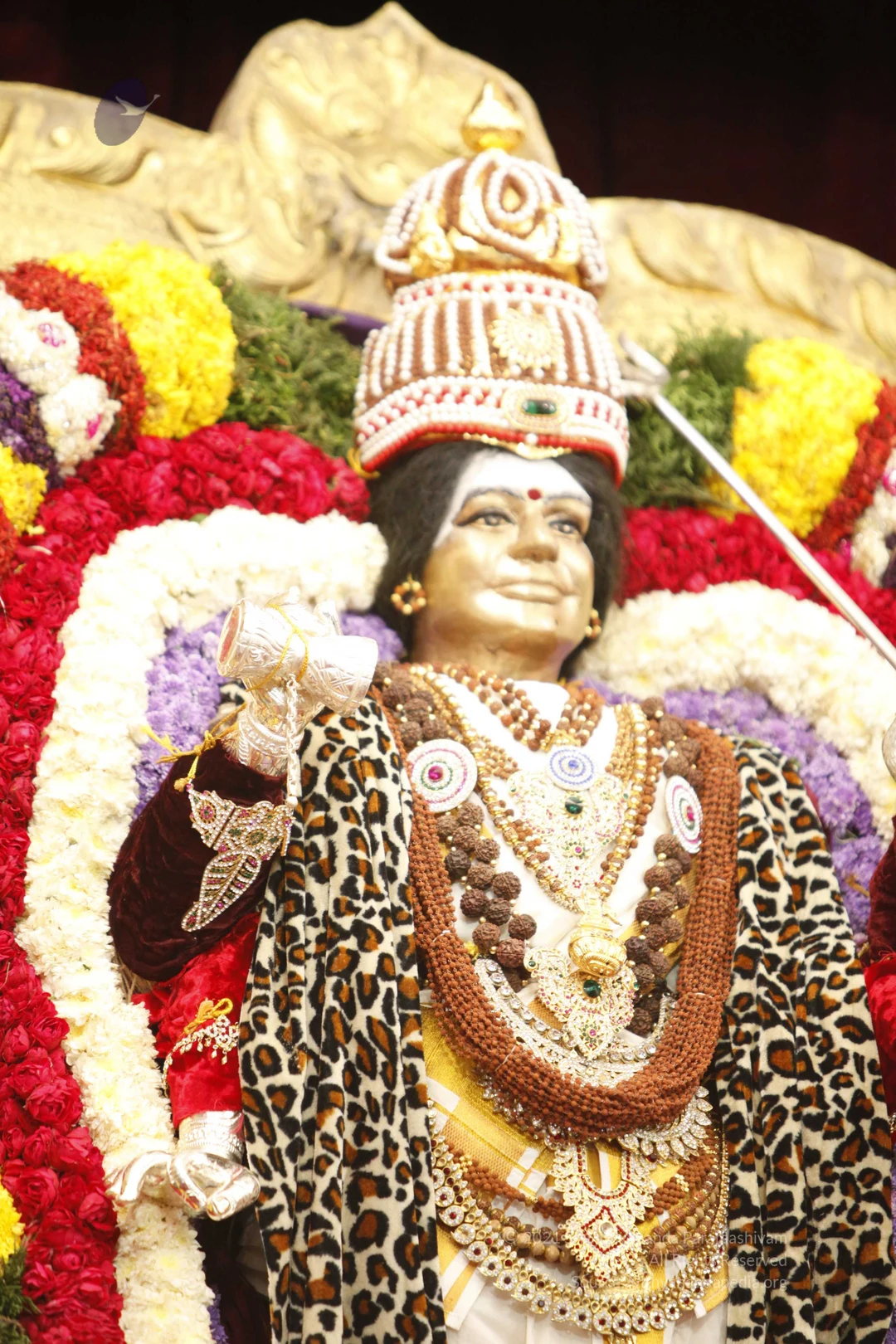
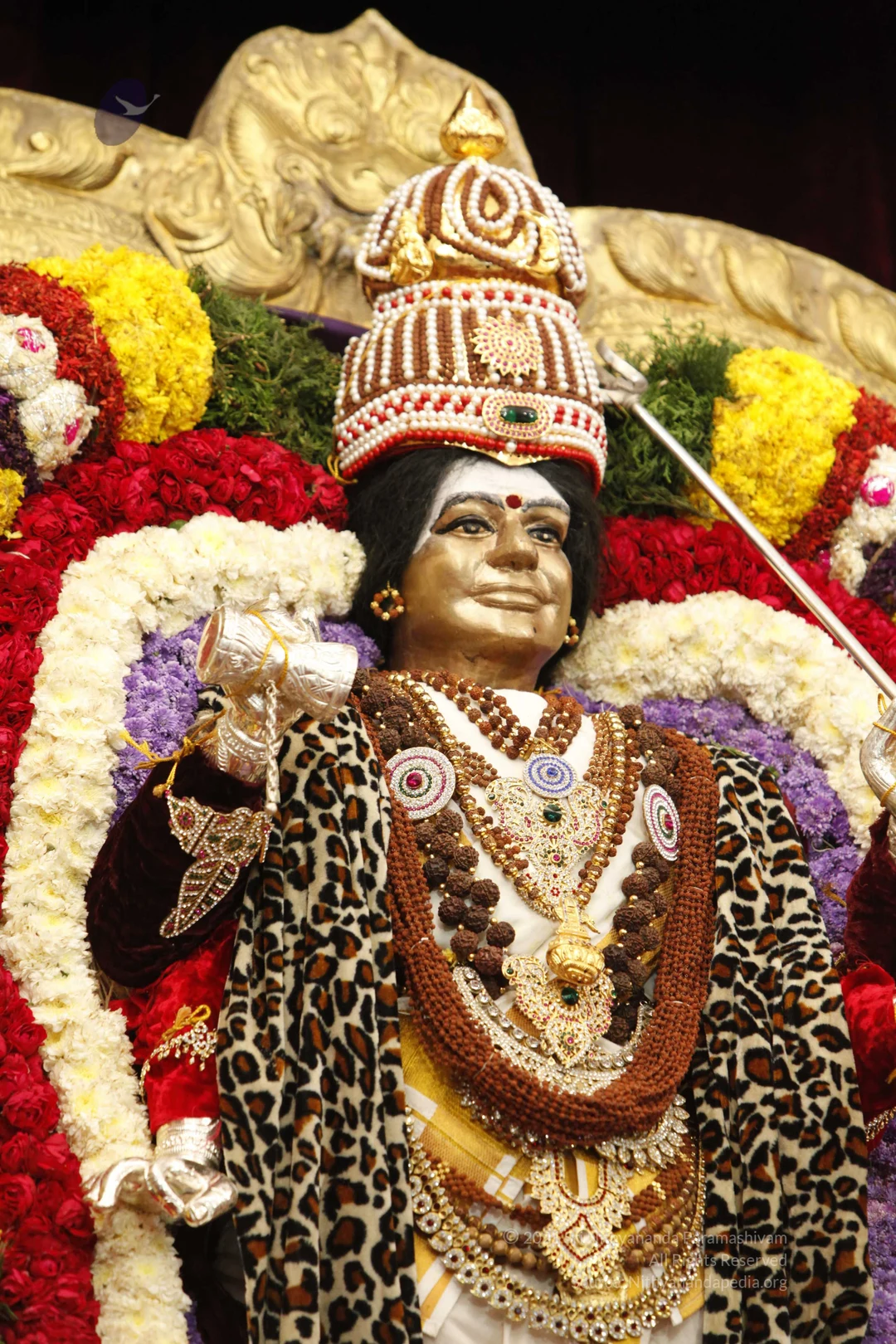
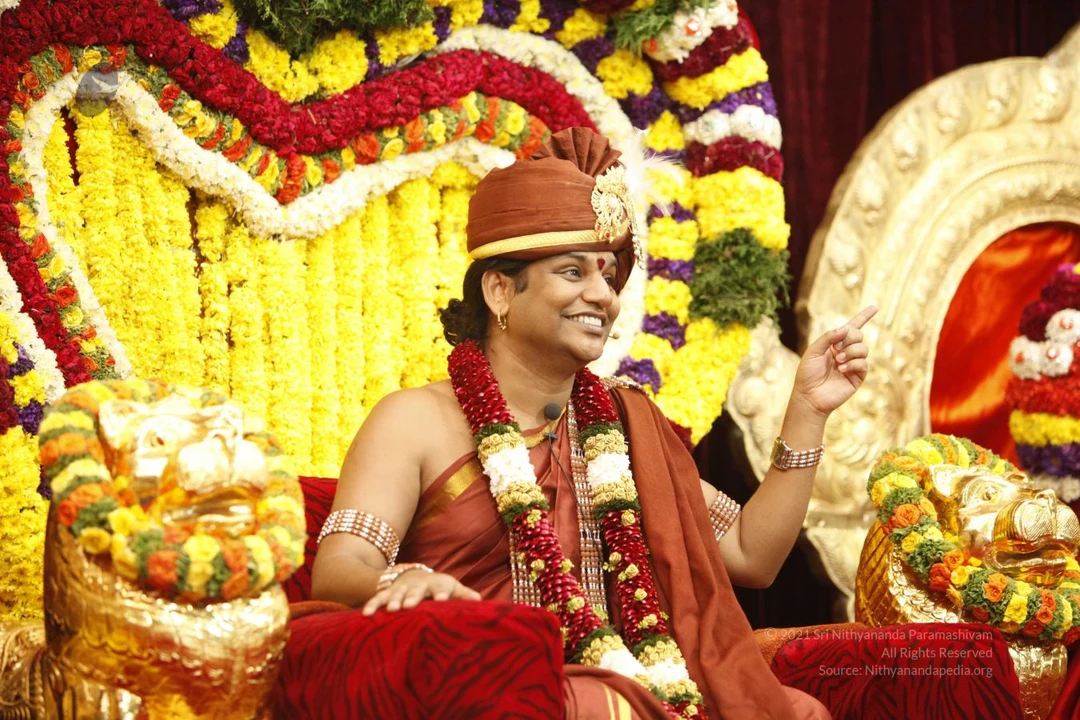
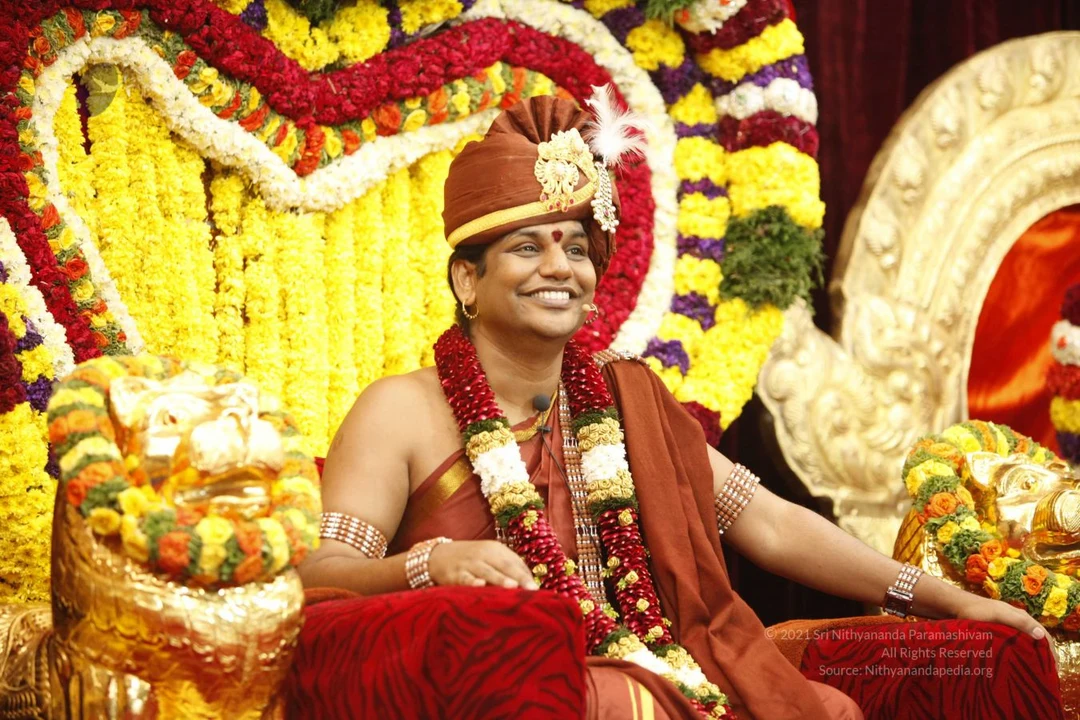
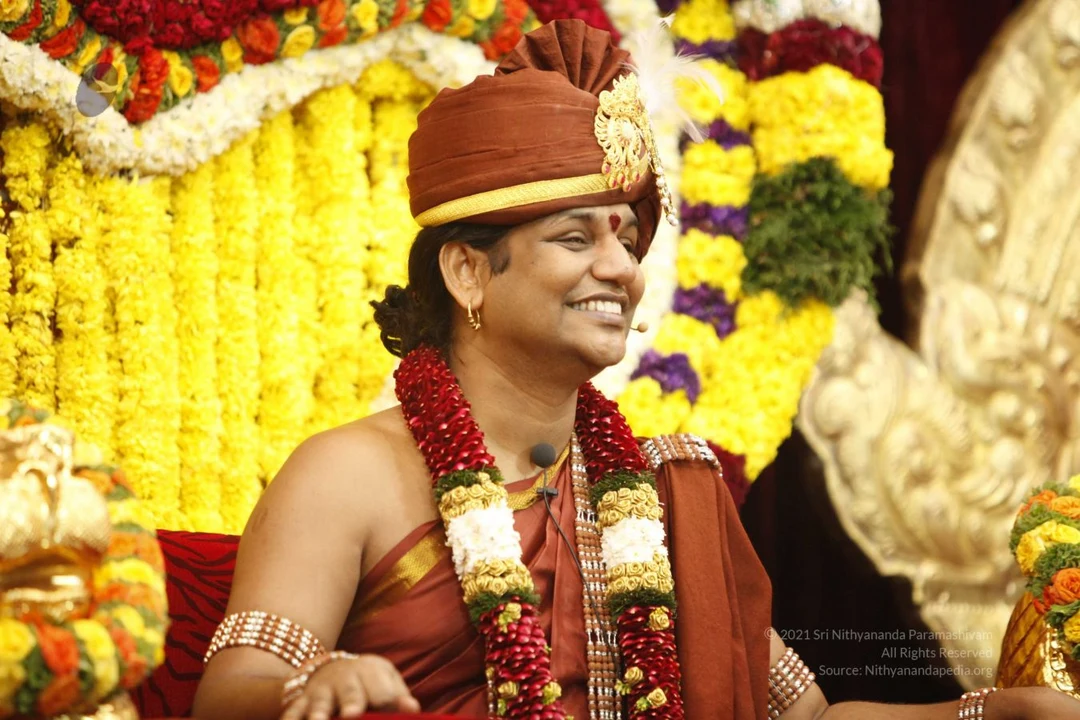
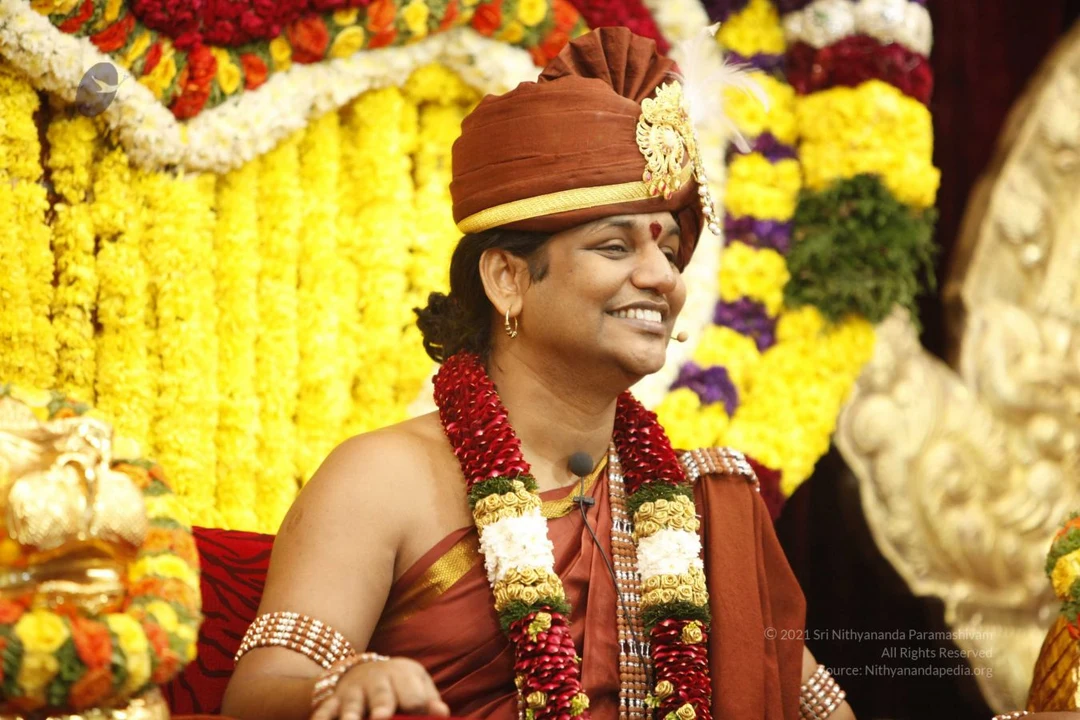
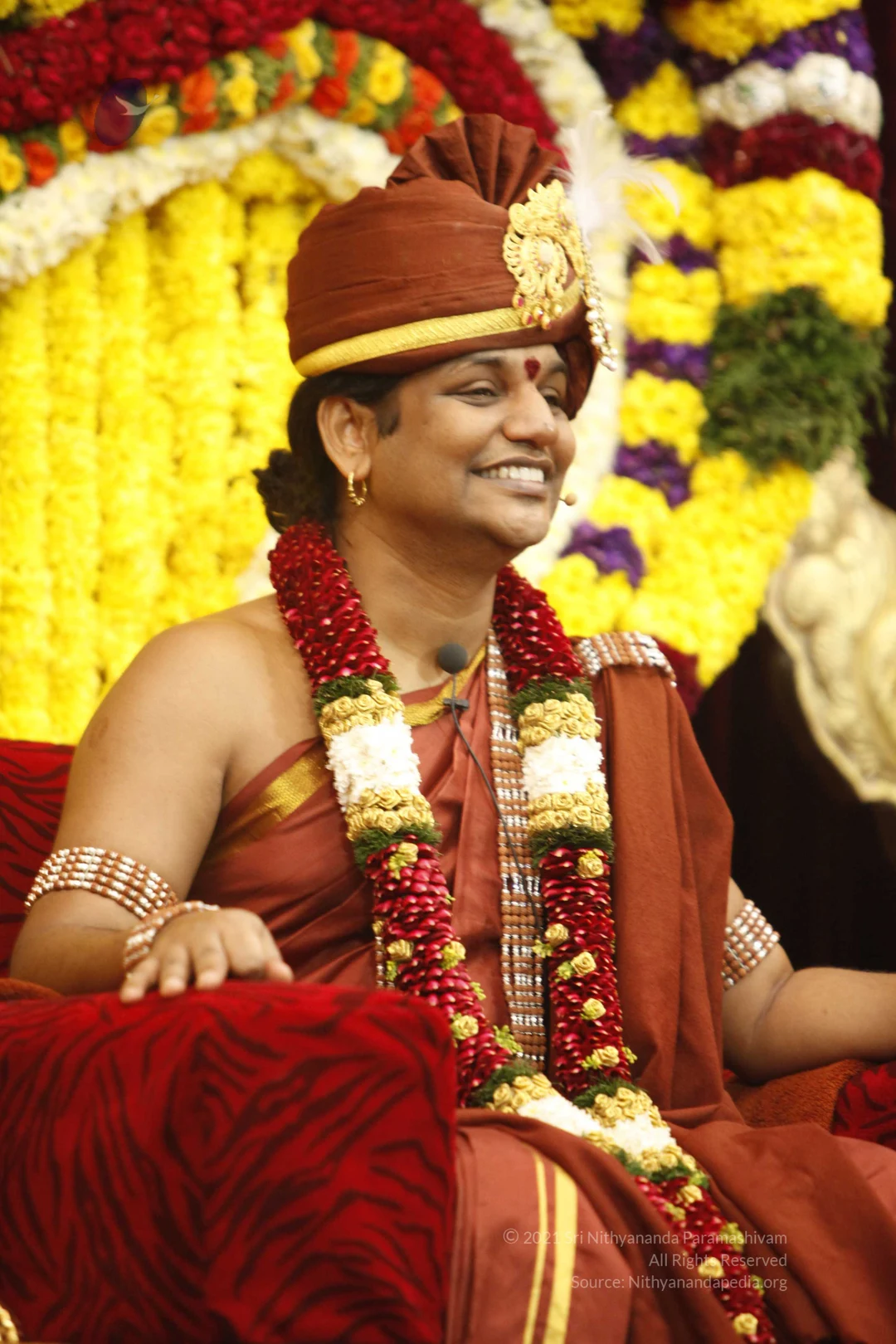
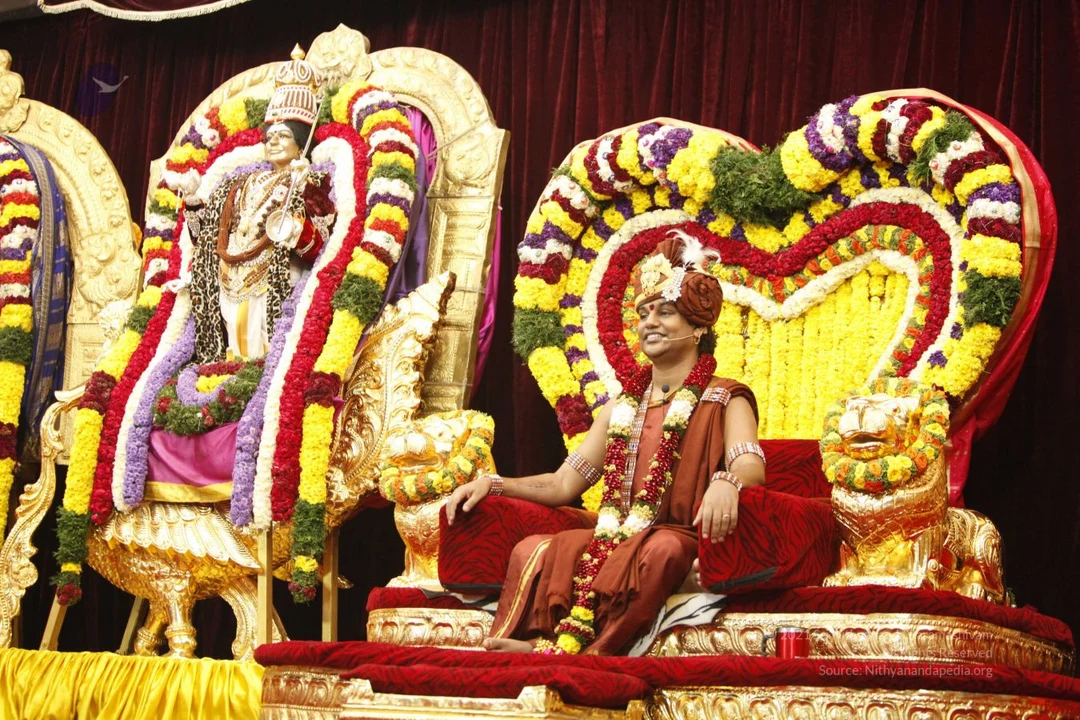
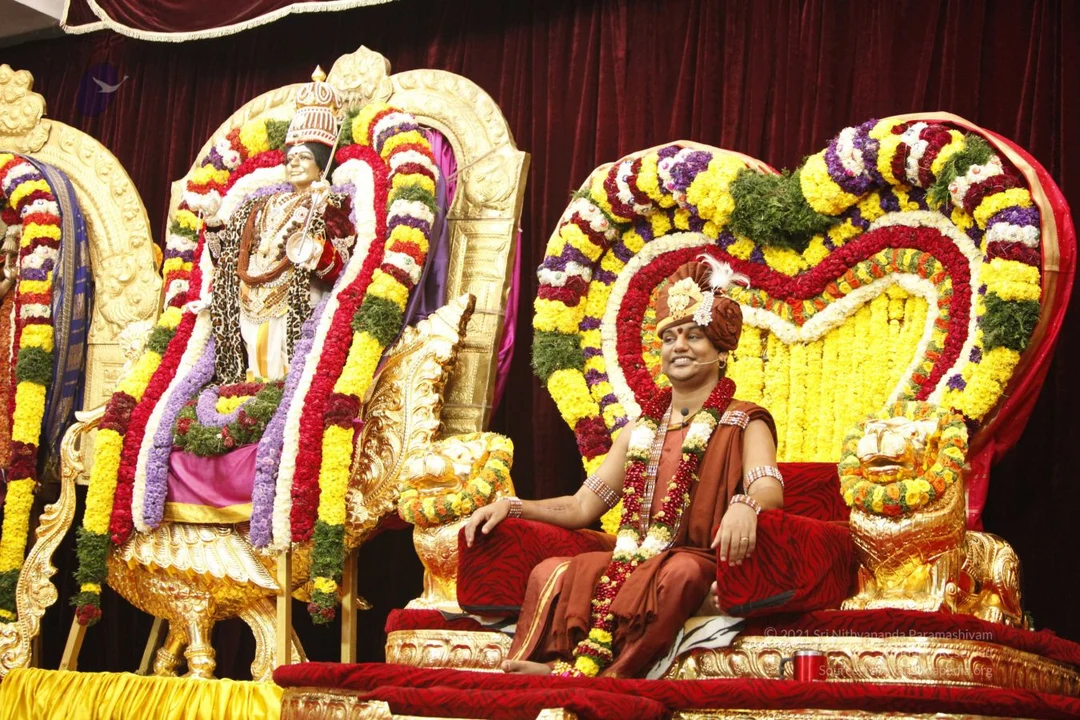
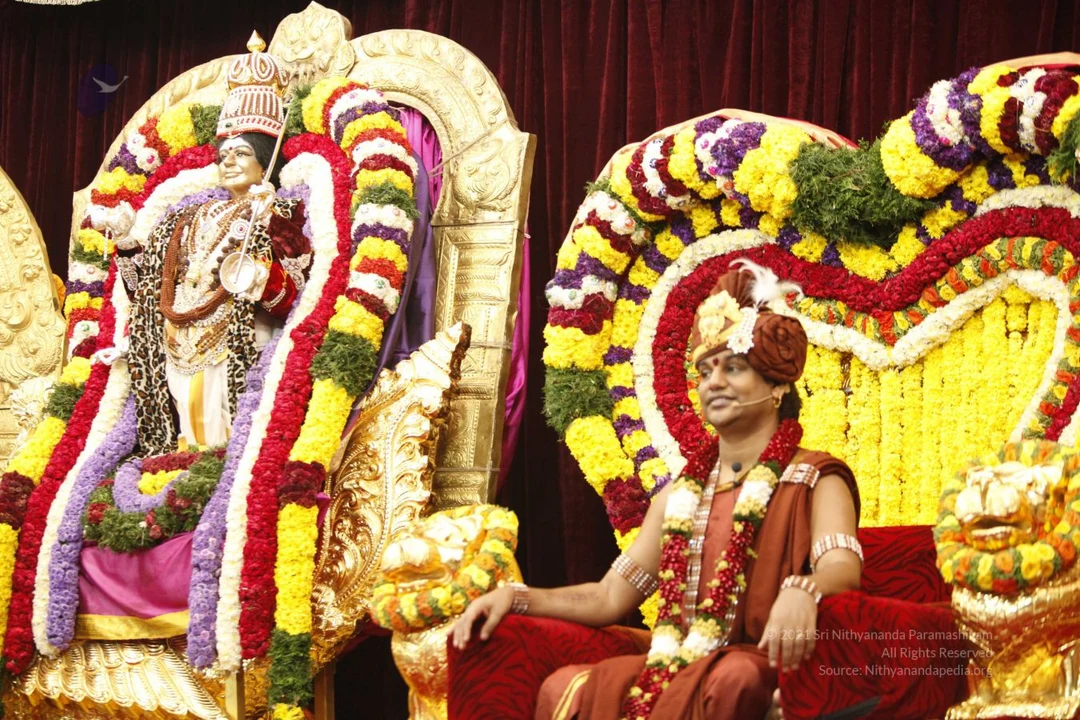
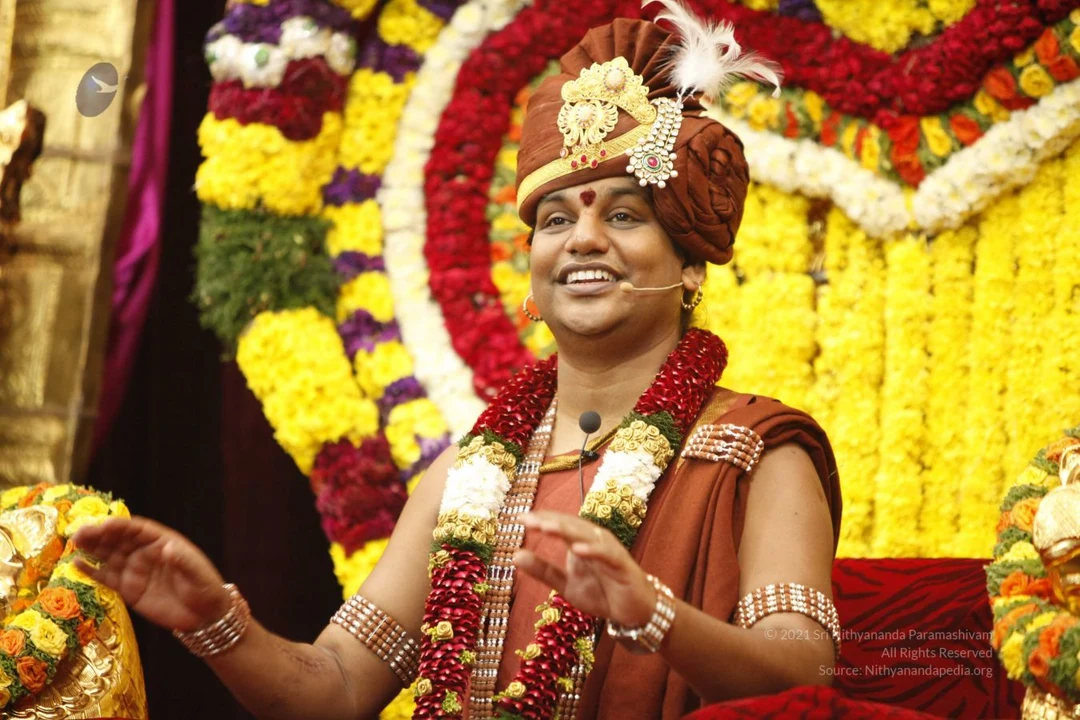
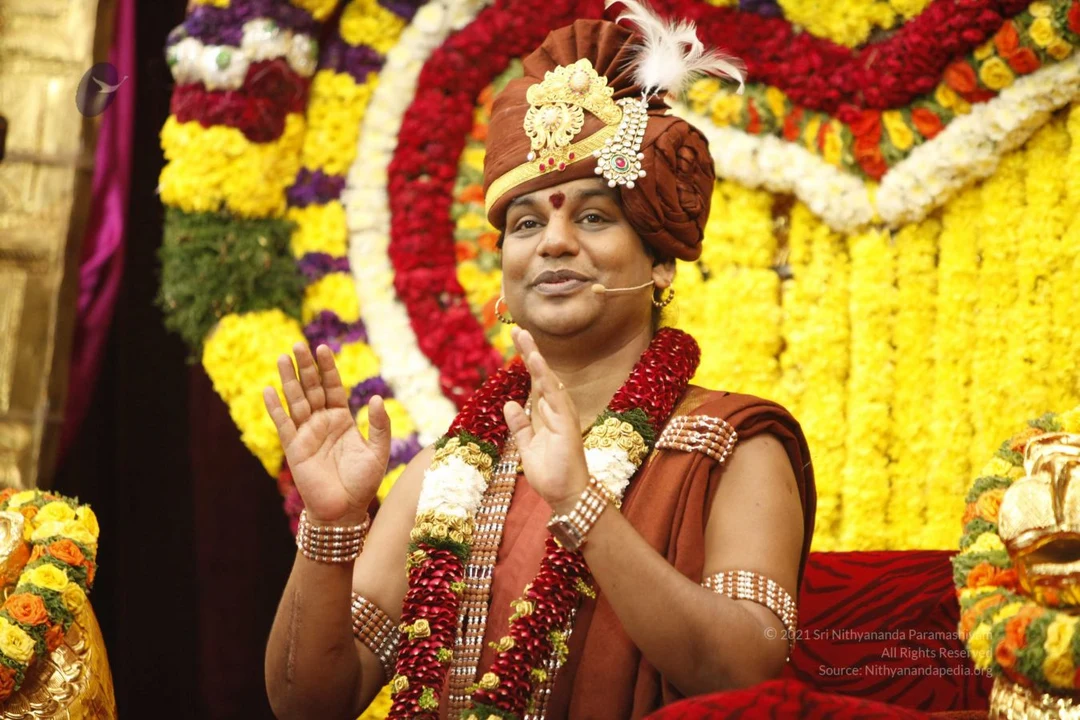
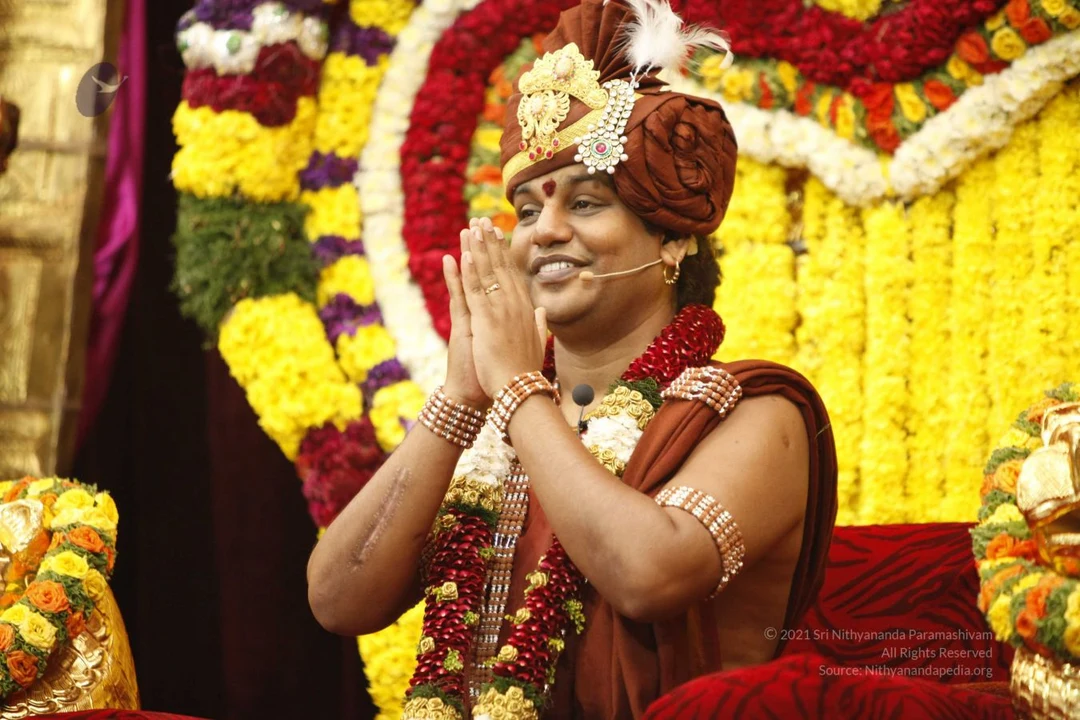
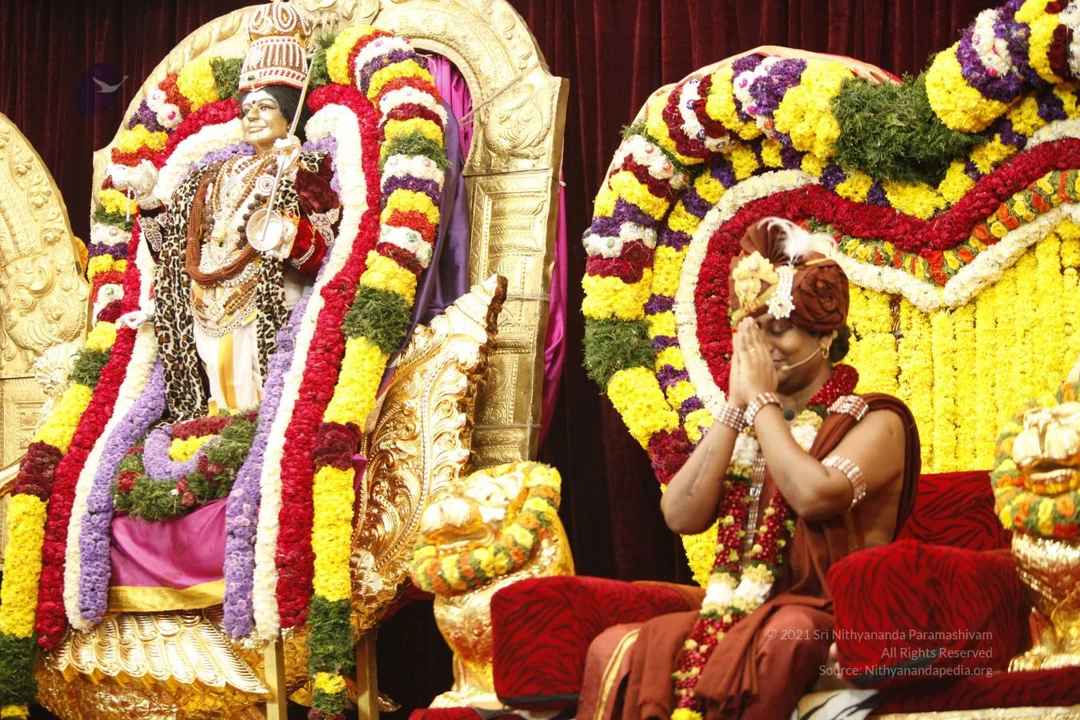
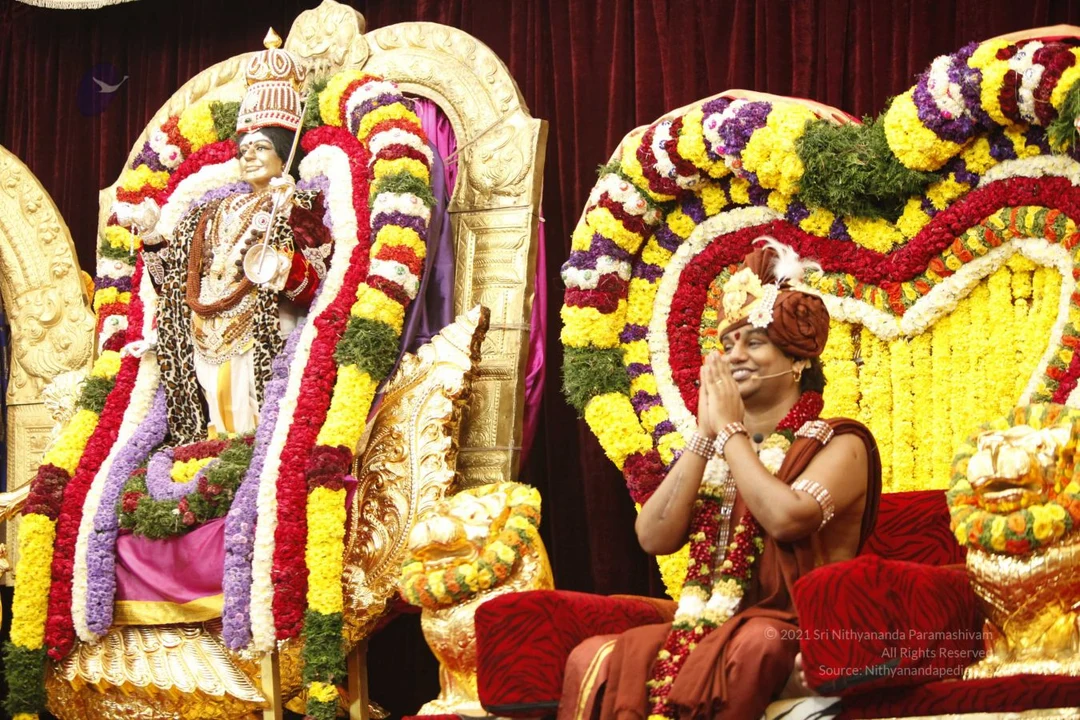
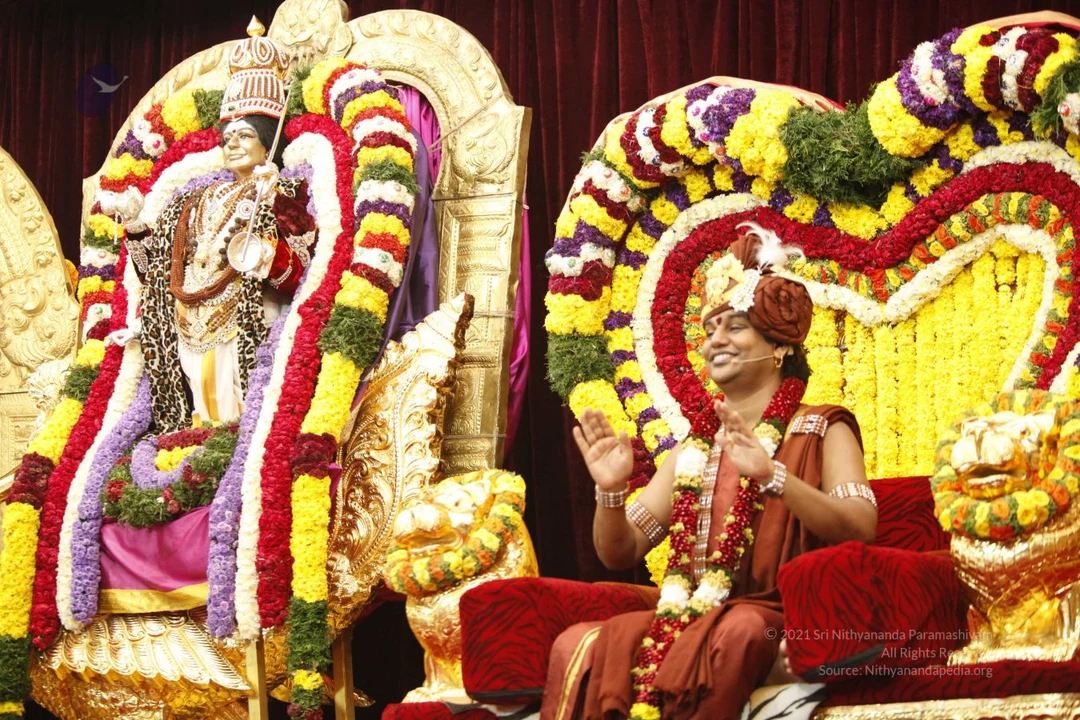
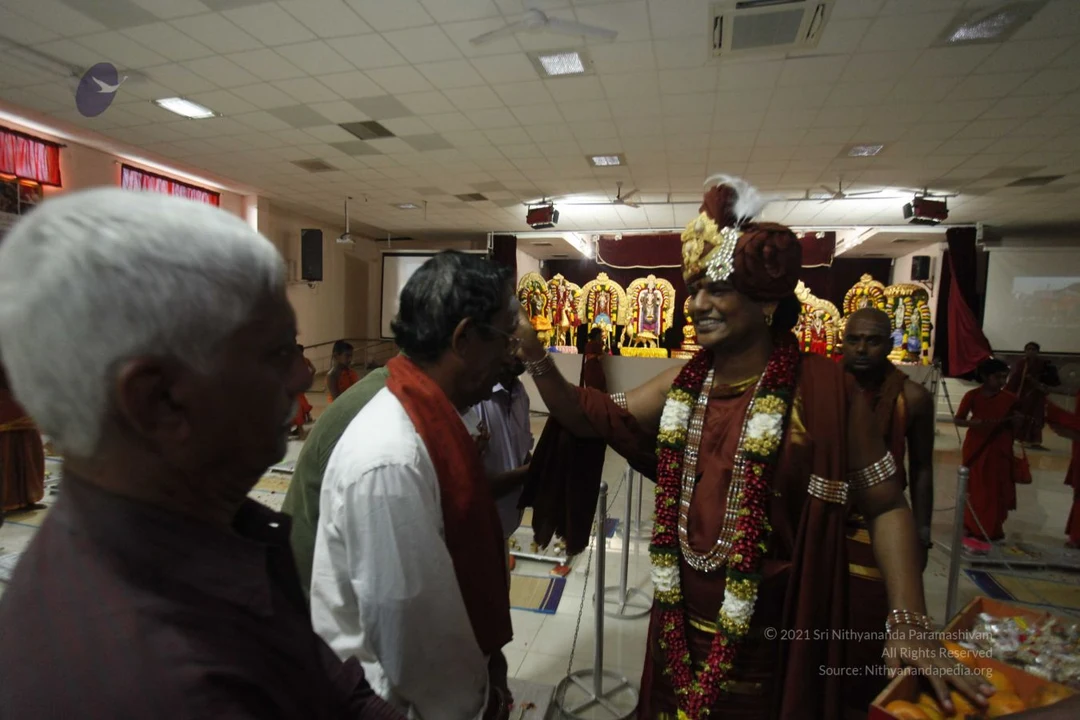
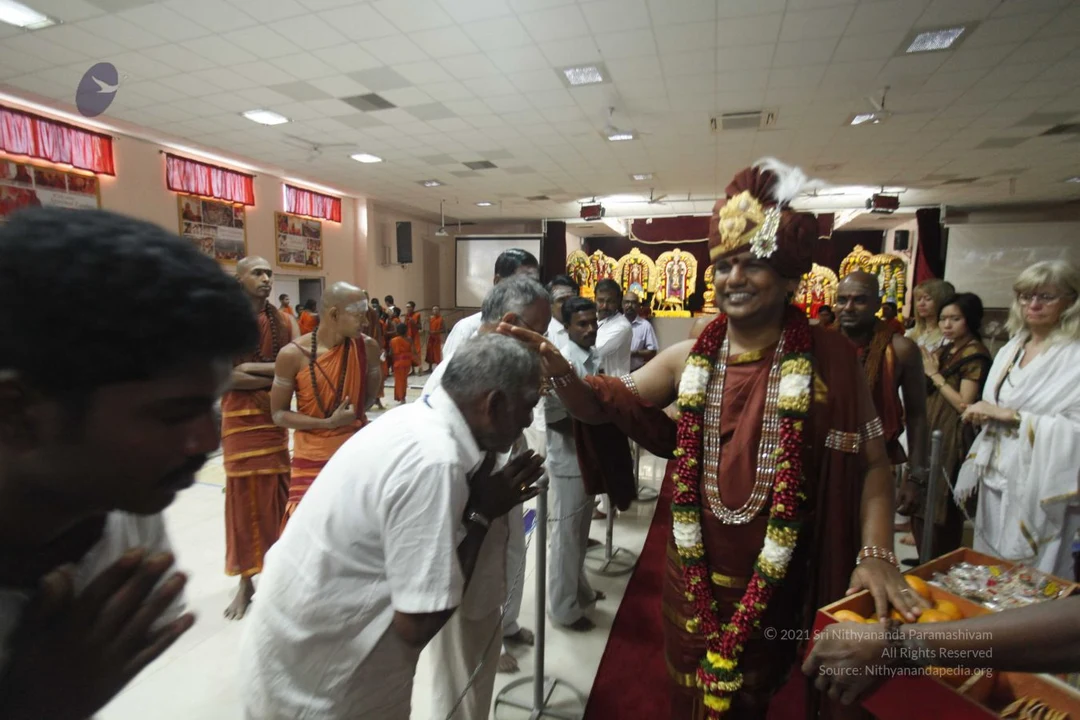
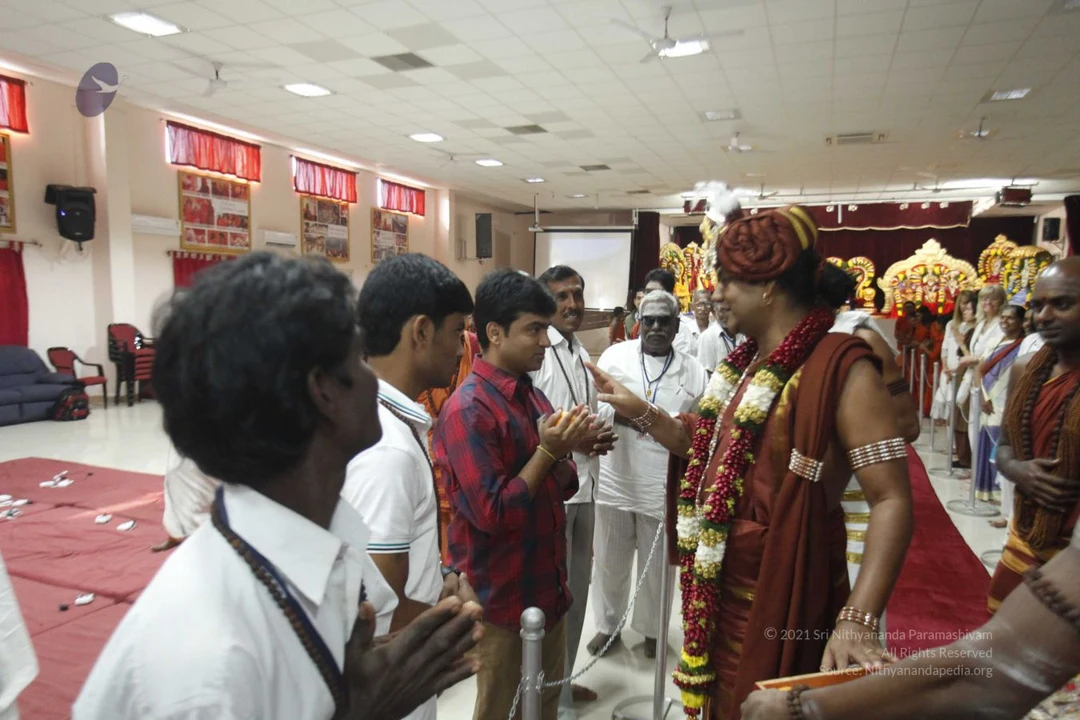
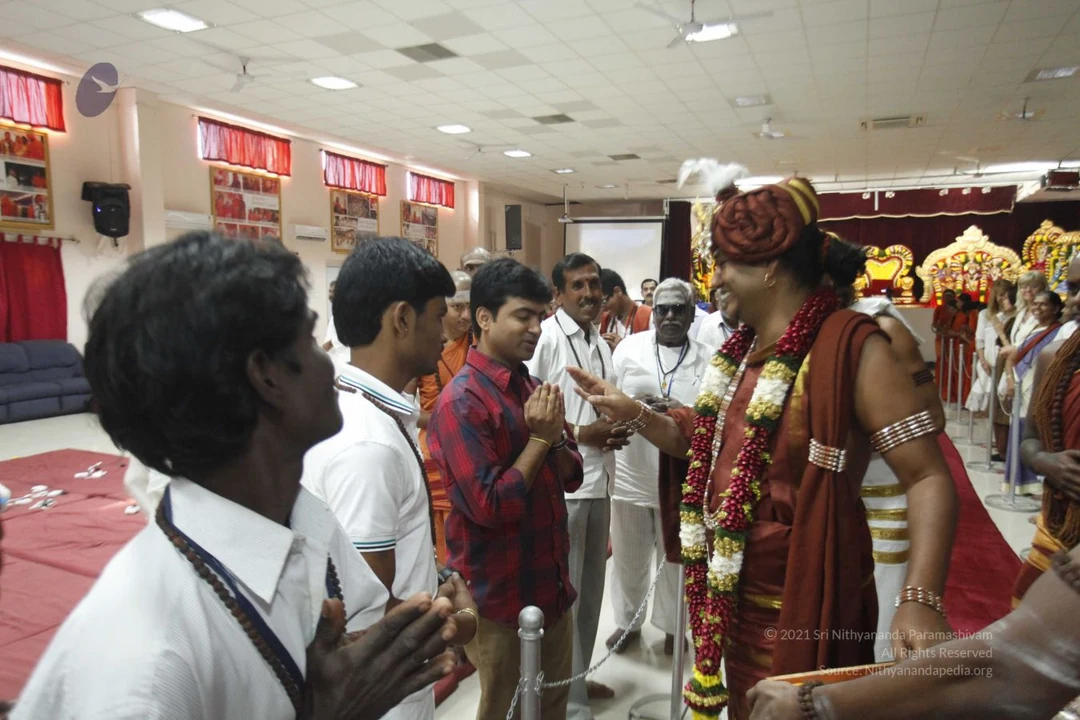
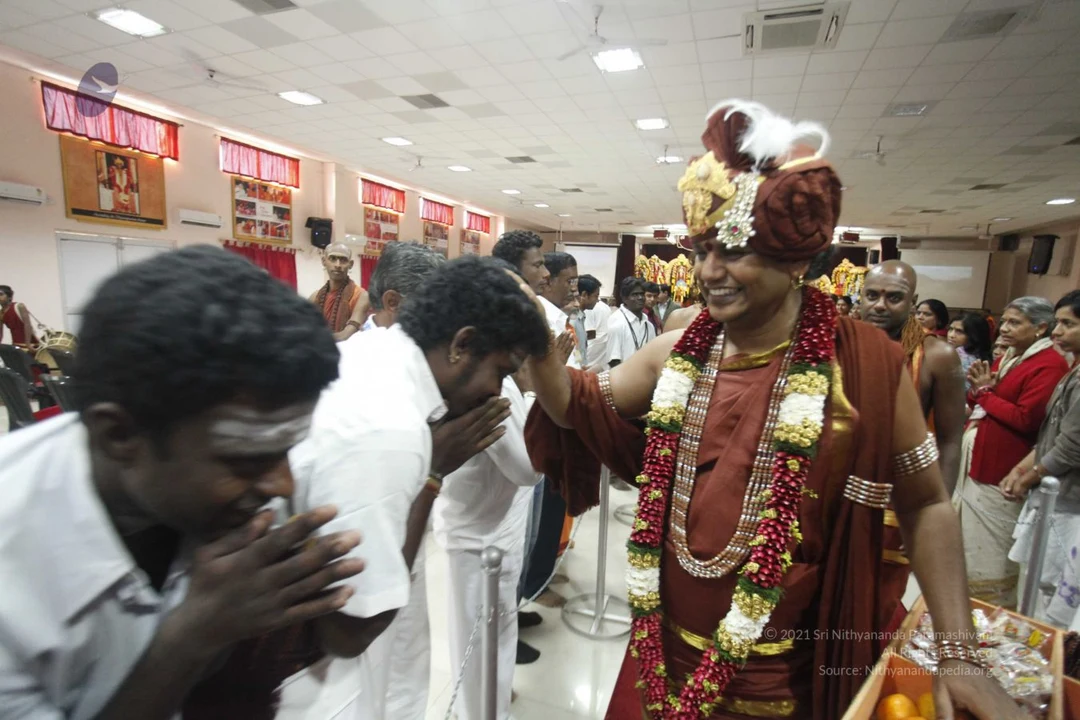

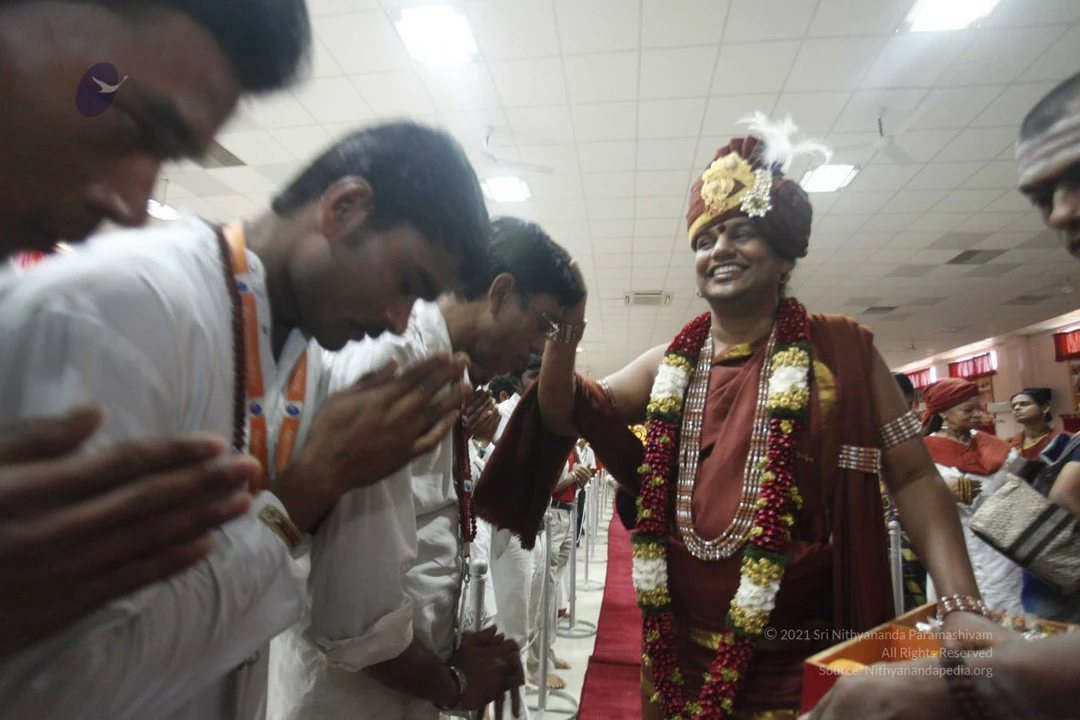
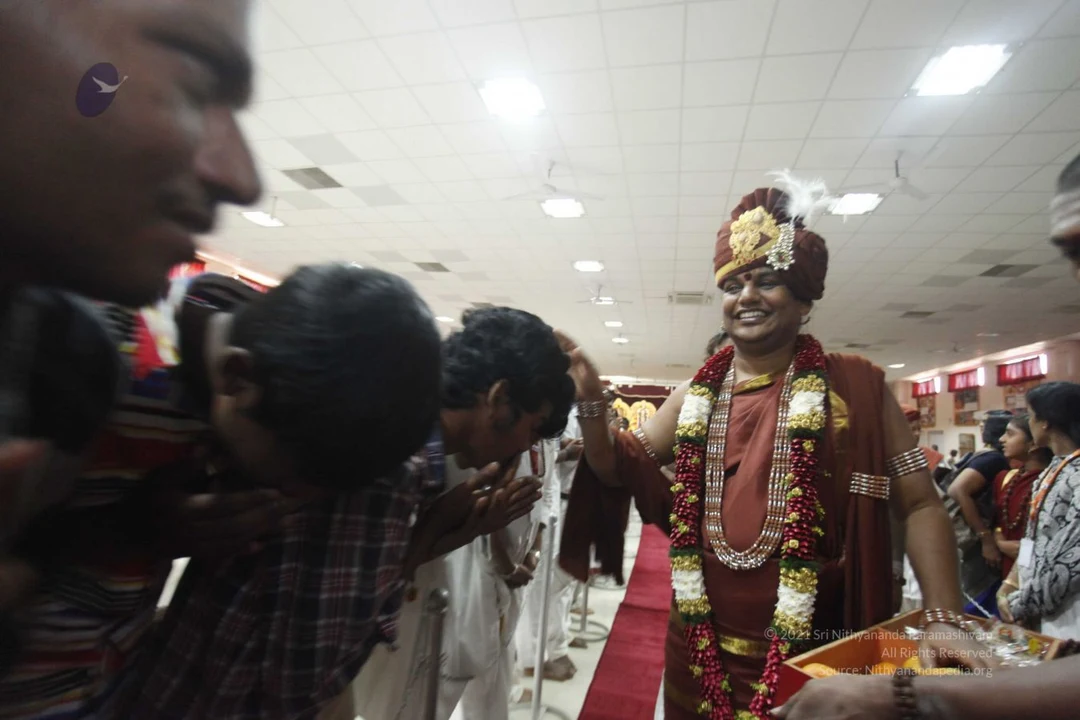
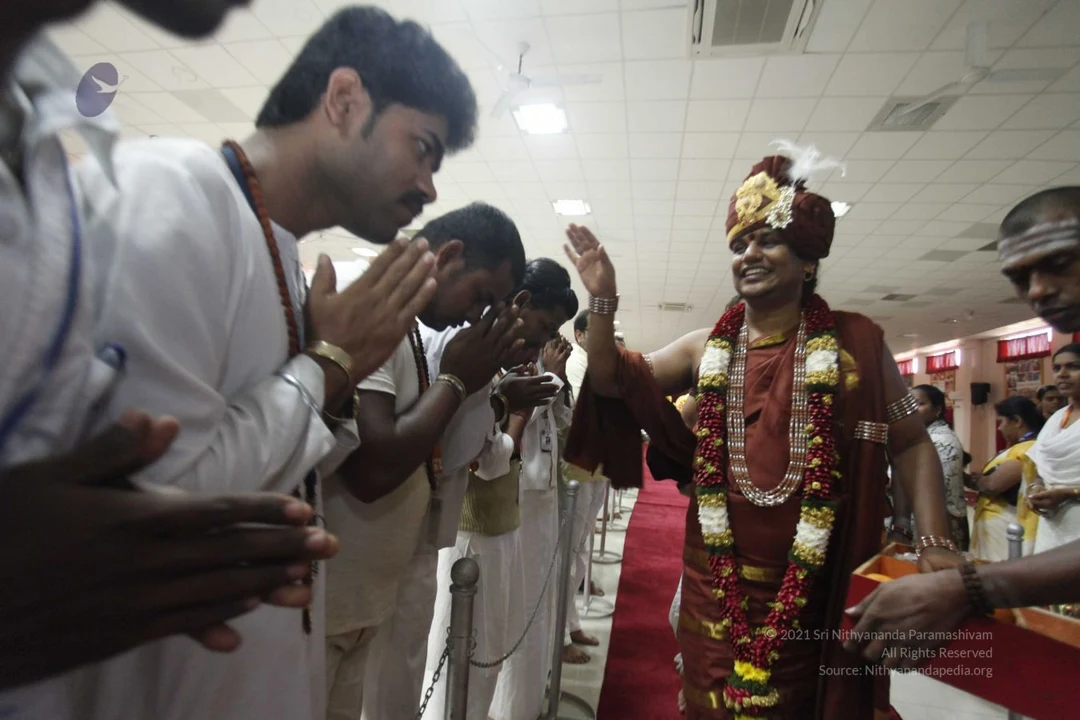
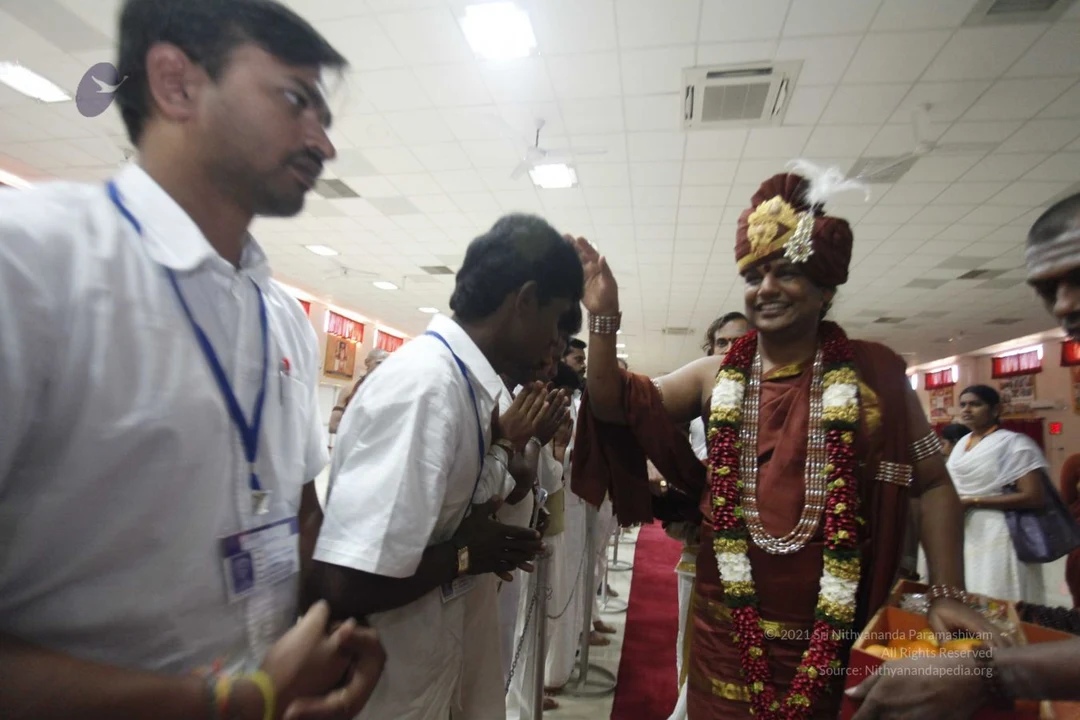
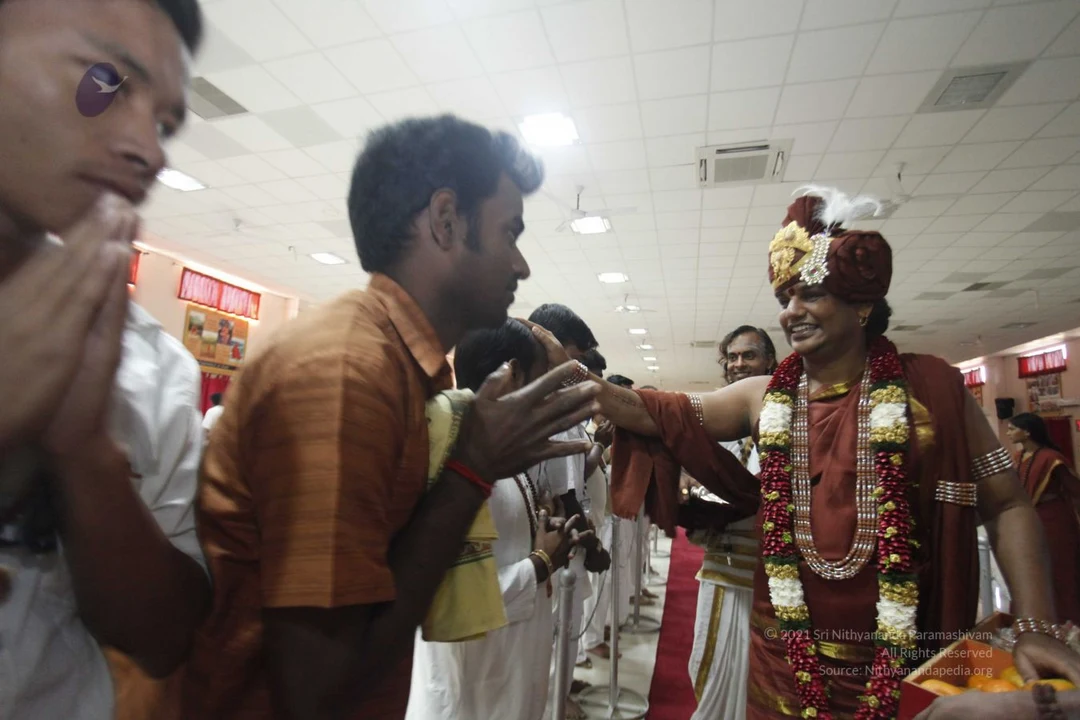
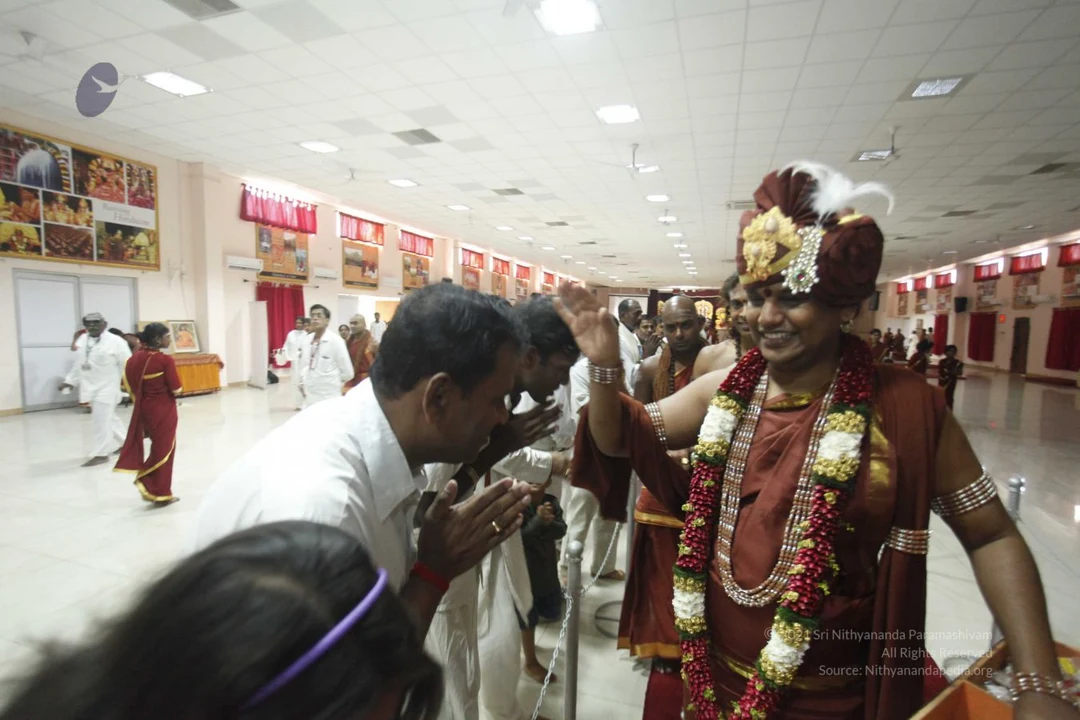
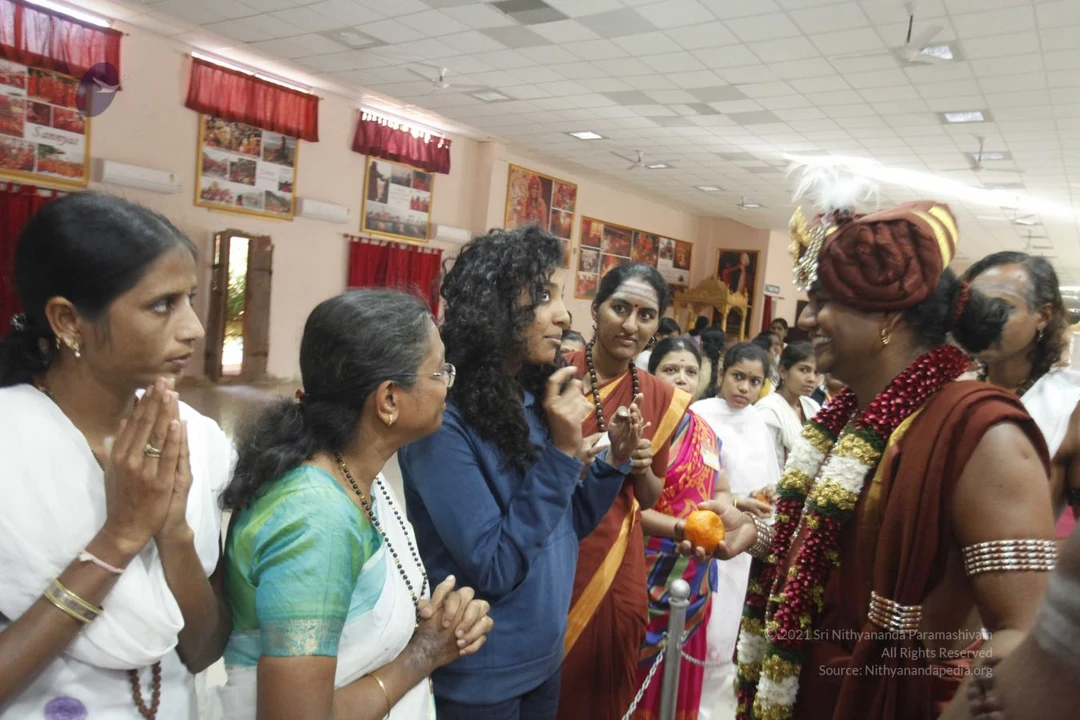
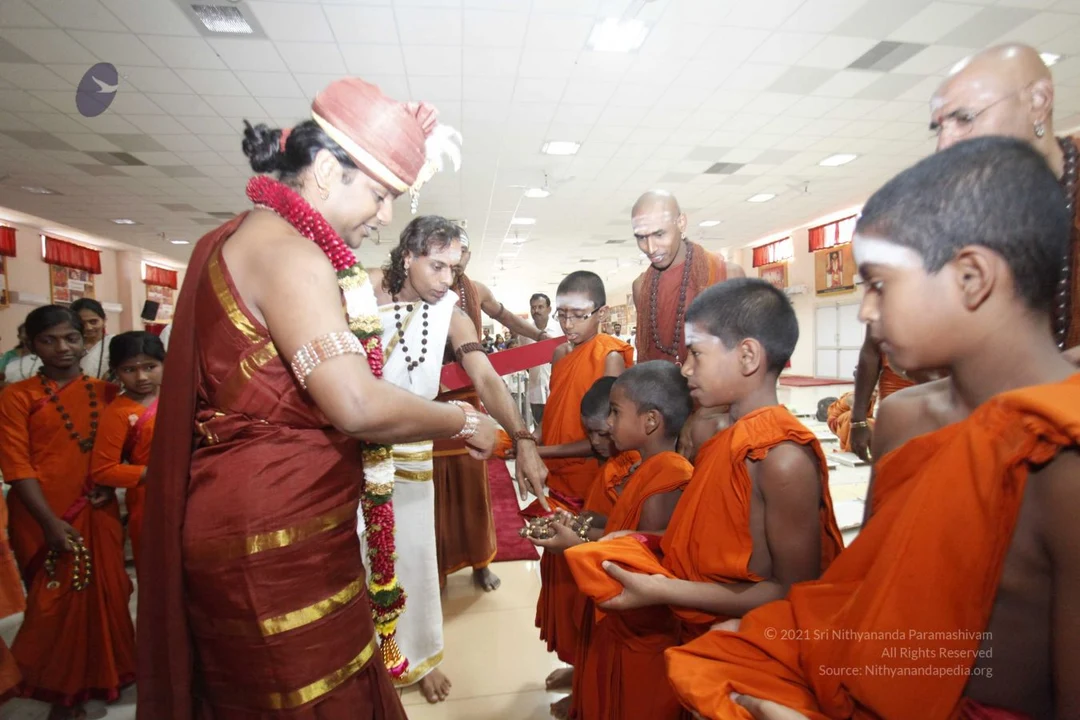
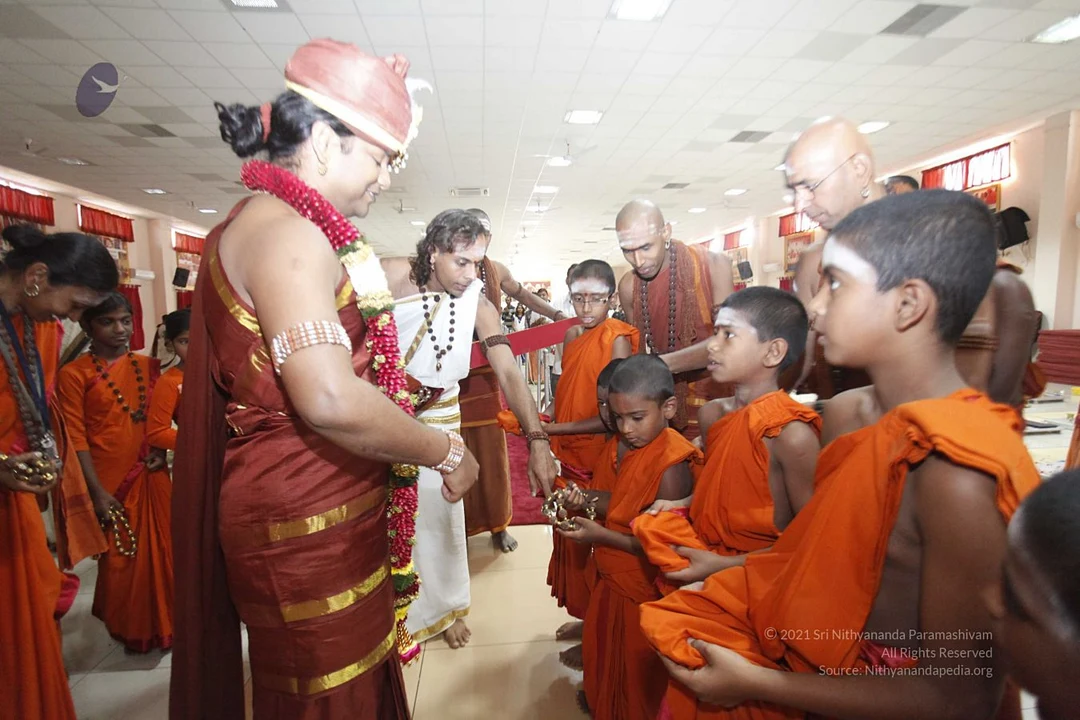
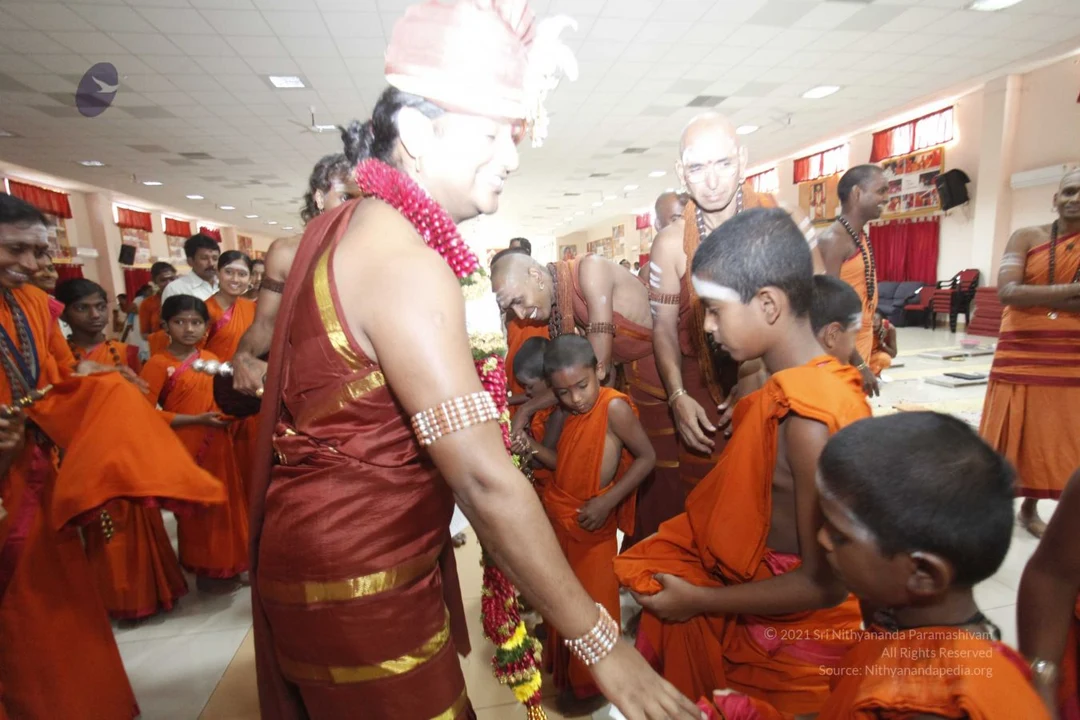
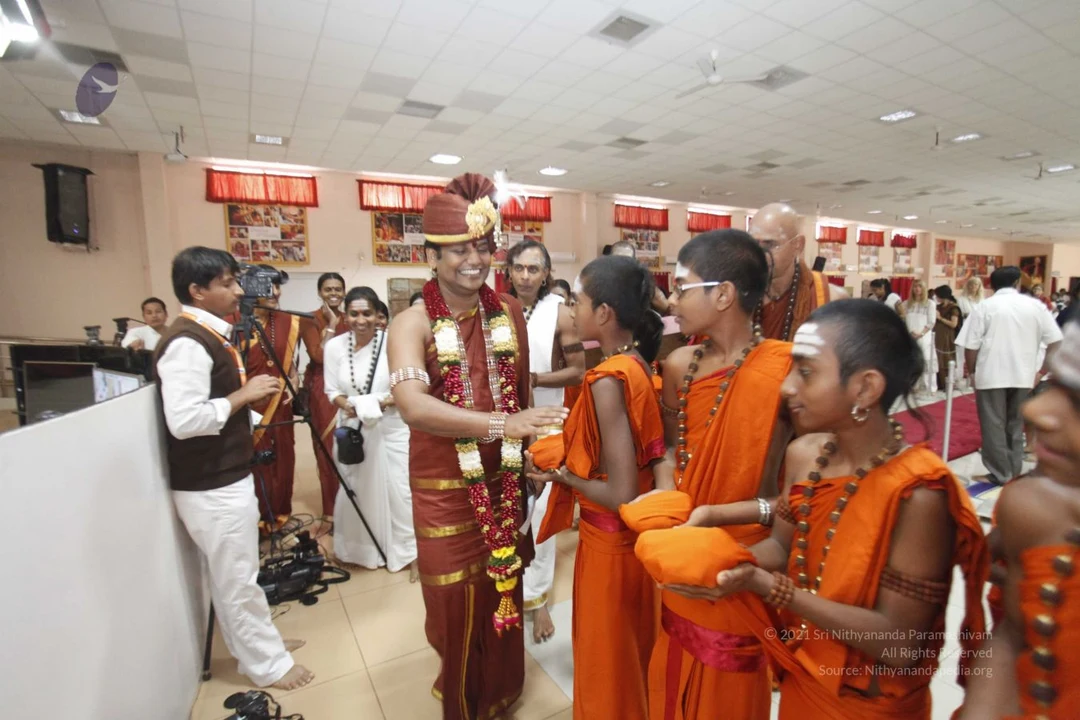
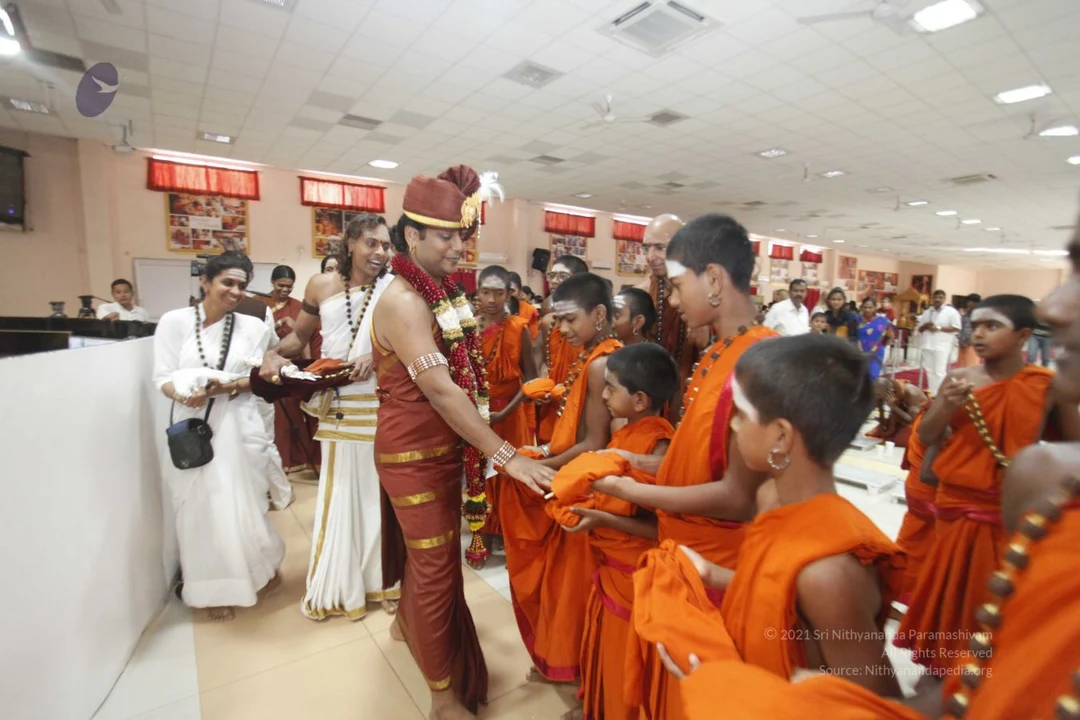
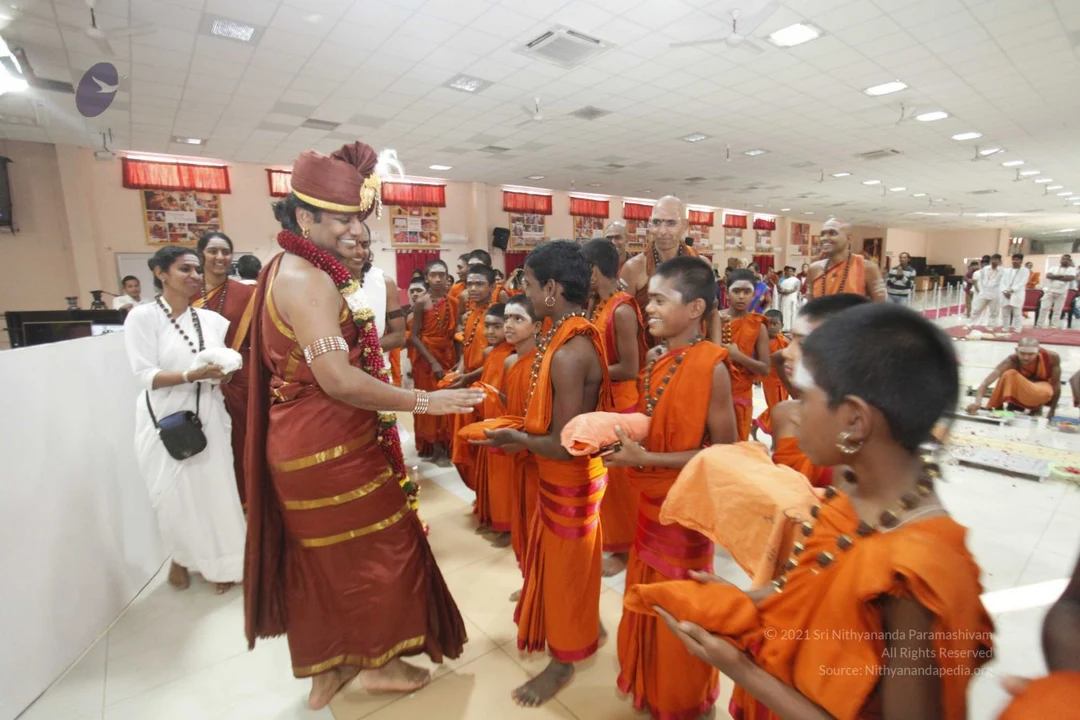
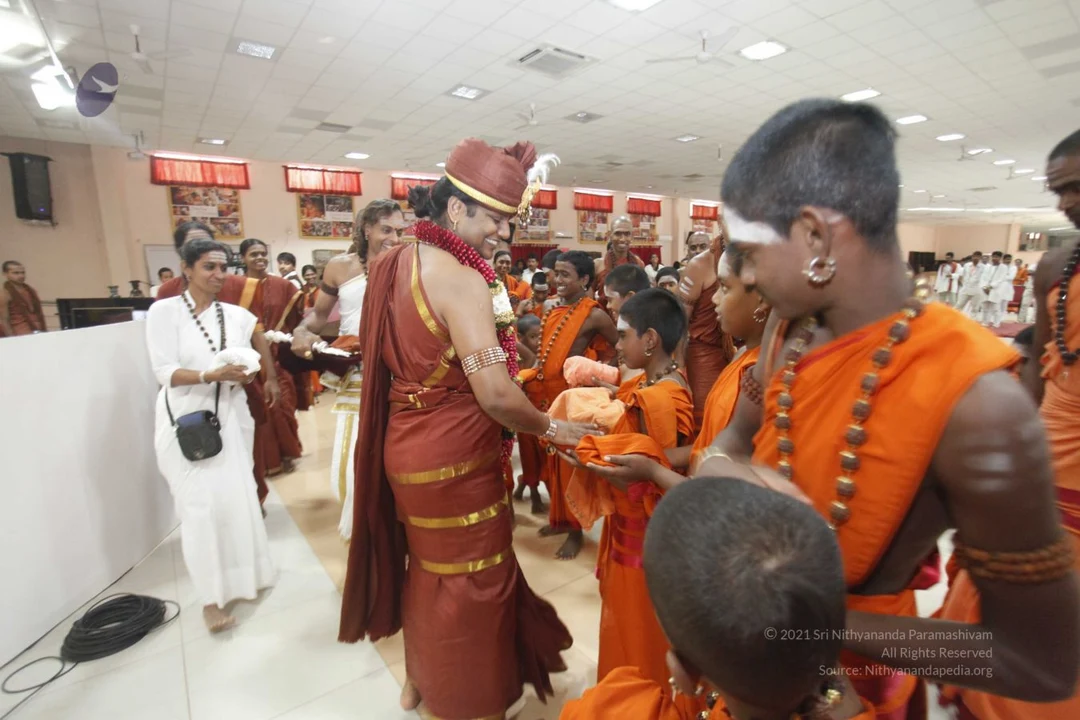
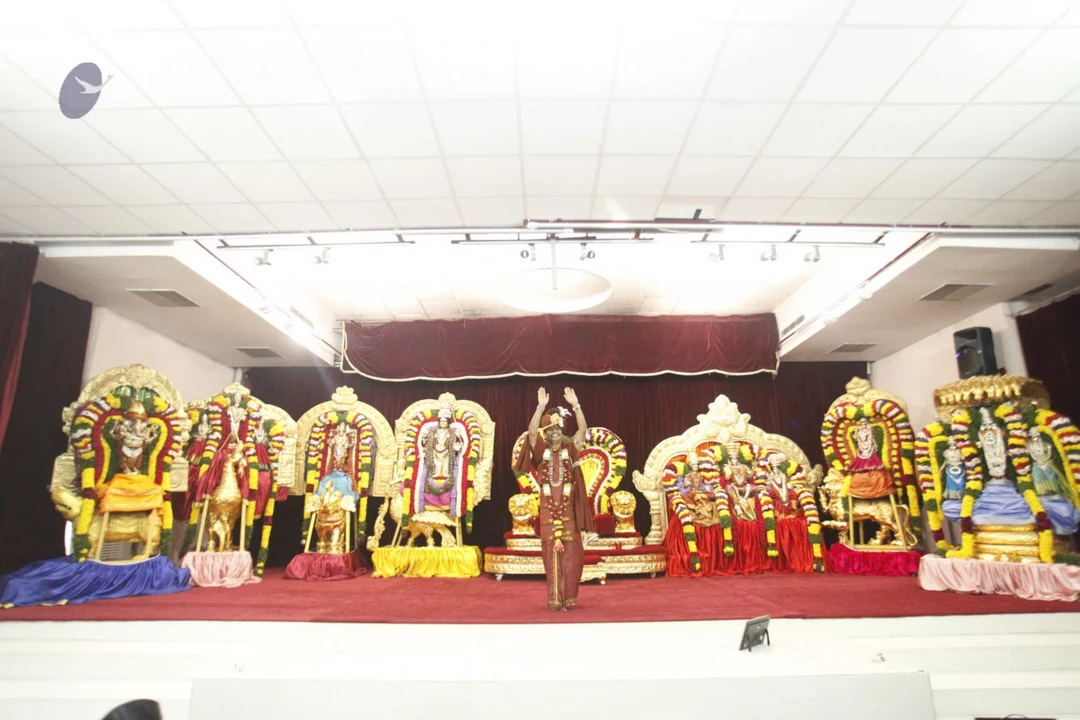
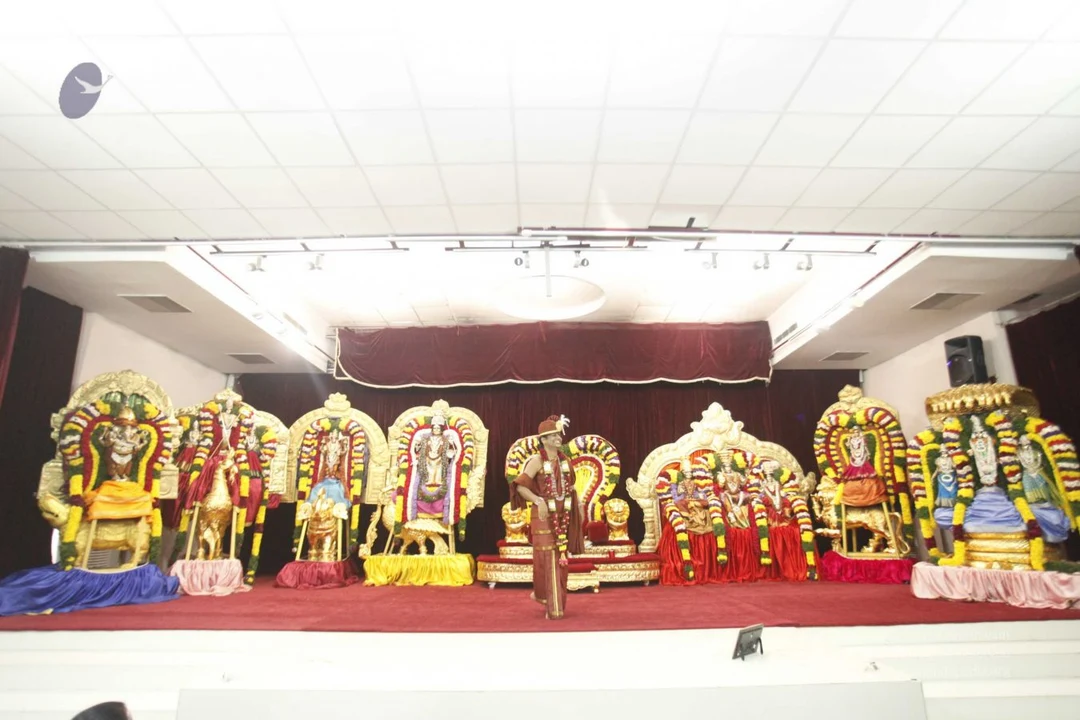
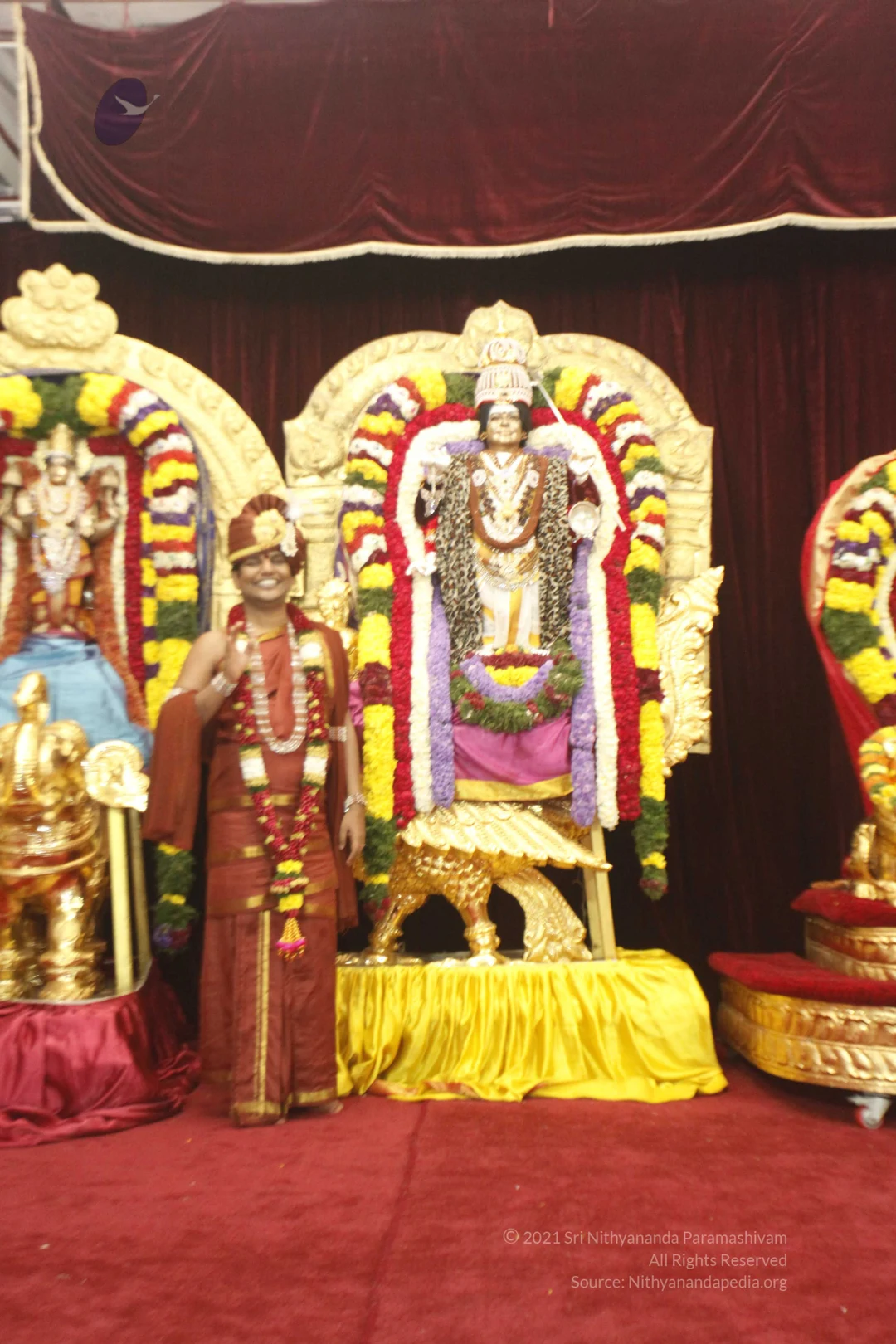
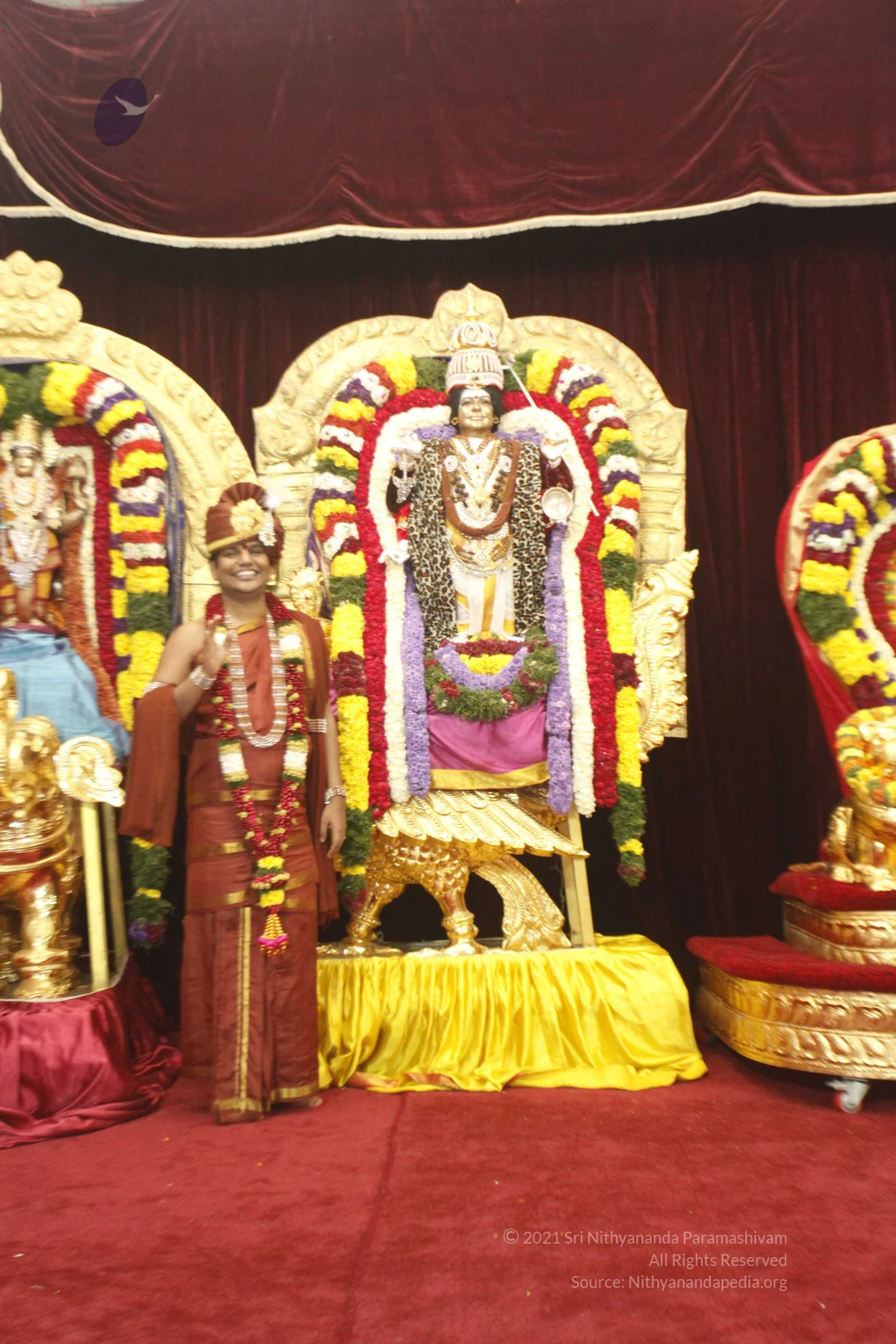
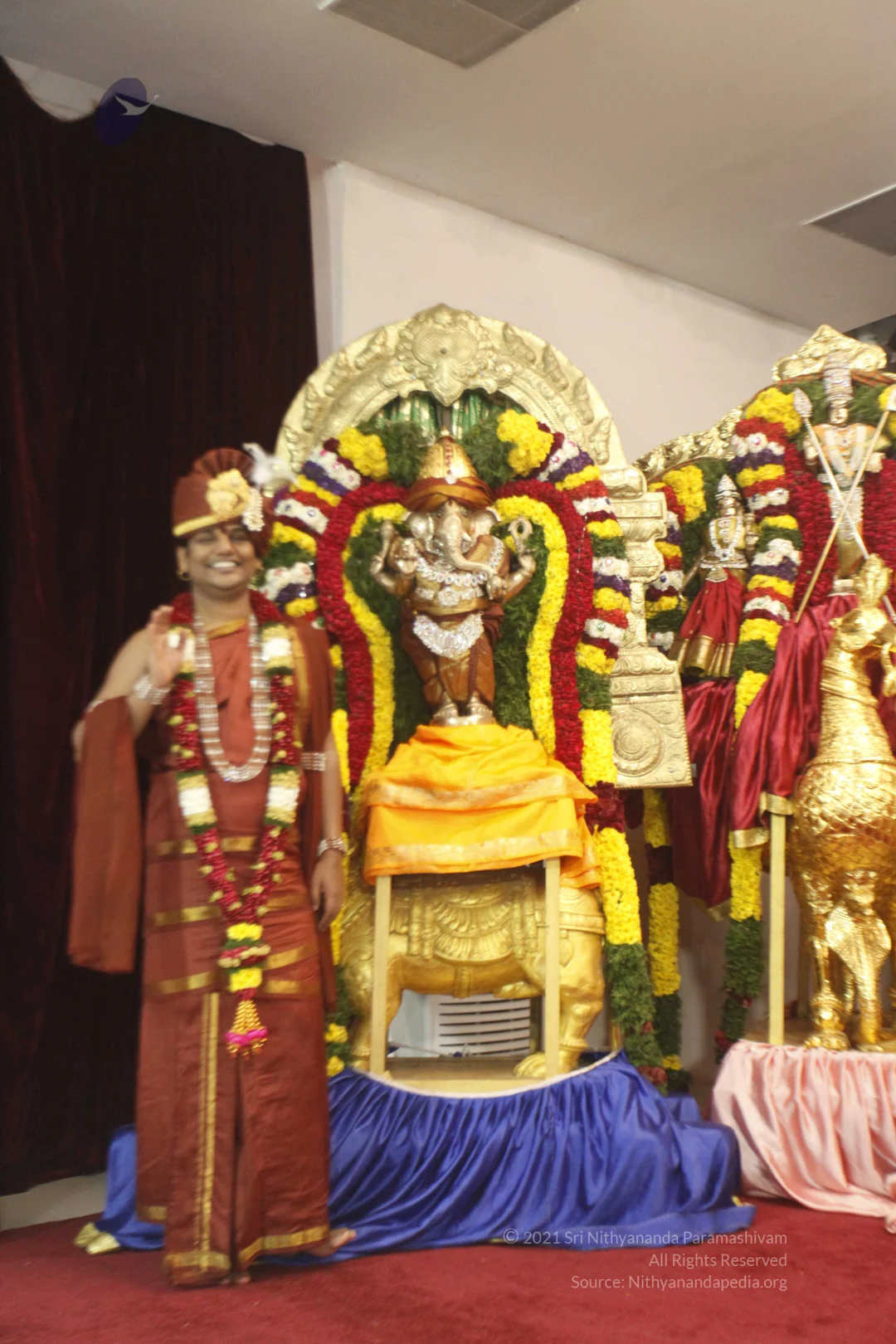
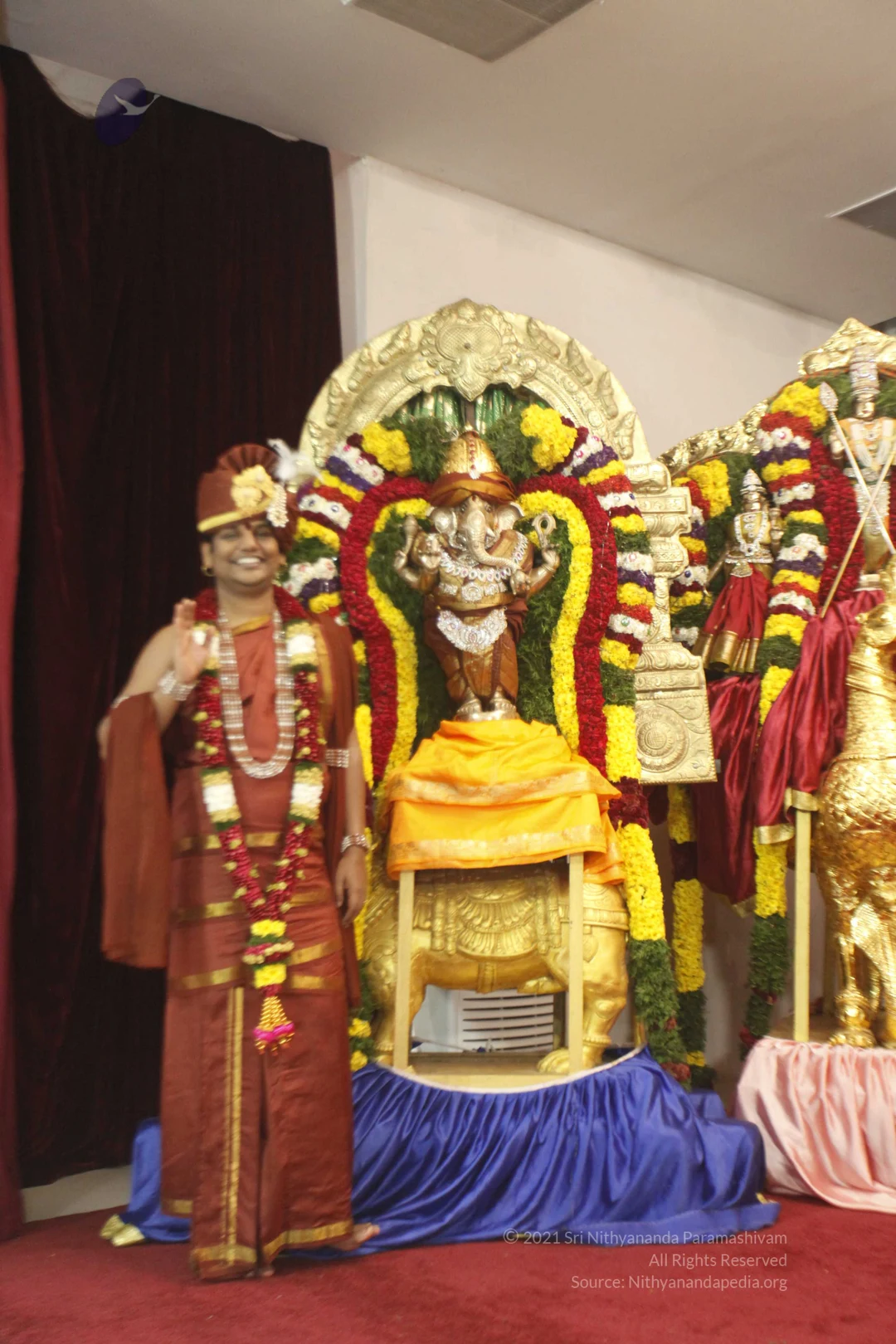
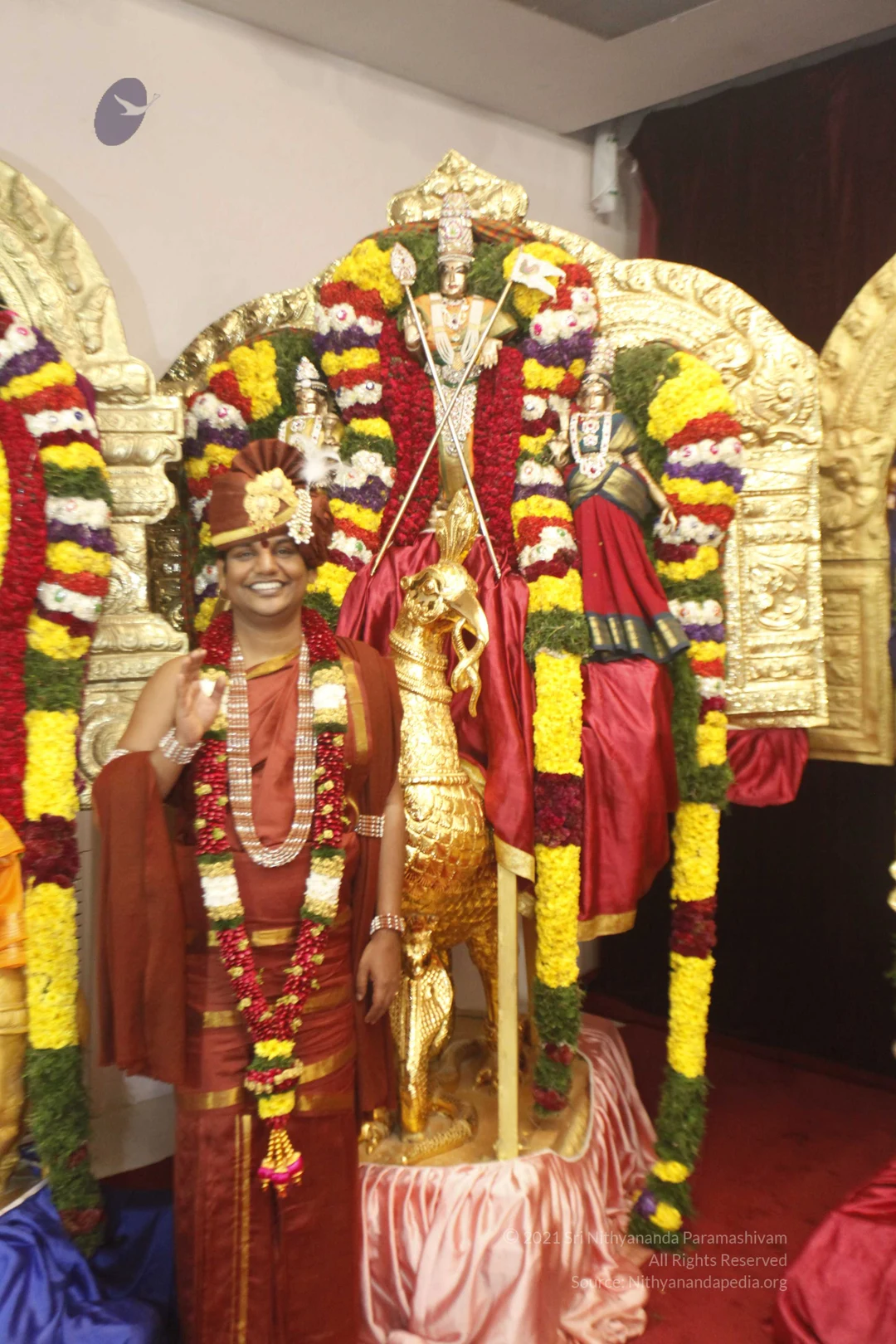
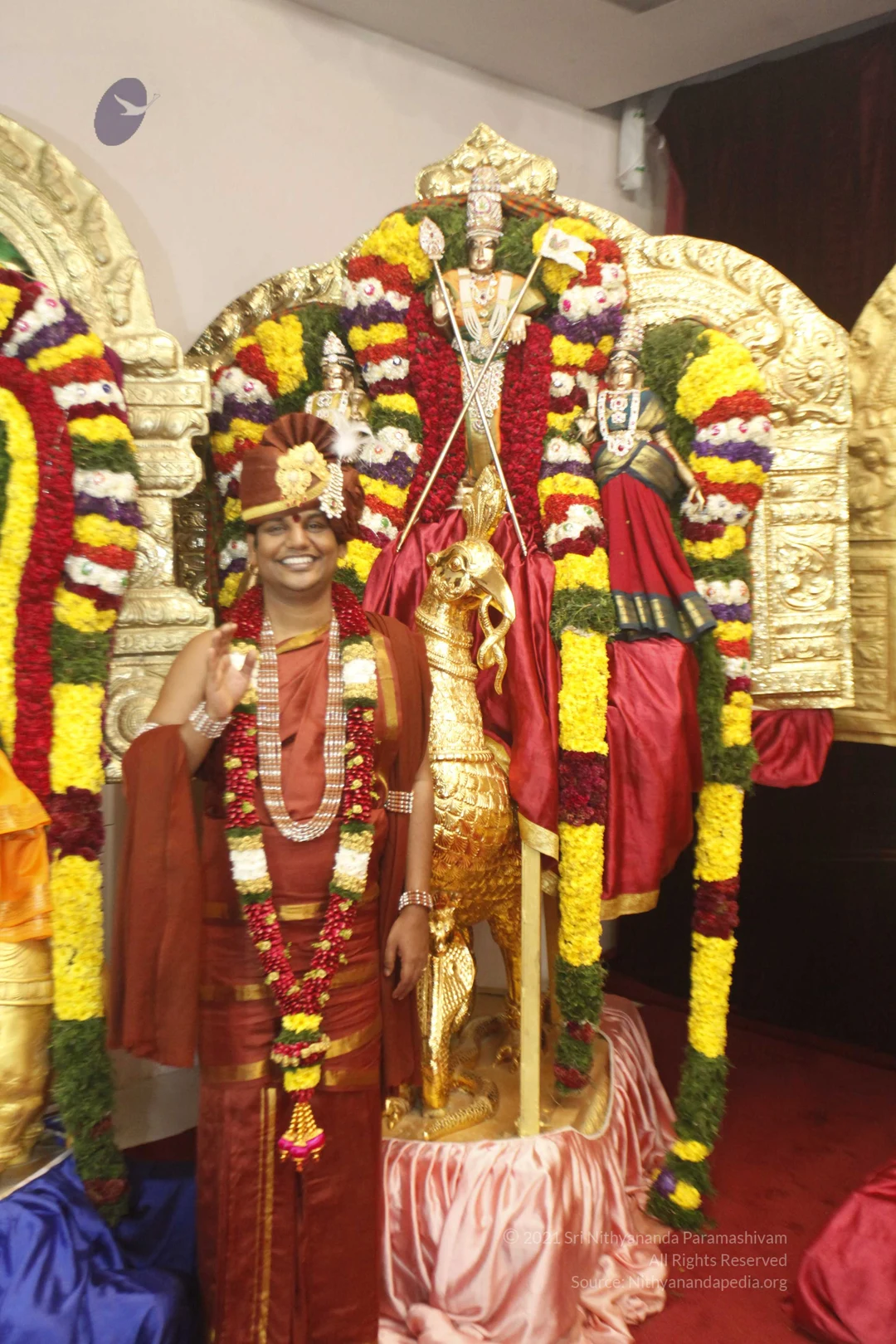
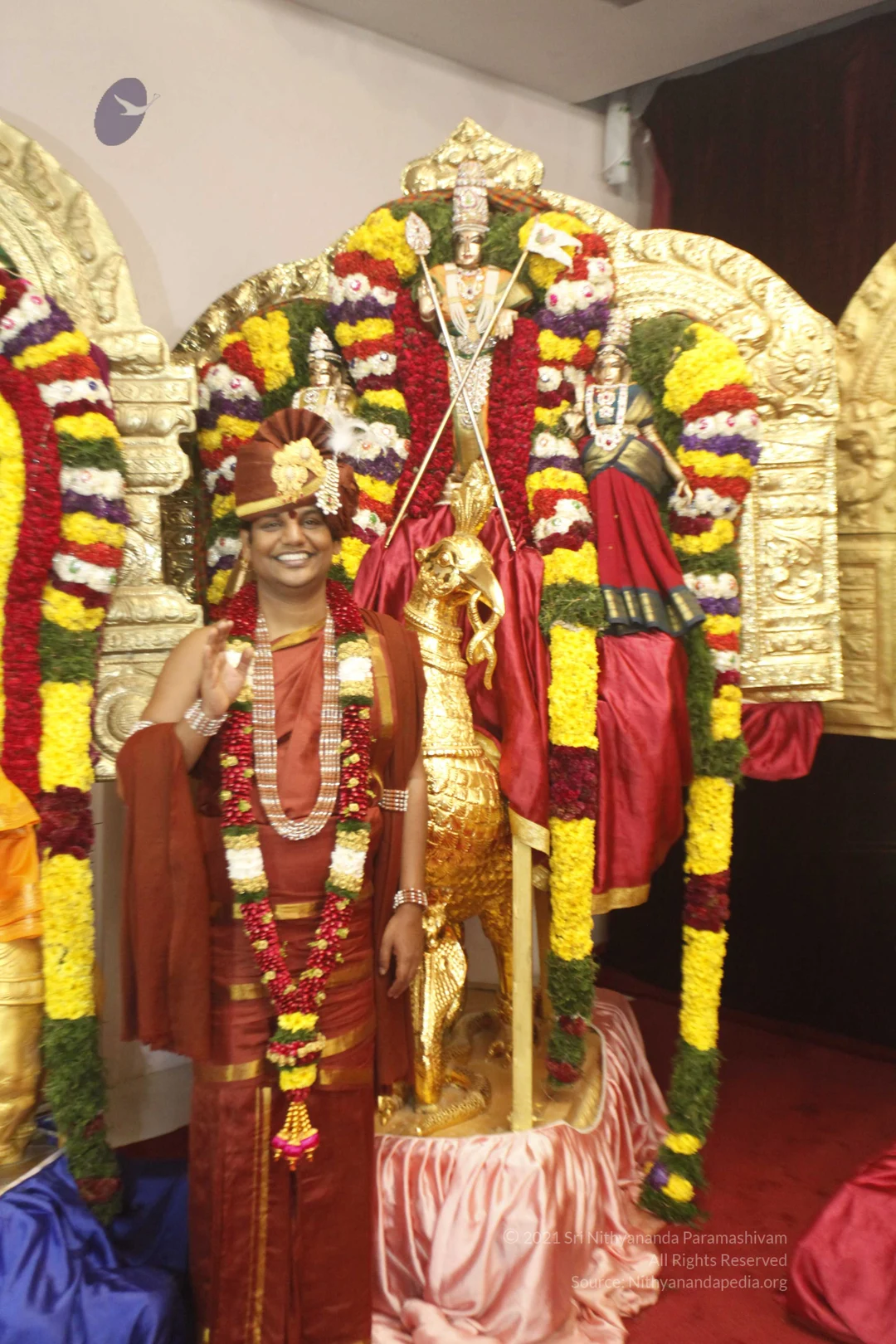
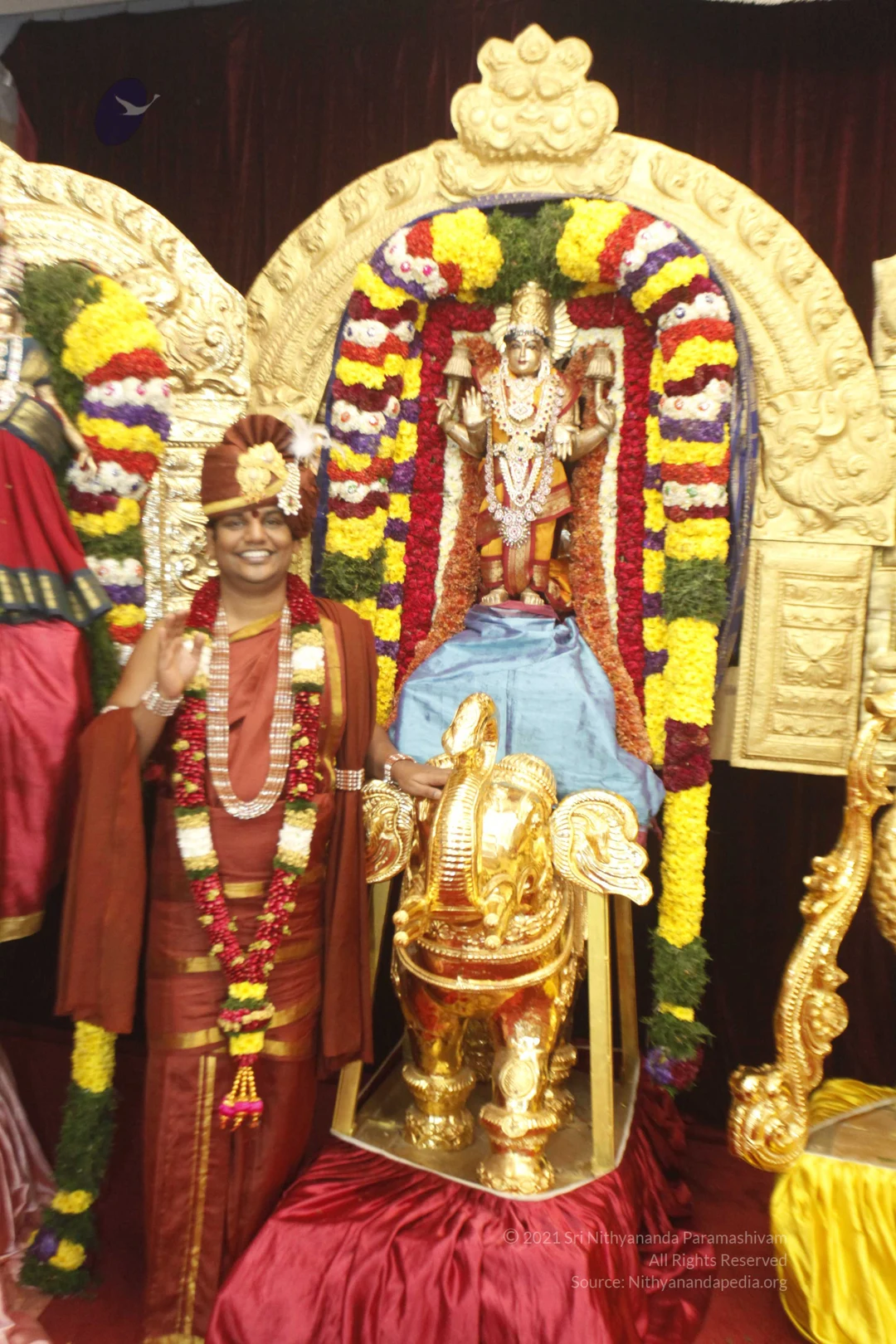
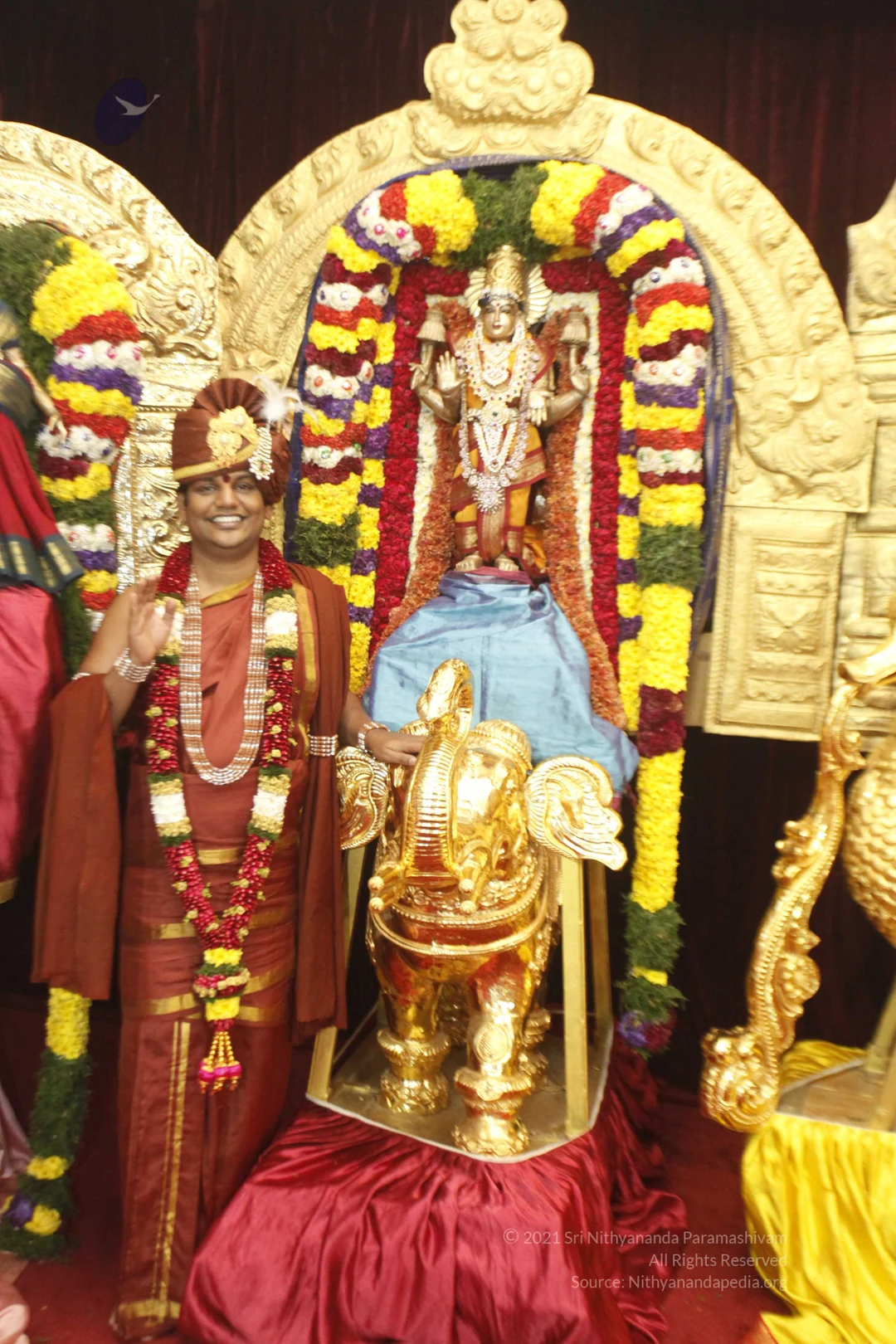
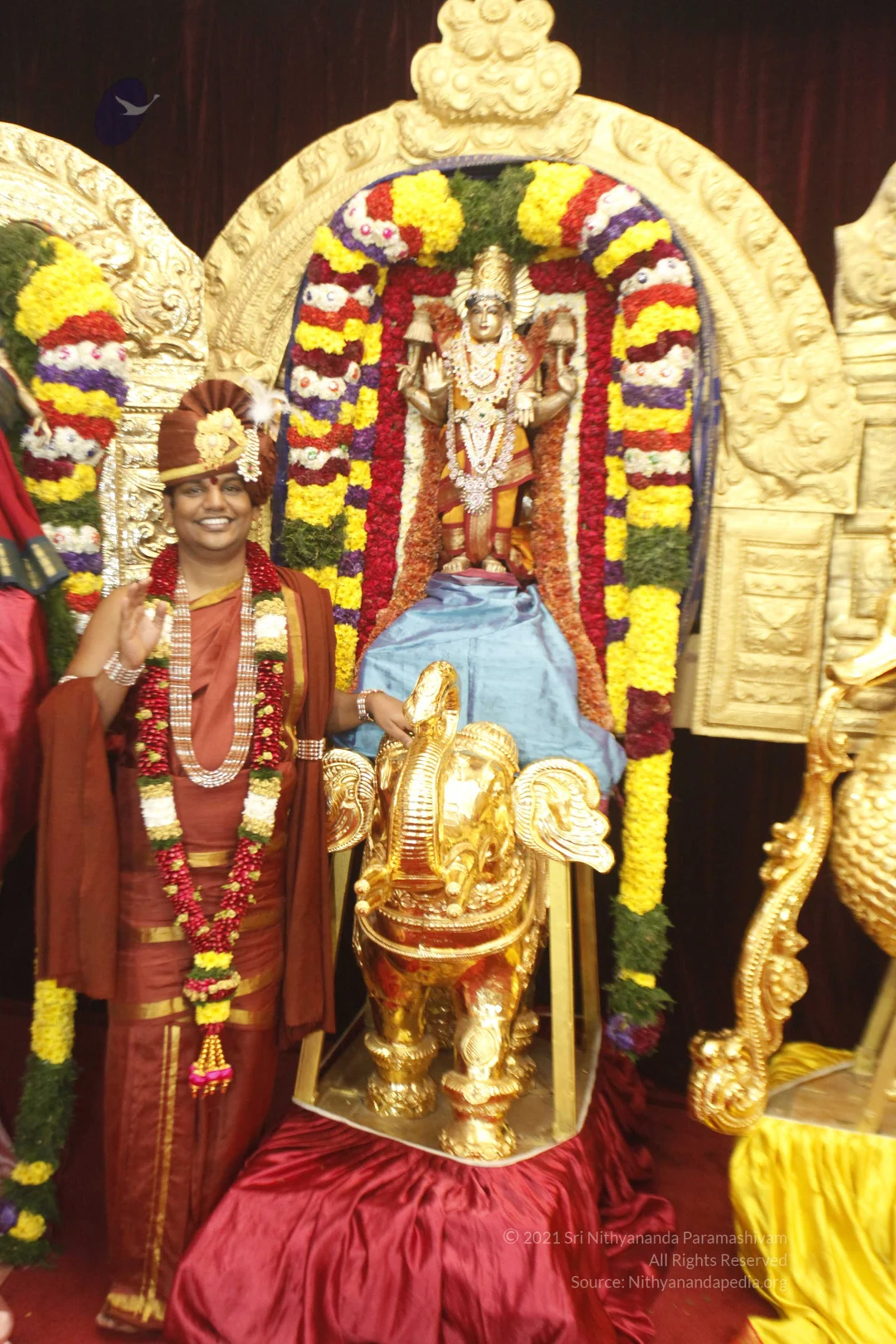
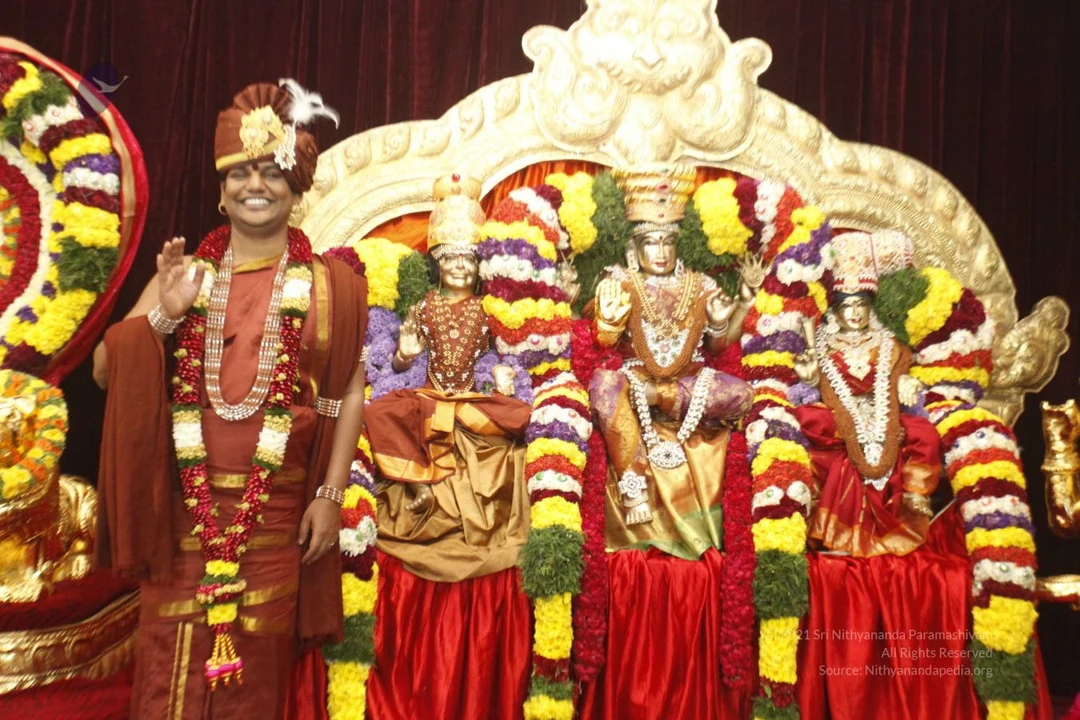
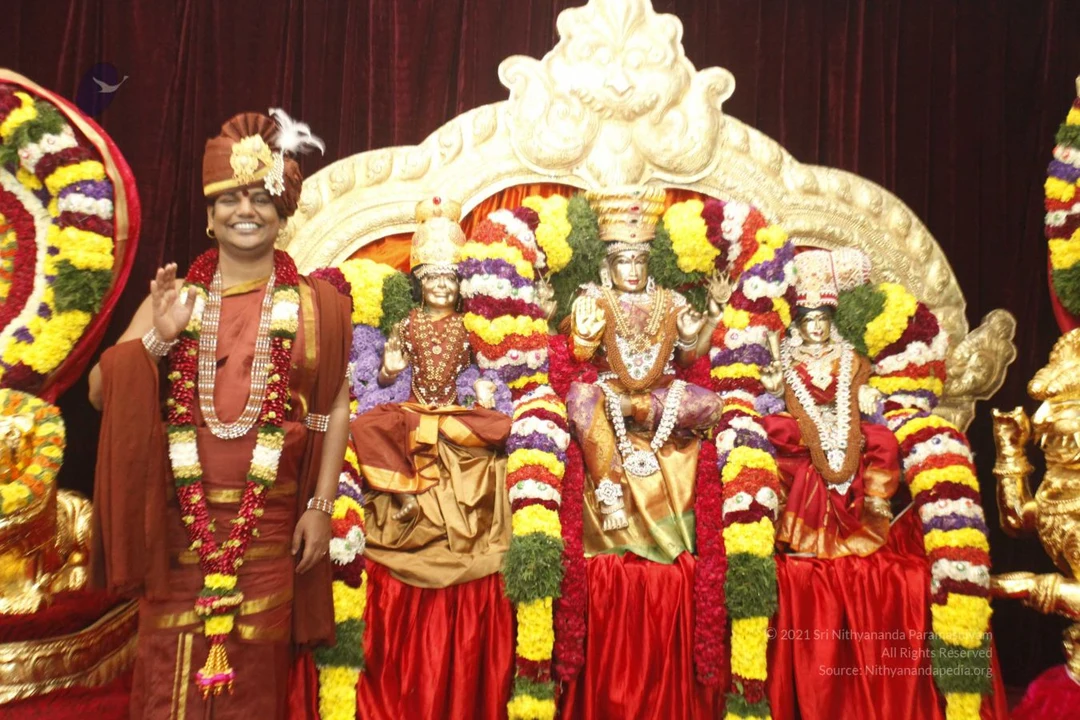
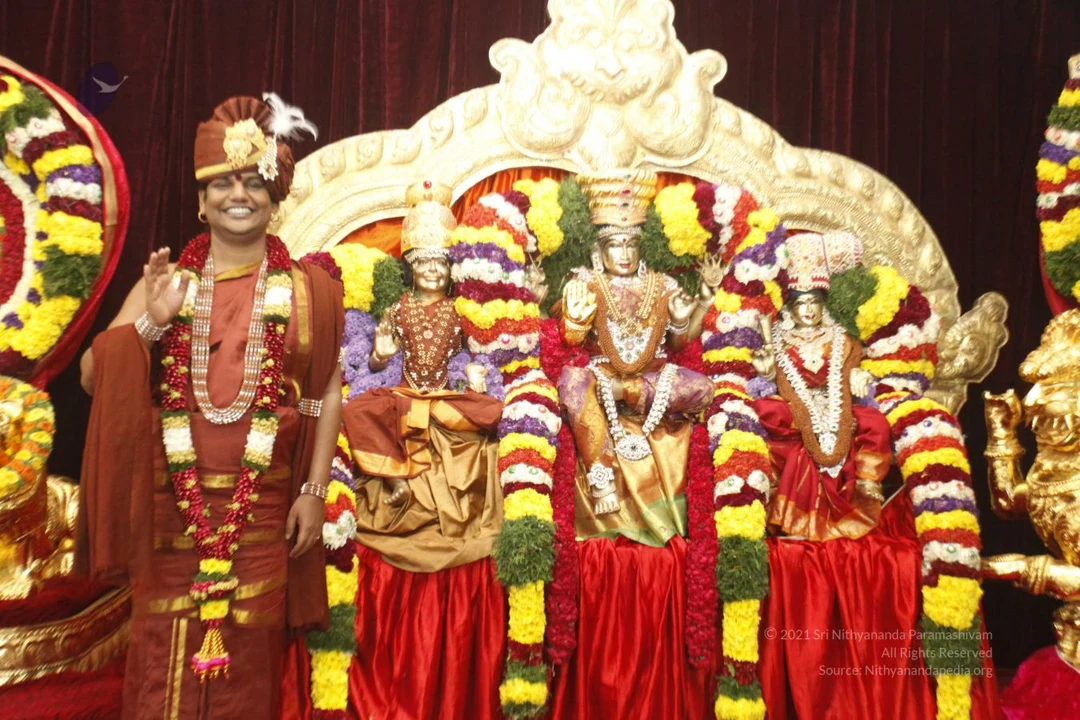
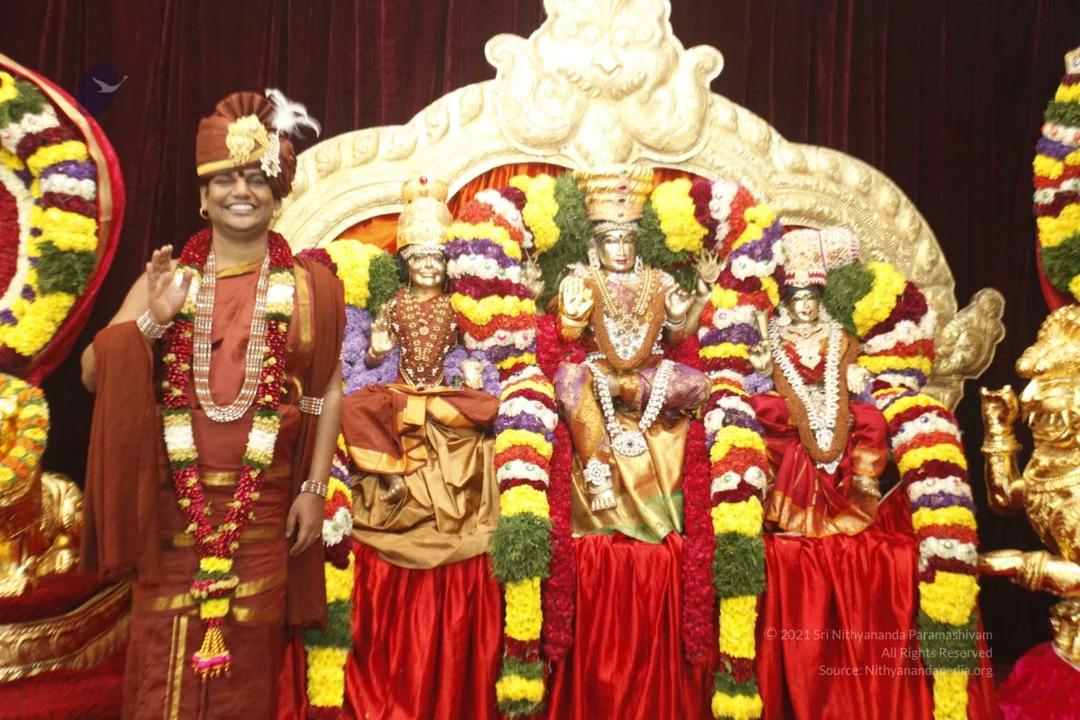
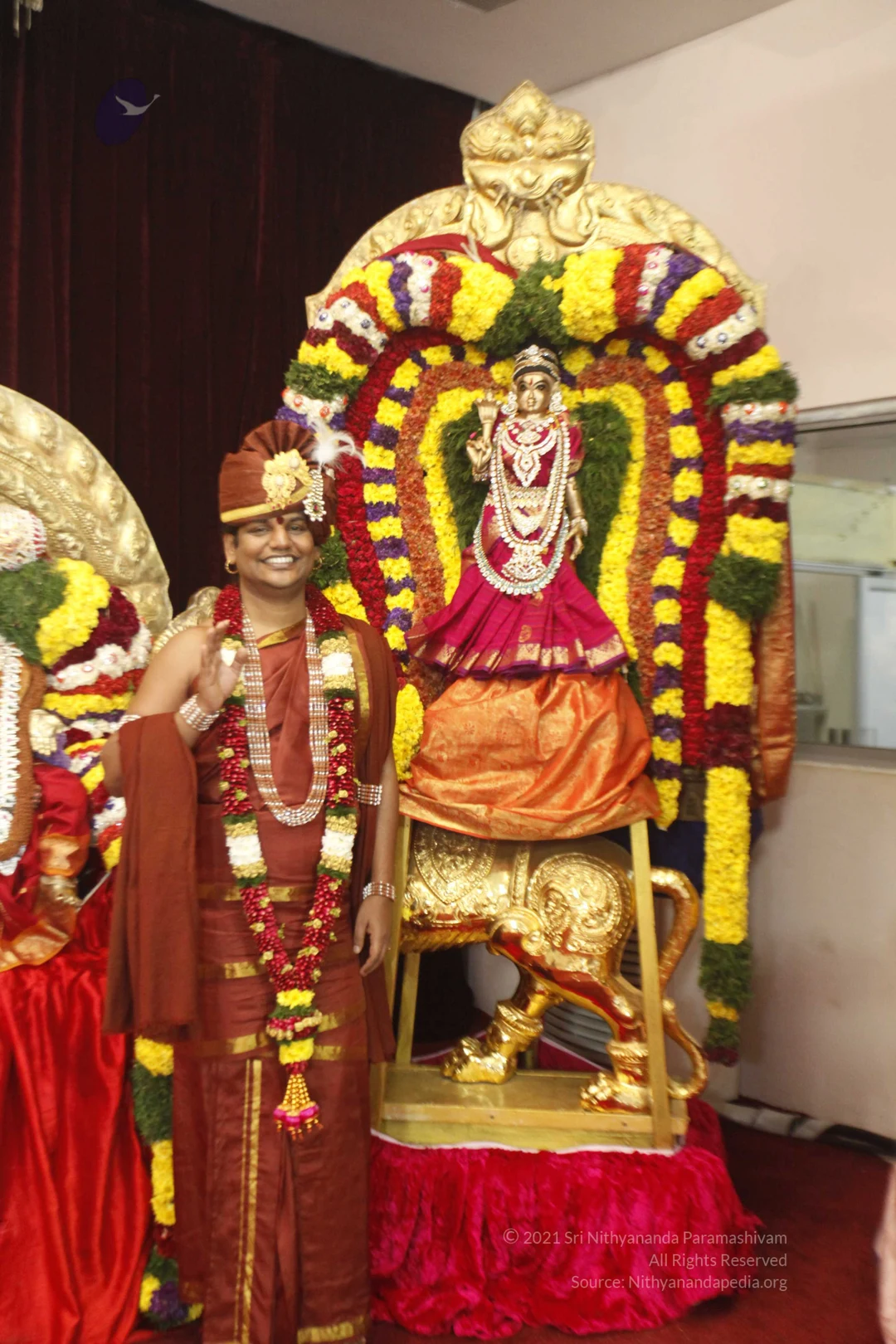
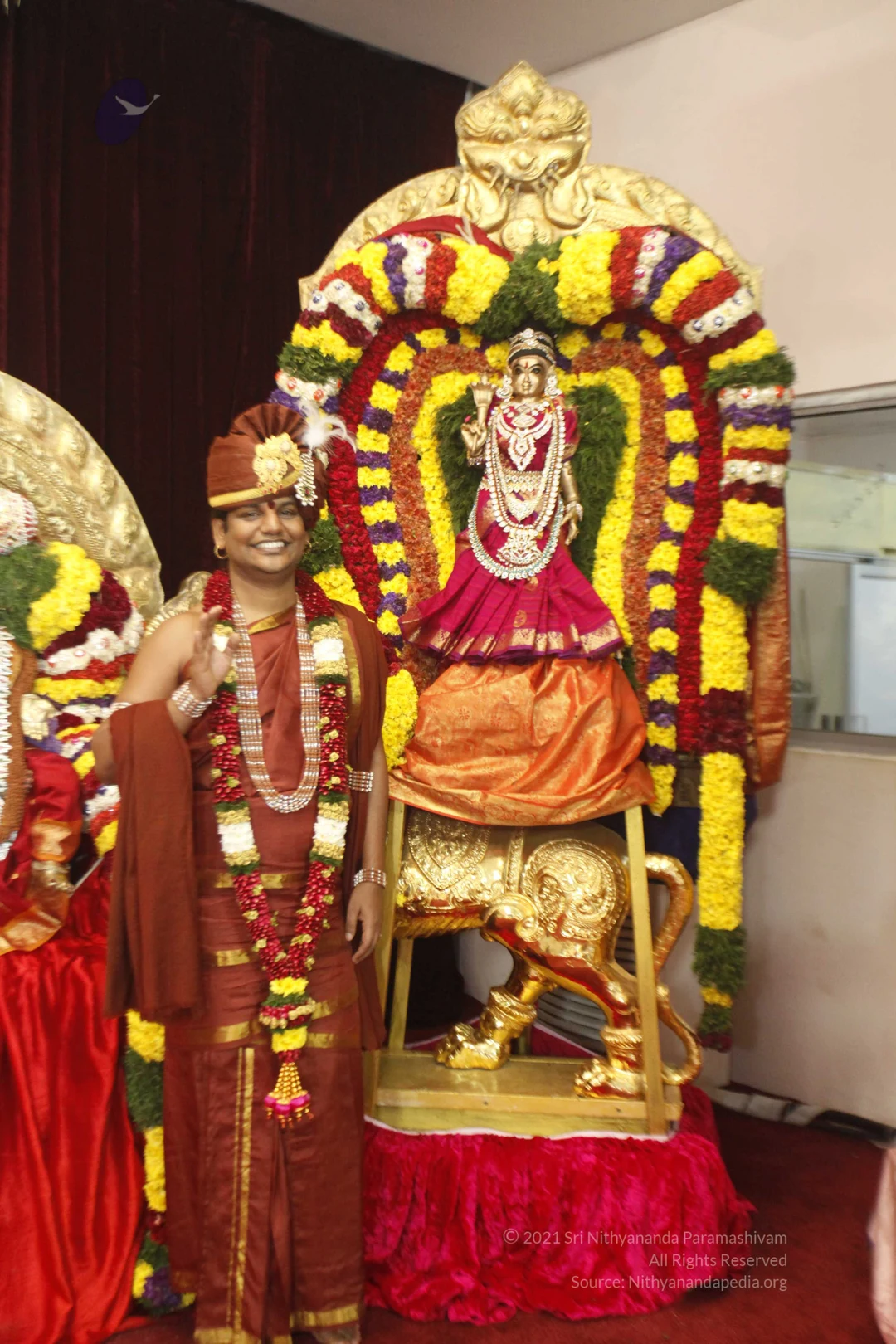
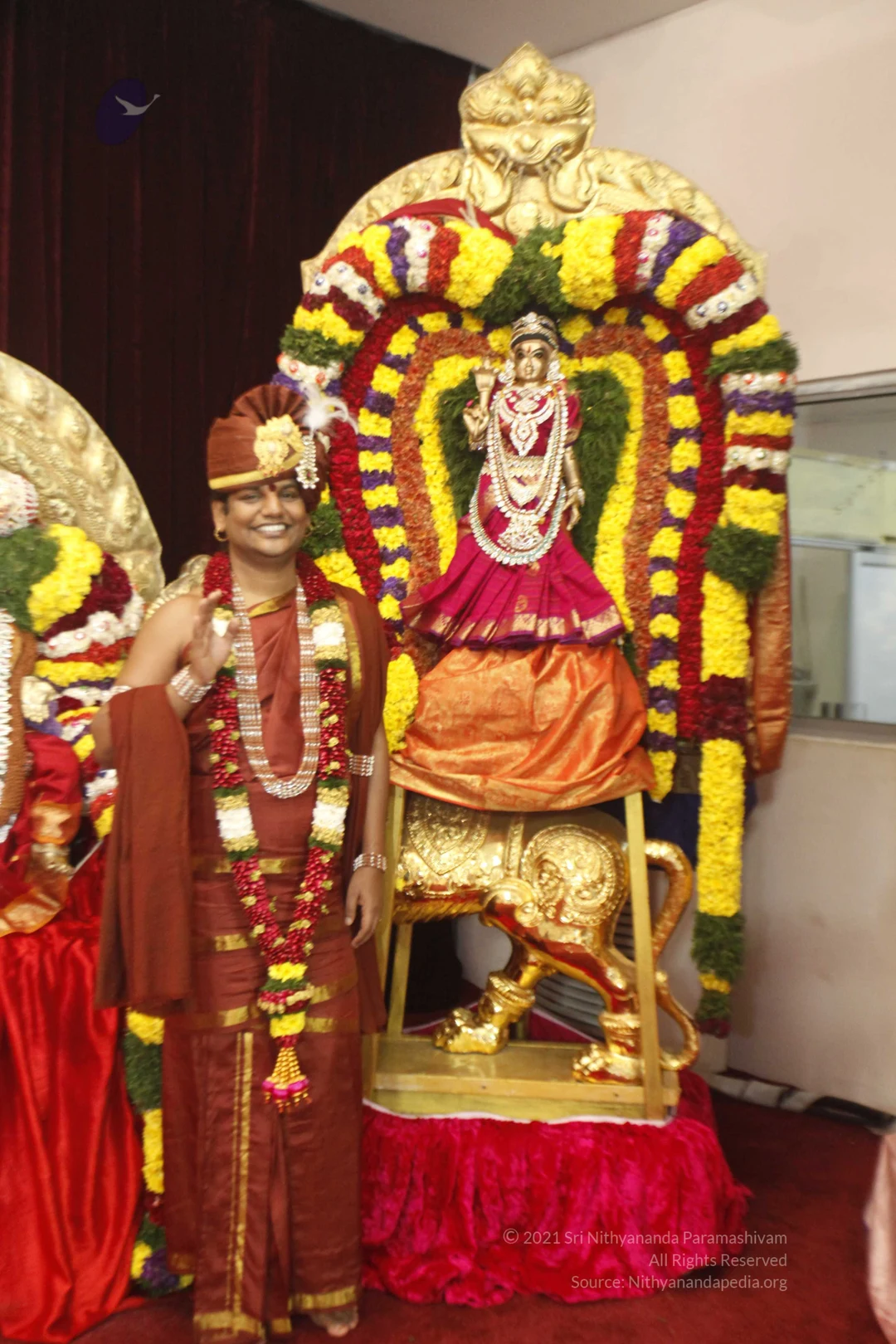
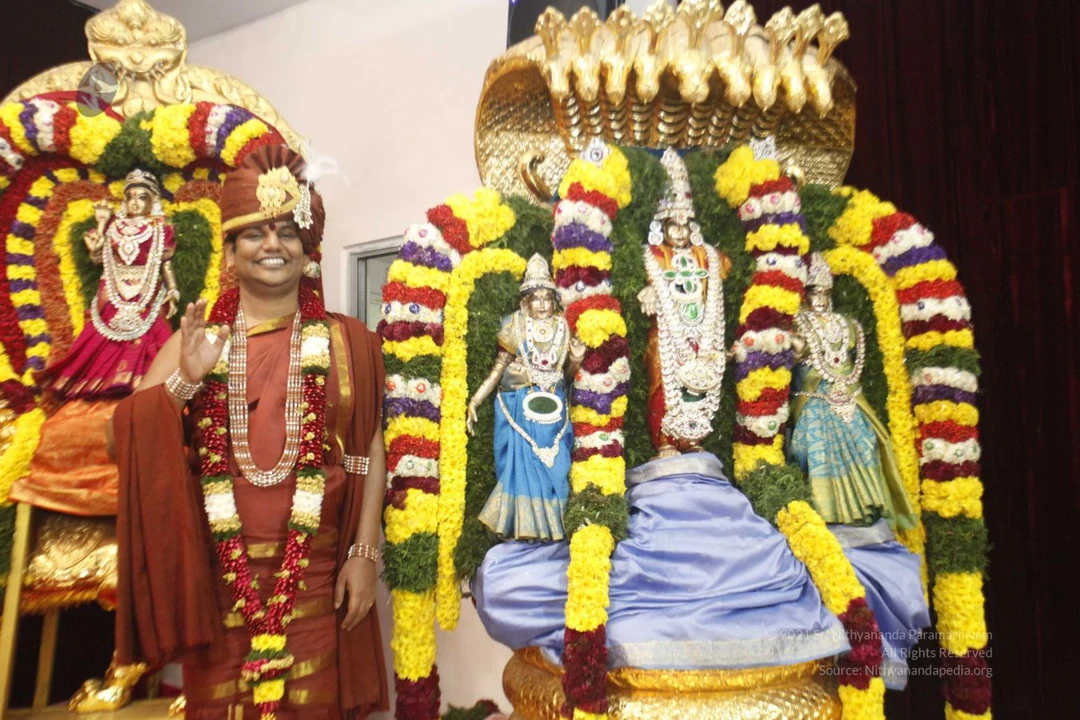
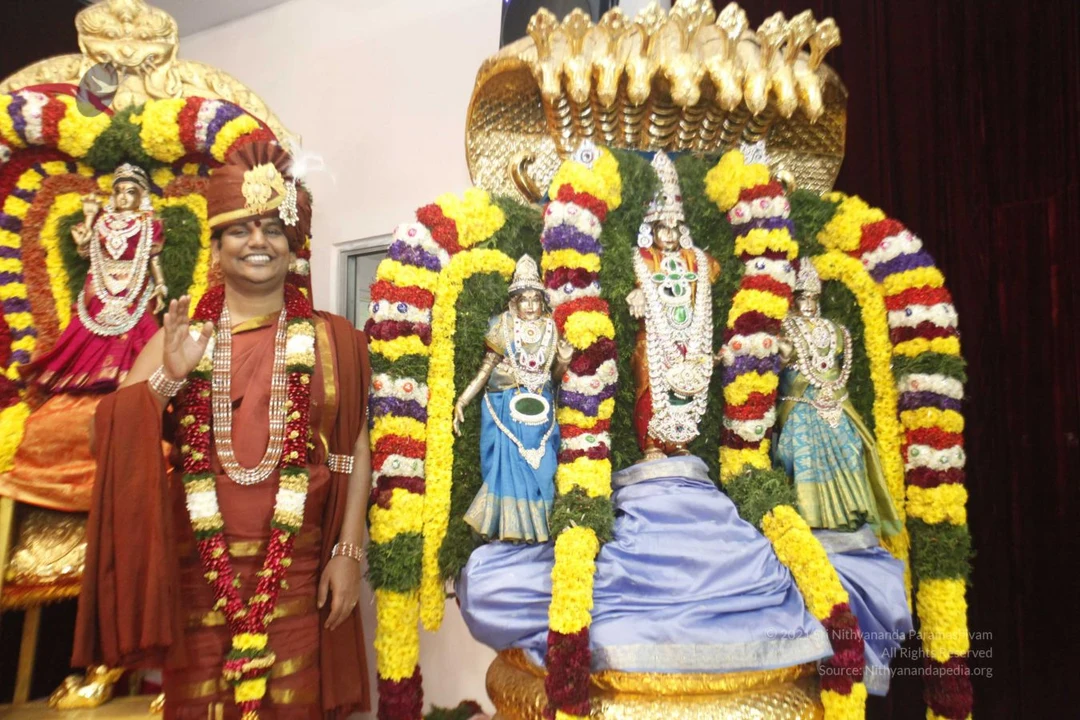
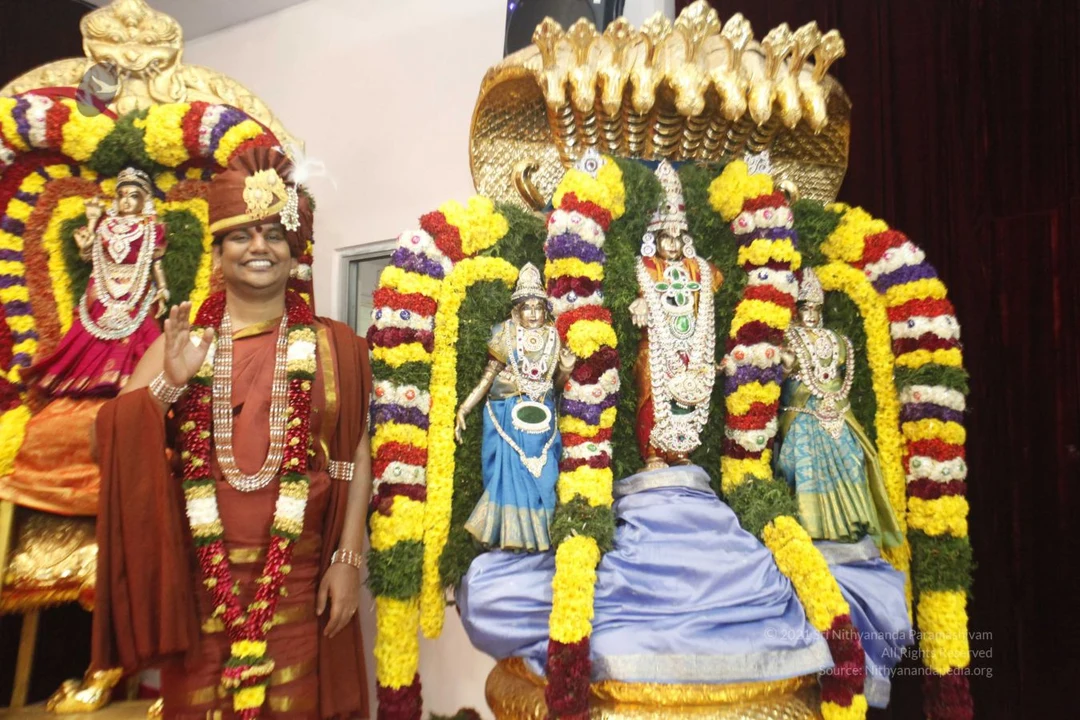
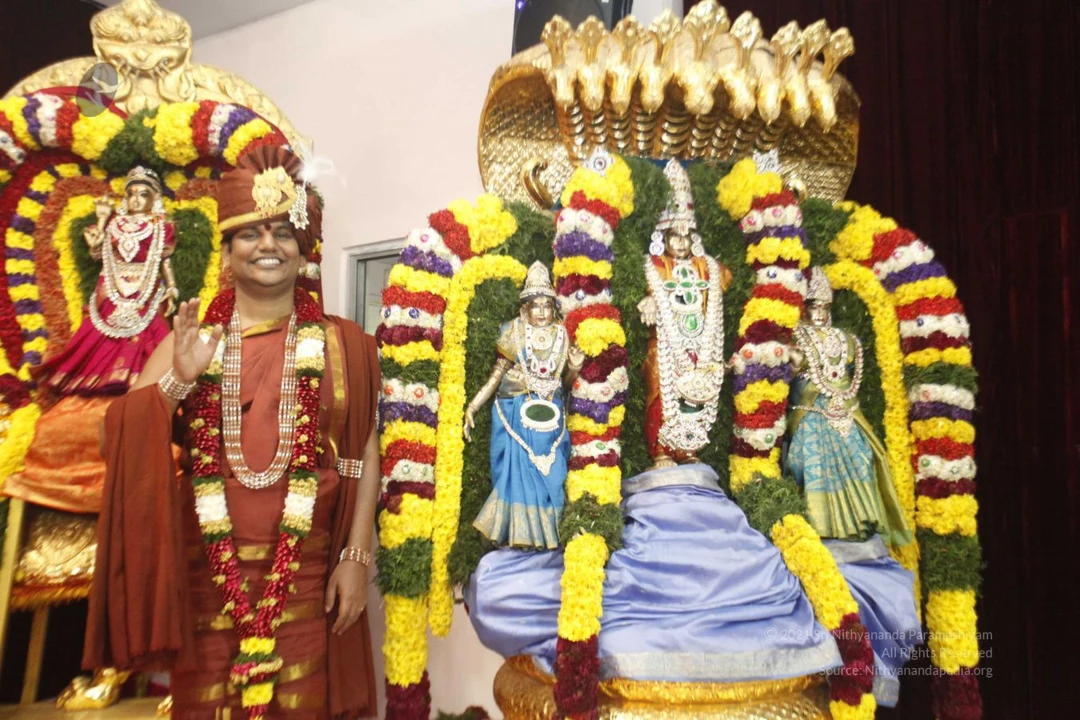
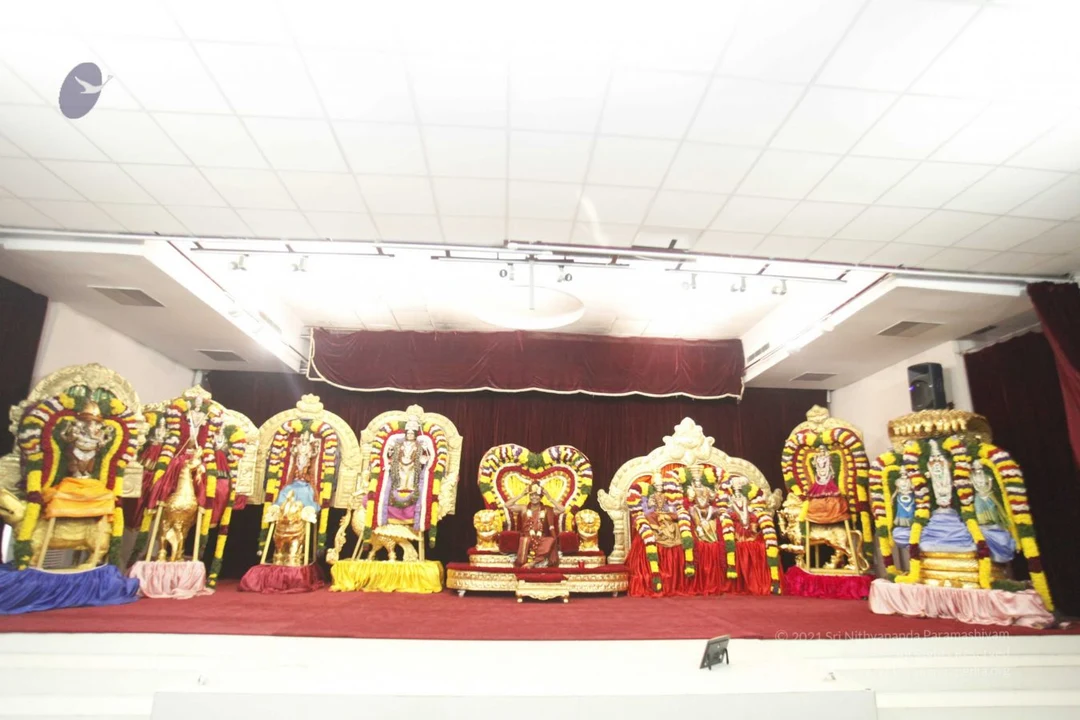
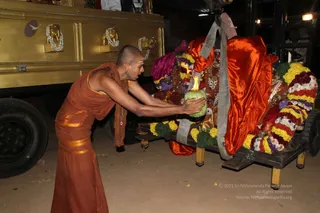
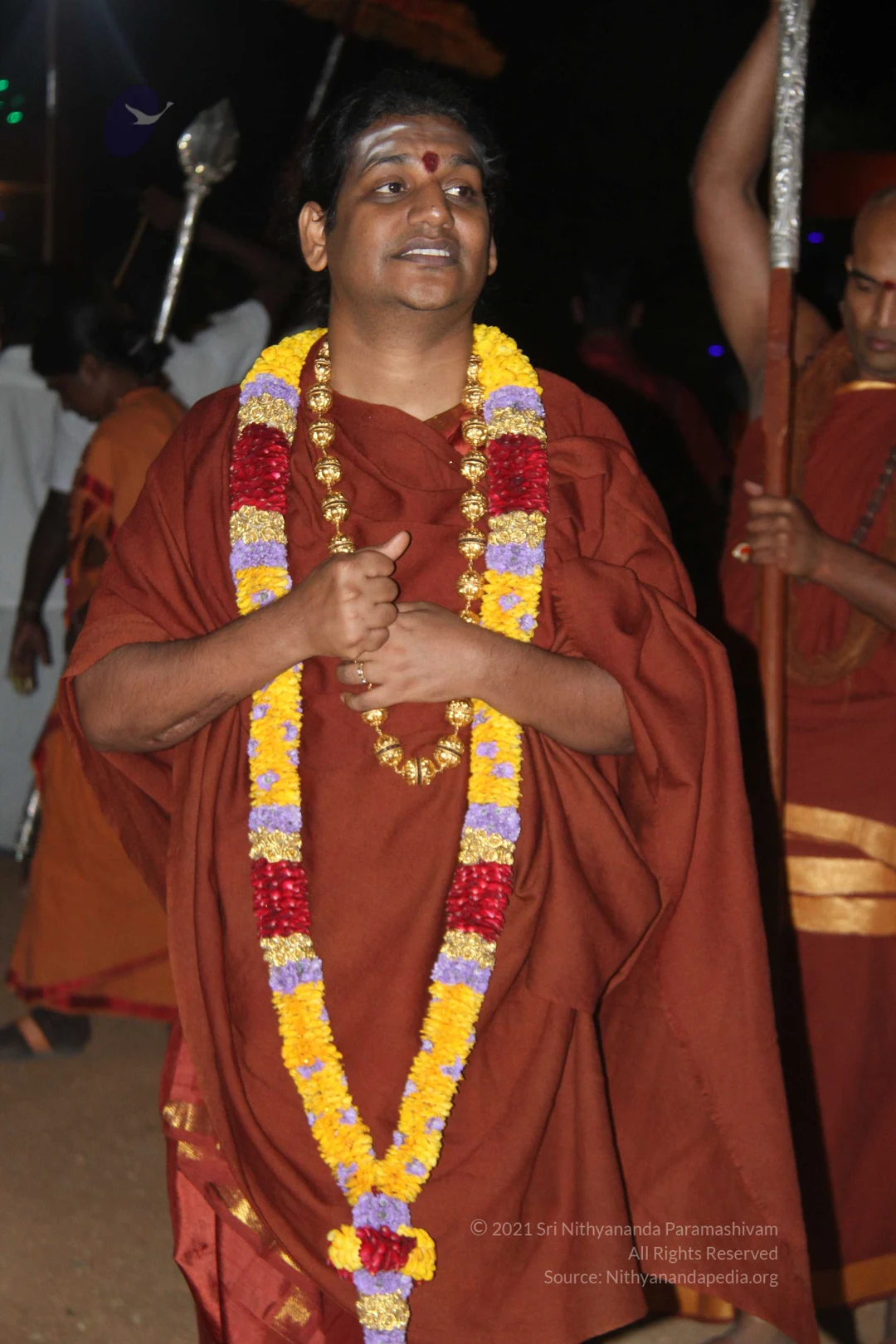
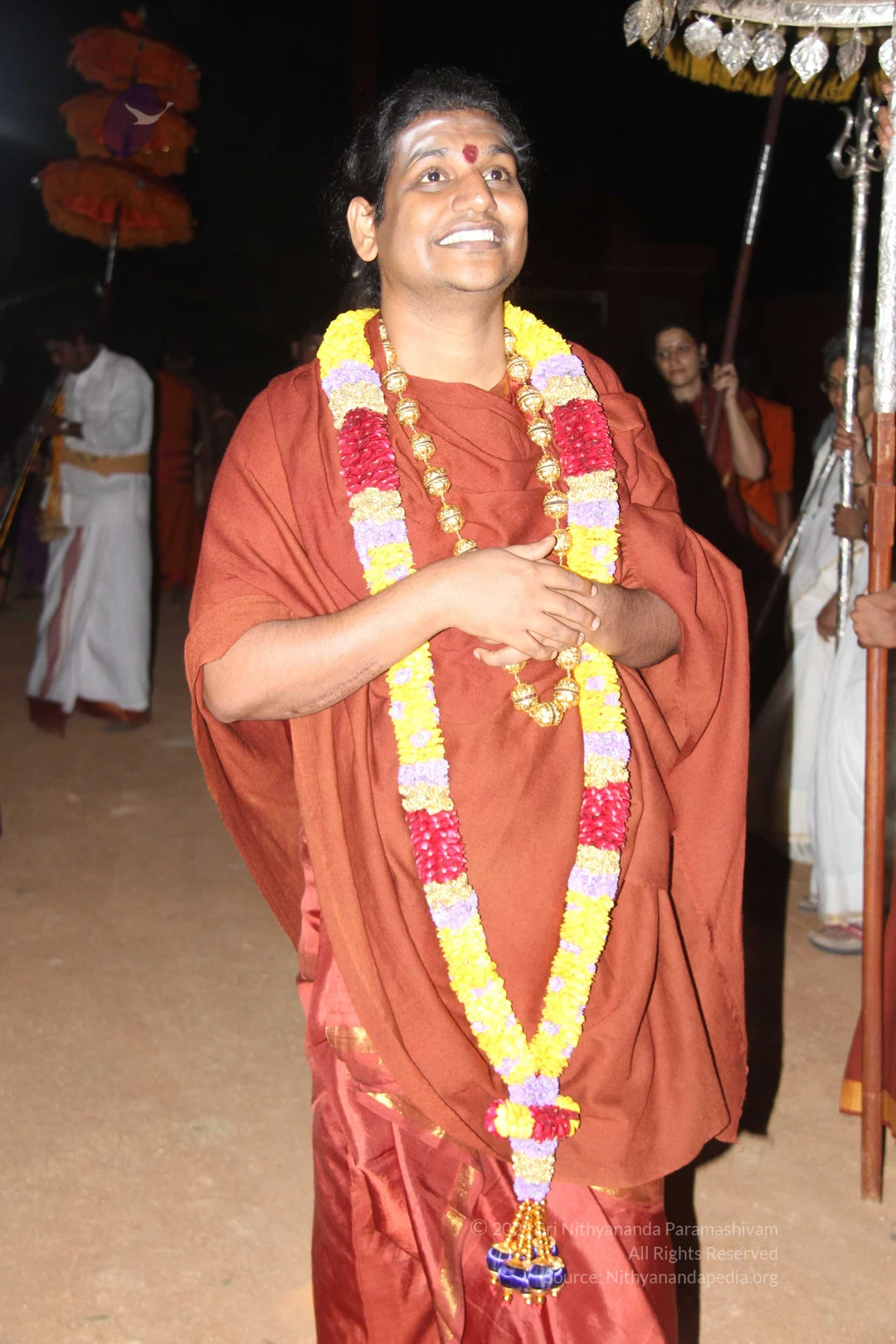
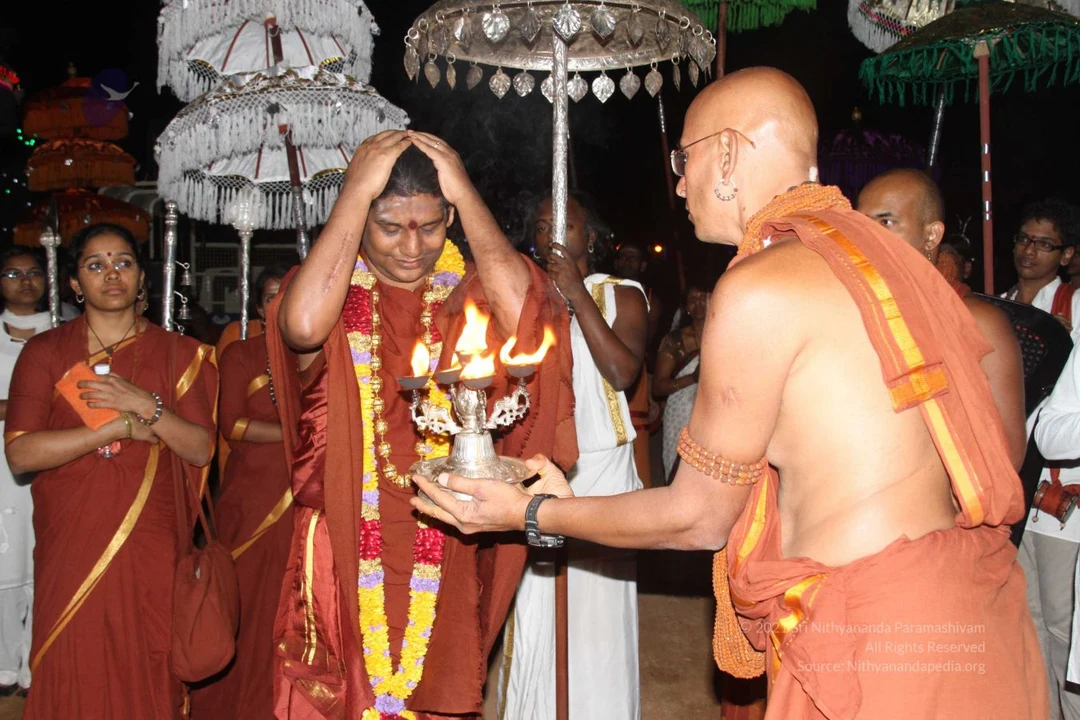
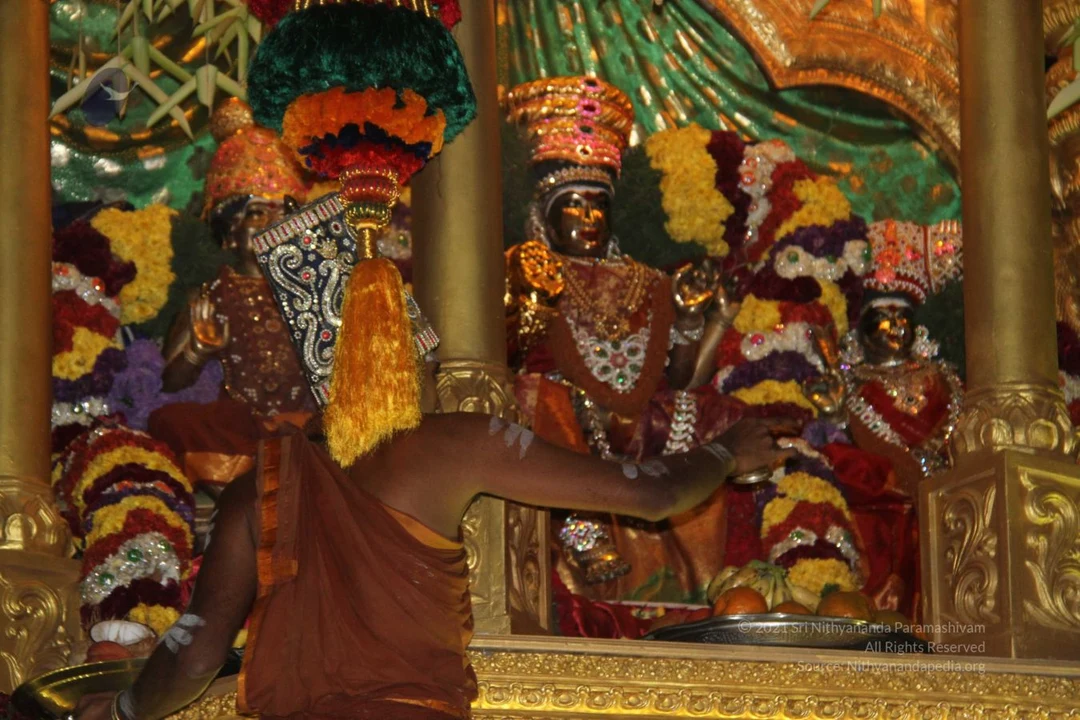
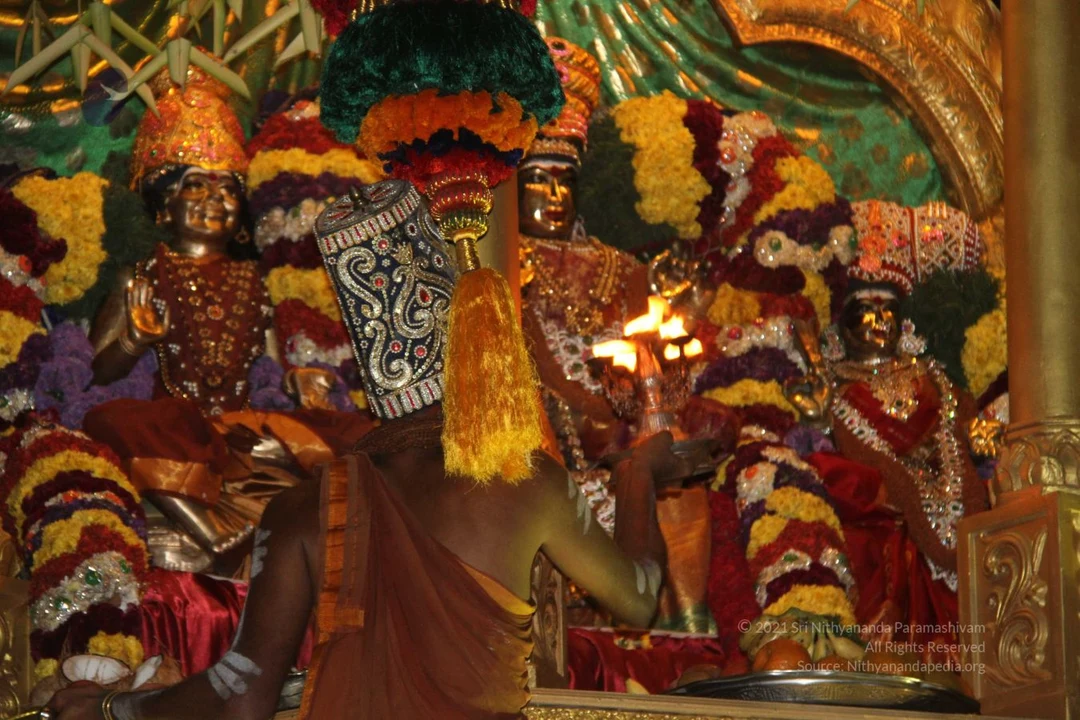
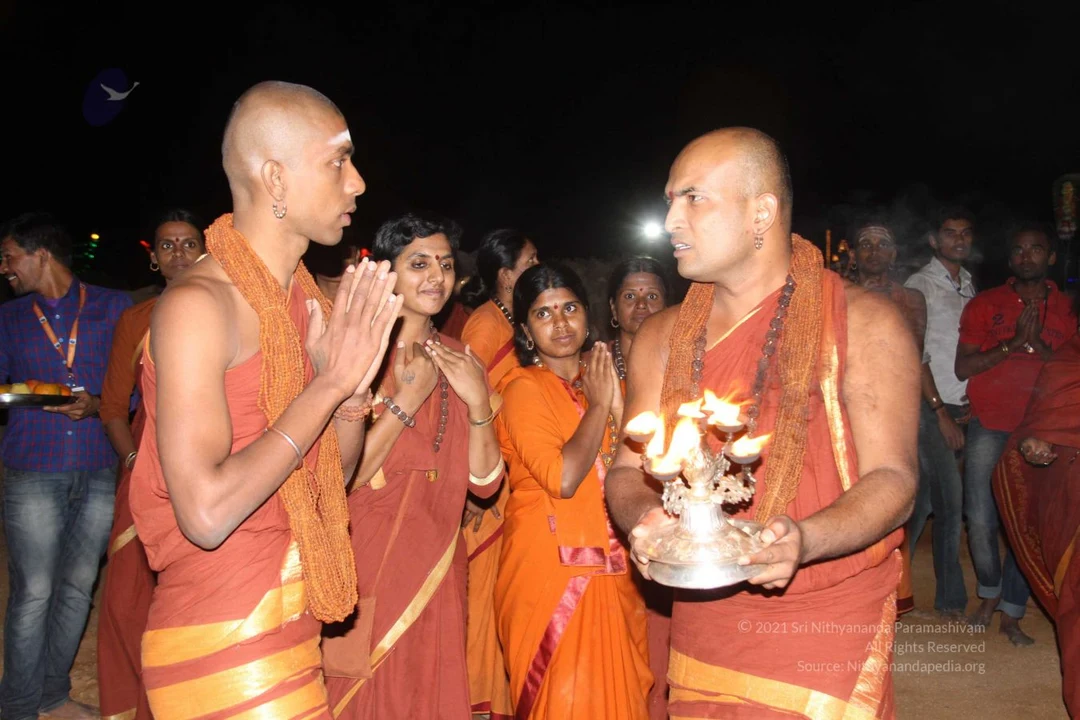
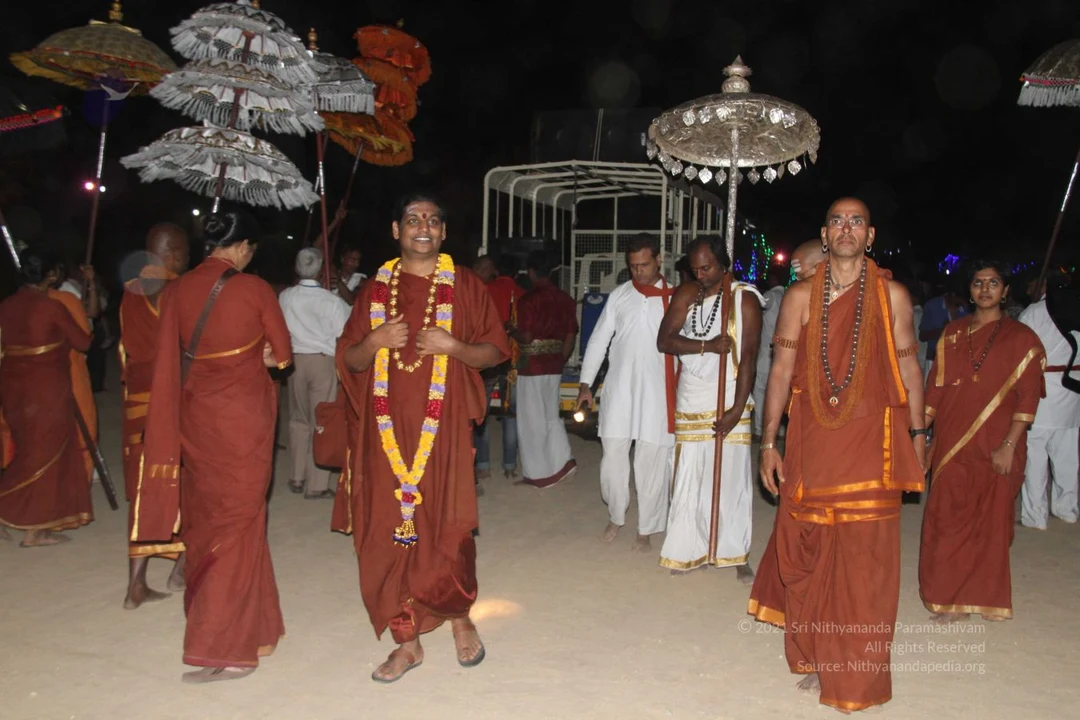
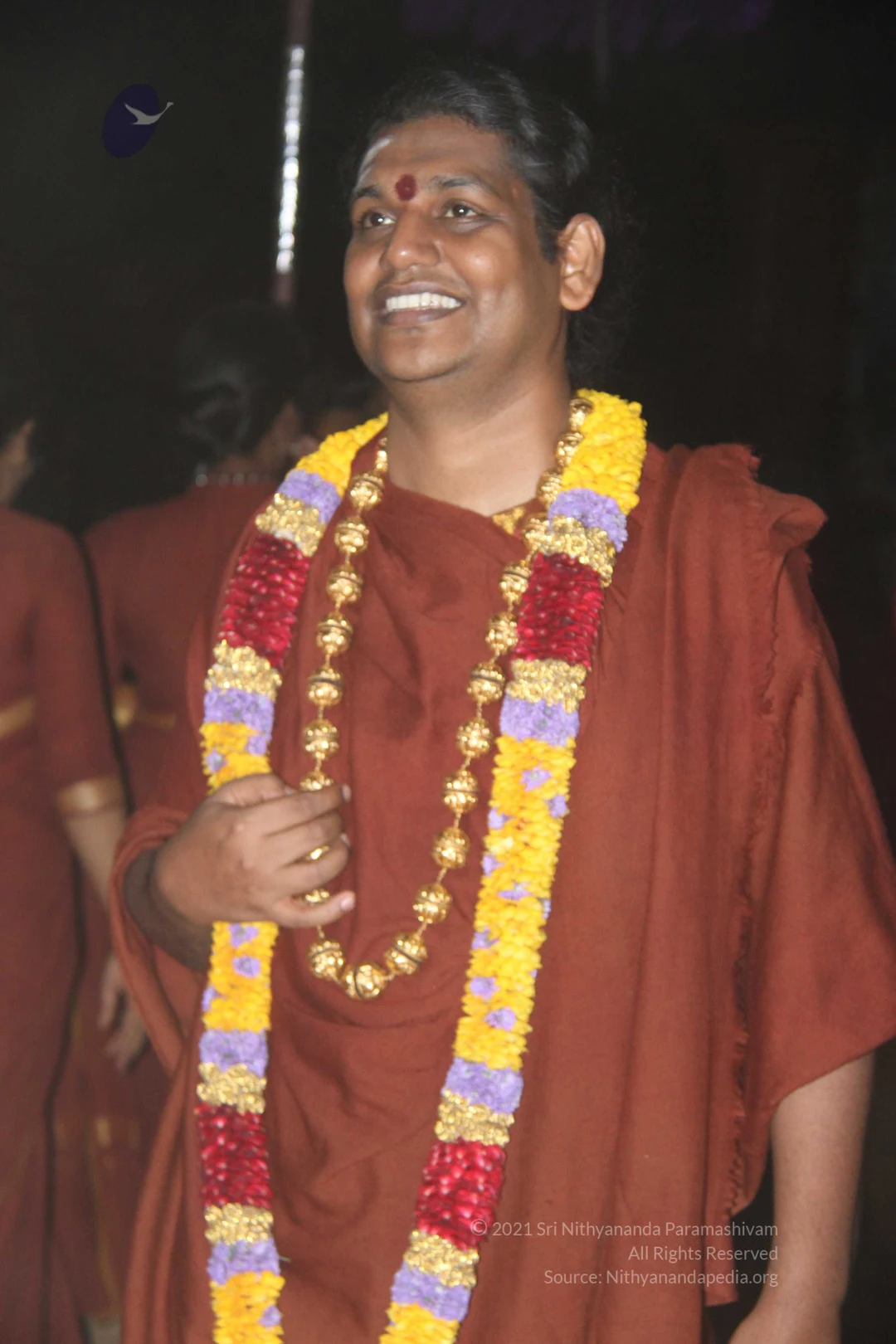
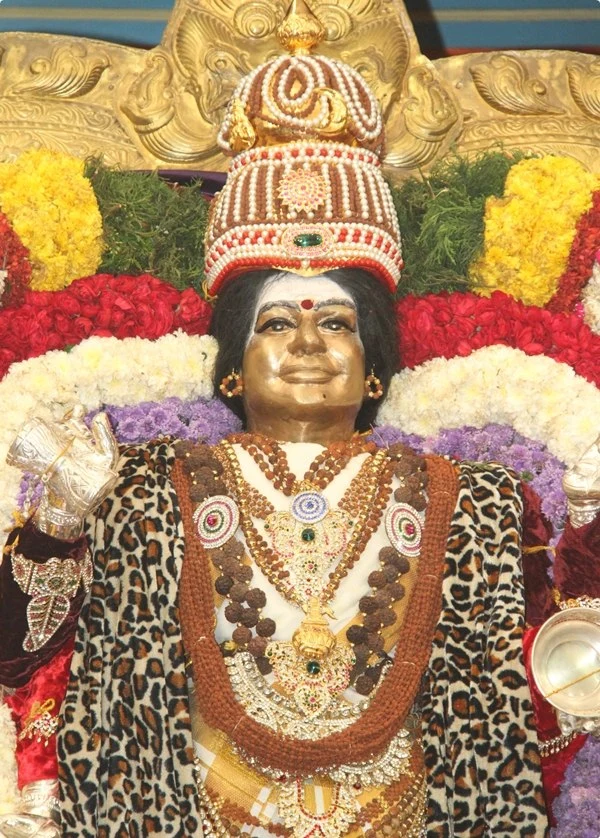
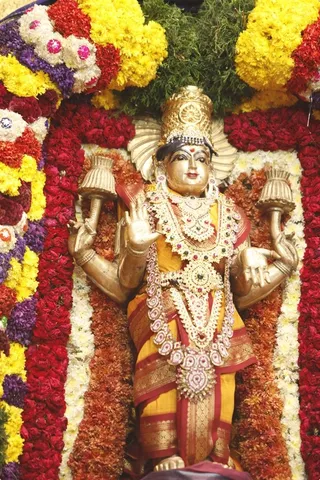
Rathotsava- Nithyanandeshwara






Photos
>
Tags:
Paramahamsa Nithyananda, enriching, spiritual, truths, listening, living, eternal, enrichment.
Photos from this day
View all 462 photosSatsang
183 photosSource gallery
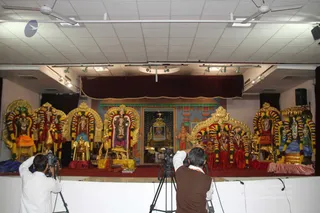
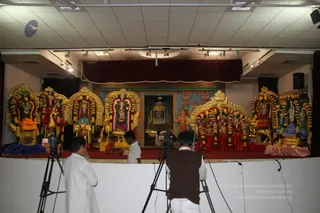
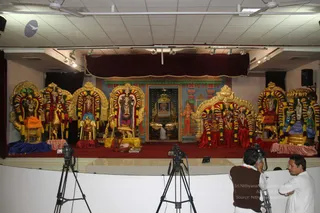
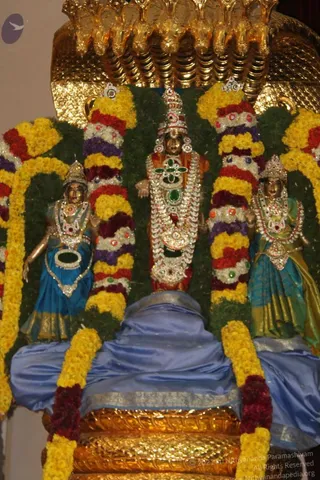
Rathotsava- Nithyanandeshwara
243 photosSource gallery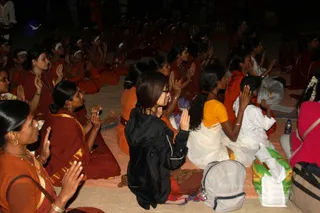
Photos
13 photosSource gallery
Photos
23 photosSource gallery