Wednesday
25 December 2013
Nithyananda Diary | Meenakshi Kalyanam | Padapuja | Satsang | Meditation | Sarvadarshan
- Dated photos
- 241
- Source pages
- 1
- Media
- 2

December 25 2013
Original wiki pageTitle
Nithyananda Diary | Meenakshi Kalyanam | Padapuja | Satsang | Meditation | Sarvadarshan
Description:
In today’s morning Satsang, Paramahamsa Nithyananda strongly stresses that we should not allow any incompletions to go unattended. Even a small incompletion is like a spark that ignites a forest fire. Beware of boredom and tiredness – these are typical signs of incompletions. Enriching is the best way for us to battle our incompletions as it dissolves tiredness and boredom putting us in the higher frequencies – the Divine space.
Link to Video:
| Video | Audio |
Transcript:
Nithyanandeshwara Samaarambhaam Nithyanandeshwari Madhyamaam |
Asmath Aachaarya Paryanthaam Vandhey Guru Paramparaam ||
I welcome all the devotees, disciples, samajis, satangis sitting with us all over the world through Nithyananda TV, Lotus TV, Sadhna TV, Eshwar TV, Janashree TV, and through two-way video-conferencing having Nayana Deeksha in twenty-four cities in twenty-three countries around the world.
Cities sitting with us: Oman-Sivagangai, Tiruvanmiyur-Chennai, San Antonio-Texas, Oakland-California, Enriching Temple-Bidadi, Kuala Lumpur-Palani, Kathmandu-Nepal, Adi Nithyananda Dhyanapeetam-Avathipalayam, Devon-UK, Mumbai-Andheri, San Diego-La Jolla, Singapore-Singapuram, Winnipeg-Canada, New York-Varanasi, Dubai-Vaidyanatham, Hyderabad-Gupta Kashi, Houston-Kalahasti, Toronto-Kailasam, Oklahoma-Somanatham, Ohio-Prayag, Los Angeles-Arunachalam, Nithyananda Nagaramu-Hyderabad, Guadeloupe-Rameshwaram, Hosur-Padayatra Team and San Jose-Madurai.
I welcome all of you with my love and blessings.
Today, 8th day of Nithyananda Brahmotsava!
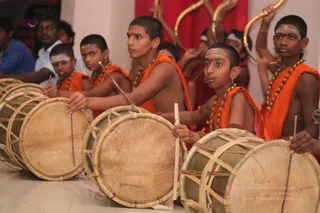
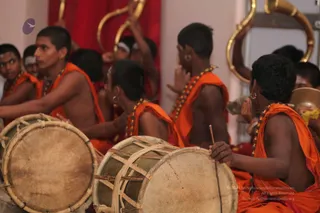
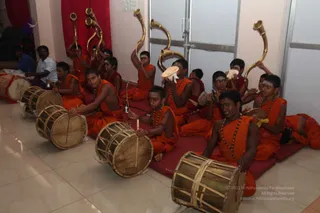
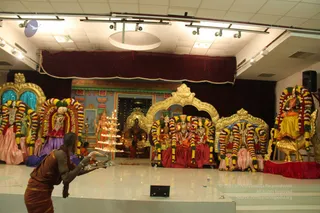
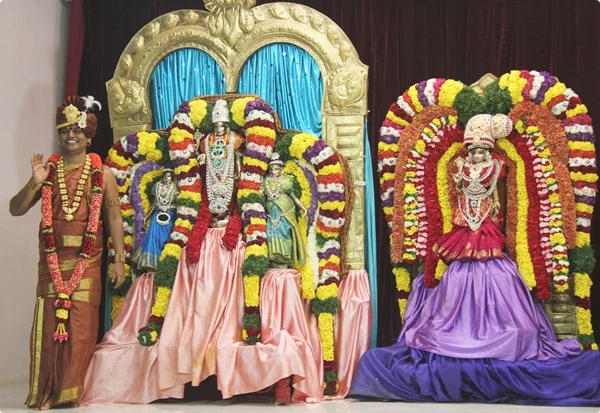
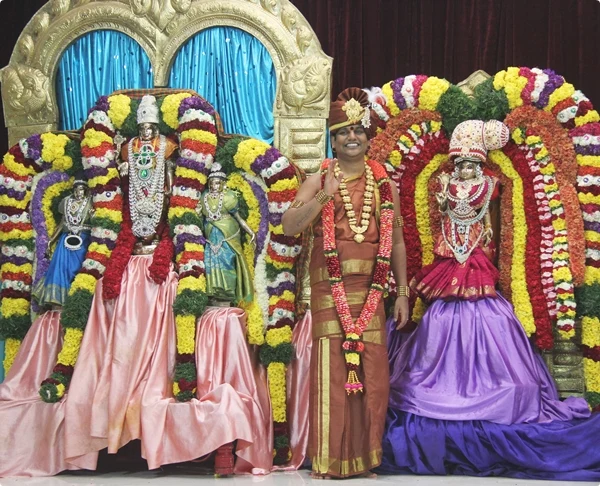
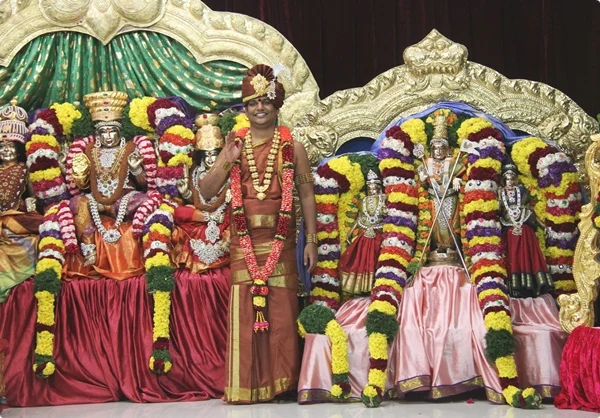
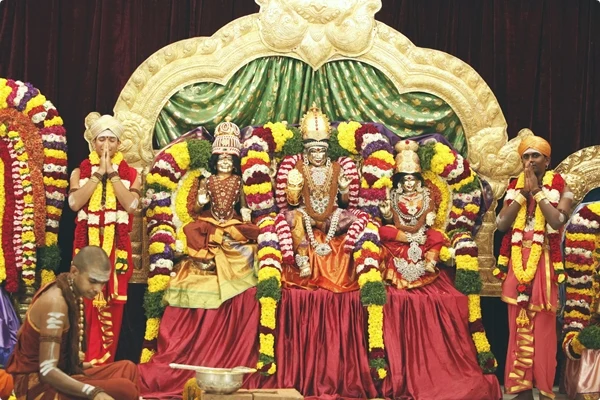
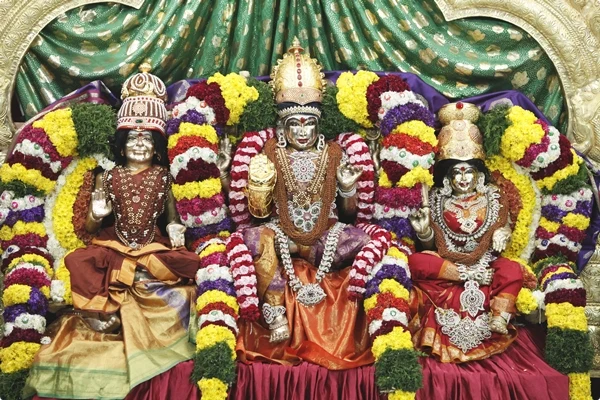
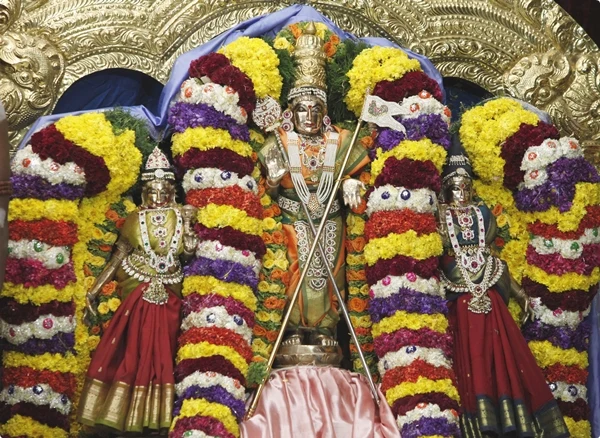
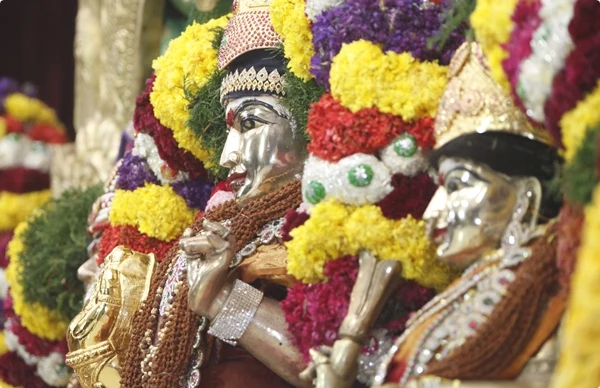
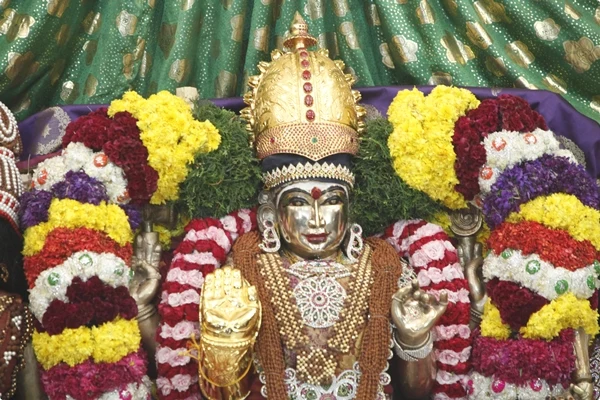
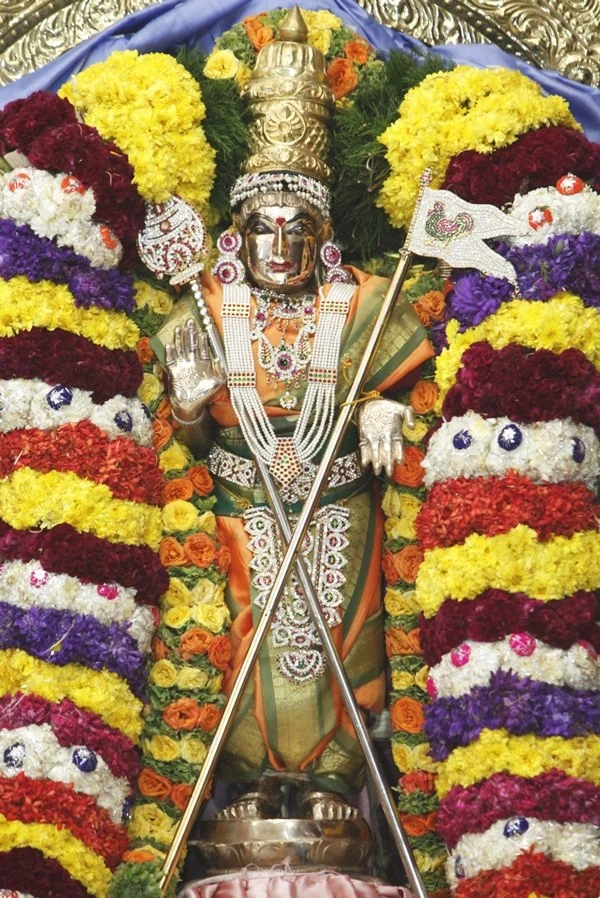
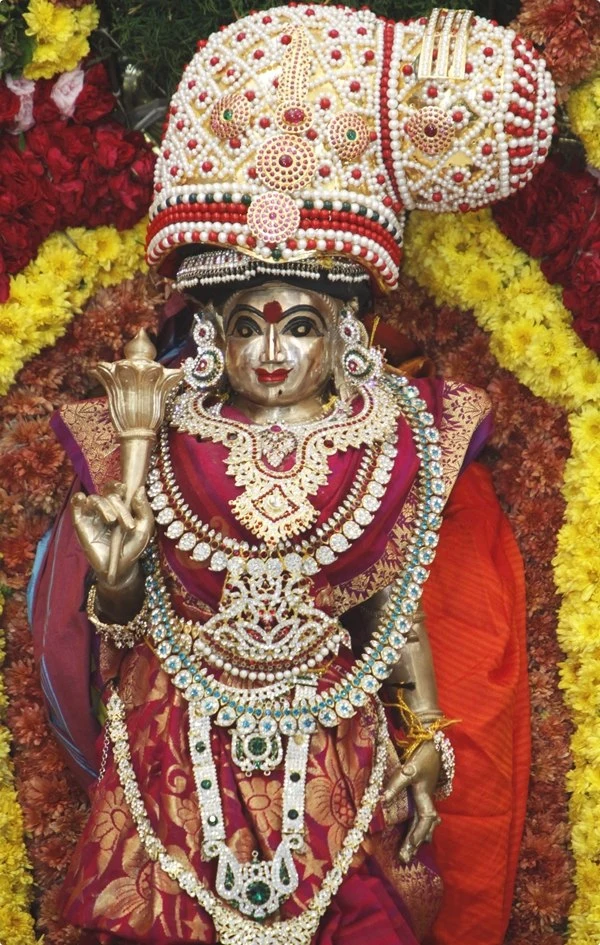
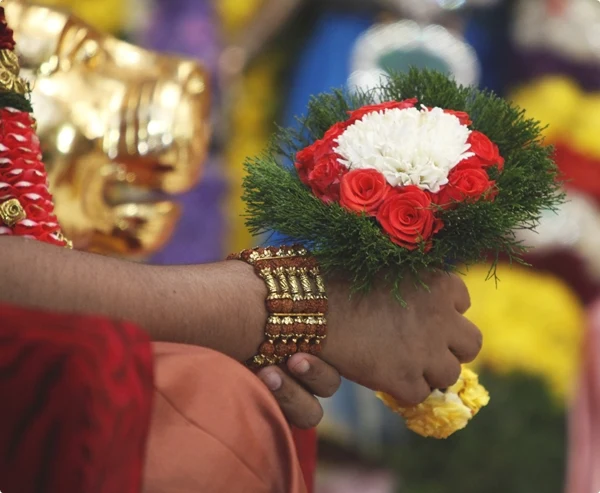
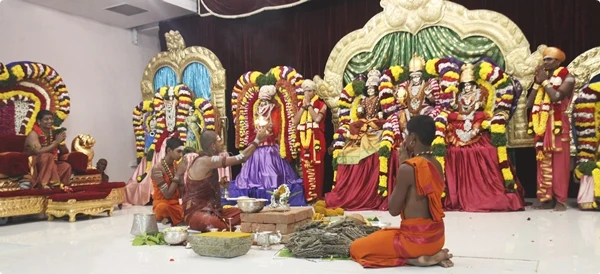
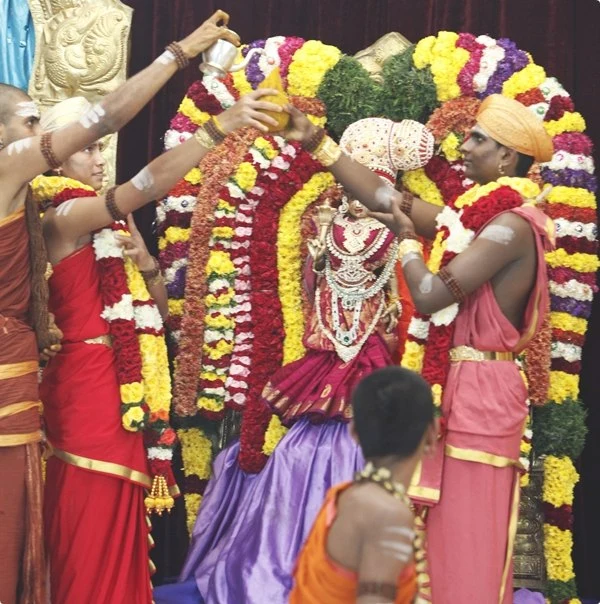
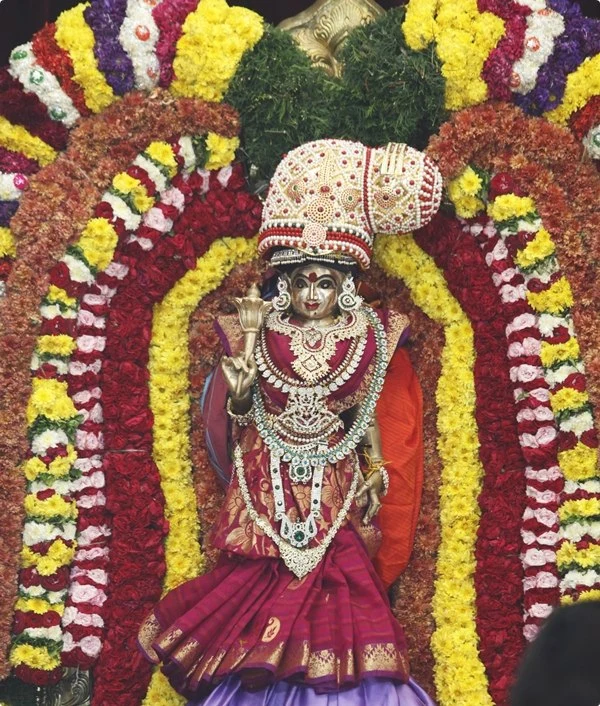
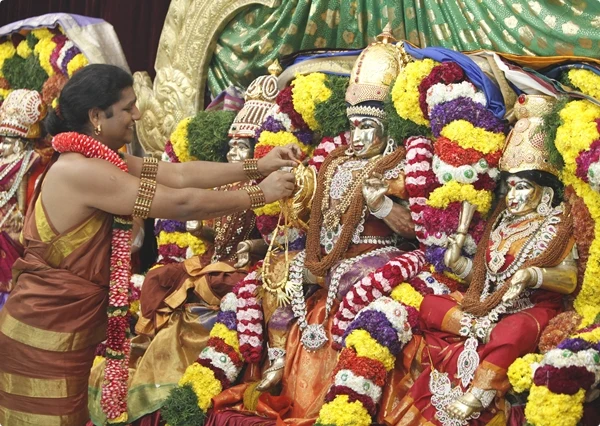
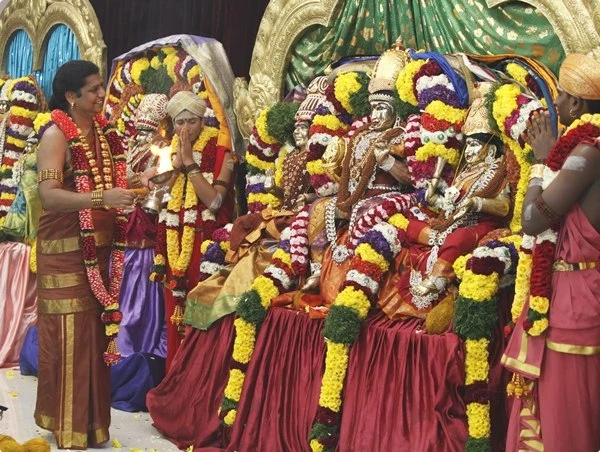
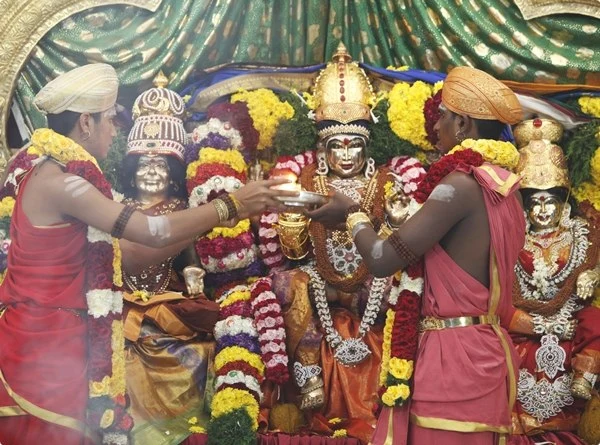
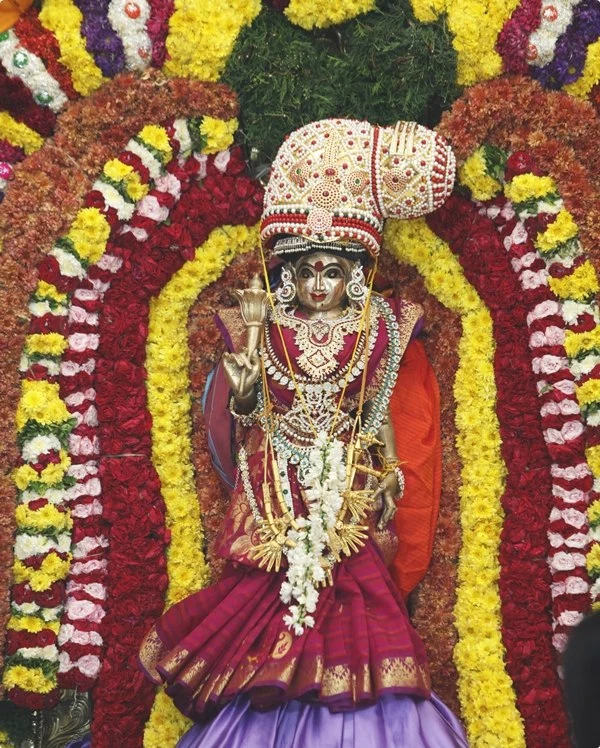
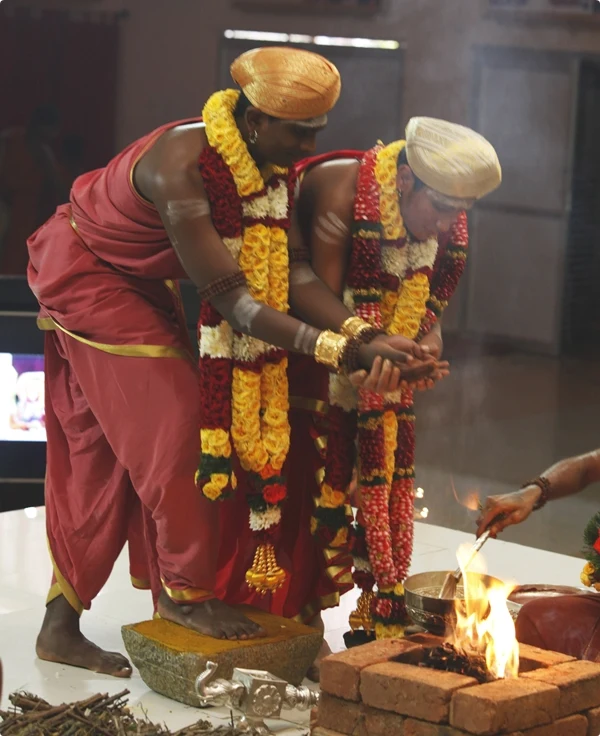
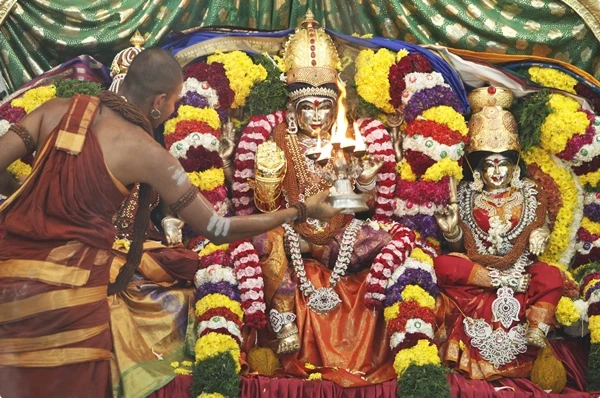
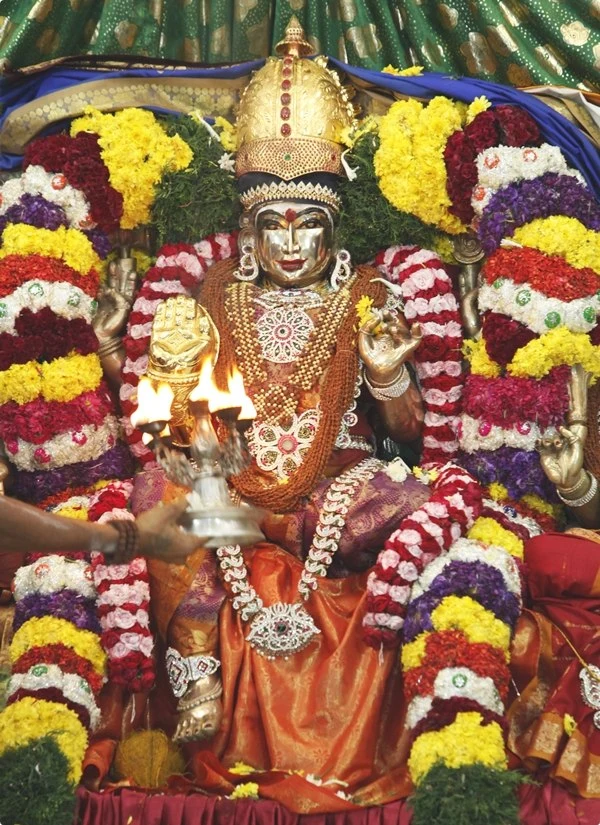
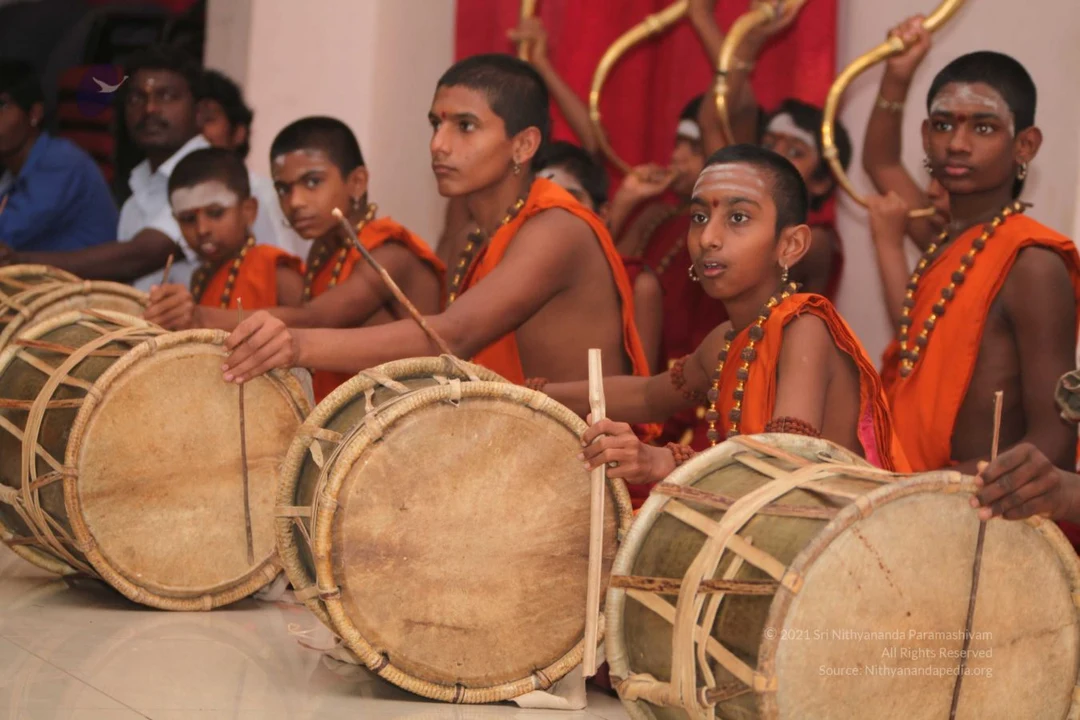
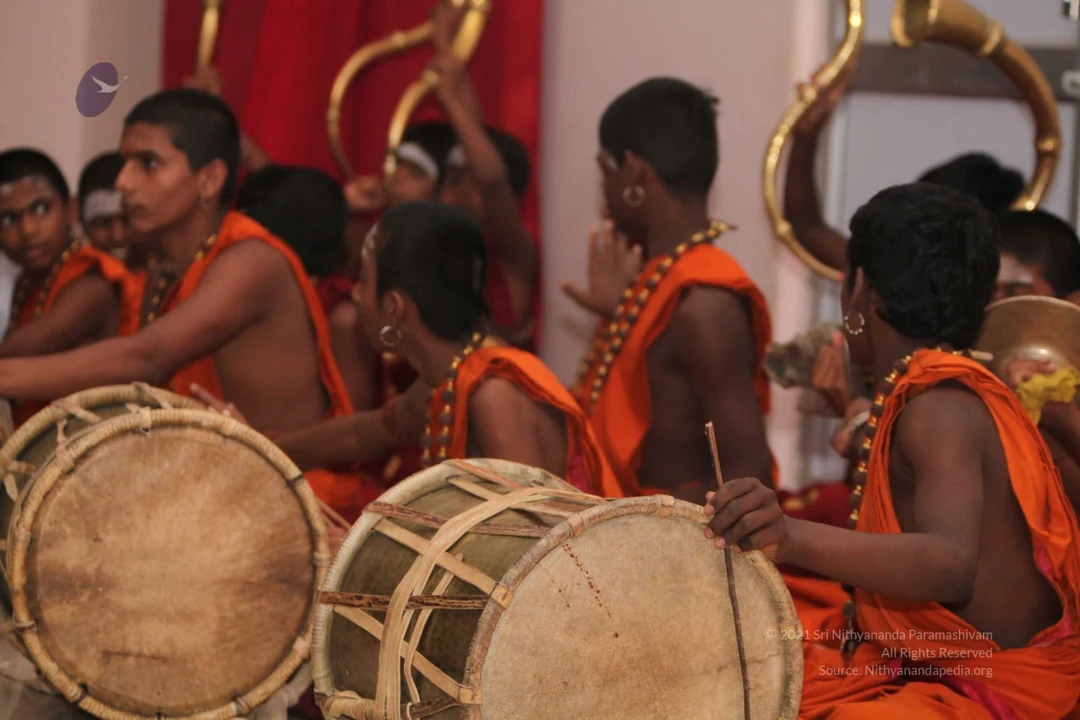
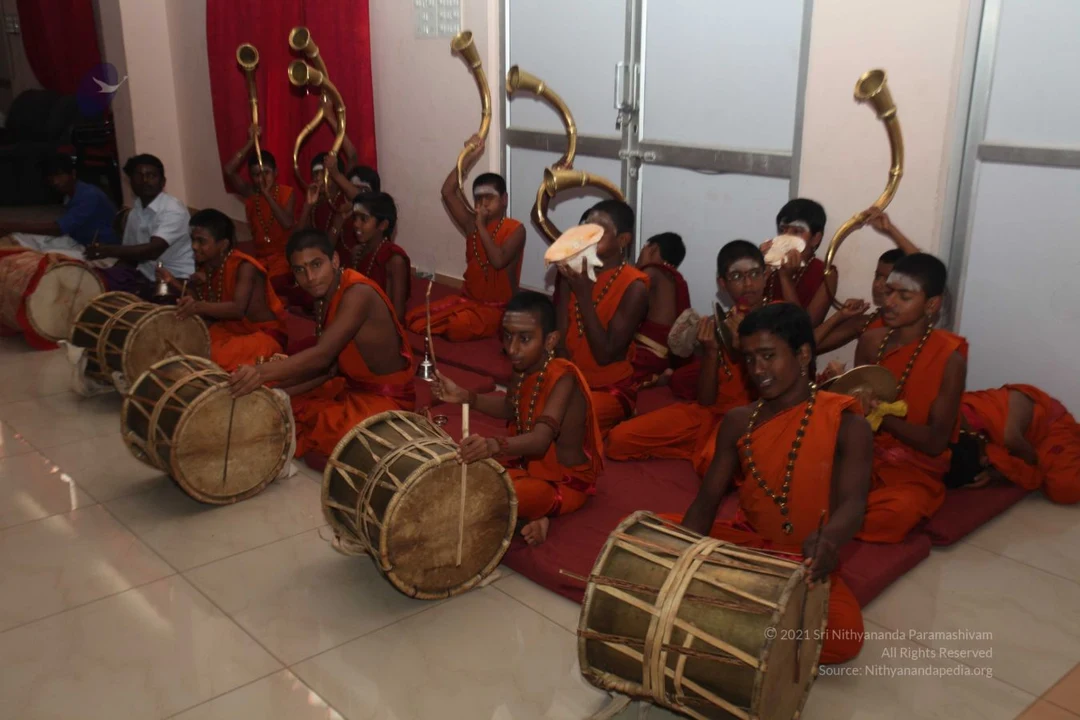
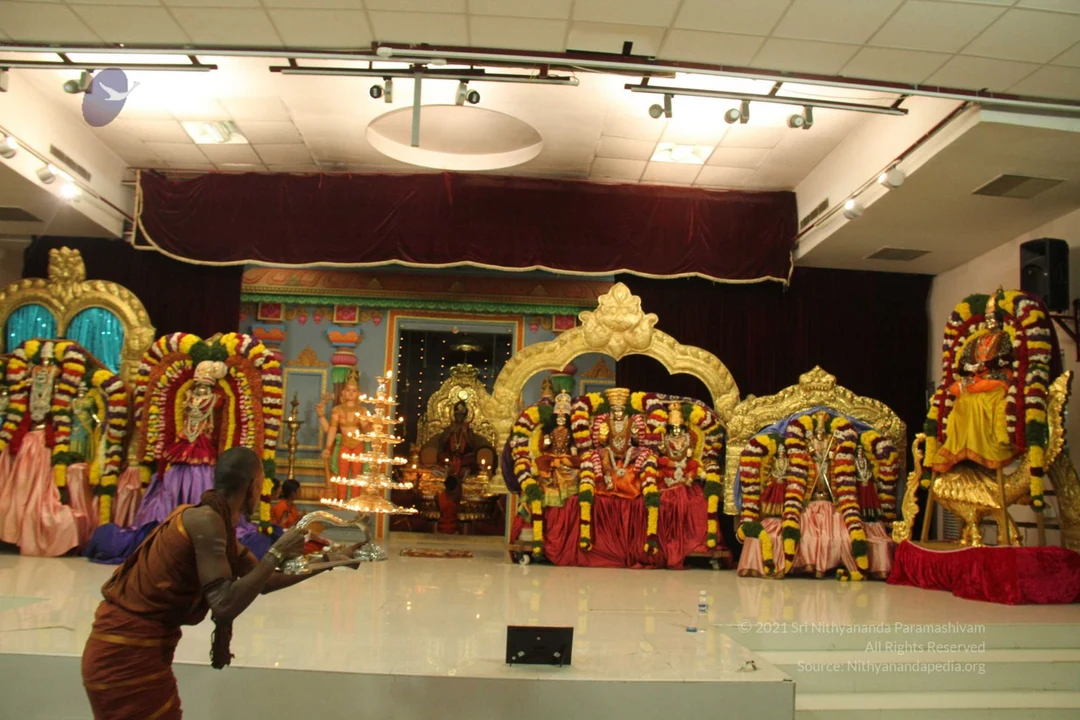
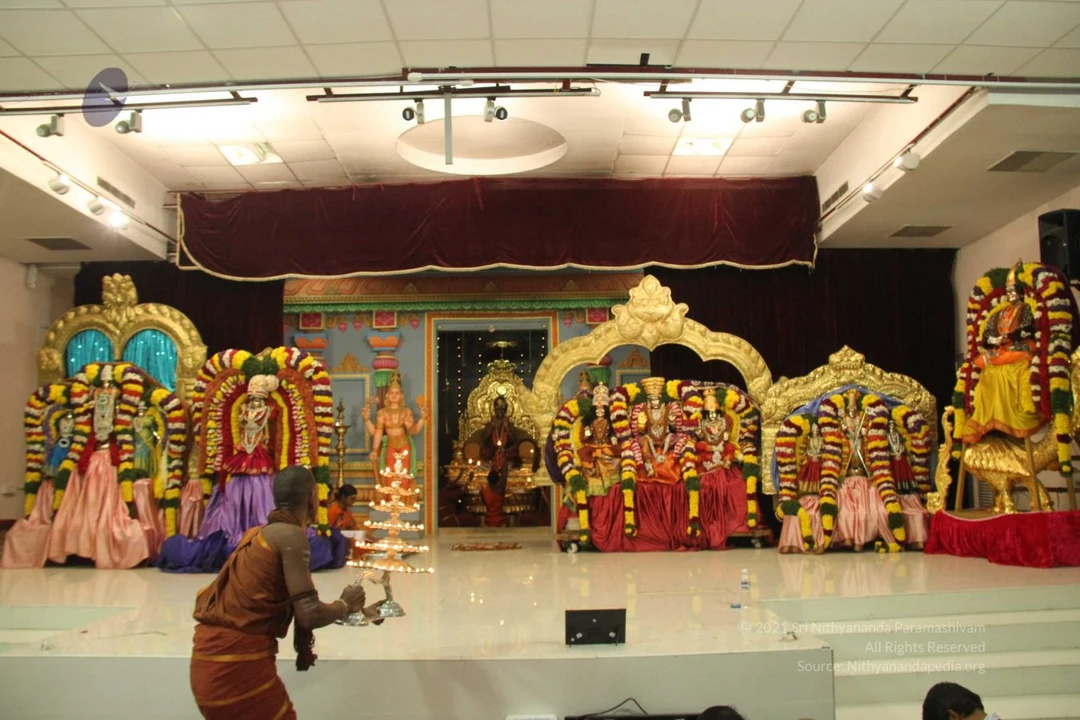
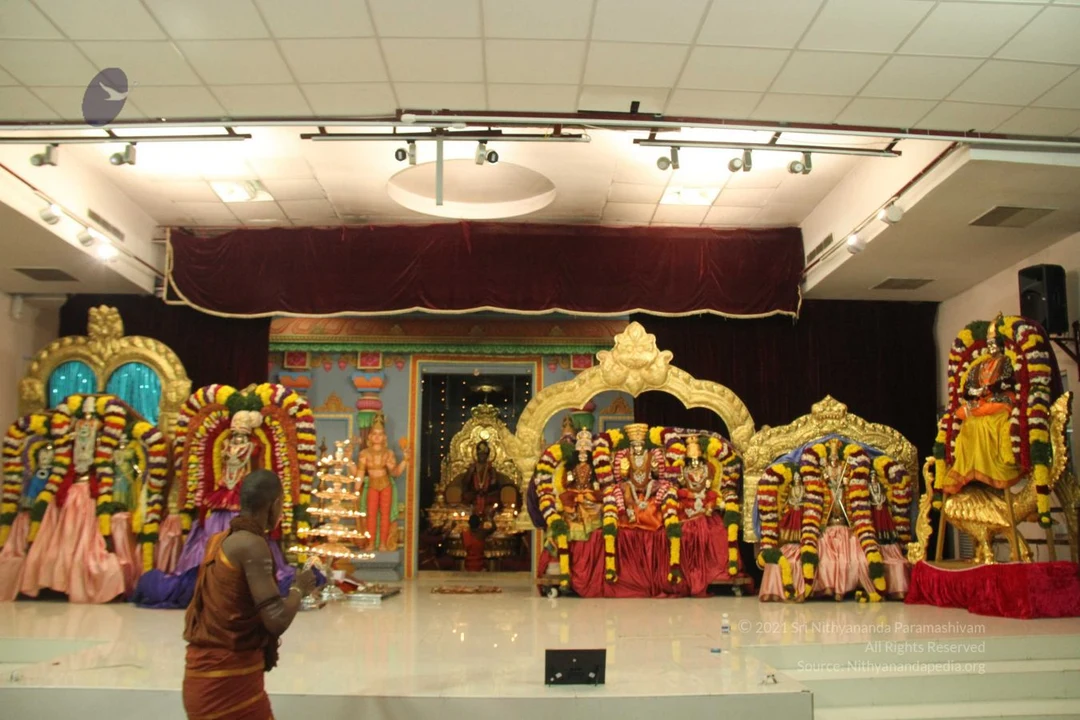
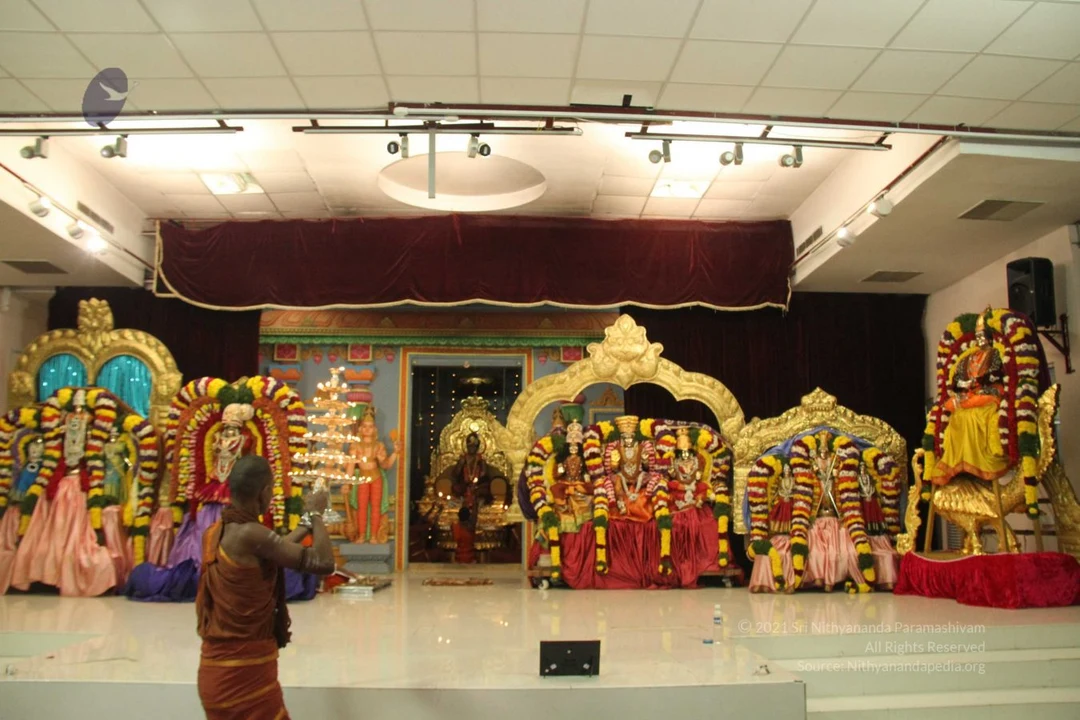
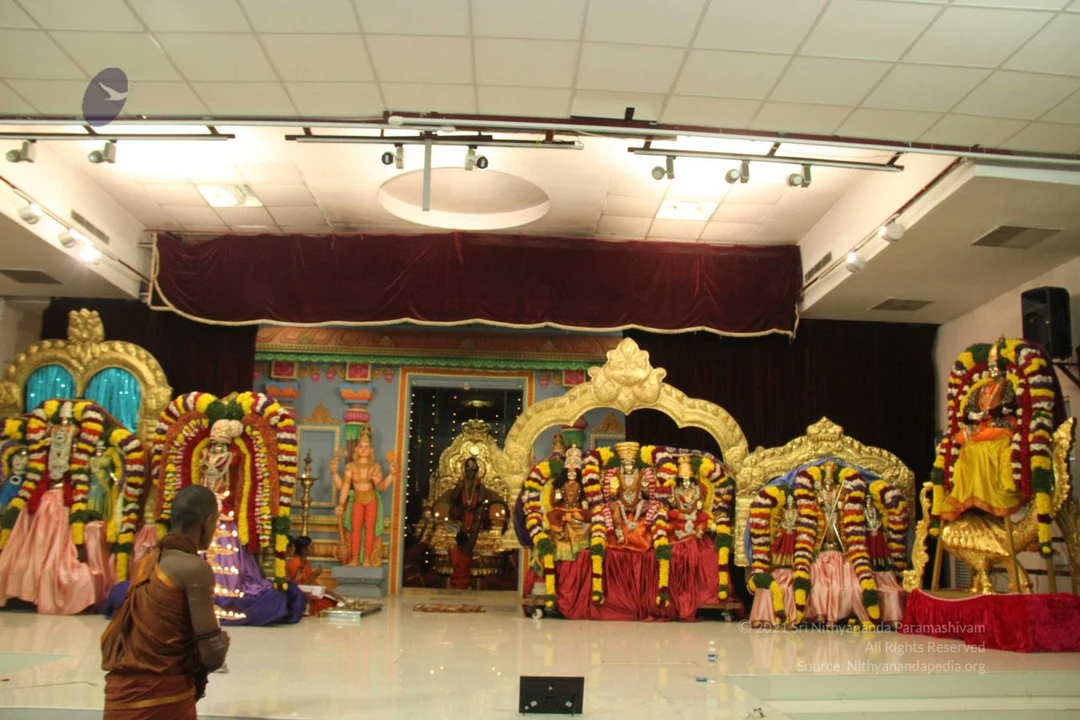
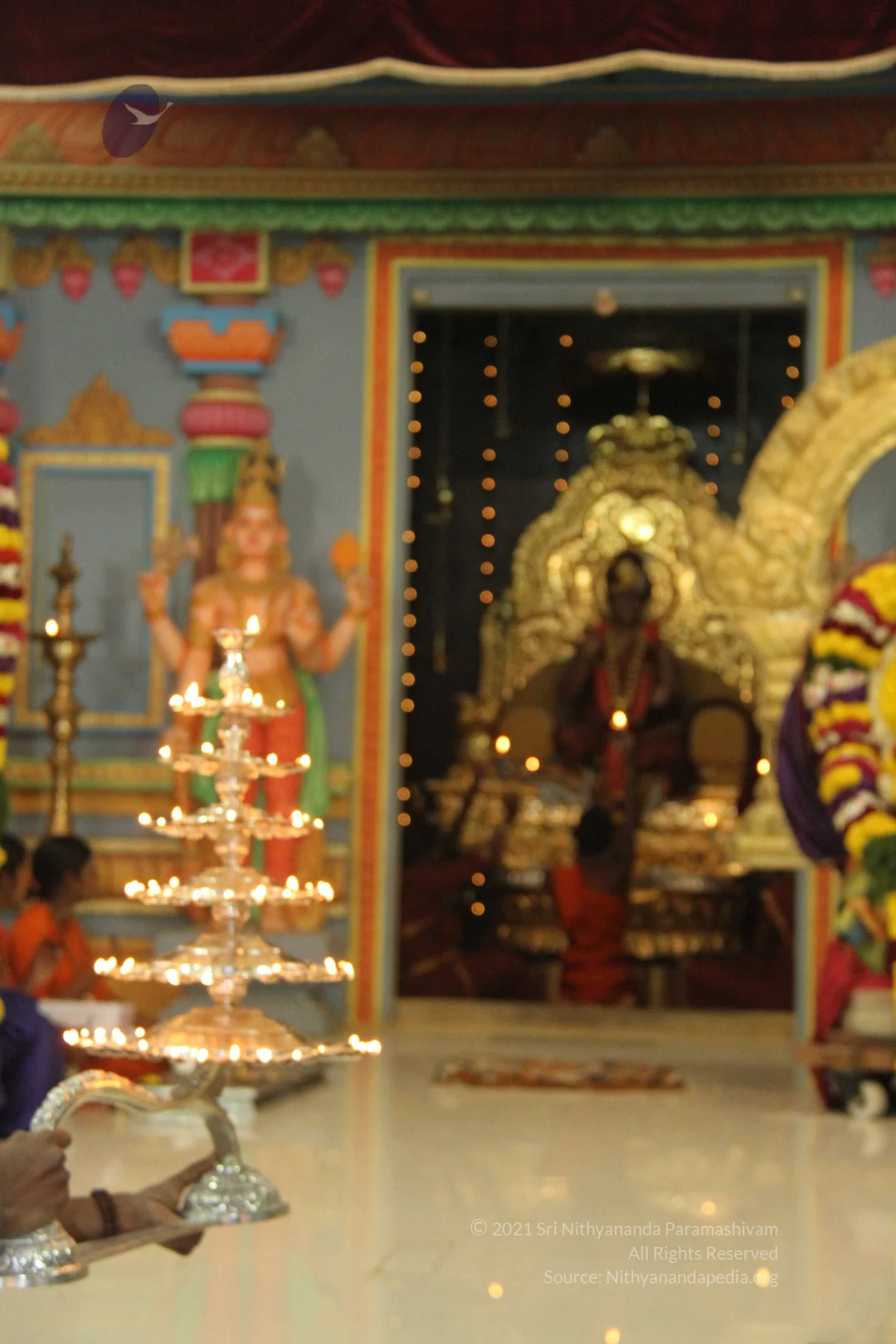
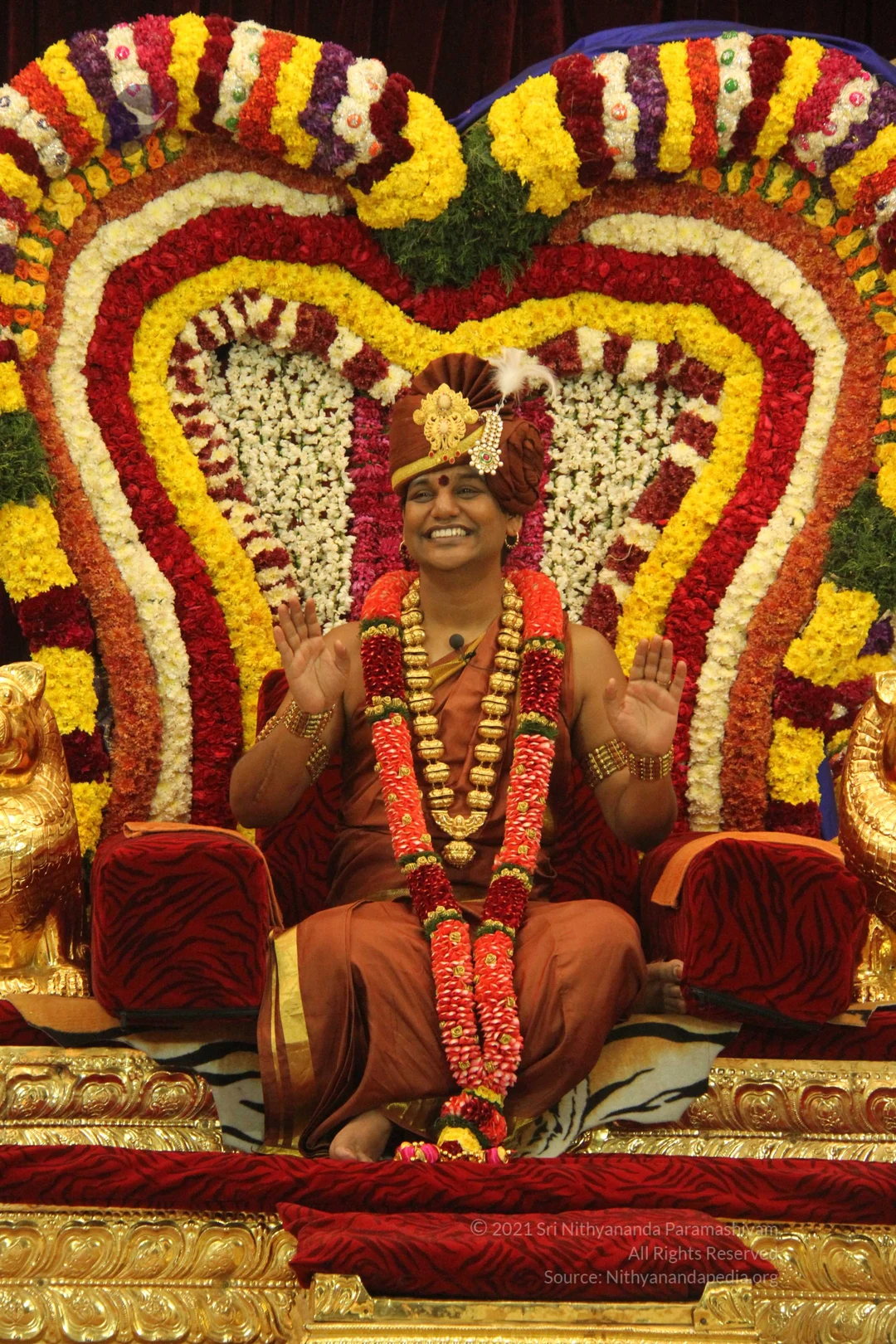
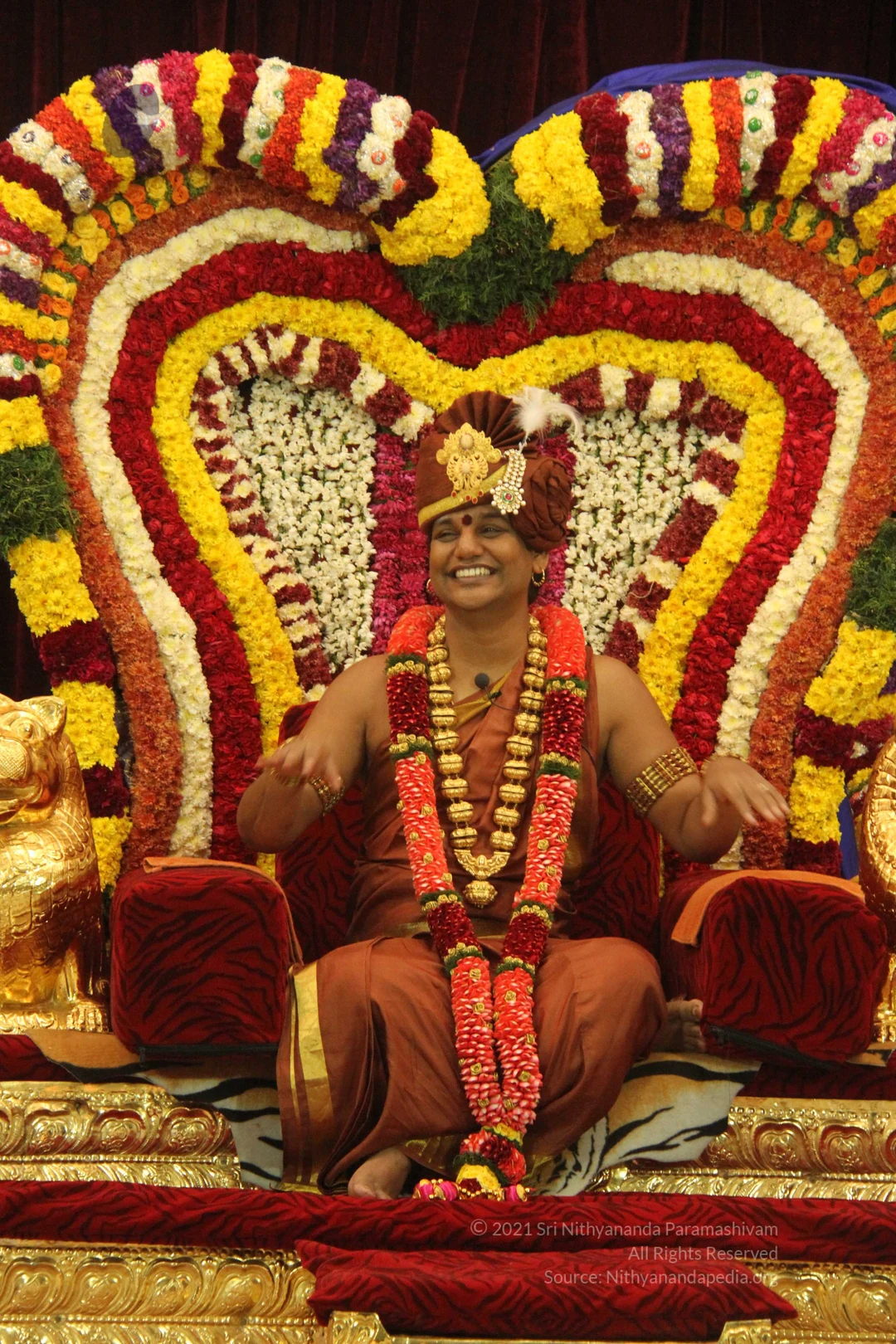
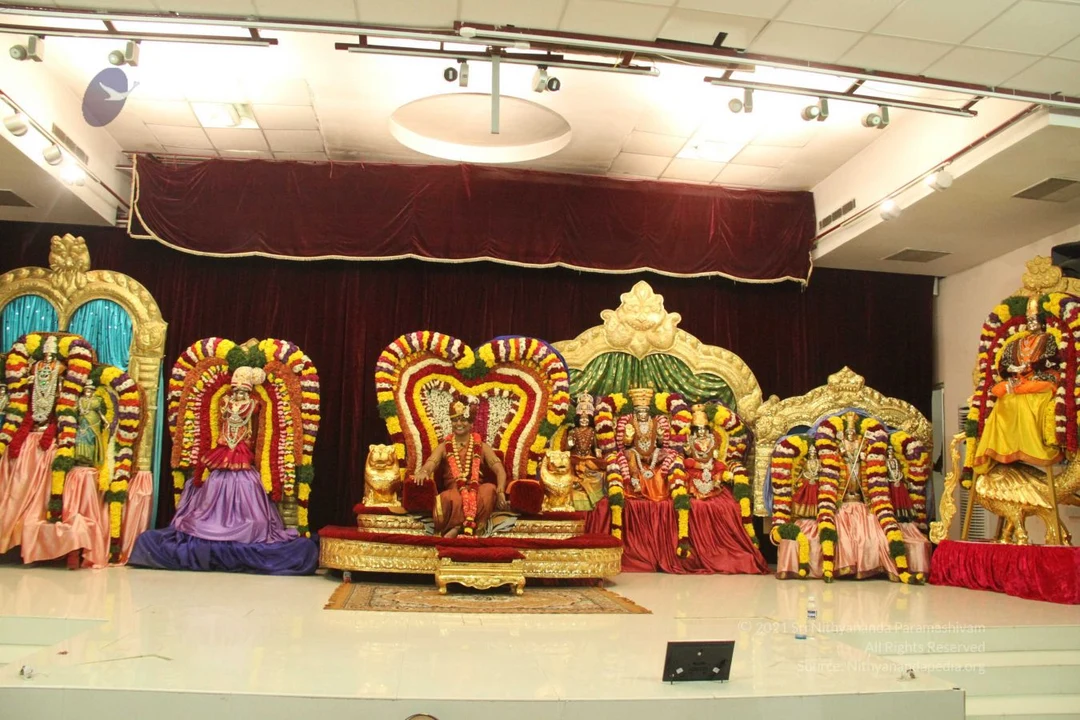
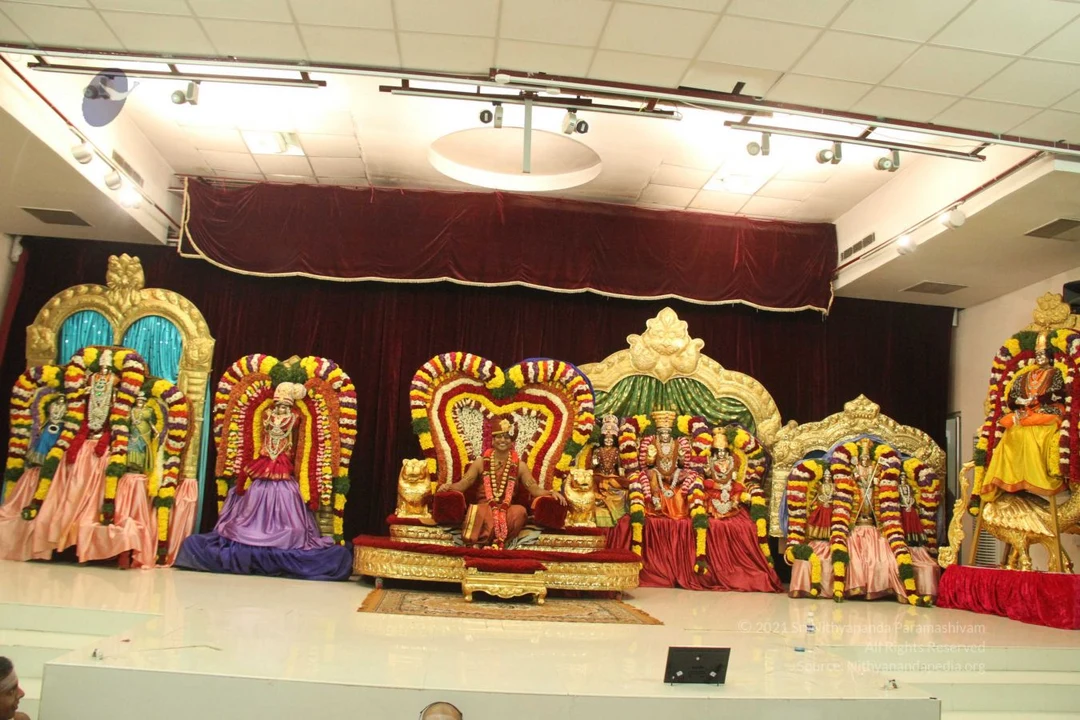
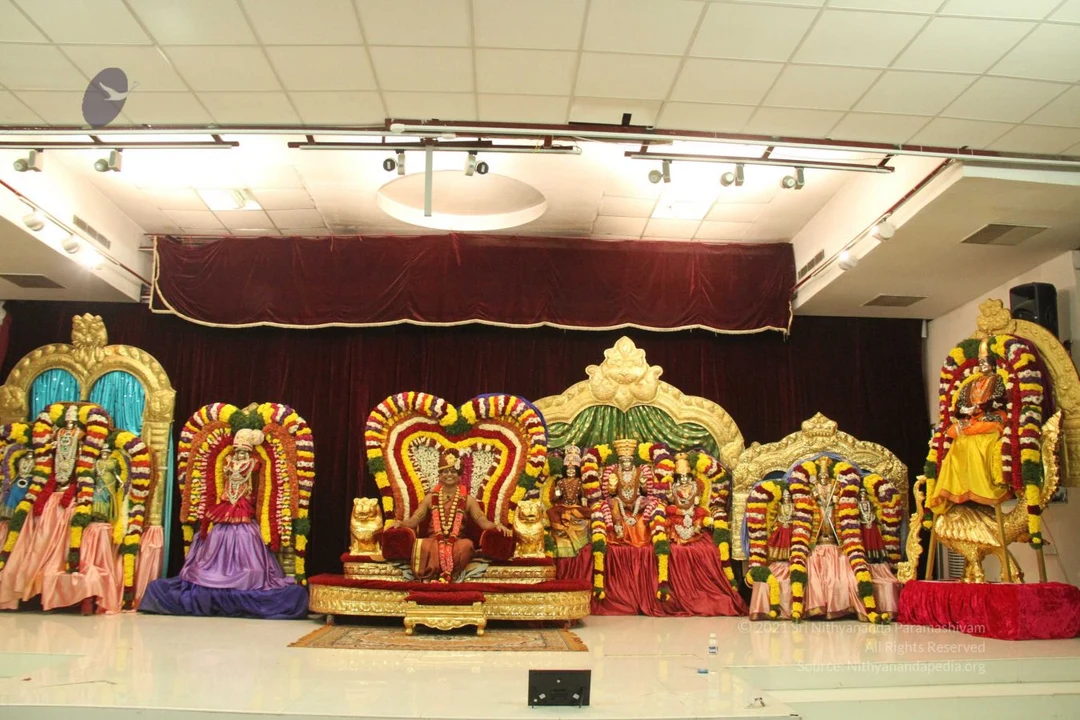
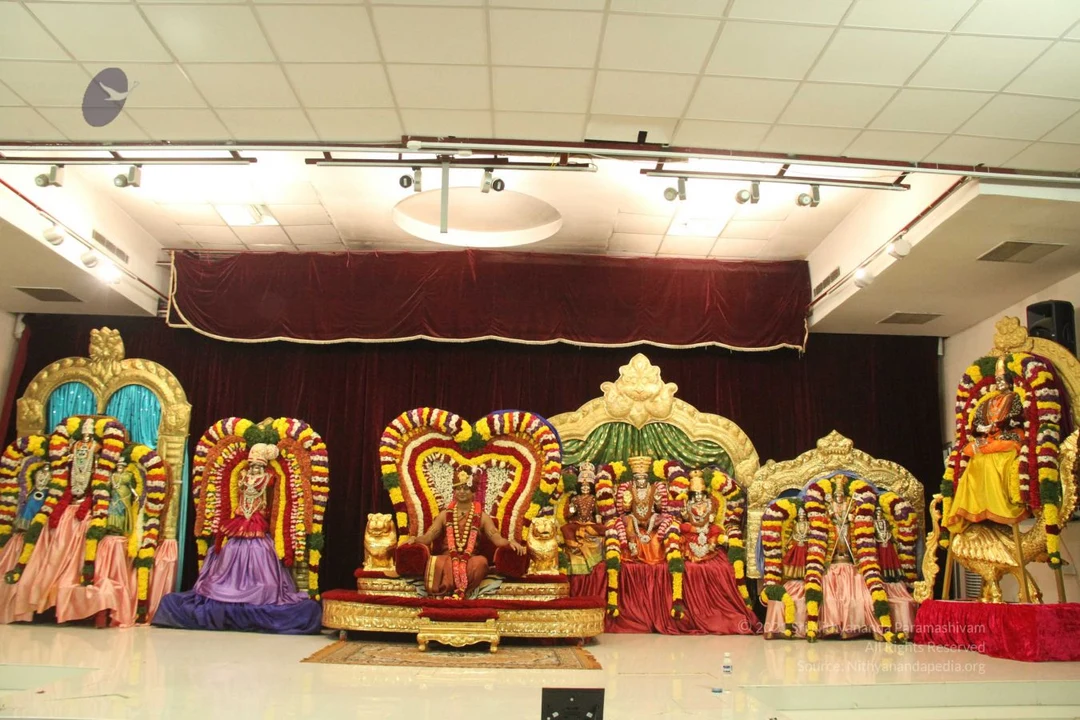
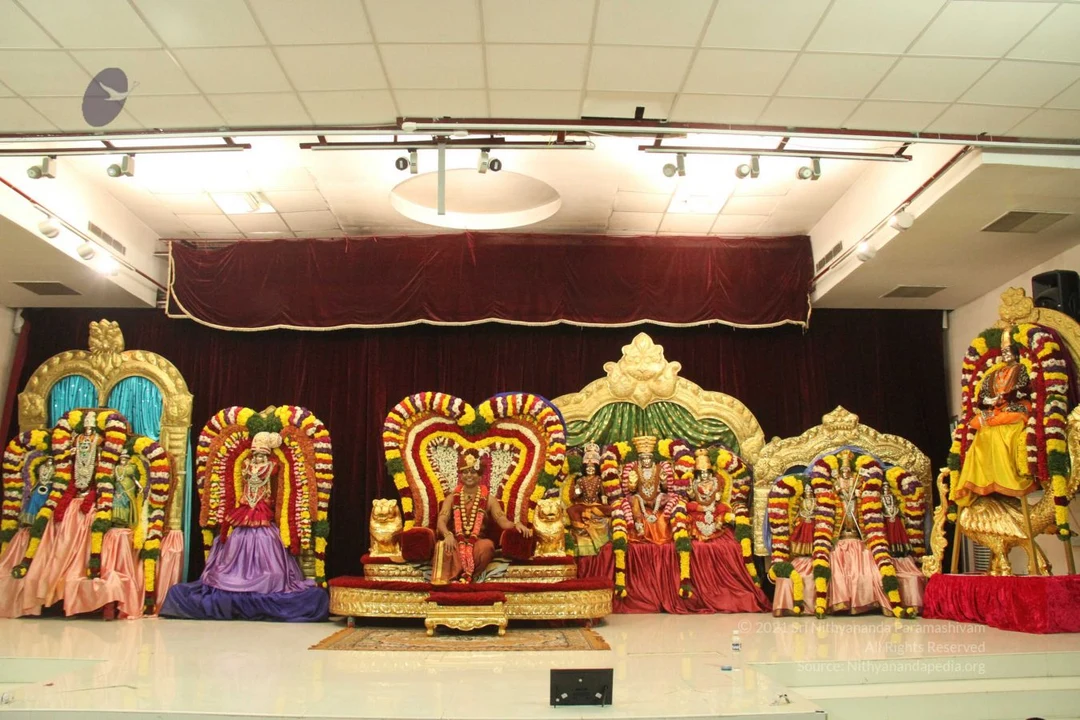
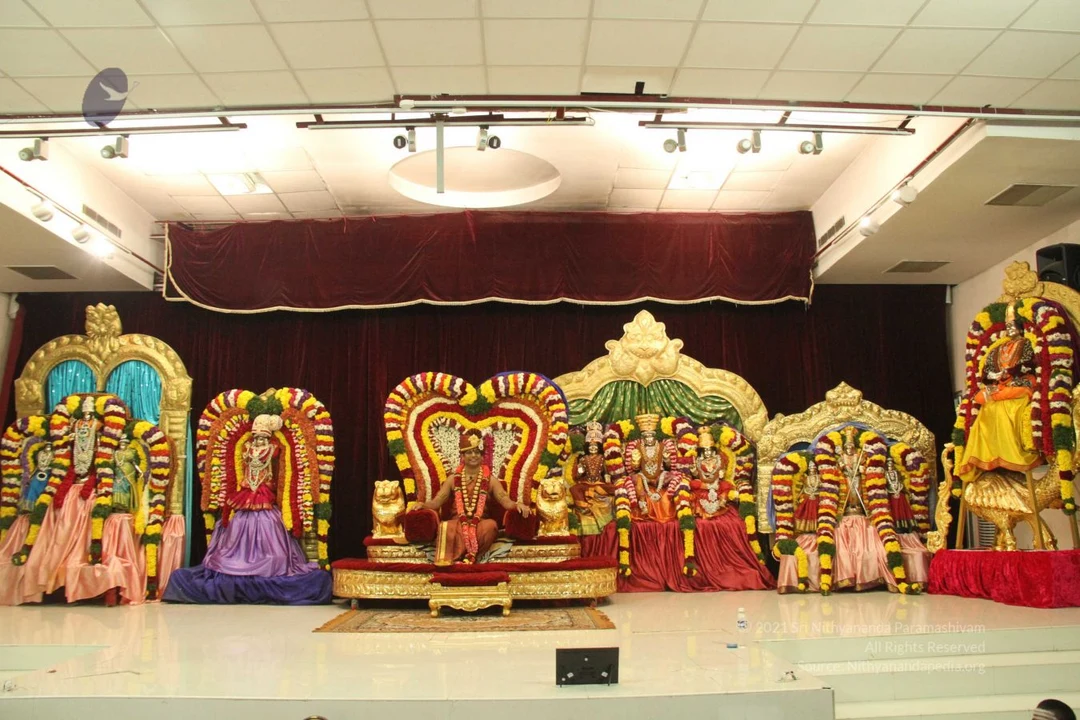
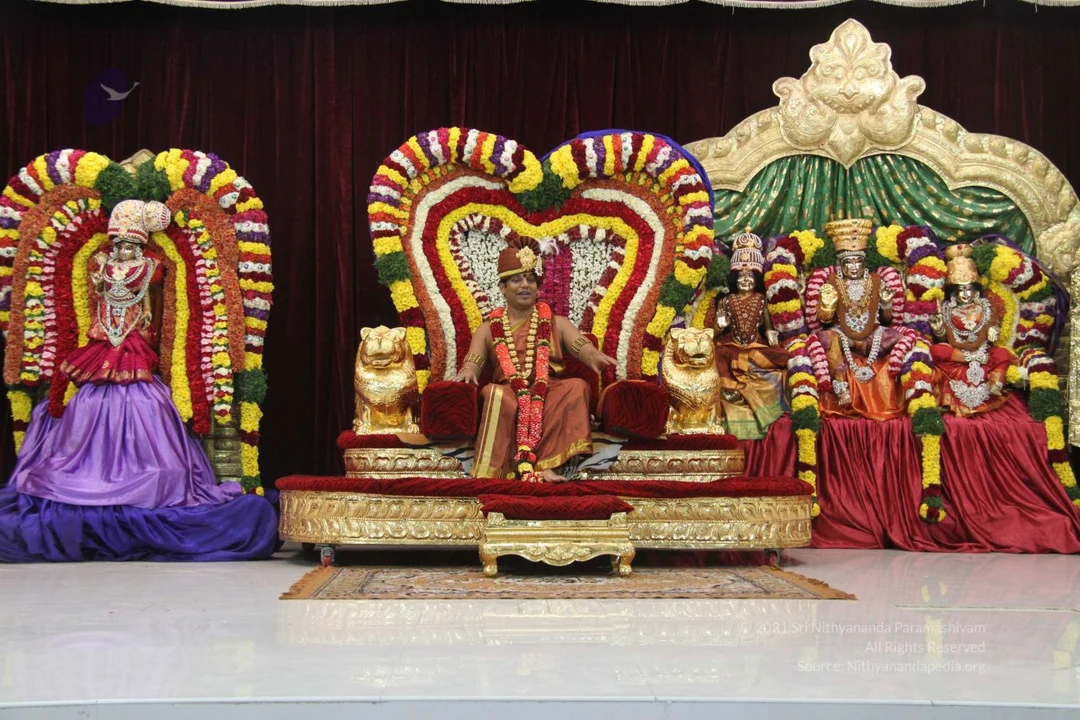
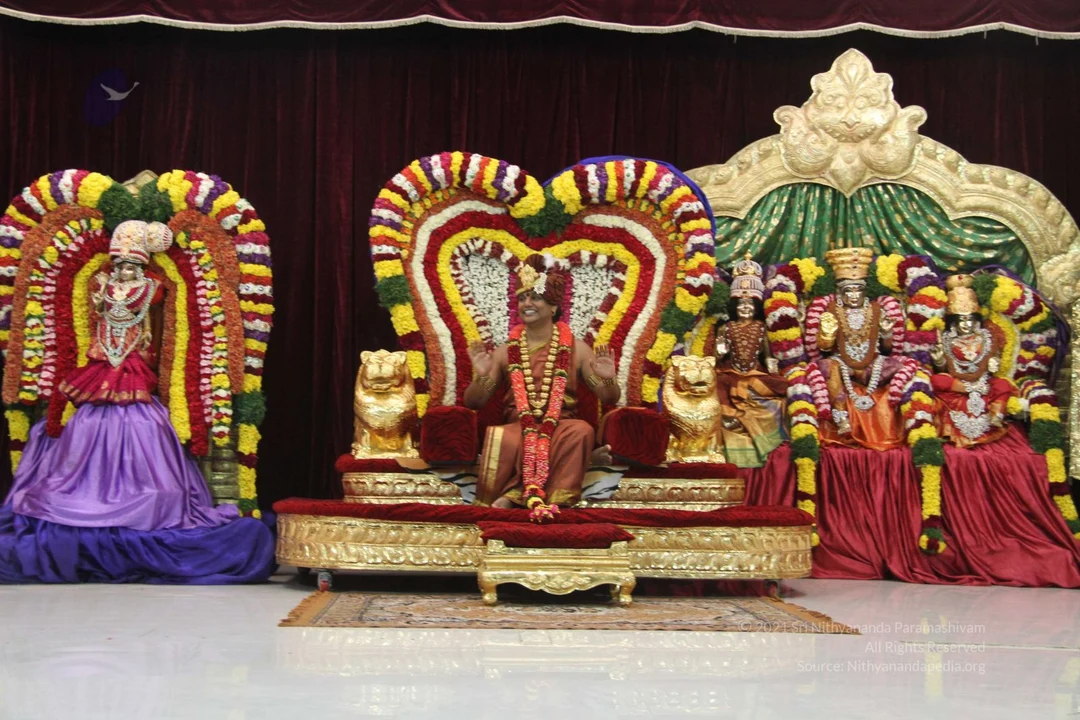
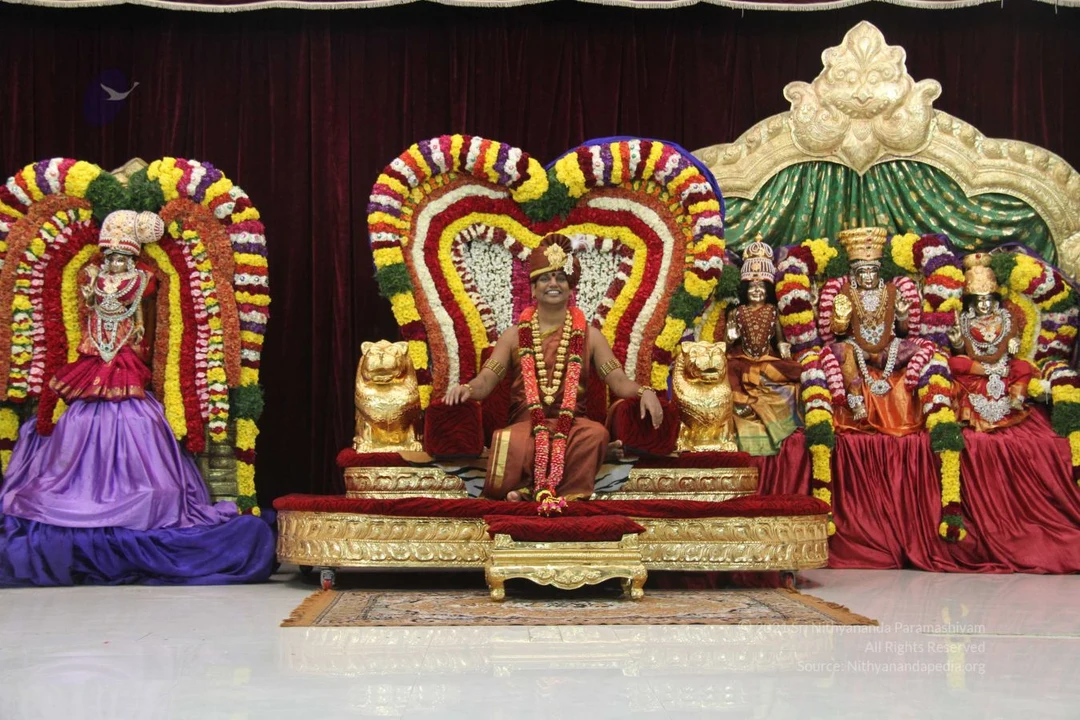
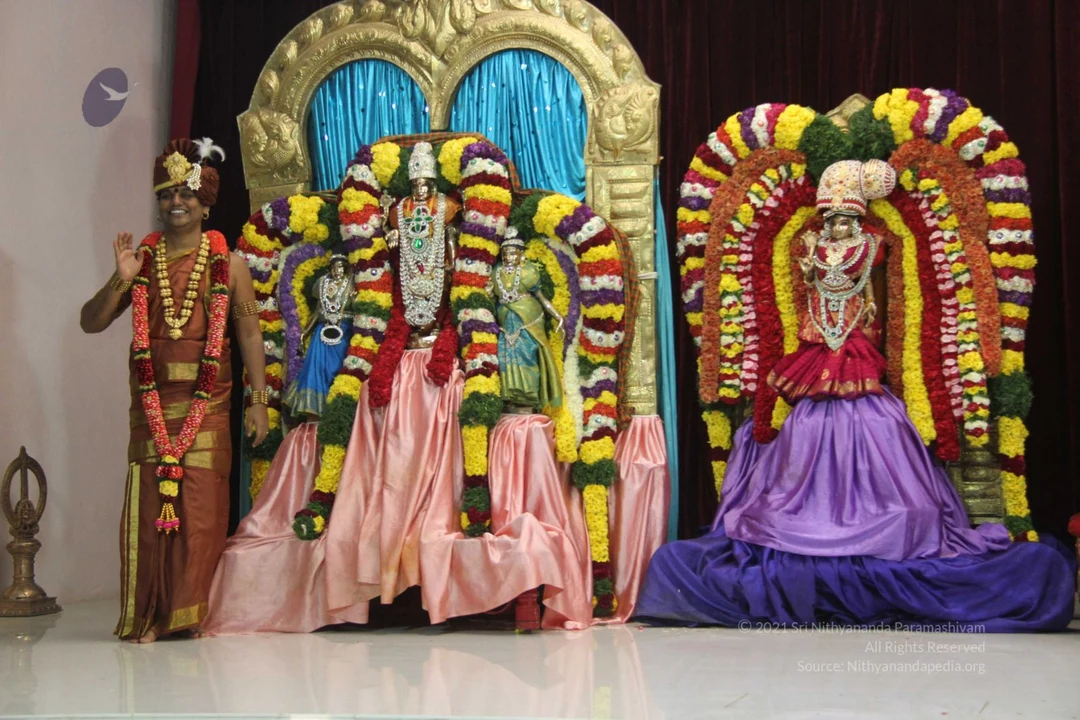
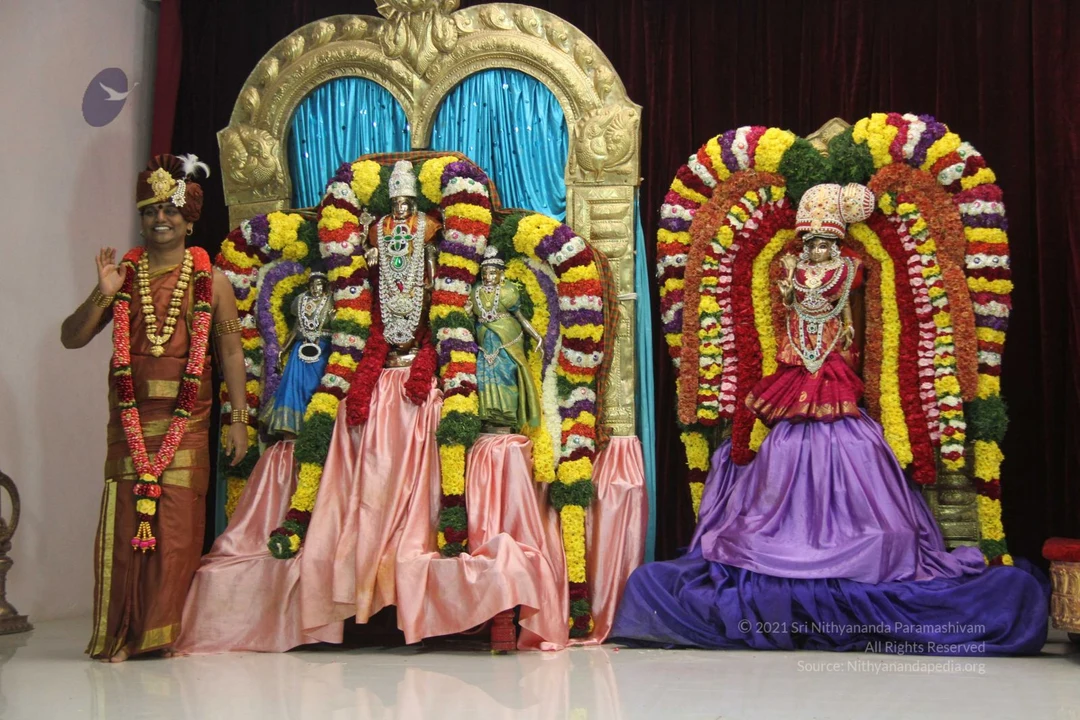
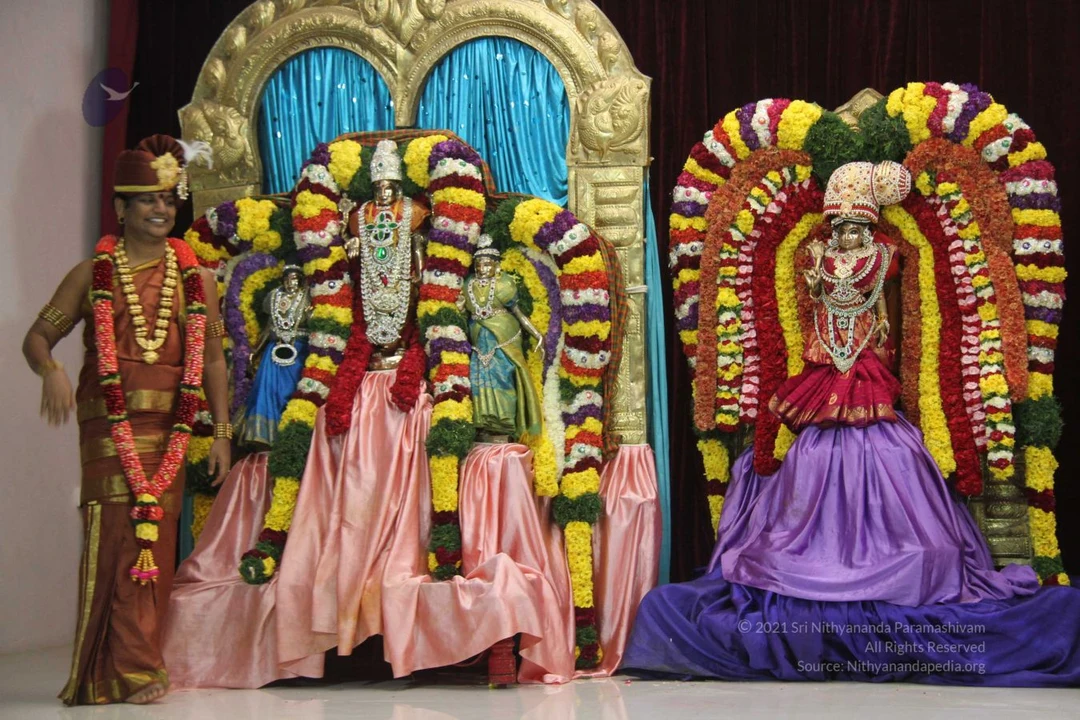
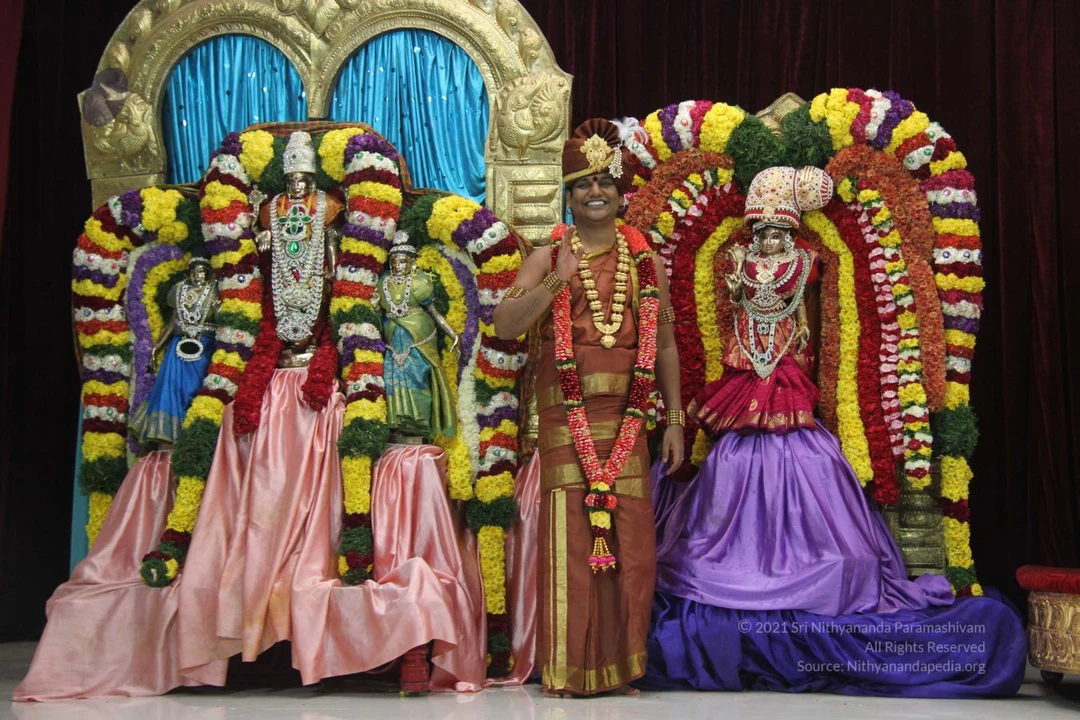
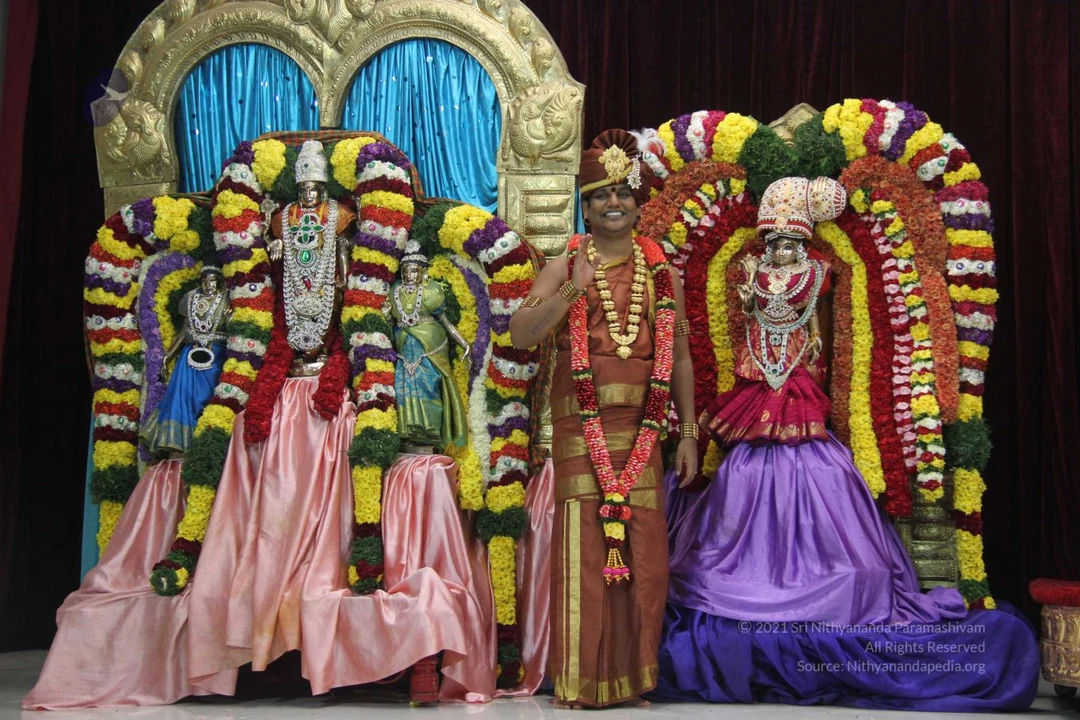
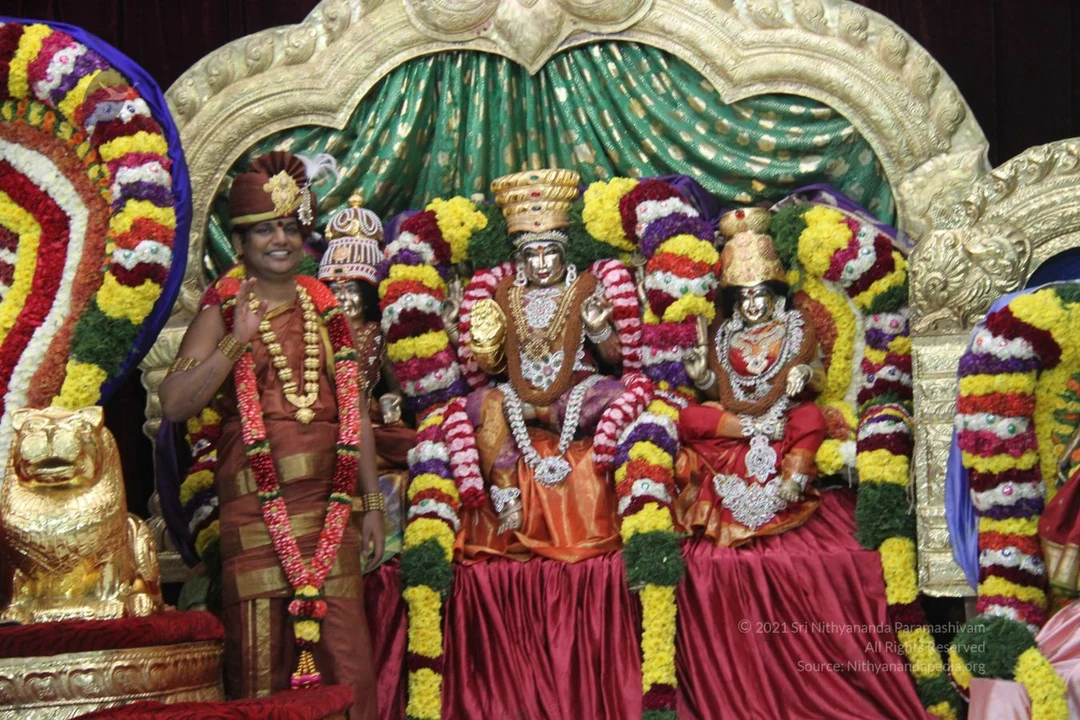
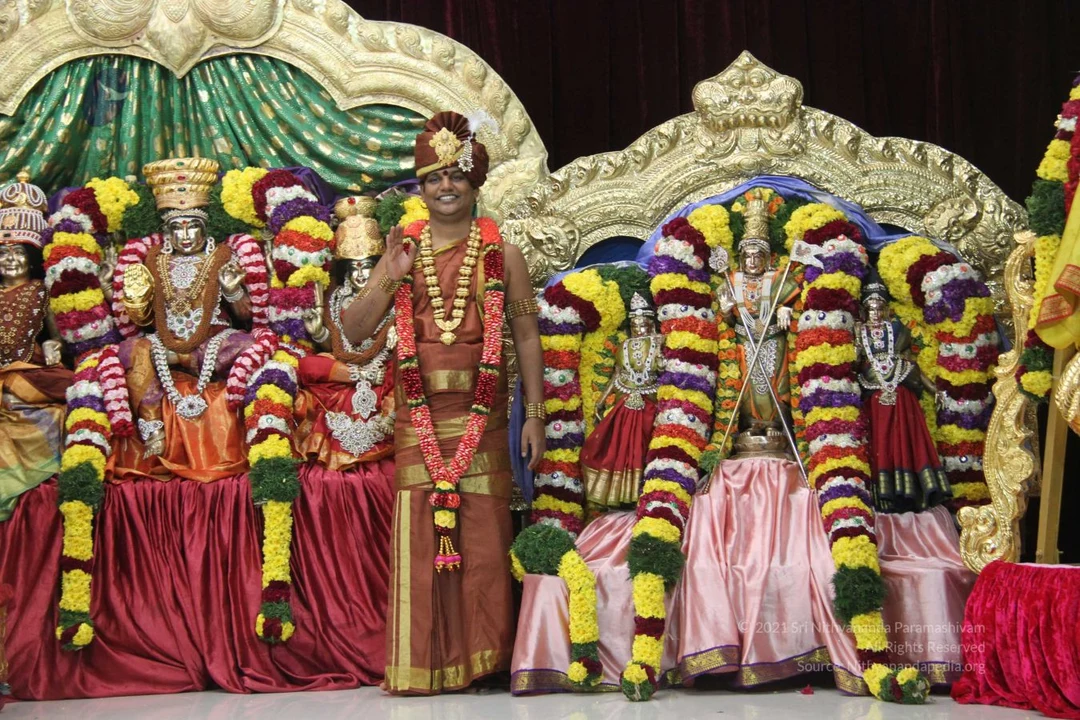
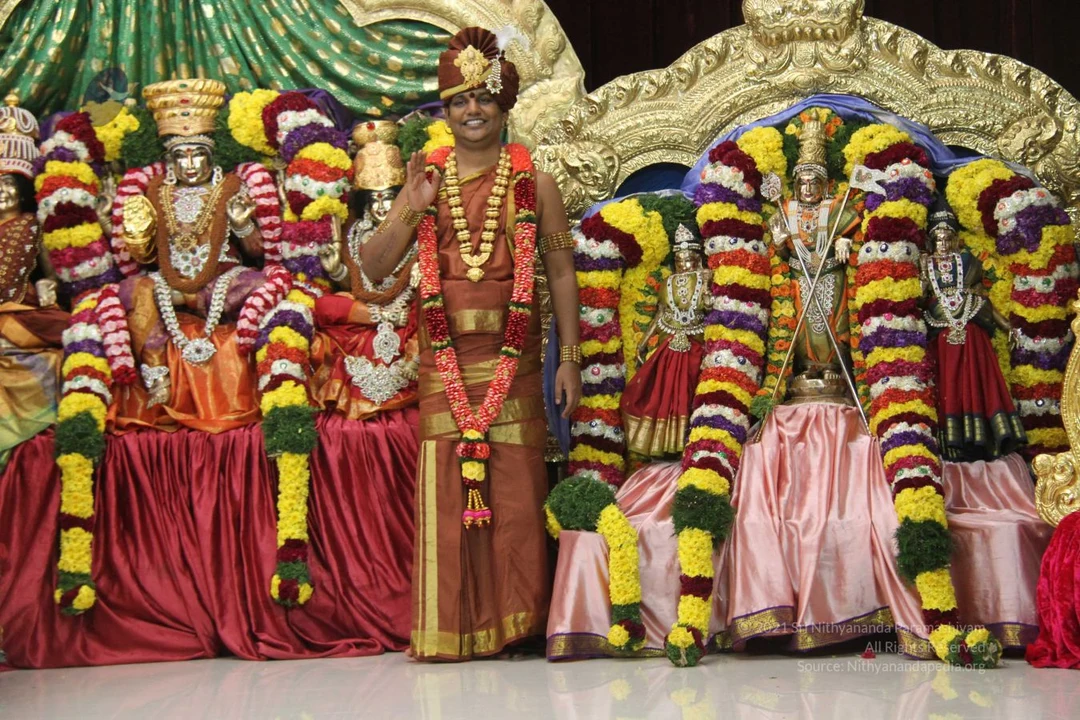
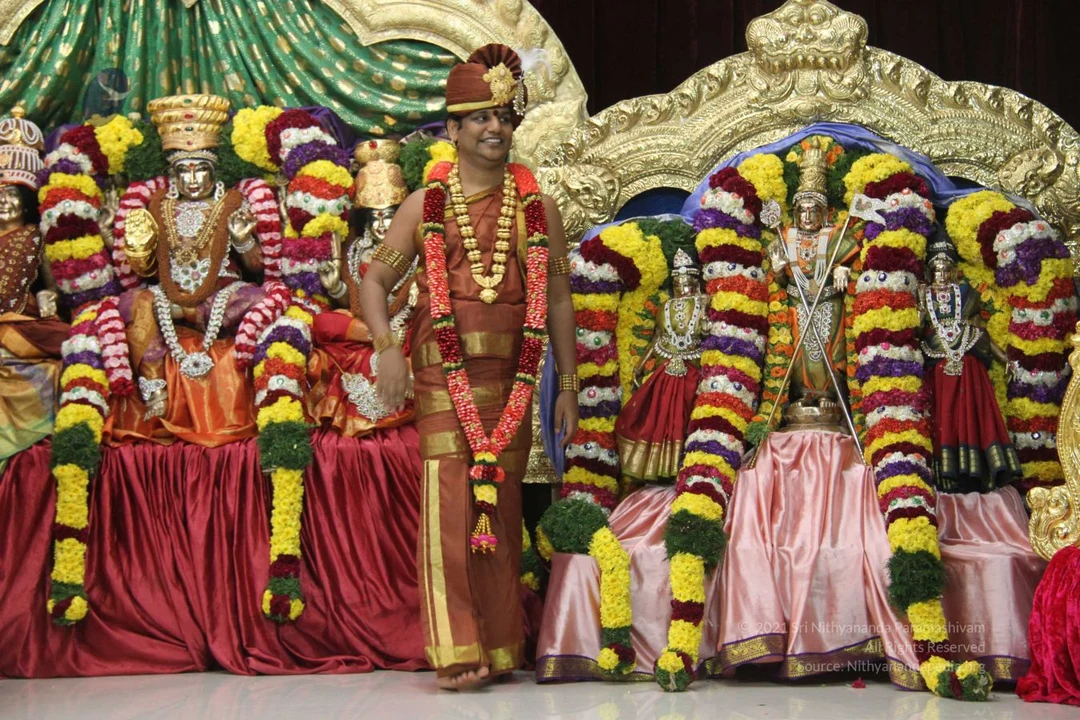
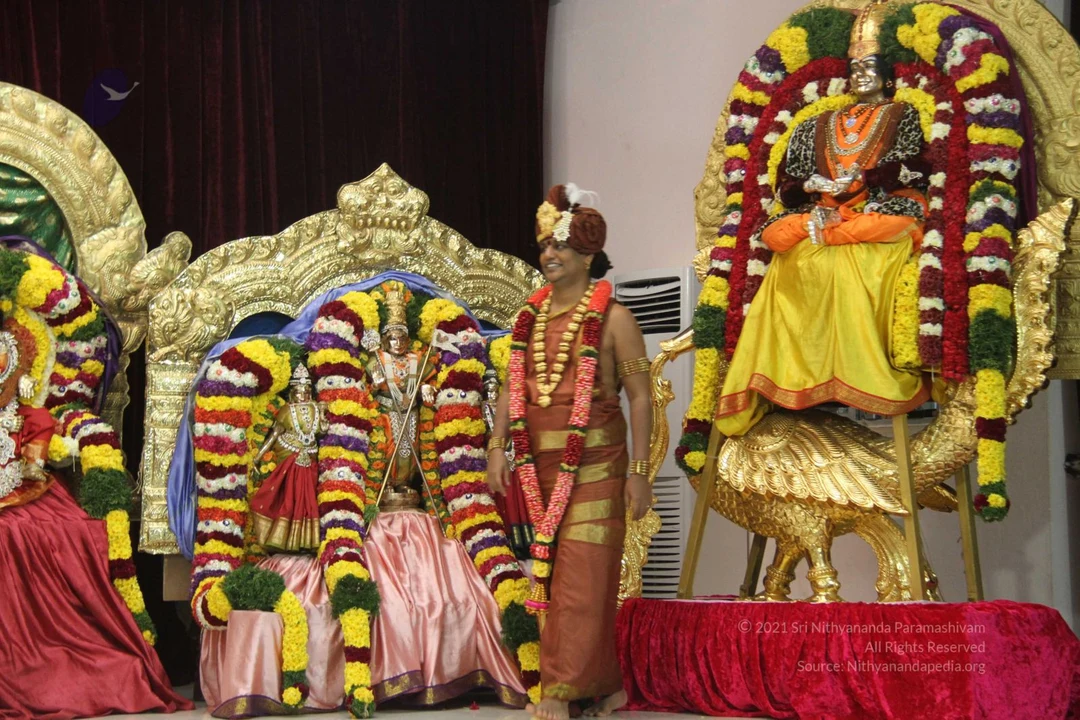
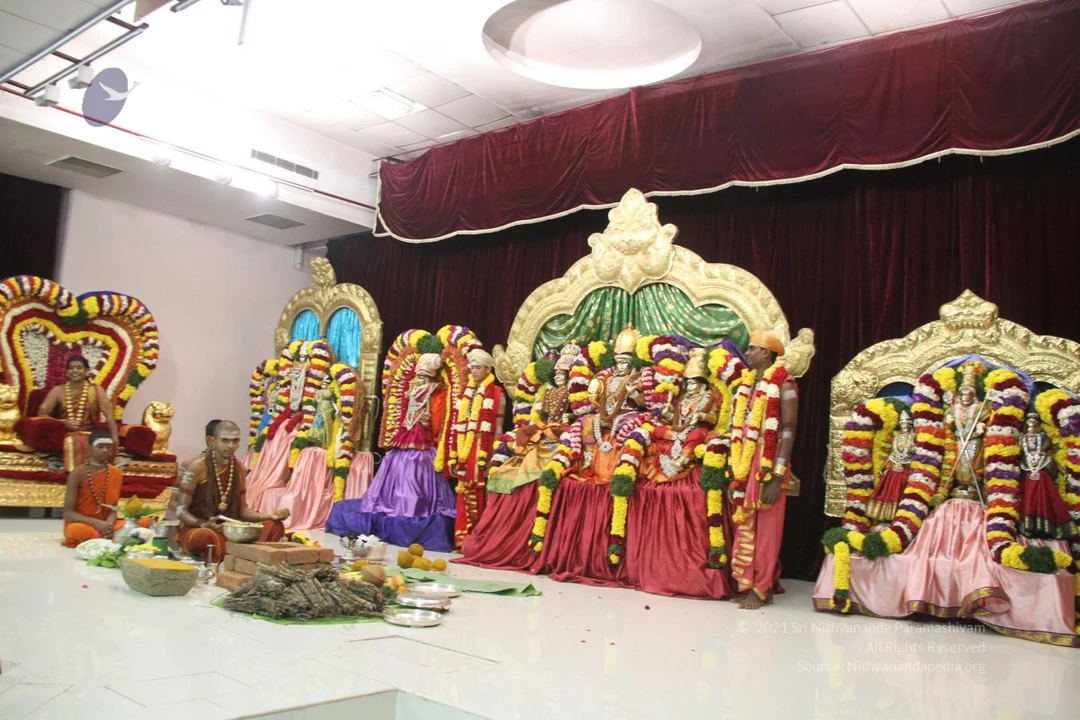
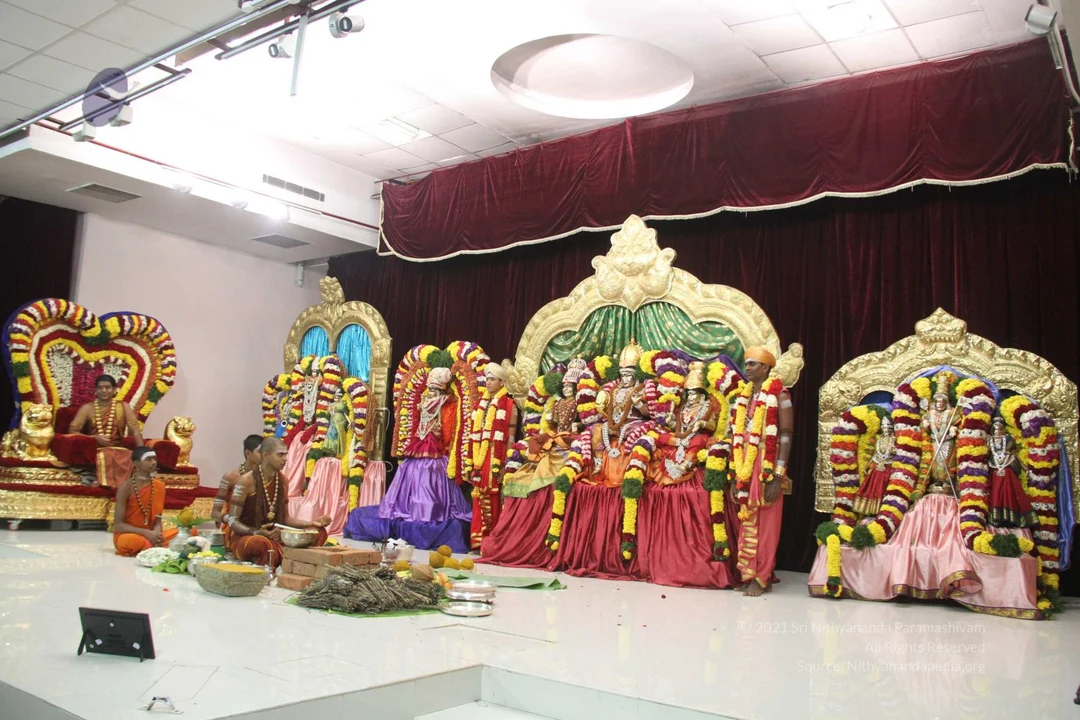
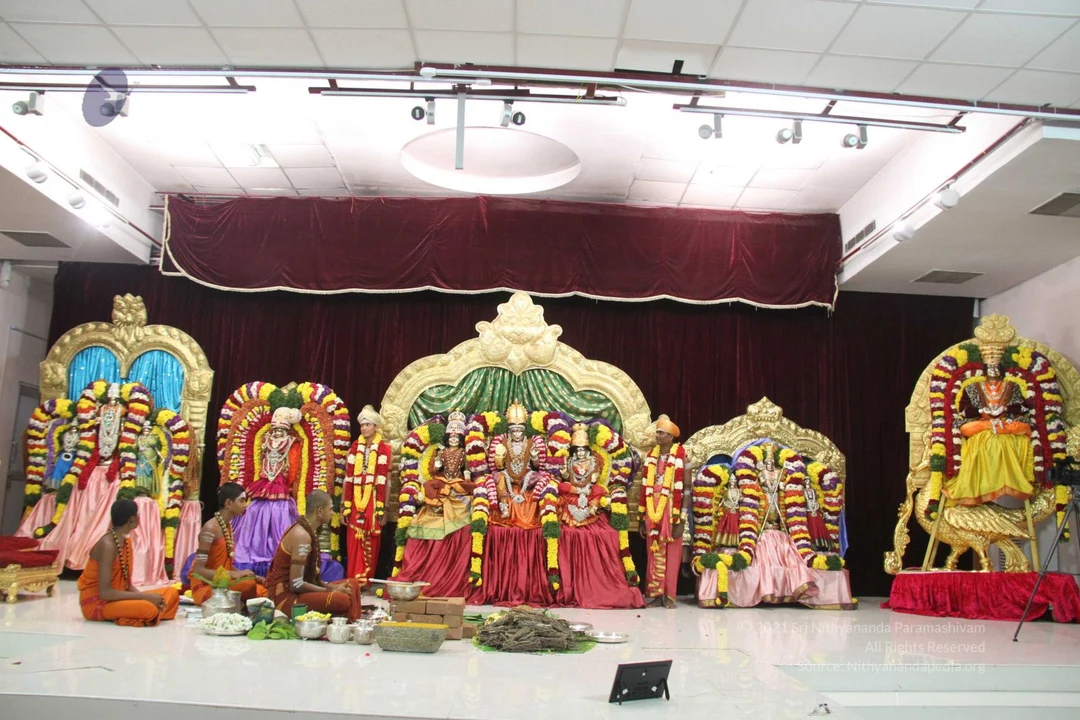
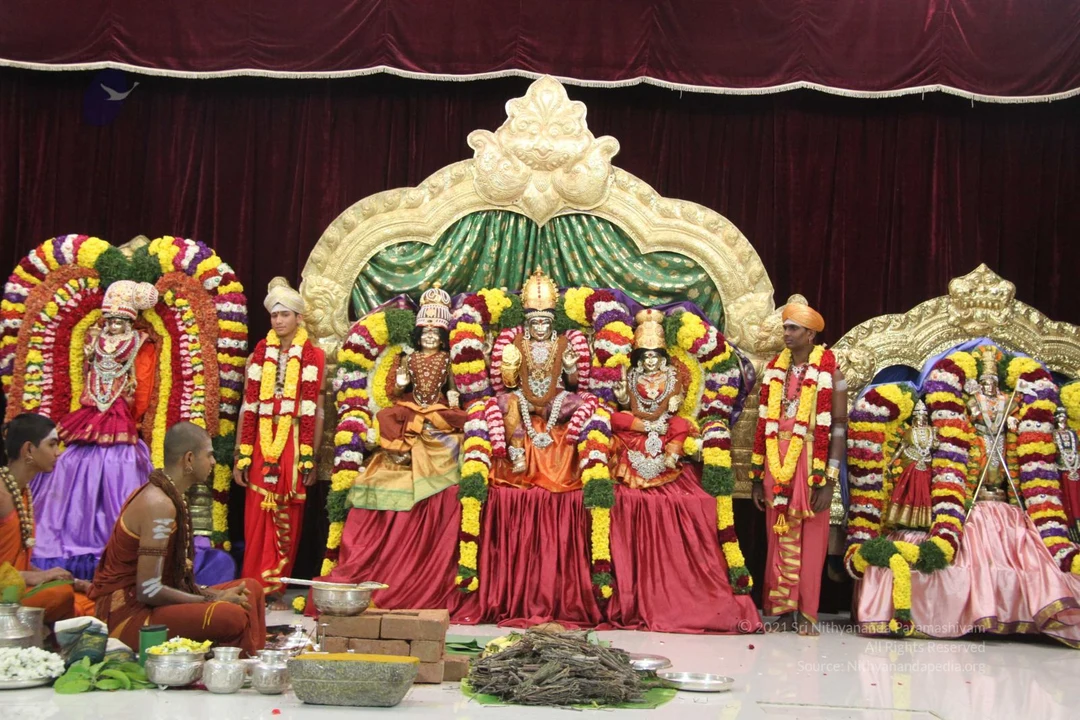
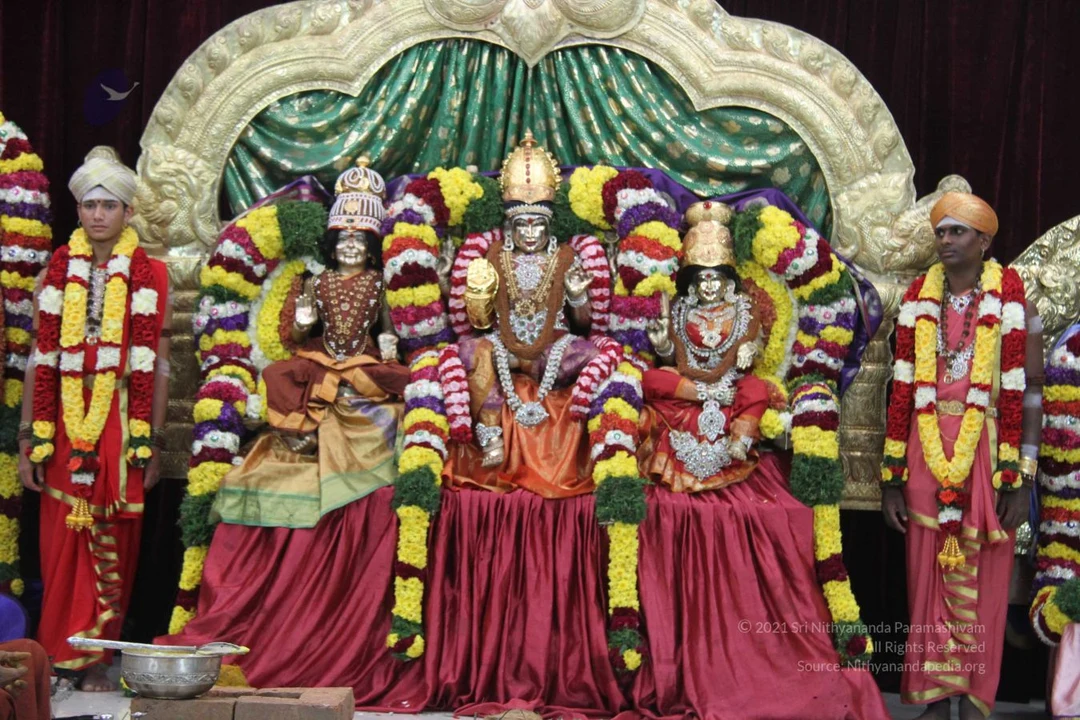
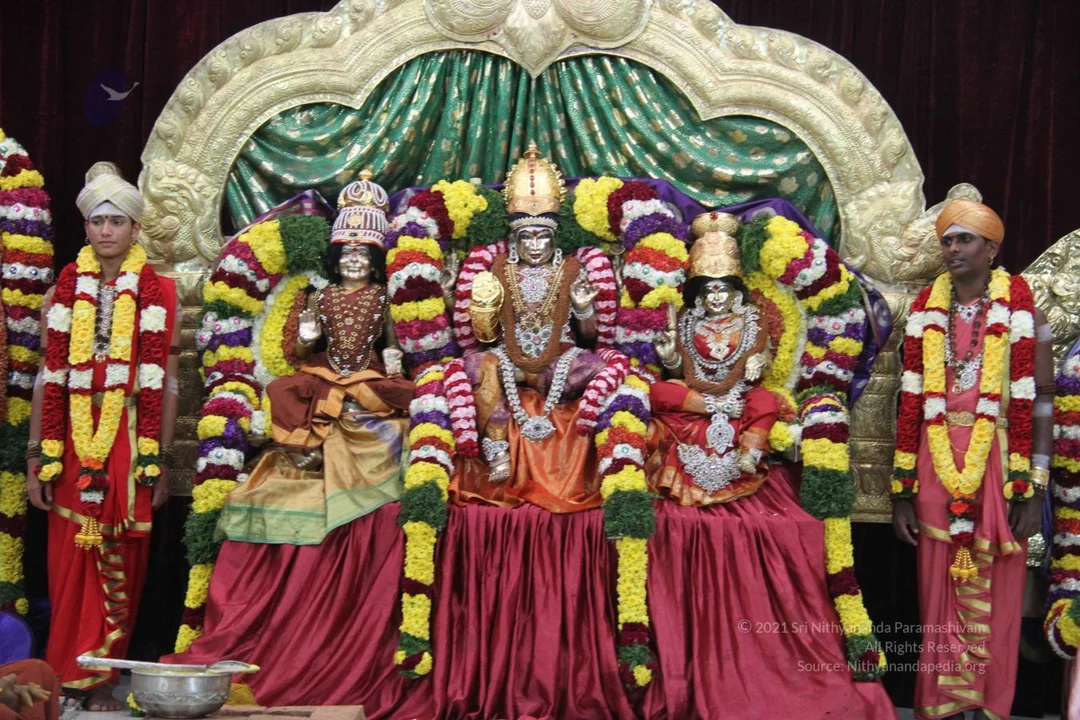
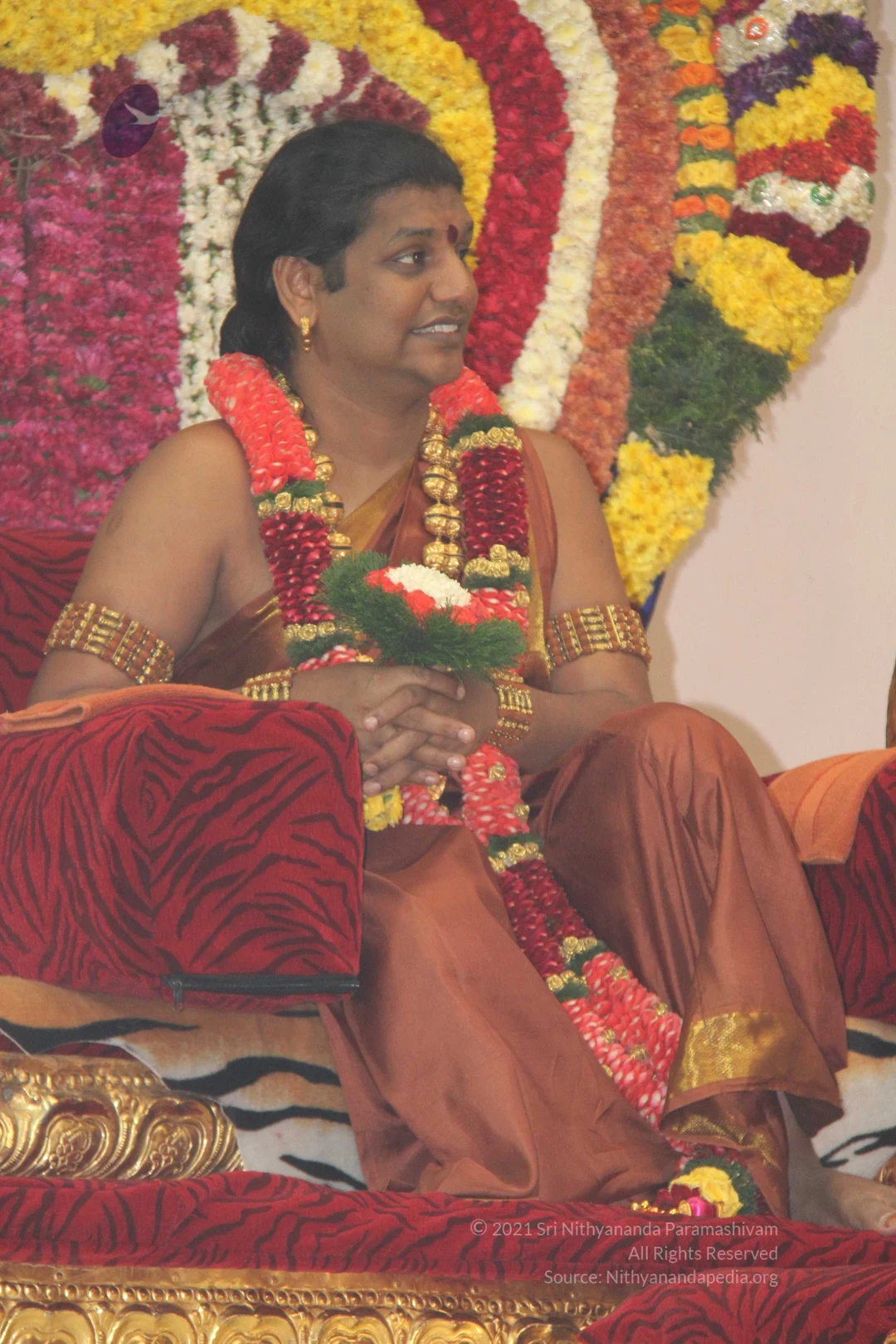
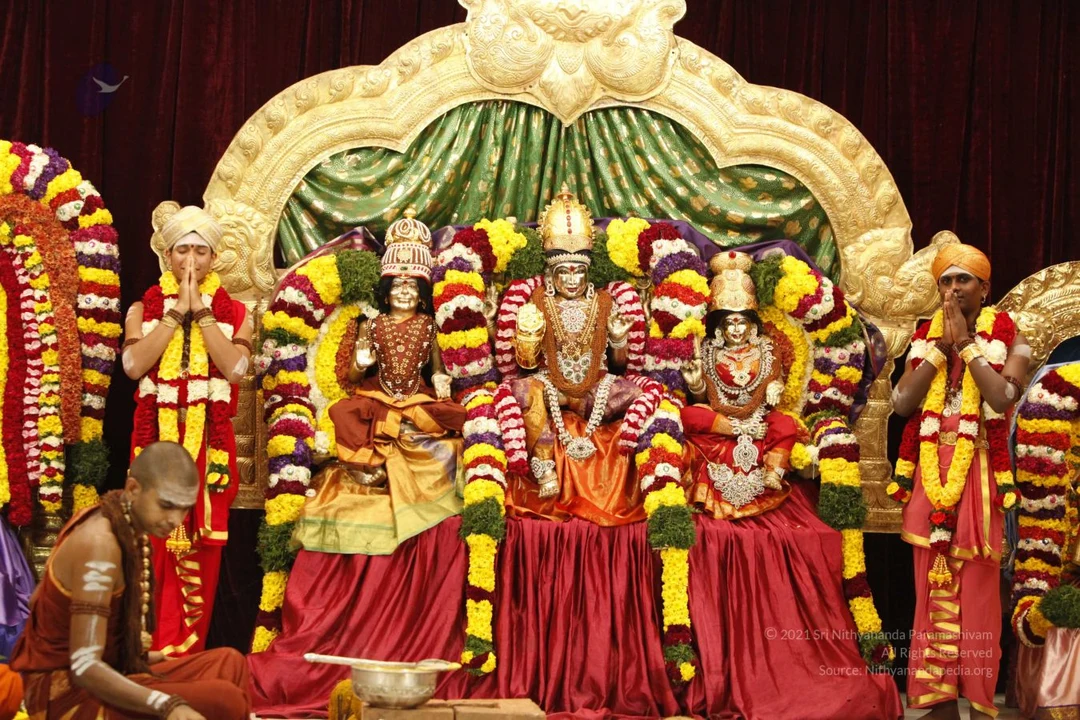
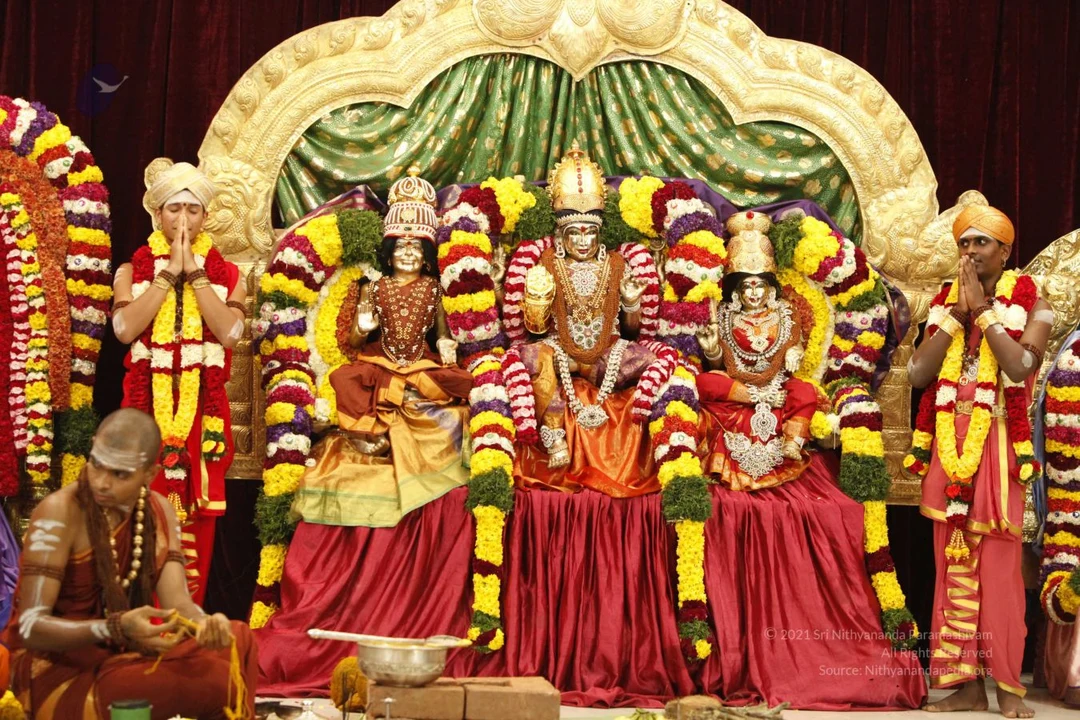
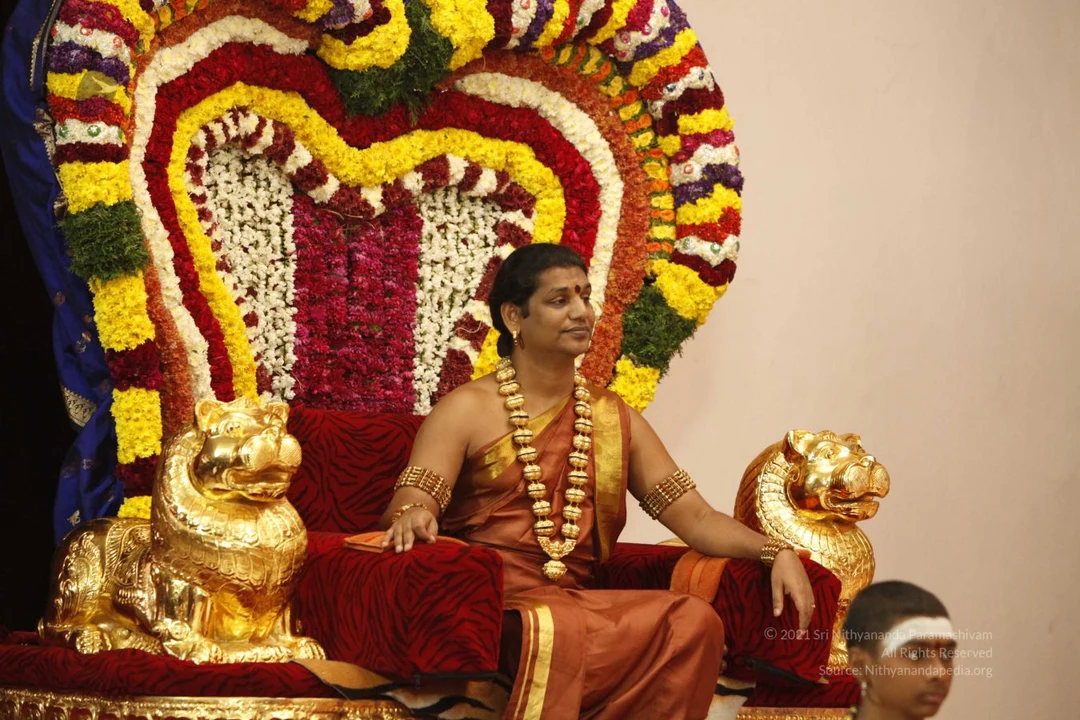
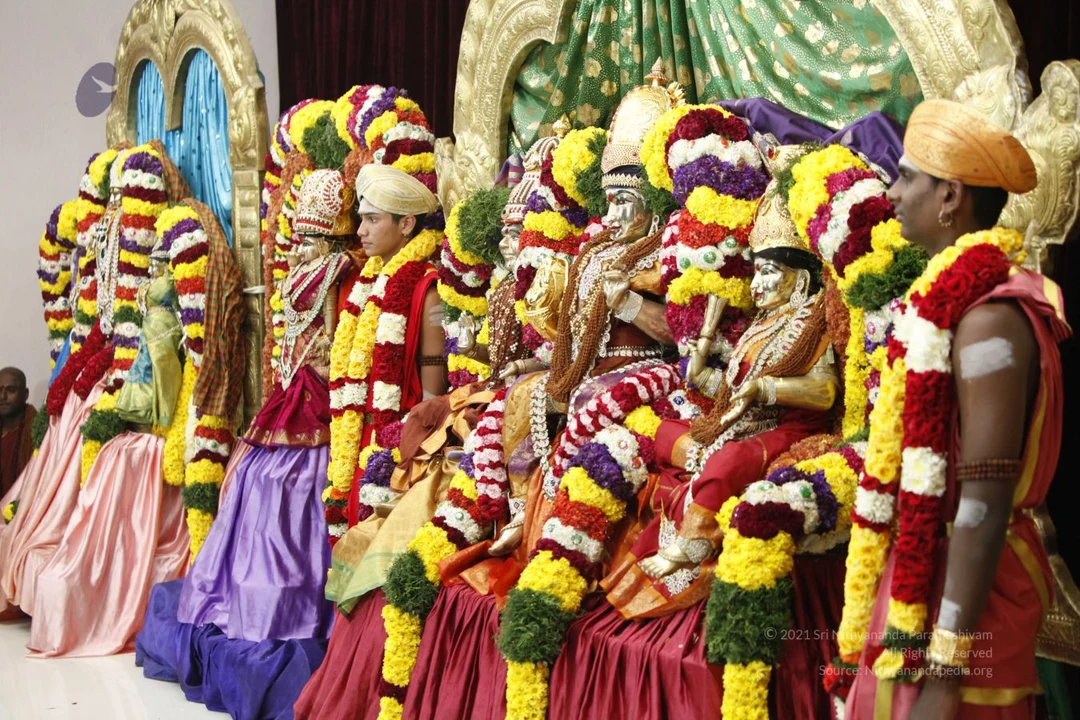
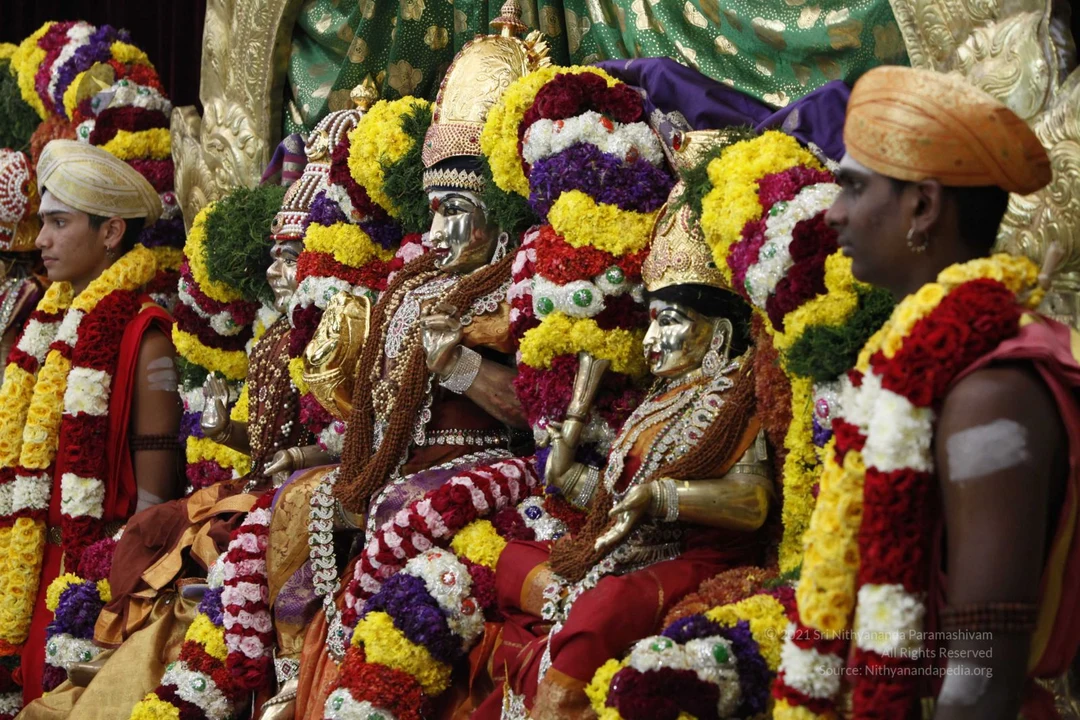
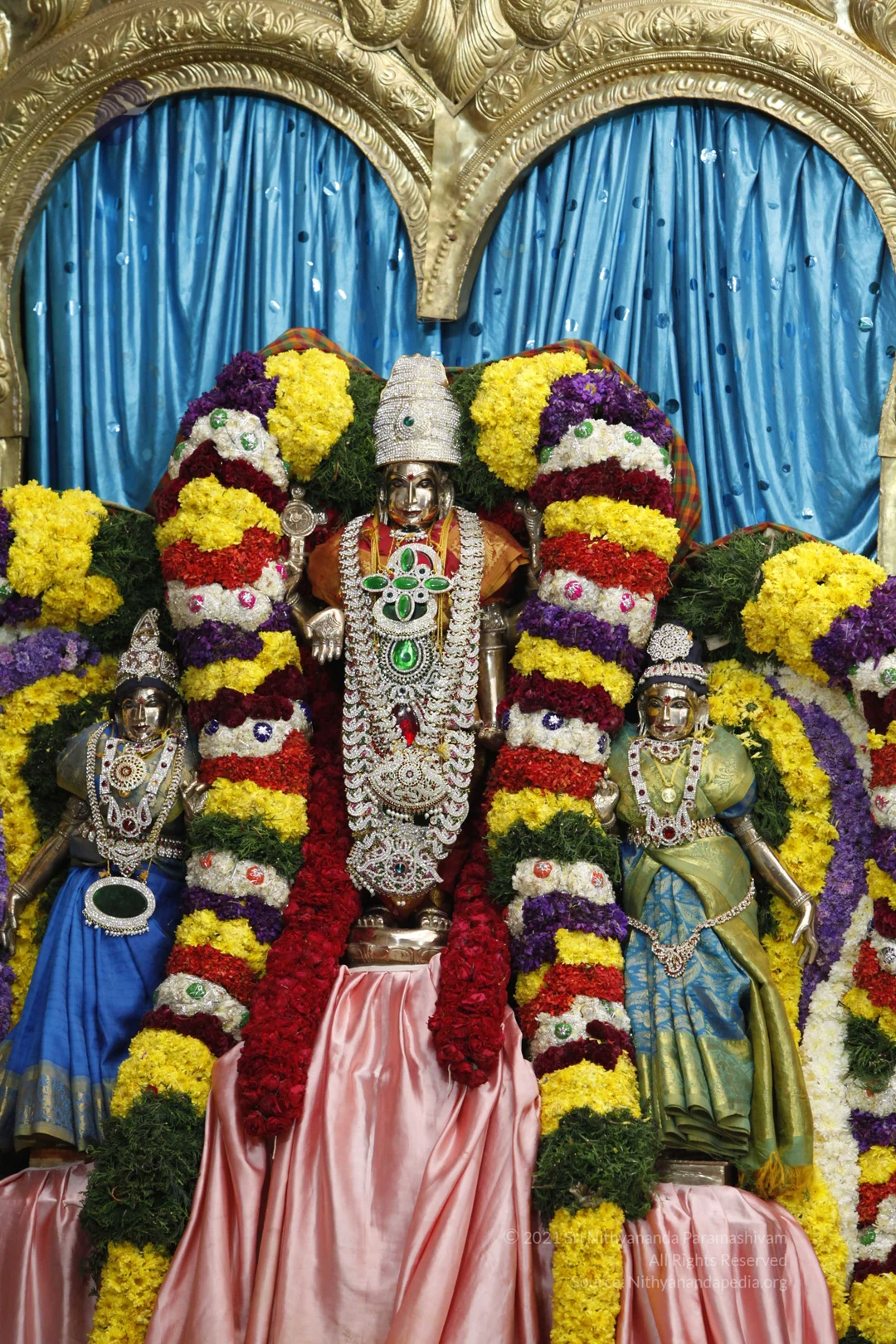
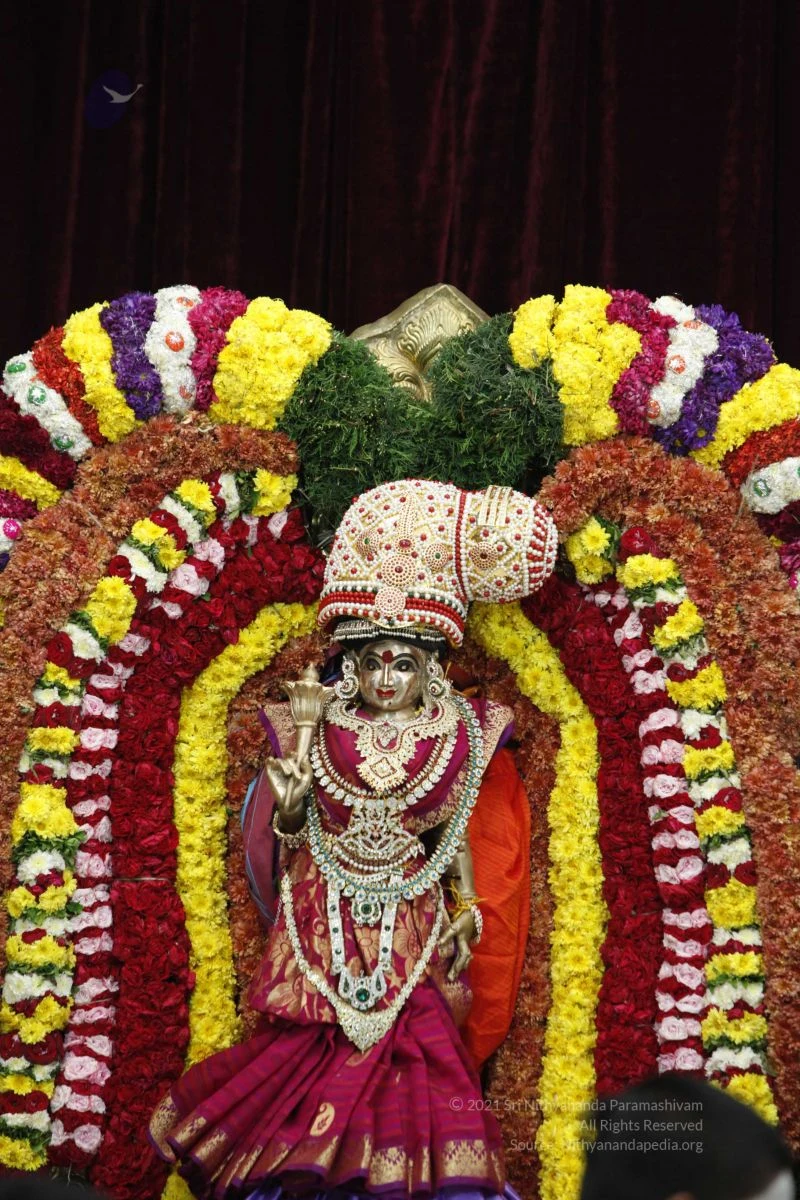
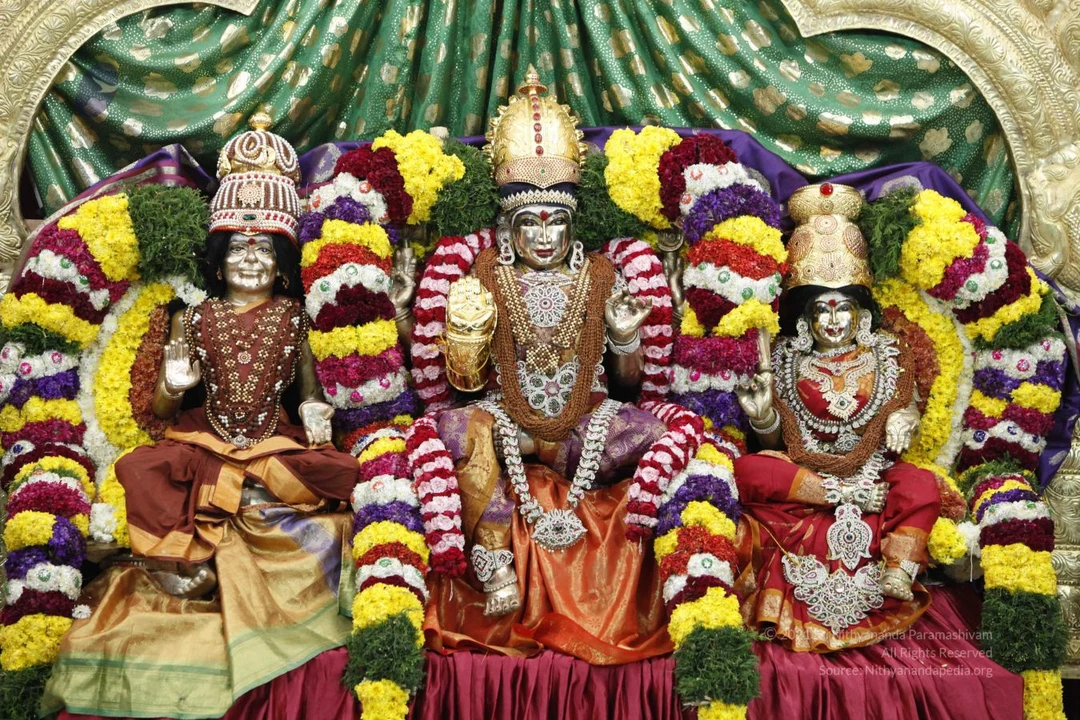
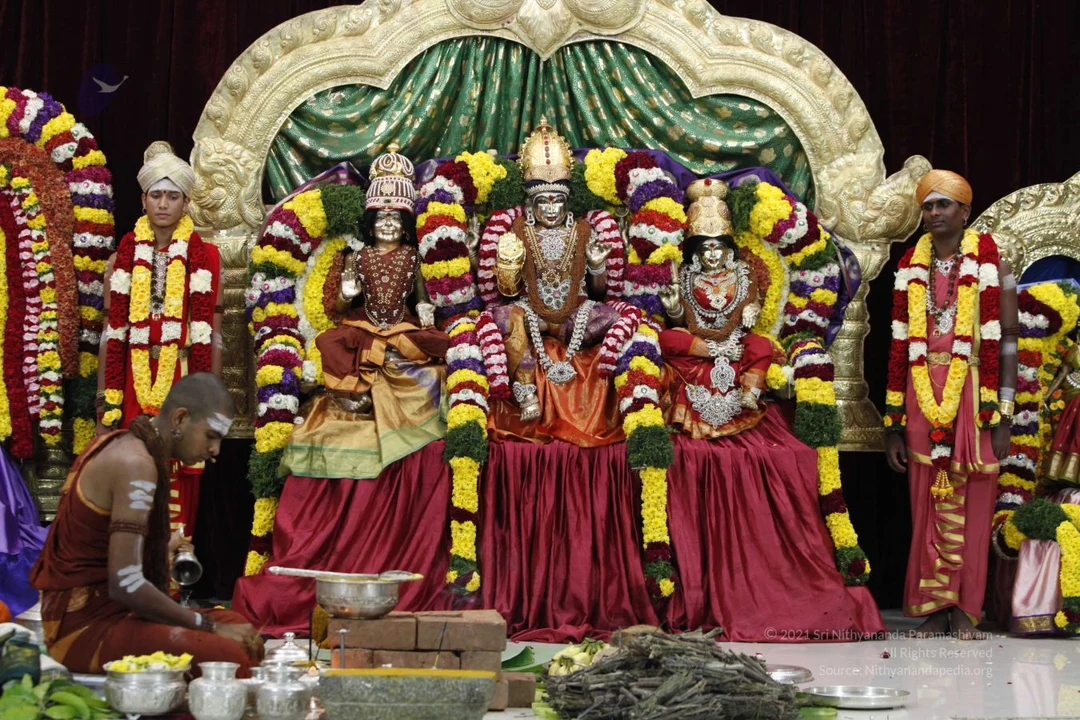
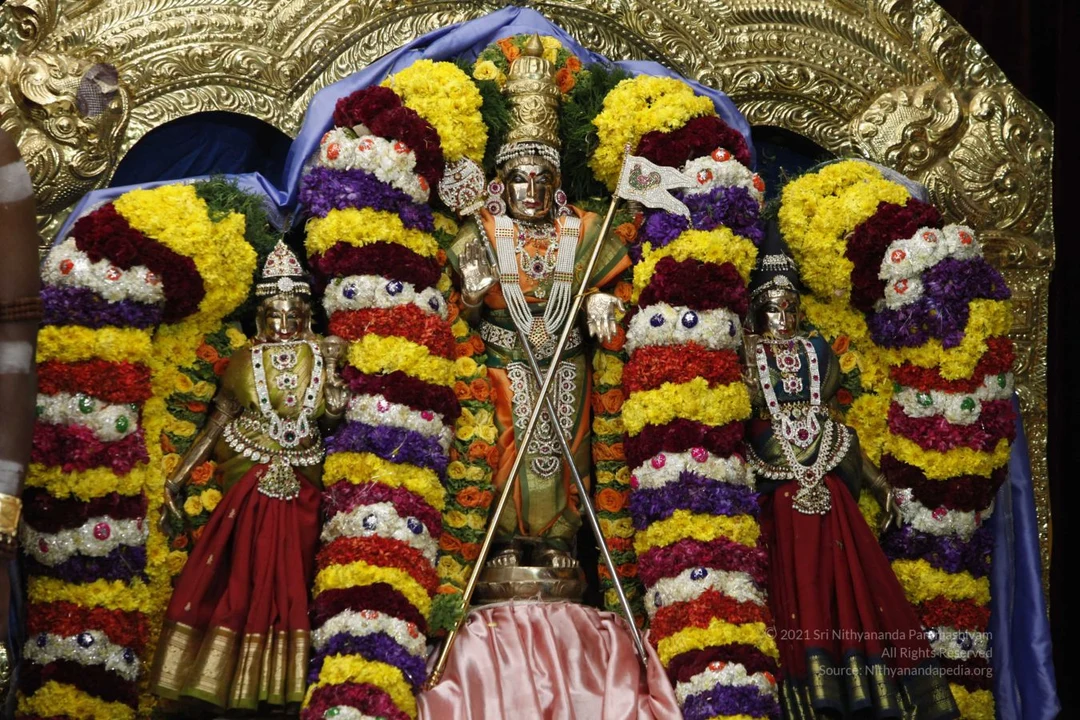
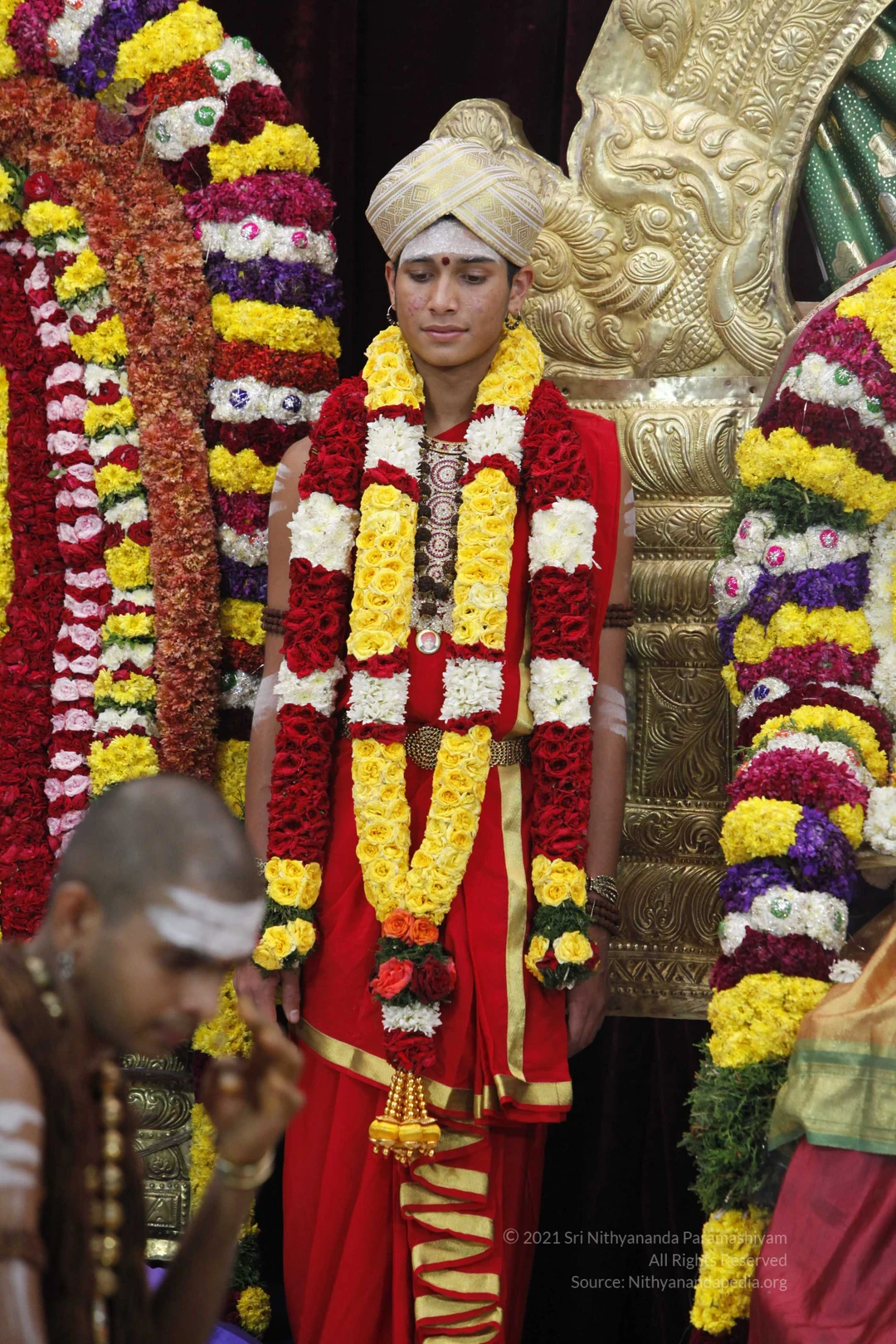
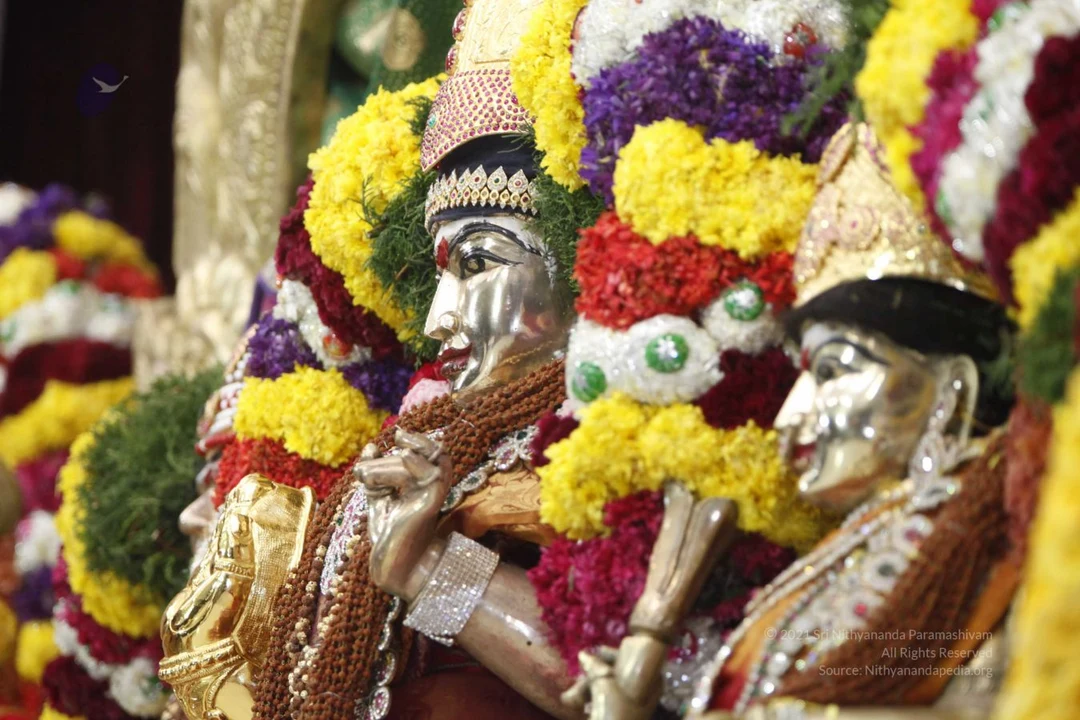
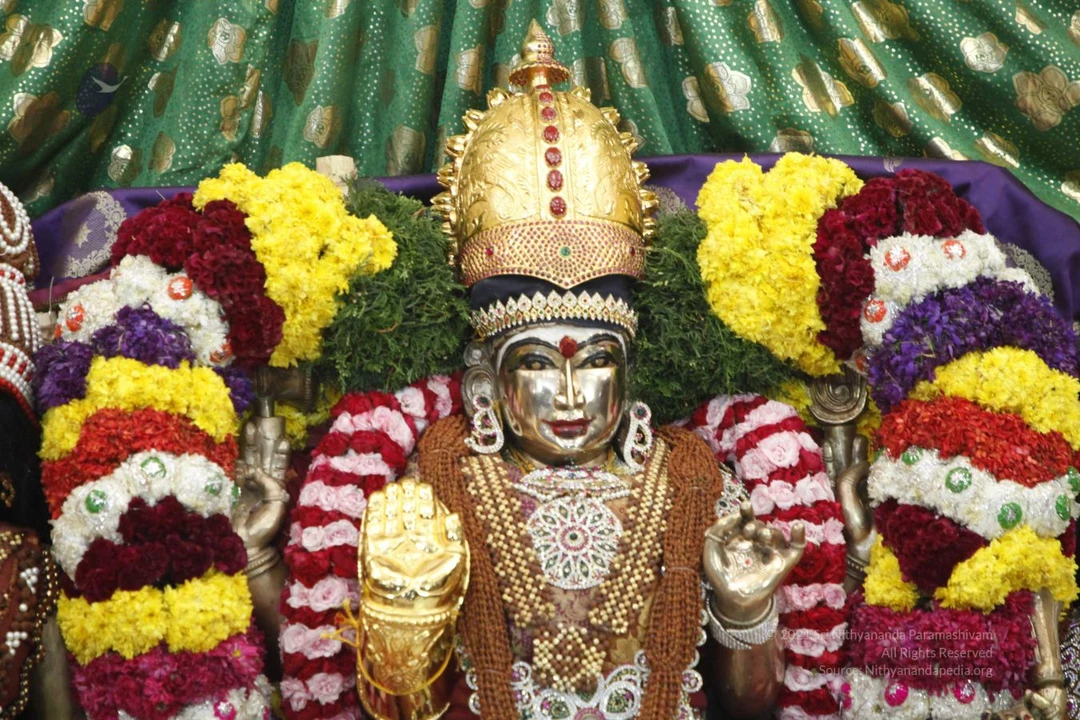
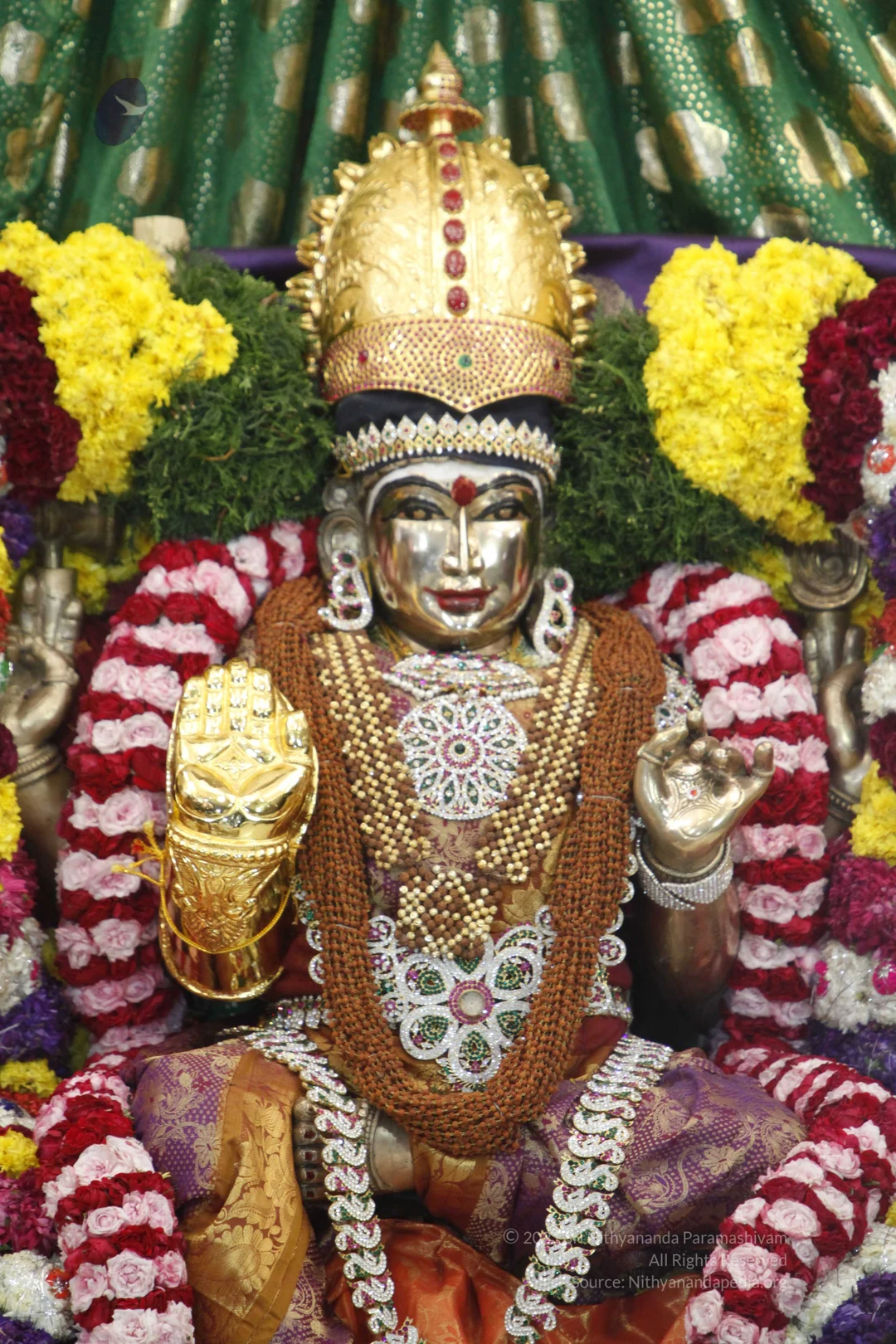
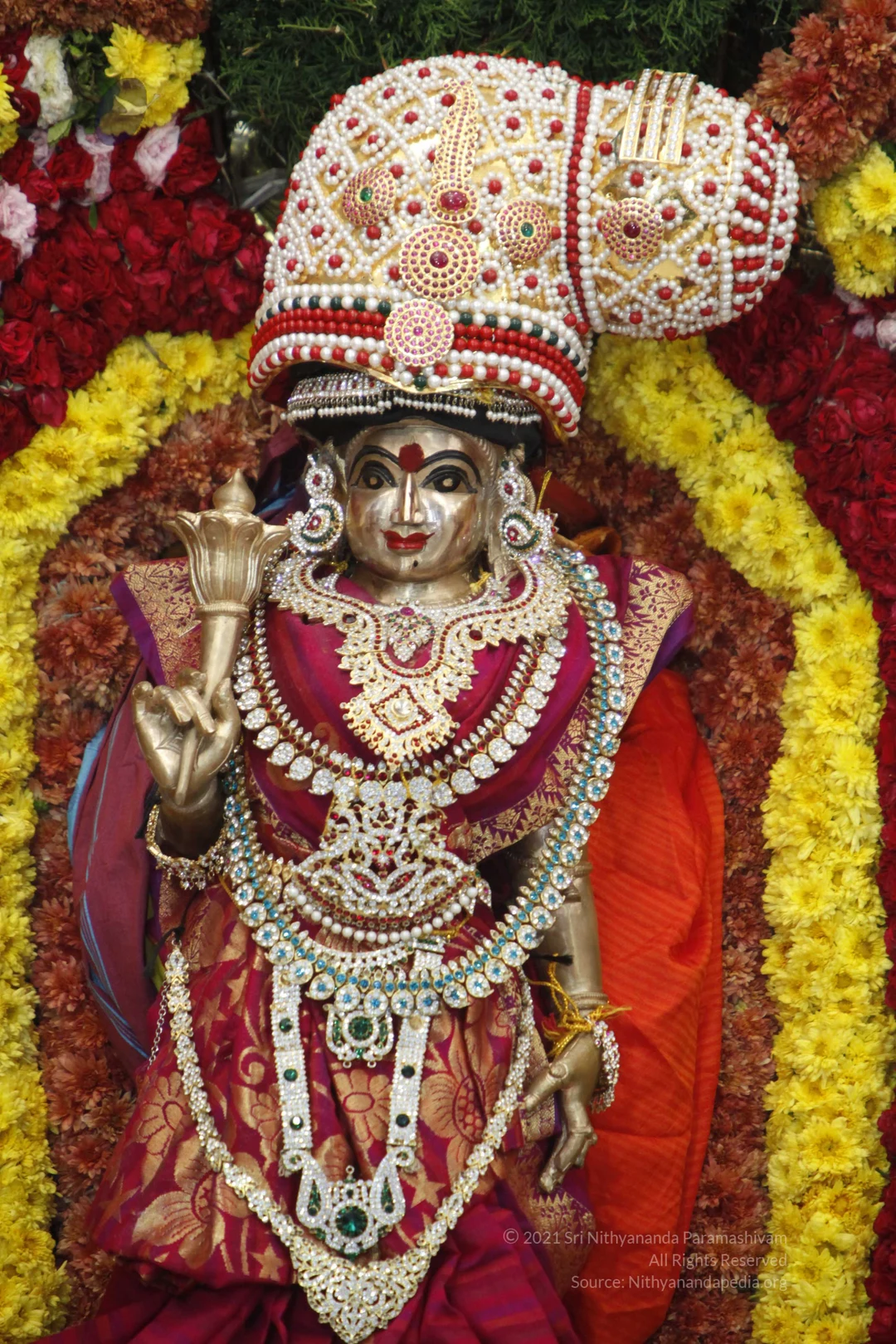
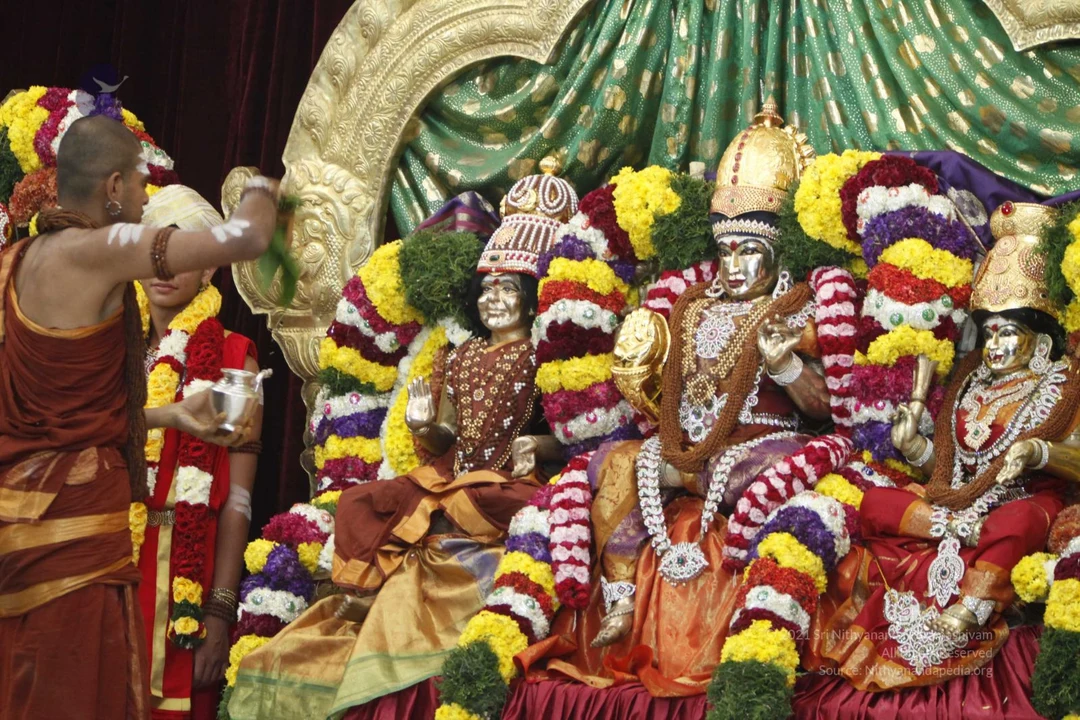
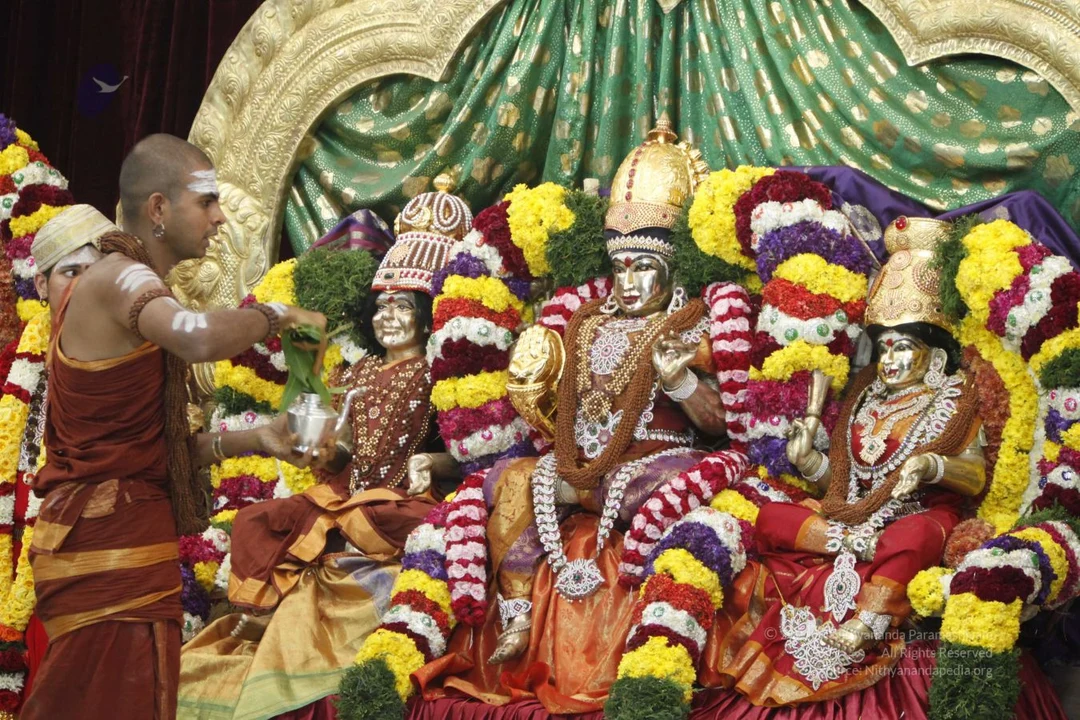
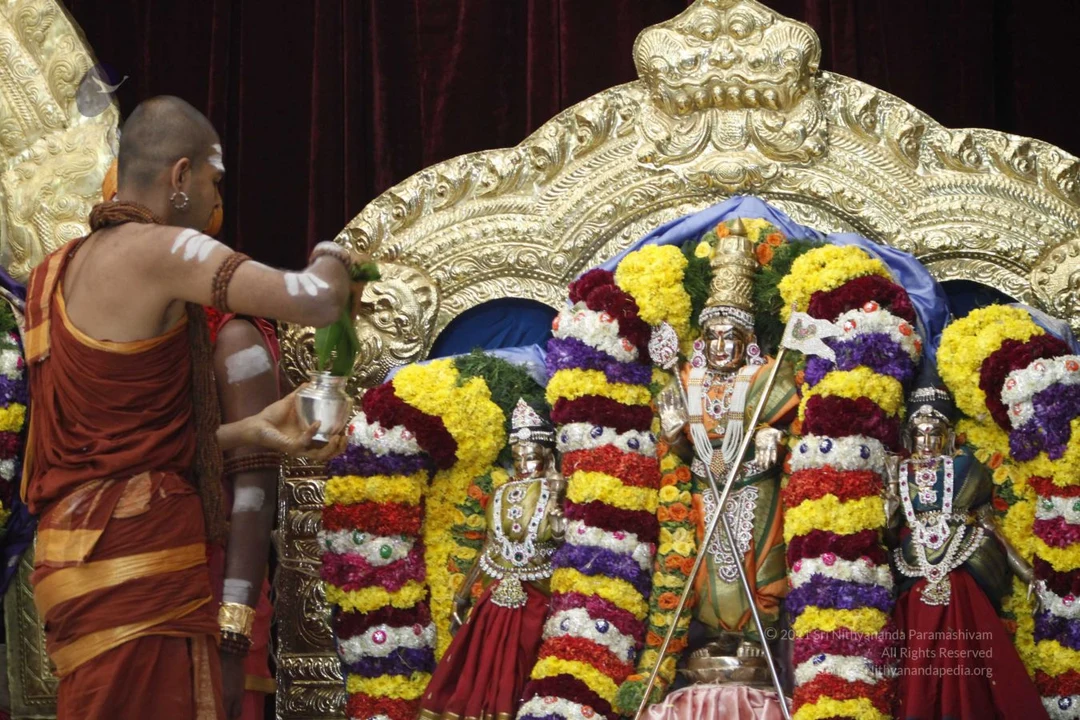
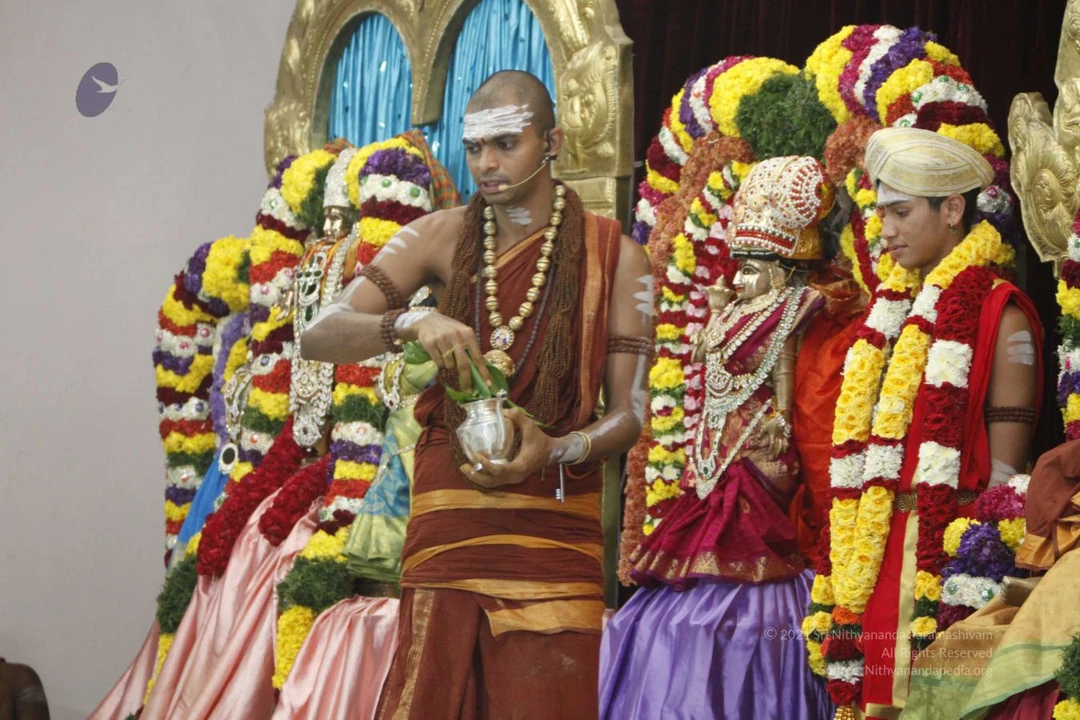
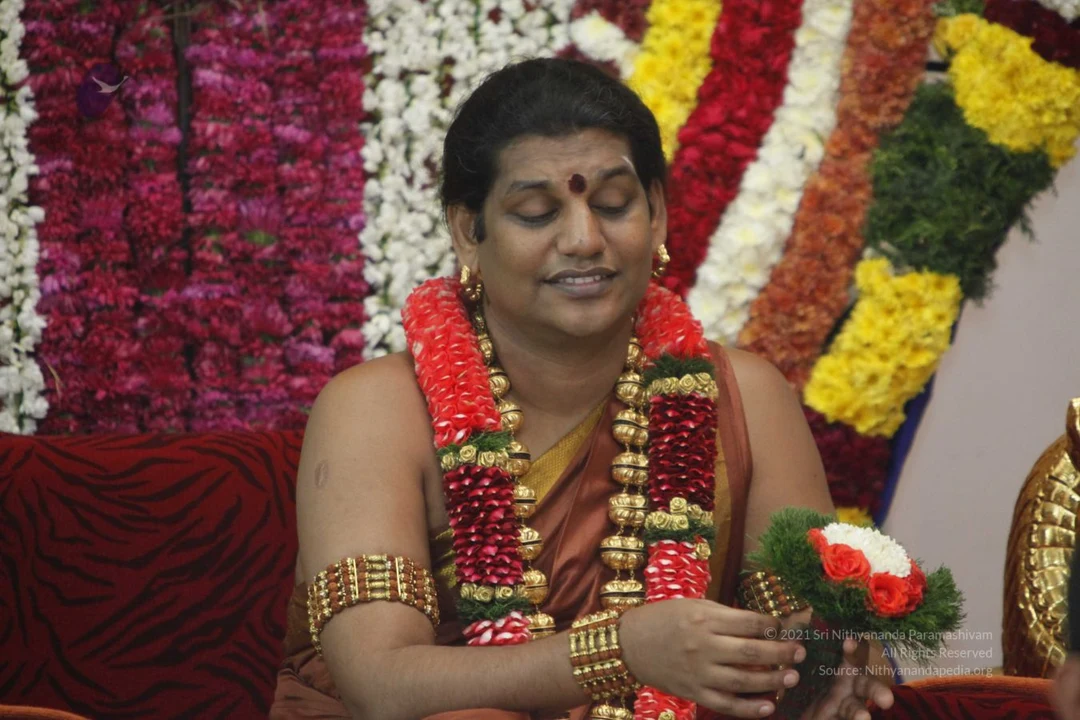
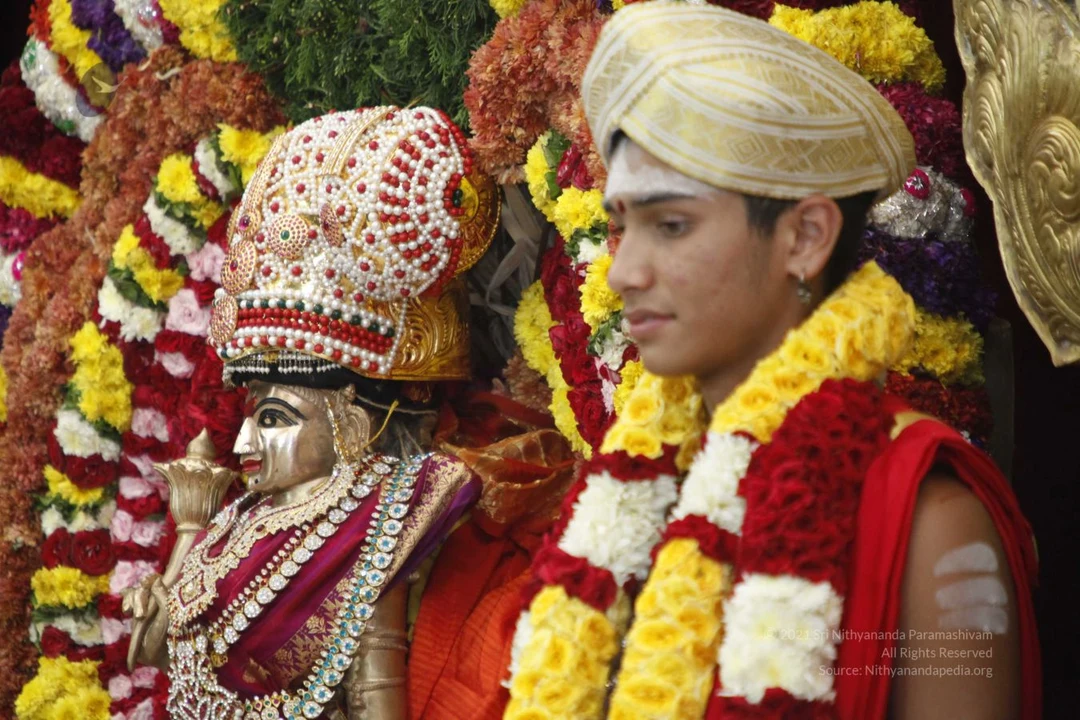
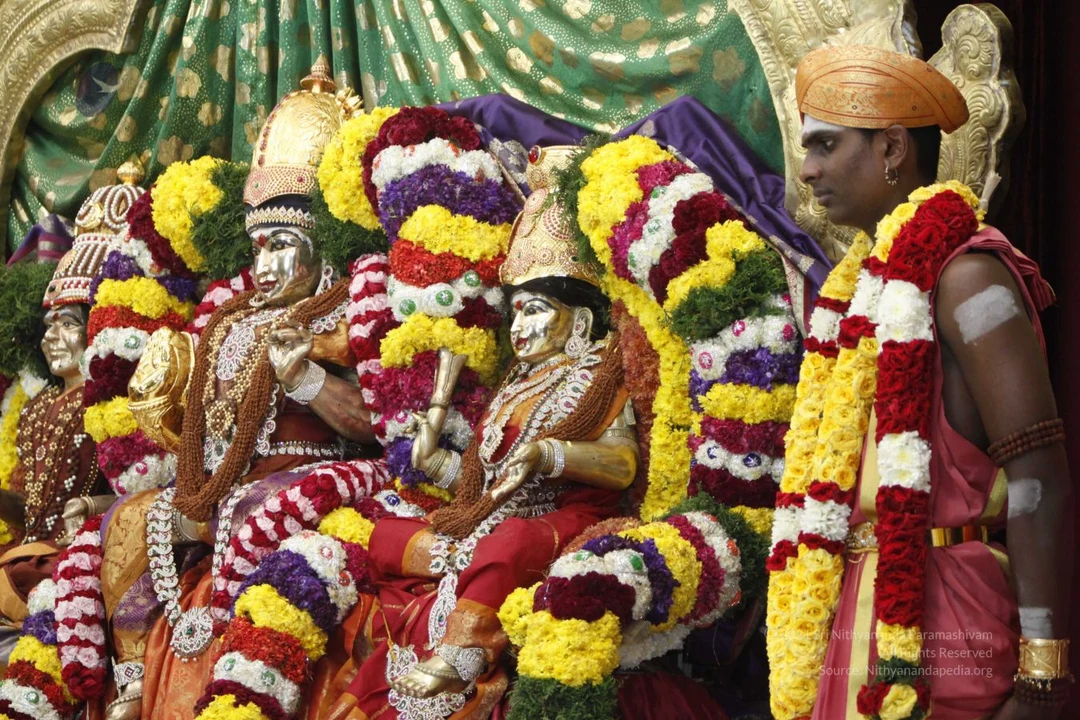
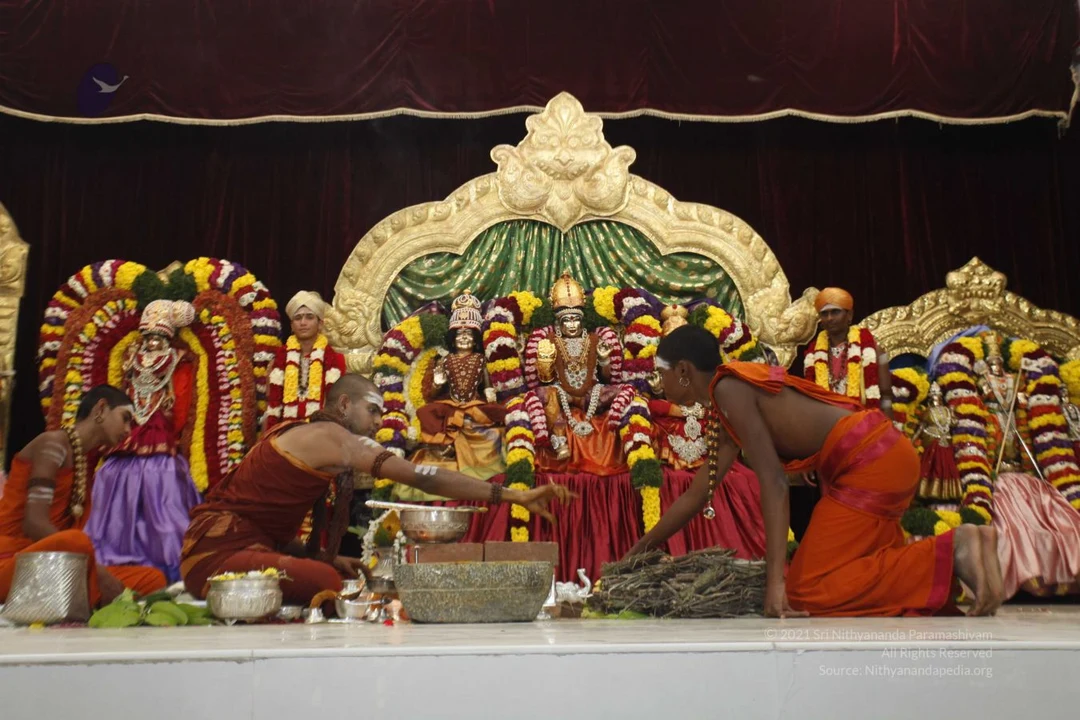
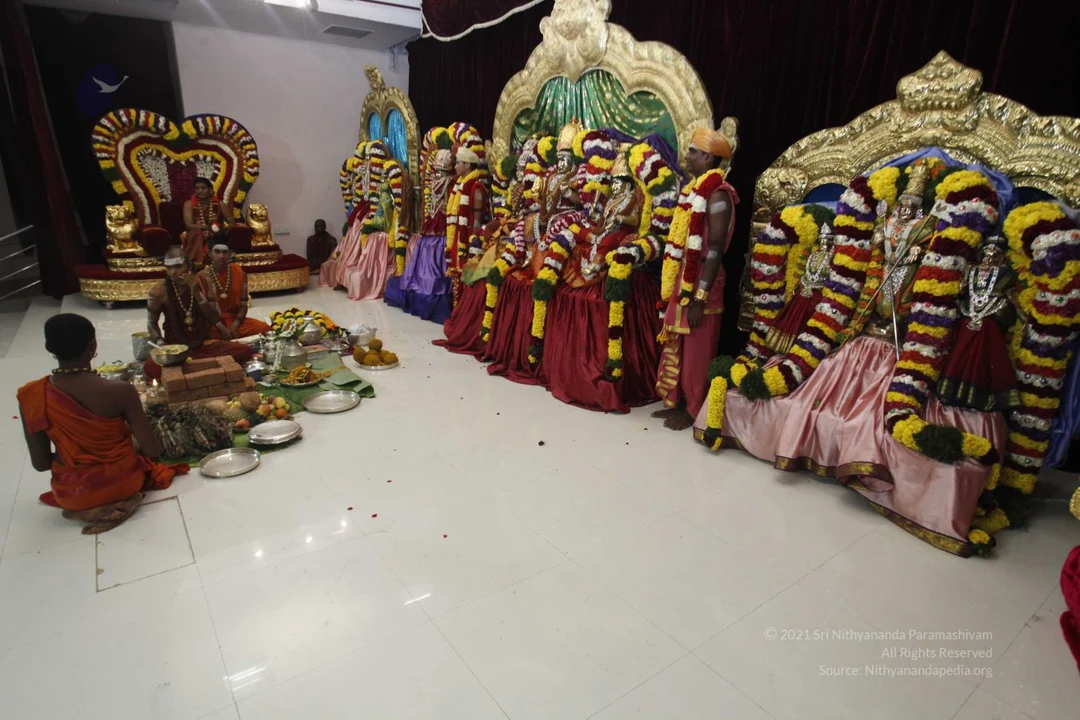
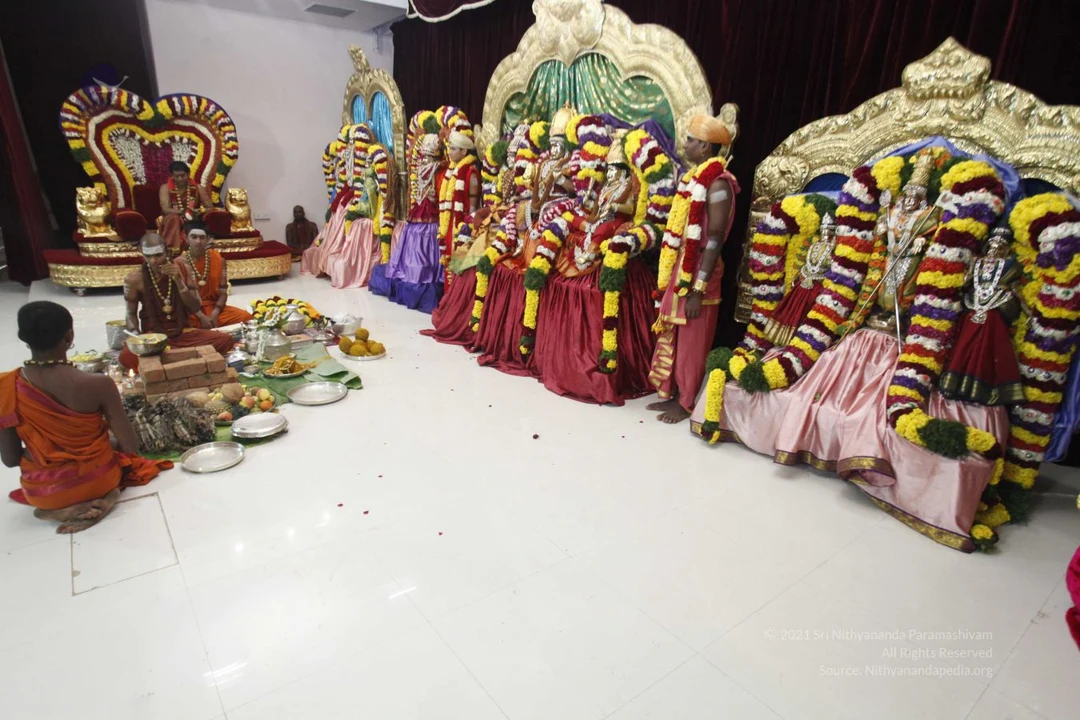
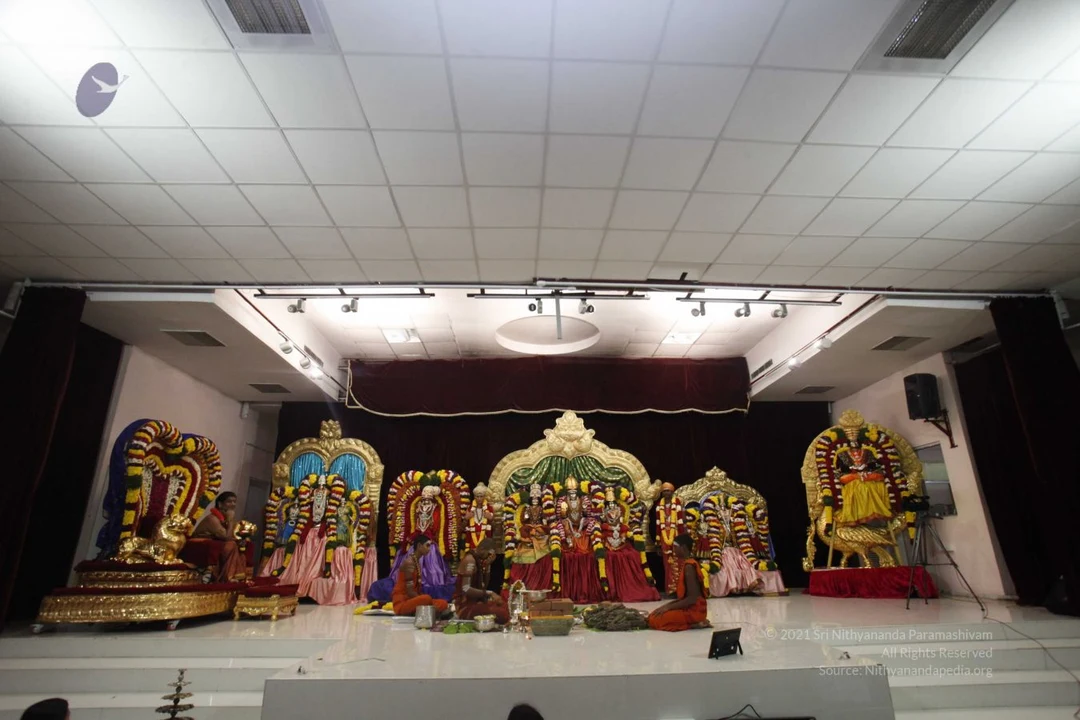
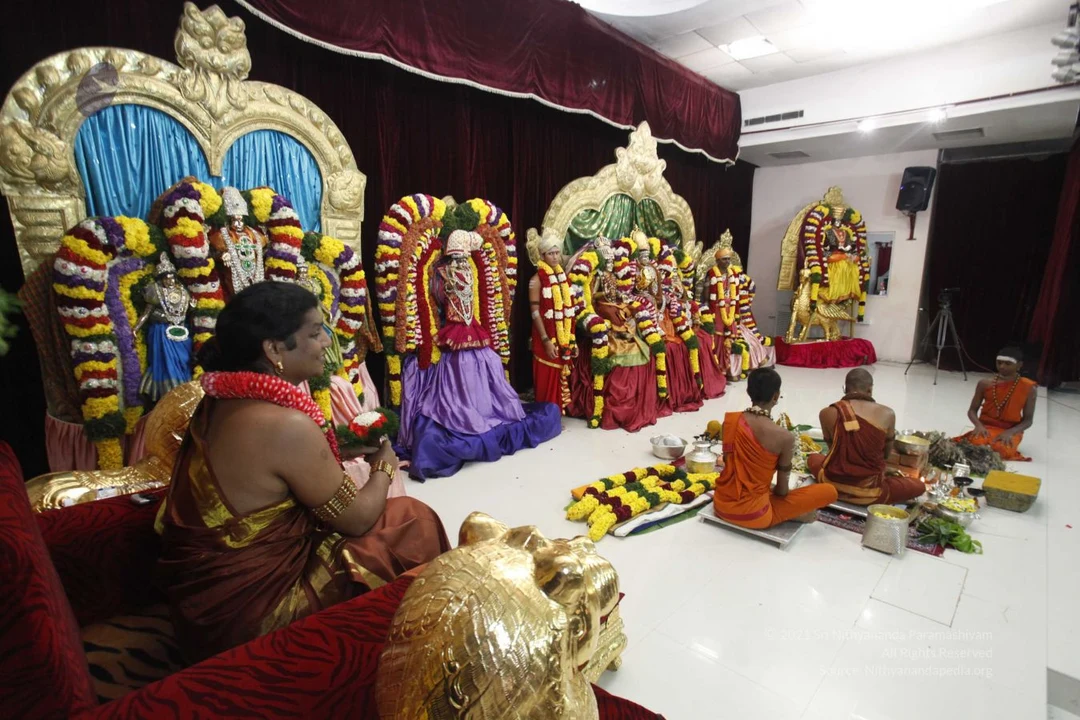
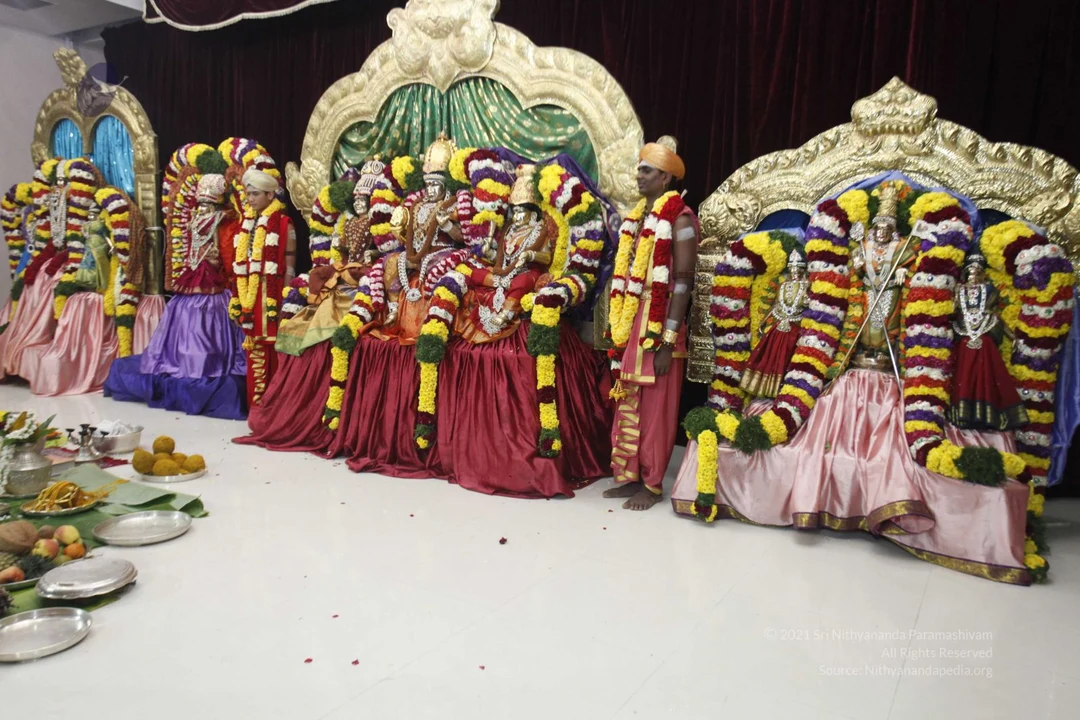
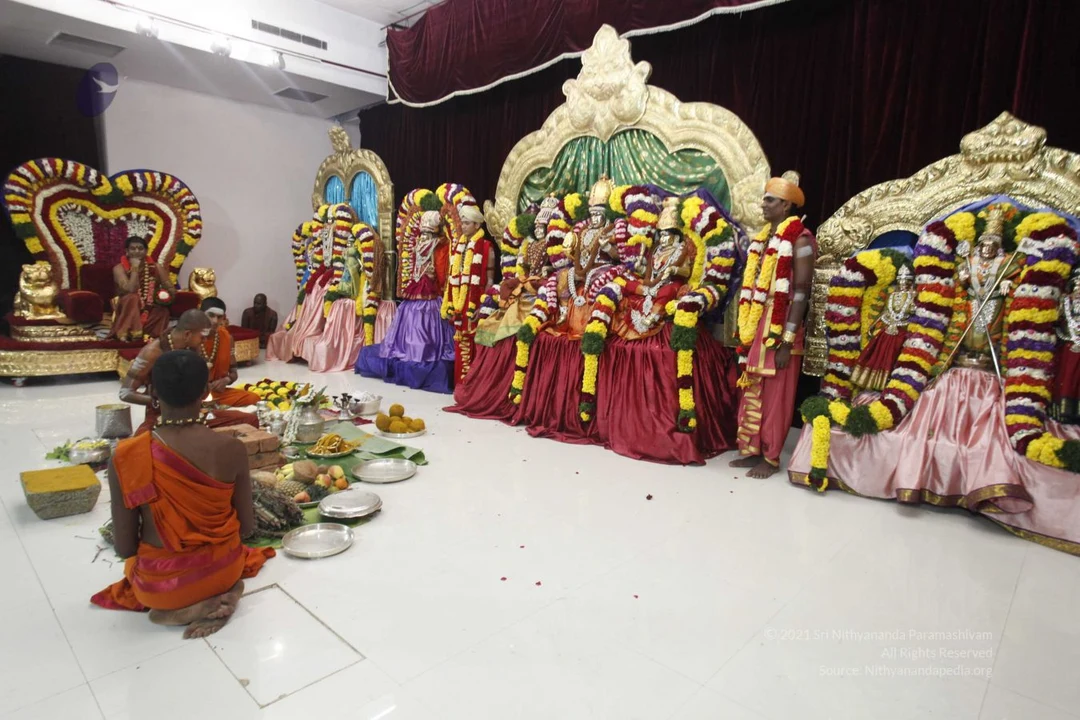
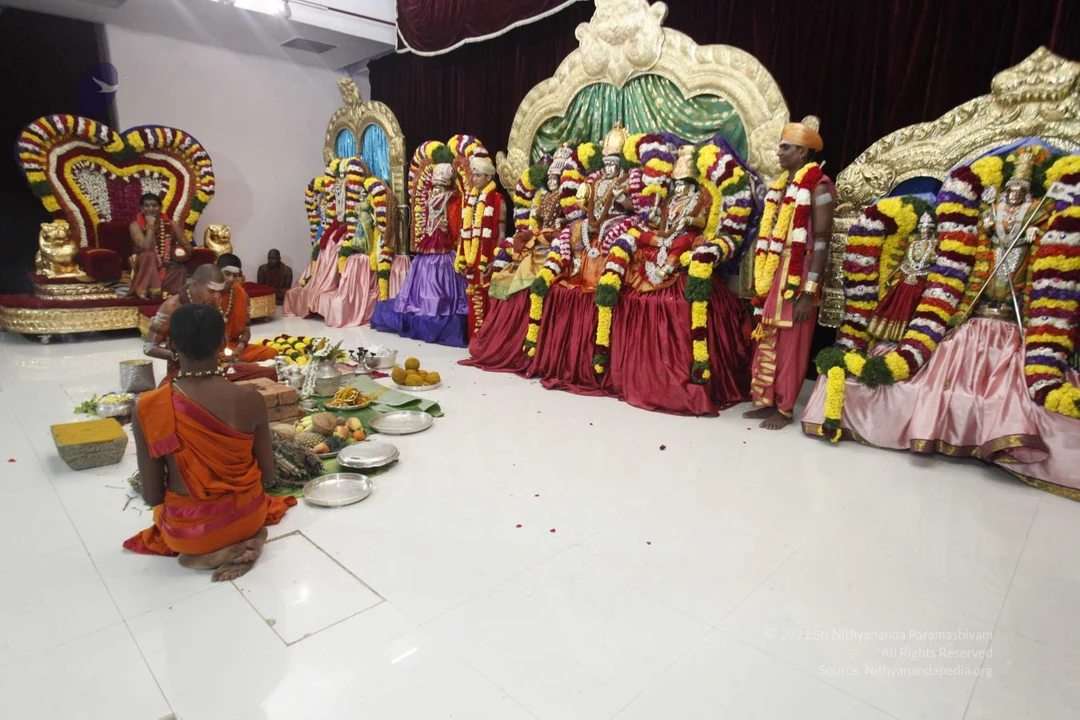
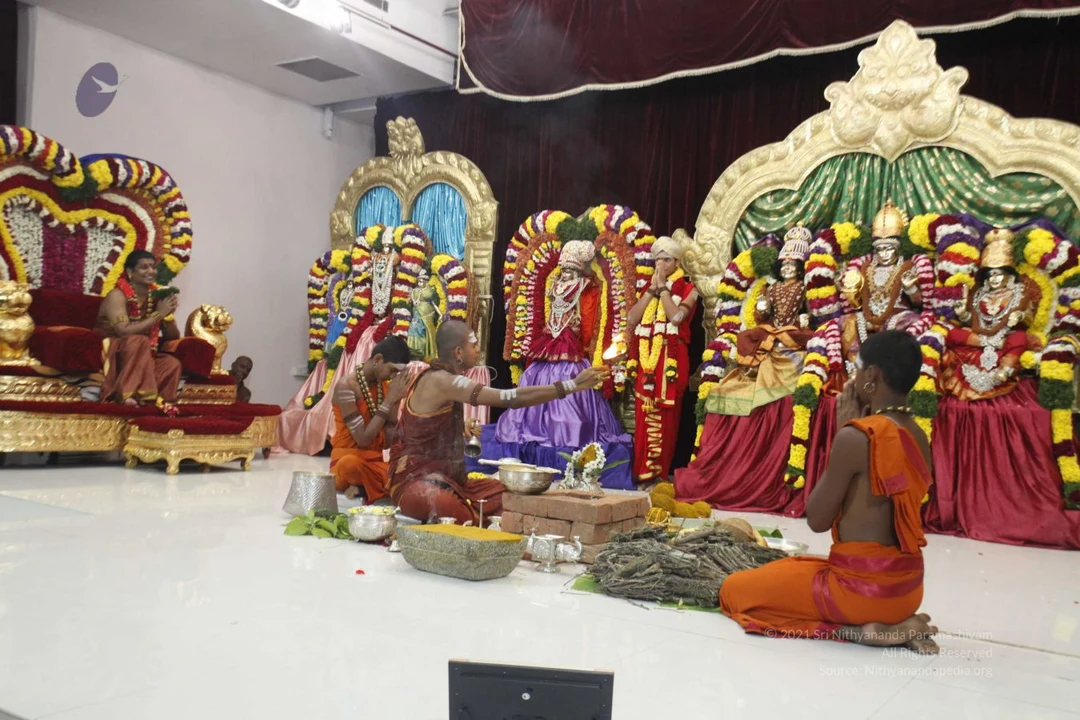
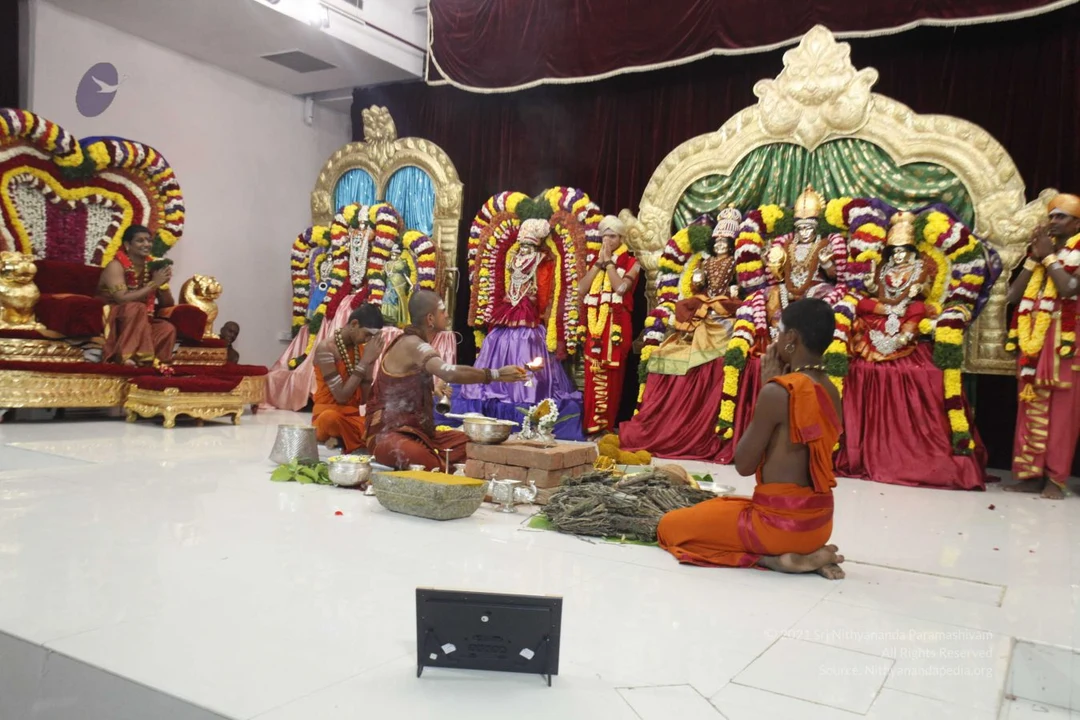
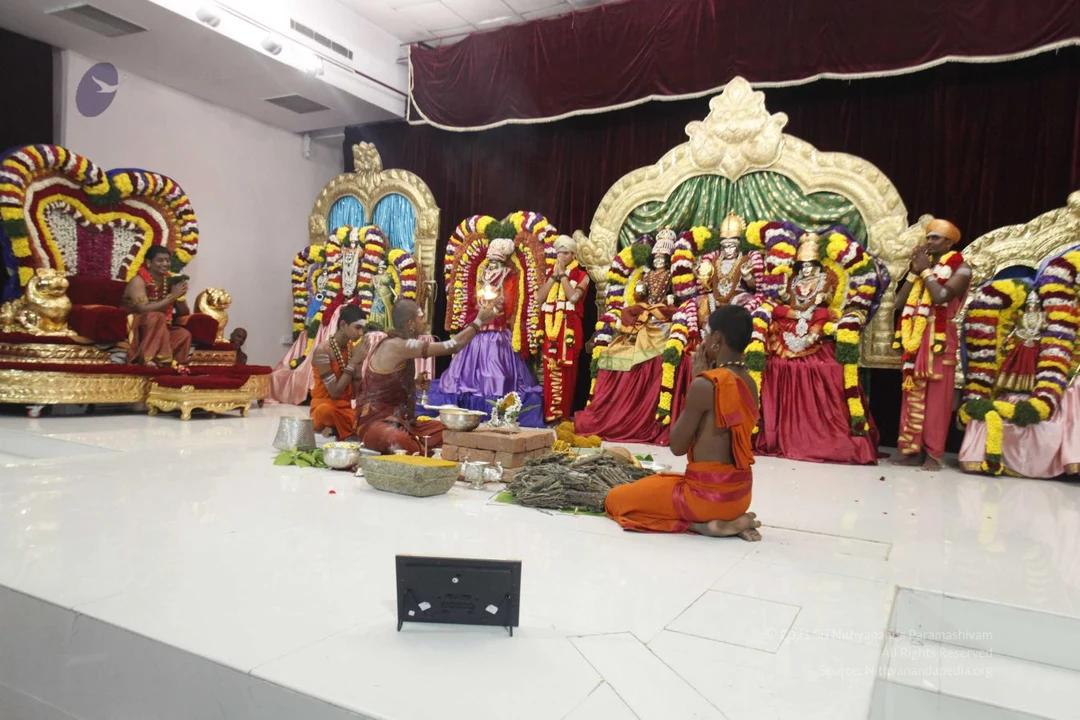
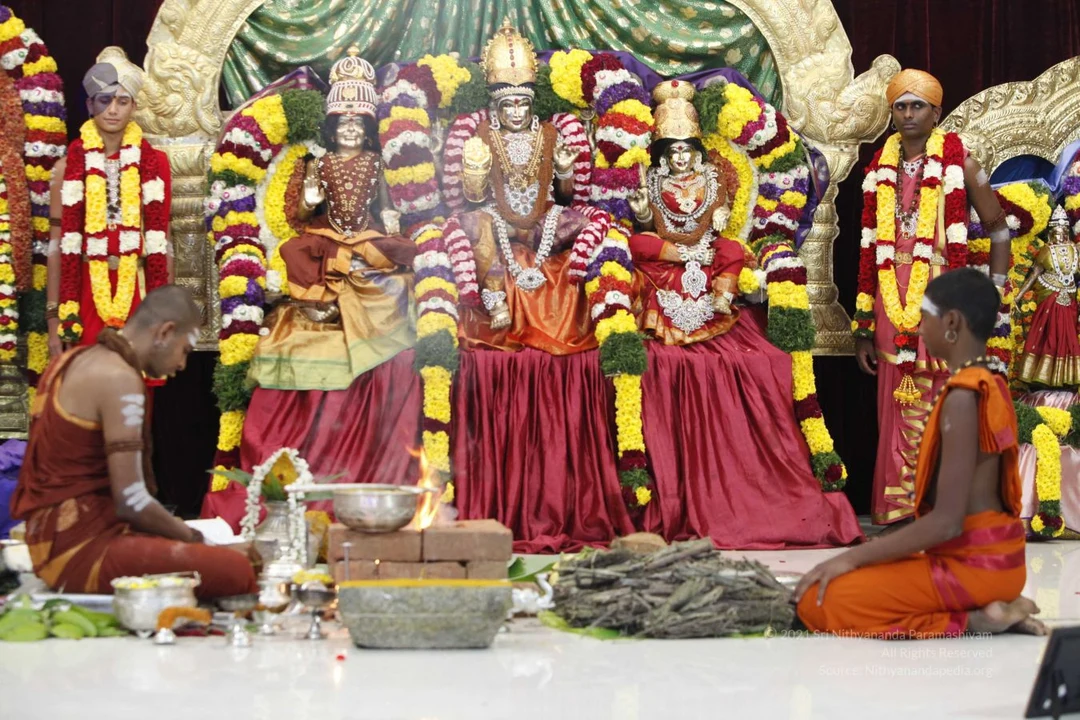
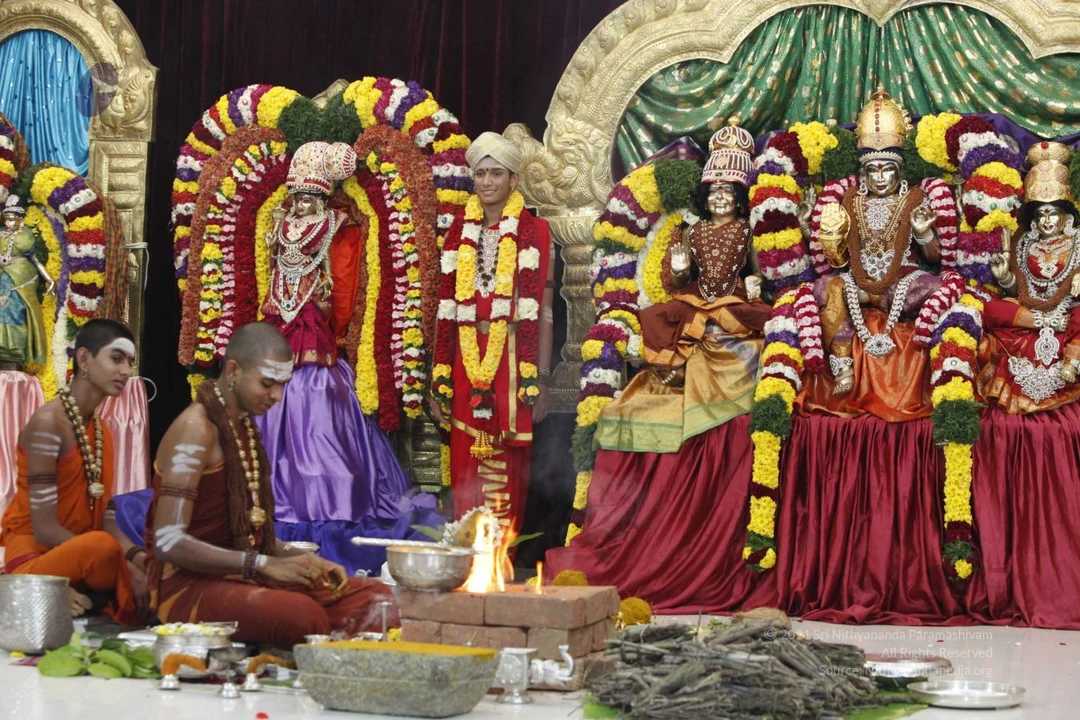
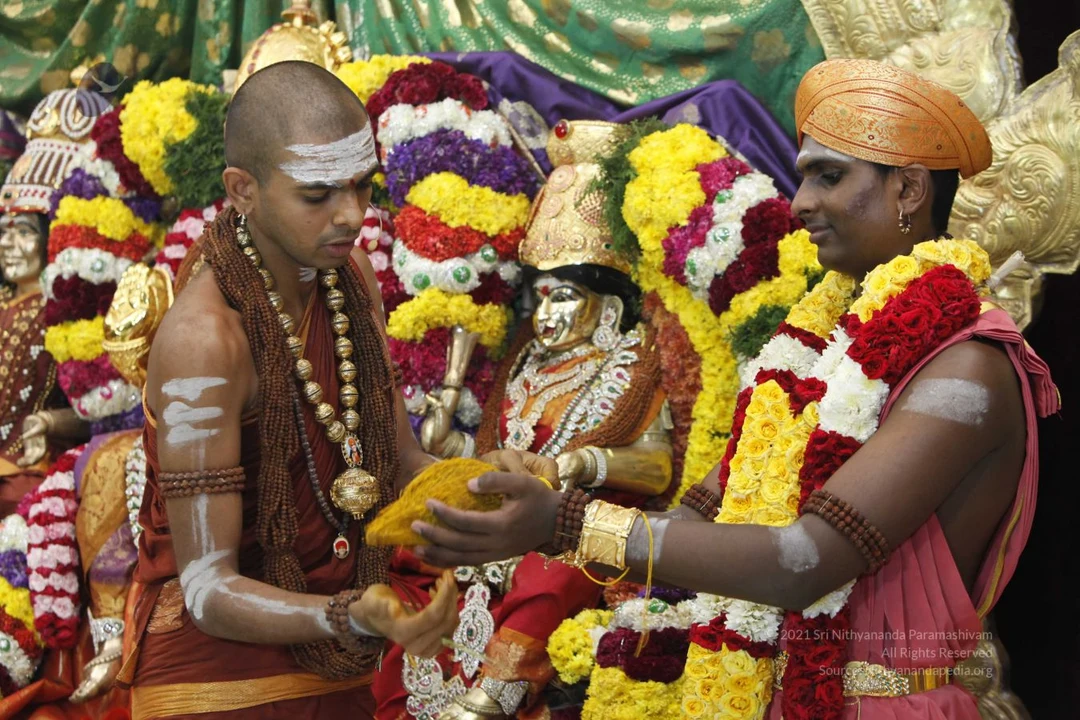
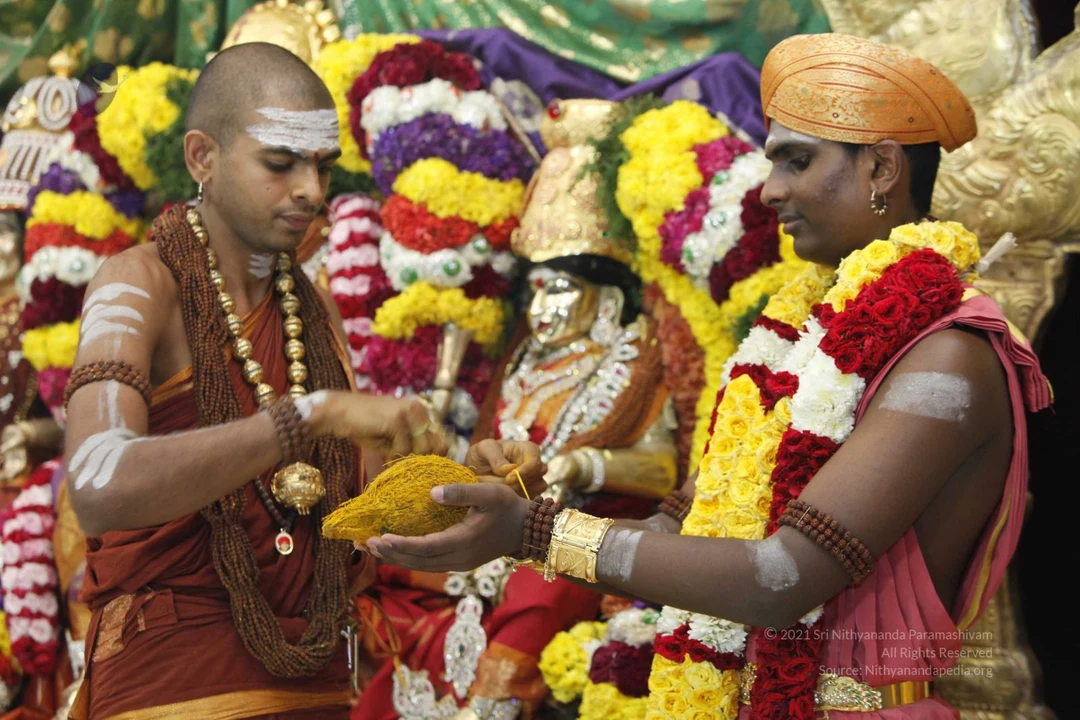
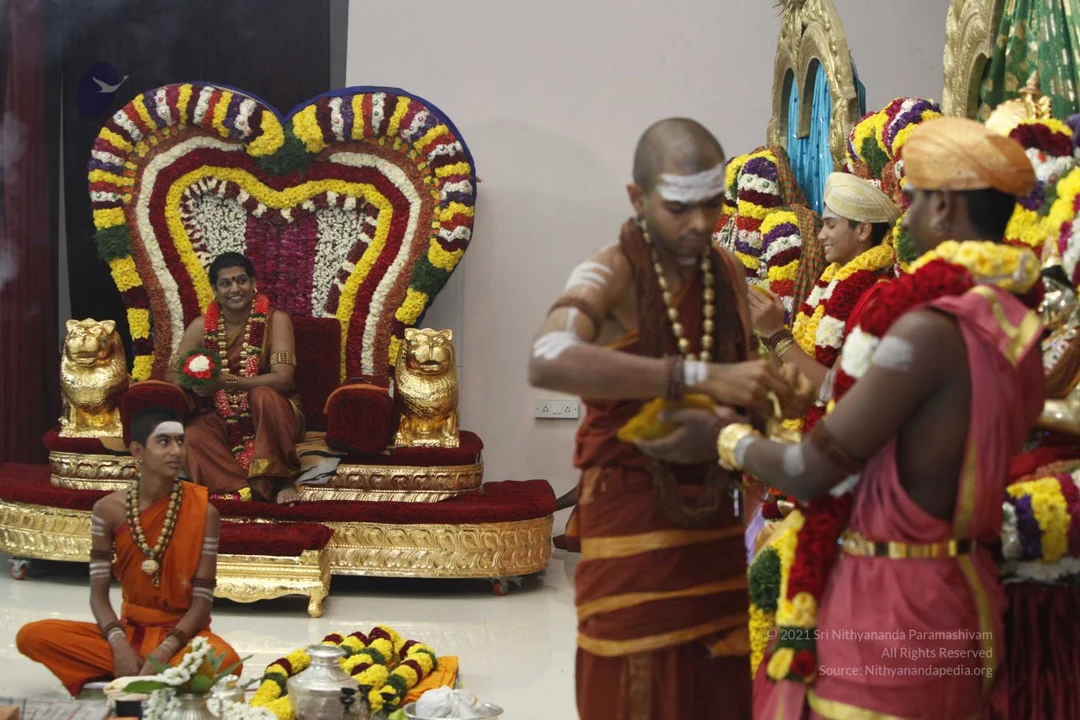
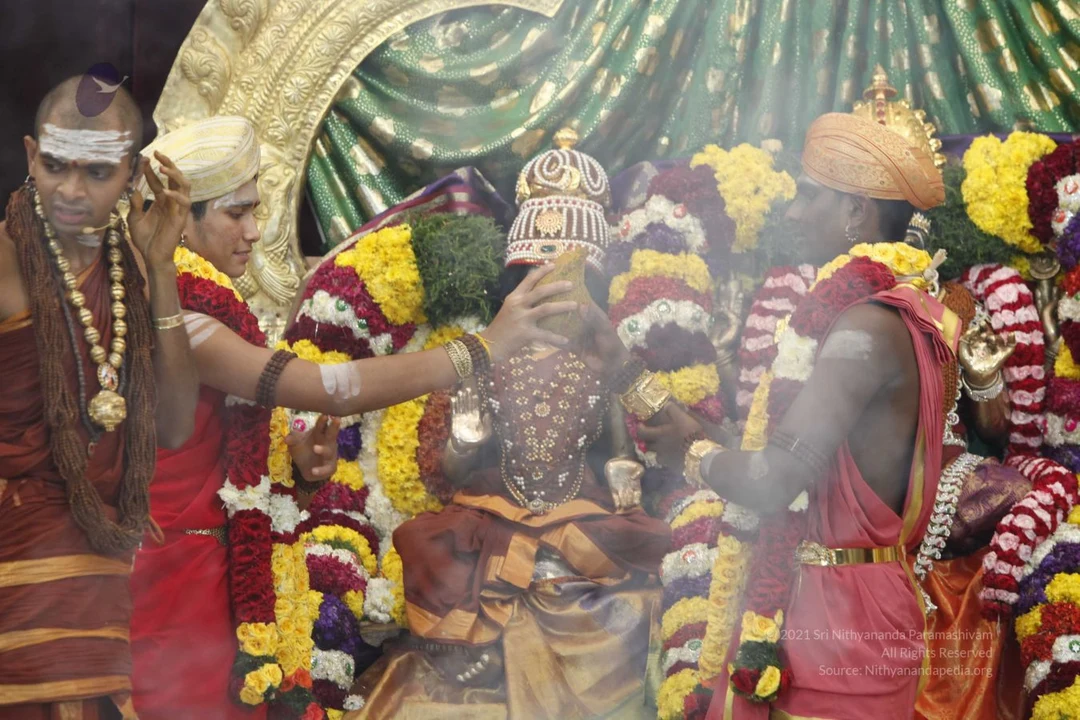
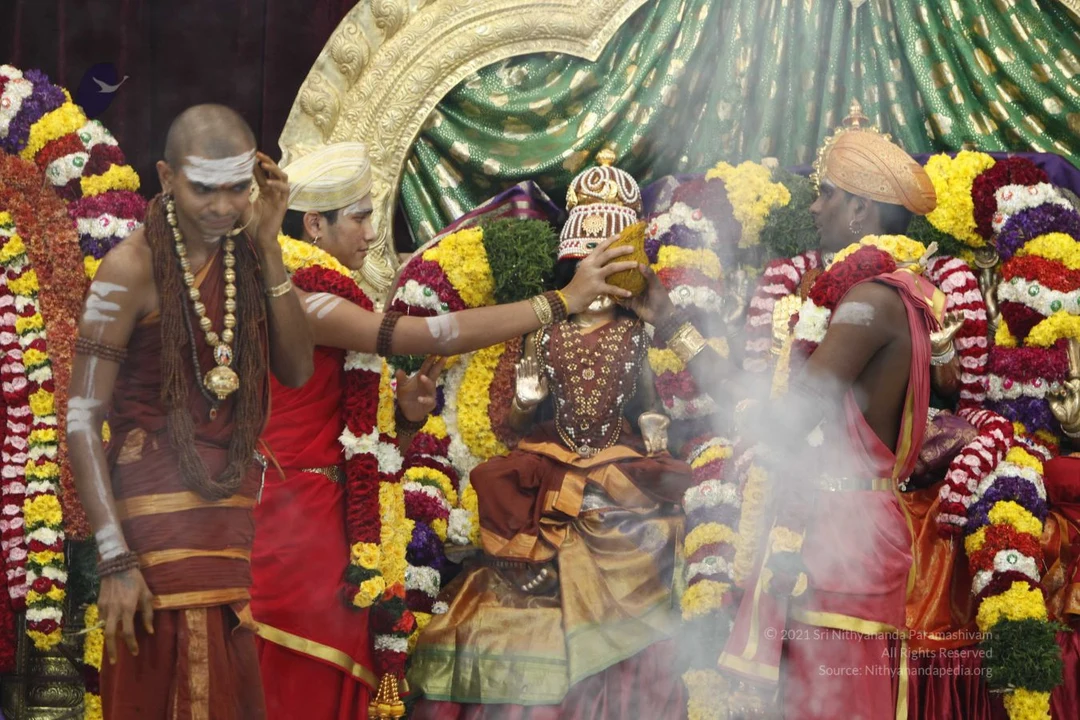
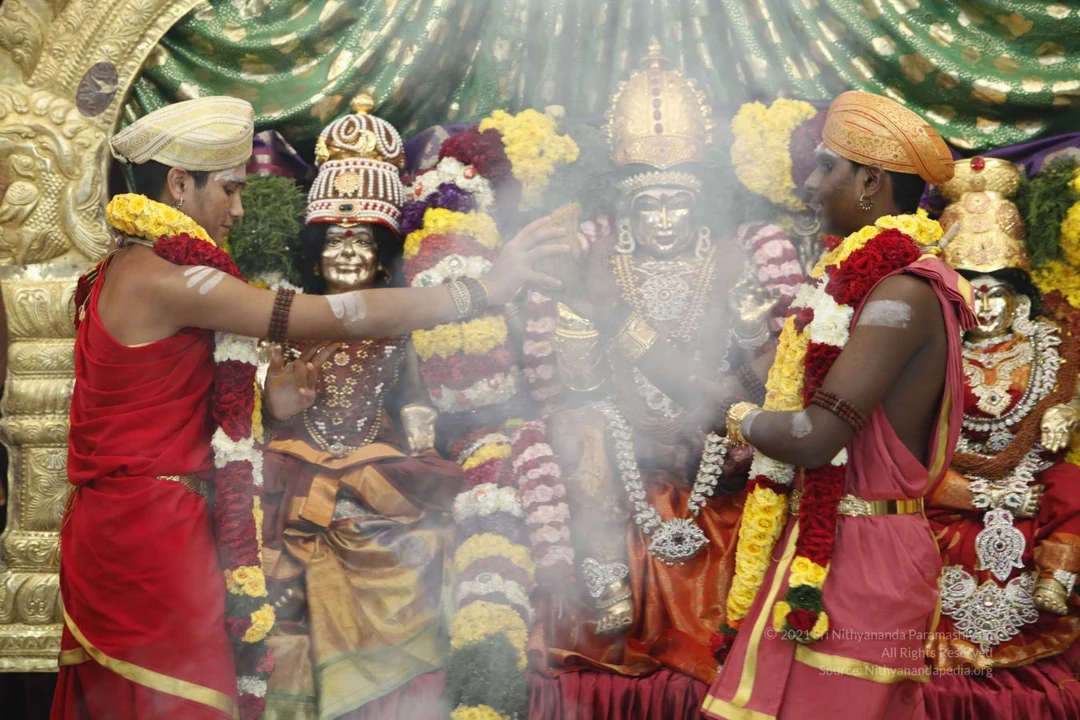
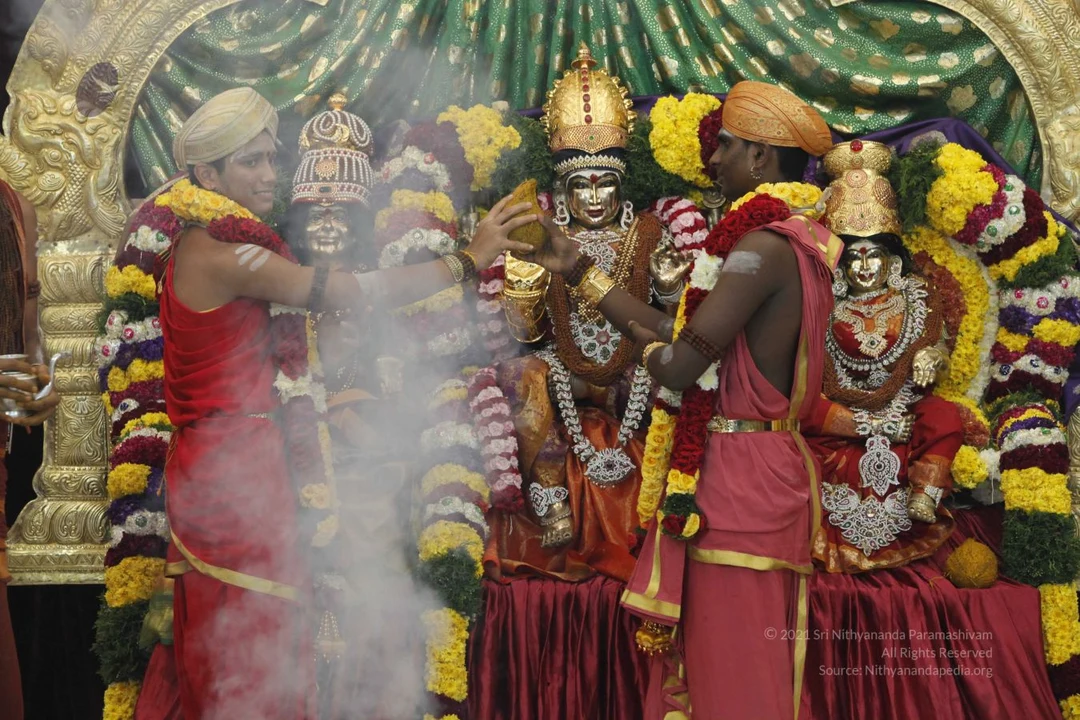
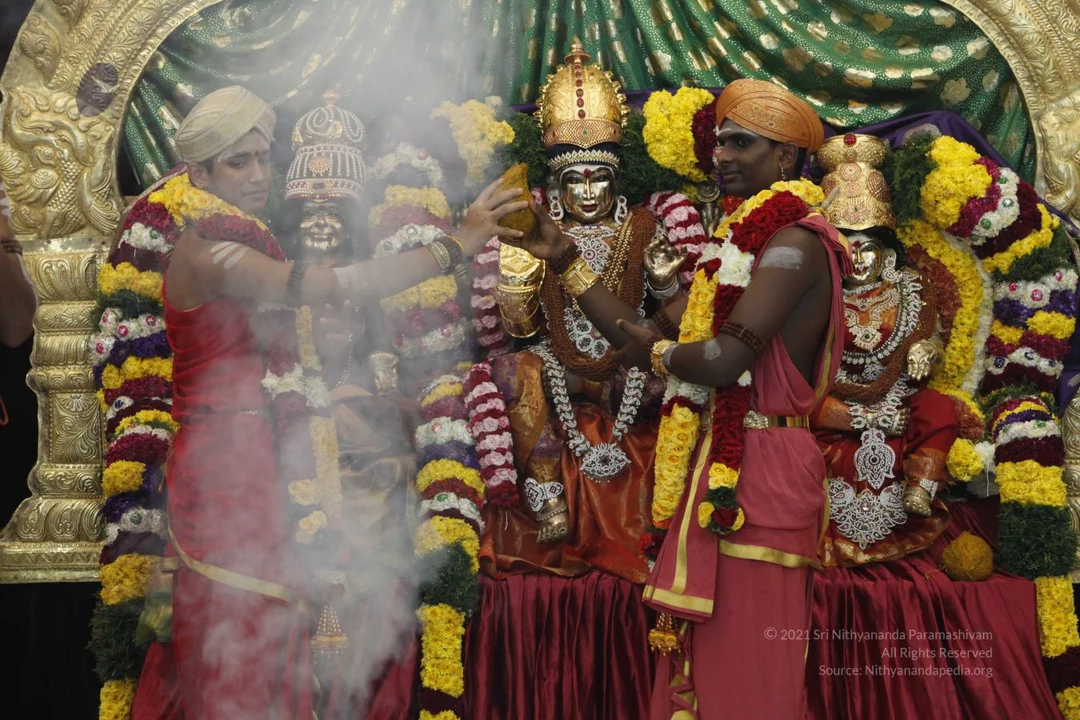
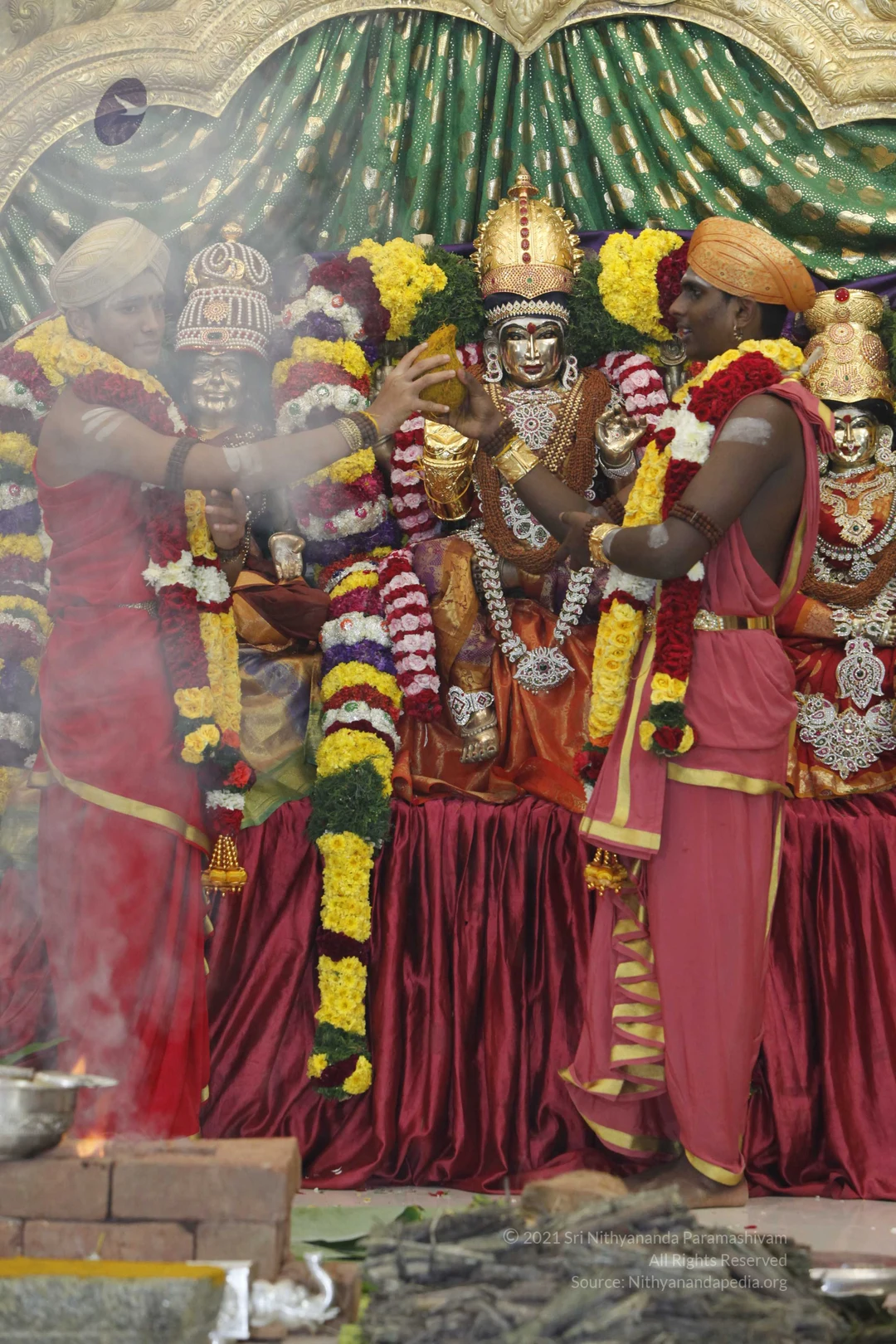
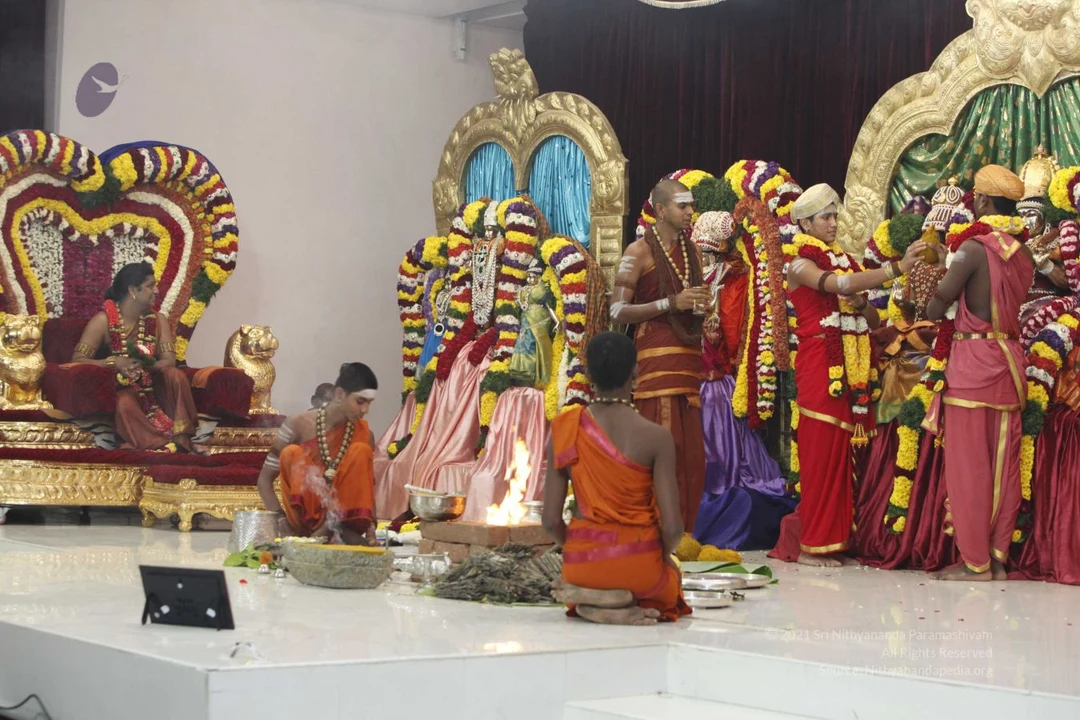
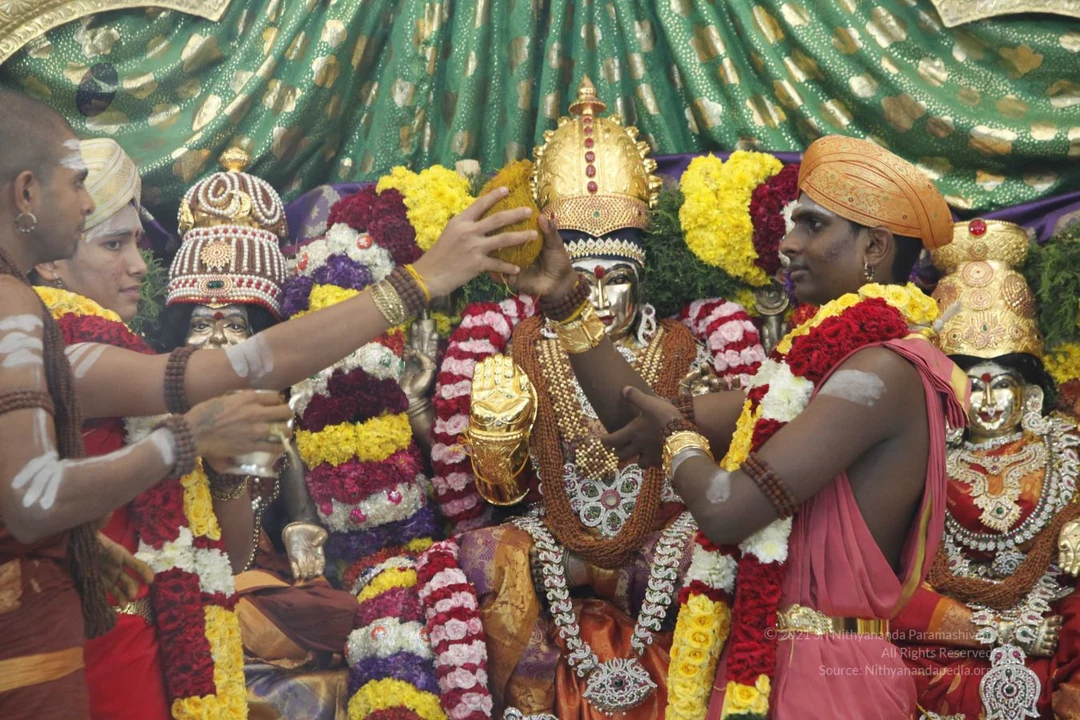
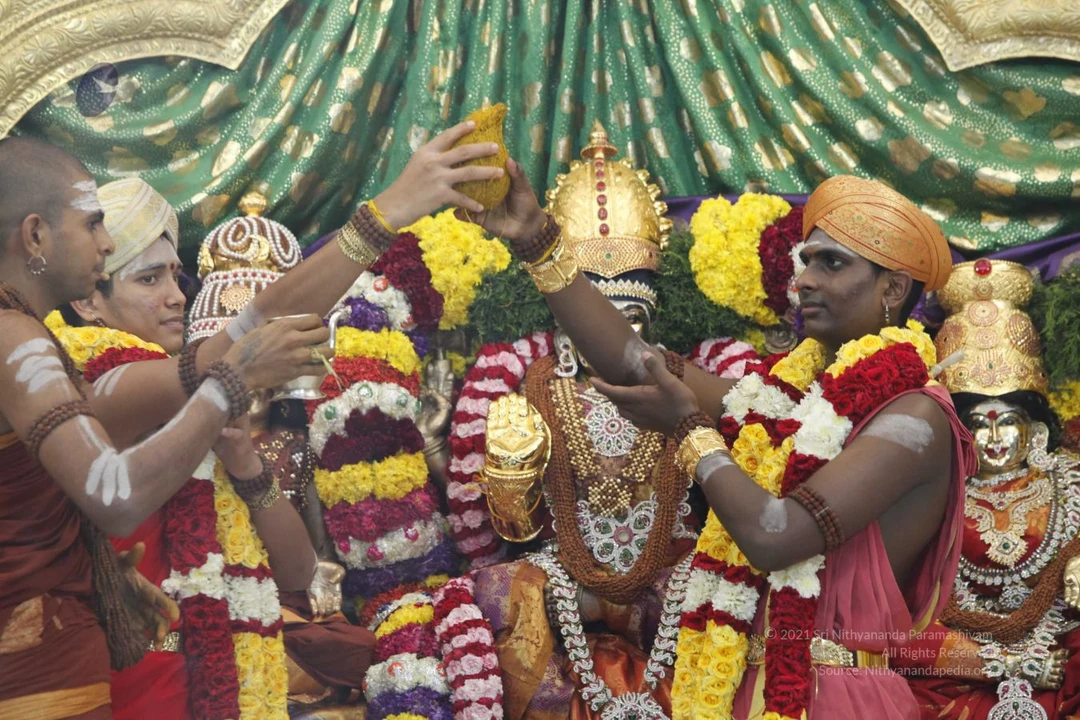
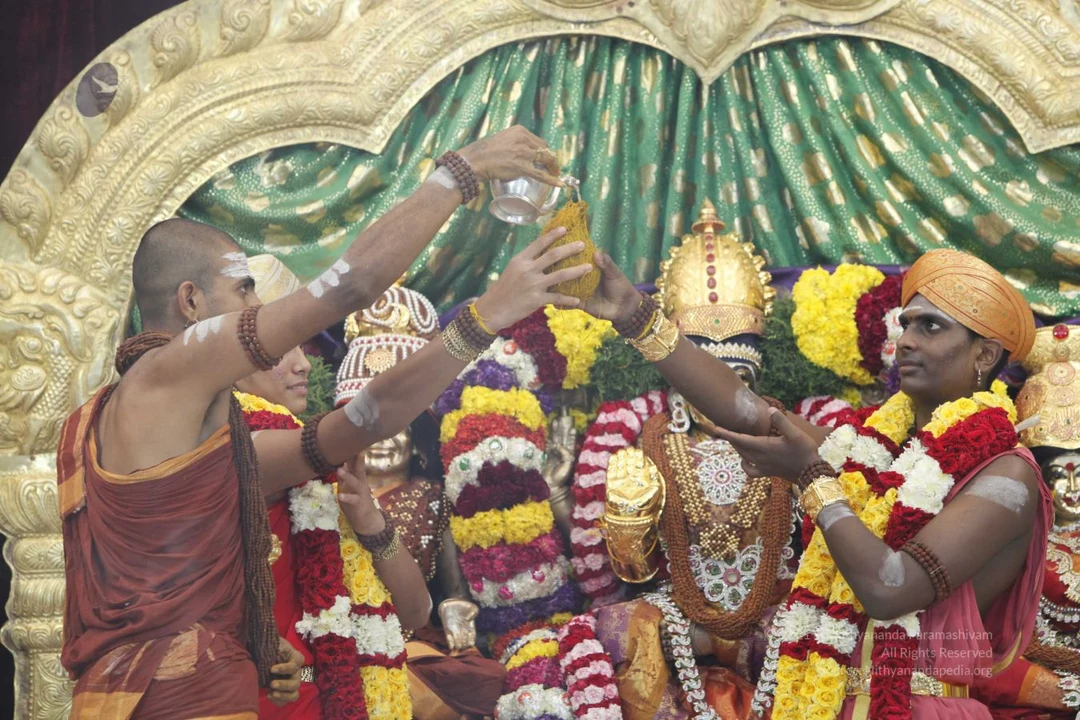
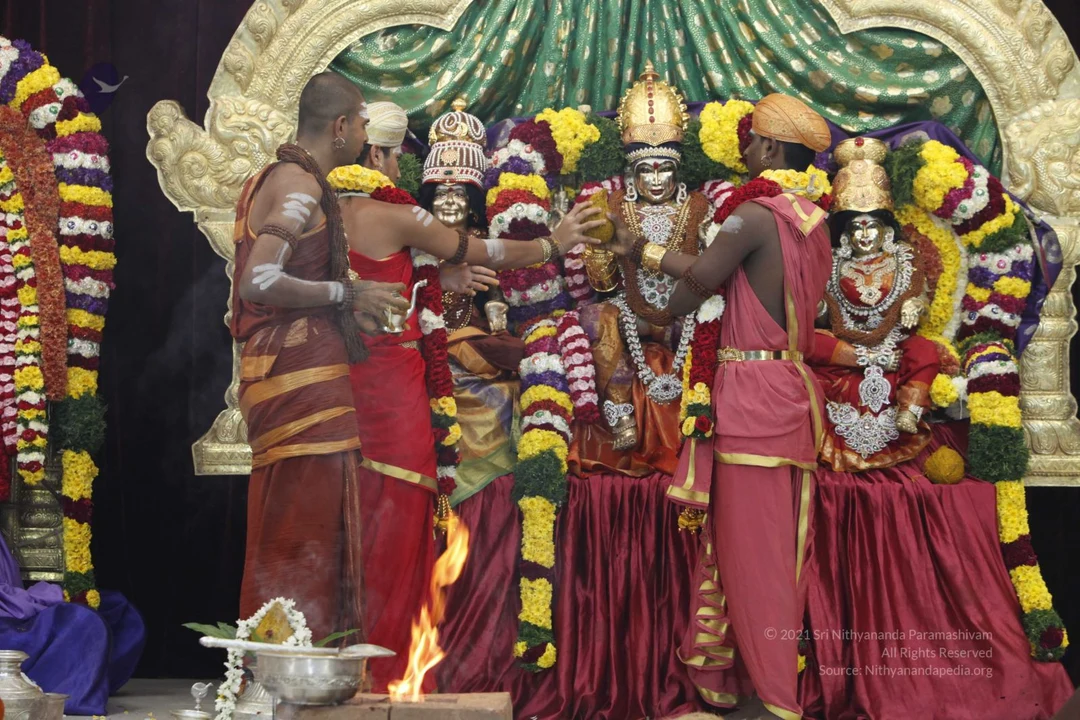
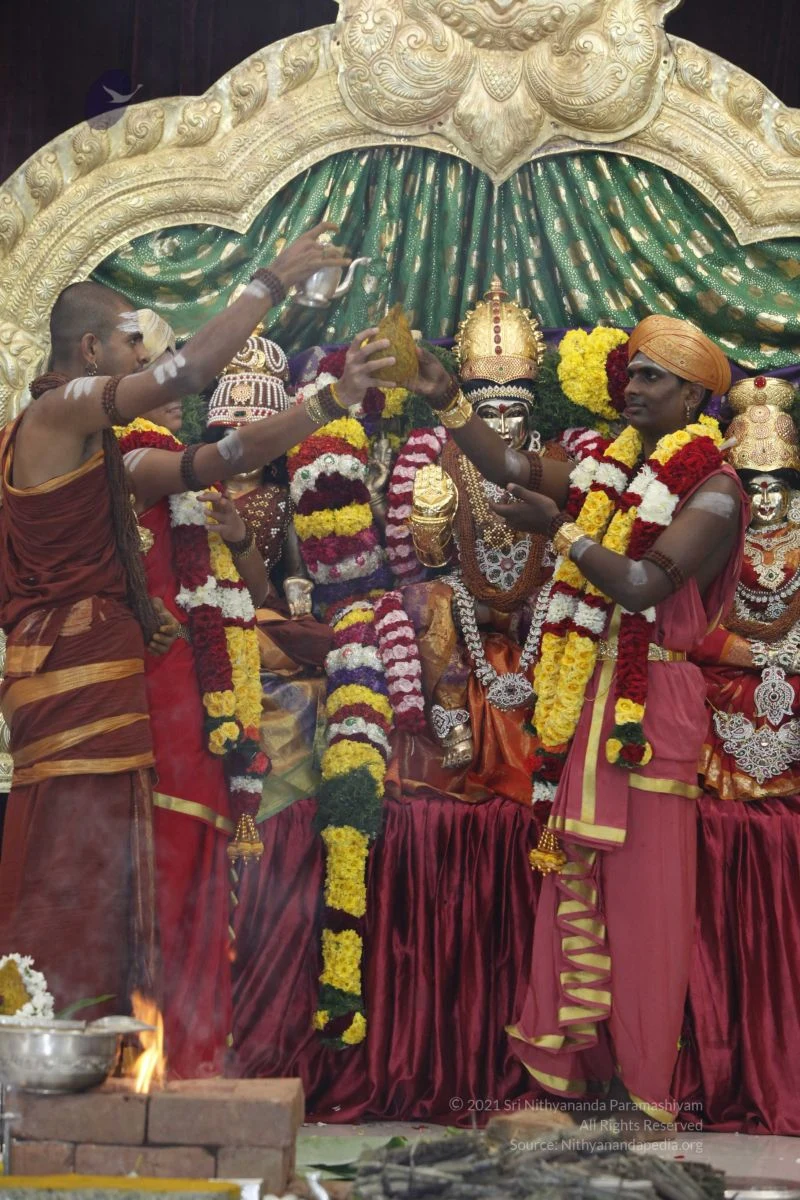
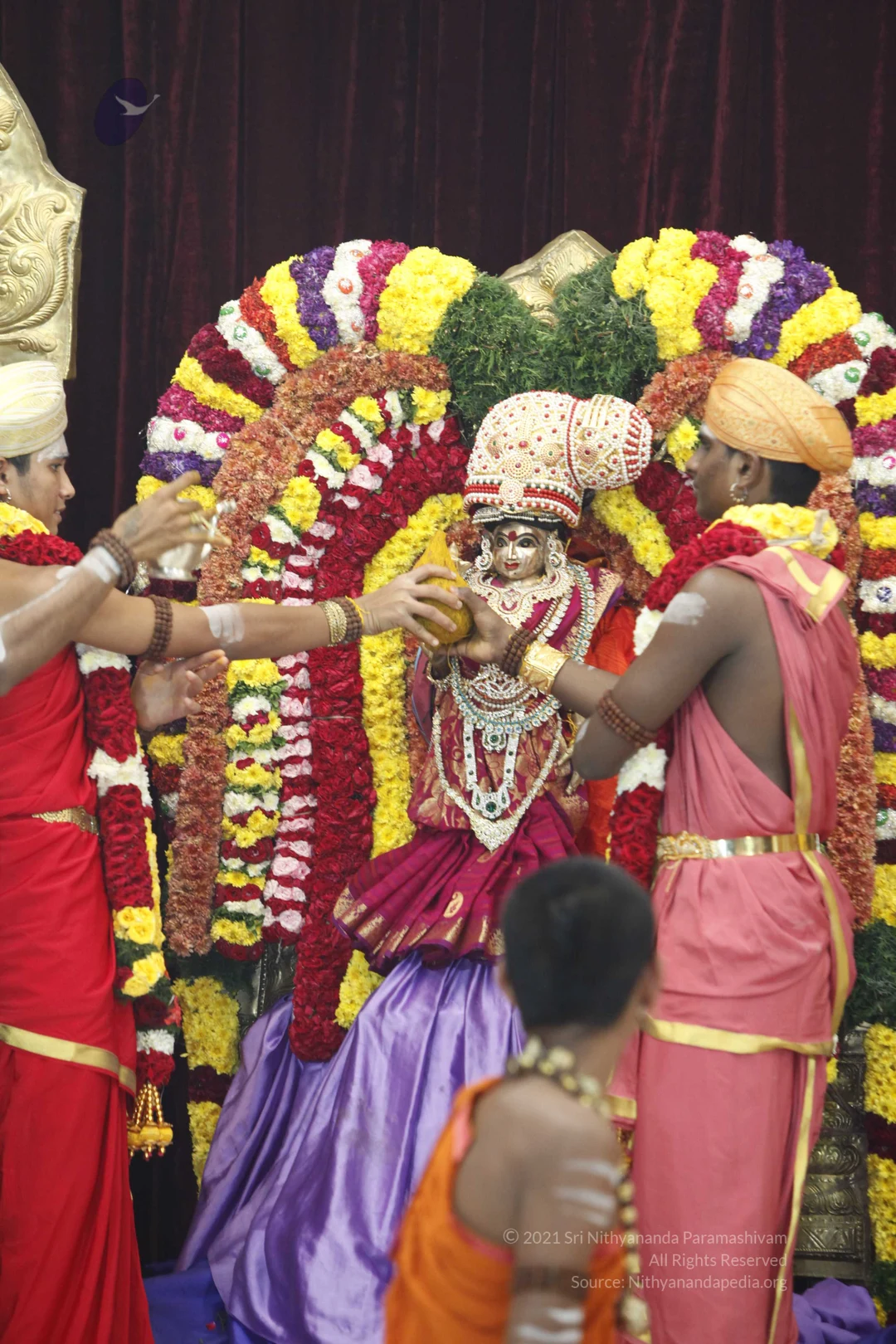
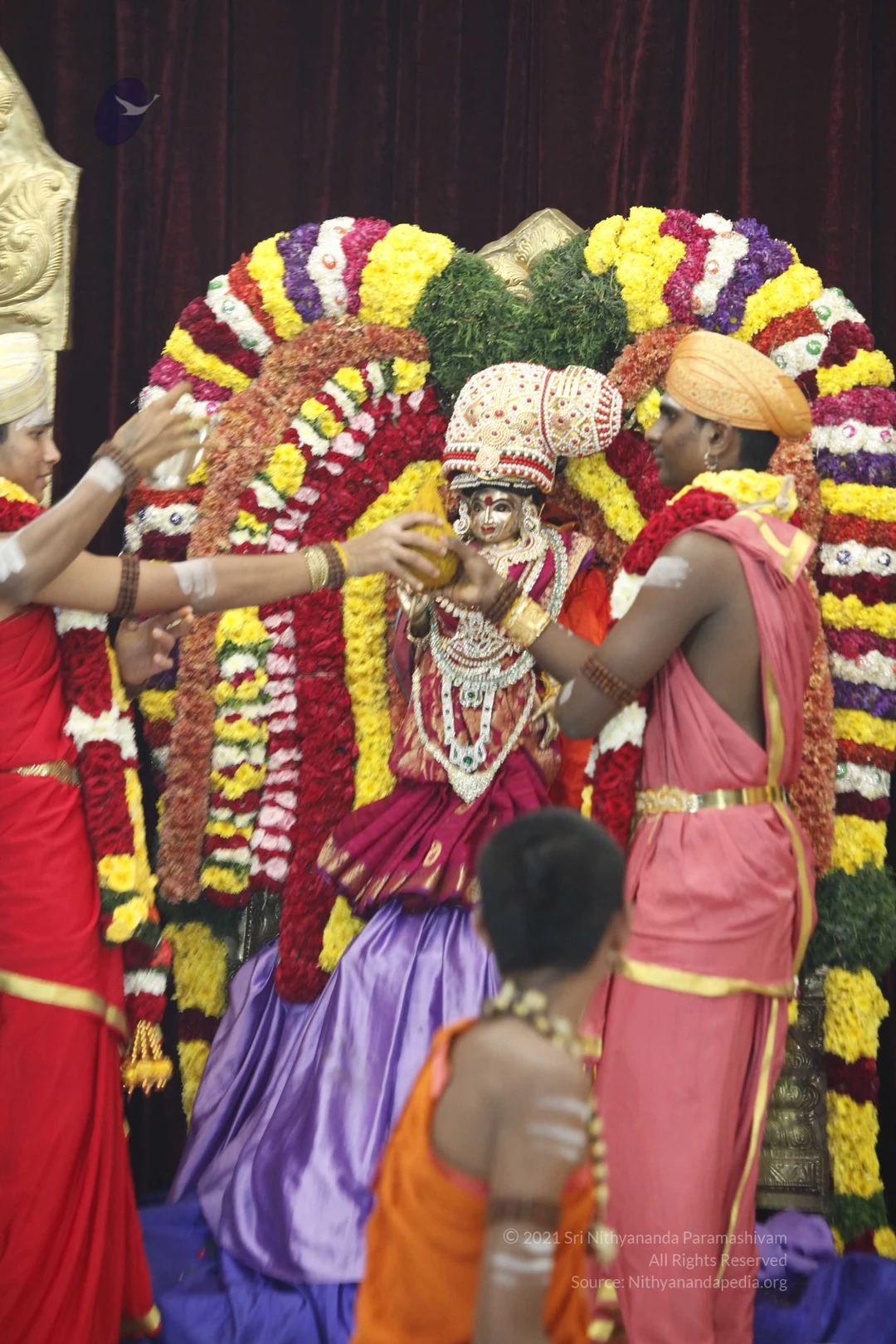
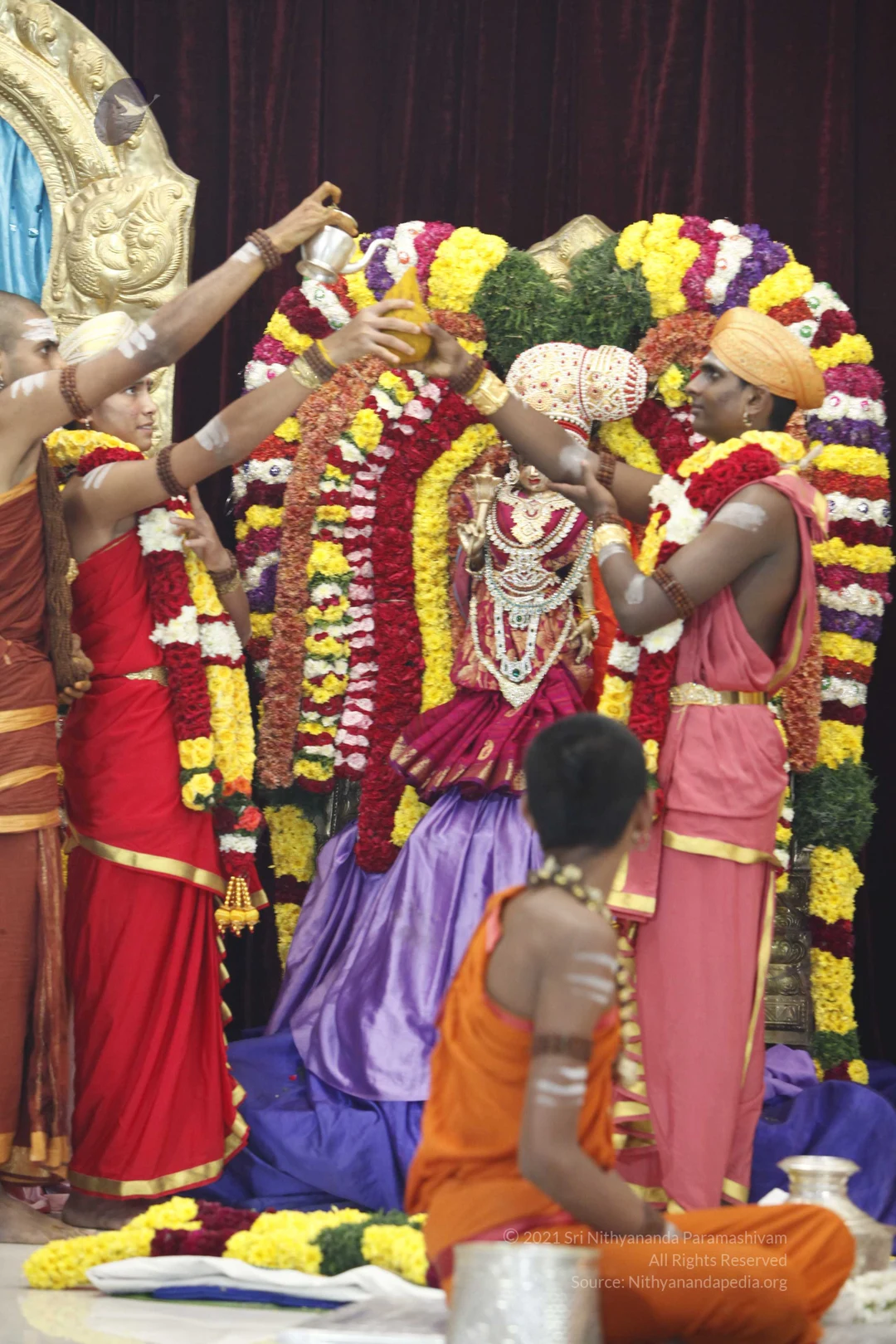
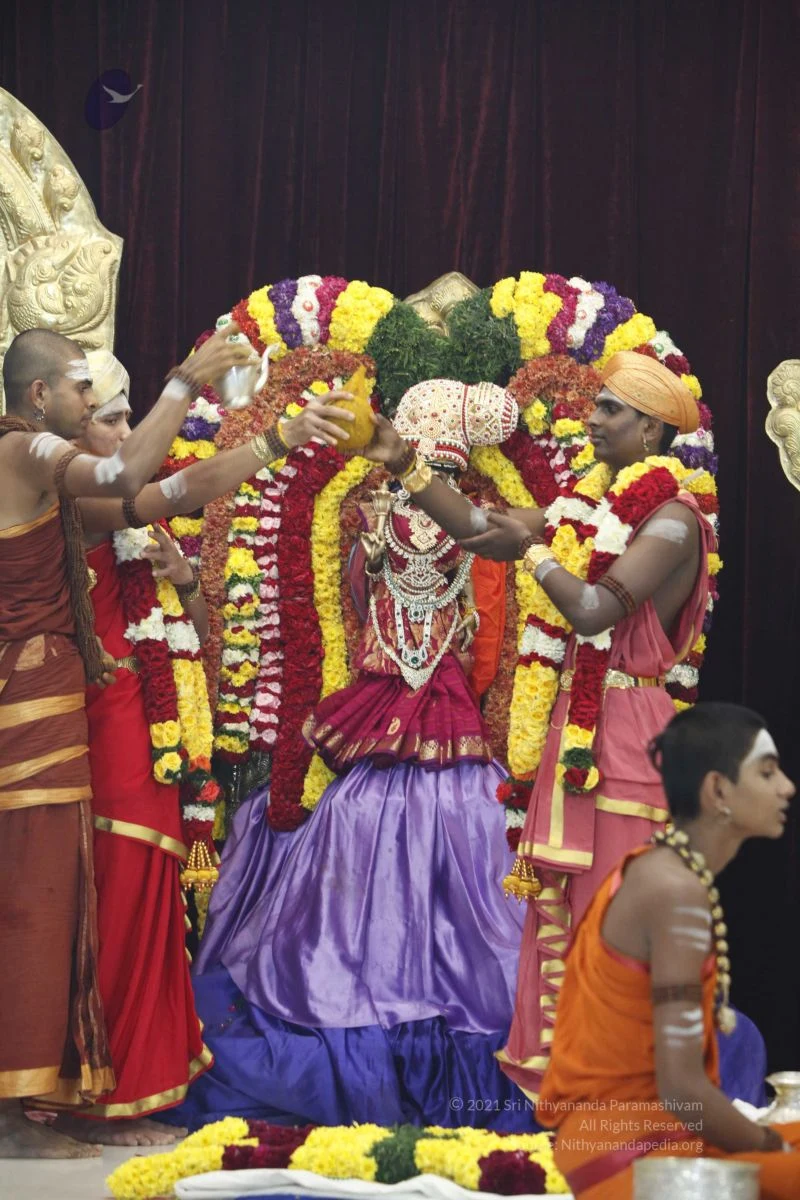
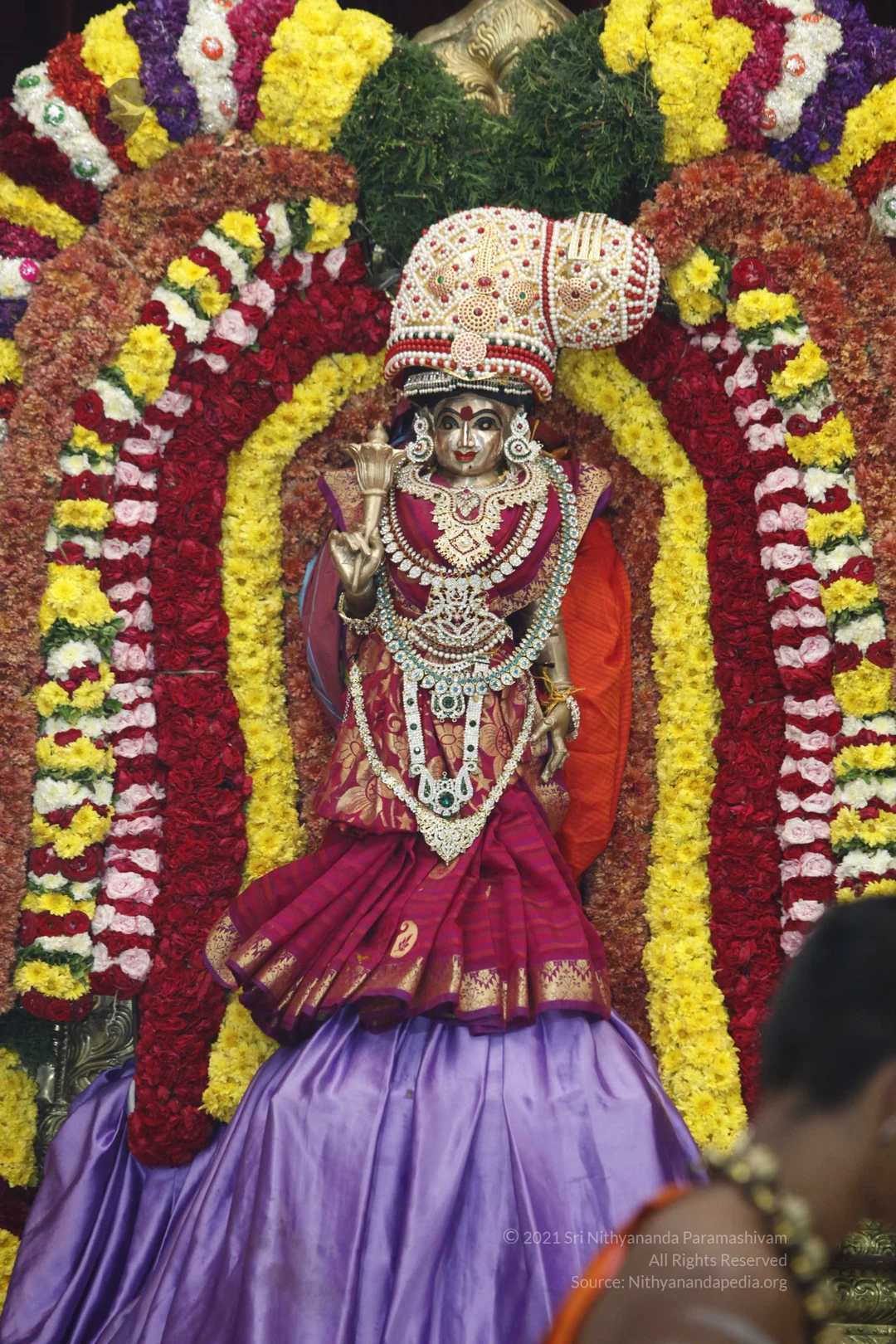
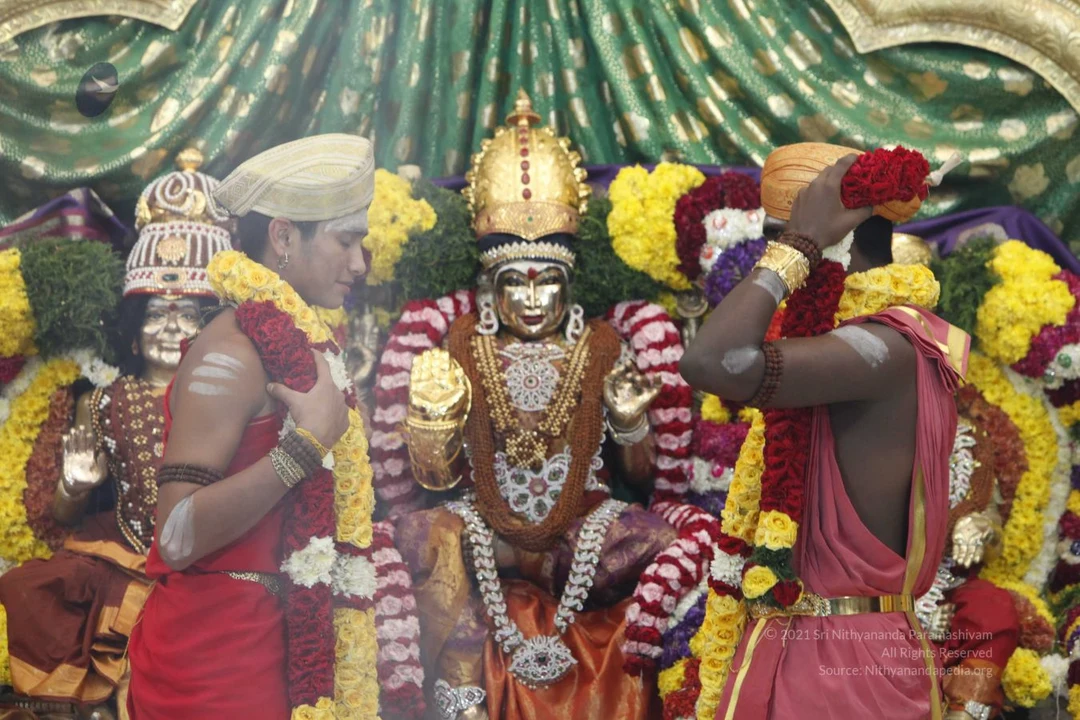
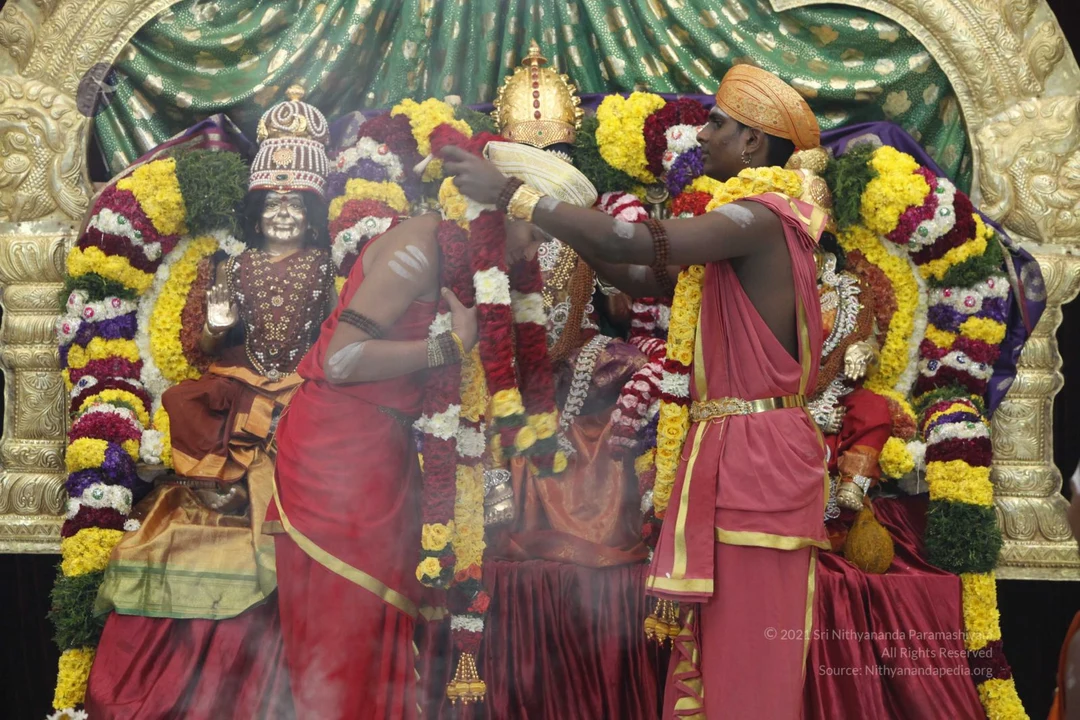
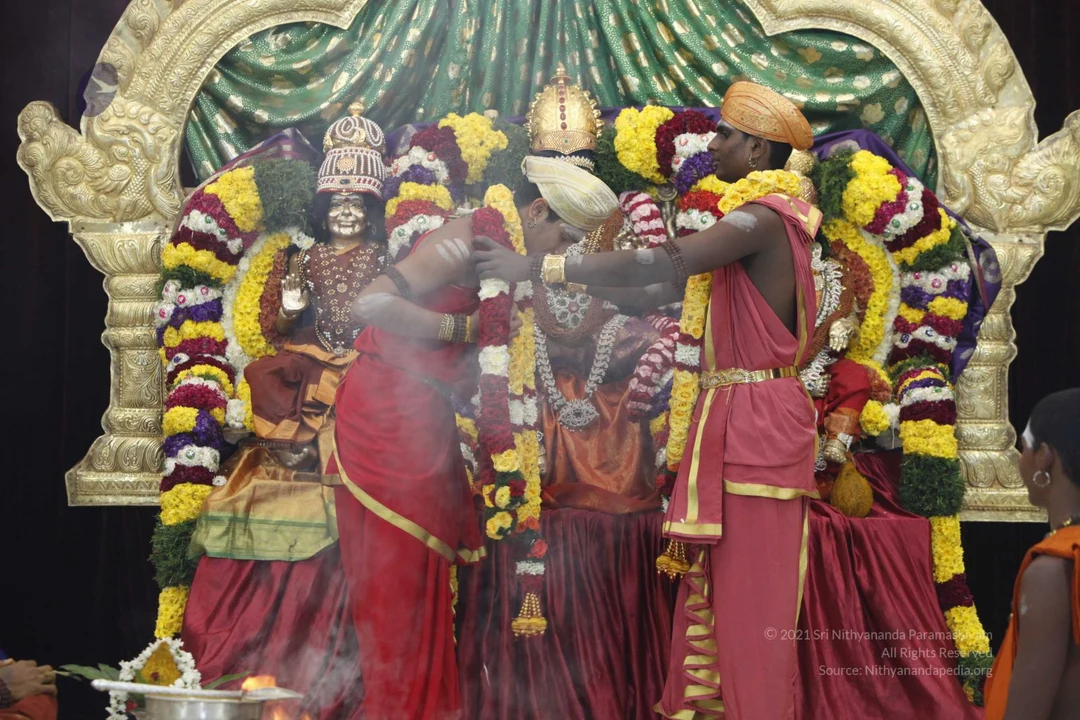
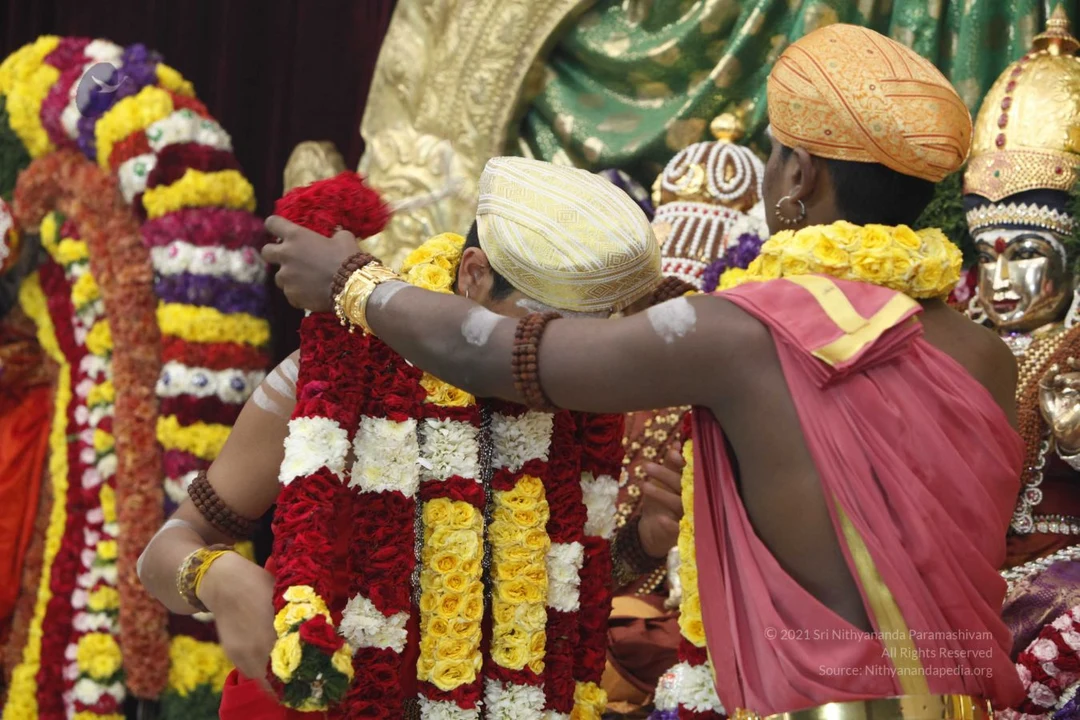
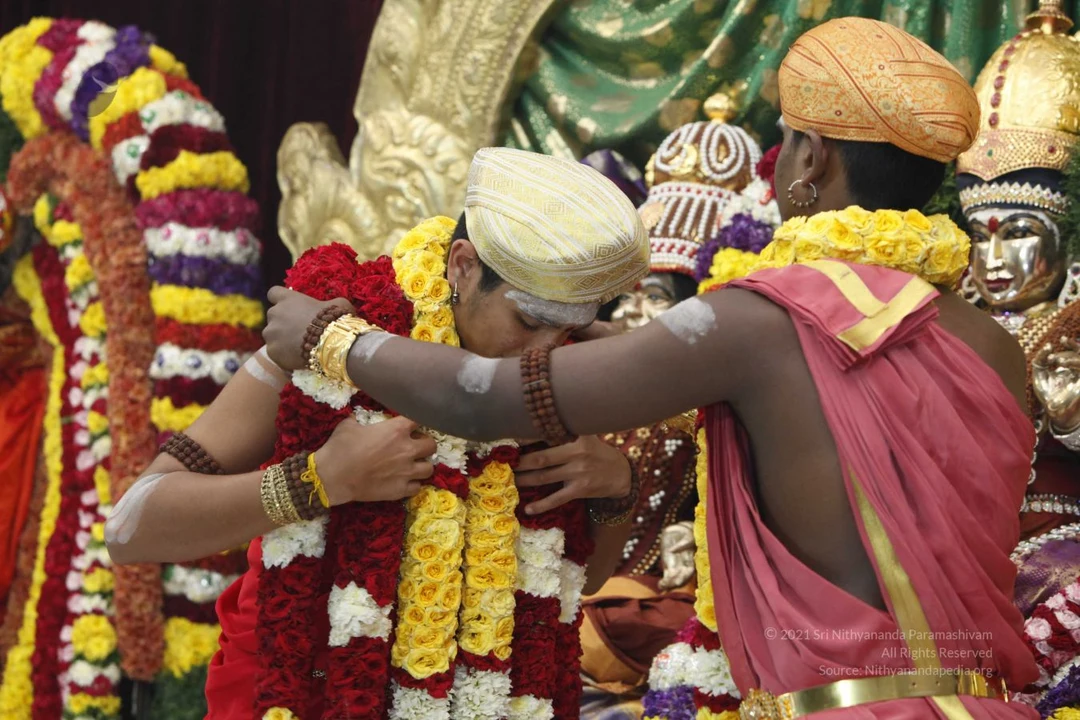
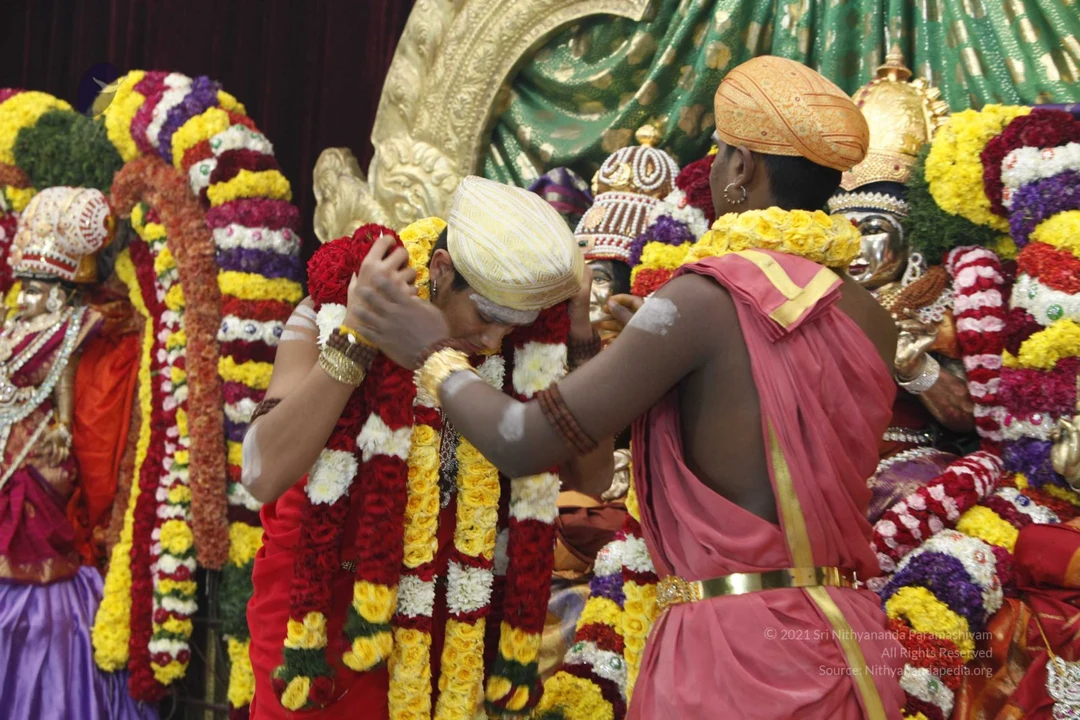
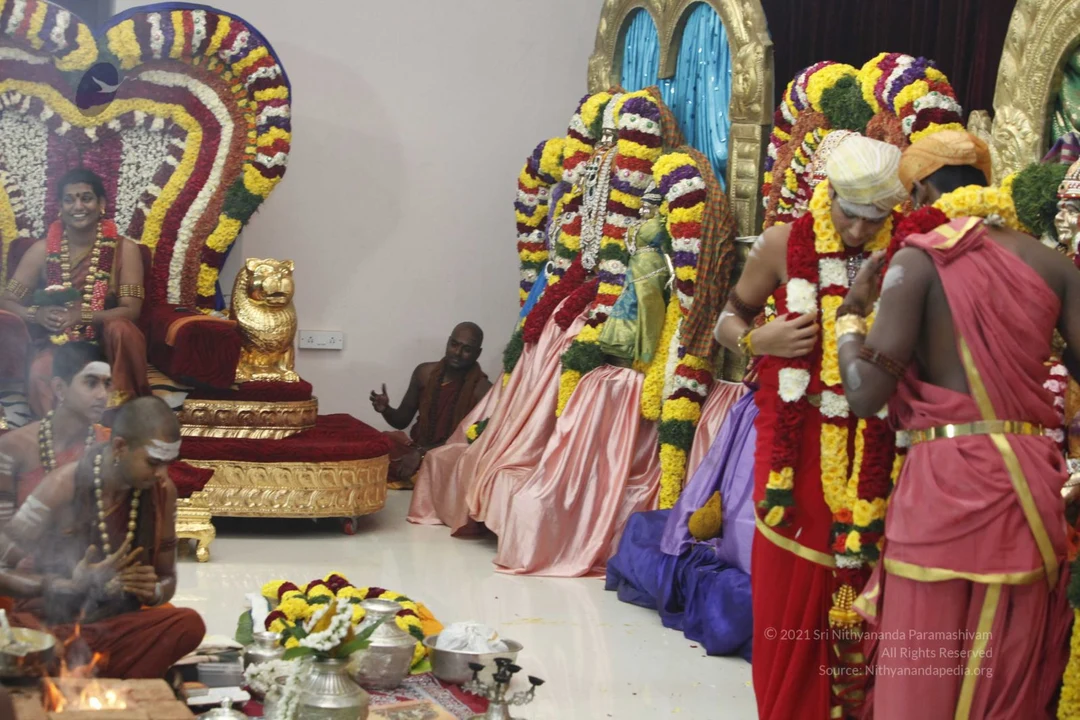
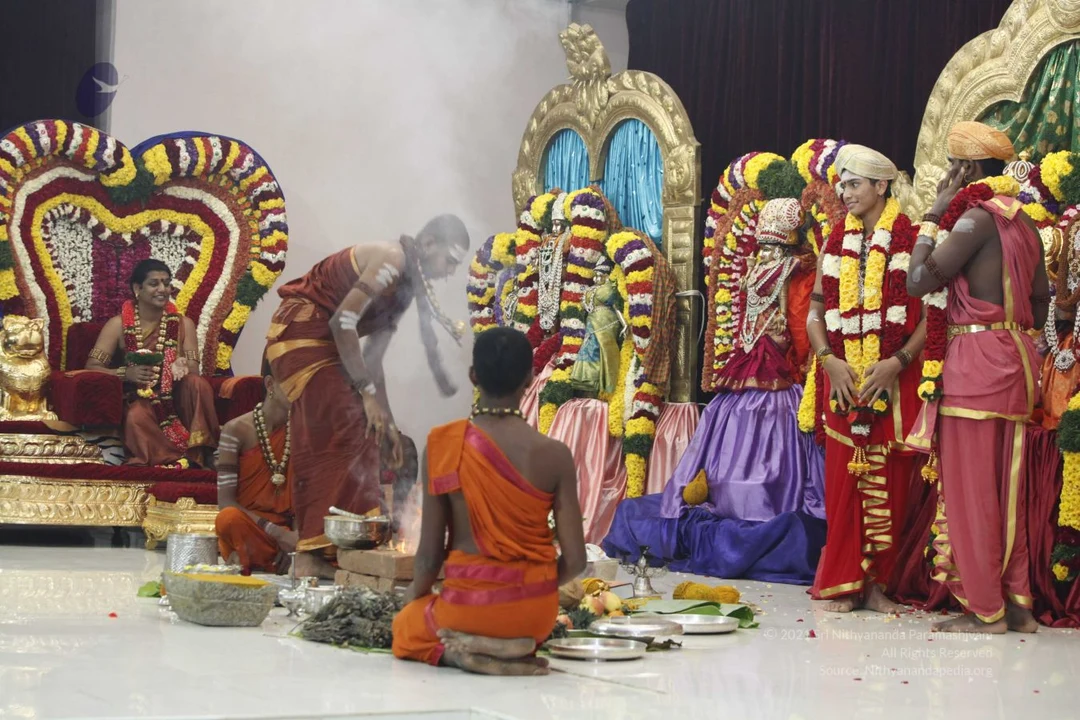
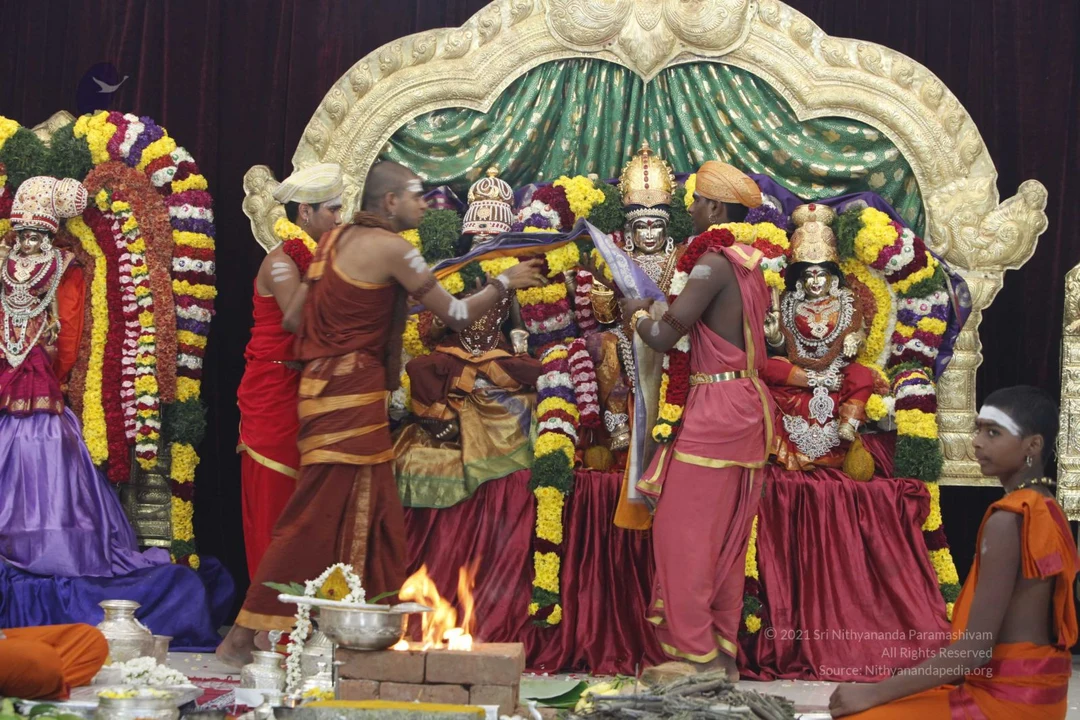
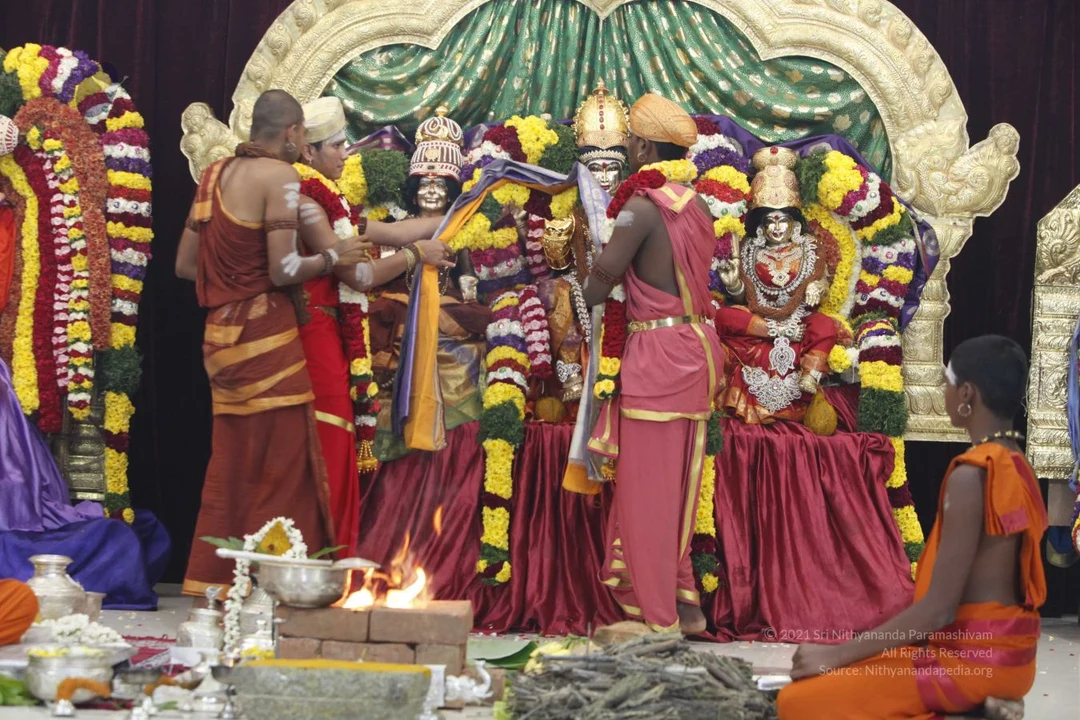
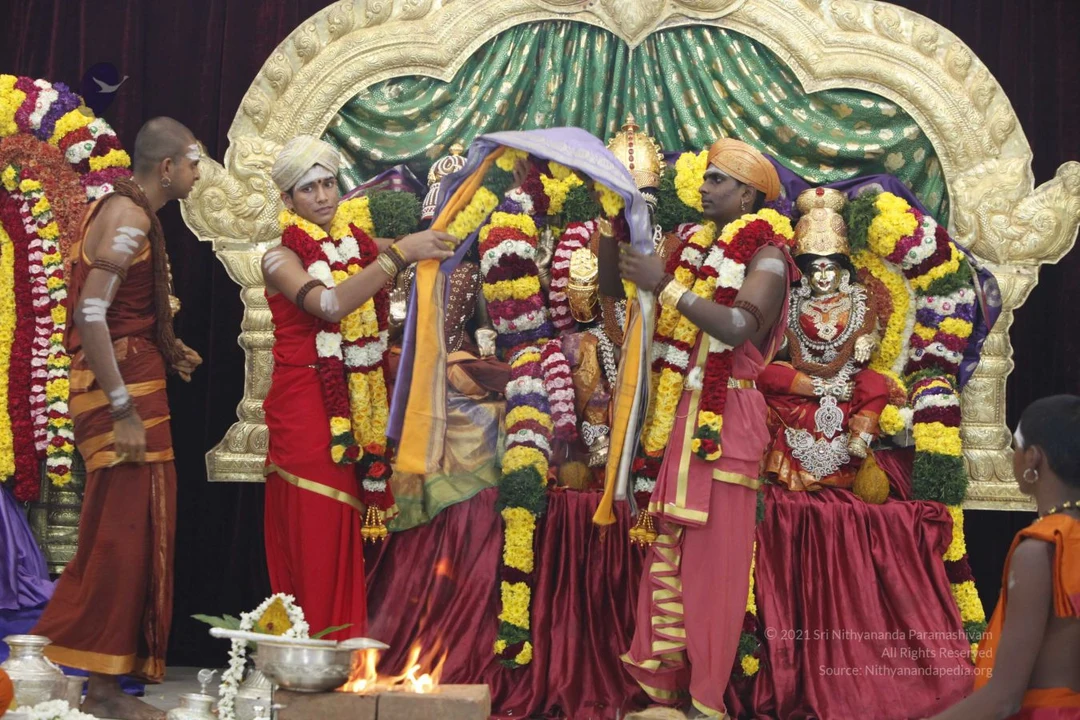
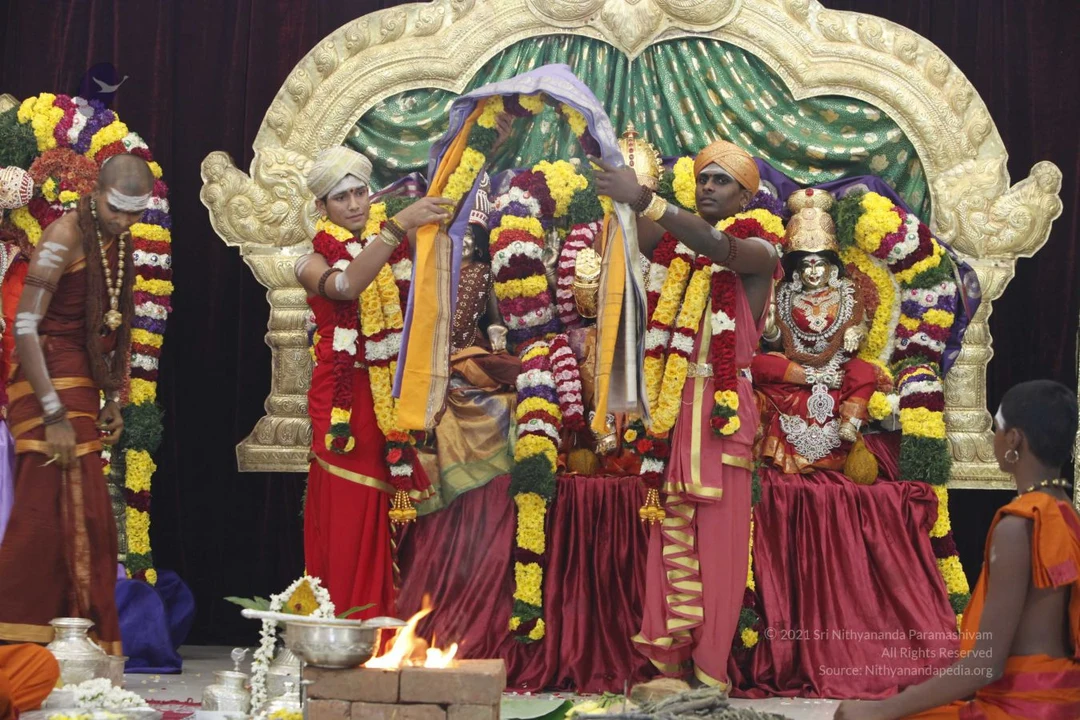
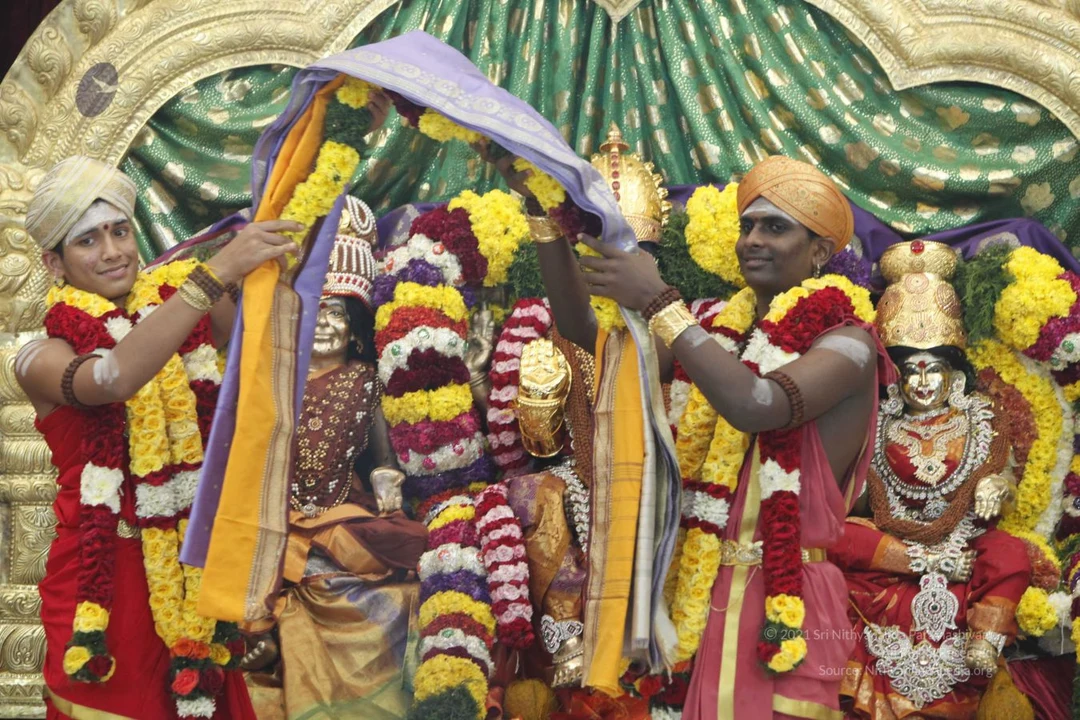
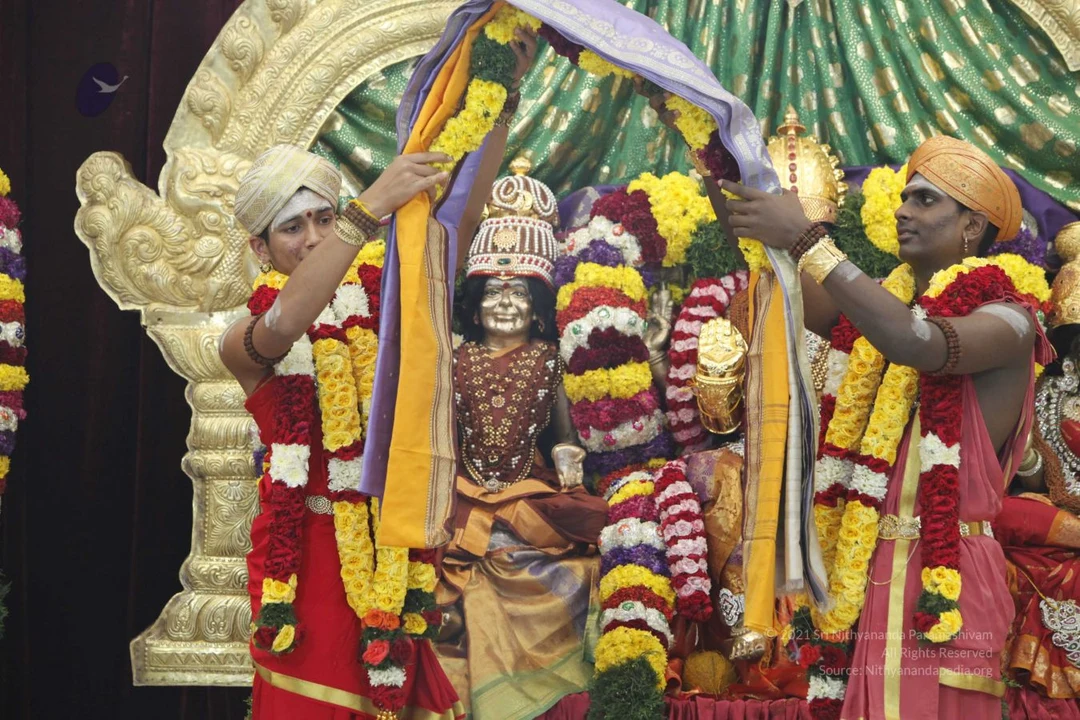
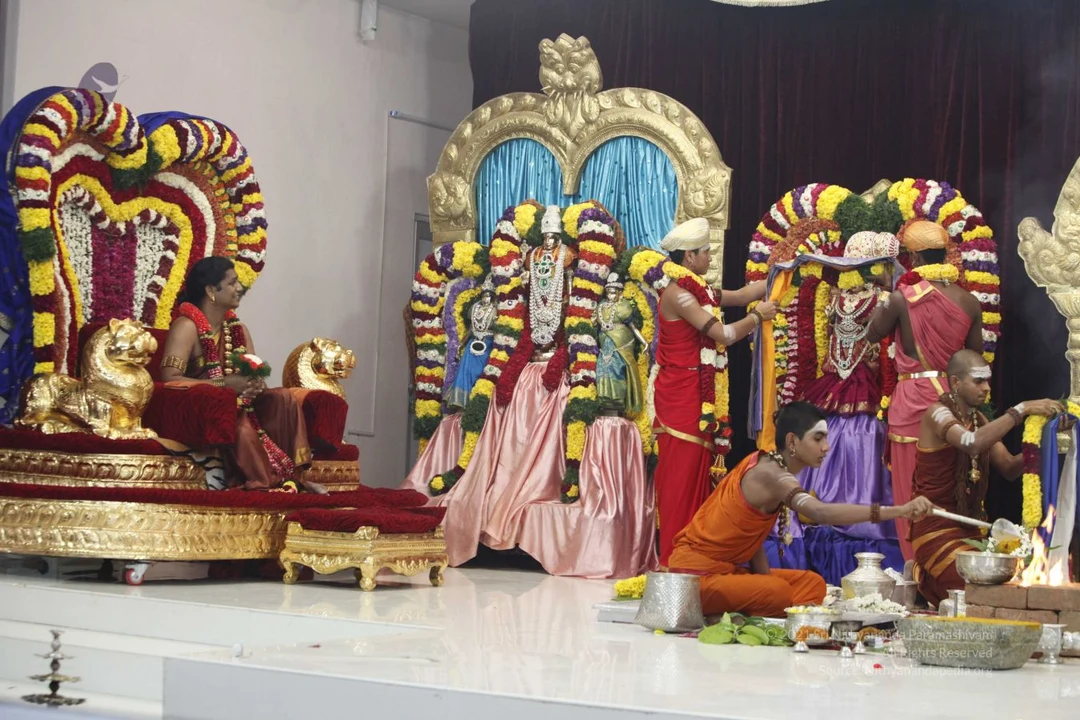
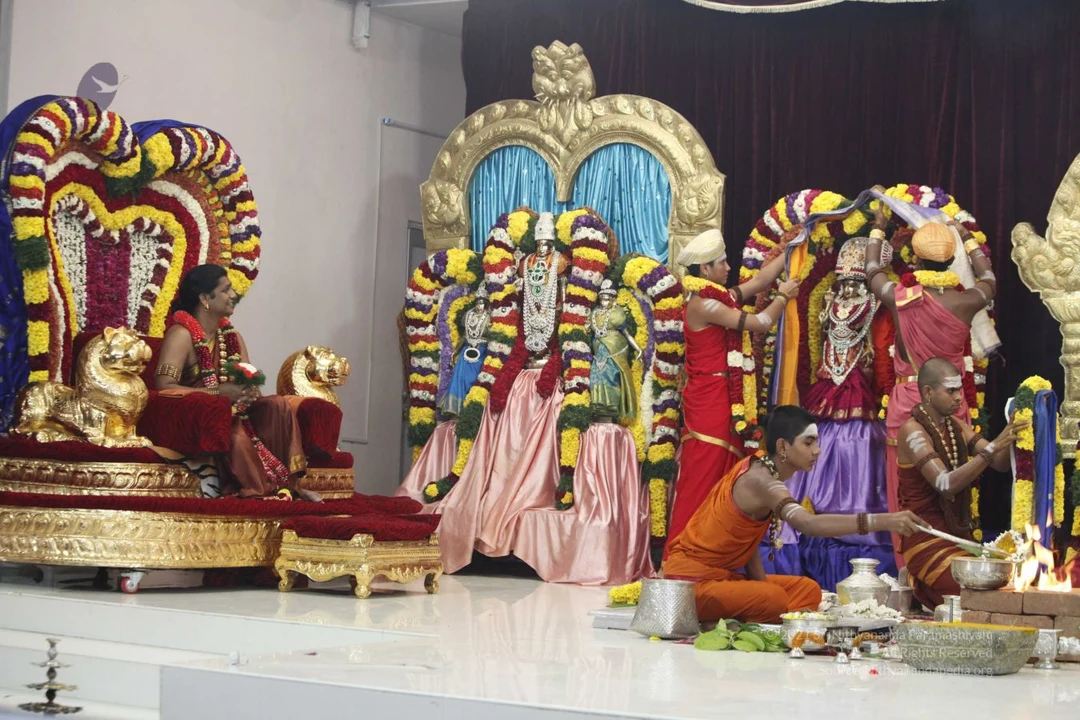
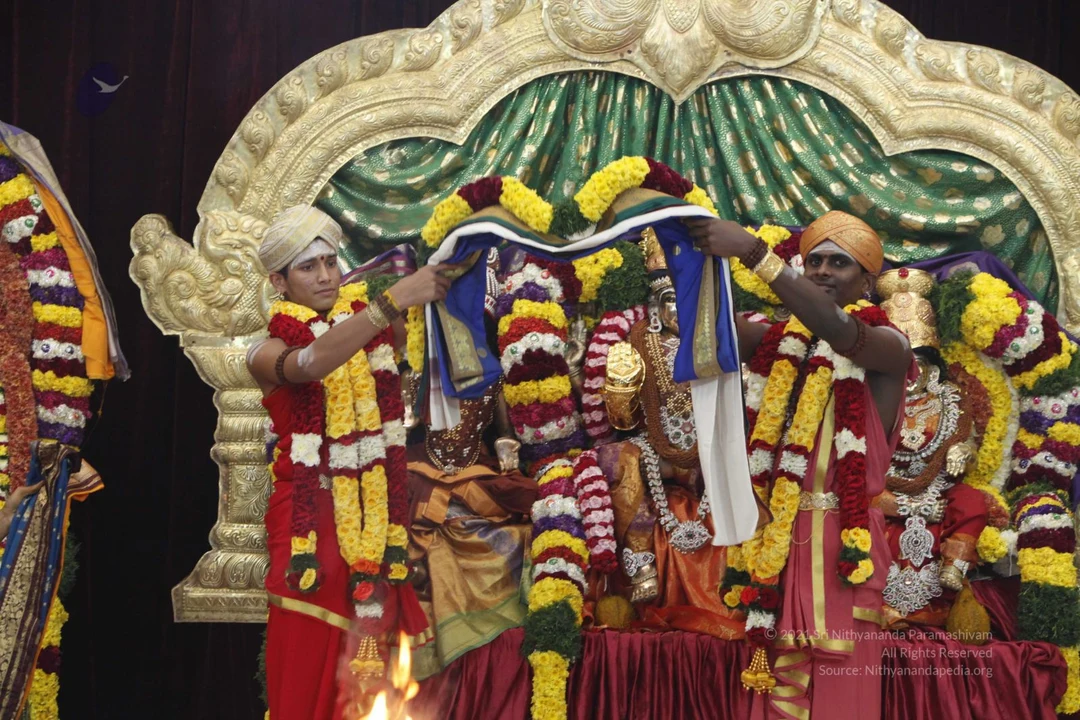
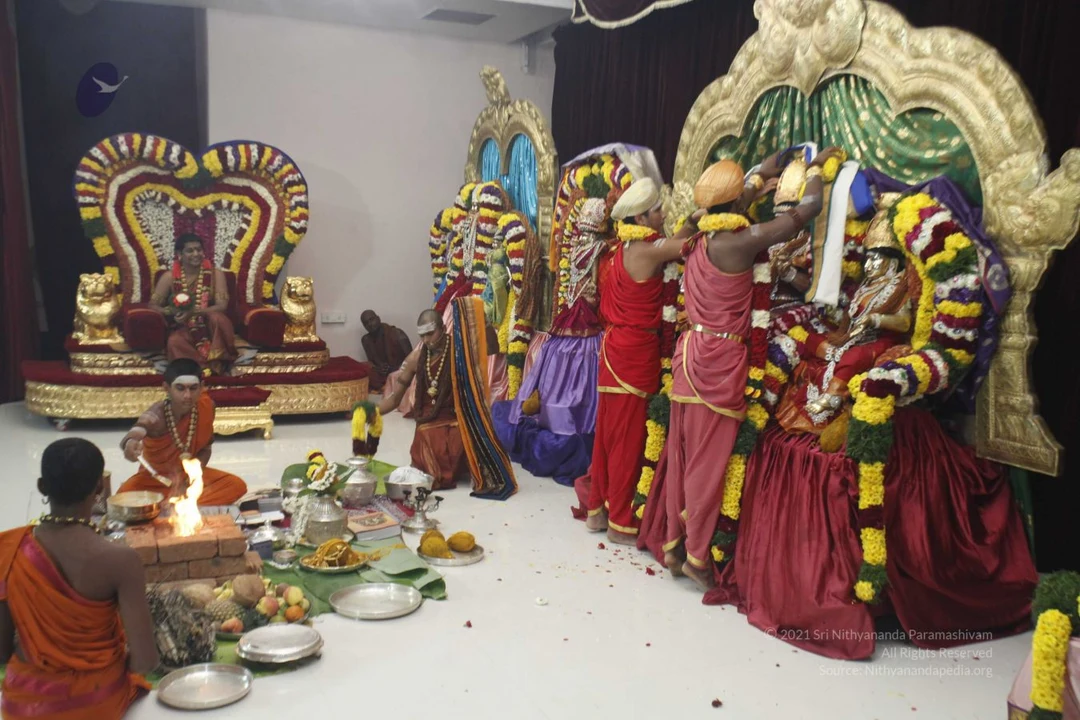
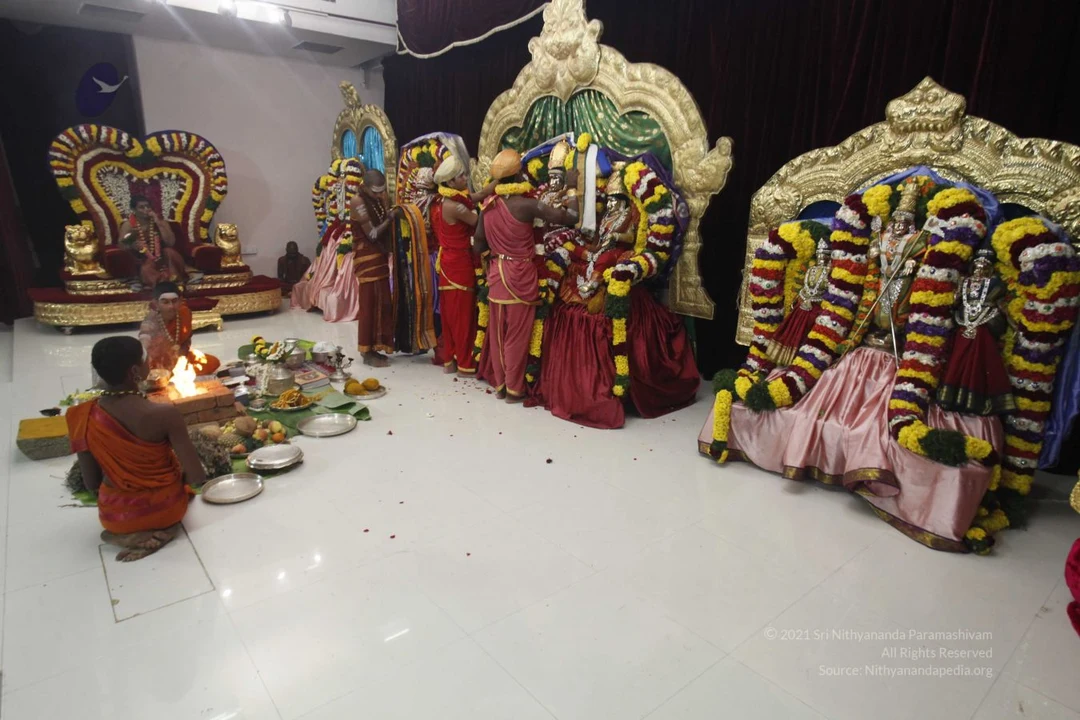
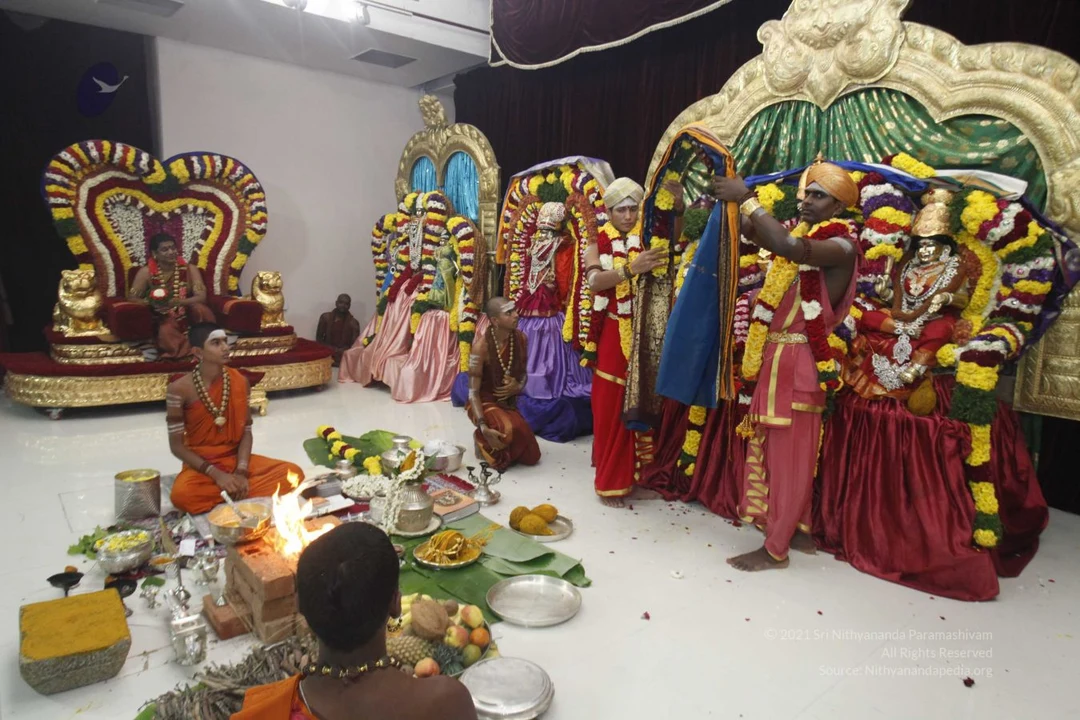
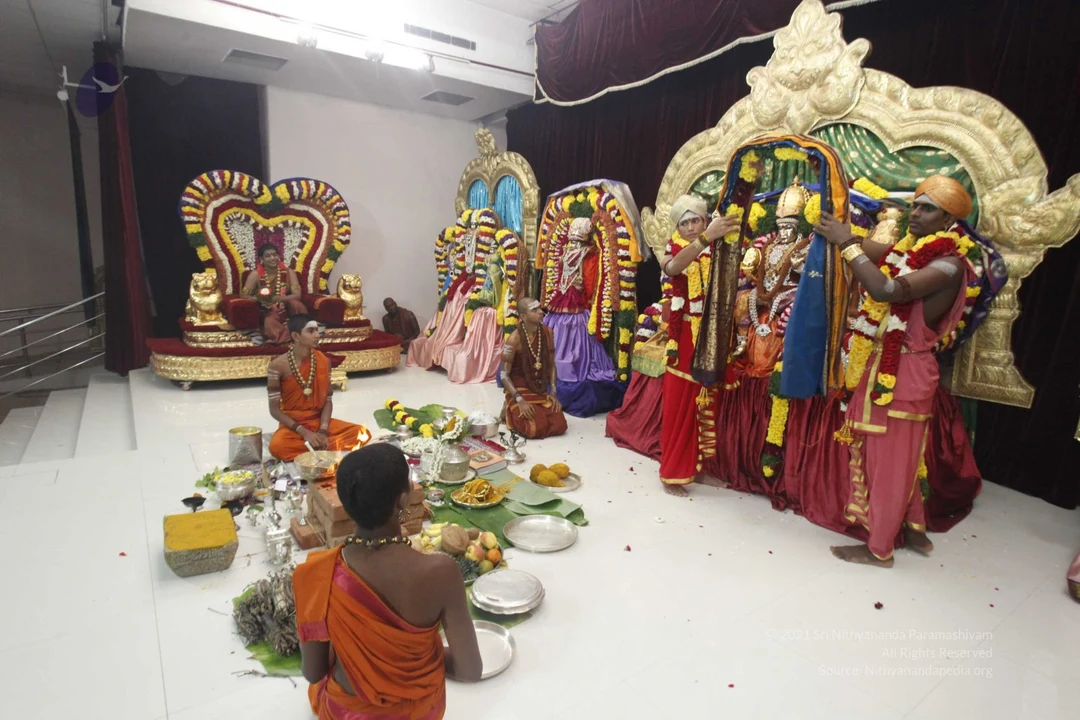
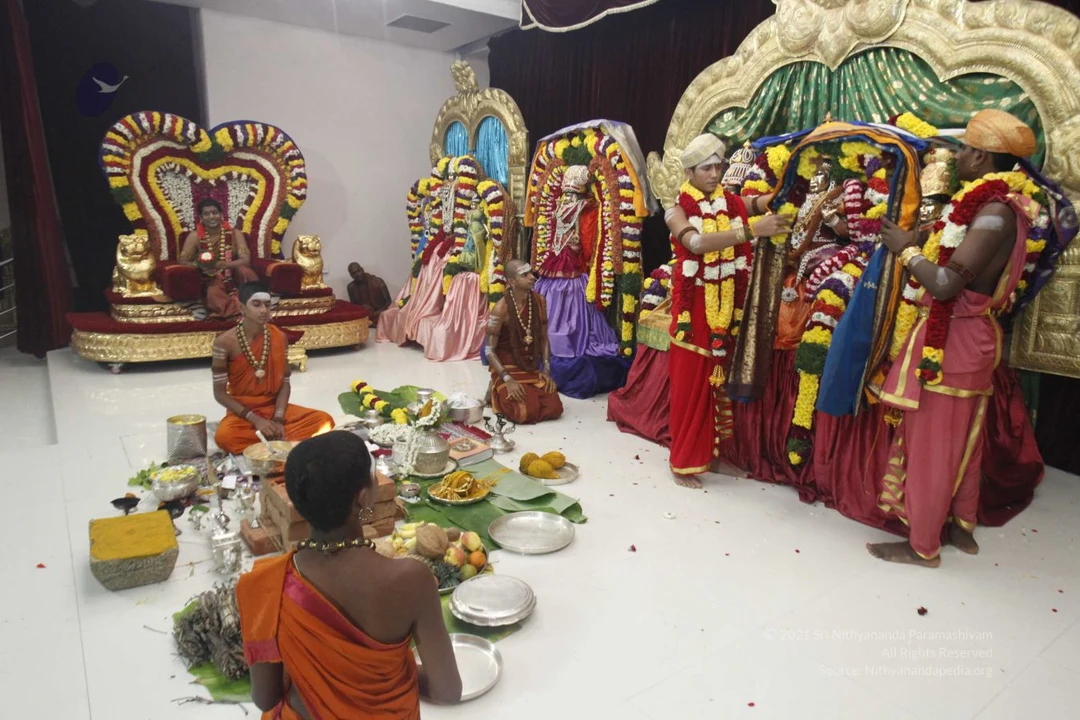
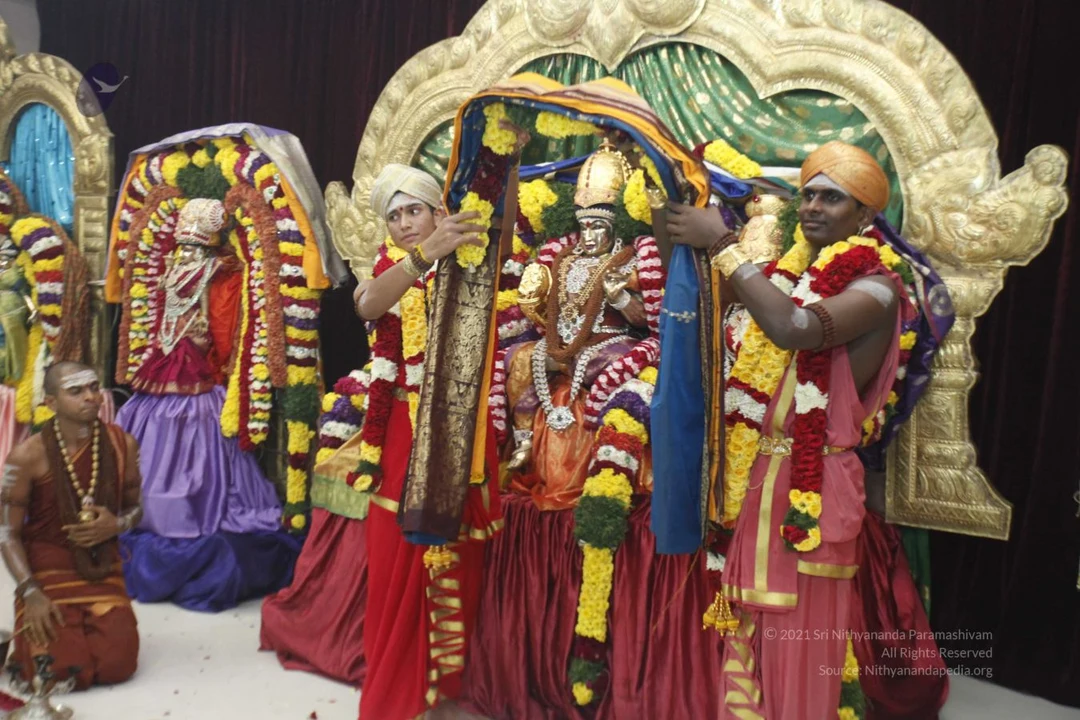
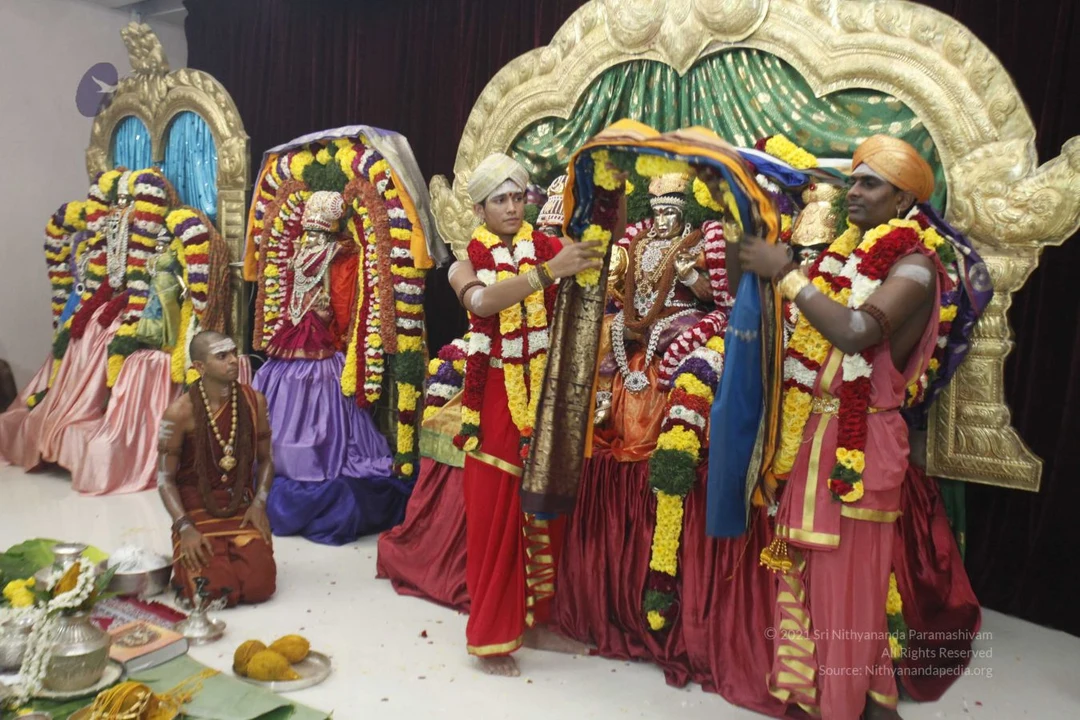
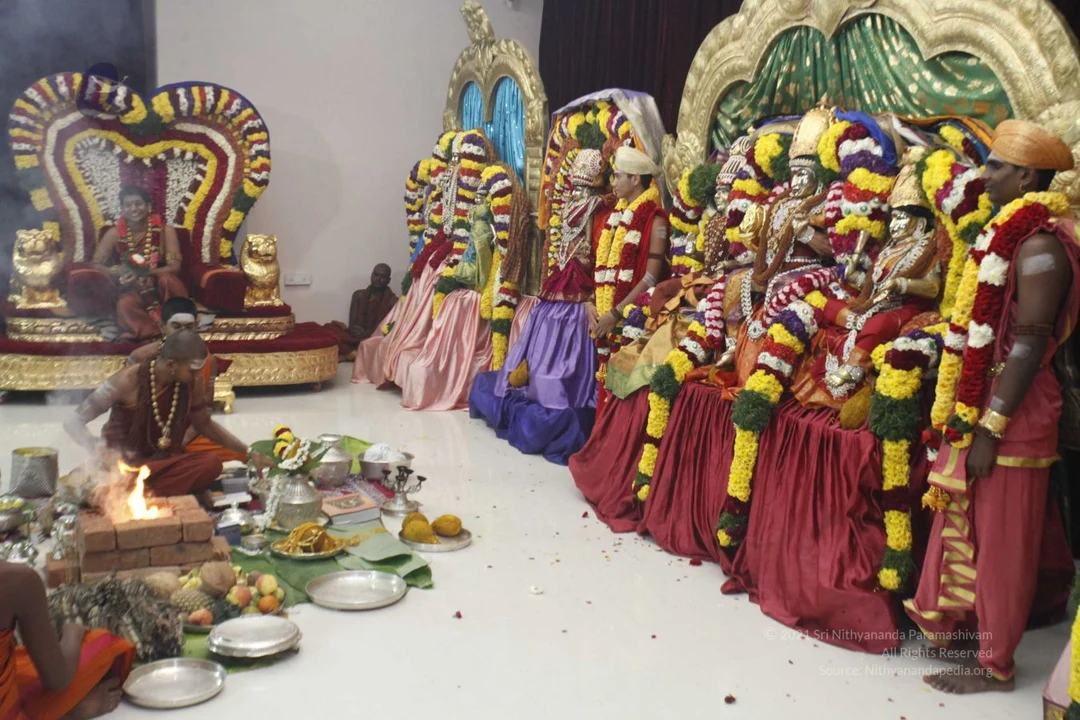
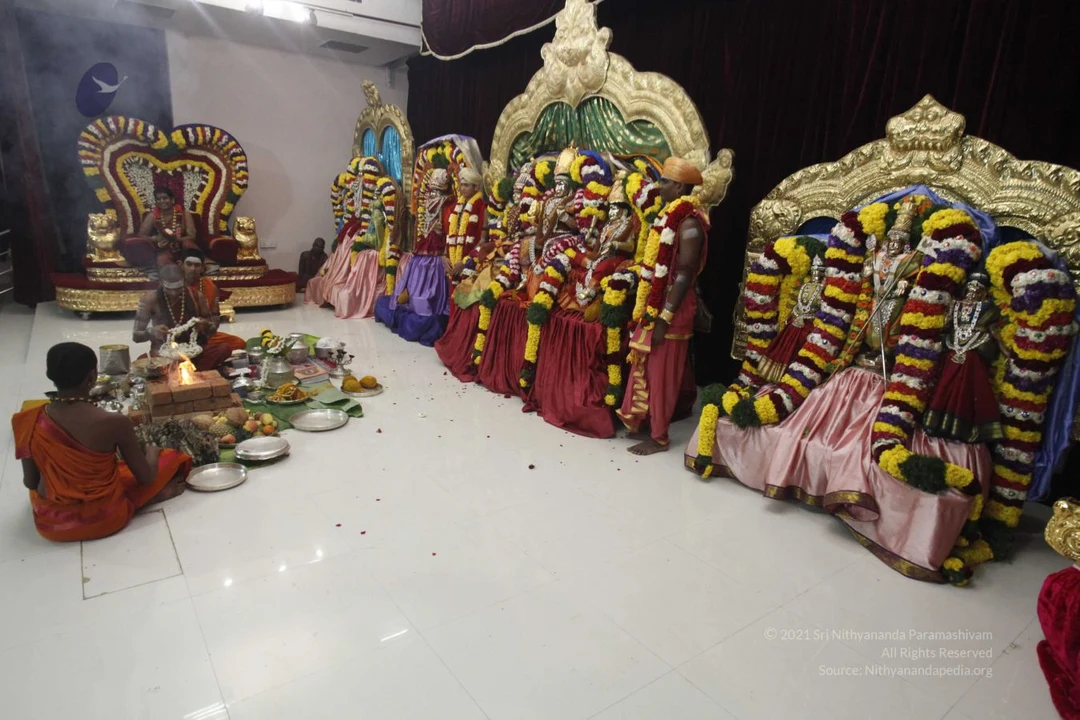
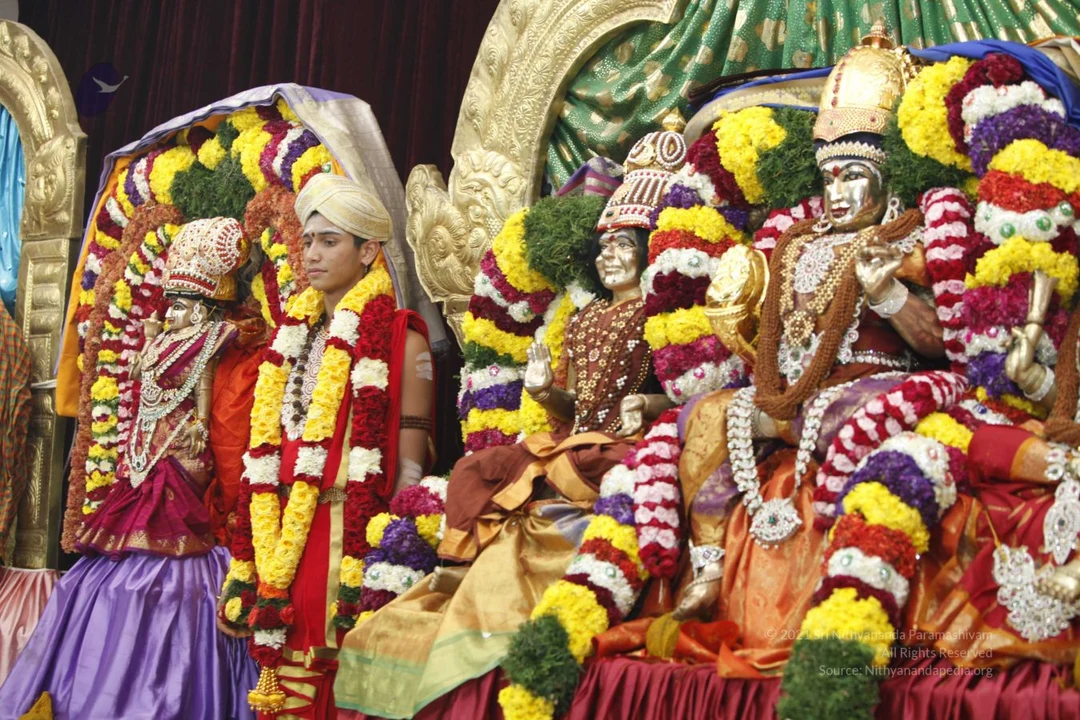
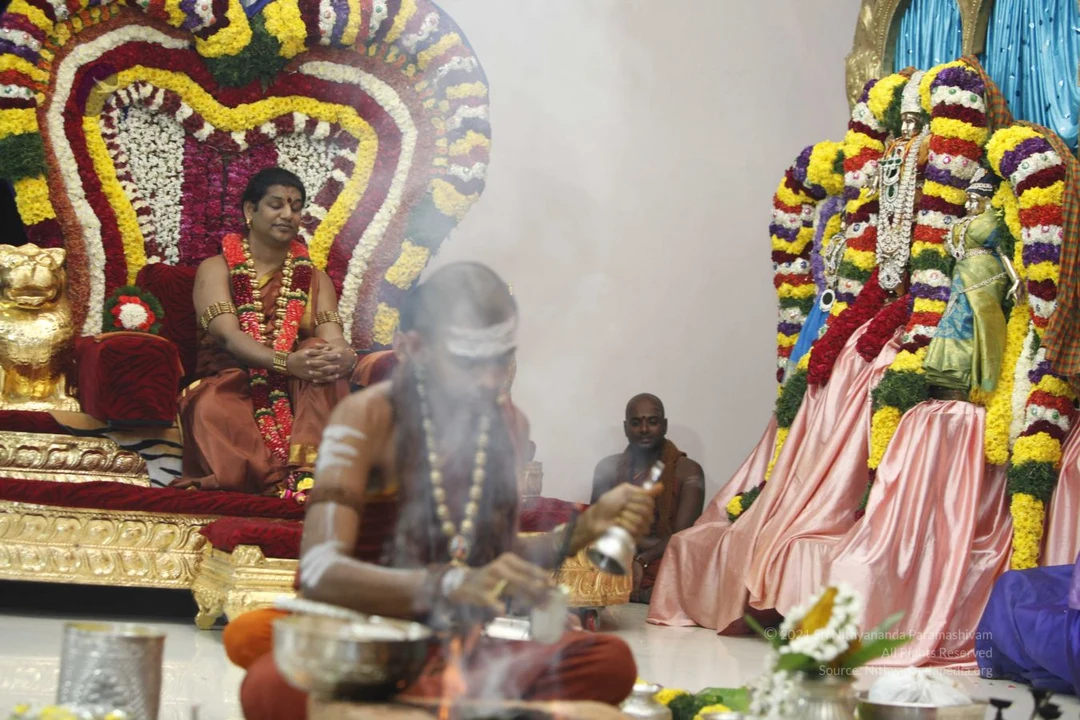
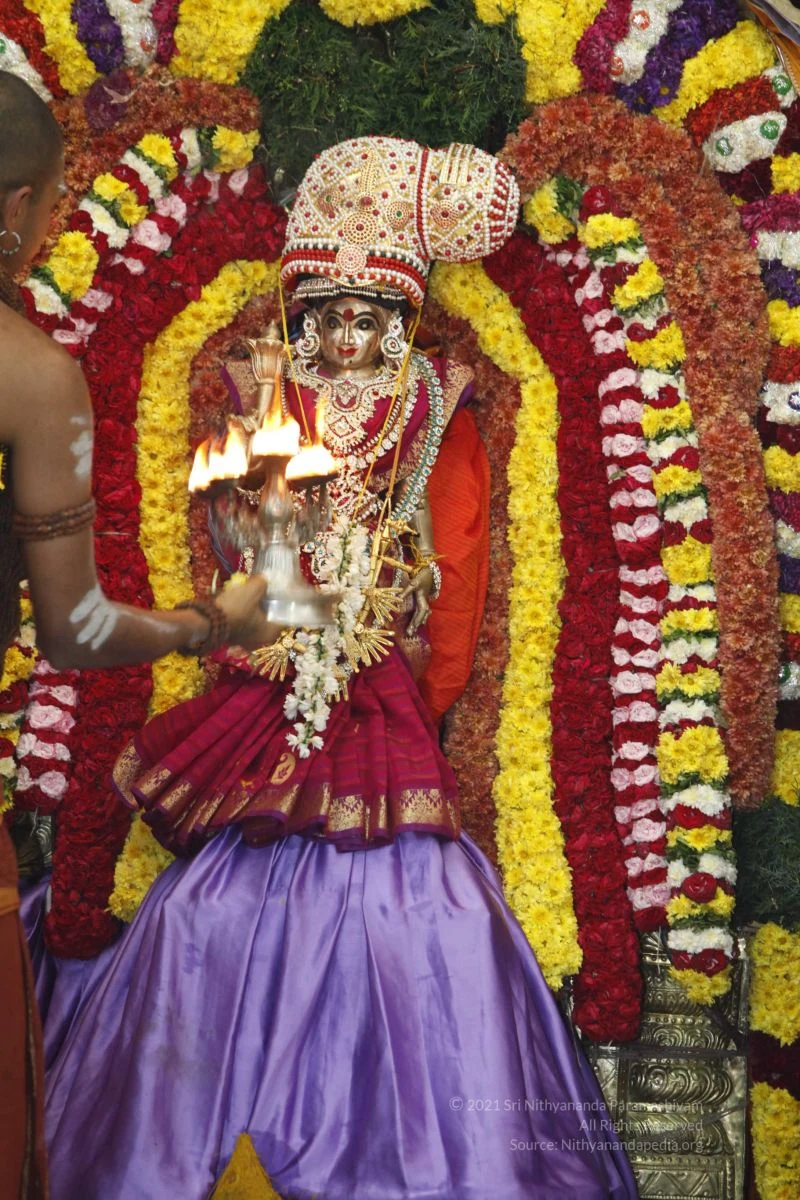
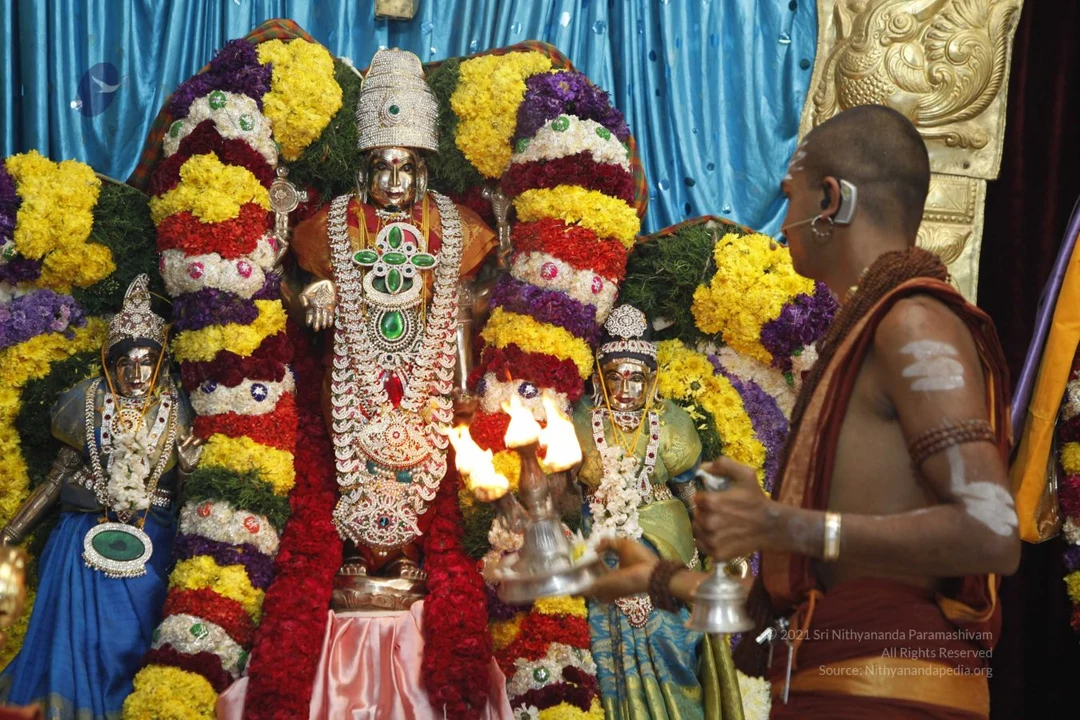
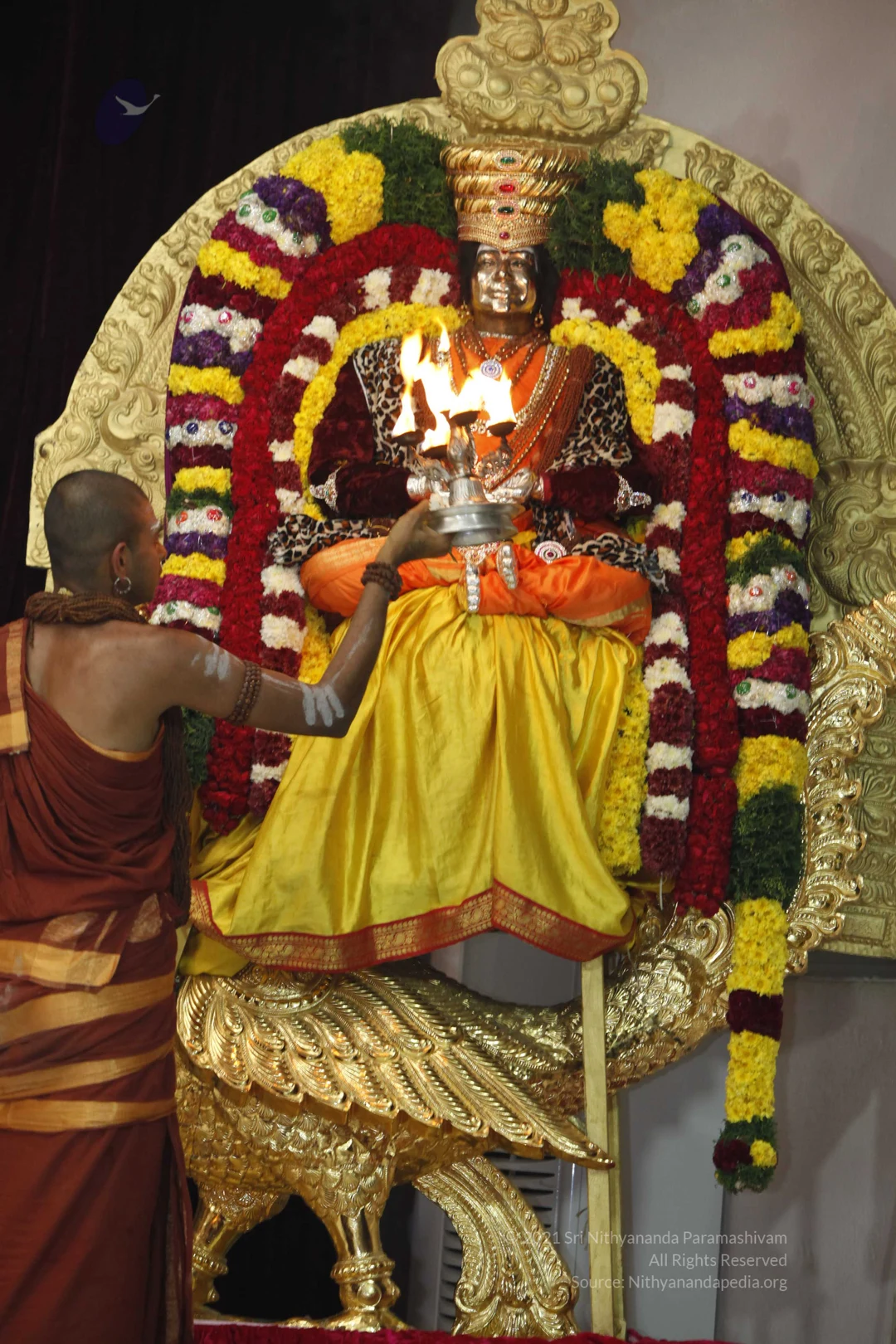
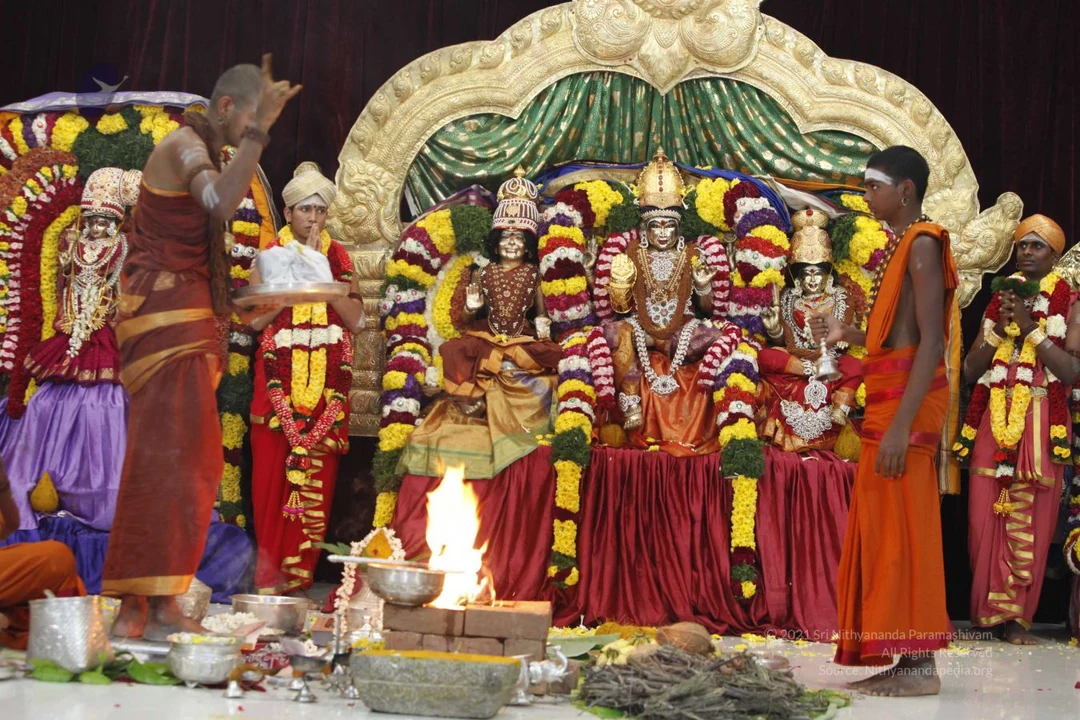
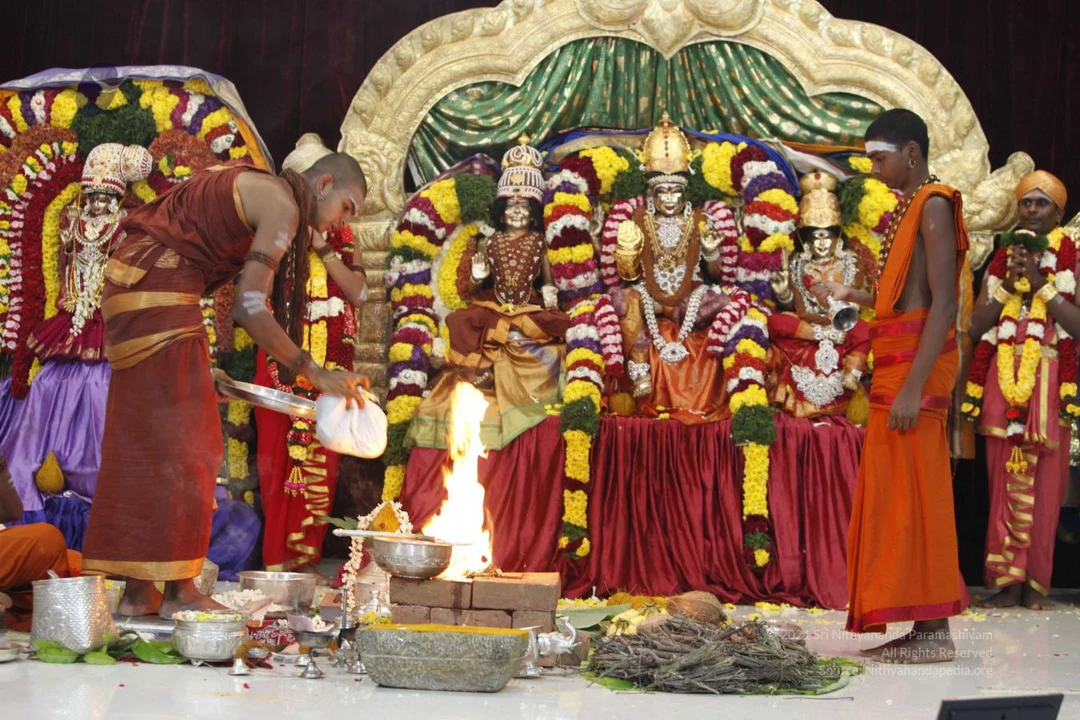
And today we have Meenakshi Thirukalyanam. All the deities – Vishnu, Meenakshi, Nithyanandeshwara, Subramanya – gracing.
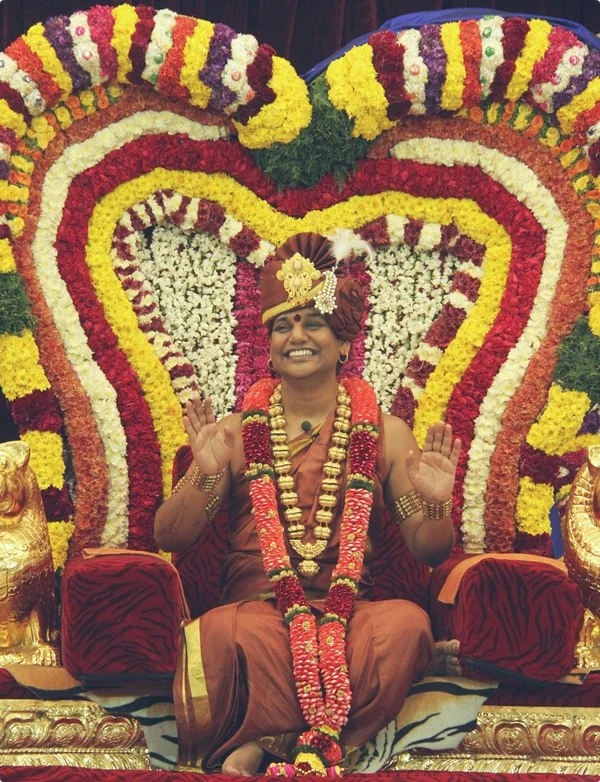
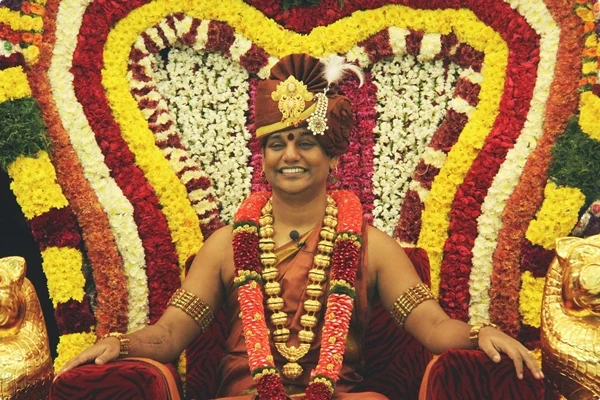
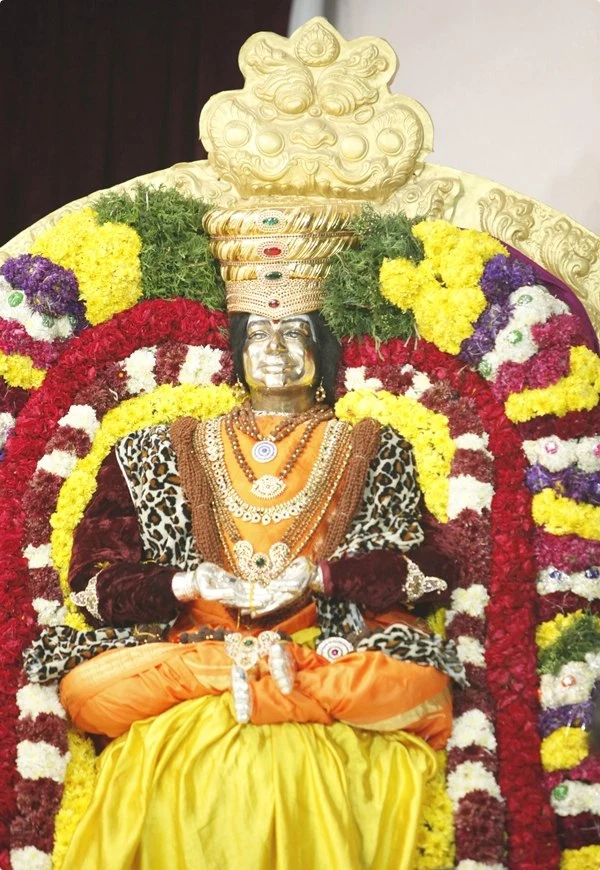
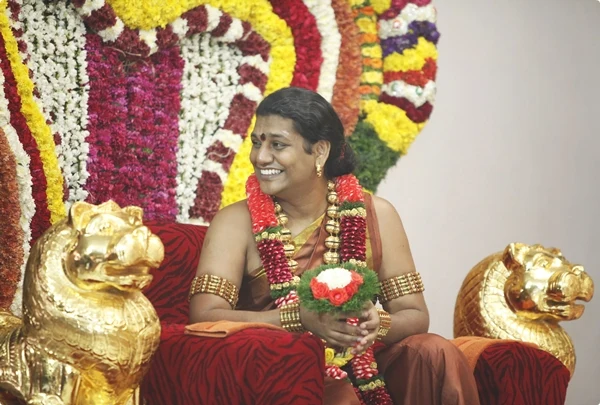
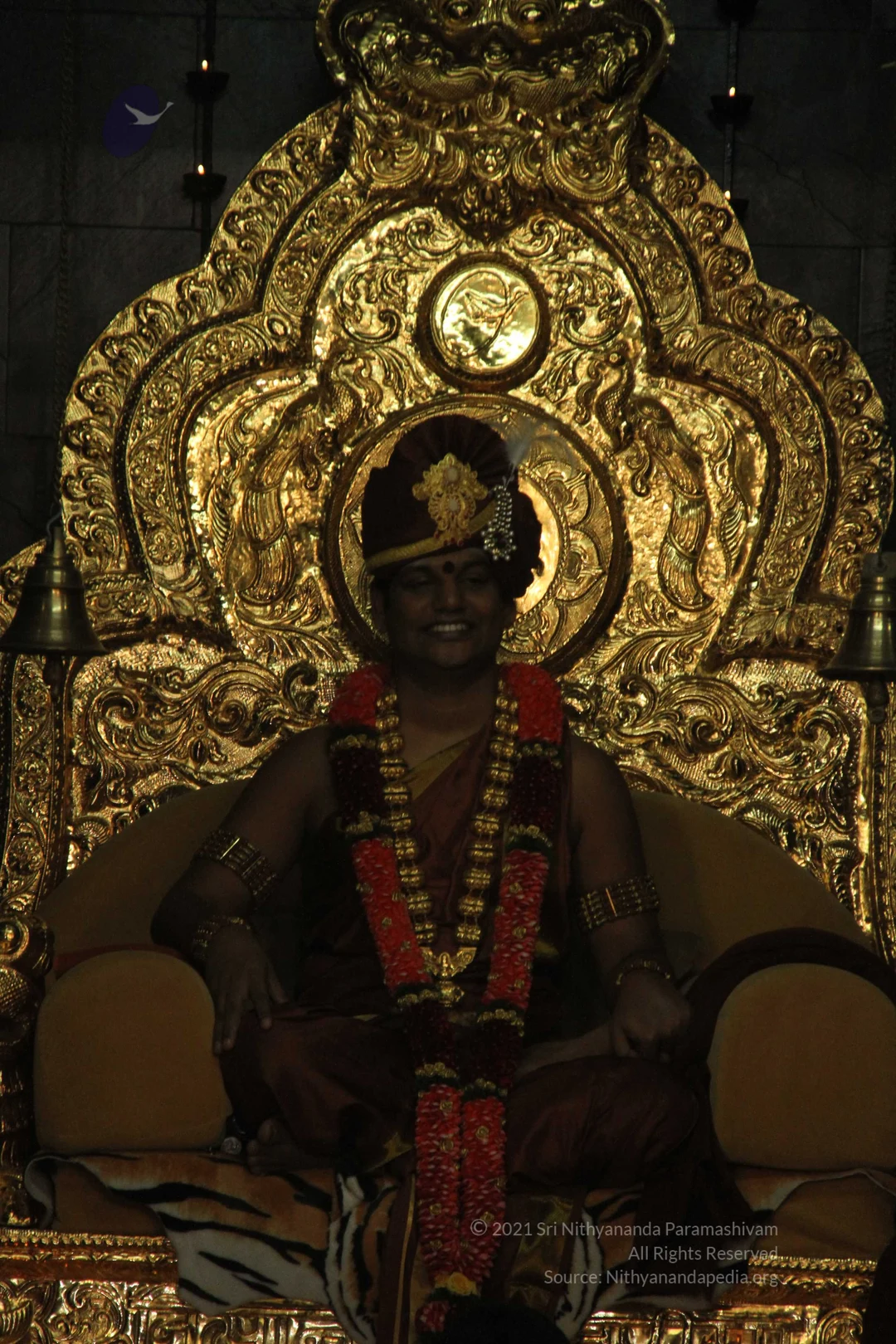
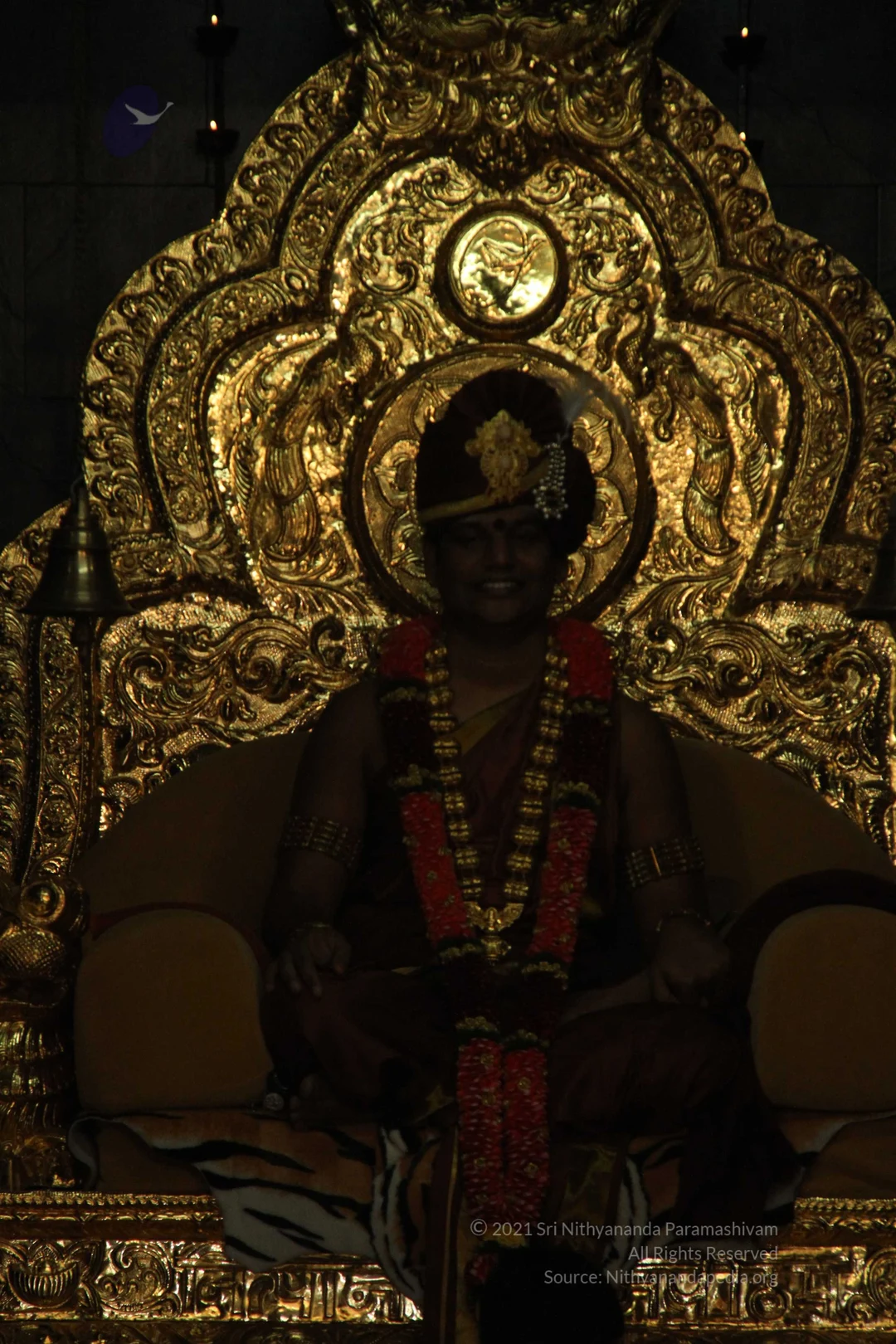
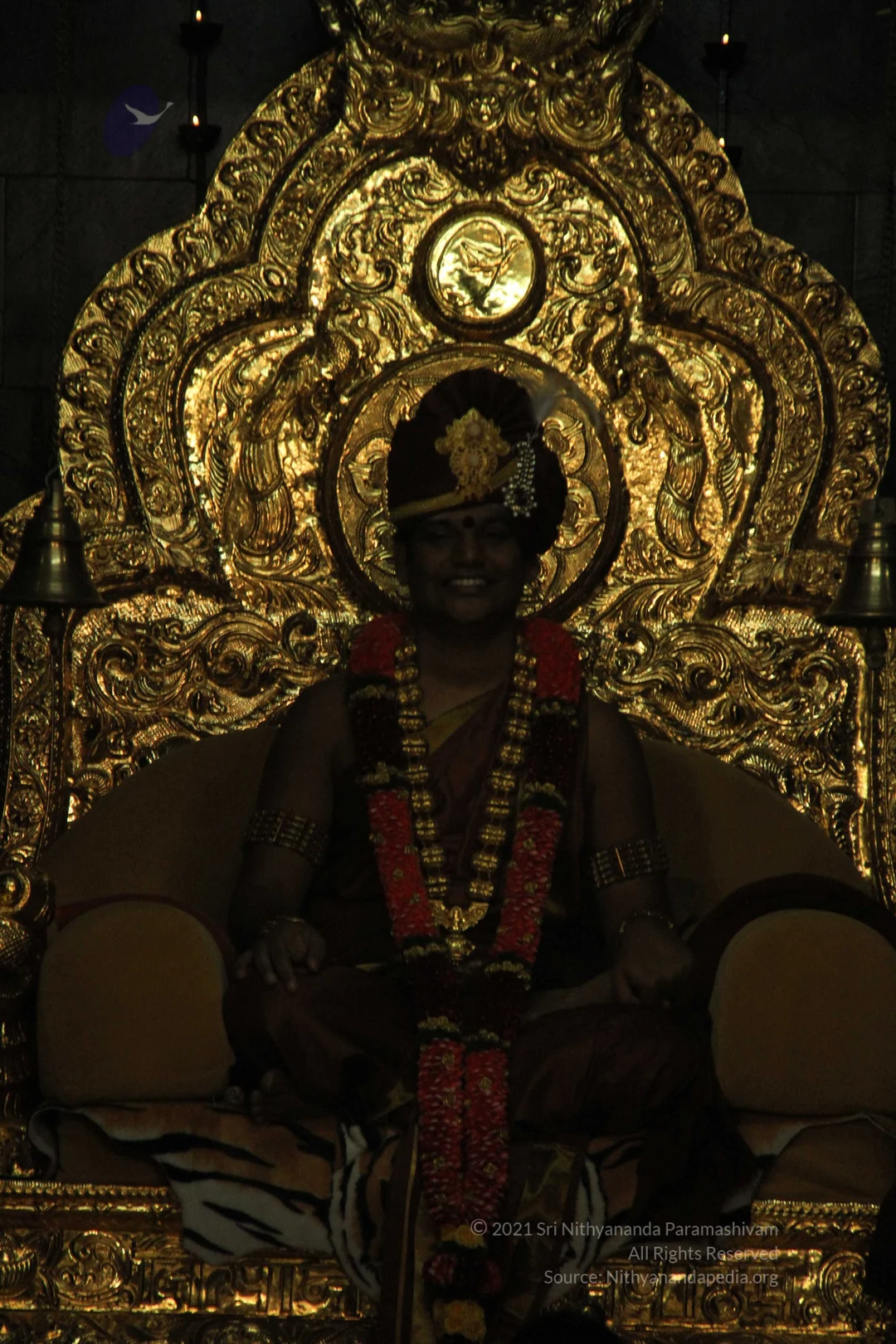
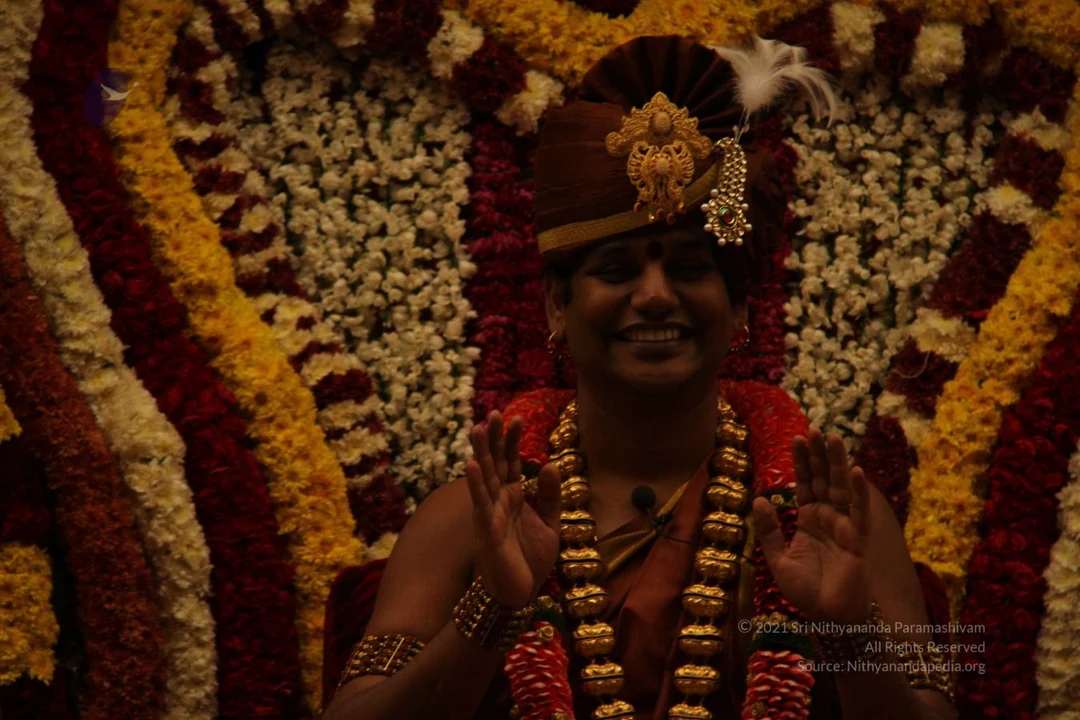
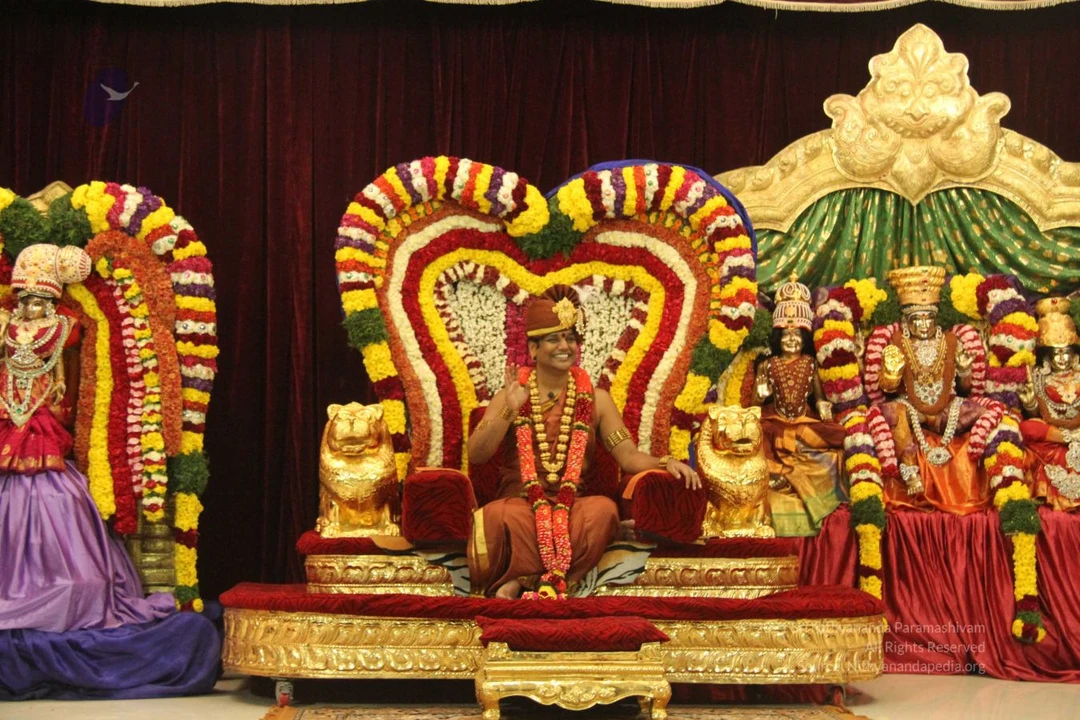
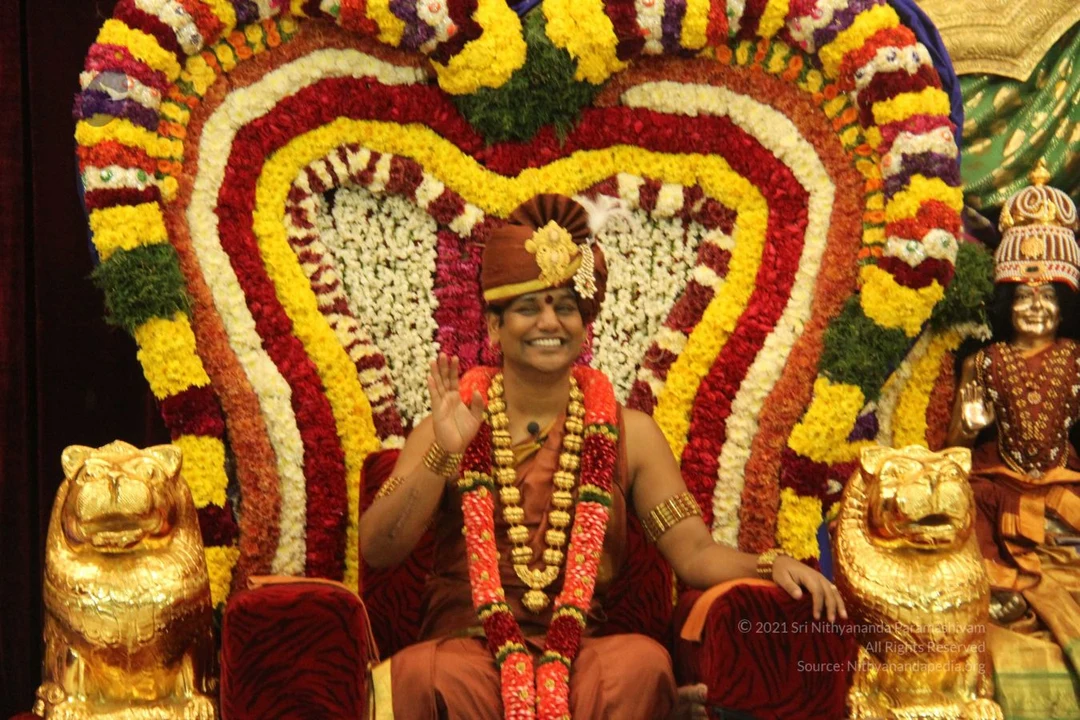
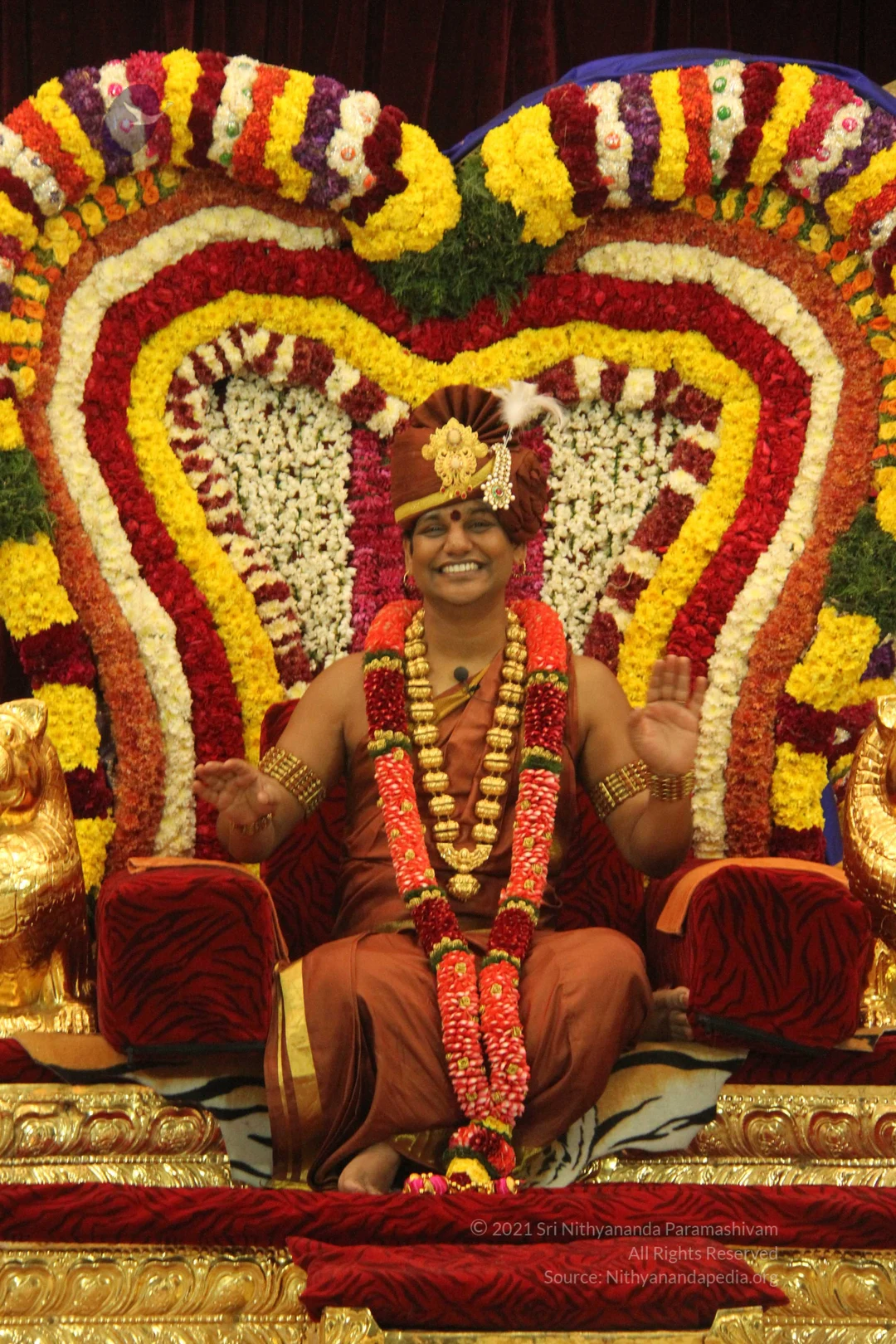
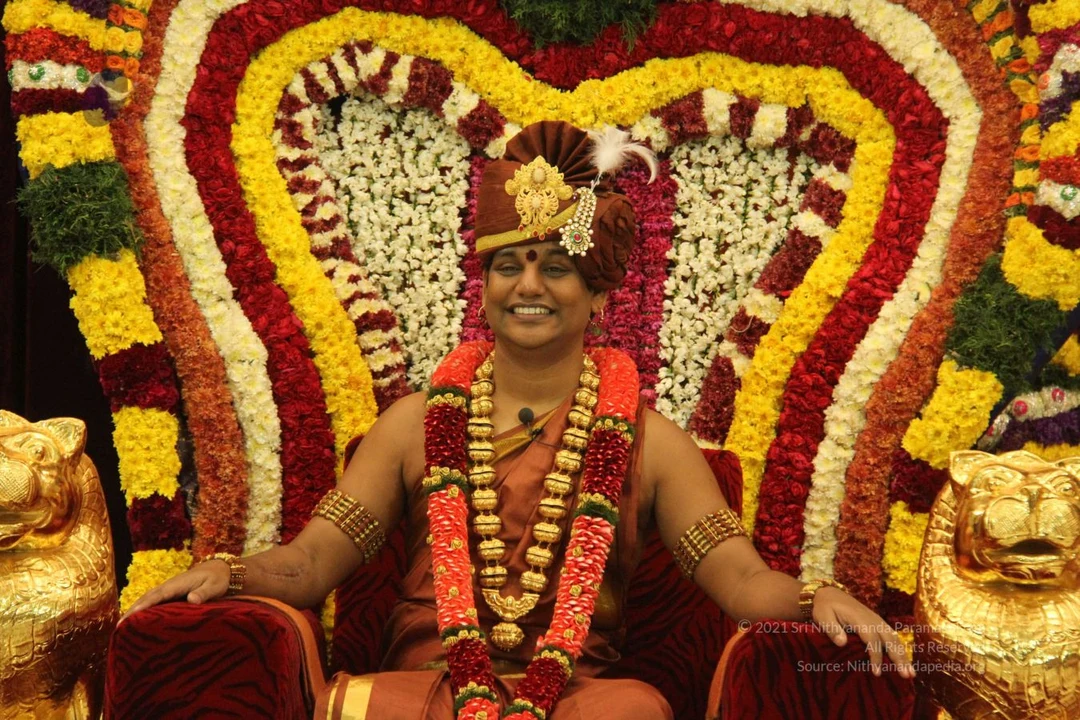
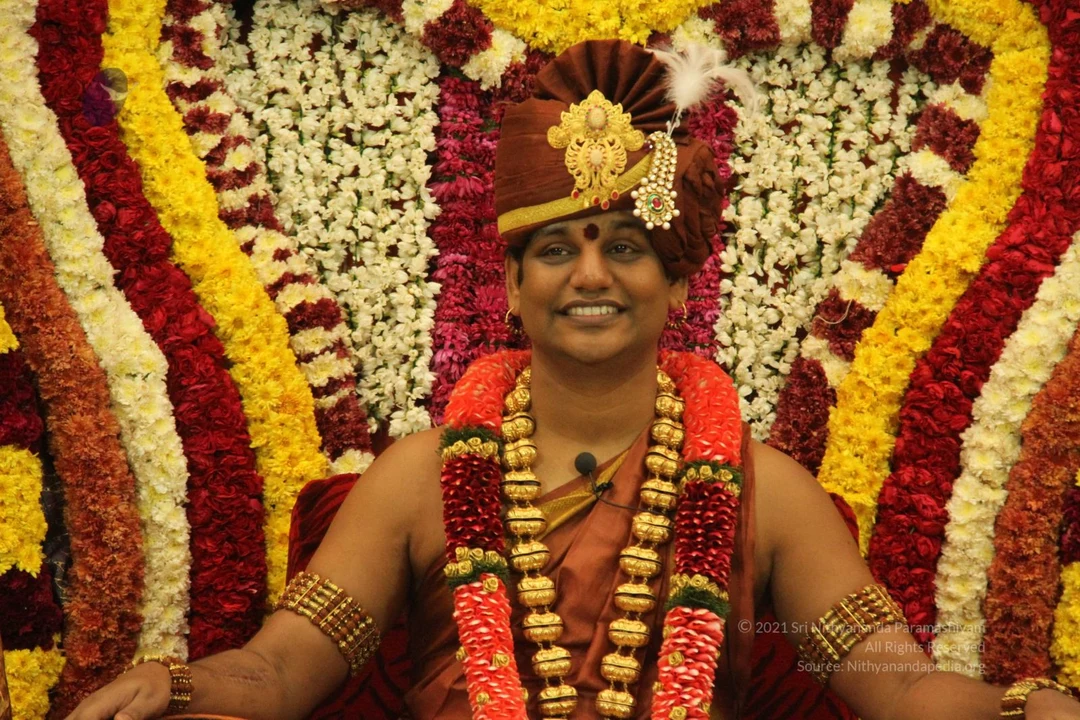
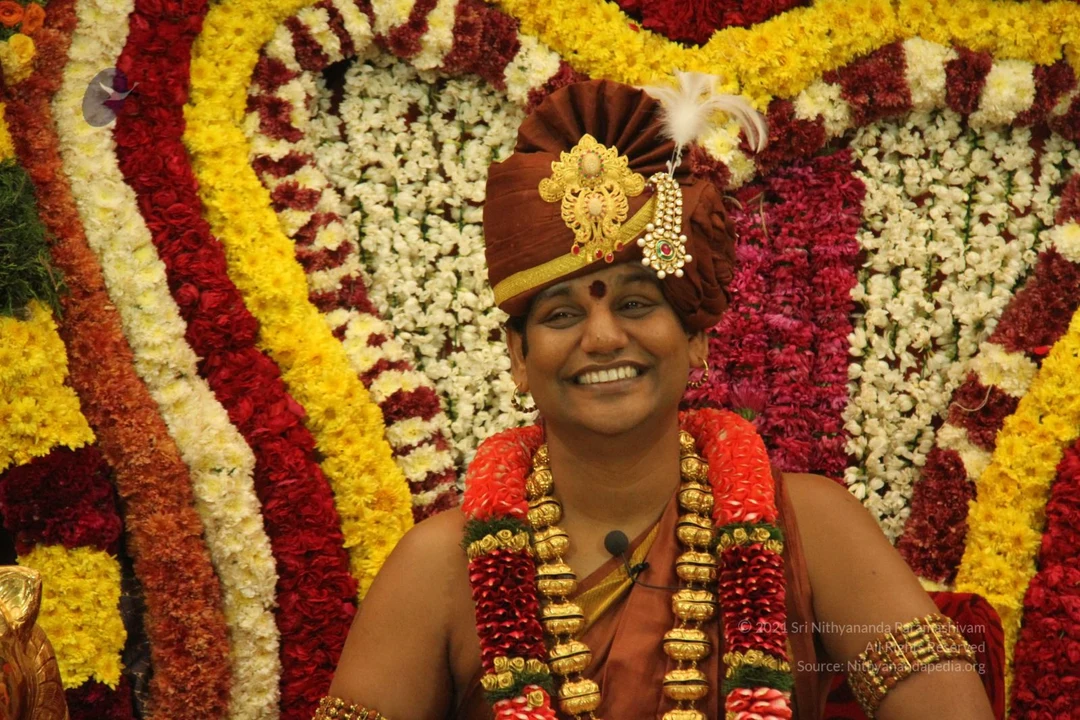
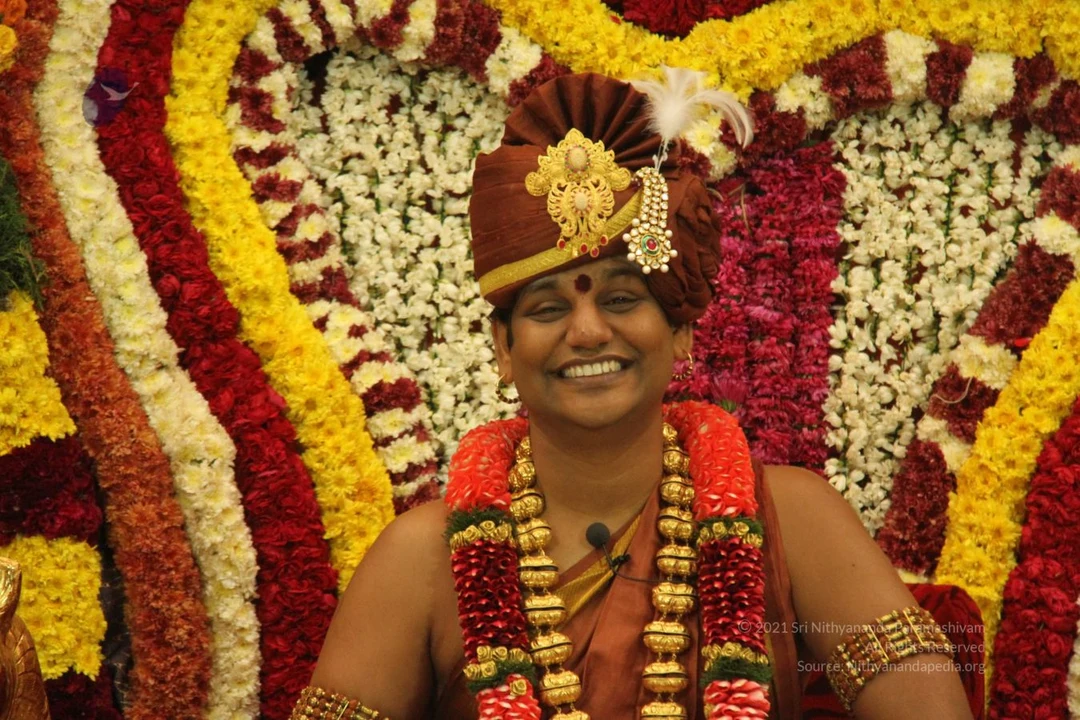
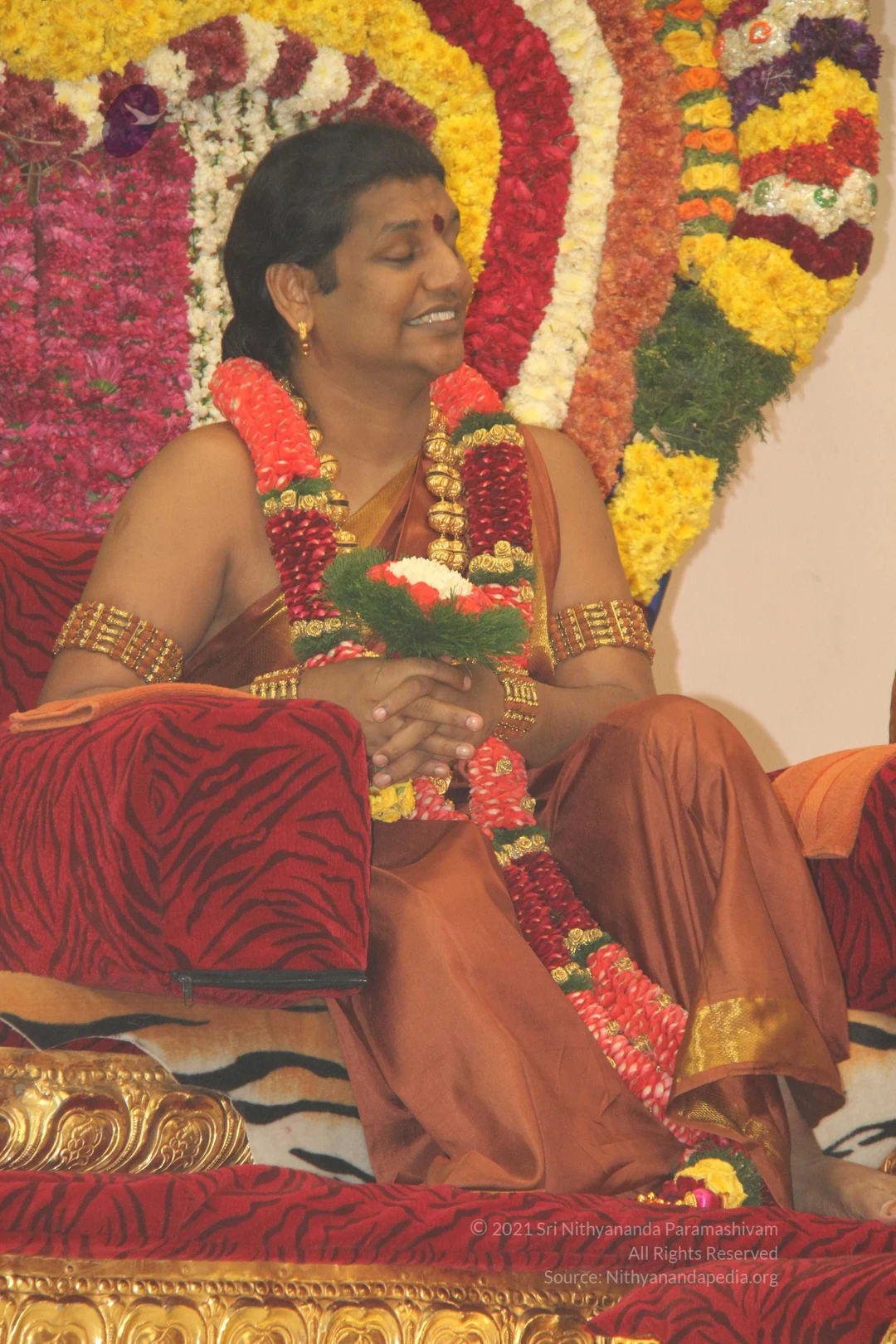
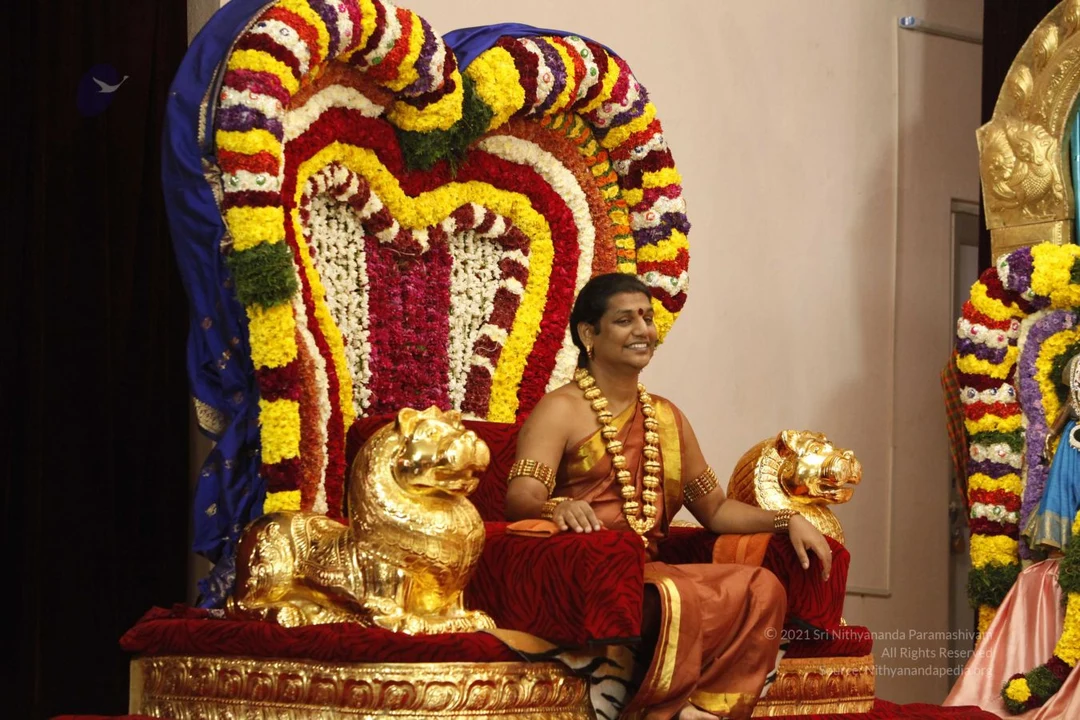
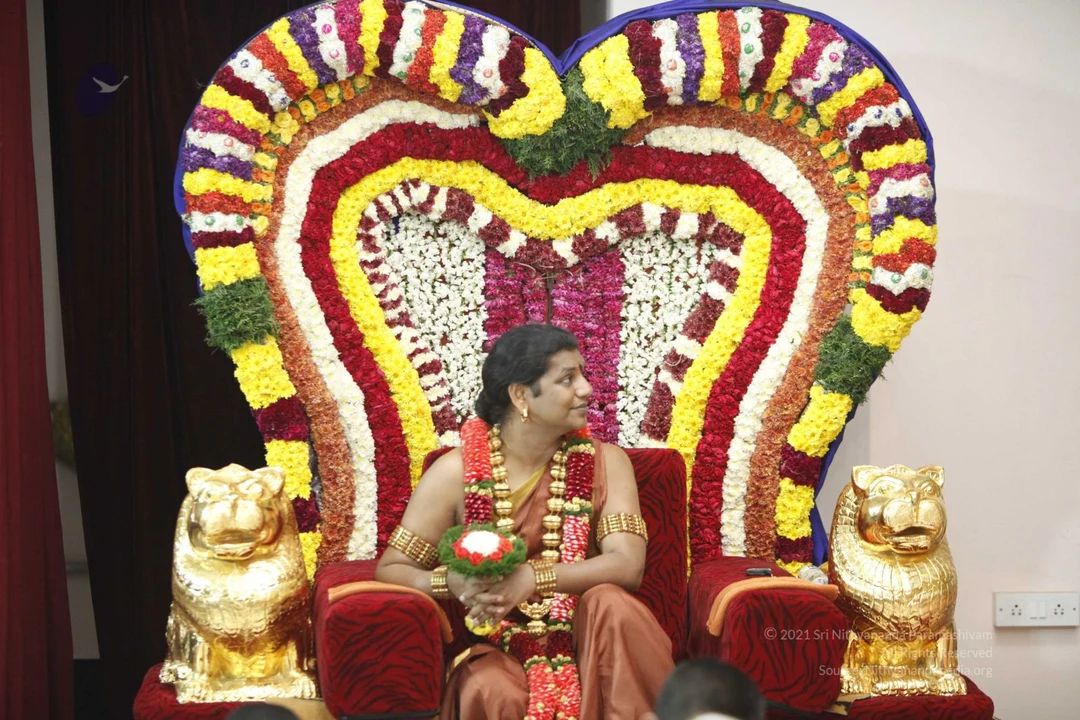
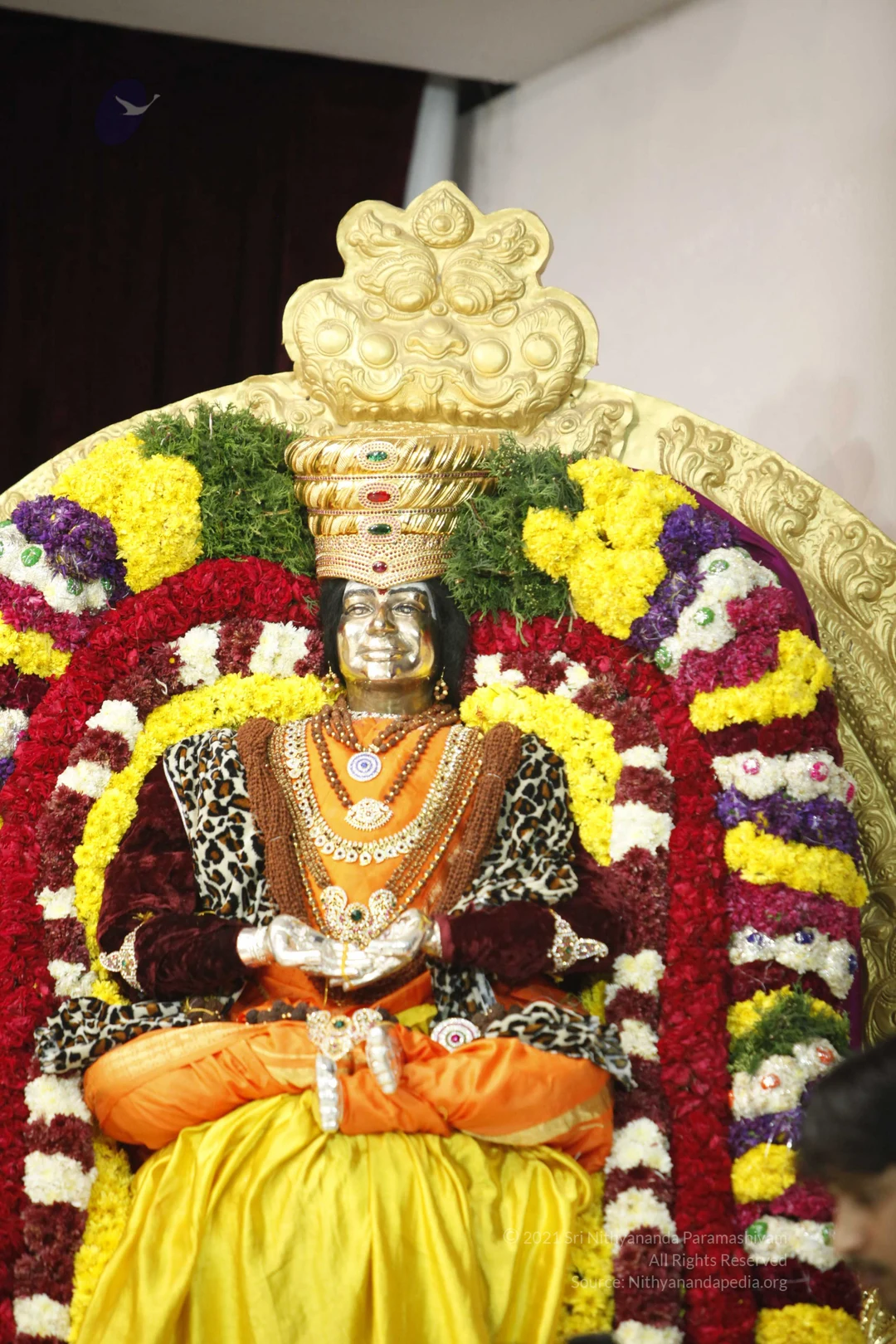
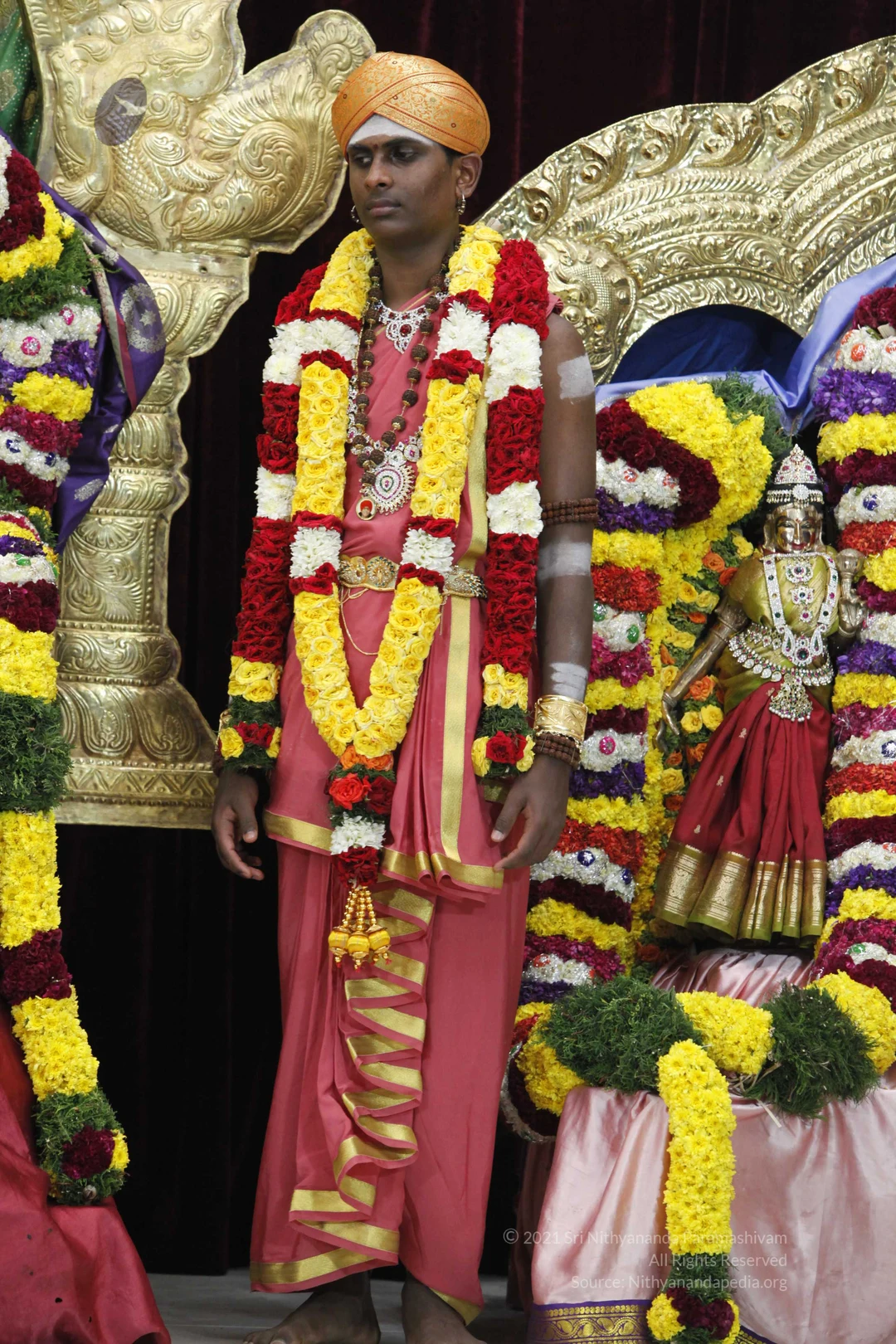
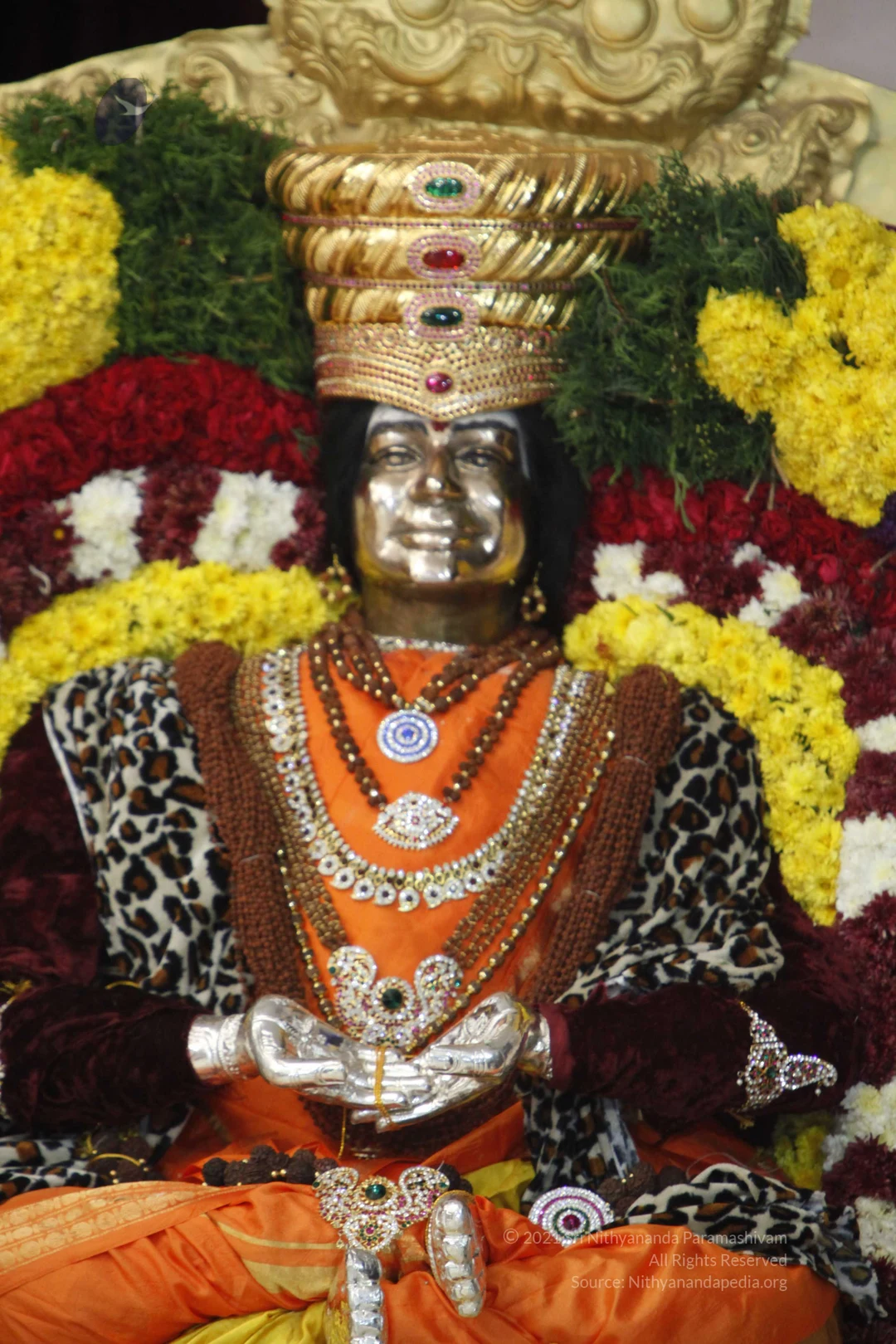
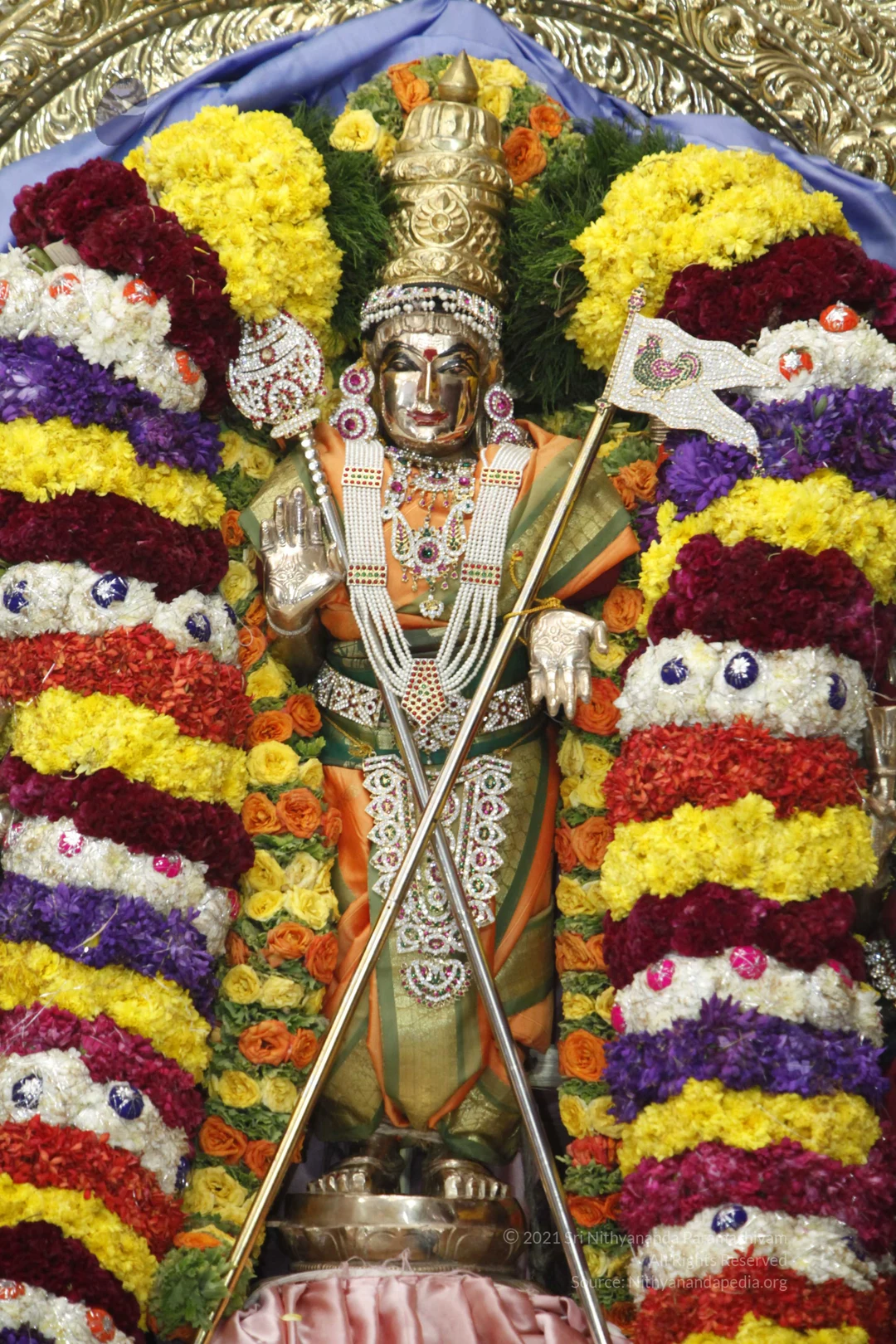
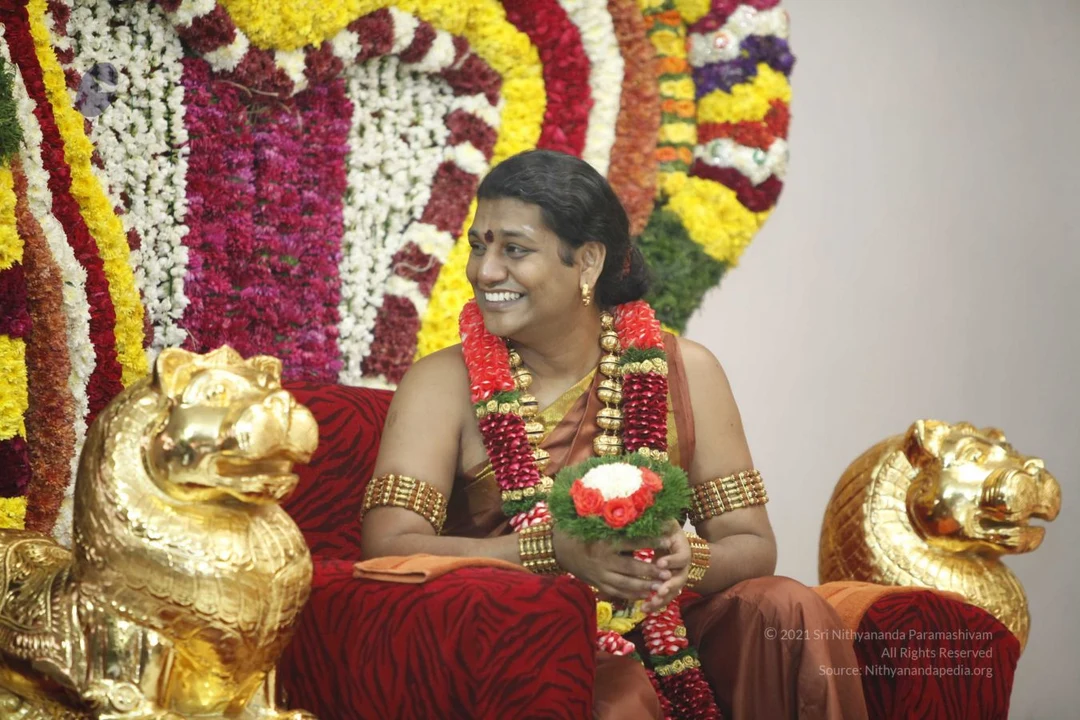
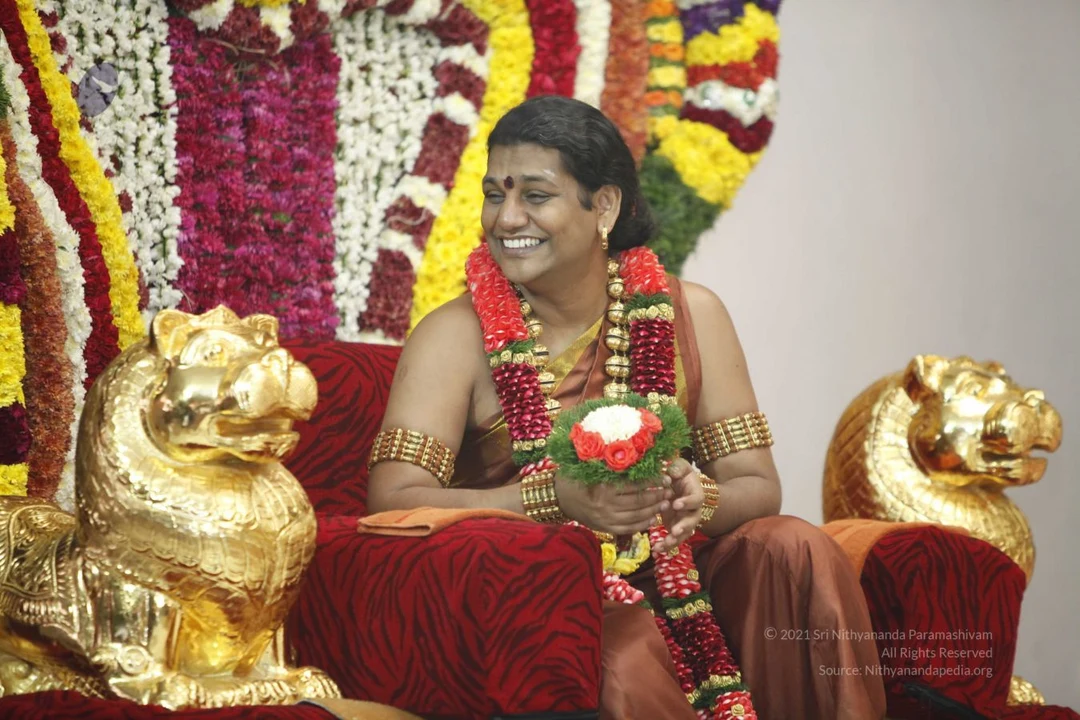
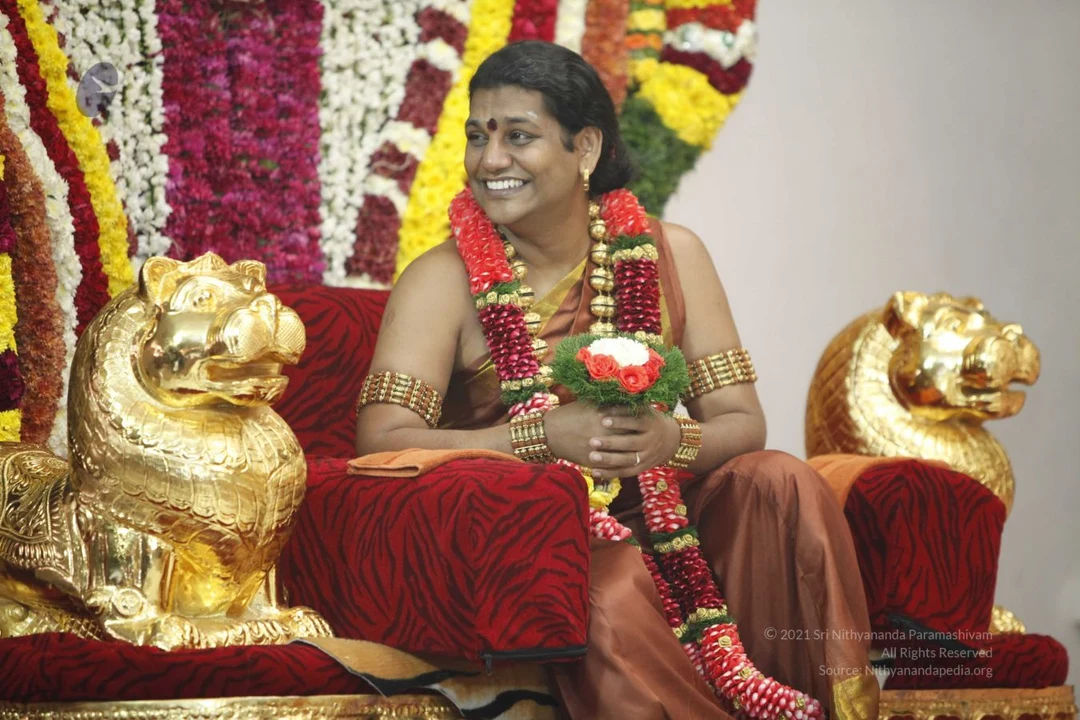
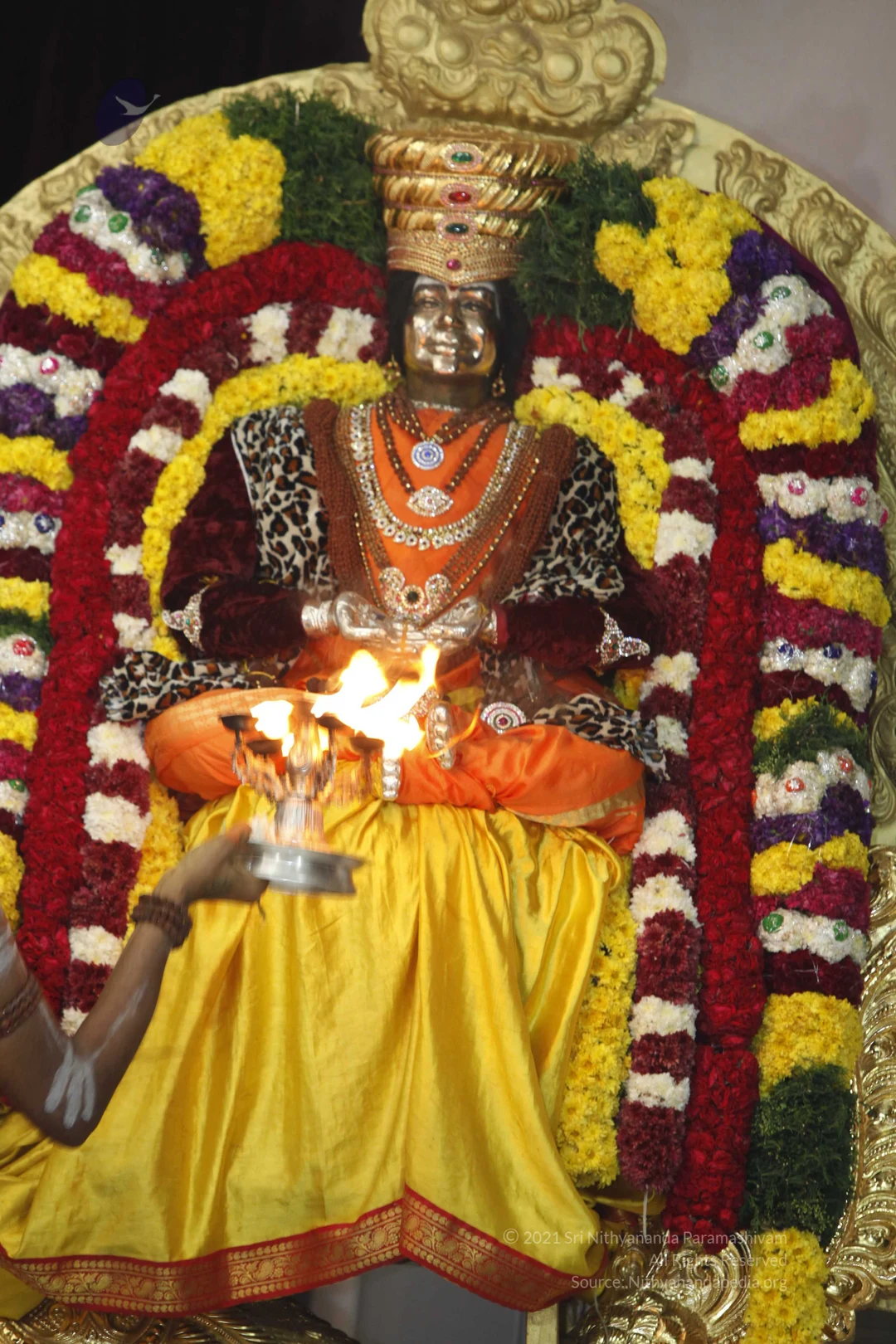
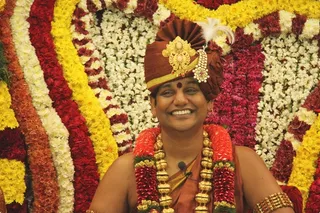
And, today, Swami’s Utsava Murthy is decorated in the Leela of “Realizing the Avataric Mission in Omkareshwar”. “Realizing the Avataric Mission in Madhya Pradesh”, that Leela is expressed through the Leela Alankara.
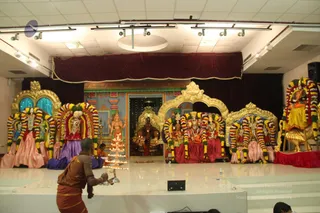
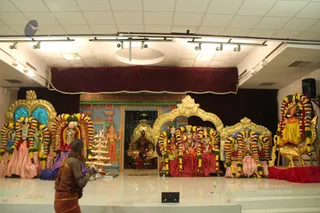
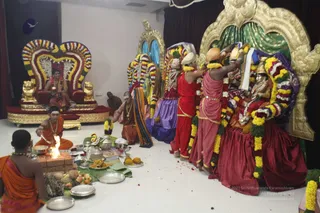
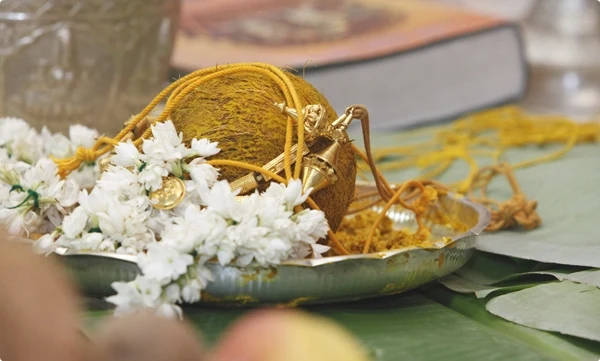
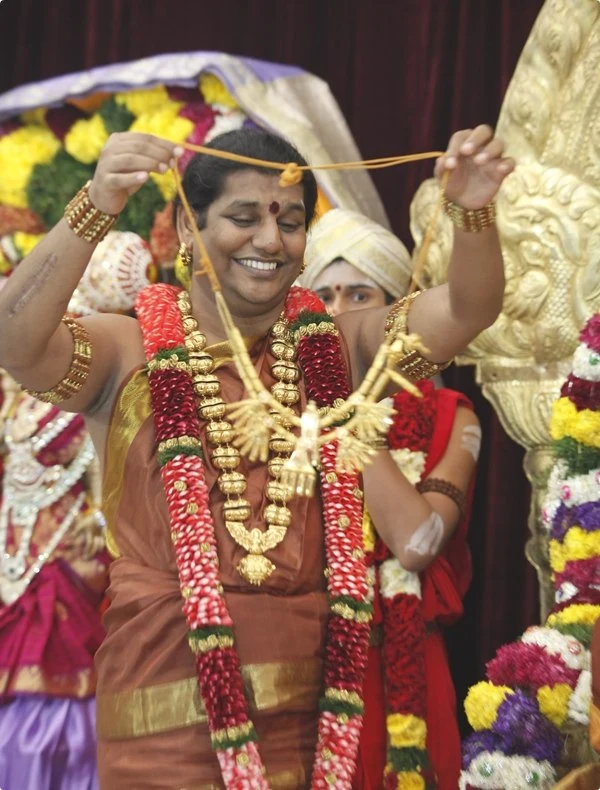
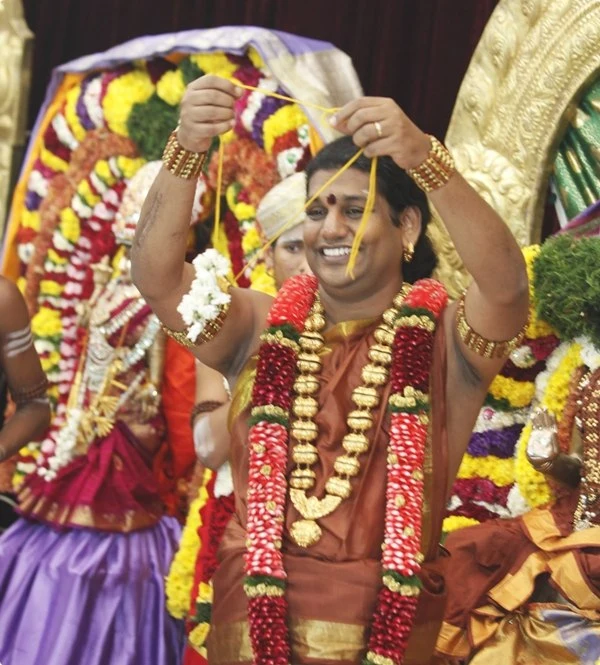
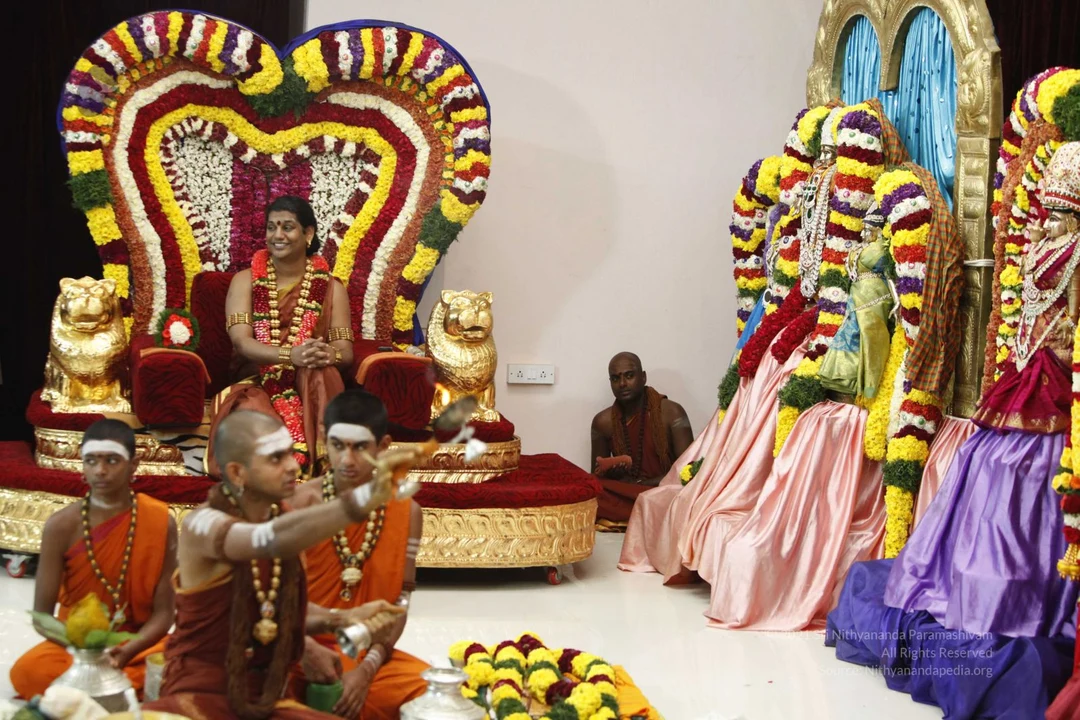
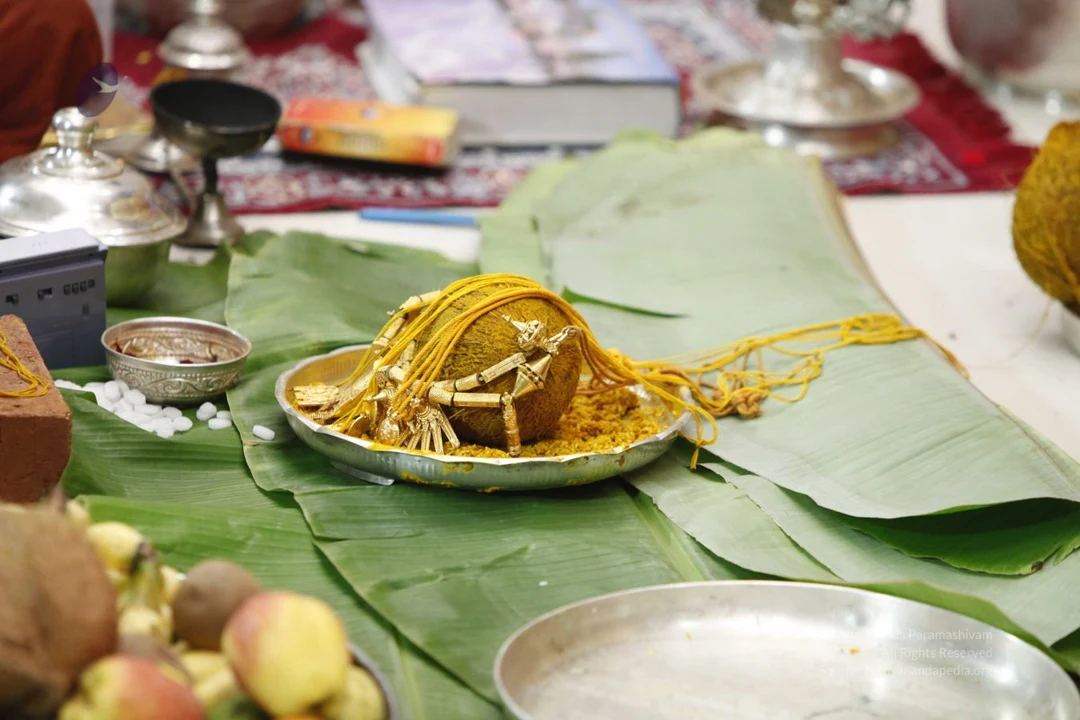
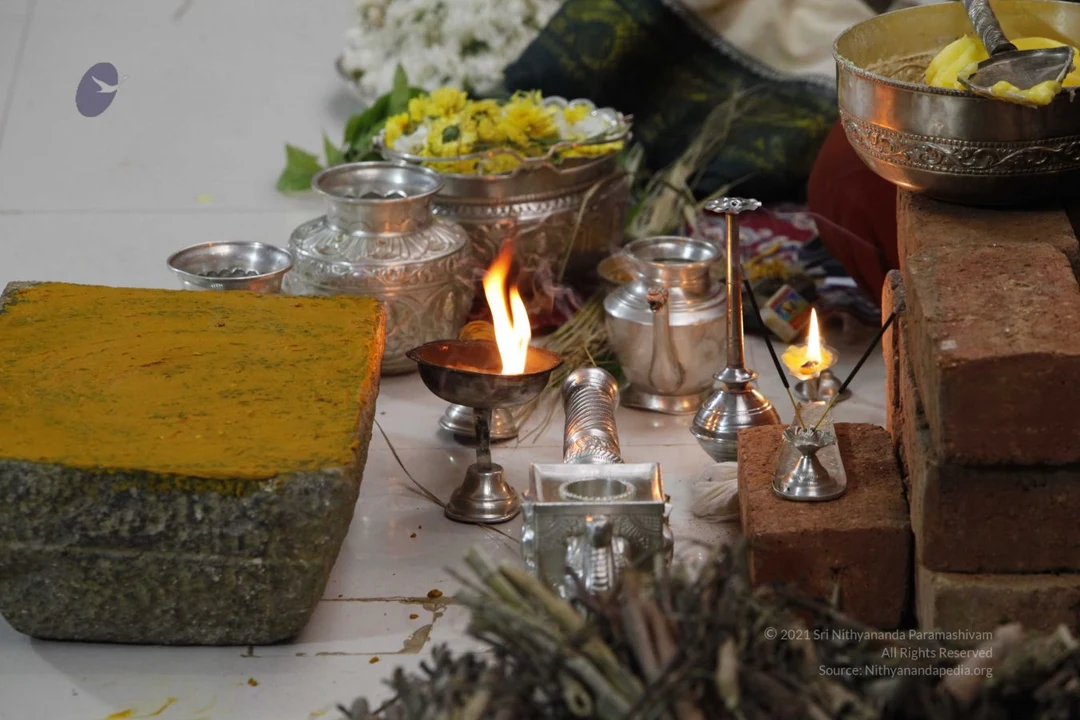
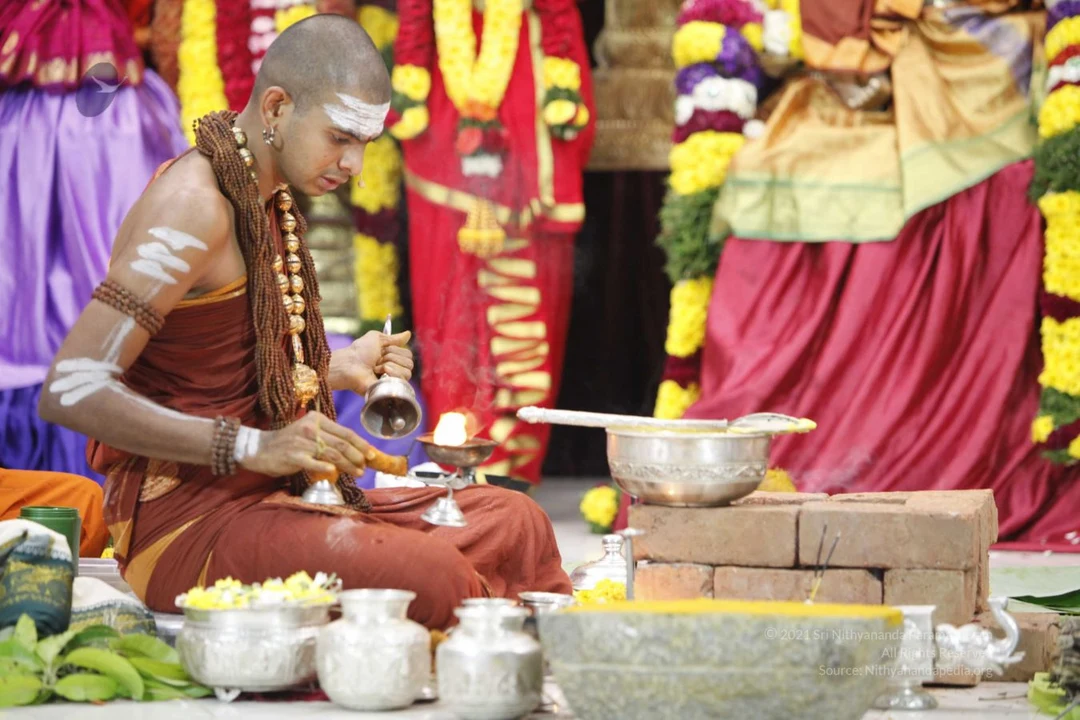
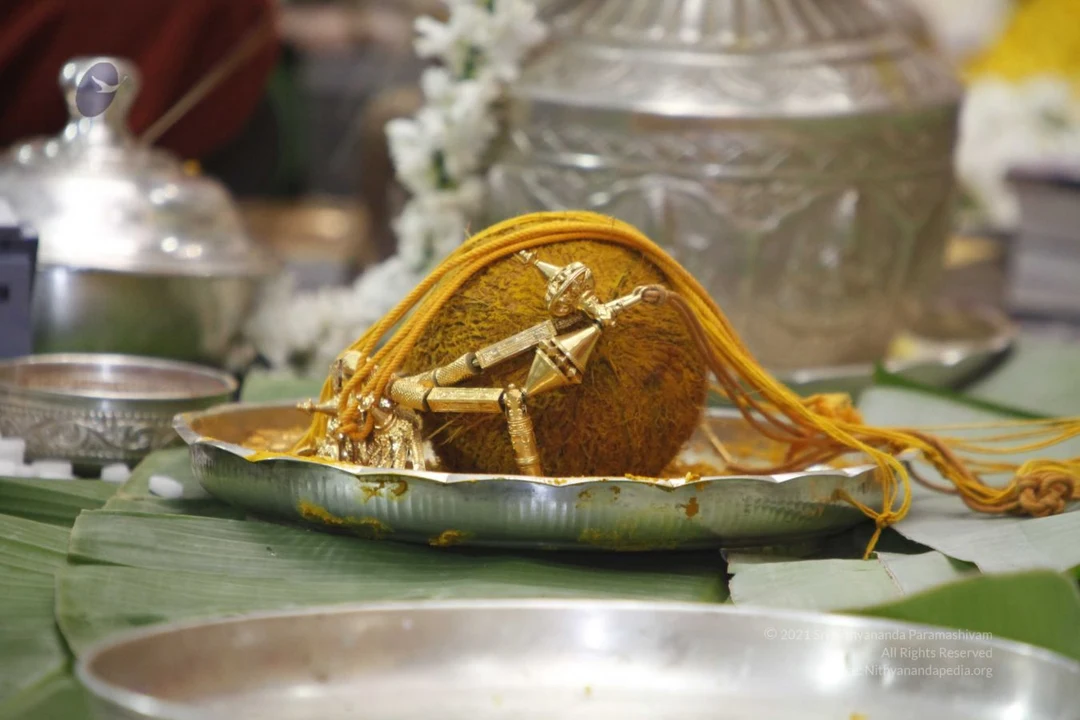
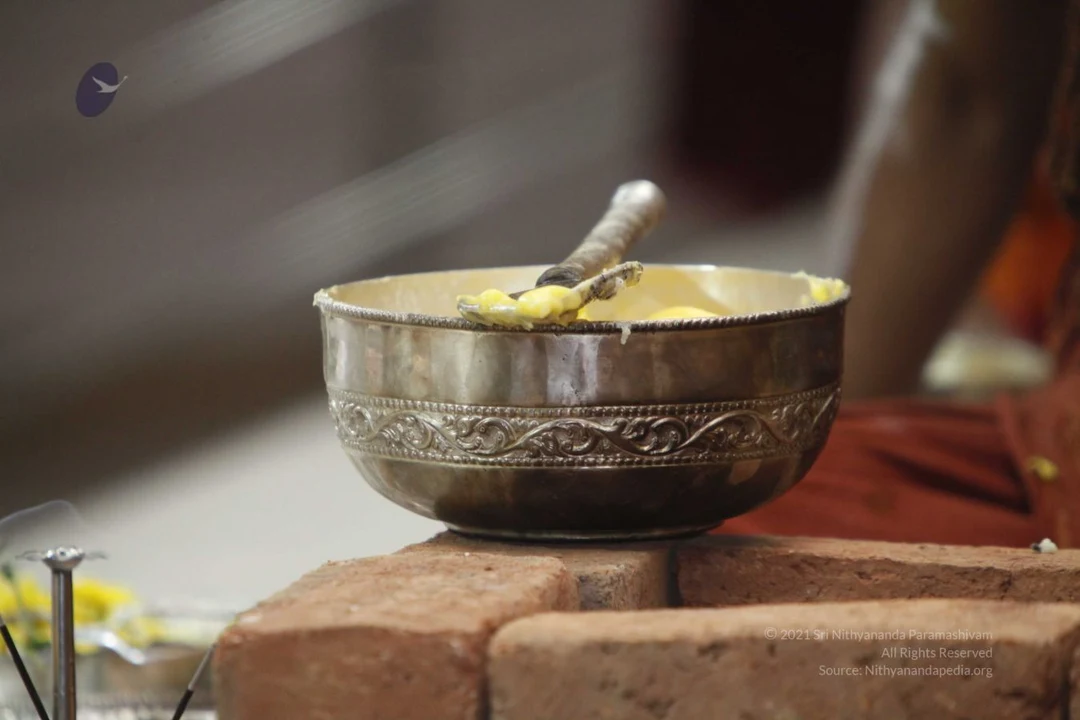
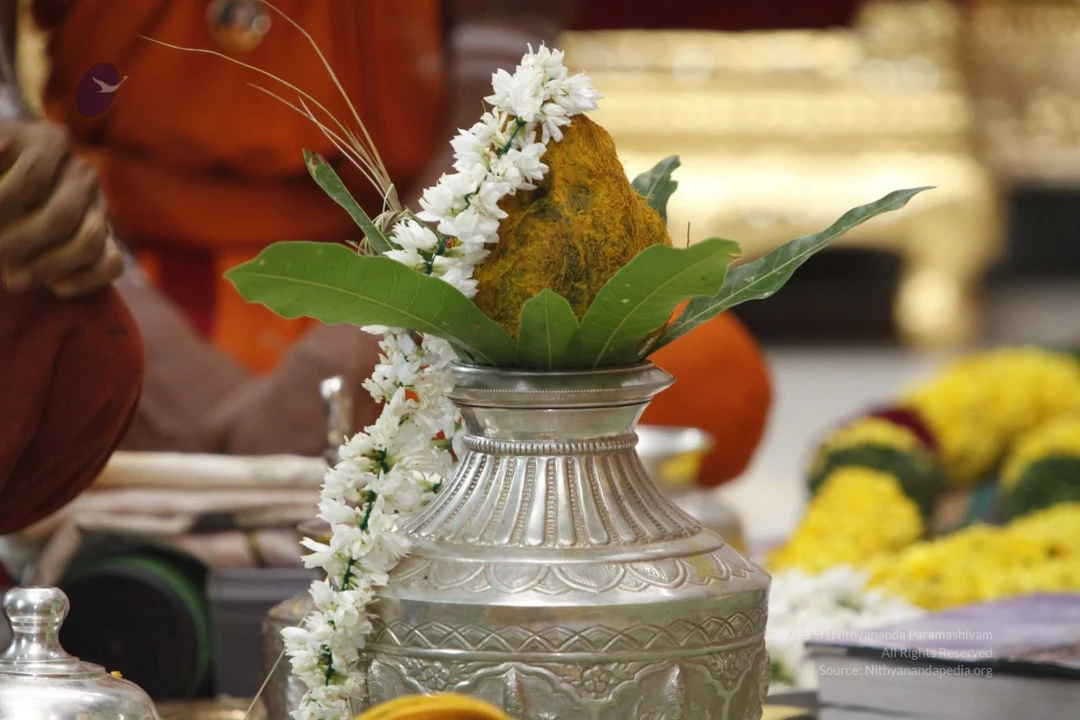
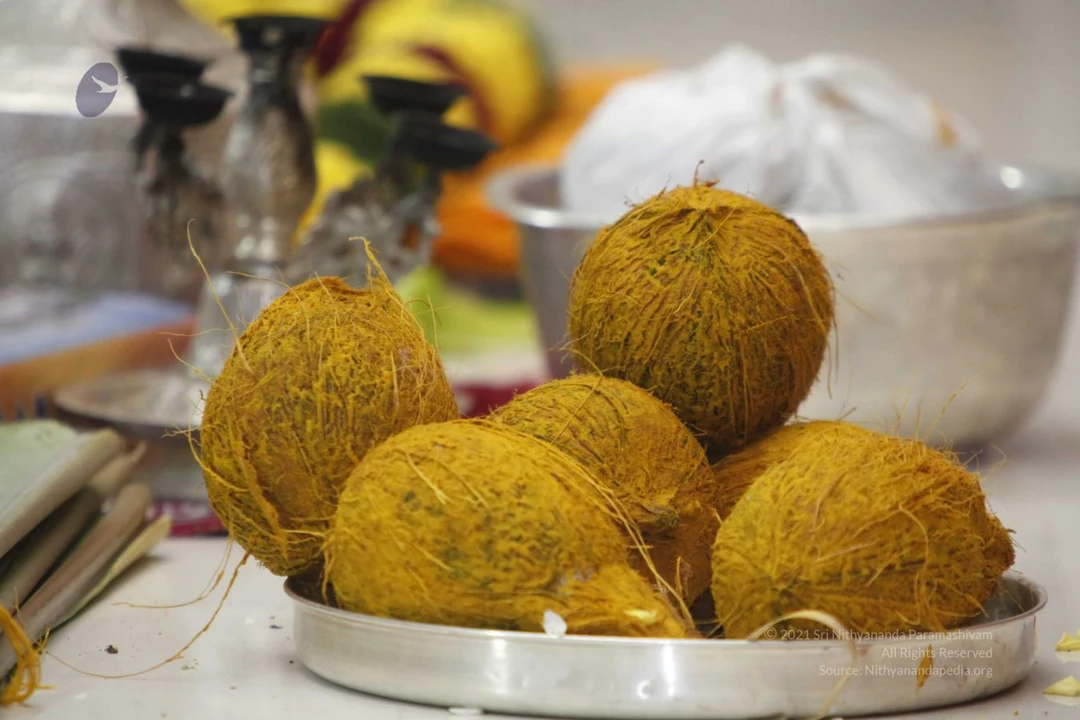
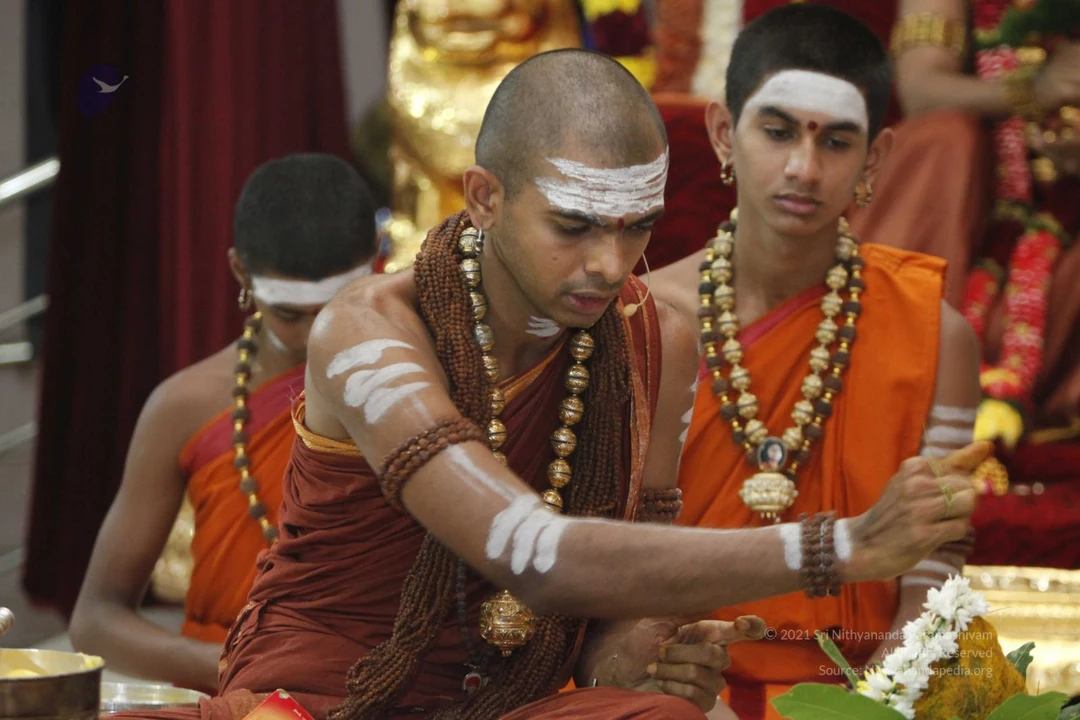
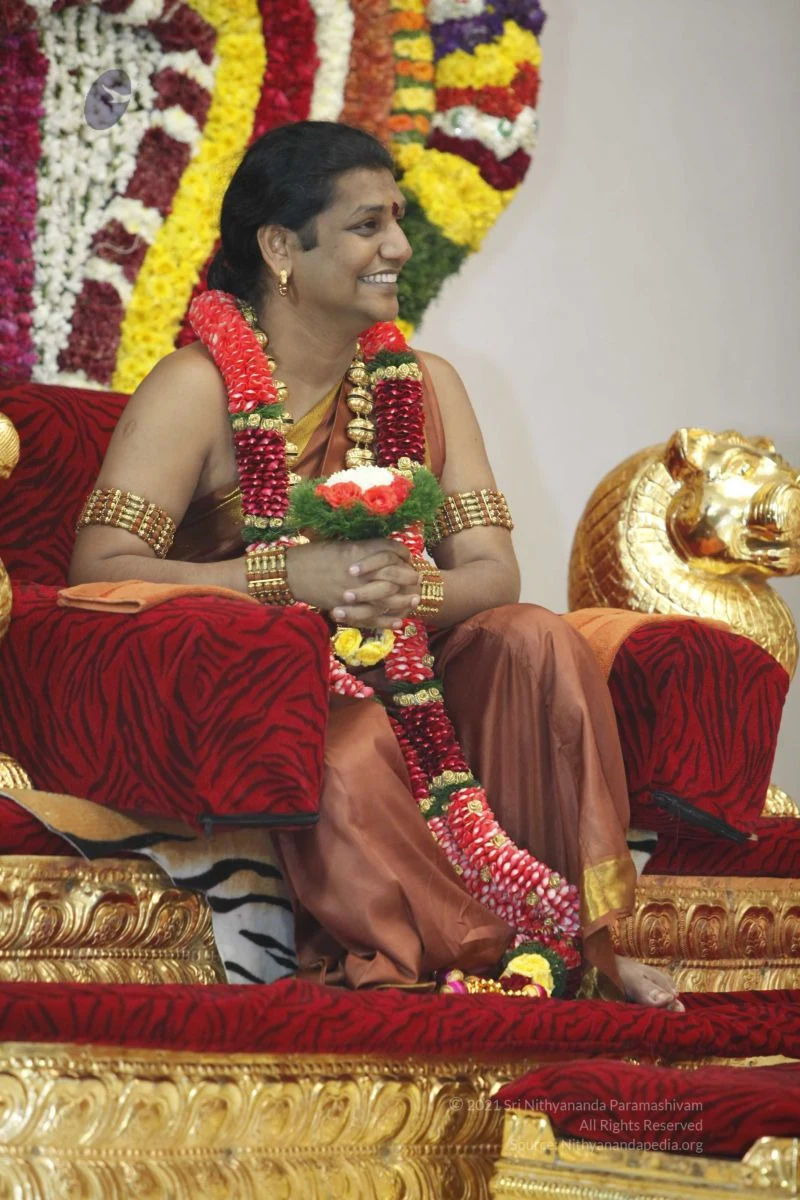
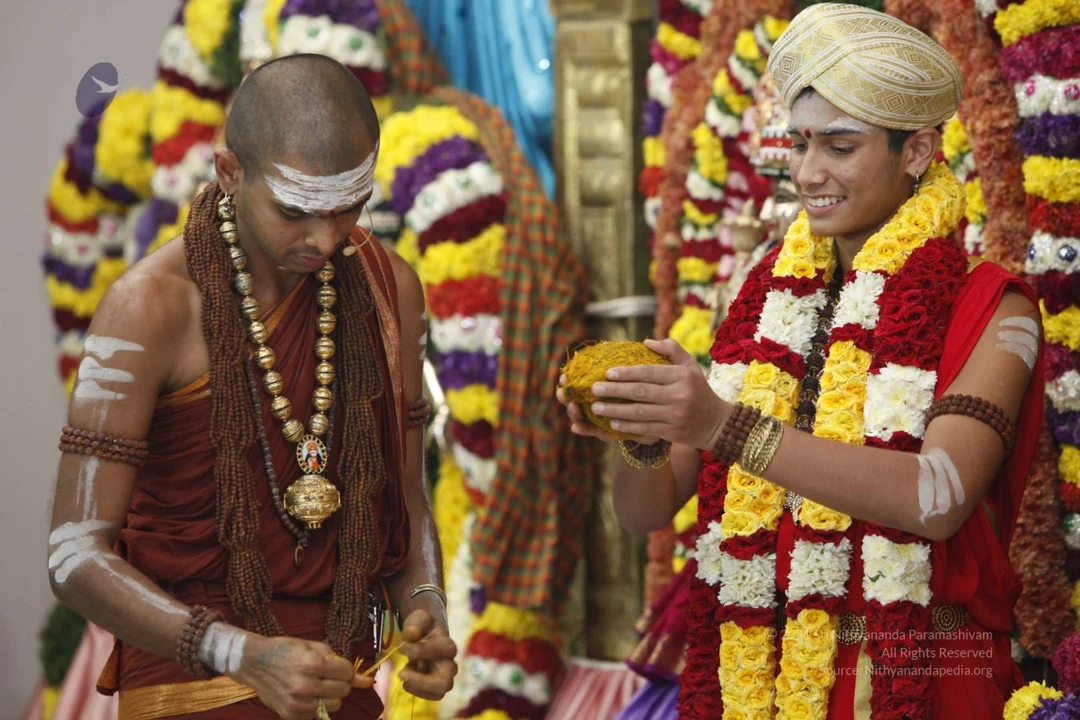
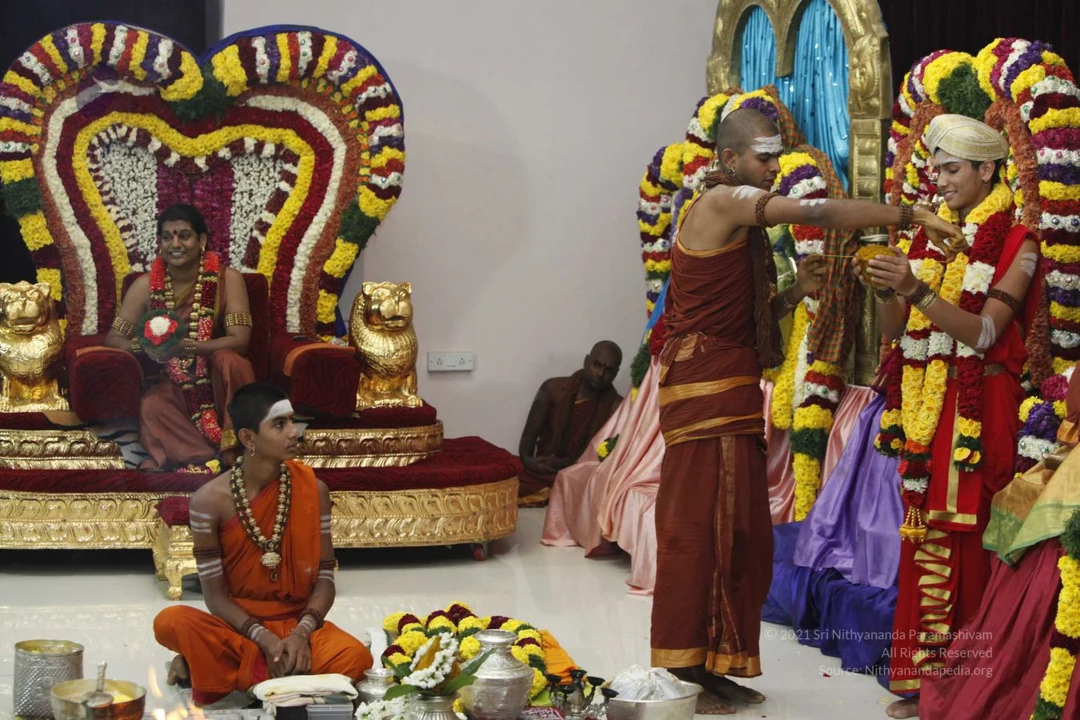
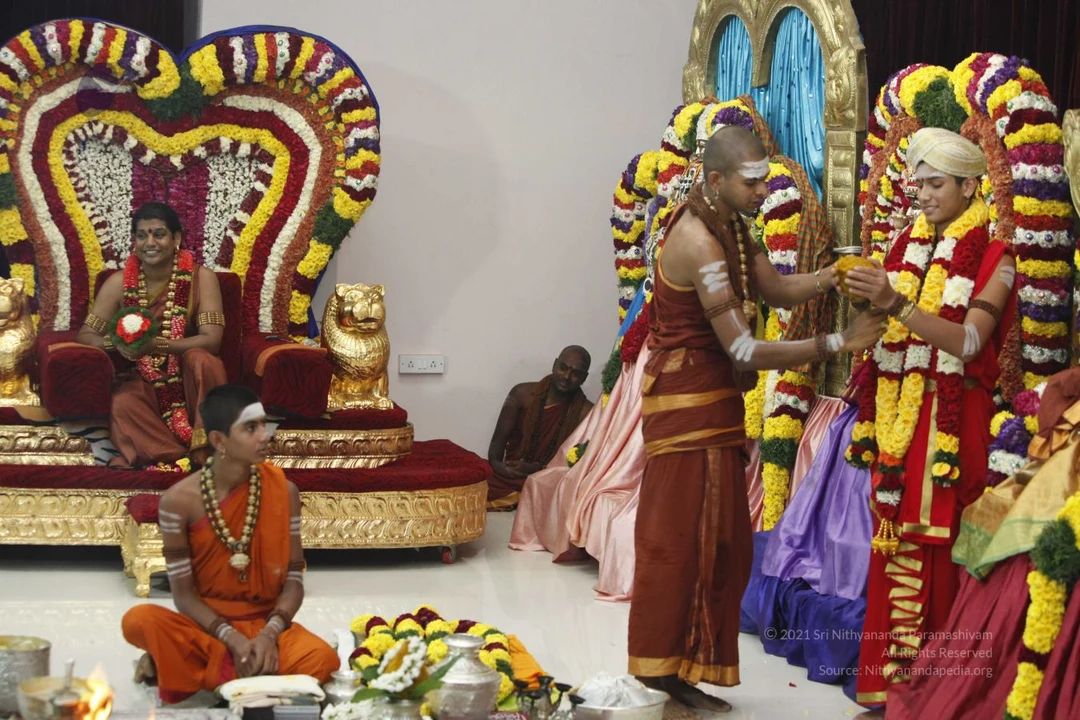
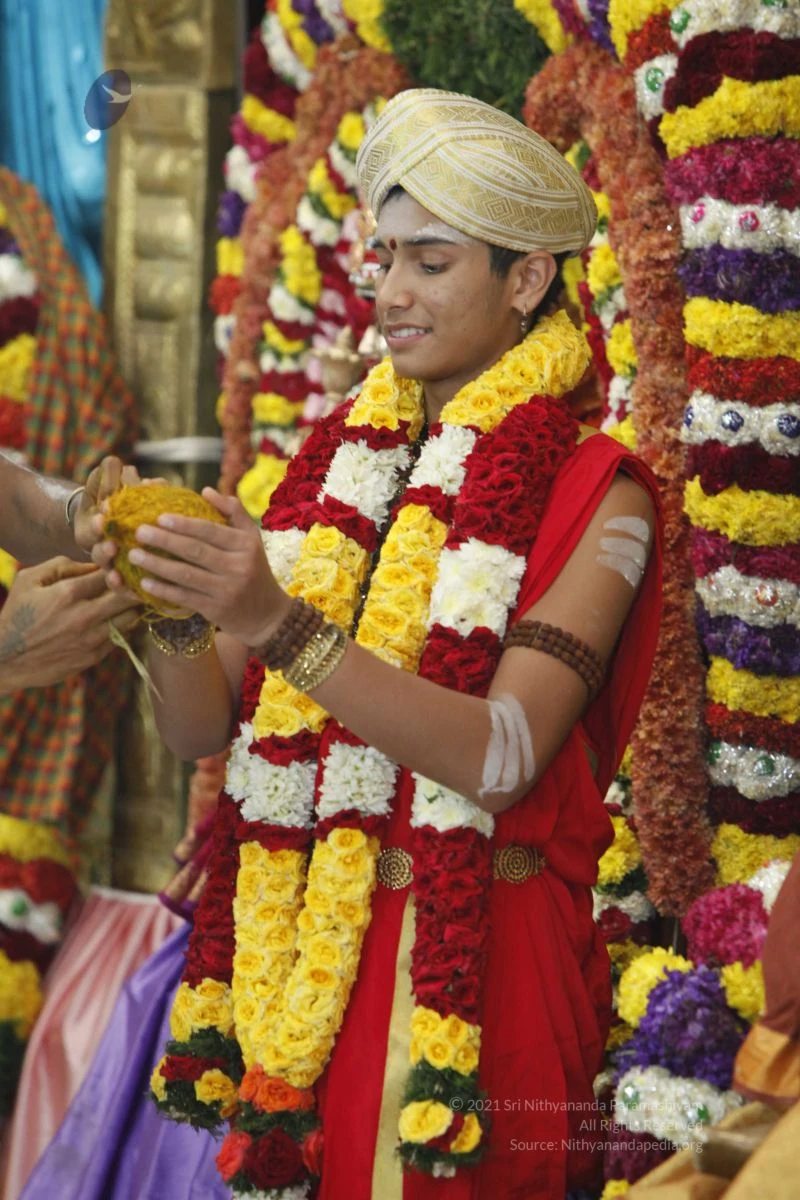
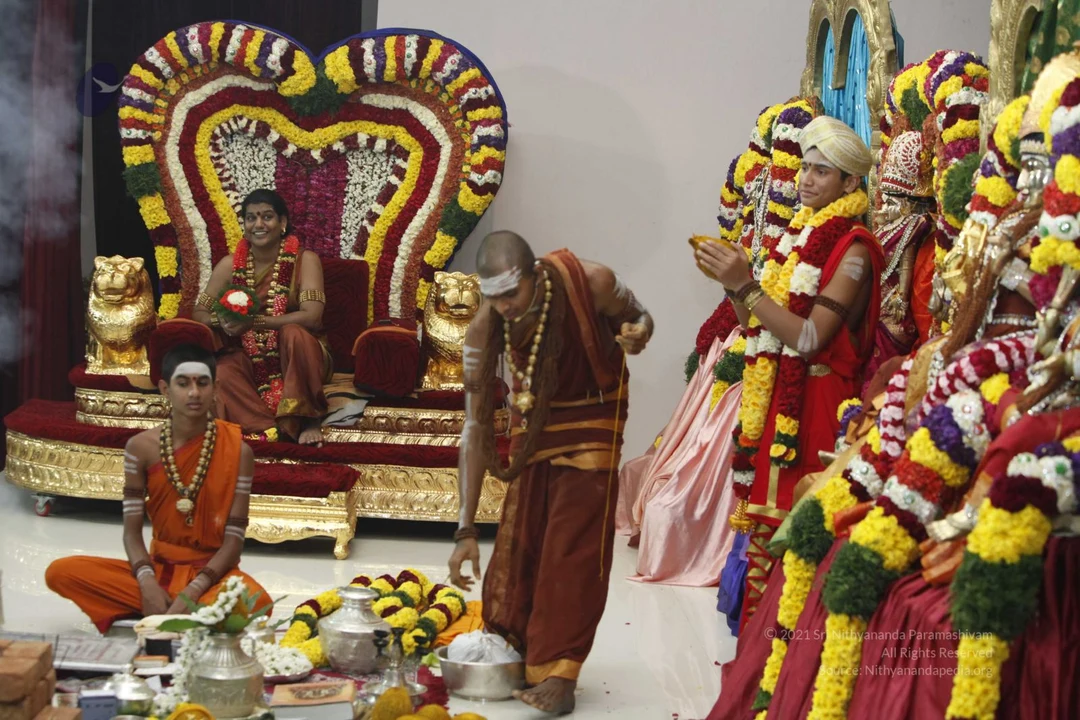
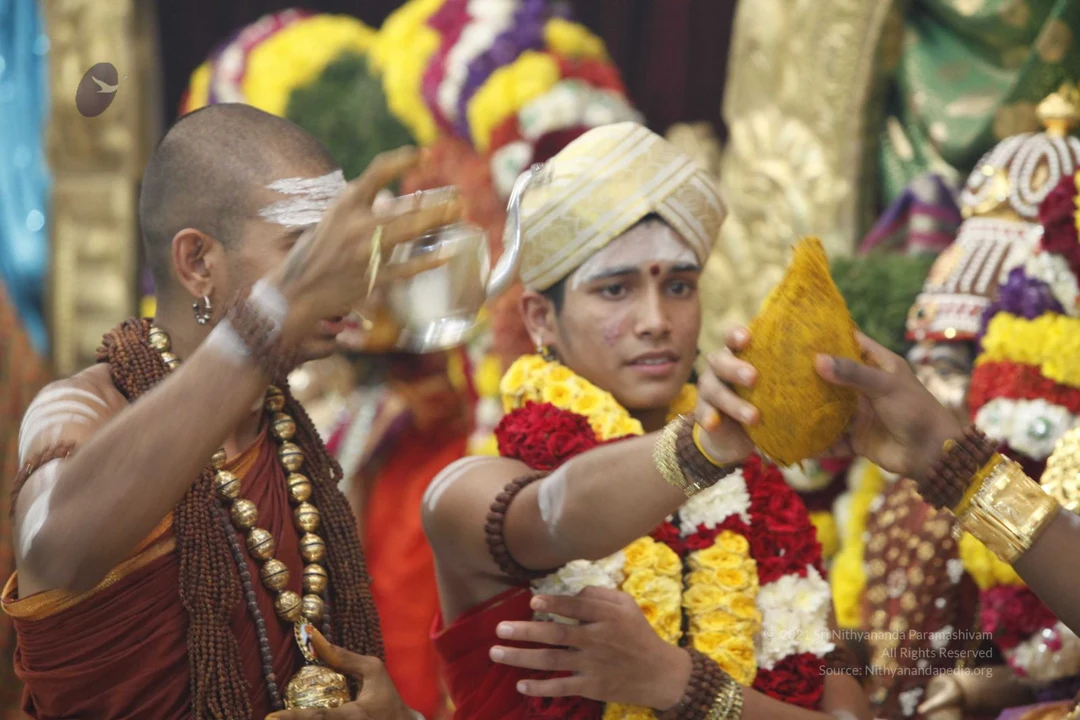
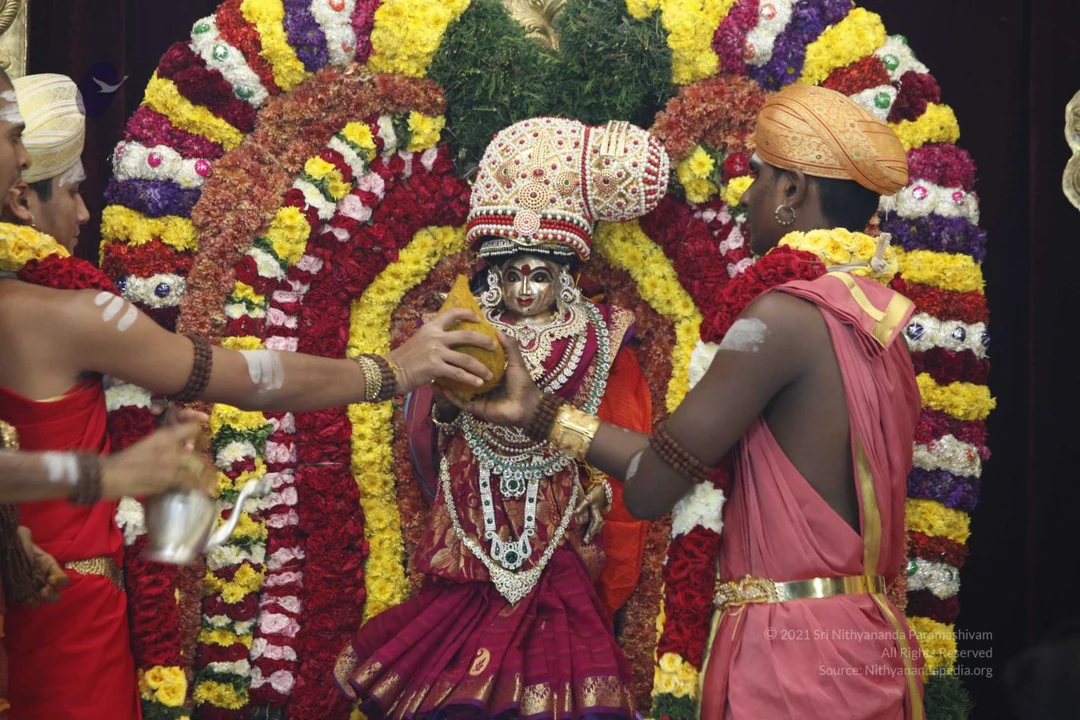
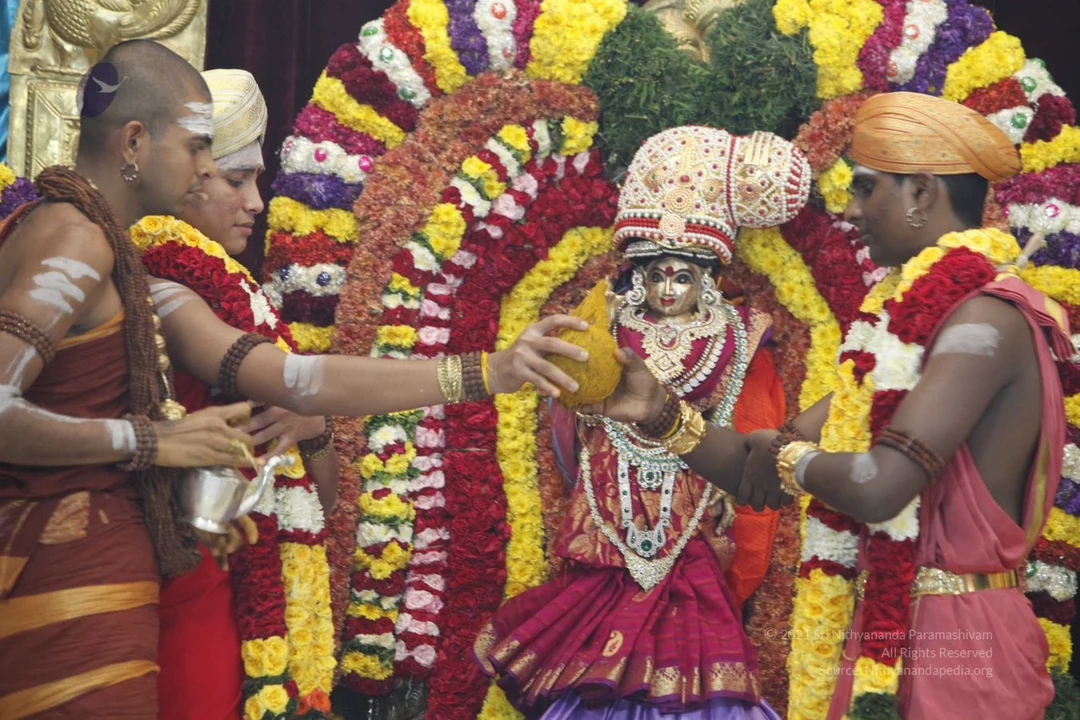
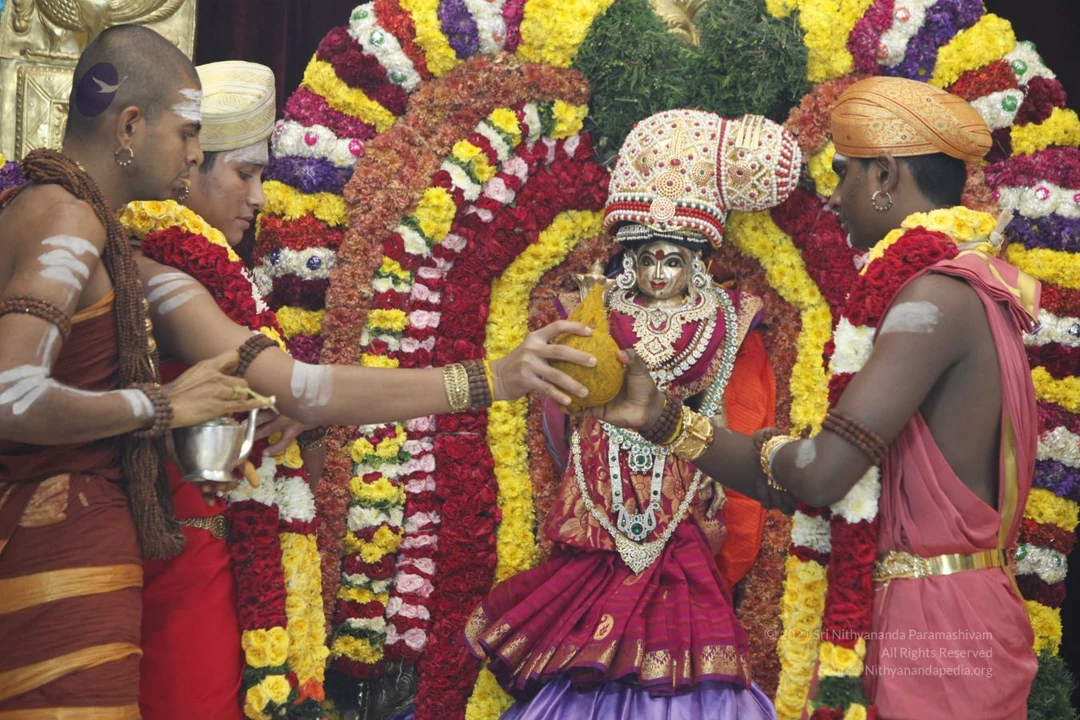
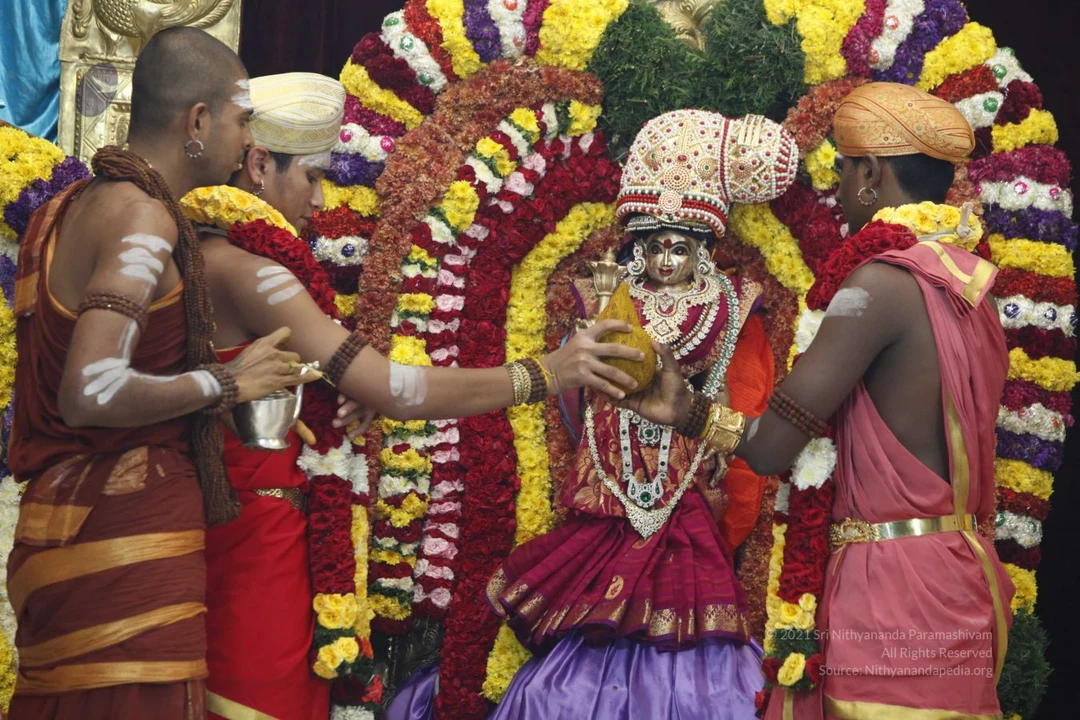
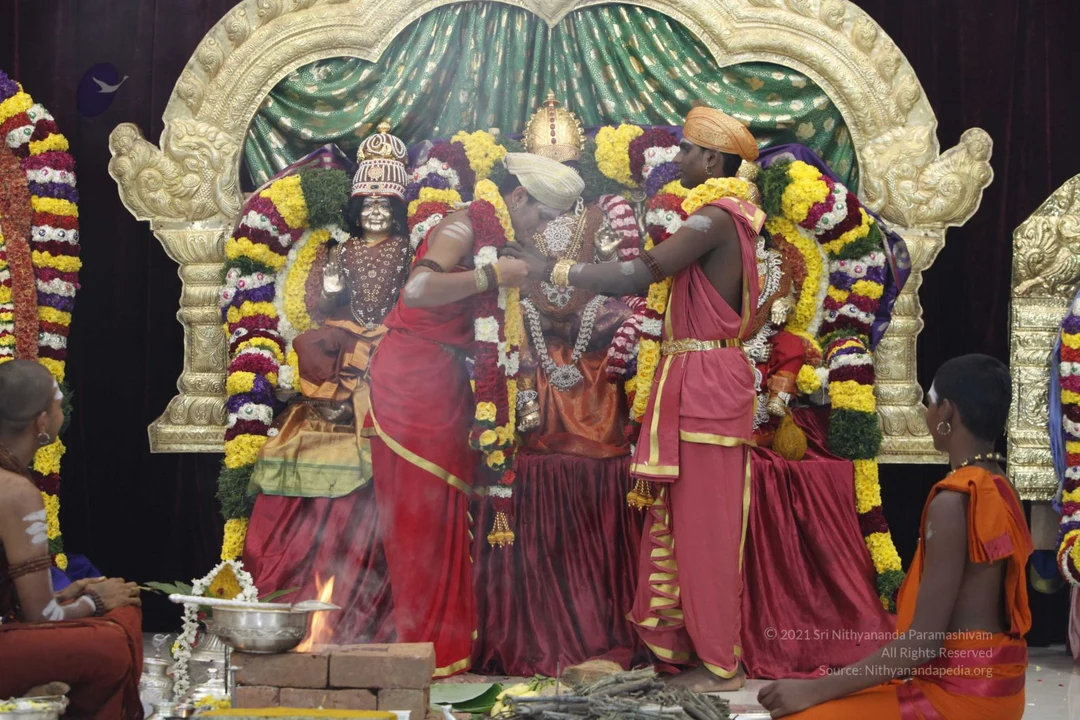
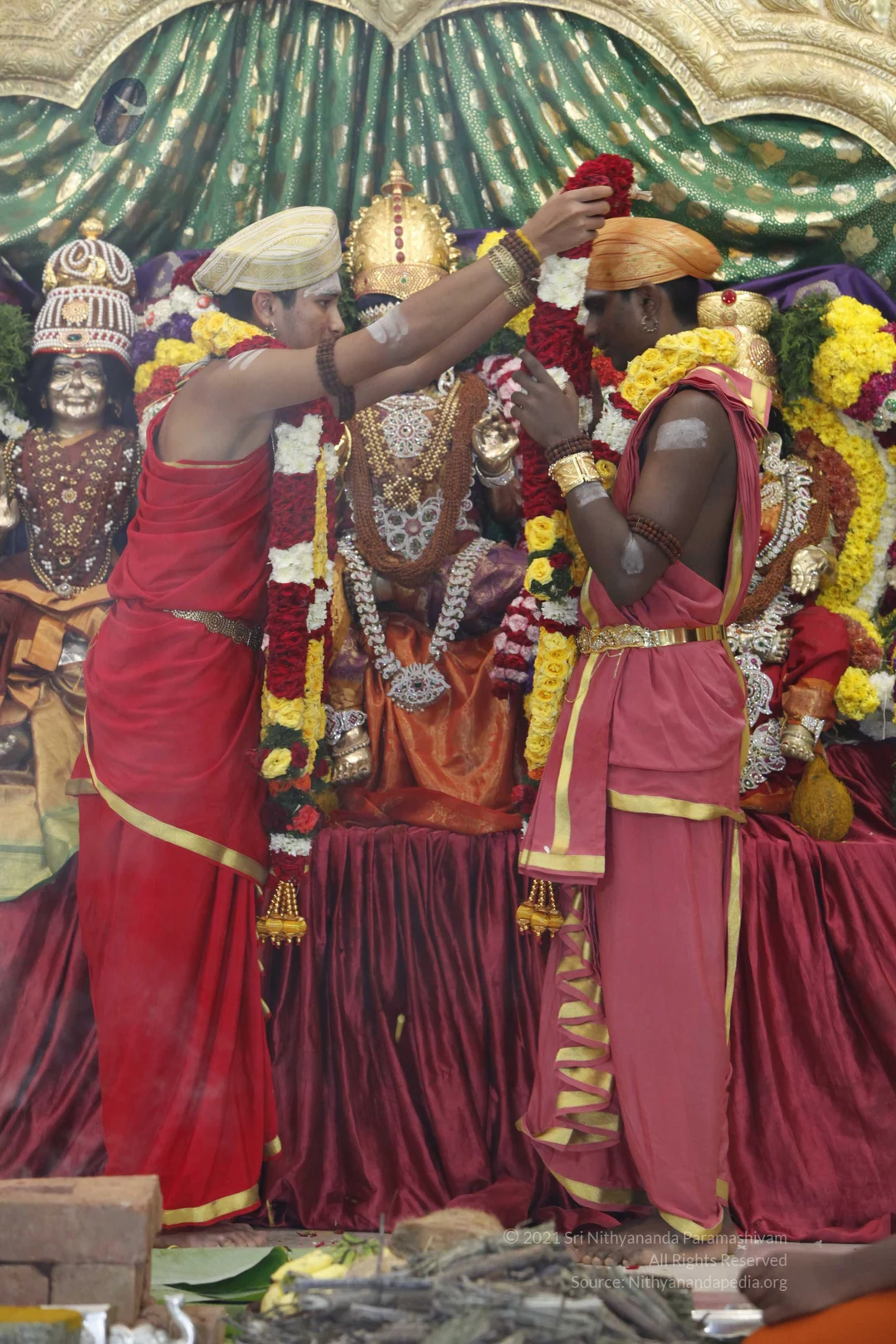
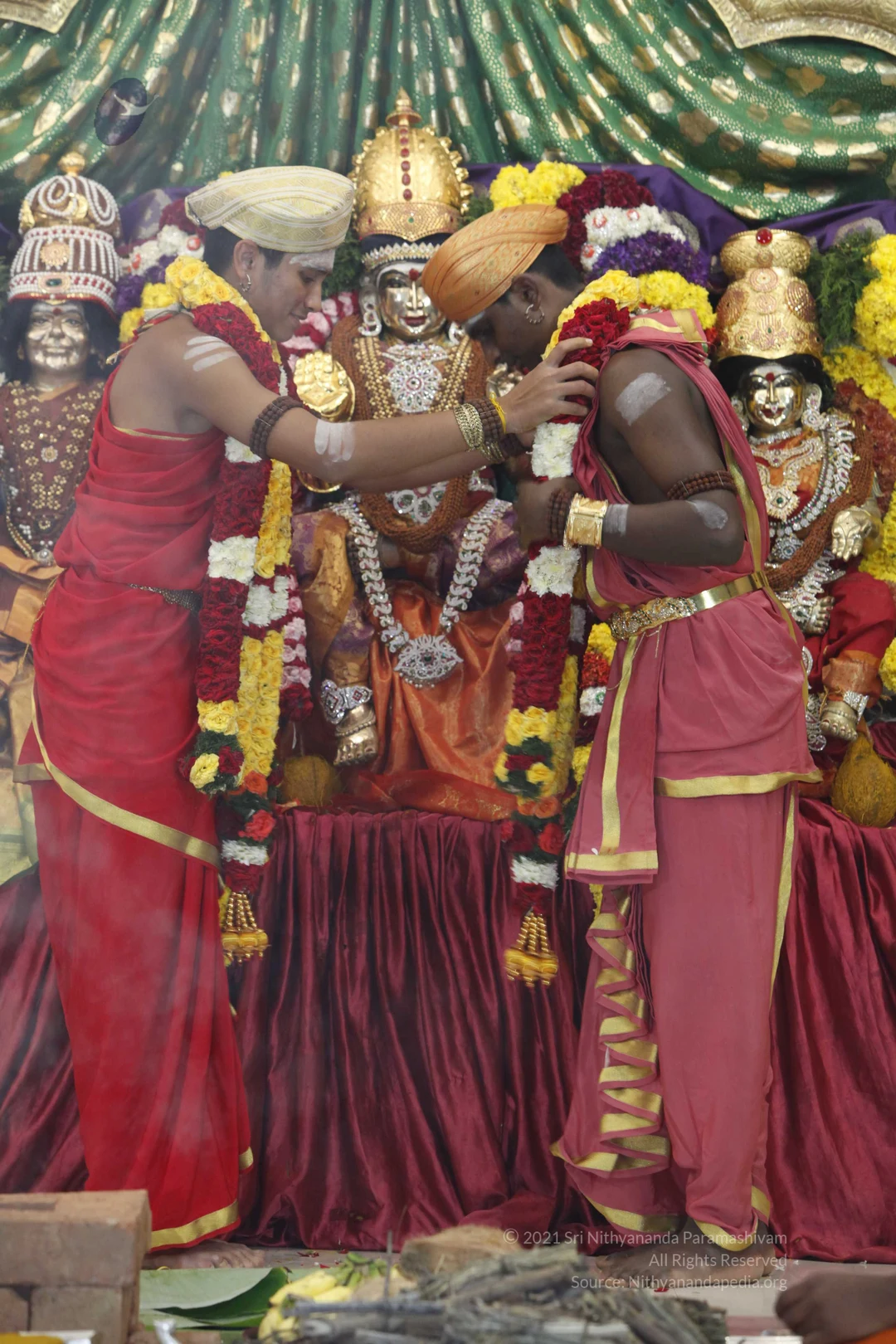
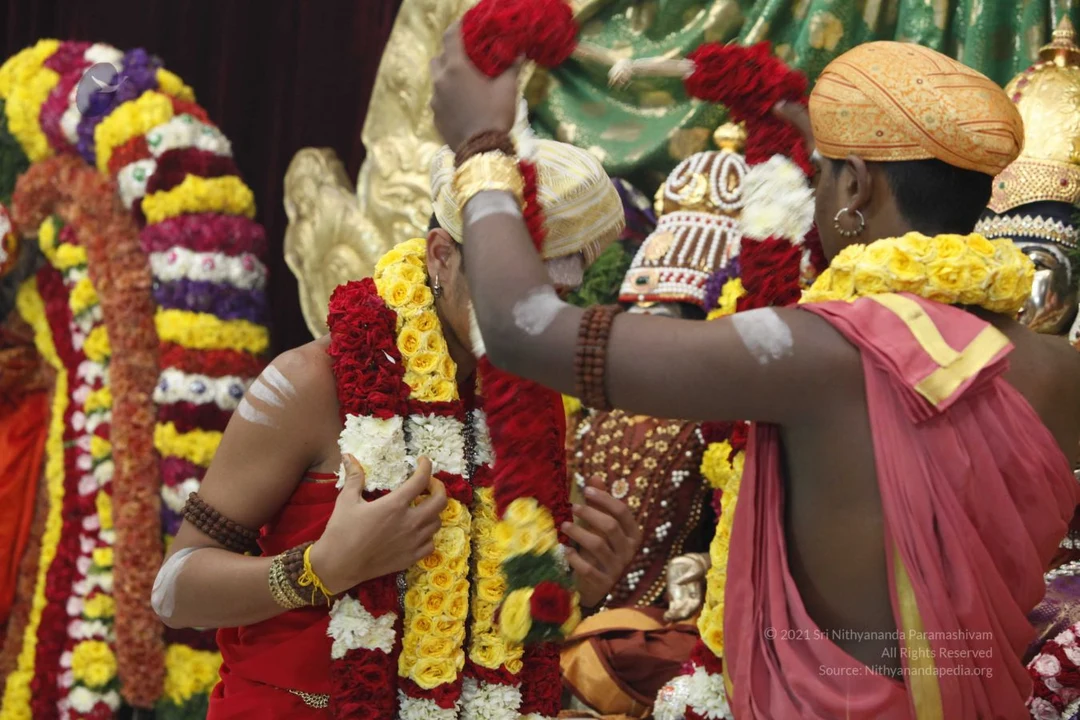
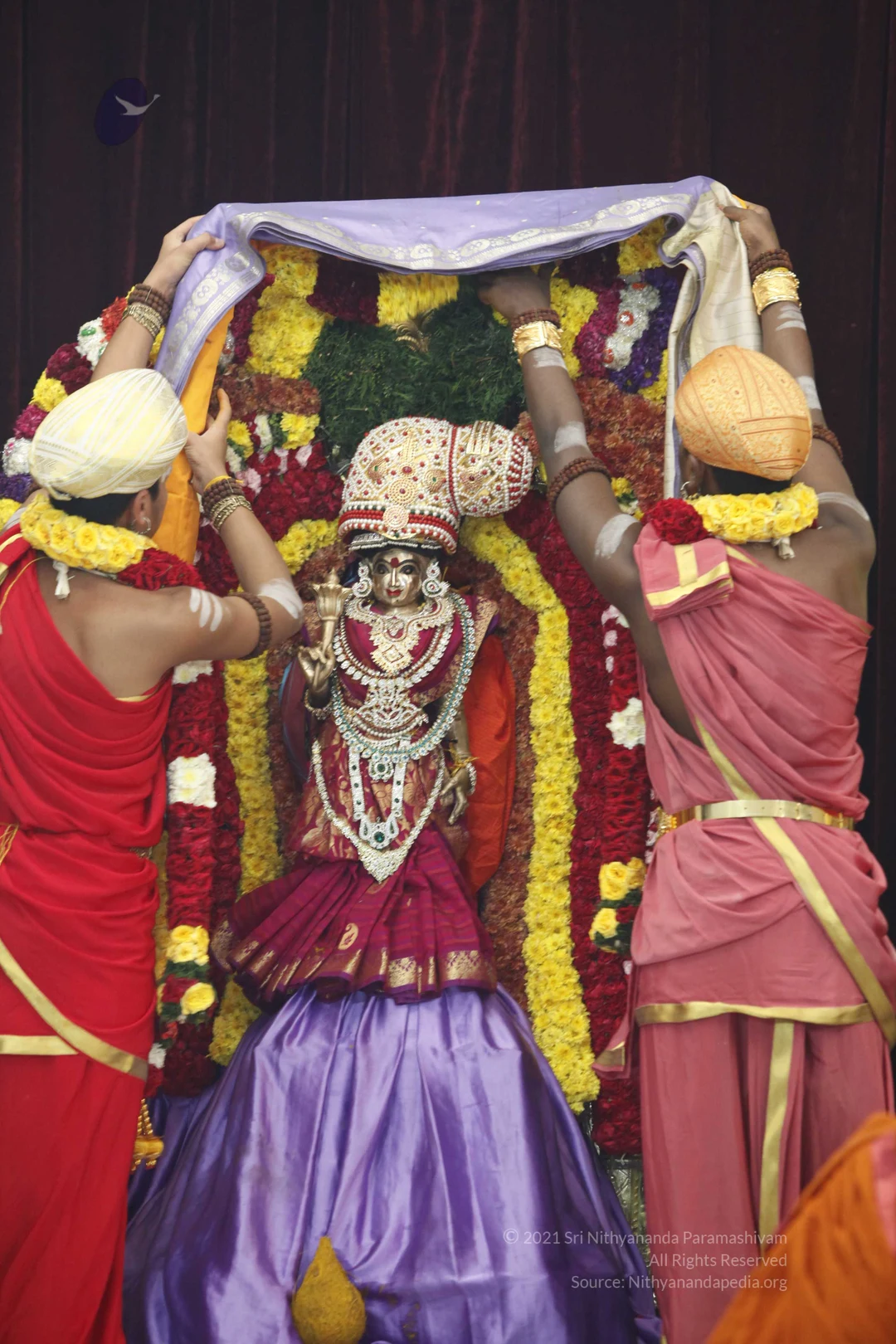
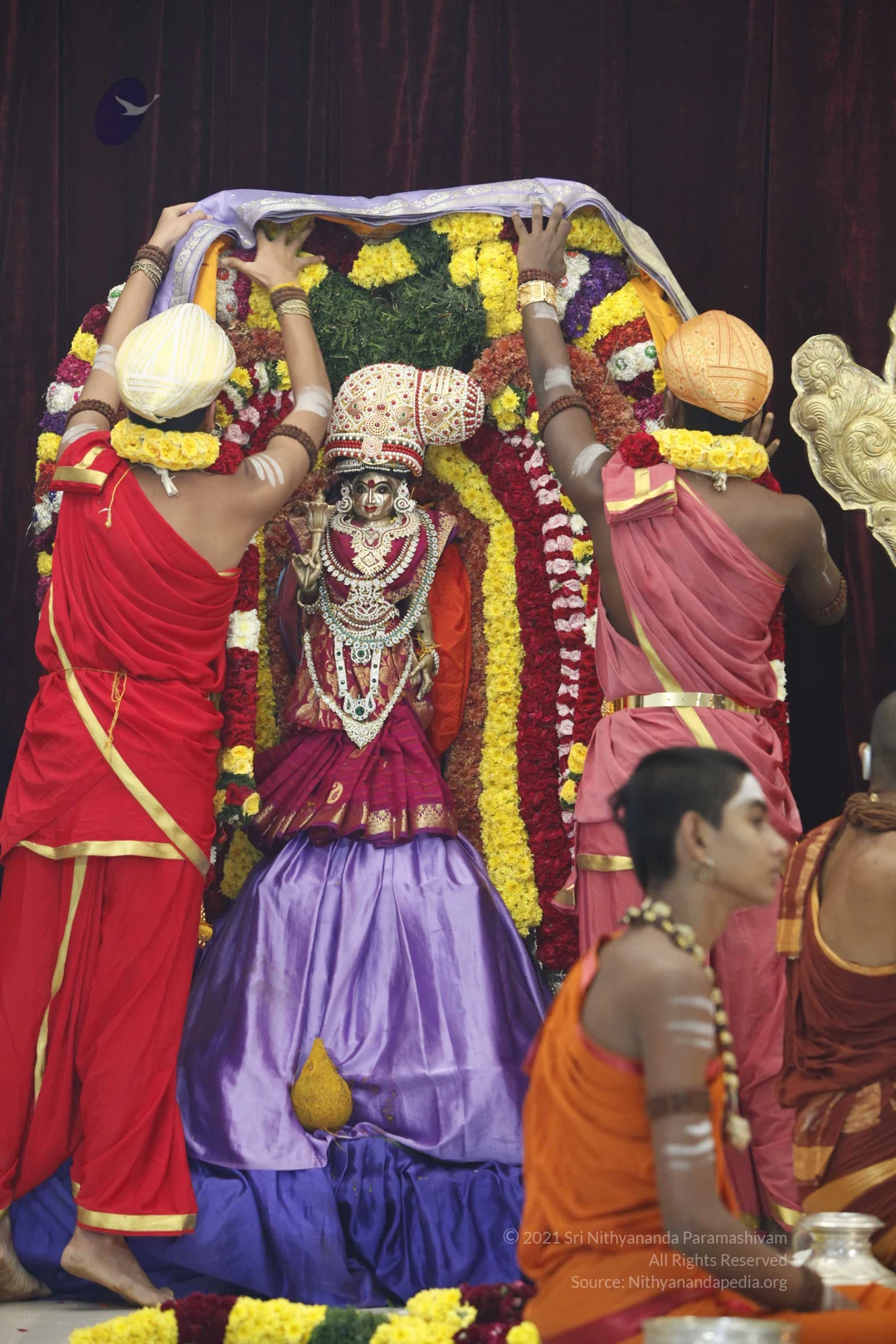
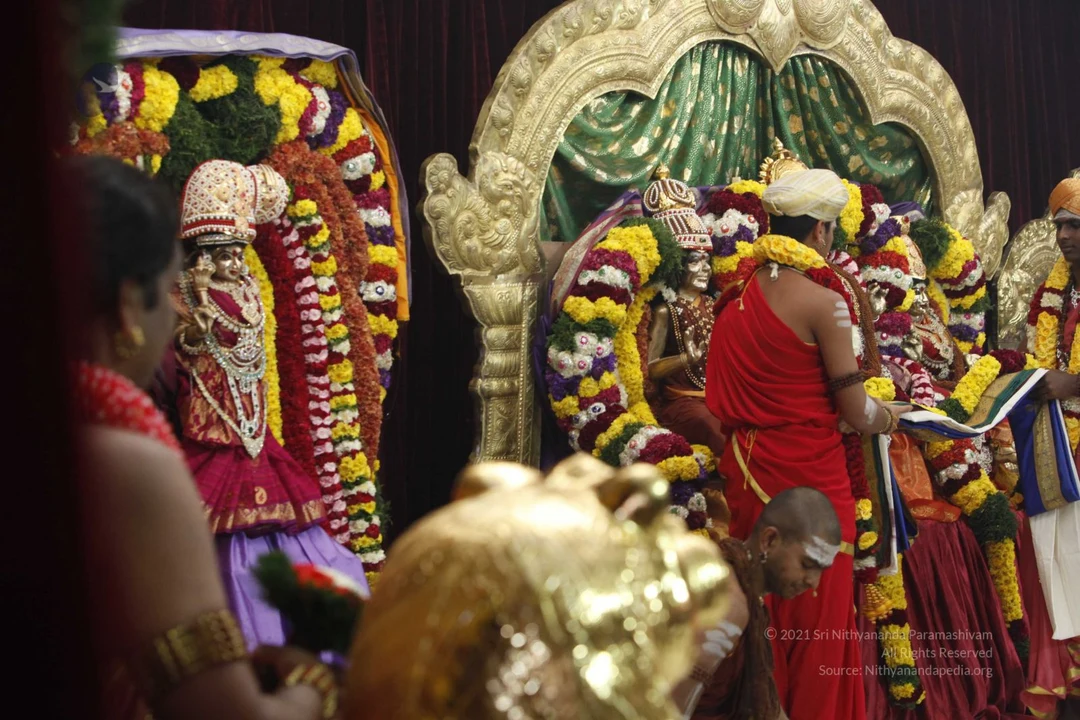
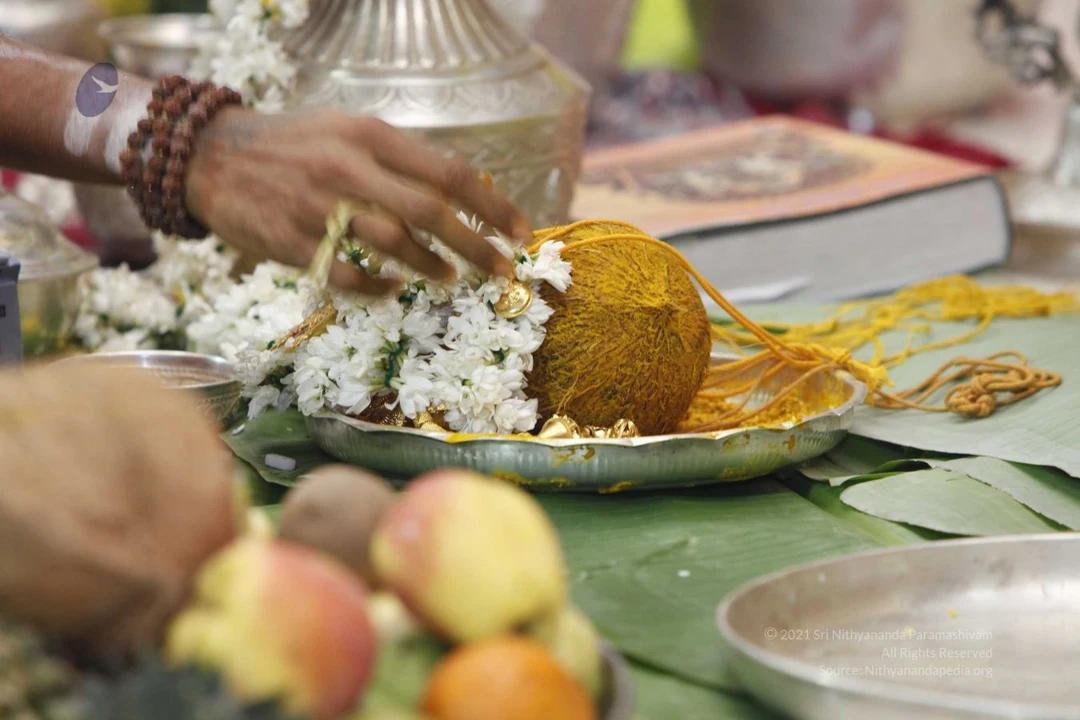
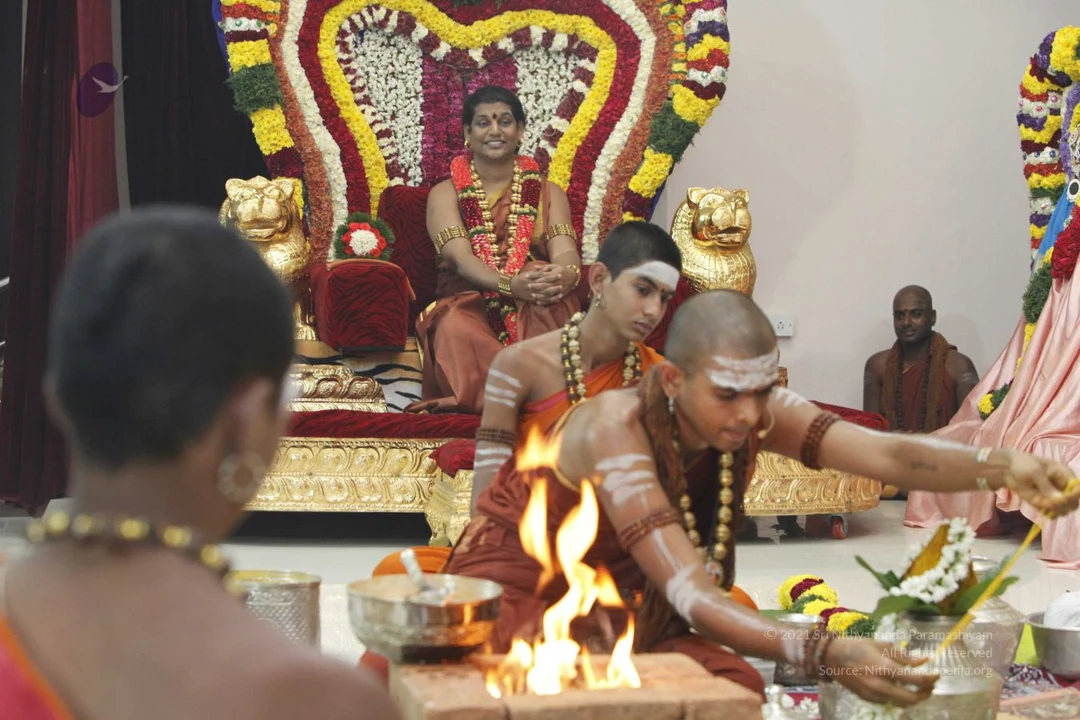
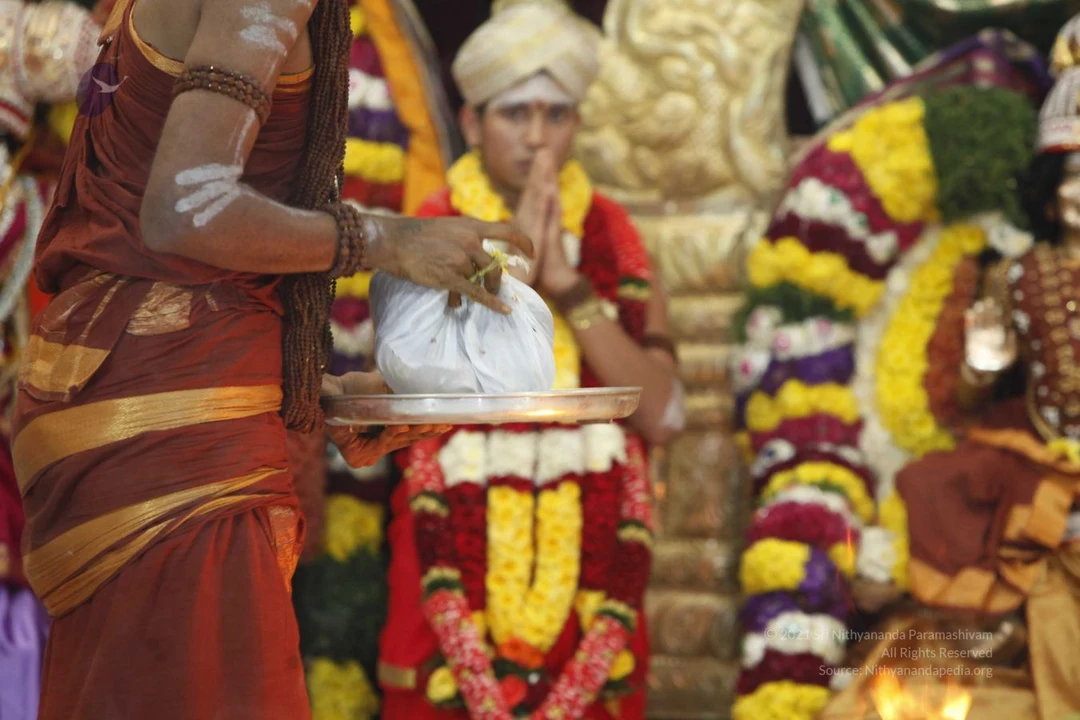
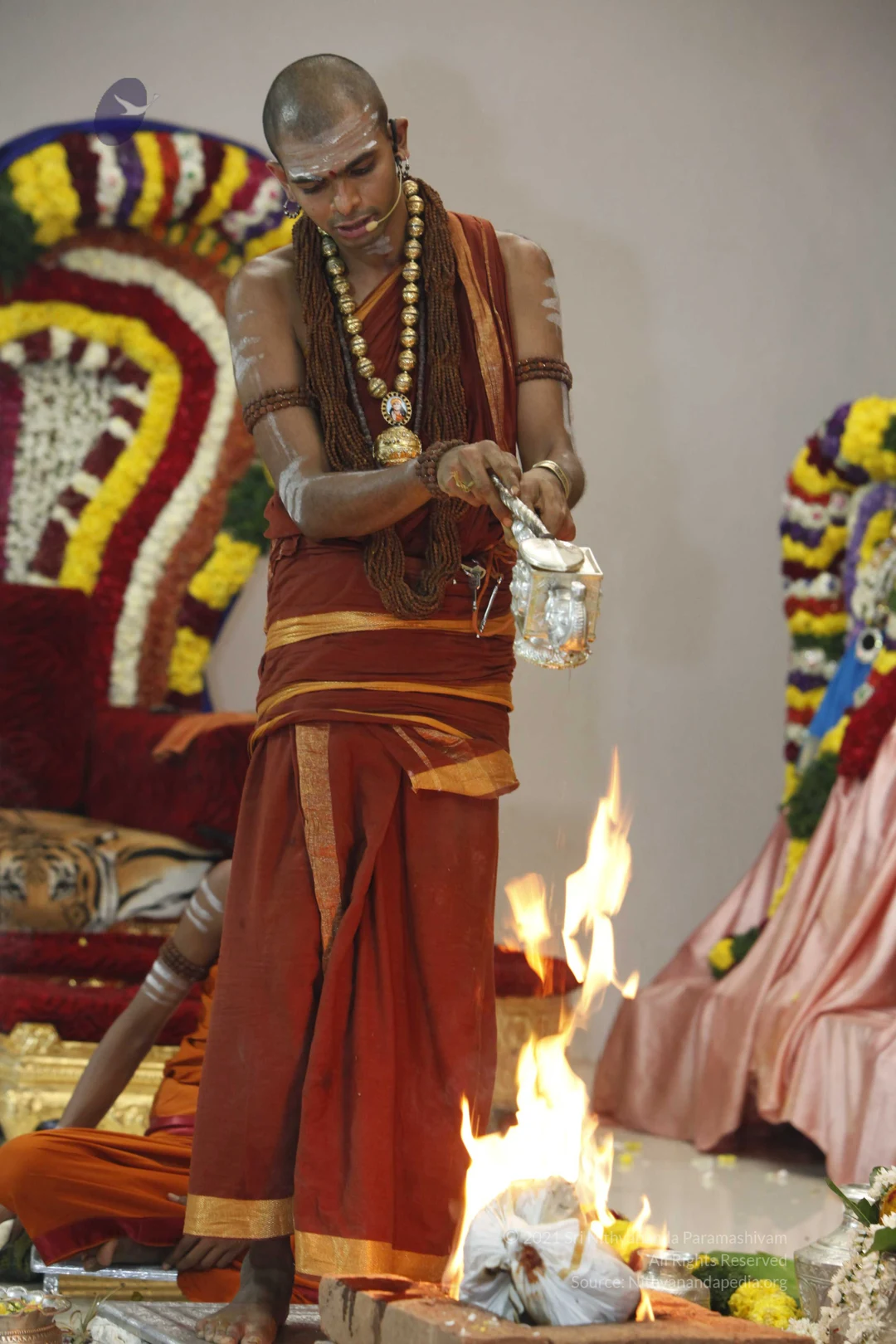
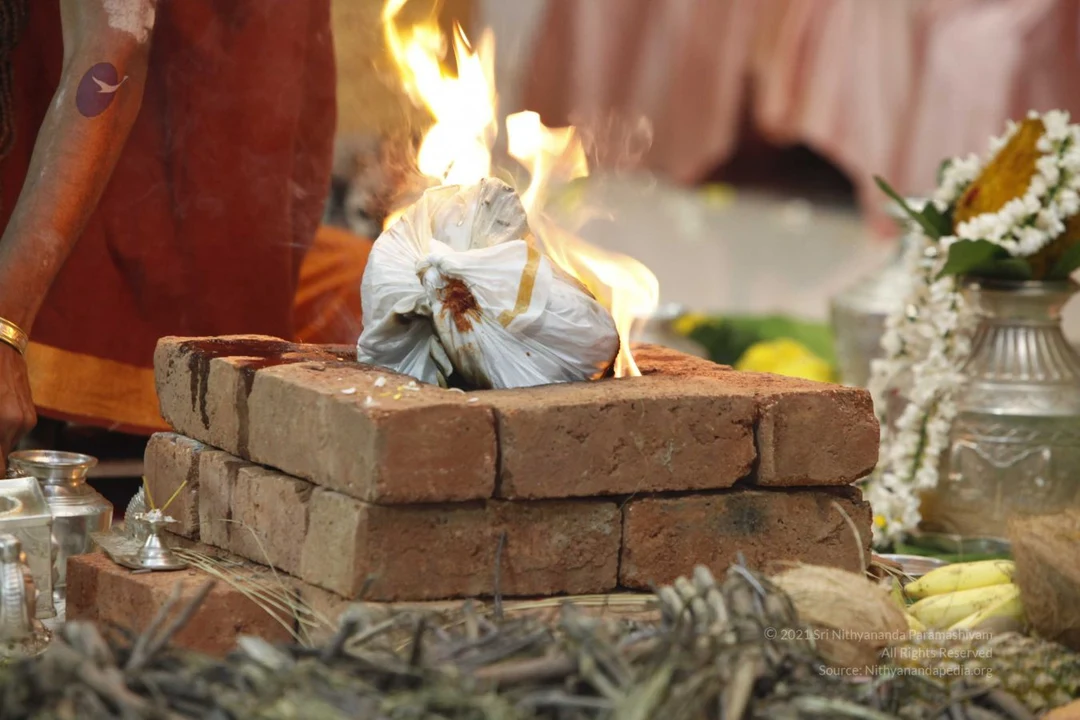
And after the satsangh today, Meenakshi Thirukalyanotsavam is there, Meenakshi’s marriage festival will be re-enacted.
We had a beautiful Rathotsava yesterday, the procession. Beautiful chariot, 33 feet tall, Suvarna Ratha, golden colour; not actually gold-coated, I can say in a way gold-painted, golden chariot. Suvarna Rathotsava yesterday happened successfully as seventh day of the Brahmotsavam is the time in Tiruvannamalai they celebrated Rathotsava.
So, the Nithyanandotsava, we have chosen the best of Tiruvannamalai Brahmotsavam and Madurai Meenakshi Brahmotsavam, Chittirai Thiruvizha, and mixed both, and arranged so that Tiruvannamalai and Madurai both come alive...! Ariyoginaneeshwara and Meenakshi both celebrate.
So, yesterday, as part of the 7th day of the Brahmotsavam, Rathotsava was happening.
I’ll start giving the essence of all the satsangs I conducted this year in the next few satsangs. I’ll continue my satsang.
The essence of all the satsangs that happened this whole year. Science of Completion, please listen! Fire, Debt, Vengeance and Incompletion, even if a little is left, it can swallow you, it can grow and swallow you! Everything should be completely burnt. Till you burn, take this vow: “Na Guror Adhikam, Na Guror Adhikam, Na Guror Adhikam, Shivasaa Sanataha”. Means, “Nothing more than Guru, Nothing more than Guru, Nothing more than Guru, It is Shiva’s teaching”. “Shivasaa Sanataha” means, it is direct ordainment of Mahadeva, Shiva. I can say this is the only teaching where Mahadeva gives his name to it, he lends his authority to it. In almost 64,000 verses – totally the Mahadeva’s direct teachings are almost 64,000 verses; as remembered by Mahadeva’s teachings, there are a few more thousands; all put together almost one lakh verses we have. In these whole one lakh verses, nowhere Mahadeva gives his authority to certain idea, certain teaching, other than to this word. “Na Guror Adhikam, Na Guror Adhikam, Na Guror Adhikam, Shivasaa Sanataha”. “Nothing more than Guru, Nothing more than Guru, Nothing more than Guru, This is Shiva’s Ordainment.”
Guru Gita is a great book. He speaks to Her about Him. He speaks to Her about Him! Nithyanandeshwara speaks to Nithyanandeshwari about Guru. Next year, you can expect – I already committed that first Inner Awakening time, the whole Haridwar Inner Awakening time - I’ll be speaking on the great truths from Mahabharata, I may explain the characters, history, everything of Mahabharata, and then I may take up Guru Gita. The Guru Gita is directly spoken by Mahadeva to Mahadevi, Parvathi, about Guru. So, as our Sampradaya deities are Nithyanandeshwara and Nithyanandeshwari and Nithyananda Guru Gita will be the best book to be declared as the Book of our Sampradaya, that is the Book of Nithyananda Sampradaya.
Please understand, even little incompletion can creep into you and make everything look as incomplete. Even the little incompletion left without getting completed, like a little fire left without being put off can grow and become a forest fire, consume the whole town. A little debt unattended can grow, expand, and become huge debt and can lead to IP, Insolvent Petition. A little vengeance left unattended can grow to big war like Mahabharata War. A little incompletion left unattended can take you away from the Master!
So, understand, till you achieve Completion, ‘Na Guror Adhikam, Na Guror Adhikam, Na Guror Adhikam, Shivasaa Sanataha”. After you achieve the Completion, “Na Guror Adhikam, Na Guror Adhikam, Na Guror Adhikam, Nithyanandasaa Sanataha”. After you achieve the completion, you know your heart knows, experientially nothing more than Guru. Till you achieve Completion, hold on to this as Mahadeva says, “Shivasaa Sanataha”.
Ramakrishna gives the example, ‘Just one desire for Rossogolla is enough to make you come back, take body’! Please understand, one desire for Rossogolla is enough to make you come back and take the body. So, a little incompletion left unattended also can pull you down to bhuloka ordinary, very ordinary human urge.
This whole year, I was explaining the Science of Completion. As I was telling yesterday, we have become integrated in tons and tons of ways. We have become authentic in many, many, many places, many, many, many of our dimensions. Still we have not become completely authentic, but we know where we have not become authentic, and we know where we need to attend. It is like Poornima Day. By its own light, moon shows where all it has black patches. Same way, by our own light, we have found where all we are inauthentic. By the power of our tapas, we have found where all we need to become more authentic. Fearlessly expanding!
Please understand I am defining “Divinity”: Not having fantasy about your small life which is very cosy, comfortable, secure. Authentically being a catalyst for people to cause their reality, and enriching. That is where divinity begins in you. Beyond the borders of religion, many Zen masters, Sufi saints, Christian saints have mastered this science of authentically taking responsibility to enrich the world. Today, on Christmas Day, I remember and bow down with a lot of reverence all the great Christian saints who brought the great science of responsibility to enrich in their experiential expression. There are many great Christian saints who authentically, experientially expressed taking responsibility to enrich the world. I remember all of them with my respects, love and reverence. I bless you all on this day, by the grace of all those saints and Christ, let every one of you imbibe the great quality of enriching, taking responsibility for enriching.
As per the Vedic Calendar, today is not the birthday of the Christ. He was born in Margazhi Maasa, Chitra Nakshatra. That is why Chitra Nakshatra is the most powerful seen Nakshatra with empty eyes which can move along with our journey. Means, even if you are travelling, you can see the Chitra Nakshatra continuously, especially in the Middle East region. That is the star recorded in the Bible which was seen by the great three rishis who went to attend to the delivery of Christ. That is why even now in all the puja mantras “Chitra Nakshatra Bhavati, Chitra Nakshatra Bhavati” is chanted, because Chitra Nakshatra is the most powerful Nakshatra which can be seen with open eyes throughout the year. Every month only Chitra Nakshatra can be seen with open eyes, throughout the year. But as per the Western date calendar today’s the Christmas, Christ’s birthday.
Even little incompletion left can become huge incompletion because any action you do out of that incompletion is going to be causing more and more incompletions and unfortunately, incompletion does not tell you that you are incomplete. Rahu is a shadow planet. He is not the actual matter. He is a shadow planet. Incompletion is Rahu, Completion is Kethu. Incompletion never tells you that you are incomplete. When your Kethu is high, you are always pushed more and more towards Guru. Rahu influence increases more and more on you, you are always pushed away from the Guru. To be out of the game between Rahu and Kethu creates intense incompletion in you. Don’t leave a single incompletion unattended.
Rahu promises beautiful life and doesn’t deliver. Kethu never promises, but delivers. Rahu is the body, Kethu is the face, head. Rahu is the matter, Kethu is Consciousness.
Understand; do not allow even little incompletions. The parihara, prayaschitta to save yourself from Rahu is Guru’s Kripa, Guru’s blessings. Not you seeing the Guru through TV, Guru seeing you all the time. That is the only thing which can save you from the negative influences of Rahu. Rahu gives you the fantasy of bright life, but ditches you in a worst way. Kethu never promises you, but showers best life on you.
Go on taking responsibility to enrich. Never allow the tiredness. , Rahu enters into you in the form of tiredness and boredom. Never allow that to, tiredness and boredom to enter into you forever. Again and again and again, bring Completion into your life, Kethu into your life. Anything can be missed for the sake of Guru. You will have Guru and what you missed for the sake of Guru. Guru should not be missed for anything, because then you will neither have Guru nor what for you missed Guru. When Rahu takes over, he separates you from Guru and he also doesn’t give you anything other than suffering. When Guru takes over, he gives you Guru and all the best things of life, all the good things of the life.
Continuously, sincerely, be a cause for others to realize their reality. Continuously, sincerely, be a cause for others to realize their reality. Go on enriching everyone’s life. I tell you, your life will be enriched! Your life will be showered. Come back to Kethu and Guru’s feet. Understand, Rahu can only promise, never deliver. That is why I am saying come back to Guru using Kethu, Completion. Rahu will promise, but will never deliver. Kethu will never promise, but he will always shower.
Whenever expansion happens in you, whenever you are moved towards the ultimate reality, higher reality, the obstacles that comes up in you, the incompletions that come up in you in any form – it can be an ordinary Gulab Jamun – is Rahu. Not allowing the influence of incompletions, Rahu, in your life is “Tapas”. Not allowing Rahu to move you out of Guru is “Tapas”. Constantly keeping you in the space of Completion is the job of Kethu. Kethu brings passion for ultimate reality. Kethu brings Guru’s grace, takes you closer and closer to Guru. Rahu brings distance between you and Guru. Rahu erodes feeling-connection, bhakthi. Kethu creates intense feeling-connection with the Guru.
Let you all achieve, experience, live, express, radiate, share and explode in eternal bliss, Nithyananda.
Photos
Photos Of The Day:
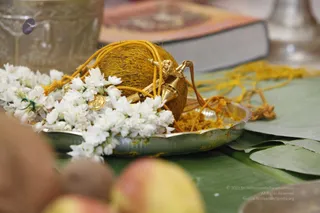
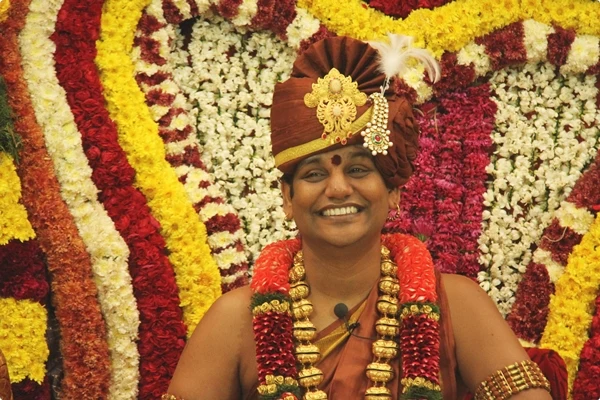
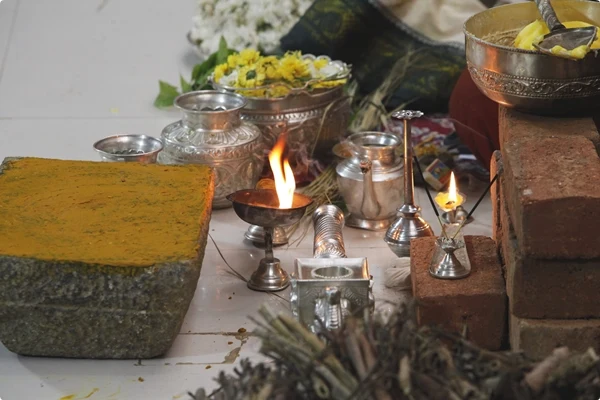
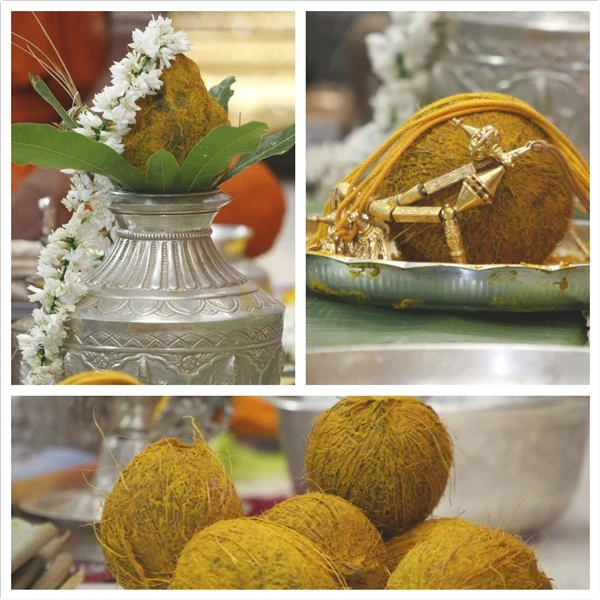
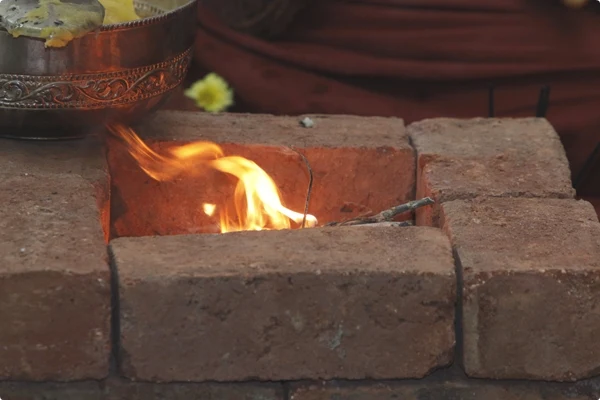
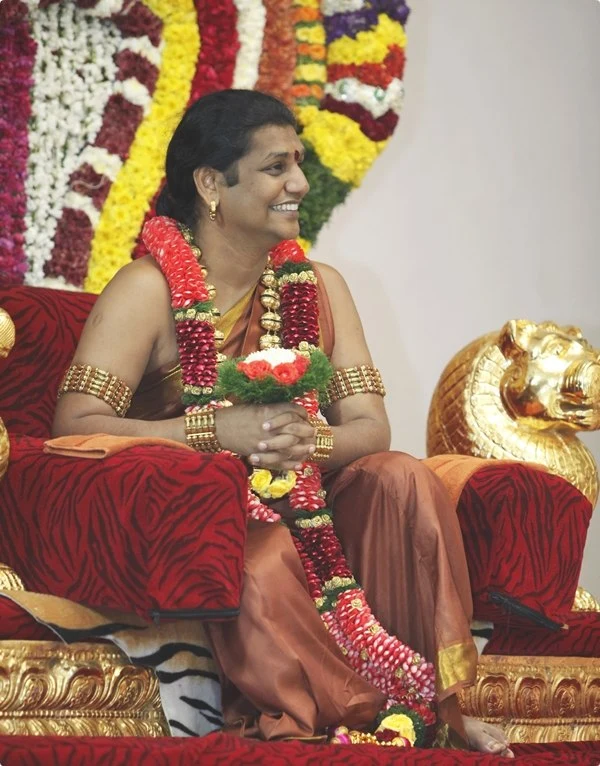
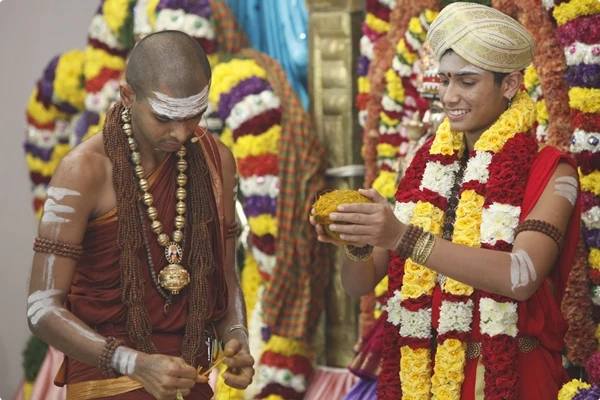
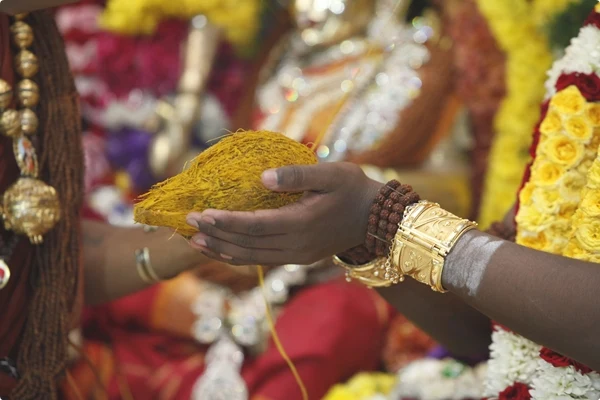
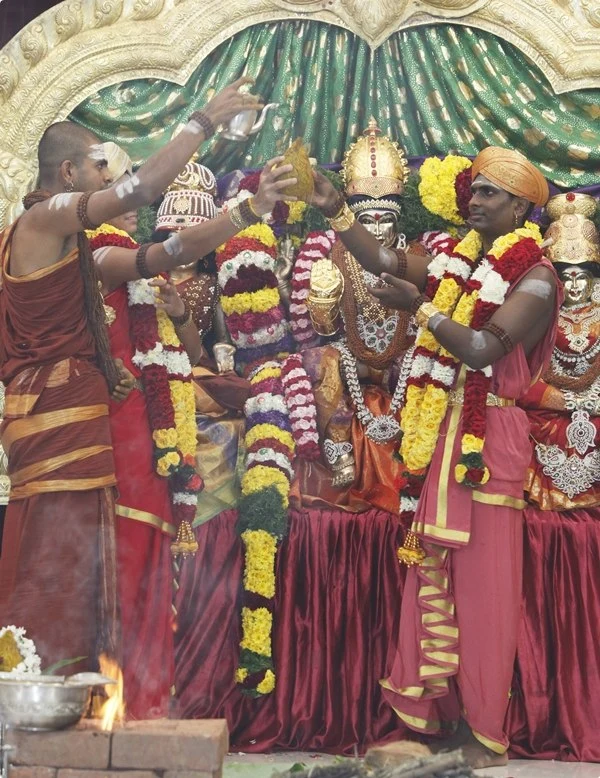
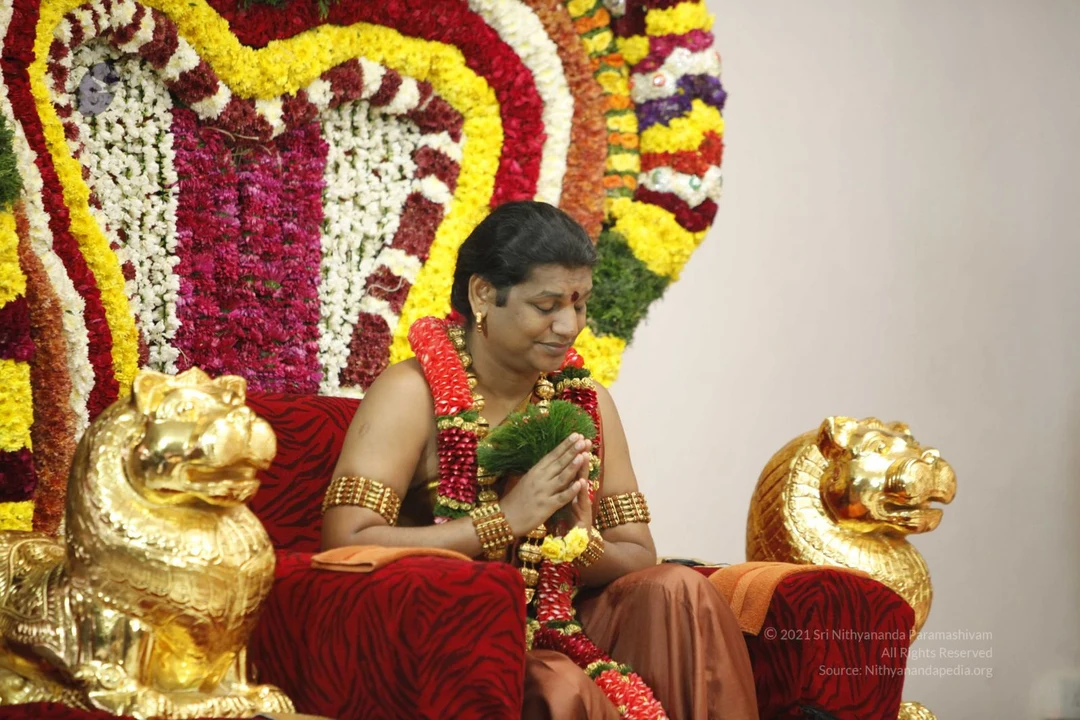
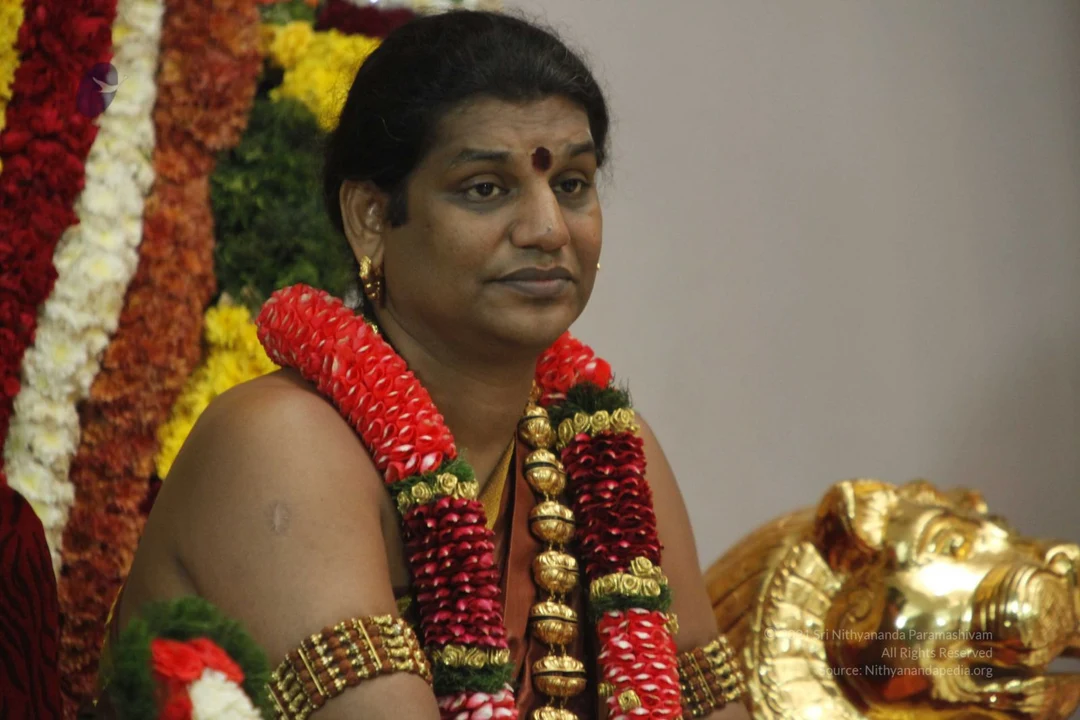
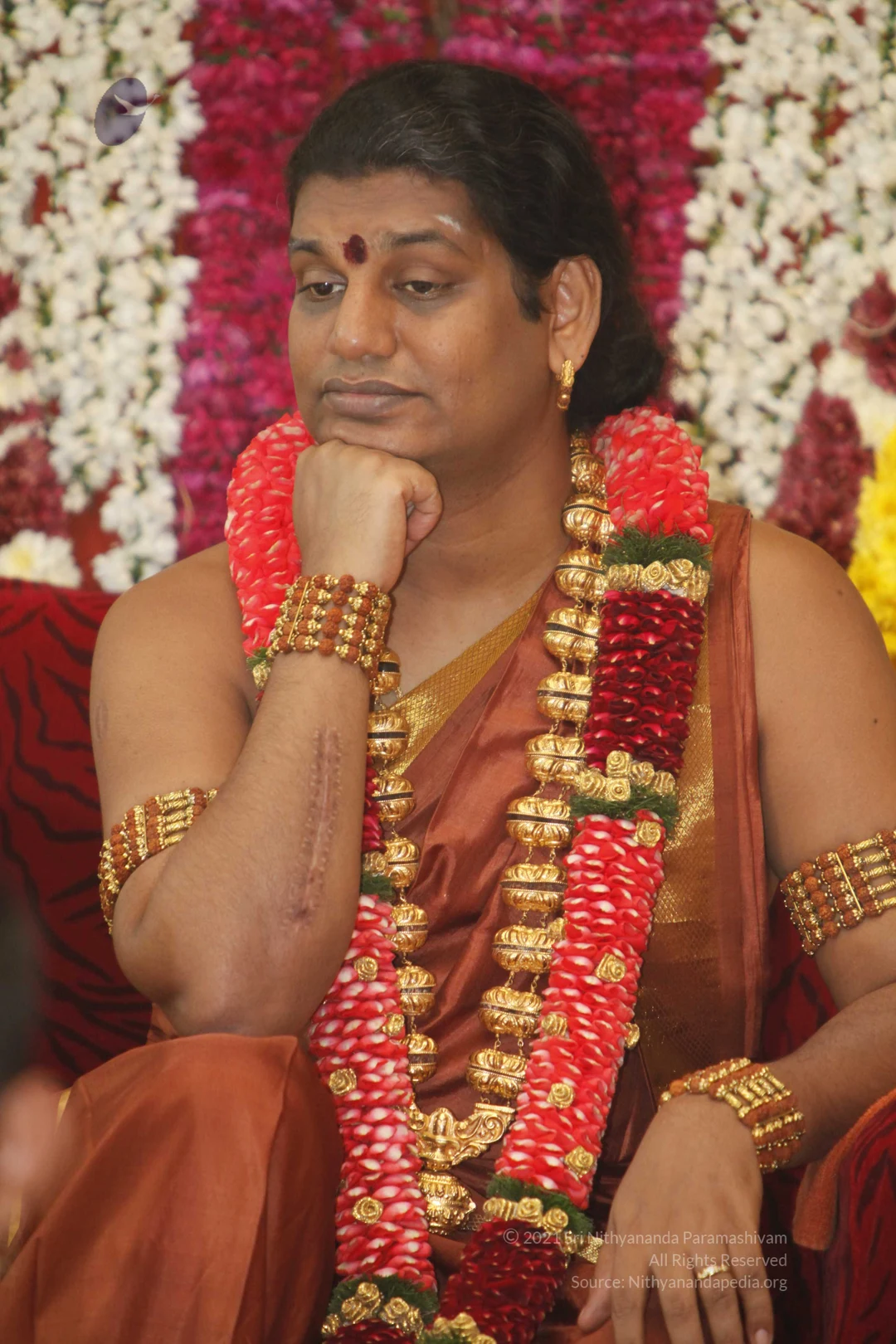
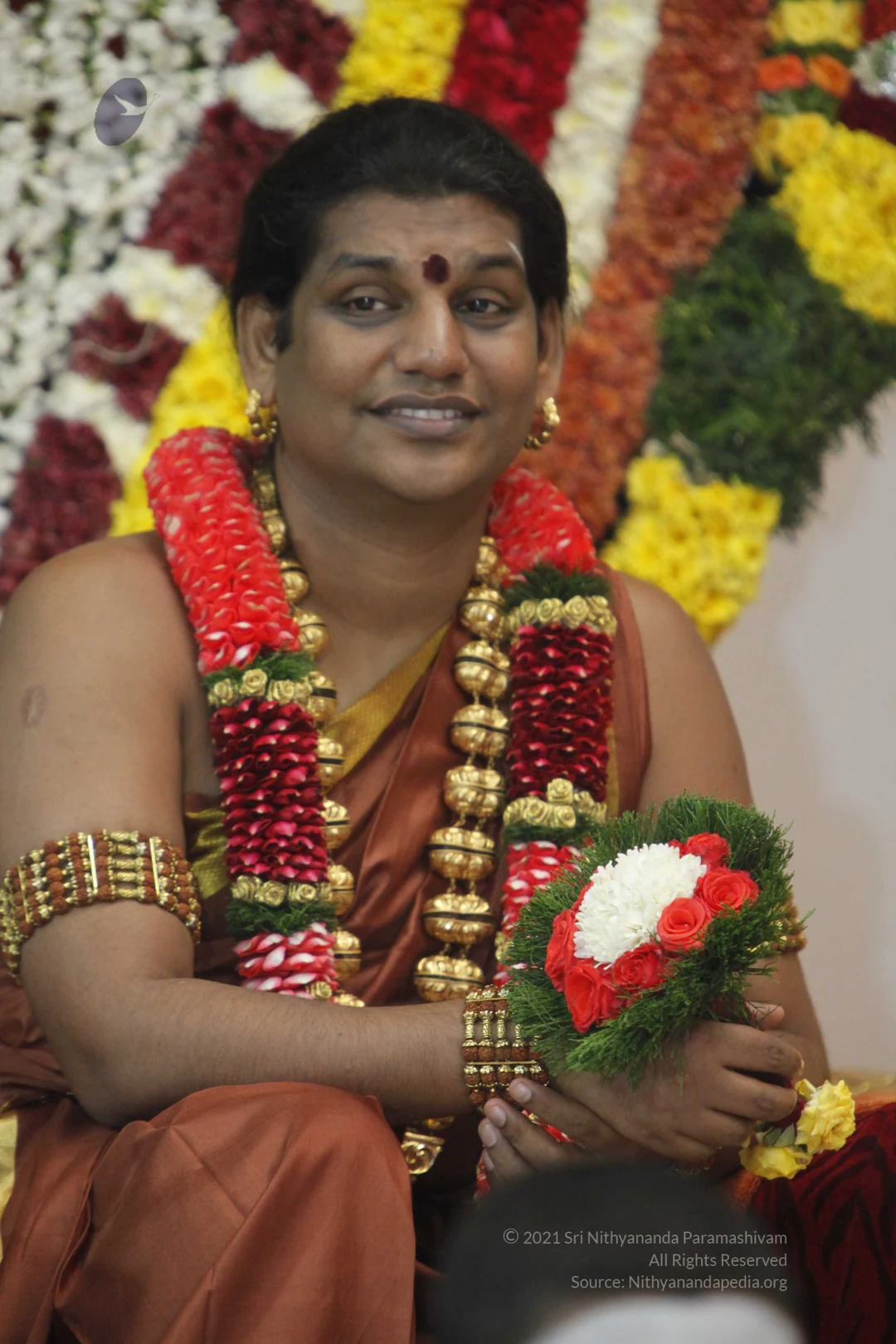
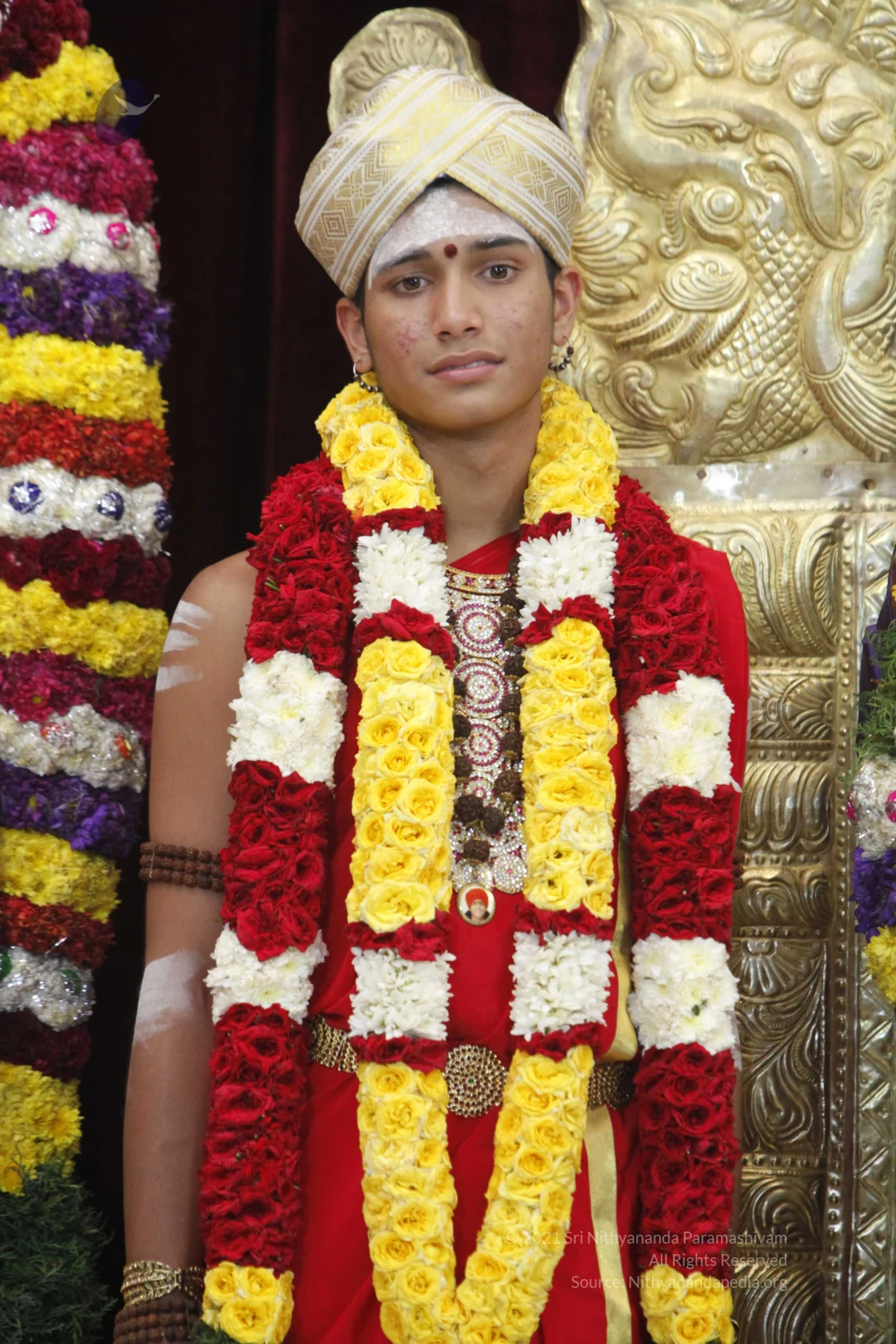
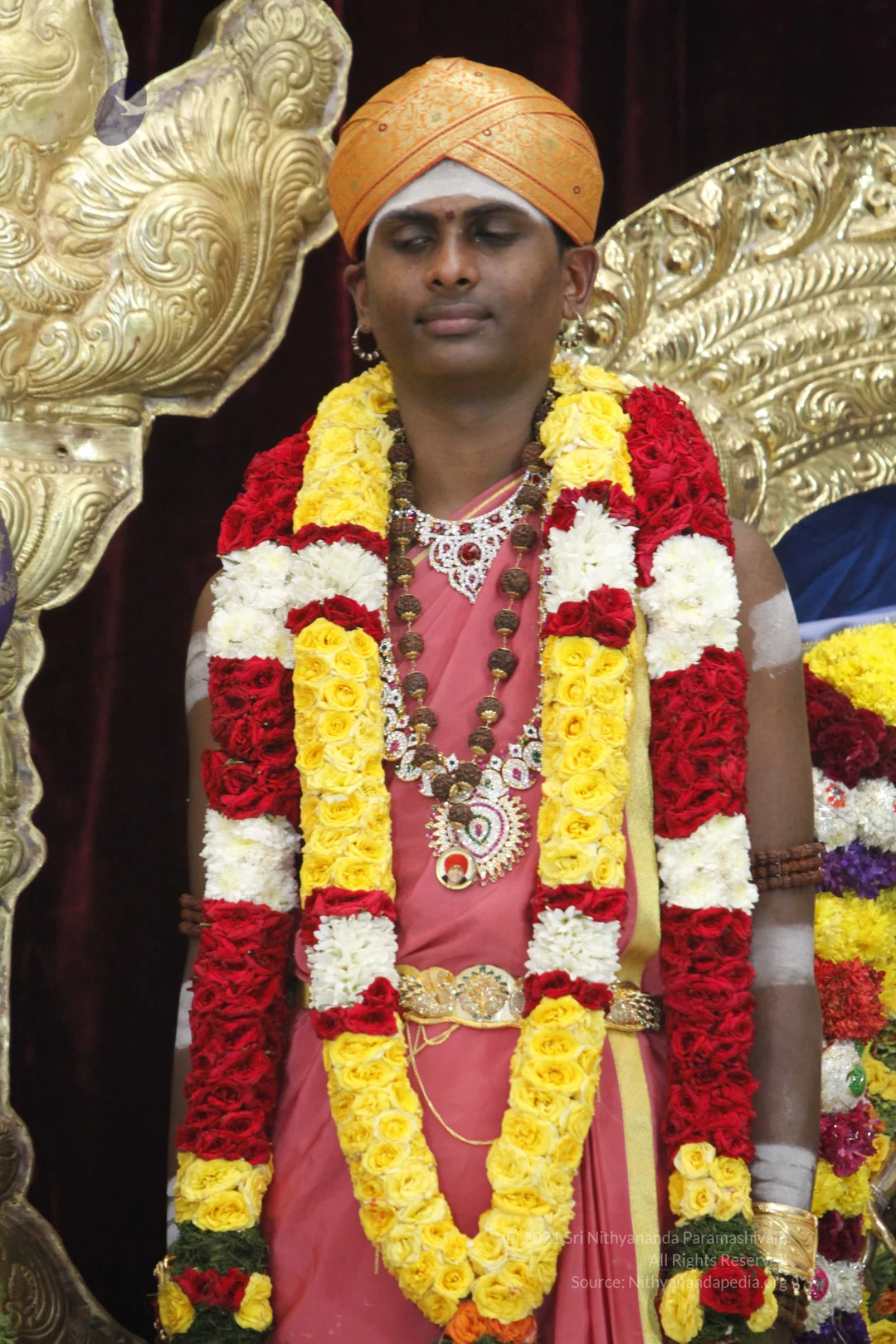
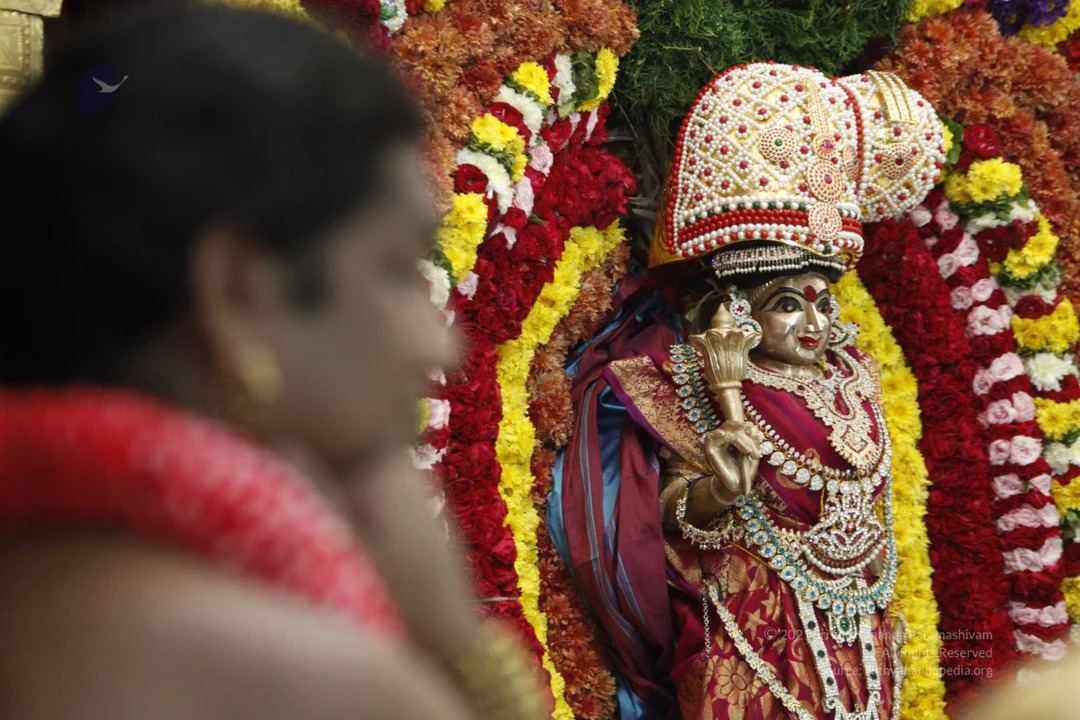
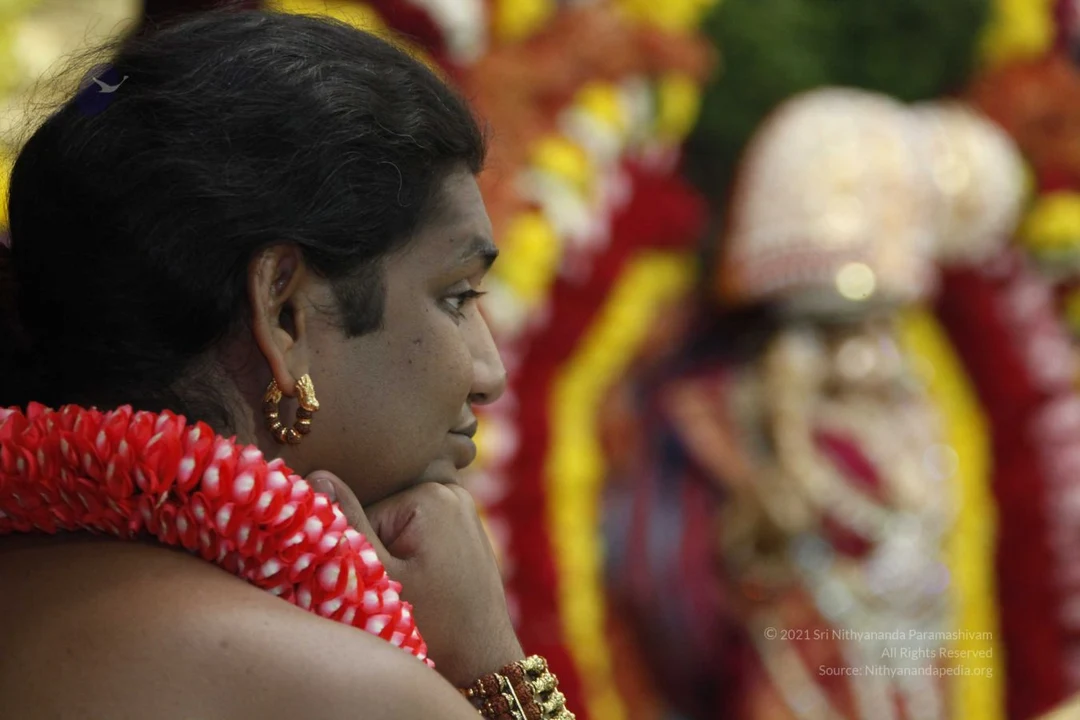
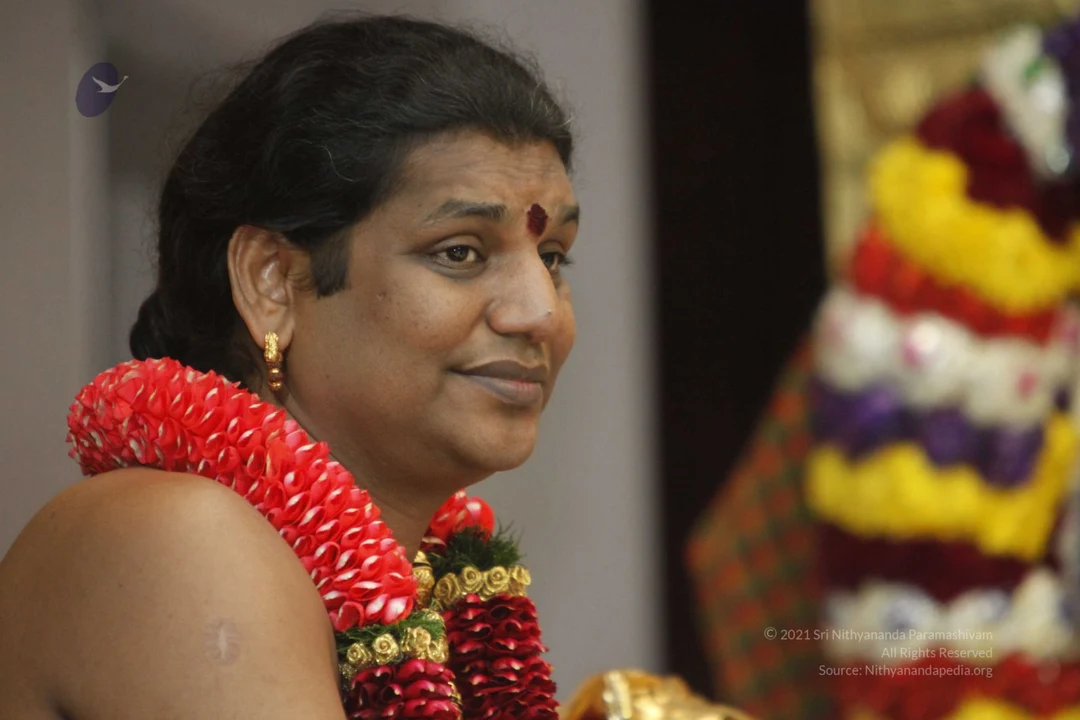
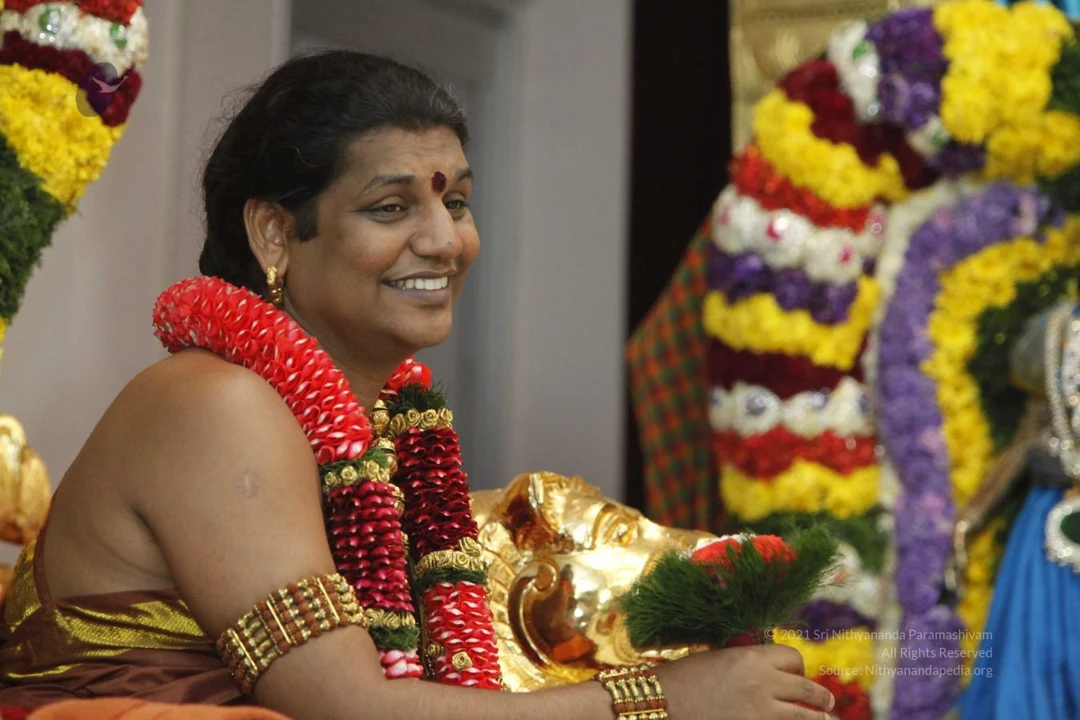
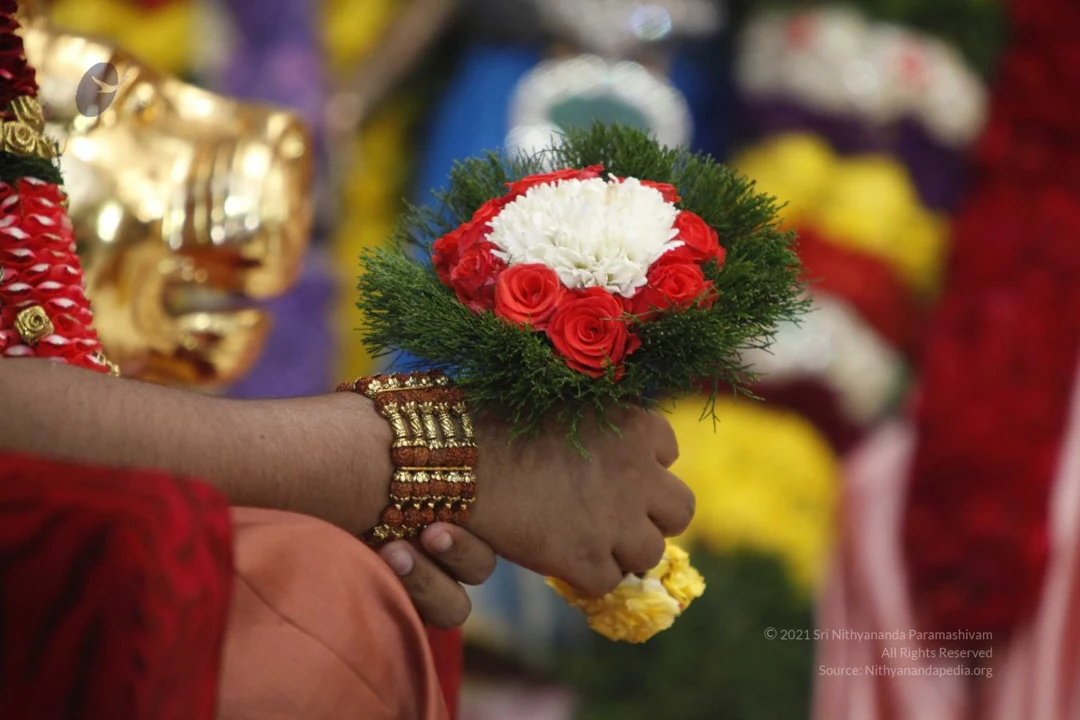
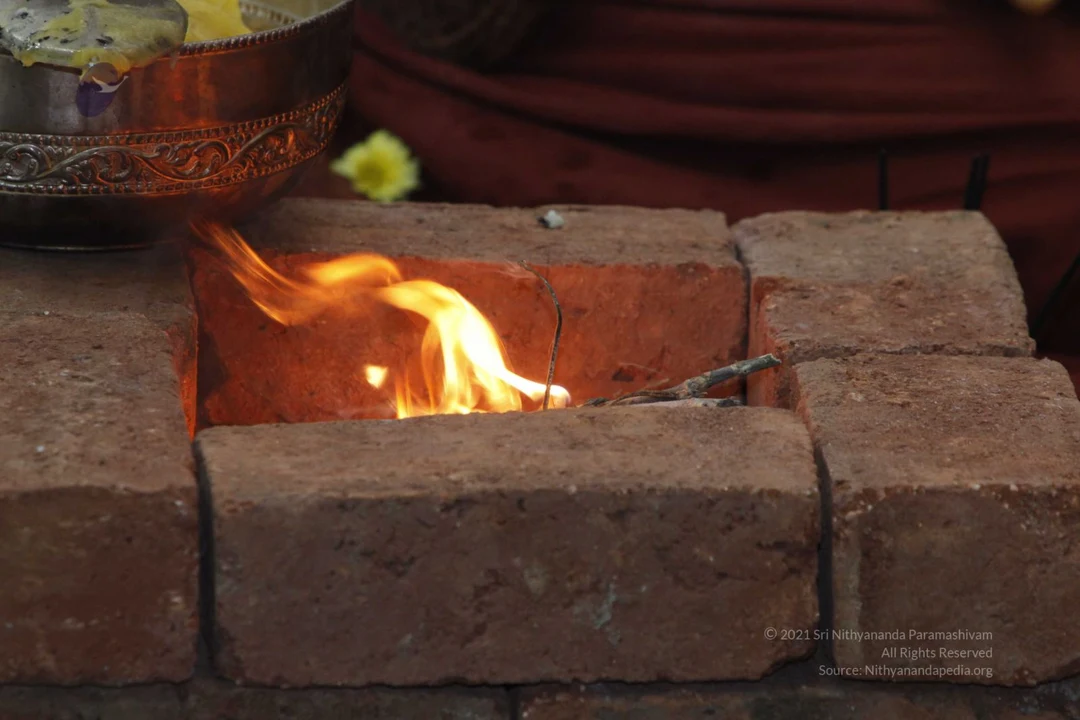
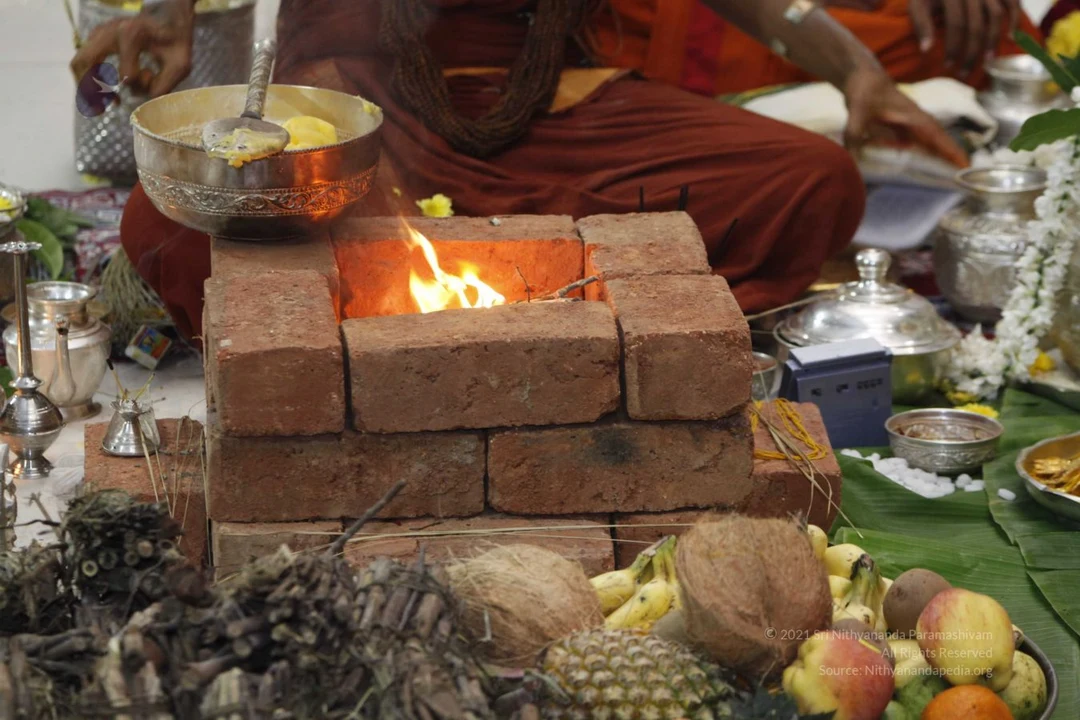
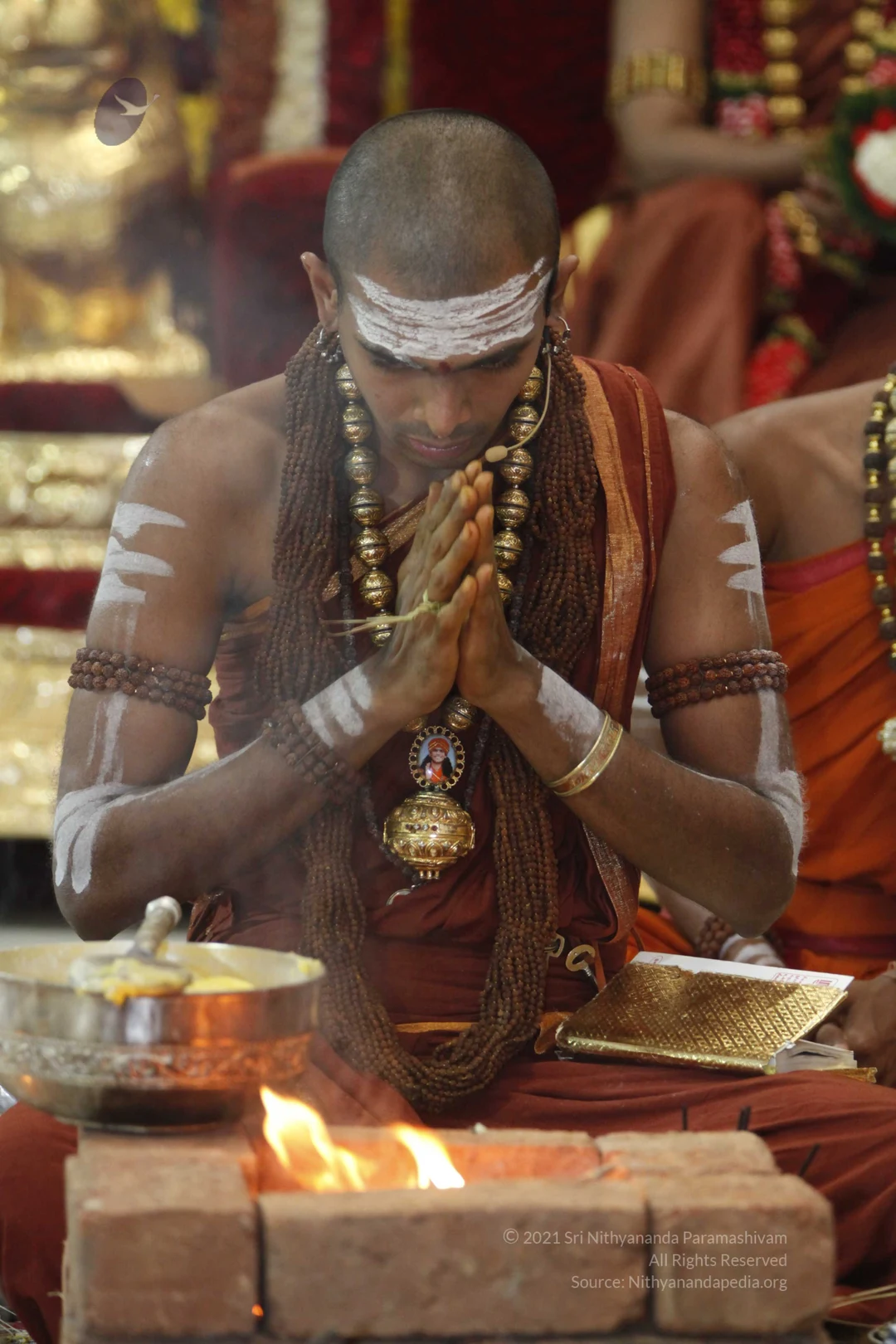
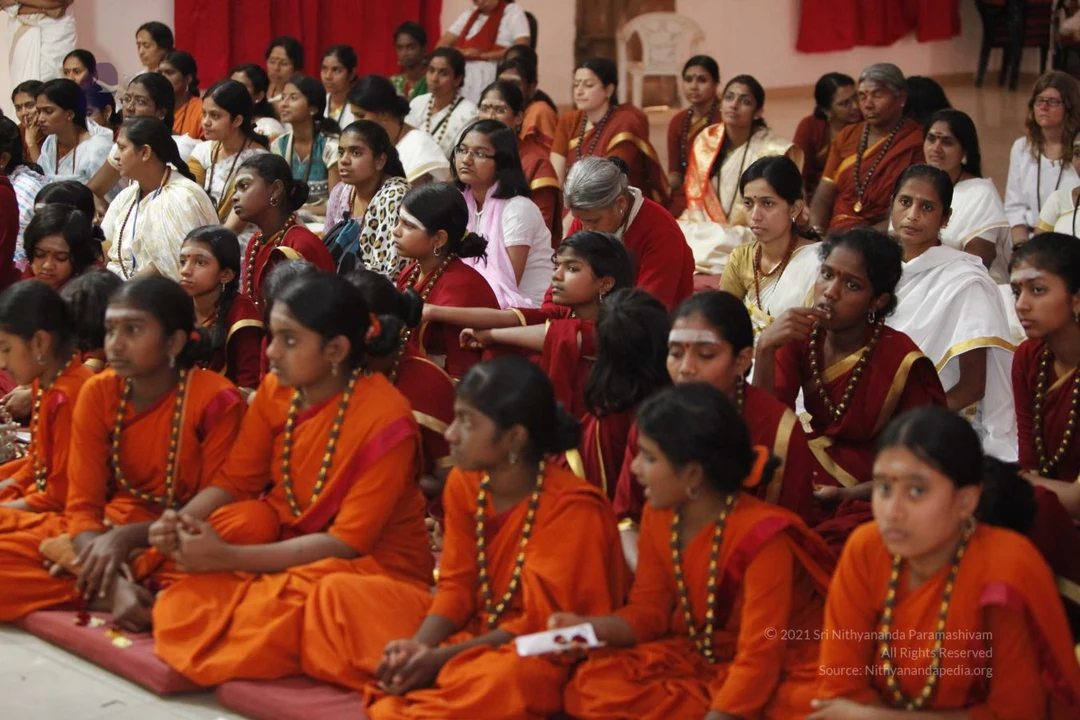
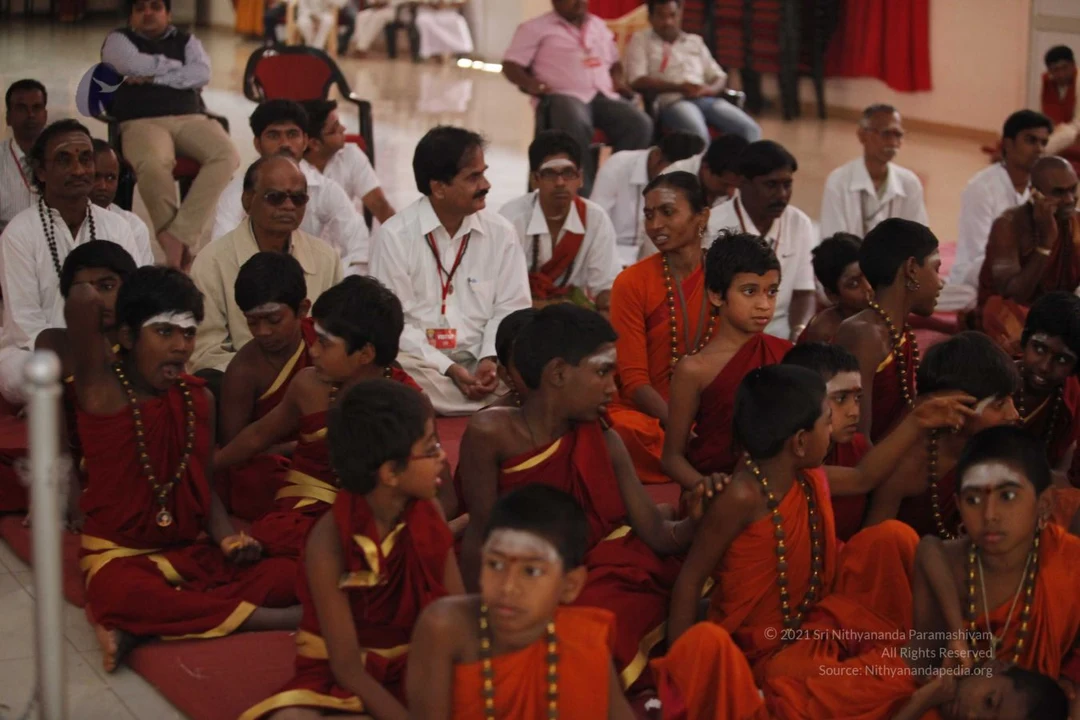
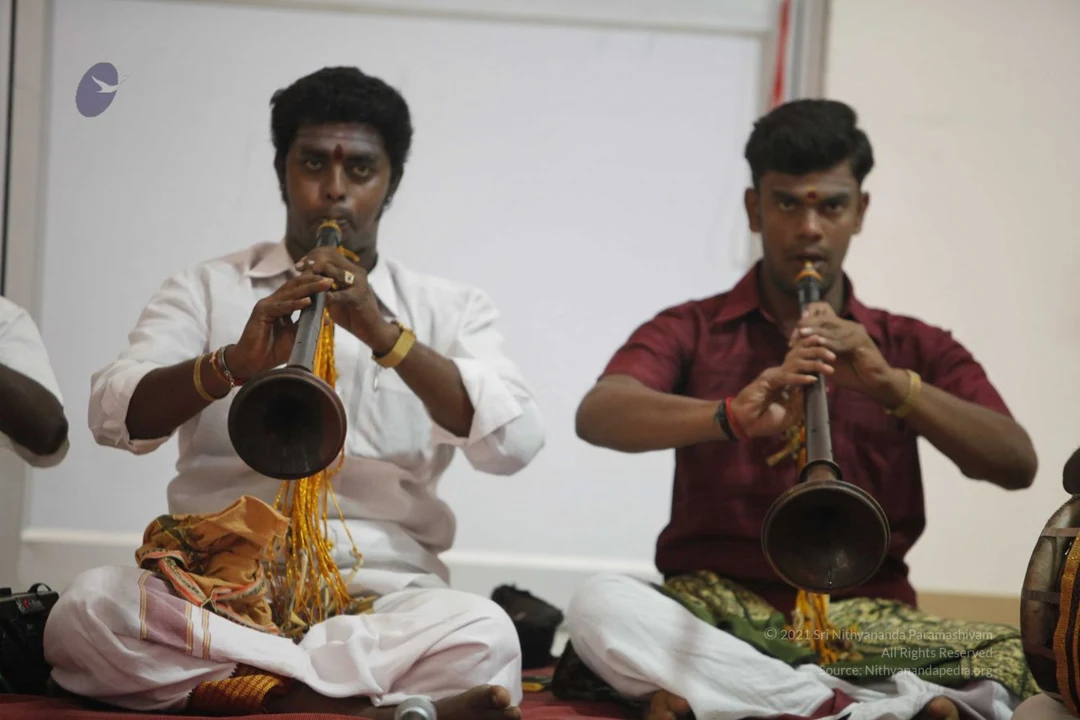
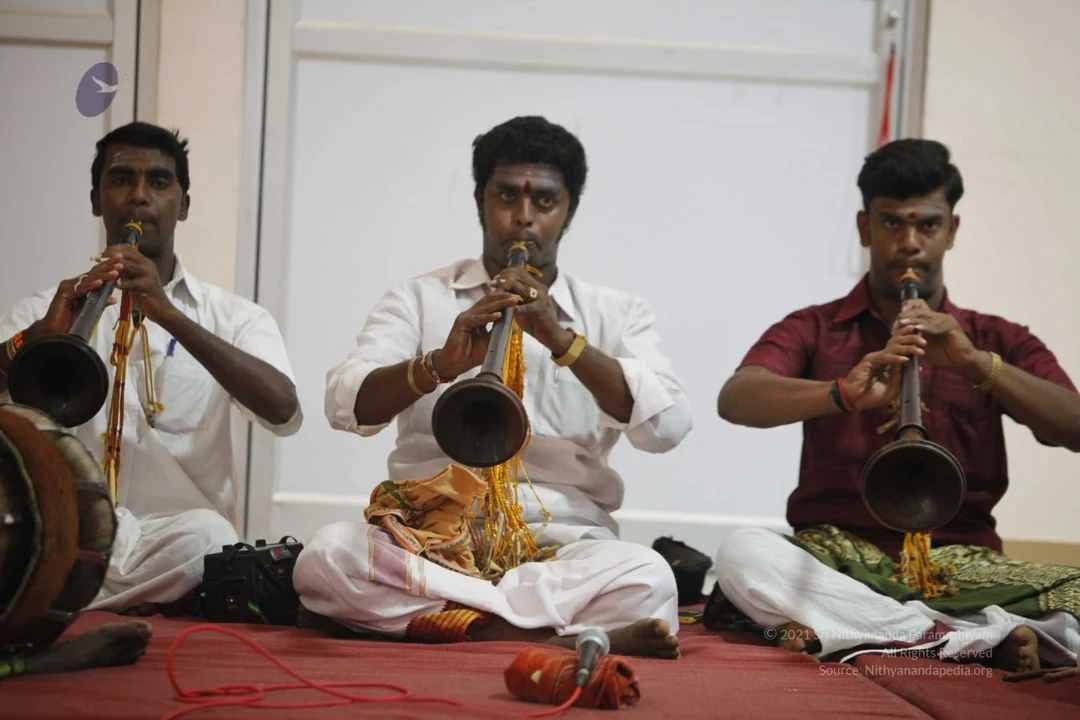
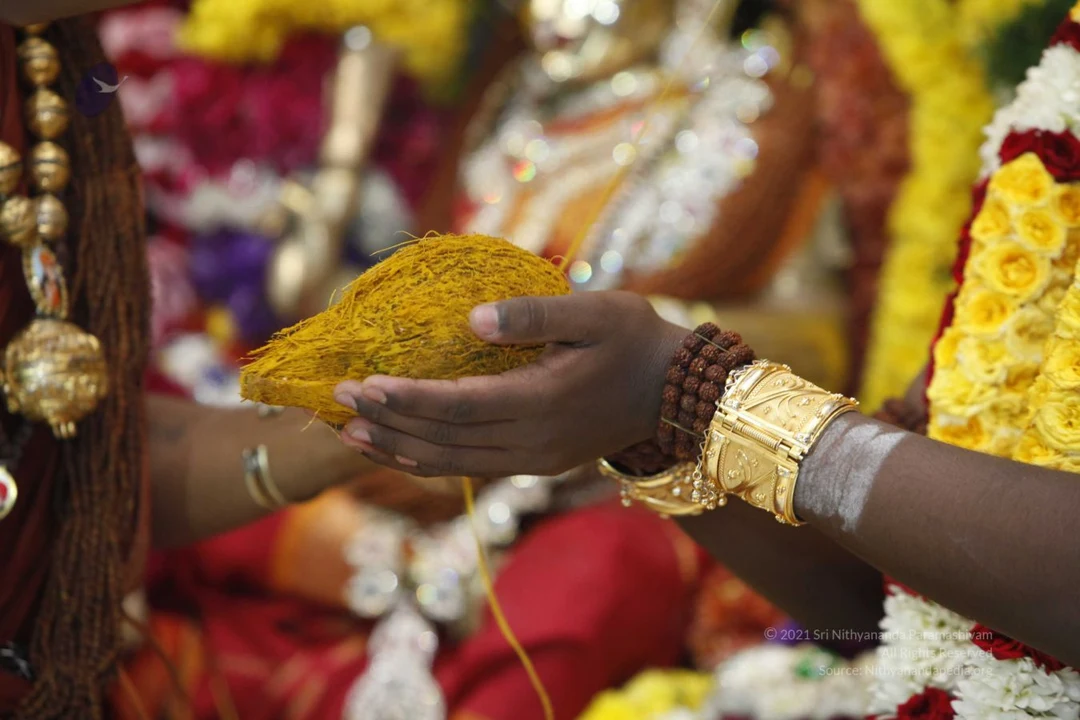
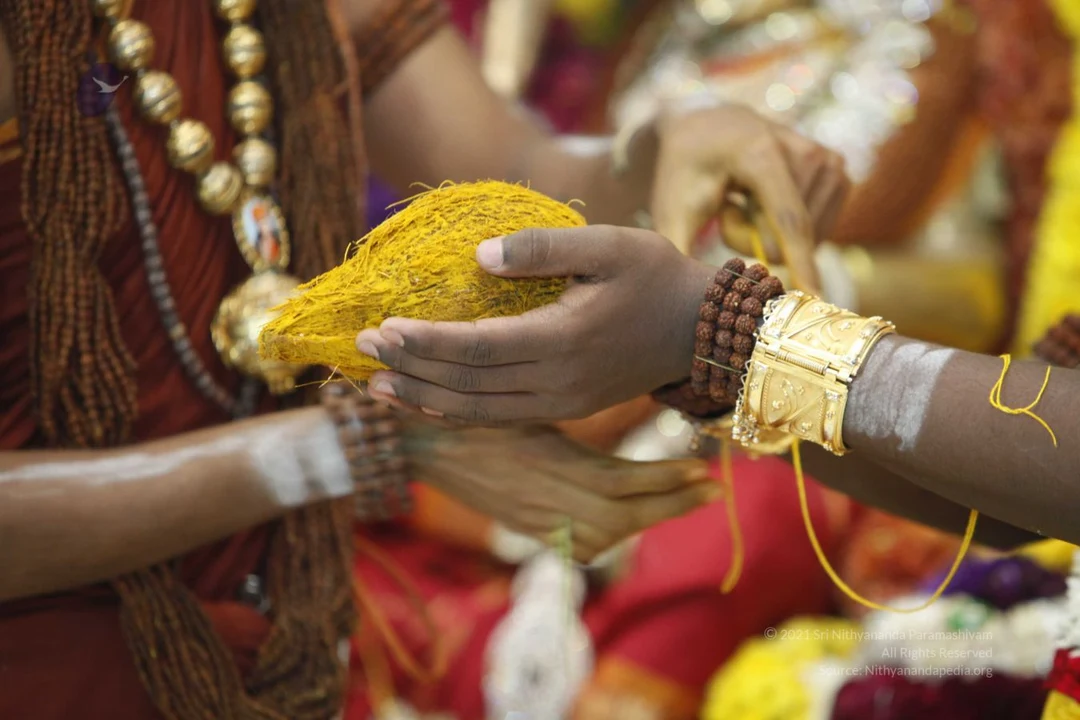
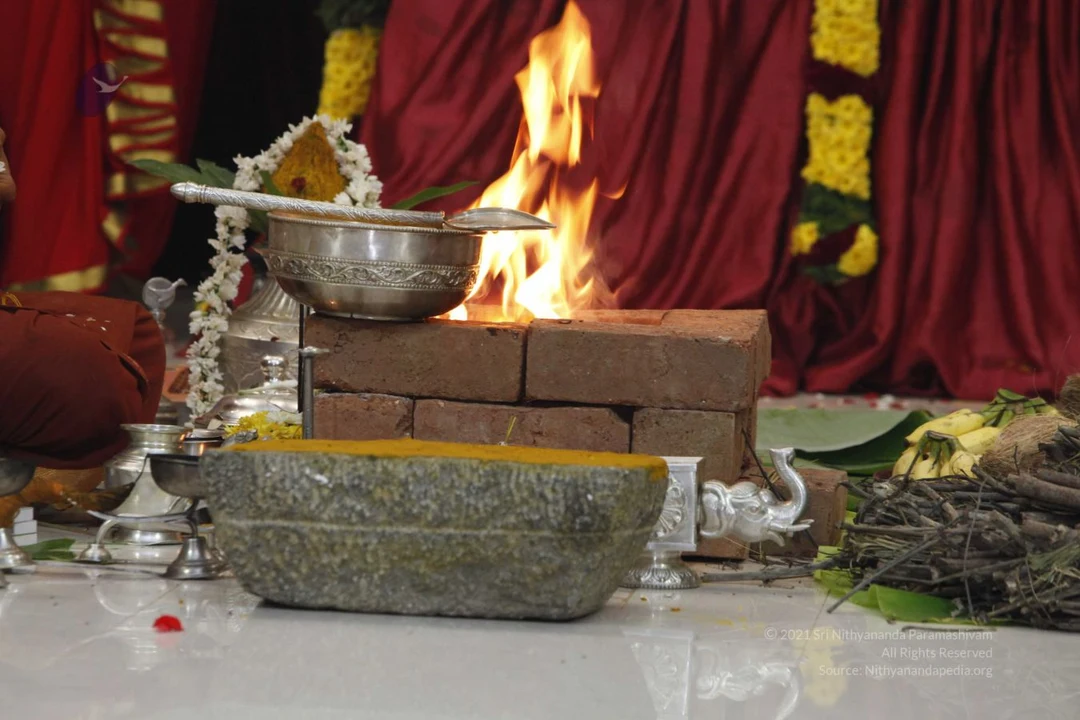
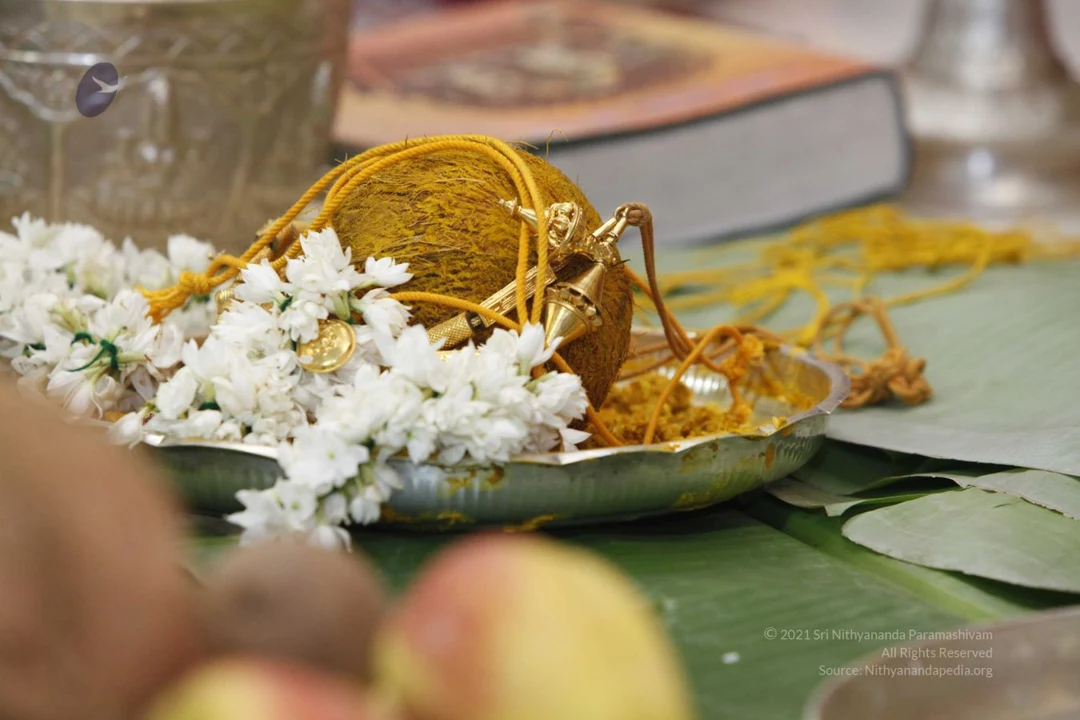
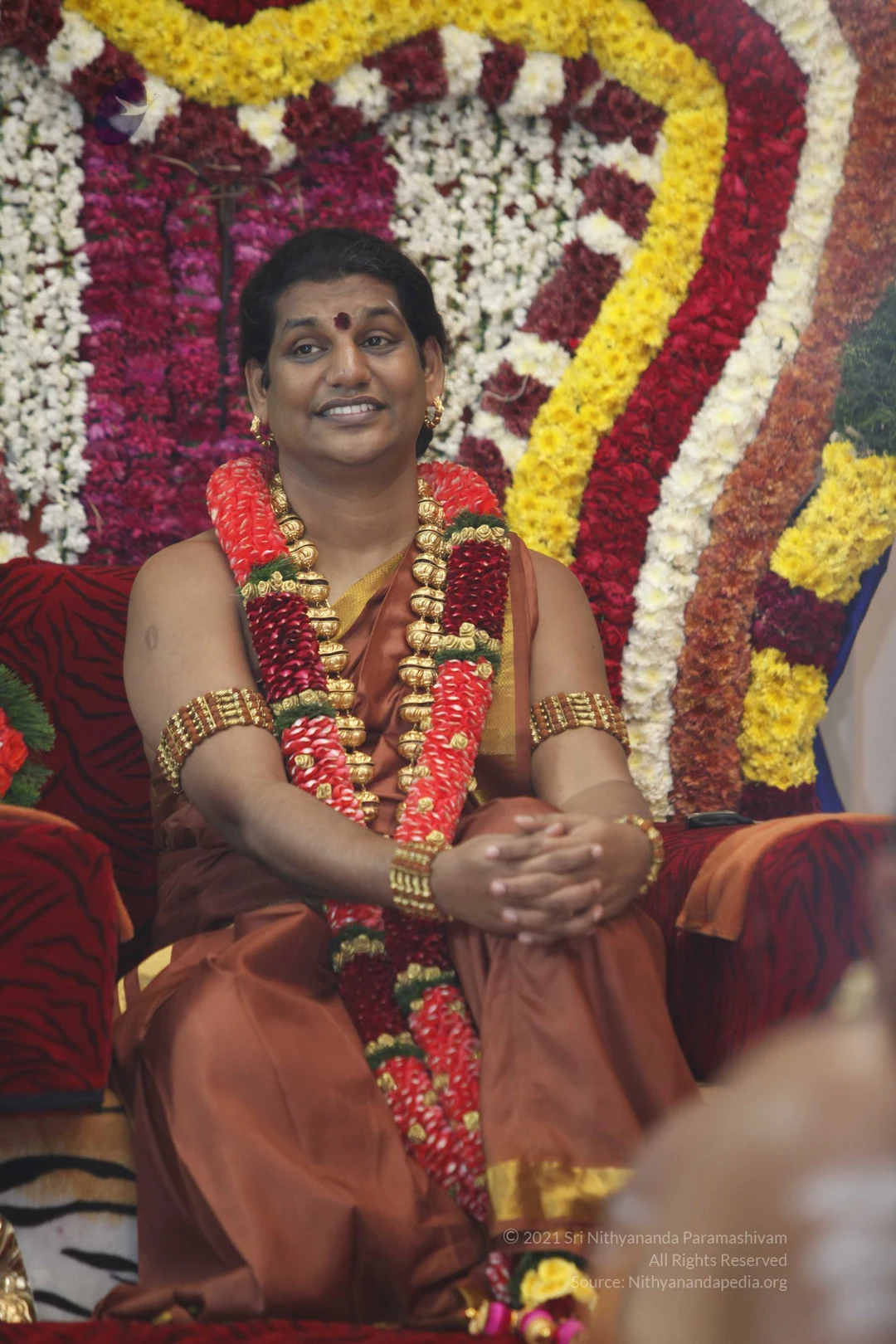
Meenakshi-Thirukalyanam








Tags:
Paramahamsa Nithyananda, incompletions, boredom, tiredness, enriching, battle, Divine, space.
Photos from this day
View all 241 photosPhotos
30 photosSource gallery
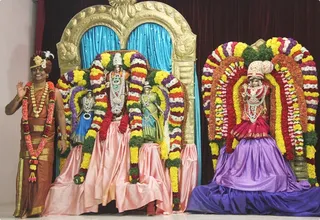
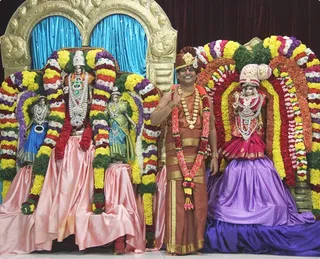
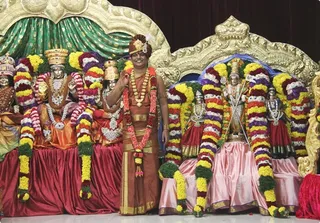
Meenakshi-Thirukalyanam
211 photosSource gallery