Wednesday
18 September 2013
Hinduism - The Answer to the Great WHY?
- Dated photos
- 253
- Source pages
- 1
- Media
- 2

September 18 2013
Original wiki pageTitle
Hinduism - The Answer to the Great WHY?
Description:
In today's Satsang Swamiji strongly encouraged all living practicing Hindus to look in and answer the big WHY for themselves. Before atheists and politicians spread the WHY NOT attitude we must enquire into the Truth and reach out with the answers for WHY. There is a deep self-doubt amongst Hindus due to strong Westernization. We can never fit into a Western definition of religion with one god, one book and one set of beliefs. Hindus are alway ready to follow the one who can lead us to the next level of consciousness and completion. the collective soul of the Indic Knowledge tradition is based on who can best answer WHY. Let us all look in and answer the WHY and enrich others with this understanding.
Link to Video:
| Video | Audio |
Transcript:
Nithyanandeshwara Samaarambhaam Nithyanandeshwari Madhyamaam |
Asmath Aachaarya Paryanthaam Vandhey Guru Paramparaam ||
<Hindi>
I welcome all of you with my love and blessings.
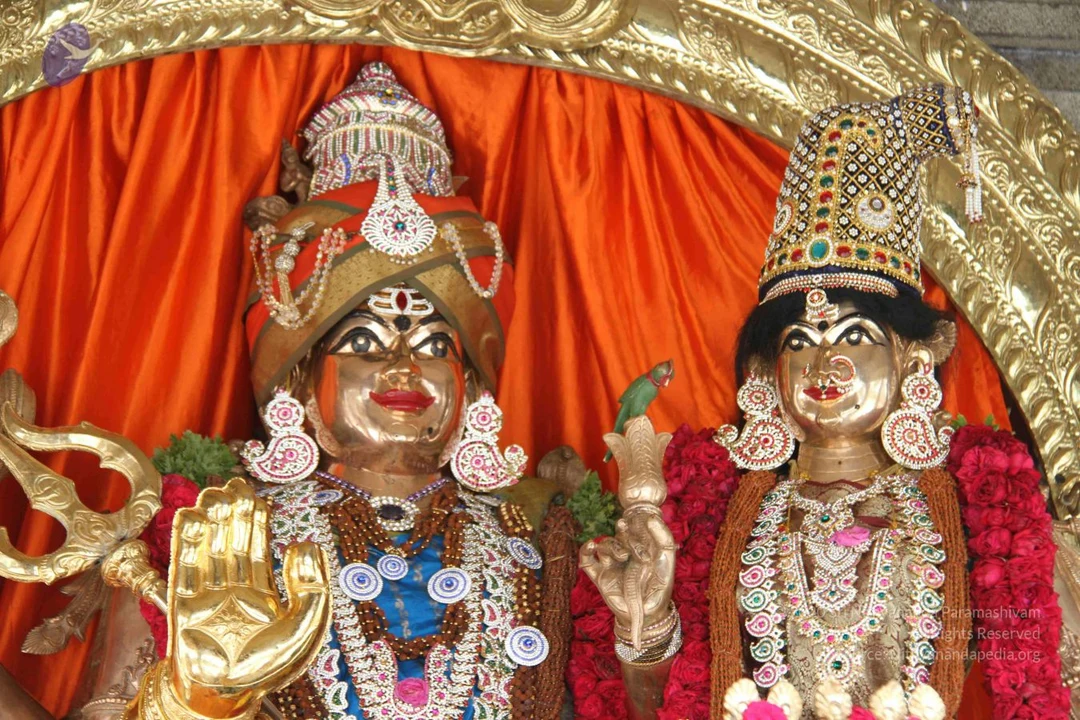
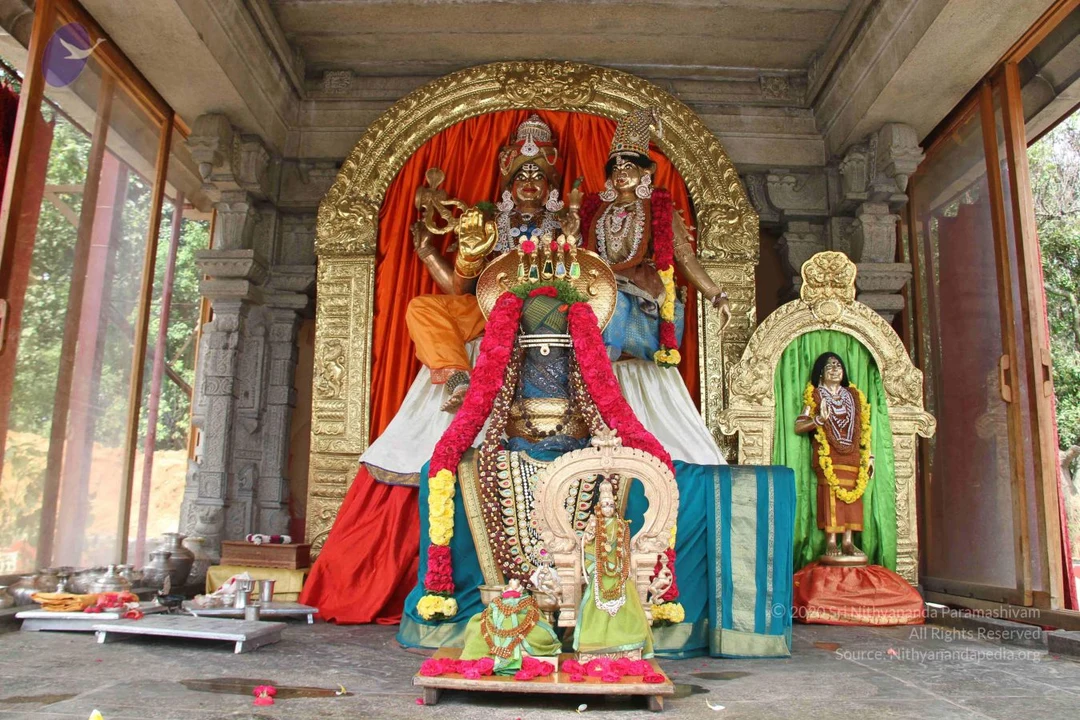
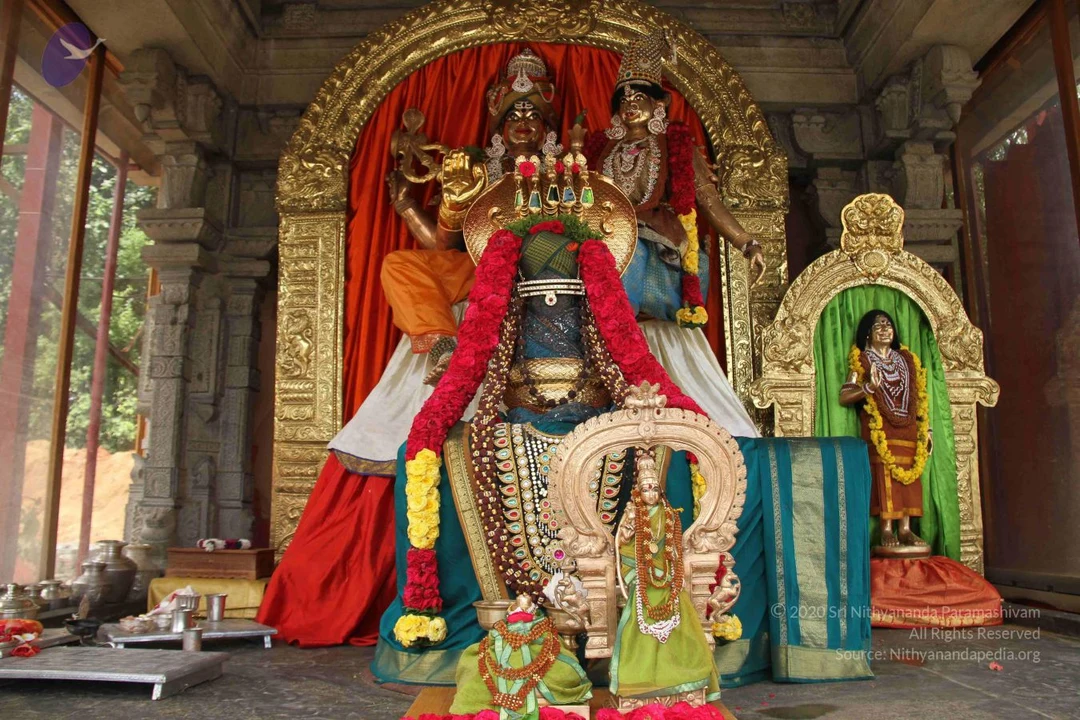
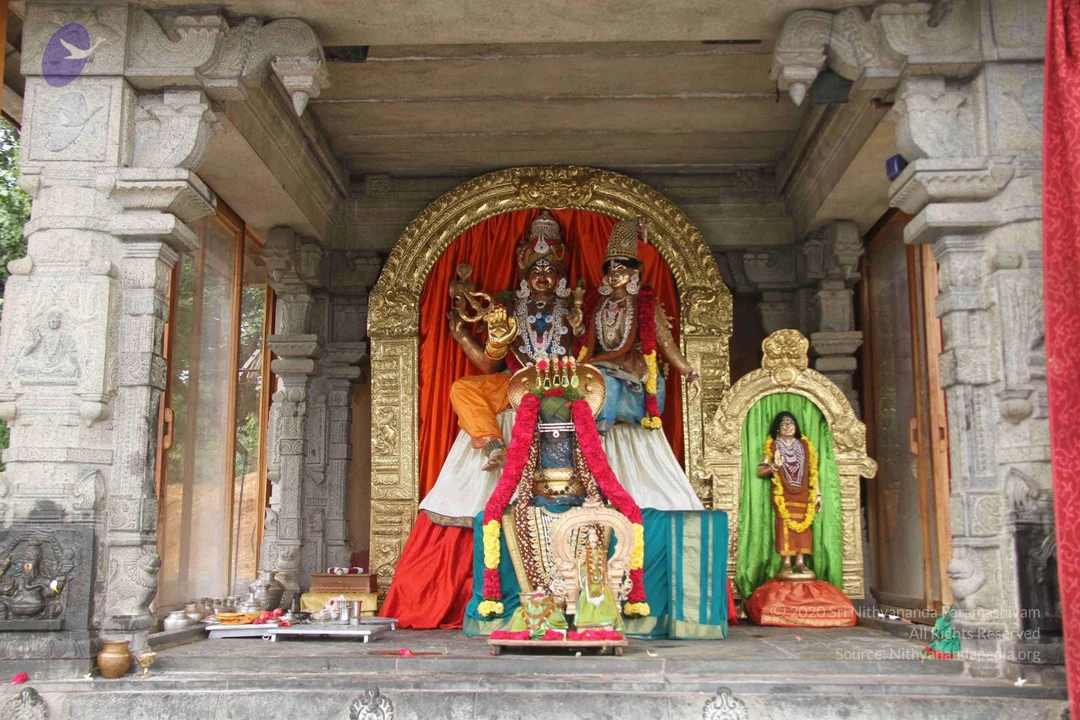
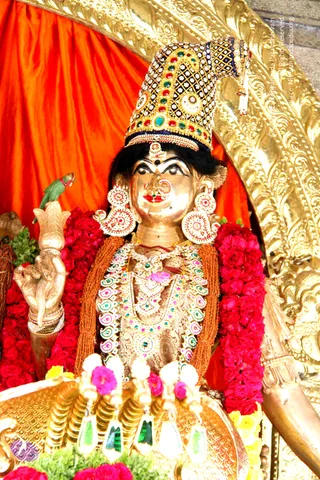
Today, Mahadeva is gracing us in the form of the Leela “Ezhu Kadal Azhaithadhu”. Means, “Calling all the Seven Oceans”.
See, when Sundareshwara was ruling the Pandya Kingdom, Kanchanamala, the mother of Devi Meenakshi, was advised by Sage Gautama to take dip in all the seven oceans, as that would bring her Completion and lead her to enlightenment.
So, Kanchanamala informed this to Meenakshi and requested Meenakshi to give her recommendation to Mahadeva.
Meenakshi took the recommendation to Mahadeva.
Sundareshwara (Mahadeva) immediately called all the seven oceans to come to Madurai in one pond, and Kanchanamala took bath in that pond and got blessed.
Even now that pond is there in front of Meenakshi Temple (in Madurai). And, very funny thing, only that water is so salty it gives the experience of literally the ocean water! All over Madurai, it is all good water; because of that only the Vaigai (the river Vaigai), the underground water is so nice. But only this area, means that pond, only that pond has salt water. So, it is very surprising!
So, Mahadeva today is gracing us in that form of “Ezhu Kadal Azhaitha Leelai”.
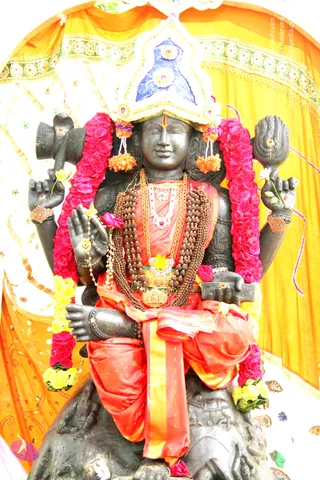
And, as part of Ganesha Brahmotsava, Ganesha is also gracing us on the Lion Vehicle – “Simha Vahana”, “Suvarna Simha Vahana” (Golden Lion Vehicle).
I will enter into today’s Nithya Satsang.
First thing, I would recommend everyone who are born Hindus, or who are practicing Hindus, to all of you find why you are practicing, what you are practicing. Have adequate and right reasons. Most of the Hindu organizations fail utterly, bitterly, badly, because they don’t have adequate cognition, adequate reasons, enough reasons. Understand, Hinduism is not one more religion which is out there for the sake of numbers or to achieve political power or control over the people through religion. That is the first understanding we need to have. The Western civilization, unfortunately, do not know what is religion. Please understand, they know only a set of rules, and regulations, organization-based, some concepts which are usually used for political manipulation or controlling people. That is why I make this one statement very boldly. As per the Western definition, Hinduism is not a religion and We are a lifestyle! The beauty of this religion is, no one can use this to control or manipulate people; no one can use this religion for political power, political manipulation. Hinduism is a lifestyle – enriching yourself and others with consciousness.
As I said, wherever the mystery is explored, the mysteries of consciousness are explored. Wherever people try to complete their incompletions, wherever people try to experience the Ultimate, taste the Ultimate, wherever people seek the Ultimate, Hinduism is practiced there, understand! It is practiced there!
What really is the main reason for the suffering we go through? What really is the reason for the attack we go through?
Unfortunately, Hindu organizations, whether it is a spirituality-based organization like teaching Yoga, meditation, spiritual concepts, or the religion-based organizations, the ritualistic component of Hinduism – that based organizations – or organizations created for the social justice of Hindus, demand of social justice for Hindus, or the organizations created to reach out all over the world to remove the wrong ideas, concepts taught about Hinduism, and to clear, to stop the defamation, any type of these organizations, please understand, or doing service to society based on the Hindu faith, any of these type of organizations, need to do one thing mainly, please understand, needed to do one thing mainly, even for Nithyananda Sangha I am giving this as important advice, our work is not inside our Sangha, our work is mainly outside the Sangha, to reach out to the mainstream Hindus. But, fortunately or unfortunately, knowingly or unknowingly, we are overwhelmed, we are overwhelmed with whatever you call as your completion or incompletion, your knowledge or practice, what you think as right or wrong, most of the Hindu organizations are caught within themselves. They are again and again and again, including Nithyananda Sangha….. Please understand, whatever I am saying is for all the Hindus and for Nithyananda Sangha; whatever I am saying is a self-criticism; it is not criticizing somebody else; it is my introspection and the truths I realized by intranalyzing. We are overwhelmed and forget the mainstream Hindus.
Understand, we need to remind the mainstream Hindus, and we need to educate the mainstream Hindus. Answer for this great question: “WHY”. The answer for this great question “Why” is necessary. When we don’t address the question “Why”, the atheists, anti-Hindu elements, which is a lot, huge– people who want to convert, people who want to terrorize, people who want to divide, people who want to politicize – they will teach people “Why Not”! When you don’t answer for the question “Why”, they will answer for the question “Why Not”! Understand, before they feed their ideas “Why Not” – means, “Why don’t you give up this lifestyle? Why don’t you give up Hinduism?” – before they start providing “Why Not”, you better spread “Why”. Before they start infusing the ideas of “Why Not”, you better spread the ideas of “Why”.
It is the inability to answer “Why”, is the biggest suffering Hinduism is going through. And the tradition which started with “Why”….. See, the first statement of our tradition is not “There is God. He is above somewhere. He made the world.” No! The first statement we make is: “Athato Brahma Jijnasa” – “Let us investigate, inquire into the Truth”. Means, we started with “Why”. Actually, we should be asking all the civilizations this question: “Why”. Not that we will be asked, we will be questioned “Why?” Asking “Why” should be our brand. Asking “Why” should be our life-style, asking “Why” should be our thought-trend, because we start with “Why”. We don’t start with definite statements, please understand. And we reached the heights of defining “indefinite”. We reached the heights of defining “indefinite”, but we start with the great “Why”.
Kapila, the first man who started thinking on Planet Earth….. I still feel men are from Mars, women are from Venus, and through meteorites, life has landed on Planet Earth. And still I am not having any proof for what I am saying, whether from the Hindu Cosmology, or the modern-day researches. If I get proof, I will present it to you guys. But, intuitively, I still feel men landed on Planet Earth from Mars through some, may be, those days’ vimana (aircraft) or whatever. Anyhow…!
The first man who started thinking on Planet Earth is Kapila. When I see the teachings of Kapila, I could see so beautifully it starts so clearly with “Why”. So I commit with Veda Matha, I will come up with a huge volume just with the title “WHY”! Just with this “WHY”! Because, there are tons and tons and tons of answers required for all the “Whys”. I will at least answer 1008 “Whys” and come up with the volume “WHY”, so that people can understand. See, answering “Why”, the “Why” should be answered with all possible questions.
20 mins
It is not that when people ask “Why”, you will address only that “Why”, then after that they will ask “When”, you will address “When”, then they will ask “How”, you will address “How”, then they will ask “What”, you will address “What”. No! The moment they ask “Why”, finish addressing everything – “When”, “How”, “What”, “If” – everything, so that they have adequate cognition, right cognition, adequate reason, right reason. This “Why”, that great “Why”, only if this great “Why” is addressed, only if this great “Why” is answered, and I tell you, please believe, this is another one big problem. The modern day Hindus have a deep self-doubt due to the strong Westernization, a deep self-doubt. Unfortunately even Hindus don’t know they can handle the “Whys” of the world. I tell you, not only you can handle the “Why” of the world; you can ask the world “Why”. You have enough knowledge to ask the world “Why”. Wake up, for fear, fear of you asking “Why”, they forced their “Why” on you. If you are allowed, if they don’t push their “Why” on you, you are so strong, so powerful, built on “Why”, you will ask that great “Why” to them. That is why they pushed the “Why” on you and put the self-doubt in you. O Sons of Immortality, living Hindus, from now onwards I decide I’ll use only this word “living Hindus”. I’ll use only this word “practicing Hindus”. I am not going to use any more the word “Hindus”. I am only going to use the word “practicing Hindus”. O living Hindus, practicing Hindus, listen, listen, first understand you have adequate and right and more than enough reasons for all “Whys” that happens inside you and all “Whys” happens outside you and it is time you answer, you learn and answer all the “Whys” happening inside you, outside you and ask the other guys “Why?” Put the strong “Why” on them. Let them answer. Hinduism is a spiritual lifestyle, spiritual thought-trend, spiritual experience. That is why I am telling you, please understand.
Yesterday I was going through the Bhagavatam, some of the chapters of Bhagavatam, to study the original words of Kapila. The original words of Kapila is recorded only in very few books. So I am , I was studying. All of you should know, Bhagavatam officially records Buddha as the twenty-first incarnation of Vishnu. Please understand, Buddha is one of the incarnations of Vishnu. Bhagavatam, one of the oldest scriptures of Hinduism, officially records that he is going to come with his clear name and place he will be born, his mother’s name, the message he is going to teach. Bhagavatam is written at least 5,000 years before. Buddha happened 2,500 years before. With the clear Buddha’s various names Bhagavatam records Buddha as “bhavishya”, means future incarnation, with his name “Buddha”. Anyhow the truth I wanted to convey to all of you, please listen, the truth you need to understand now - we were never, we can never and we were never fit ourselves into the Western definition of religion – a set of ideas, whoever believes that is belongs that religion and you vote for a particular people for your vested interest, you become a power centre. No. We don’t fit into that definition. That is why our lifestyle was always who now? Who is the best available person who can lead us to the next level of completion and next level of consciousness? That’s all.
Understand, when Kapila comes the whole of humanity follows him.Raise us to enlightenment. Next when Dattatreya comes, the whole civilization follows him. Next when Buddha comes, the whole civilization follows him, even though he was completely against what Dattatreya and Kapila taught. Krishna beautifully explains in Bhagavatam. He says, ‘There are a lot of atheist people. How much ever you make them understand, they will not have the trust on the Ultimate and they will not be able to reach Completion and Enlightenment.’ Because that was the period the human brain has gone to next level. Whether fortunately or unfortunately it has reached a level where the integrity is not part of your life you can just be completely out of integrity and continue to exist. See the good things happened through that is, a new way of thinking has been developed. It is not that that was altogether wrong or altogether negative but the bad thing that happened is the spirituality has become very distant. Later on, I will analyse on that subject. Along with the human brain development, the different incarnations have happened based on the requirements.
Krishna explained beautifully. When that kind of a new type of brain started developing, Krishna, Bhagawan lands in the form of Buddha and encourages, attests their agnostic atheistic principles. So, finally what happened these guys who did not believe anything and anybody, they started believing Buddha, who is again incarnation of the Lord, who is again incarnation. That feeling connection, that trust, that shraddha, through that he helped them to reach Completion and led them to Enlightenment. After Buddha suddenly comes Shankara. We did not have a second thought to simply follow Shankara who is completely teaching against the principles of Buddha. At this moment who is available to help us to reach next level of consciousness. That’s all, only with that we lived. All knowledge centres, Mokshapuris of Hinduism – Kanchi, Puri, Madurai – all Mokshapuris of Hinduism have changed their main deities at least ten times, understand. At least ten times. I am telling you from my own authority, who can read Akashic Records. All the top Mokshapuris – Kashi, Kanchi, Puri, Dwaraka. Because, when a new person comes who can raise you to the next level of consciousness, we never bothered about sticking to the old infrastructure. We handed over the old infrastructure to the new person and told, ‘Please take it up and raise us.’ Still in many Buddha temples, Hindu deities are there and in many Hindu temples, Buddha deities are there. Sometimes it is covered and sometimes it is uncovered but it is there and we don’t have a problem about it. We don’t have problem about it. After Shankara, suddenly Nagarjuna comes. People understand, ‘Yes, this guy can take us, raise us to the next level of consciousness.’ The whole group, Nagarjuna’s teachings are completely against Shankara’s, he just followed. Then comes Ramanuja who is totally against Shankara, Ramanuja, Nagarjuna. We just followed him. Then comes Madhva who is completely different from Shankara and Nagarjuna. We followed him. Then comes Vidyaranya who is completely different from Buddha and Ramanuja and Madhva. I can say in a way very safely, he is little different even from Shankara, from his own Guru, Guru Parampara, but we just followed him.
We are established on one truth, ‘Who can lead us to the next level of consciousness. Who can lead us to the next level of completion?’ So please understand, we always lived on “Why”, not on any organization. Don’t try to imitate seeing the Western organized religion the Hinduism can live on organized religions, organized structure, on organization. No, we are not cut for that. We are cut, we are designed, our consciousness is evolved, the collective soul of the Veda Matha, the collective soul of Indic knowledge is based on this one truth, ‘who can answer for our more number of “Whys”?’ Only the ability to answer more number of “Whys” was the base, foundation on which the Indic tradition, Indic Knowledge Tradition is established.
I can say very safely, this word “Indic Knowledge Tradition” can be the beautiful word to mention the whole Sanatana Dharma and Hinduism and all the, everything put together. Indic Knowledge Tradition. That is why still Mahanirvani Akhada has one mudi means one chapter dedicated to Buddhism. Please understand, still Buddhists are respected, recognized as part of Mahanirvani Akhada and they are given the equal respect as a Mahamandaleshwar in Kumba Mela, still, and they also come and participate very actively and always they fill their seat any bhandara, any program, any festival, they come and represent and they live in the places allotted to them by akhada. All the mudis , means branches of Akhada, Buddhism is respected as a branch. So the Indic Knowledge Tradition is built on the great “why”. Just few days before, one of my sannyasis, he was telling me, ‘Swamiji’ – he went for a trip to meet devotees, people, outside the campus when he came back, he said – ‘Swamiji, I feel only one thing we need to create, nothing else is required.’ I asked him, ‘What?’ ‘Men! Sannyasis with integrity, authenticity, because’, he told me, ‘only few days I went for rounds. In nine places people wanted to donate properties to our ashram!’ He says, ‘Nine places, wherever I go and talk, speak about our tradition, answer their questions, people immediately they said “Swamiji, take this property. You build school, temple, or do any charity you want. We will collect money also and support you monetarily’ He went for one round and nine places. He says all good-sized properties. People who are giving are not too rich people, middle-class people. Whatever they have in that they are making one portion and giving it and in that nine people, eight have not even met me even once. They have not met me even once. In those days we used to get donations from people who have met me, who have attended the program. Now, they say, ‘We listen to Swamiji’s satsangs every morning, that is enough. Please have your temple or a Gurukul or goshala, annalaya any activity you want, we will also raise the funds and donate.’ He said, ‘Swamiji, the only thing we need to build now is people with integrity and authenticity’ People, I tell you that will happen only when you know how to answer the great “Why” of people. The “Why” of people should be answered. The more number of “Why” you are able to answer, the more you are going to keep this Indic Knowledge Tradition alive. It’s my passion subject so I will go on and on and on.
I’ll continue, I’ll continue and next few days’ satsang also. We need to create men who will answer the “Whys”, the great “Whys”. They should go around having a big board on themself, “I can answer all your “Whys” about Indic Knowledge Tradition, India and Hinduism. May I help you with your “Why”?” We should go around answering people’s “Why”. Understand, neither Hindus lost their tradition, nor tradition has given up on them, it is just that the bridge needs to be strengthened by answering more and more “Whys”. “Why” is enough. Answer “Why”, that is enough. You don’t need to give up on people and nobody is violent, nobody is giving up on you, nobody is throwing you out, everyone is ready to listen. I request all the Hindus, the Hindu leaders – religious, spiritual, social – all leaders affiliated to Hinduism, please just enrich yourself and enrich others to answer the “Whys” of people. This is the first step to revive Hindu tradition. I’ll speak about the next steps in further,next satsangs.
With this, I will move to the next segment of the morning satsangh, Nirahara Samyama.
43:01 Hindi - 44 :37
With this I request all the Nirahara Samyama participants, sit straight, close your eyes, visualize you become Bidadi Kalpavriksha. Cognize you have become Bidadi Kalpavriksha. Inhale through both nostrils, hold as long as you can and exhale through both the nostrils. Please listen inhale through both the nostrils and the mouth simultaneously, hold as long as you can and exhale through both the nostrils. Do this same process for next twenty one minutes, with the cognition you have become Bidadi Kalpavriksha. I bless you all with Integrity, Authenticity, Responsibility and Enriching. Let you all radiate the highest bliss. Let you all experience Kundalini awakening. Let you all produce the energy directly from space and live health, bliss and enlightenment. Namah Shivaya!
Let you all achieve, experience, live, express, radiate, share and explode in eternal bliss, Nithyananda.
46:24
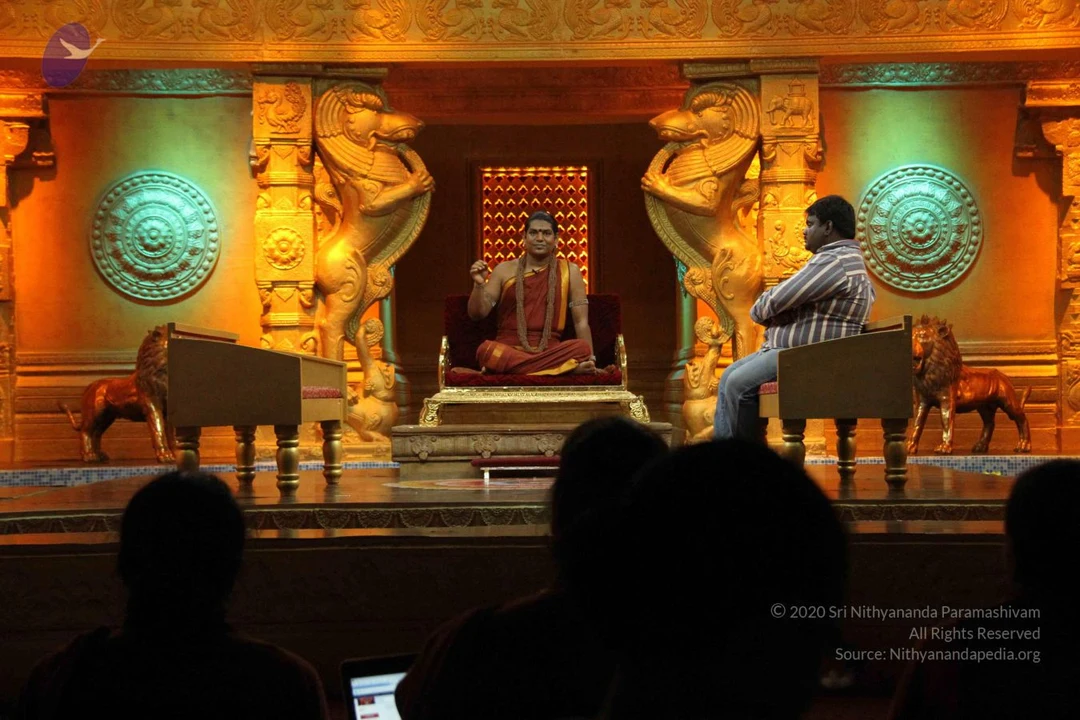
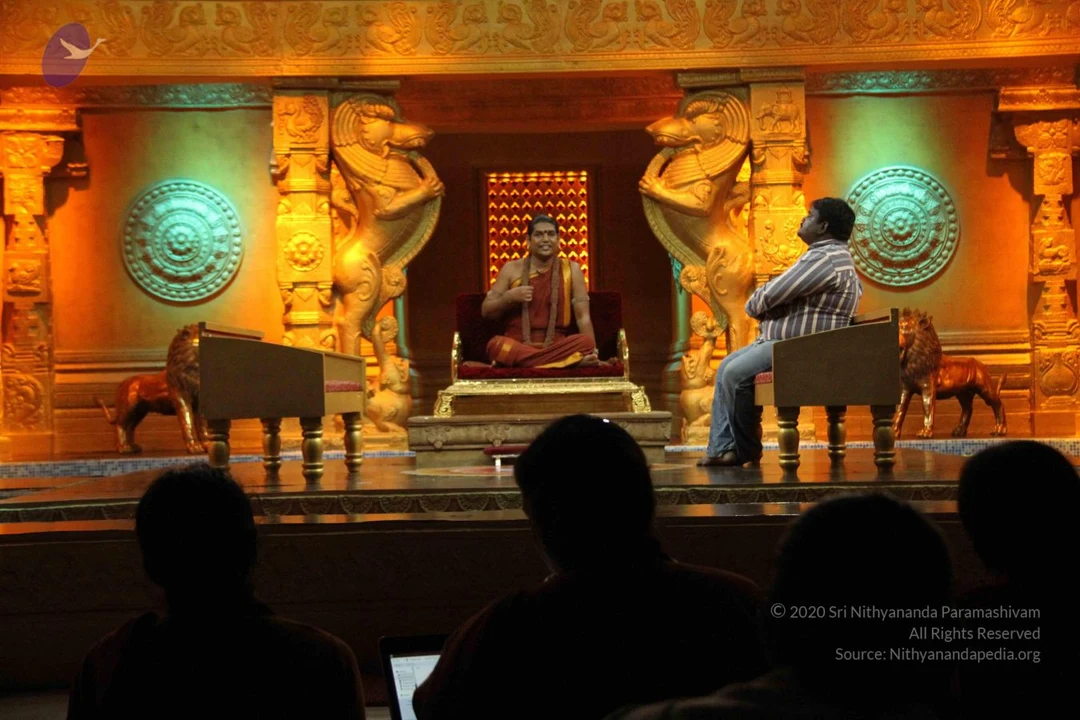
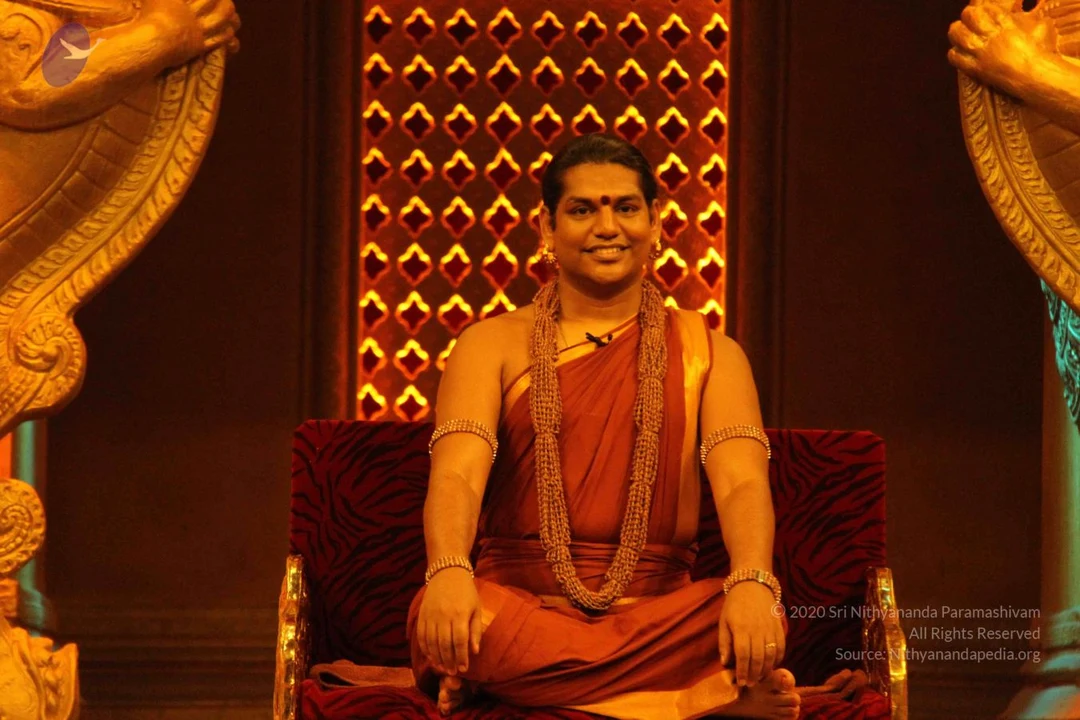
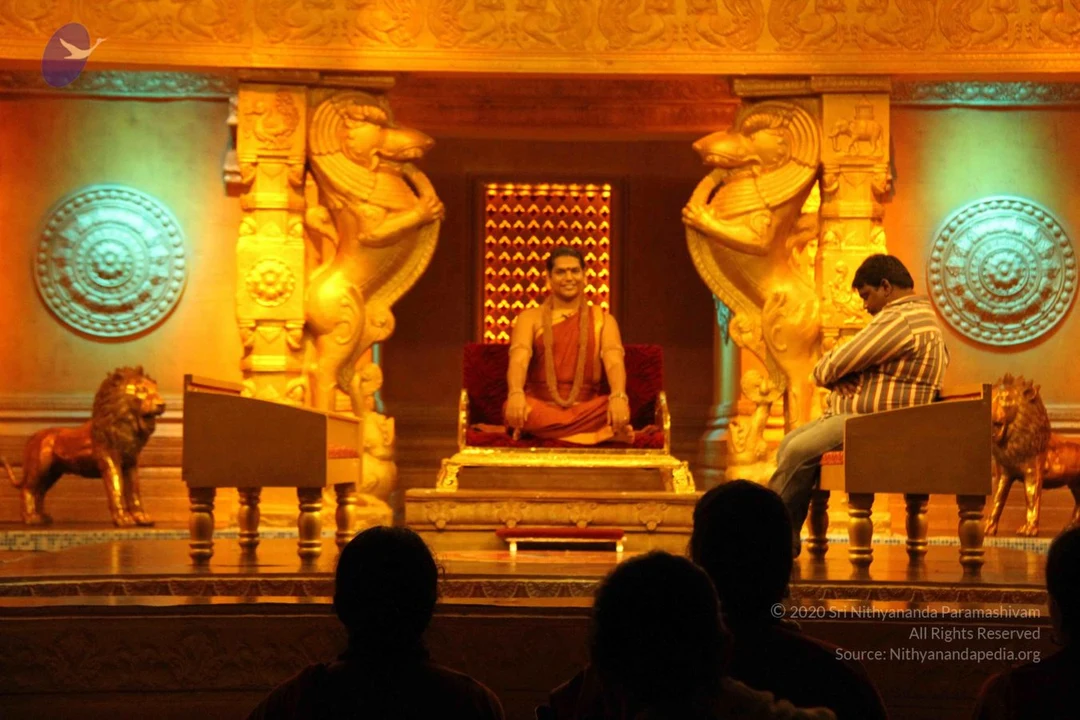
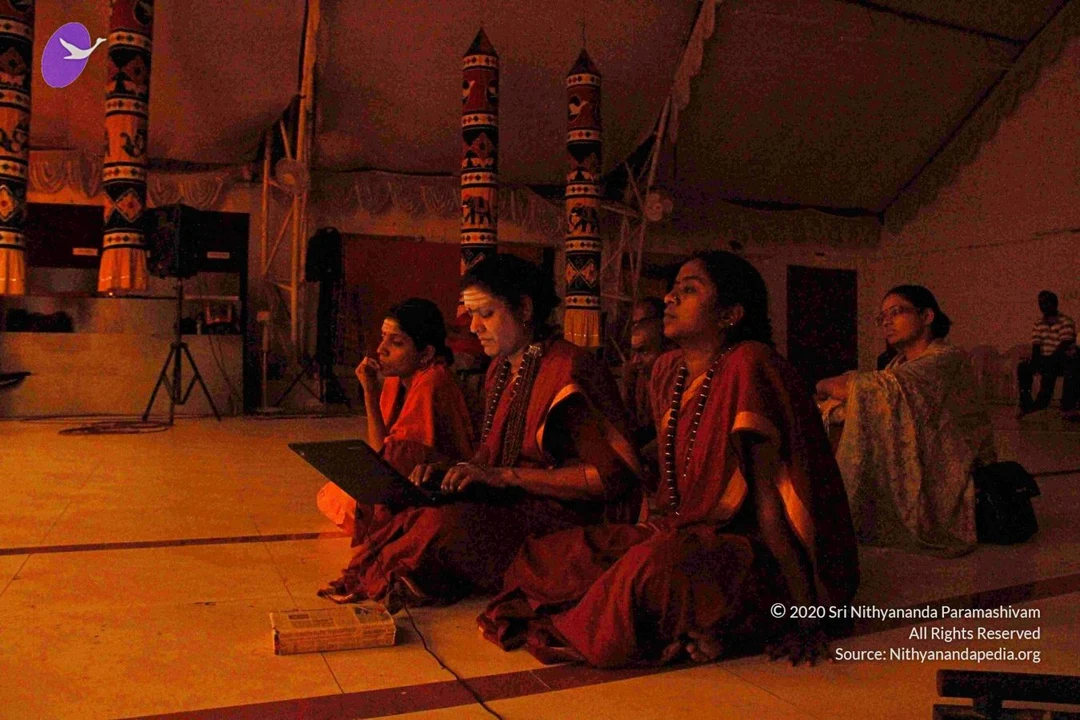
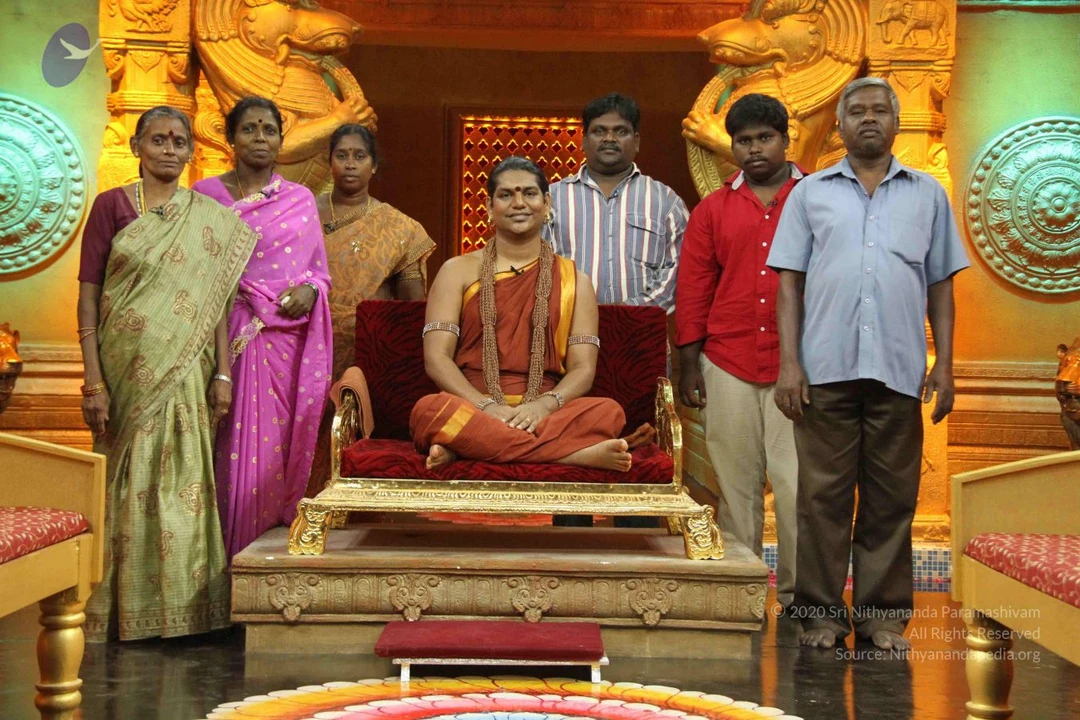
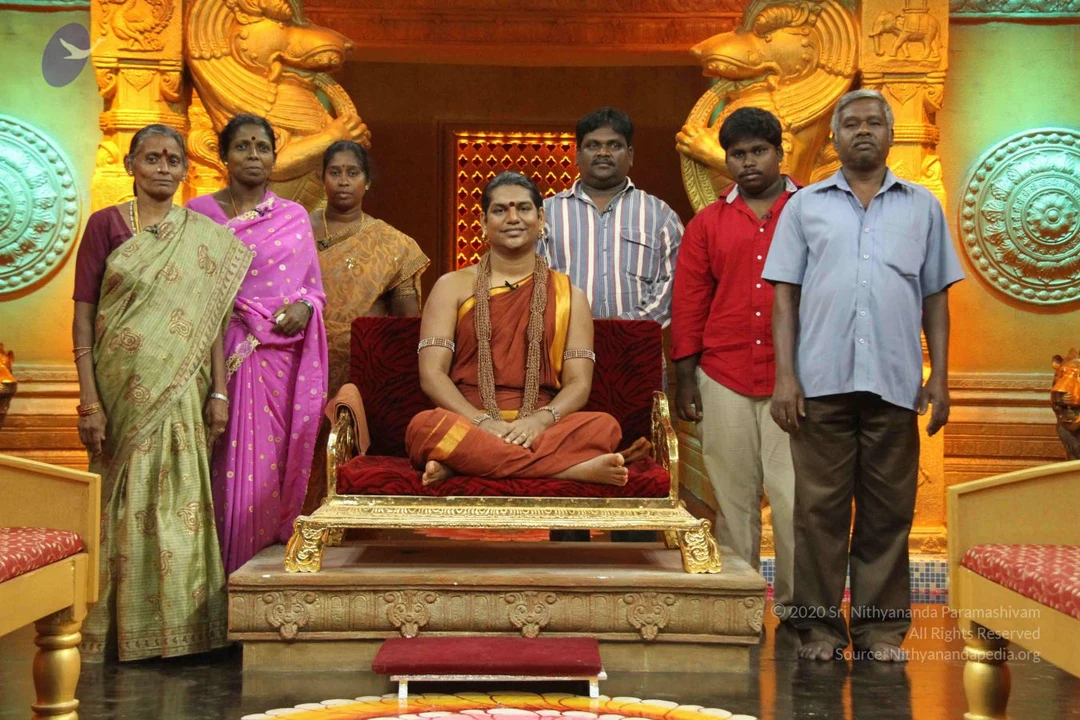
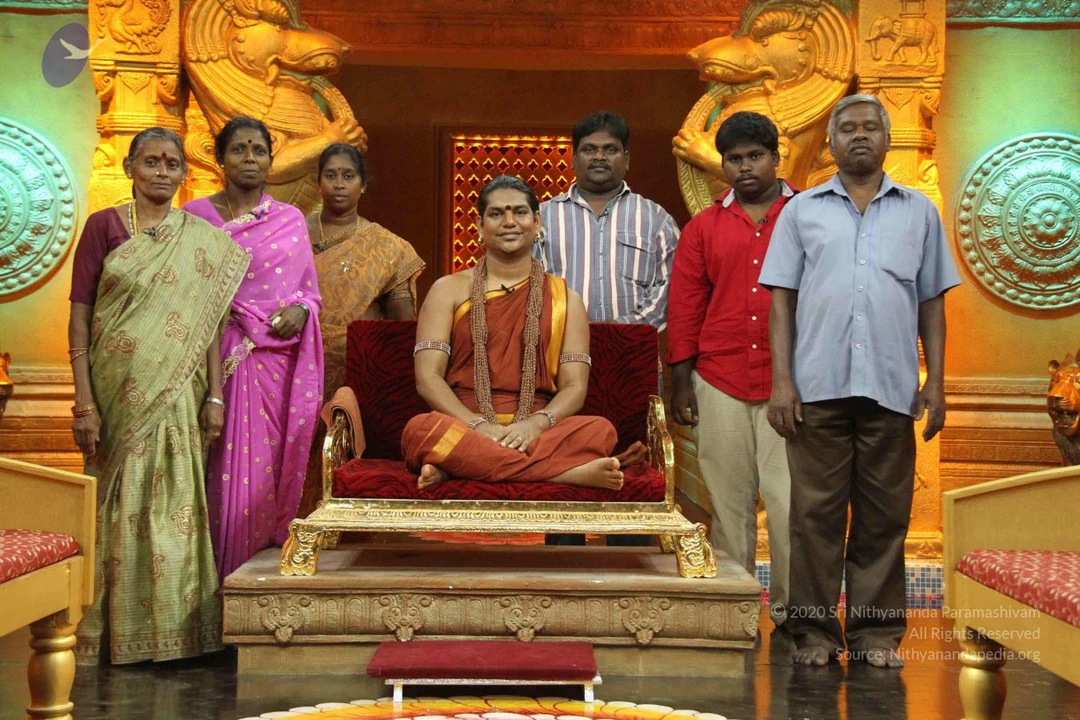
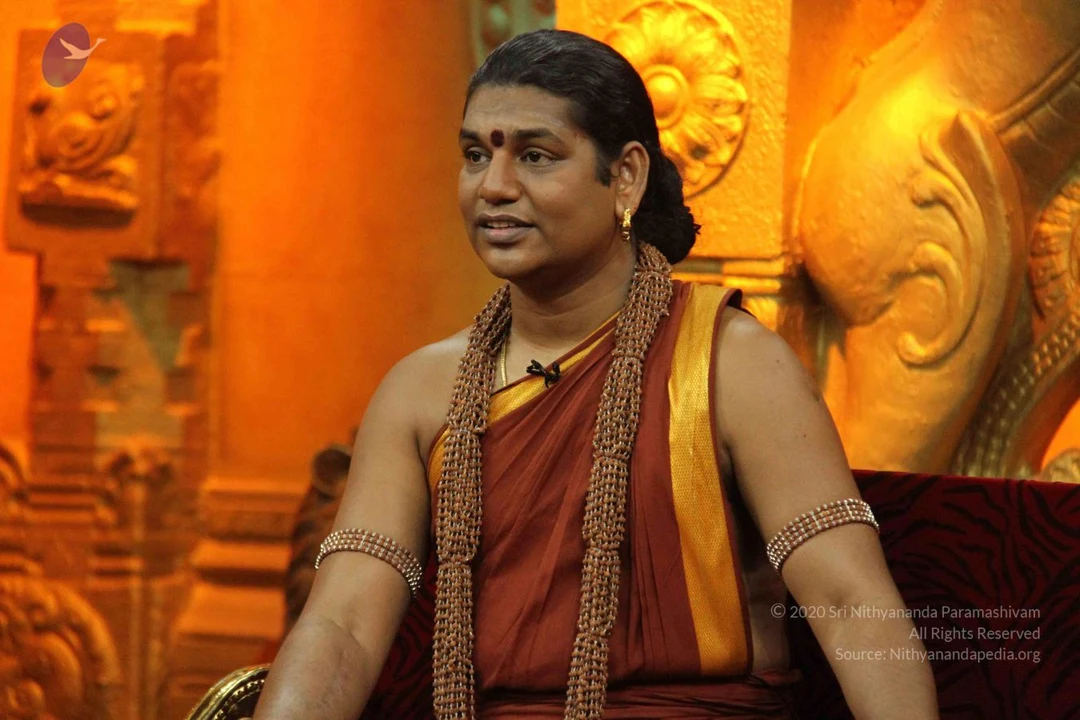
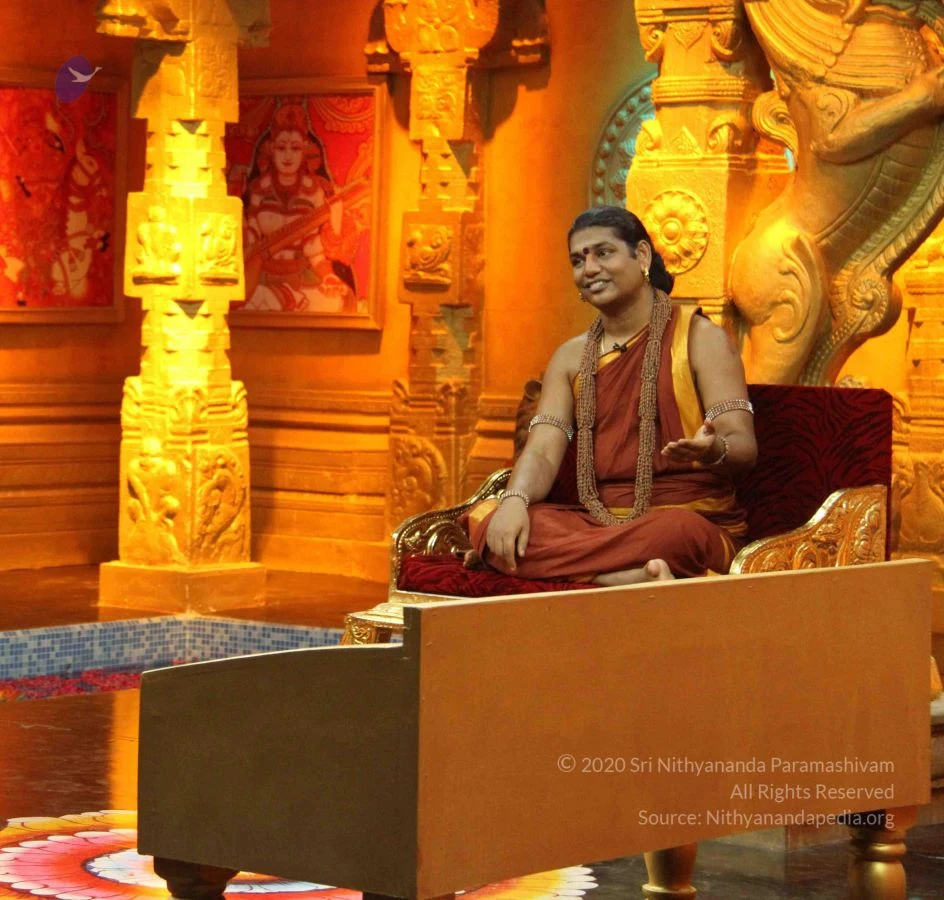
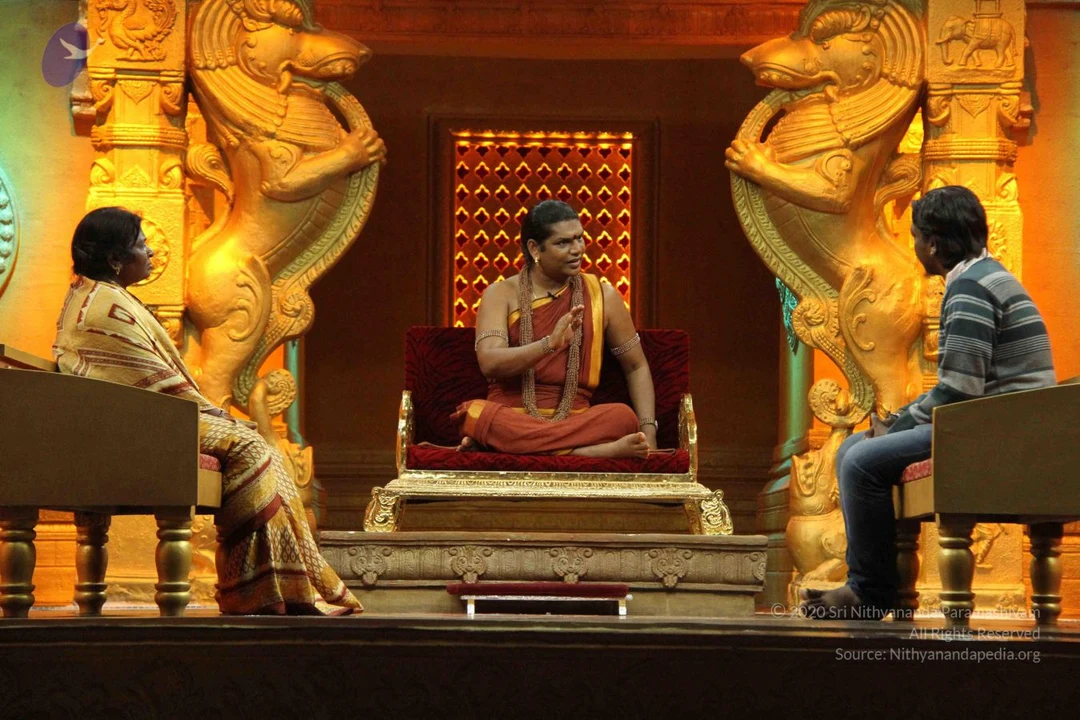
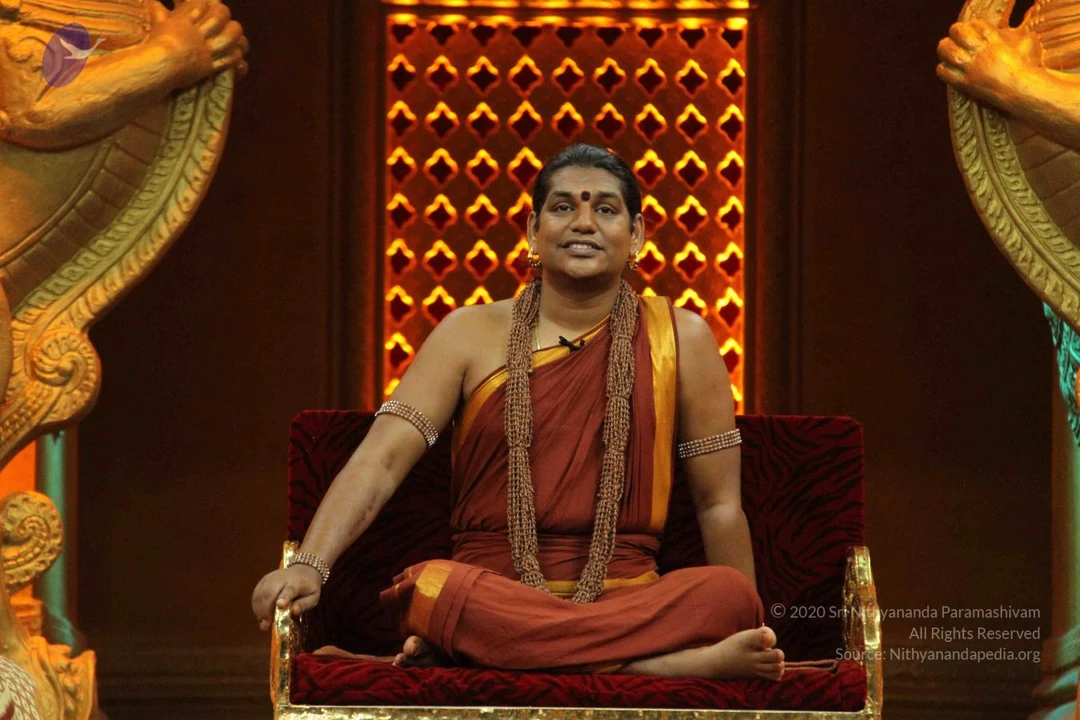
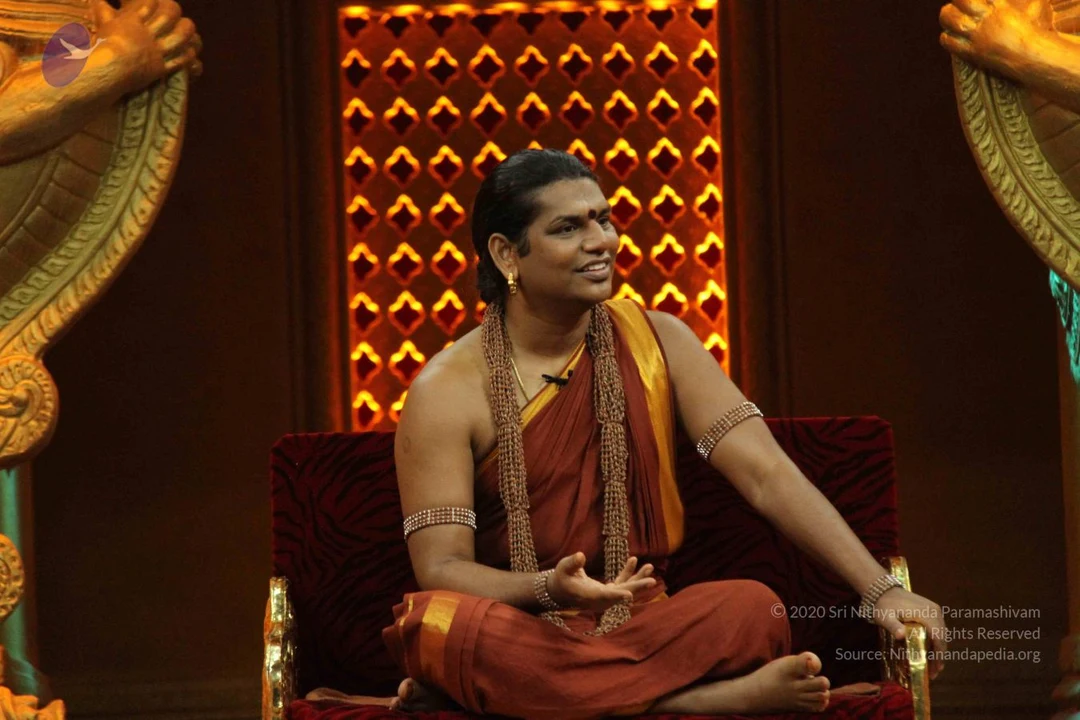
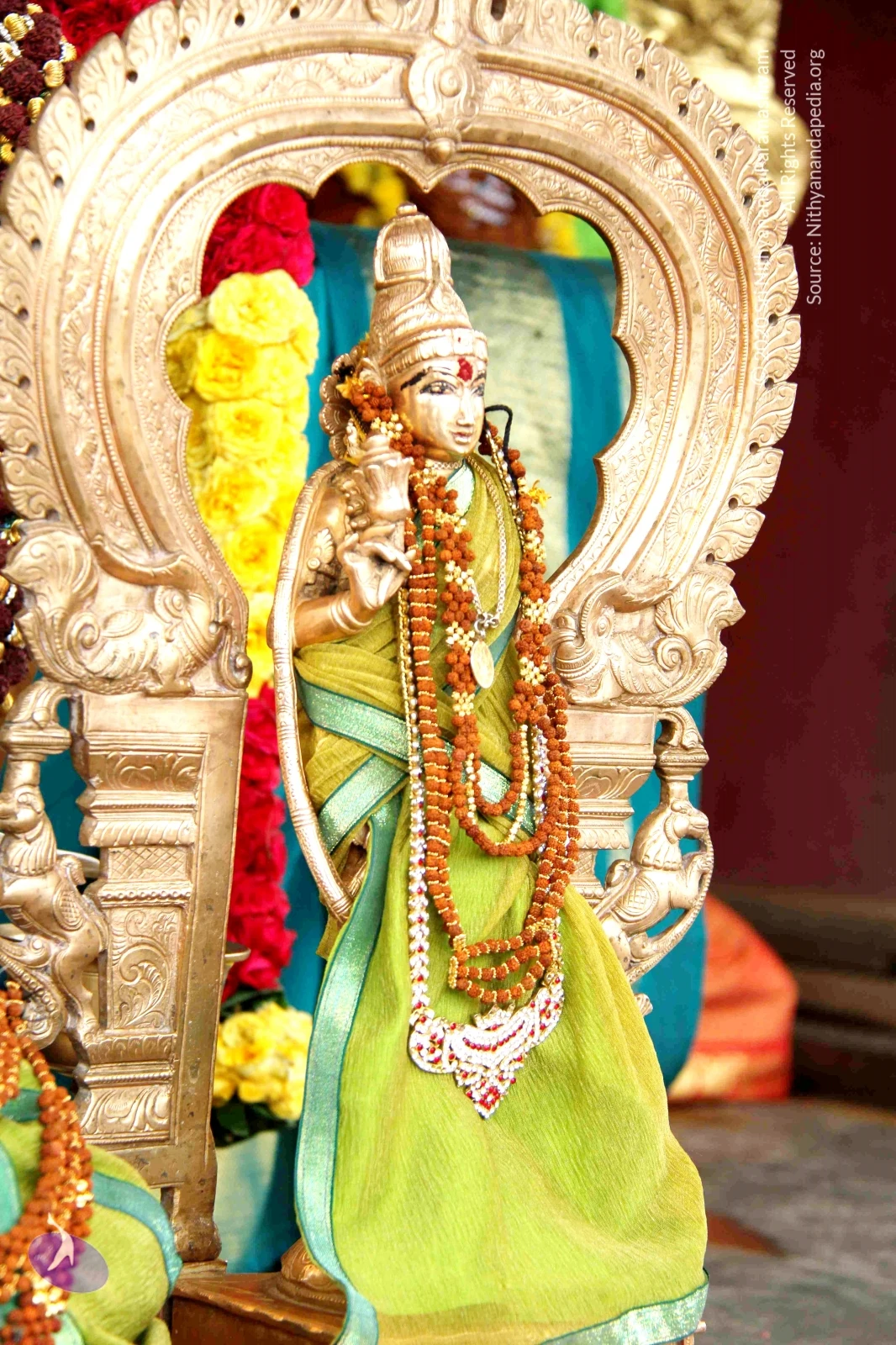
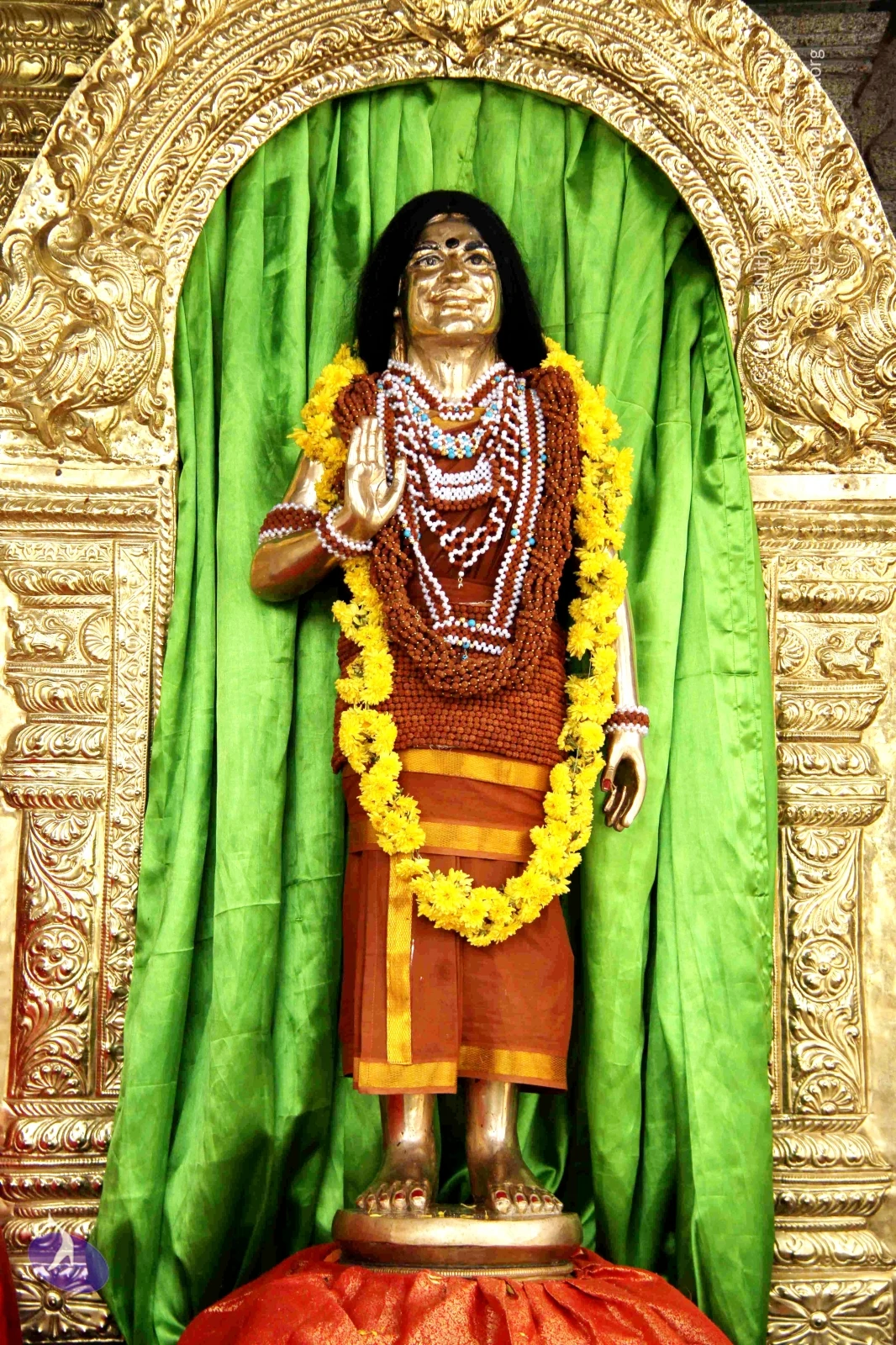
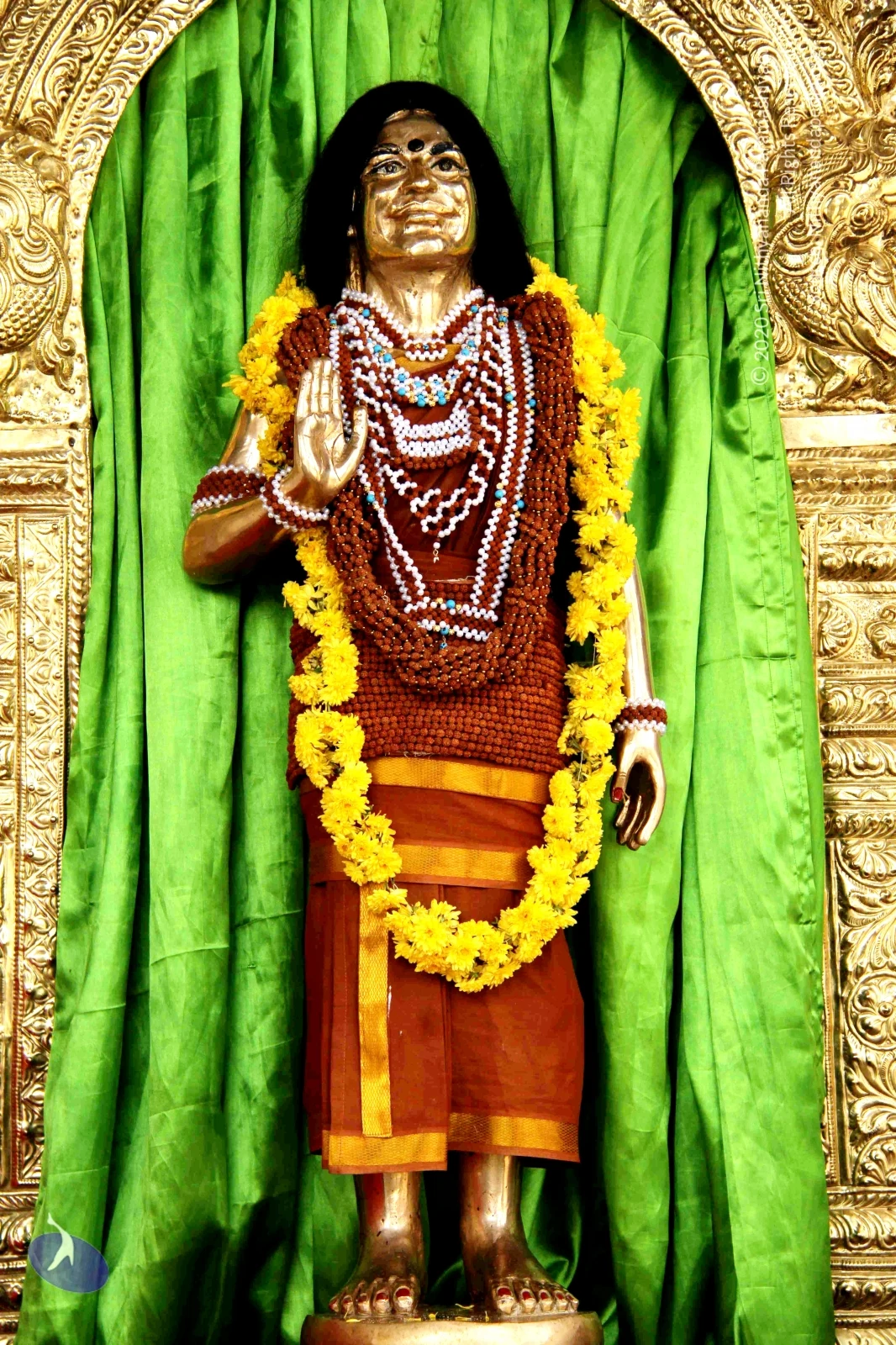
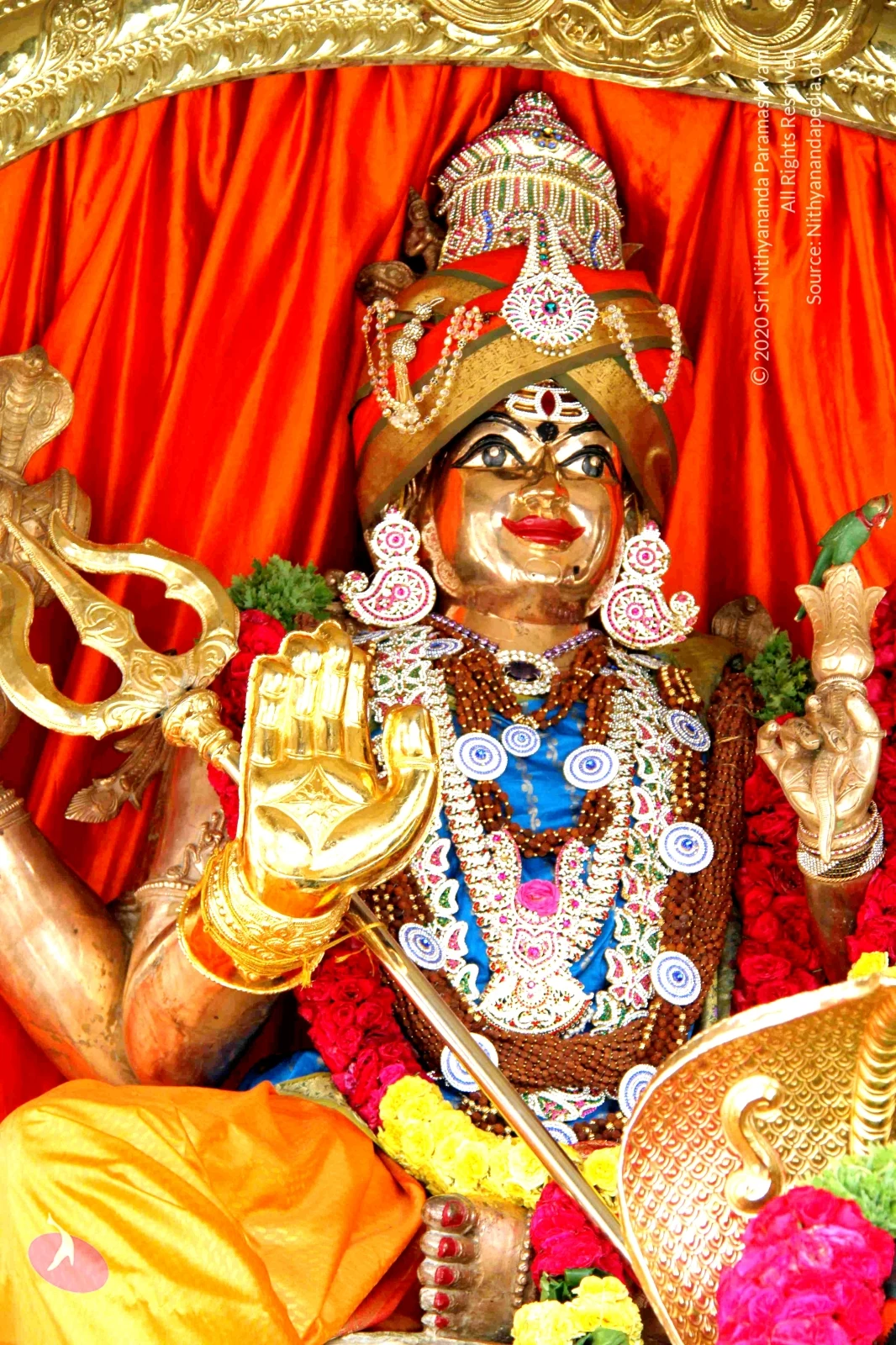
Photos Of The Day:
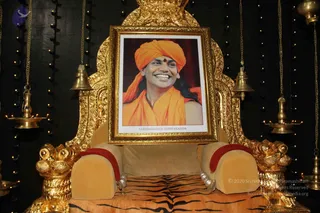
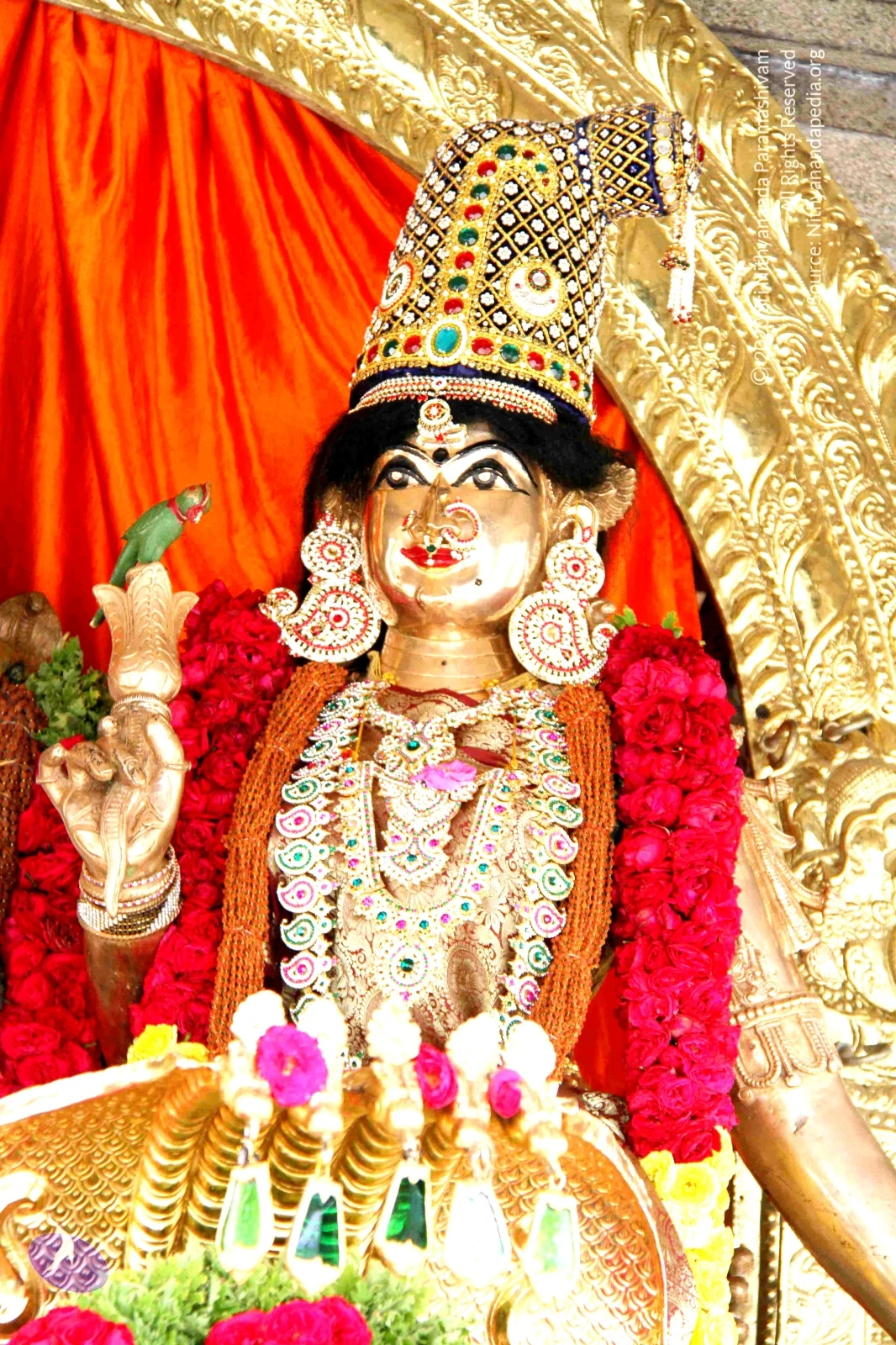
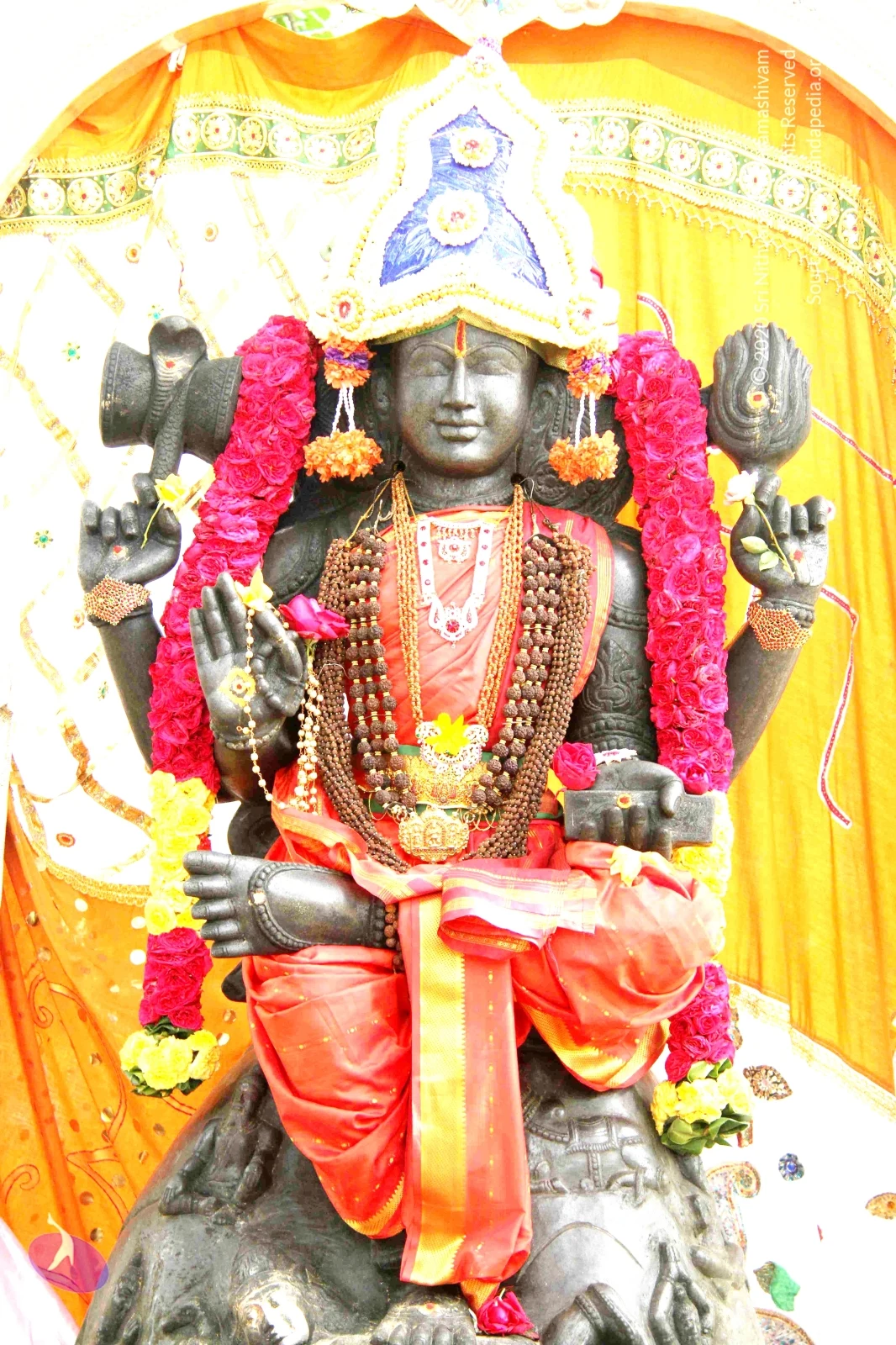
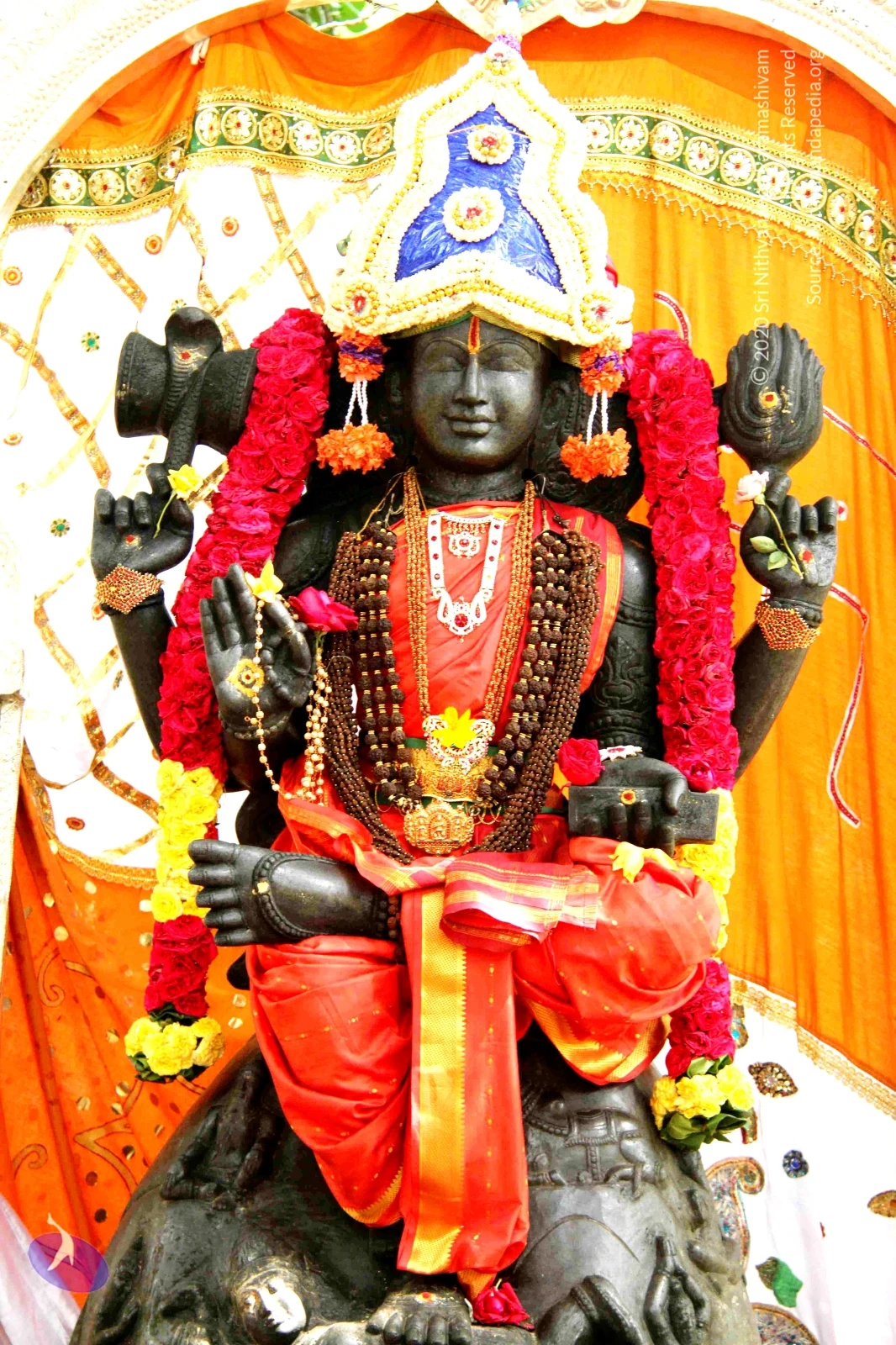
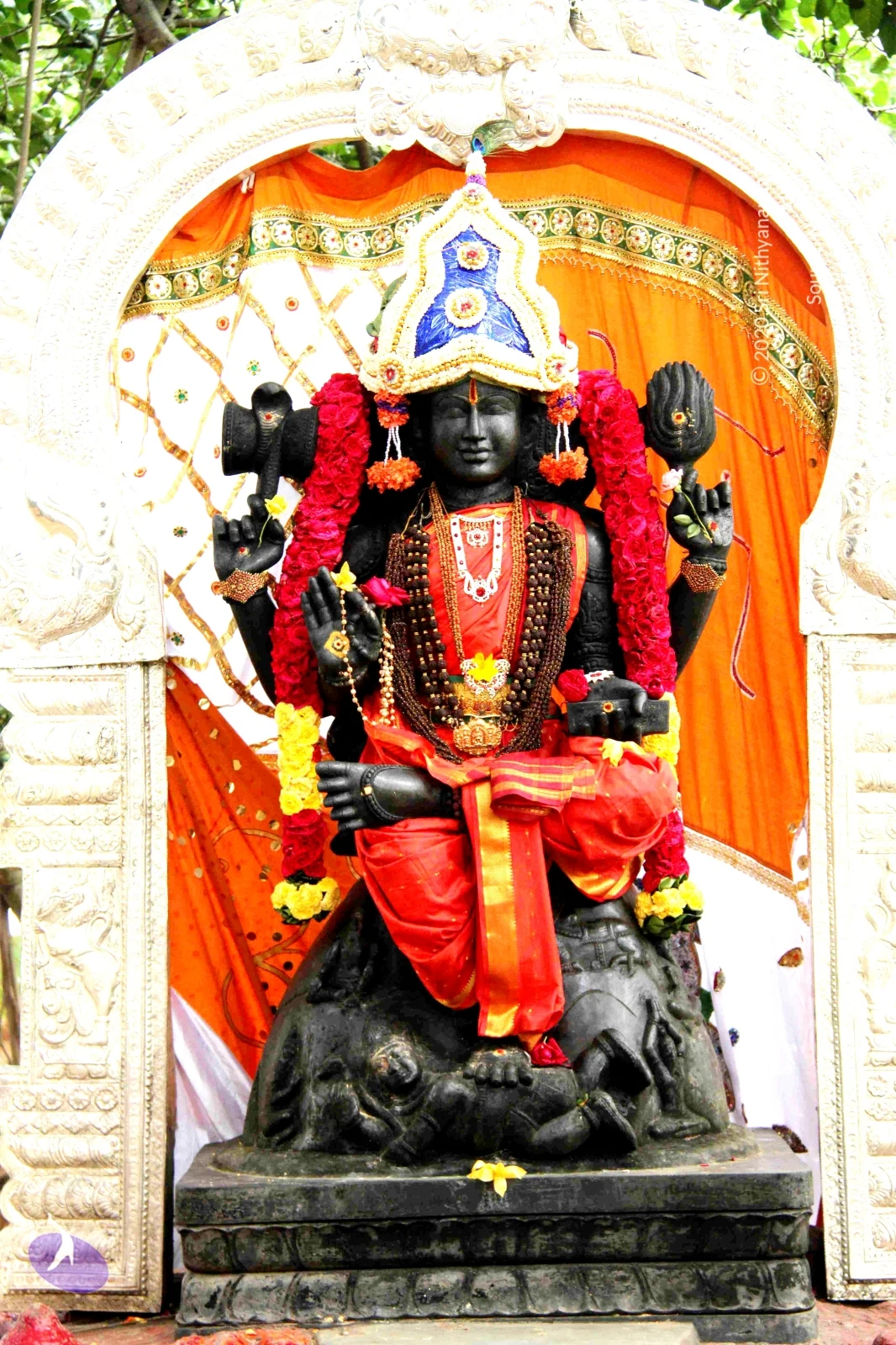
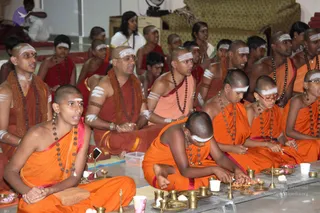
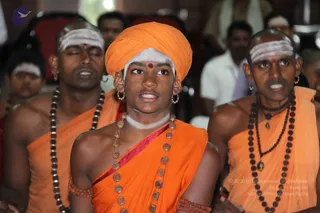
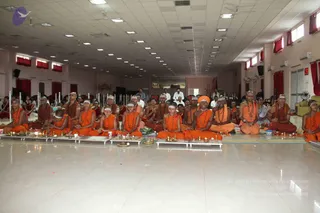
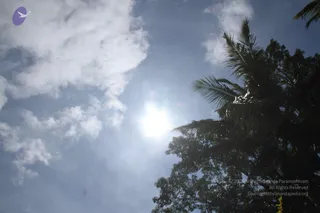
Paduka-Puja
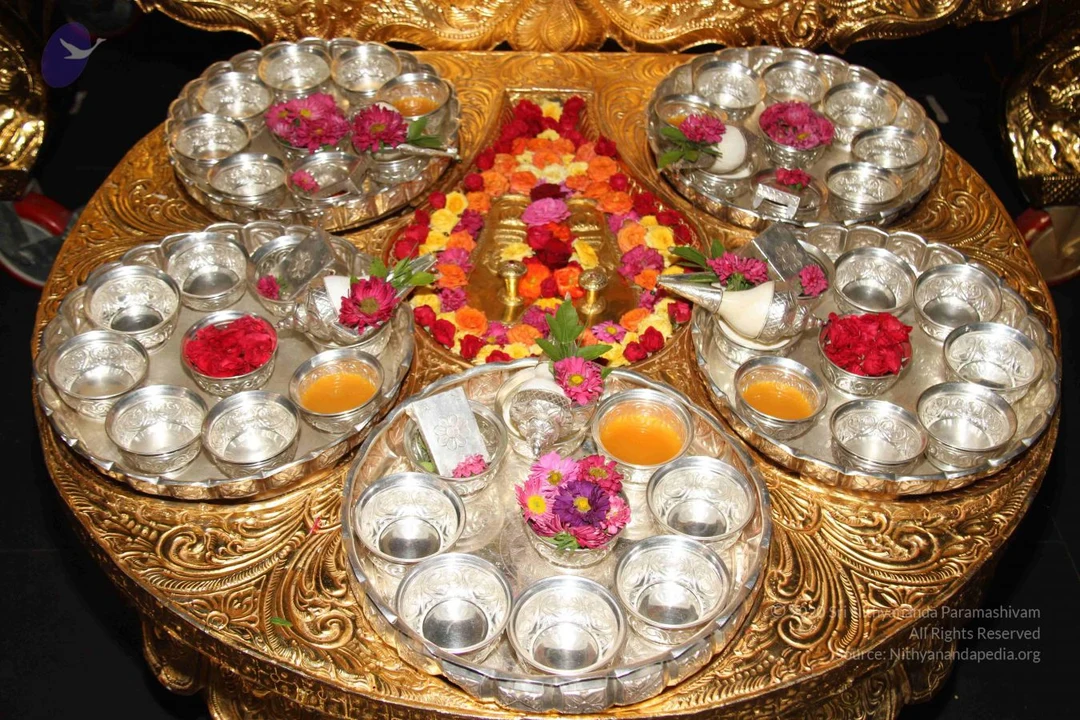
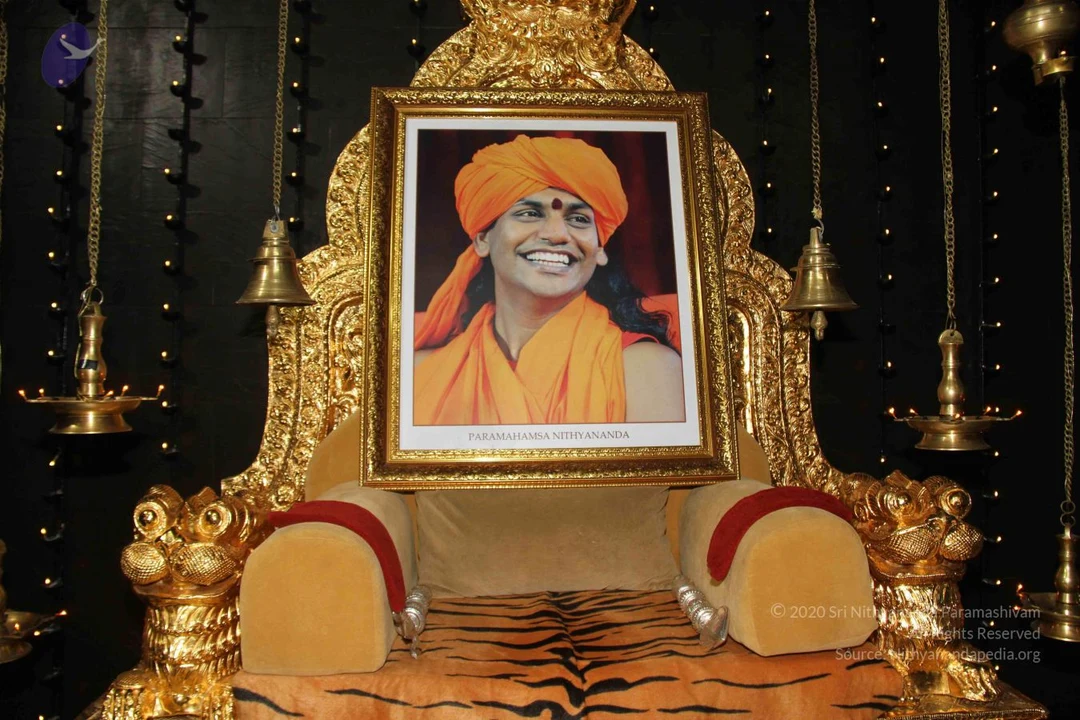
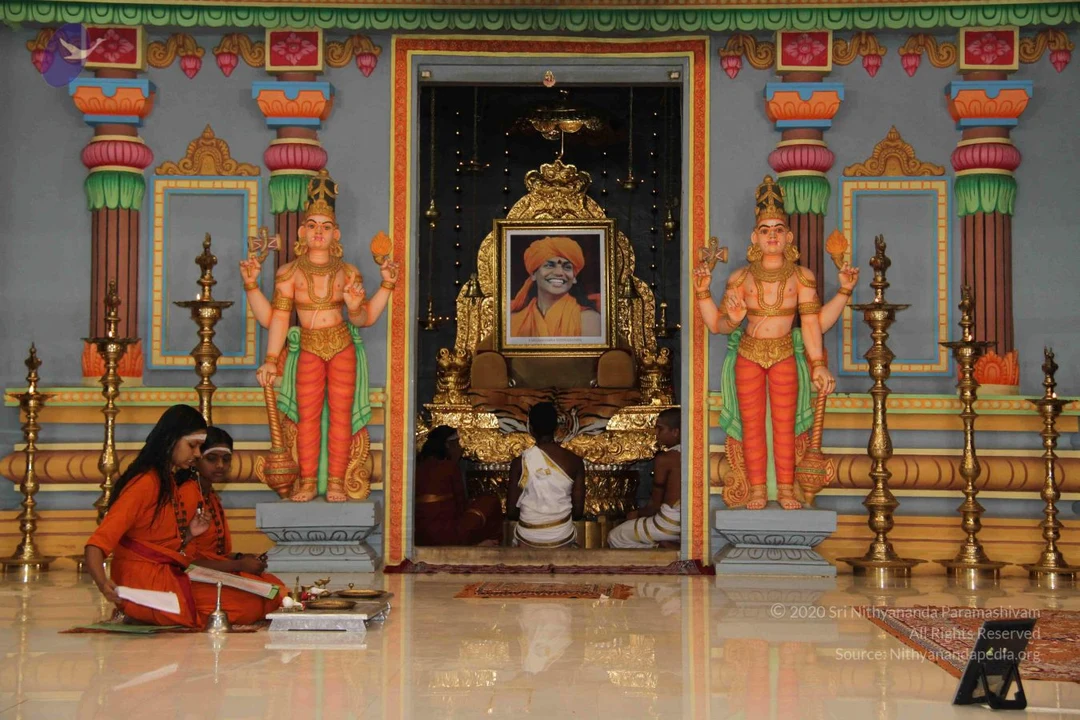
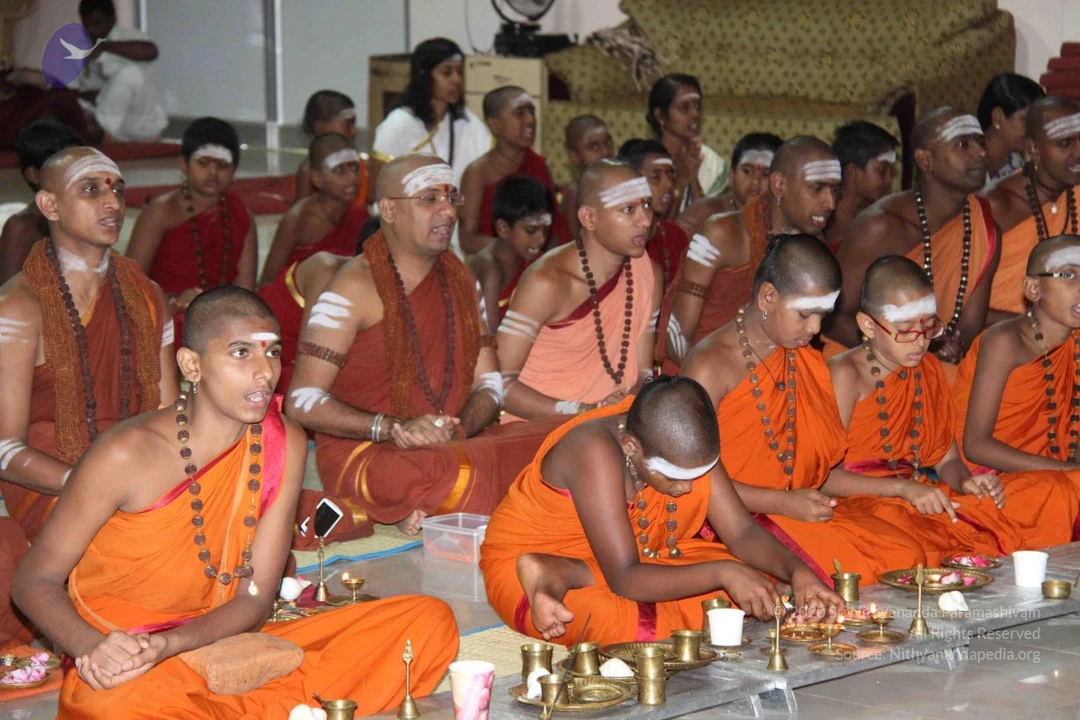
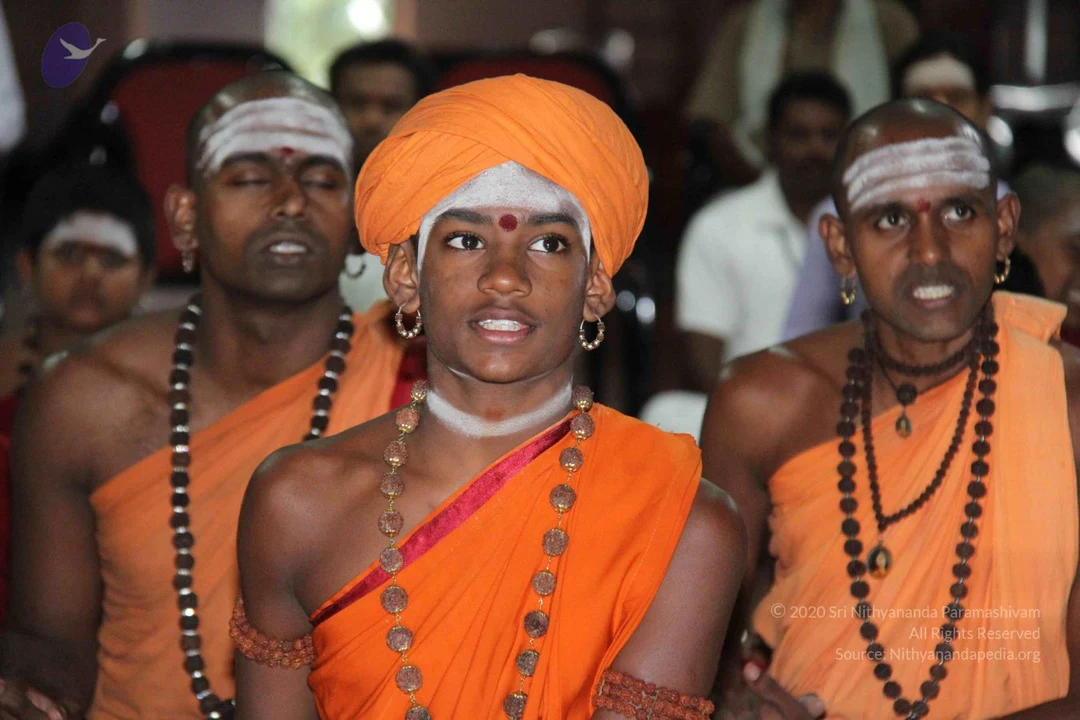
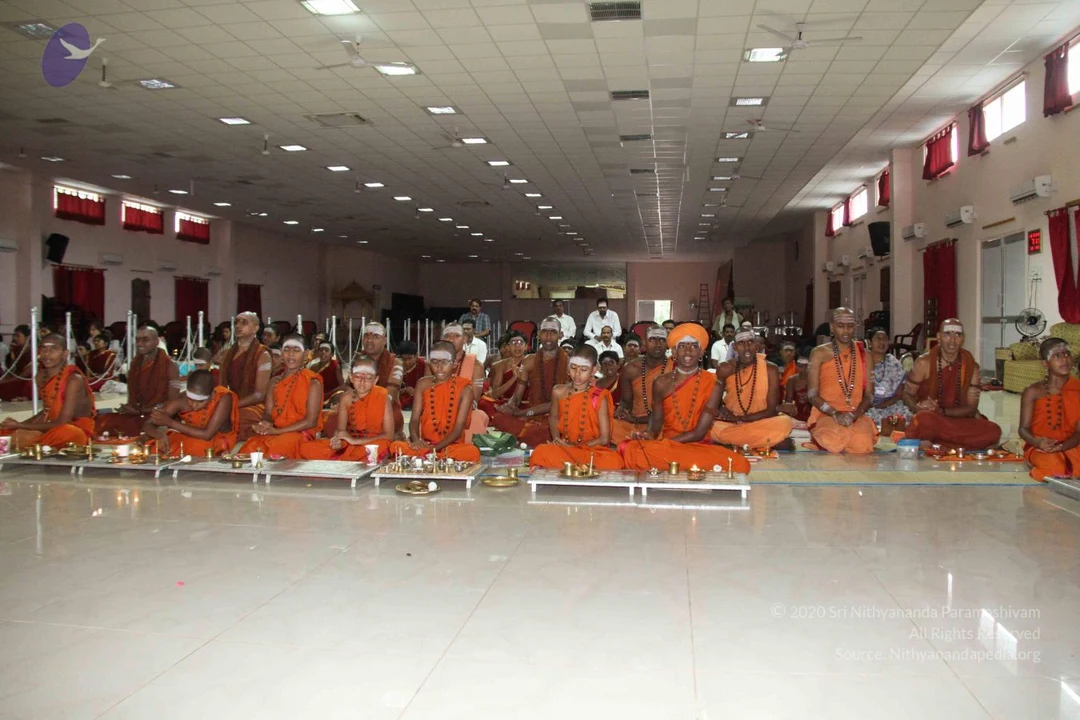
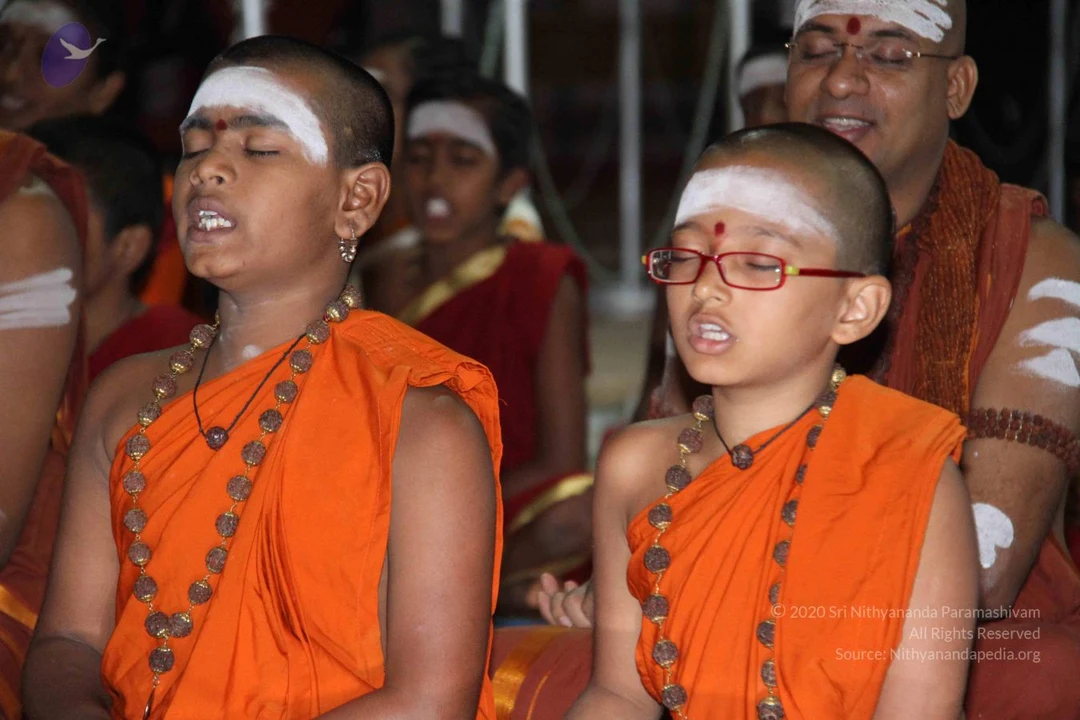
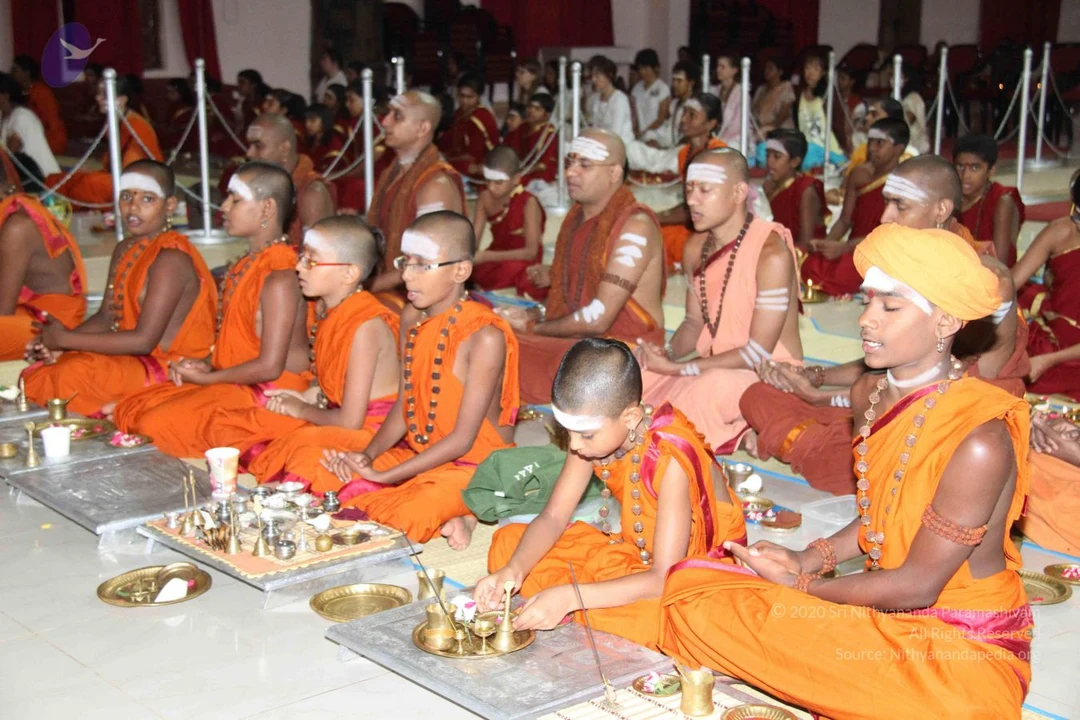
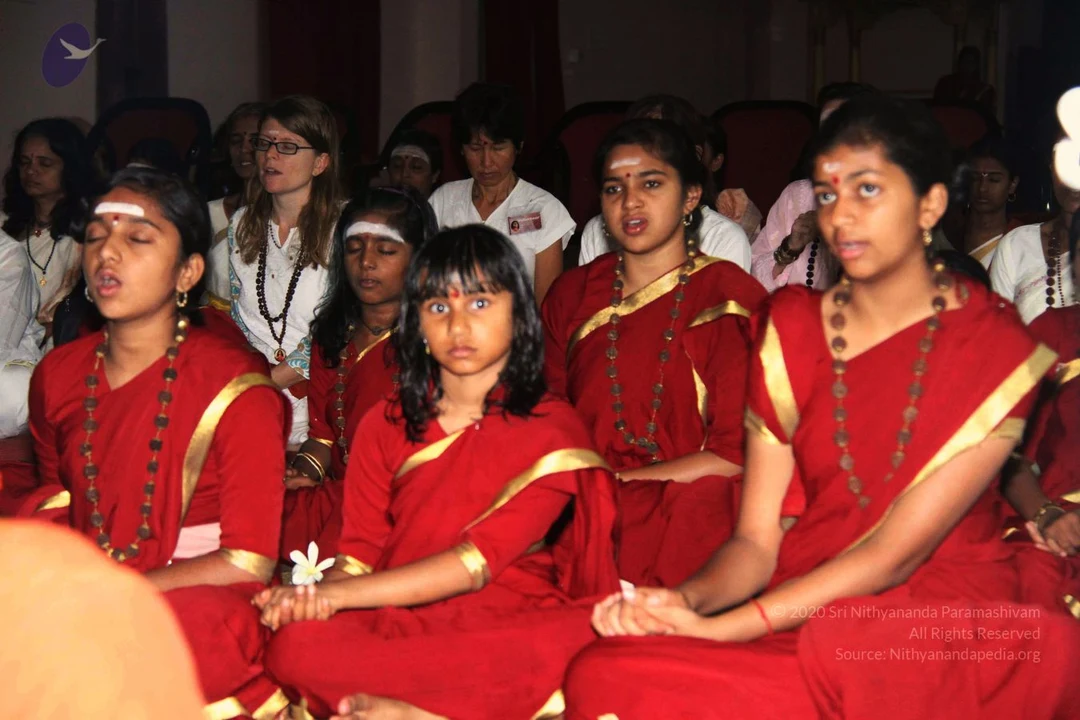
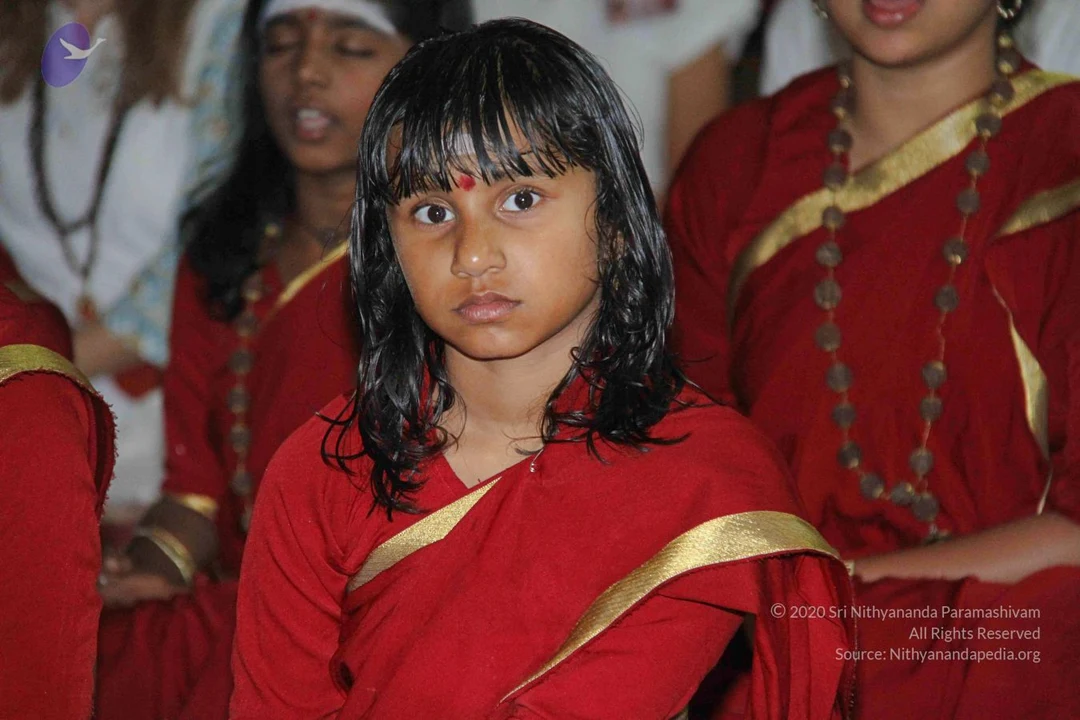
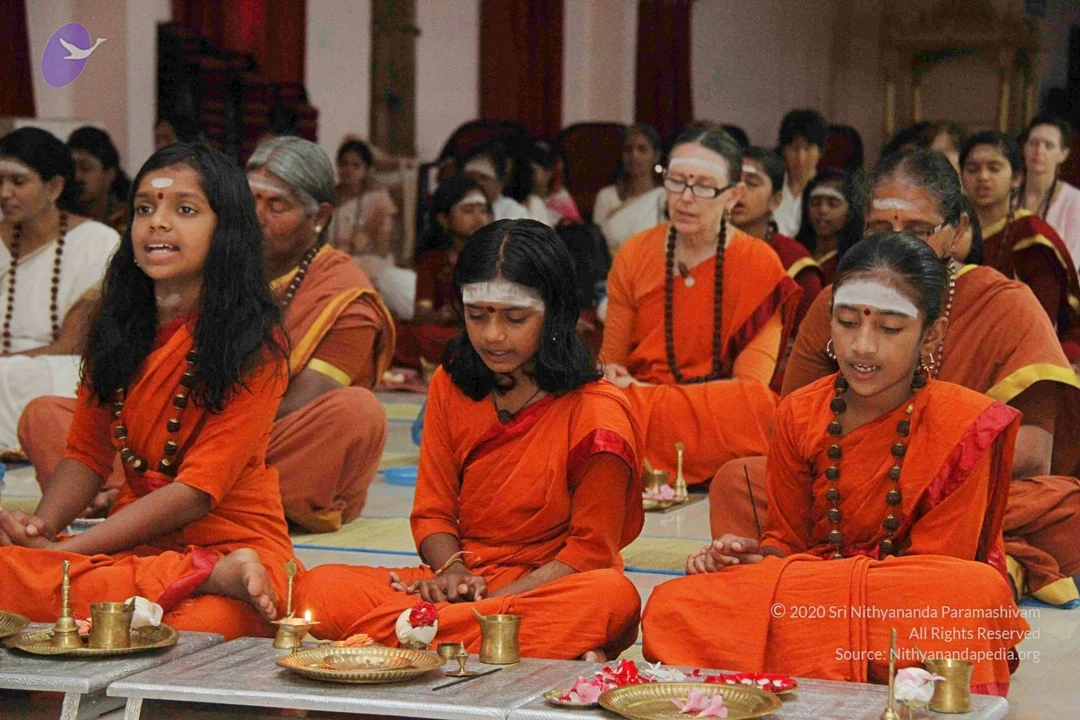
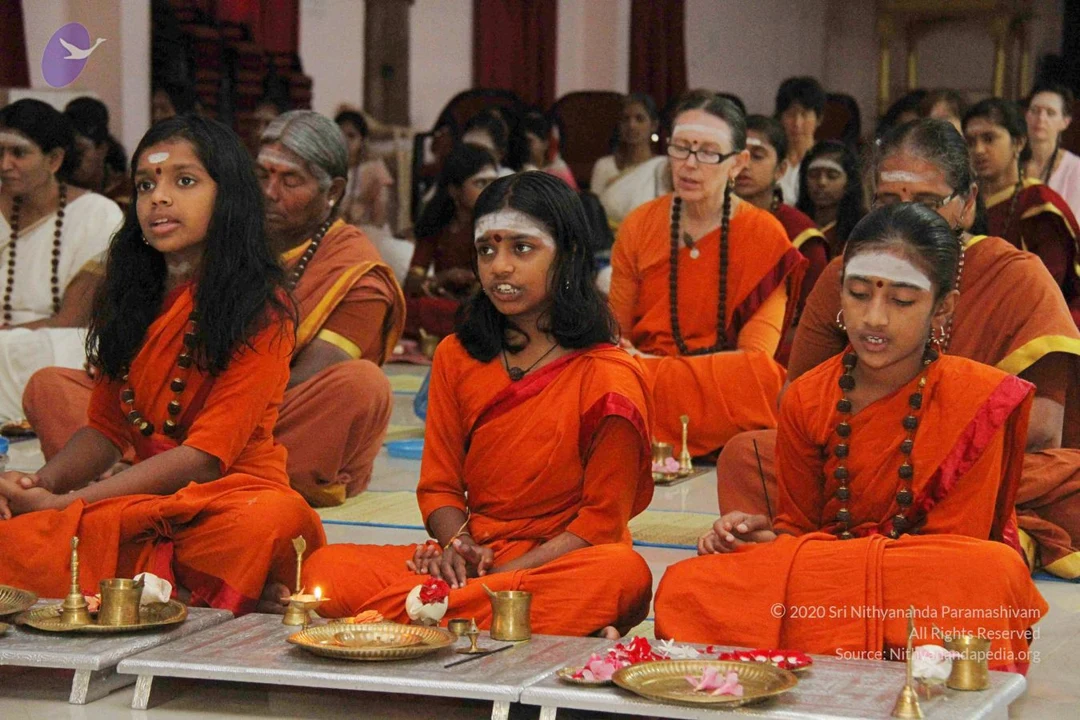
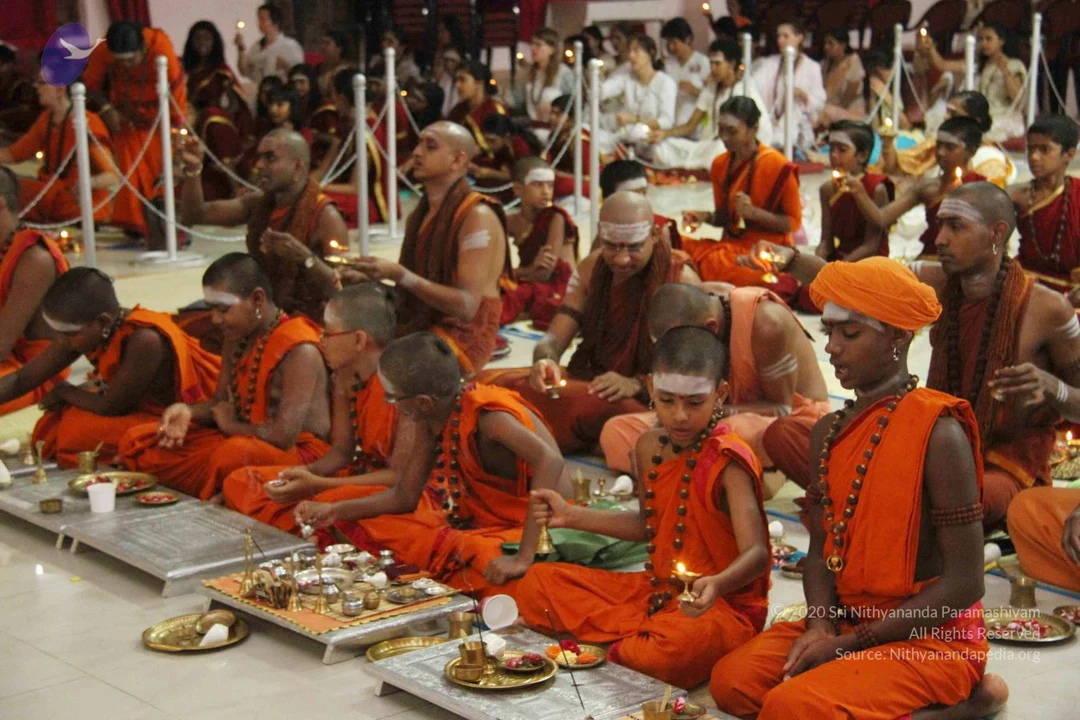
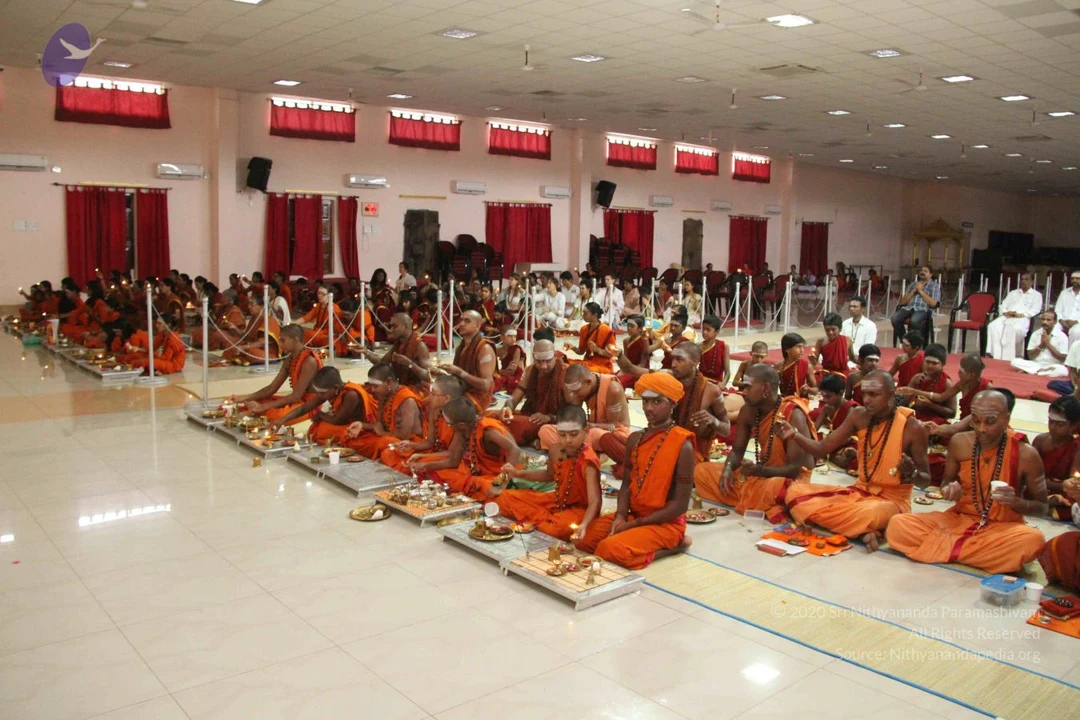
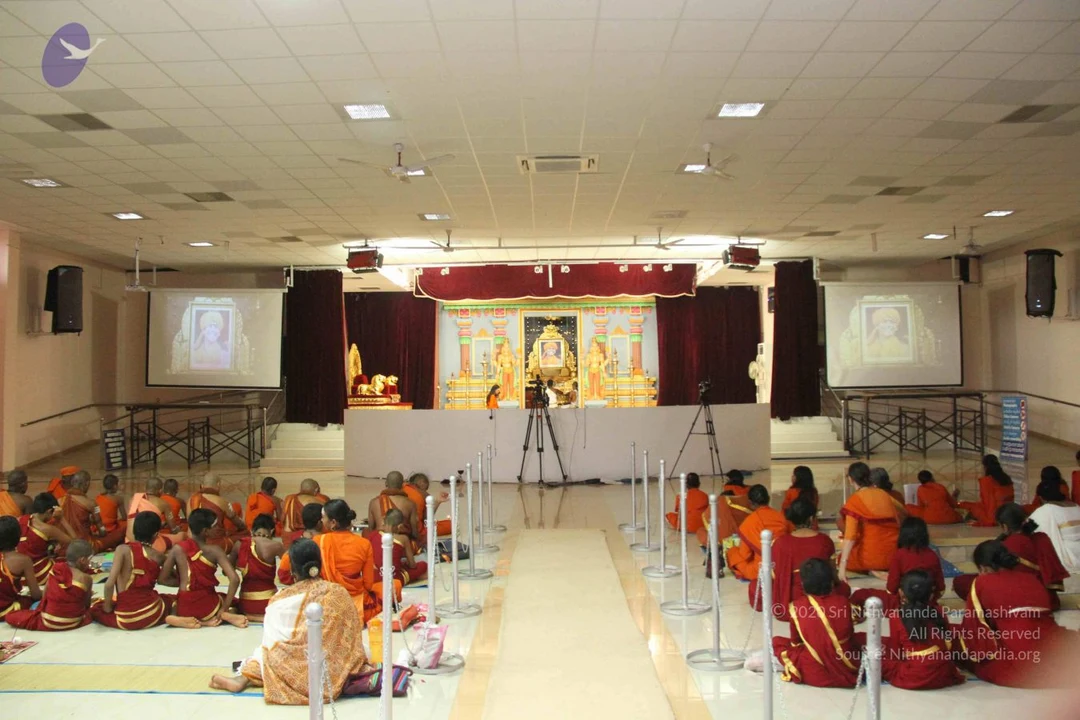
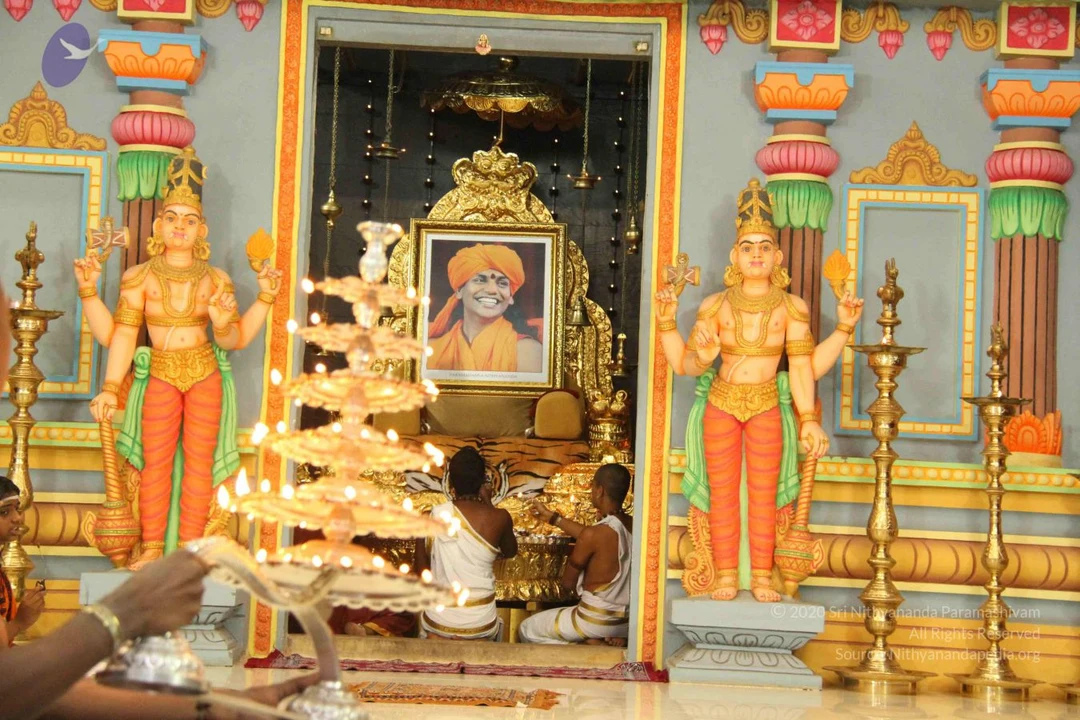
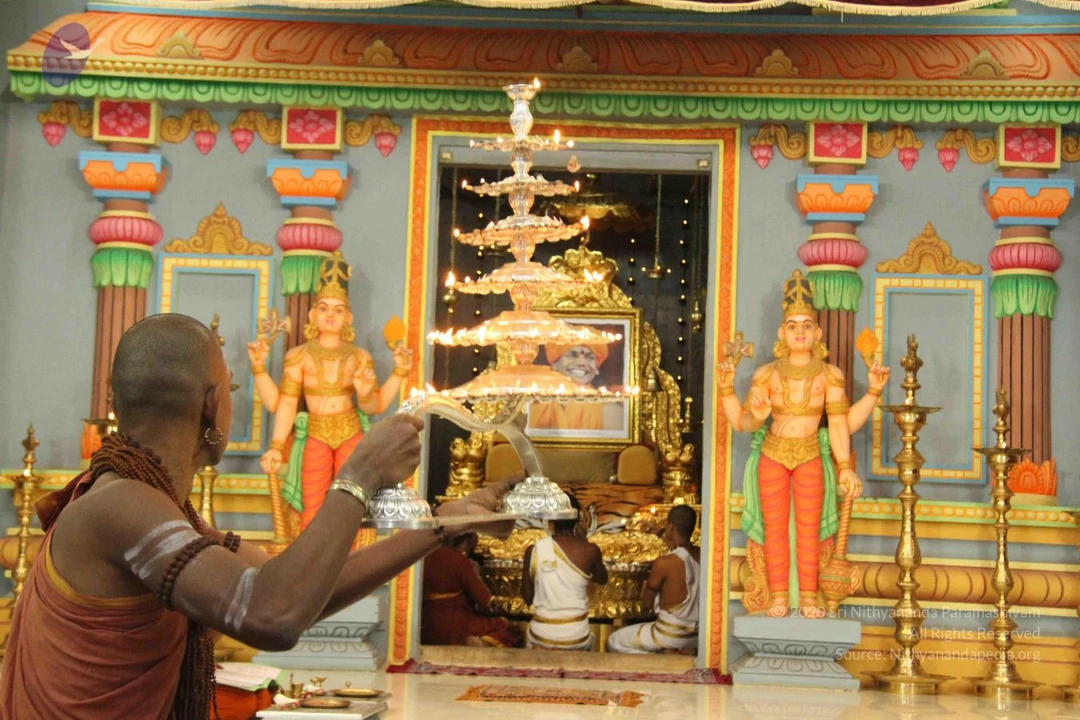
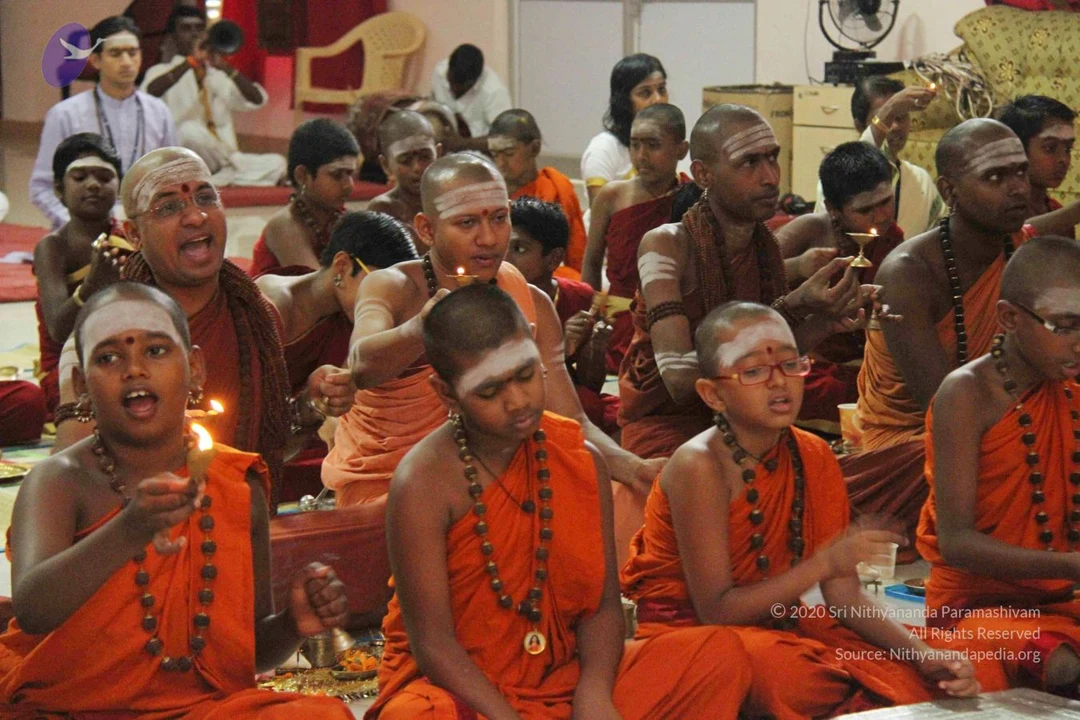
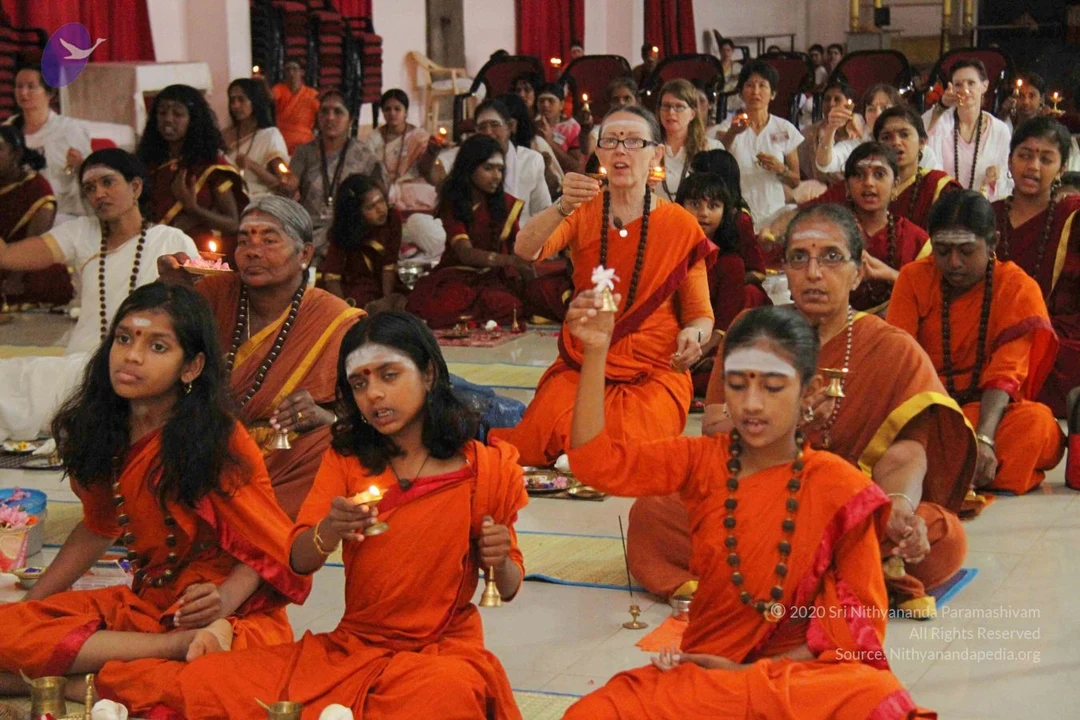
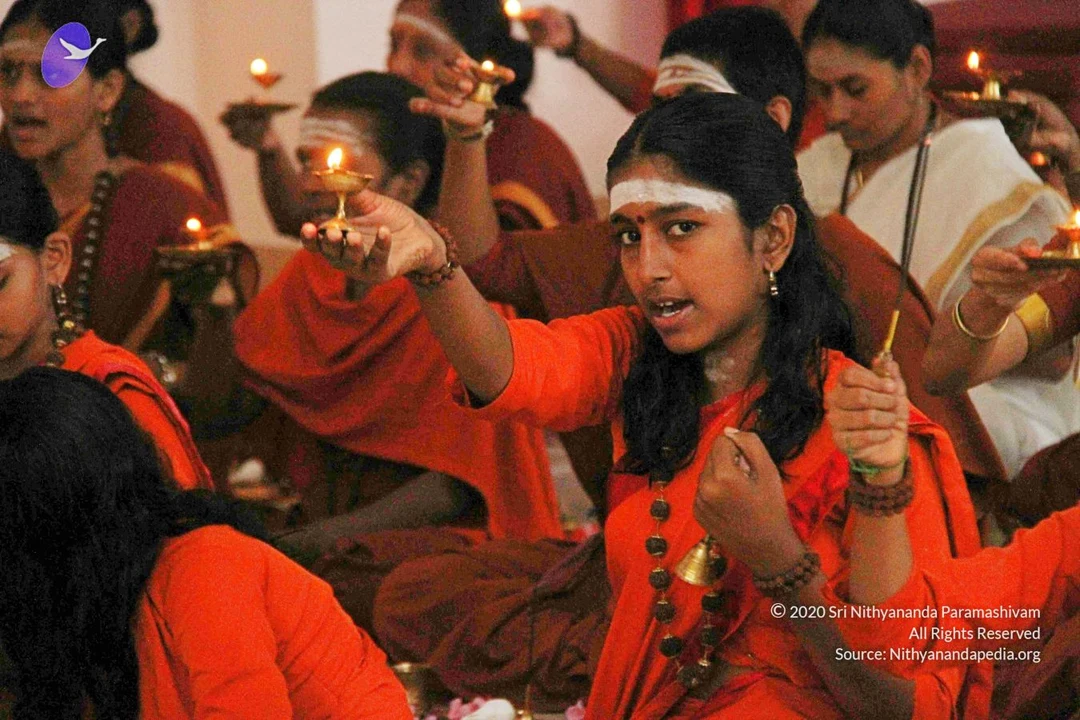
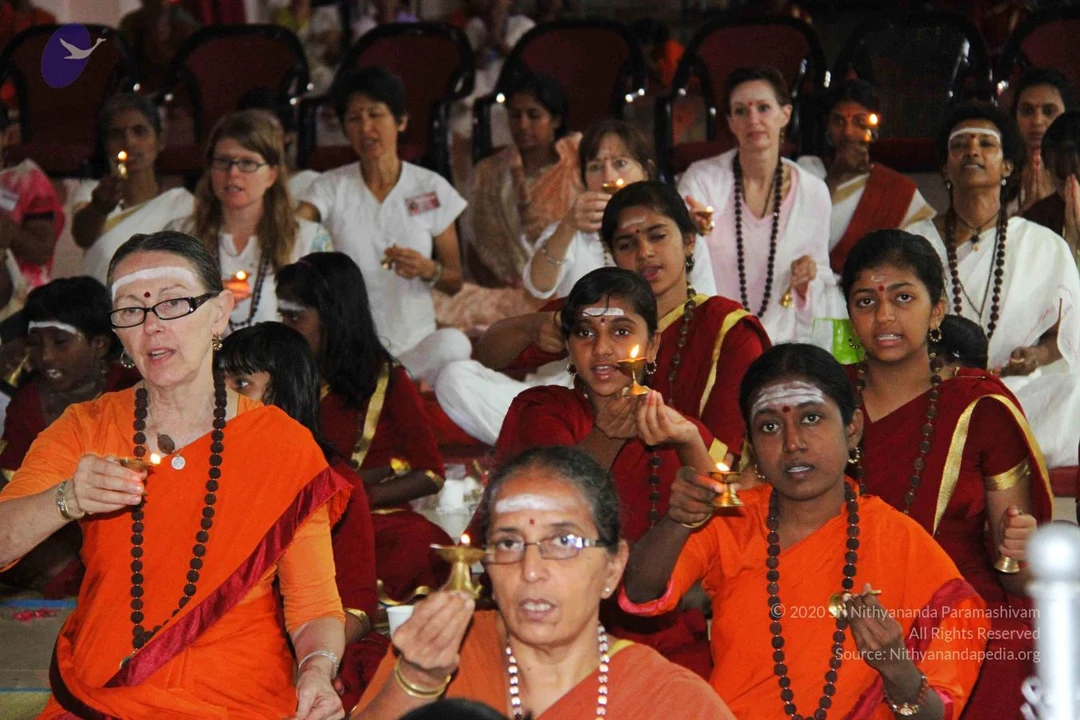
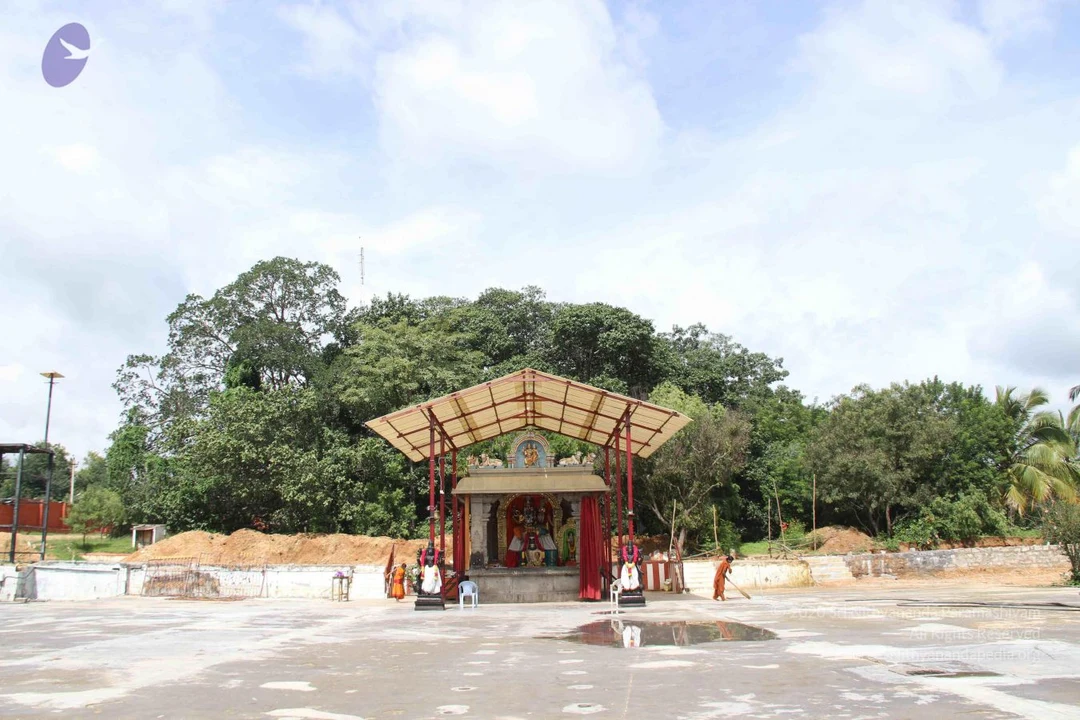
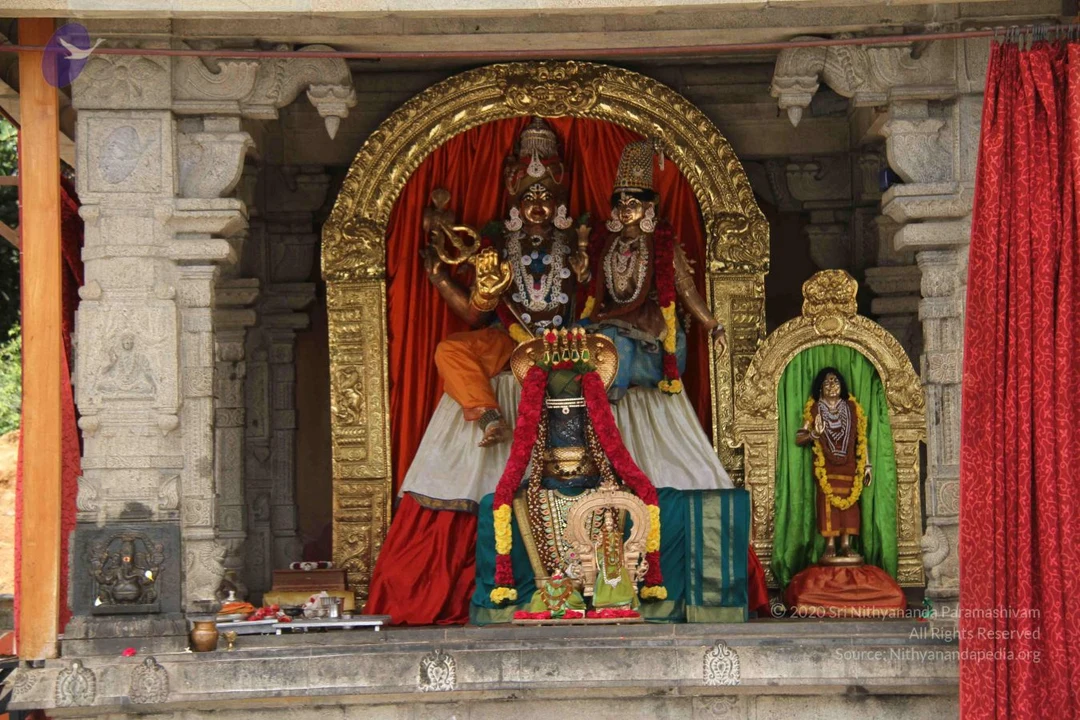
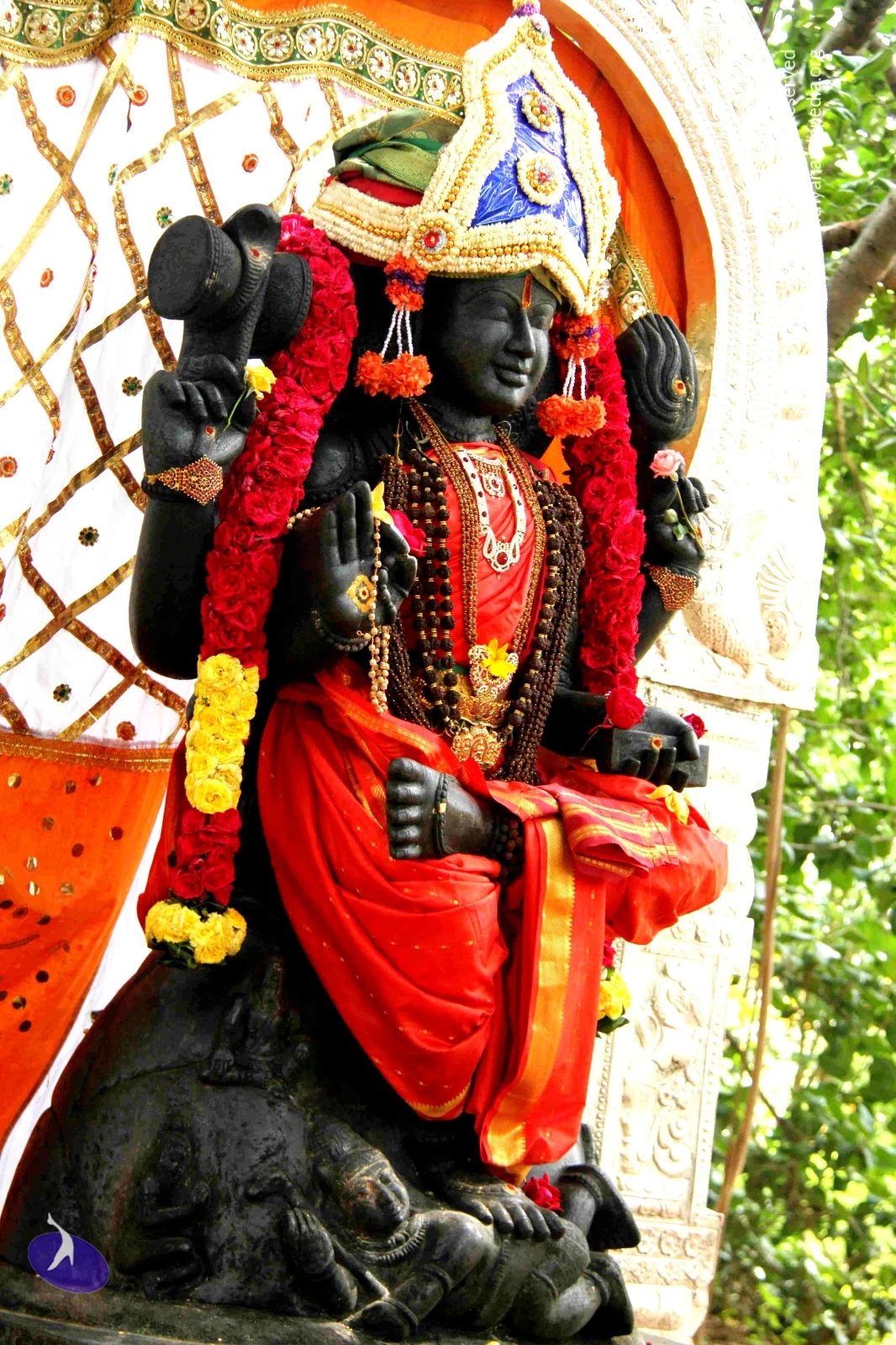
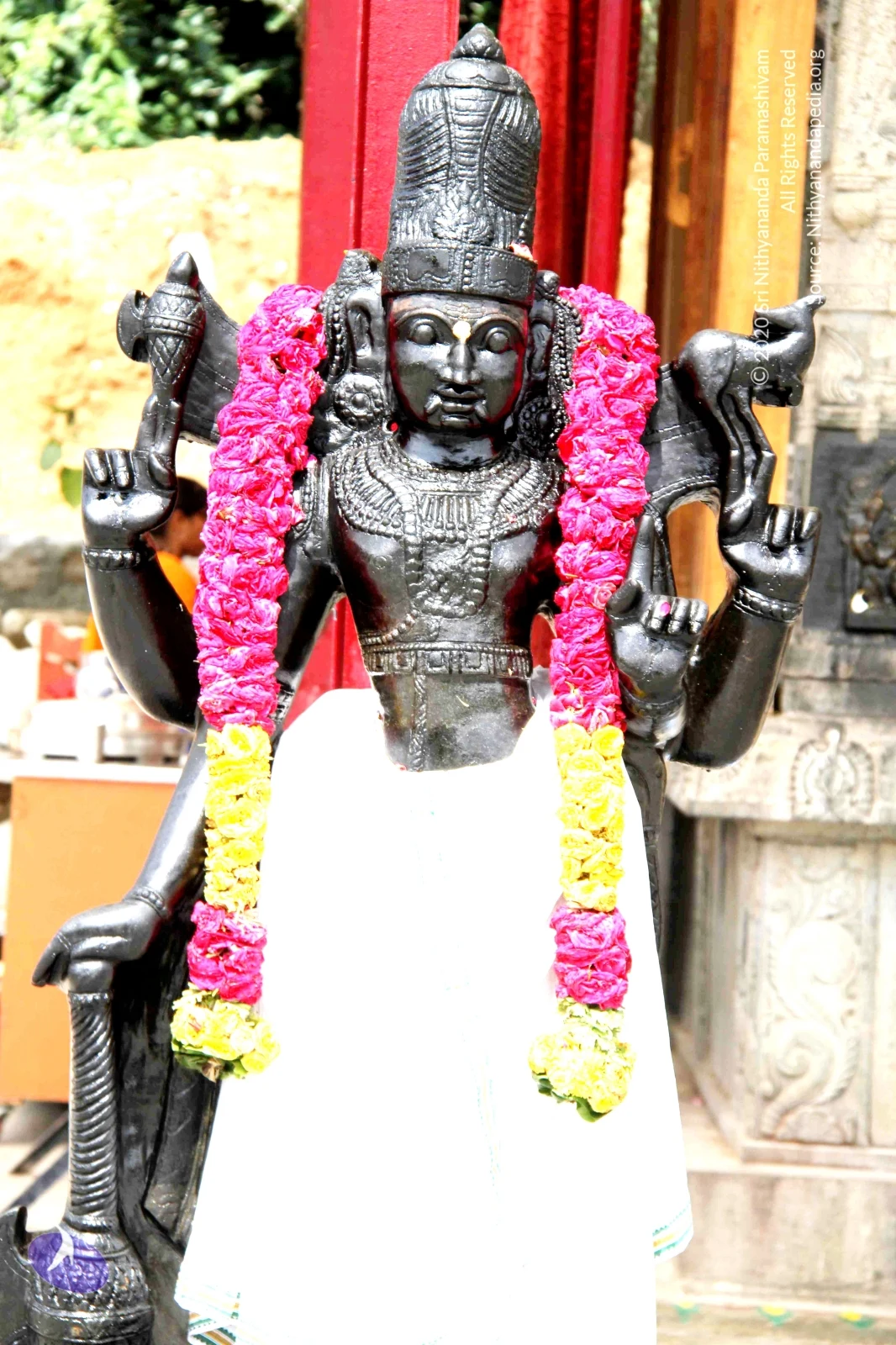
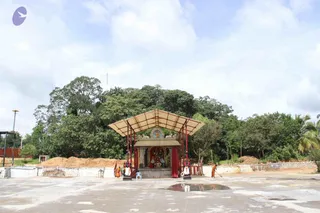
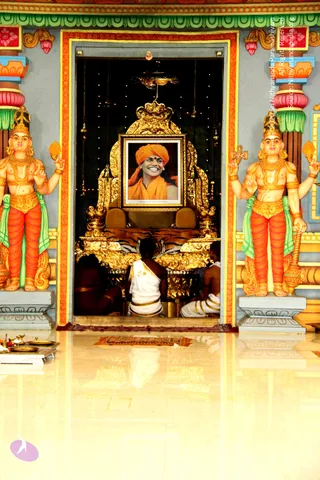
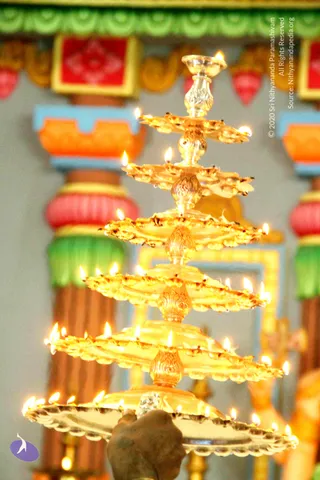
Temple



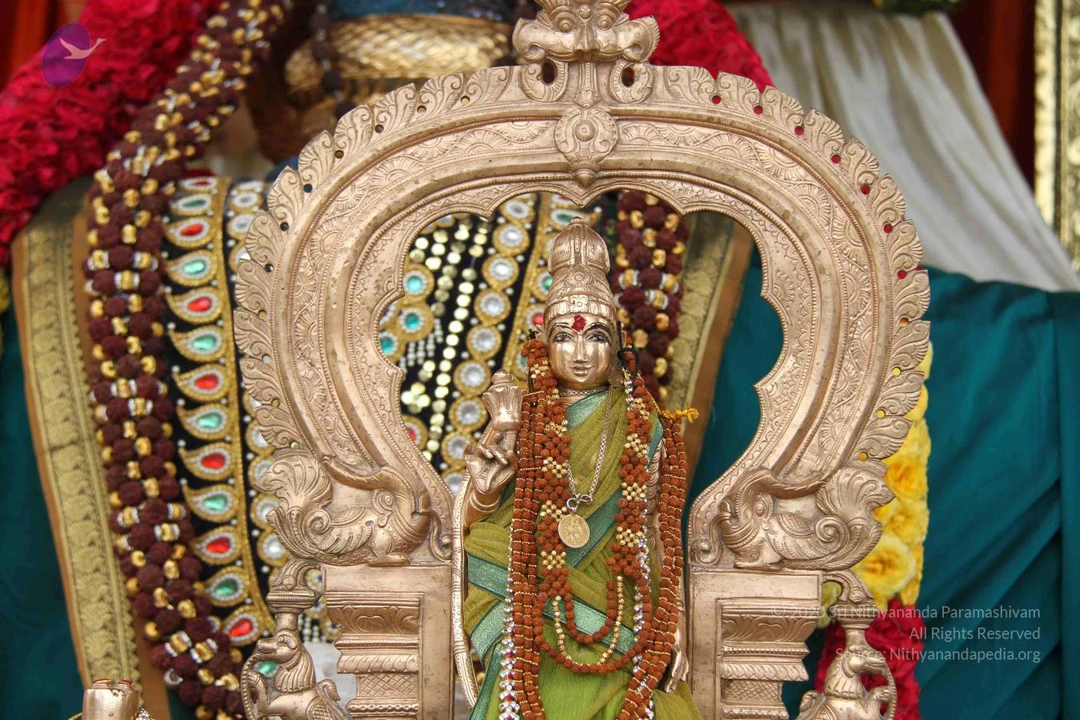
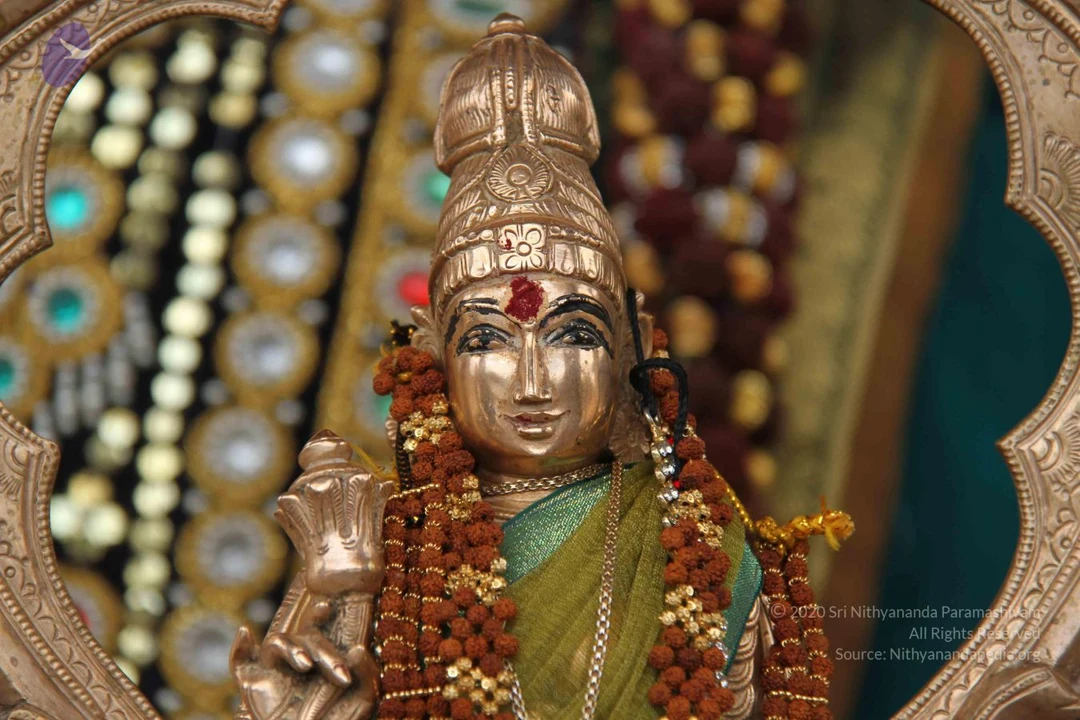
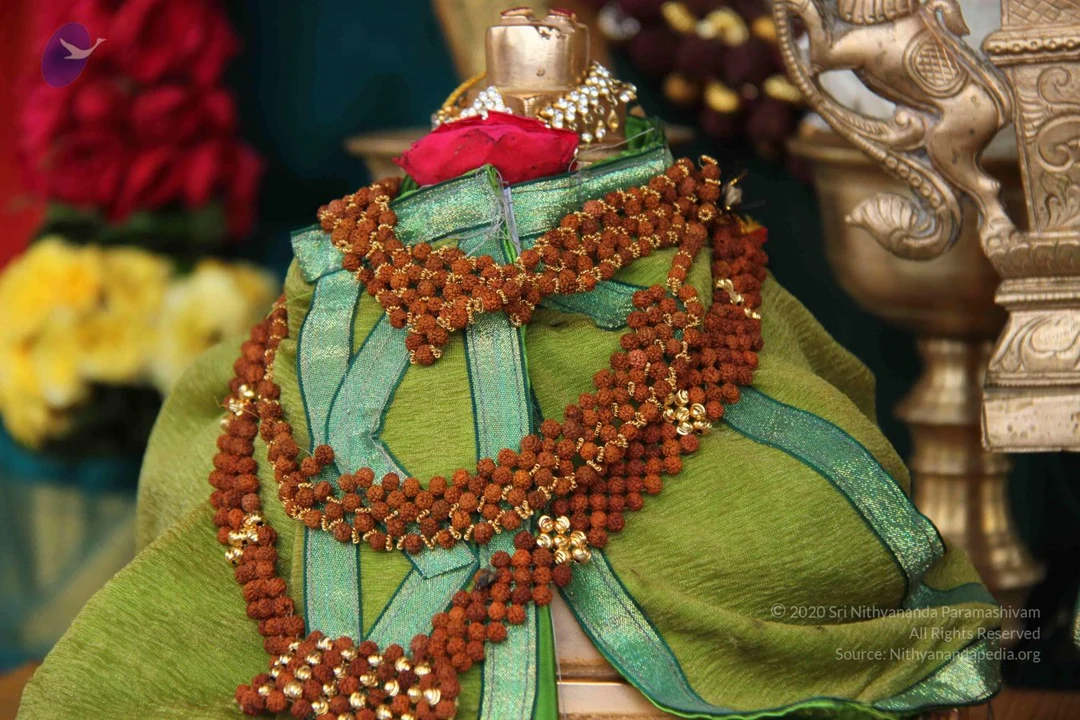
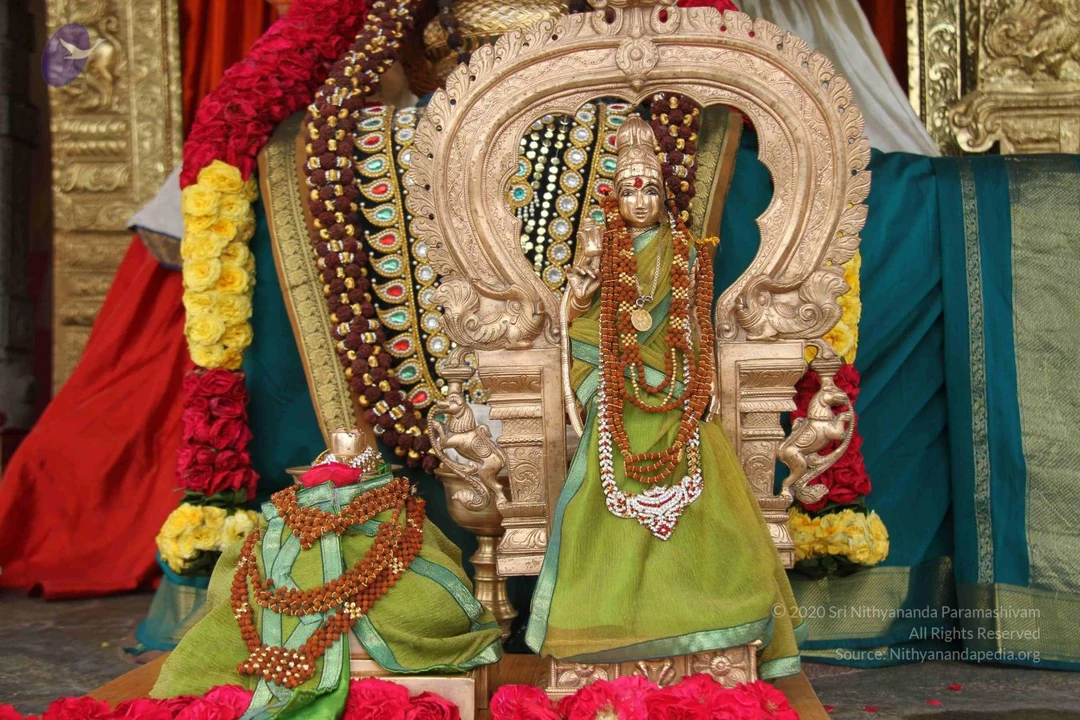
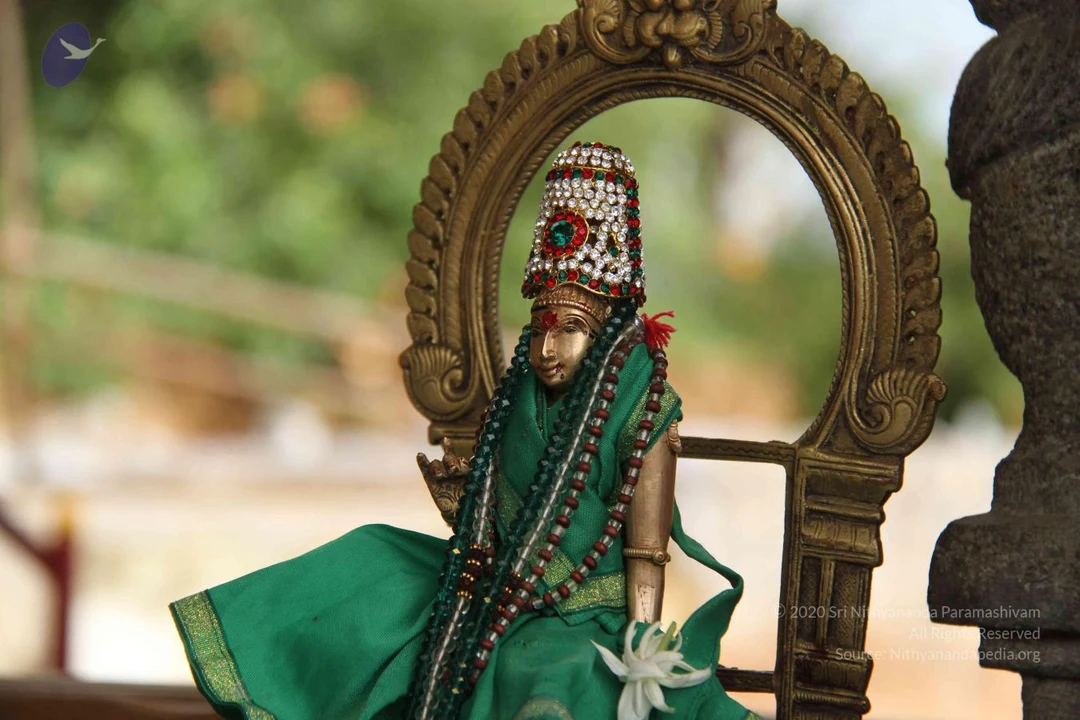
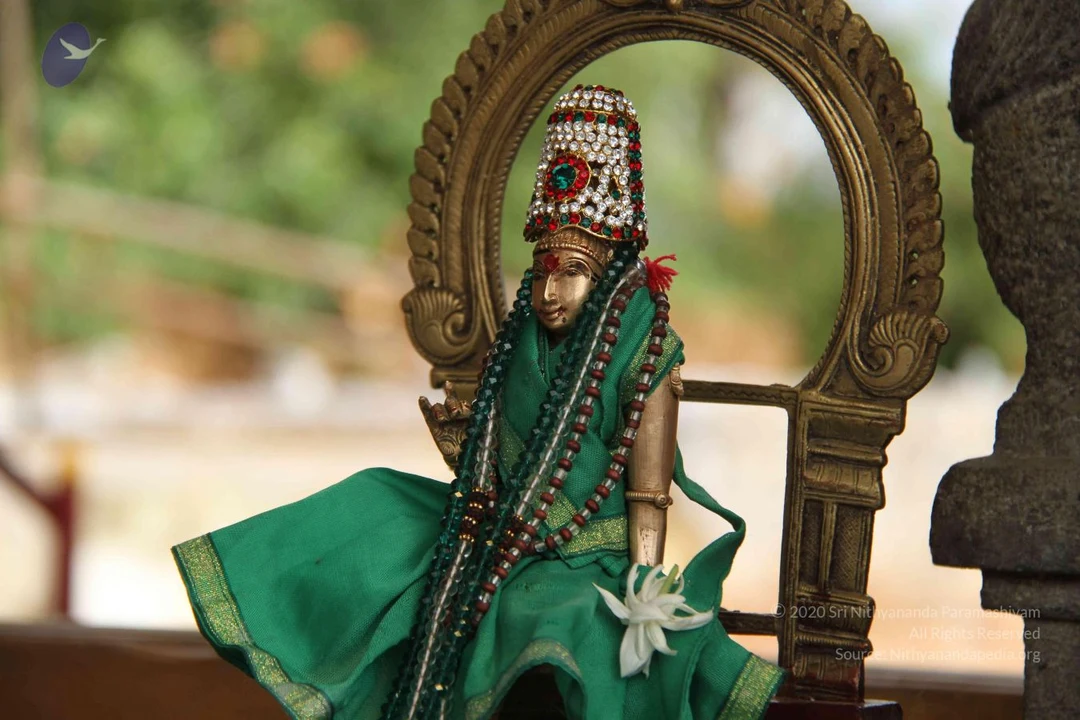
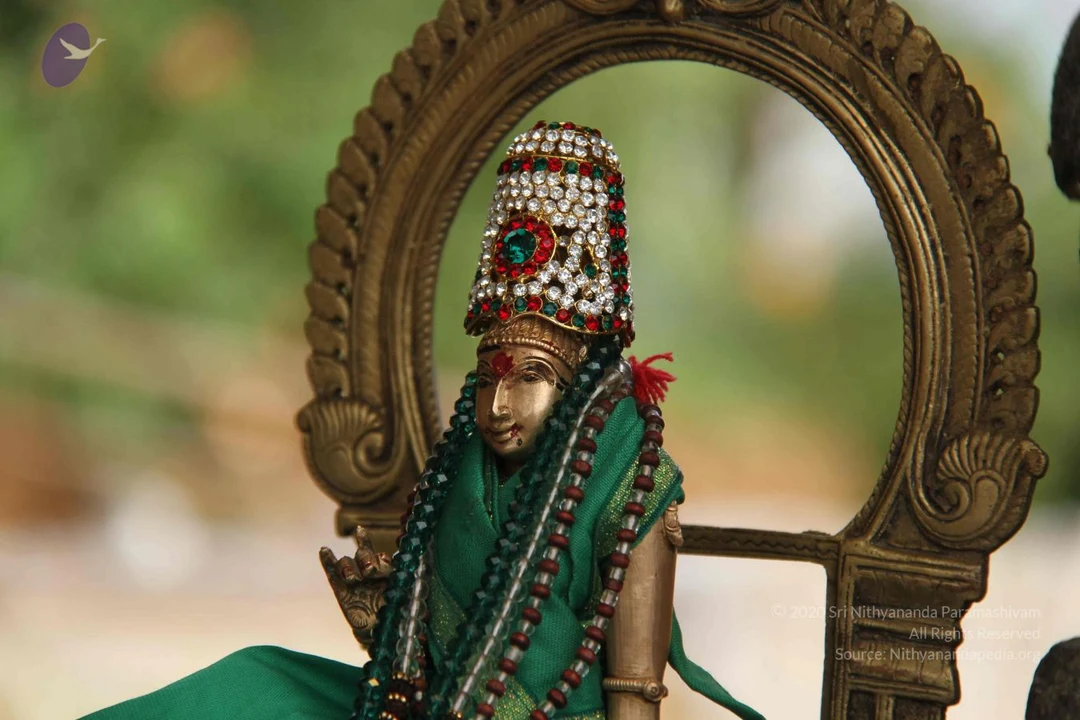
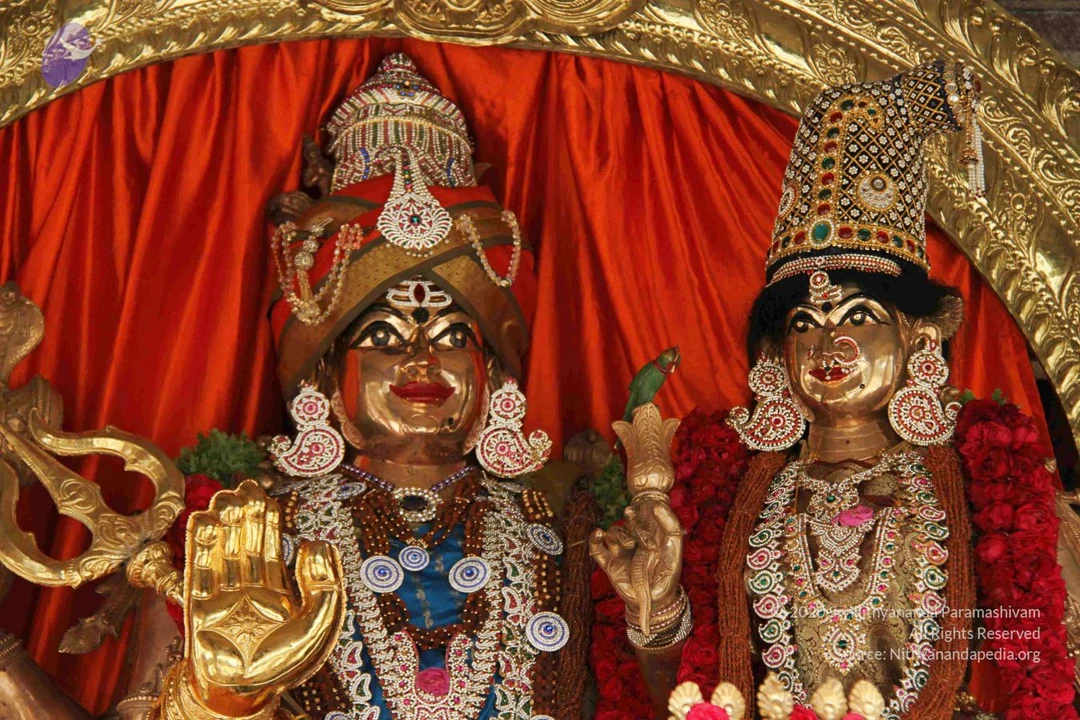
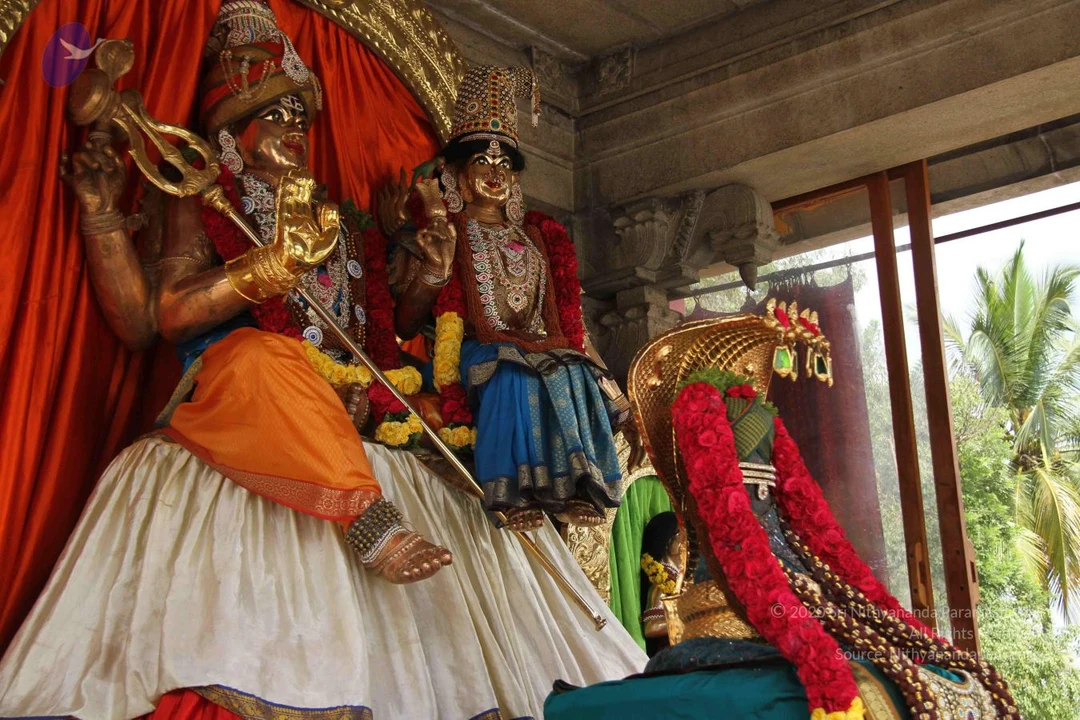
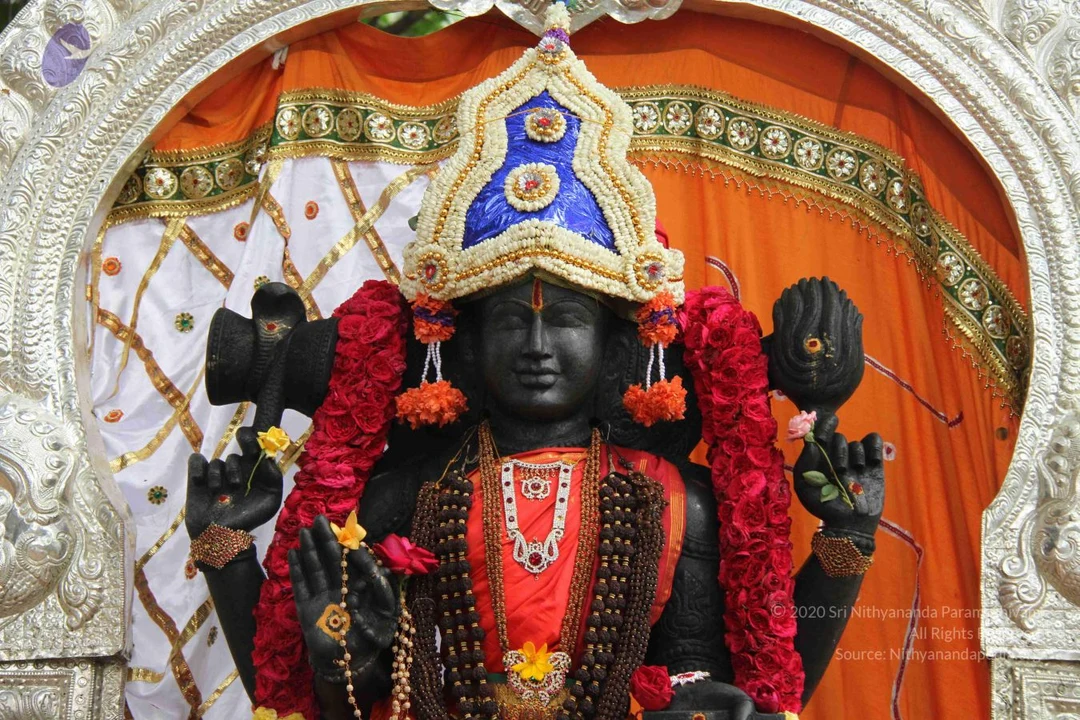
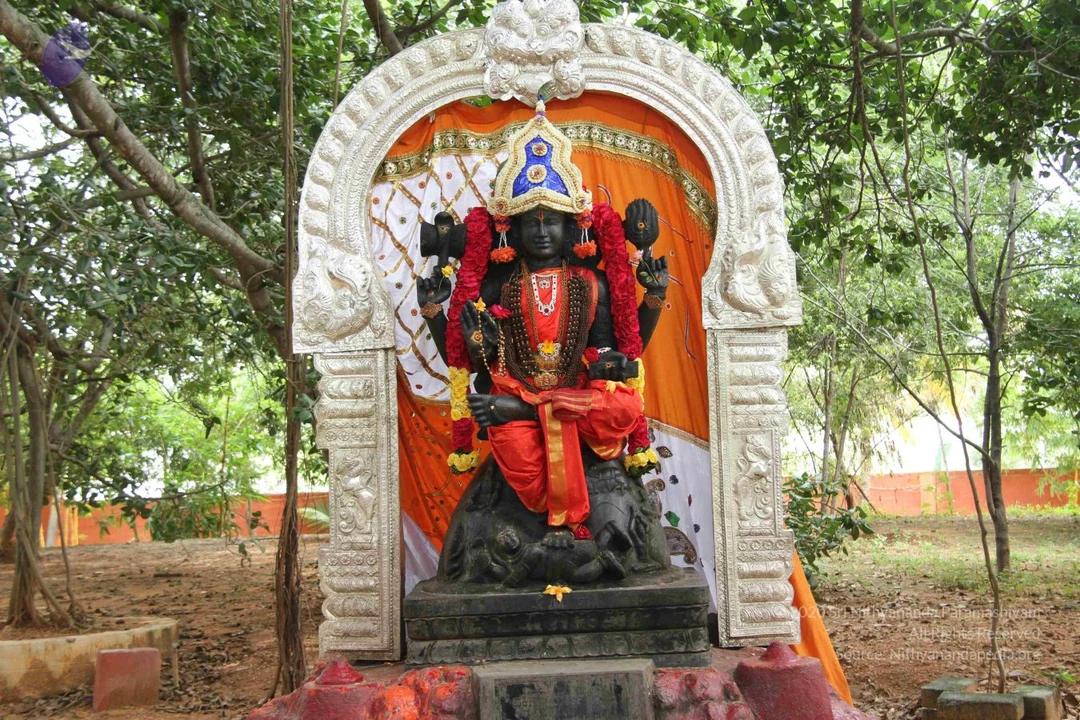
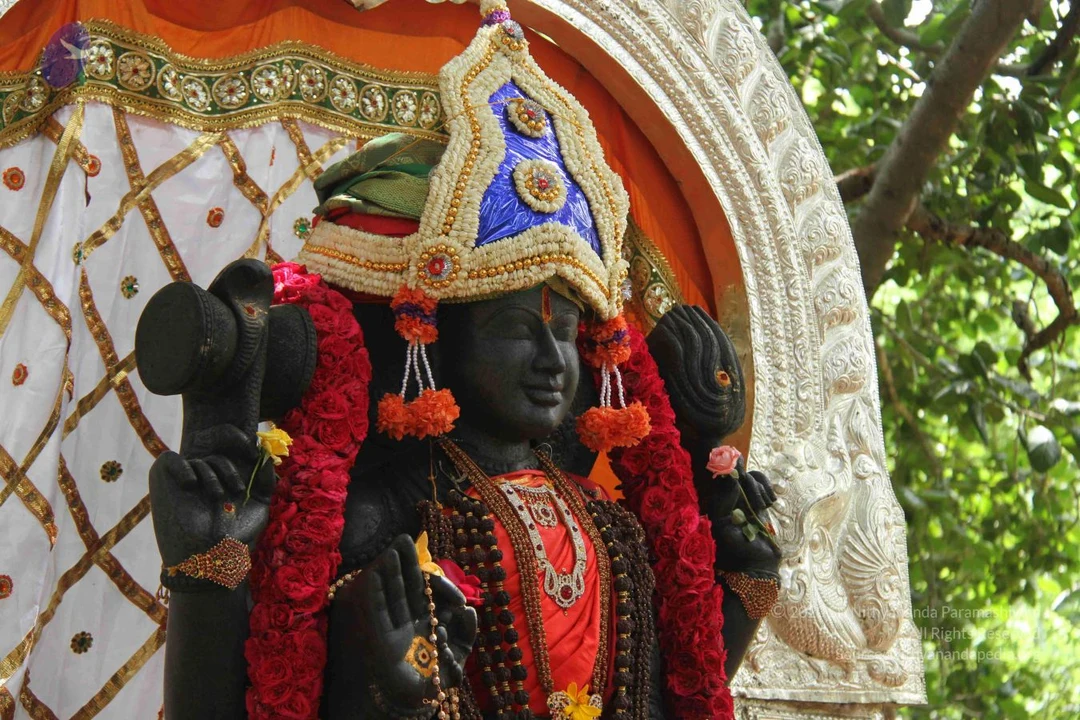
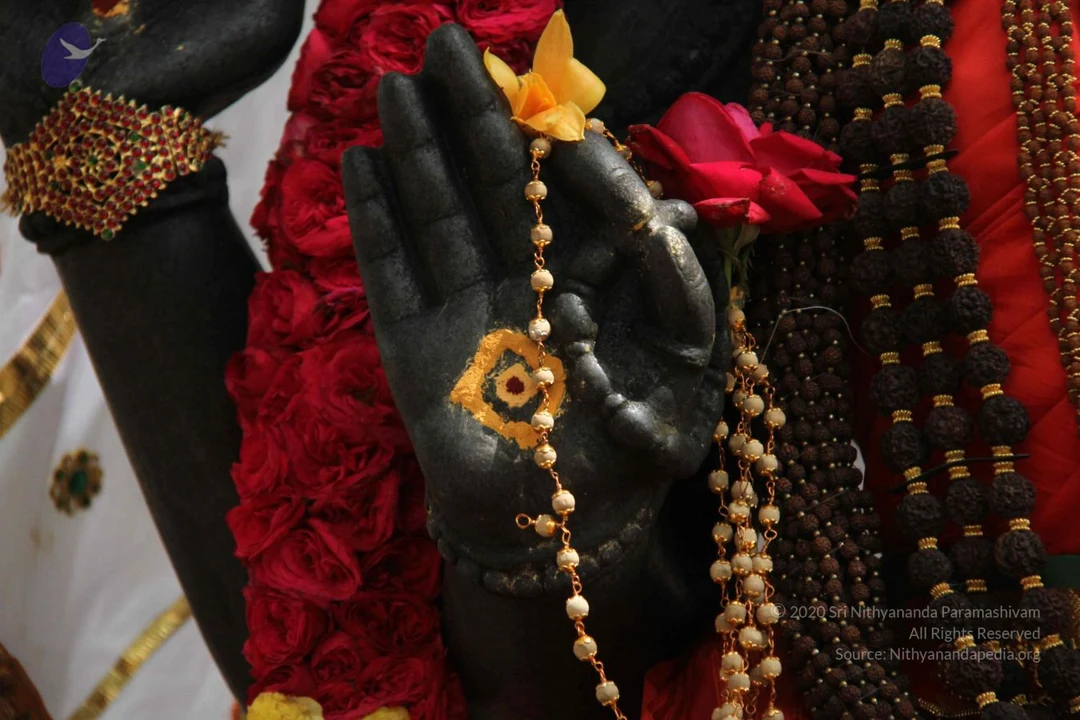
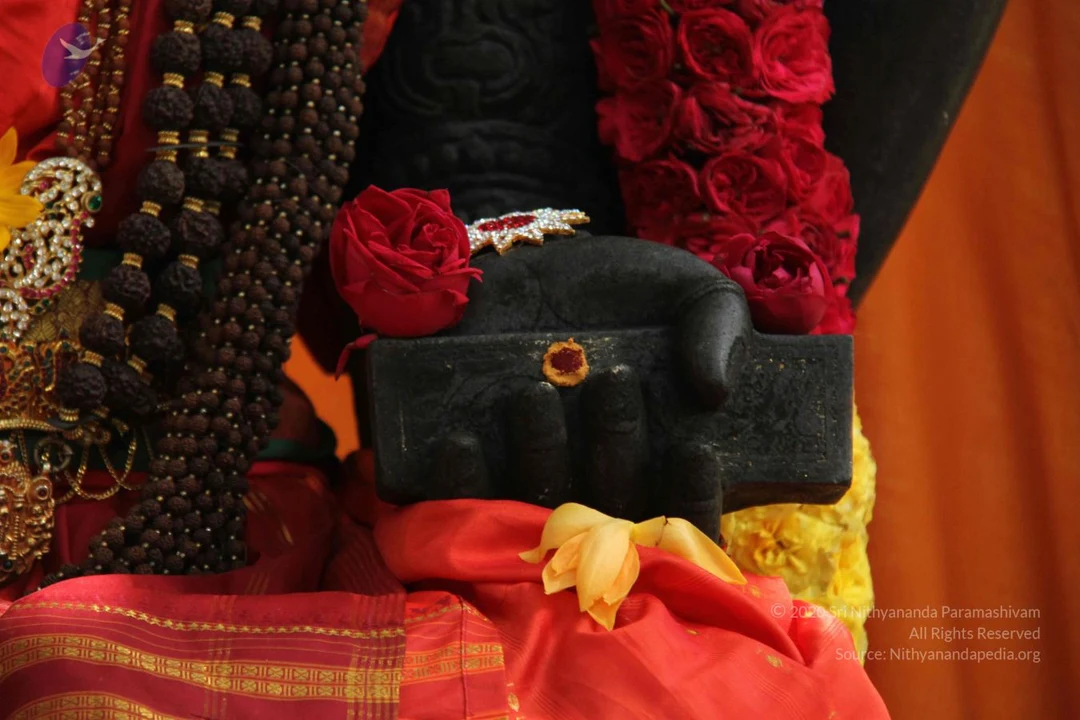
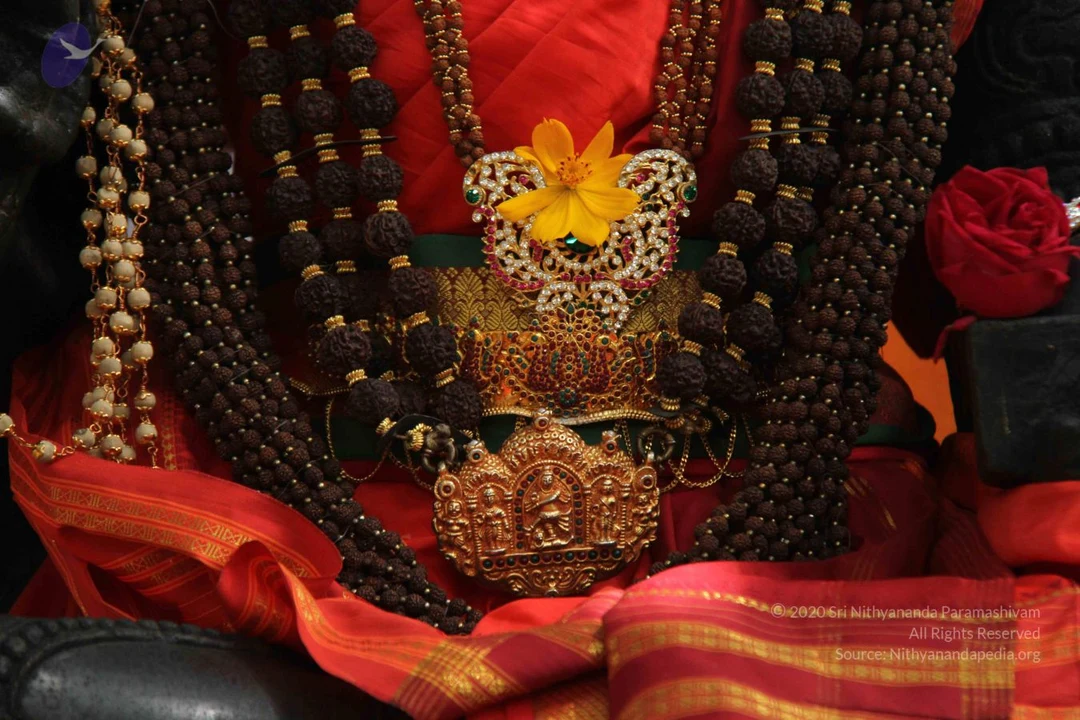
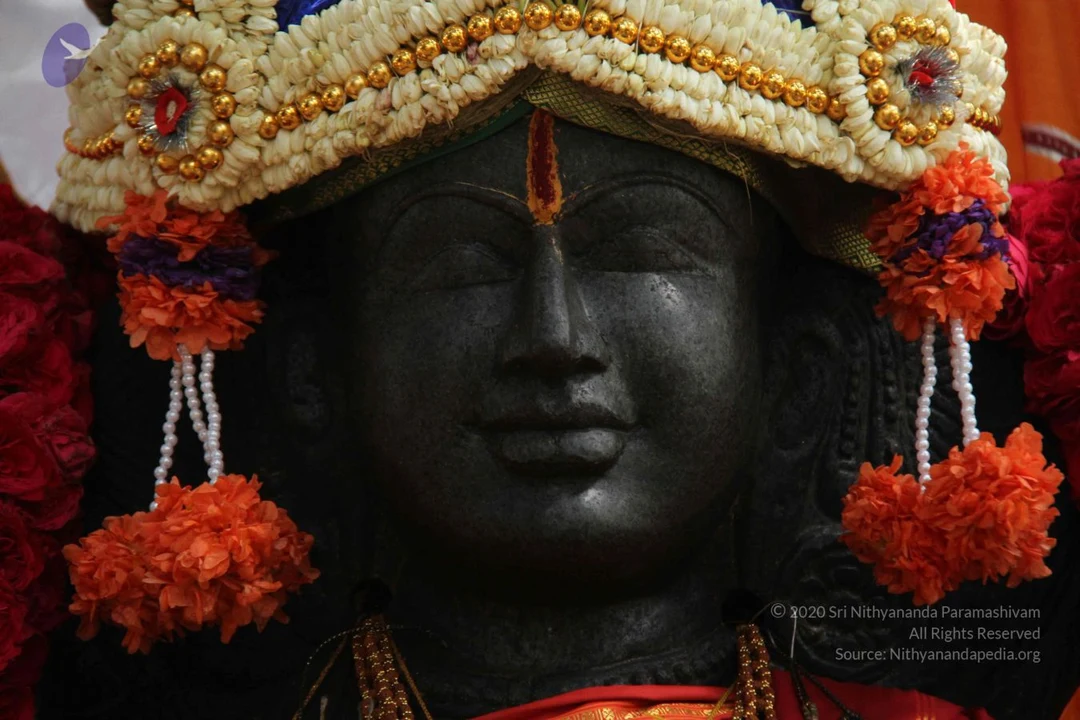
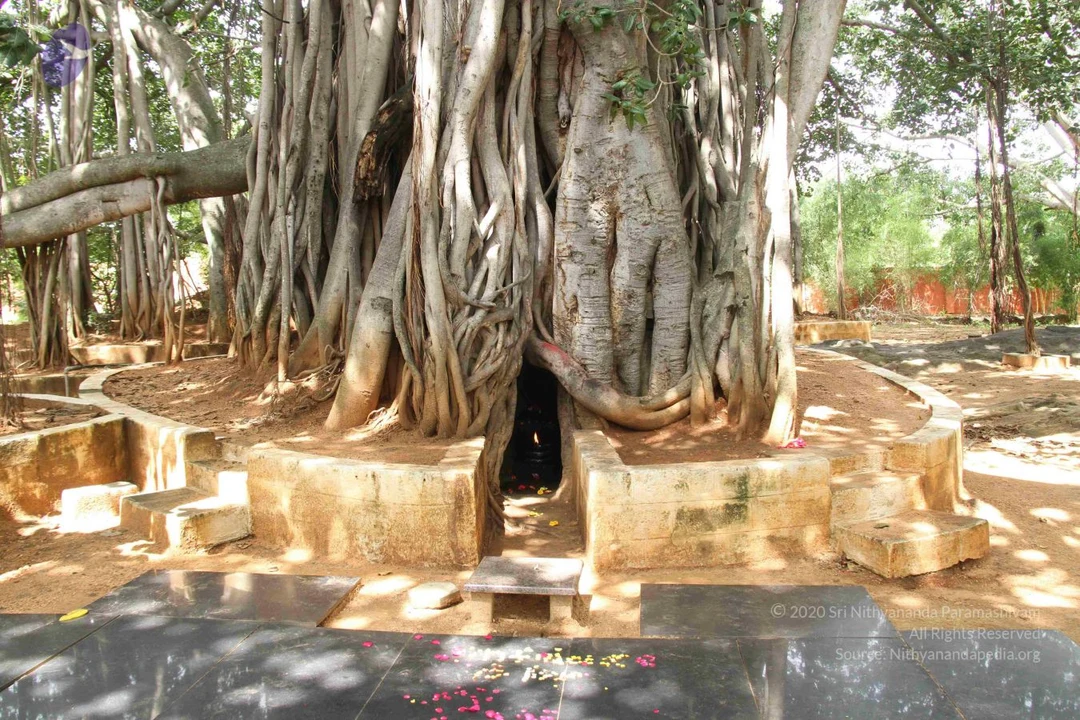
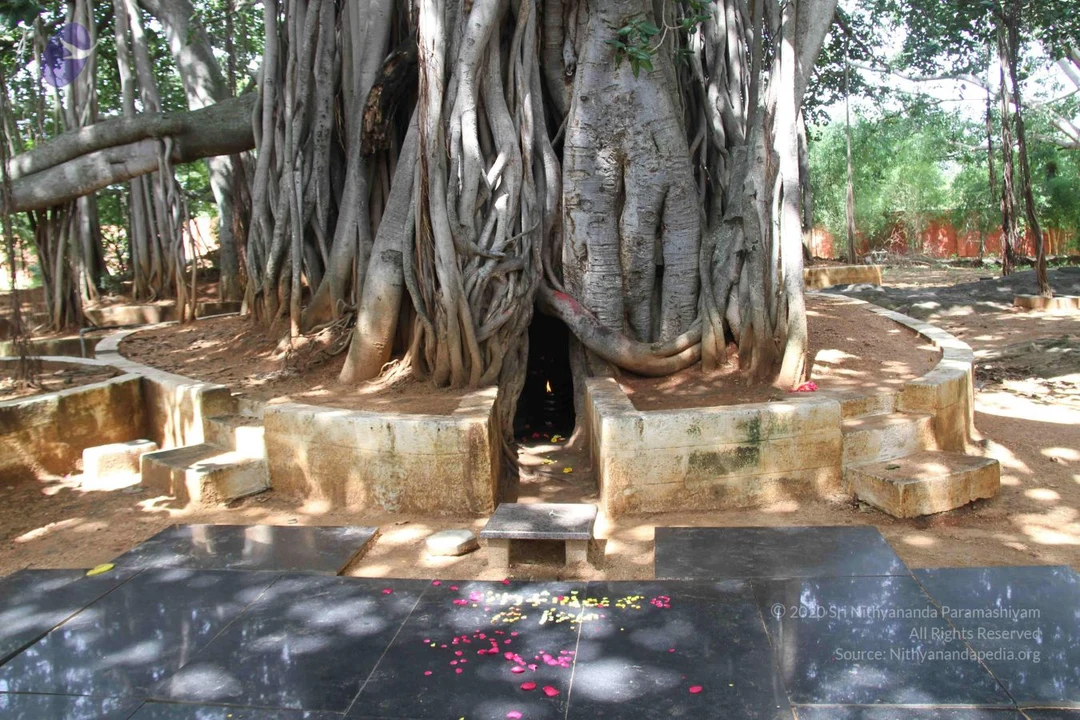
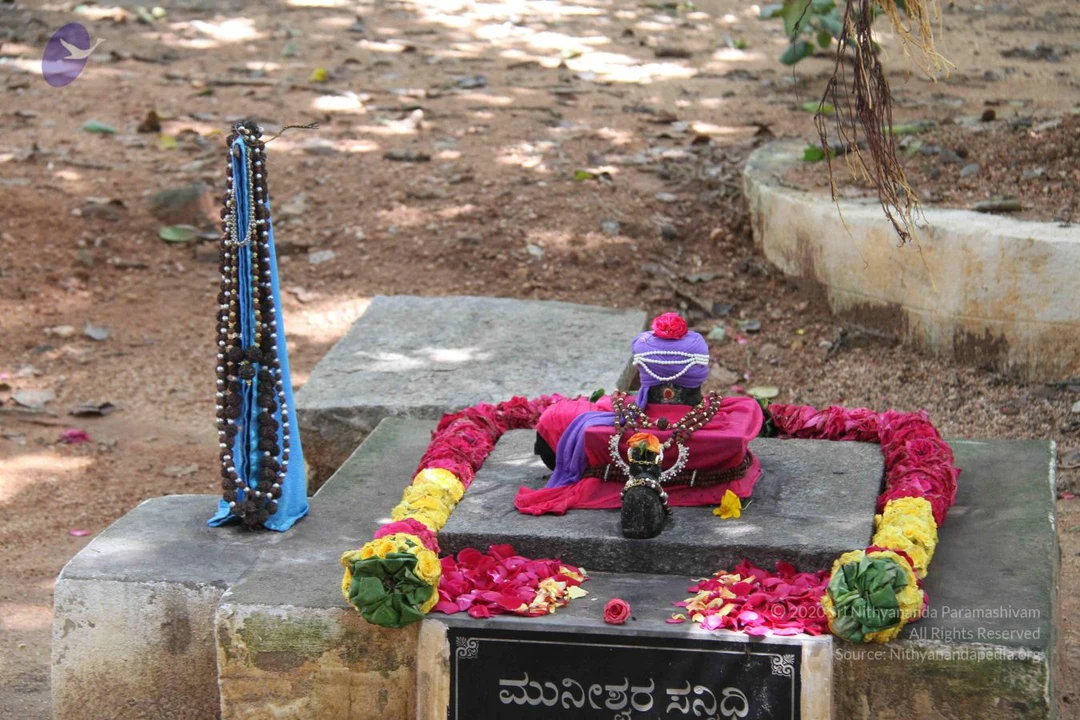
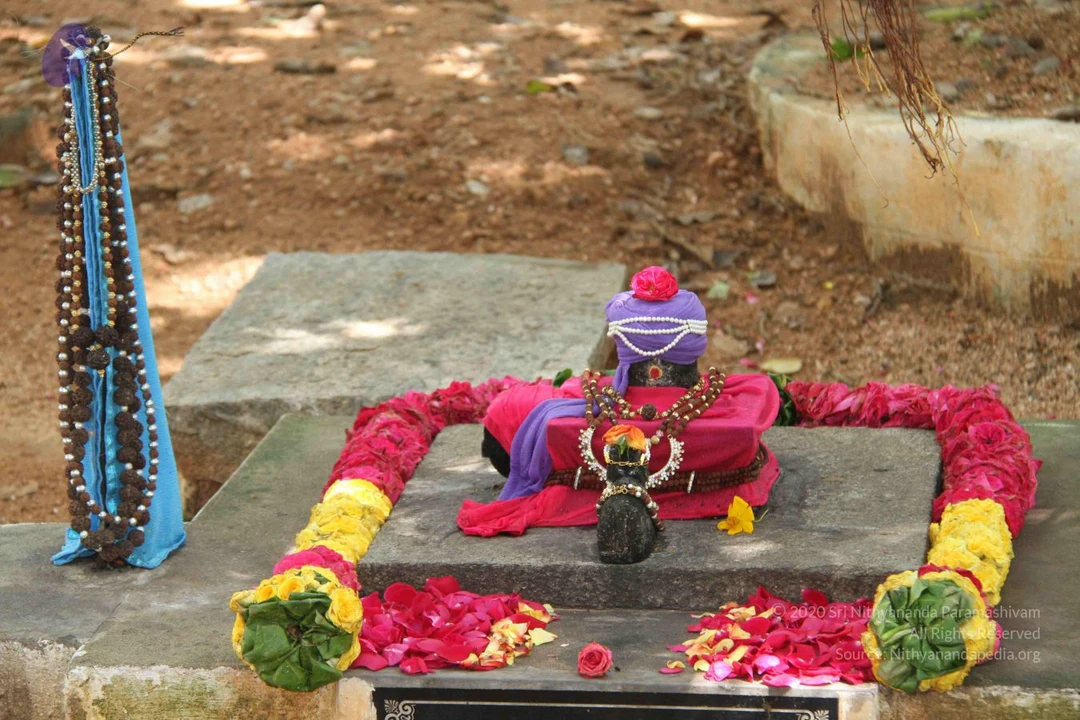
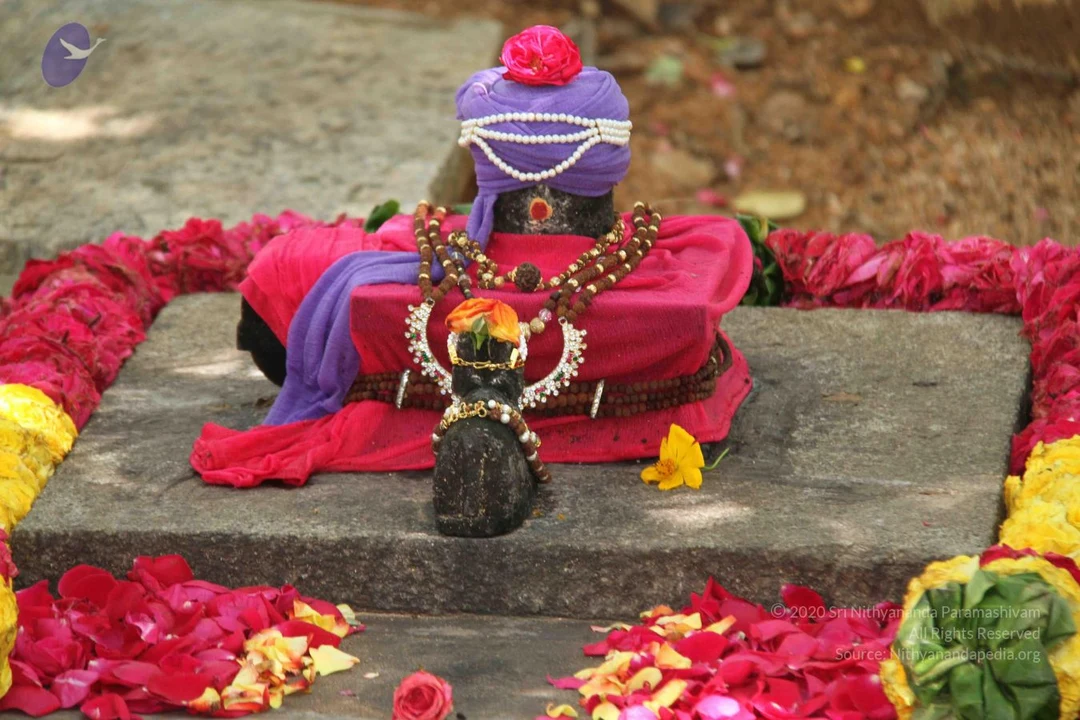

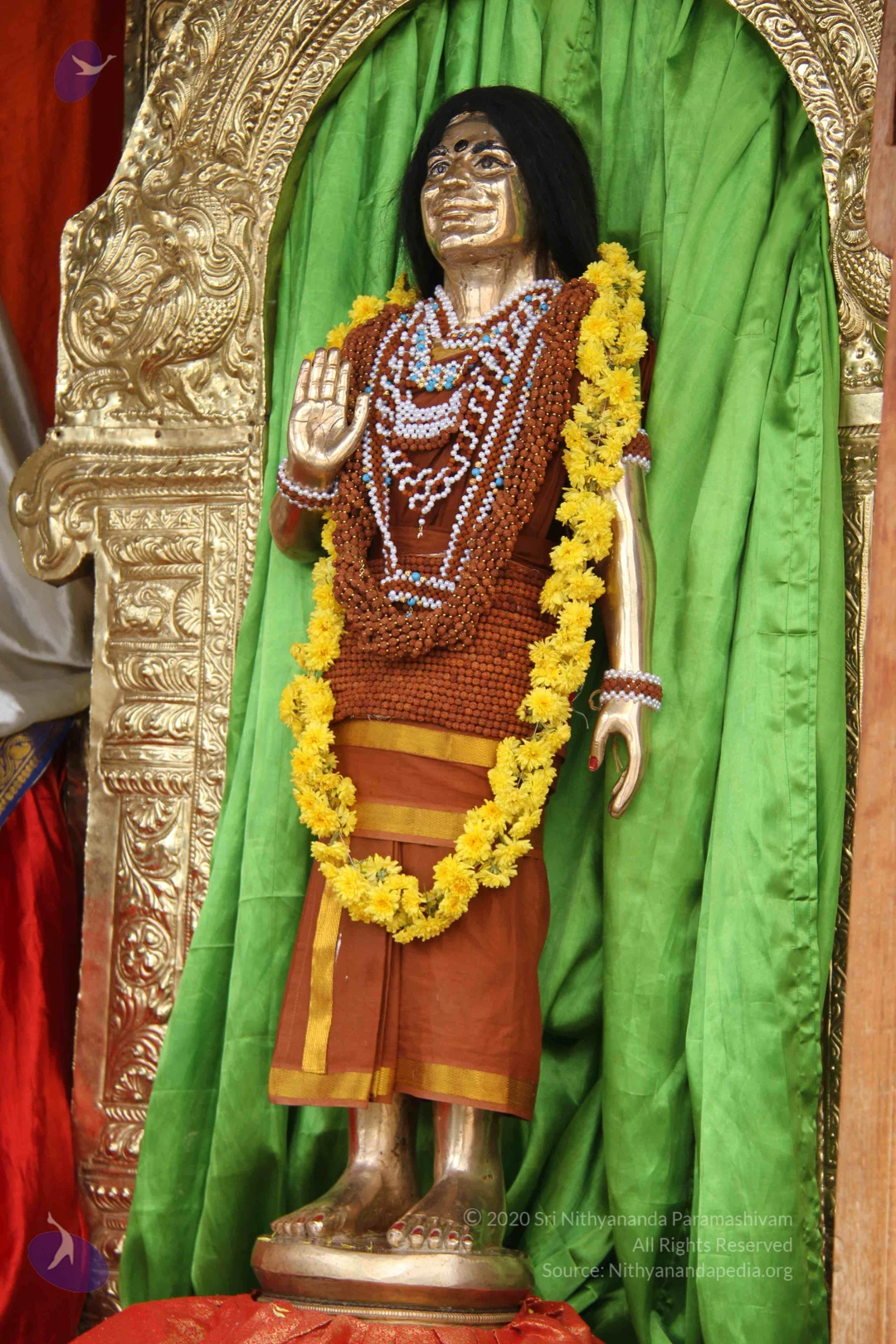
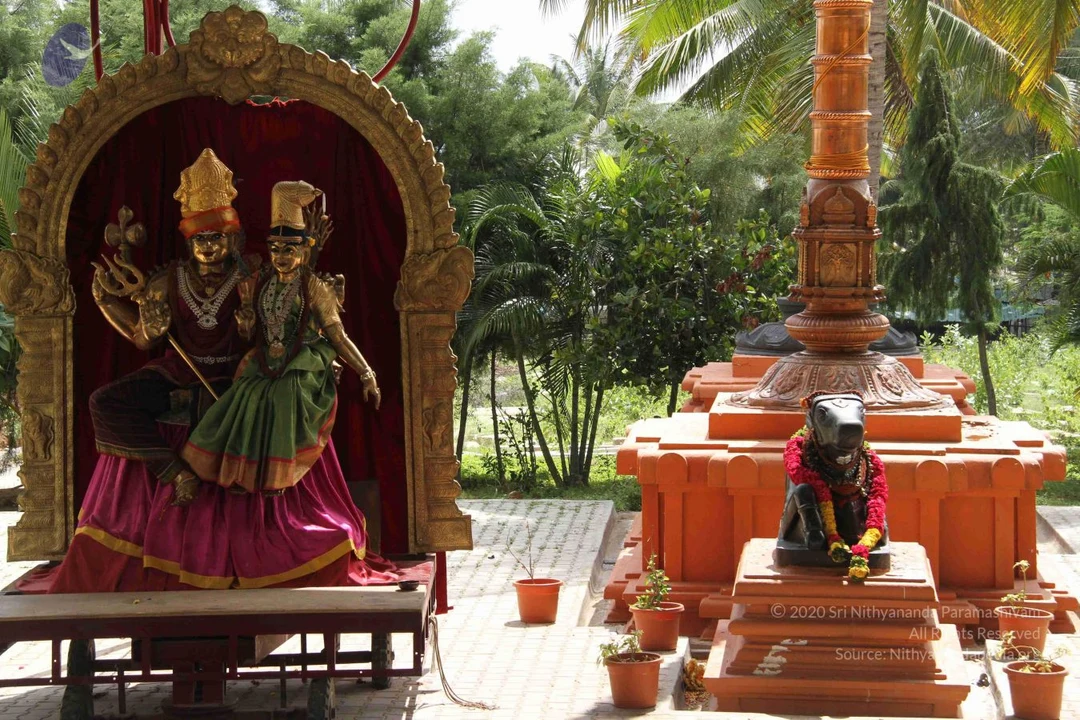
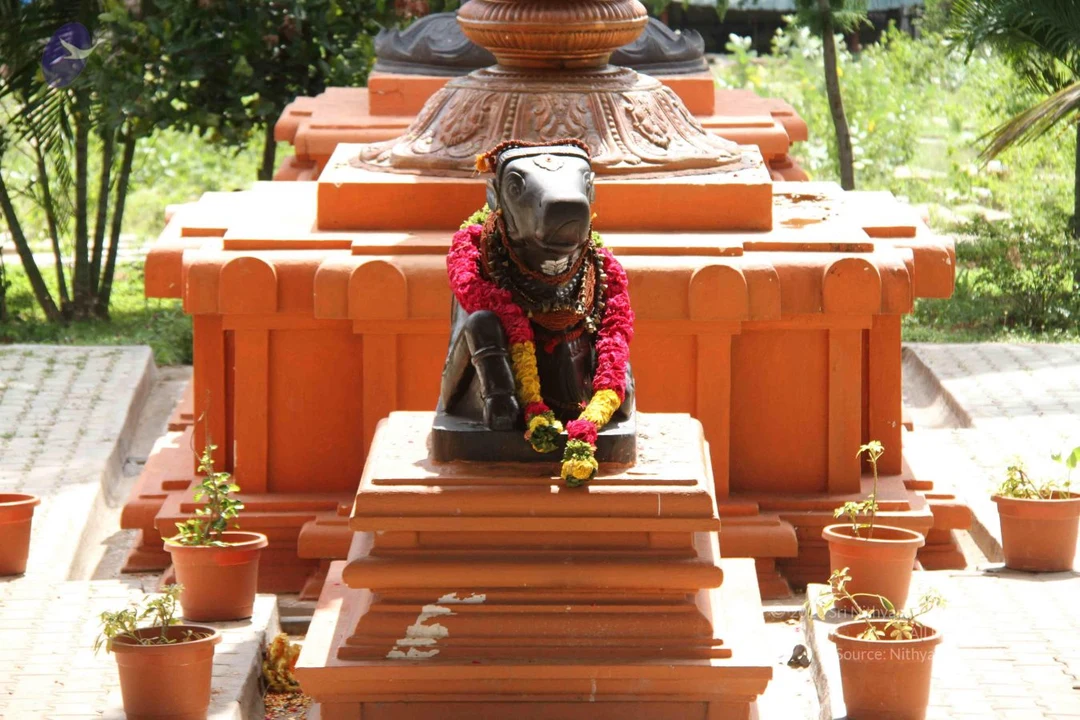
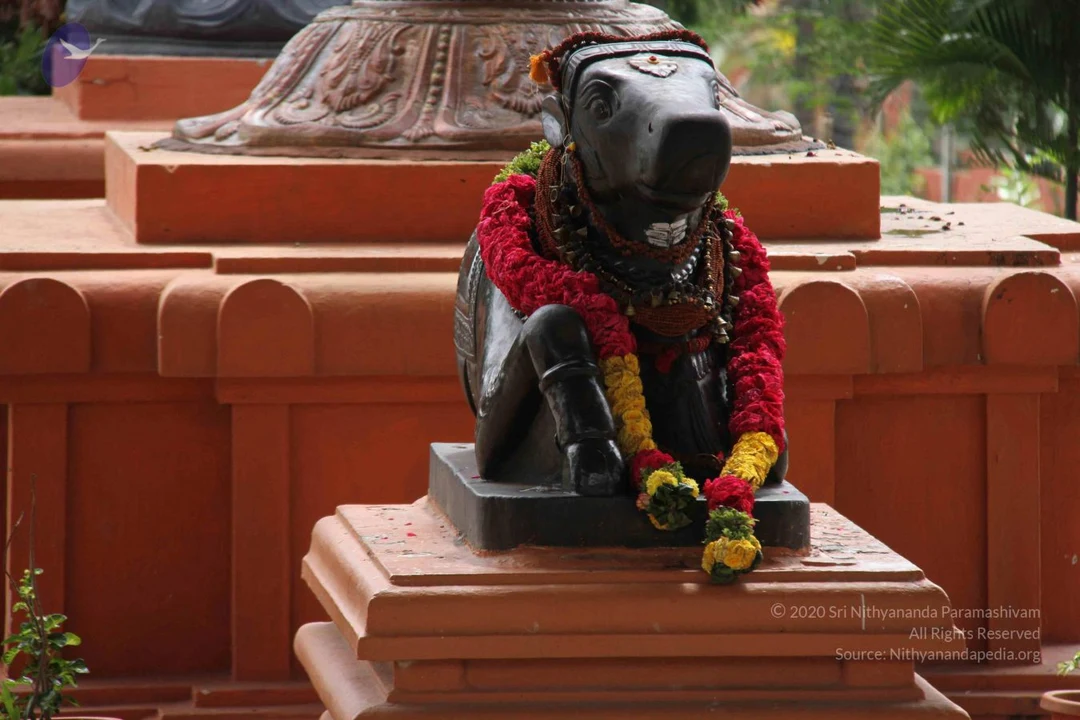
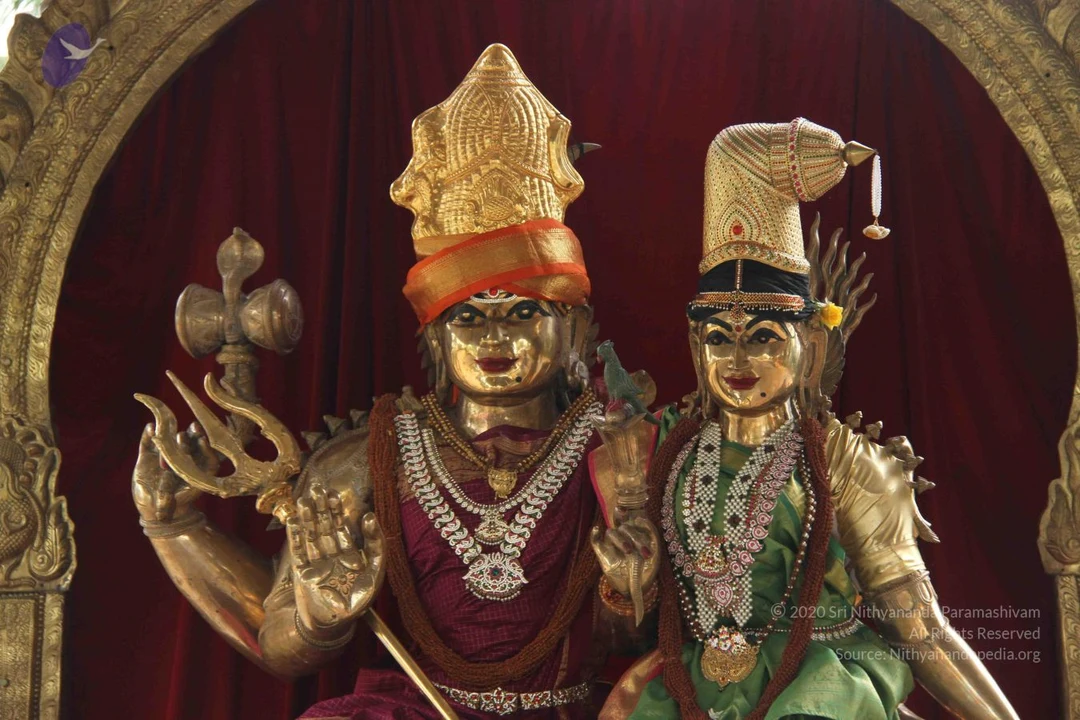
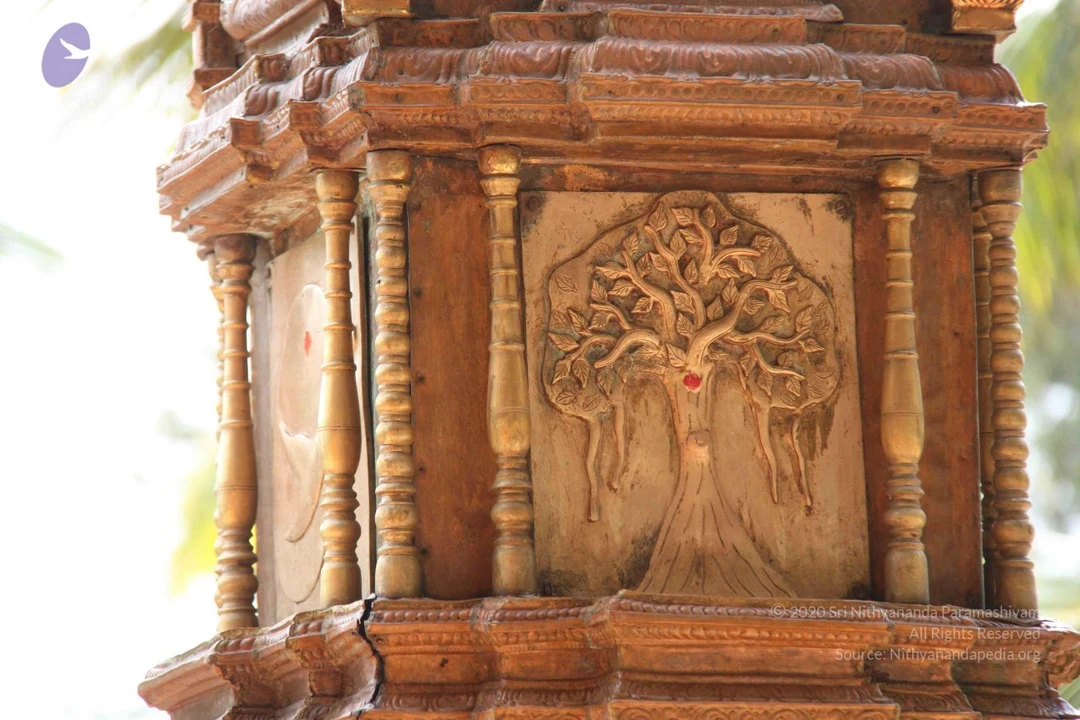

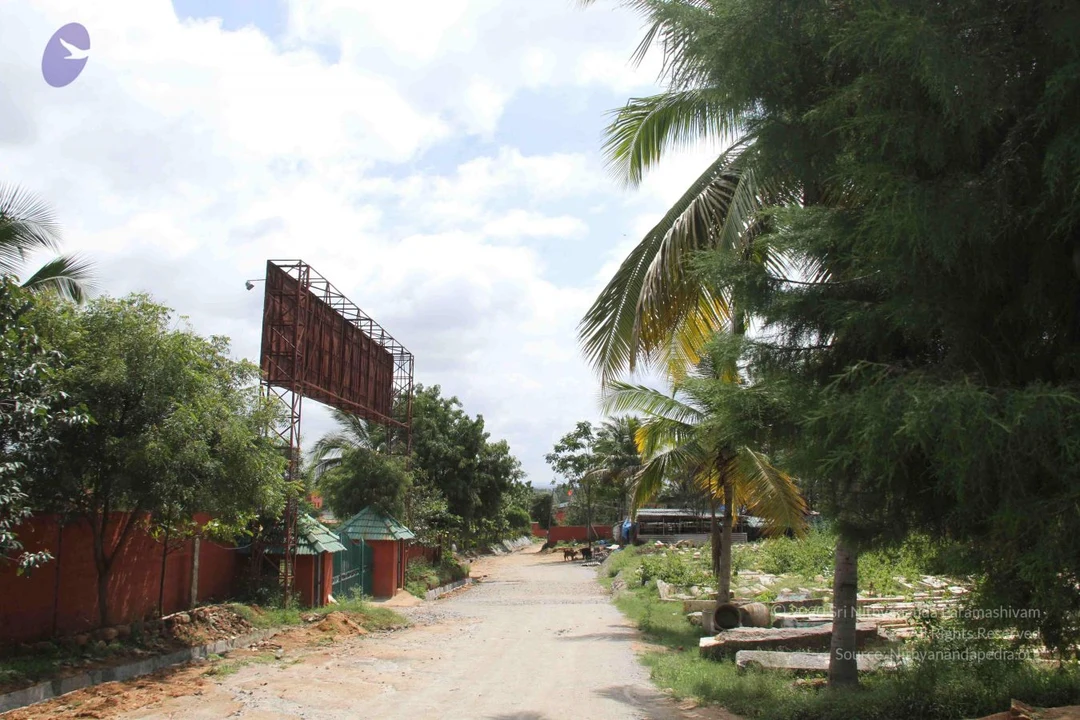
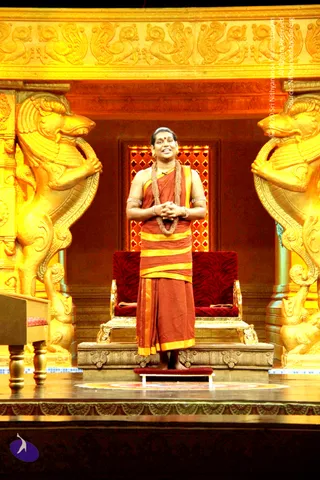
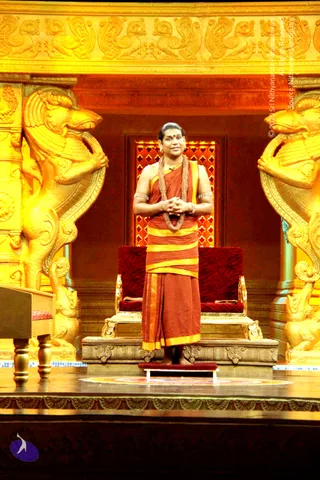
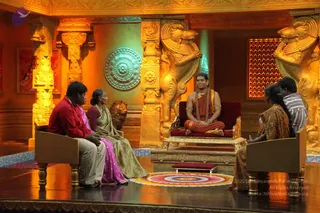
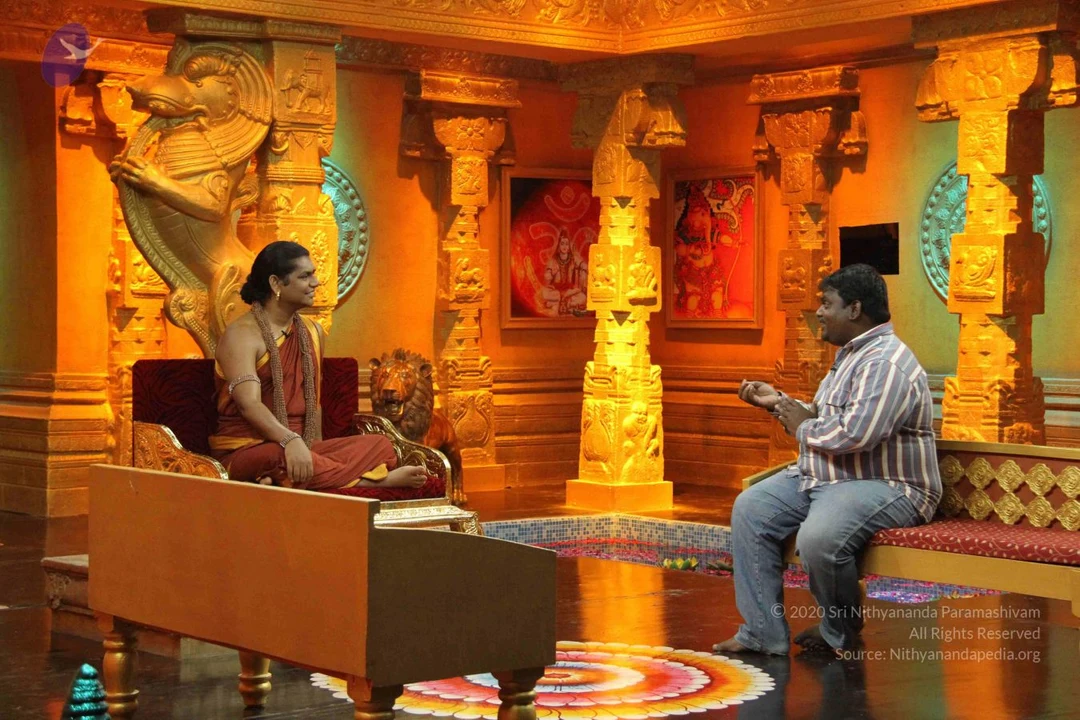
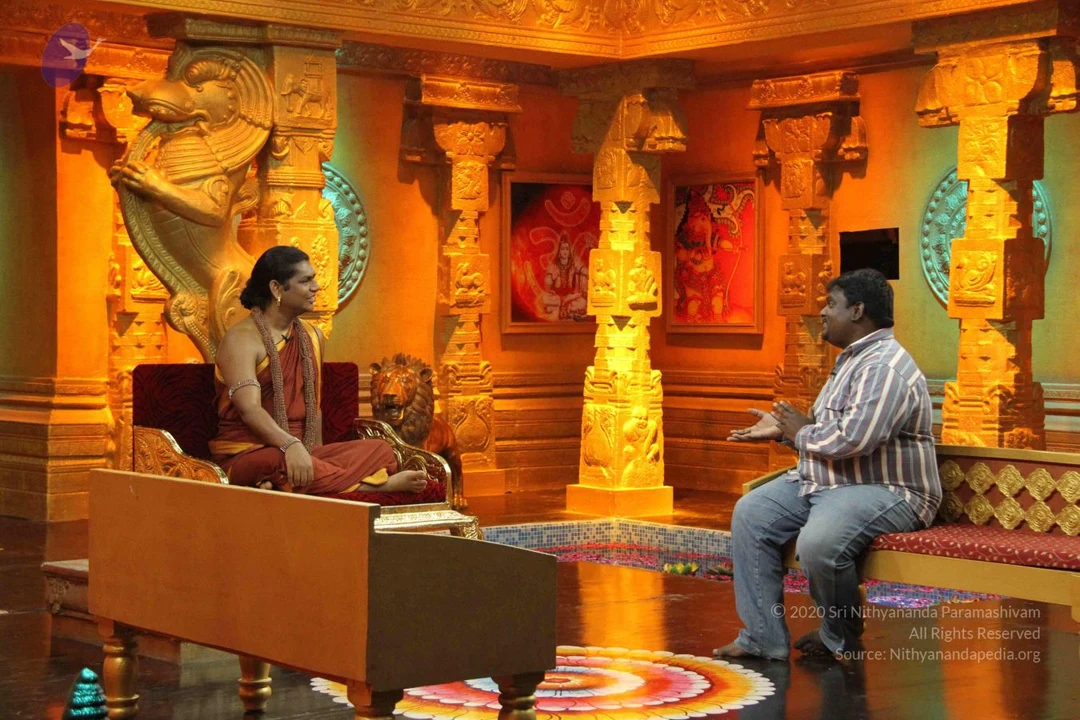
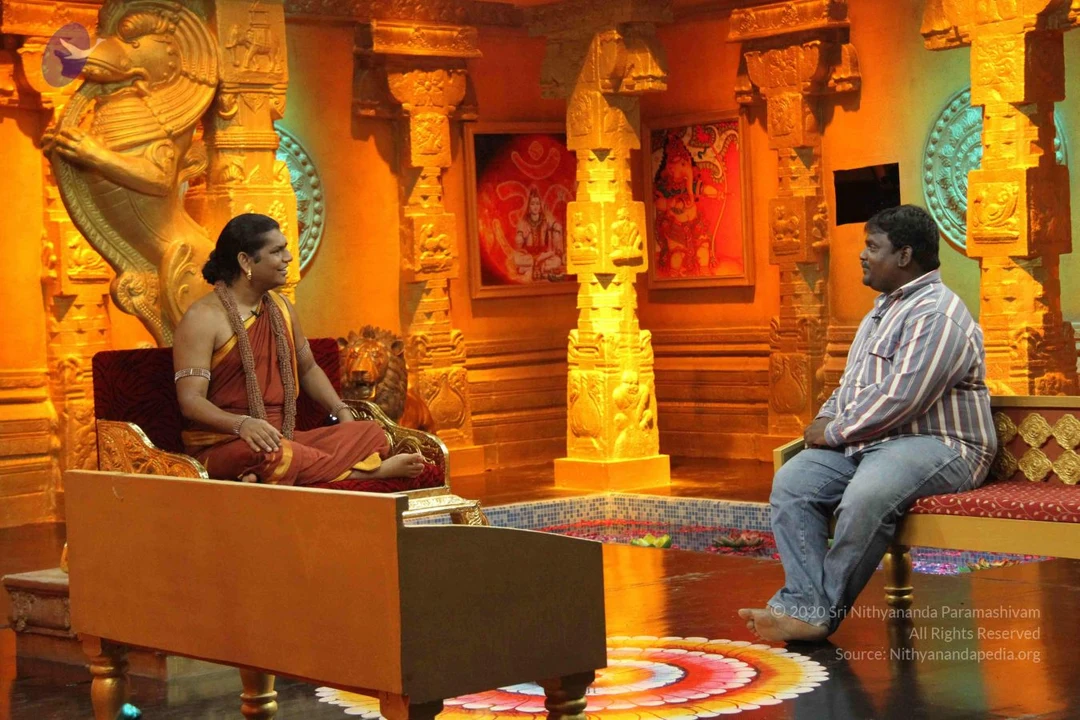
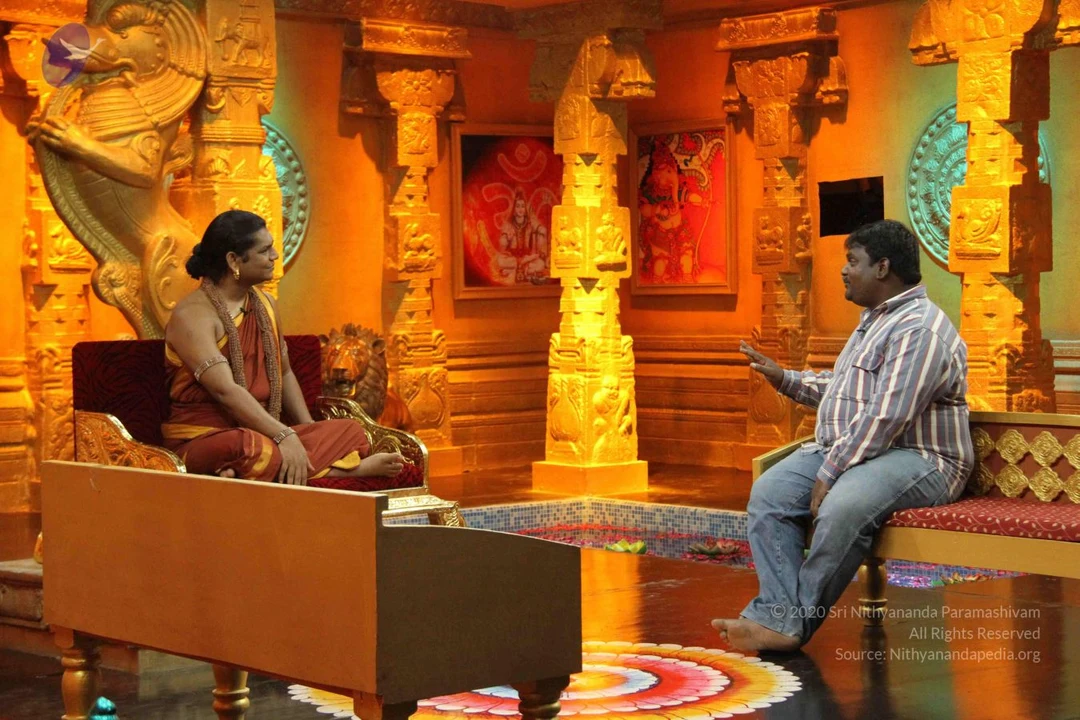
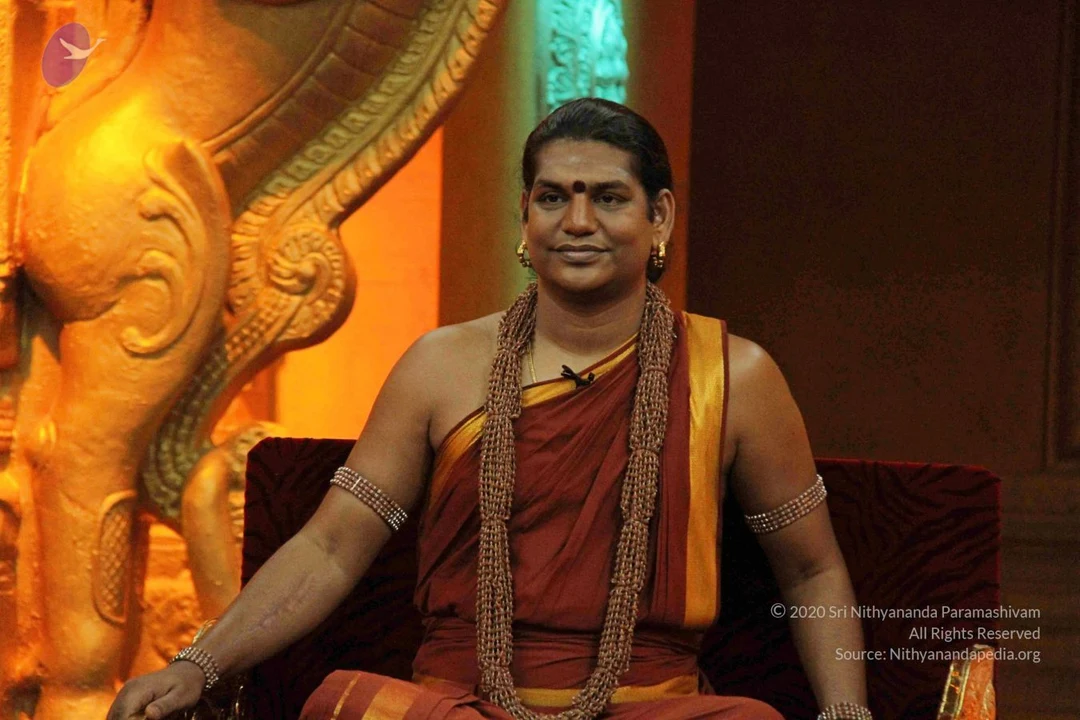
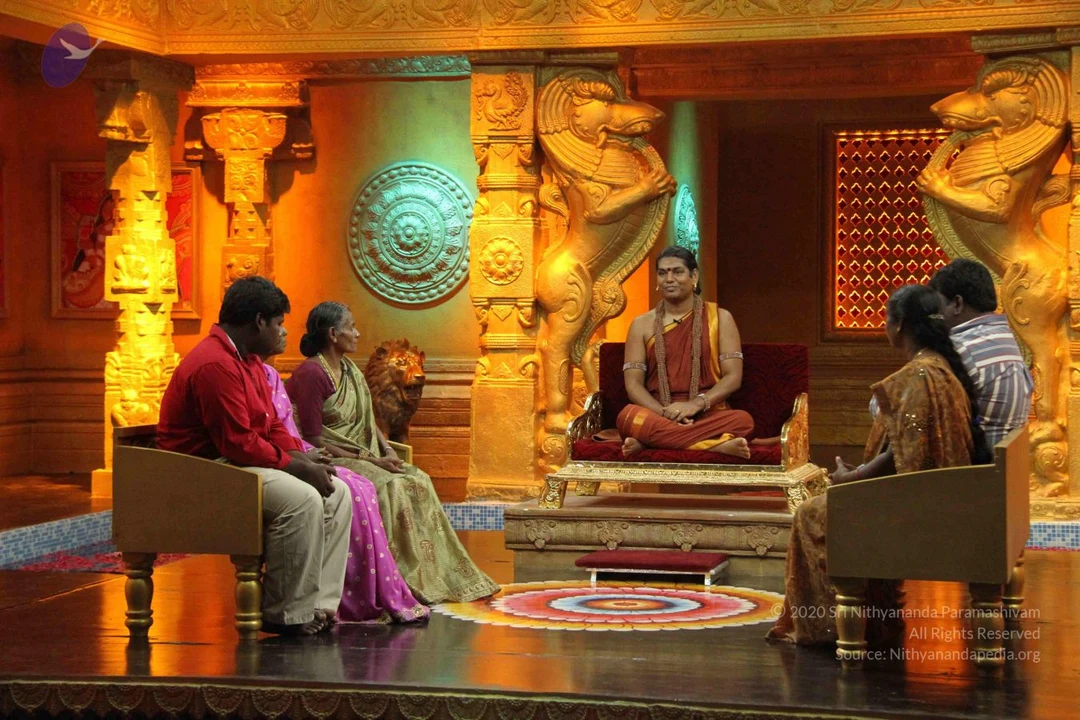
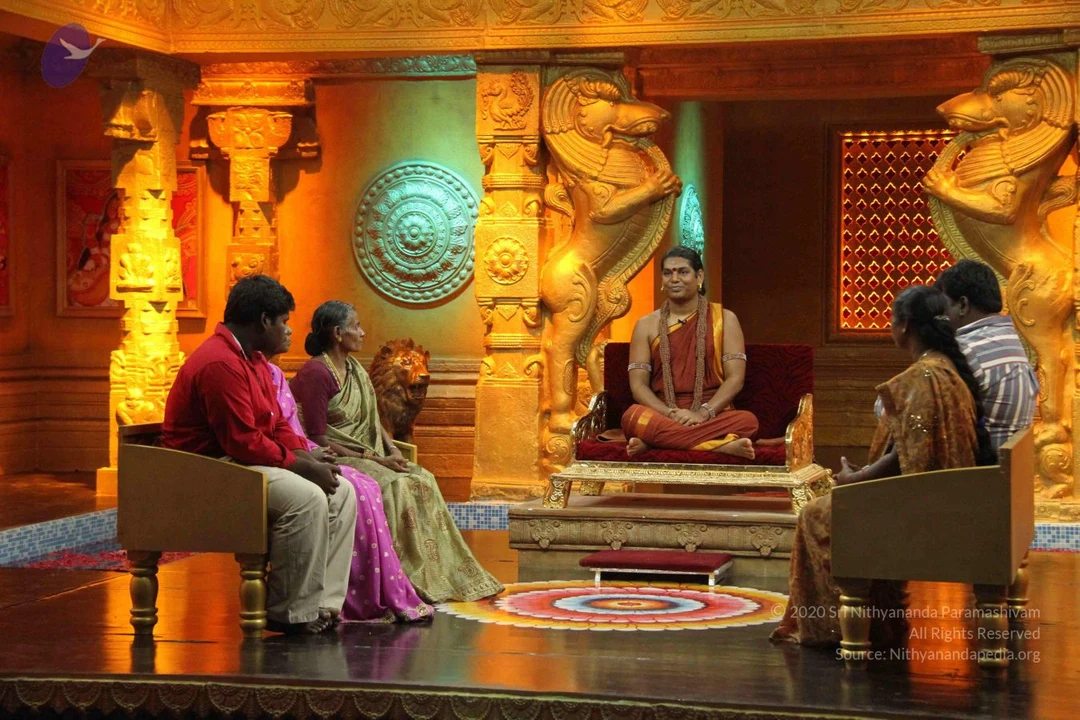
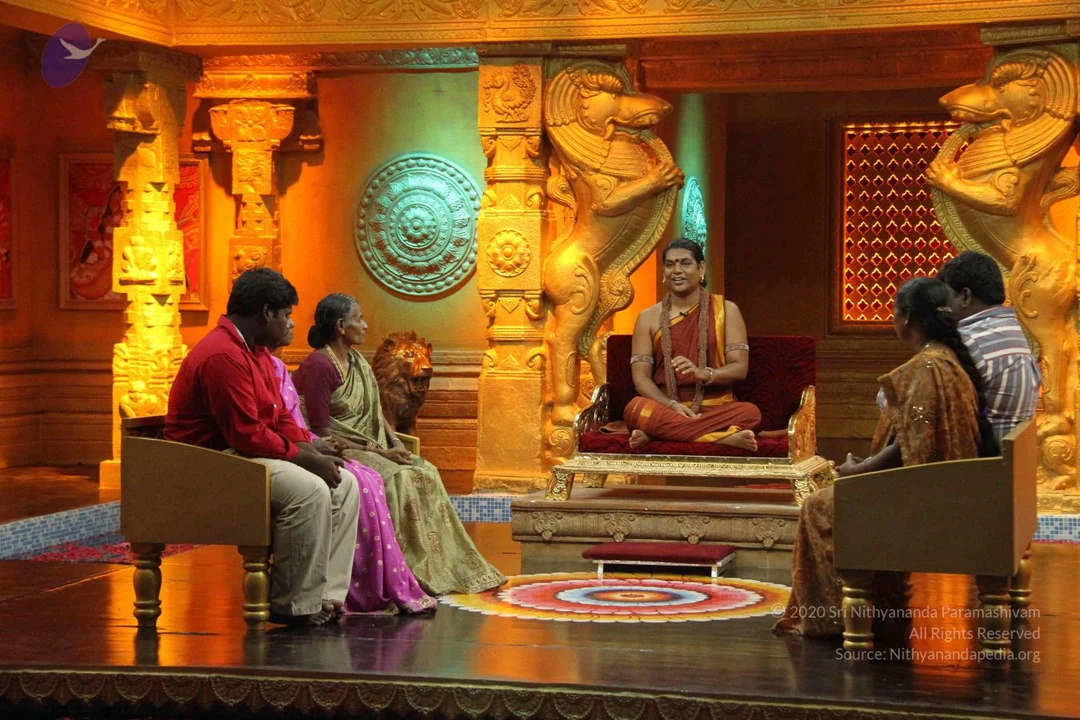
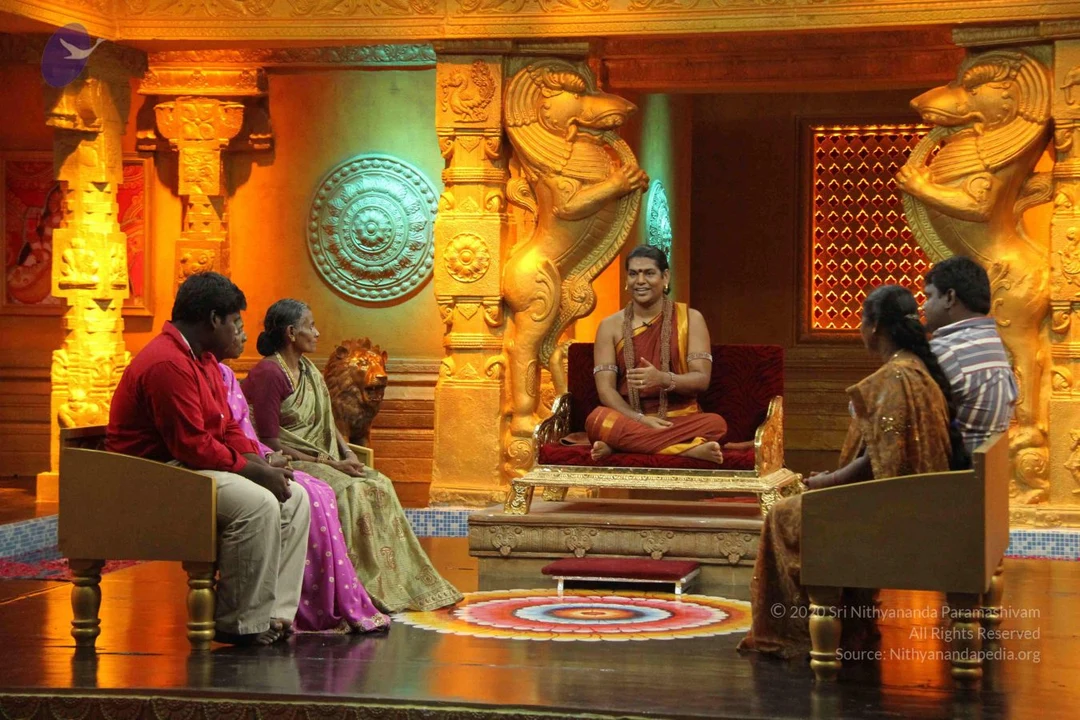
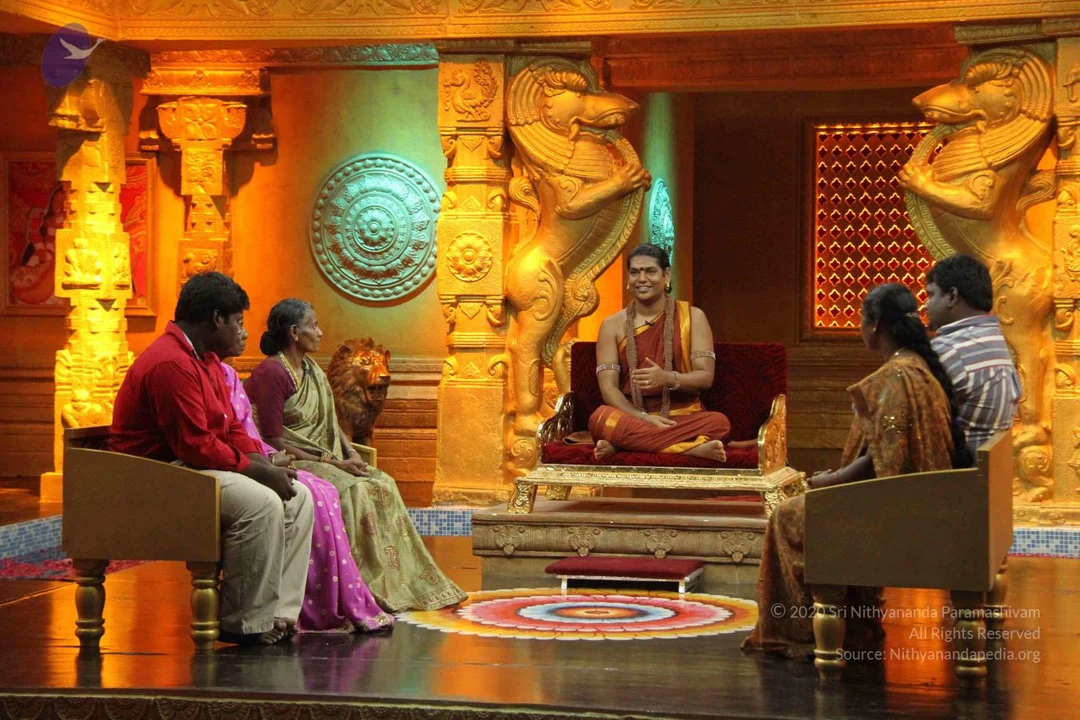
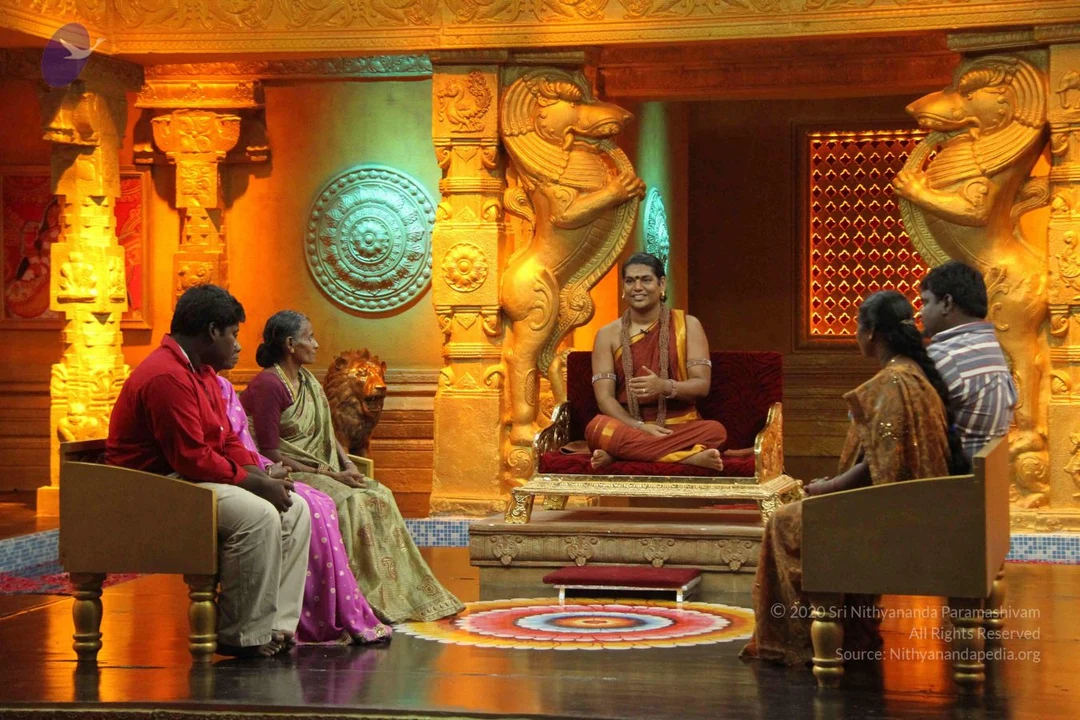
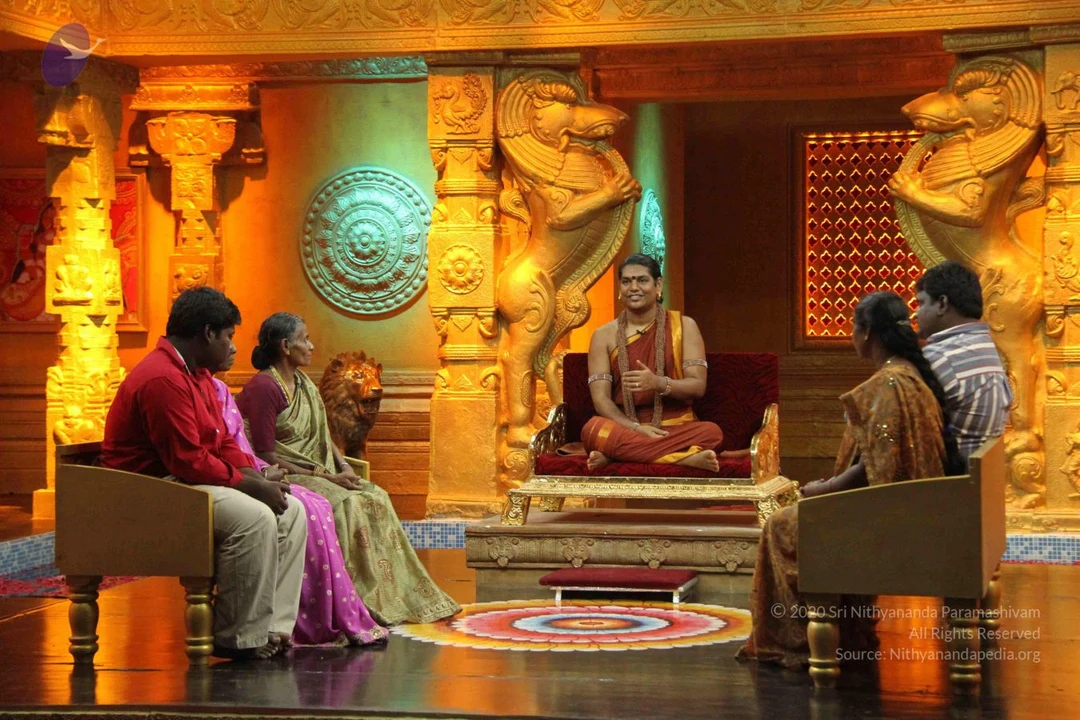
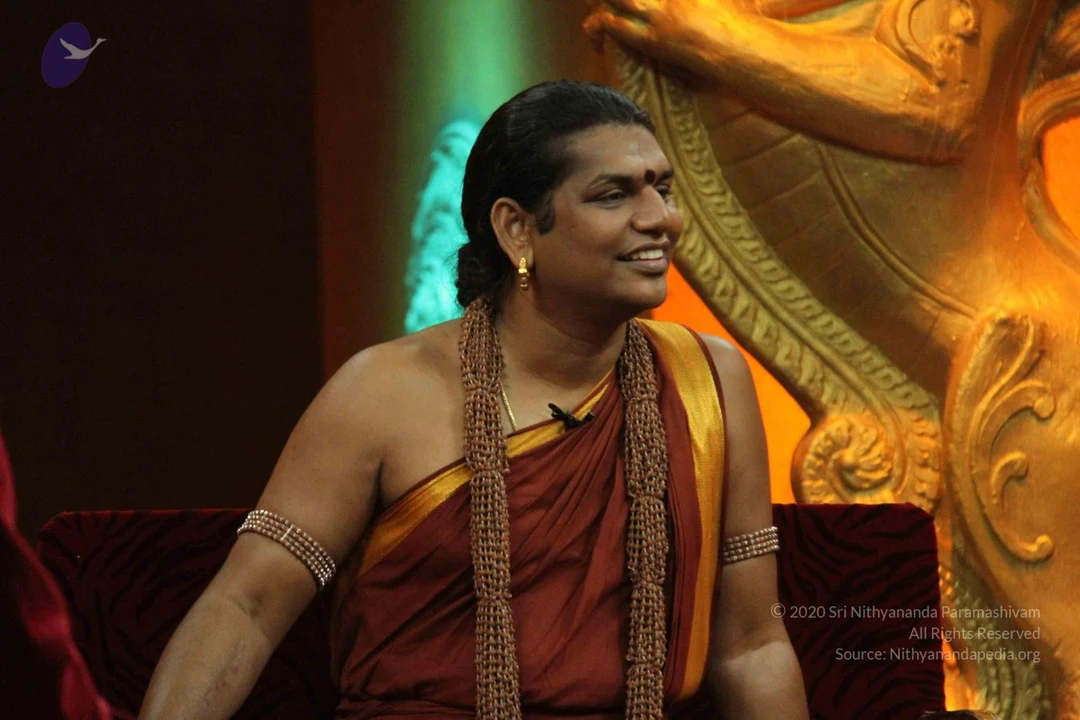
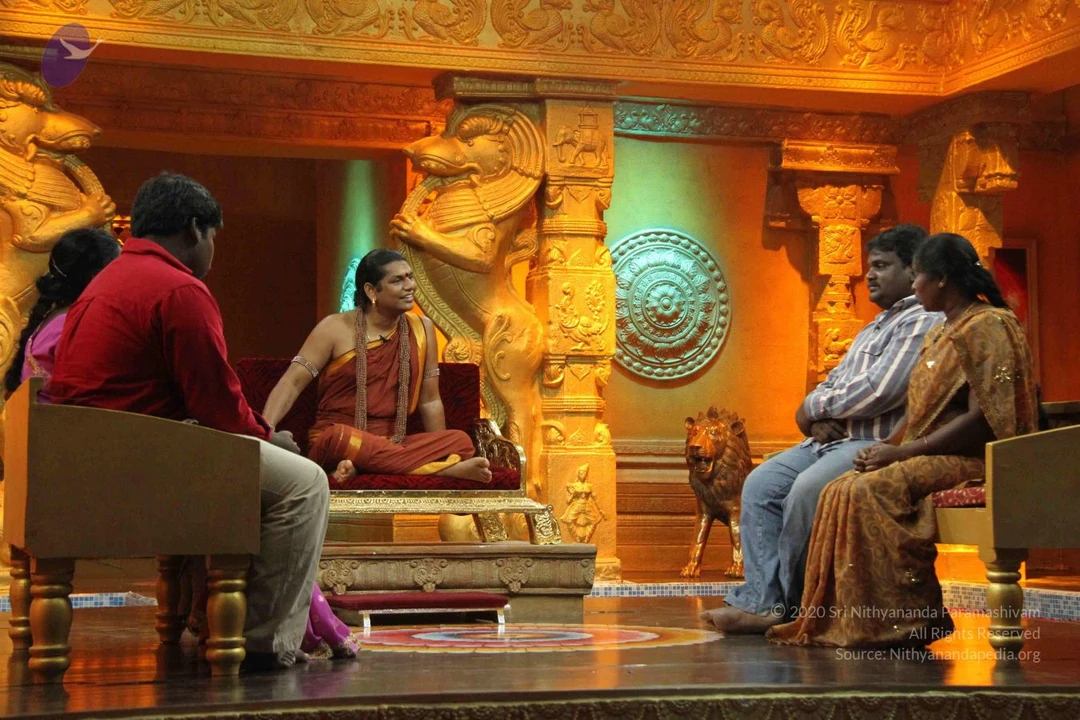
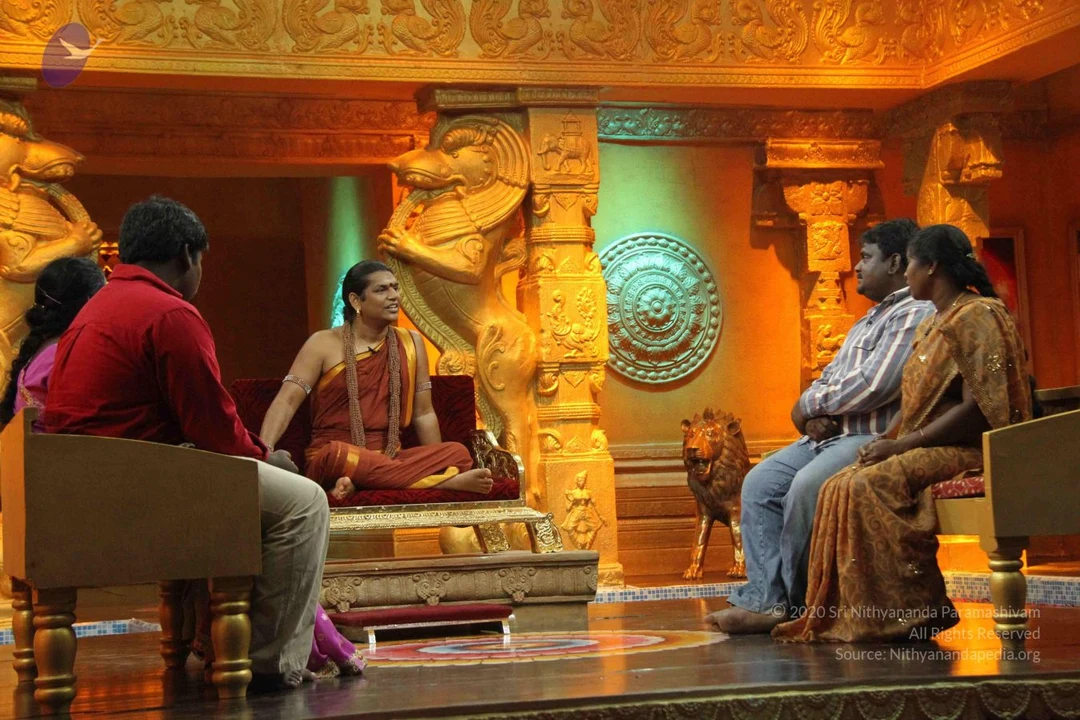
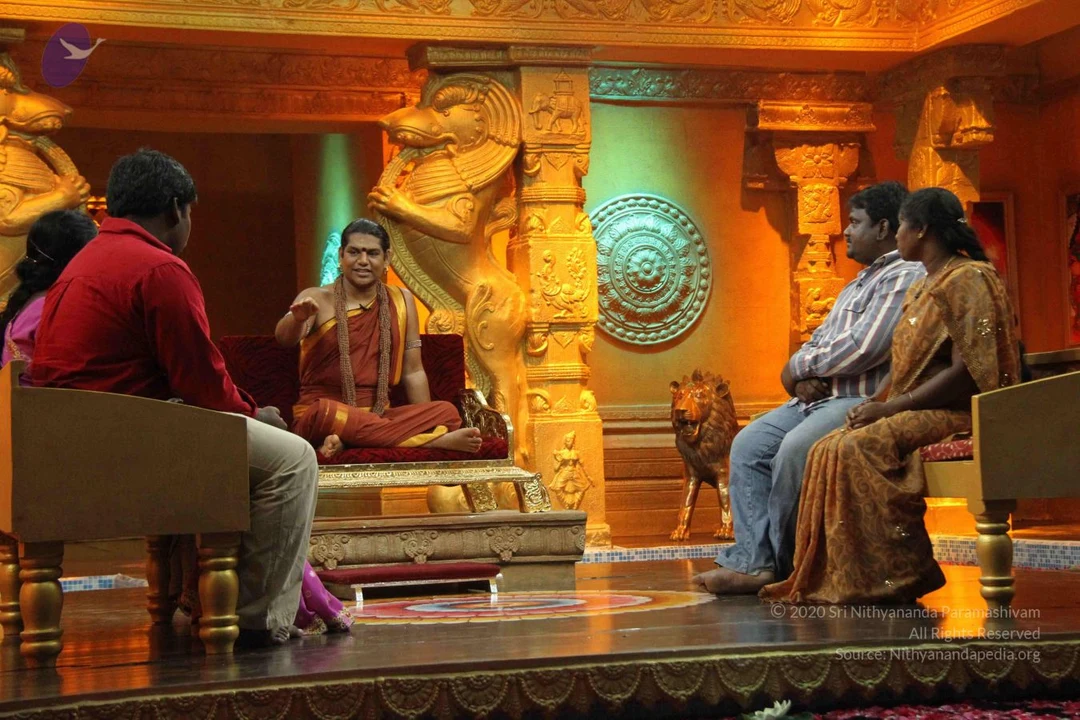
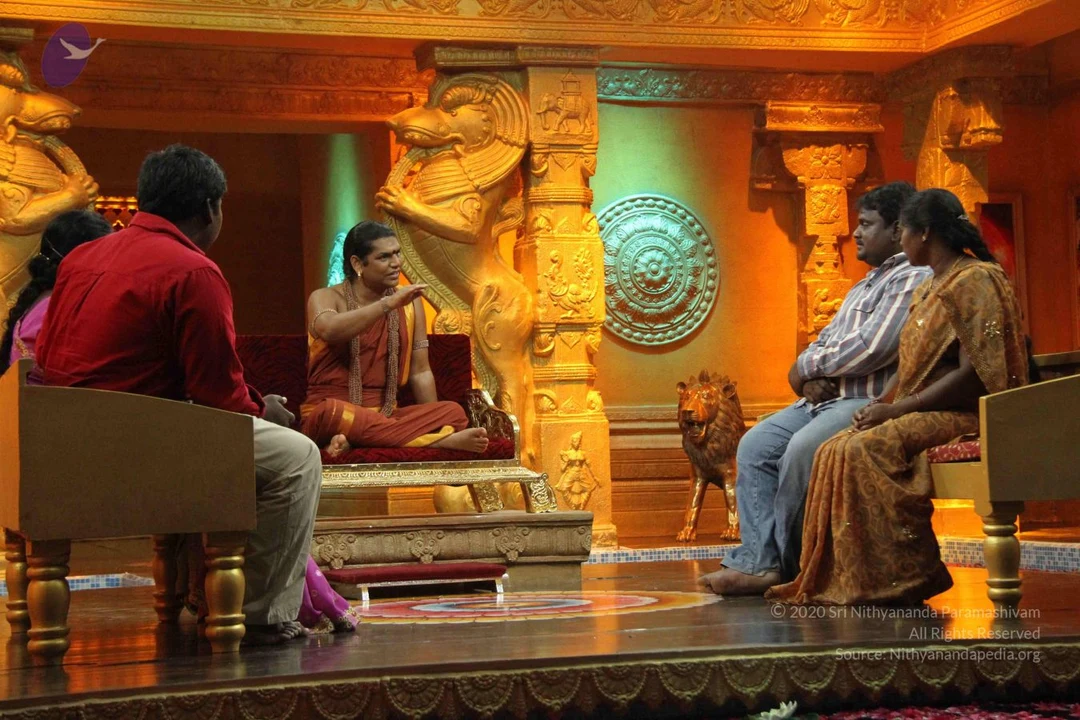
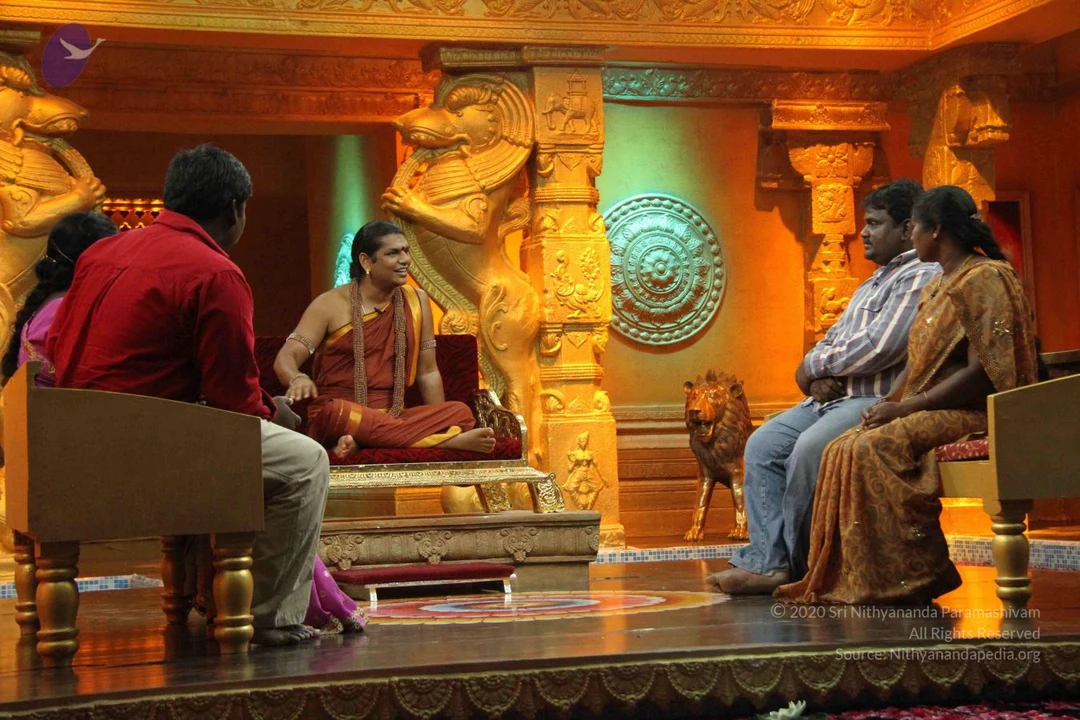
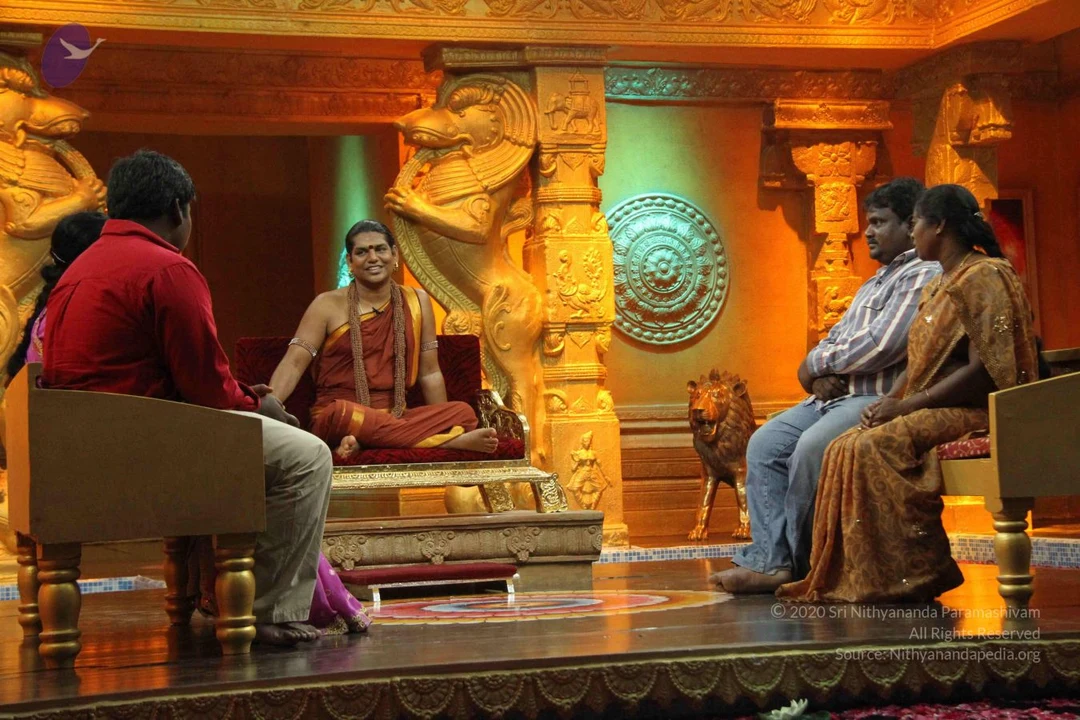
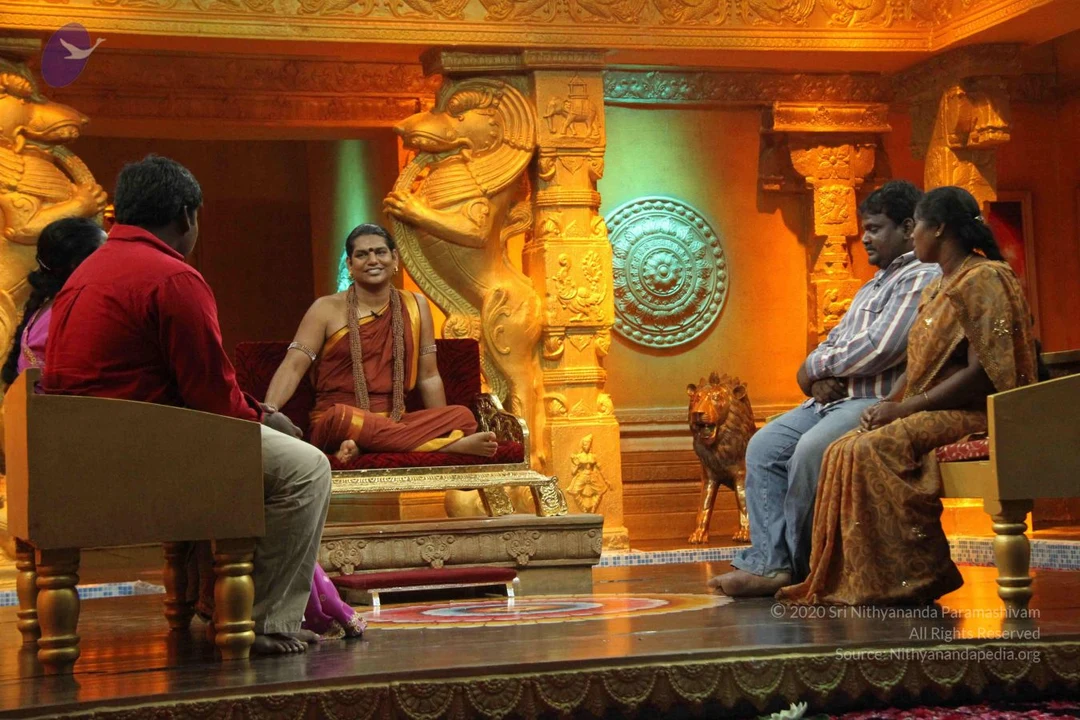
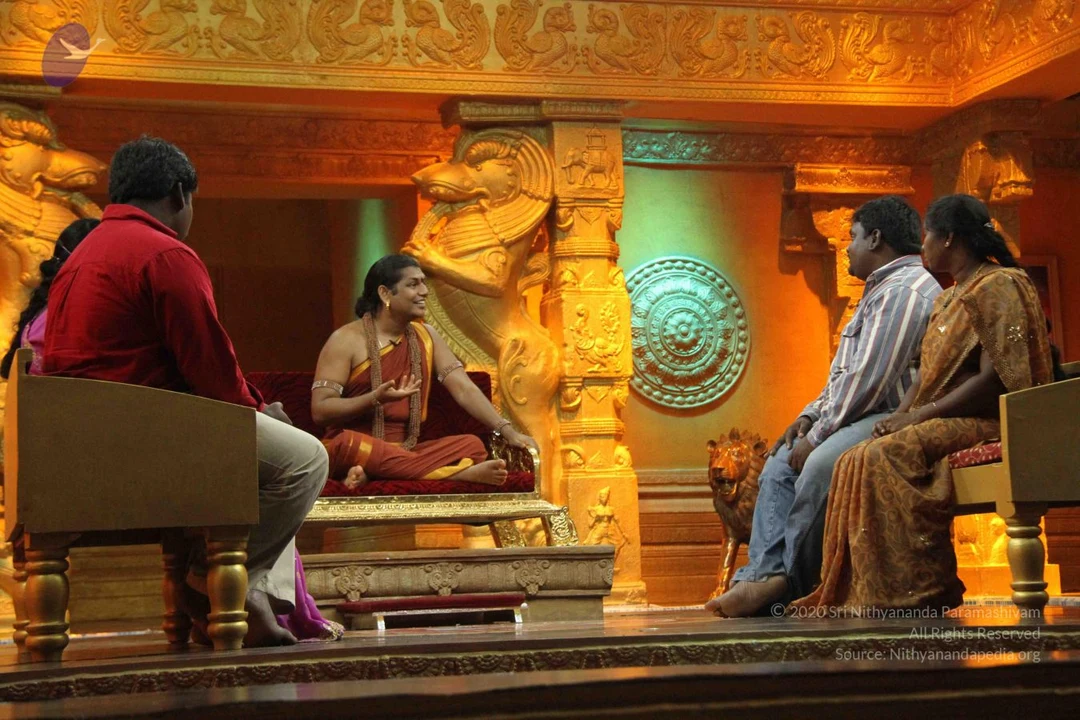
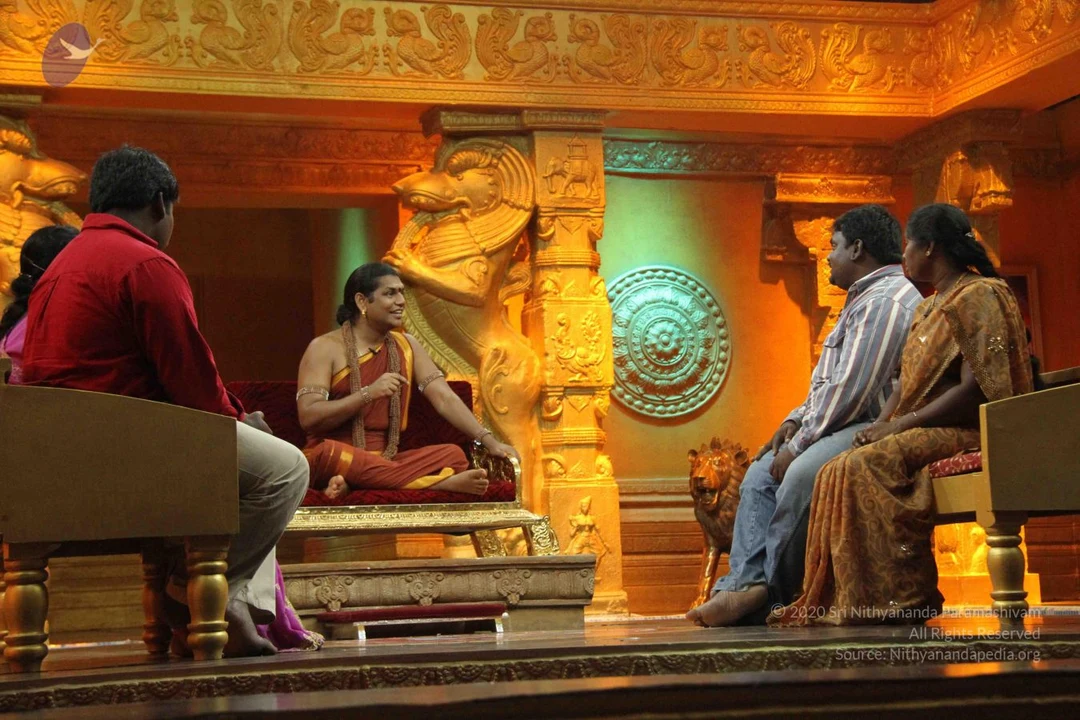
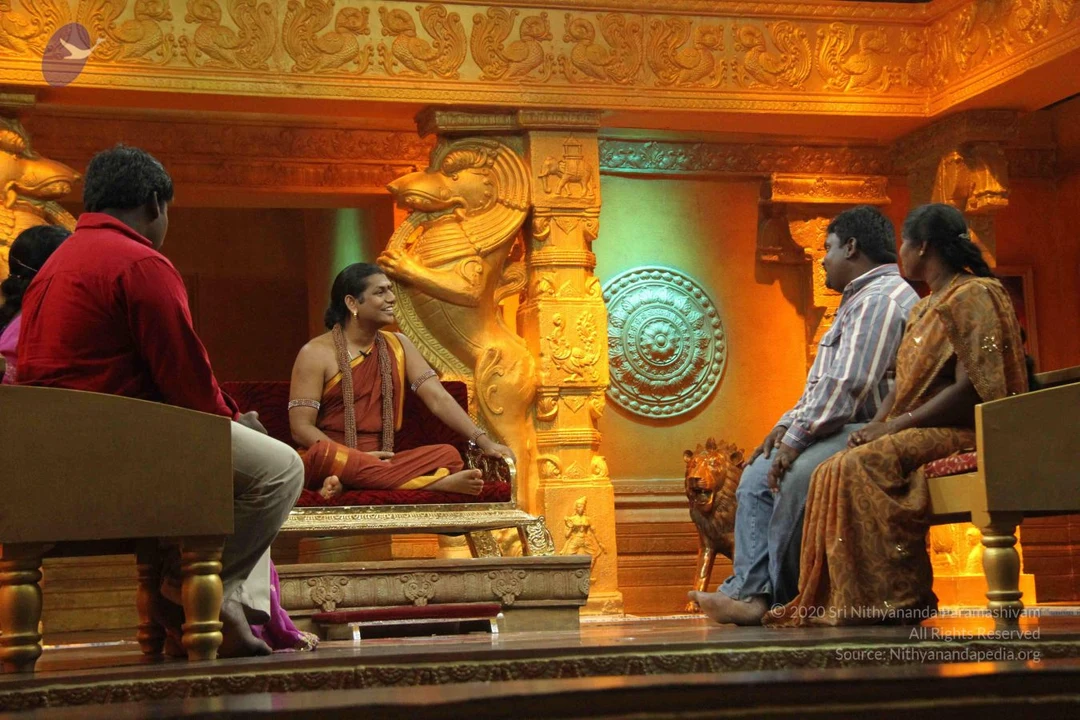
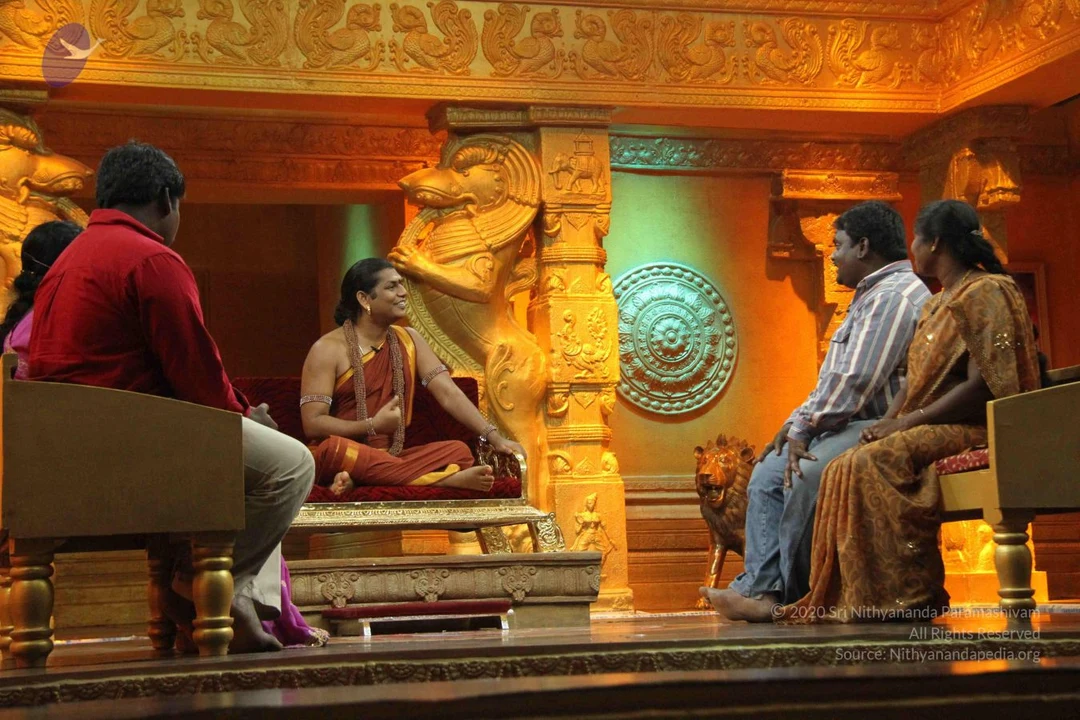
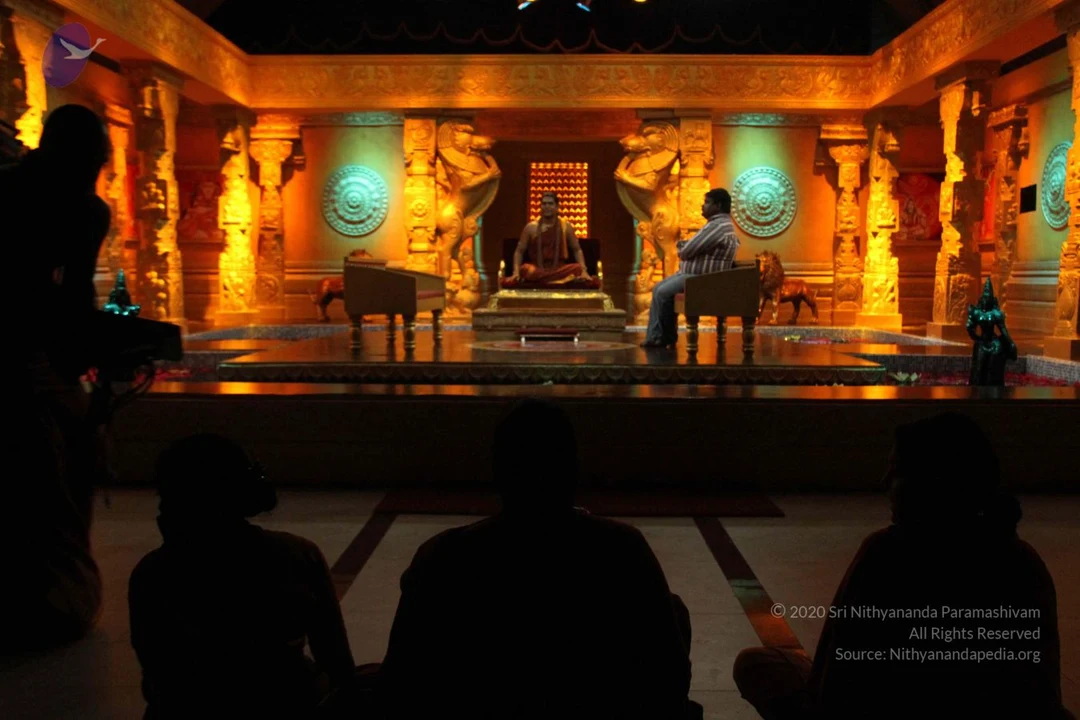
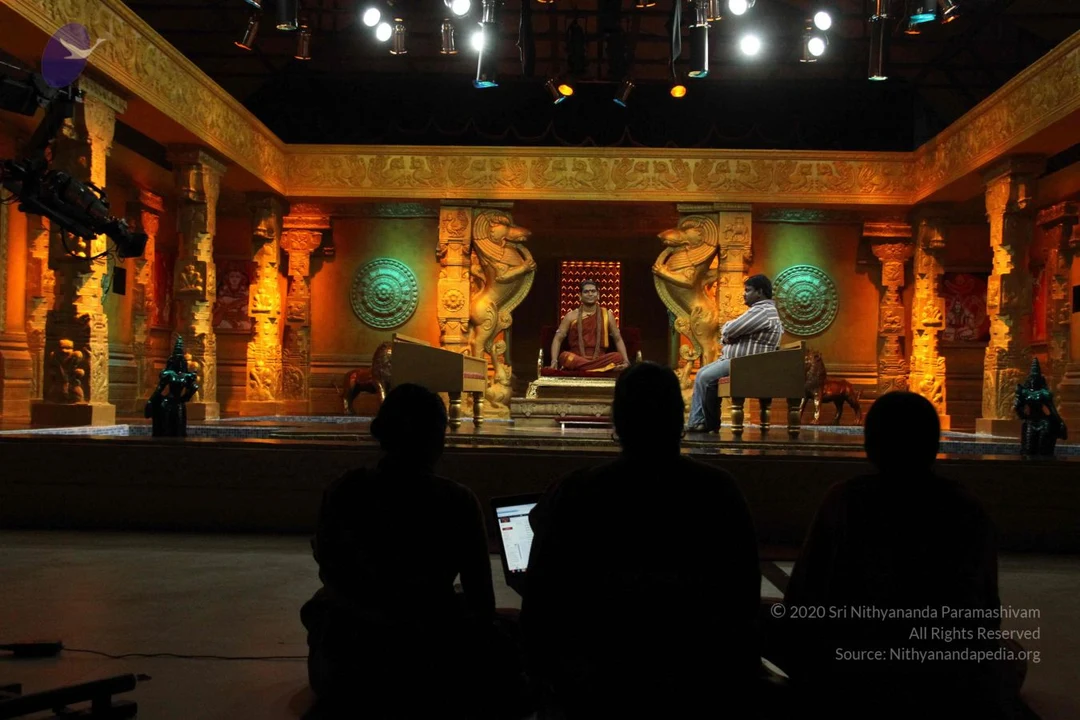
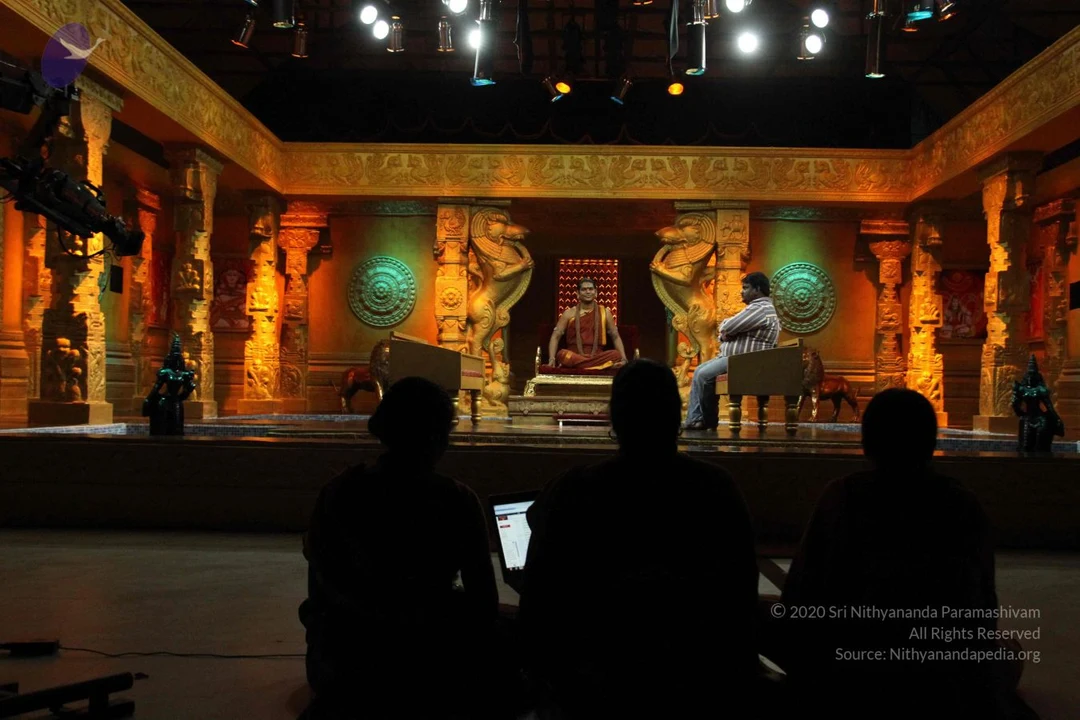
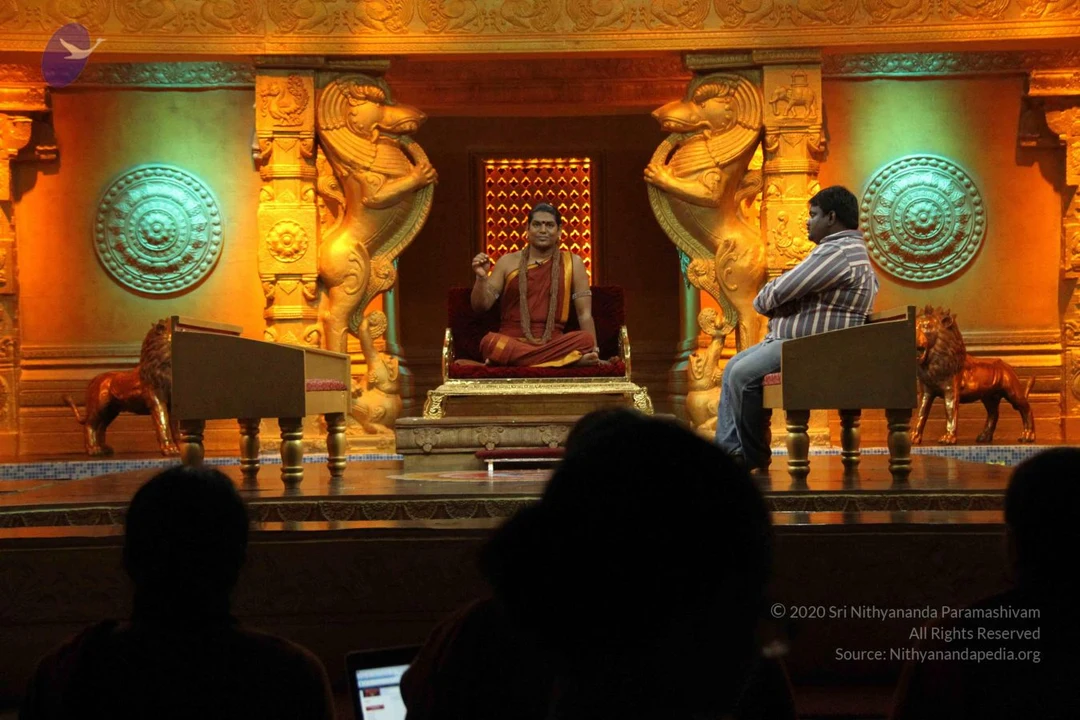
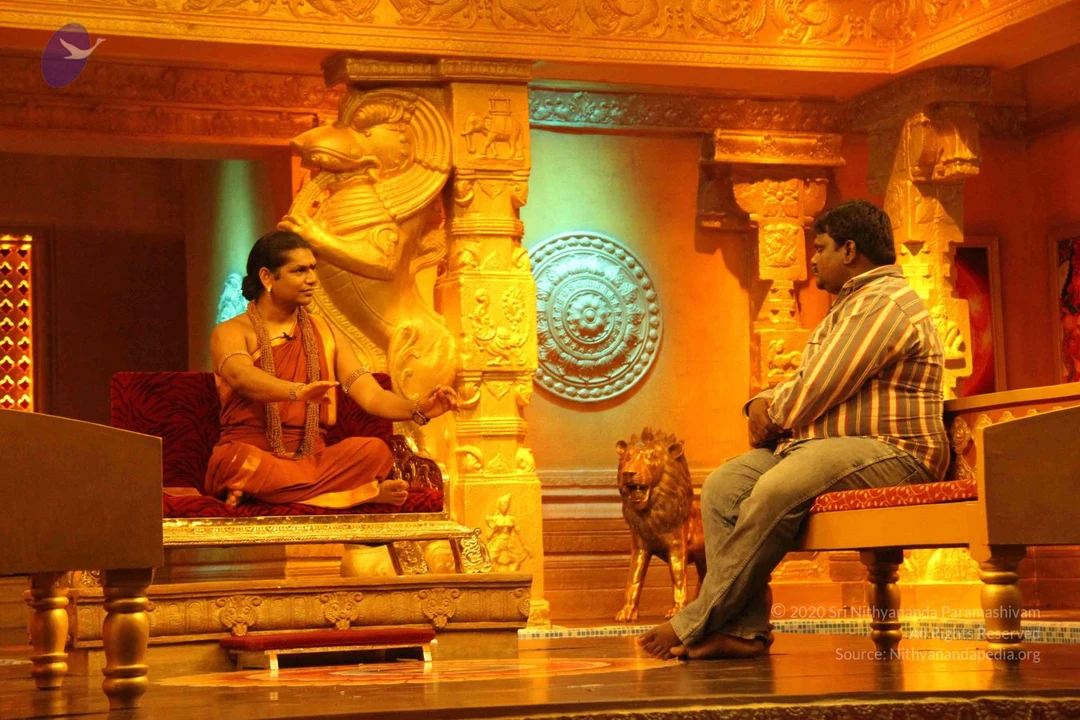
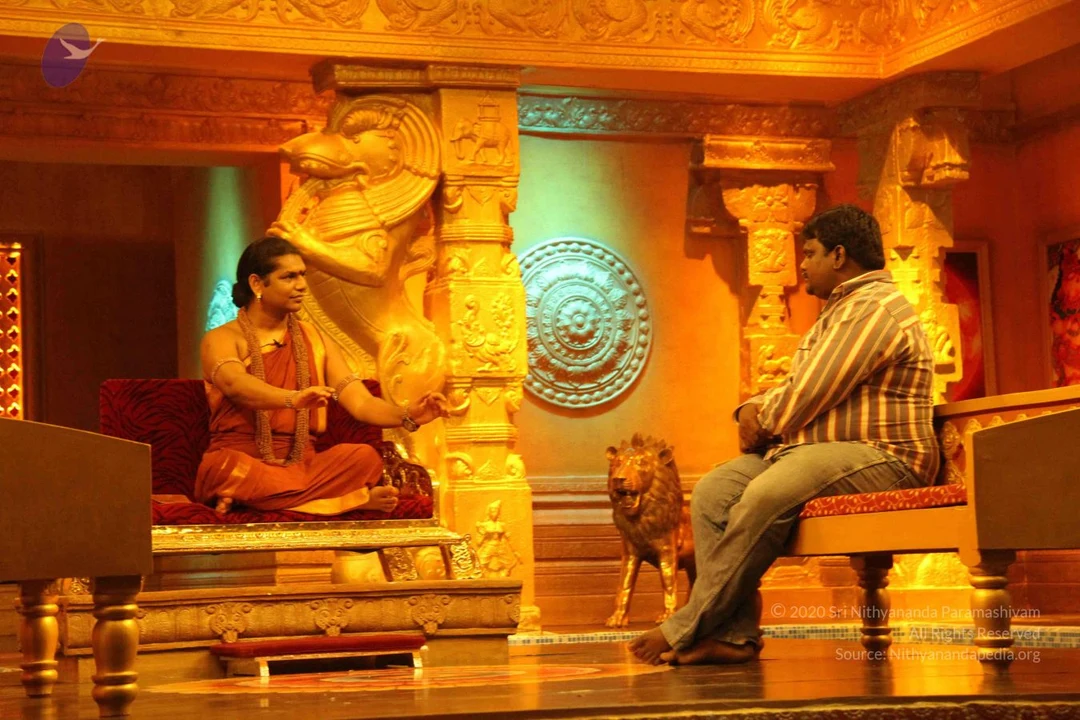
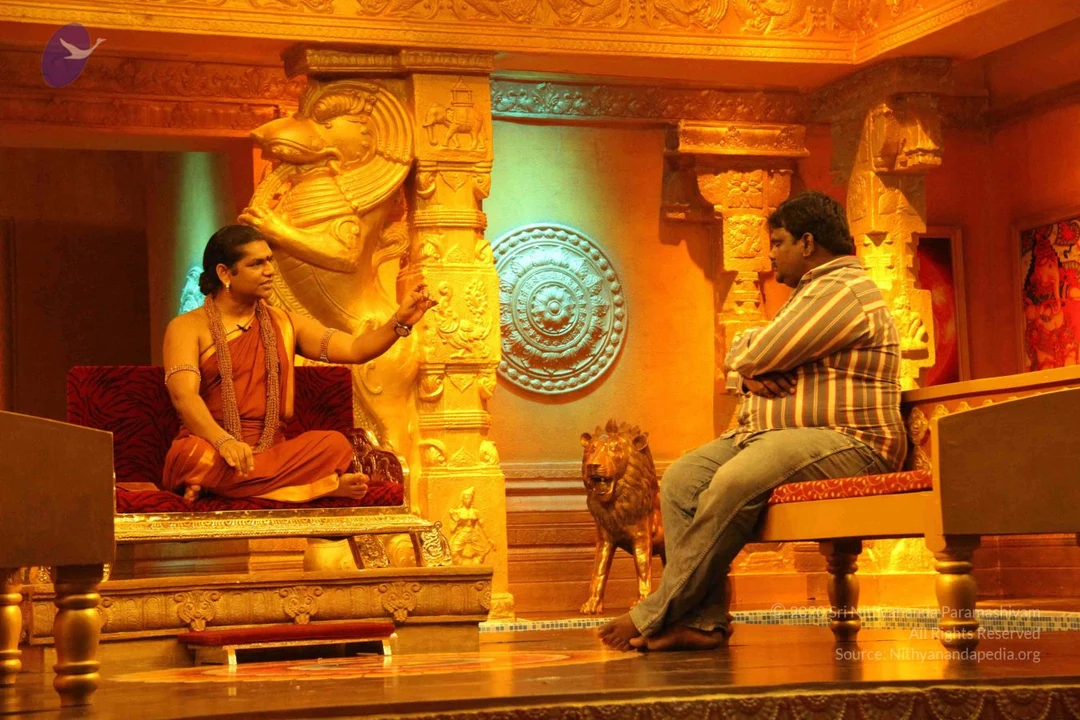
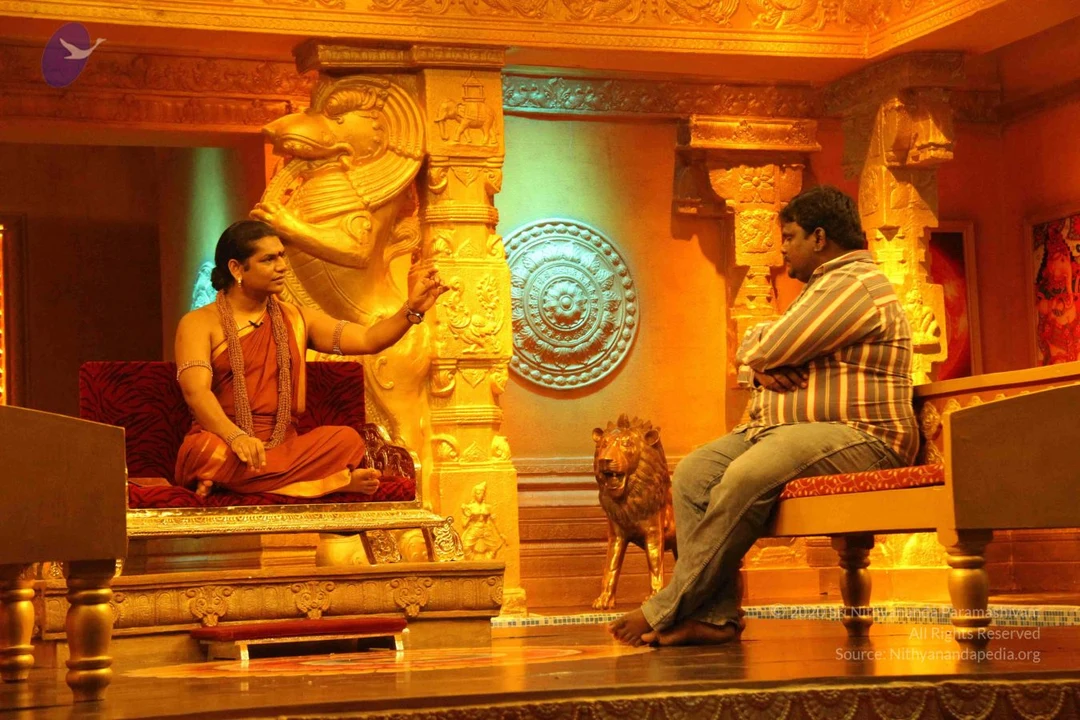
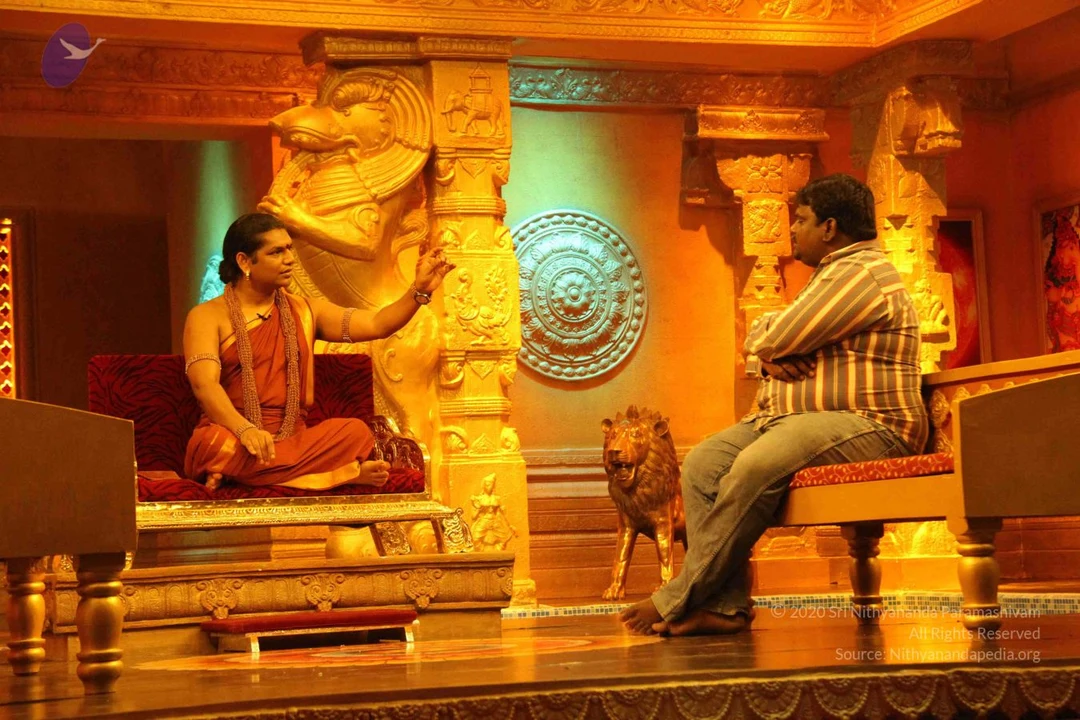
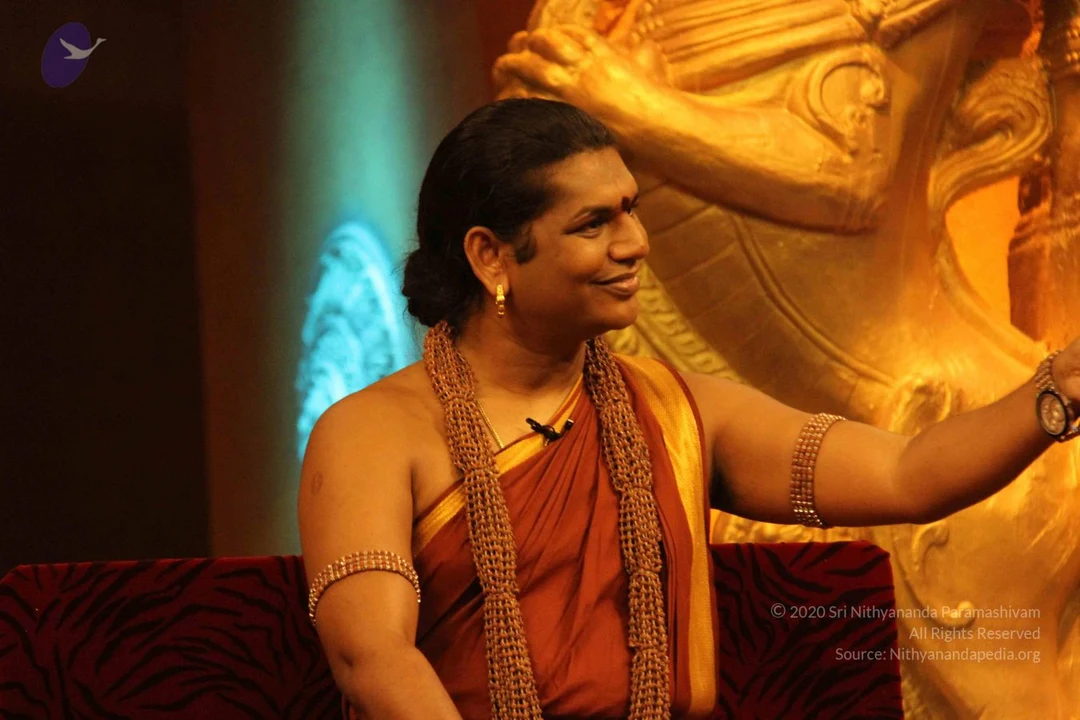
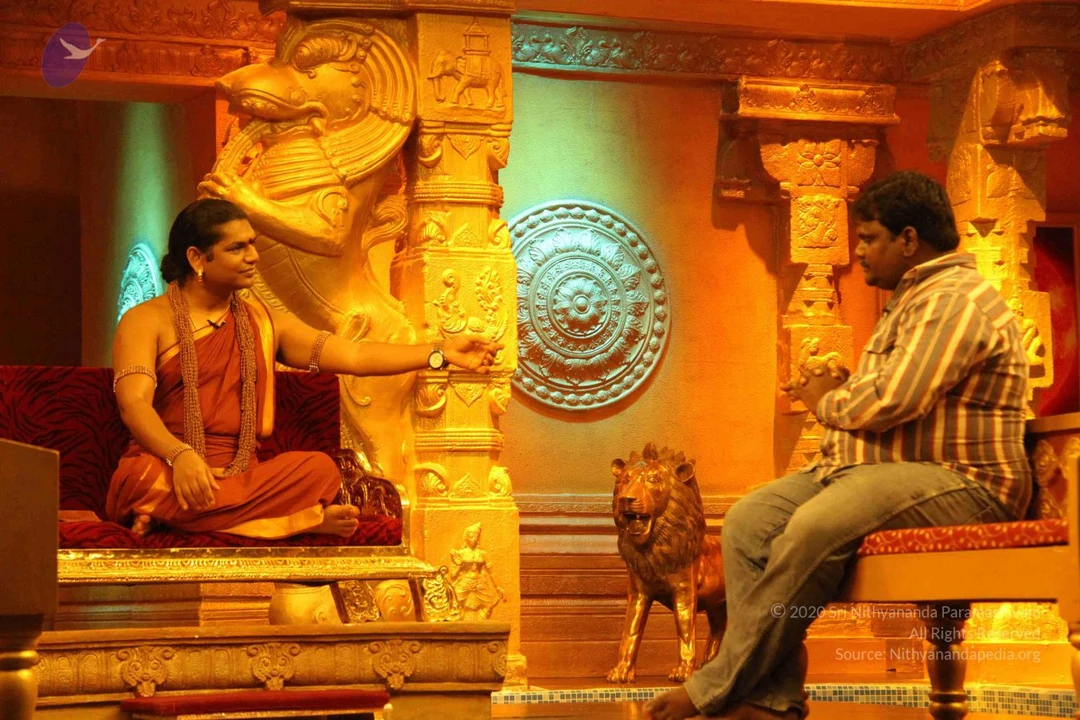
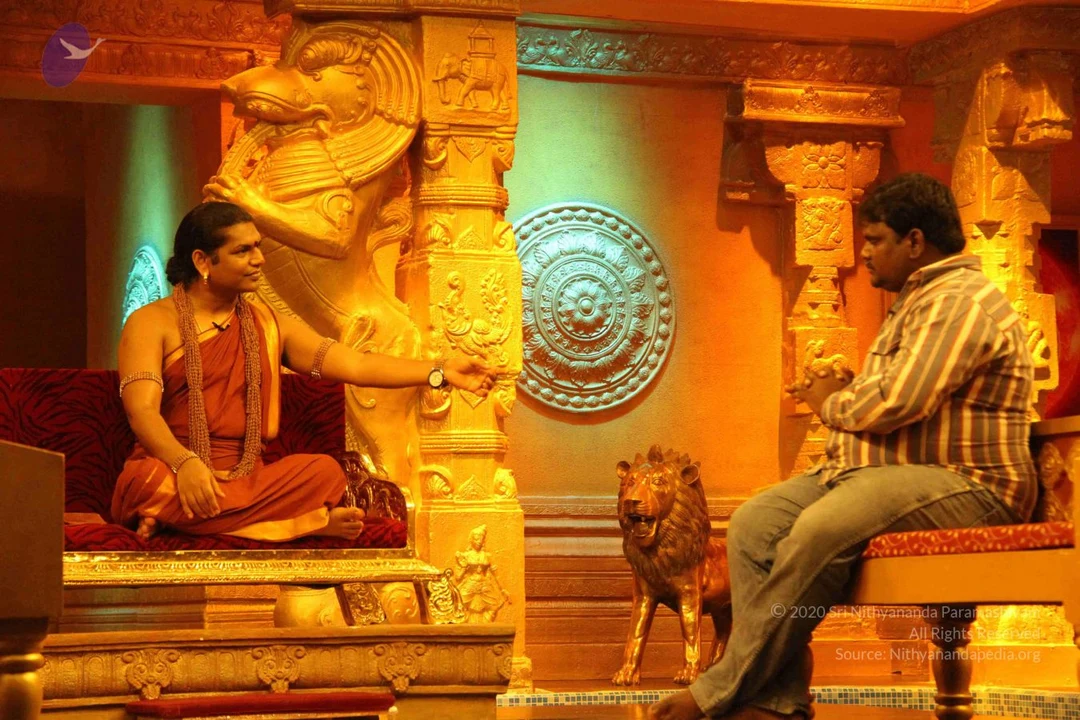
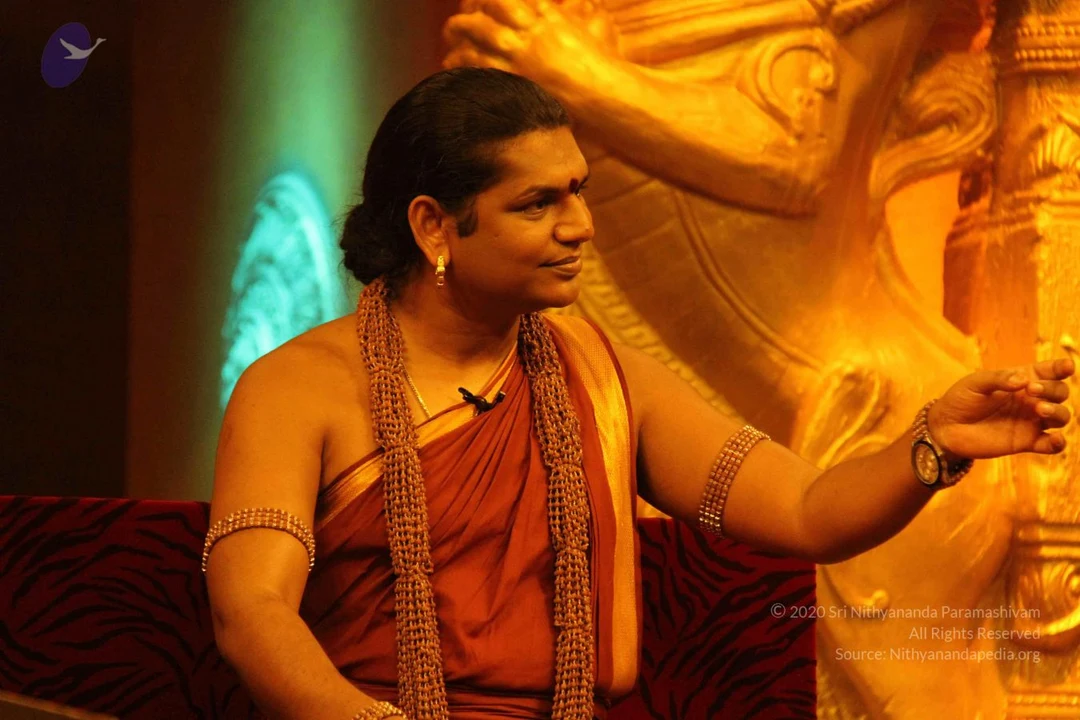
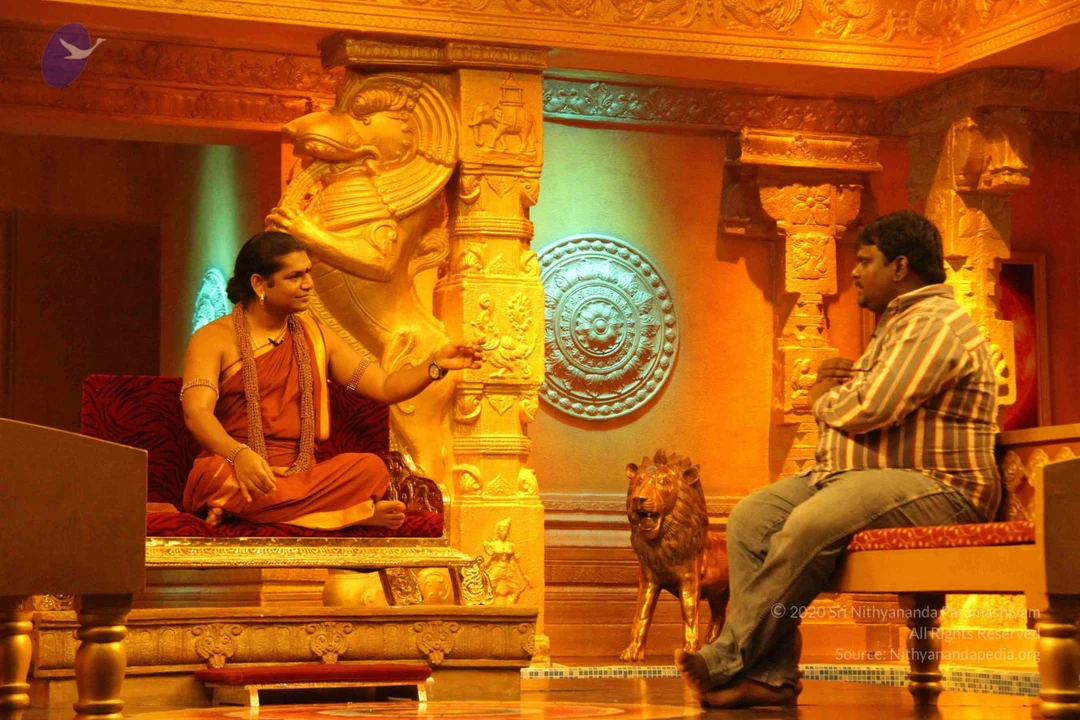
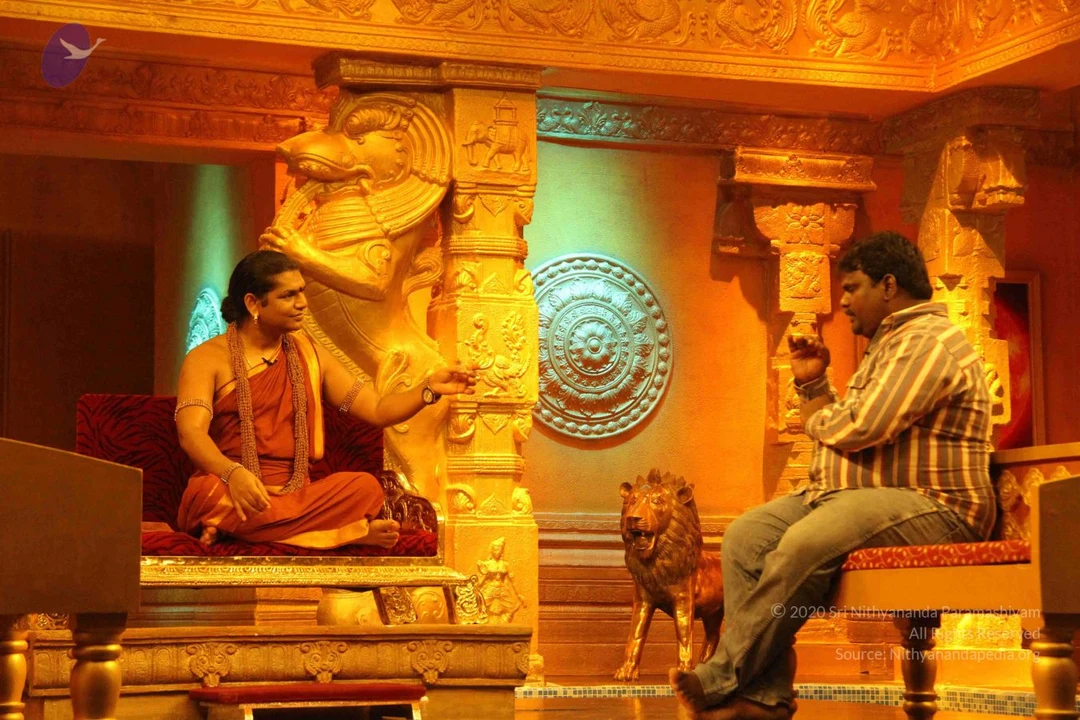
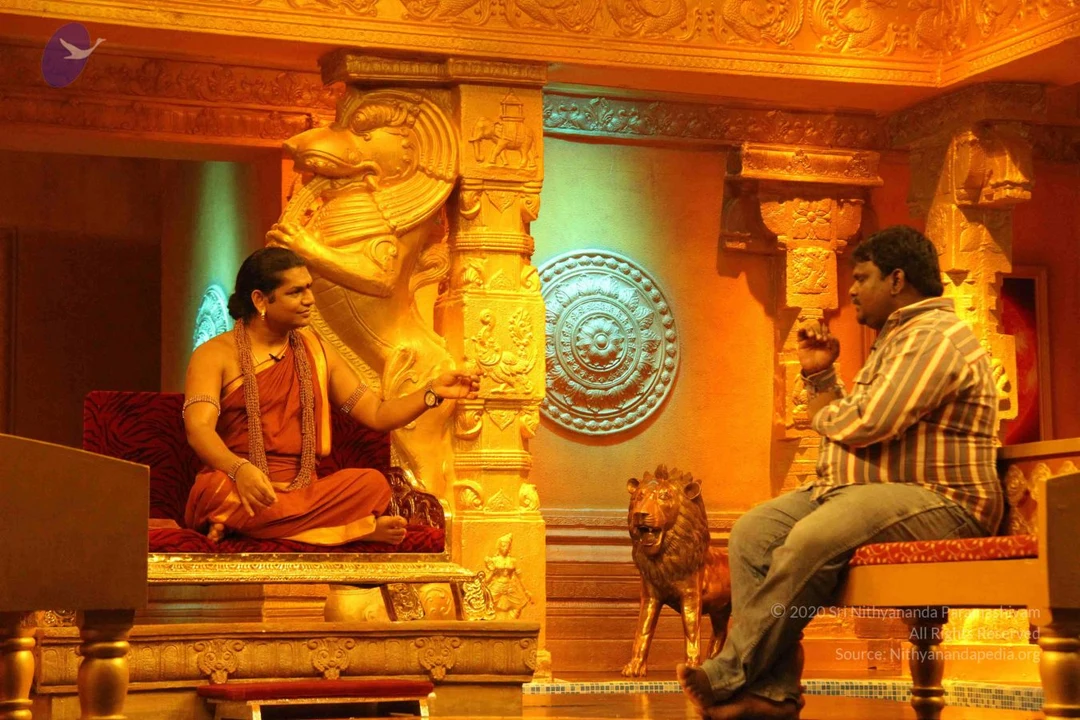
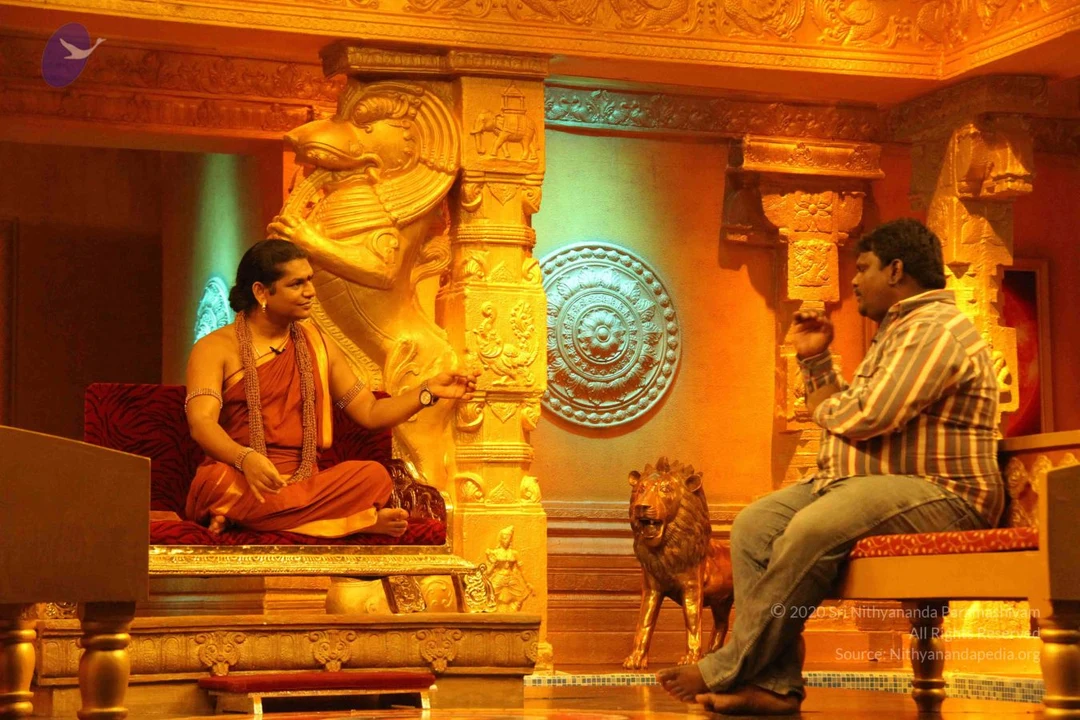
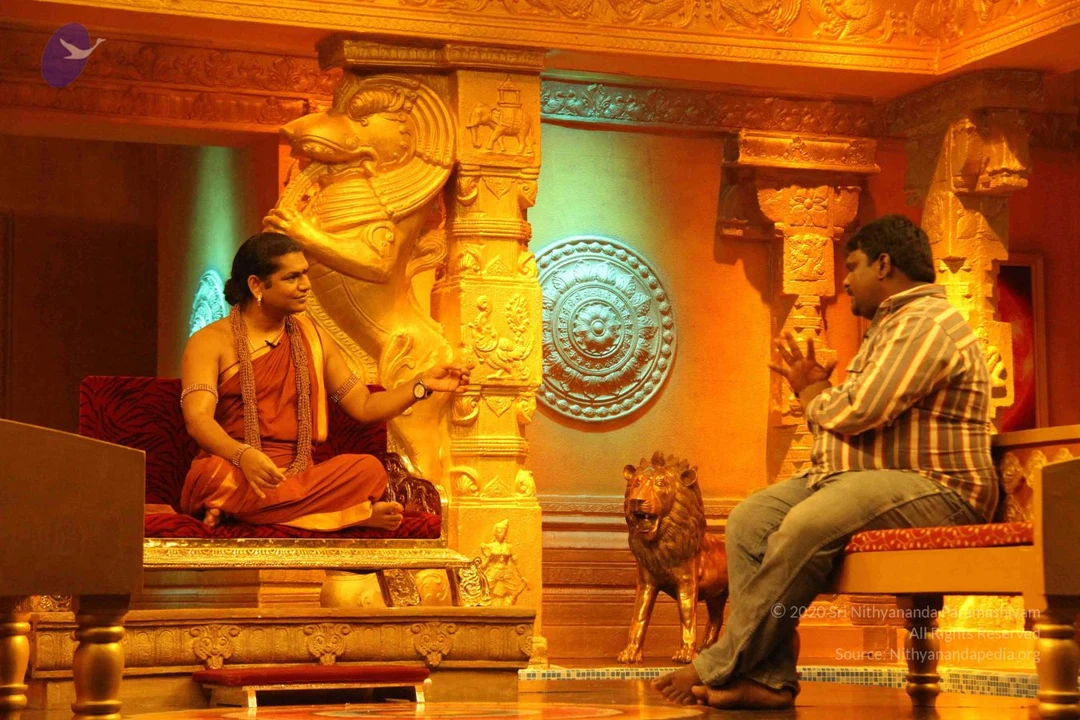
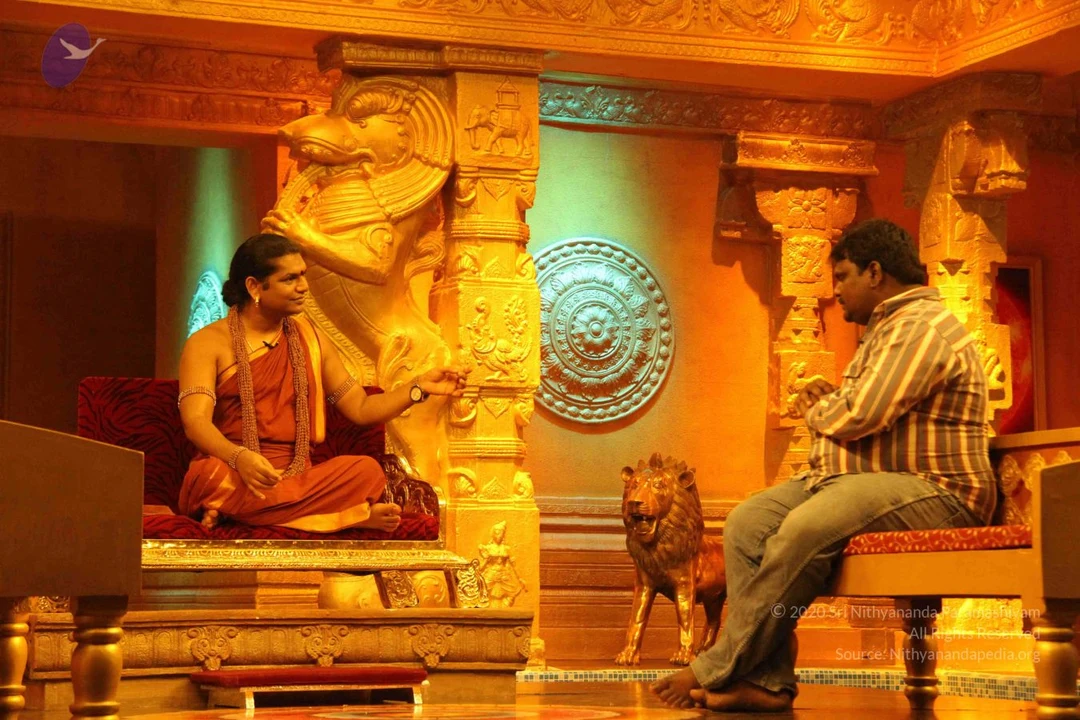
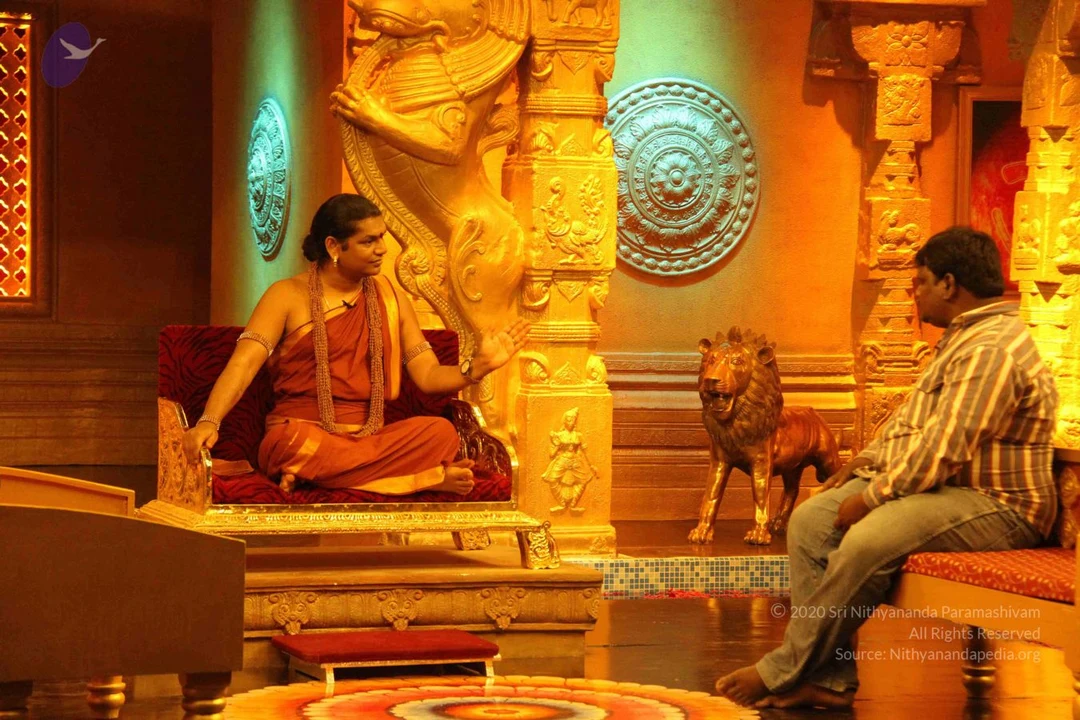
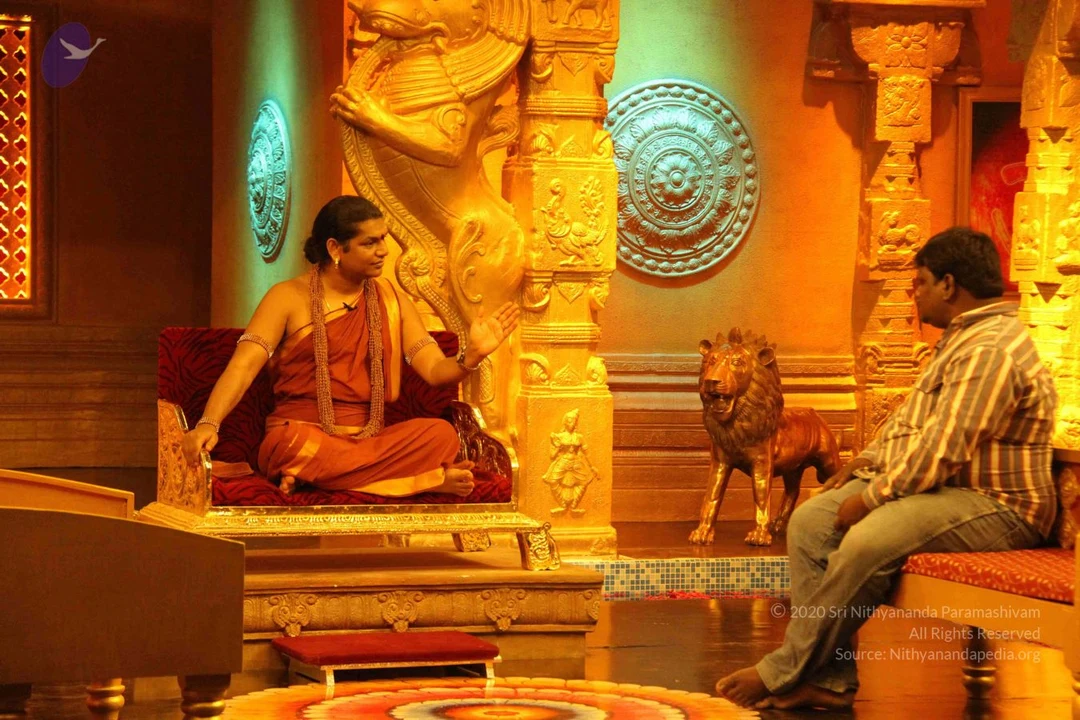
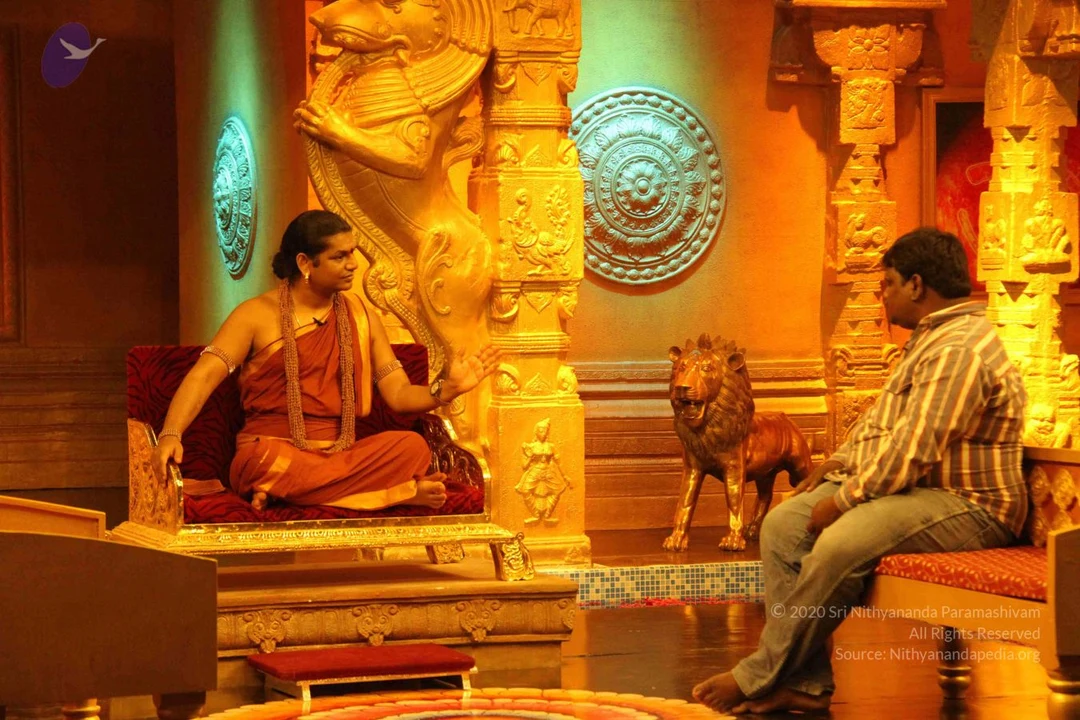
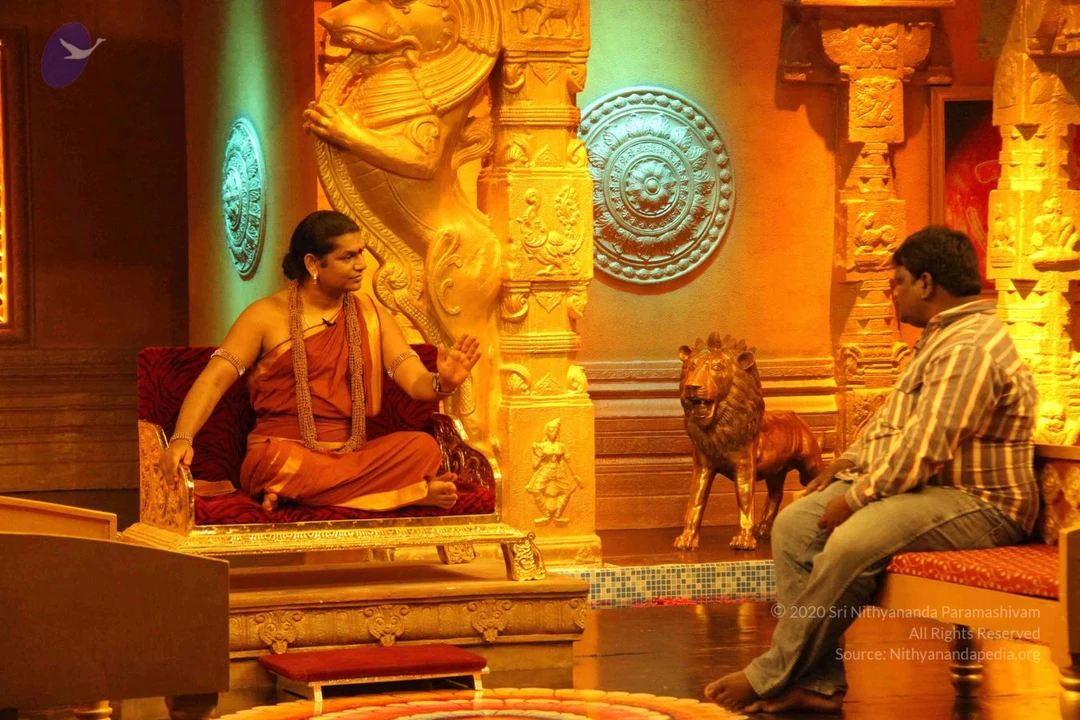
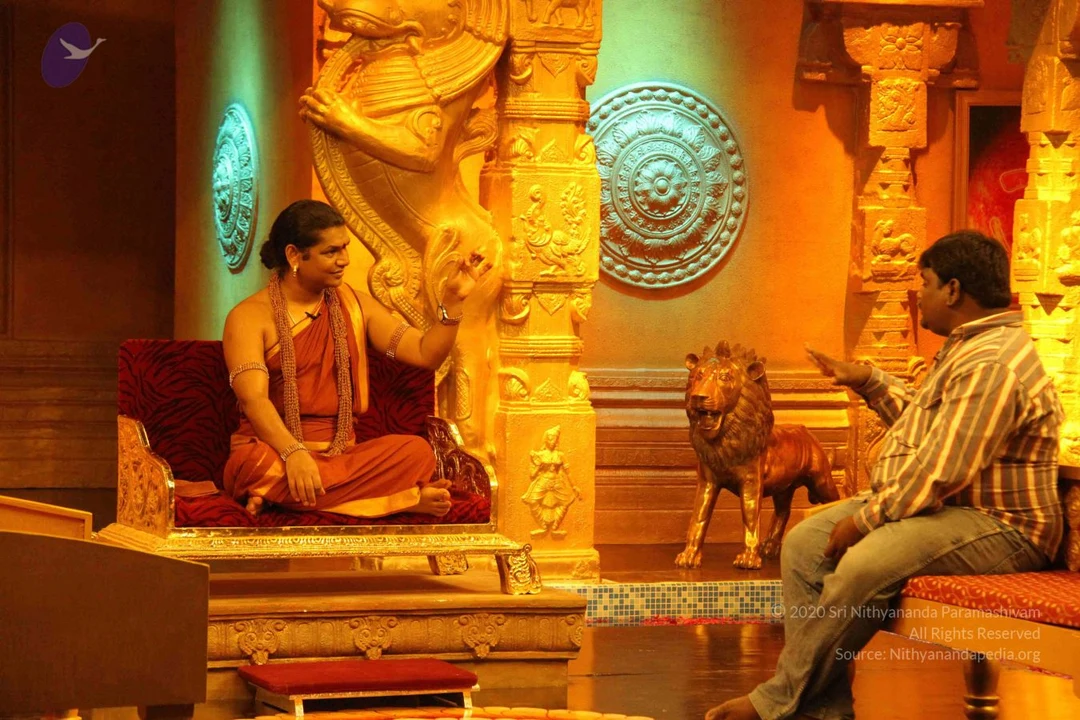
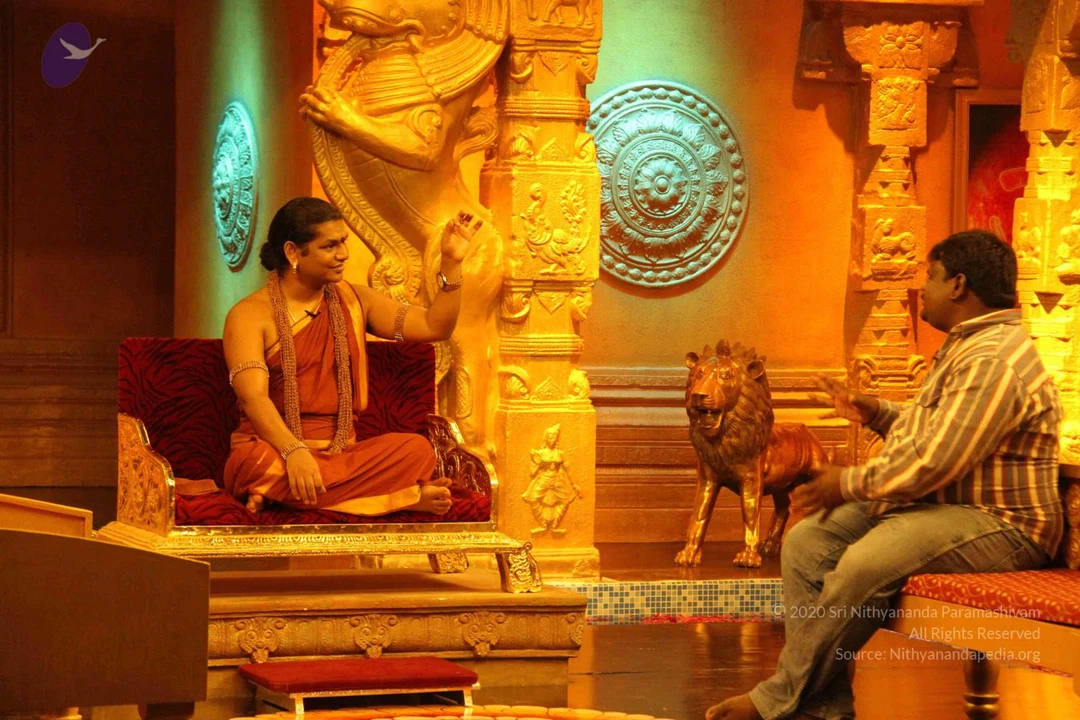
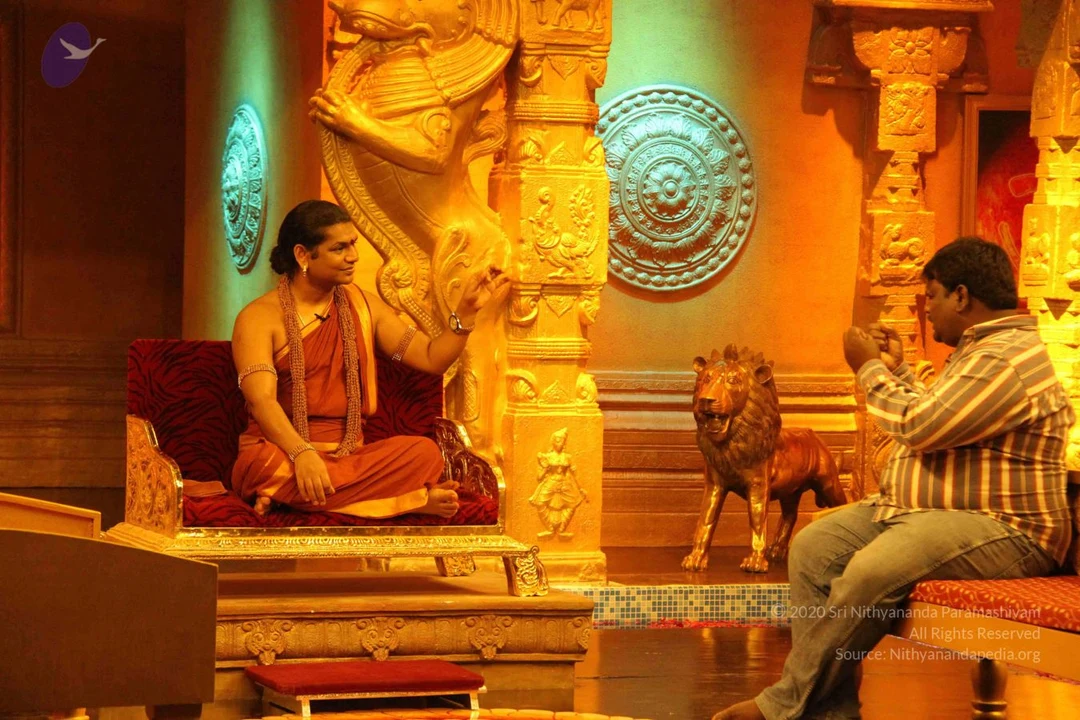
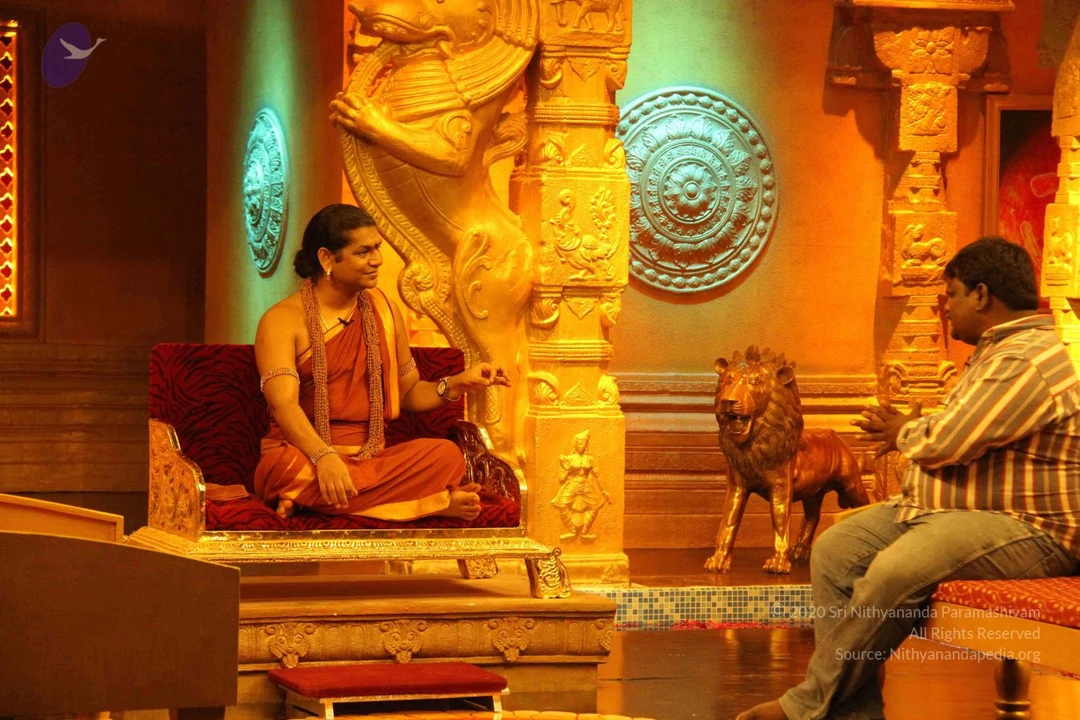
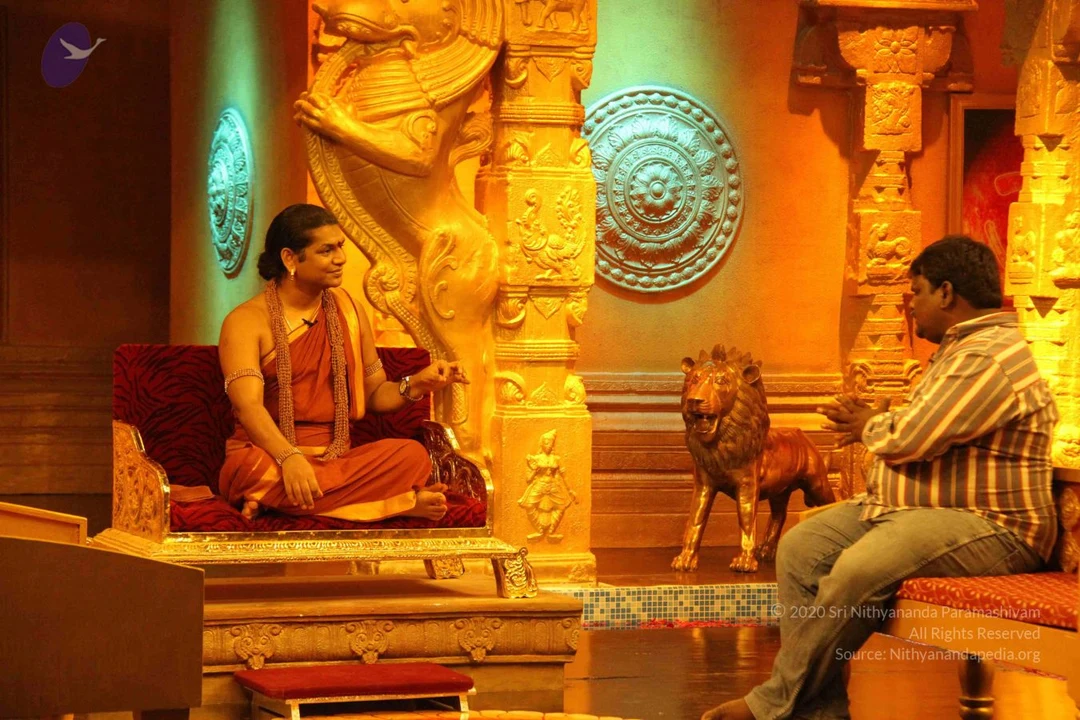
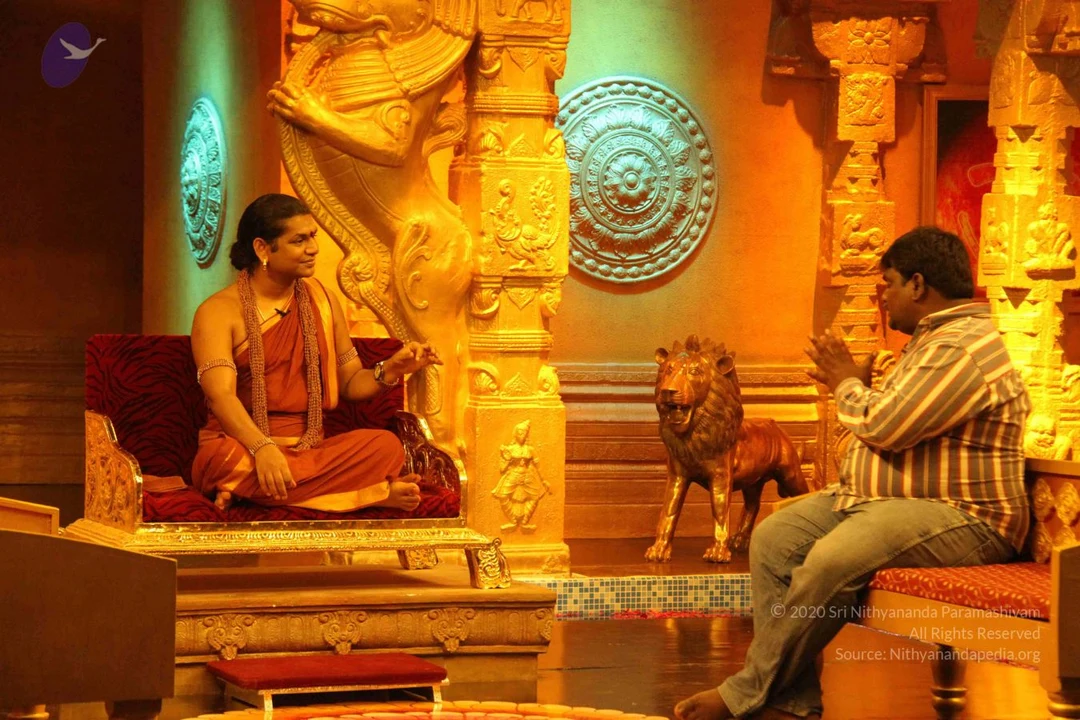
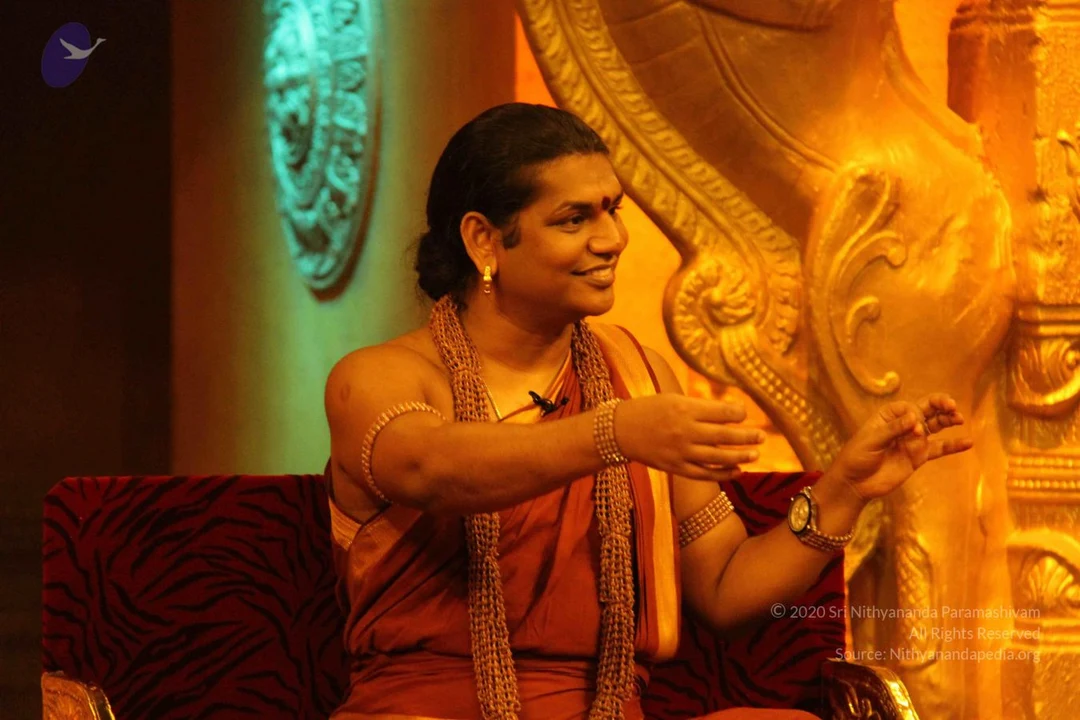
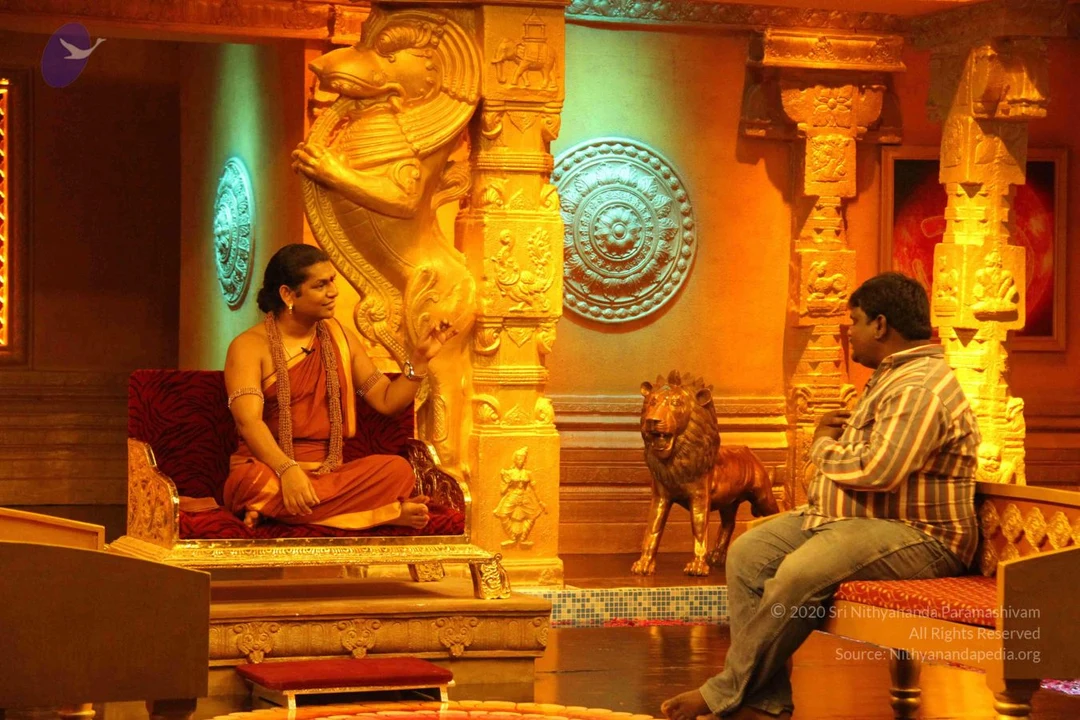
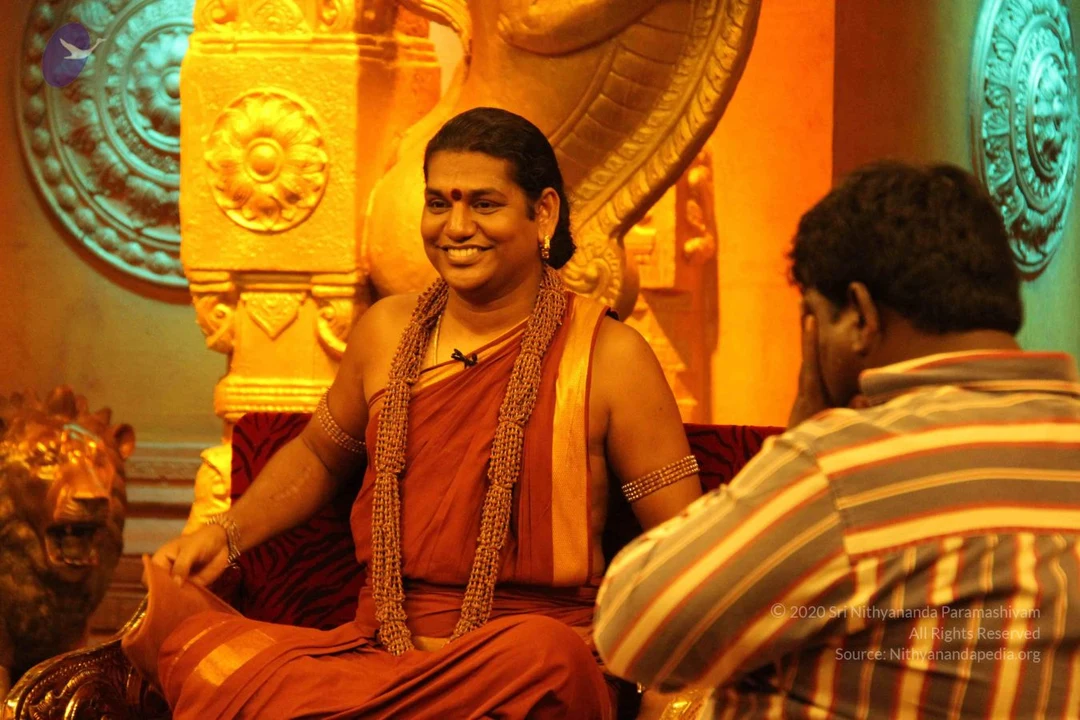
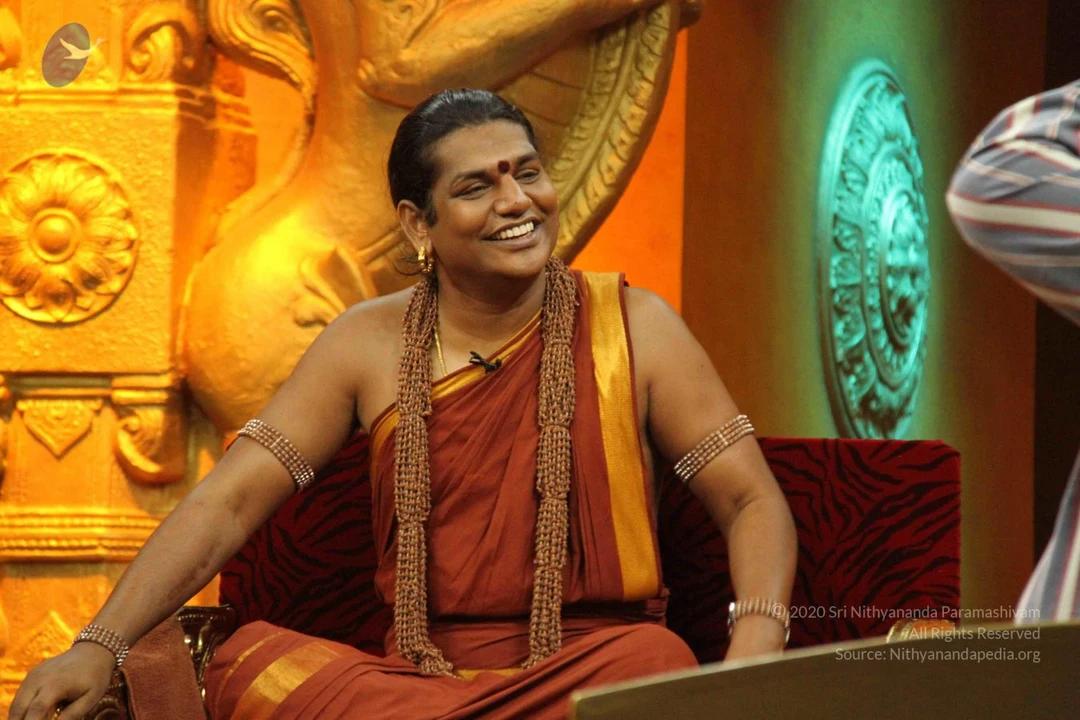
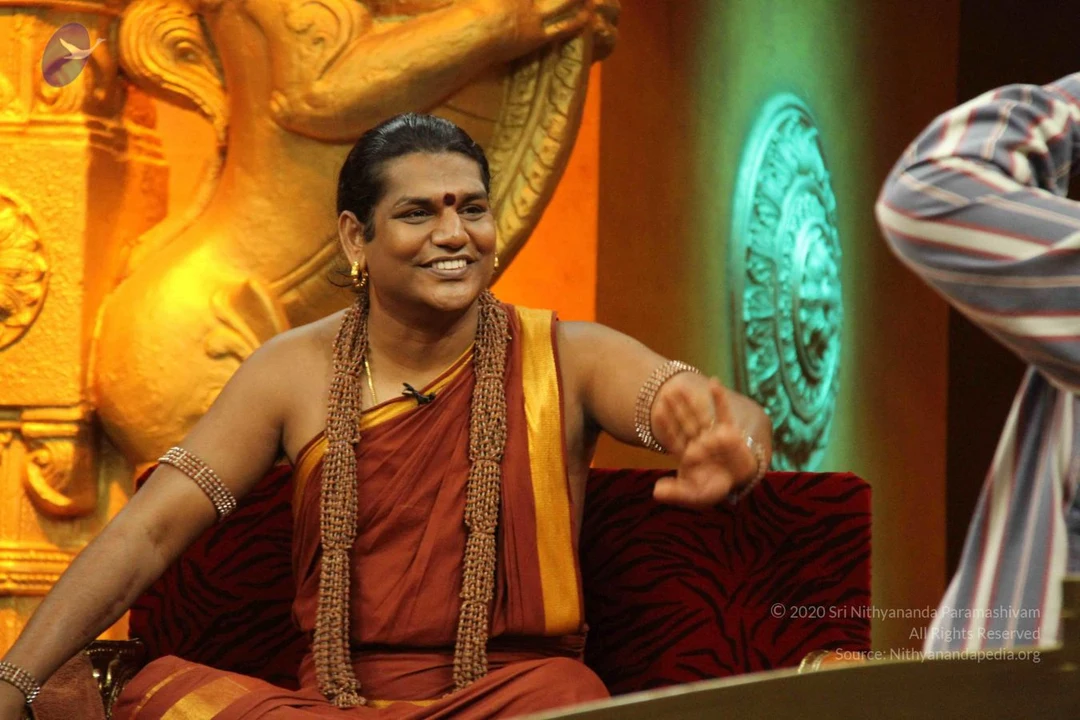
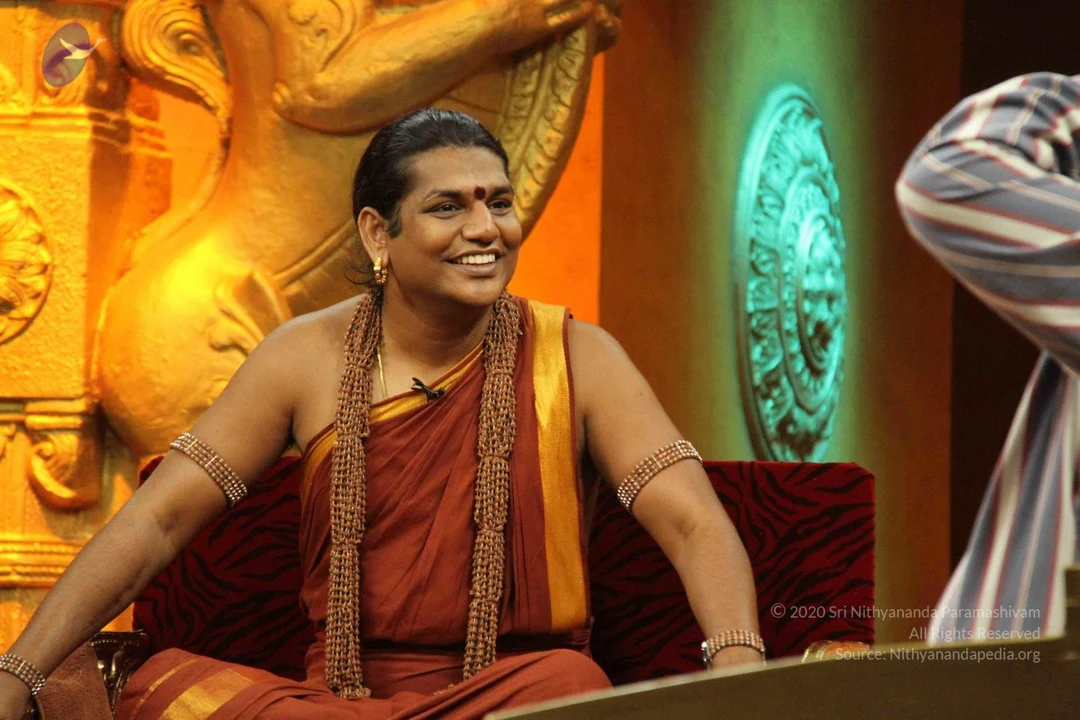
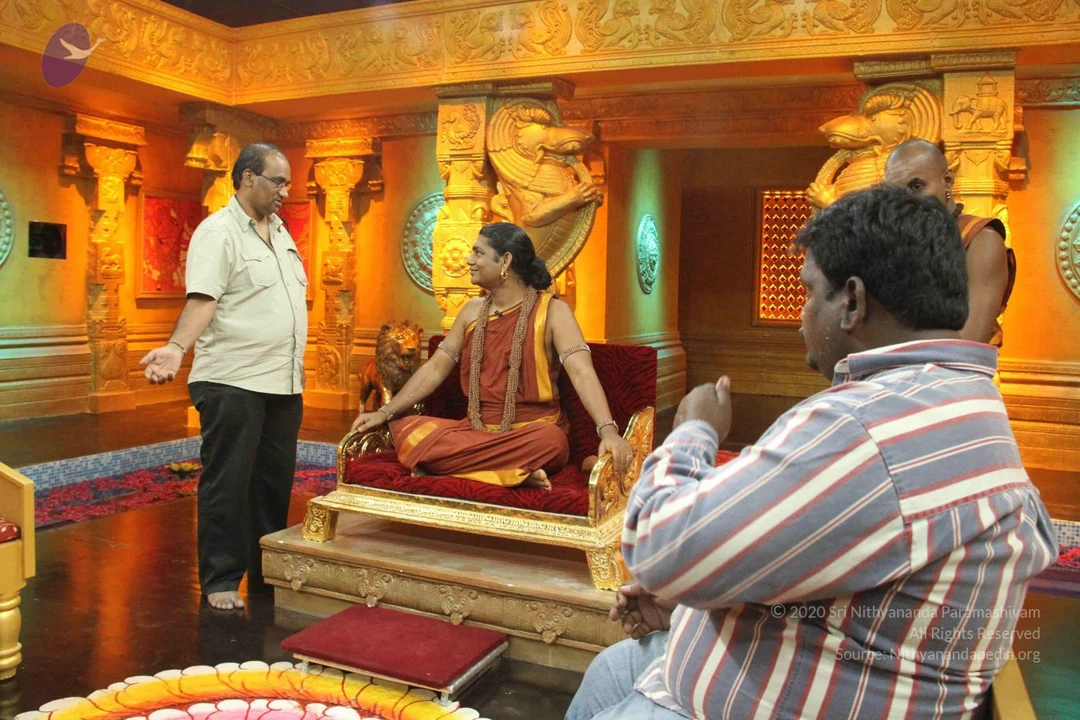
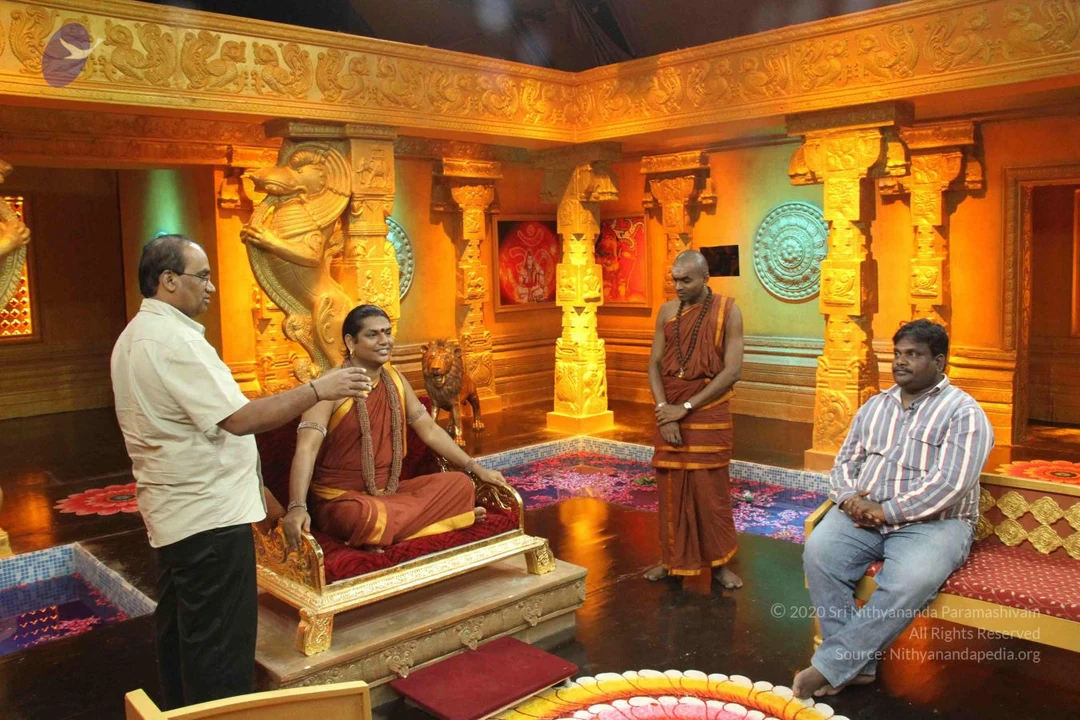
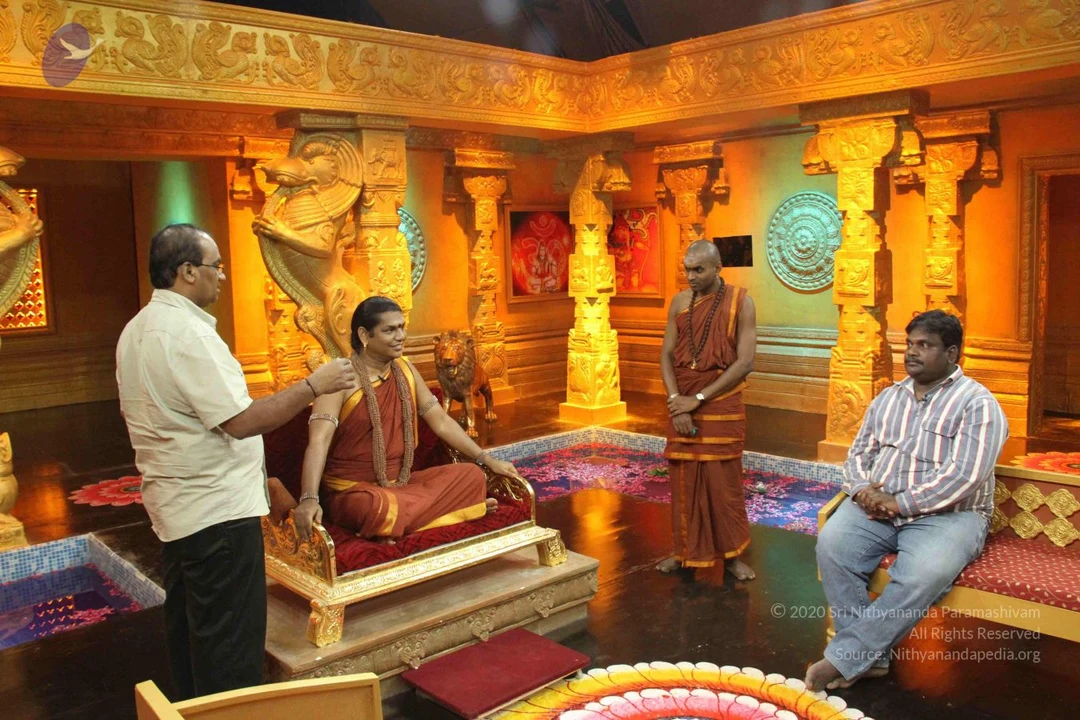
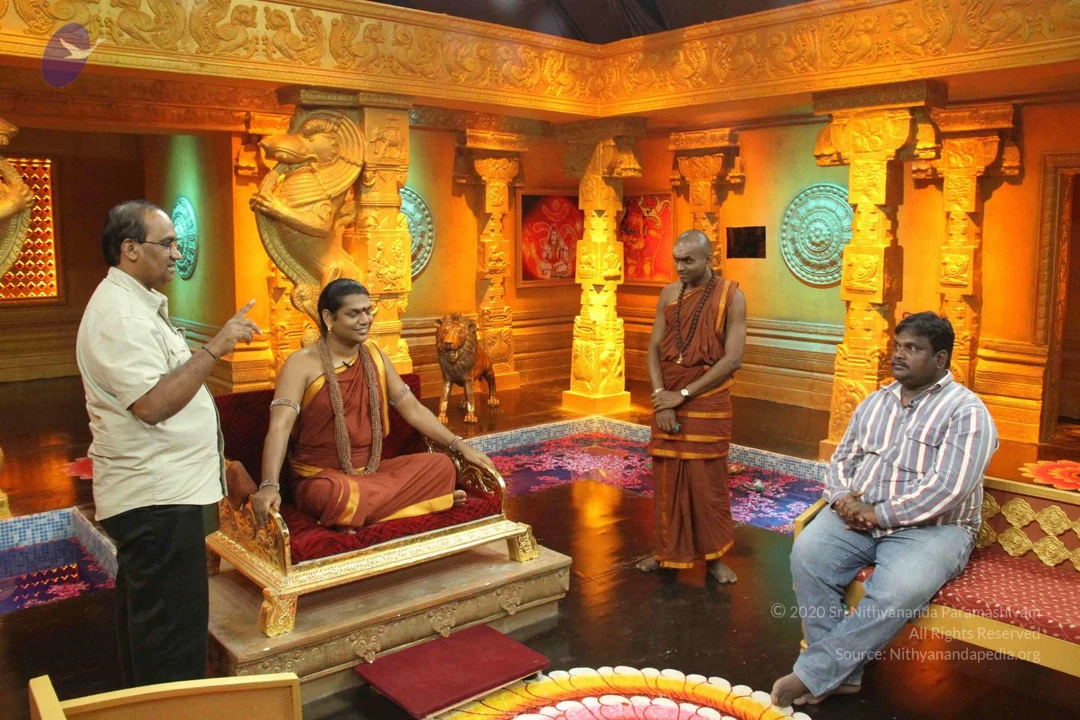
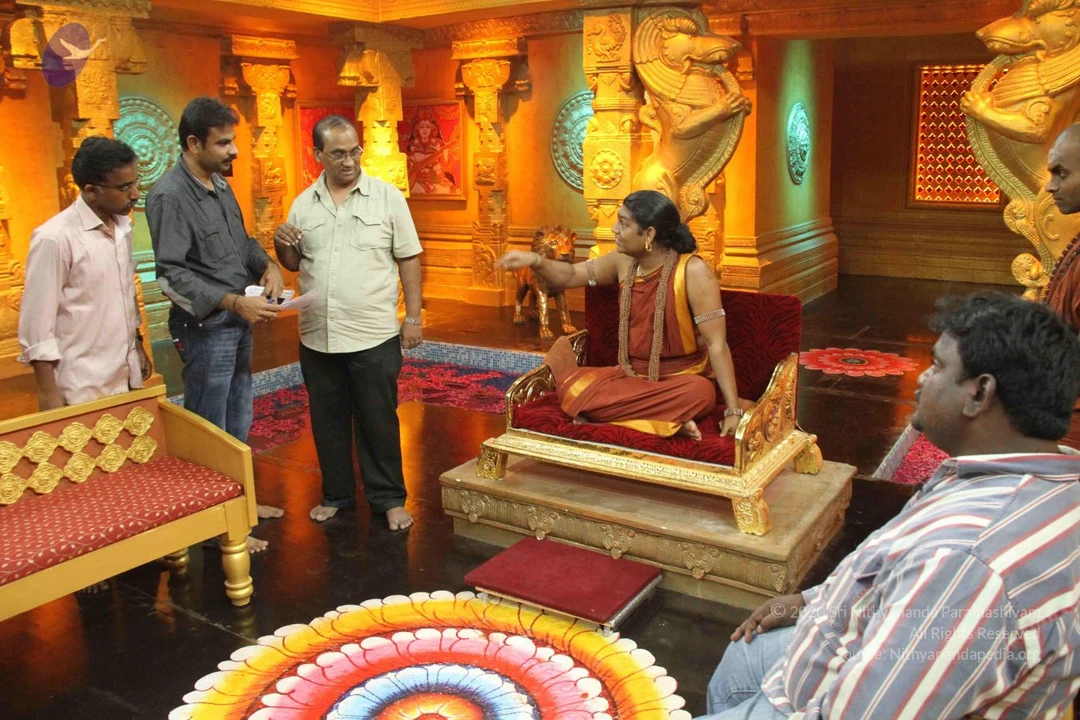
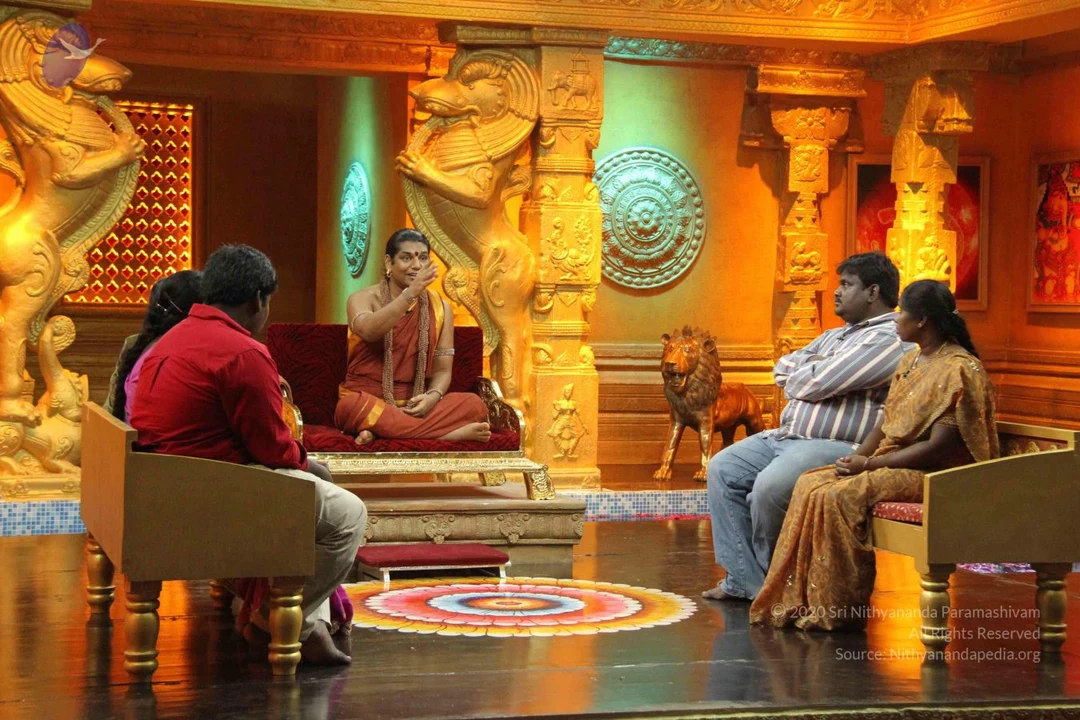
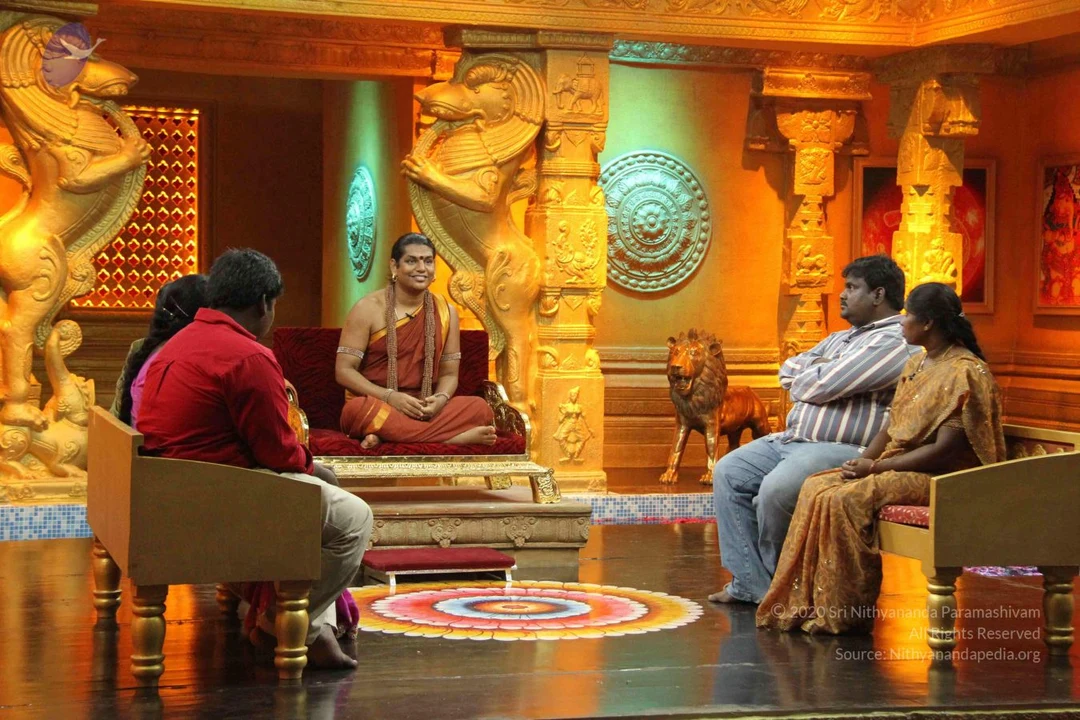
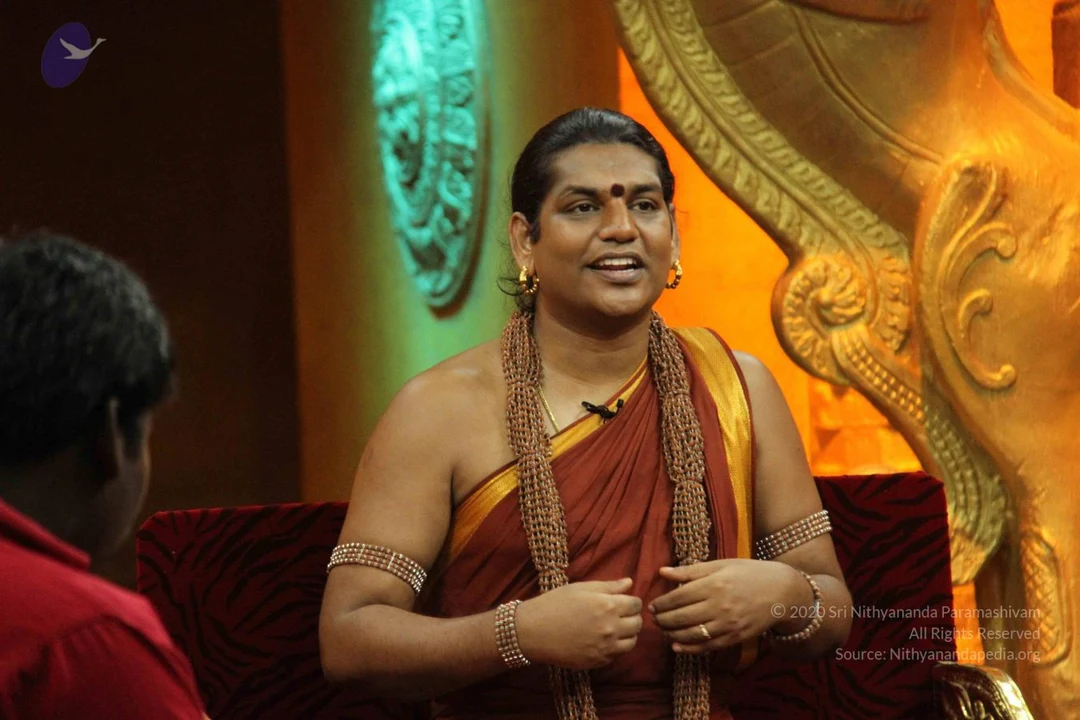
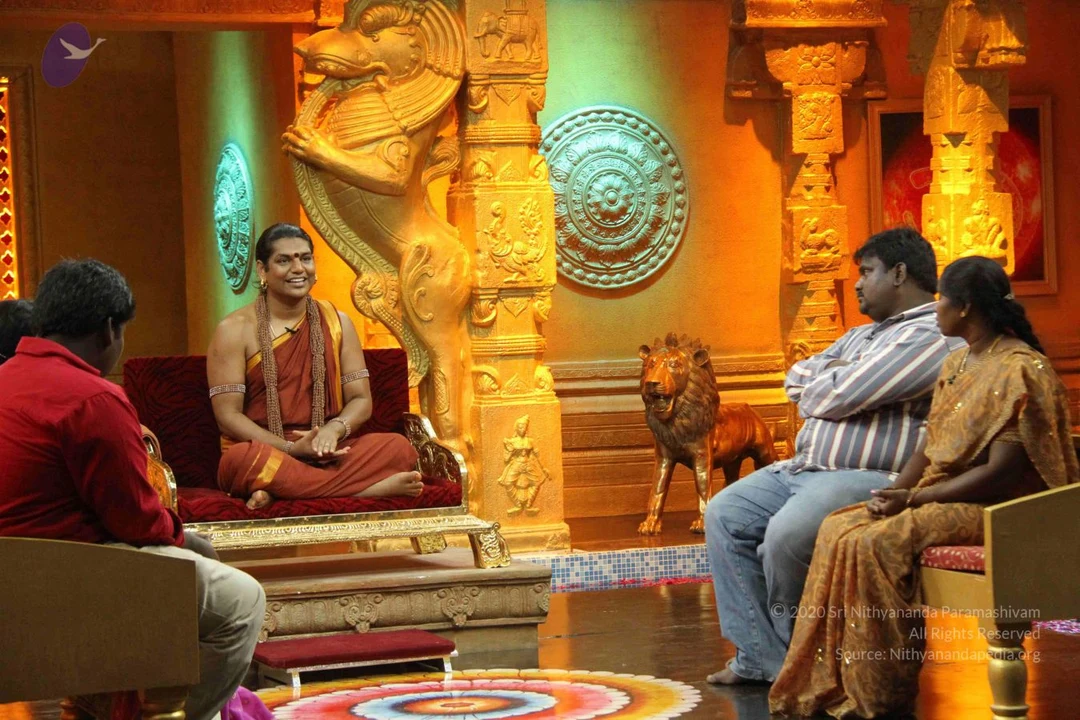
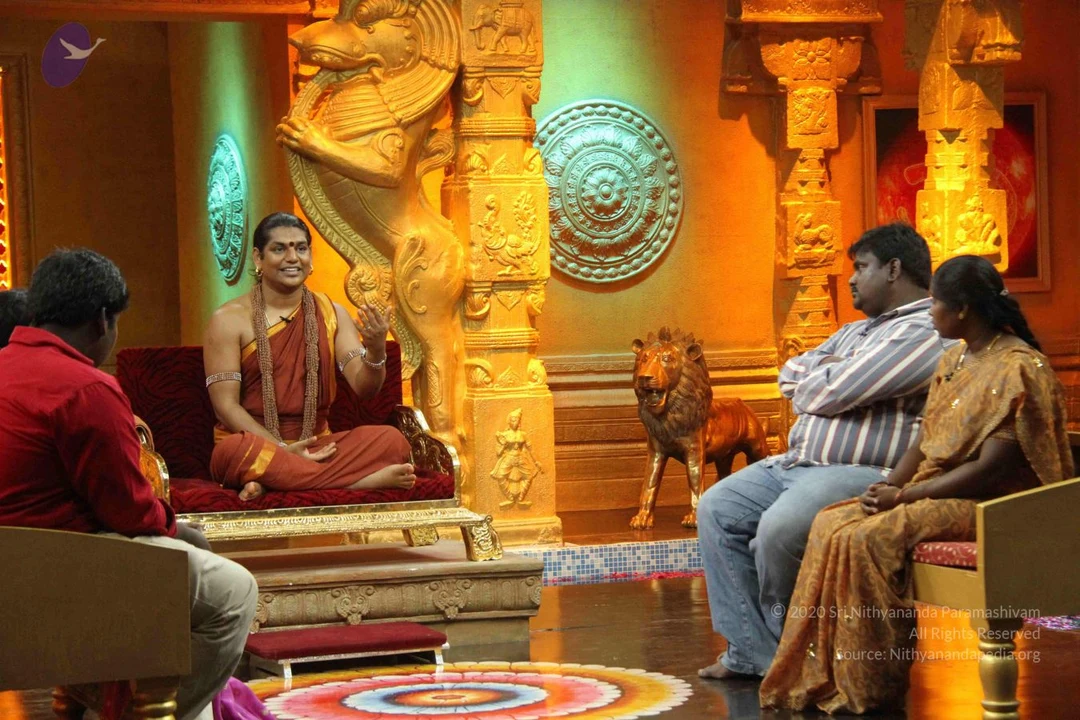
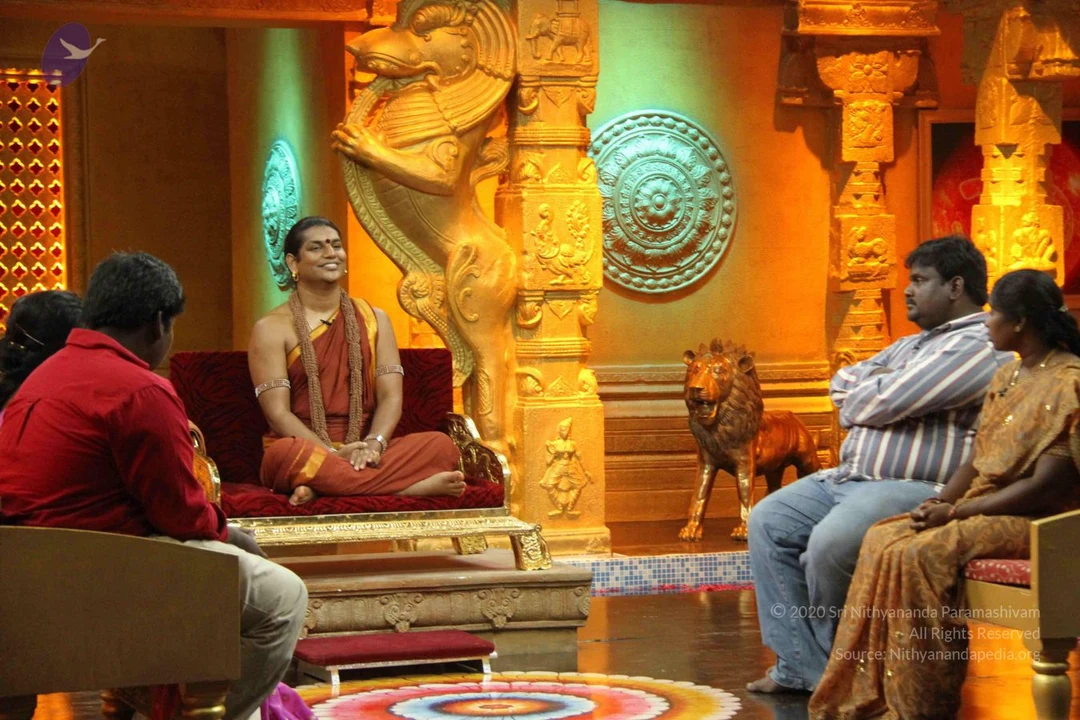
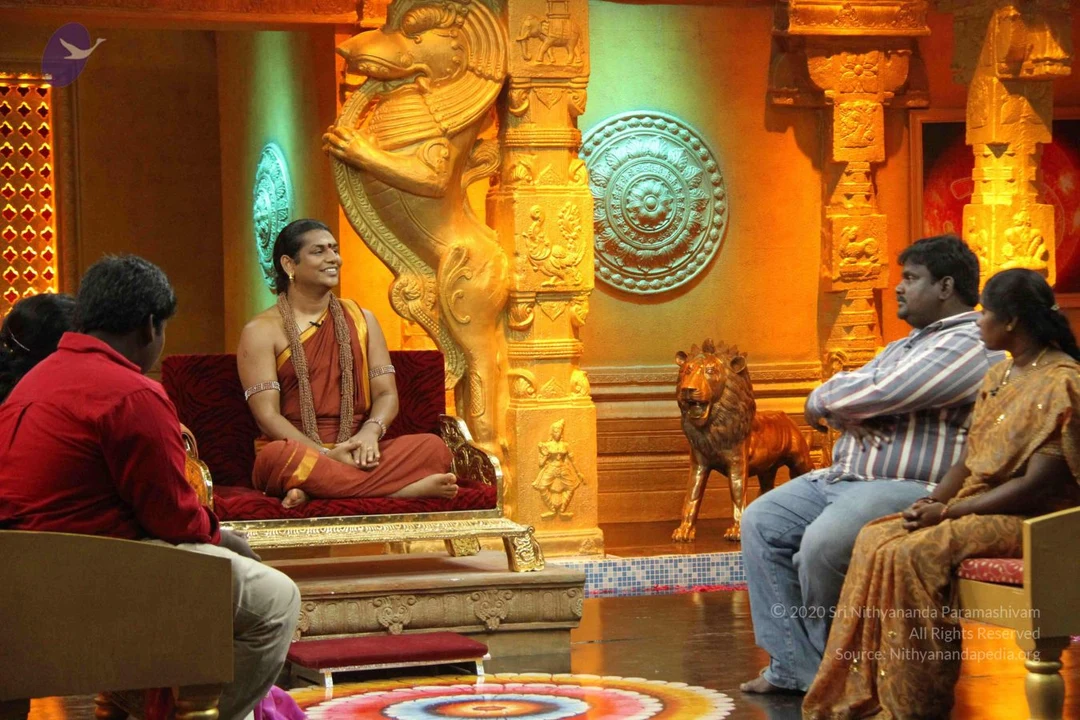
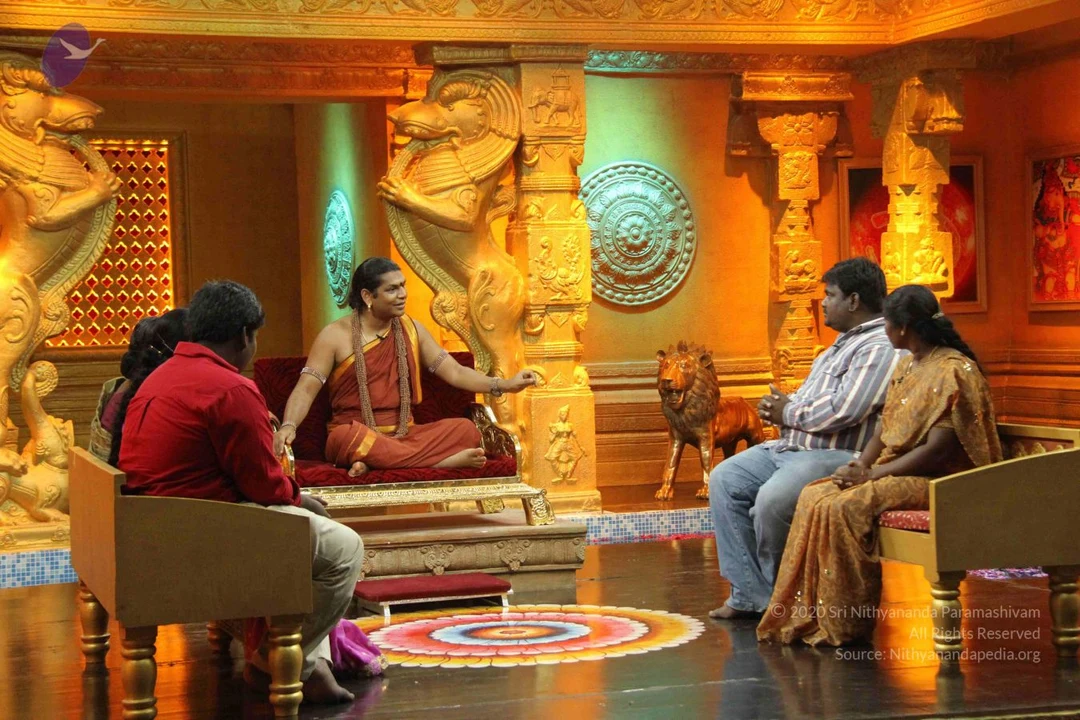
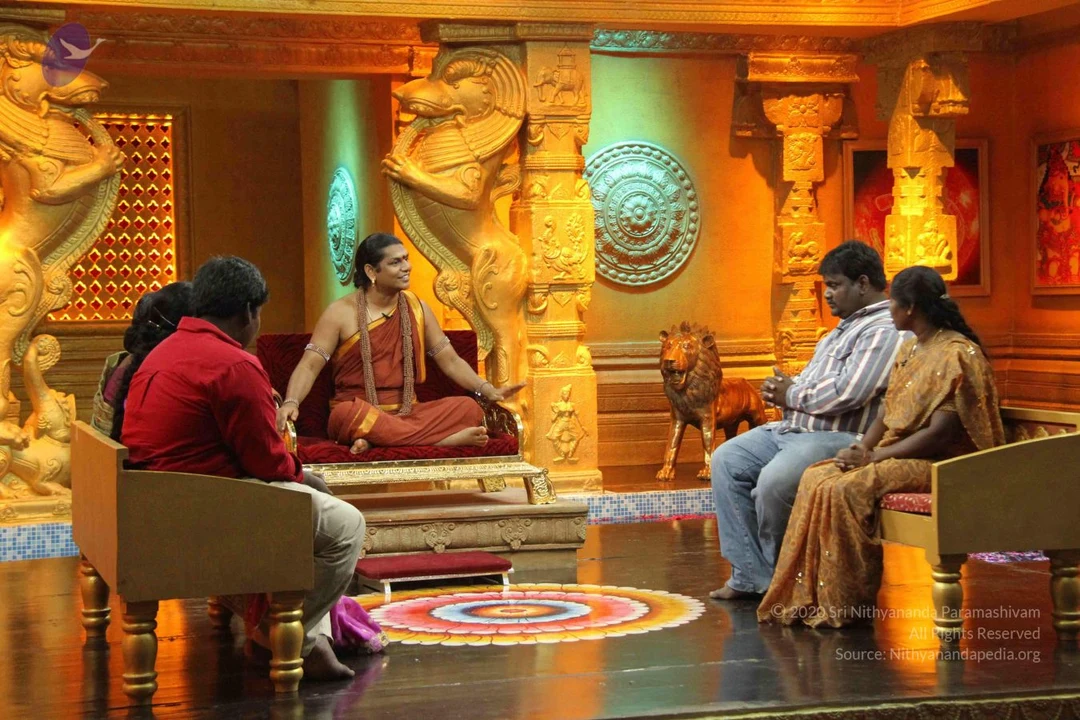
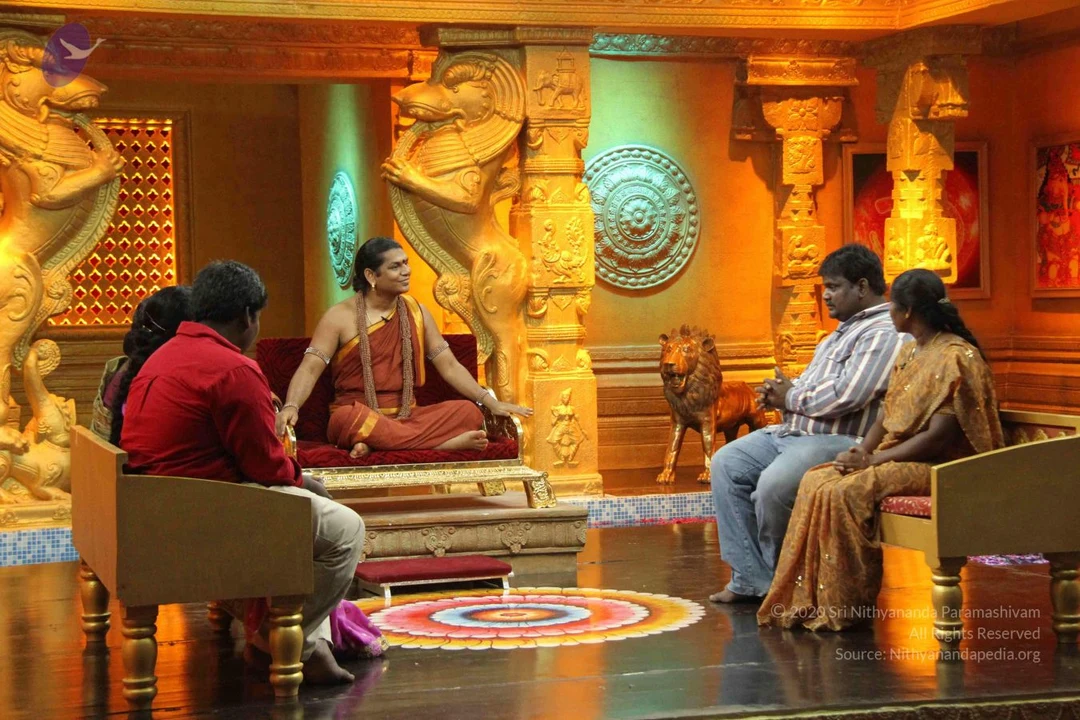
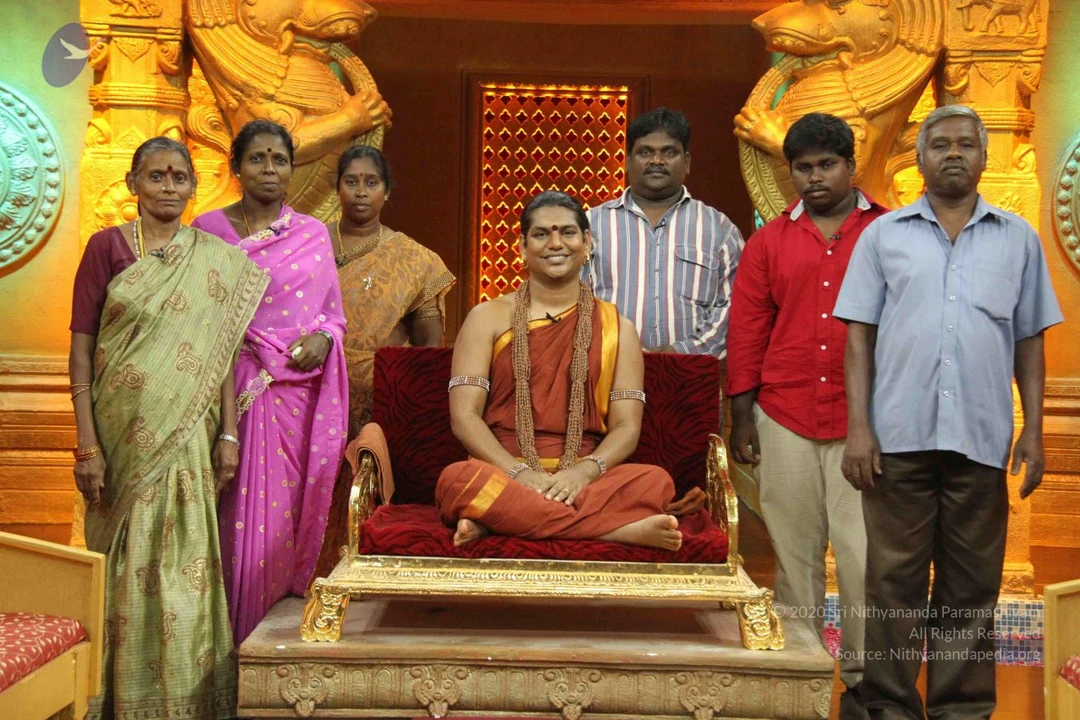
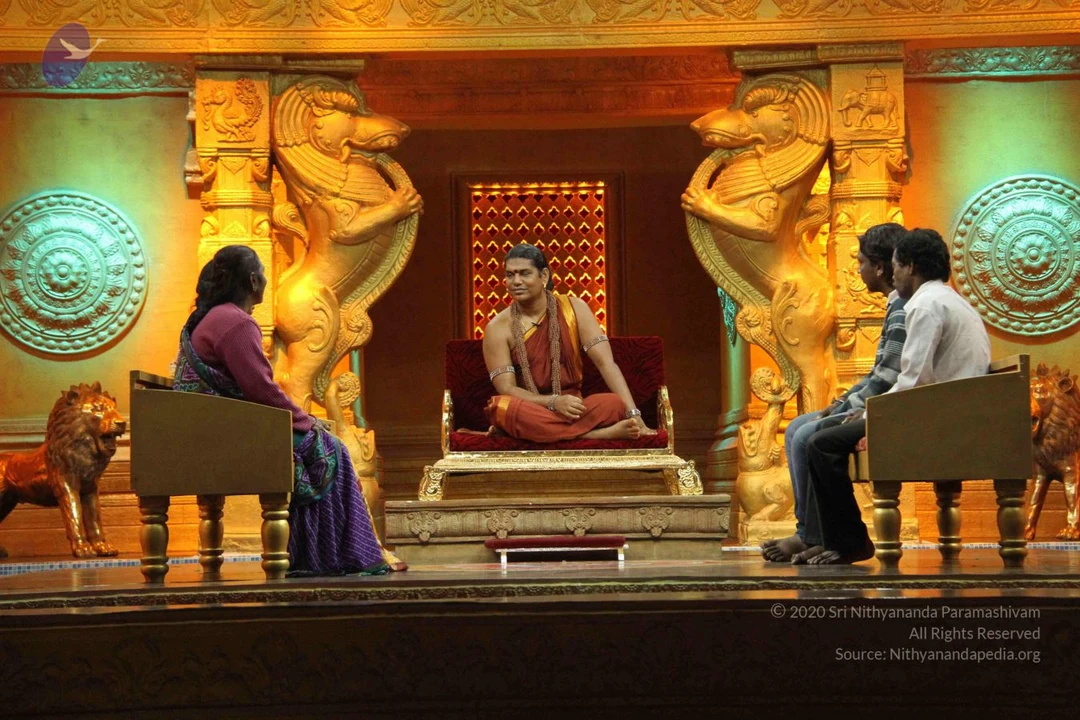
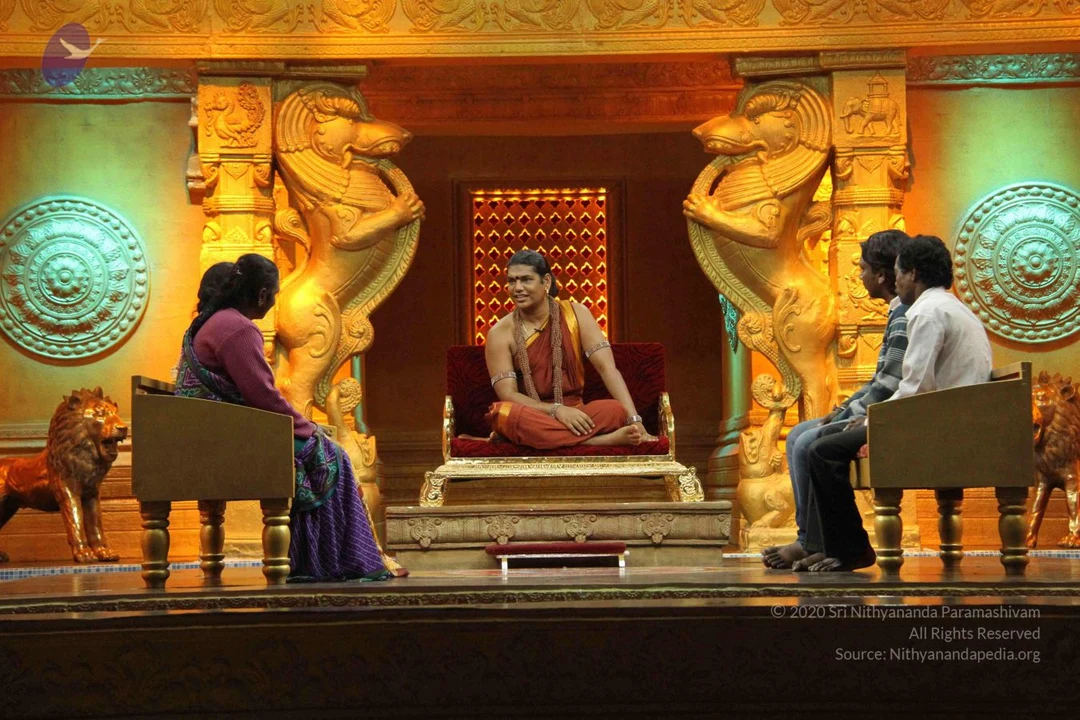
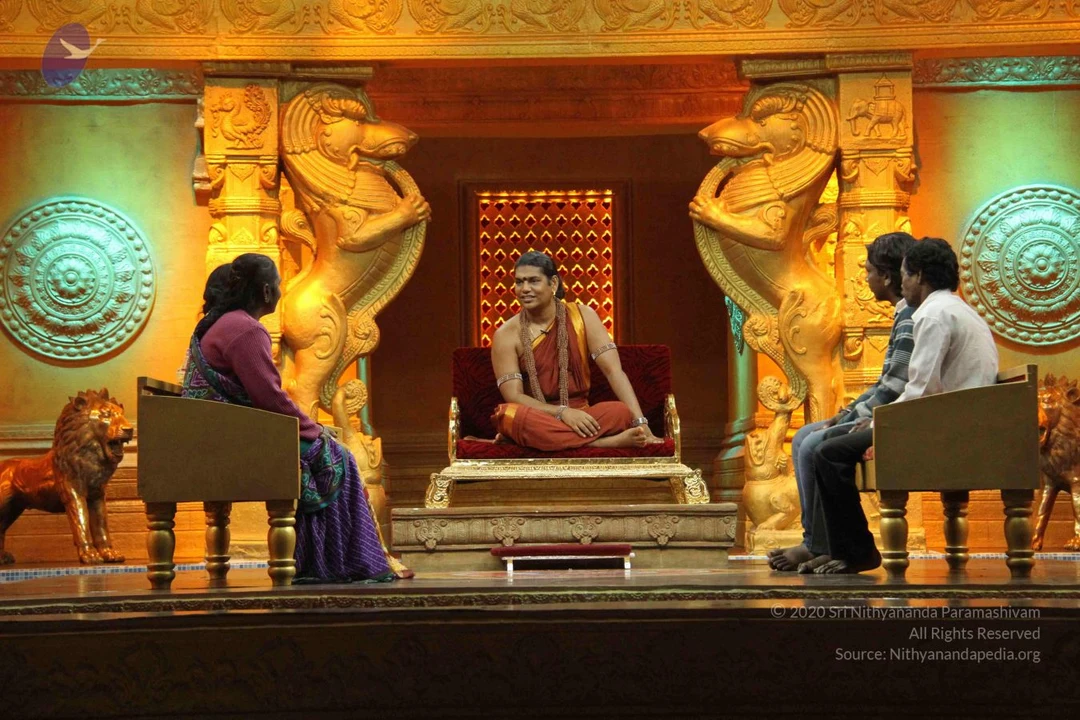
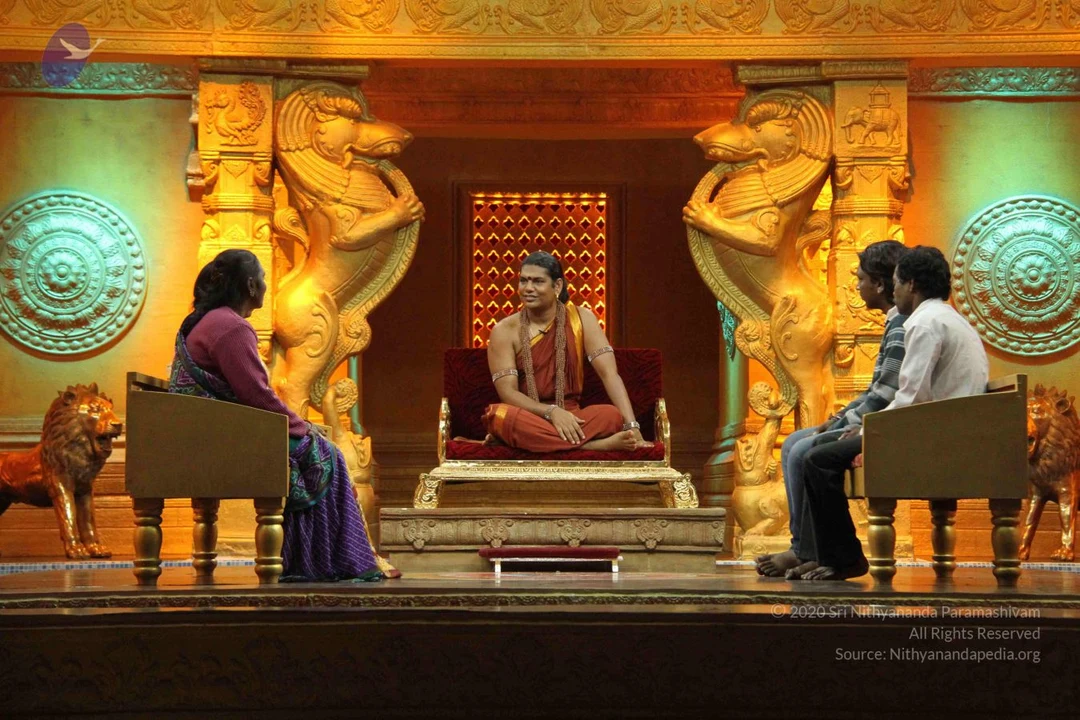
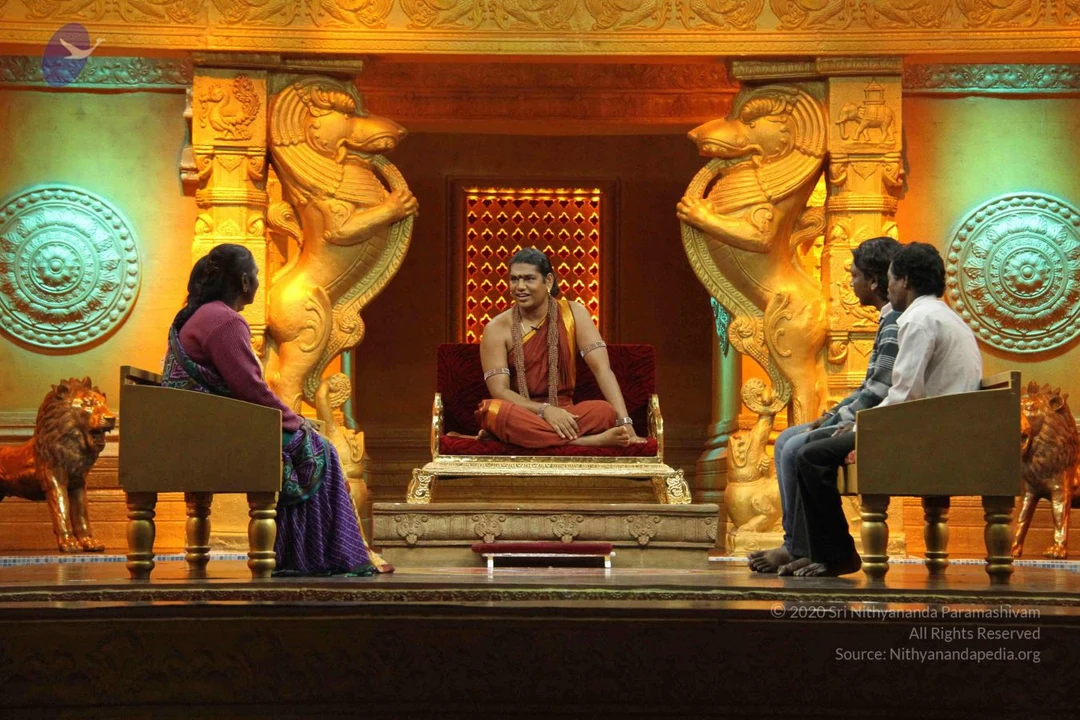
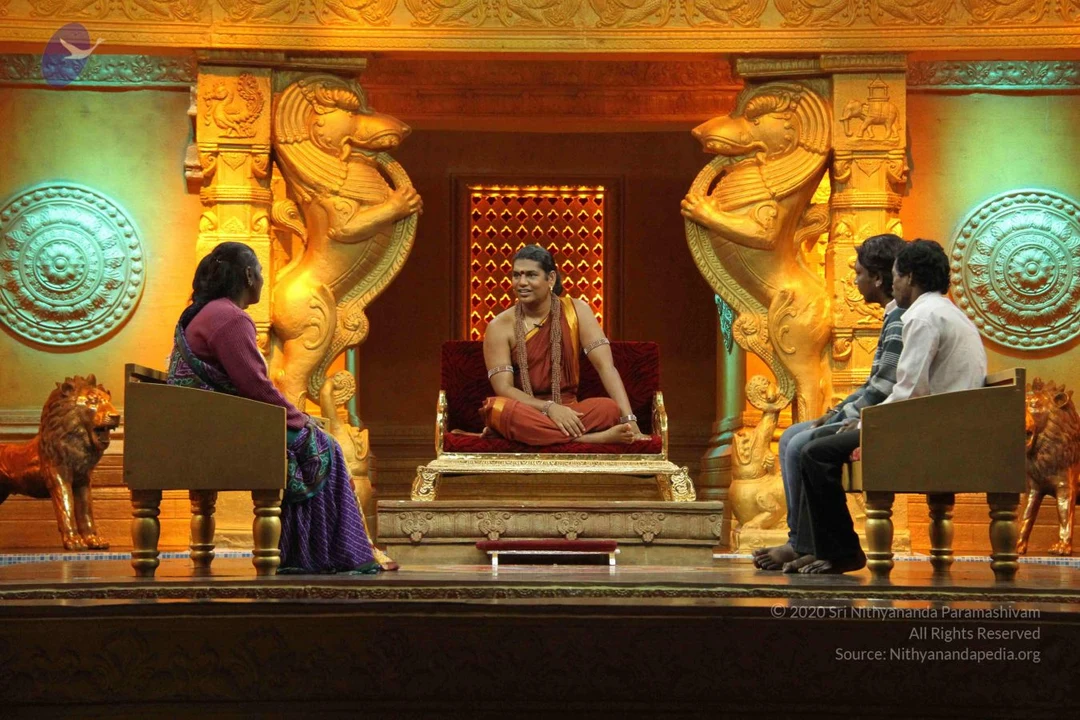
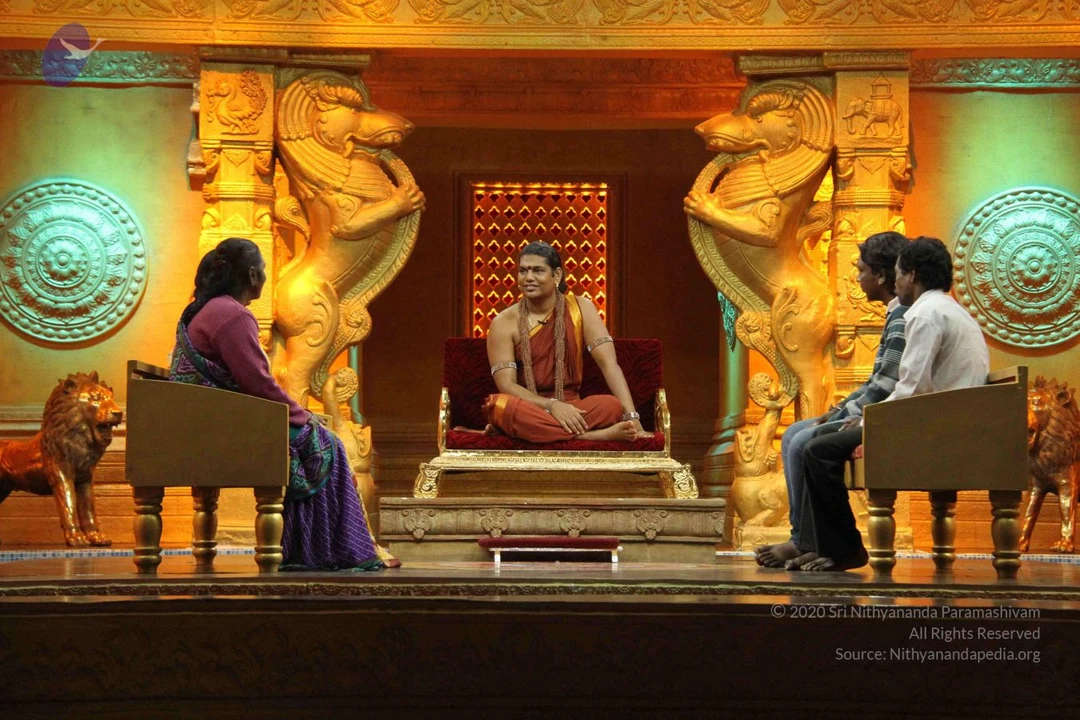
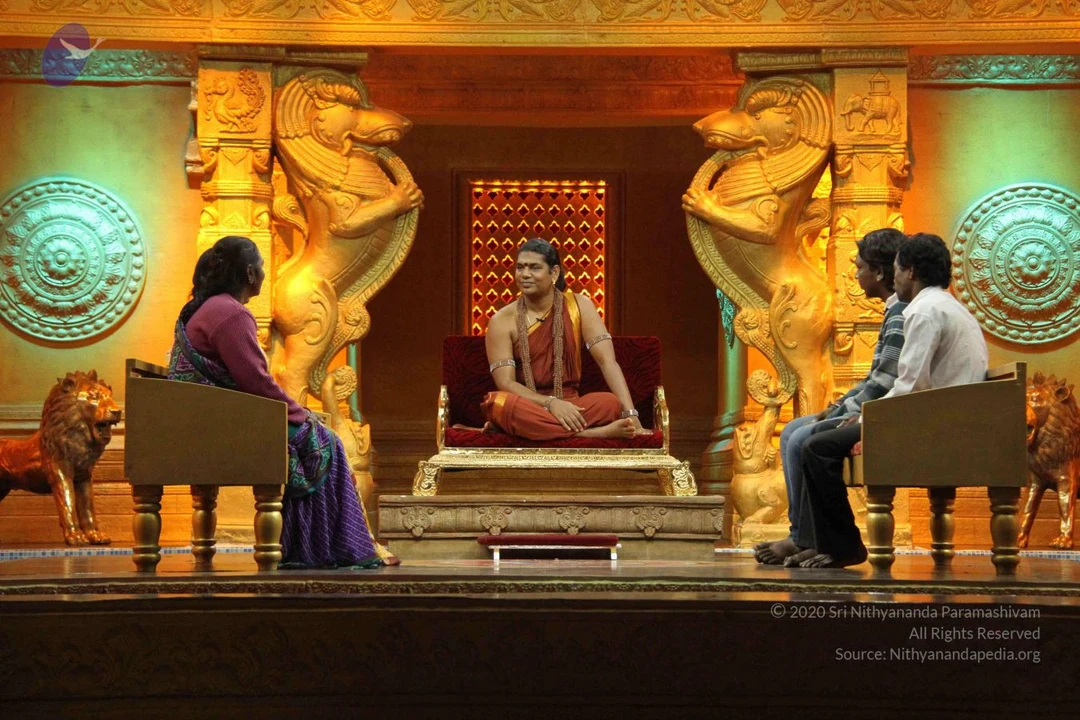
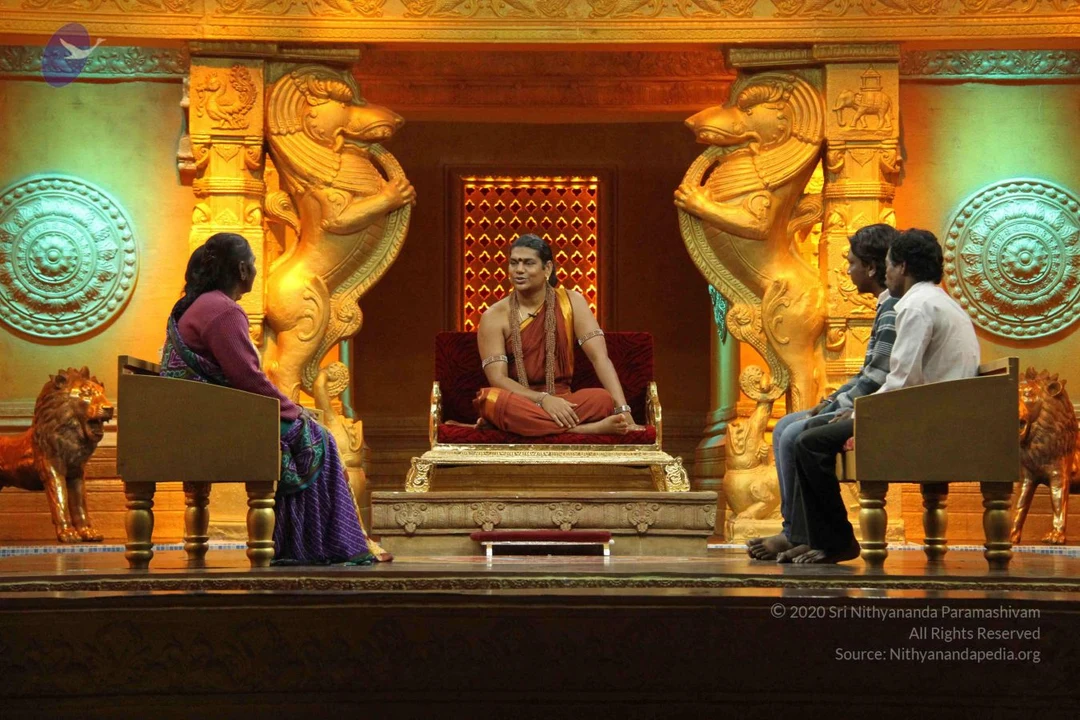
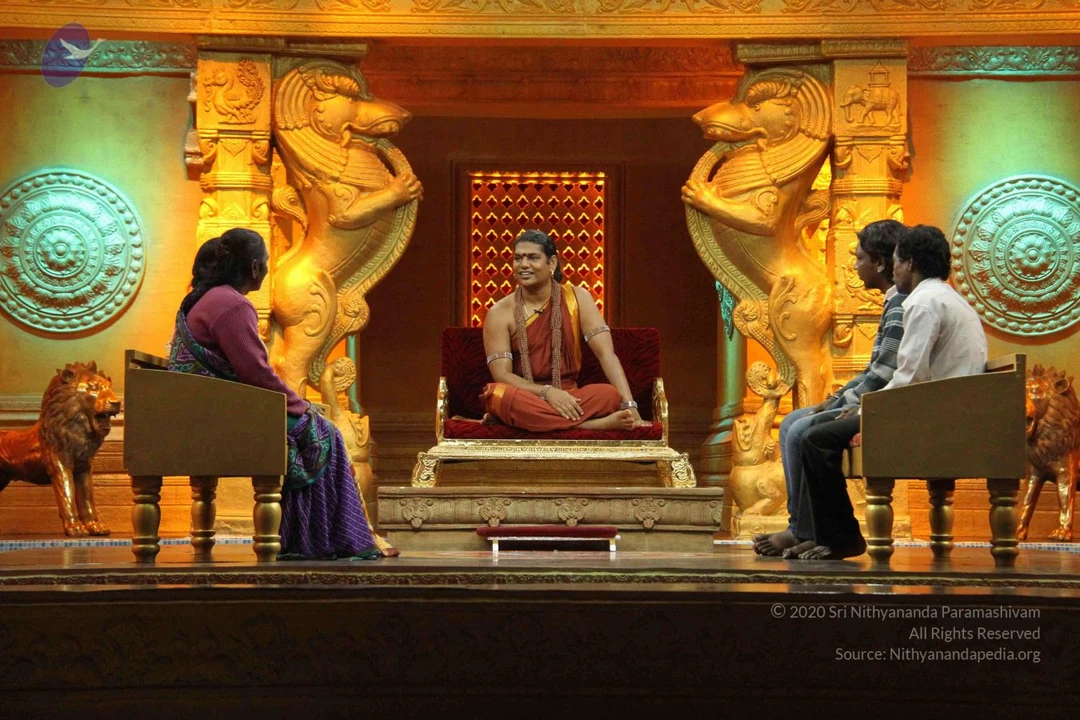
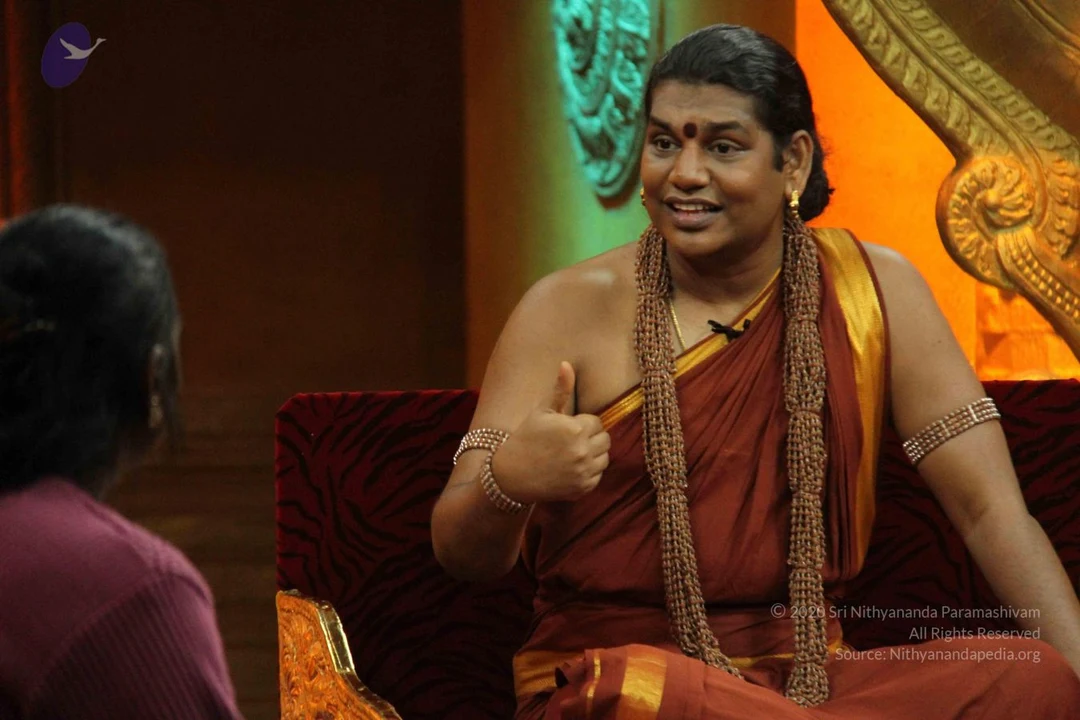
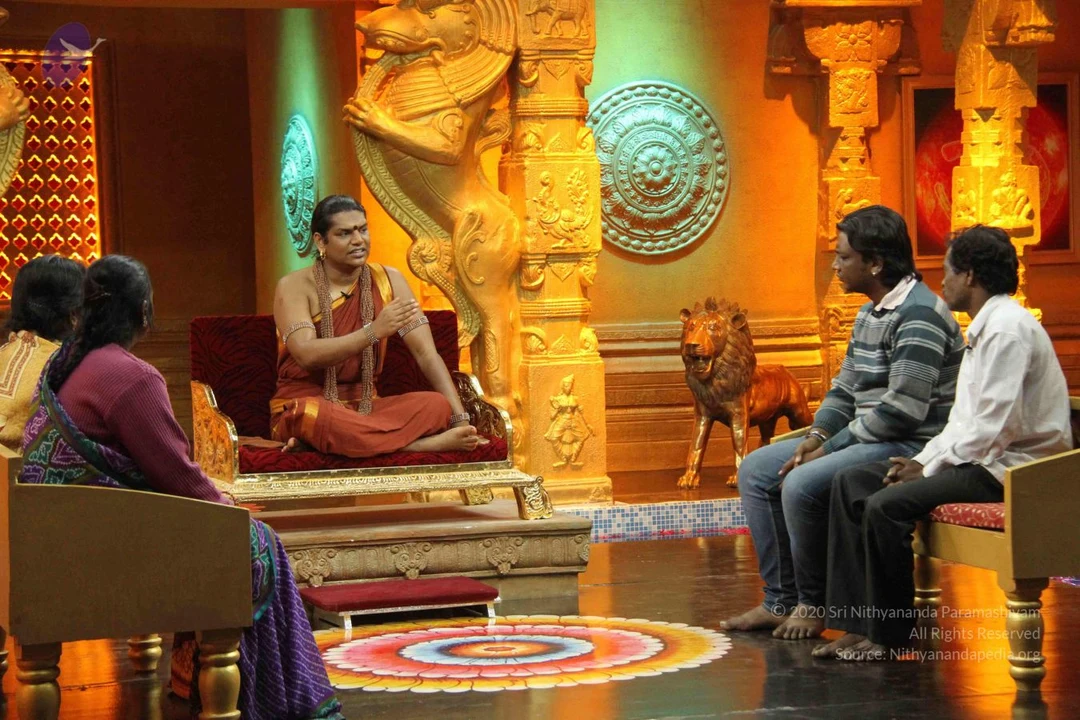
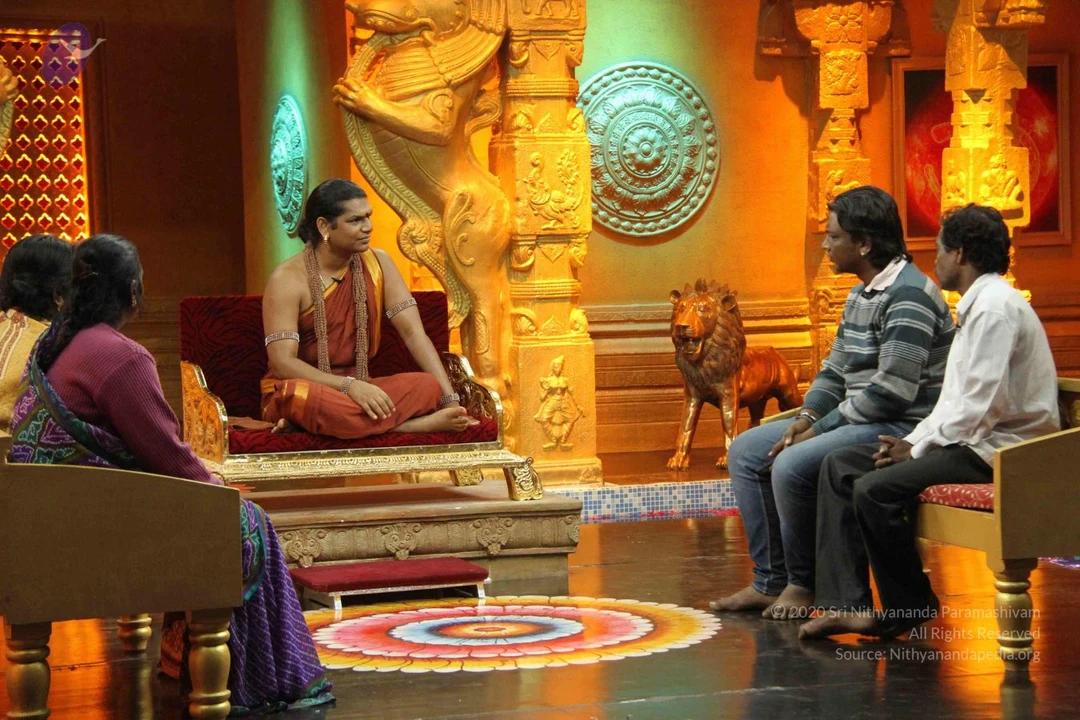
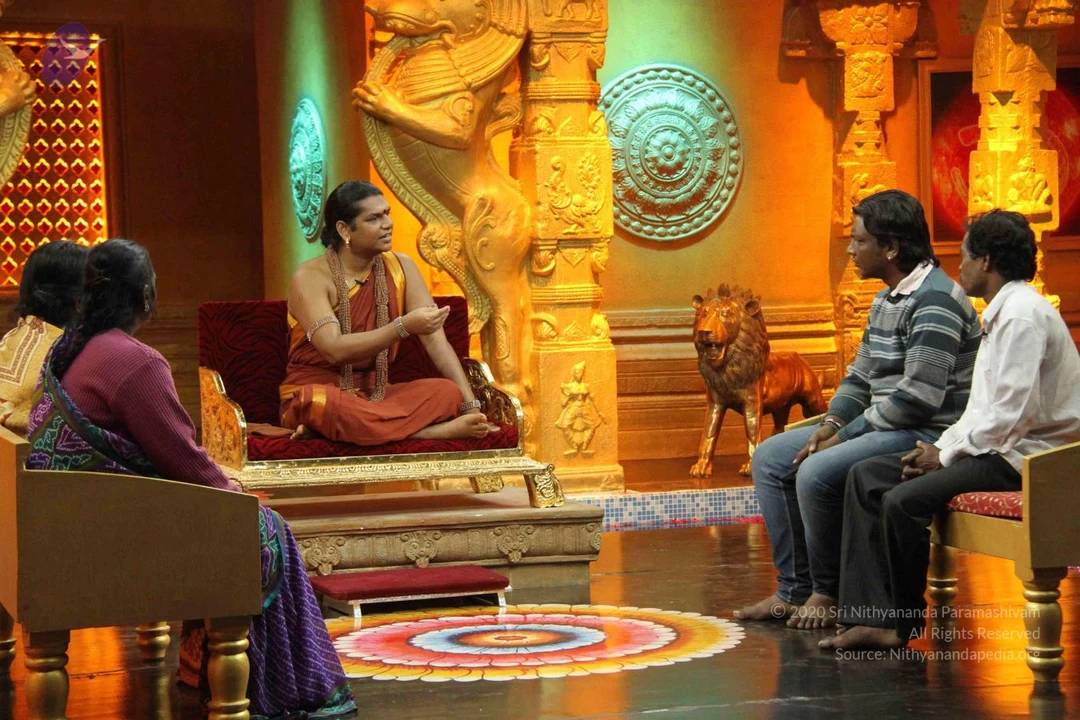
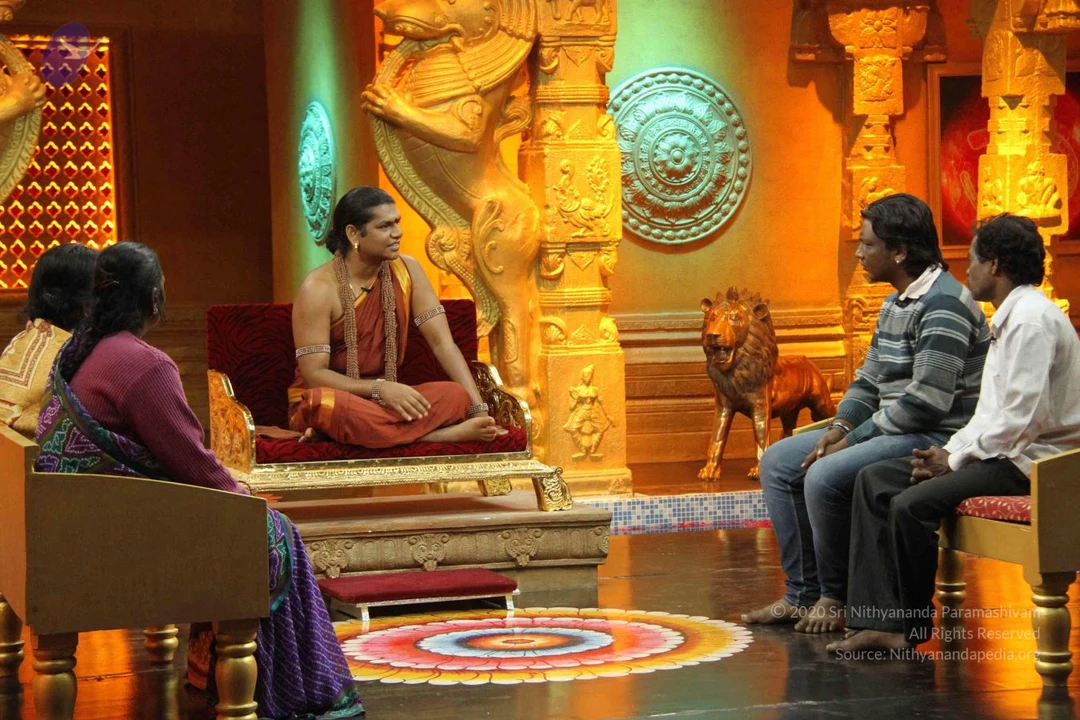
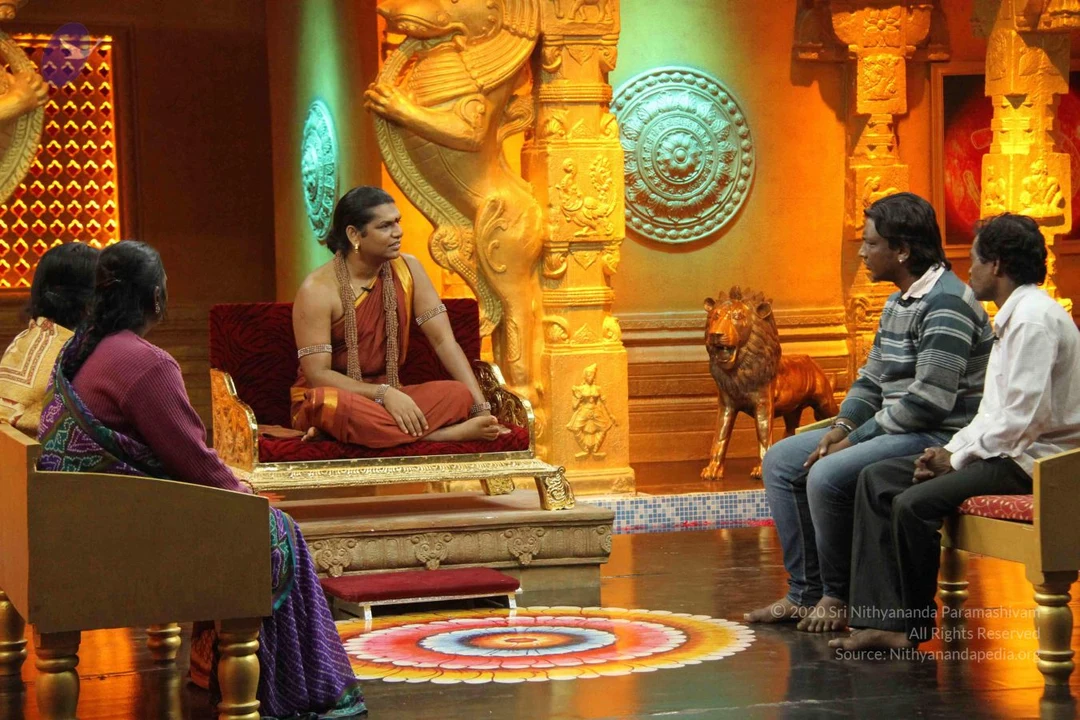
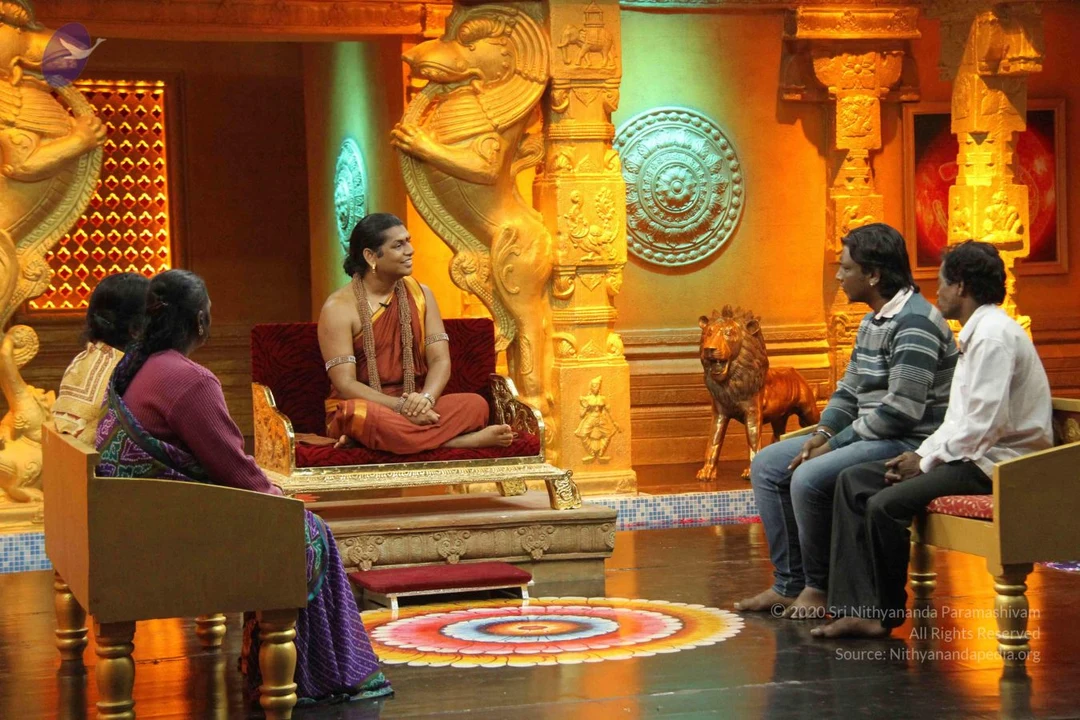
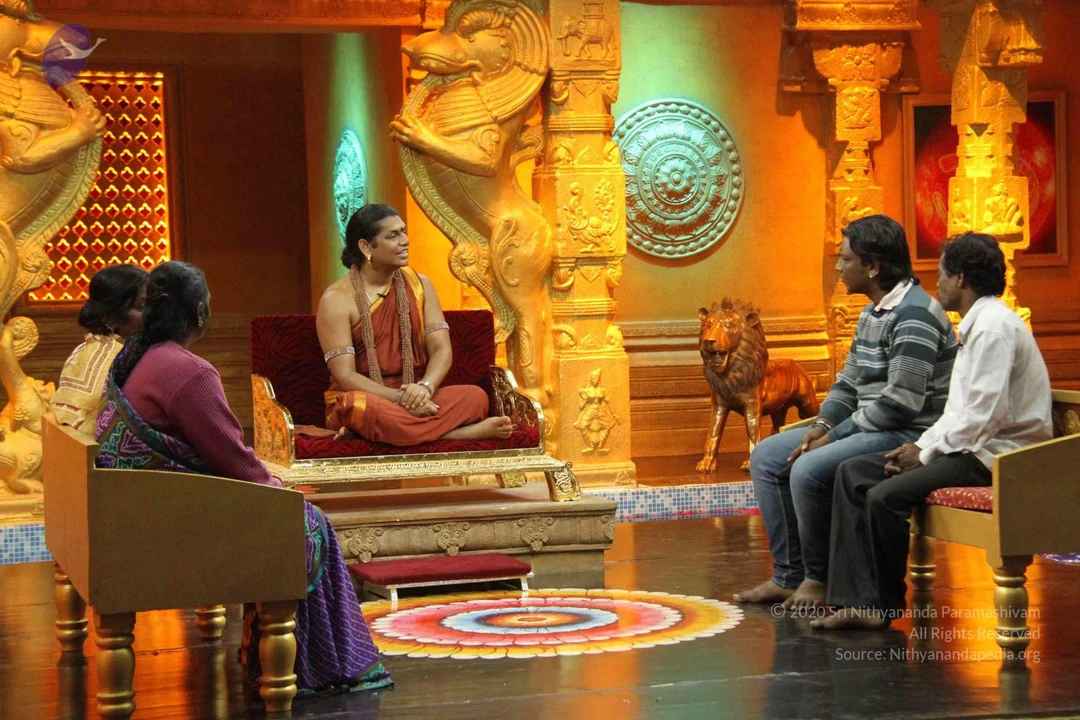
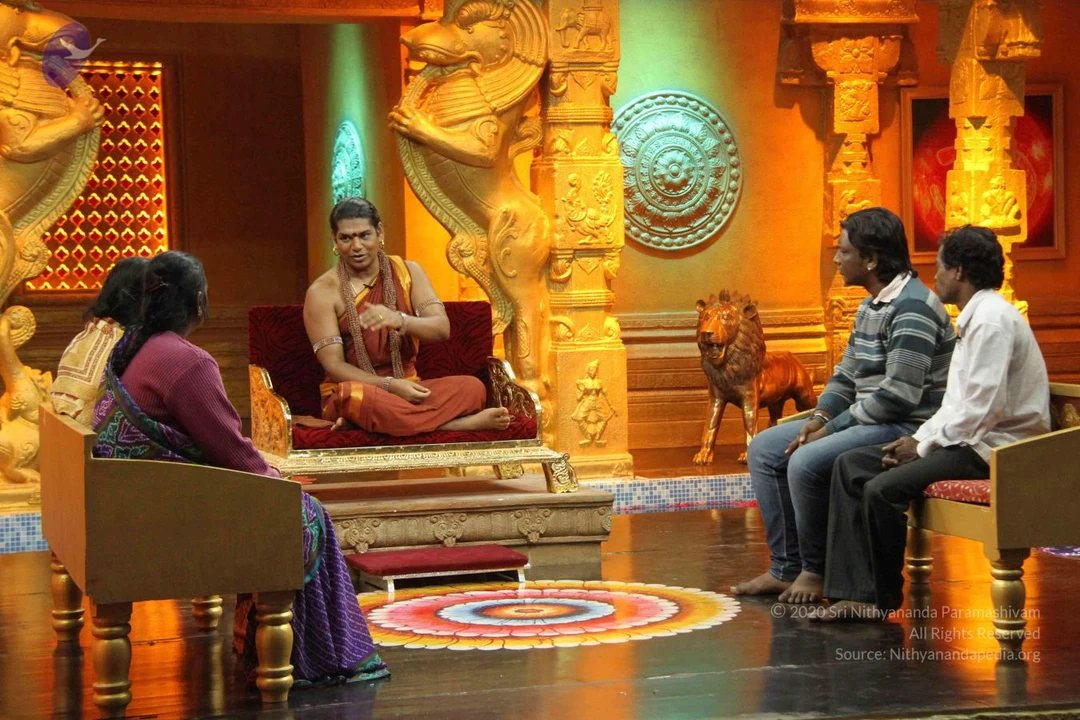
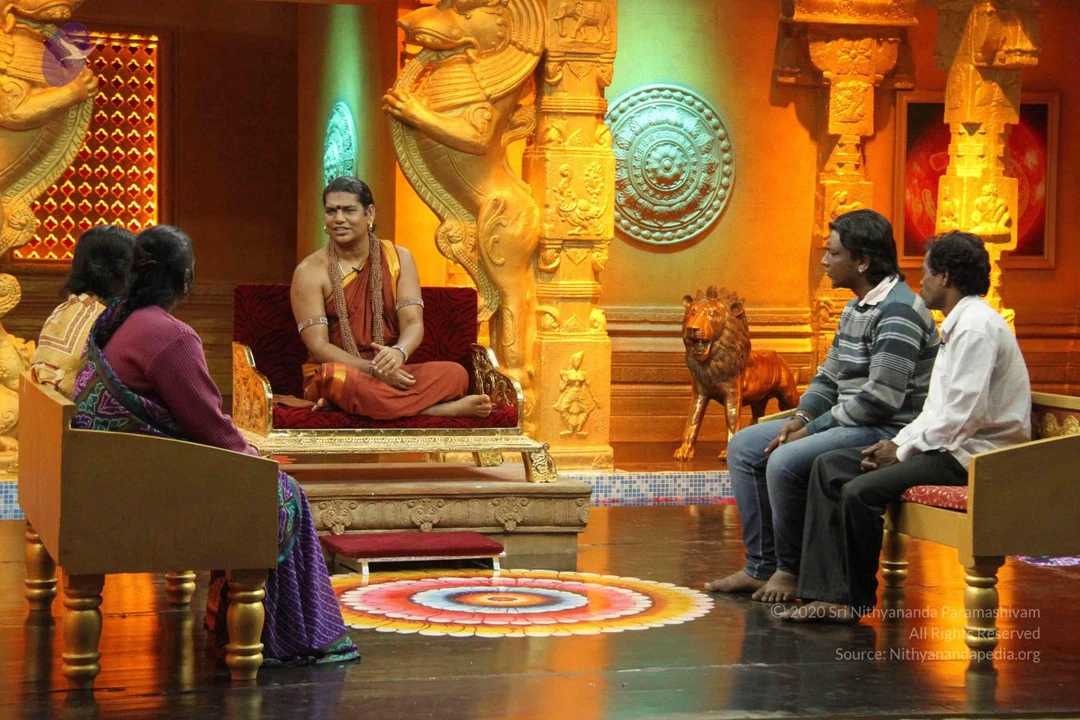
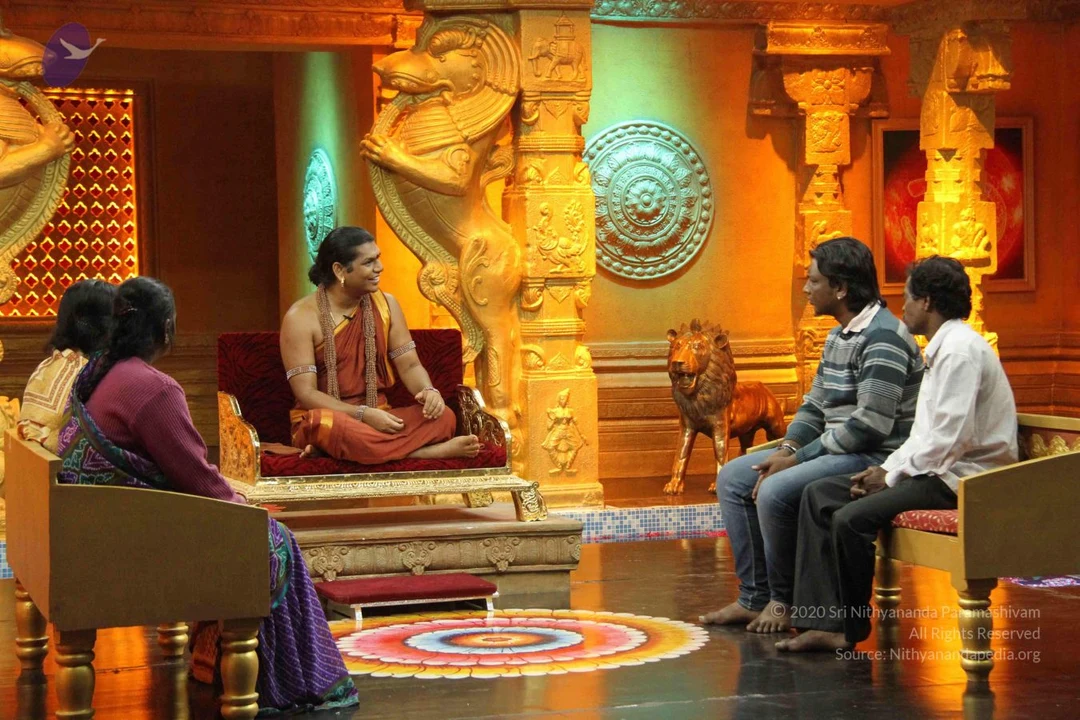
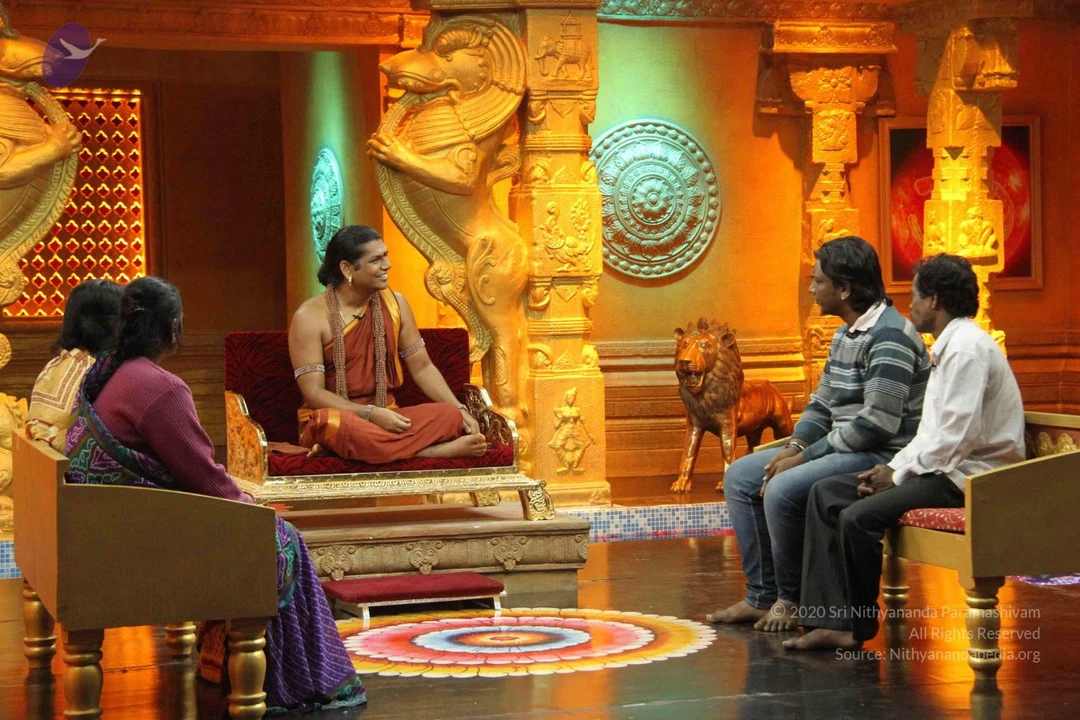
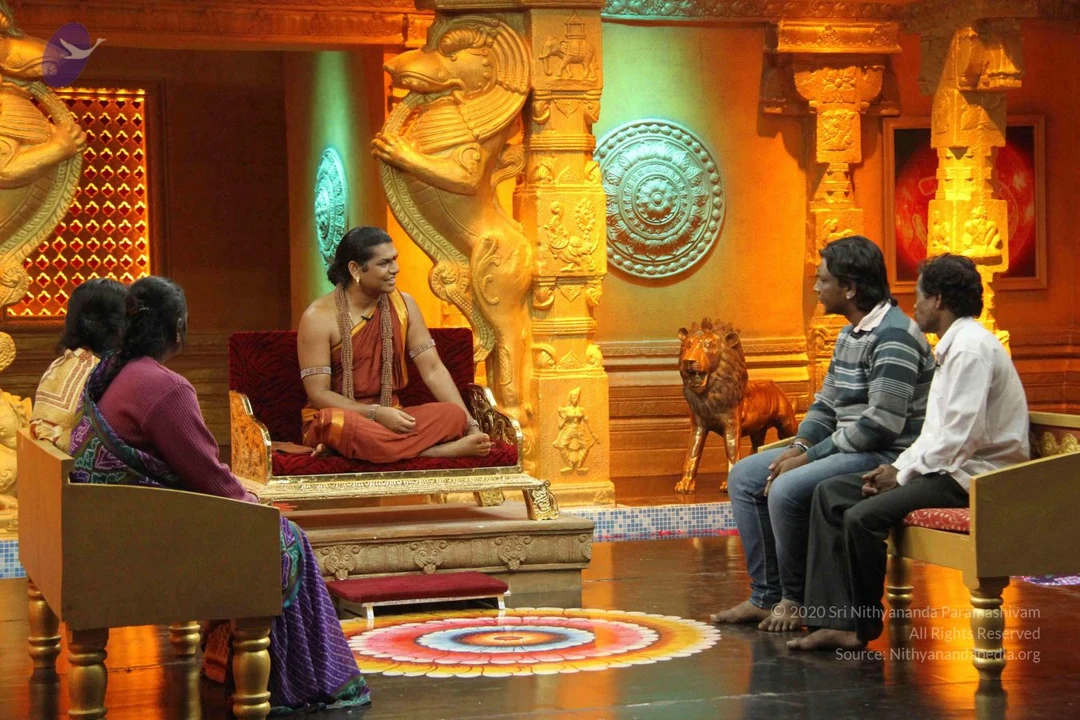
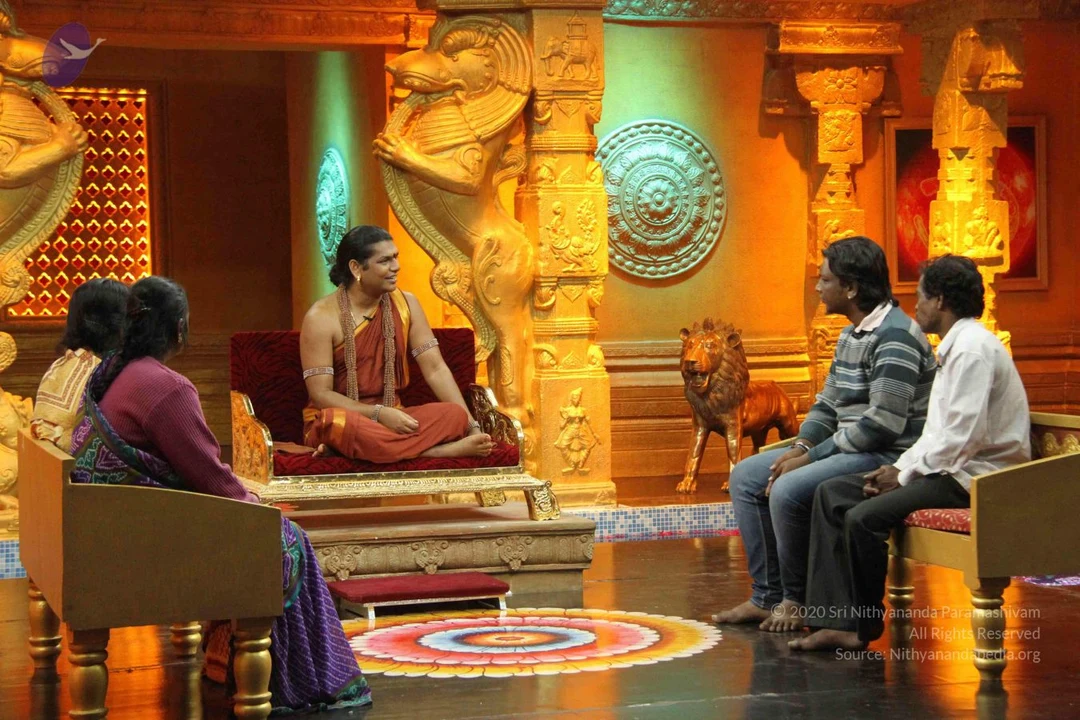
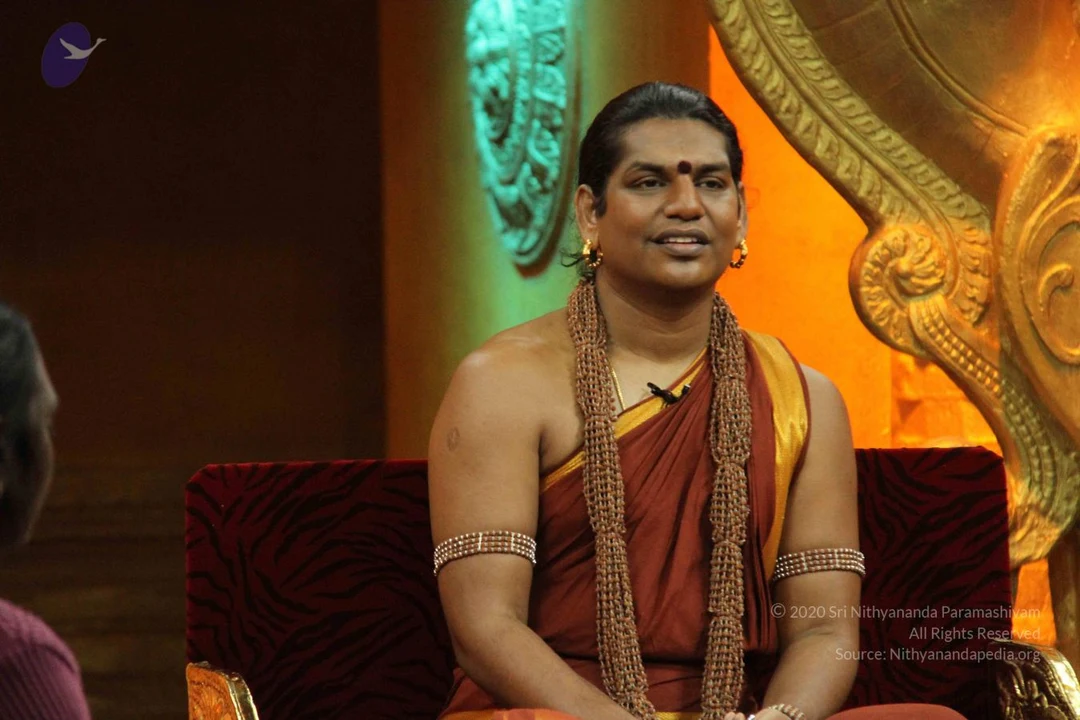
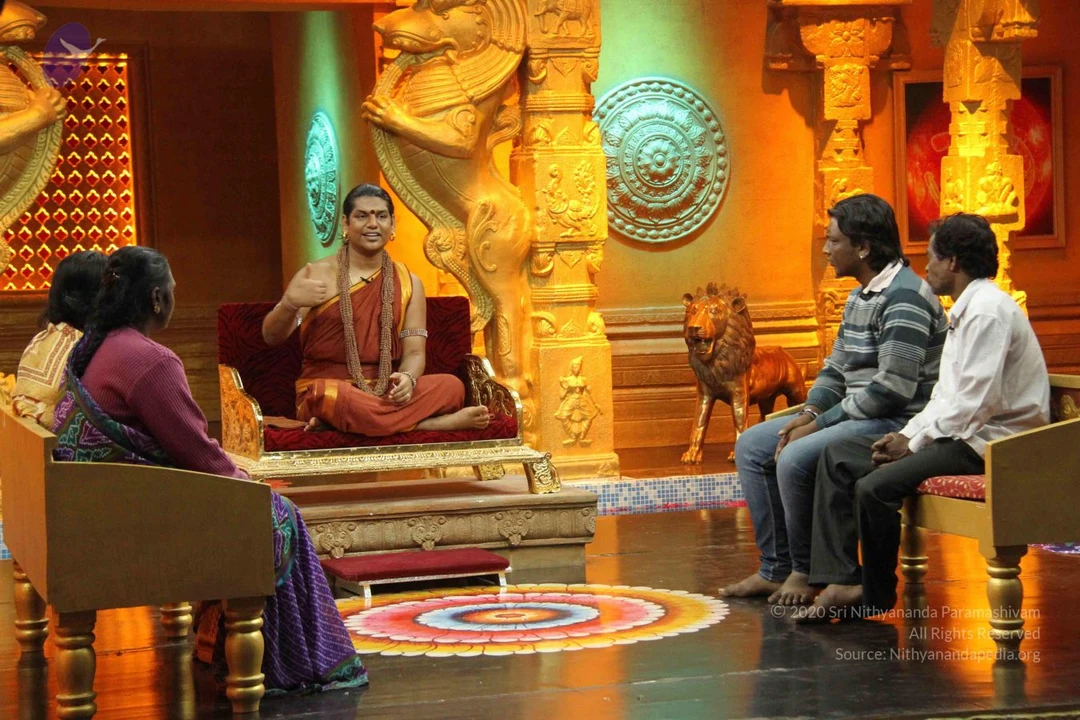
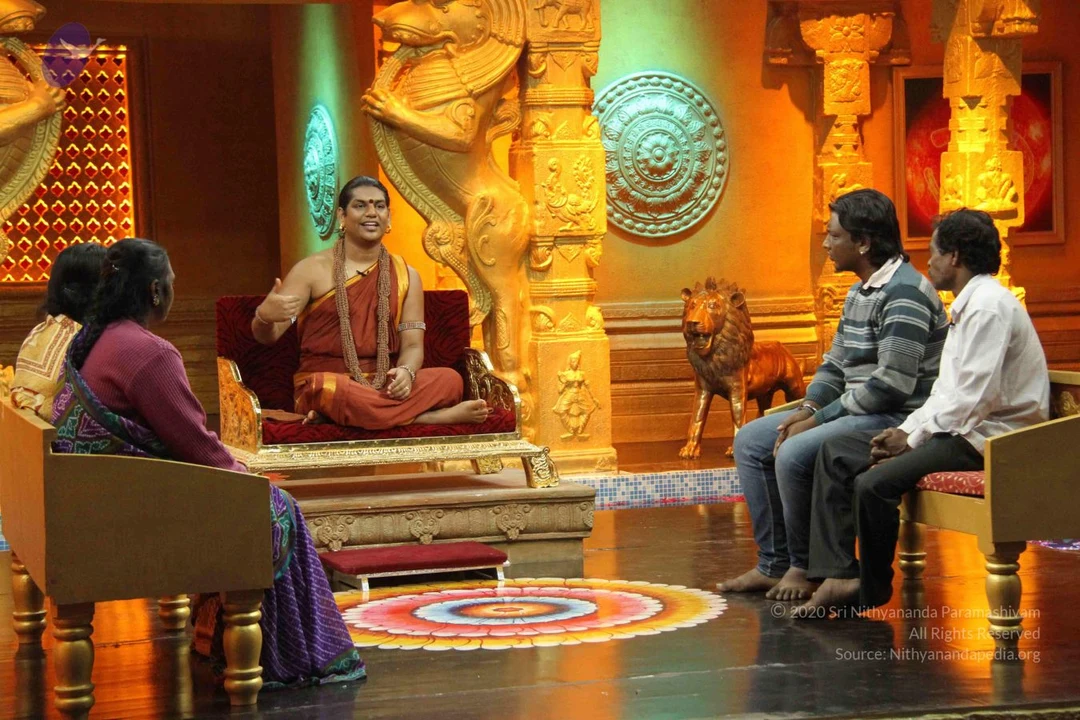
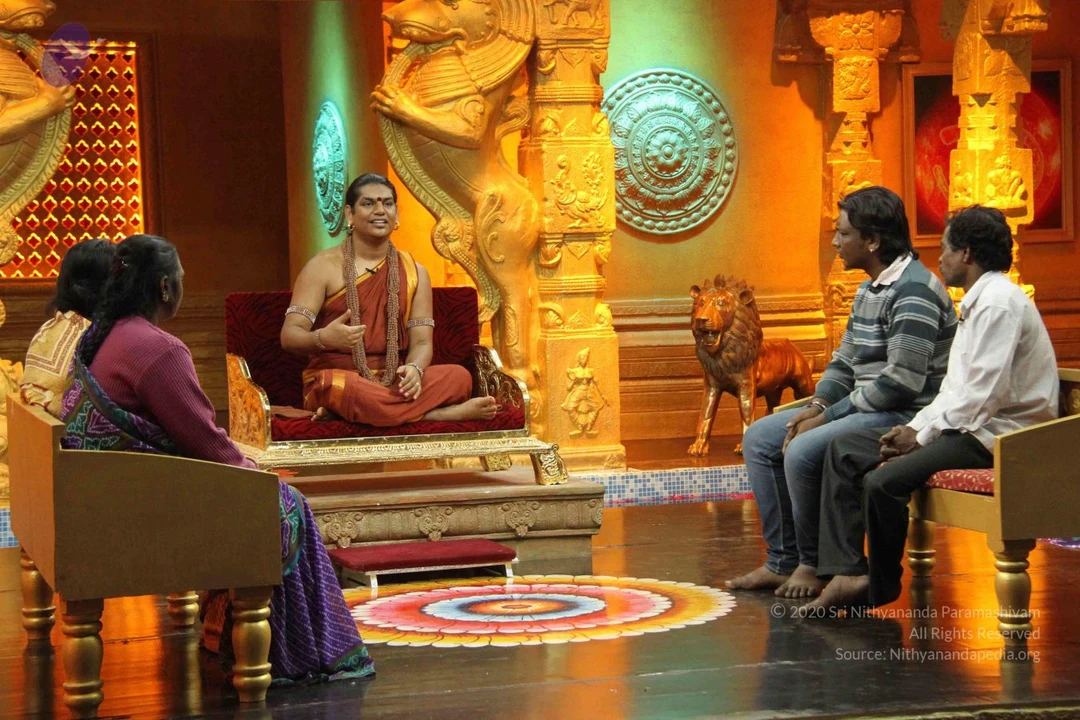
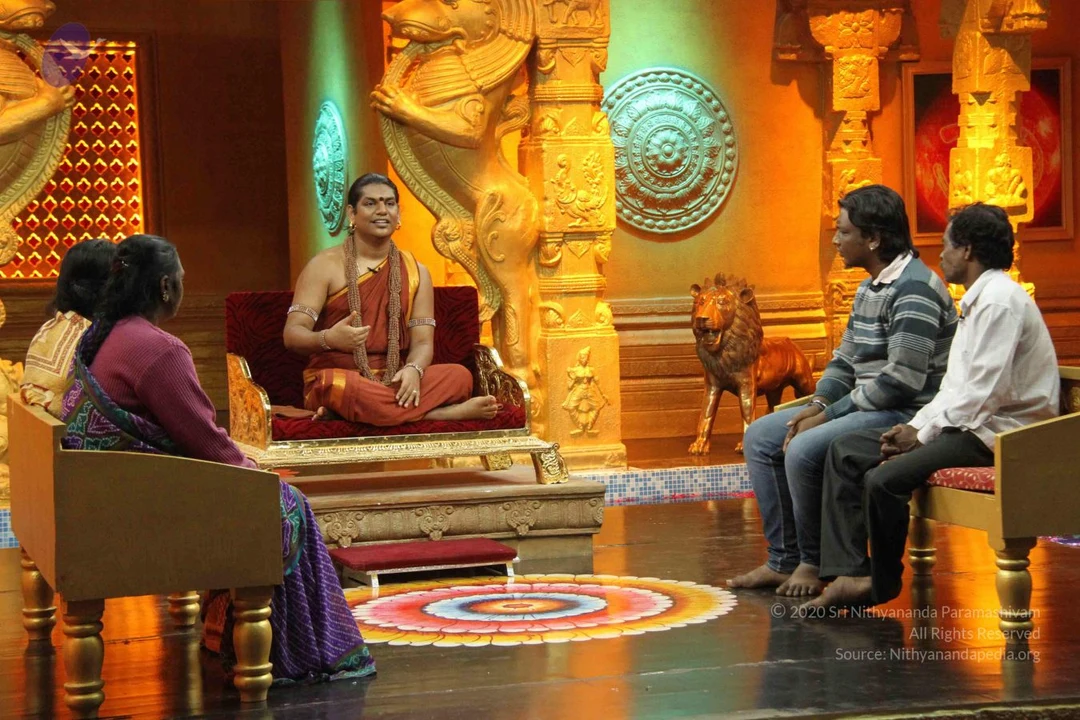
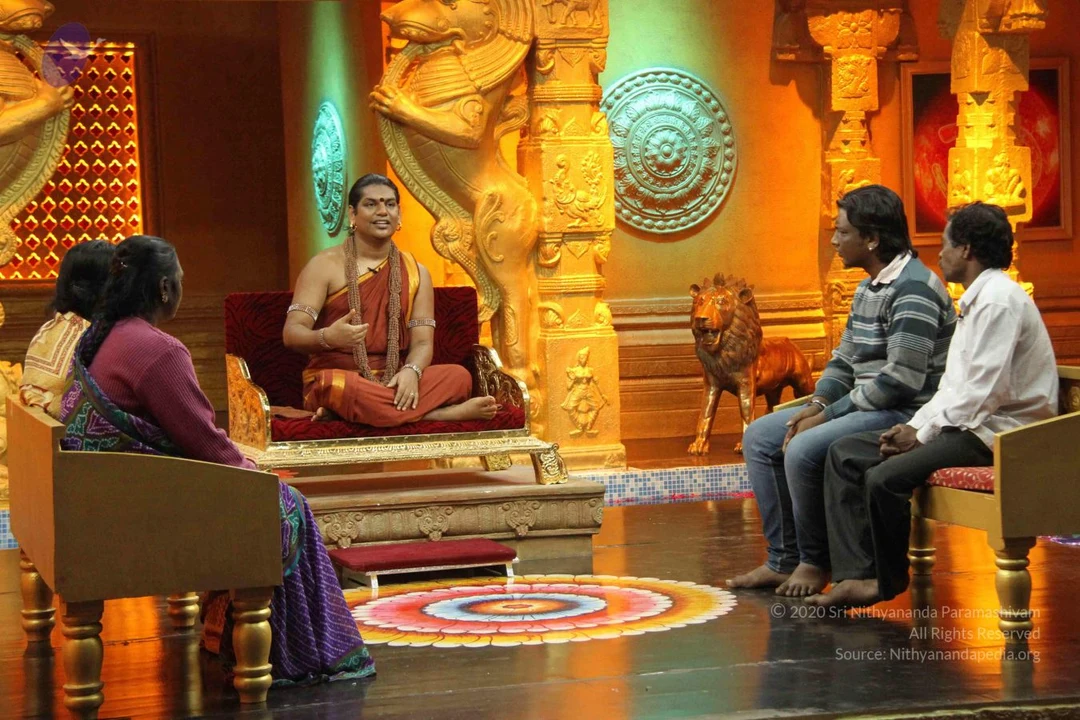
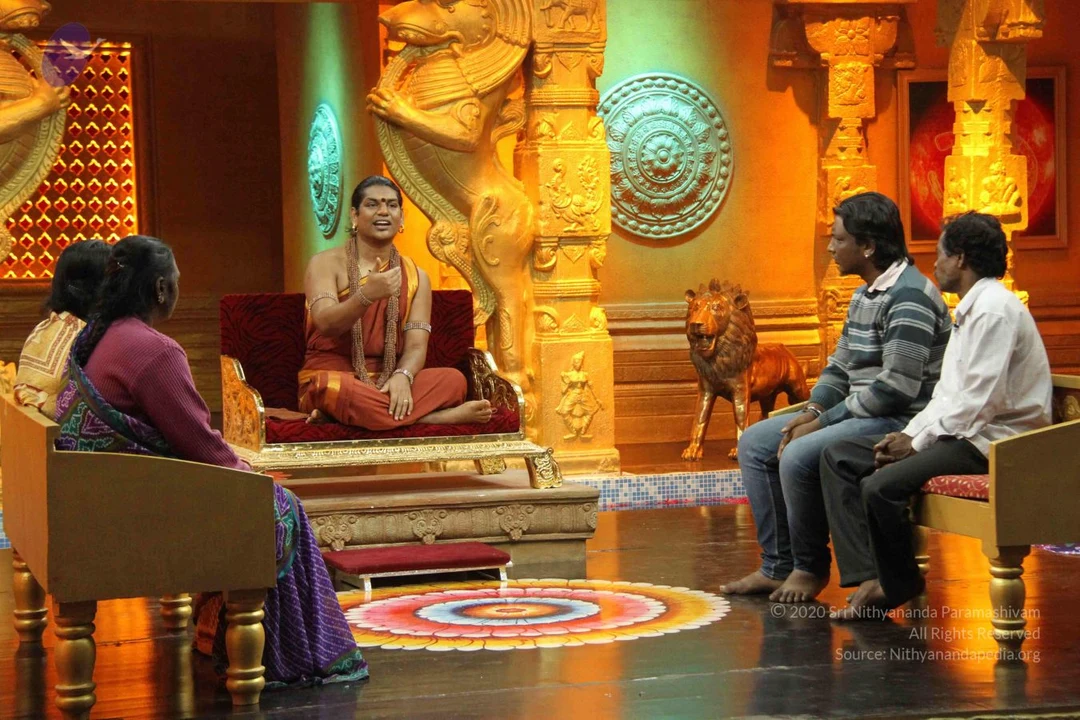
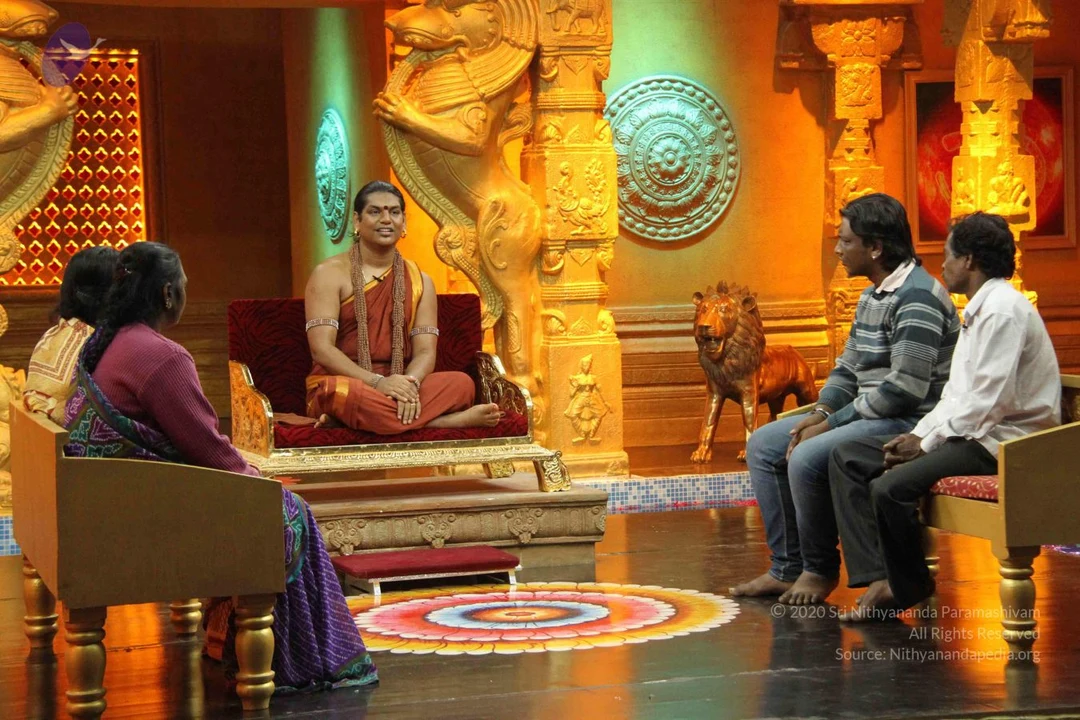
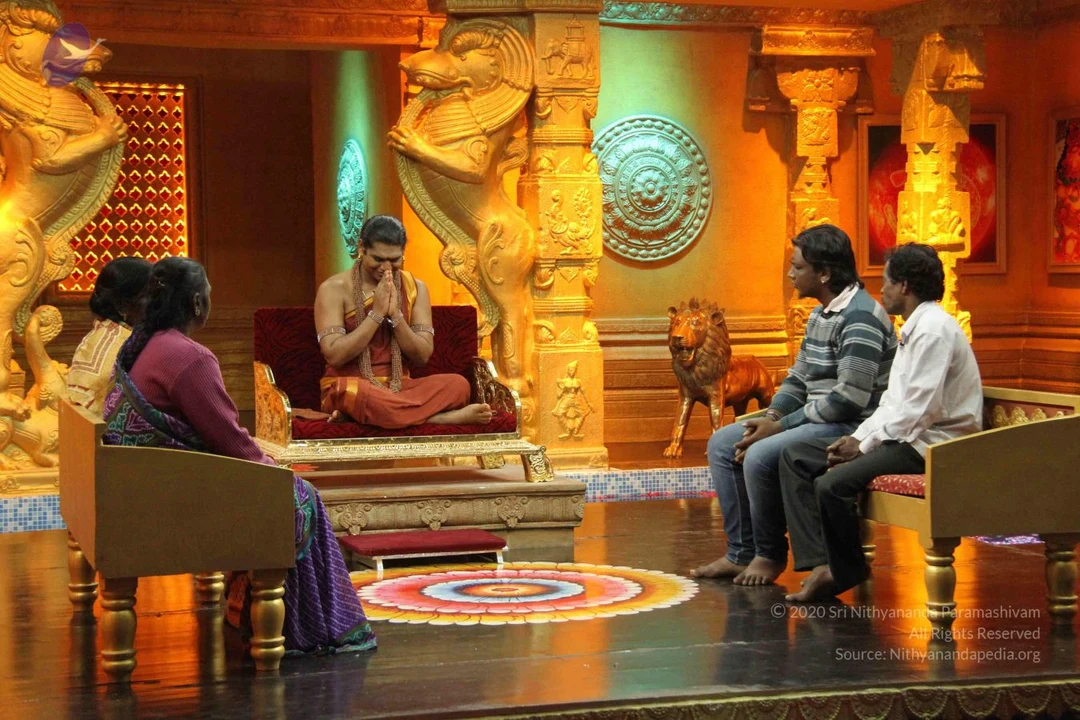
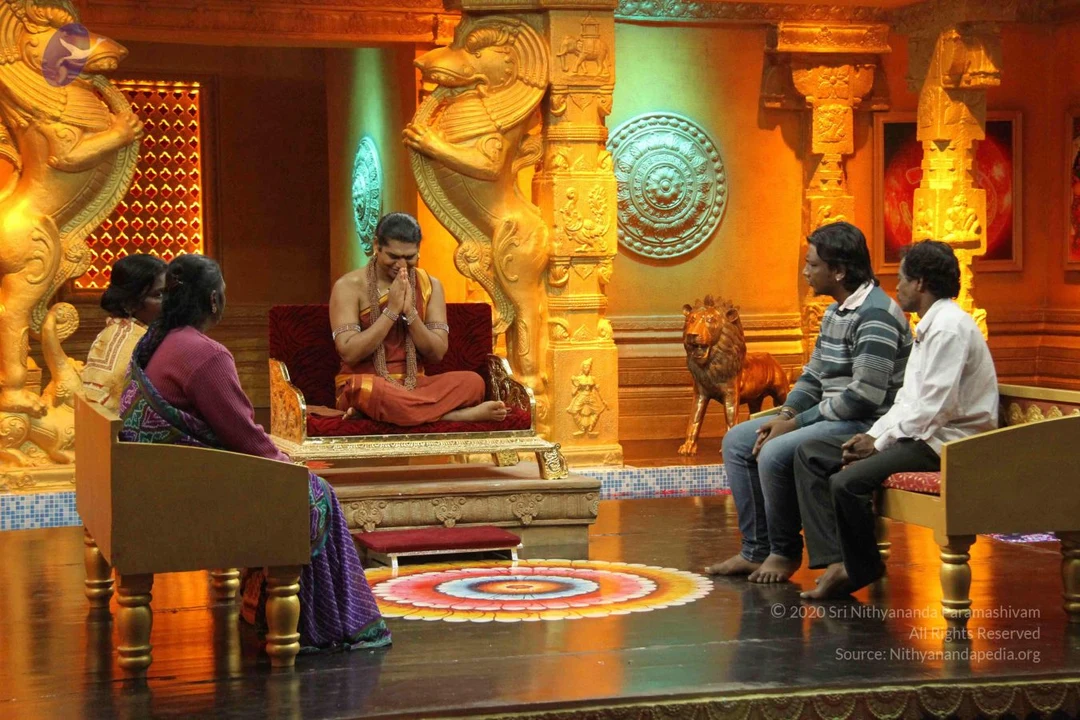
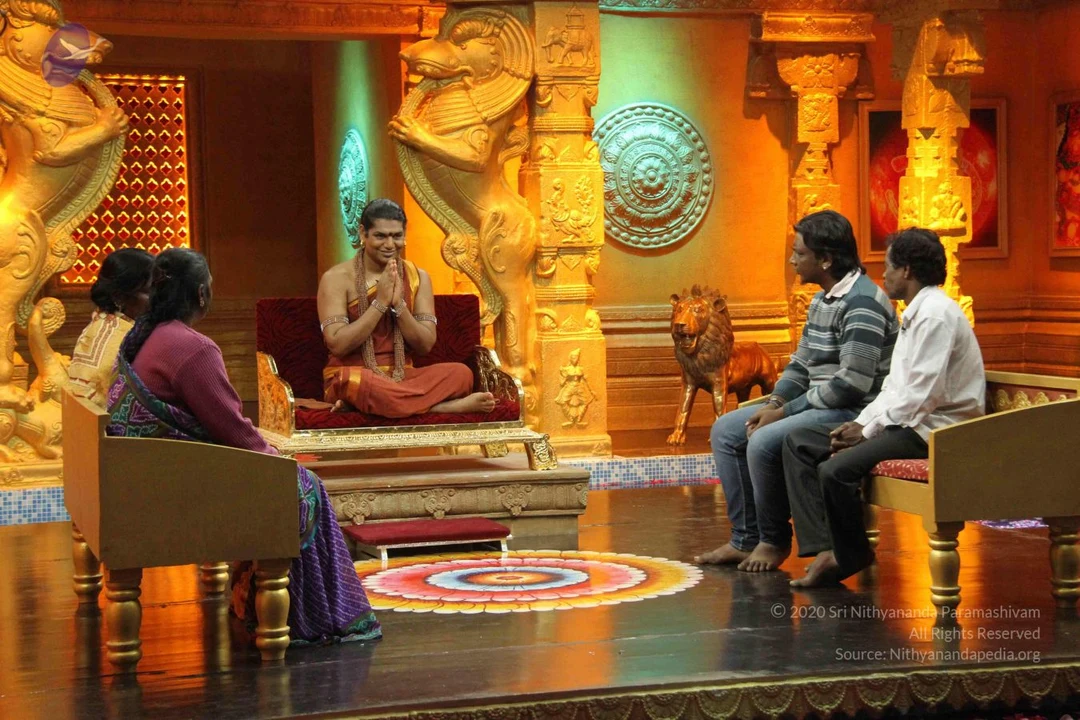
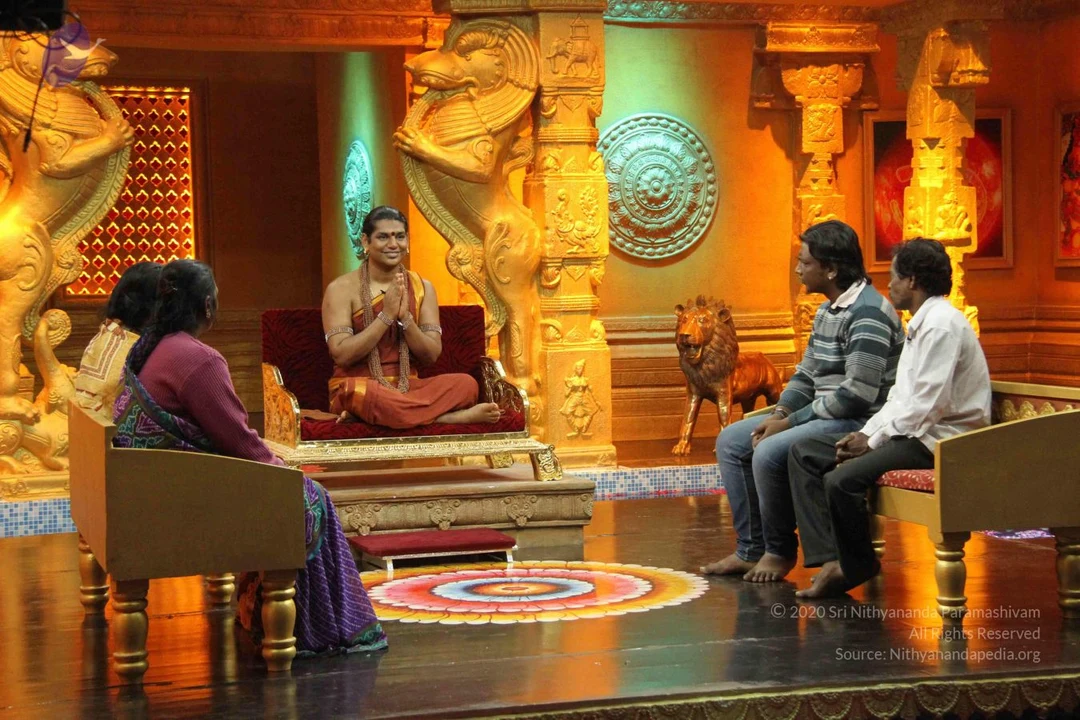
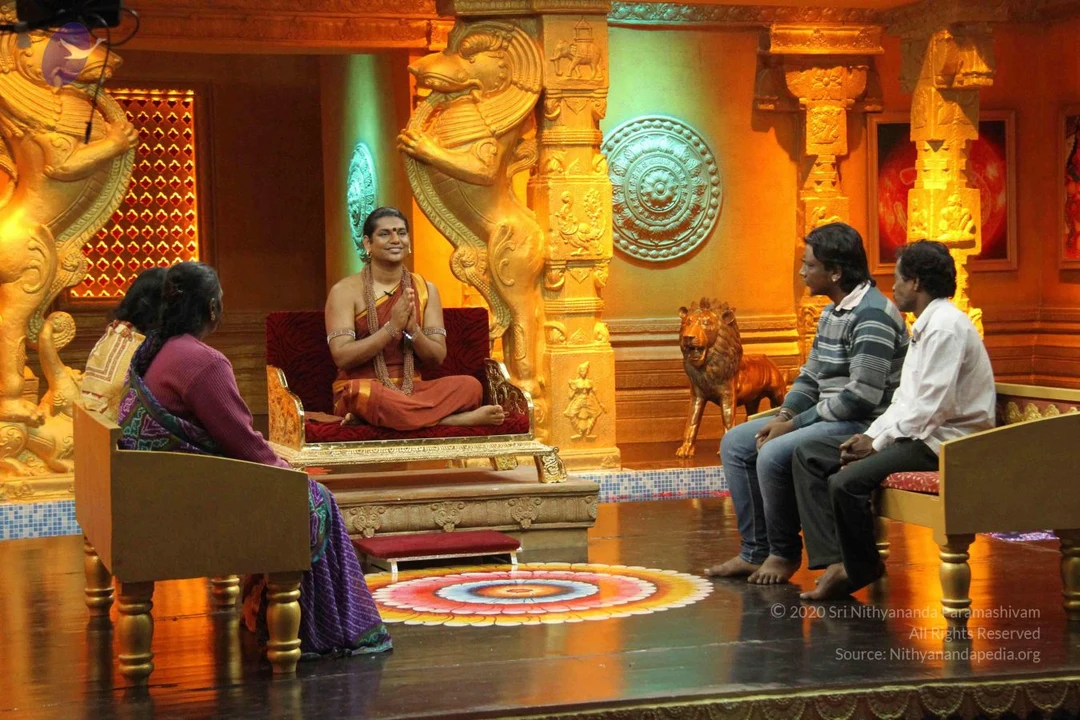
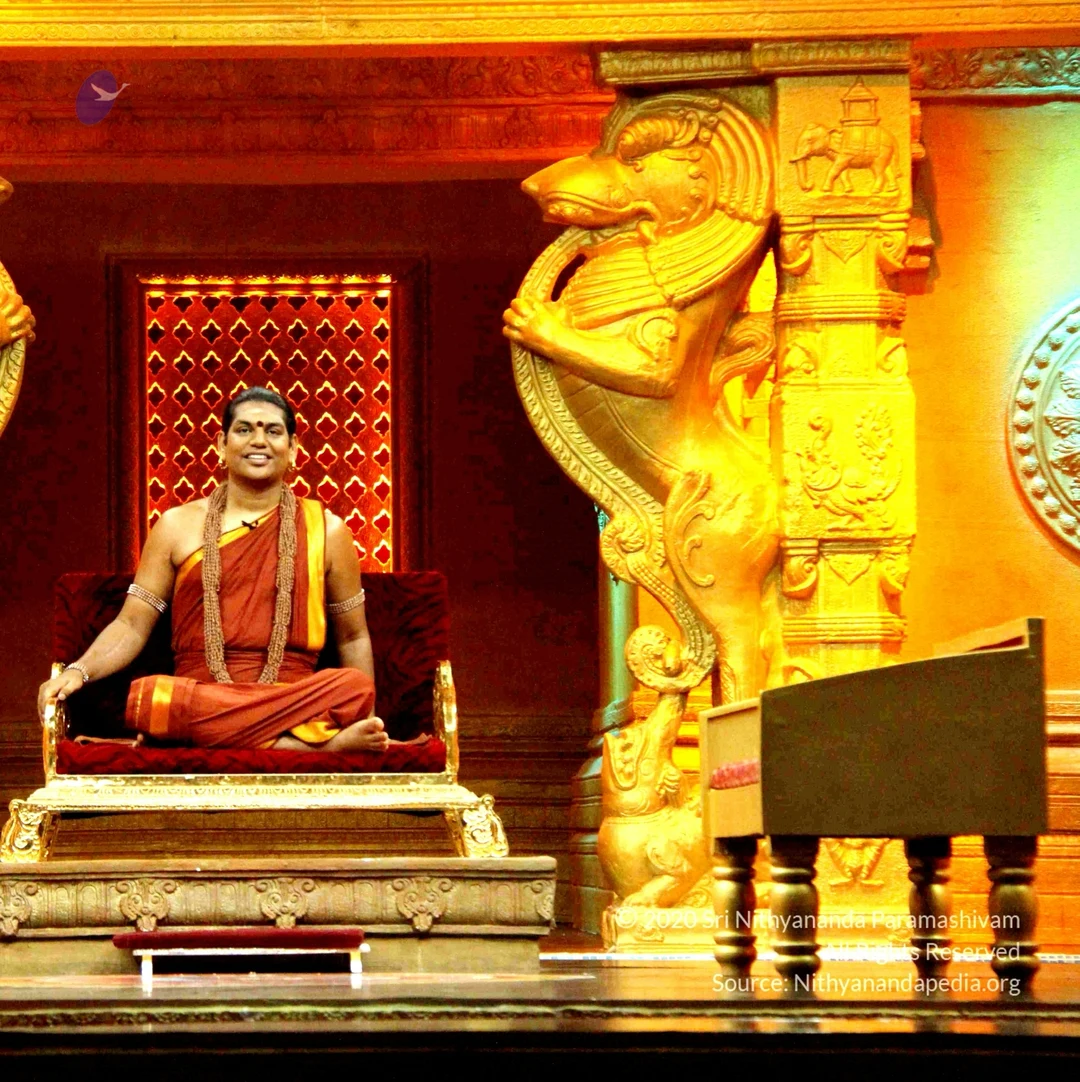
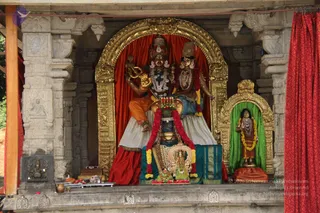
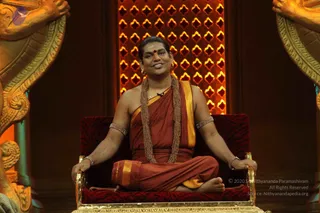
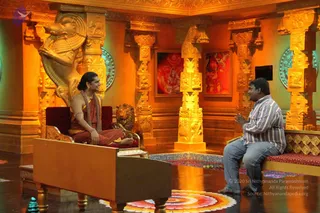
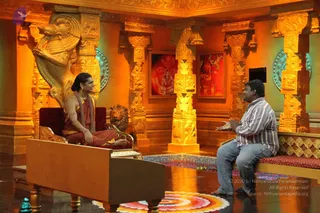
NithyaDharmam-Show-Day2

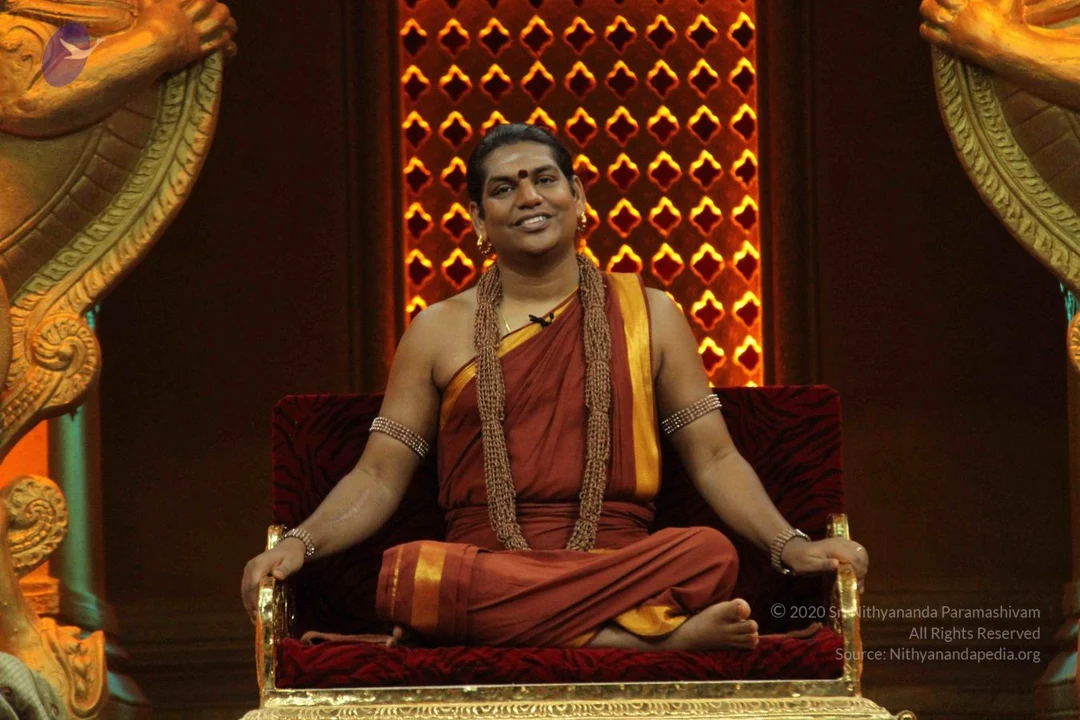
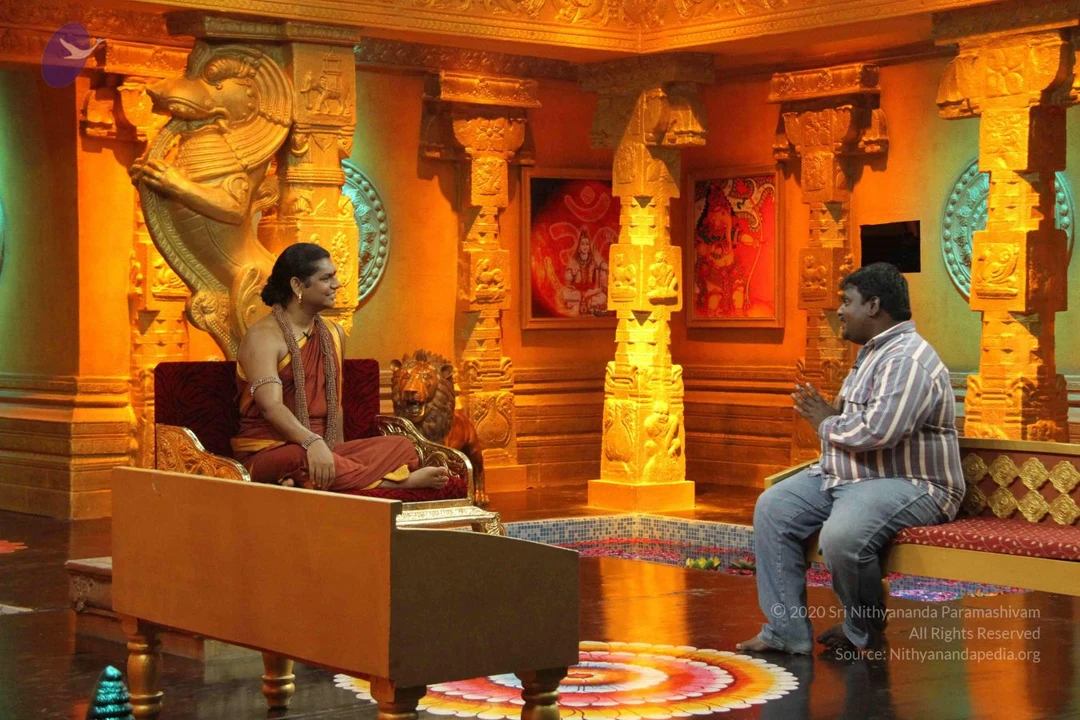
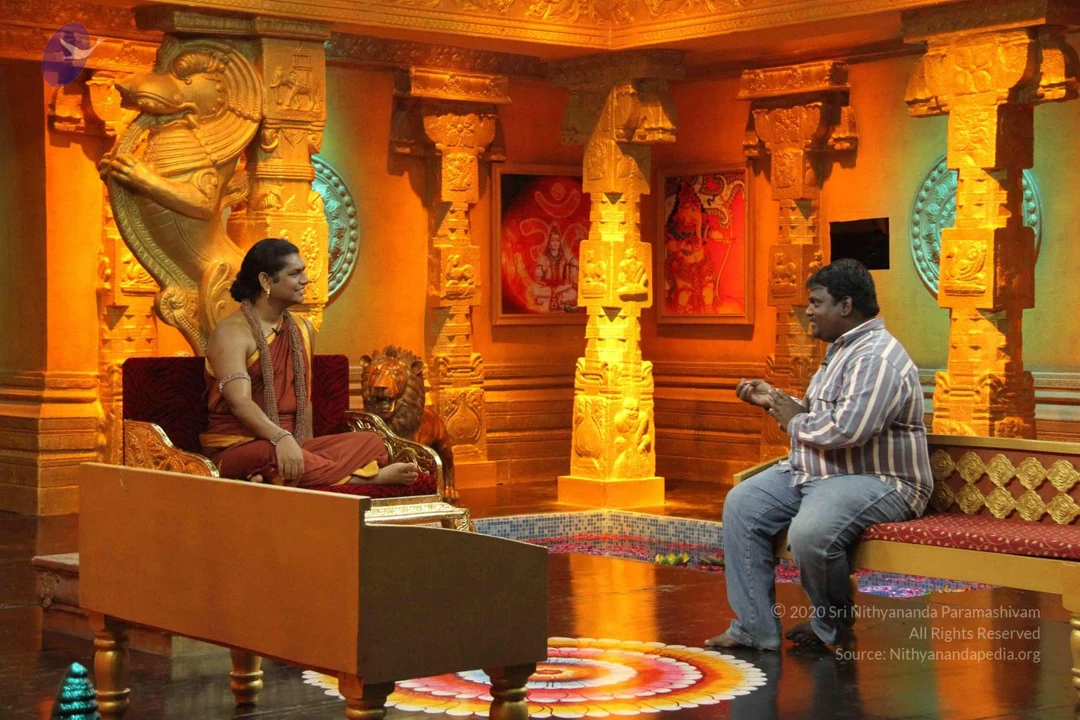
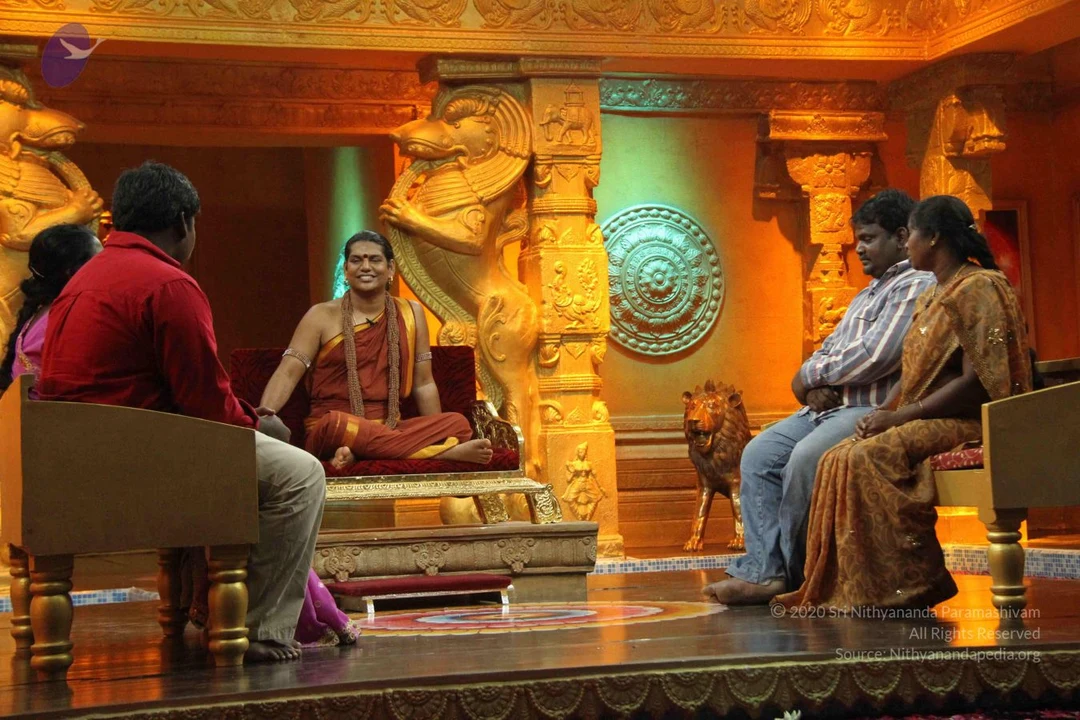
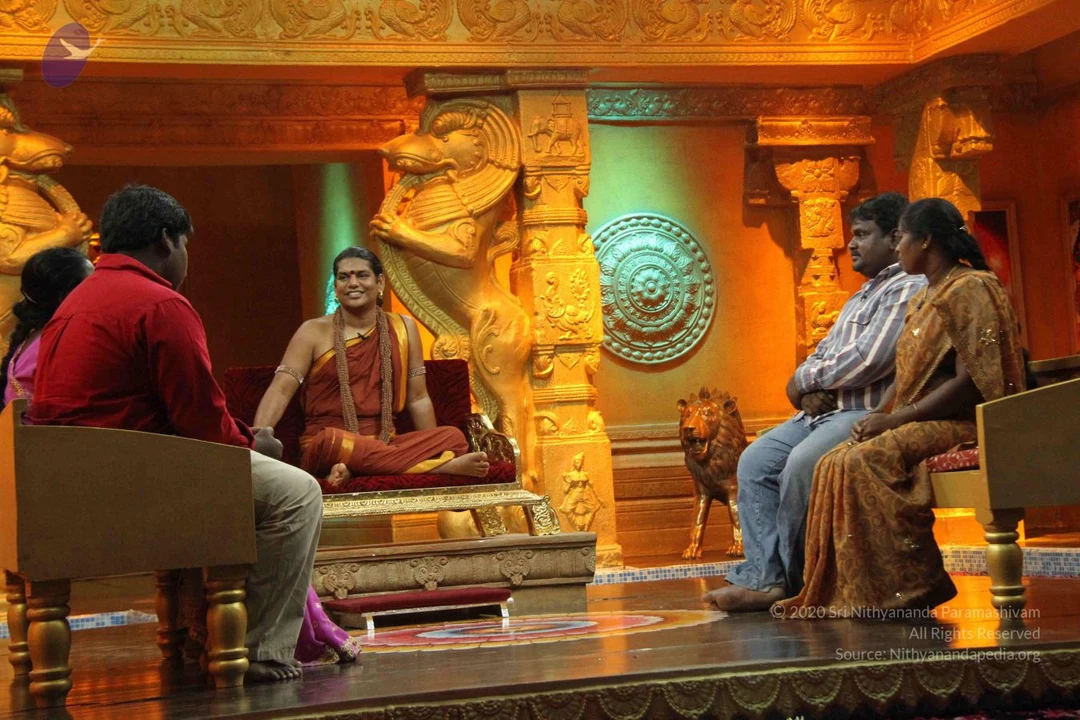
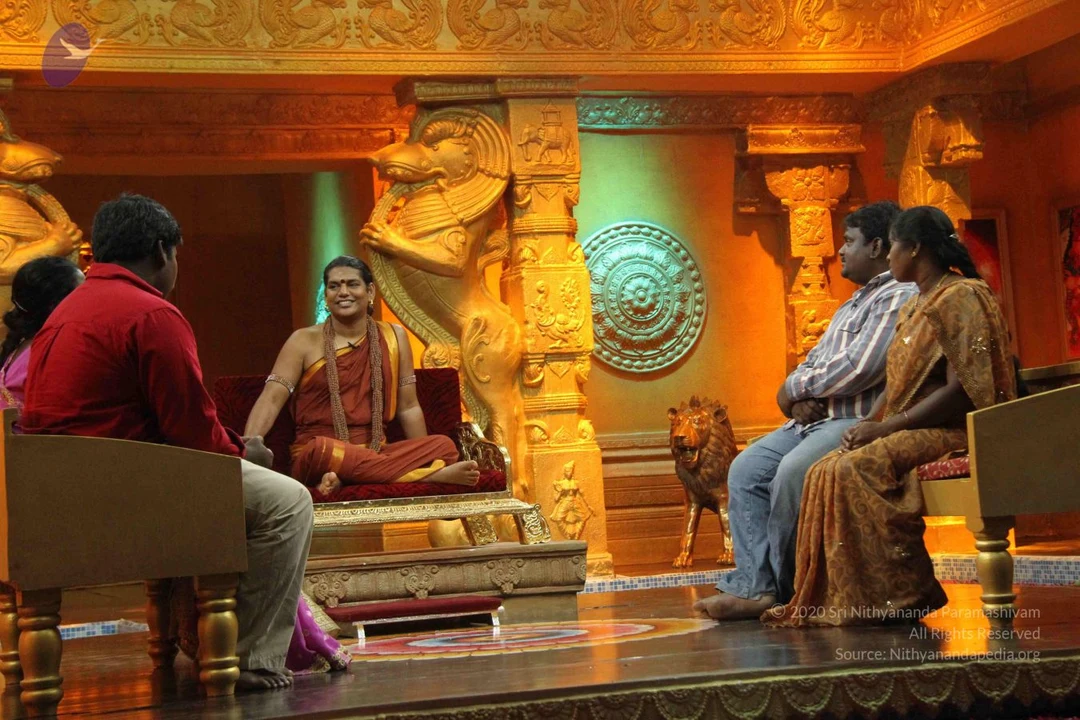
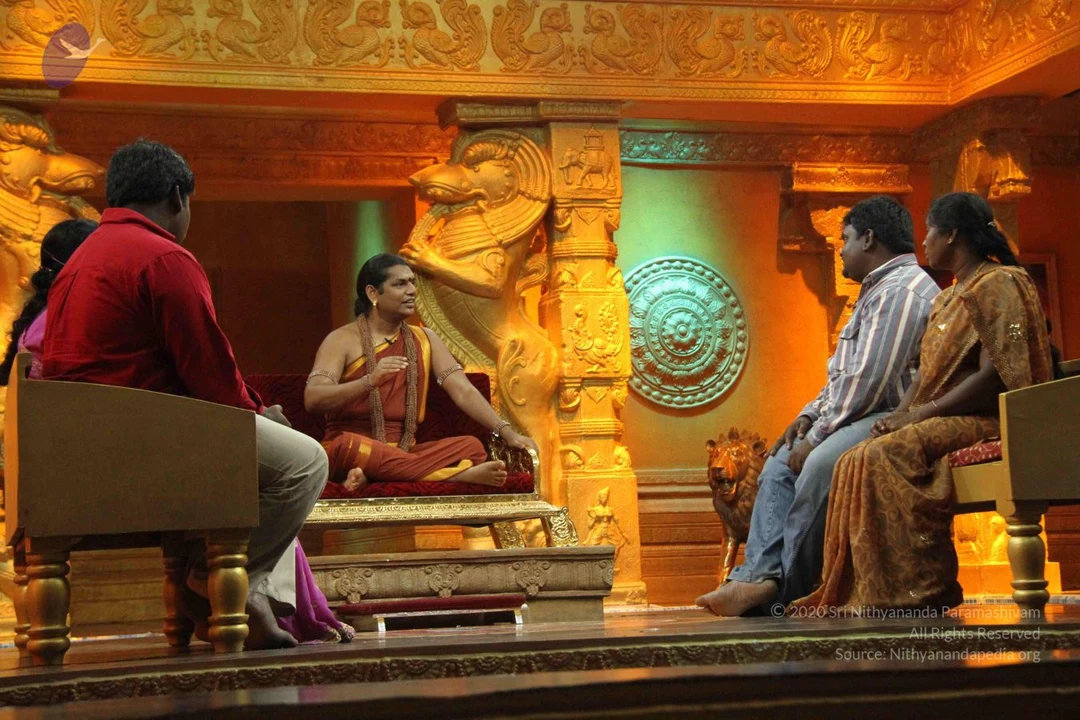
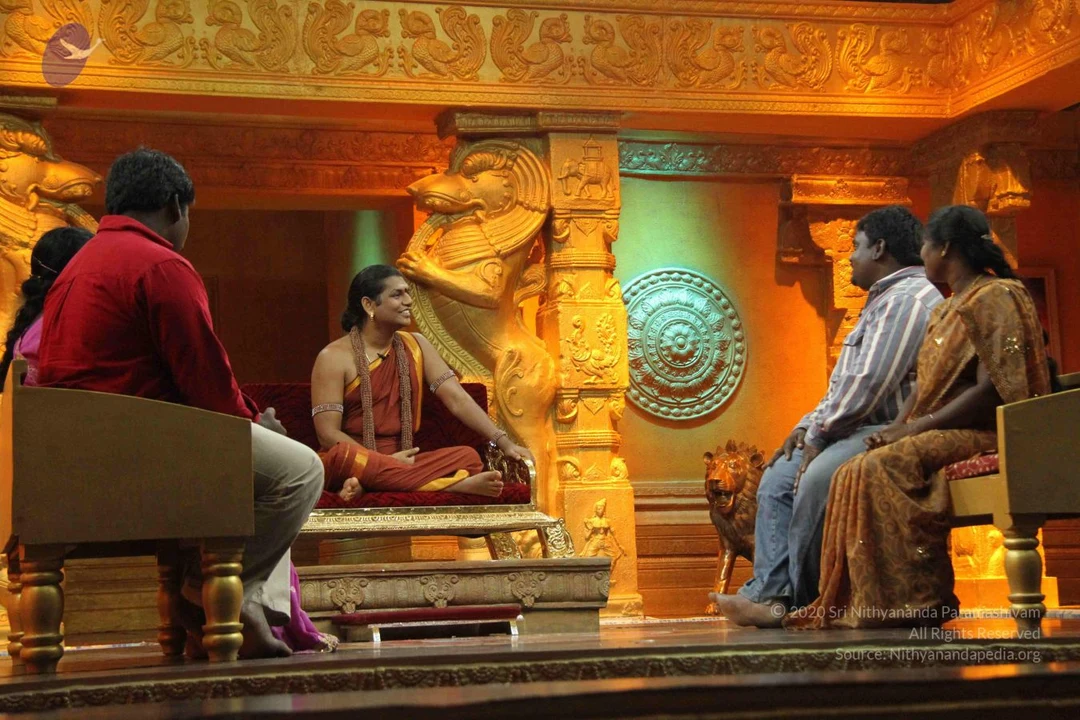
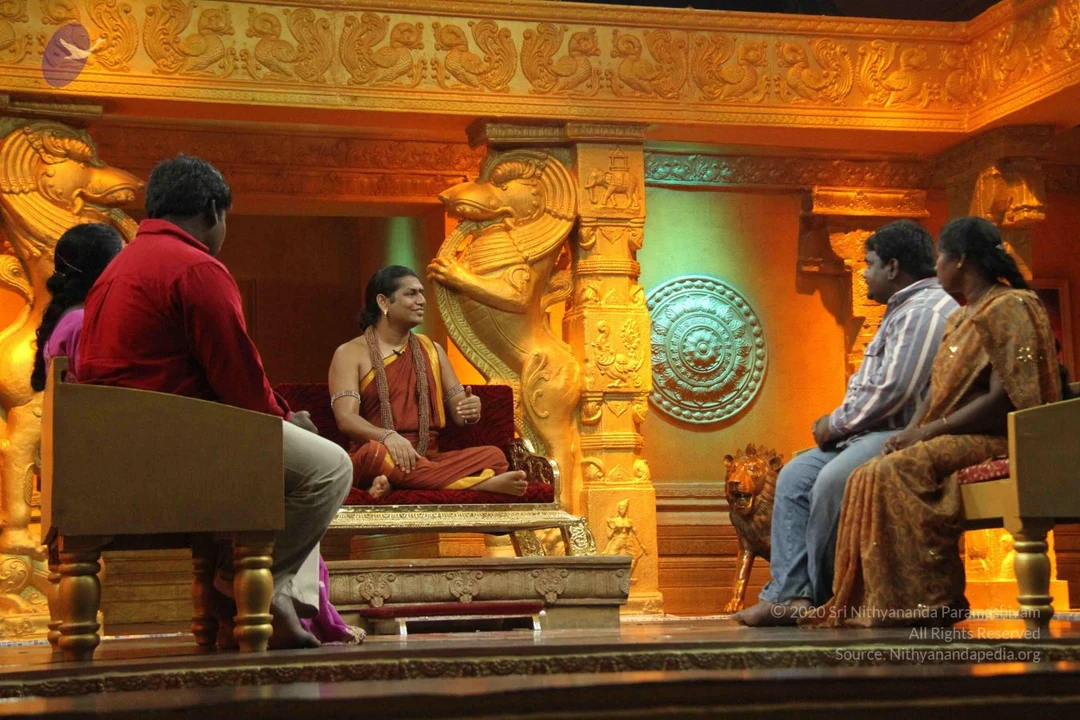
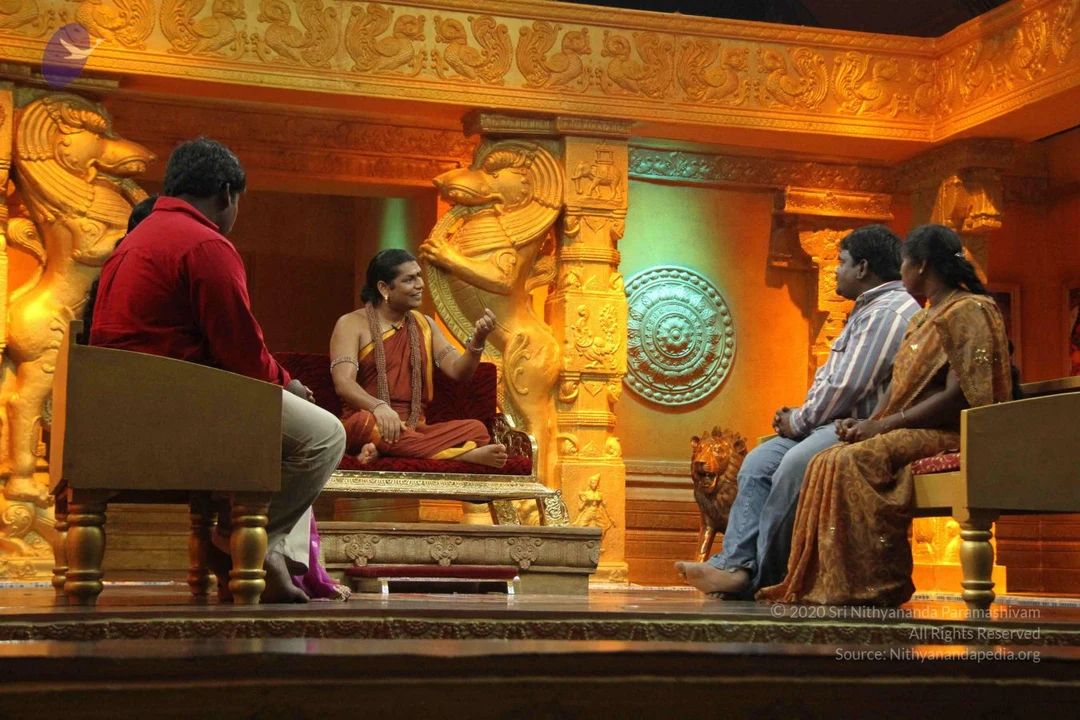
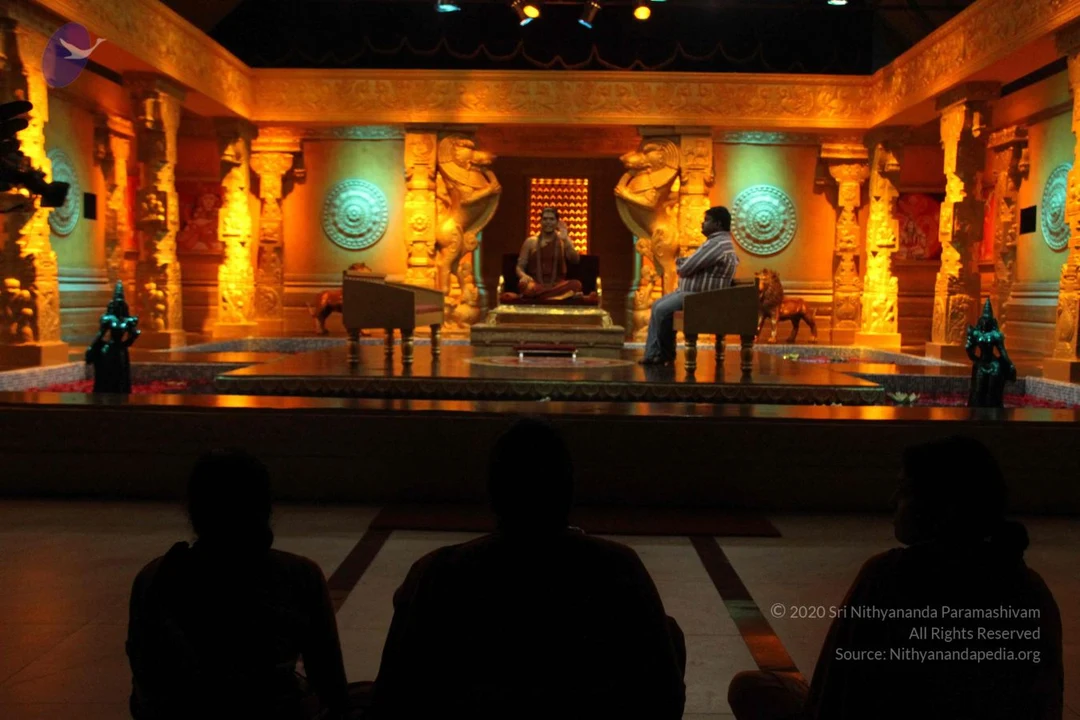



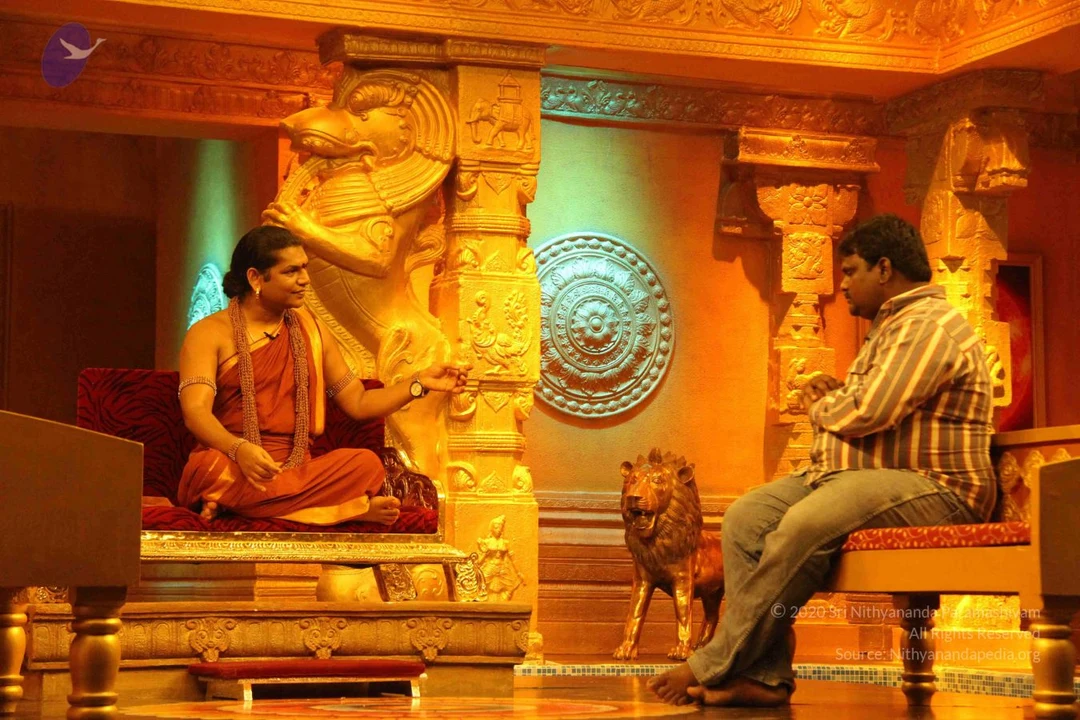
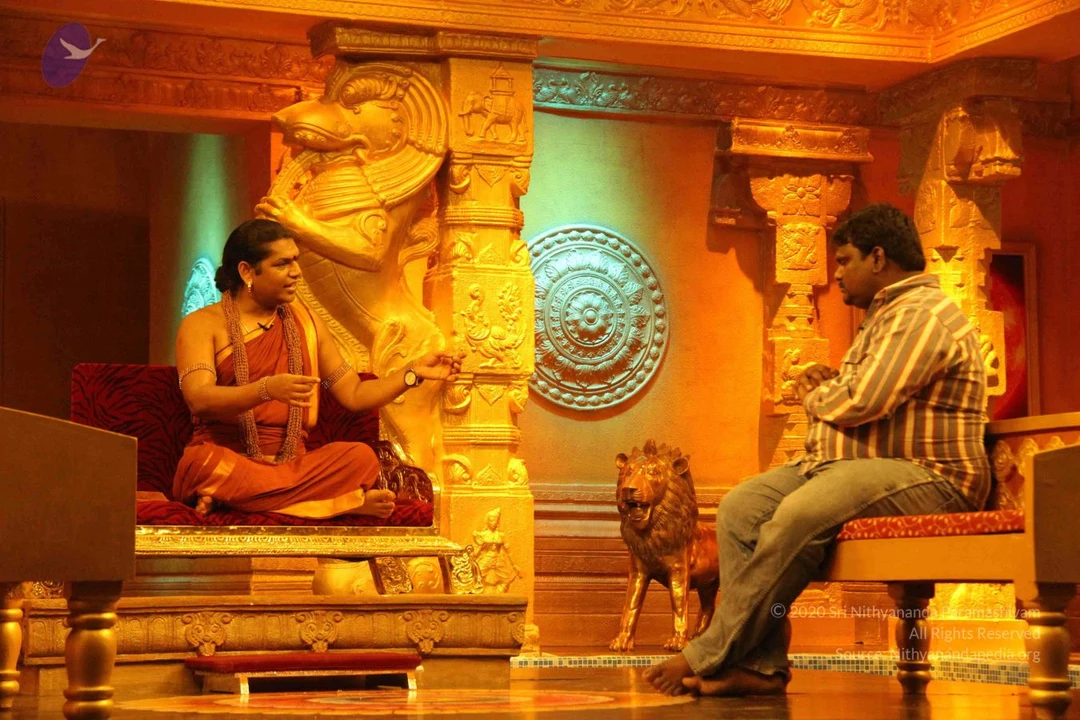
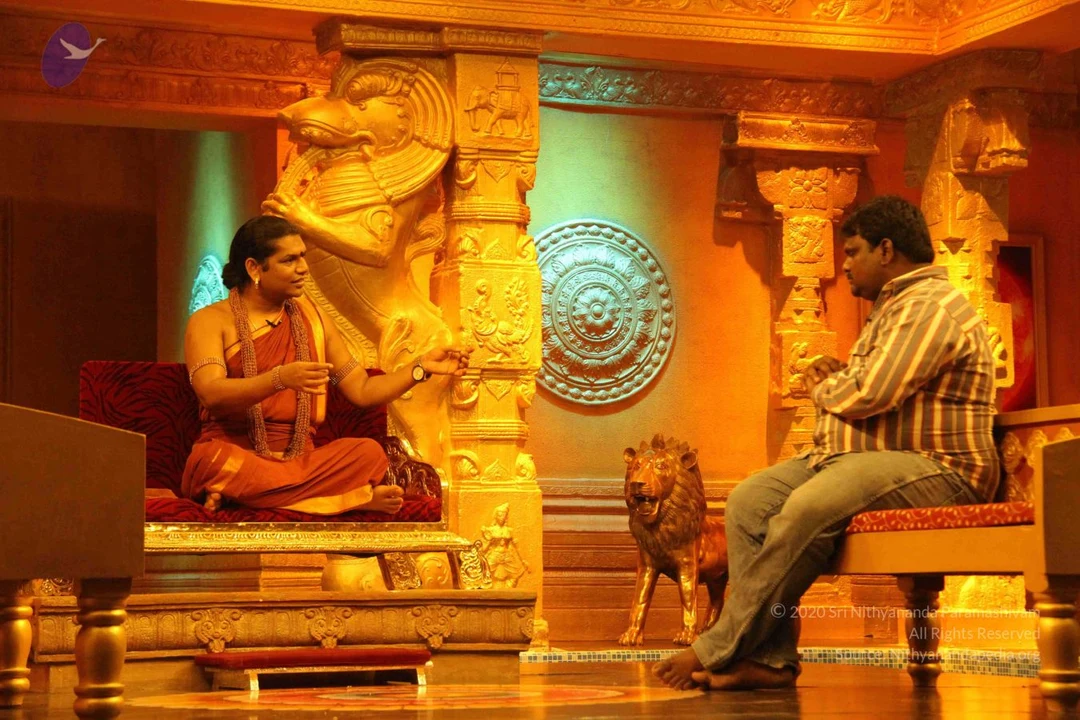
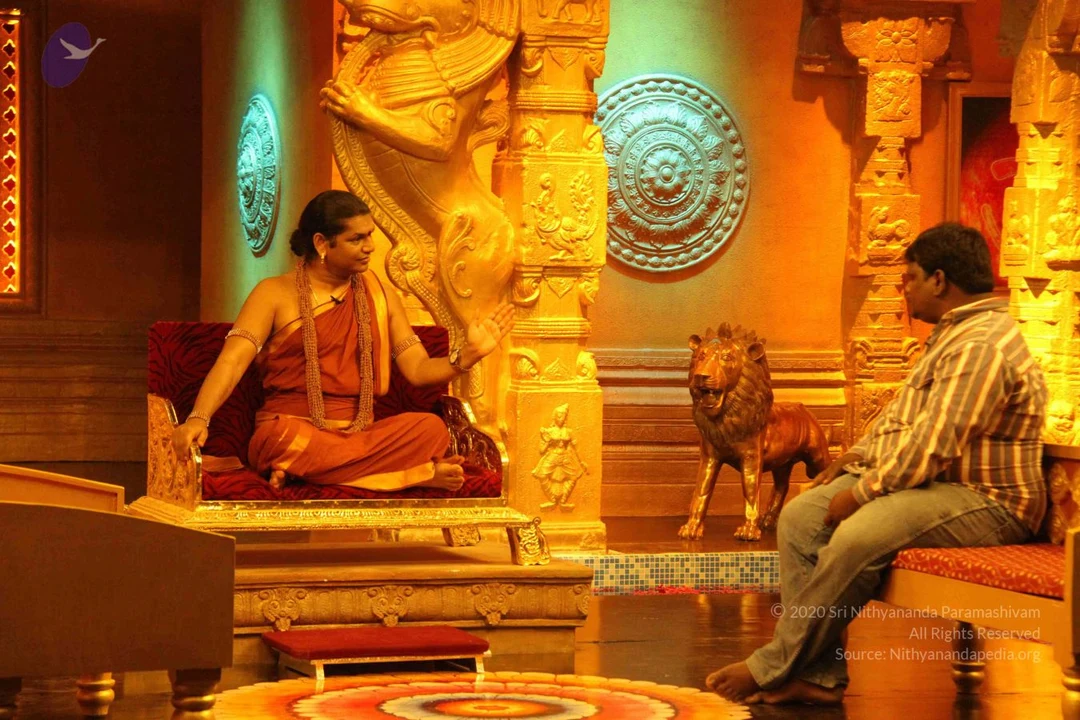
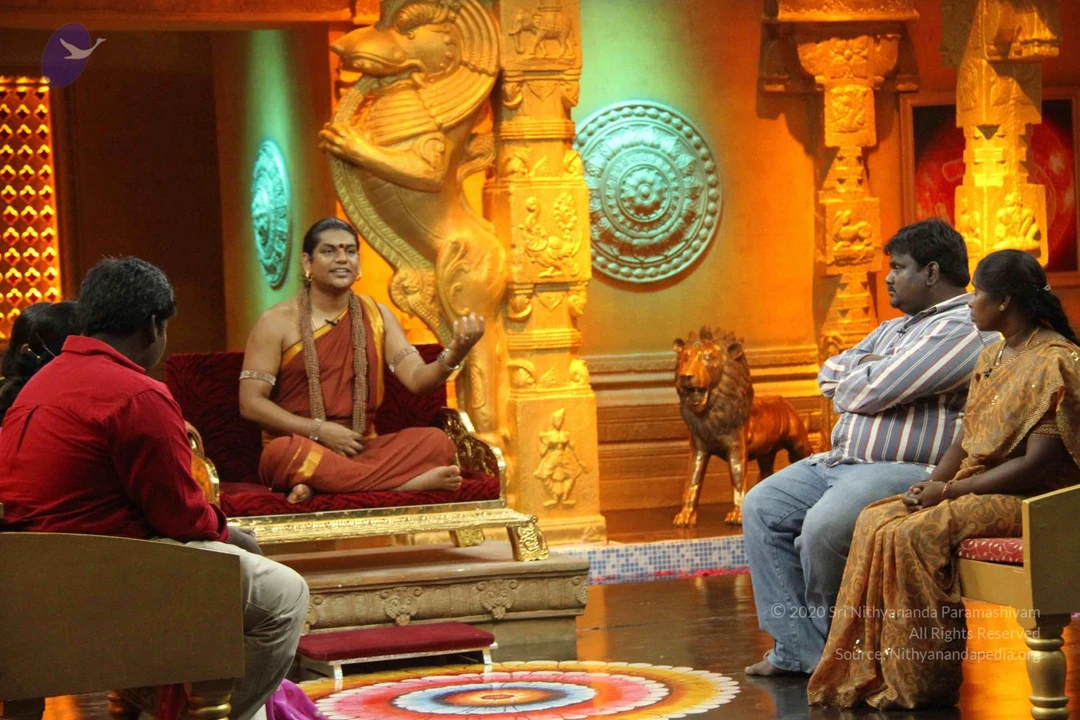
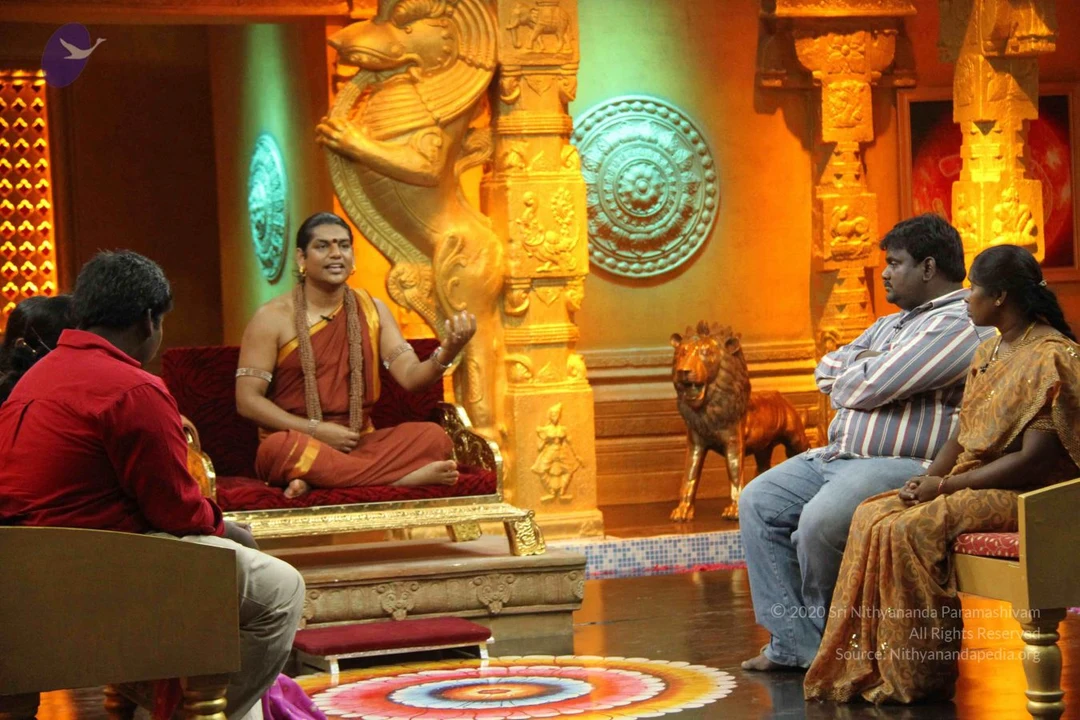
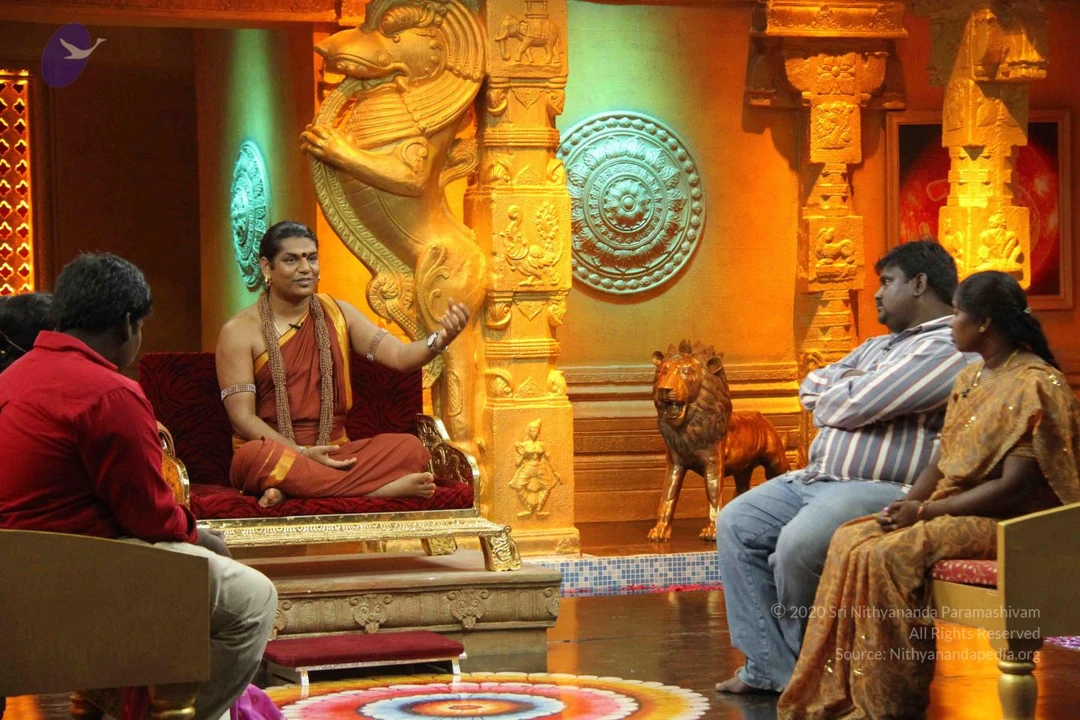
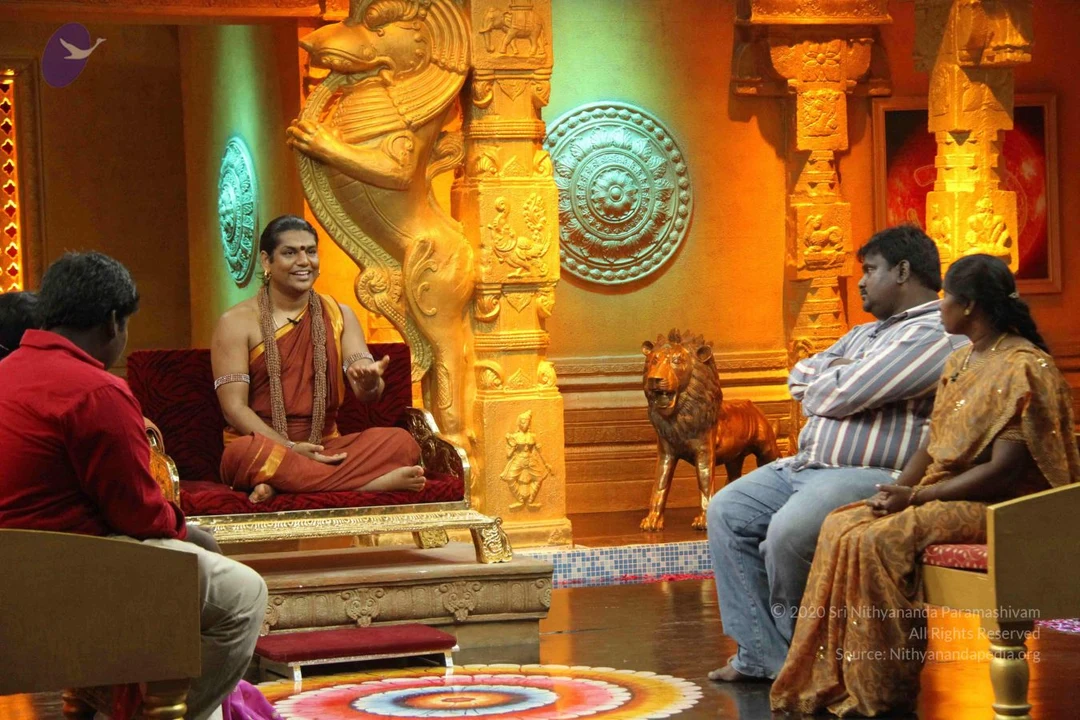
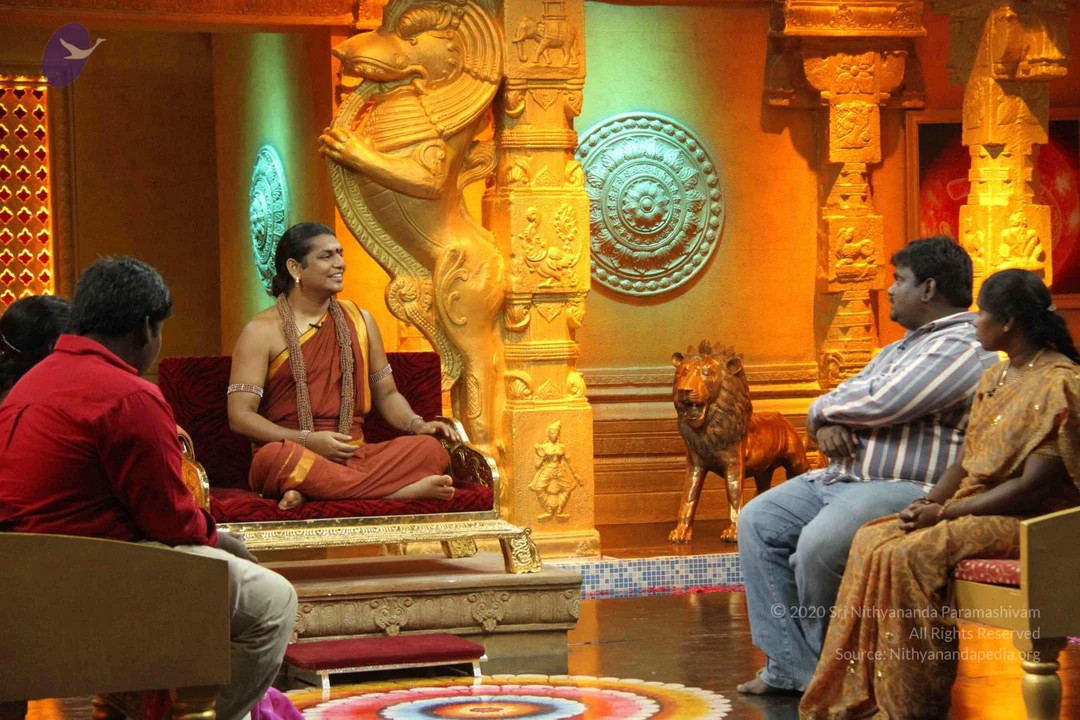
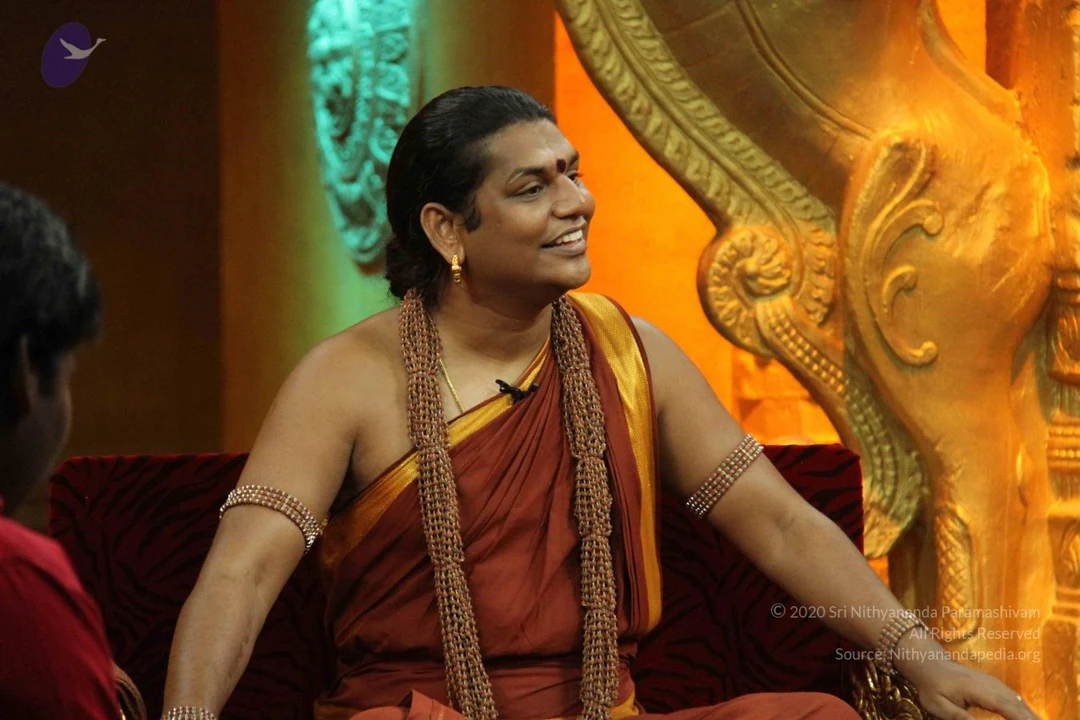
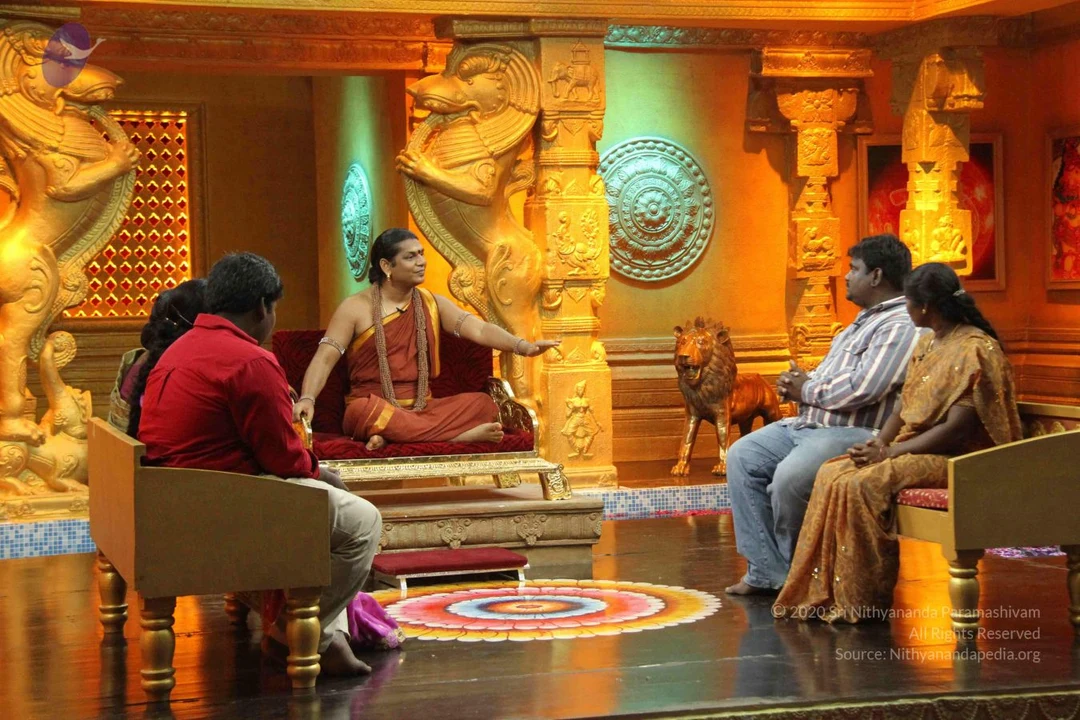
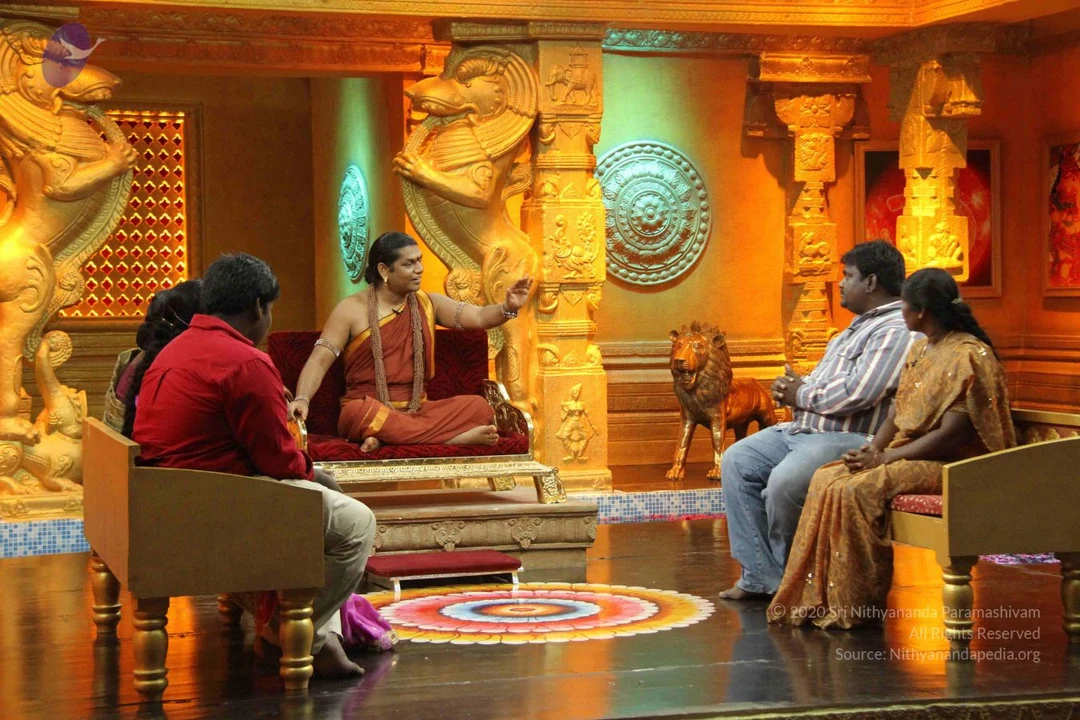

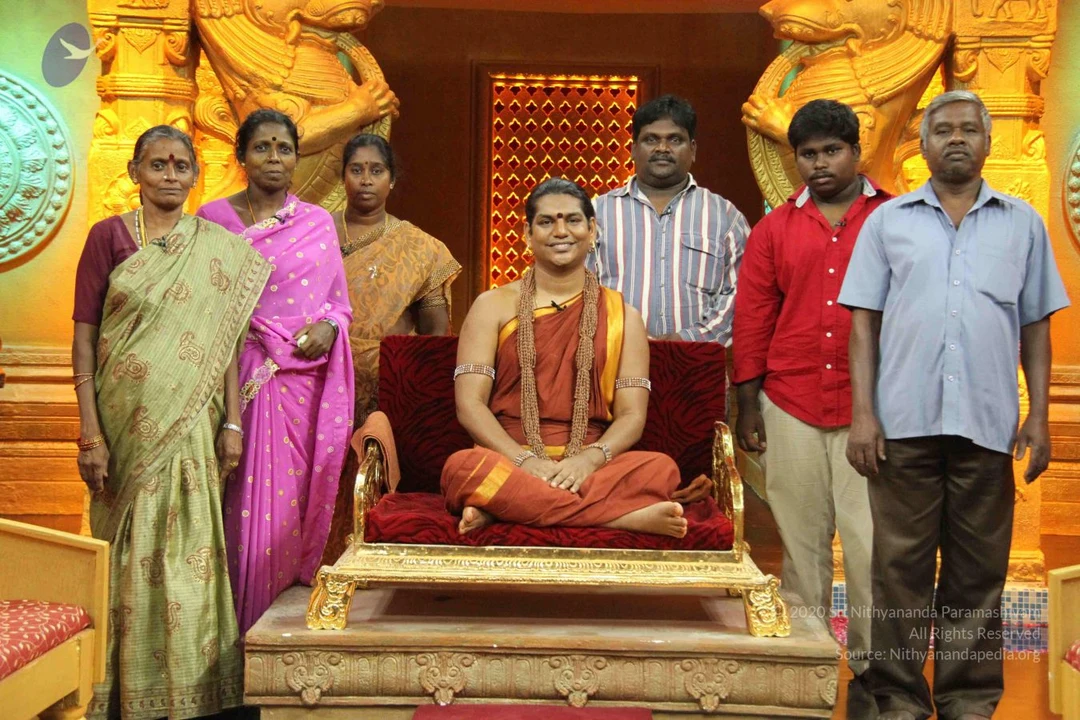
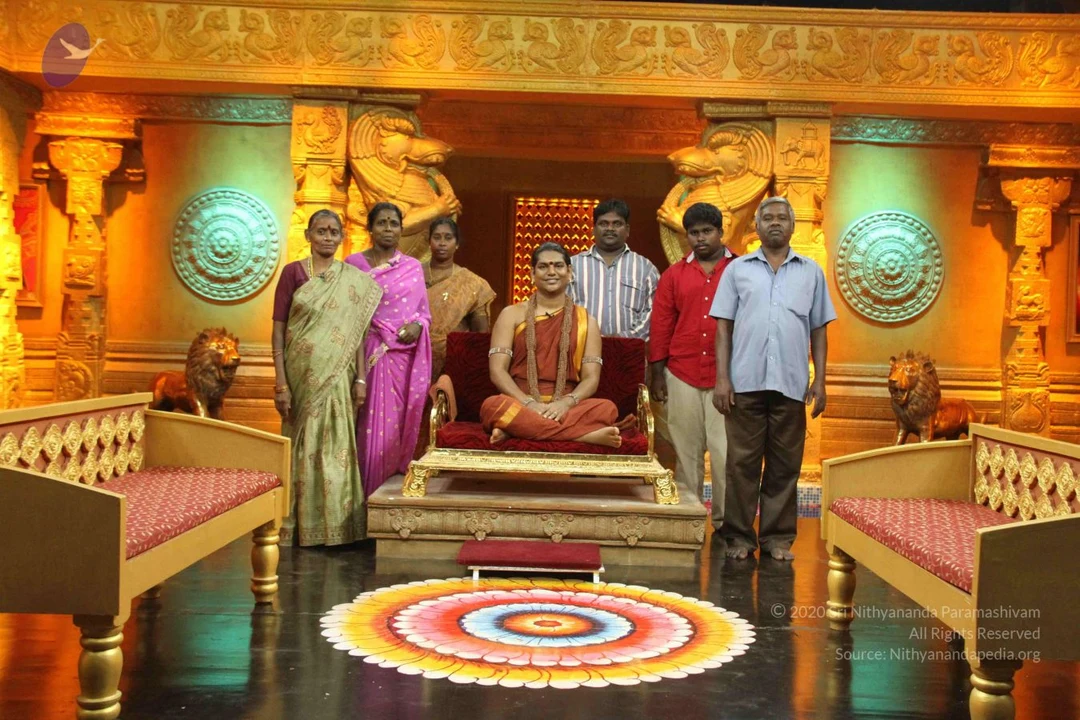
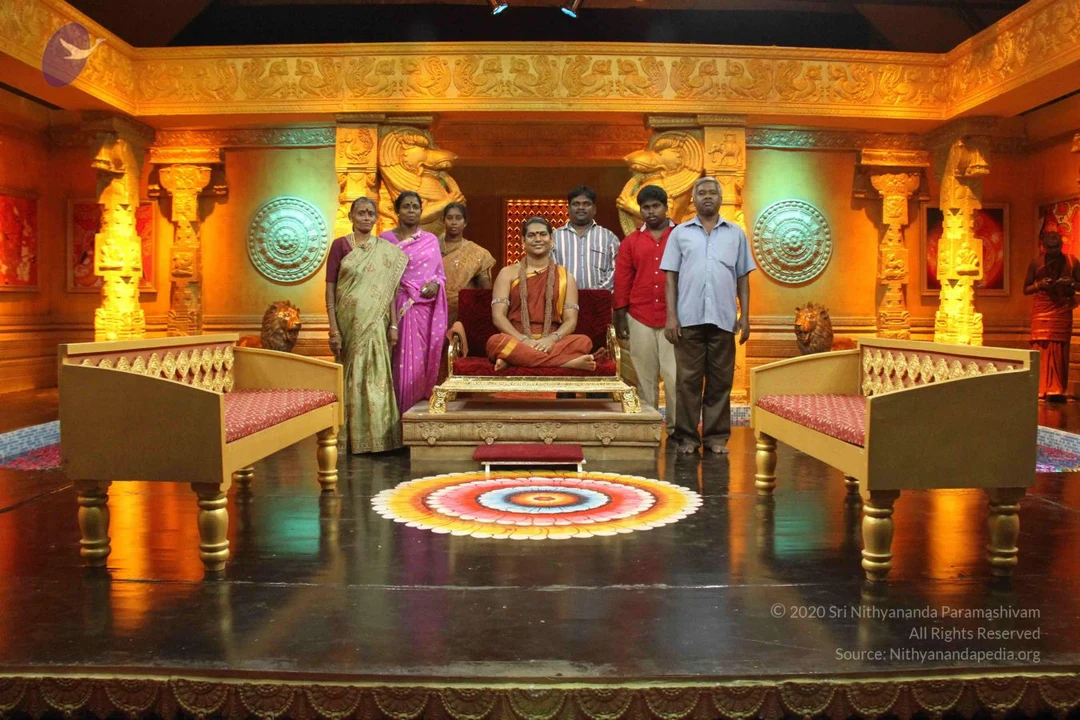
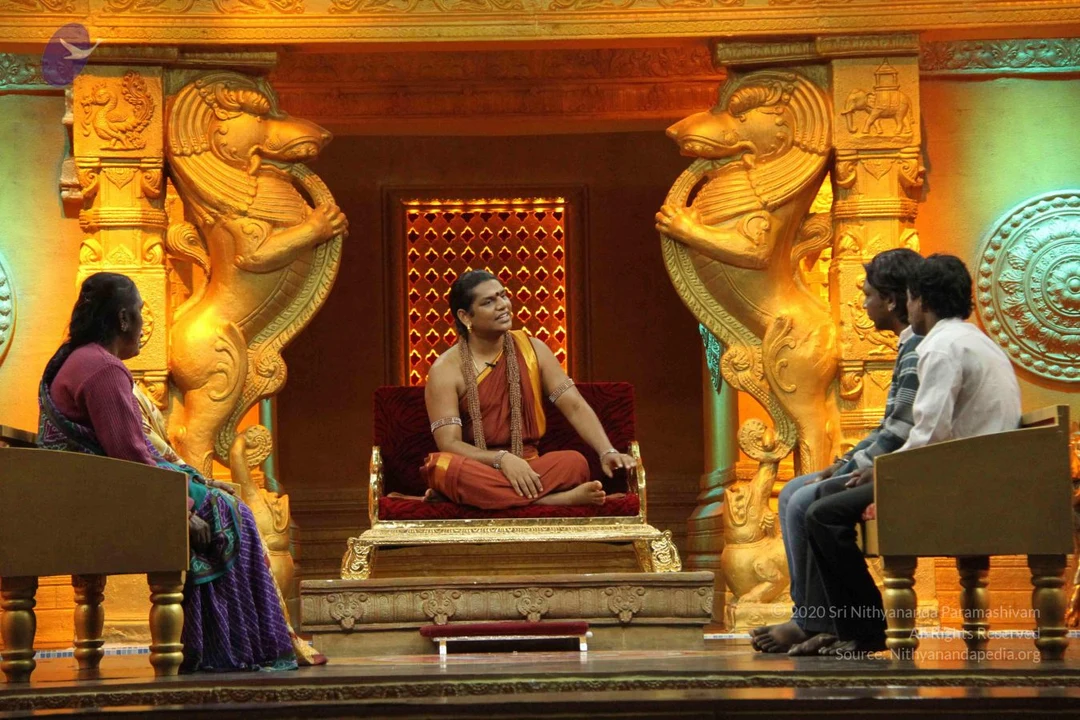
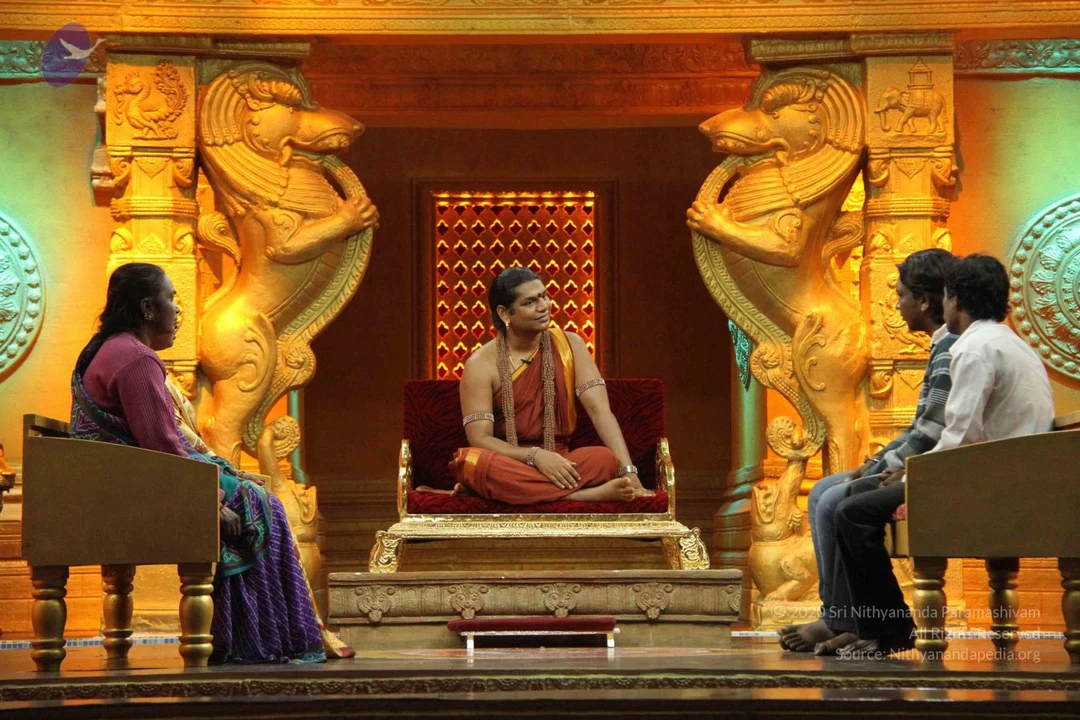
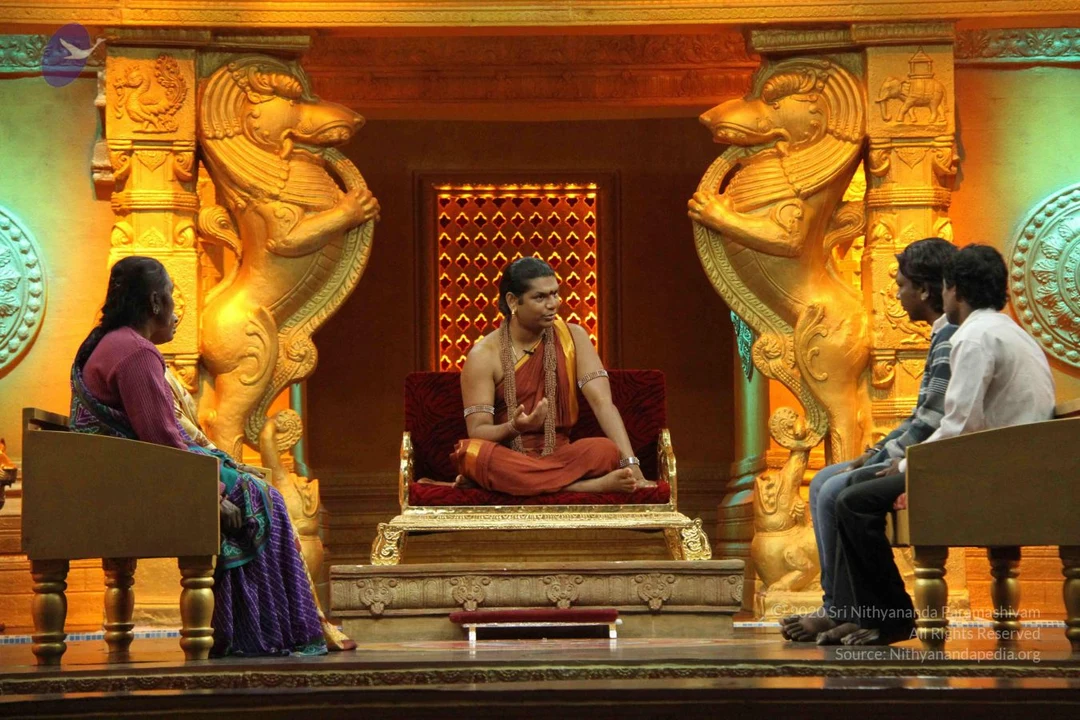
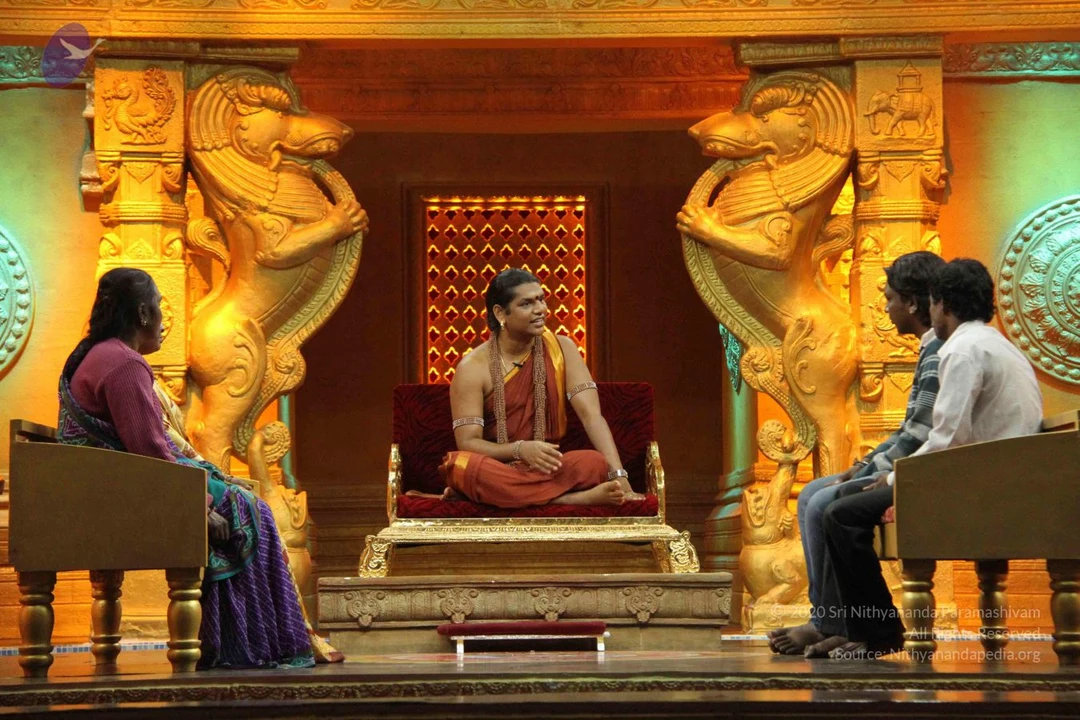
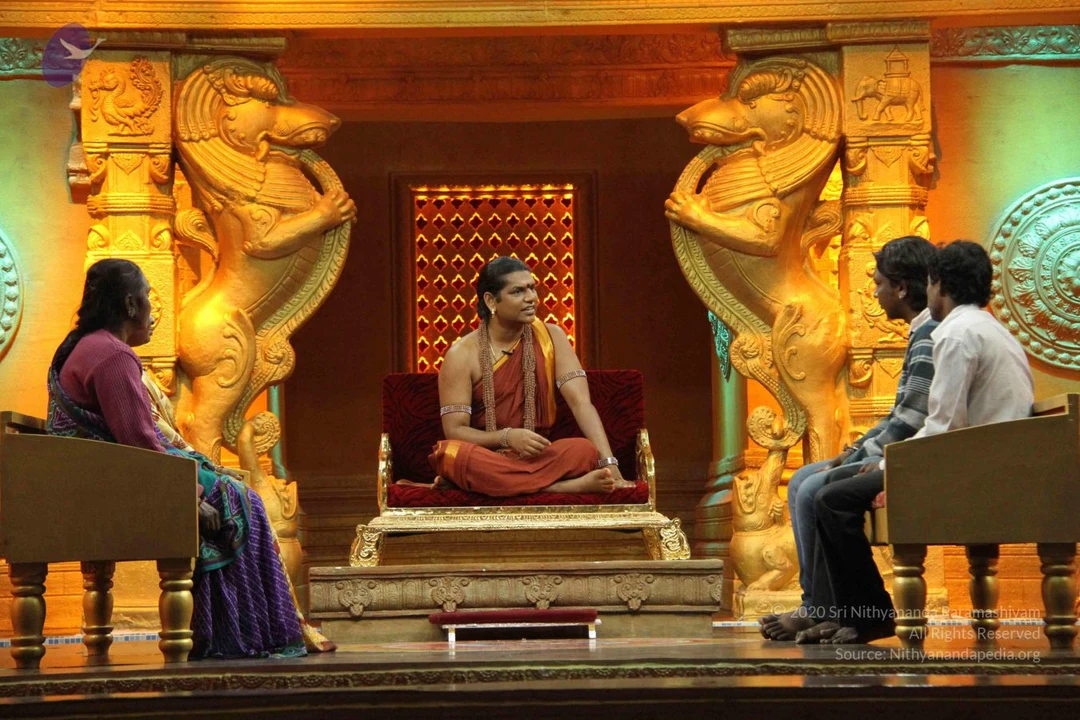
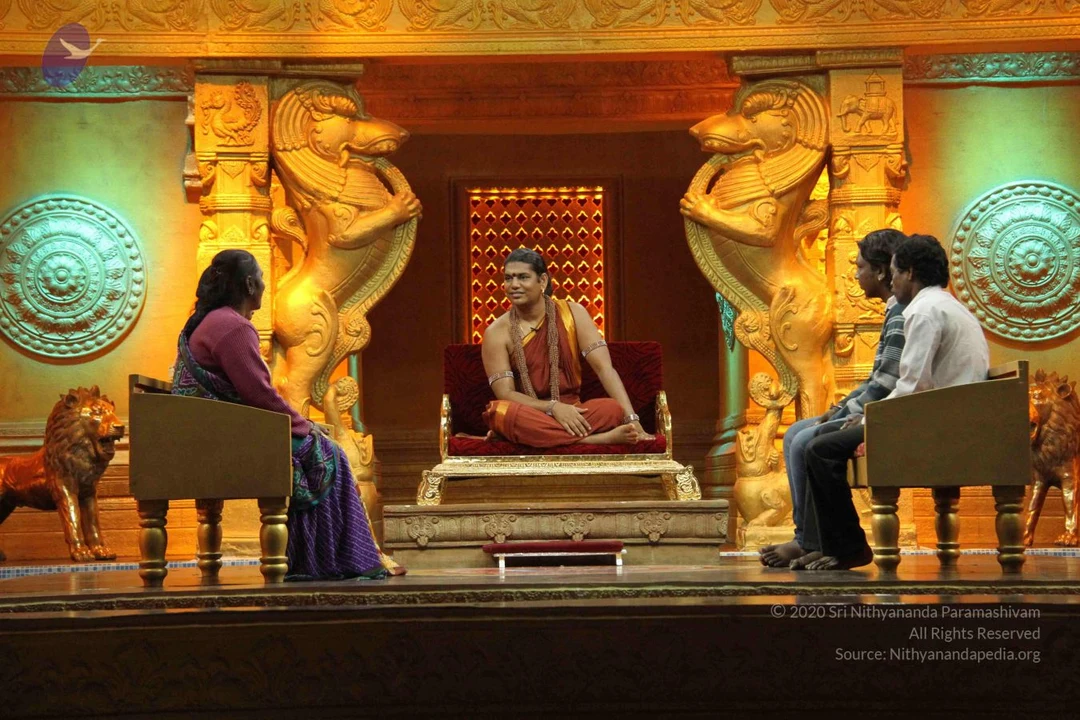
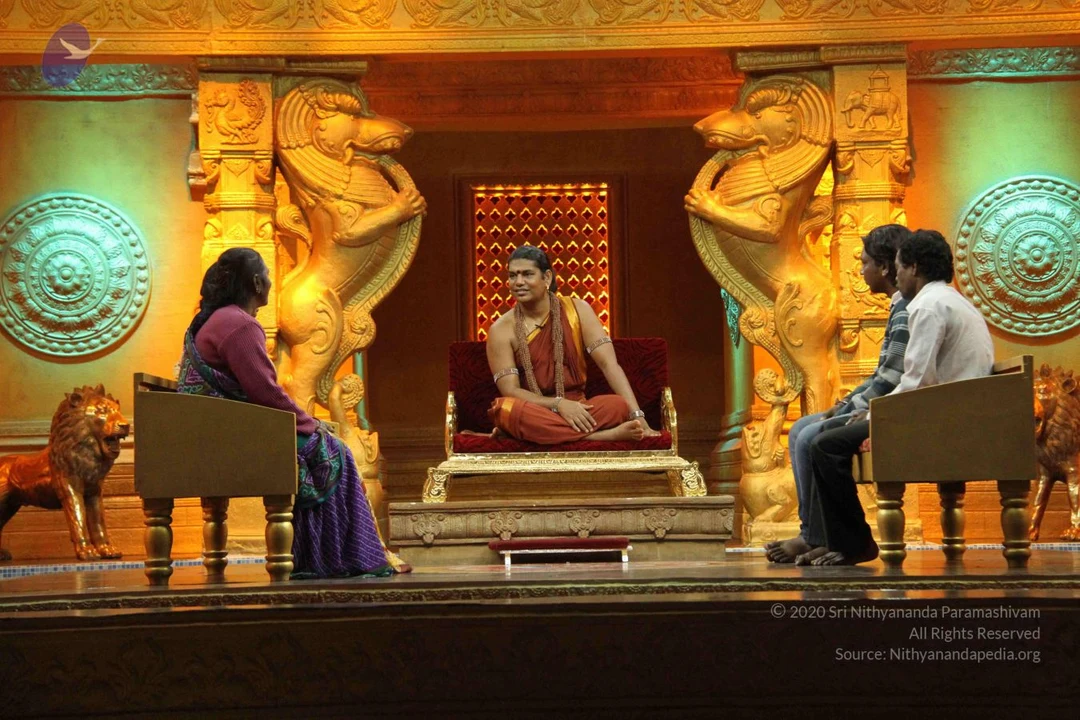
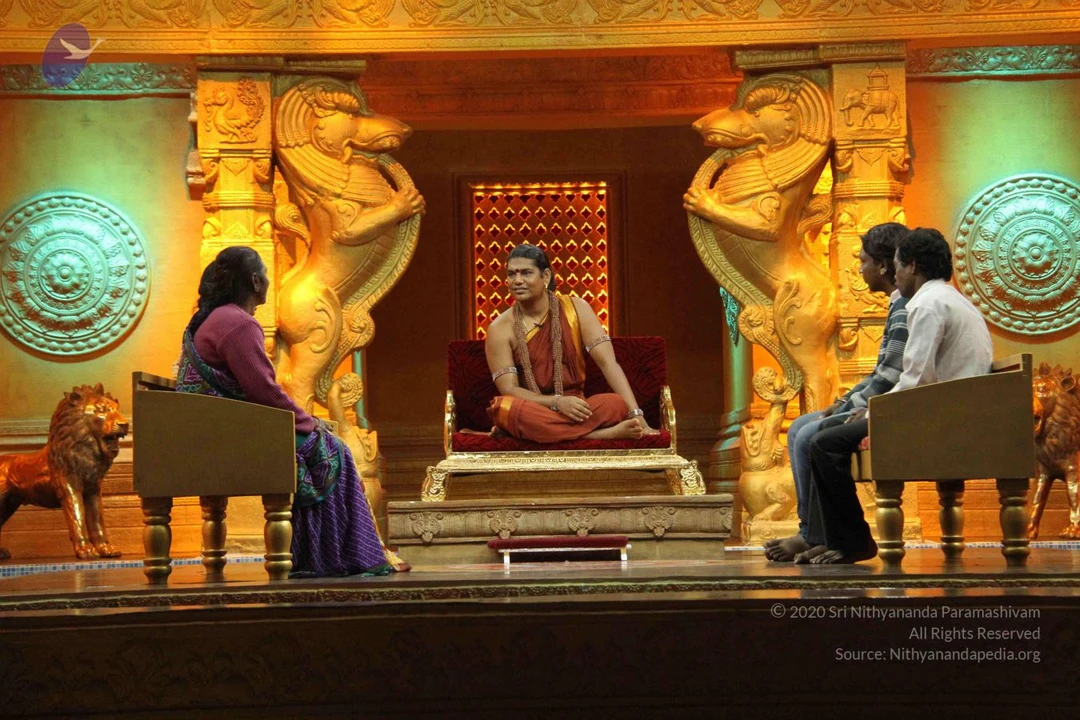
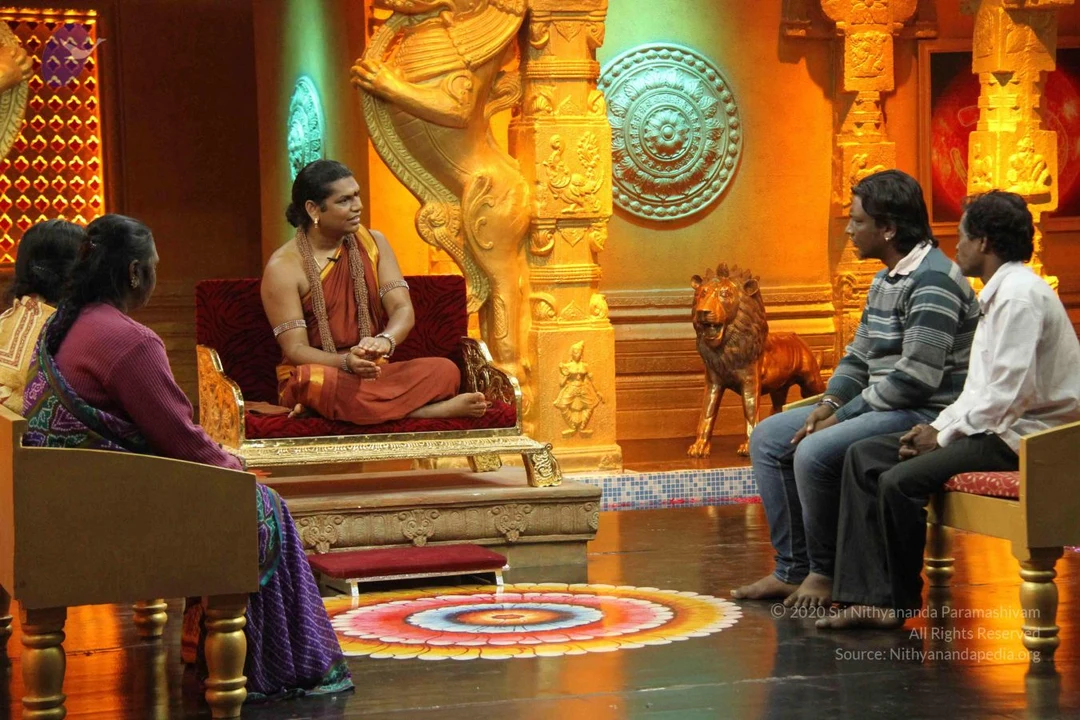
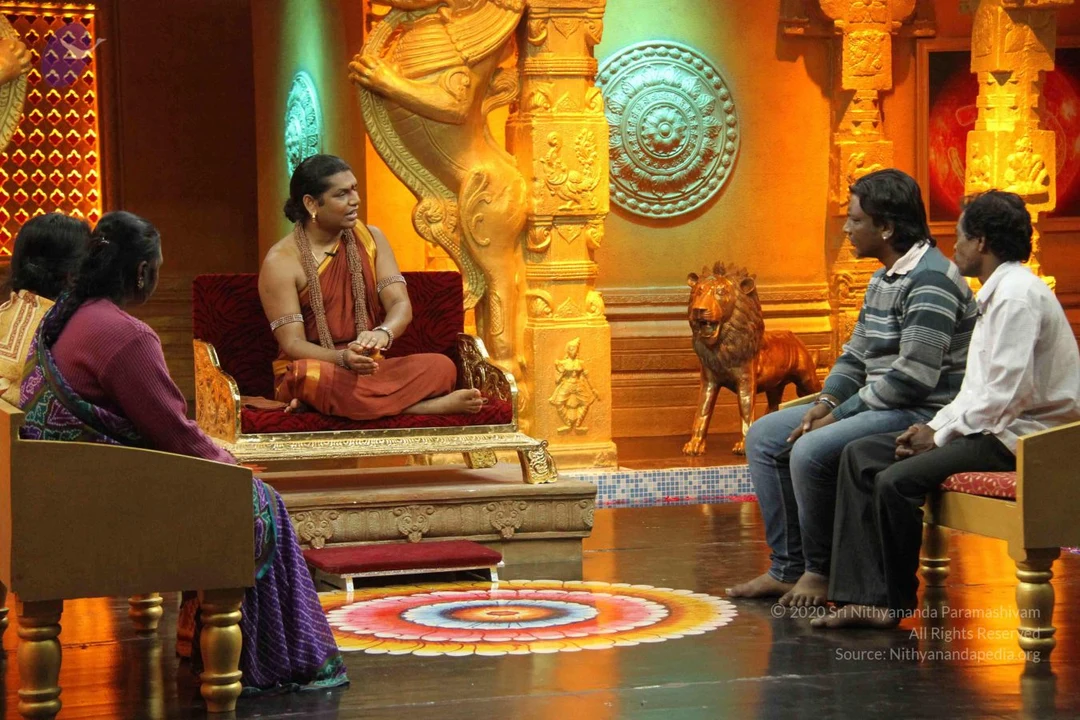
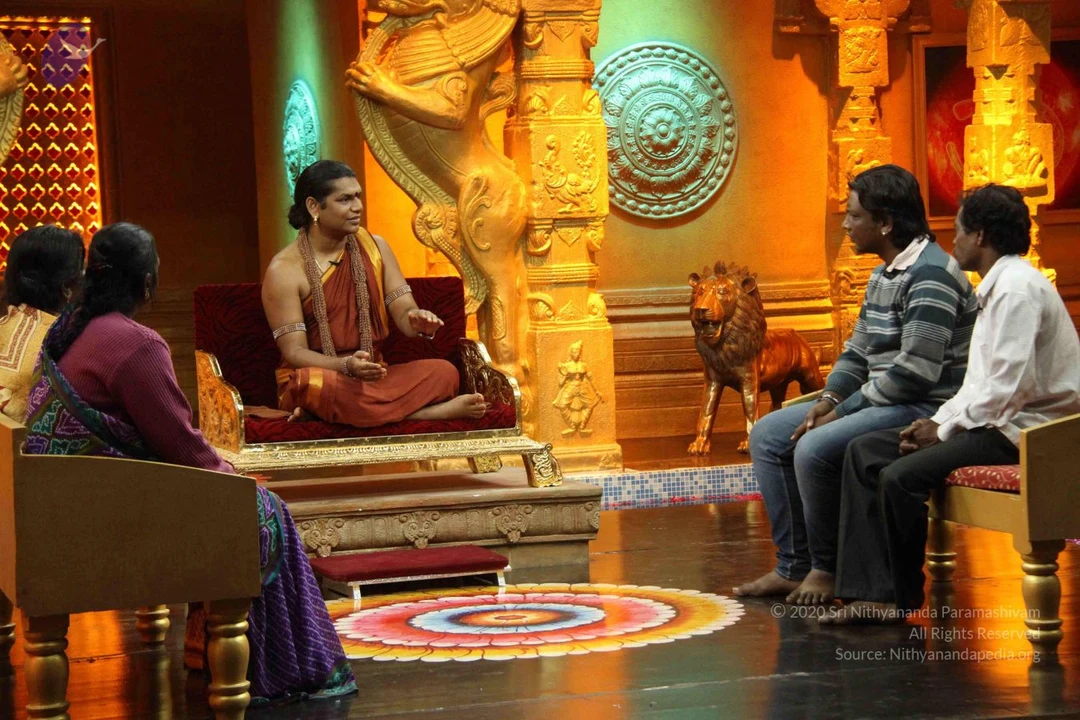
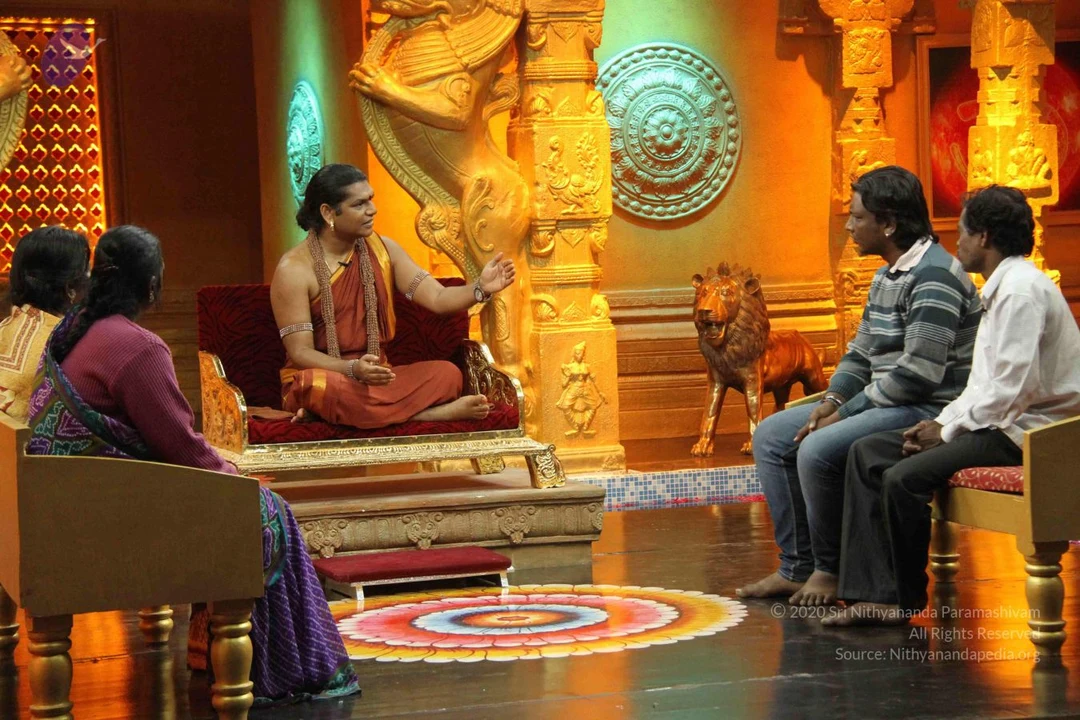


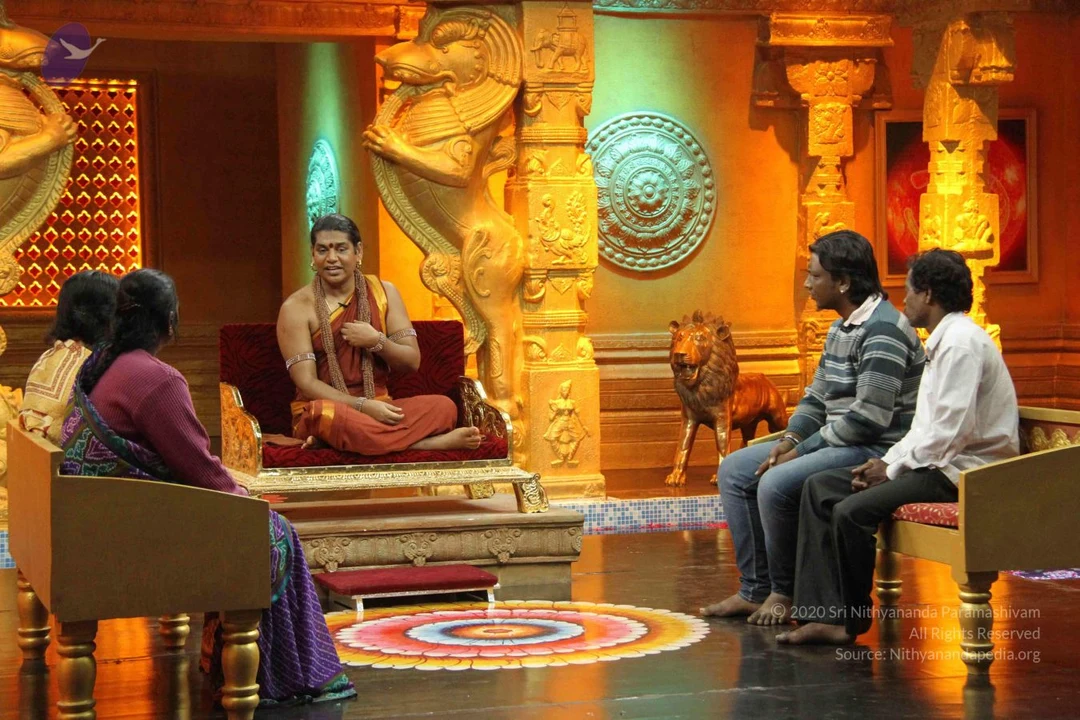

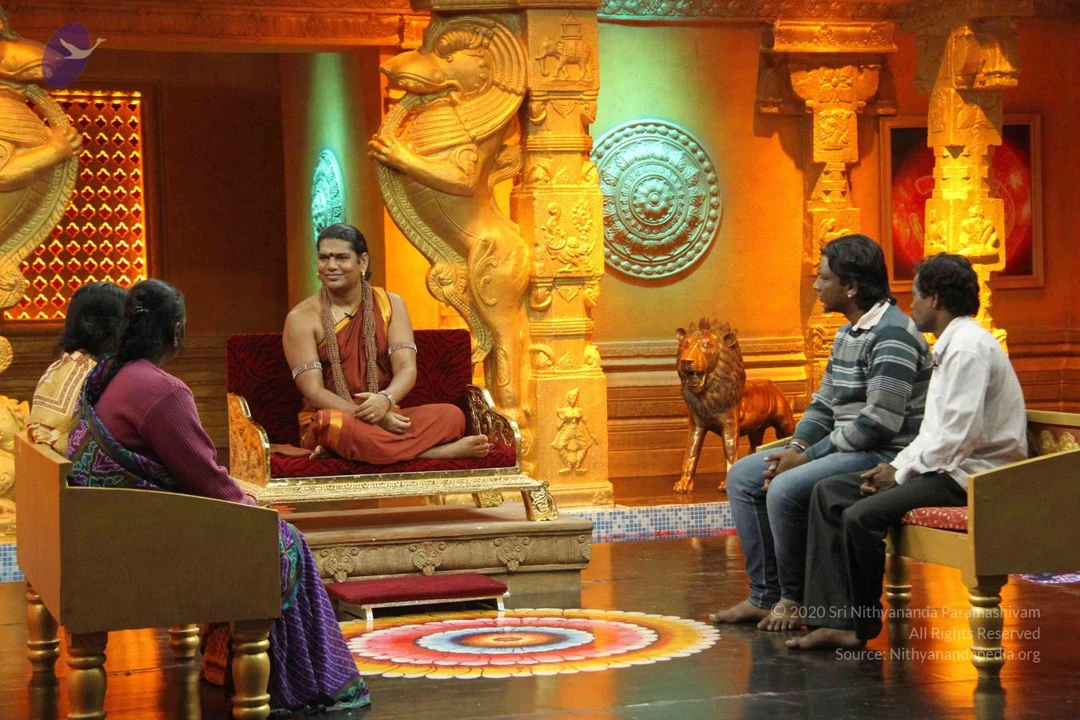
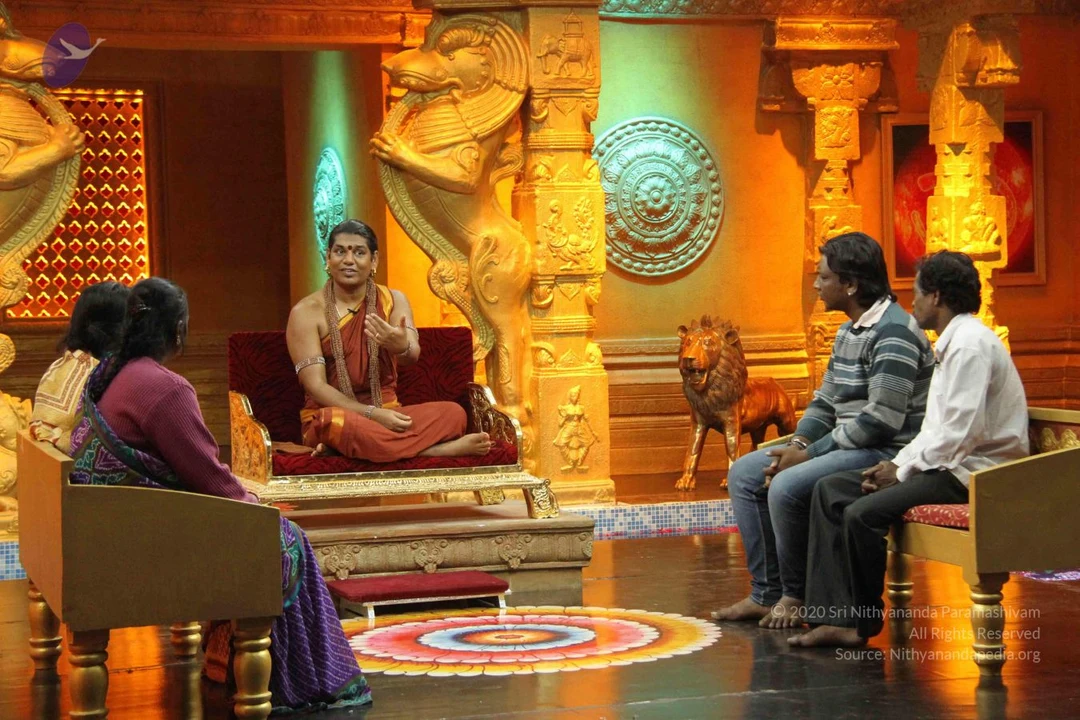
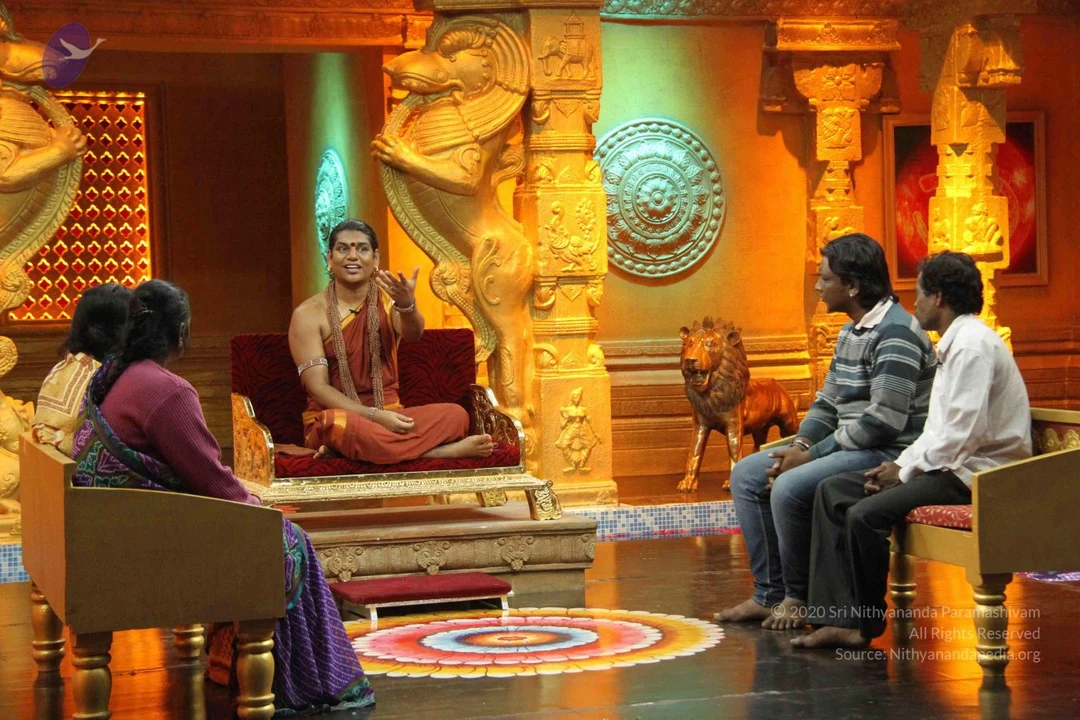

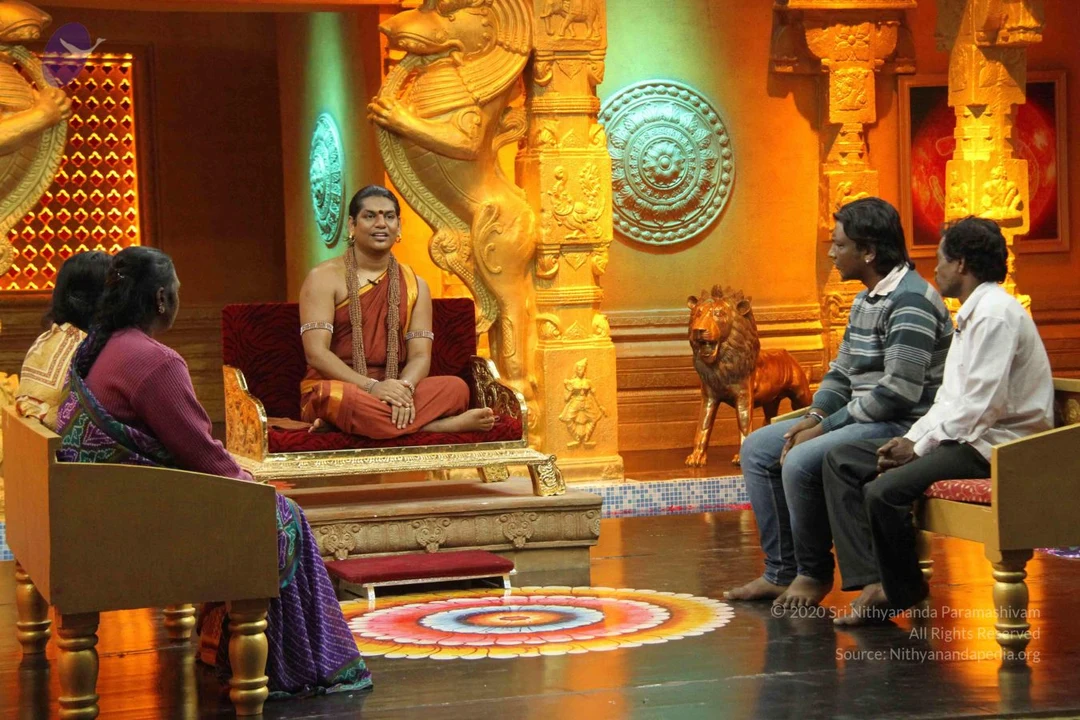
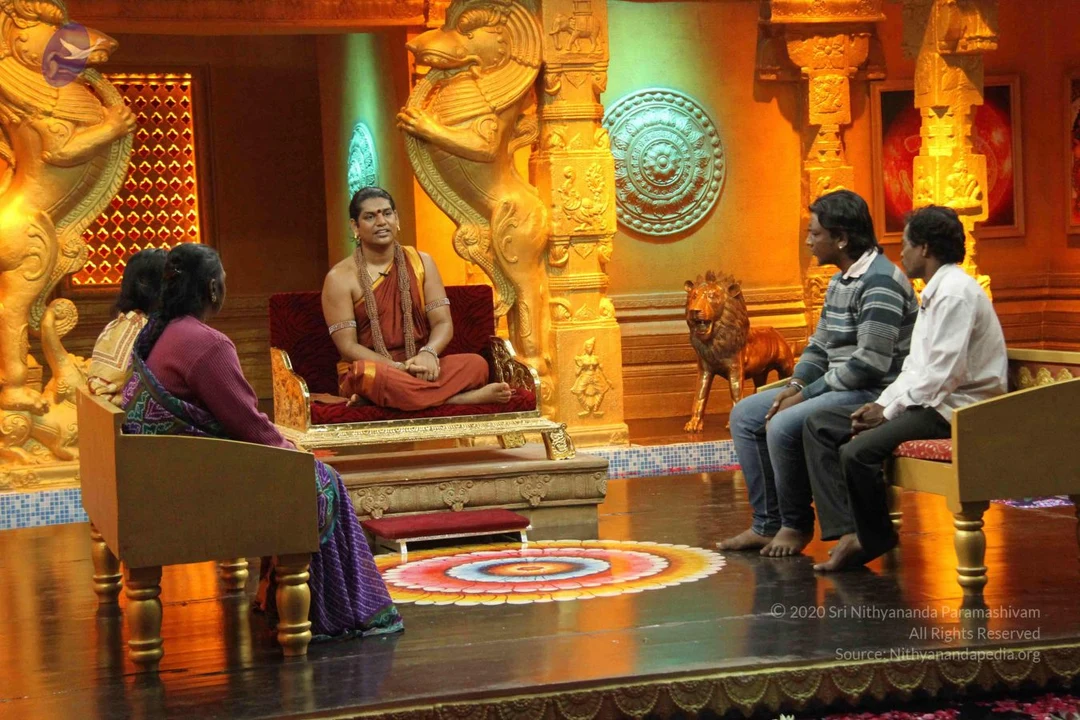
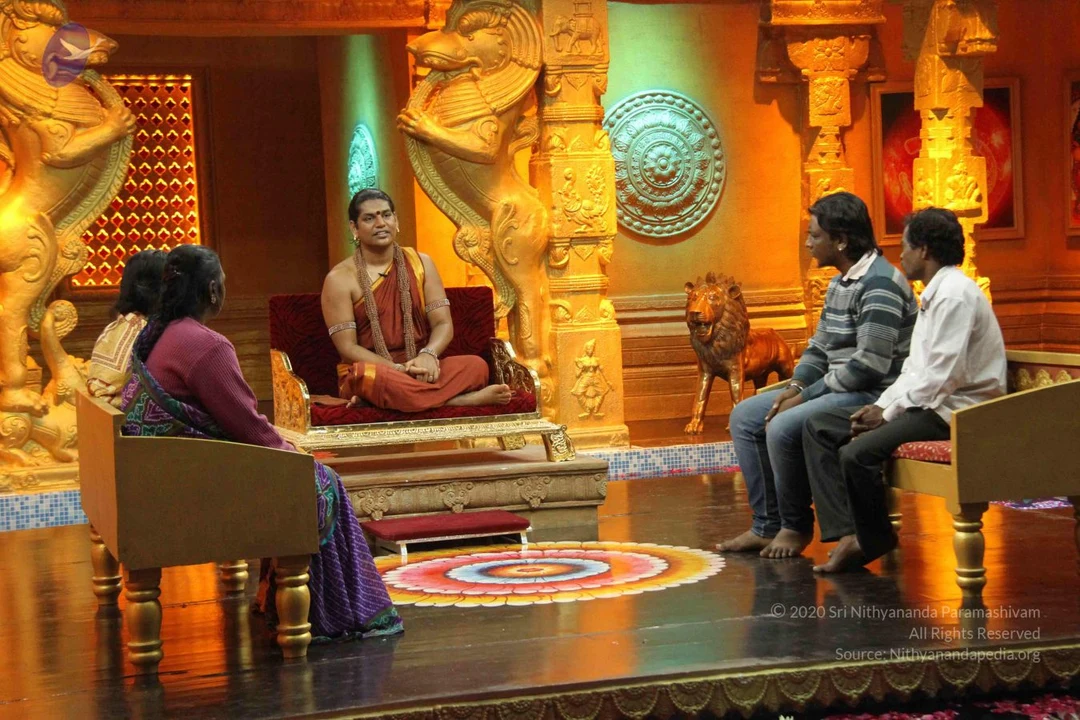
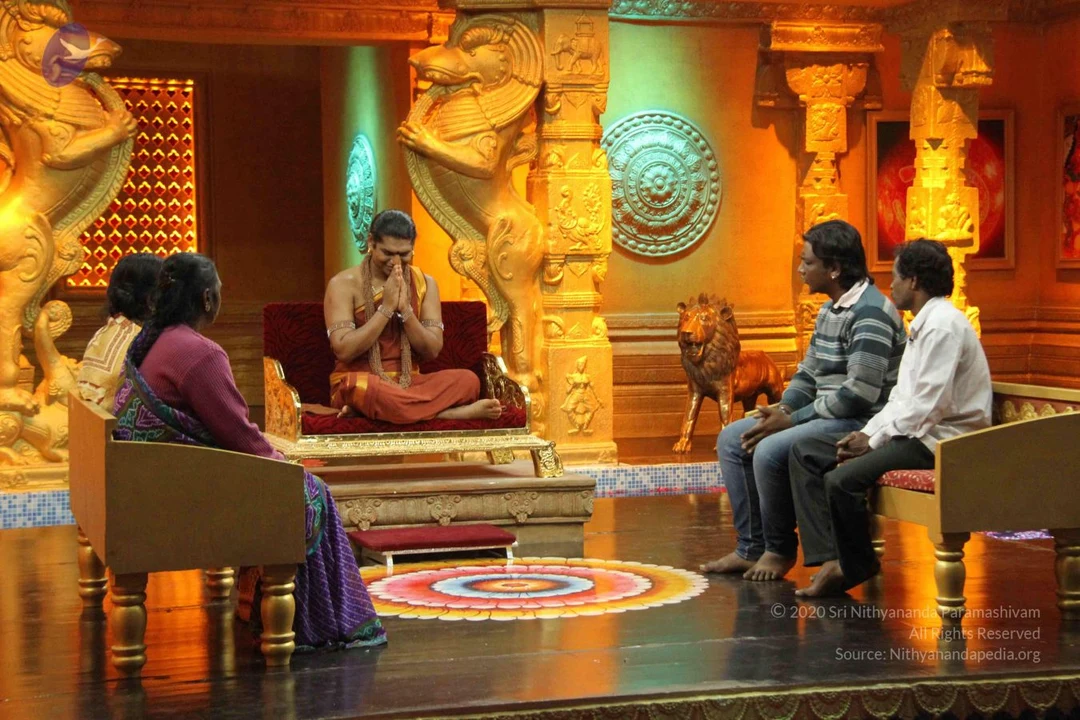
Tags:
Paramahamsa Nithyananda, Hinduism, self-doubt, enrich, religion
1-Paduka-Puja
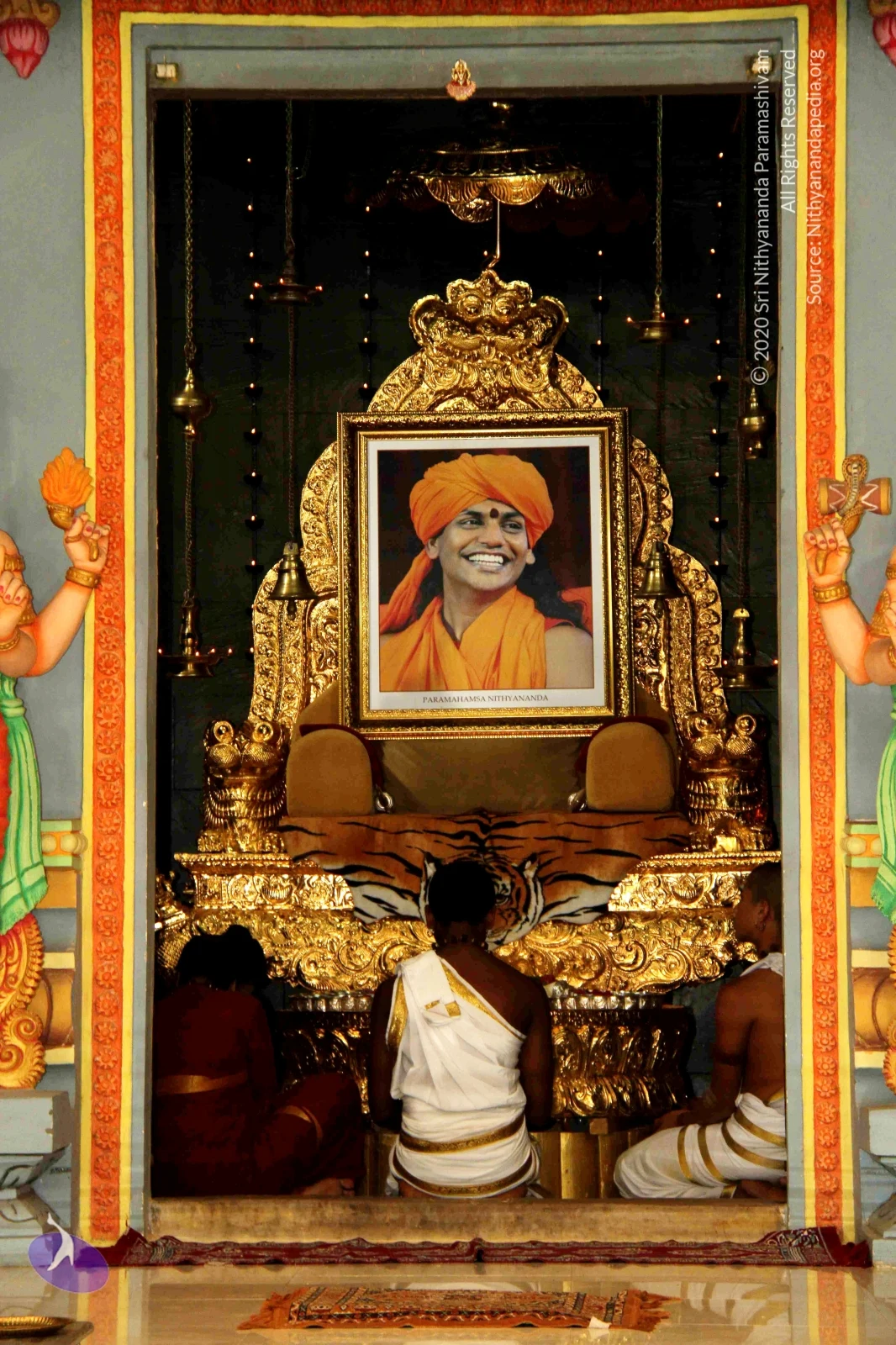
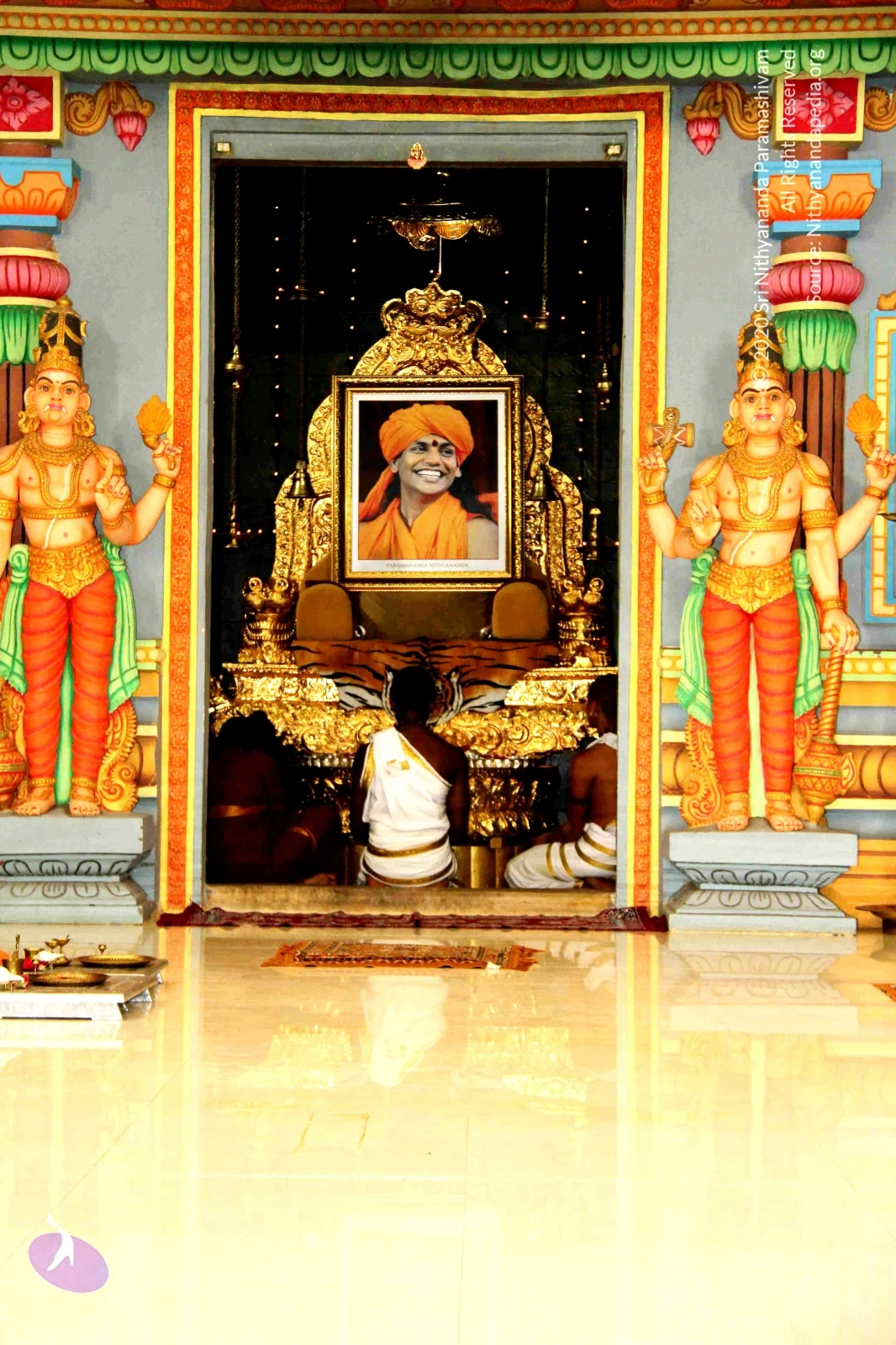
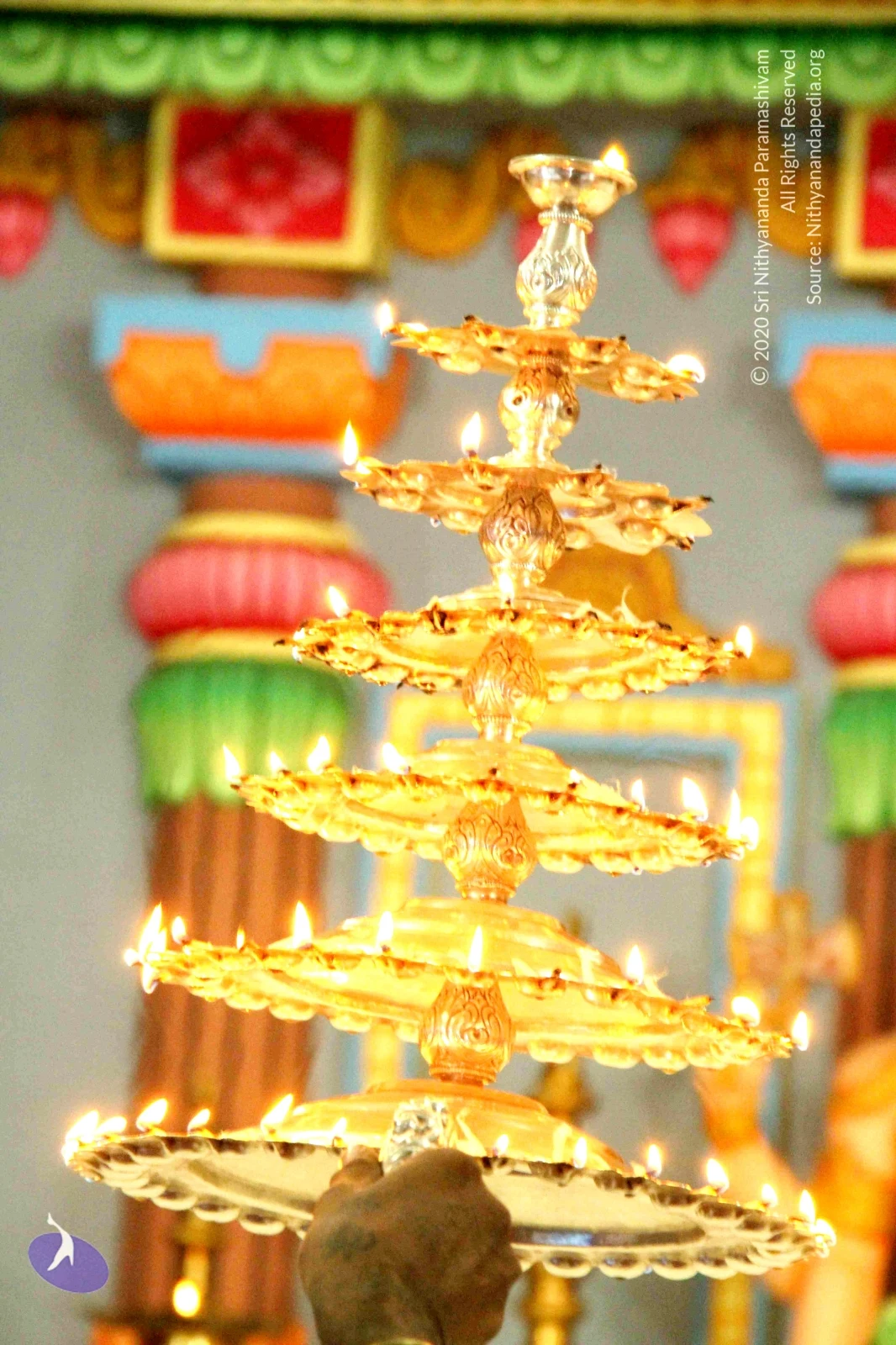
2-Temple
3-Nithyadharmam-Show-Day-2
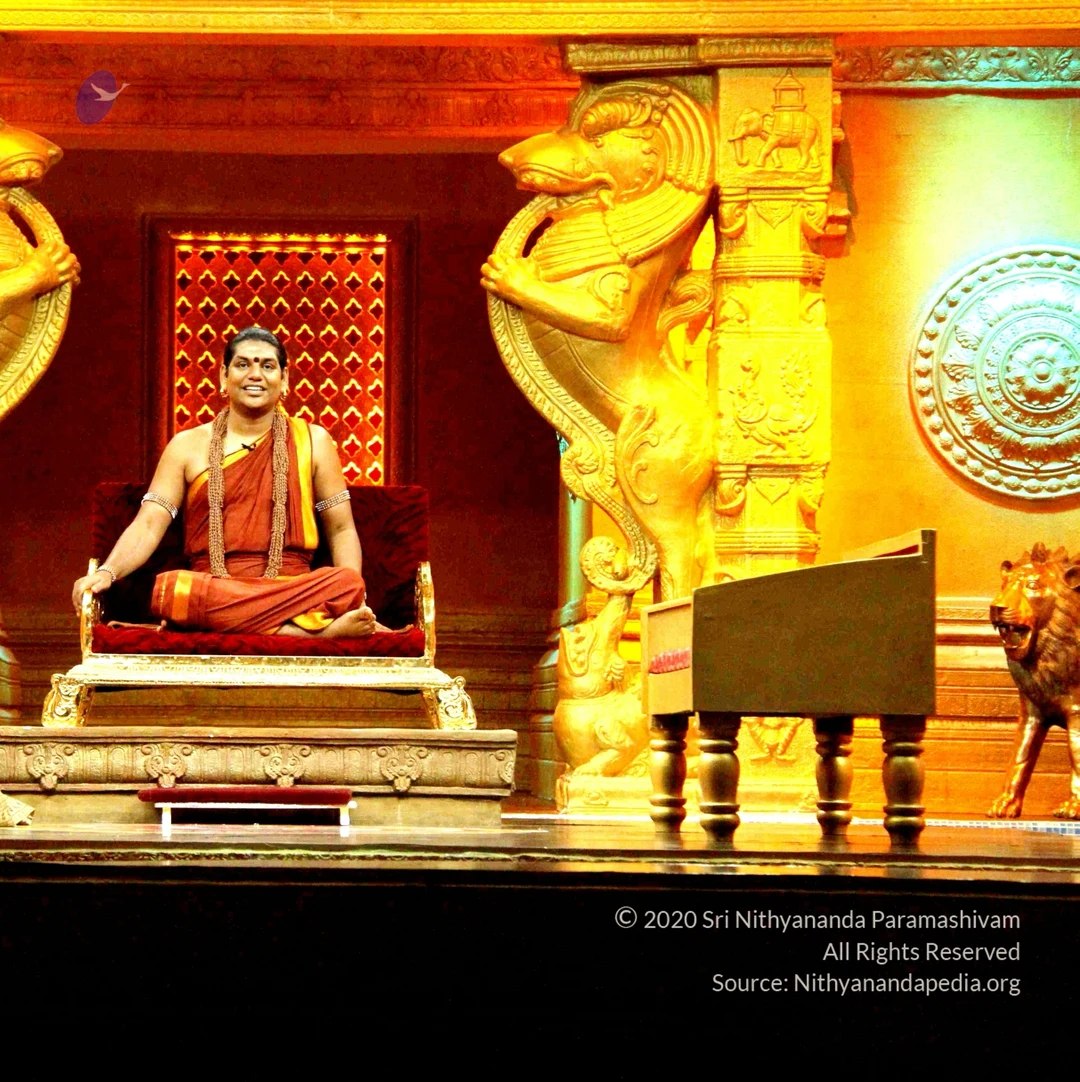
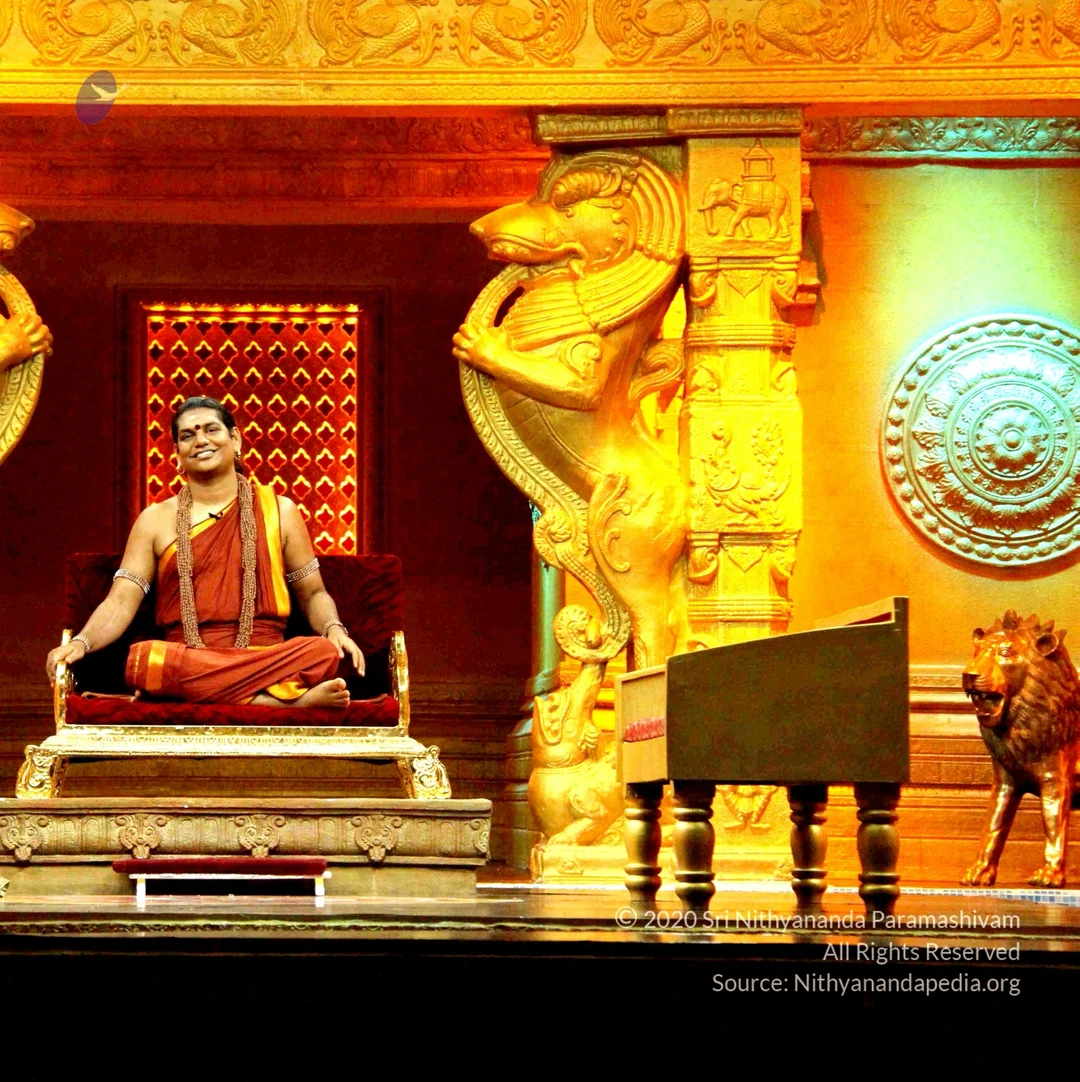
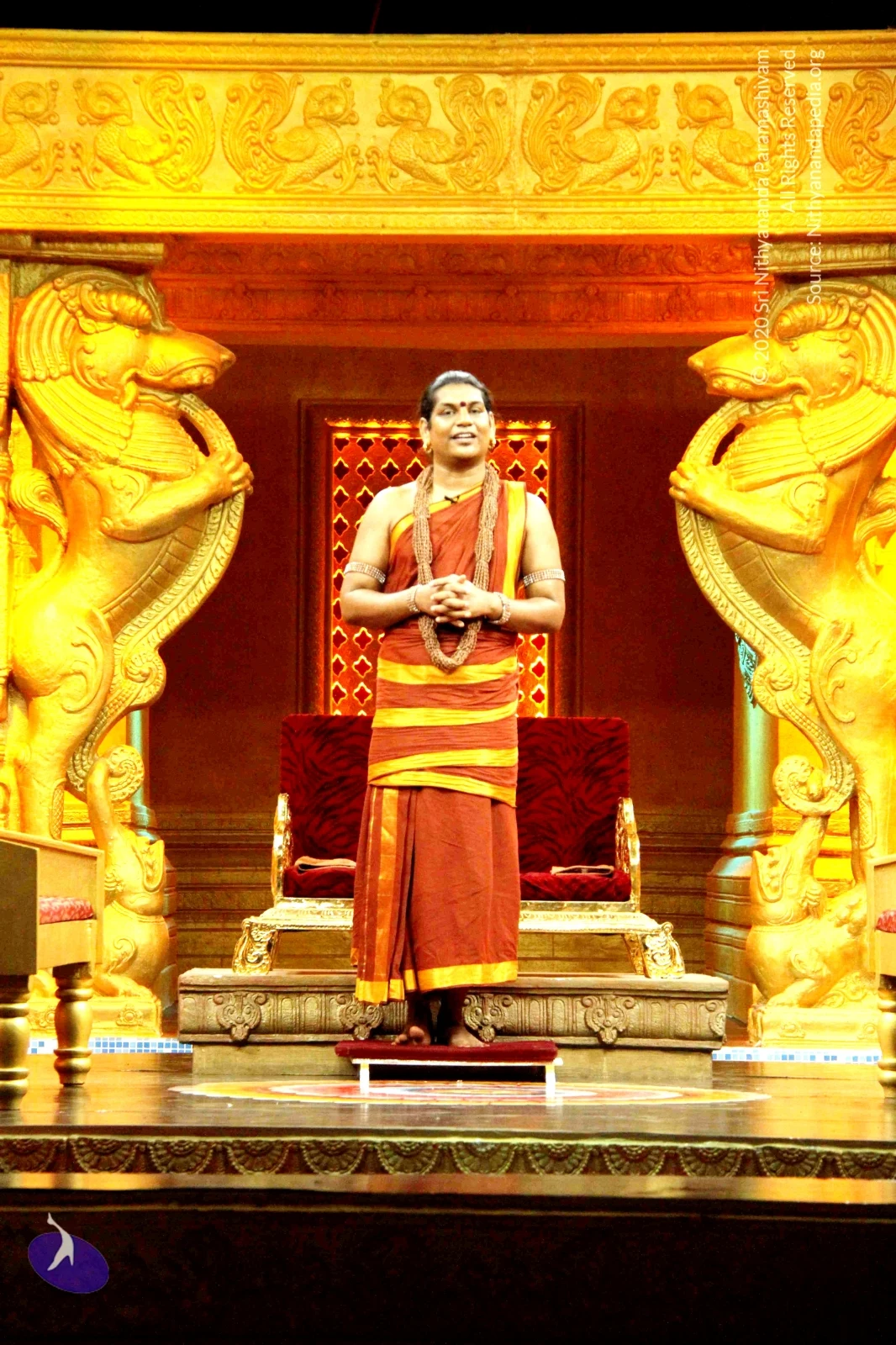
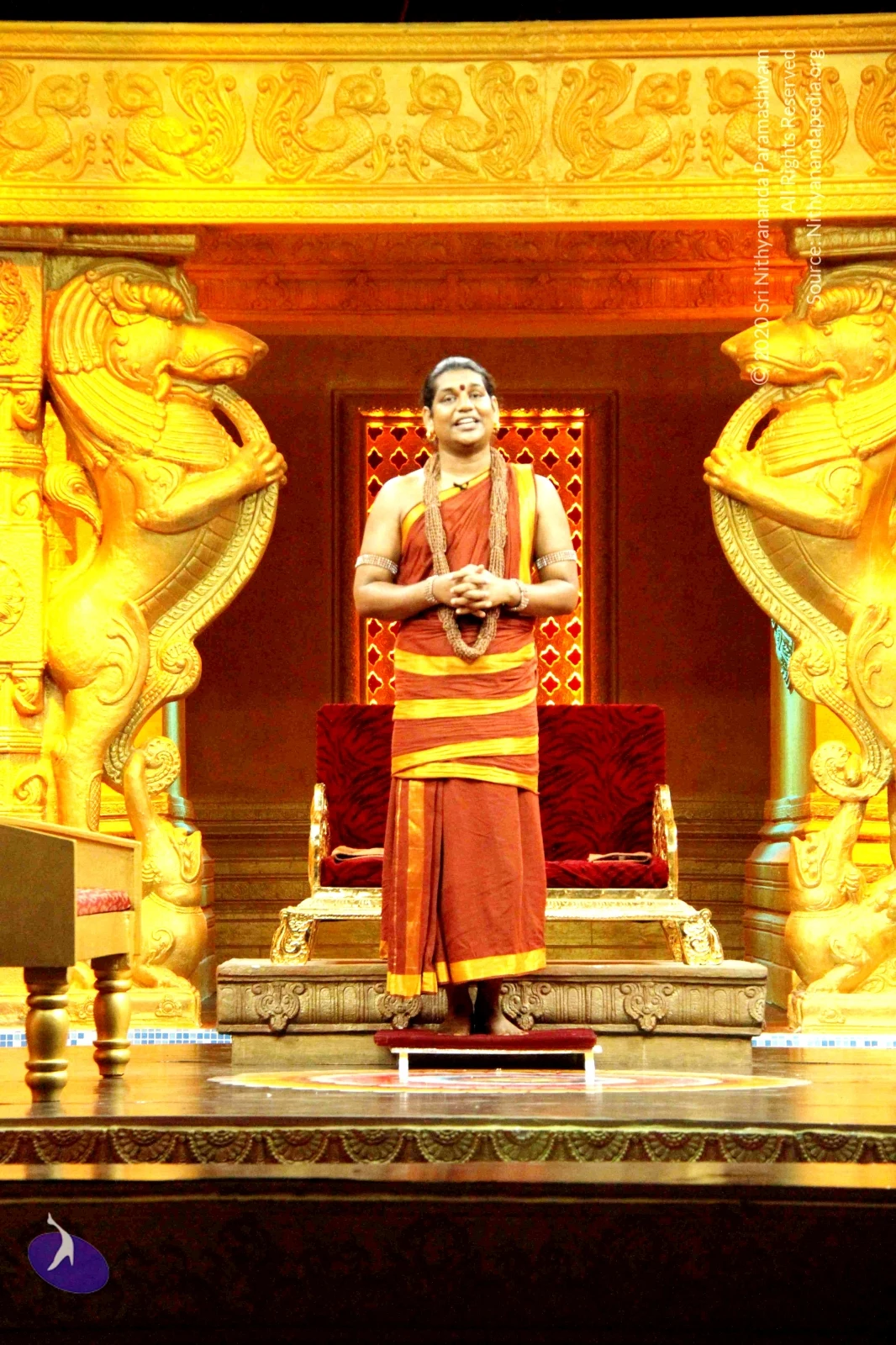
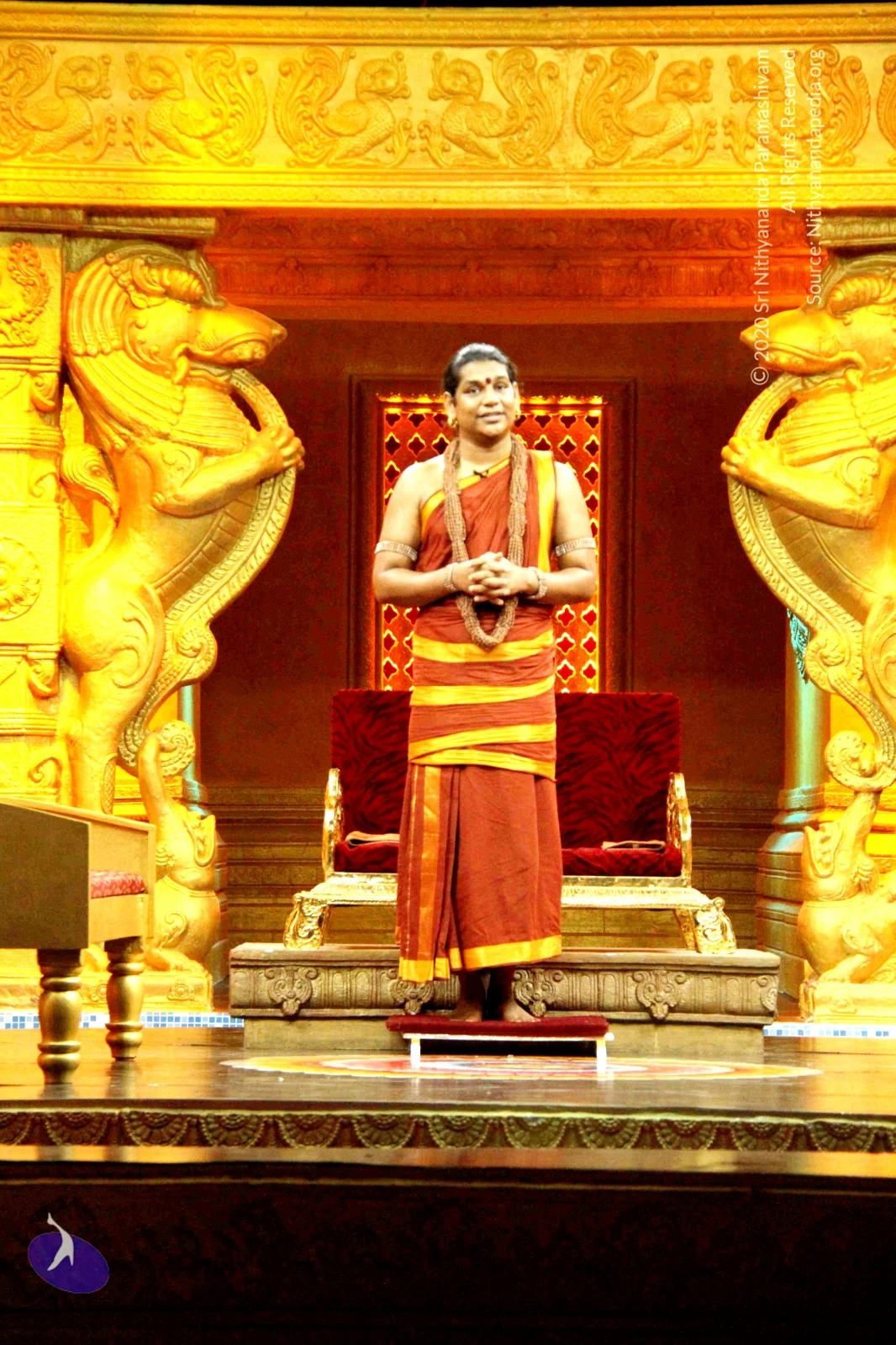
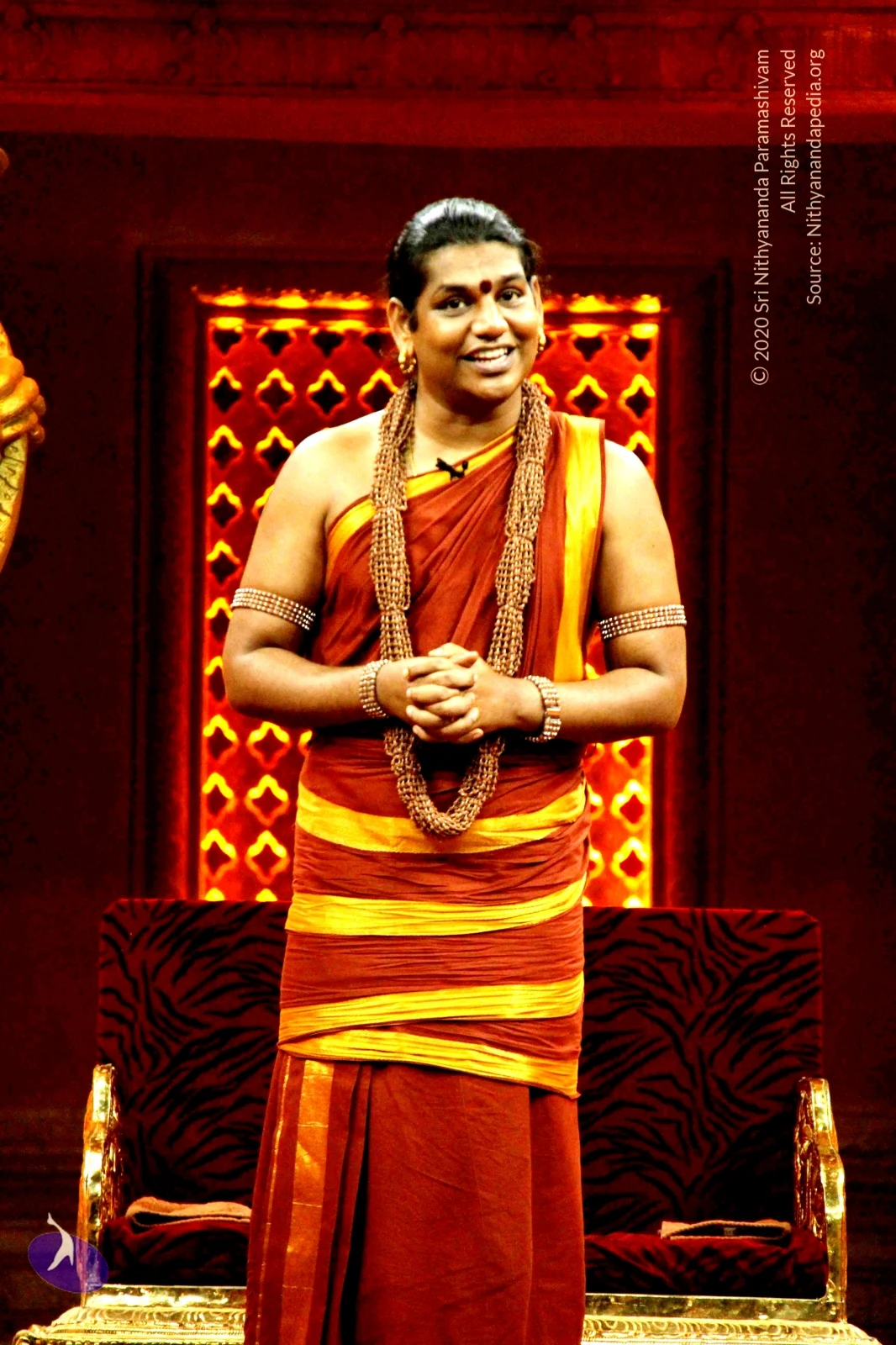
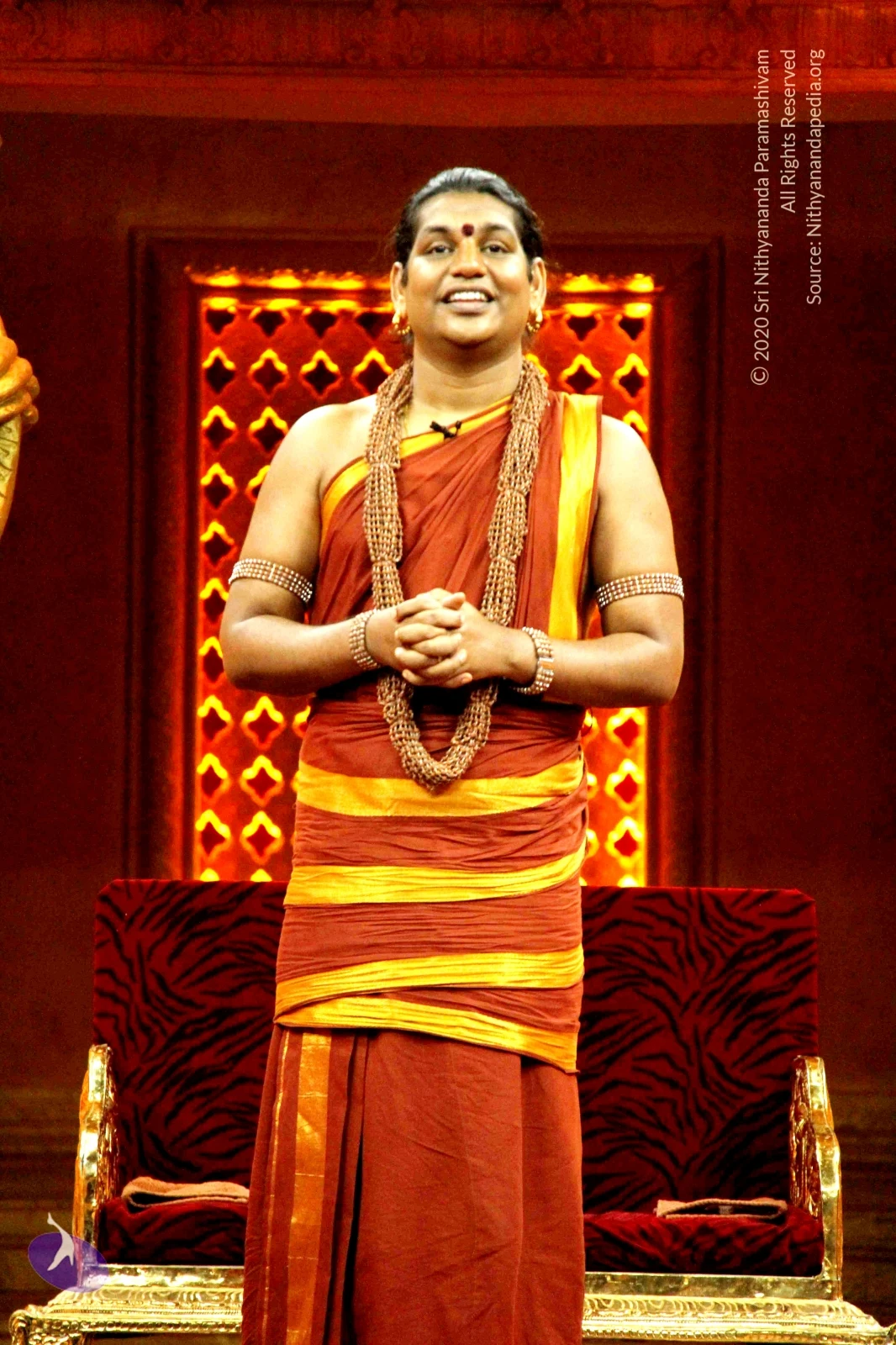
Photos from this day
View all 253 photosPaduka-Puja
22 photosSource gallery
Temple
46 photosSource gallery

NithyaDharmam-Show-Day2
164 photosSource gallery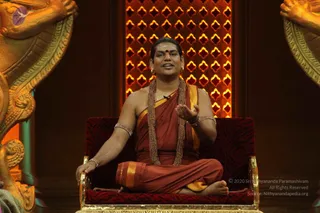
1-Paduka-Puja
3 photosSource gallery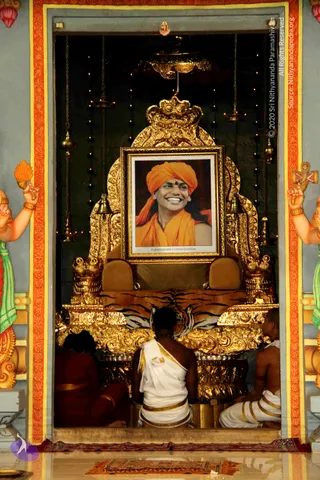
2-Temple
10 photosSource gallery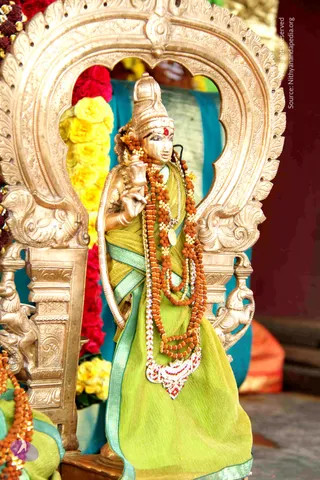
3-Nithyadharmam-Show-Day-2
8 photosSource gallery