Thursday
18 September 2014
- Dated photos
- 117
- Source pages
- 1
- Media
- 2
September 18 2014
Original wiki pageDescription:
In today’s (18 September 2014) morning satsang, Paramahamsa Nithyananda spoke about Sankhya; Liberated Thinking and its founder Kapila Muni, who is also the founder of MahaNirvani Akadha. He told us that three great perfected sages were members of MahaNirvani Akada and disciples of Kapila Muni. They are Krishna, Buddha and Christ who were all great liberated thinkers. The first university-monastery complex on planet earth was formed around Kapila Muni for the study of Sankhya-Liberated Thinking.
Link to Video:
Link to Audio
'Description: Never Tolerate InTolerance by HDH Bhagavan Nithyananda Paramashivam on 18 September 2014'
Transcript:
Nithyanandeshwara Samaarambhaam Nithyanandeshwari Madhyamaam |
Asmath Aachaarya Paryanthaam Vandhey Guru Paramparaam ||
I welcome all of you with my love and respects.
The good news for everyone: From today, we will continue to have our satsangs. Now I am able to manage, push myself to do morning satsangs. And we will have morning satsangs!
The best news: I will be speaking on Kapila's Sankhya philosophy! Kapila's Sankhya Philosophy! Sankhya is the Science of Liberated Thinking.
Please understand, I will formally introduce the scripture on which I am going to speak in the next few days. Kapila himself has written beautiful books:- Kapila Gita and Sankhya Sutras. Many books directly composed by Kapila, I will start expanding on some of those with the basic theme of Liberated Thinking.
Please understand, one of the biggest mistakes Hindus did in course of time I don't even want to say the word "mistake" one of the biggest dilutions happened in Hinduism is, we started believing that the liberated person will be in the "no mind" state. Understand, he is in the "no mind" state where there is no thinking, but you cannot even think about that state! His thinking is not like yours, but that does not mean he is shut. Because, you functioned only with thoughts, the moment you listen "no mind" or "no thinking", or "beyond thinking", you think it is shut, because you have a deep hatred for thinking, you have a deep hatred for action. Because you have a deep hatred for thinking, you have a deep hatred for action. You have a deep hatred for thinking, you have a deep hatred for action. You always think "enlightened being", "enlightened state" means no action, no thinking.
Understand, beyond action, beyond thinking, beyond mind, "no mind" does not mean no action, no thinking. This is one of the biggest mistakes, dilutions which happened in course of time. That is why constantly you try to project that Ramana Maharshi means he should always be lying down (resting), an enlightened being means, he should all the time be in "non-action". Sankhya, the first and foremost Hindu philosophy! You should not even use the word "philosophy", but because of no words, I am using the word "philosophy". "Philosia", formost word, foremost philosia, darshana. In Sanskrit we have the word "darshana". Sankhya is called as "darshana", "philosia", not "philosophy". The foremost darshana! Actually, it is the darshana from which all the other darshanas evolved, including Vedanta, including Advaitha. This is the most foolproof, most powerful, most original way of thinking, way of living, way of existing. Sankhya, the ultimate way of existing! I can give you some of the very important clarity, development, understanding, unique to Sankhya.
If Shri Krishna was an Advaithi, he would never have waged the war or asked Arjuna to wage the war. When Arjuna wanted to become a Sannyasi, Krishna would have said, Come on, it is enough! I am going to Dwaraka. You go to wherever you want. But Krishna was a Sankhya.
Understand, never tolerate the intolerant. Listen! Never tolerate the people who cannot tolerate.
Intolerant should not be tolerated. If you tolerate the intolerant, all the tolerant people will be killed and there will be no one to set an example for tolerance. If the tolerant need to be protected, the intolerant should not be tolerated.
The most practical, the most practical truth of living the liberated thinking is from Bhagawan Shri Krishna, is from the source of Sankhya. That is why.....see, the moment I open my mouth and start speaking, only whatever is filled in me, whatever i am full of, that only will come out. If somebody comes and sits with me, whatever questions they ask, the moment I start speaking to them, it will only be about Completion, Listening; it can never be about the latest movies released, because that is not sitting in my head. Because, if they ask some question, even that I will be looking at from the angle of Completion, Living Advaitha, Enlightenment, Liberated Thinking and speak from that angle. When you open your mouth, you will speak only of which you are filled. I can hundred percent be sure, Krishna belongs to Mahanirvani Akhada and he was filled with Sankhya! That is why, the moment he opens his mouth to start speaking to Arjuna, he says Sankhya Yoga. Actually, in Sankhya Yoga, in the second chapter, he even opens his mouth, he transmits the truth of Liberated Thinking, how your thinking can be based on liberation.
All the three great spiritual beings who created spiritual awakening on Planet Earth in various ways, Krishna, Buddha, Christ all the three are from Mahanirvani Akhada! All the three are from Mahanirvani Sampradaya! All the three are the waves that happened in Bhagawan Kapila Muni, the siddha, the first and foremost siddha, great devotee of Mahadeva, lived in Advaitha, the space of Advaitha, lived in the space of Advaitha with Mahadeva. Kapila, the greatest rishi of Sankhya philosophy! As I said, the subtle nuances is tolerance is required. If you just read some flat religious books, moral books, you will learn tolerance. But who should be tolerated? To know that, you need to know Sankhya, you need to know Liberated Thinking. What should be tolerated?
Everywhere, as a Hindu Guru, I am facing this question: Swamiji, so much of persecution! Intellectually, so much we are abused! Constantly, any possibility of the Hindu revival, Hindu renaissance, whether it is around a temple or a spiritual monastery or a spiritual organization or a spiritual Guru, any Hindu renaissance, spiritual renaissance is brutally attacked.
All their power excess is used. Whether it is intellectual power or media power, or weapon power, everything is used. Brutally, Hinduism is attacked! Literally getting snuffed out before even the budding starts! Before even it starts growing, getting attacked and trying to snuff out! One, people fall into powerlessness, unable to handle this attack. Second, the worst thing is, out of powerlessness they start creating justifications which almost looks like spiritual philosophy. What is there? Last ten-thousand years so much of attack we survived! We cannot be killed! We are Sanatana Dharma! No! Stop! Stop using these stupid justifications! From Kandahar to Gadaram, Indonesia, ten-thousand years before, we existed! From Kandahar to Gadaram, Bali, Indonesia, up to that Sanatana Dharma was lifestyle! Now, other than a few monasteries, a few temples here and there in India......!
Please understand, don't mistake that our border is reduced from Kandahar-to-Gadaram to just India! Don't mistake! It is reduced even inside India! So, for god's sake, don't bring your stupid philosophy that for the last ten-thousand years we are invincible, we were invincible, and we will be invincible. No! For god's sake, don't bring your weakening philosophies as looks like spiritual philosophy! Don't make them look like spiritual philosophy. And then, out of that powerlessness and inability to stand up for what you were supposed to live and stand up, you also create one more philosophy: Oh, tolerance. After all Hinduism teaches tolerance. Yes, tolerance towards all people WHO ALSO BELIEVE IN TOLERANCE! Tolerate everyone who also believes in tolerance, enrich them with tolerance. And whoever believes in tolerance, tolerance is the greatest way of living. Jews, Parsis....! When Israel was formed, the first resolution Israel passed was thanking India the only country which did not persecute Jews, the only country in the world where Jews lived peacefully, happily, living peacefully and happily! They know tolerance; tolerate them. Parsis, such, such wonderful people! They know tolerance; tolerate them. Syrian Catholics from Kerala, such an amazing people! They know tolerance; tolerate them. Sufis, the Sufi tradition from Islam, they know tolerance; tolerate them. The Greek Orthodox Church, they know tolerance; tolerate them. Whoever knows tolerance, have tolerance towards them. Whoever declares tolerance as their official lifestyle, have tolerance towards them.
But DON'T TOLERATE THE INTOLERANT, because they will kill all the tolerant people, they will destroy all the tolerant people; even the symbol of Tolerance will be wiped out from Planet Earth! Sankhya, Liberated Thinking, teaches you to be in the space of liberation and practical thinking. Why so much of attack on me? Because, everyone knows I am the renaissance of Hinduism, not an individual Nithyananda! I am the renaissance of Sanatana Hindu Dharma; that is why so much of attack on me, so much attack on our Gurukul. So, their whole life they will only be trying to discredit me. For a few days they were screaming, screaming, screaming, screaming, screaming so much about medical test. Suddenly, it is forgotten! Why? Because, they have not got what they want! They are not able to get what they want! Now they are again back to square one attack Gurukul. Anyhow.....
Understand, Sankhya gives you the strength of Liberated Thinking. It gives you the strength of Liberated Thinking. Sankhya teaches you advaithic thinking. Sankhya teaches you the science of living the highest possibility, Advaitha. It is from Kapila that Vyasa developed Vedanta. From Sankhya, Vedanta was developed. And from Vyasa, Shankara developed Advaitha. From Shankara, all the next, next great masters developed the next different philosophies and systems. And, Kapila is the greatest Siddha. That is why when Krishna declares his glory I don't even want to say "glory", which is too small a word when Krishna tries to introduce himself, whatever glory Krishna talks about him, it is only a small introduction about him; It can never be glorification.
Krishnasthu Swayam Bhagawan, Poornavatara When he tries to introduce himself, he says:
"Among the siddhas, I am Kapila"
|| Siddhaanaam Kapilo Munihi ||
Bhagawan Kapila is the fifth incarnation as per Shrimad Bhagavatam. extraordinary incarnations.
|| Siddhaanaam Kapilo Munihi ||
Ashvattaha Sarvavrikshaanaam Devarsheenaam cha Naaradaha
|| Gandharvaanaam Chitrarathaha Siddhaanaam Kapilo Munihi ||
The perfected sage, siddha, who is established in Completion!
Siddha means, complete. And Kapila, the first and foremost siddha who opened the tradition of spiritual university. It was first time in our Sanatana Dharma spiritual history, there is a record of disciples gathering around the master means, first time it is around Kapila, it was around Kapila. In the plane of Kailasha, the mystical plane, disciples gathered around Mahadeva. But in the plane of Bhooloka (Planet Earth), the disciples gathering, classes, an organized teaching institution, university, monastery complex, Akhada, Peetha, was formed around Bhagawan Kapila Muni.
So, in the form of paying gratitude to Kapila Muni, this next one year I will expand on, at least one year I will expand on Liberated Thinking of Kapila Muni, the Sankhya philosophy, the Sankhya philosia, Sankhya darshana of Kapila Muni. And this one year, in all our campuses other than Bidadi, all our campuses, anybody who wants to listen to these satsanghs can come and stay. All our campuses will accommodate, and share the food and accommodation we have with whoever wants to come and stay and study the great science of Liberated Thinking, the principles of Kapila Muni, on the same lines of Mahanirvani Akhada, to give gratitude to Kapila Muni. Kapila Muni taught in this way. Whoever came, he shared his food, shelter with them, taught them the great science of Liberated Thinking.
In this campus, Bidadi campus, people are getting trained for sannyas. Other than this campus, in any campus all over the world which is inspired by me, somewhere sometimes founded by me, sometimes inspired by me, sometimes founded by me, all over the world, in all the campuses, people are free to come and stay and attend the satsang every day and learn the principles of Sankhya, Liberated Thinking. I wanted all over the world, all the Kotaris, Thanedars, whoever wants to experience the science of Liberated Thinking, take one year off, come and settle down in our campuses.
There are thousands of housewives, Kotaris, Thanedars, Mahants; you can even come in the morning and go in the evening, sit and learn this Liberated Thinking, and enrich the world. I am opening the campus, all the campuses to all of you. Morning you can come, be in the campus. We will share whatever food we have with you. We will share whatever shelter we have with you. You are free to come and stay and study the science of Liberated Thinking, Living Enlightenment. I request all the campuses inspired by me also to open yourself to anyone who wants to study the spiritual science of Liberated Thinking.
Even in Tamil Nadu, all Mahants can use this opportunity; anyone who wants to practice the science of Liberated Thinking, enriching Tamil Nadu, Malaysia, all over the world, you can all gather only for this one purpose of learning the science of Liberated Thinking and enriching the world with this Liberated Thinking, learning it and enriching the world, enriching yourself and the world with this science; you are welcome. We will open all our campuses. All the temples, ashrams, vidhyalayas, schools, educational institutions, annalayas, whatever we are running,we will open it.
So, with this, I bless you all! Let you all radiate with Integrity, Authenticity, Responsibility, Enriching and Causing eternal bliss, Nithyananda! Thank you!
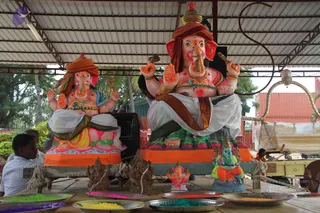
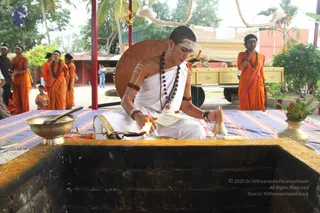
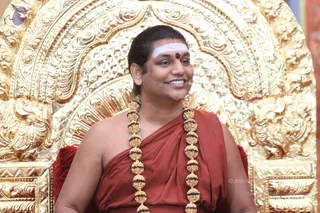
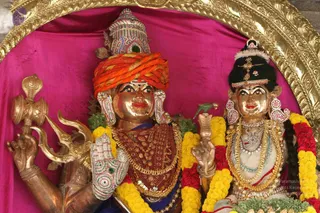
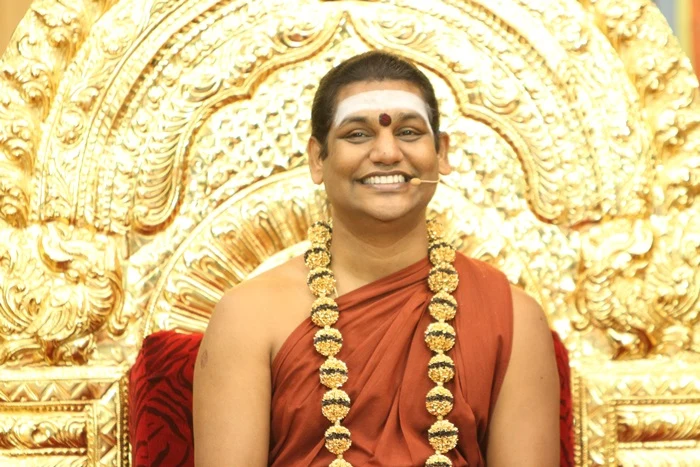
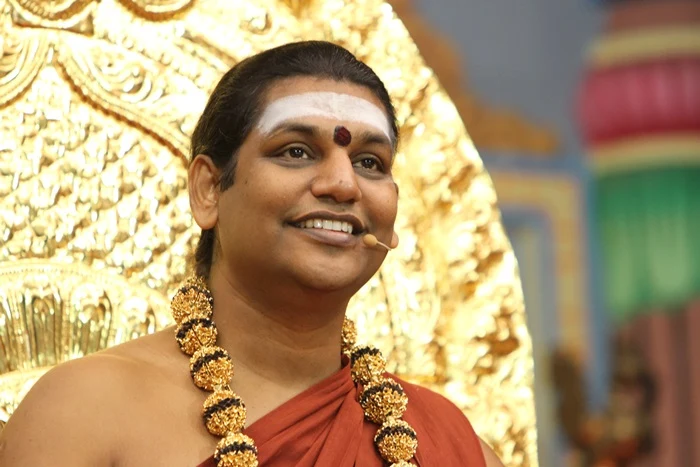
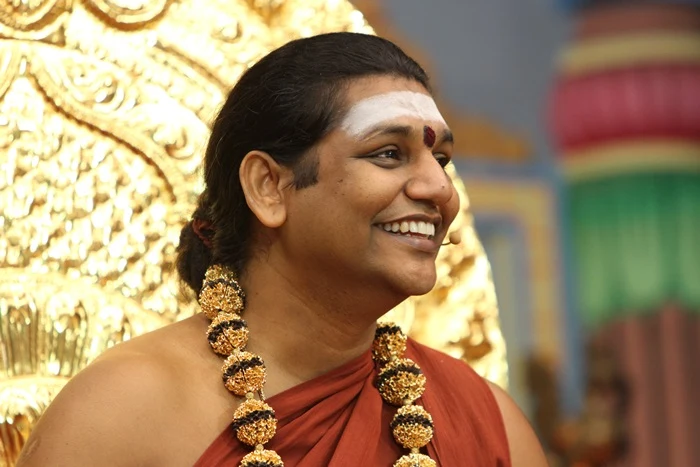
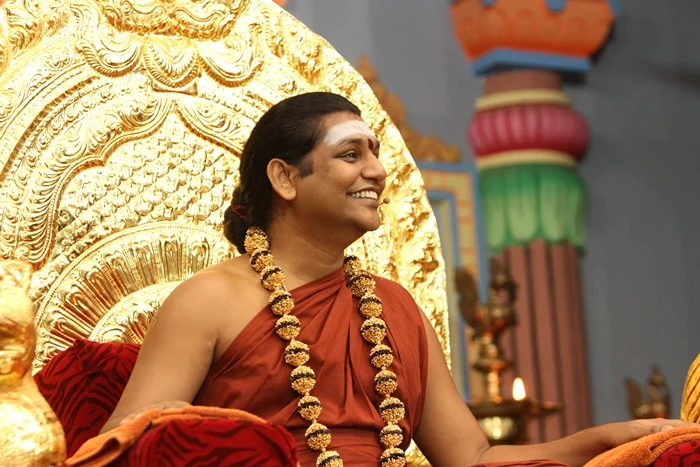
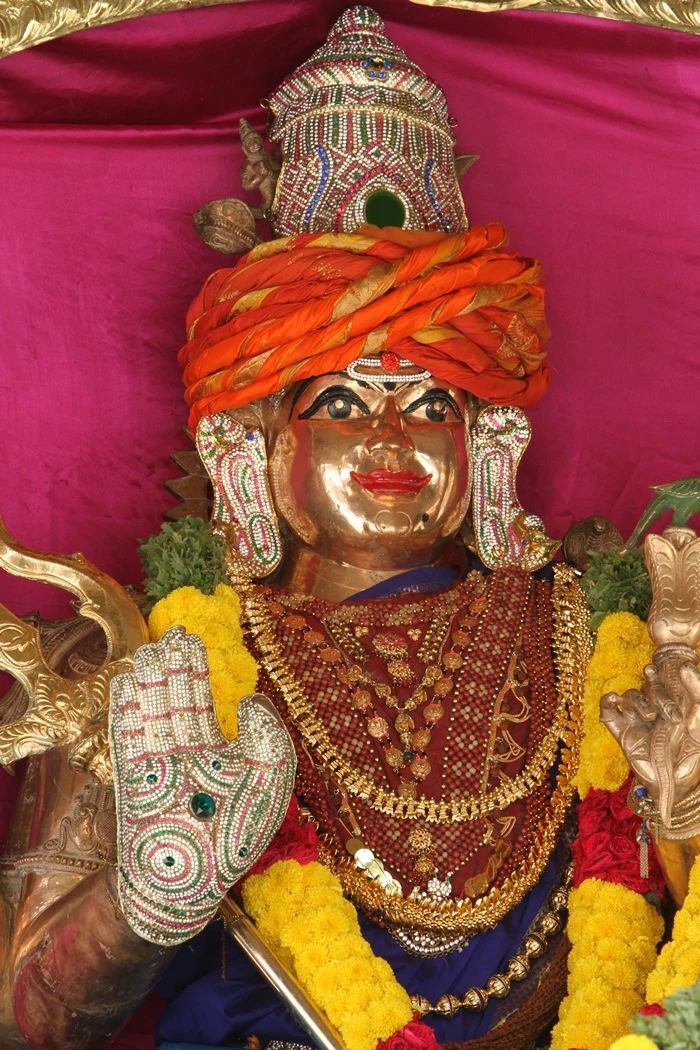
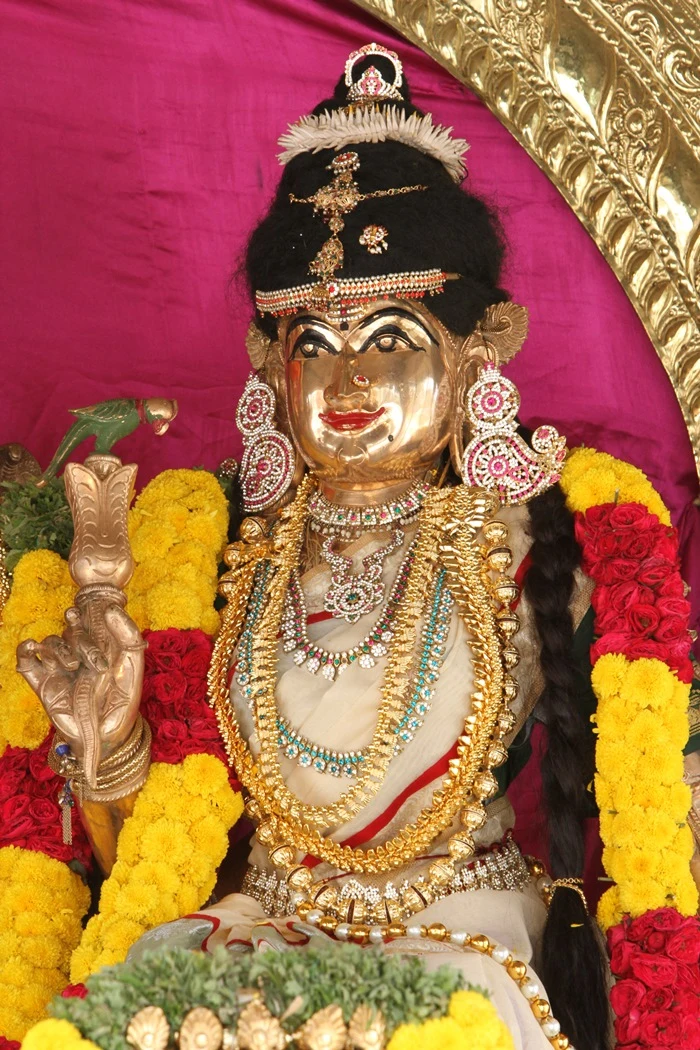
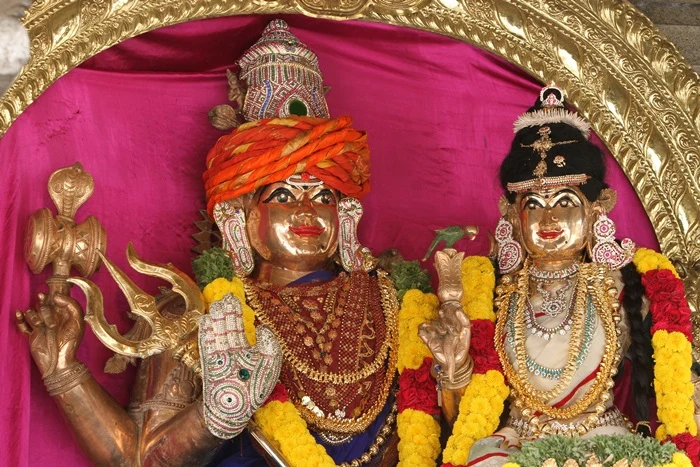
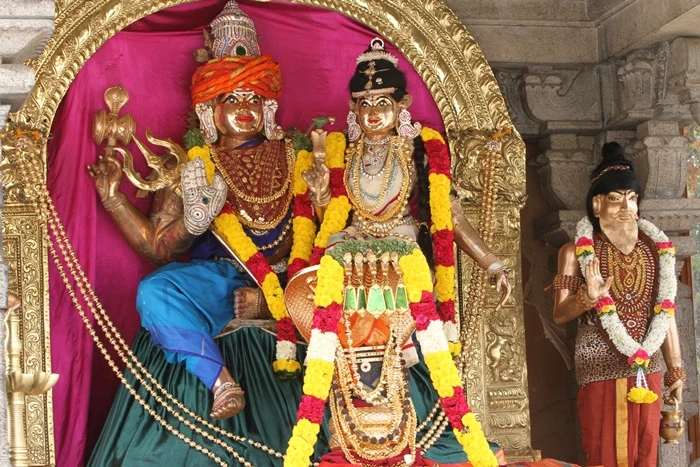
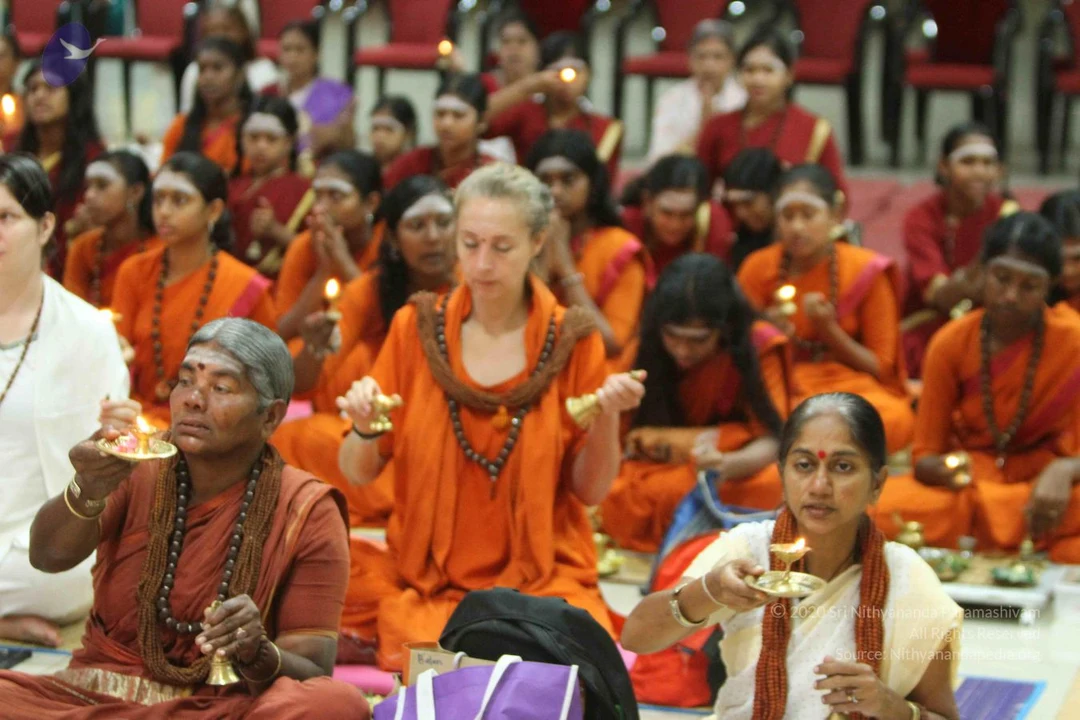
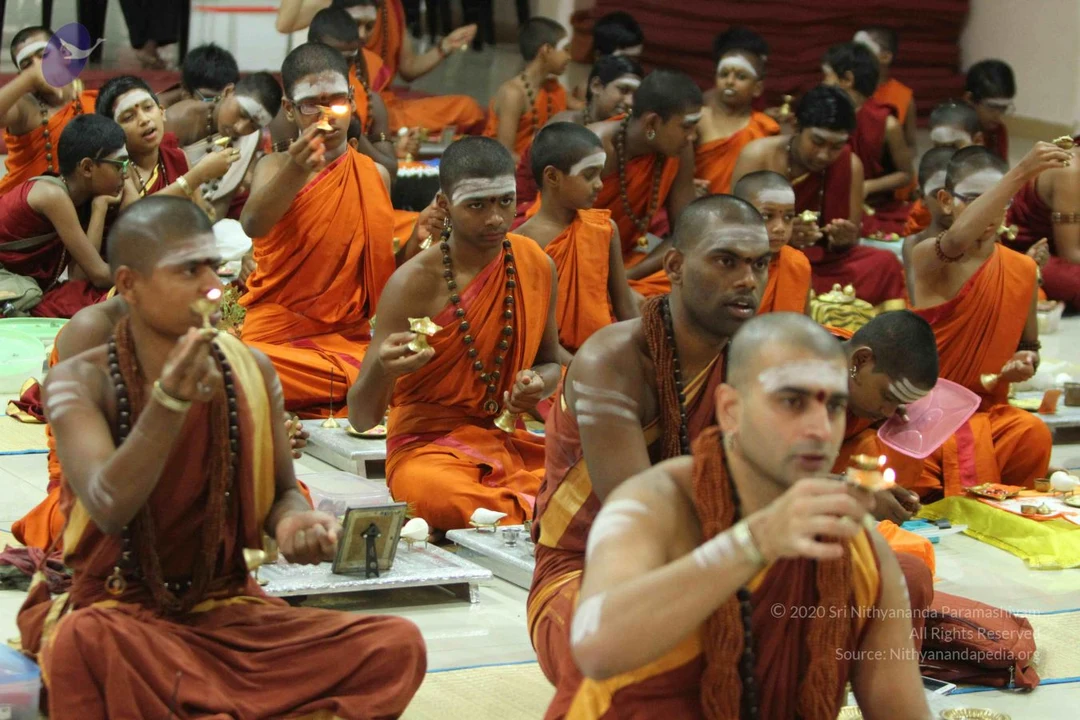
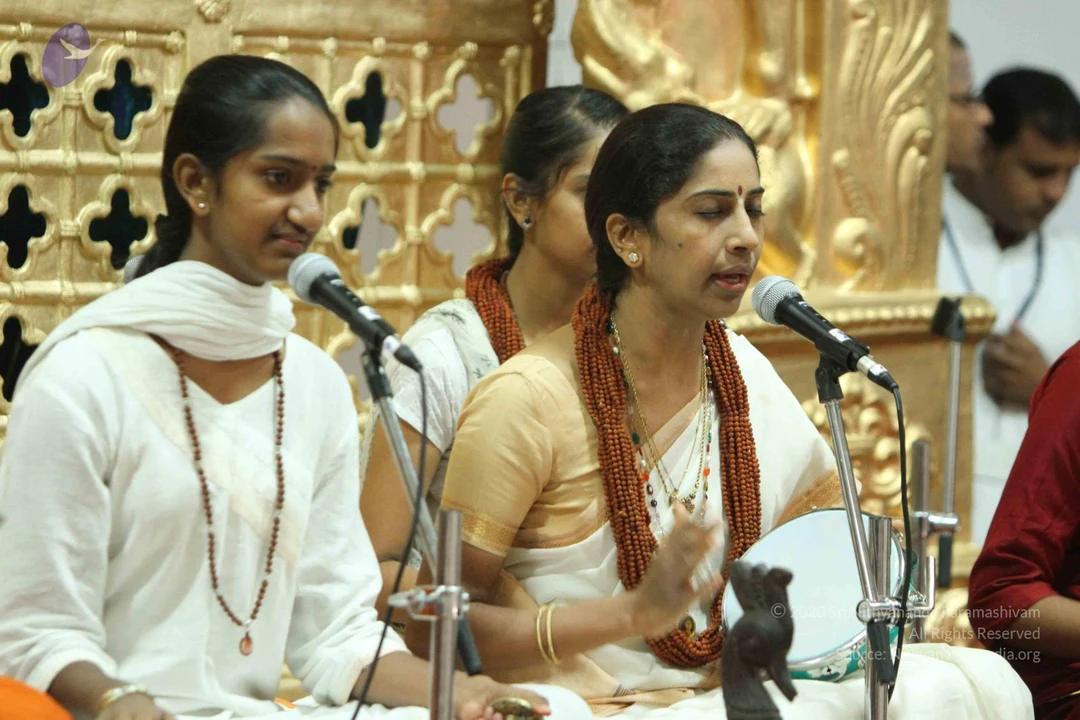
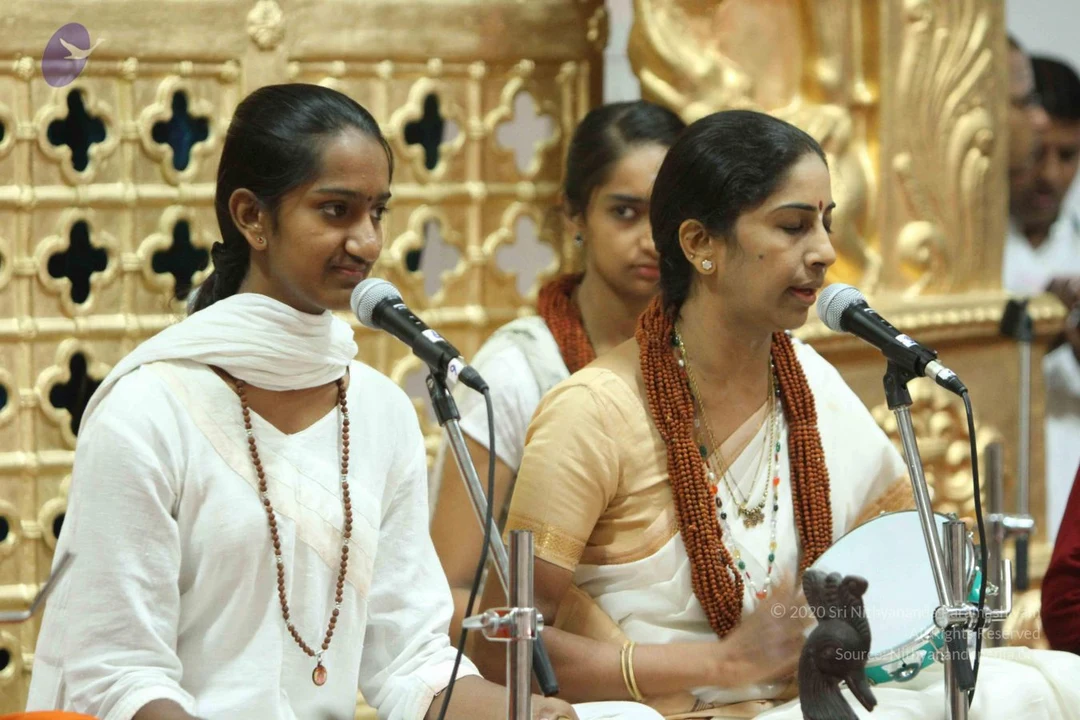
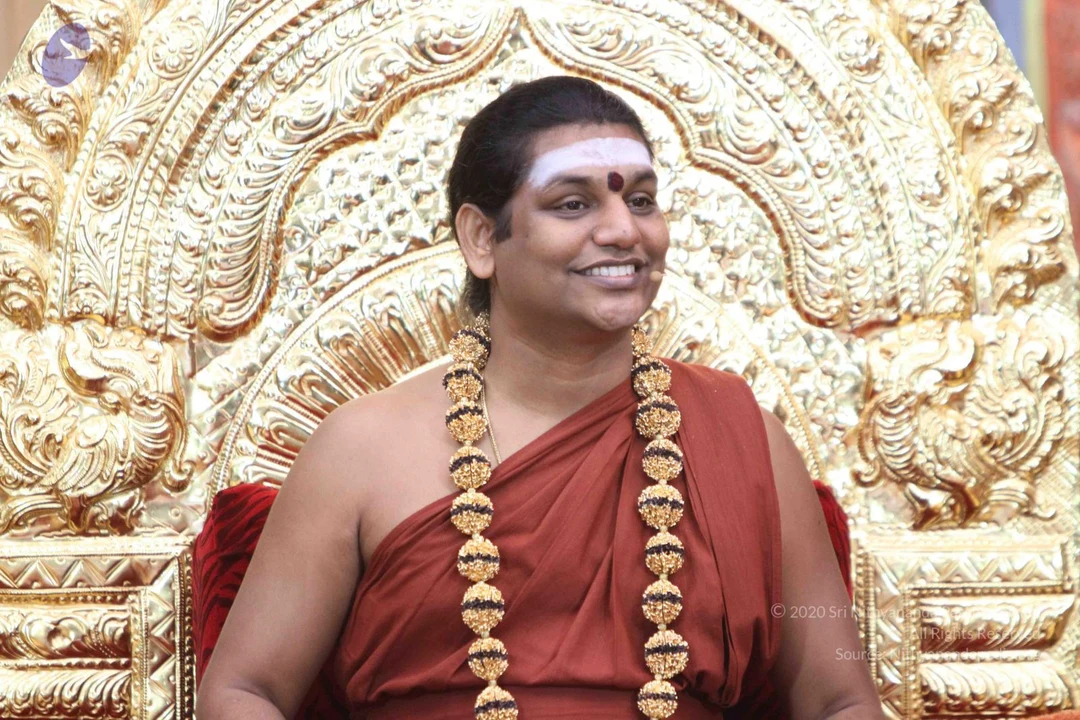
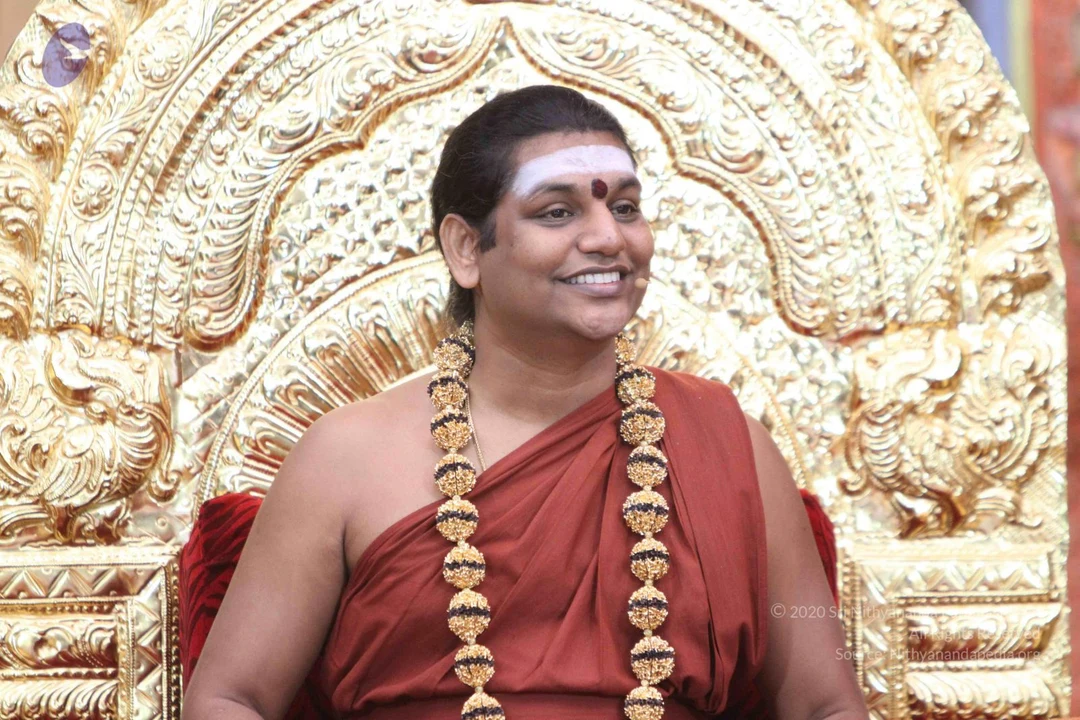
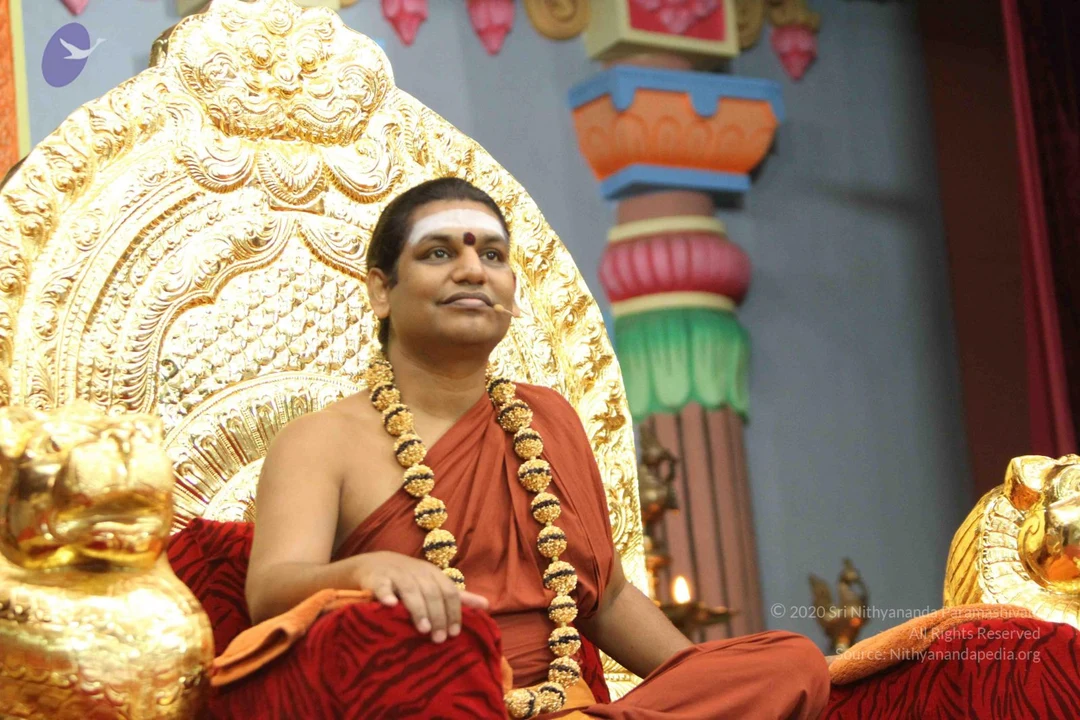
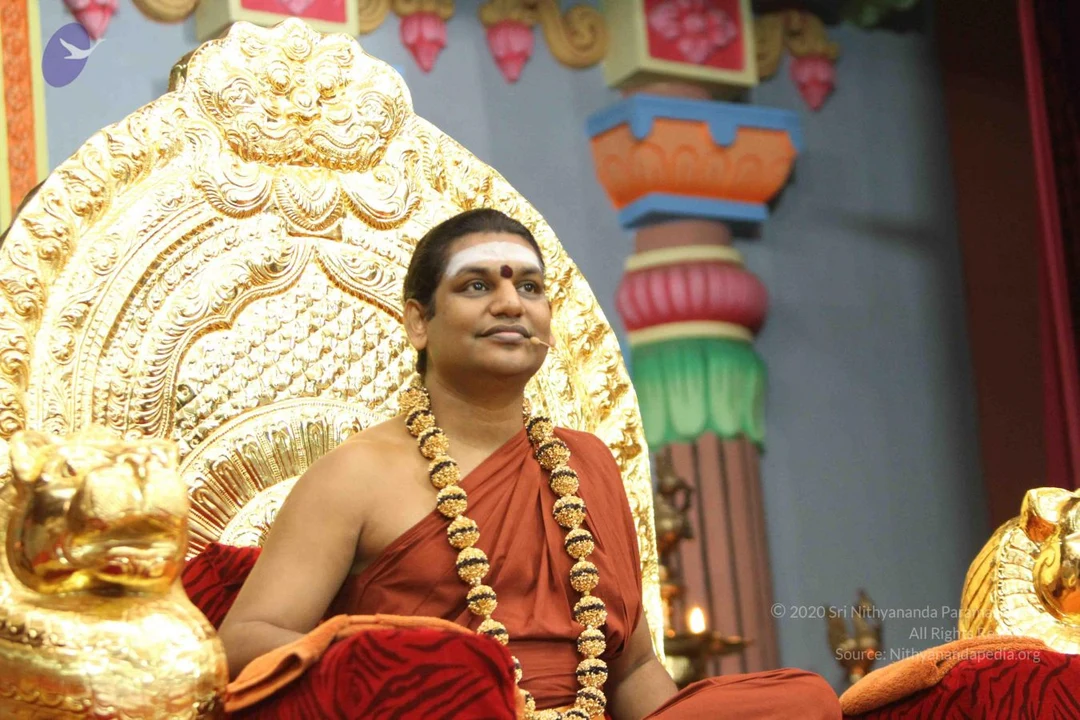
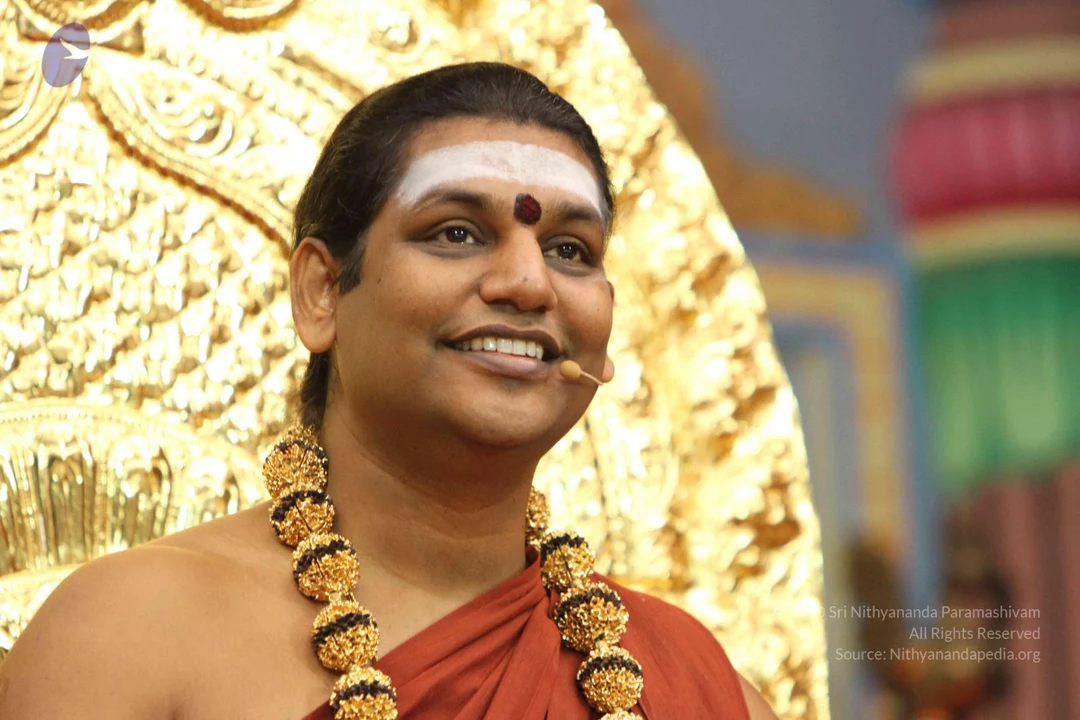
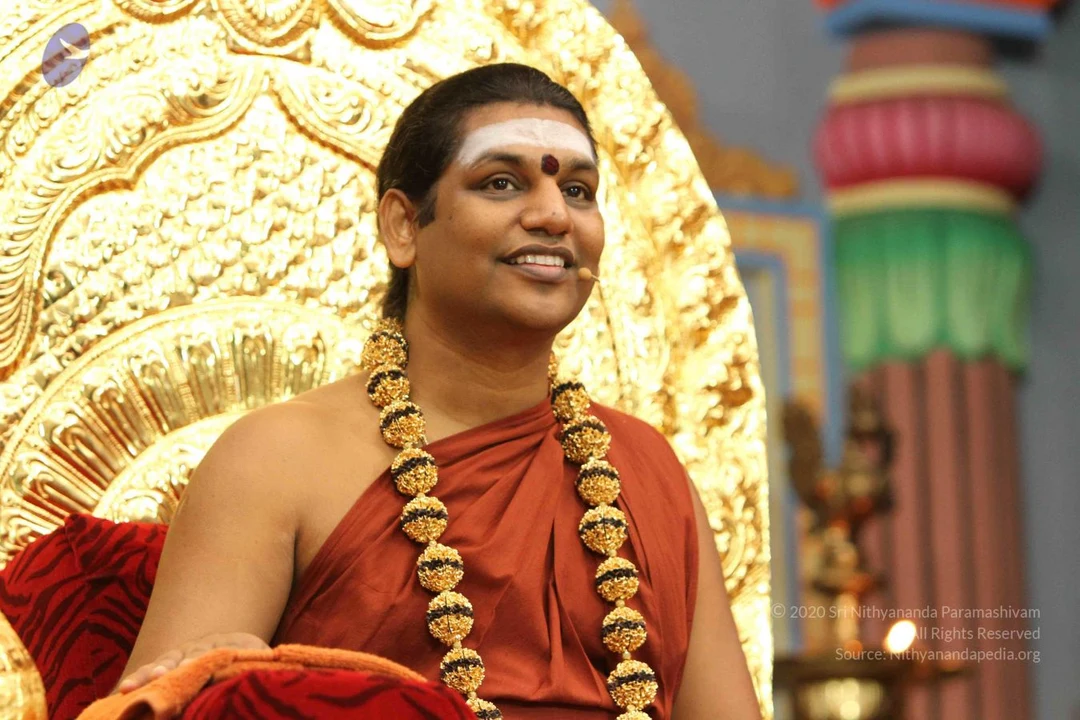
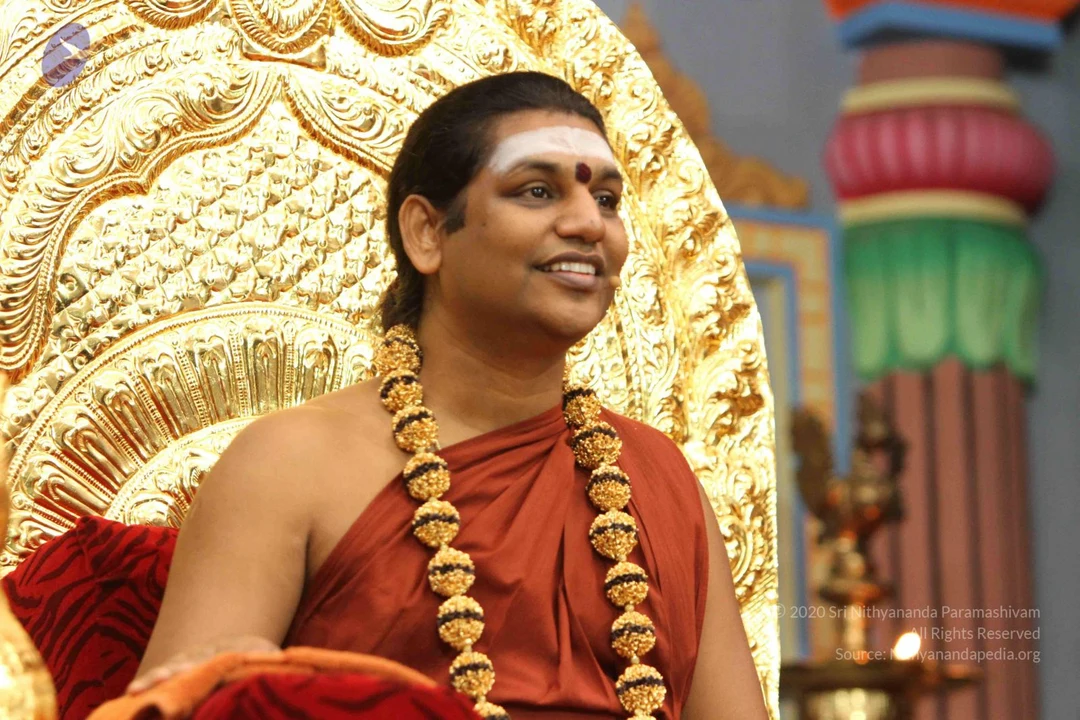
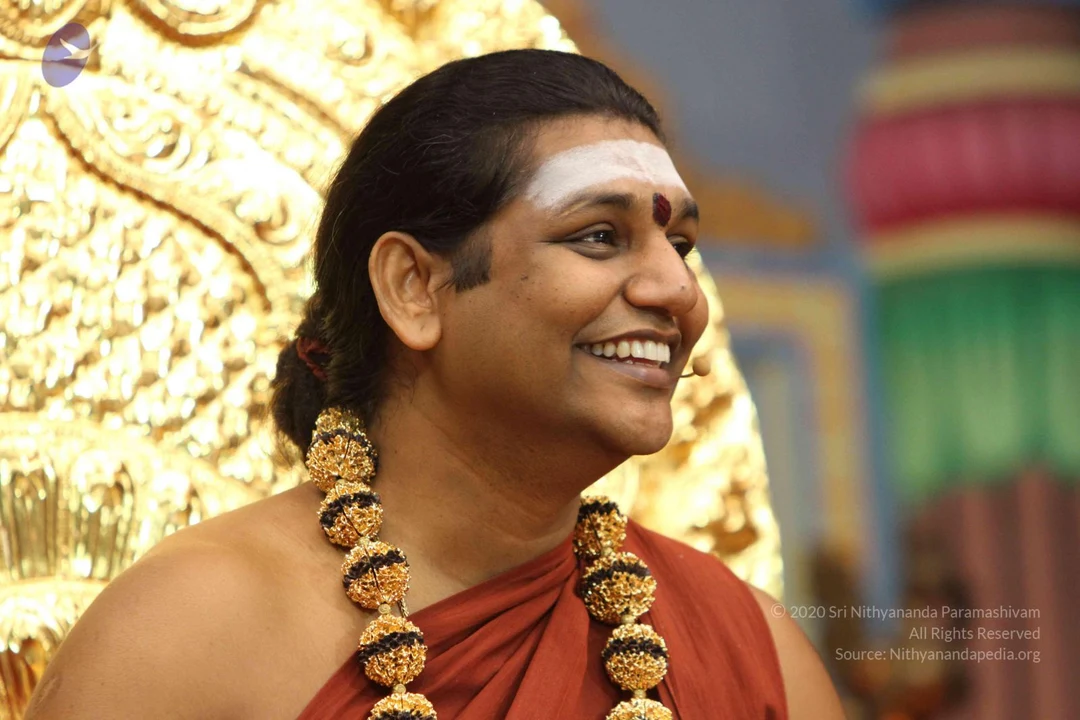
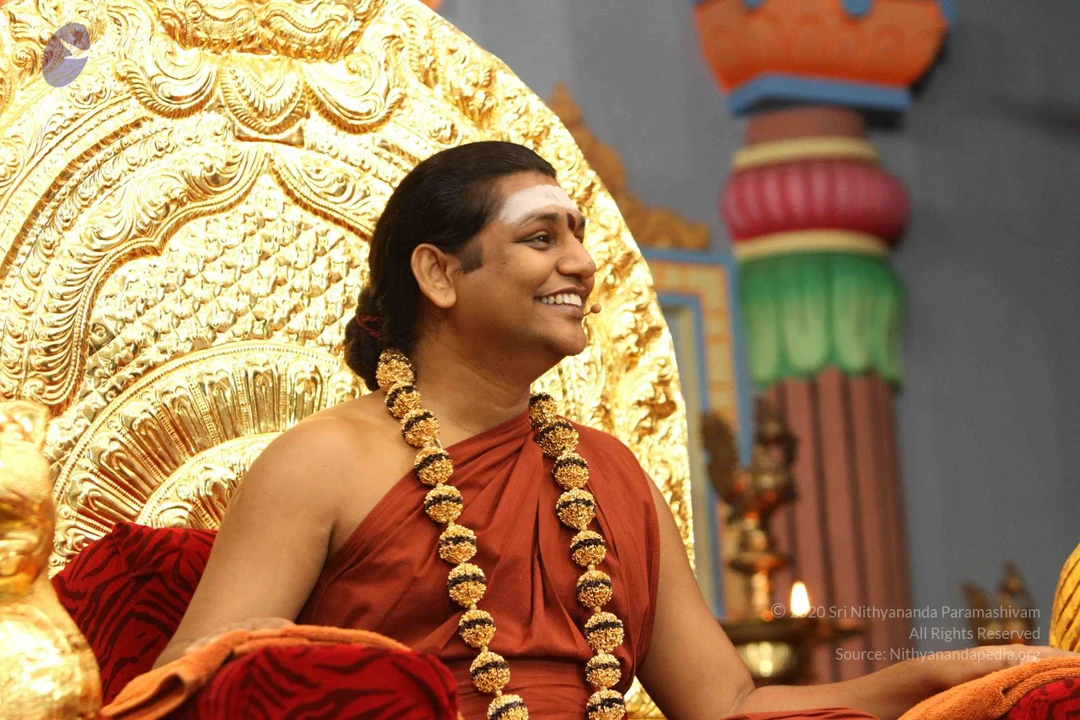
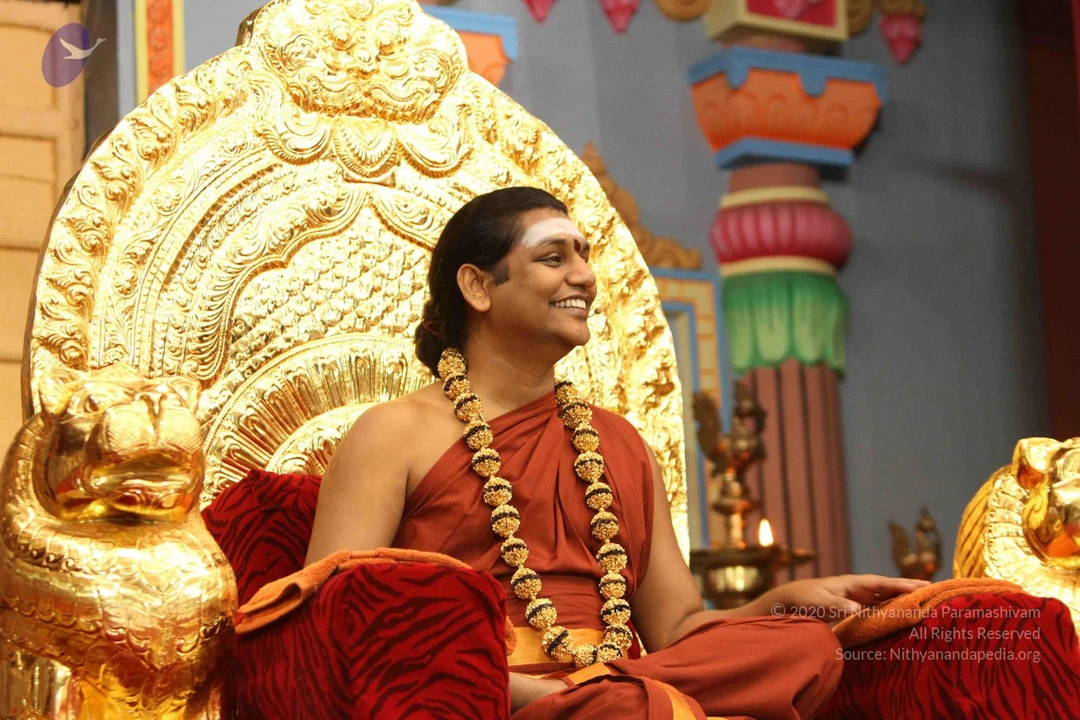
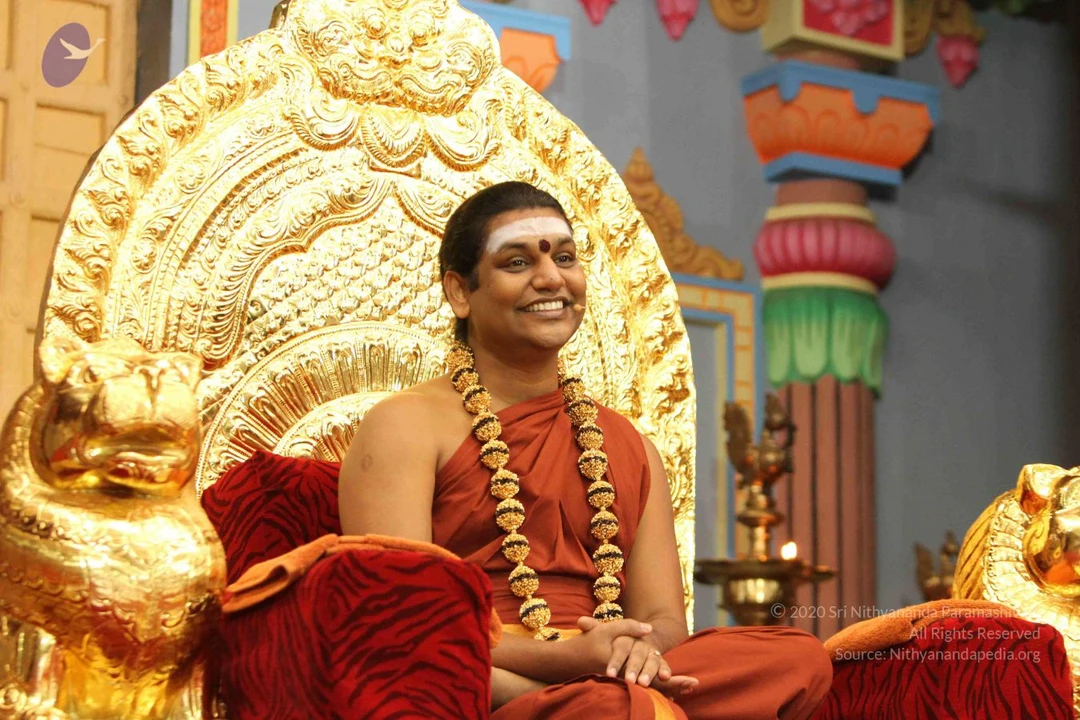
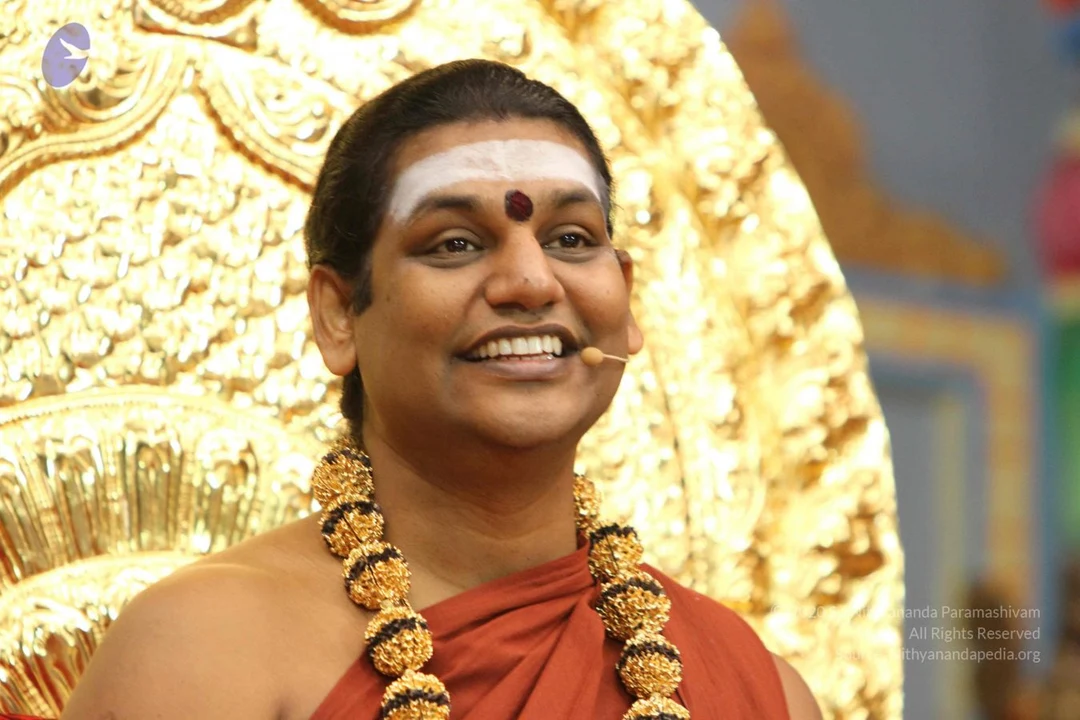
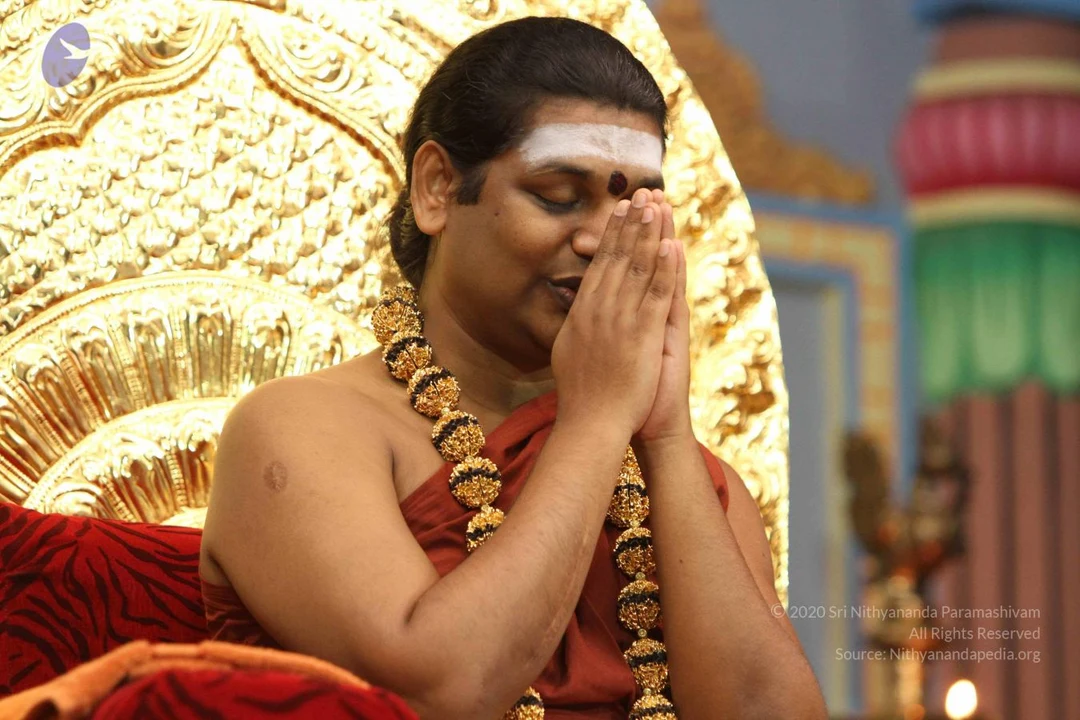
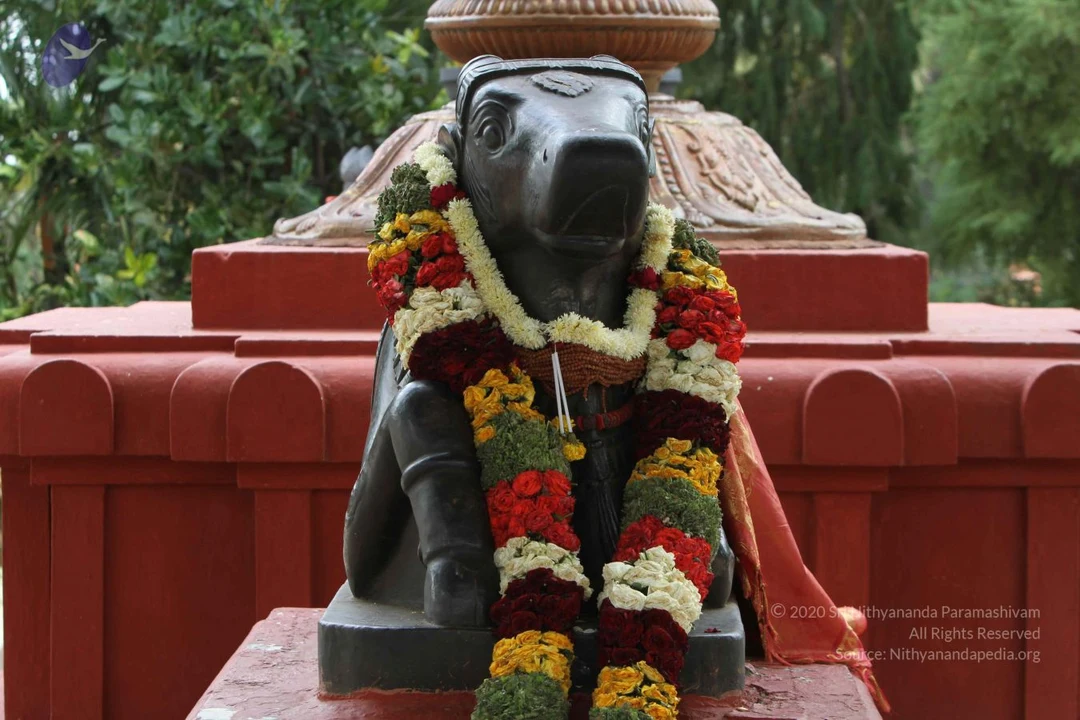
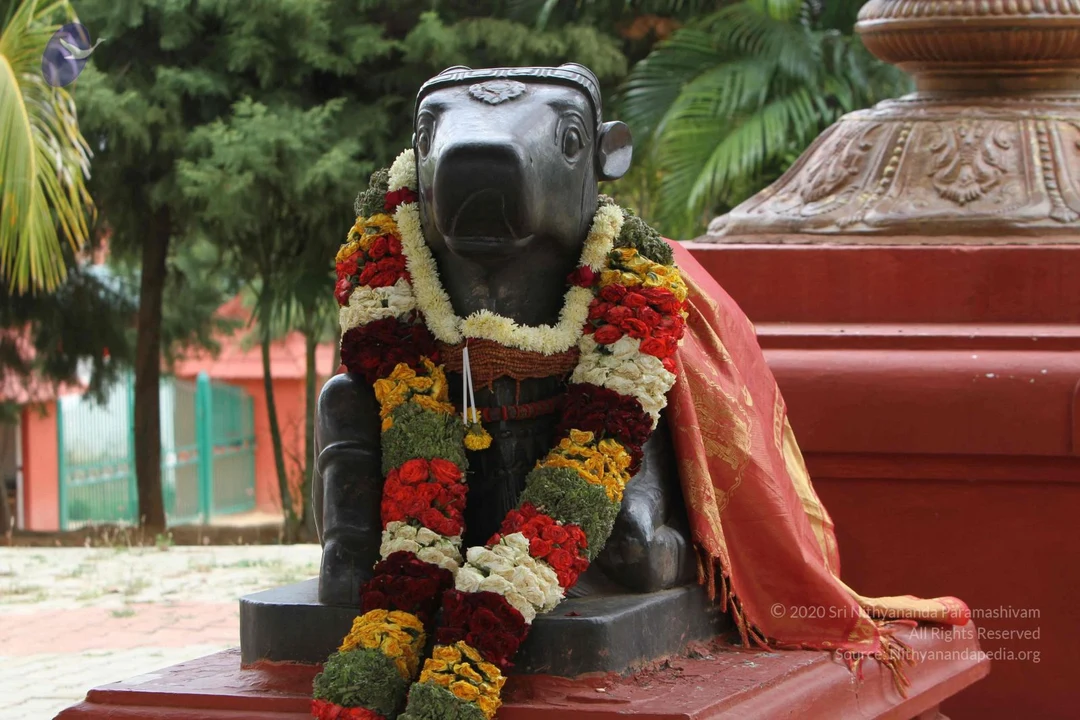
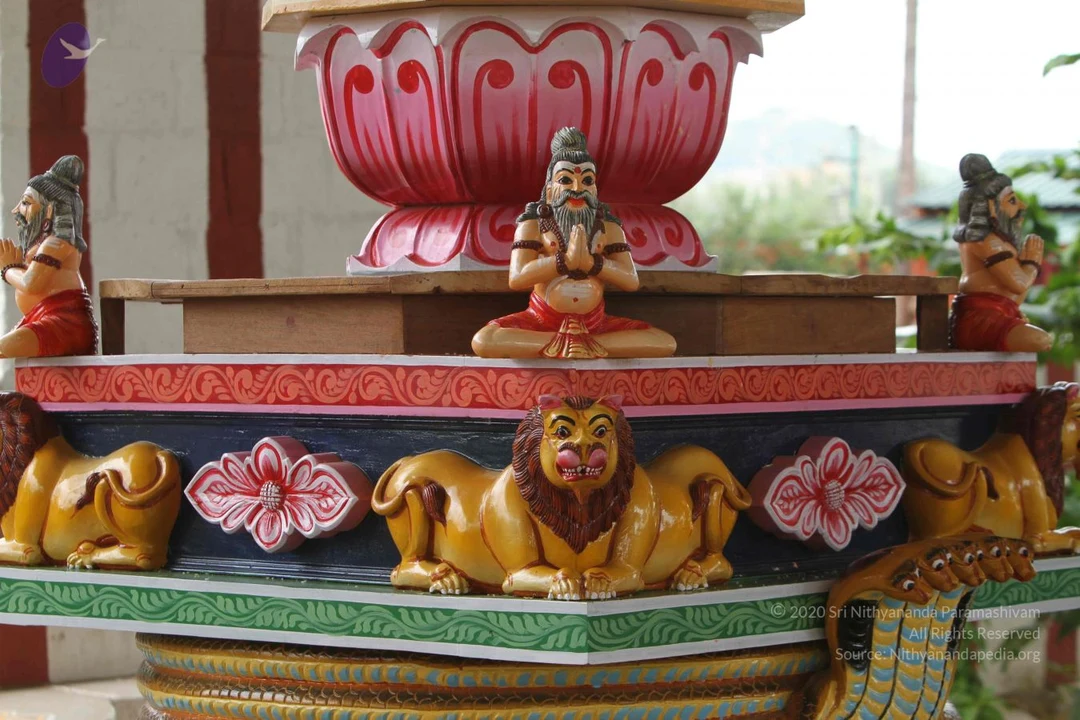
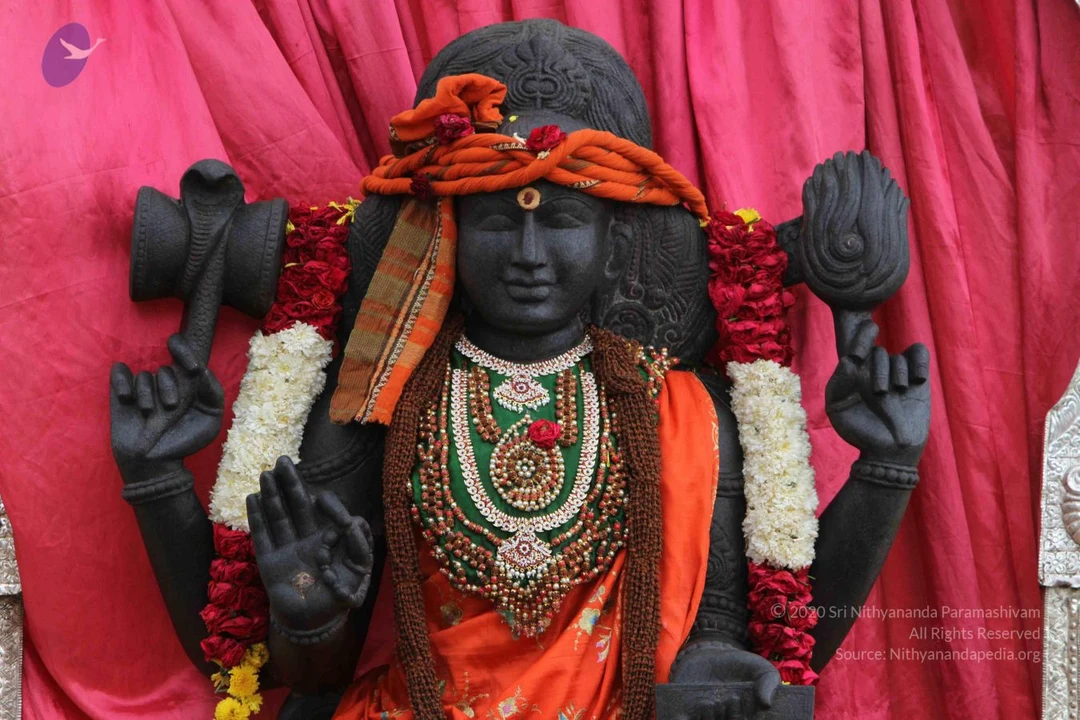
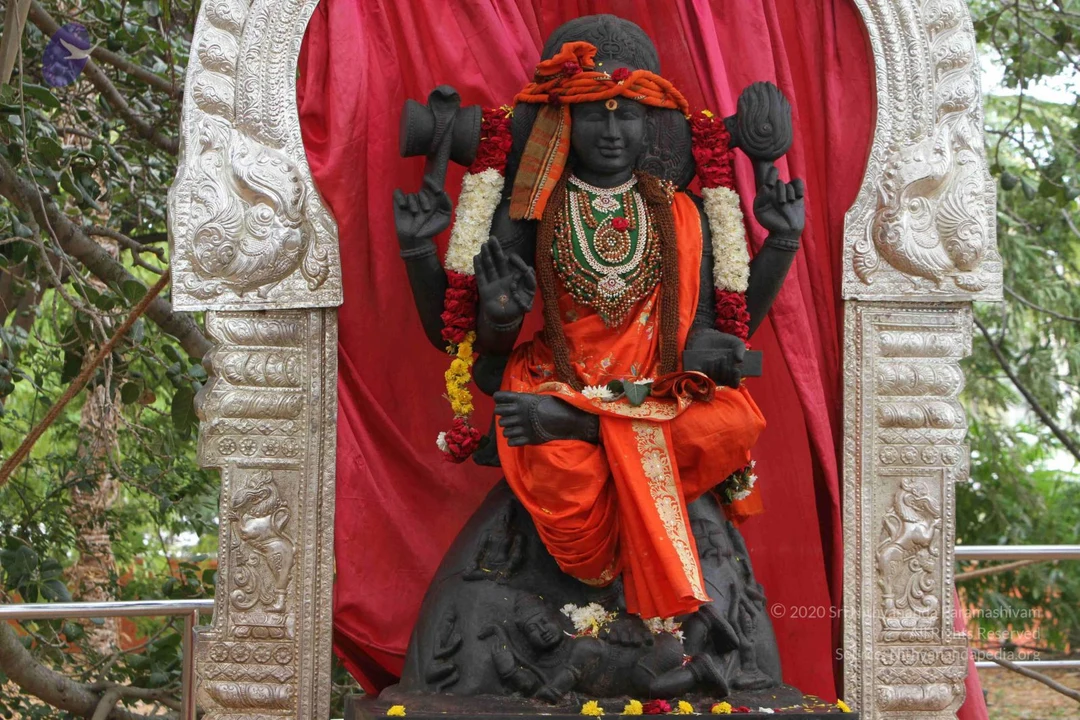
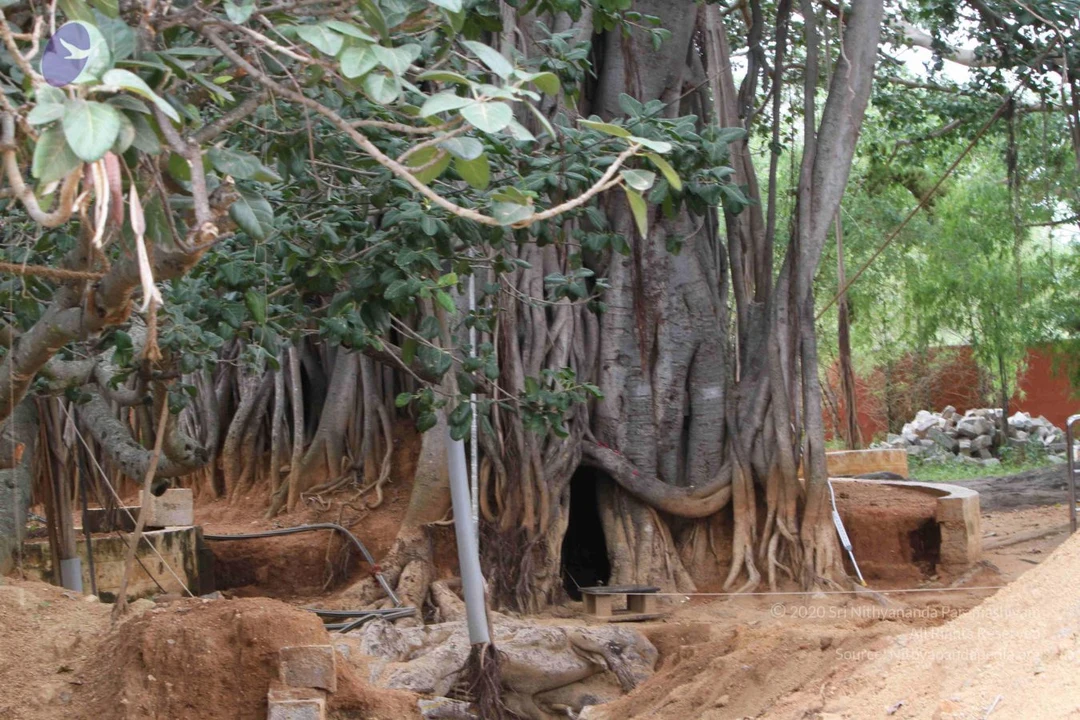
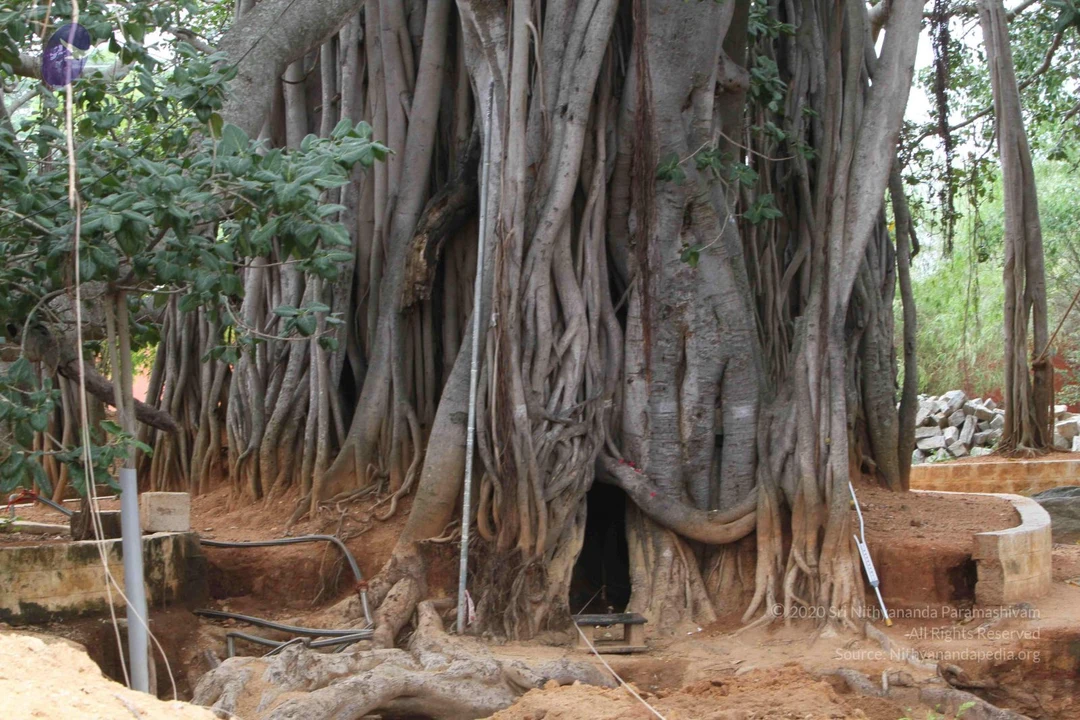
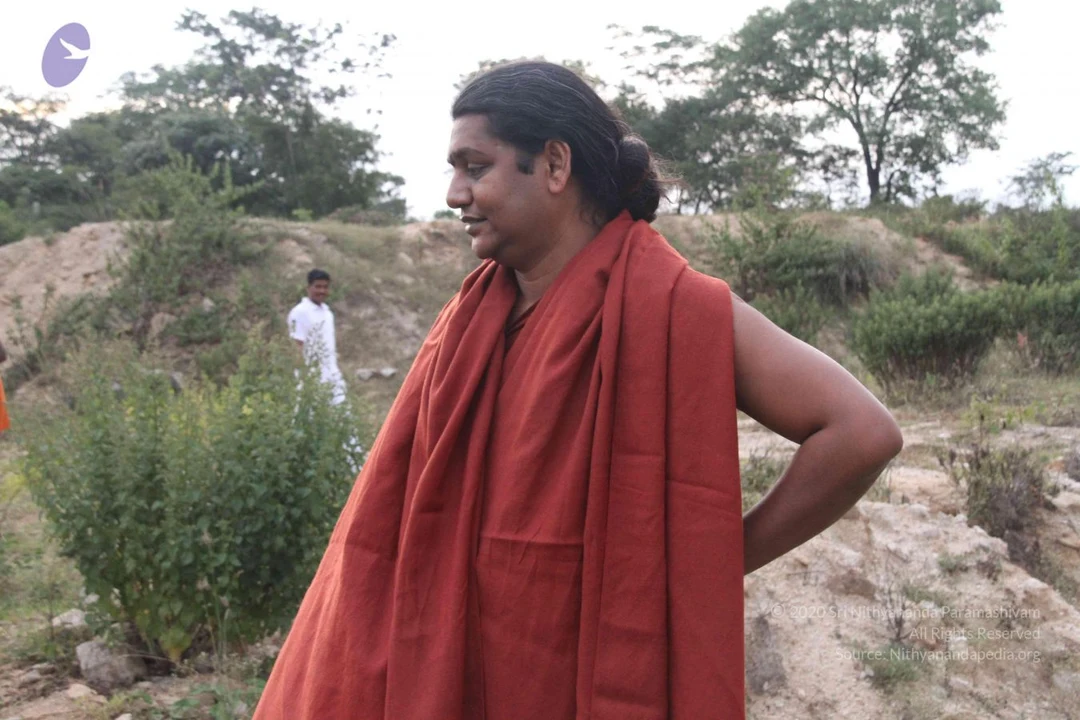
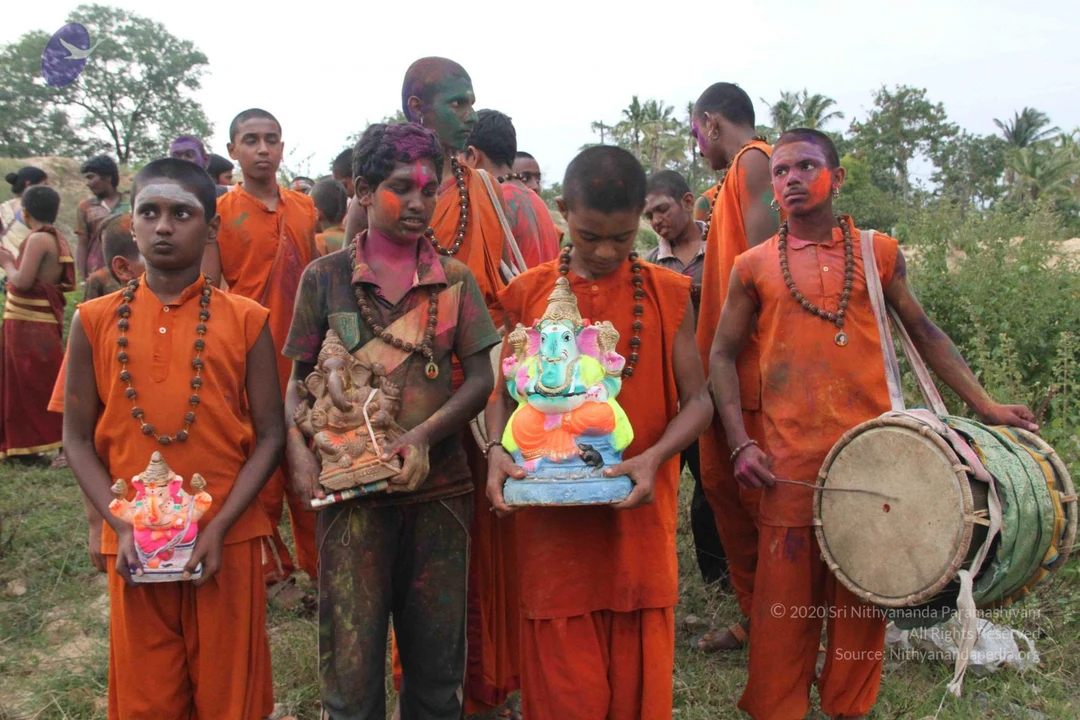
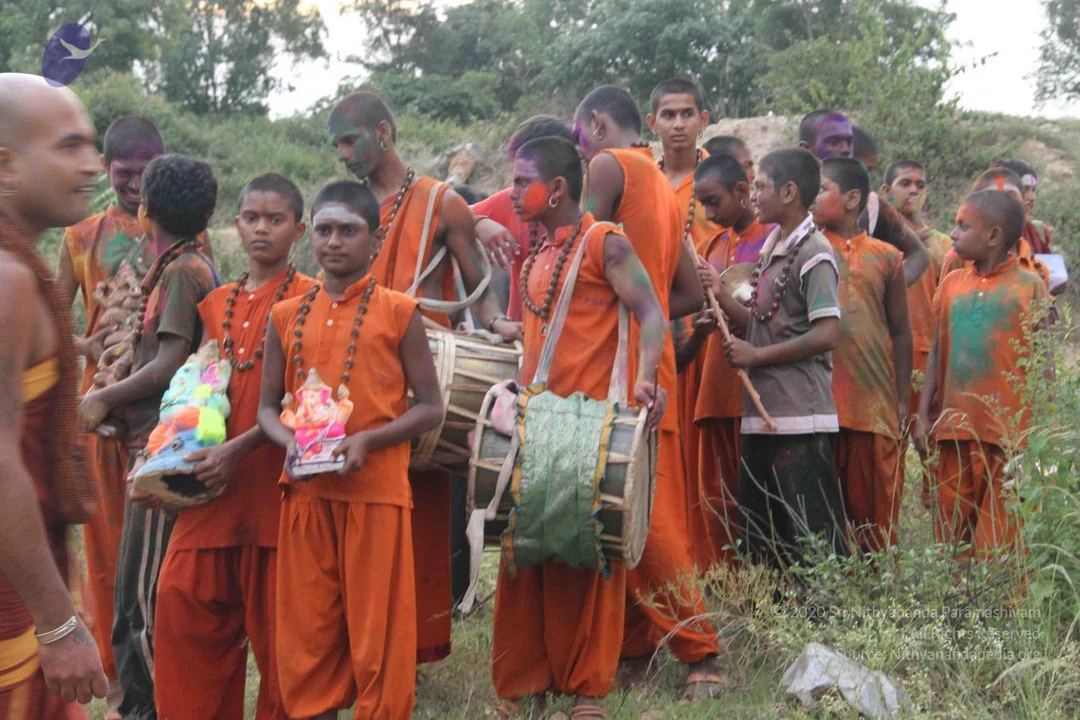
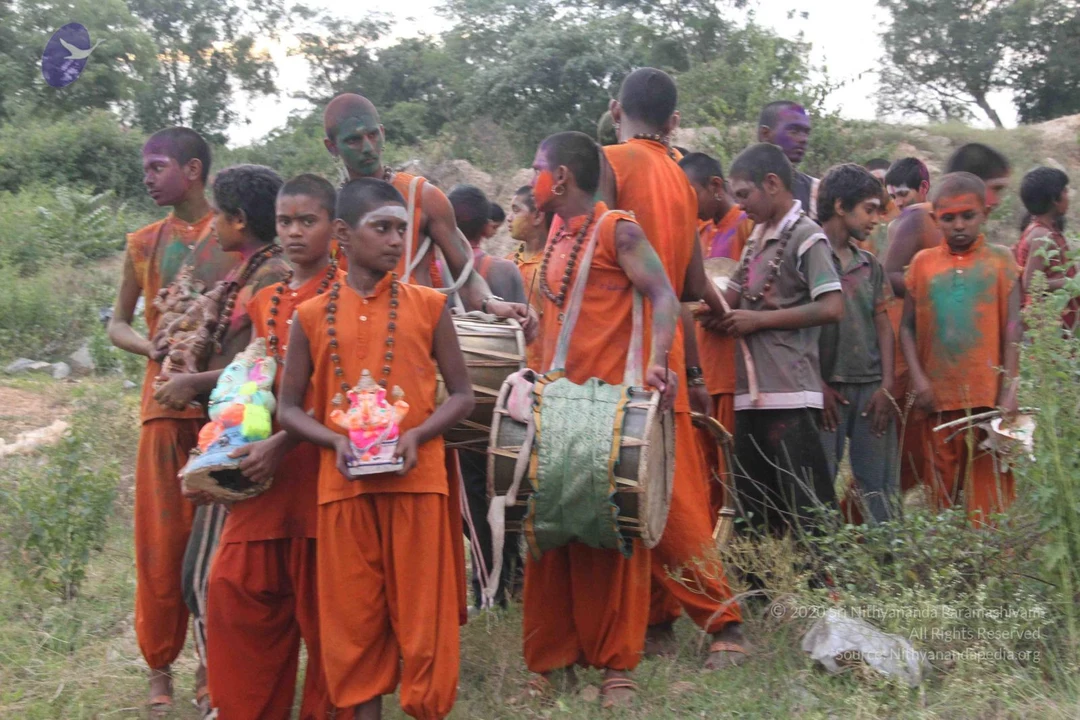
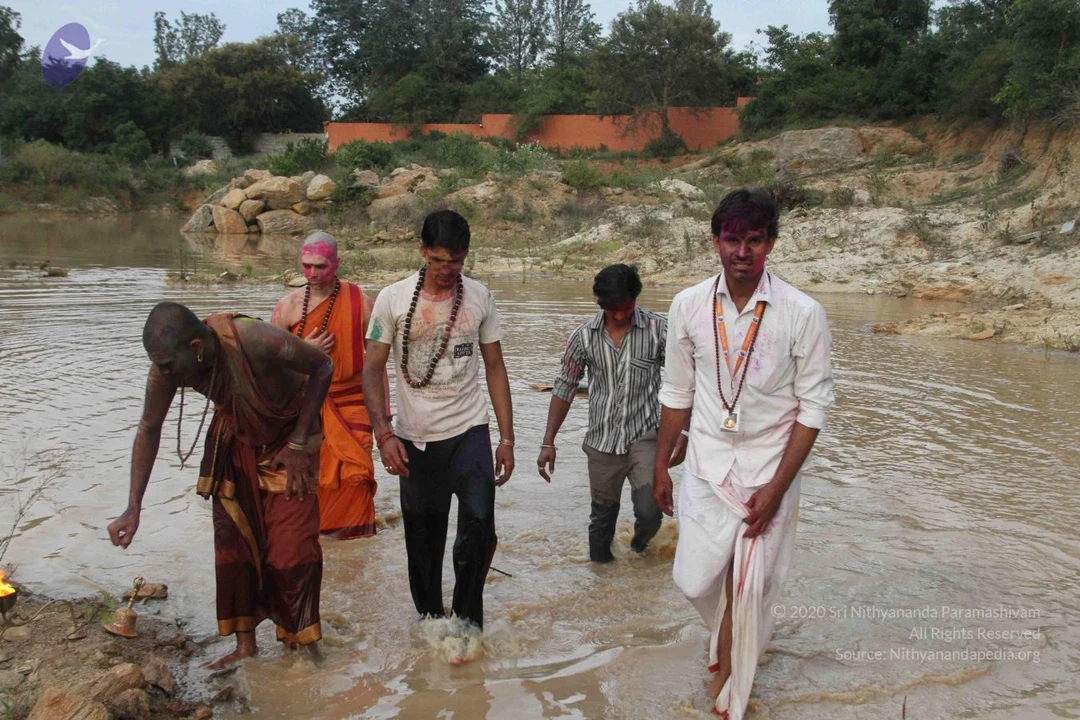
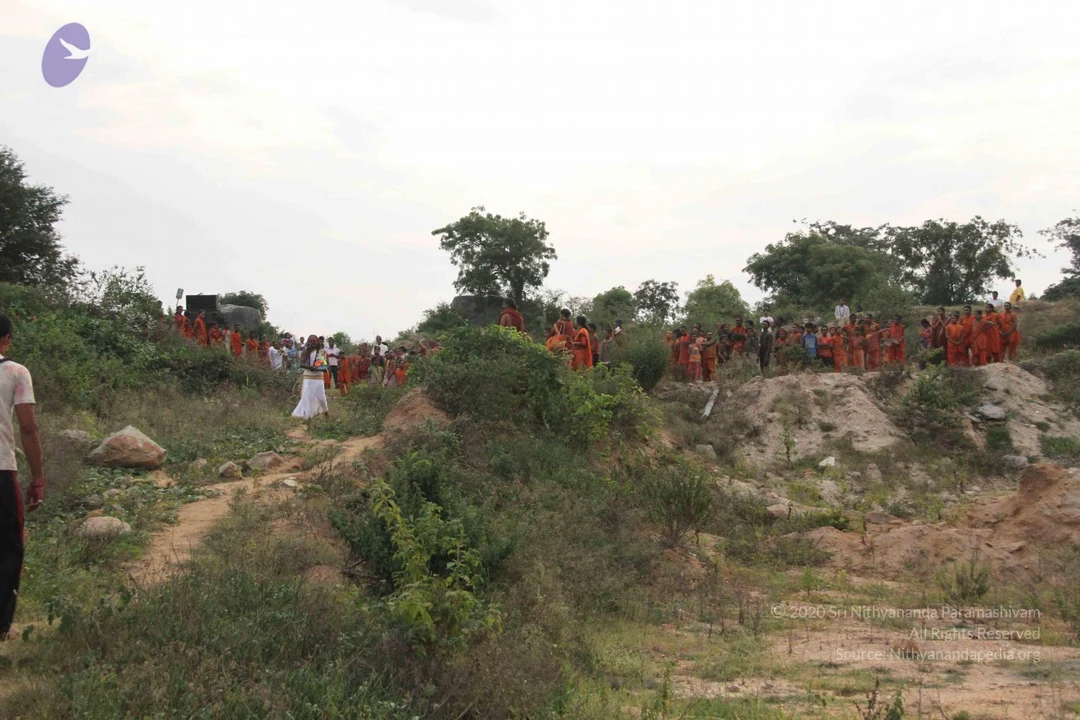
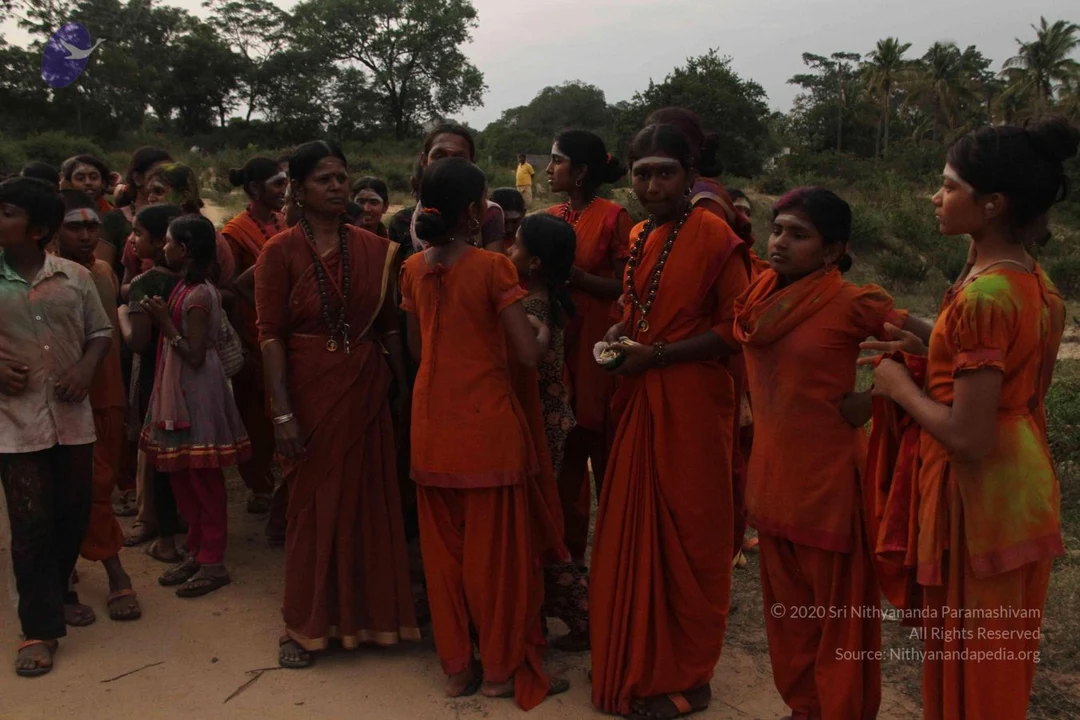
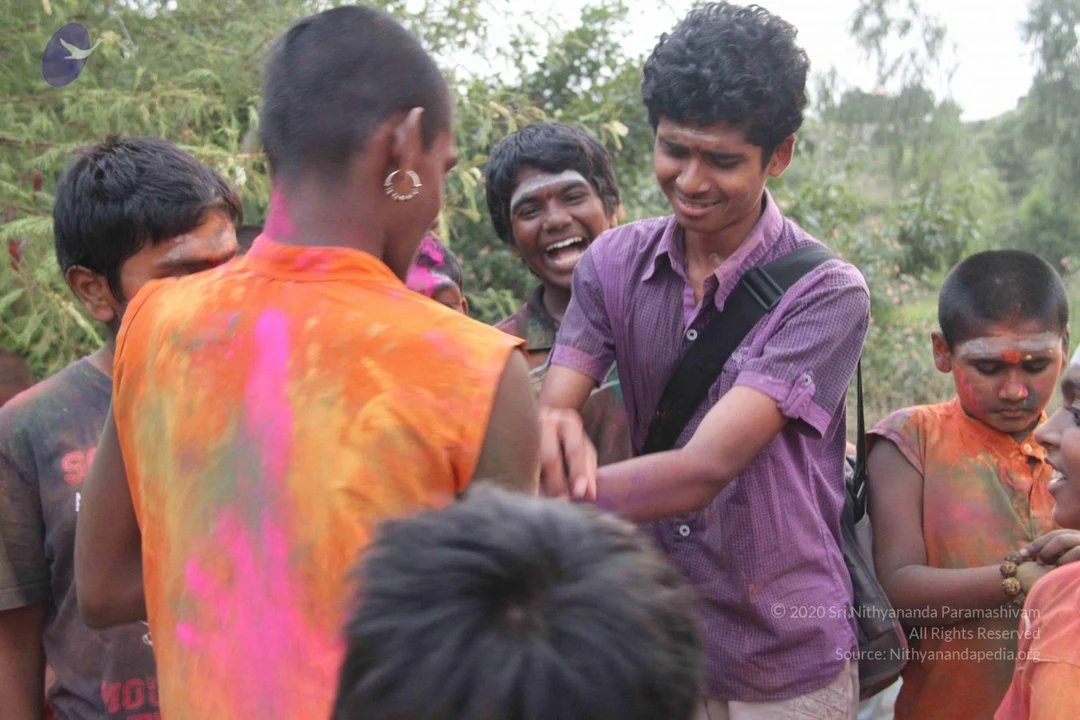
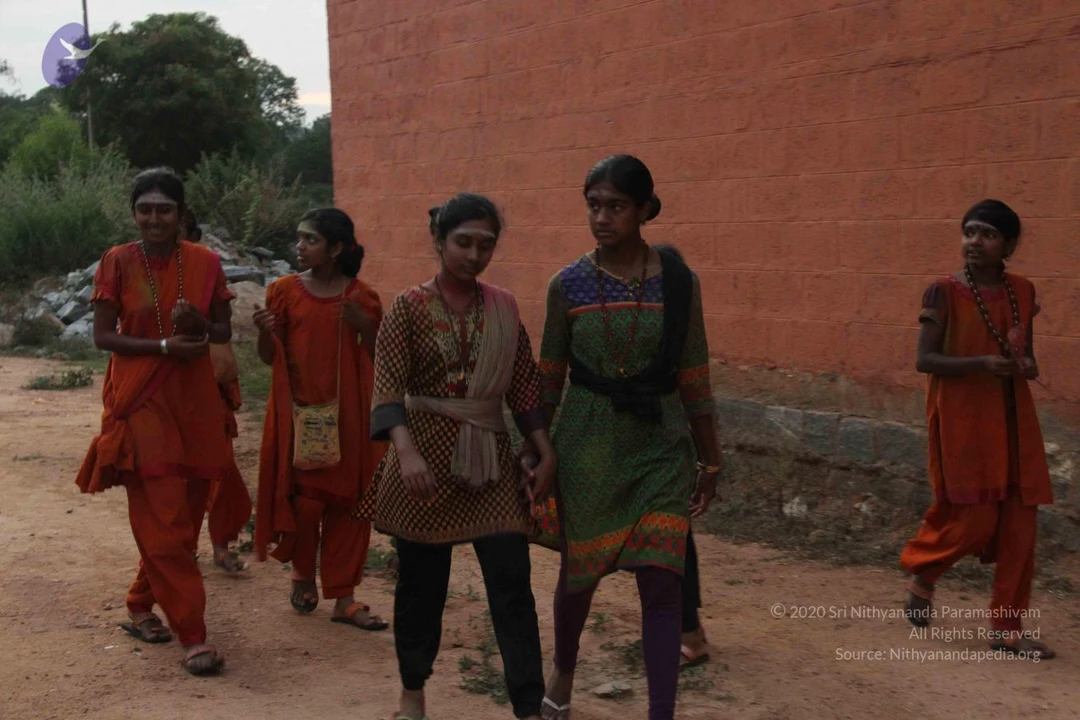
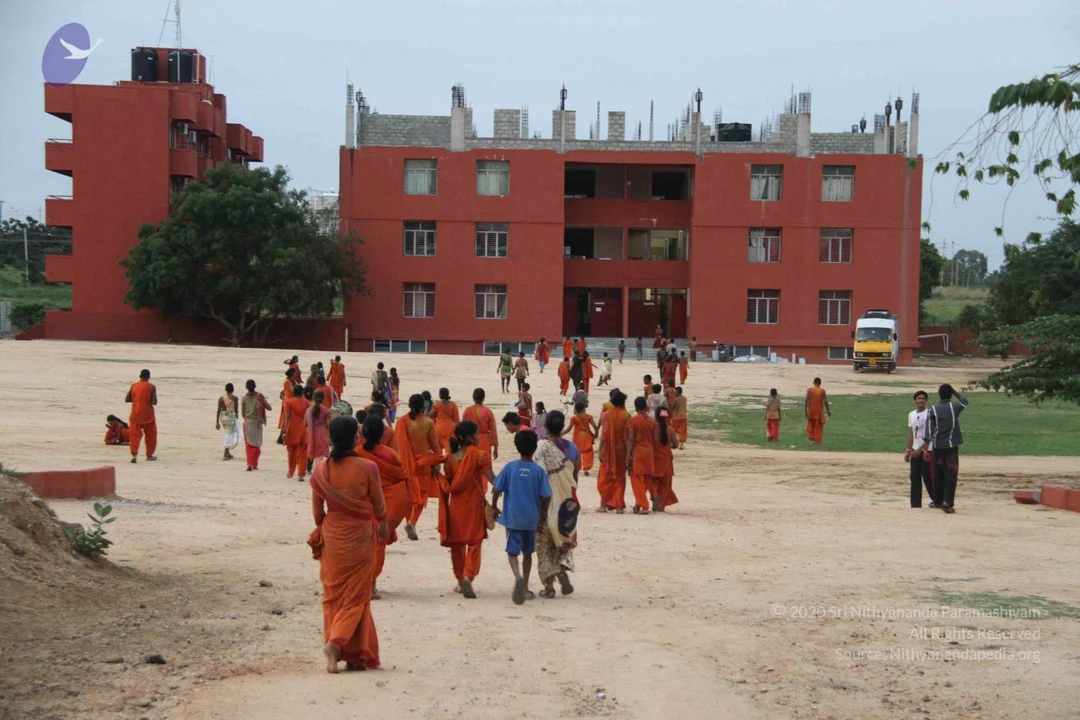
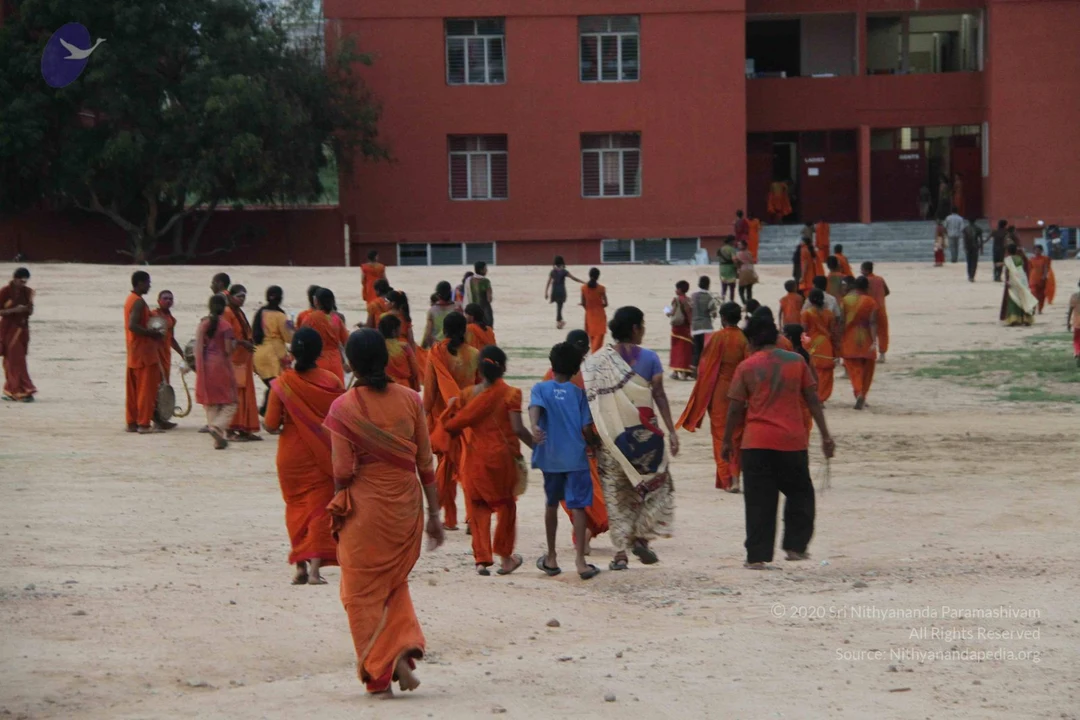
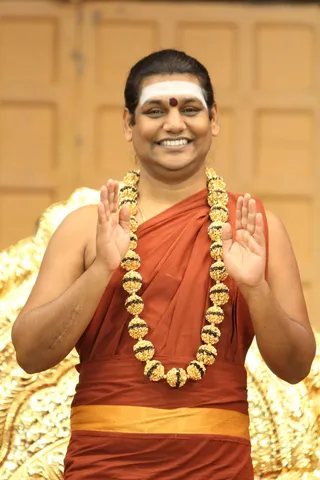
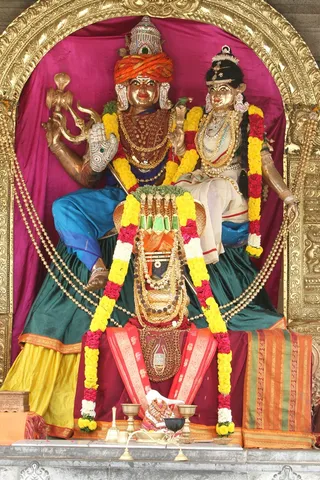
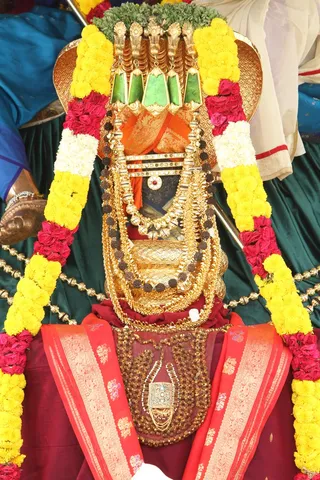
Photos From The Day:
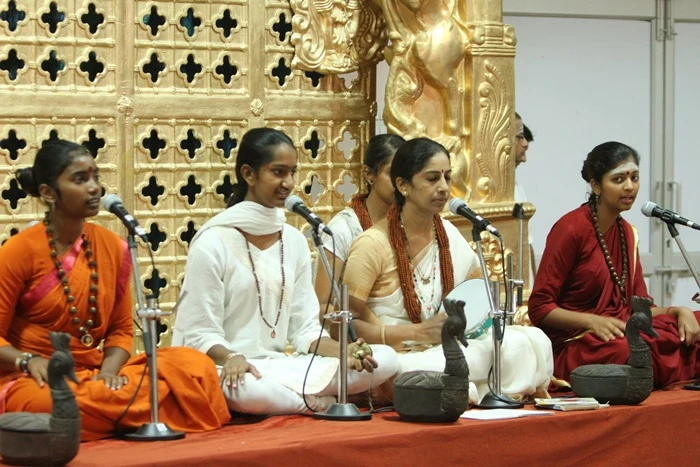
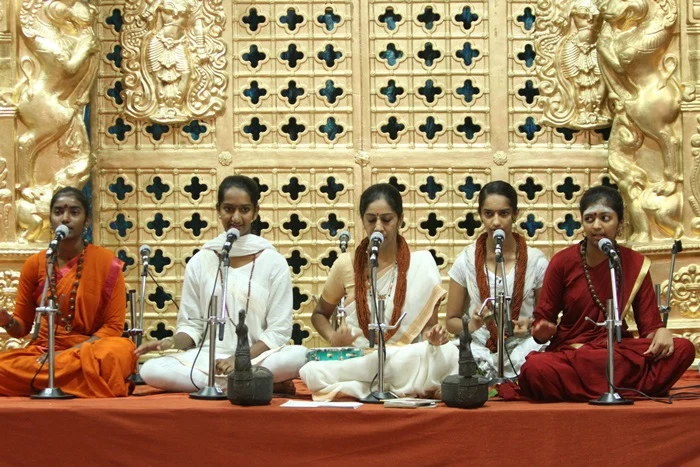
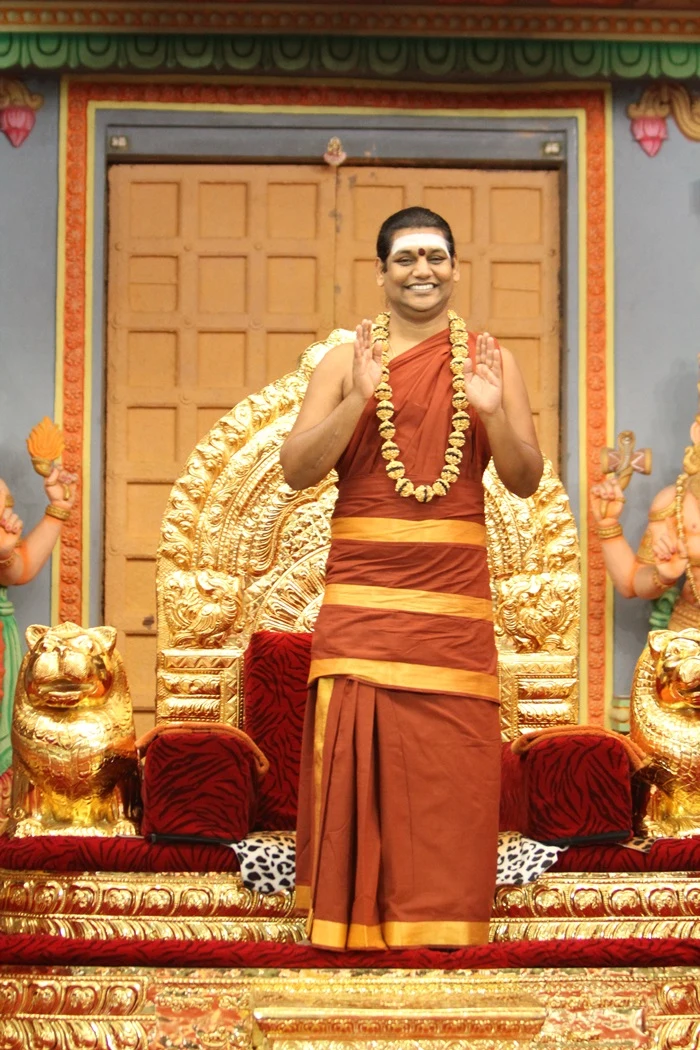
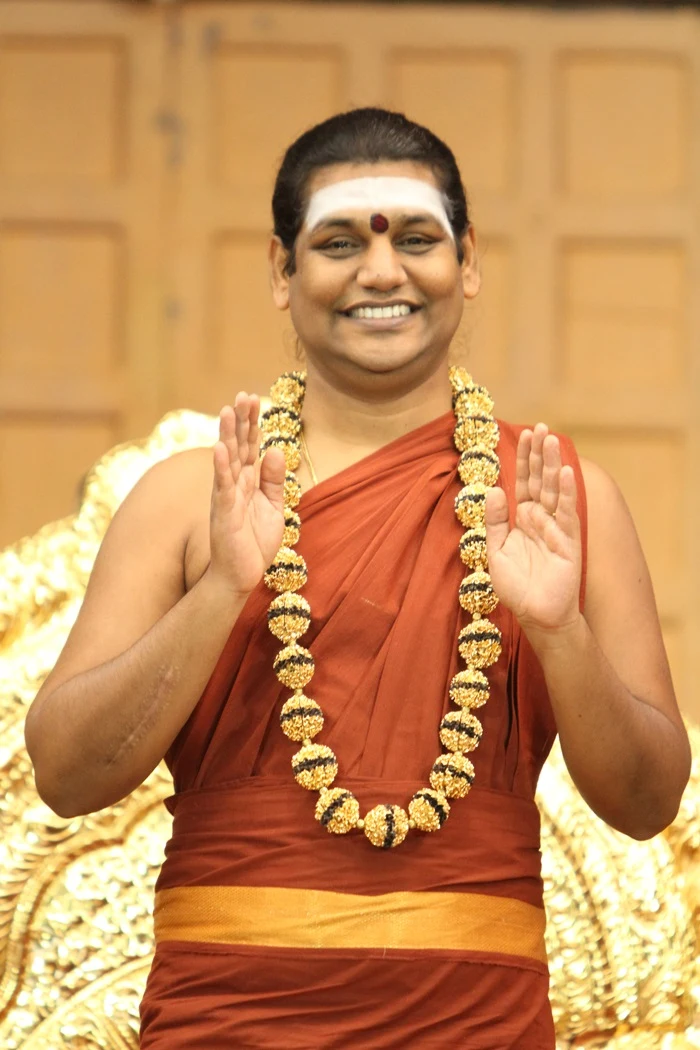
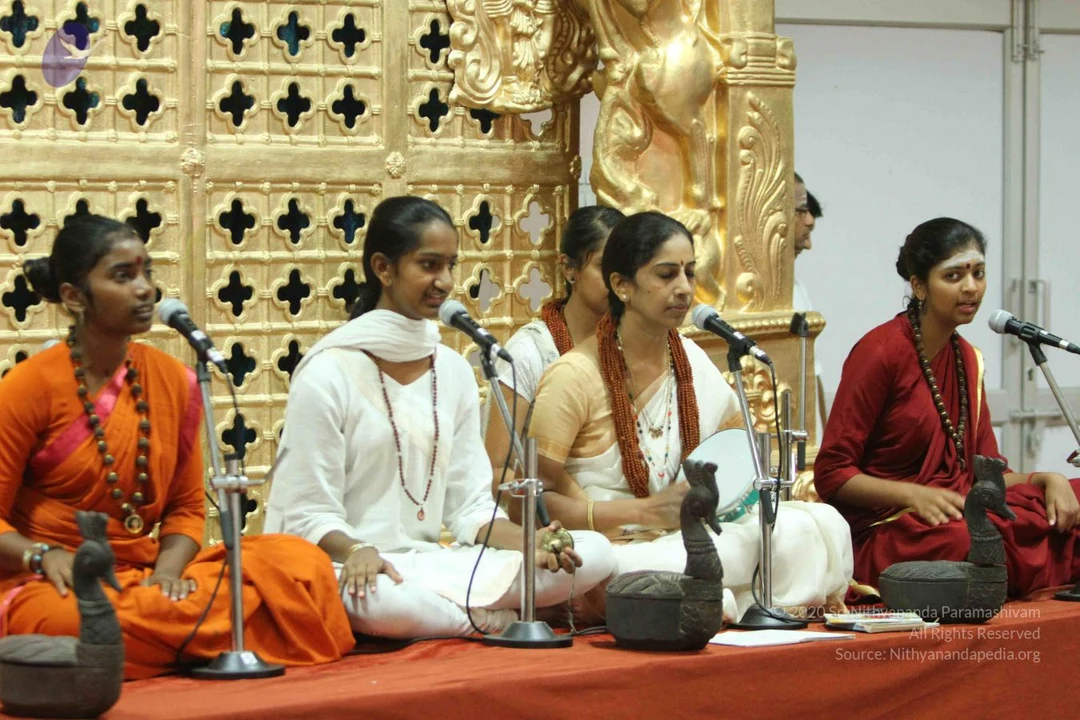
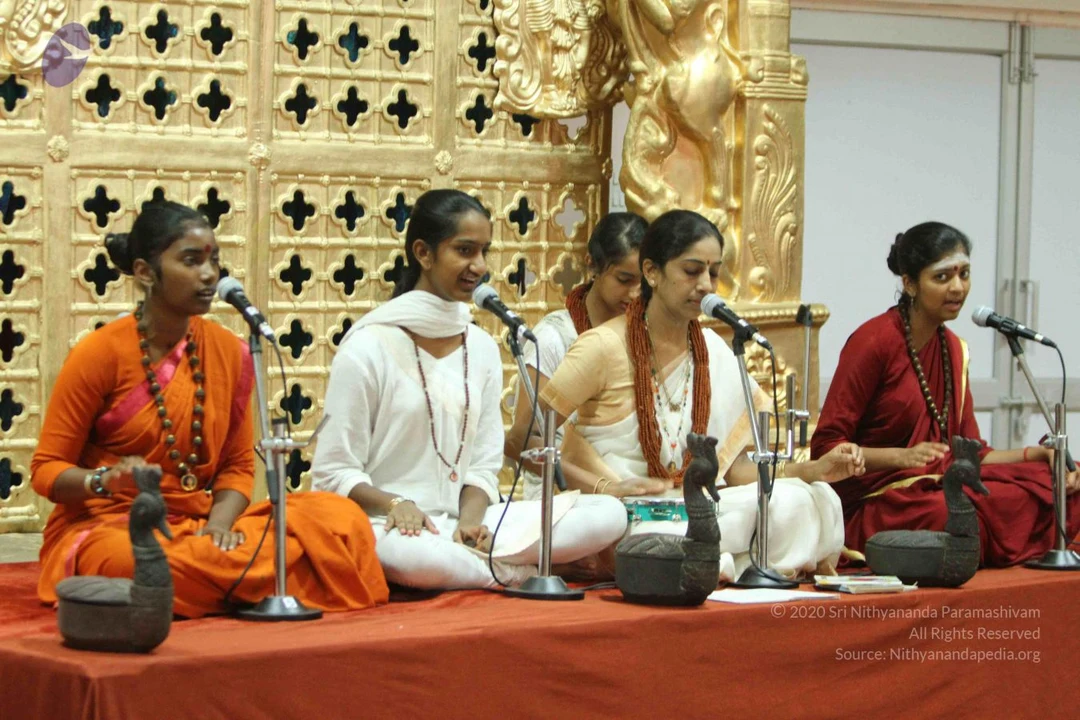
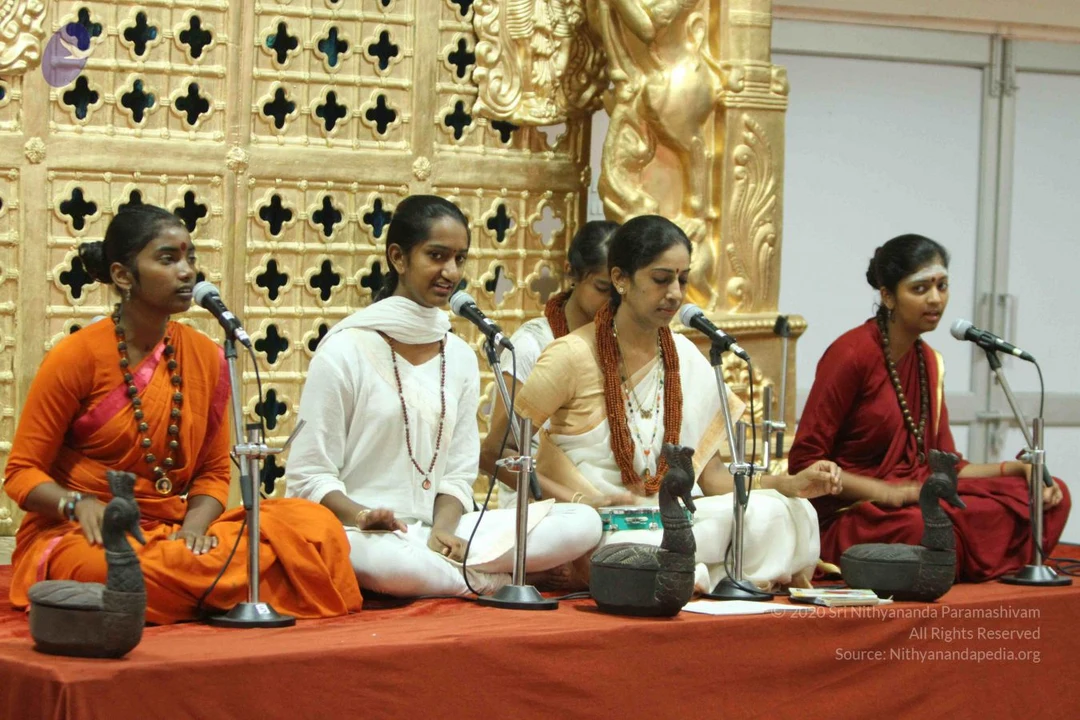
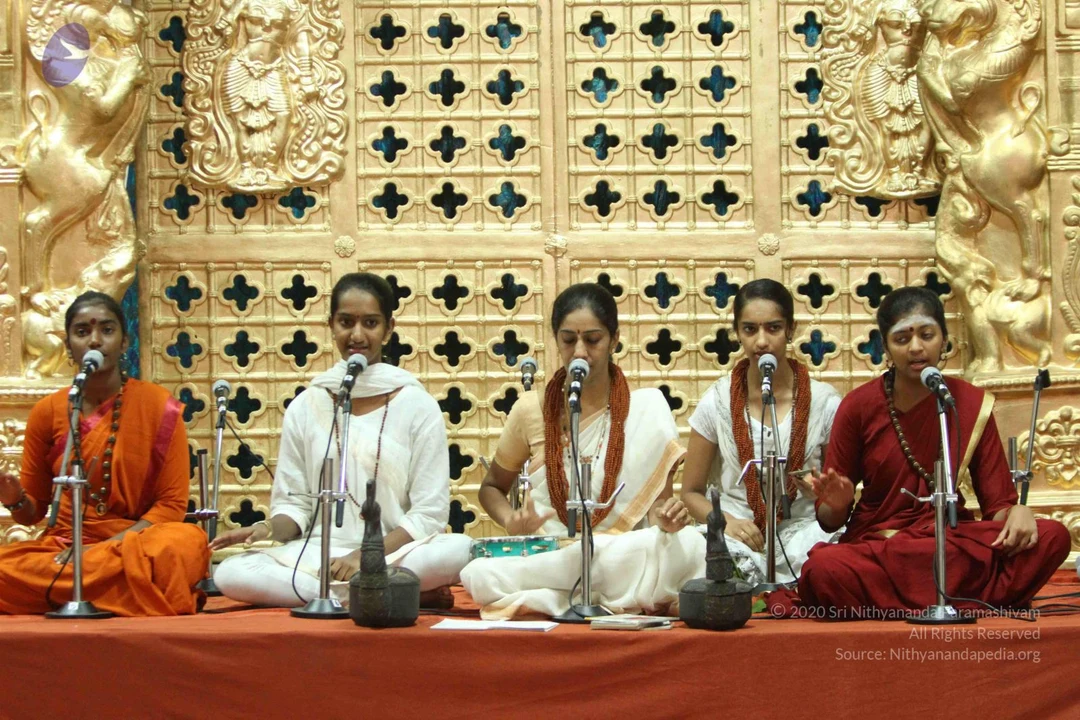
=== SEP 18 2014 Nithyananda Diary 18th September 2014 | Padukapuja | Nithya Kirthan | Satsang ===
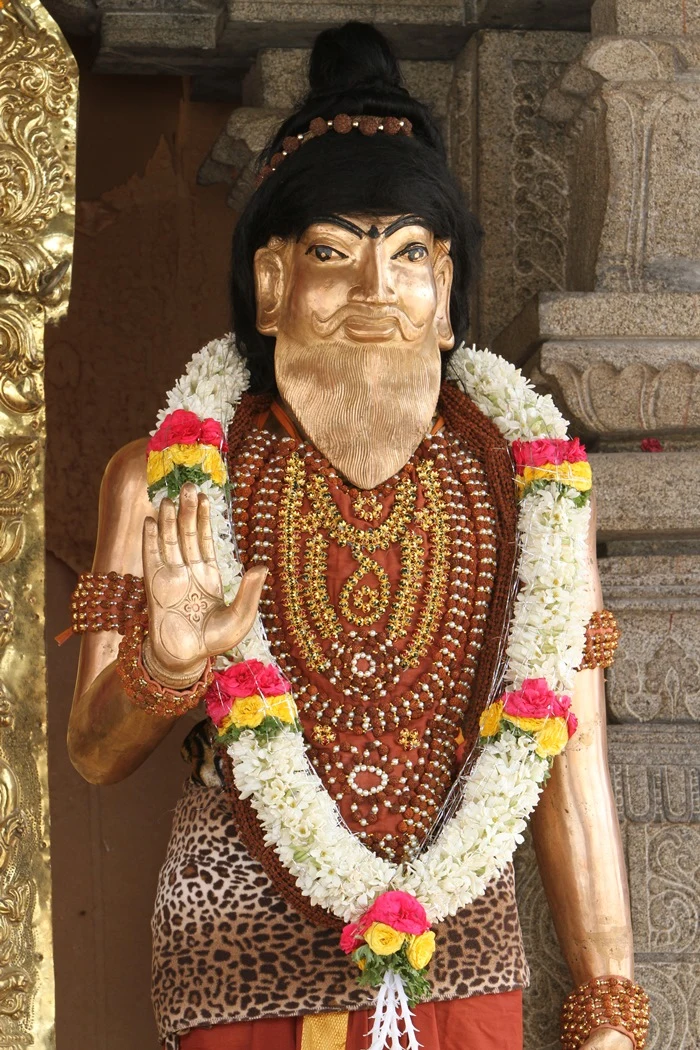
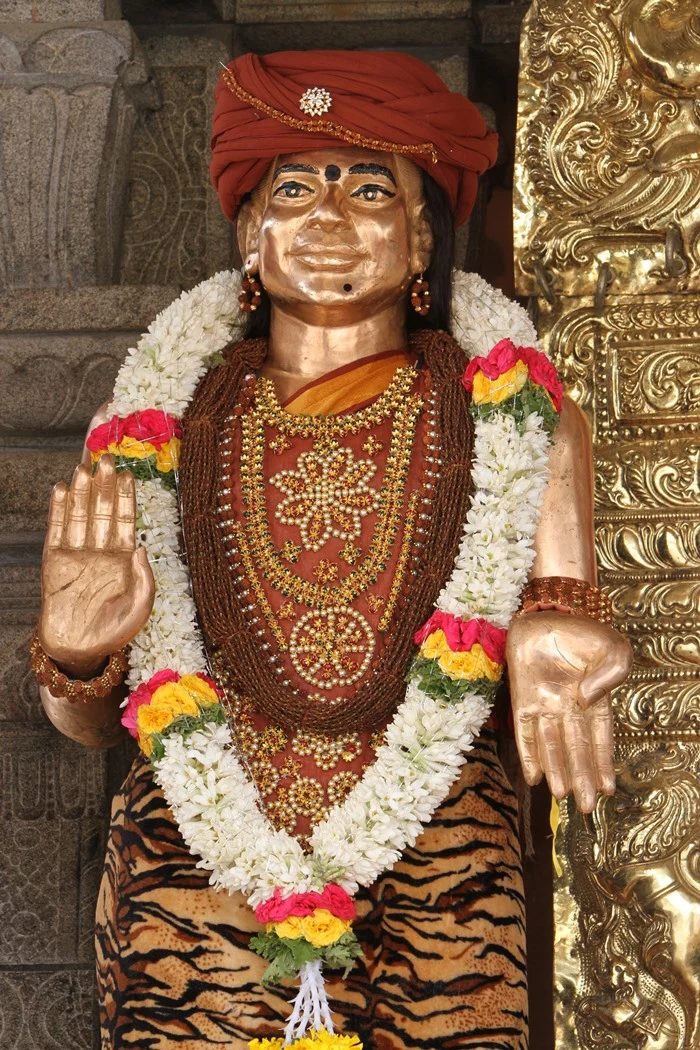
Tags:
sankhya,liberated Thinking,Kapila Muni,MahaNirvani Akada,perfected sages,Krishna,Buddha,Christ,university-monastery,Paradox Of Tolerance,Philosophy (Field Of Study),Gautama Buddha (Religious Leader),Guru,India
Photos Of The Day:
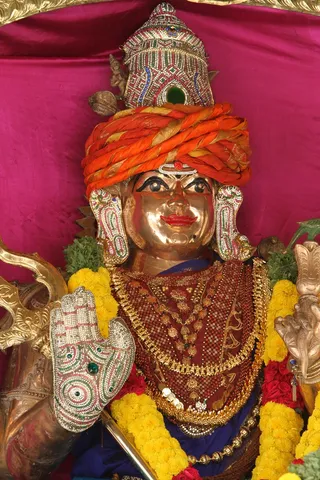
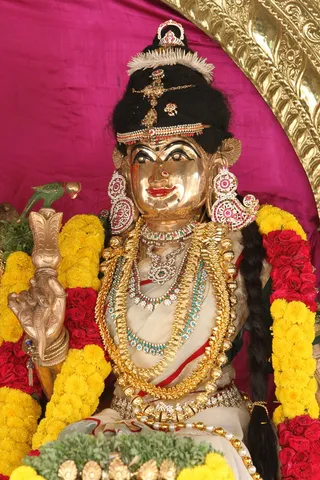
photos of the day
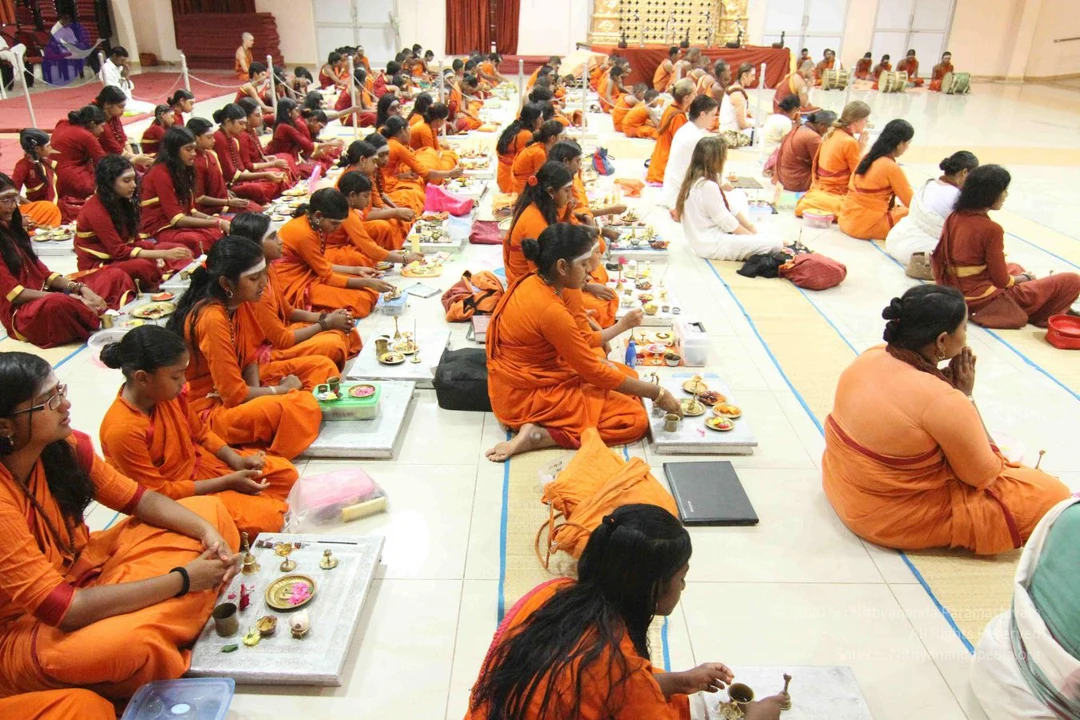
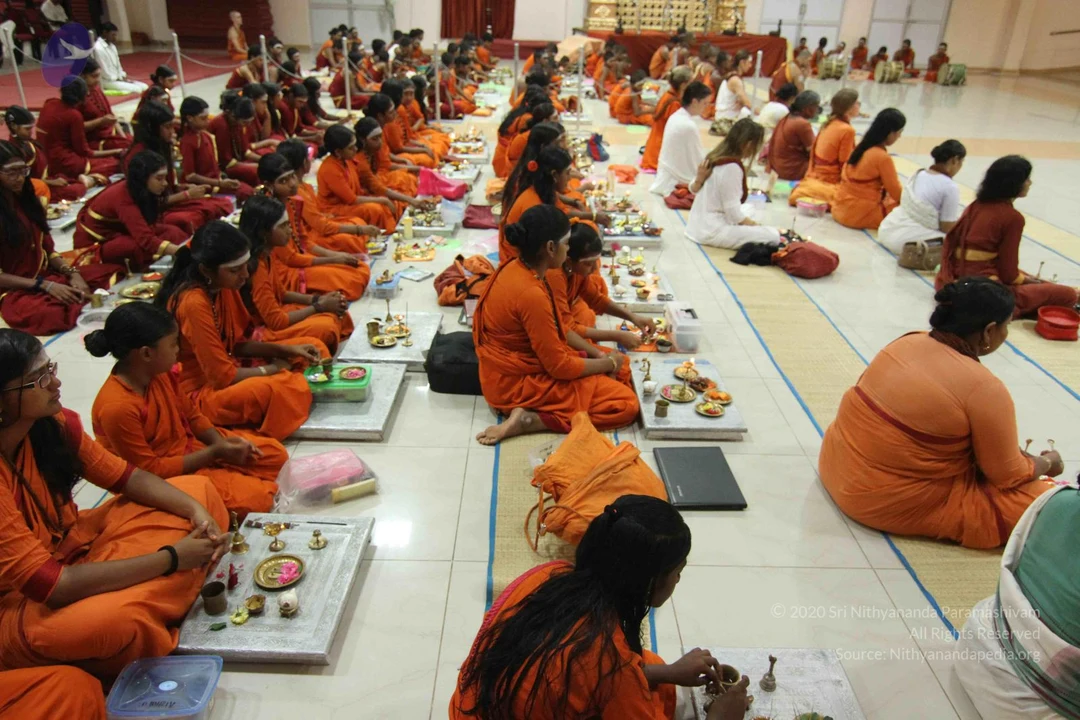
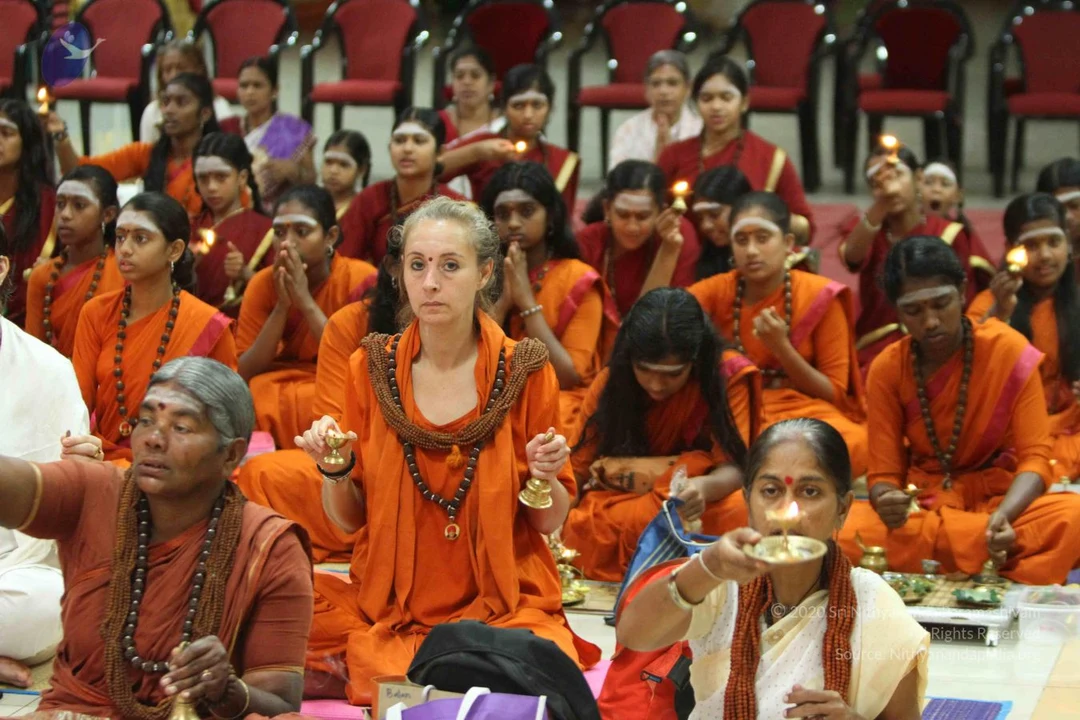
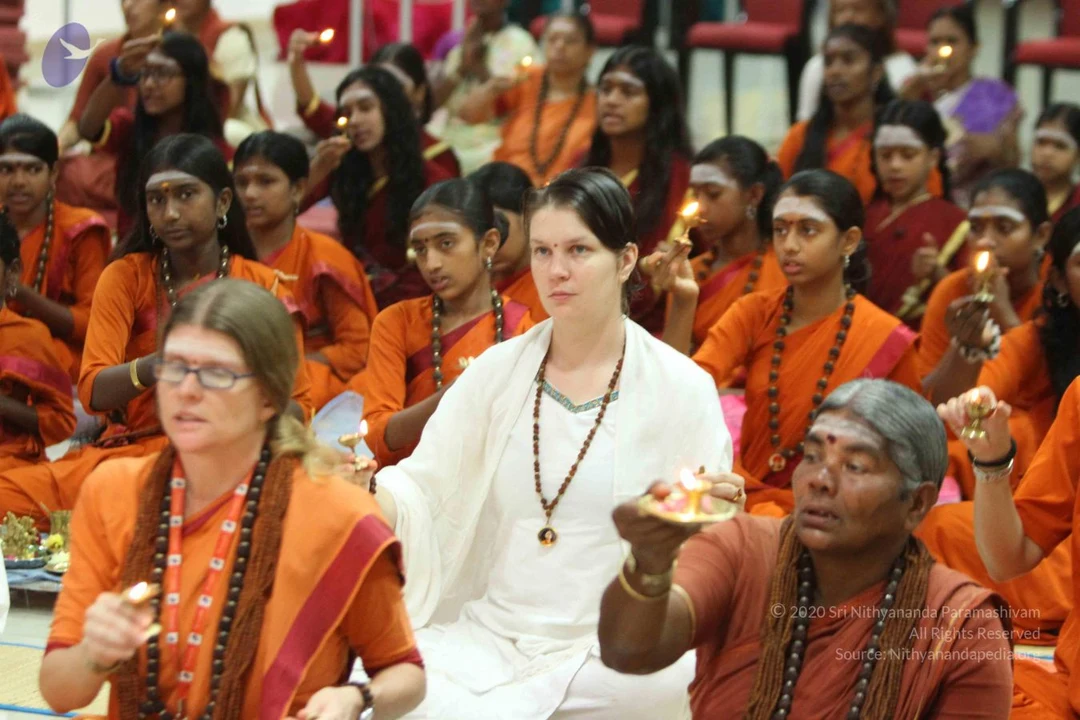
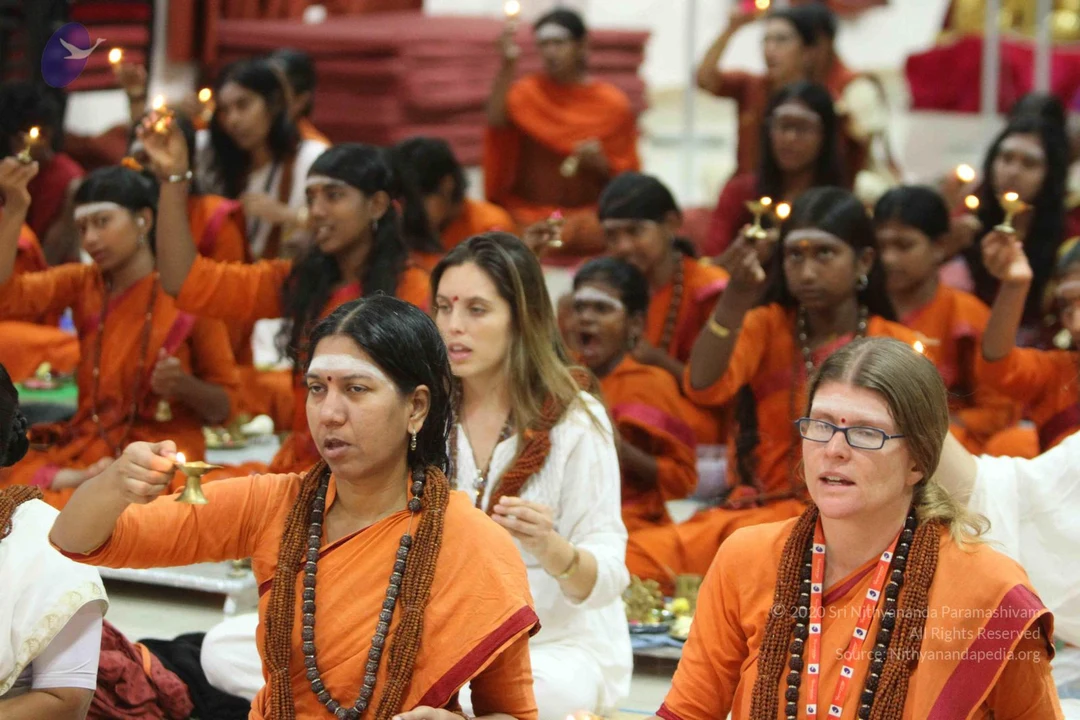
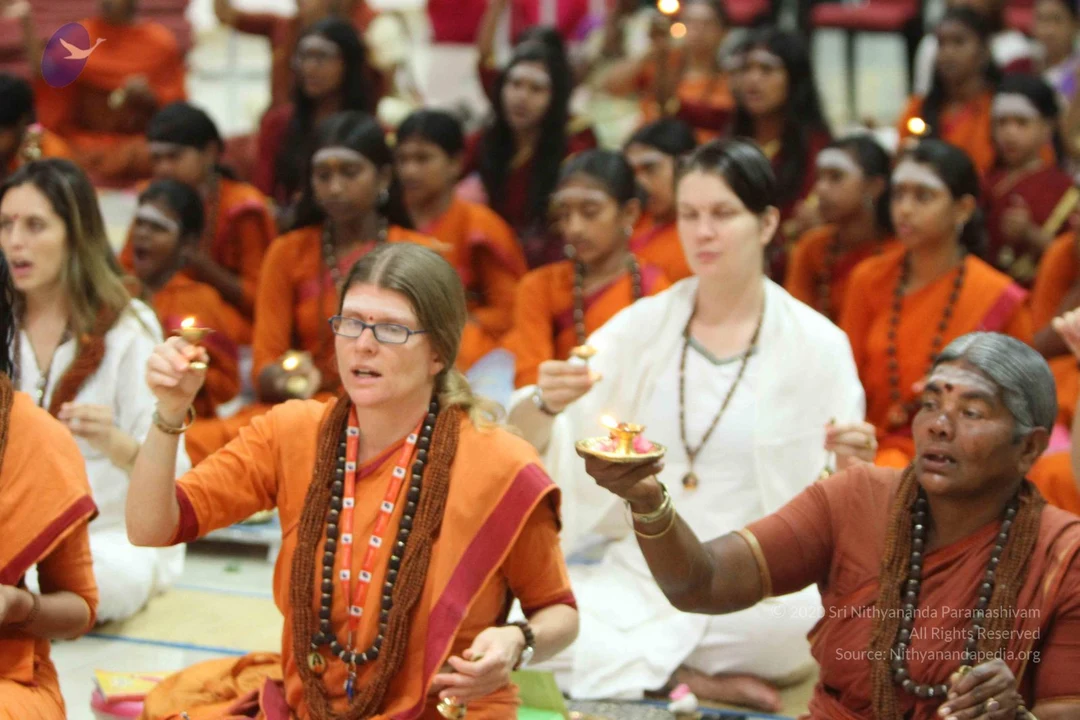
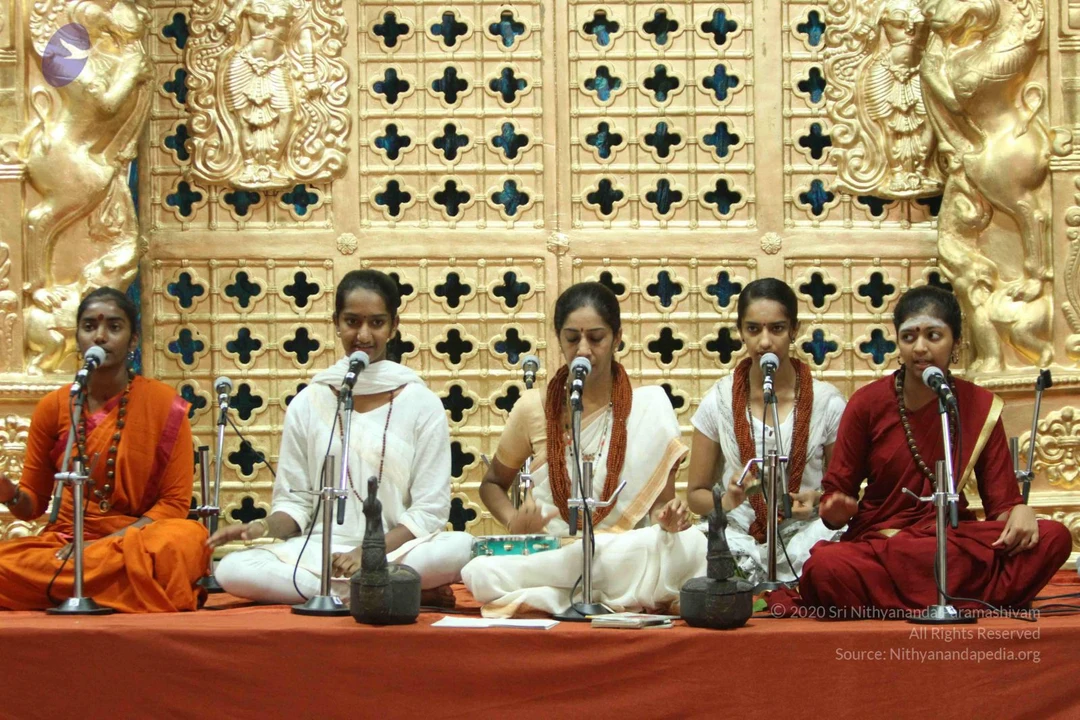
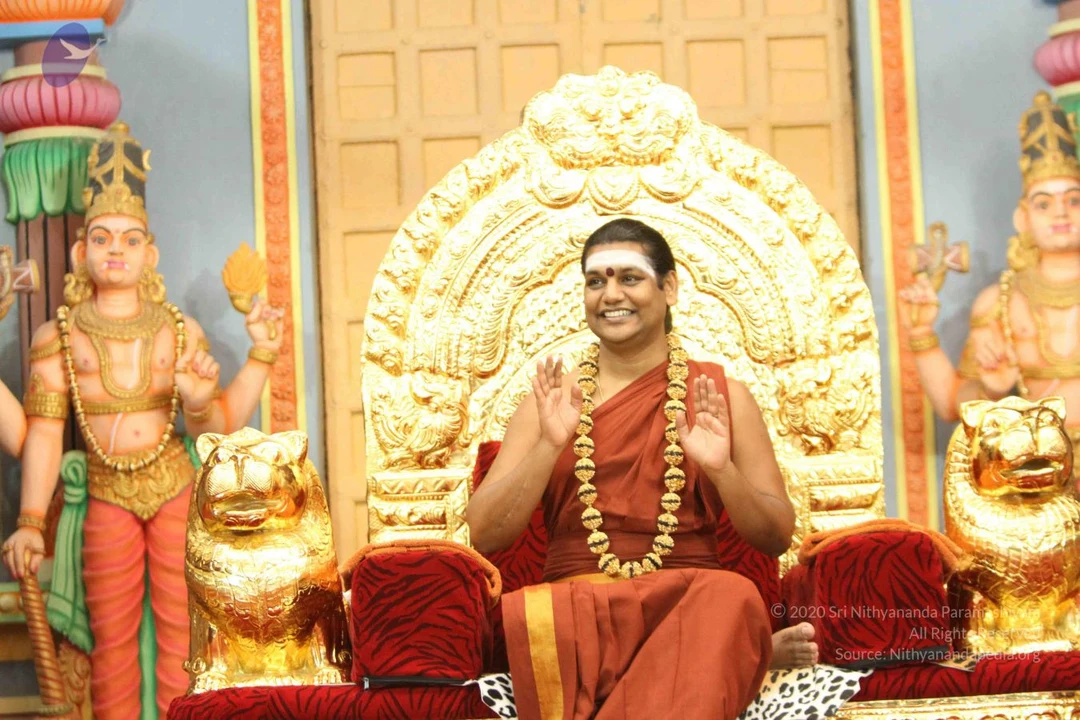
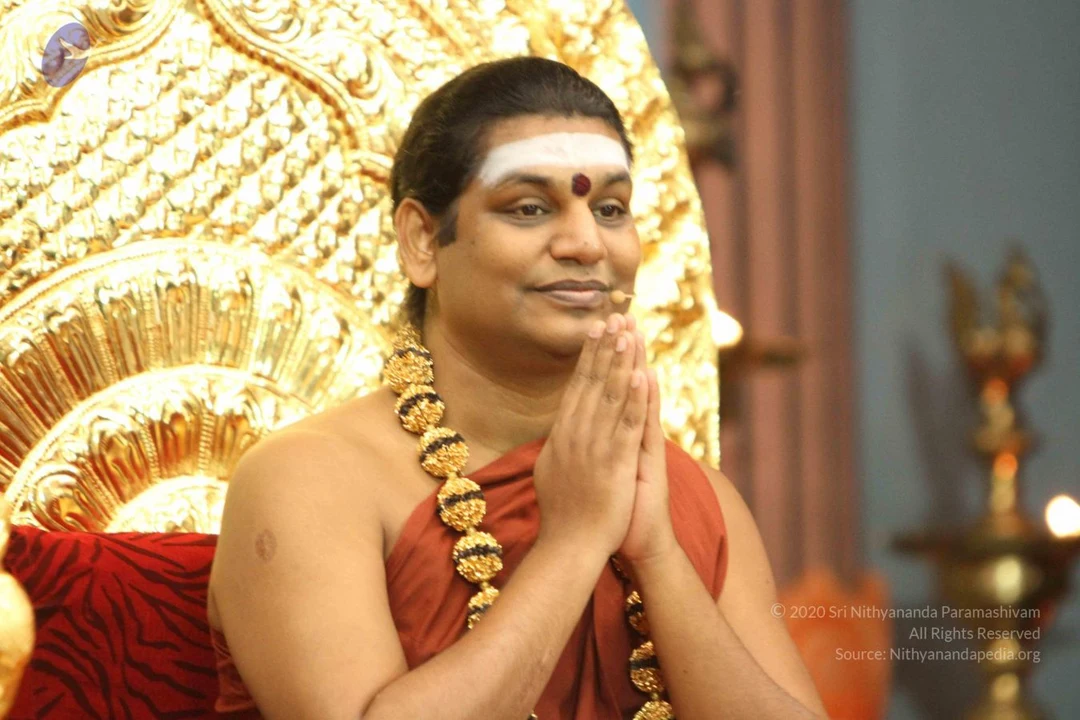
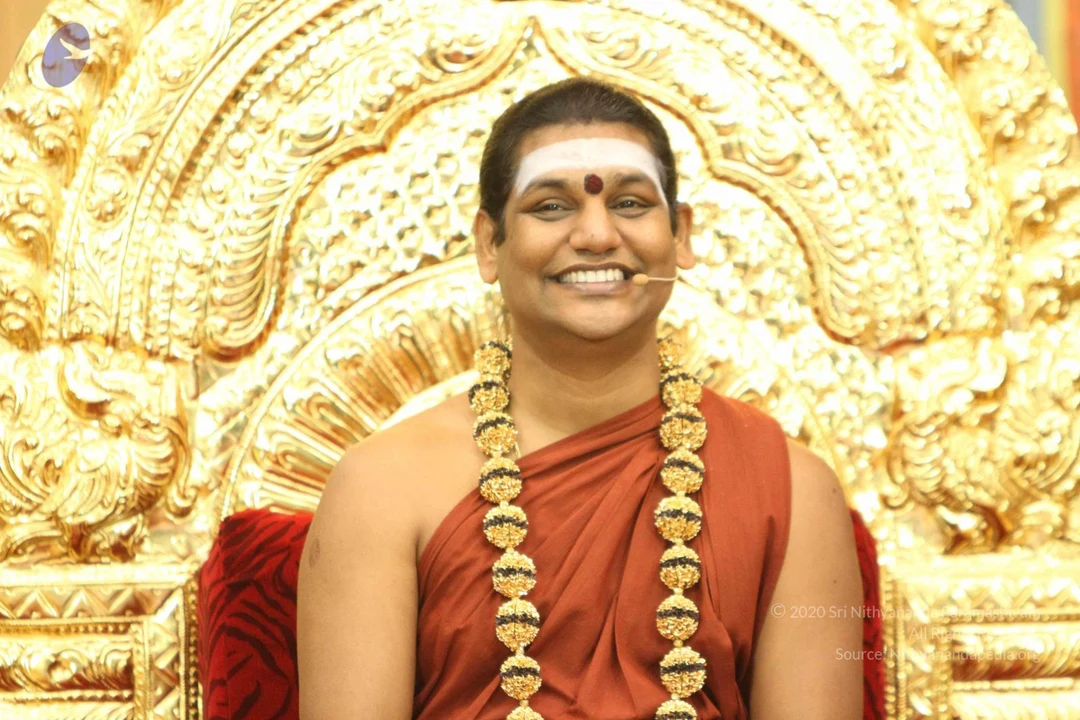
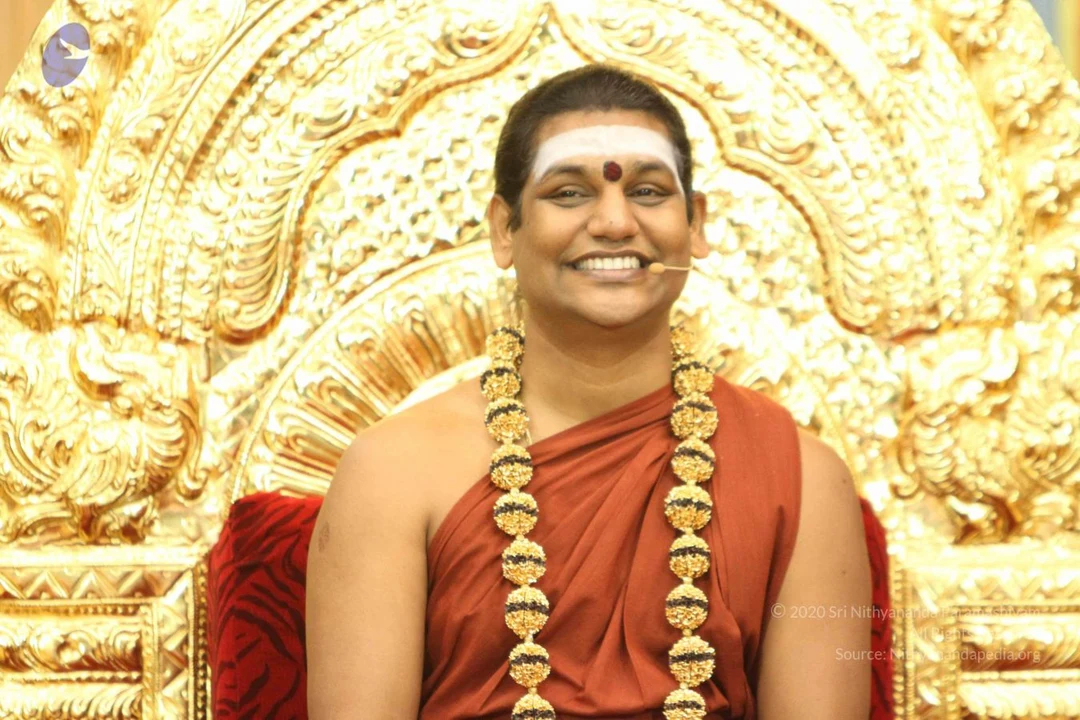
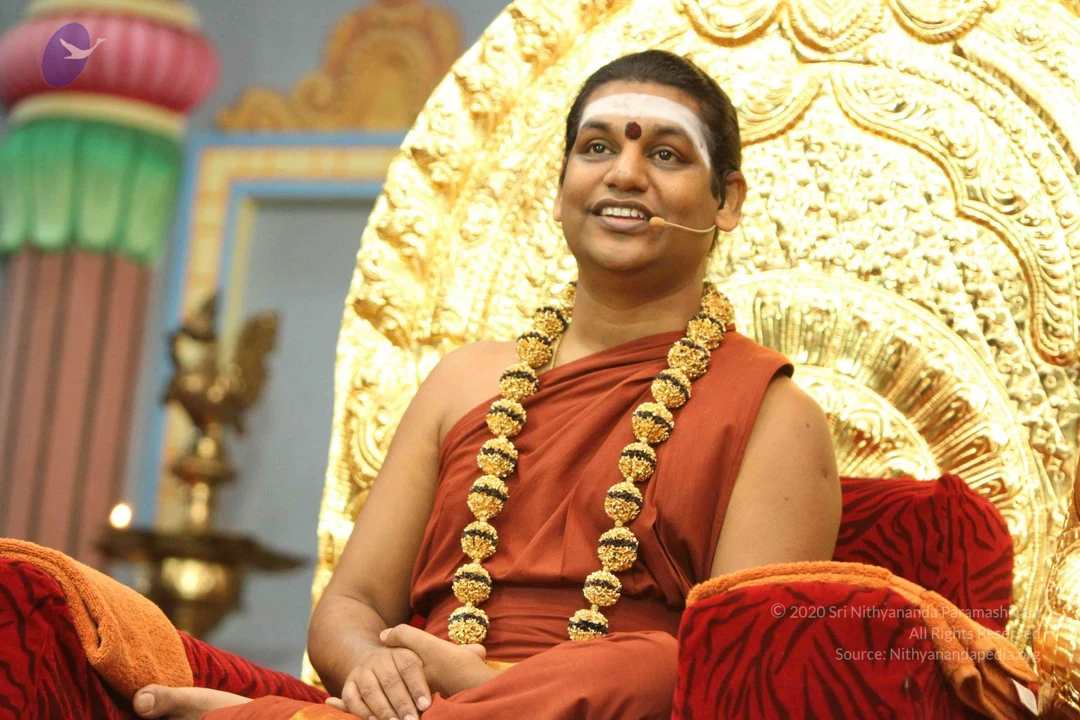
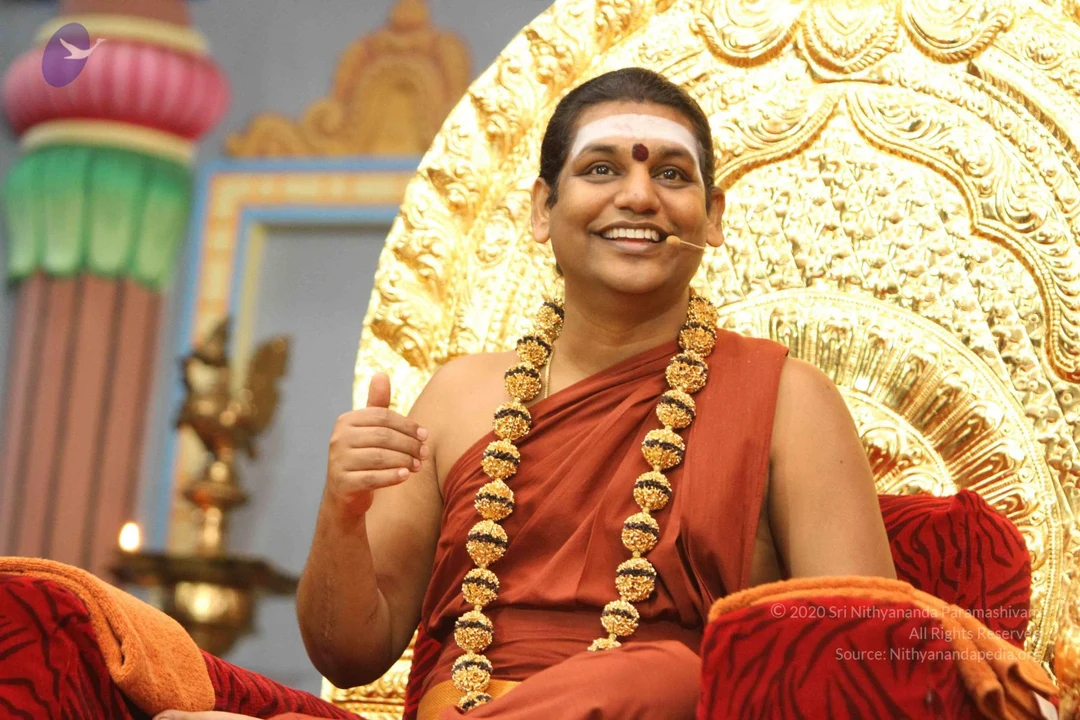
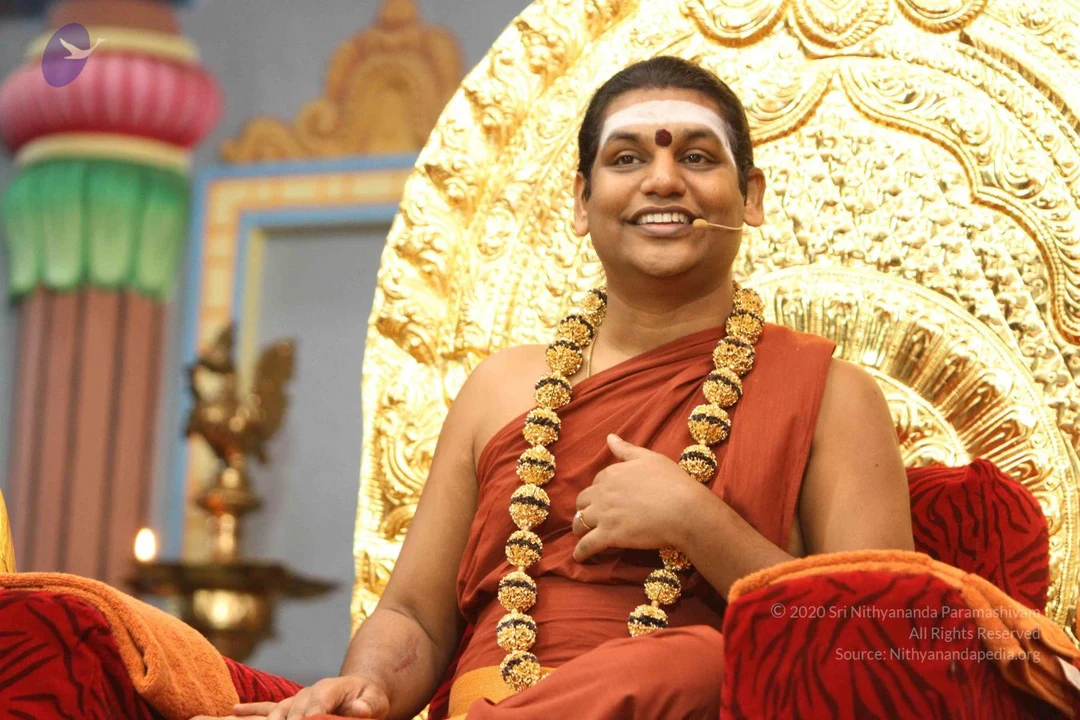
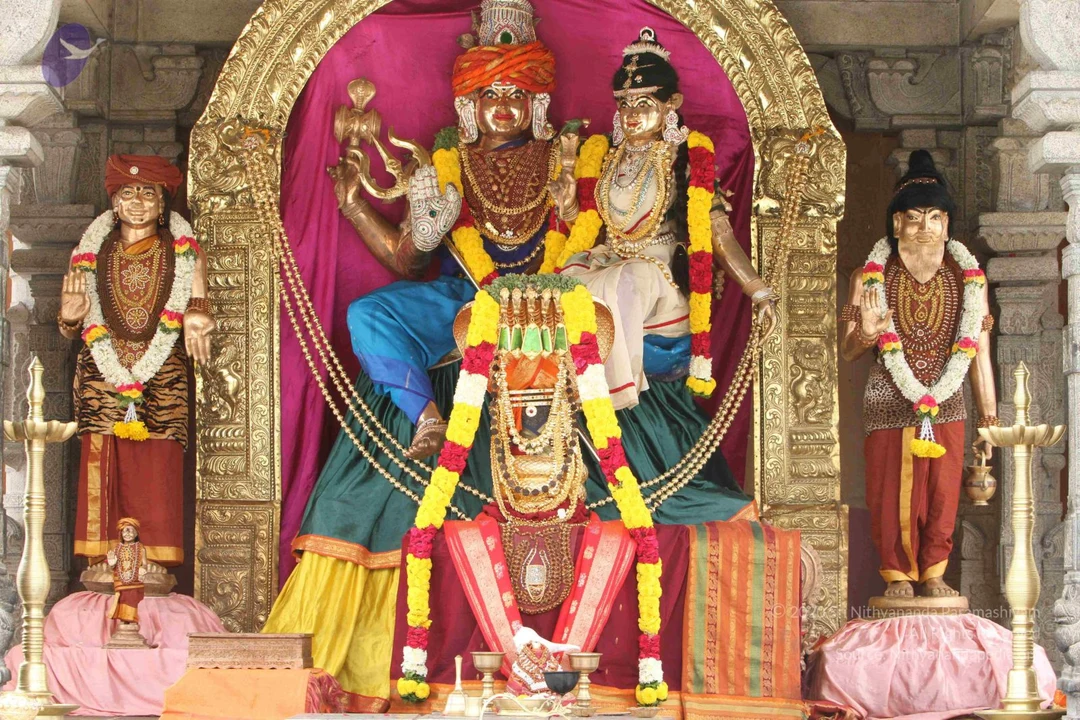
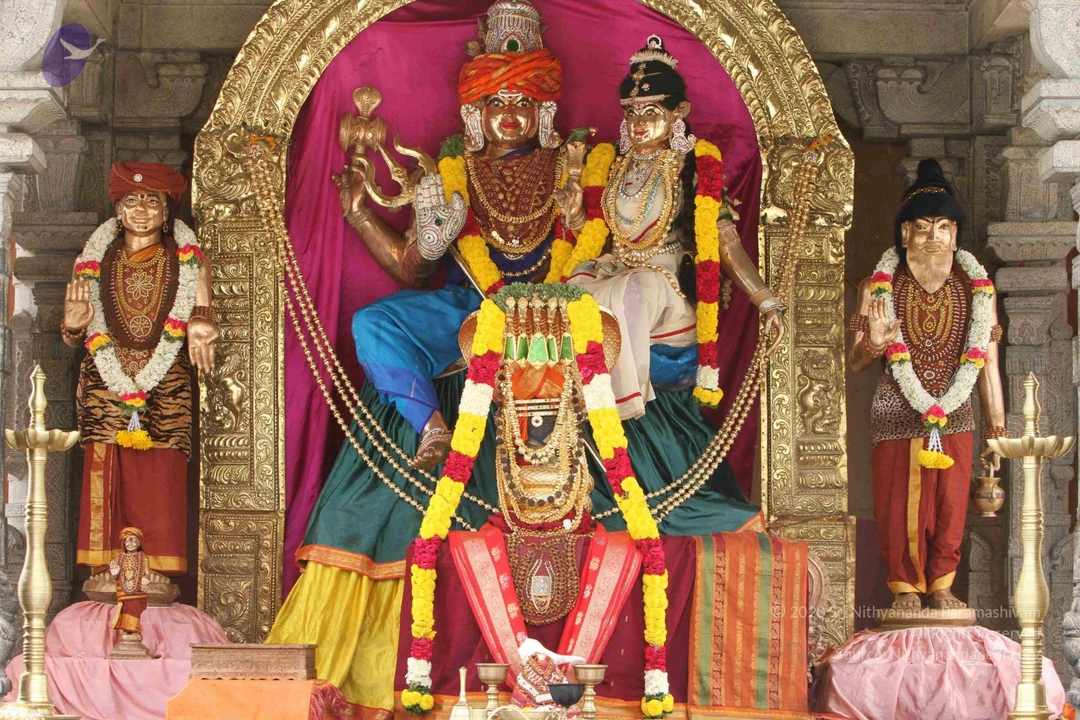
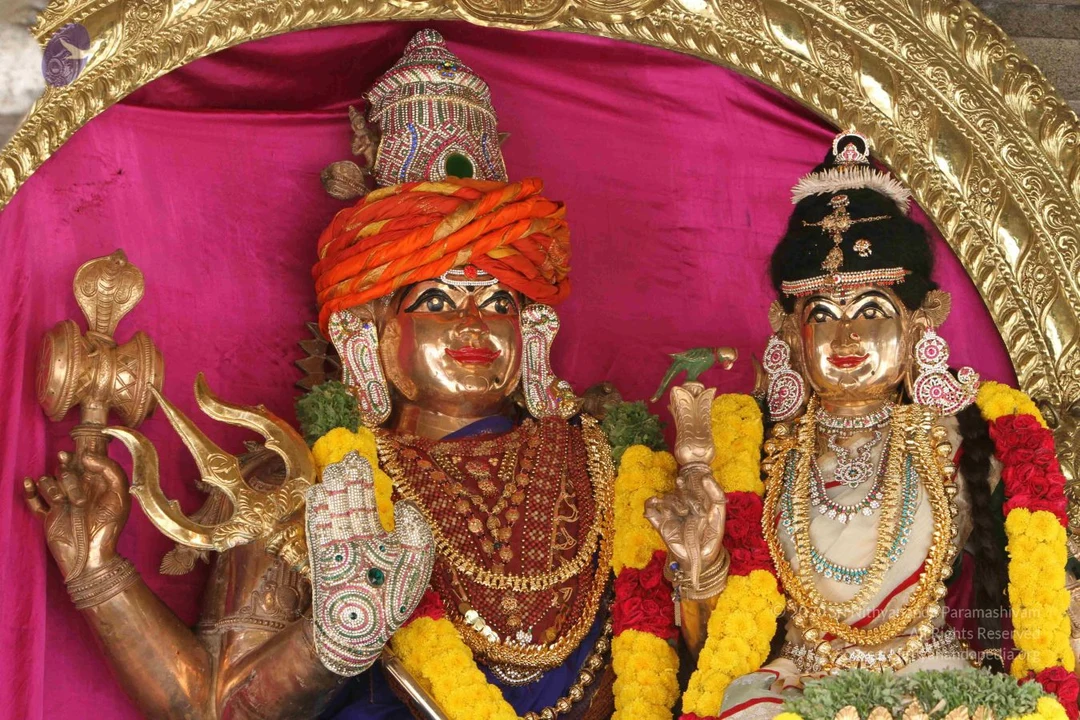
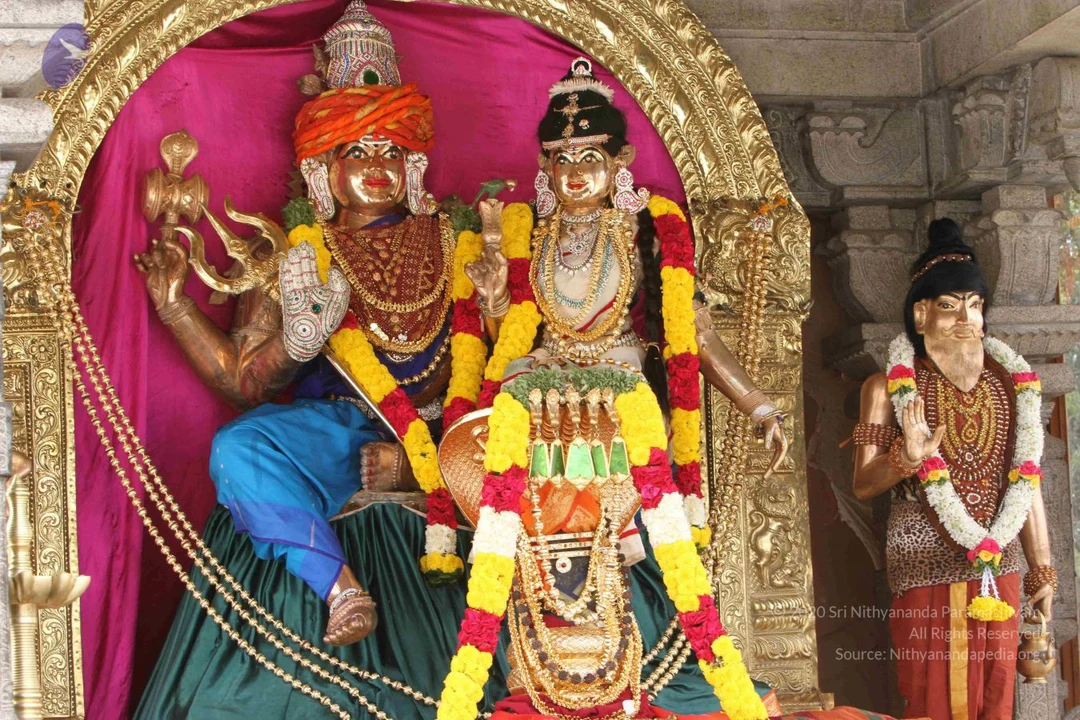
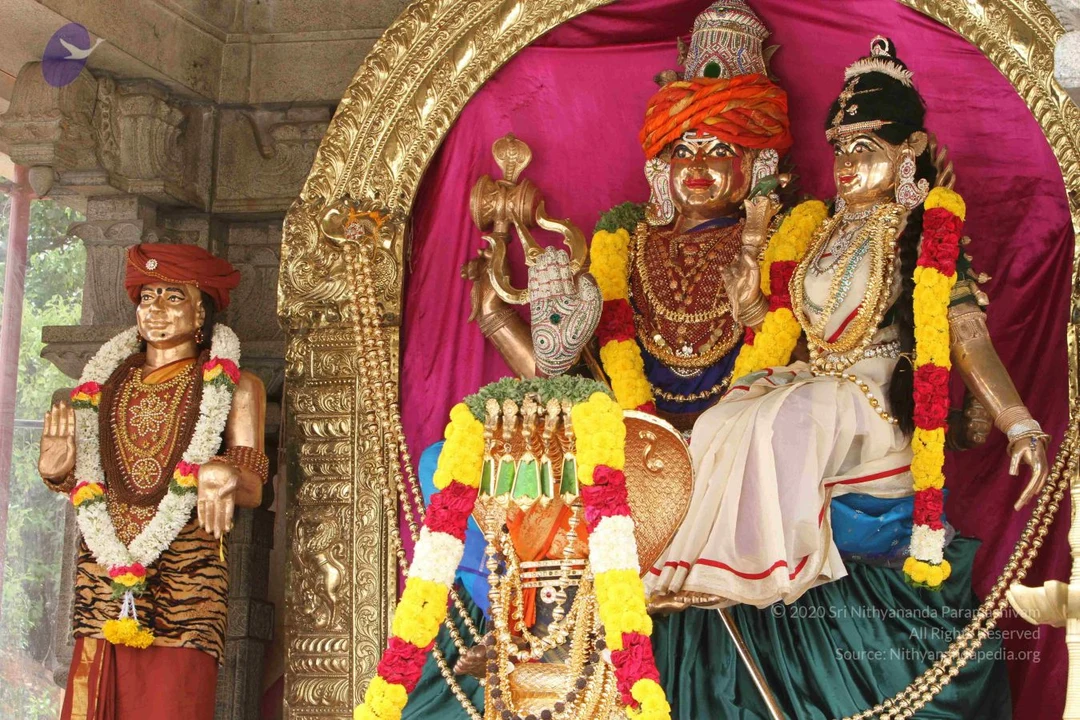
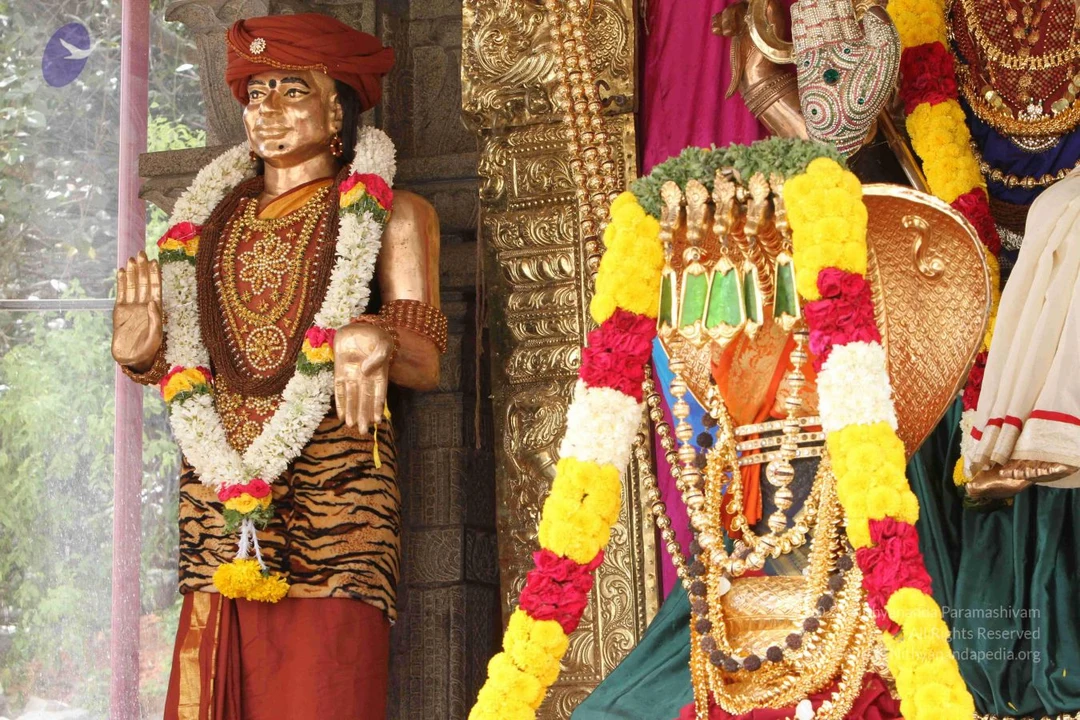

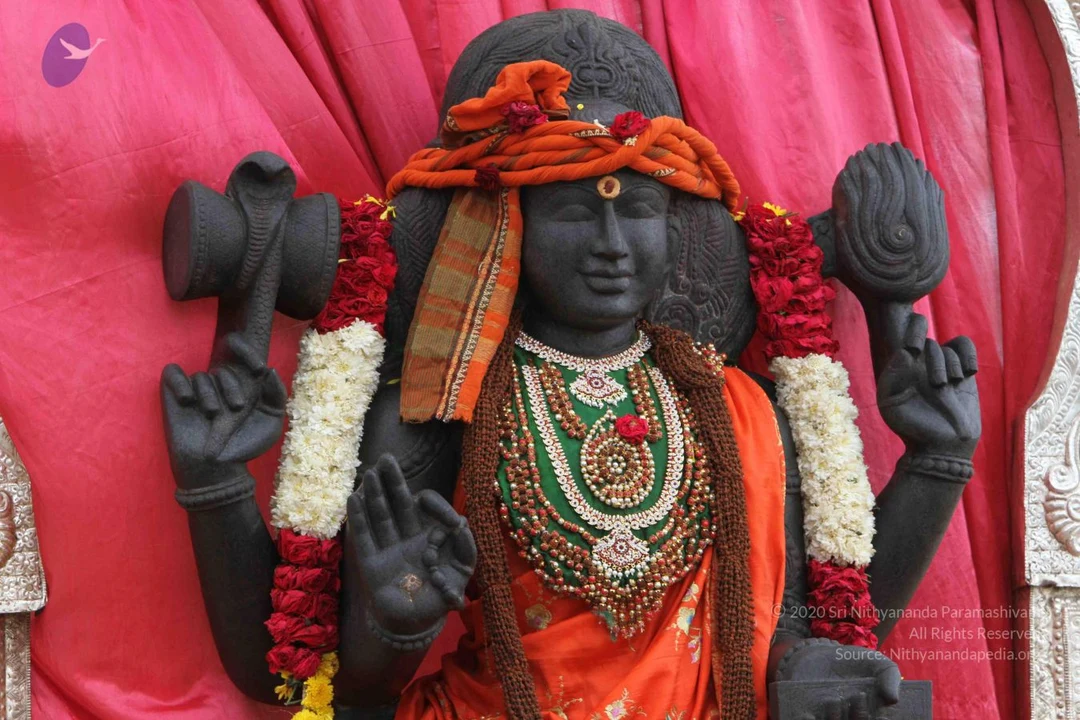
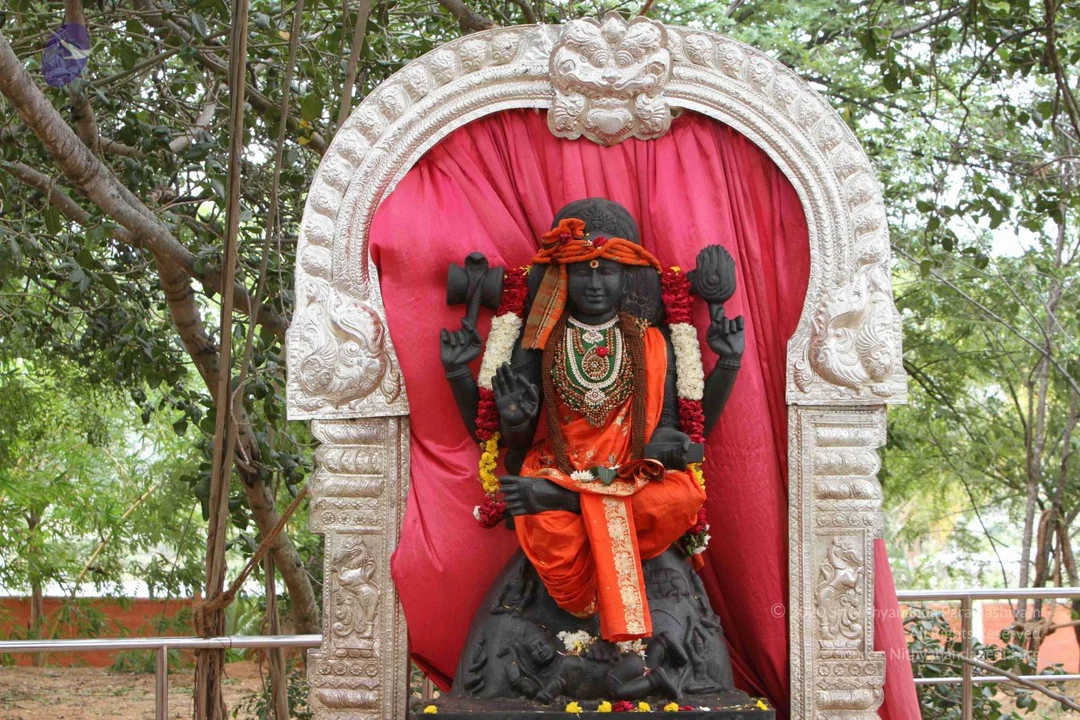
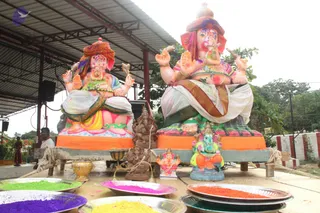
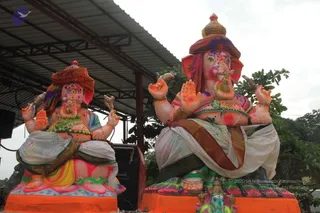
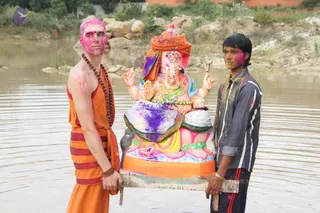
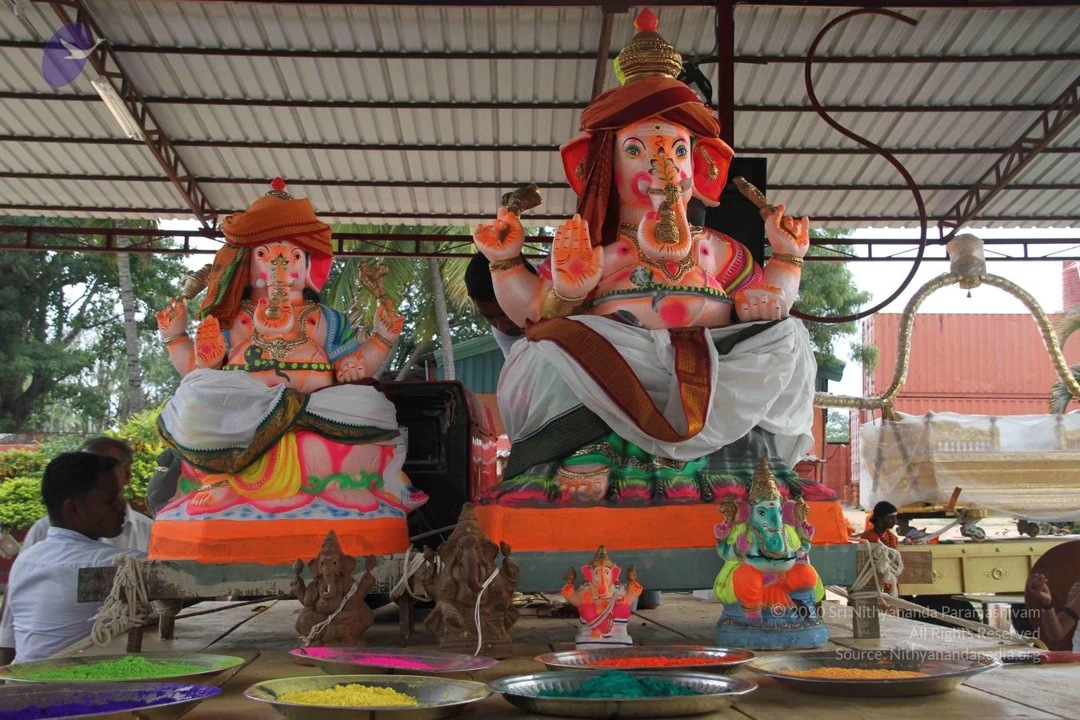
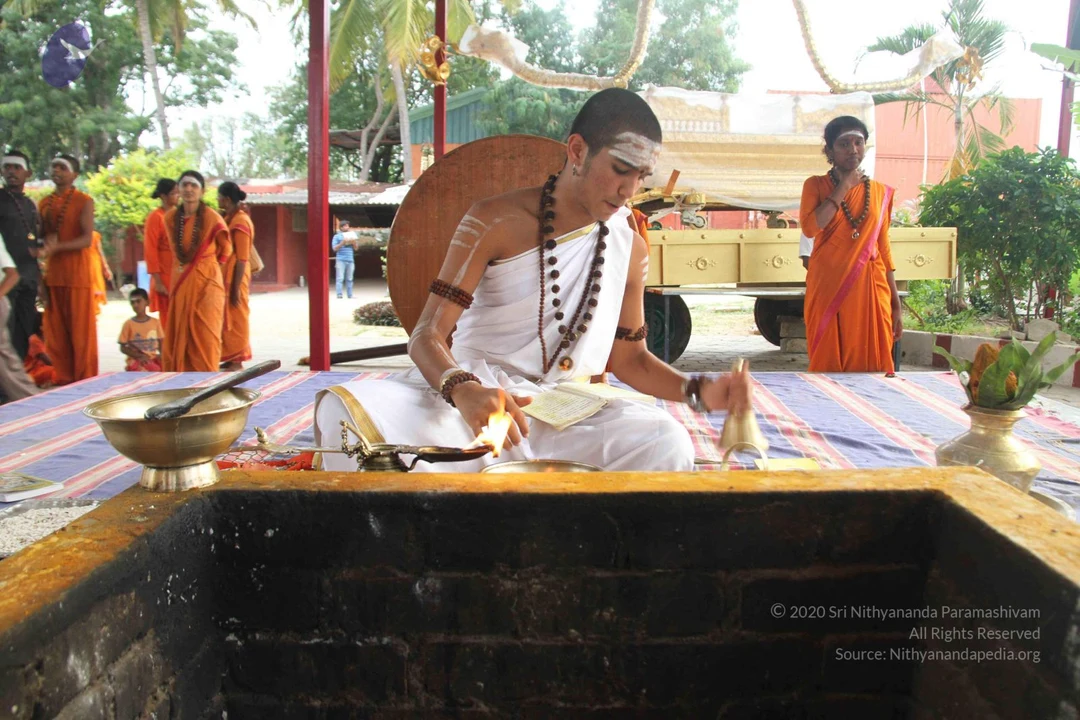
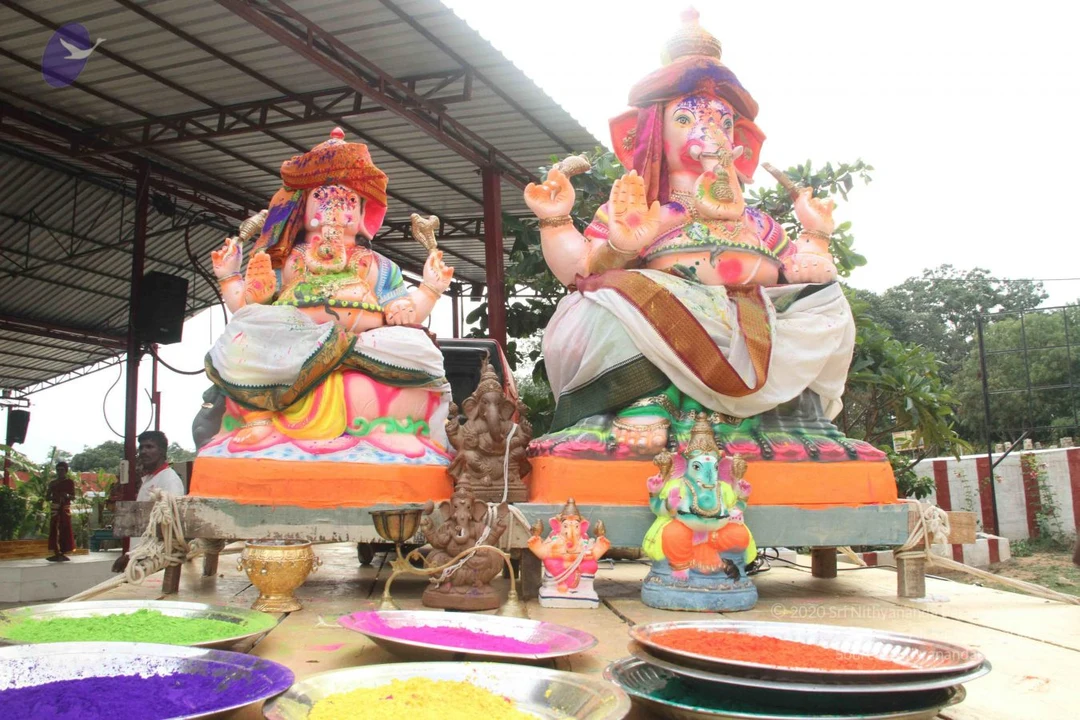
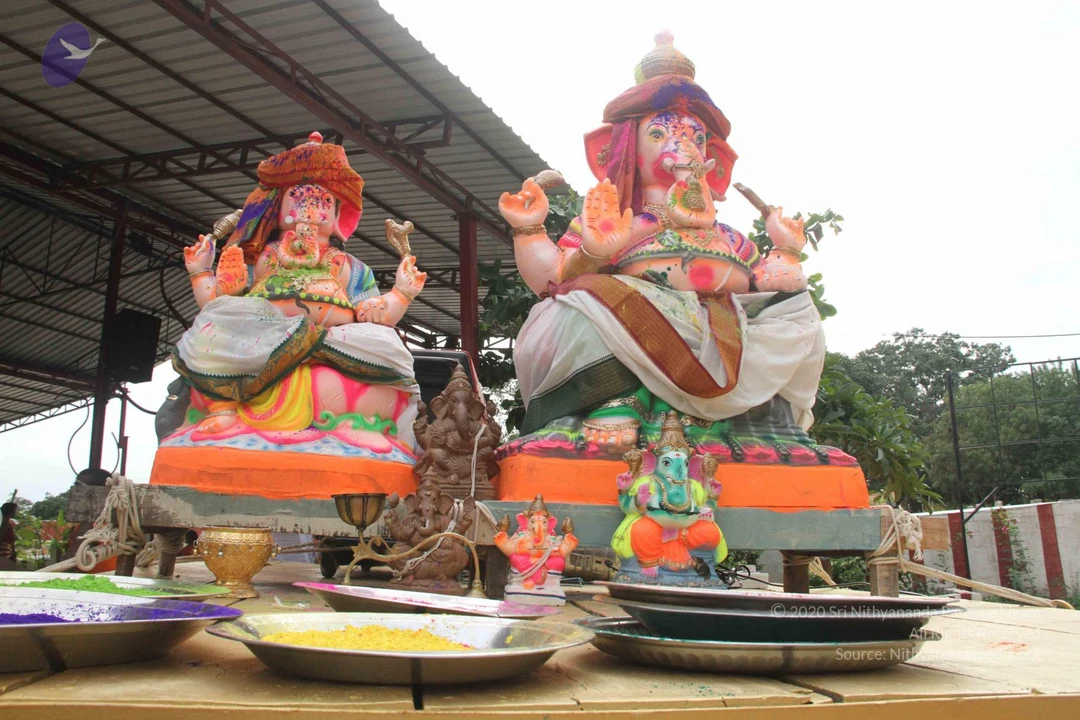
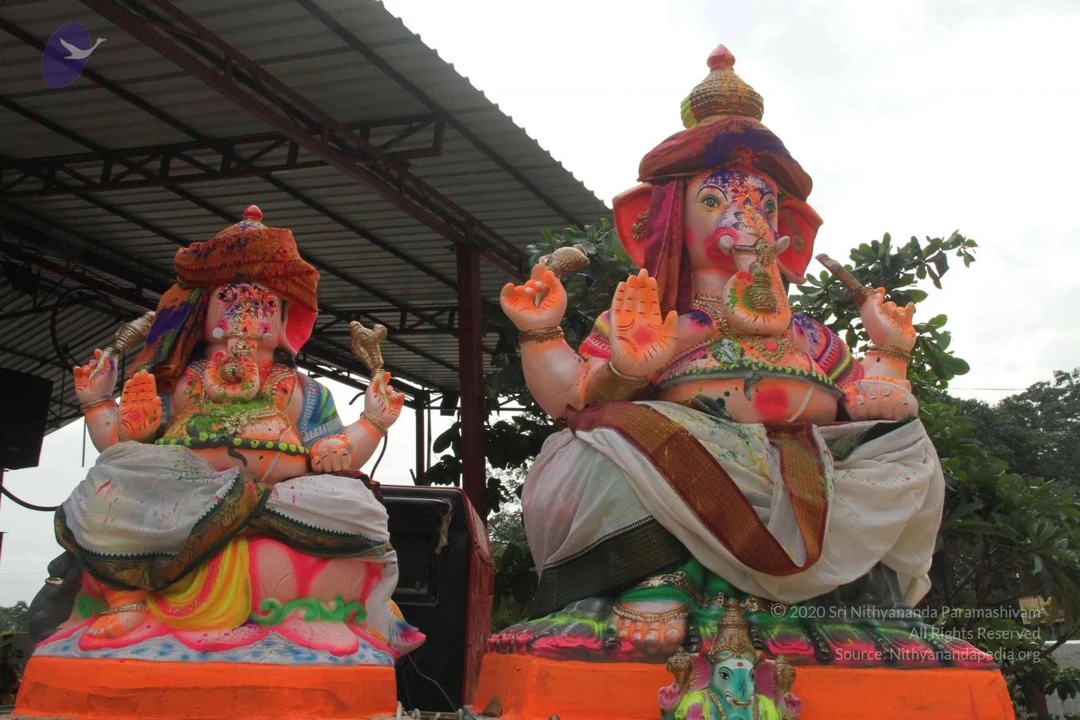
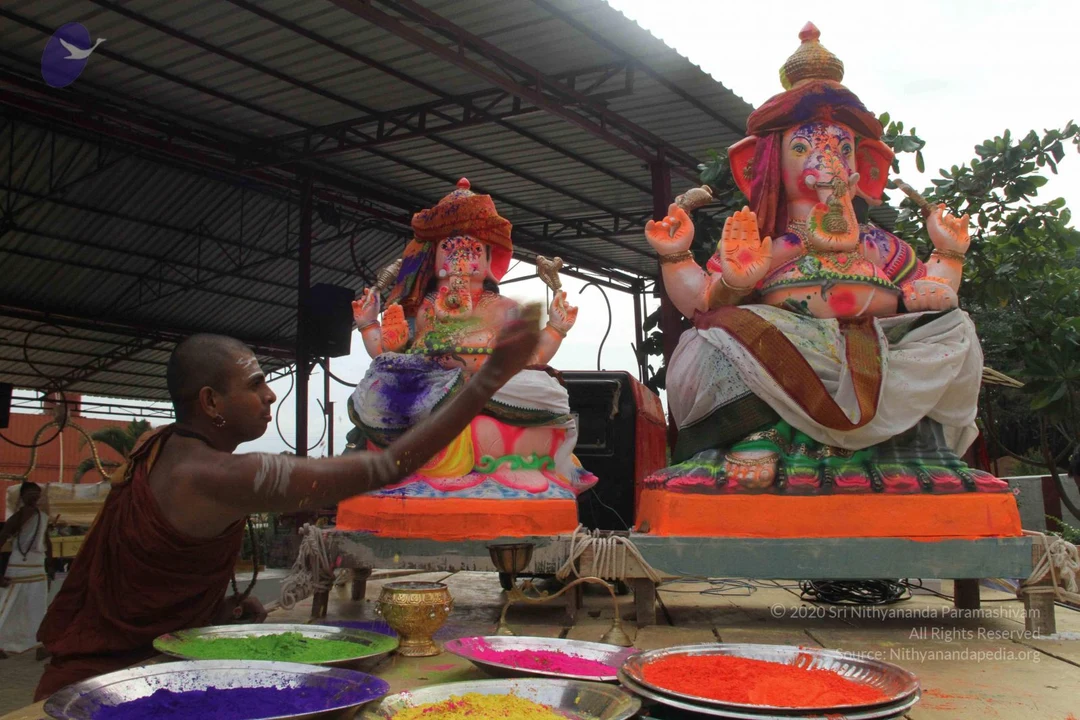
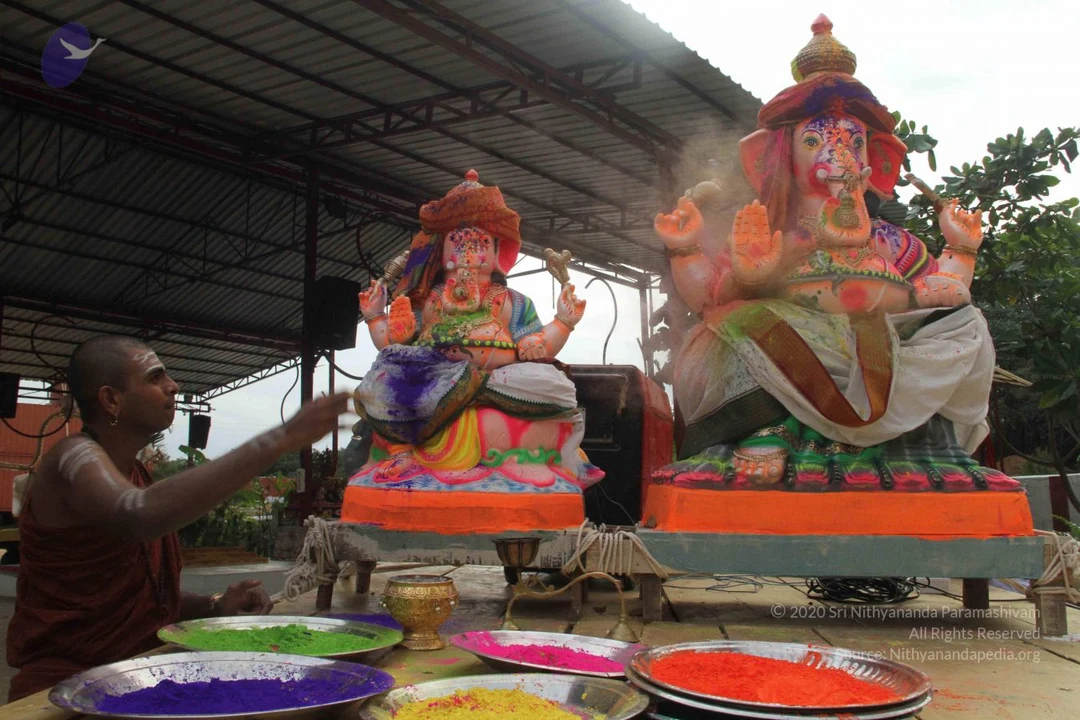
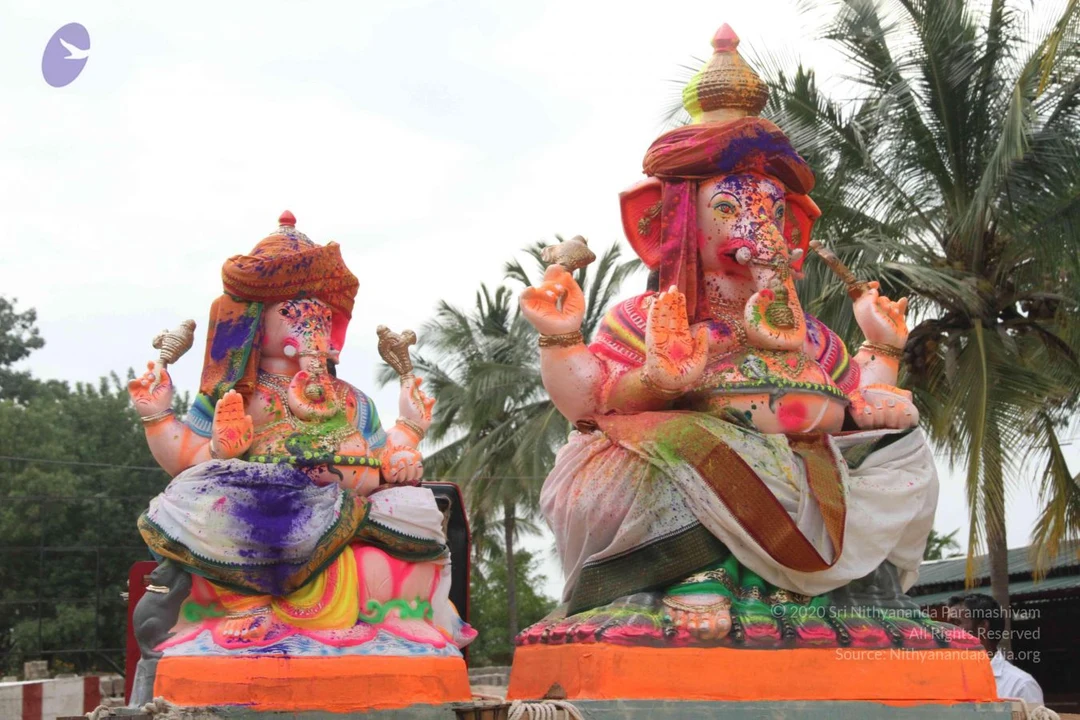
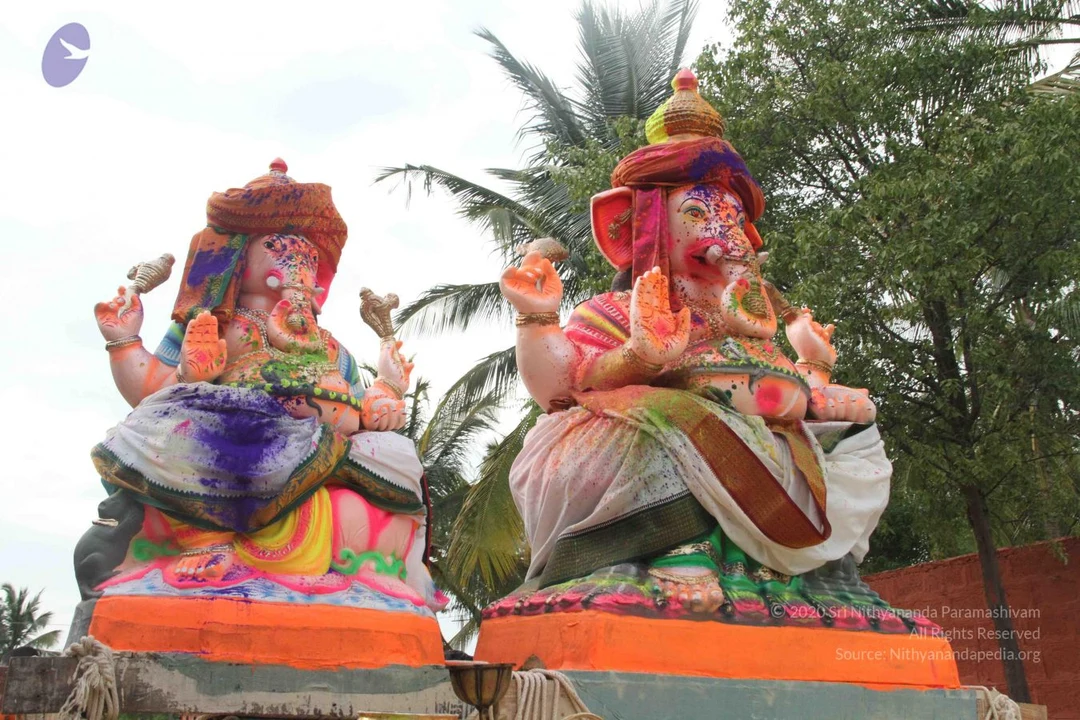
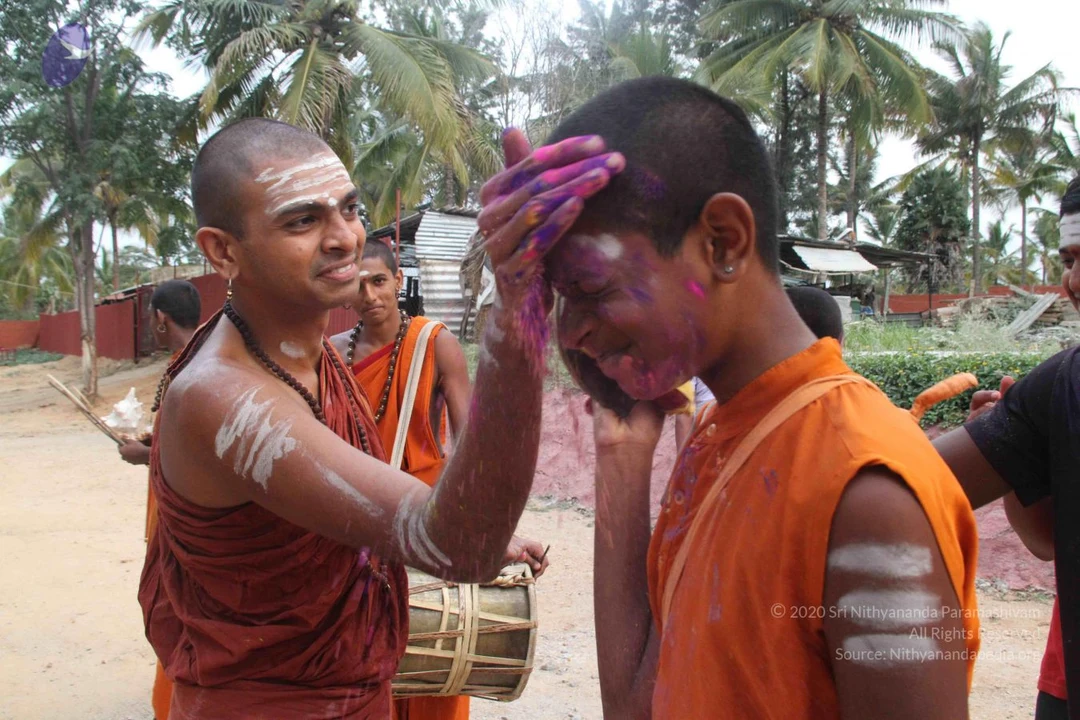
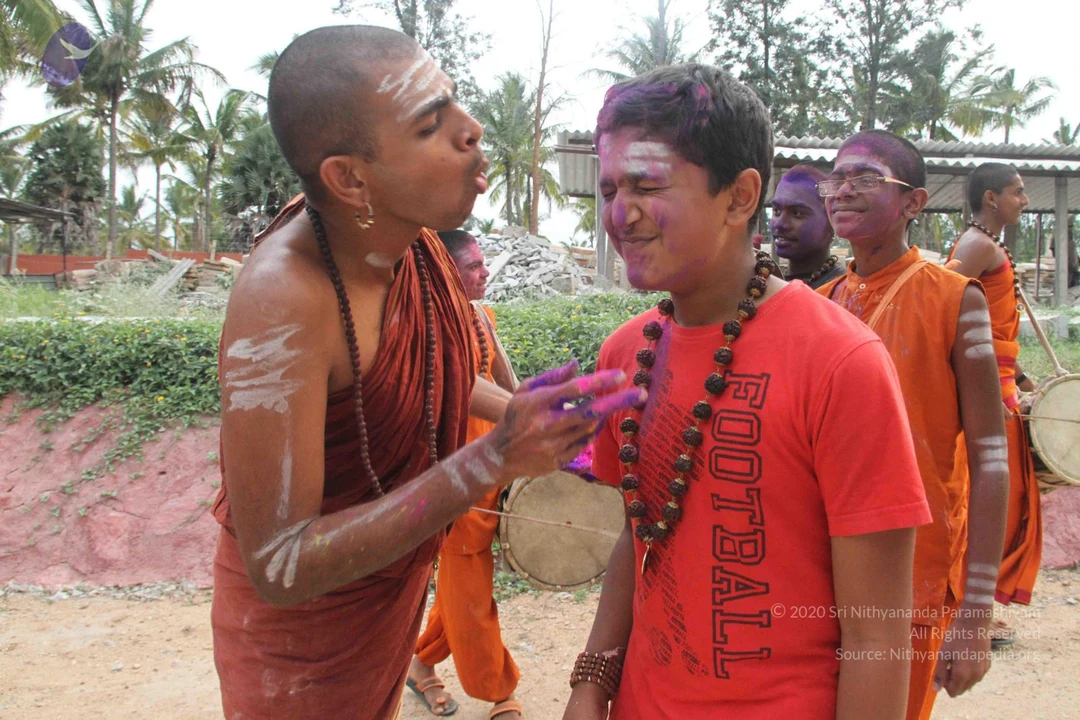
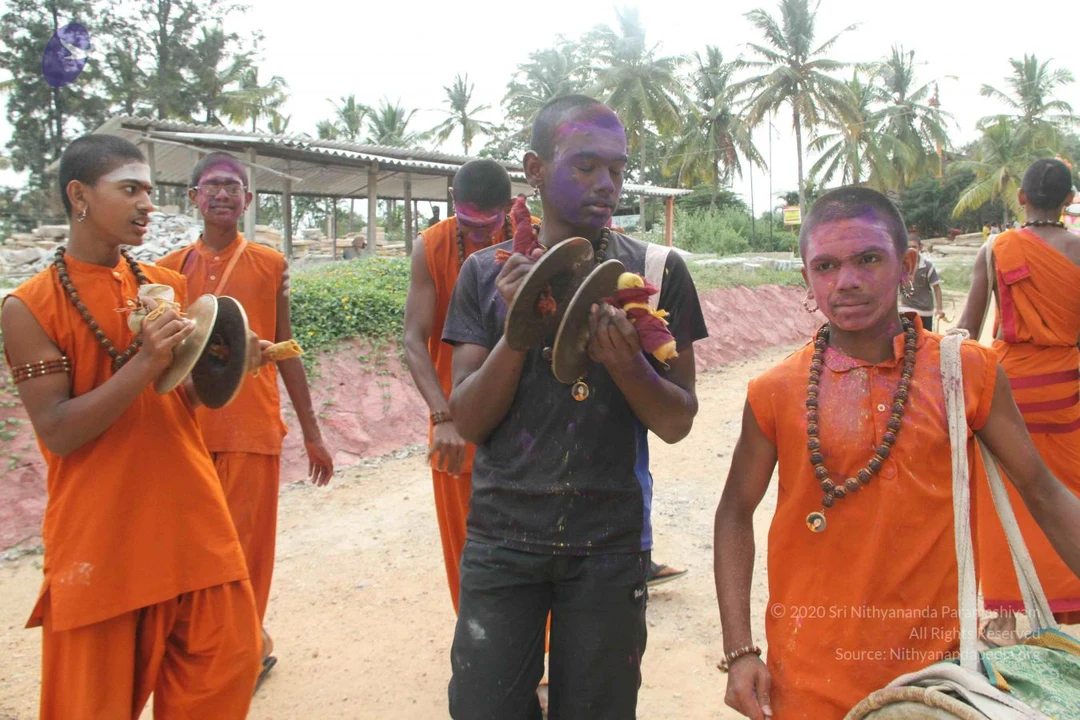
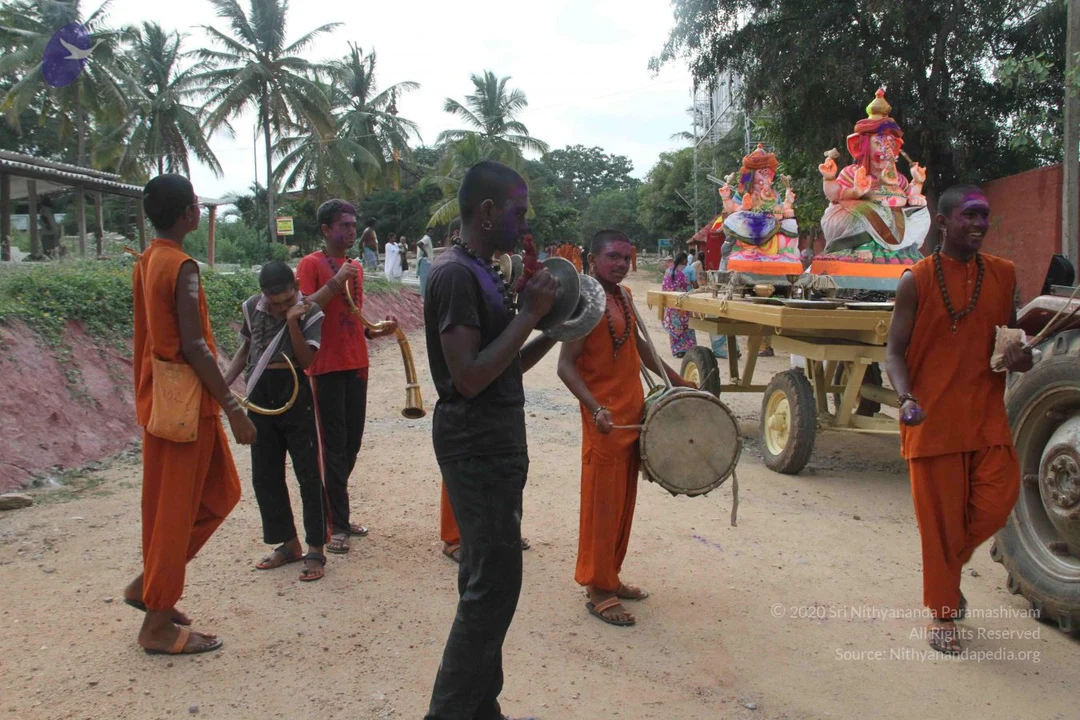
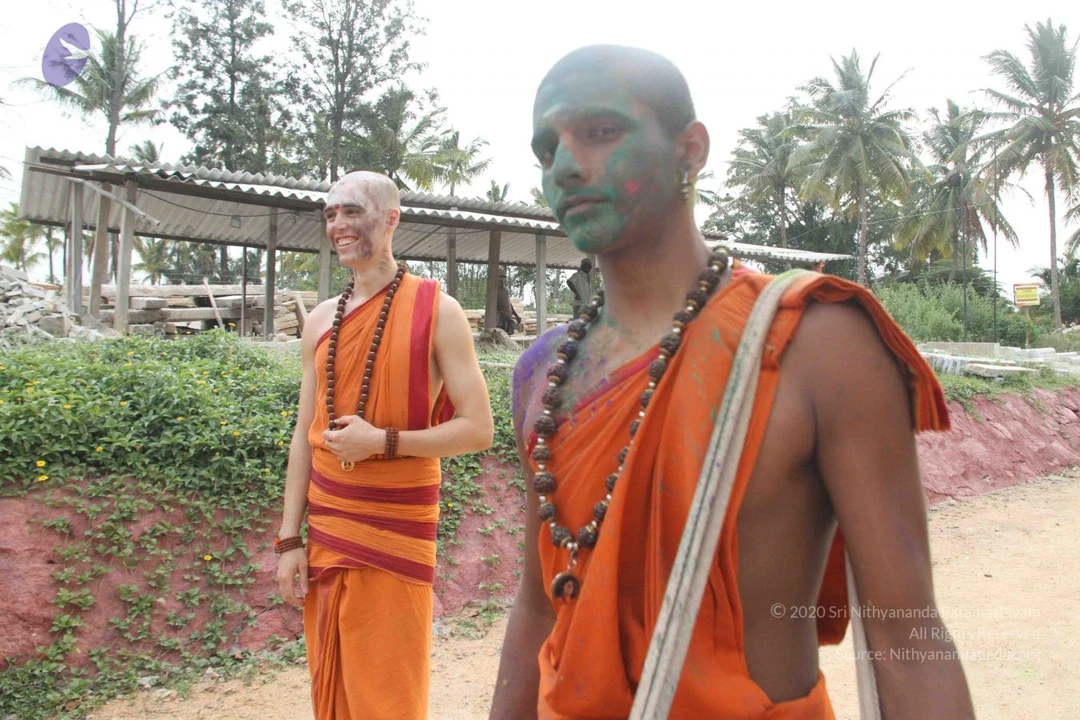
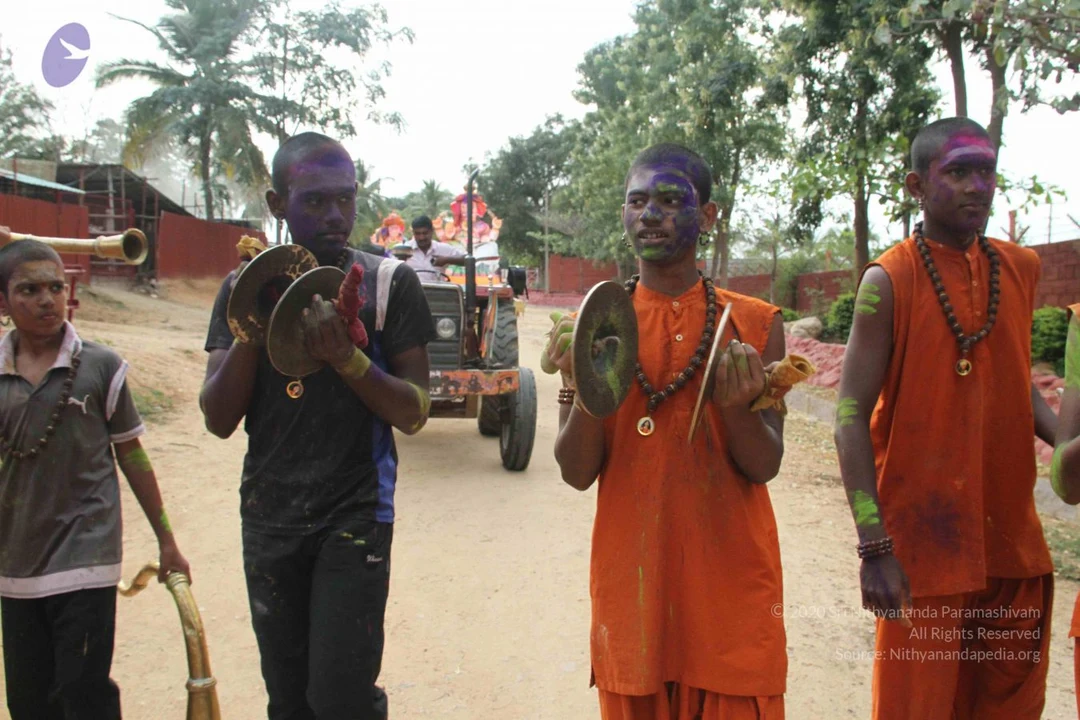
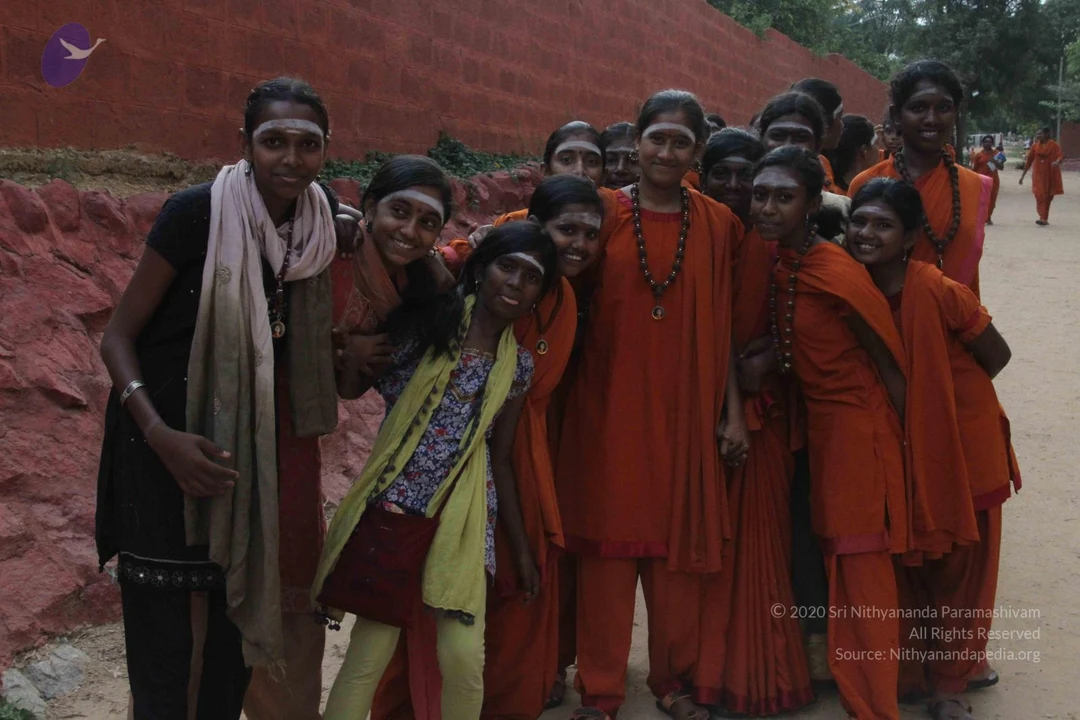
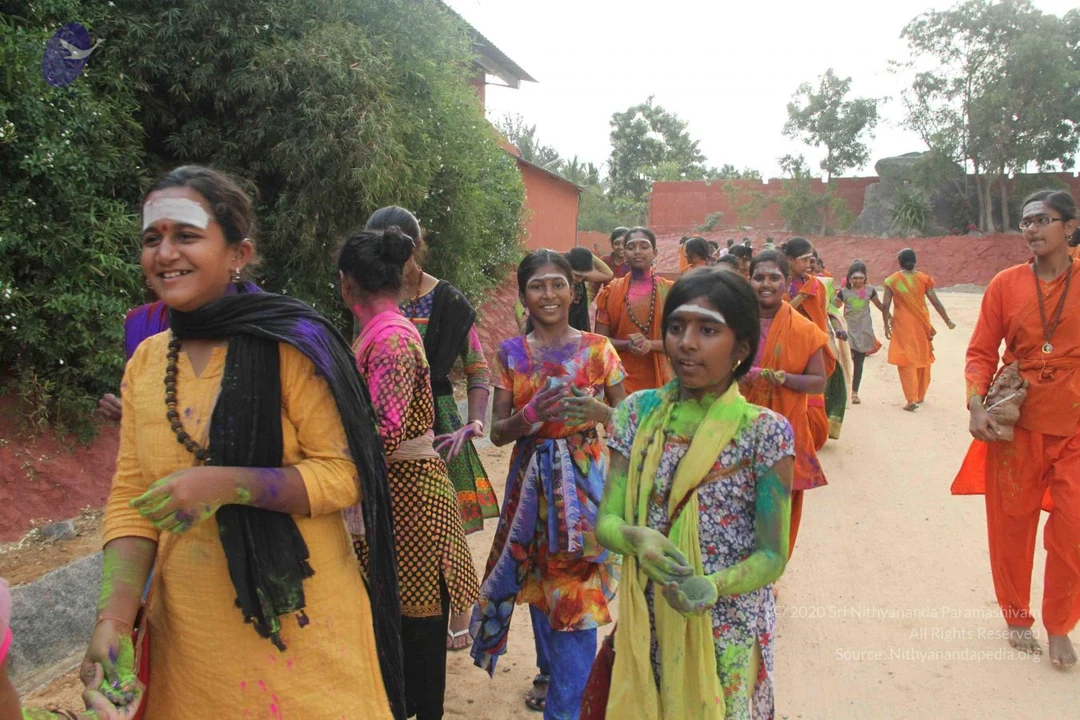
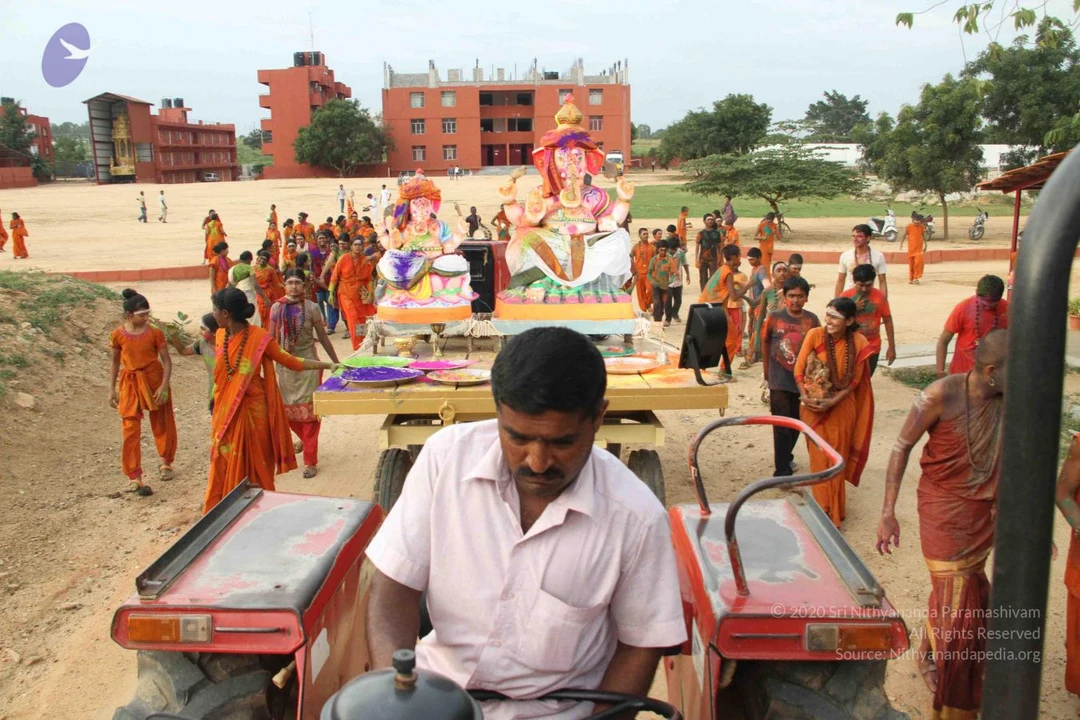
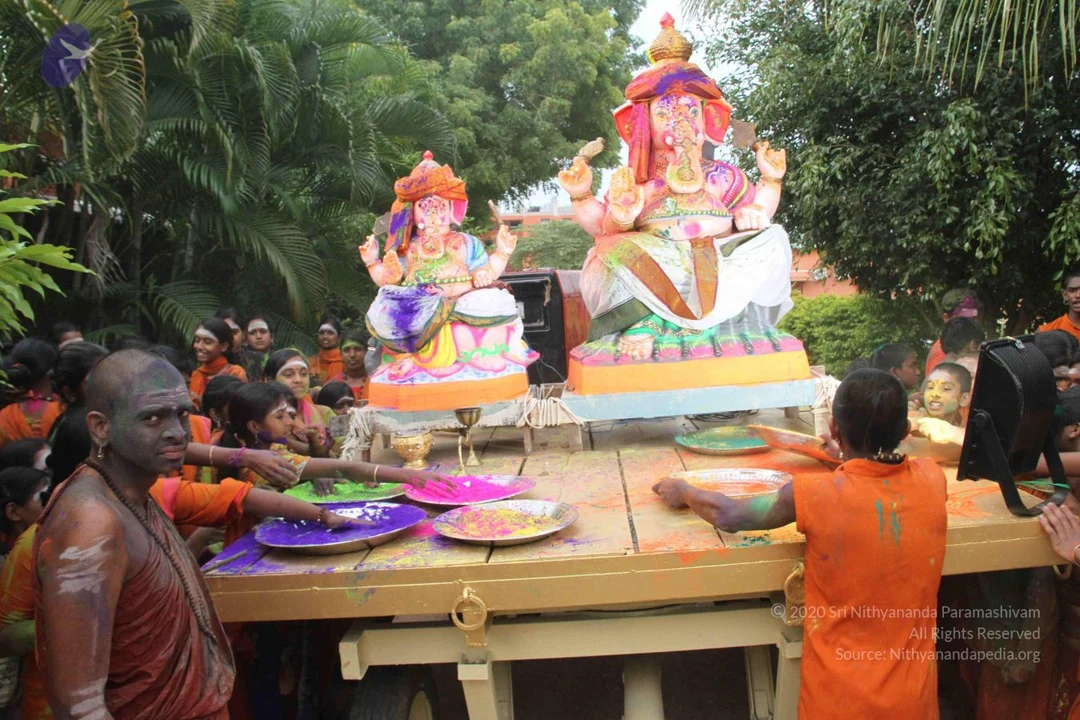
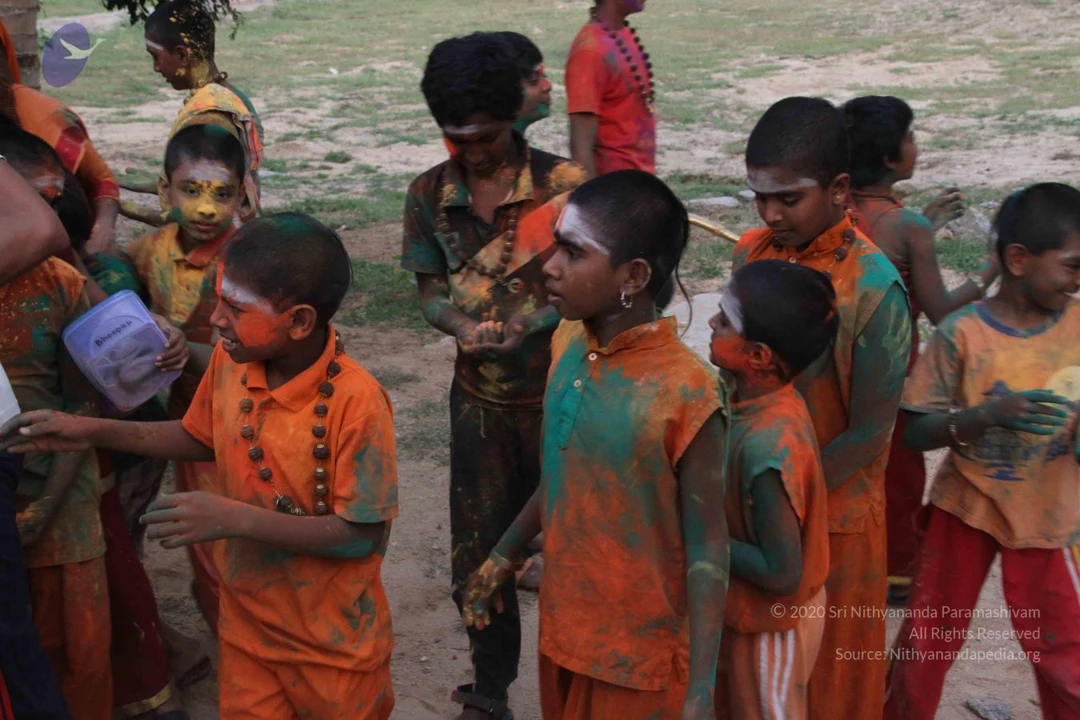
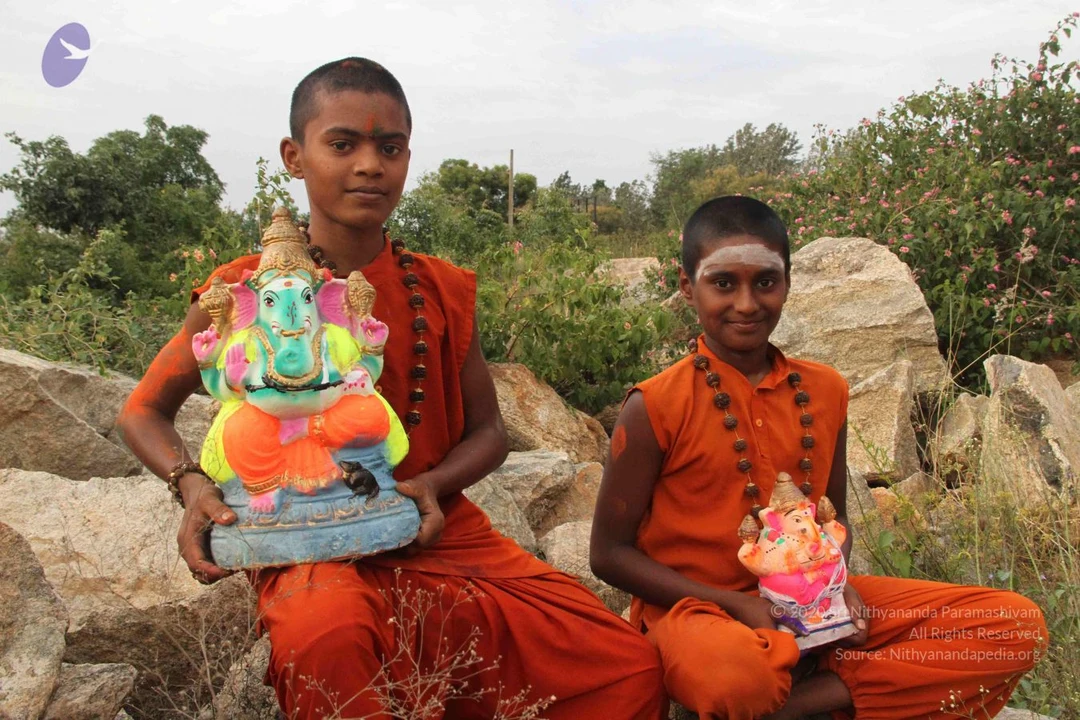
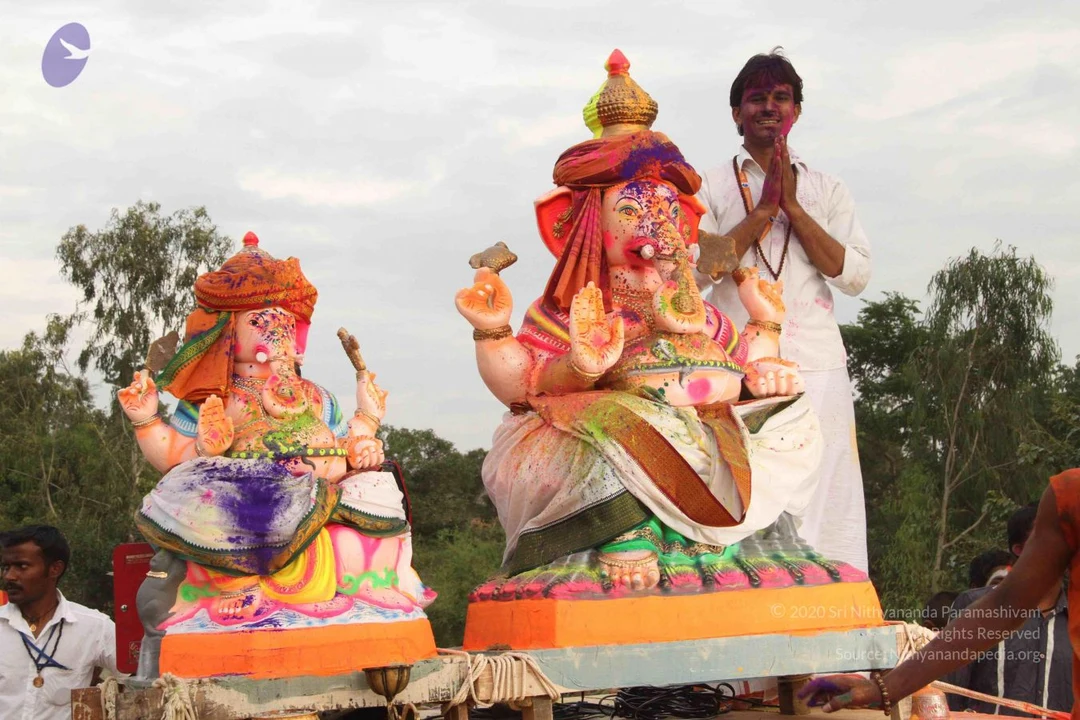
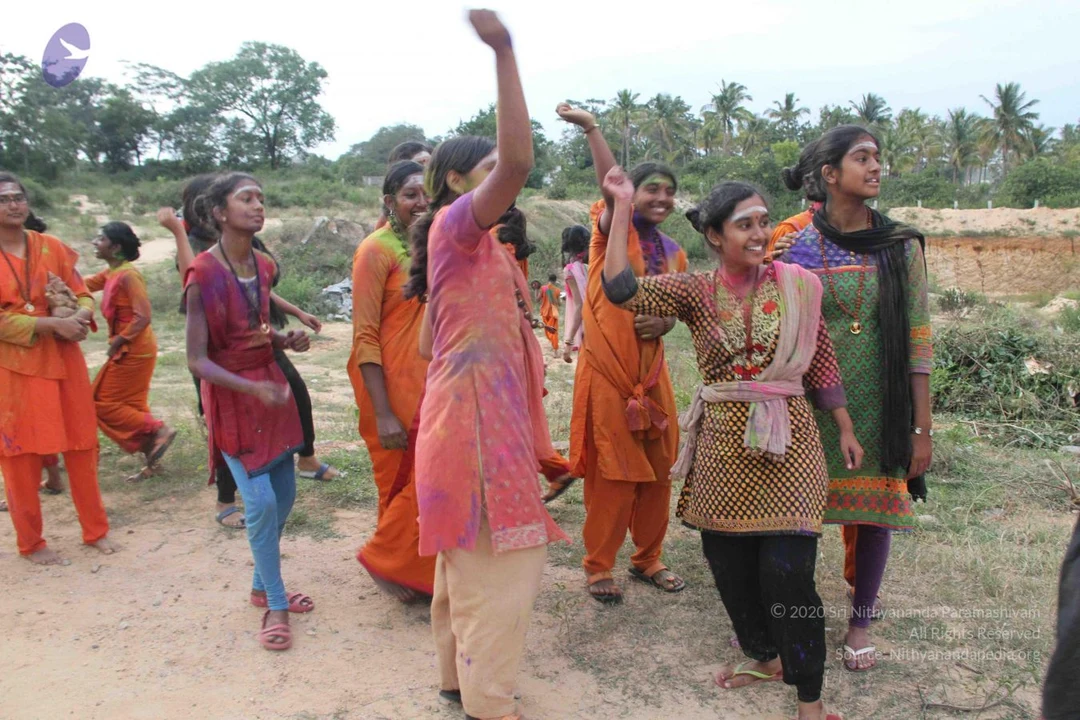
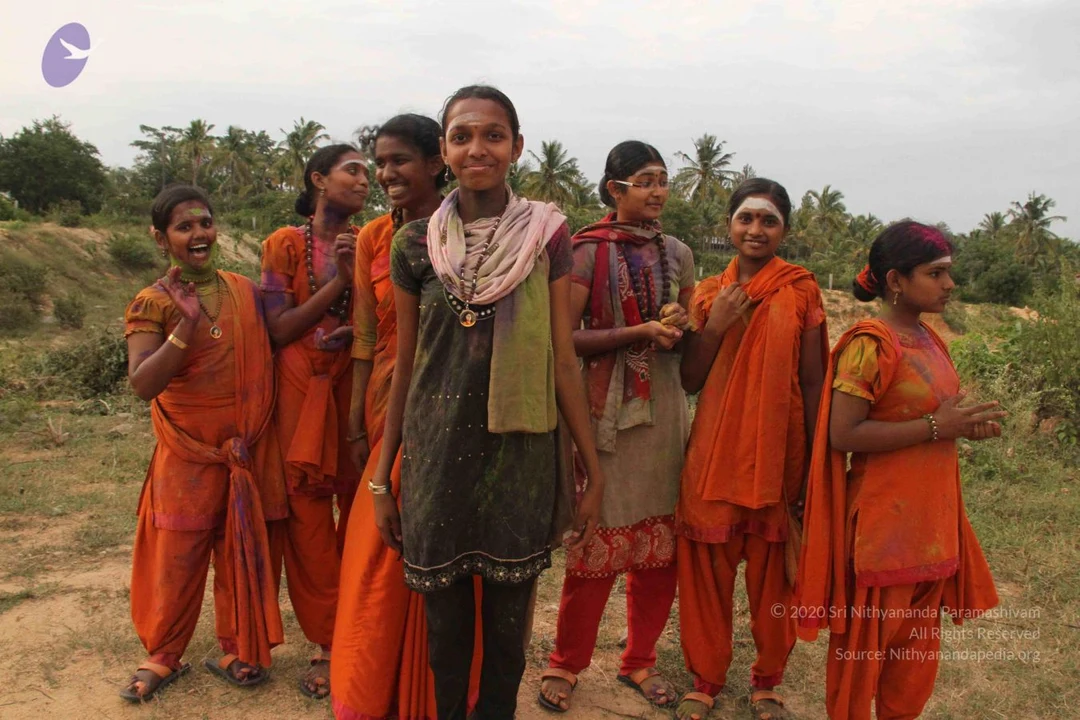
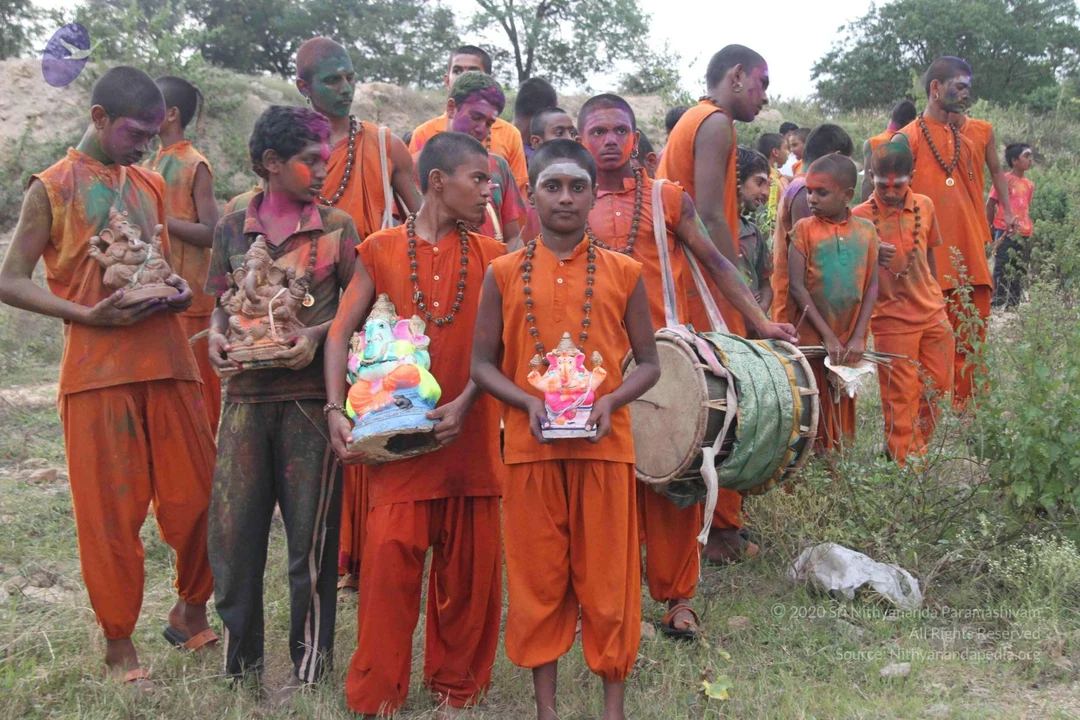
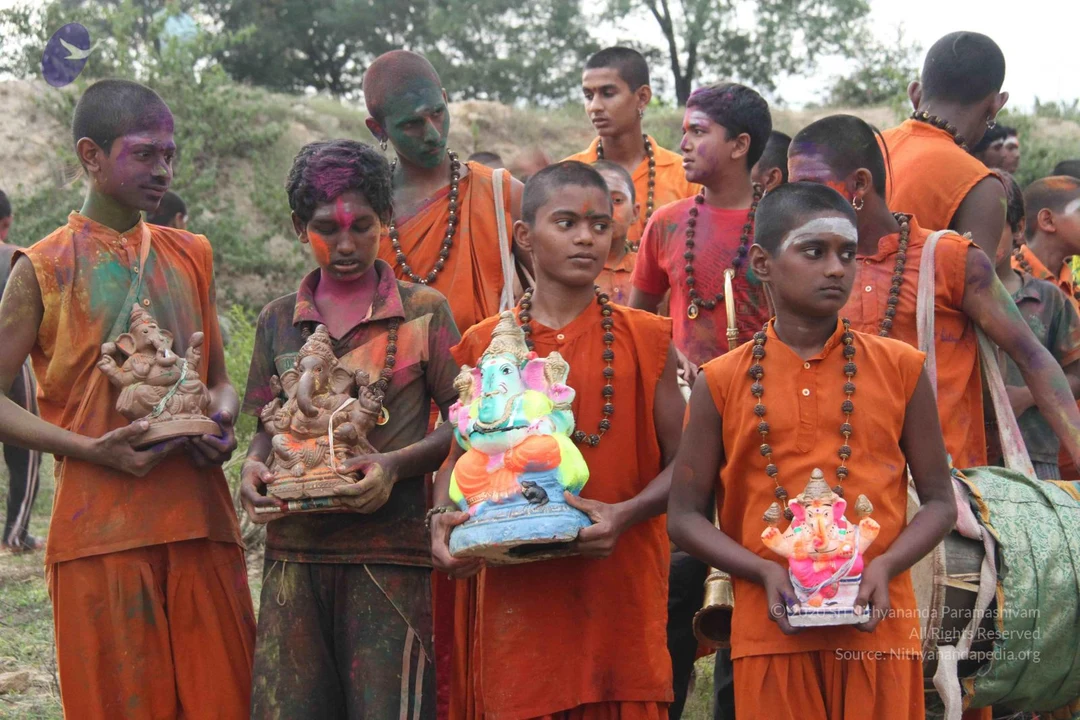
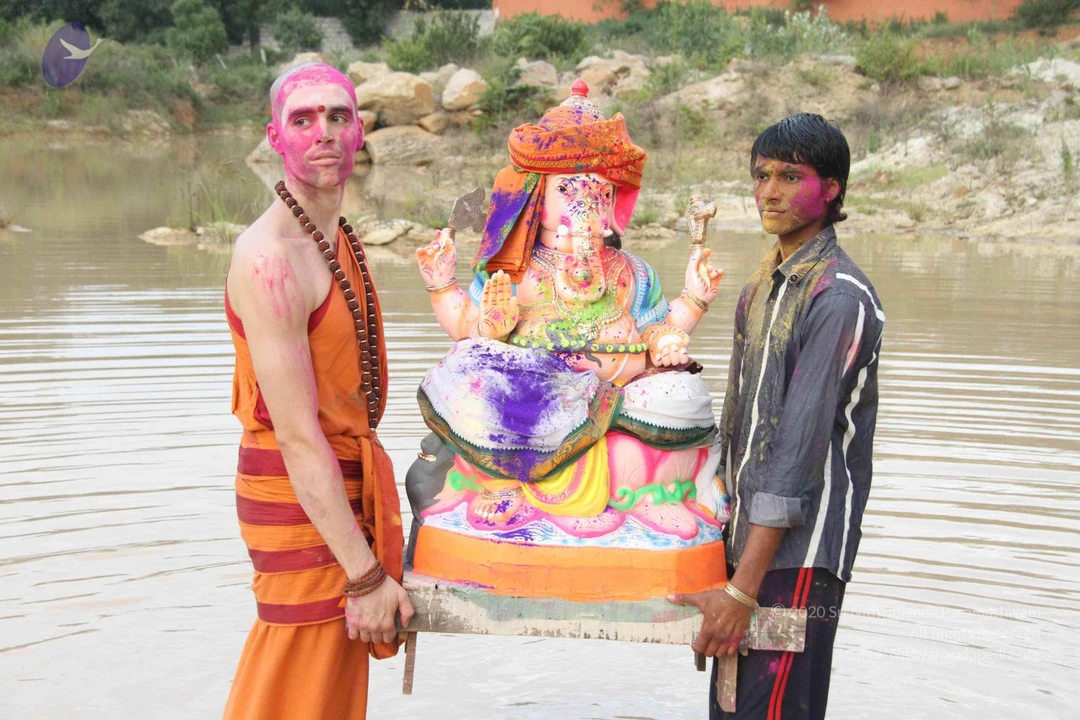
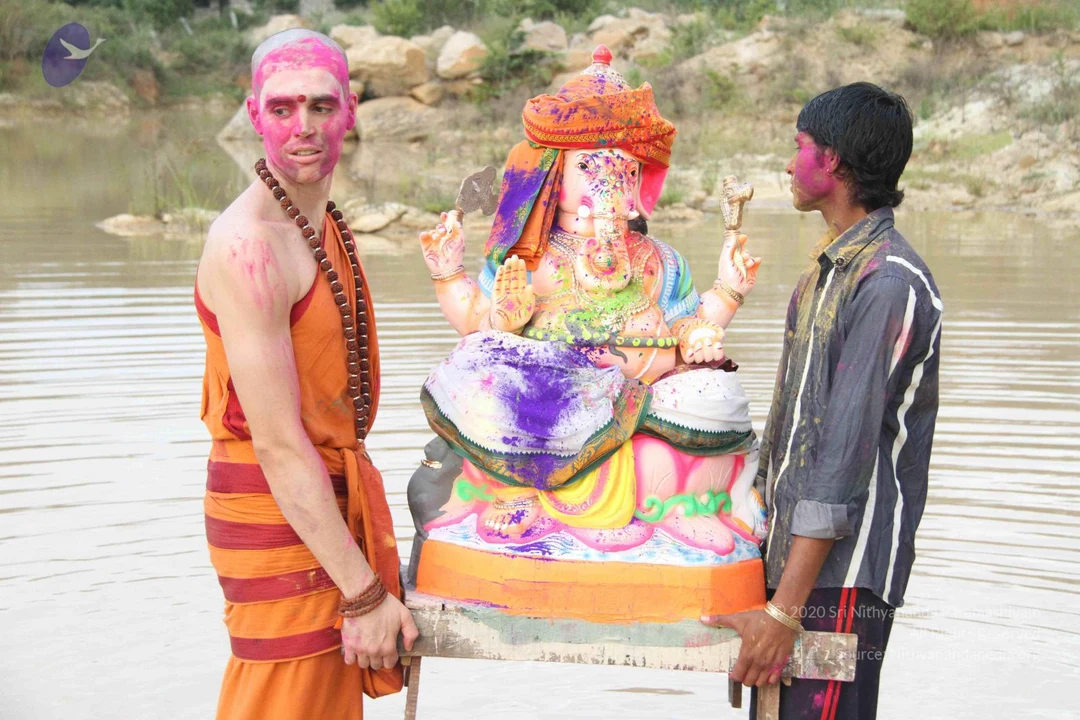
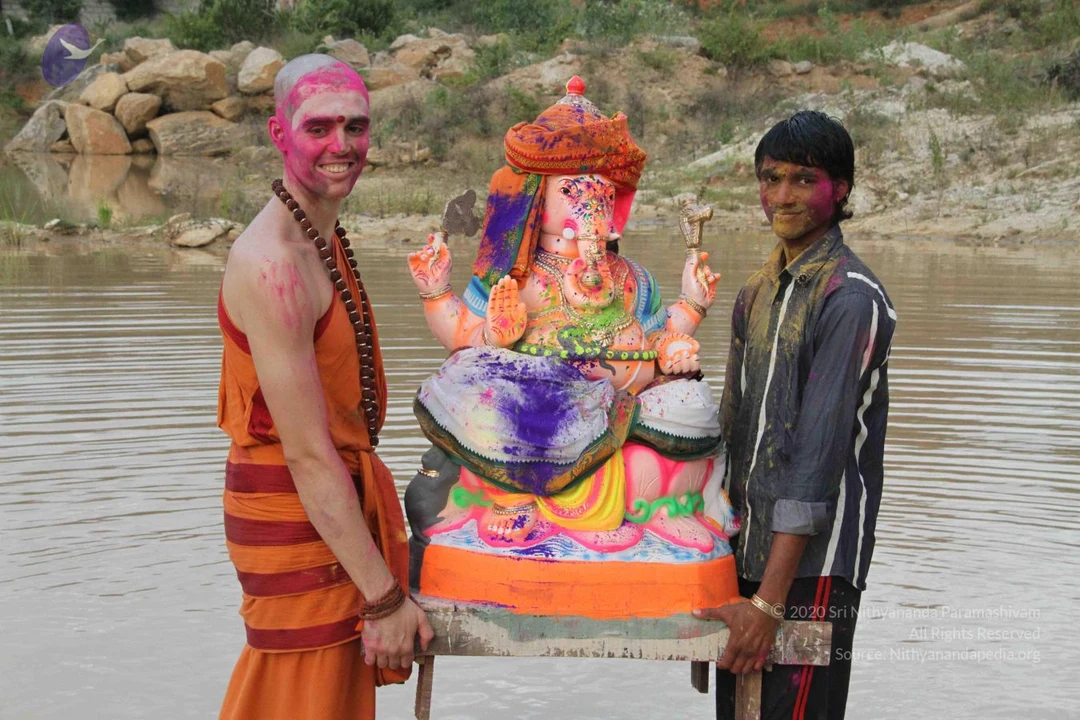
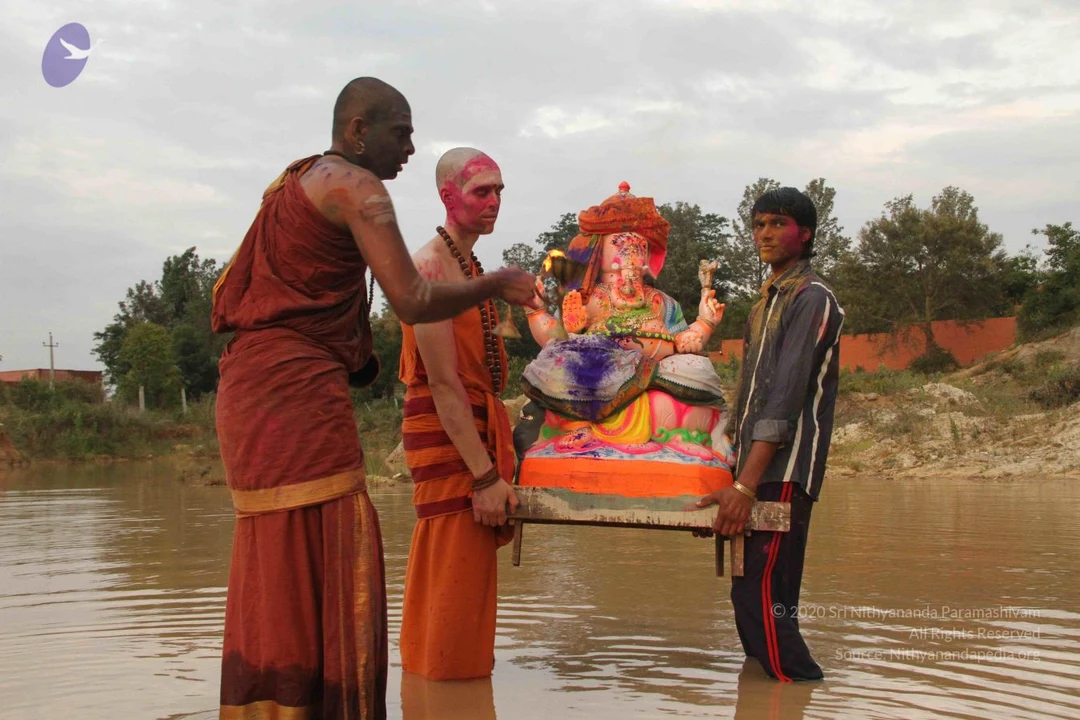
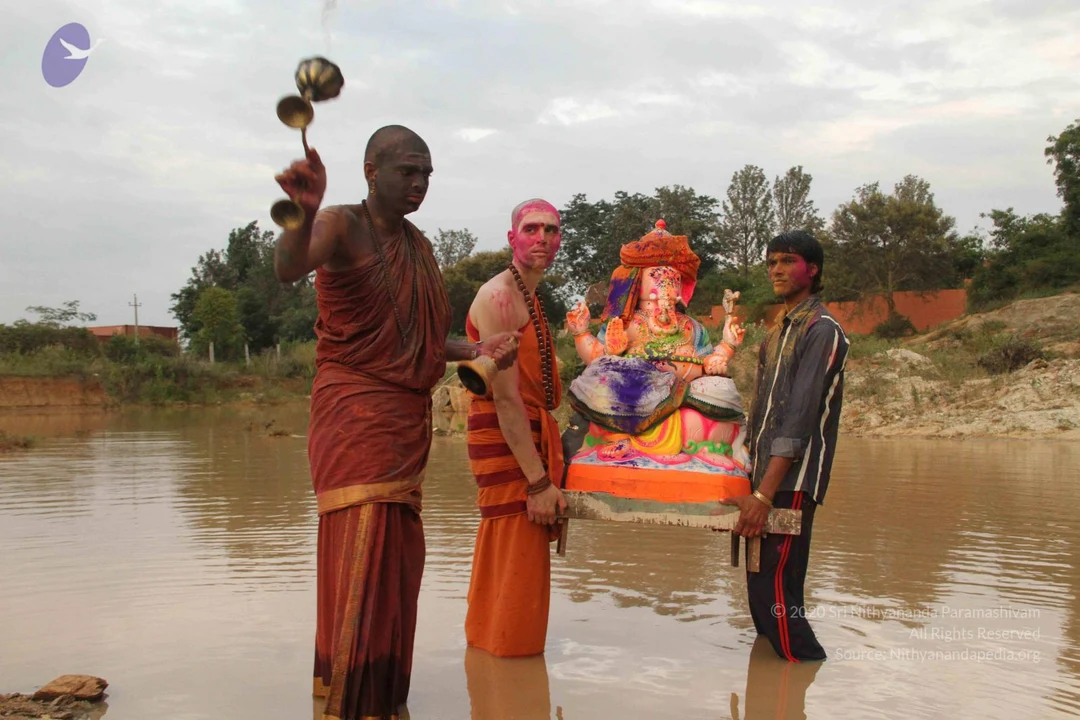
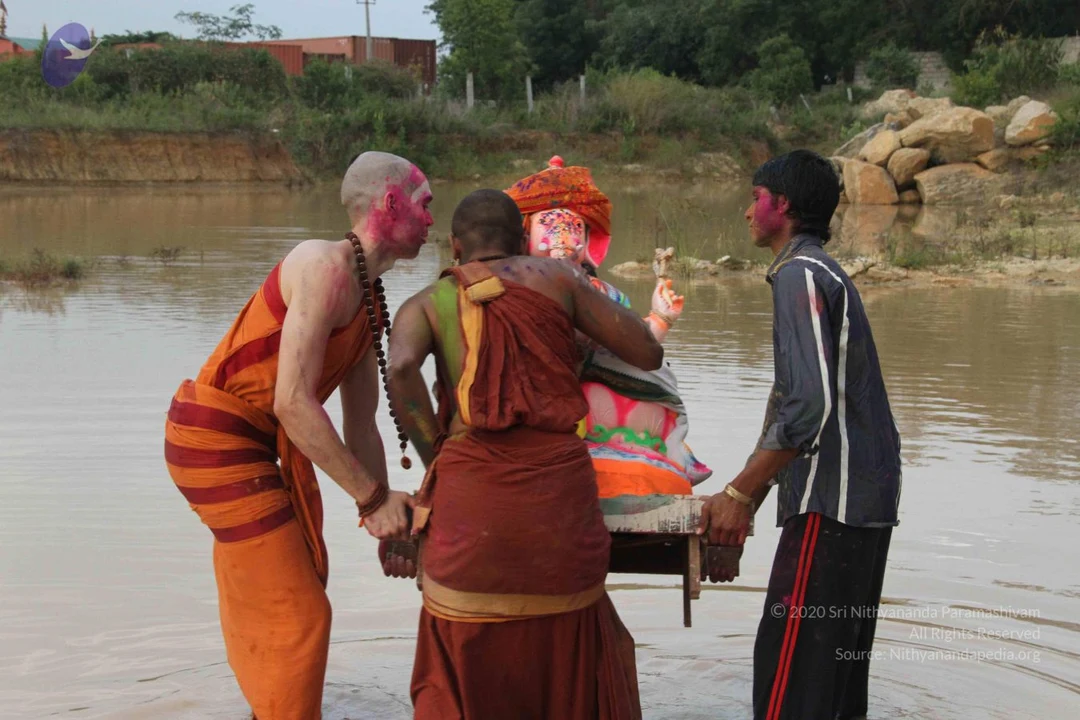
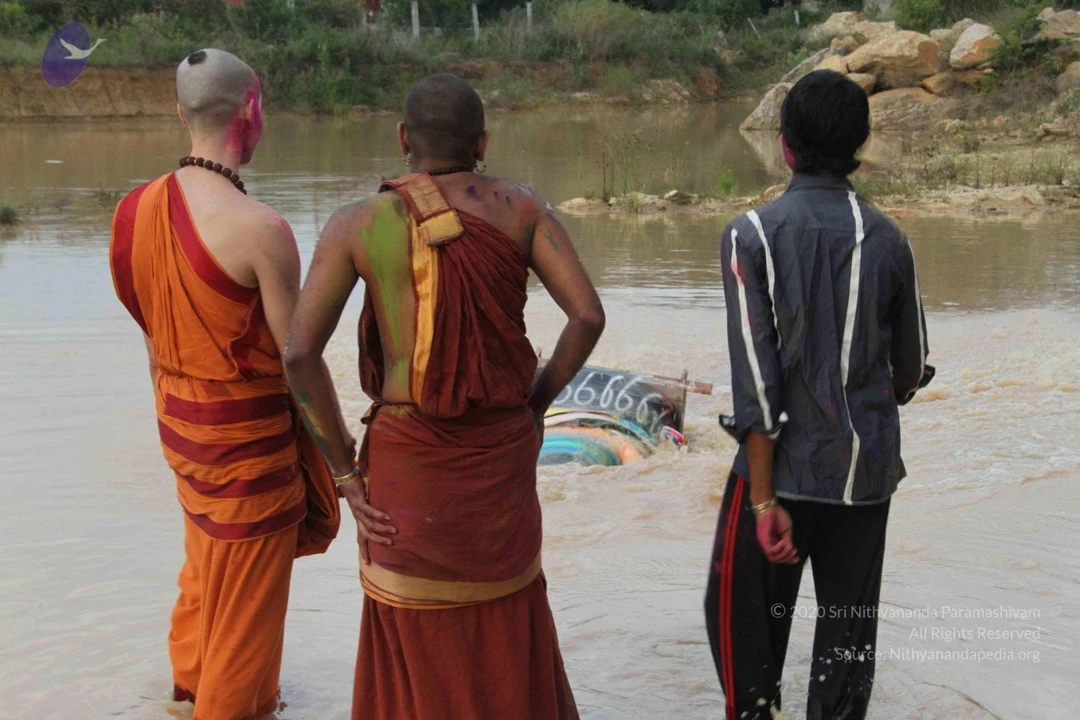
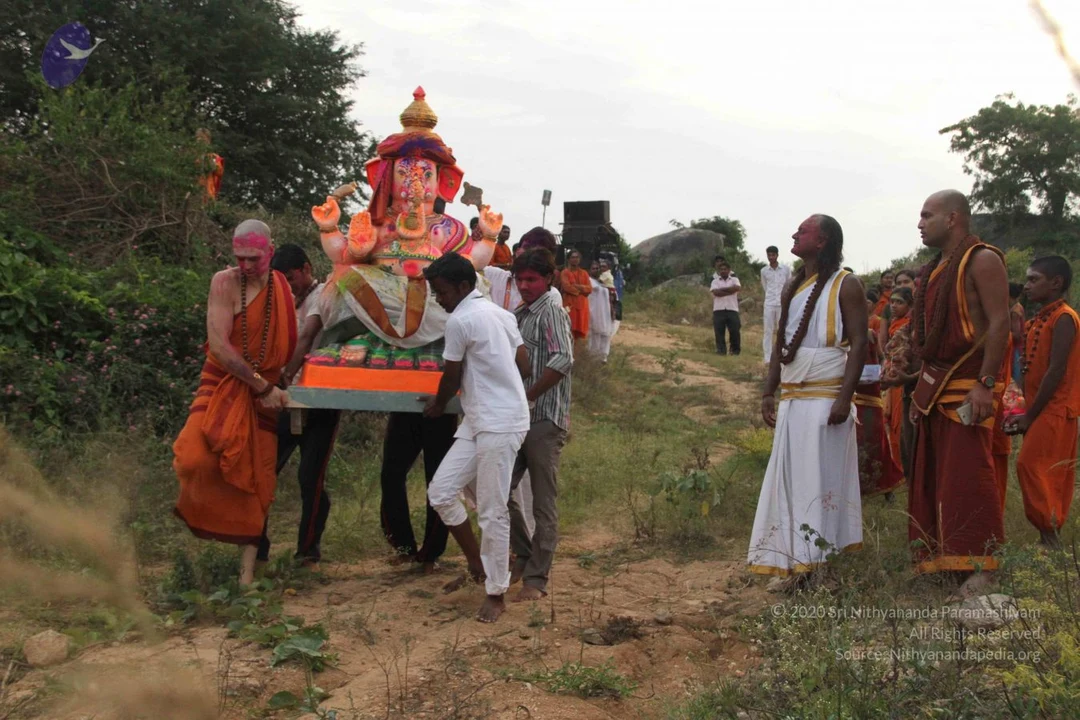
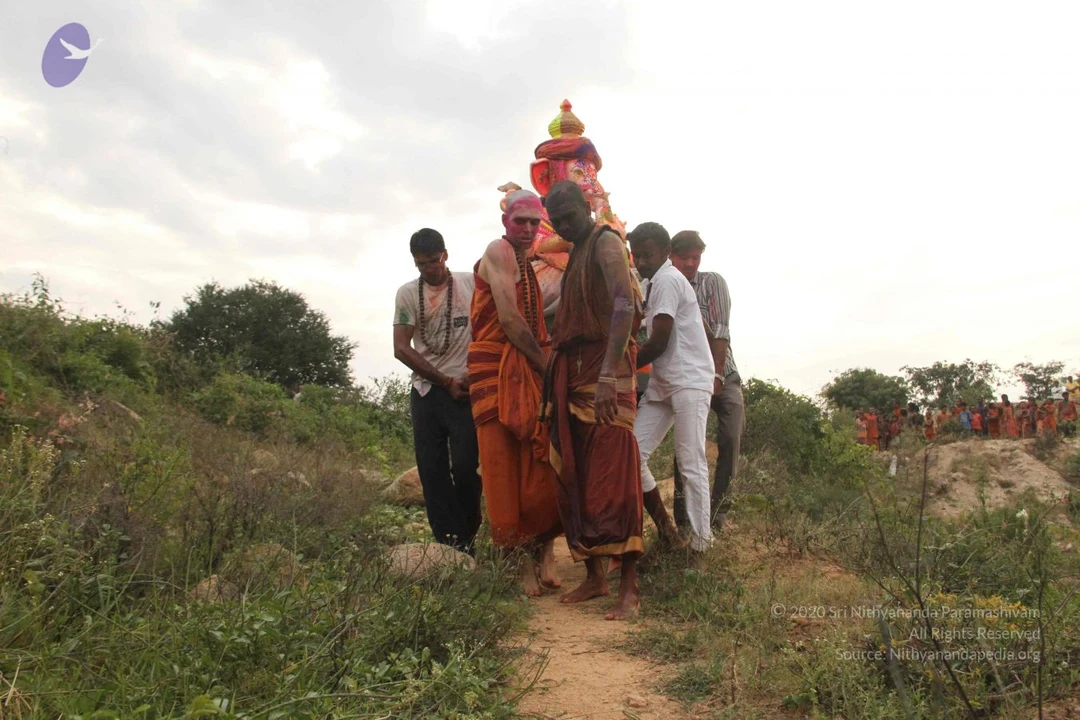
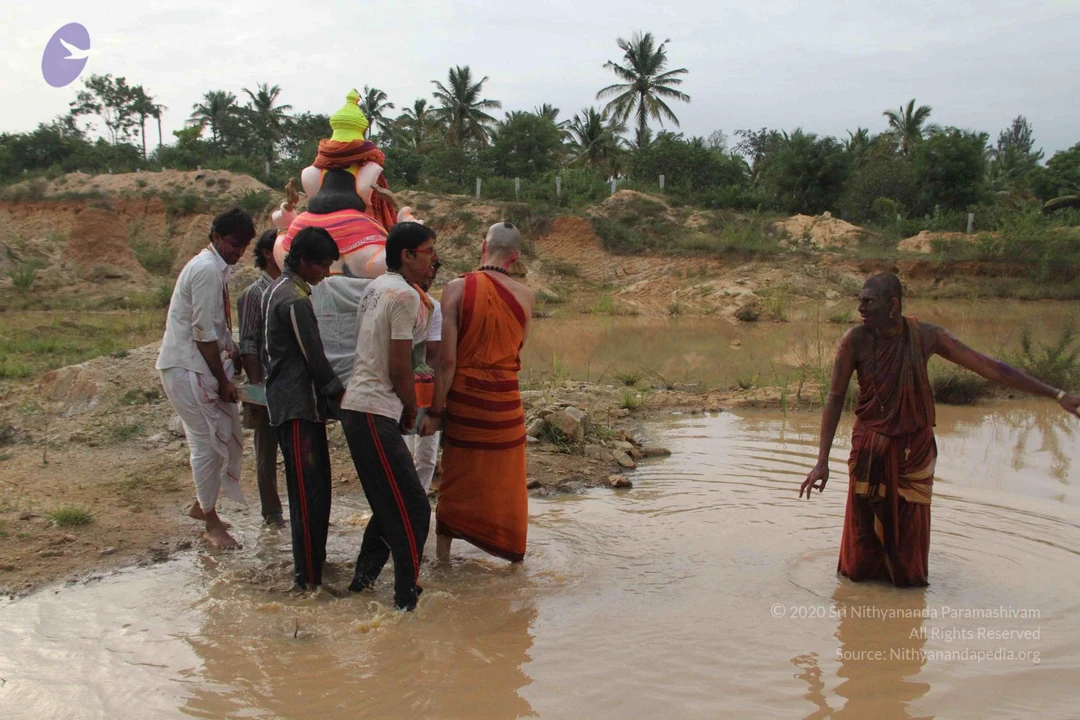
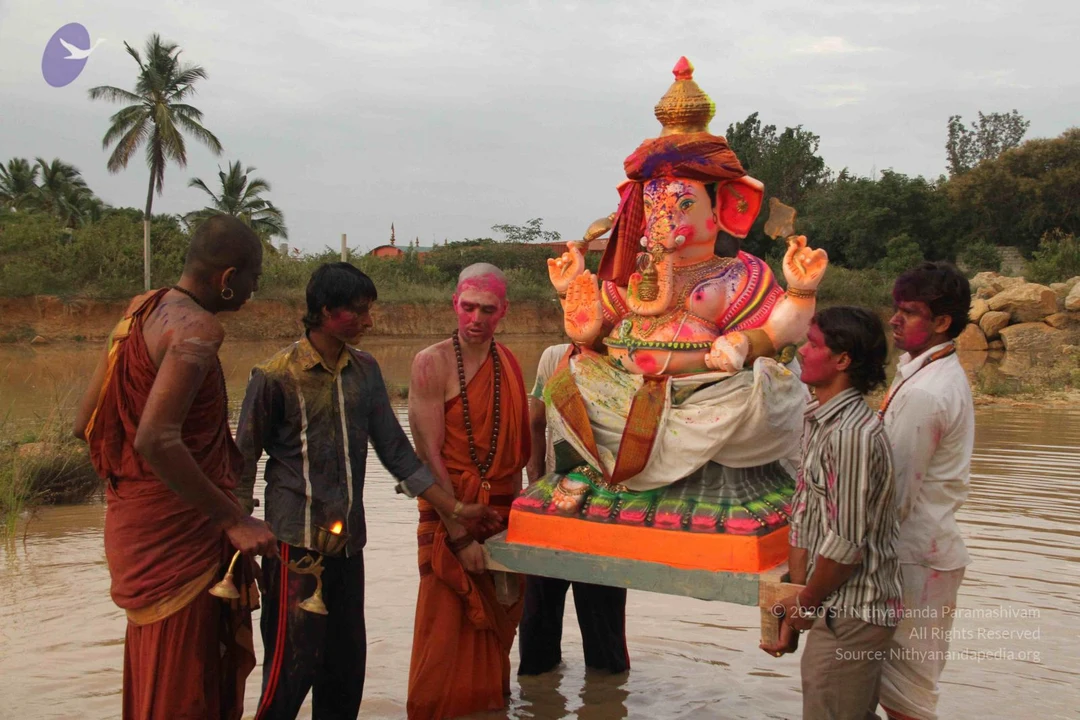
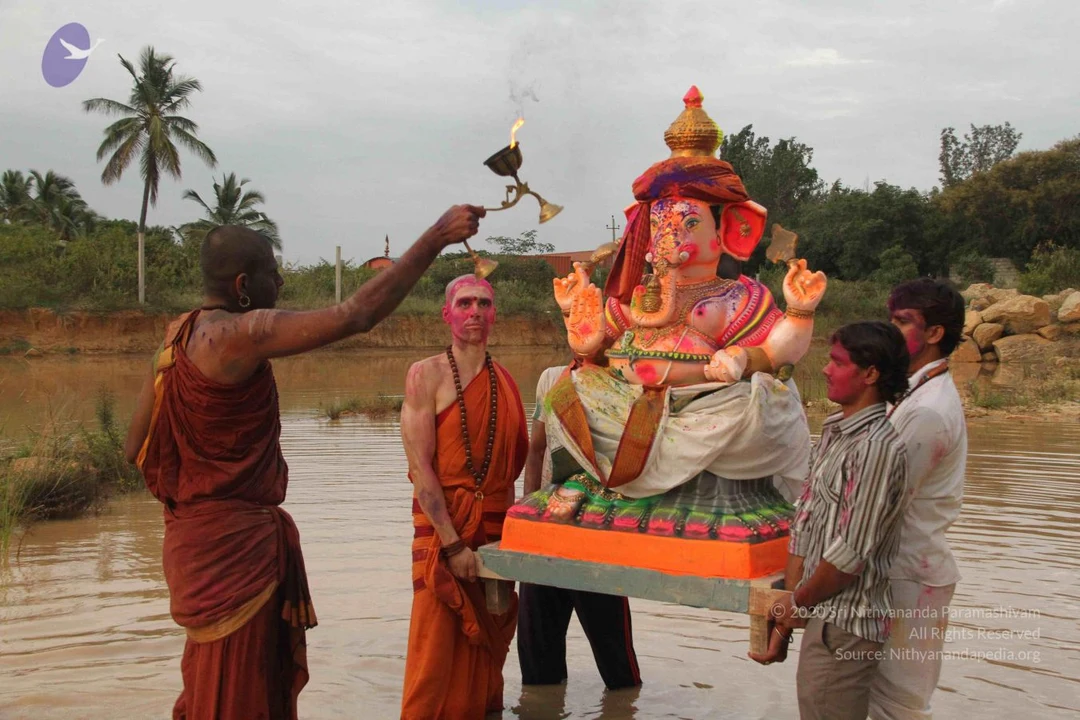
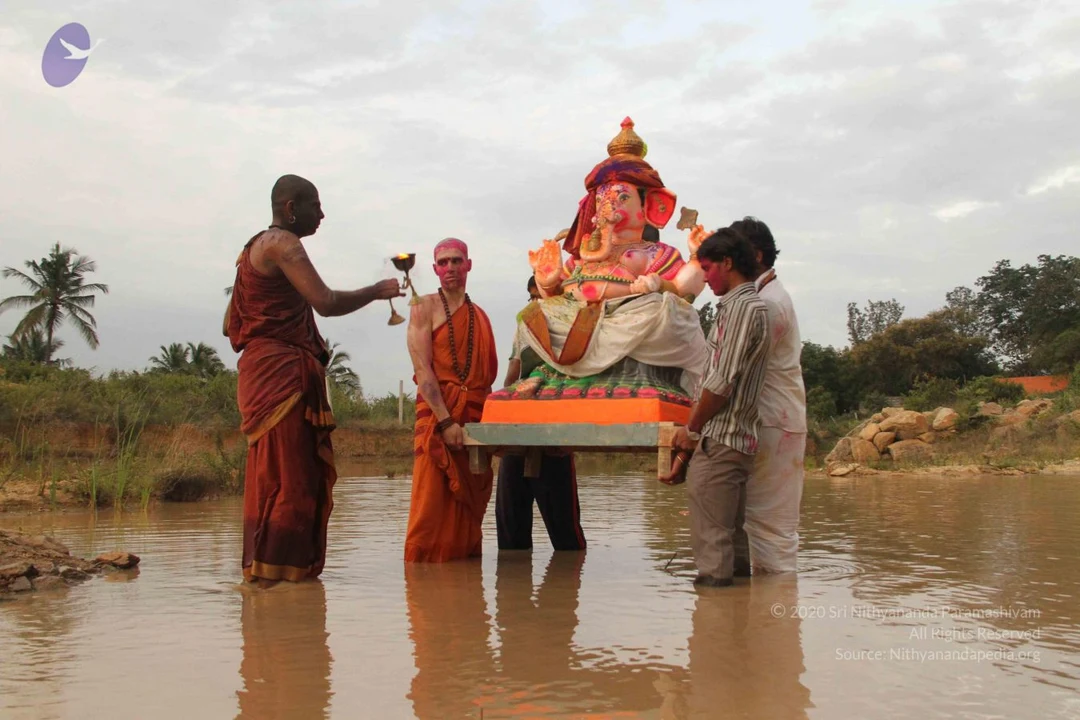
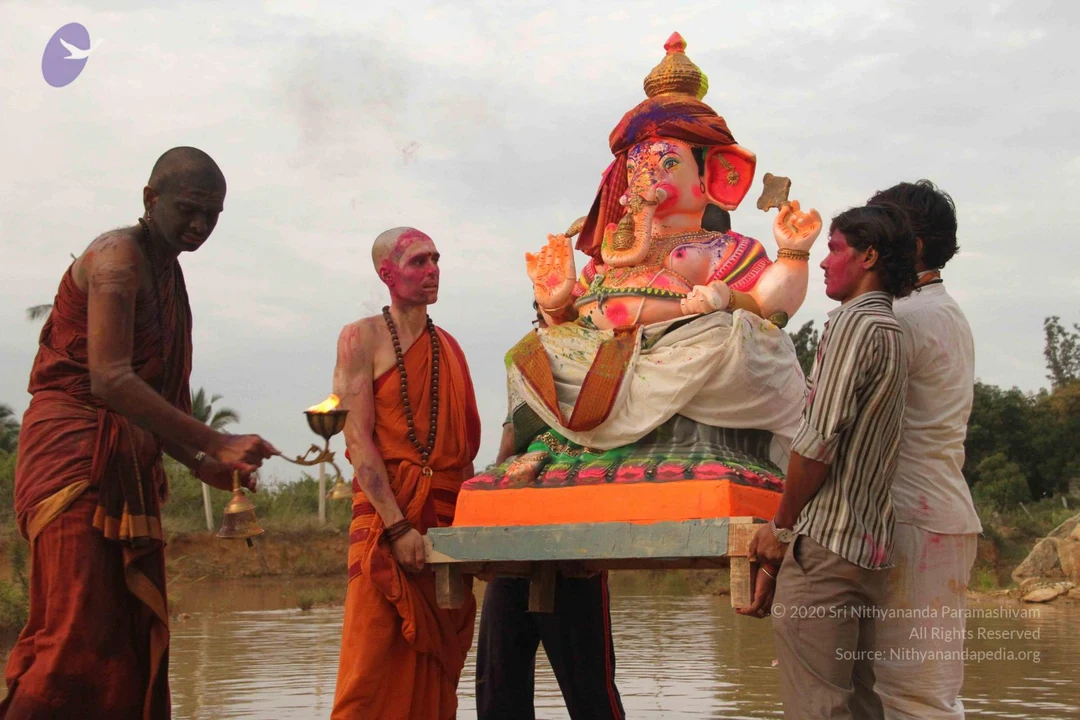
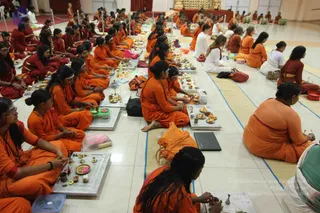
Ganesha Brahmotsavam


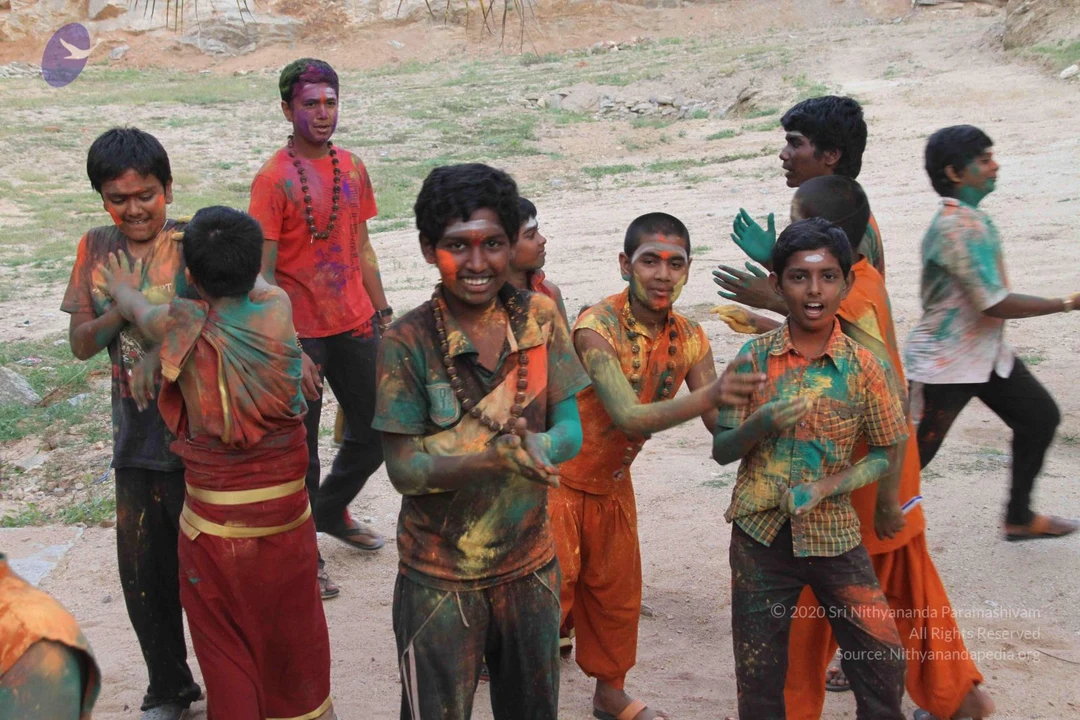
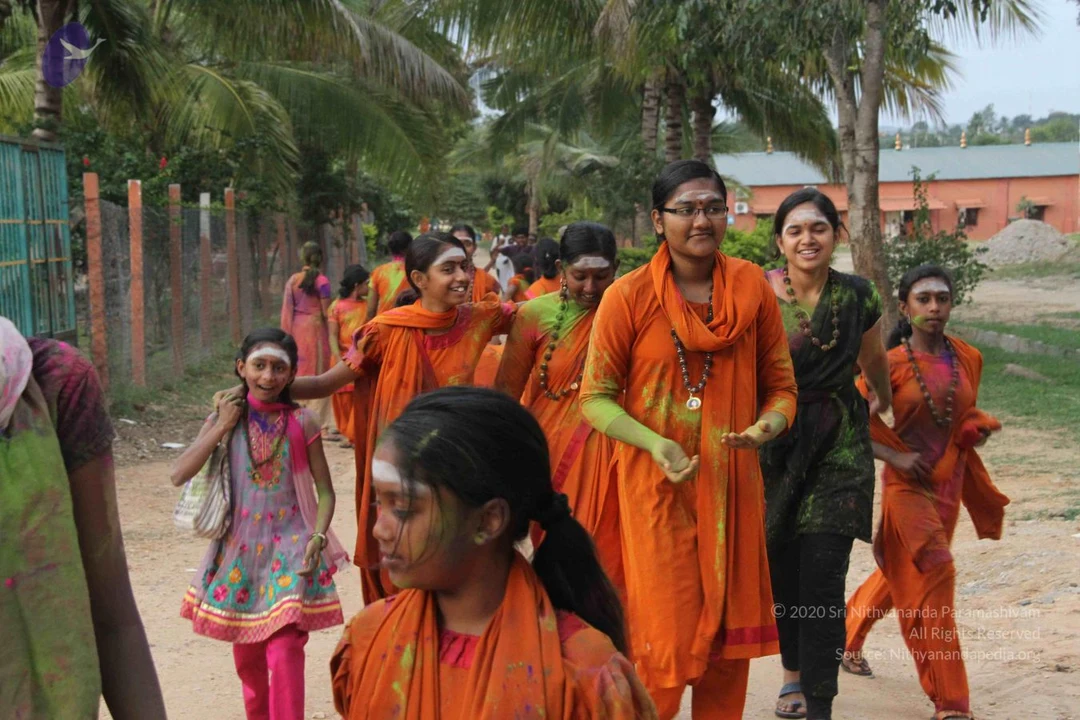
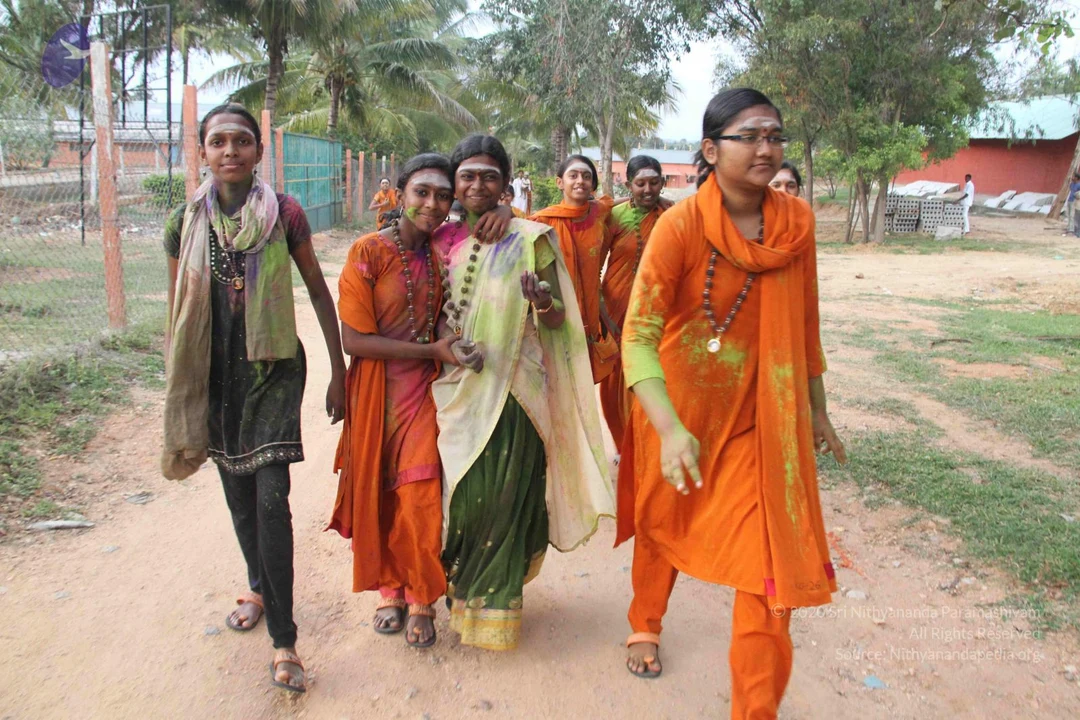
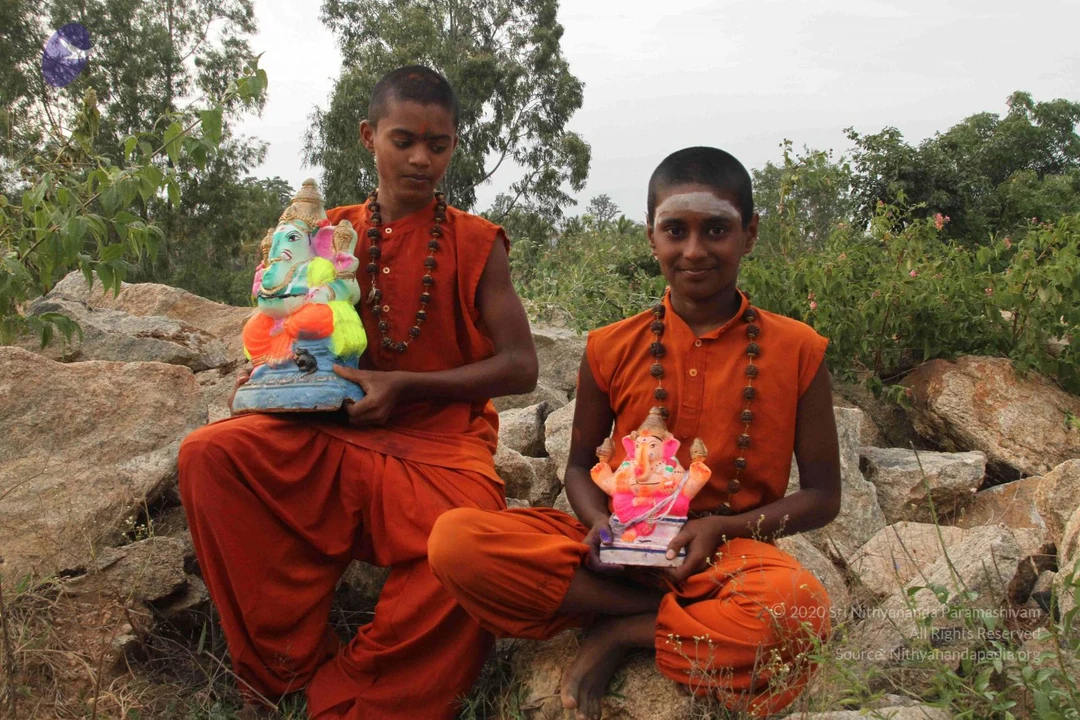


Photos Of The Day:
Photos from this day
View all 117 photosPhotos From The Day:
8 photosSource gallery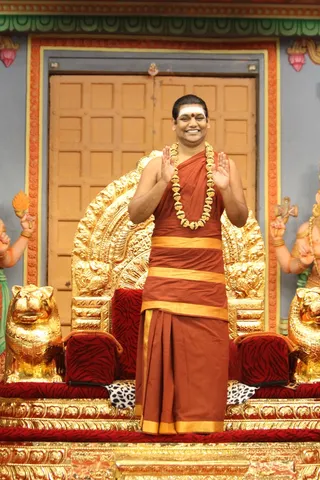
photos of the day
51 photosSource gallery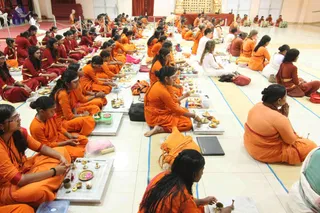
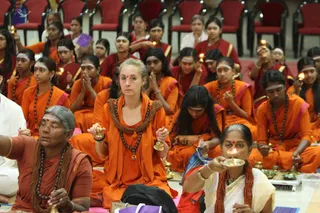
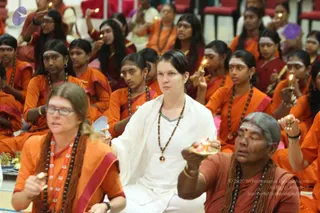
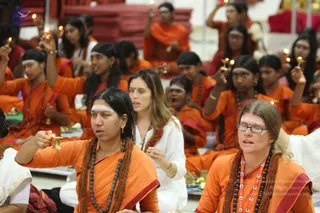
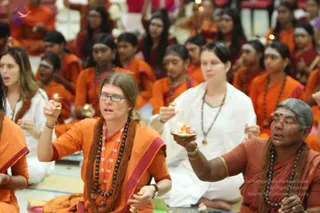
Ganesha Brahmotsavam
58 photosSource gallery