Tuesday
18 September 2012
RIGHT VISUALIZATION CAN END SUFFERING
- Dated photos
- 29
- Source pages
- 1
- Media
- 2



September 18 2012
Original wiki pageTitle:
RIGHT VISUALIZATION CAN END SUFFERING
Description:
TALKS FROM MORNING SATSANG ON SEPTEMBER 18, 2012 AT TIRUVANNAMALAI ASHRAM, INDIA Bhagavad Gita (Song of God) is a timeless treatise on the essence of living enlightenment. The Gita was imparted by the enlightened Hindu incarnation Sri Krishna to the warrior-prince Arjuna over 5000 years ago. Amazingly, the spiritual wisdom and life solutions offered in the Gita are so universal and current that even today it is used as a personal transformation guide. In today’s talk on Bhagavad Gita, chapter 6, verse 19, Paramahamsa Nithyananda (Swamiji) presents the concept of remembrance visualization. The remembrance visualization of an individual indicates the images a person sees to illustrate an idea. For example, if a person hears the word “happiness” he may think of a smiling face or a warm home – whatever makes him happy. Nithyananda tells us that if we can transform our remembrance visualization to that of the master, we can rise to his level of consciousness also. He gives us a meditation to align with Krishna’s resemblance visualization: imagining a lamp in a windless place.
Link to Video:
| Video | Audio |
Transcript:
RIGHT VISUALIZATION CAN END SUFFERING
Bhagavad Gita Chapter 6, Verse 19
18 Sep 2012
Sadaashiva samaarambhaam jnaanasambhandaachaarya madhyamaam |
Asmadaachaarya paryantaam vande guru paramparaam ||
I welcome you all with my love and respects. In Bhagavad Gita, 6th Chapter, Dhyana Yoga, 19th verse.
yathaa deepo nivaatasthaha nengate sopamaa smrutaa |
yogino yata-chittasya yunjato yoga-maat-manaha ||
The translation: The similarity of a lamp that does not get agitated in a windless place is remembered for a yogi who has subdued his thoughts, patterns and is absorbed in uniting with the Self.
Wow! Bhagawan is using an example. Similarity of a lamp that does not get agitated in a windless place is remembered for a yogi who has subdued his thought, patterns and is absorbed in a meditative state in uniting with the Self.
See, in your life, you will have something called resemblance visualization. Even if you remember a lamp, windless place, your mind settles. There are some visualizations- ‘yasya smarana maatrena jenma samsaara bandhanaat.’ Just by remembrance you are liberated. This is one of that type of visualization.
See, in your life, you will have something called resemblance visualization. Please understand, the word I am coining ‘resemblance visualization’ means when I utter the word ‘peace’ you will remember some place where you had really peace in your life. When I say violence you will remember some place which you have seen in violence in your place.
I tell you, my resemblance visualizations, some of my resemblance visualizations, I tell you. Whenever I utter the word ‘Guru Bhakthi’ my resemblance visualization will be always the Arunagiri Yogeeswara’s Samadhi and the place outside the Arunagiri Yogeeswara’s Samadhi in Arunachaleswara temple. Whenever I utter the word ‘peace’, always, in Belur Mutt Ramakrishna’s temple is there. Outside the temple on the banks of Ganges, walking. Whenever I utter the word ‘Guru Bhakthi’, this is the spot will come to my memory. (photo is shown)
Whenever I utter the word ‘peace’, the Belur Mutt temple, Sri Ramakrishna’s temple. Outside the temple in the banks of Ganges I used to walk in the evenings. That is the most peaceful moments I have experienced in my life. Sometimes I will walk more than one or two hours, I will not remember I am carrying the body. I have just disappeared into that beautiful tall temple and the flowing Ganga and that green lawn. For that one hour or two hour, I know only one thing; the temple exists, lawn exists, Ganga exists. That’s all.
Whenever I remember the power, I always remember the tip of Arunachala Hill. Whenever I remember peace, I remember only this place. (photo is shown). And whenever I remember power I remember the top, the edge of Arunachala Hill. That is the expression of the power – the big bang. When MahaDeva stood as a light shaft, the top of the Arunachala Hill. So understand, the resemblance visualizations you are carrying in your life defines the quality of life you lived.
When I utter the word ‘violence’ I remember only the holocaust museum in Washington, D.C. which I saw. Ofcourse, before I saw the museum I never used to have any resemblance visualization for violence. But when I saw that museum I really melted. That moment I took a decision. Hindus have suffered more than this. May be a million Jews were killed. But only in Kashmir more than few million Hindus have been killed, massacred. I don’t know exactly how many number of Jews have died. But I know, how many millions of Hindus have been persecuted due to their religious belief, the religious persecution. And I decided we will have Hindu holocaust museum. Anyhow, the resemblance visualization plays a major role in raising the quality of your consciousness.
Whenever I utter the word ‘controlling’ I only remember the school to which, once in a while I used to go. Because there it was too controlling. I tell you, if you want to really, really, really enjoy a Master, as Jesus says “Drink the Master”, you need to understand His resemblance visualizations. That is why I always try to bring all the devotees, disciples to Tiruvannamalai to take them around. Go around and see. Then you will easily catch my resemblance visualizations.
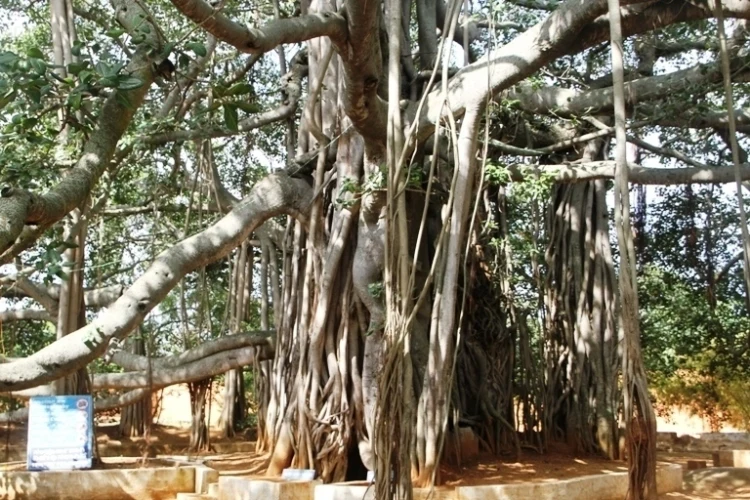
I can give you a specific example. We have a lamp in the Banyan tree inside the cave. It is a windless spot and completely protected. How stable that lamp is! Meditate on that. Today a sacred secret I revealed is a very important thing, ‘resemblance visualization’; it is actually a separate philosophy. Your resemblance visualizations are responsible for your emotions – your anger, peace, joy, politeness, softness, enlightenment or endarkenment, ignorance – for everything your resemblance visualizations are responsible.
Transform your resemblance visualizations to the Master’s resemblance visualizations. Your quality of consciousness will become Master’s. It is possible to transform because I did not have any resemblance visualizations for violence. Just few years before when I saw the holocaust museum in Washington, D.C. it has made such a deep impact on me, I picked up that as the resemblance visualization for the idea ‘violence’. This proves your resemblance visualizations can be developed. So develop your resemblance visualizations to that of Master’s resemblance visualizations. Then the quality of consciousness you carry will be transformed that of the Master’s resemblance visualizations and Master’s consciousness. Not only resemblance visualizations; how many times, what kind of resemblance visualizations are repeated in your system. In my system, whole day only the power, peace, bliss, Guru bhakthi – these kind of resemblance visualizations are getting repeated.
My inner most space is in complete Nirvikalpa. Sadaa Samadhi. There is nothing happens there. But the space with which I relate with you all, operate with you all, in that, the resemblance visualizations are always of this high consciousness, Mahadeva’s, Sadashiva’s. So when you imbibe same resemblance visualizations, same number of times repeating, your consciousness also raises to the level of Sadashiva, Mahadeva.
Resemblance visualizations are realizations. When you align yourself to the resemblance visualizations, you realize.
Photos From The Day:
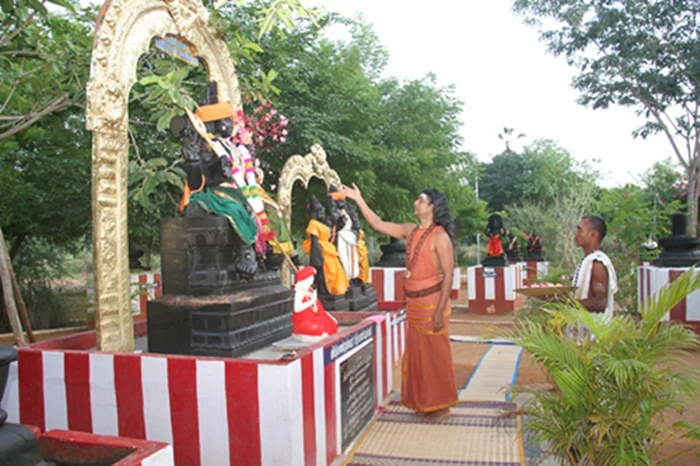
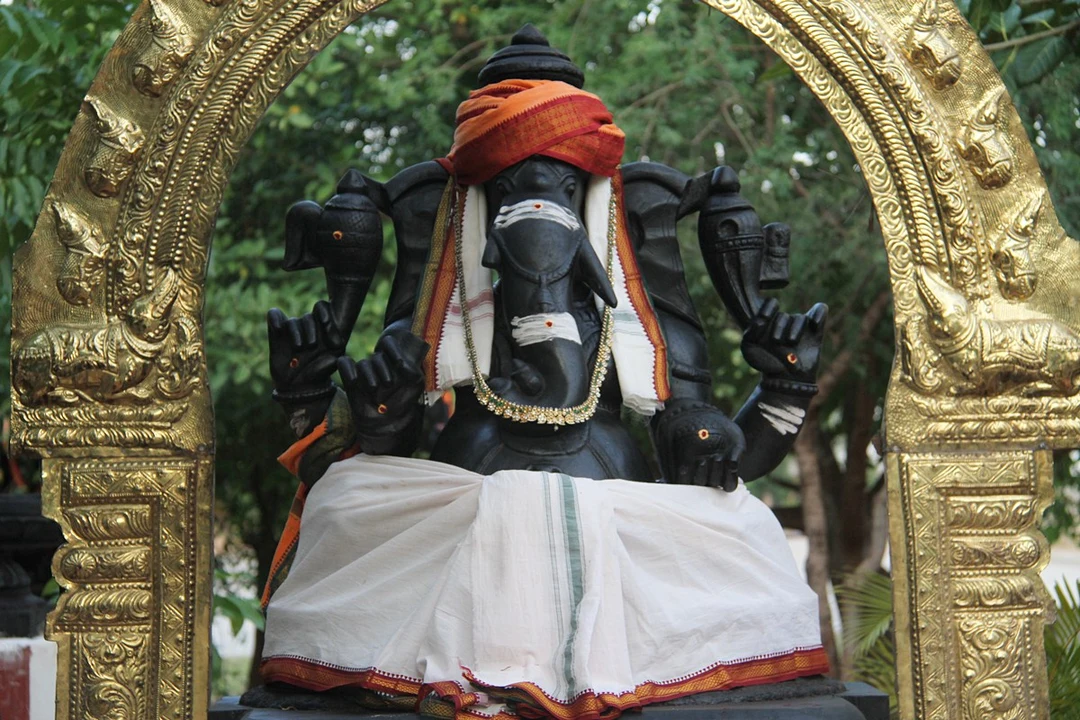
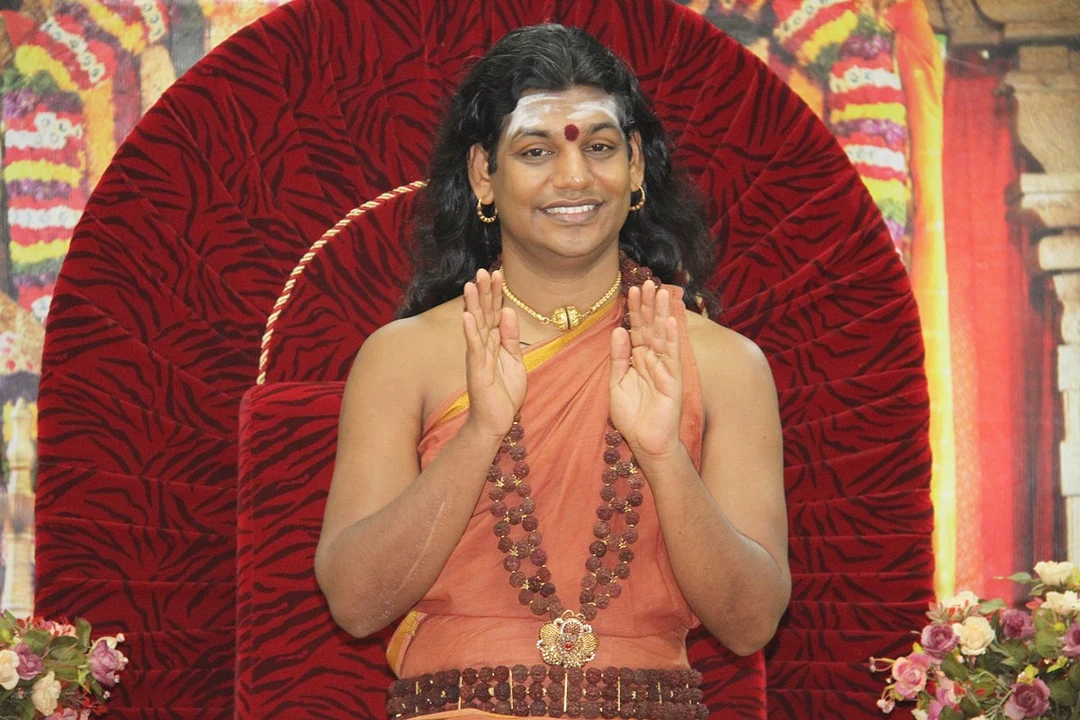
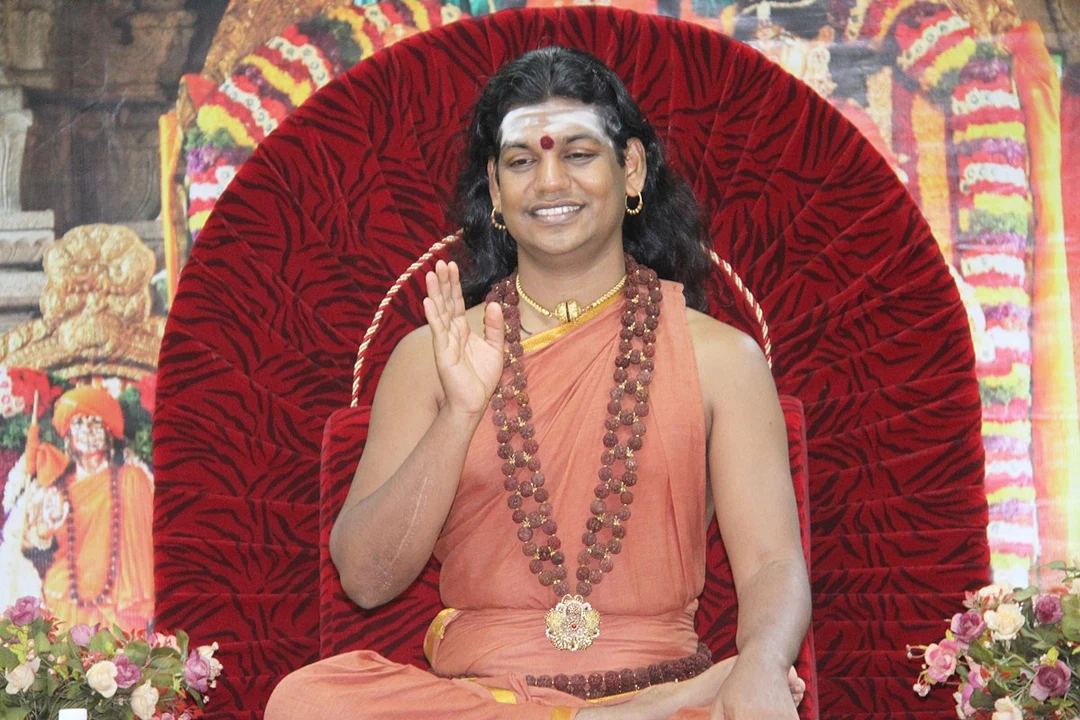
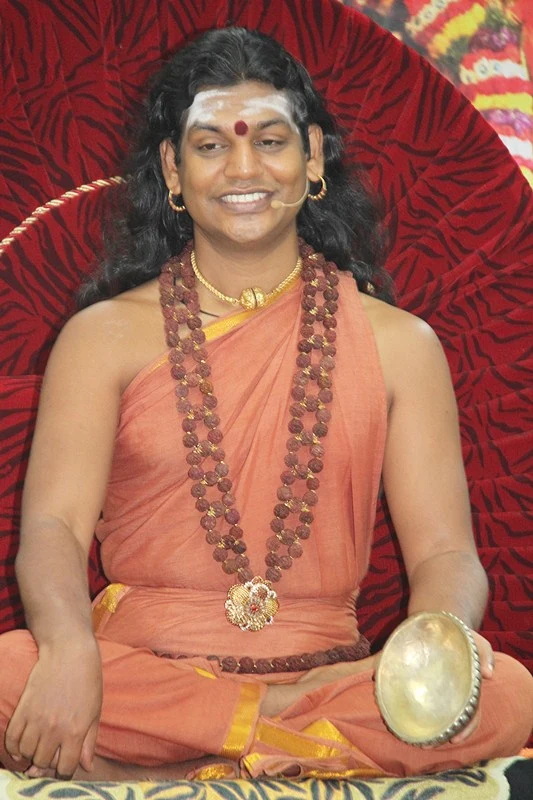
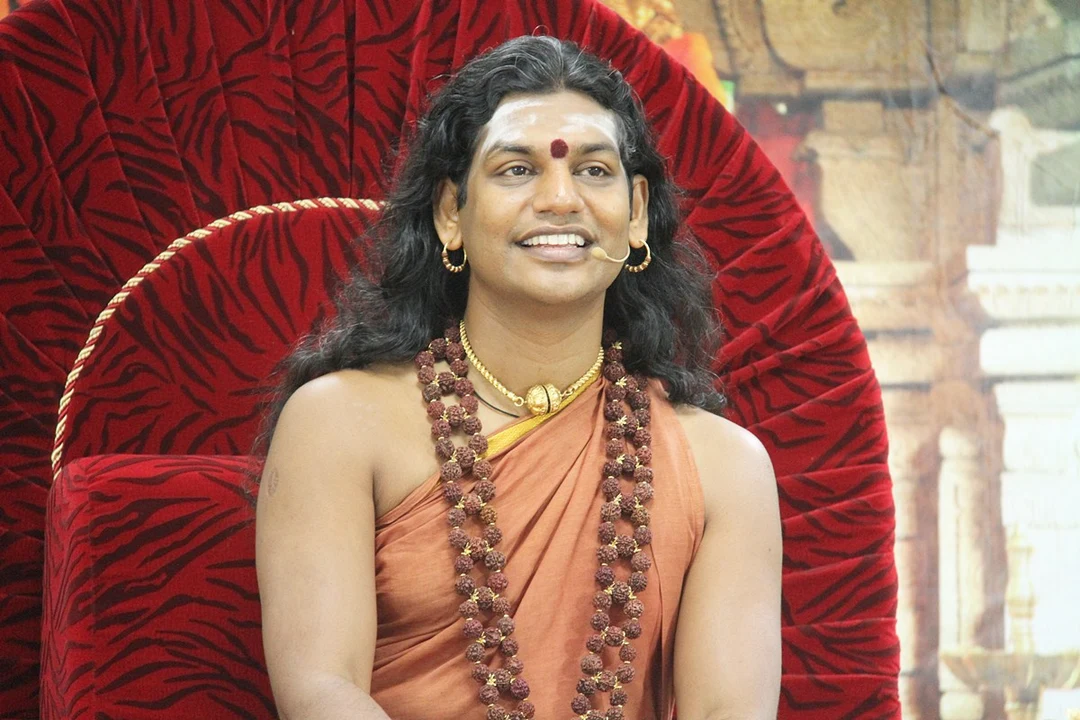
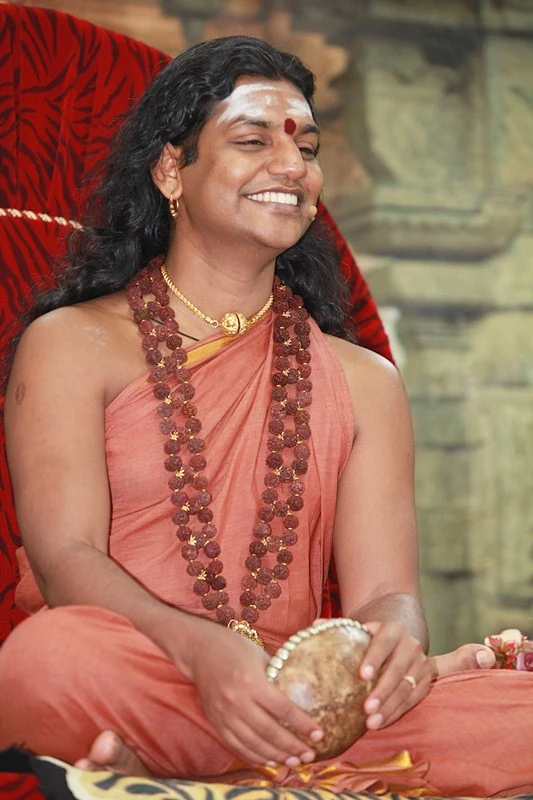
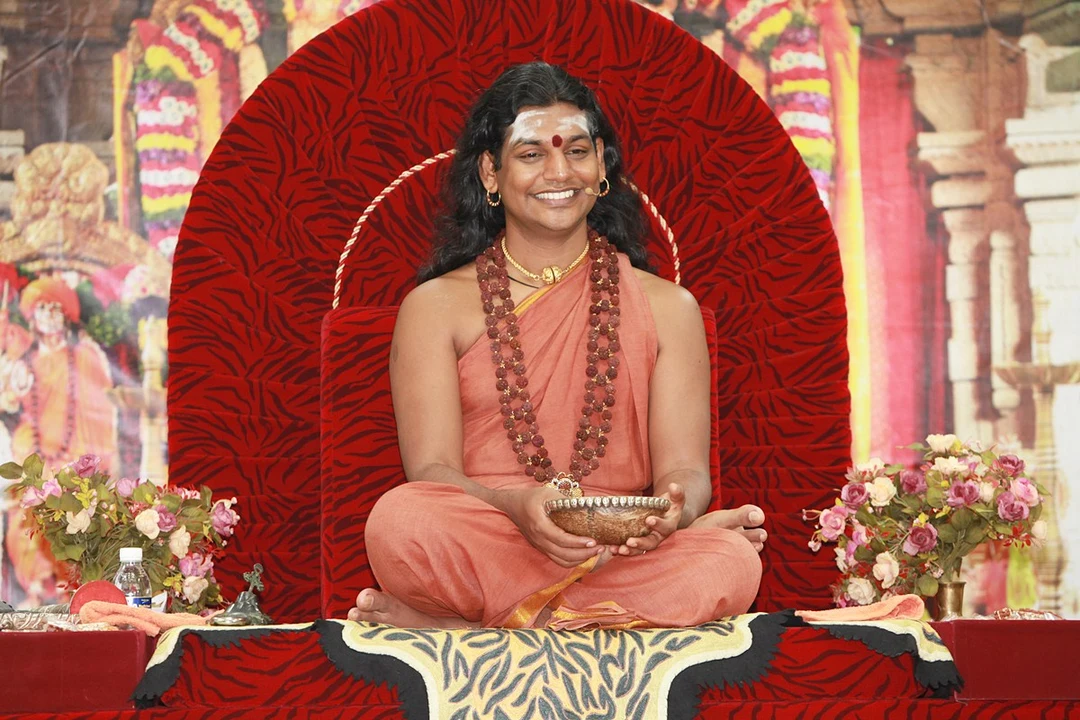
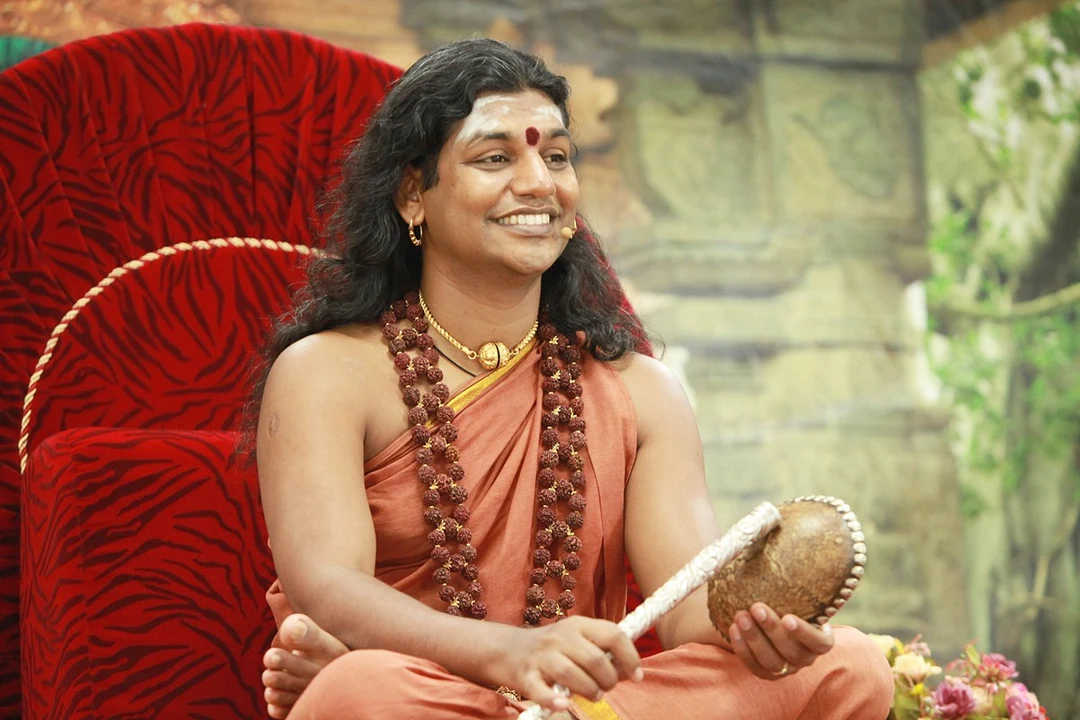
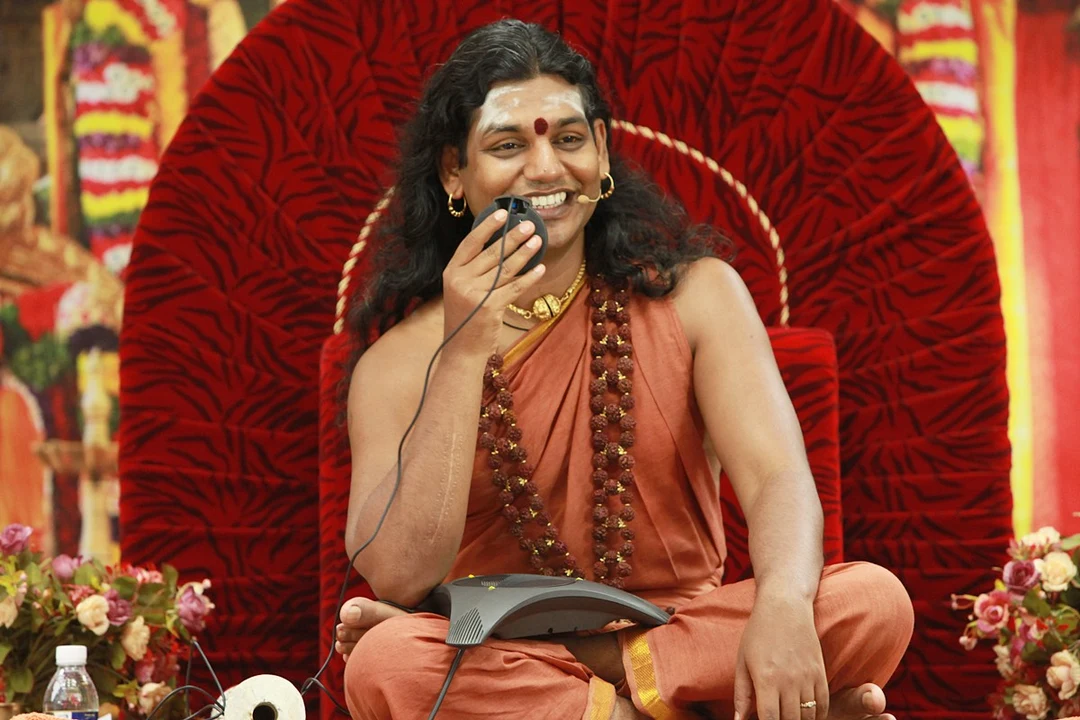
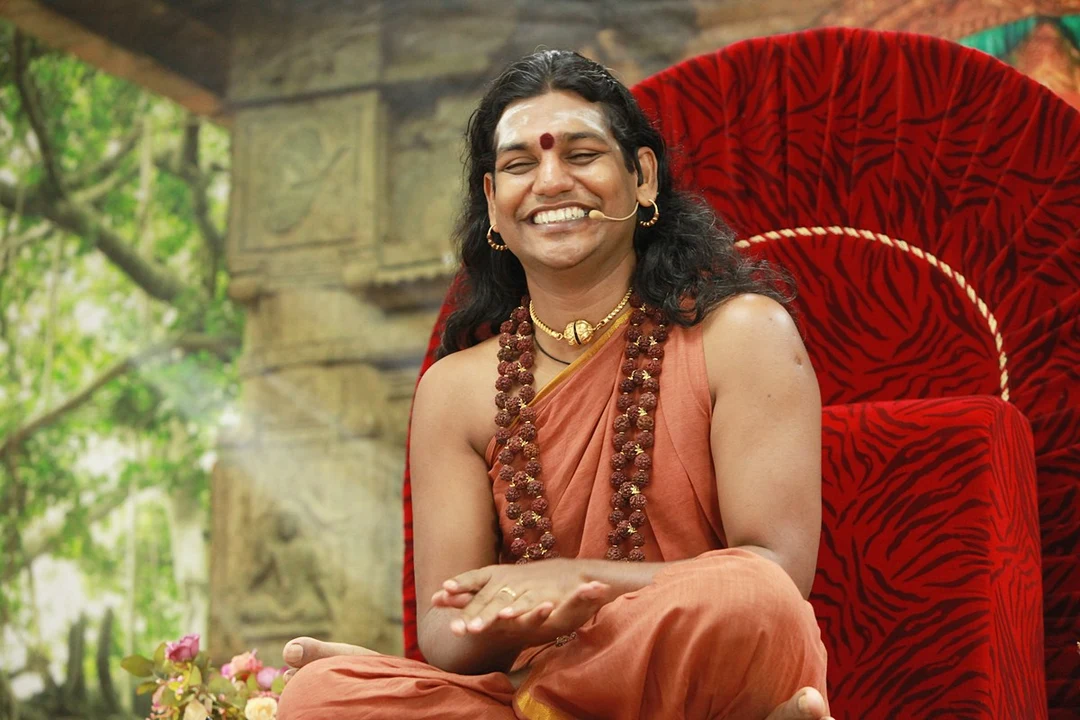
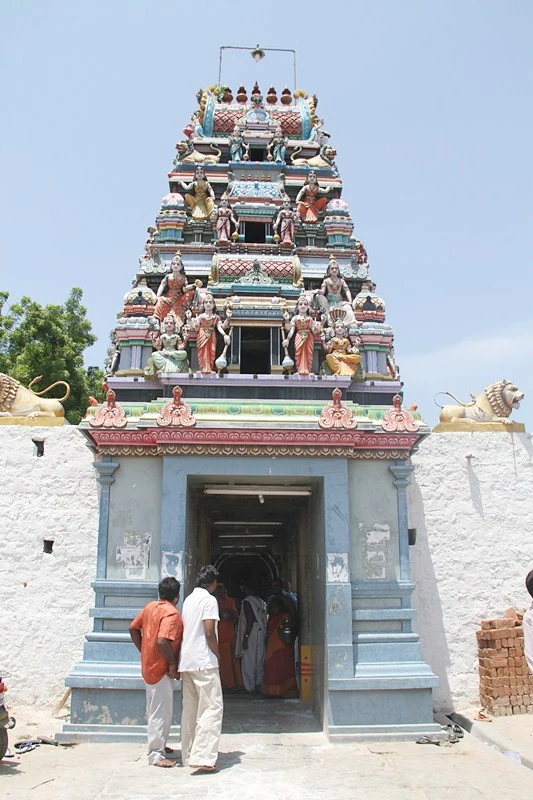
Tags:
Paramahamsa Nithyananda, concept, individual, idea, happiness, smiling, face, home, transform, consciousness, meditation.
Photos Of The Day:

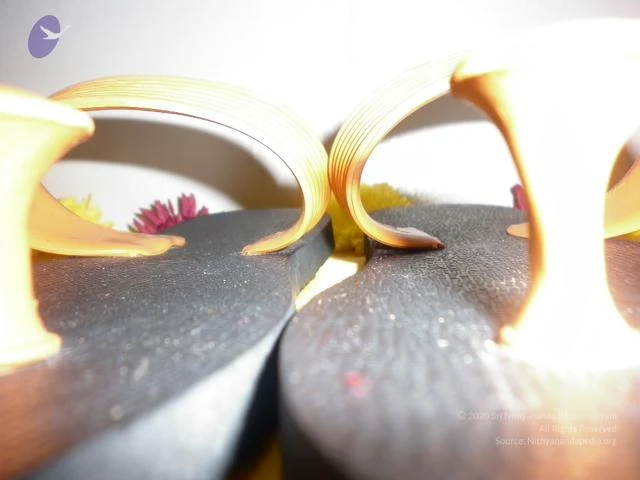
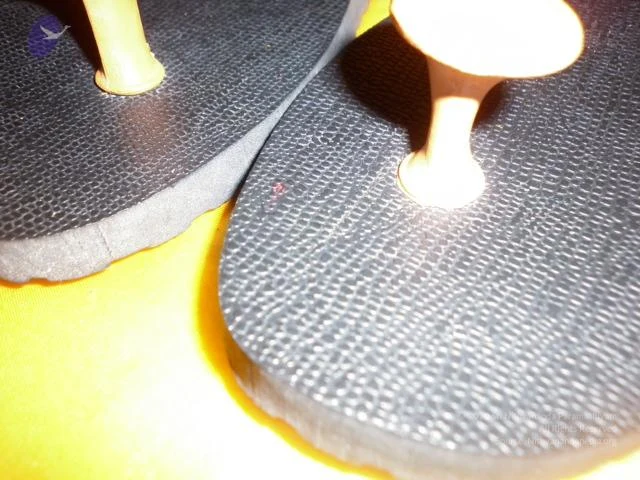

Footprints of Karuppar at Malaysia



Photos from this day
View all 29 photosPhotos From The Day:
22 photosSource gallery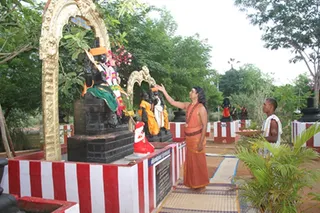
Photos Of The Day:
4 photosSource gallery


Photos Of The Day:
3 photosSource gallery