Monday
17 September 2012
Catch The Source Of Your Thoughts
- Dated photos
- 664
- Source pages
- 1
- Media
- 8

September 17 2012
Original wiki pageTitle:
Catch The Source Of Your Thoughts
Link to Video:
TALKS FROM MORNING SATSANG ON SEPTEMBER 17, 2012 AT TIRUVANNAMALAI ASHRAM, INDIA
Bhagavad Gita (Song of God) is a timeless treatise on the essence of living enlightenment. The Gita was imparted by the enlightened Hindu incarnation Sri Krishna to the warrior-prince Arjuna over 5000 years ago. Amazingly, the spiritual wisdom and life solutions offered in the Gita are so universal and current that even today it is used as a personal transformation guide. In today's talk on Bhagavad Gita, chapter 6, verse 18, Paramahamsa Nithyananda (Swamiji) gives us a technique to identify our prarabdha karma. Prarabdha is the portion of our karma which we chose to balance during this lifetime. Nithyananda instructs us to meditate on the gap between each of our thoughts. Within that gap lies the emotion which generated the thought. When we identify the emotion, we can fulfill the karma associated with it. For example, if we long for some experience, is the longing generated by desire, fear, or the wish to help others? Understanding what motivates us makes it possible to act accordingly: renounce desire, transcend fear, or fulfill our wish to help humanity.
| Video | Audio |
Link to Video:
Nithyananda On Devotion In Ramakrishna Mission TALKS FROM MORNING SATSANG ON SEPTEMBER 17, 2012 IN TIRUVANNAMALAI ASHRAM, INDIA
In today's satsang, Paramahamsa Nithyananda (Swamiji) relates his experience as a brahmachari in Ramakrishna Math. He recounts his duty of milking the cow for the morning pooja to Sri Ramakrishna, and of the devotion and self-discipline that arose within him as a result of this practice.
| Video | Audio |
Link to Video
Nithyananda Ramana Maharshi Is My First Love TALKS FROM MORNING SATSANG ON SPETMBER 17, 2012 AT TIRUVANNAMALAI ASHRAM, INDIA
In today's satsang, Paramahamsa Nithyananda (Swamiji) describes his boyhood worship of the great saint Ramana Maharshi. Maharshi lived in Nithyananda's home town, and the boy had his darshan a number of times.
| Video | Audio |
Link to Video
ADVANTAGES OF INDIAN GURUKUL EDUCATION NITHYANANDA TALKS FROM MORNING SATSANG ON SEPTEMBER 17, 2012 AT TIRUVANNAMALAI ASHRAM, INDIA
In today's morning satsang, Paramahamsa Nithyananda (Swamiji) describes the benefits for children of receiving an education rooted in the wisdom of the Vedic tradition. In the Gurukul, students learn to identify their prarabhda karma: the purpose for which they took their present birth. Once they understand what they need to learn and accomplish, they can proceed through life with confidence and success. Without knowing one's prarabhda, life becomes confused and meaningless.
| Video | Audio |
Transcript:
CATCH THE SOURCE OF YOUR THOUGHTS!
Bhagavad Gita Chapter 6, verse 18
17 Sep 2012
yadaa viniyatam cittam aatmanye-vaava-tishtate |
nisspruhas-sarva-kaamebhyaha yukta ityuch-yate tadaa ||
When one has restrained the thought patterns and is free from the longing for all desires and remains absorbed in oneself, then he is experiencing the higher consciousness.
I tell you, every human being has to spend little time in experiencing higher consciousness especially before entering into the life, before 21. Even incarnations, see the life of Parasurama, see the life of Sri Krishna, see the life of Rama, Rama goes to Vashishta and learns Yogavaashishtam. Parasurama goes to Dattaatreya and learns the science of enlightenment. Krishna goes to Shandipa, learns the science of enlightenment. We have a unfortunate misunderstanding and fear, if our kids go to gurukkul and learn the science of enlightenment, they may just become sanyasis. Move out of life. No. Krishna did not move out of life. Rama did not move out of life. Parasurama did not move out of life. Parasurama was killing people left and right. Rama was ruling the country and what all Krishna did you know. None of them became sanyasis. Gurukkul is not a place where you are asked to move out of life. You are sharpened, prepared to move into the life. To catch your prarabdha.
Understand this small story:
One person had his computer, loaded various softwares, photoshop, windows, so many. He locked his house and went away for a trip, came back after two years. Unfortunately he forgot what all software he has in his computer. He got his computer back but he doesn’t know what all softwares he has downloaded. He is trying to do different activities which he can’t do the software which he has already downloaded. If he is trying to do a different activity other than the softwares available, he will never be successful. He can break his head and break his computer, break his keyboard, break his hard disk, break his mother board, break his computer table, break the house itself, but he can’t be successful. You need to know, he needs to remember the softwares available in his computer. Only then he can do whatever activities he wants to. Only then he can even plan to download the softwares which does not have.
I tell you, your body is your computer. Your long trip is your death and new birth. Your softwares are prarabdha. If you don’t know your prarabdha you can neither achieve nor plan for your further future. You may be trying so many things. Nothing, nothing works out. I tell you, without the knowledge of prarabdha anything you try will never work out, sometimes it may work out like an accident not as a fulfillment. So, learning the science of the softwares available and learning to download the softwares from the internet, learning to upgrade yourself is what is usually done in gurukkuls. When you come back from the long trip, first your guru does is making you understand your prarabdha, the softwares which already exists in your computer. Then teaching you the science of downloading new softwares required to fulfill your life. If you want to do something new, the next upgrading your old softwares and finally supporting you to fulfill your prarabdha. Just like Buddhism, in Buddhism it is mandatory every human being goes through science of enlightenment before he enters regular life. Same way, every child should go through the science of enlightenment in Hinduism also before he enters the regular life. We need gurukkuls in every village. We need gurukkuls in every city. We need gurukkuls in every taluk teaching the science of enlightenment. Teaching the truths of enlightenment.
When one has restrained the thought patterns and is free from the longing for all the desires and remains absorbed in oneself then he is experiencing higher consciousness.
Every child should go through this. Every child should go through. It is very unfortunate when people go against their prarabdha and destroy their life. If you understand this great truths in the very young age, you don’t even need a Master physically. Your own intuition will be so vibrant and alive, I have seen, I have seen hundreds of people, even when I tell them openly, clearly,“it is your prarabdha. Don’t do anything against your prarabdha” their brains are out of ___. They become so arrogant and egoistic, they attract destruction towards them. I mean they go against their prarabdha they see so many failures. But they continue to do the tapas to attract destruction in their life. When you put up with suffering for enlightenment it is tapas. Sometime you put up with sufferings even to attract destructions in your life, that is what is ego. Putting up with suffering for enlightenment is tapas. Putting up with suffering to attain destruction, to get destroyed is ego. Unfortunately, during the process you do not know whether it is your tapas or ego. Only Master can diagnose and tell you and your ego becomes so much you don’t even listen to Him. Such a simple things can be taught to kids and so much of suffering can be avoided, removed from the life of human beings.
Krishna says even little bit of this knowledge can save humanity from sufferings. Nothing. A simple knowledge of ability to look in the gaps of the thought is enough which can be taught maximum in 11 days for any child. Just the ability to look into the gaps of the thoughts because in the gaps of the thoughts you will find the original emotion out of which these thoughts are raising. See, sometime you may have a thought to give up your properties, to give up your wealth. But if you look in between the gap of the thoughts, you will find out, are you feeling like giving up your wealth because of renunciation or love for the humanity or fear of taking the responsibility of maintaining it. Are you grabbing the wealth as a sadhu which is just basic need for your life or are you grabbing it out of your greed crossing the lines of aparigraha. I tell you, greed is crime. When you see between the gaps of the thoughts you will catch the emotion from which these thoughts are raising and you can easily make decisions whether to encourage and fulfill that thought or discourage and destroy that thought. Because many time, Satan quotes Bible. Duryodhana quotes Bhagavad Gita.
Many time your thoughts will justify its existence and make you believe it needs to be fulfilled by quoting the spiritual scriptures. Thought by itself will not let you understand whether it is right or wrong, good or bad. The emotions out of which the thoughts are raising needs to be analysed for you to find out whether that thought is right or wrong or good or bad for you to make that decision whether it needs to be encouraged, enlightened and fulfilled or discouraged and destroyed. Many time your compassionate thoughts will be nothing but your fear moving out of your life. Many time your thoughts come with the --- of a sadhu but filled with the hypocrisy from the wrong emotions. Many time people don’t want to work not because that they don’t have desire, no.. but because they just want to exploit the society. They want society to give them food, cloth, shelter, everything and press their feet also while they sleep. Without sharing, giving anything back to society
yadaa viniyatam cittam aatmanye-vaava-tishtate |
nisspruhas-sarva-kaamebhyaha yukta ityuch-yate tadaa ||
When one has restrained the thought patterns and is free from the longing for all desires and remains absorbed in oneself, then he is experiencing the higher consciousness.
Every child should be taught this science. This should be our gurukkul syllabus. Studying the emotions out of which your thoughts are raising. This will give you the ability to make the right decisions in your life. I will call this process as ‘citta viniyata samyama’. We will have a samyama out of this verse. 11 days samyama where we will teach human beings just to identify and catch the gap between the thoughts so that they realize and recognize the emotions out of which the thoughts are raising. I tell you, if your greed thoughts are raising out of fear, I challenge you will never have a fulfillment. Go behind the greed and try to fulfill, fulfill, fulfill you will never have a fulfillment because even though the thought looks like a greed, the source is fear unless you attend to the fear, your fulfillment of the greed is not going to let you rest in peace. Sometimes your fear comes out of greed, so you go on trying, trying, trying to fulfill your fear, you will never be fulfilled because the source is greed. So ability to see the gap between one thought and the other thought will make you realize the source of the thought. The source emotion out of which the thought is raising, when you recognize the source emotion out of which the thought is raising, you will know what is the actions you need to perform. What is the activity you need to perform to rest in peace. When you are able to recognize the source emotion of your thoughts and live, perform activities to complete those emotions and rest in peace, you are fulfilling your prarabdha. This is the science to be taught to every human being before the human being enters life.
These are not lessons for ‘graceful exit’. These are the lessons for great entry. The lessons to reconcile with your misshapes, missteps, mistakes is lessons for graceful exit. But these are not for graceful exits. Unfortunately, the lessons for great entry reaches you only when you need to exit. Most of your blessings when they happen in your life, they call you grandma and grandpa. Blessings should enter into the human life before you give a grand entry into life, before the grand opening happens in the life.
yadaa viniyatam cittam aatmanye-vaava-tishtate |
nisspruhas-sarva-kaamebhyaha yukta ityuch-yate tadaa ||
Ability to learn, to identify the gap between two thoughts and ability to identify the source emotion from which thoughts are raising will make your ‘citta viniyata’ means your mind disciplined. You will learn the discipline of the mind and you will be free from greed and fear. Then you are centered in yoga. You are centered in truth. I used to do this when I was in Ramakrishna Mission in Mylapore Mutt, early morning the milkman will come with cows. The rule in the ashram is the fresh milk has to be offered to Ramakrishna. Ramakrishna used to be very particular that no water or anything is added into the milk. He loves the Bengali sweets. So the fresh milk has to be taken and they will make payasam (porridge) out of that fresh milk and some milk sweets for him and offer. Still many of the Ramakrishna Mutts keep that tradition. Cow has to come to the ashram near the temple. If they have their own cows, great, they will bring it from the ashram near the temple and milk and directly take it to the temple shrine. Even if they don’t have cows the milkman has to bring the cow from his home. They will not accept the milk got from the cows in the house itself. No. the cow has to come. They will bring – in Chennai city, Mylapore, almost 1 km, the milkman everyday morning and evening he will come with 10 cows. Holding those 10 cows he will come from the house to the mutt behind the temple. I was serving as a kitchen bandari and shrine bandari means the in-charge of the kitchen and shrine. So morning I will sit when the milkman brings his cows and starts milking it will be almost one hour process. I am such an active guy, one hour sitting silently is a big job. And I can’t meditate also because this fellow may put some water or he may not wash his hands. I have to be sitting with open eyes, with the awareness what is going on. After 2-3 days I was wondering, what is this, it is like a punishment for me. Everyday morning I have to sit, almost one hour seeing this guy milking the cows. Then I started wondering, why, why this has started? I understood 2 things. One, the ability to maintain a discipline by the Ramakrishna Mission. God! Ramakrishna has left the body 100 years before. In 1886 He left the body. Now it is already 2012. Still they have the ability to retain the discipline, the Guru bhakthi. God! Still these handful of sanyasis are able to retain even such a simple.. it is not that Ramakrishna gave an instruction, “Hey, after my death, all my Ramakrishna mutt ashrams should get the cow and the milkman milk the milk in front of my shrine and cook and feed me”. No..He has not made the rule. The love for the Master. How much of discipline brings in your mind.
Why I have to sit there? I understood the other dimension. The indiscipline of this milkman. How much ever you pay him or tell him if you allow him to milk in the house itself he will add water due to his greed. So, milkman’s indiscipline, Ramakrishna Mutt’s discipline – these two was the lesson I learnt in that one hour. It was a big revelation for me. Because I was wondering why should this poor cows have to walk all the way from the house to the temple and this milk man has to come here and milk. Even when I make the payasam I will tie a cloth around my nose. I should not smell that. Only Bhagawan should smell. I used to wonder why this guy should come all the way with the cows and milk, why should I sit early morning one hour with this guy. But I always liked that smell of goshala. Goshala has a sweet smell, that cow dung and panchakavya smell. I always like that smell. So finally what I realized is these two. One, the discipline which comes to you because of Guru bhakthi. The indiscipline which comes to you because of just simple indisciplined life style. It is not that that milkman is greedy. Because Mutt gives enough money for him. It is just a habit. Milk means pour water. It has become indisciplined pattern. Unconscious life style. Then that day when I realized this 2 truths, that day when I made the payasam and offered to Ramakrishna, I prayed, “Bhagawan, just bless me, I never, never, never cross the discipline of the mind.” I always live with the deep discipline of mind. I tell you, He really granted that too. Discipline of mind, citta viniyata, discipline of the mind lands in you when you know how to catch the gap between two thoughts. When you can smell the source emotion out of which the thoughts raise. Nothing, nothing else matters in the life other than disciplined mind.
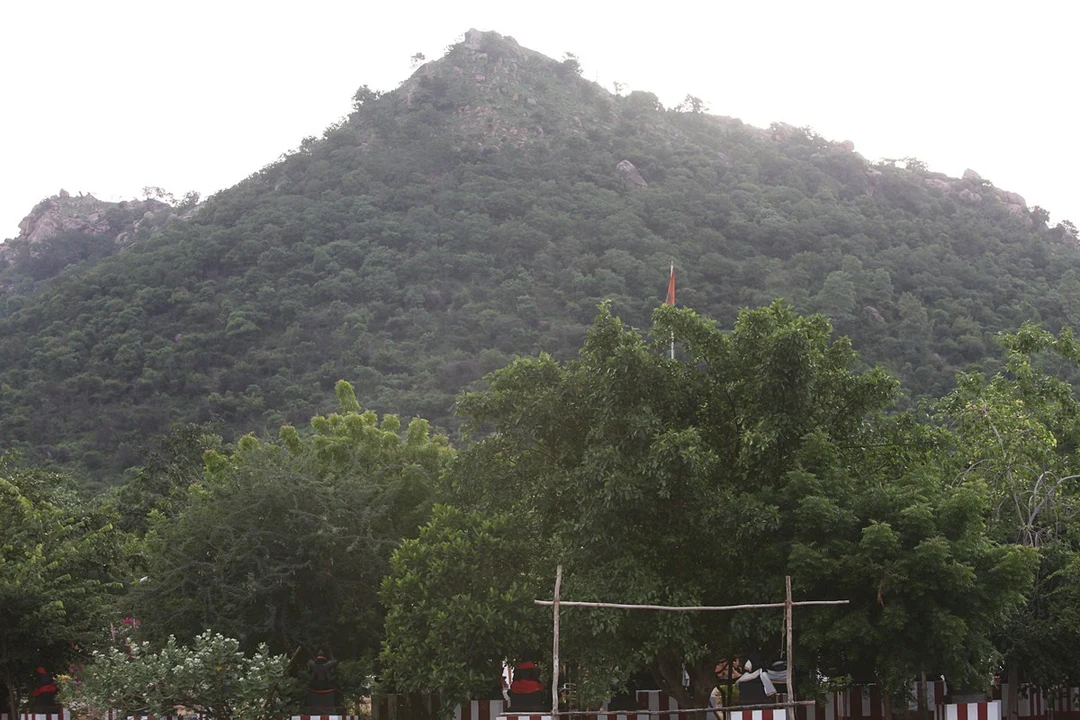
Just yesterday I was reading some of the reminiscences about Ramana Maharishi. What a disciplined life He lived? Oh! God! Being a Bhagawan, Lord Himself, landing on the human frame, what a disciplined life! Even his walking, everyday that was His exercise, so much of discipline, atleast one hour, morning one hour, evening one hour, He will not miss walking in the uphill. When I read the reminiscences, morning when He comes out of Samadhi, brushing, taking bath, preparing Himself to sit for dharshan and blessing the devotees, going for a walk, then having very little food, then coming back, again His dharshan, then going for a walk, evening dharshan, the chanting and gracing and resting. Everything was so disciplined; so regular. Whoever comes, even if the king or queen, those days even the kings and queens come and have His dharshan, He will not mss His walk. Even if the king or queen comes they have to sit and wait. And He will not miss His time with His monkeys and pet animals. Even if the VIPs come they have to sit and wait. He will tell them, “No. this is the time for animals.” Every day He used to spend atleast an hour to two. He had lot of pets, monkeys, peacocks, snakes cheetah, rabbit, all sorts of animals. I can understand, those days Arunachala would have been so rich. When i remember Him and His life, I can never stop my overflowing emotions and devotion. I can say, you may love any number of people in your life, you may marry any time in your life, you may do whatever you want, but your first love, the boy or girl who caught your heart or attention in your childhood stays in your heart for ever, even after that person changes his form or quality.
Same way, my first love is Ramana Maharishi. How many Masters would have entered my life. How many people would have impressed me. How many people would have given me experiences, enlightenment, spirituality, different experiences, but Bhagawan still remains as my first love. Even after you grow, your priorities change, your preferences change, your taste changes but even then when you search for your life partner, you will see the imprint of your first love continues to remain and influences your search. Same way, Ramana Maharishi is my first love and any number of Masters I may connect with, worship, relate, have experience, dharshan, read, but He remains, He continues to remain in me, influencing, inspiring. Aany master I see, the qualities I search in them is the qualities of Ramana Maharishi. Only with that scale, I measure or judge, understand whether he is a master or not. If I live like Him and die, I feel I am fulfilled. What a discipline, what a life!
I might have accepted so many sampradayas, traditions, initiations, experiences, teachings from various traditions in my life. Not only various traditions, various religions. I had a formal initiation in Jain tradition and practiced Jainism. I had a formal initiation in Christianity. I had formal initiation in at least 50 different sampradayas. Naga, aghori, paguzh, tantra, Vedanta, yoga, siddhanta, in Kashmiri saivism, in laguleeswara saiva siddhantam and suddhadvaida, how many.. and now, the Madurai Adheenam, saiva siddhantam. But, I remain in my heart as Ramakrishnite. In my heart, I am a Ramakrishnite, Ramana Maharishi is my first love. These two can never be removed or changed. Let these be on record for ever.
I may accept so many traditions for so many reasons and imbibe all the good things from all those traditions. But I was, I am and I will be a Ramakrishnite and my first love is Ramana Maharishi. It can never change. The influence both of them have on me, the inspiration both of them have given me, the energy both of them have infused in me will remain for ever. Discipline of mind, I learnt from Ramana Maharishi. Cittam viniyatam. Ramakrishna says beautifully, to one of His disciples, “I don’t even remember whether I have a cloth or not, but I never lost anything or miss anything, misplace anything. You fellows losing things here and there.” It comes by the discipline of the mind. Viniyatam cittam. Viniyatam cittam is the greatest blessing. Practice this viniyatam cittam and have fulfillment in the life.
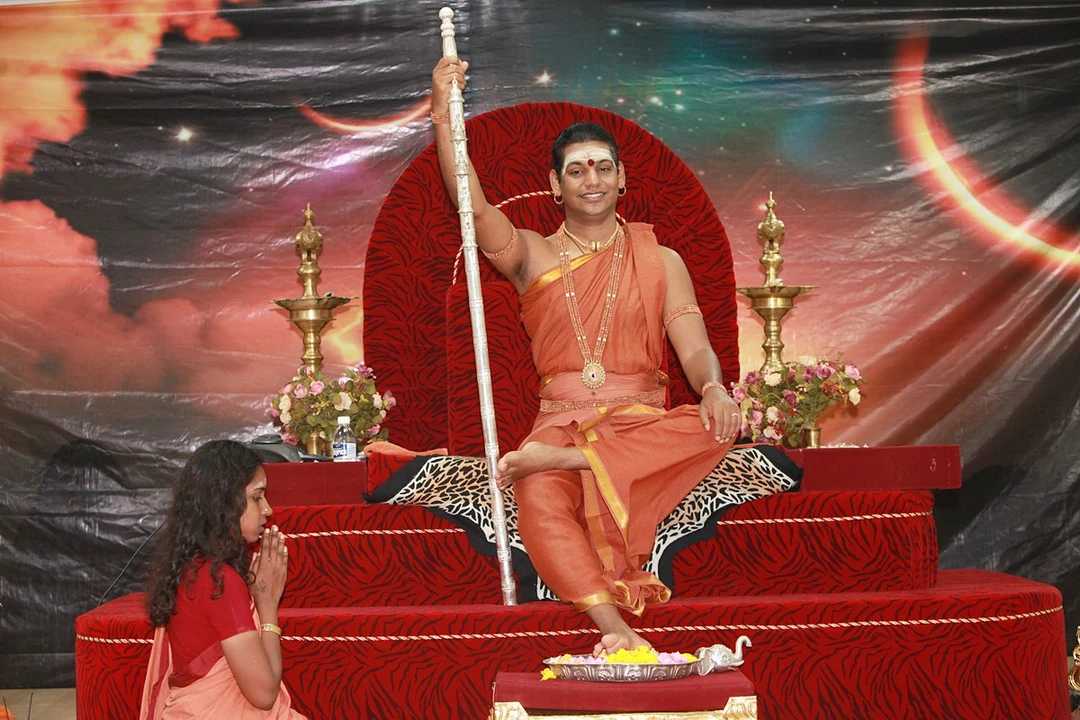
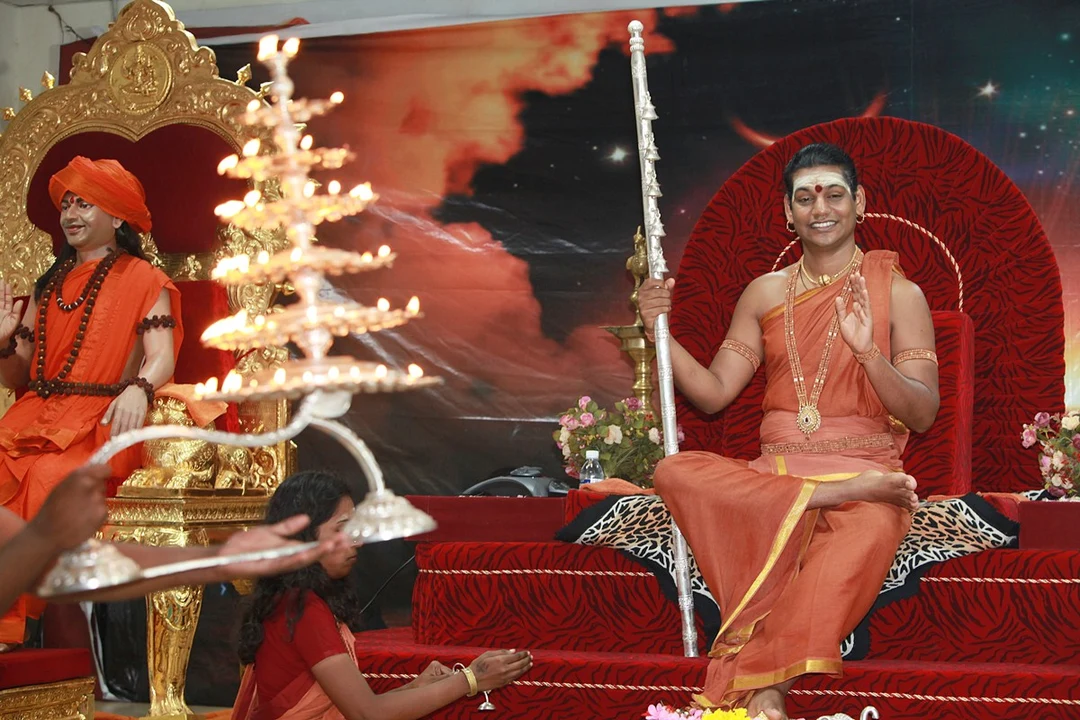
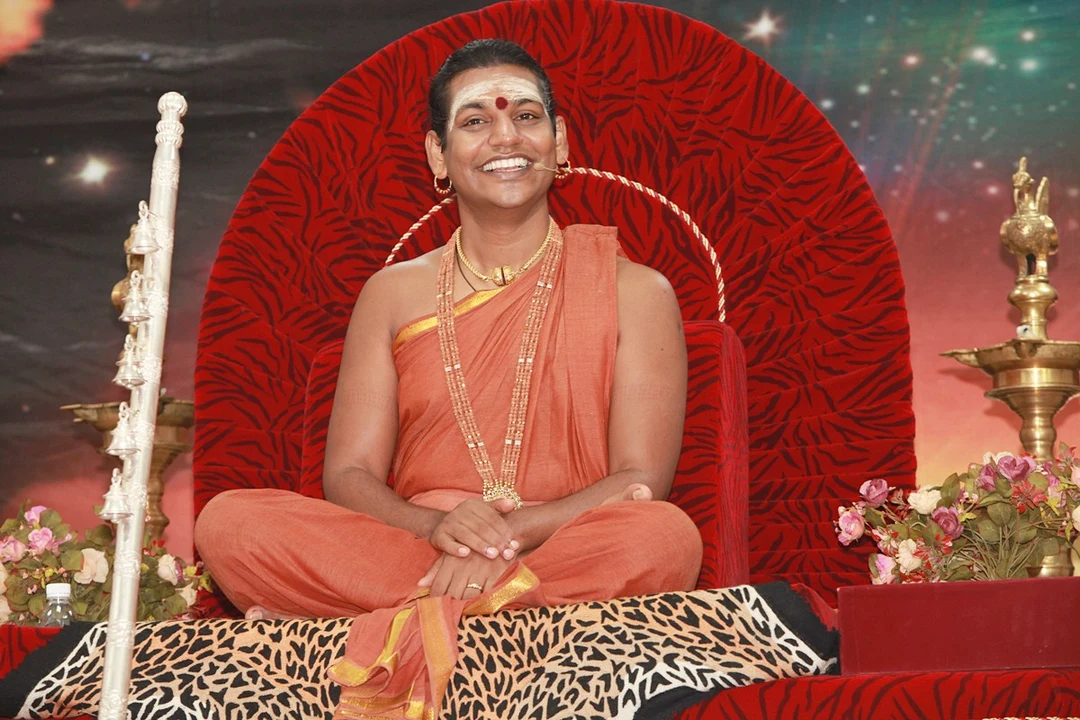
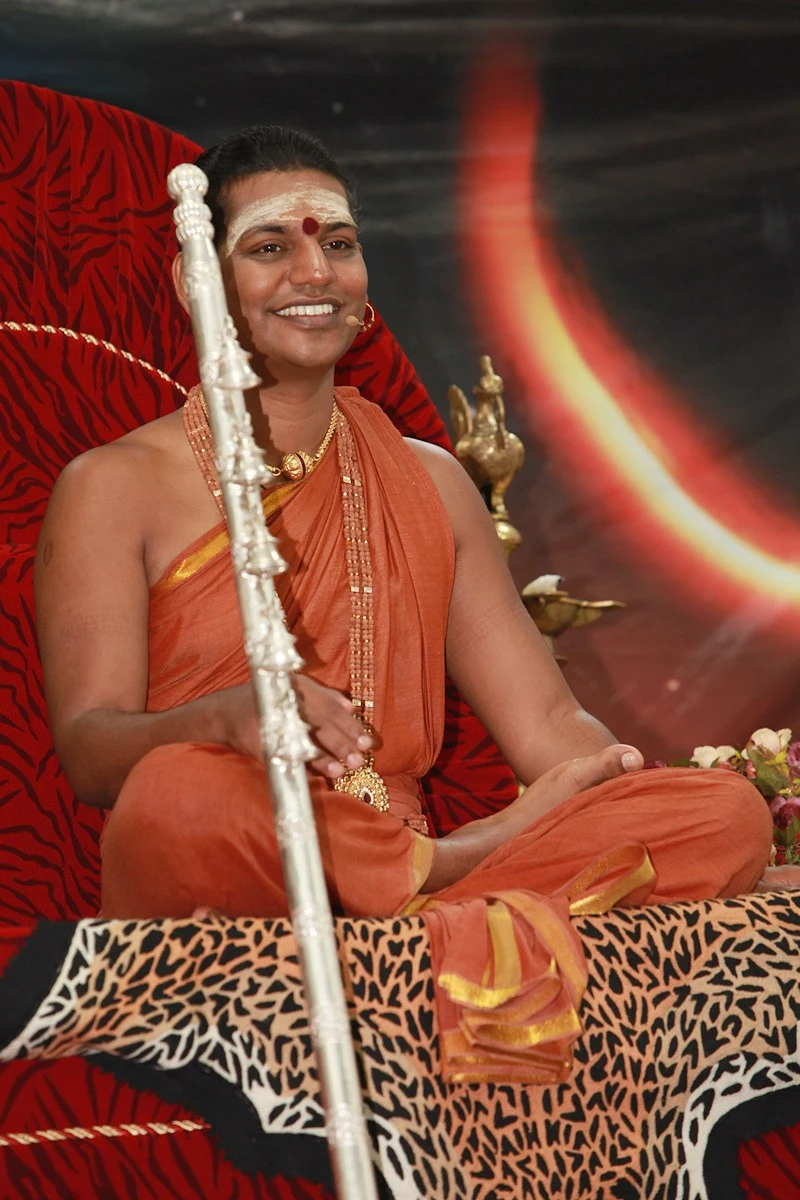
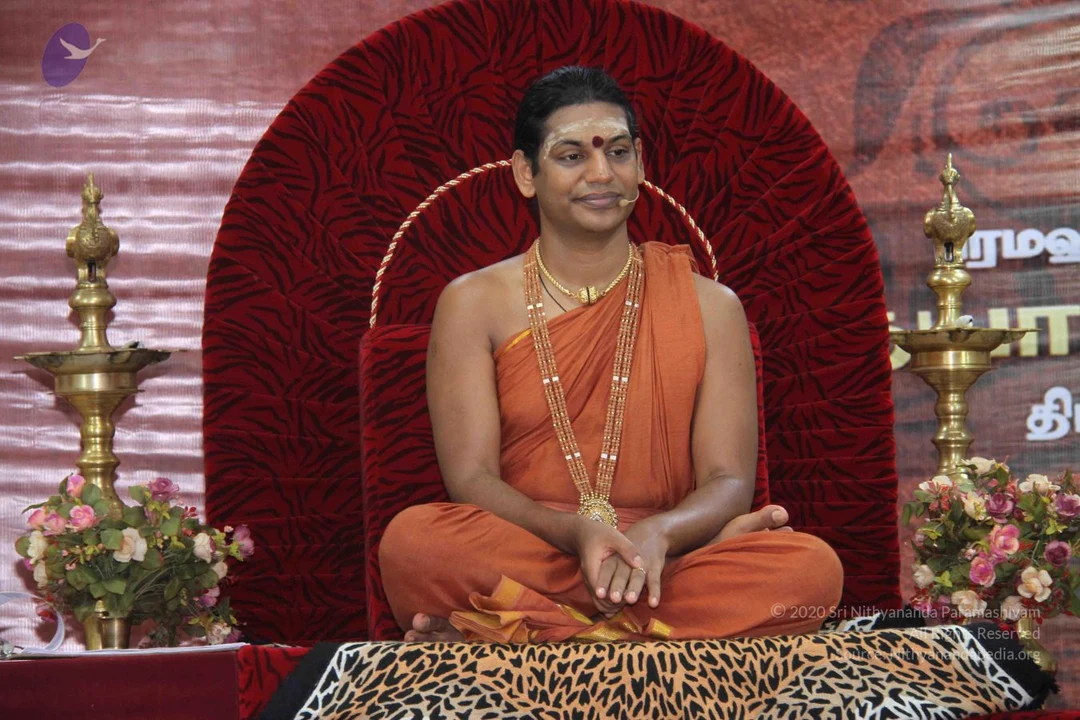
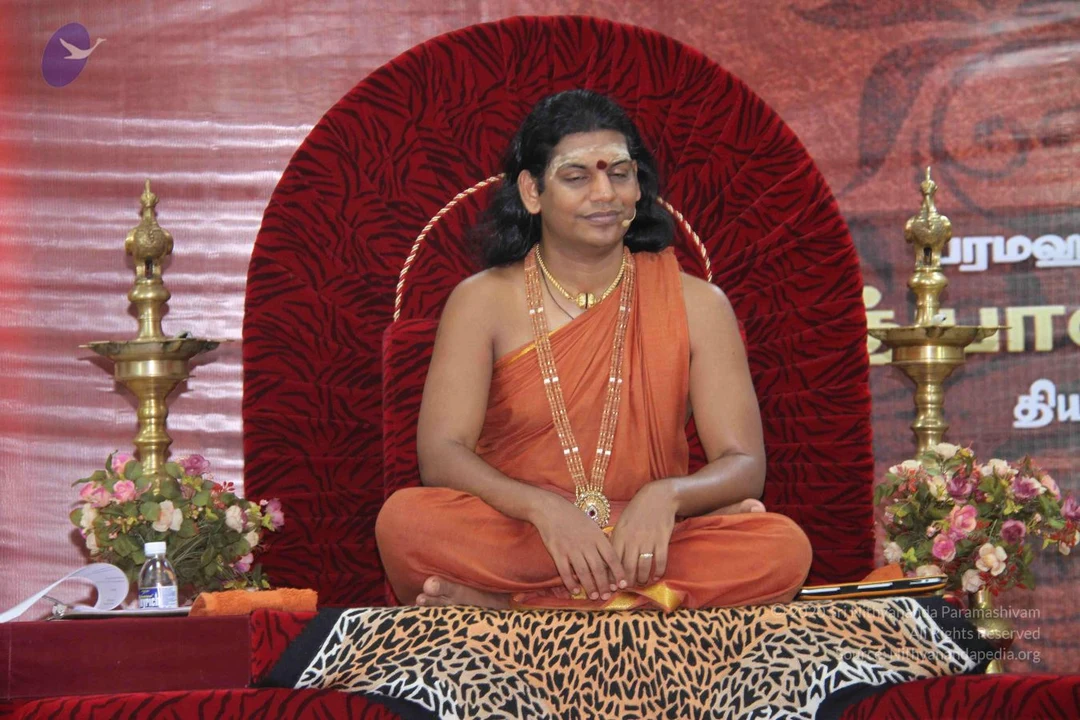
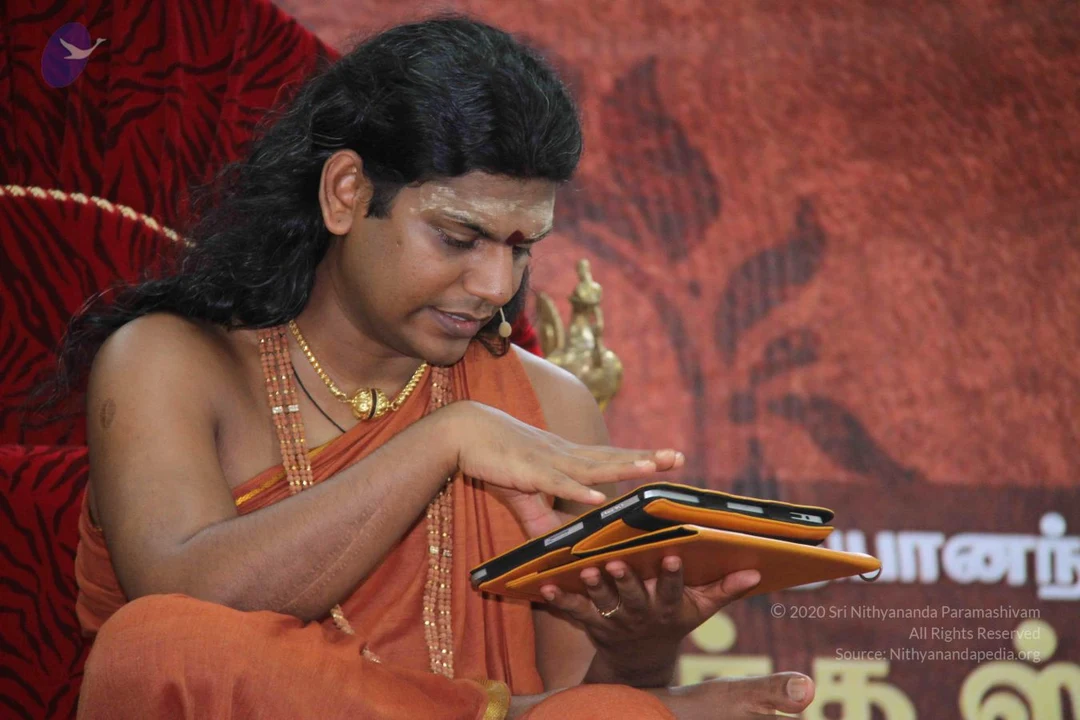
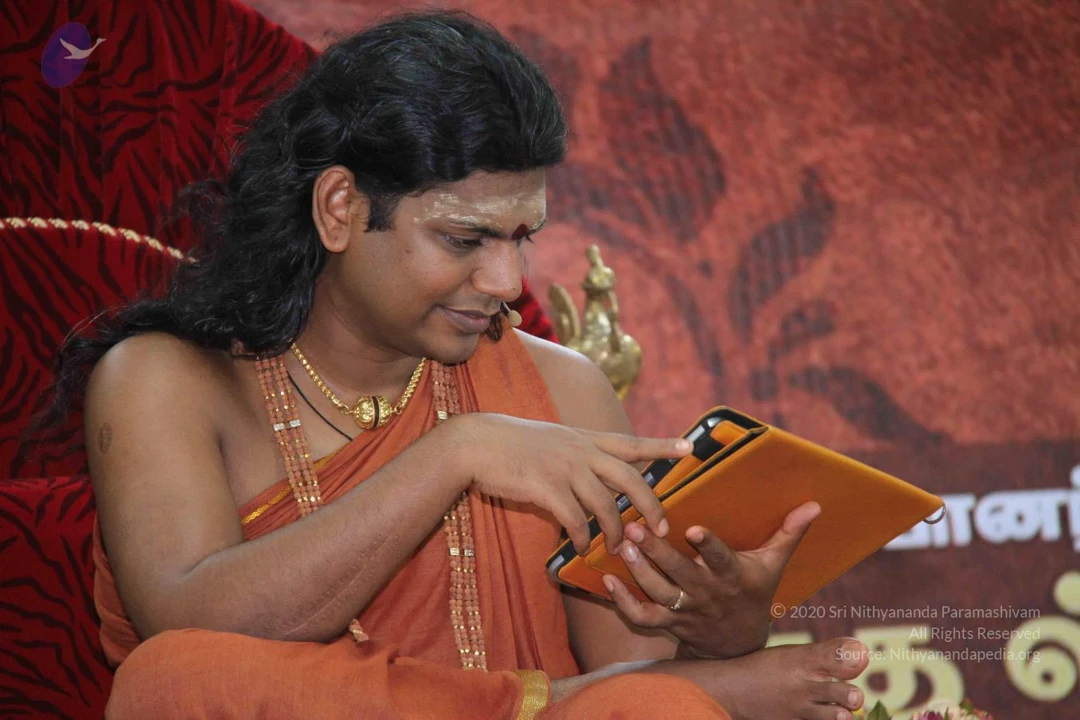
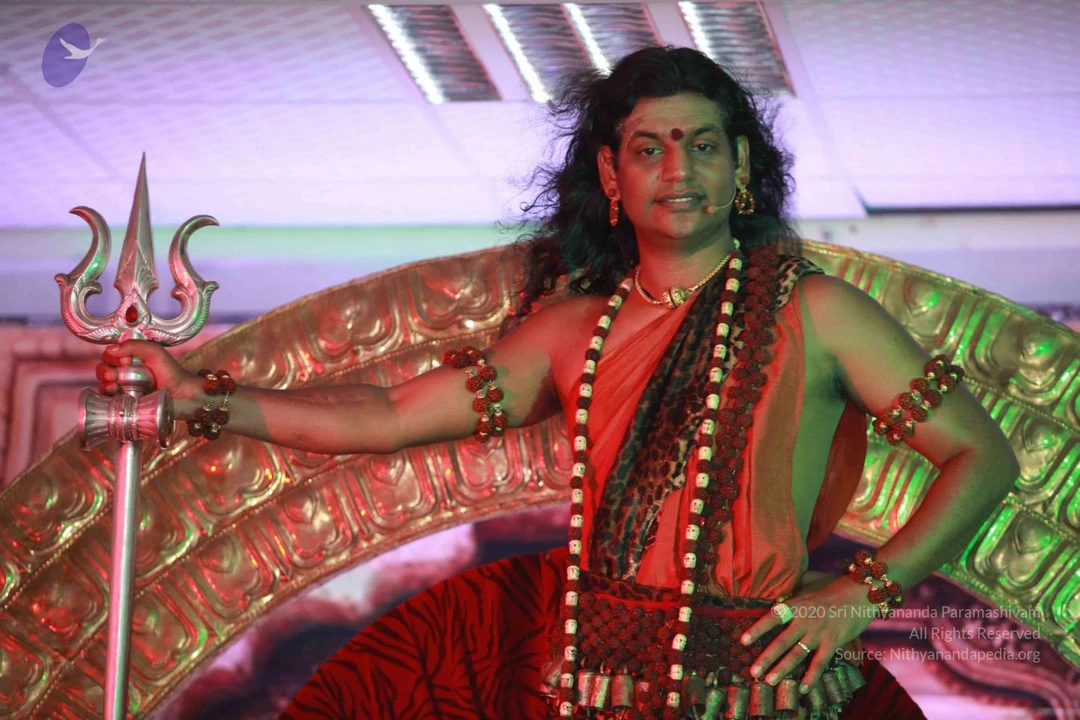
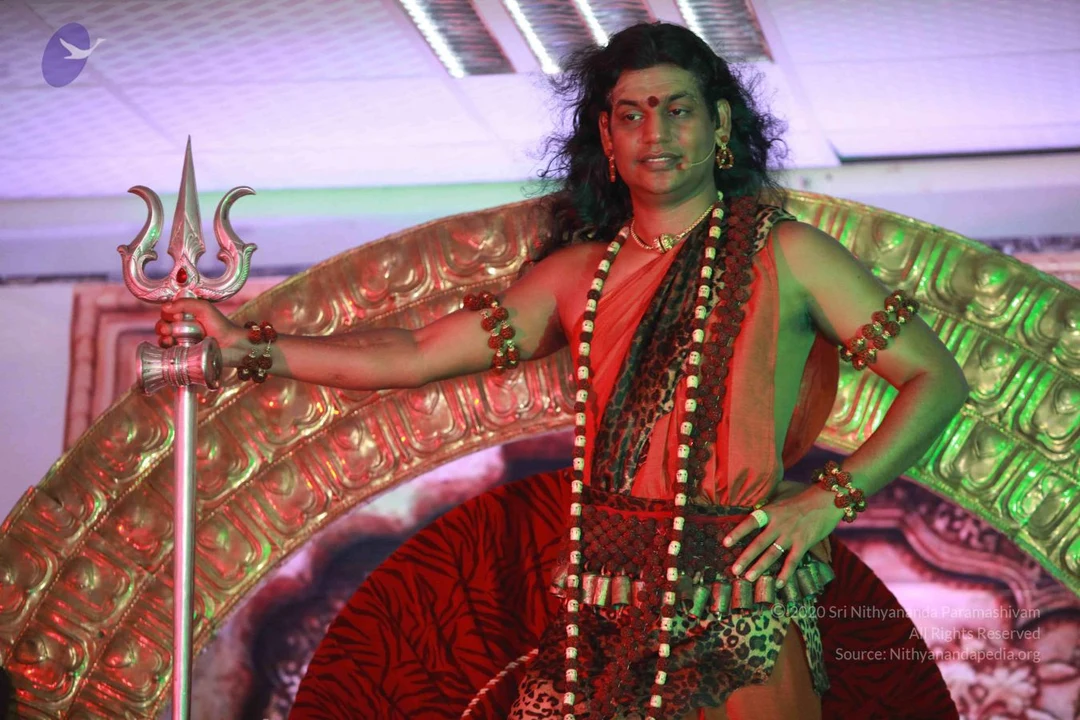
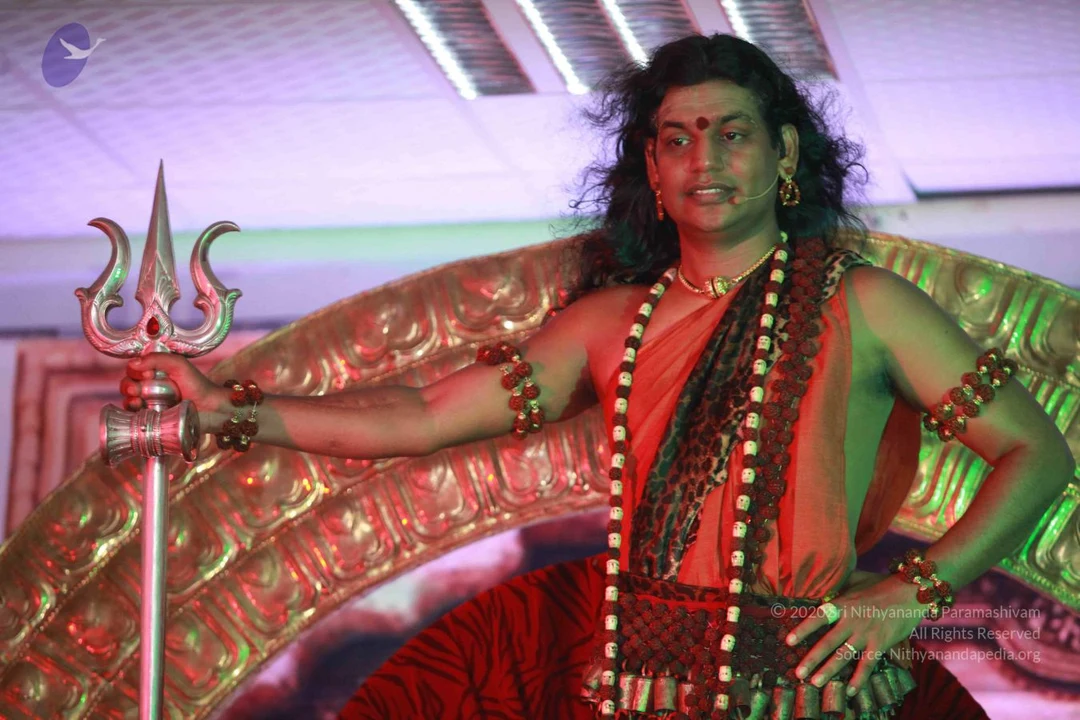
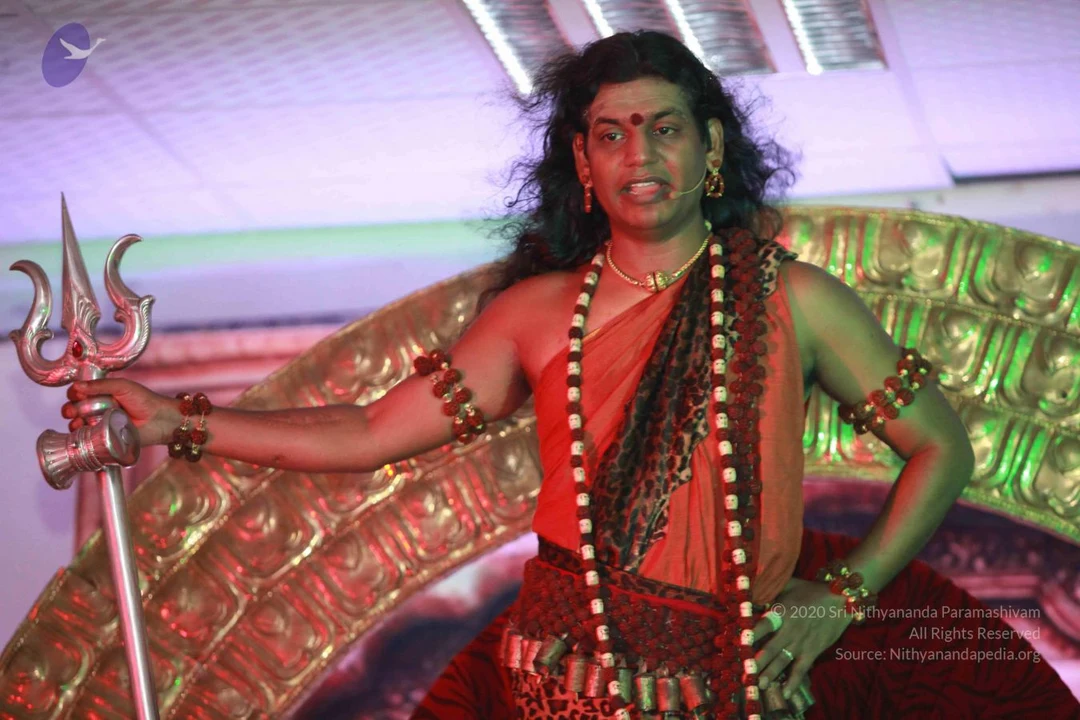
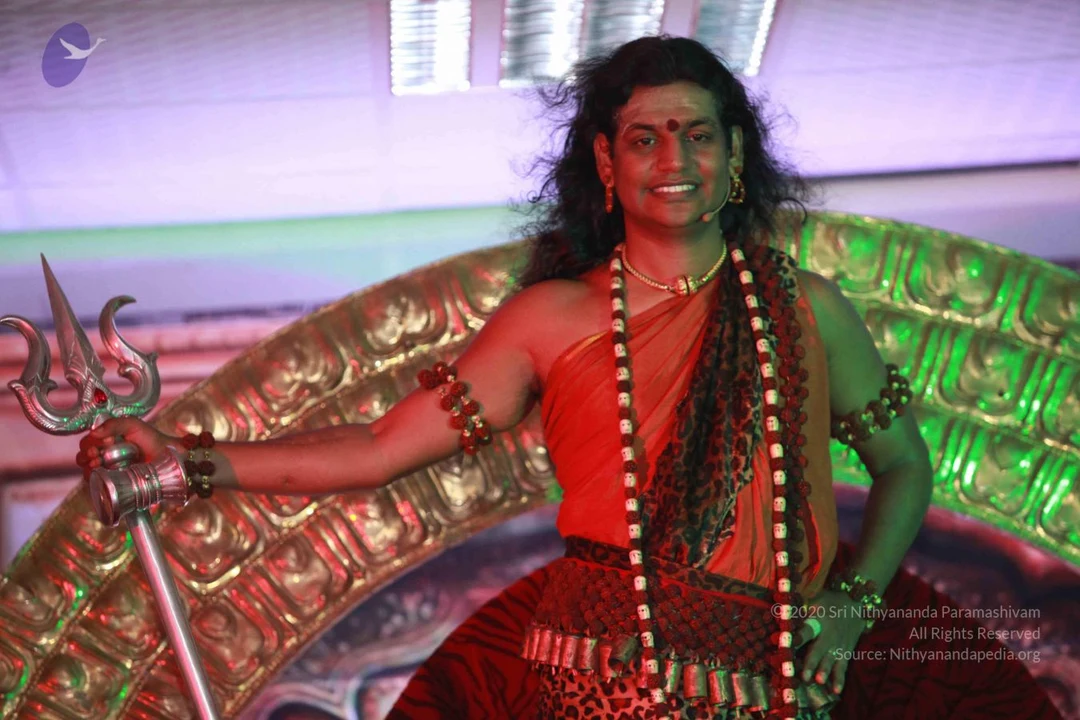
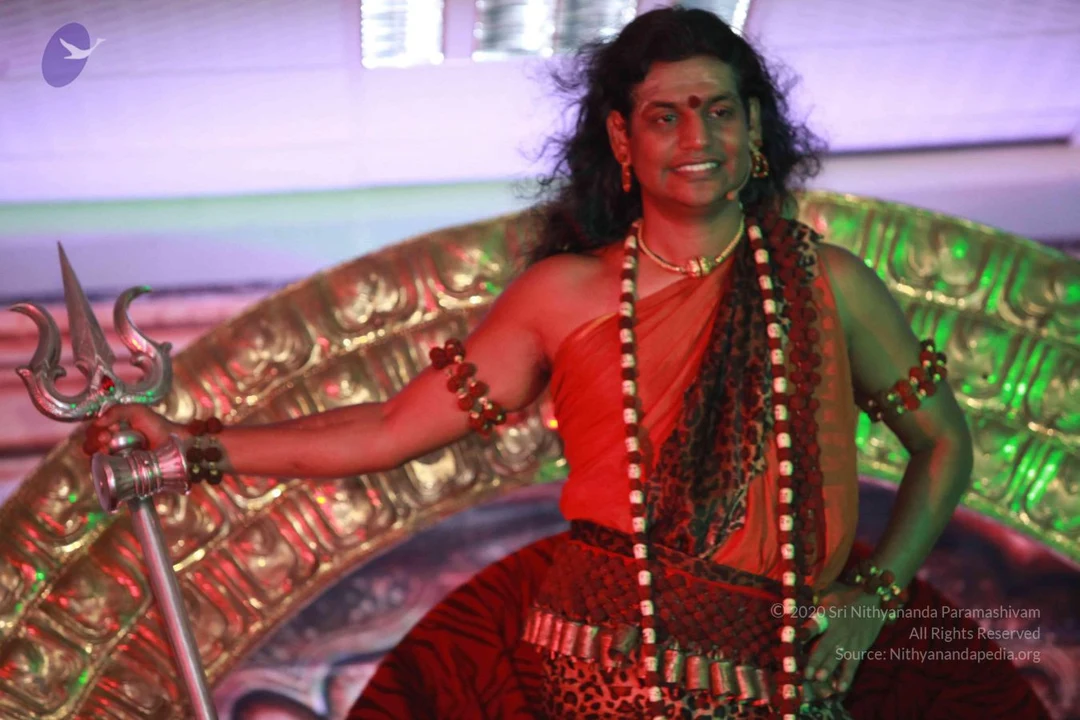
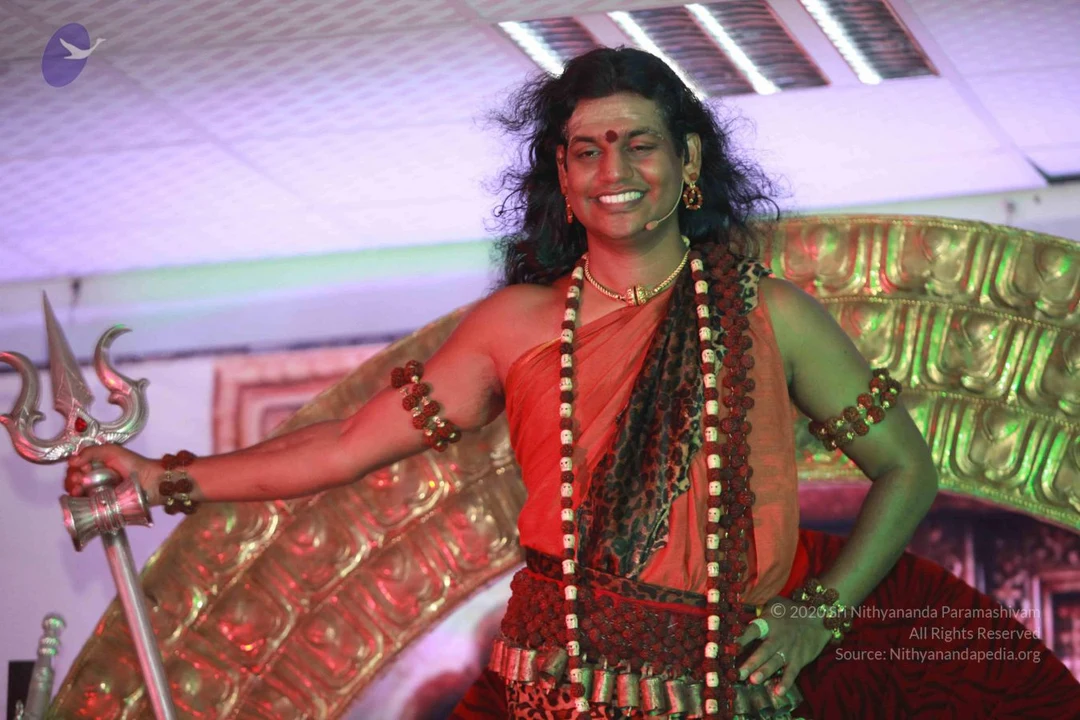
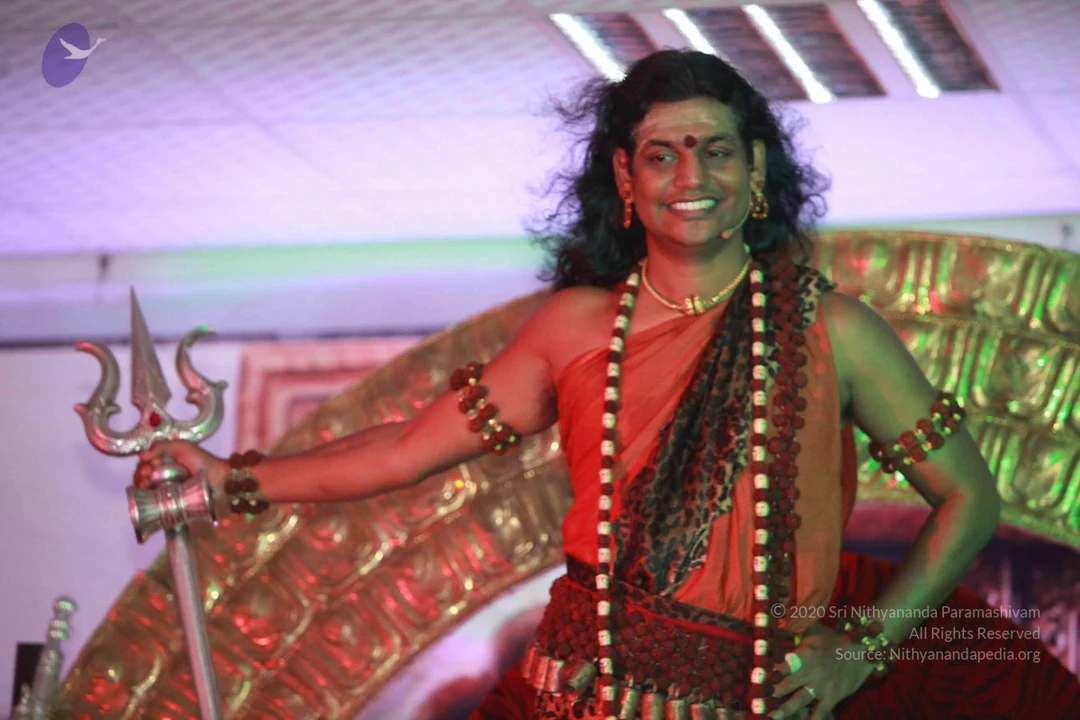
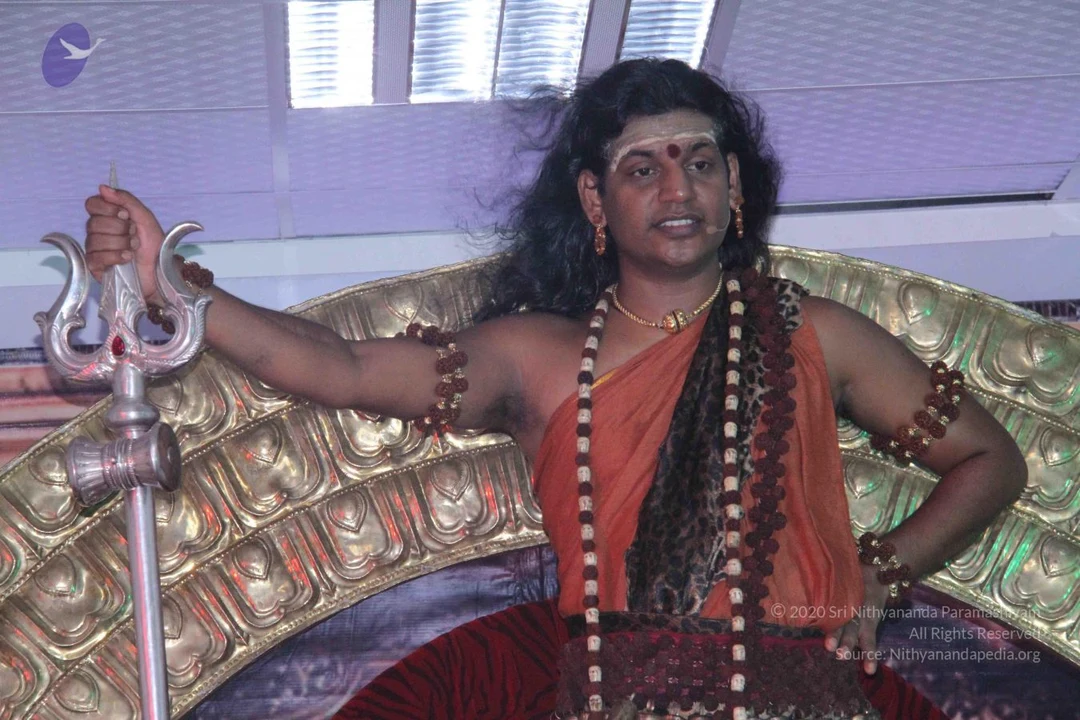
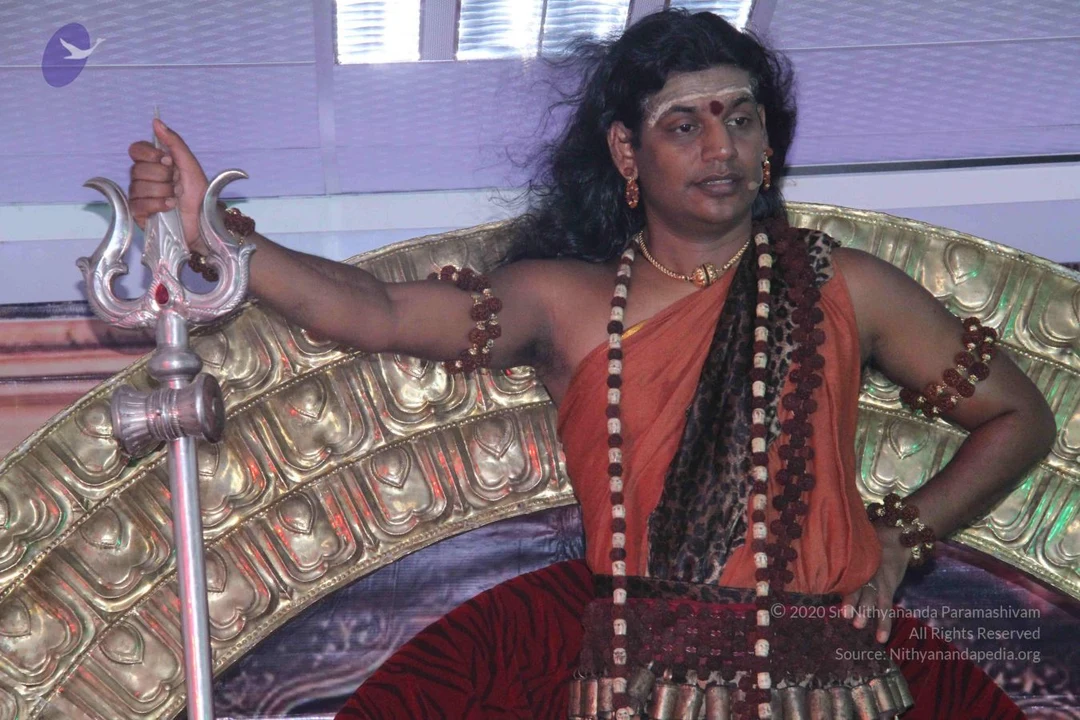
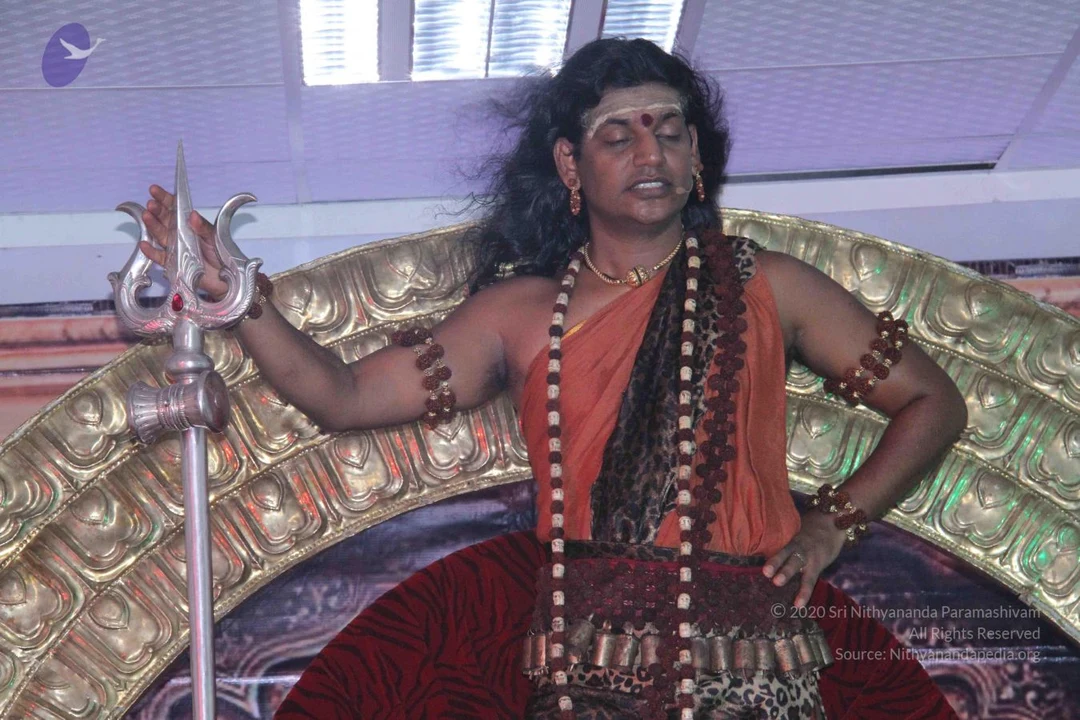
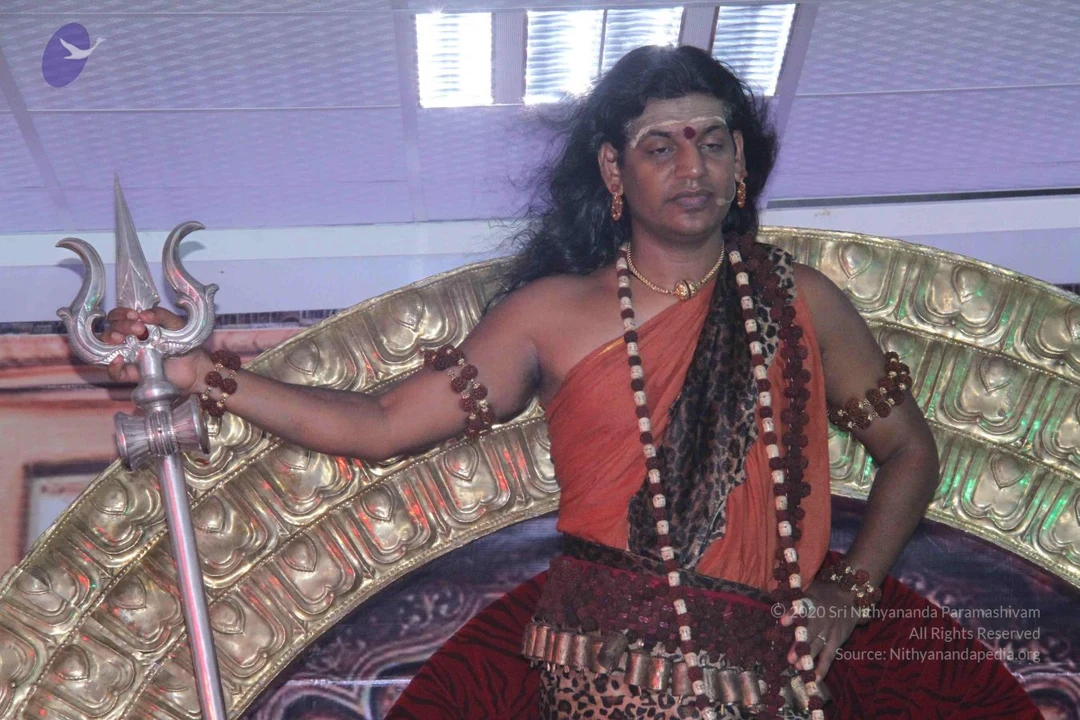
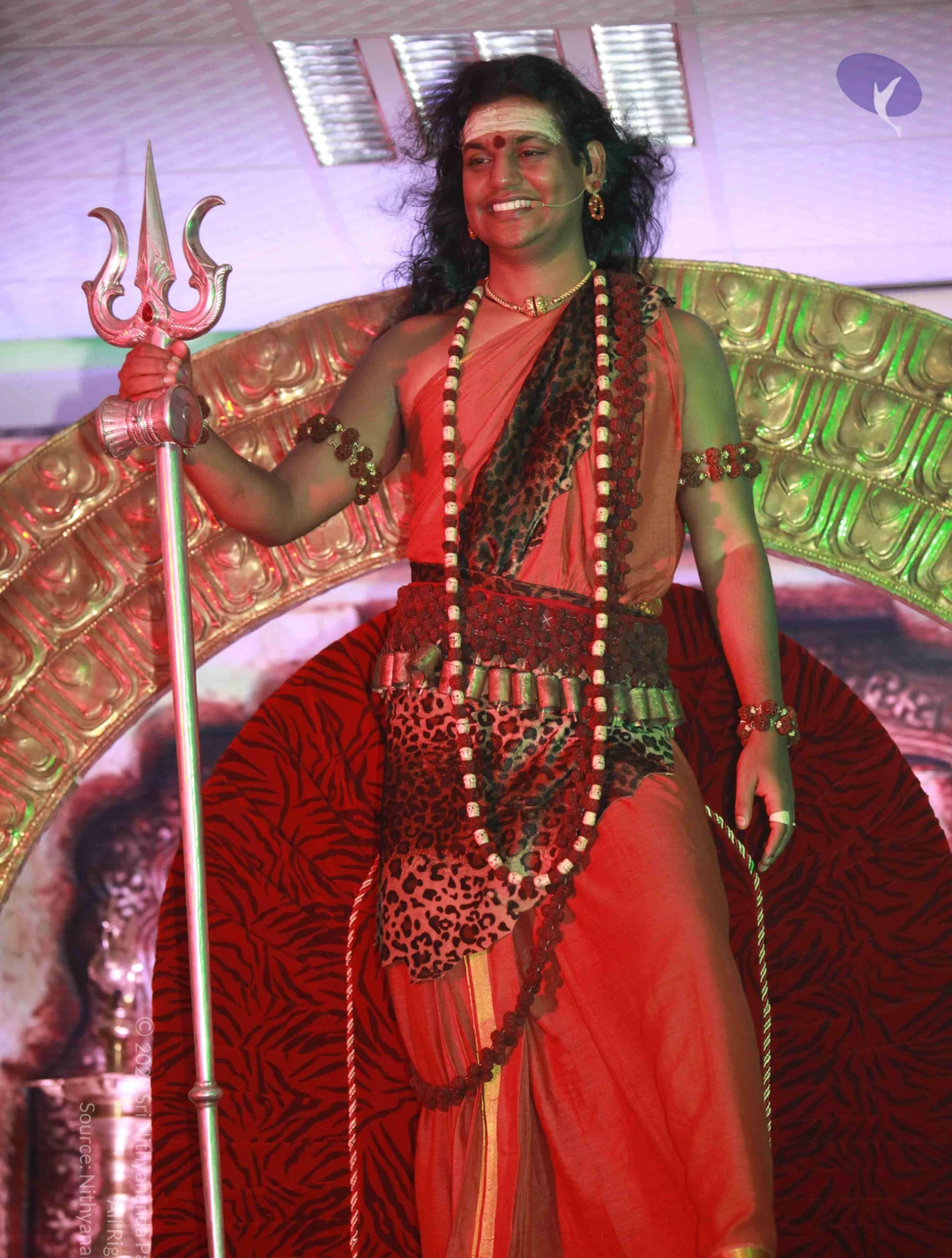
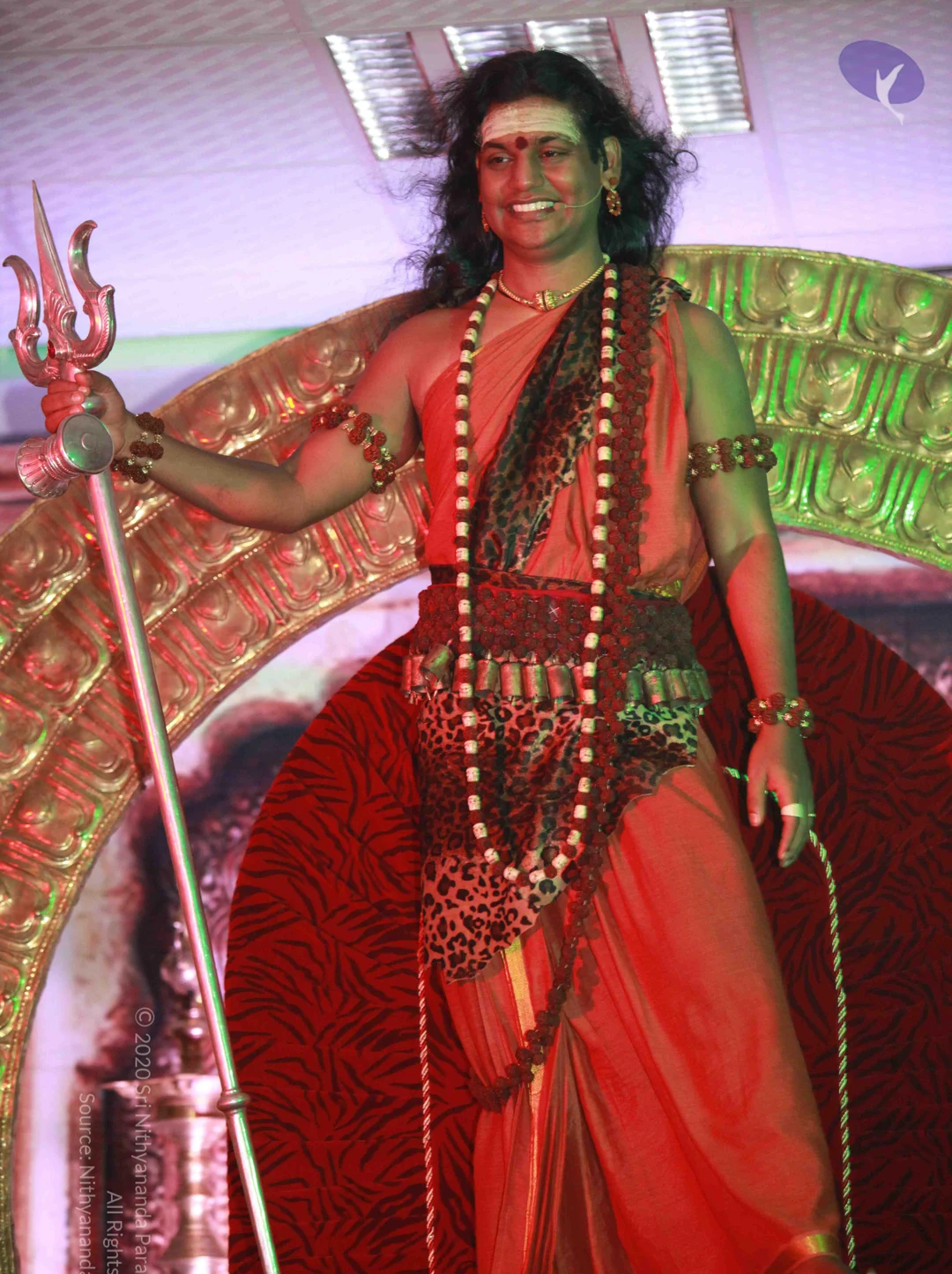
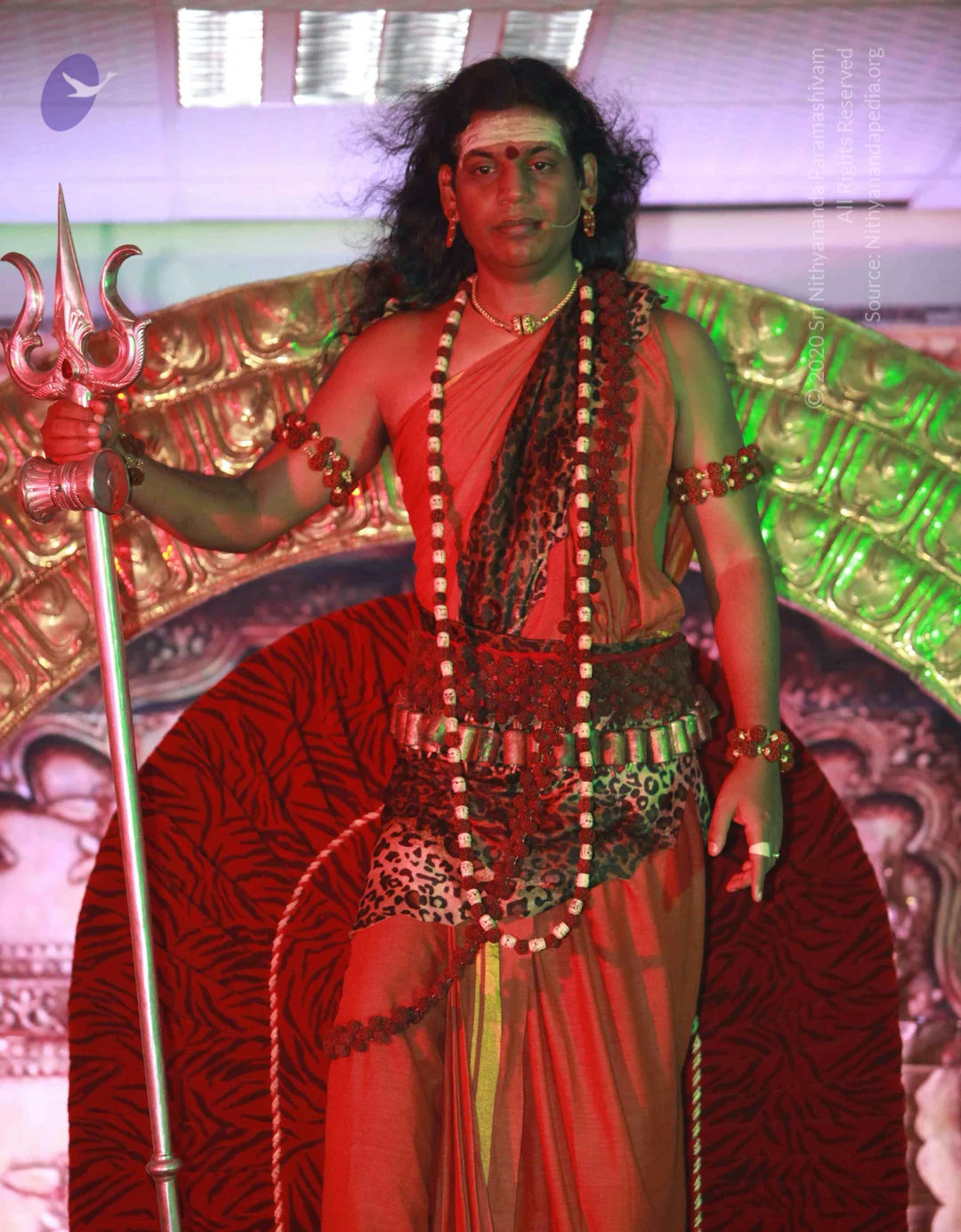
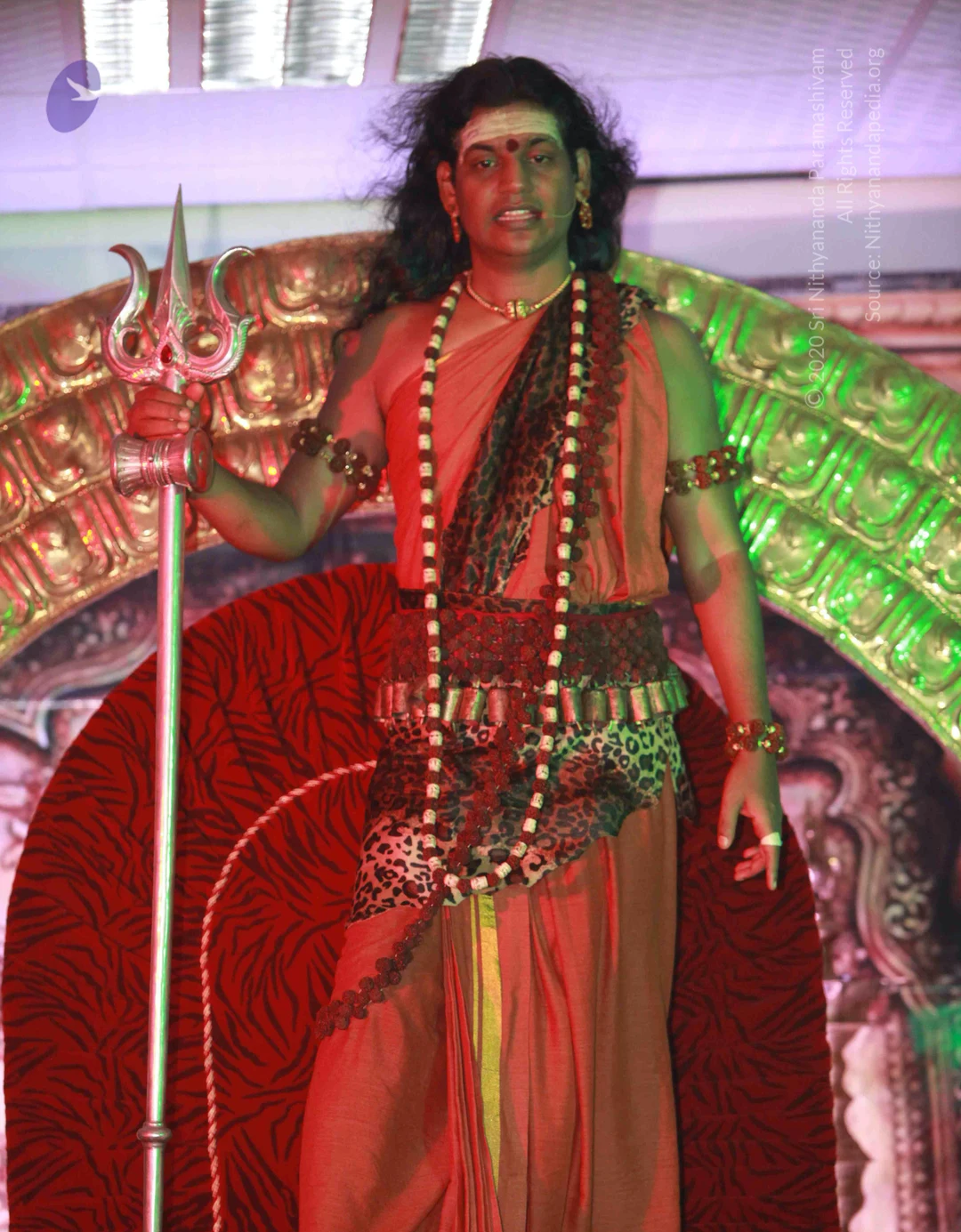
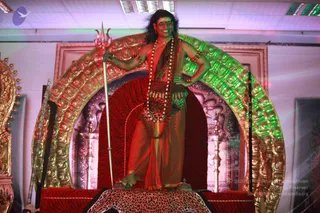
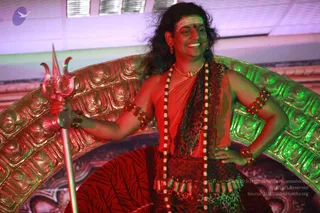
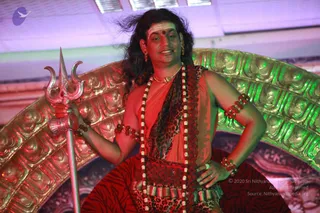
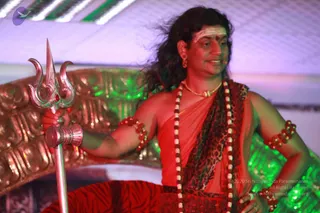
Photos From The Day:
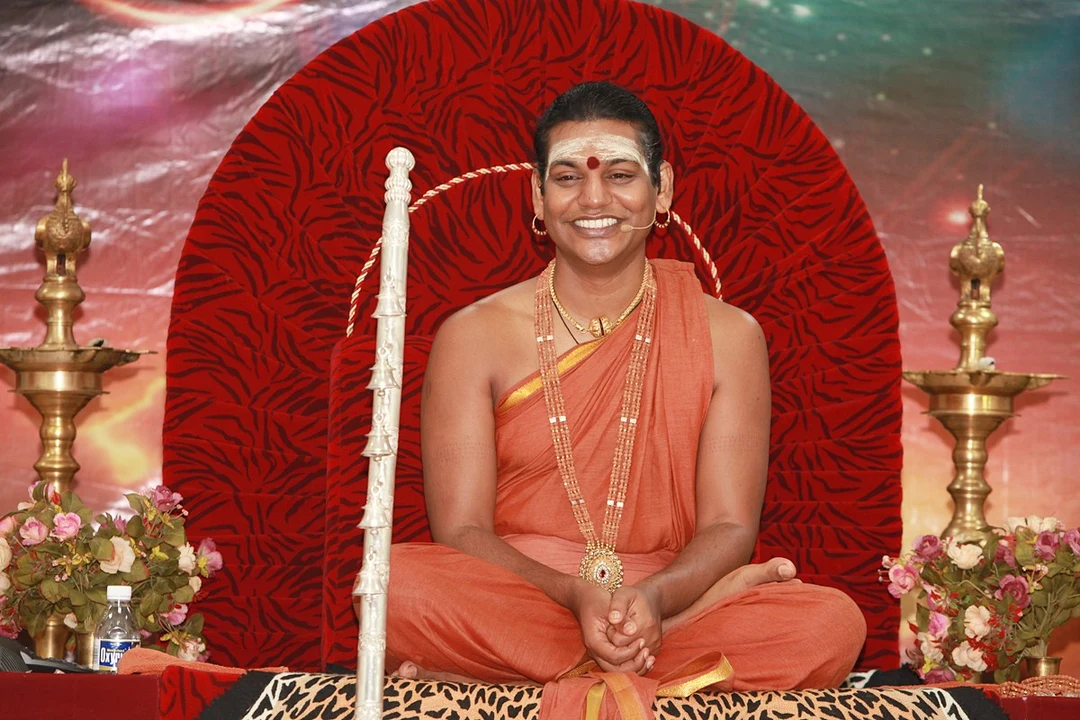
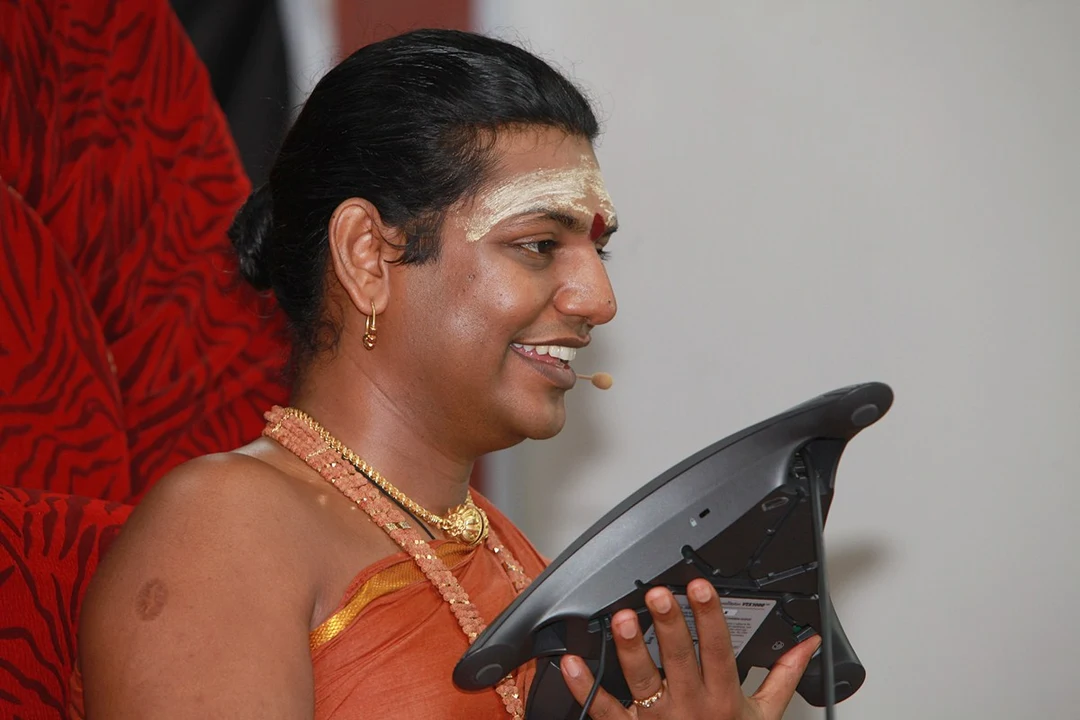
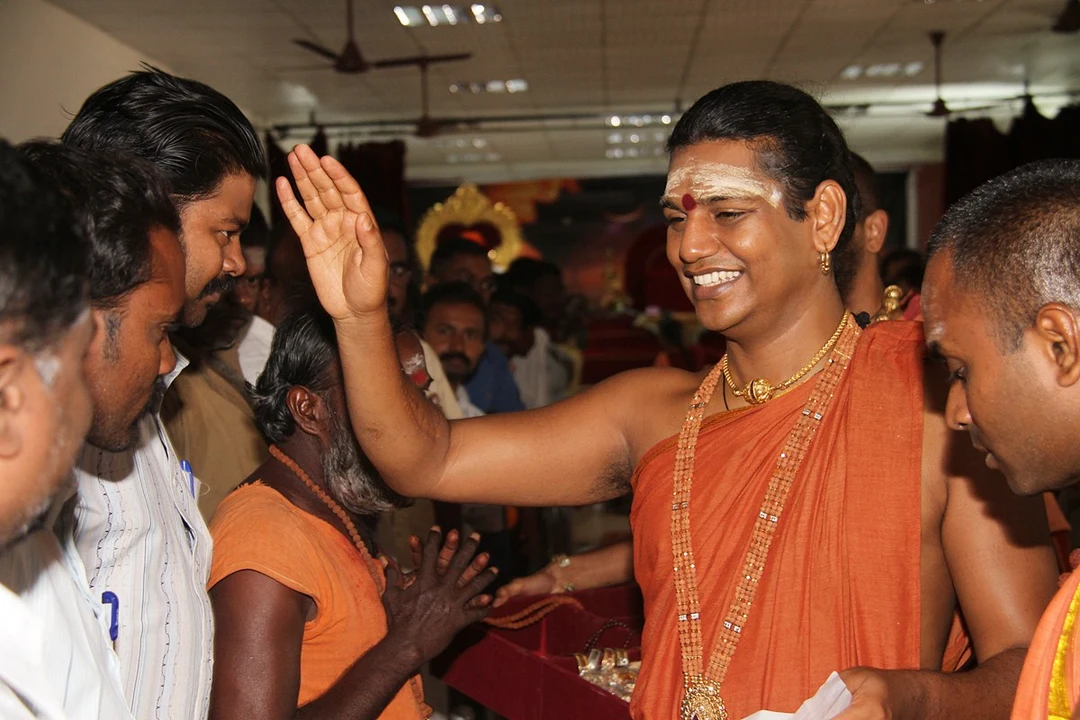
Tags:
Bhagavad Gita, living enlightenment, Hindu, Krishna, spiritual wisdom, life solutions, universal, personal transformation, Paramahamsa Nithyananda, technique, karma, lifetime, meditate, thoughts, emotion, experience, desire, fear, wish, understanding, motivate, renounce, transcend, humanity.
Photos Of The Day:
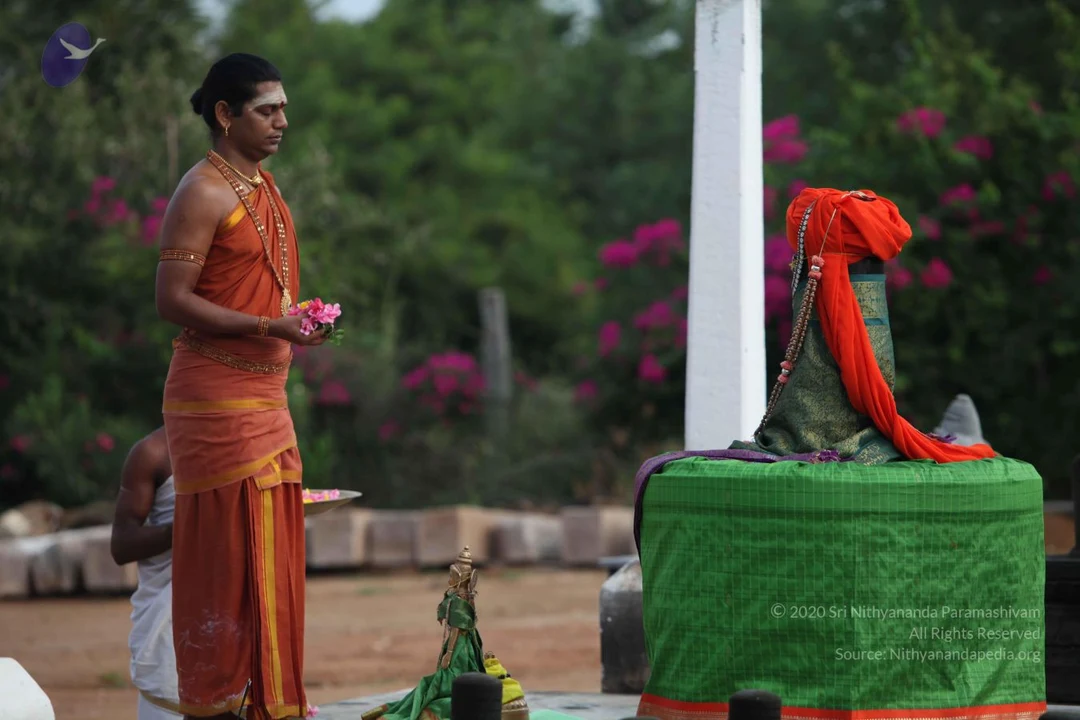
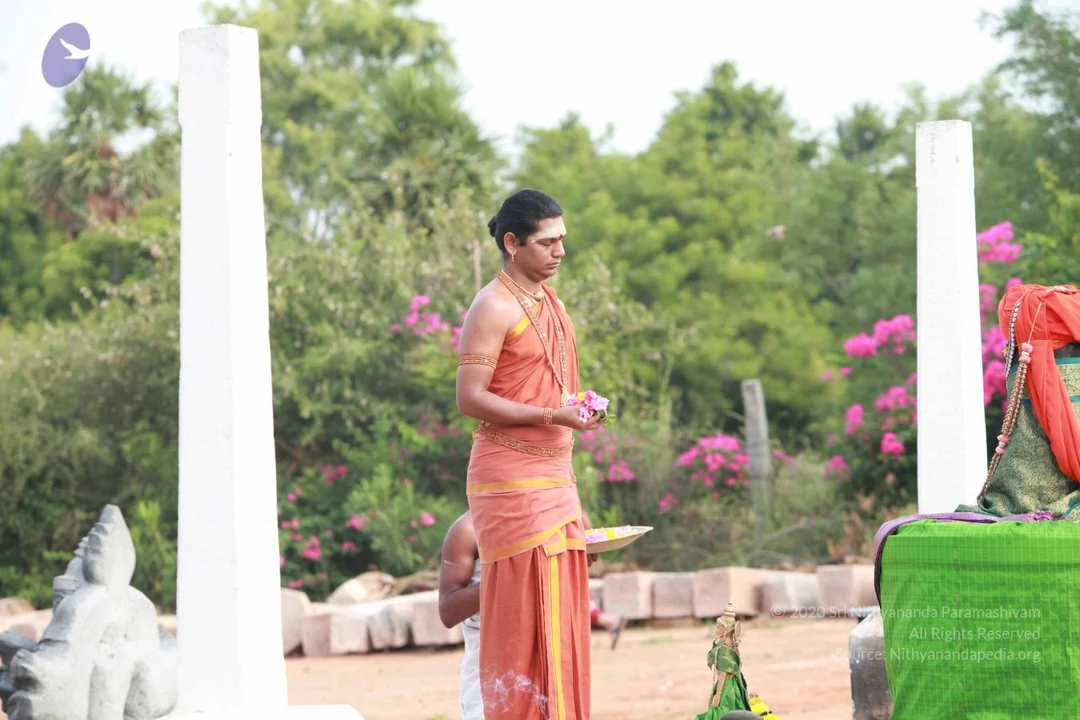
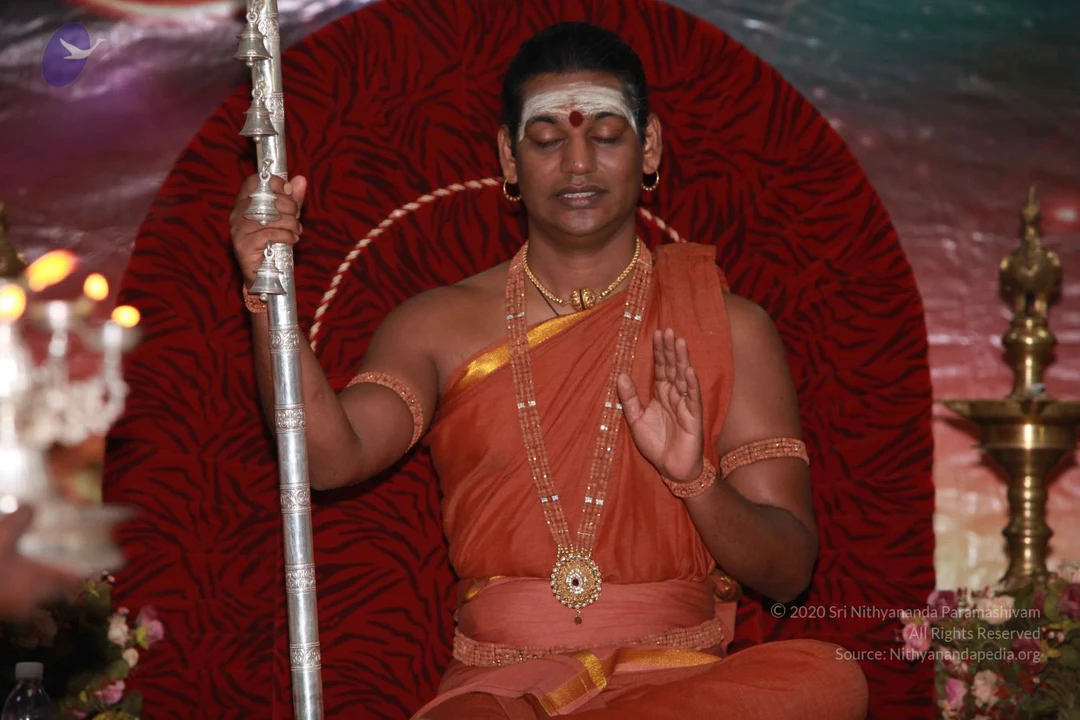
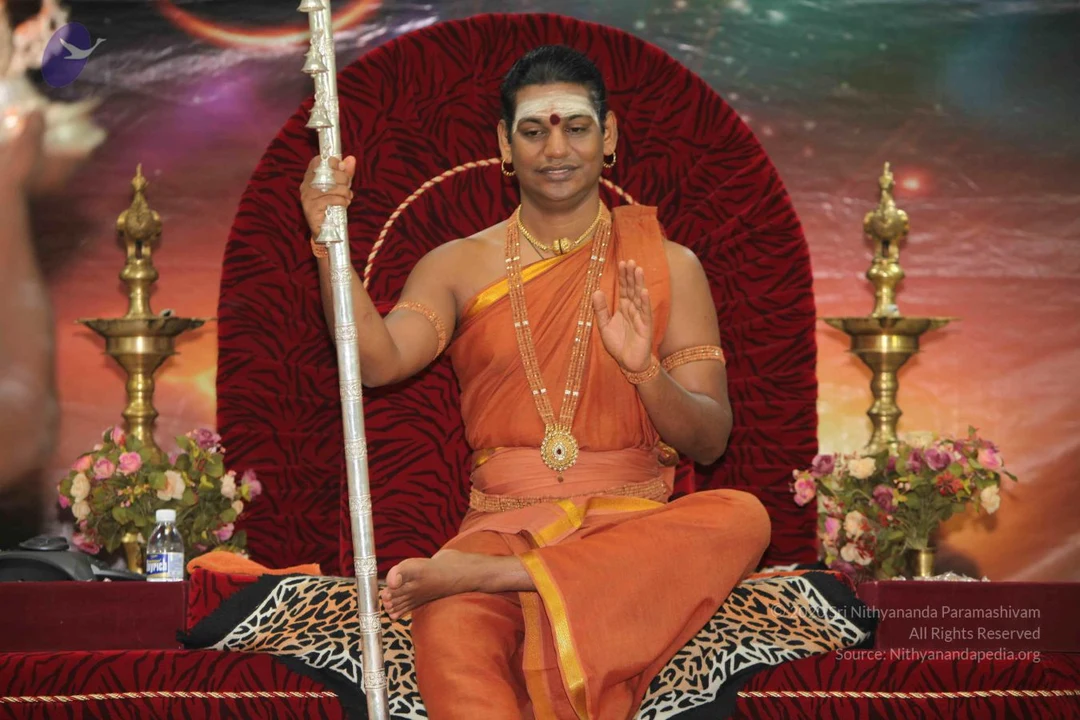
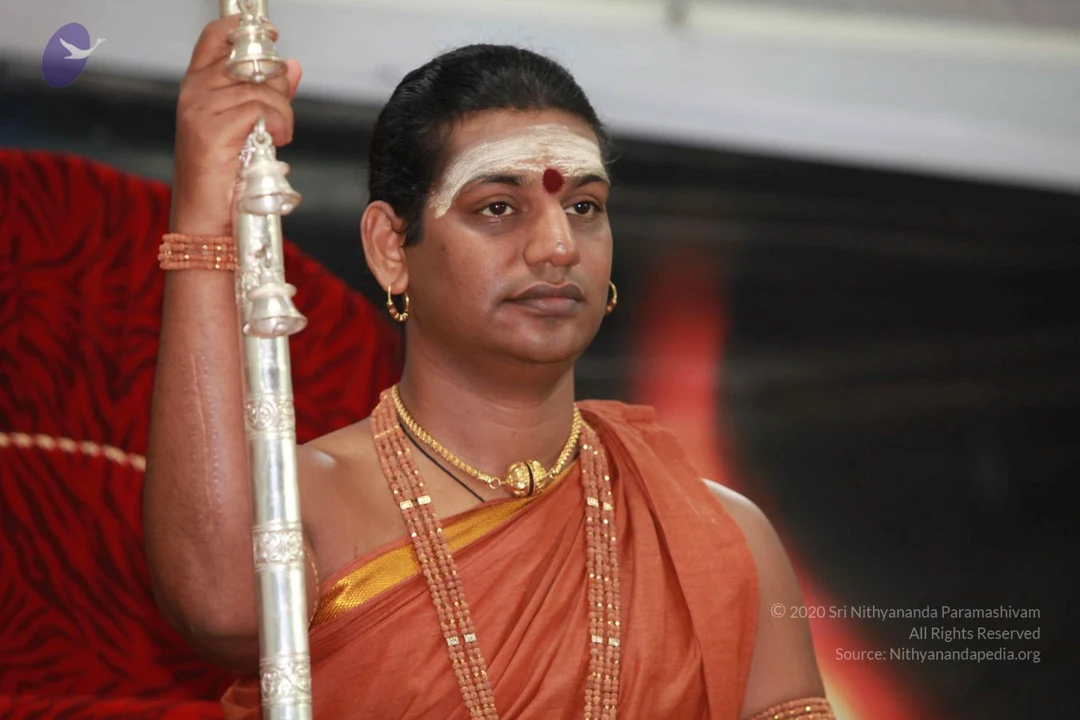
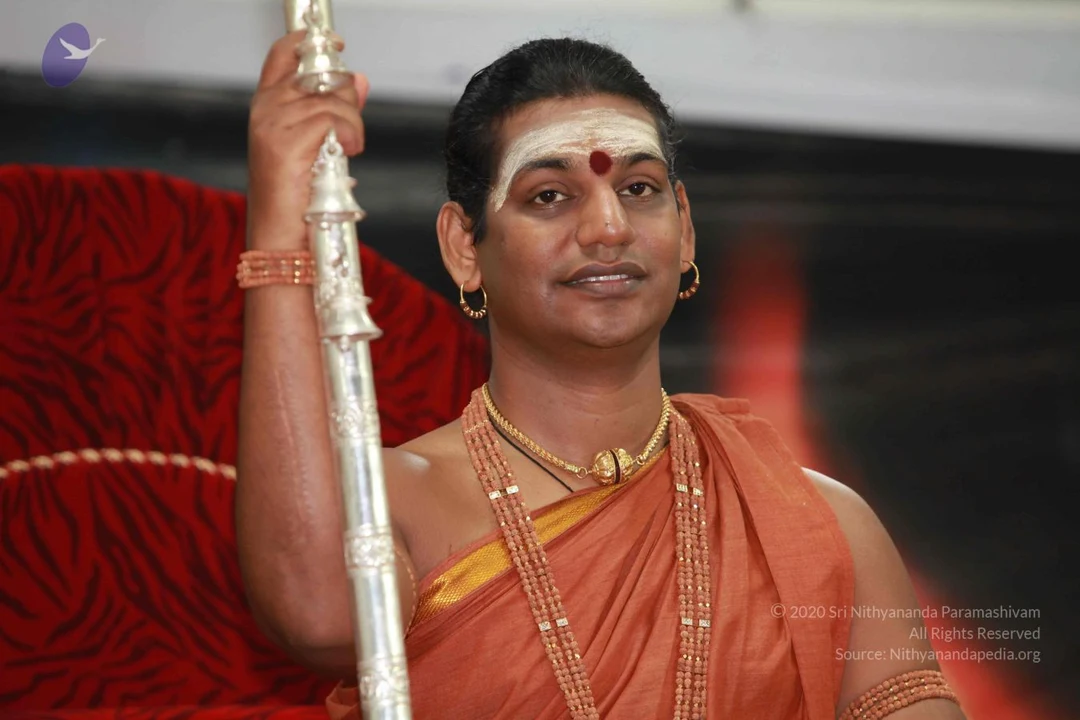
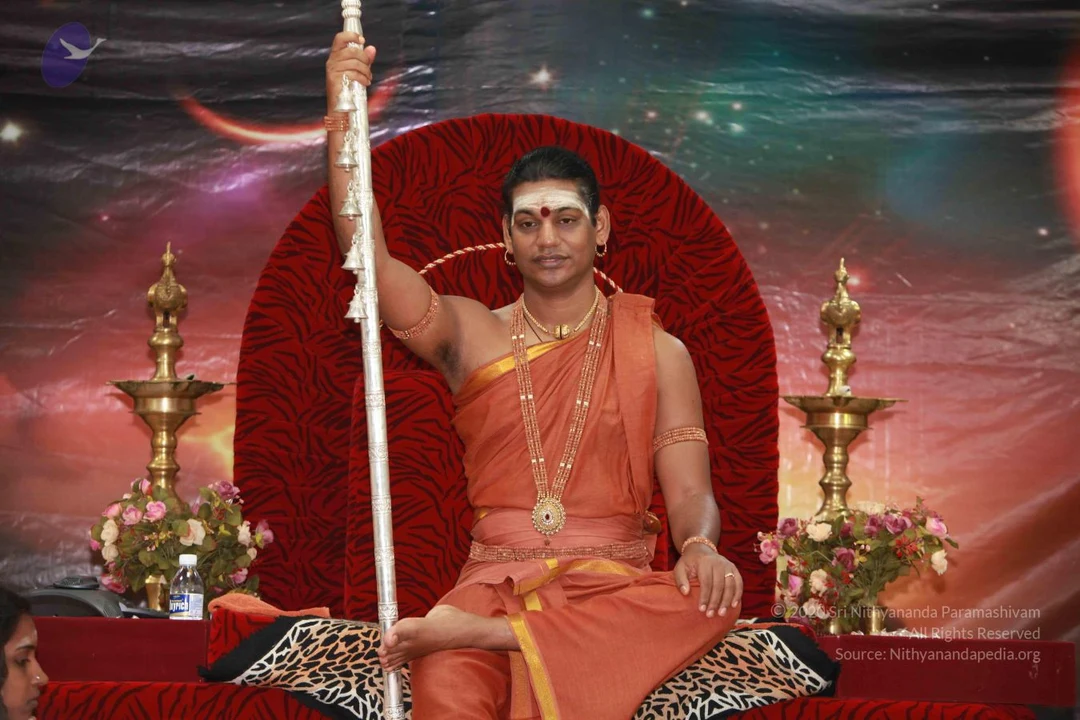
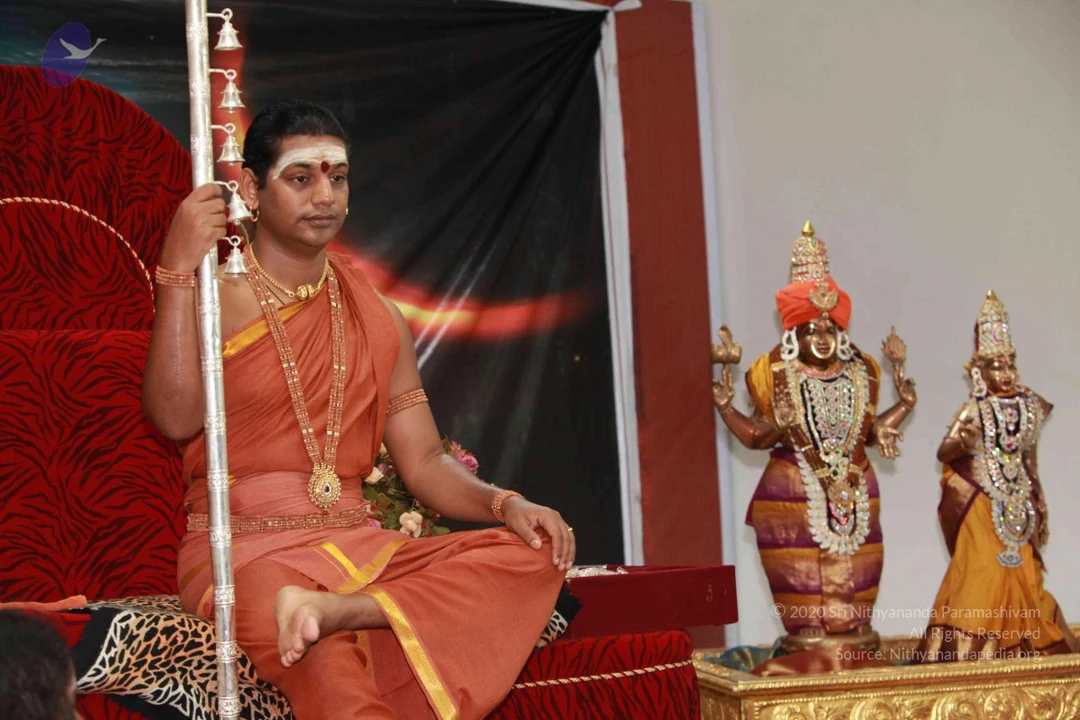
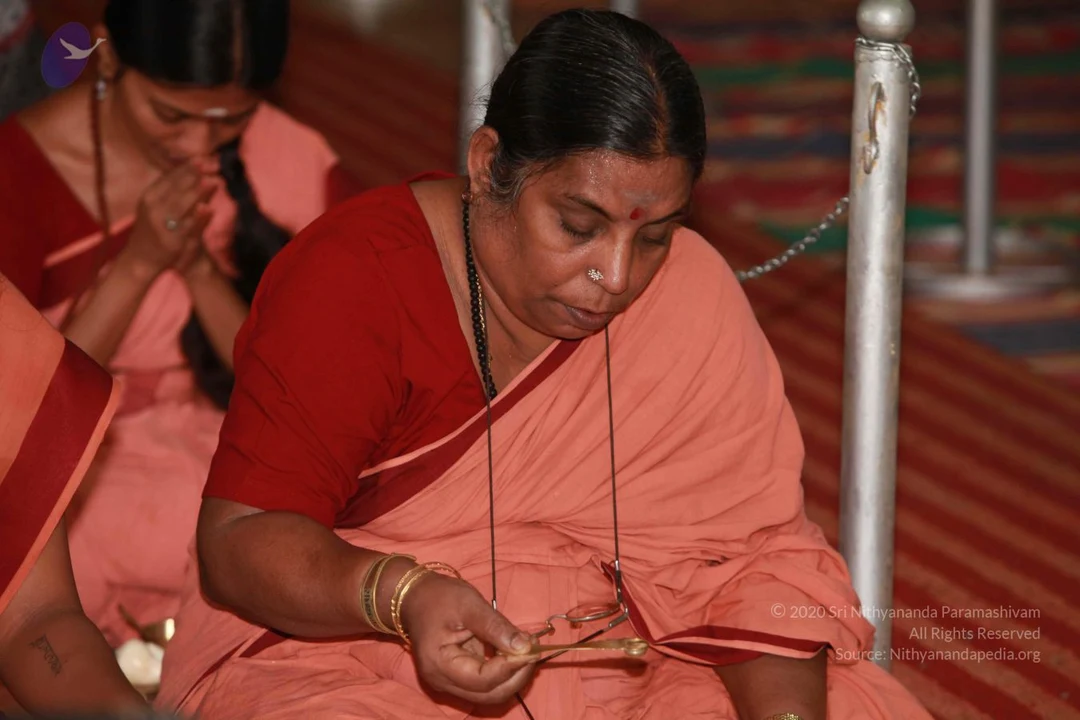
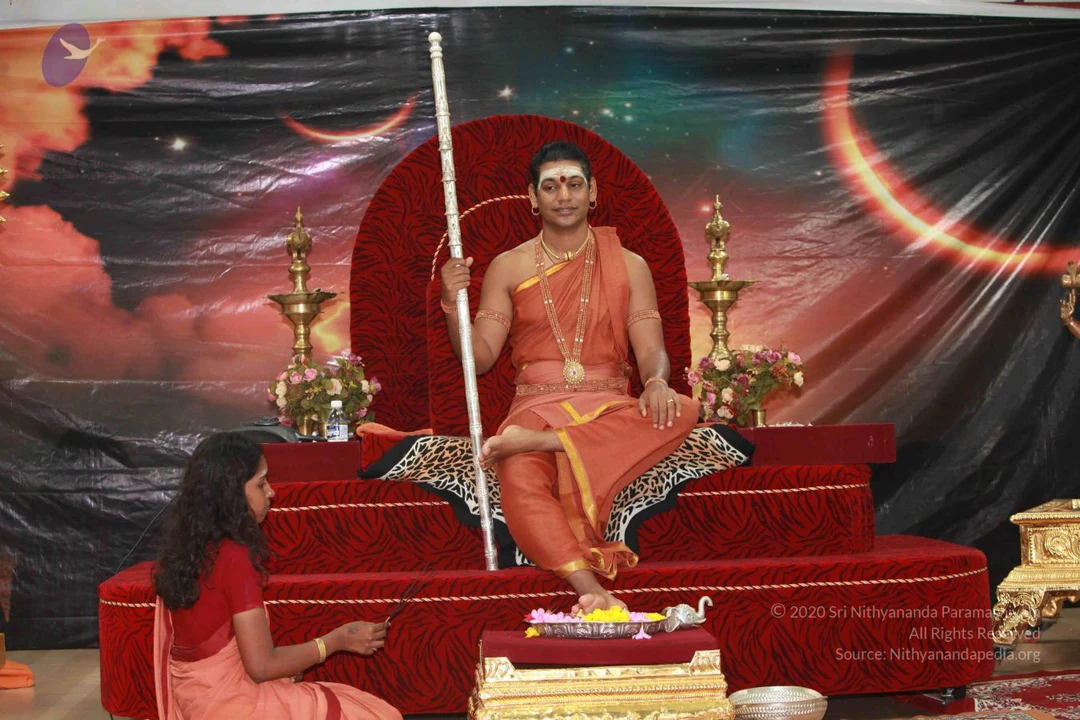
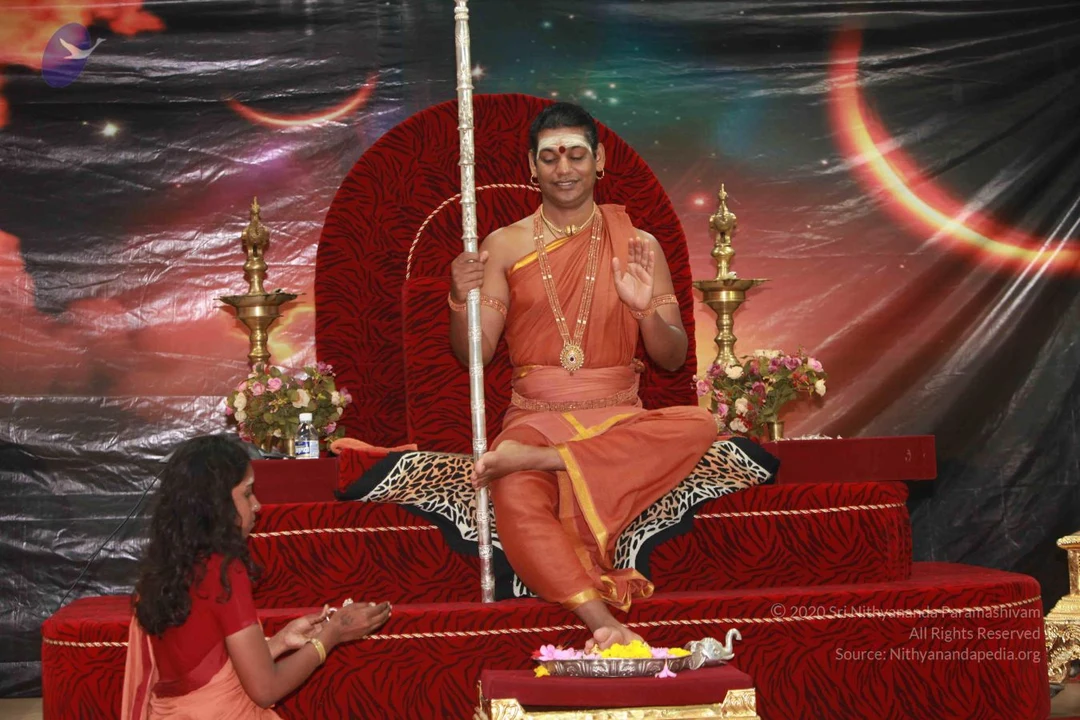
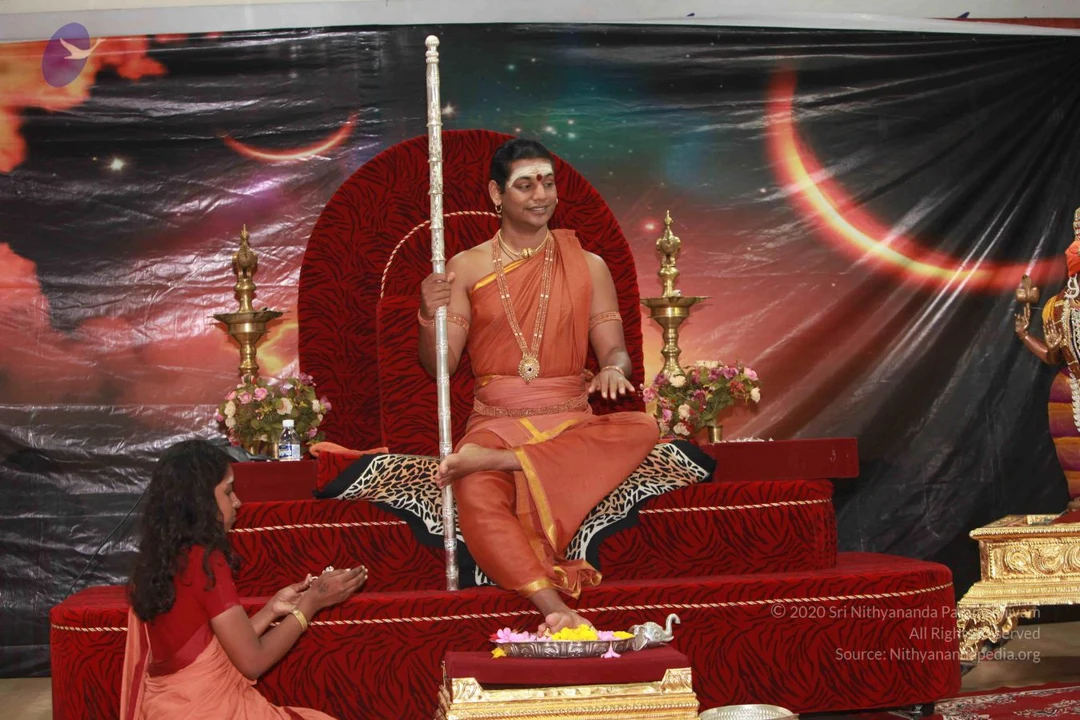
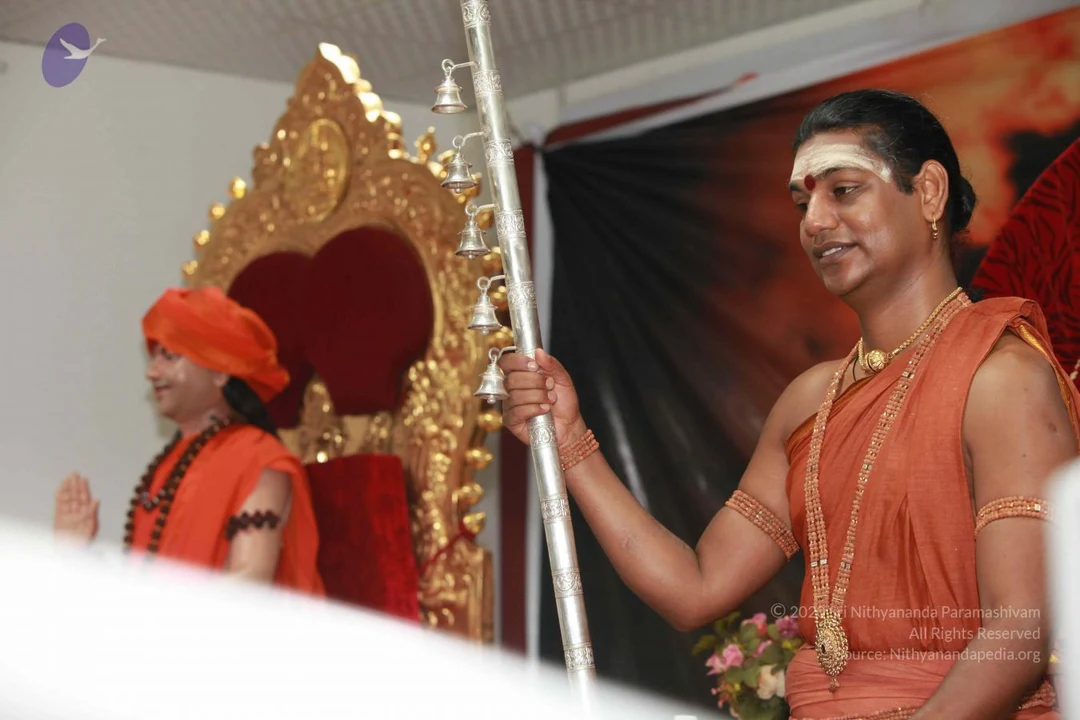
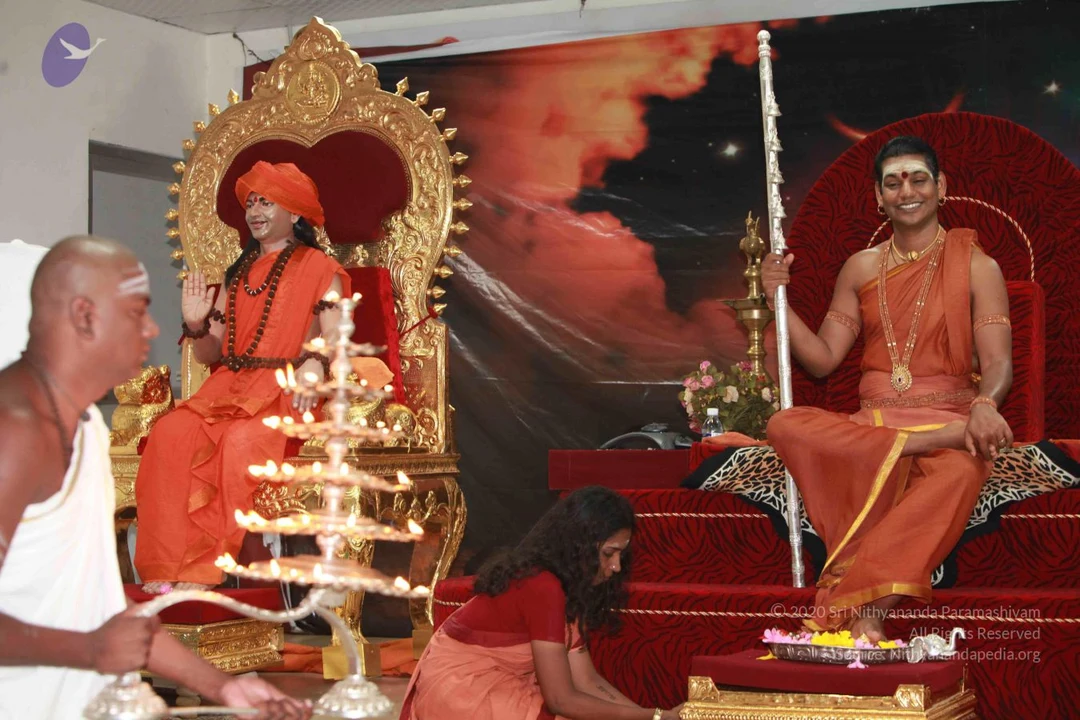
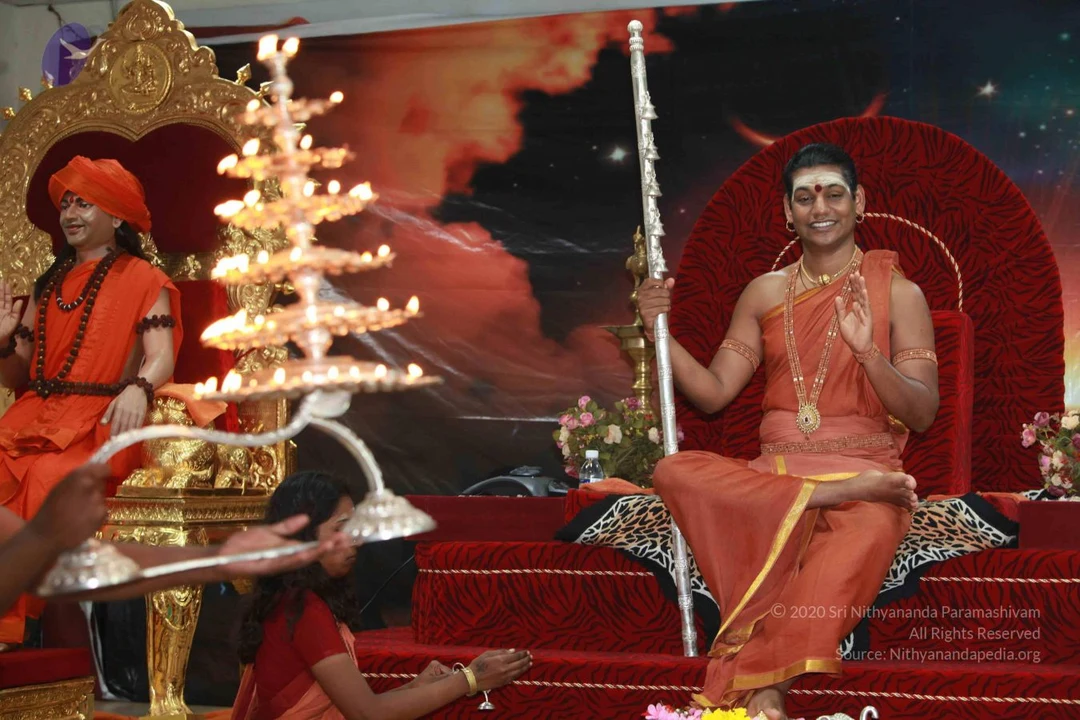
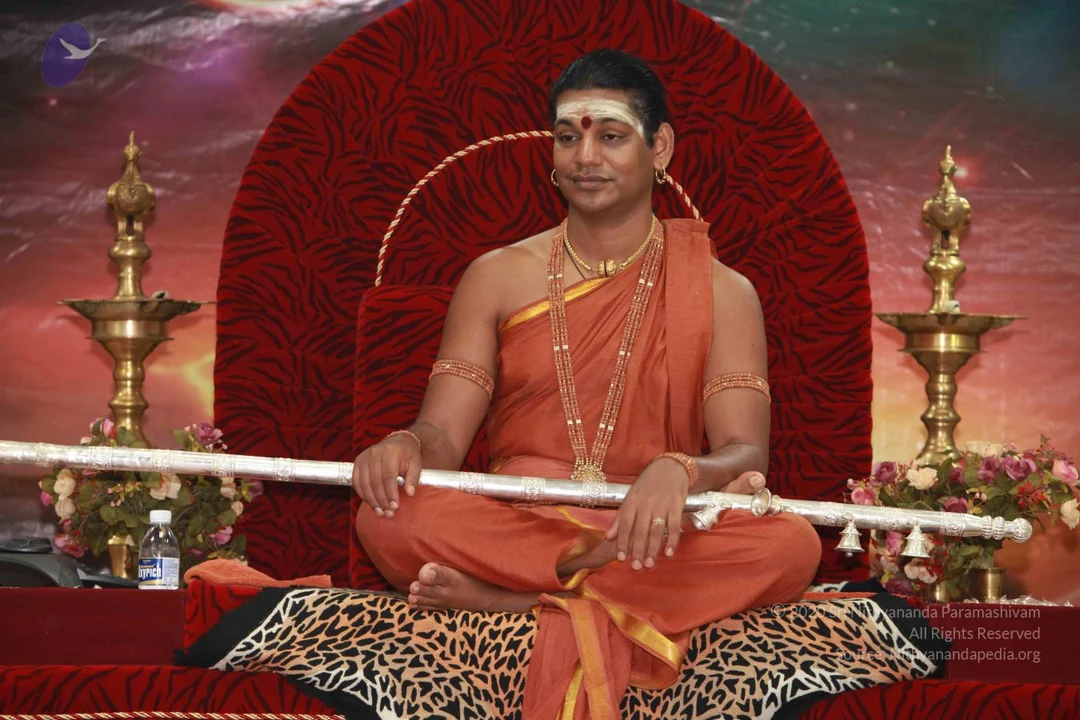
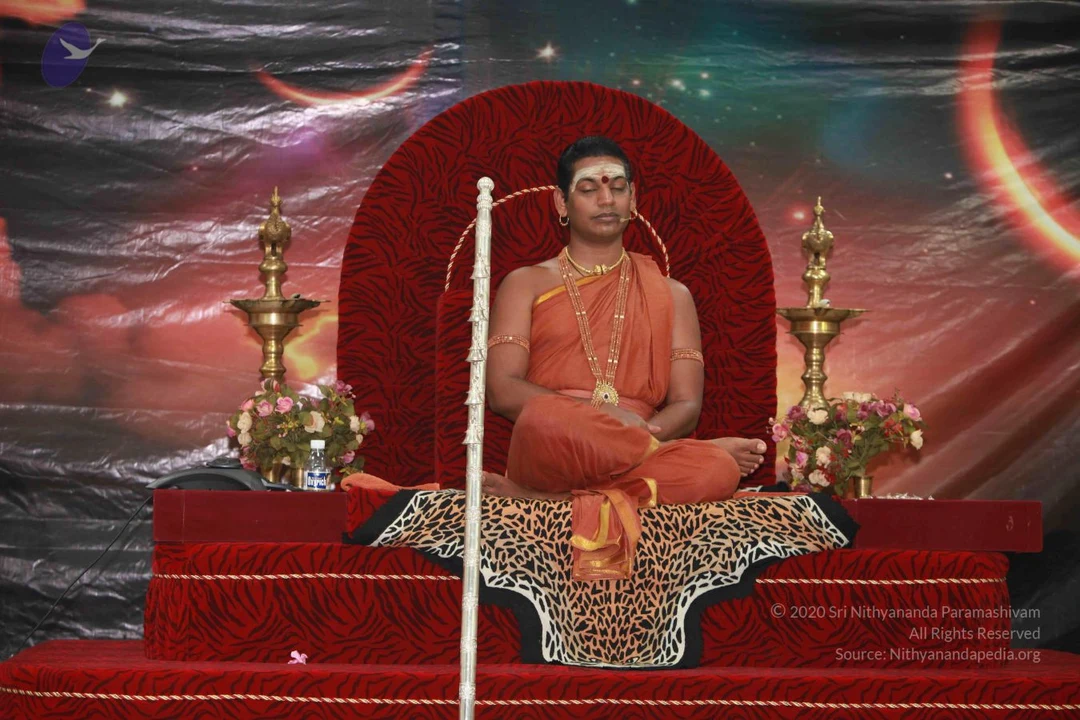
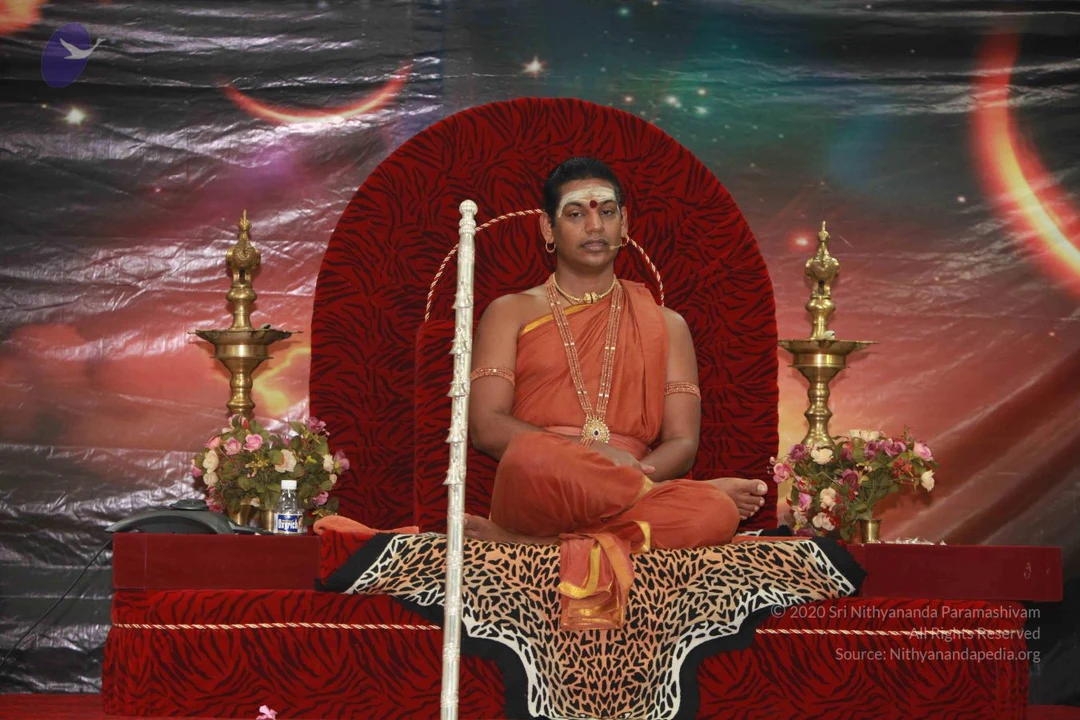
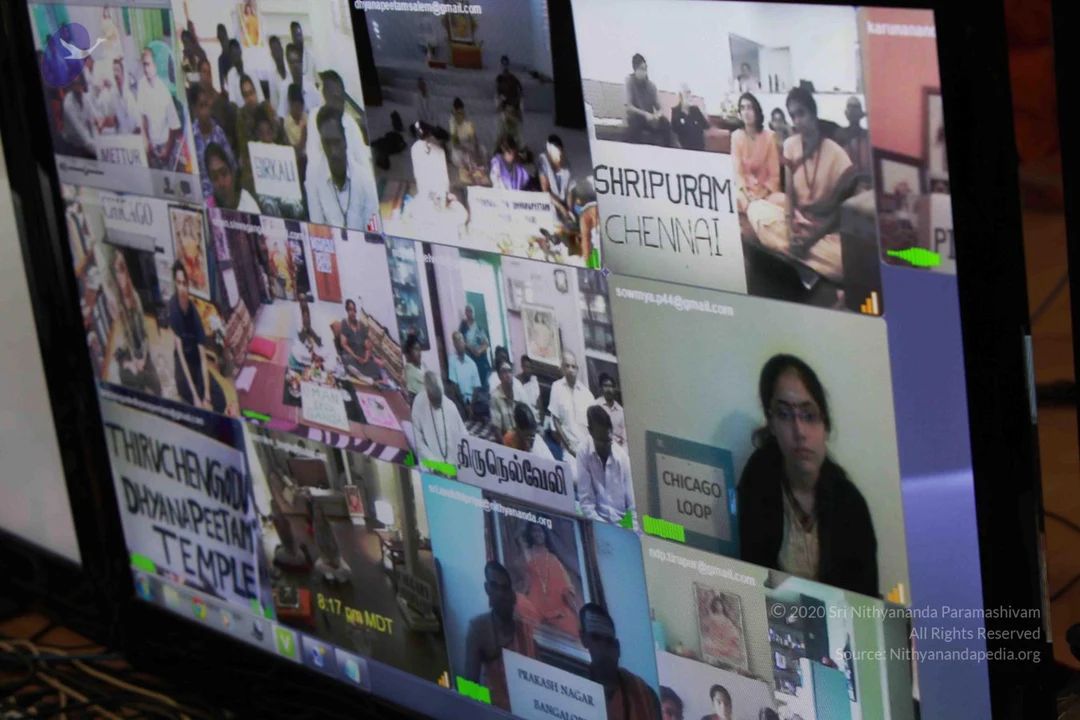
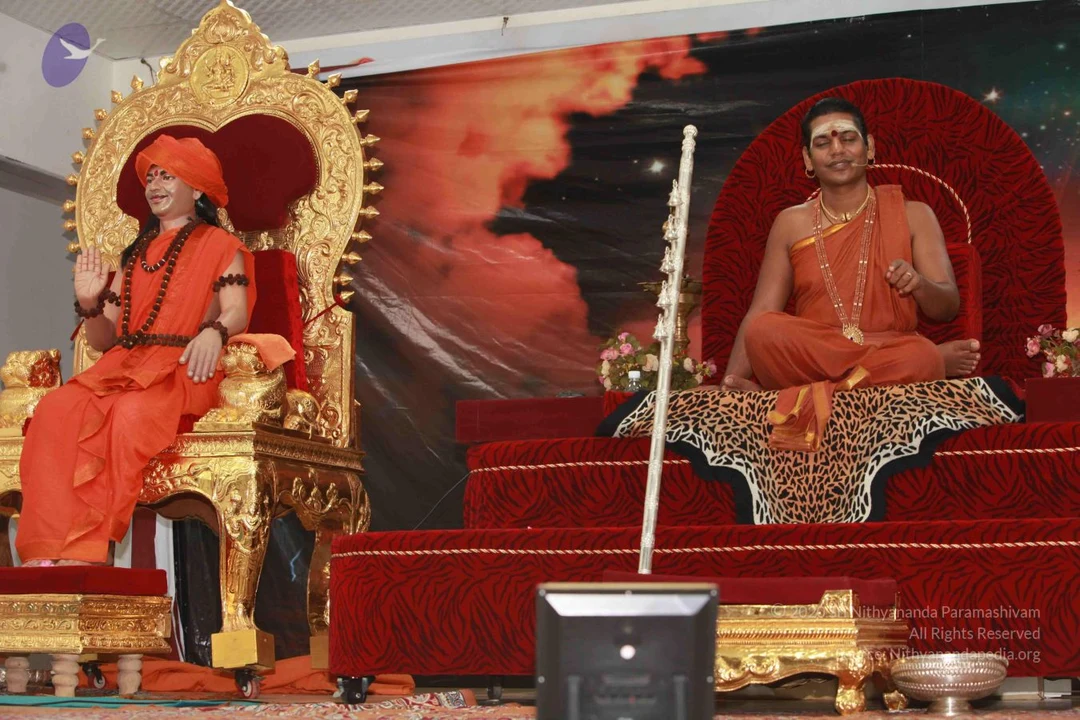
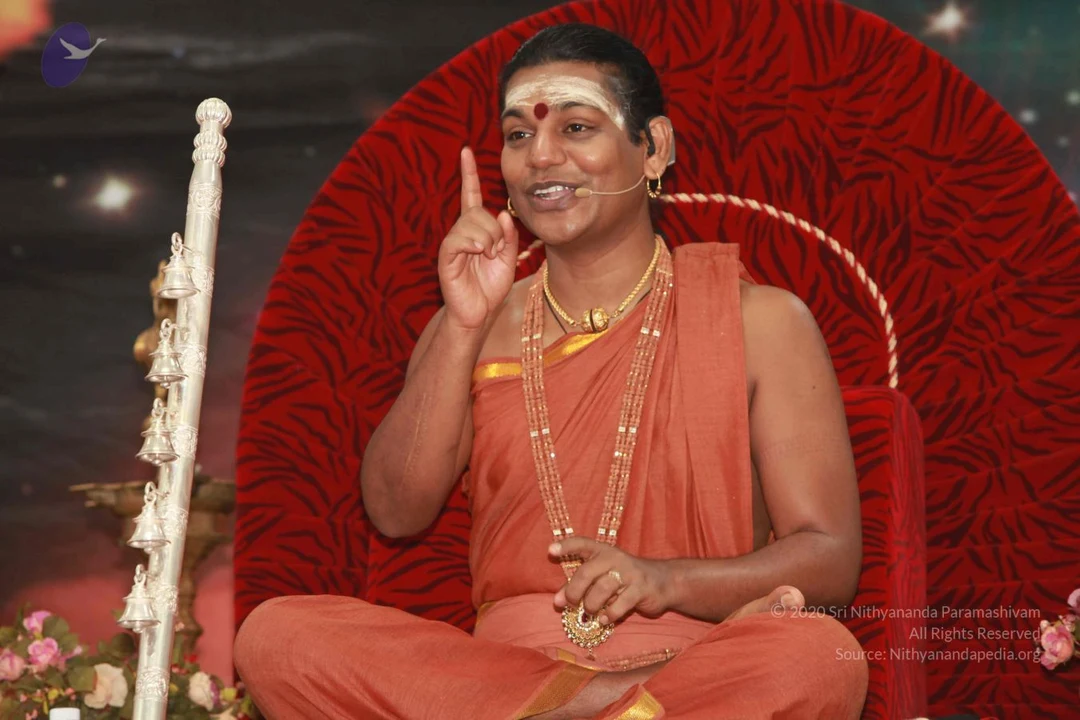
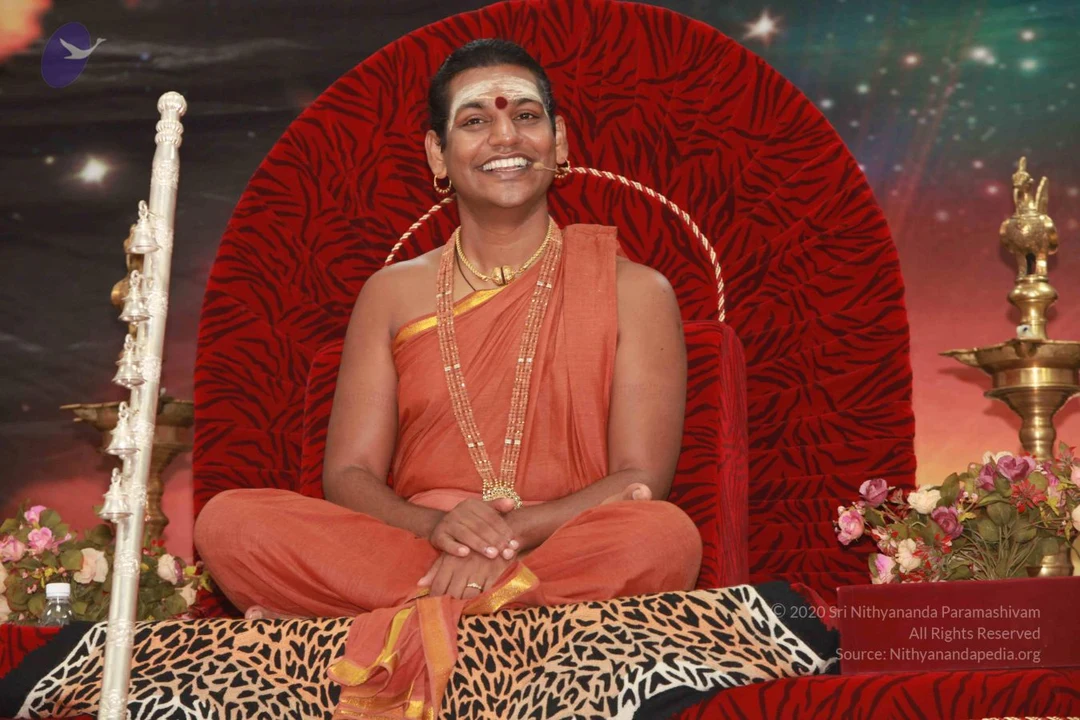
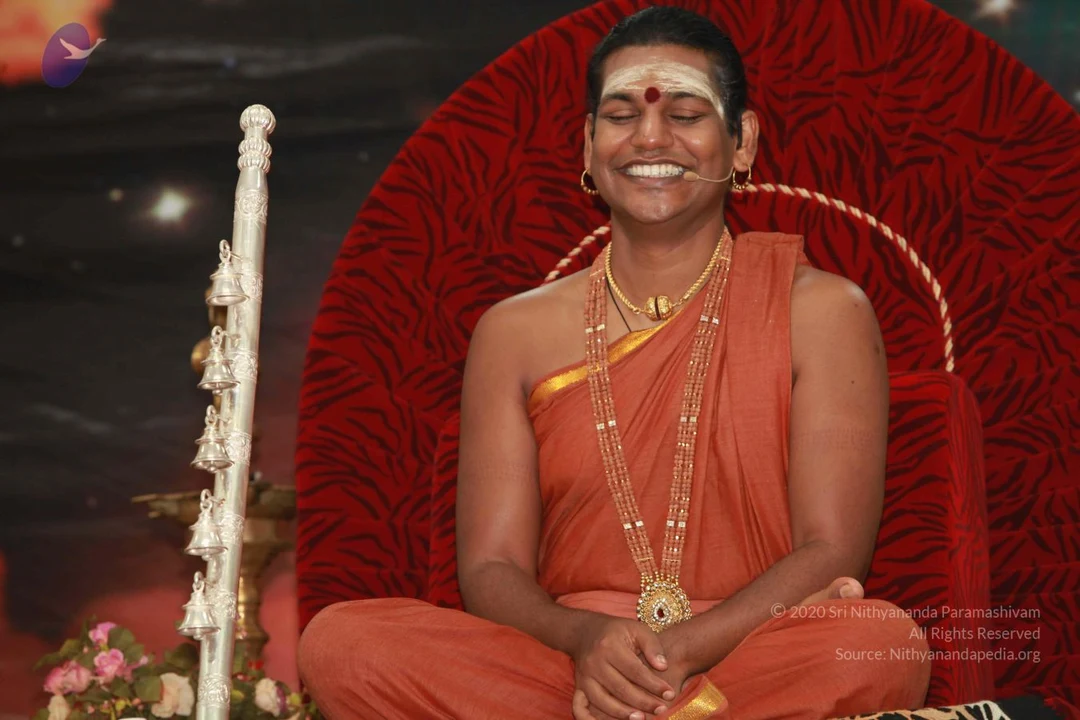
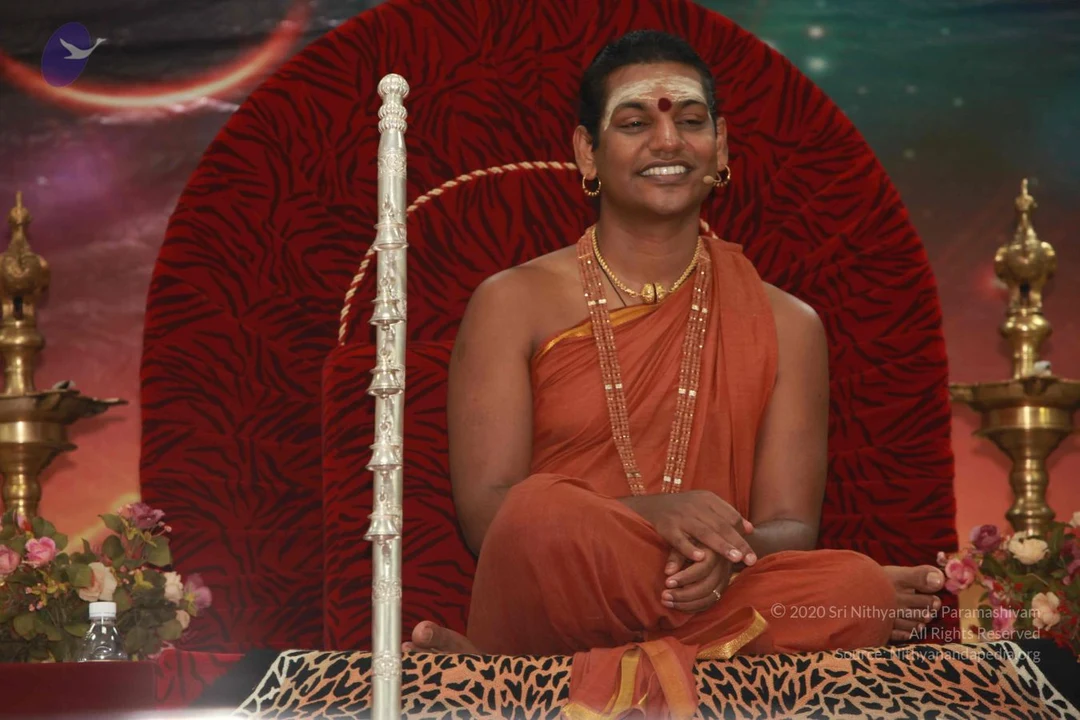
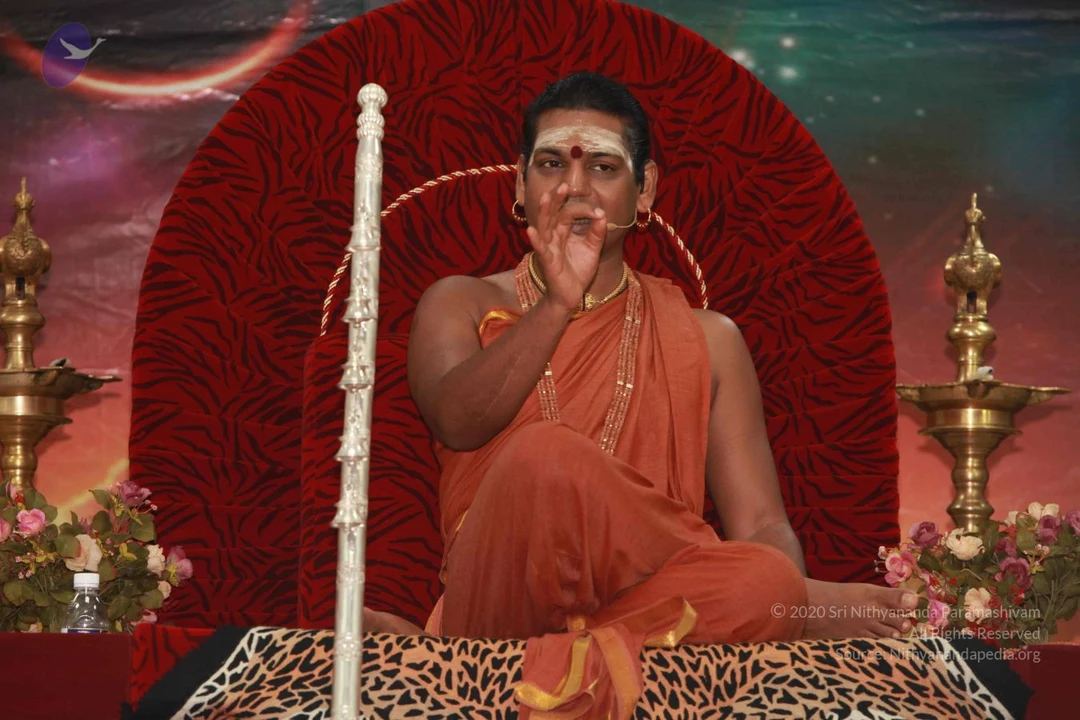
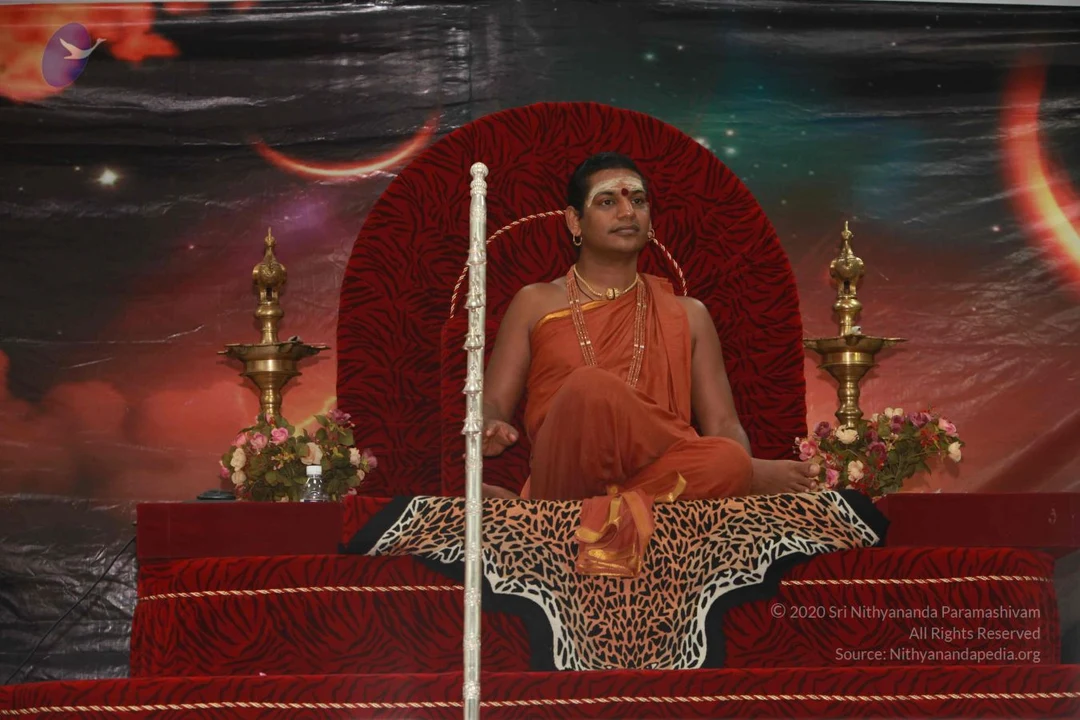
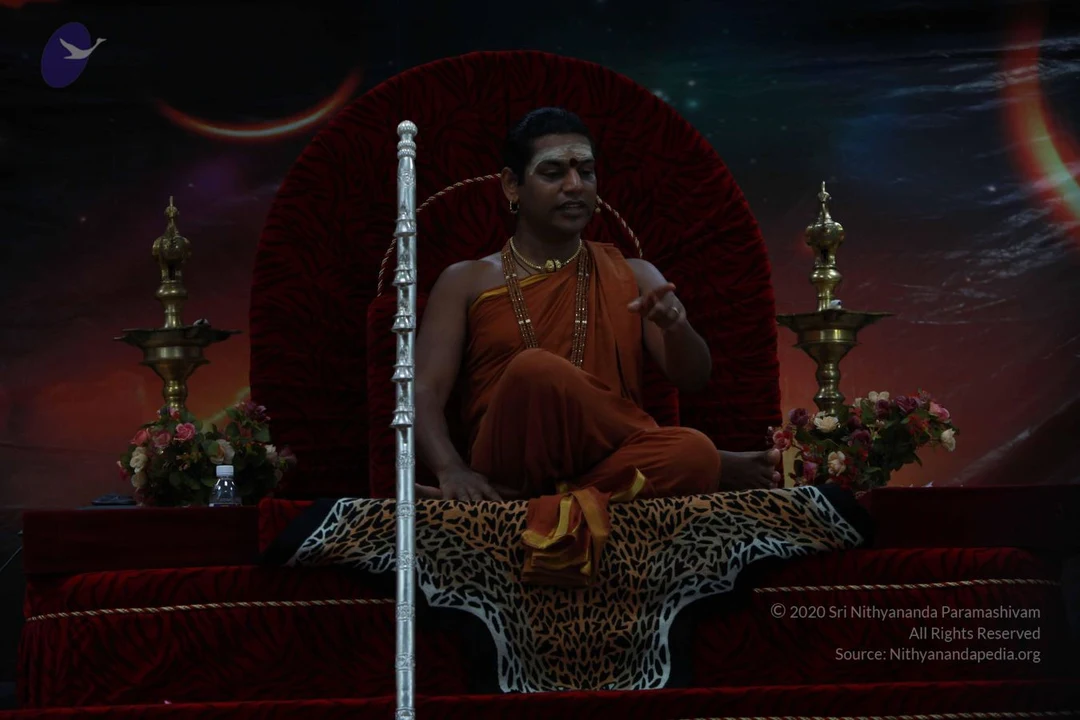
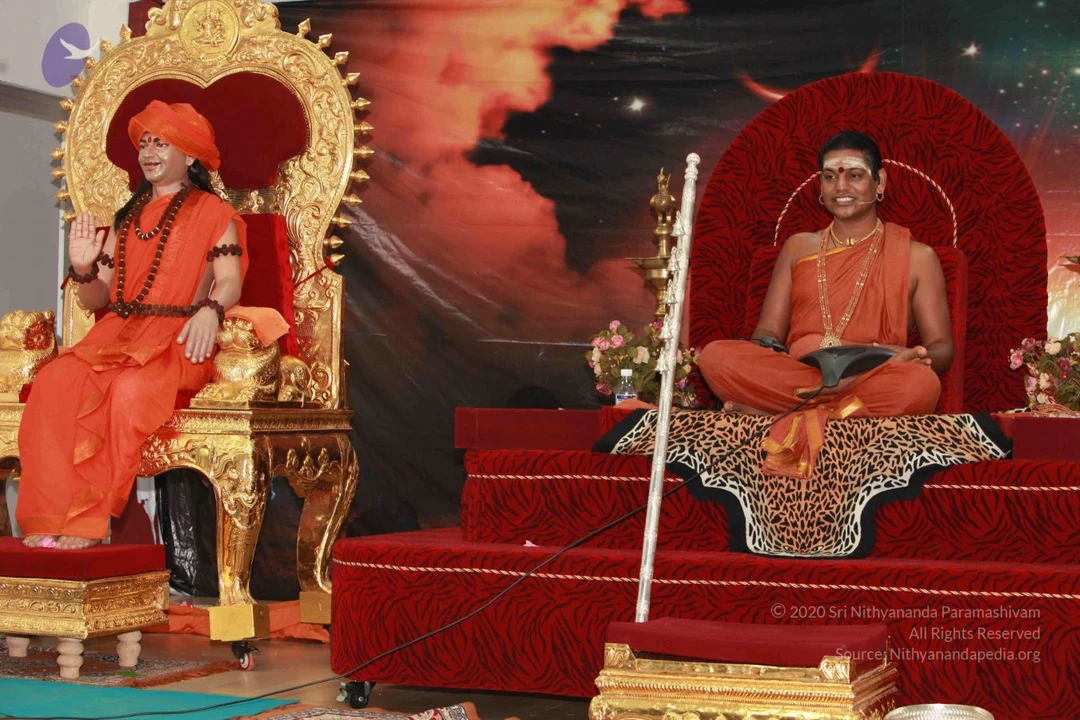
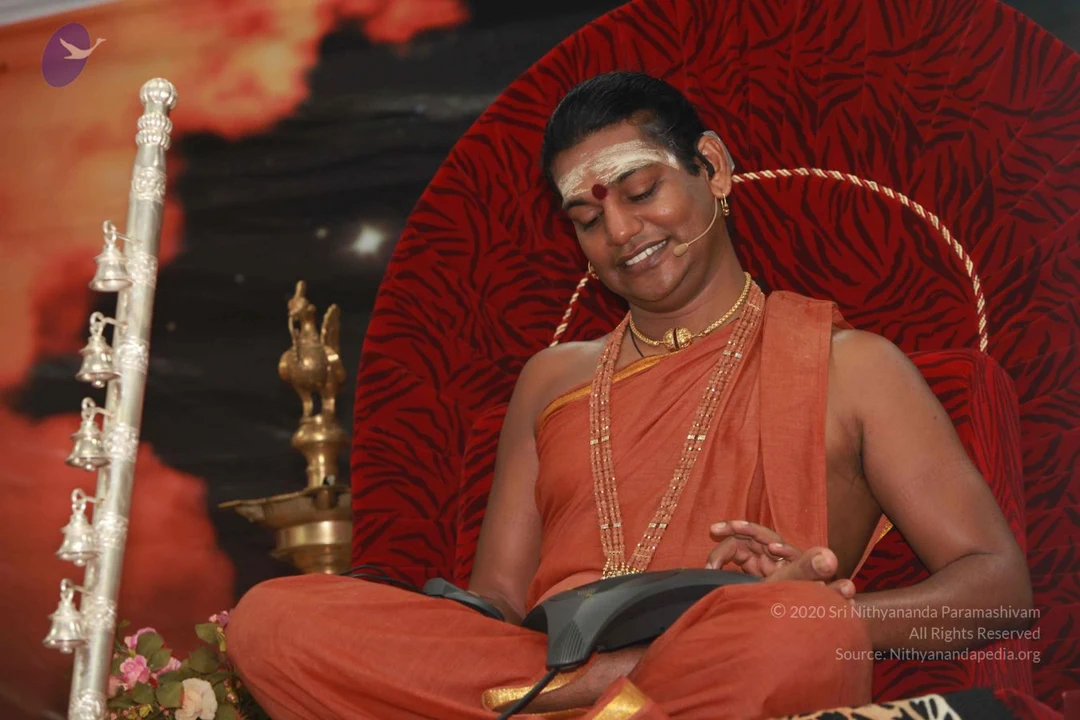
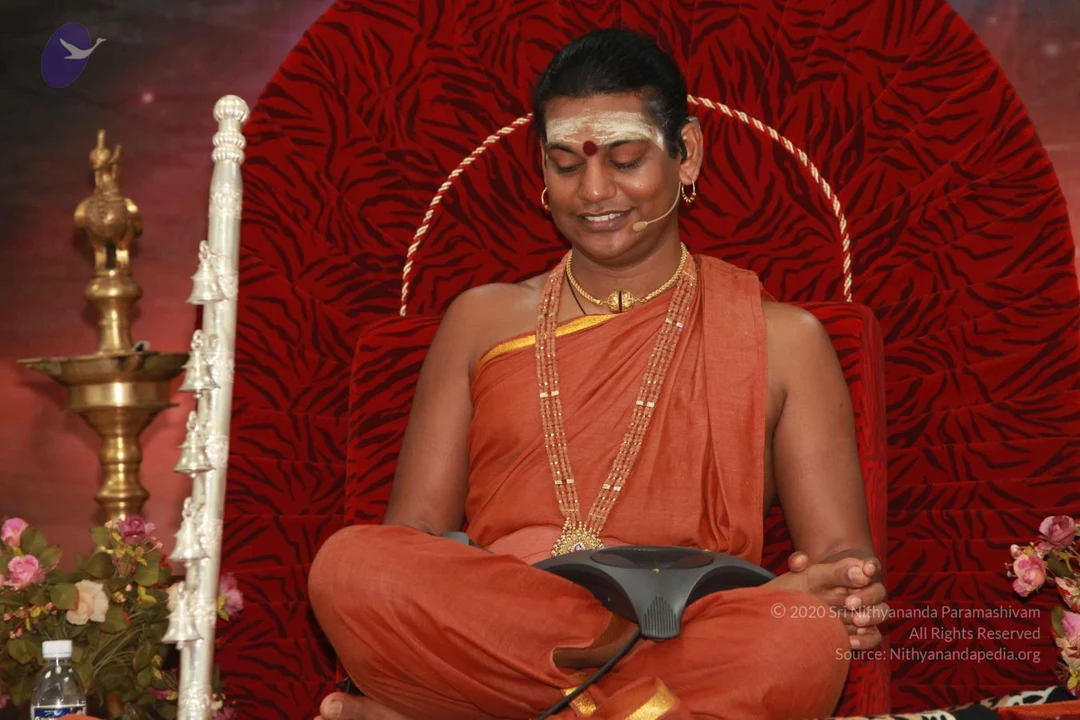
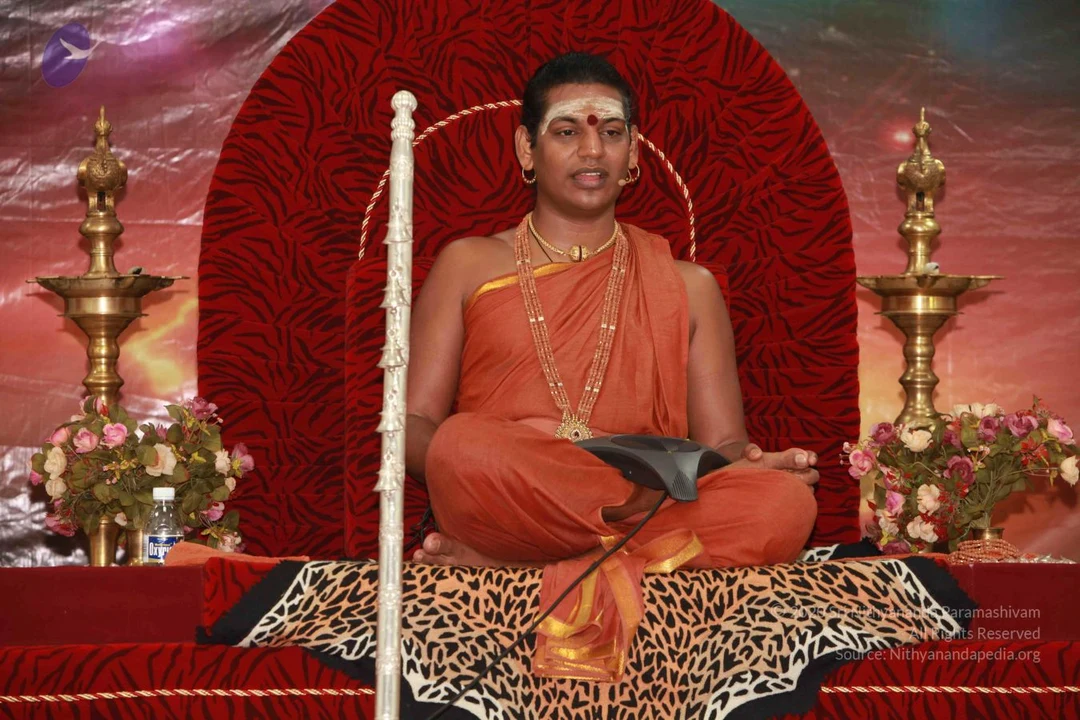
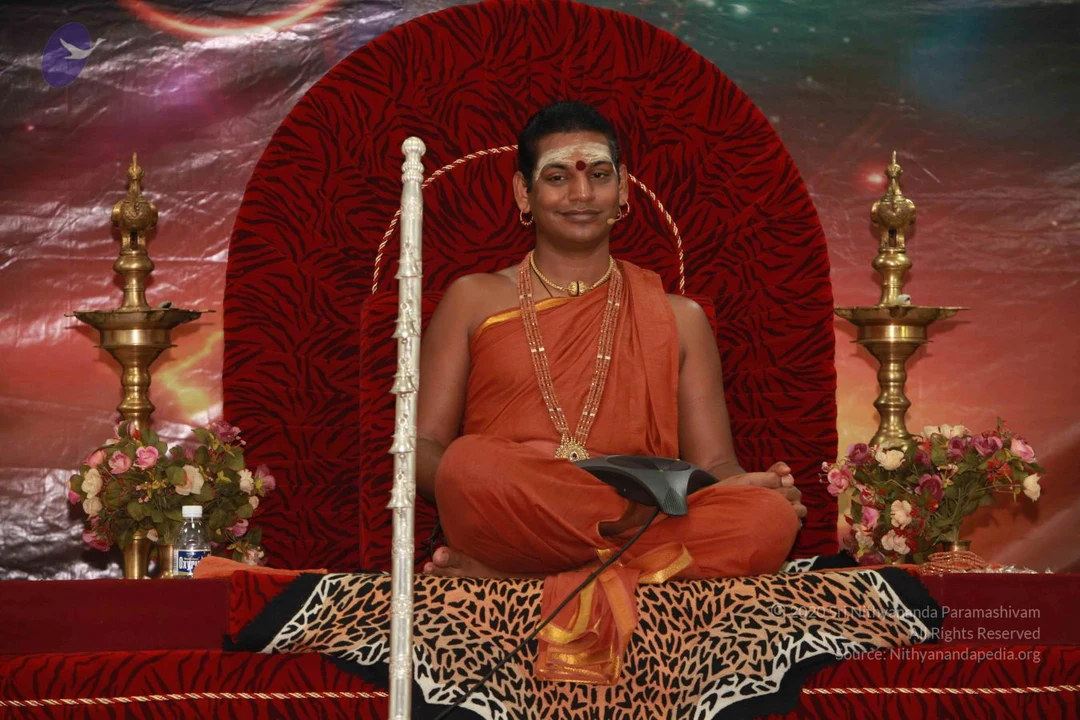
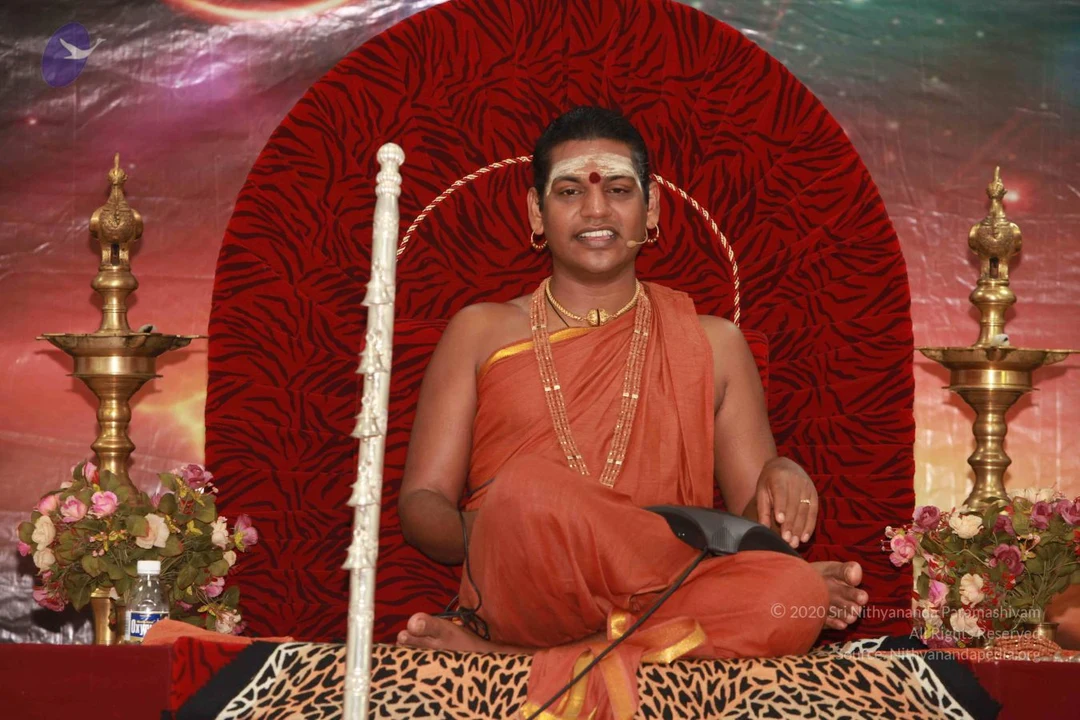
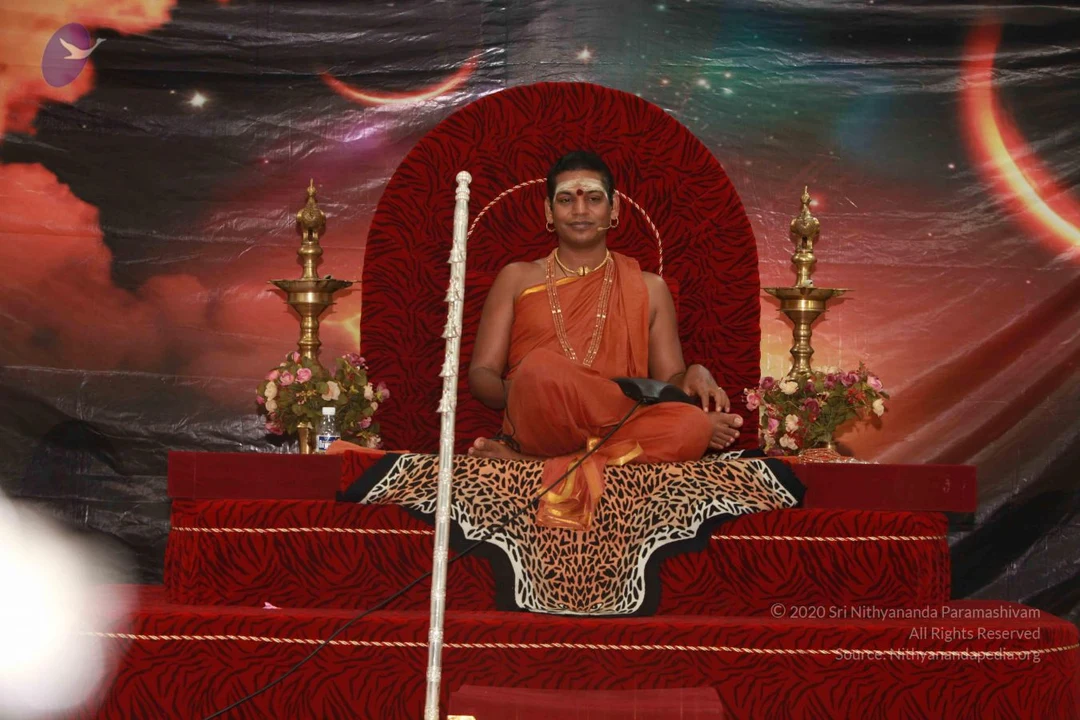
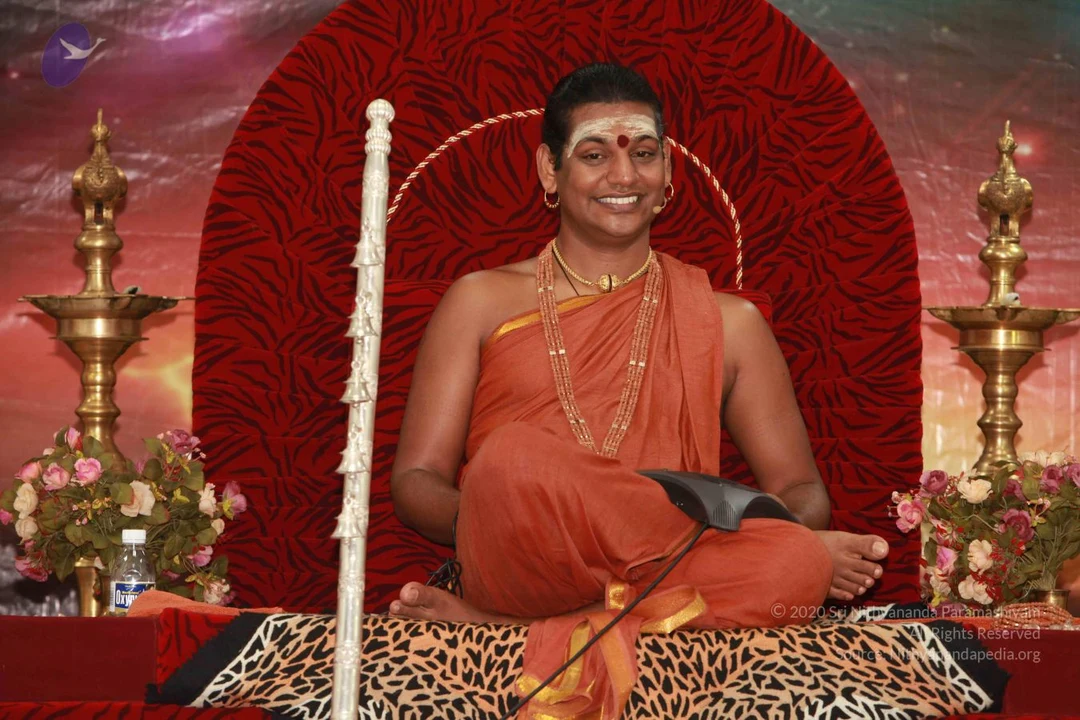
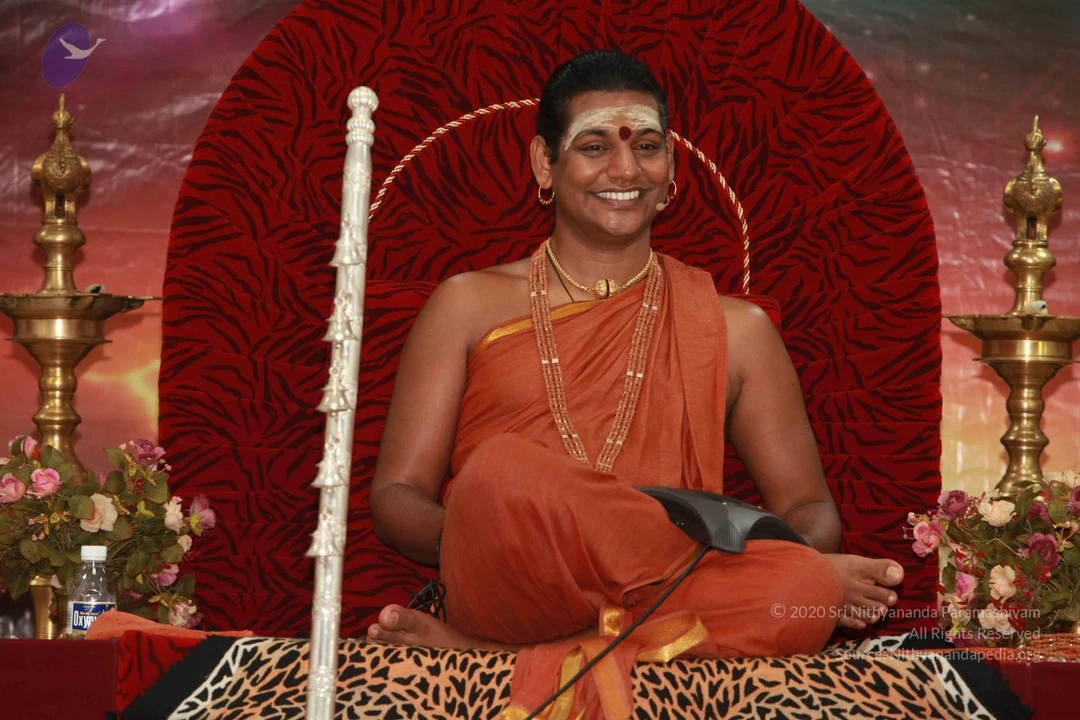
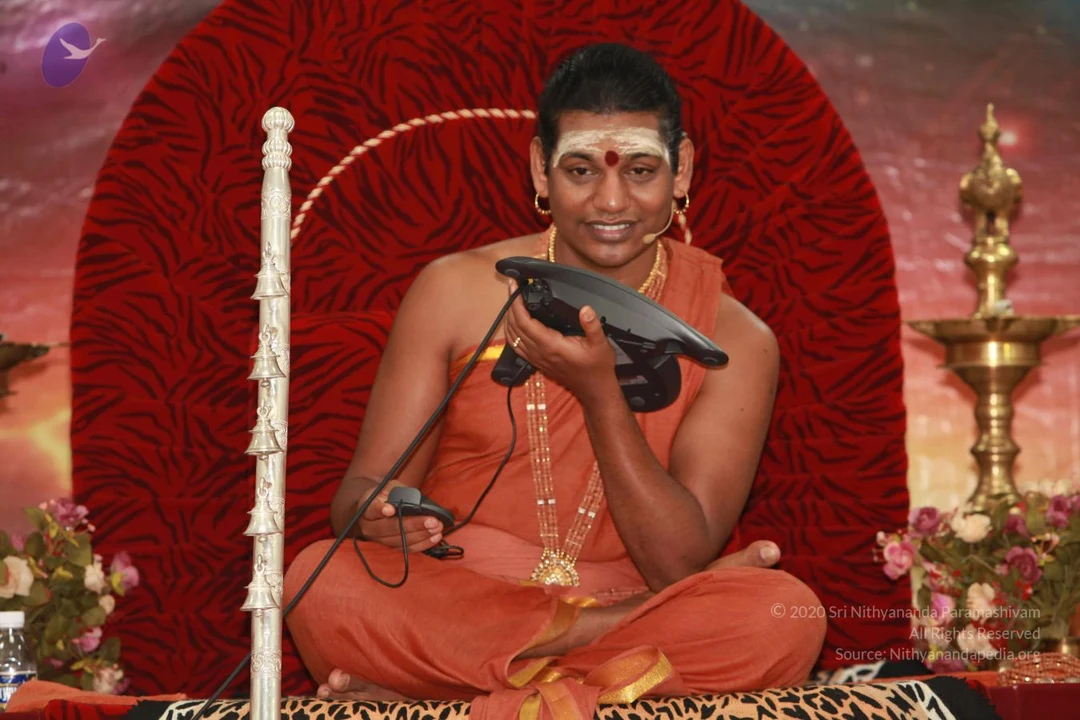
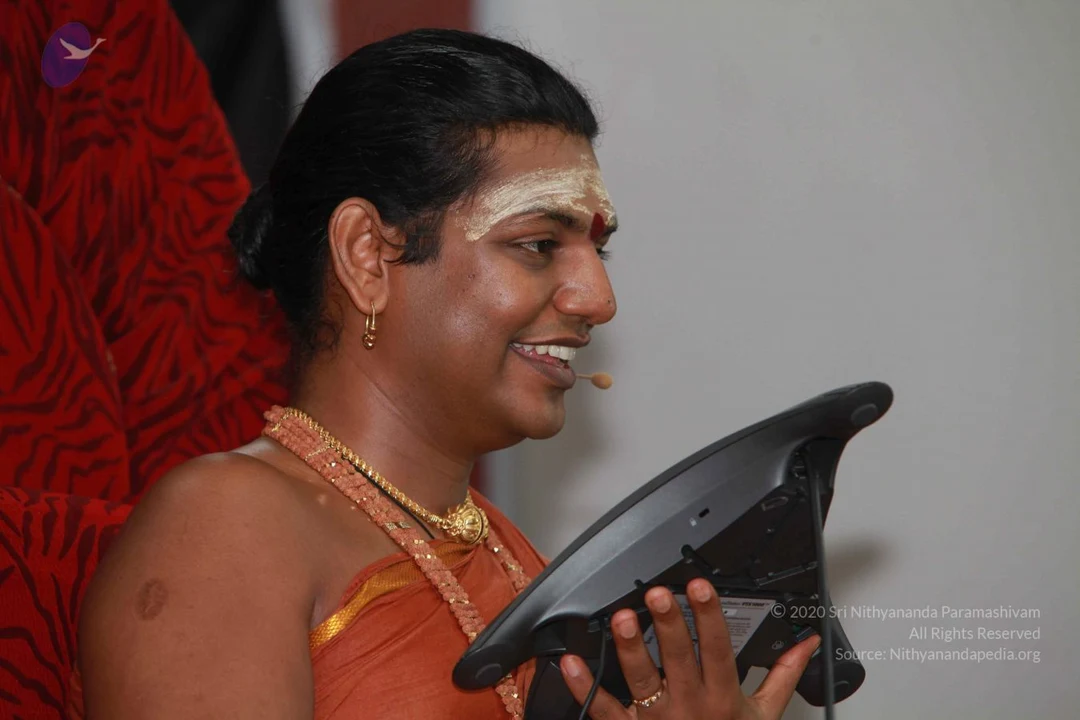
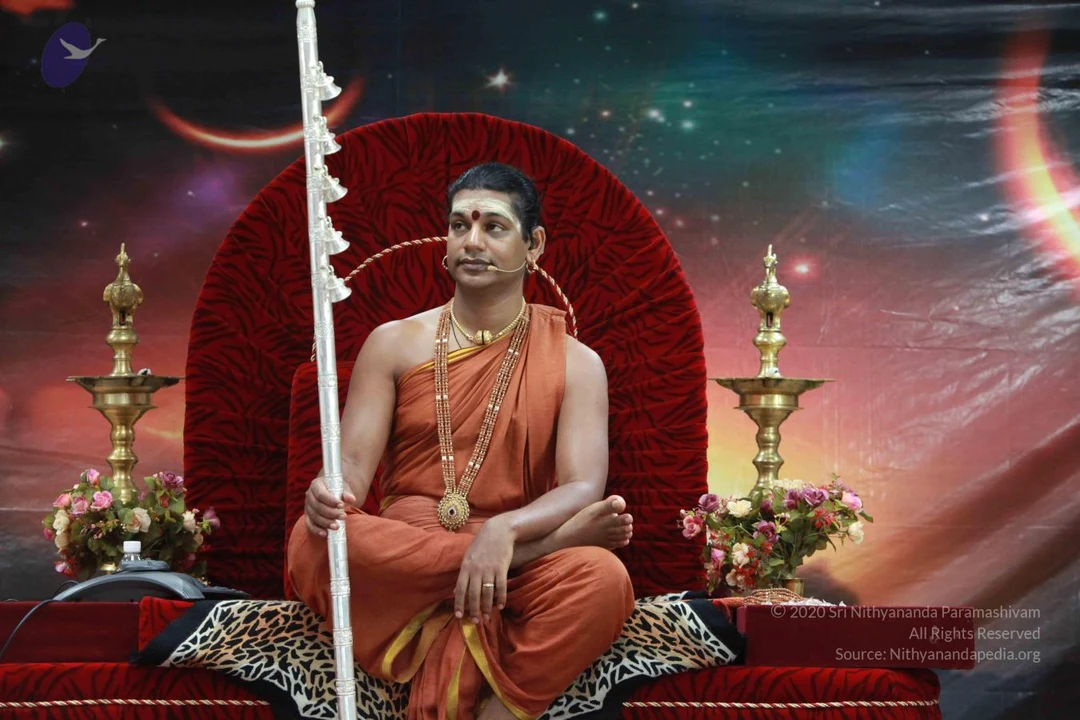
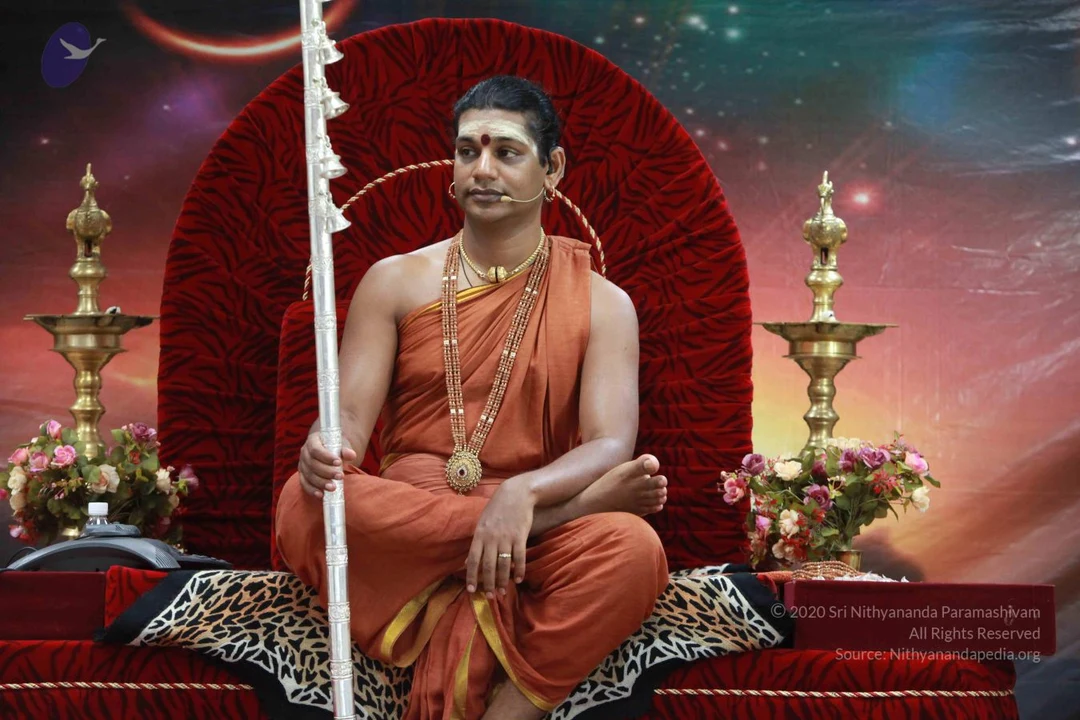
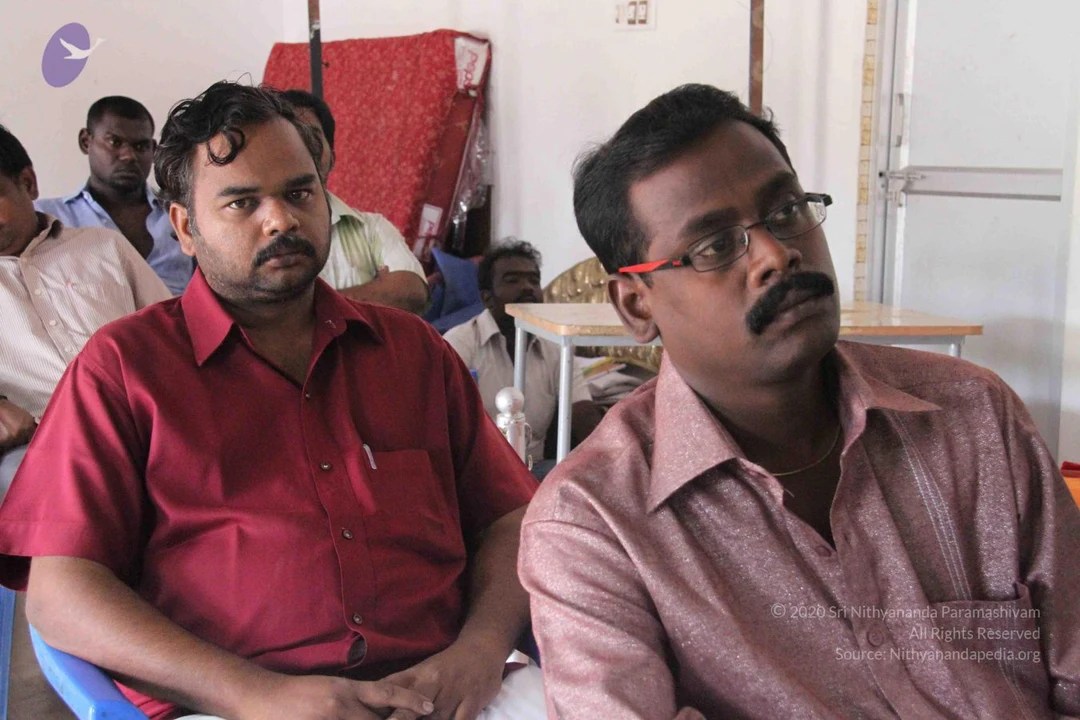
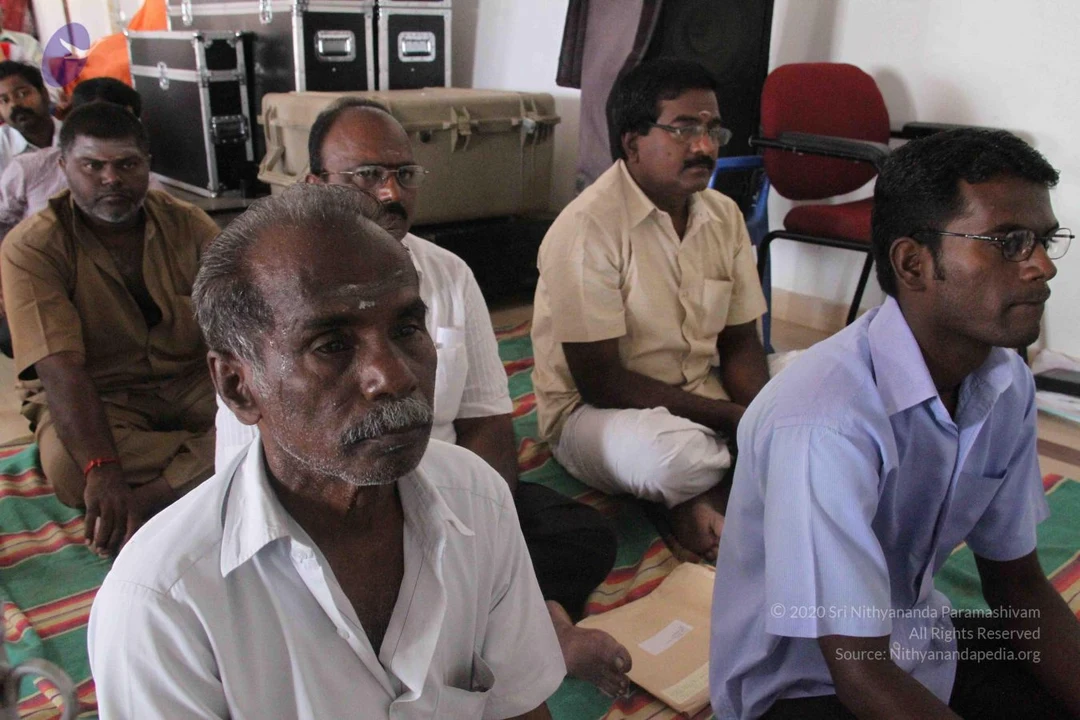
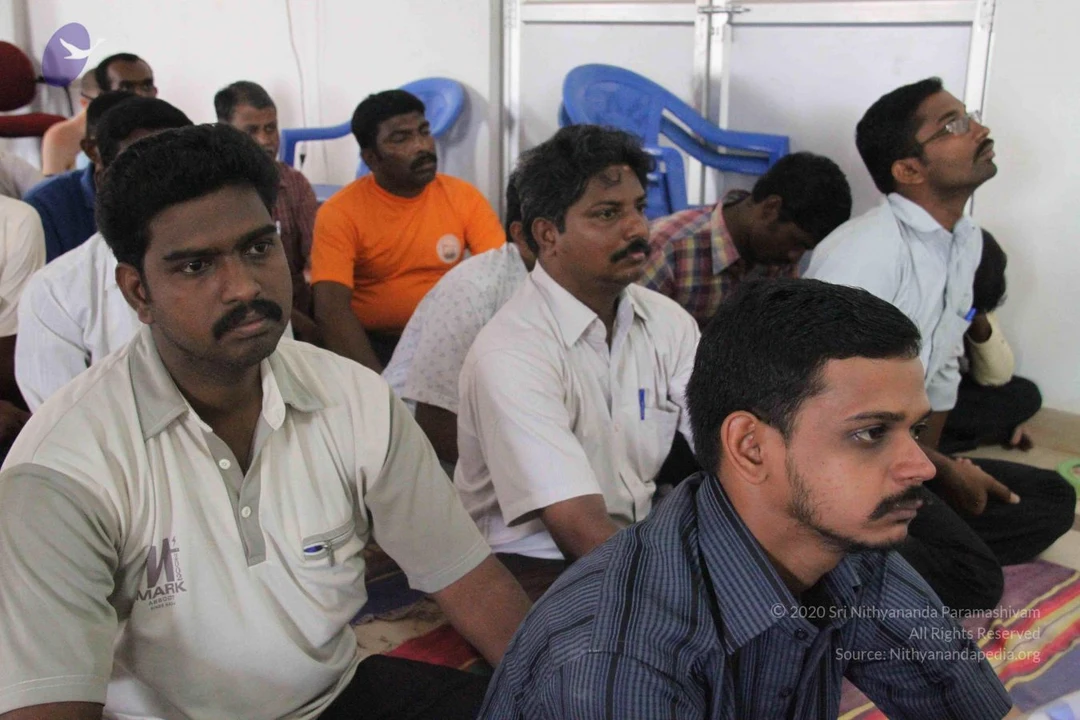
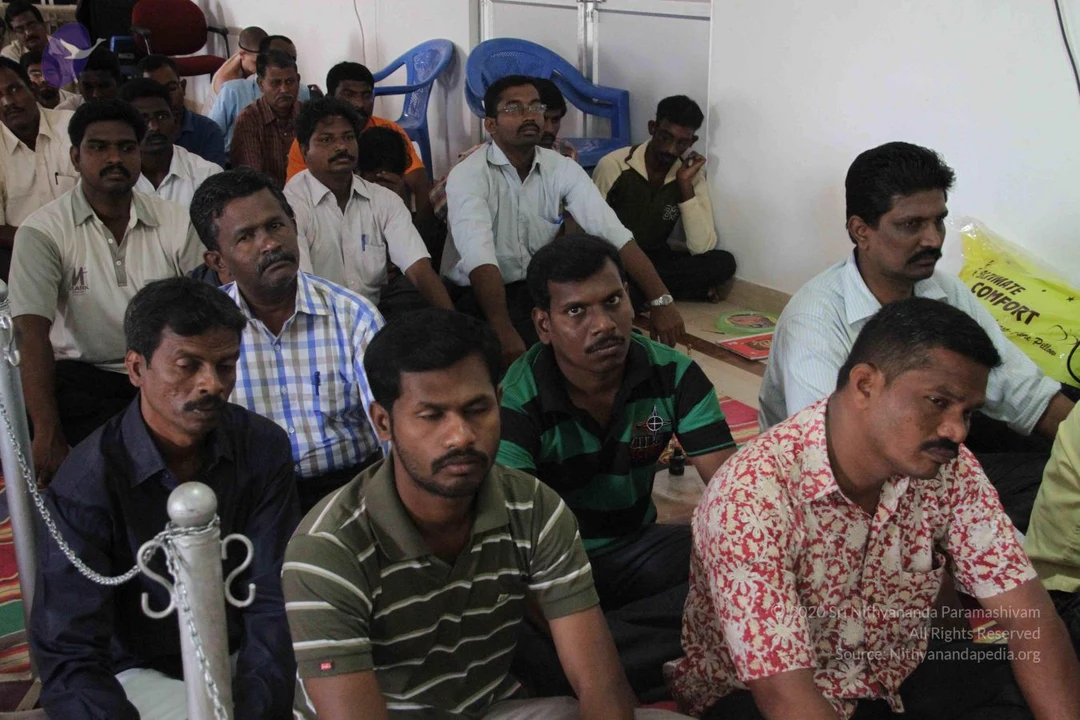
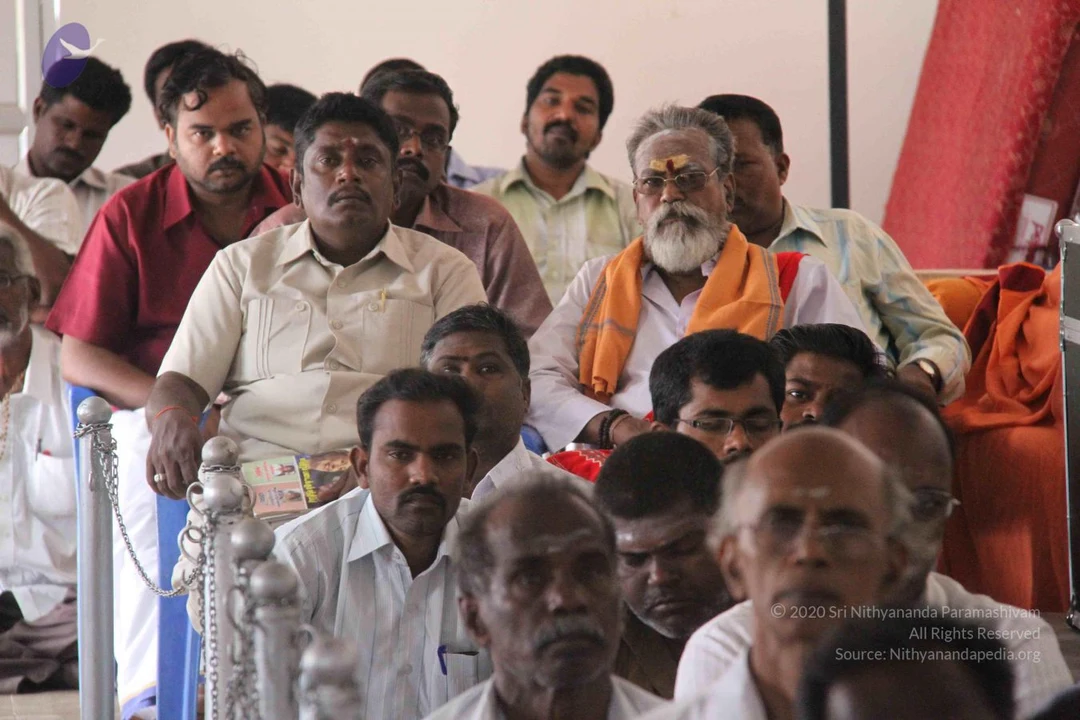
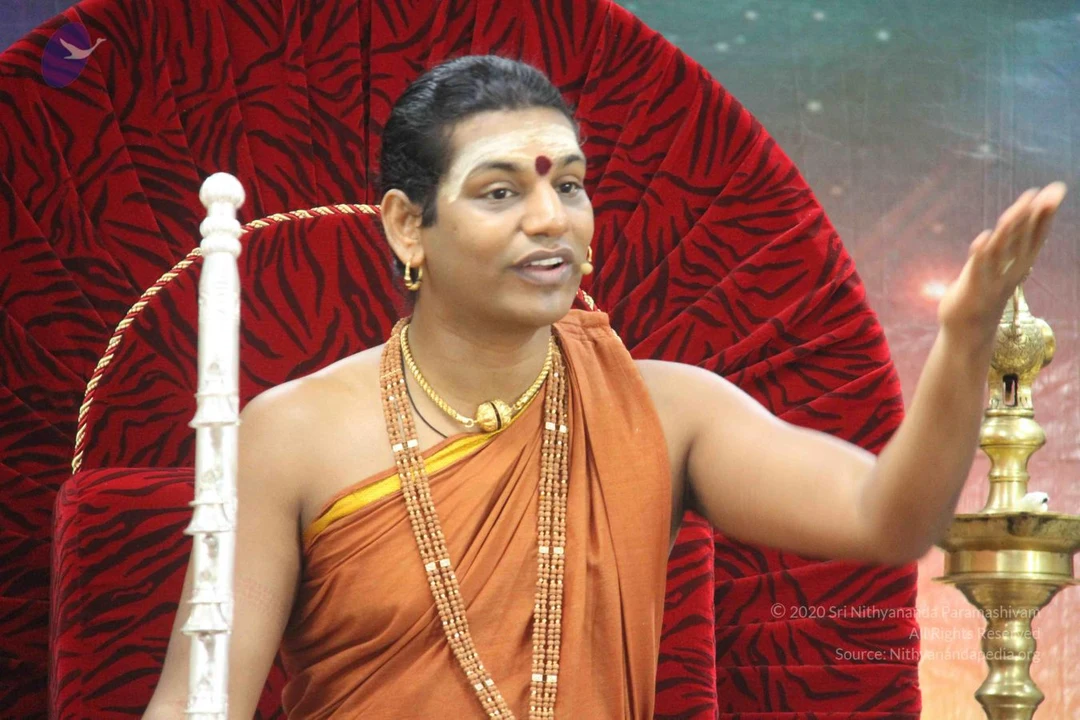
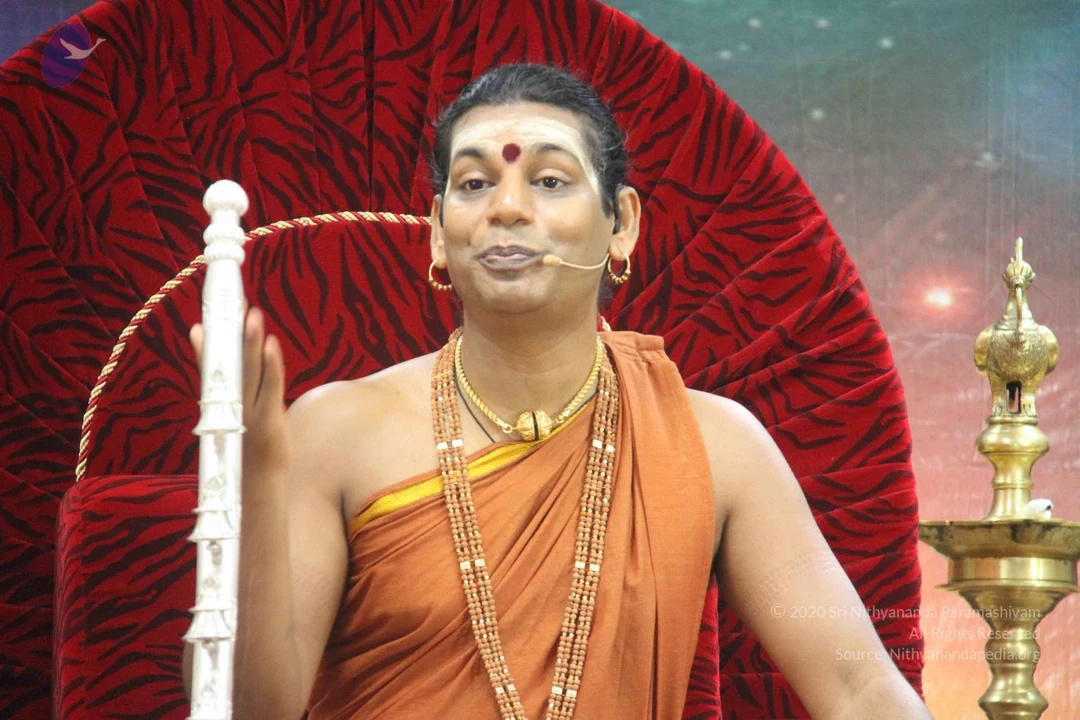
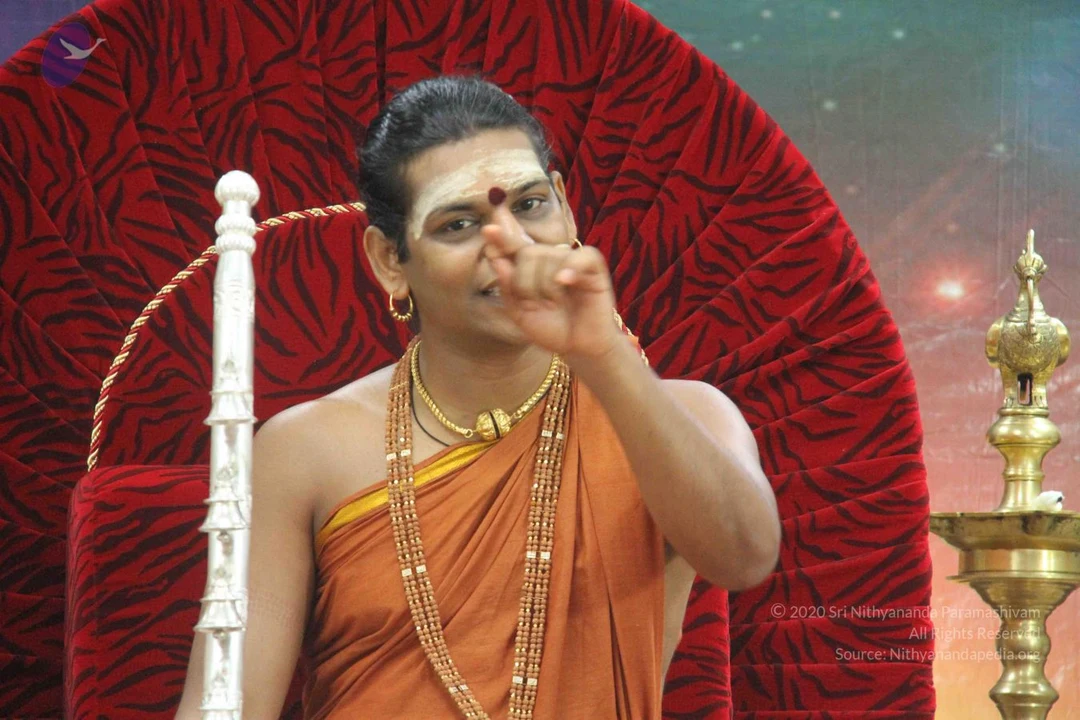
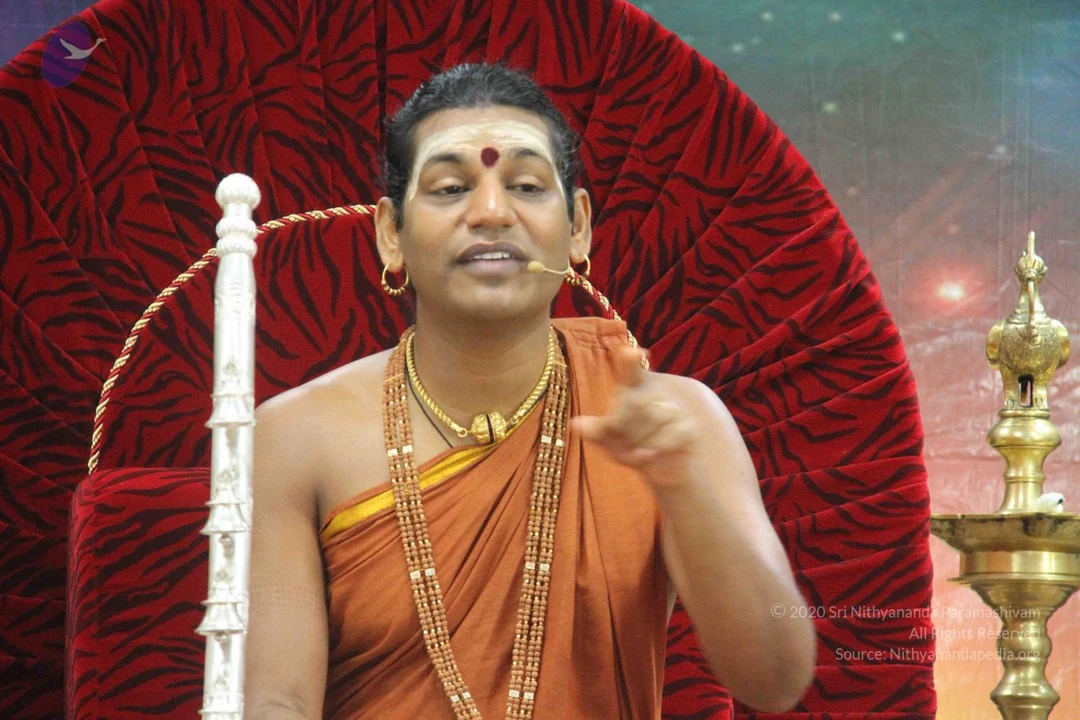
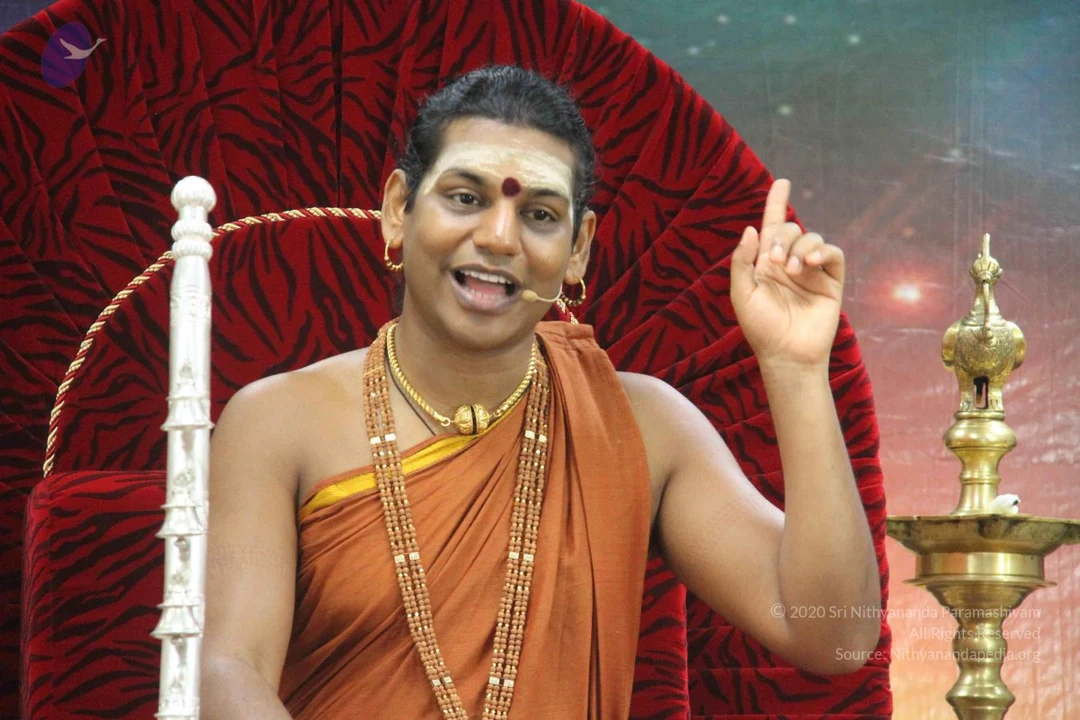
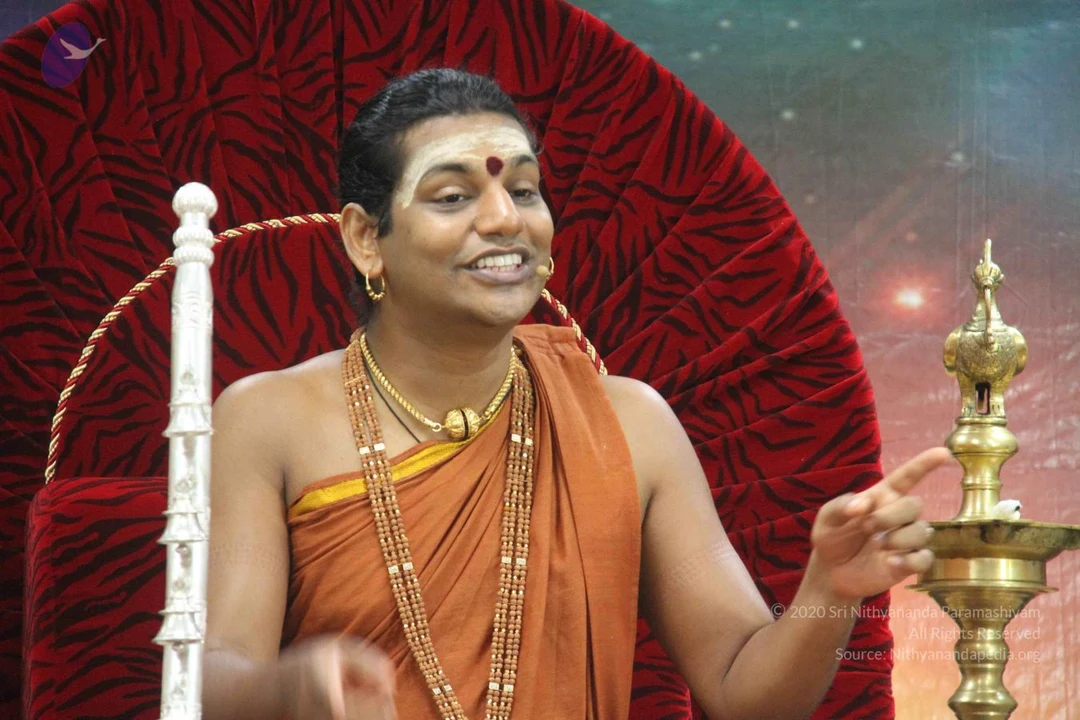
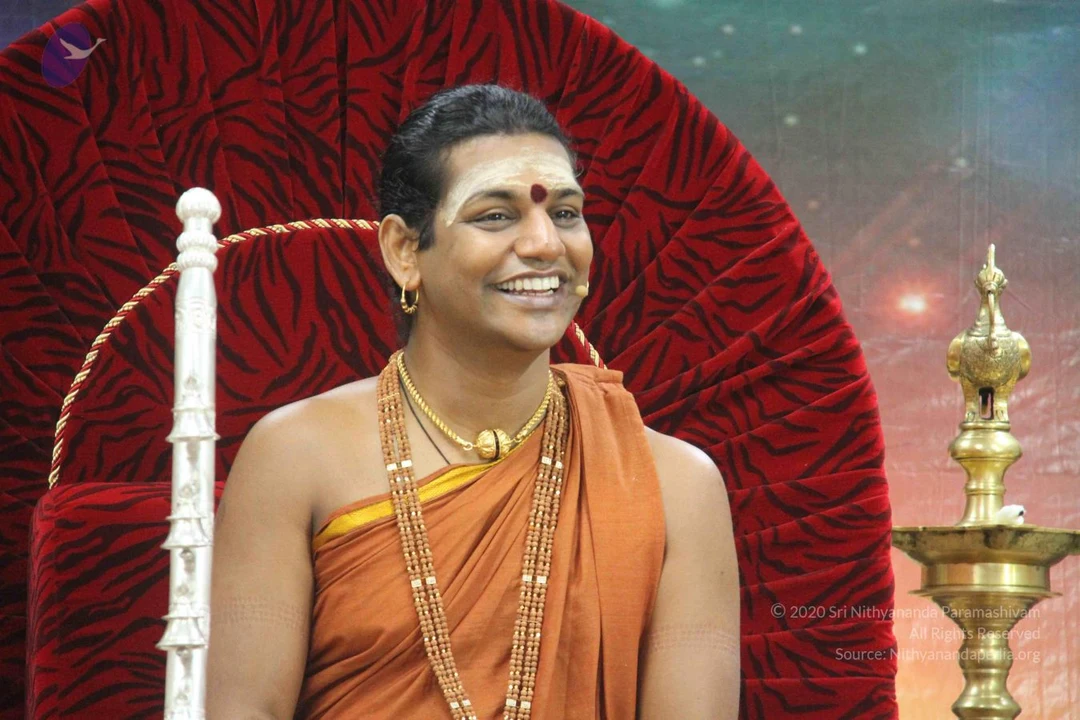
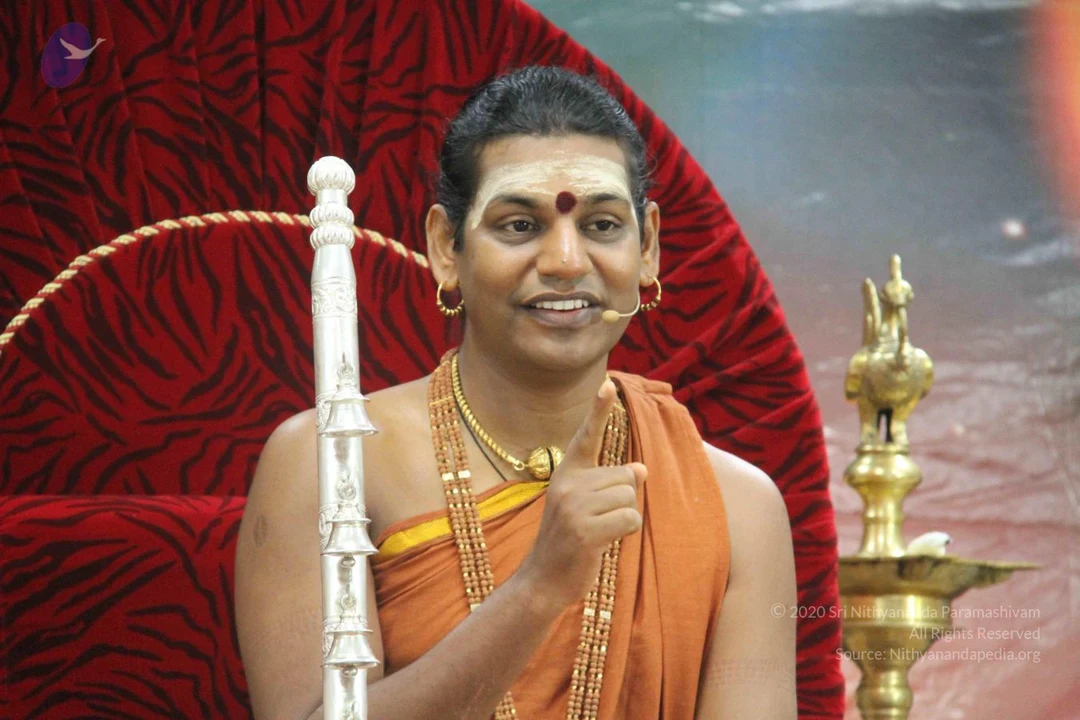
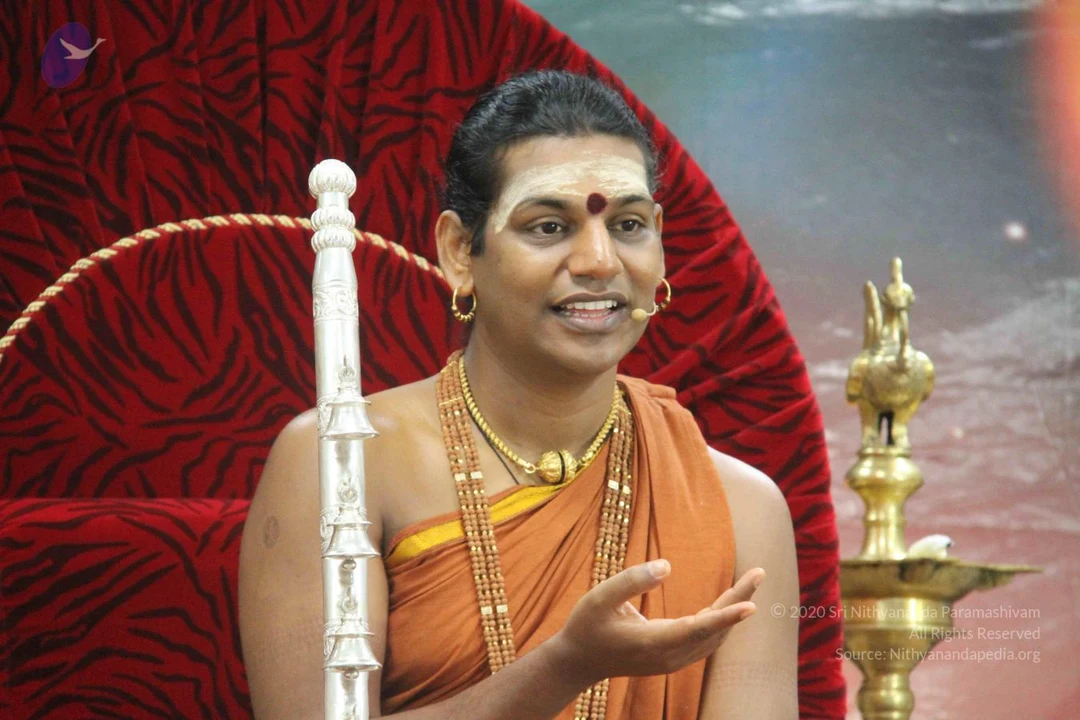
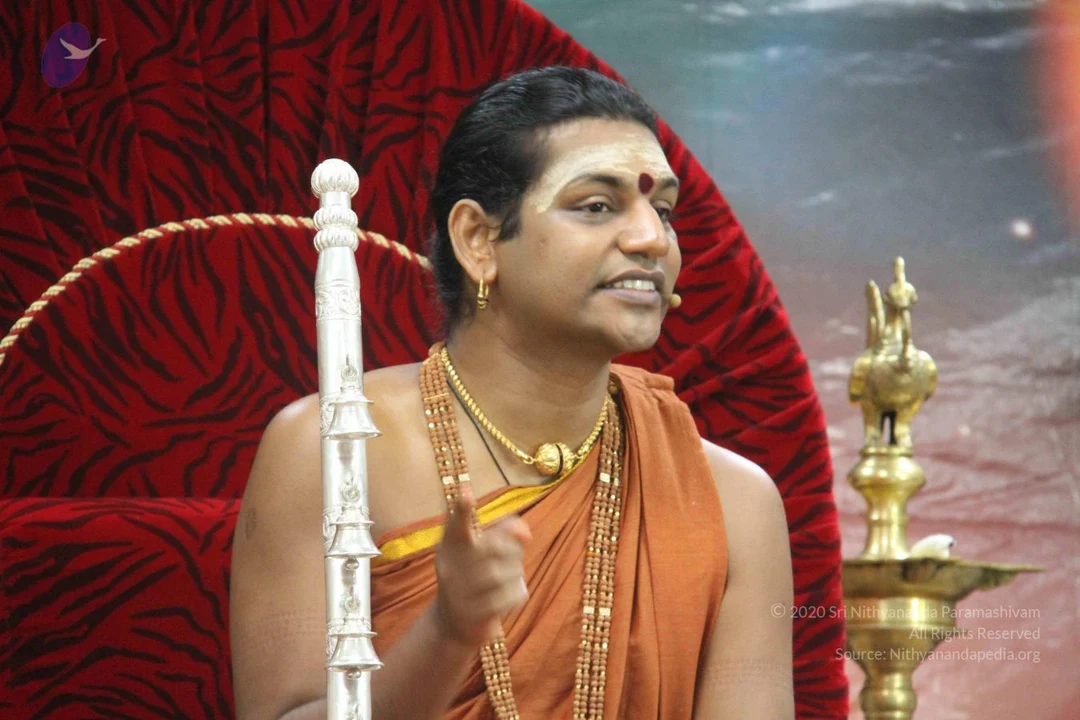
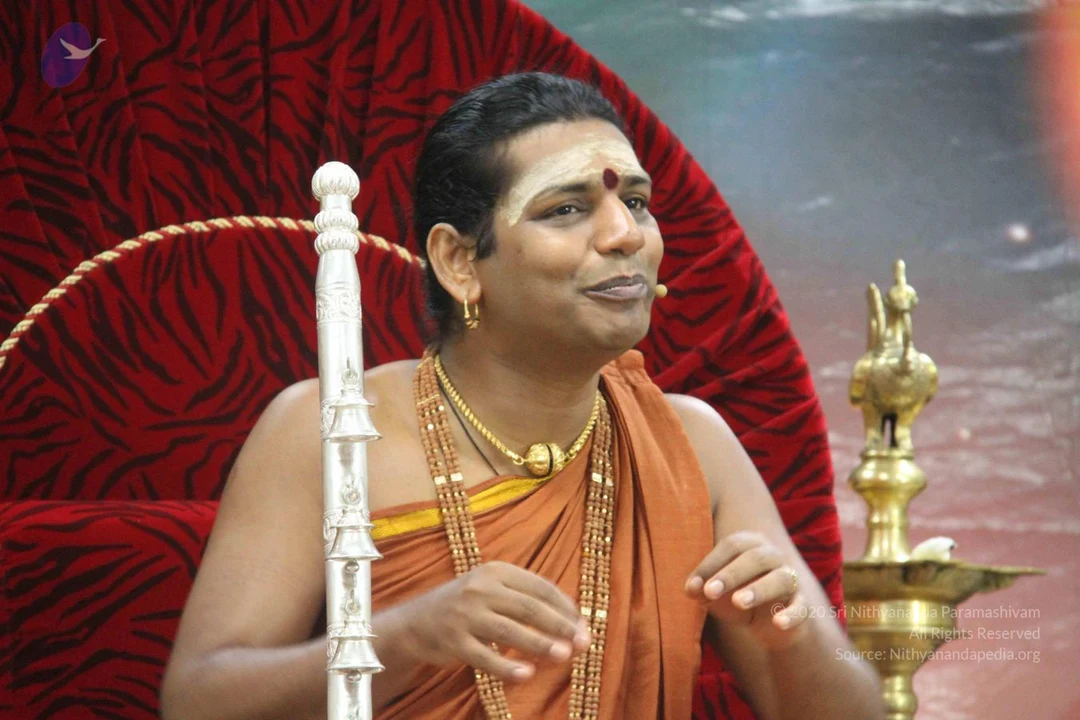
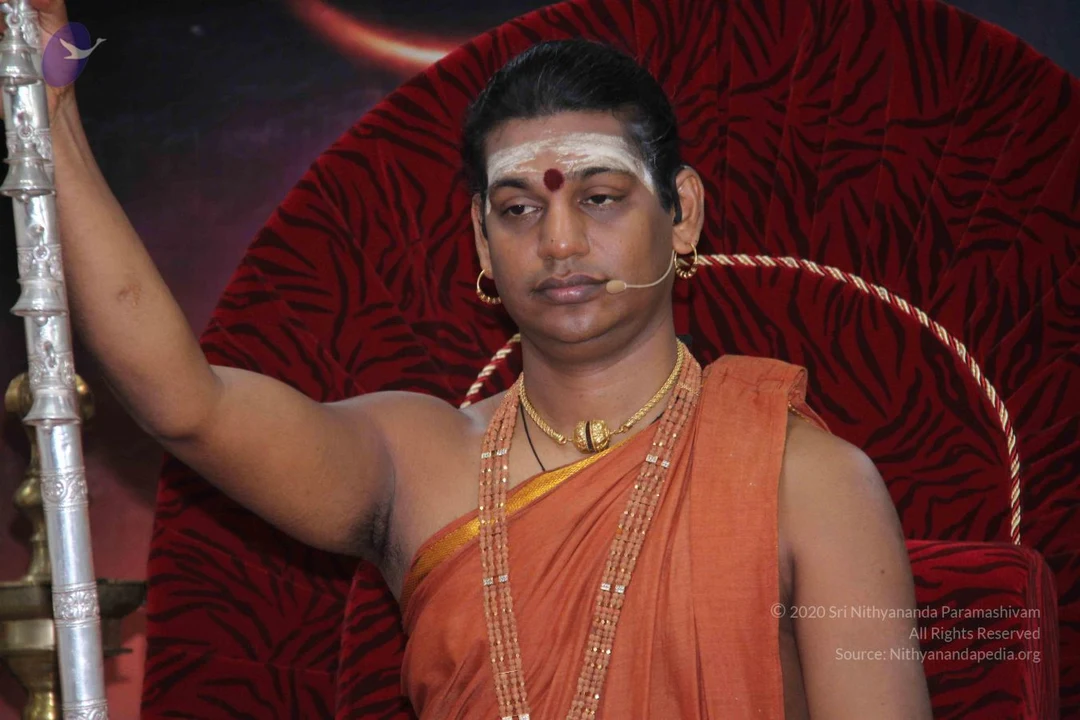
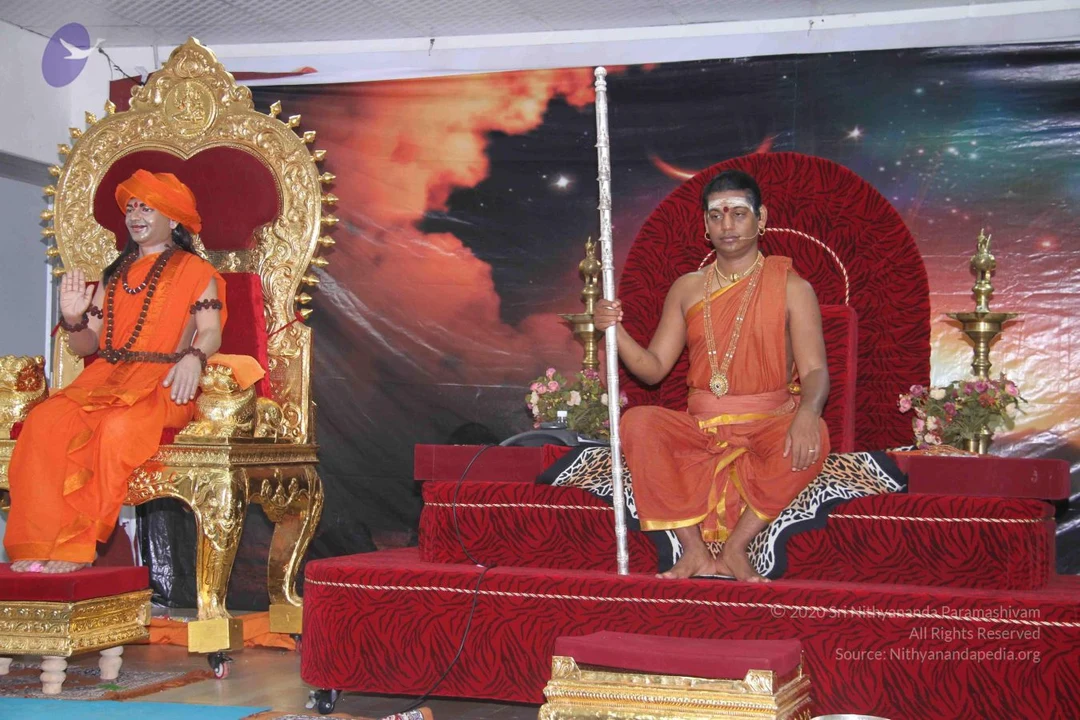
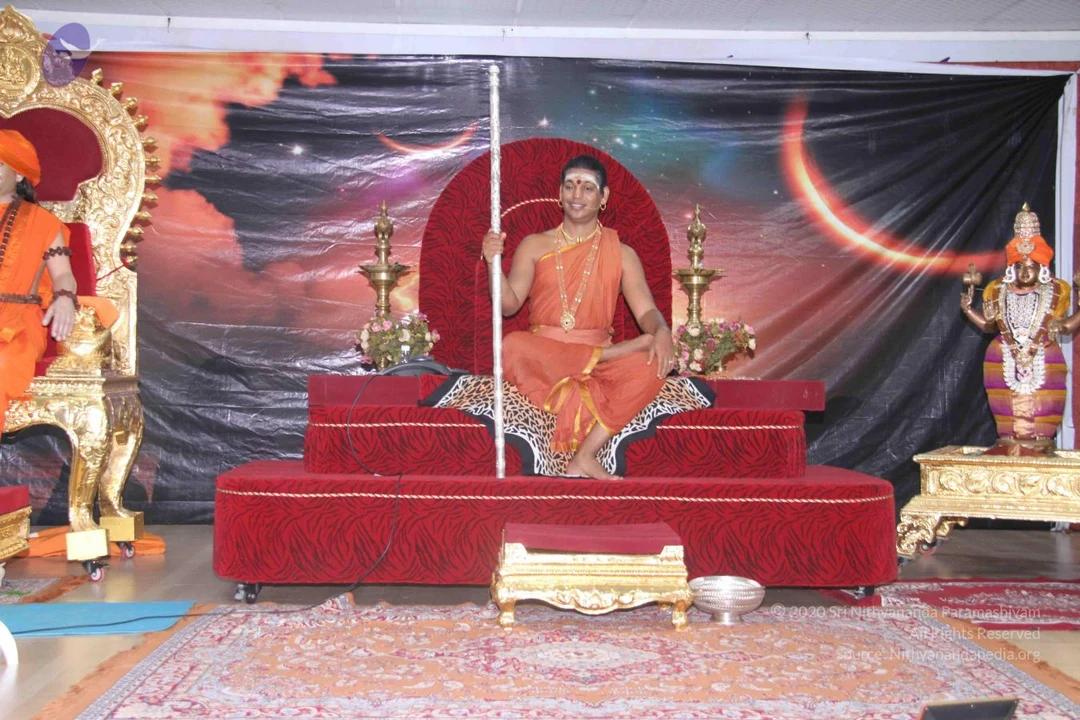
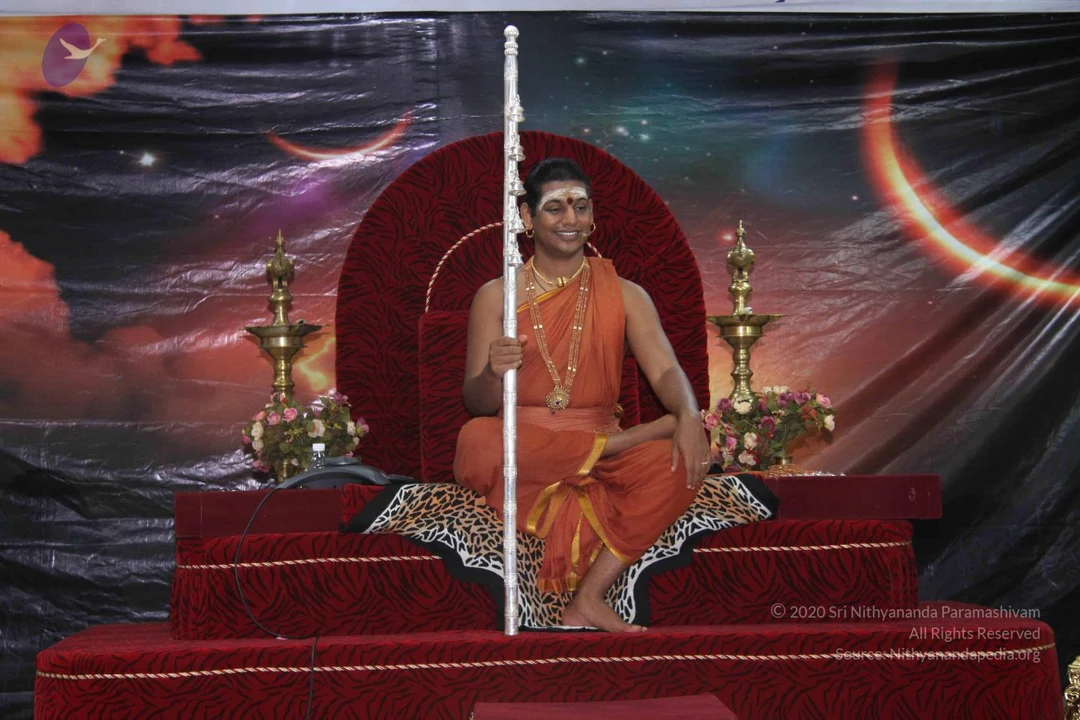
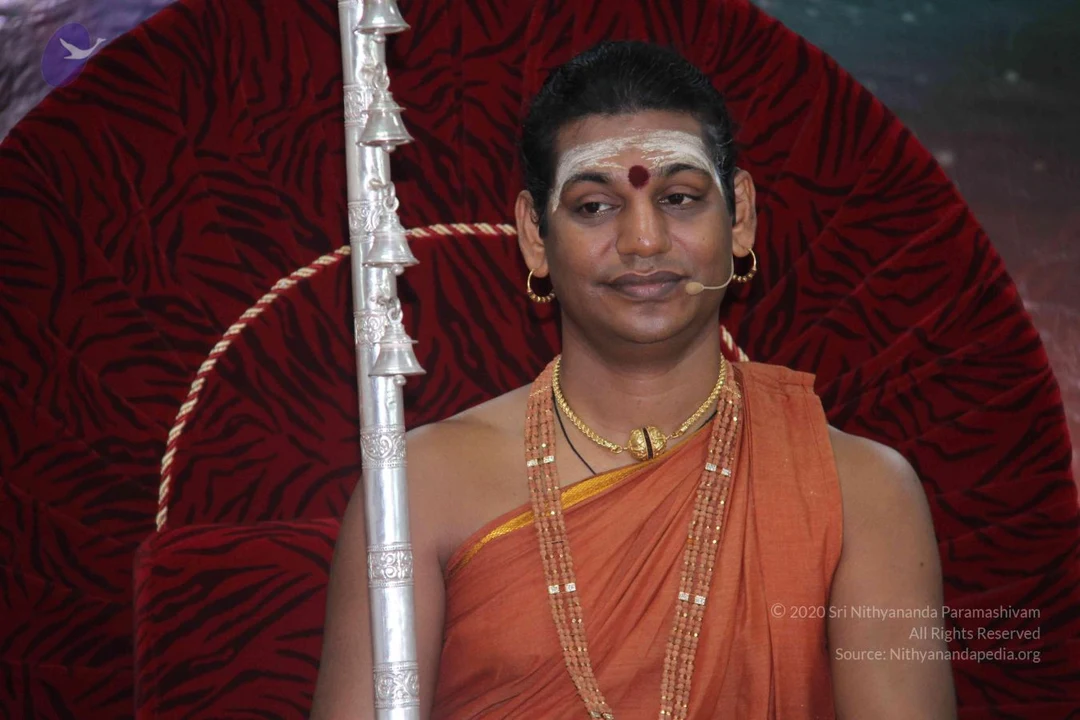
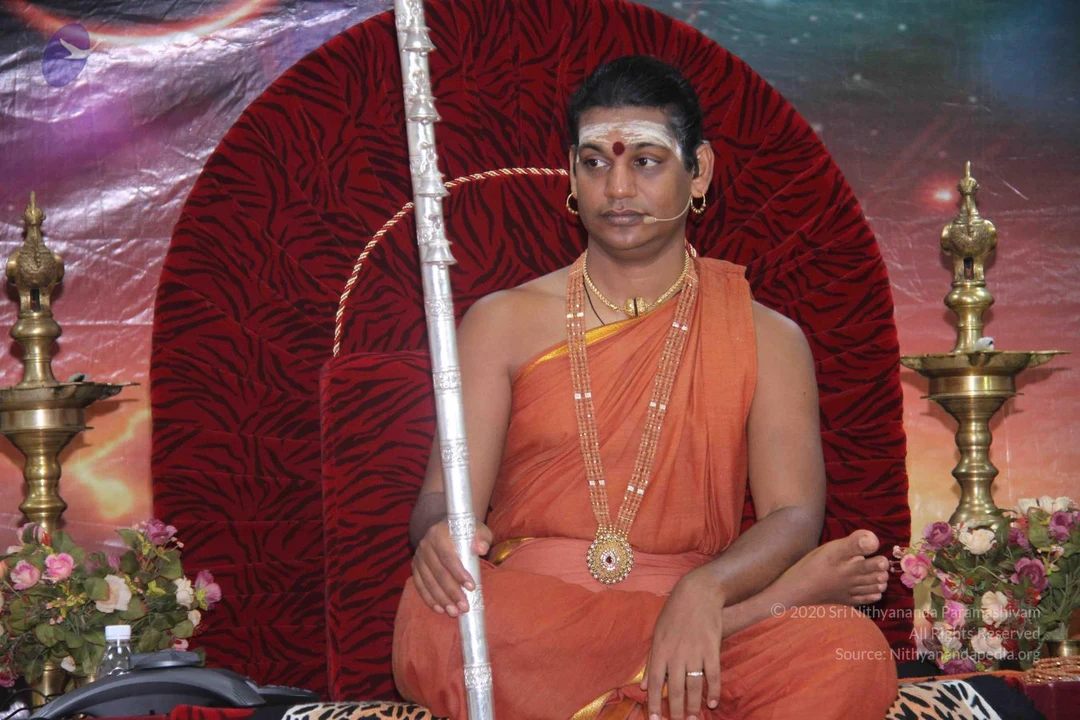
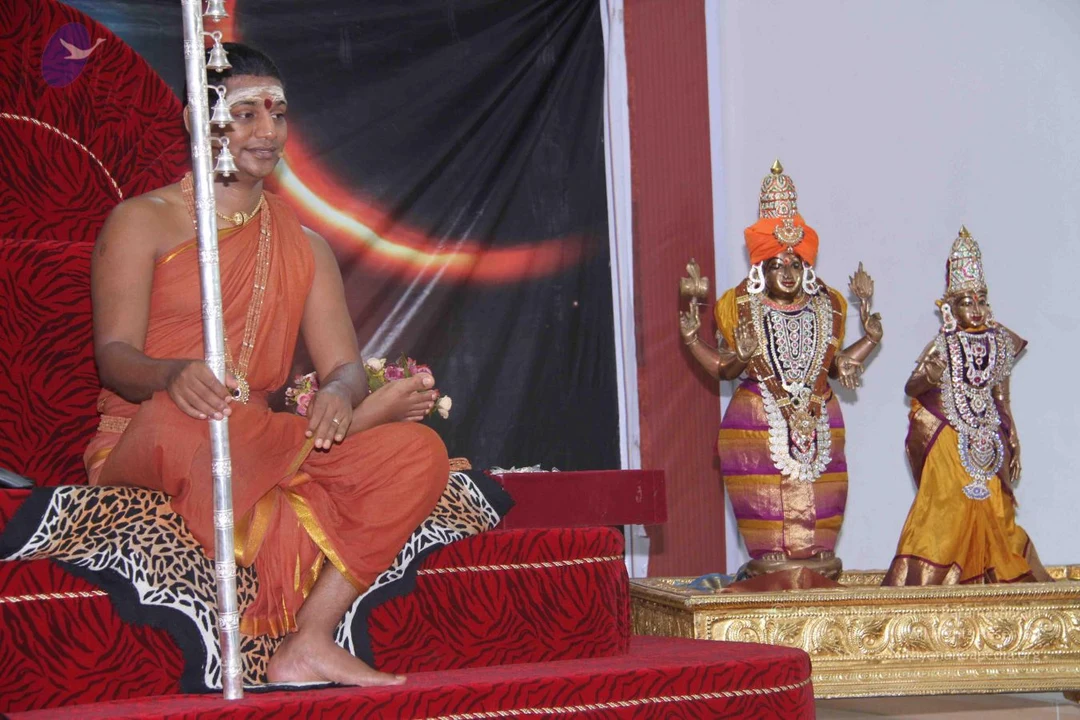
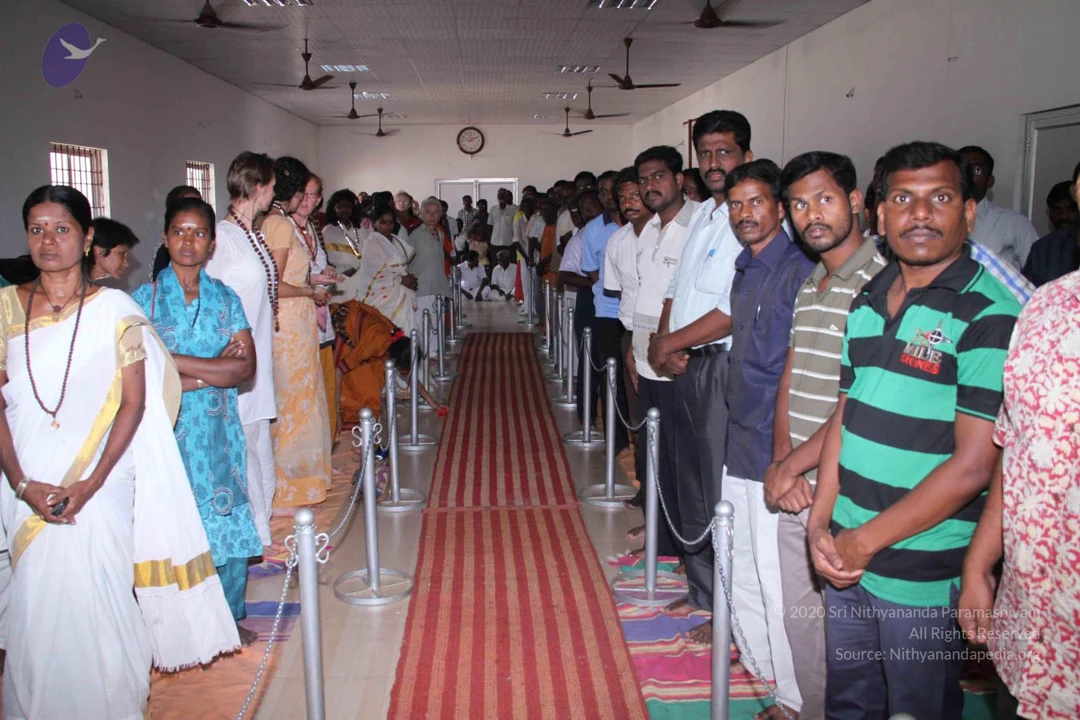
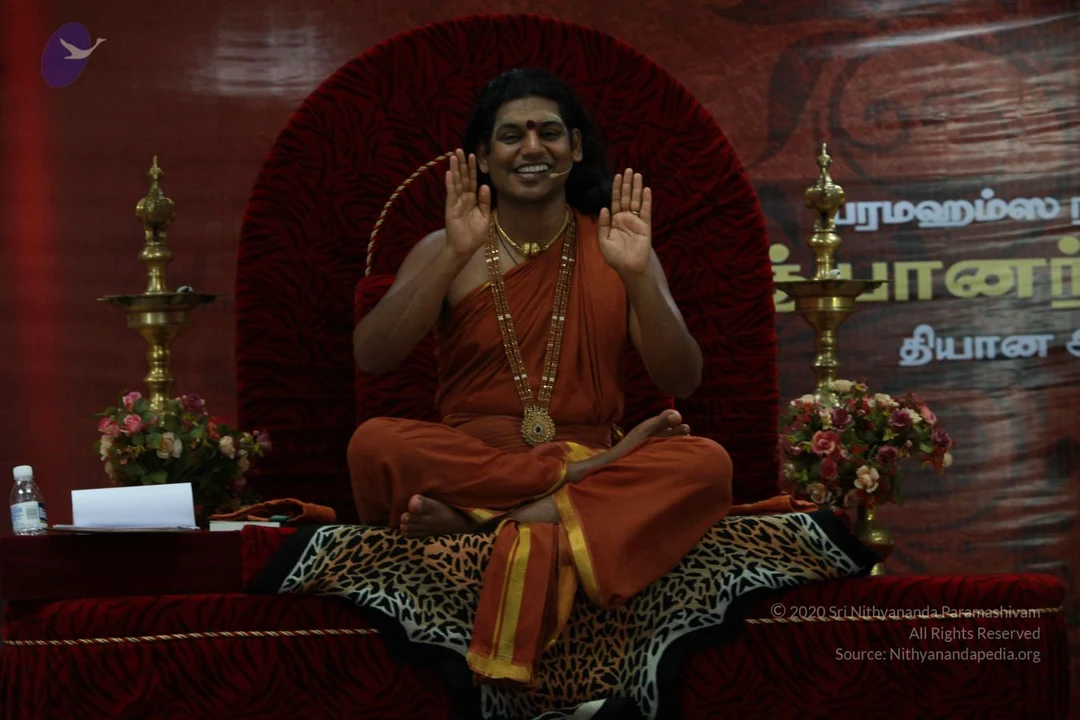
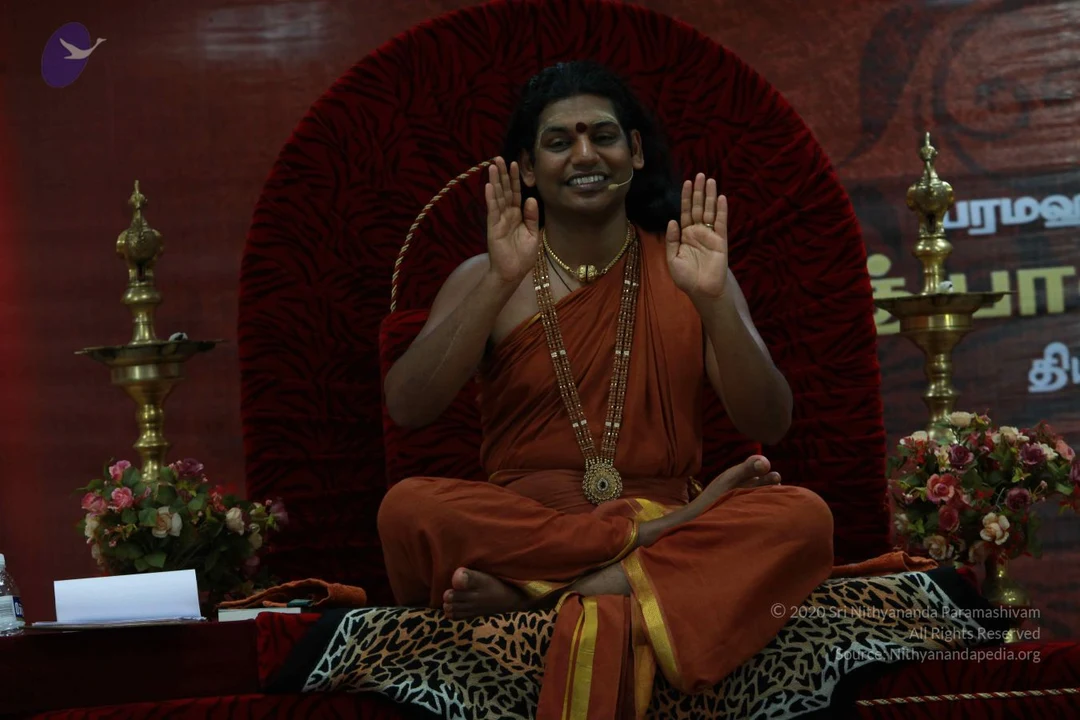
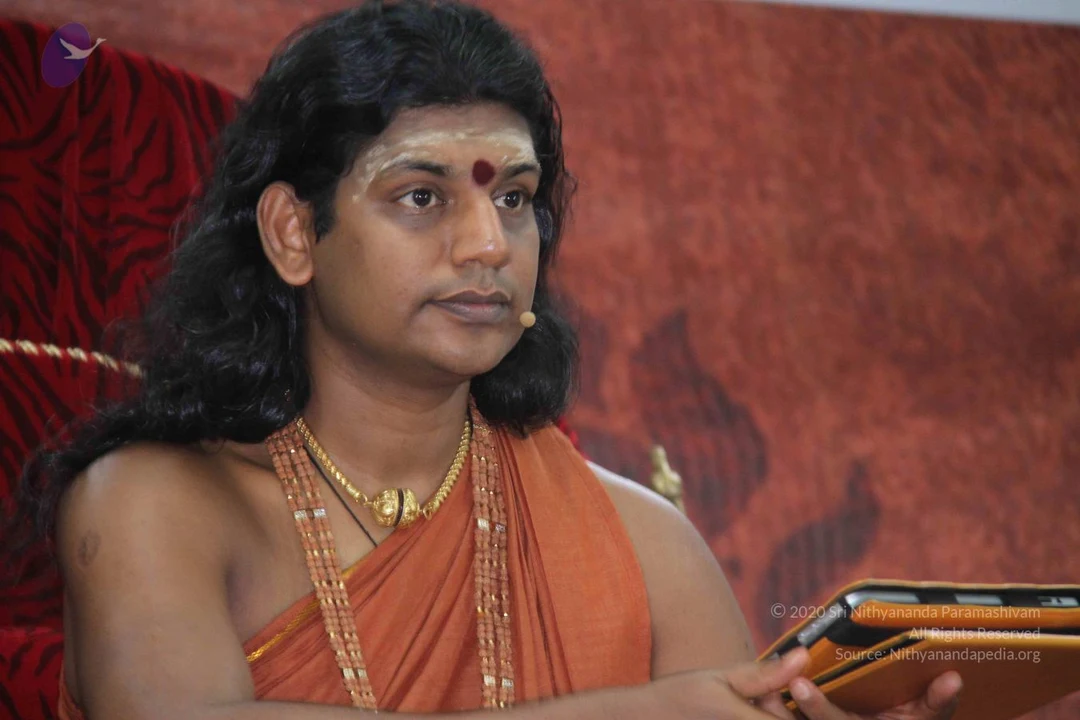
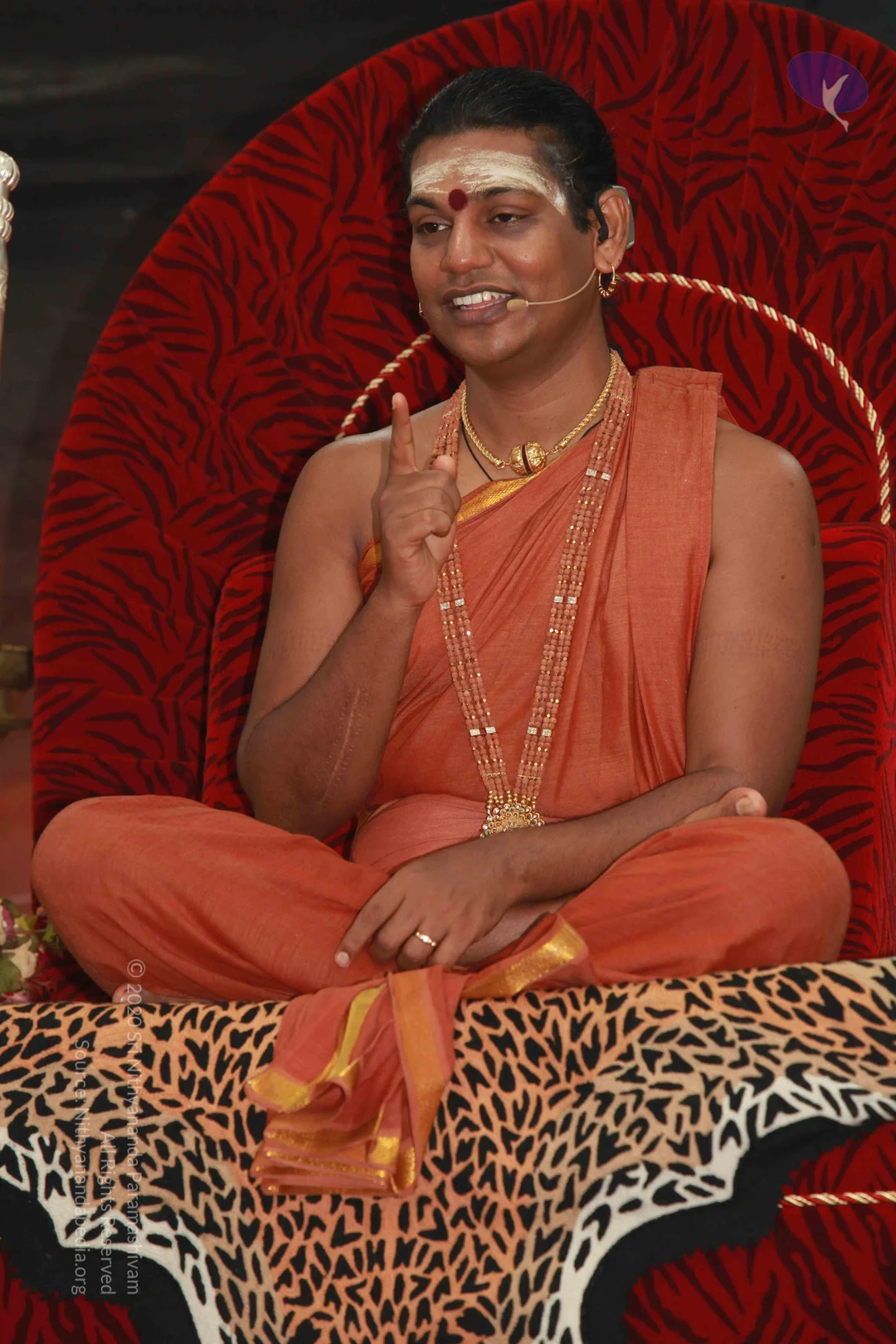
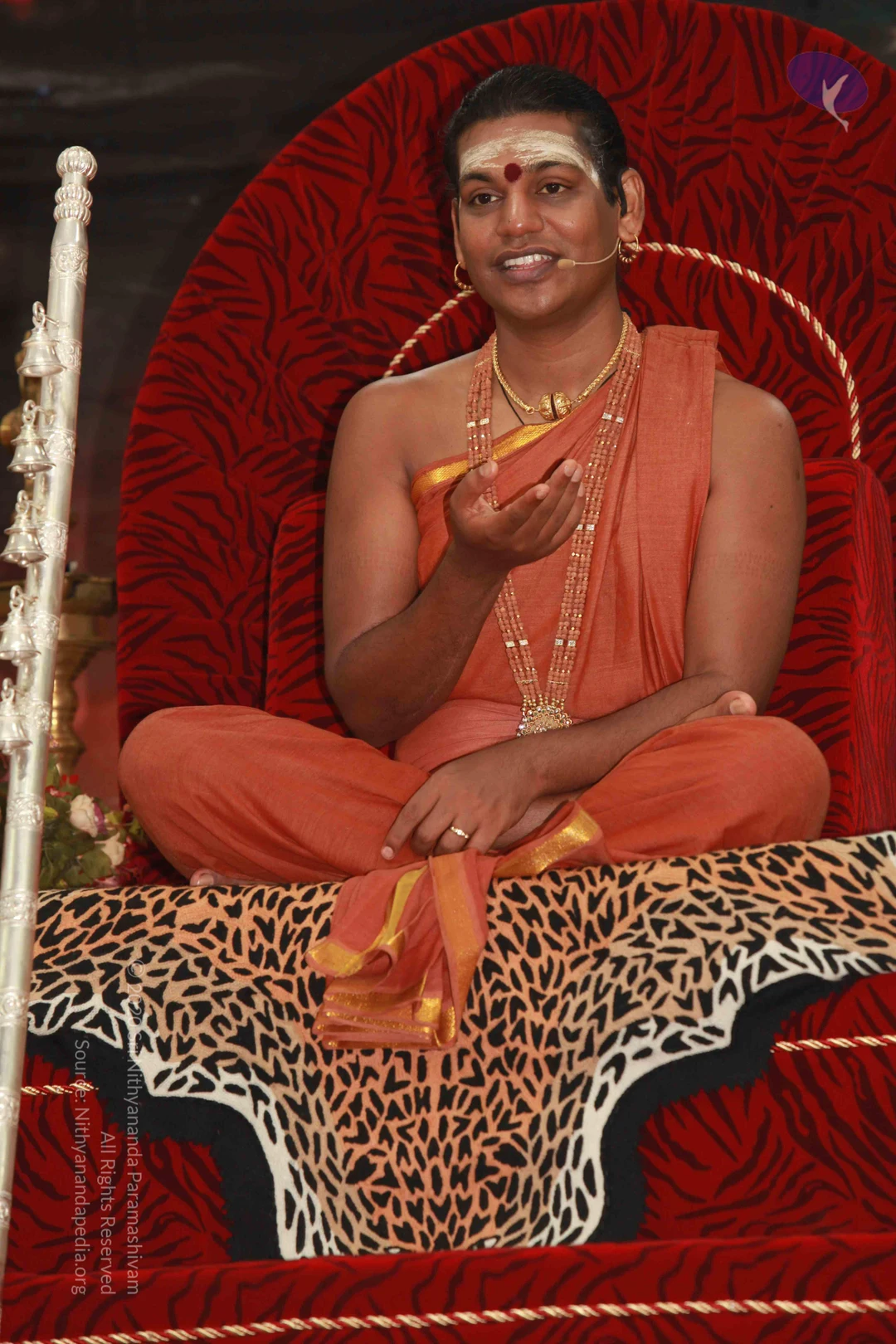
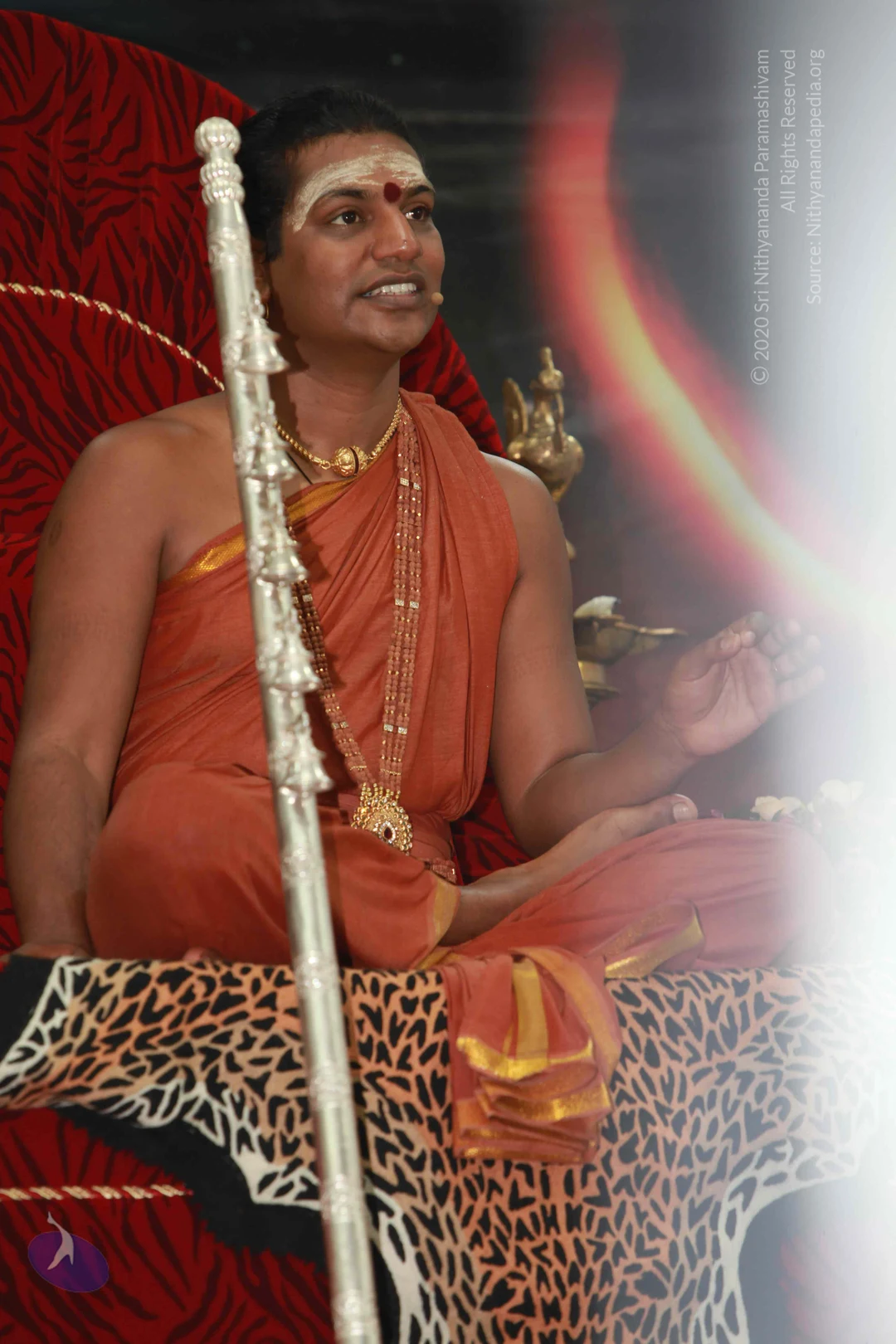
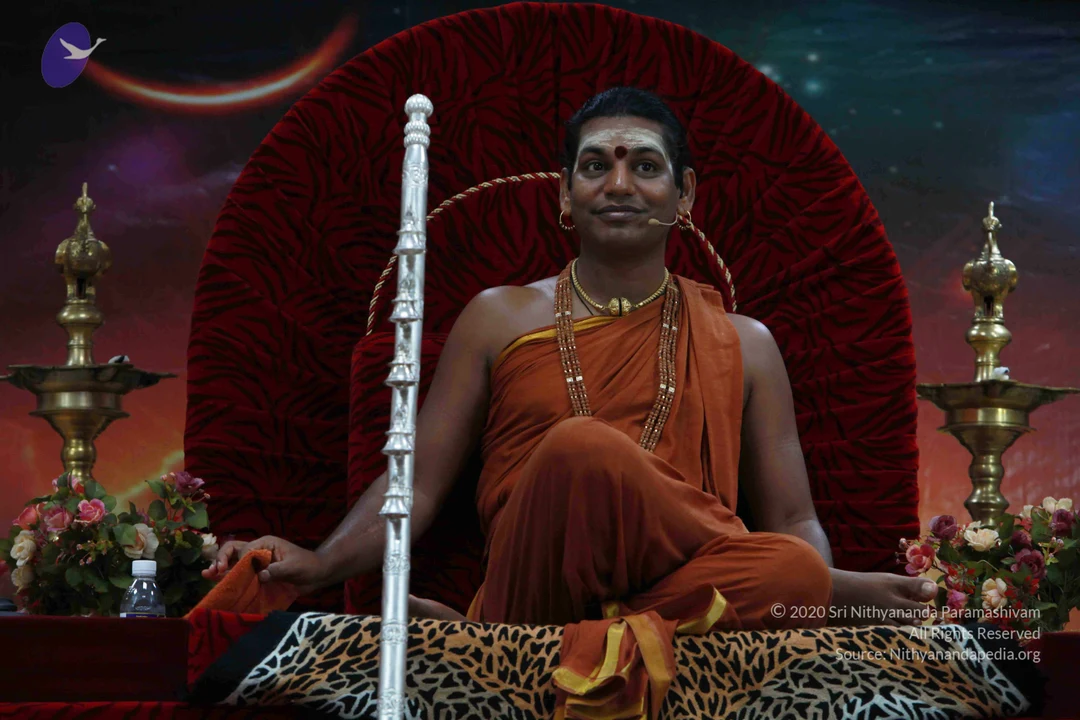
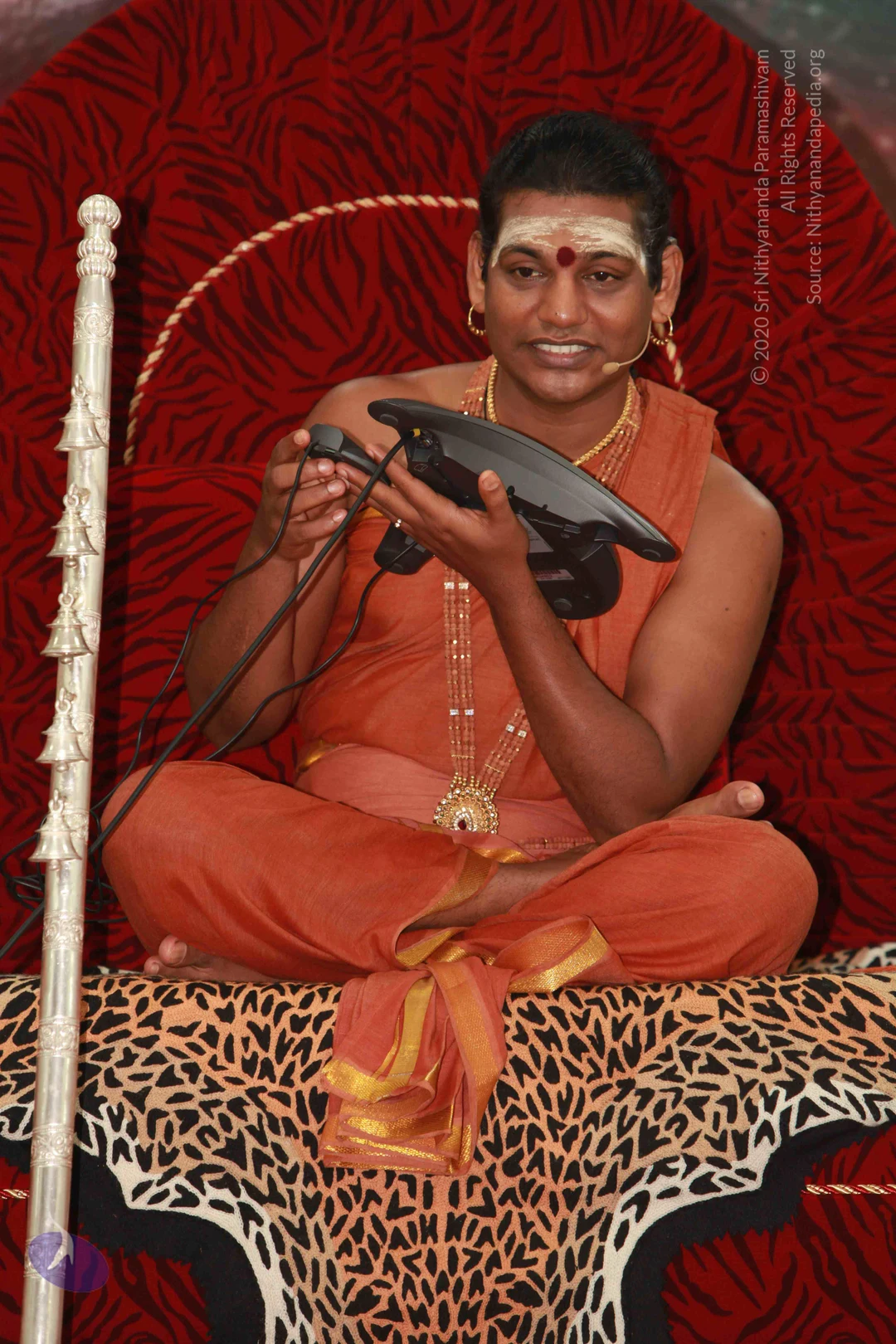
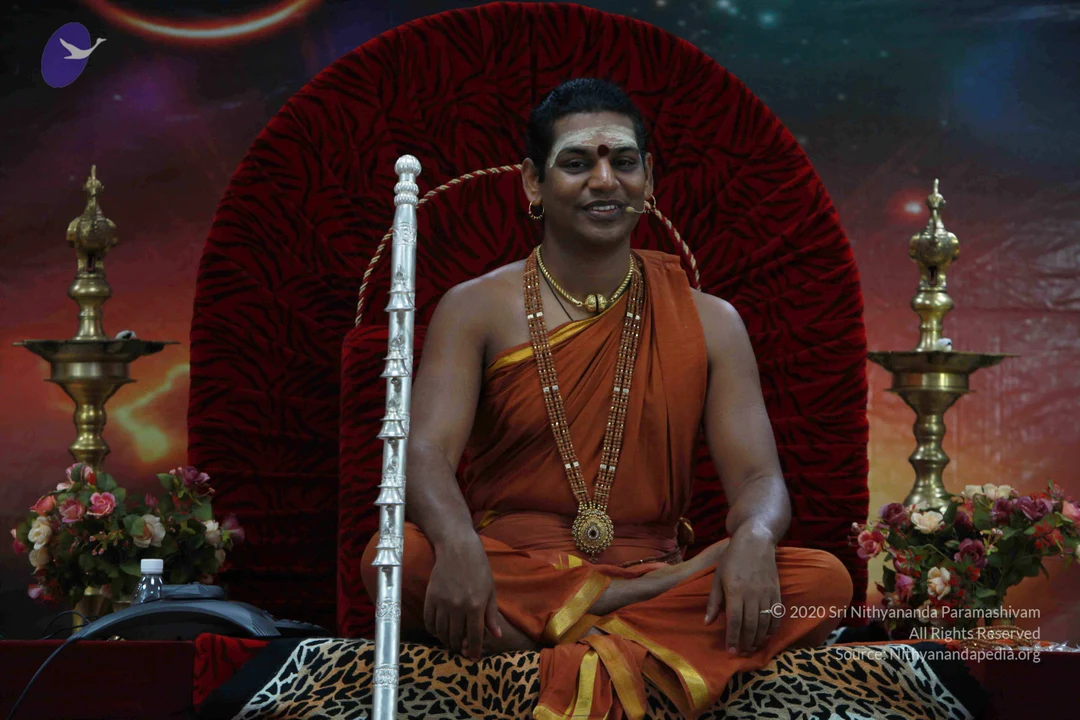
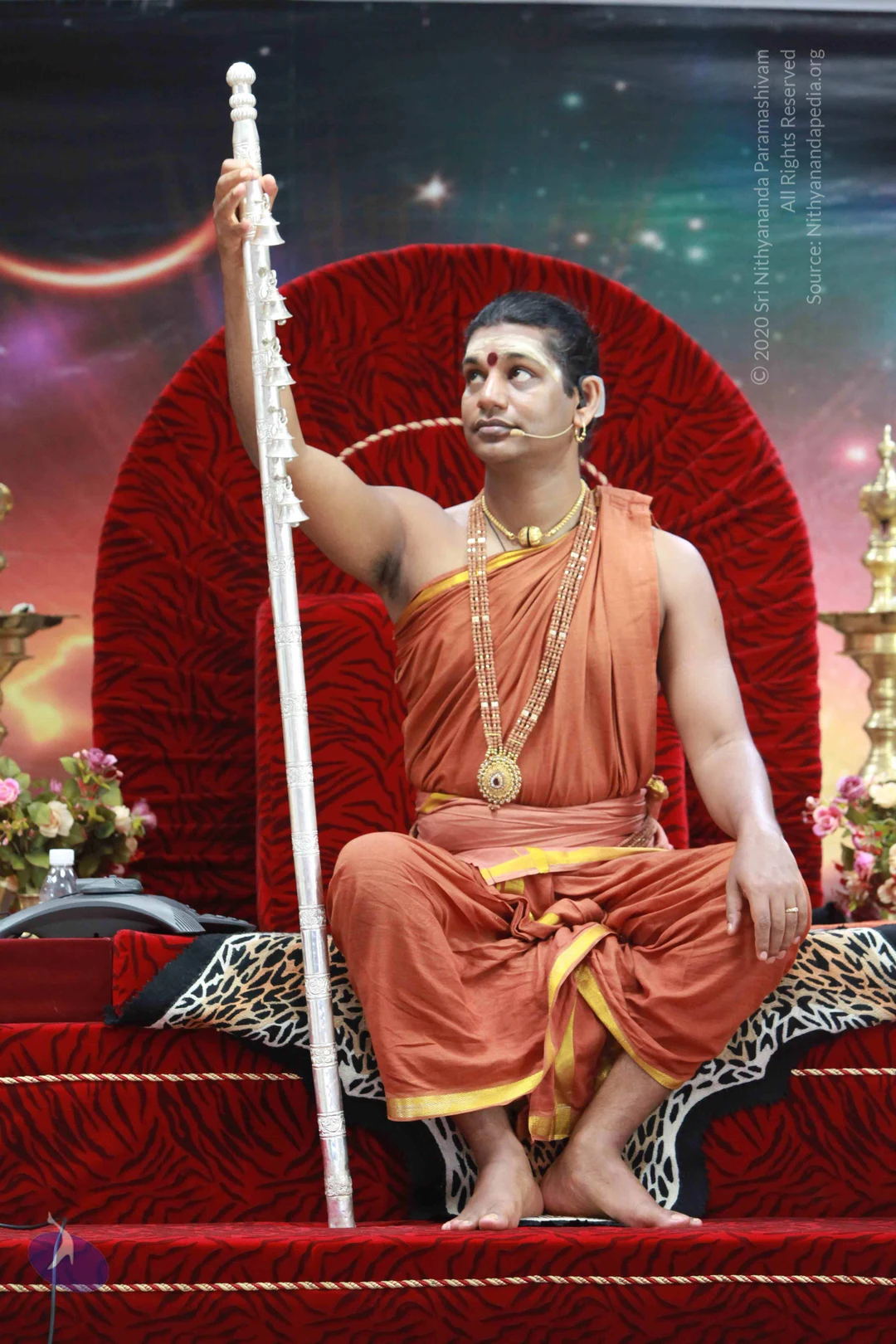
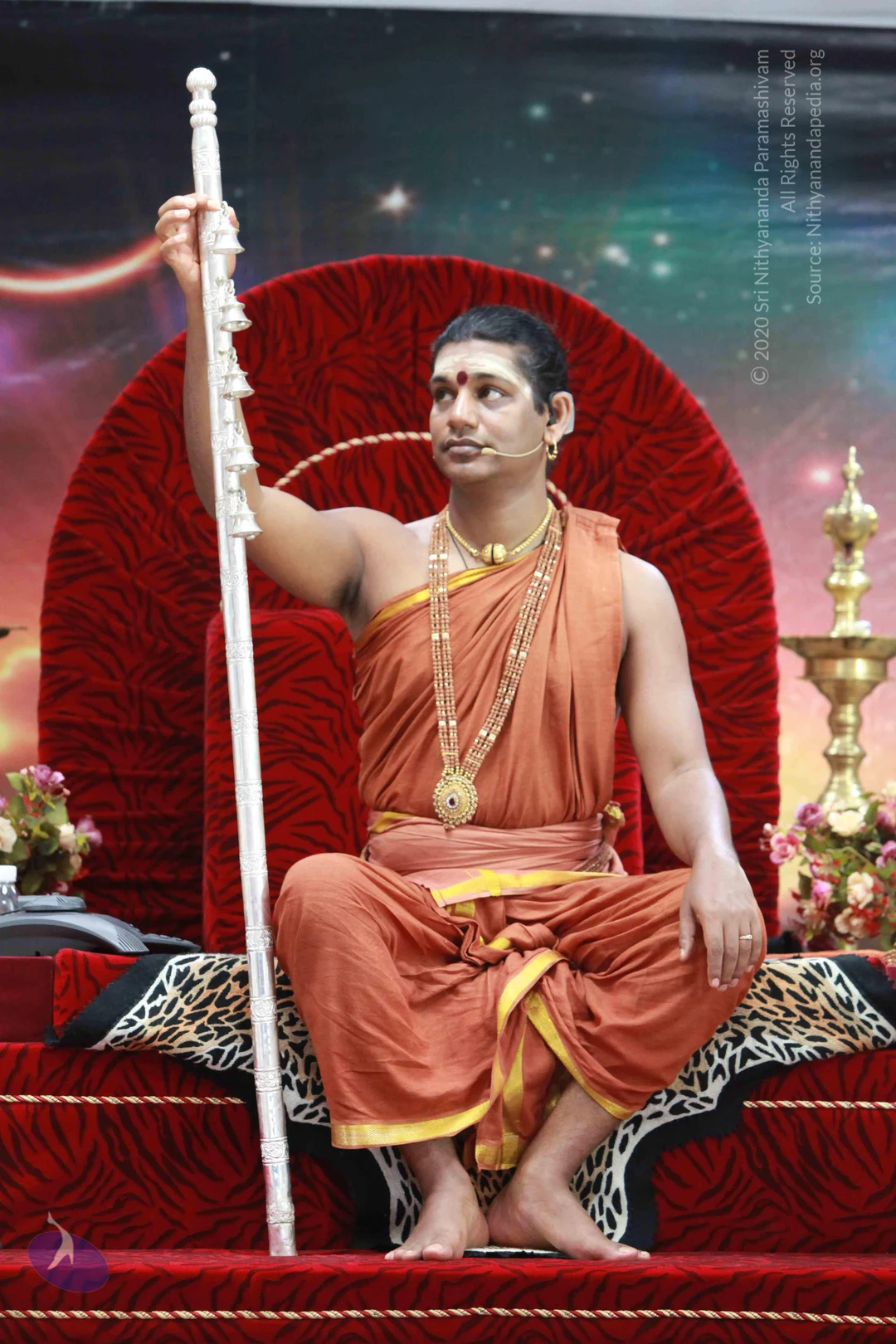
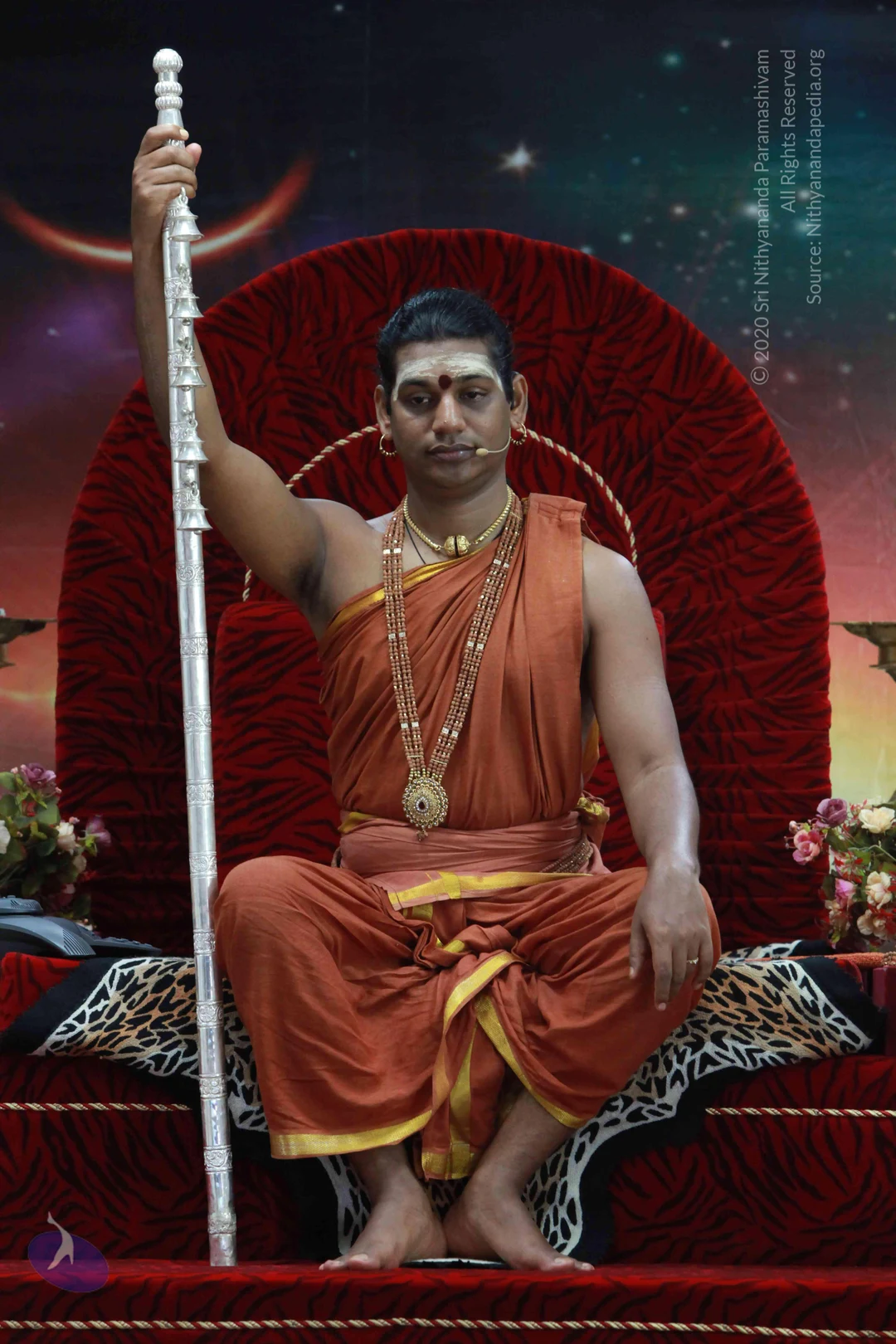
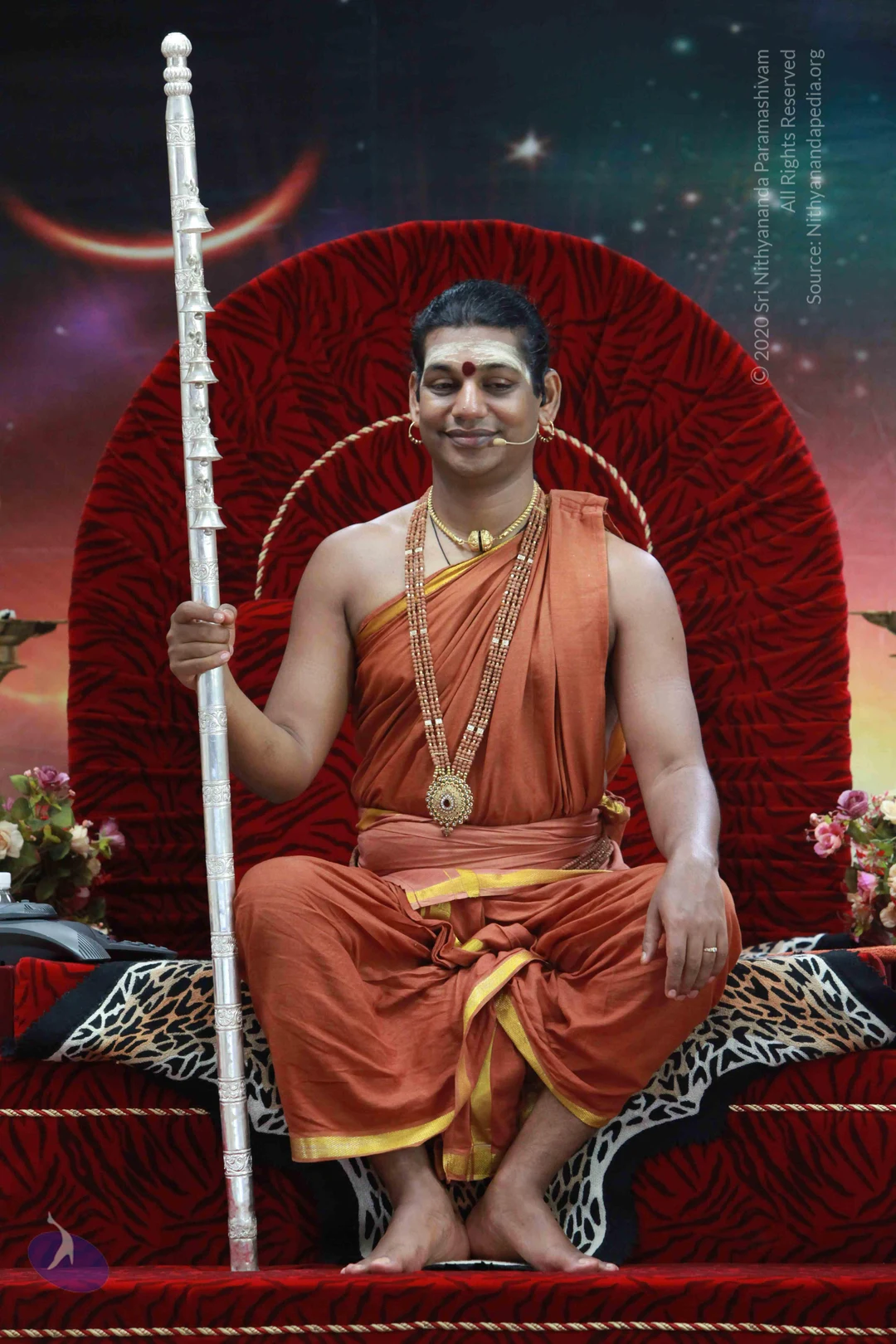
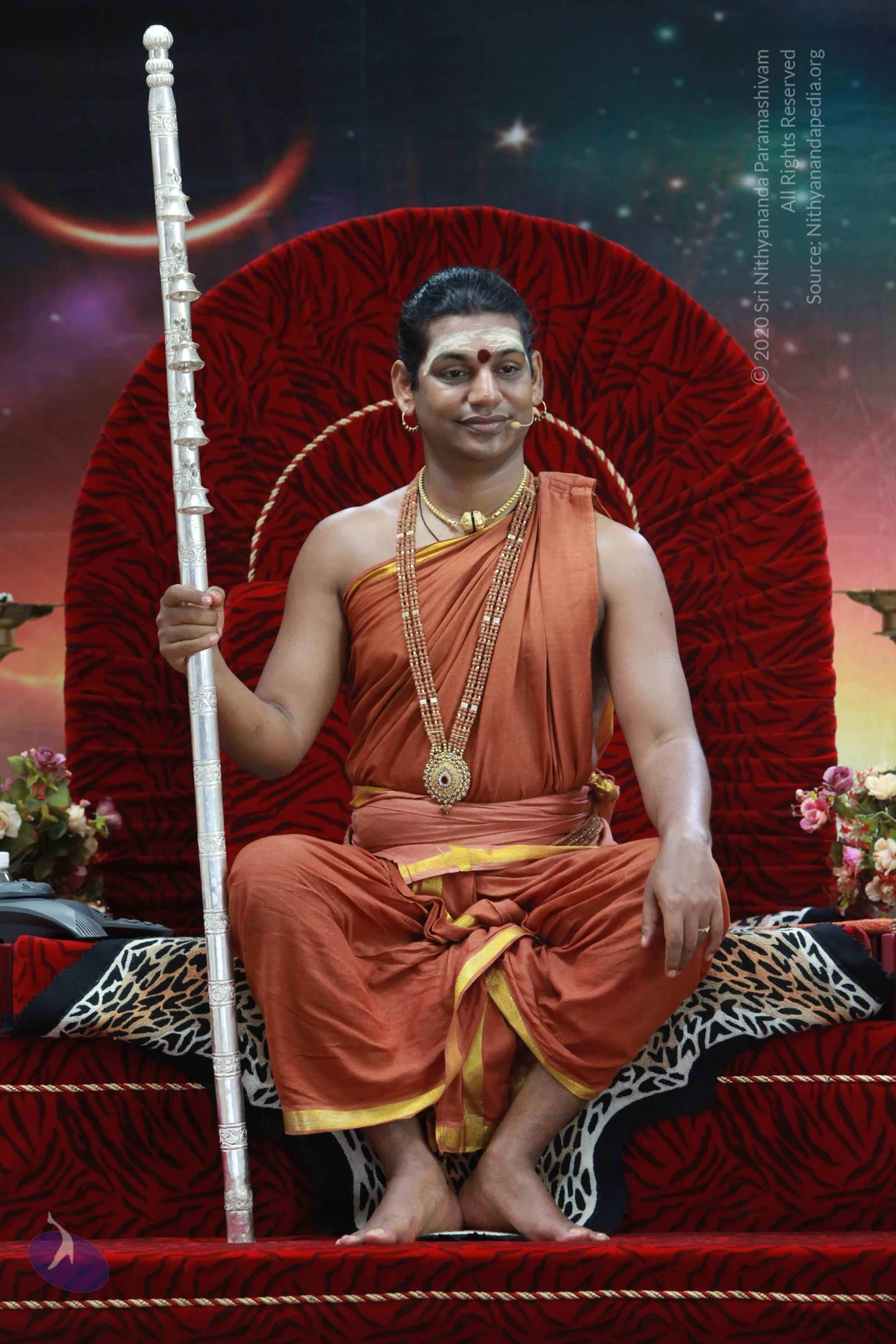
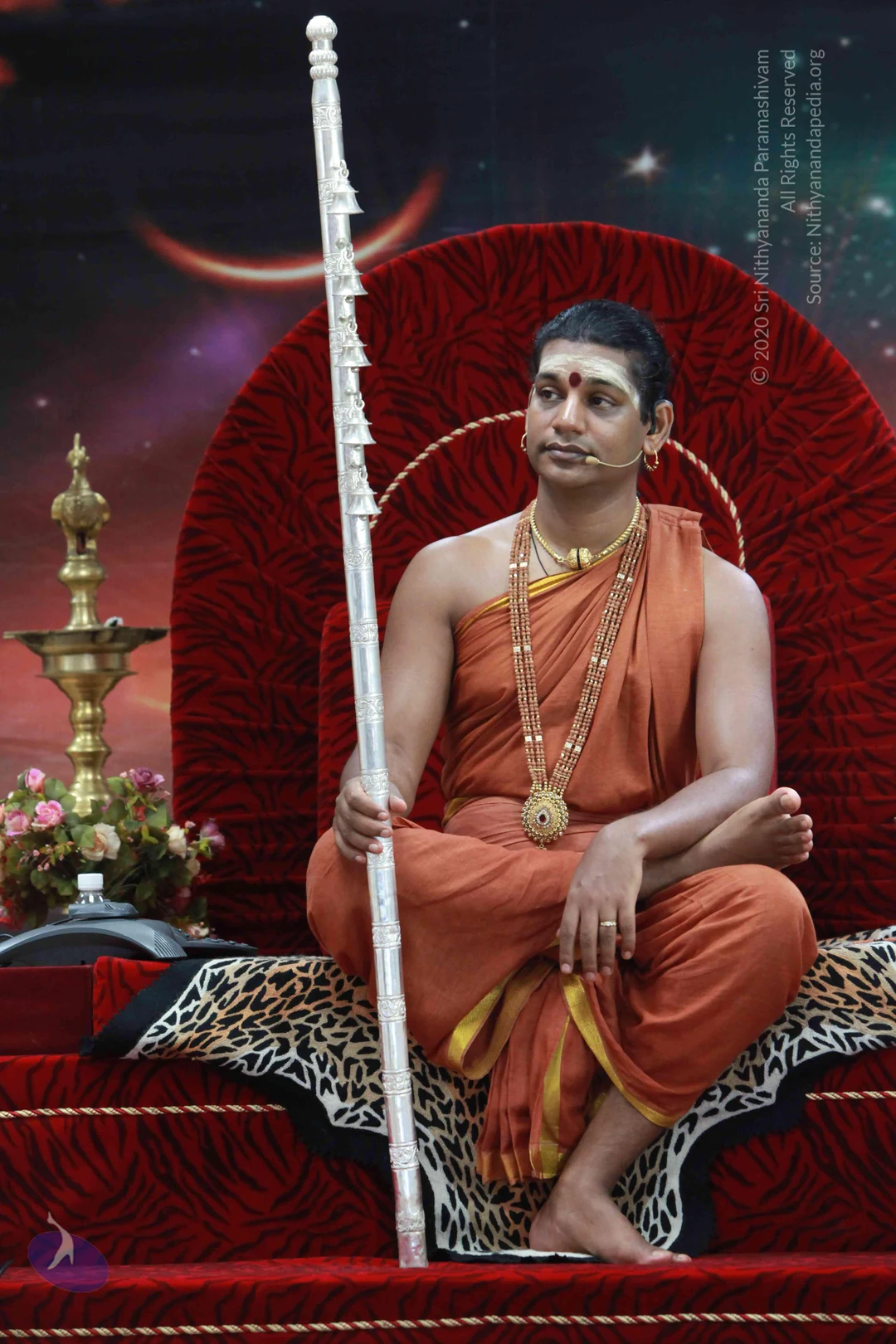
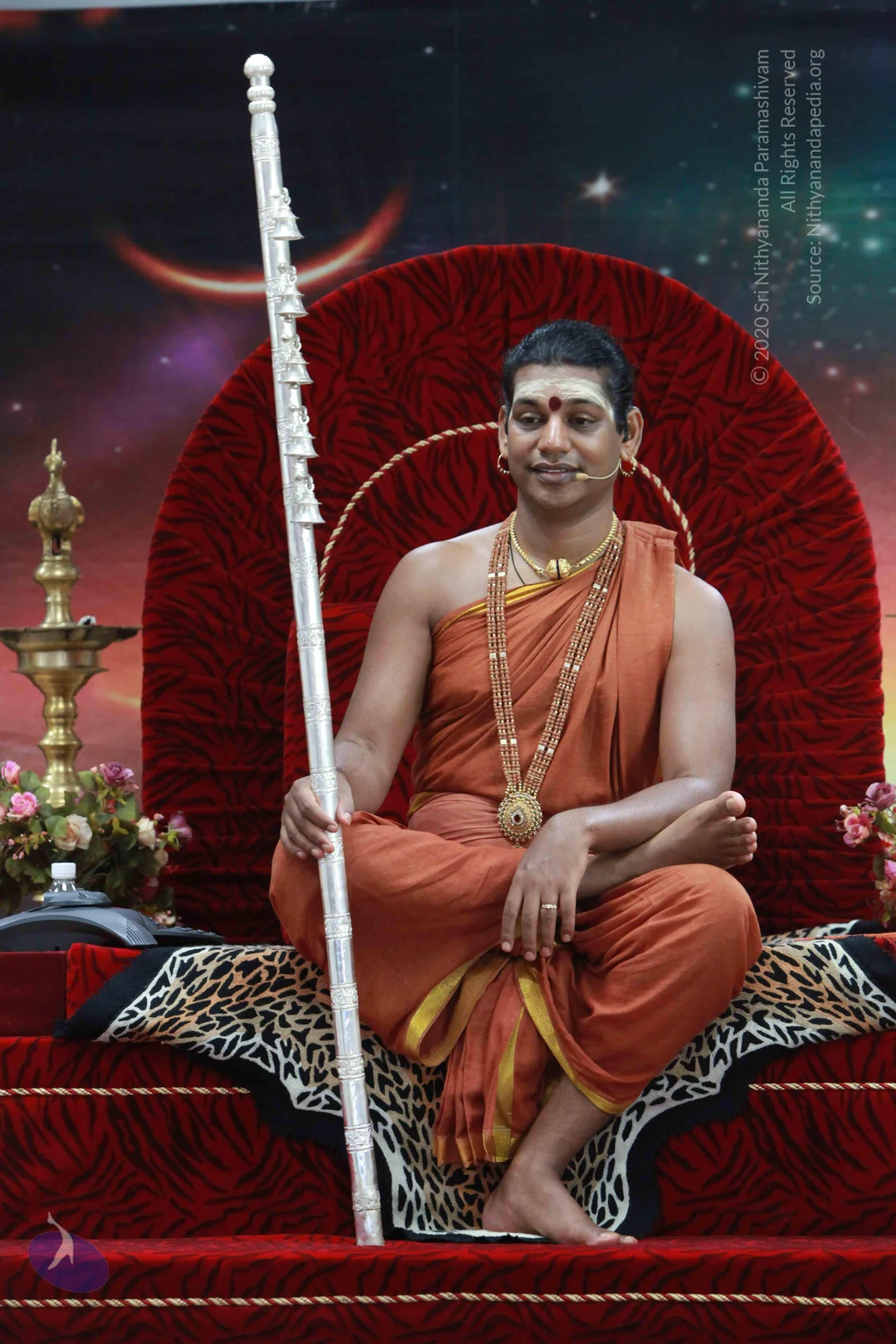
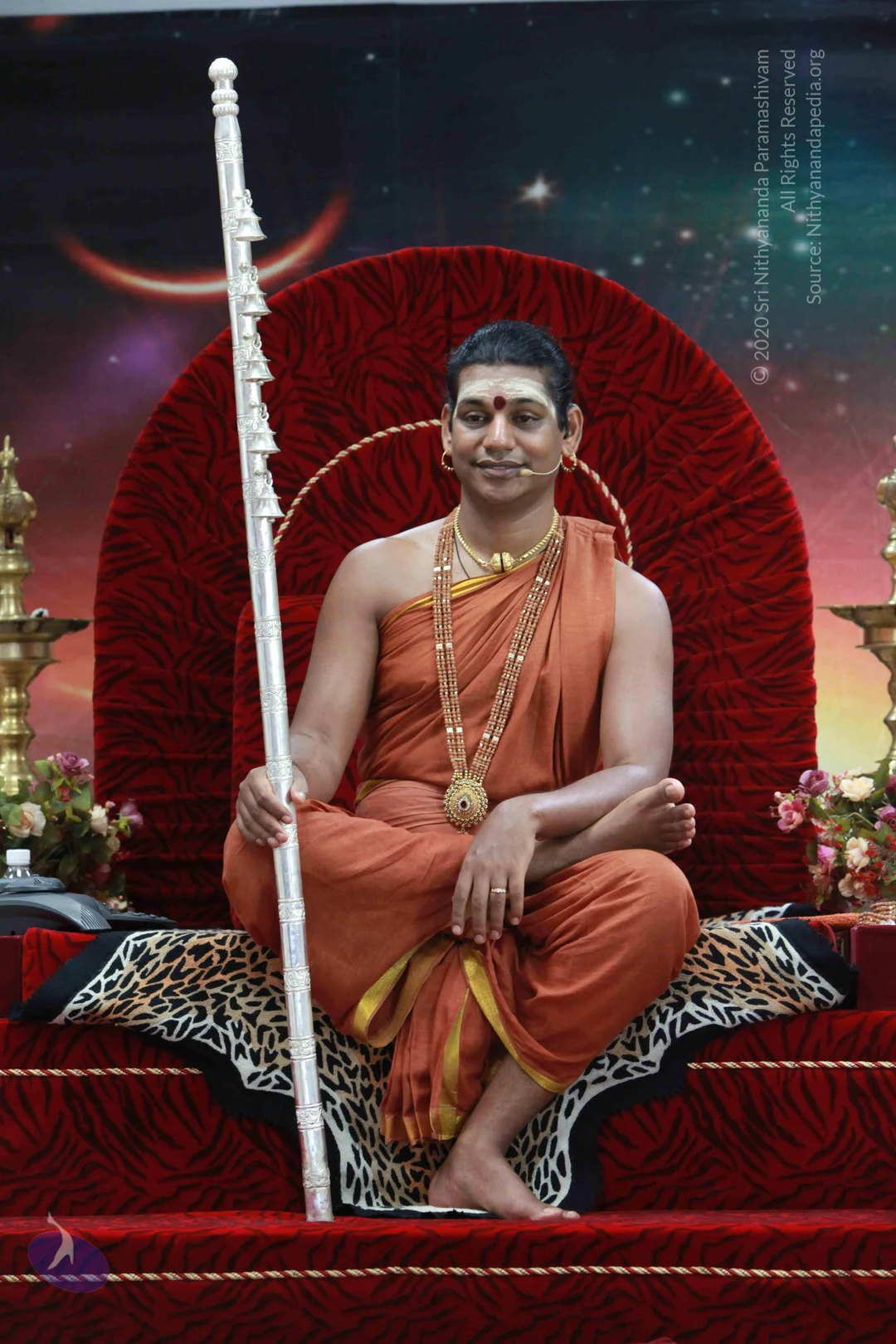
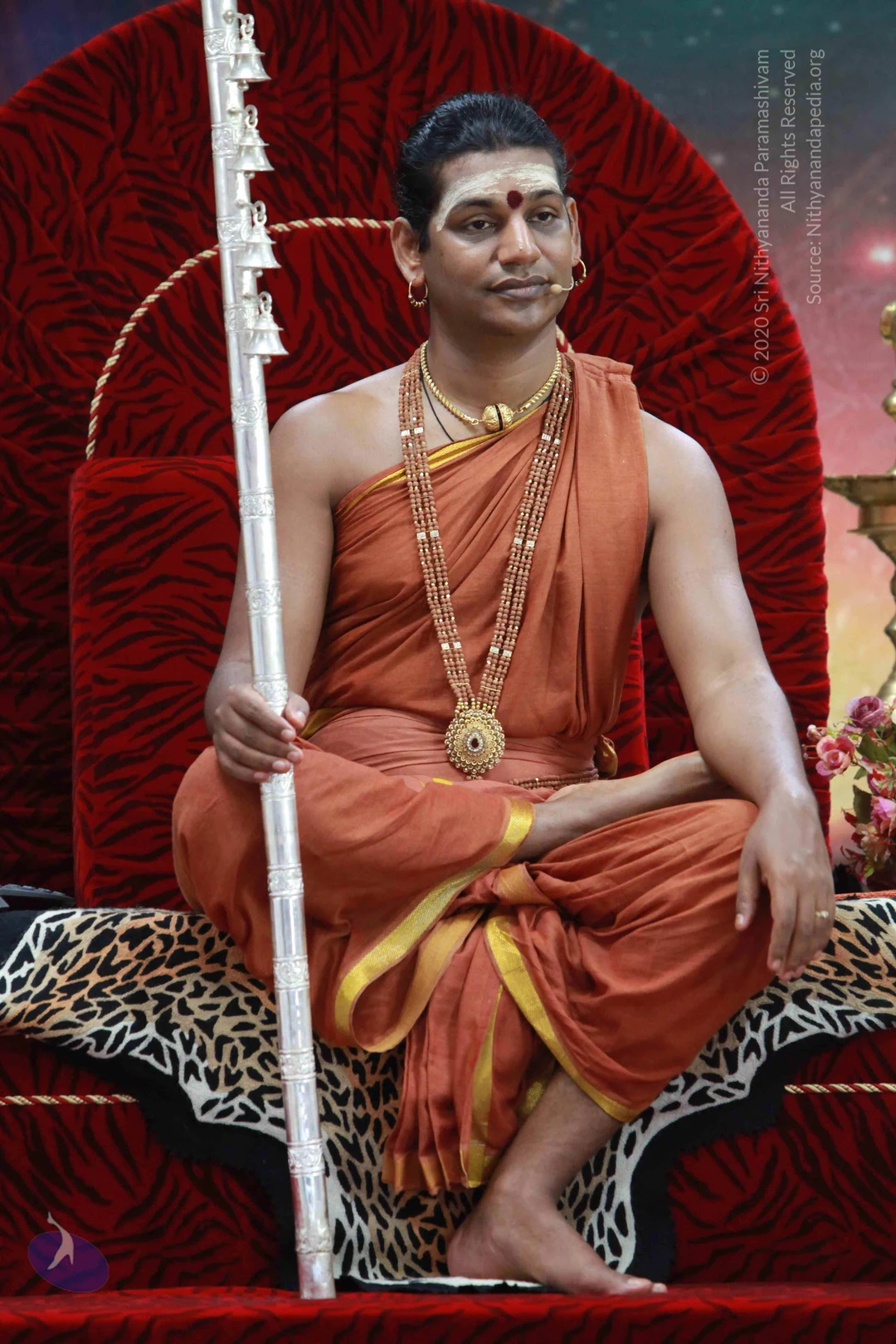
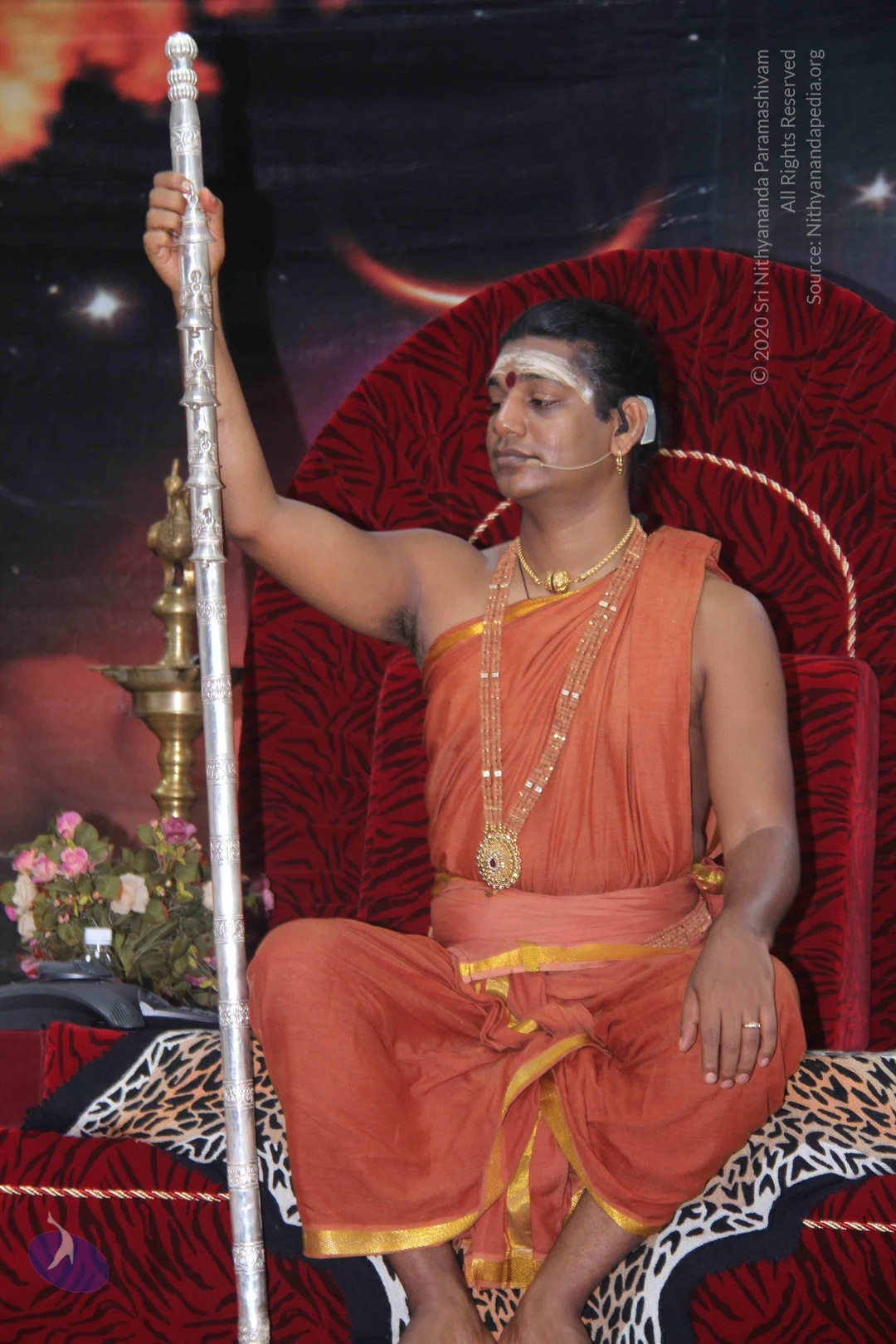
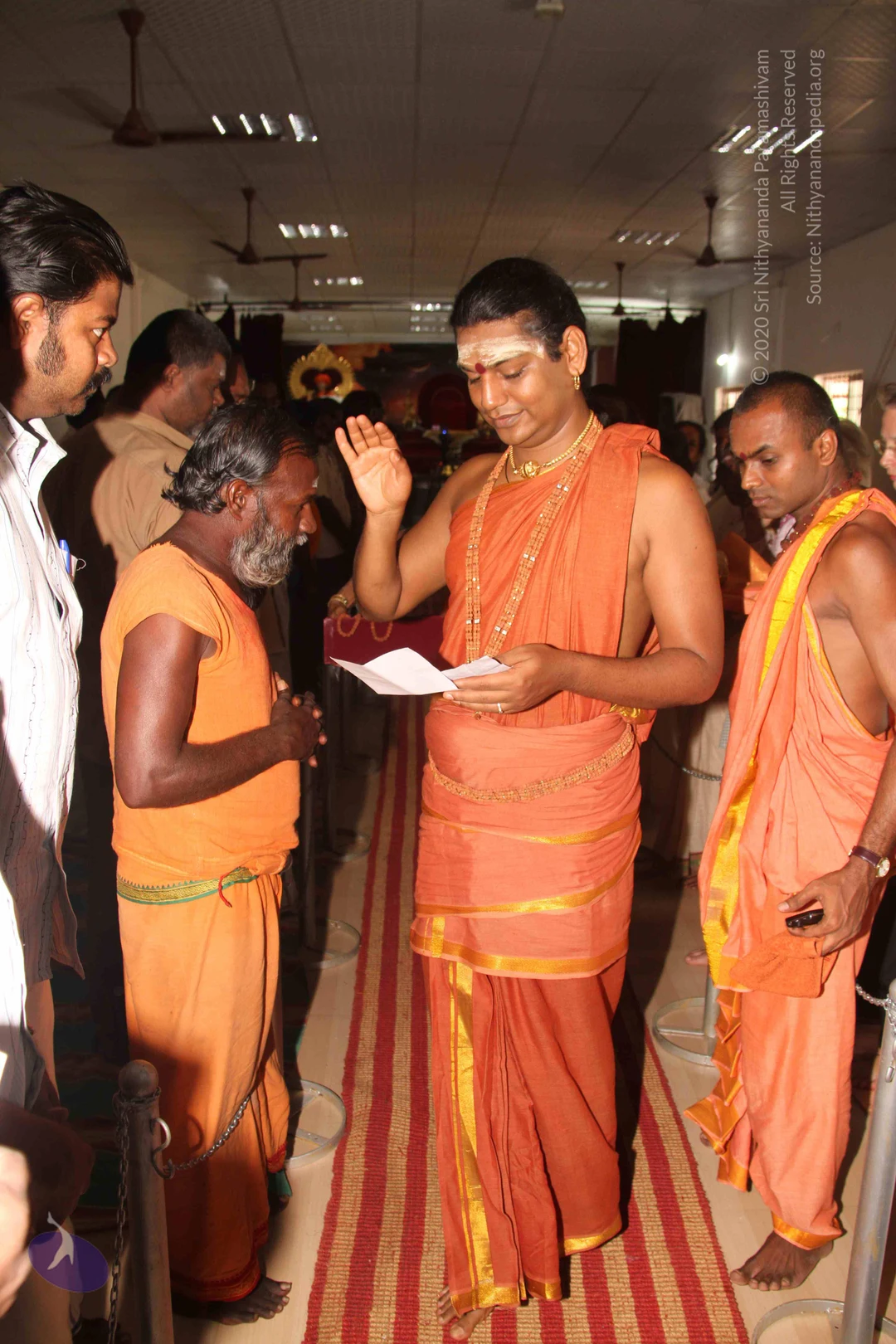
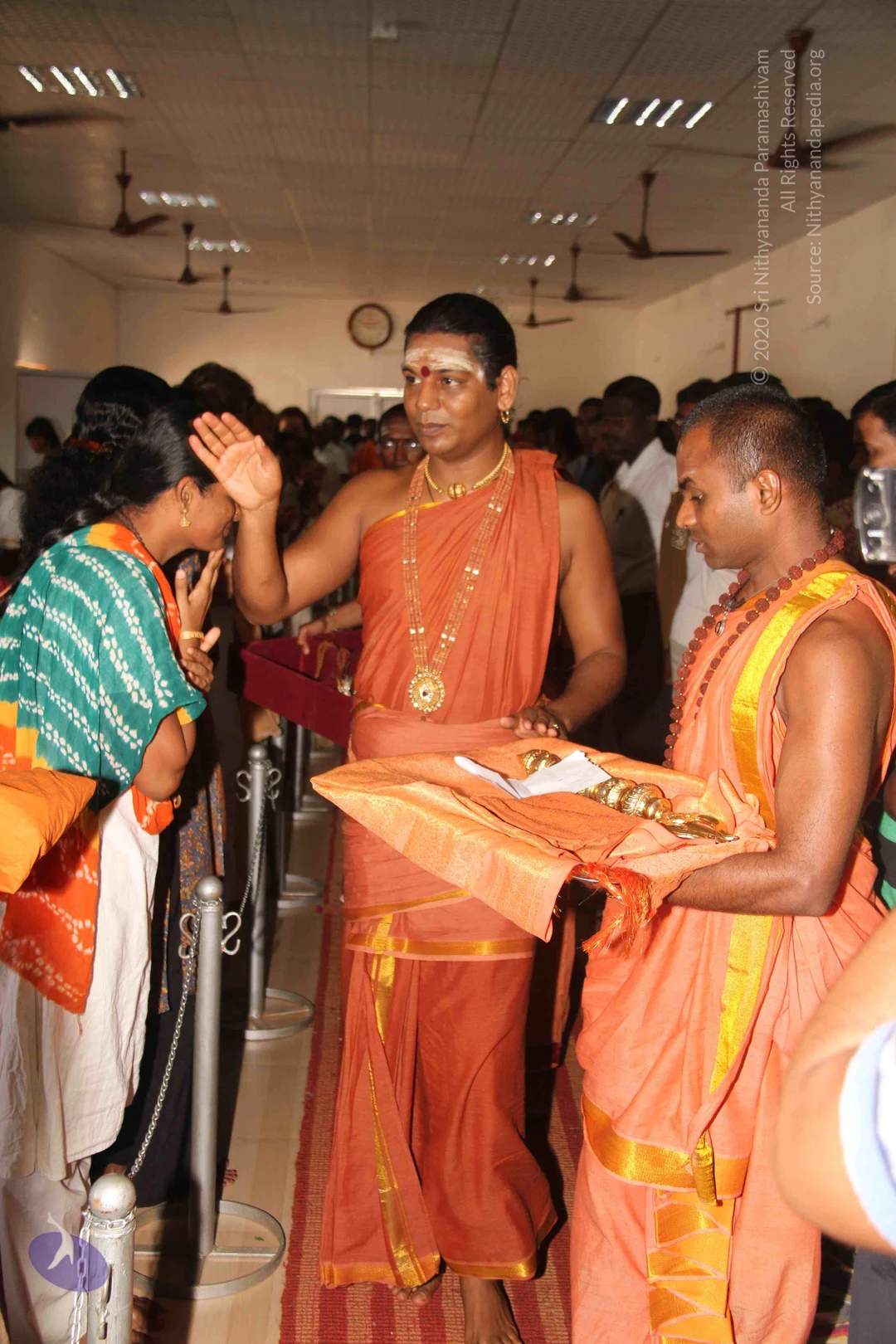
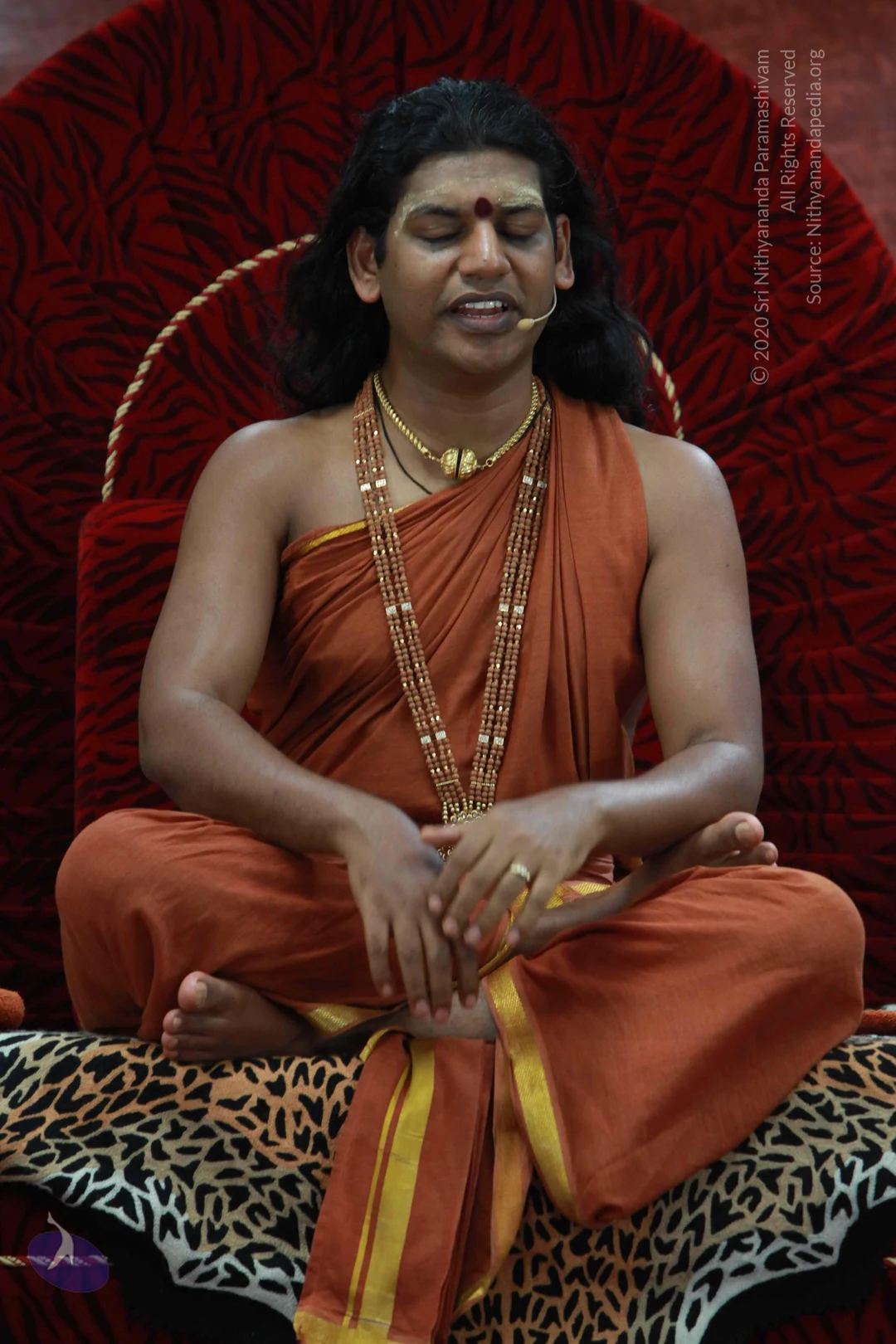
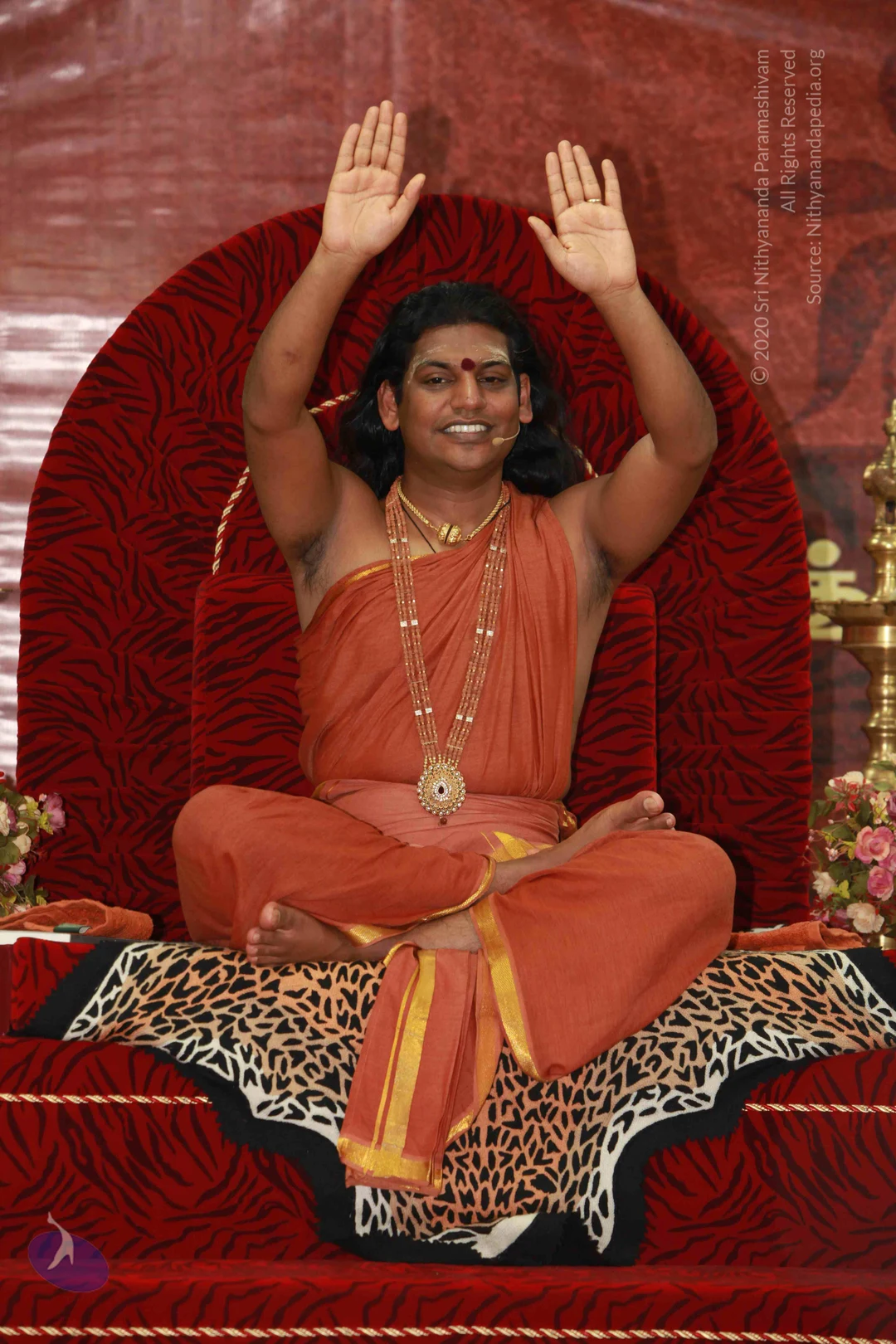
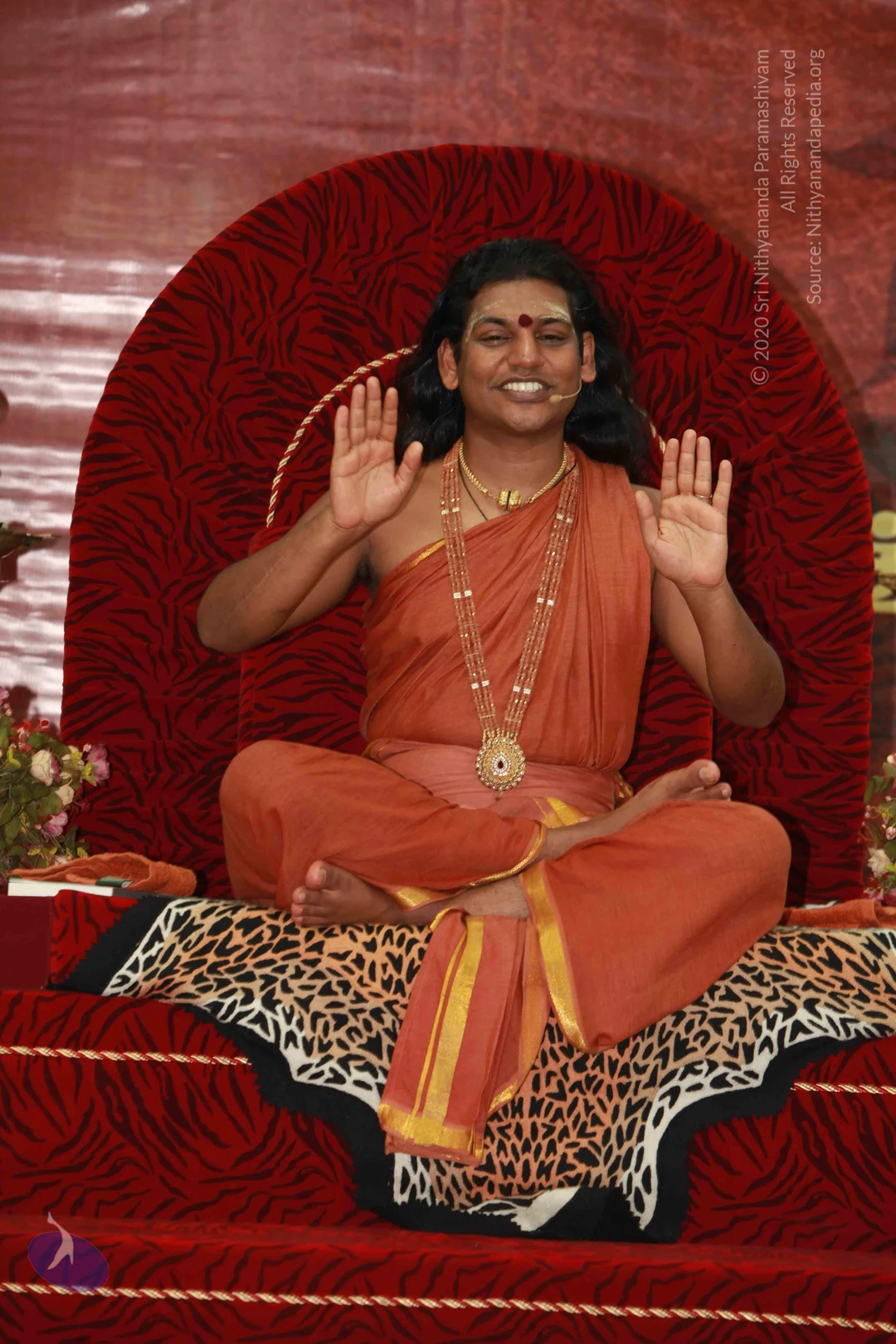
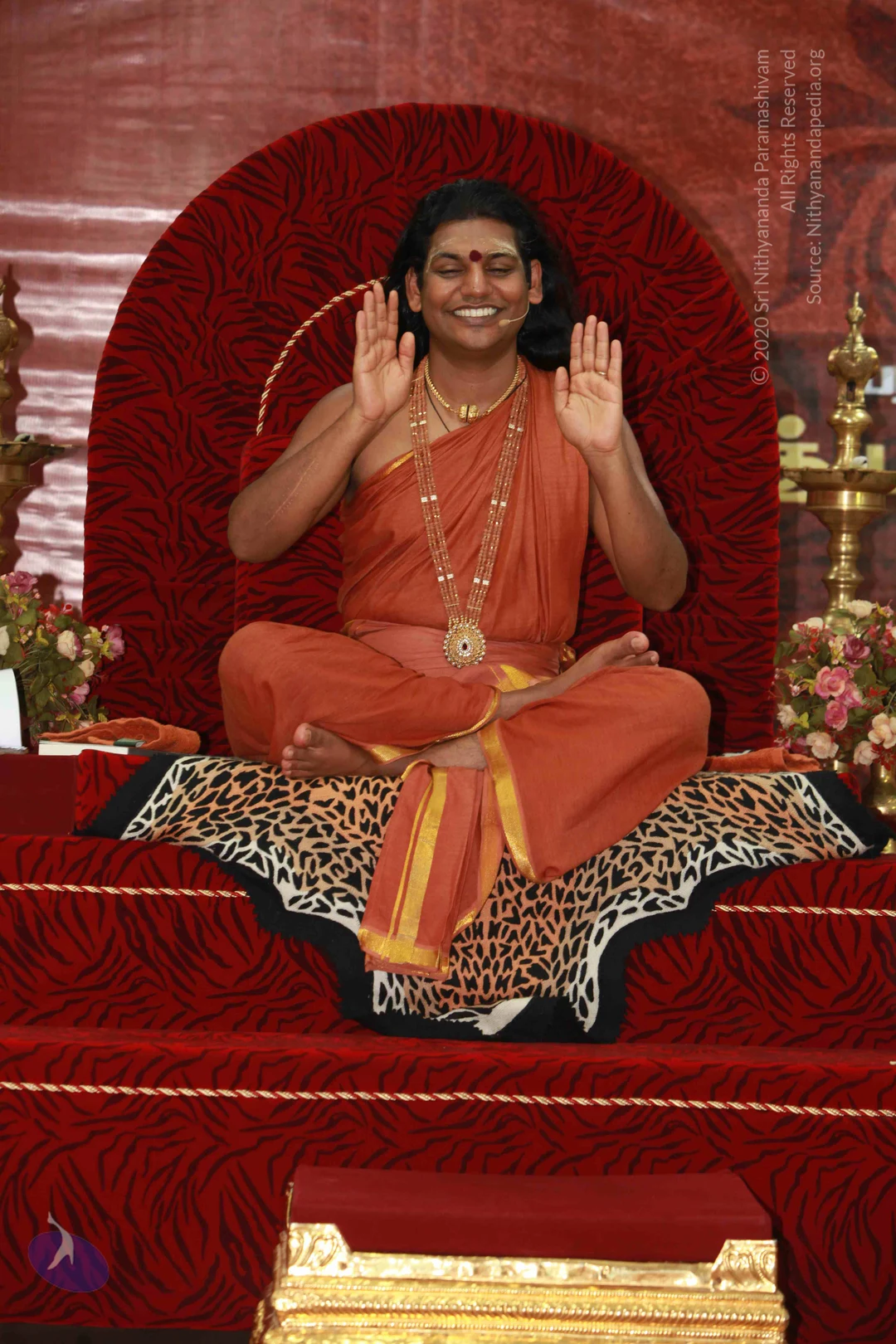
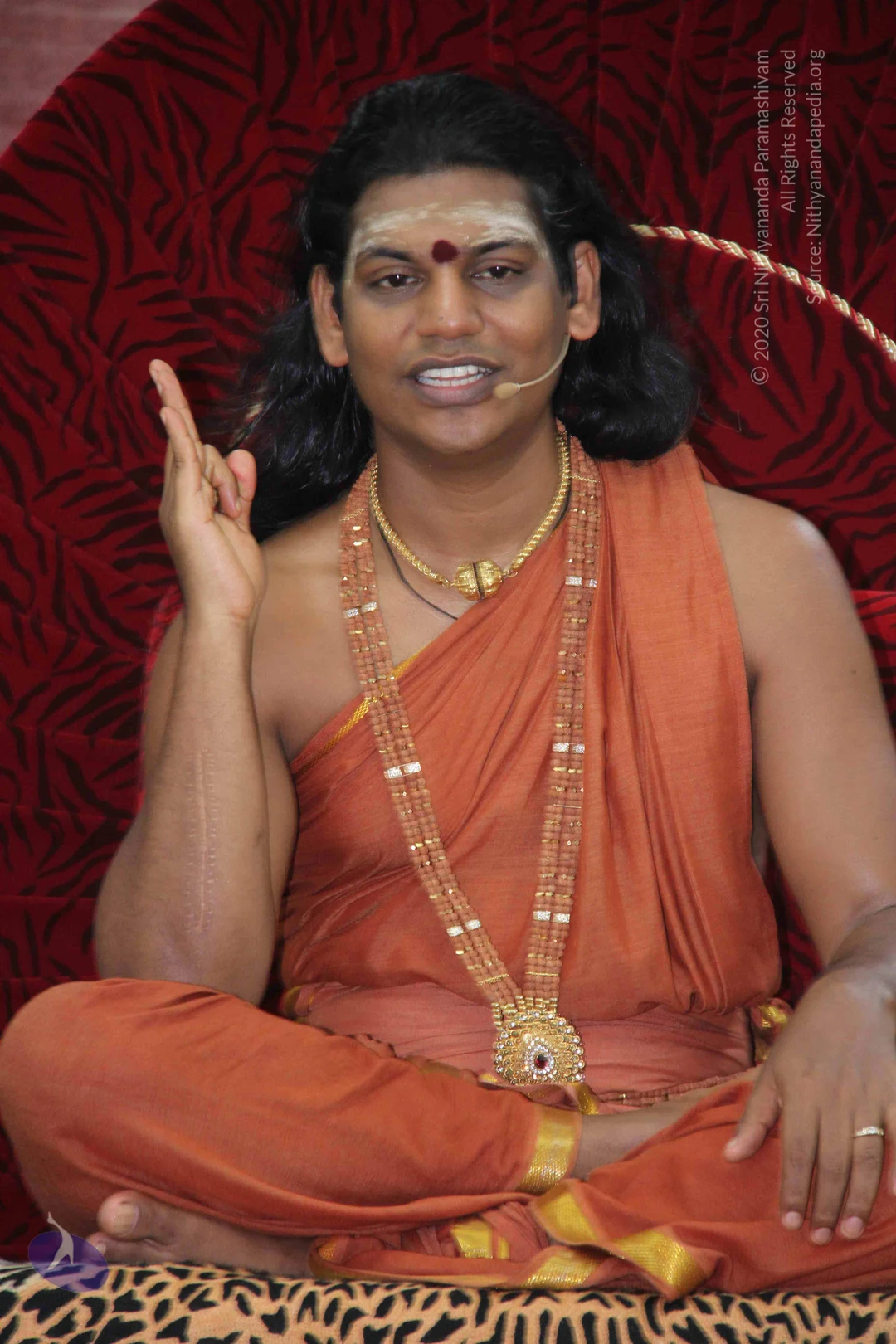
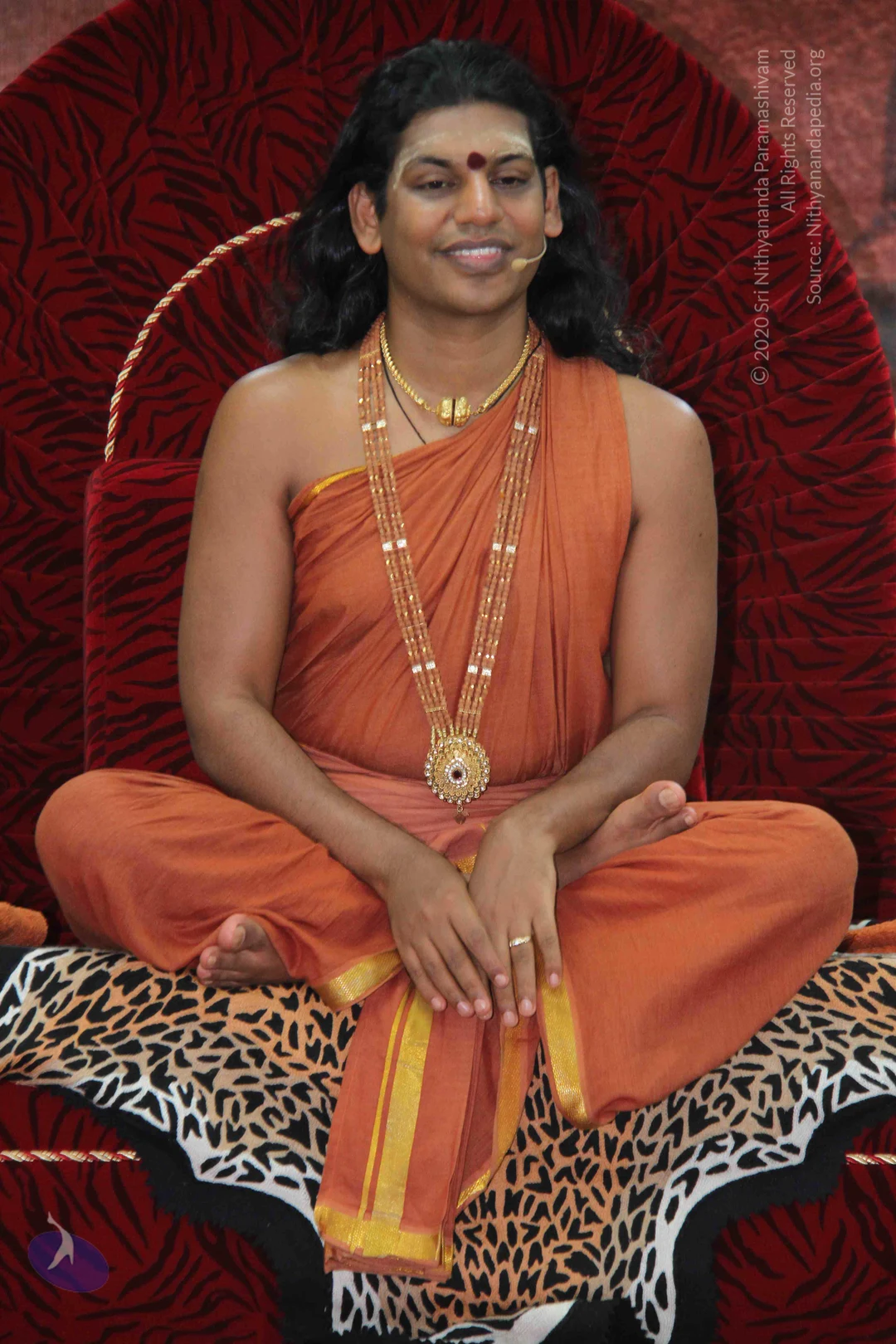
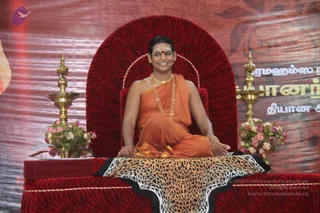
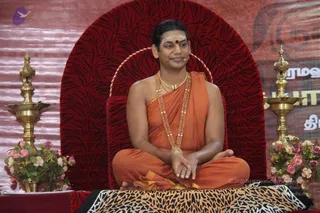
Morning Satsang


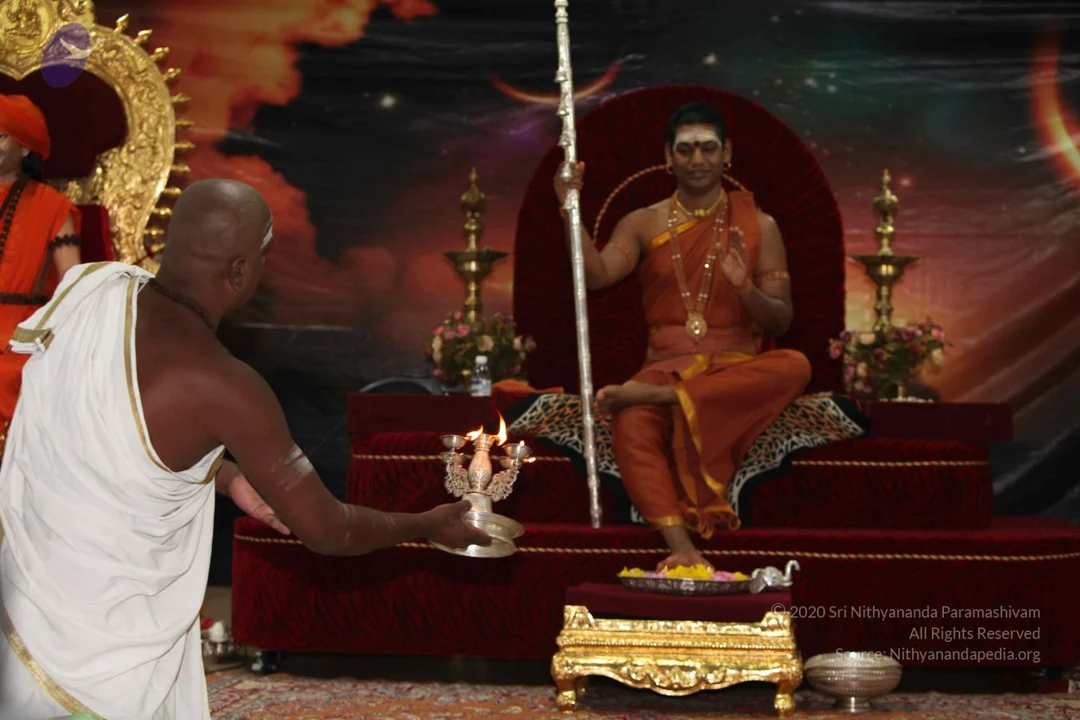
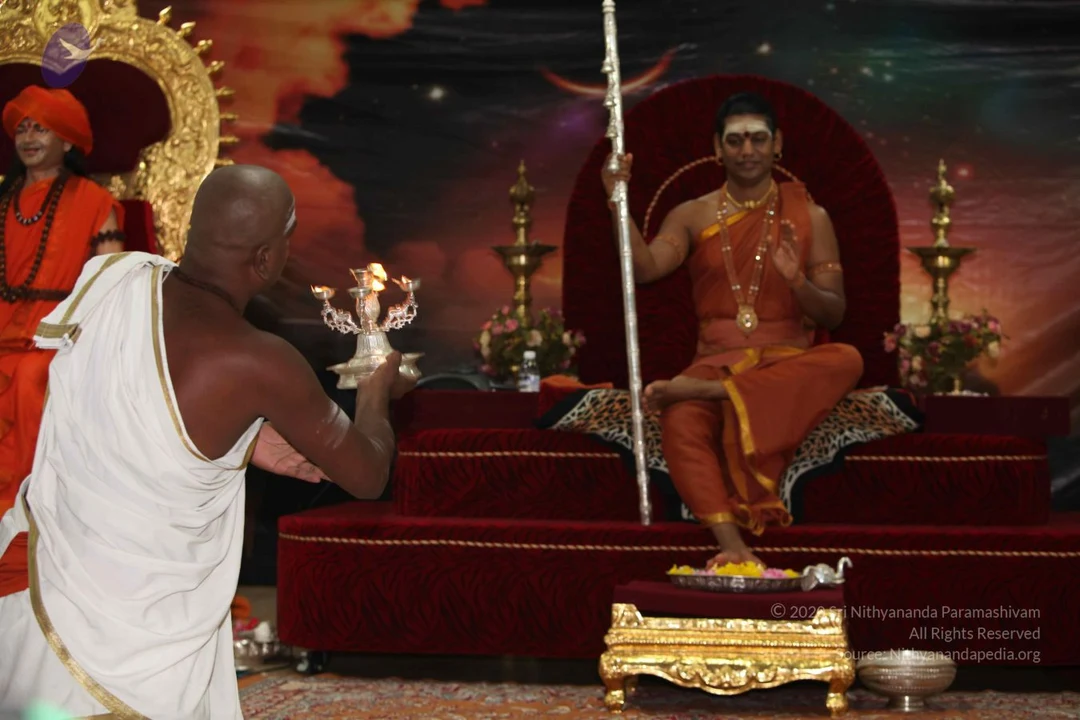
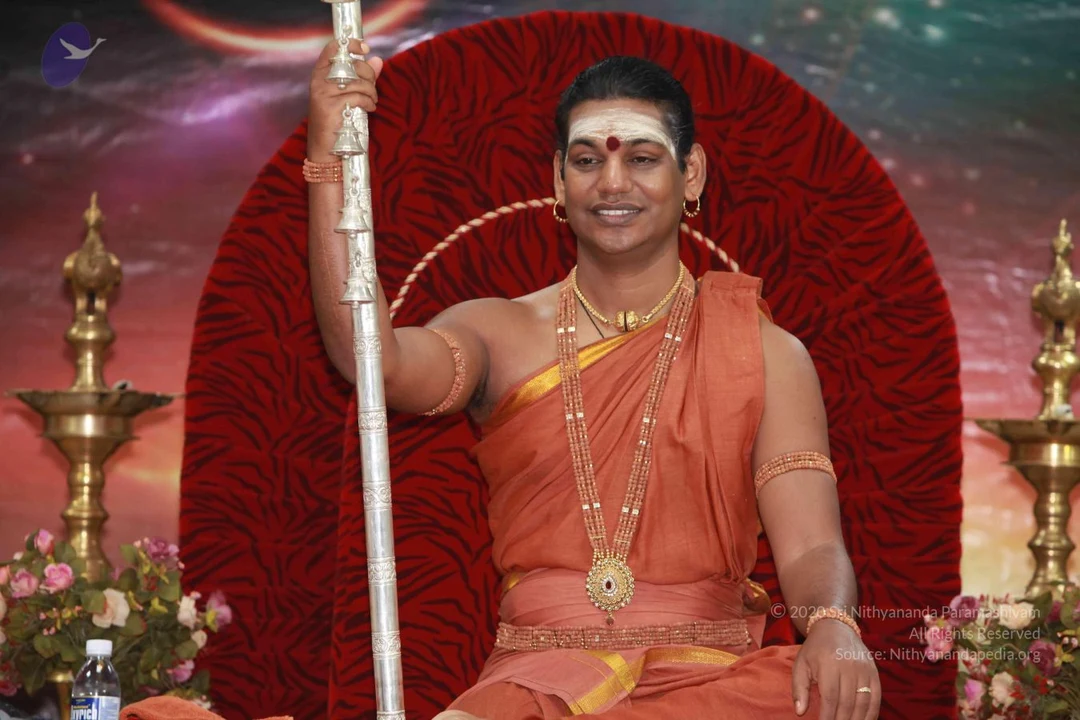
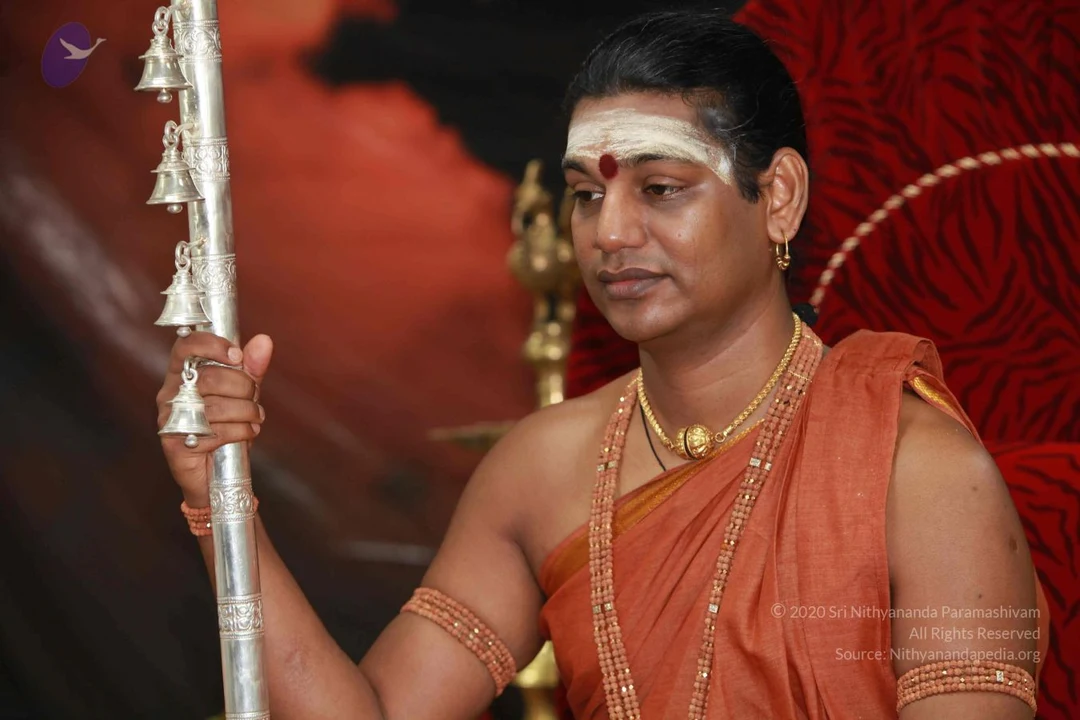

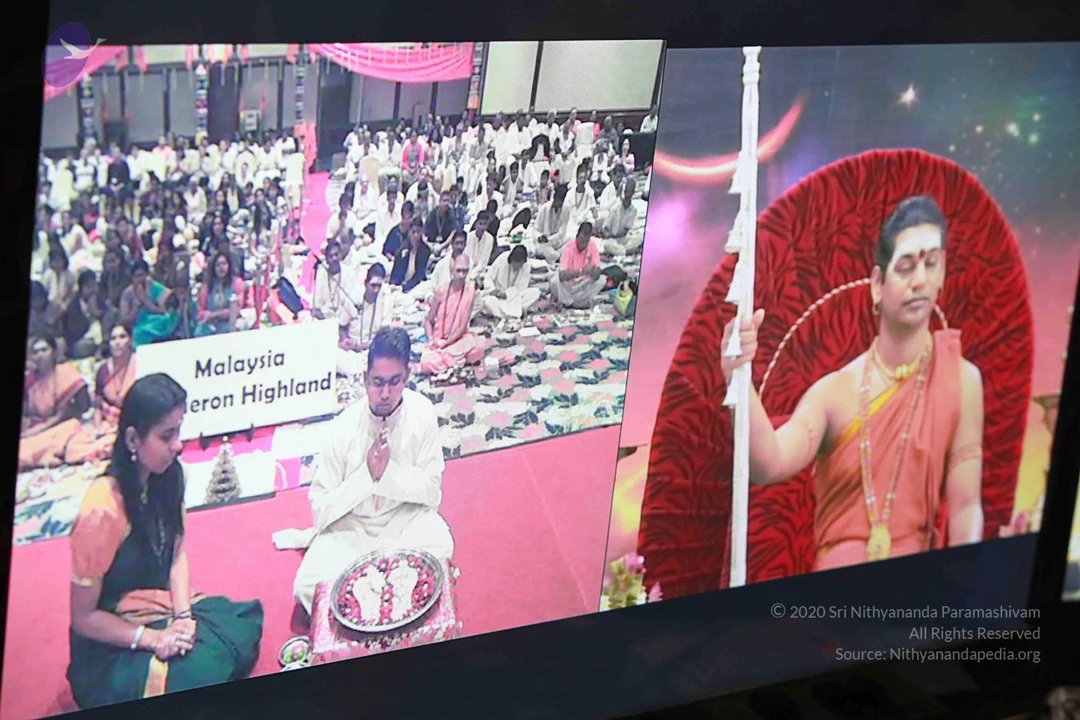
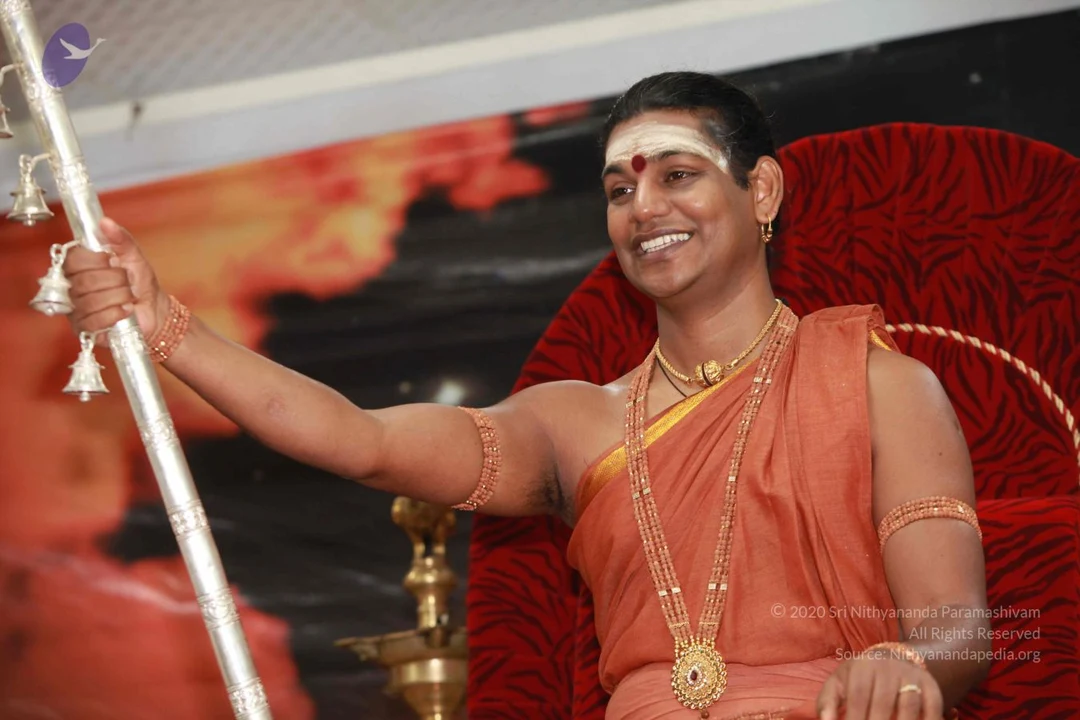
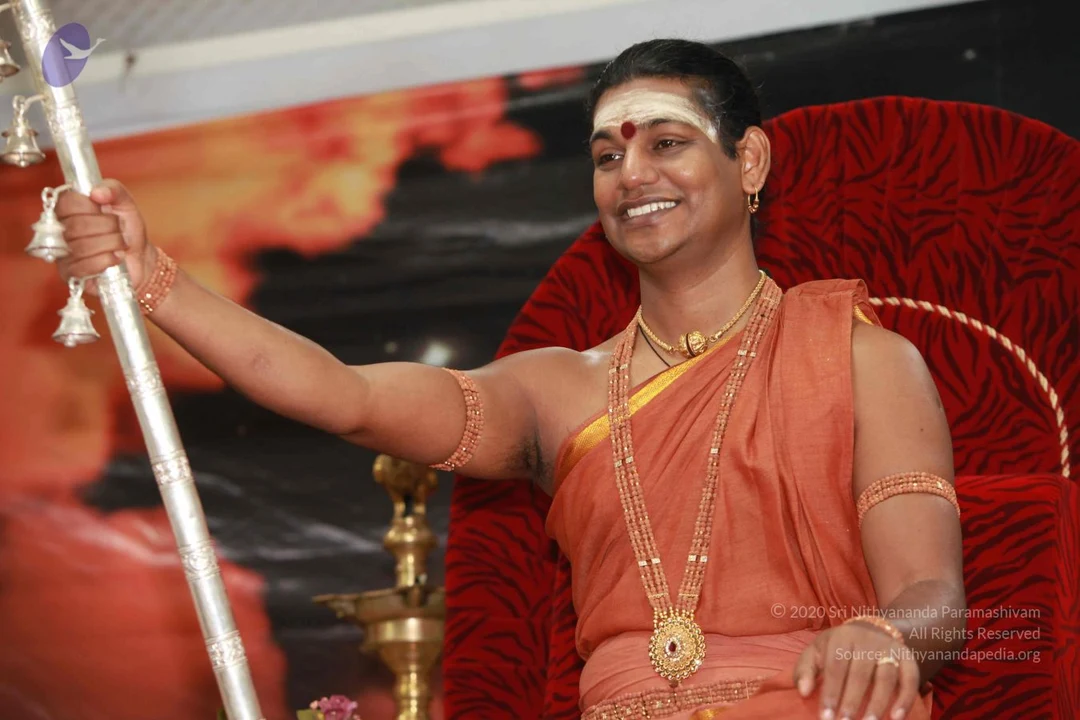
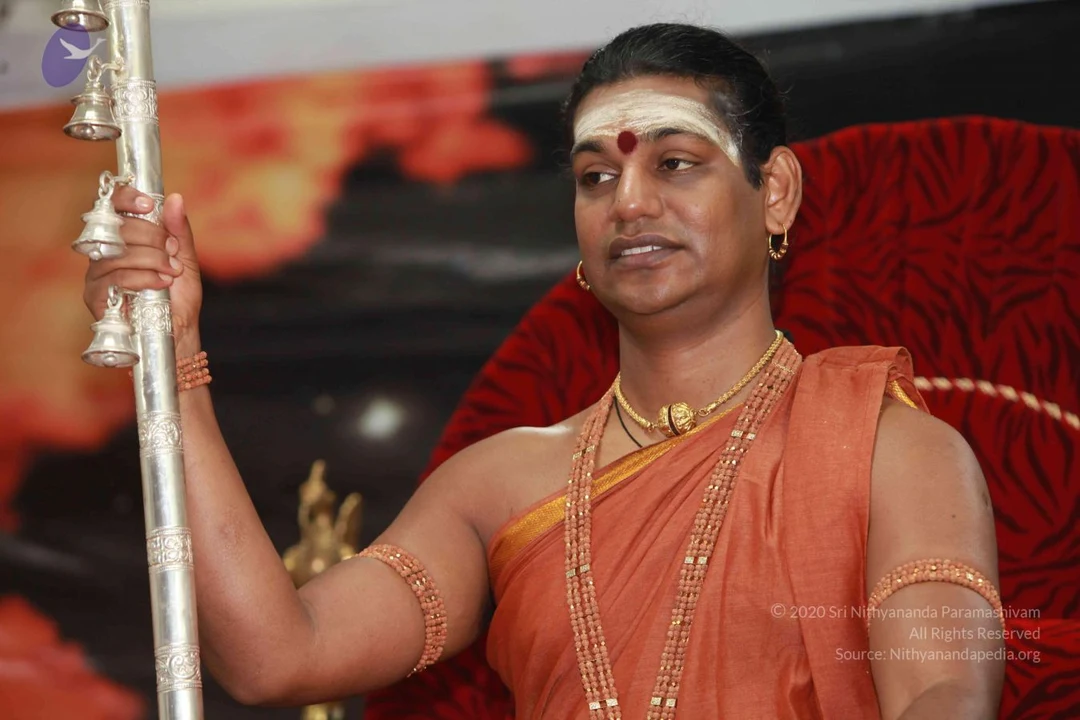


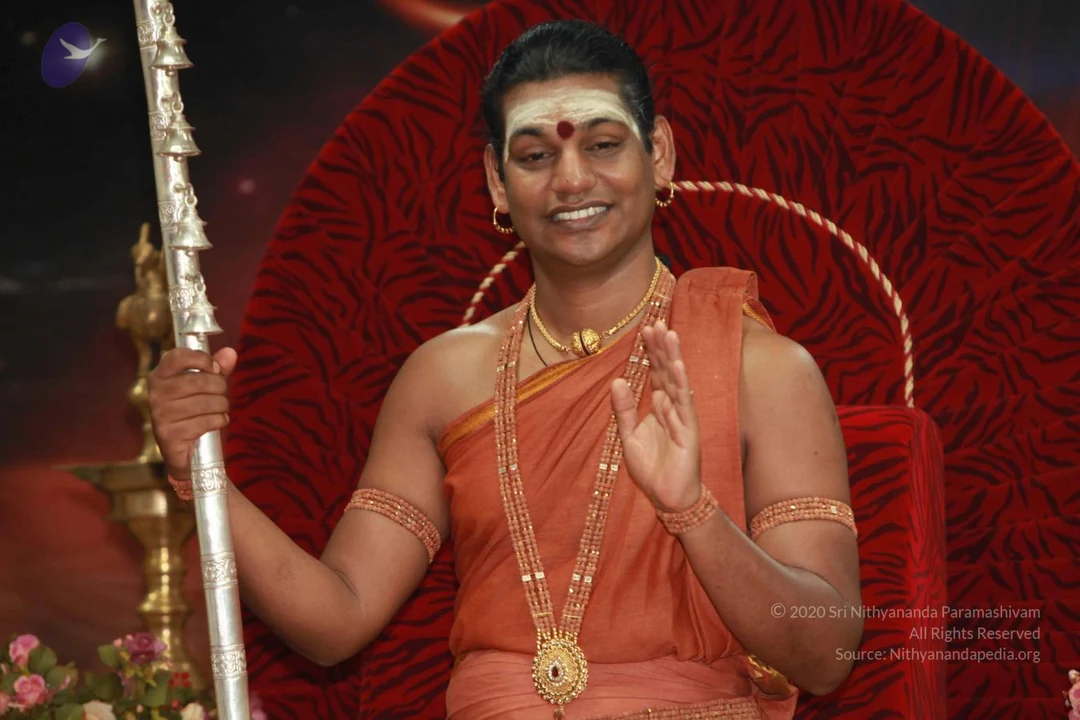
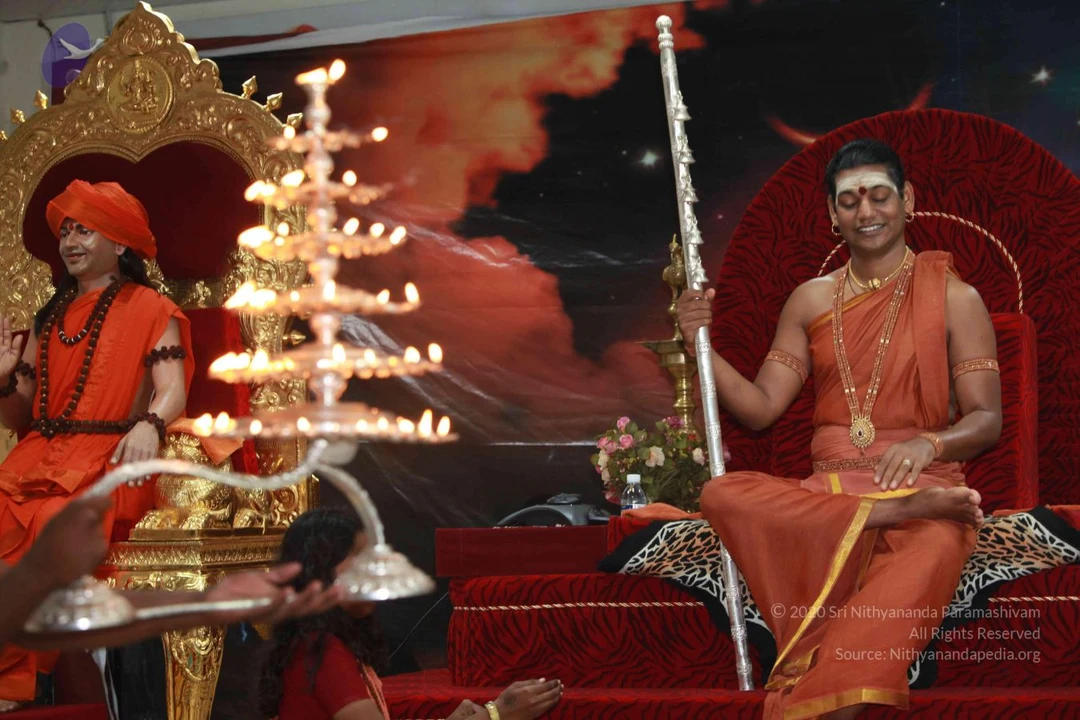
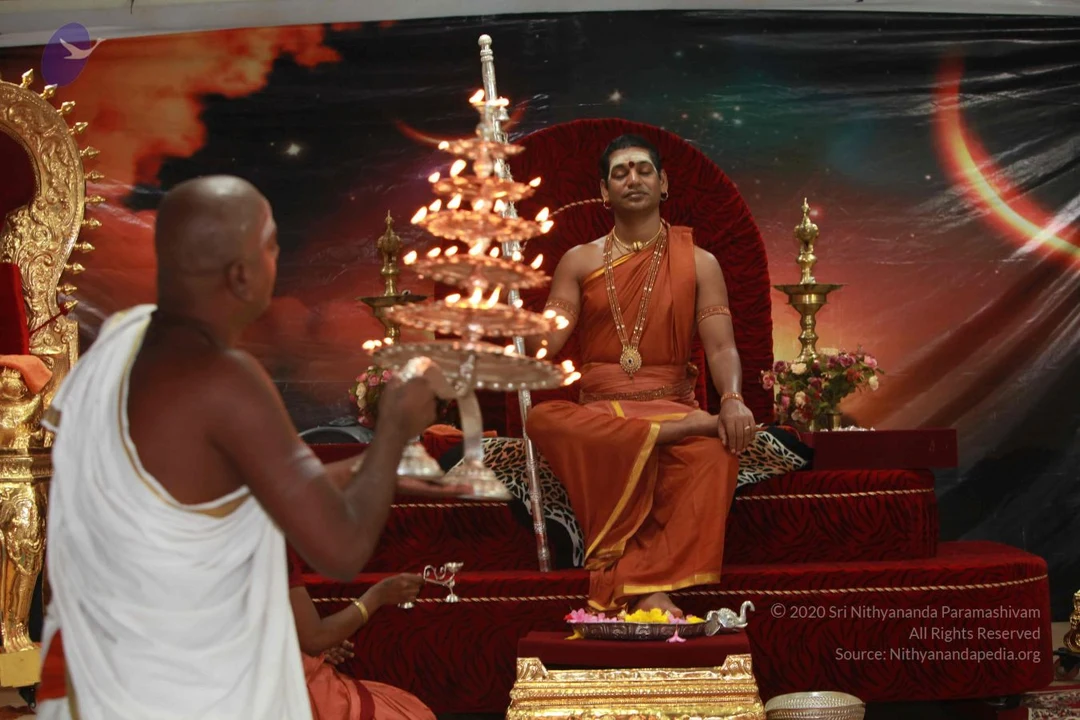
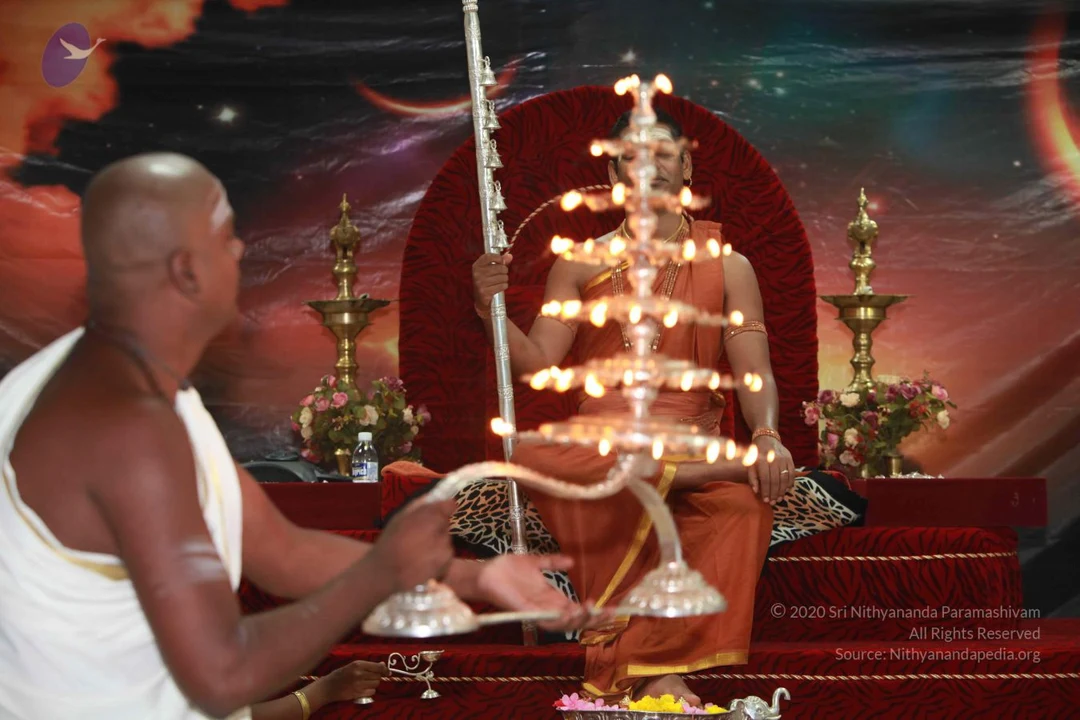
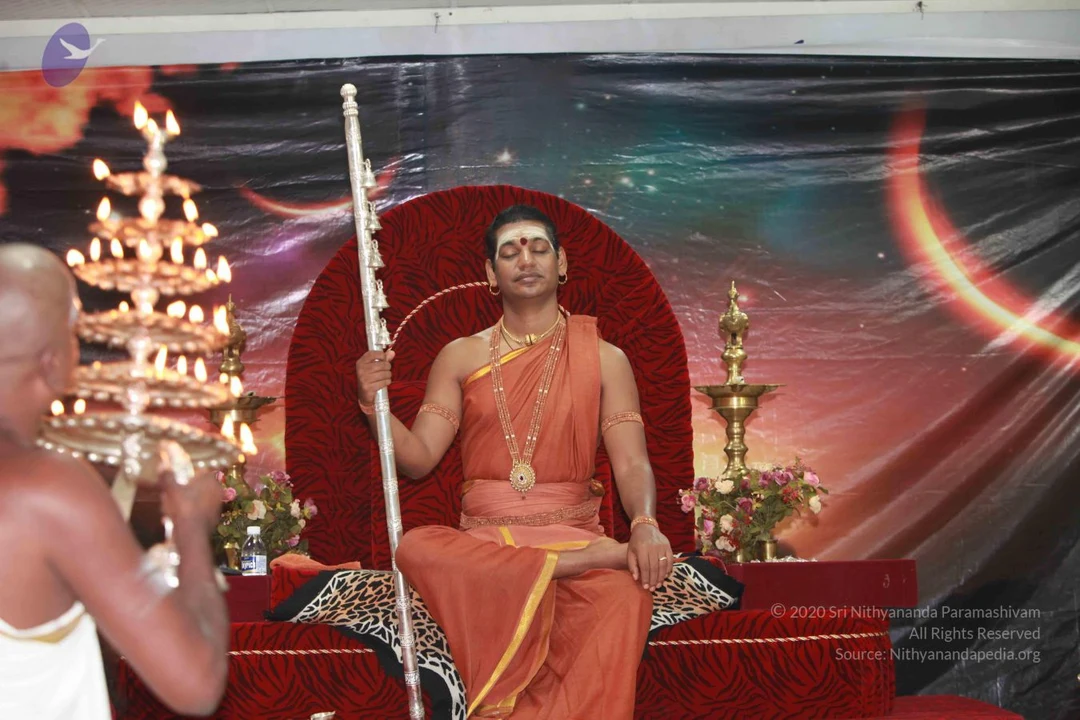
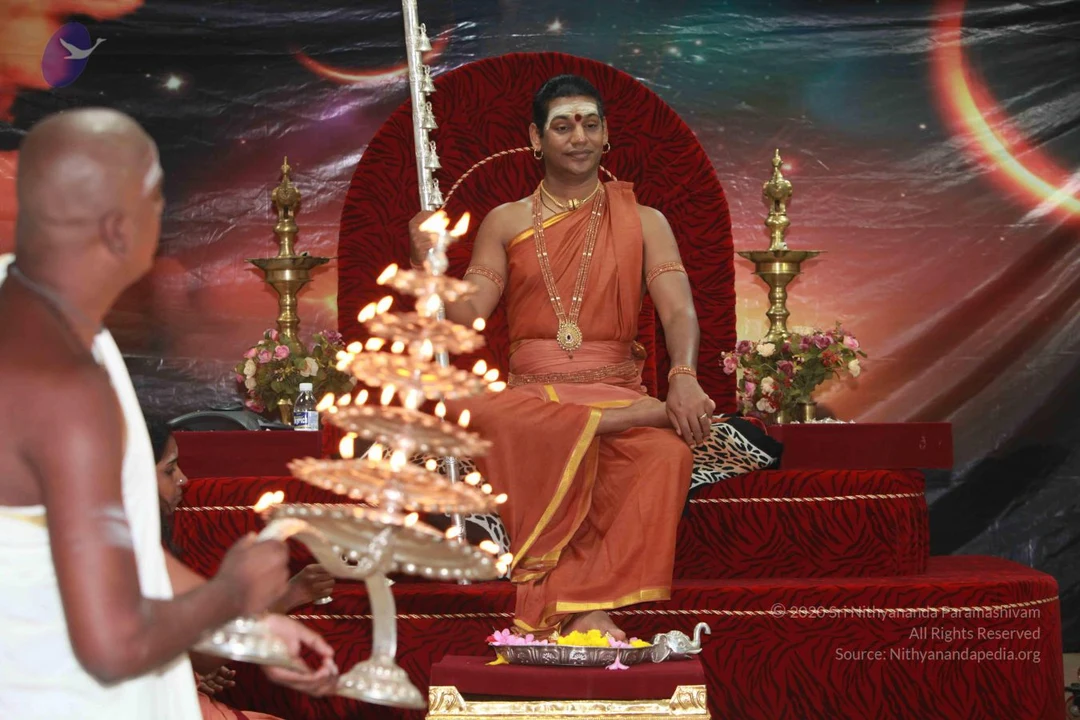
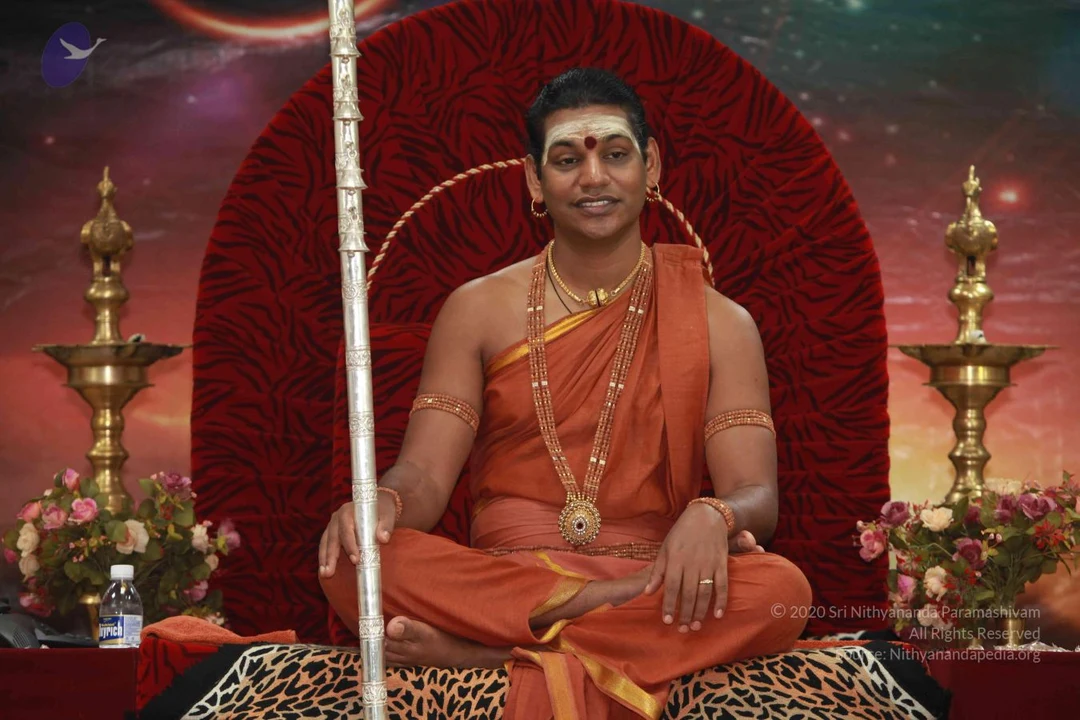
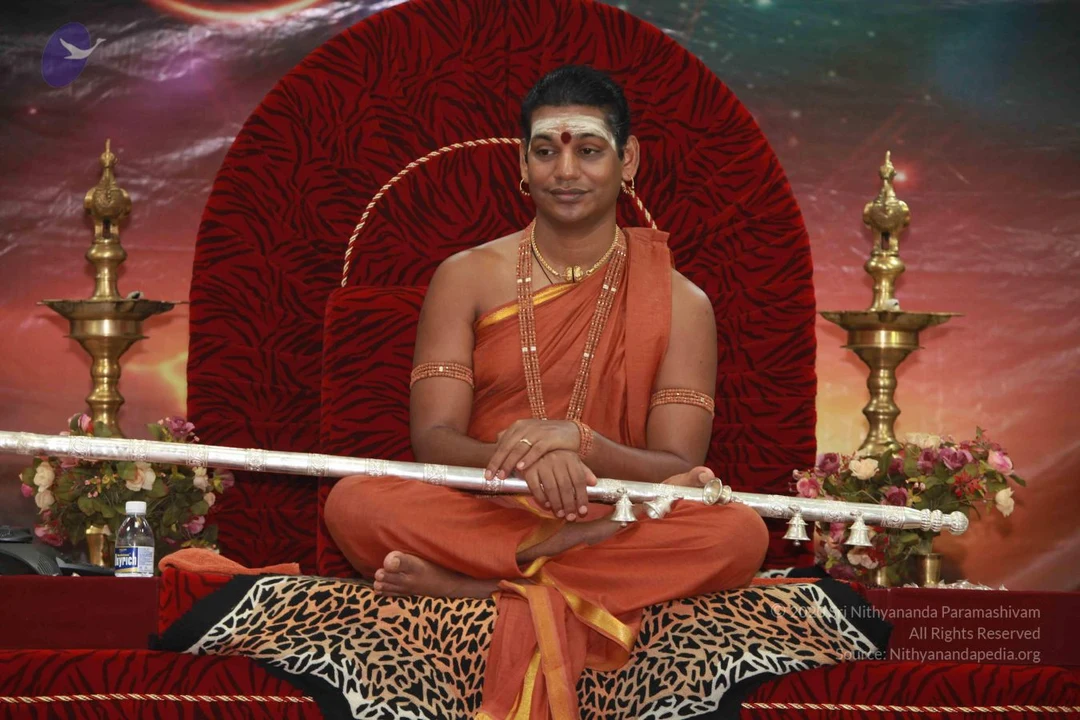
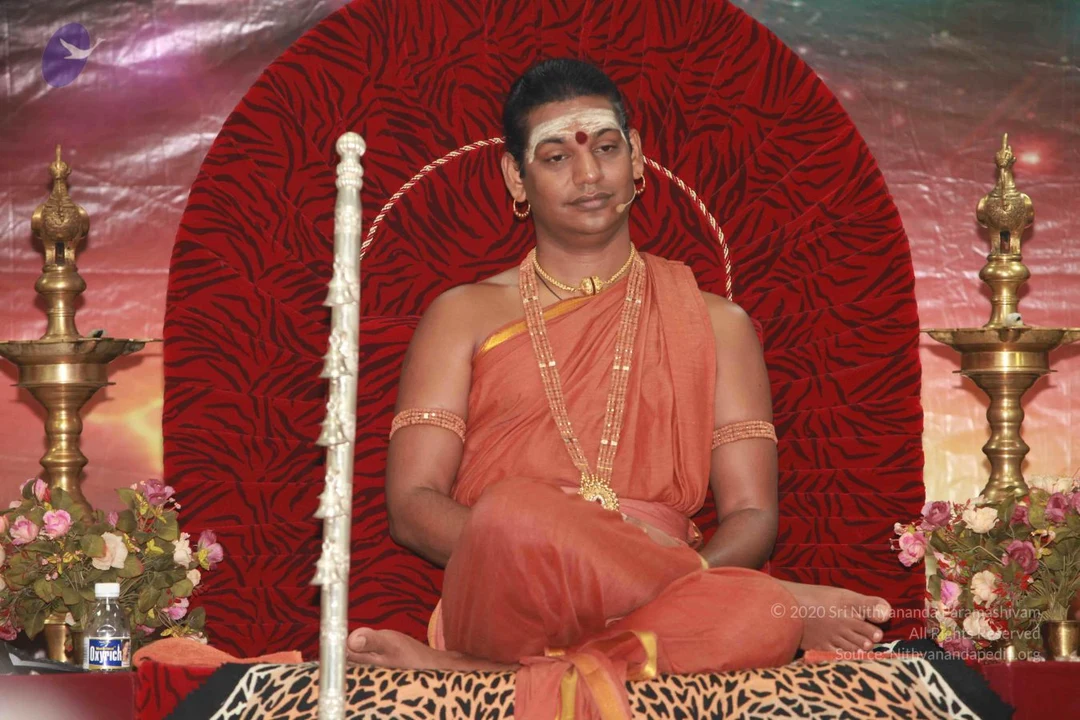
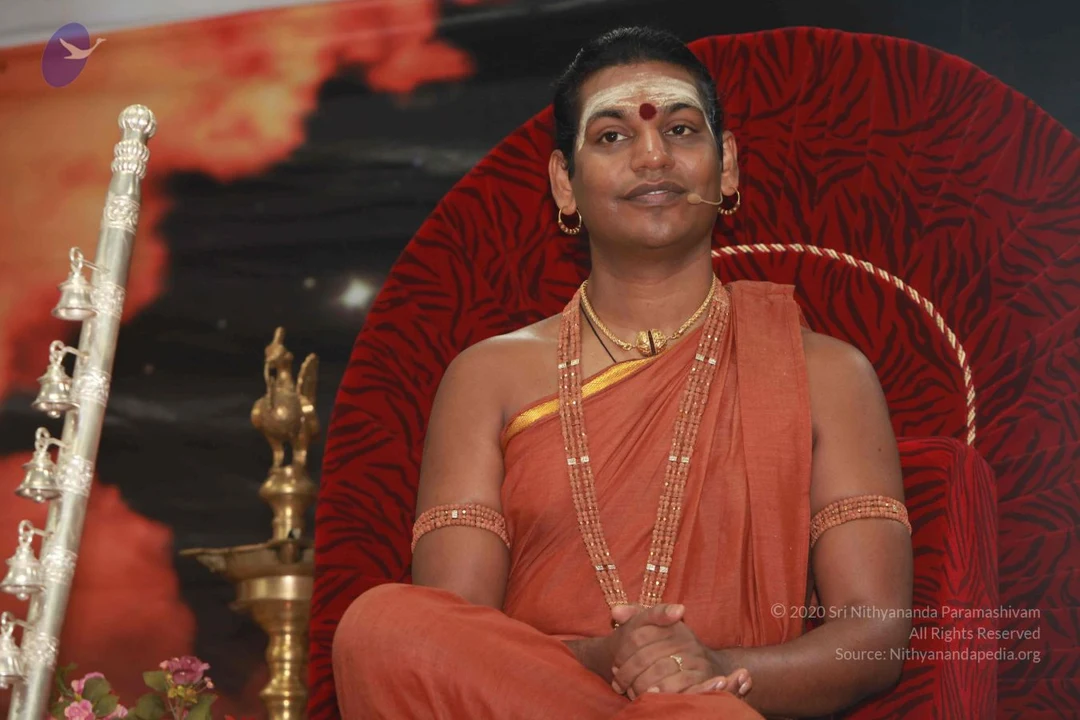
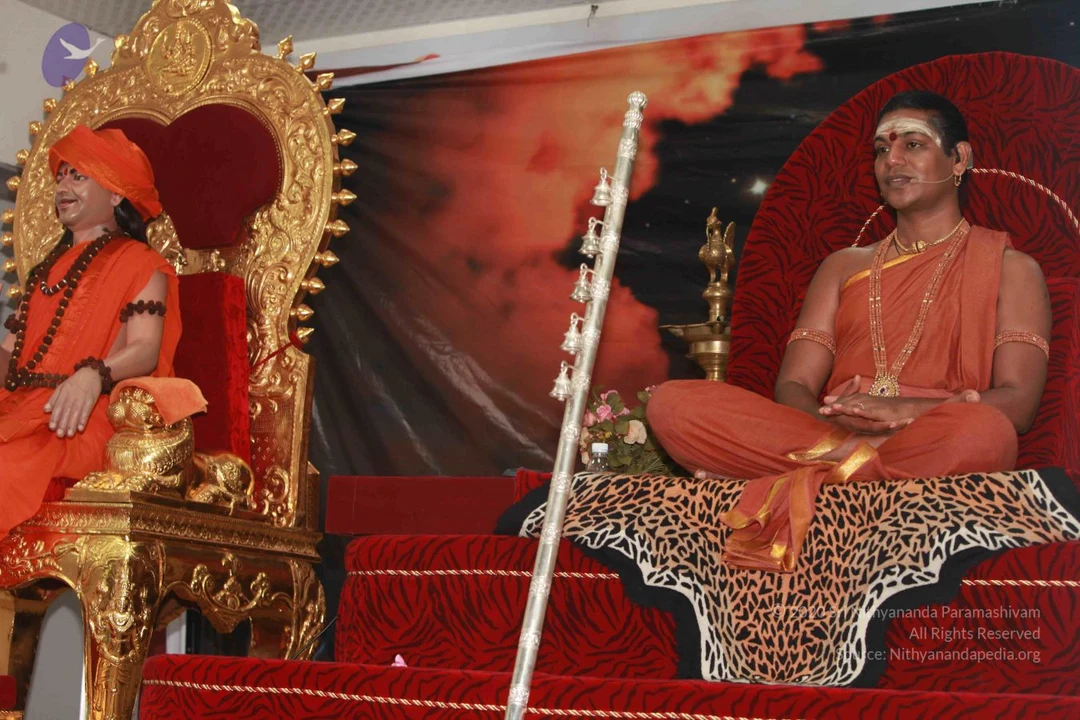
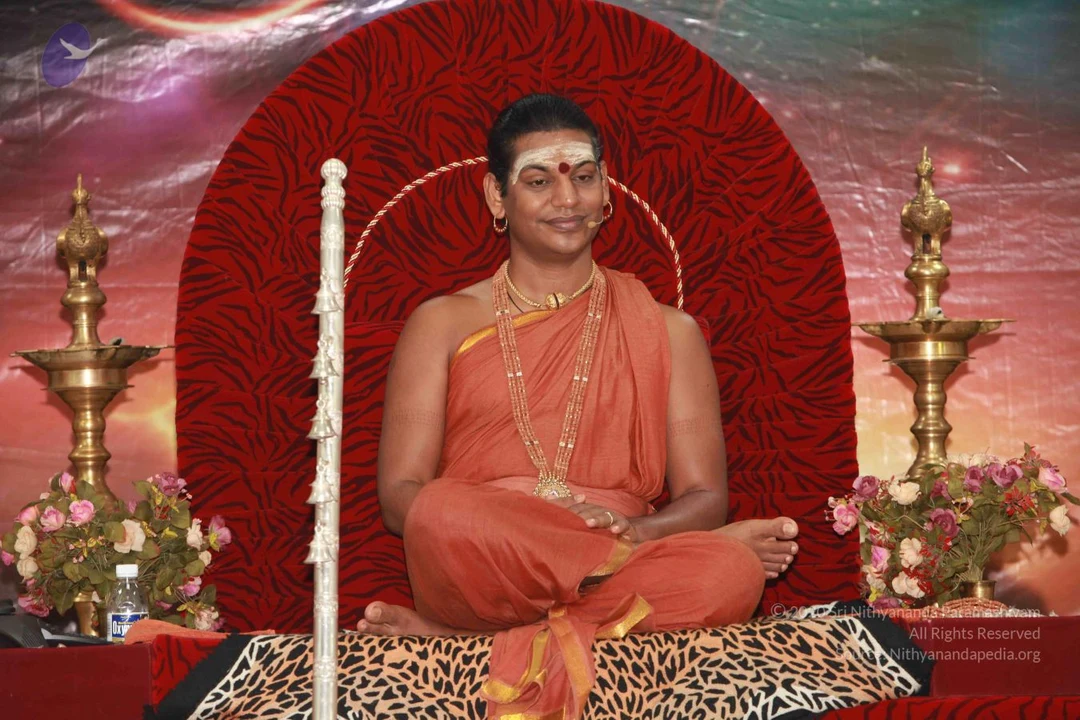
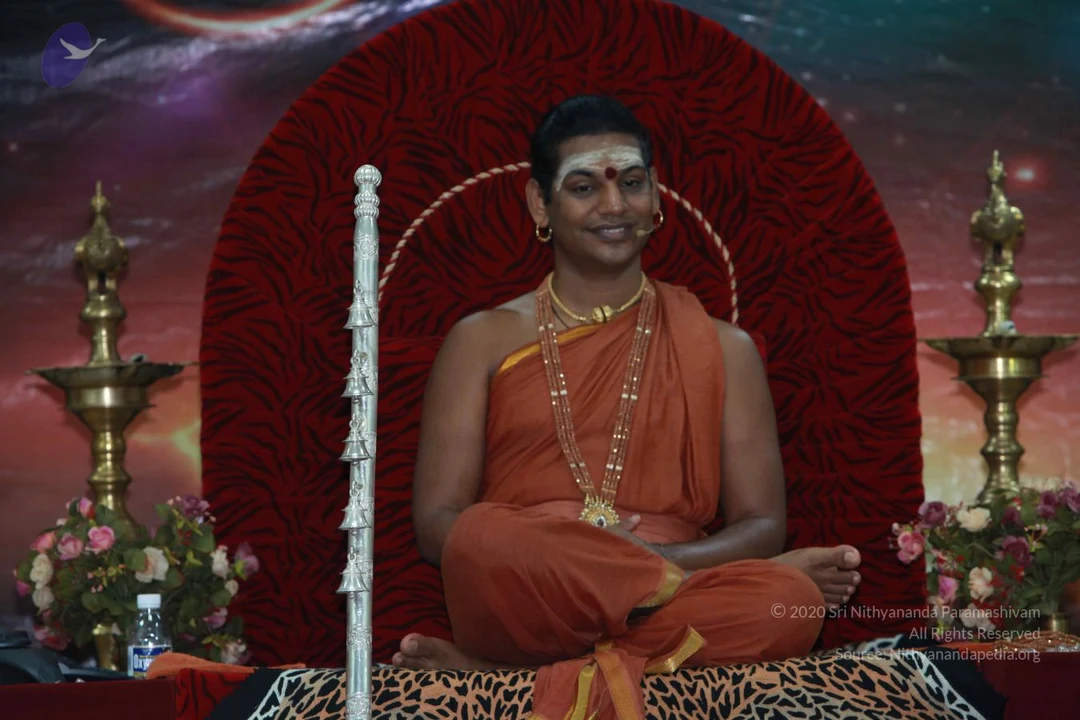
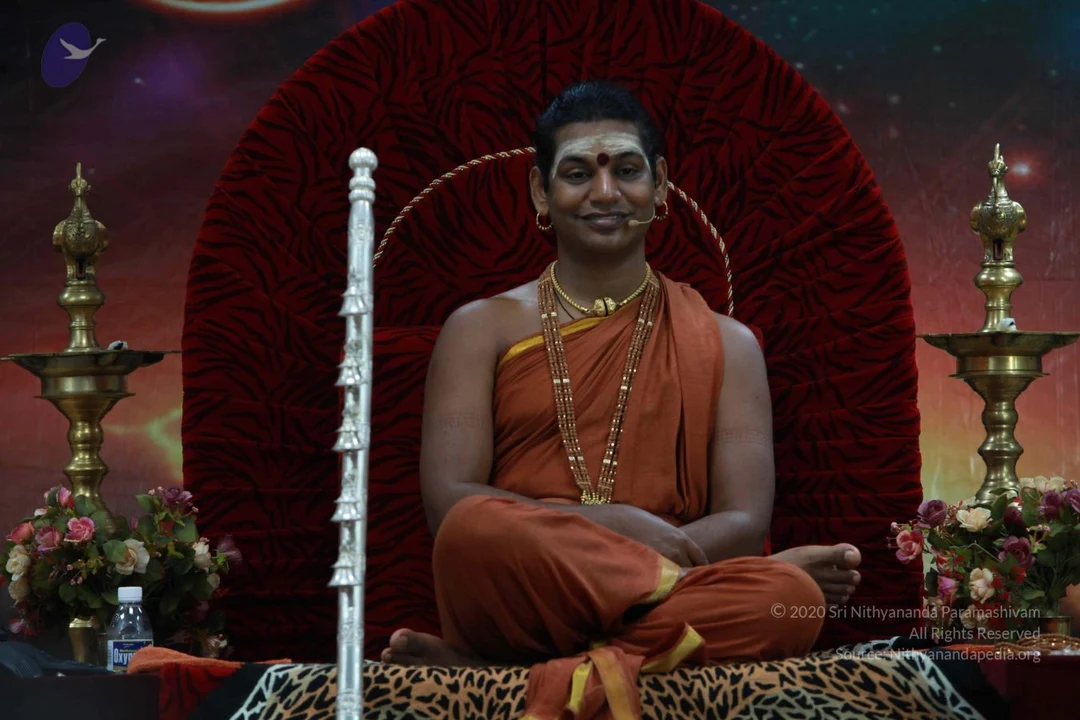
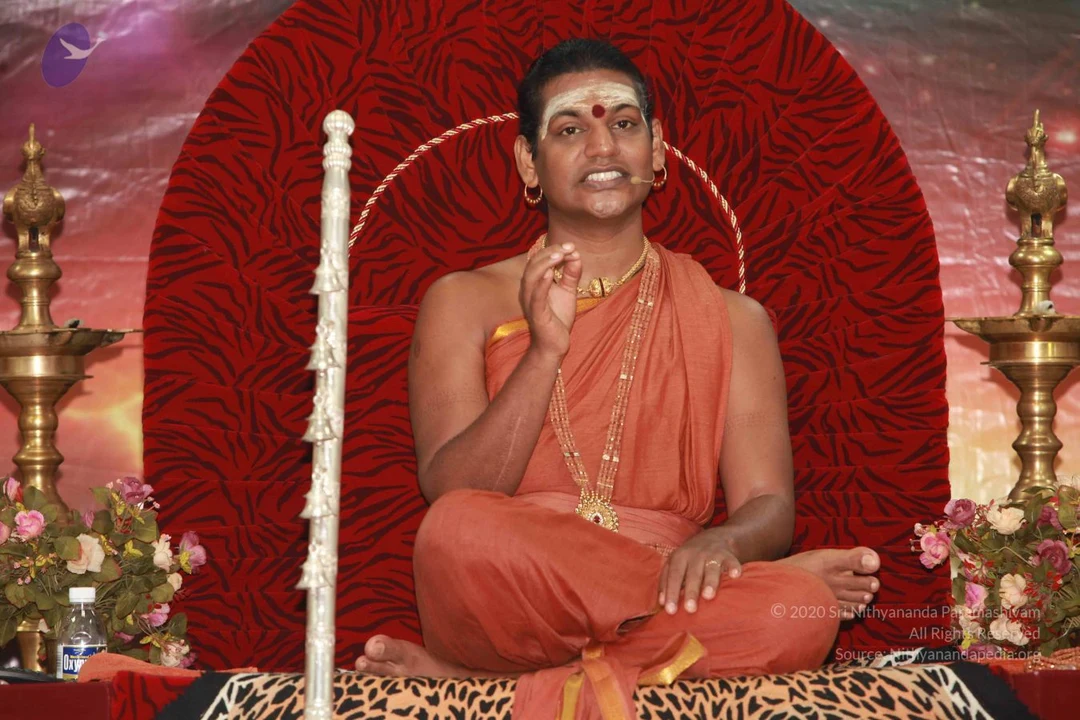
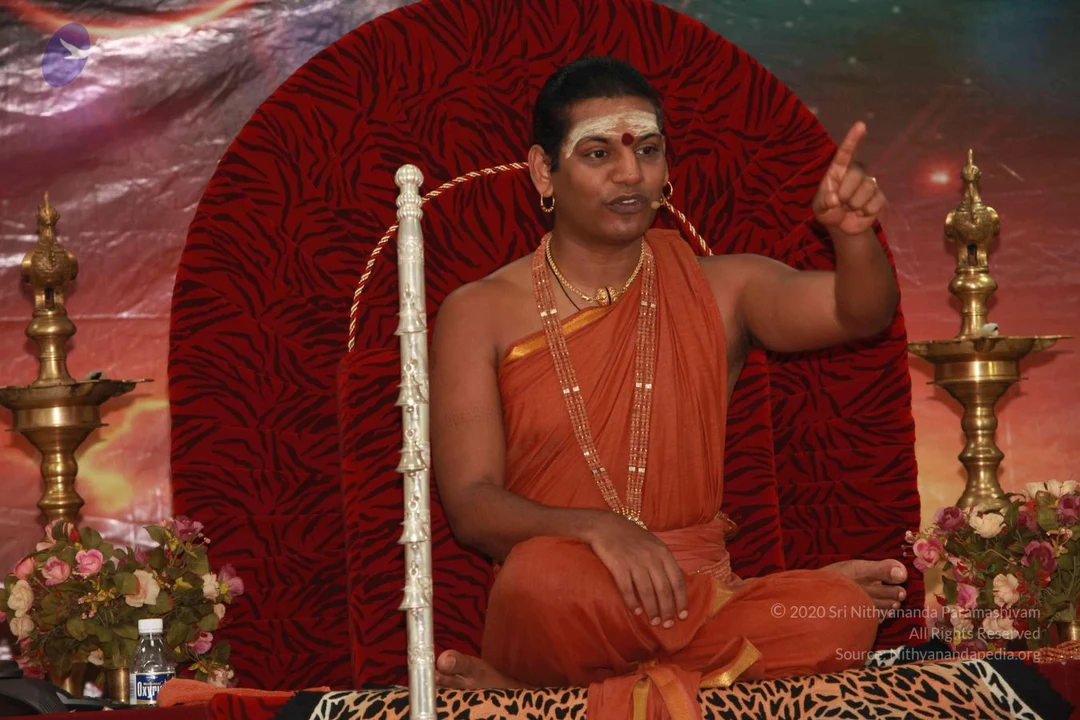
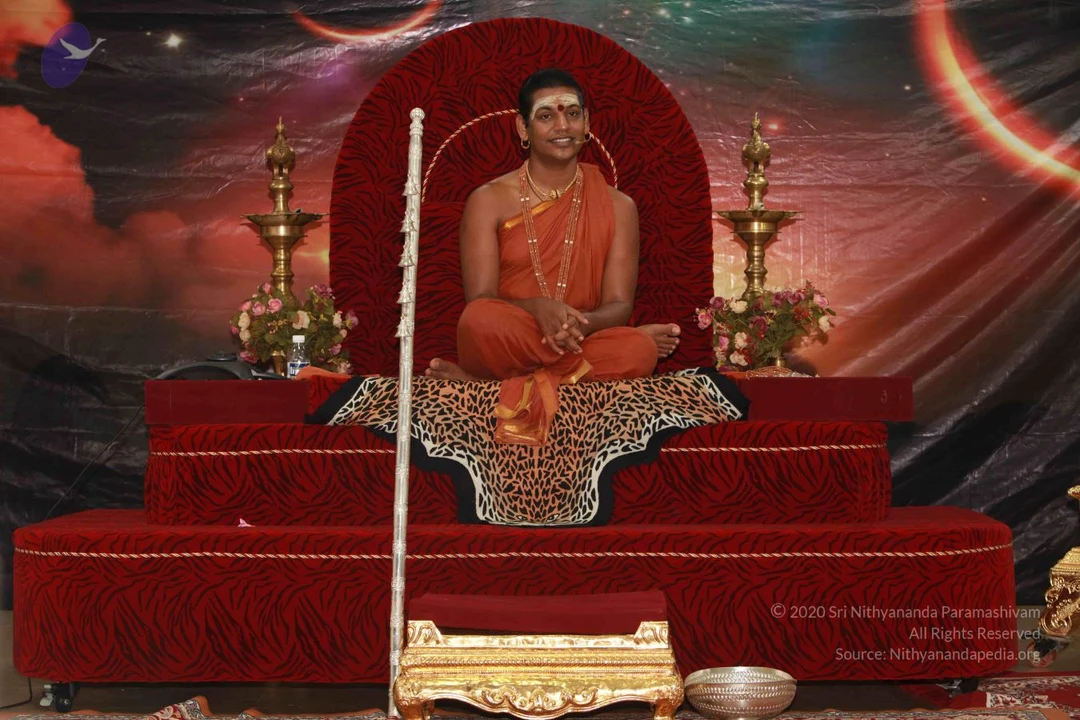
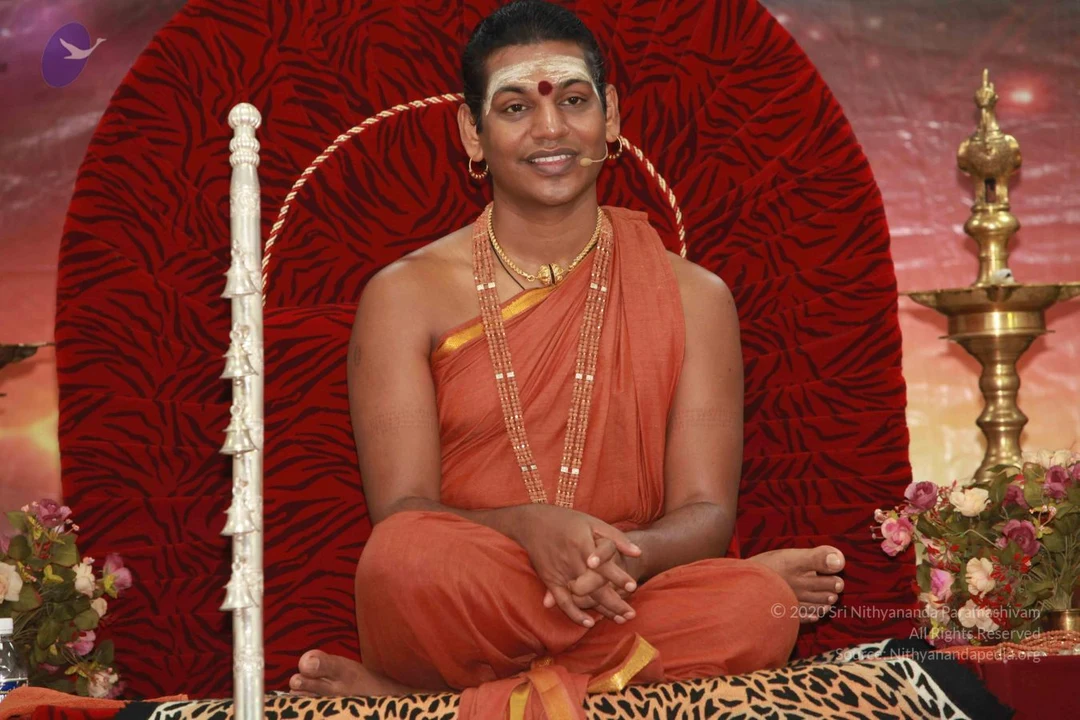
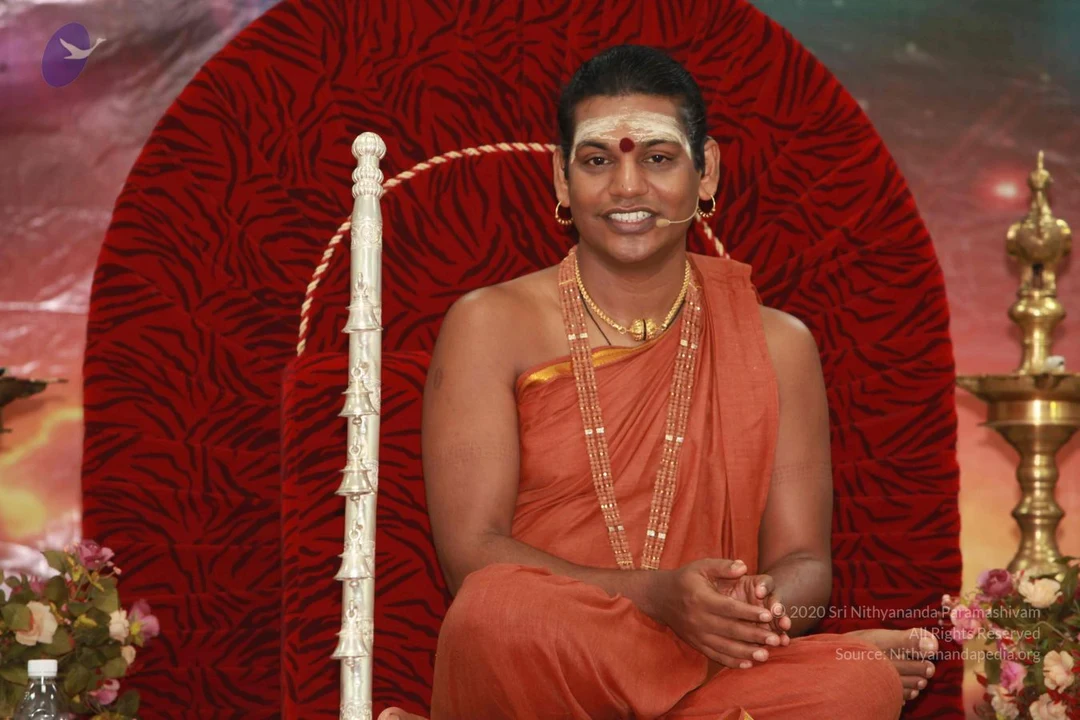
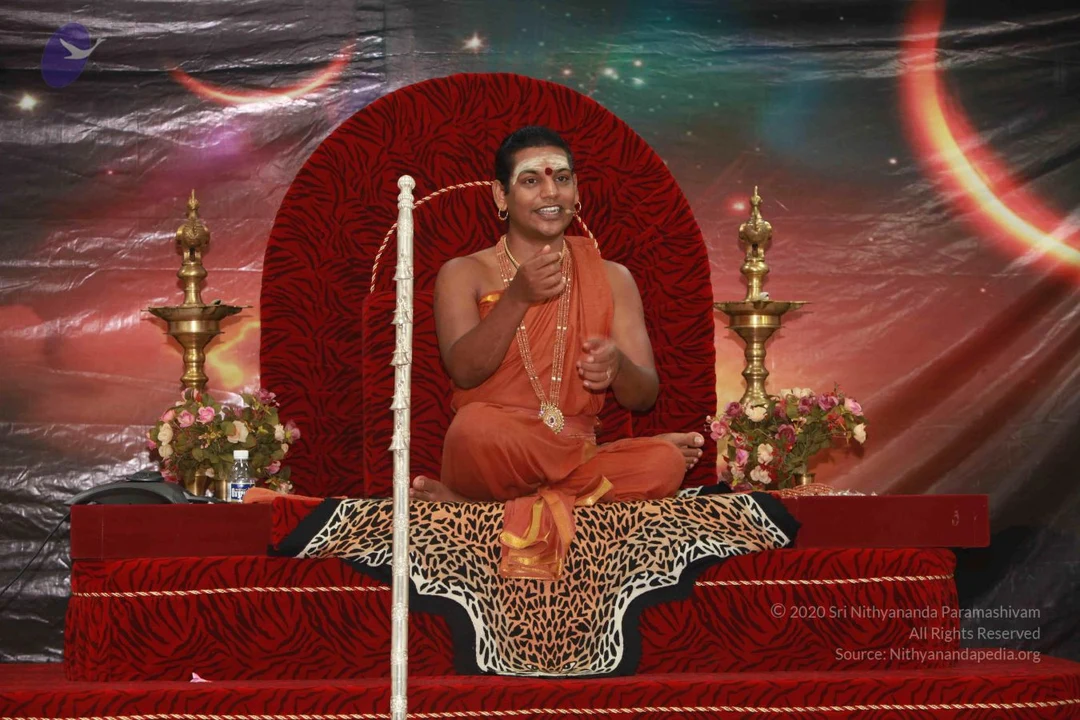
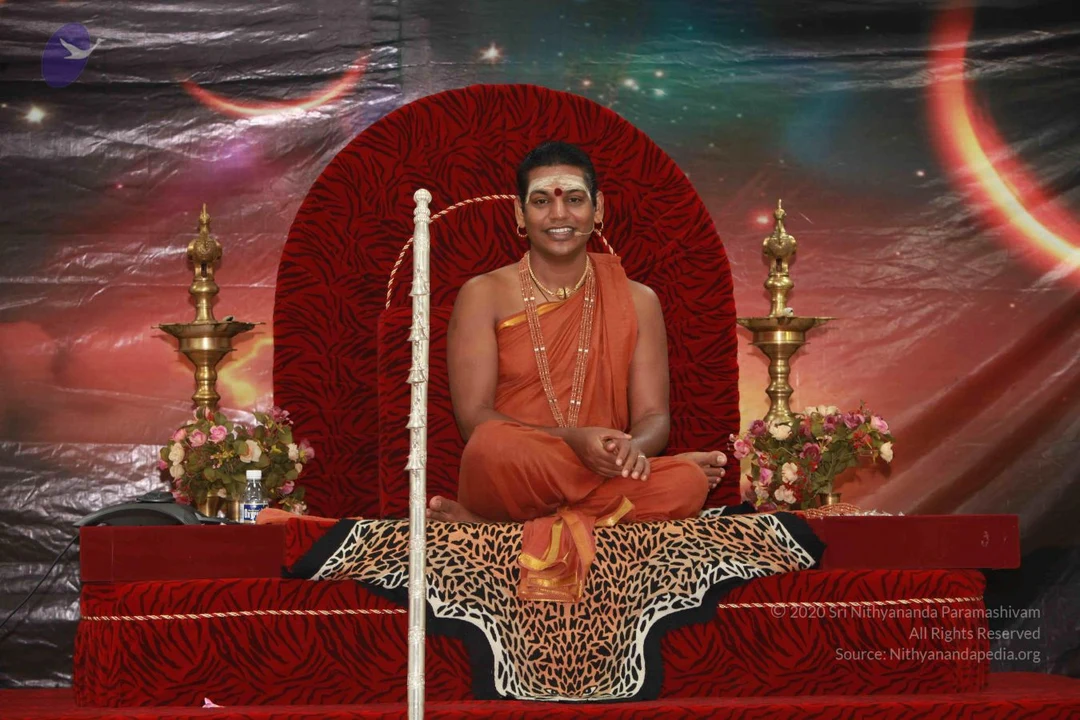
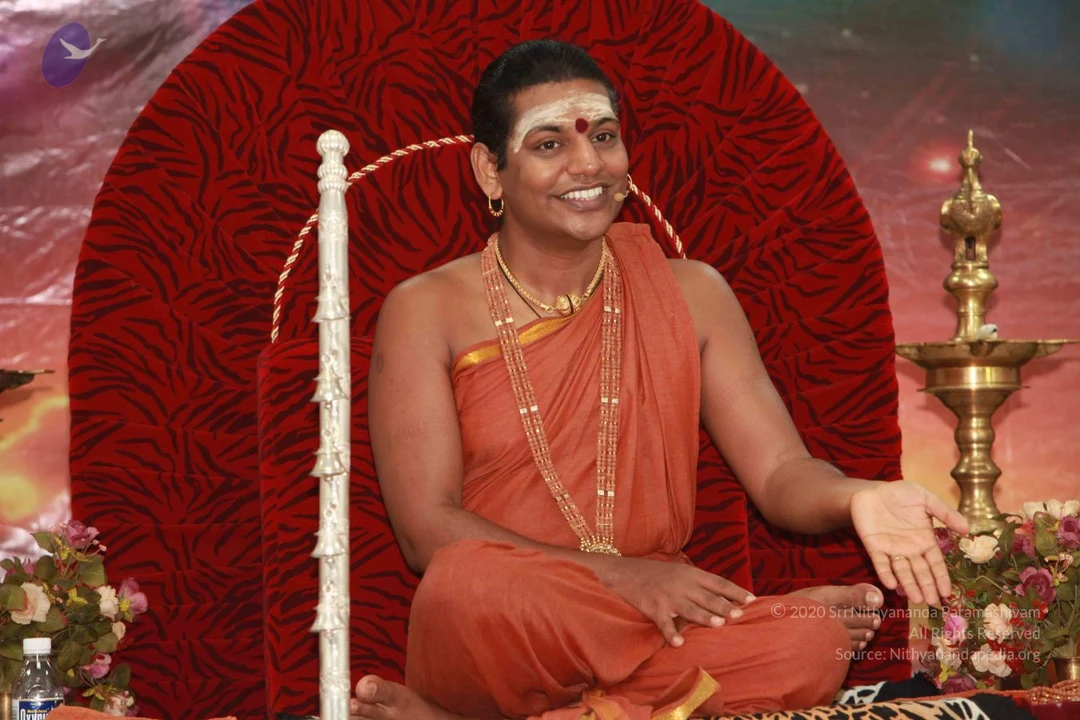
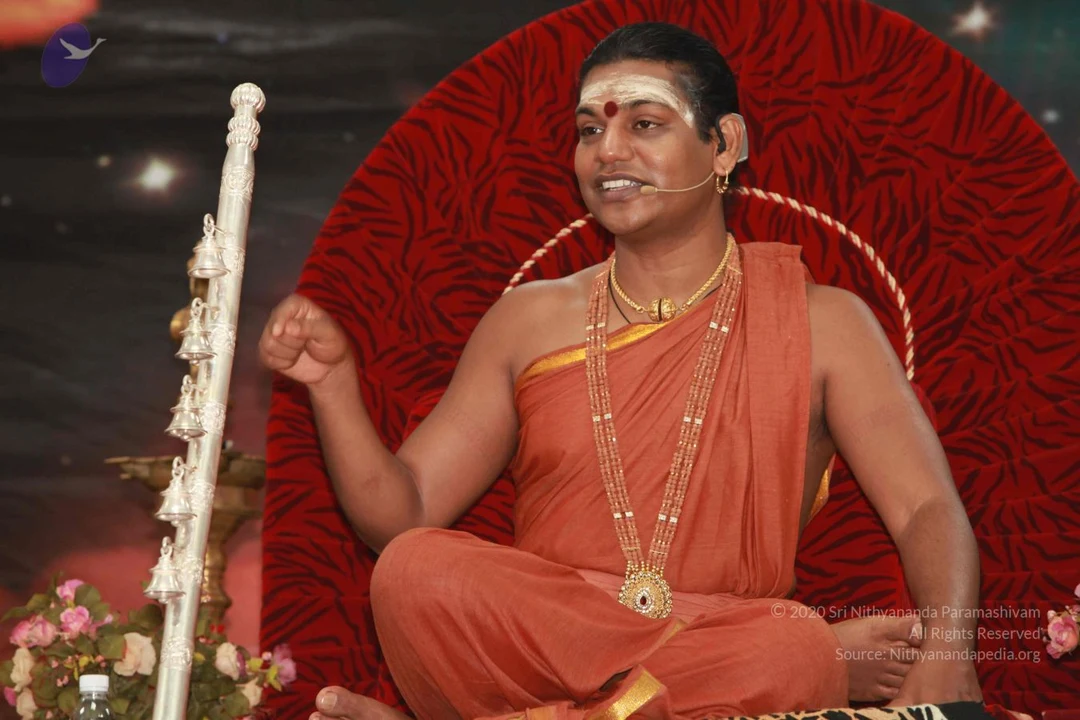
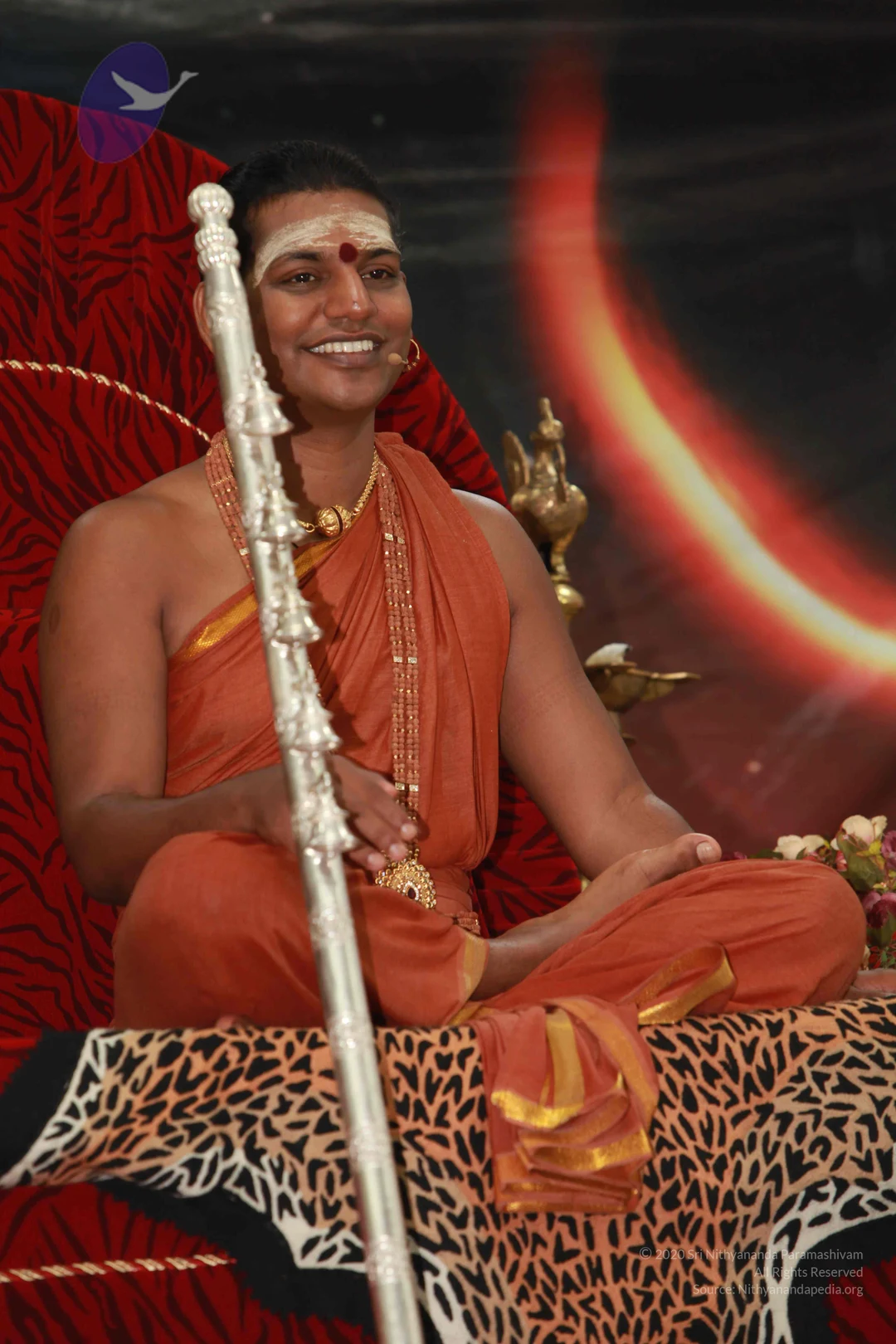
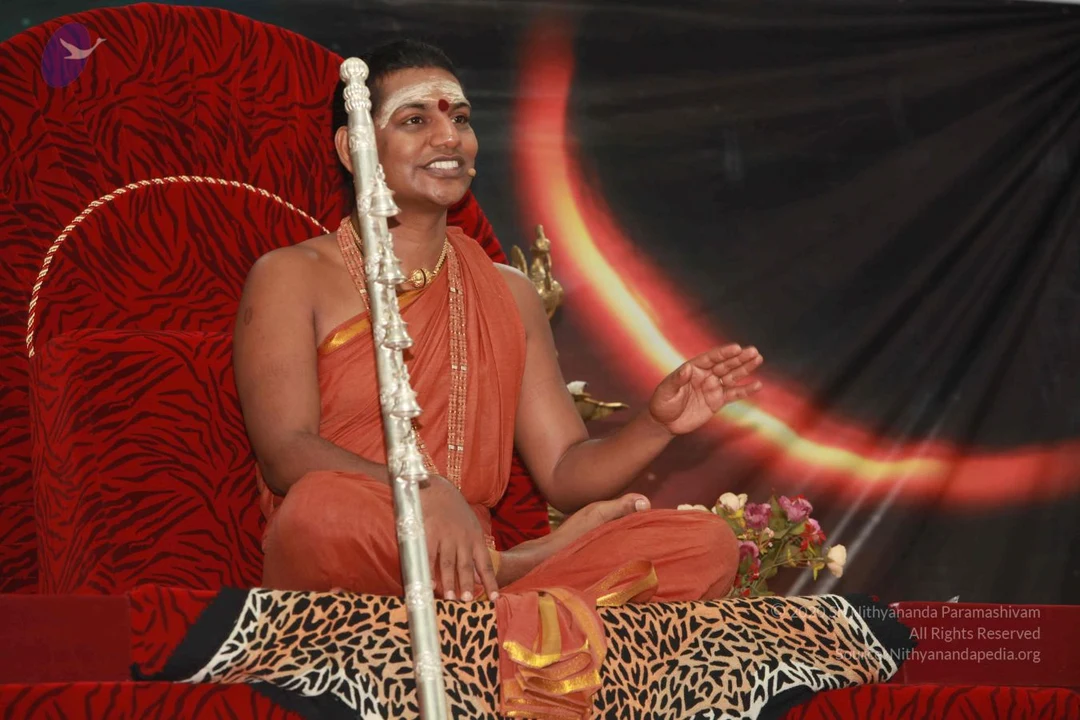
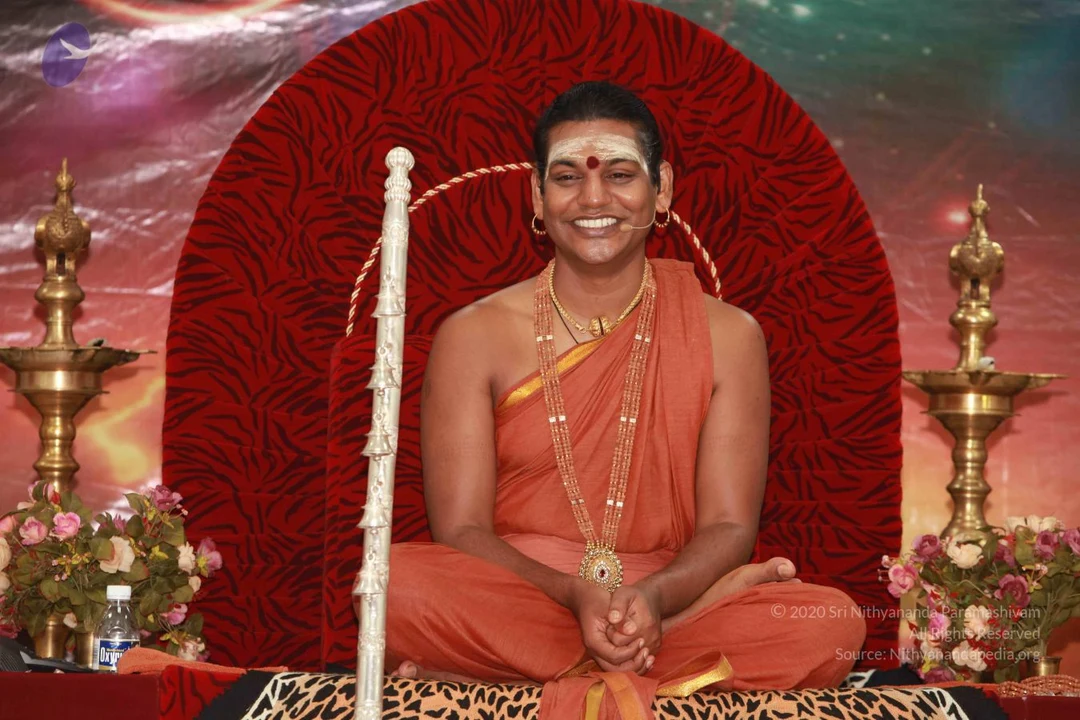
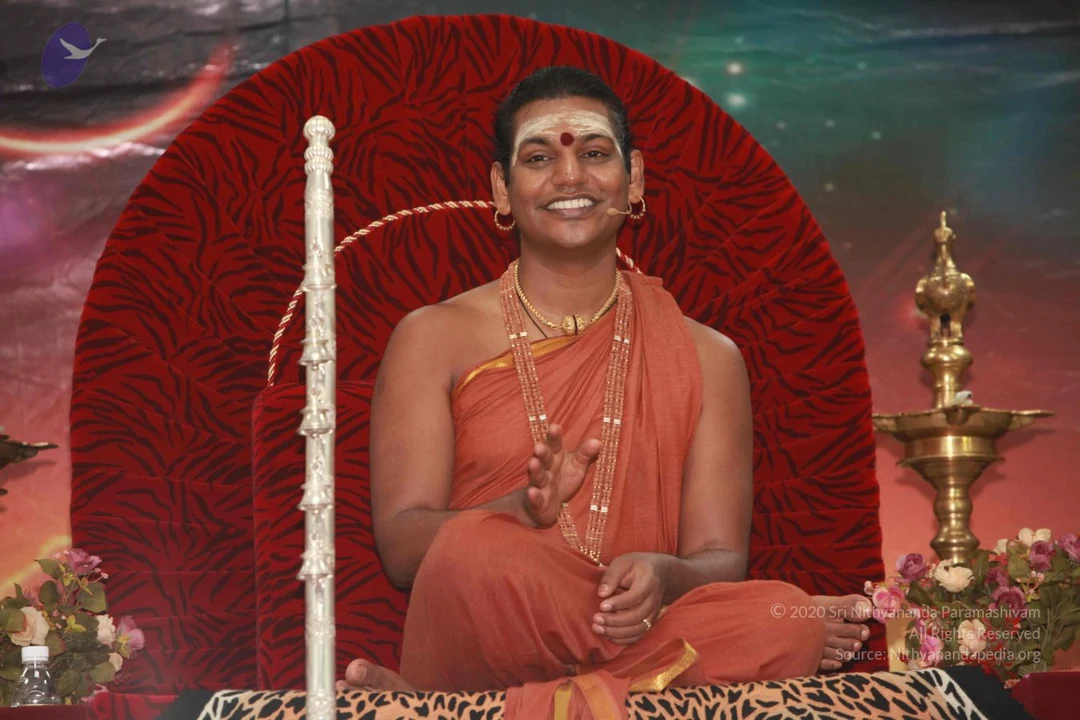
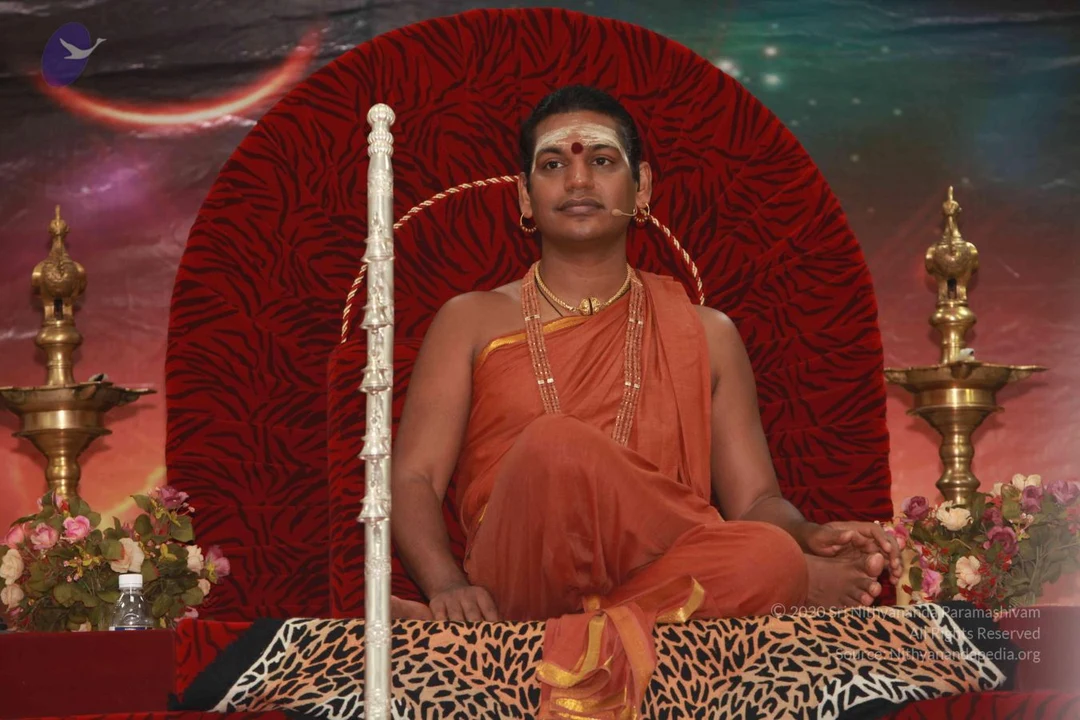
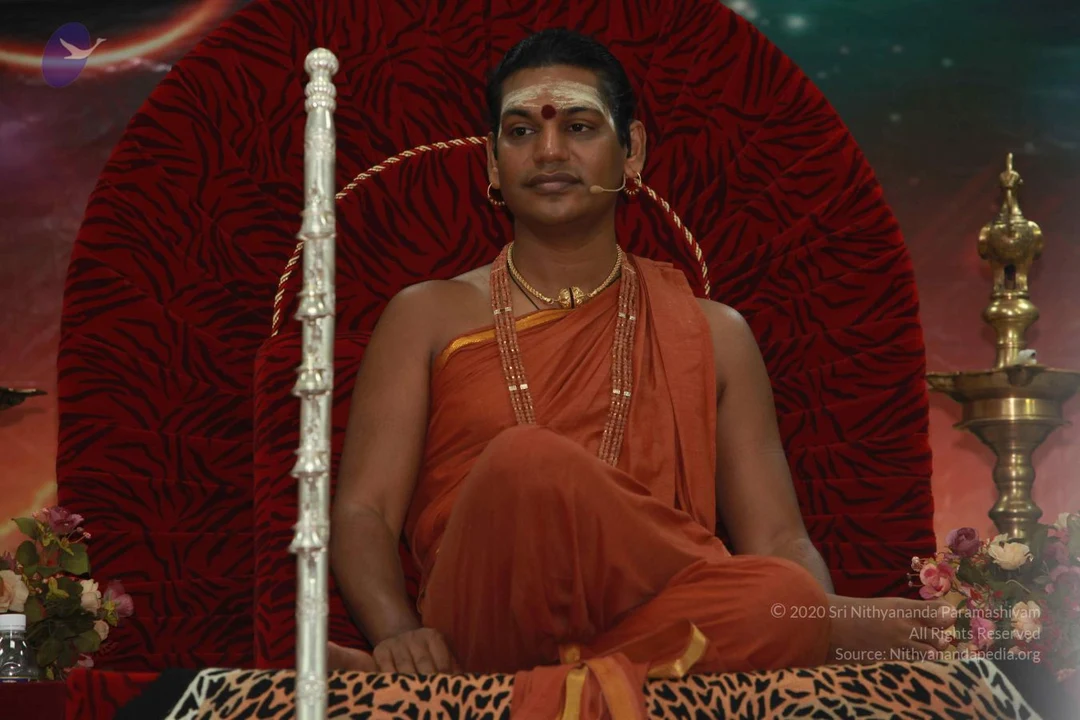
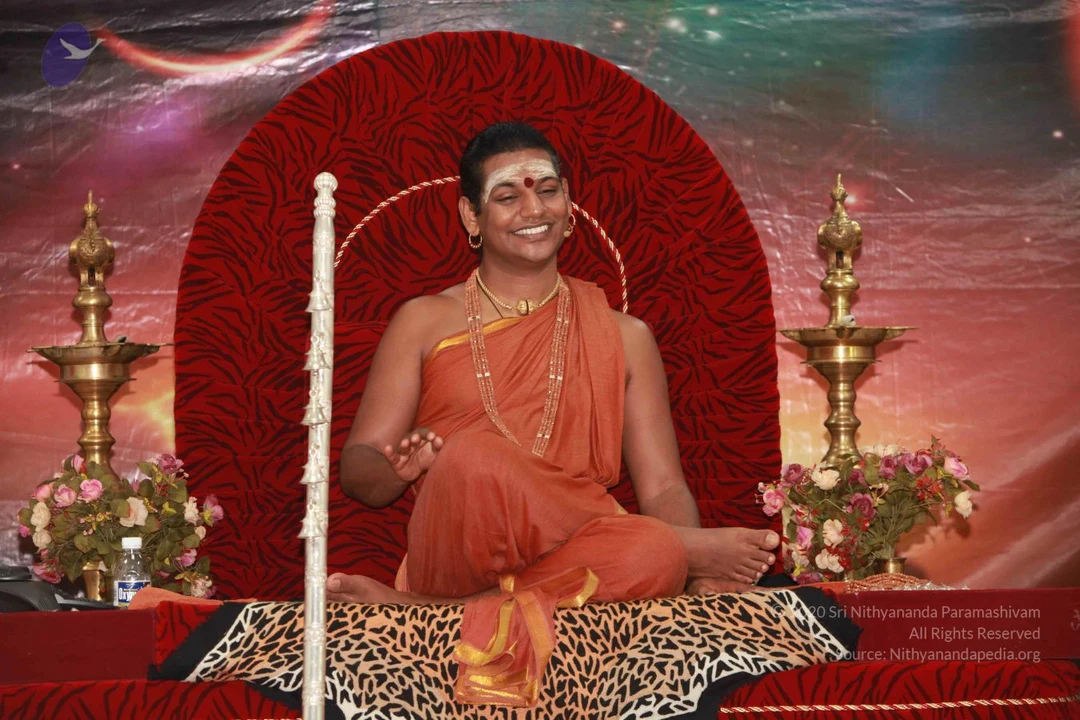
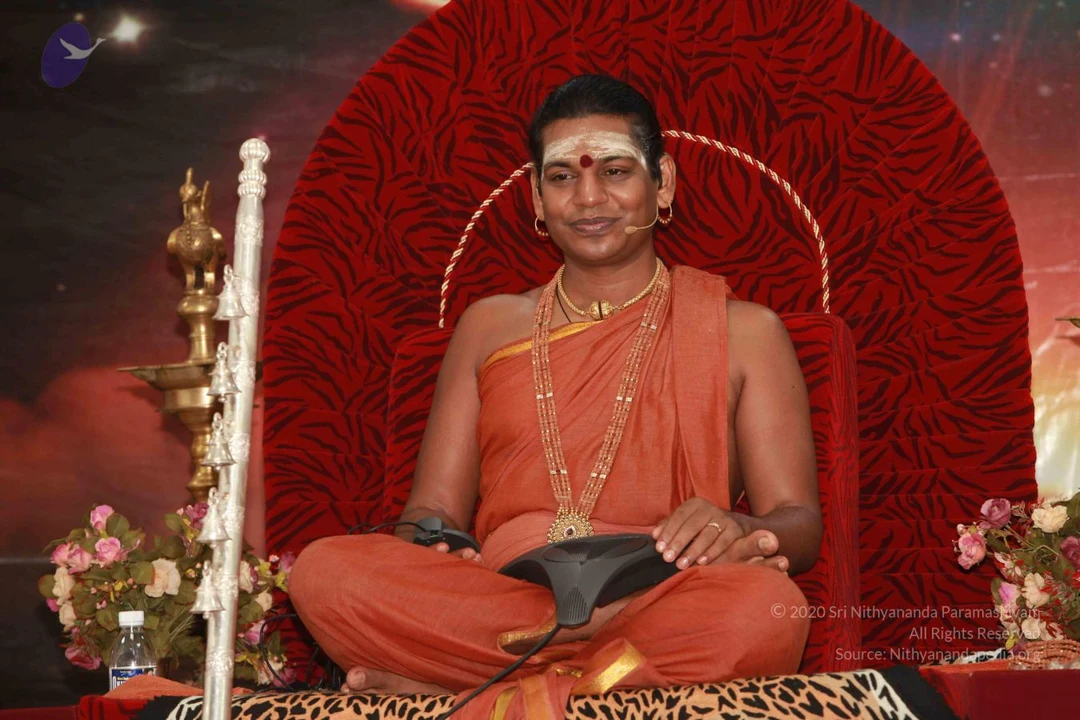
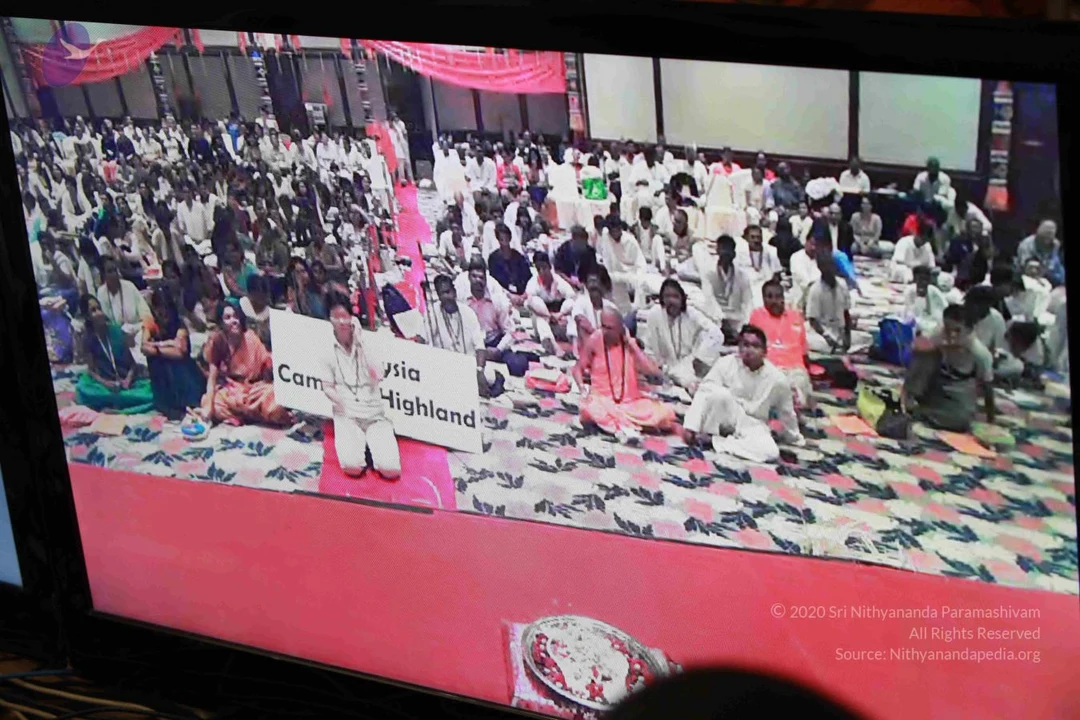
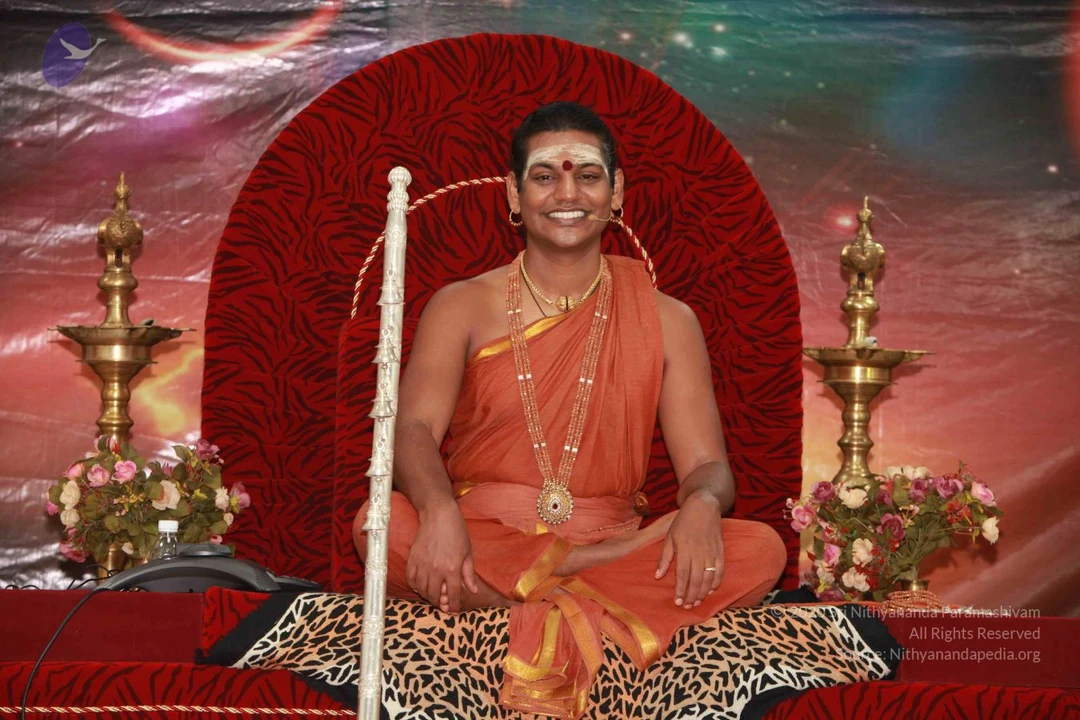
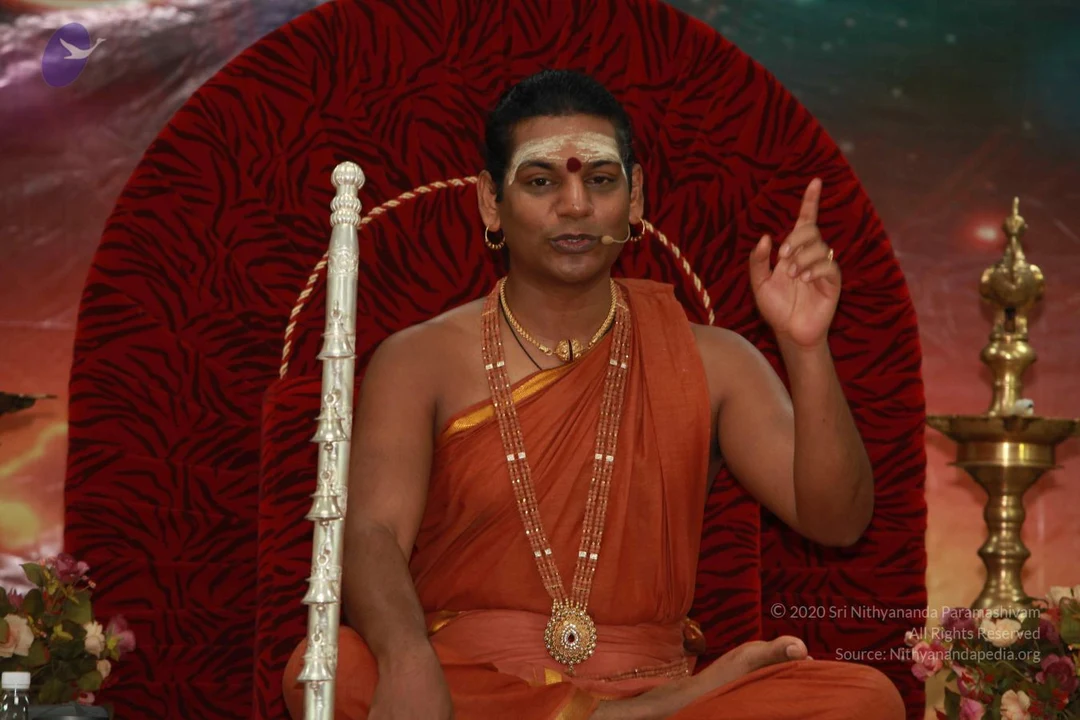
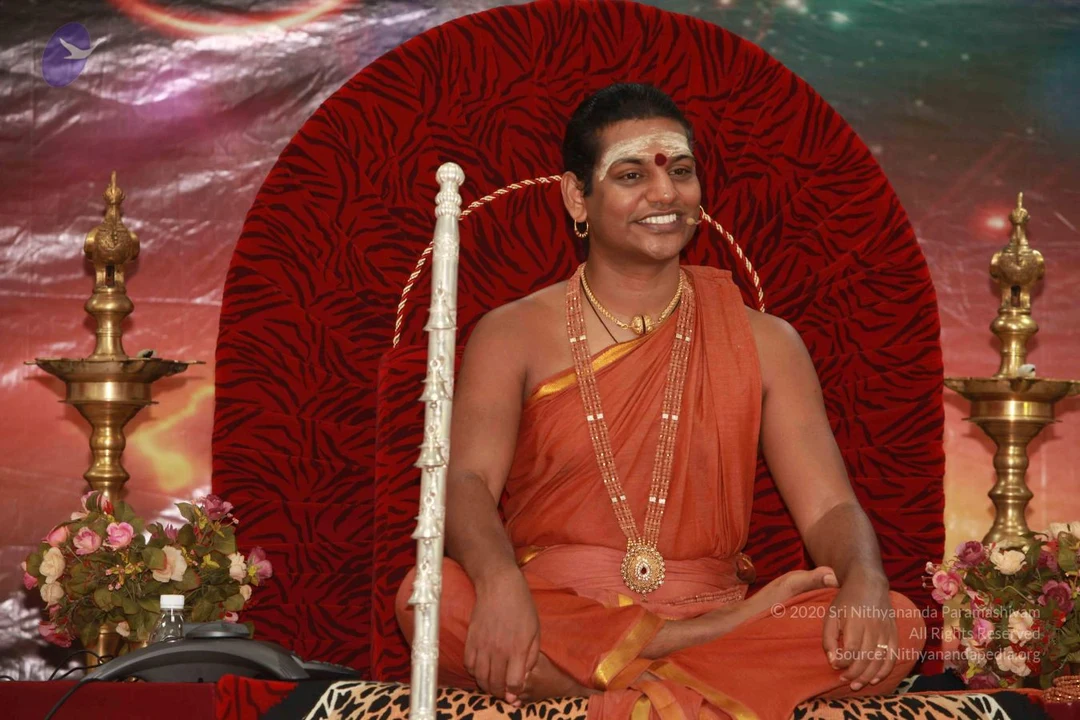
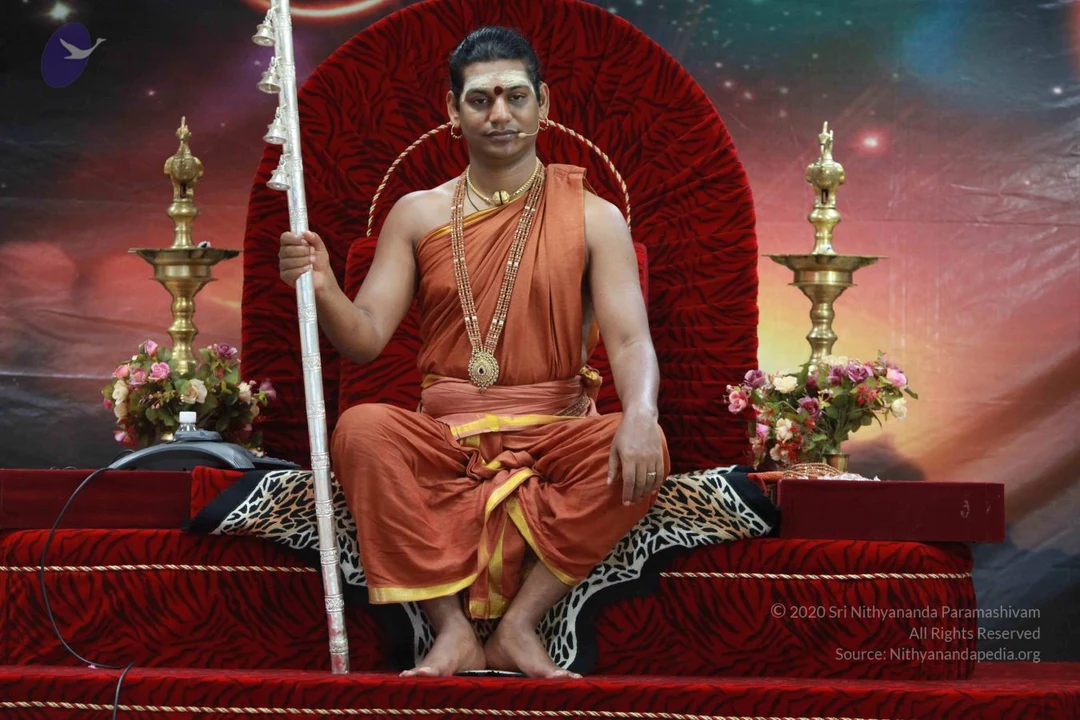
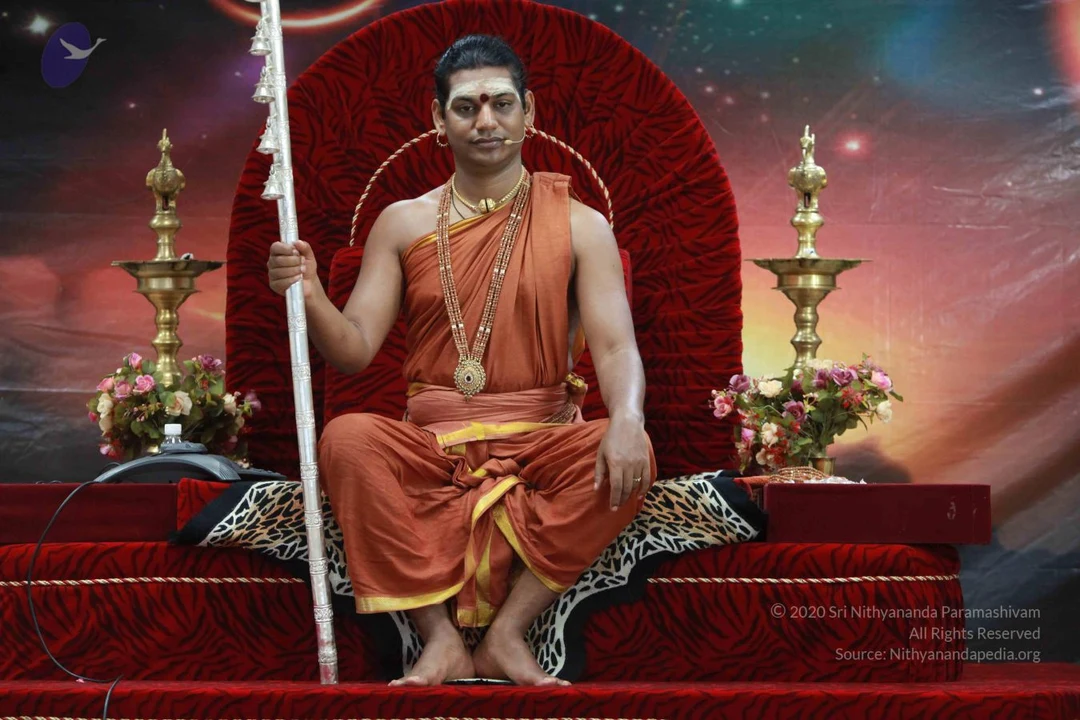
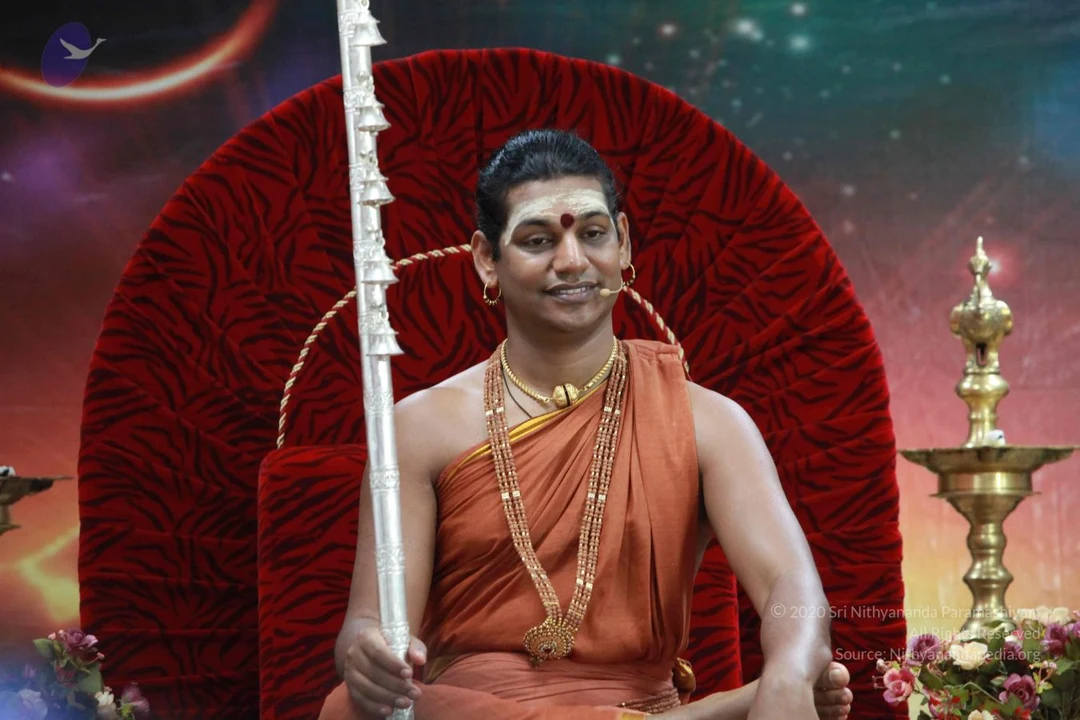
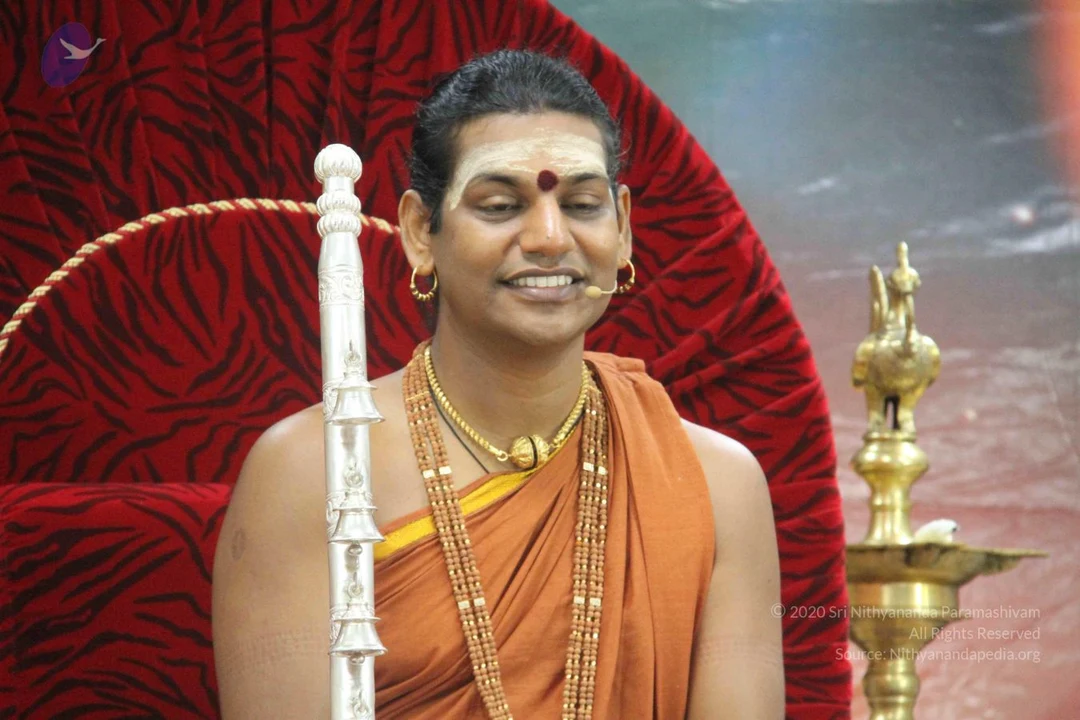
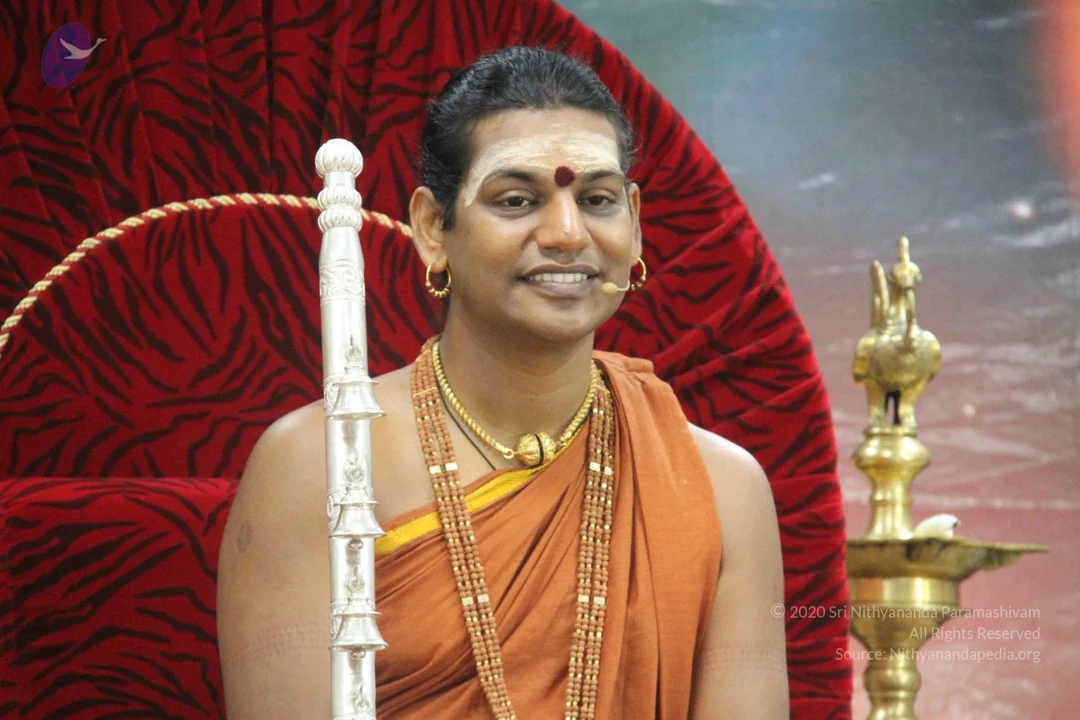
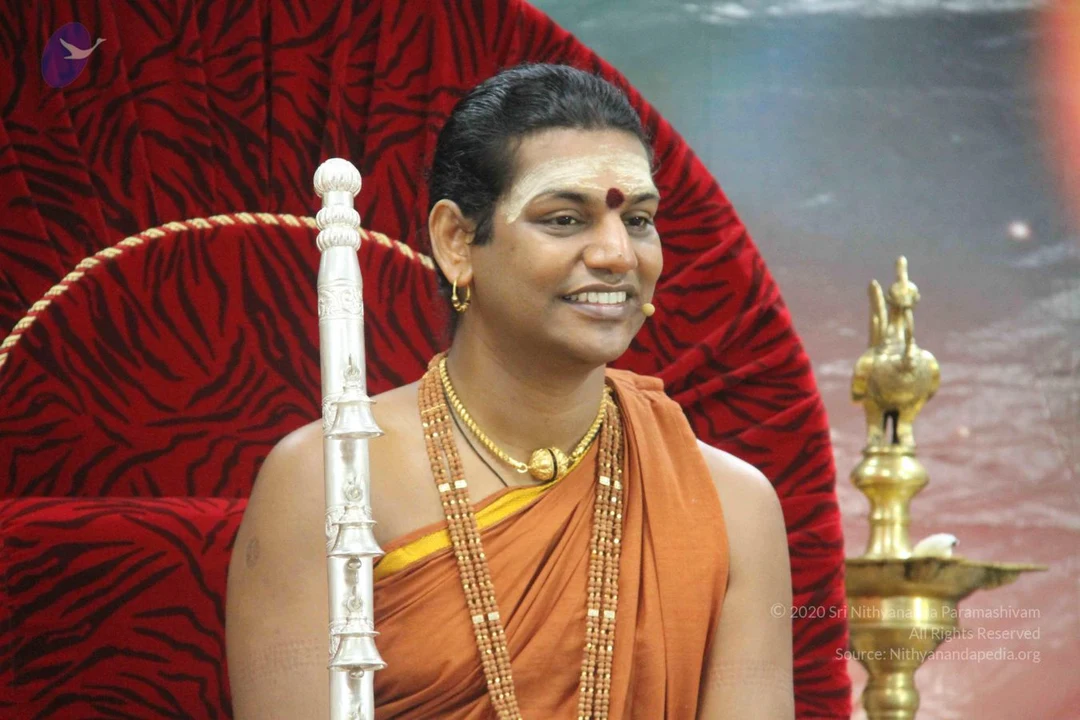
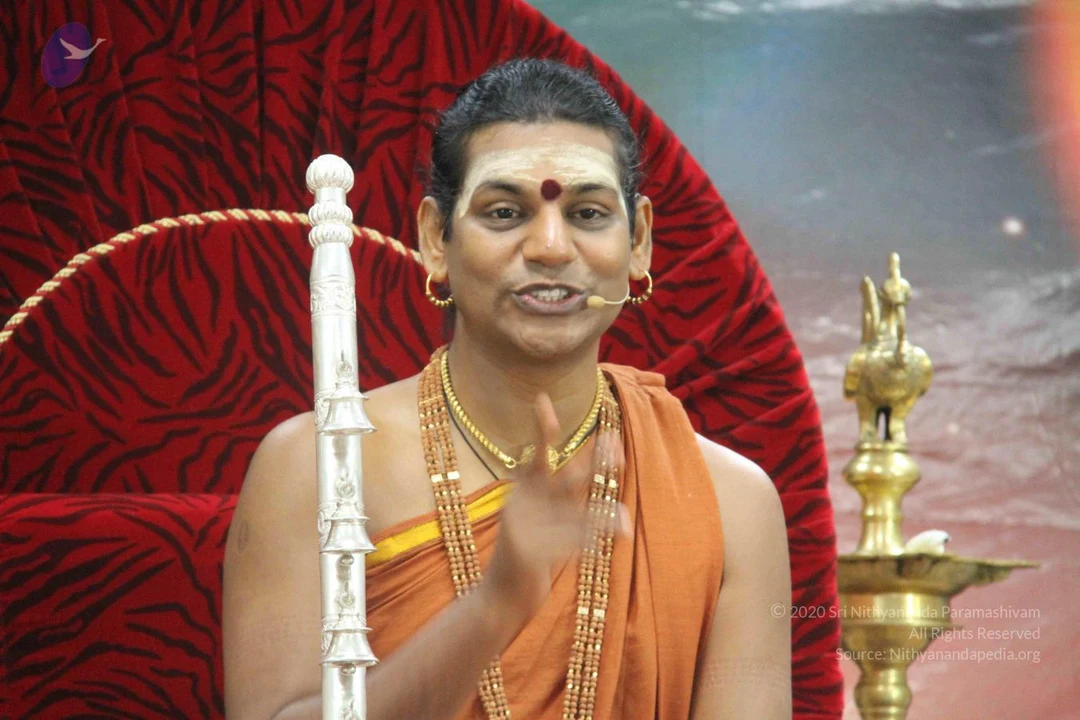
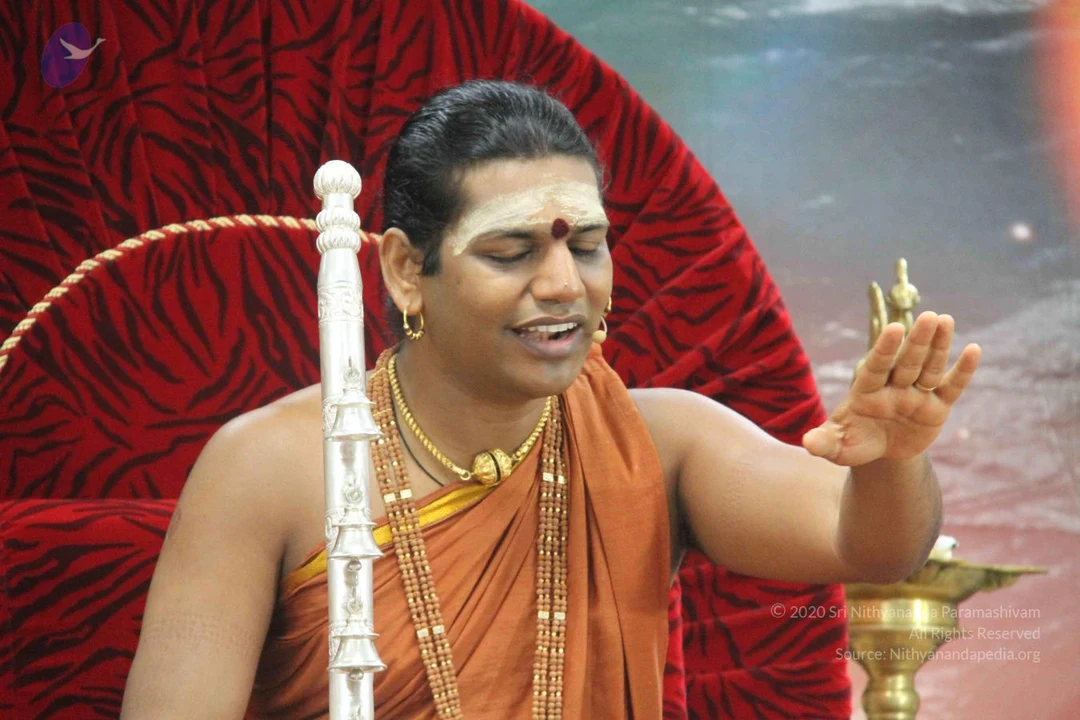
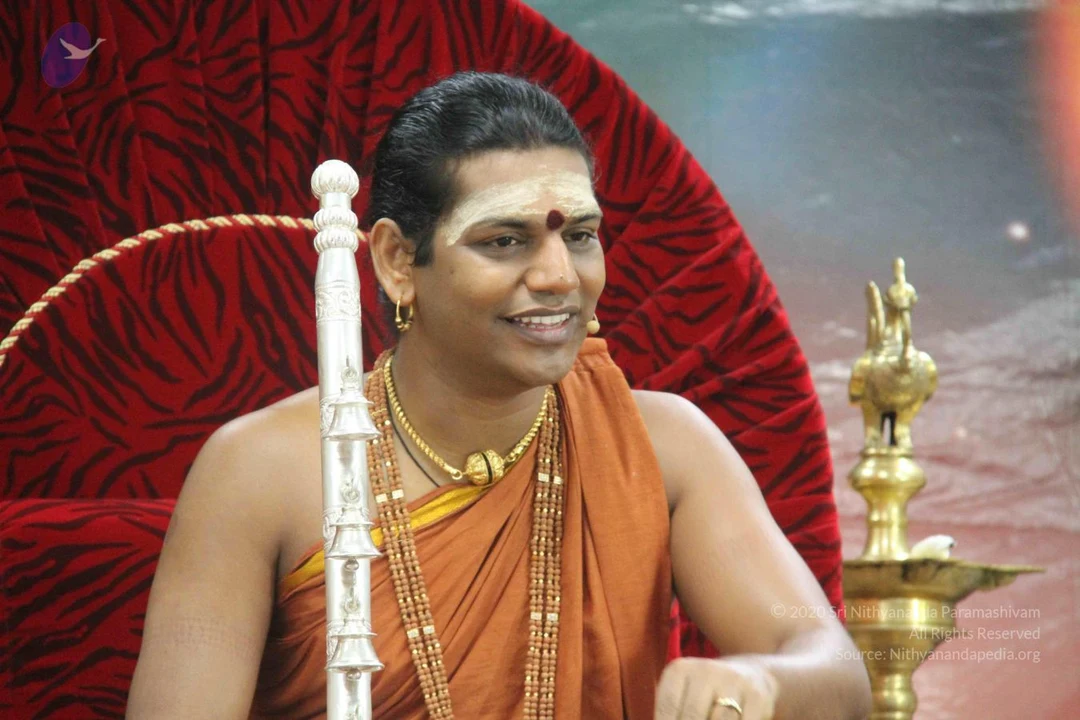
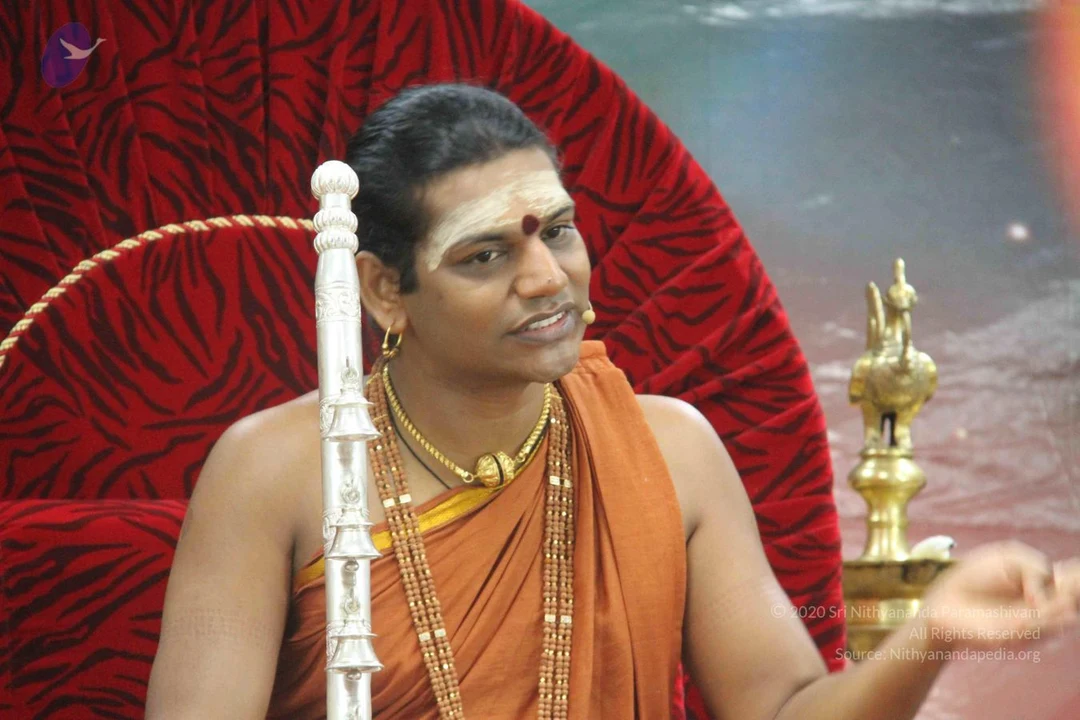
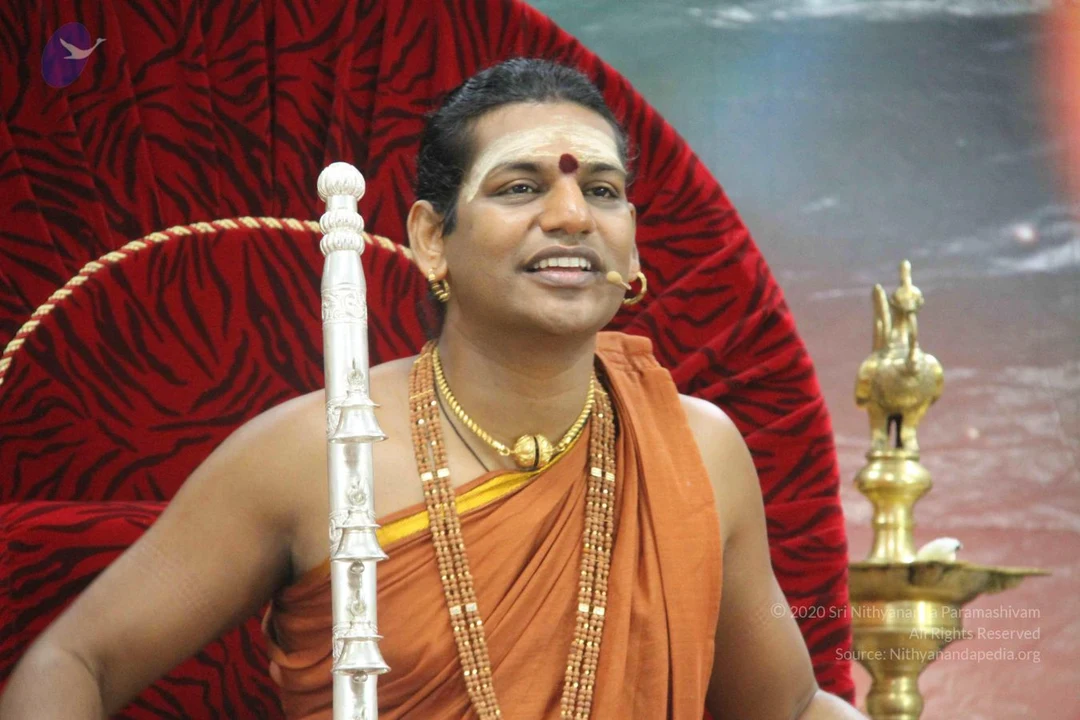
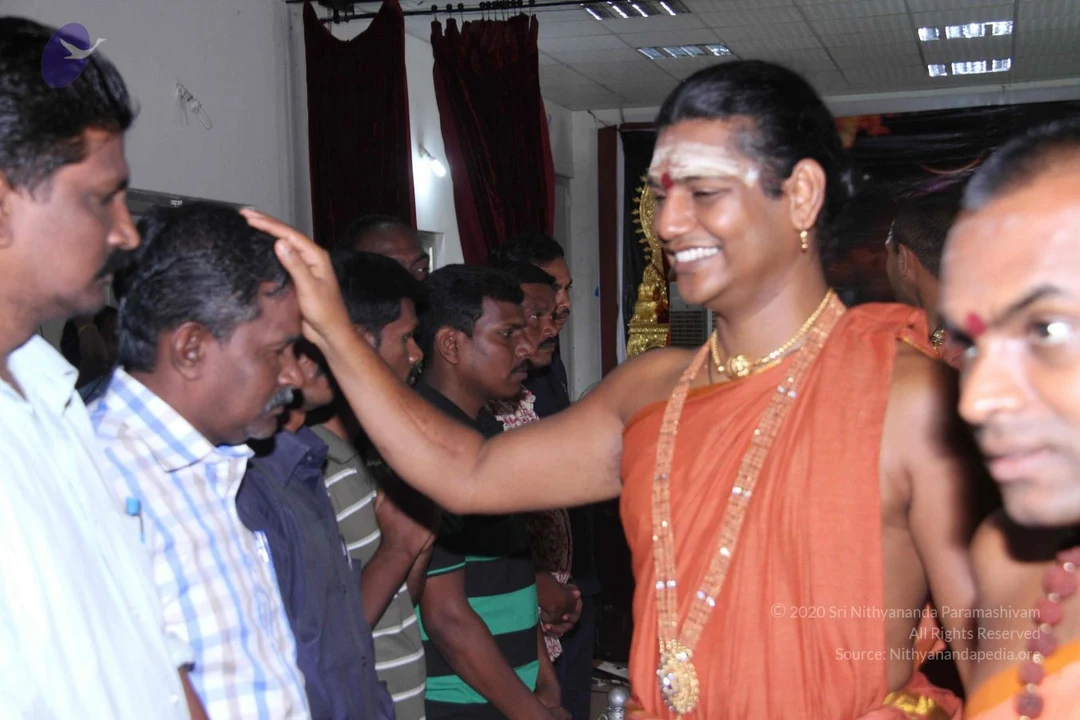
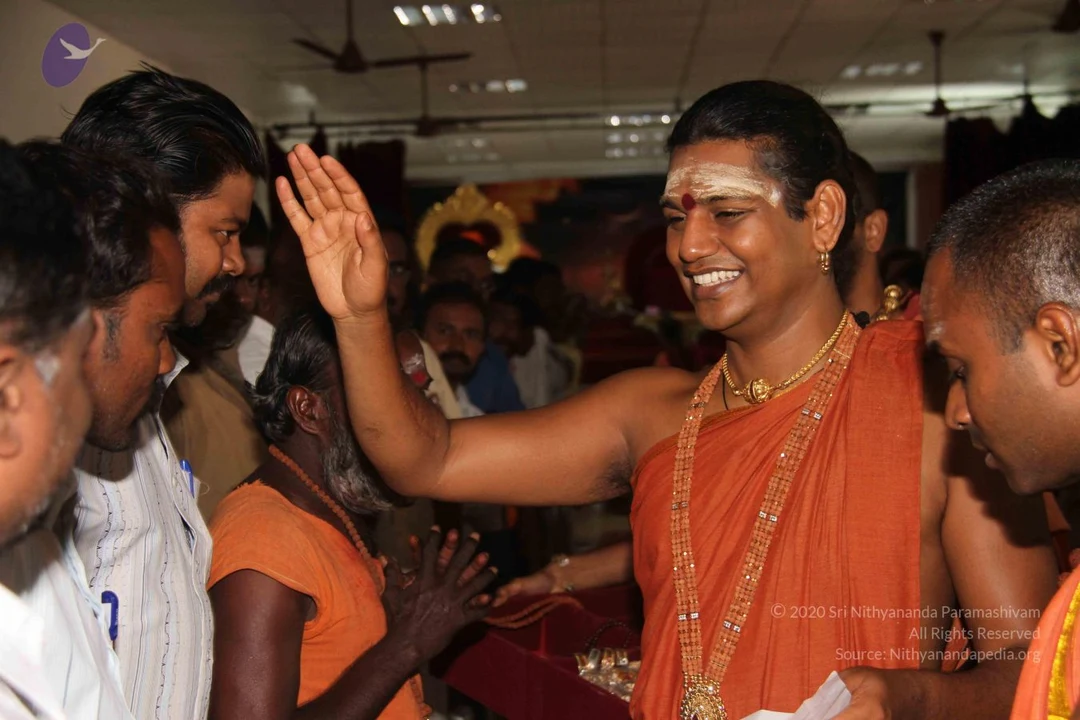
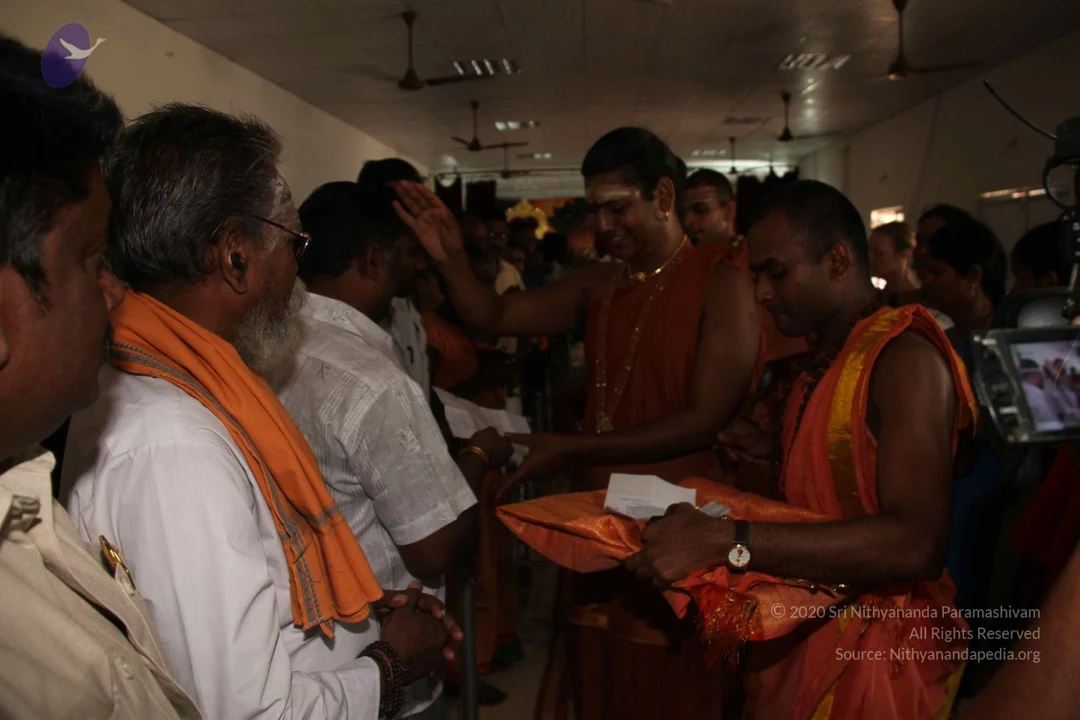
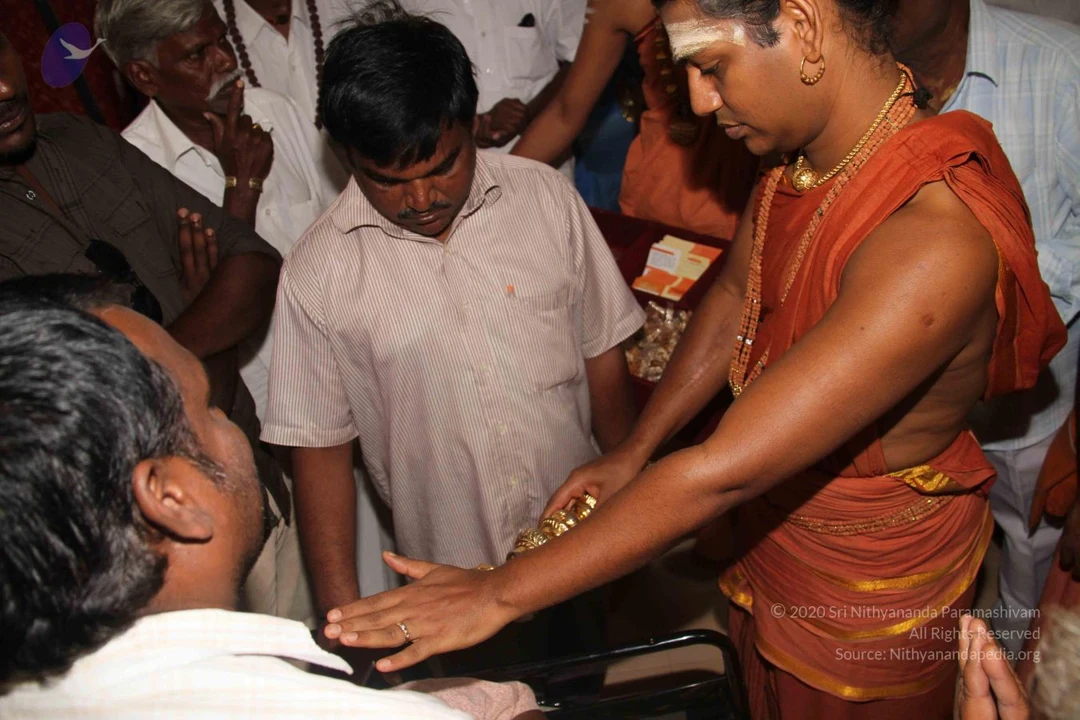
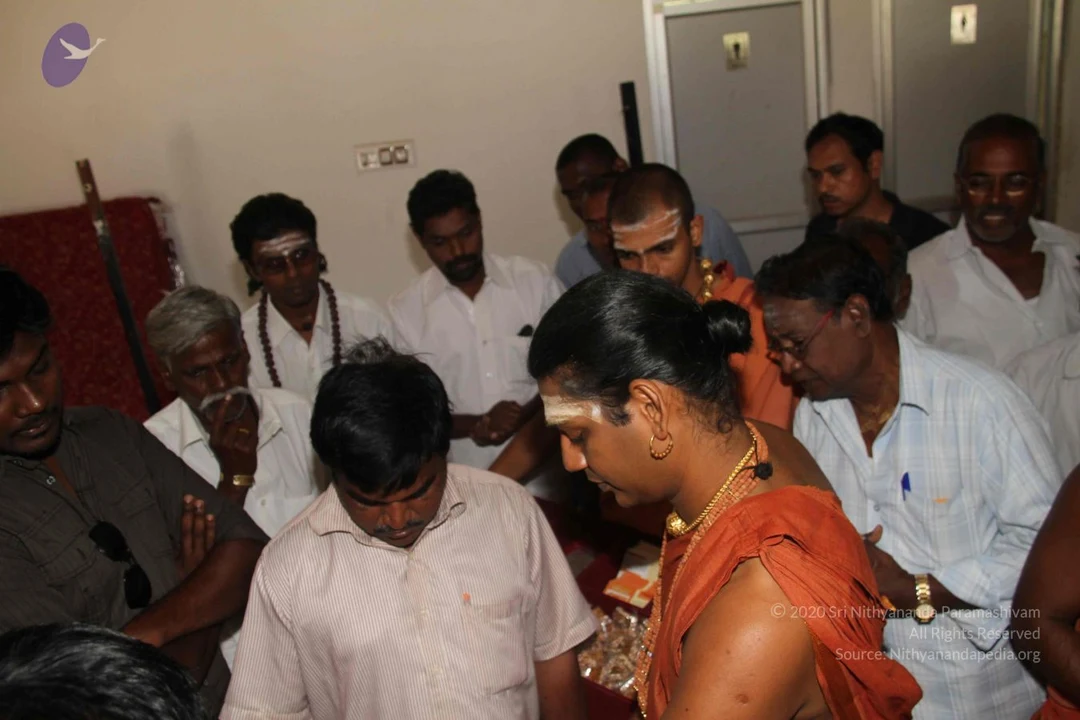
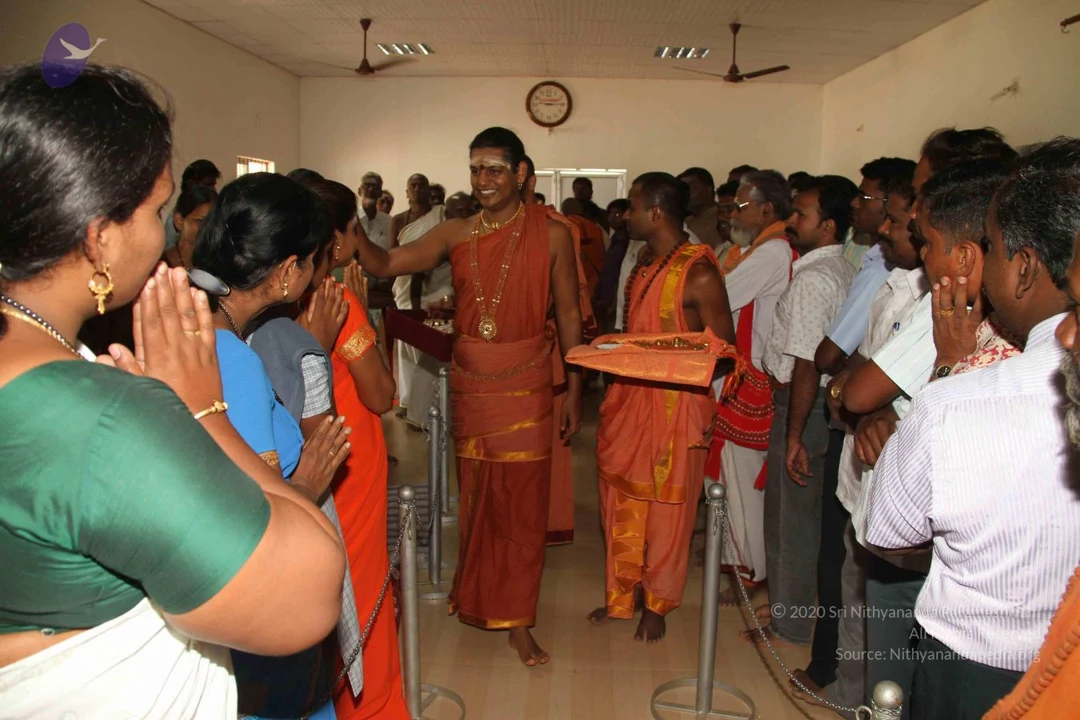
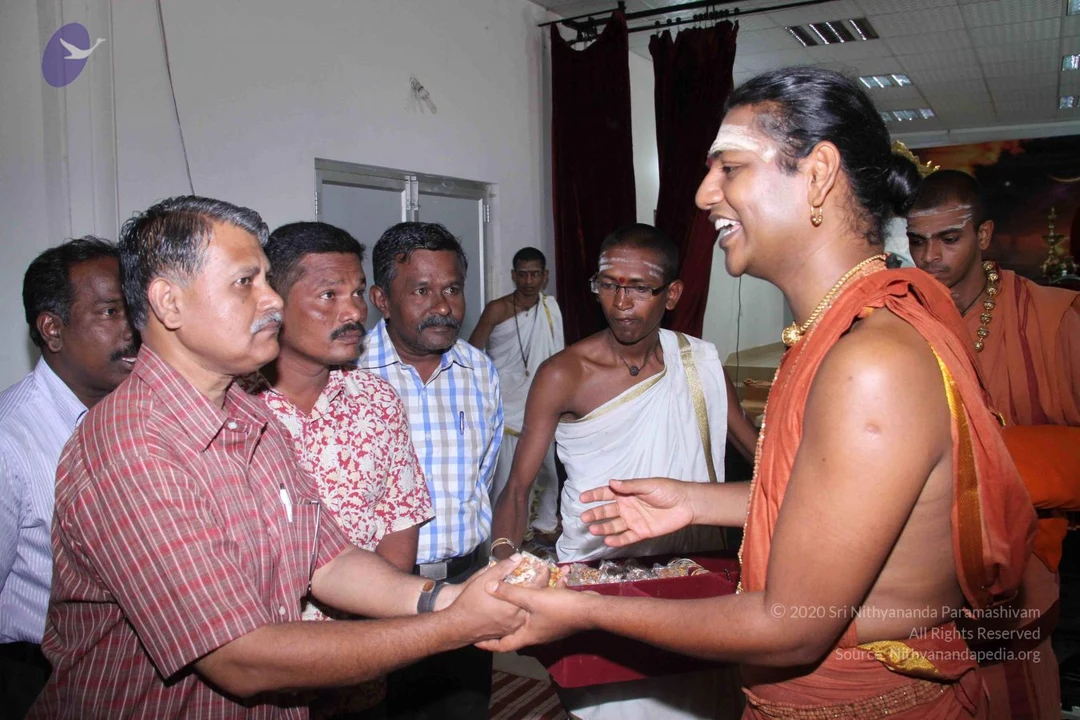
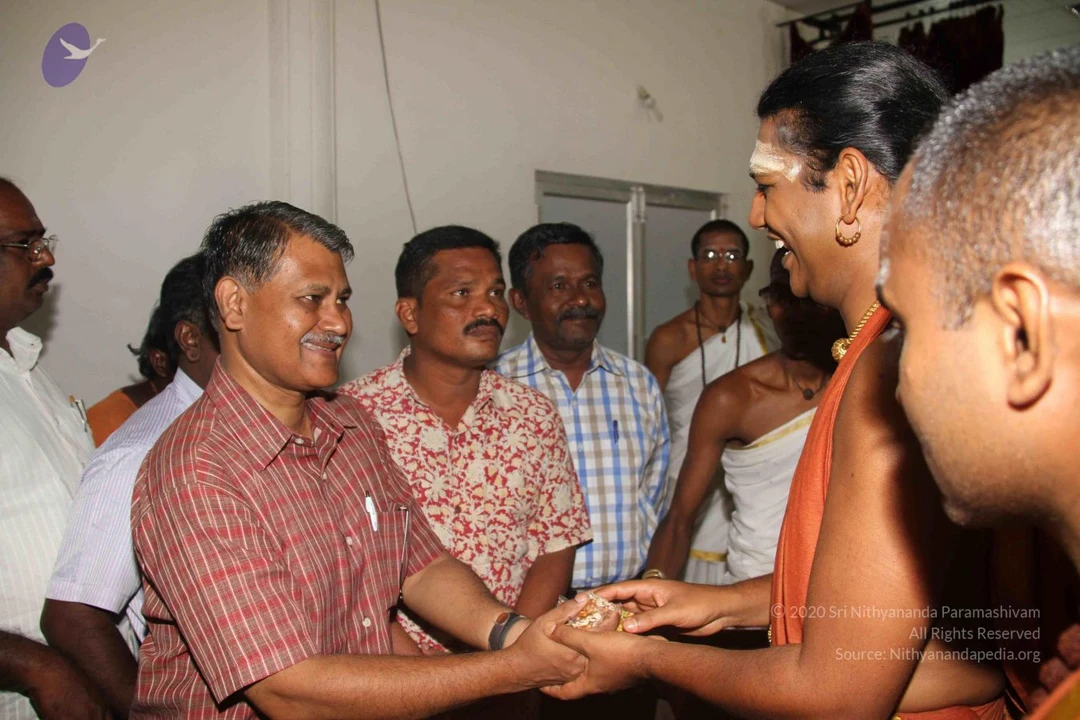
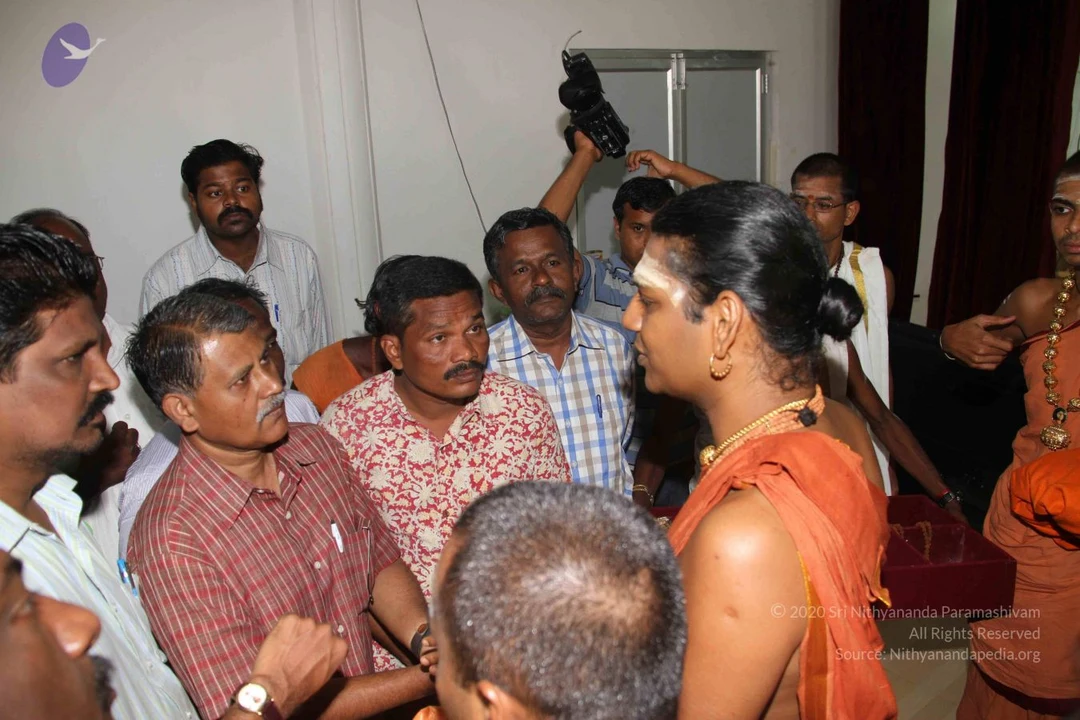
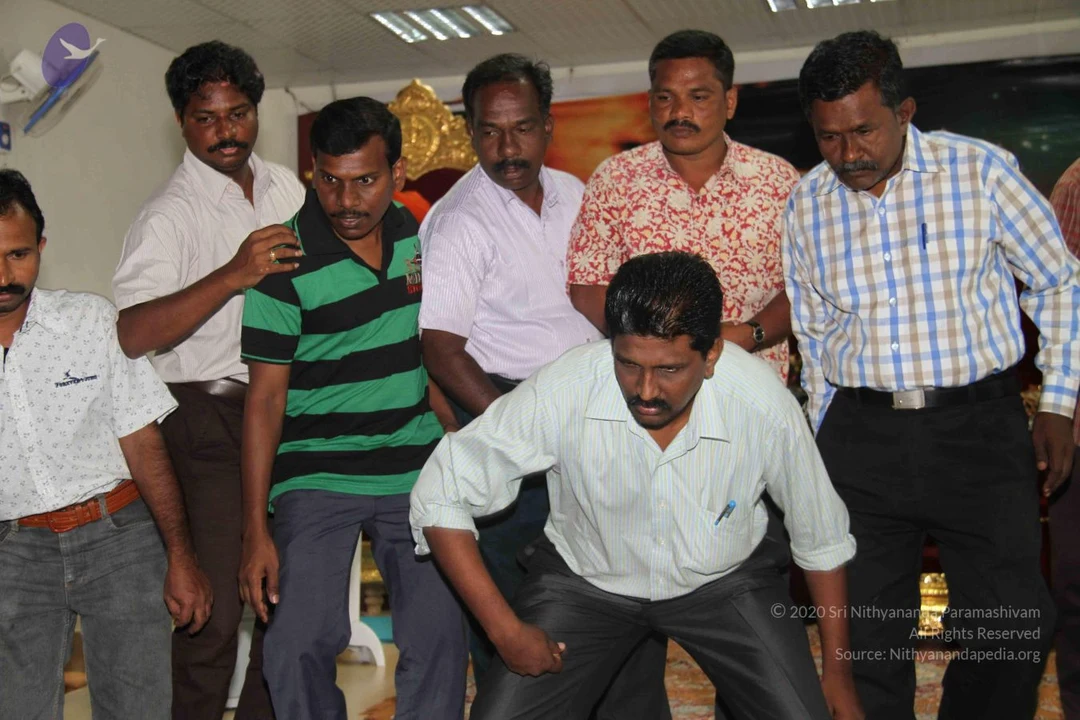
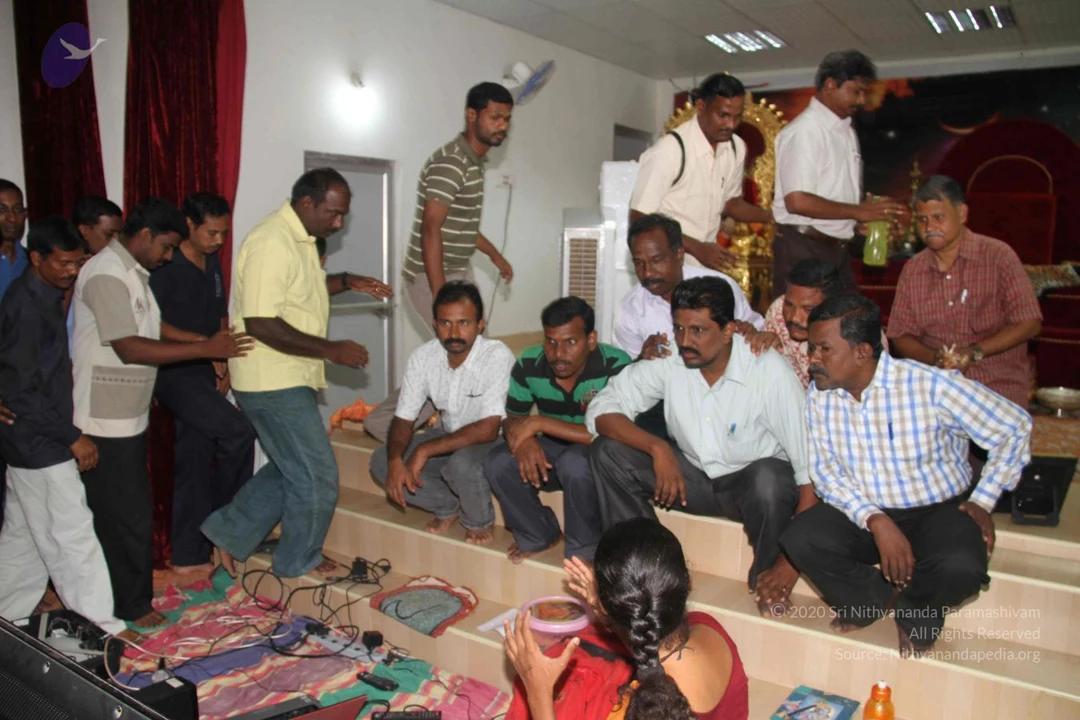
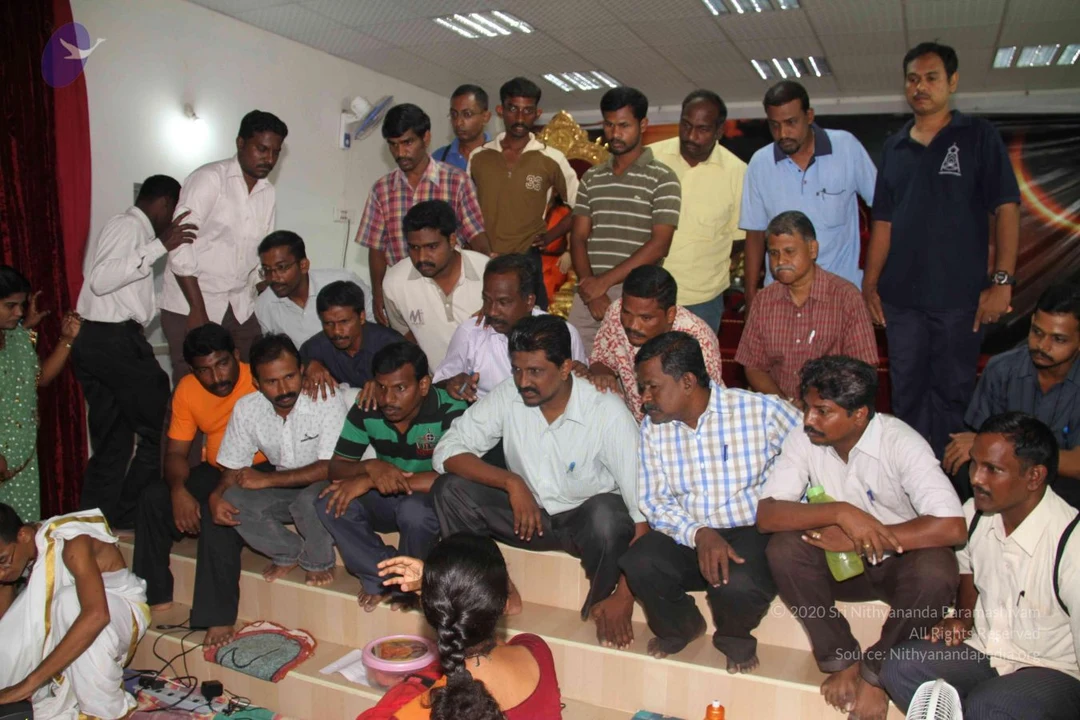
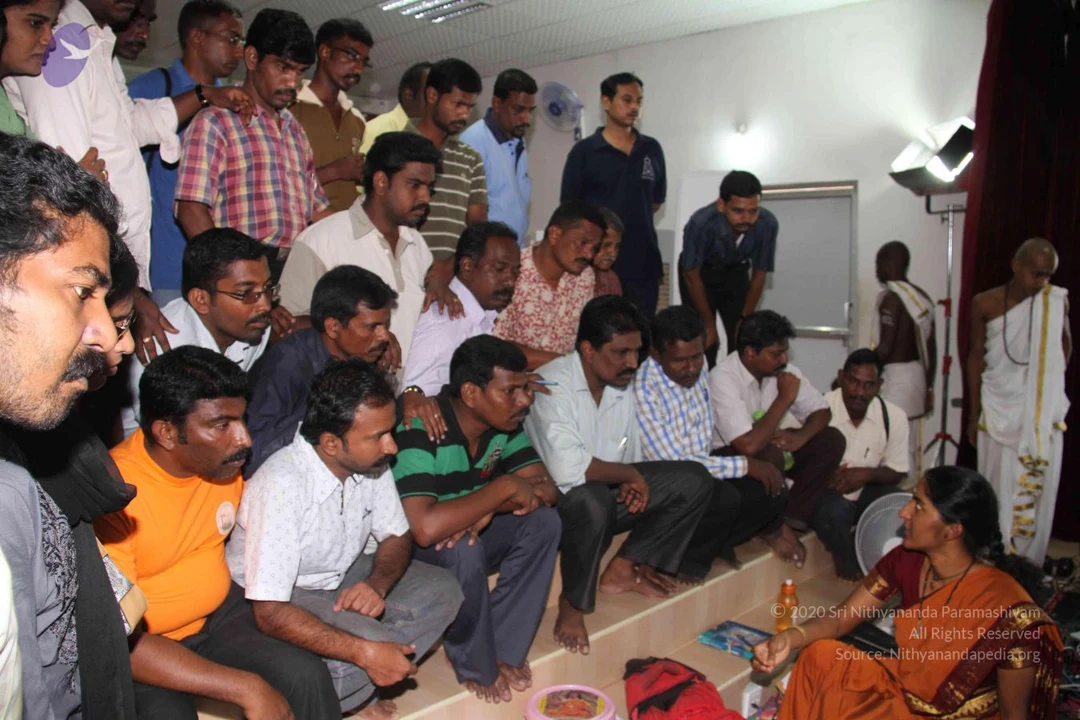
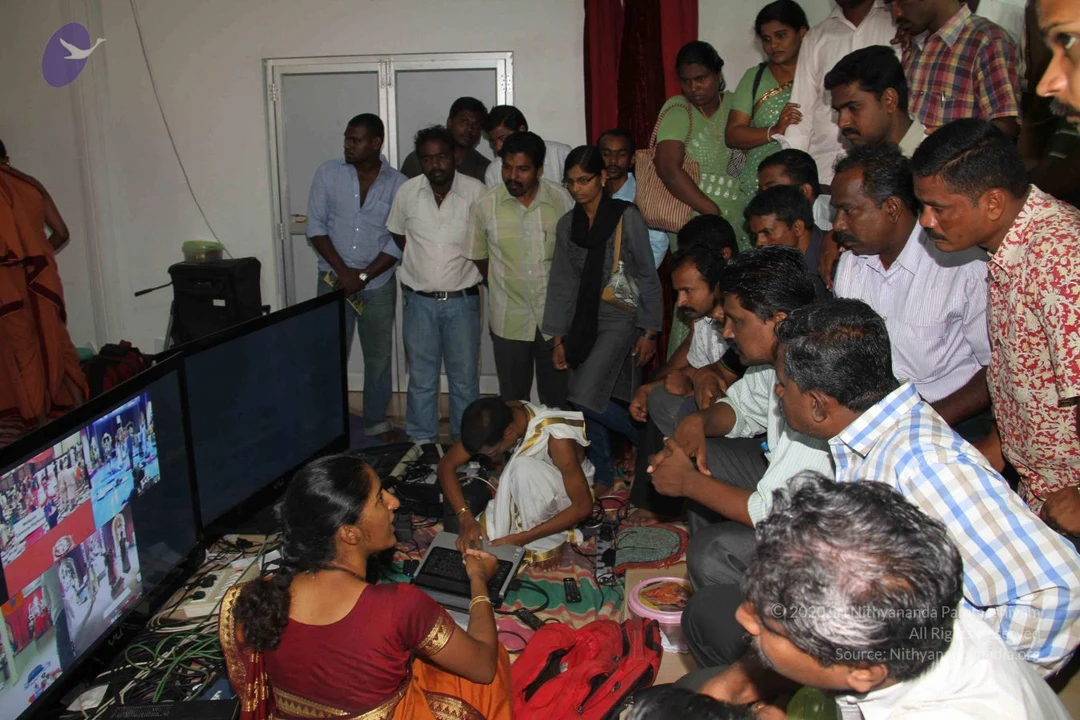
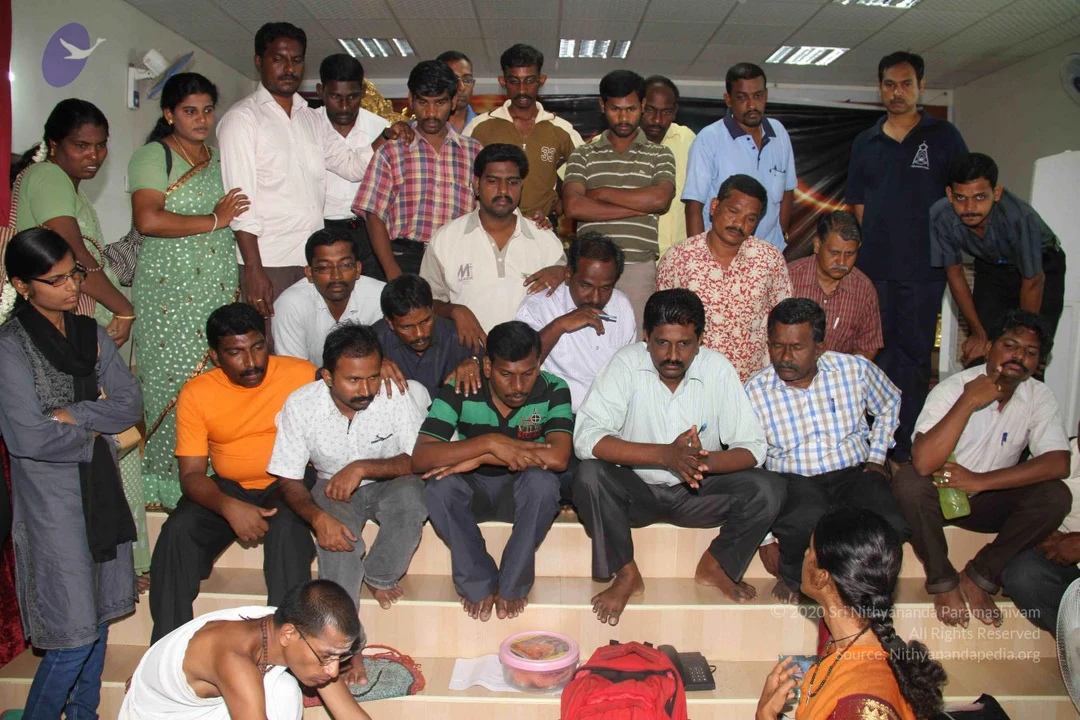
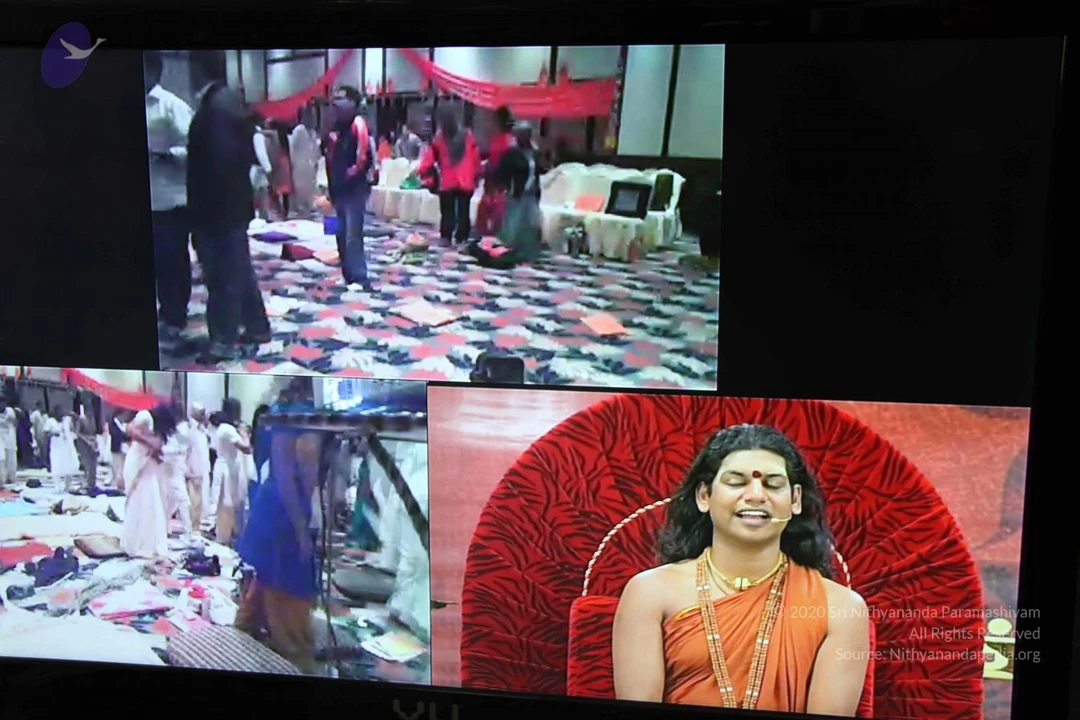
NSP Initiation

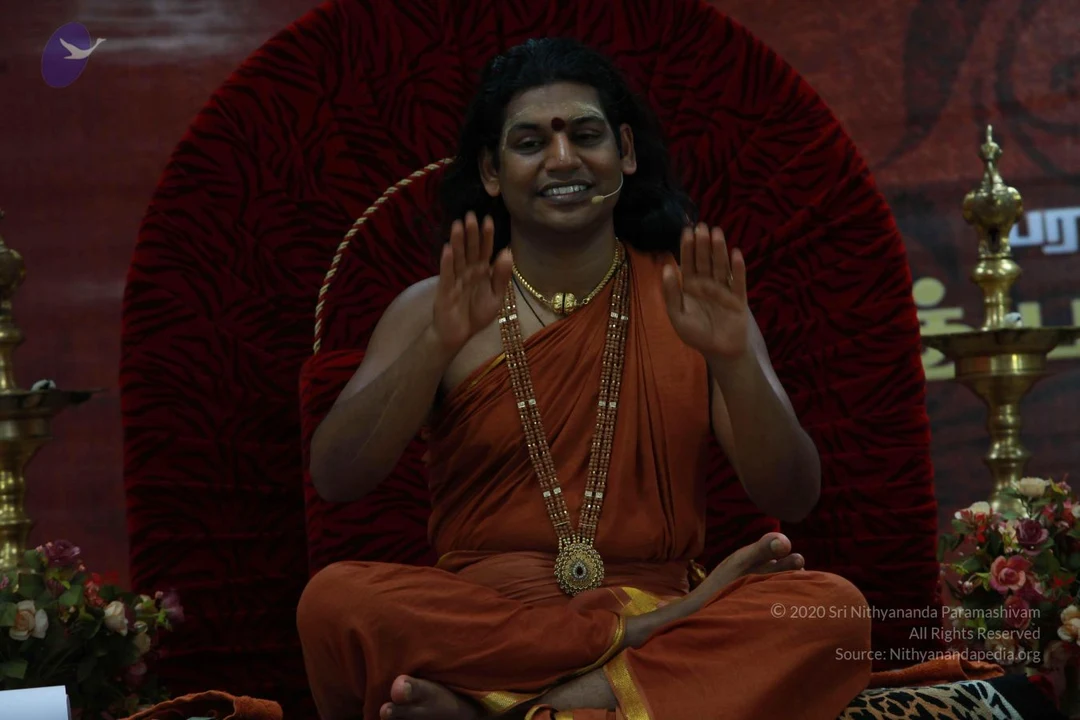
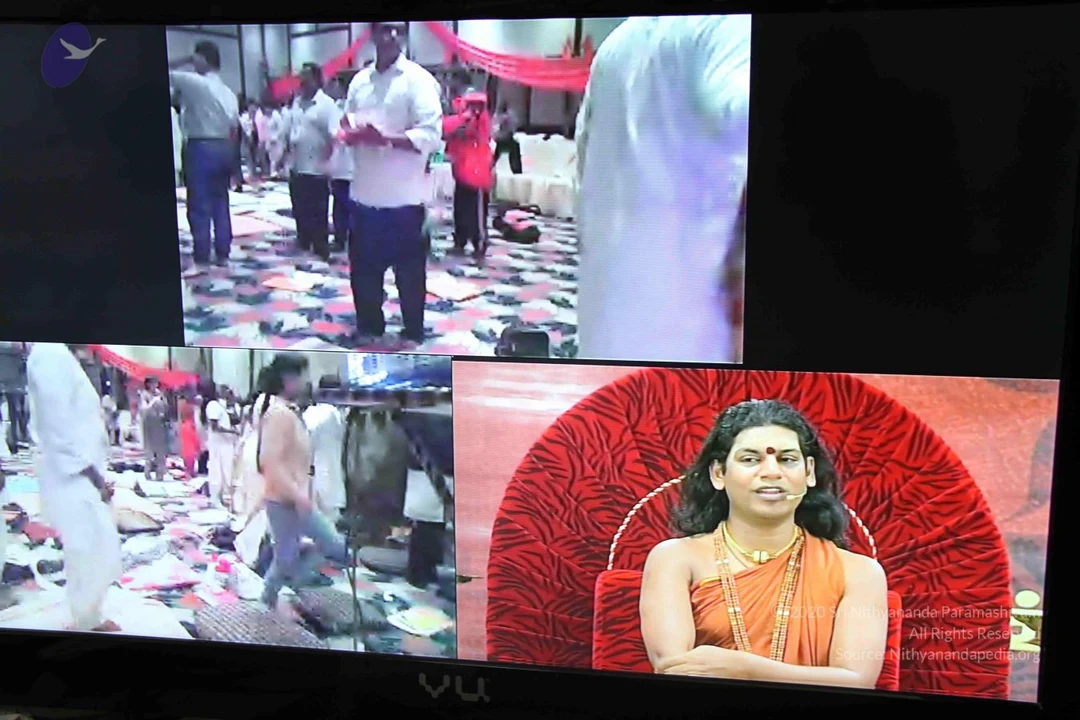
NSP
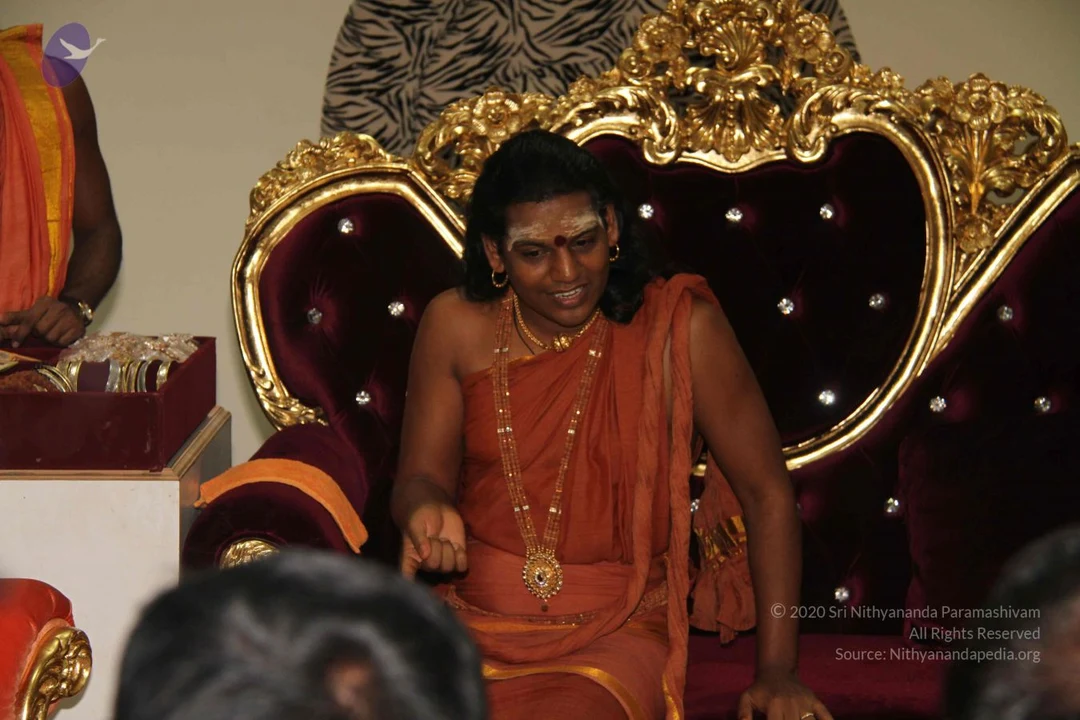
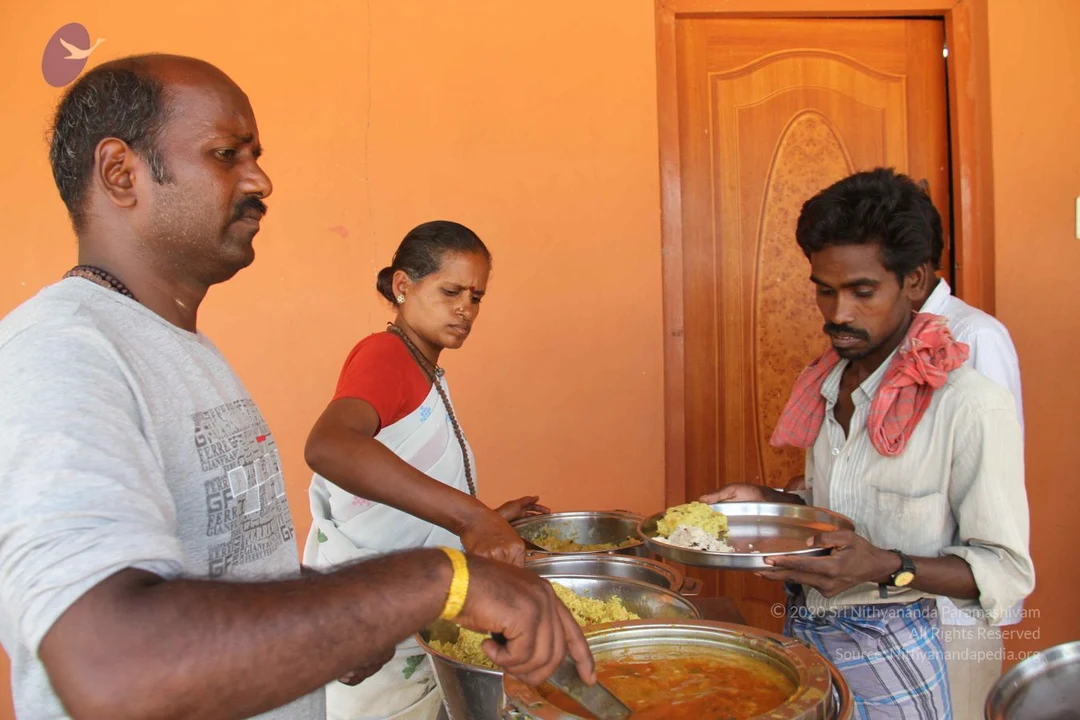
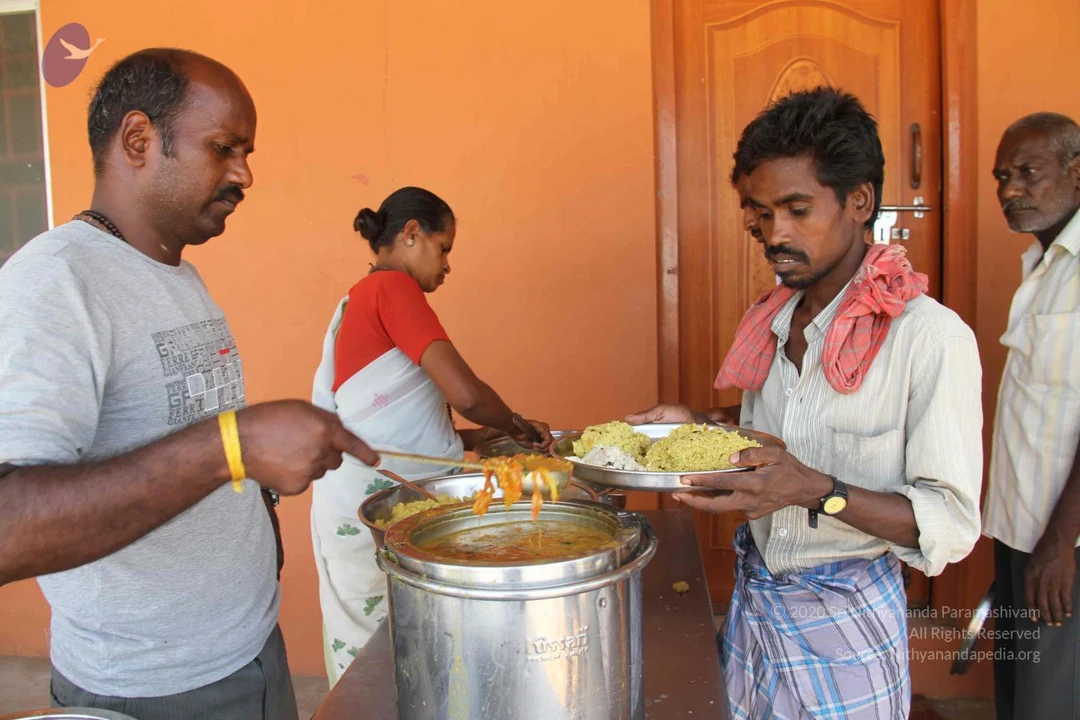
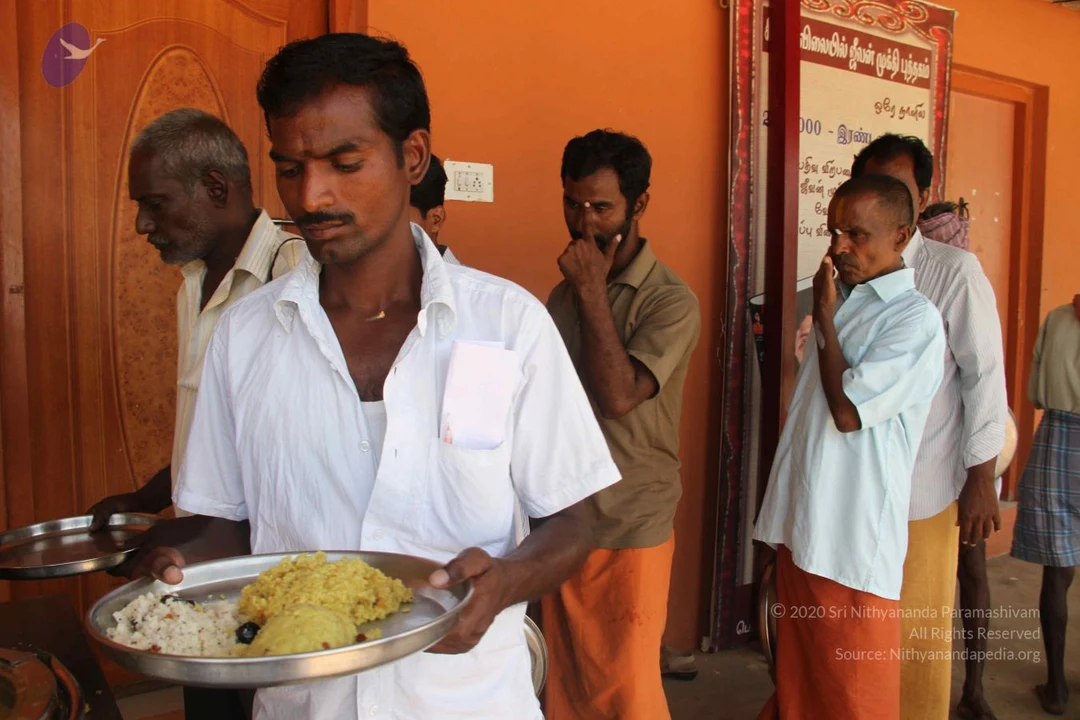
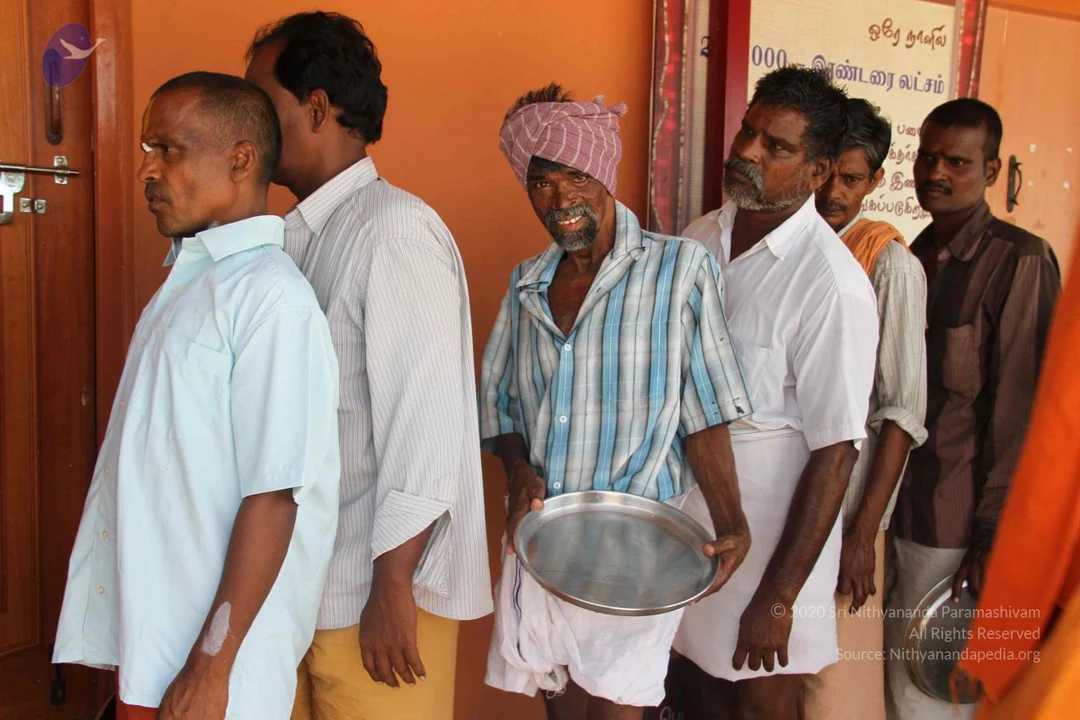
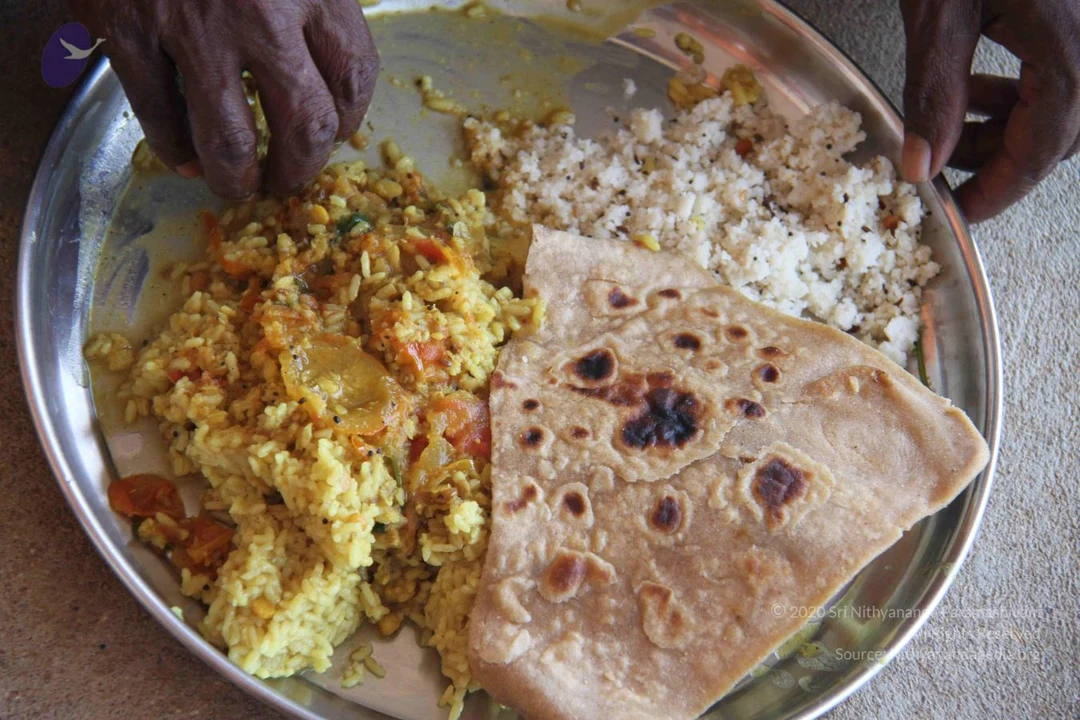
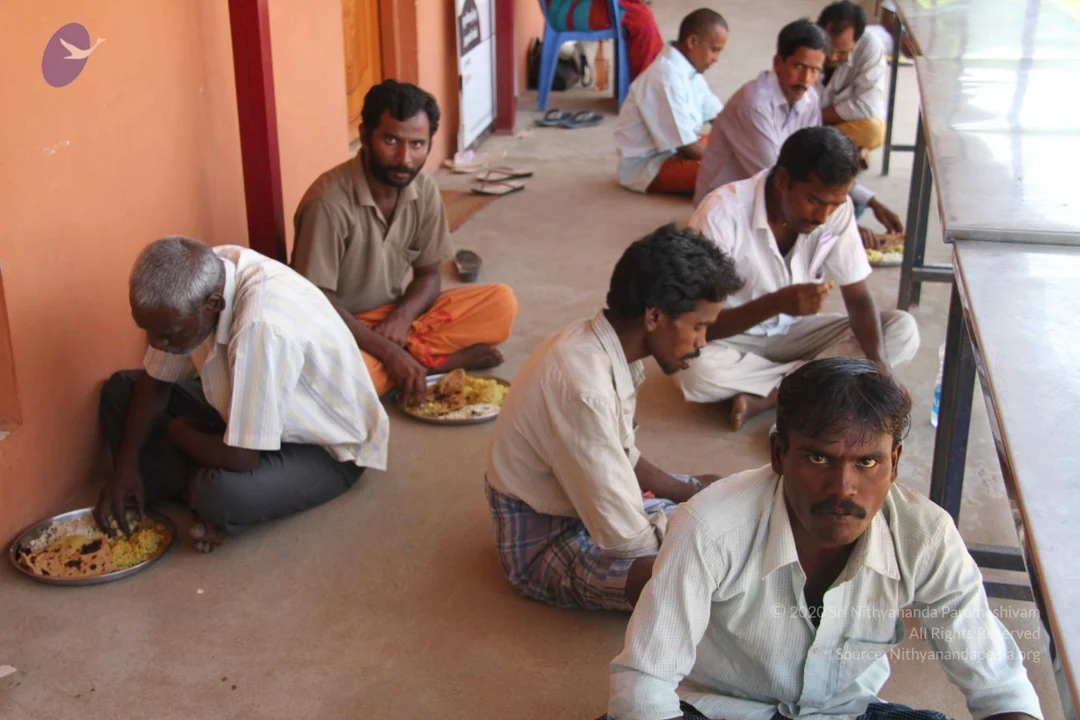
Akashic Reading
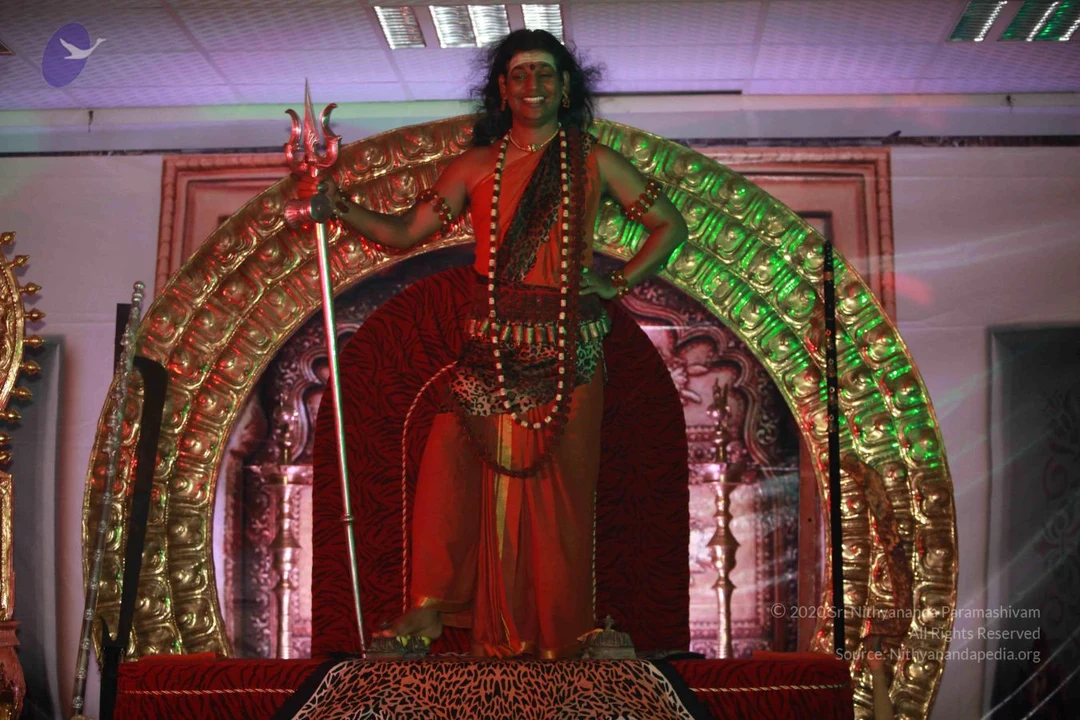
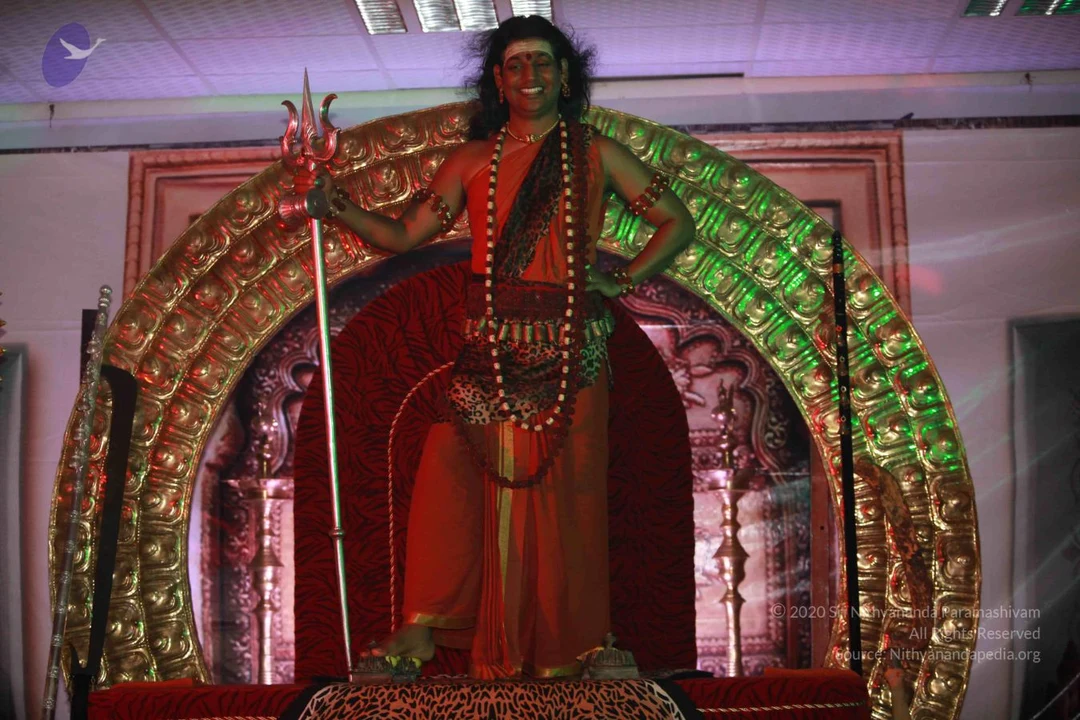
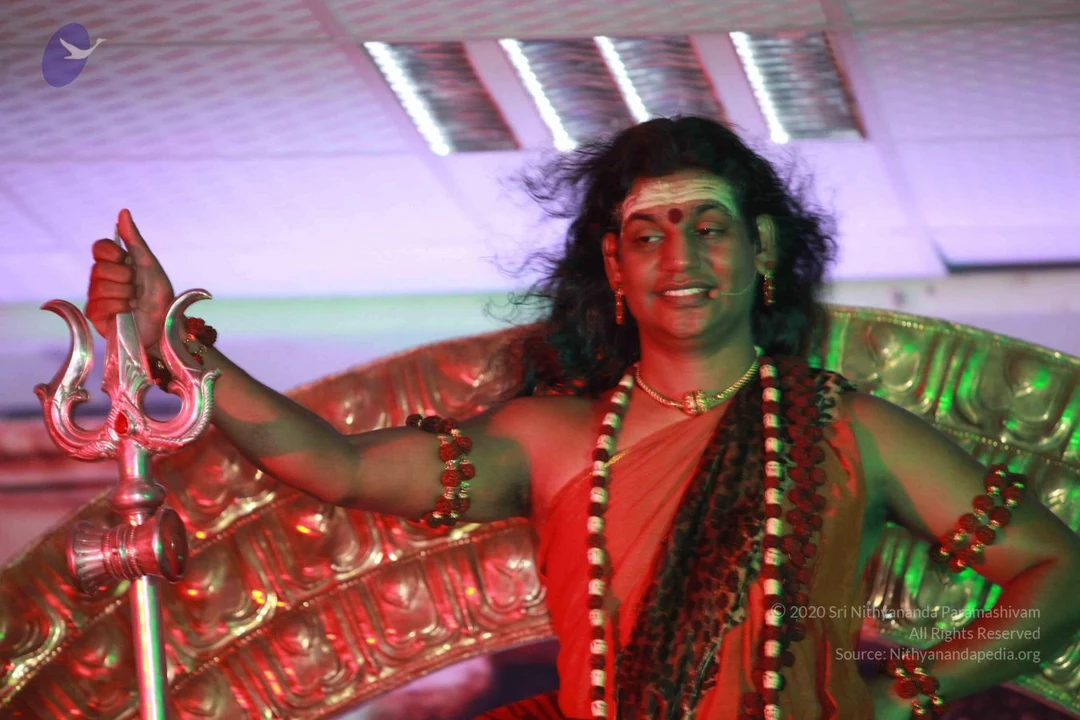
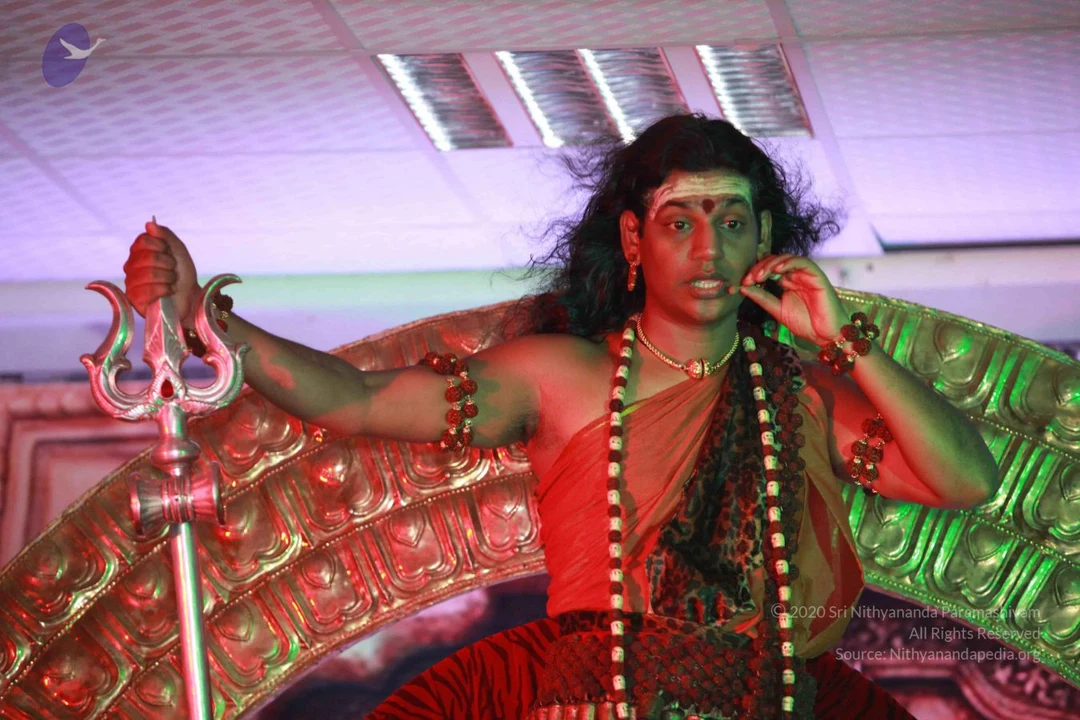
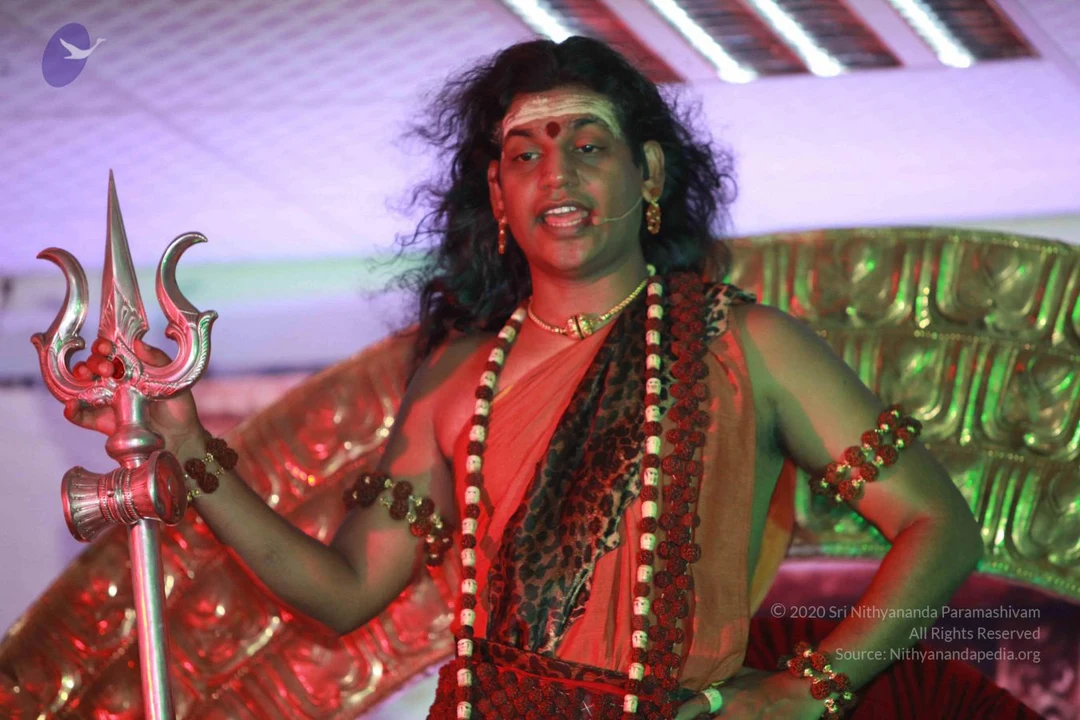
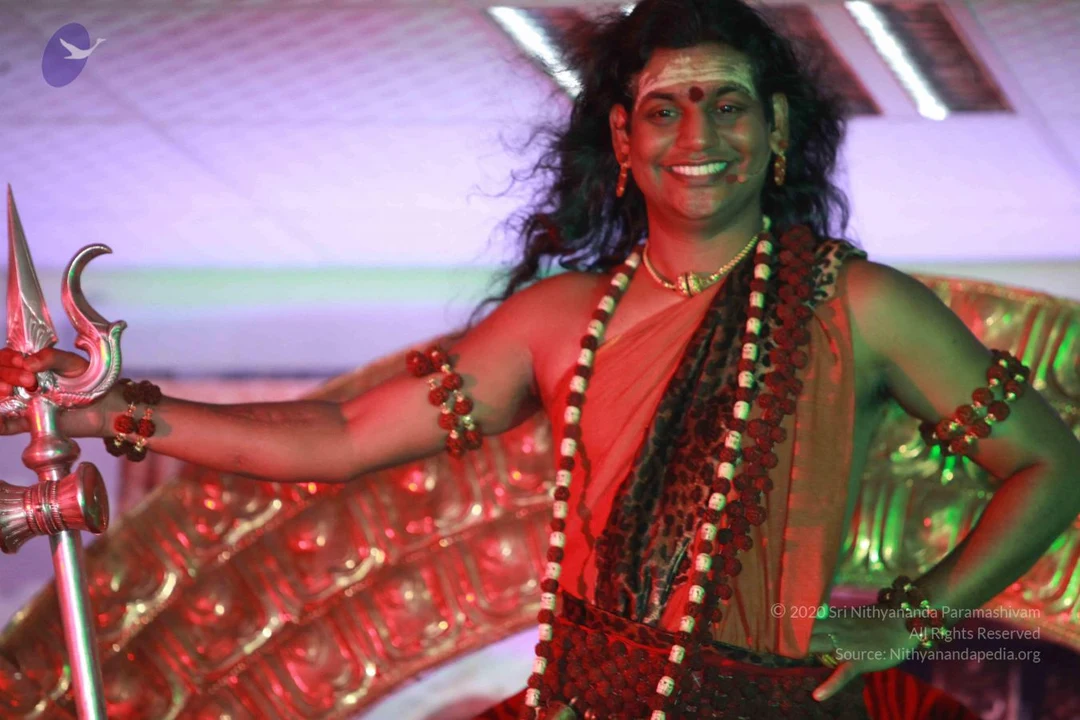
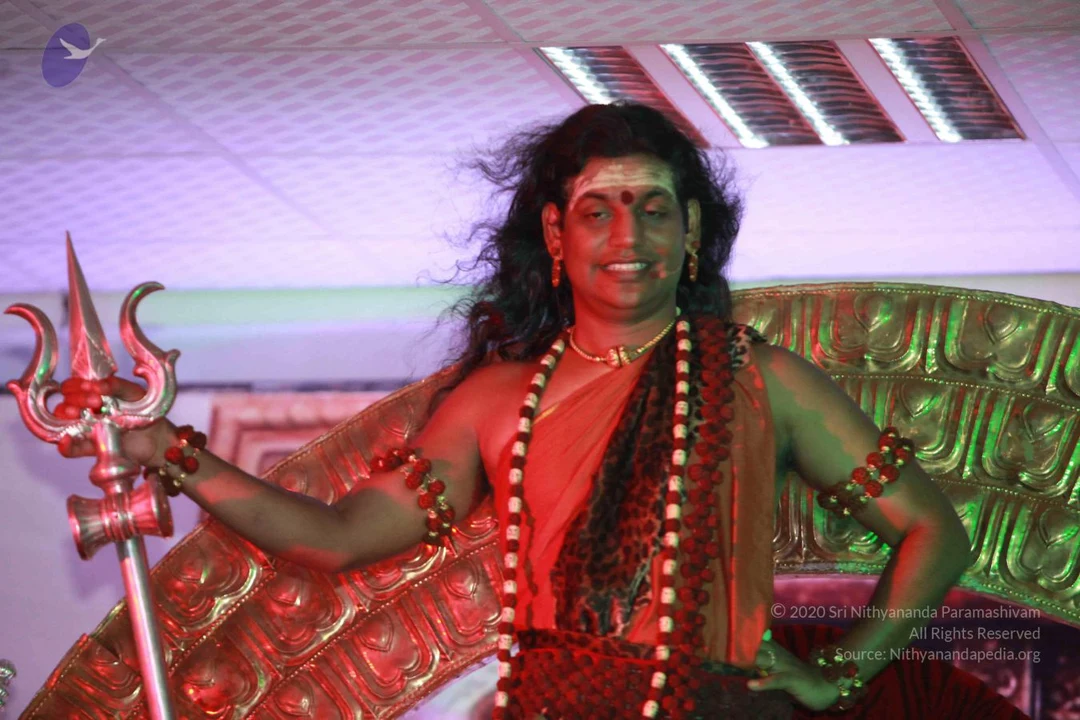
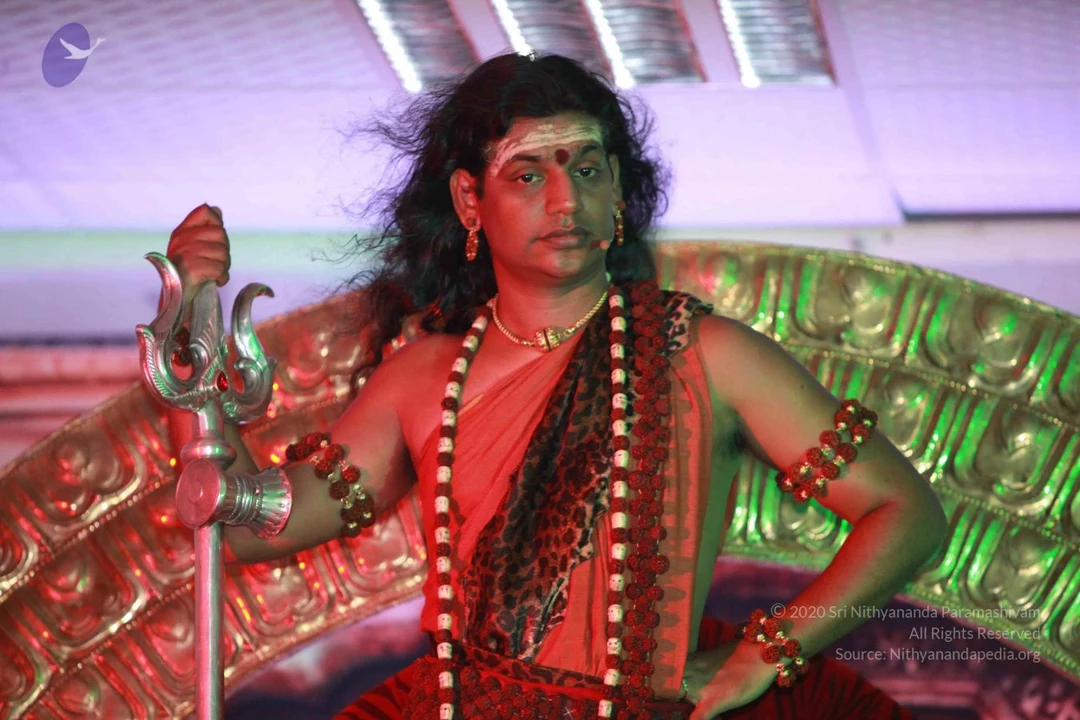
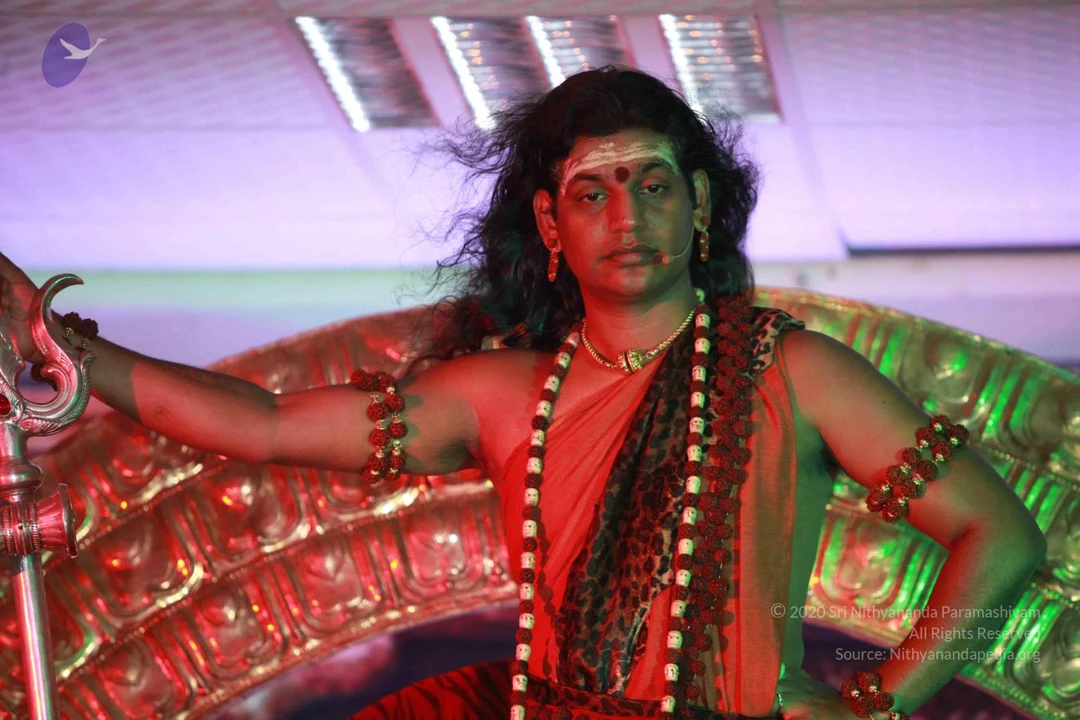
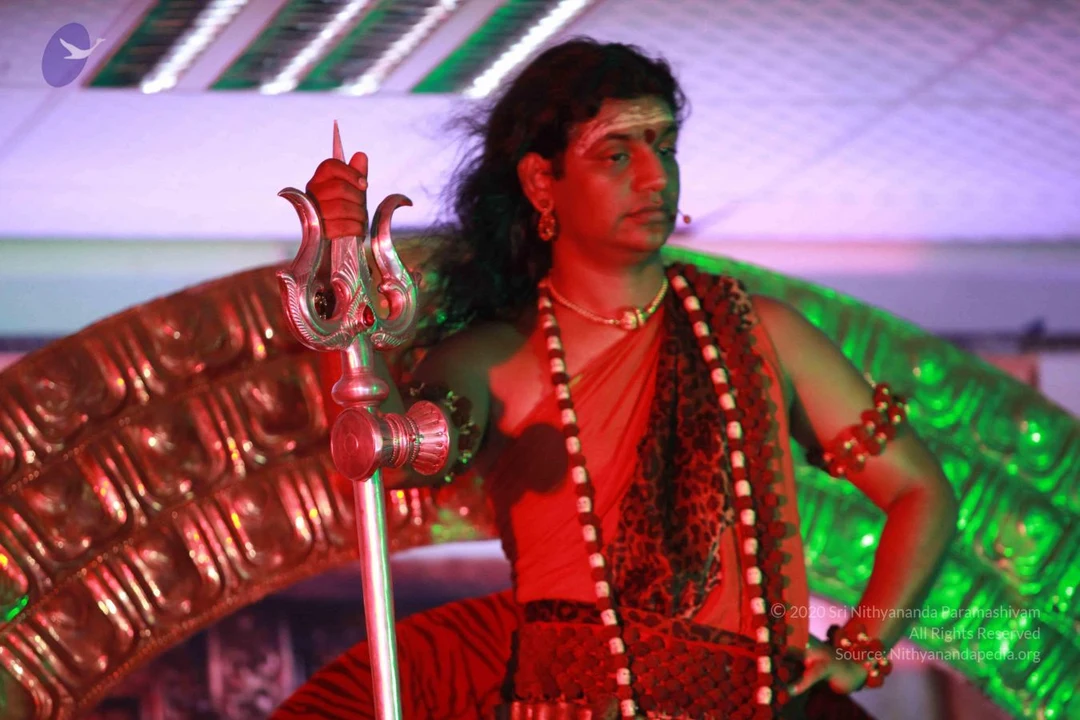
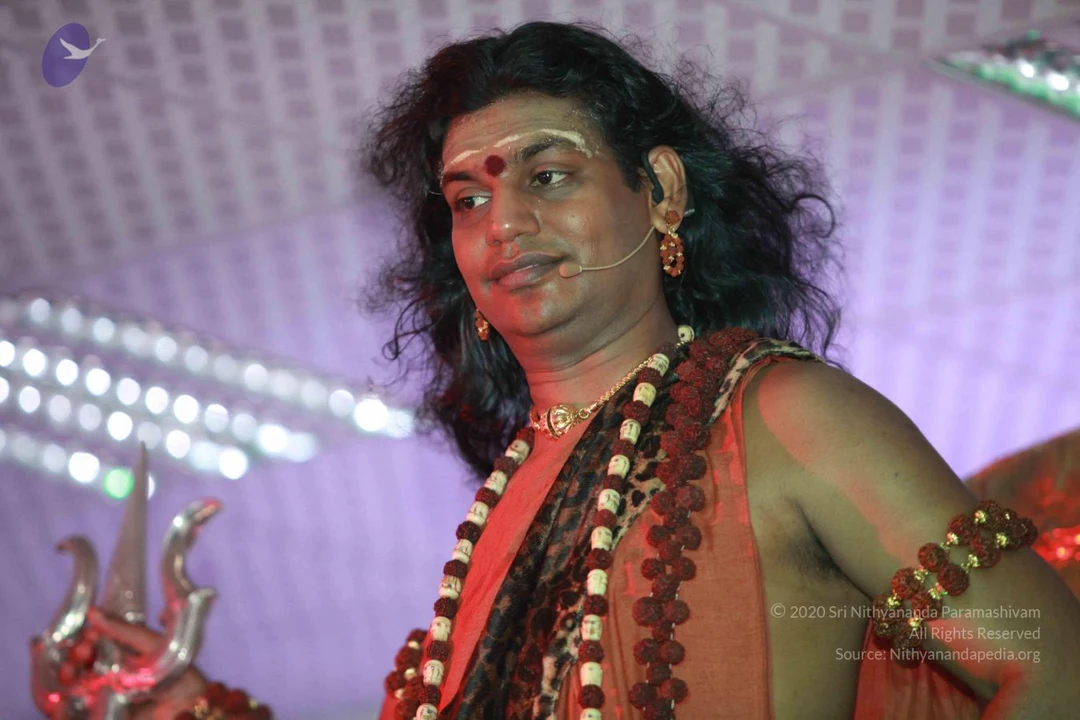
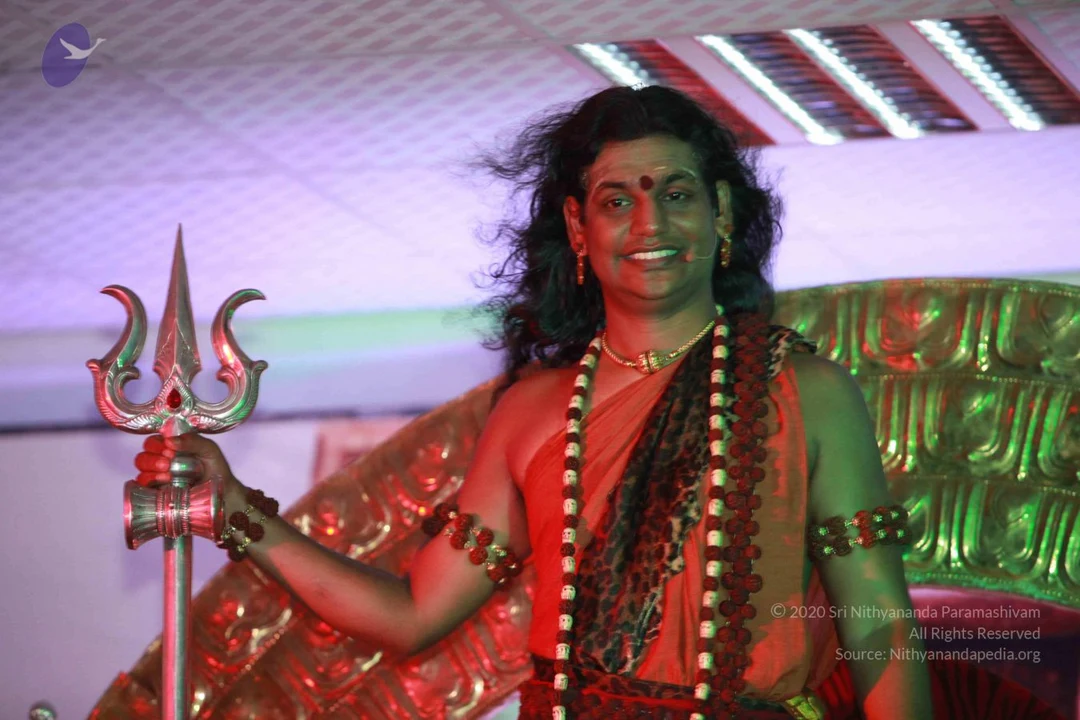
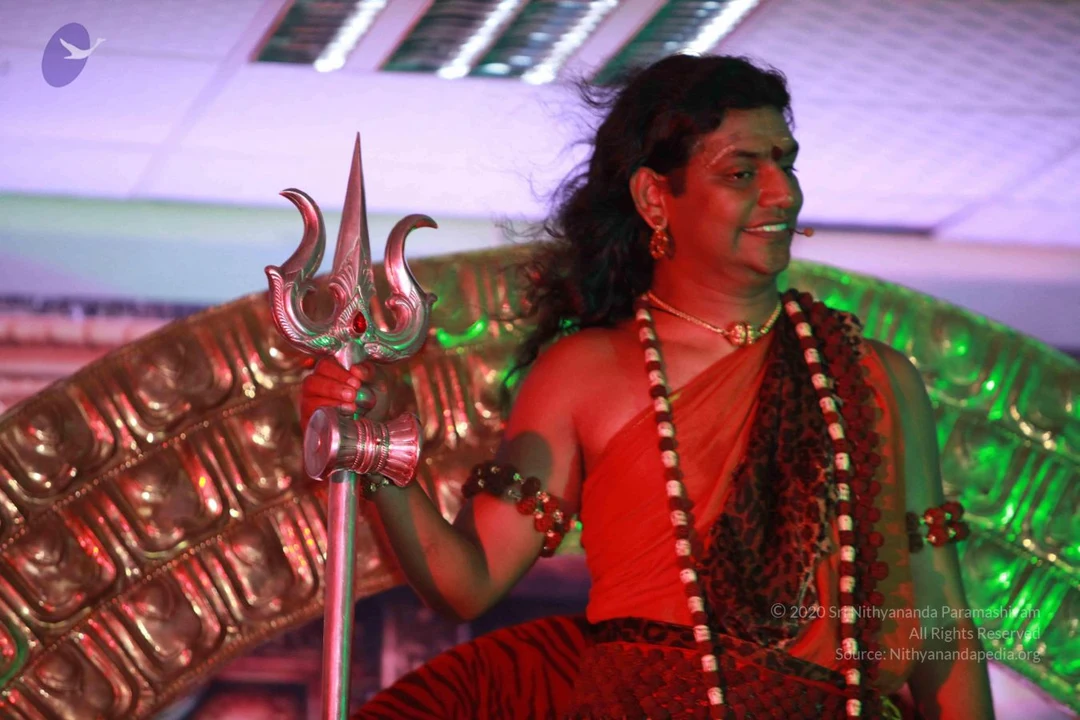
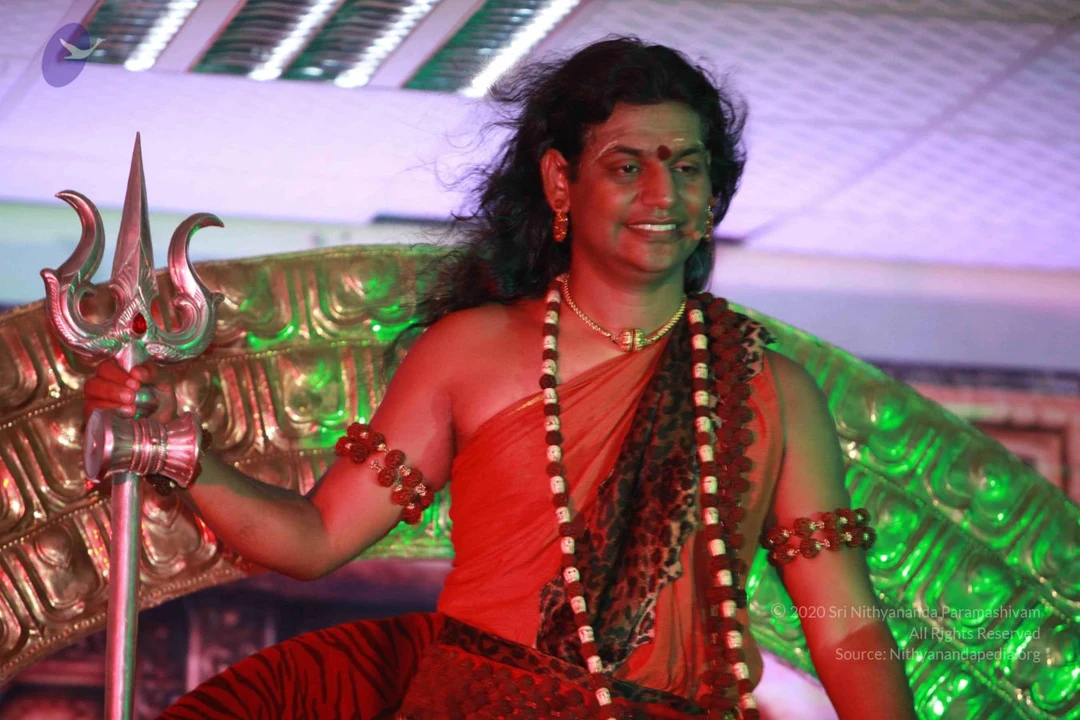
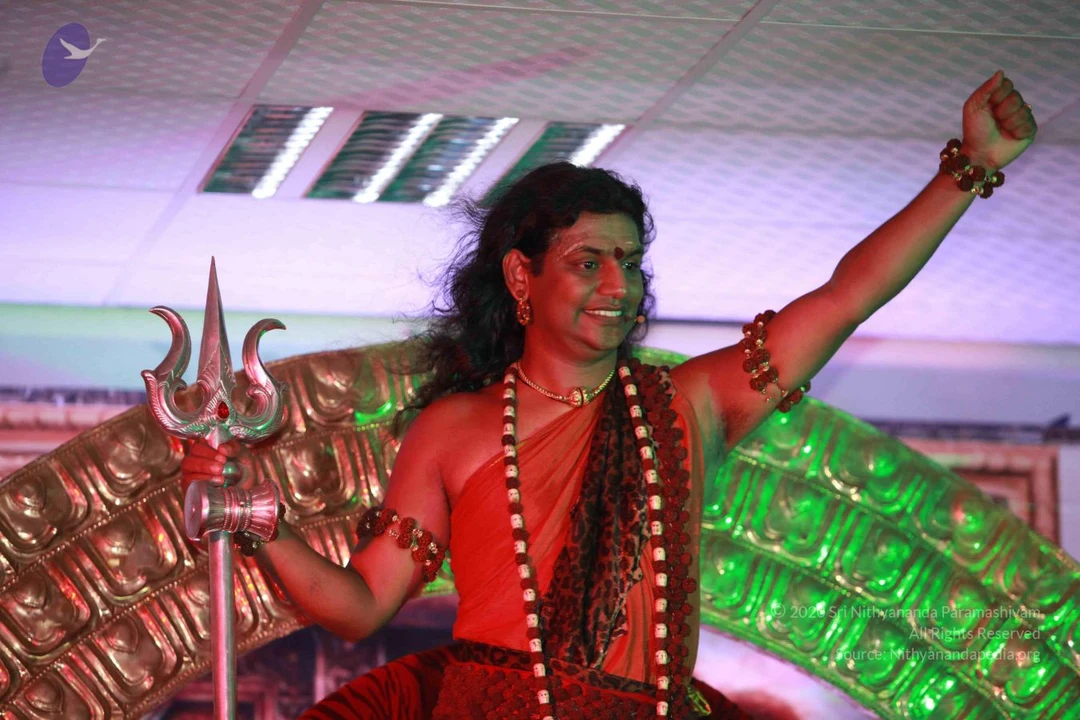
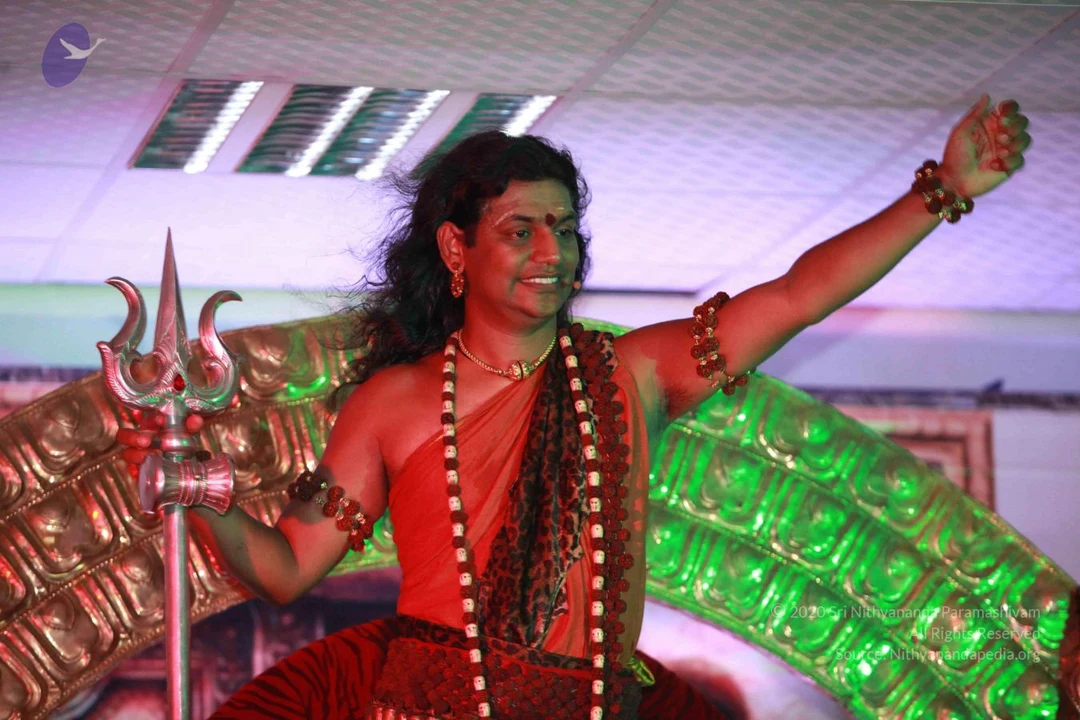
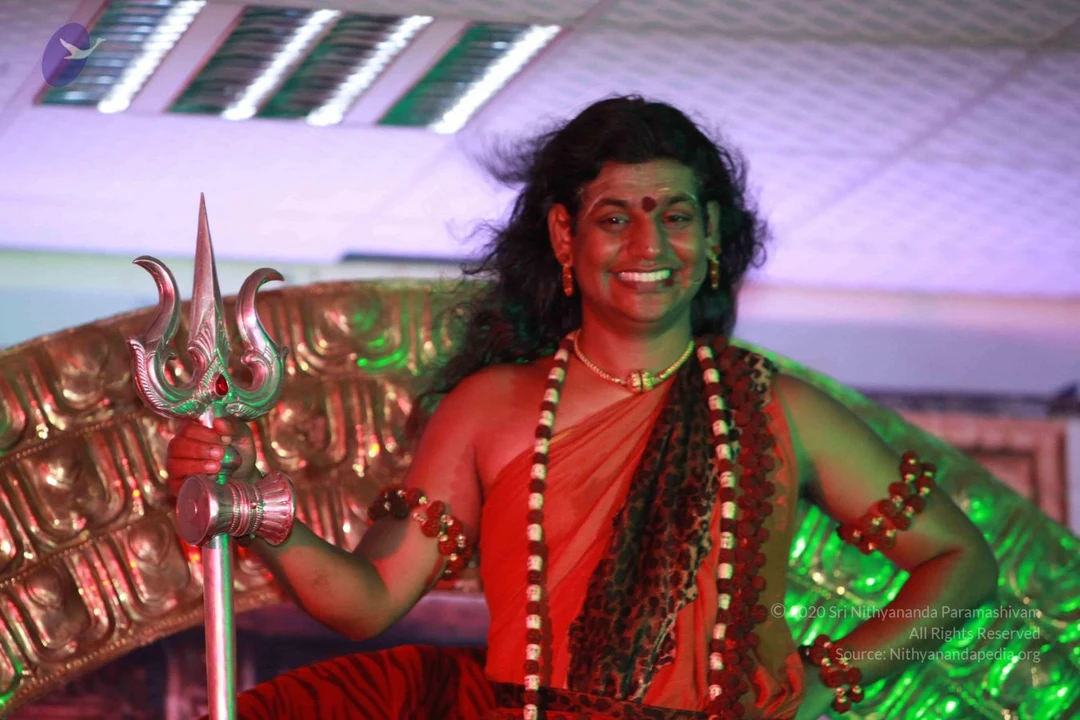
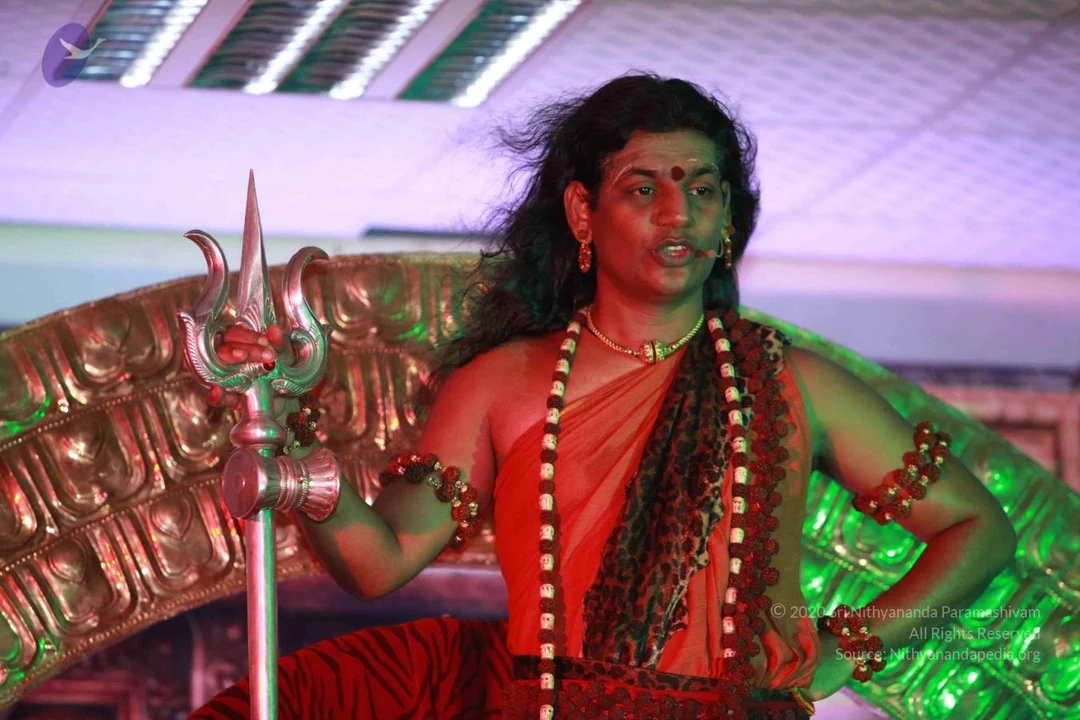
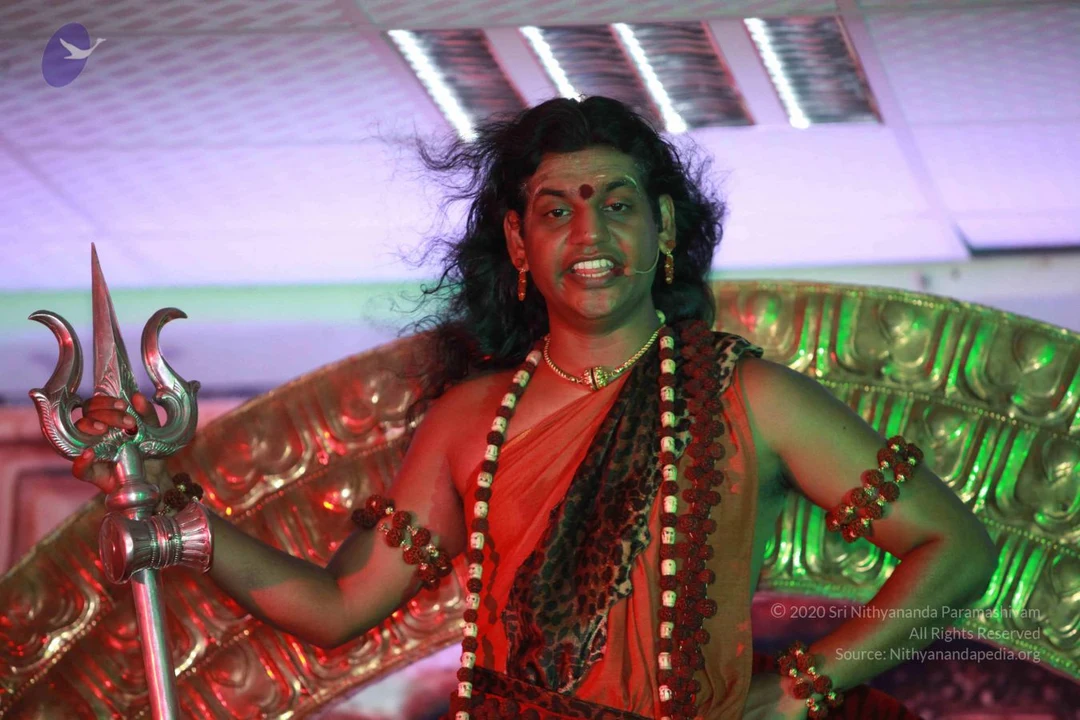
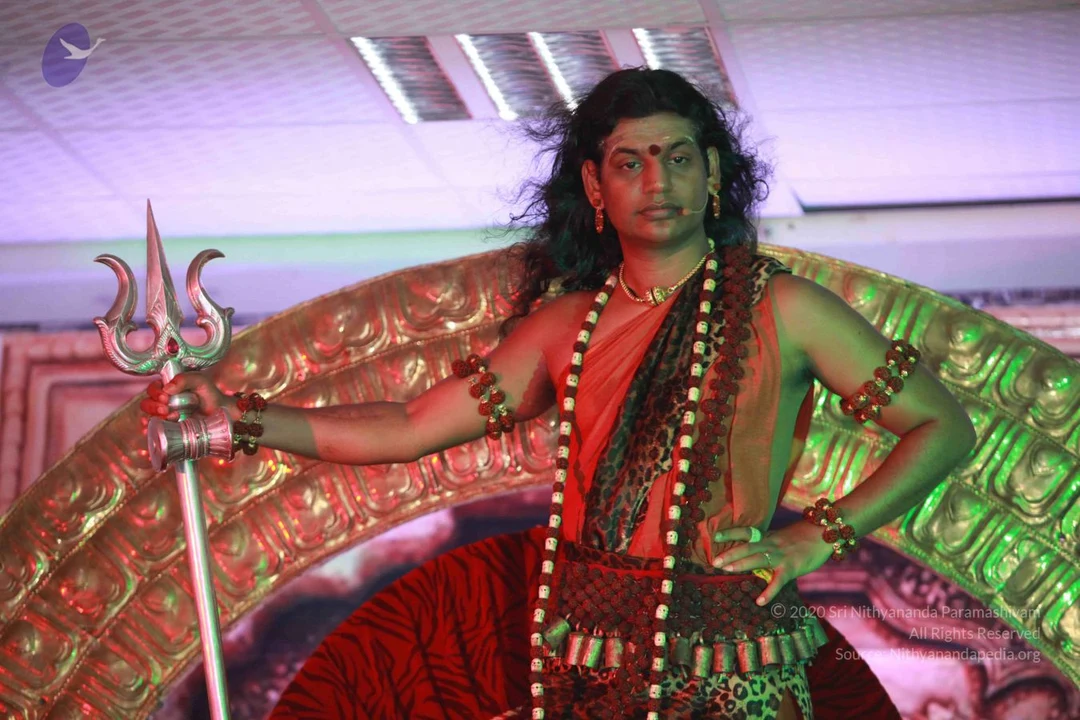
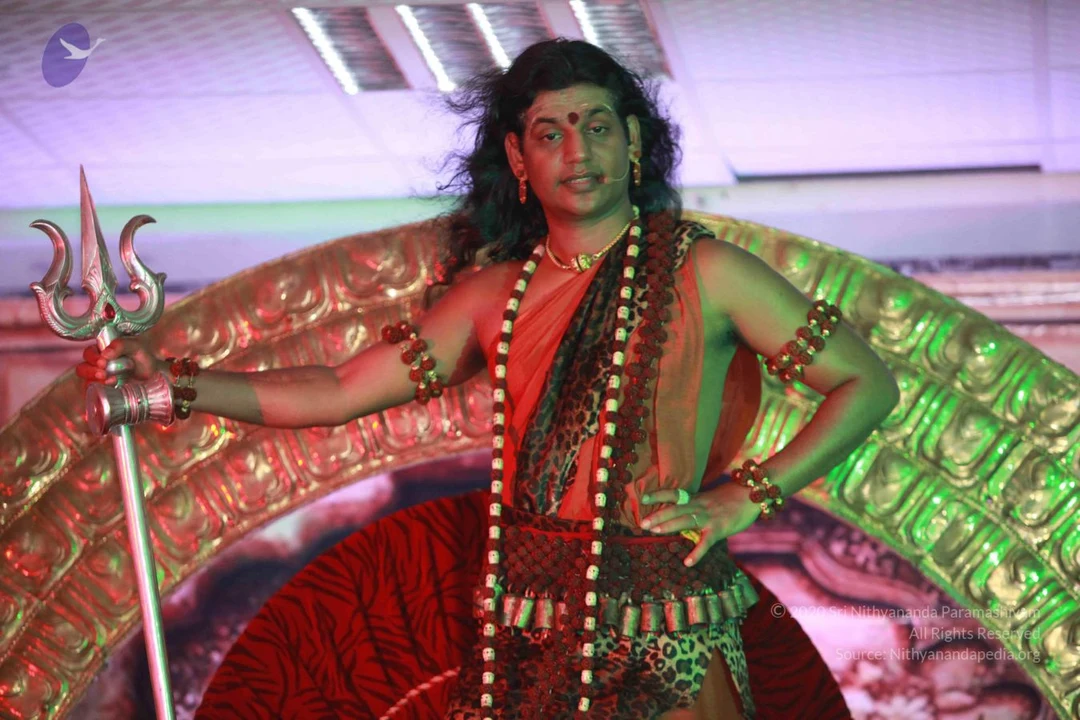
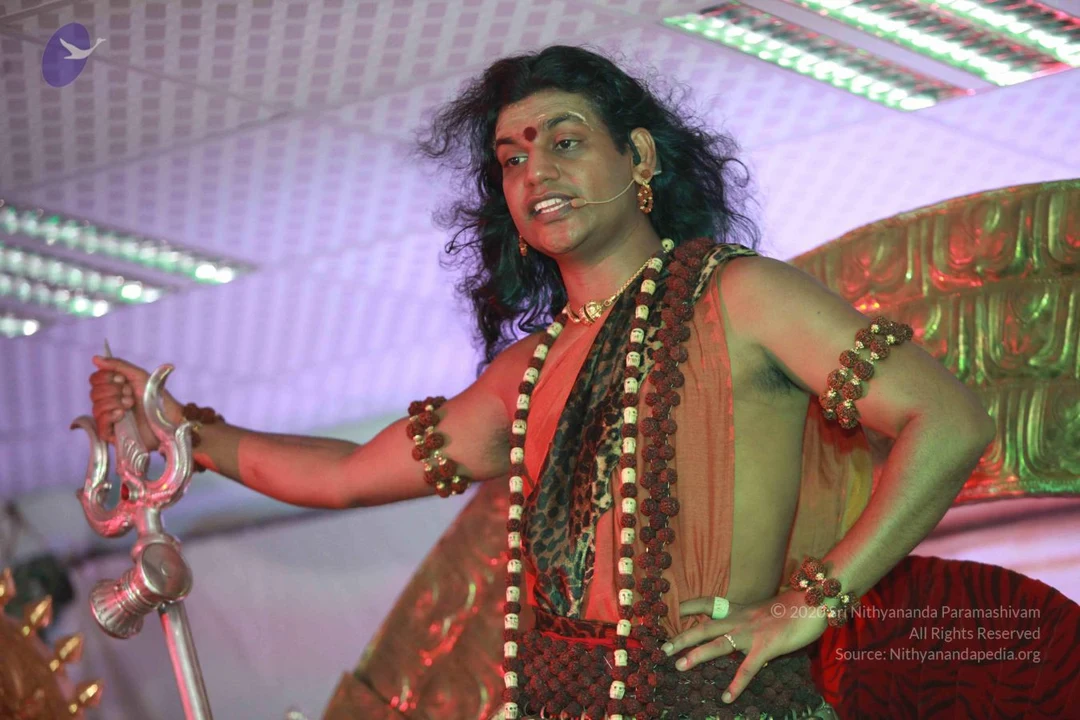
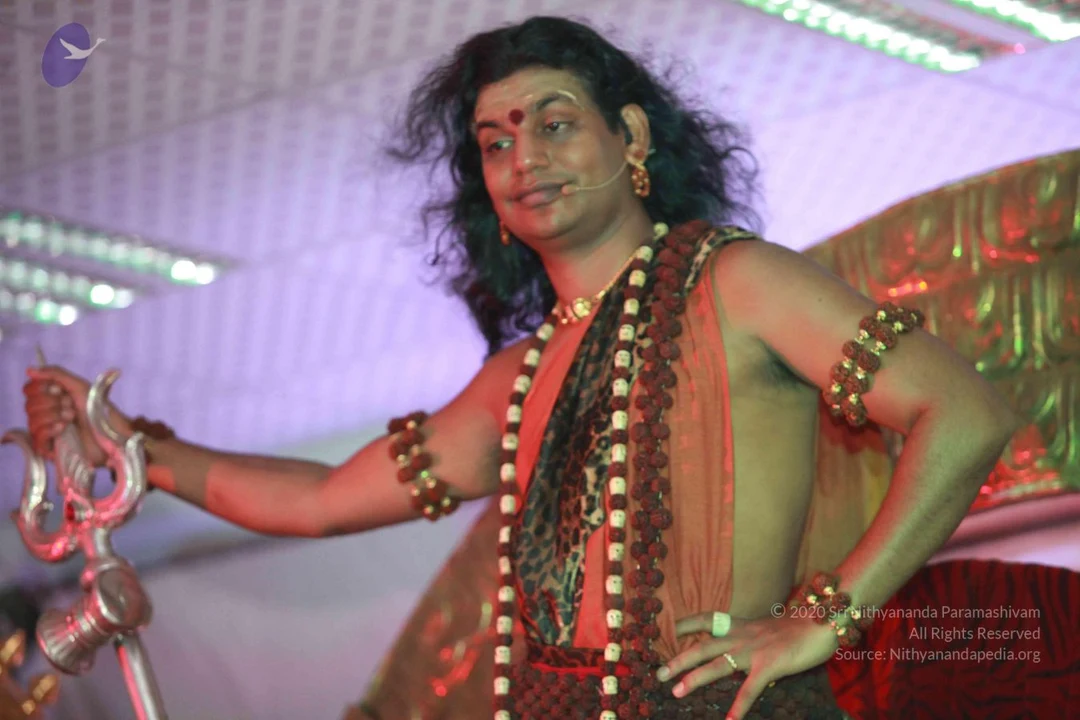
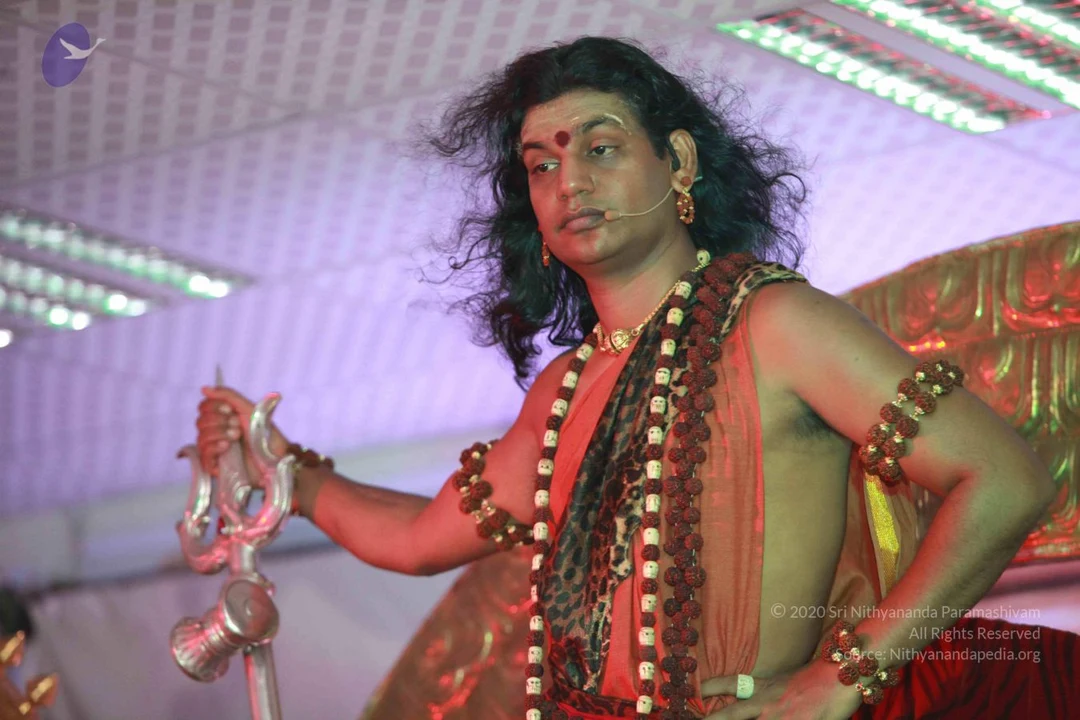
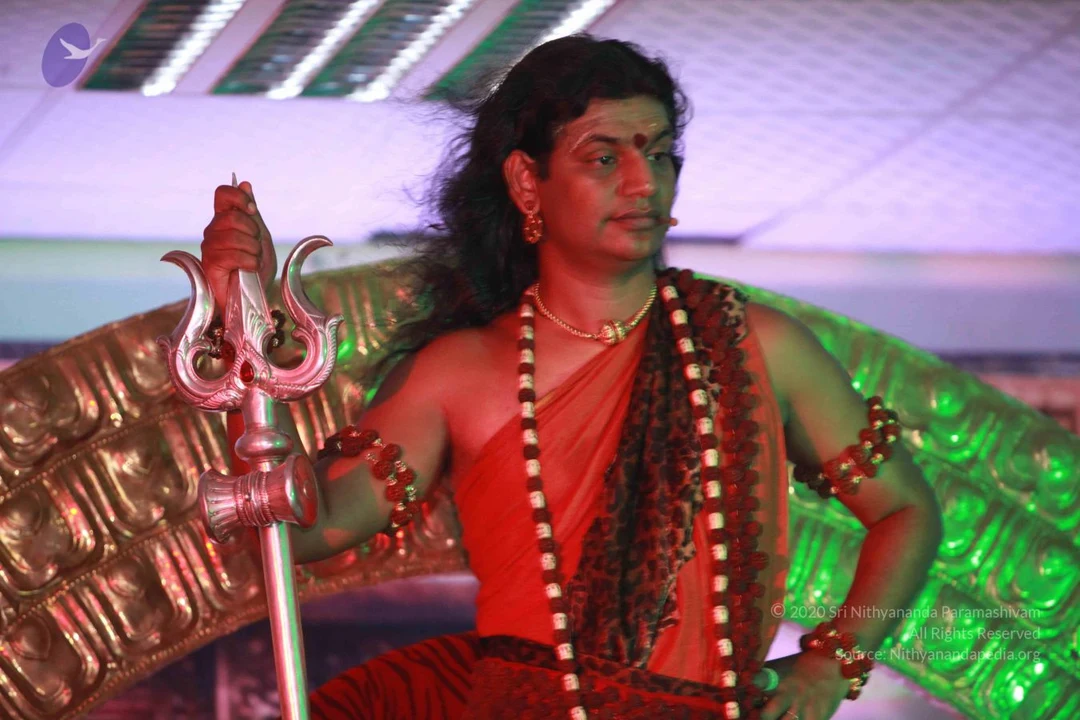
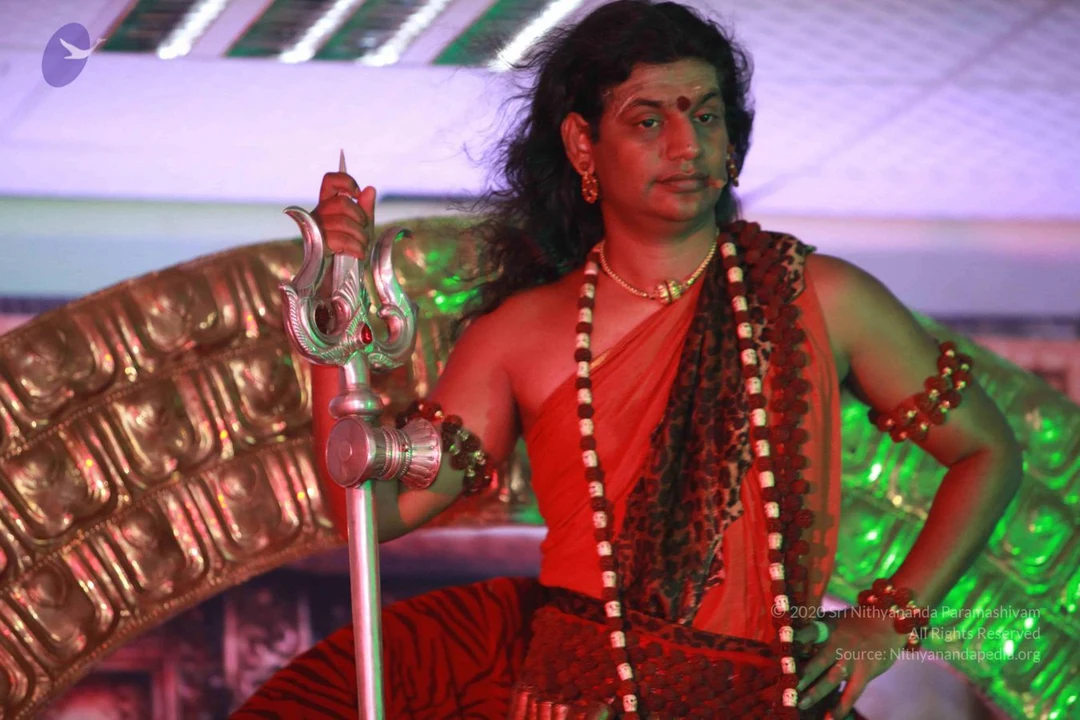
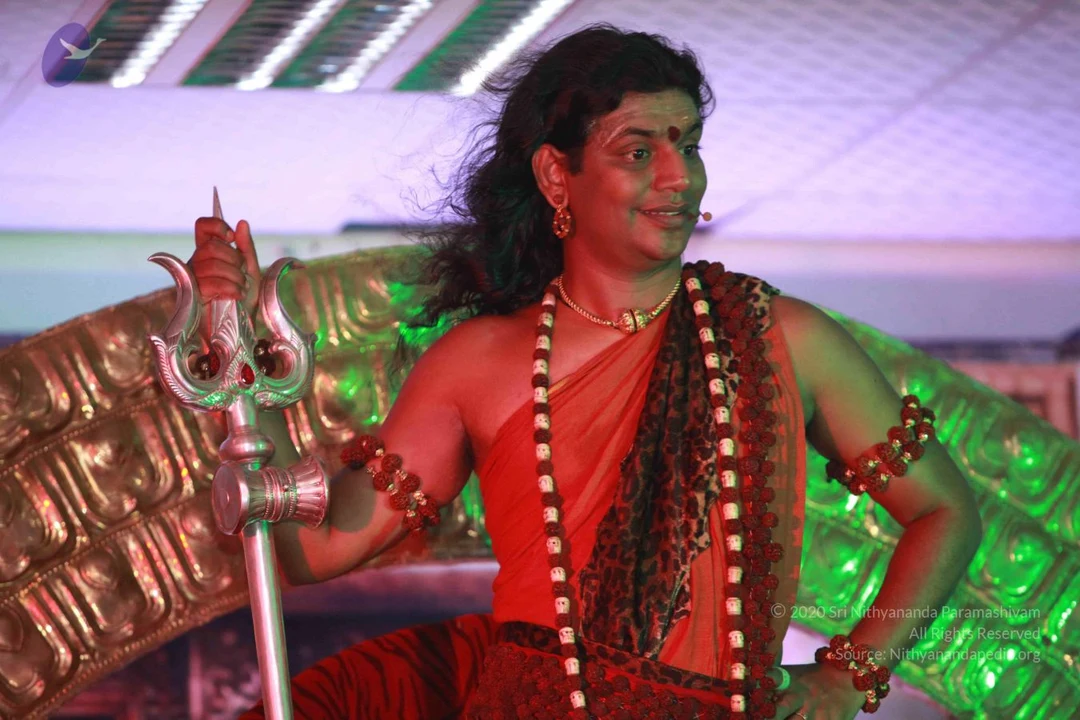
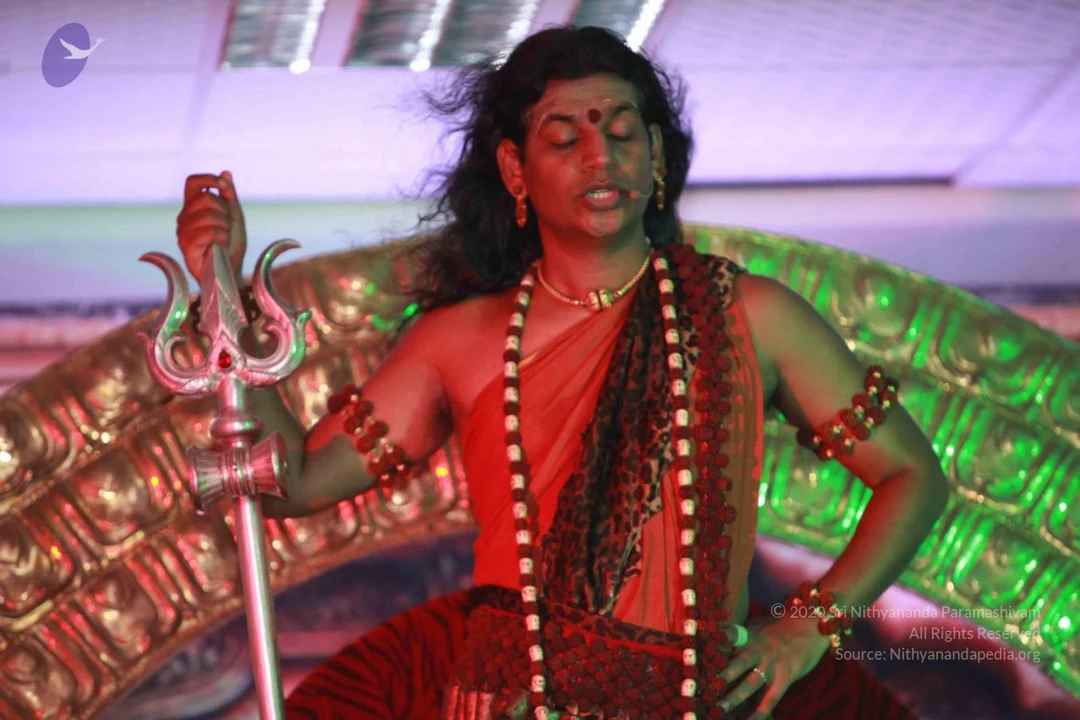
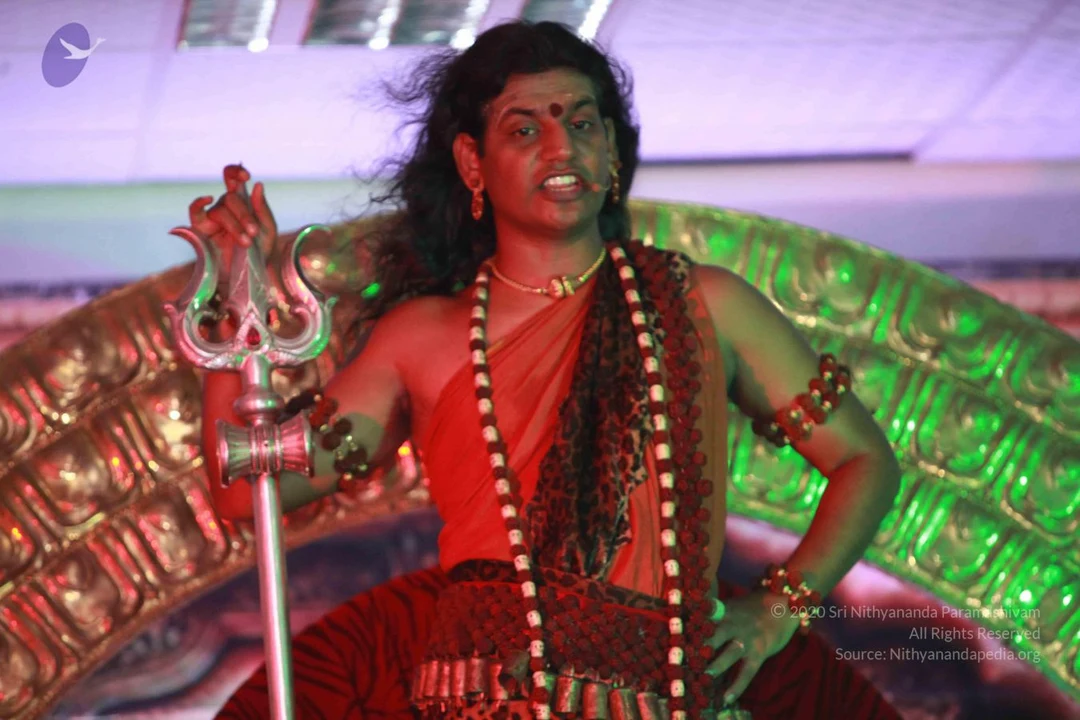
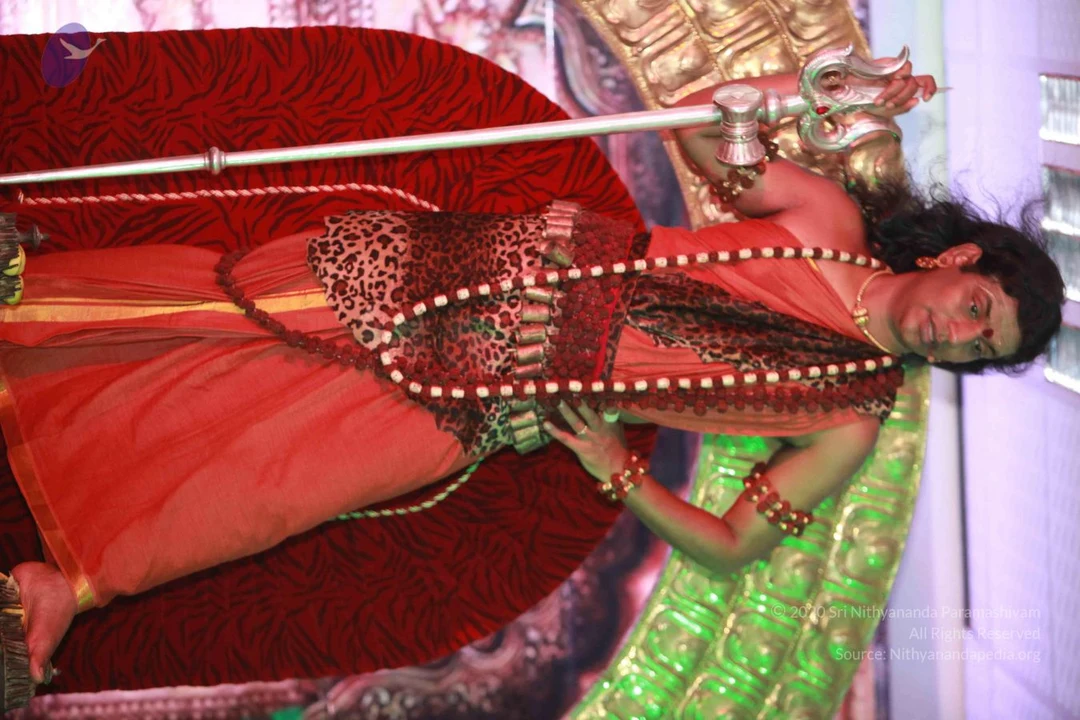
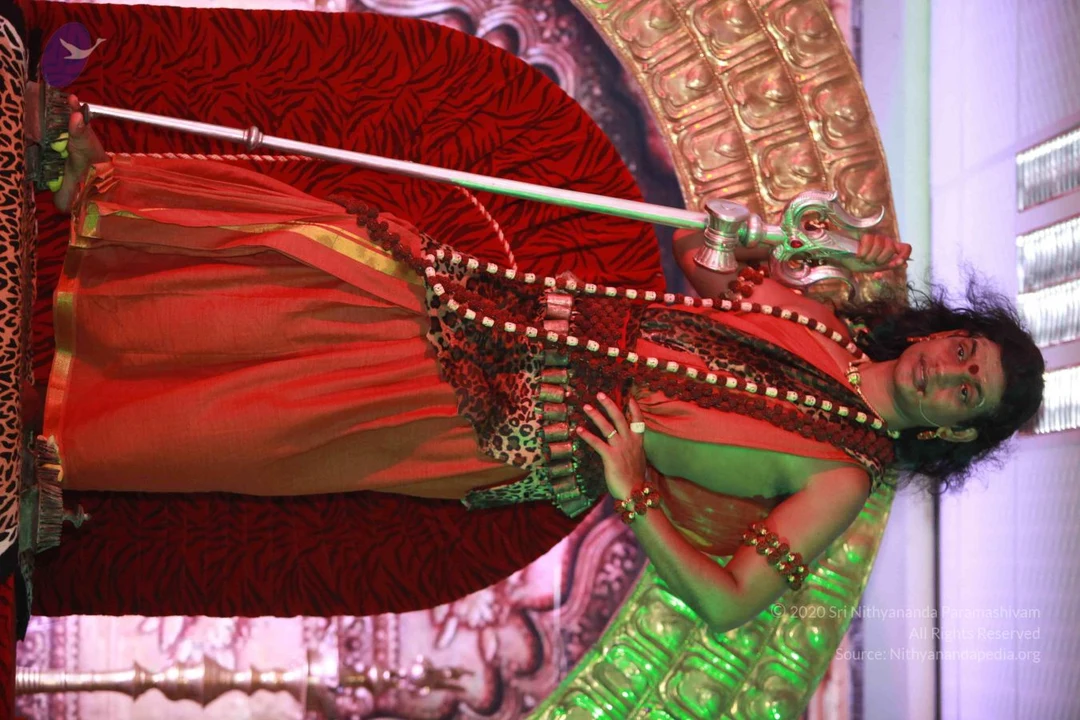
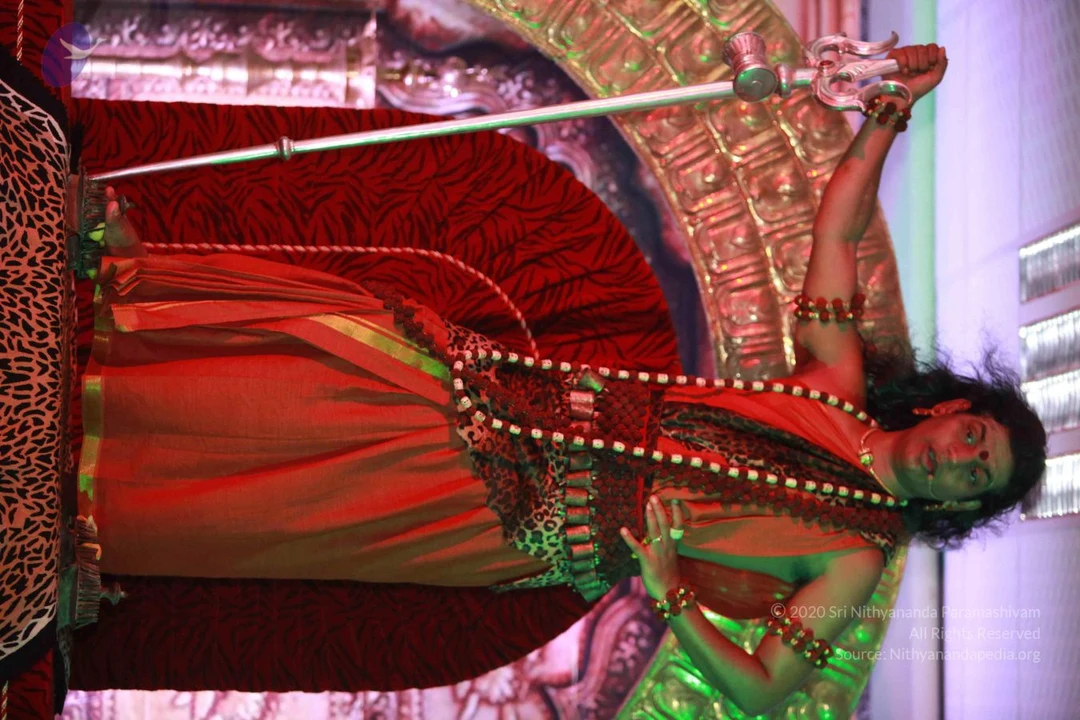
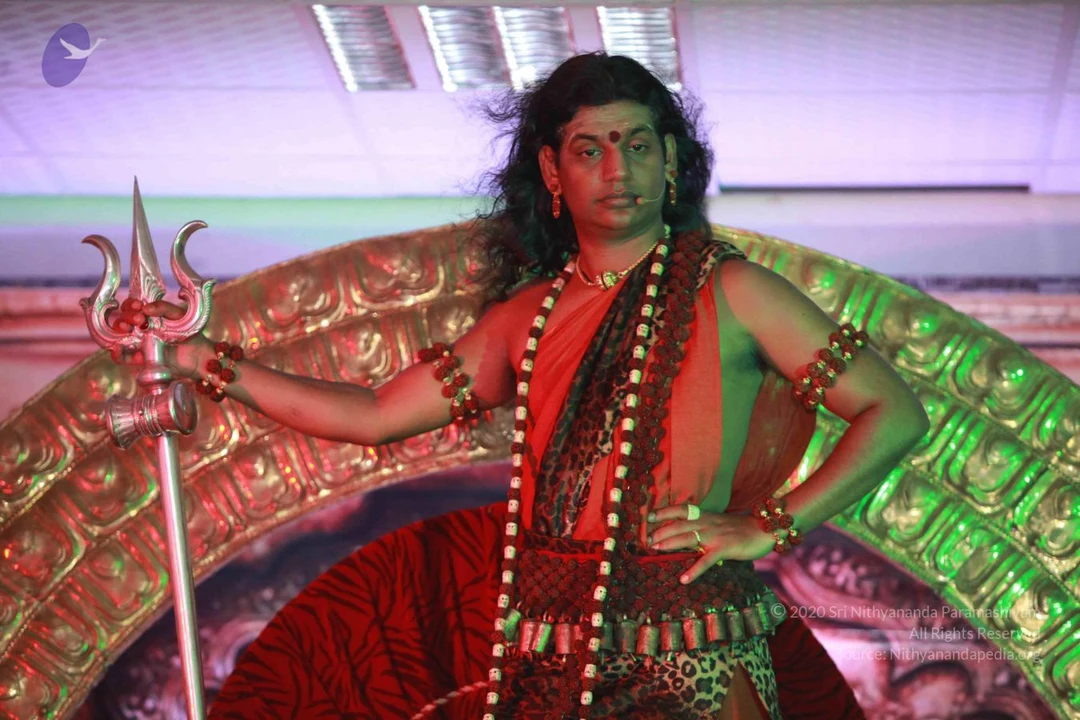
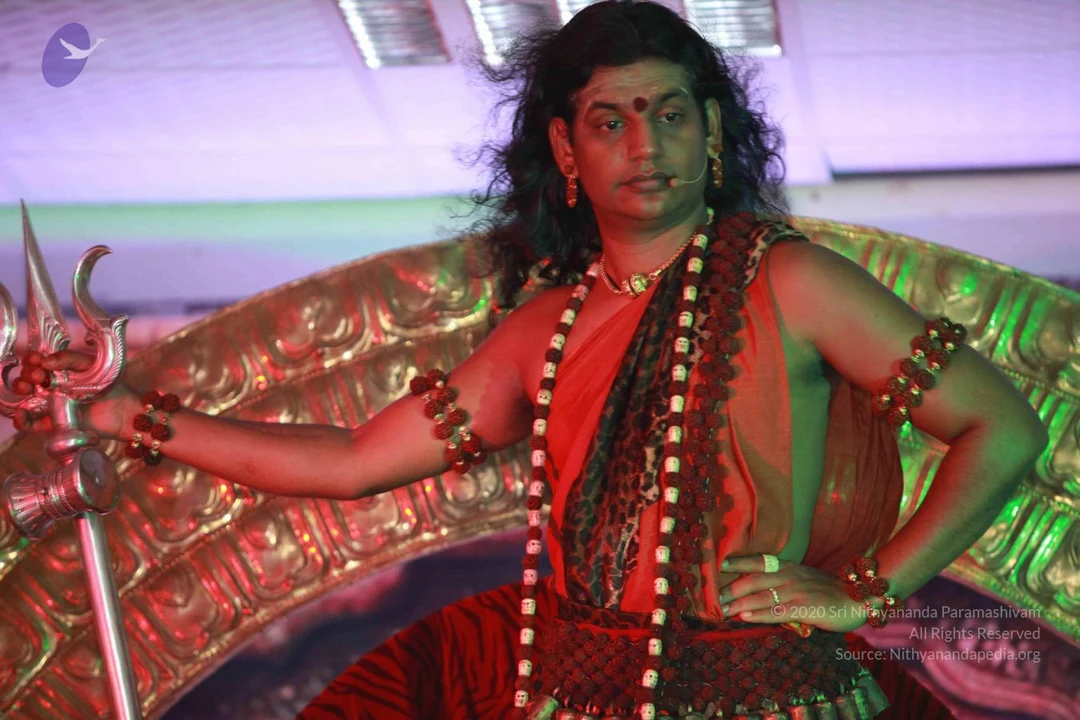
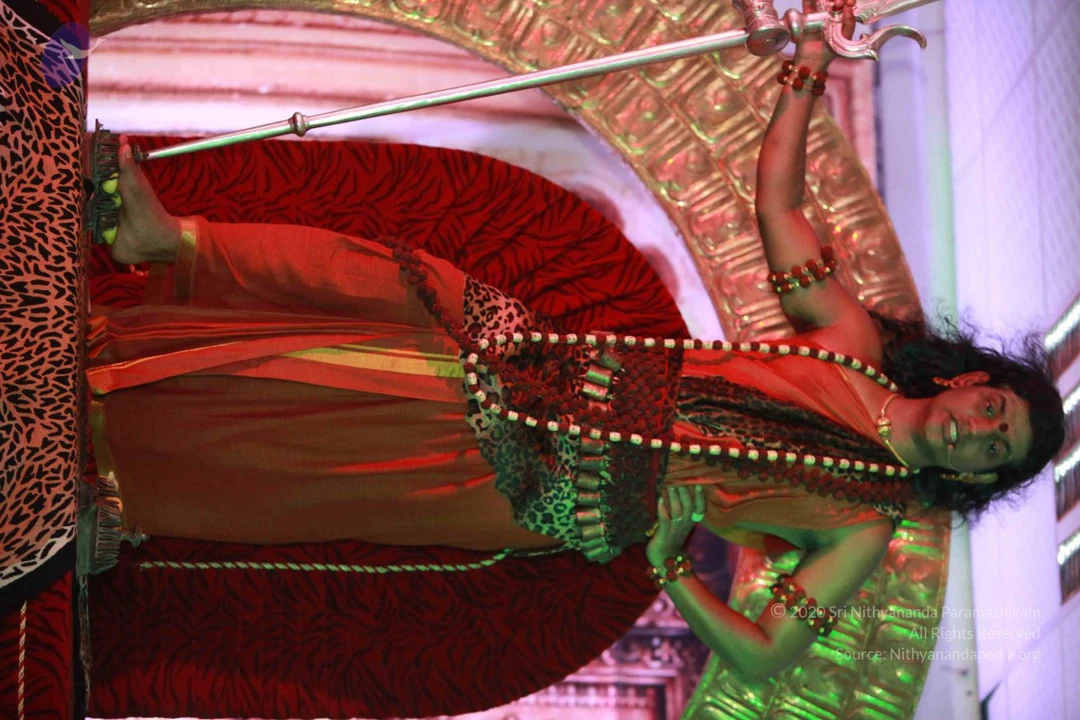
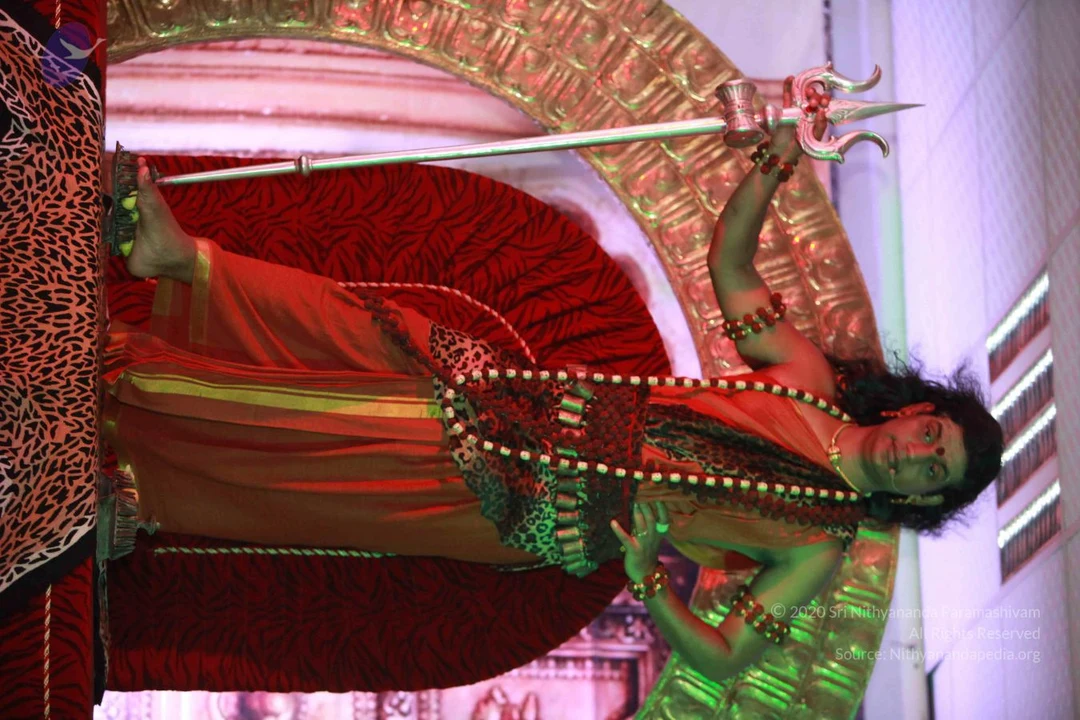


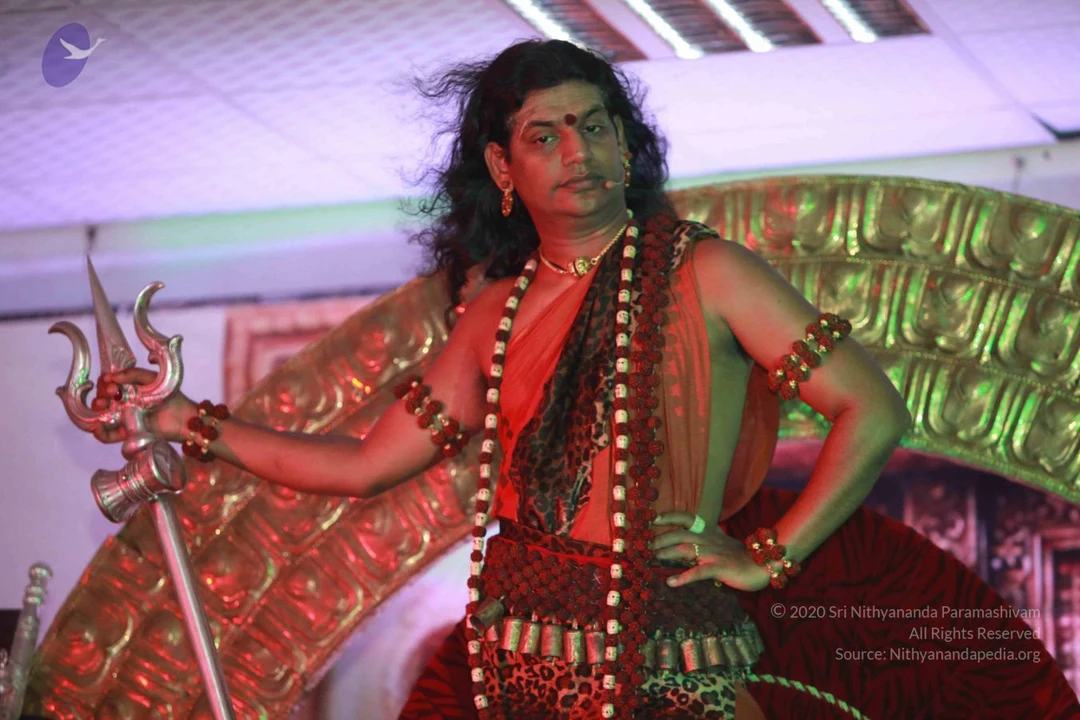
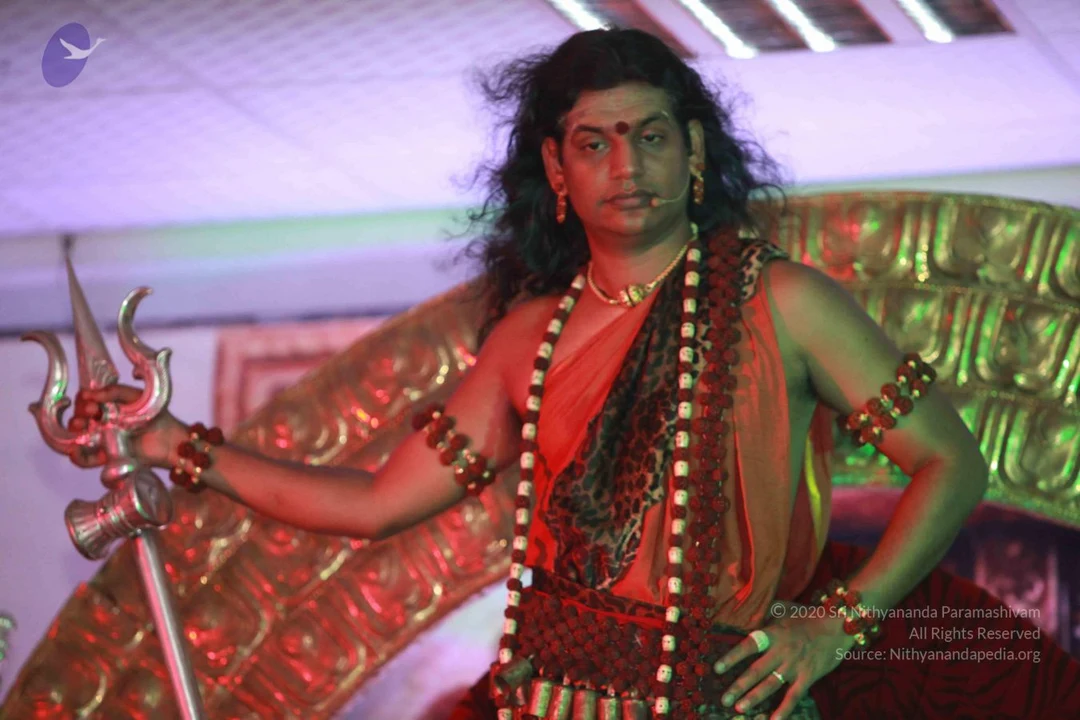
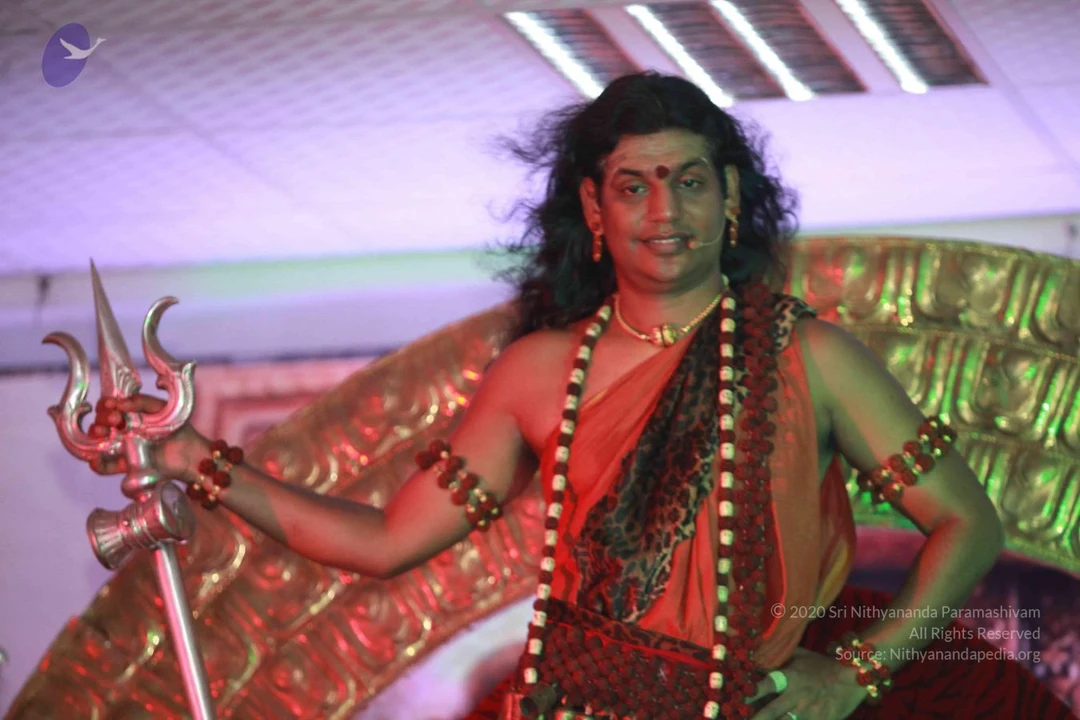
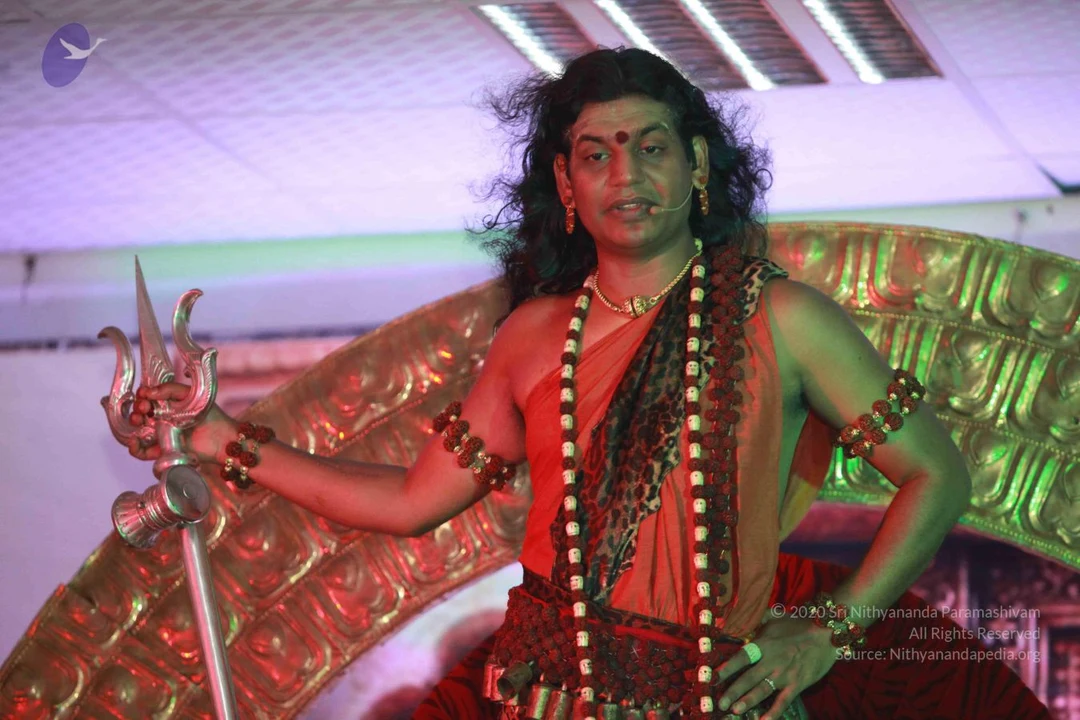
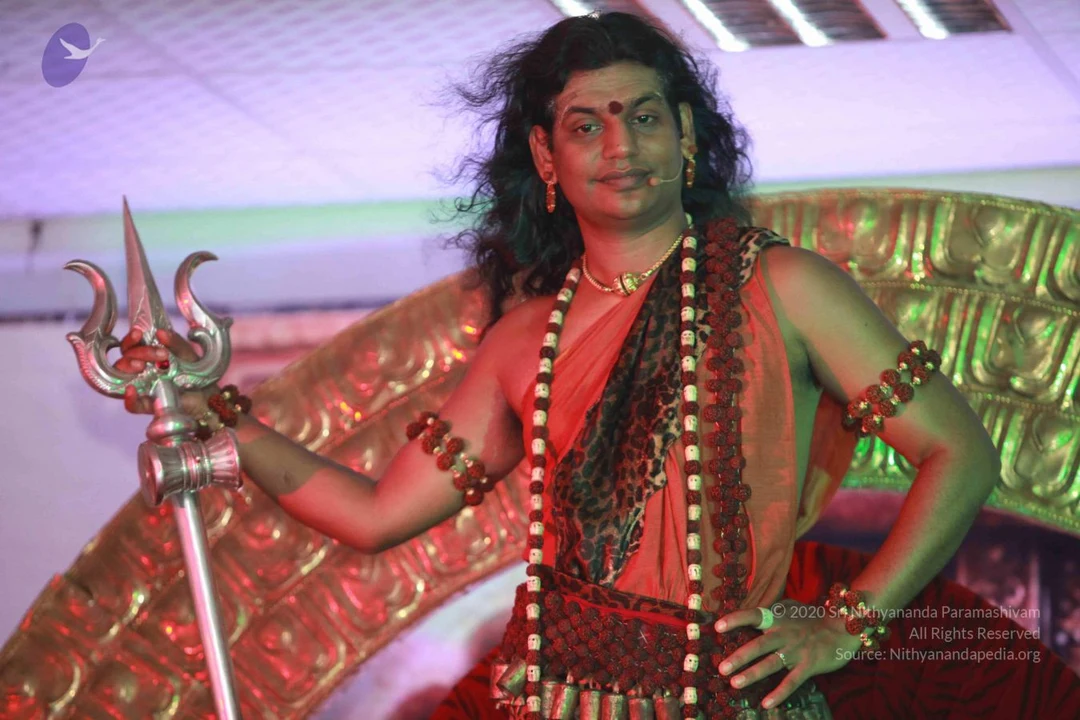
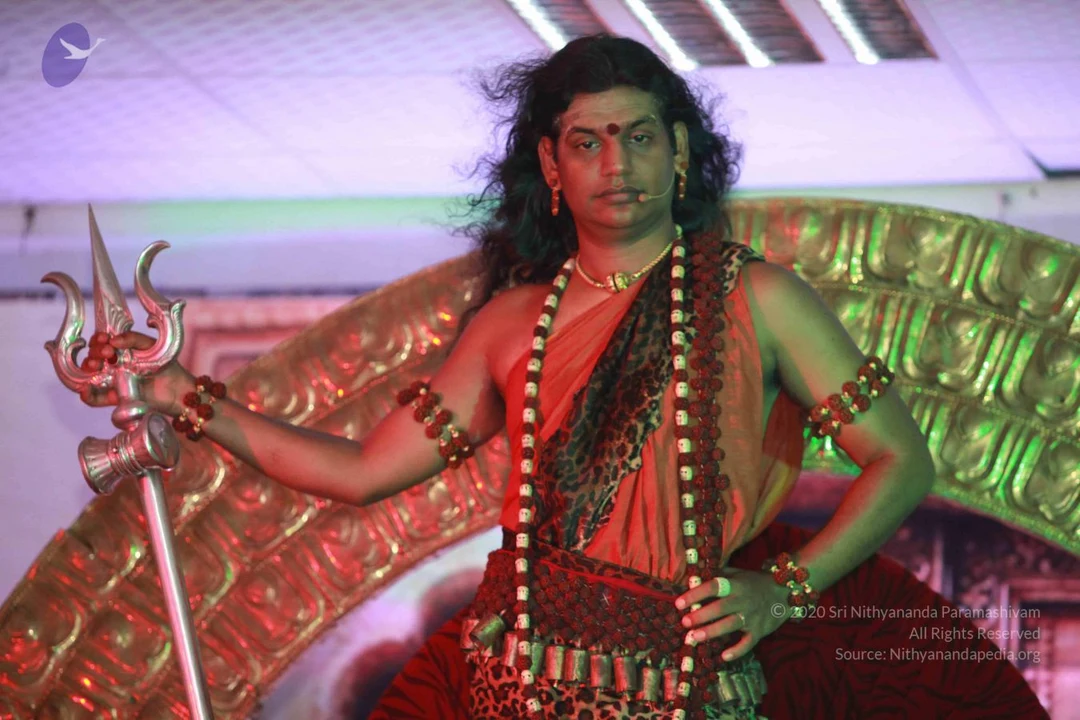
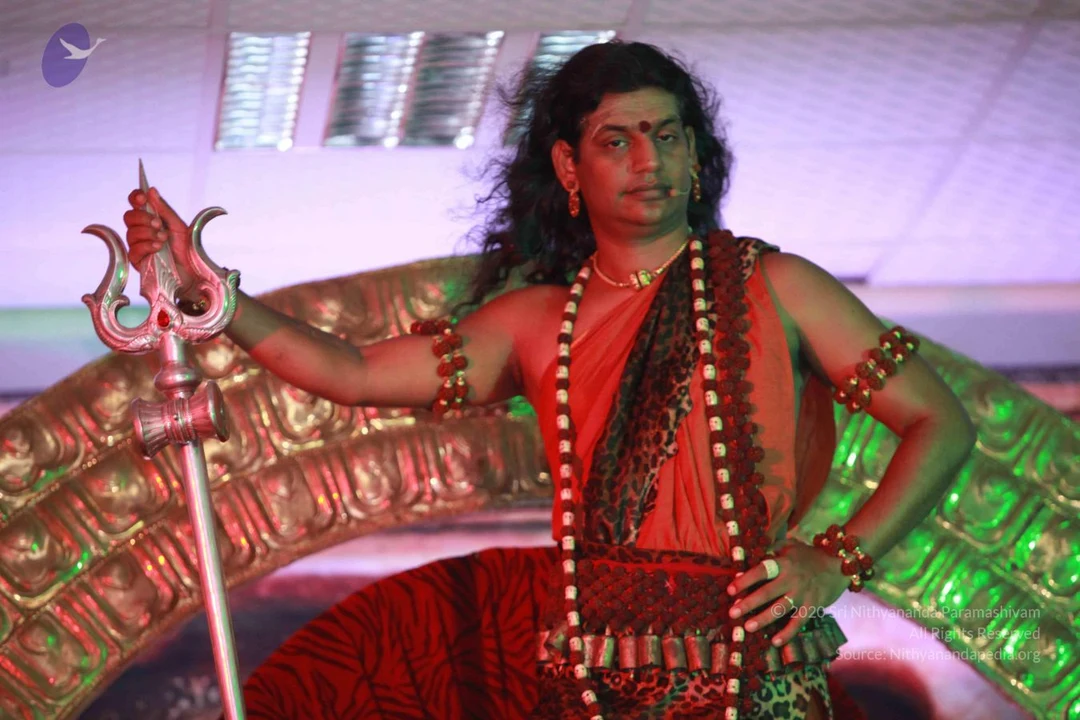

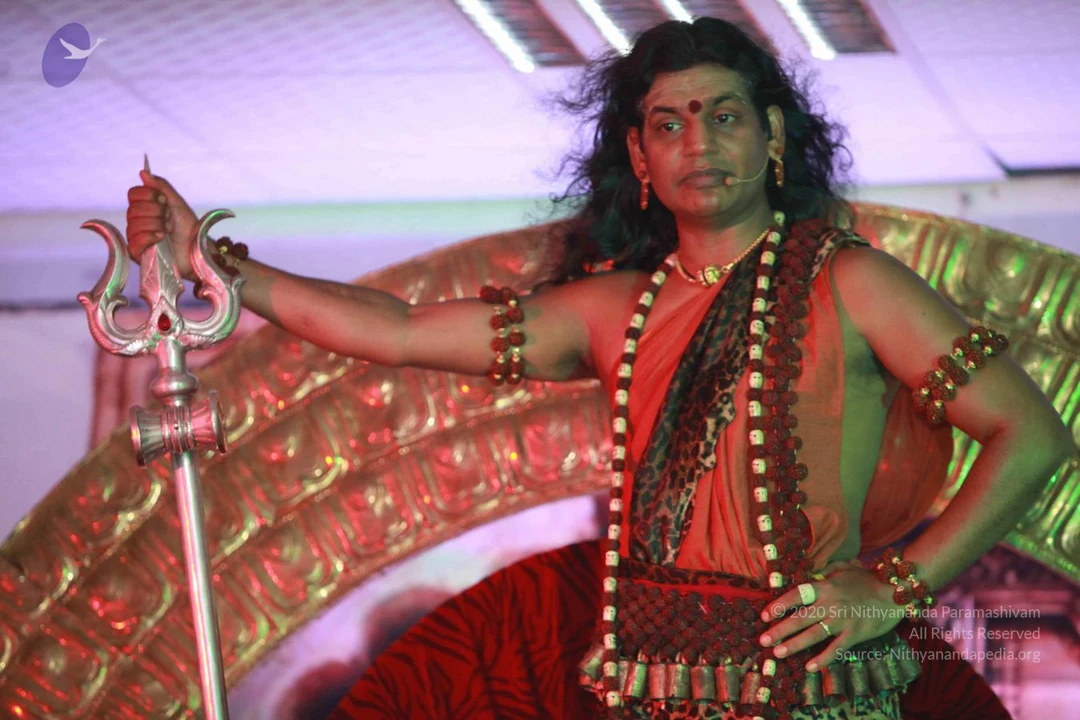
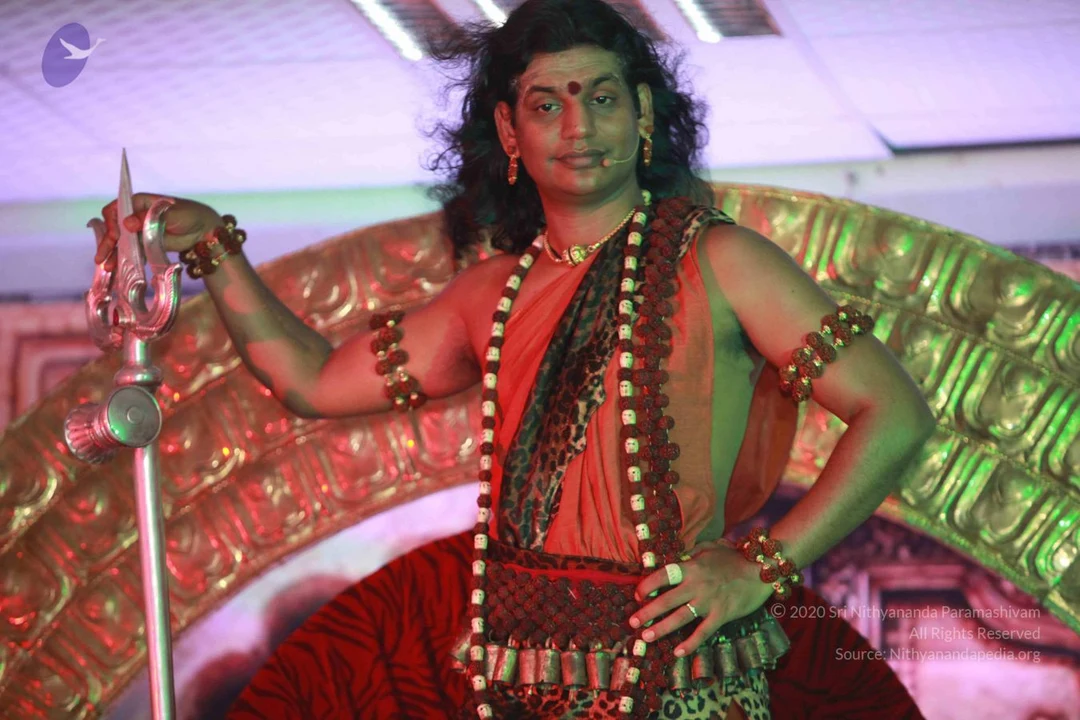
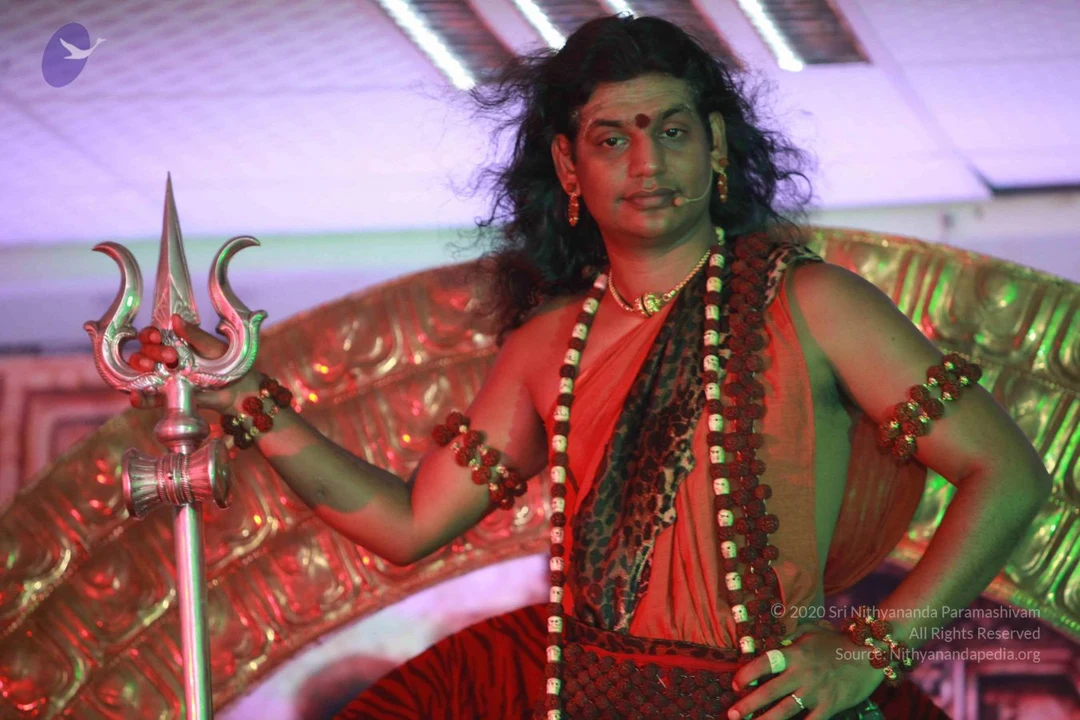
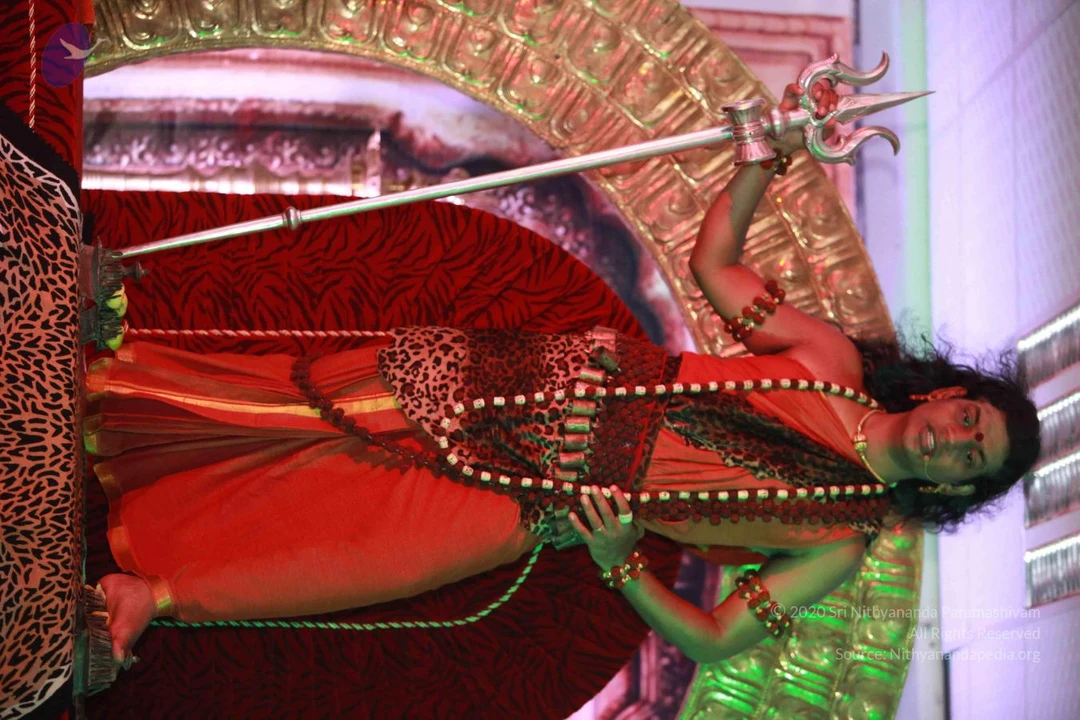
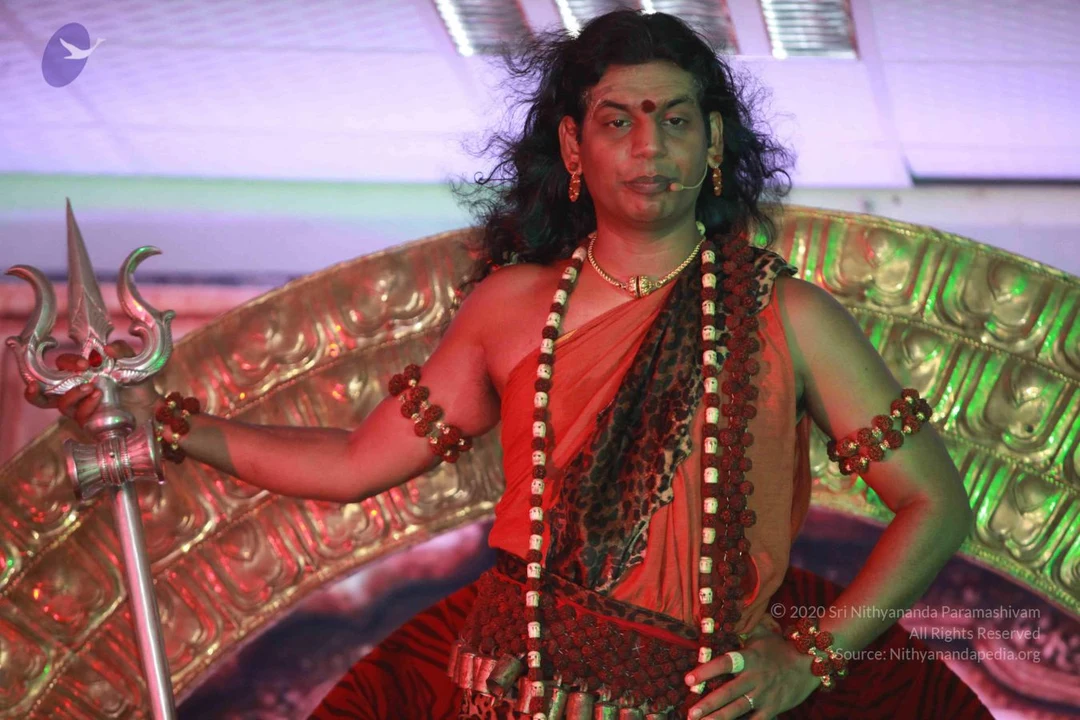
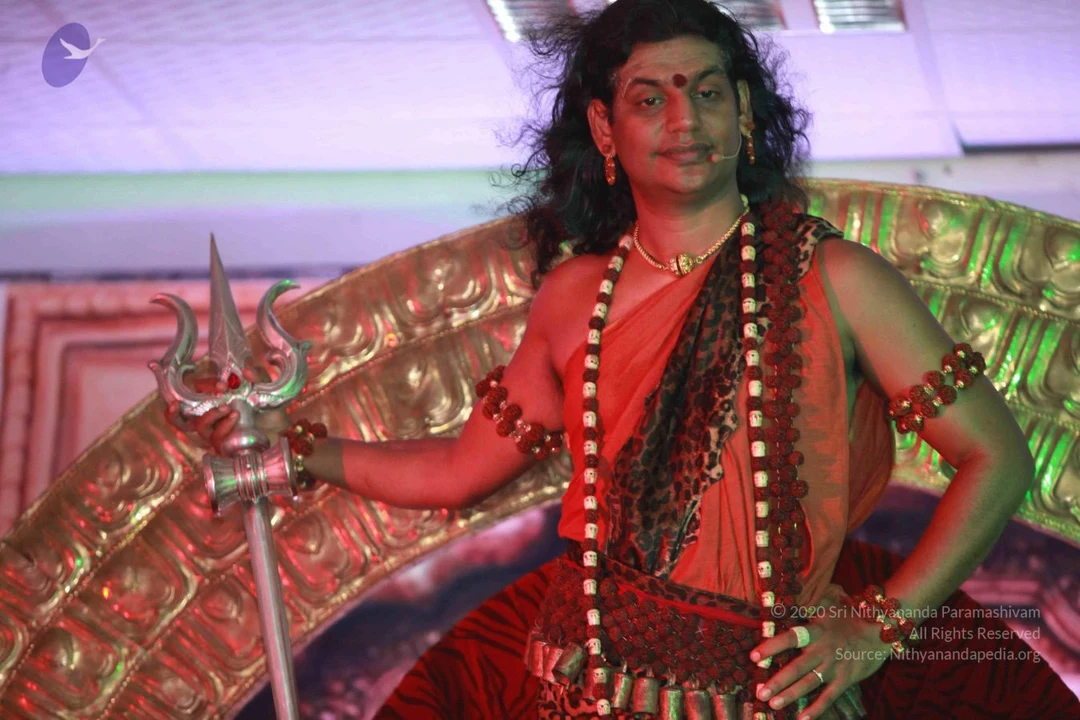
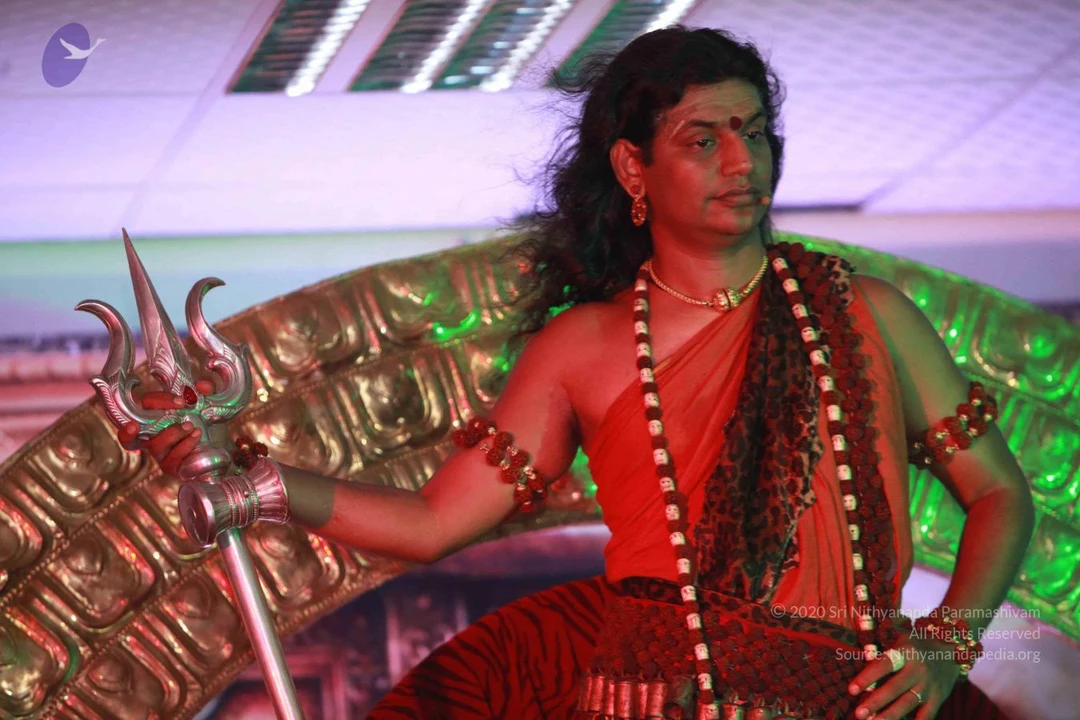
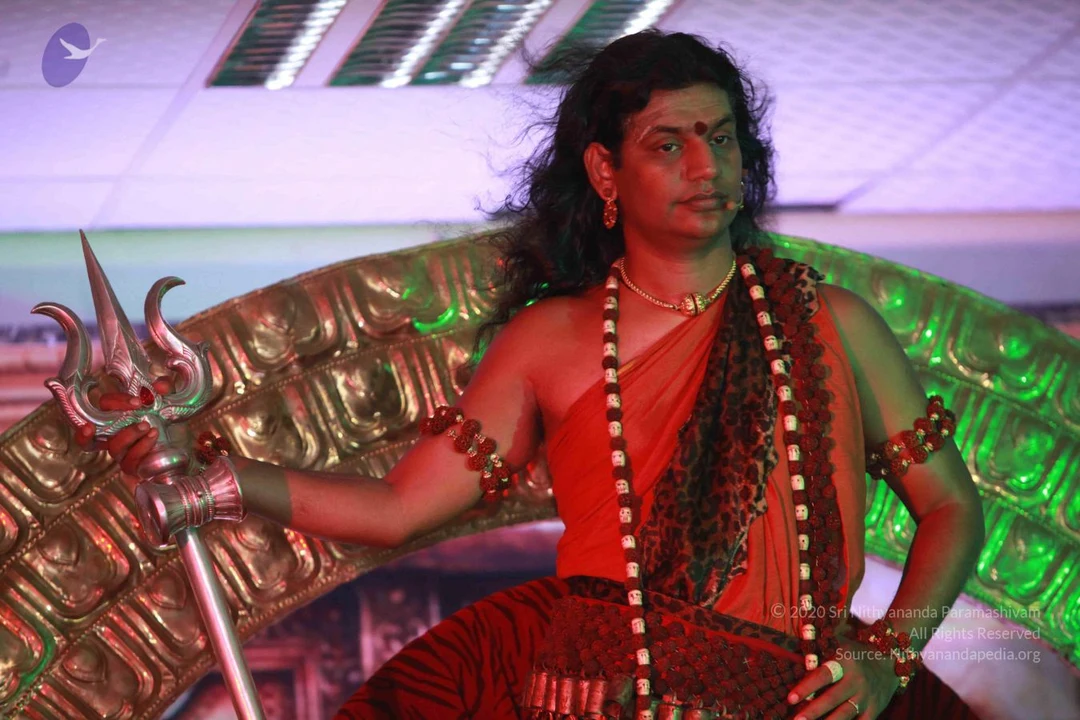
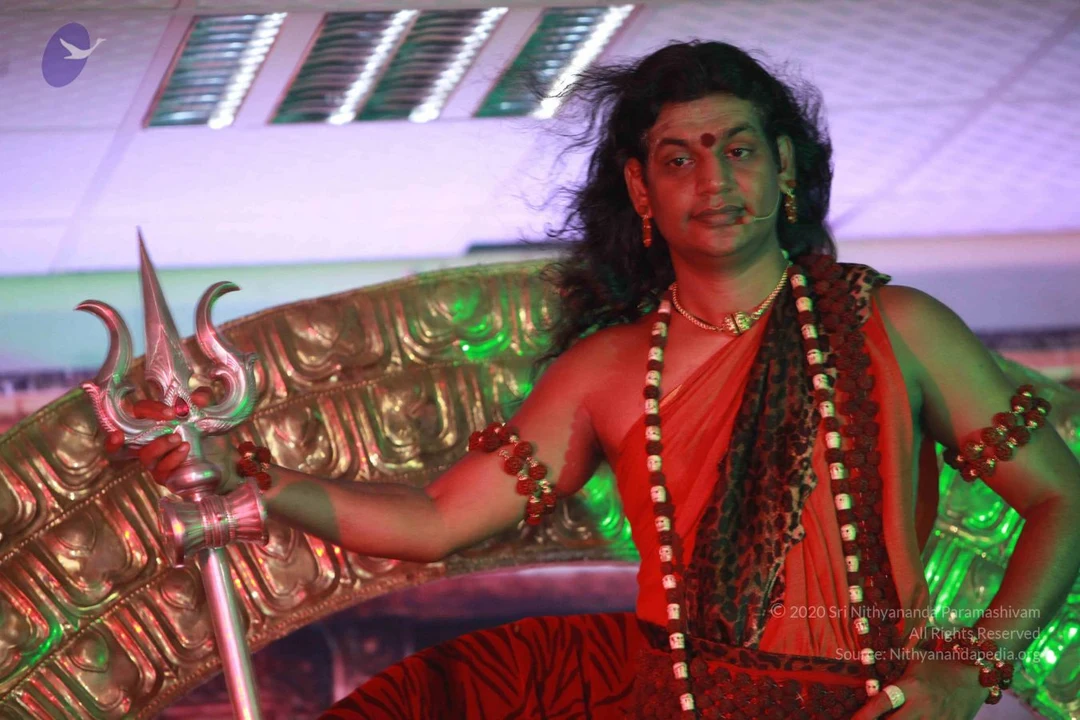
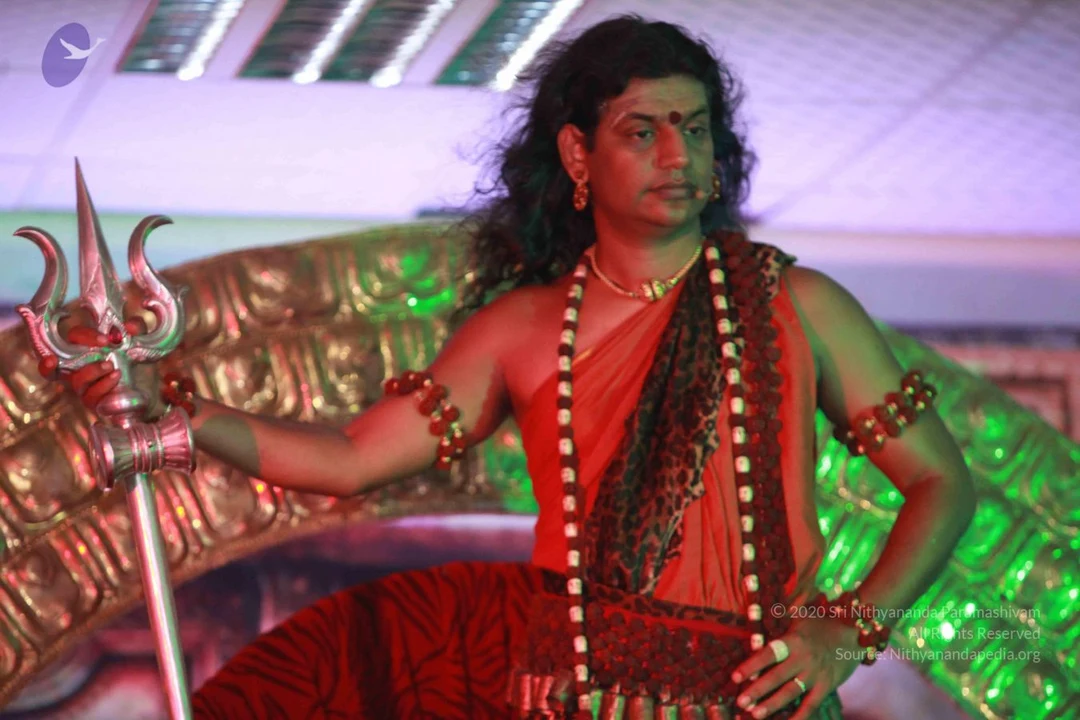
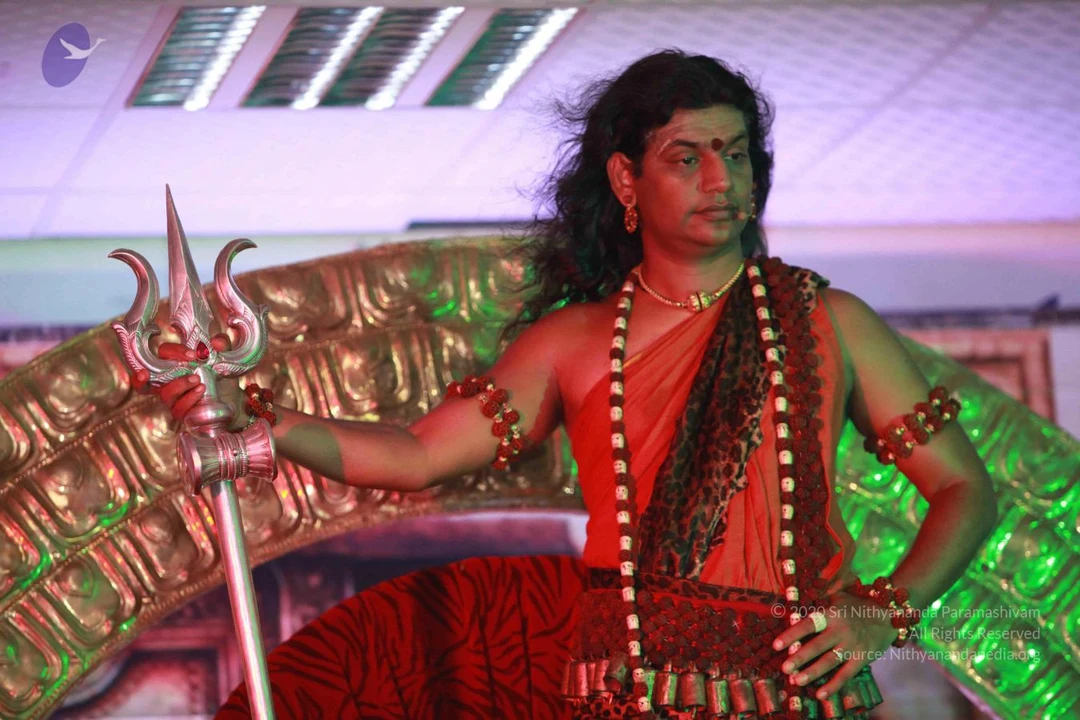
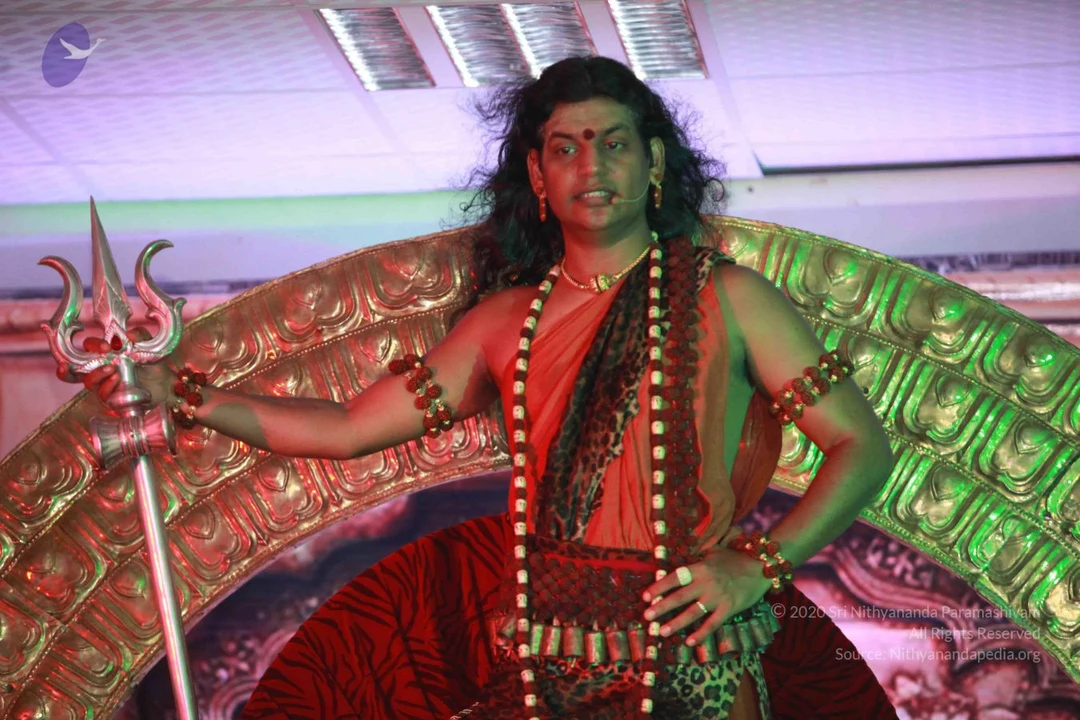


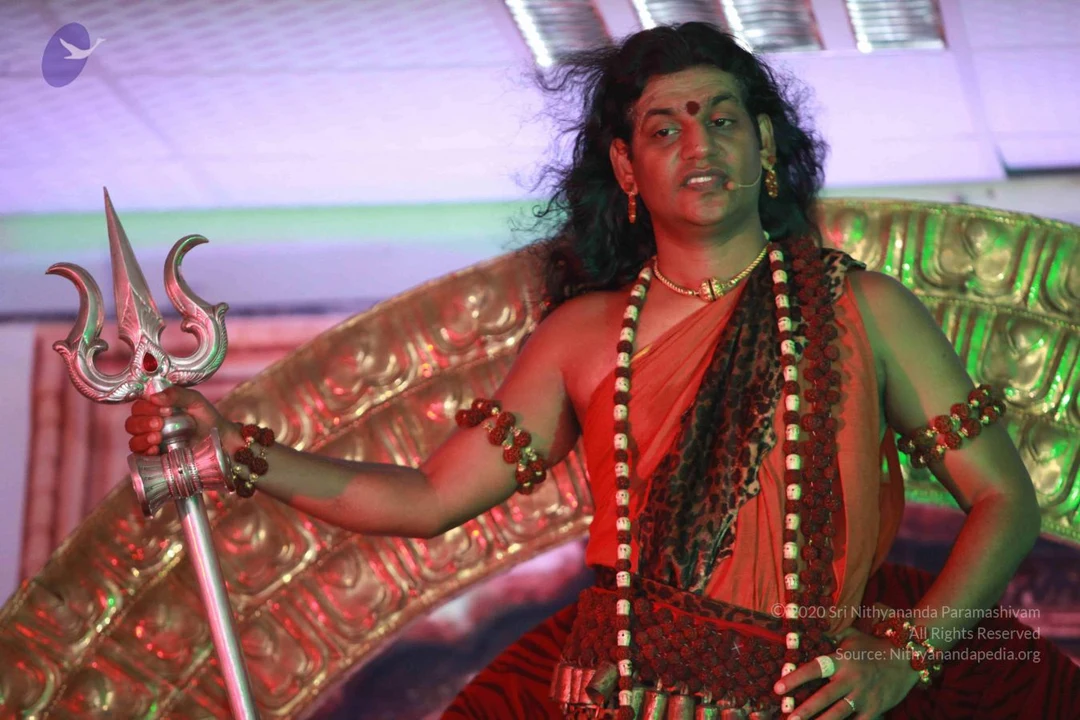
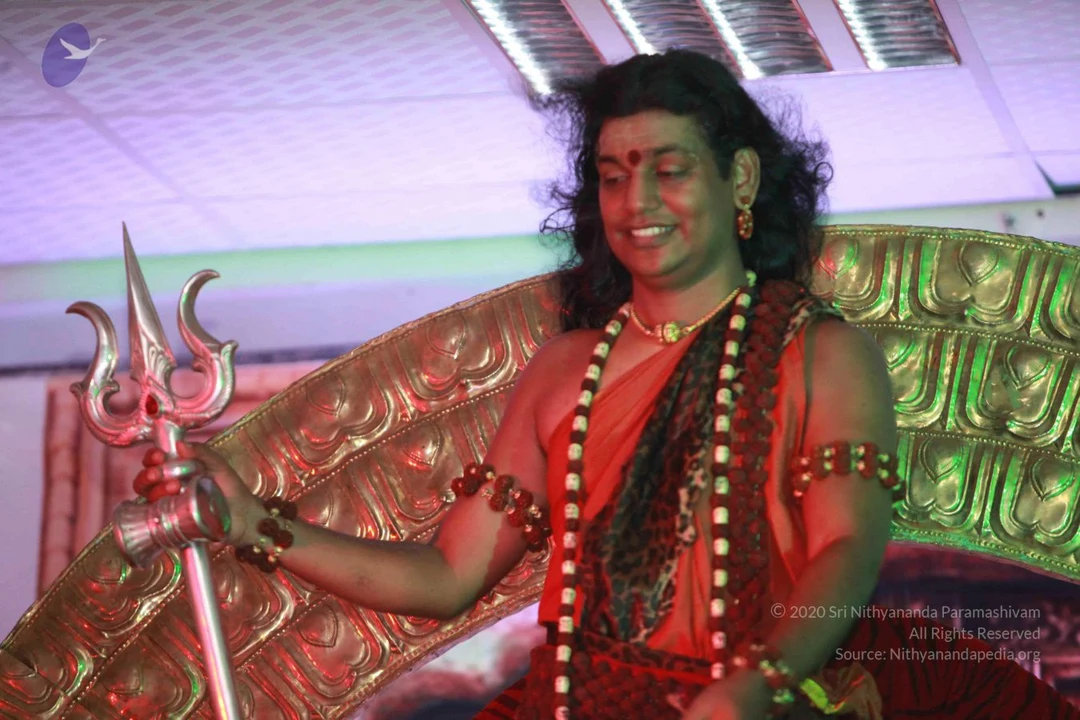
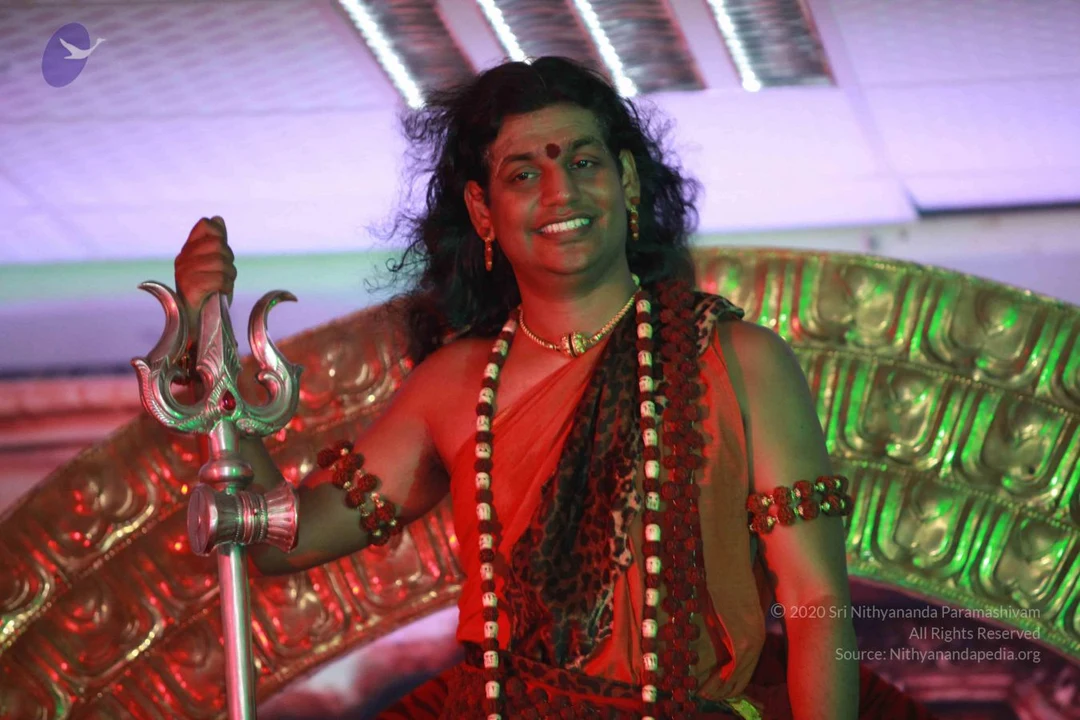
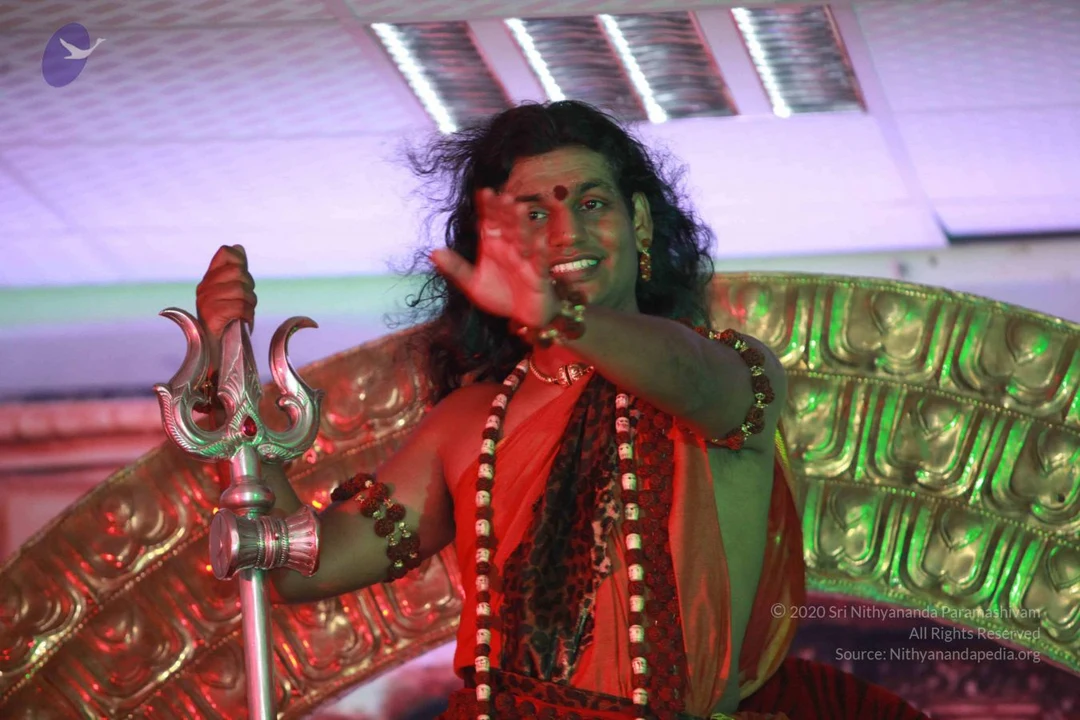
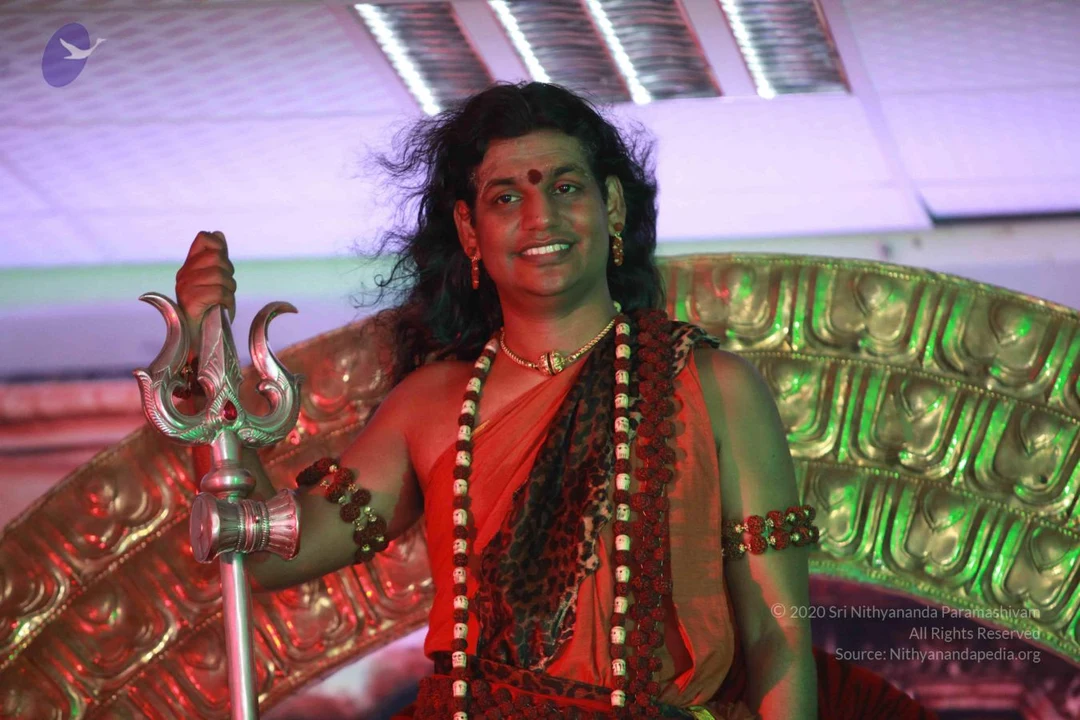
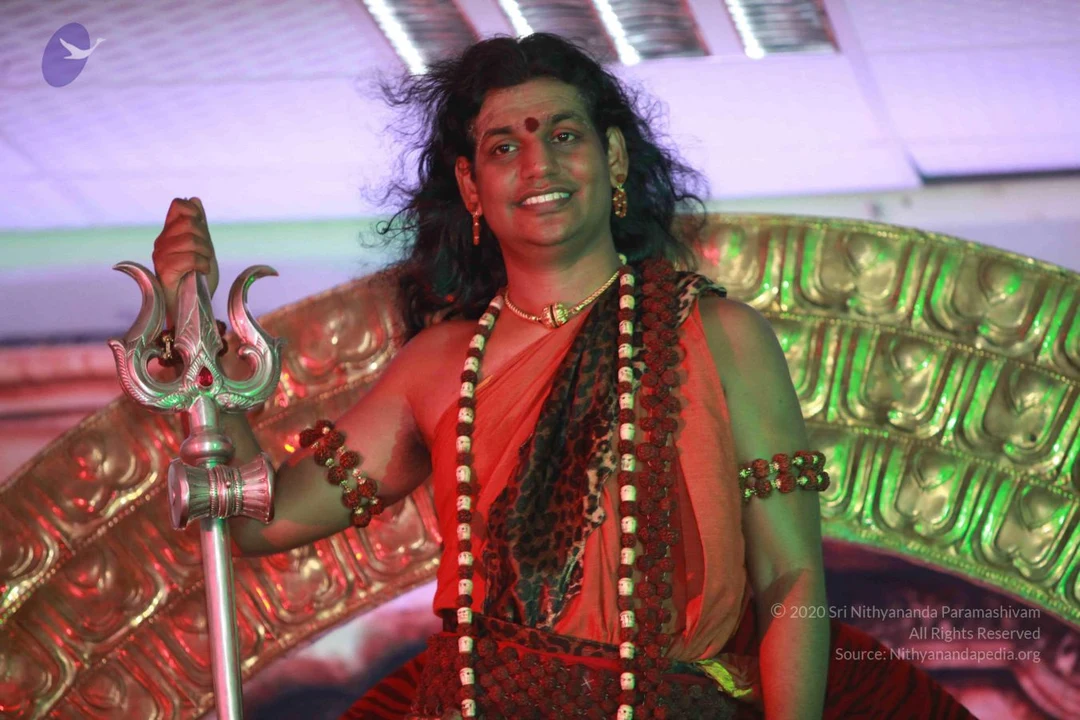
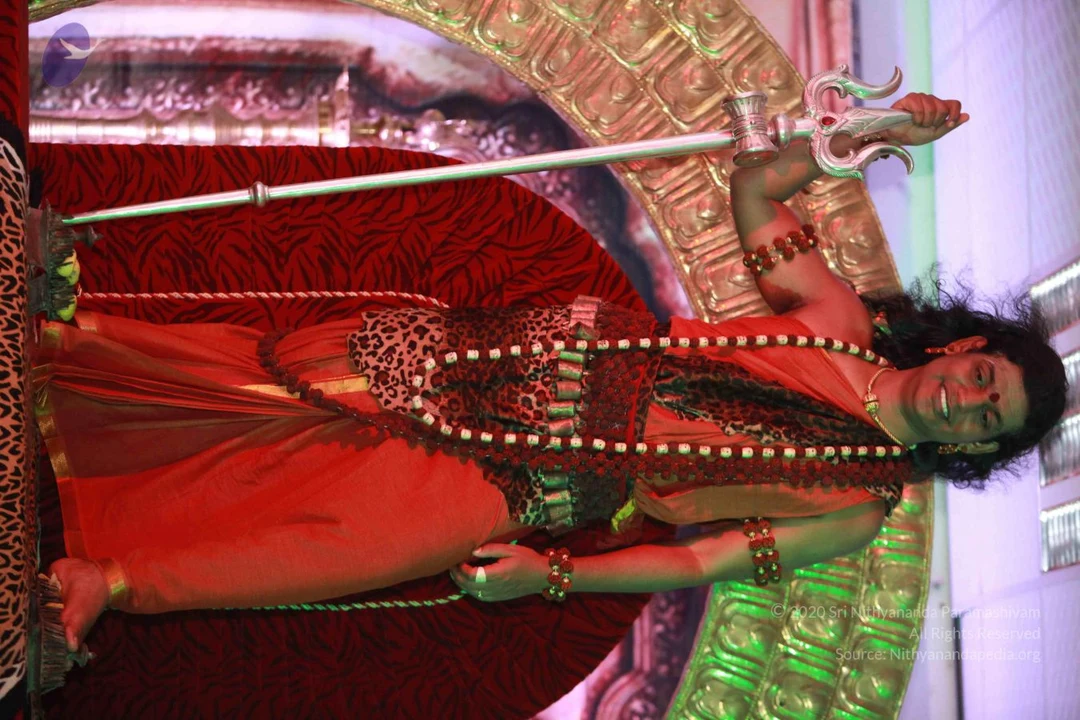
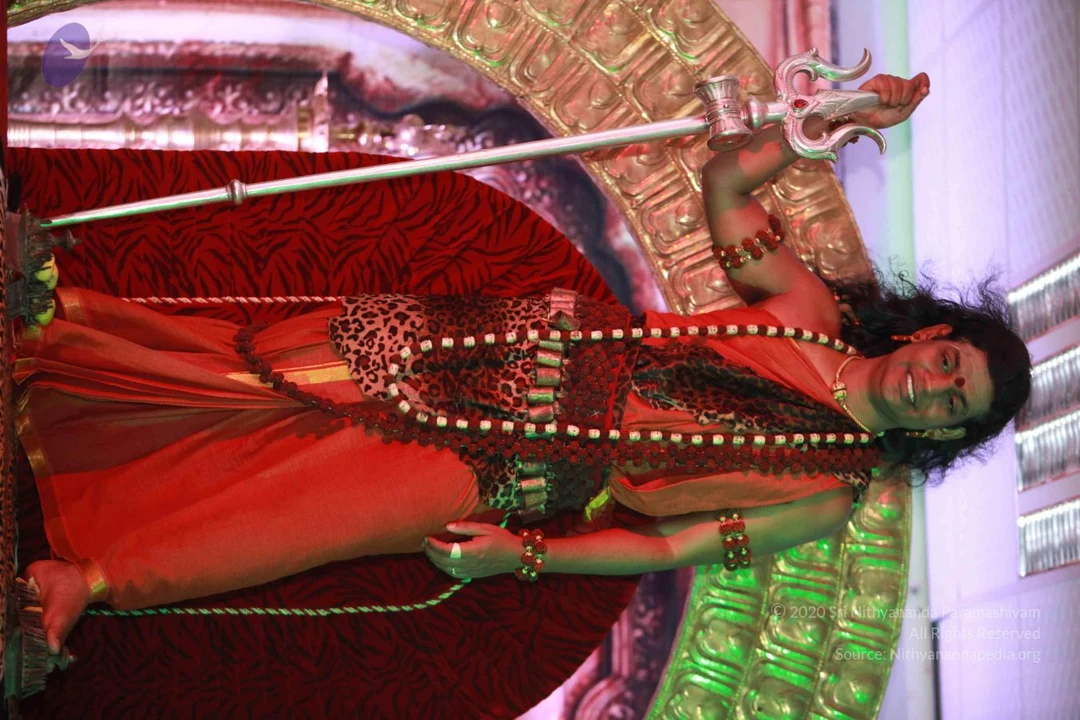
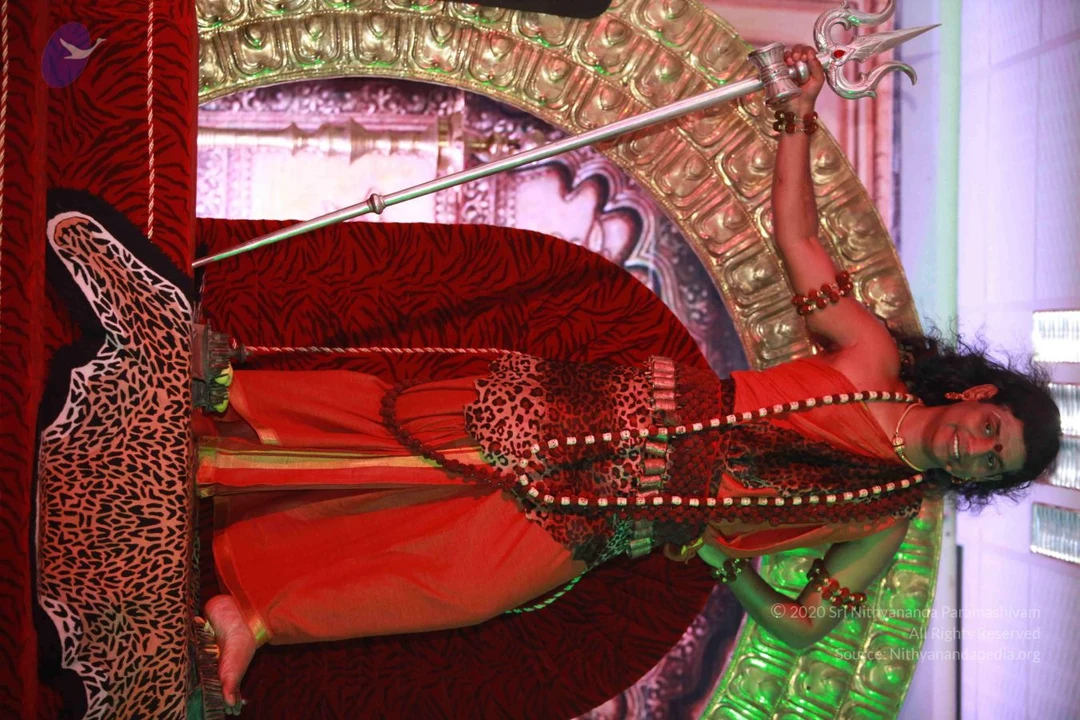
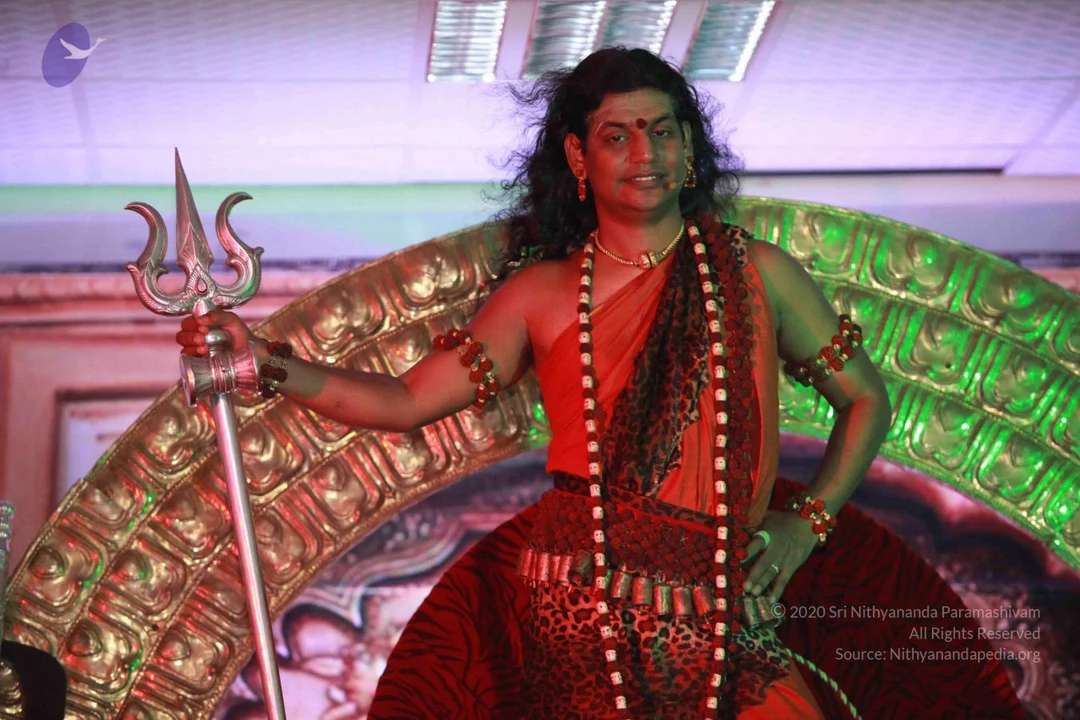
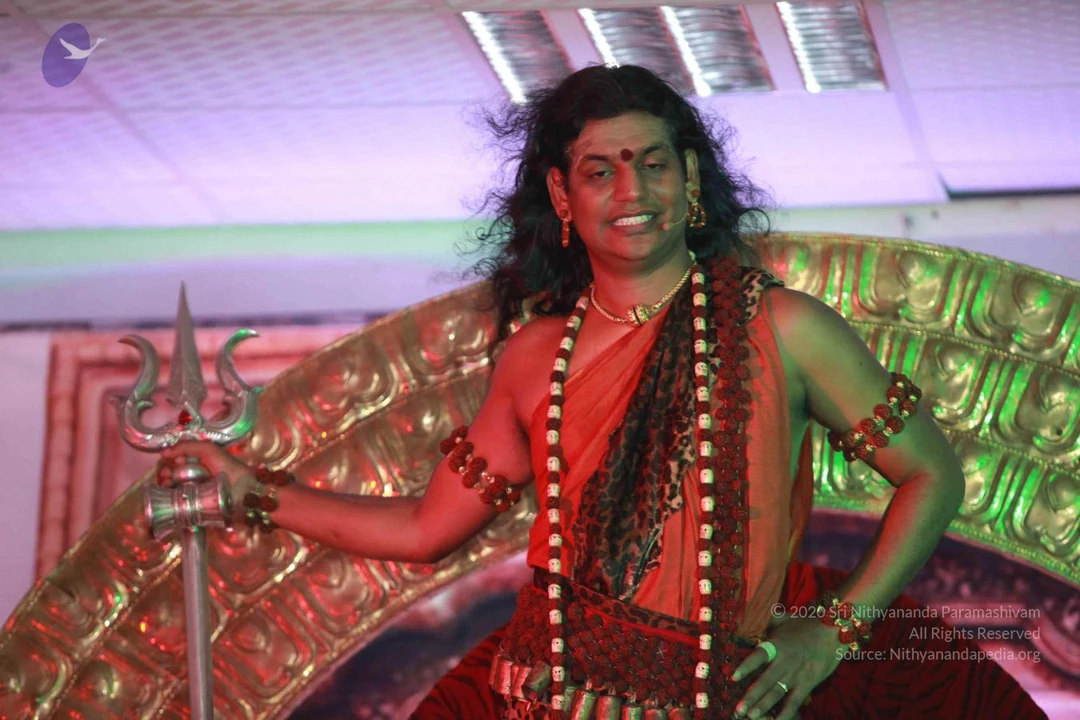
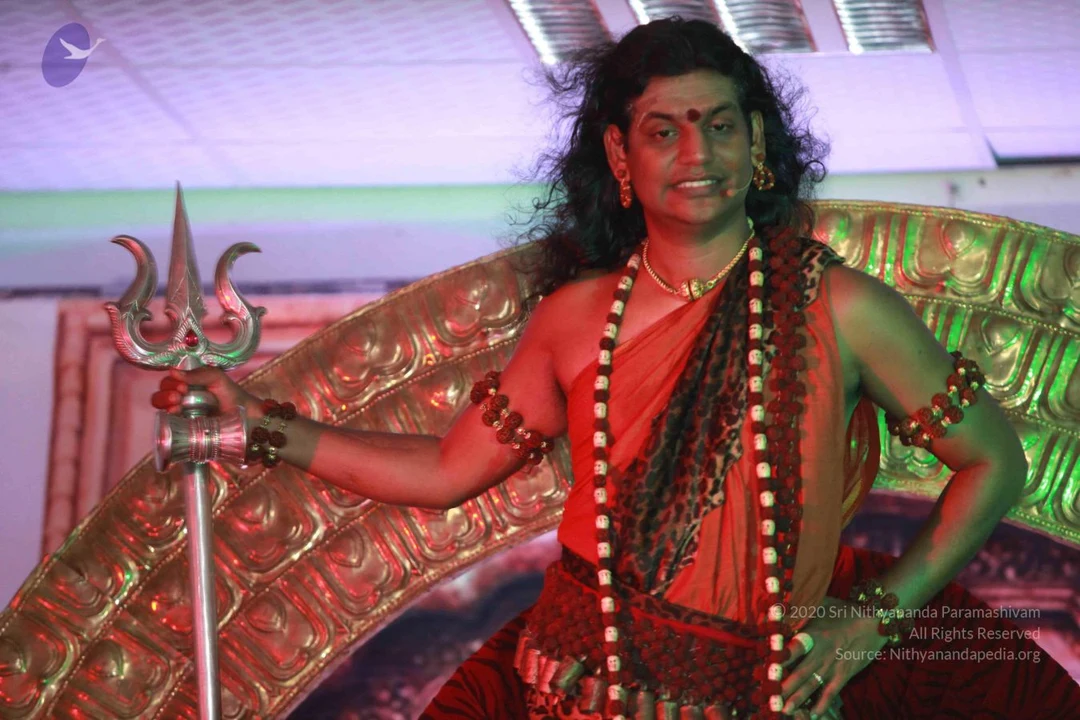
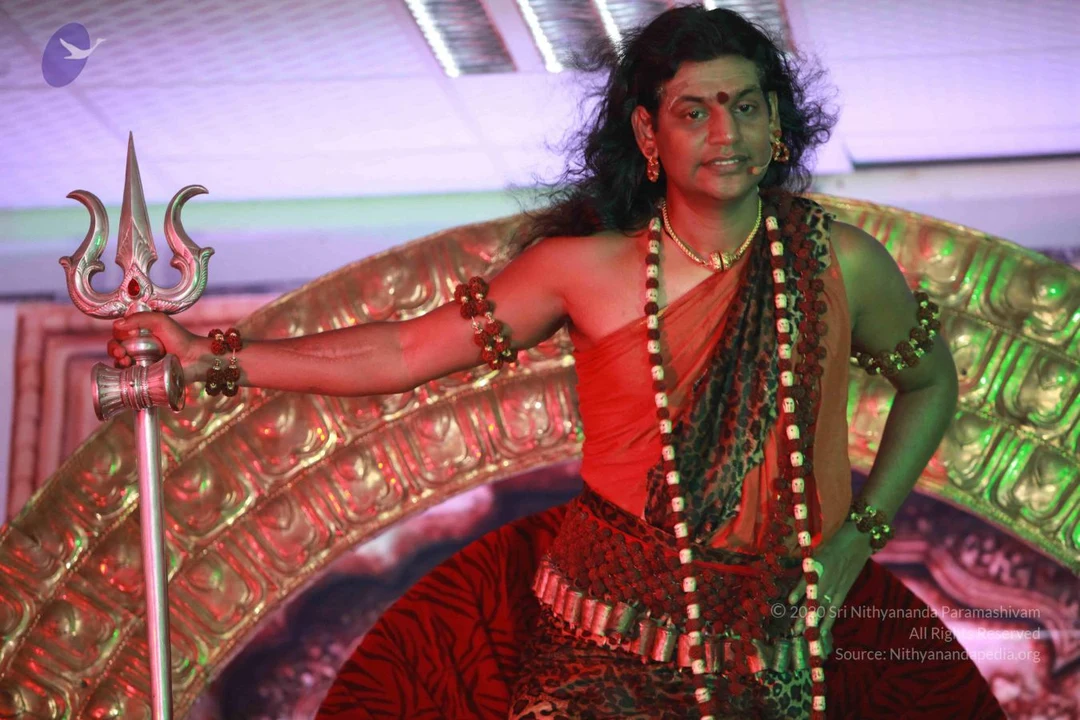
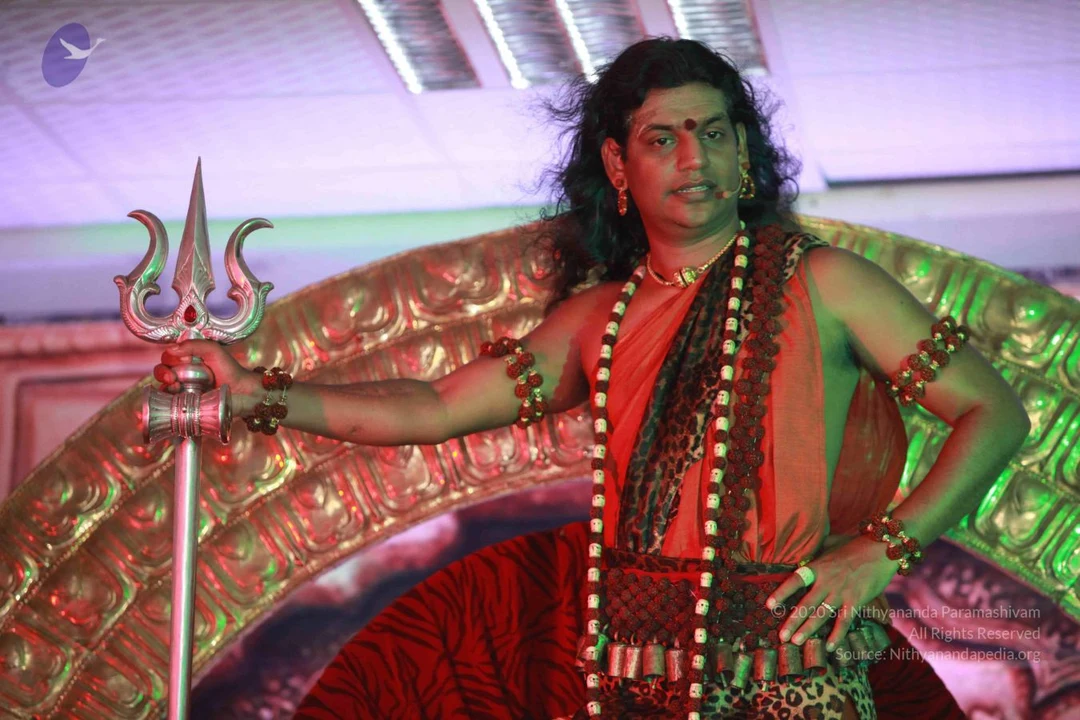
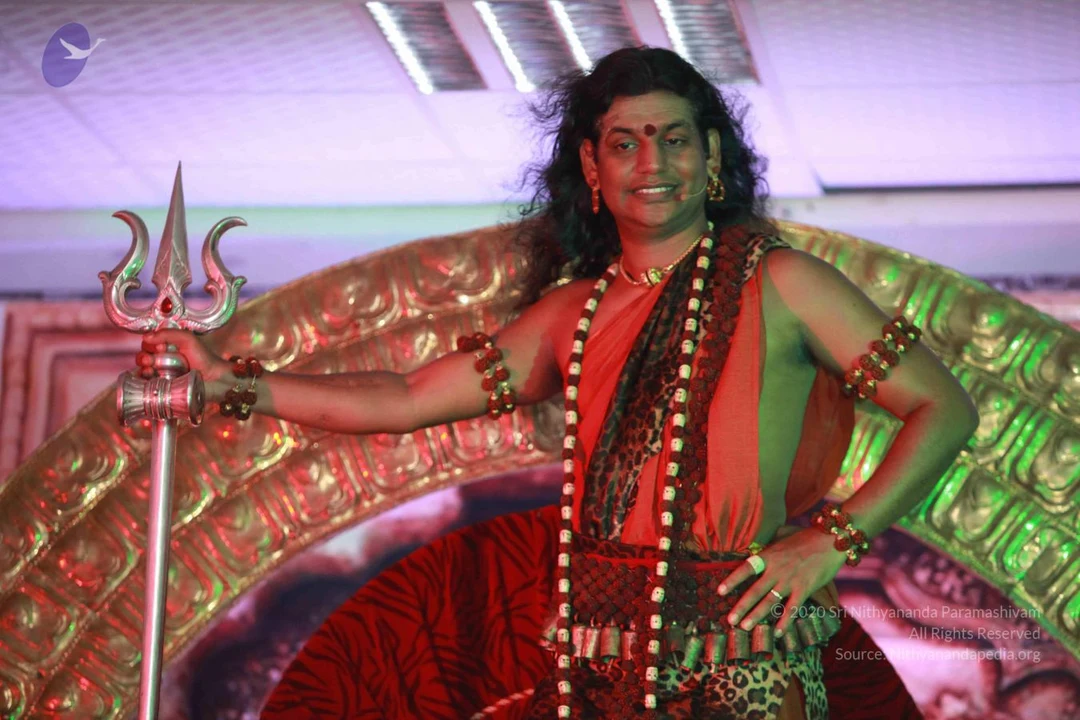
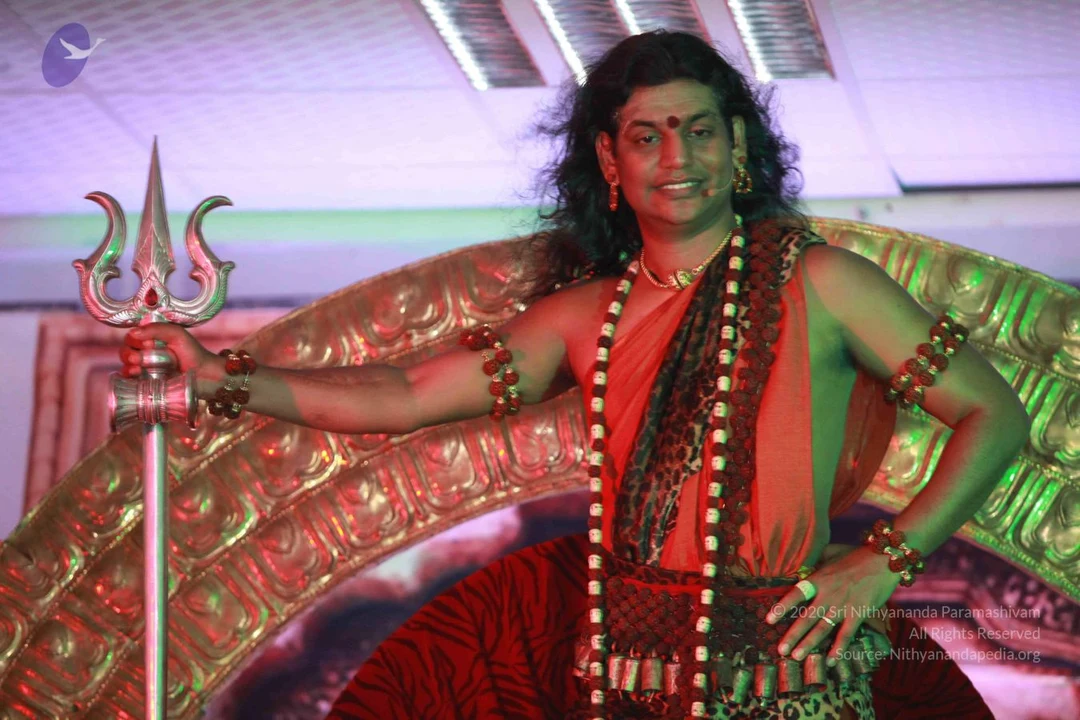
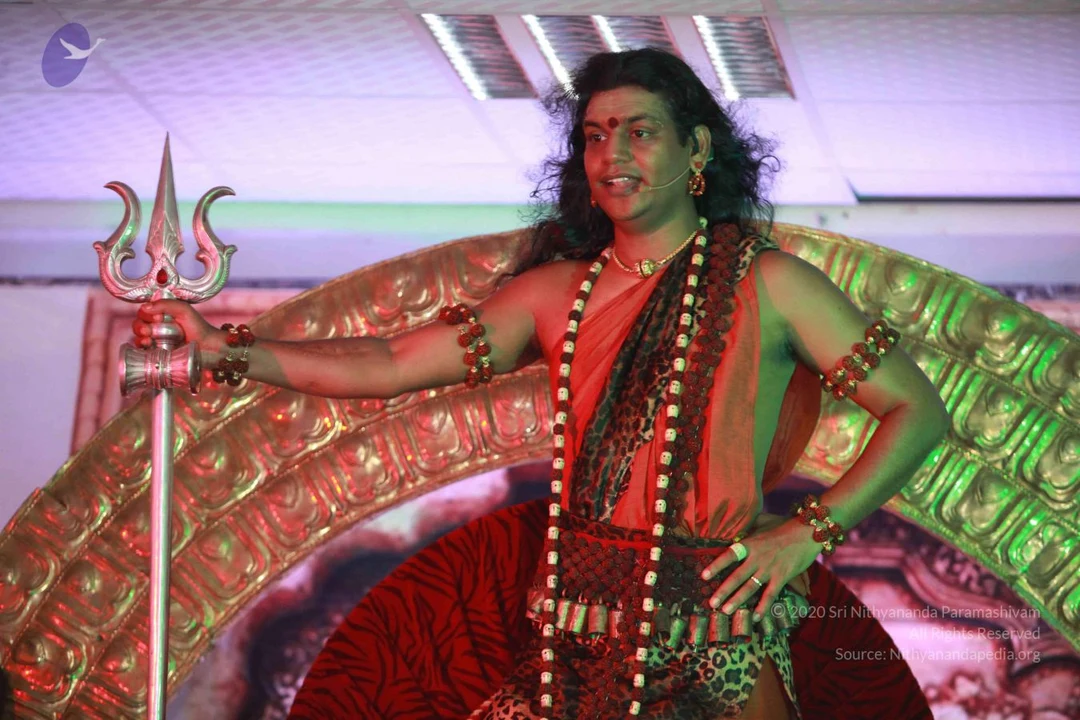
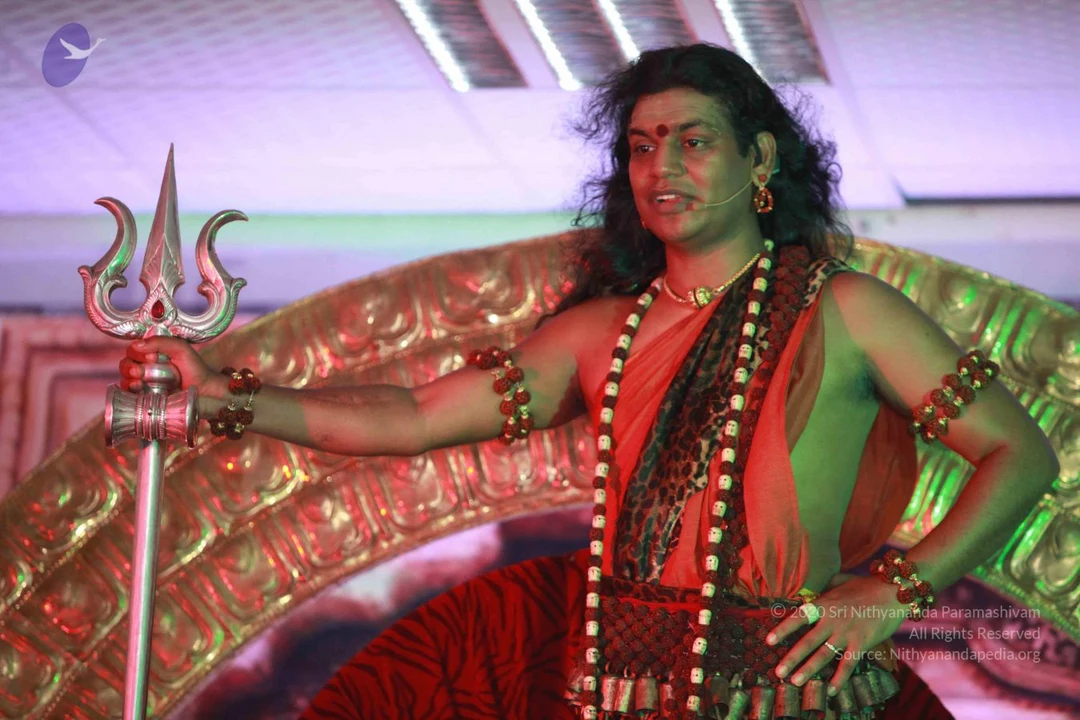
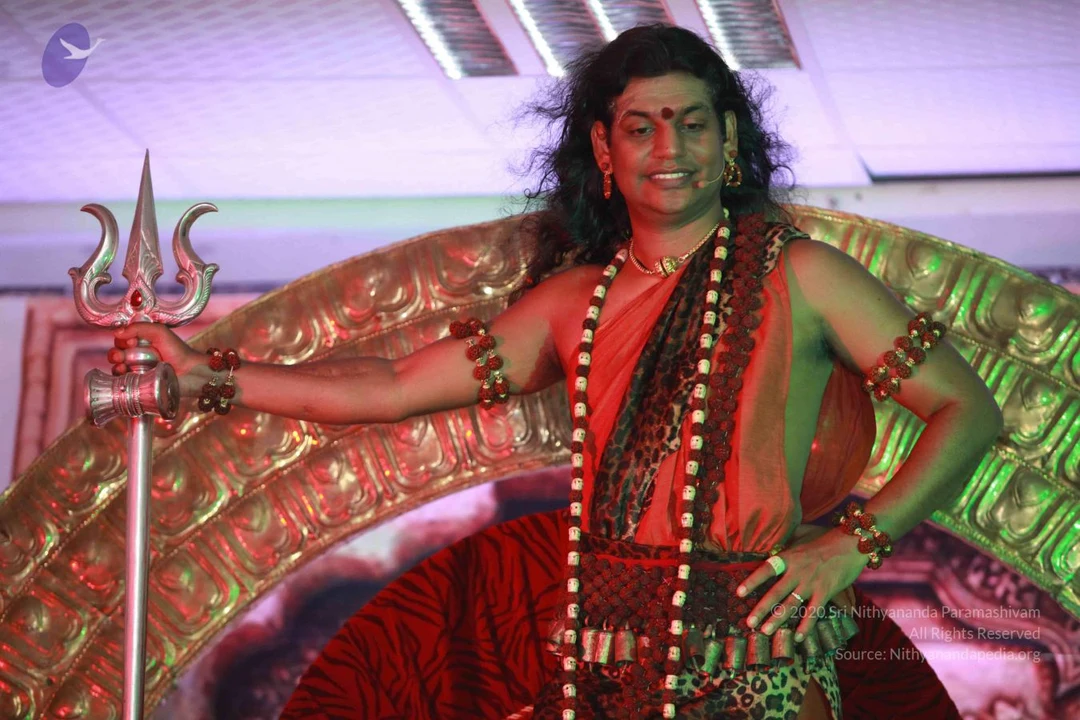

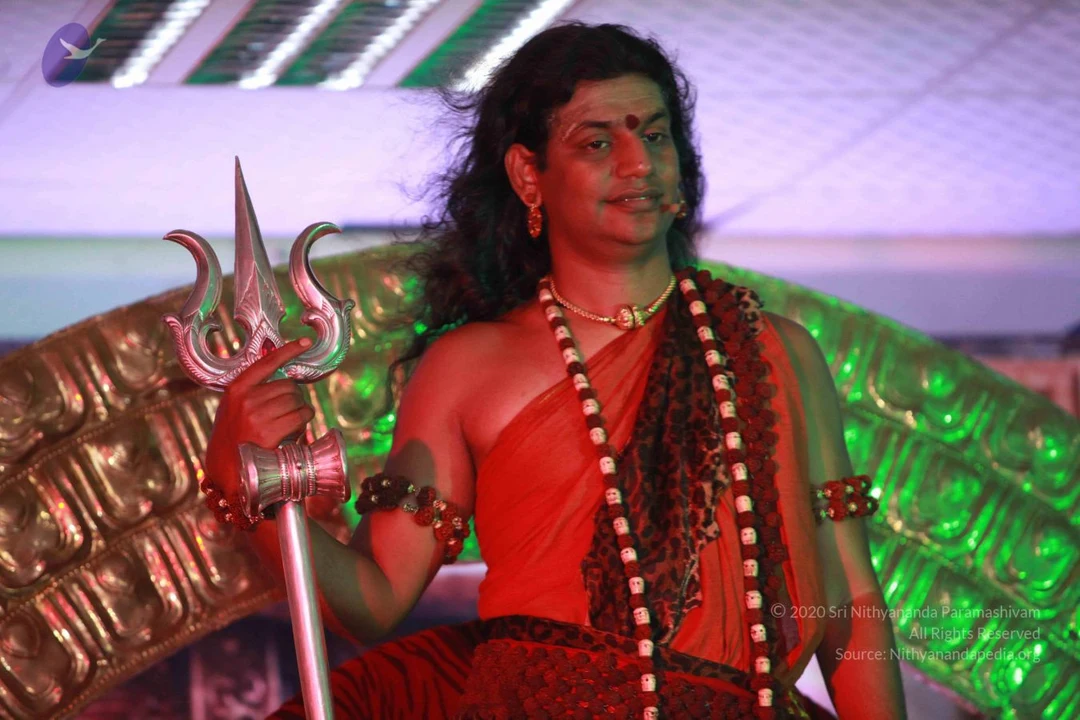
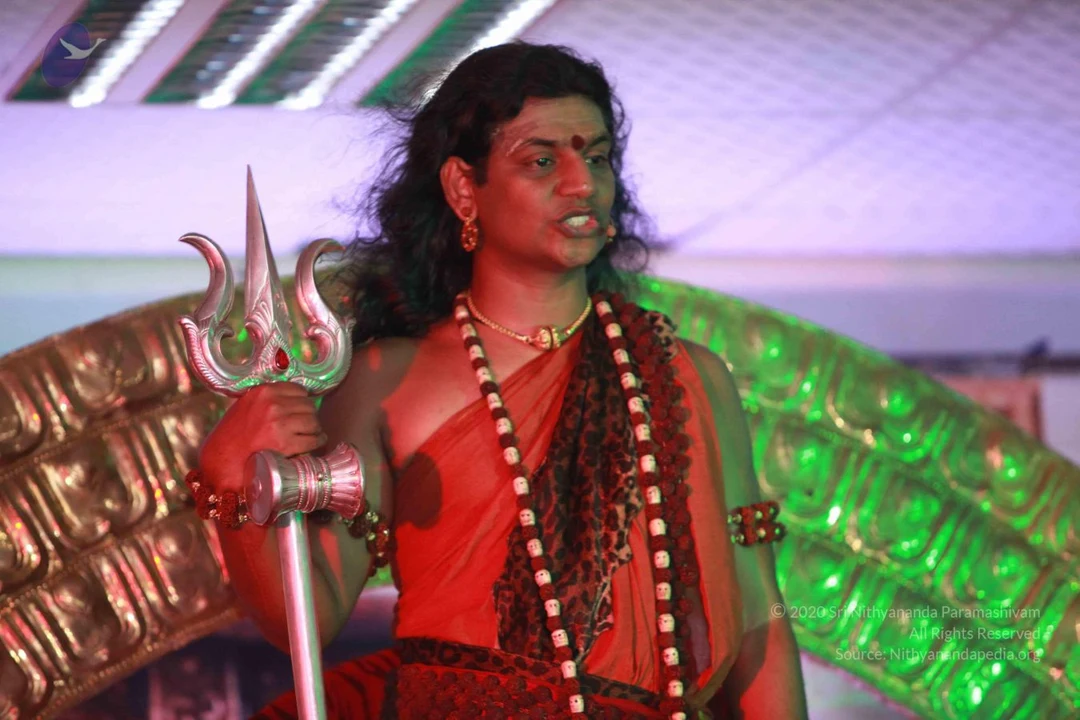
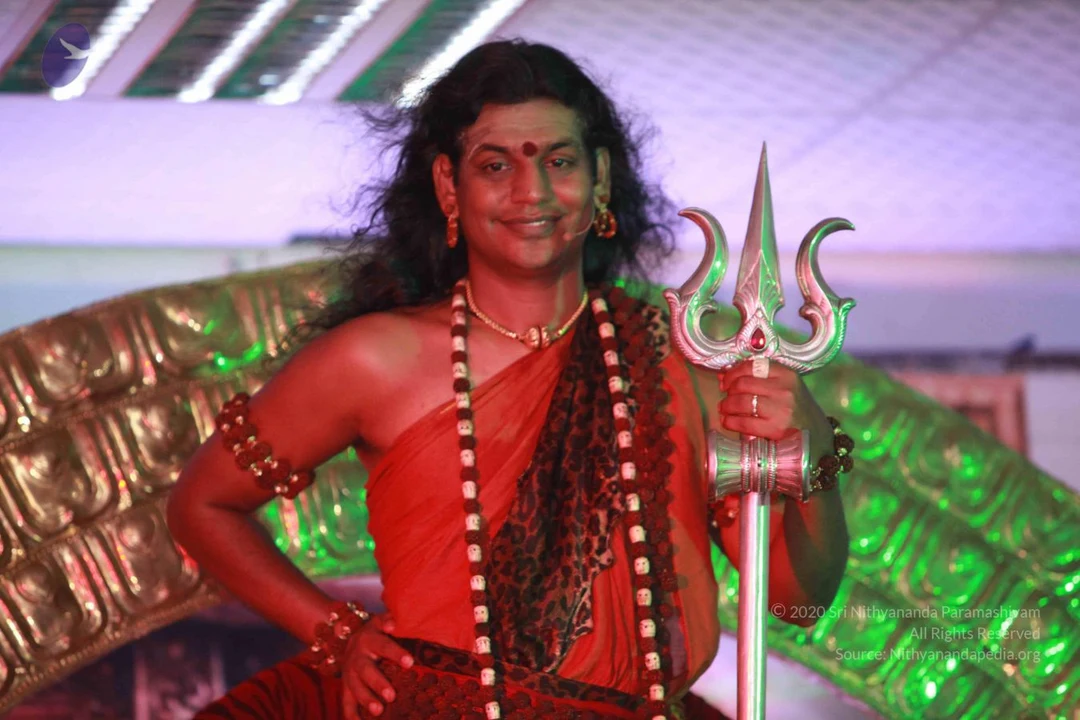
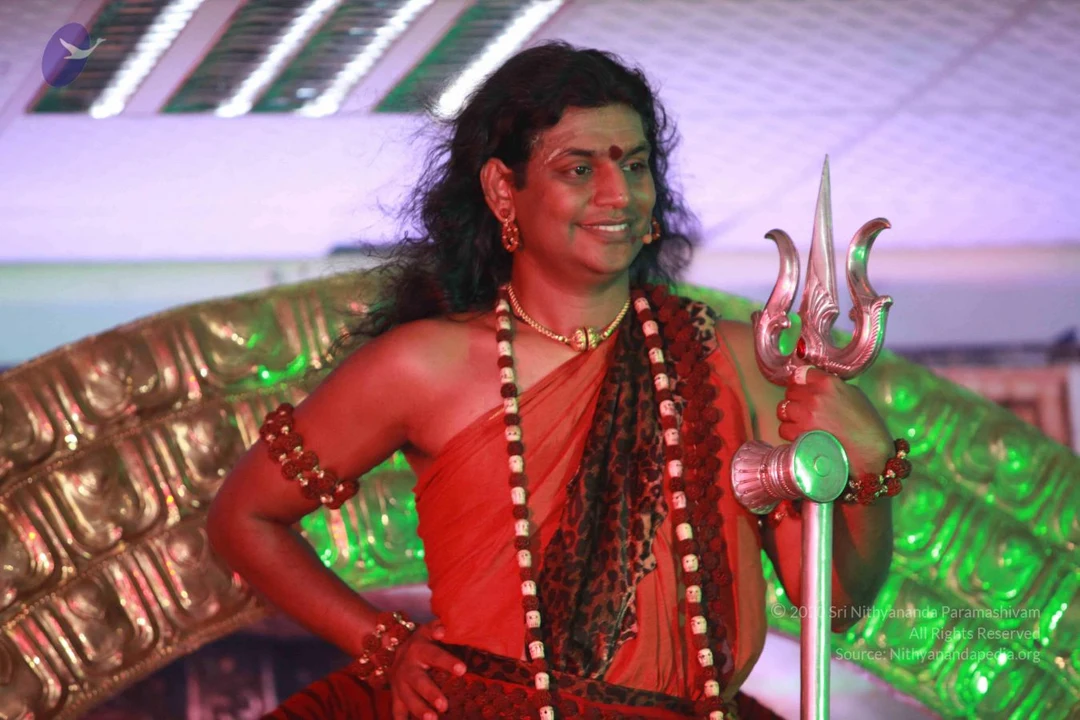
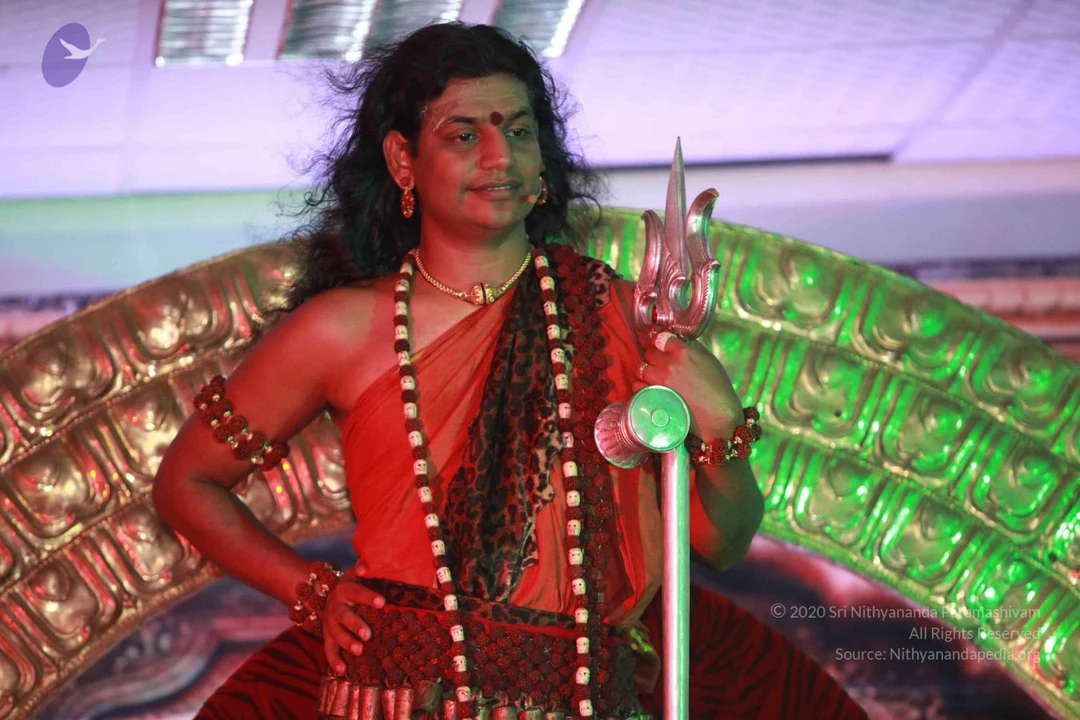
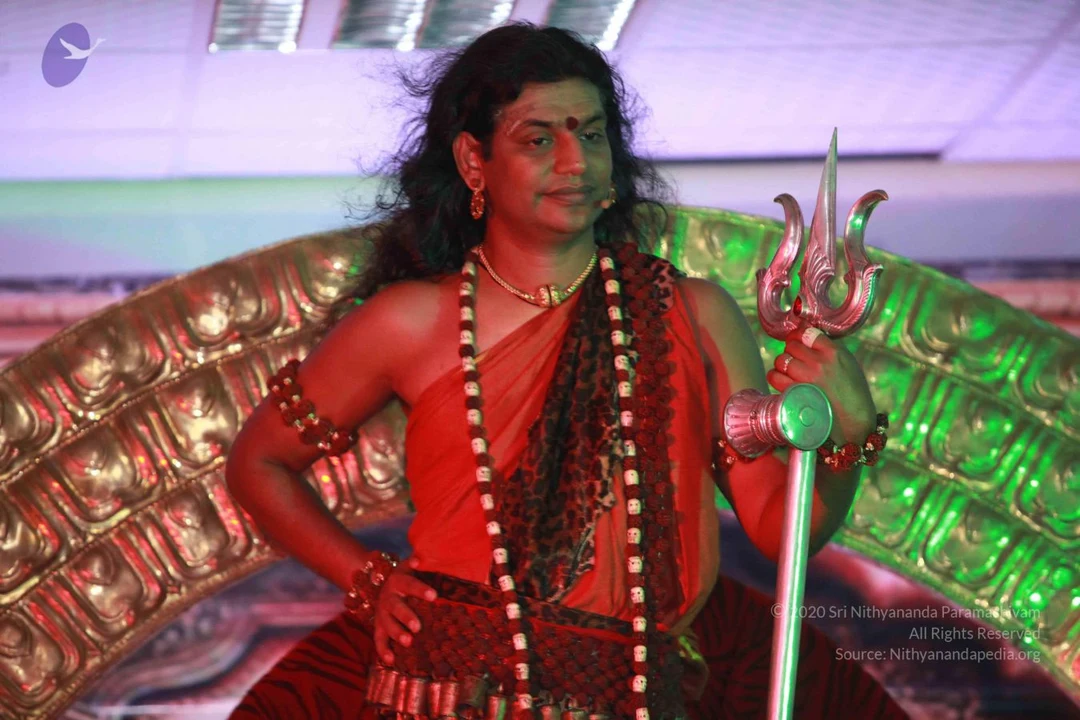
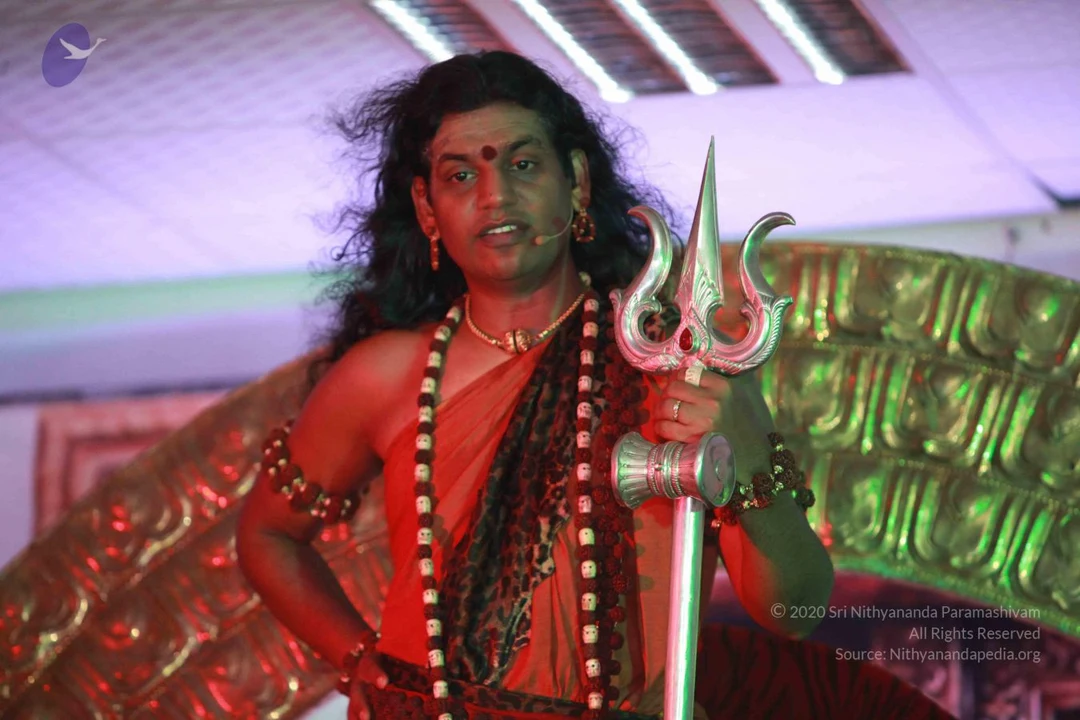
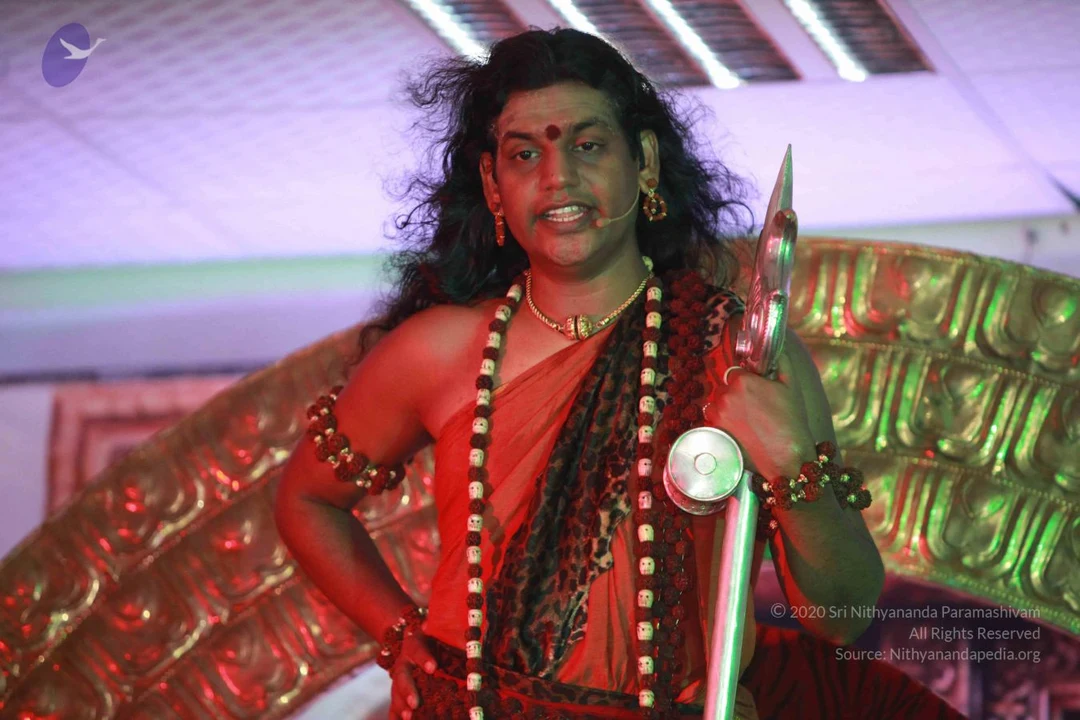
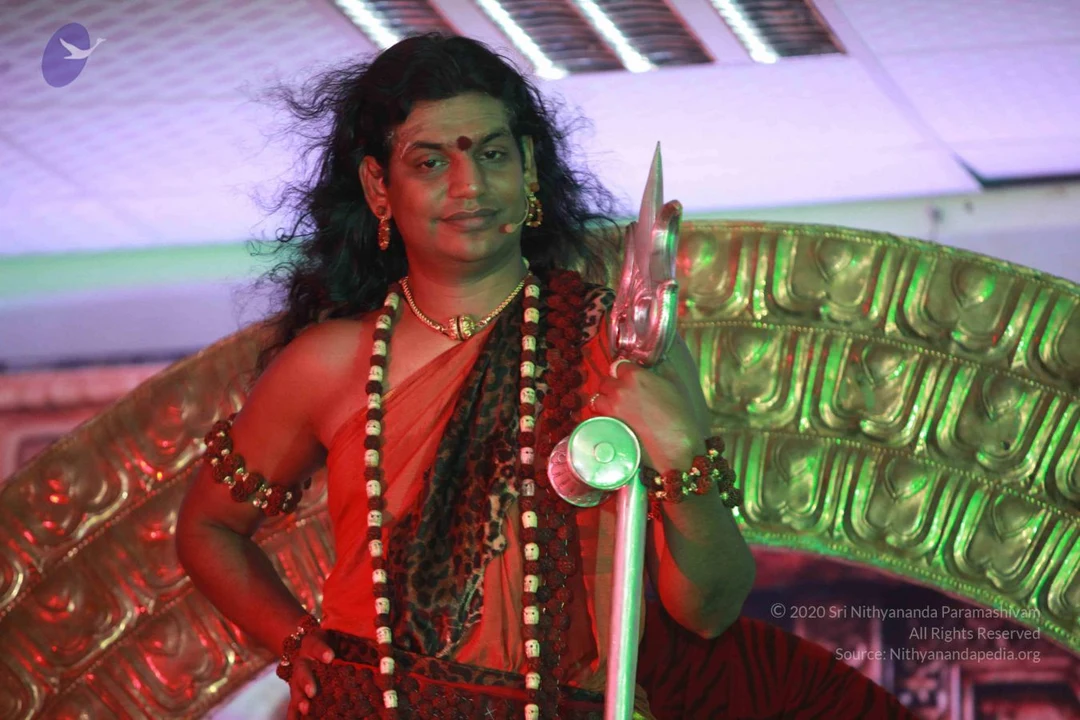
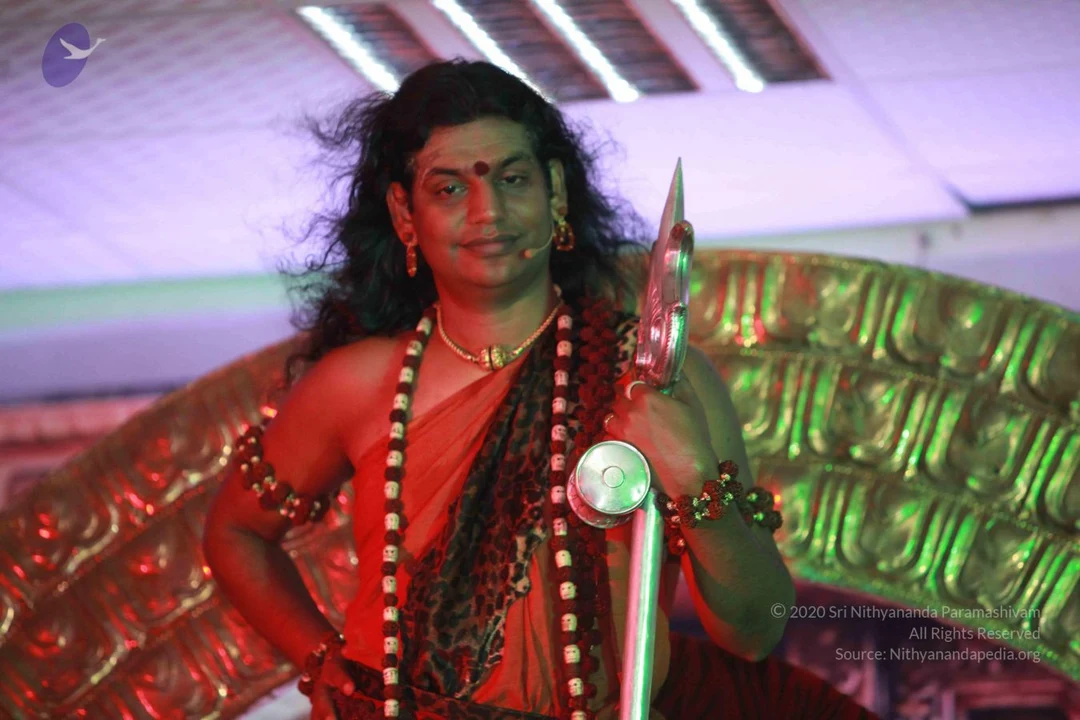
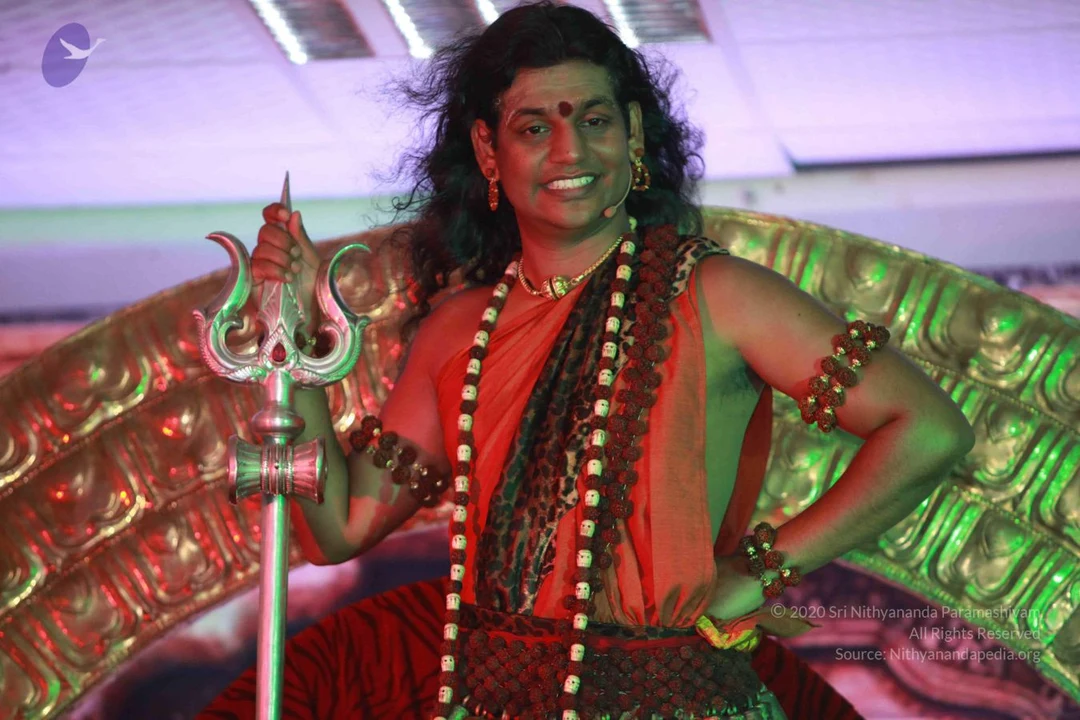
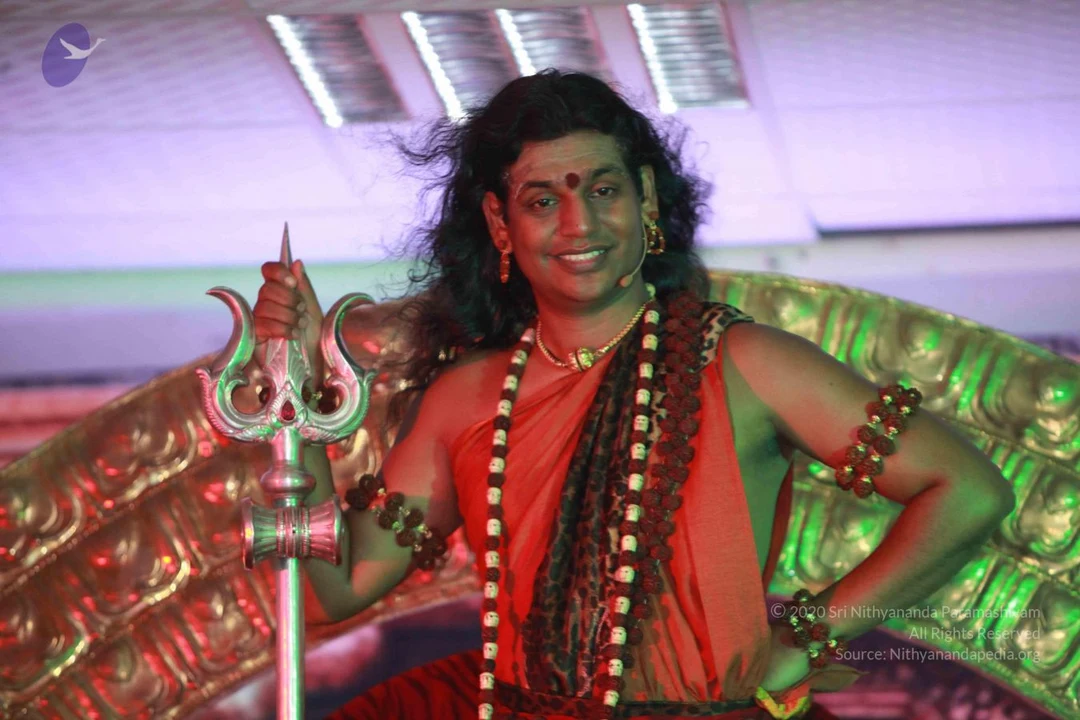
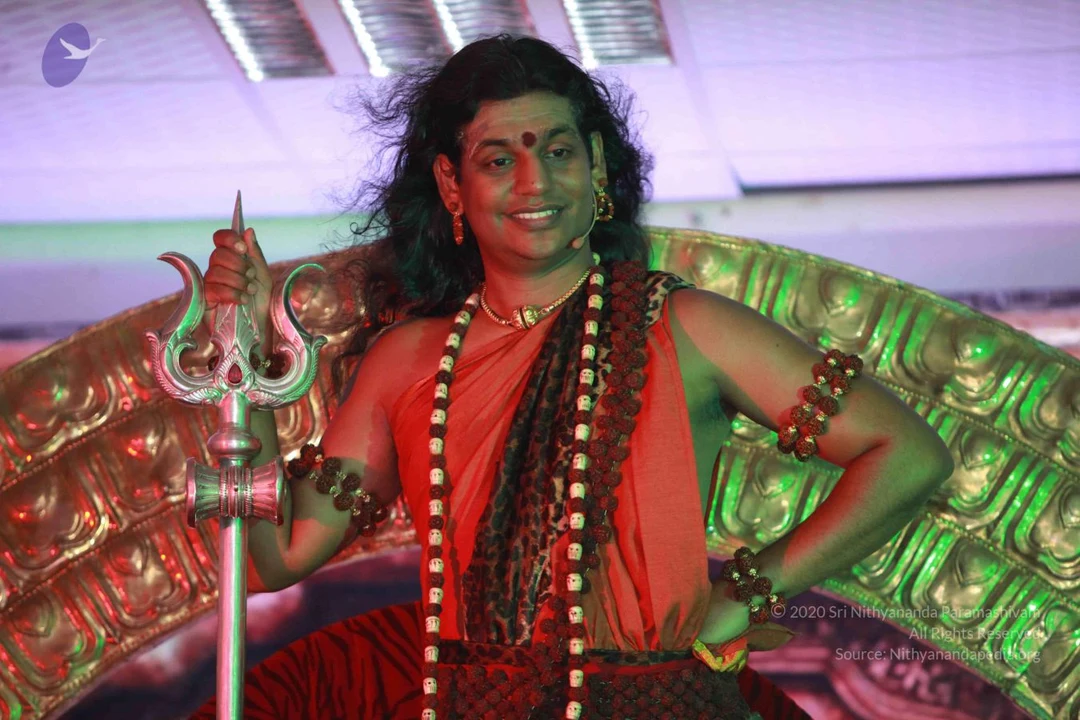
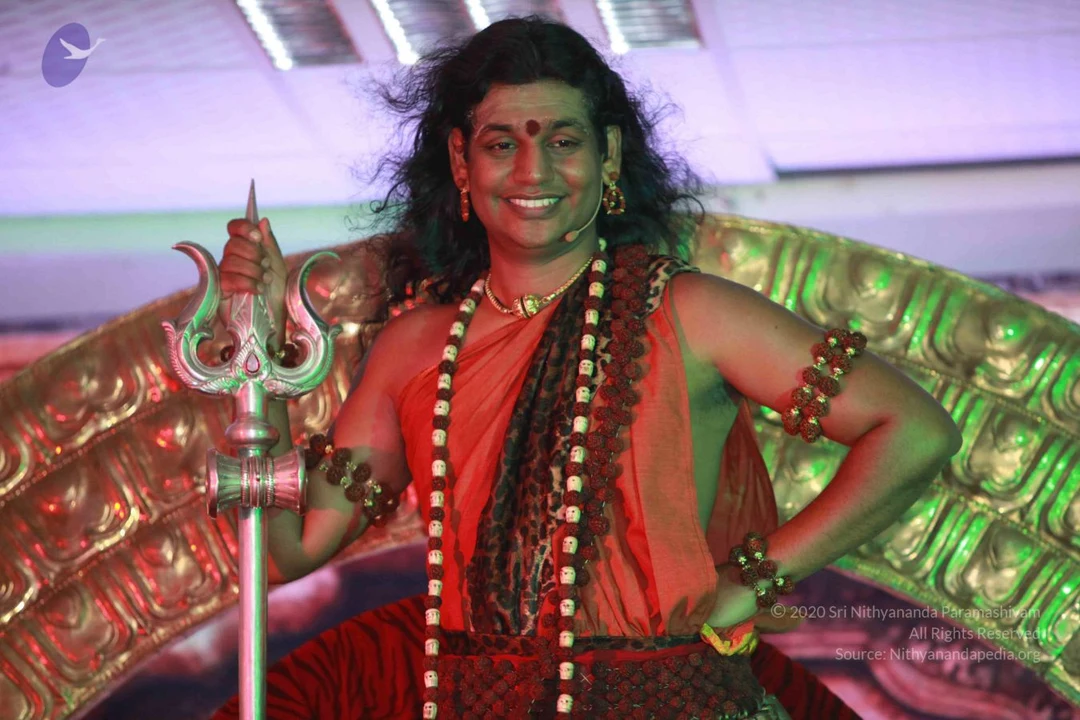
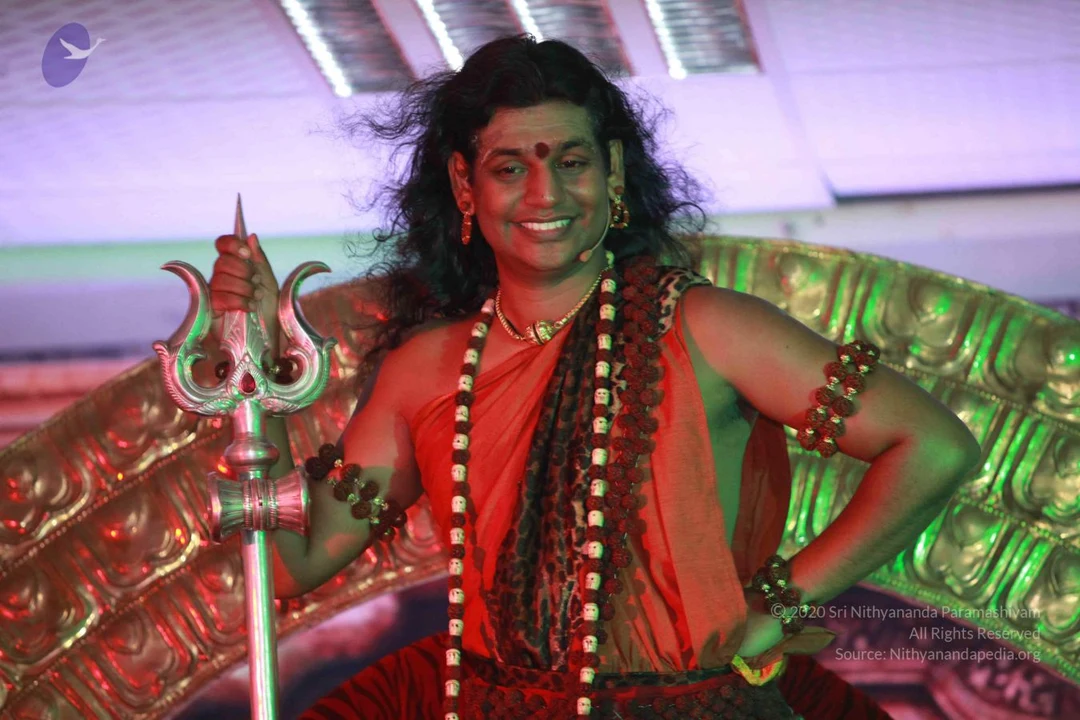
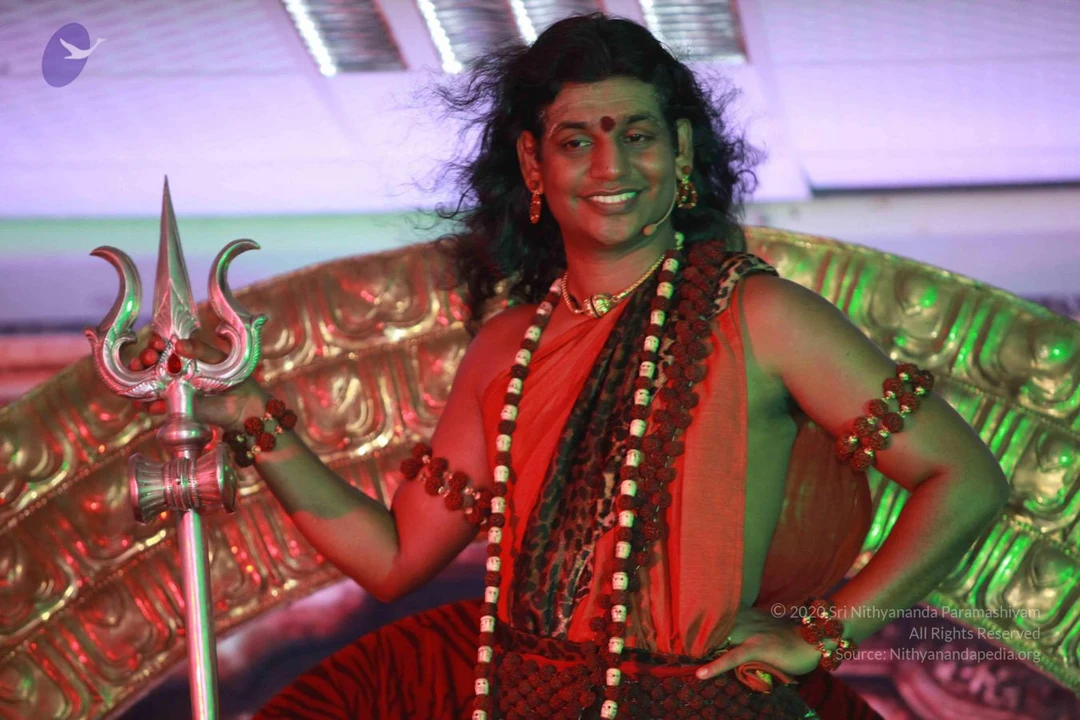
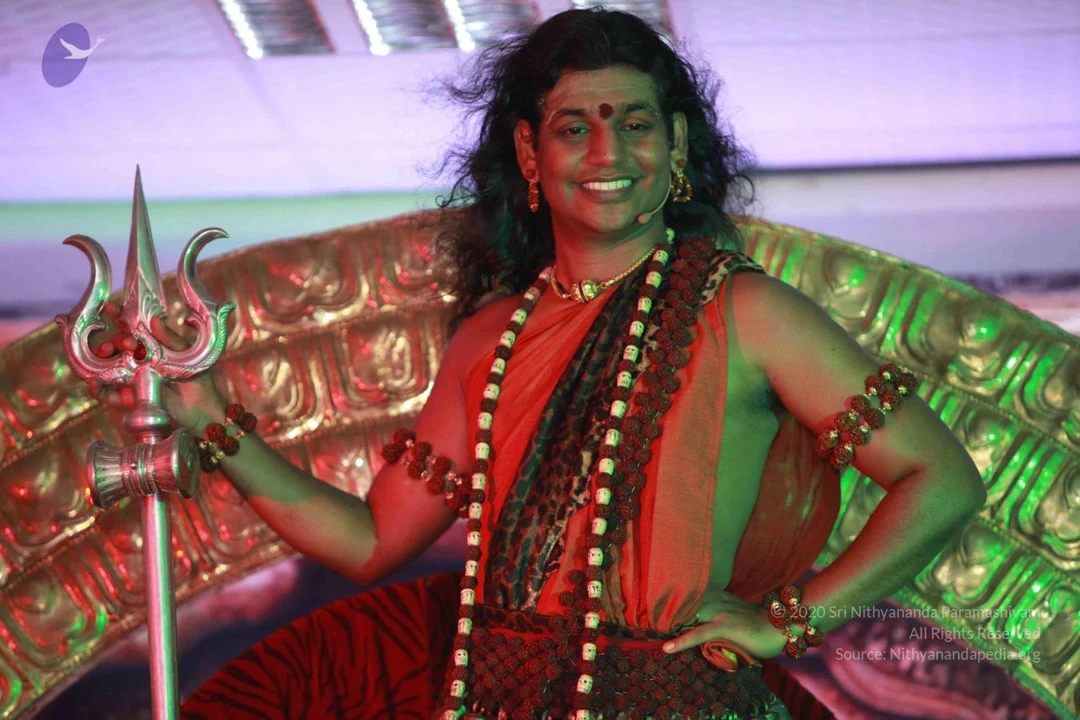
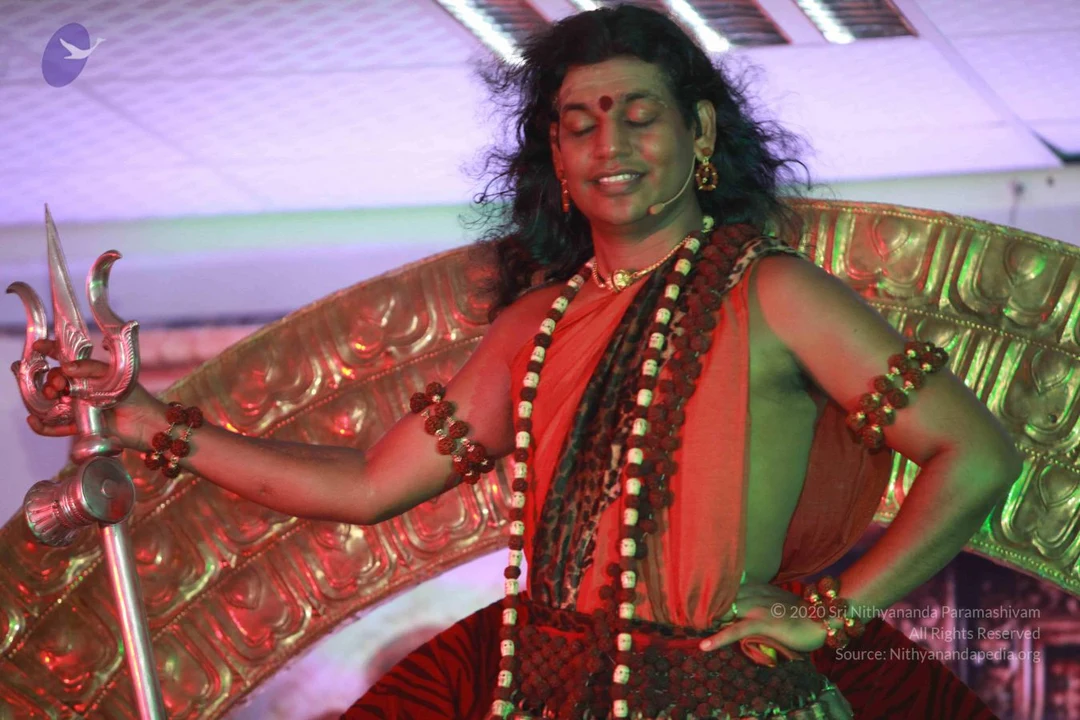
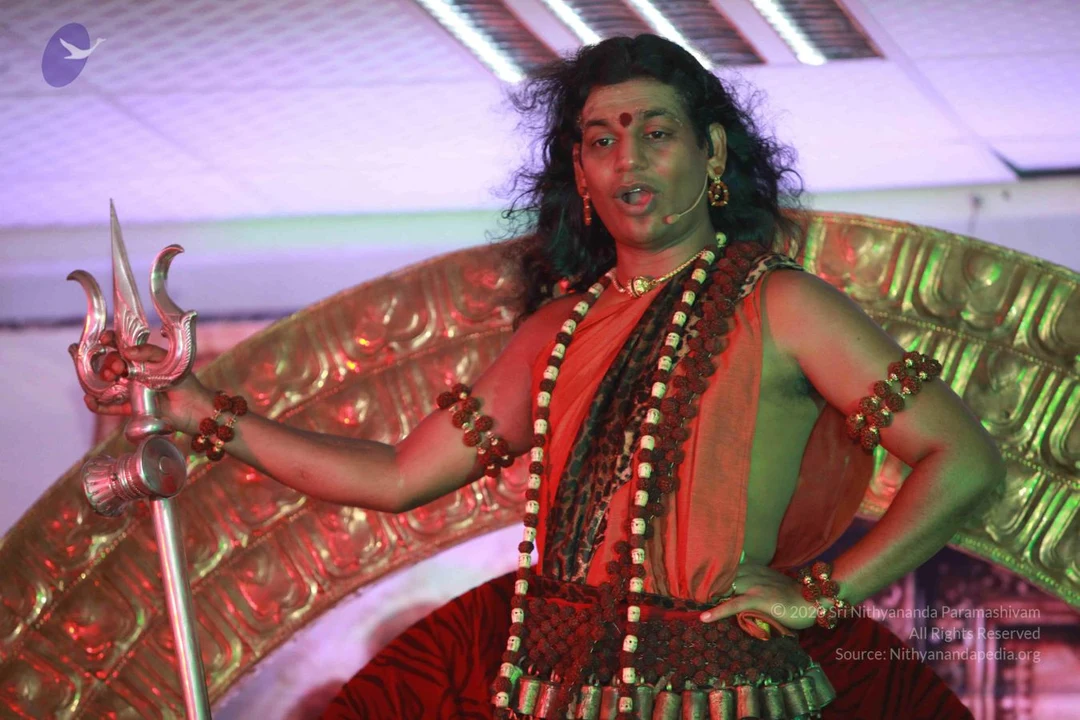
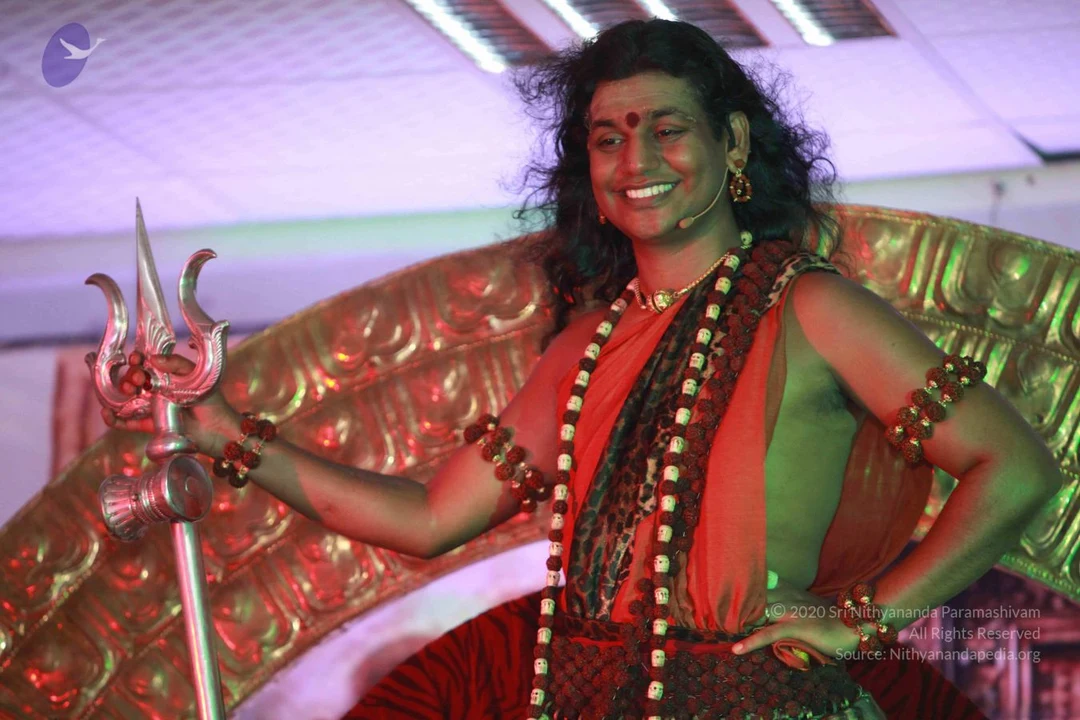
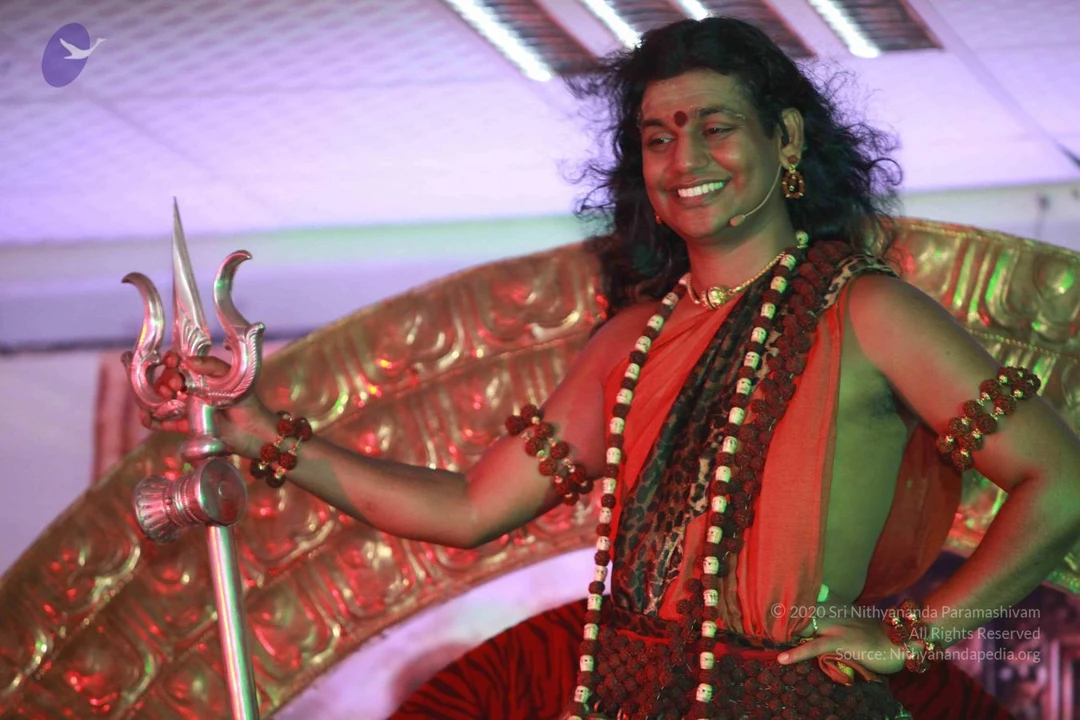
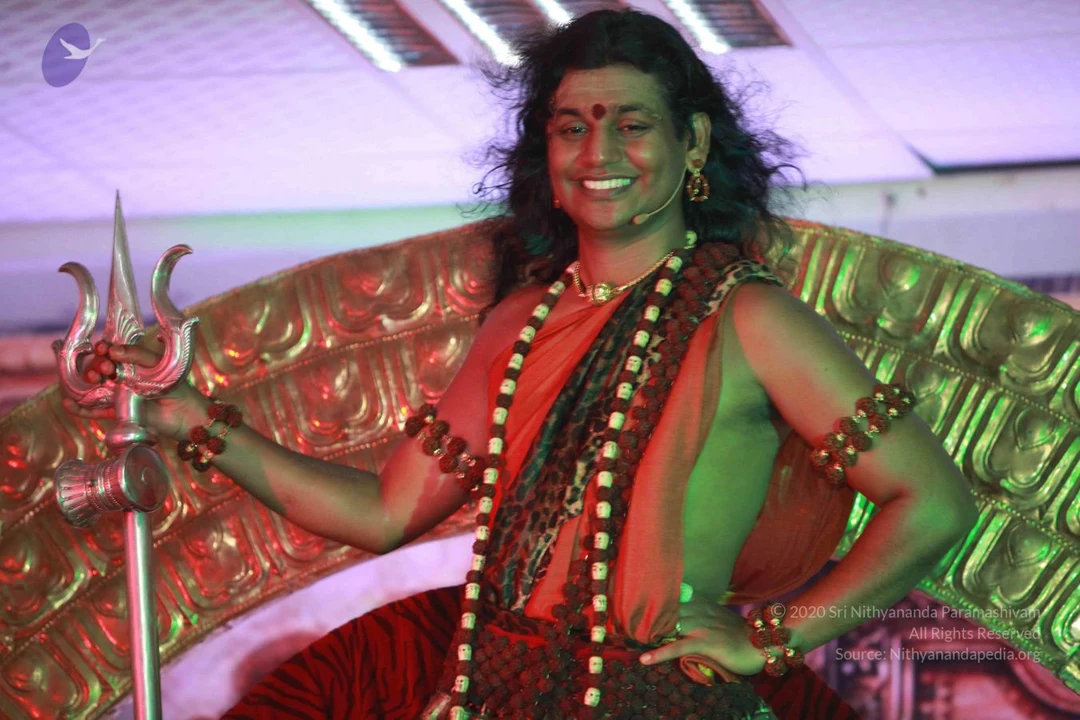
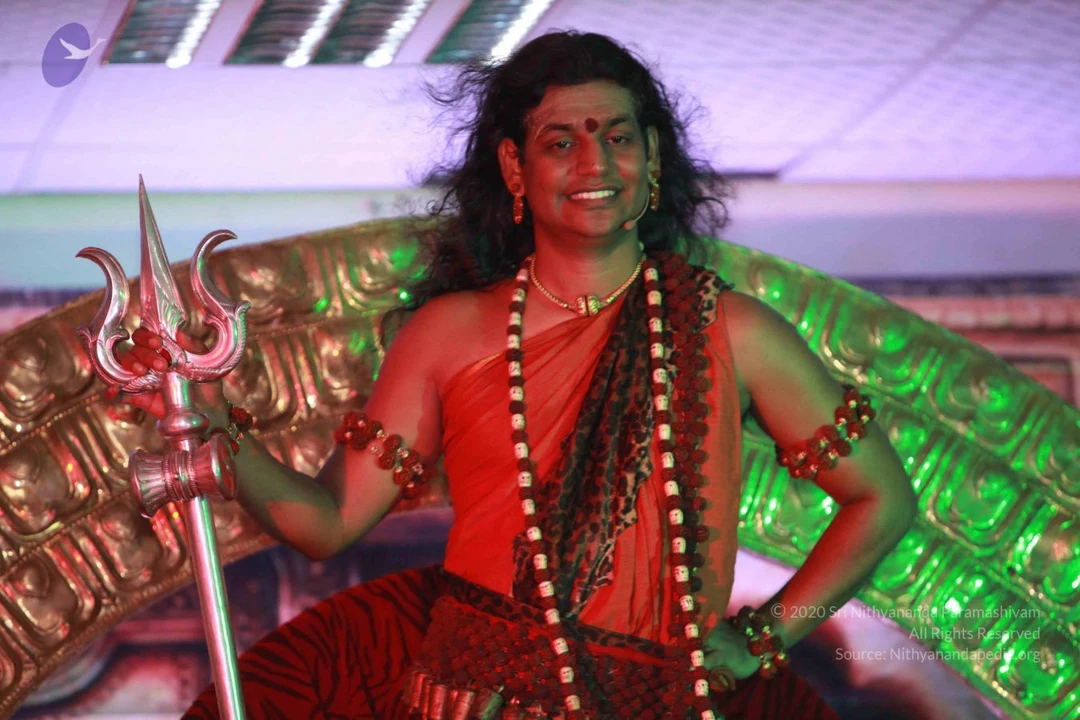
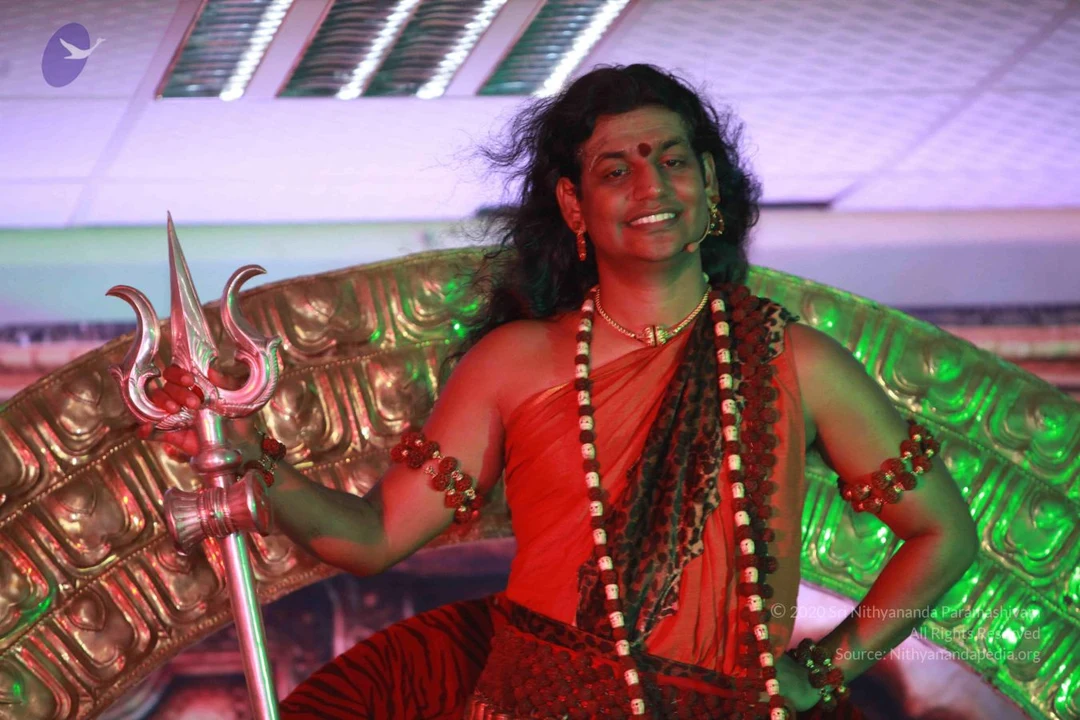
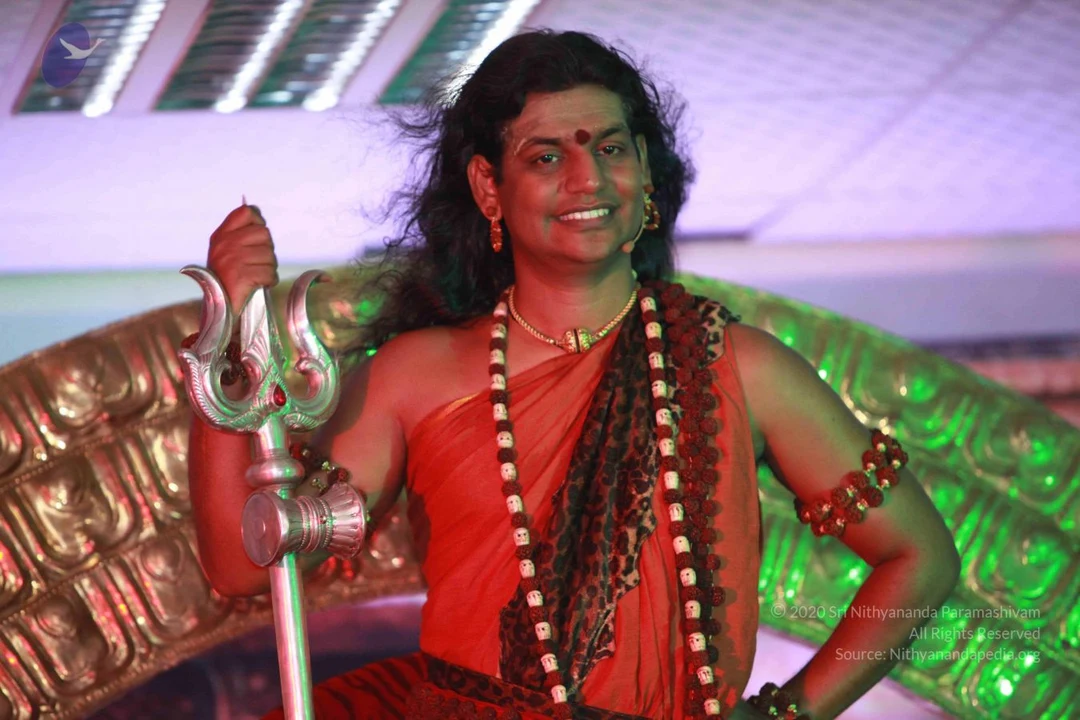
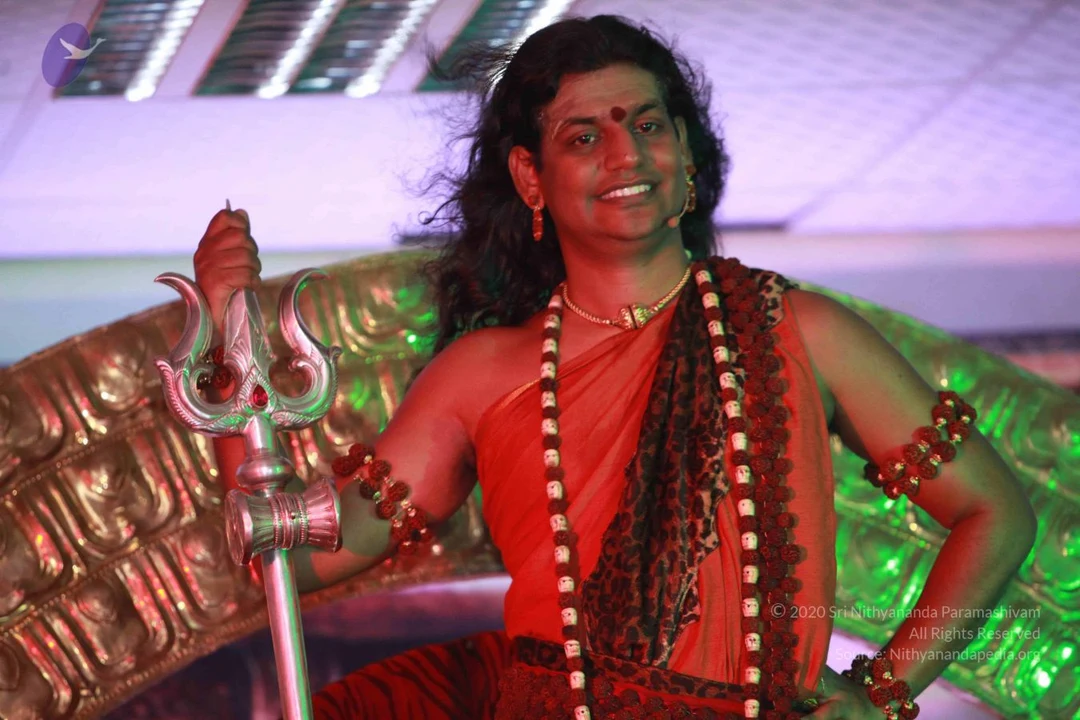
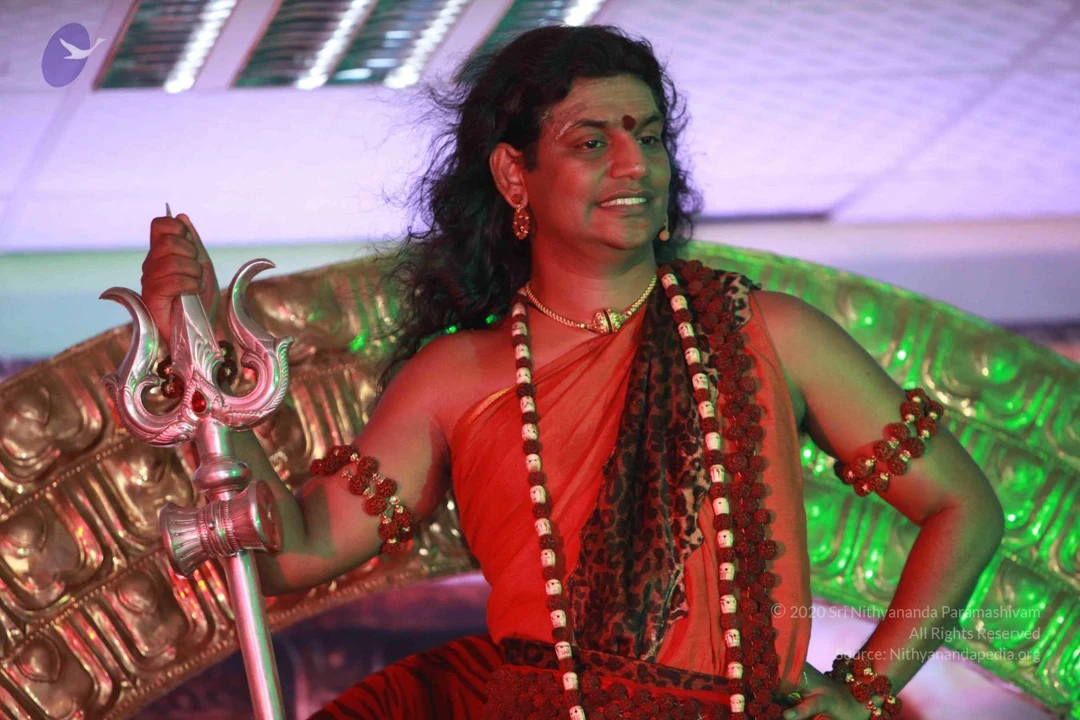
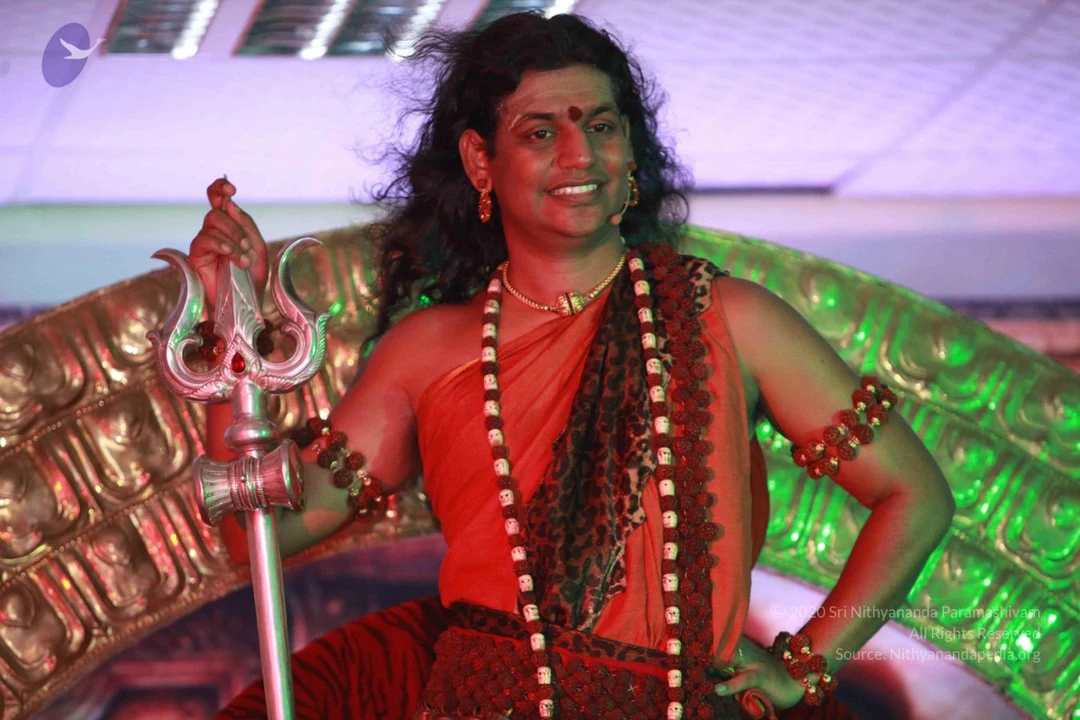
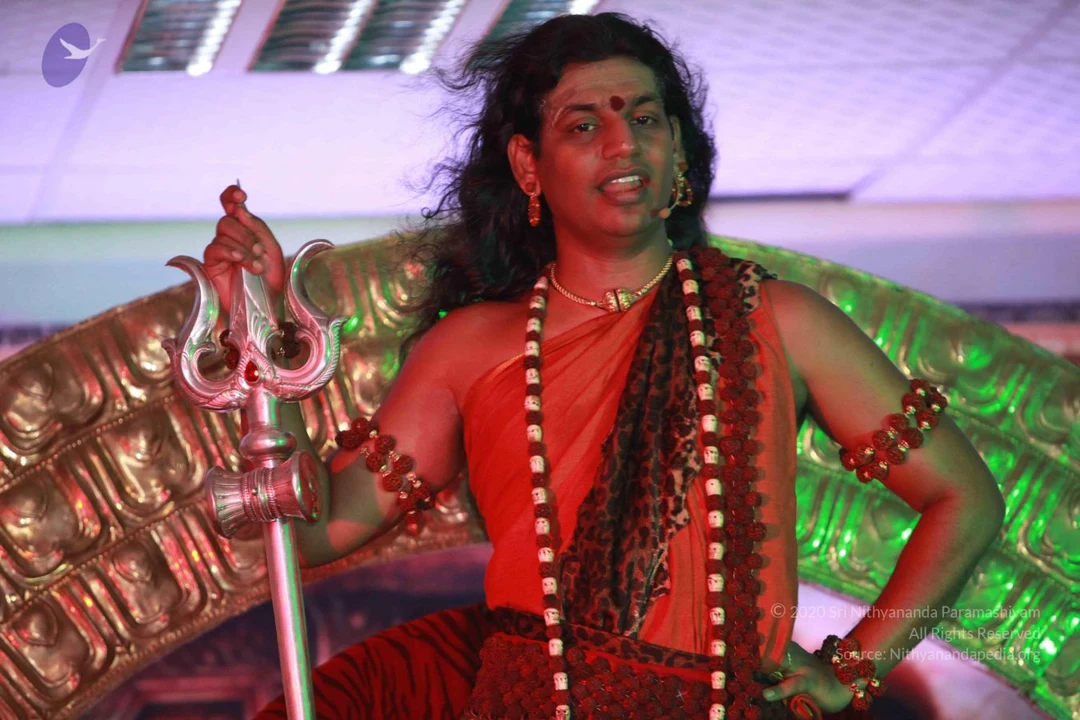
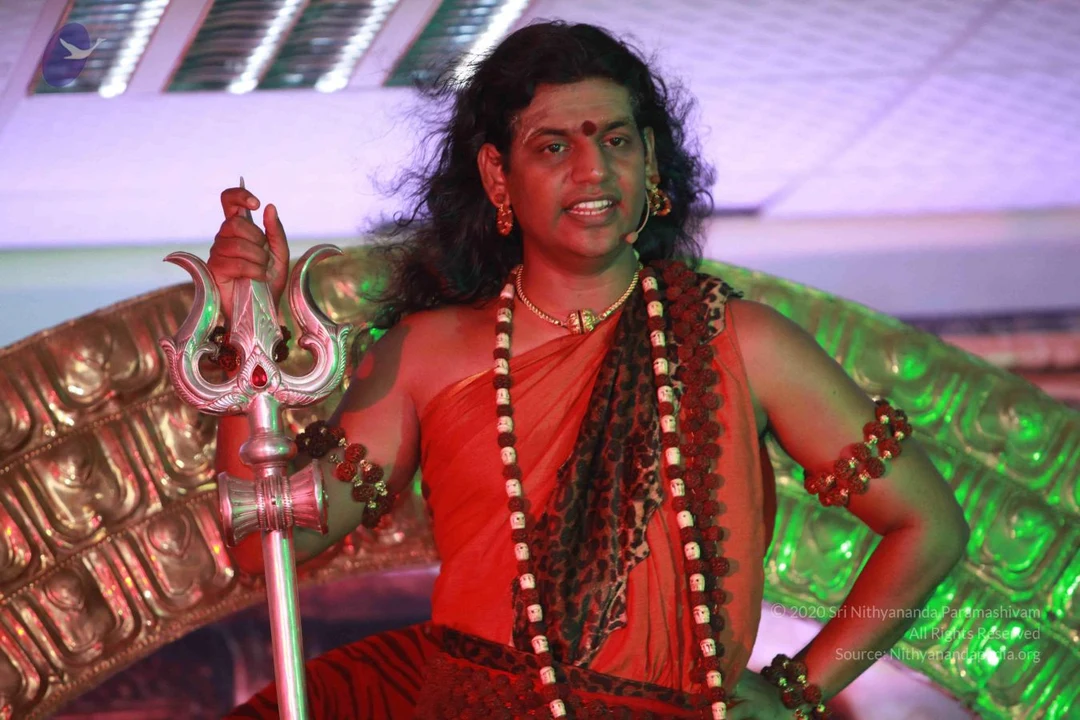
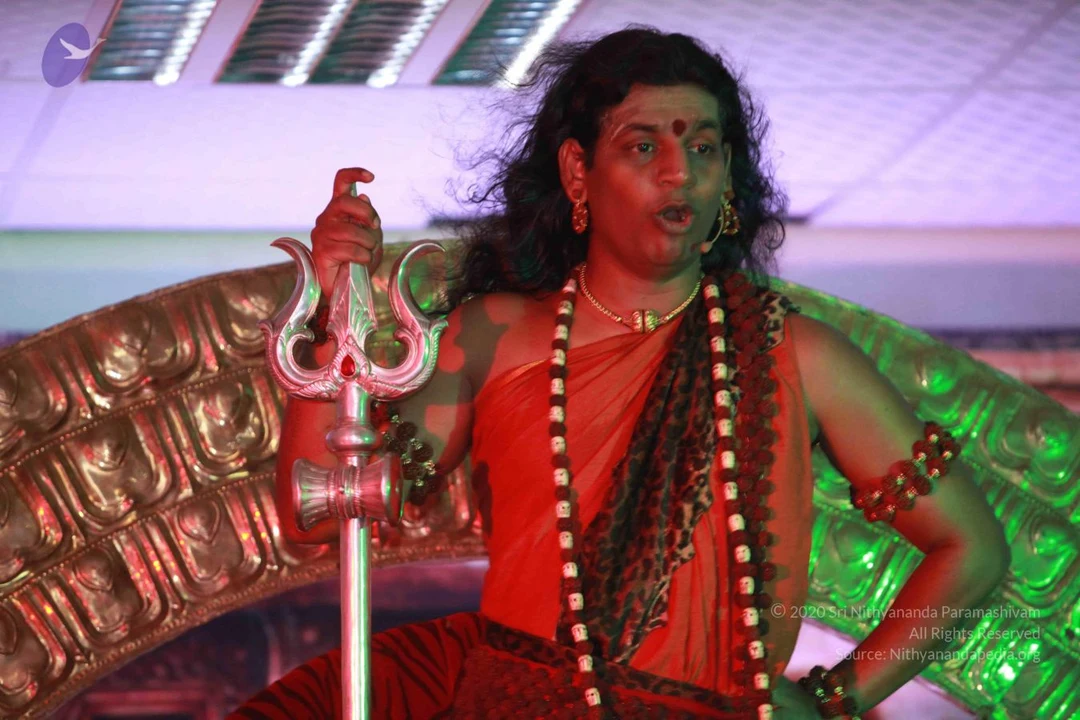
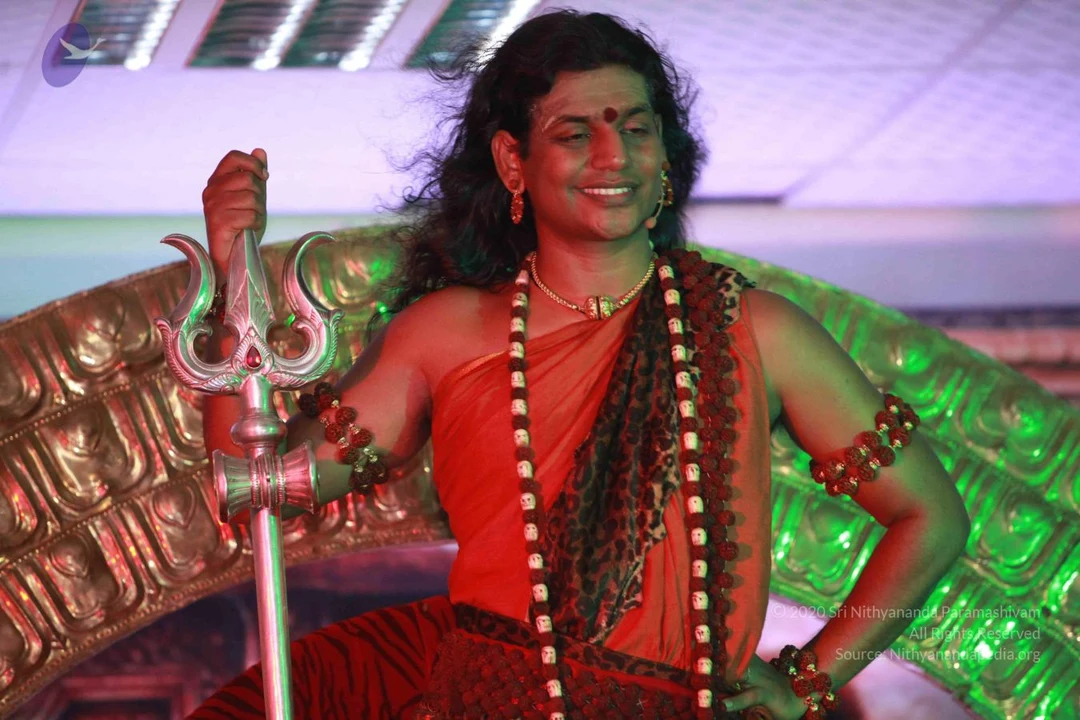
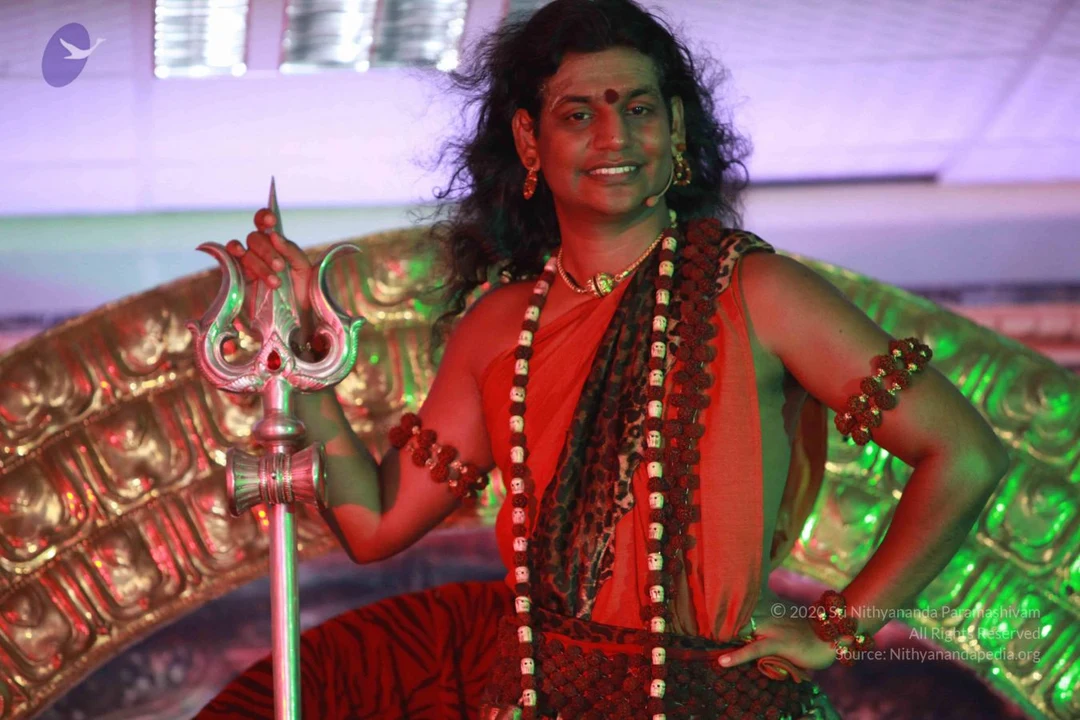
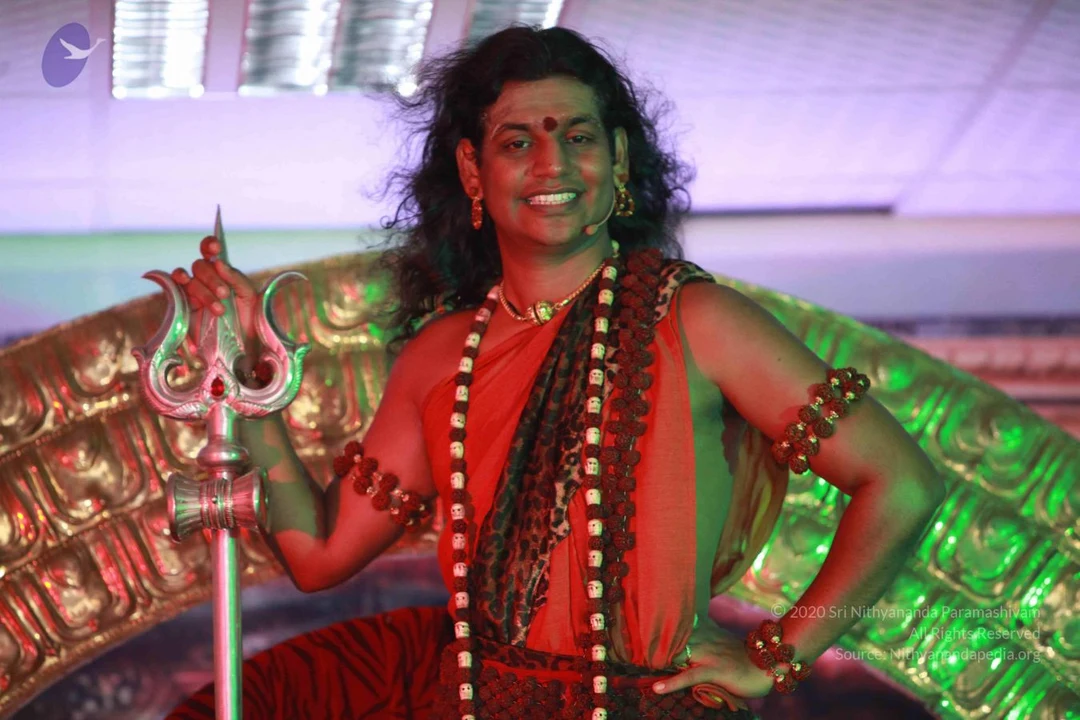

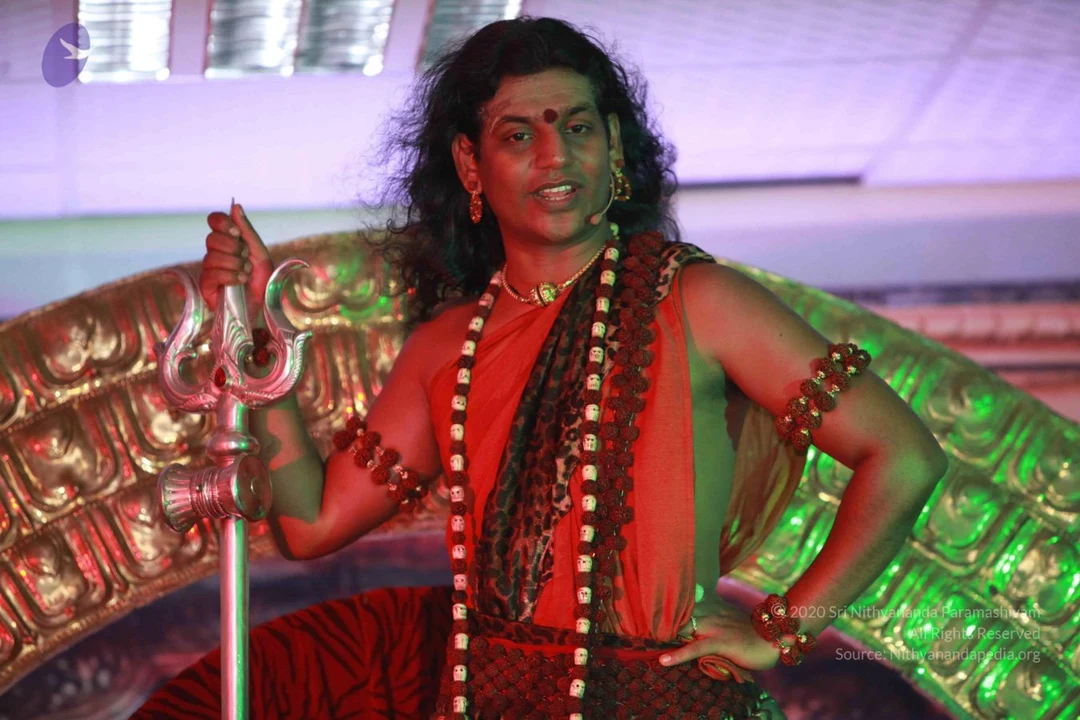
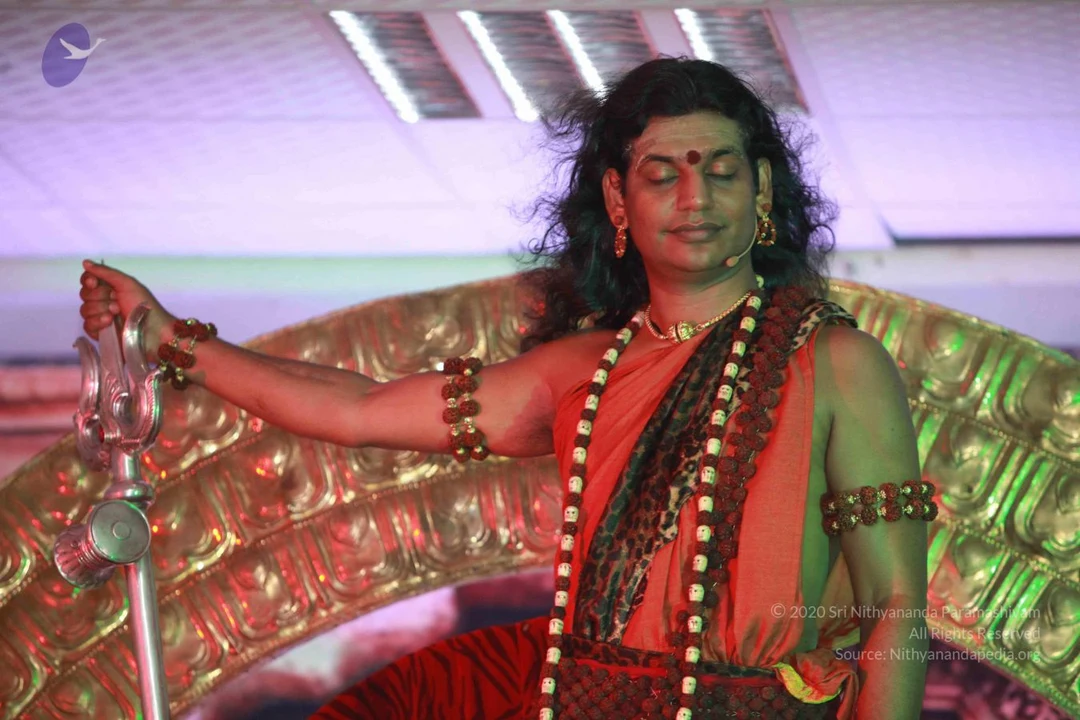
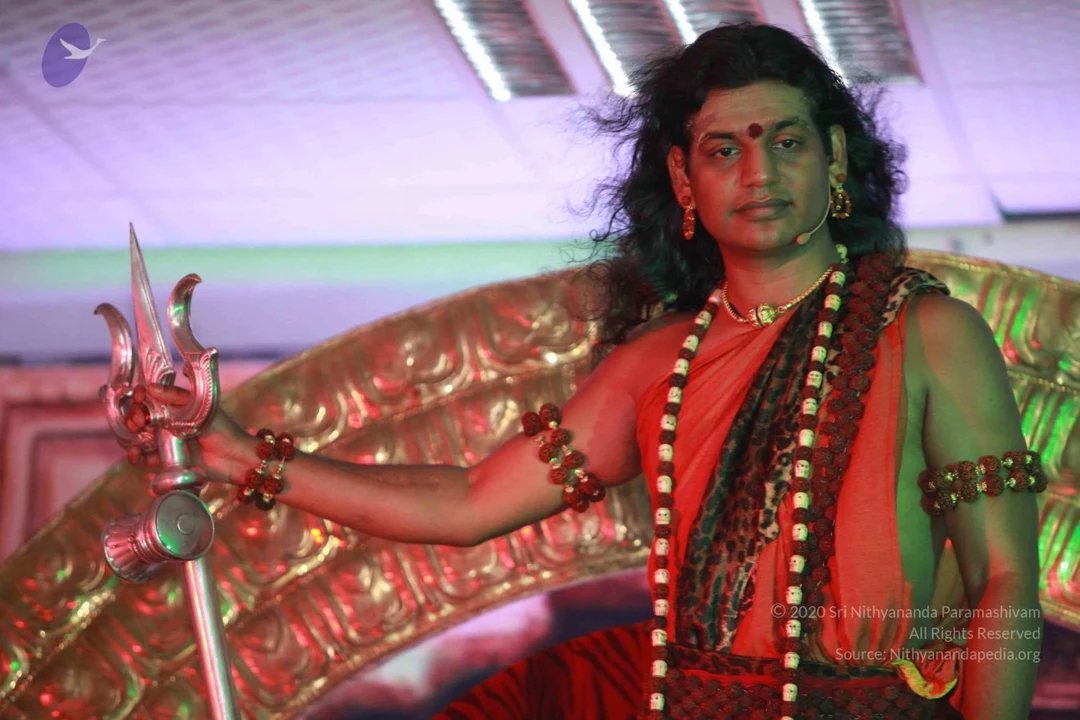
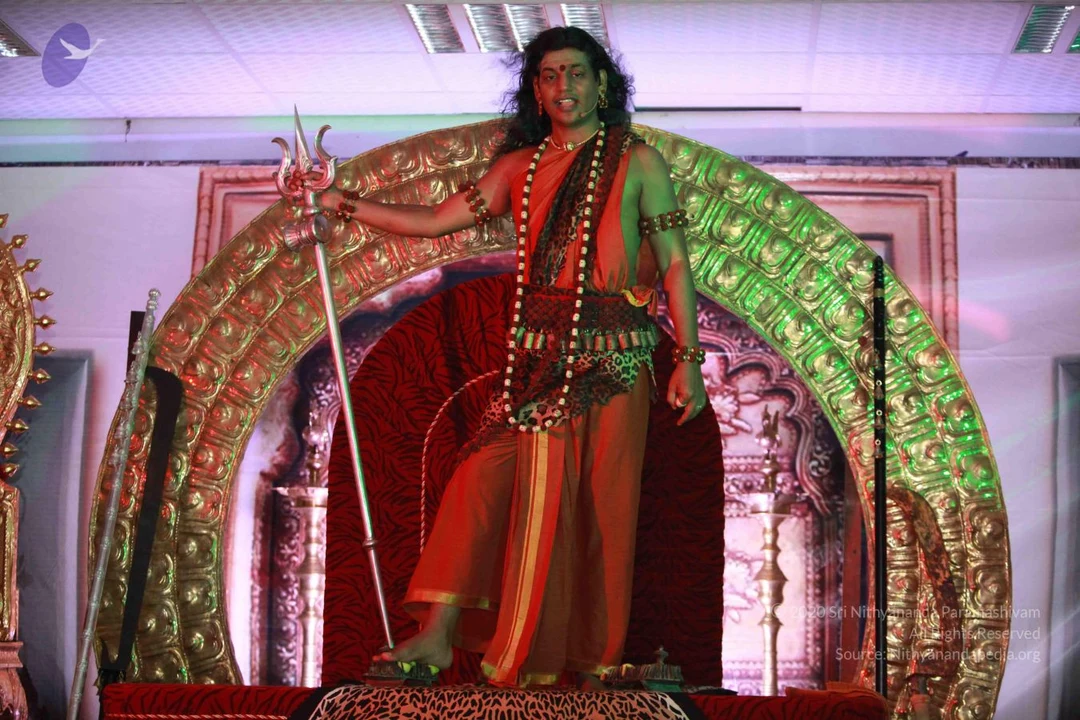
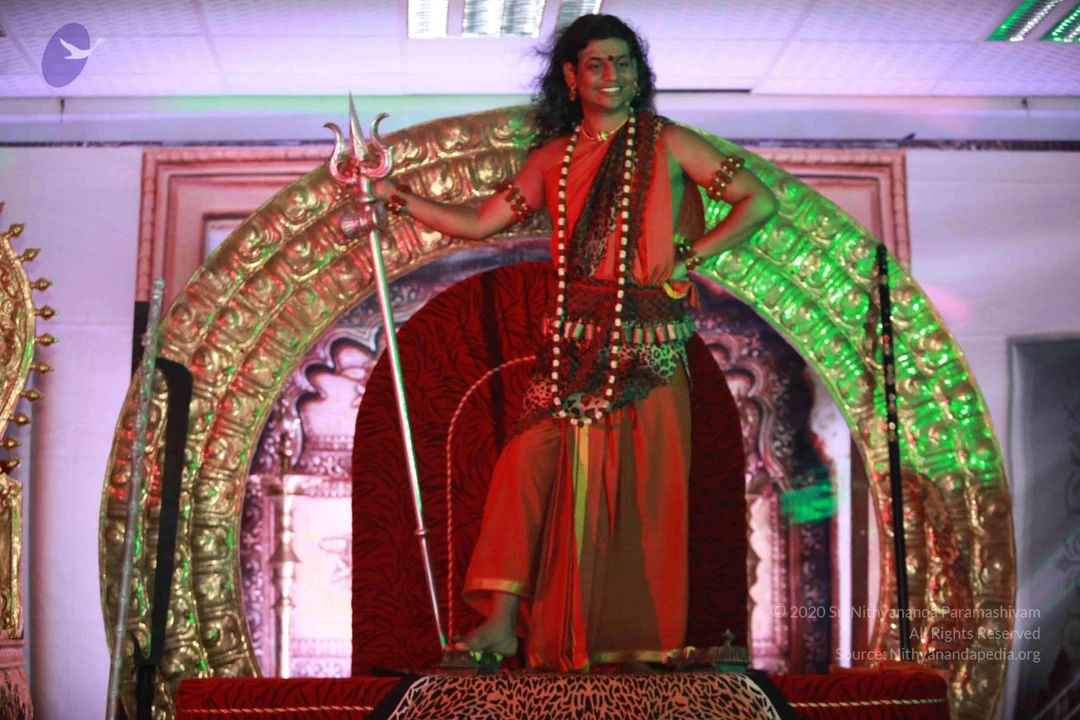
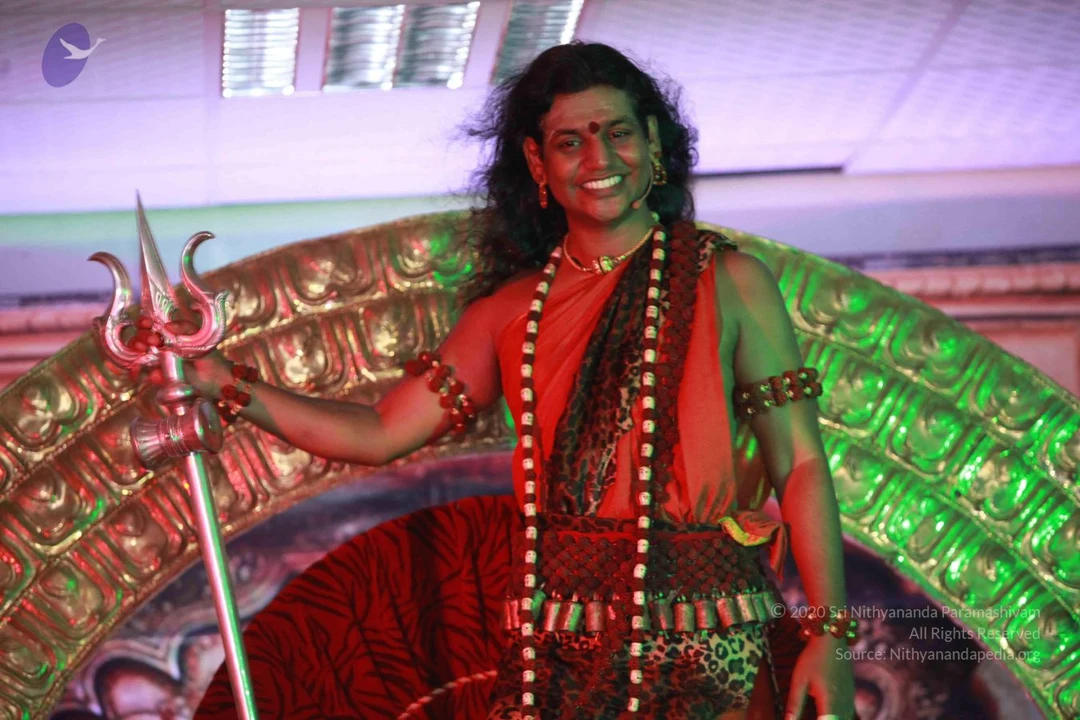
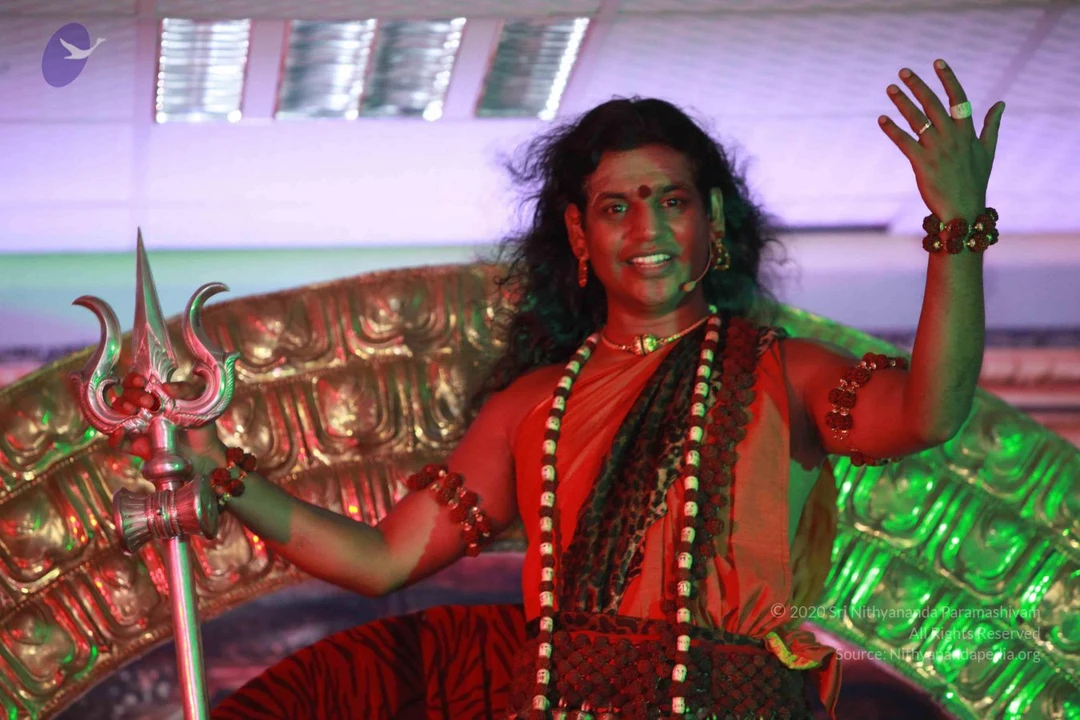
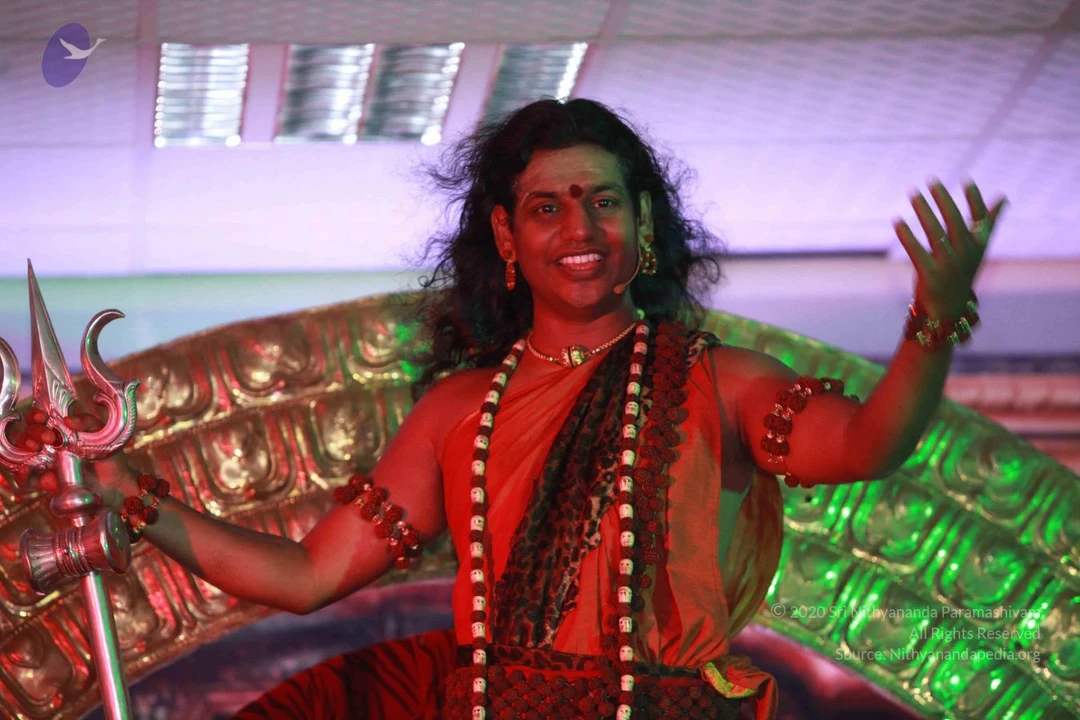
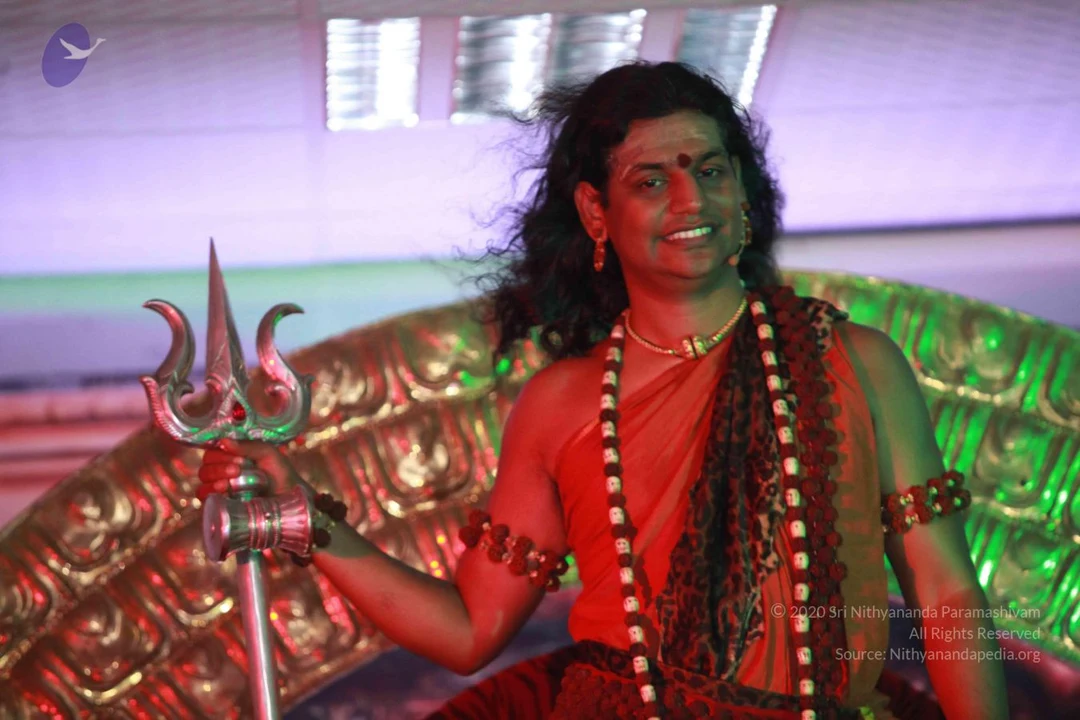
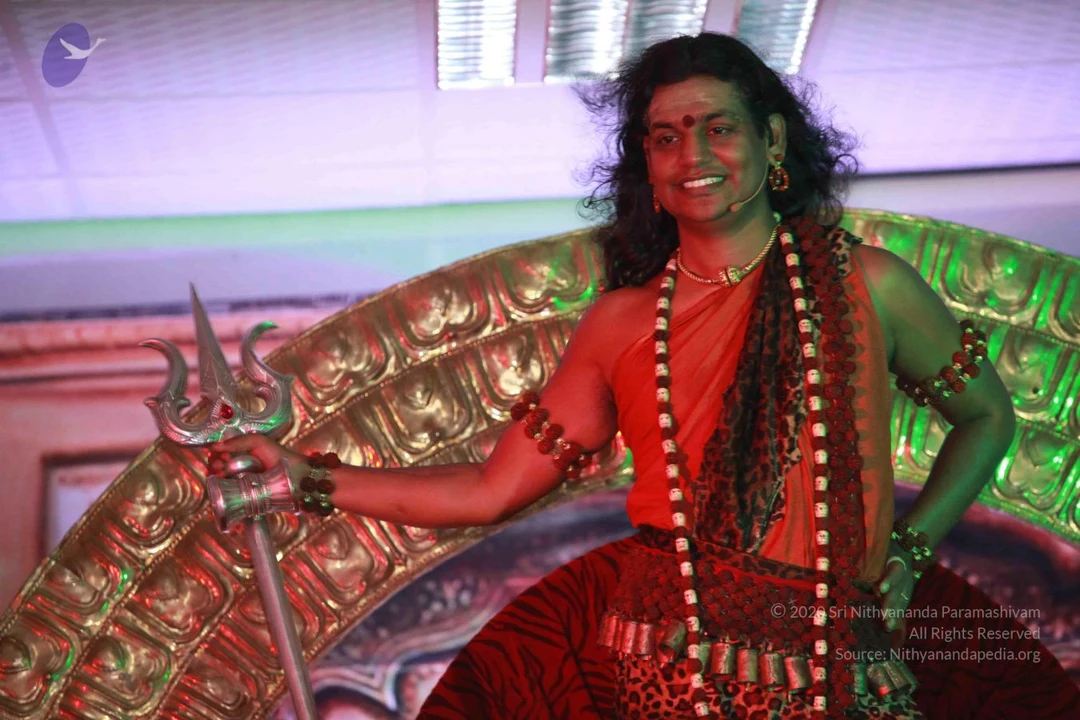
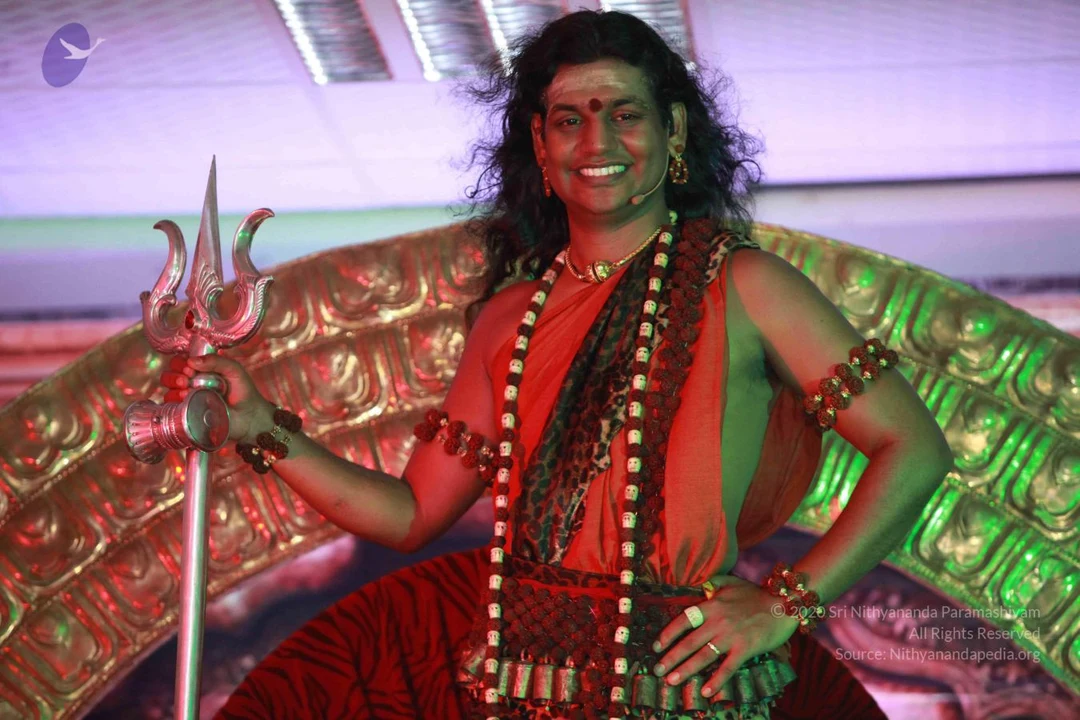
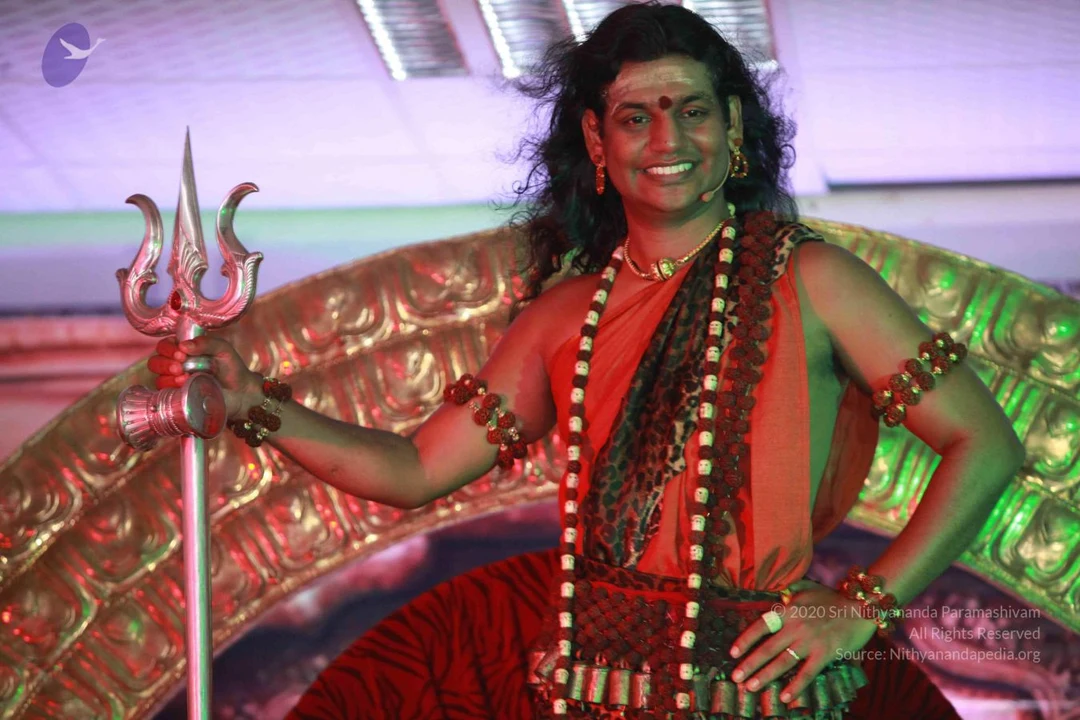
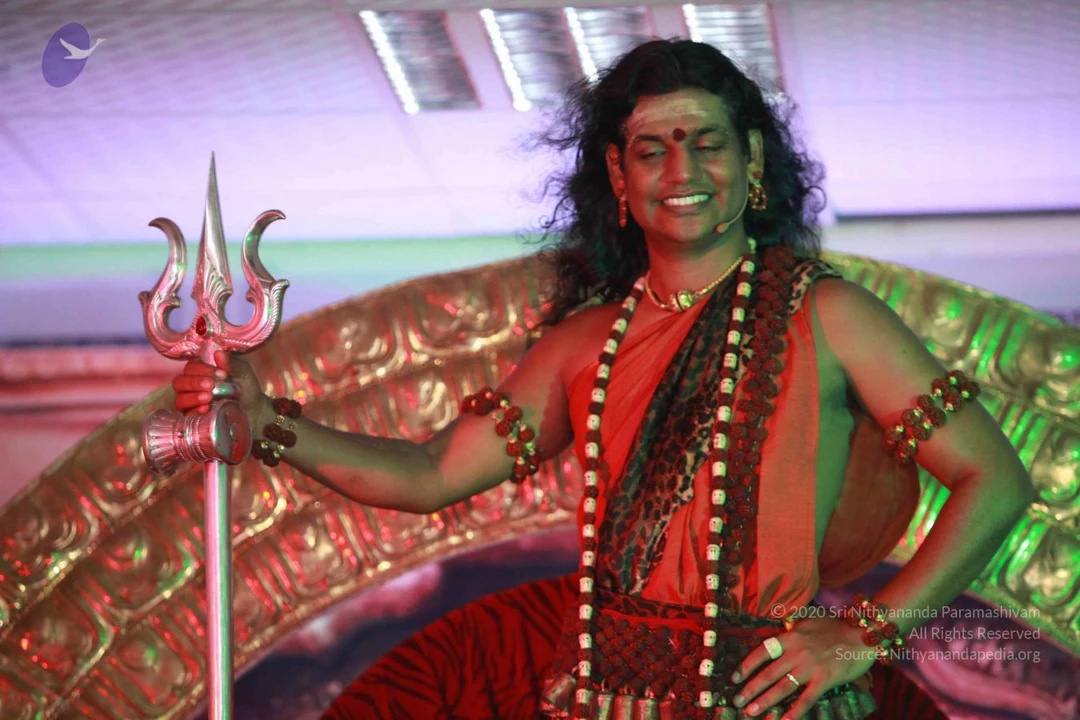
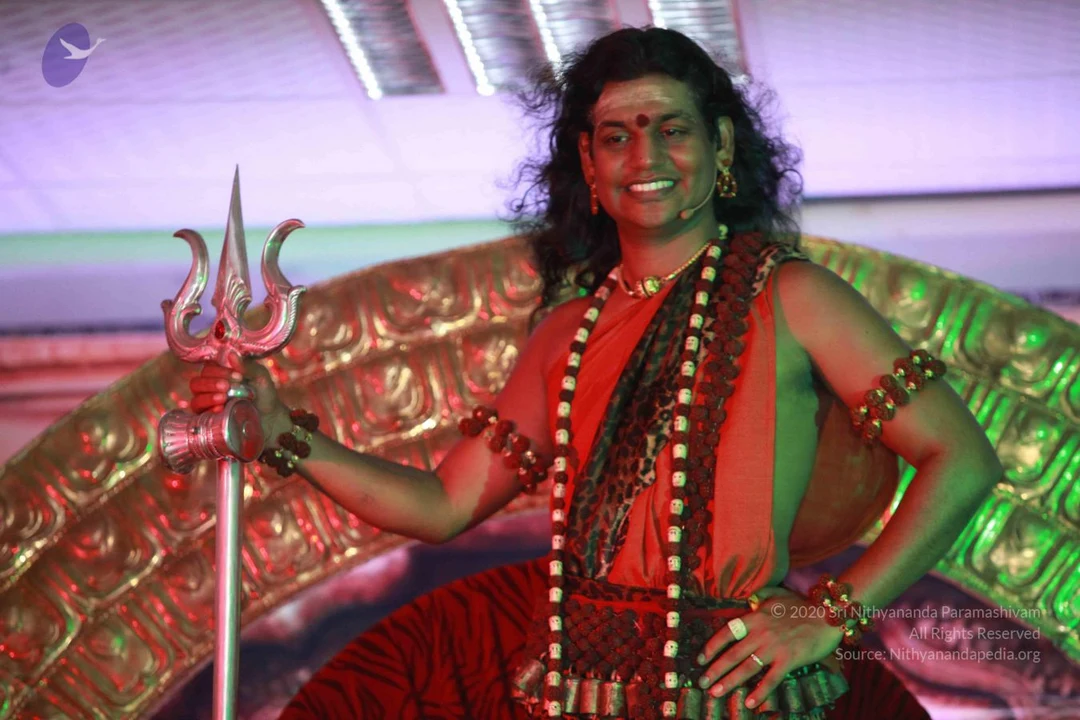
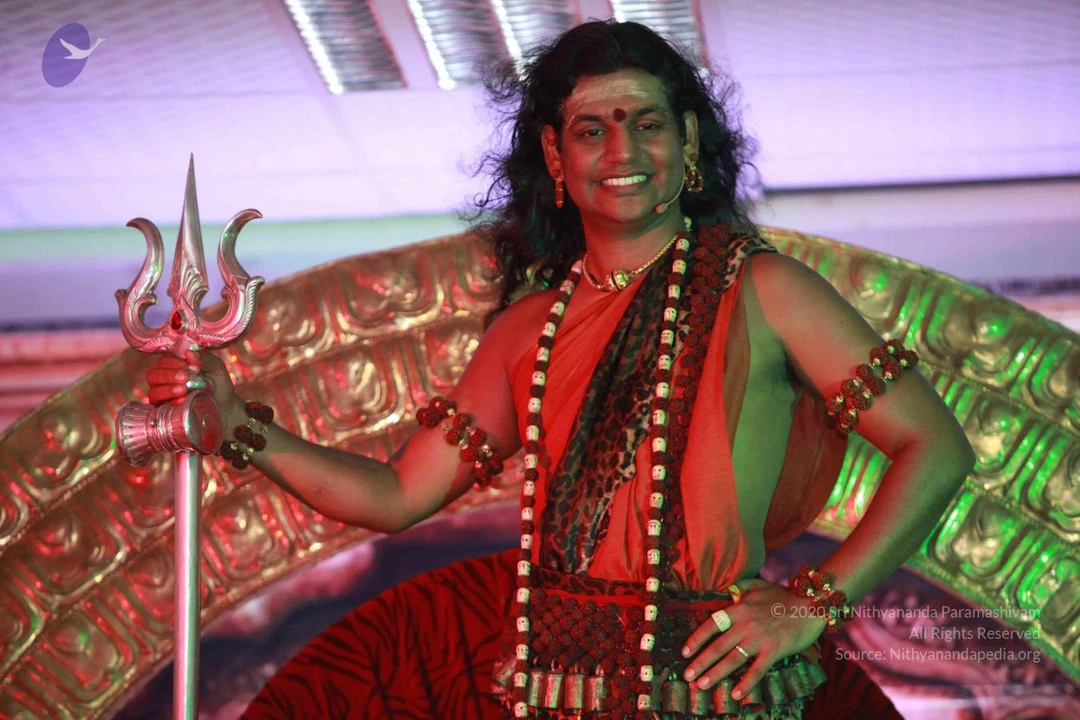
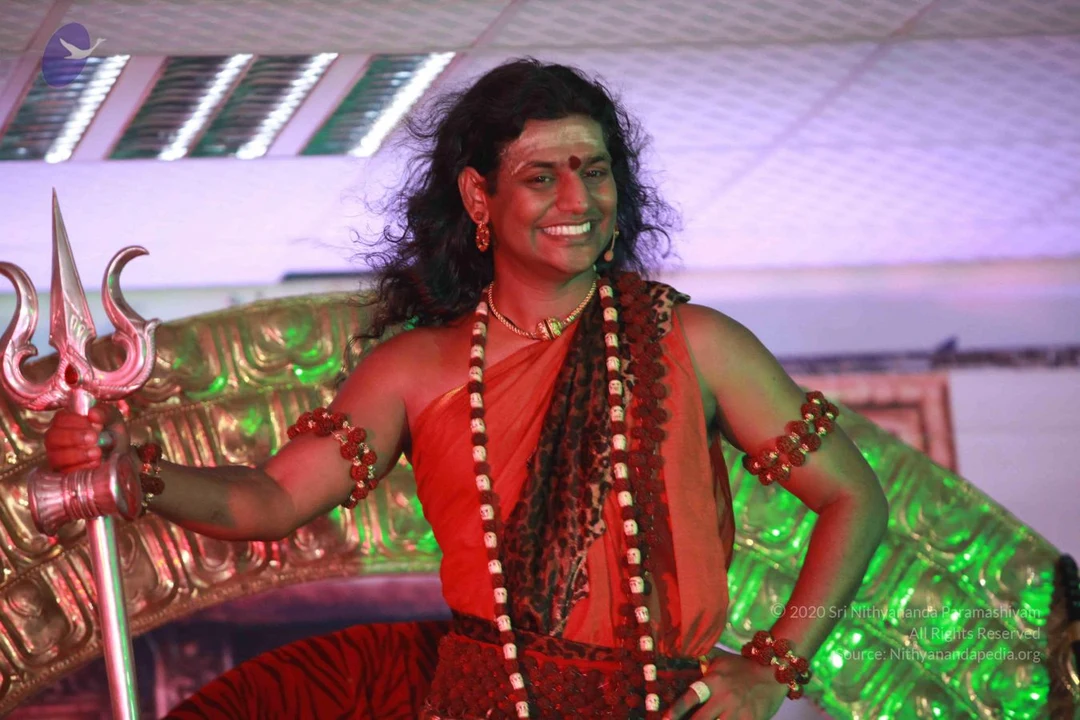
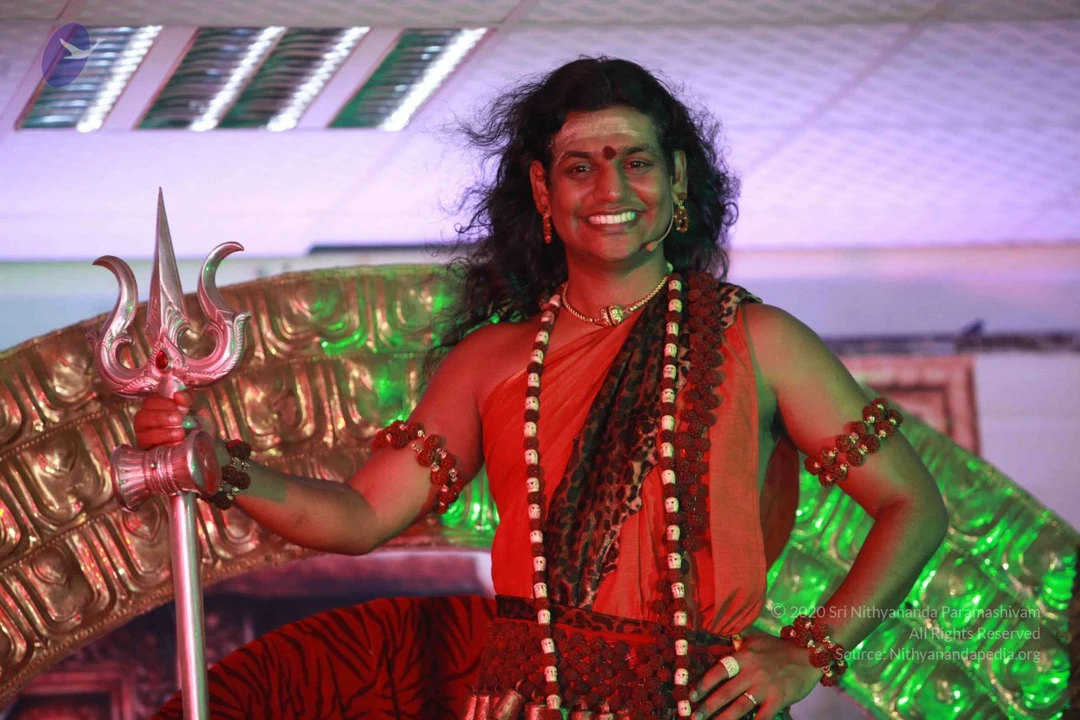
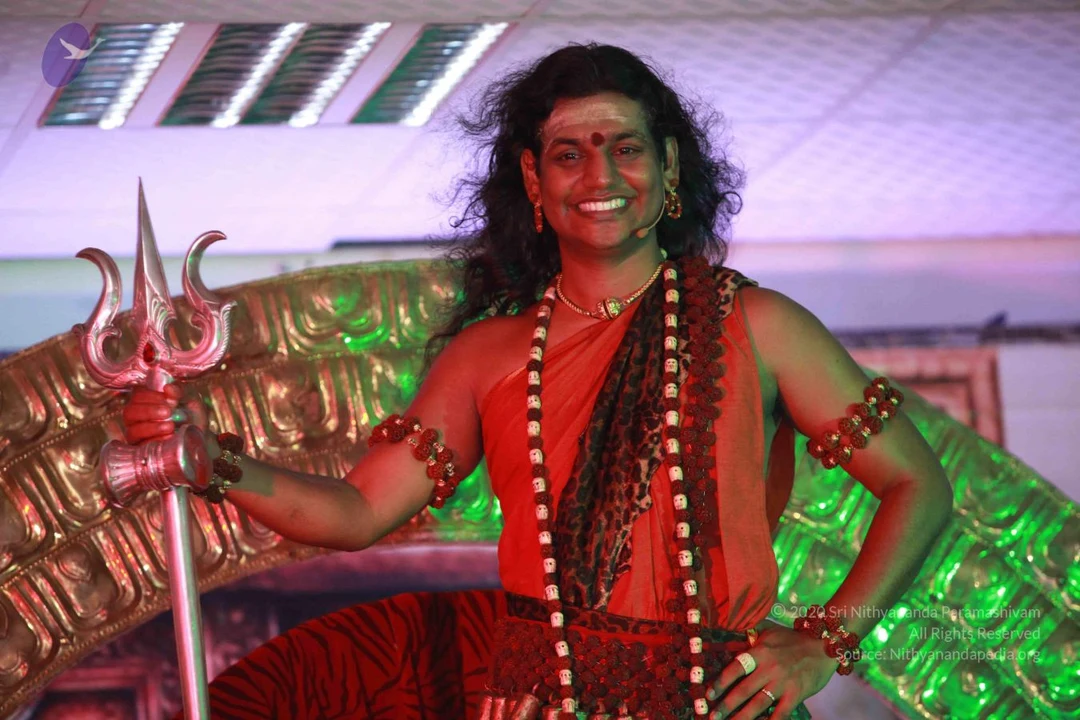
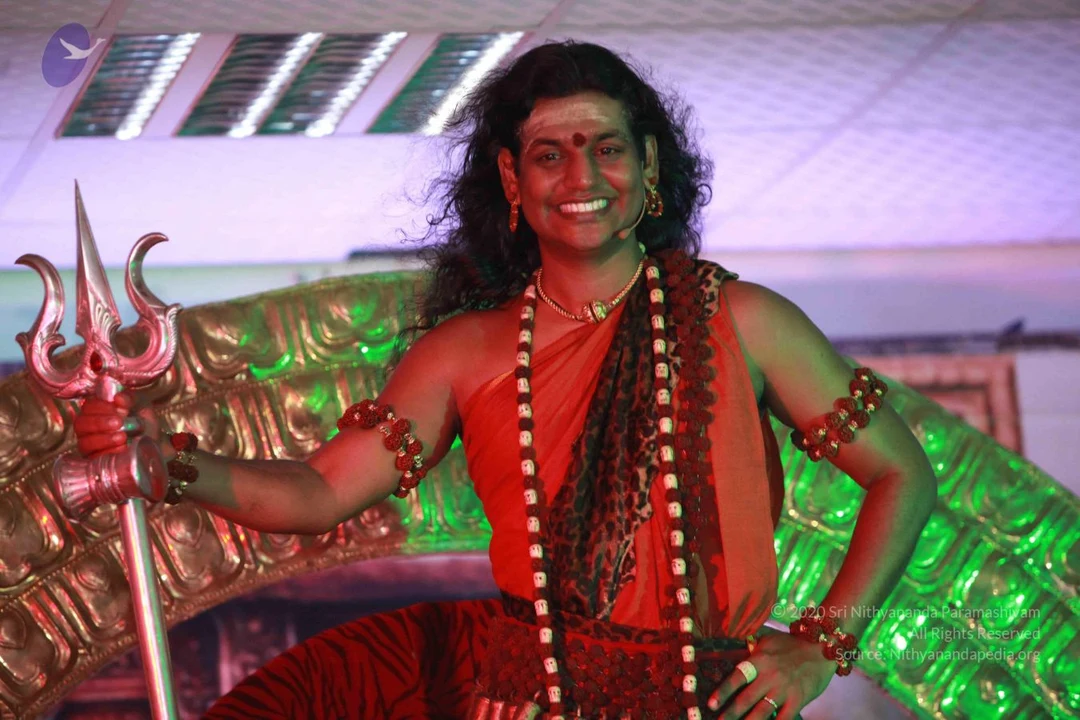
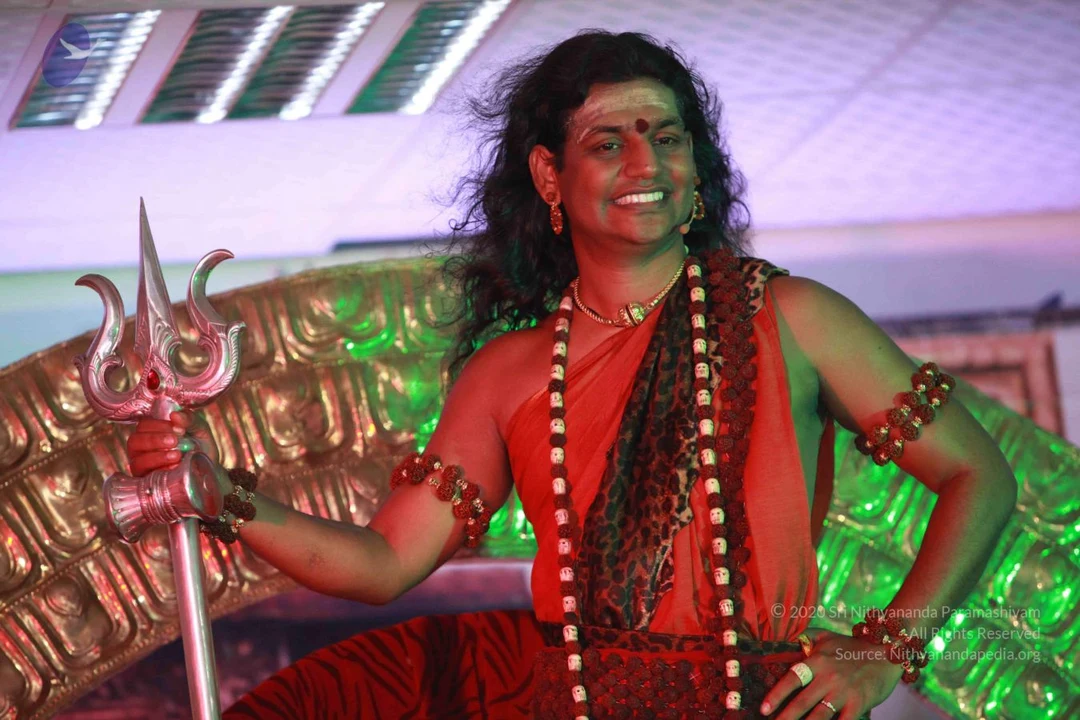
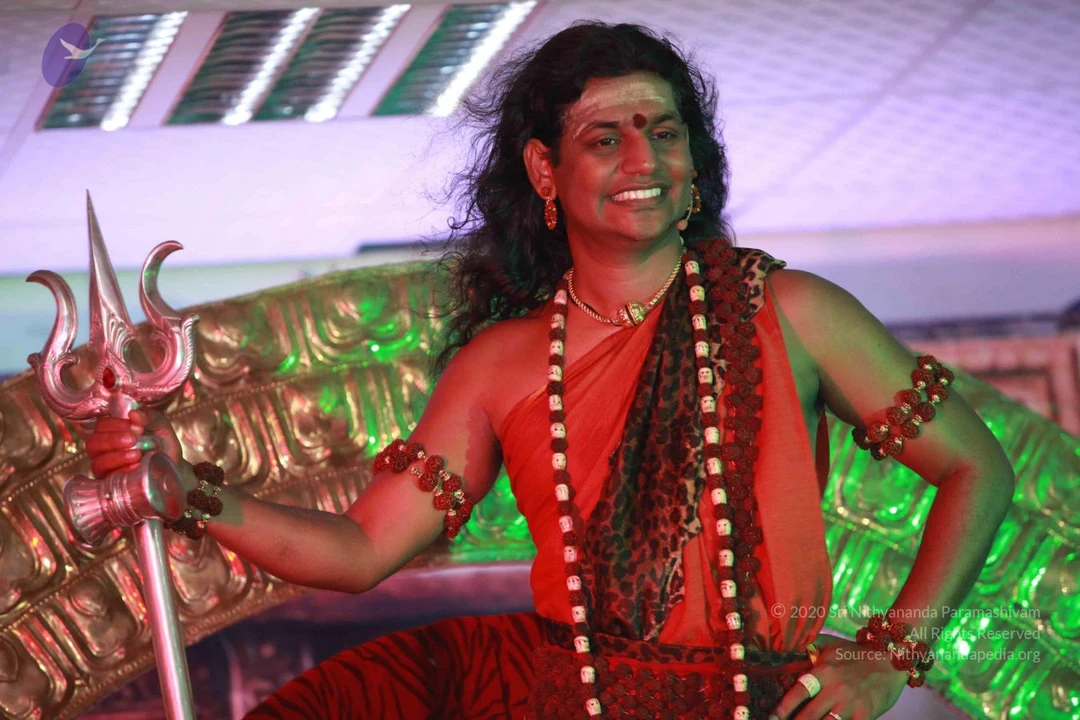
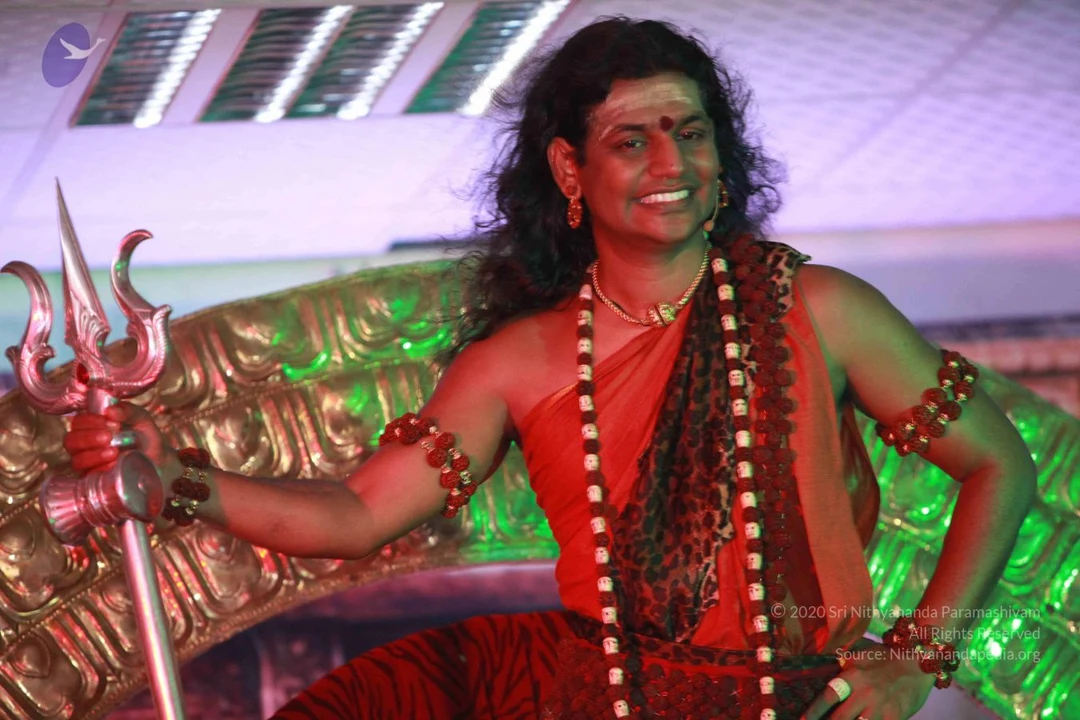
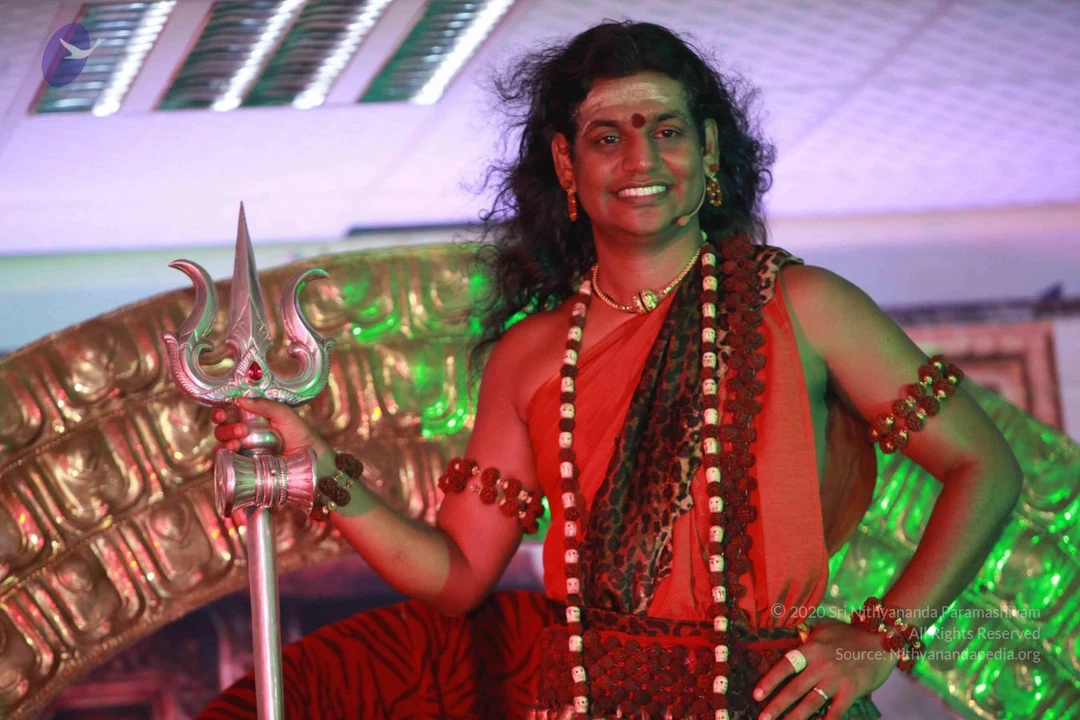
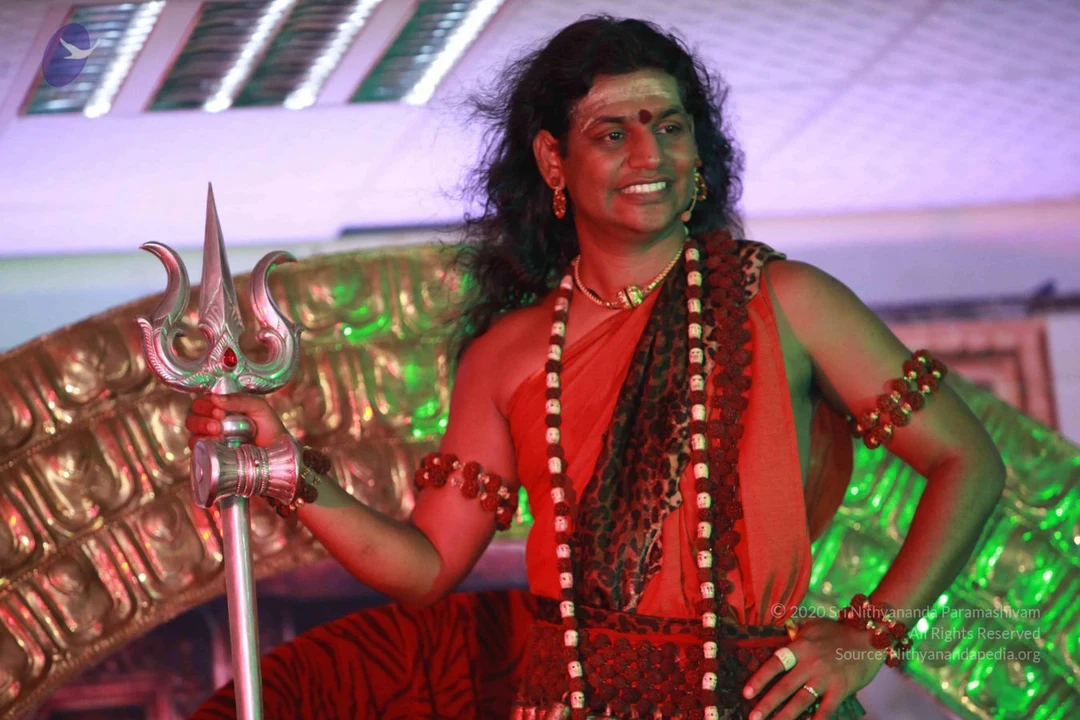
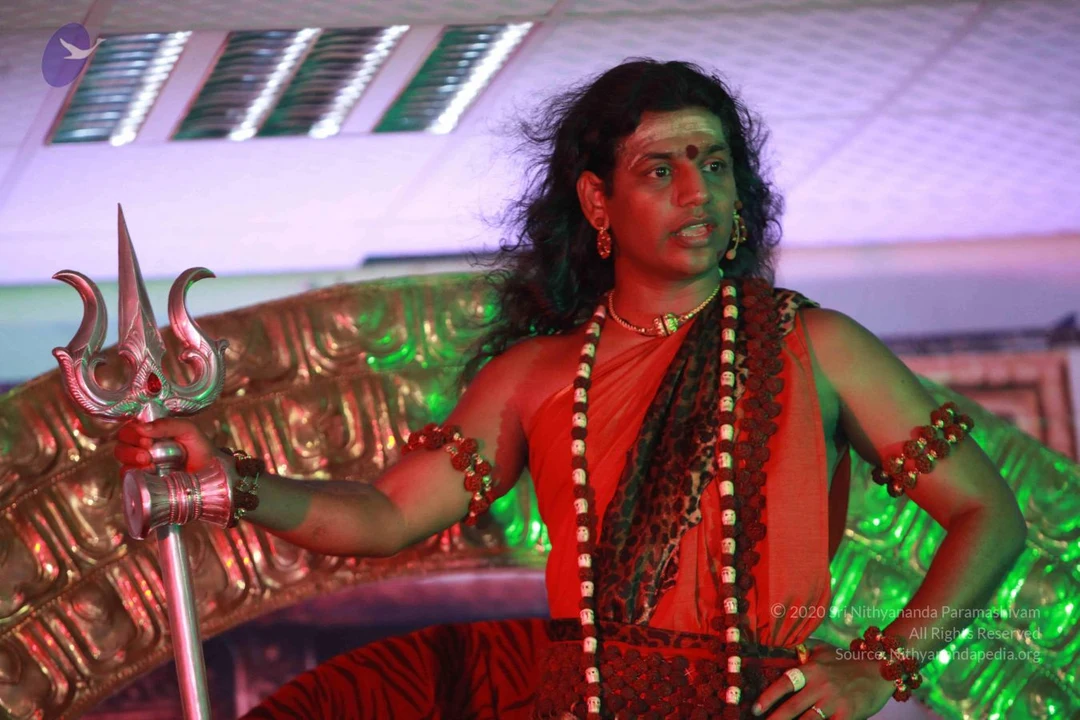

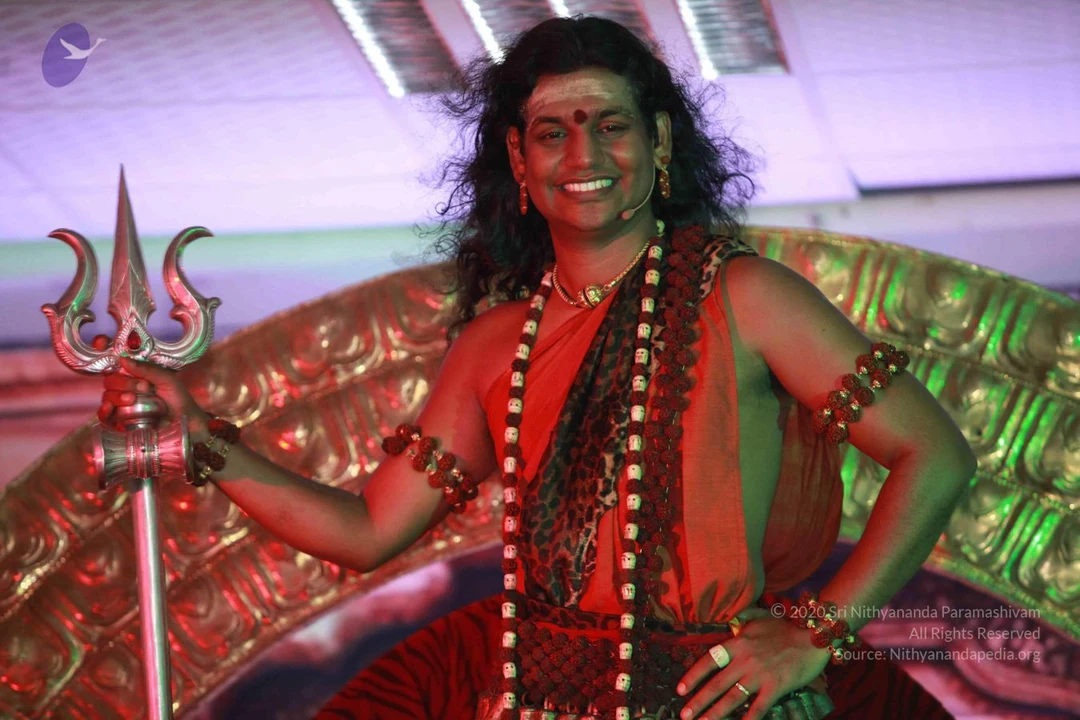
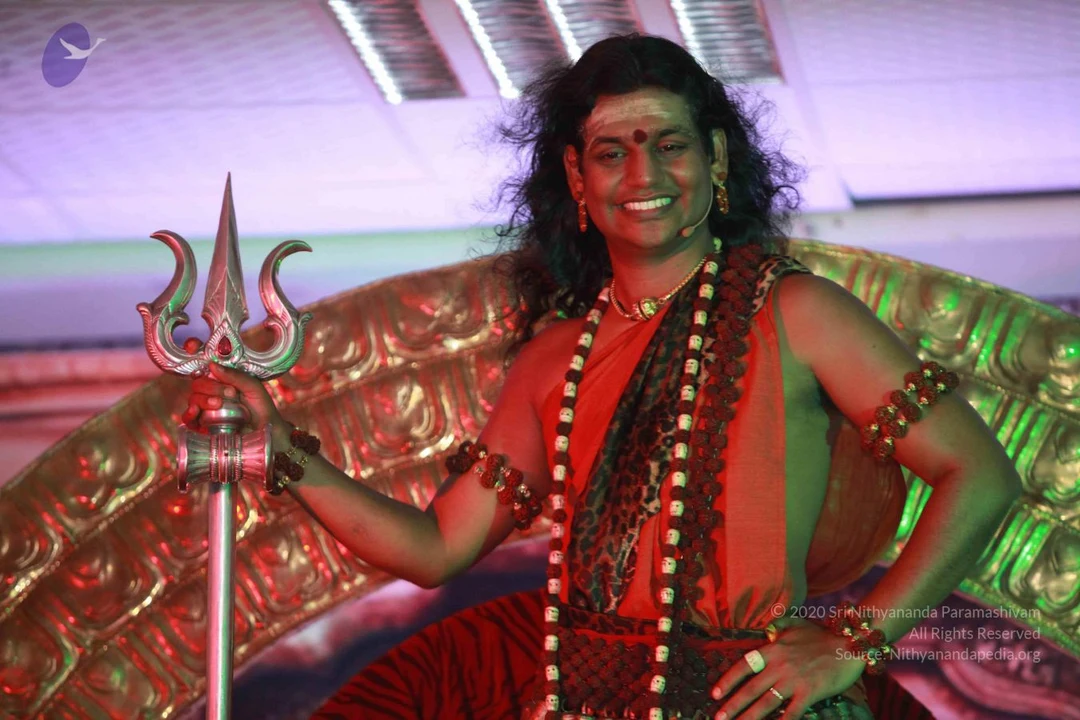
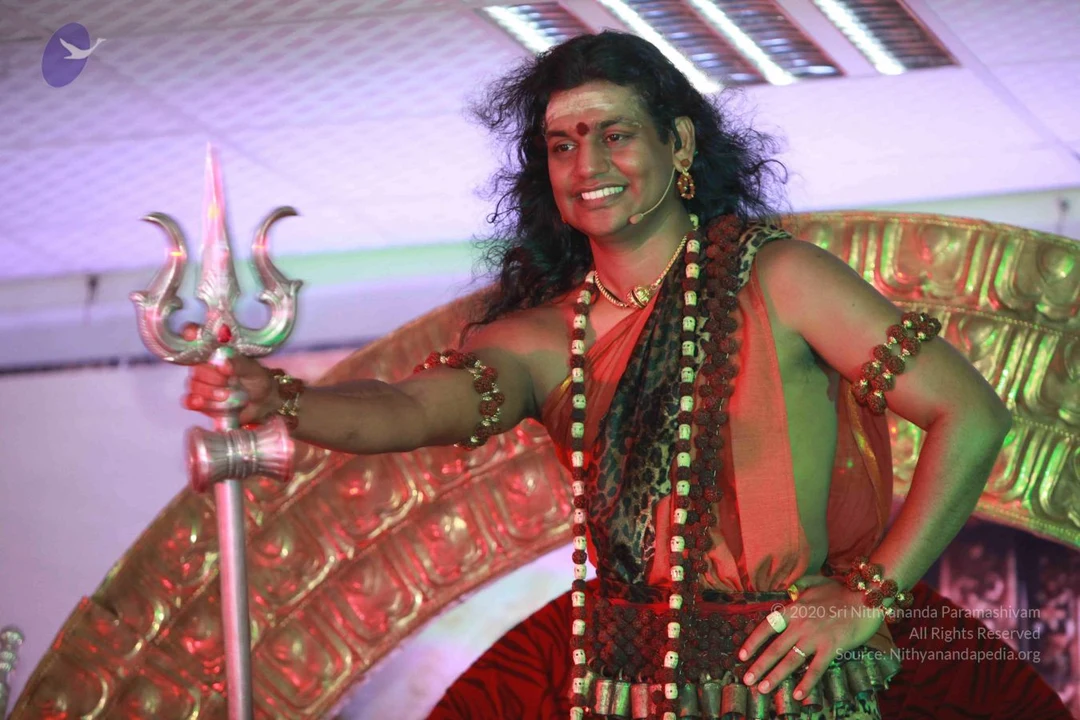
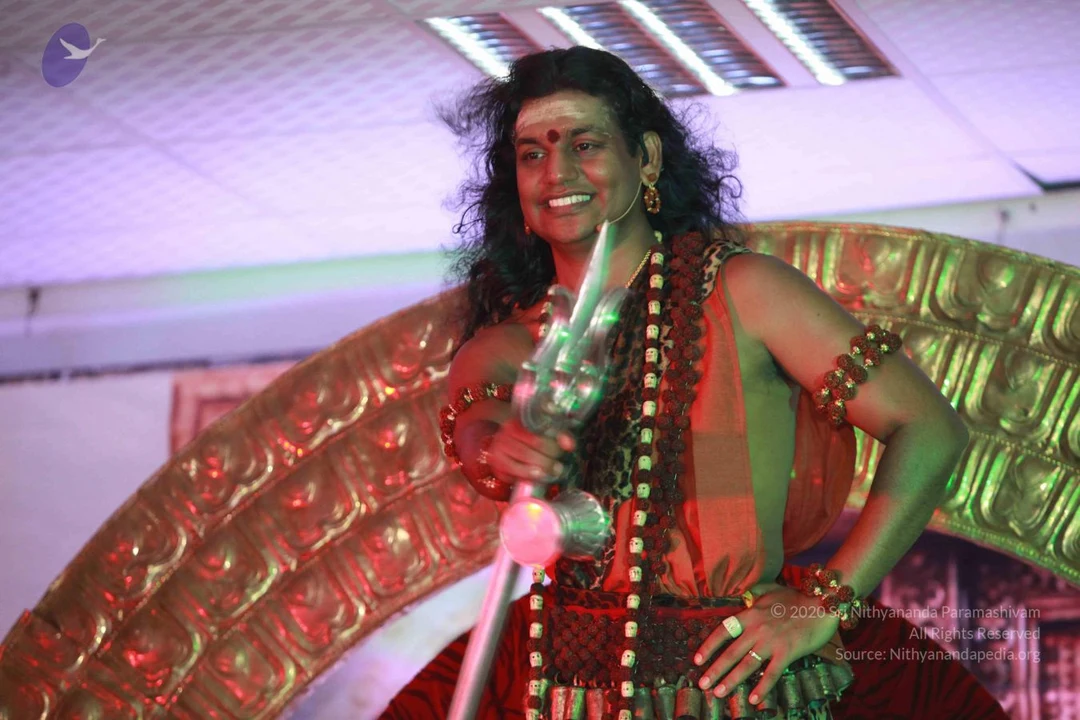
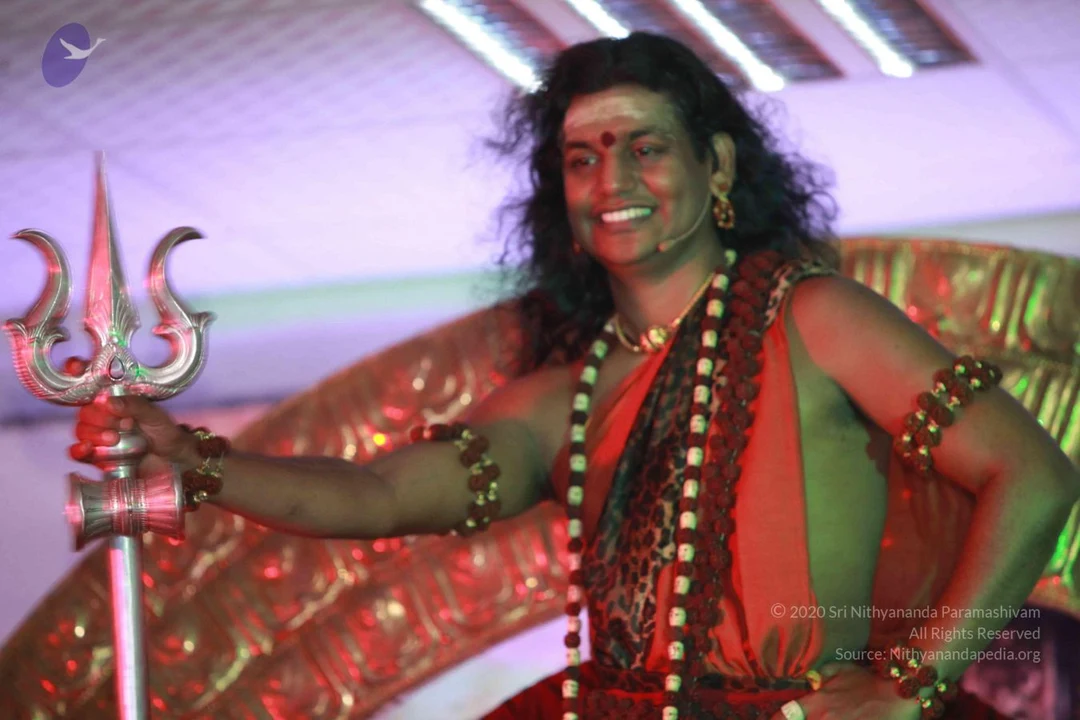
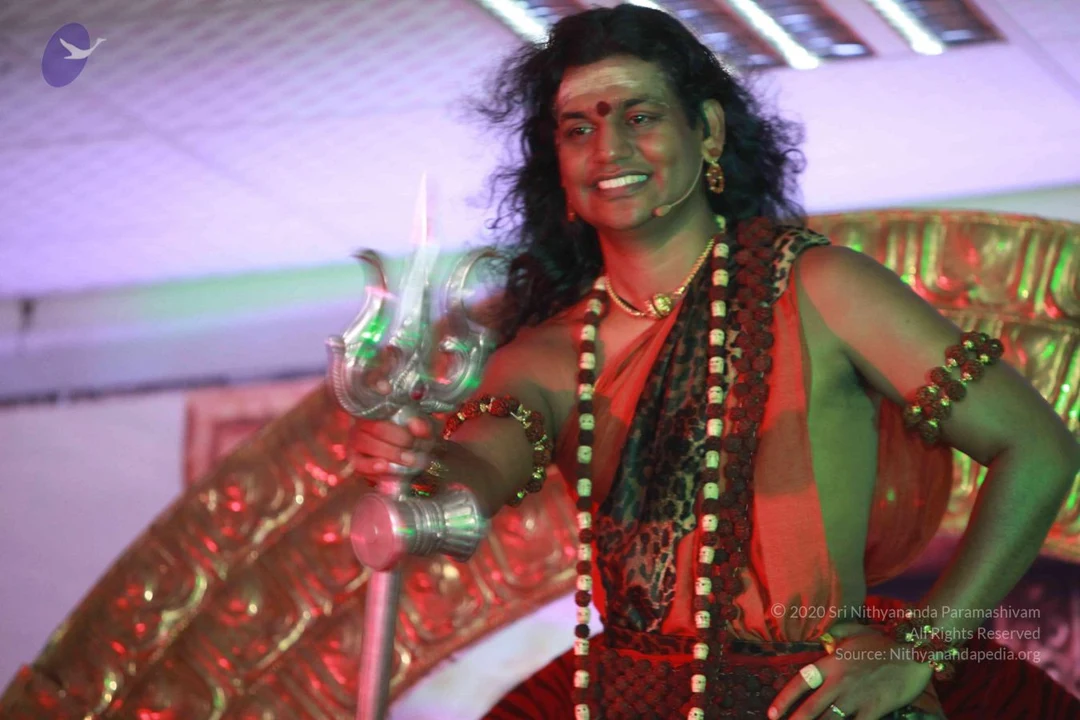
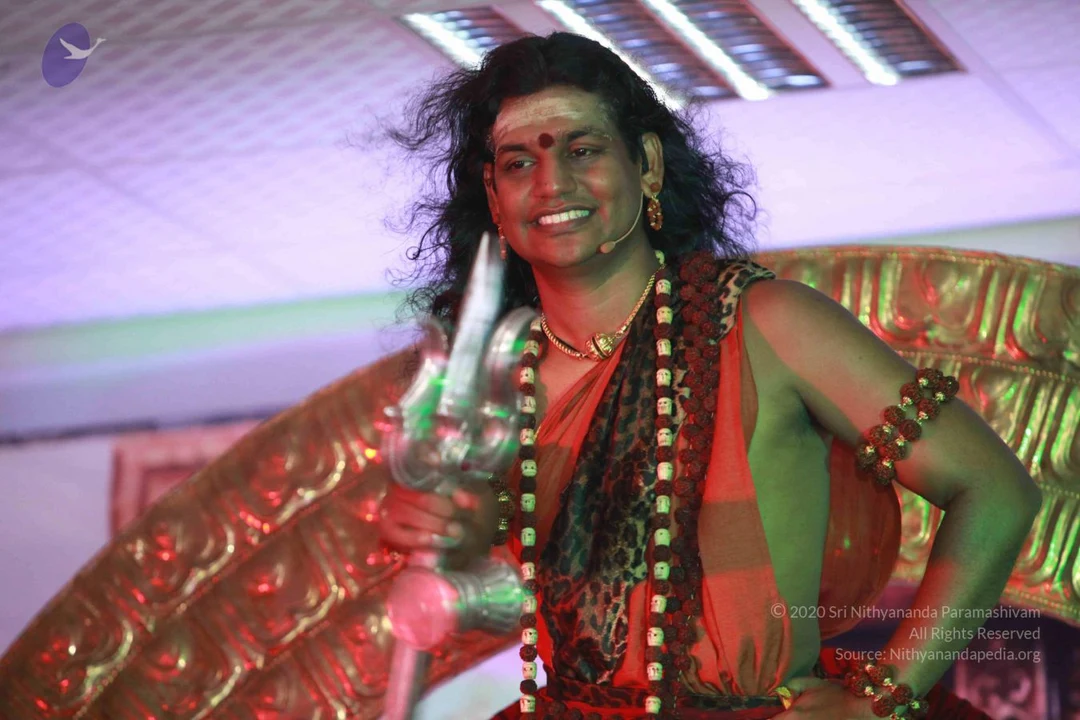
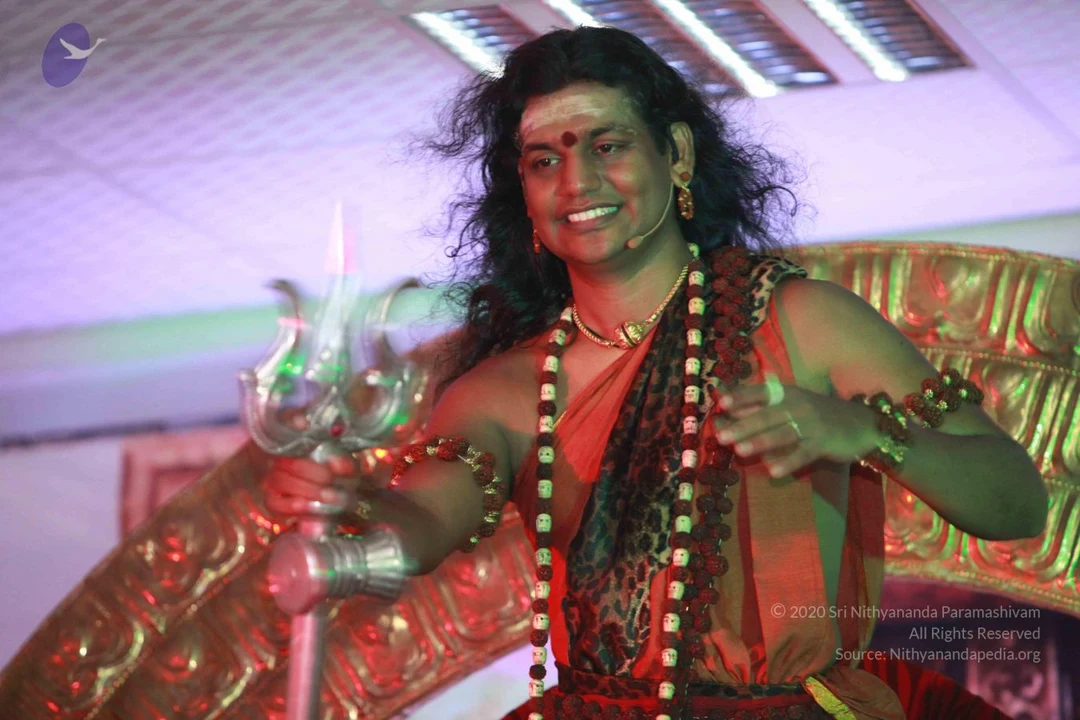
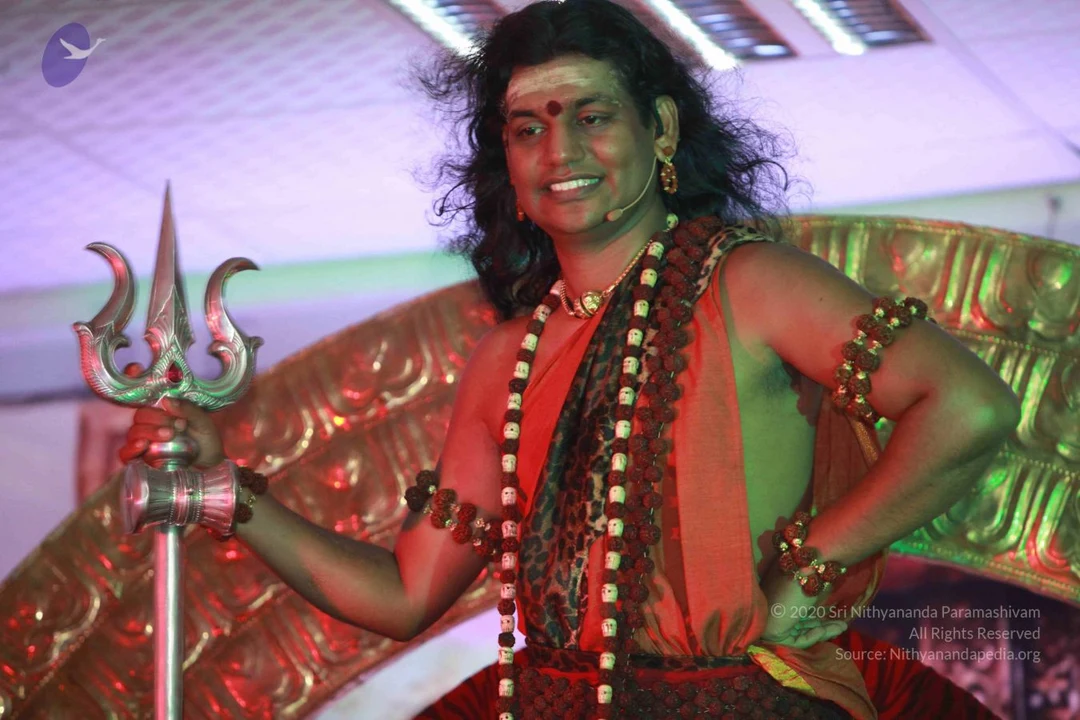
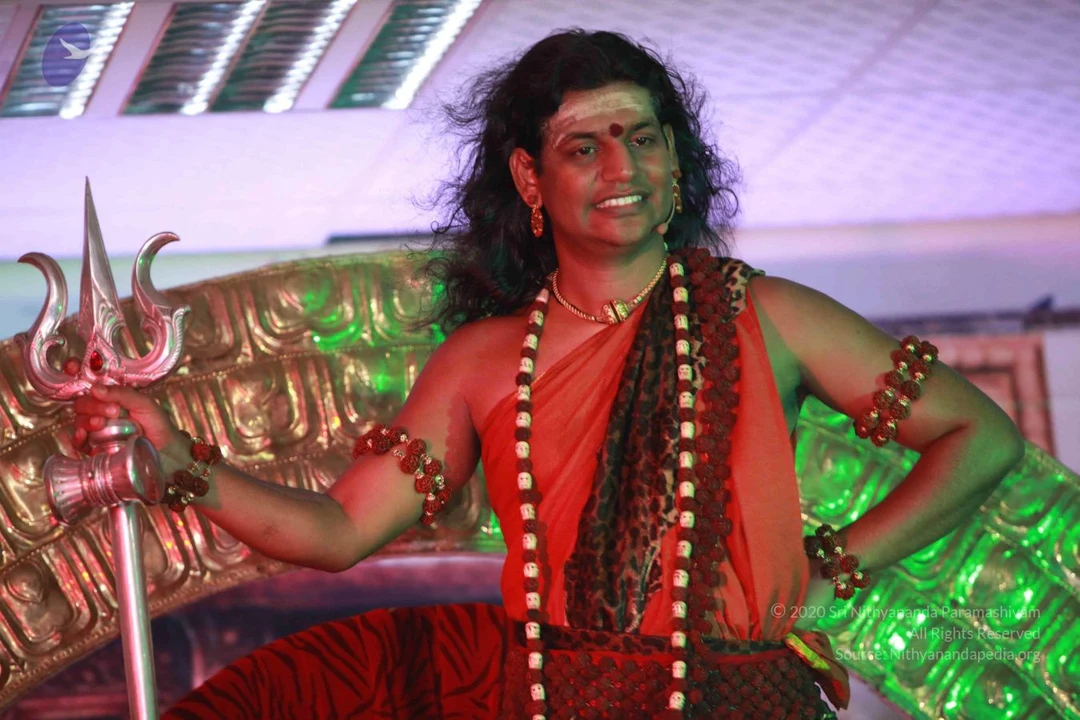
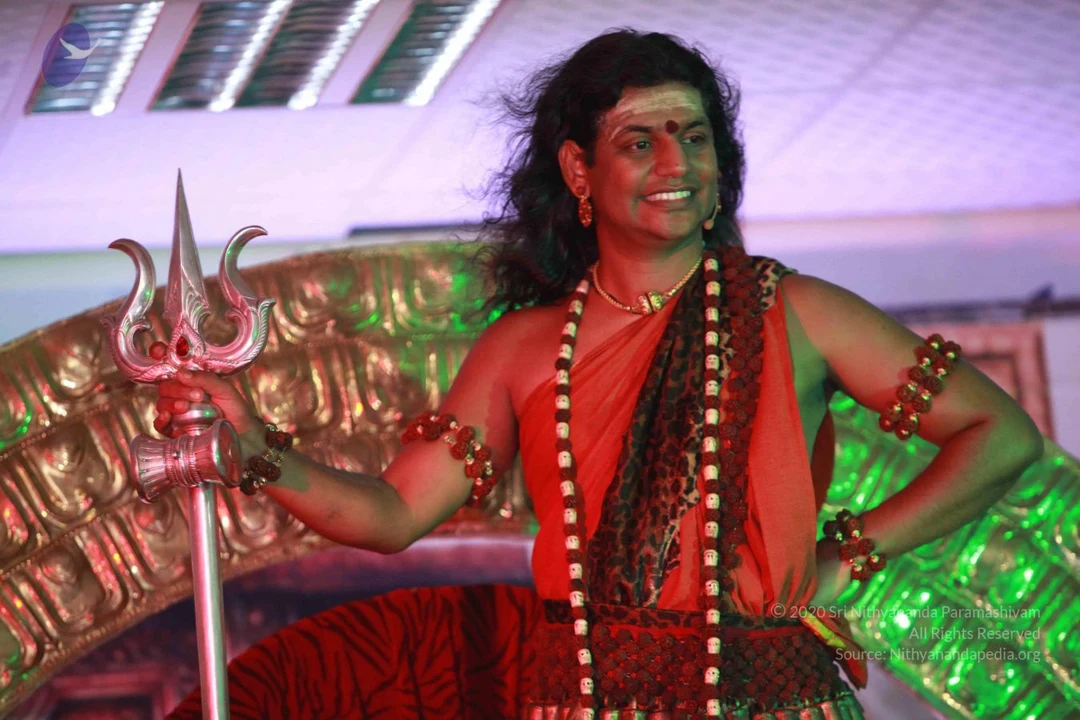
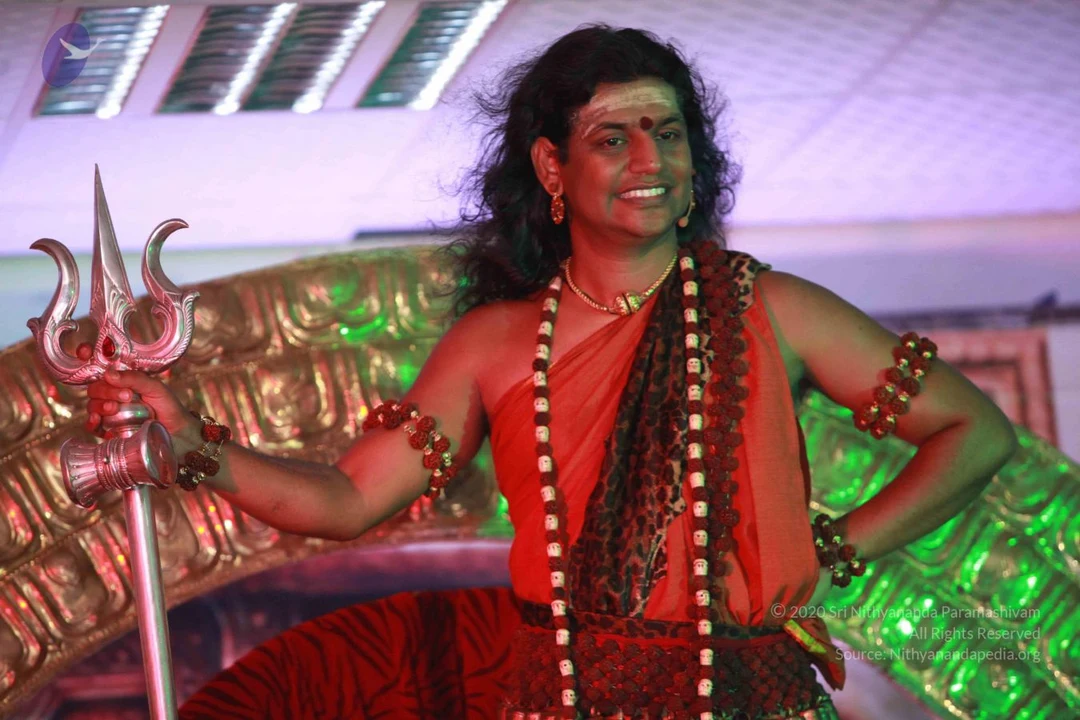
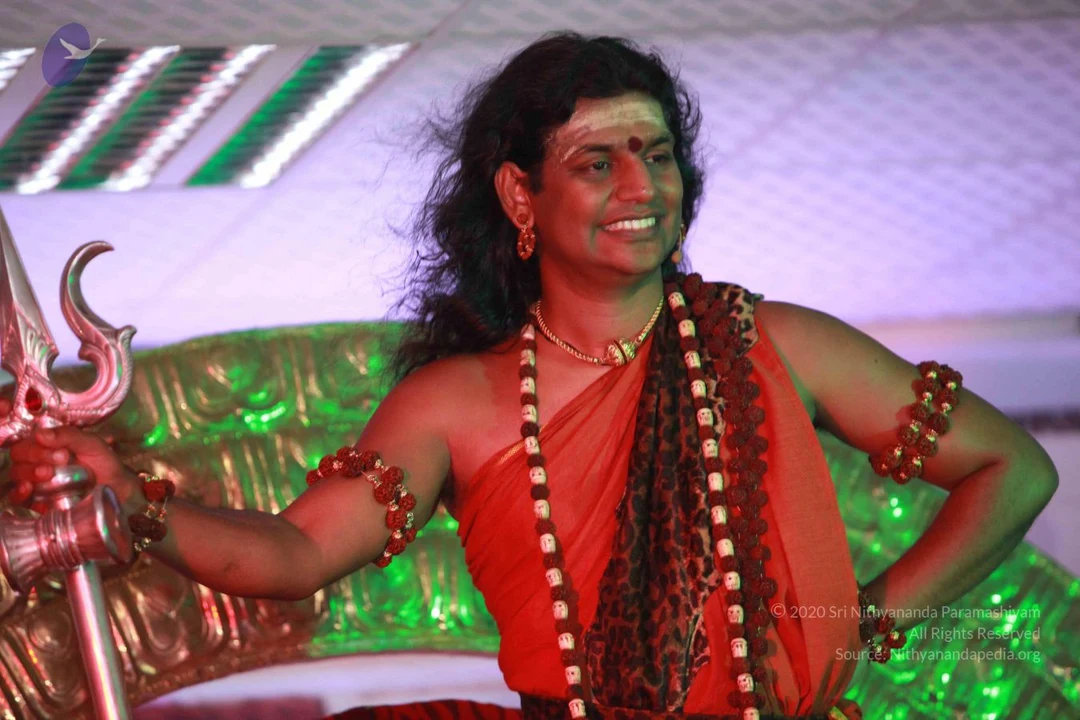
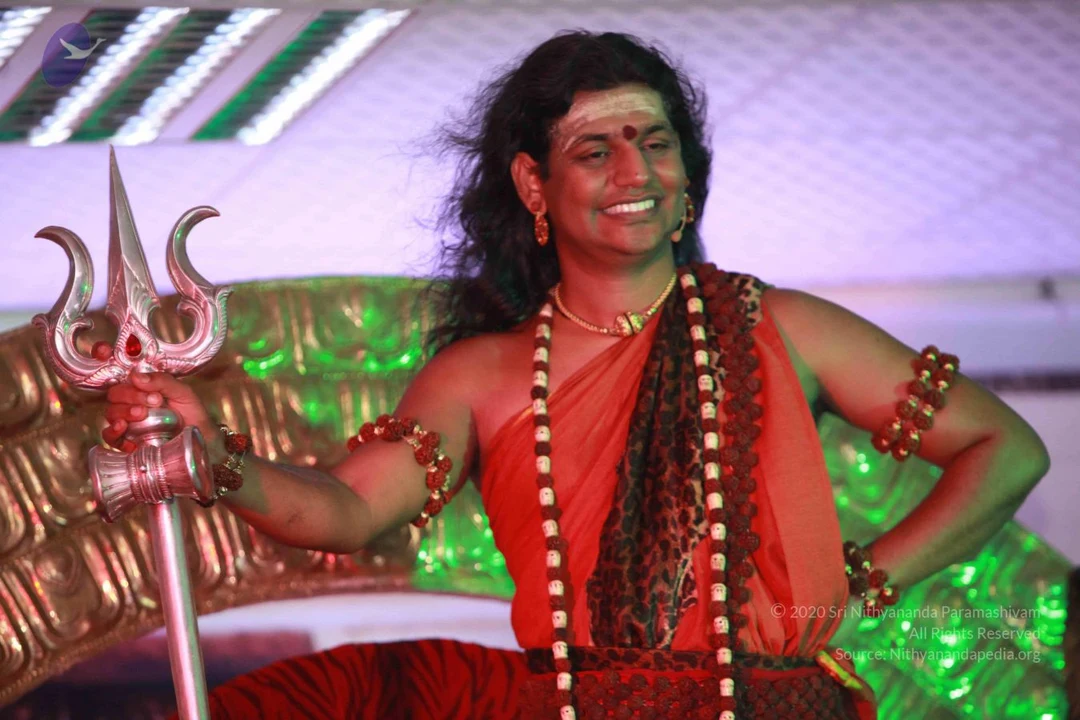
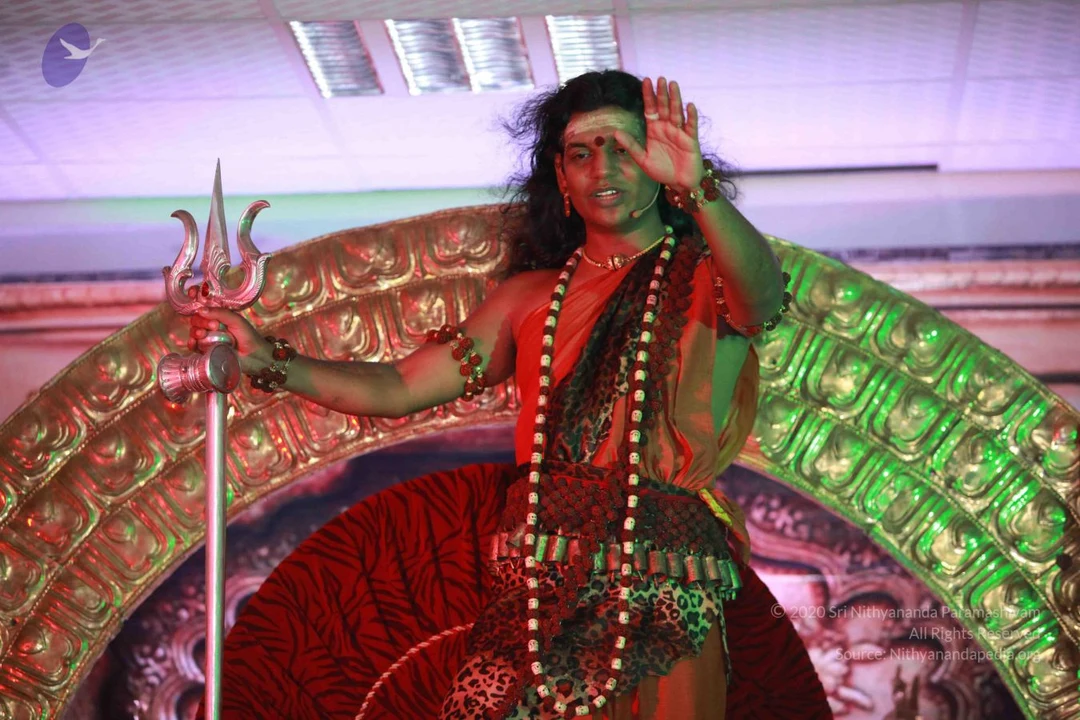
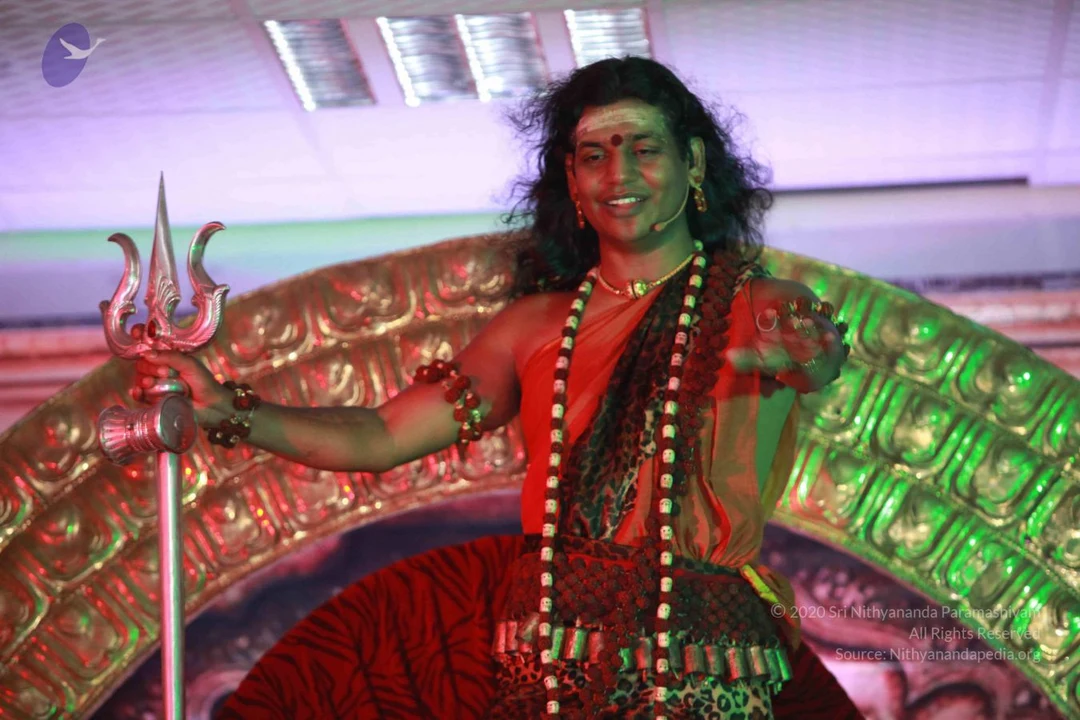
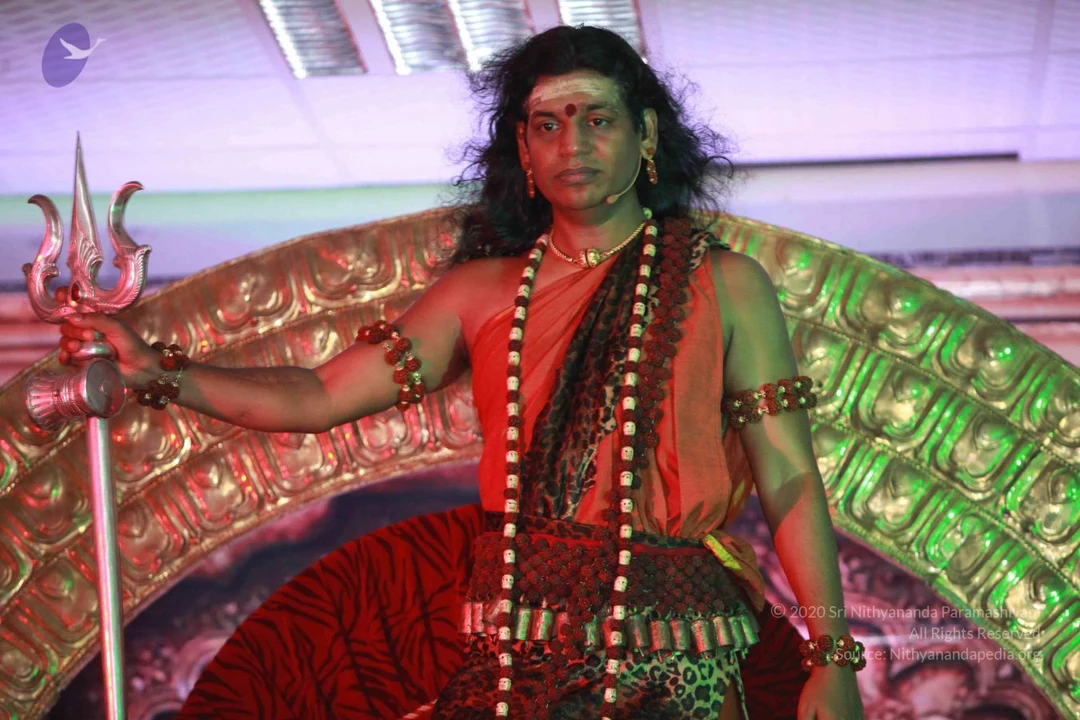
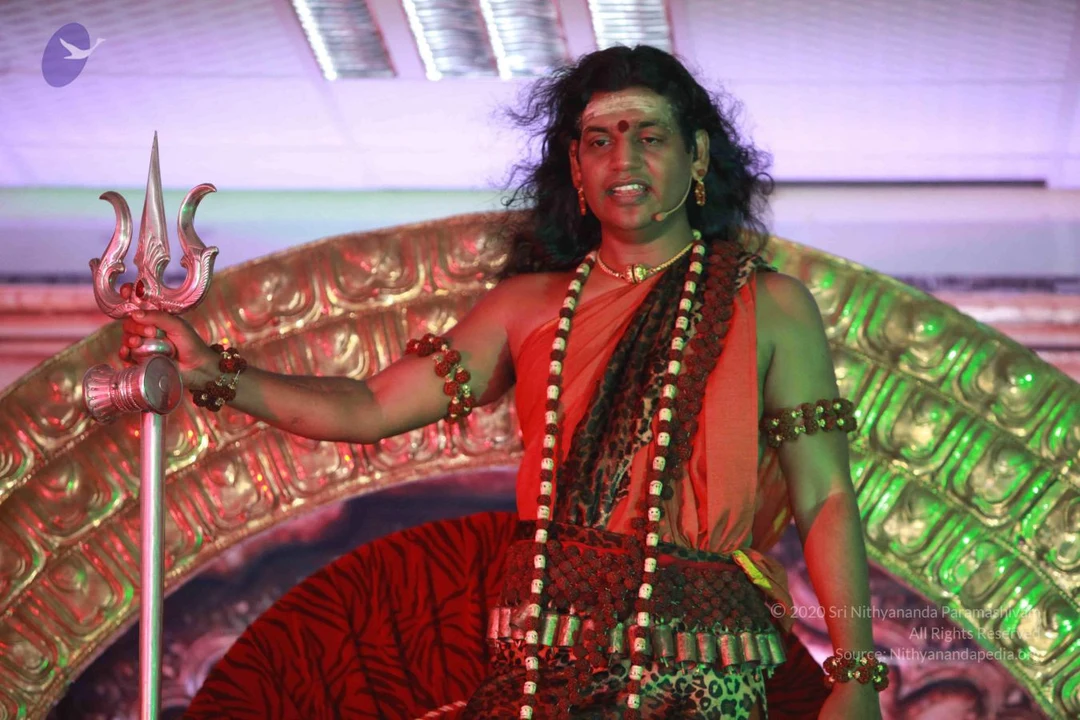
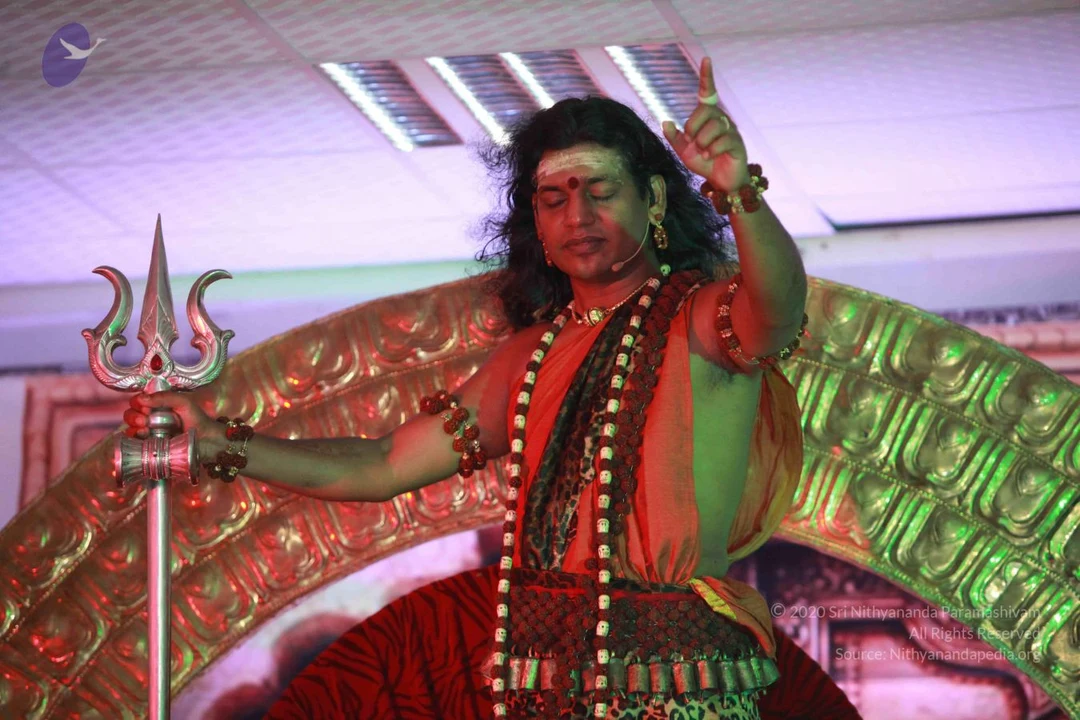
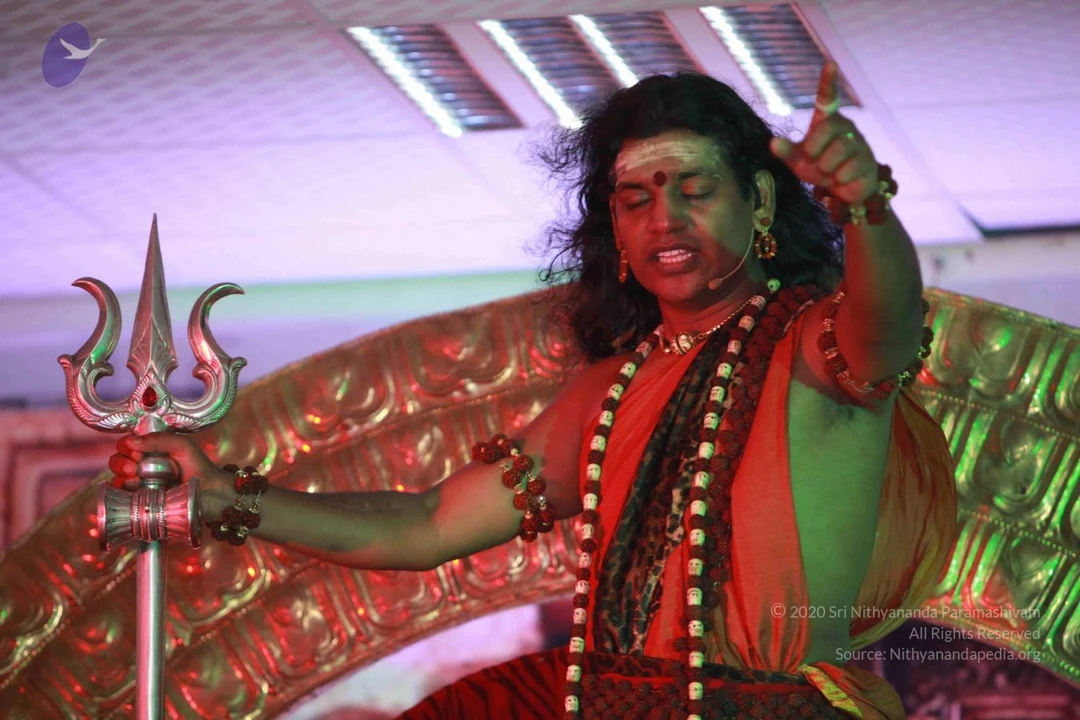
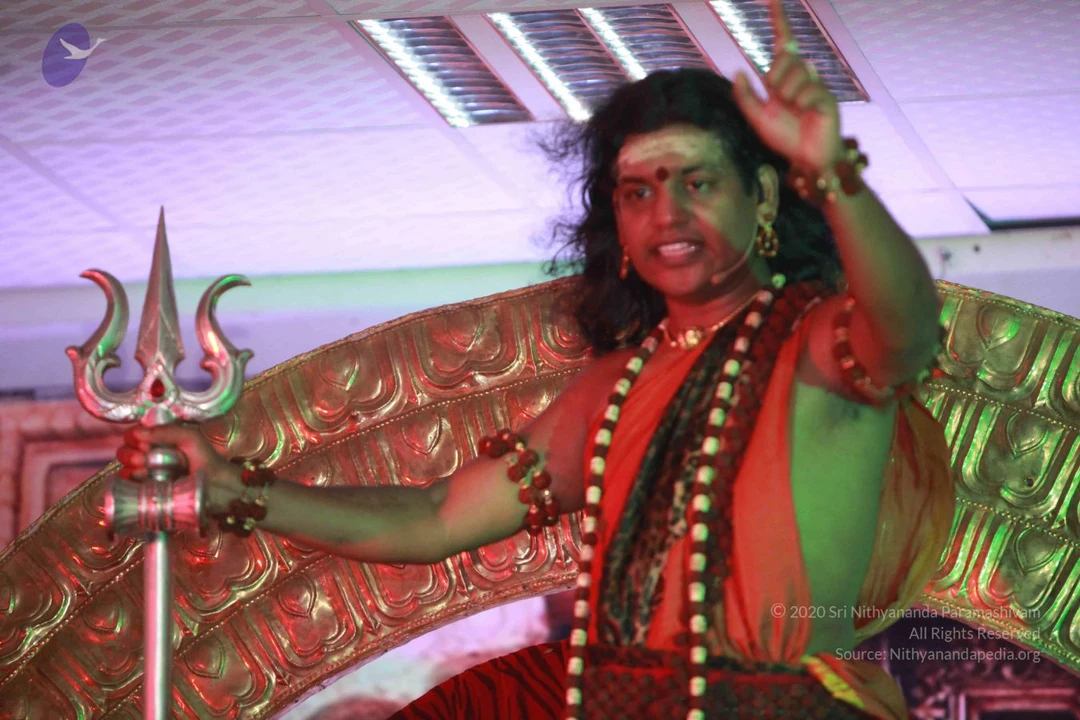
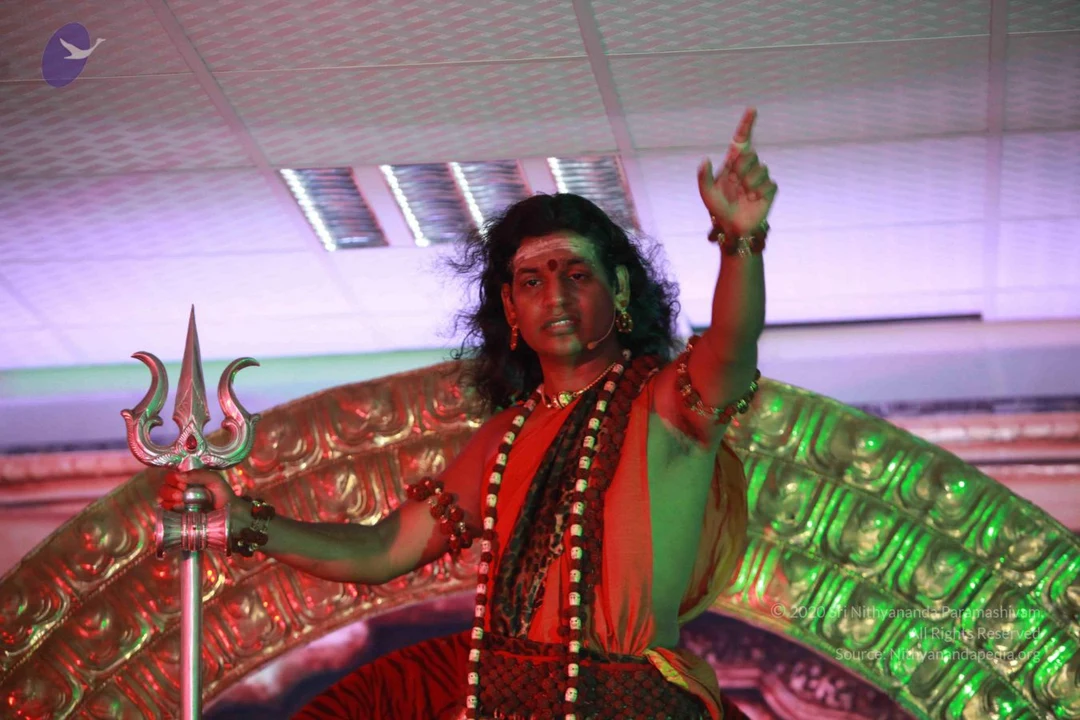
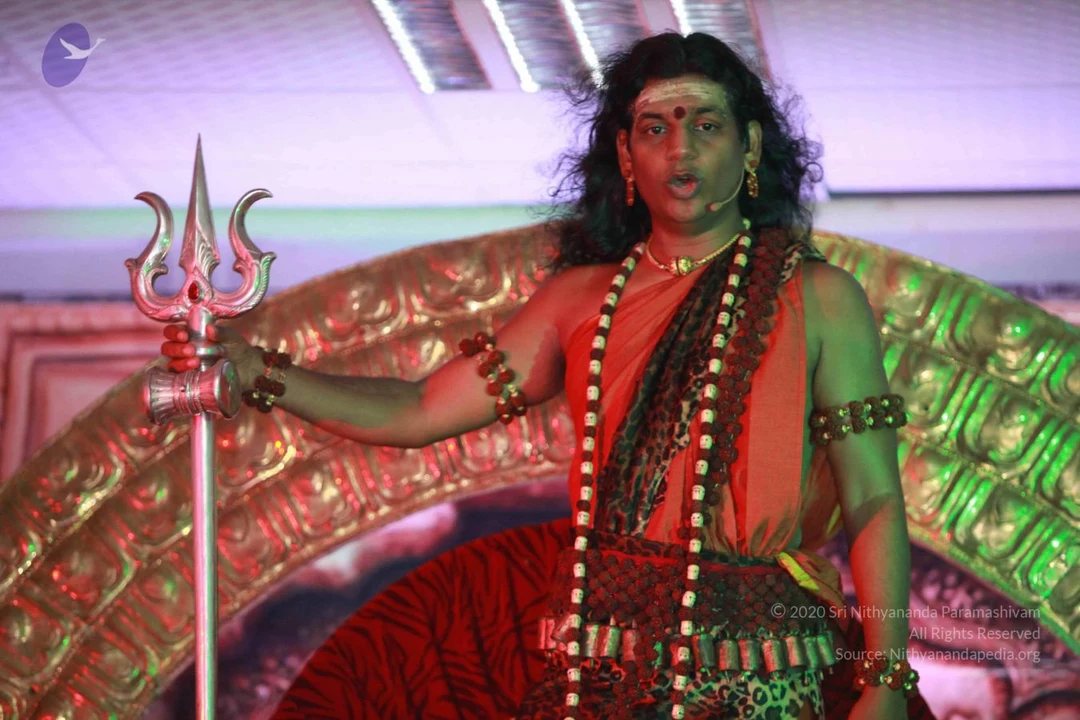
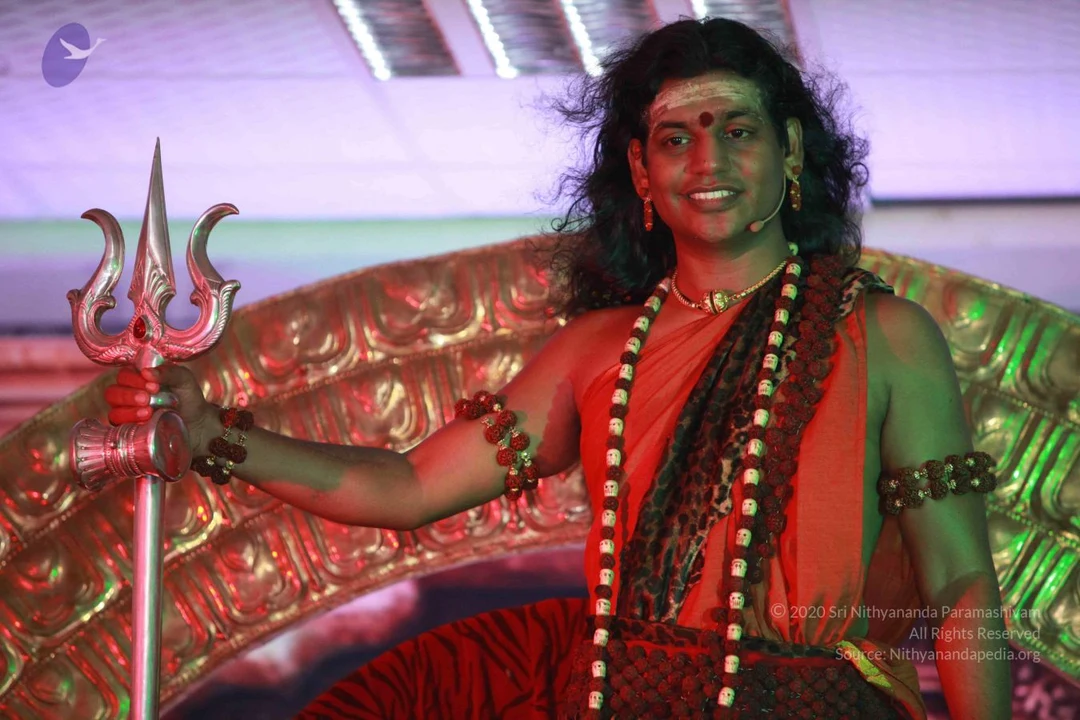
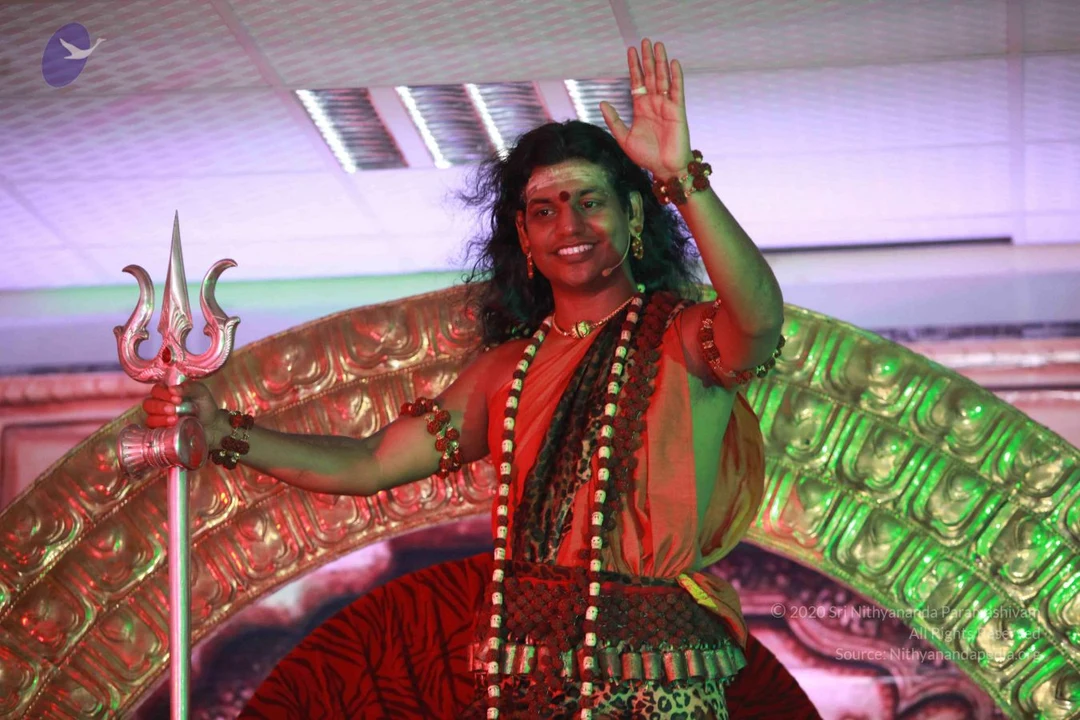
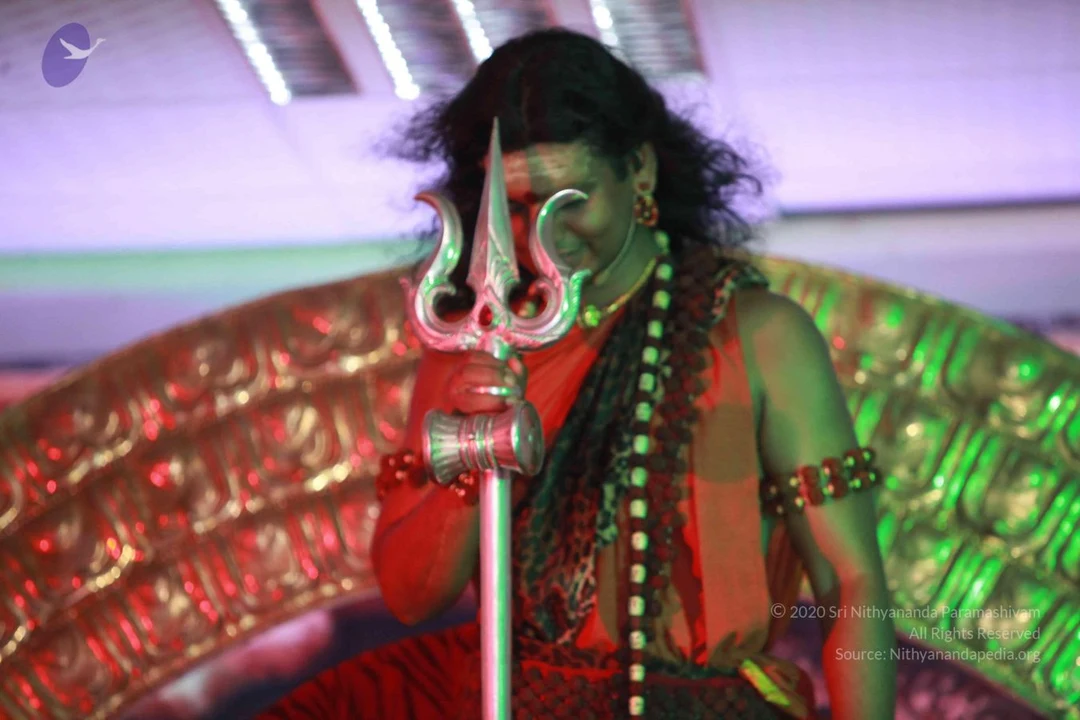
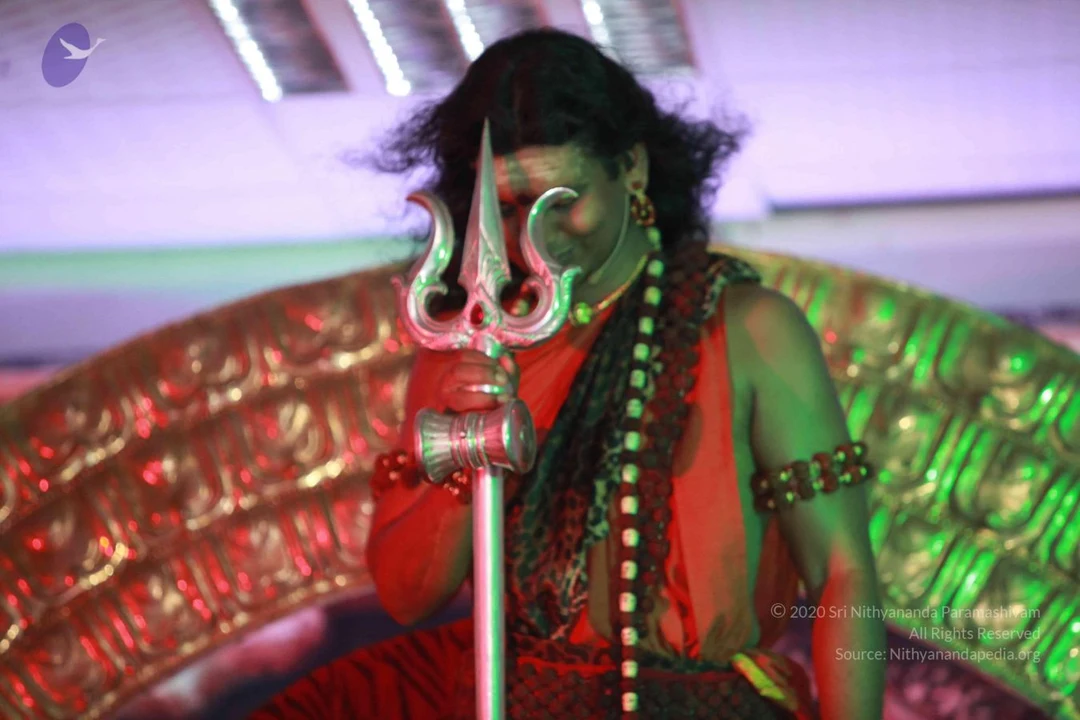
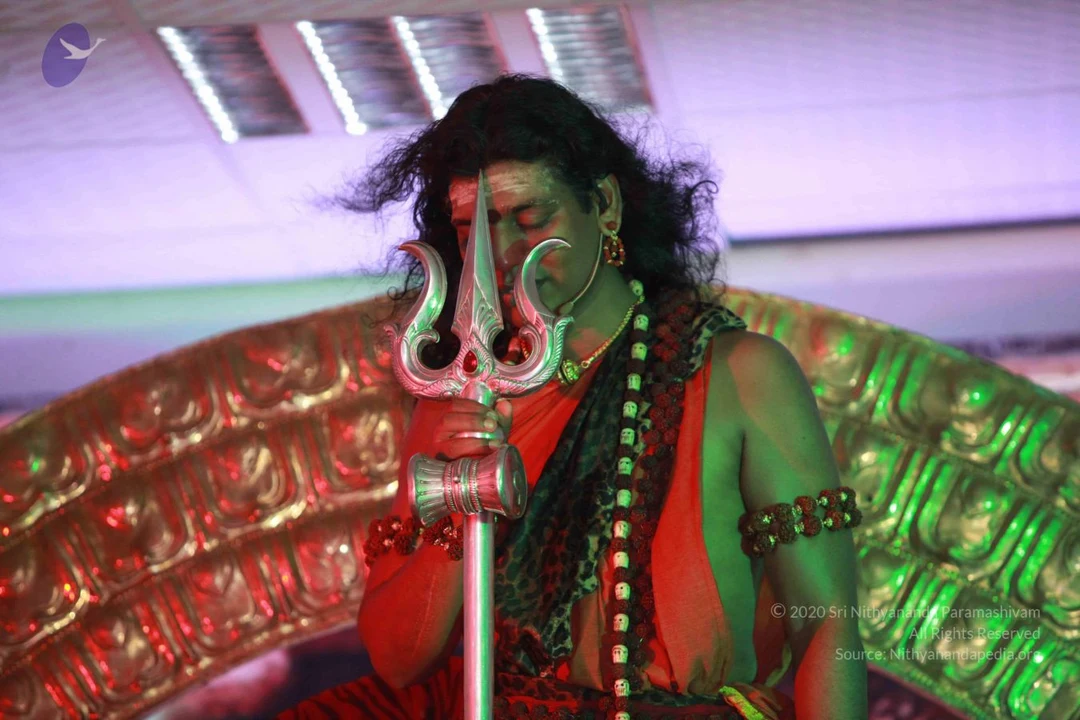

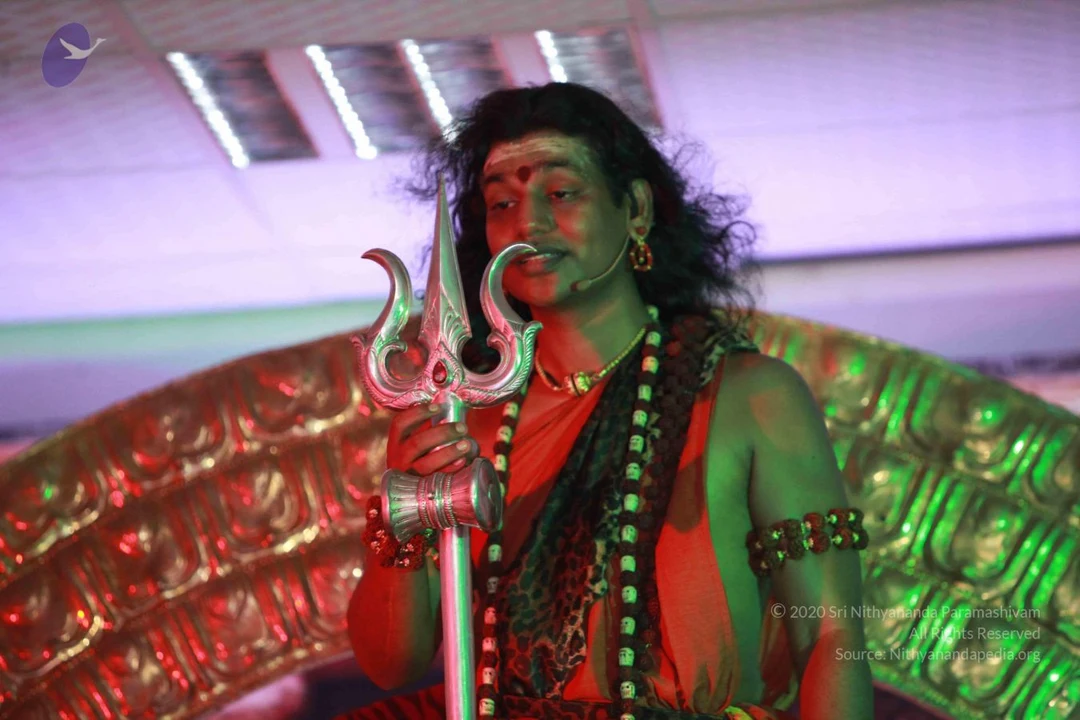
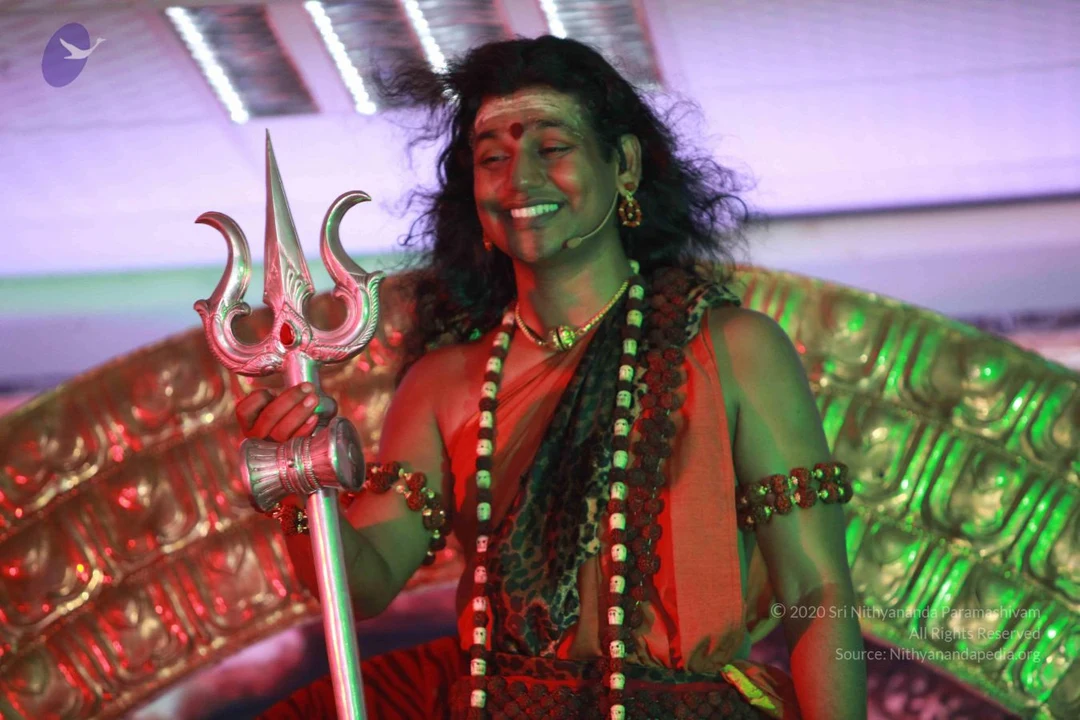
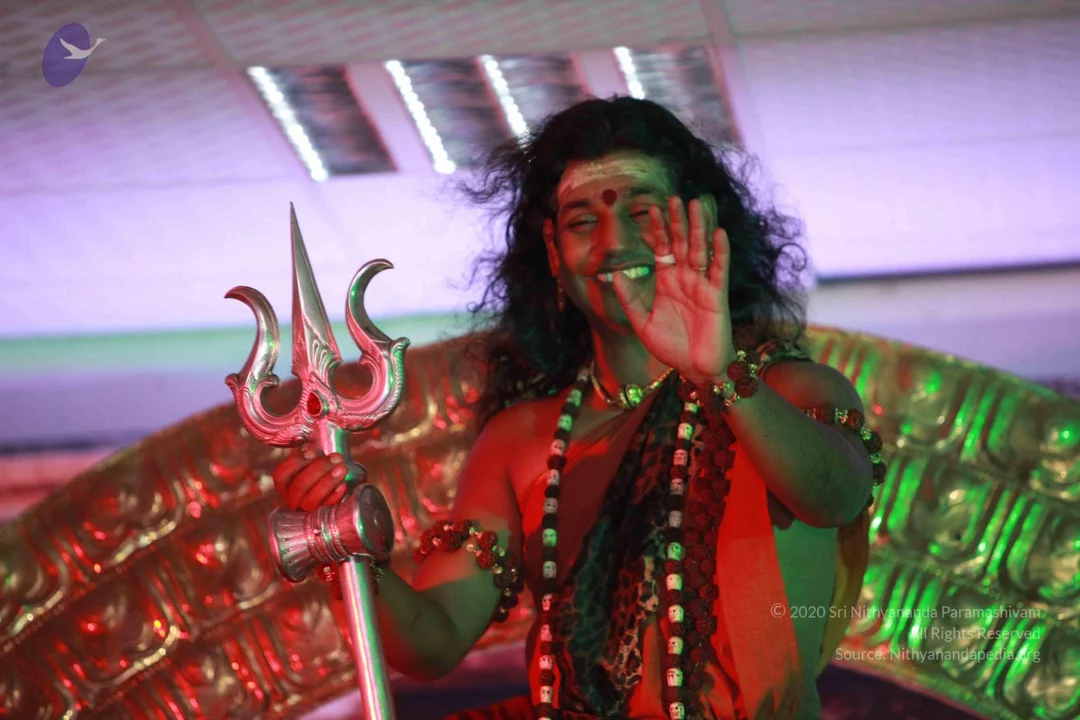
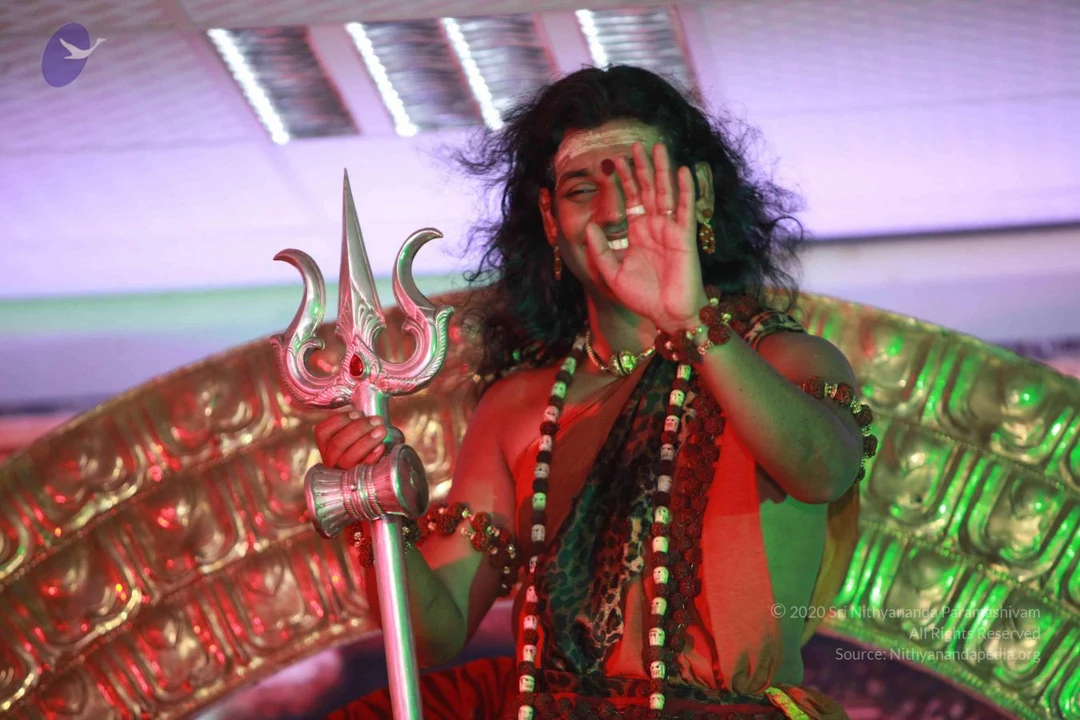
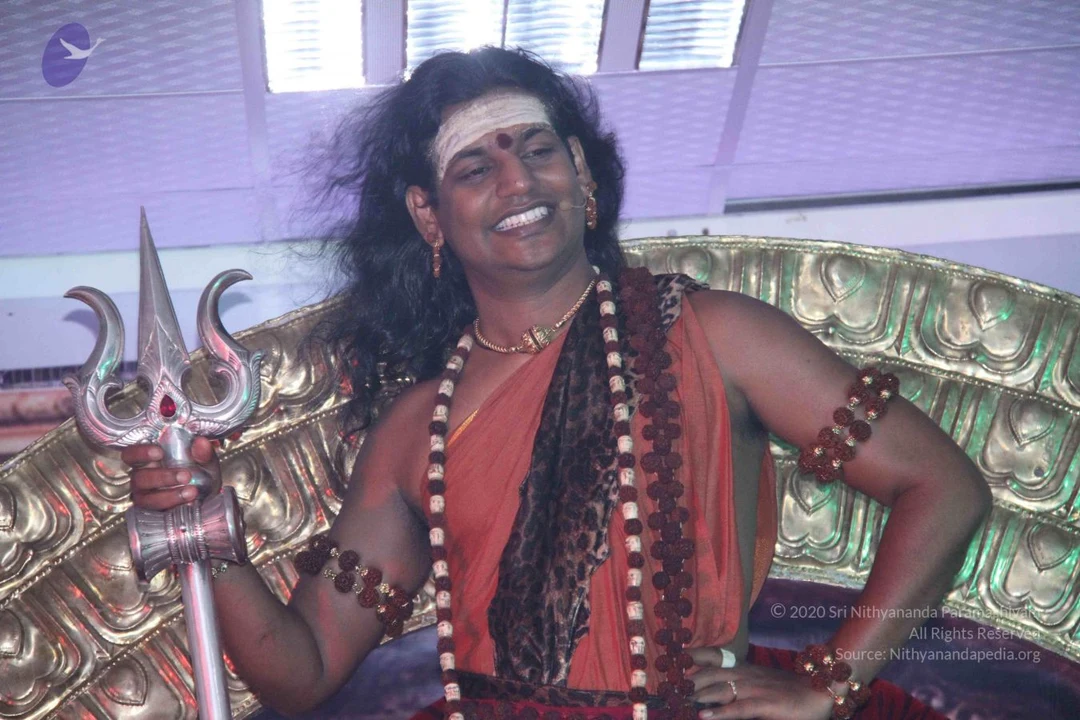
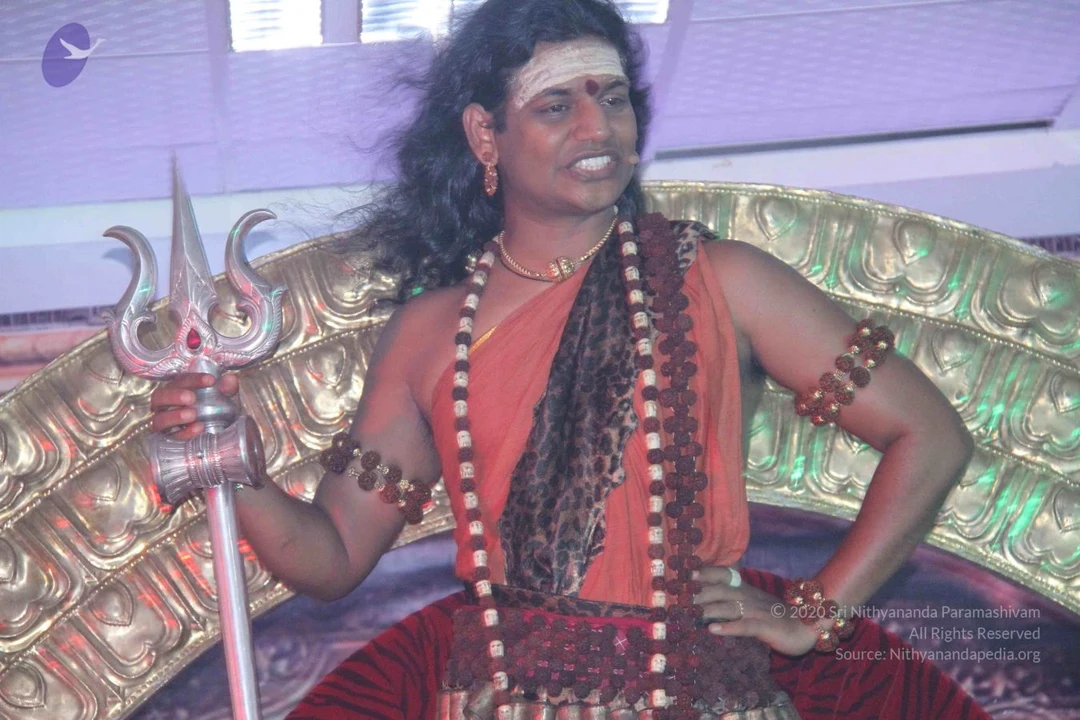
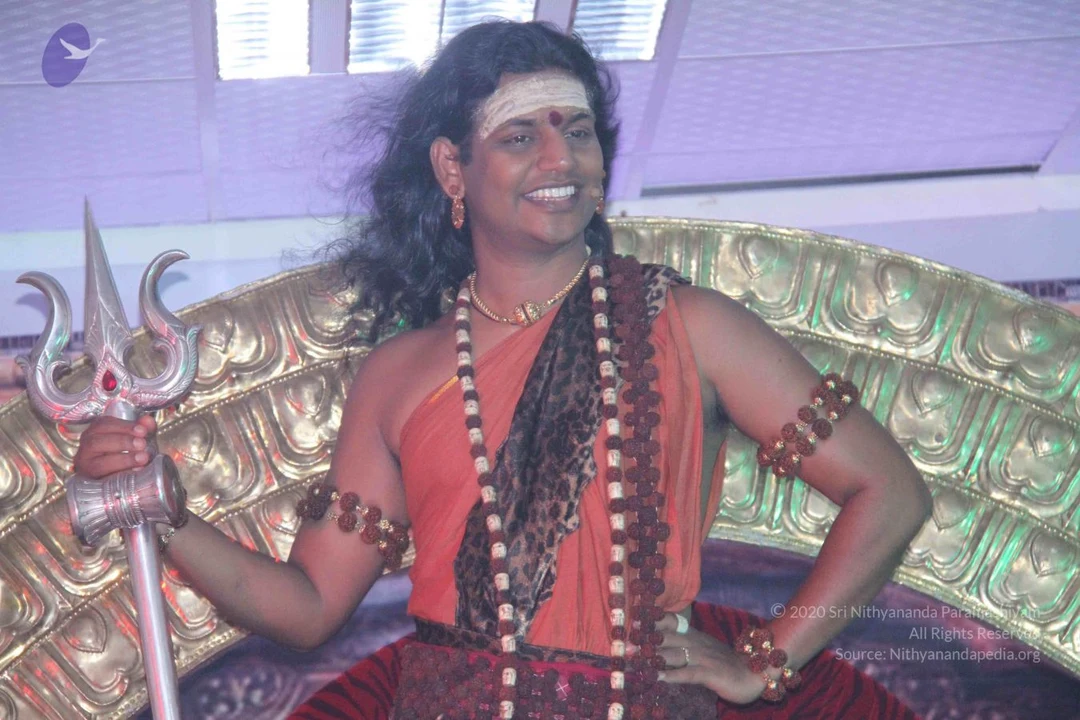
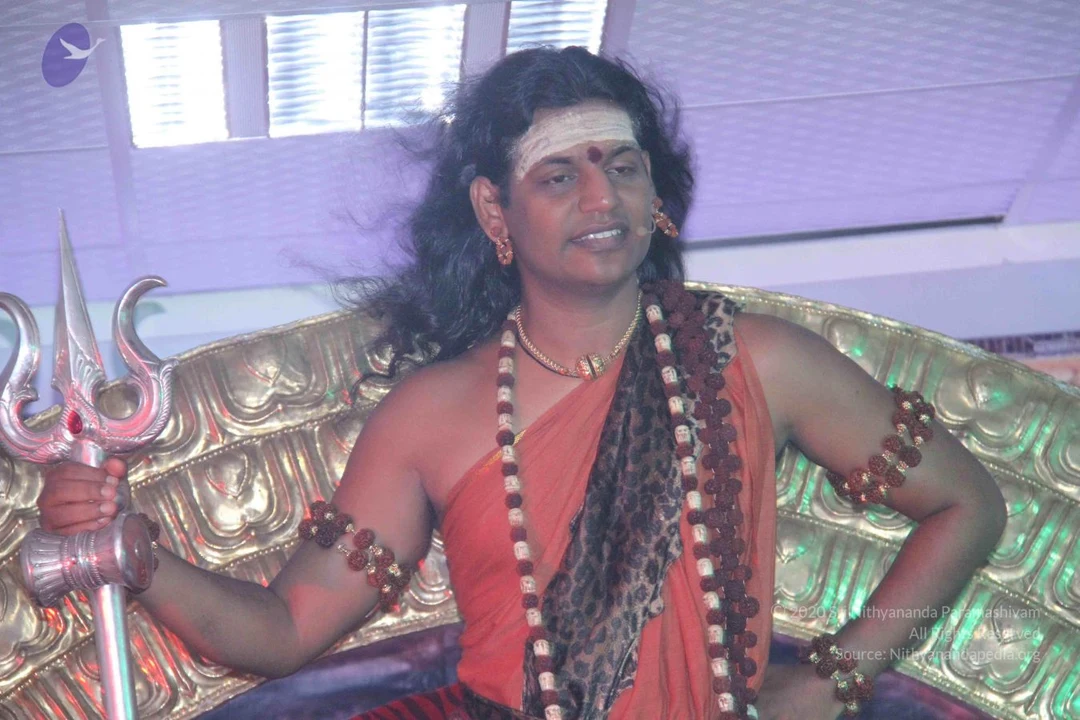
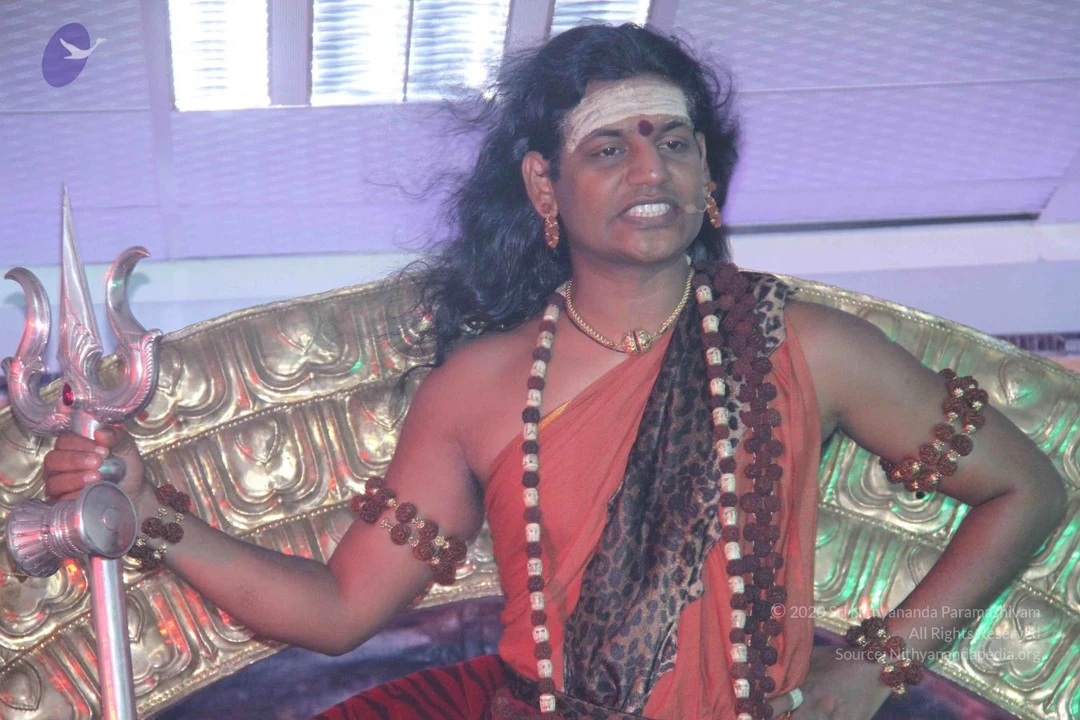
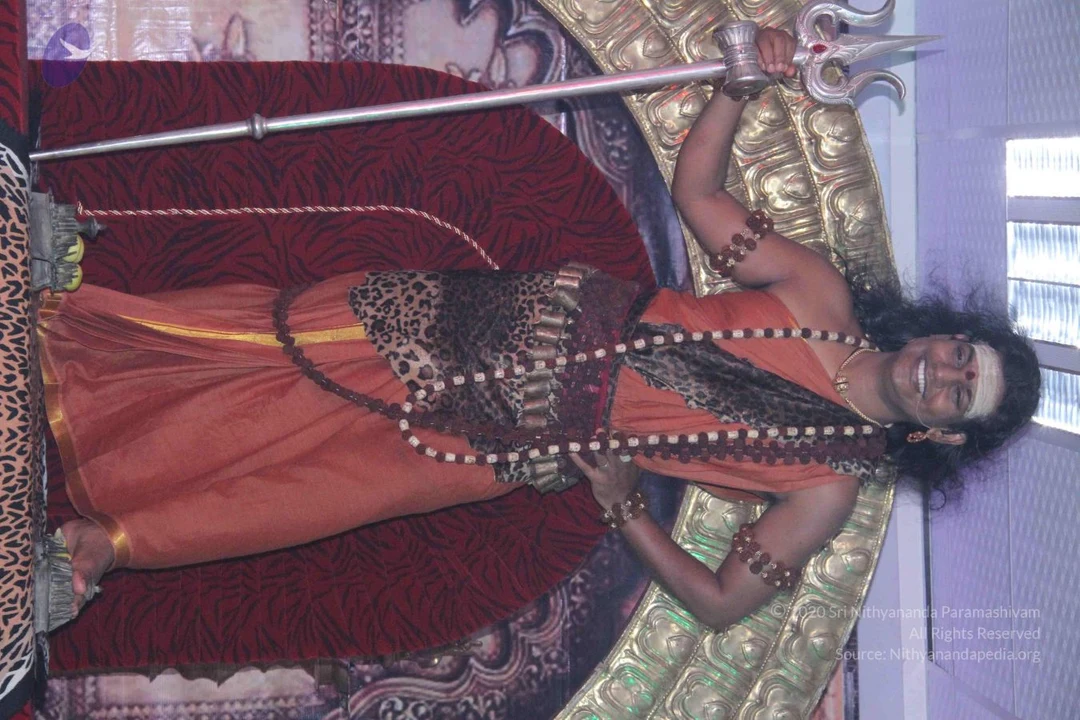
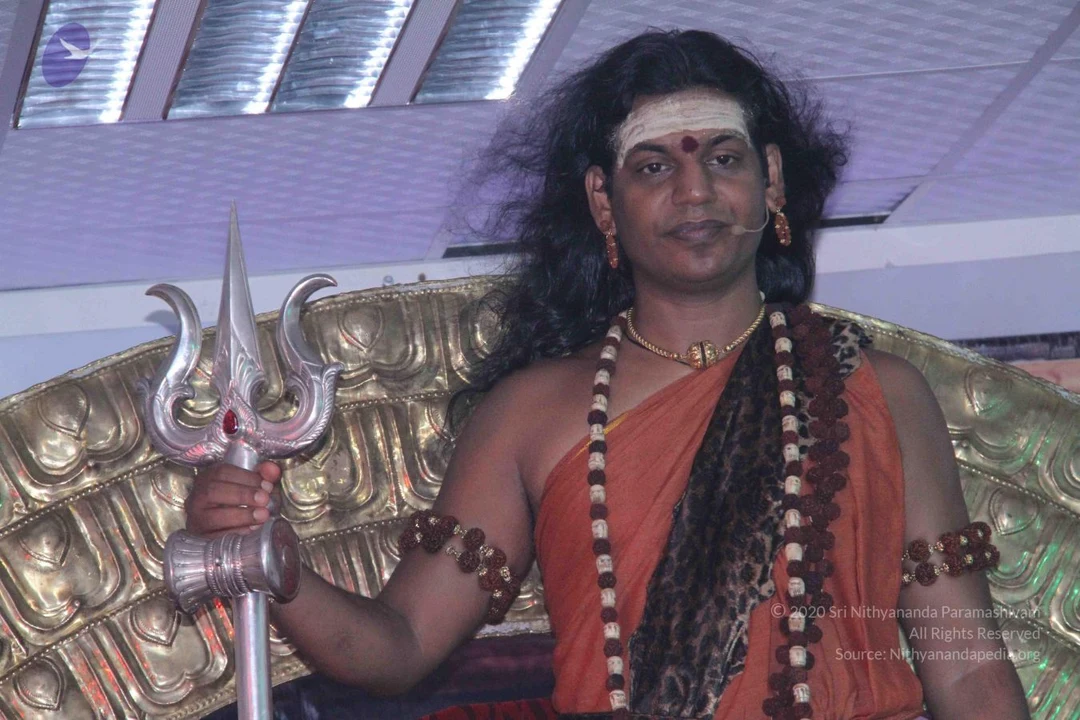
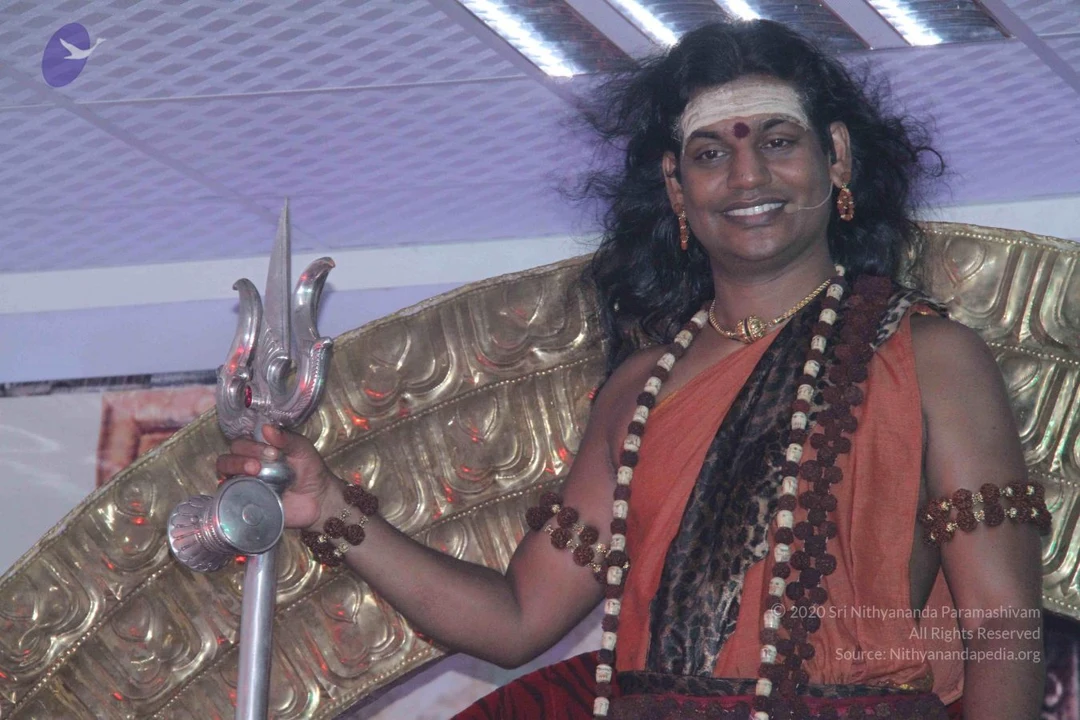


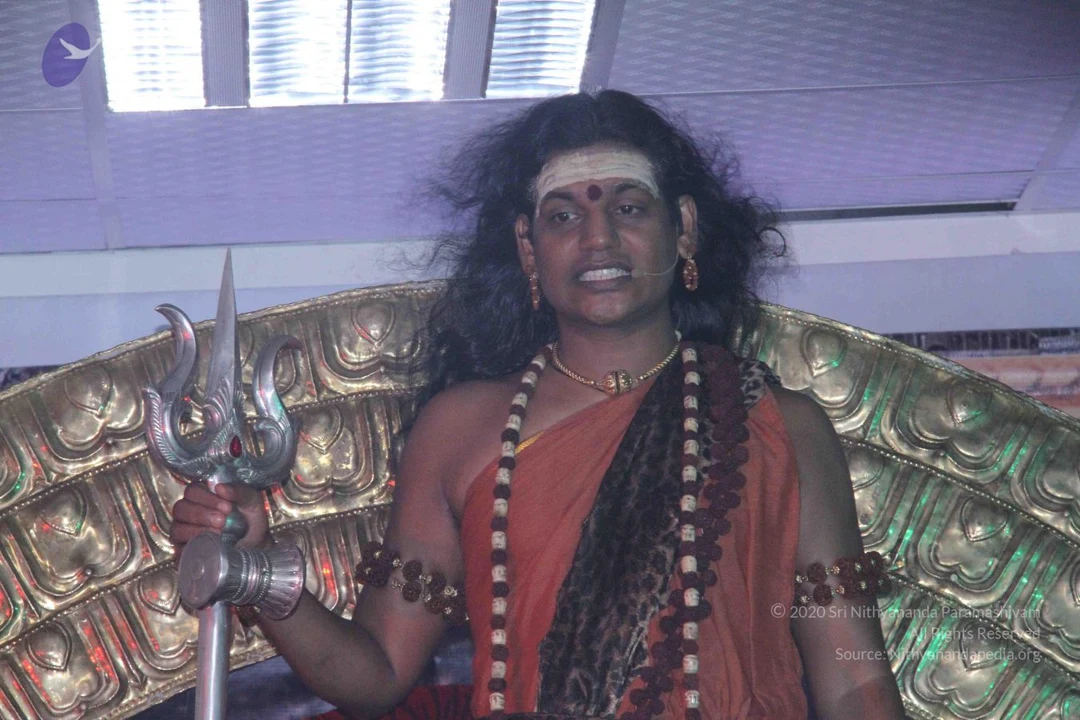

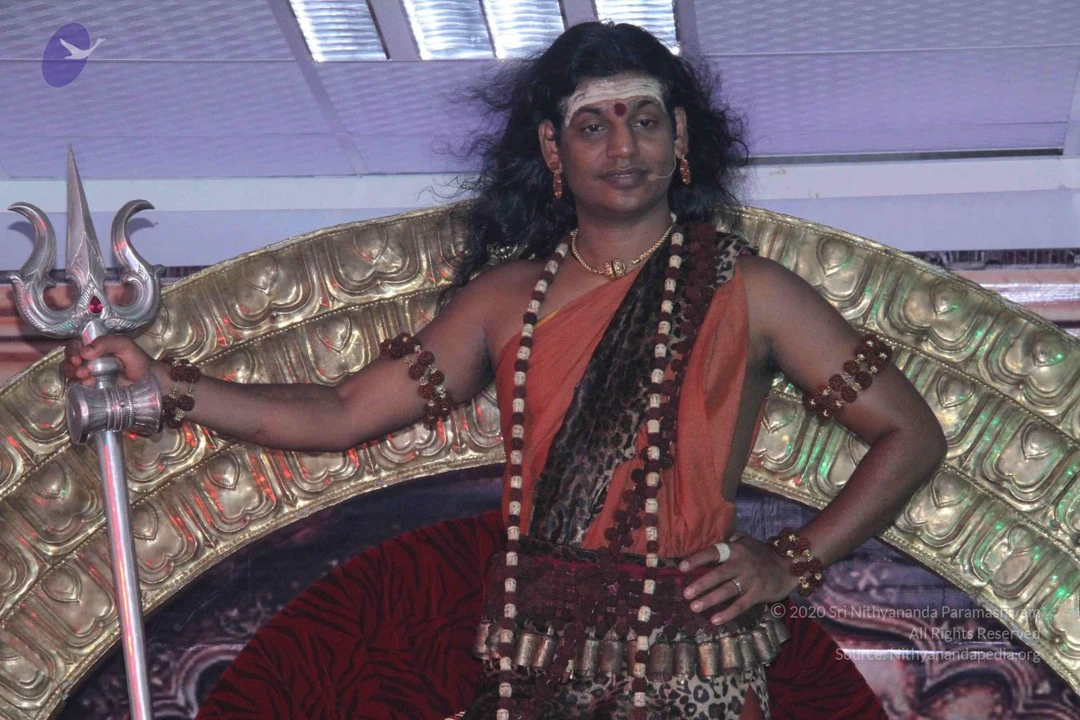
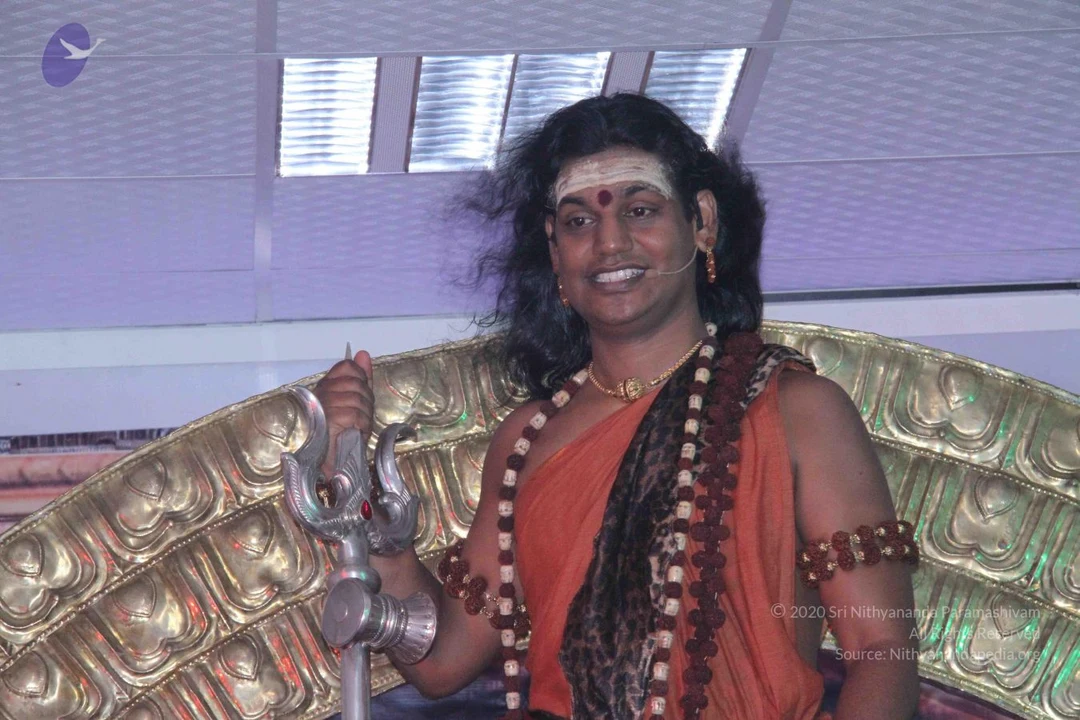
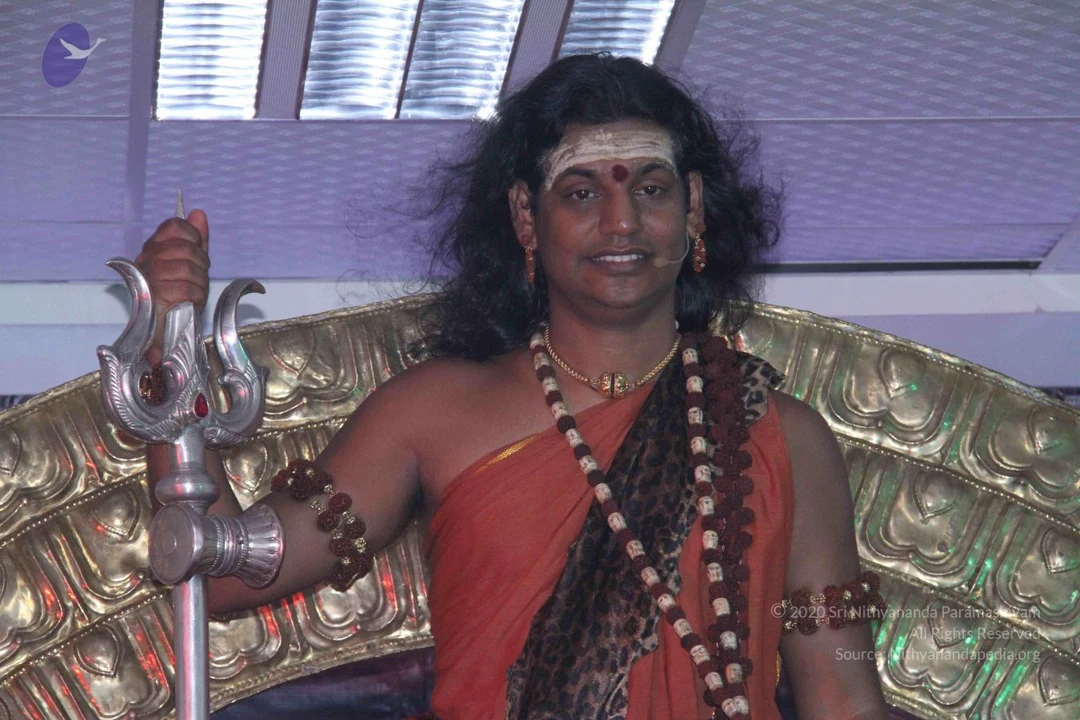
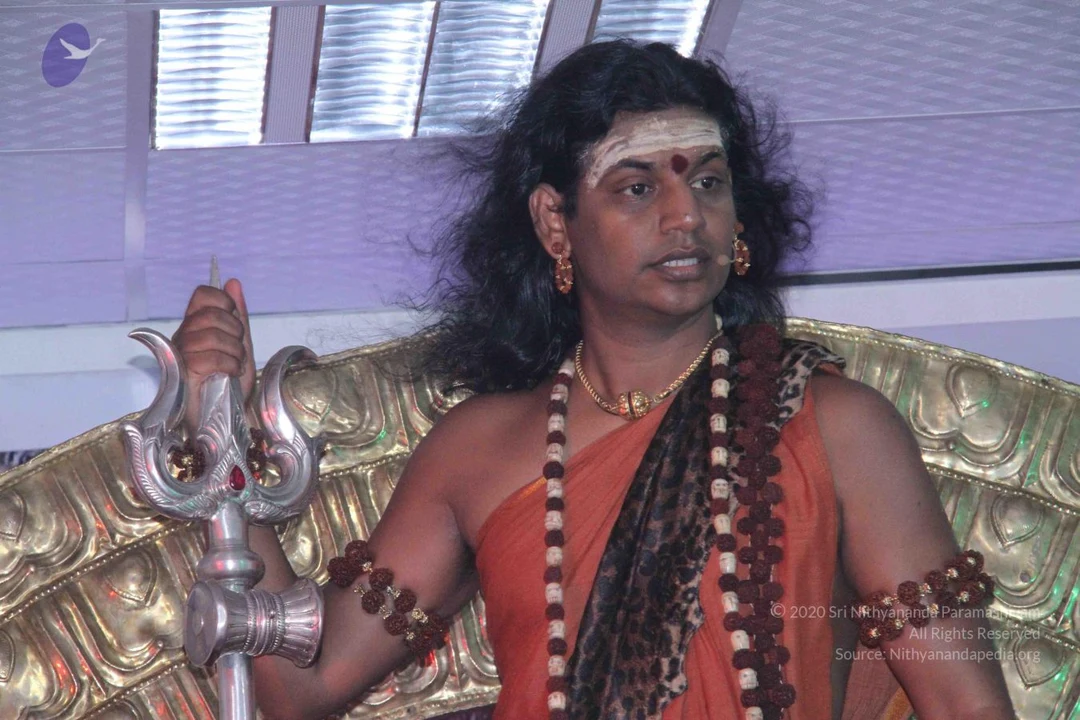
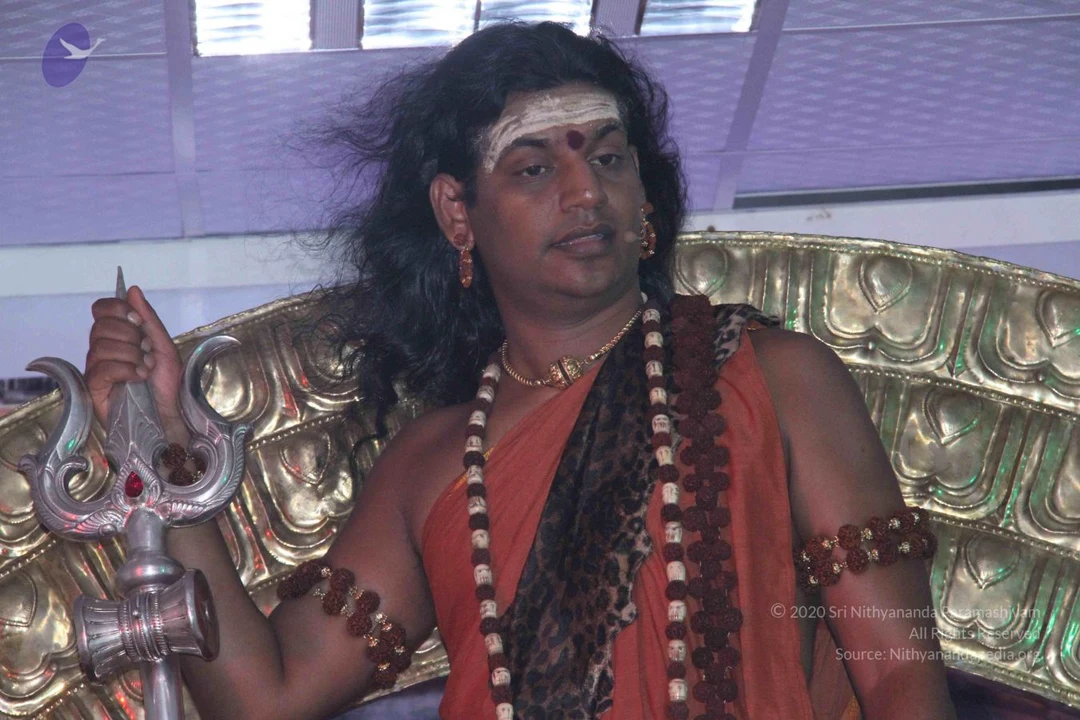

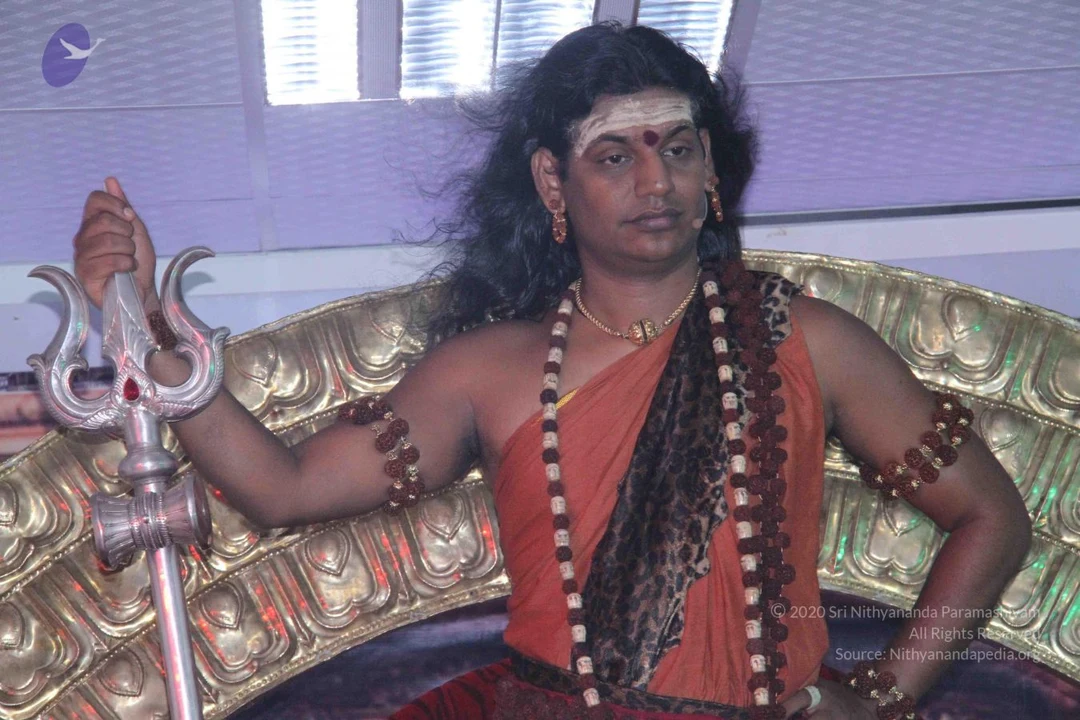
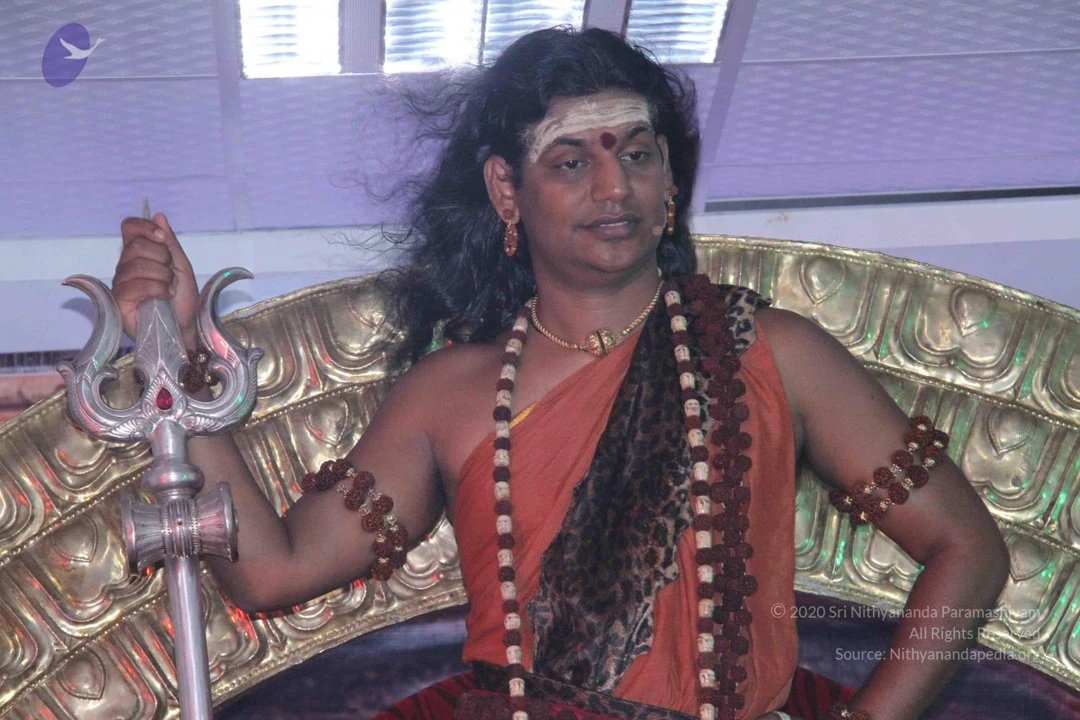
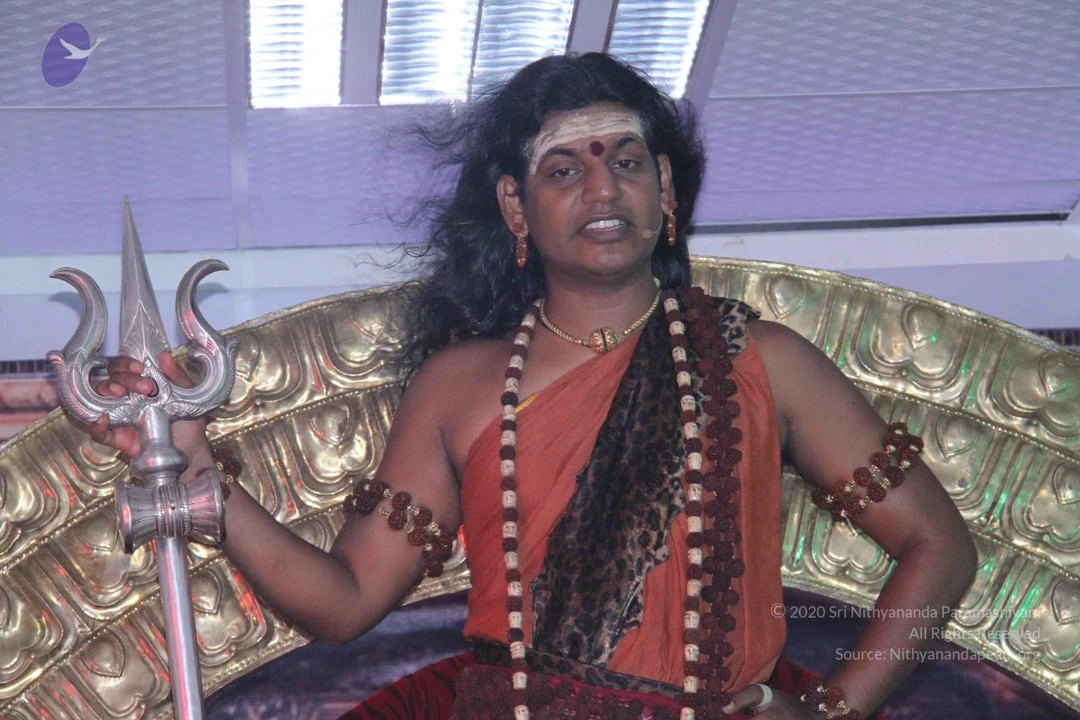
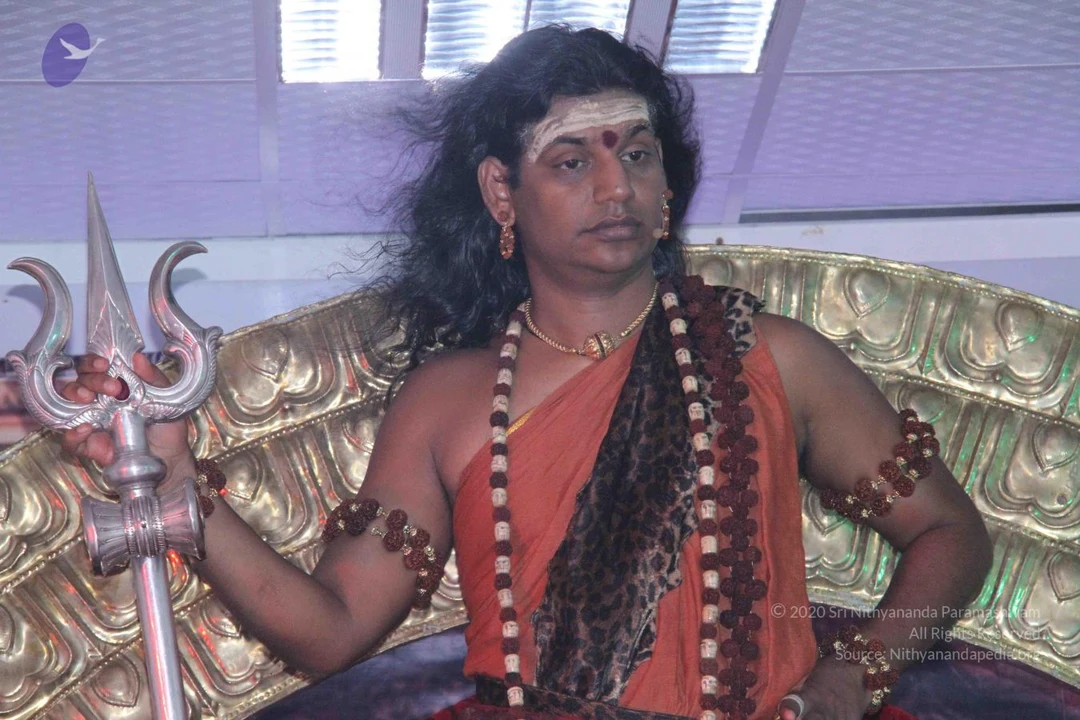
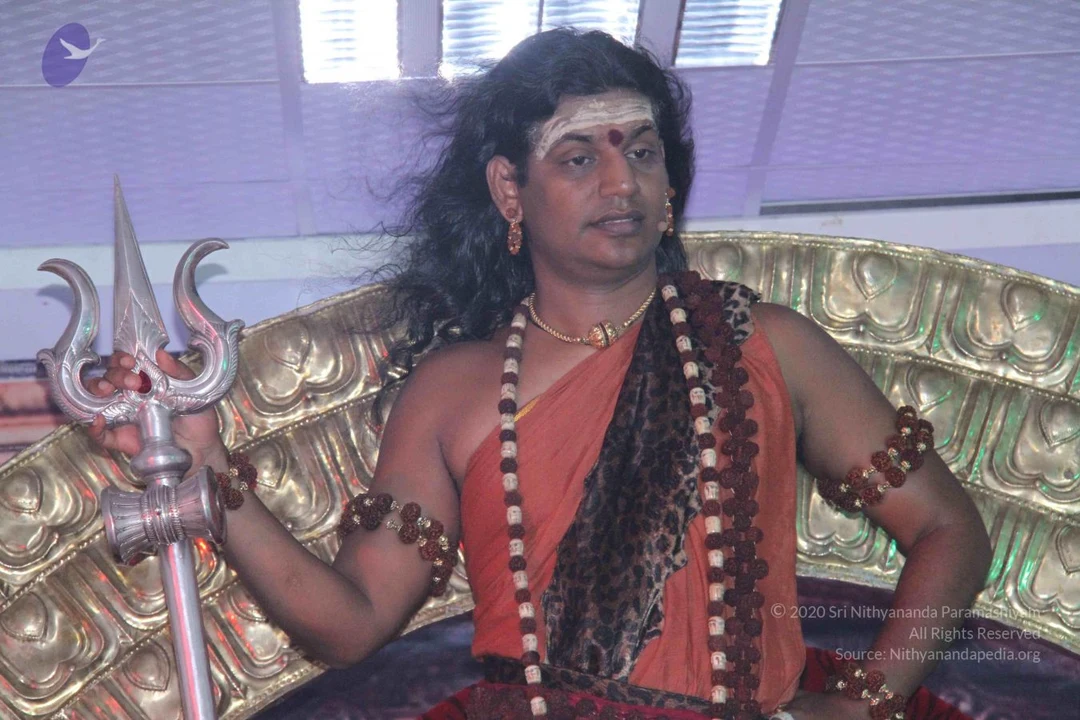
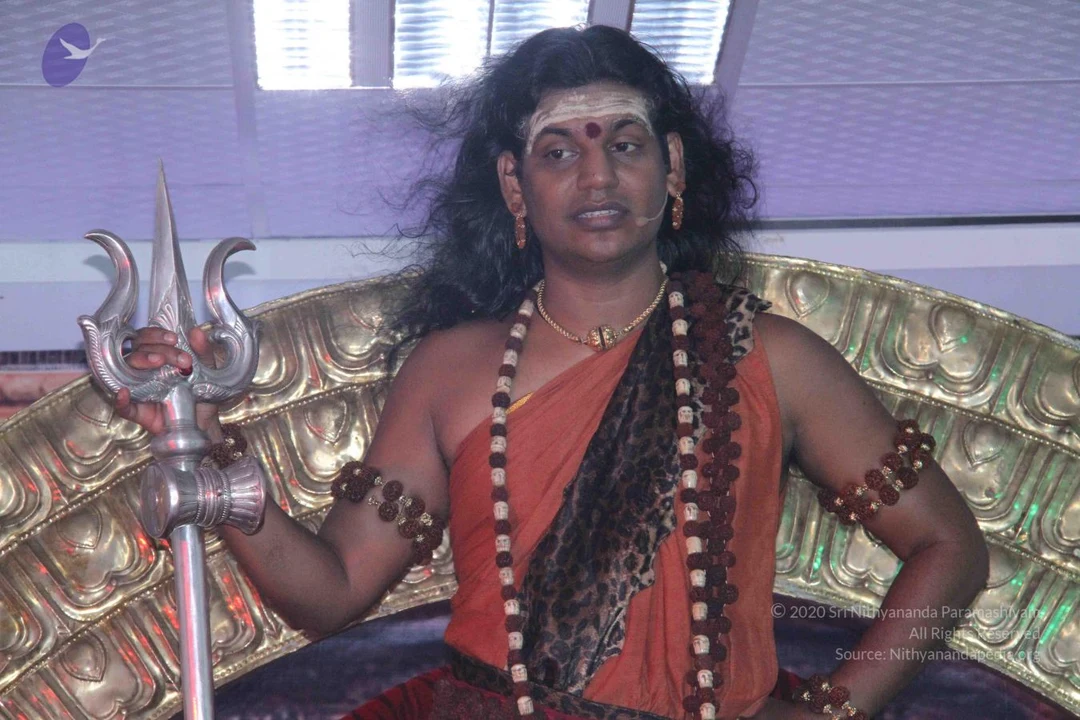
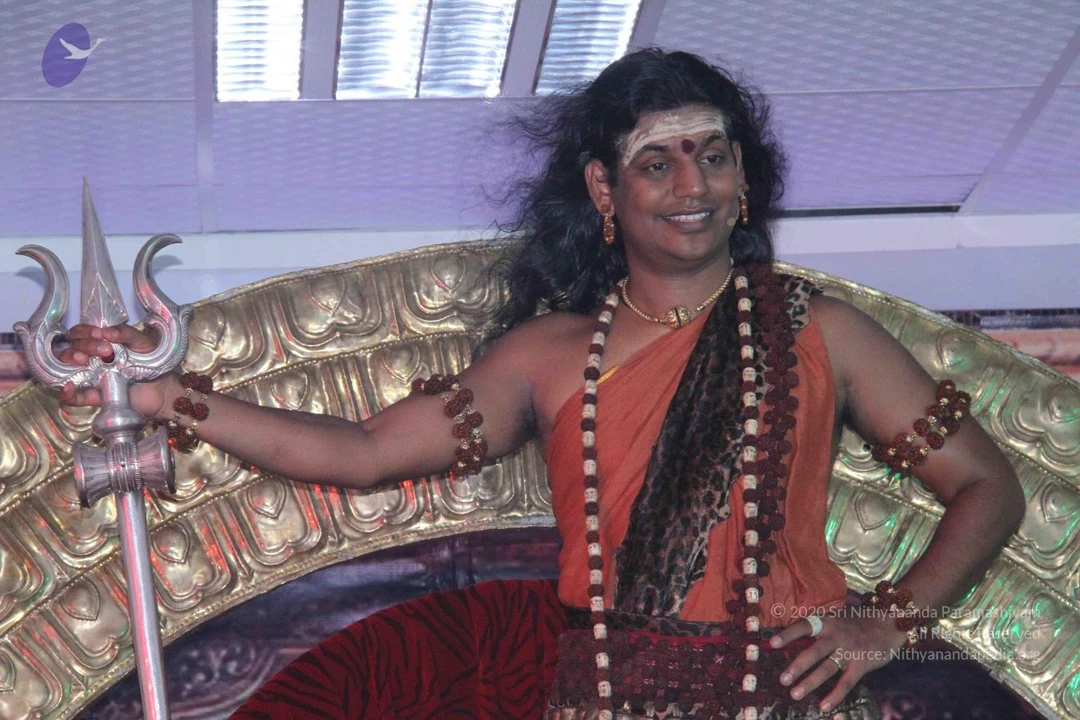
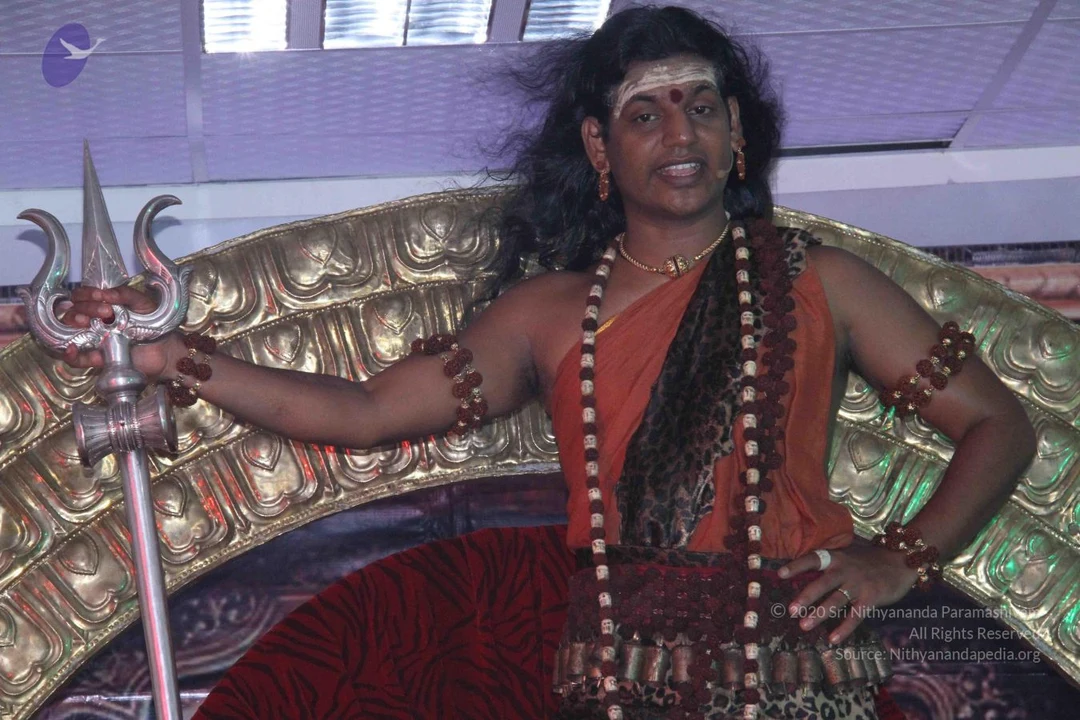
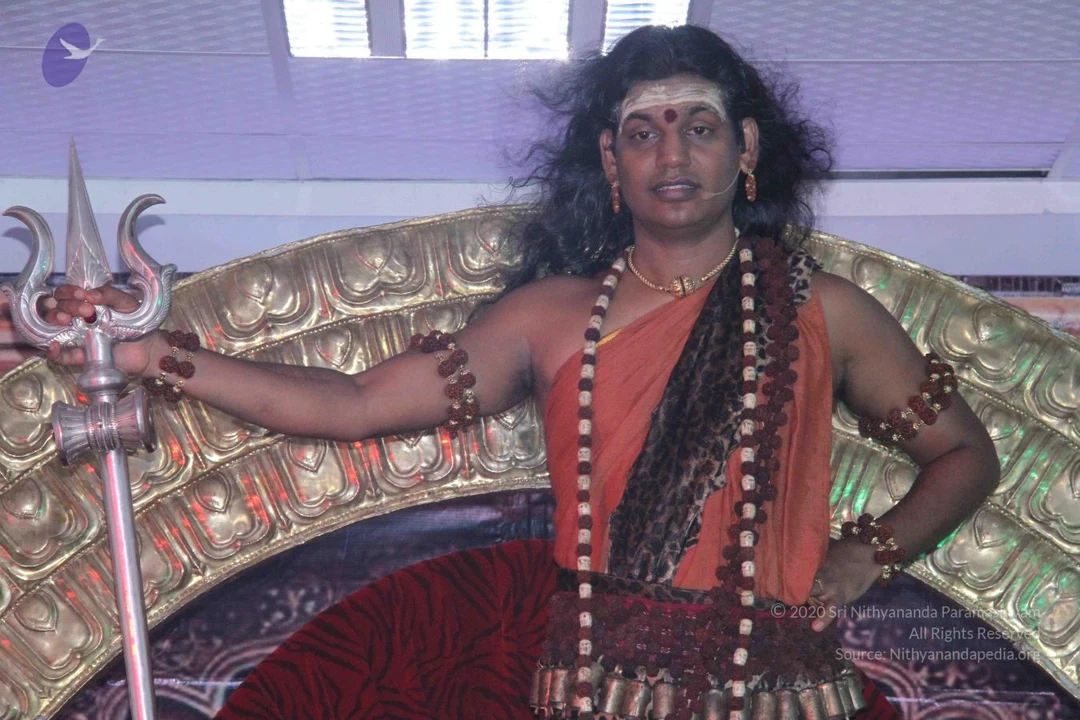
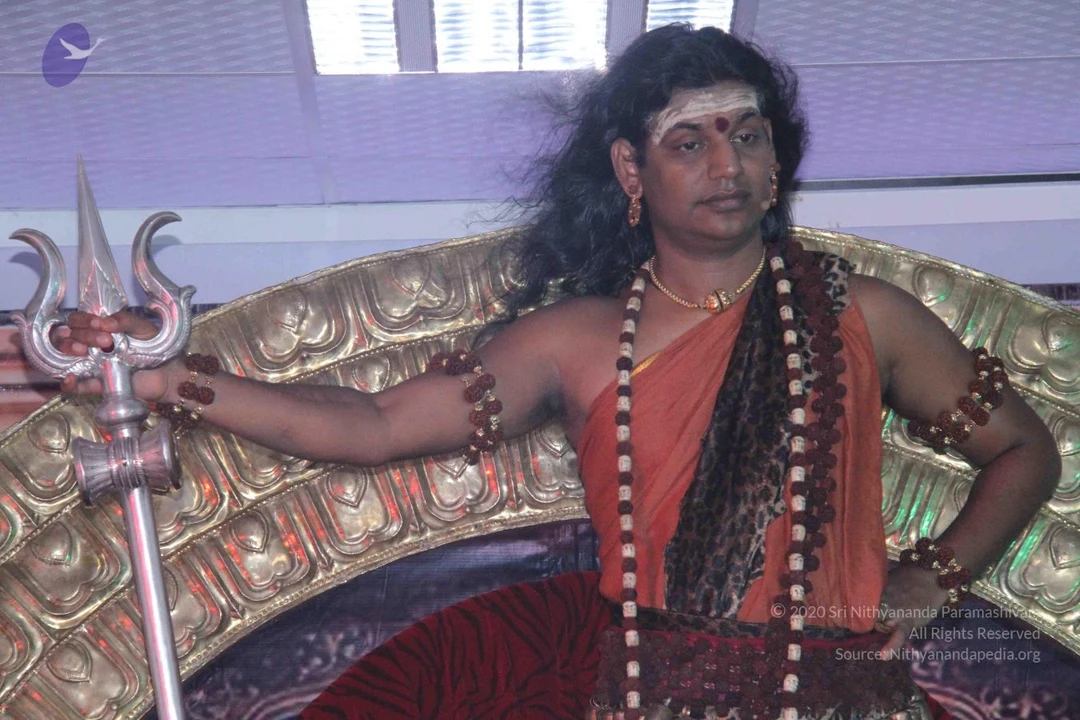
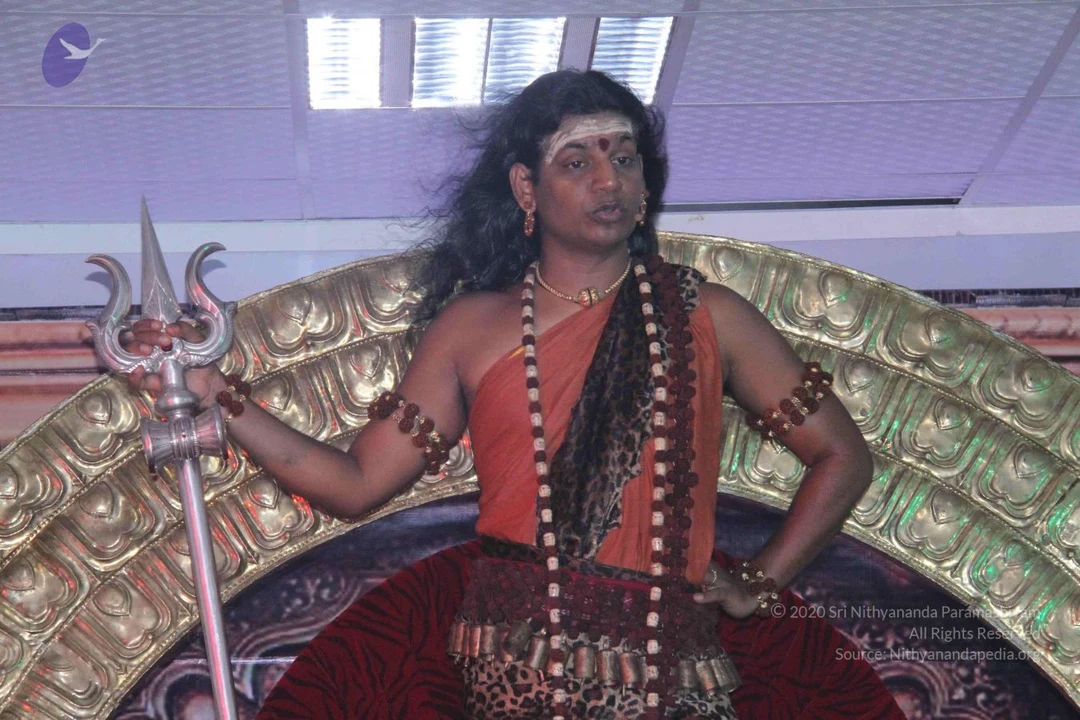
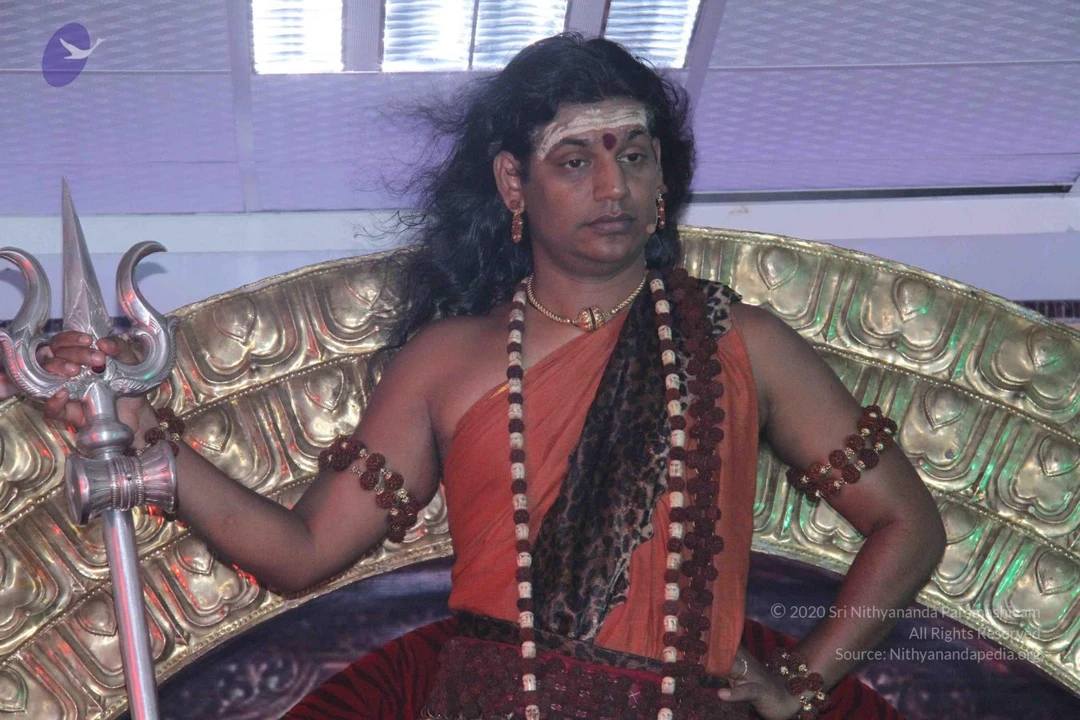
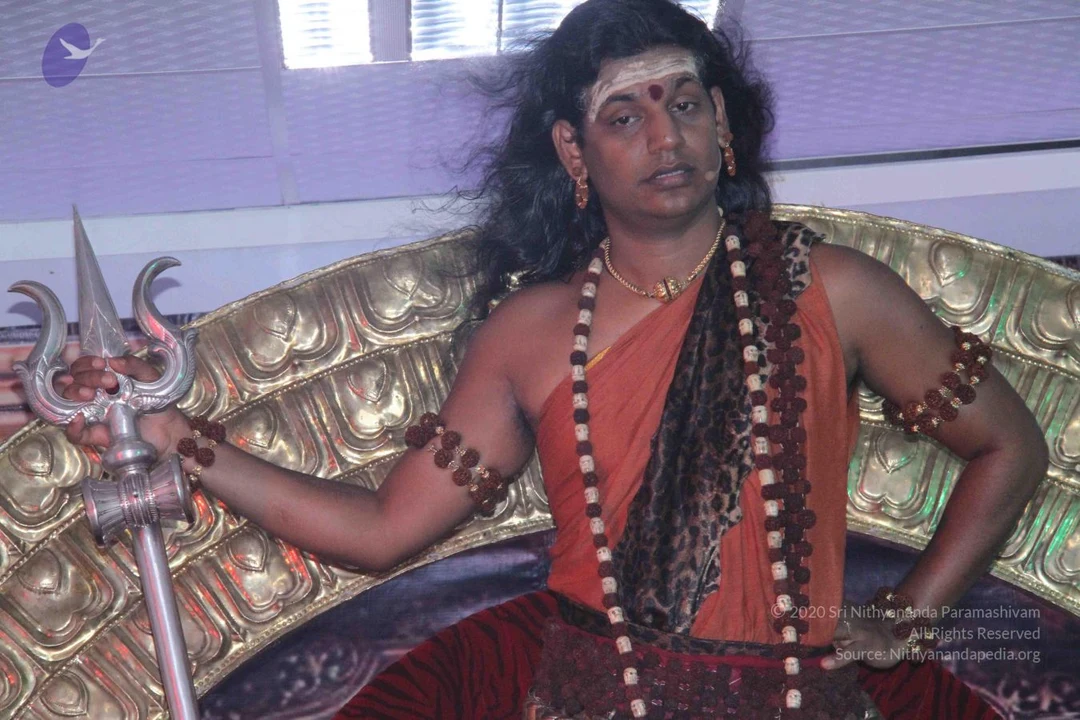
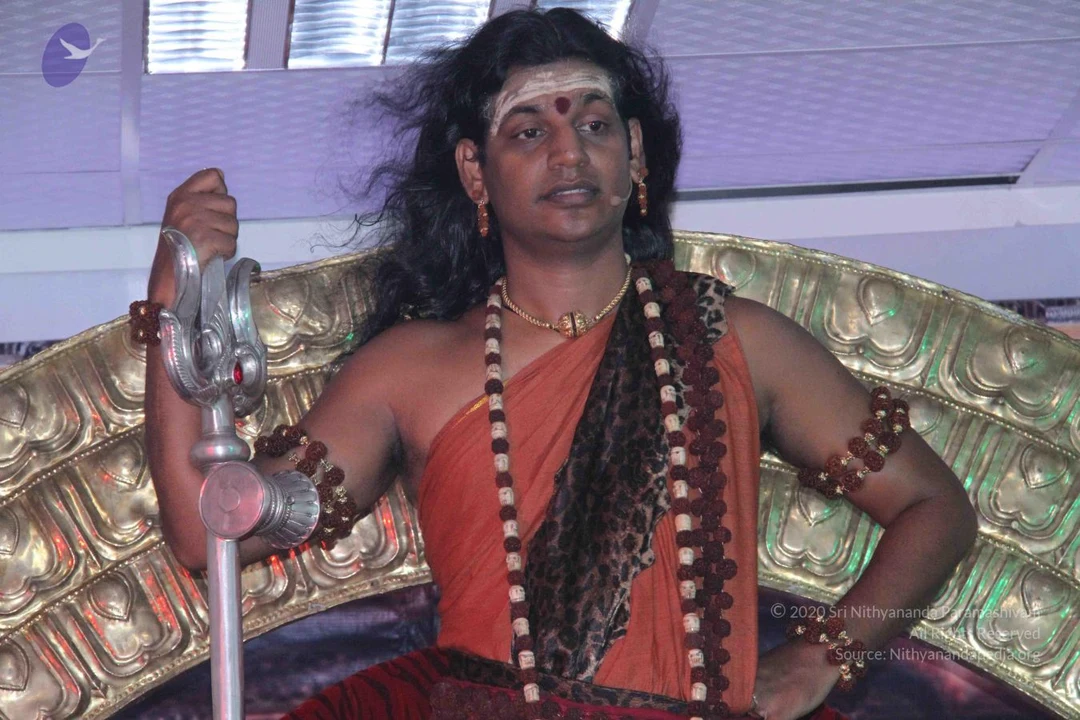
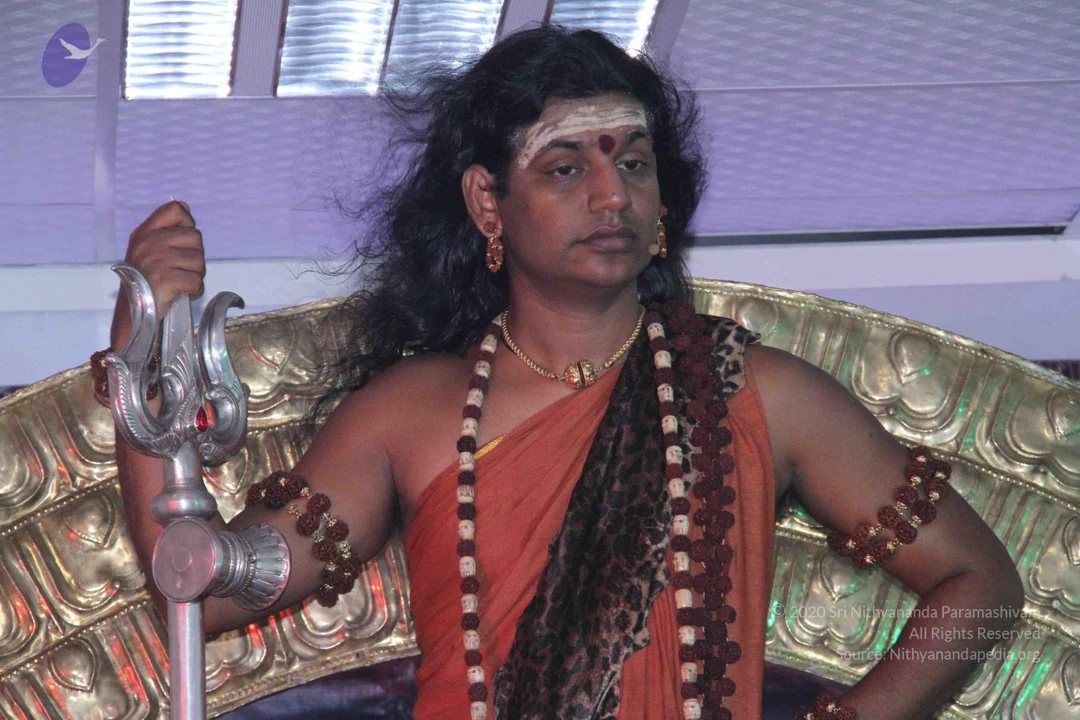
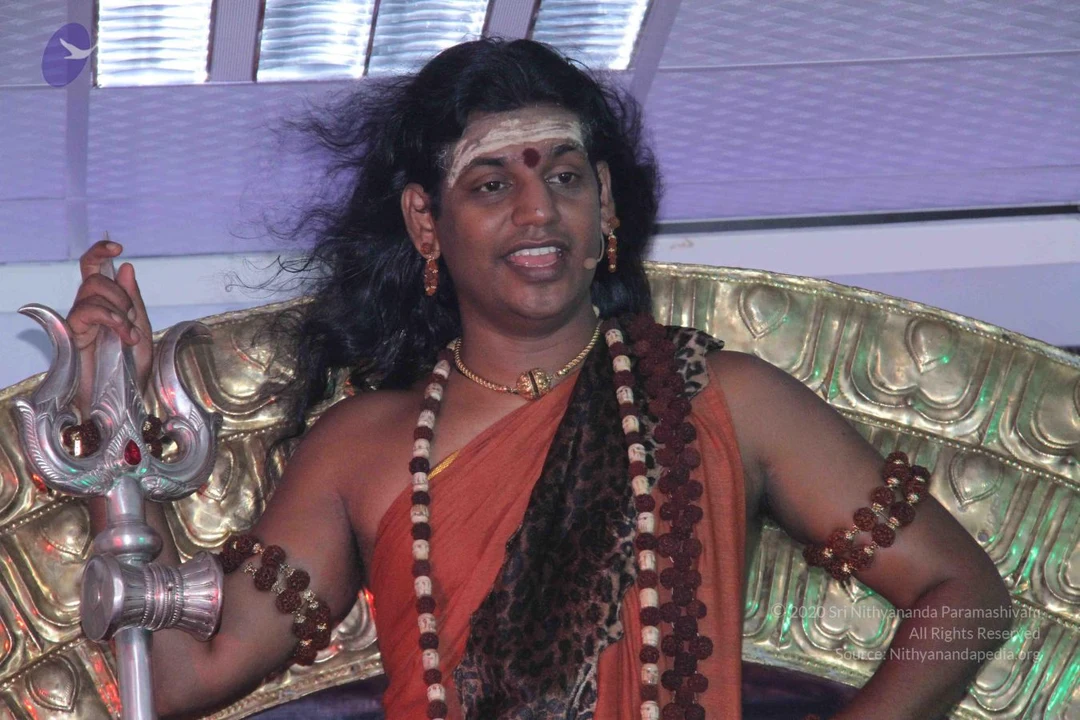
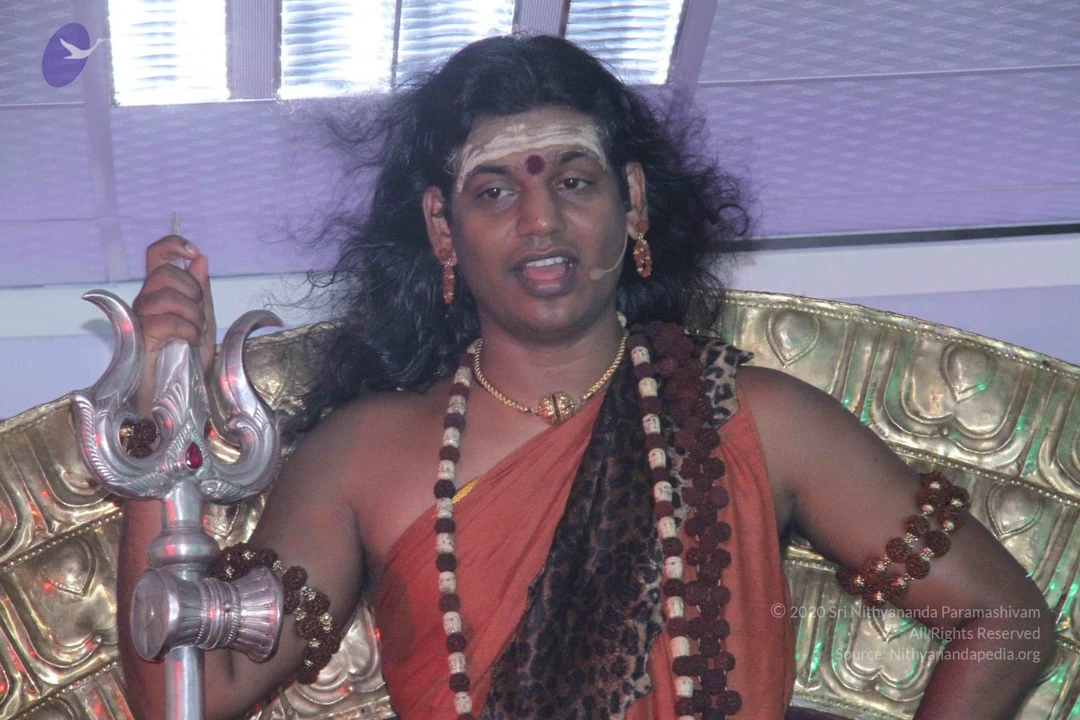
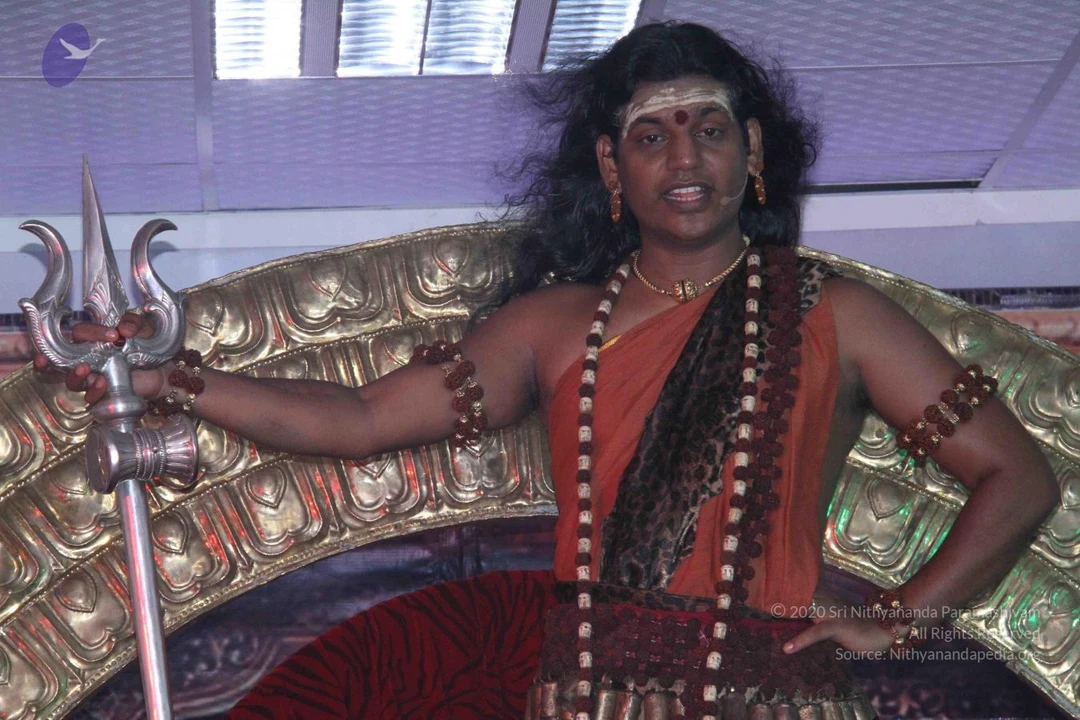
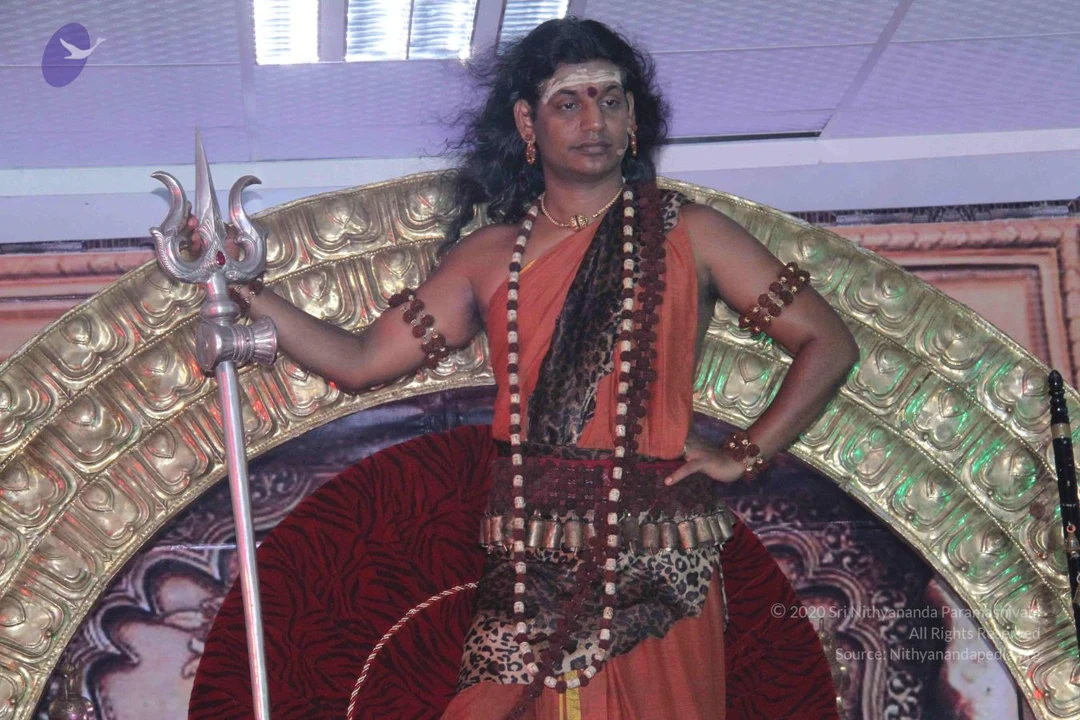
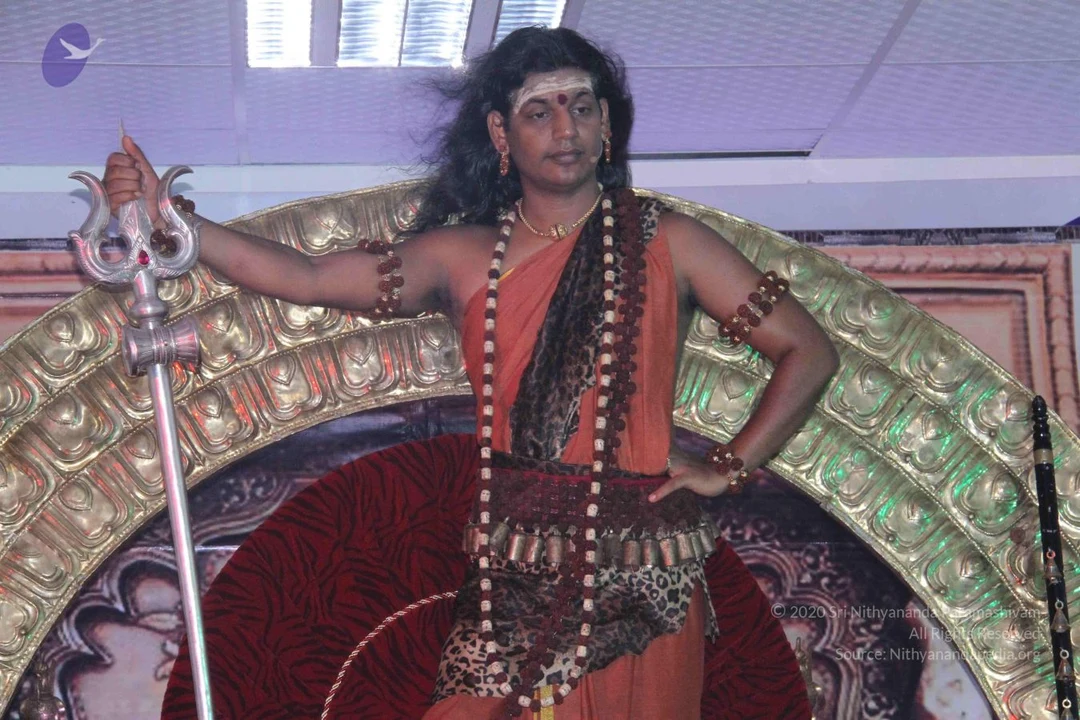
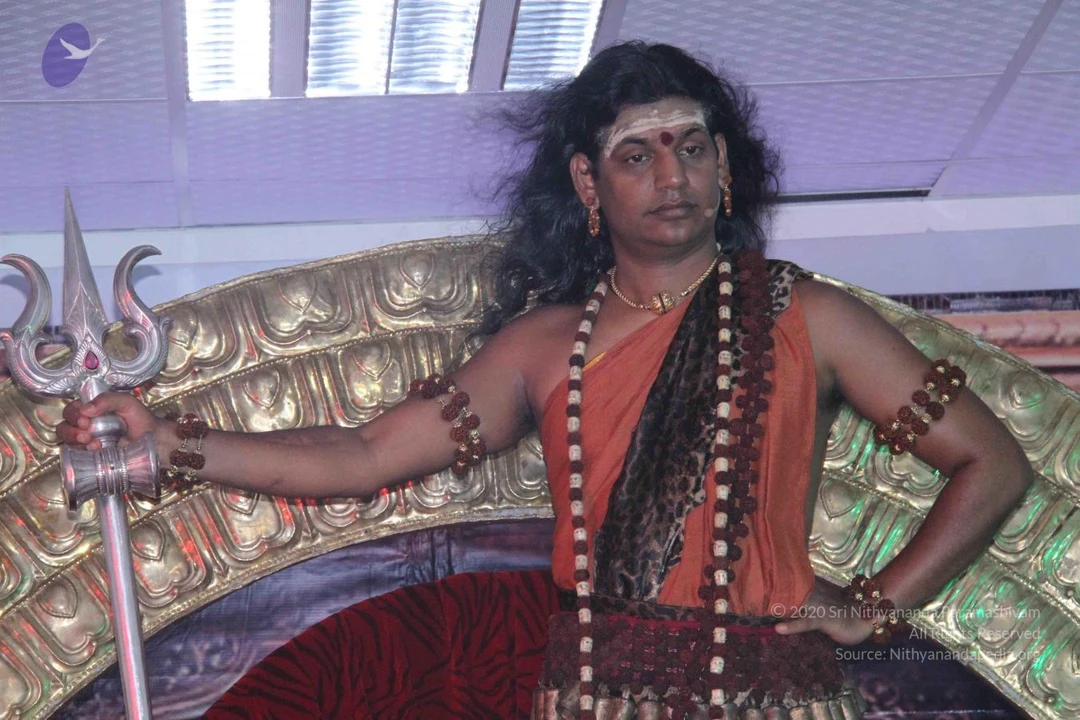
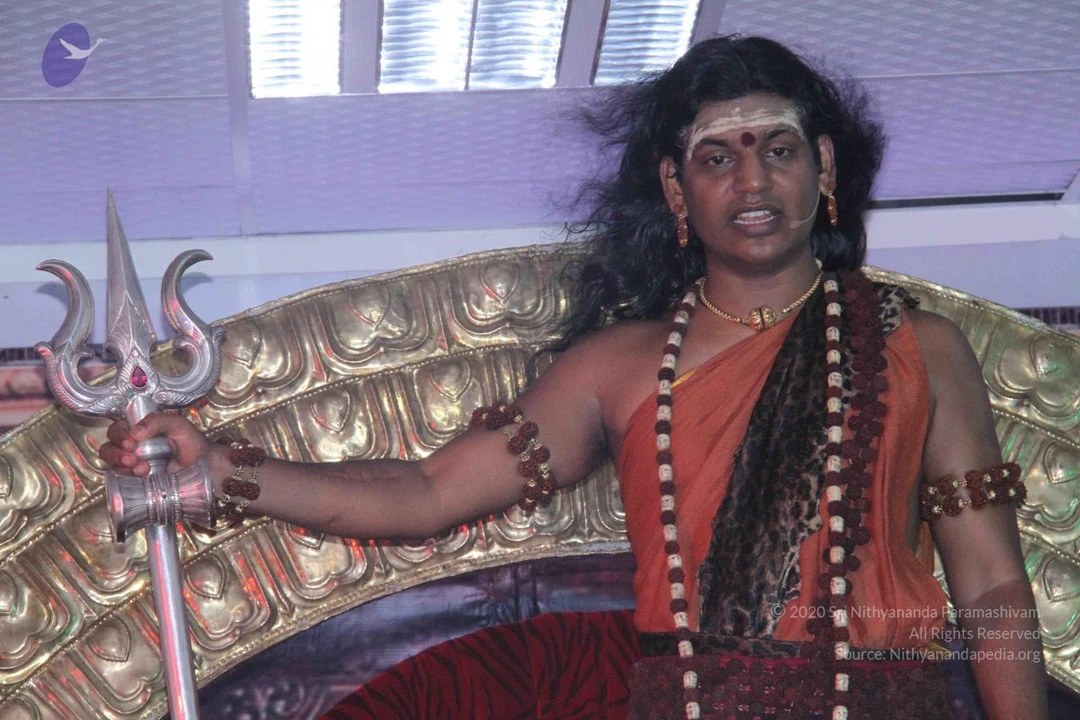
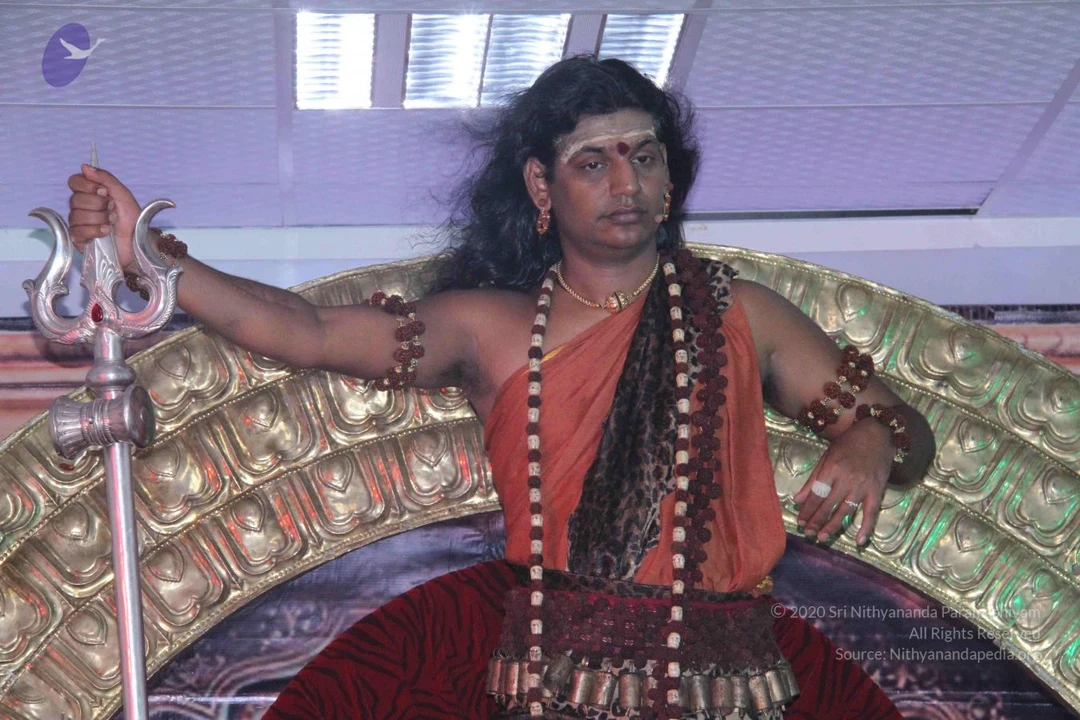
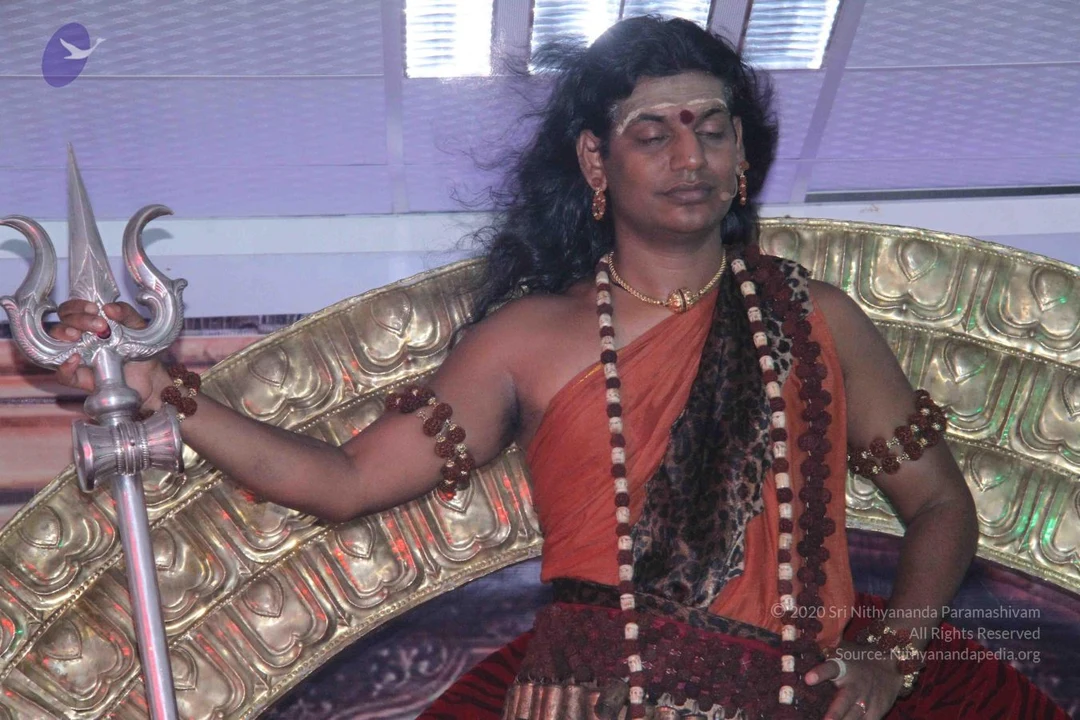
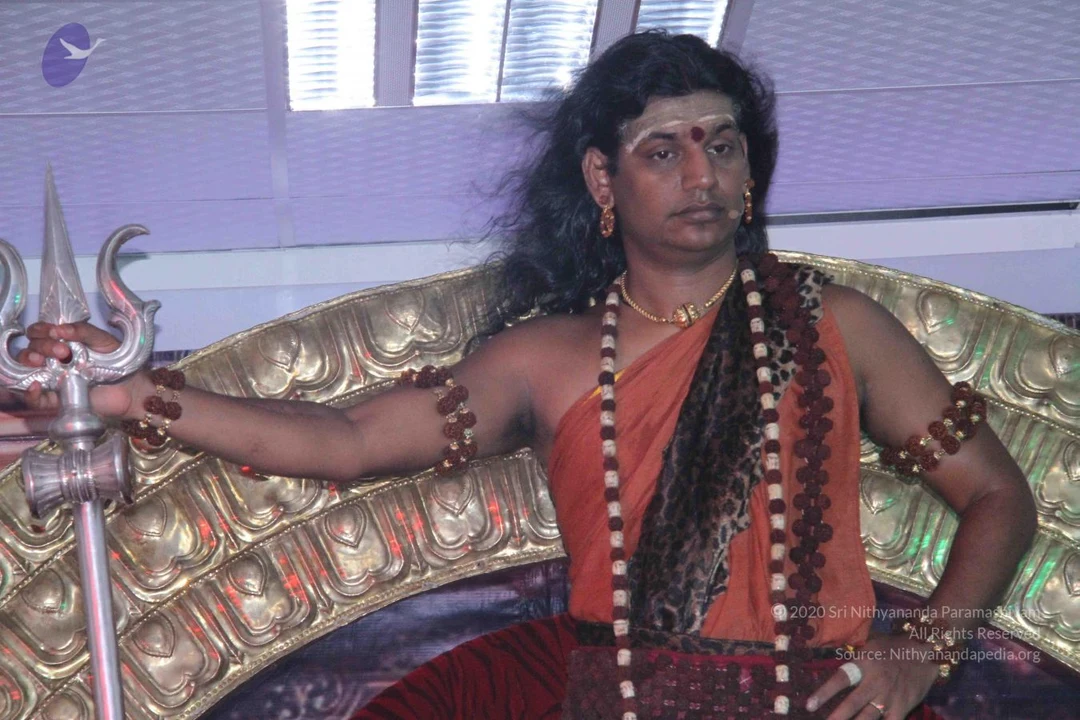
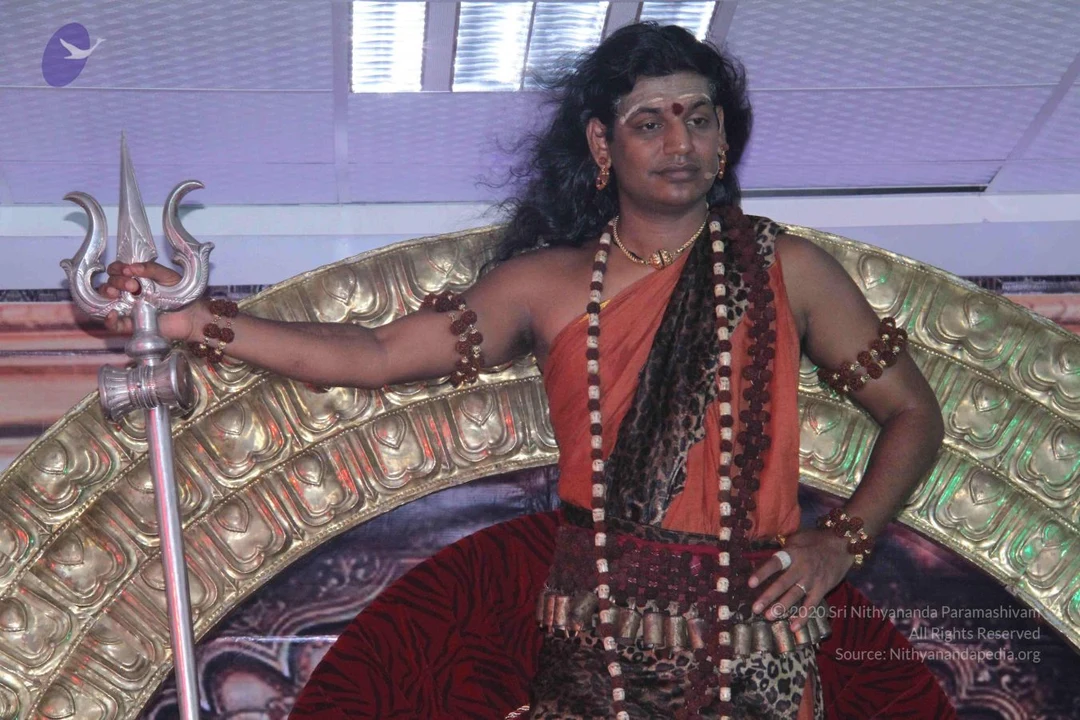
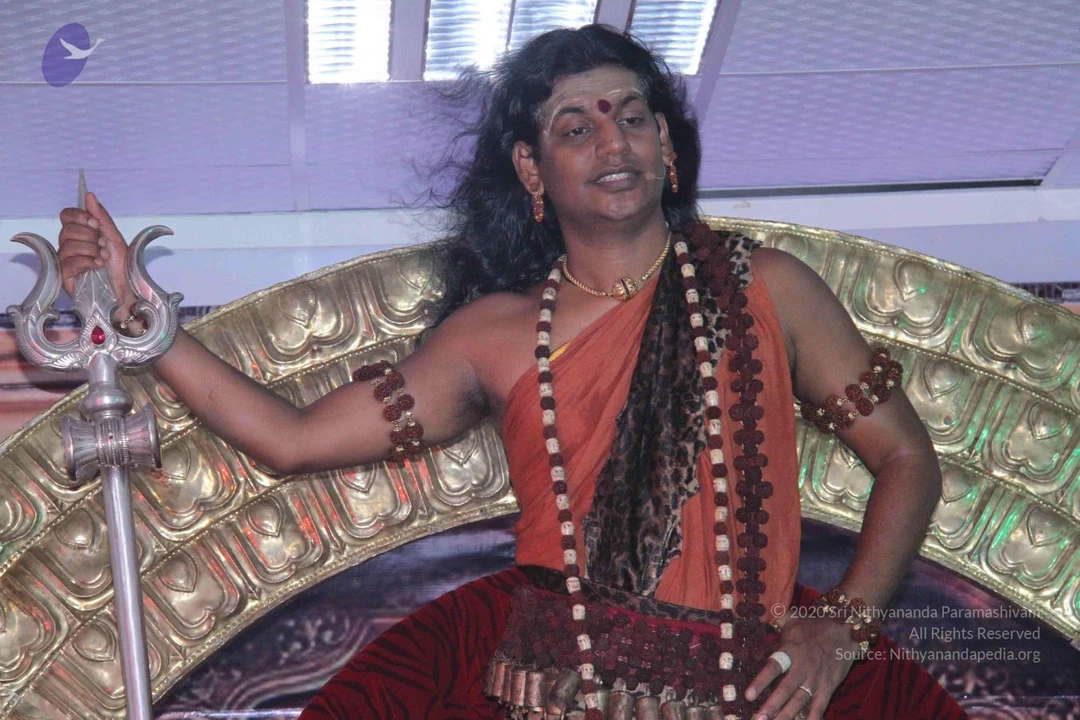
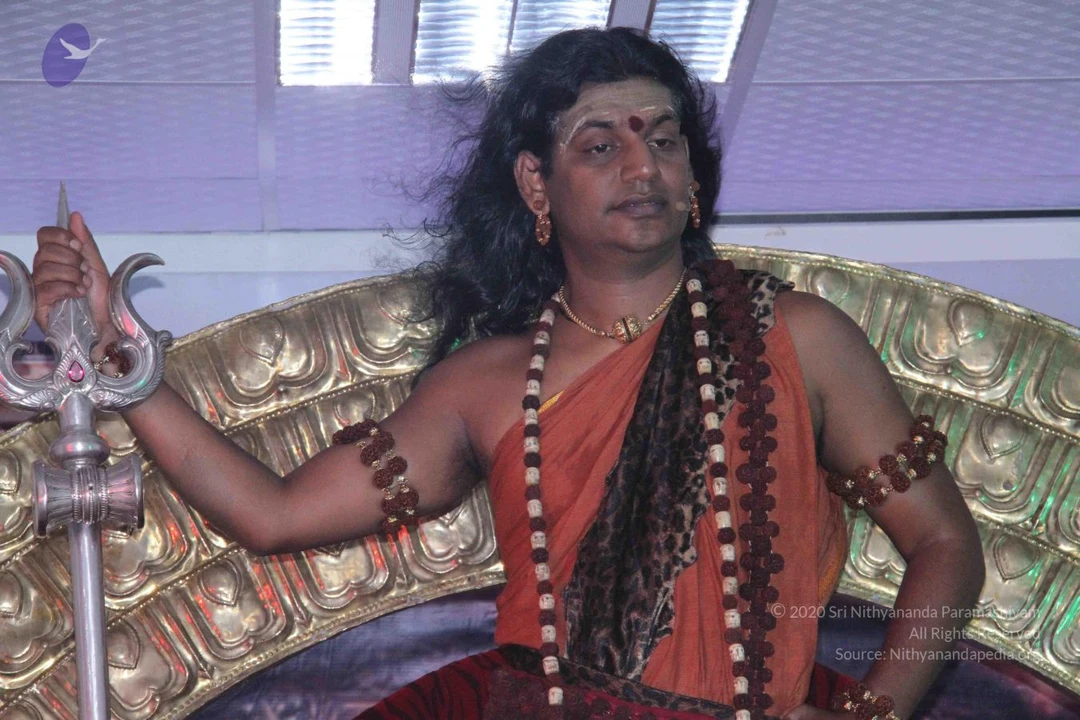
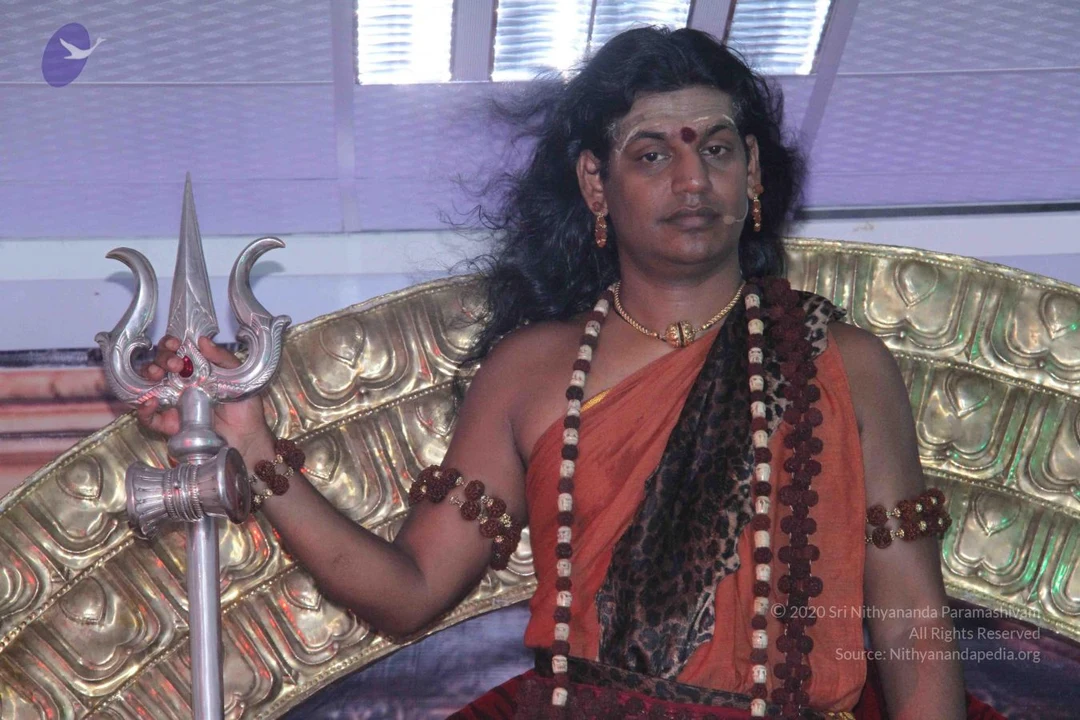
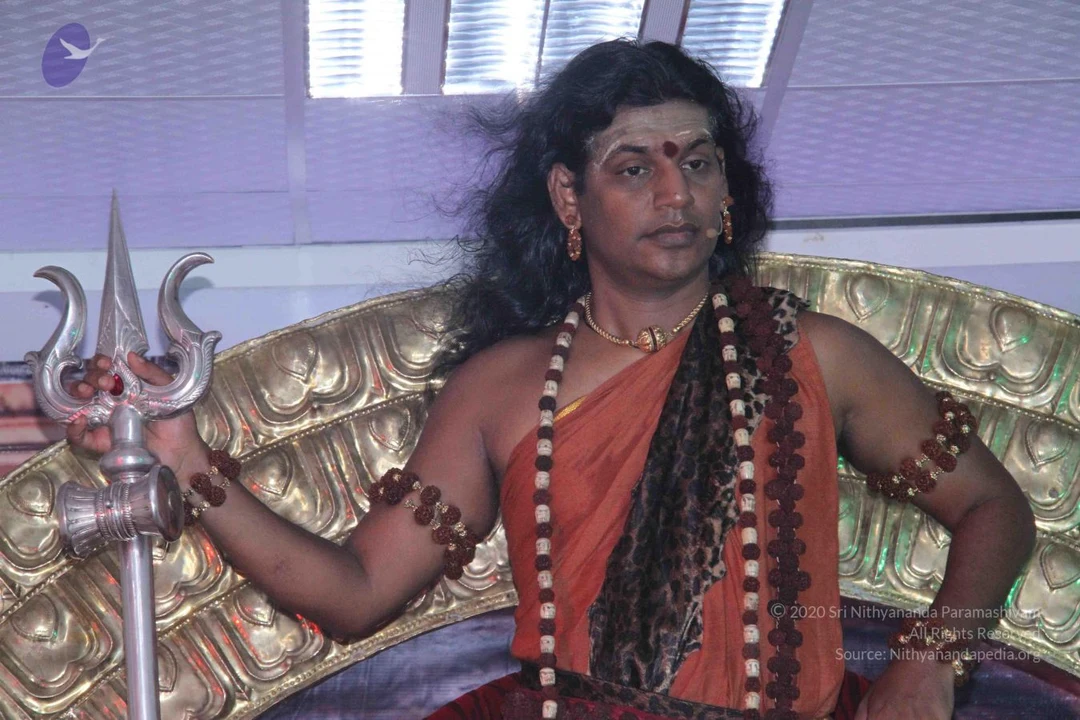
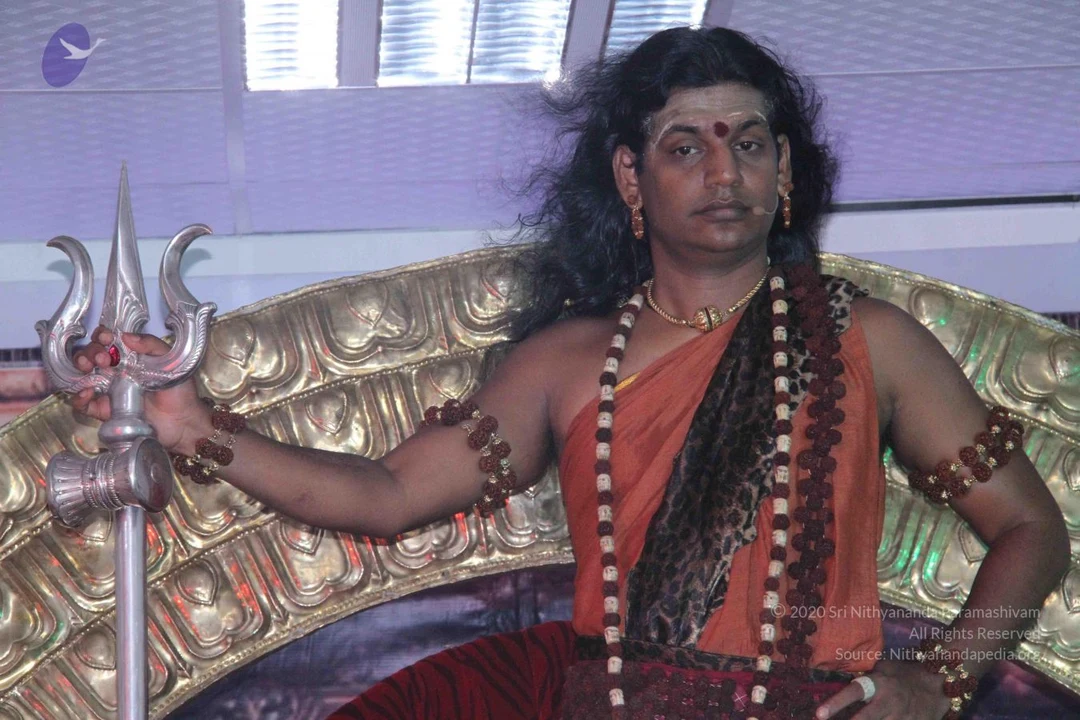
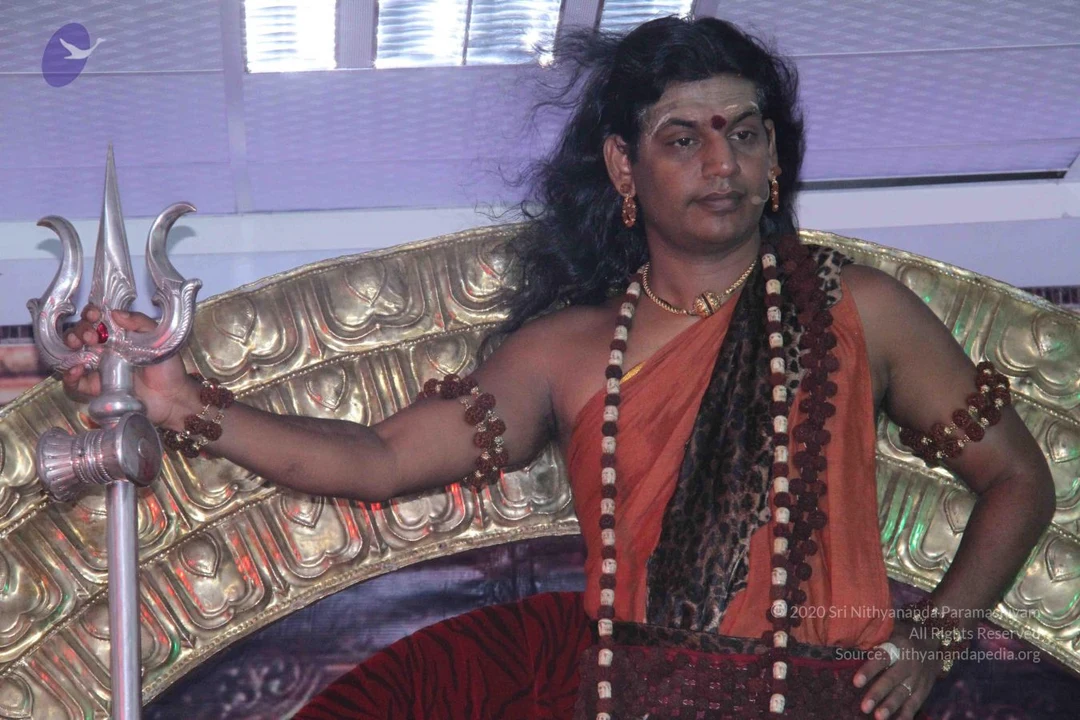
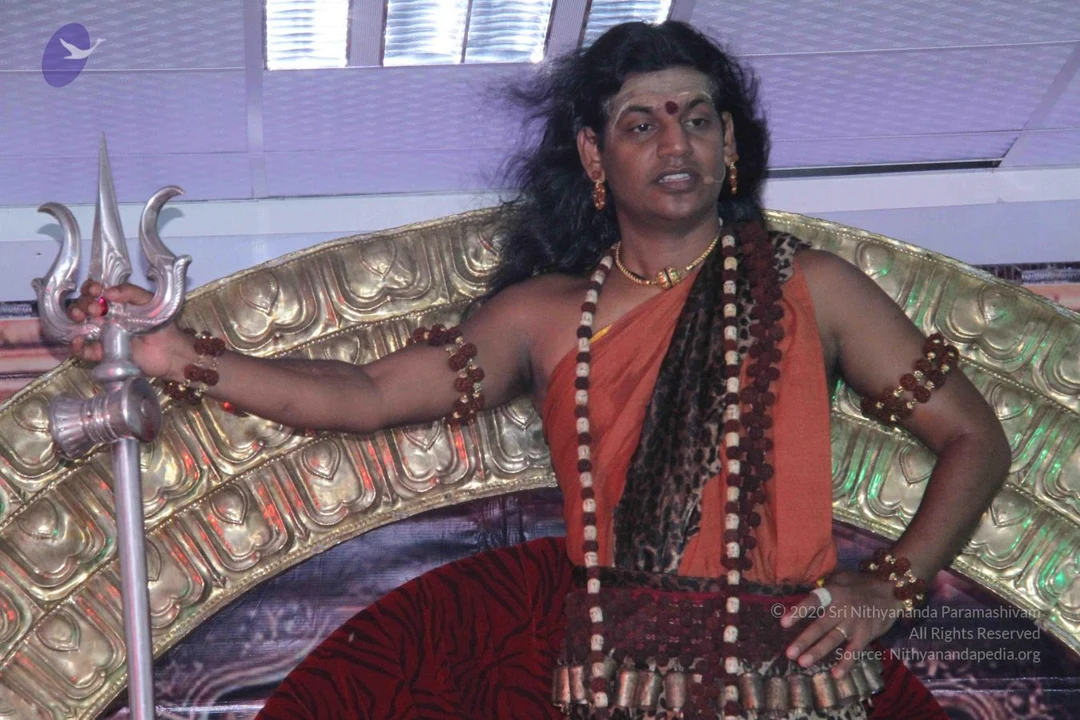
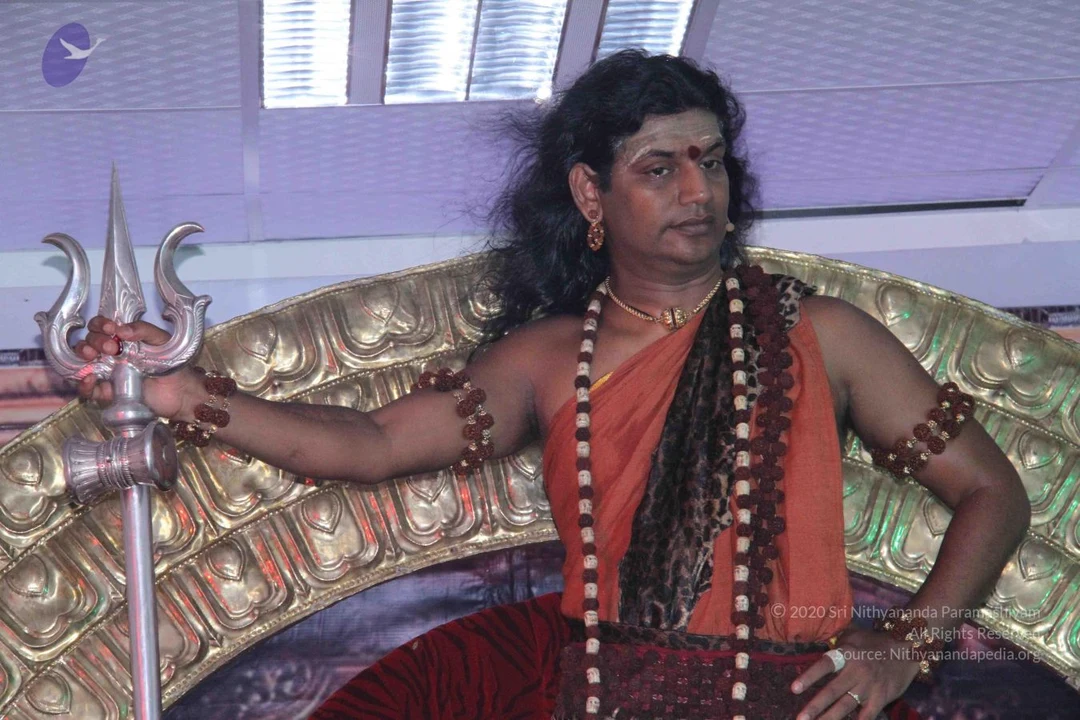
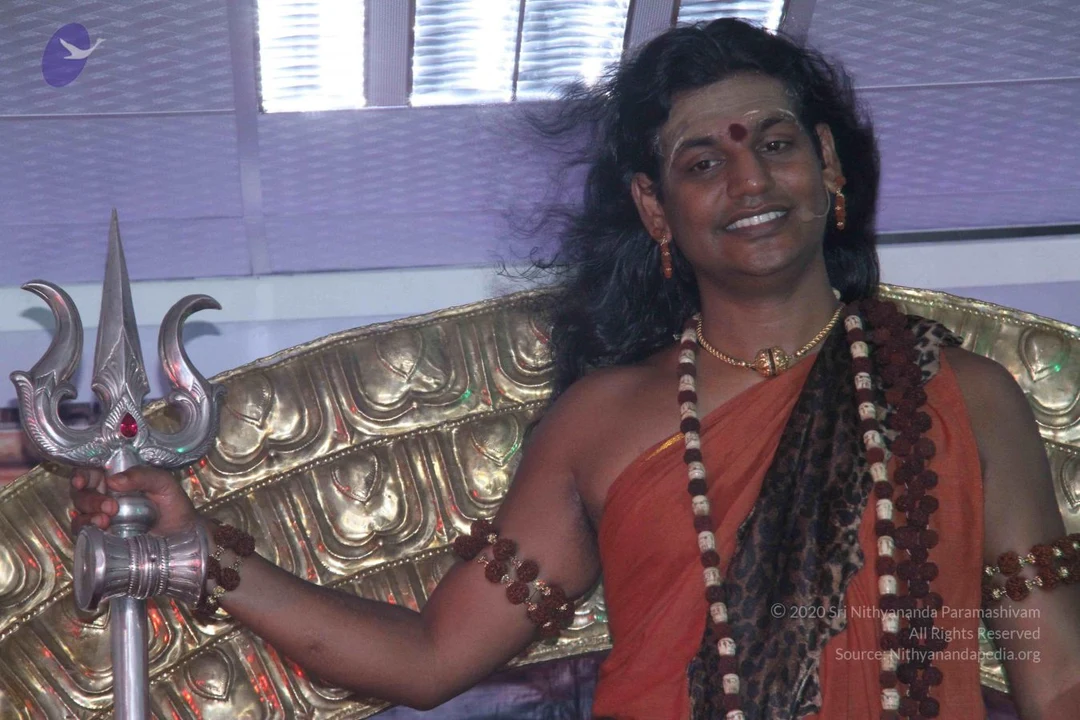
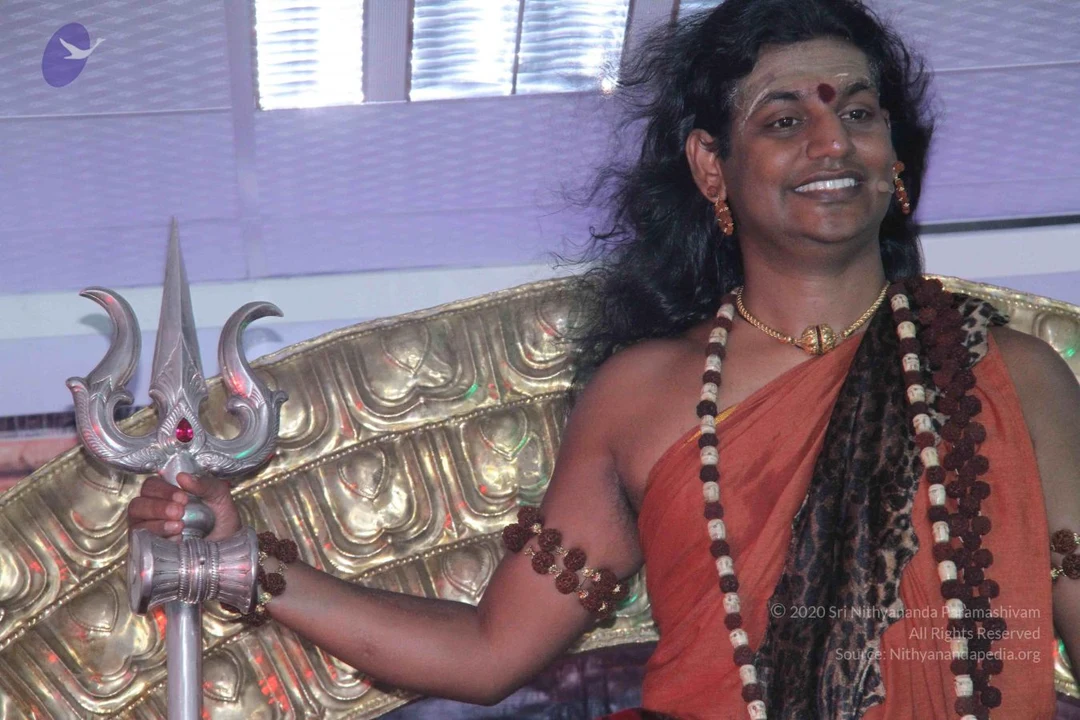
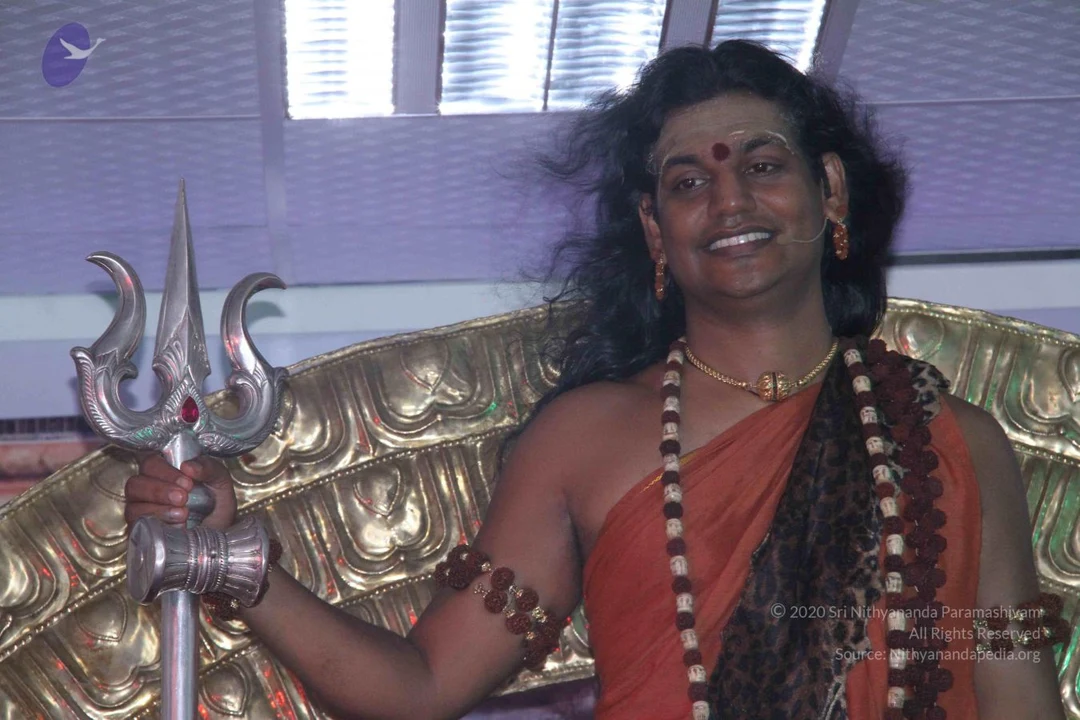
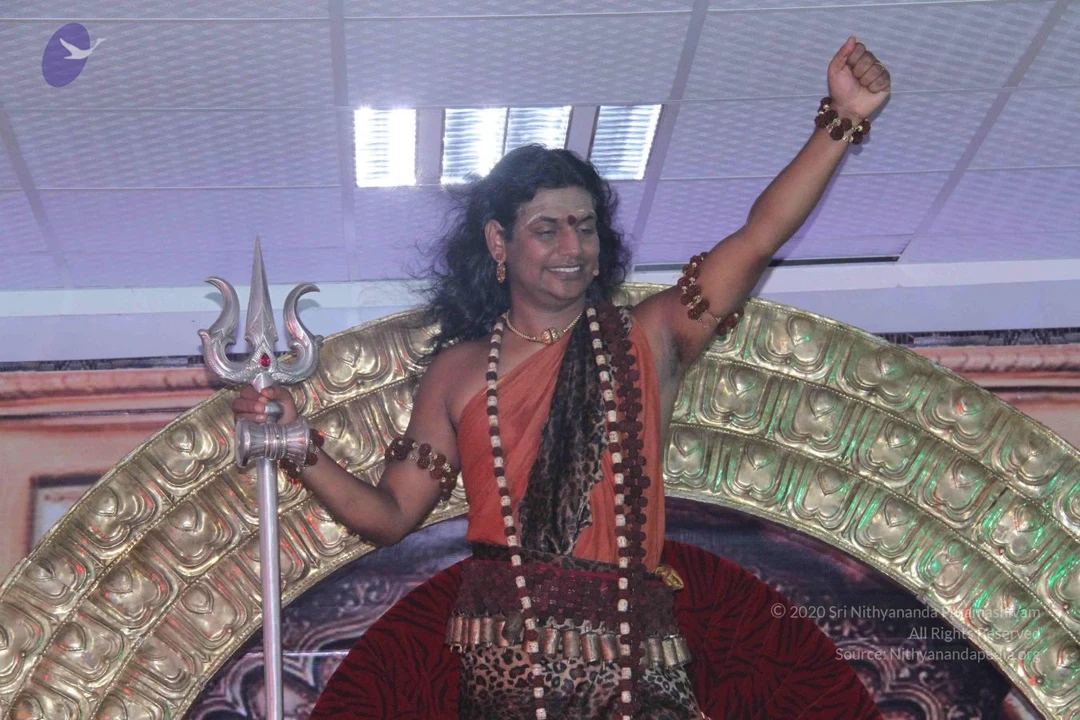
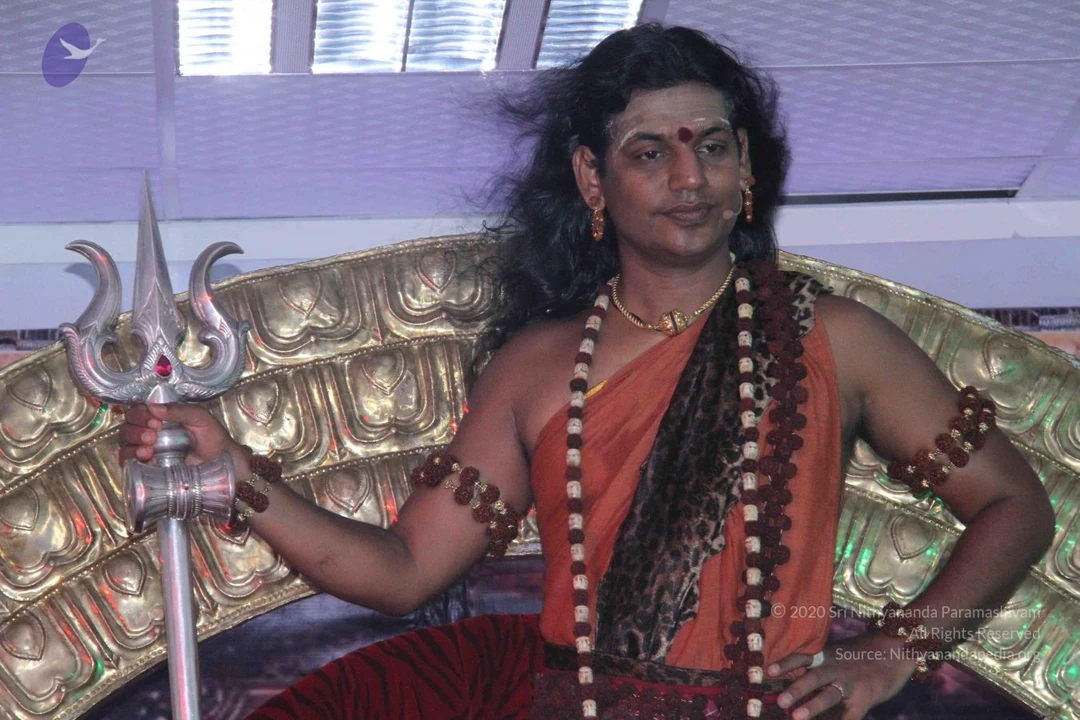
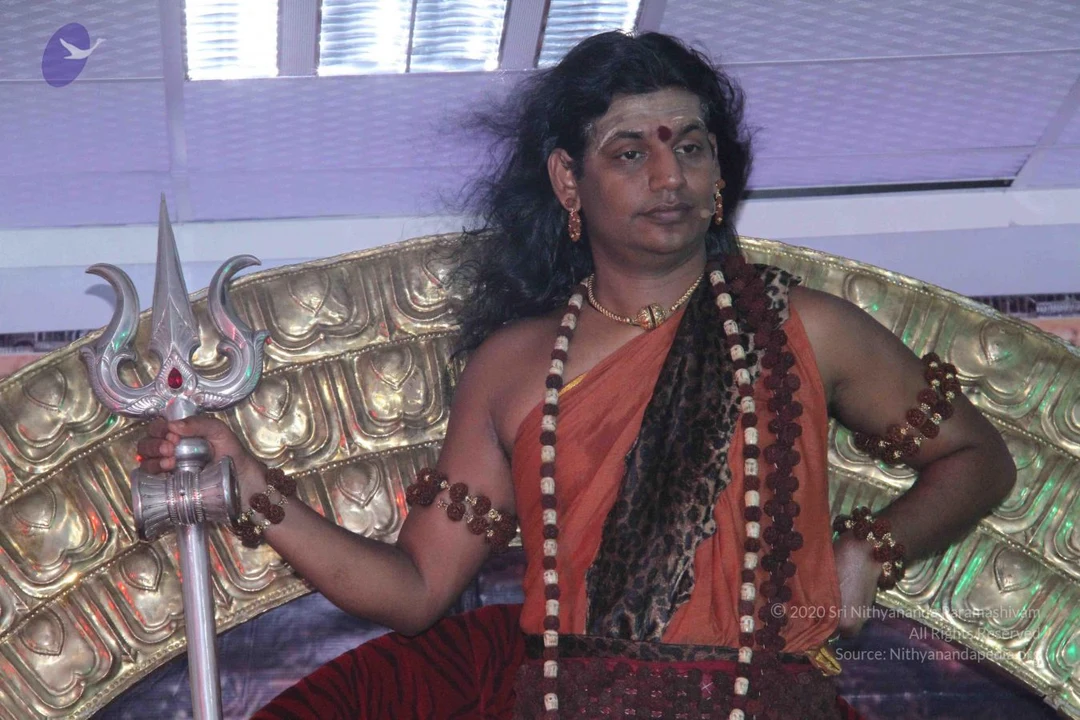
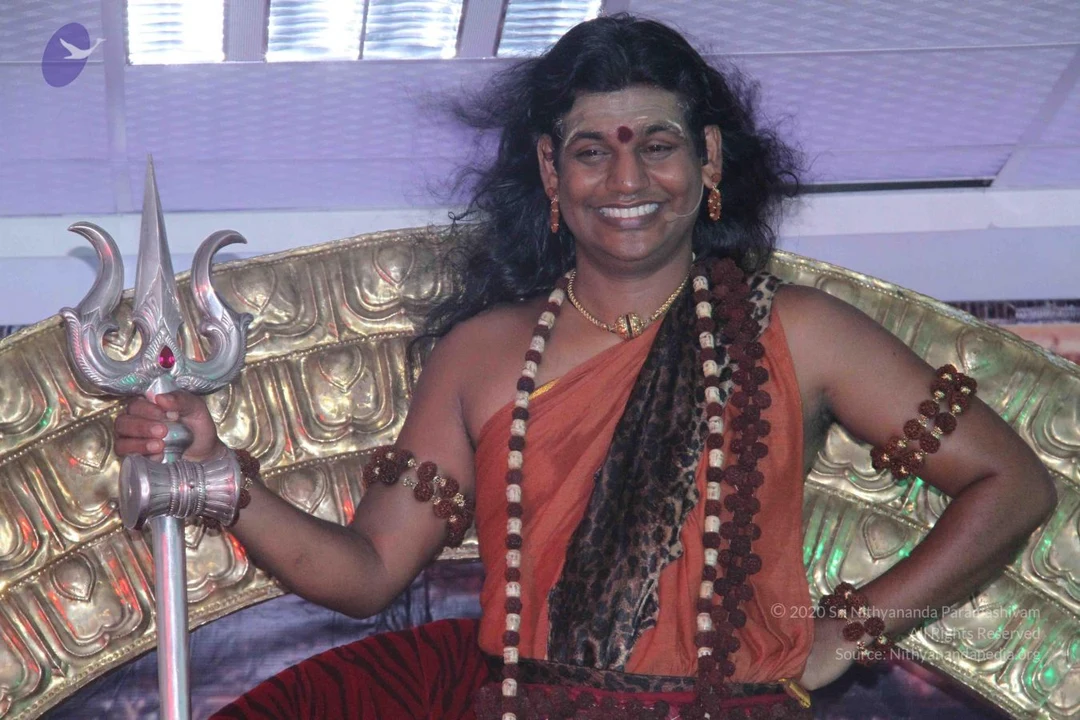
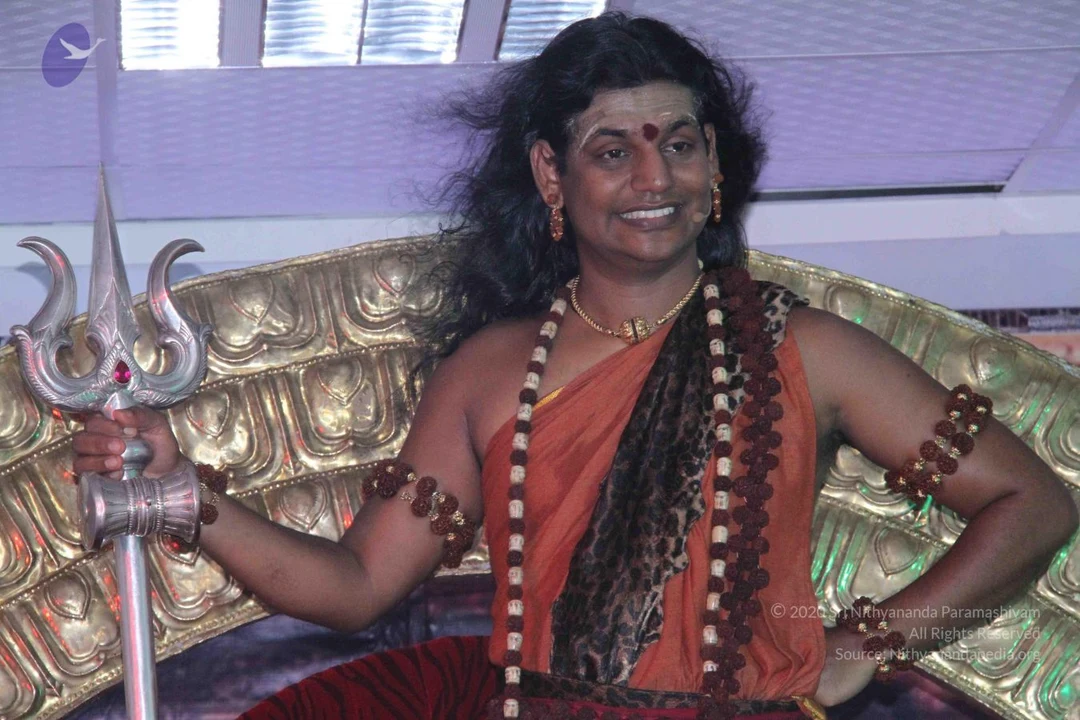
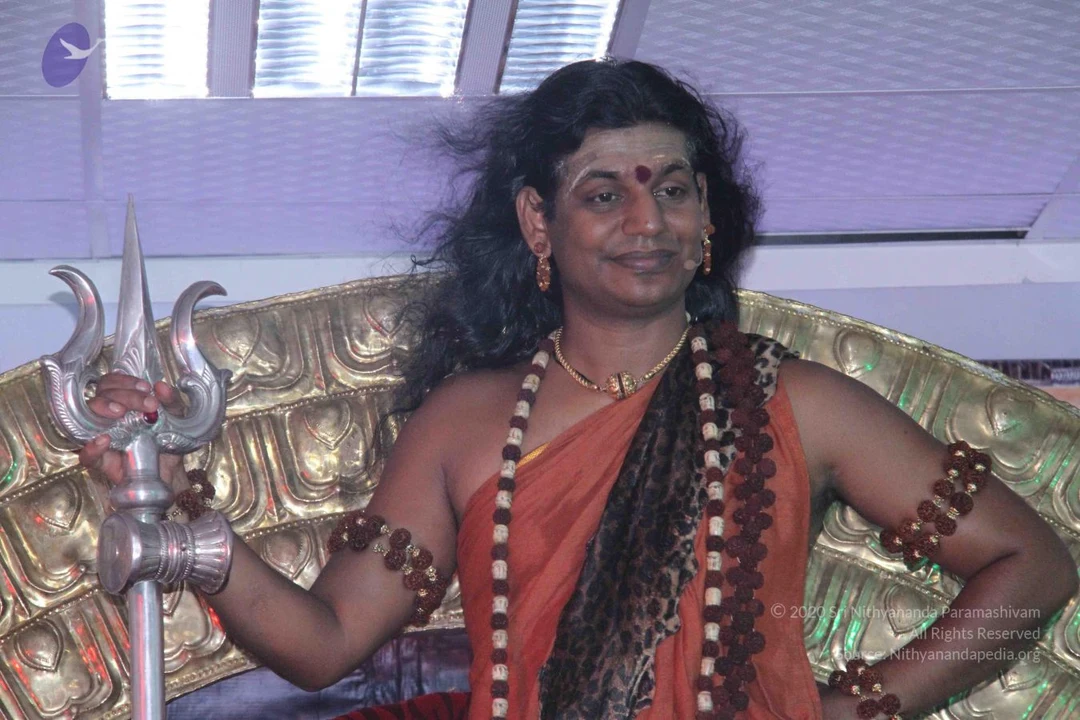
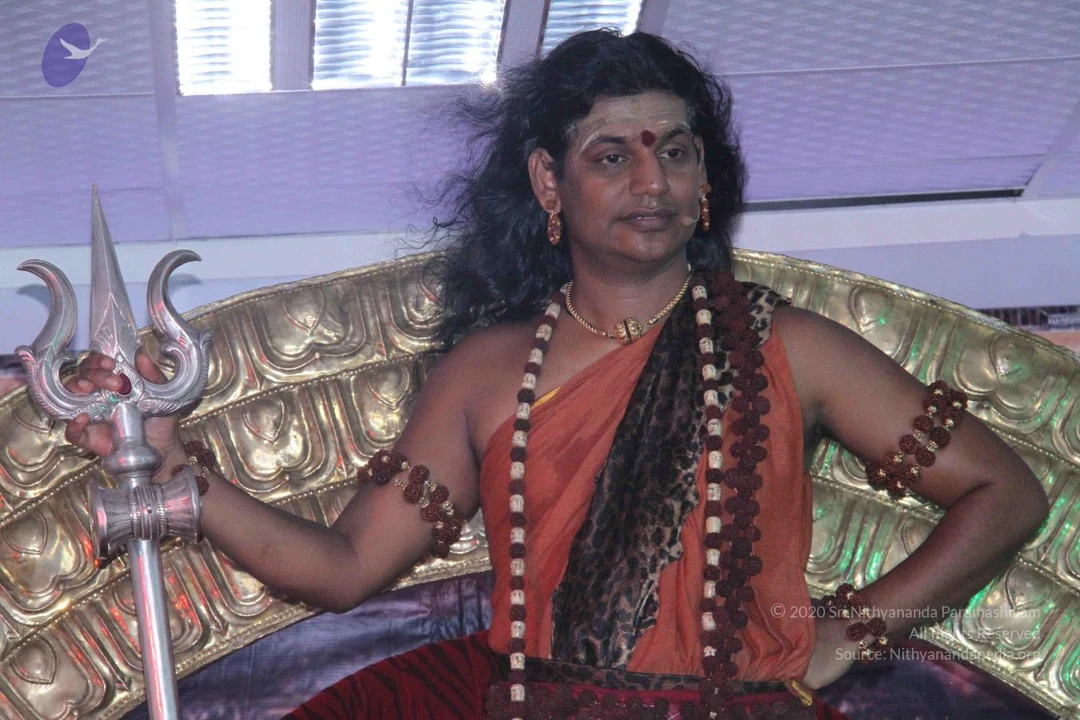
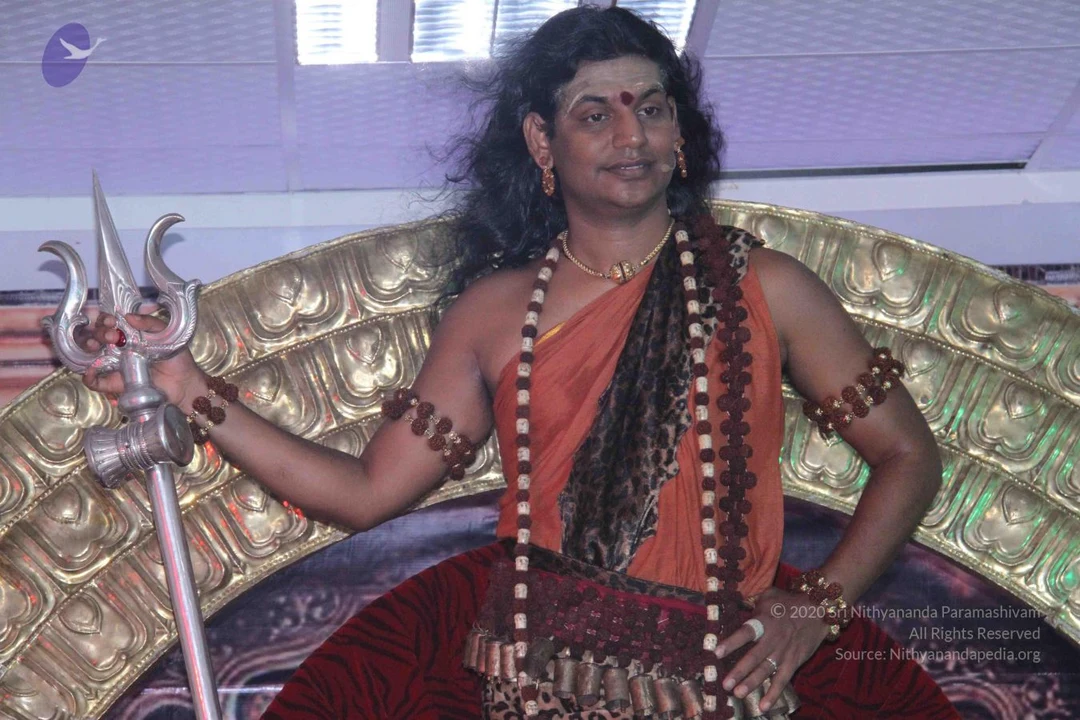
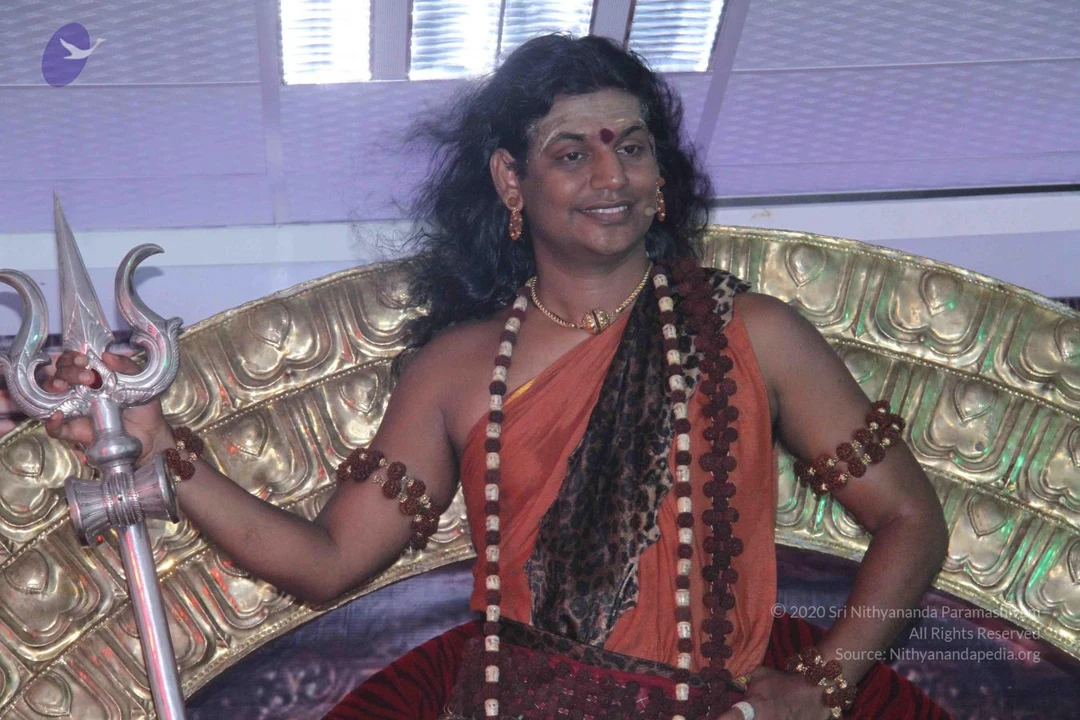
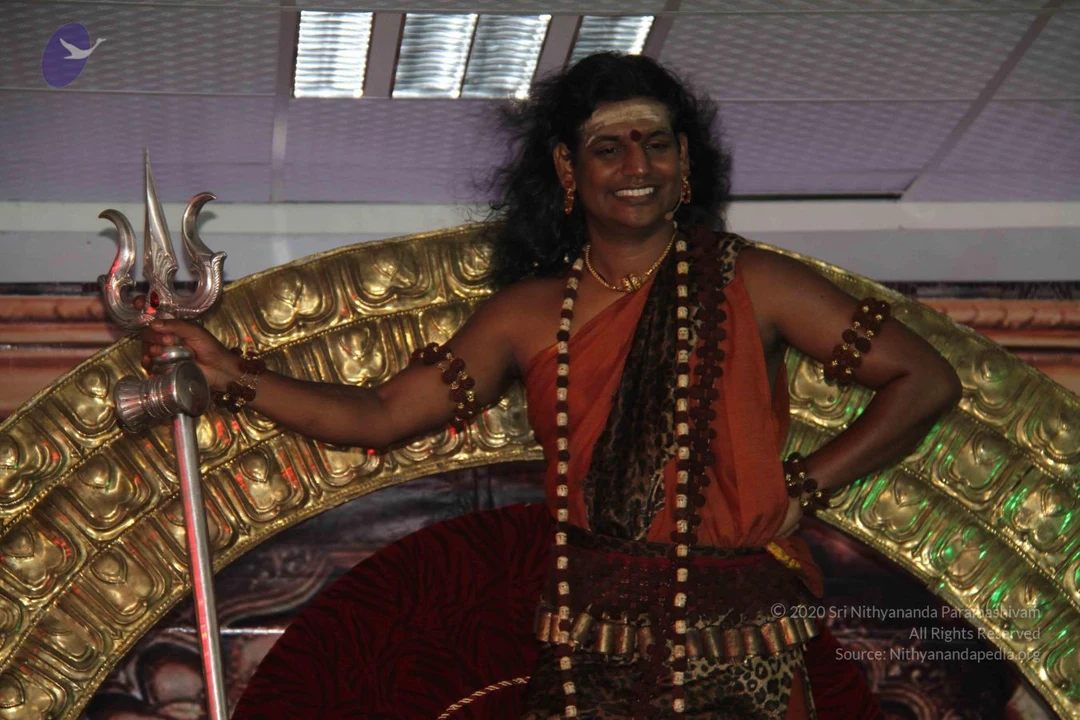
1-Morning Satsang
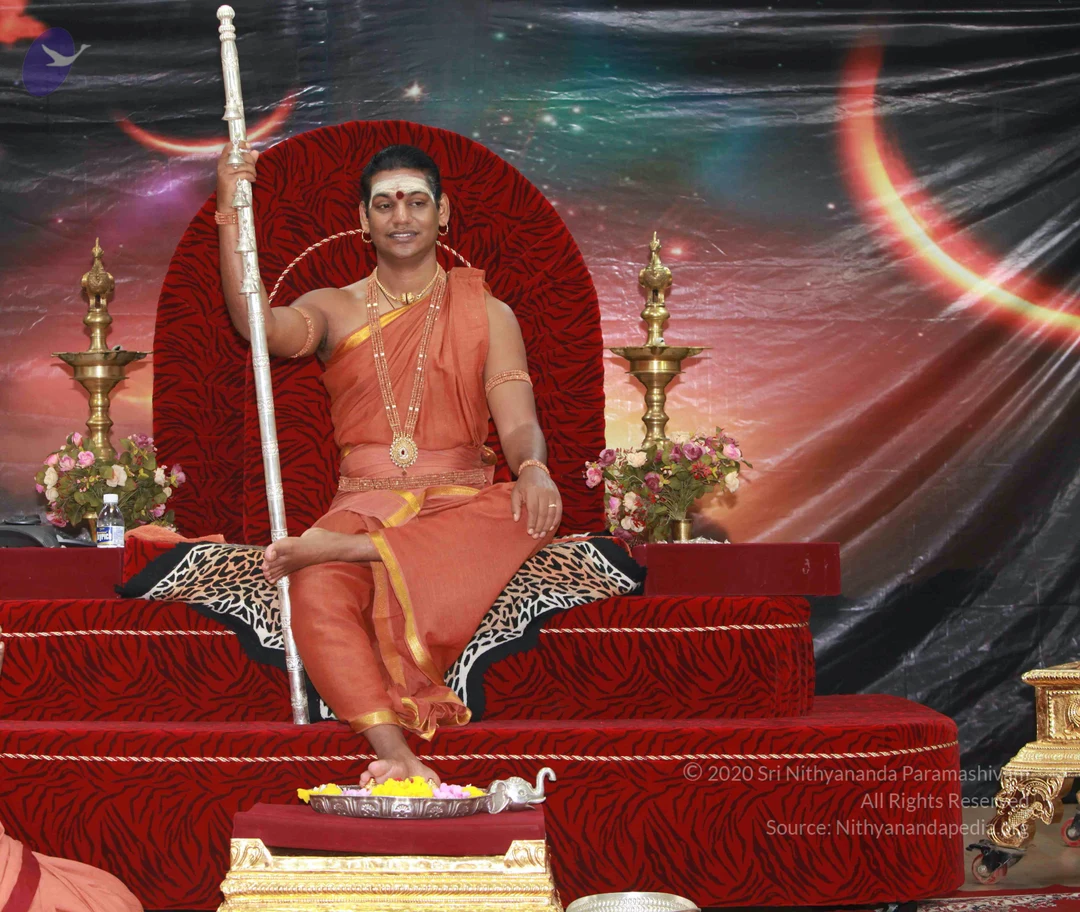
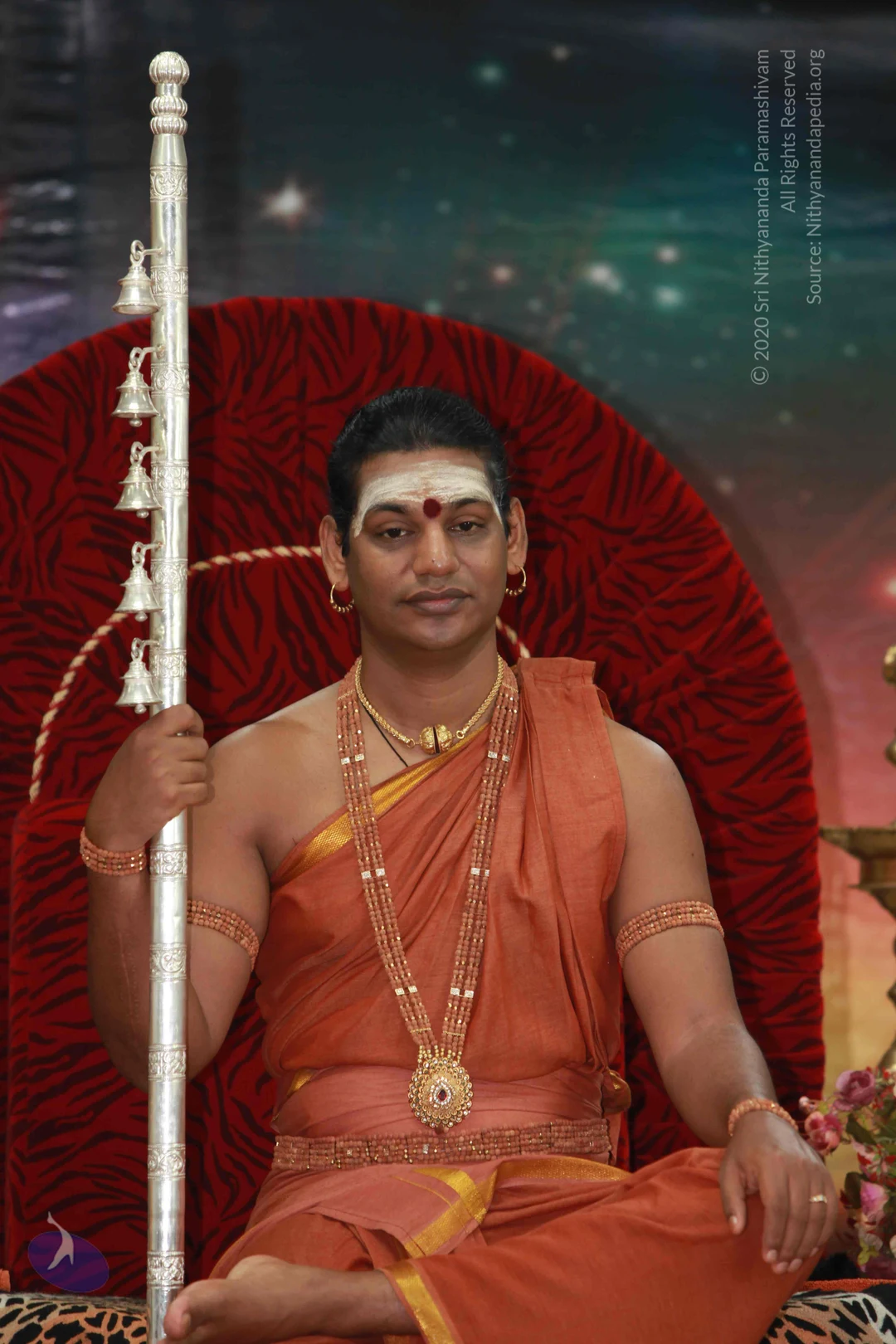
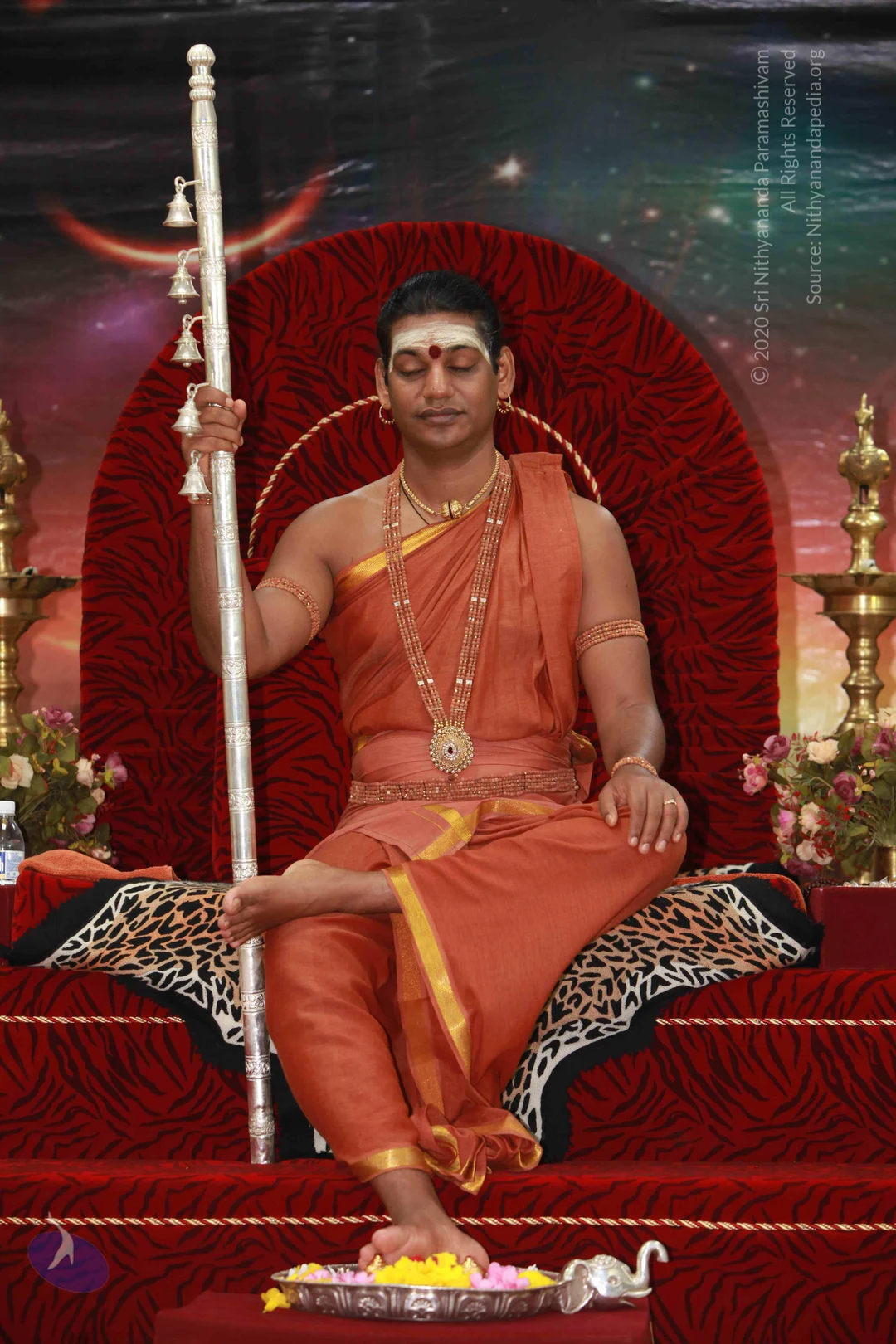
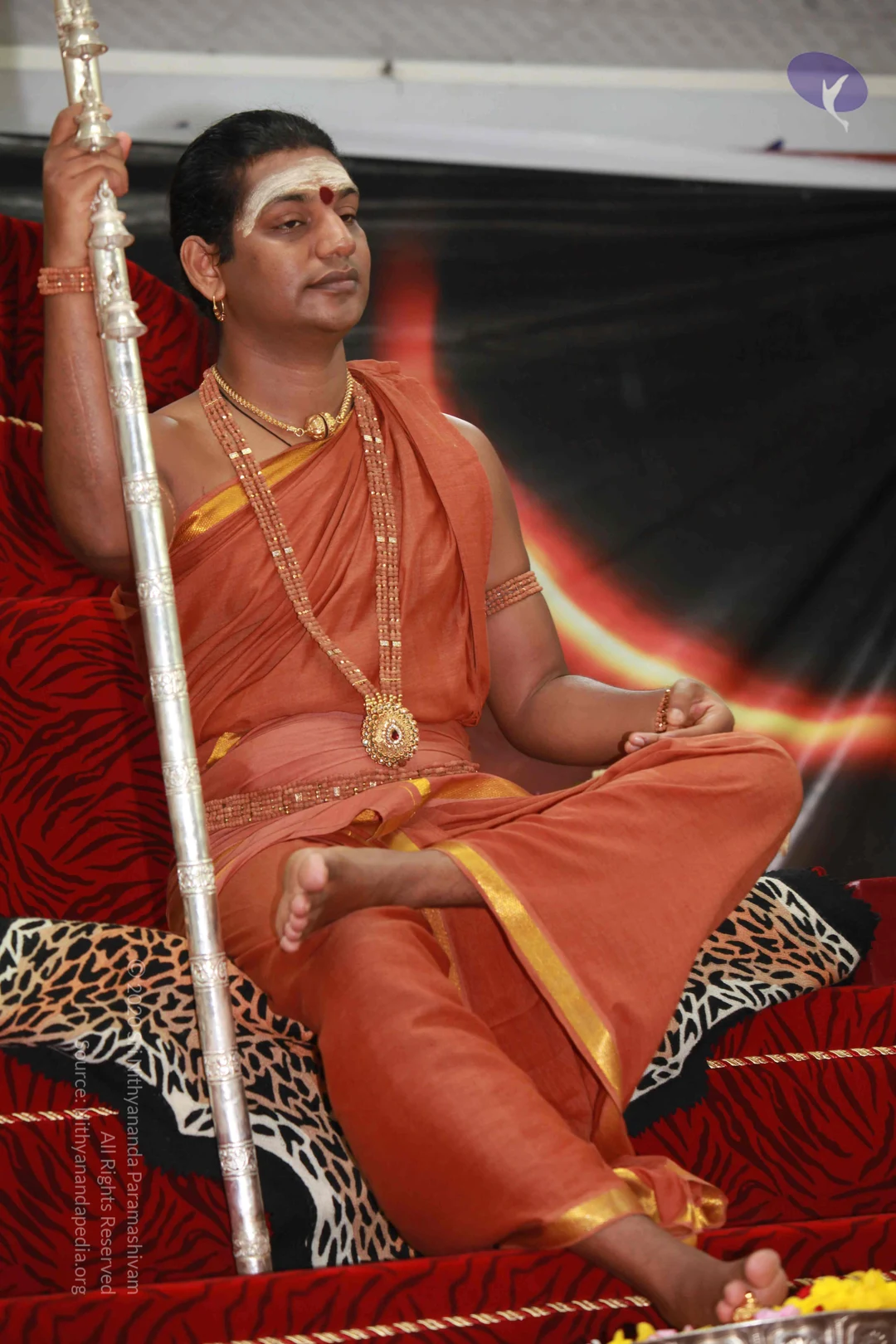
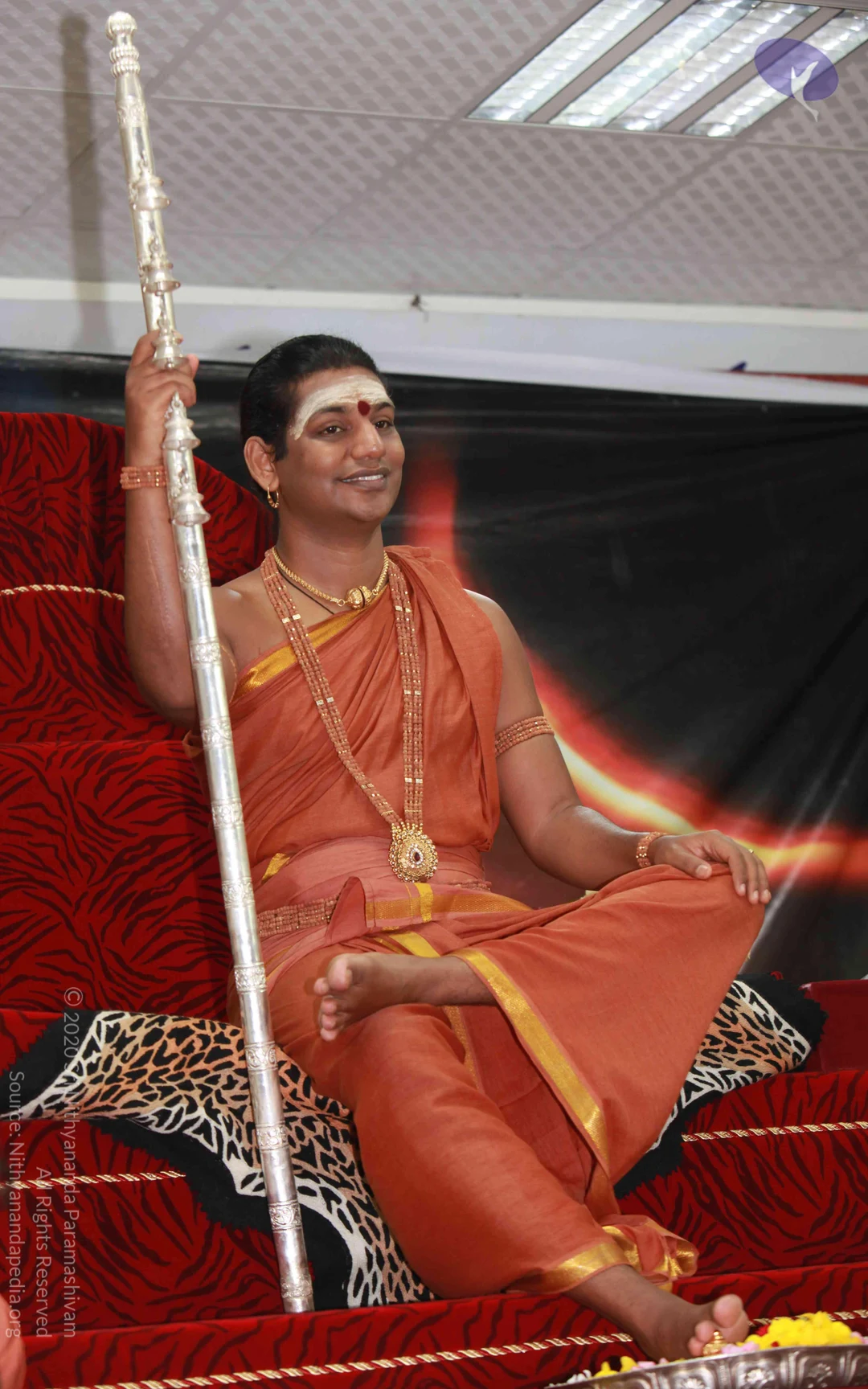
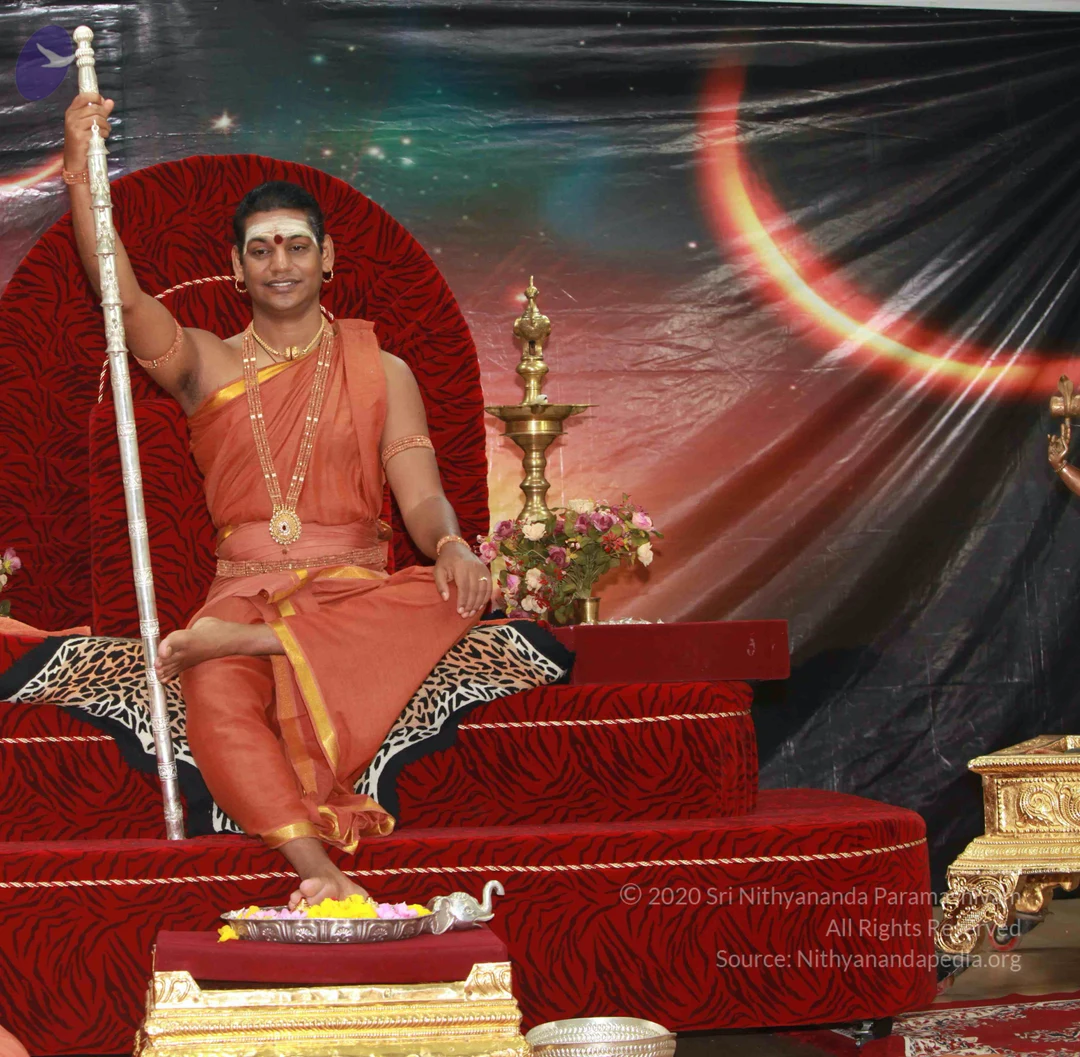
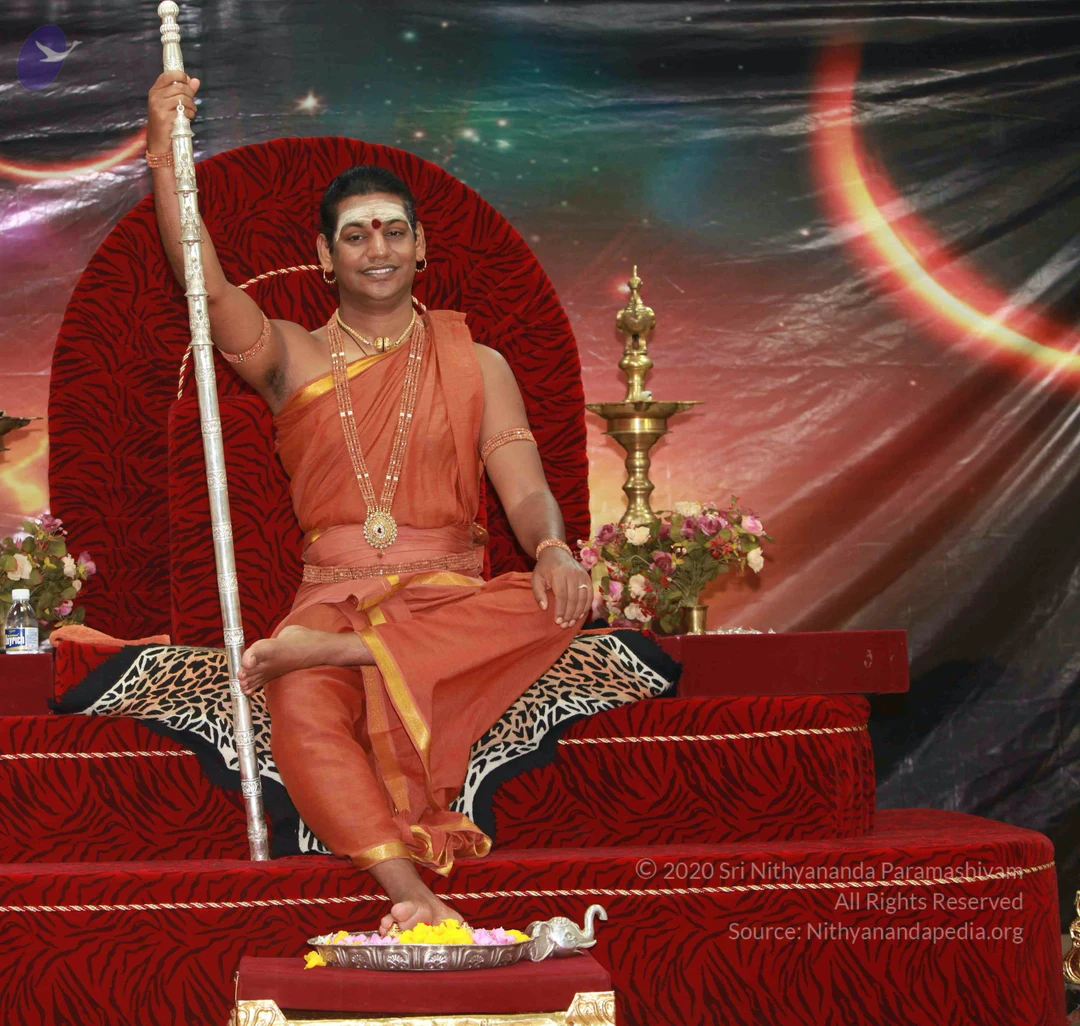
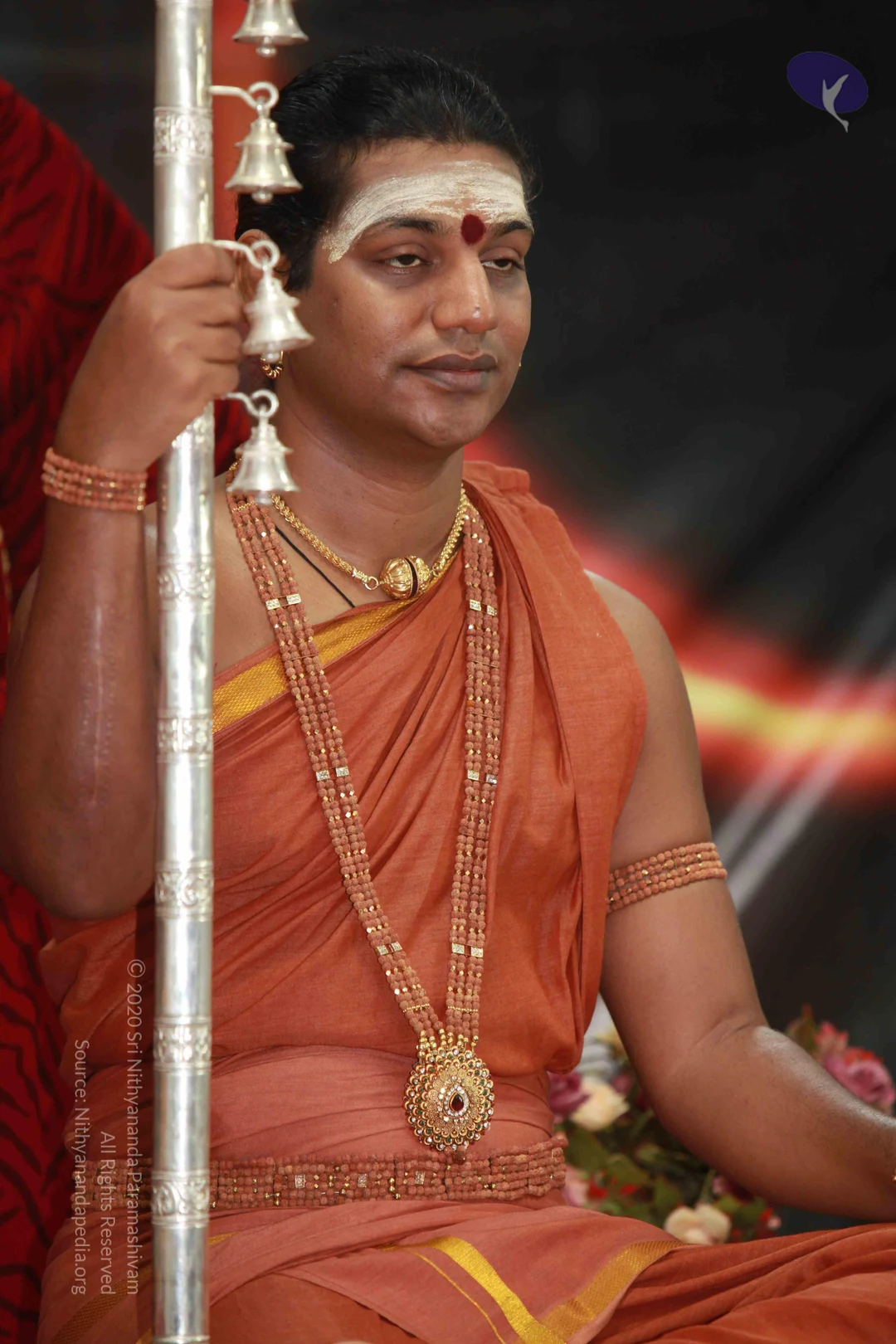
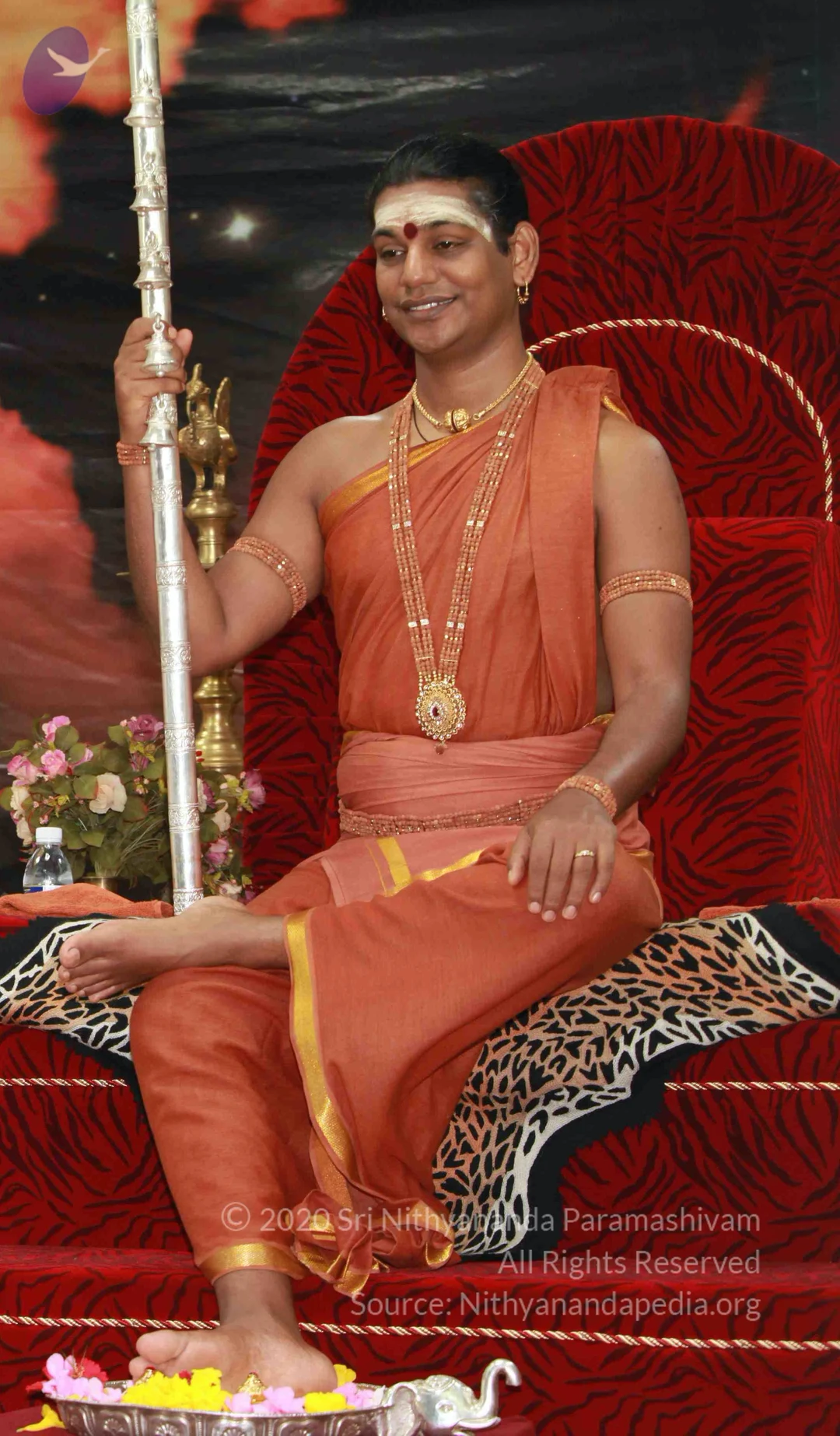
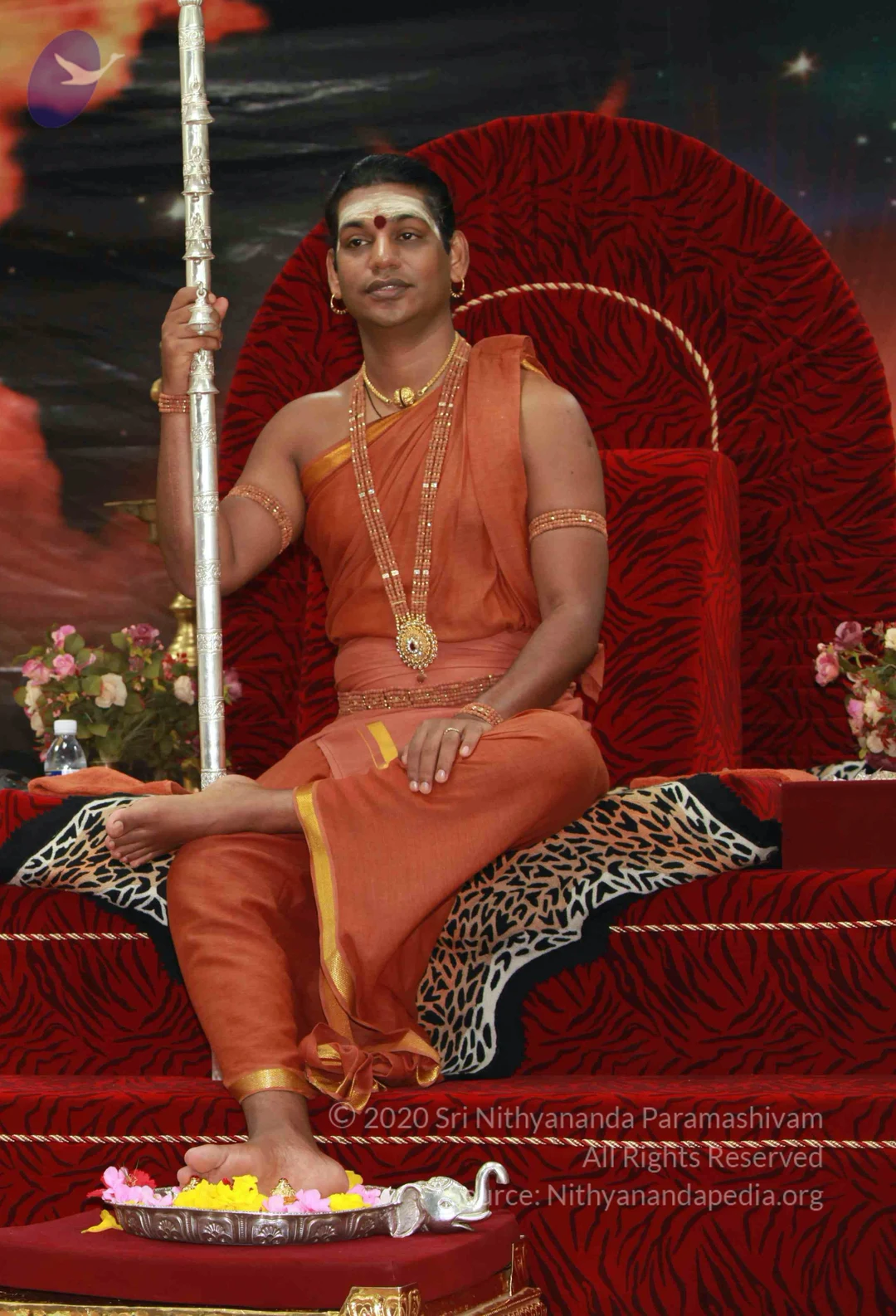
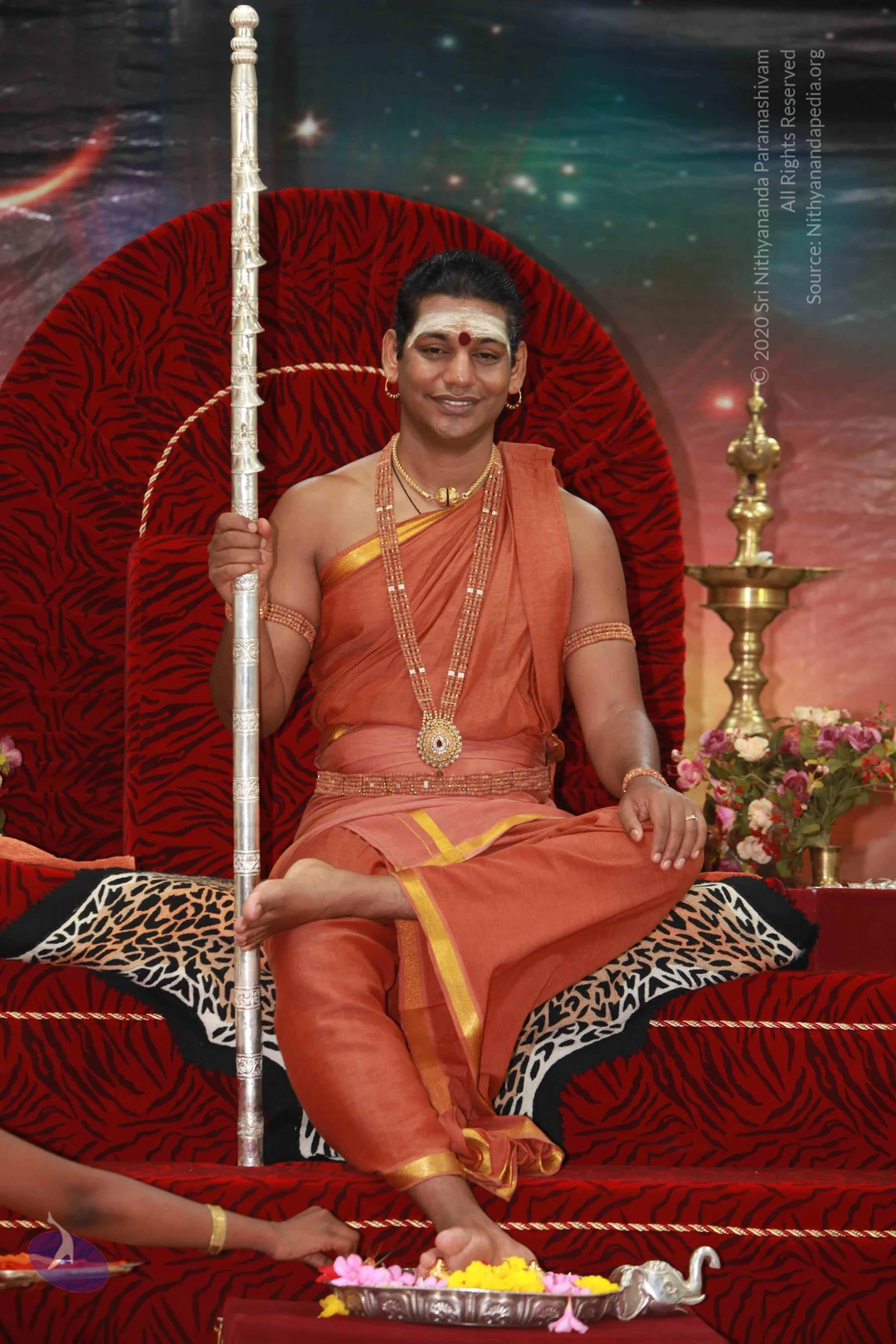
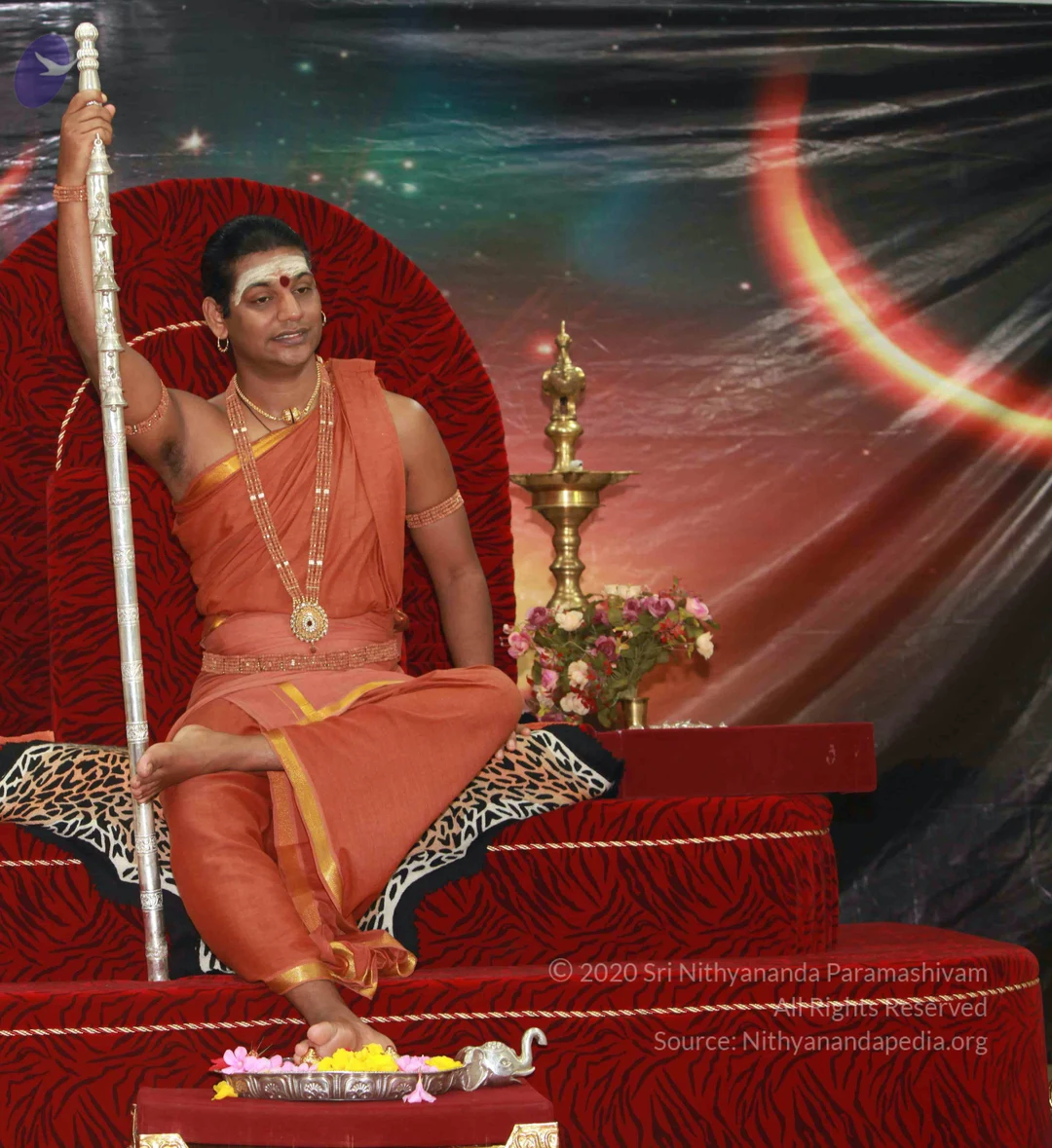
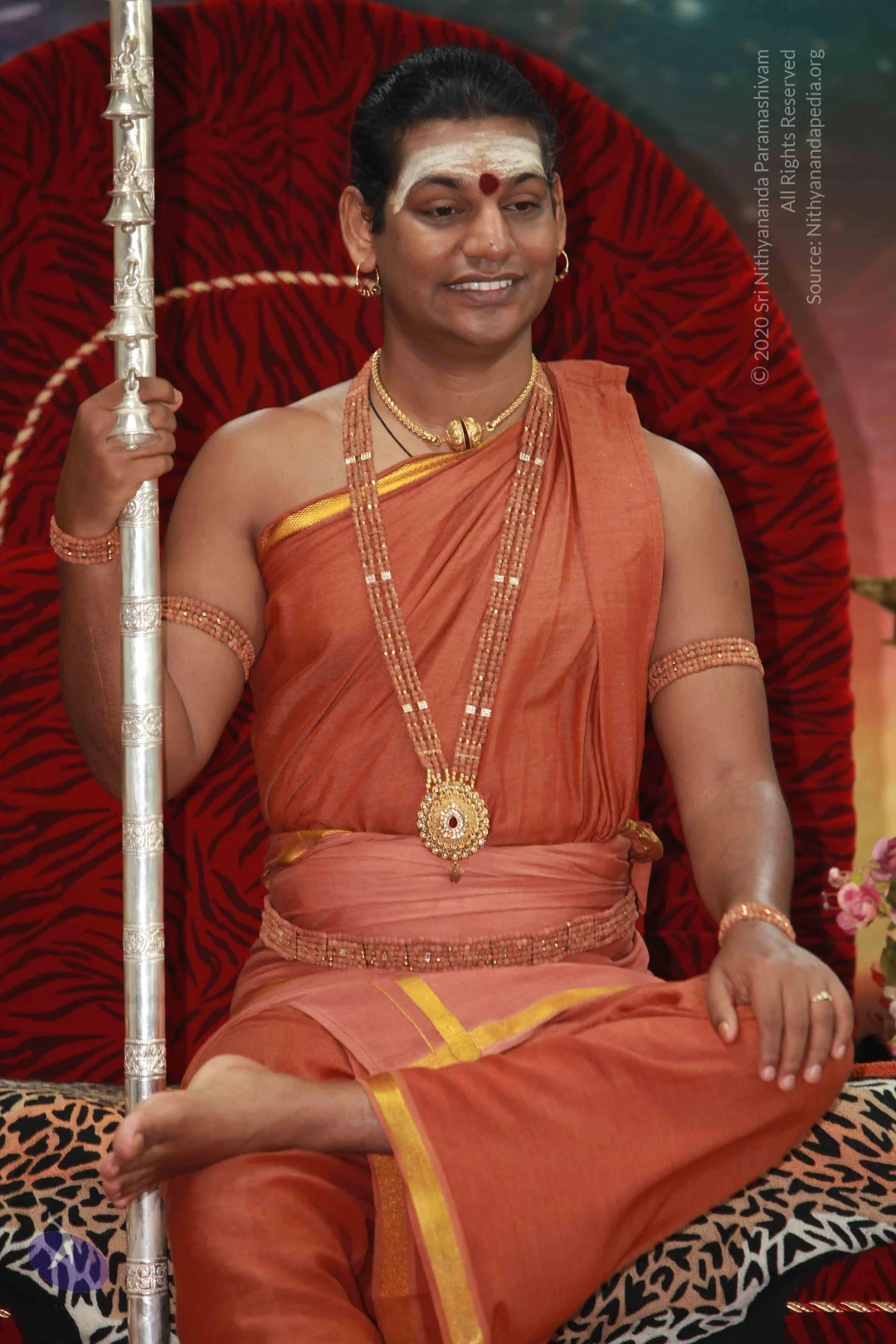
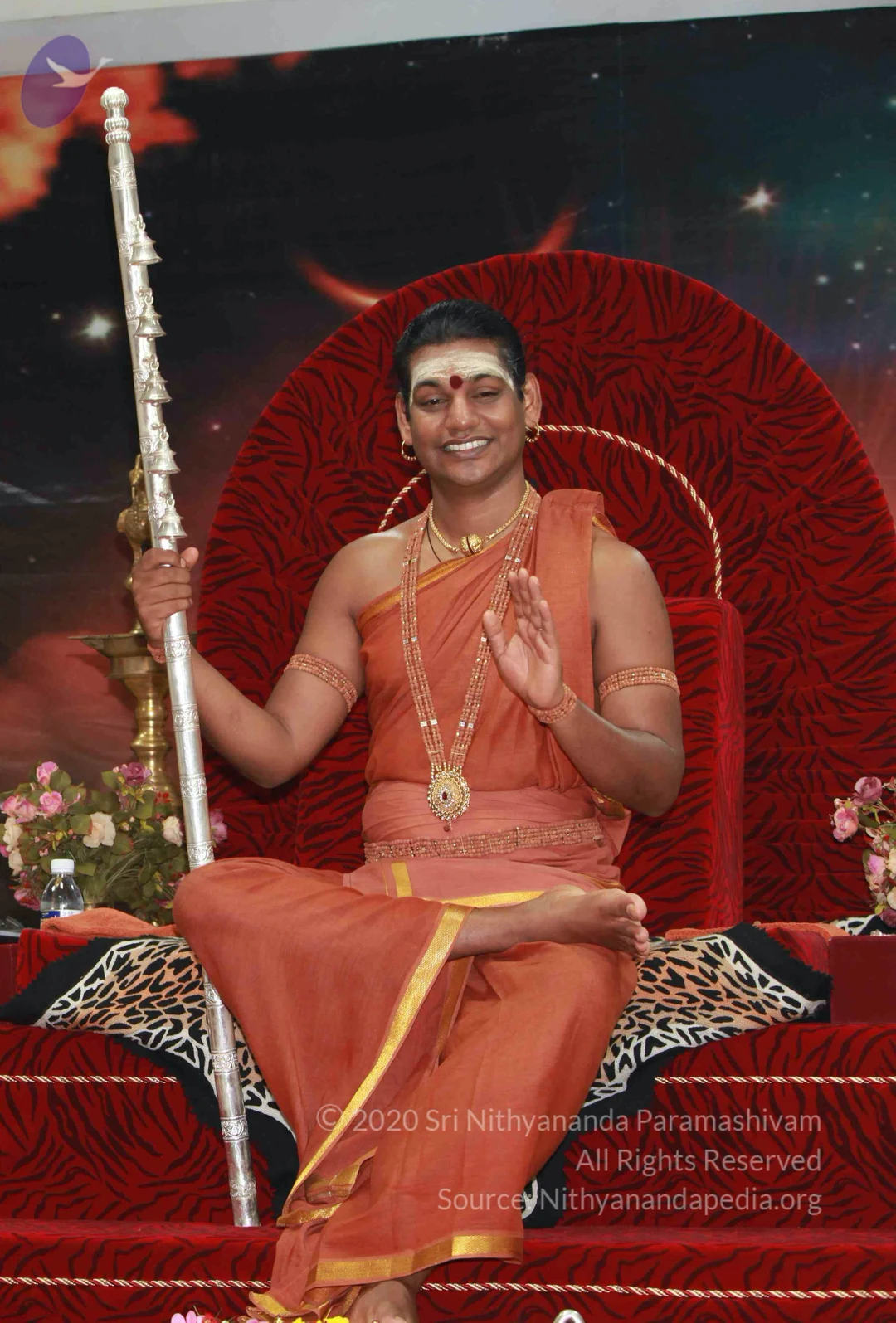
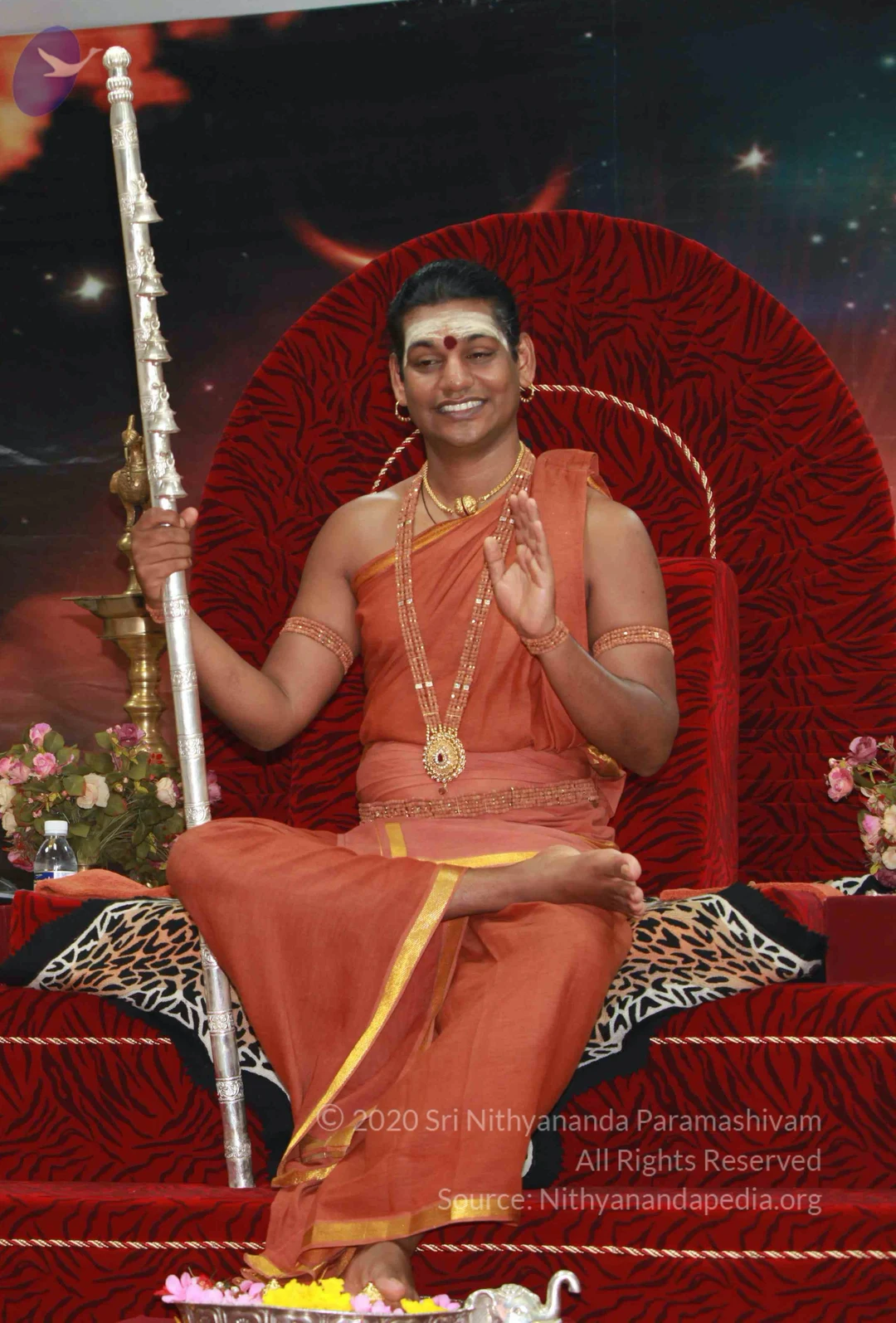
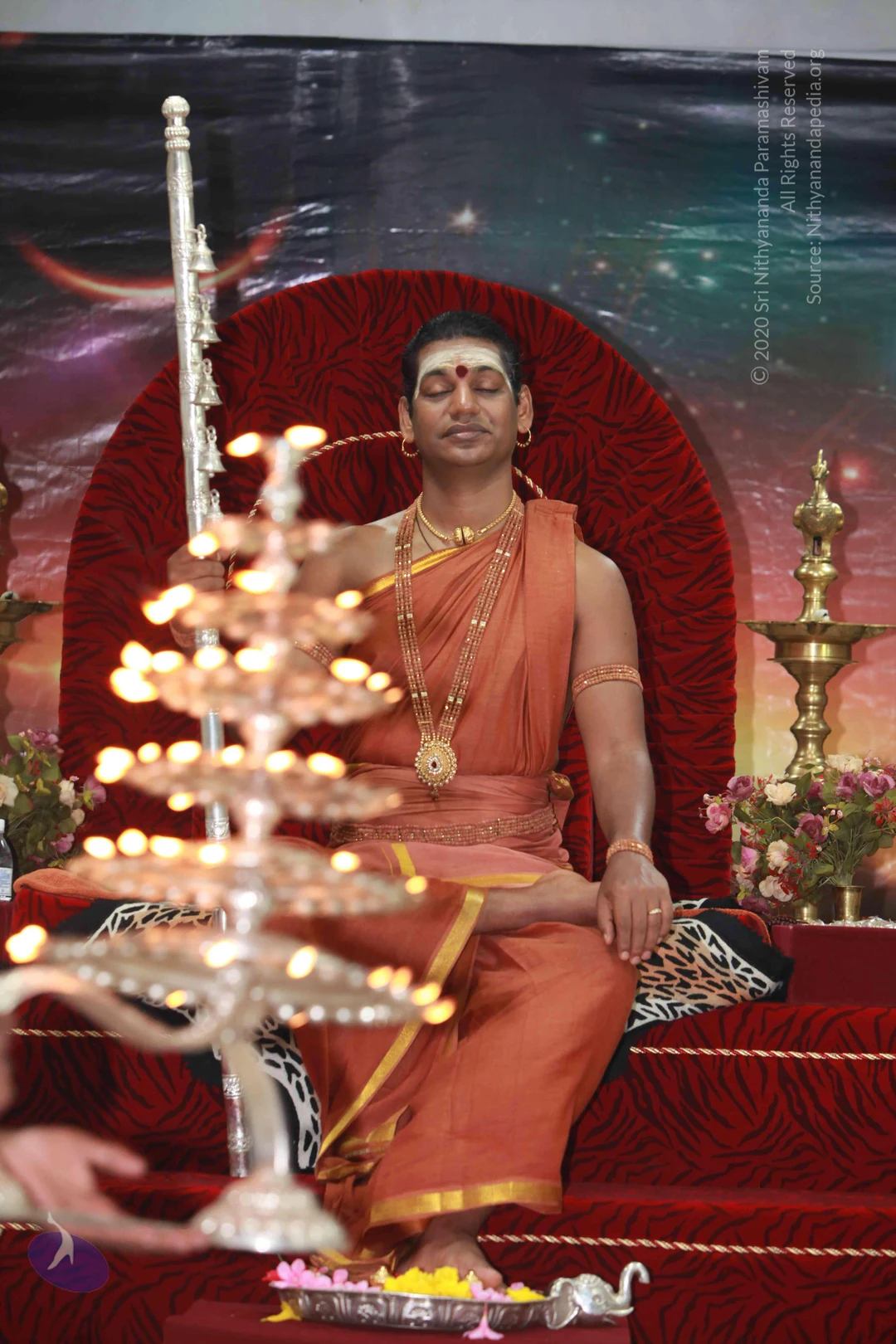
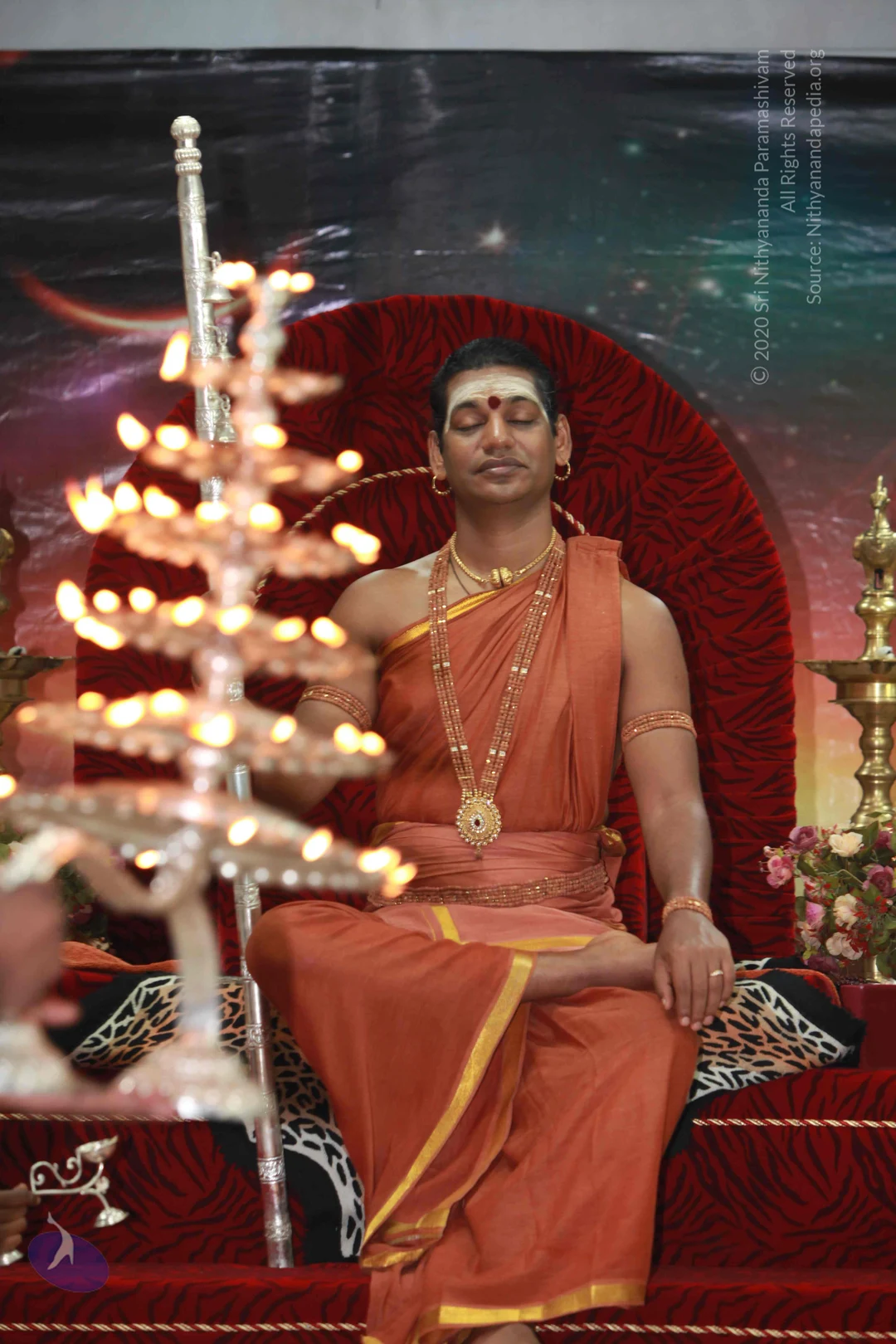
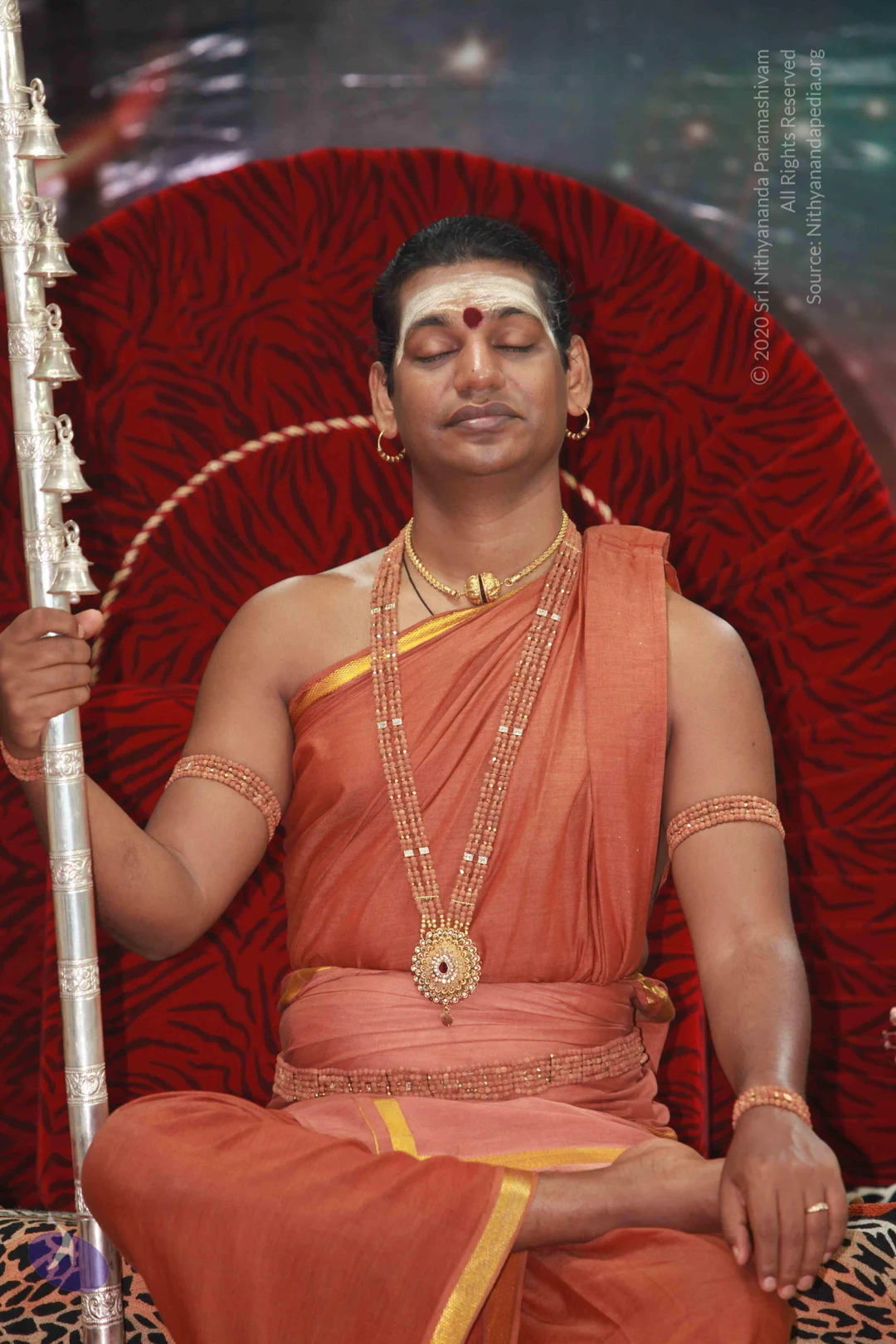
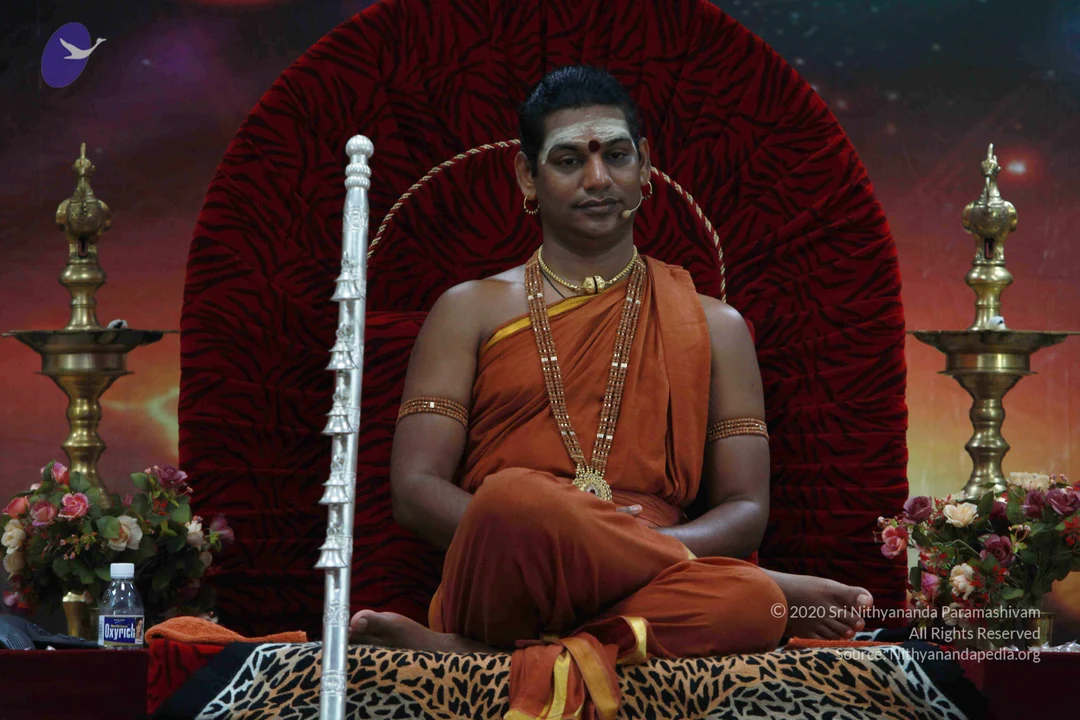
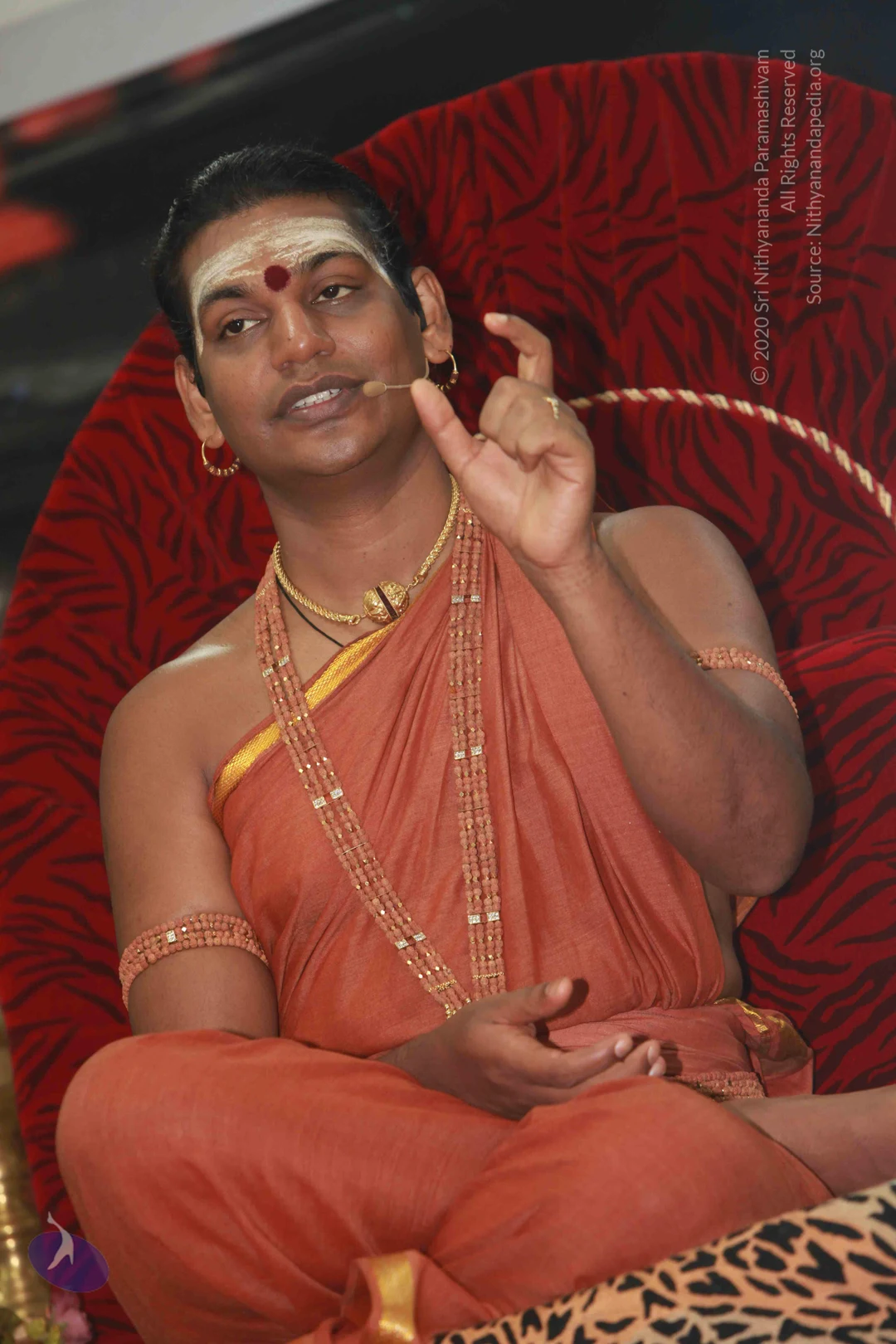
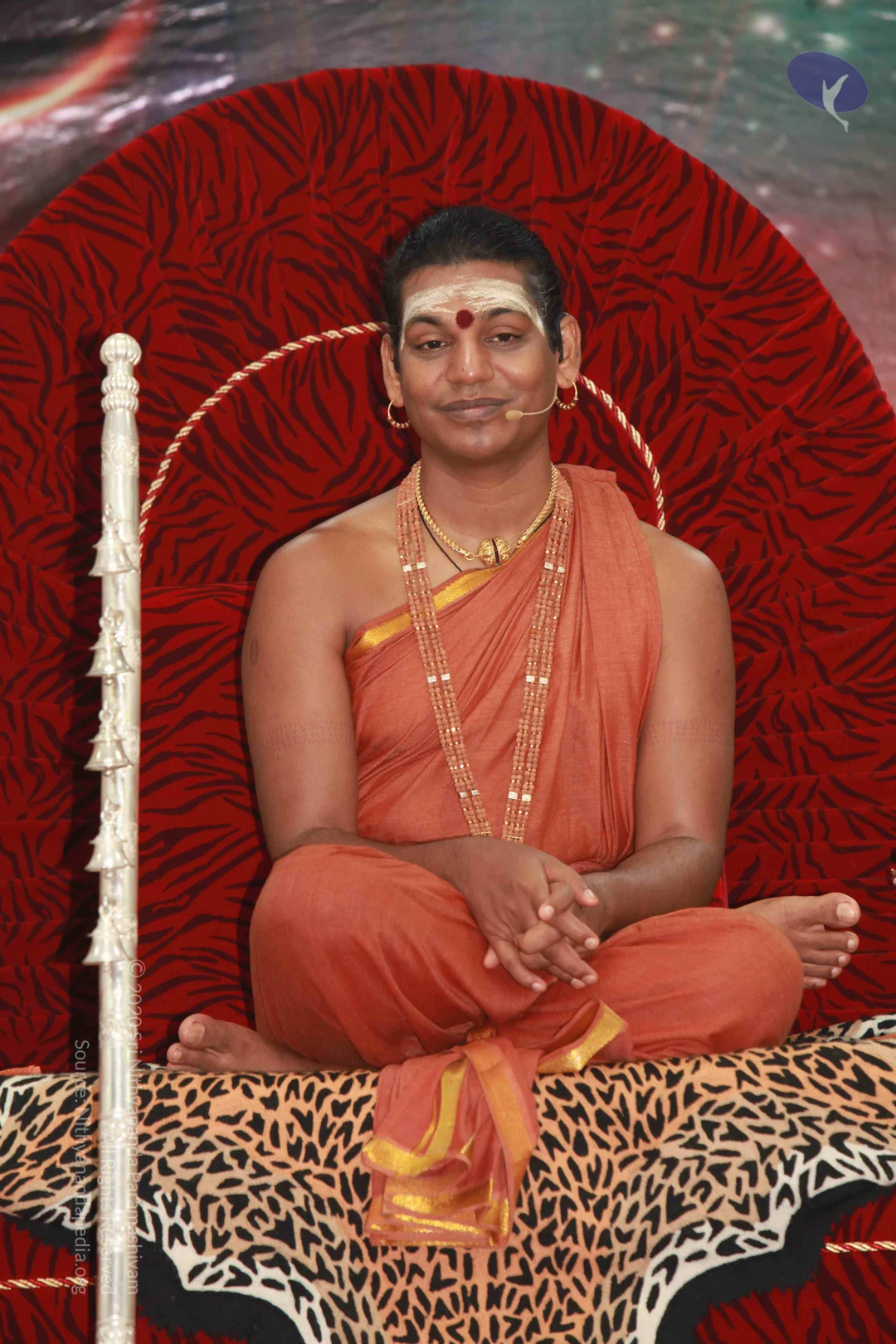
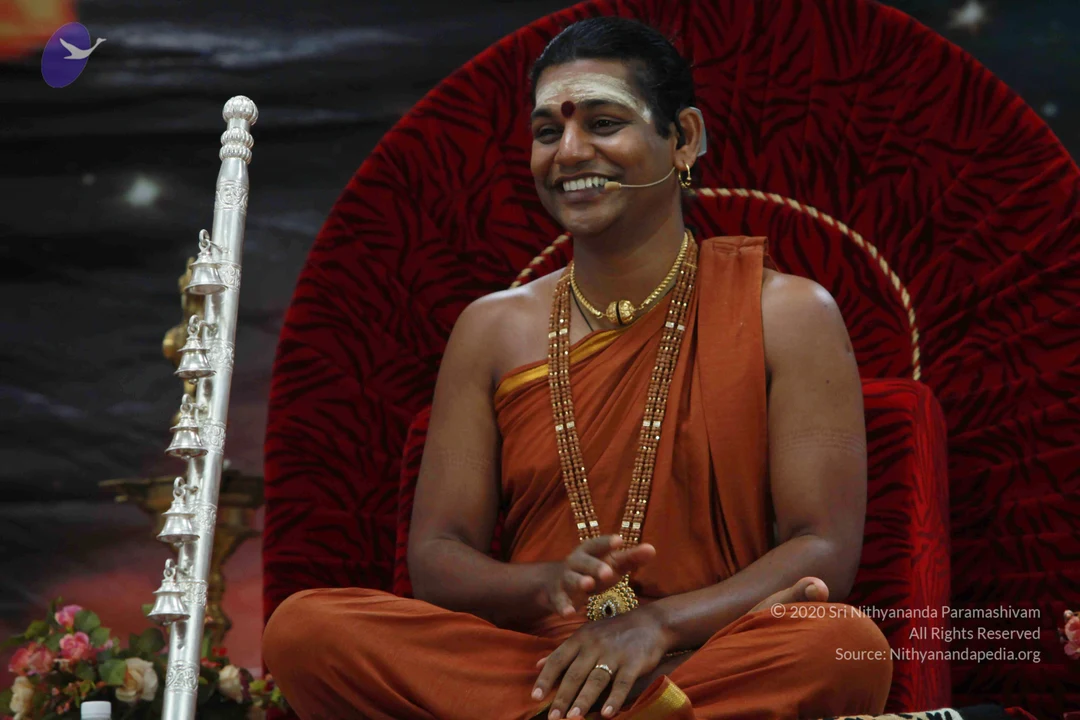
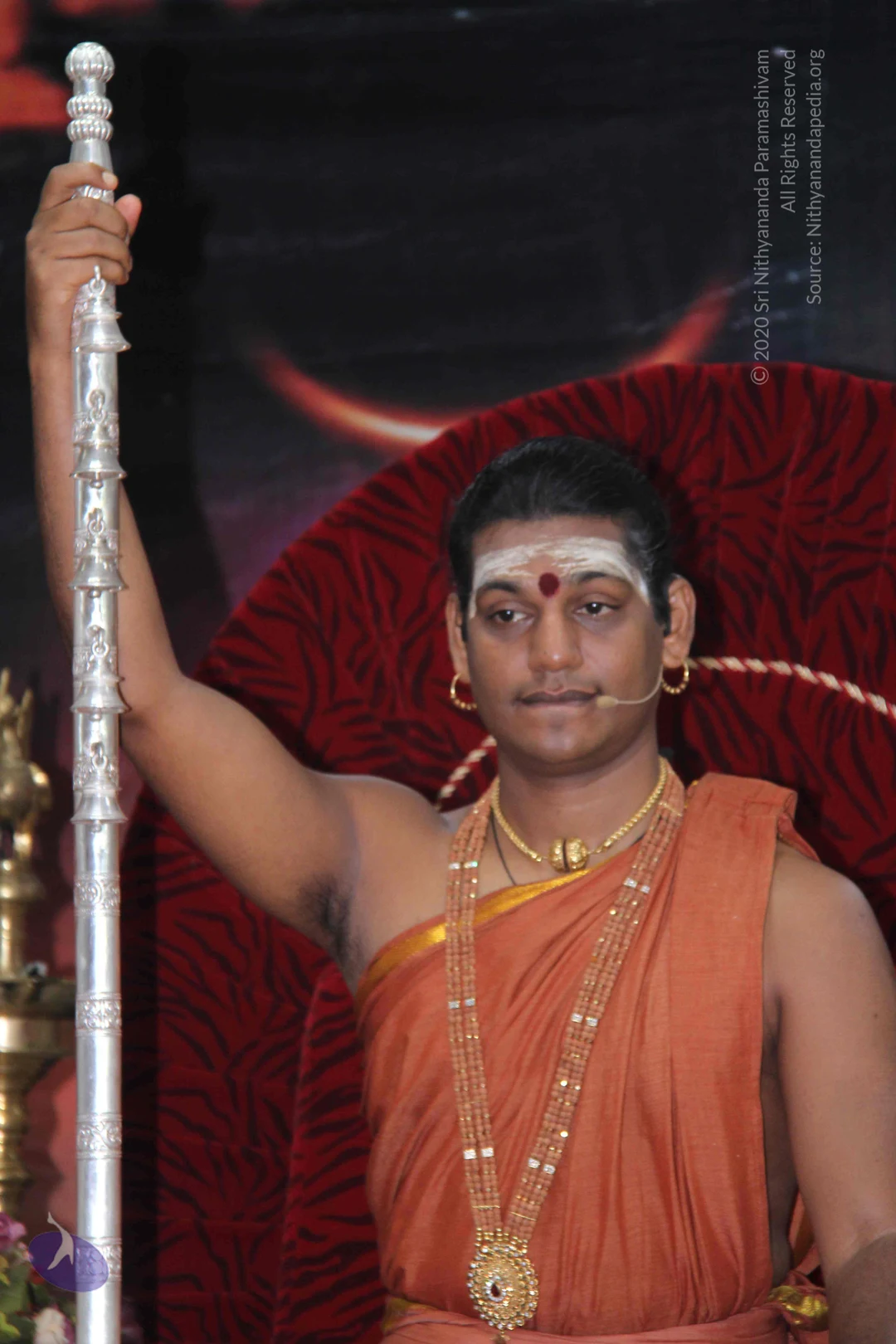
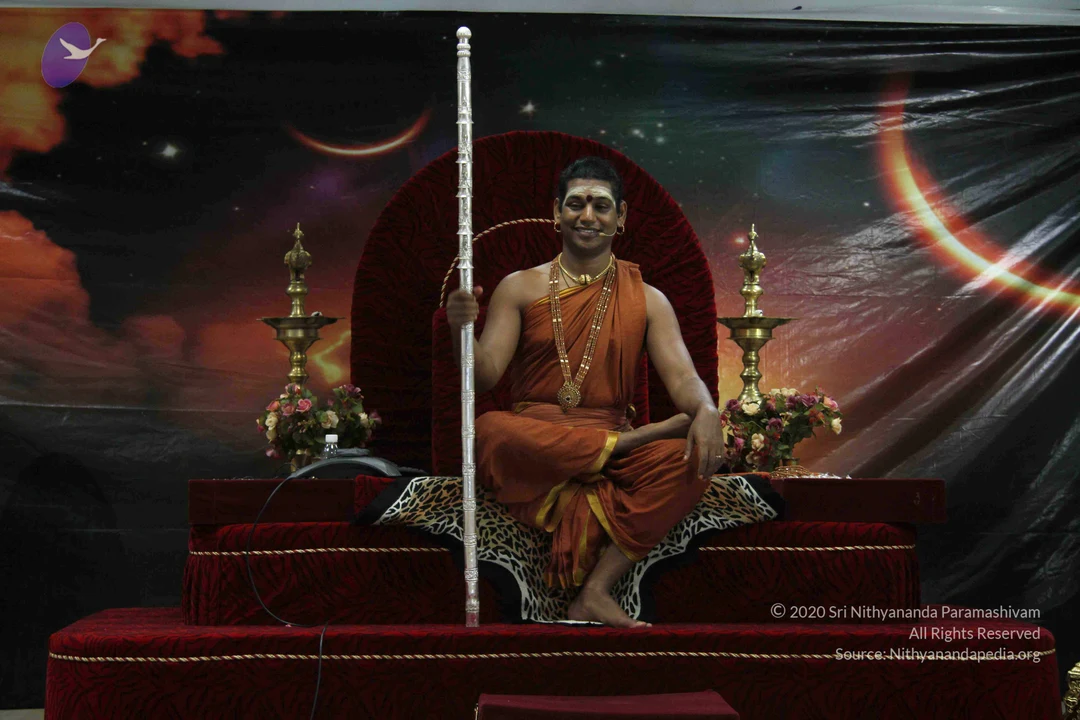
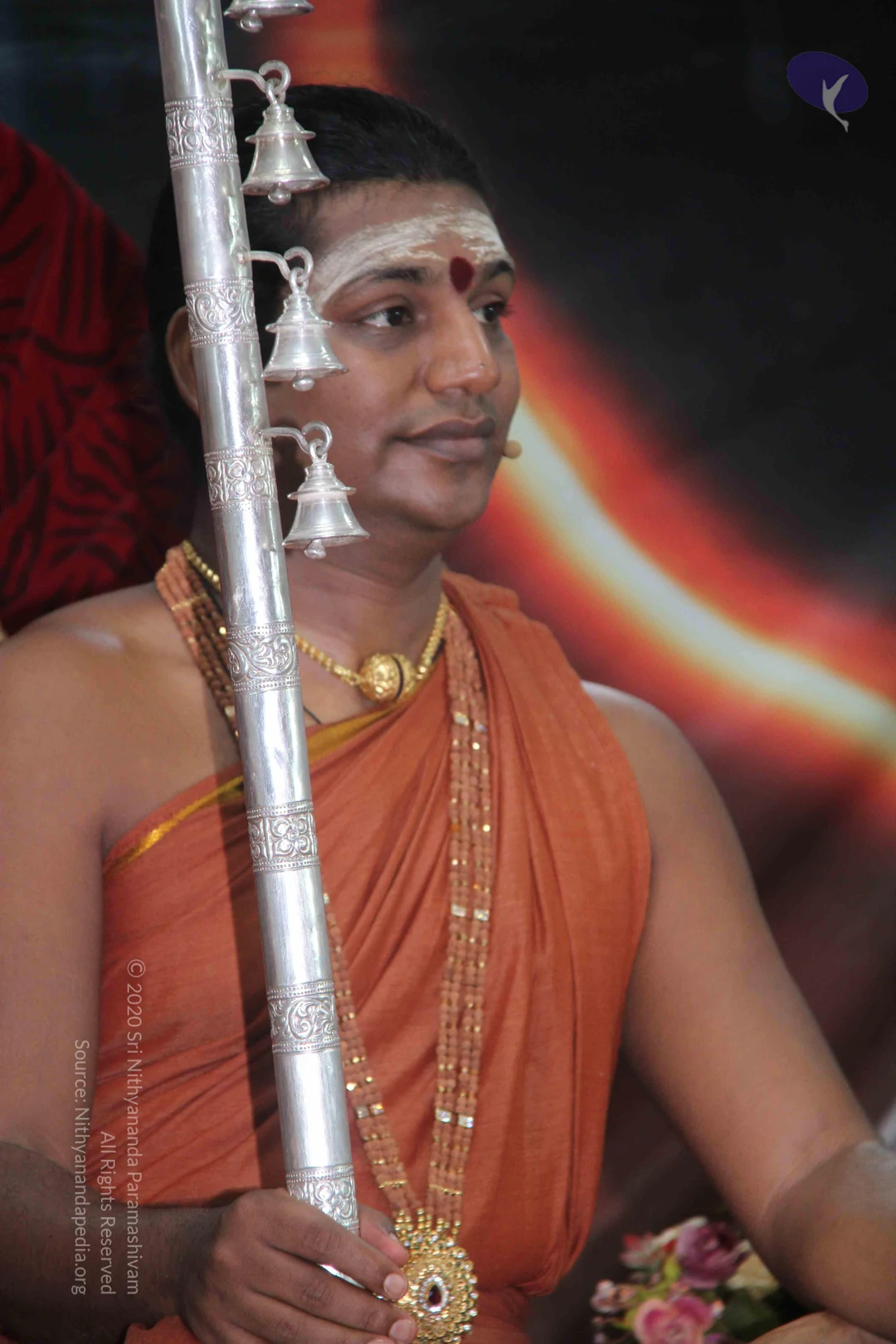
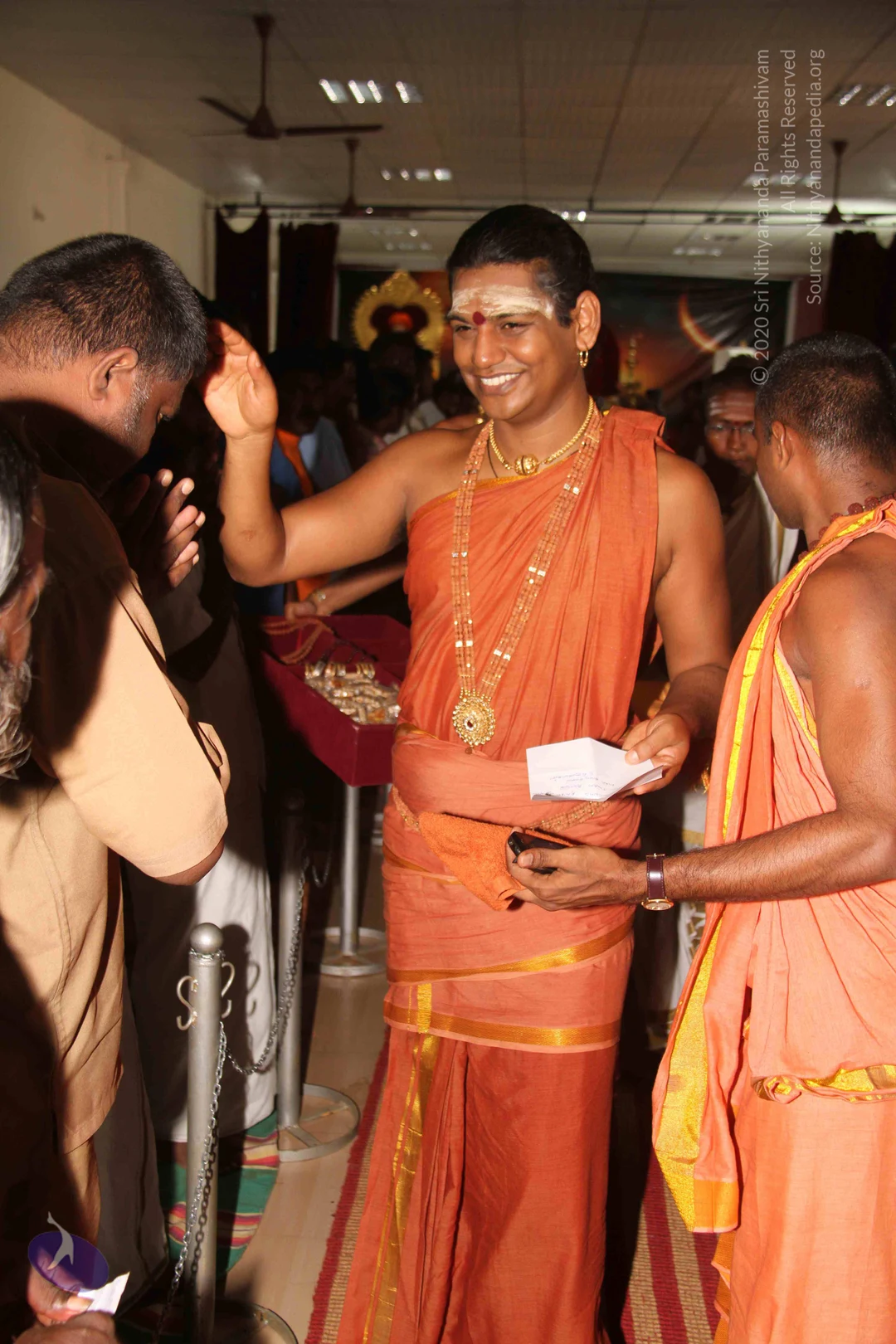
2-NSP Initiation
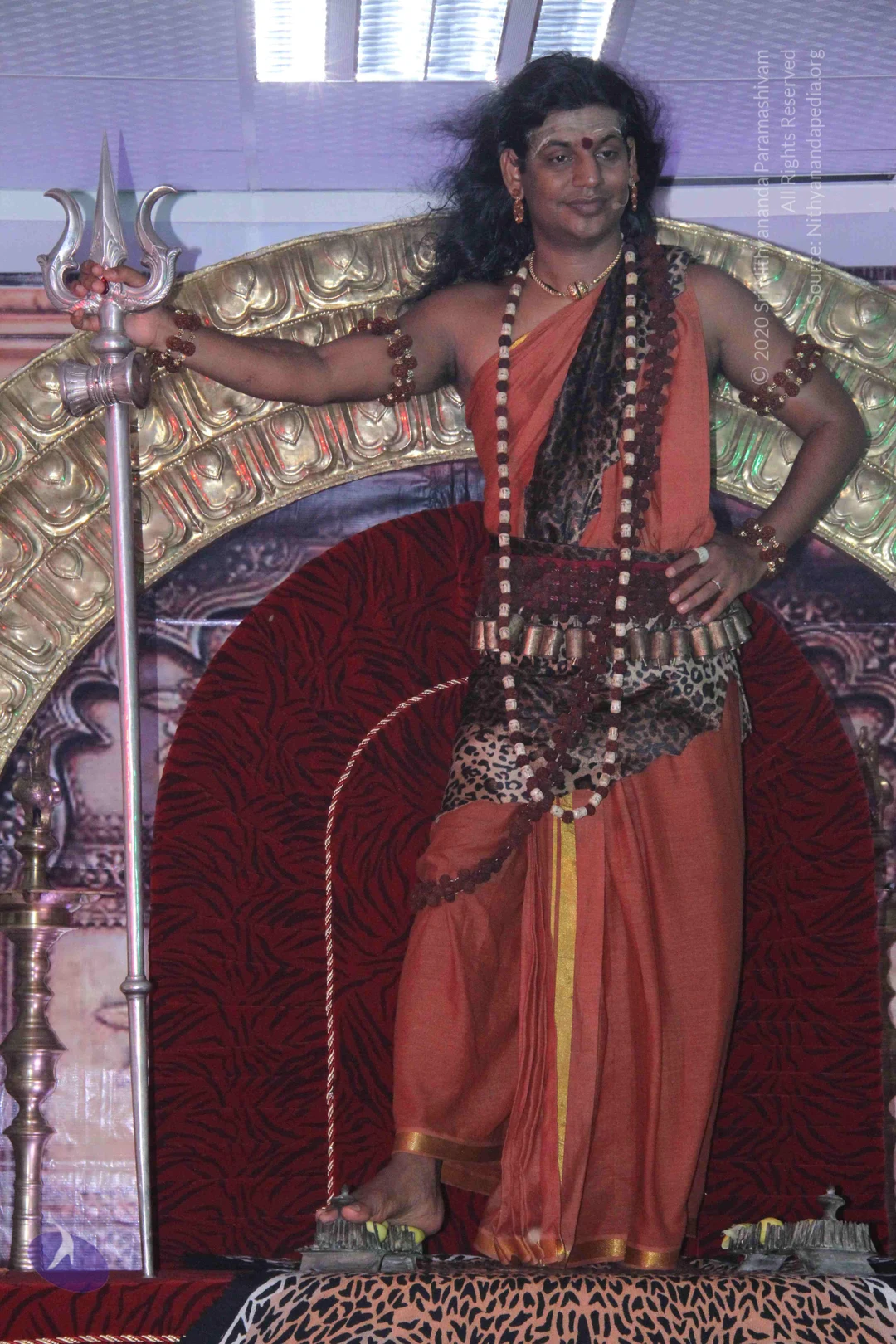
4-Akashic Reading
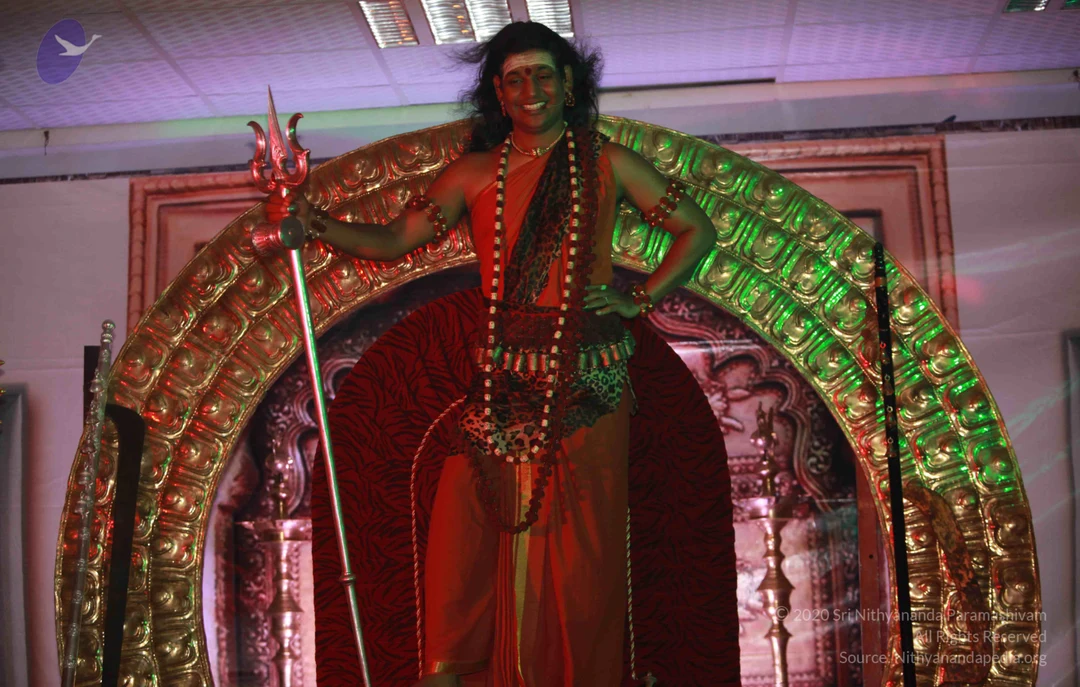
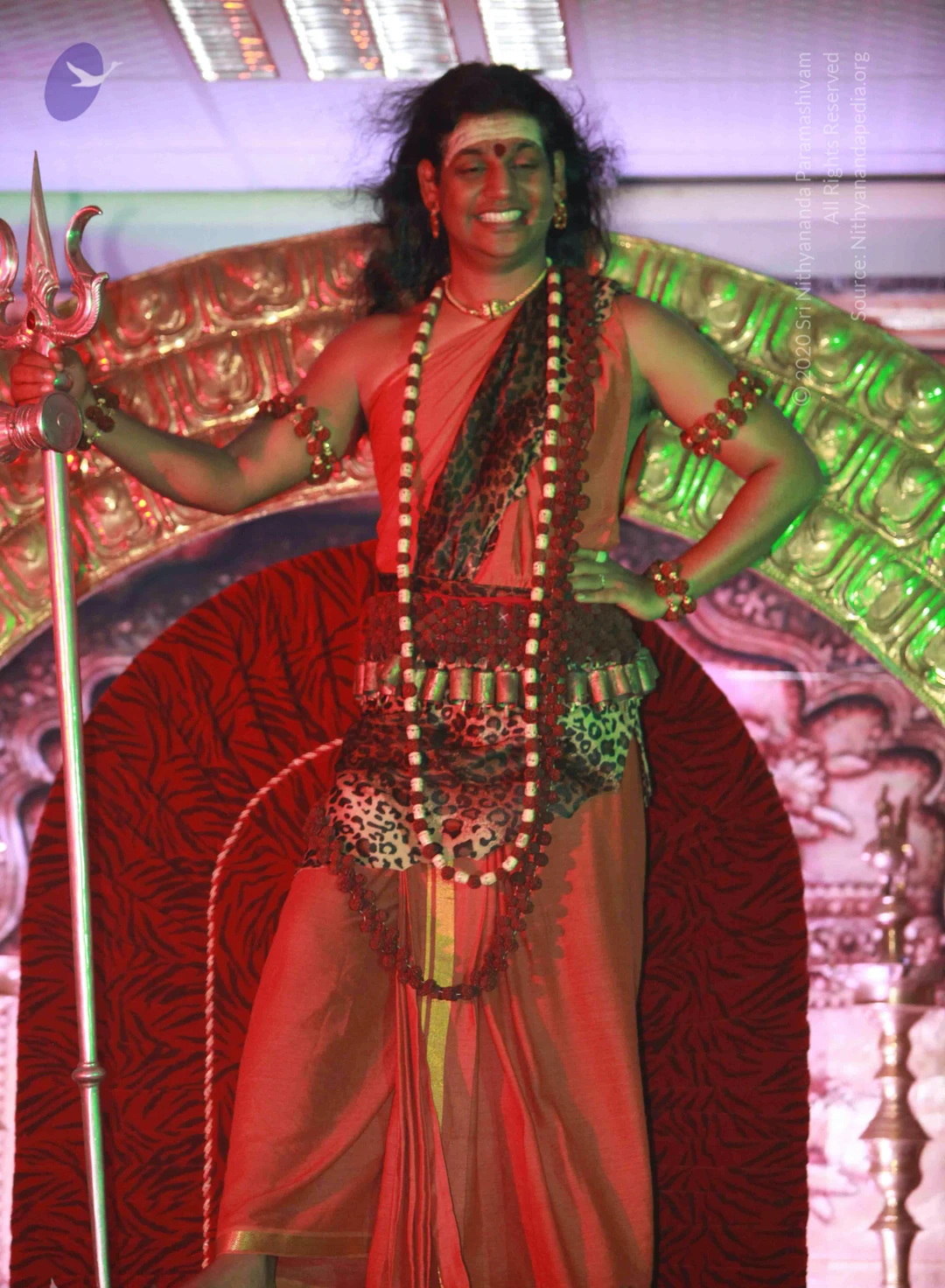
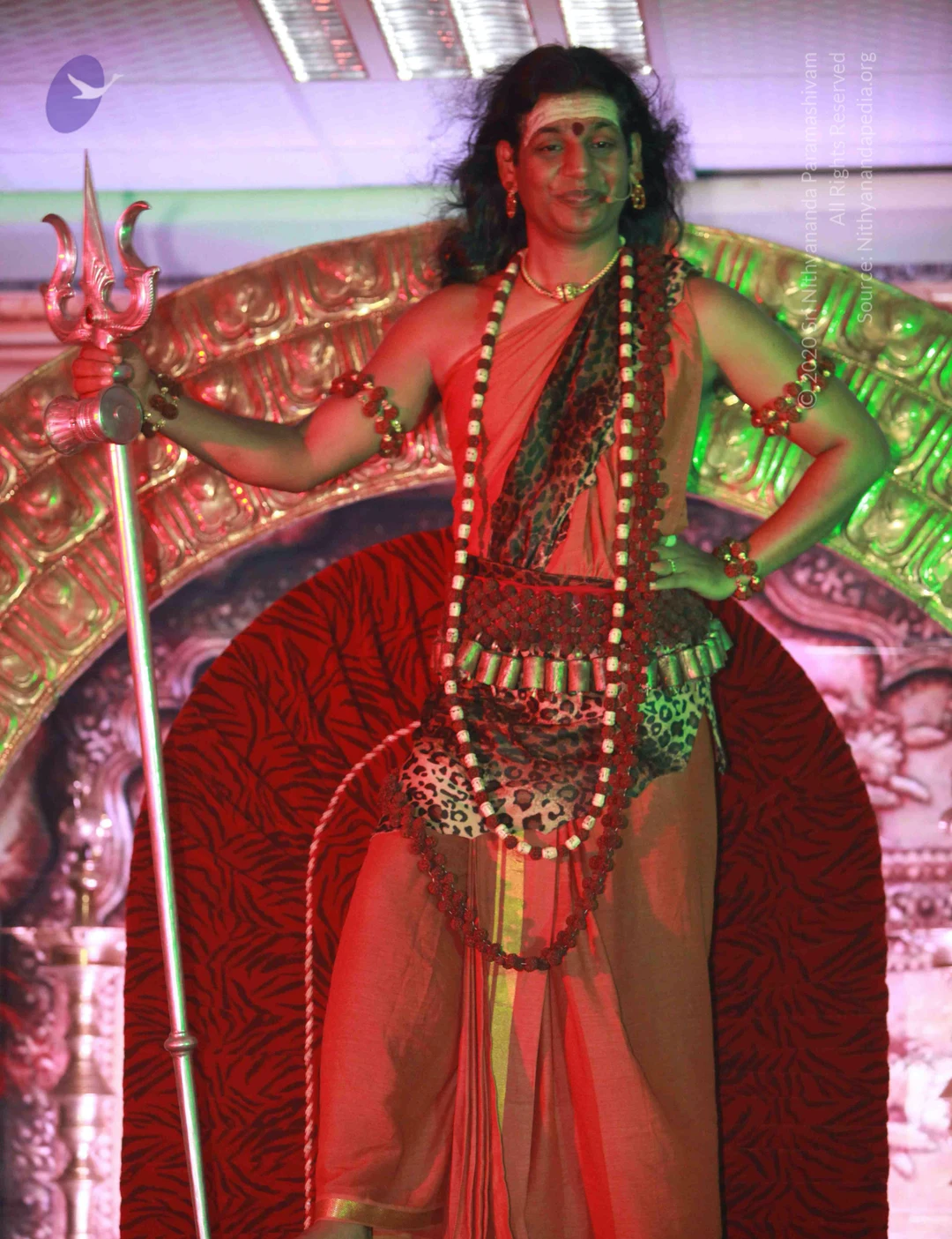
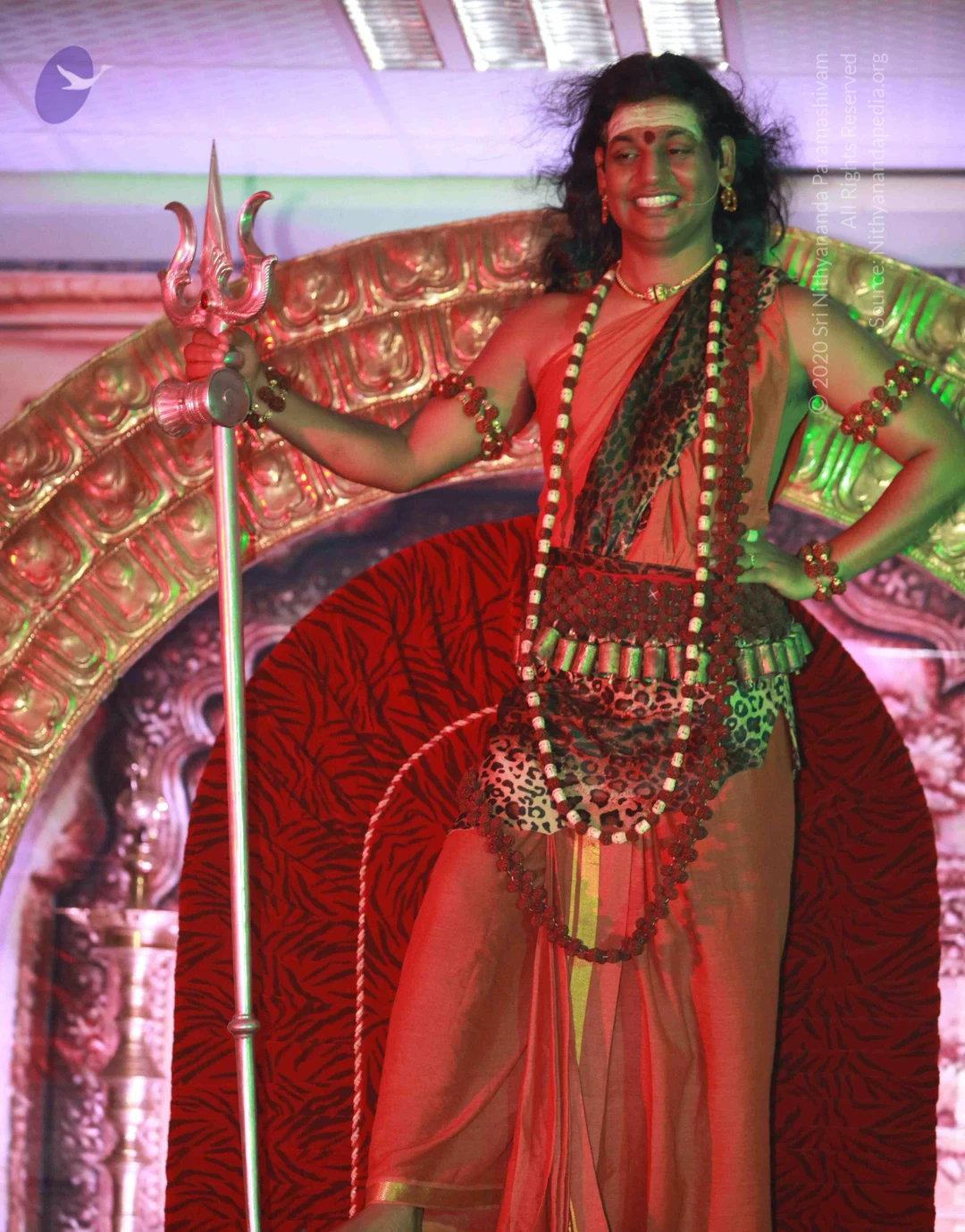
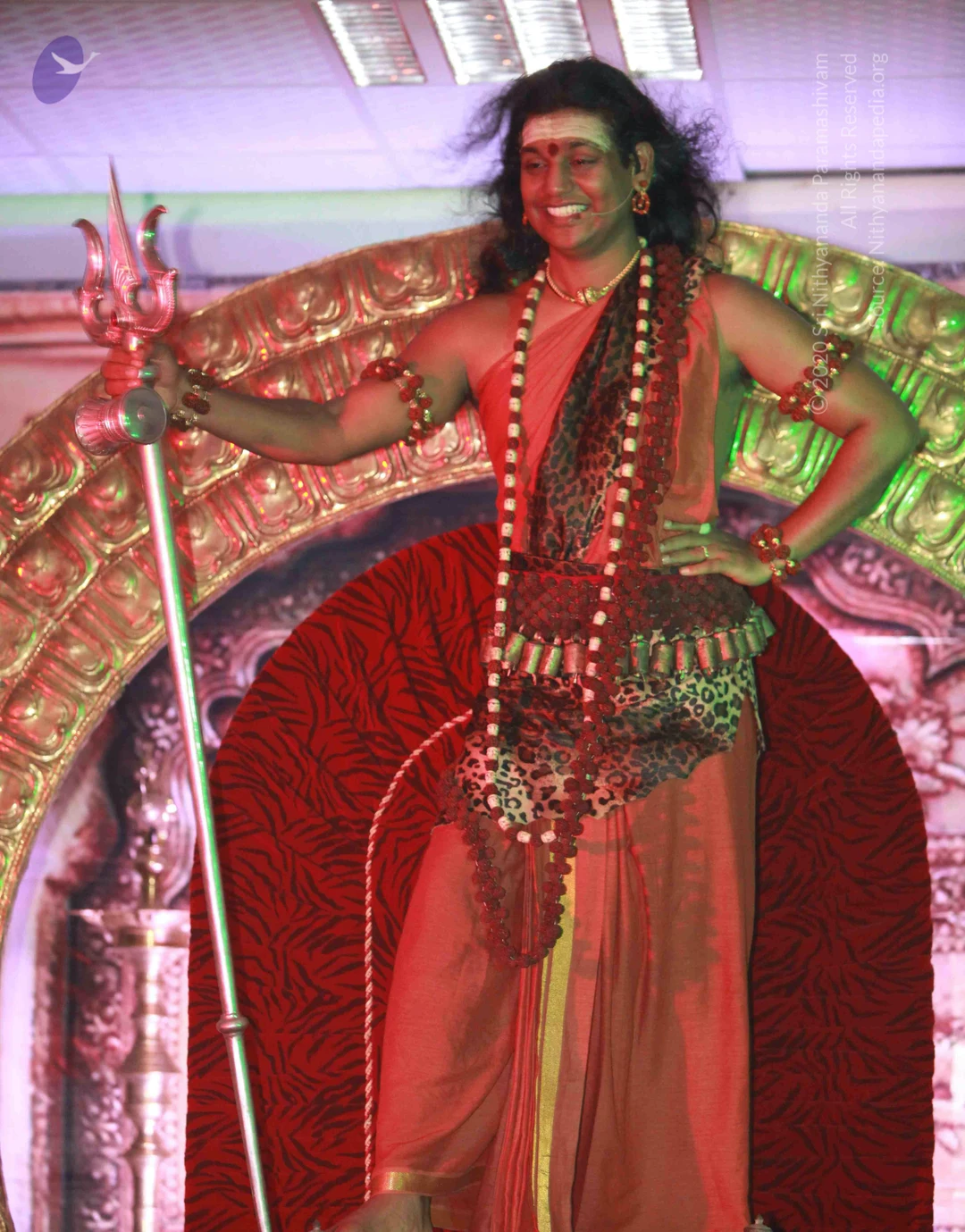
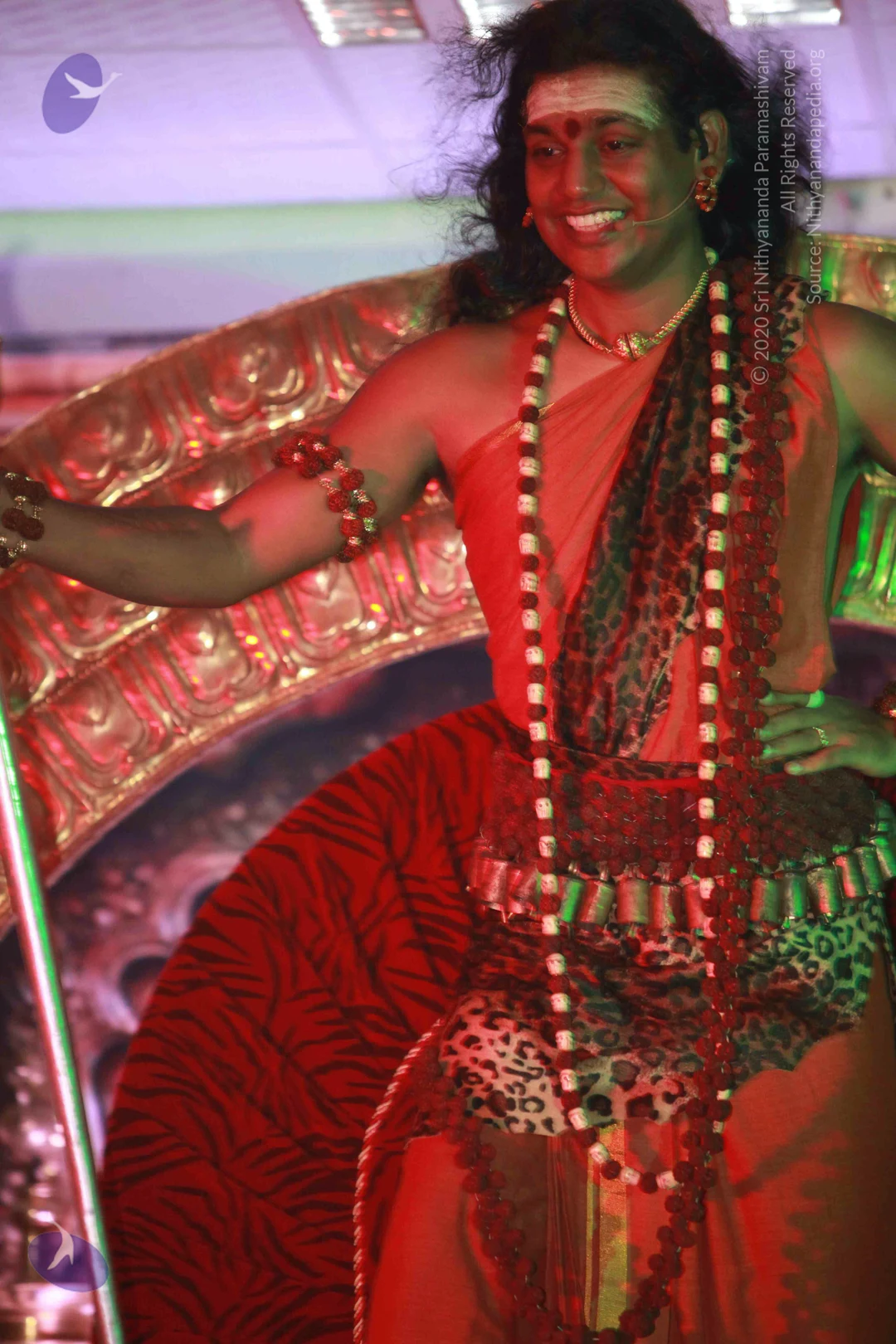
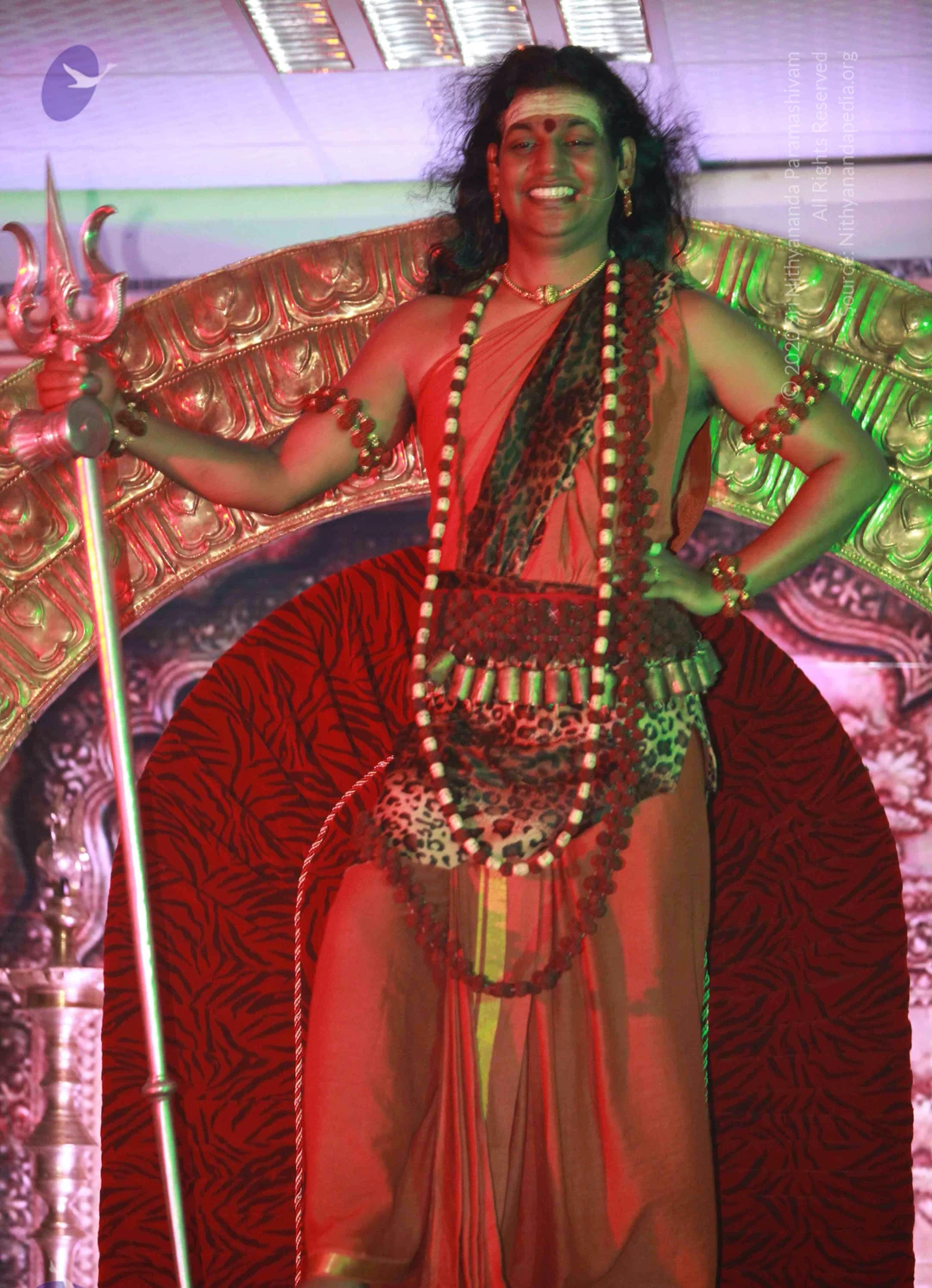
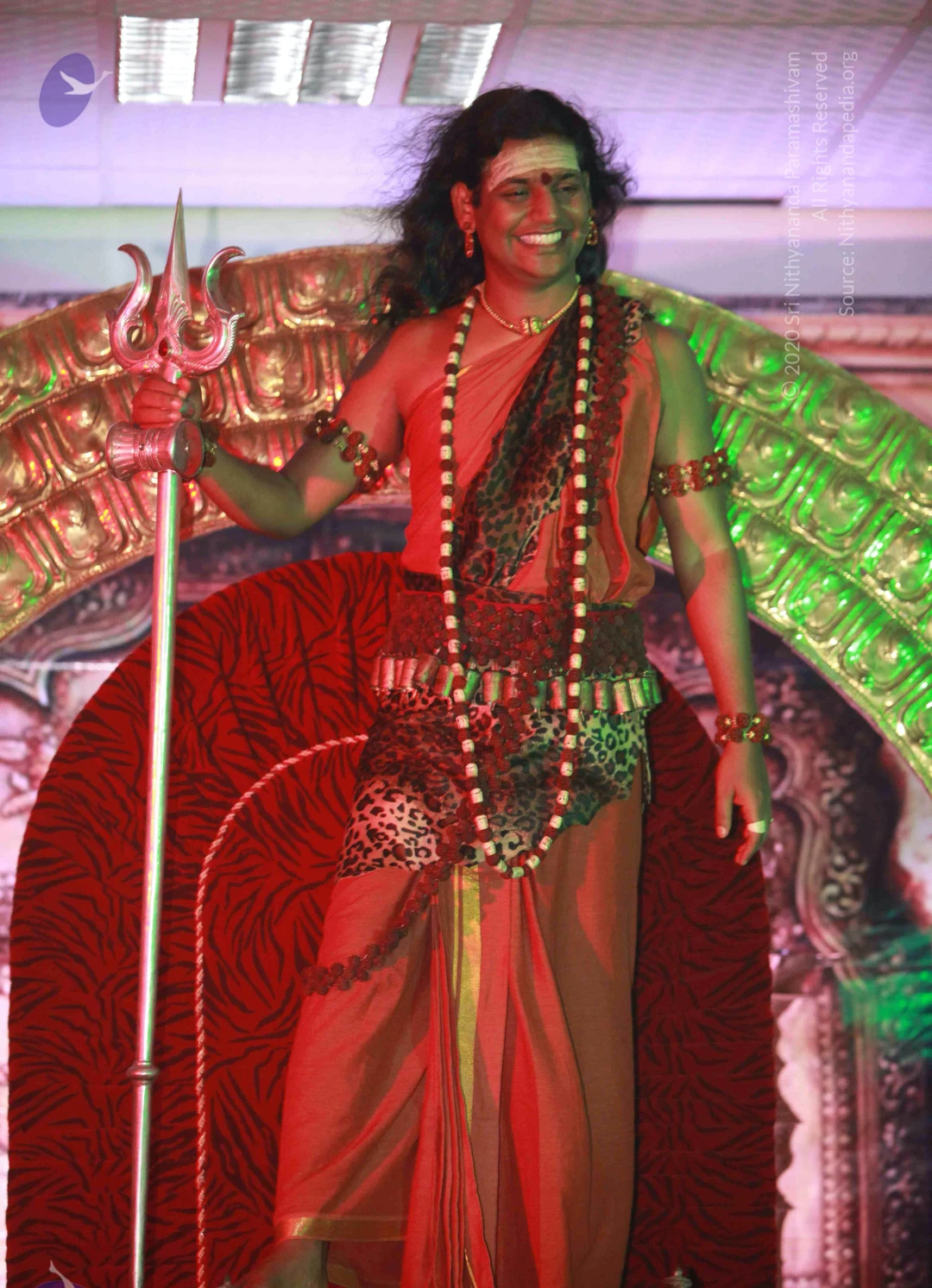
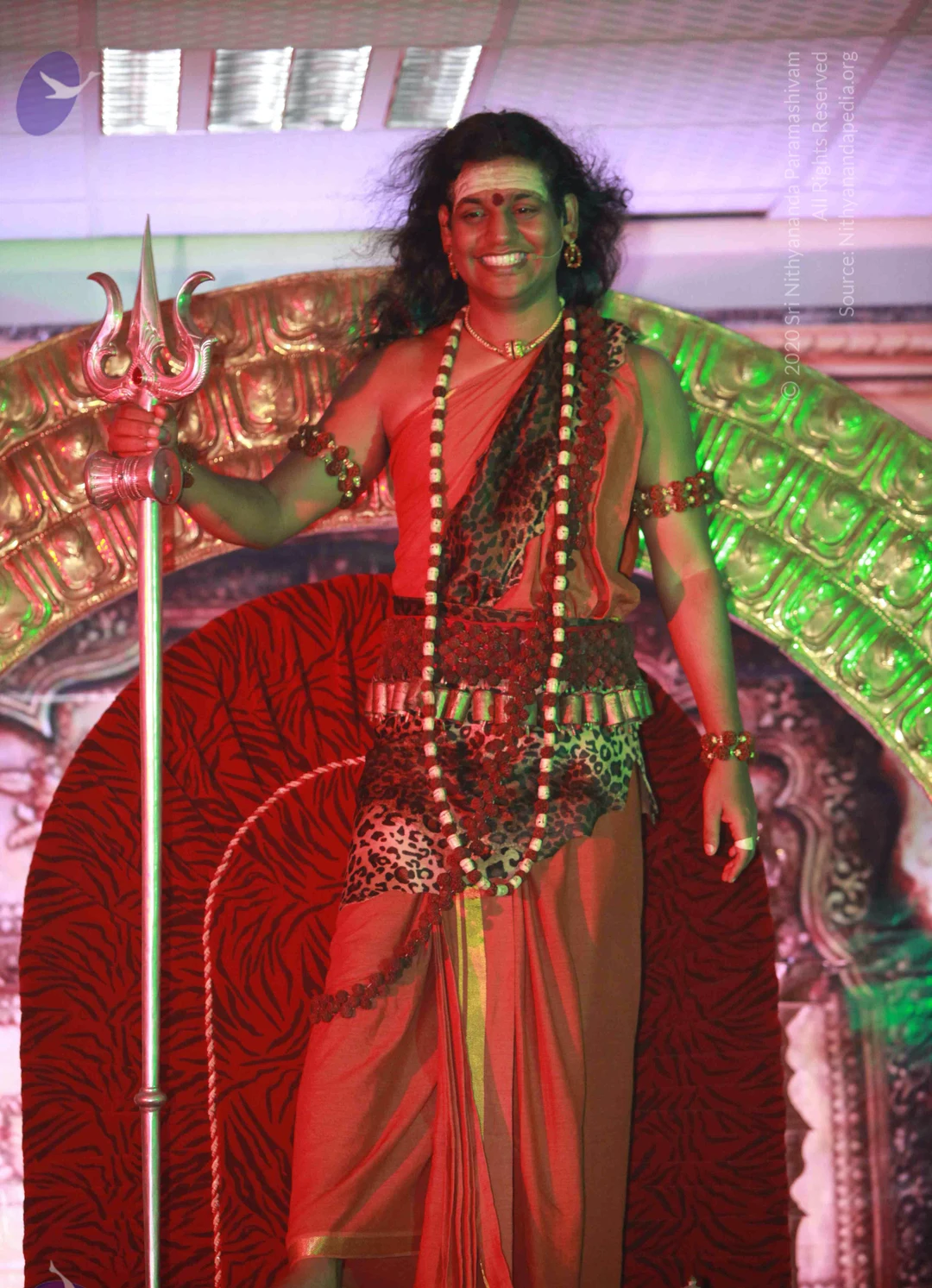
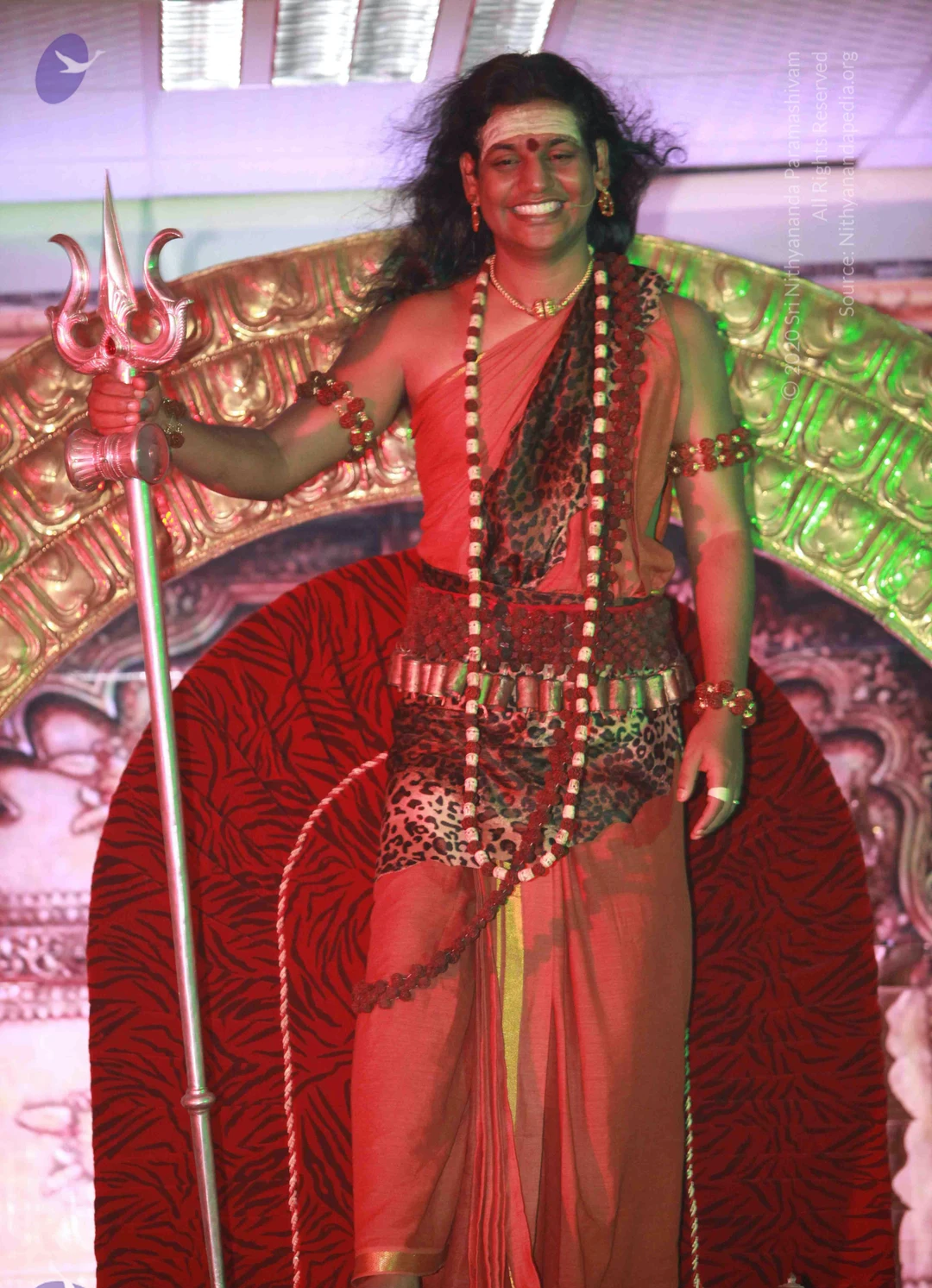
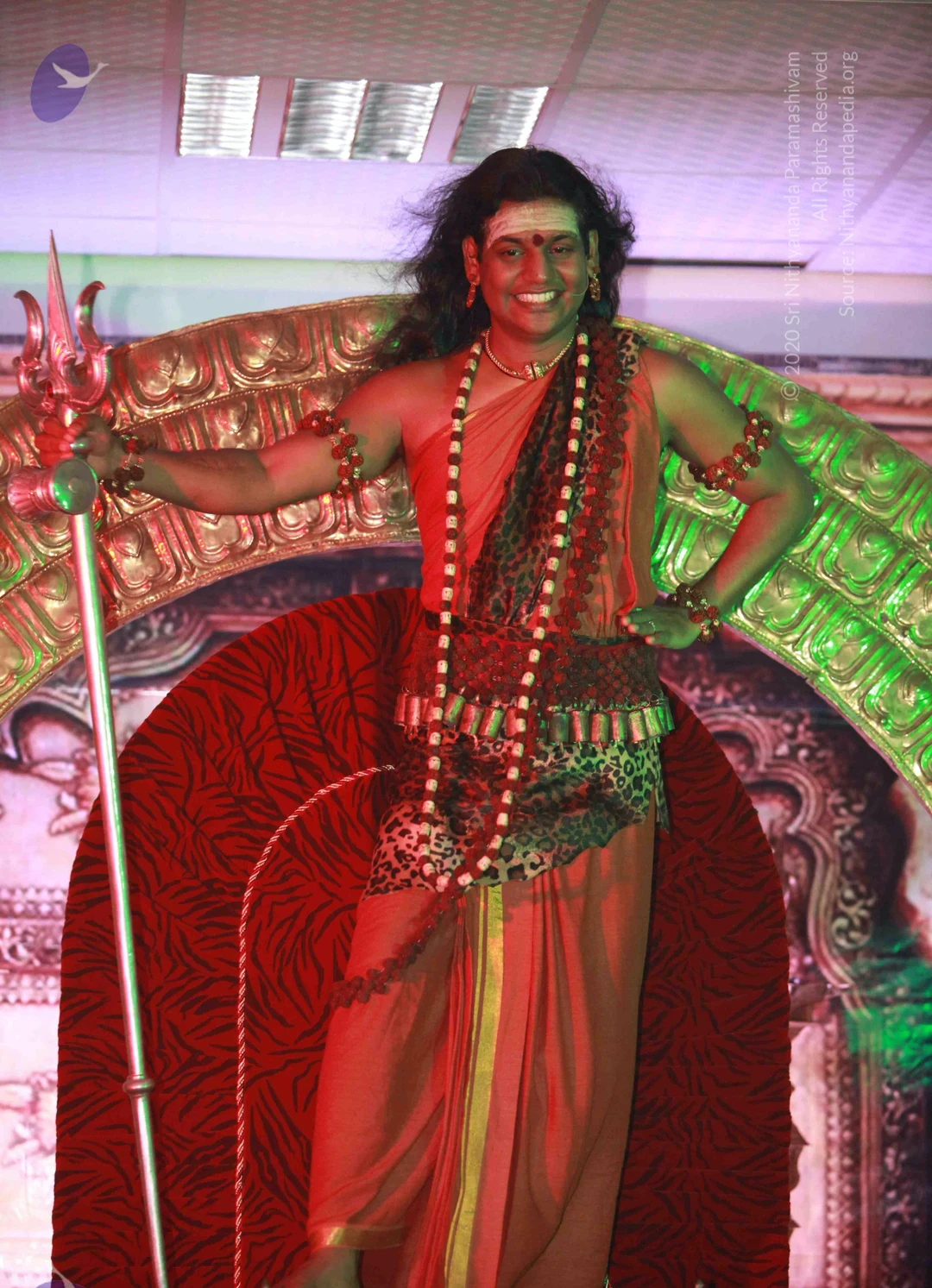
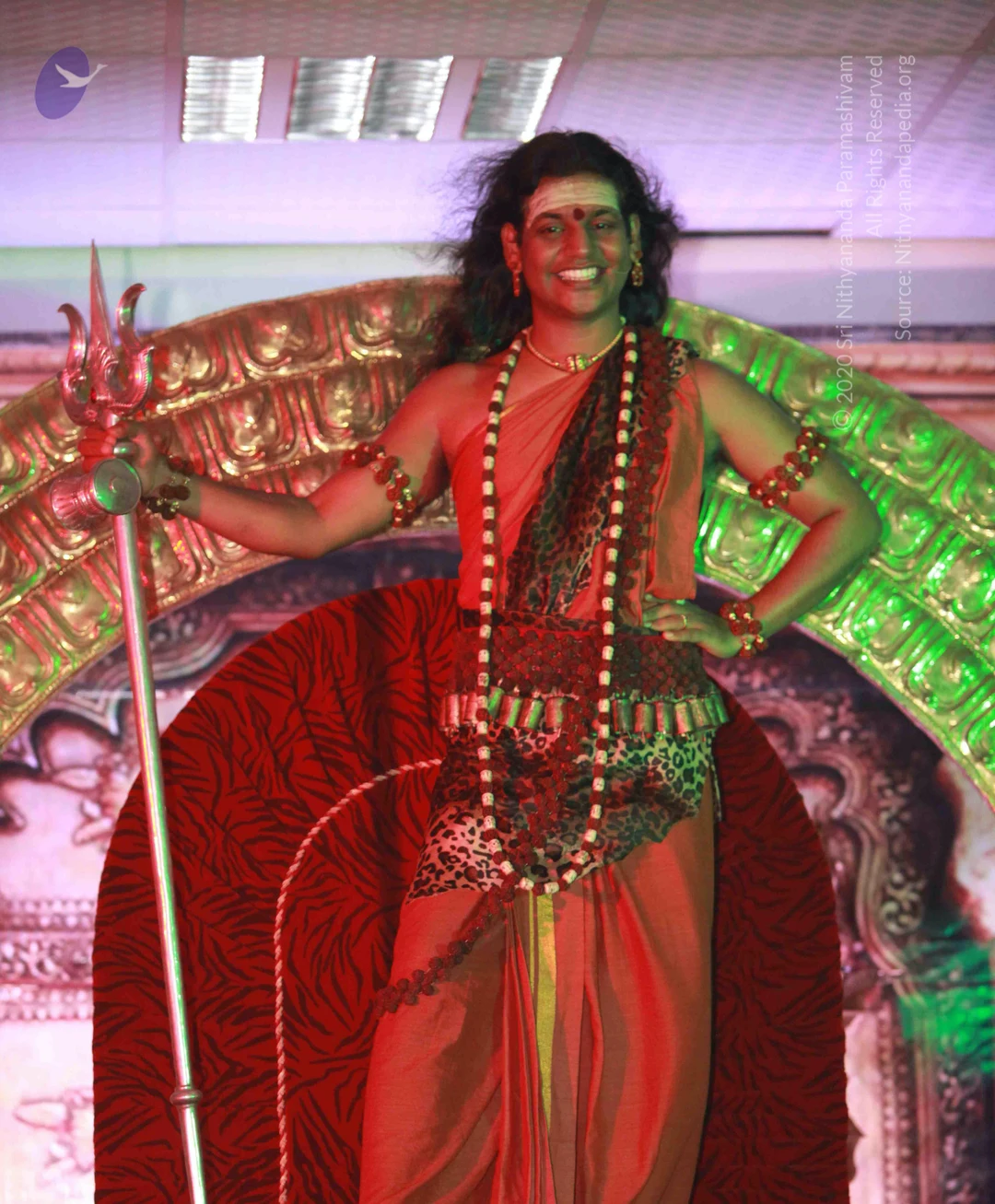
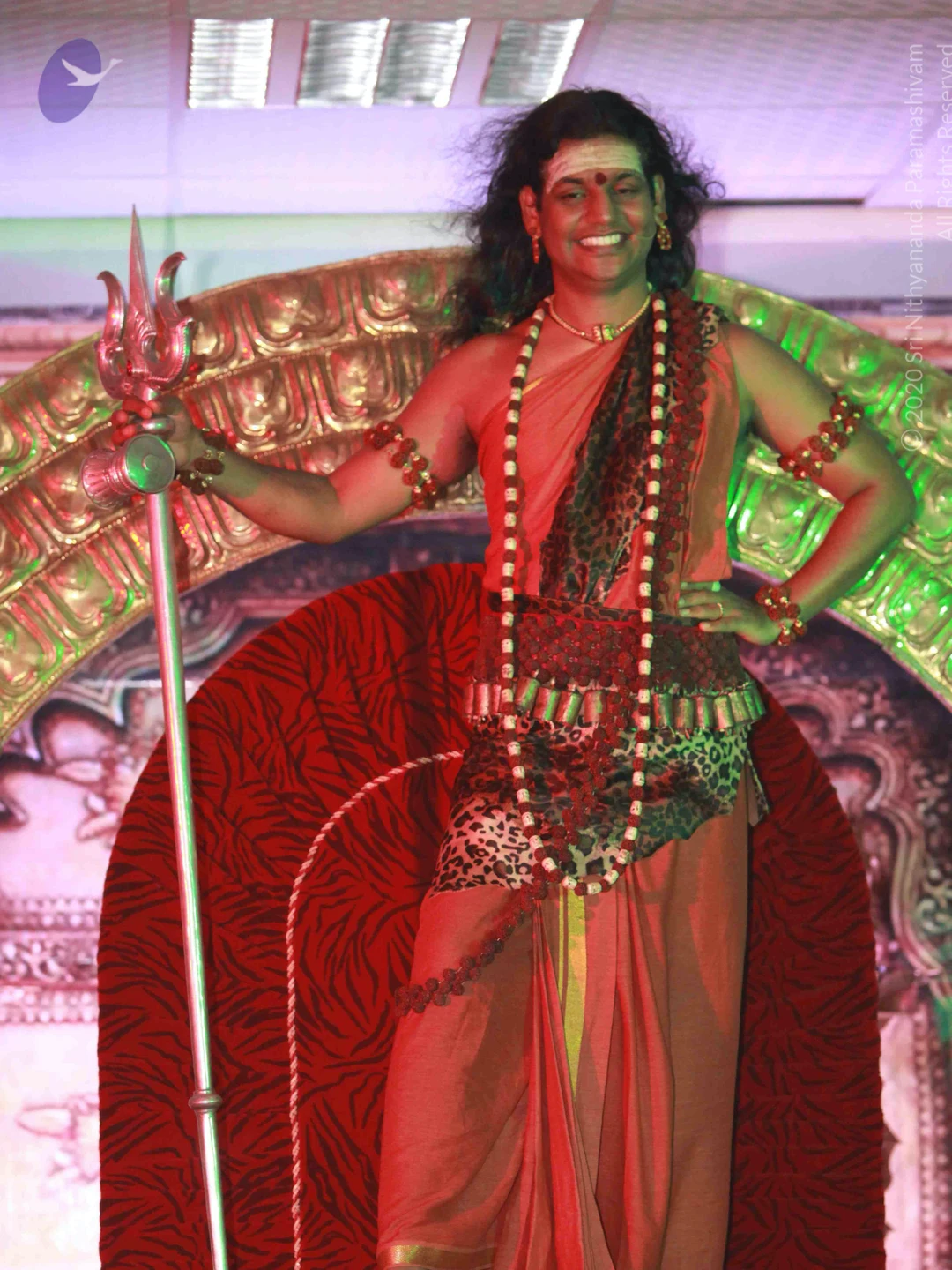
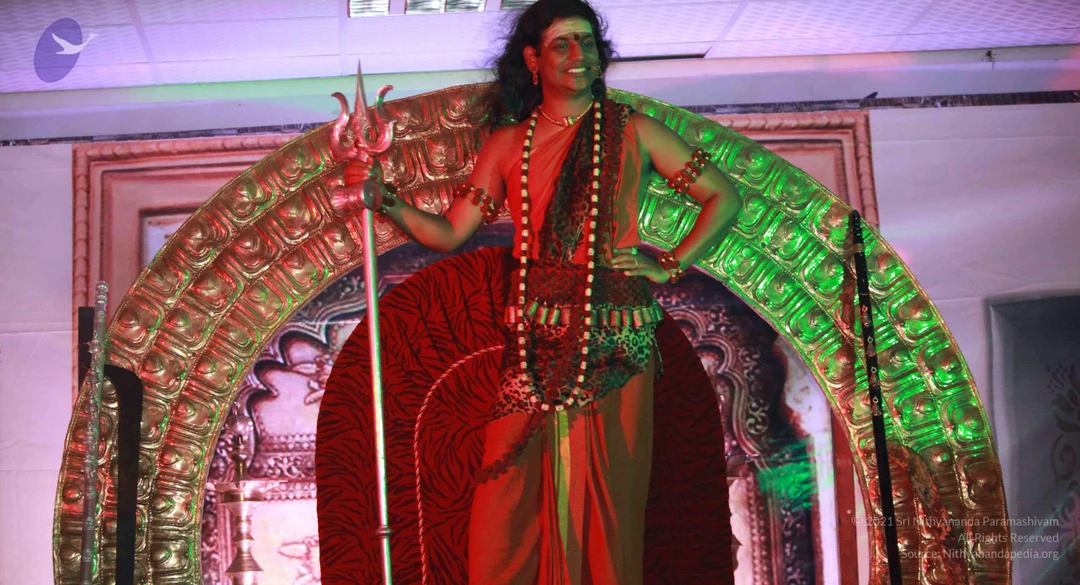
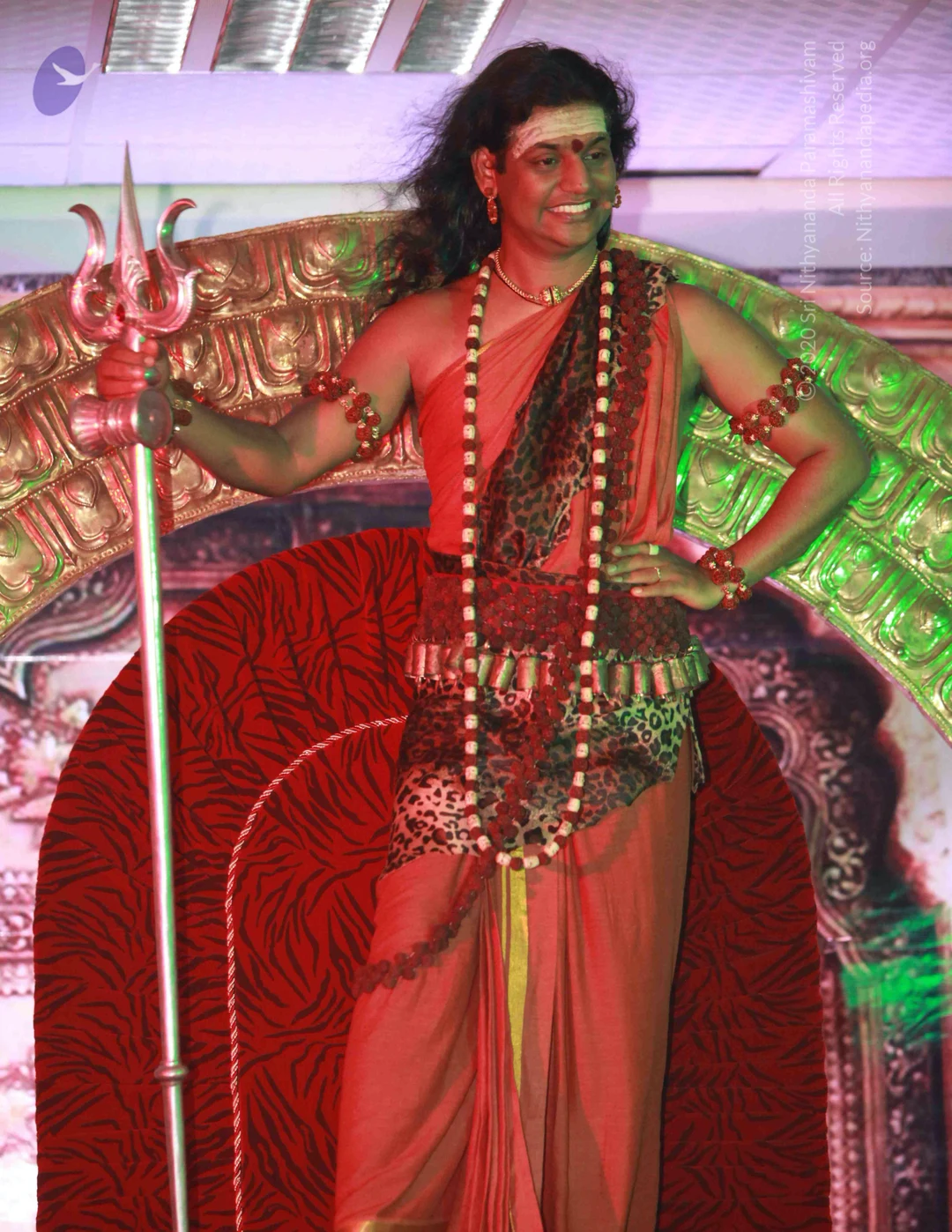
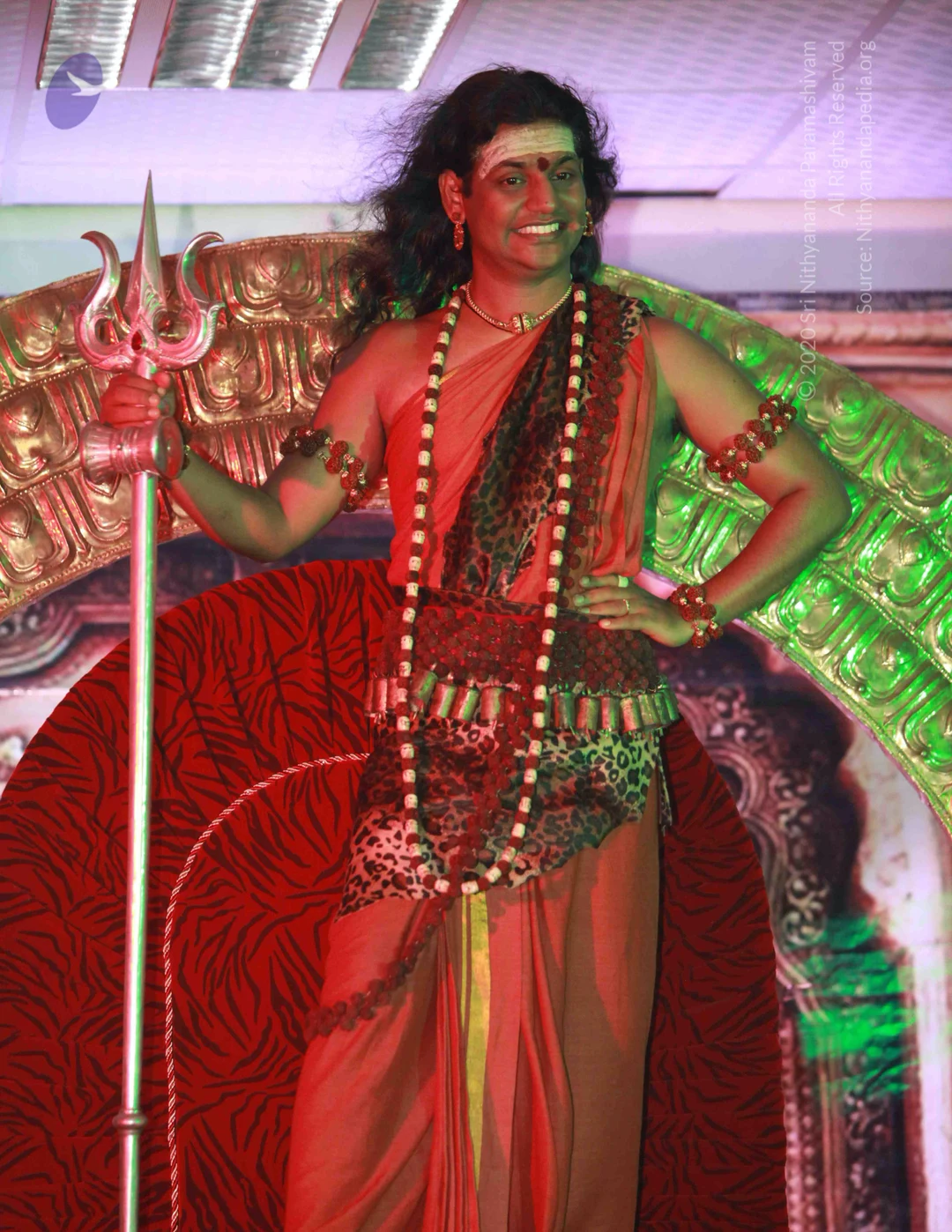
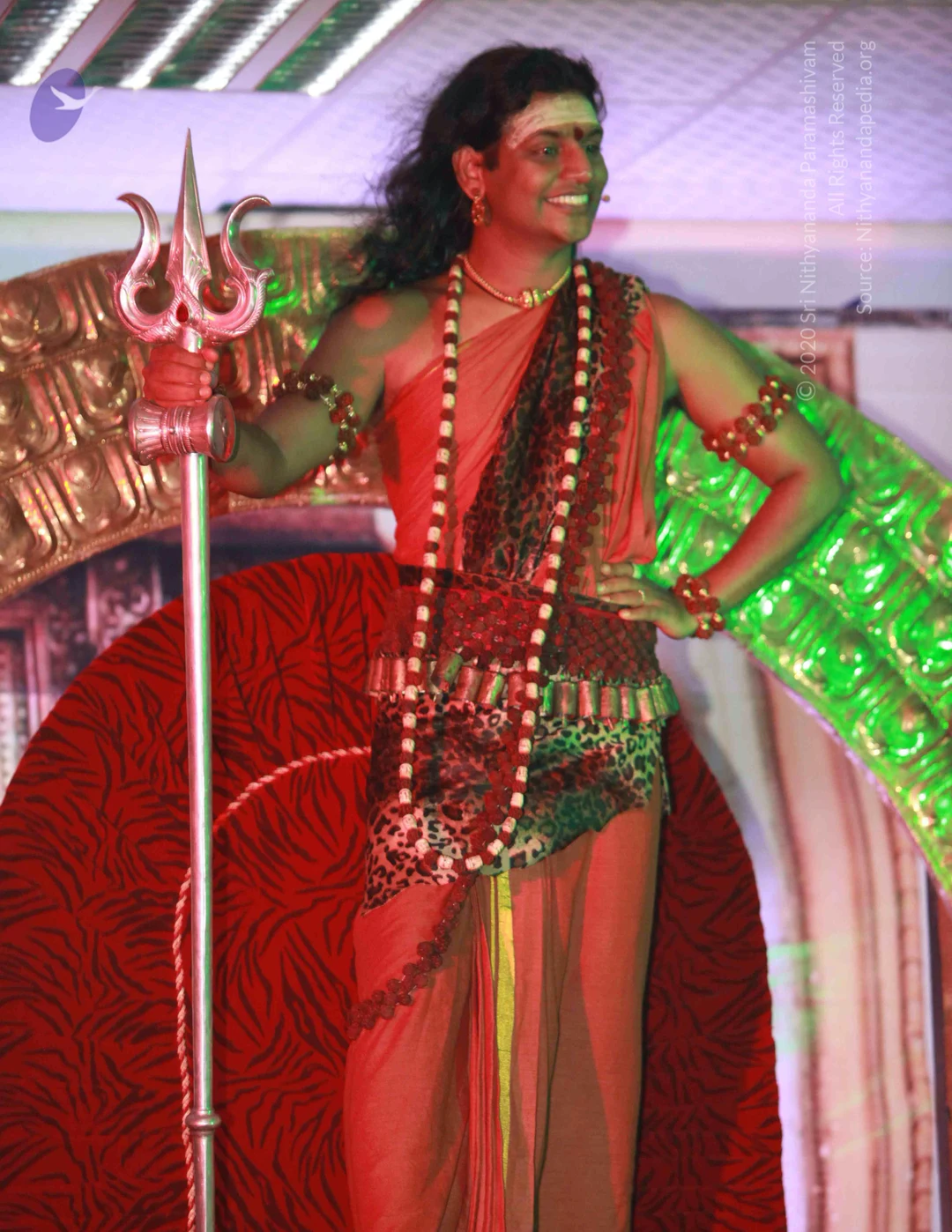
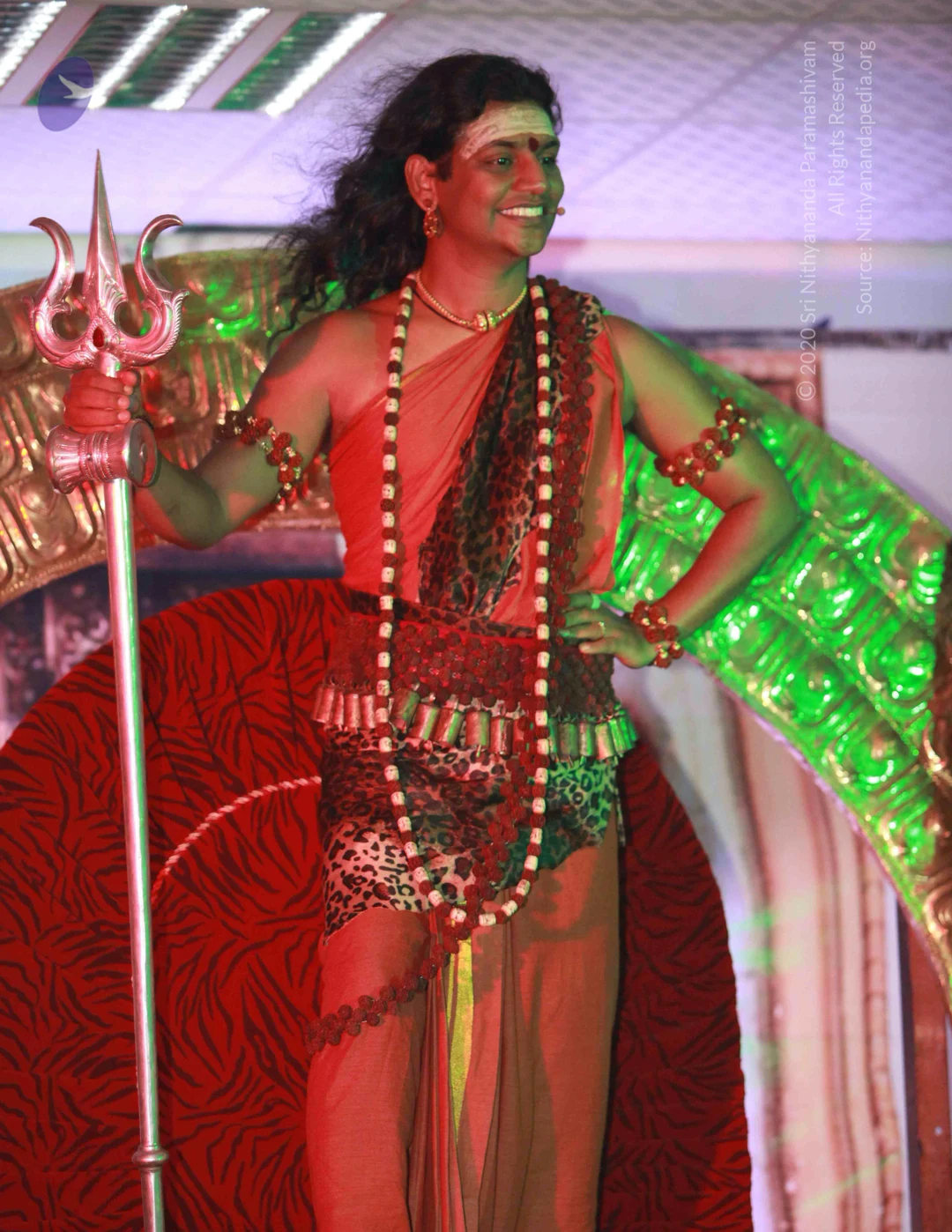
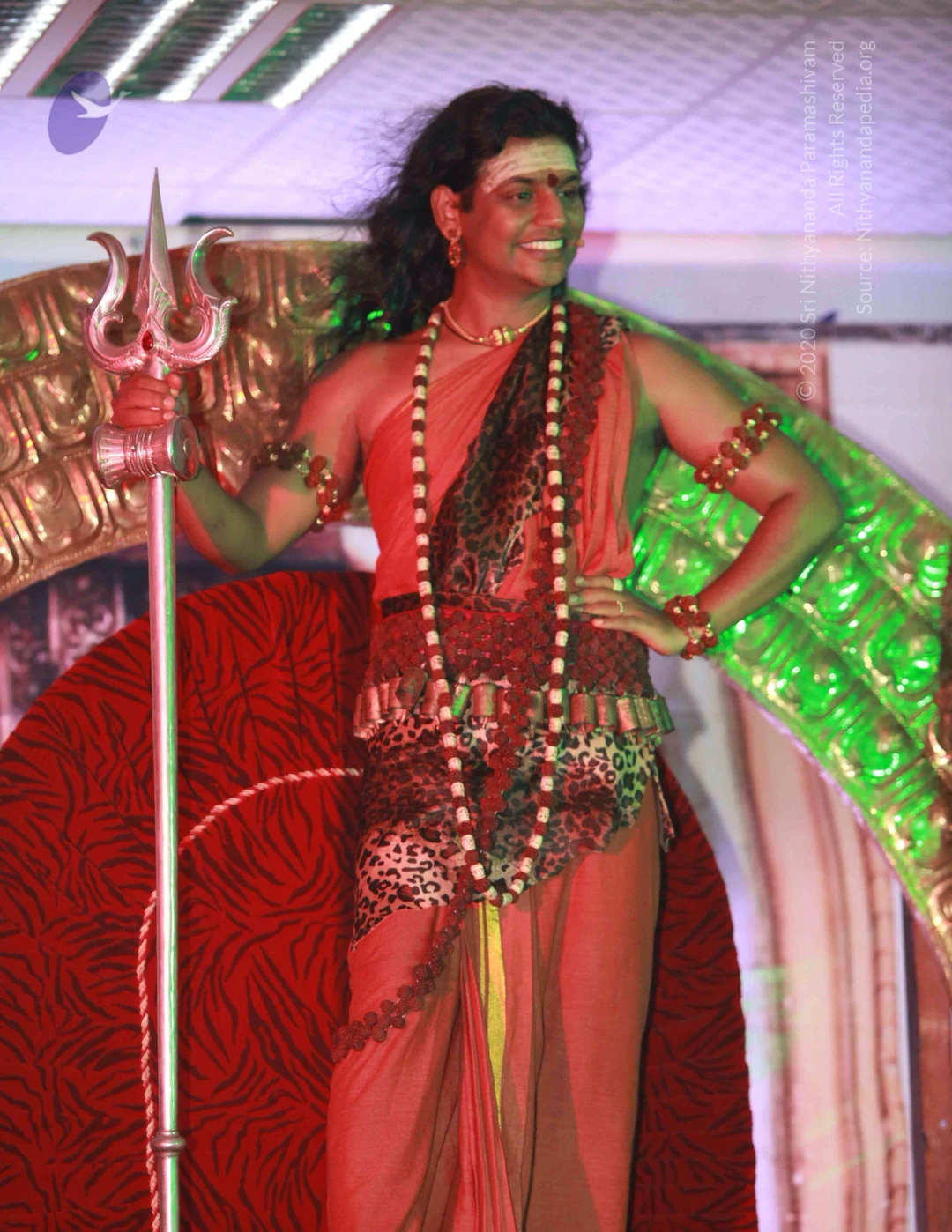
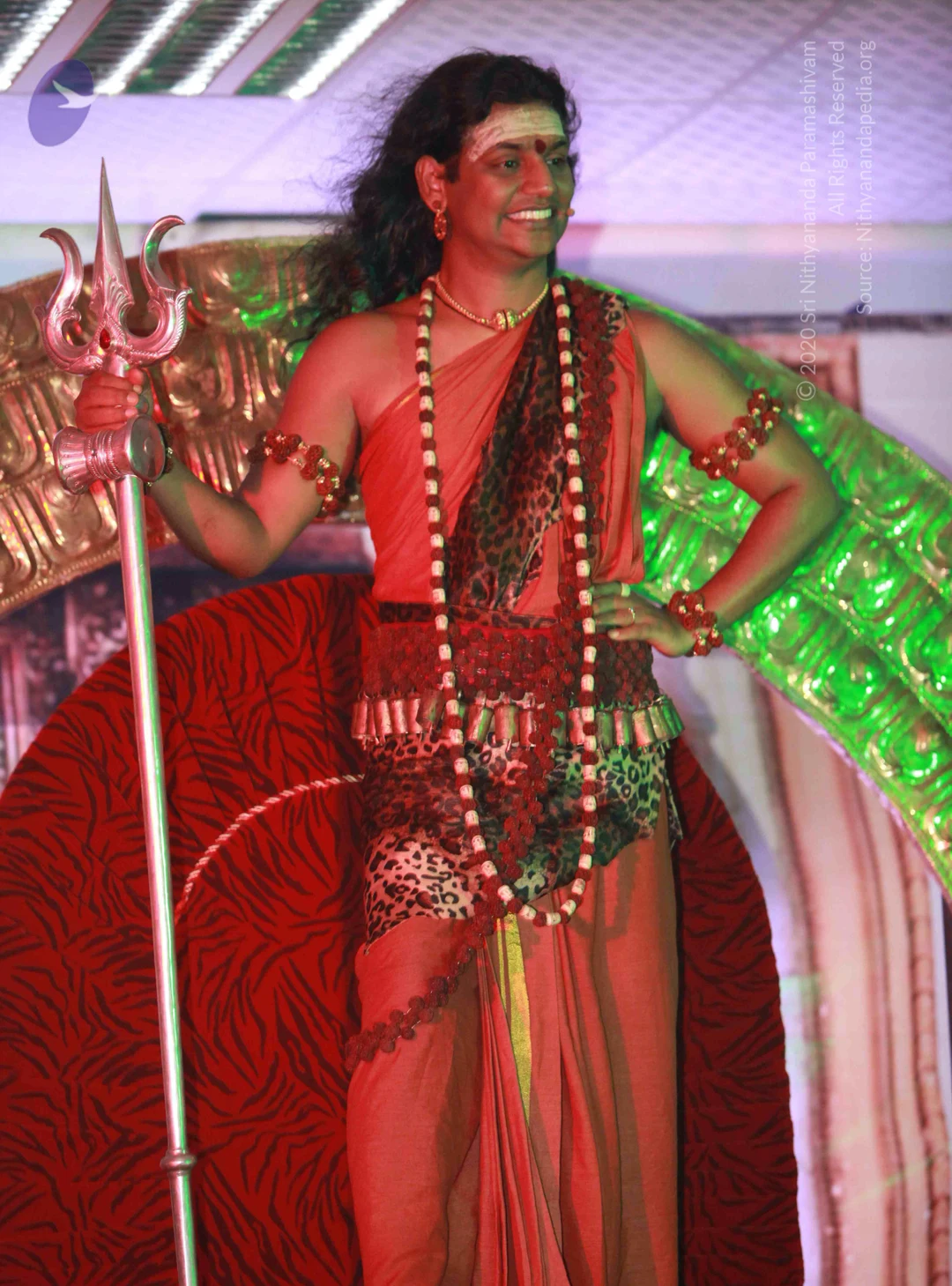
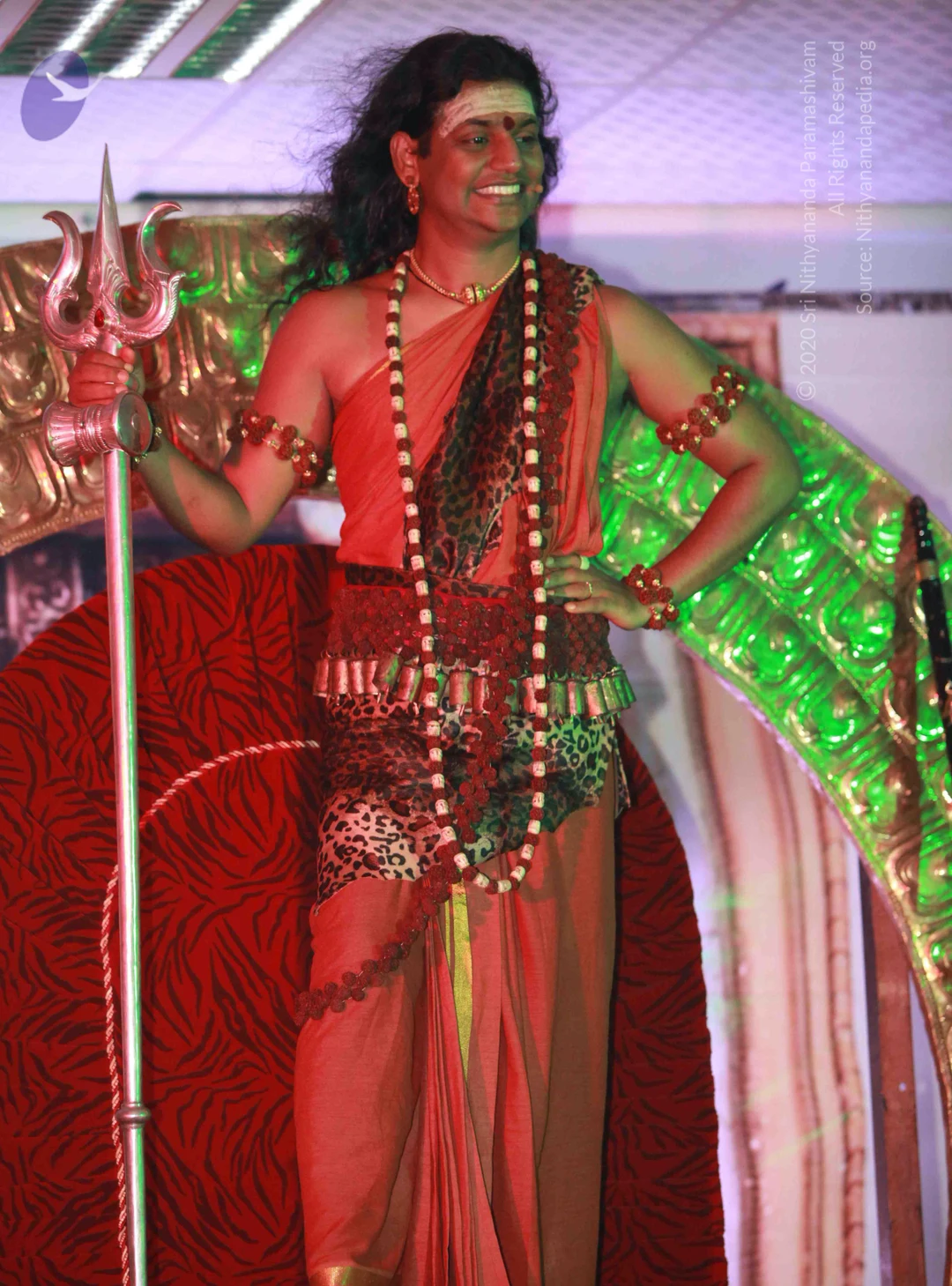
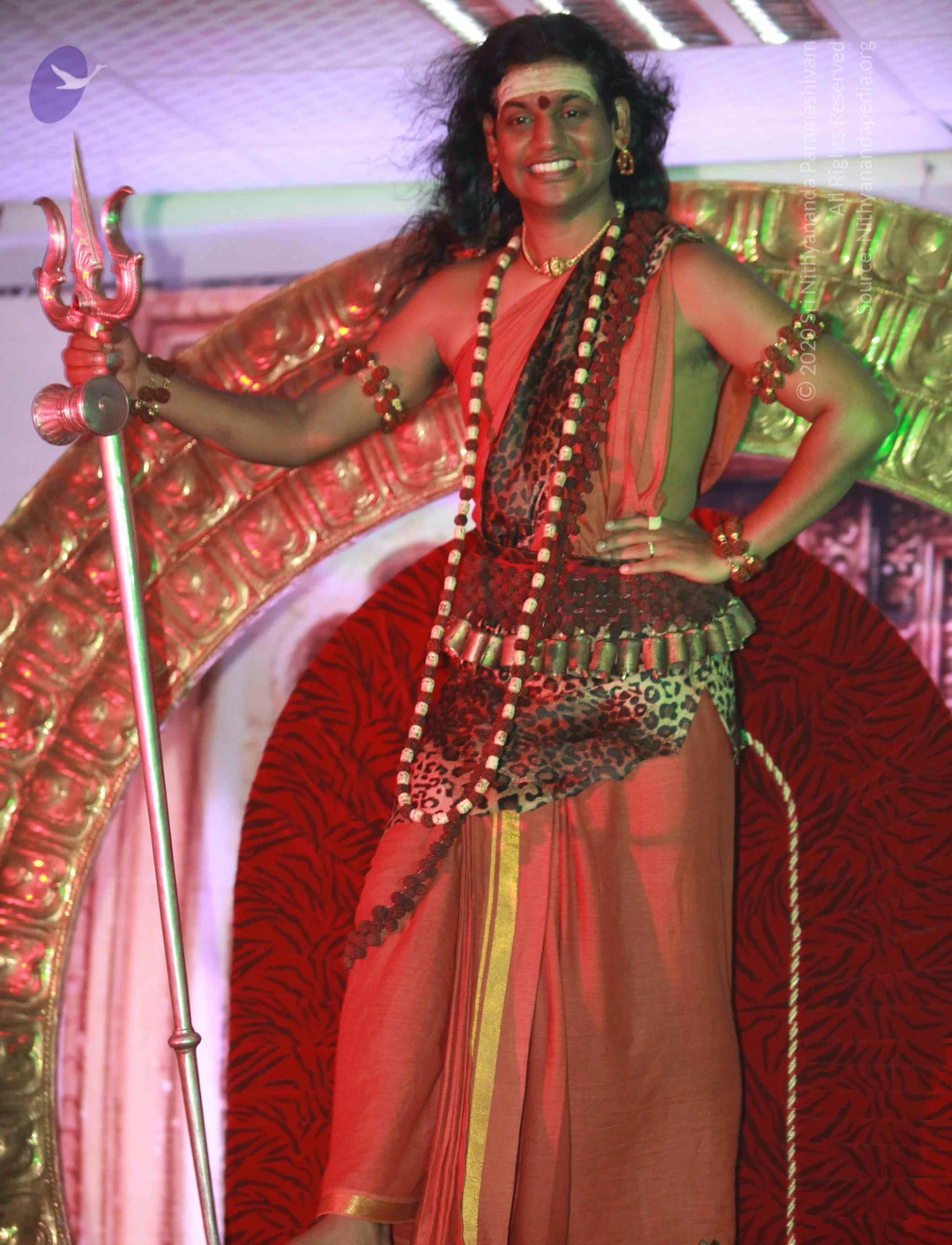
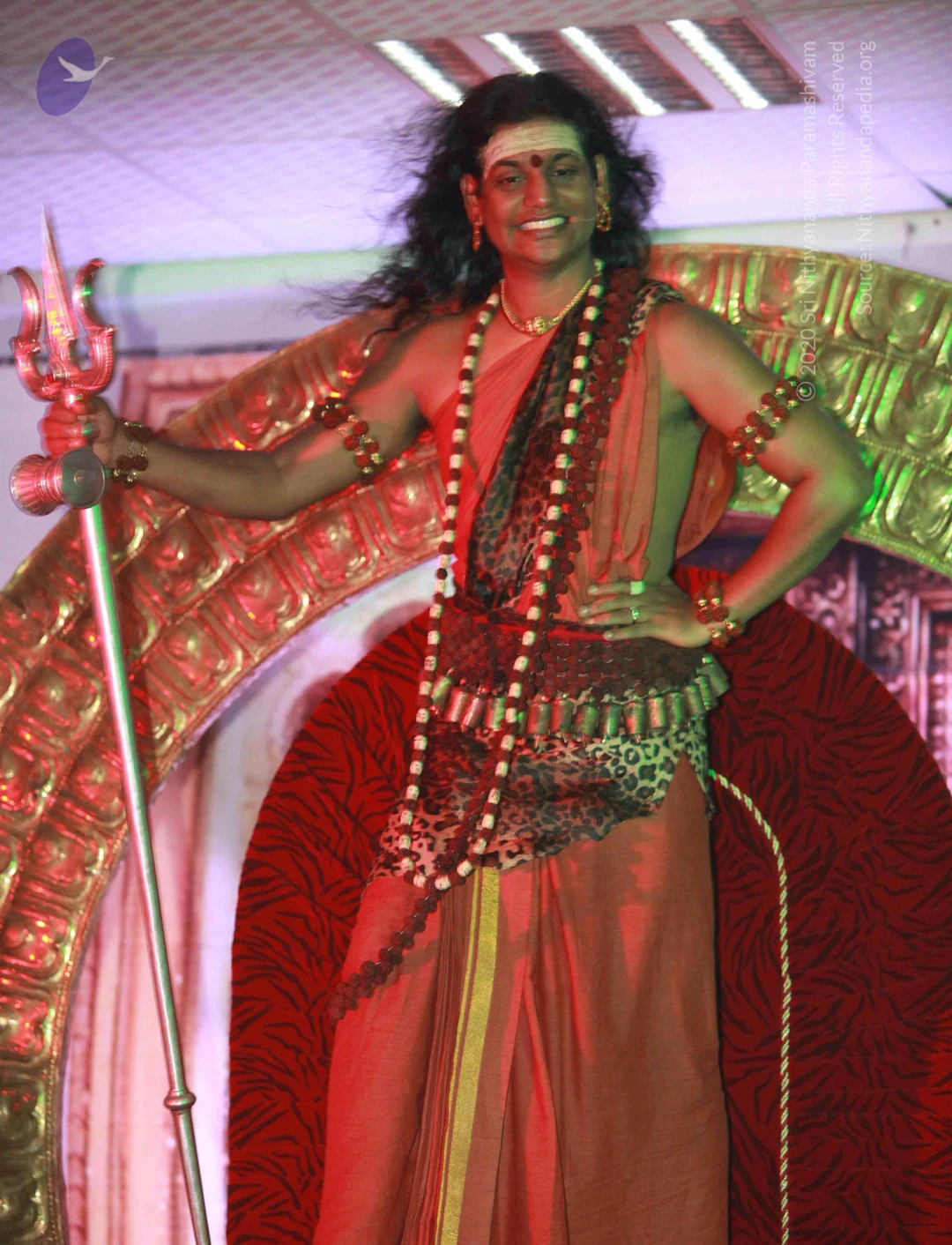
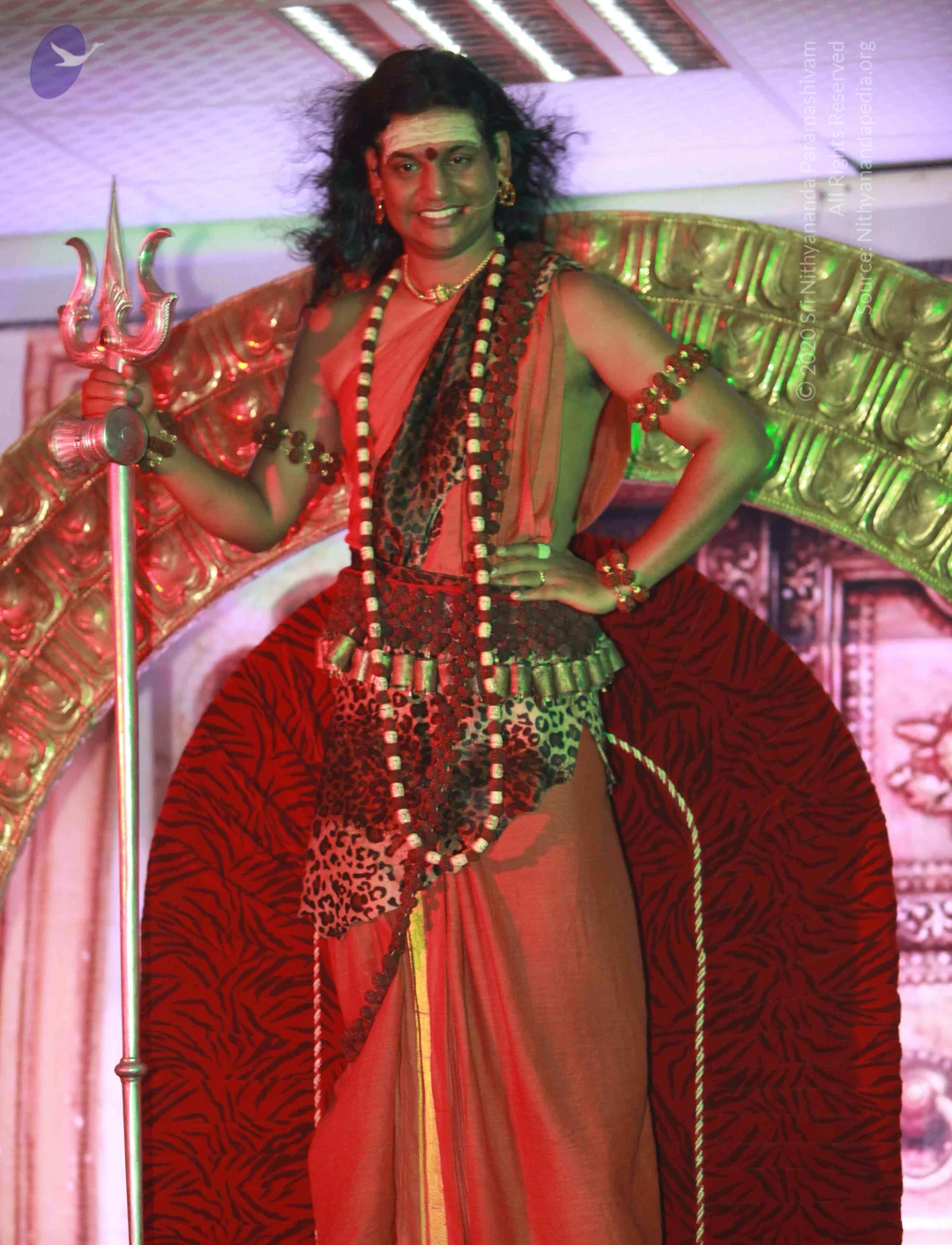
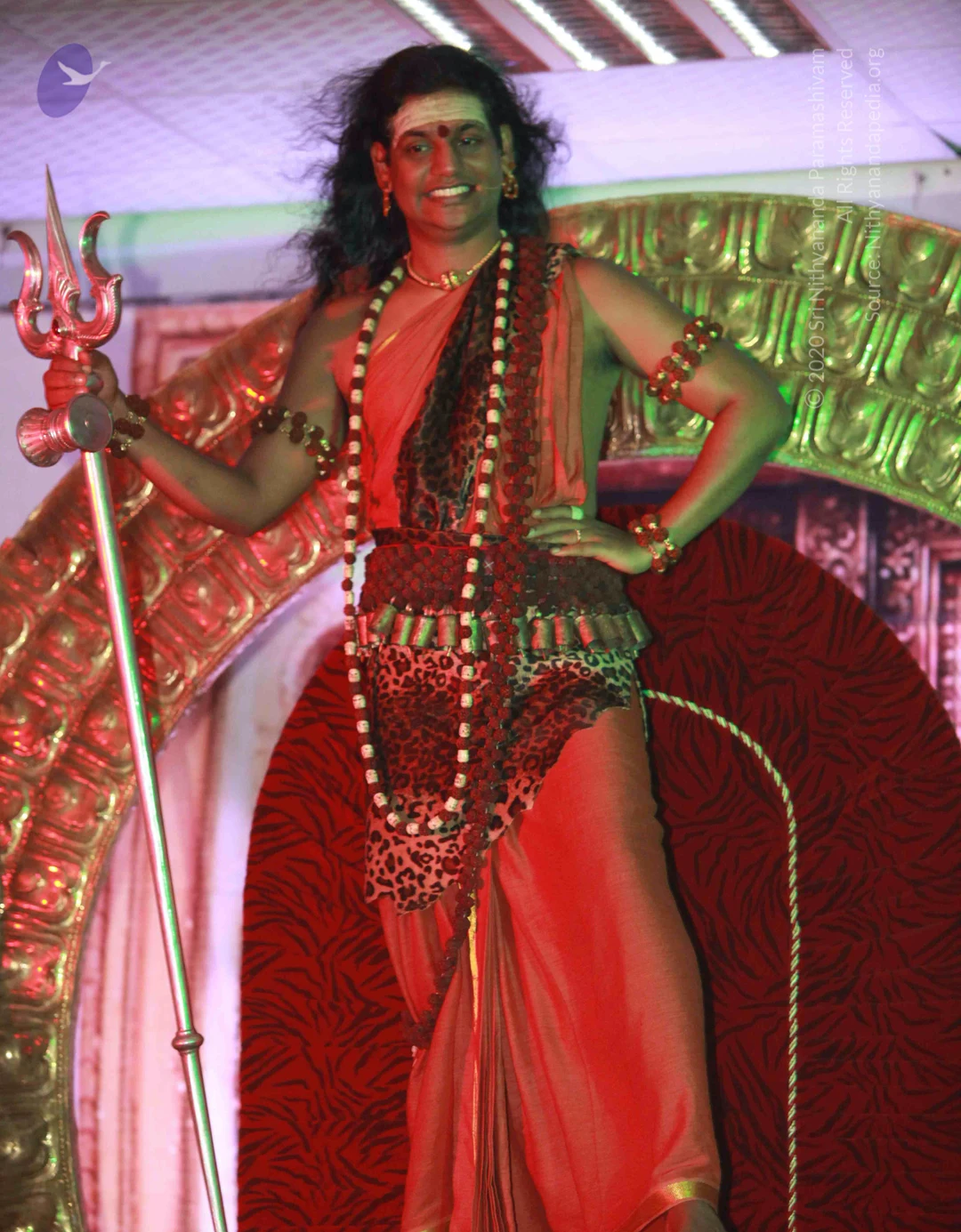
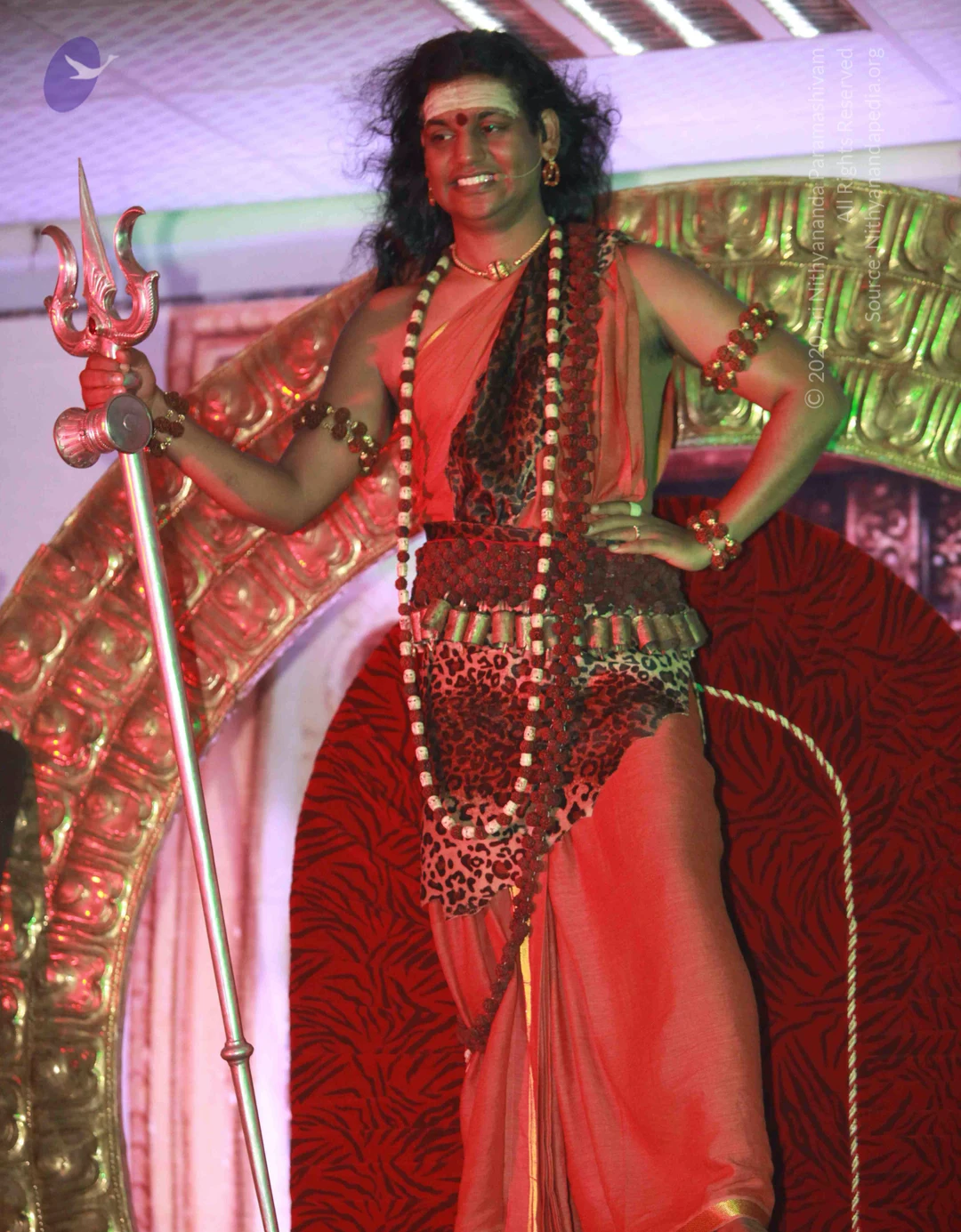
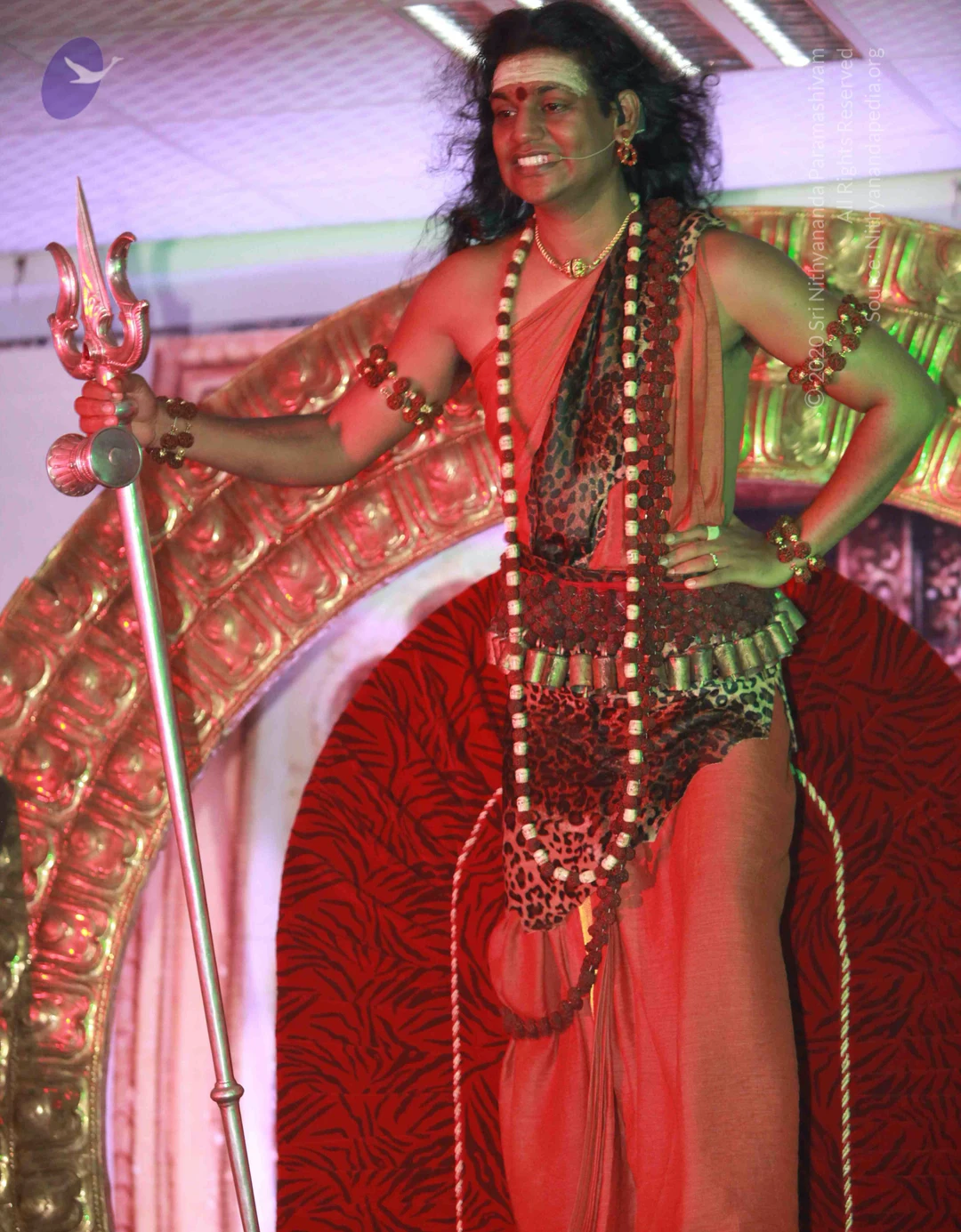
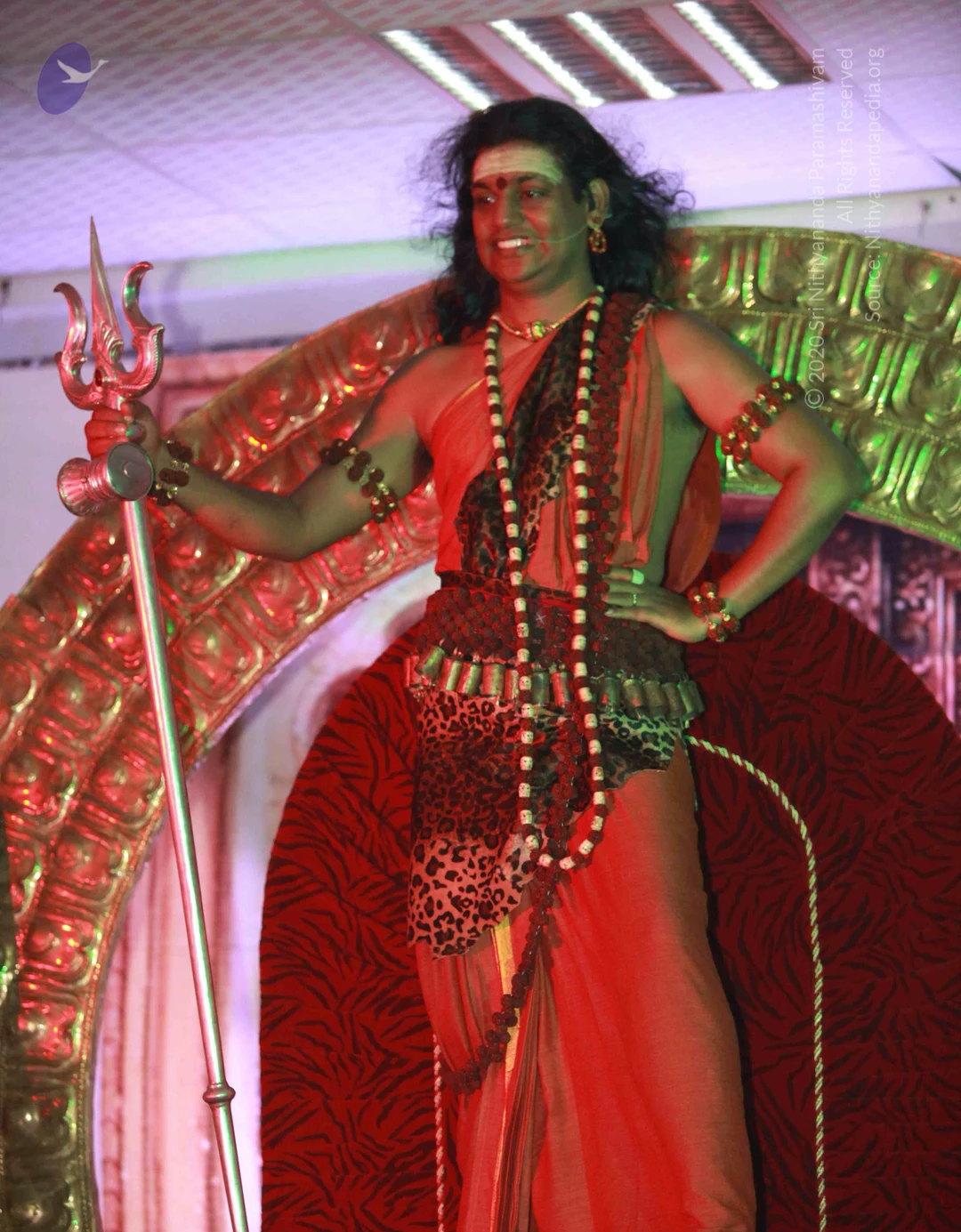
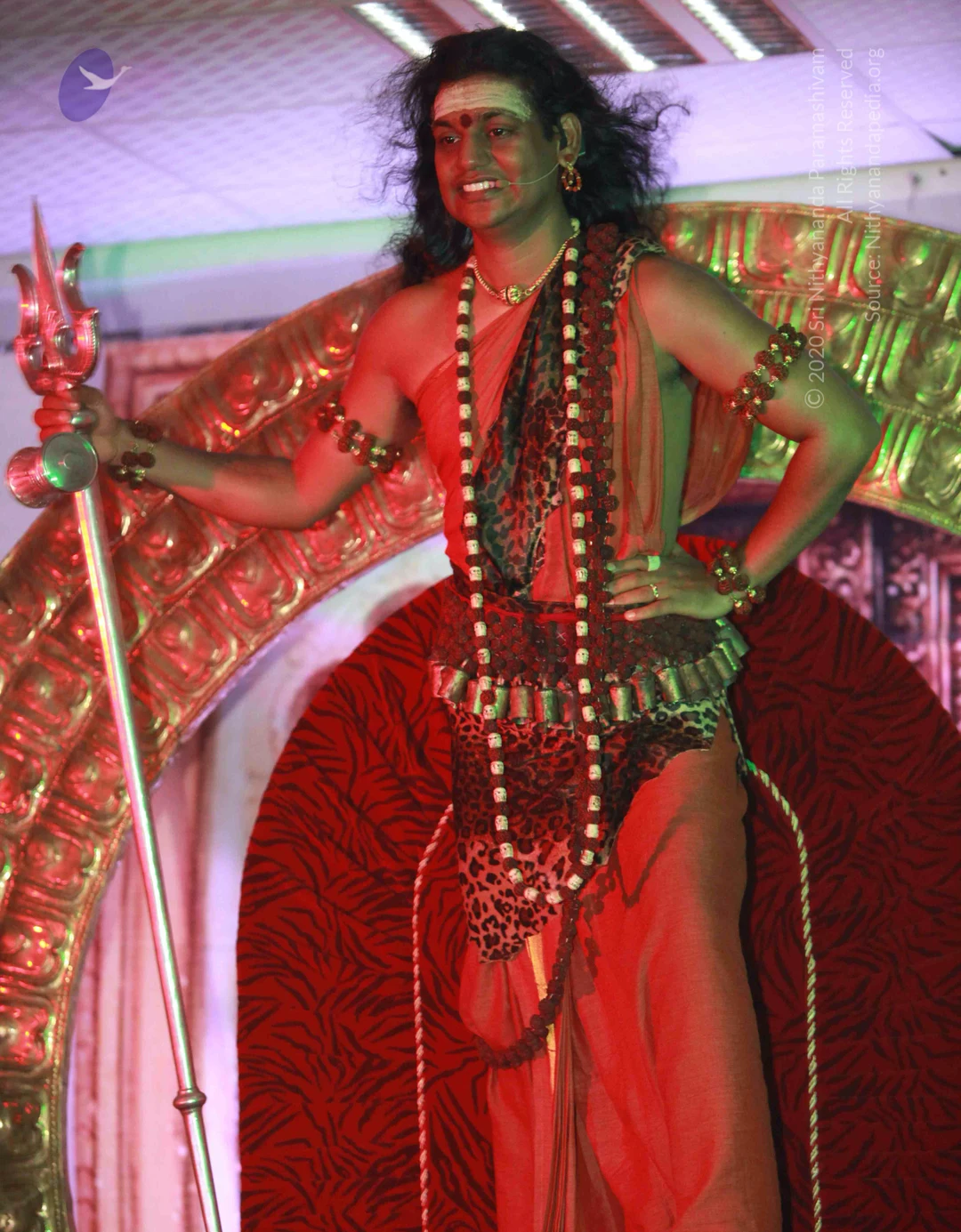
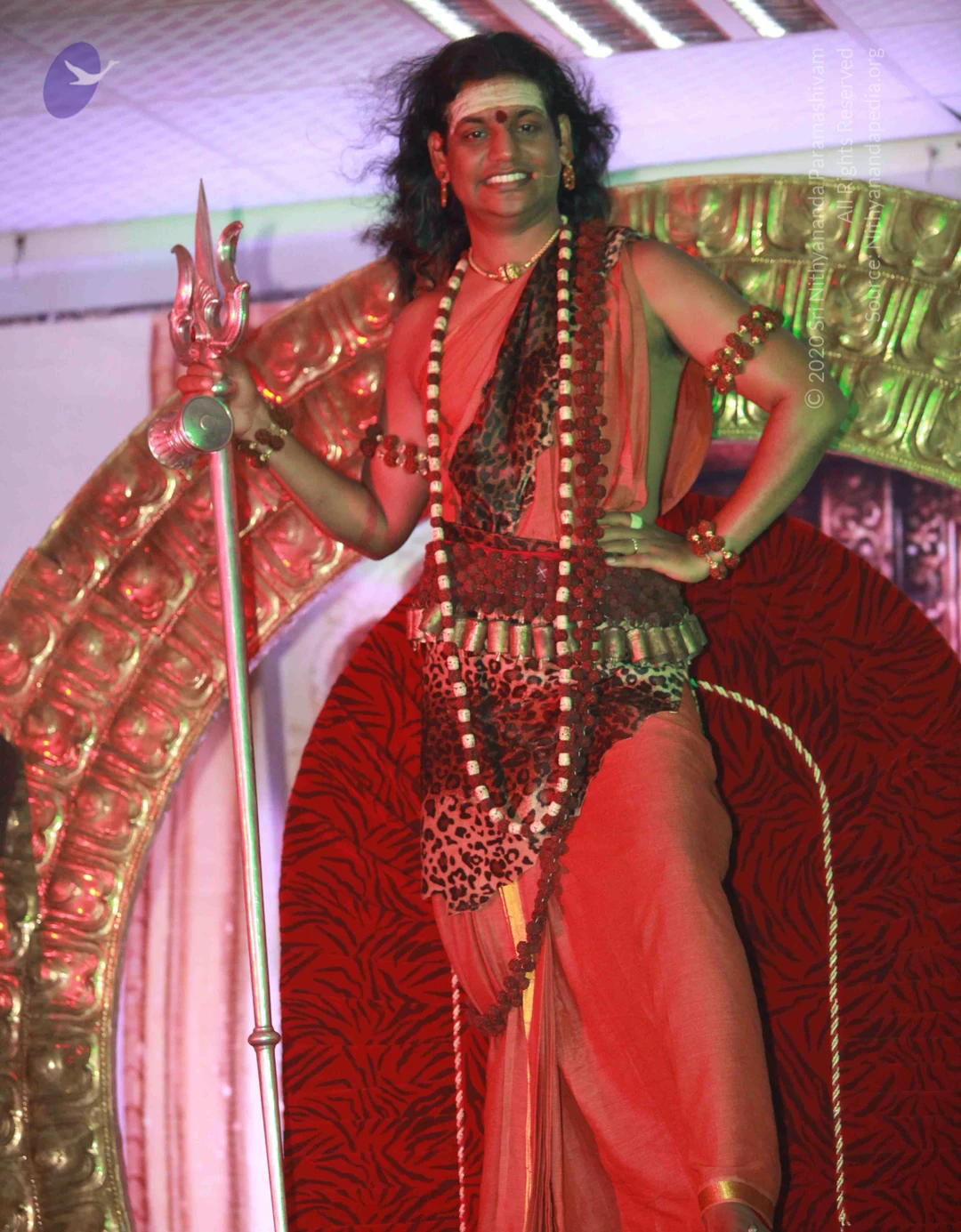
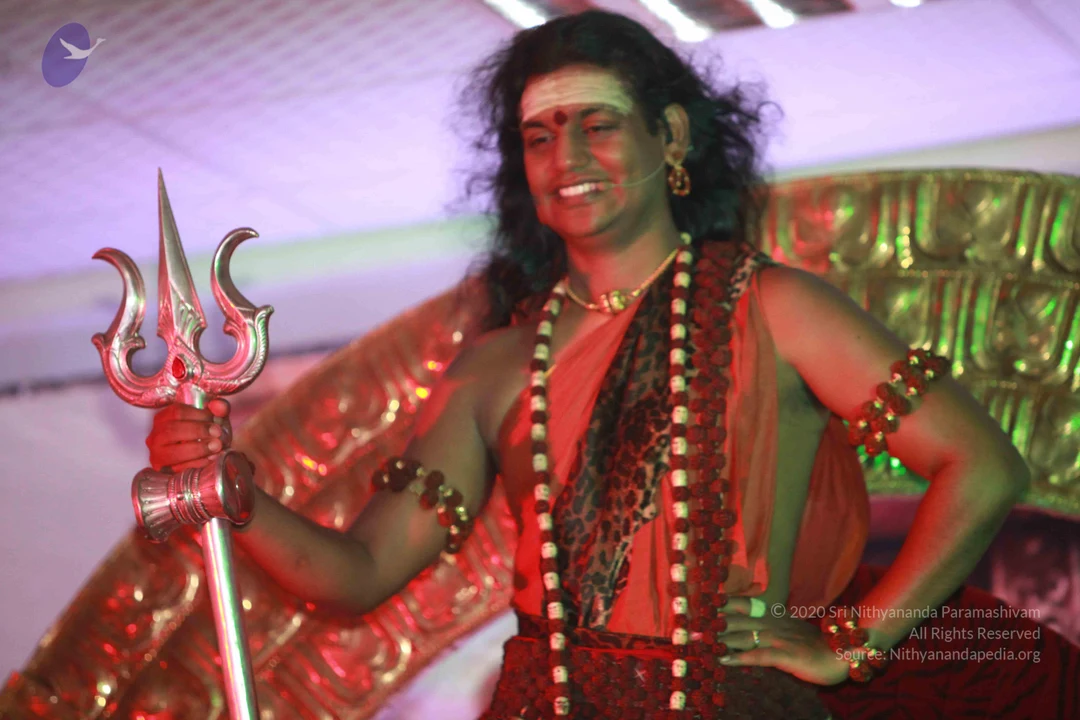
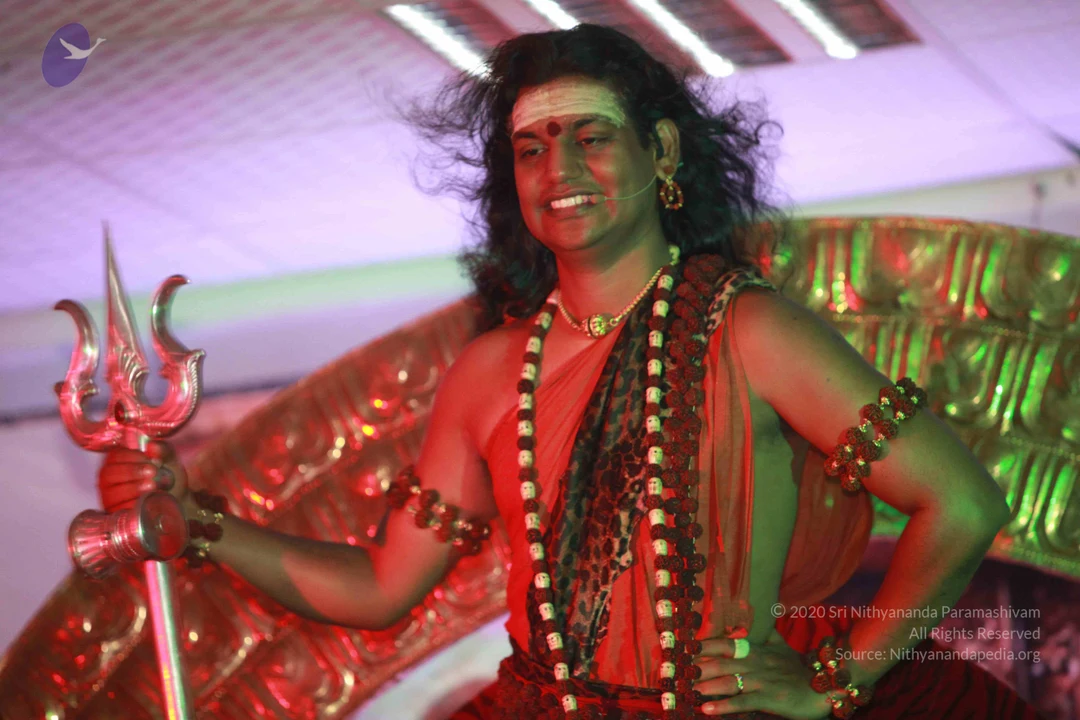
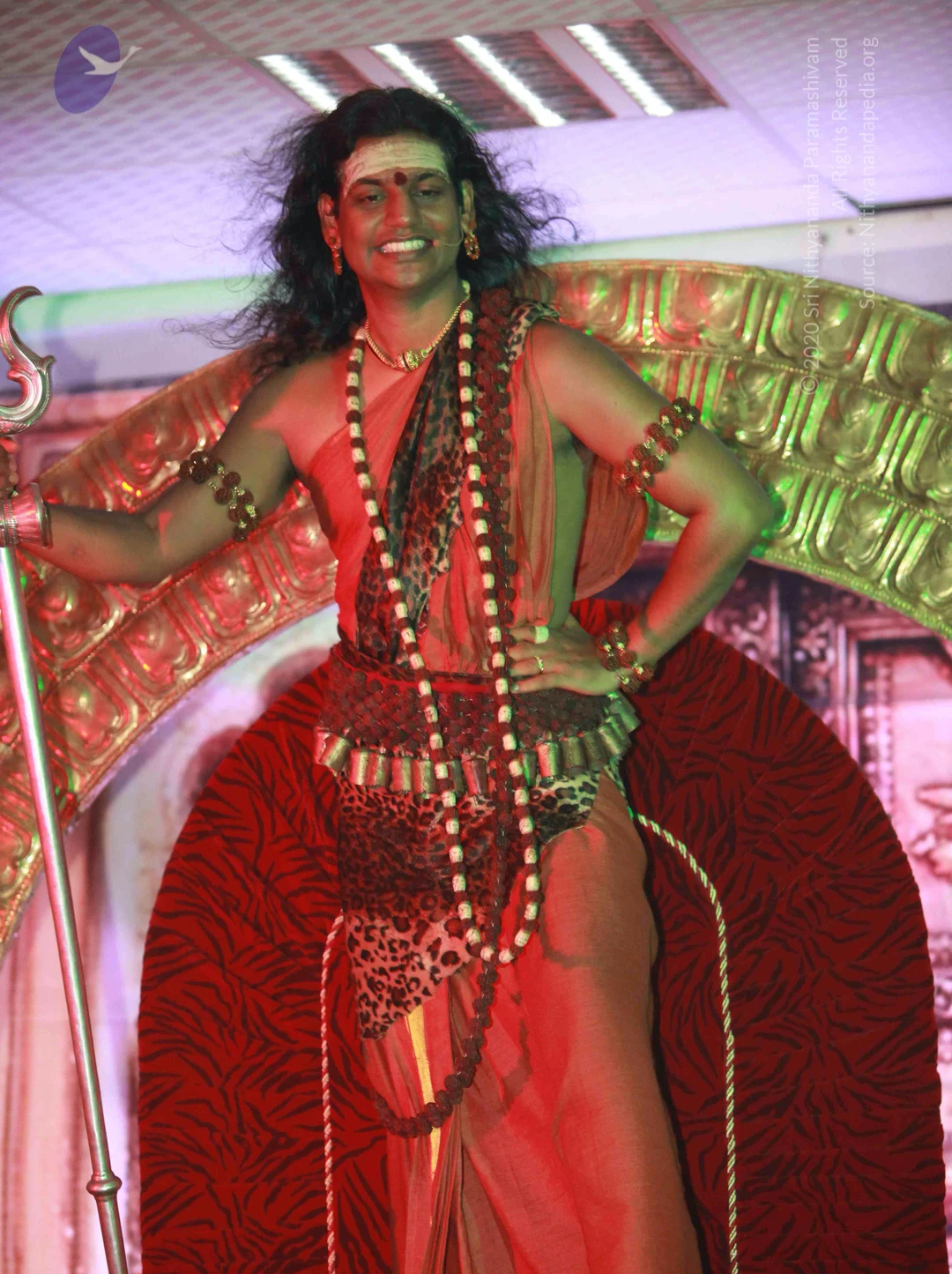
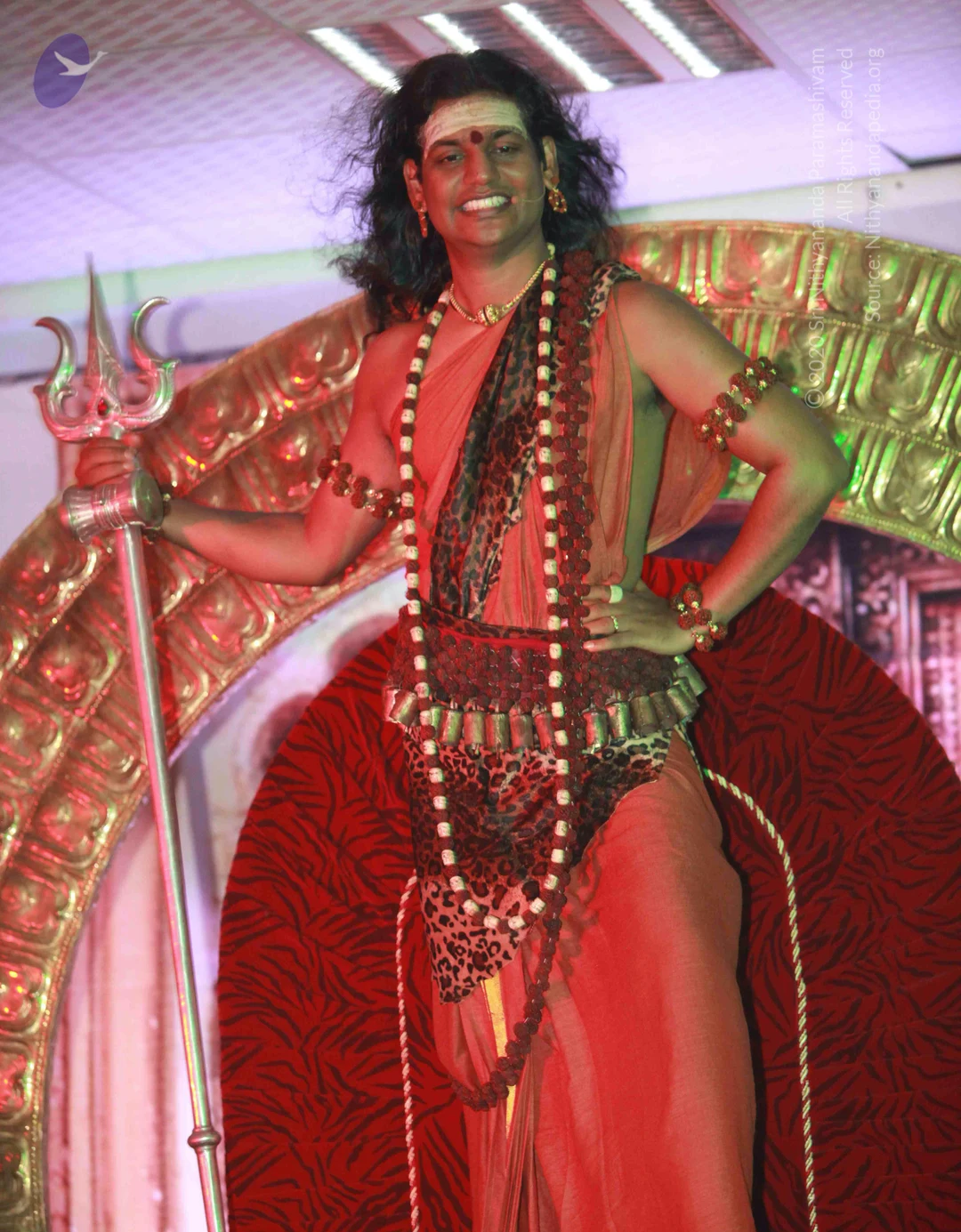
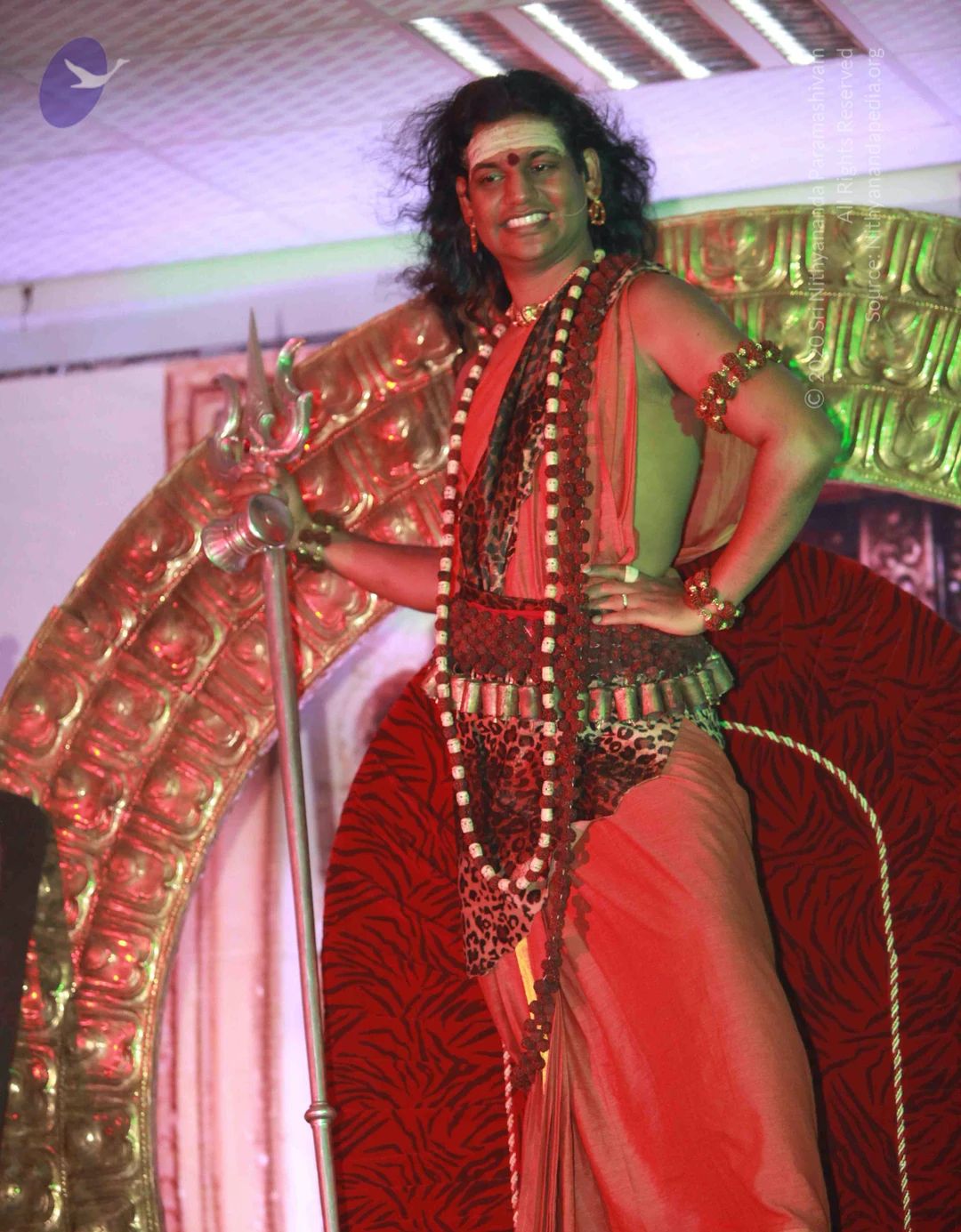
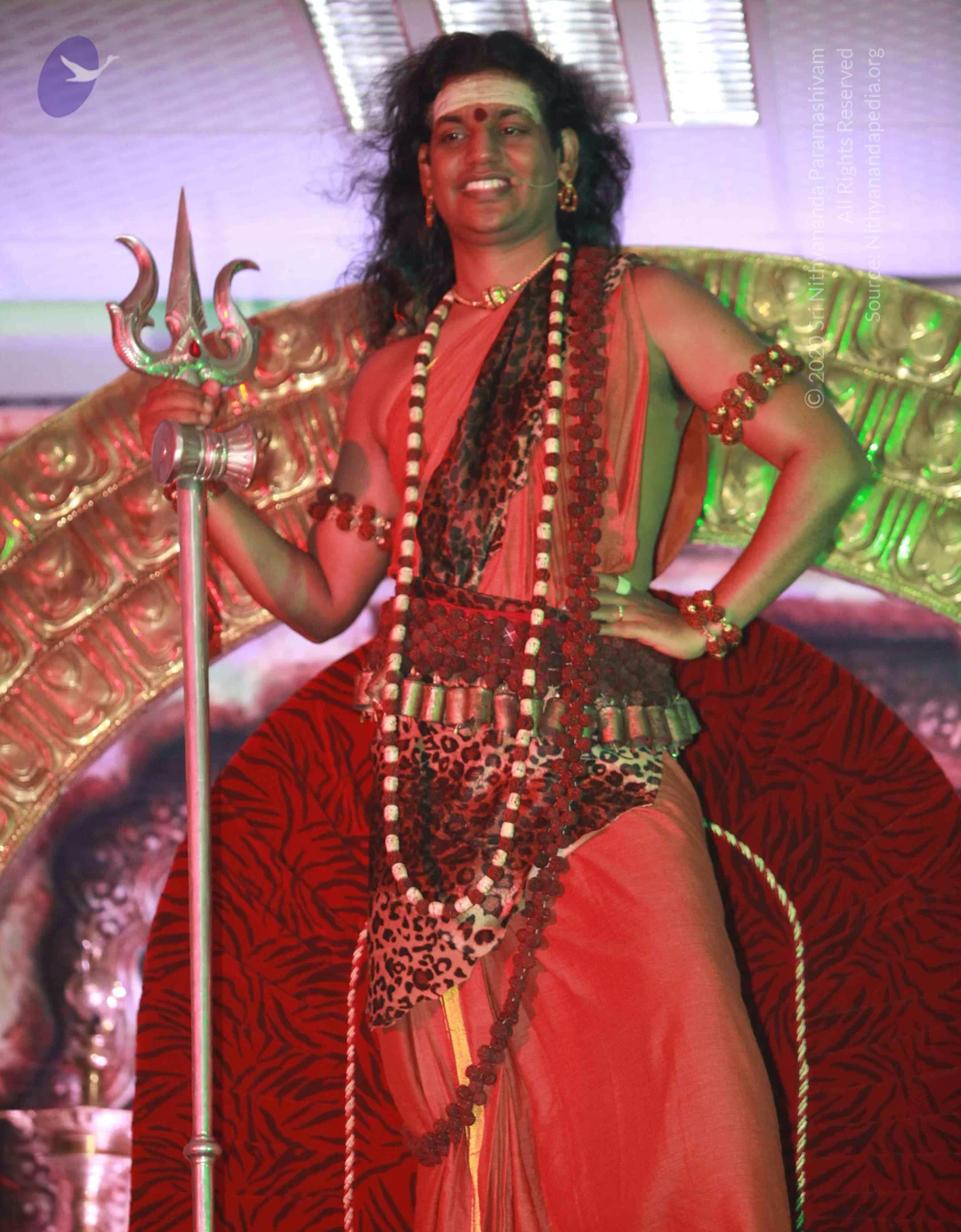
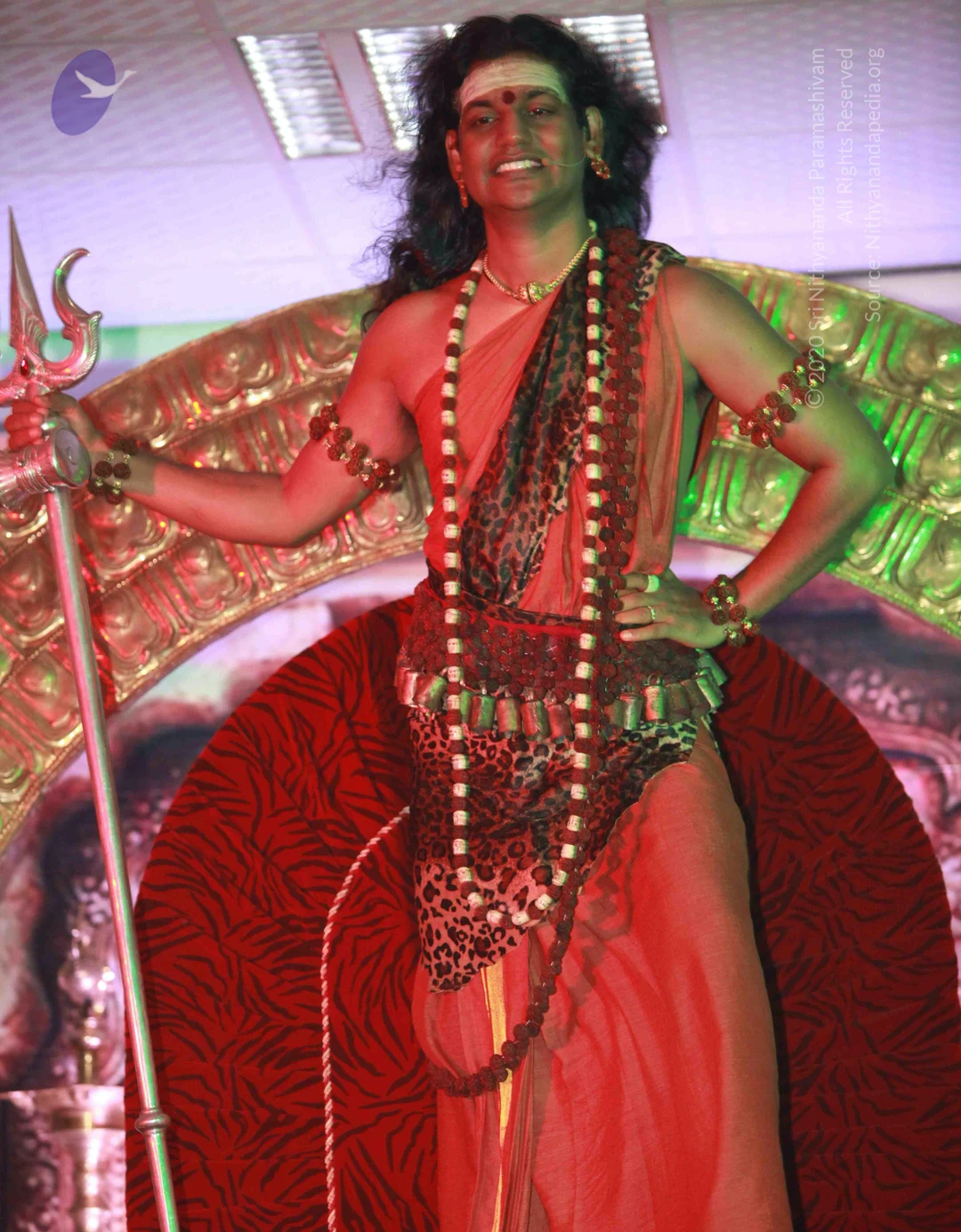
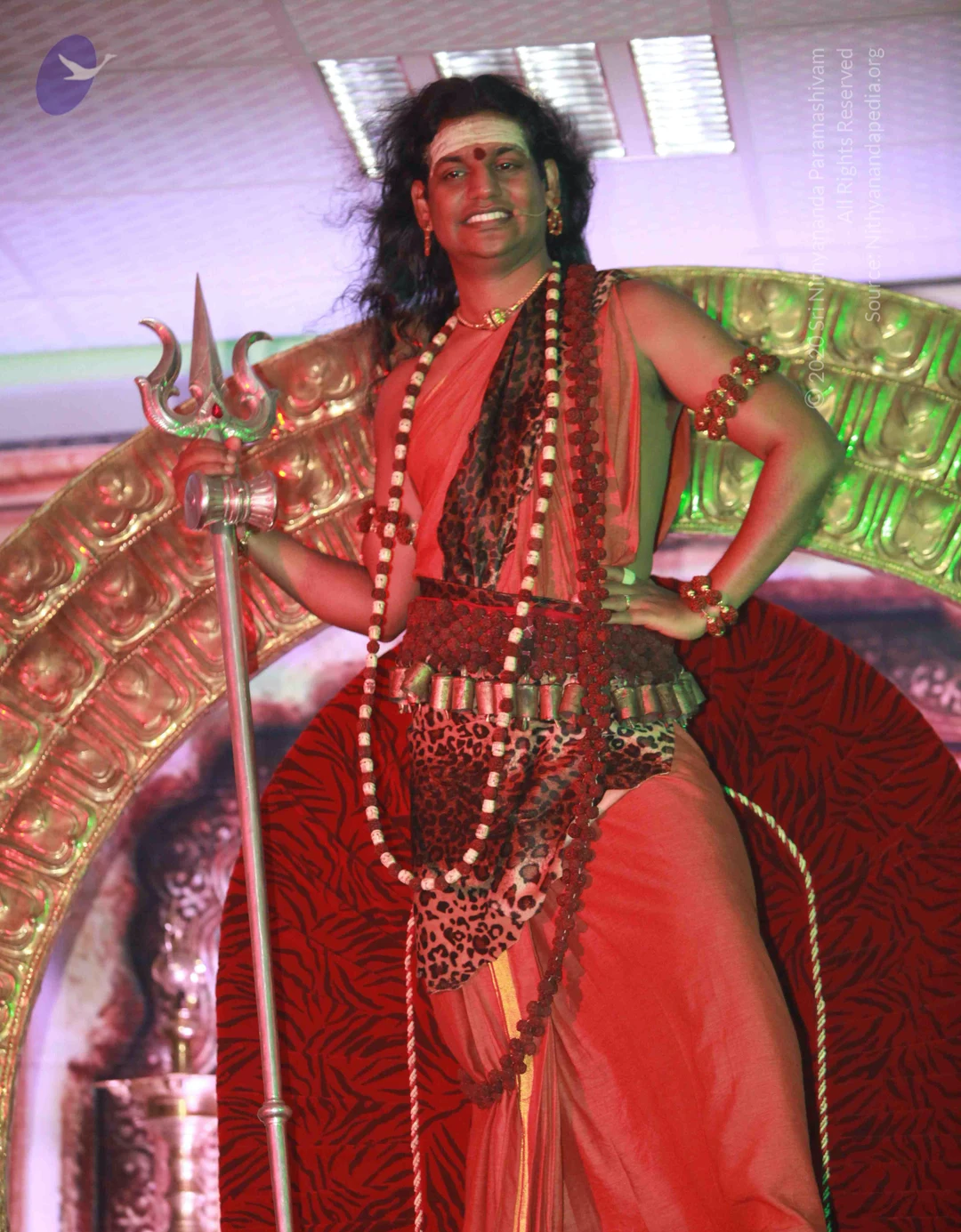
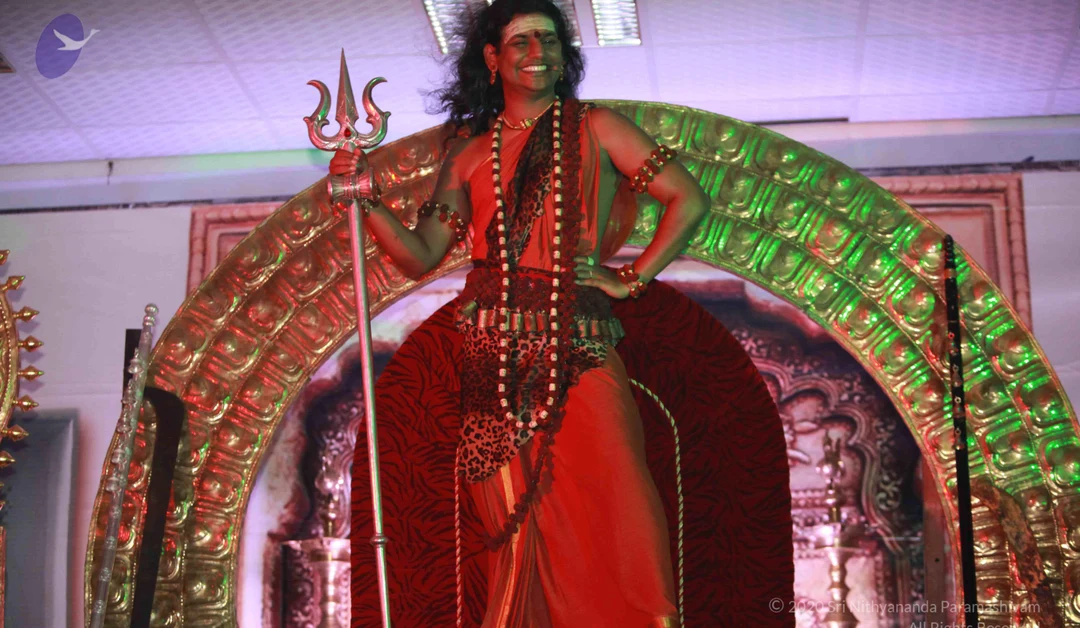
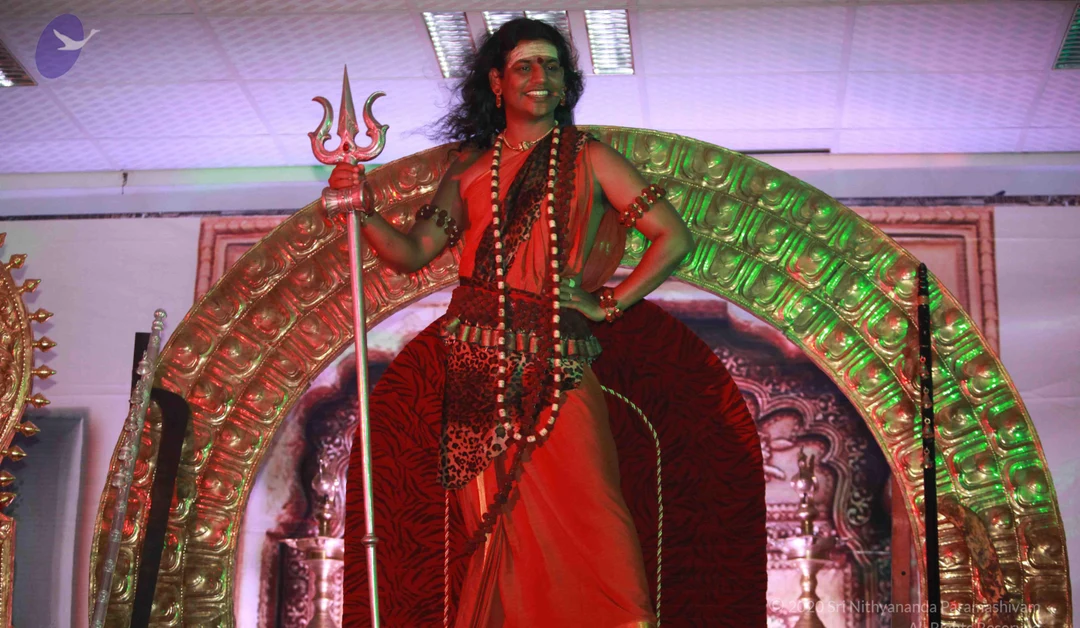
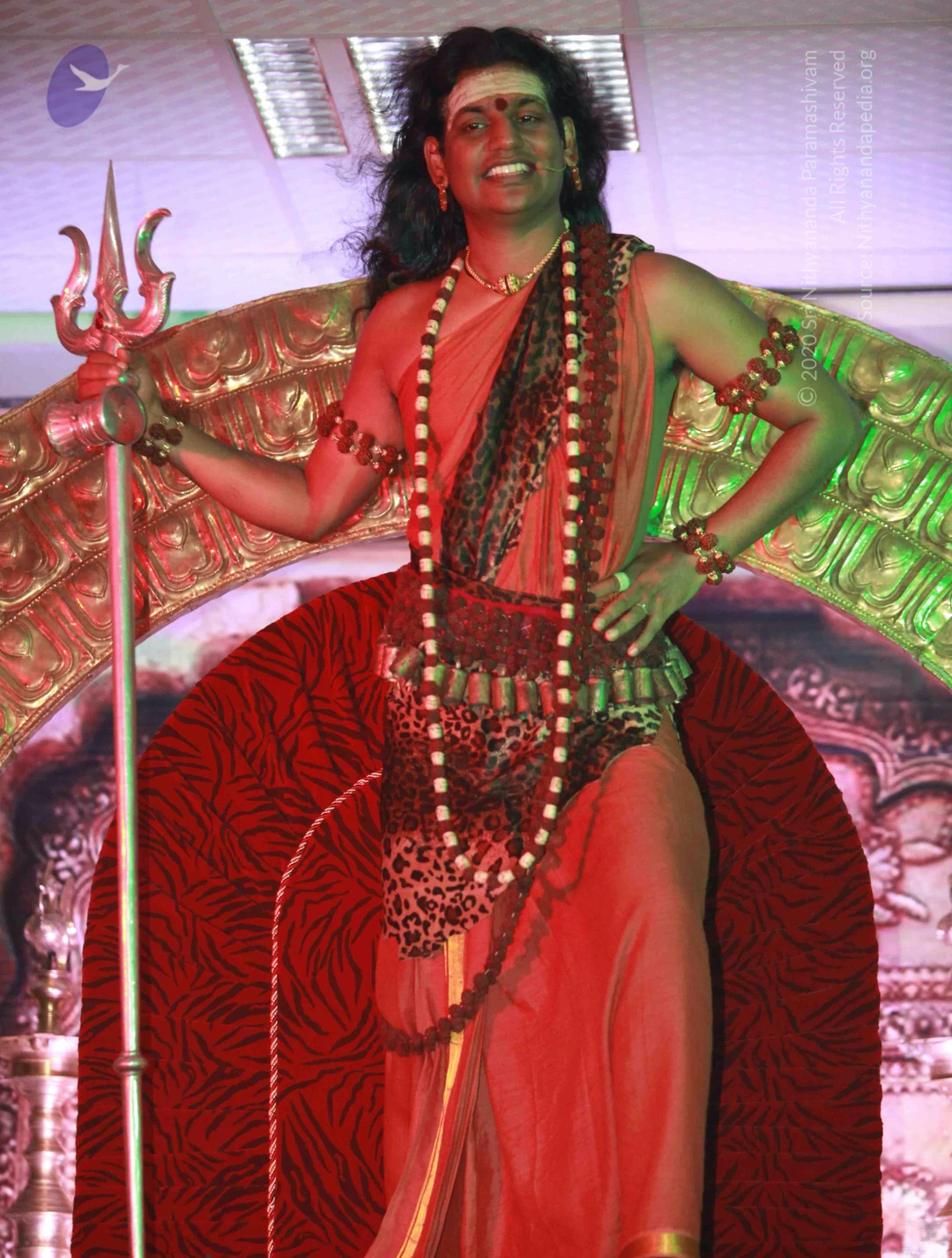
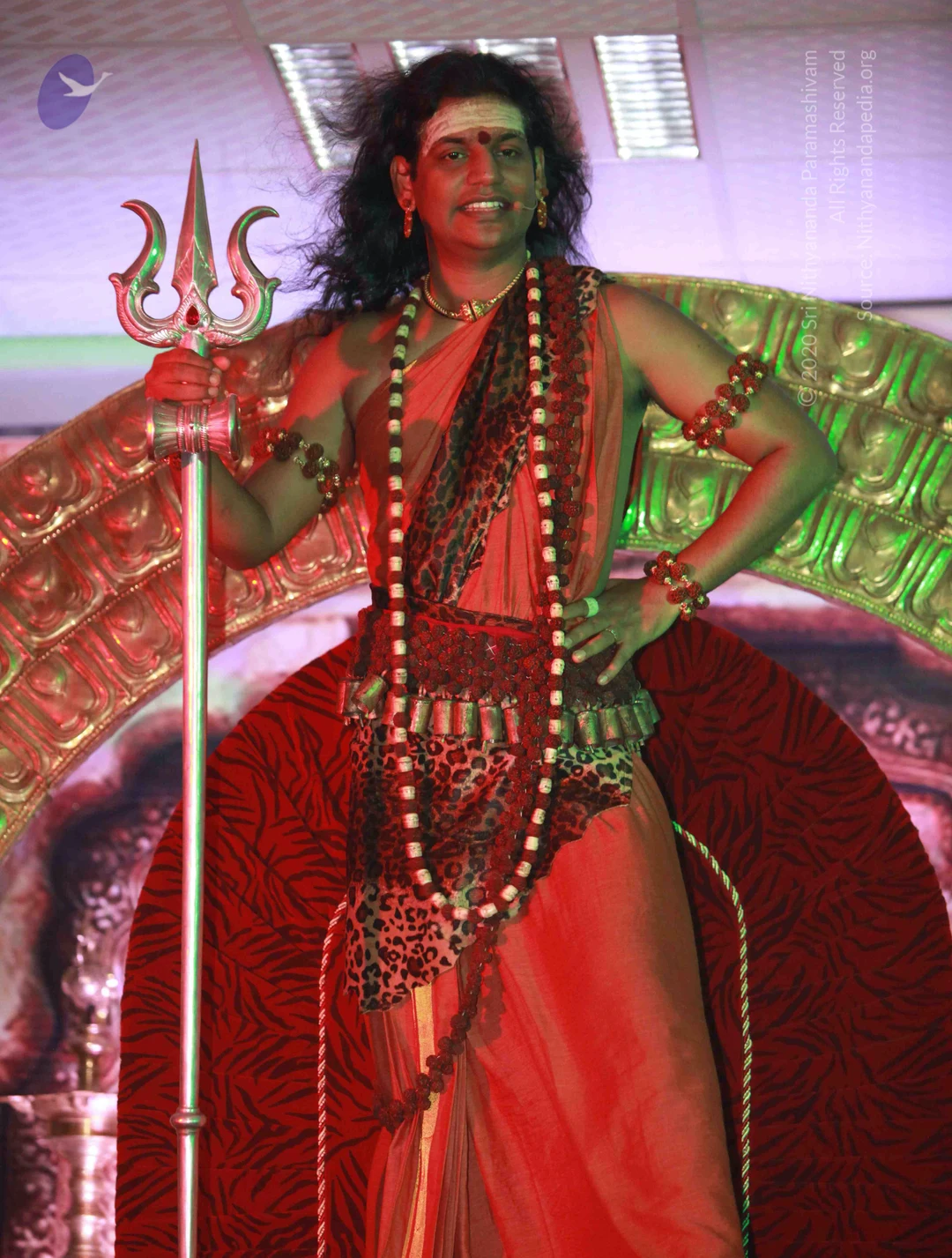
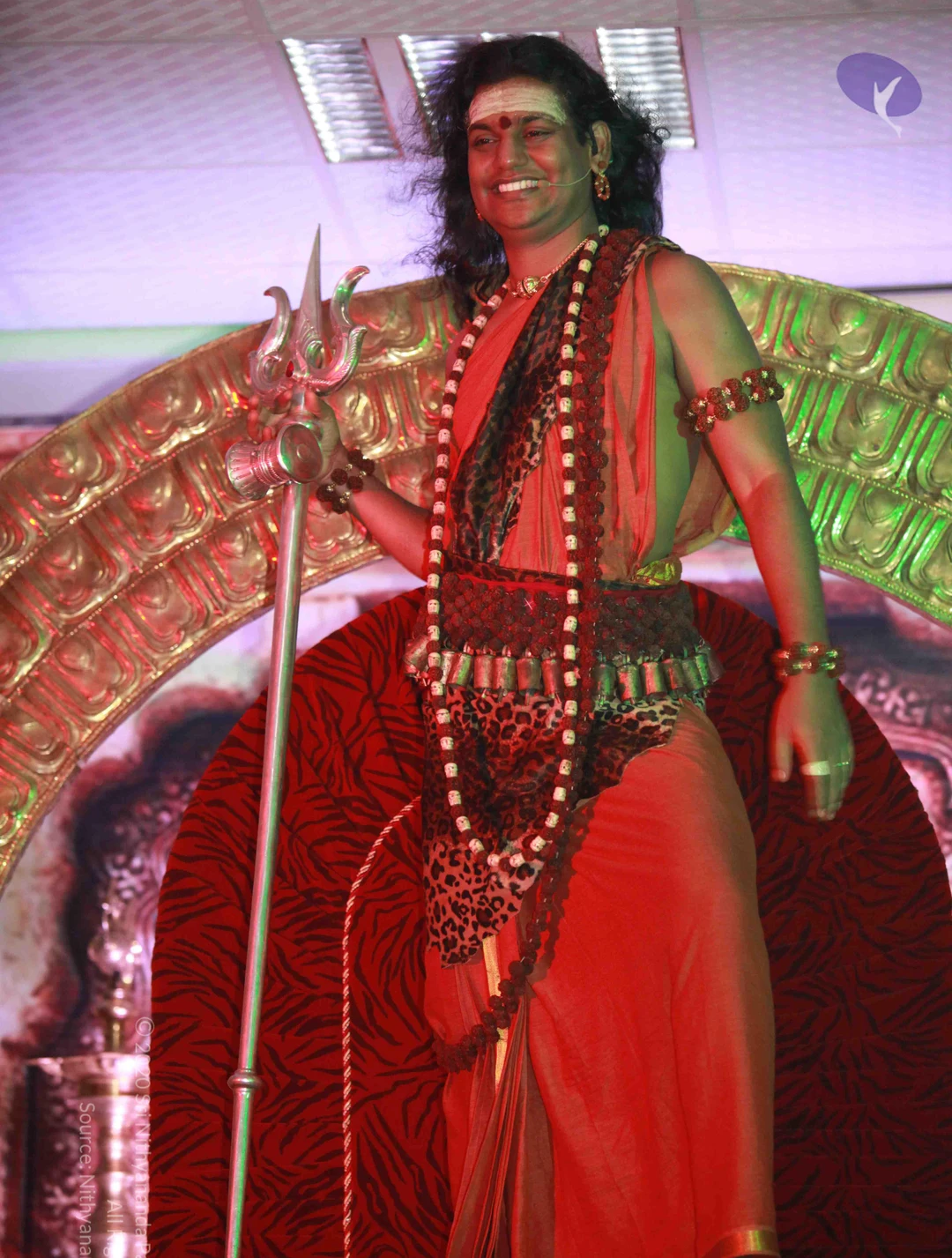
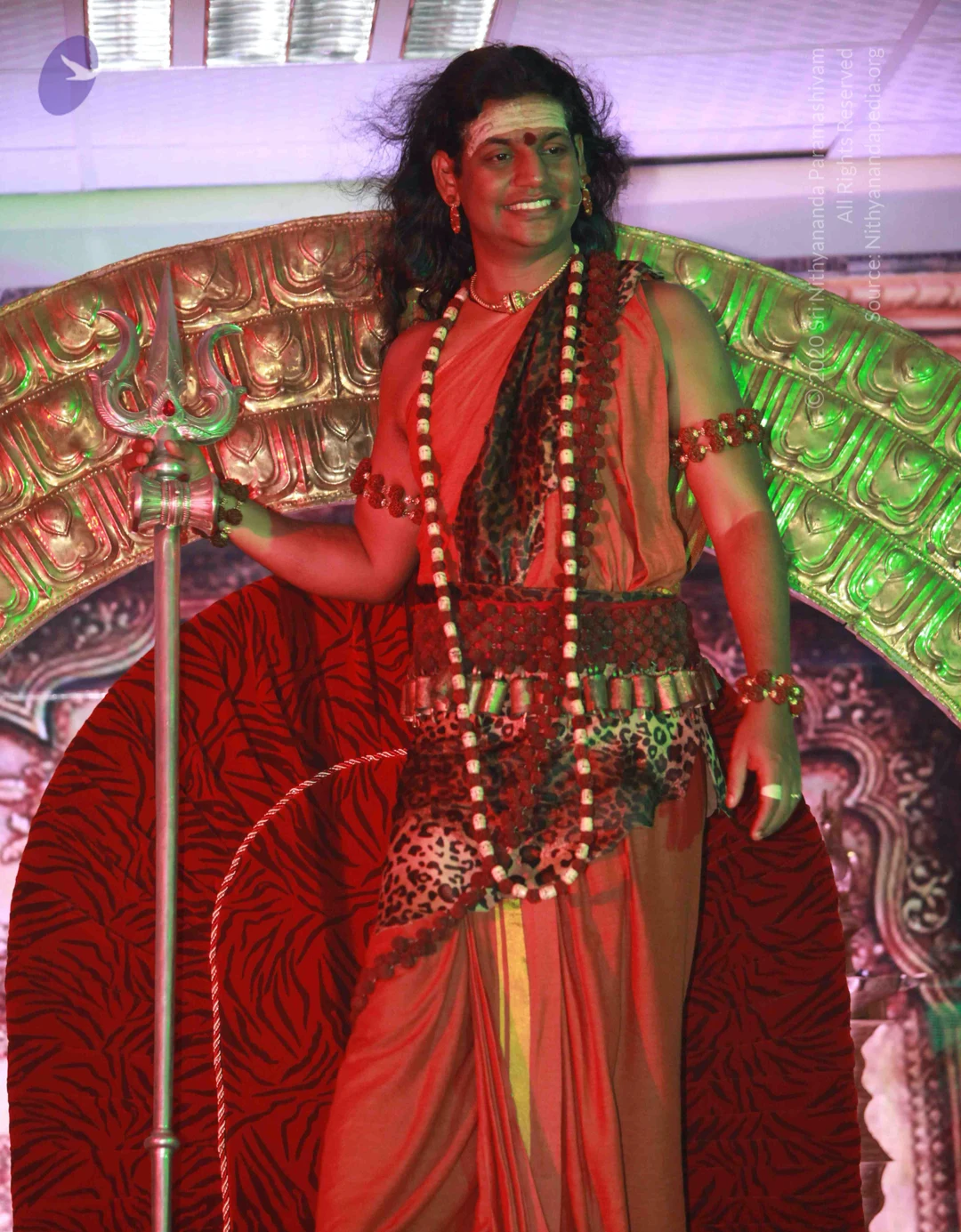
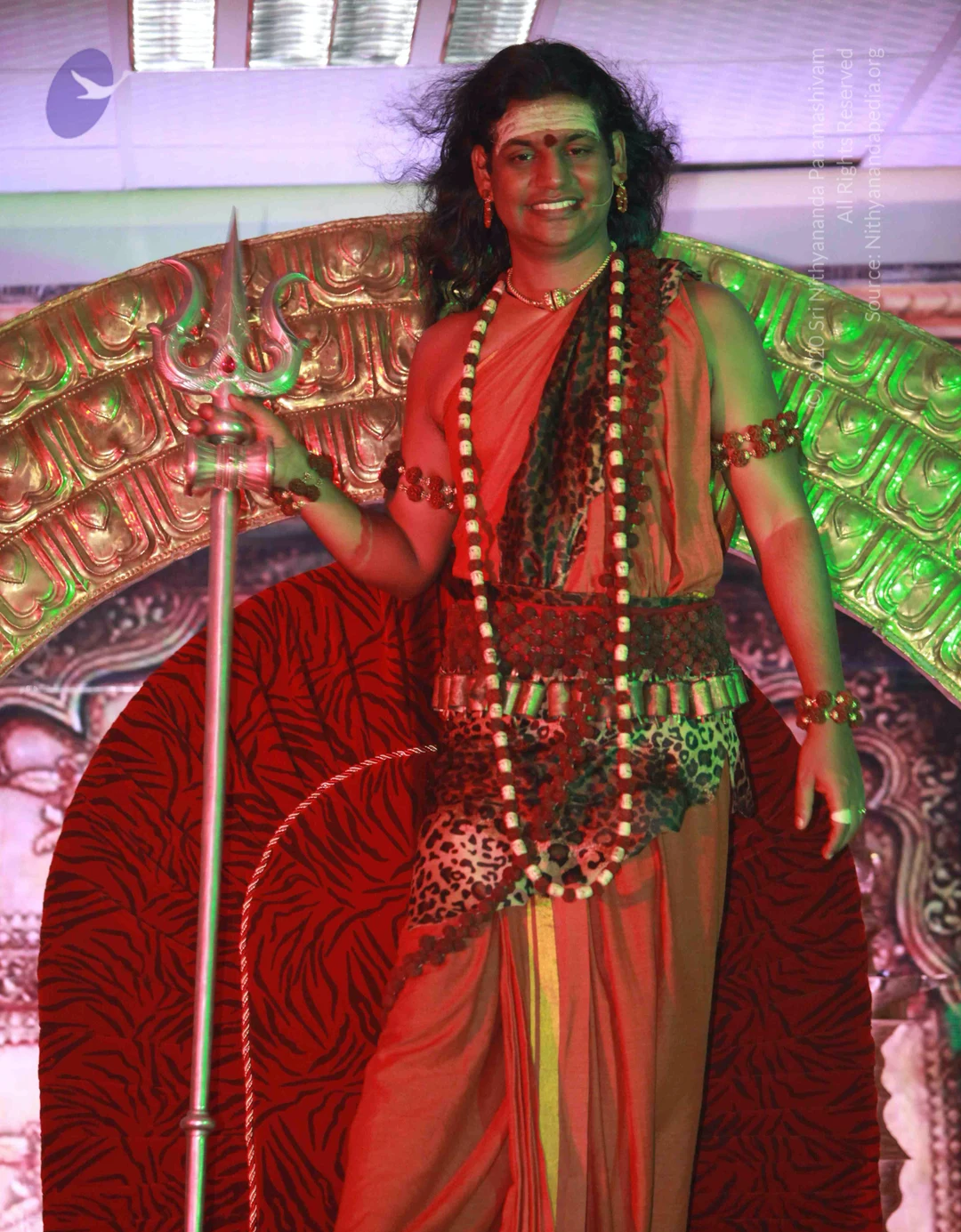
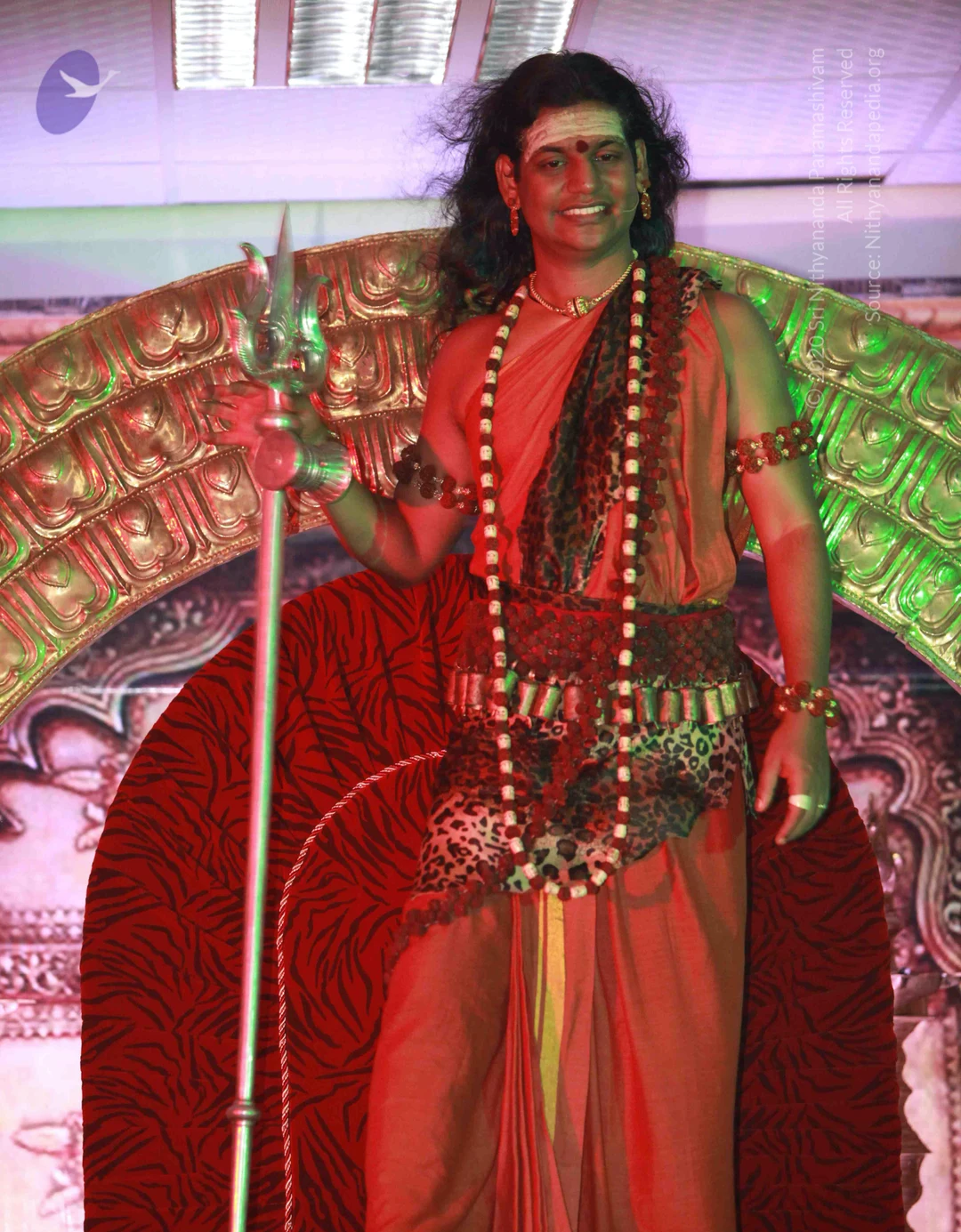
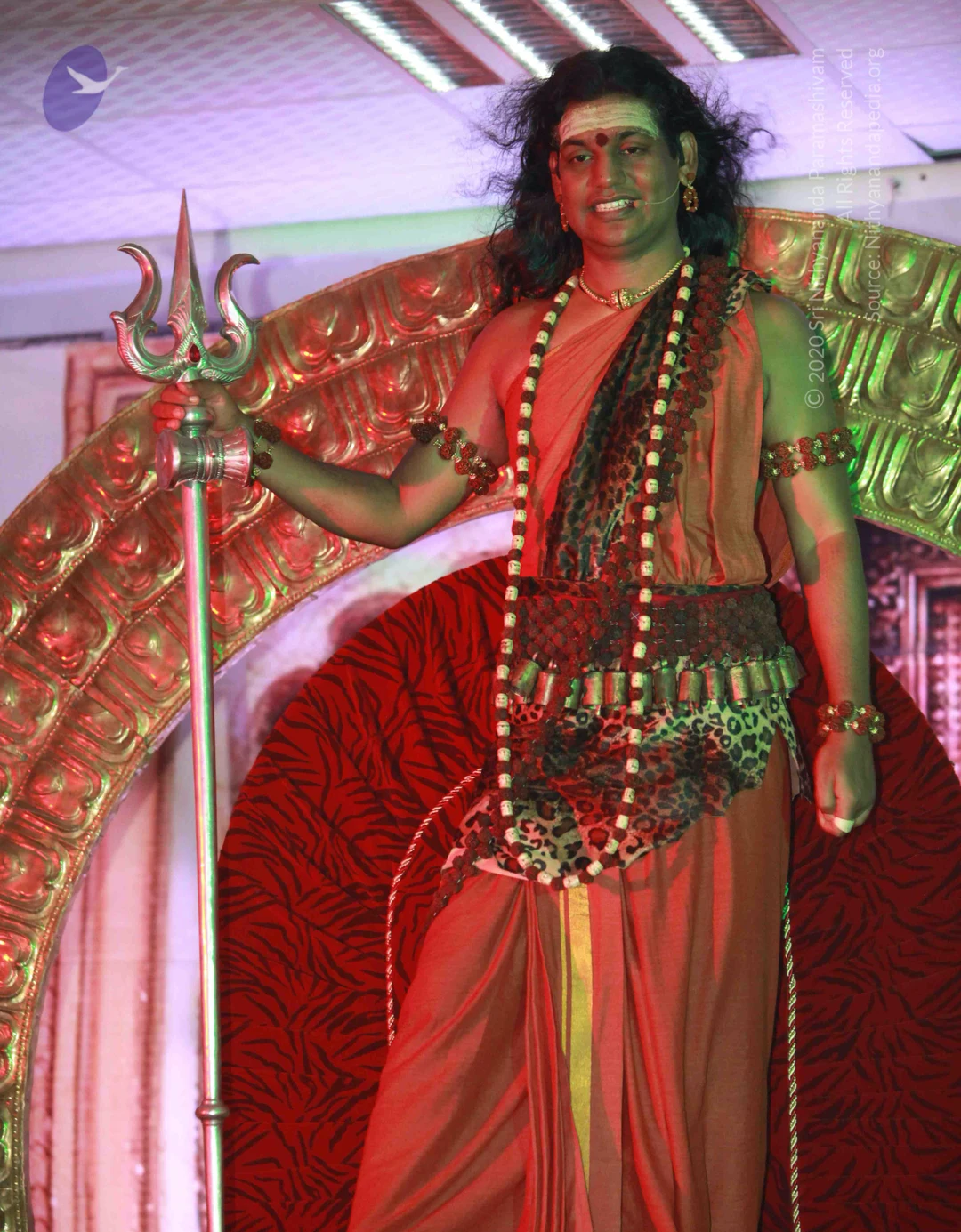
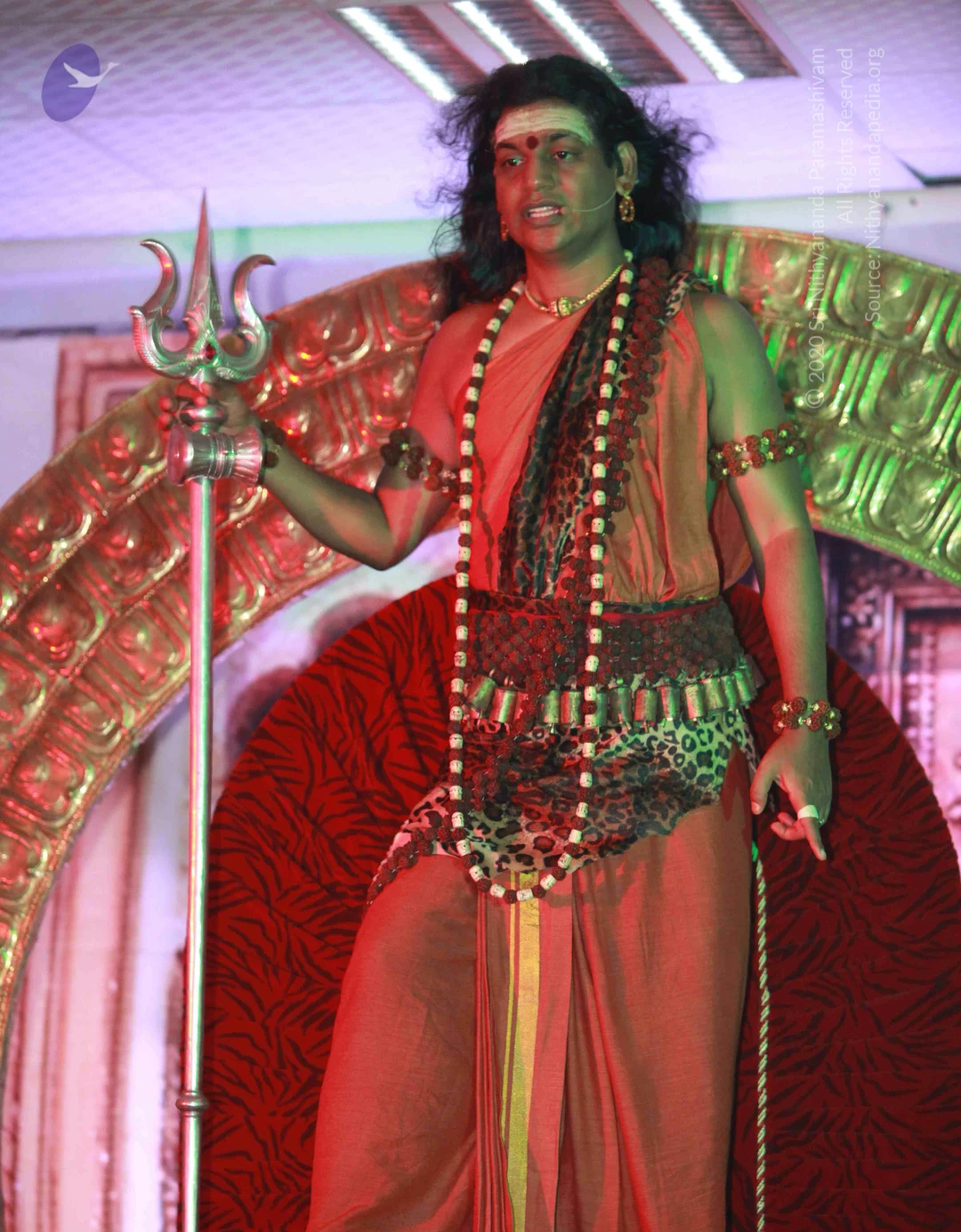
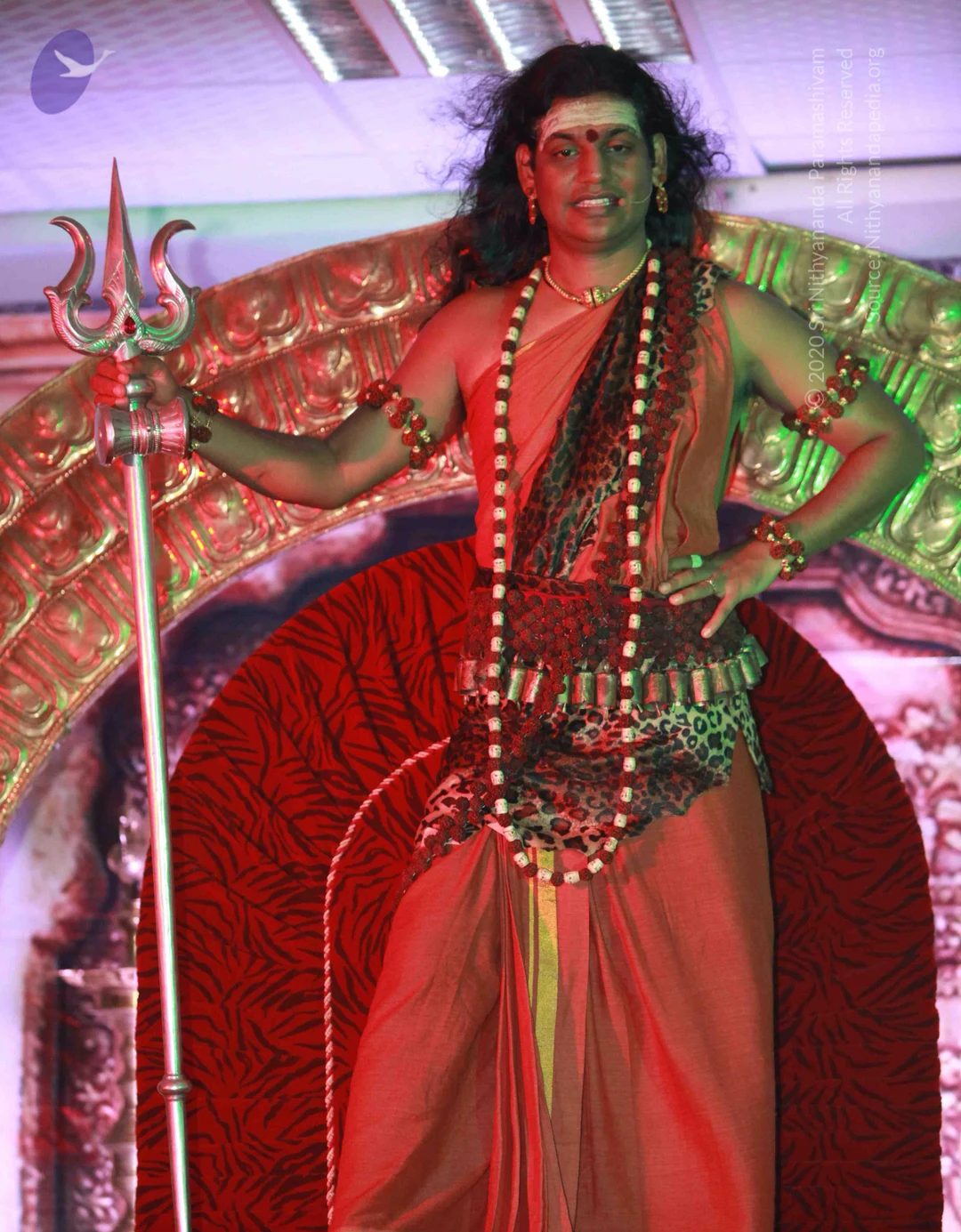
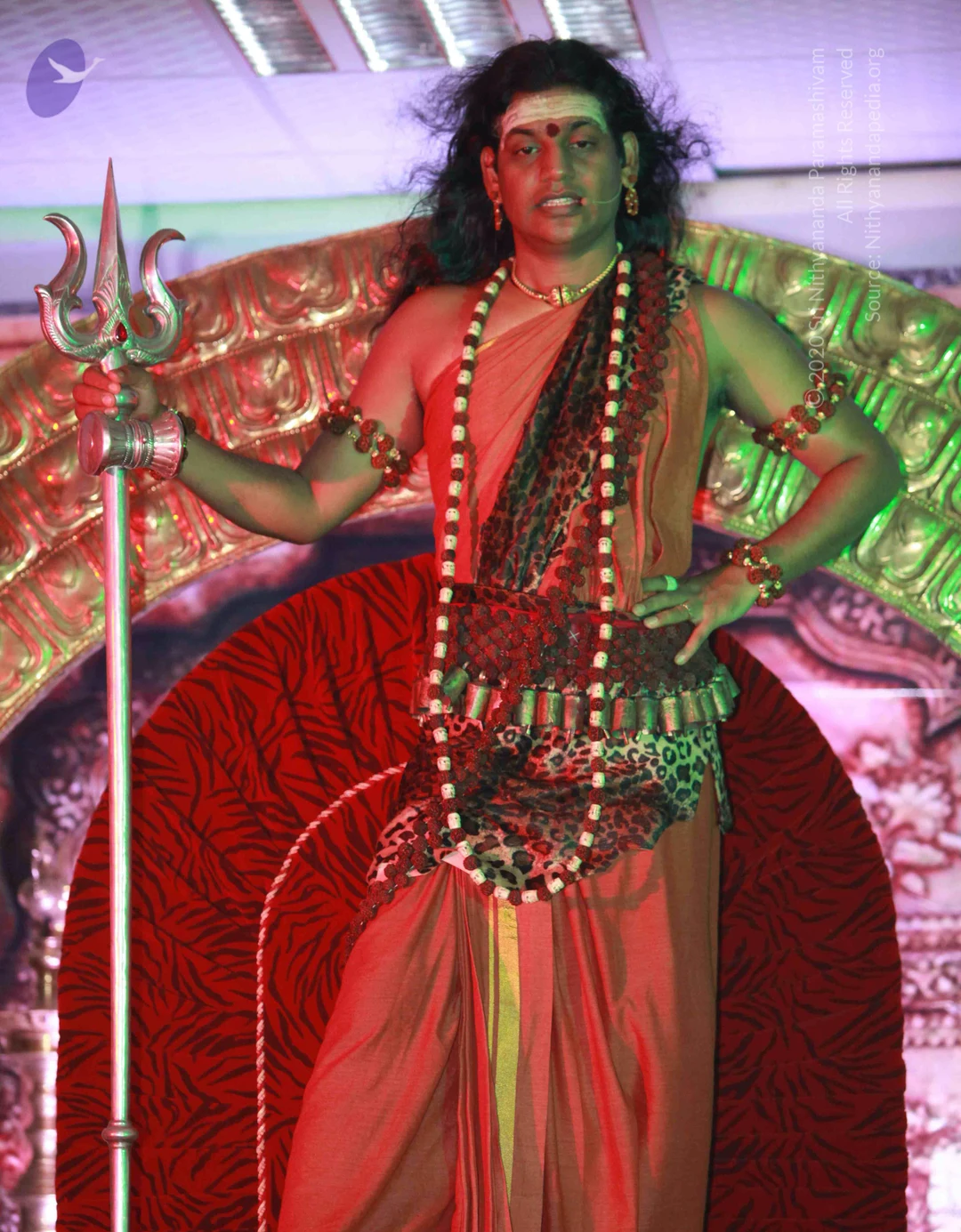
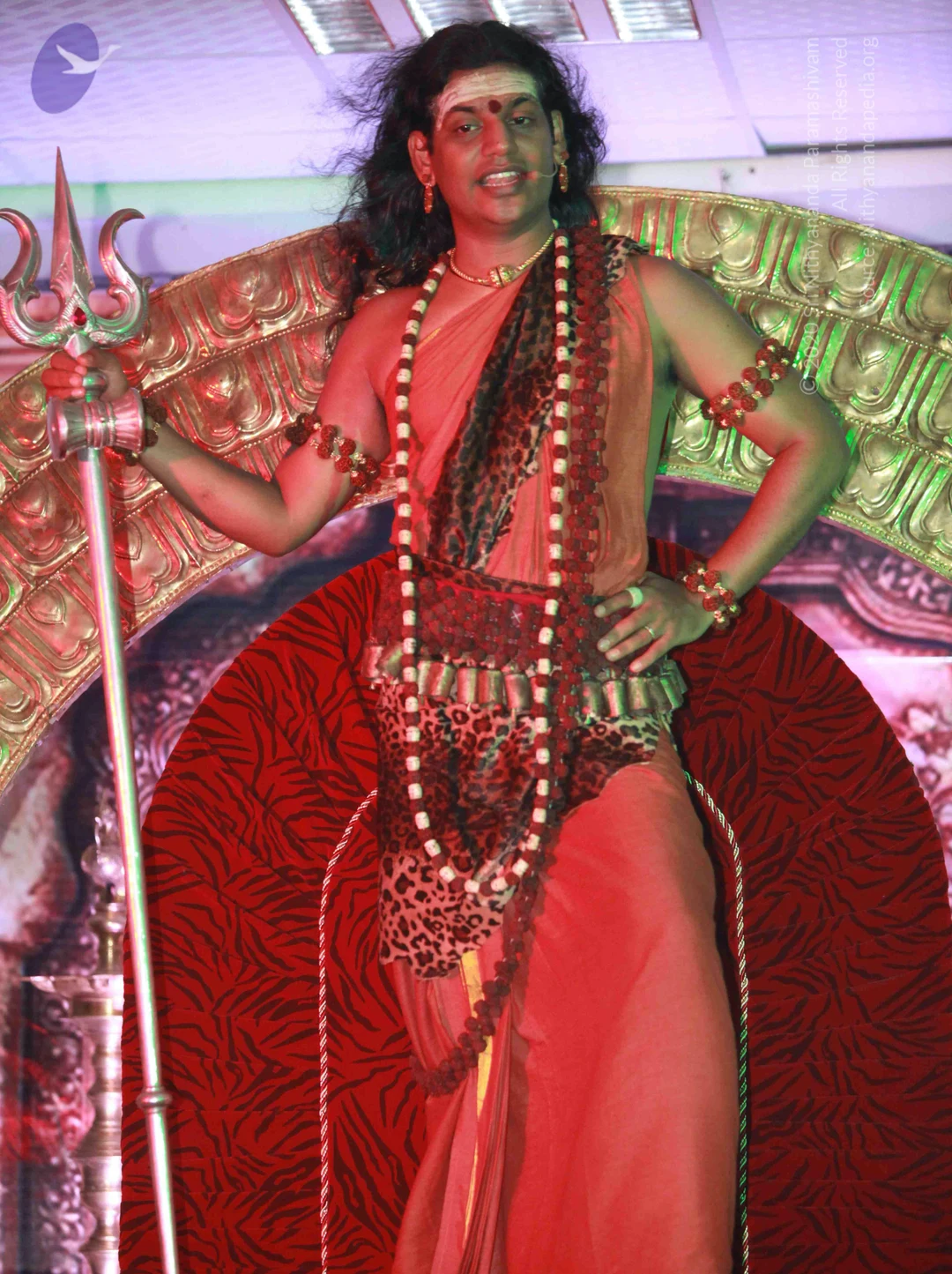
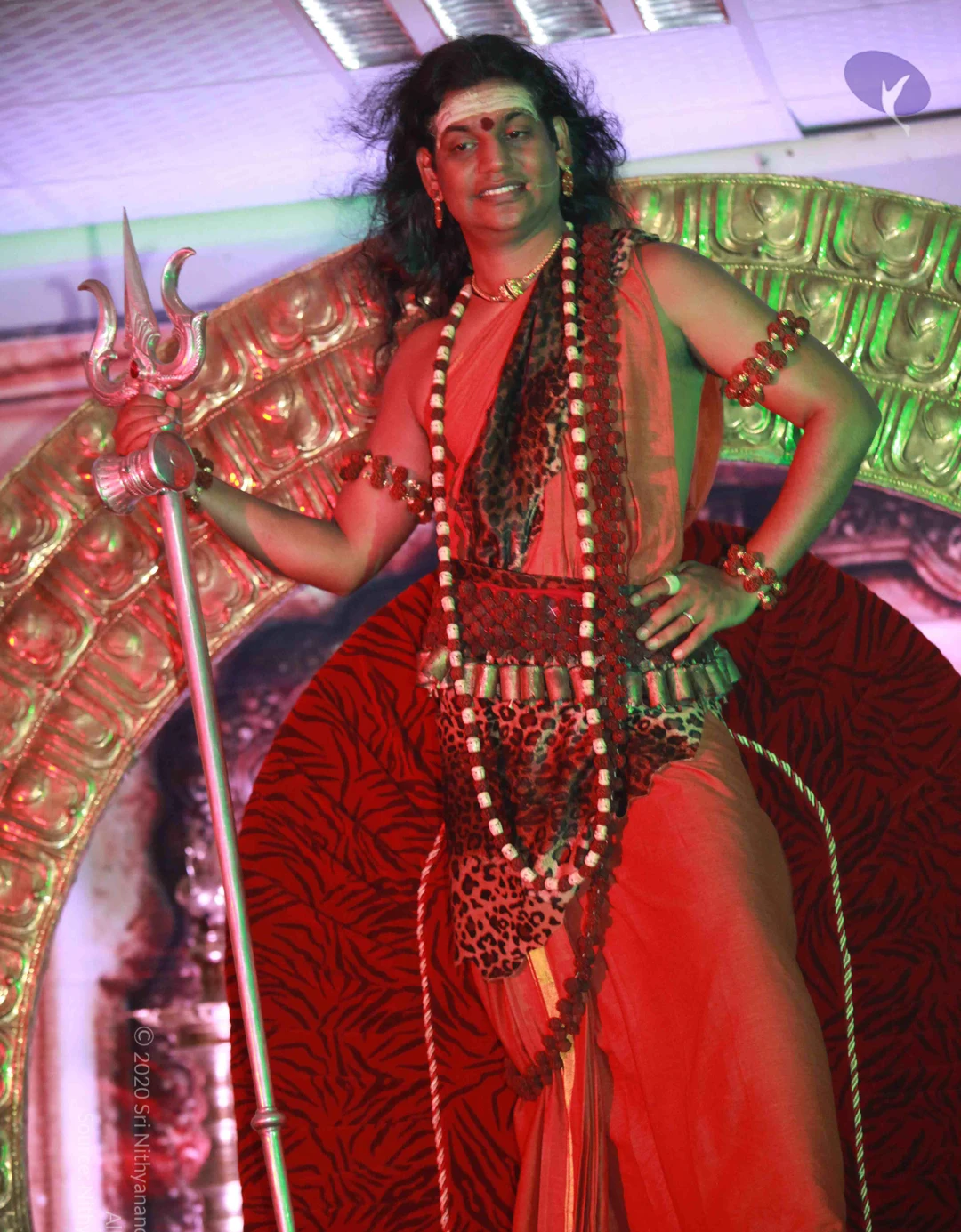
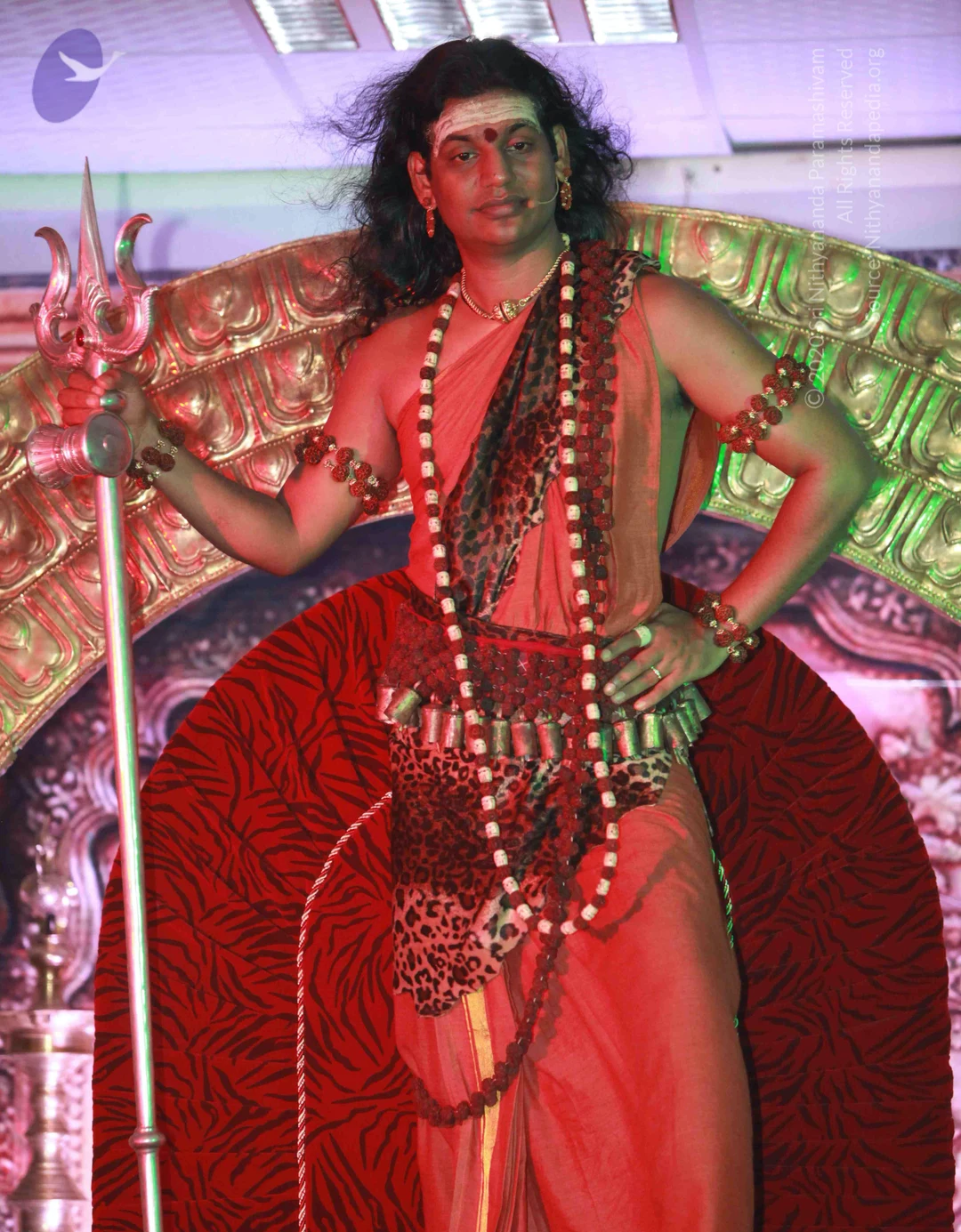
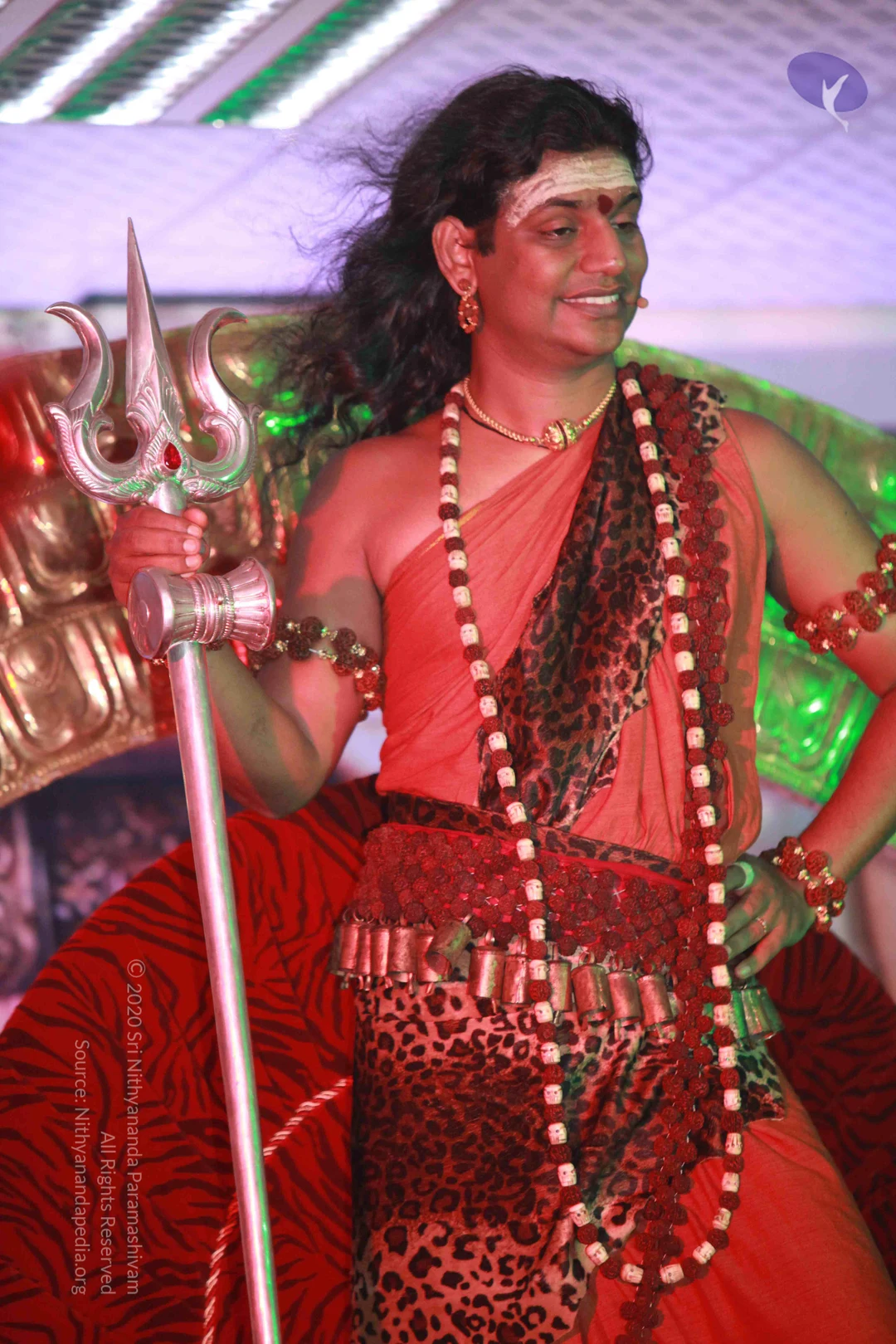
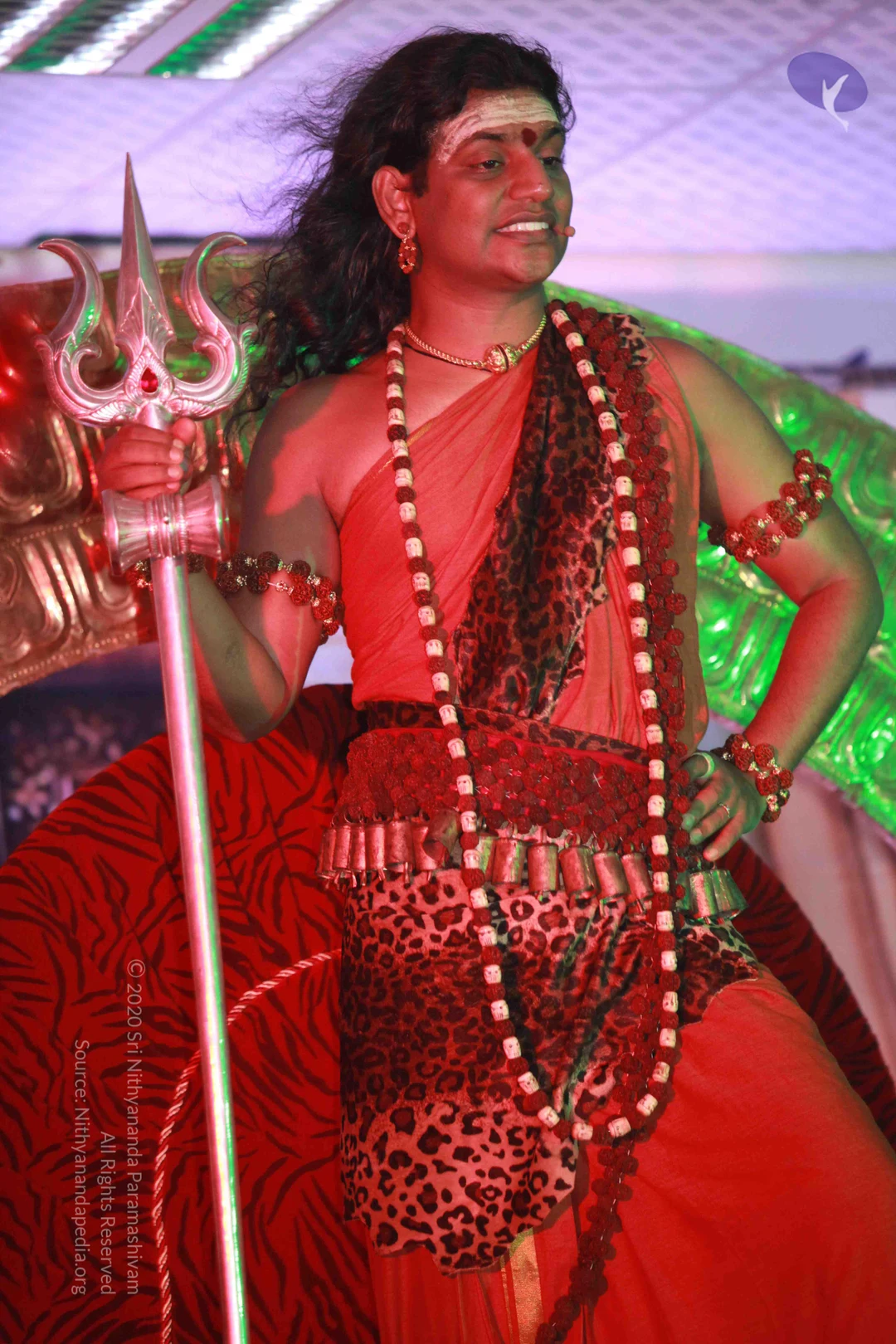
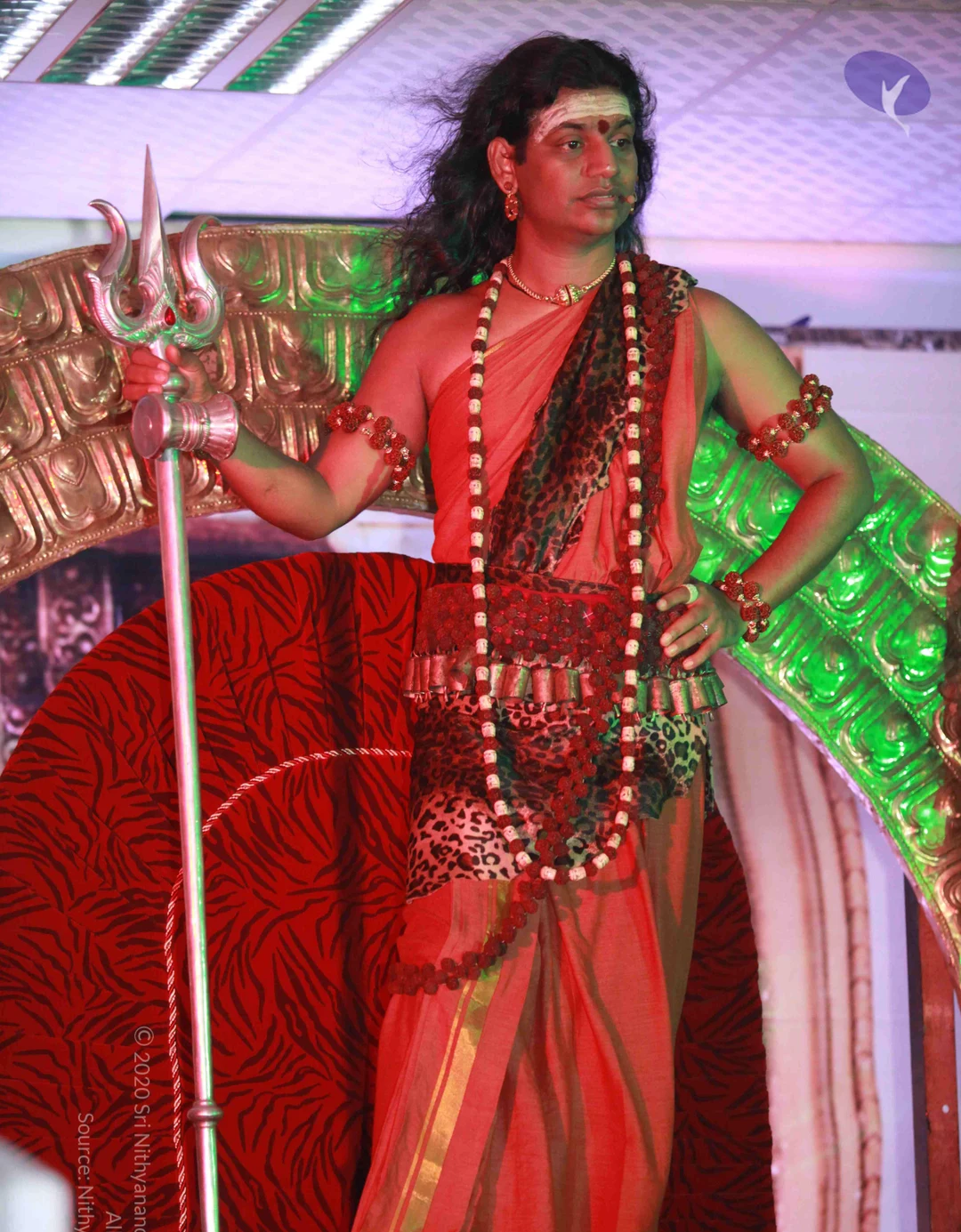
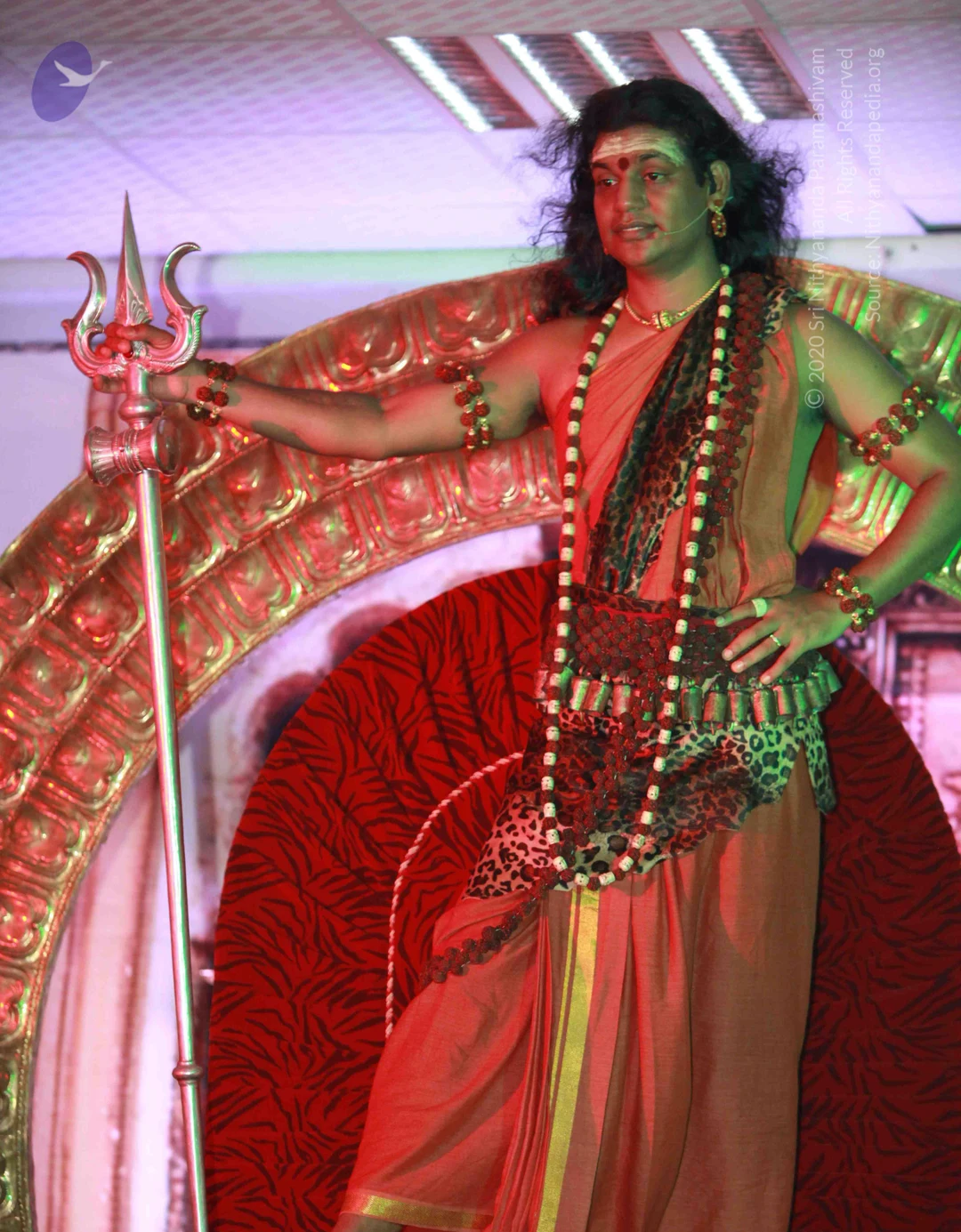
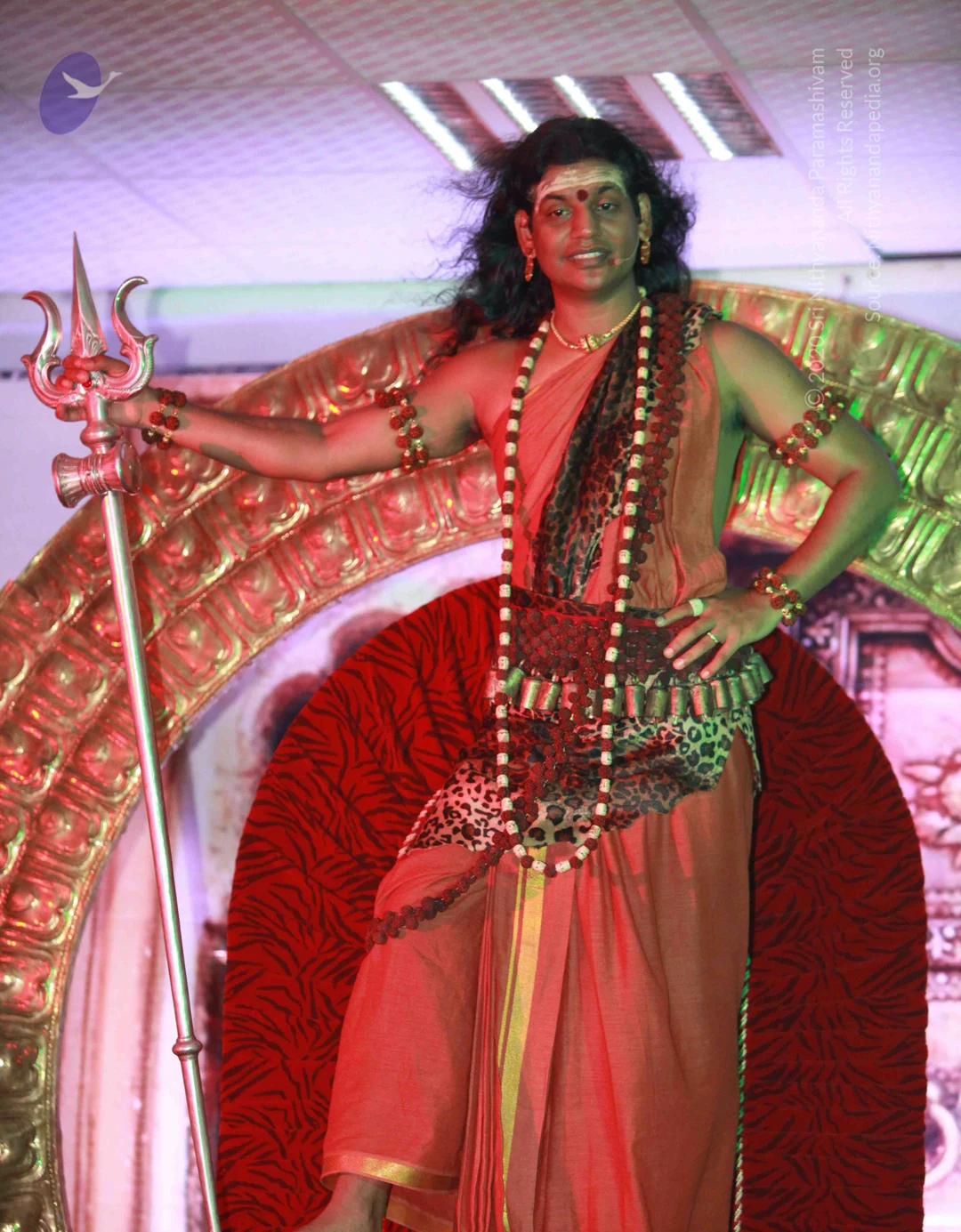
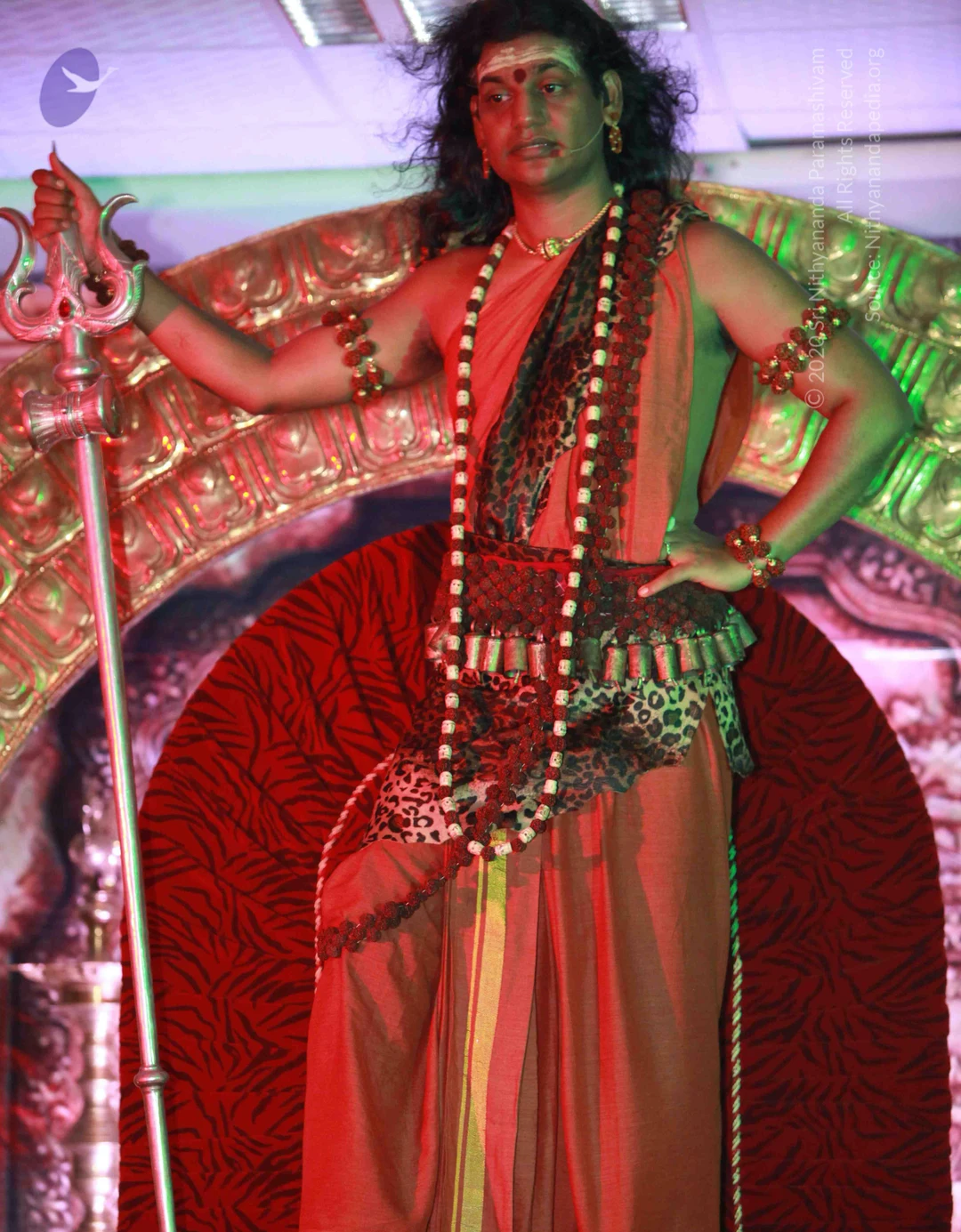
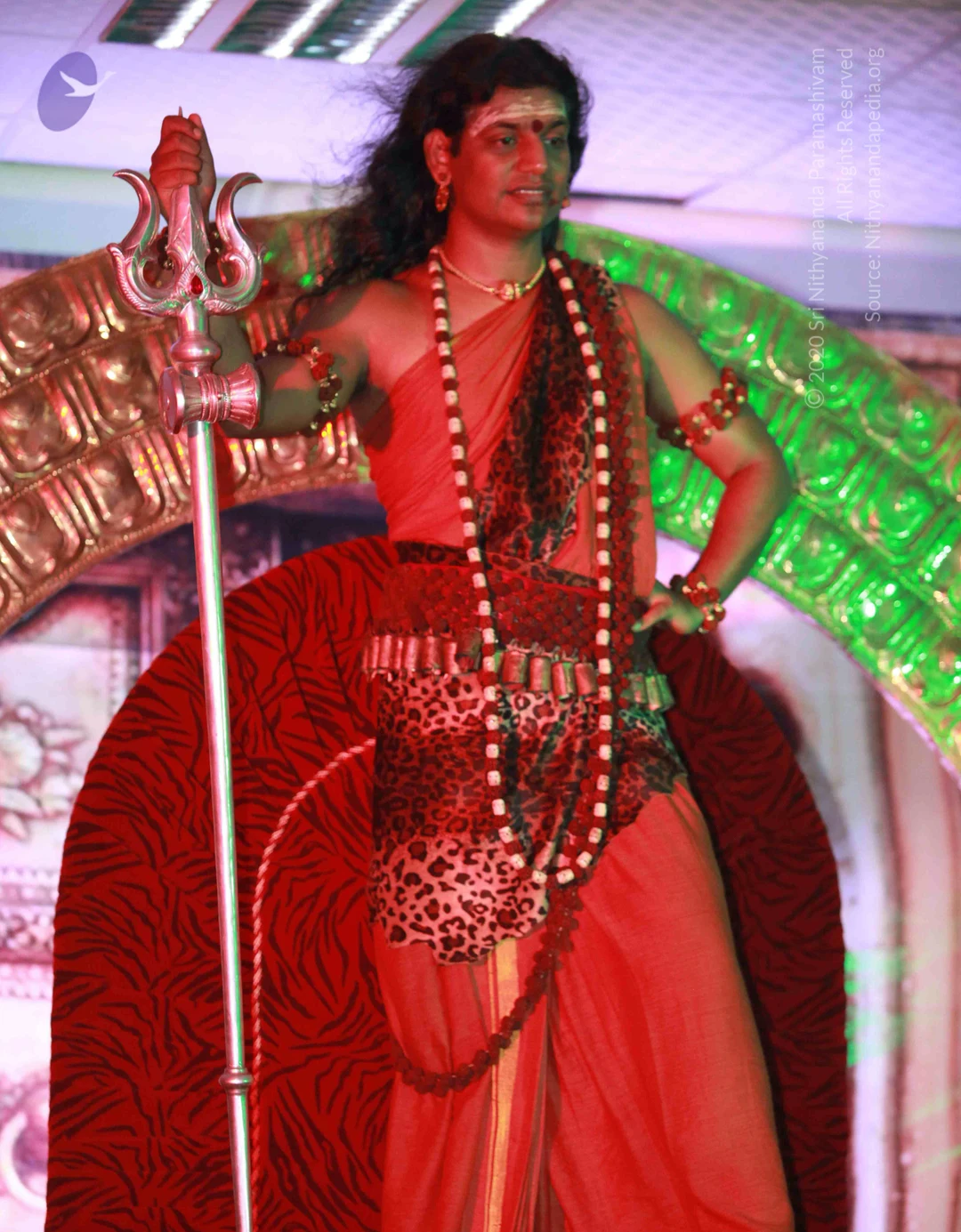
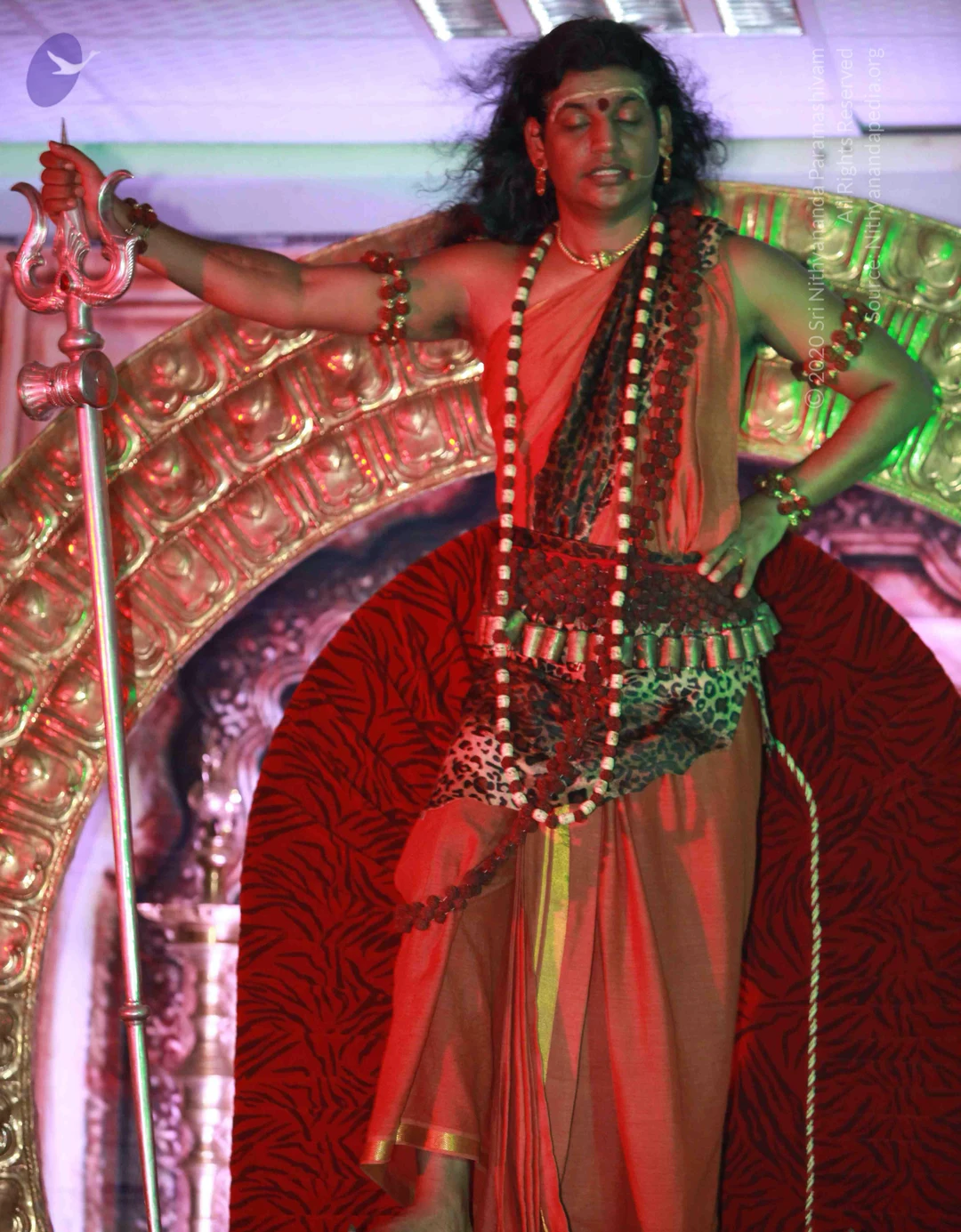
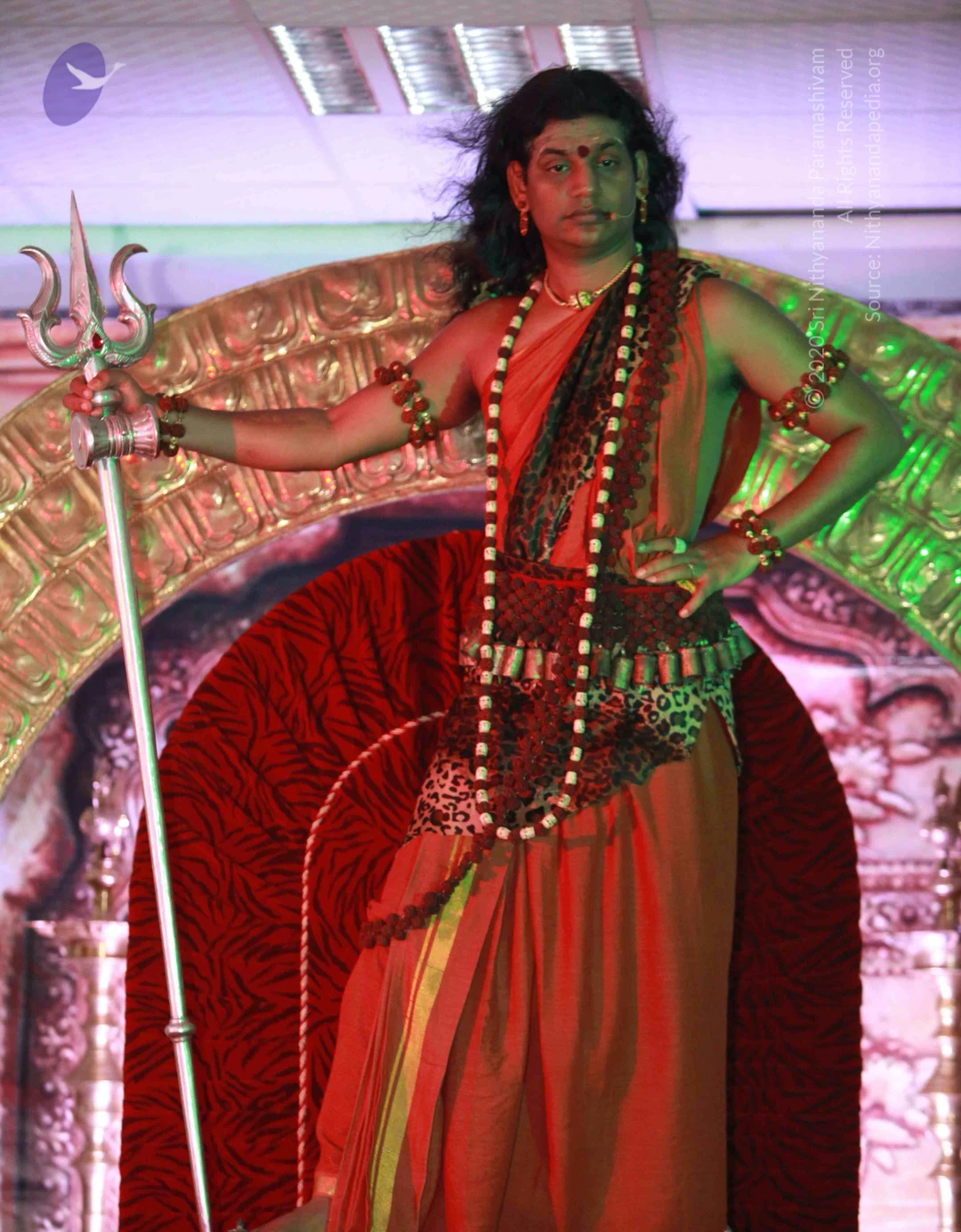
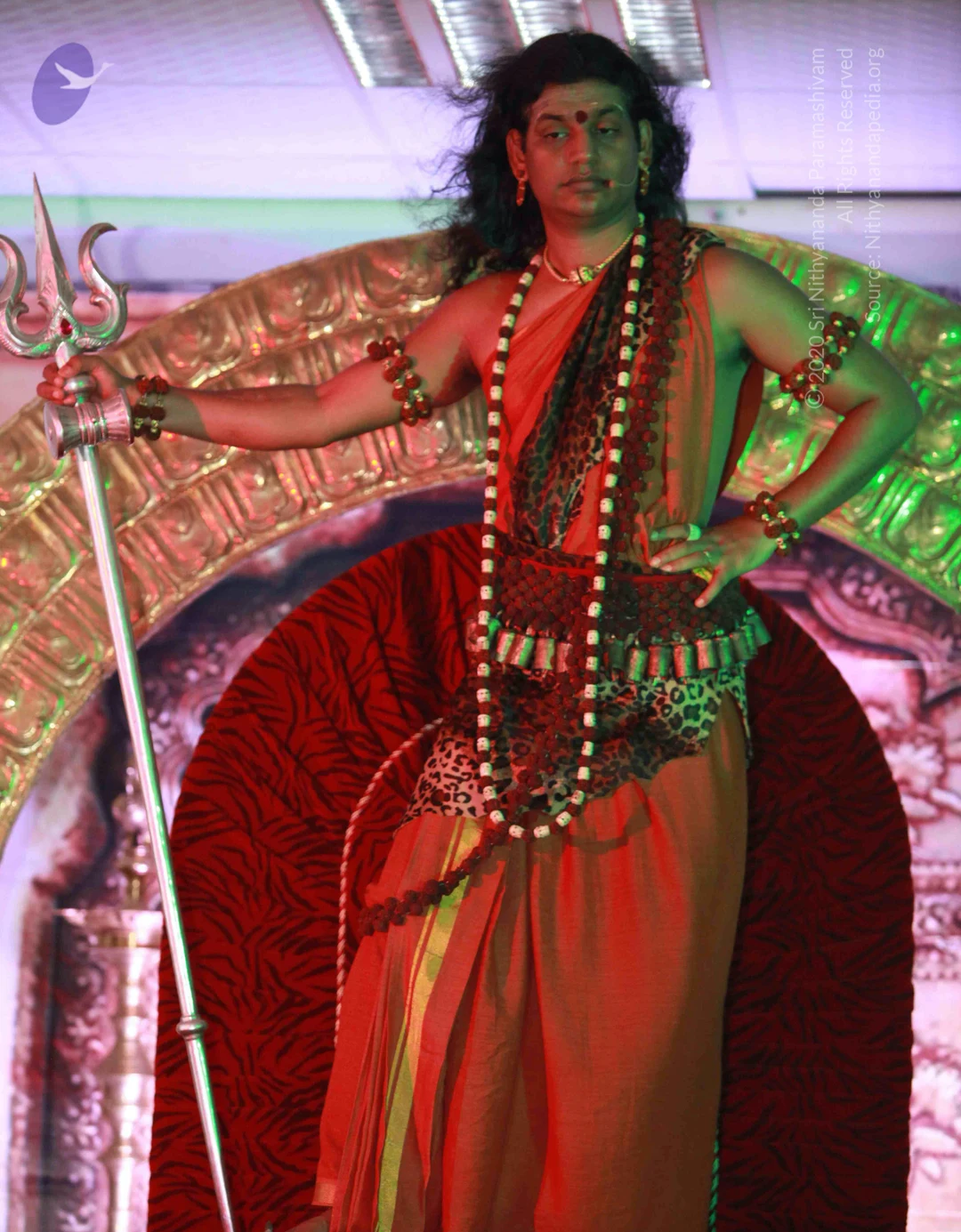
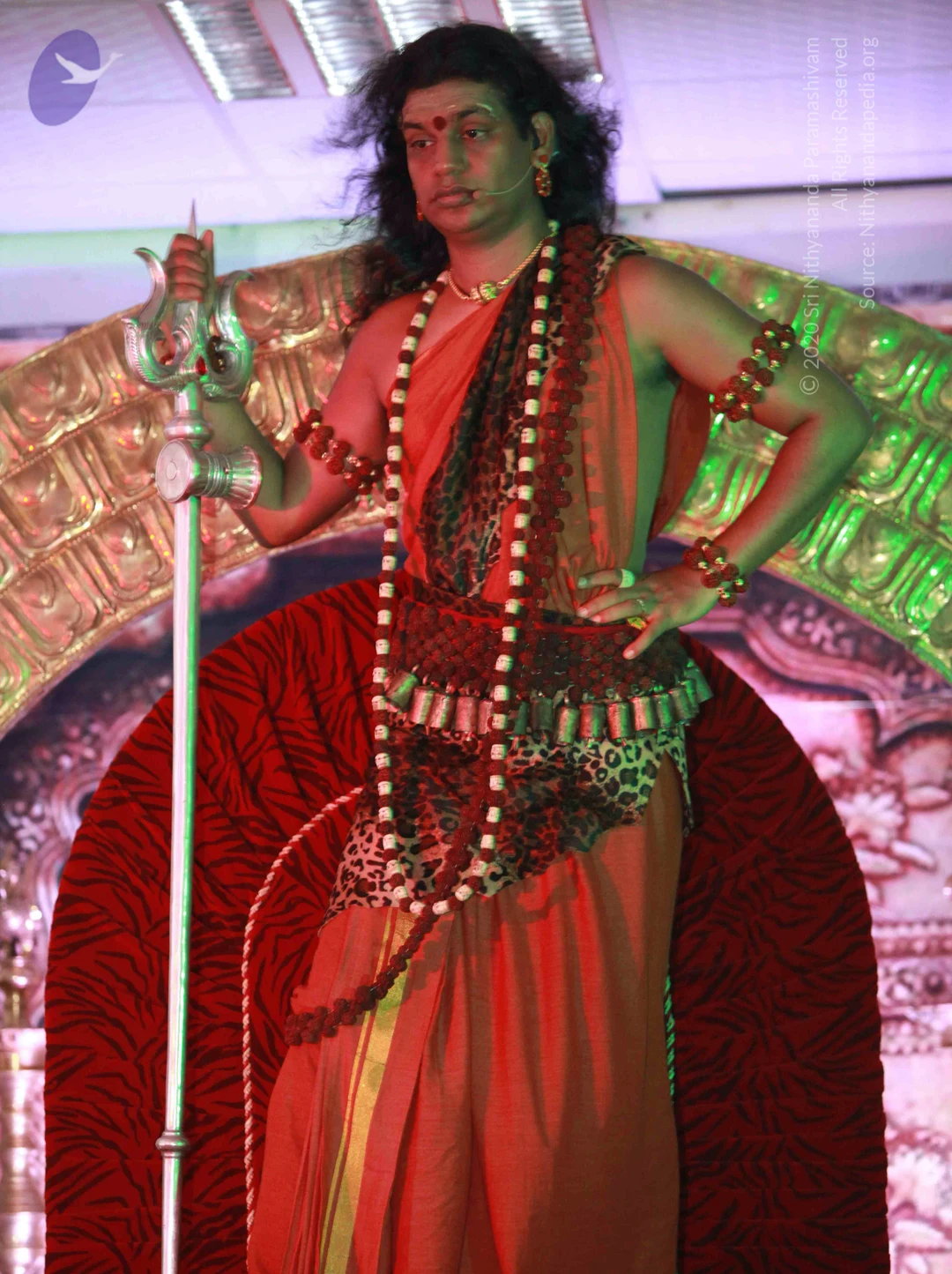
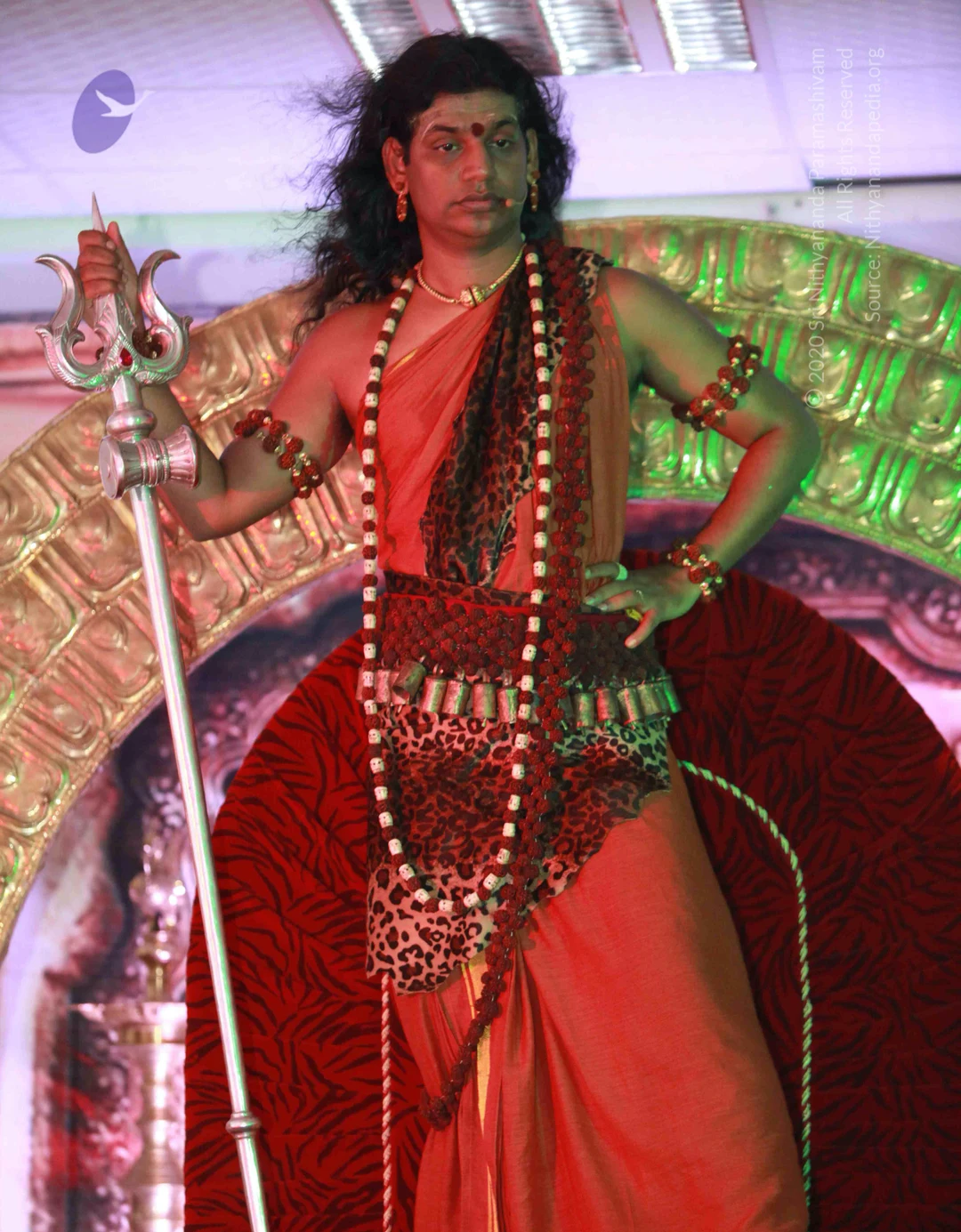
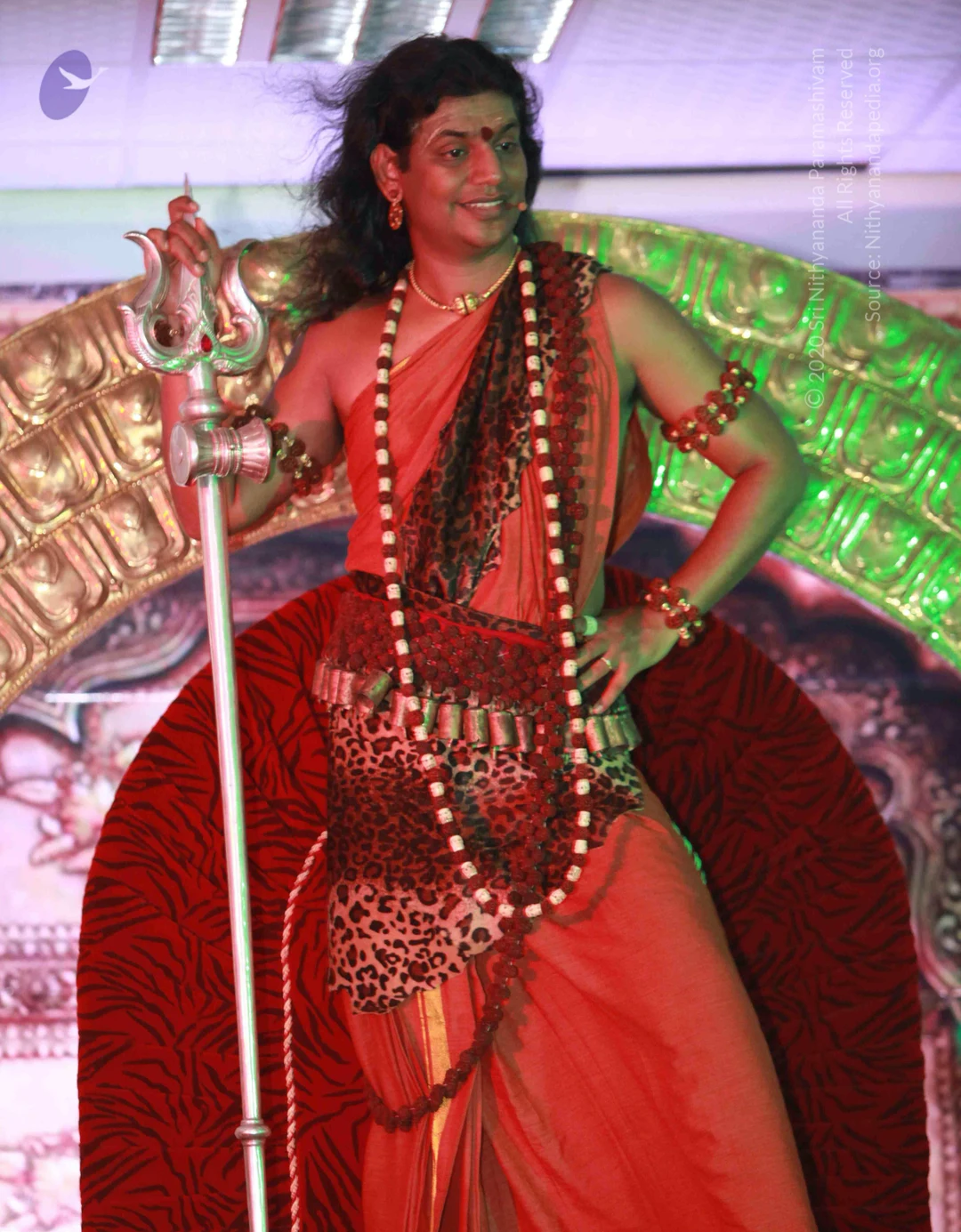
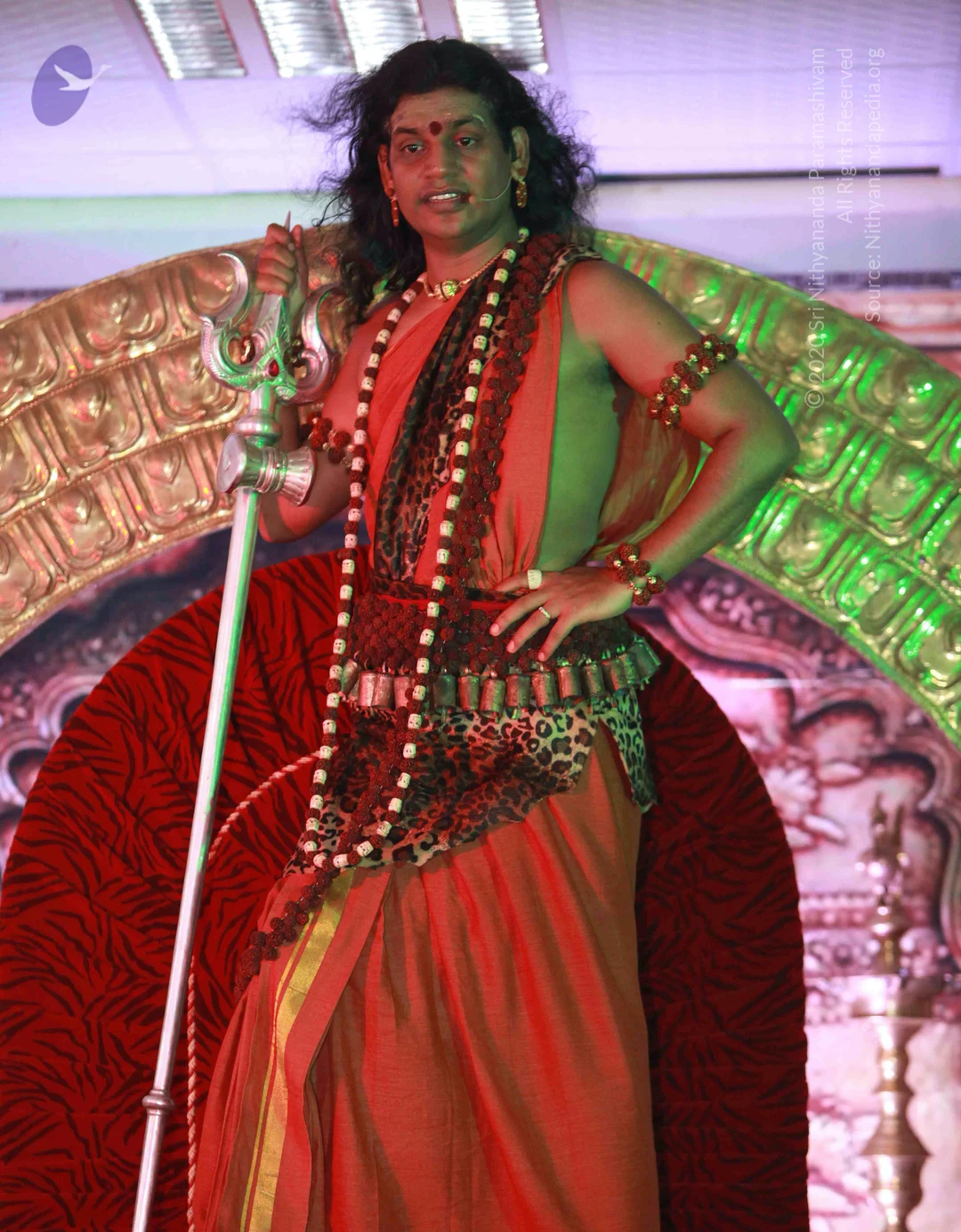
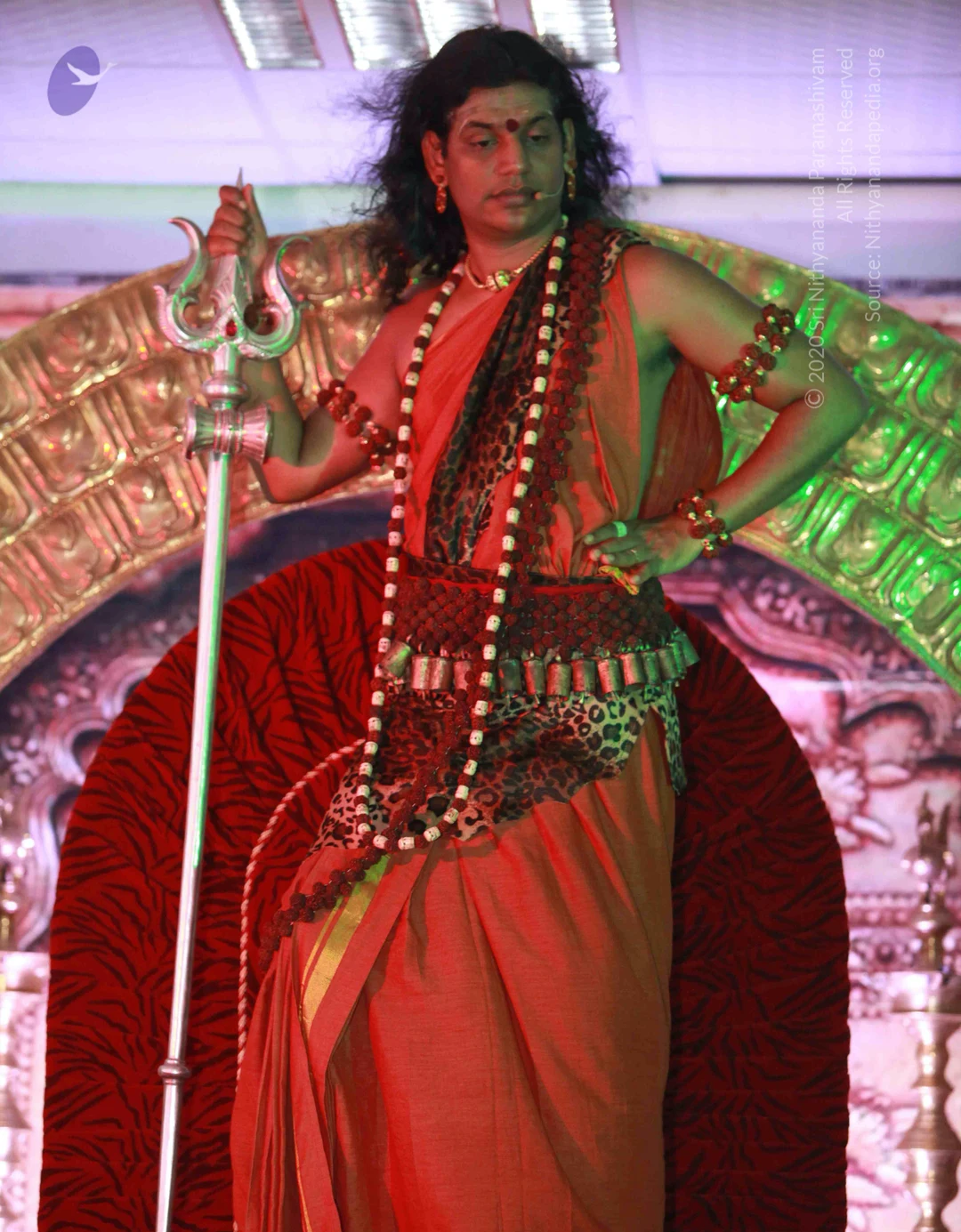
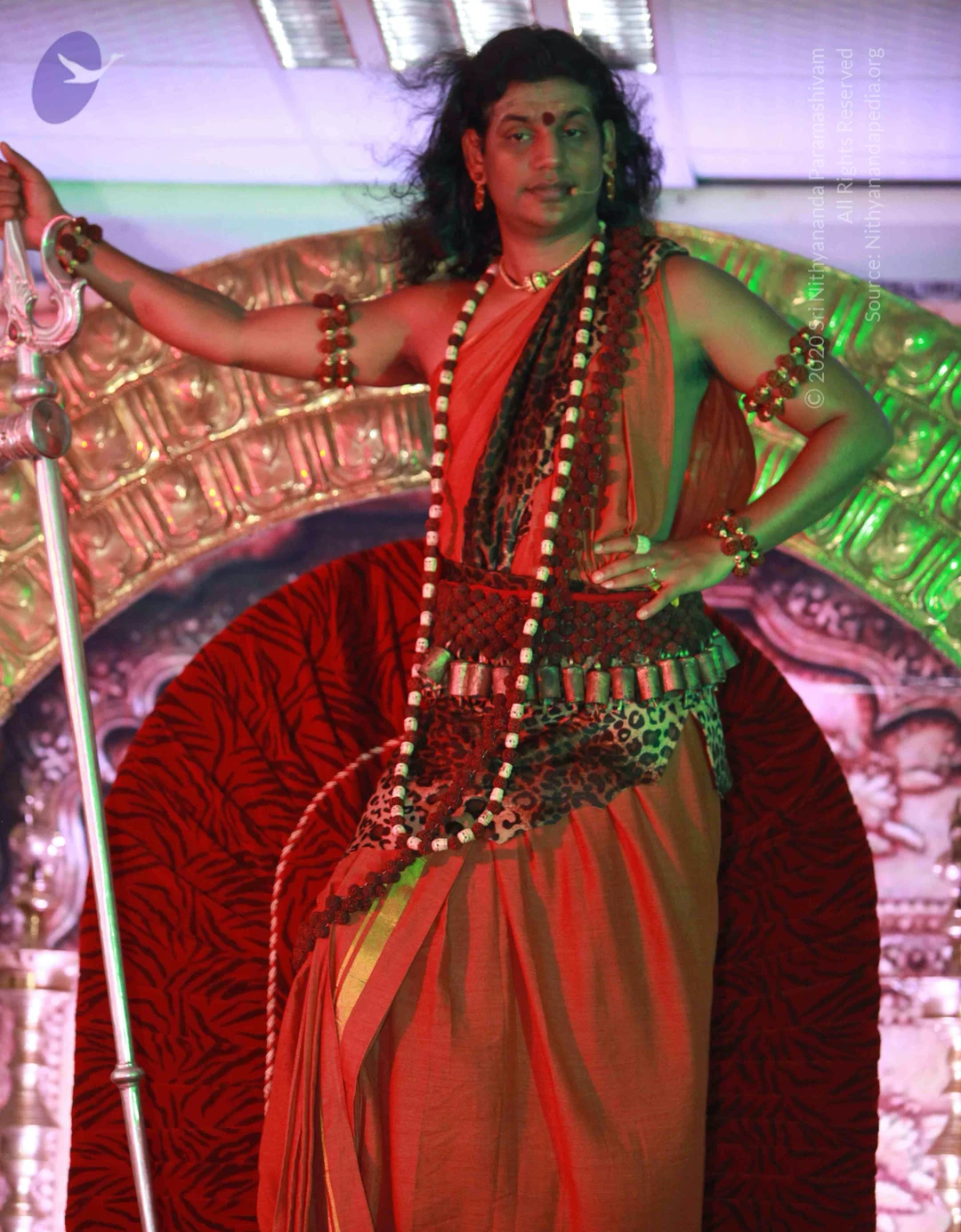
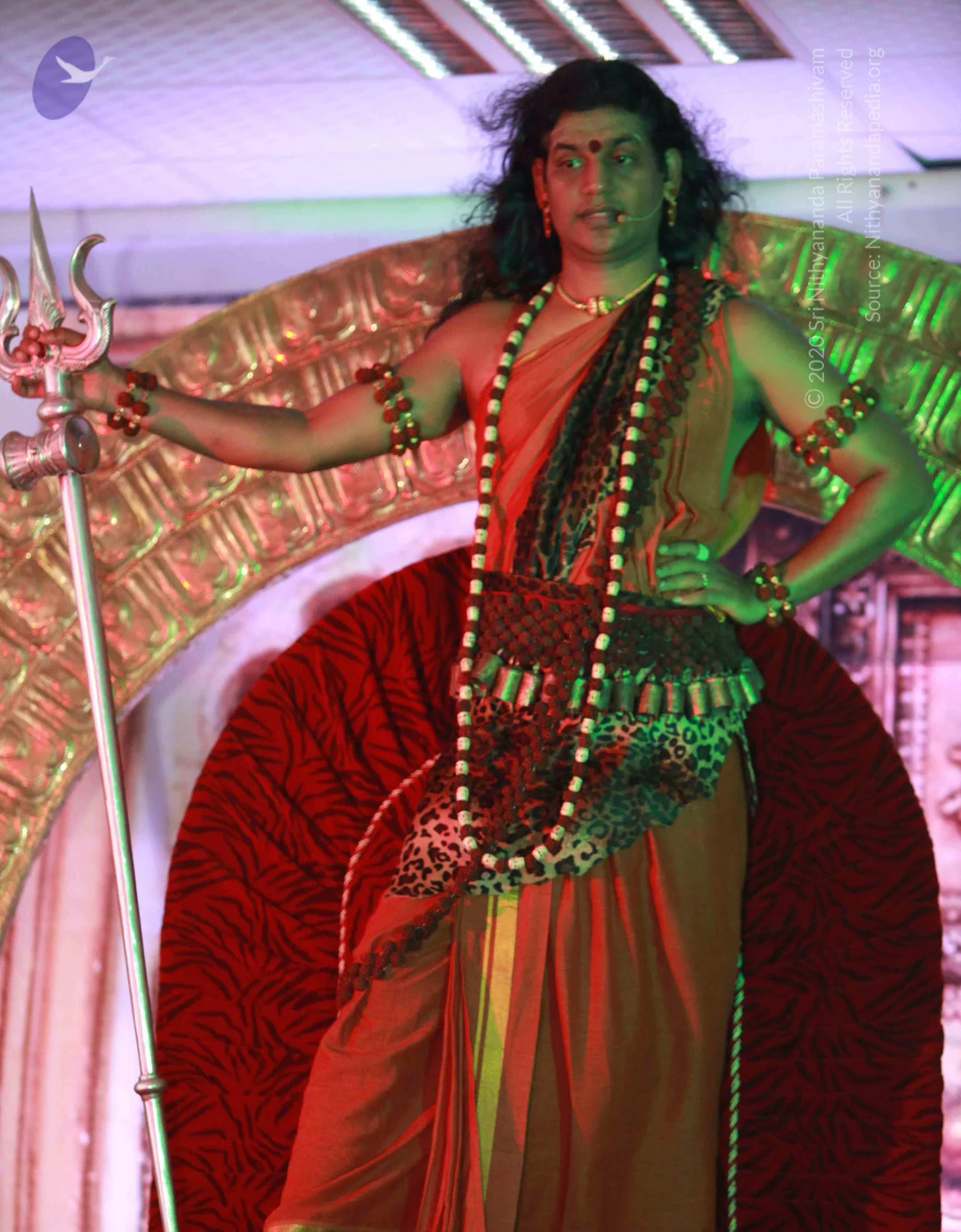
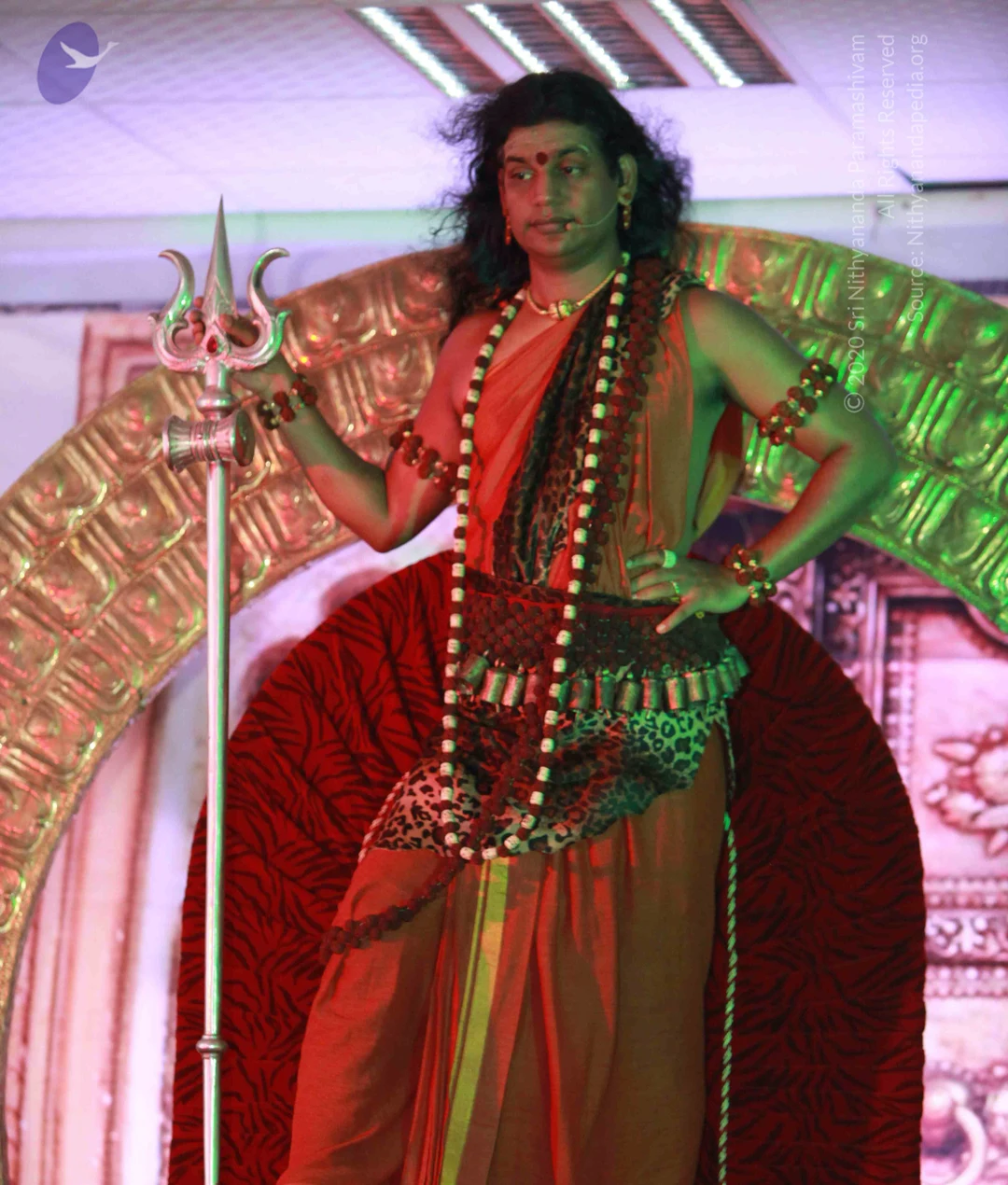
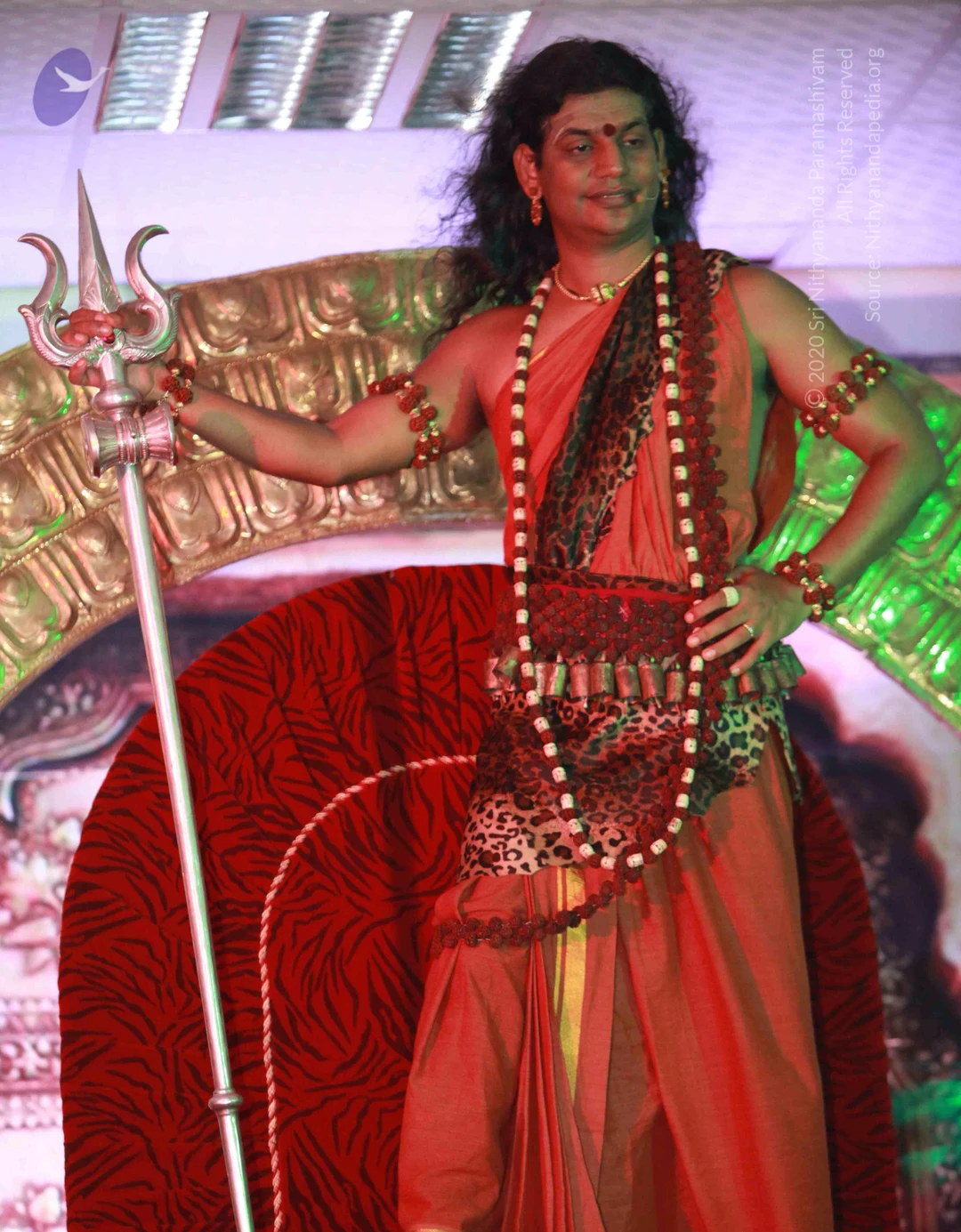
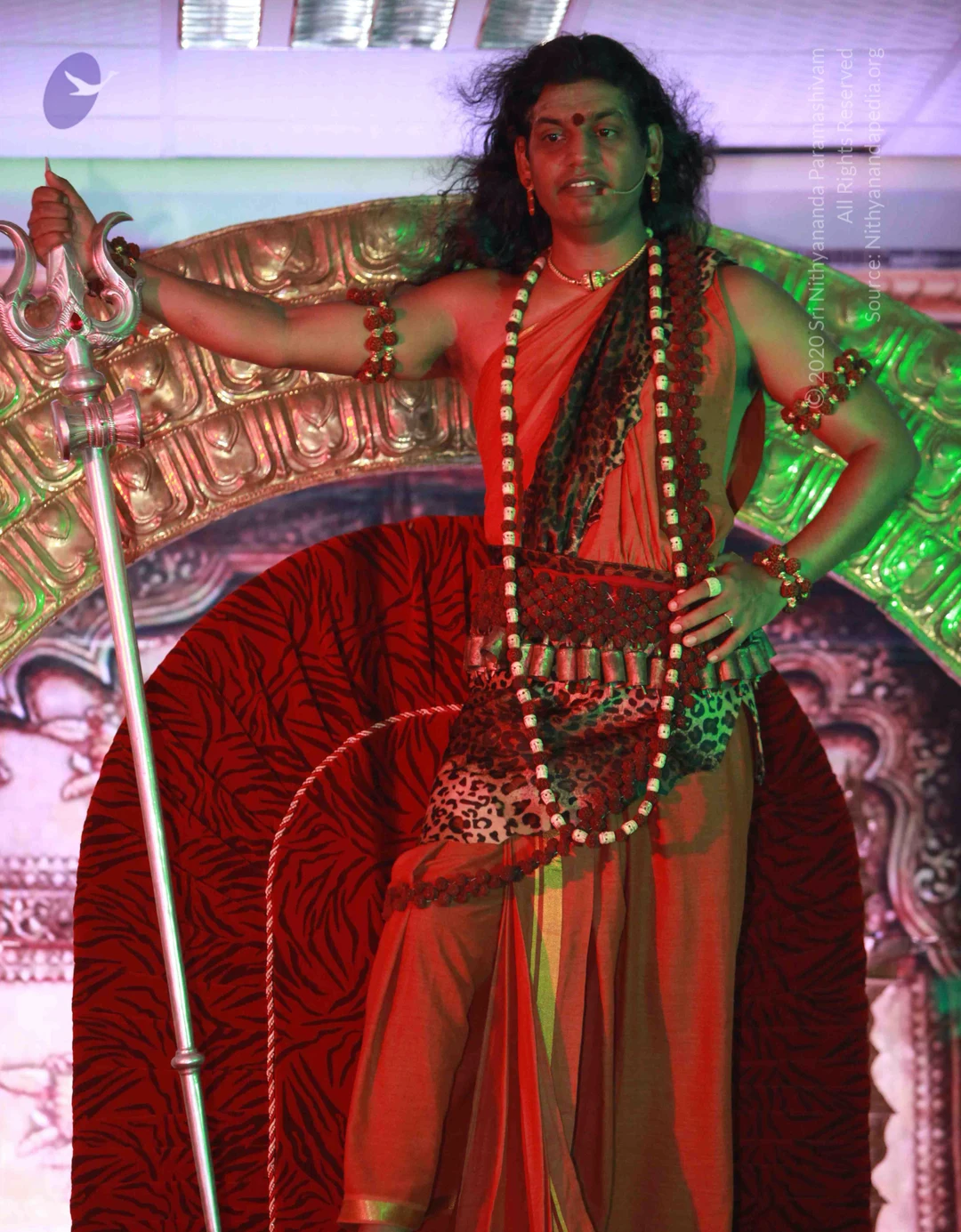
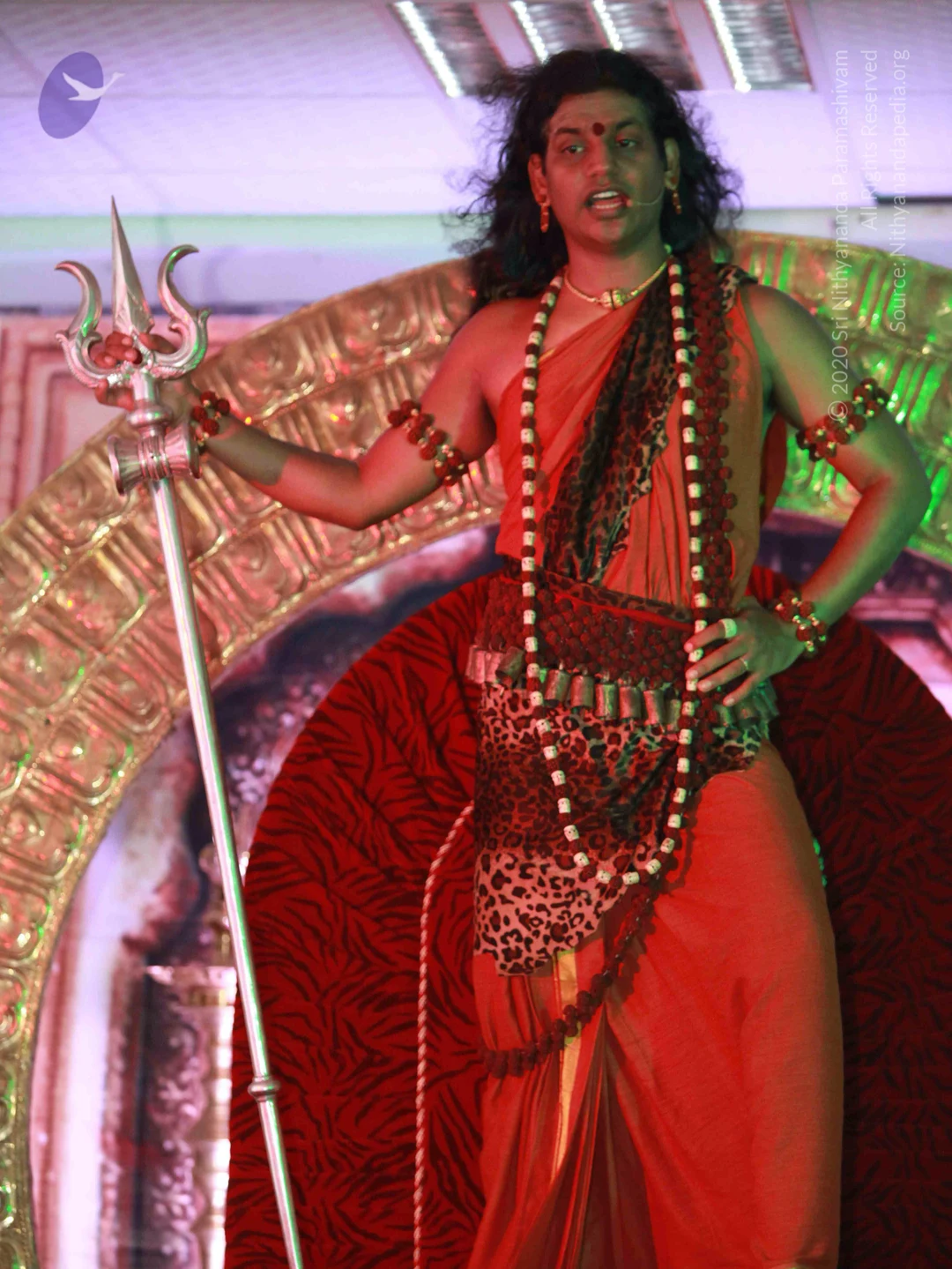
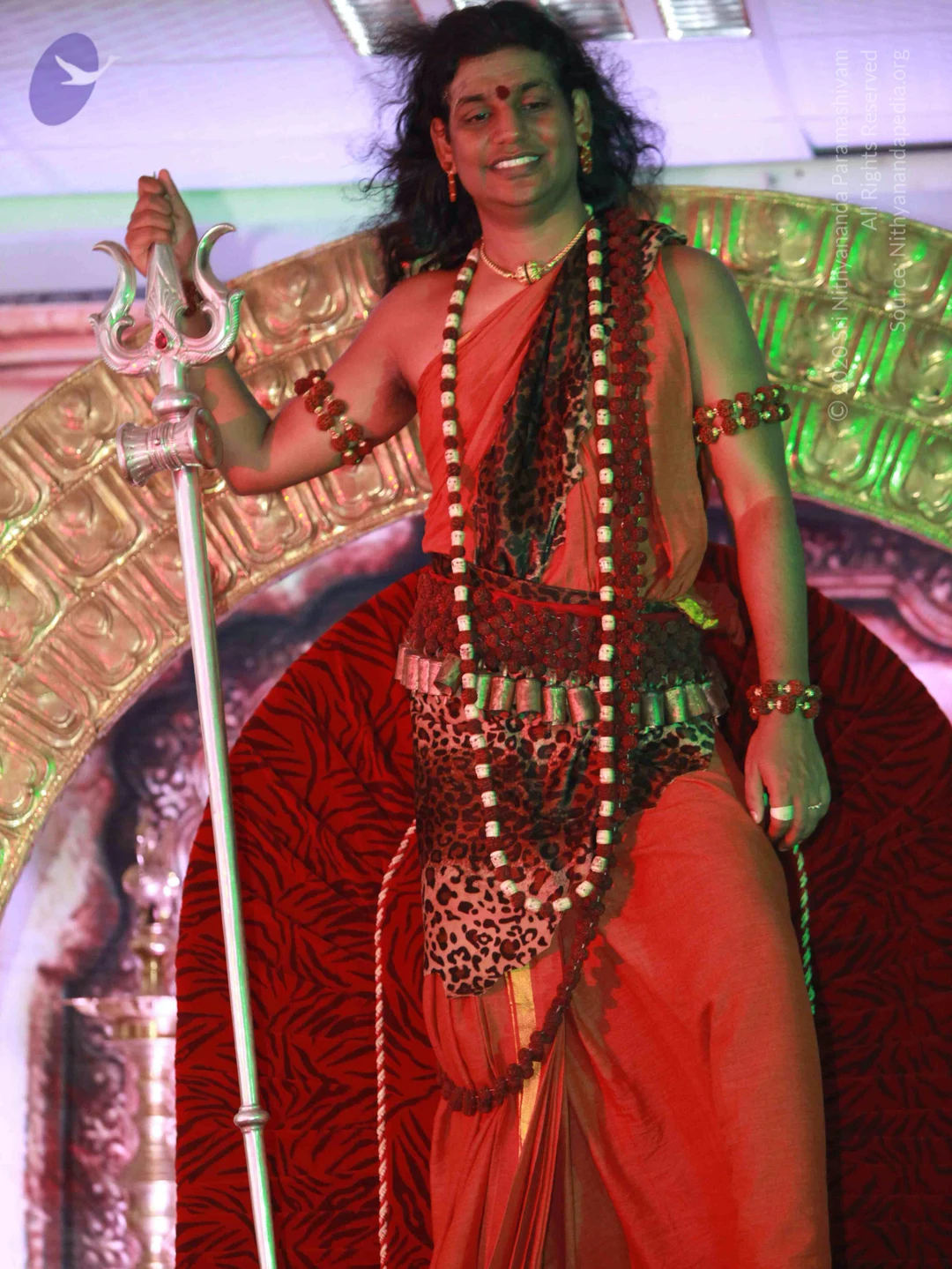
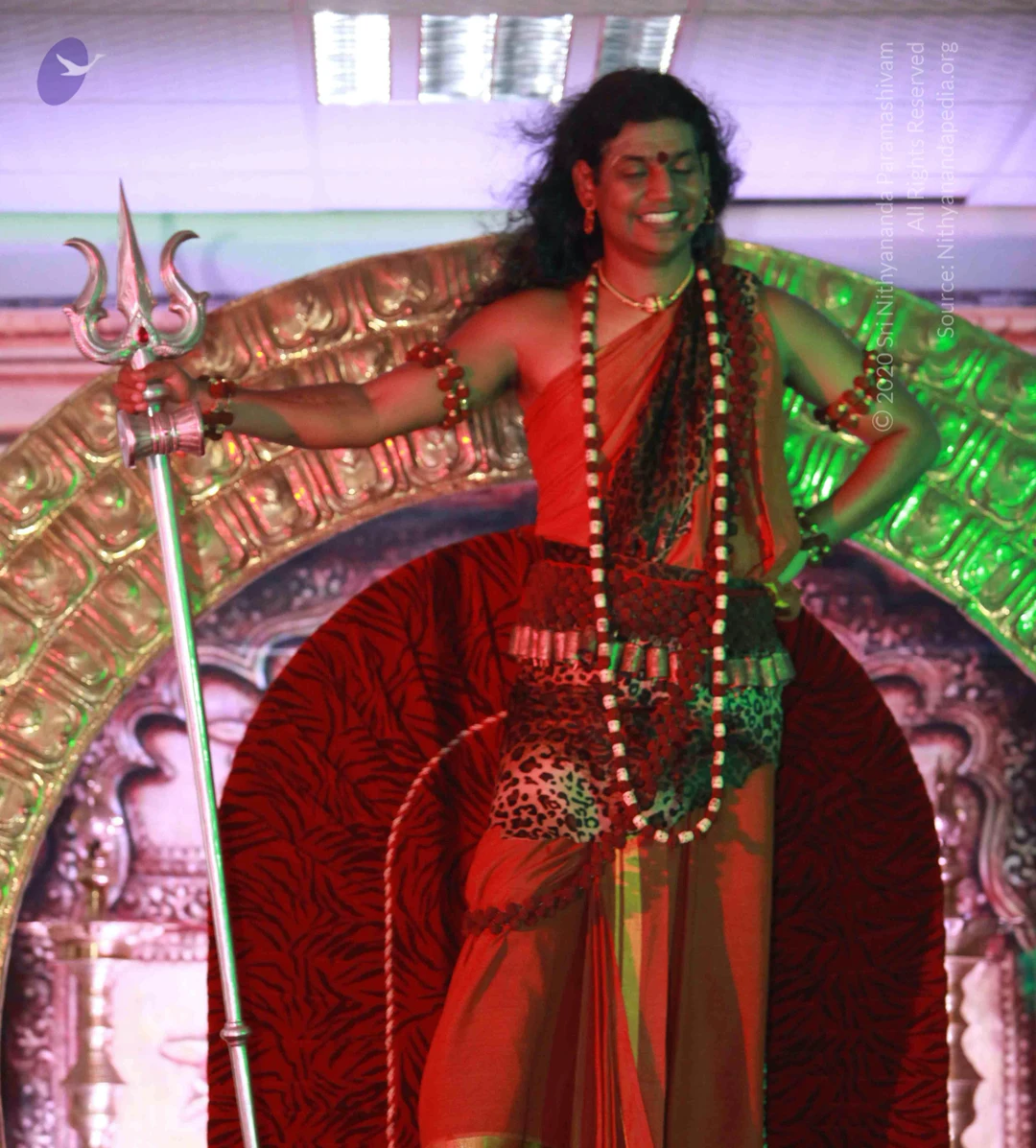
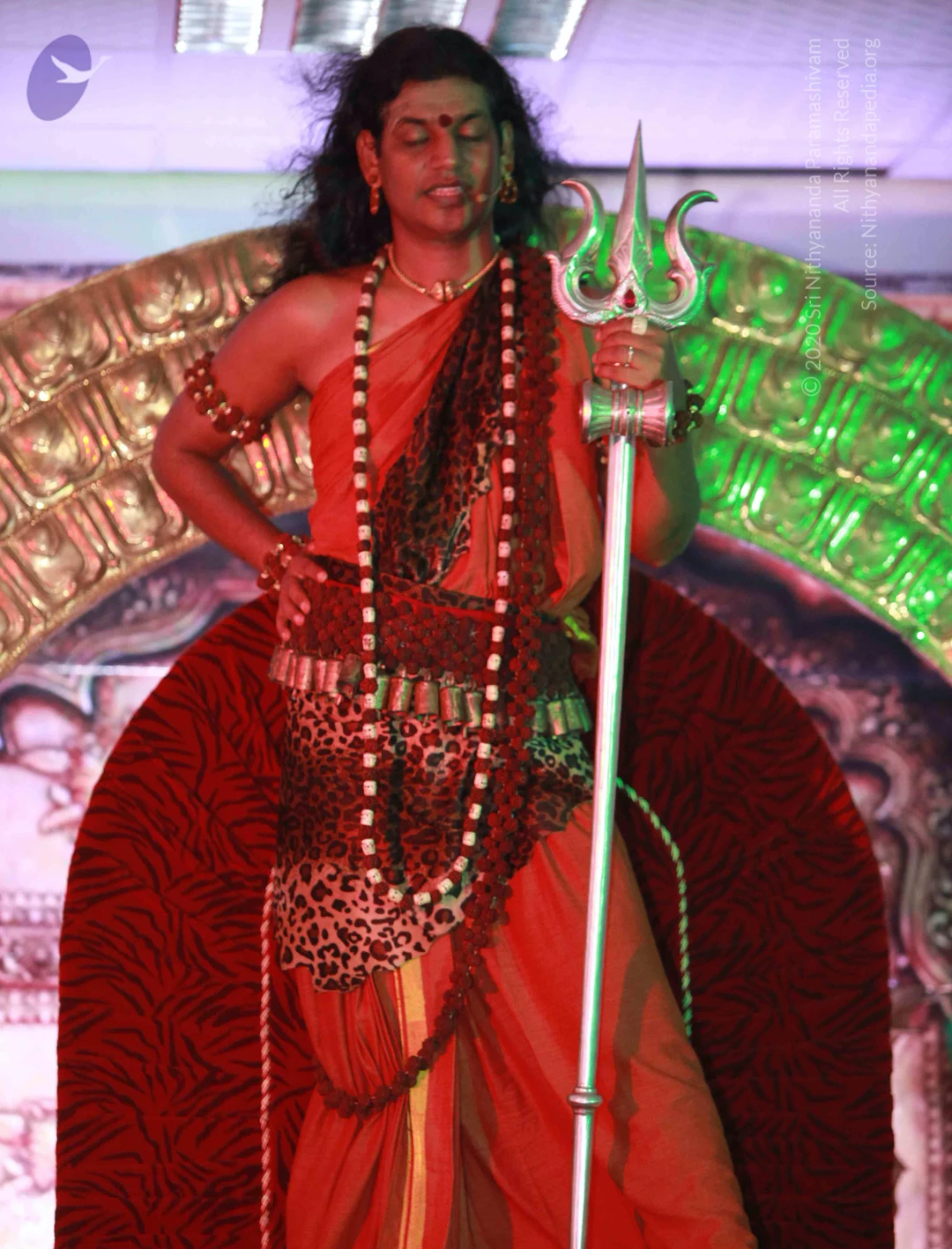
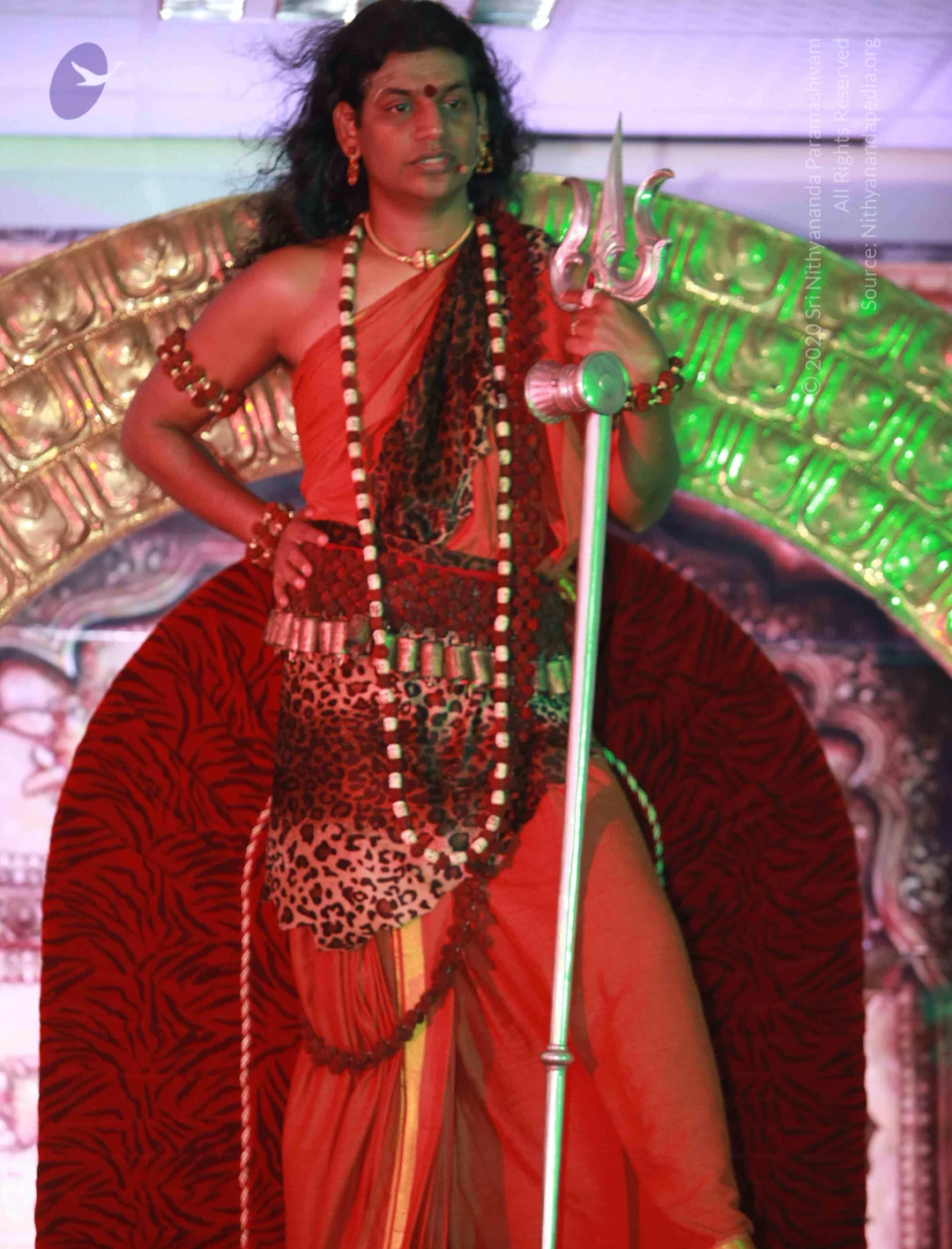
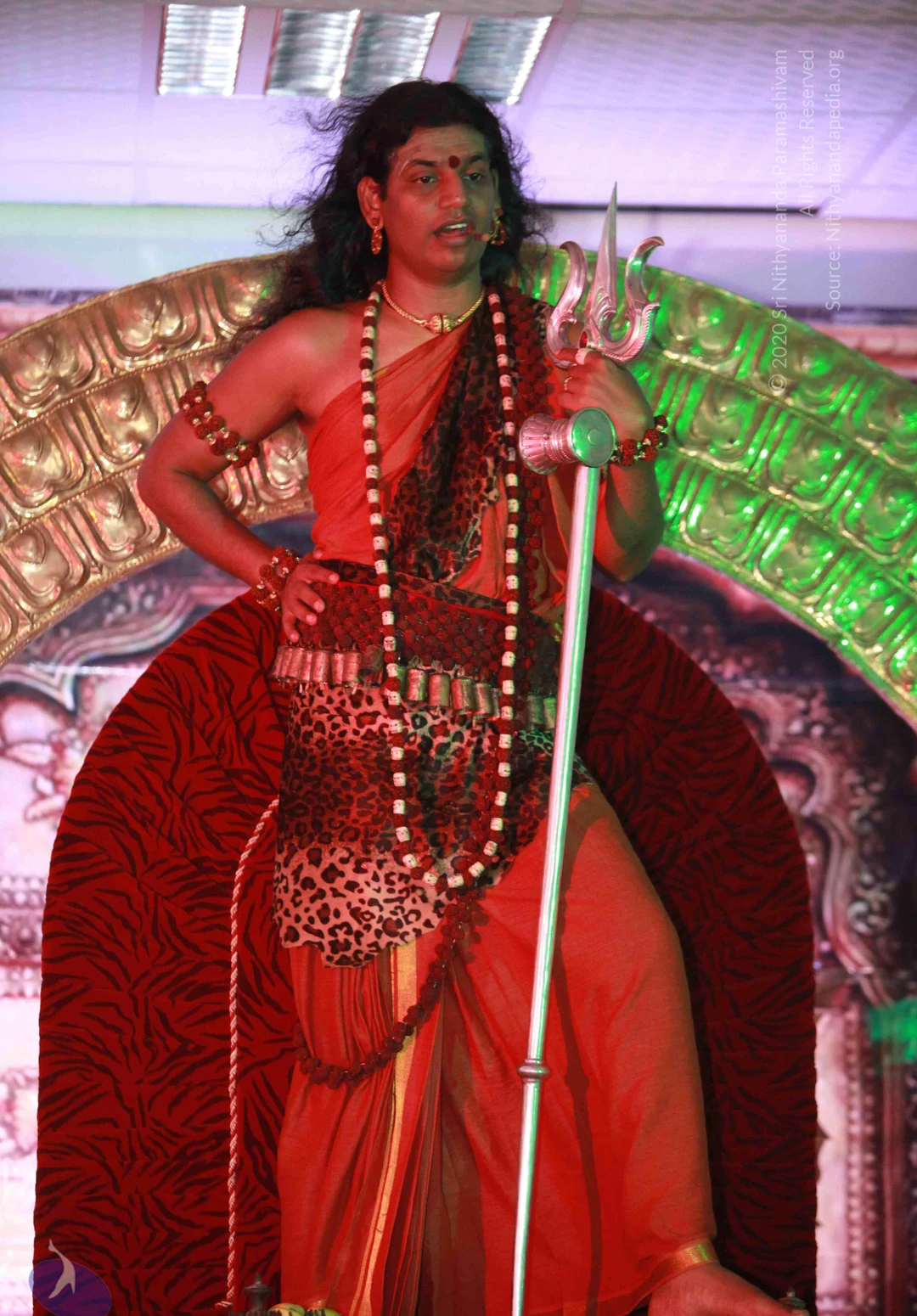
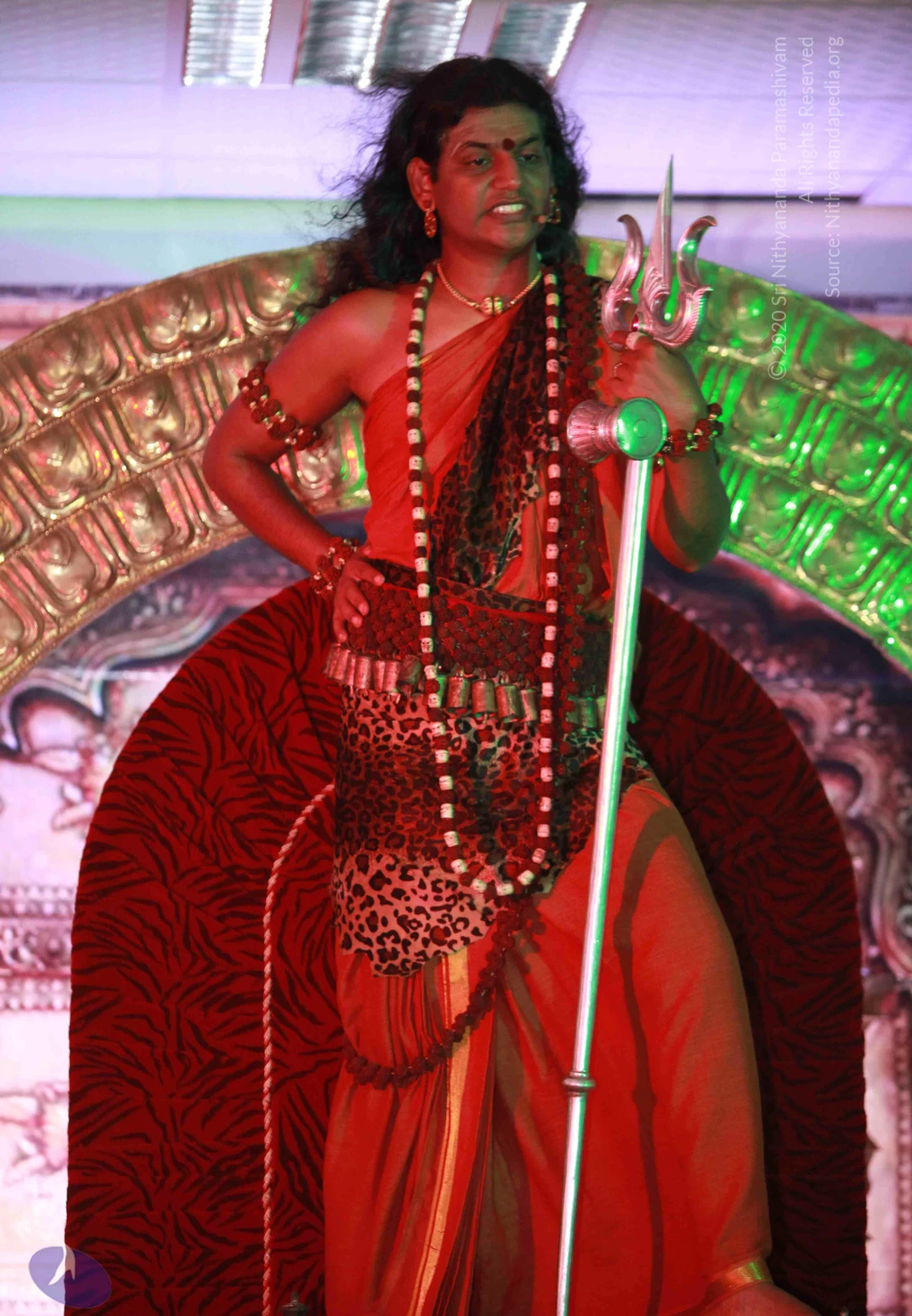
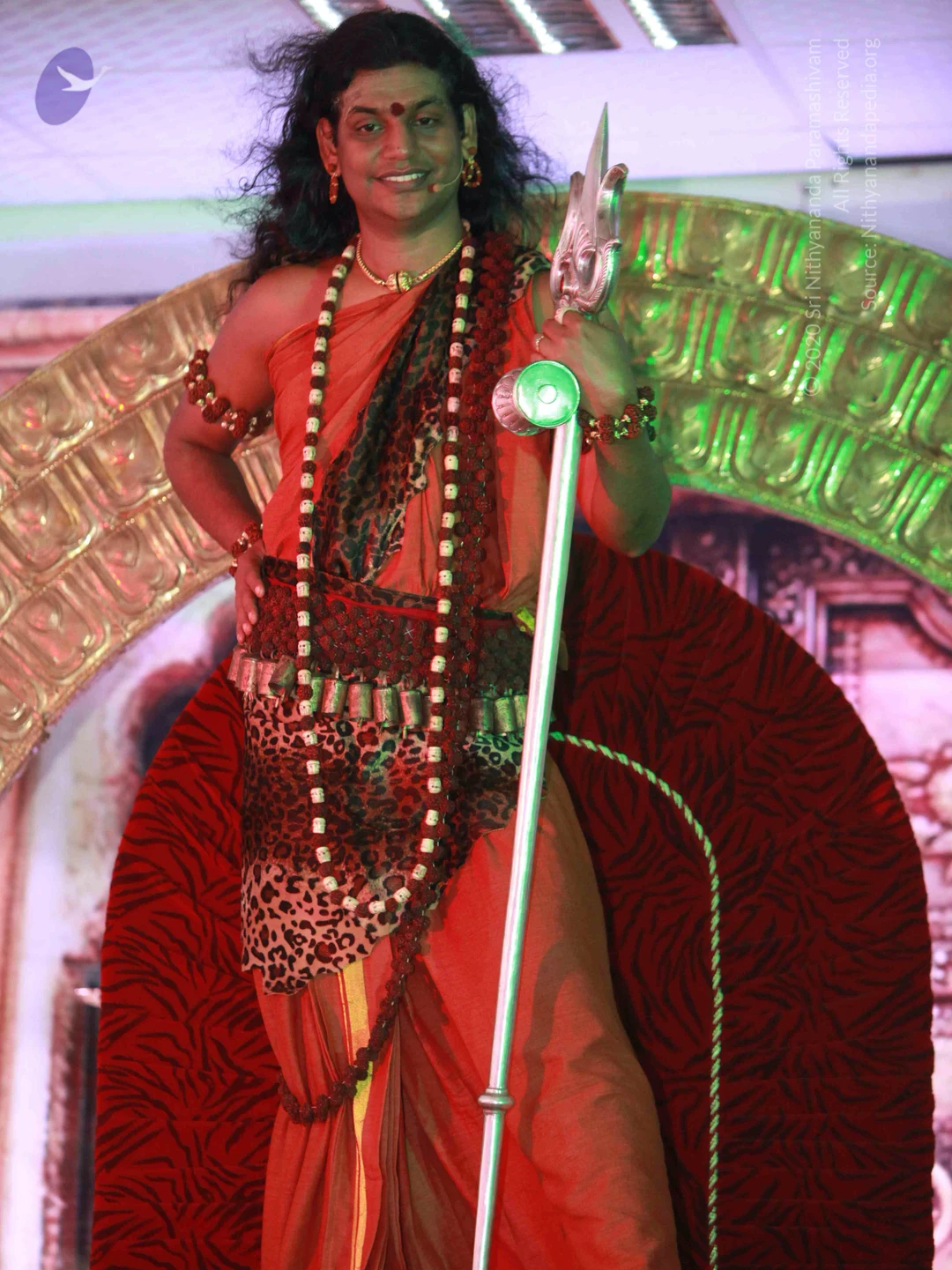
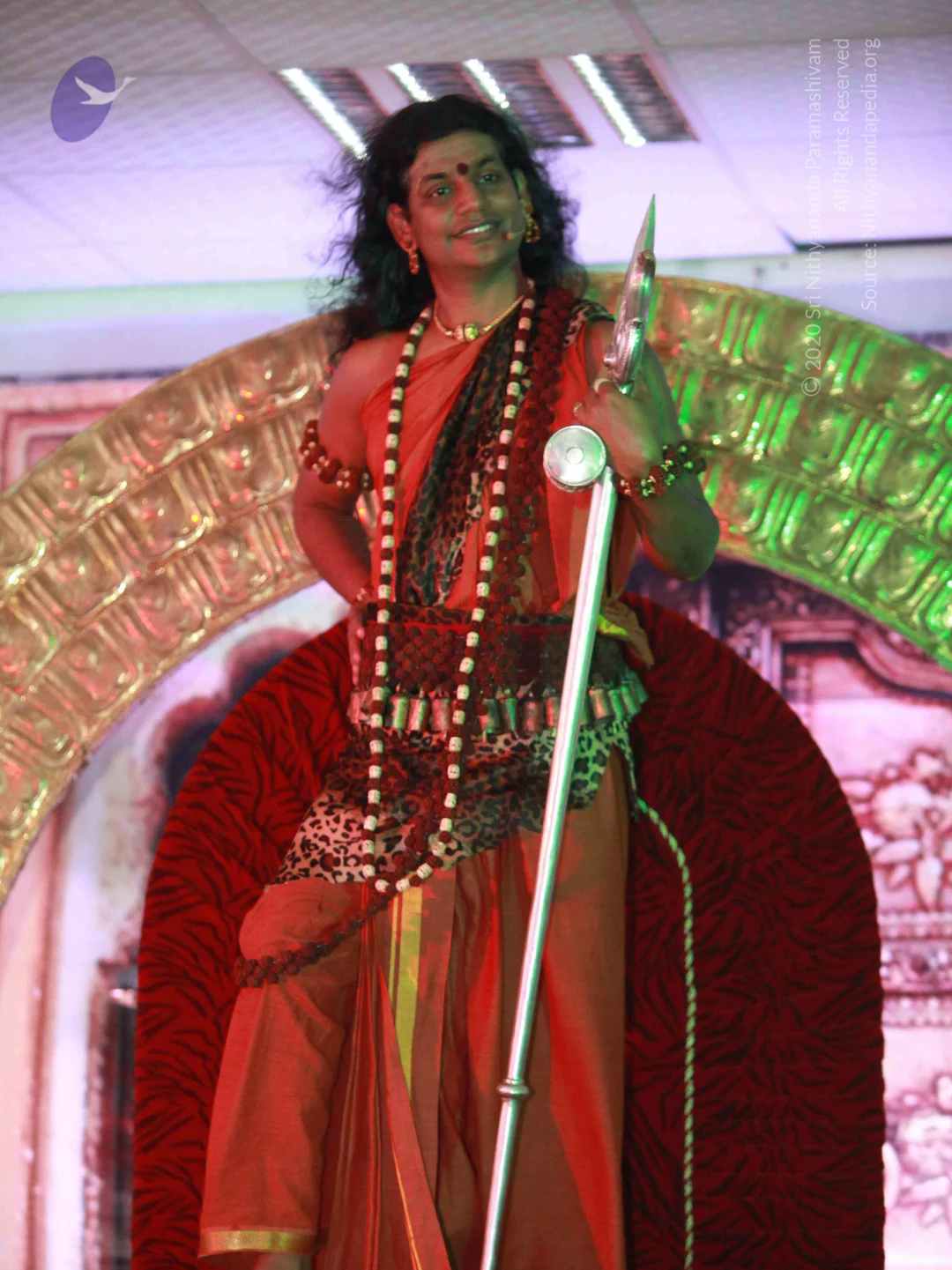
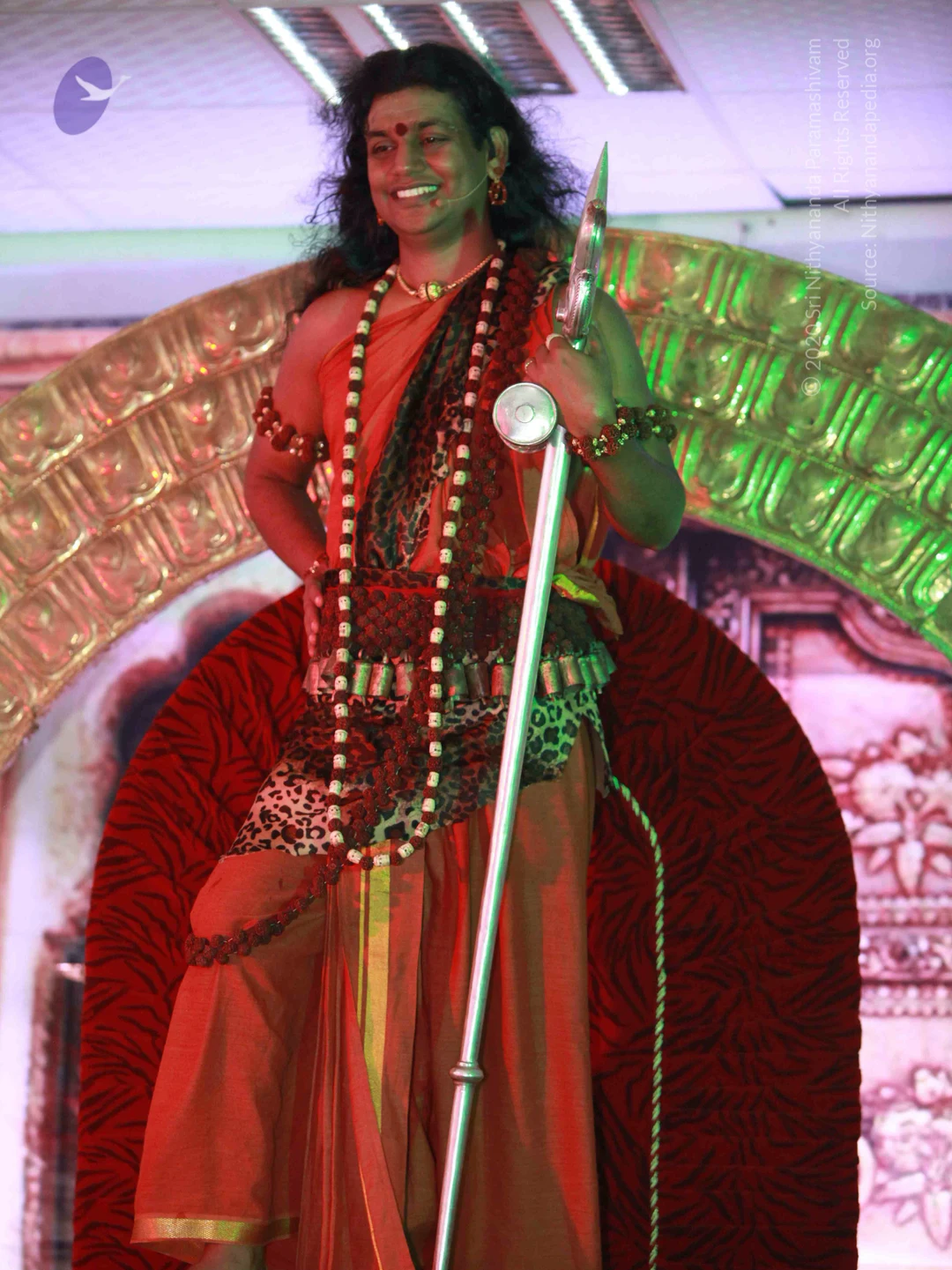
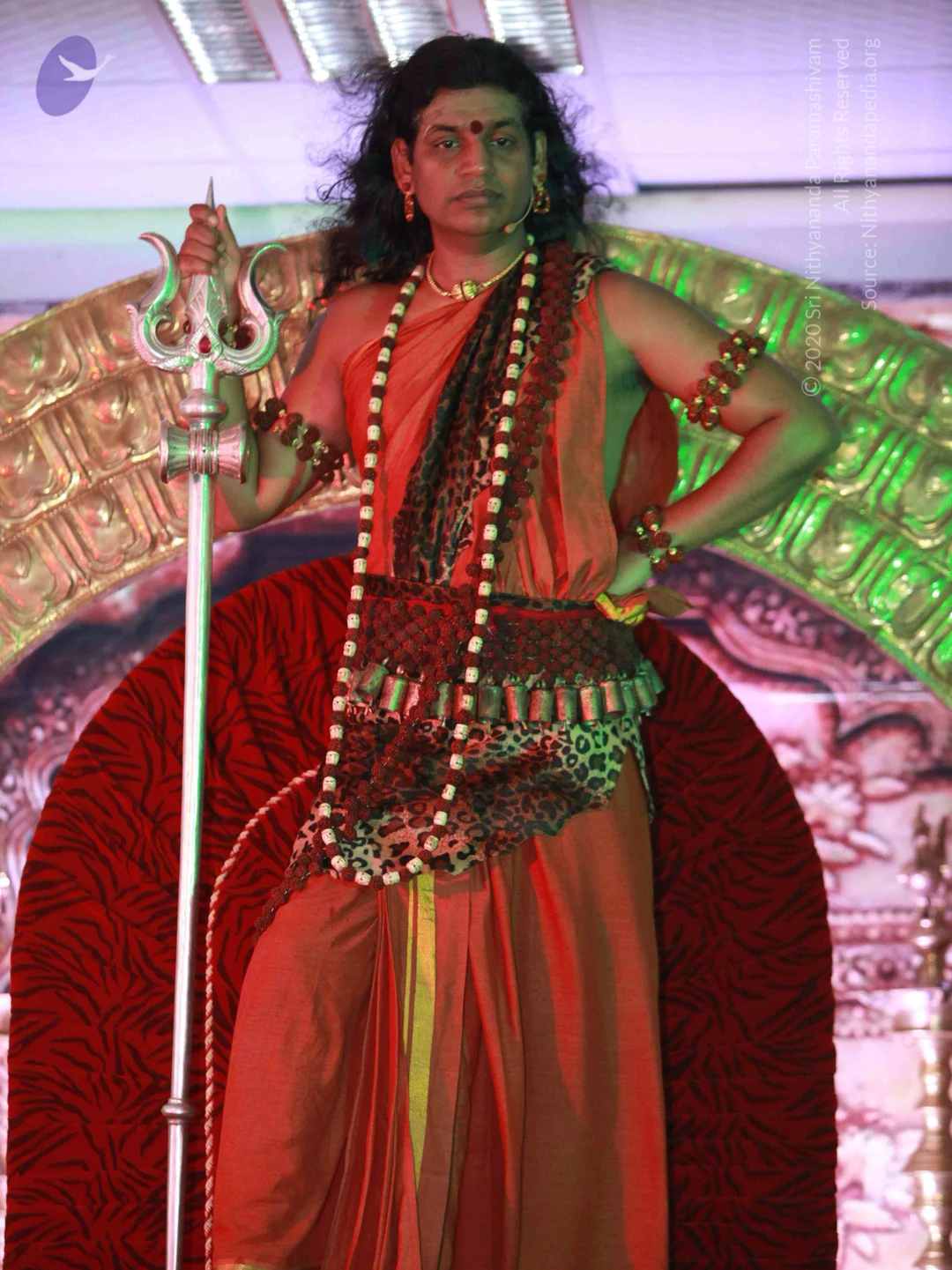
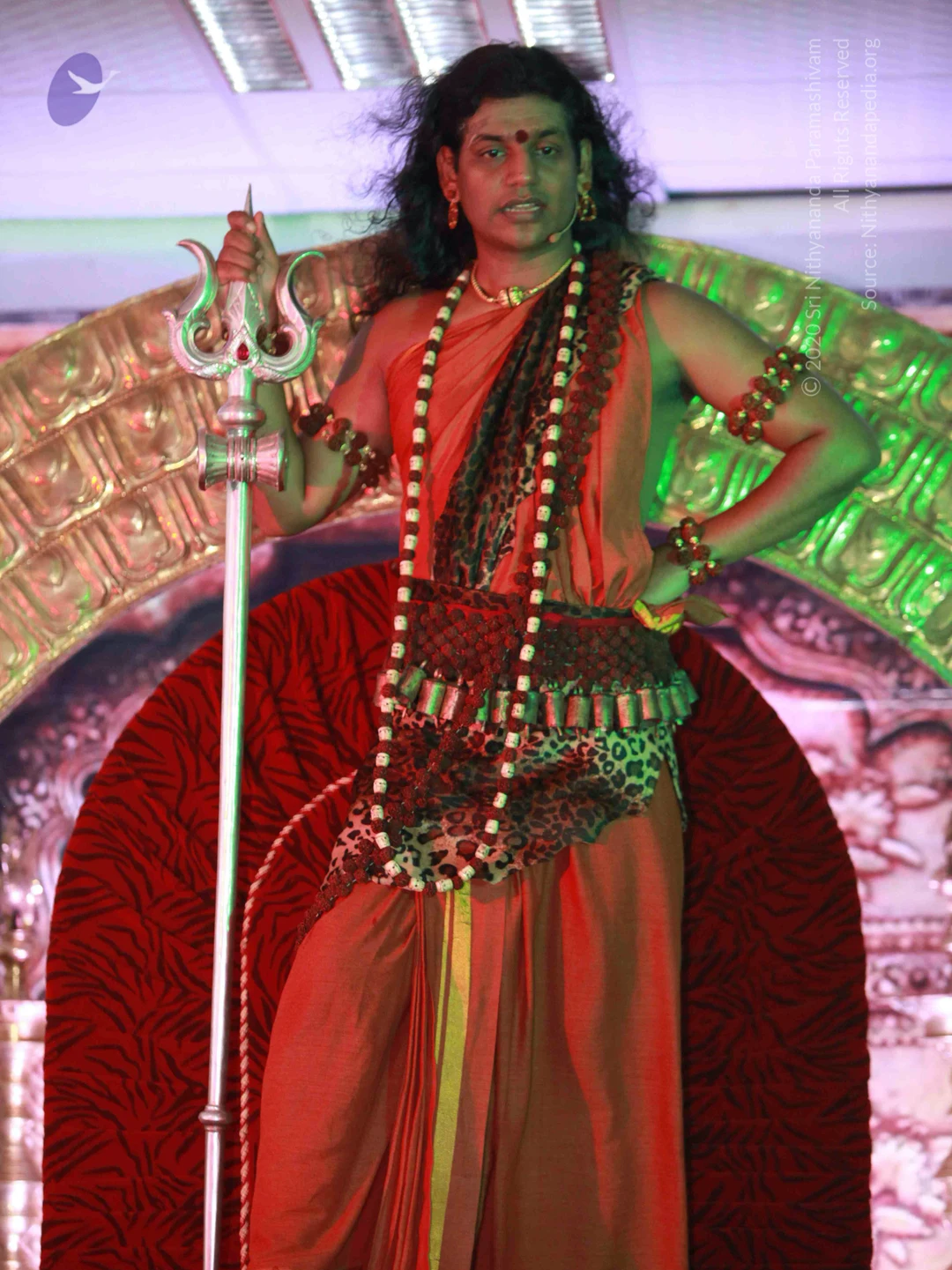
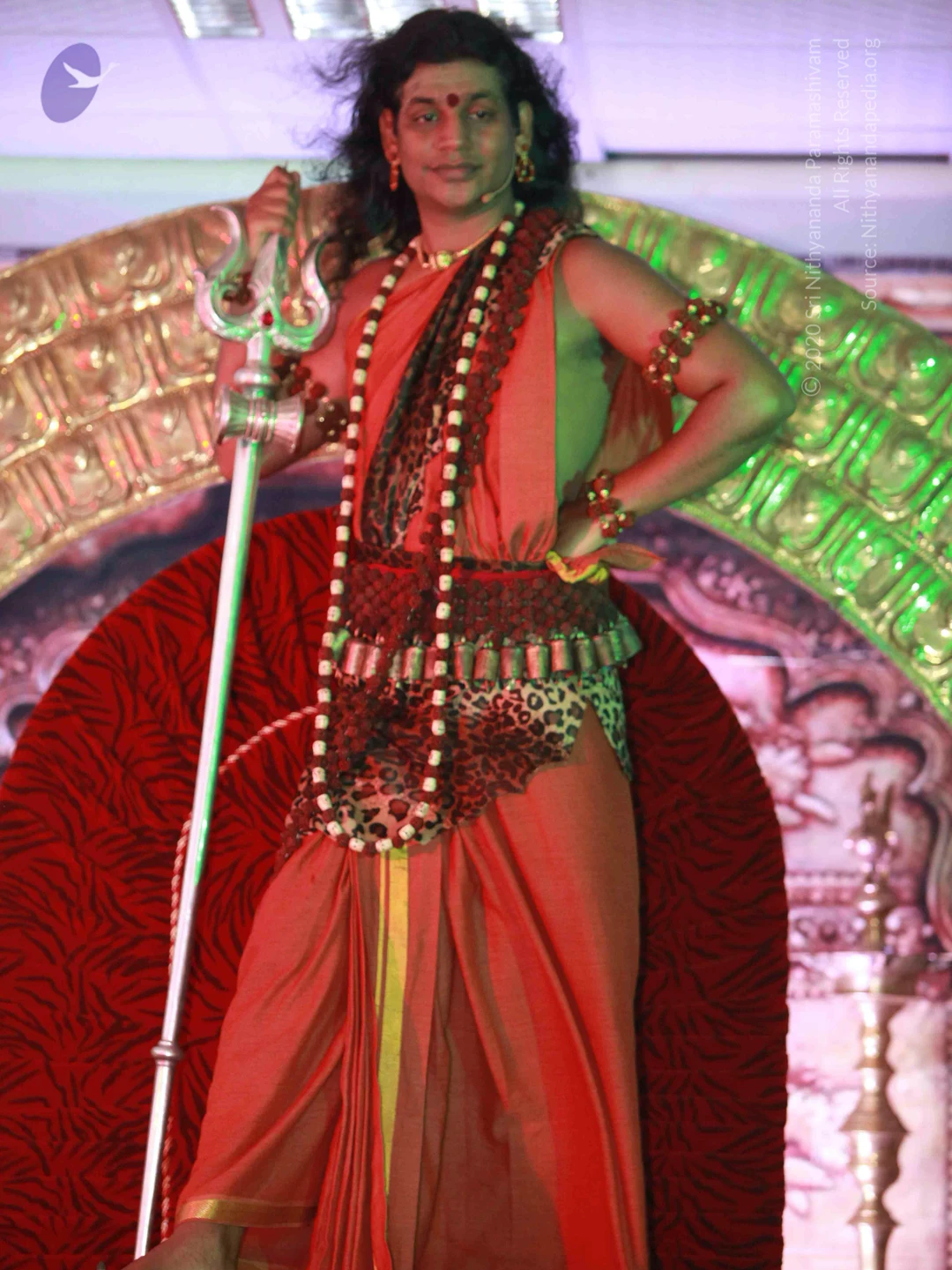
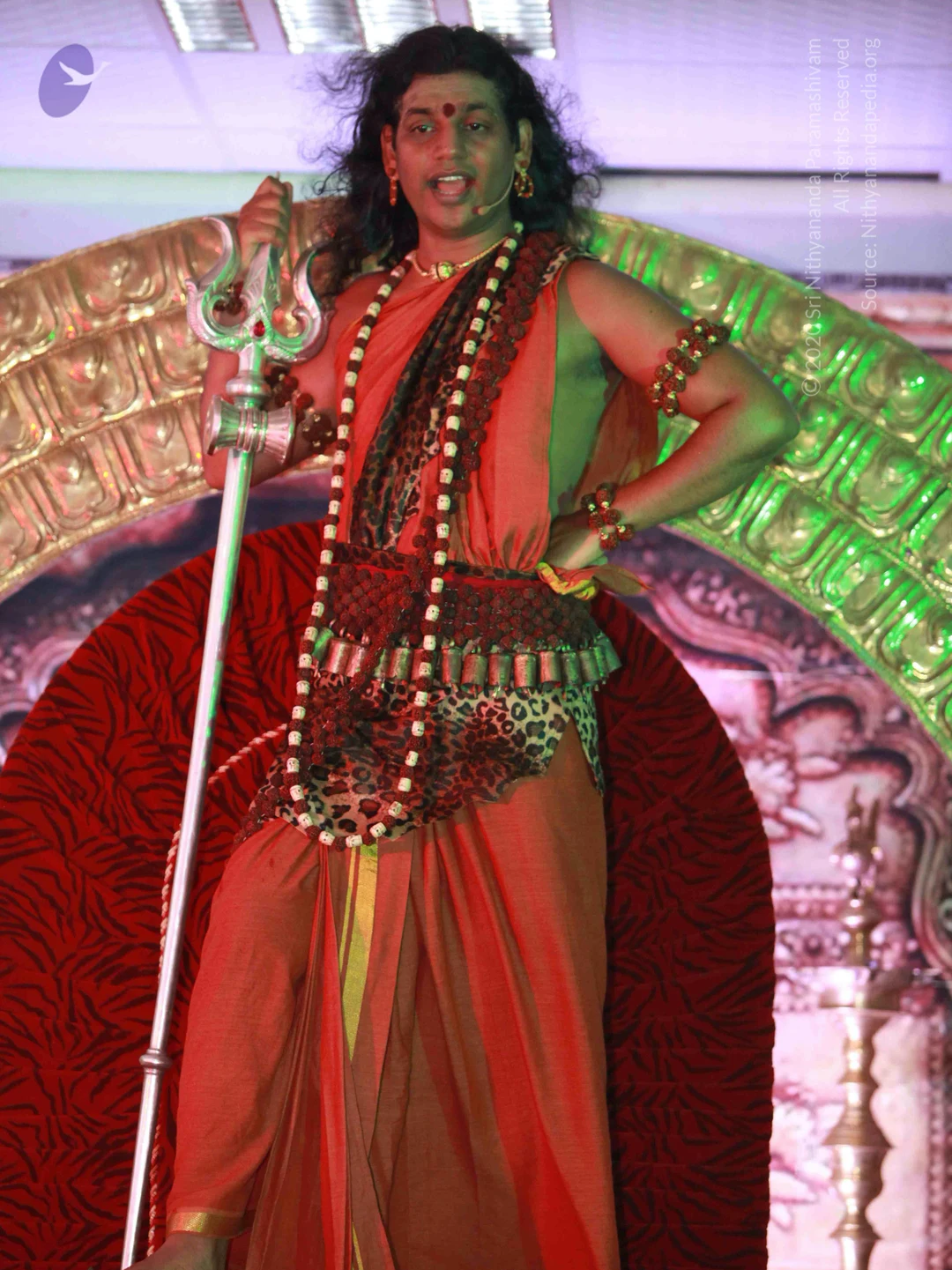
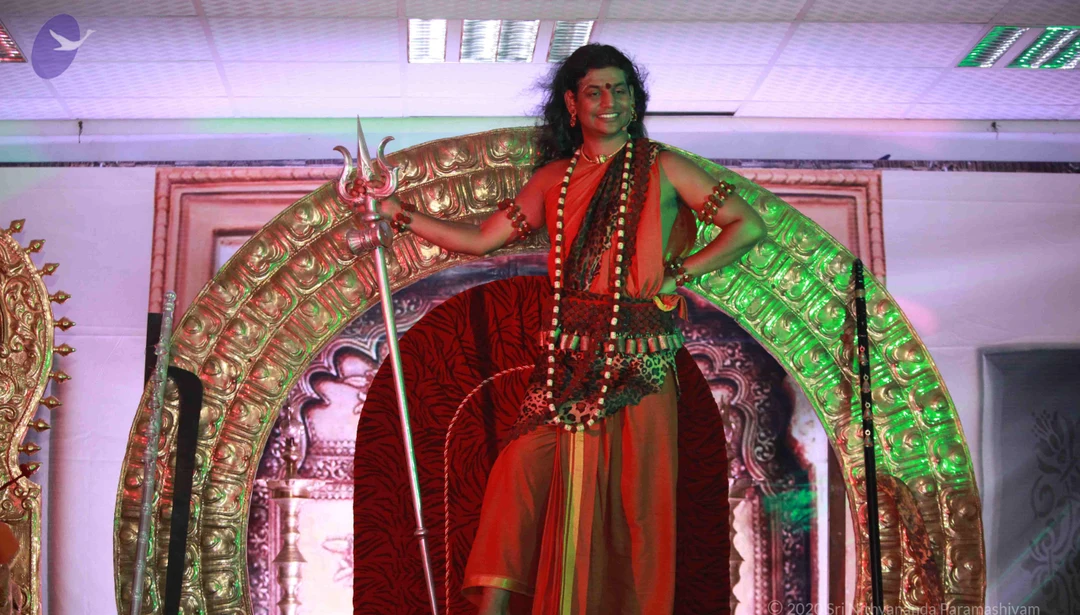
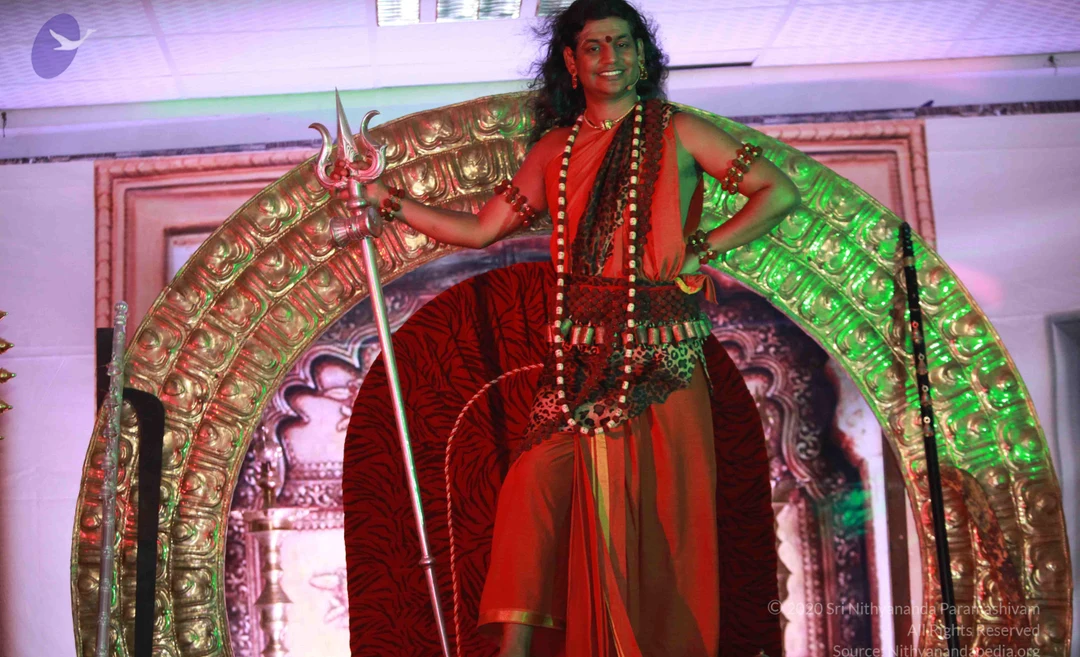
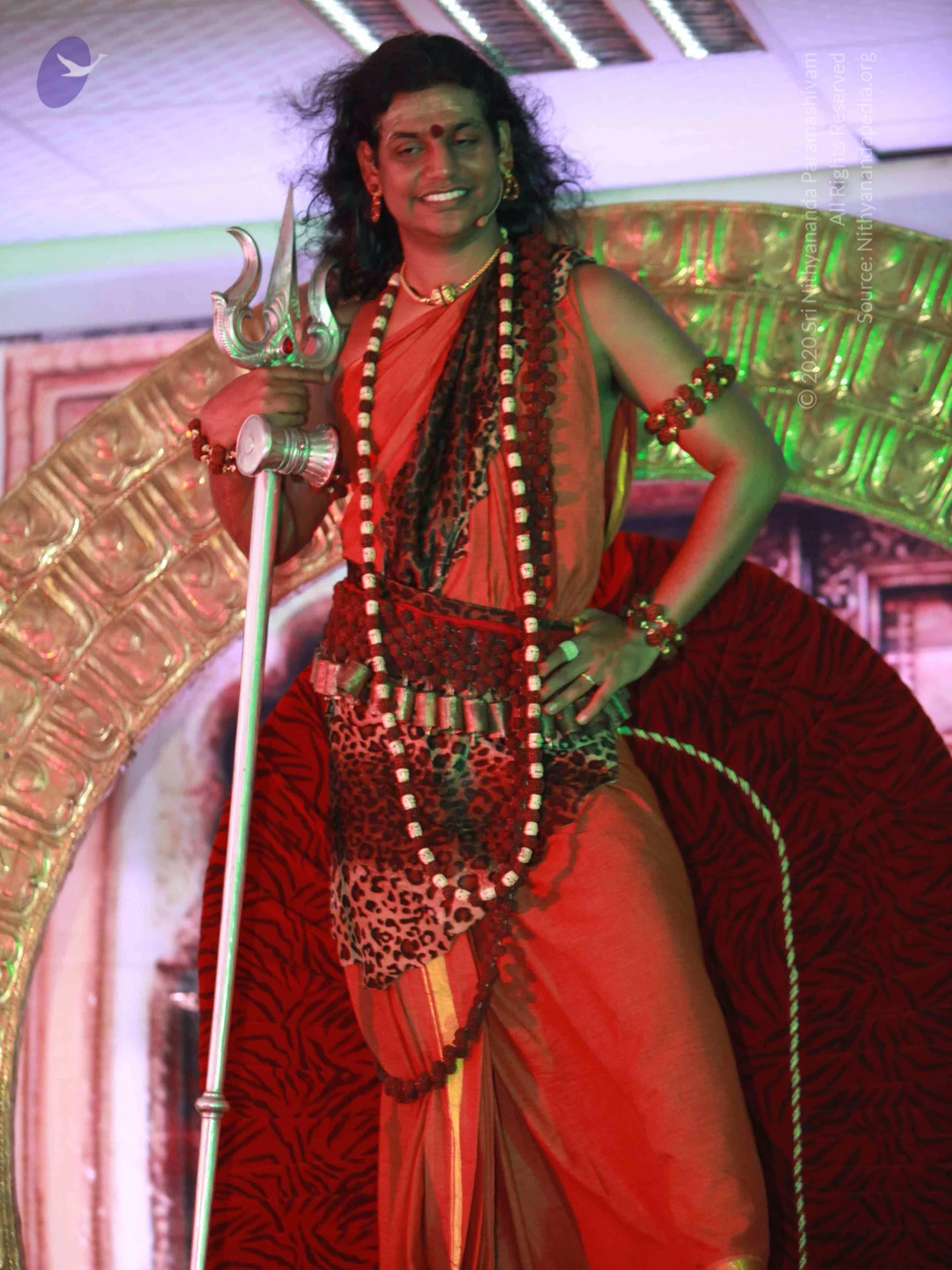
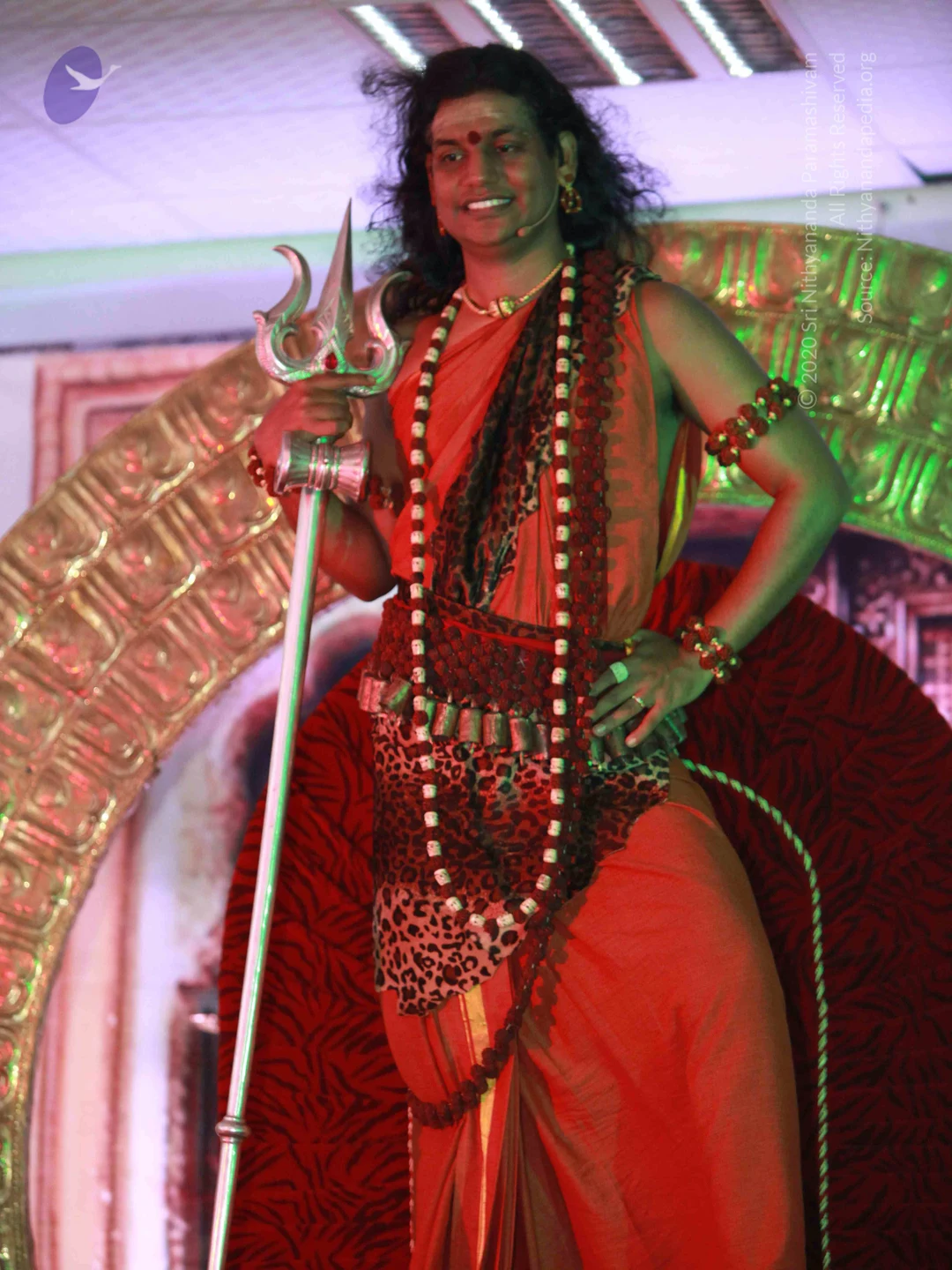
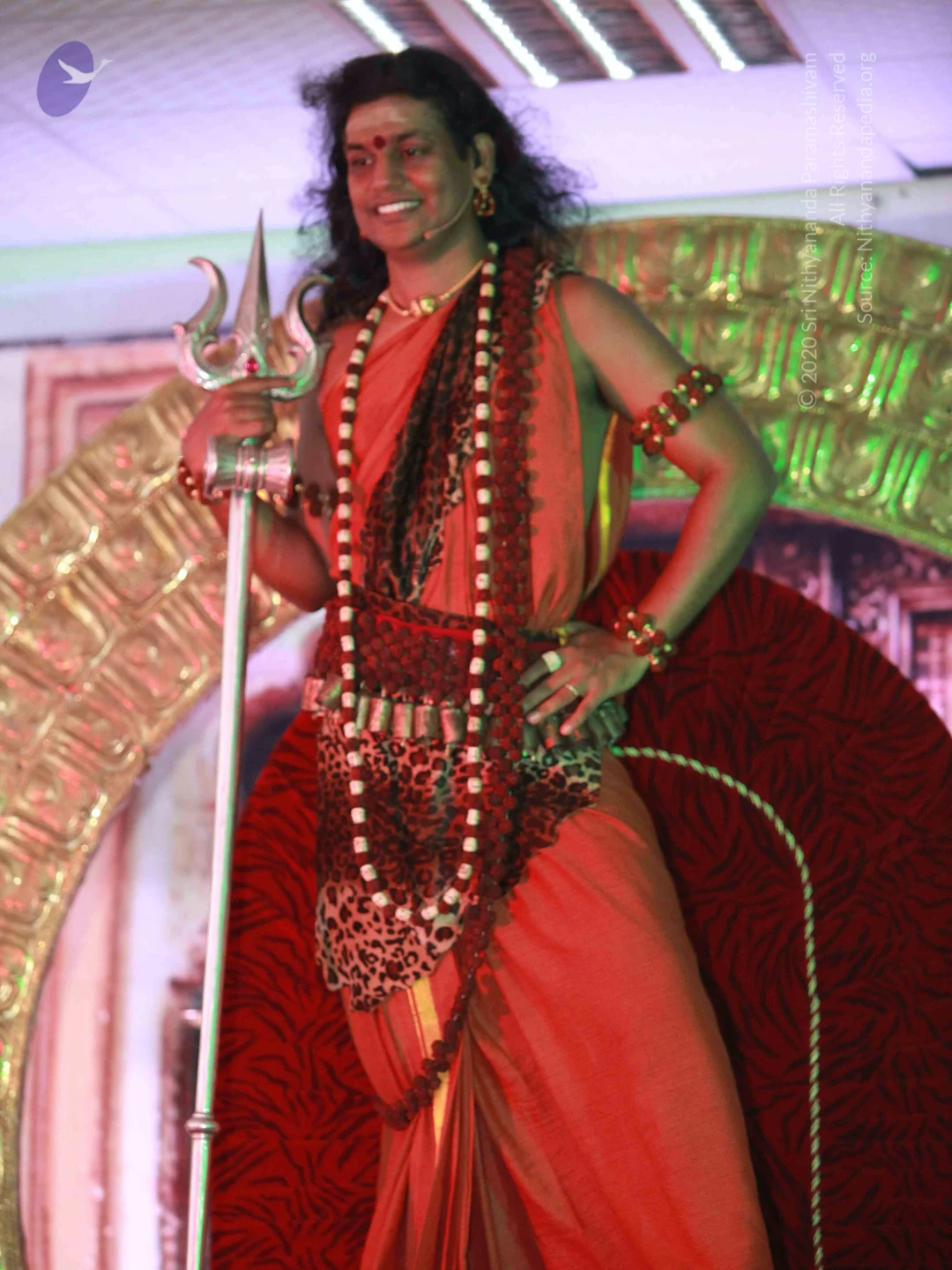
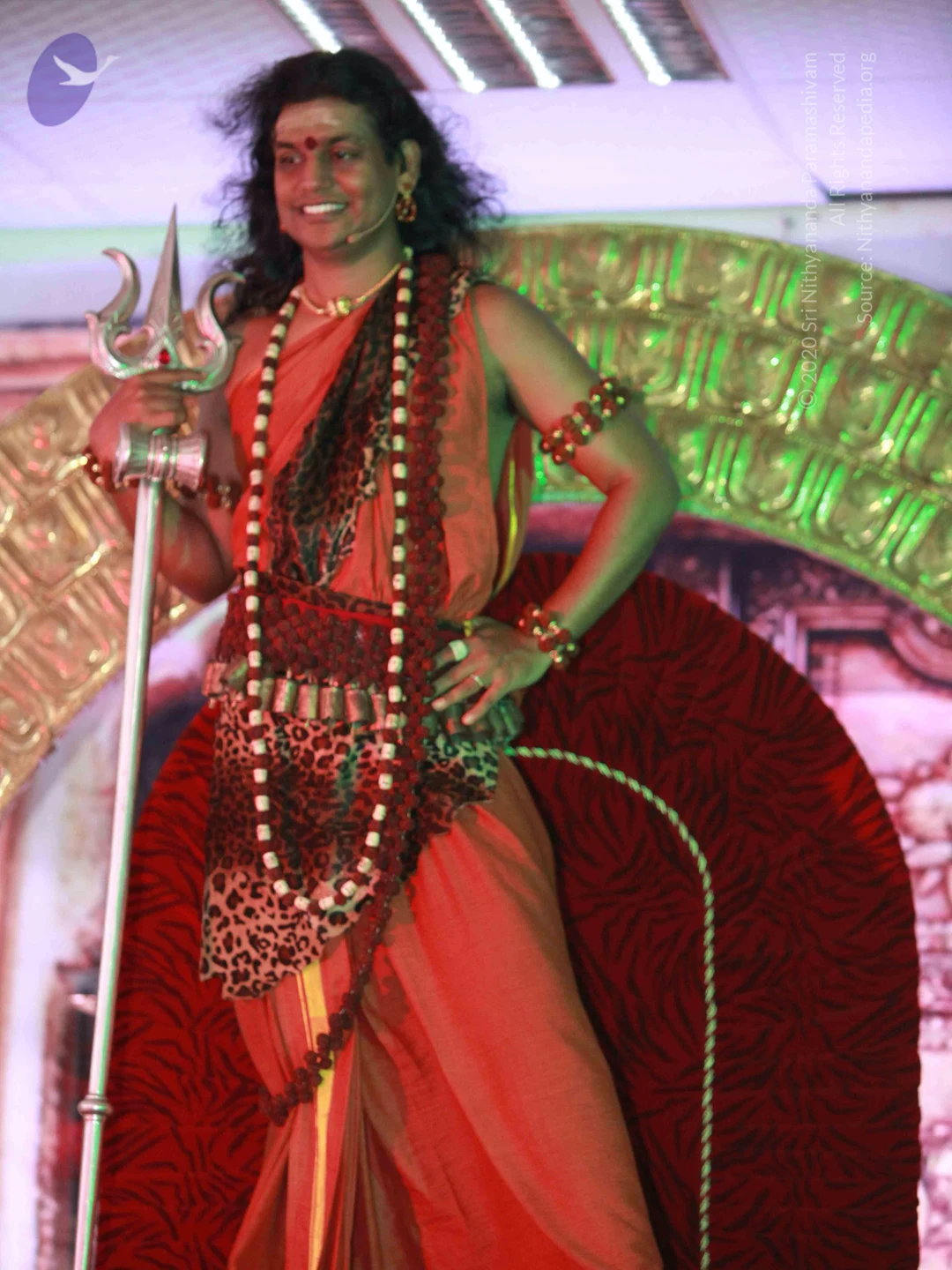
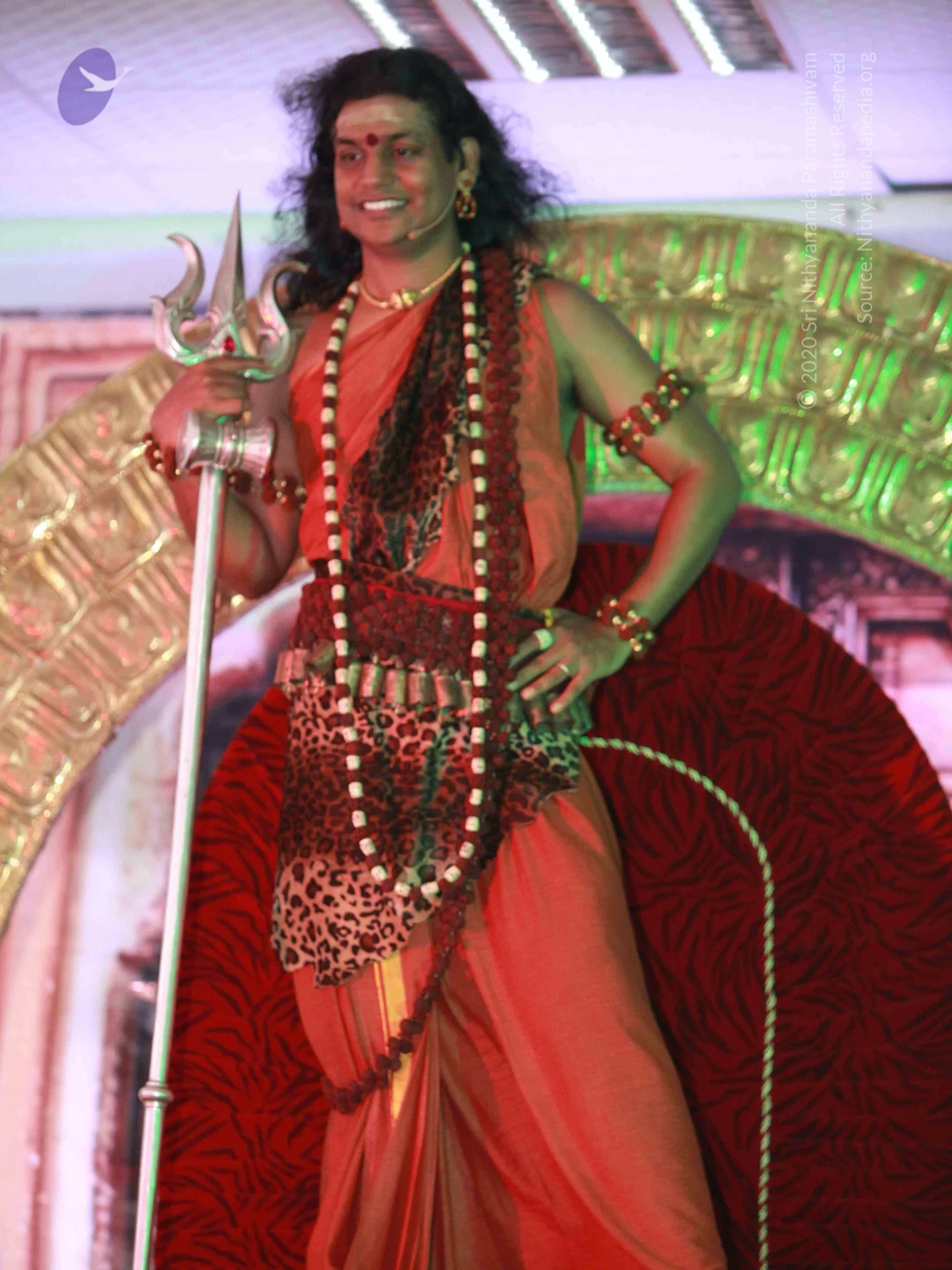
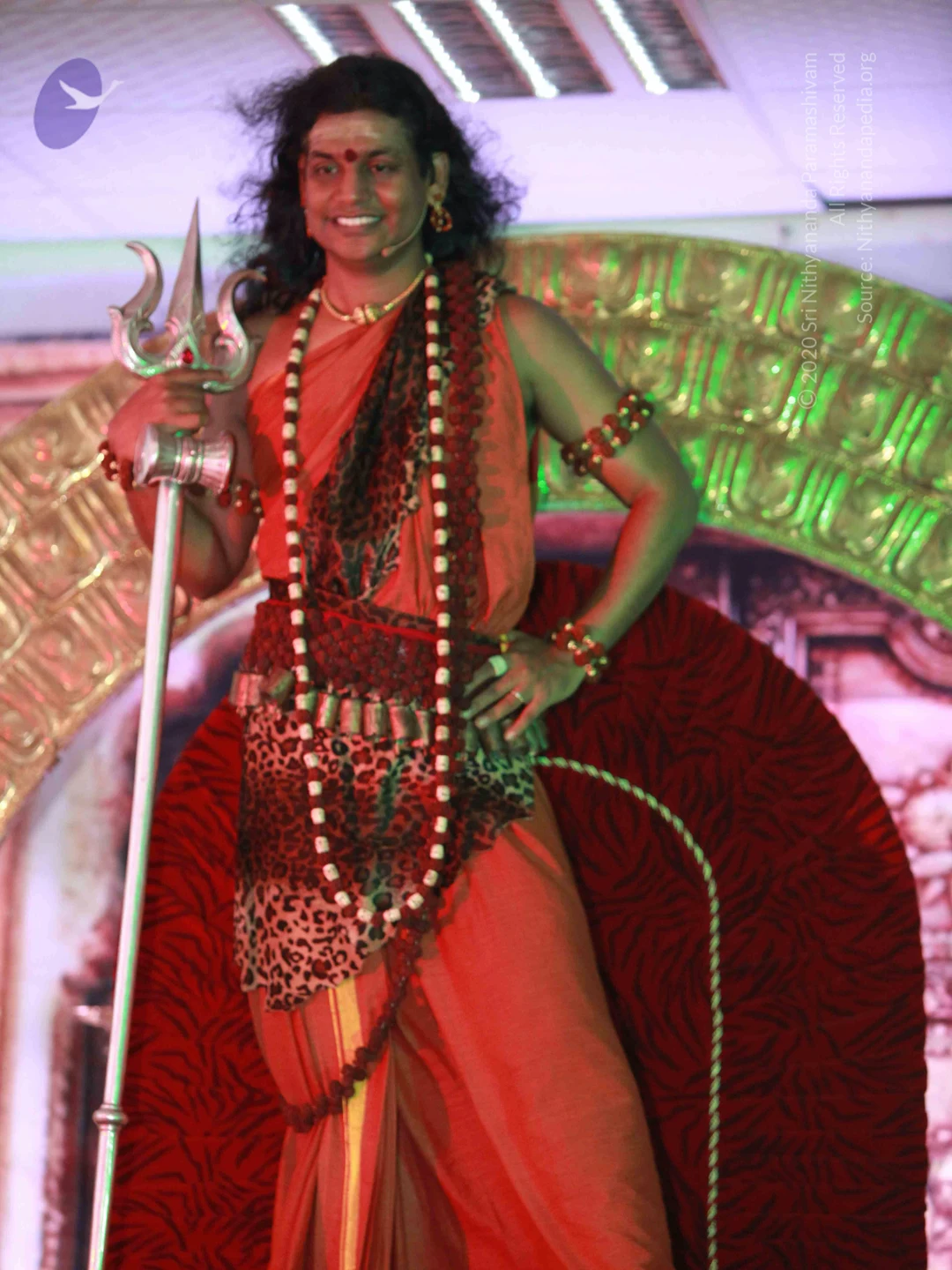
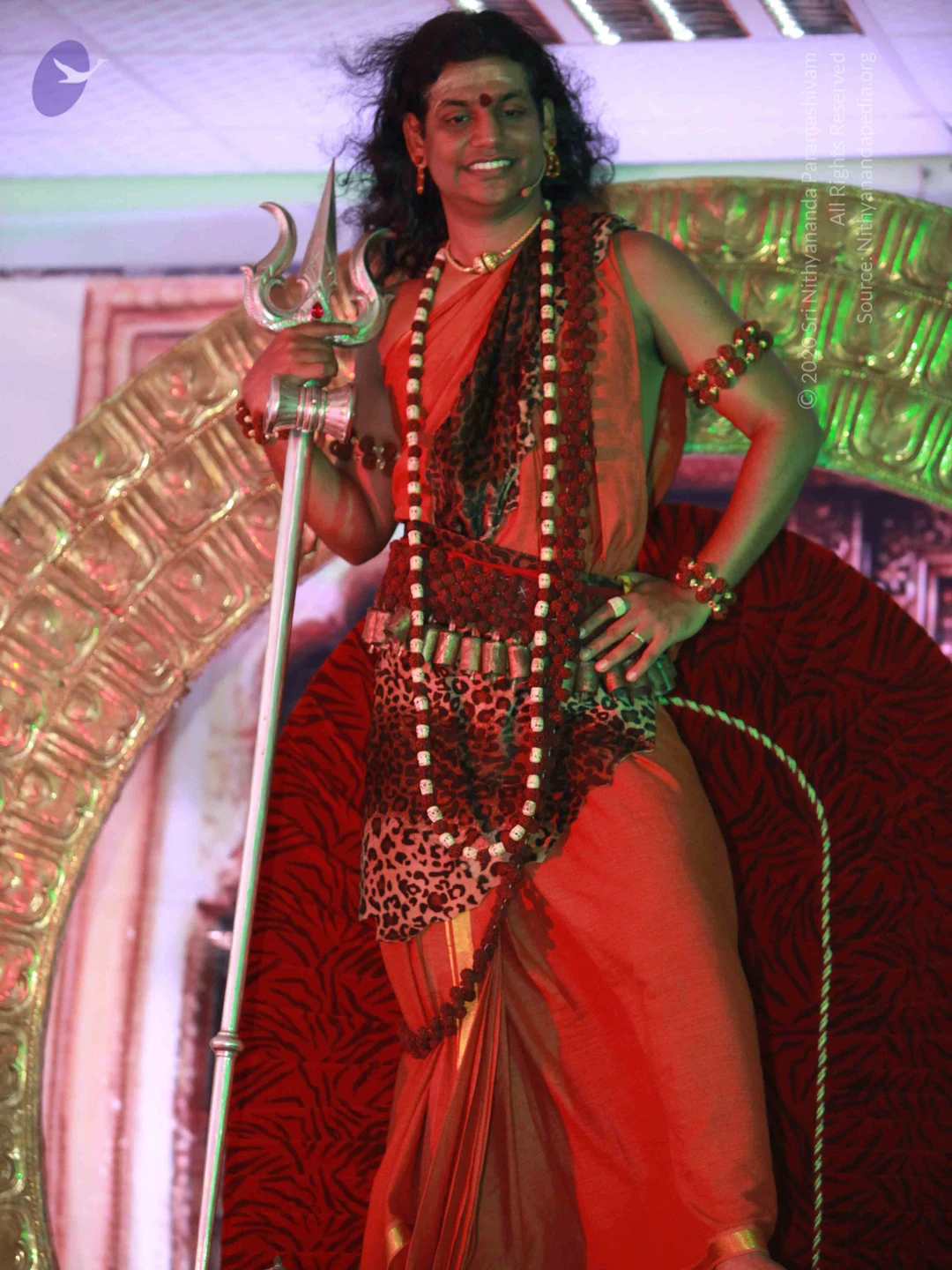
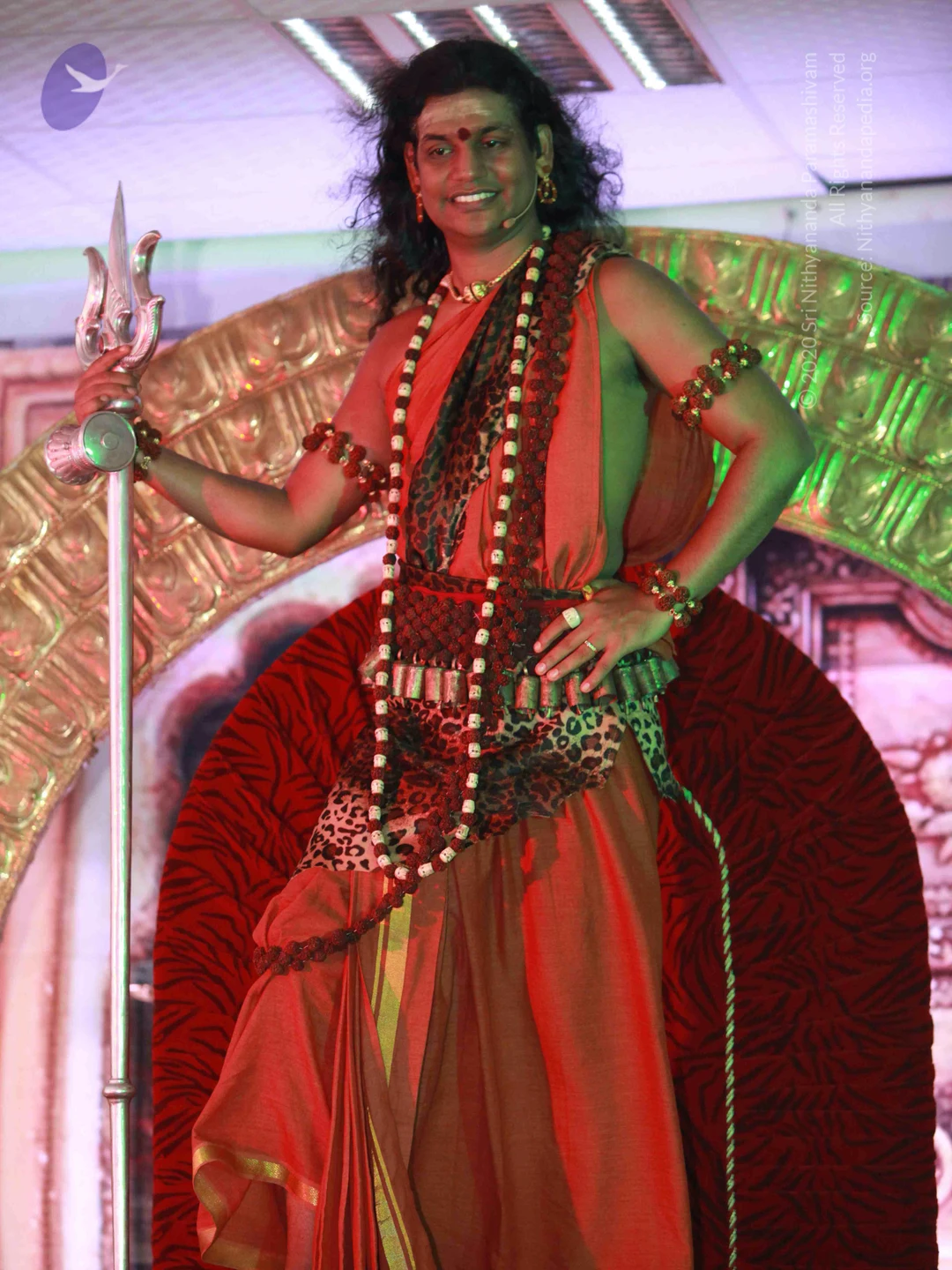
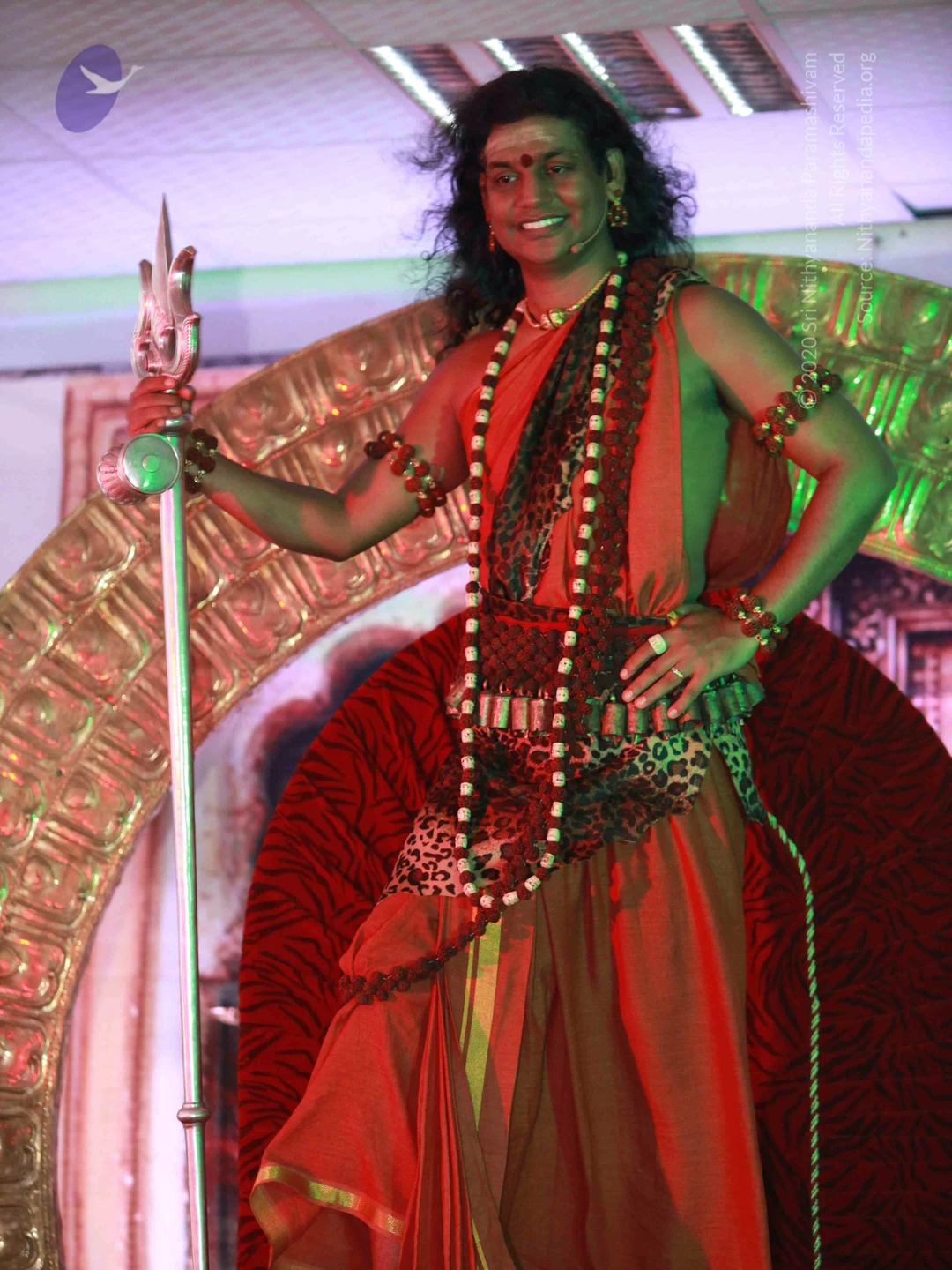
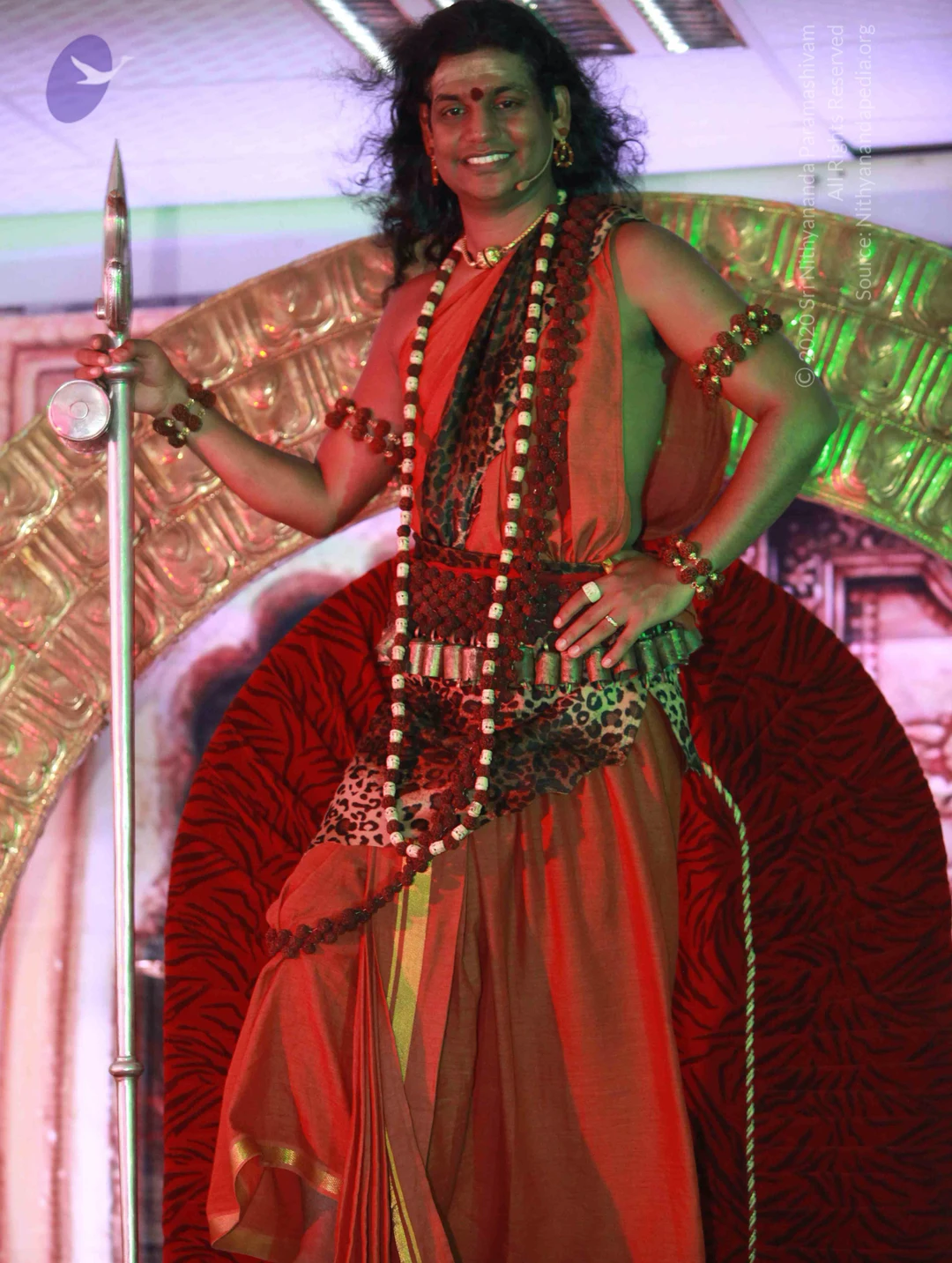
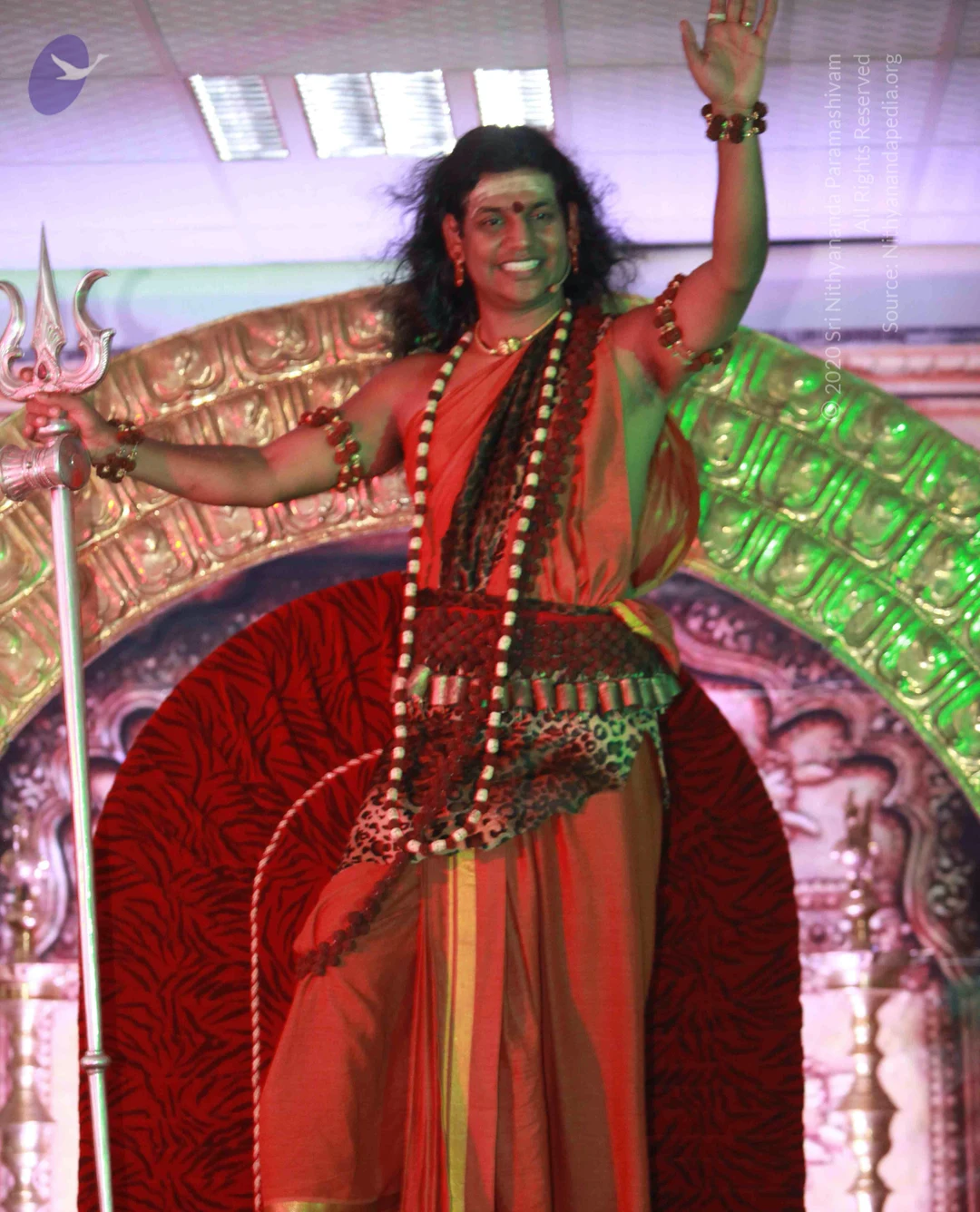
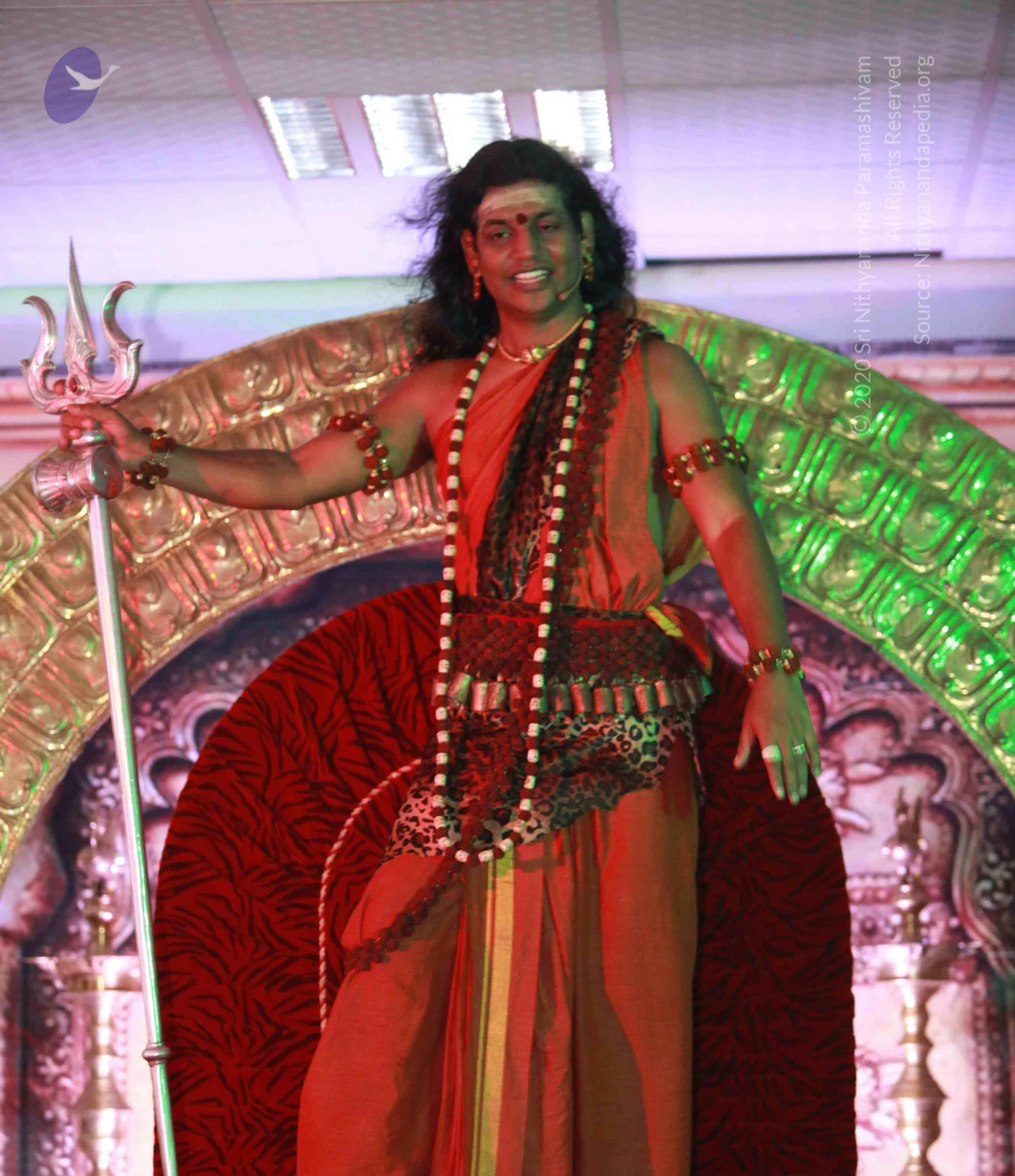
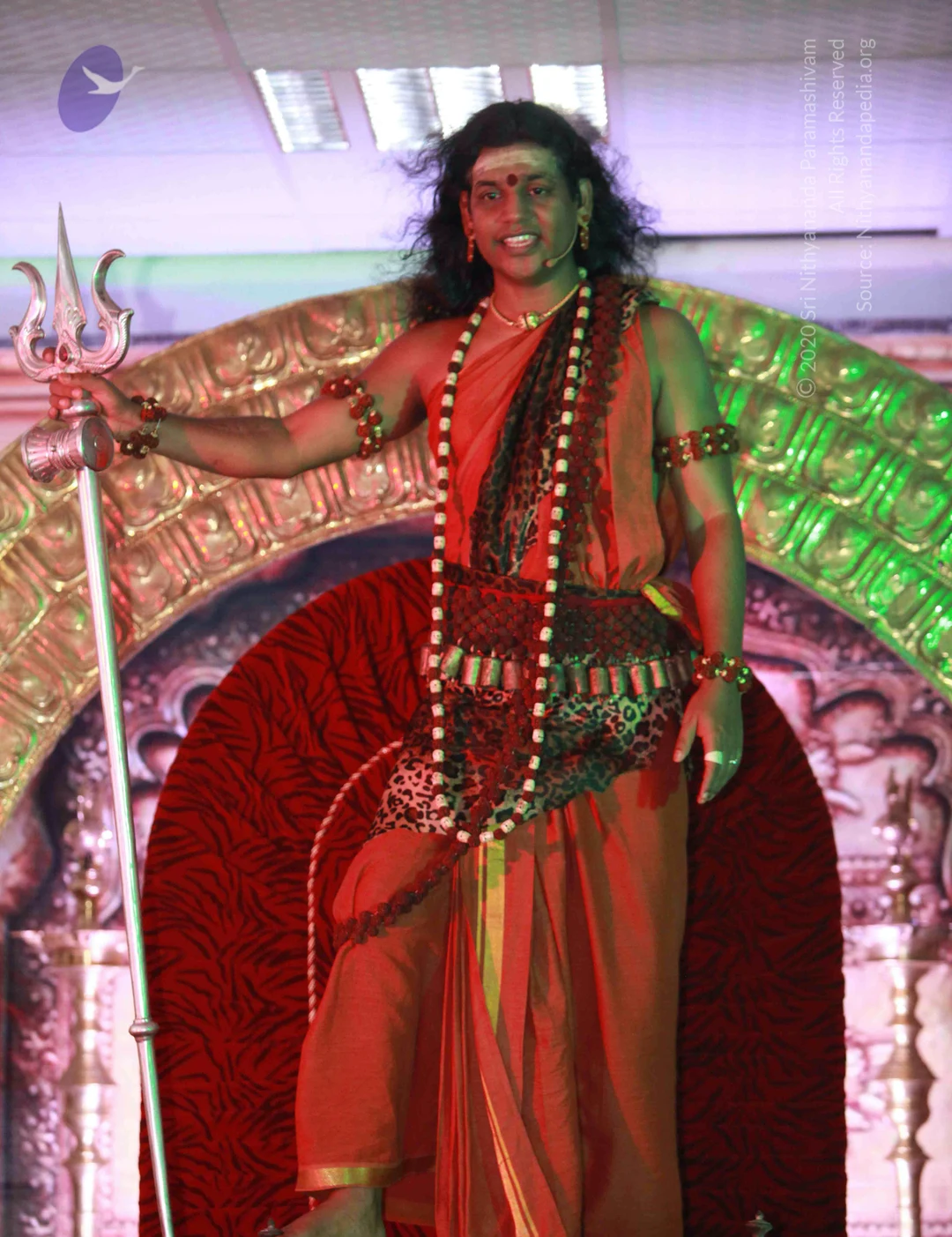
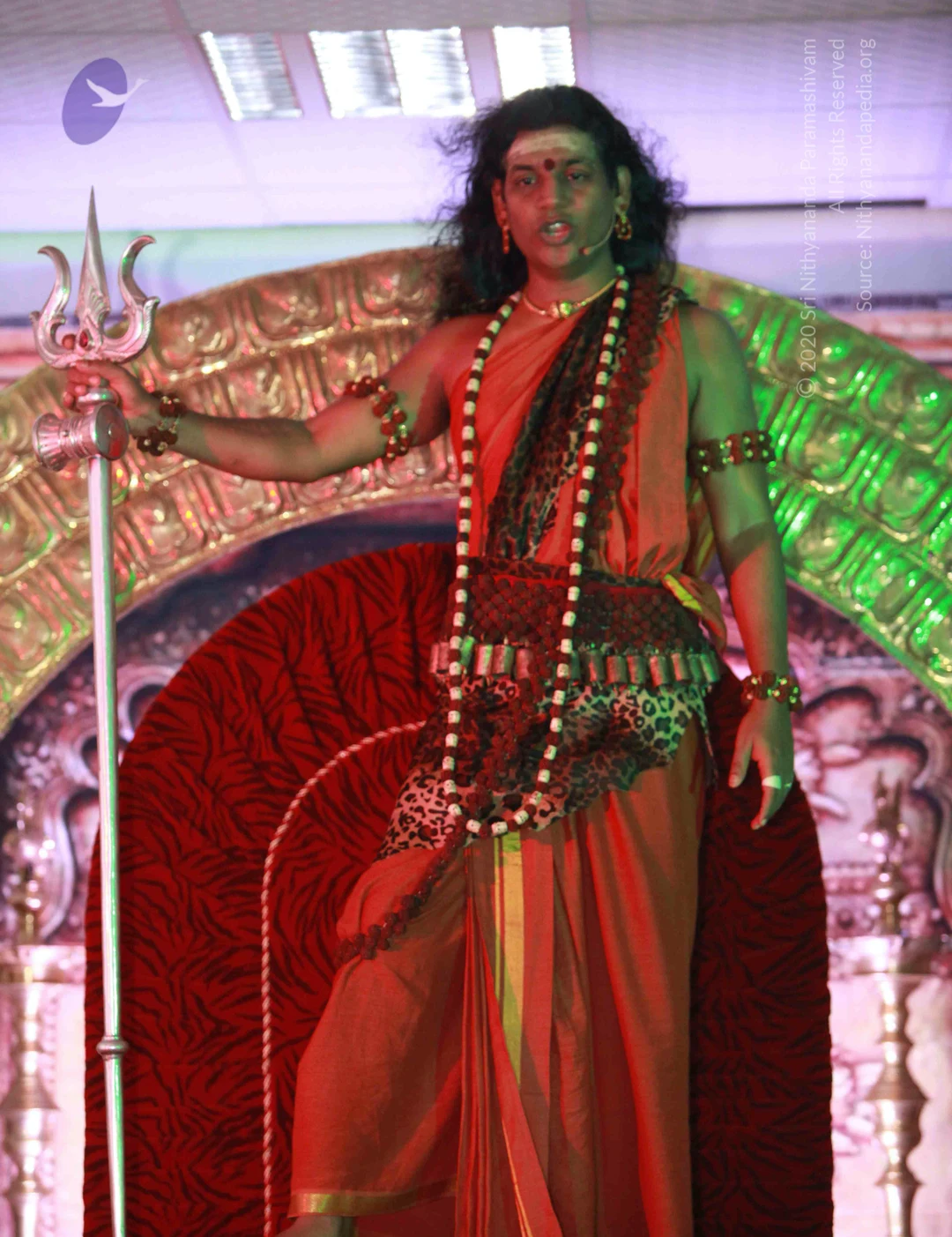
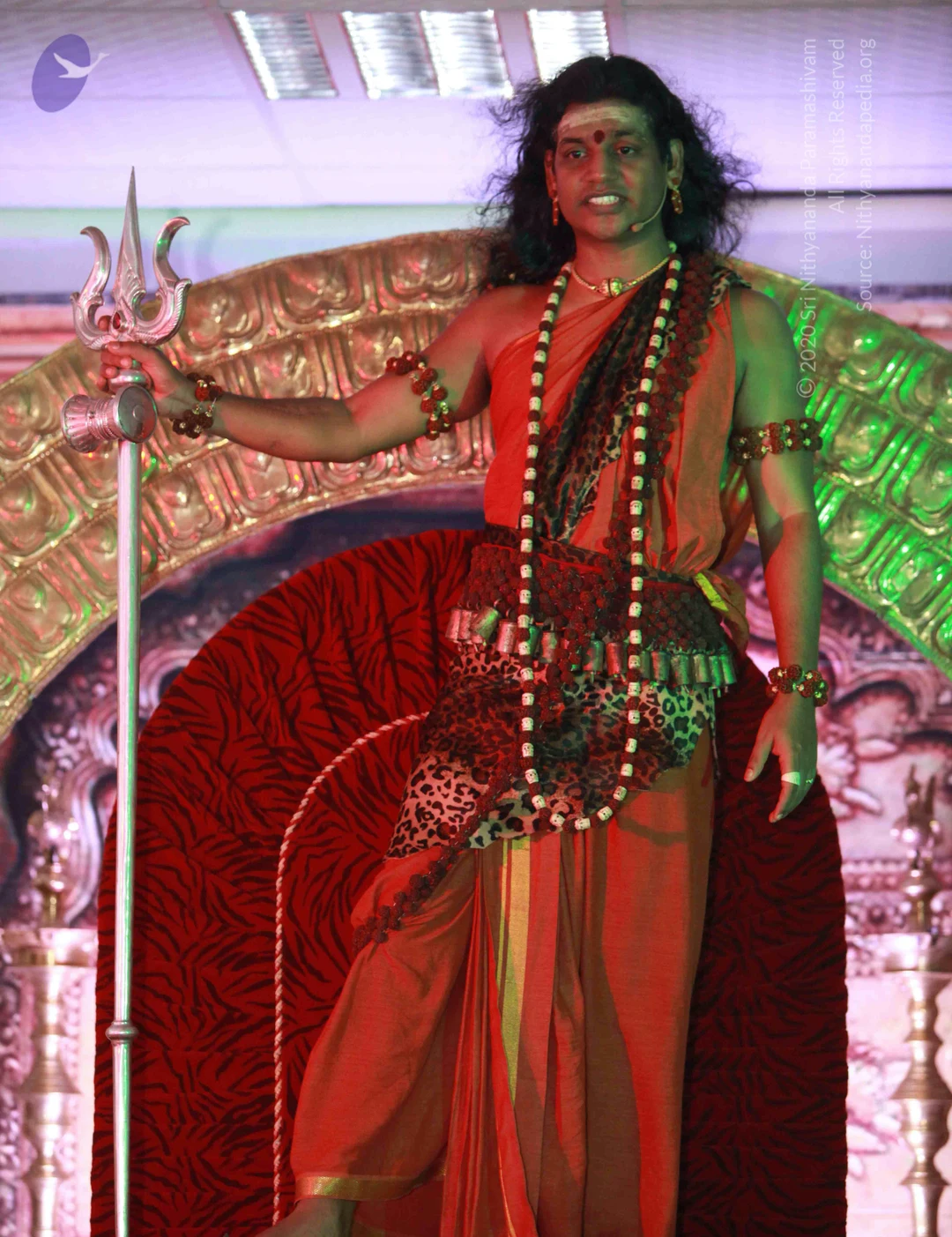
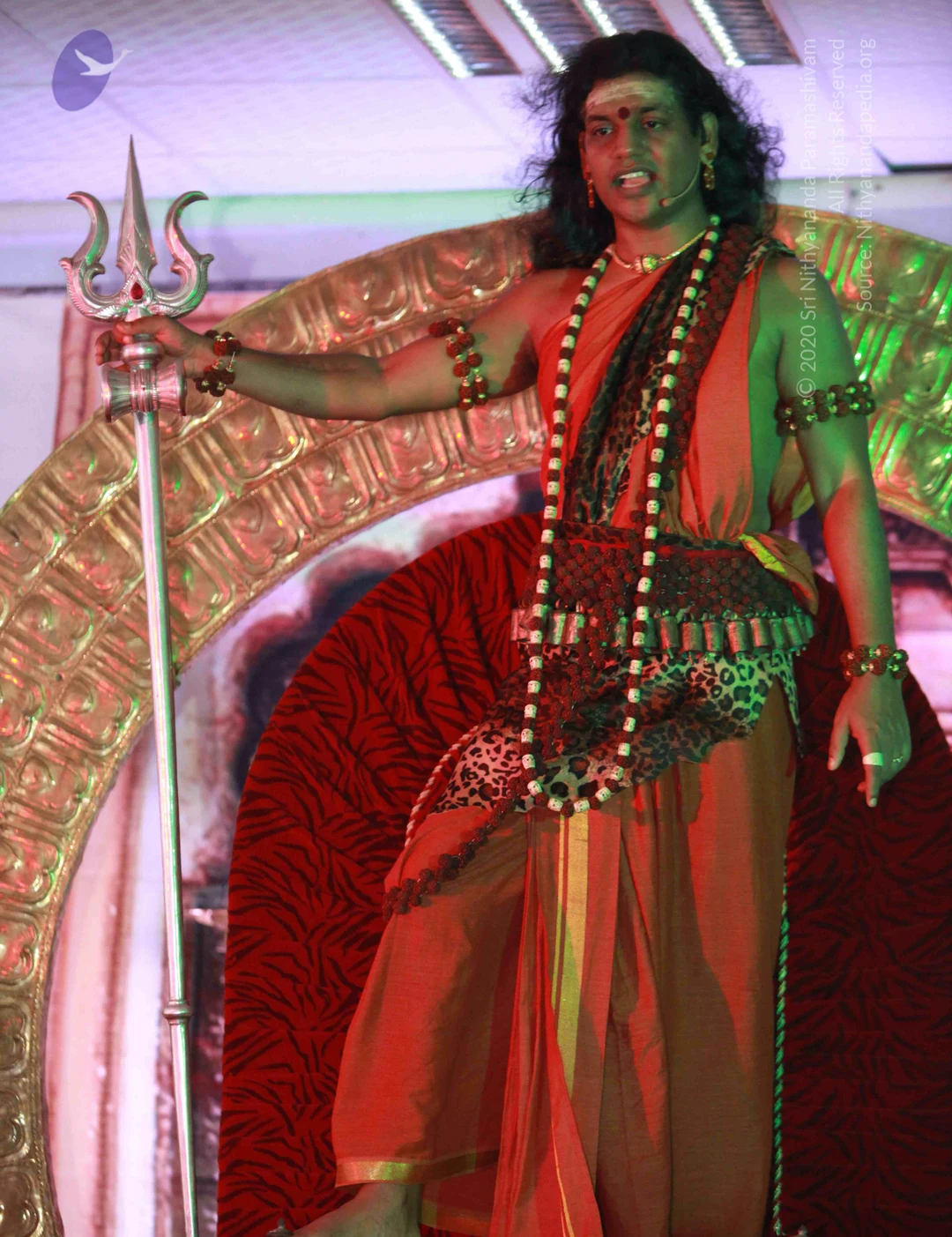
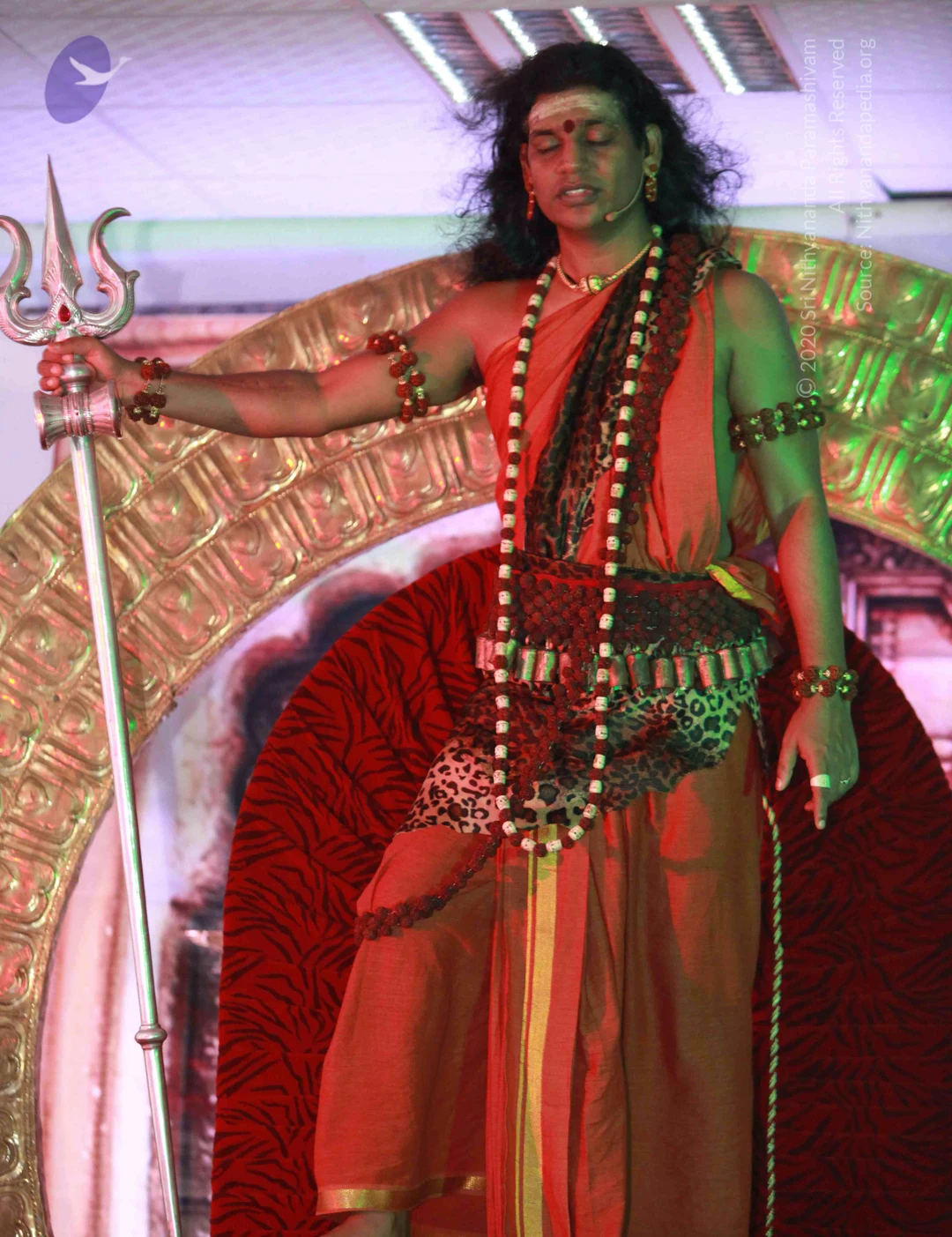
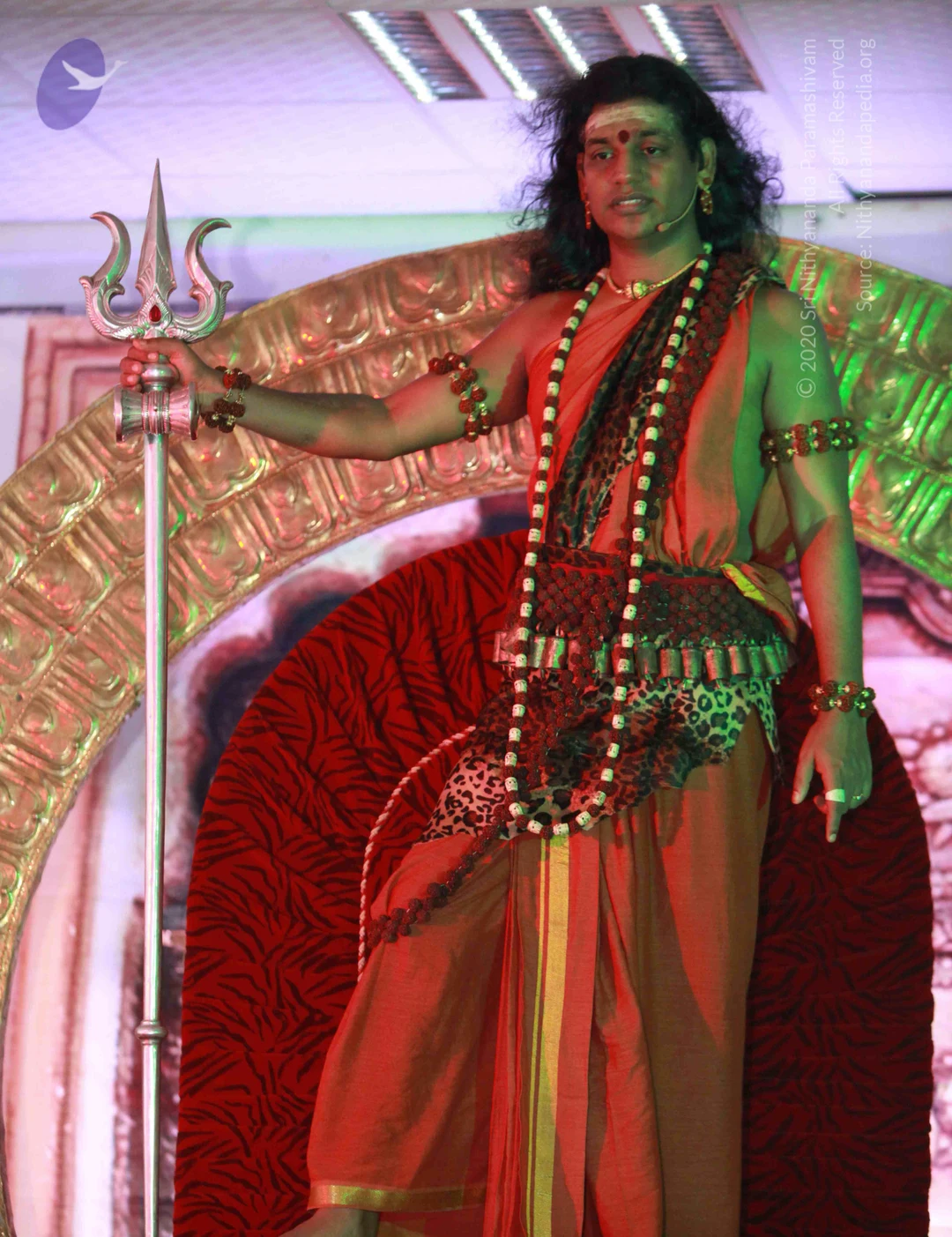
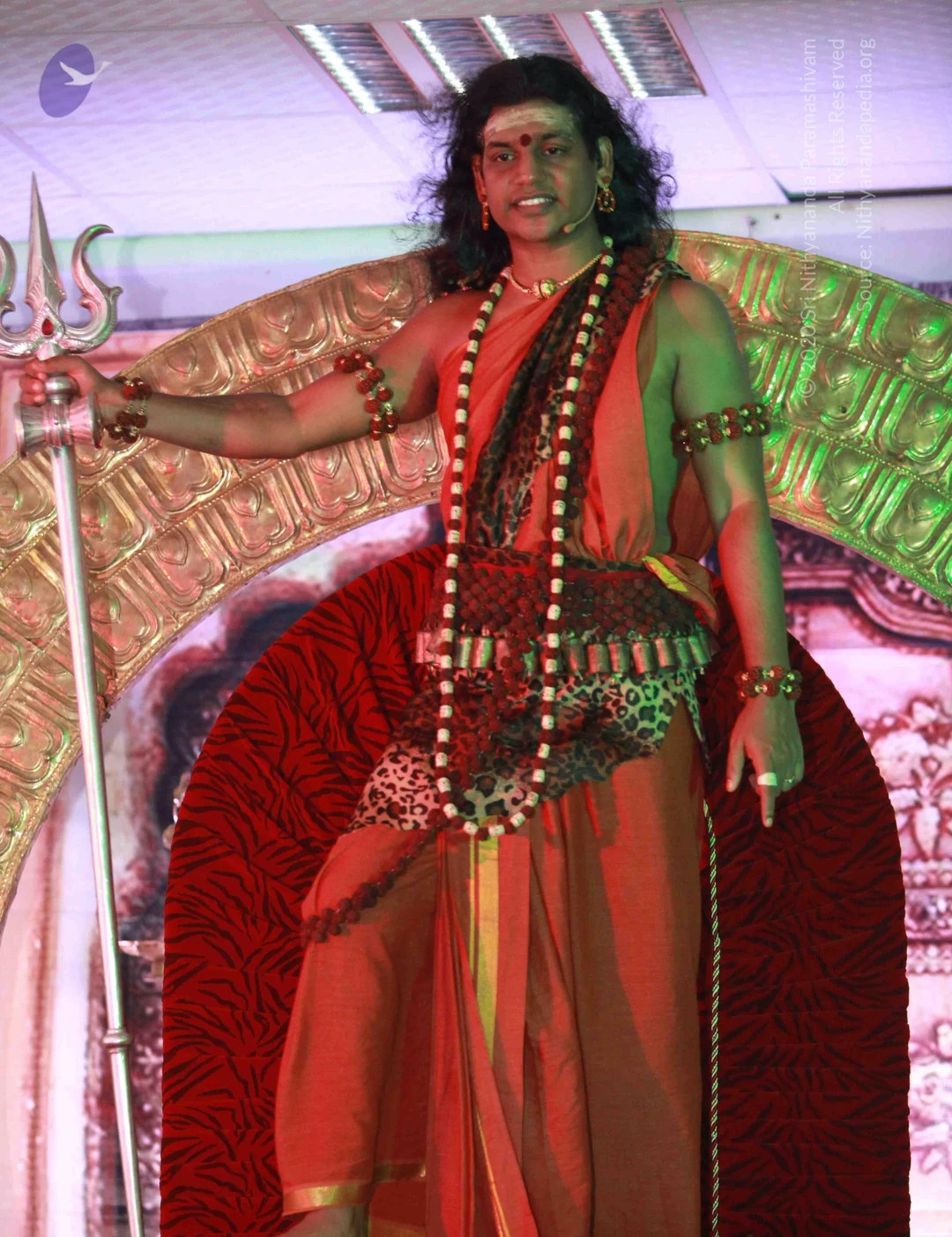
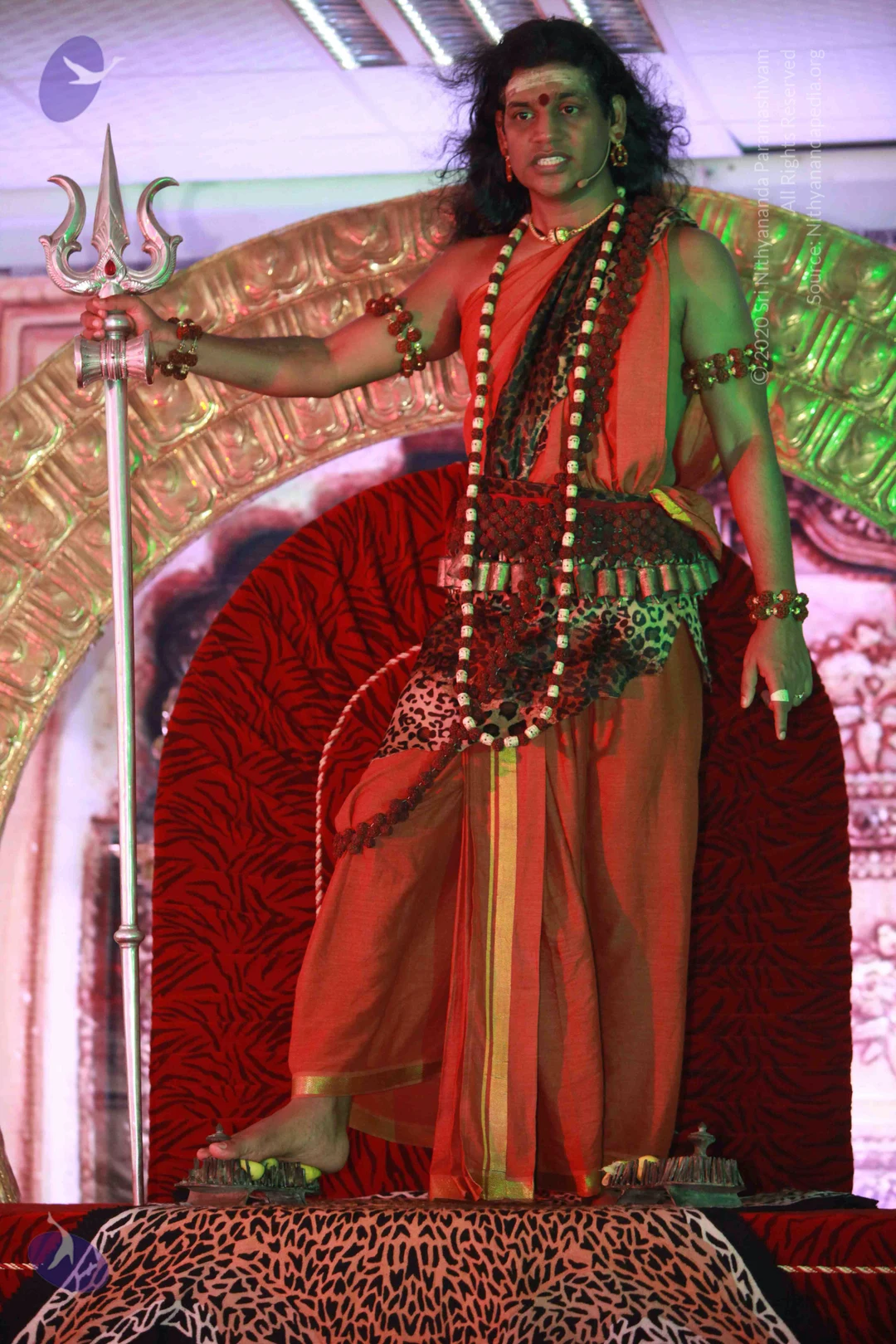
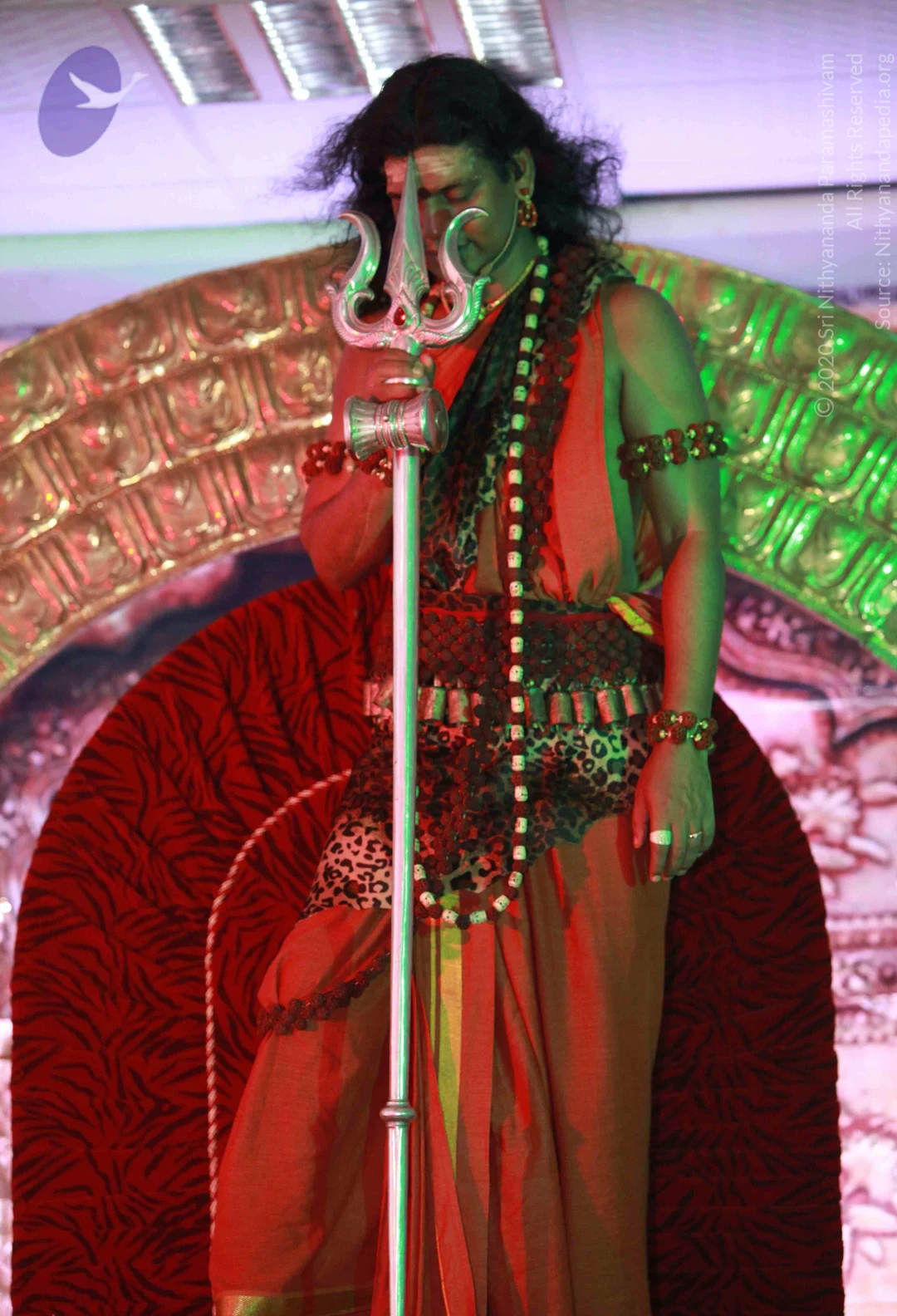
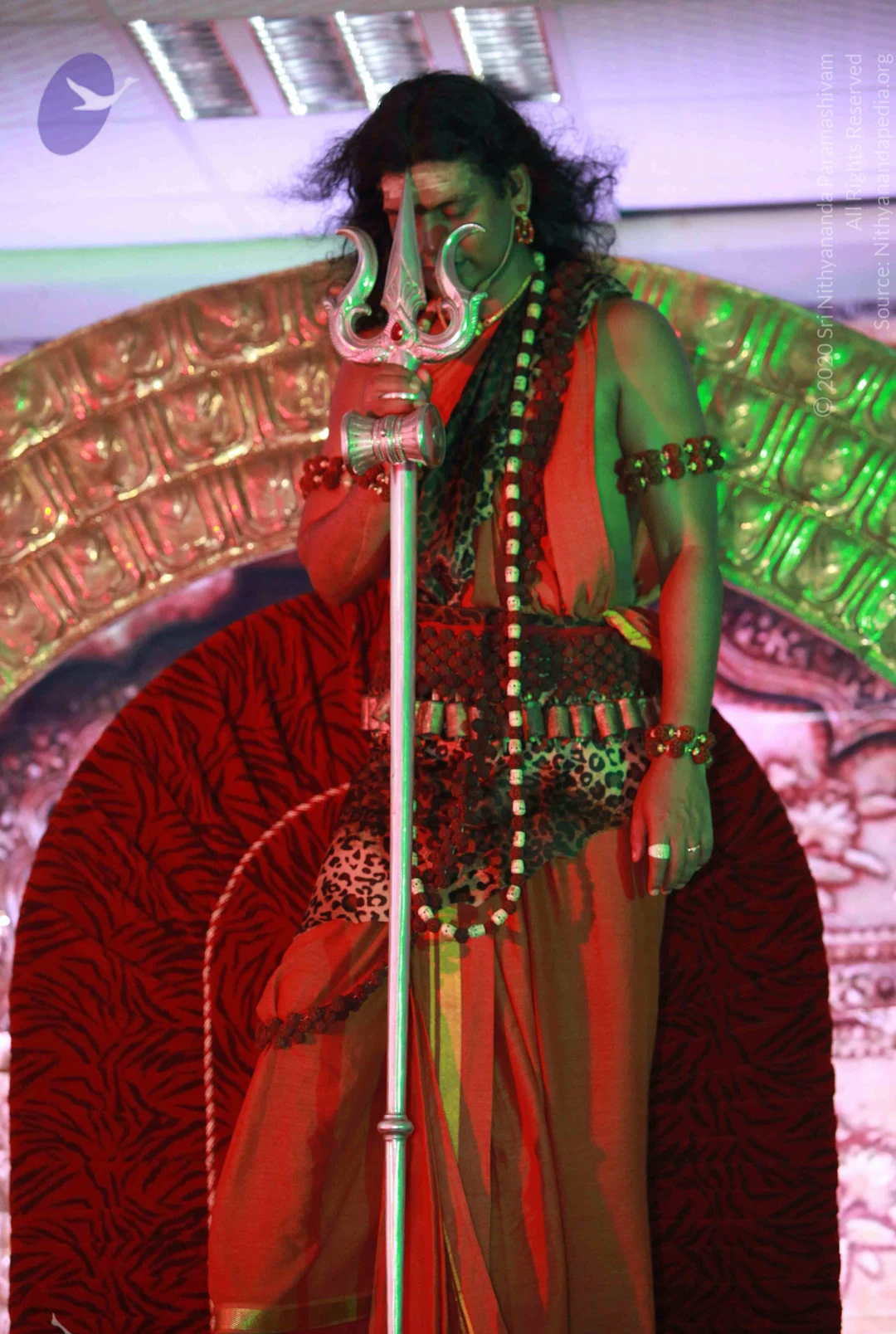
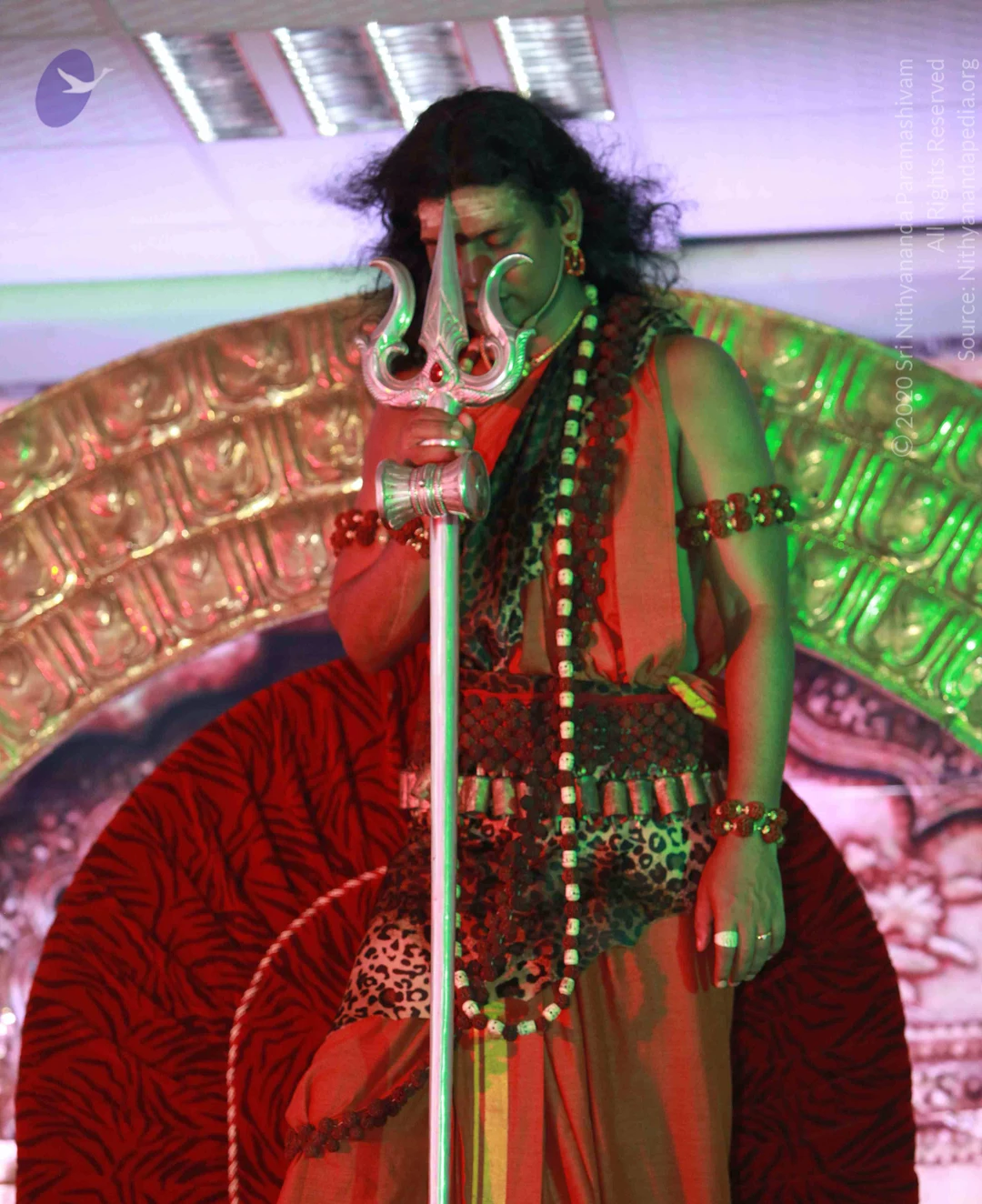
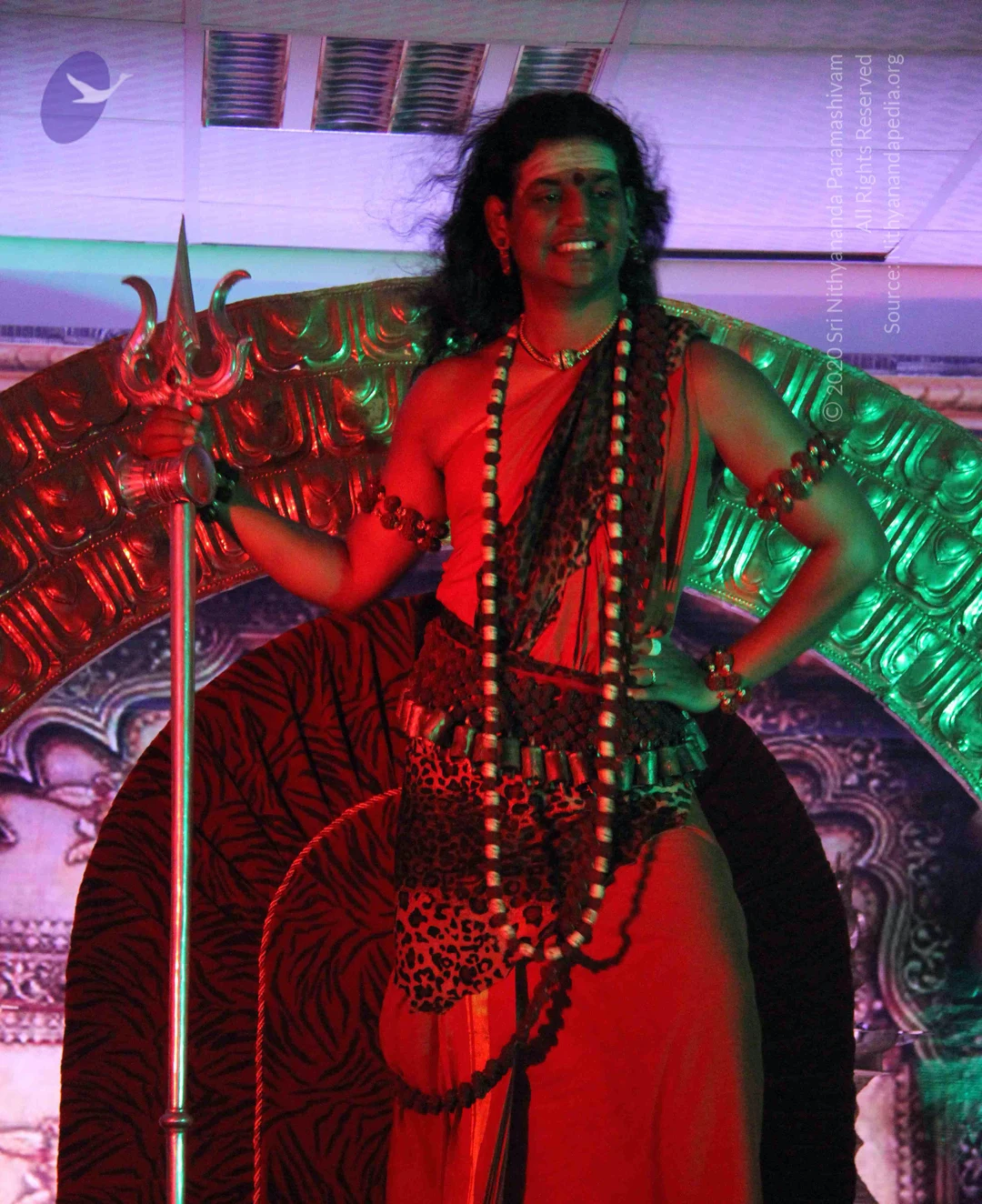
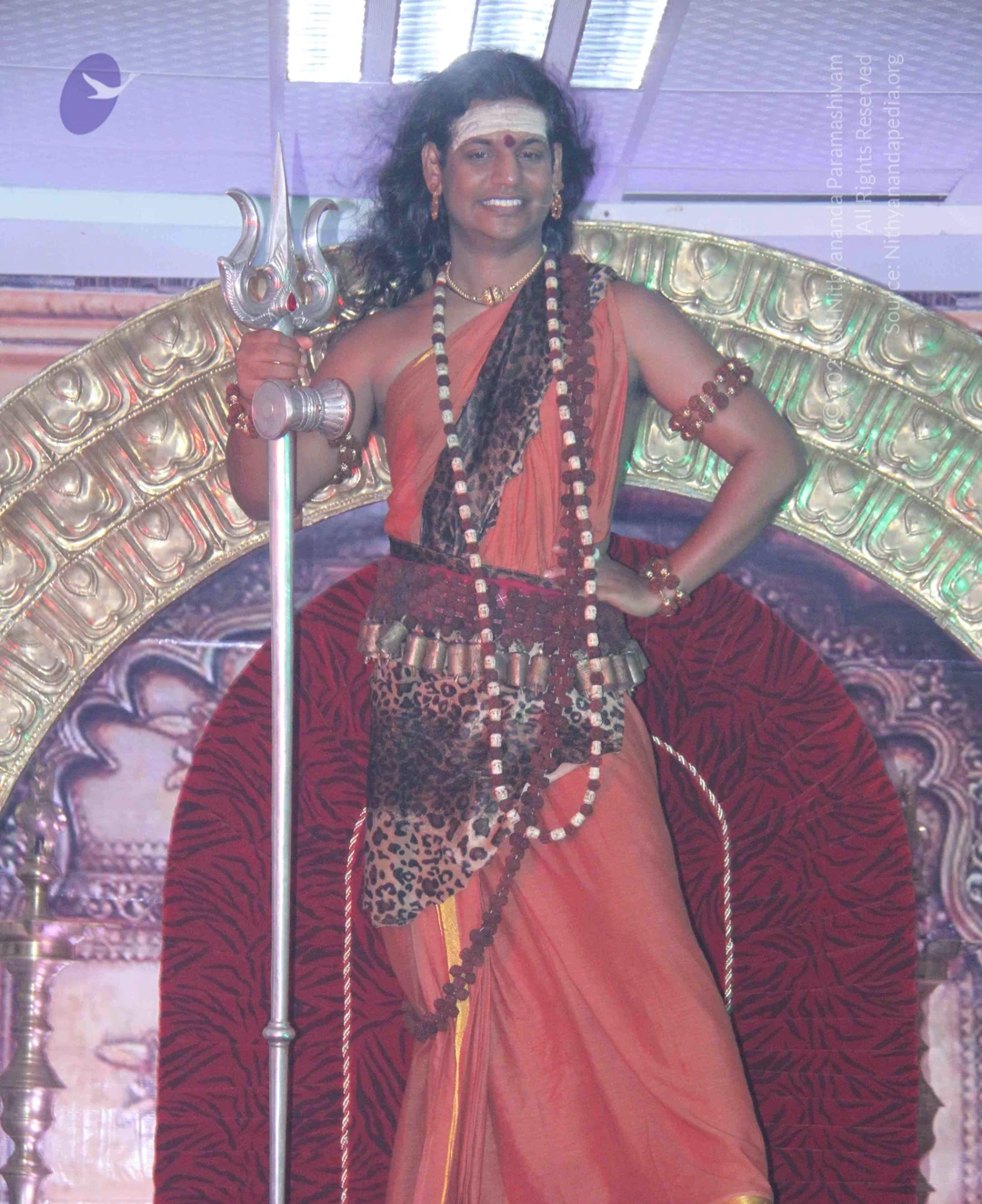
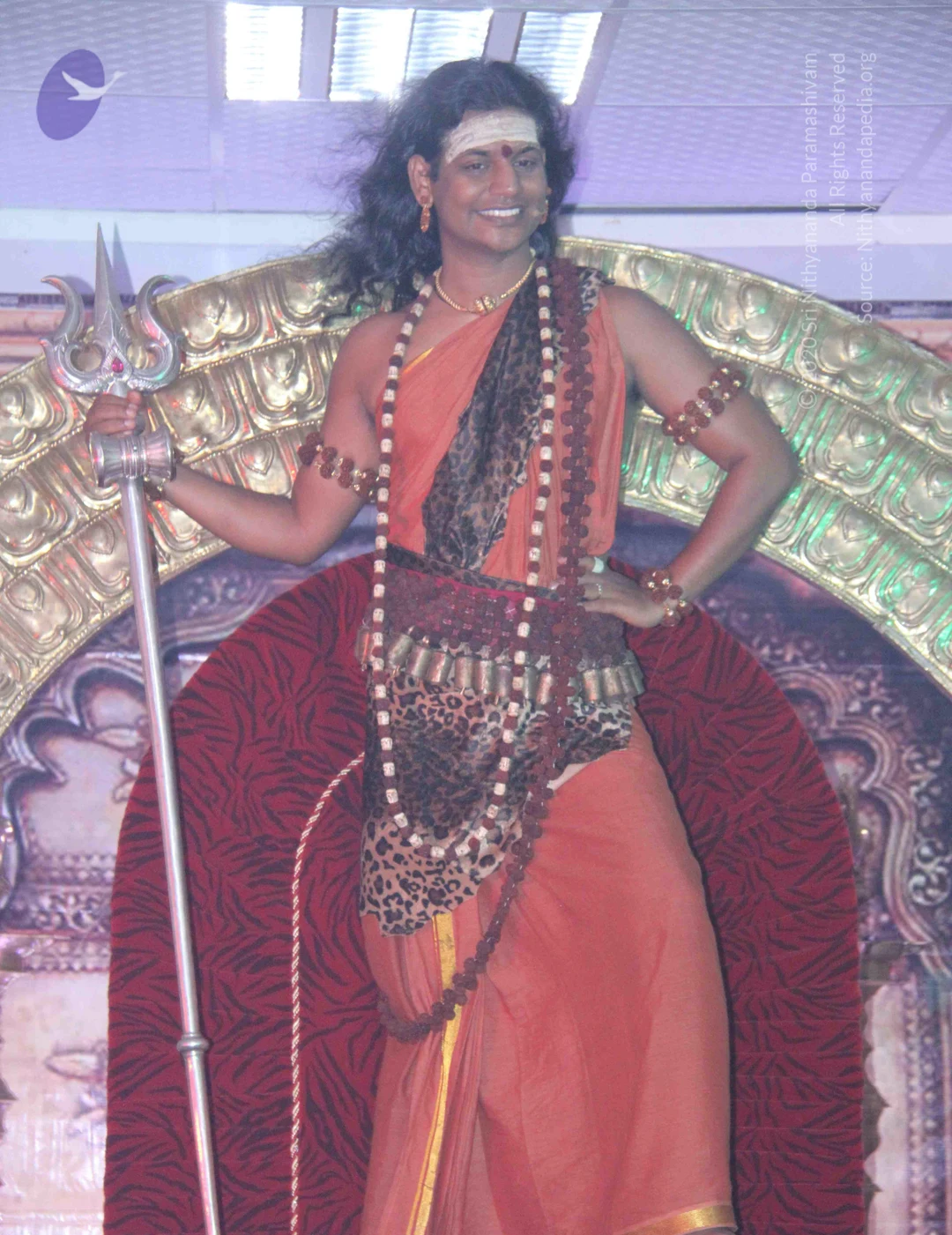
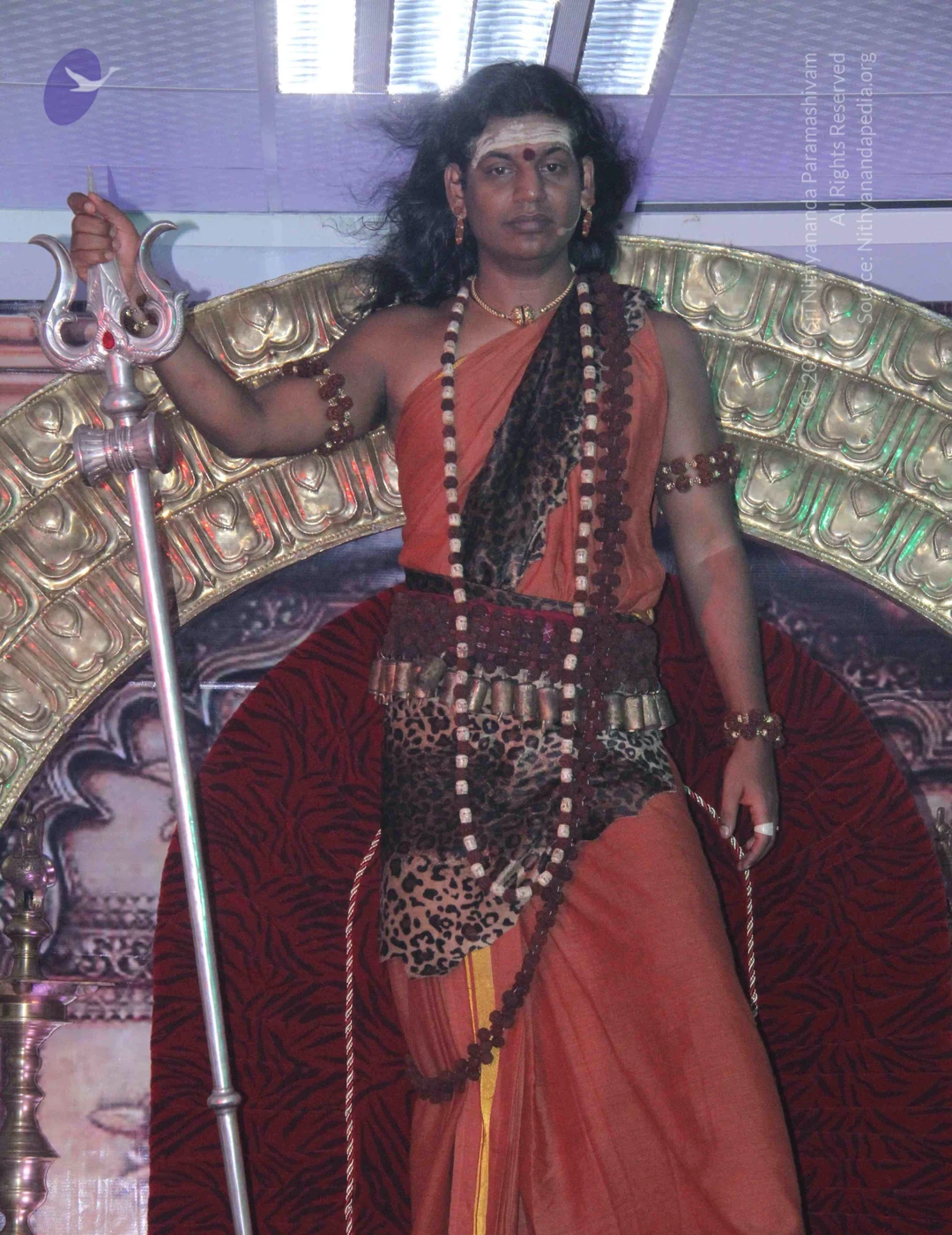
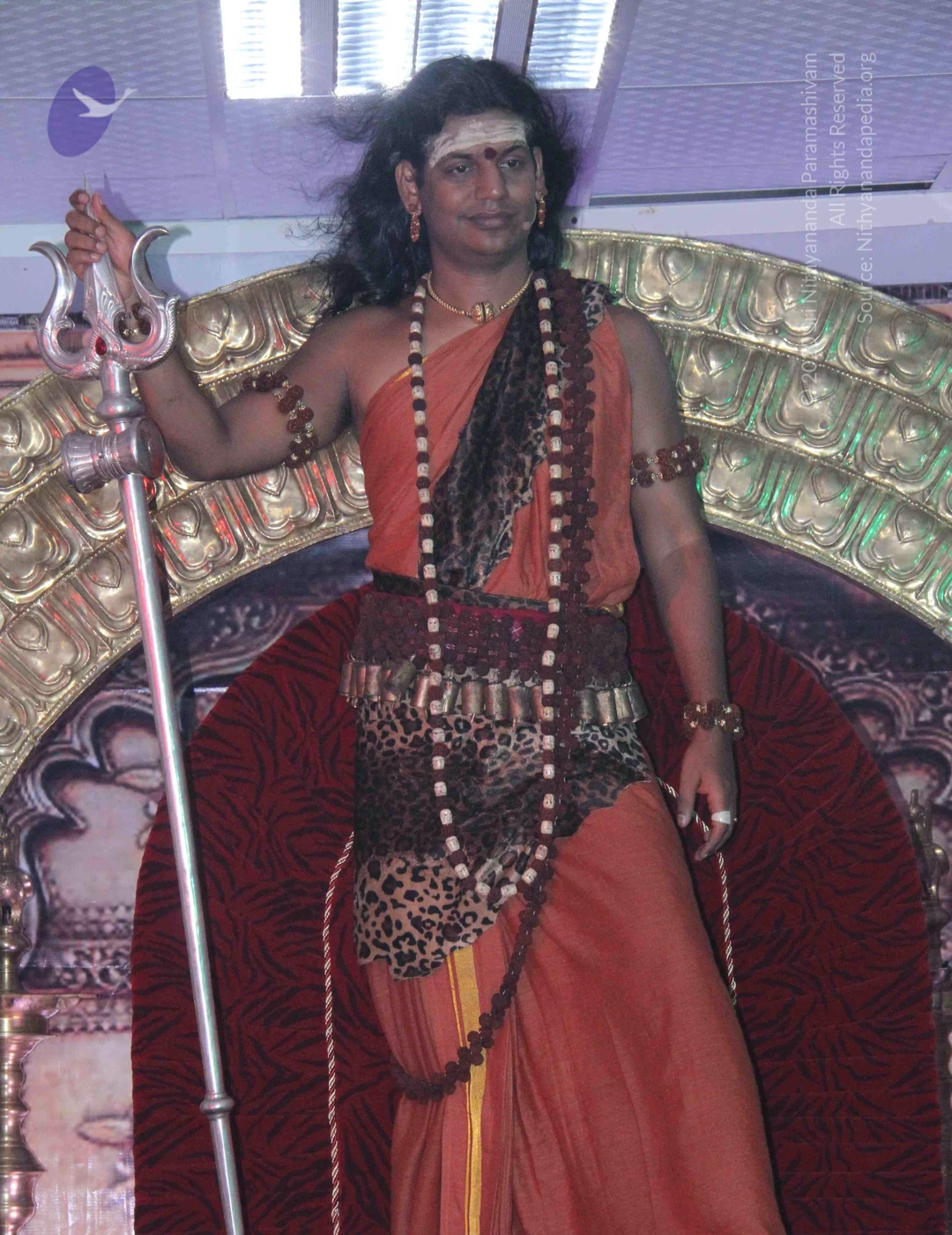
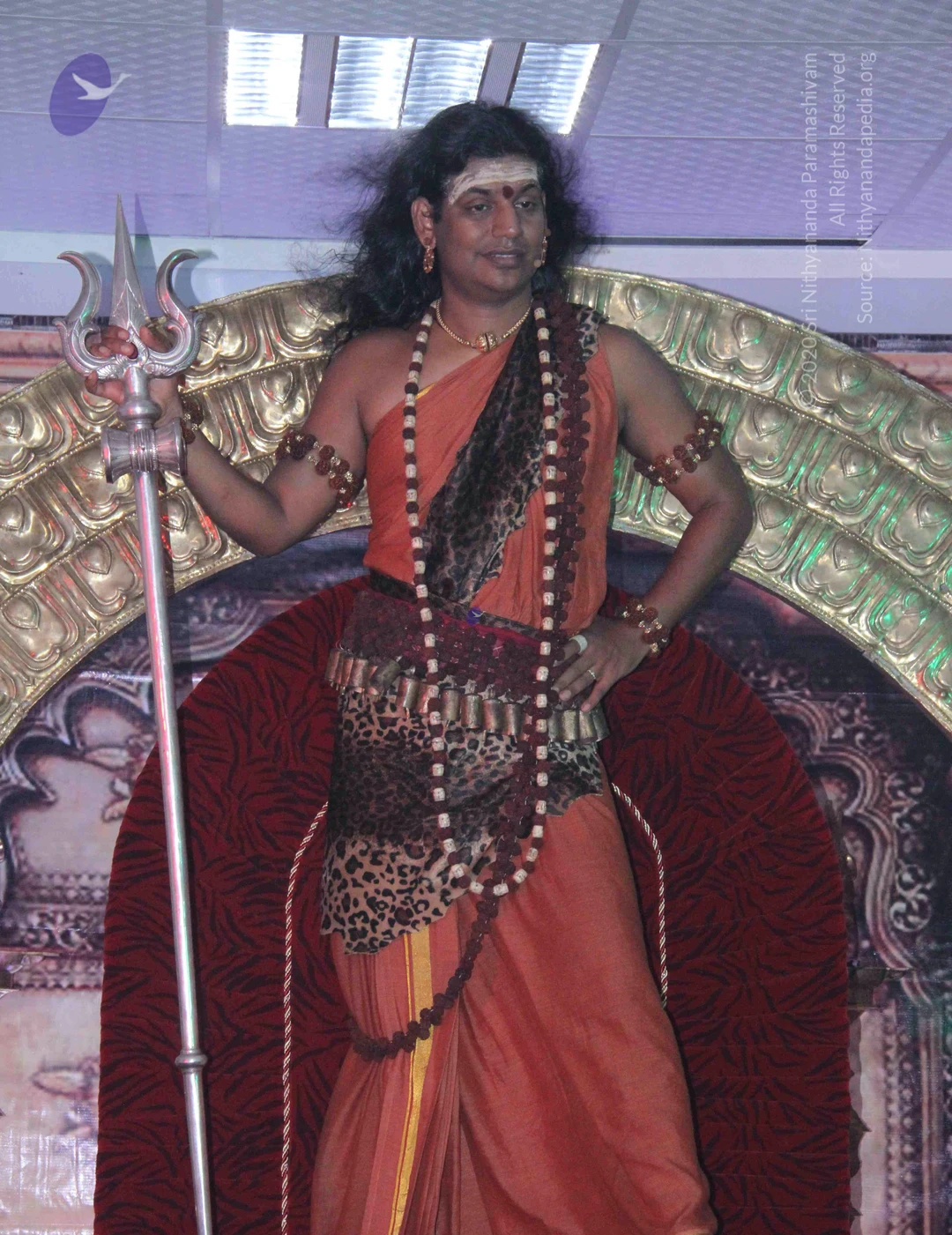
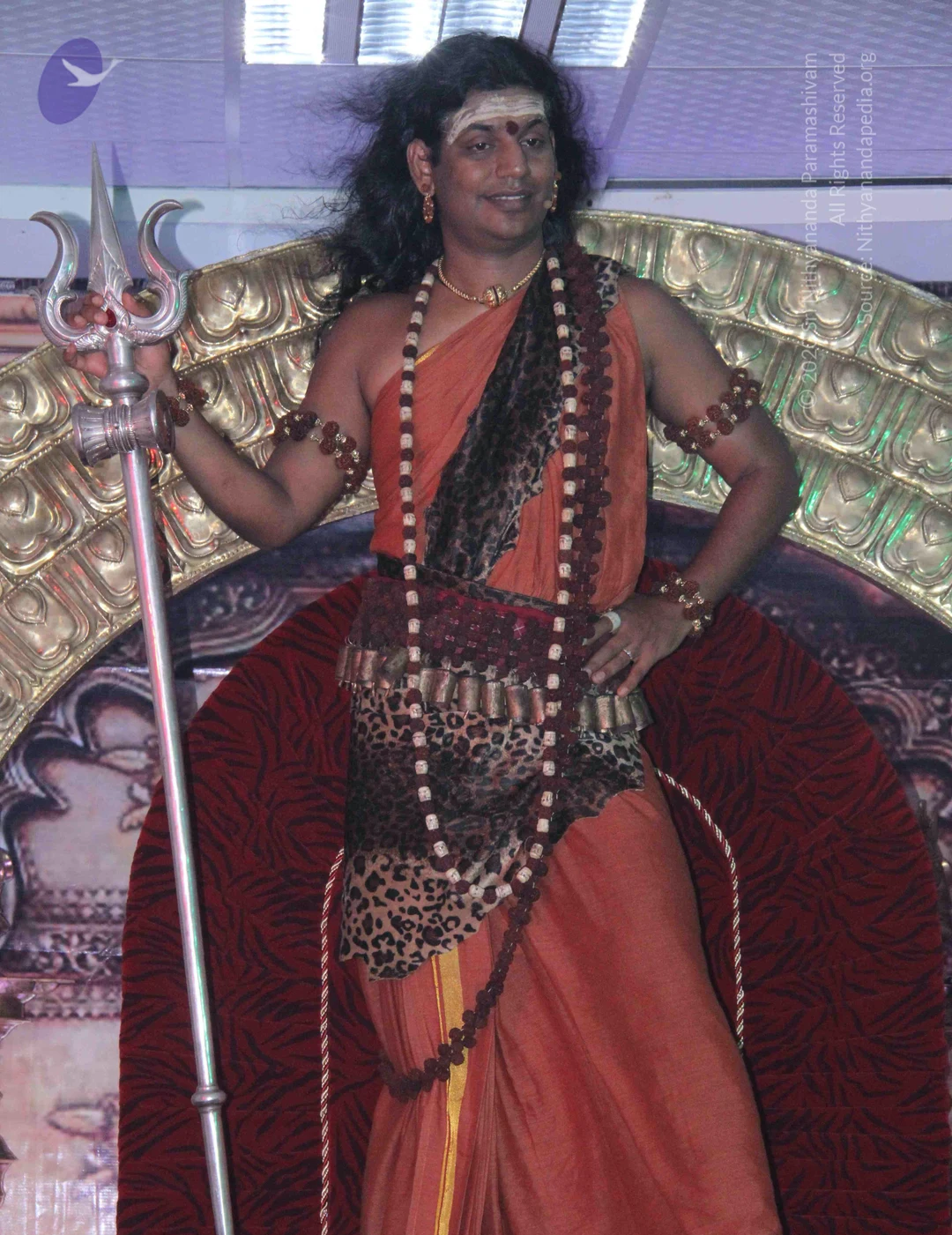
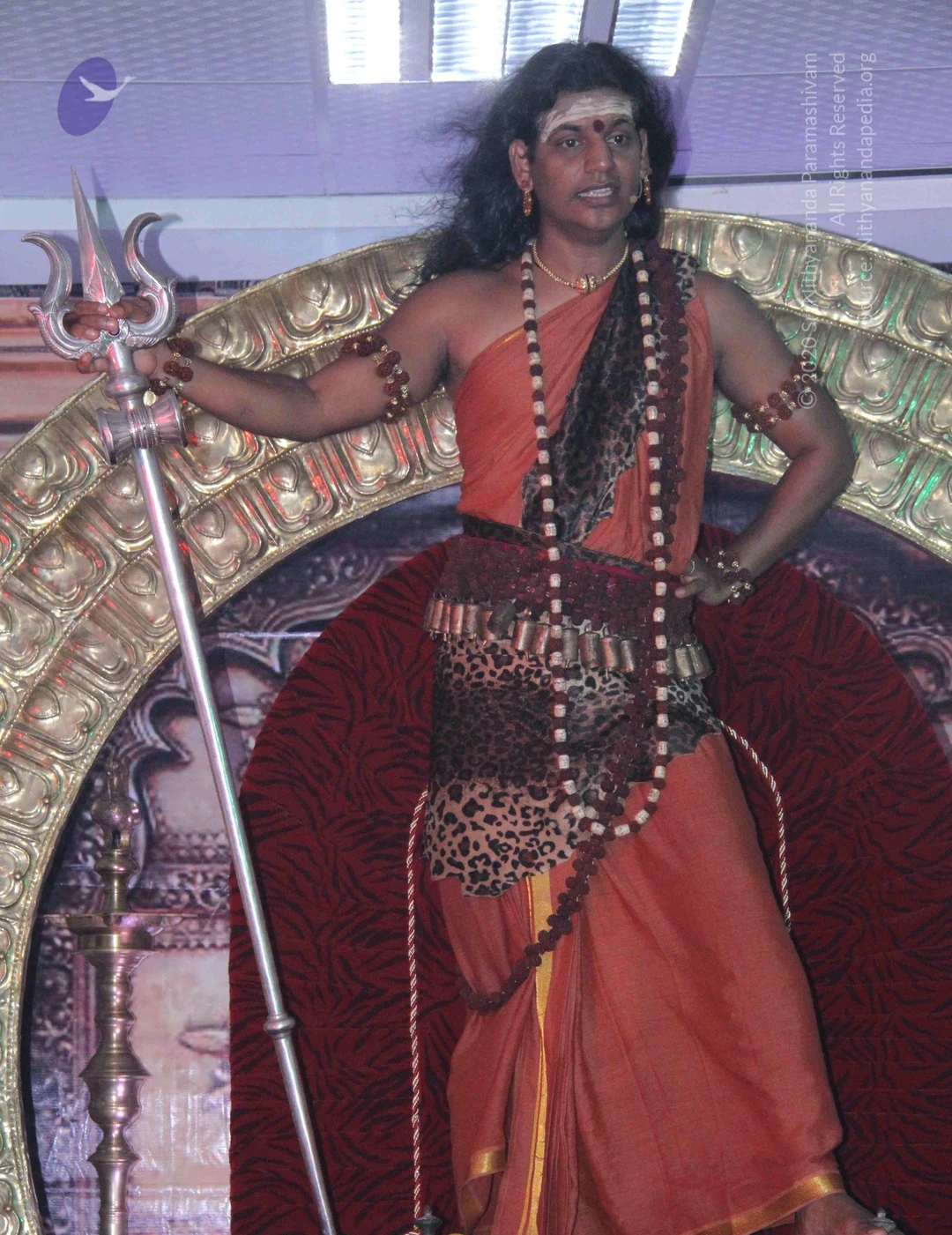
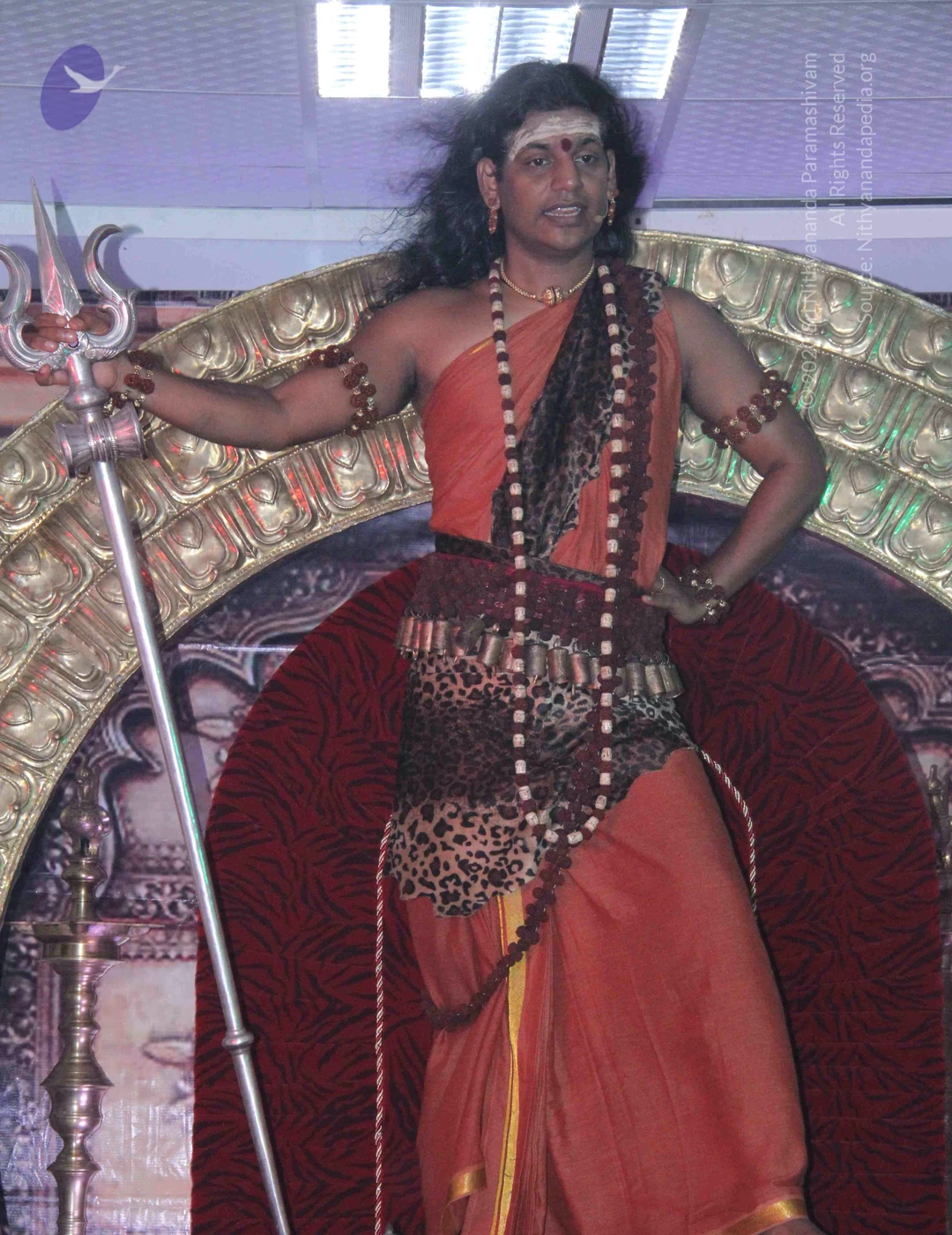
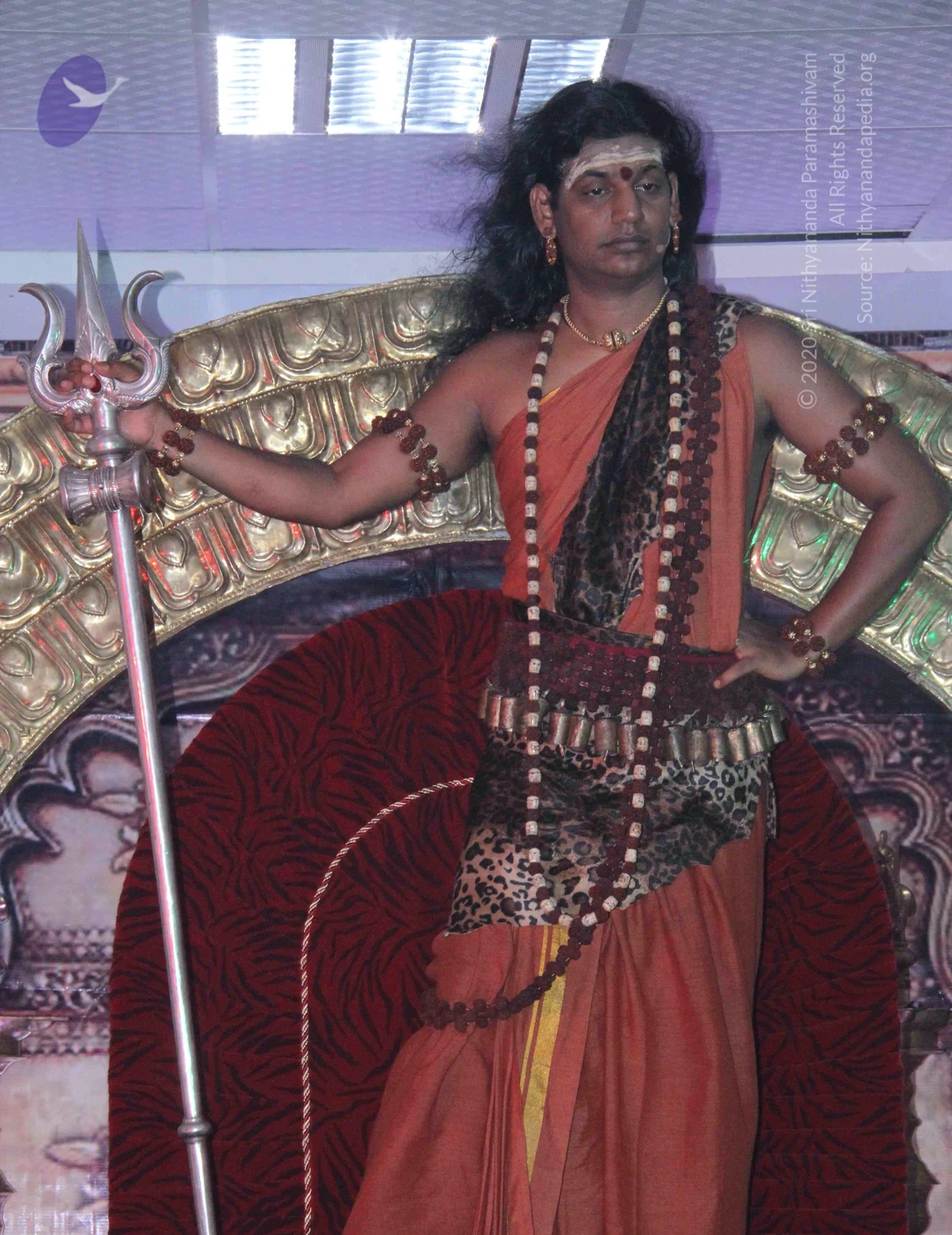
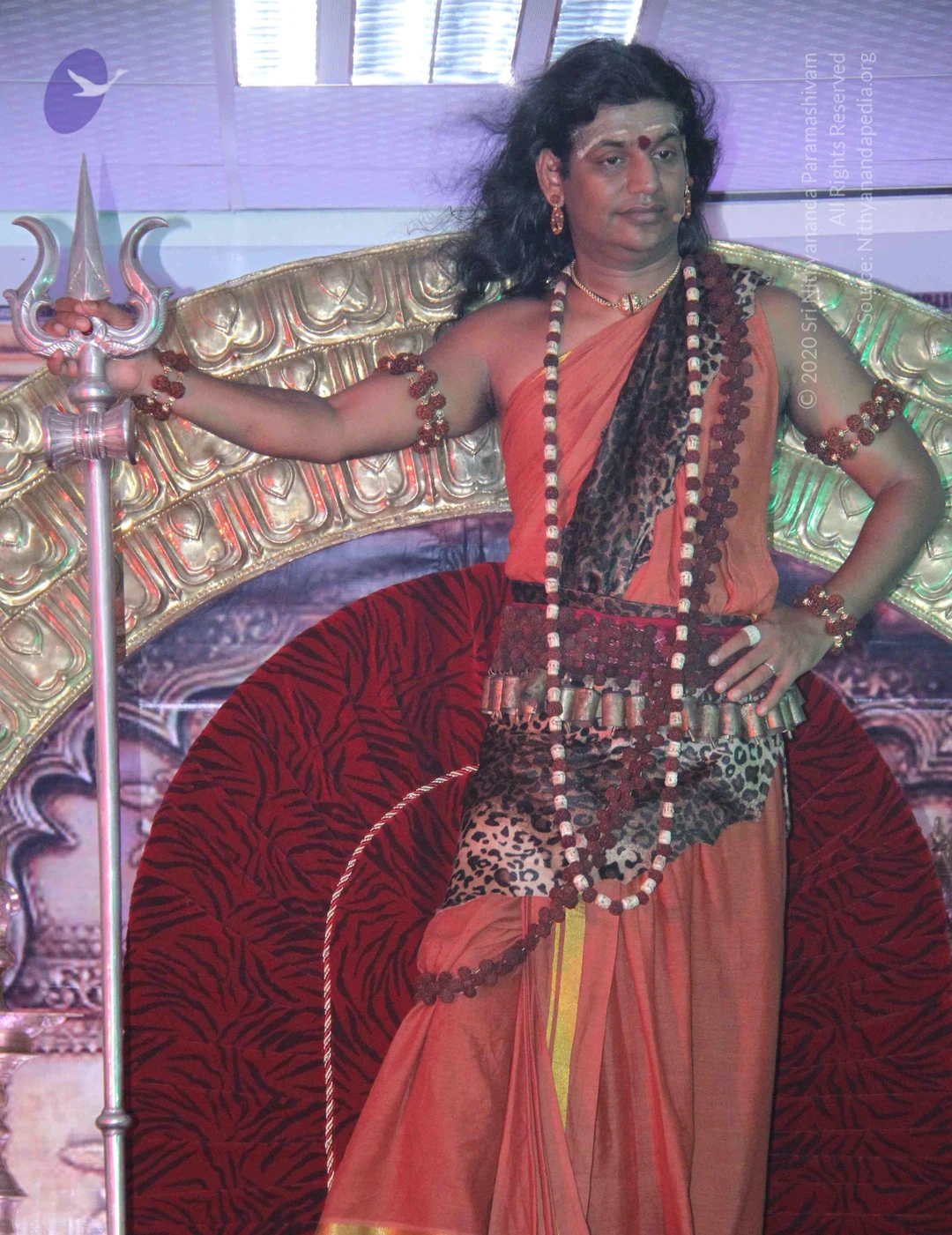
01-Akashik-Reading
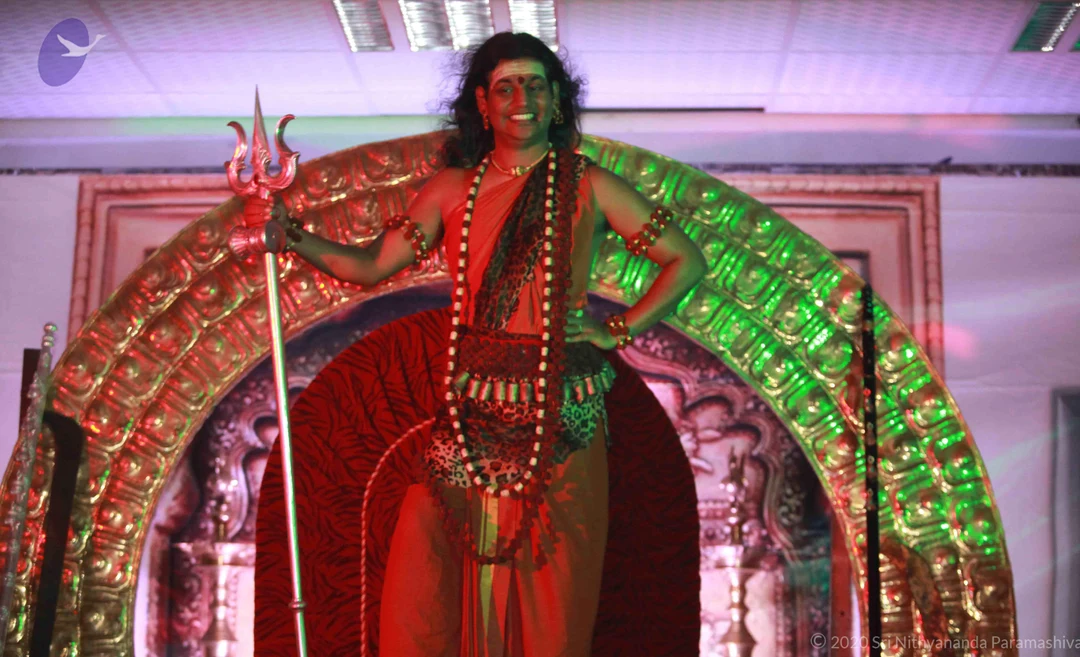
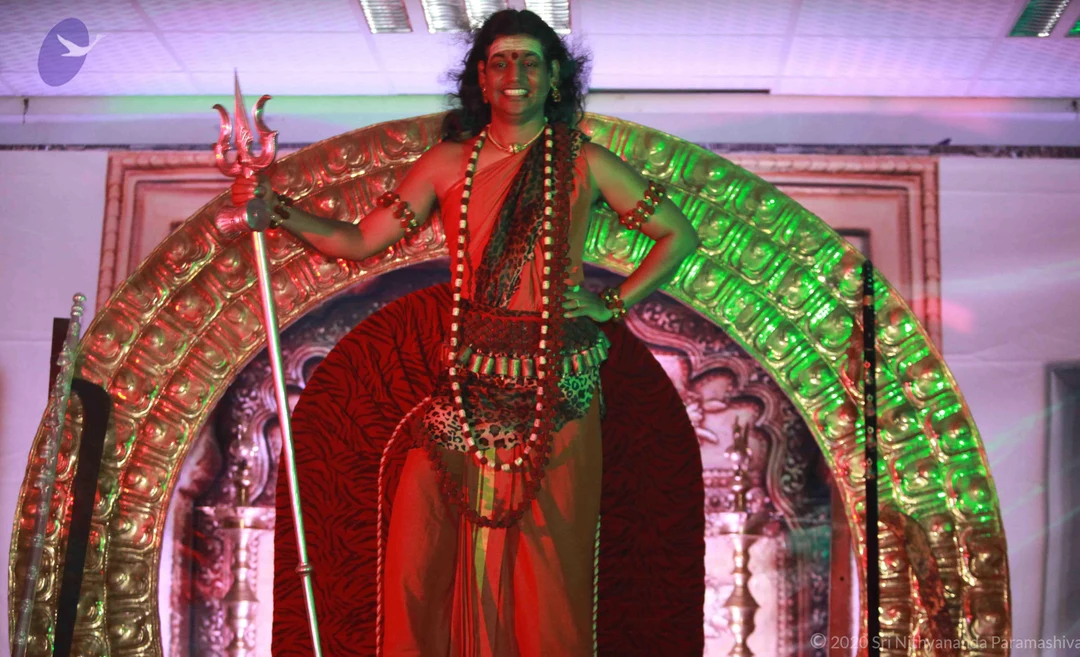
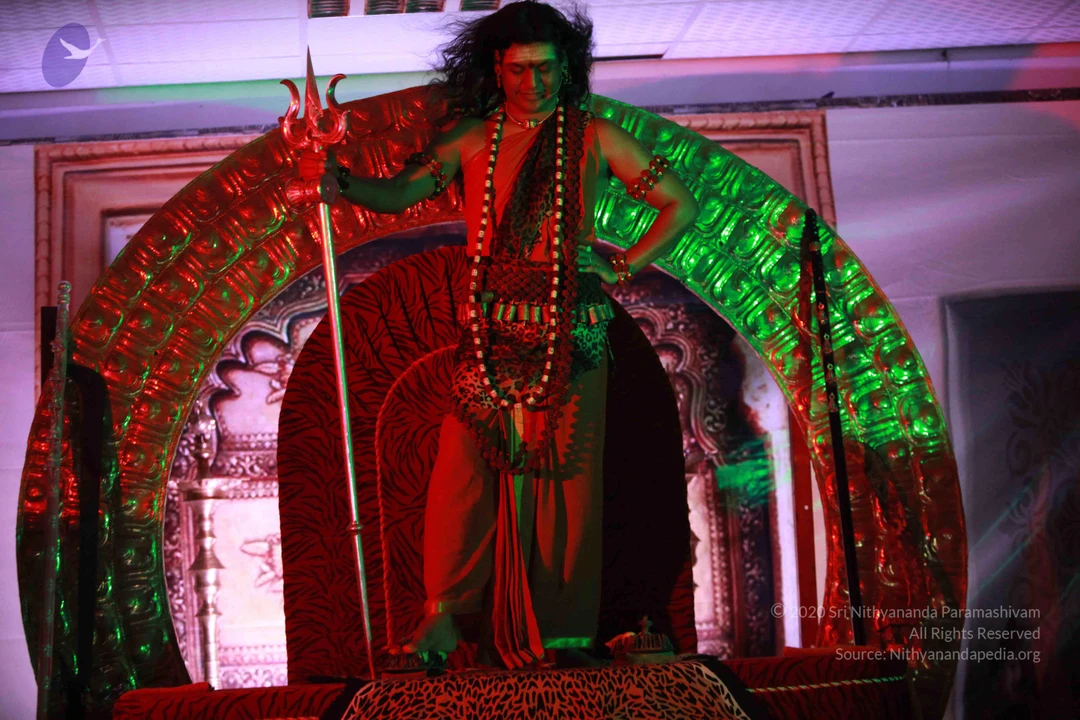
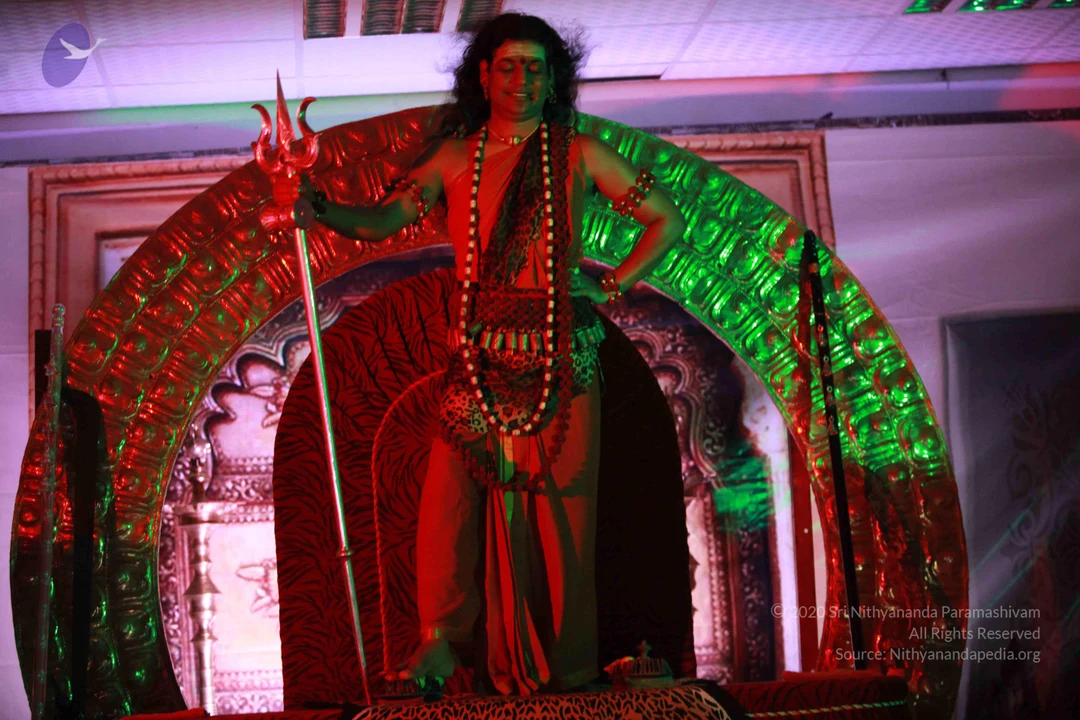
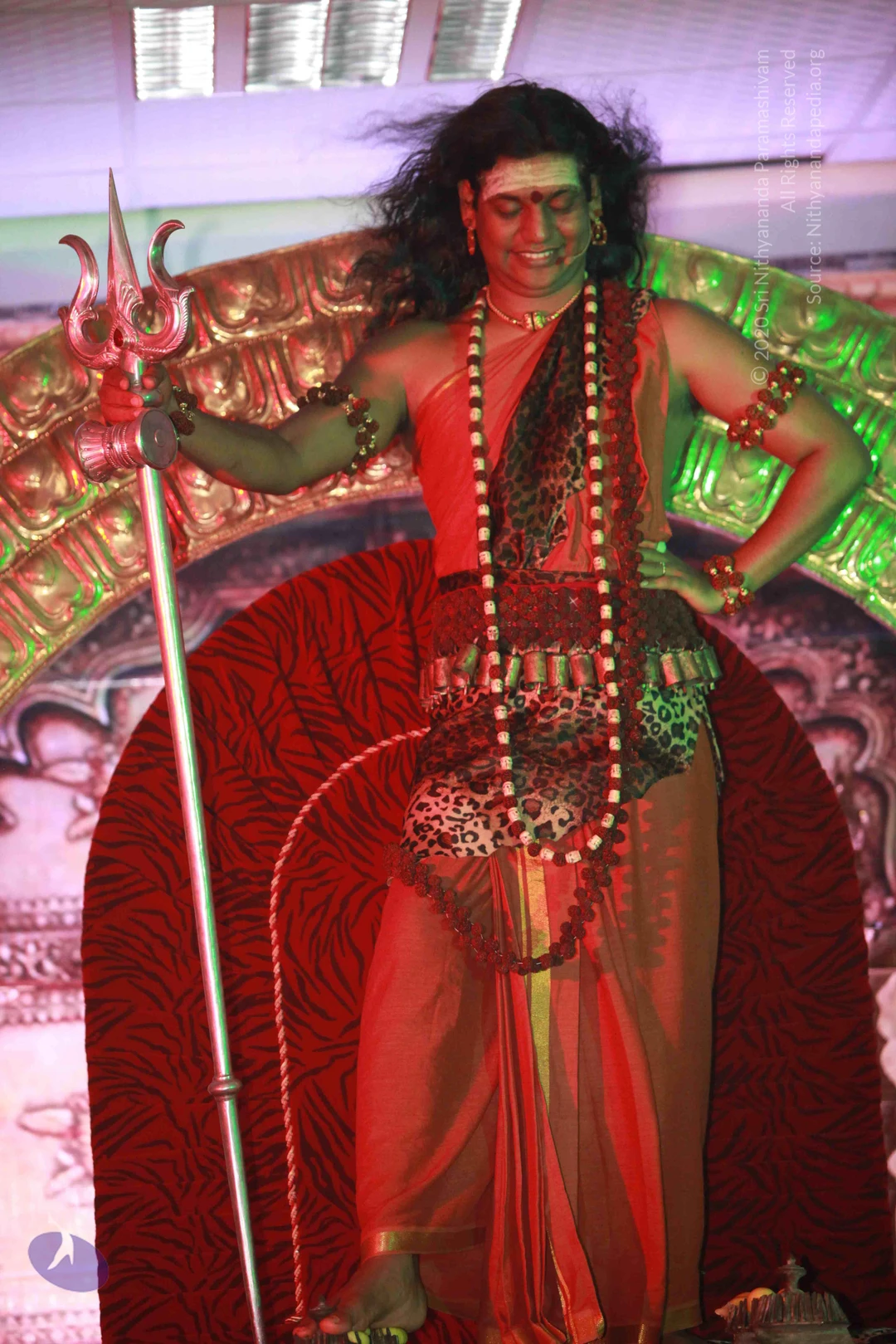
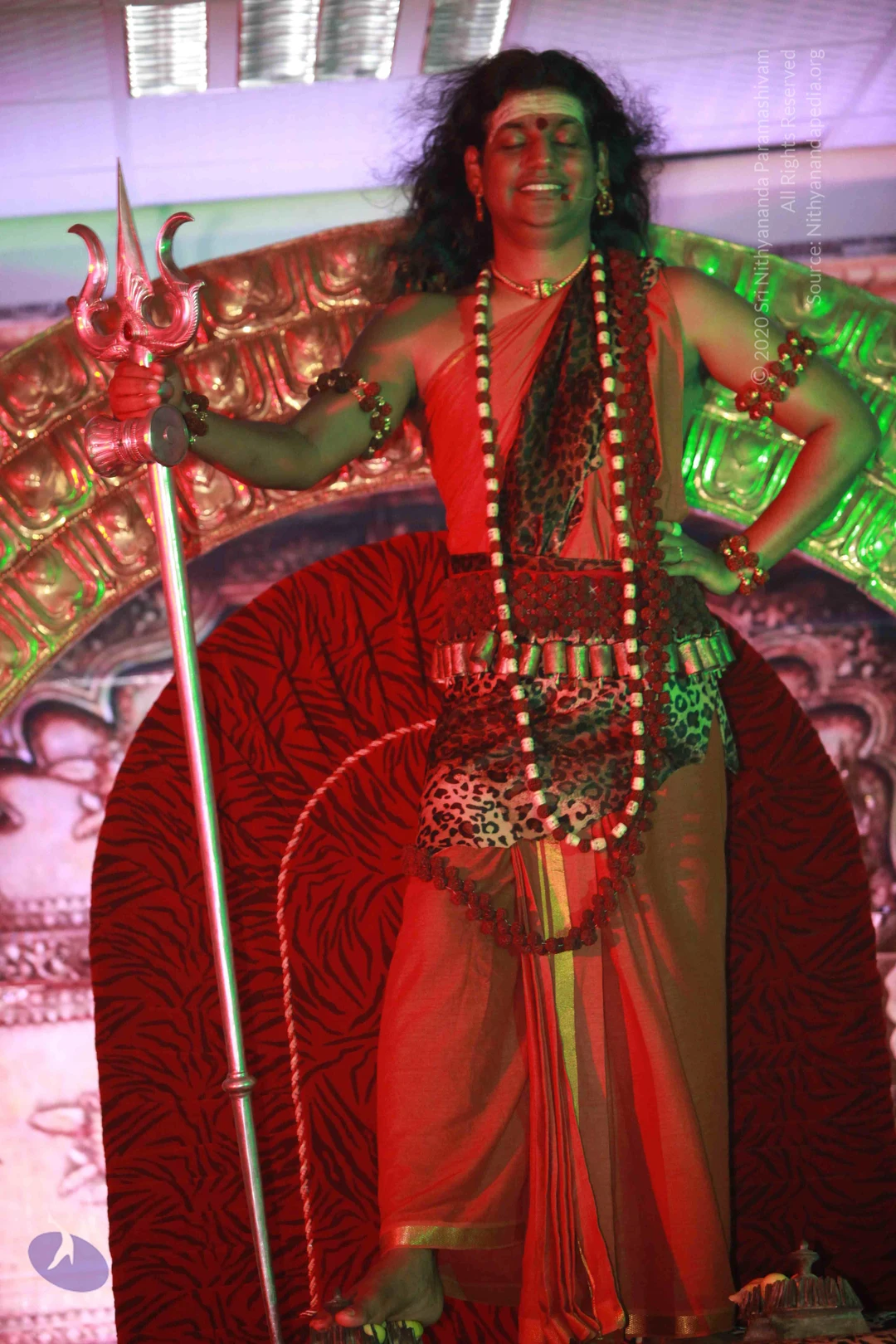
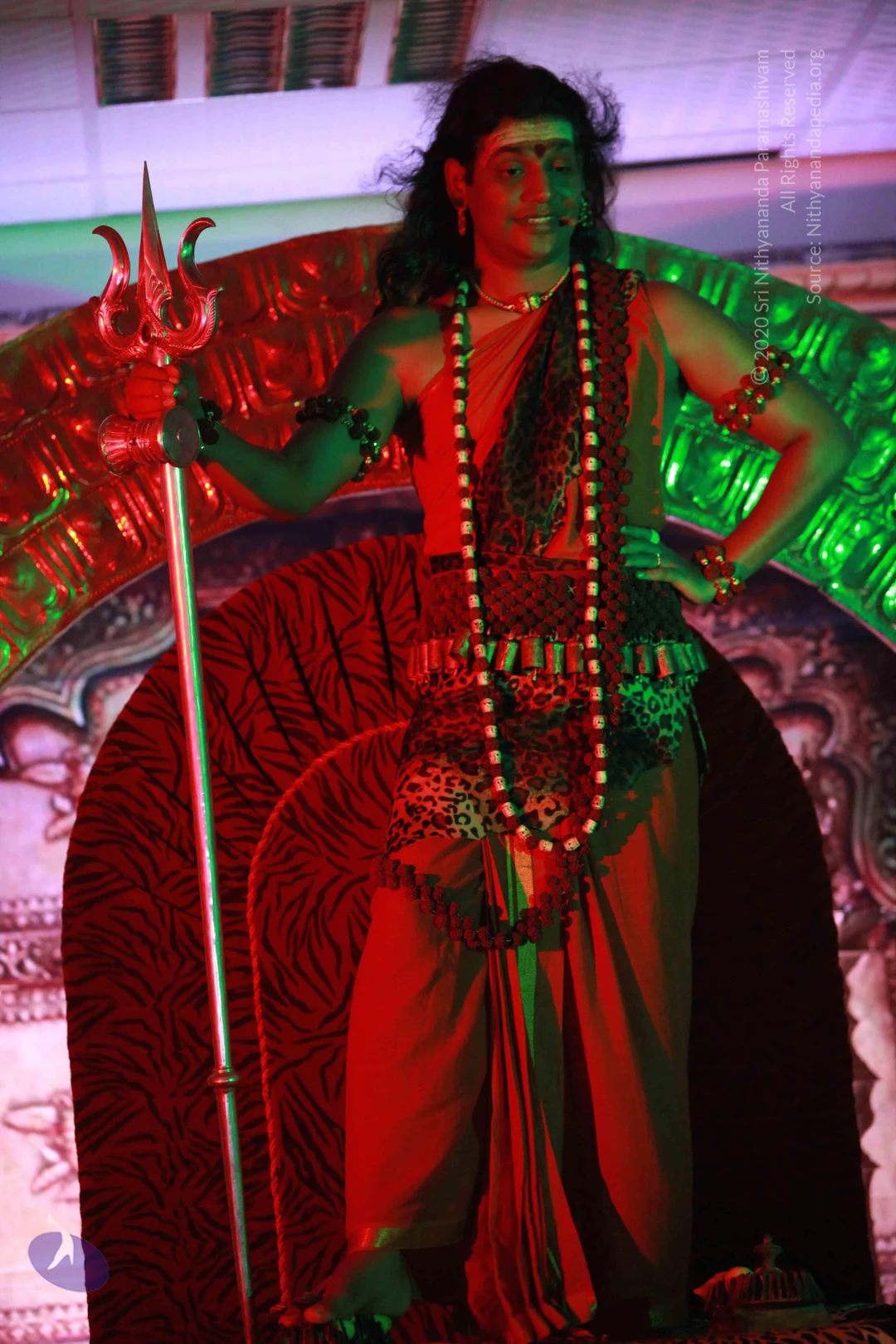
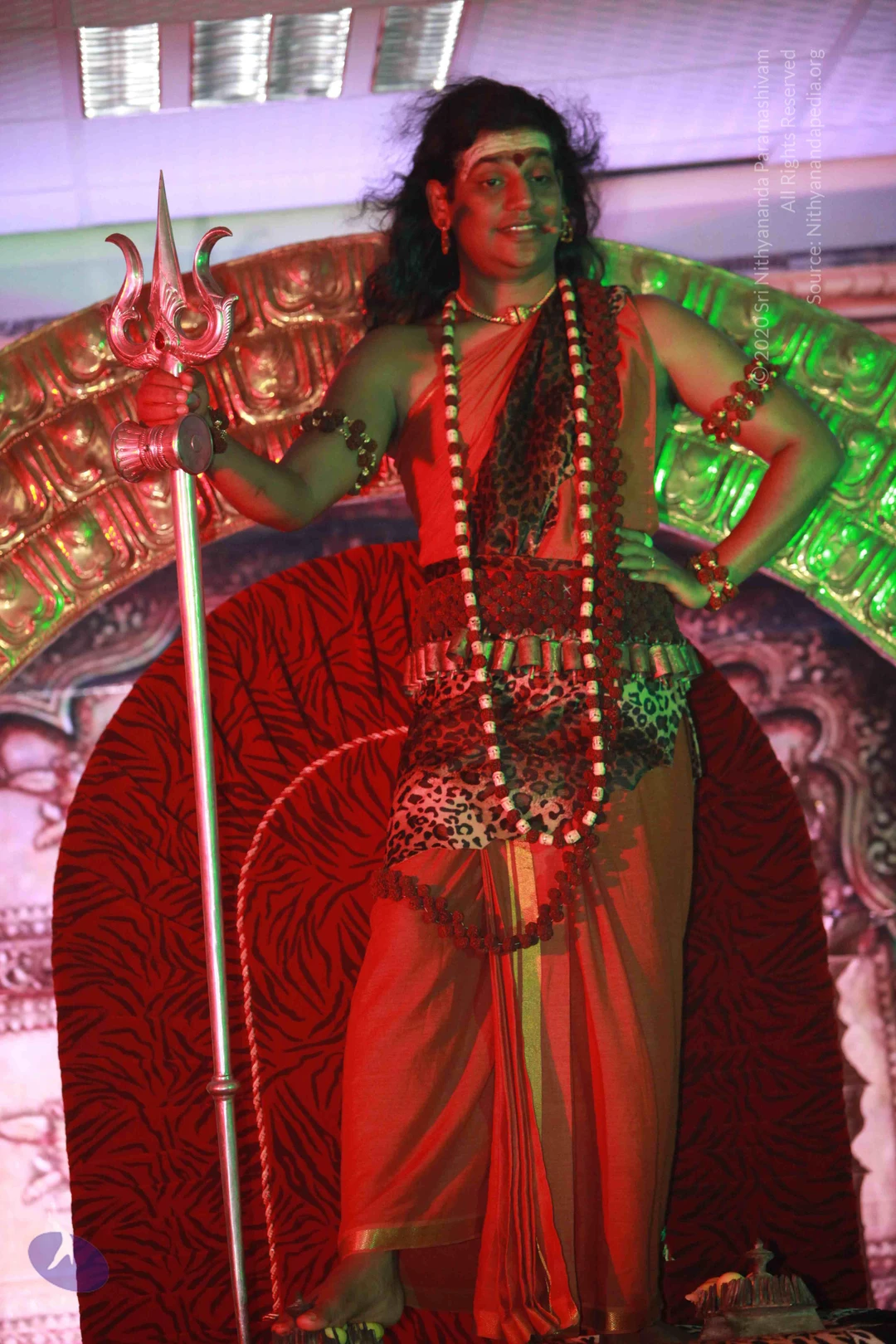
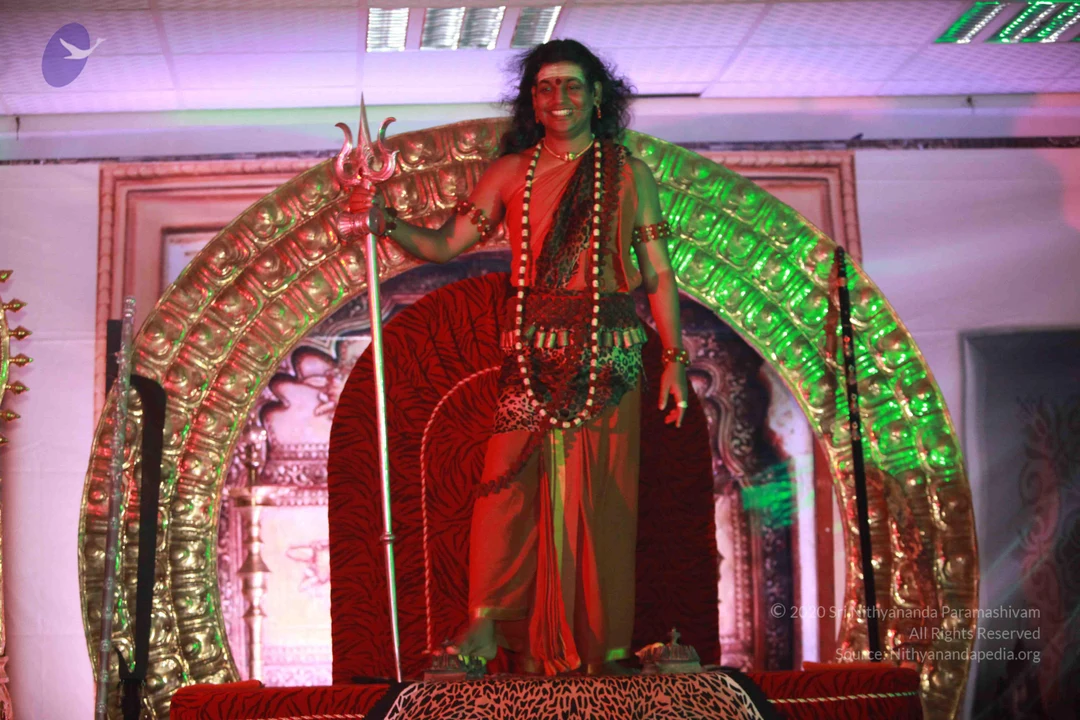
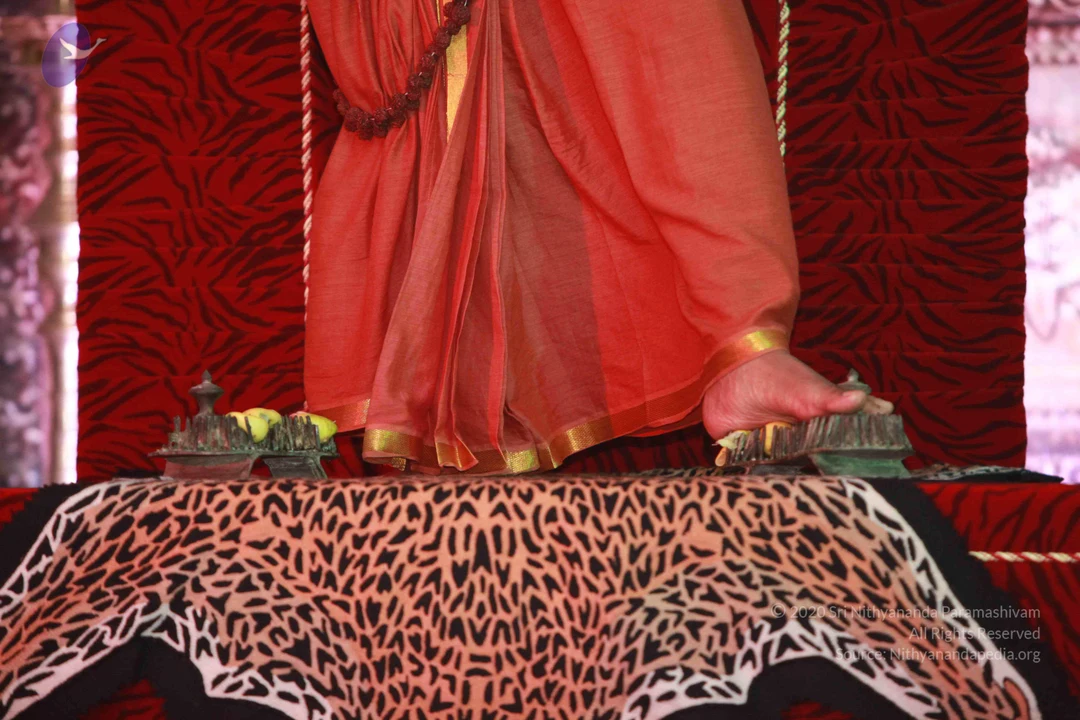
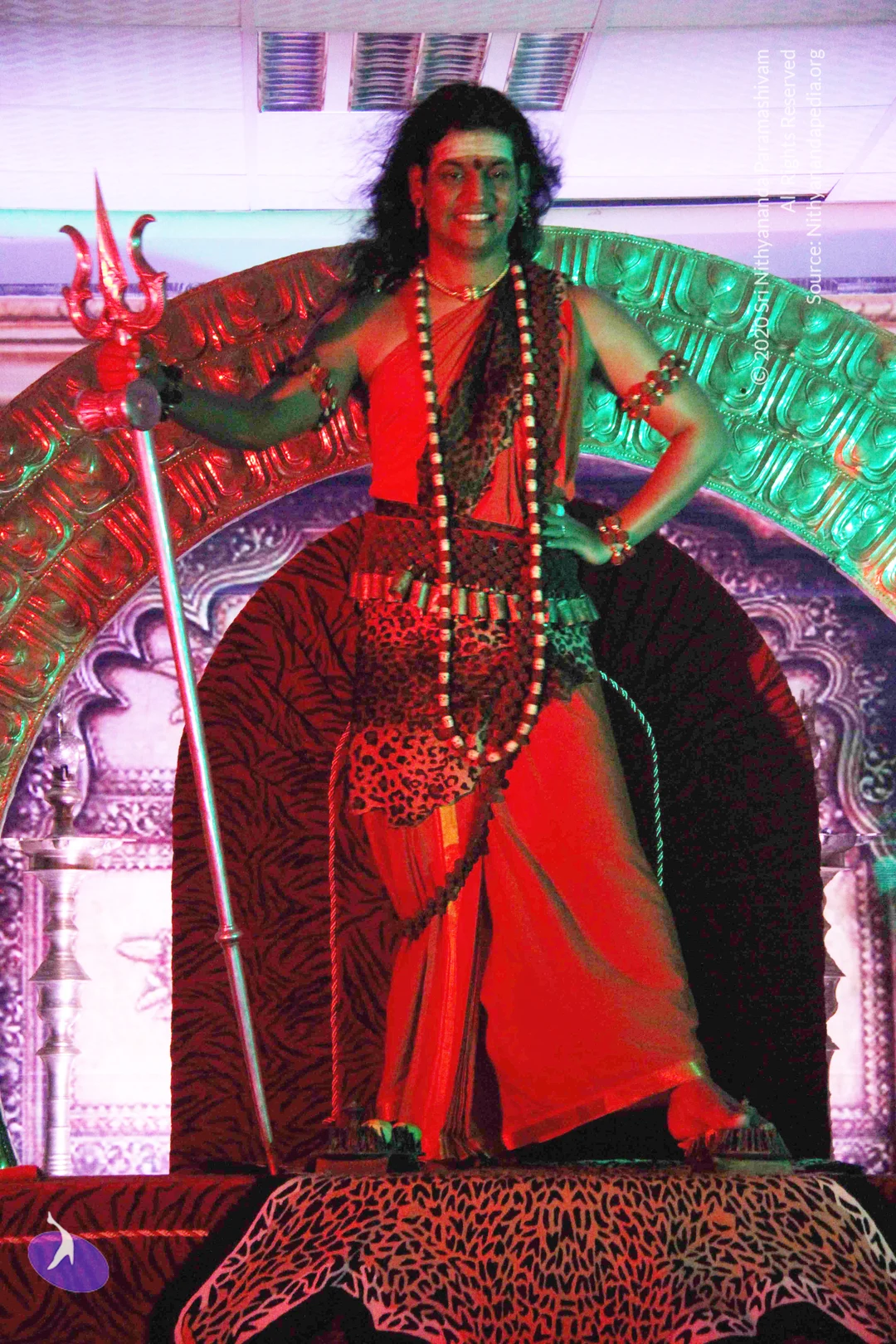
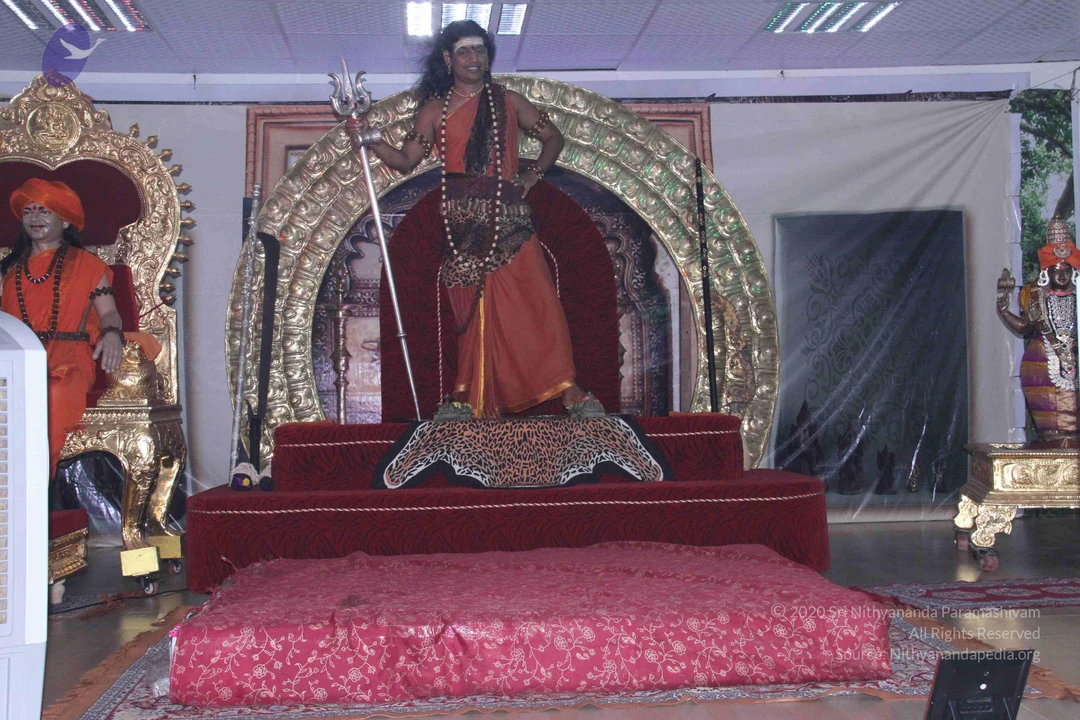
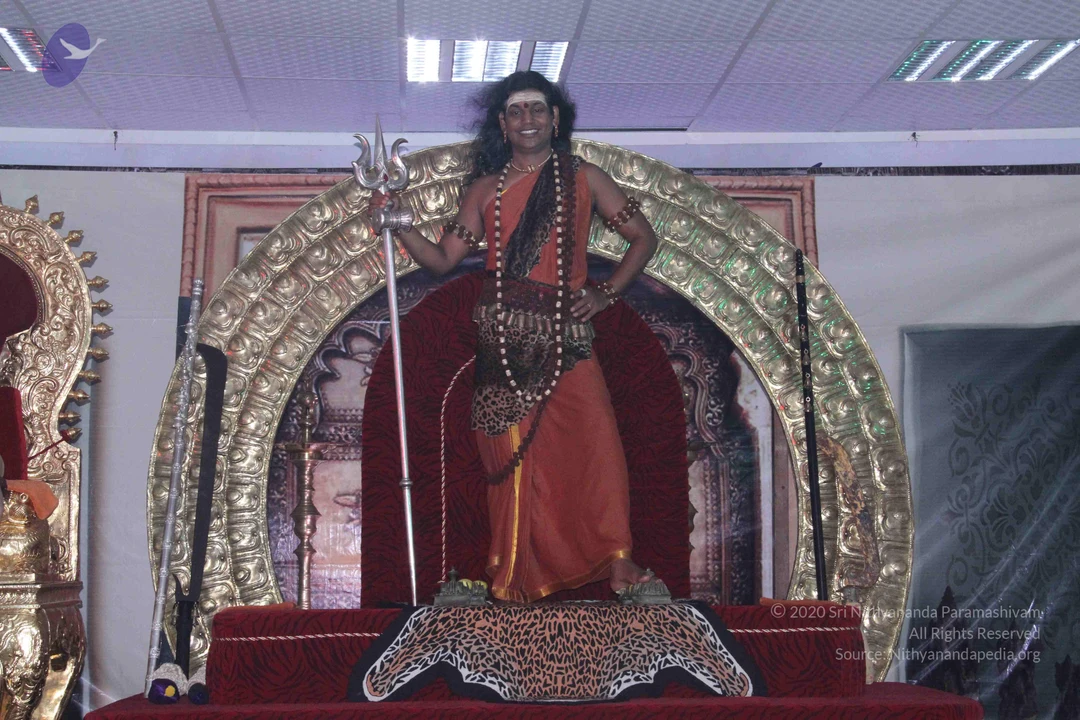
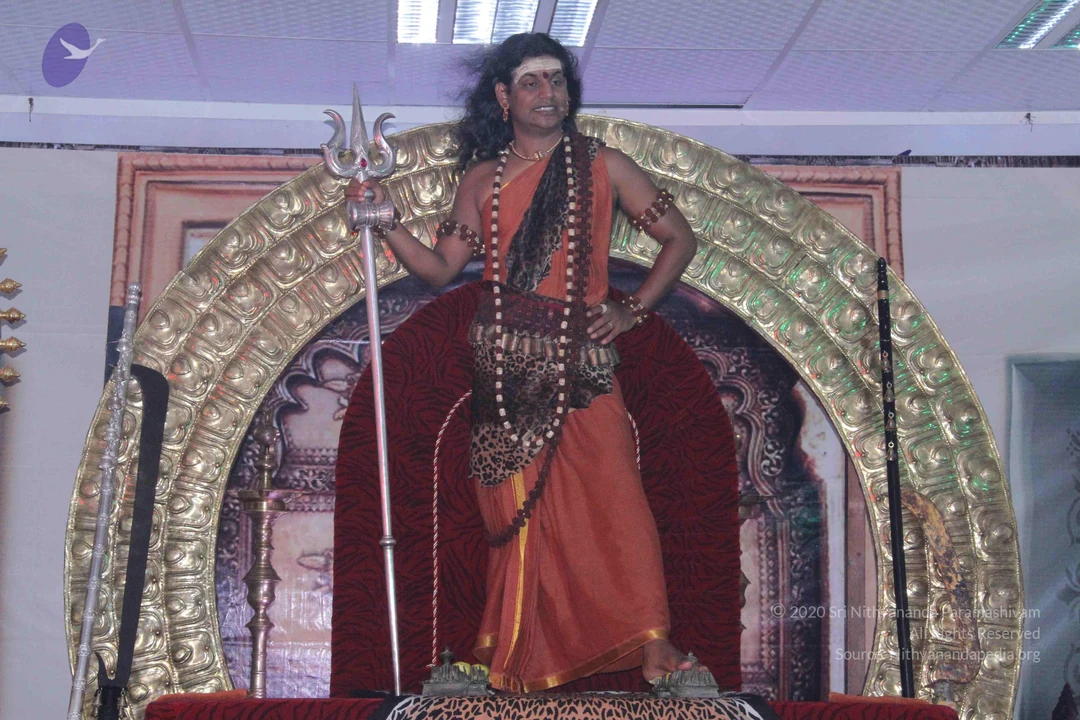
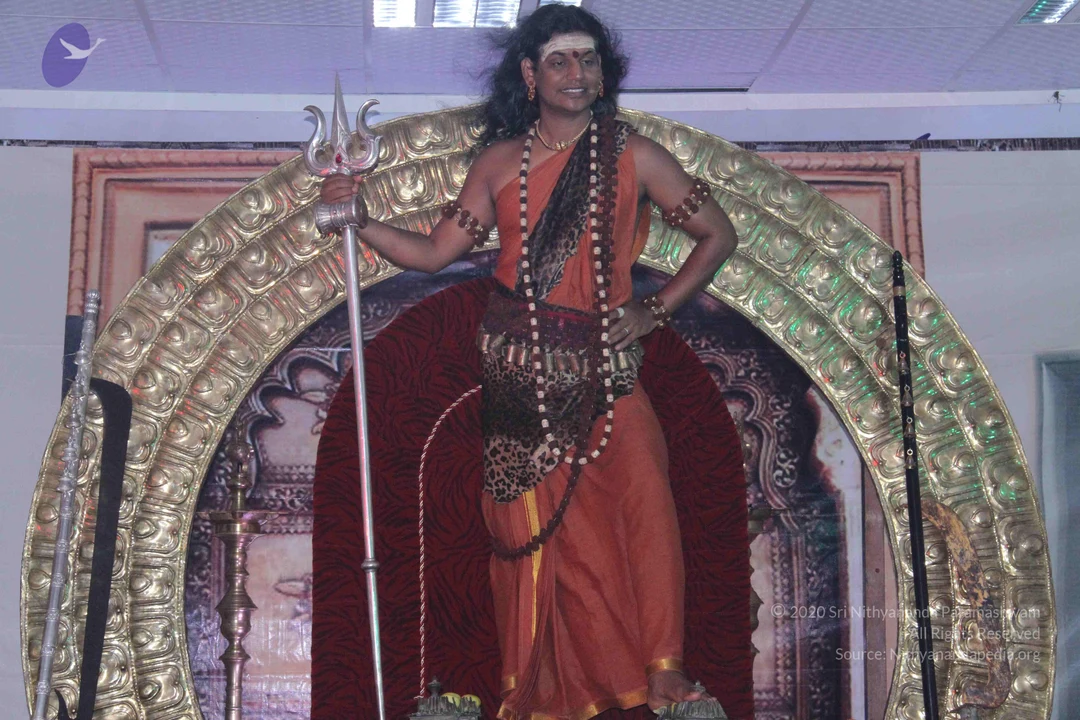
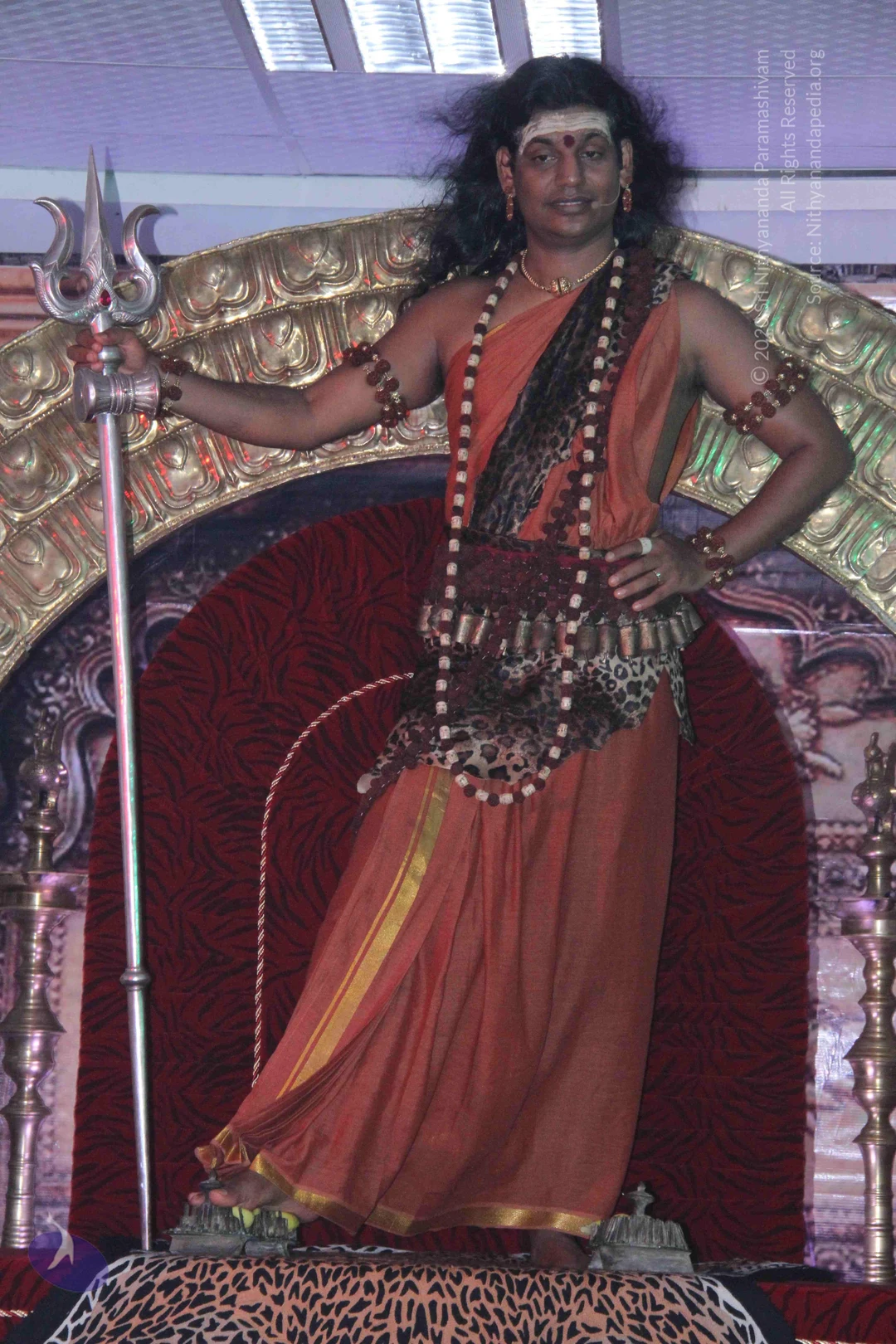
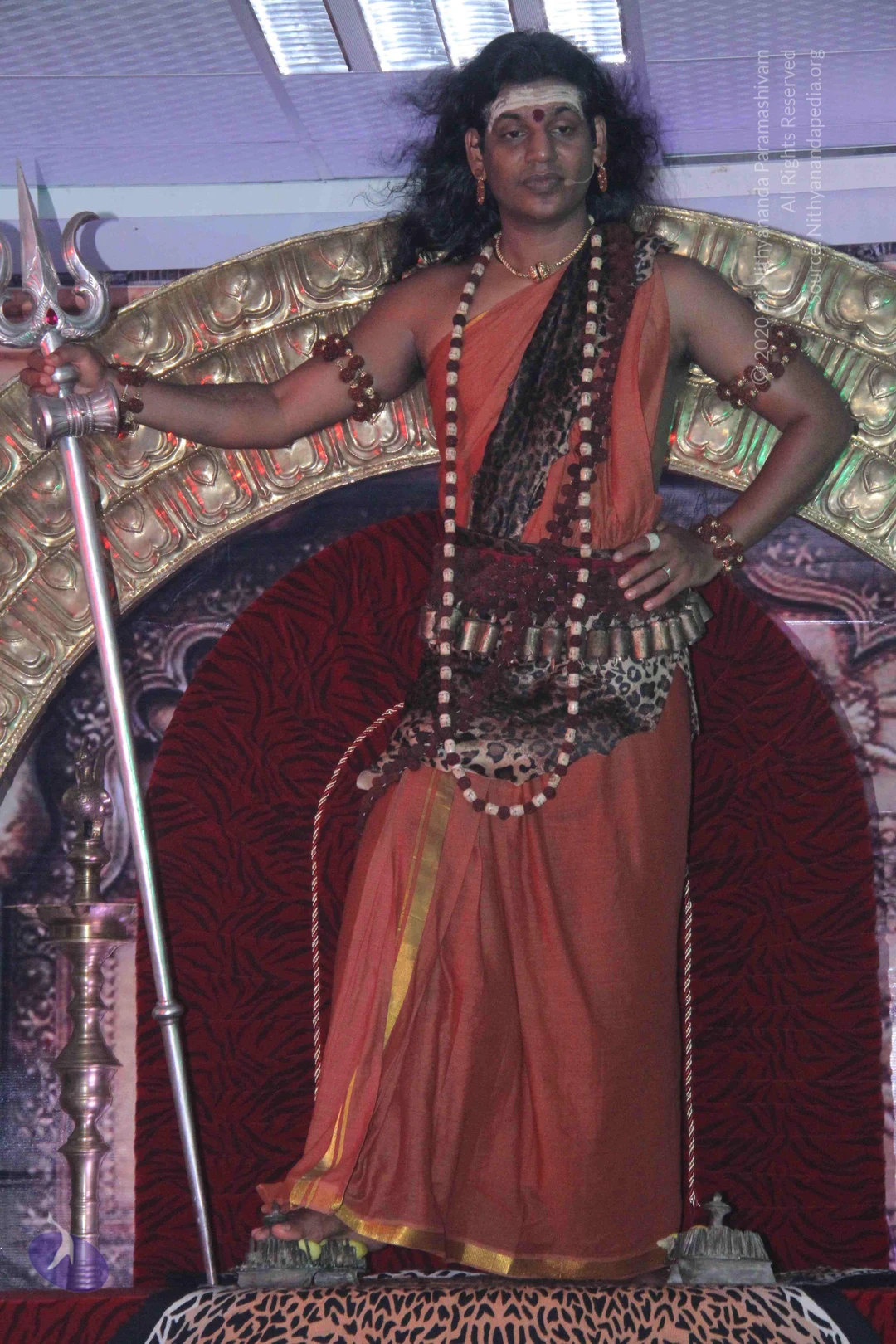
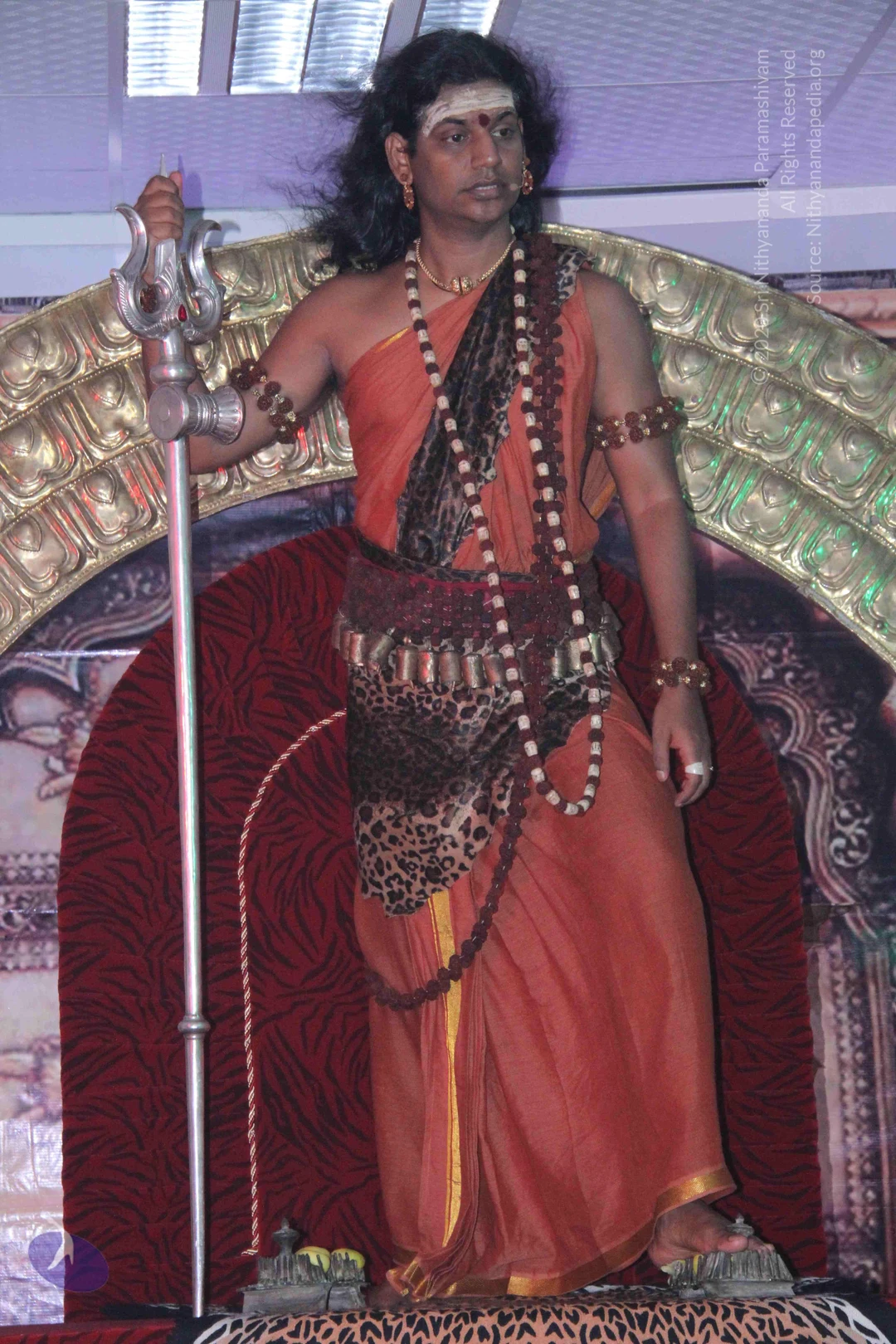
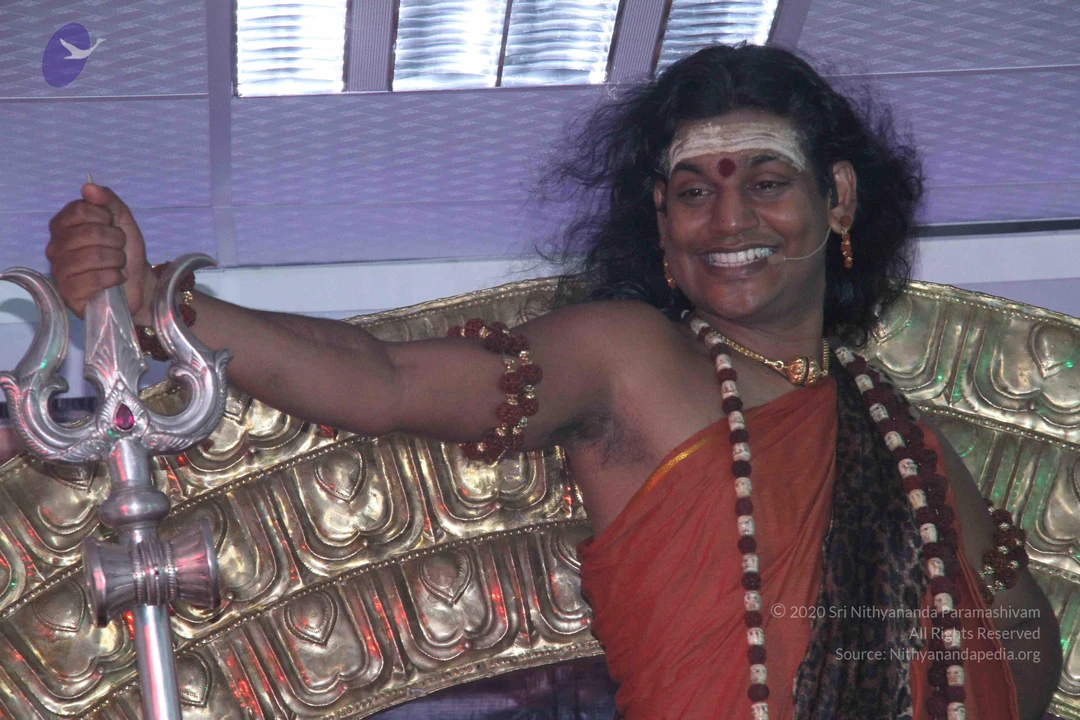
Photos from this day
View all 664 photosMorning Satsang
164 photosSource gallery
NSP Initiation
4 photosSource gallery
NSP
23 photosSource gallery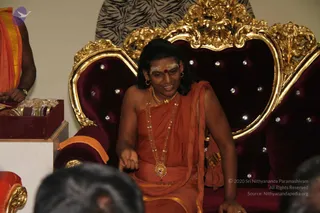
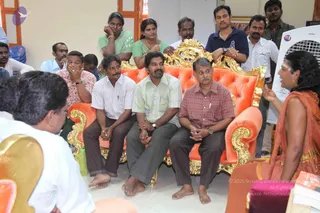
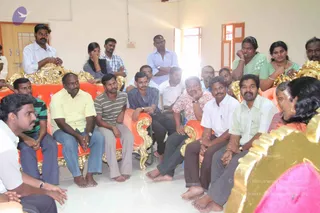
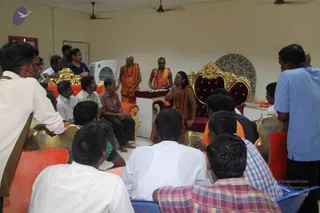
Akashic Reading
263 photosSource gallery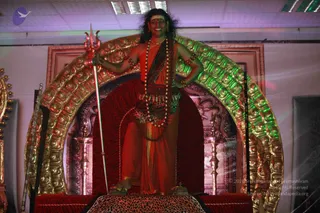
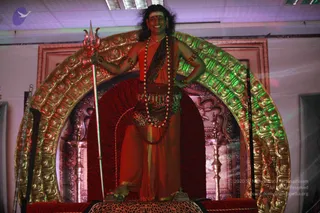
1-Morning Satsang
46 photosSource gallery