Skip to content
Sunday

6 January 2013

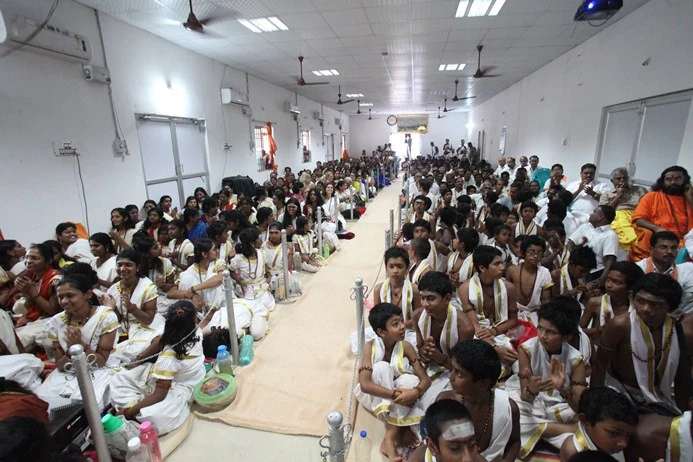
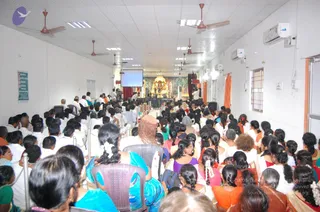
January 06, 2013 Morning Satsang

Dated photos
846
Source pages
1
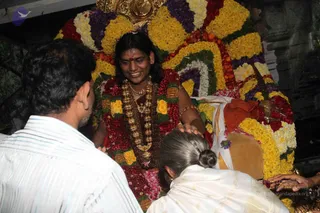
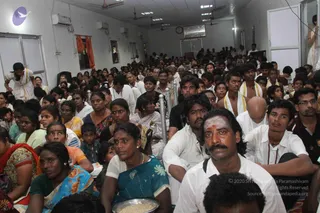
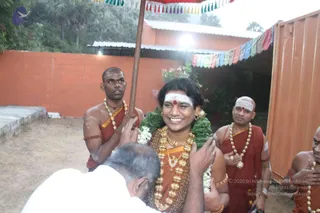
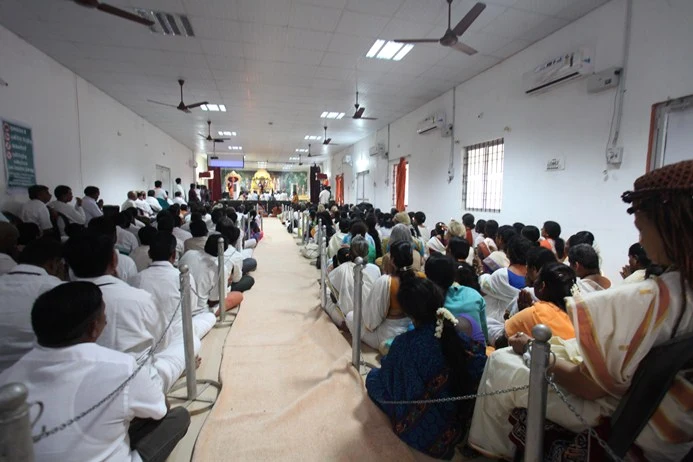
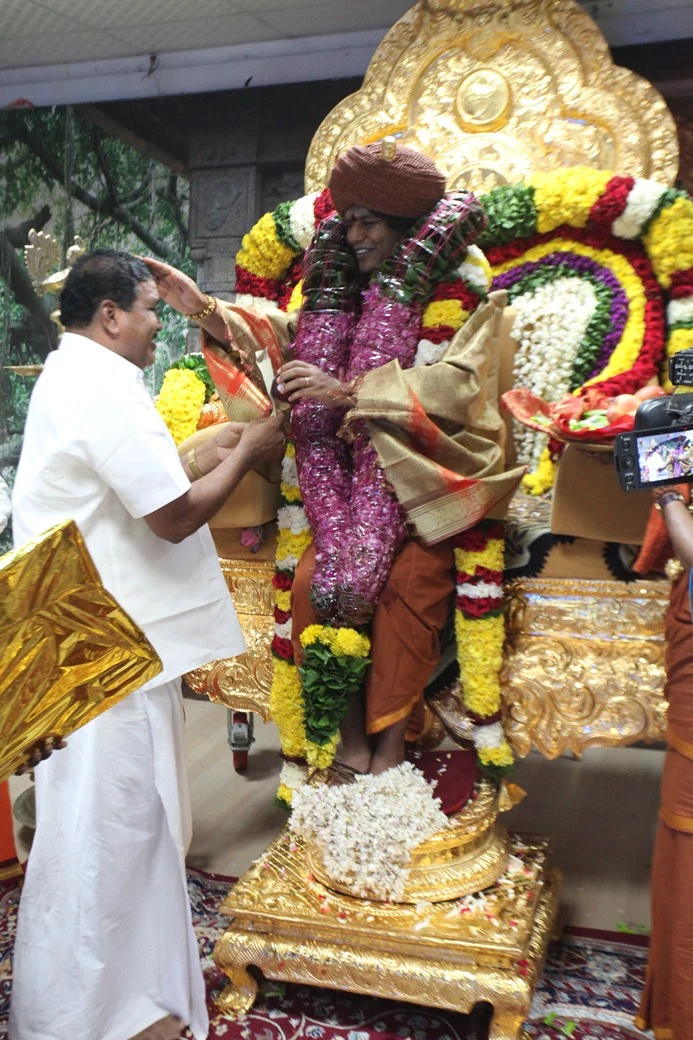
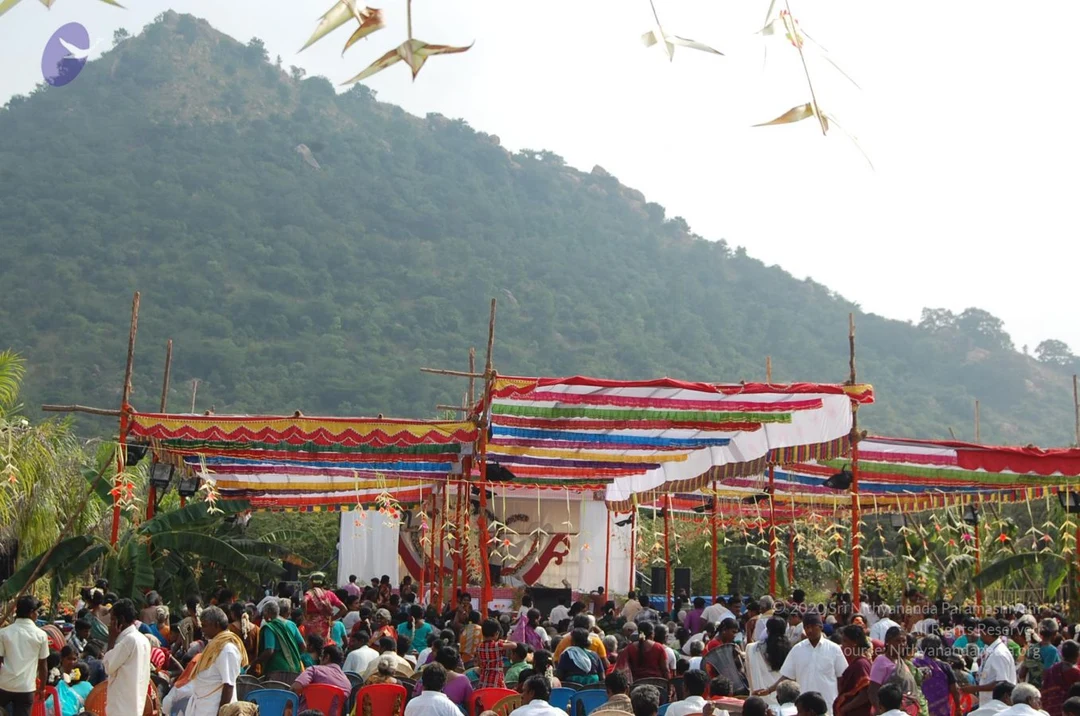
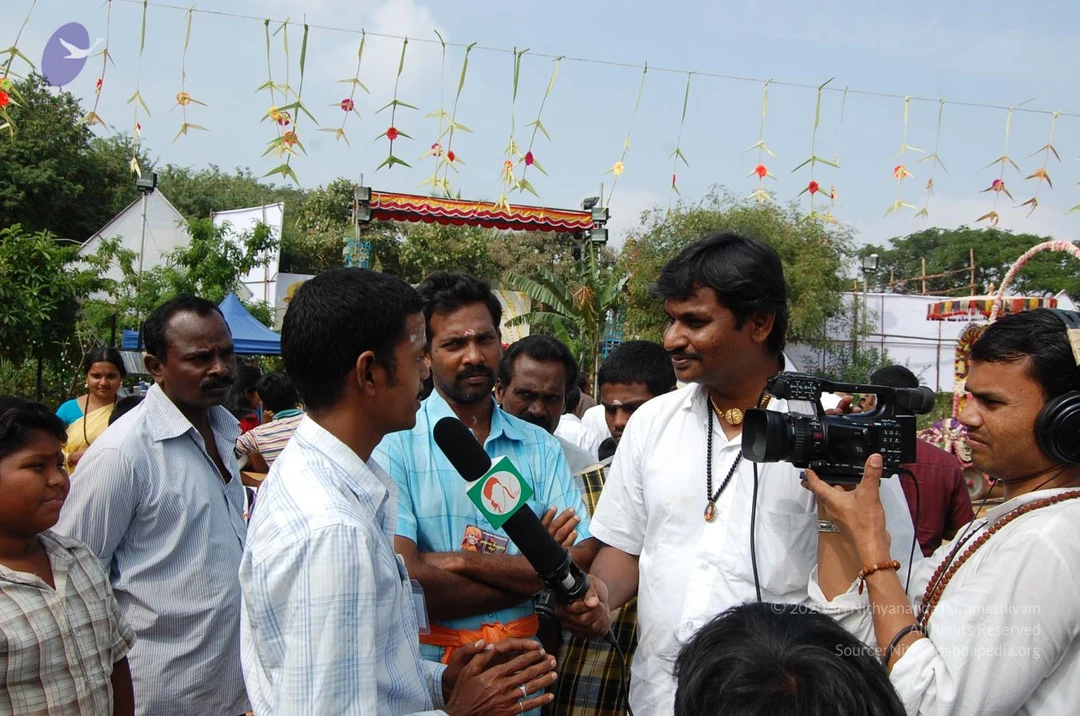
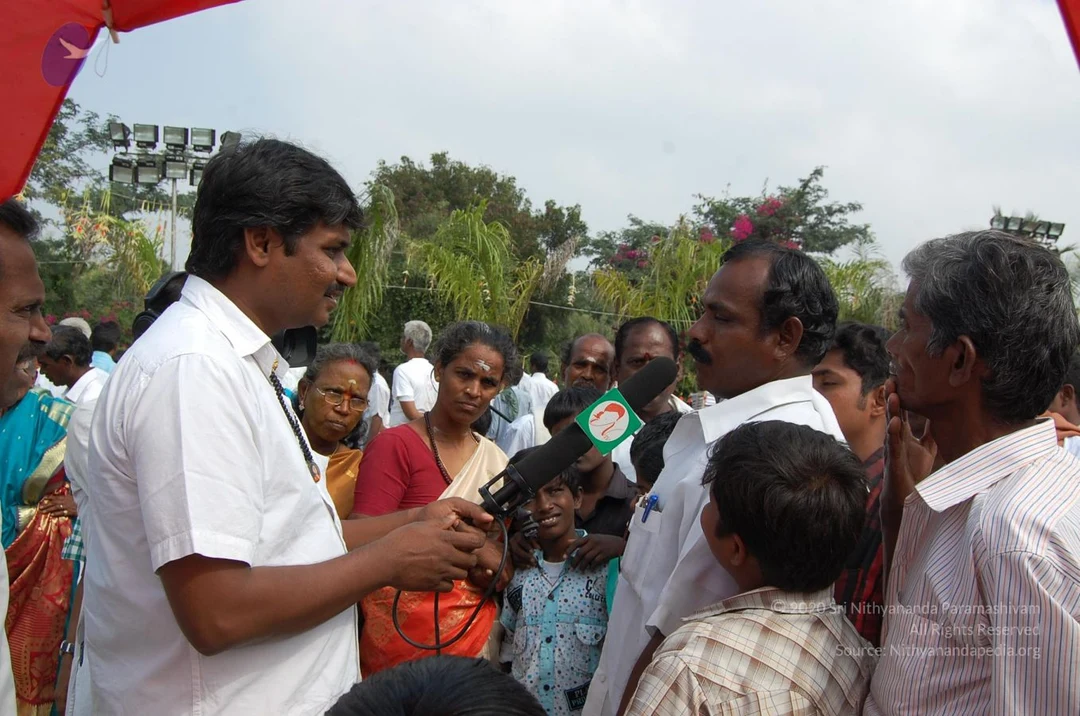
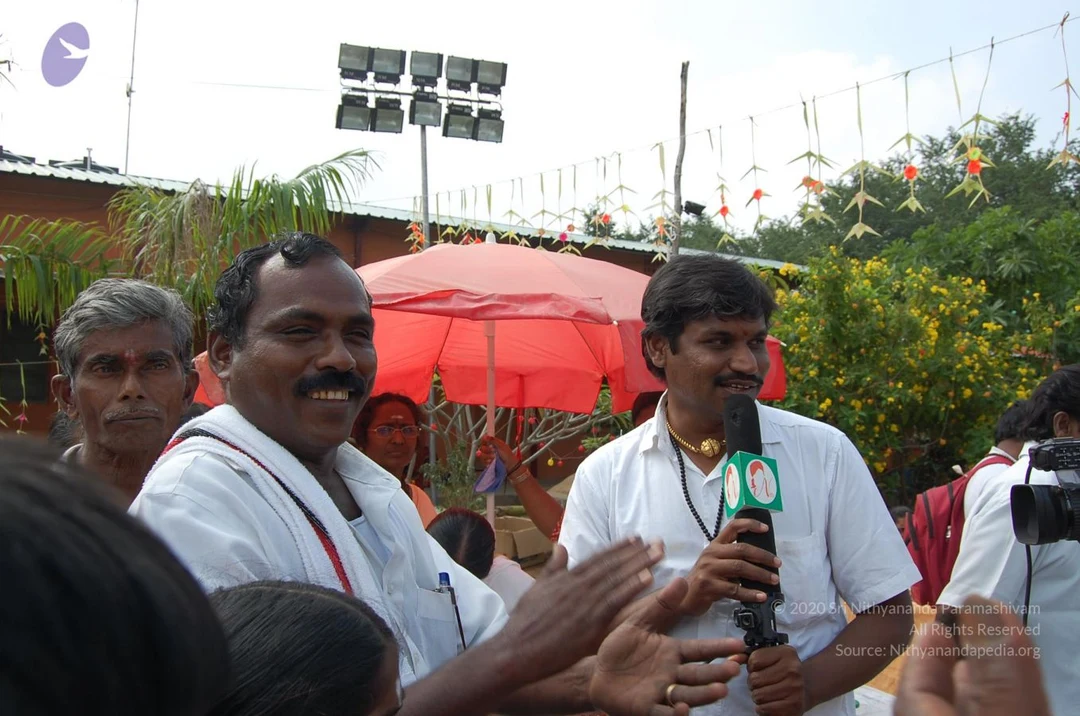
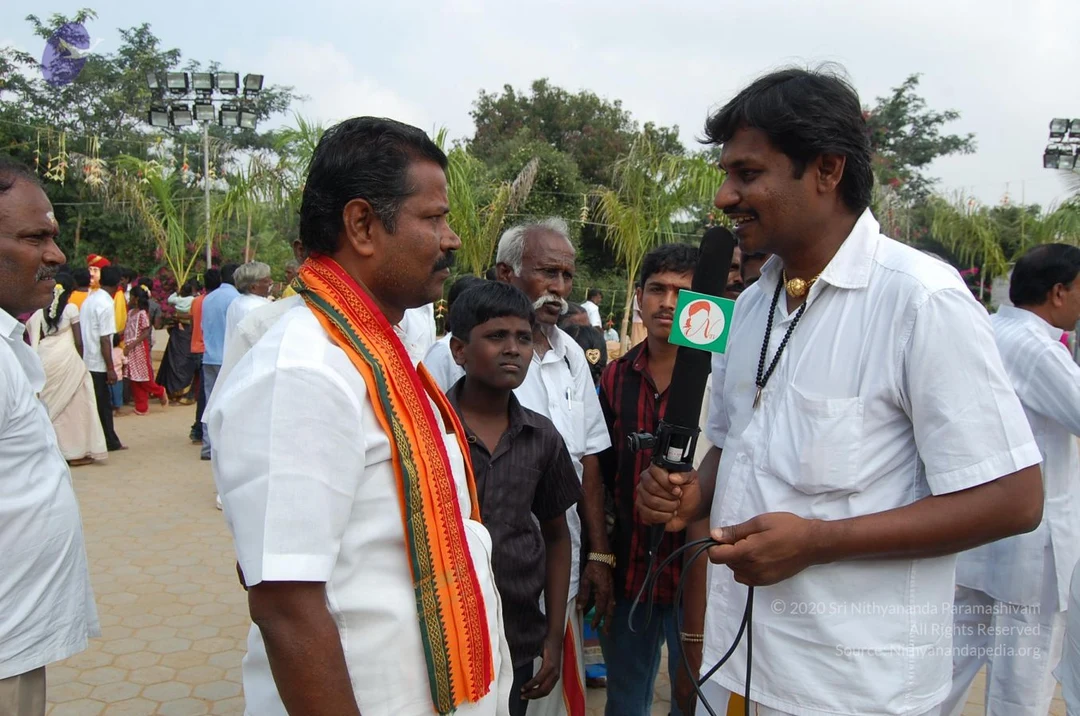
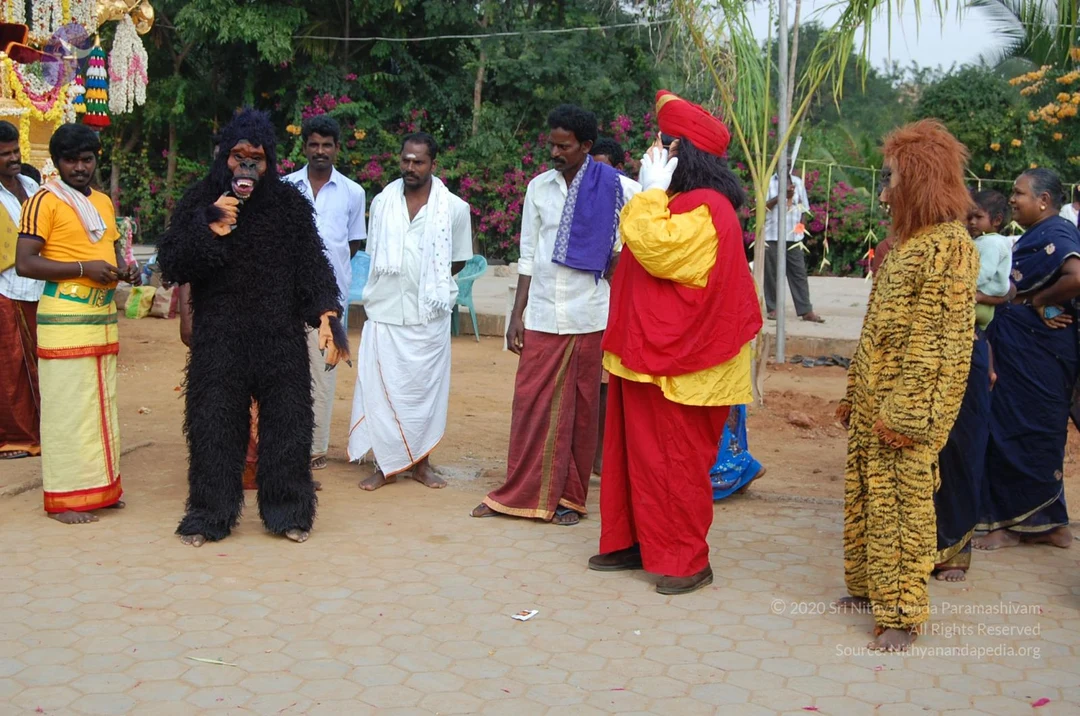
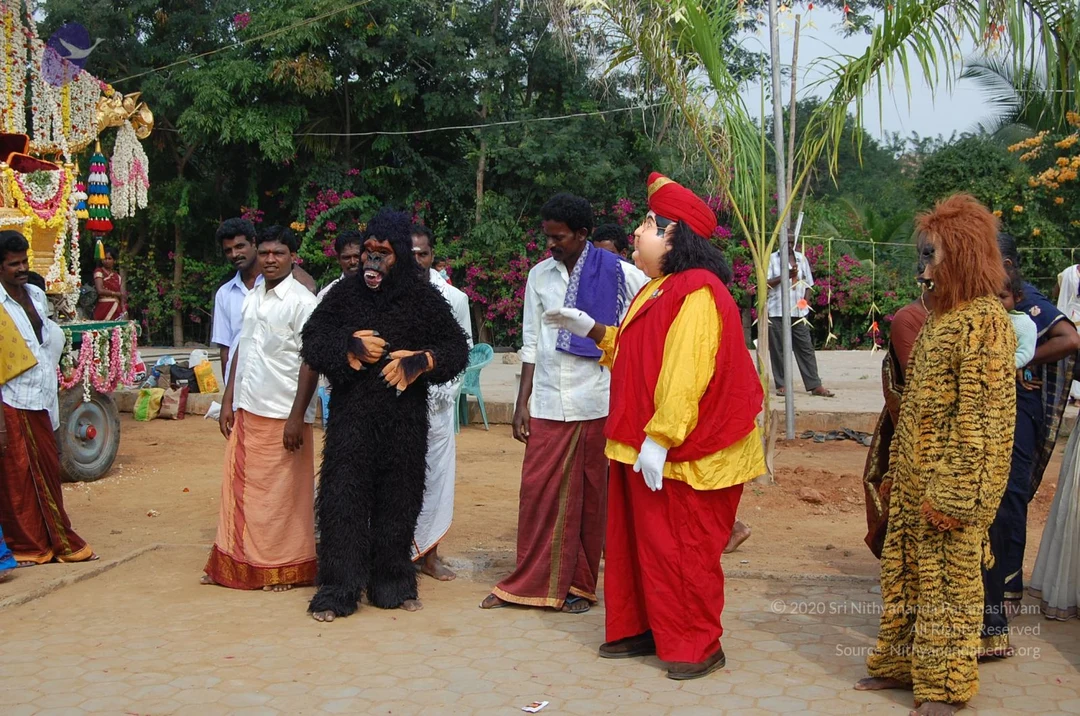
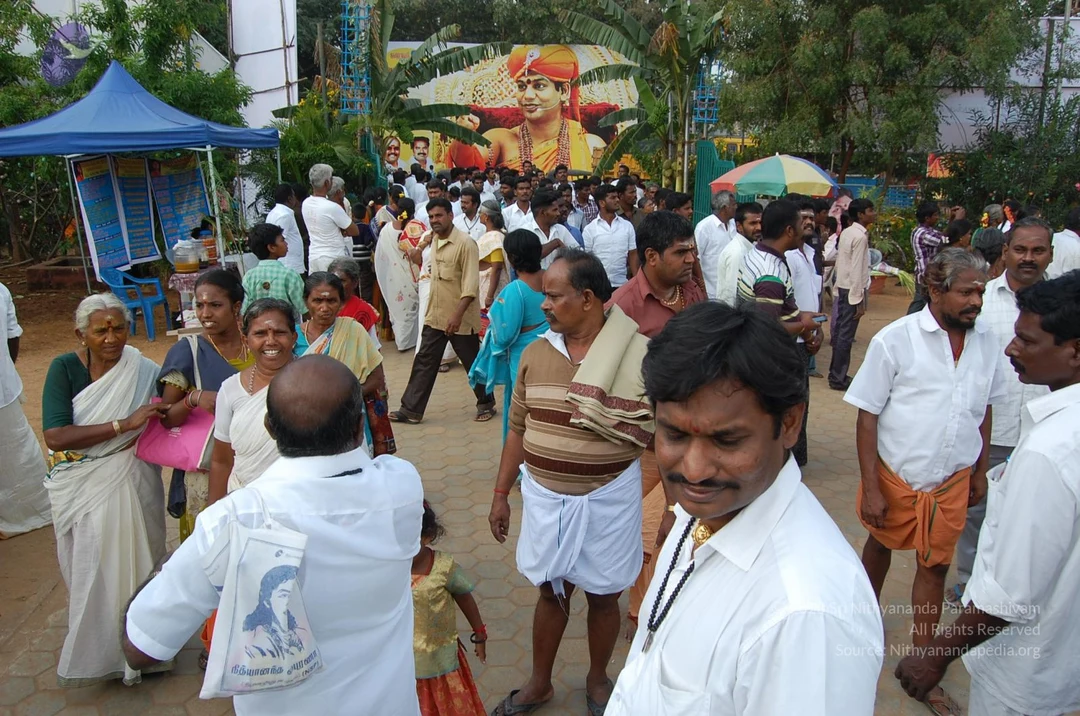
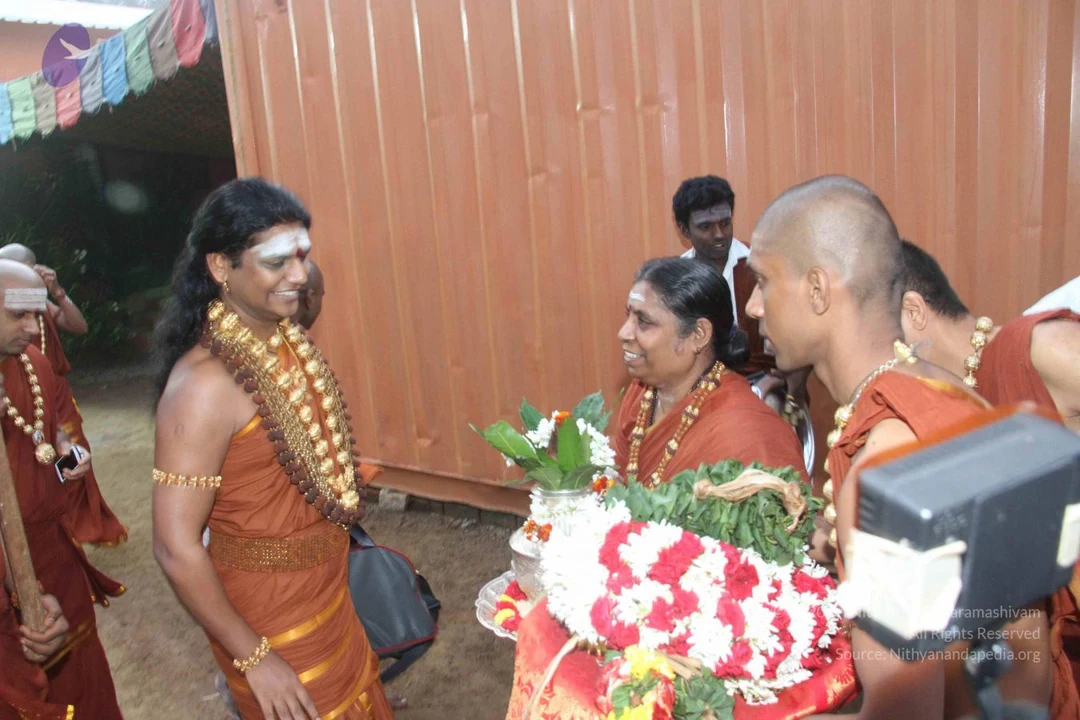
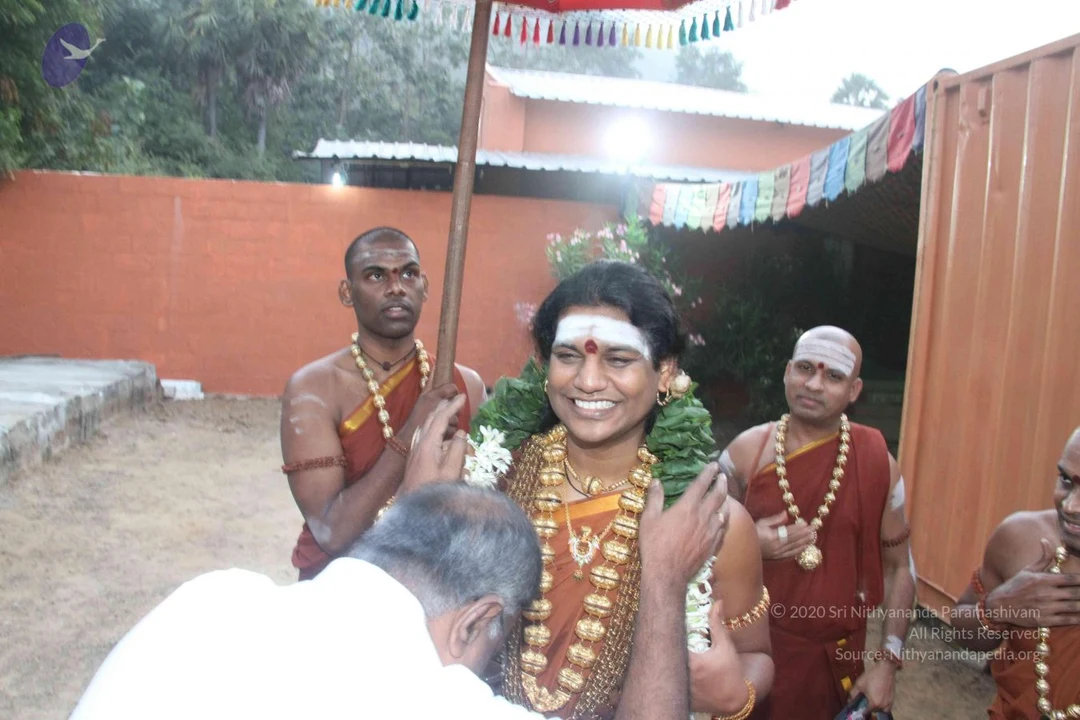
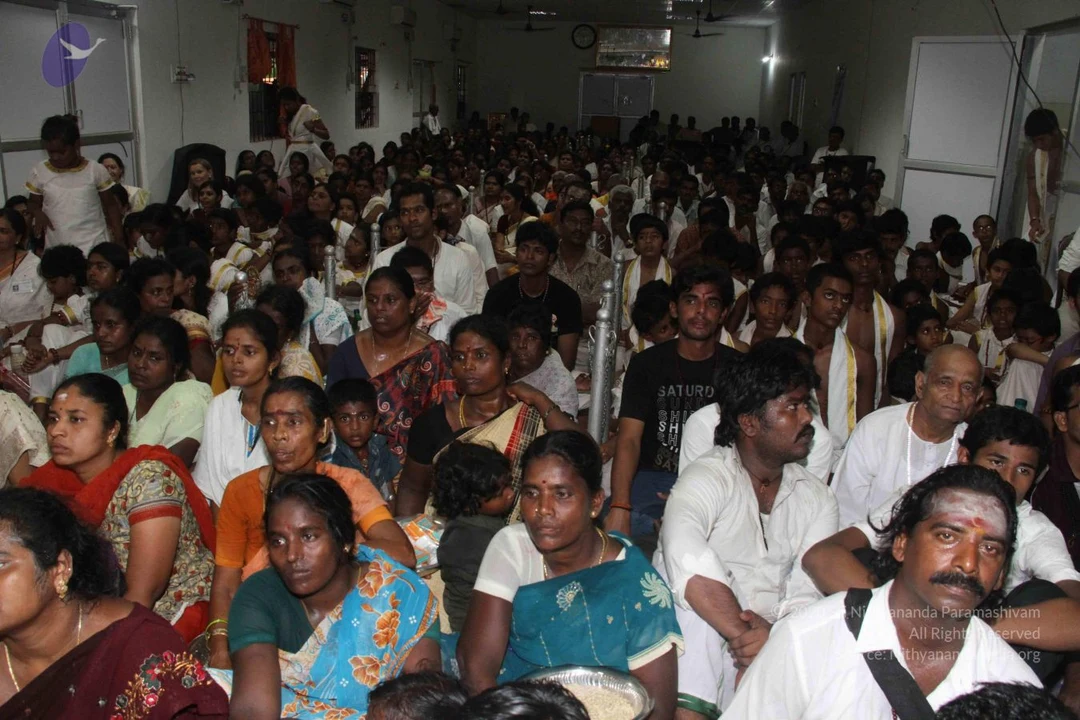
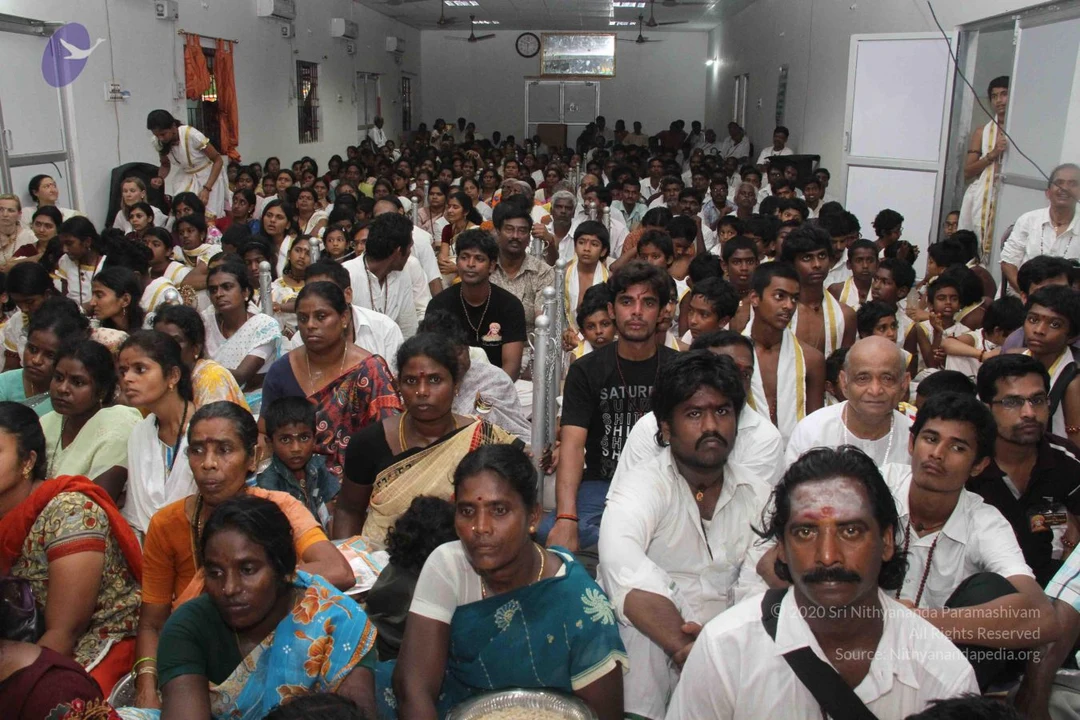
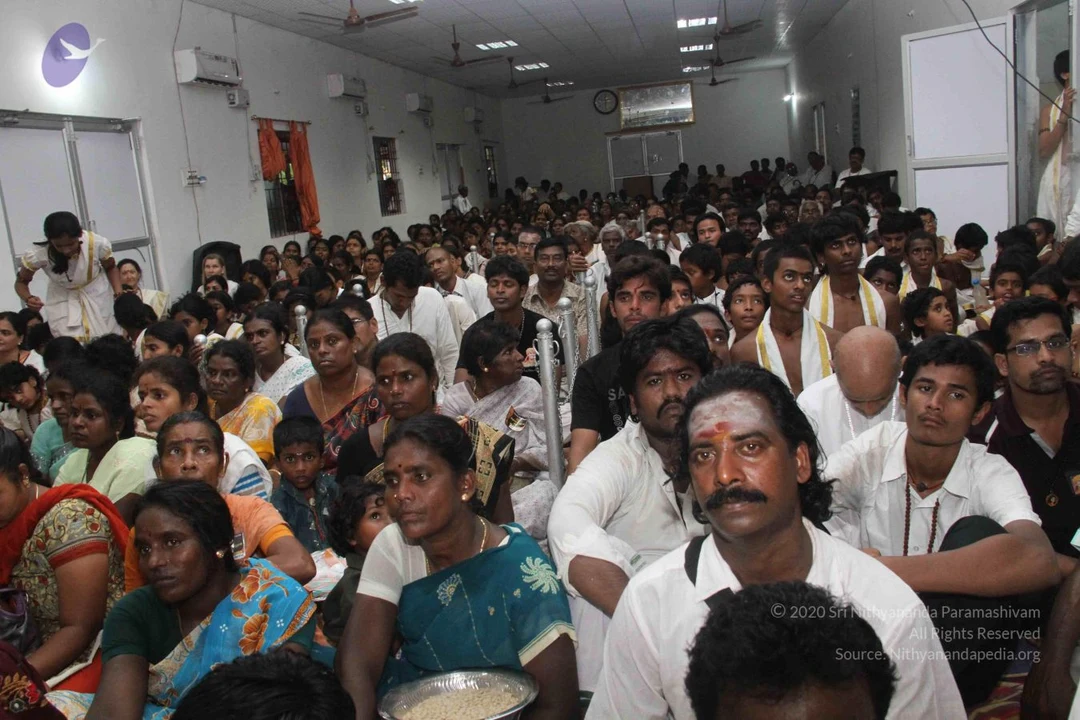
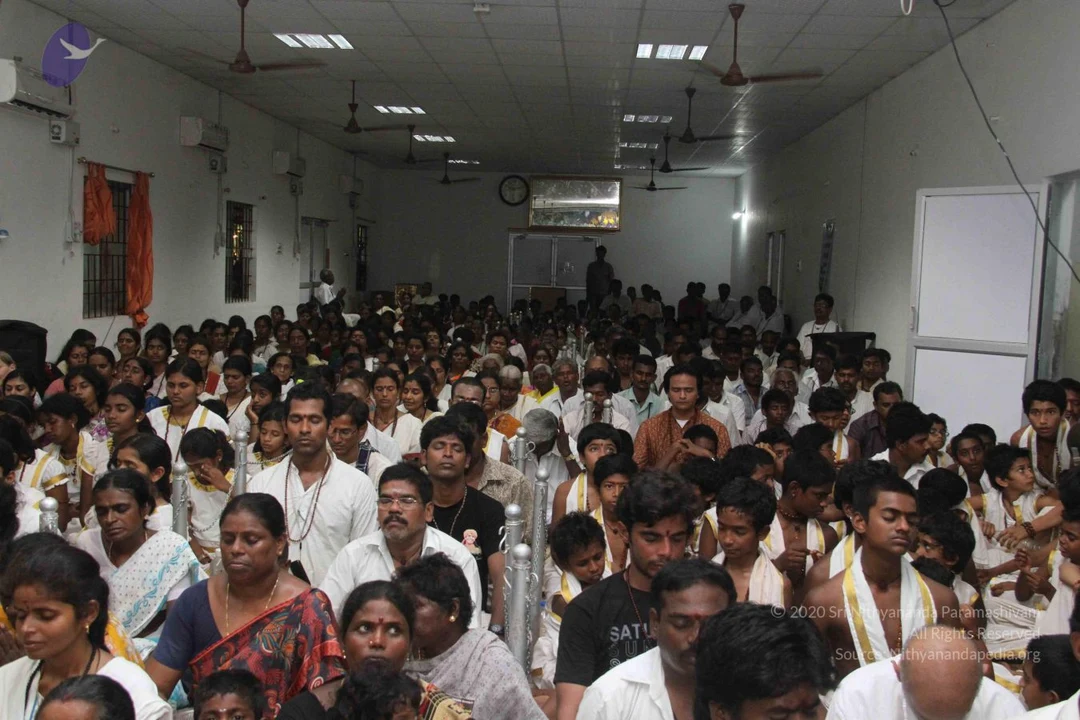
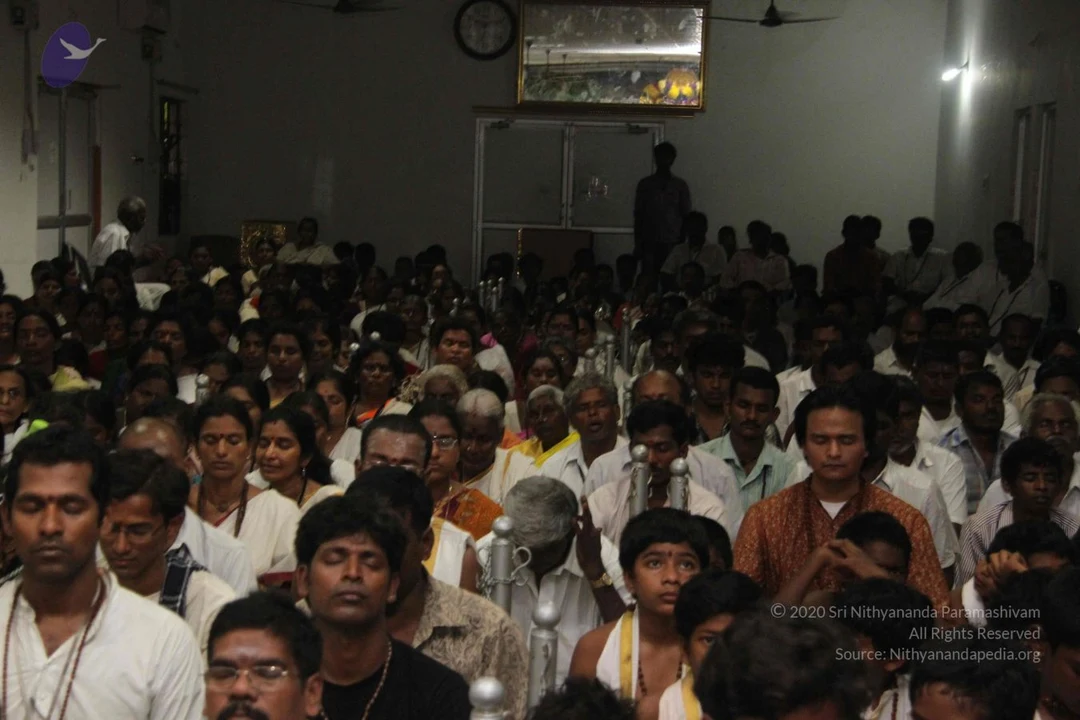
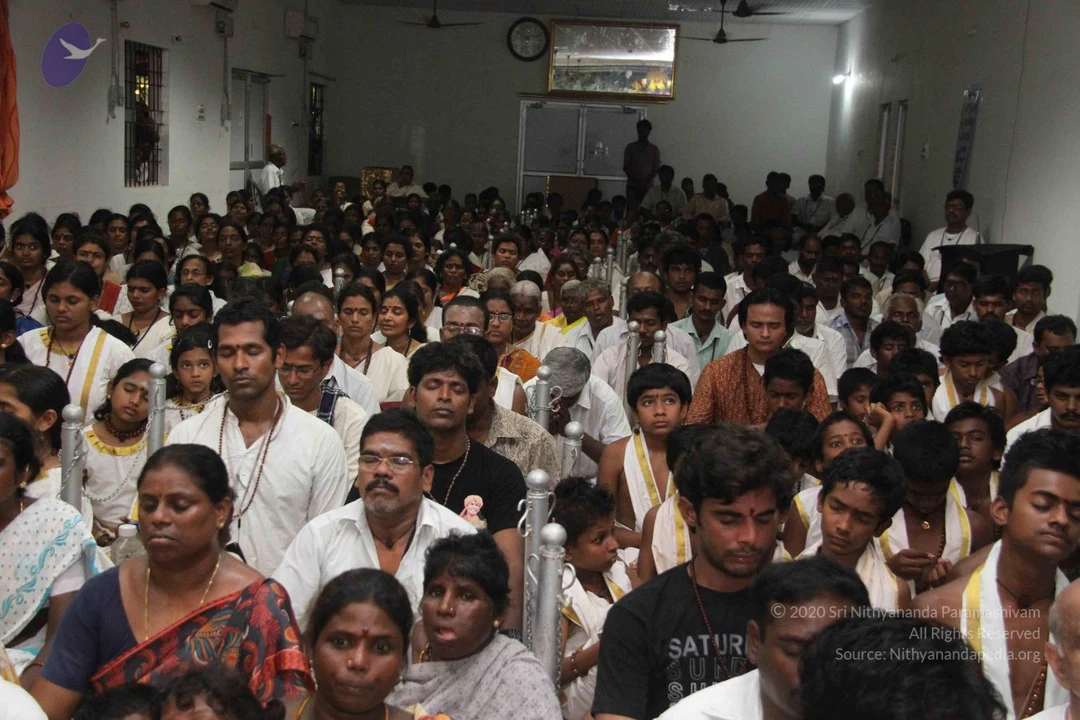
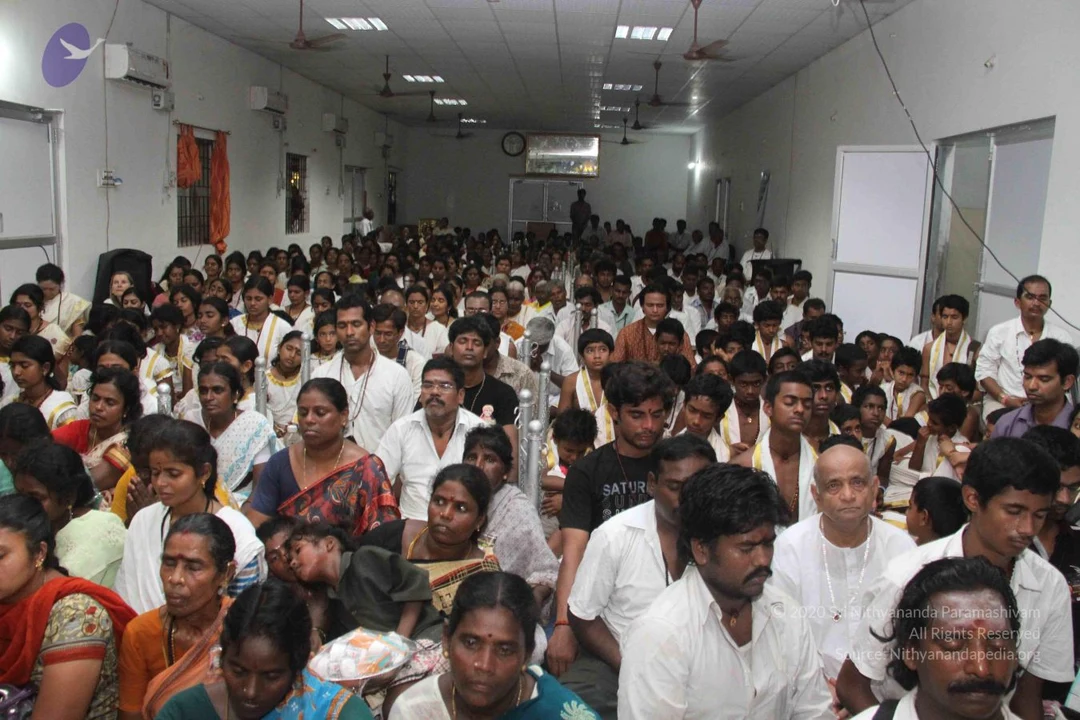
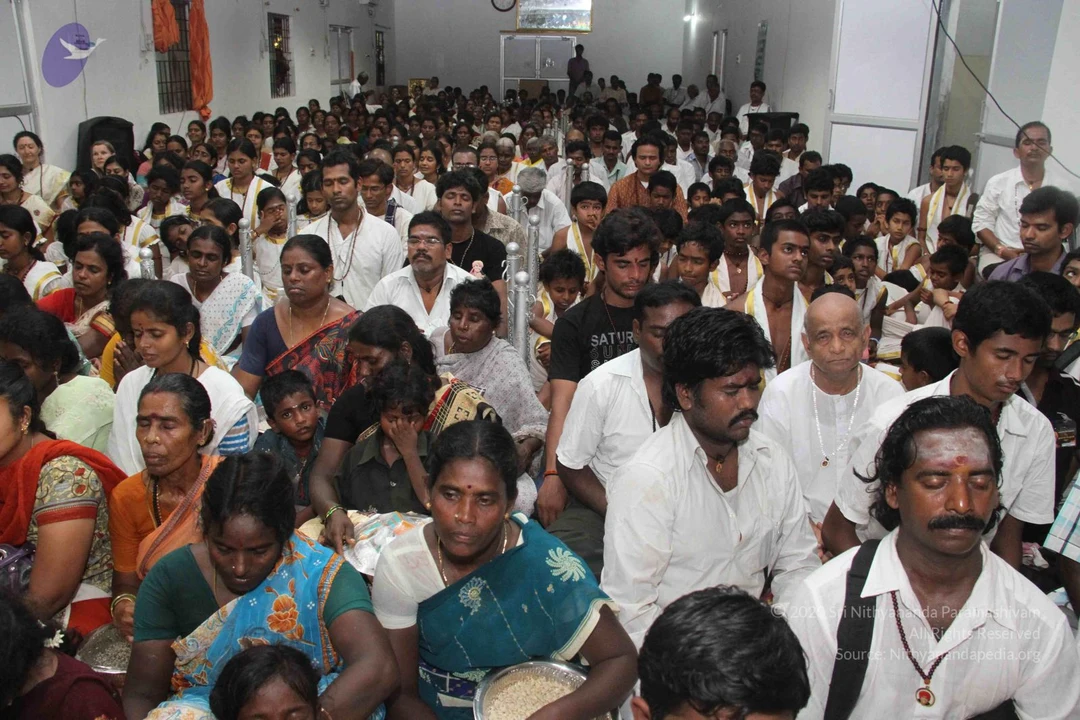
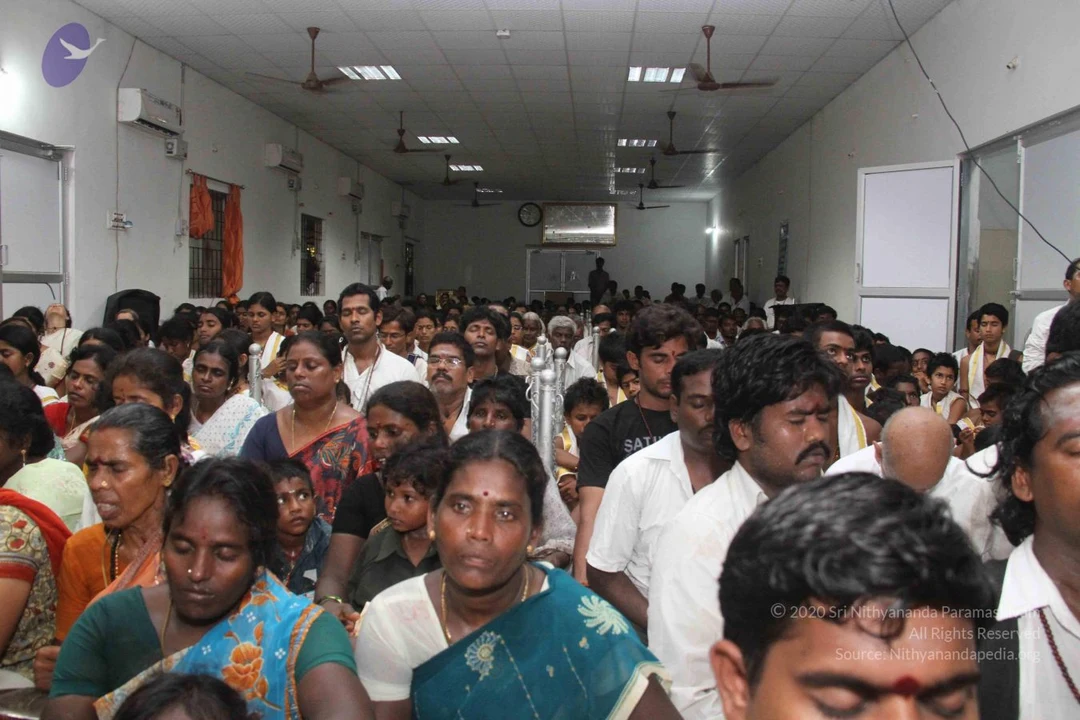
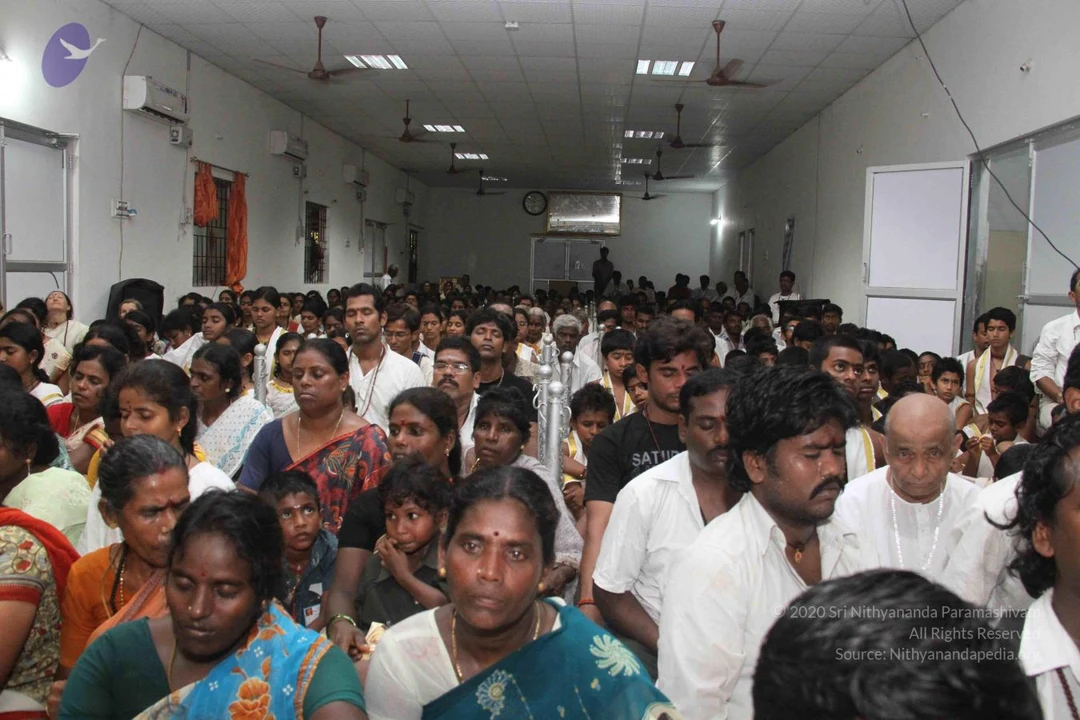
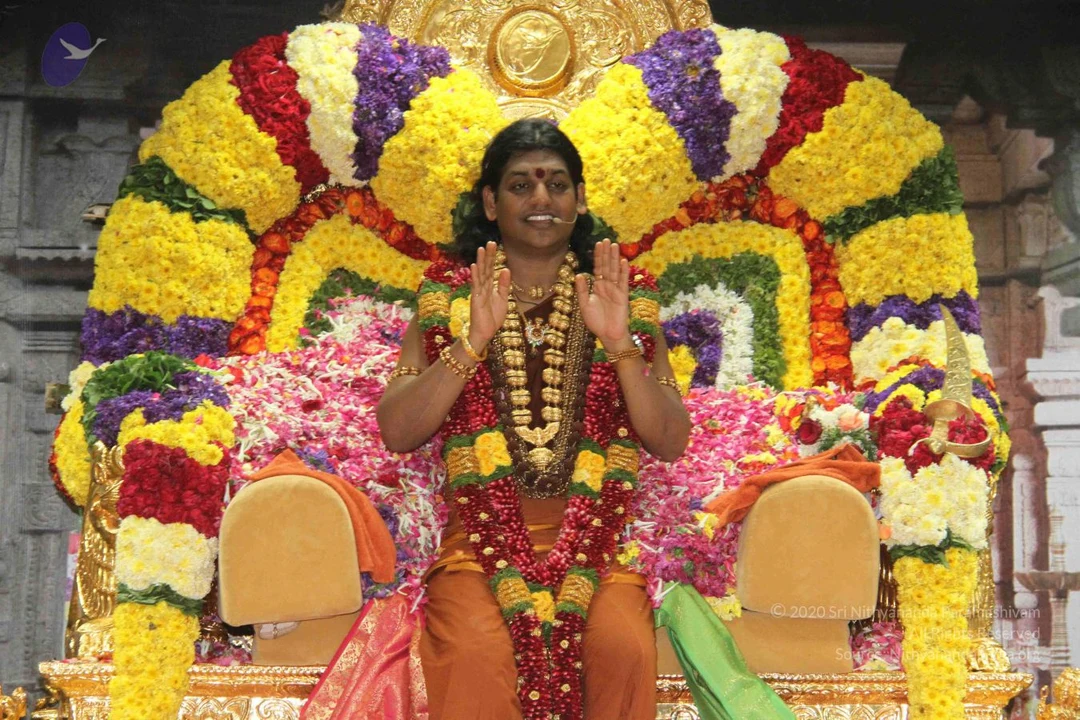
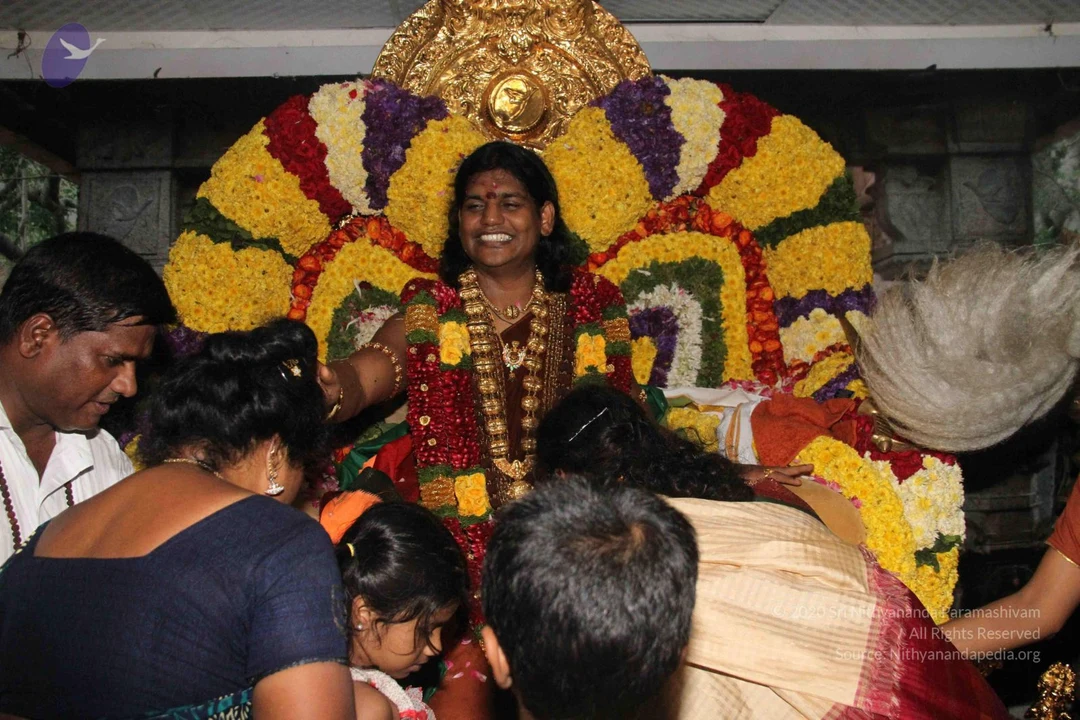
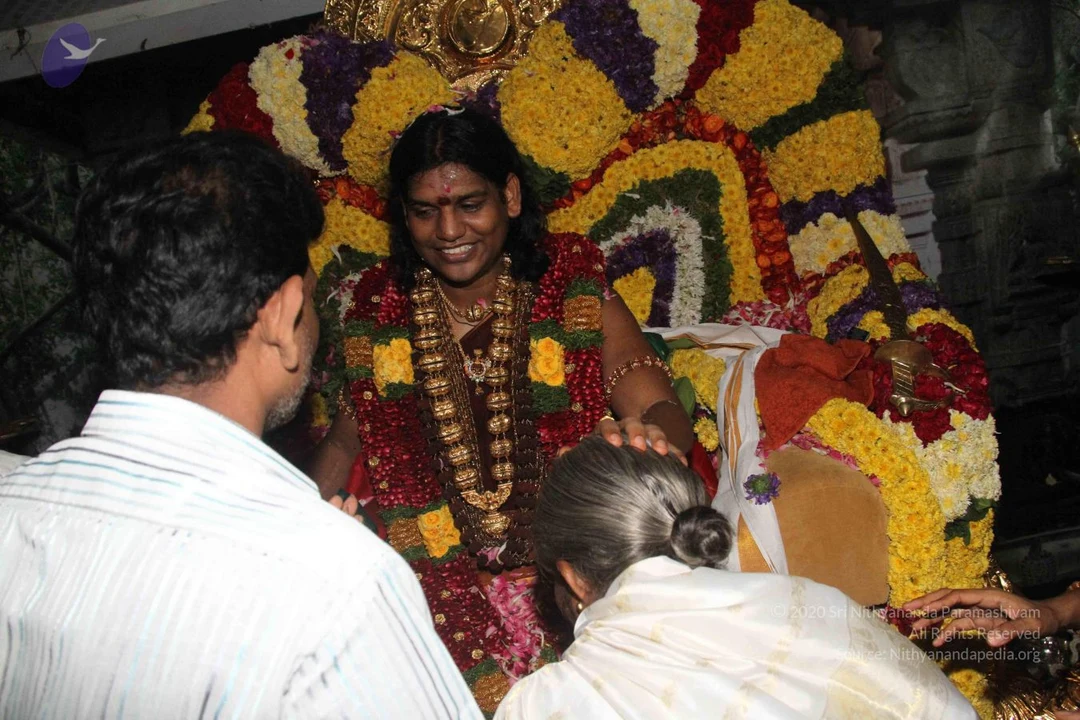
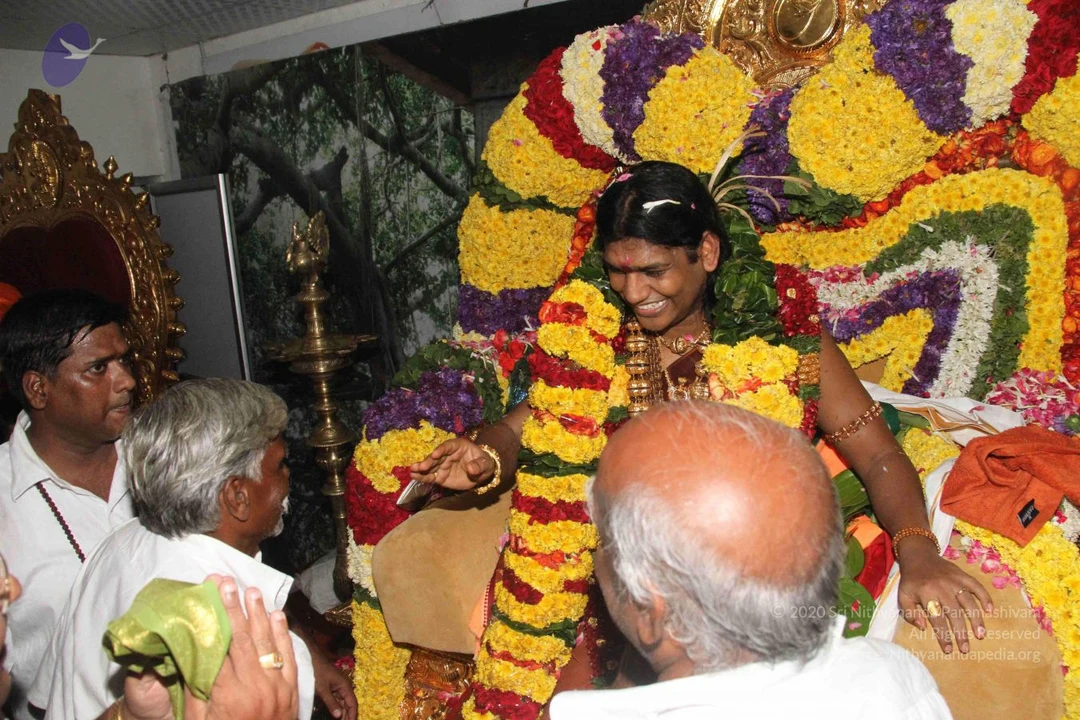
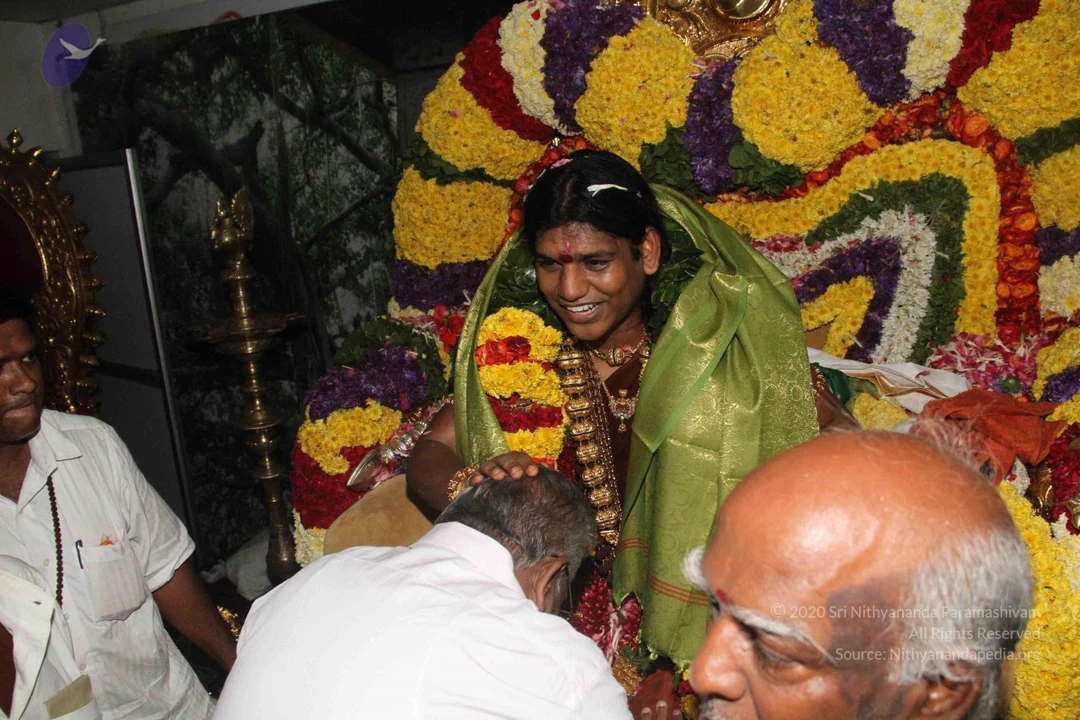
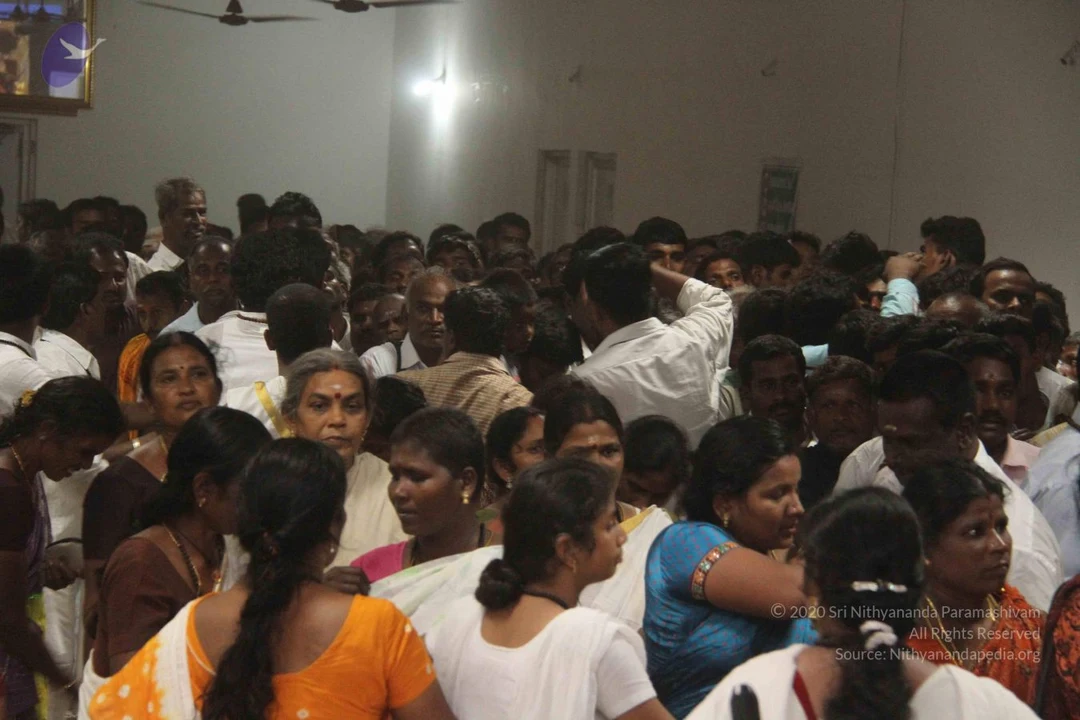
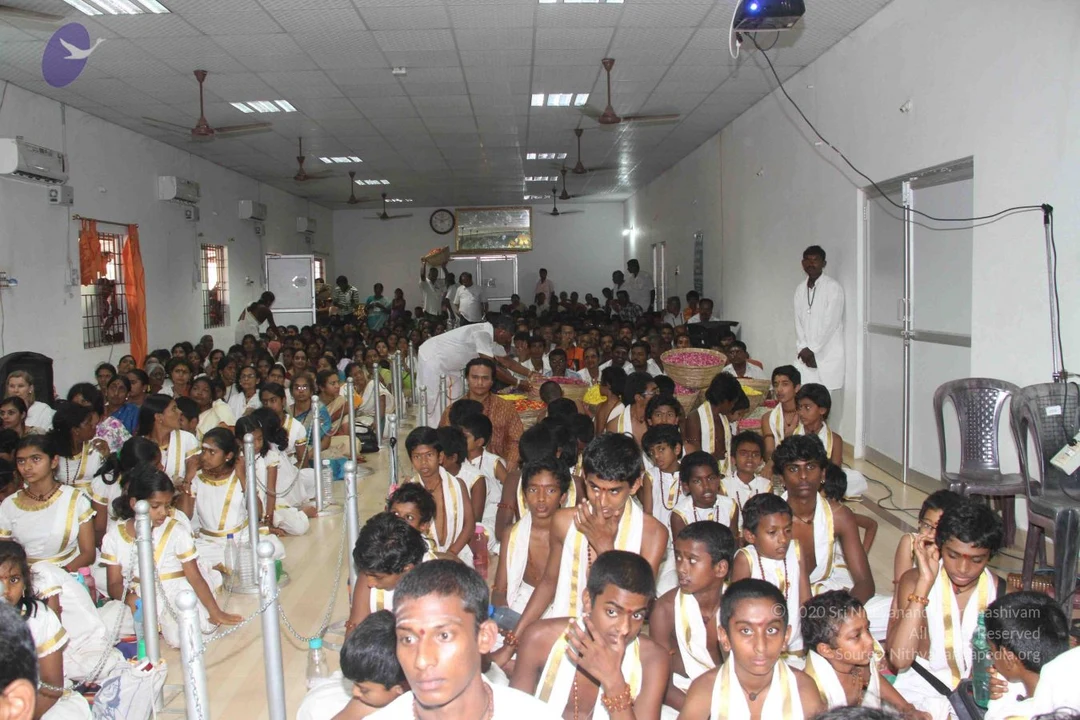
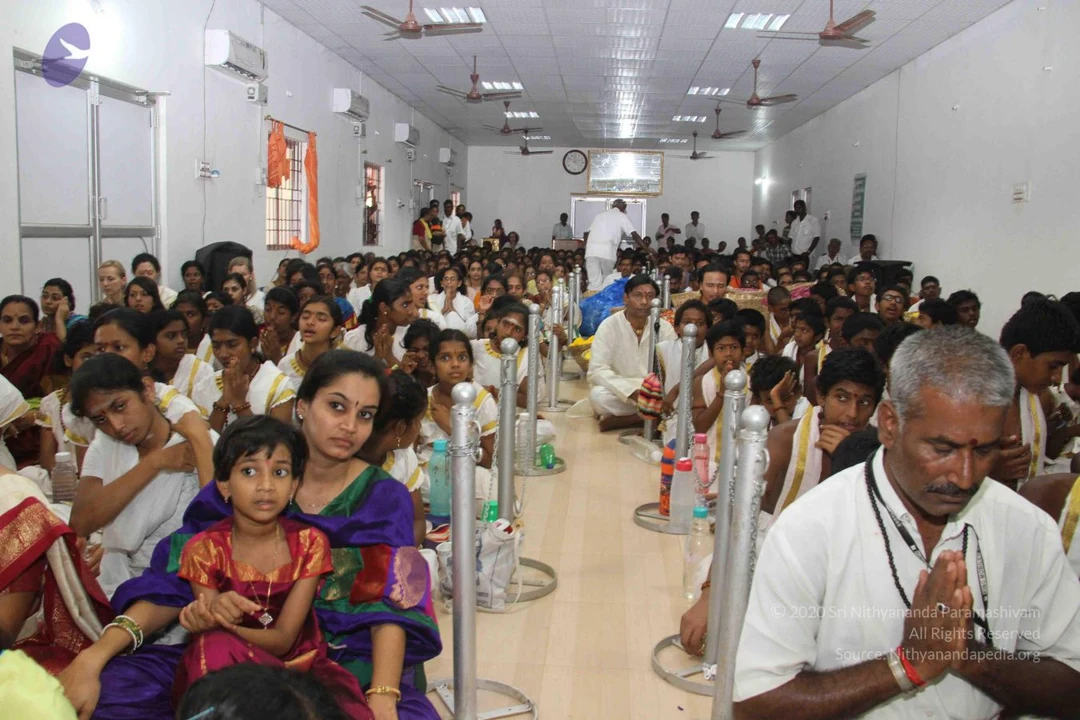
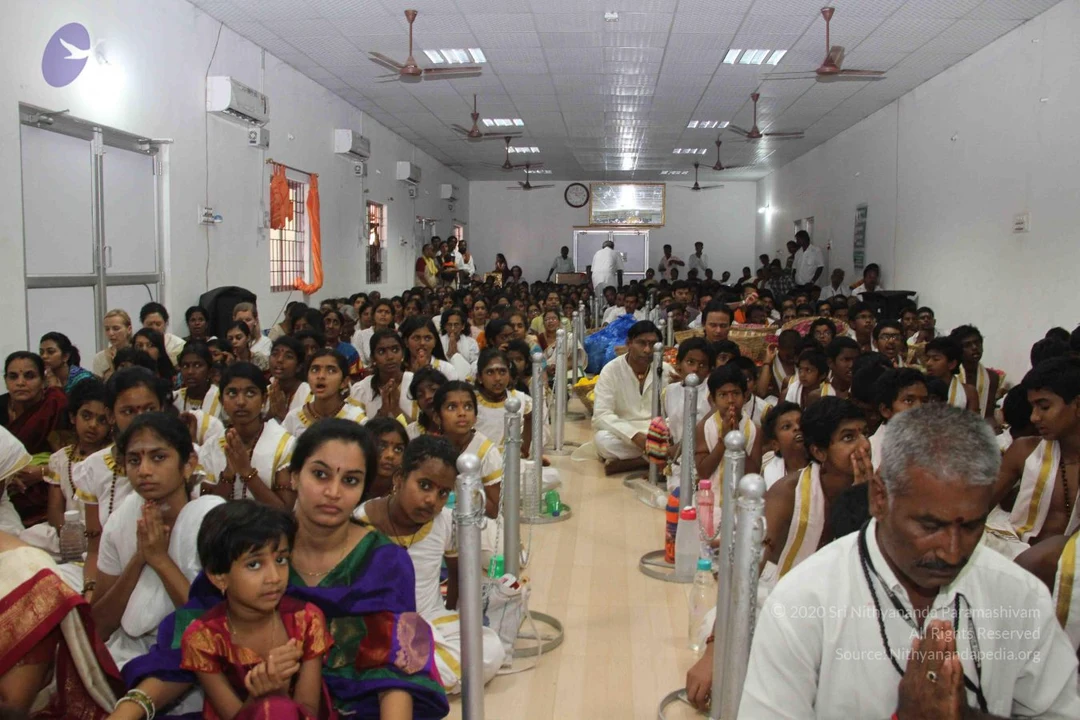
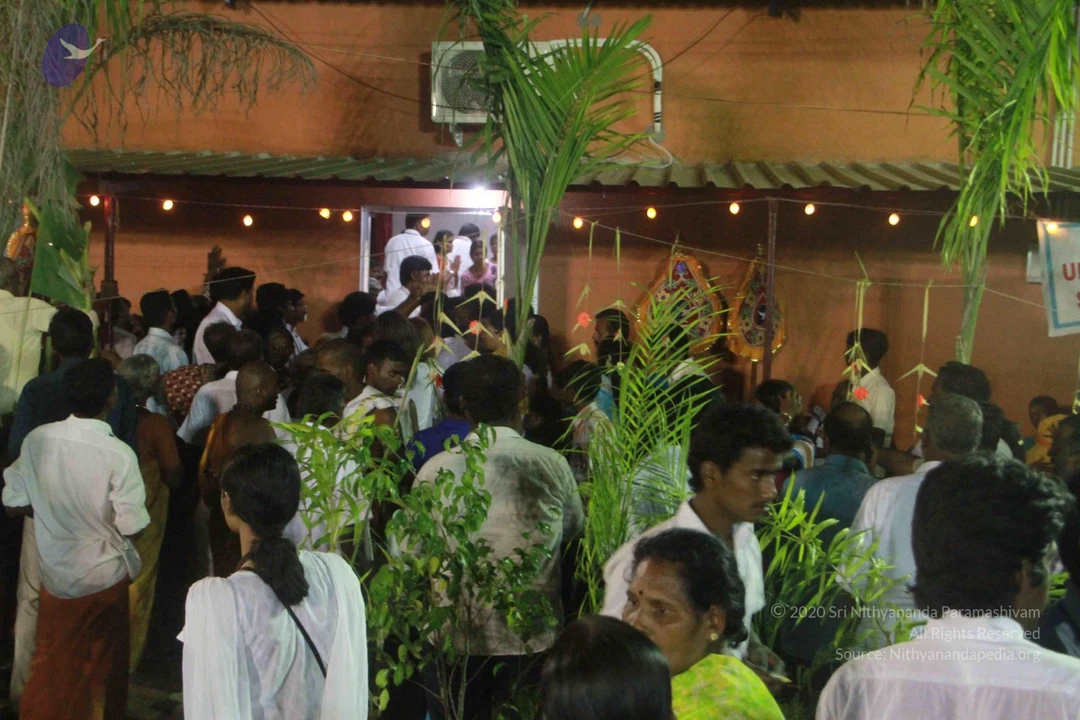
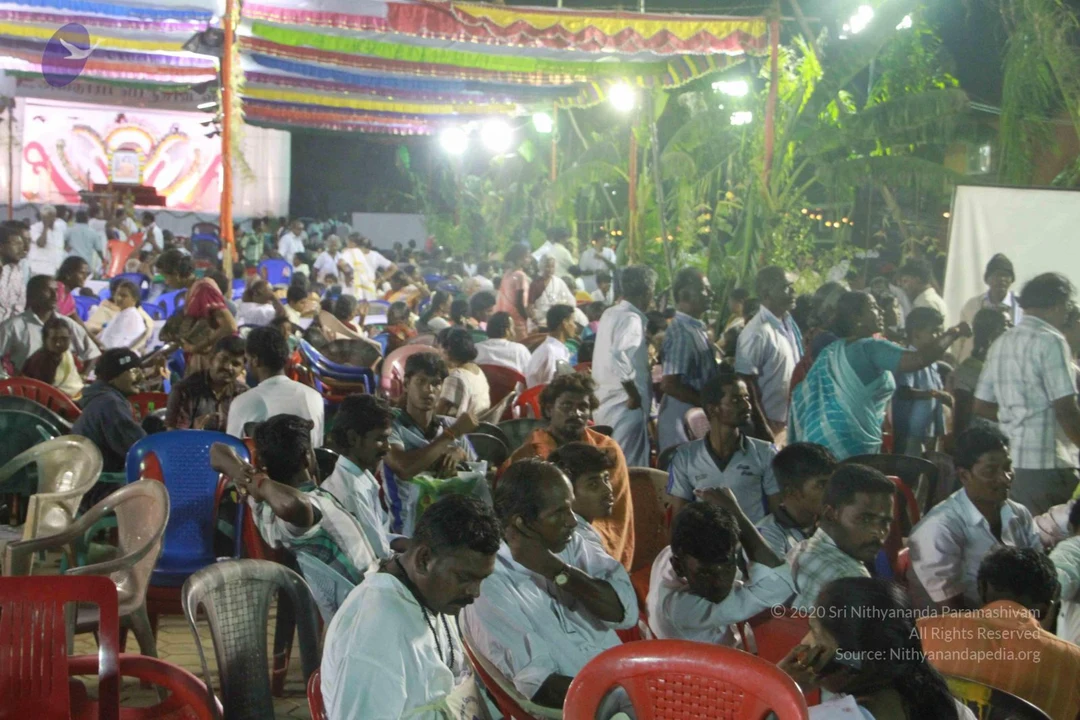
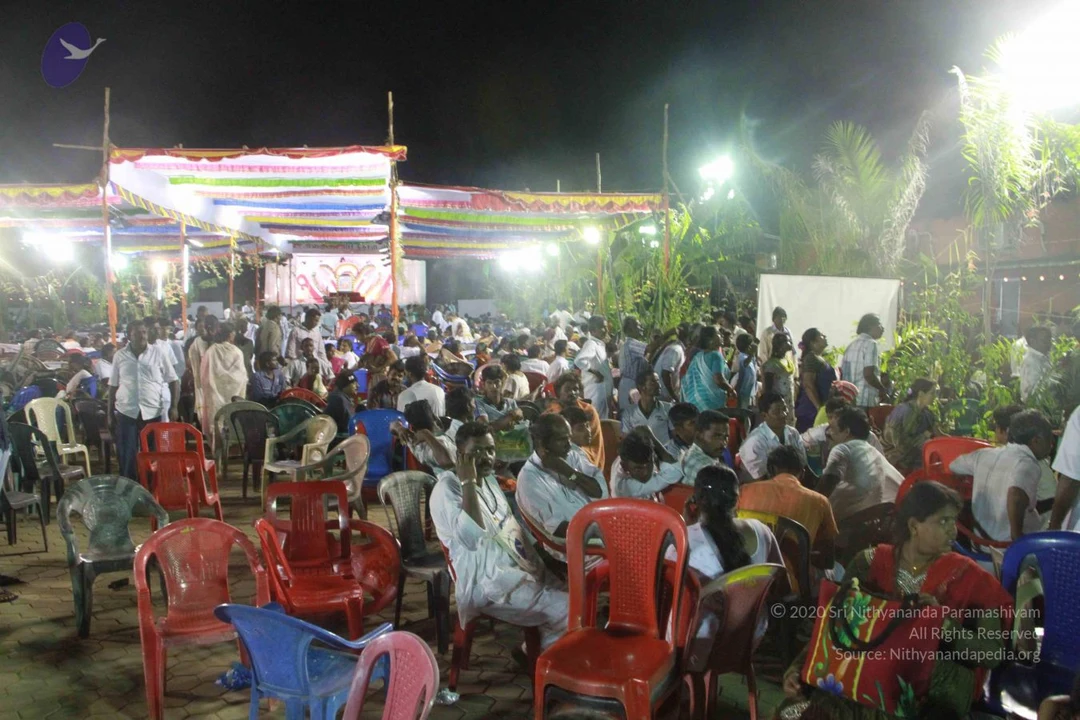
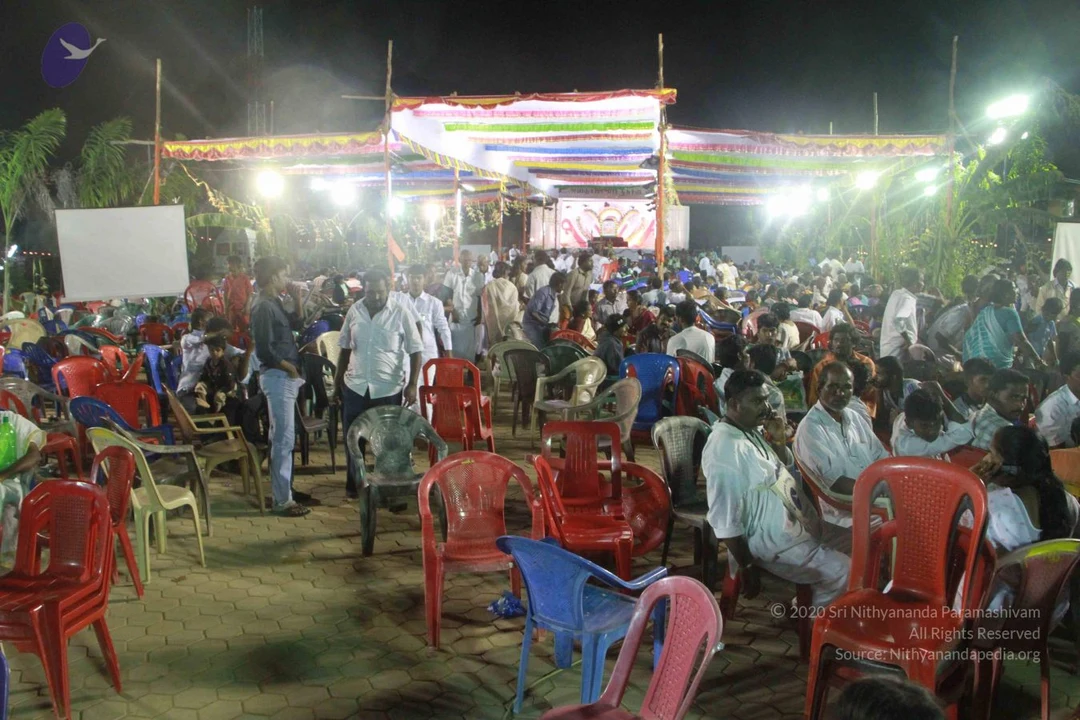
A photograph of a smiling person with long dark hair, wearing a red-and-green flower garland, a heavy gold necklace of beads and a dark red-brown garment, seated before a large arch of yellow, purple and white marigold flowers. A kneeling woman in white with a grey hair bun bows and touches the seated person's hand, while a man in a striped white shirt stands at left with his back to the camera. A sword rests against the flowers at right, and a red and orange cloth is draped over a golden seat. The scene suggests a darshan or honouring ceremony at a temple setting. The seated person has long hair, a crown-less head and adornments consistent with the a person description, but appearance alone is not enough to confirm identity, so the role is given as honoured person.A photograph of a crowded indoor satsang hall with white walls, ceiling fans and wall-mounted air conditioners. Rows of seated devotees fill the room, many in white dhotis and shirts, with men in white shirts and dhotis wearing saffron-and-white scarves and rudraksha malas. Women wear sarees in teal, blue, red and orange, with gold necklaces and bangles. One man in the foreground has a white tilak on his forehead and a red dot, with a thick moustache. A metal bowl of rice or grains sits in the lower foreground. The a person's seat is not clearly visible in this frame, and no clear figure matching him is shown.A photograph of a smiling man with long swept-back dark hair, a white vibhuti band with a red kumkum dot on his forehead, wearing a saffron-orange garment, layered gold necklaces and a green leaf garland, being greeted at an outdoor courtyard beside an orange wall. A man in a white shirt bends forward with hands raised toward him. Behind, a male attendant in an orange dhoti with a gold necklace holds a tall umbrella with colourful tassels, and a shaved-headed priest in orange with a white forehead band and gold beads stands at right with hands joined. The man's long hair, gold necklaces and orange-saffron clothing are the appearance cues for a probable Swamiji presence, with the umbrella-bearer and priest in ritual attire.

January 06 2013

Original wiki page
Contents

Title

January 06, 2013 Morning Satsang

Description:

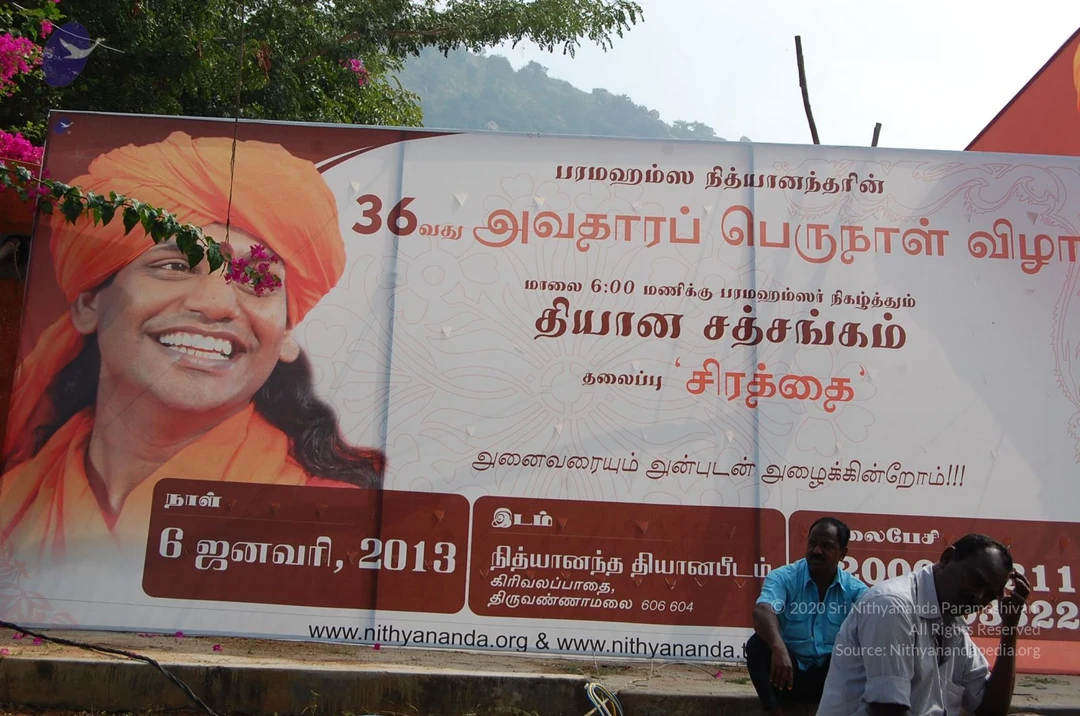
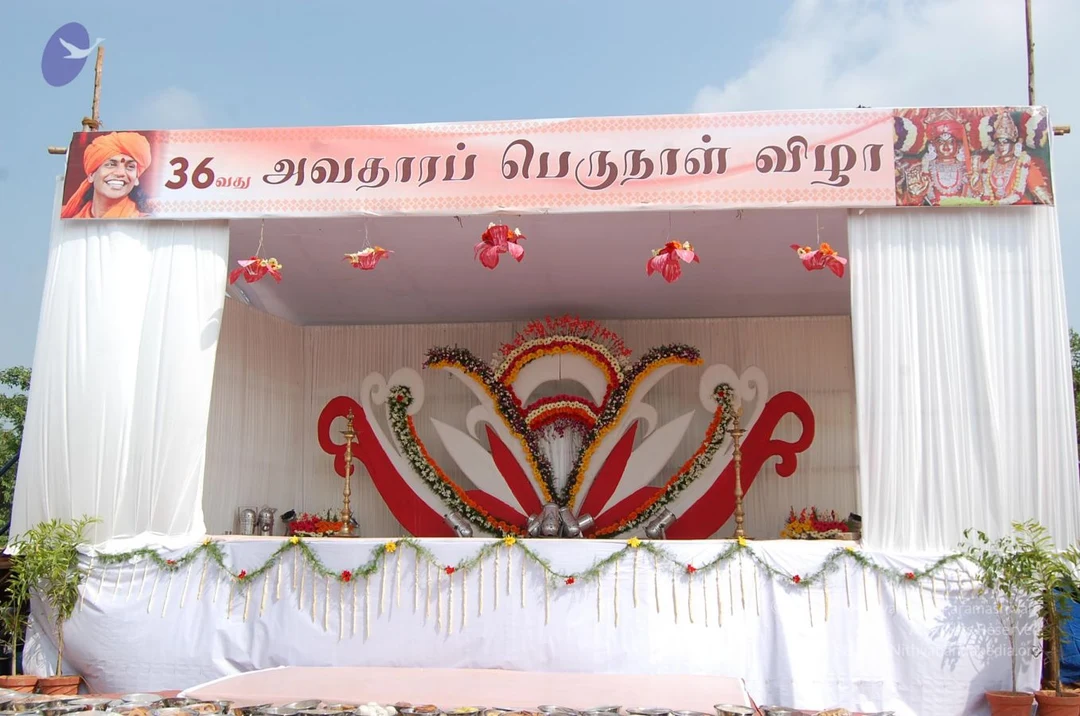
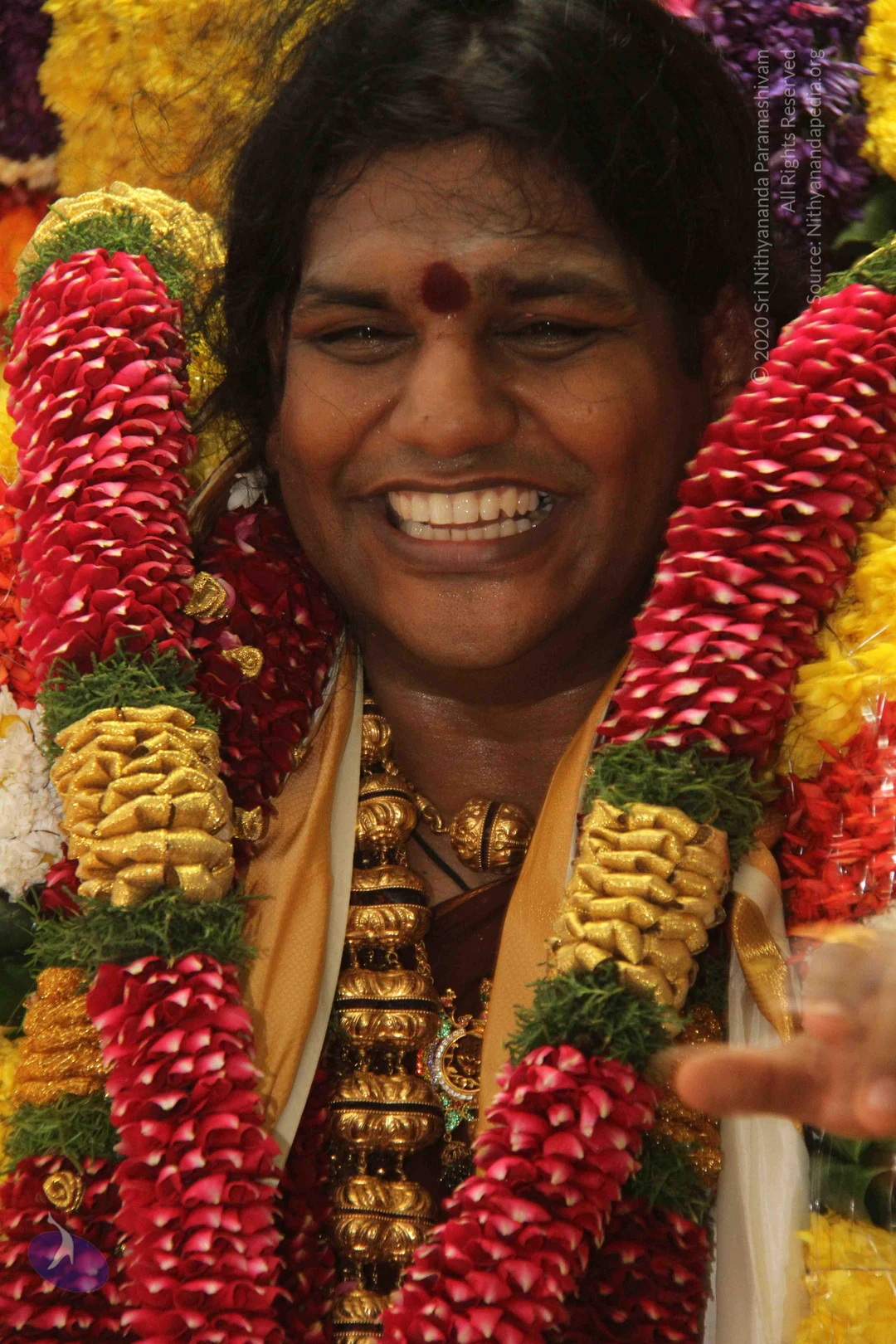
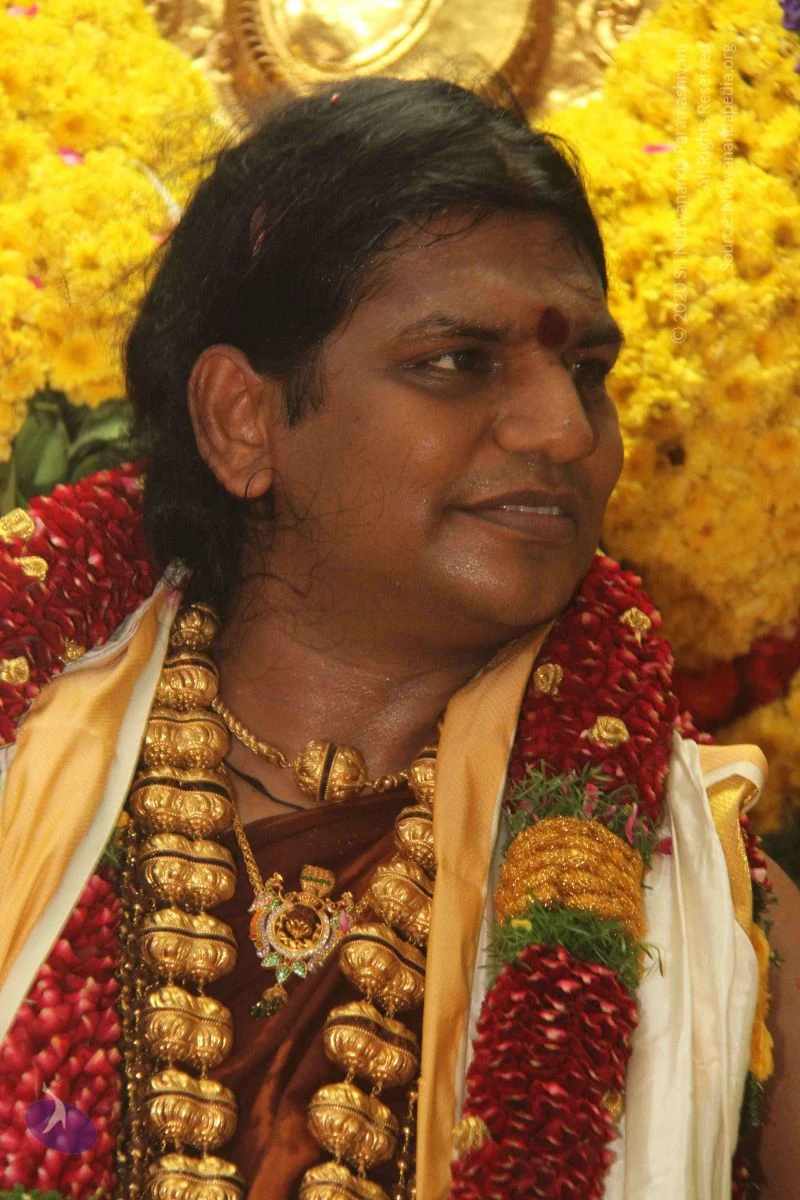
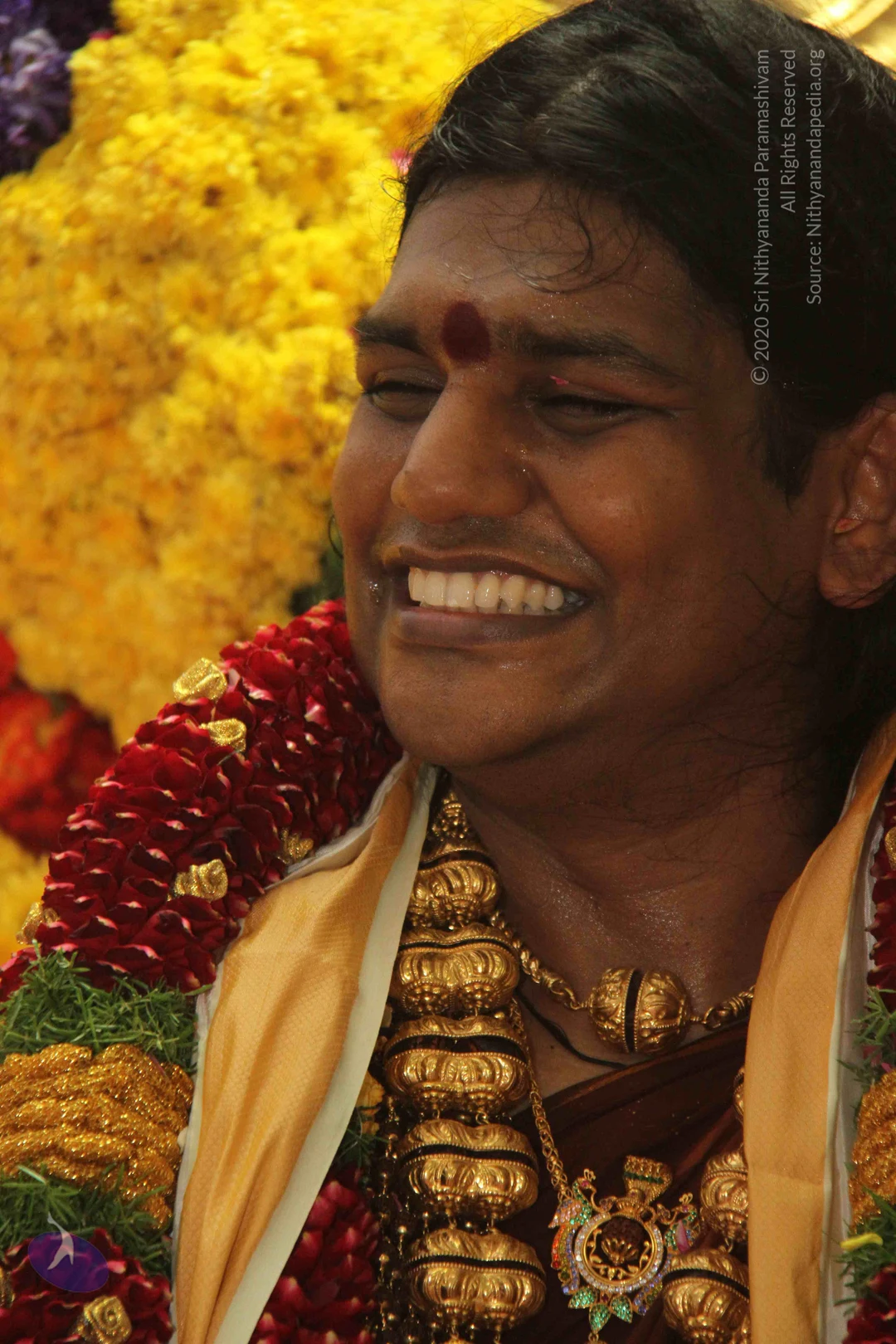
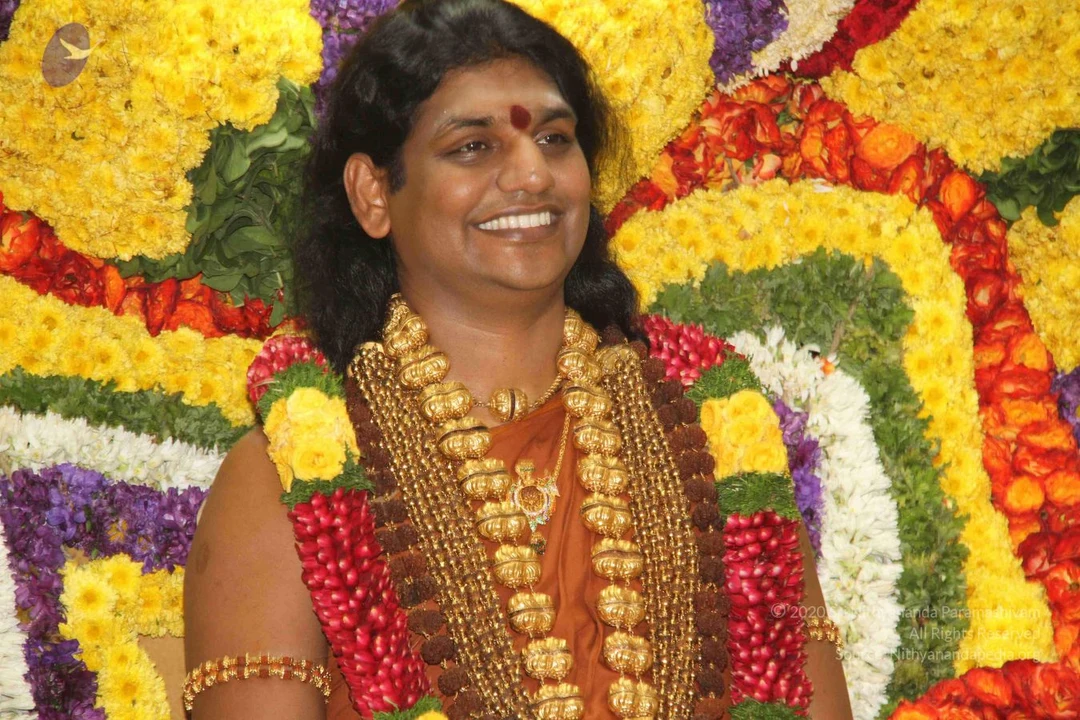
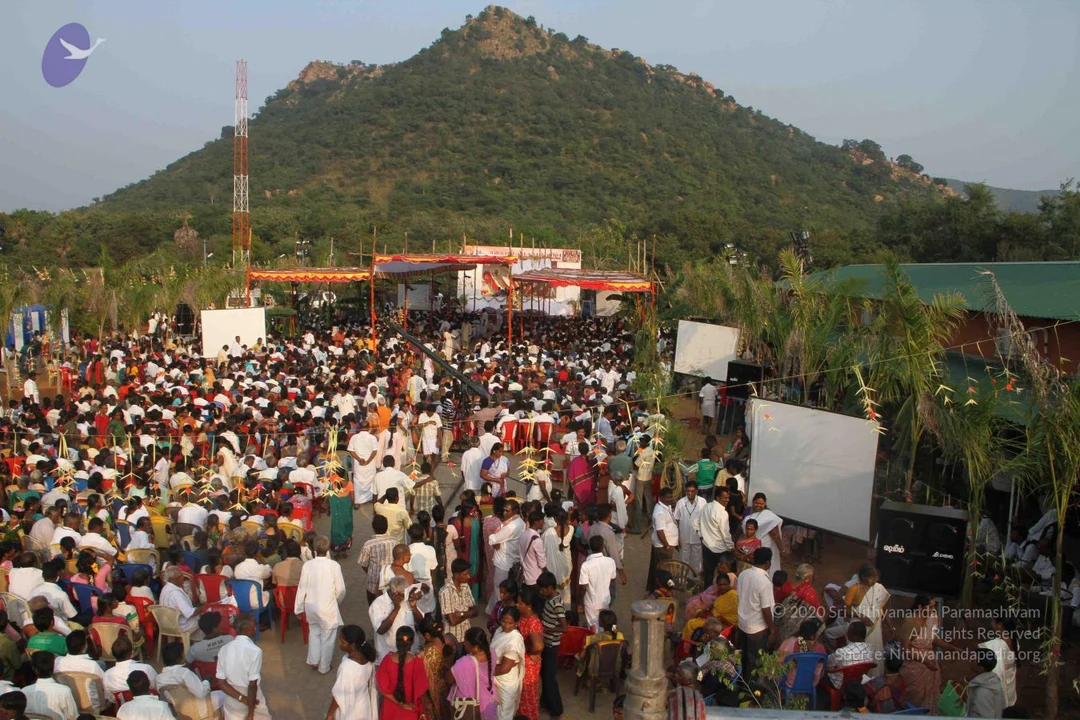
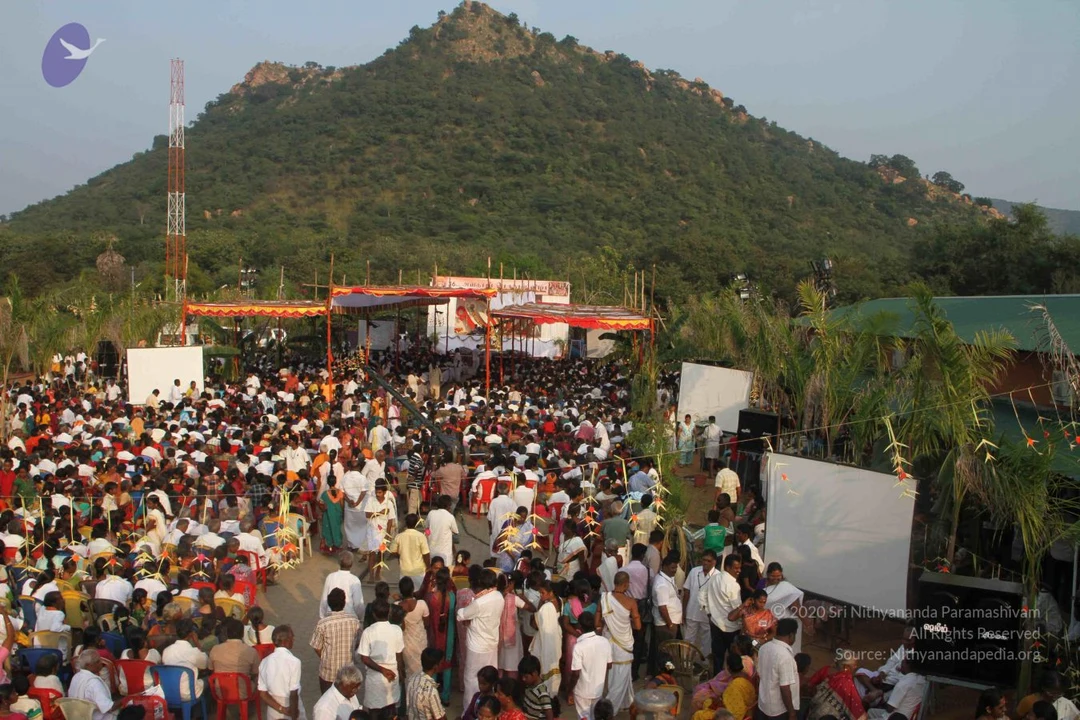
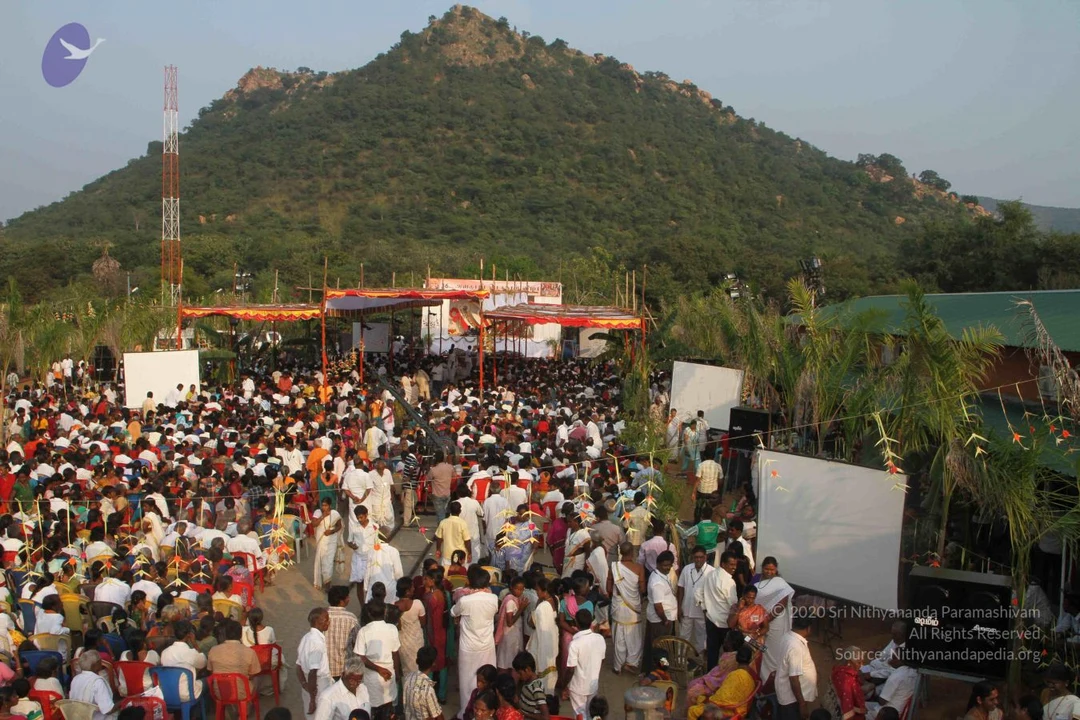
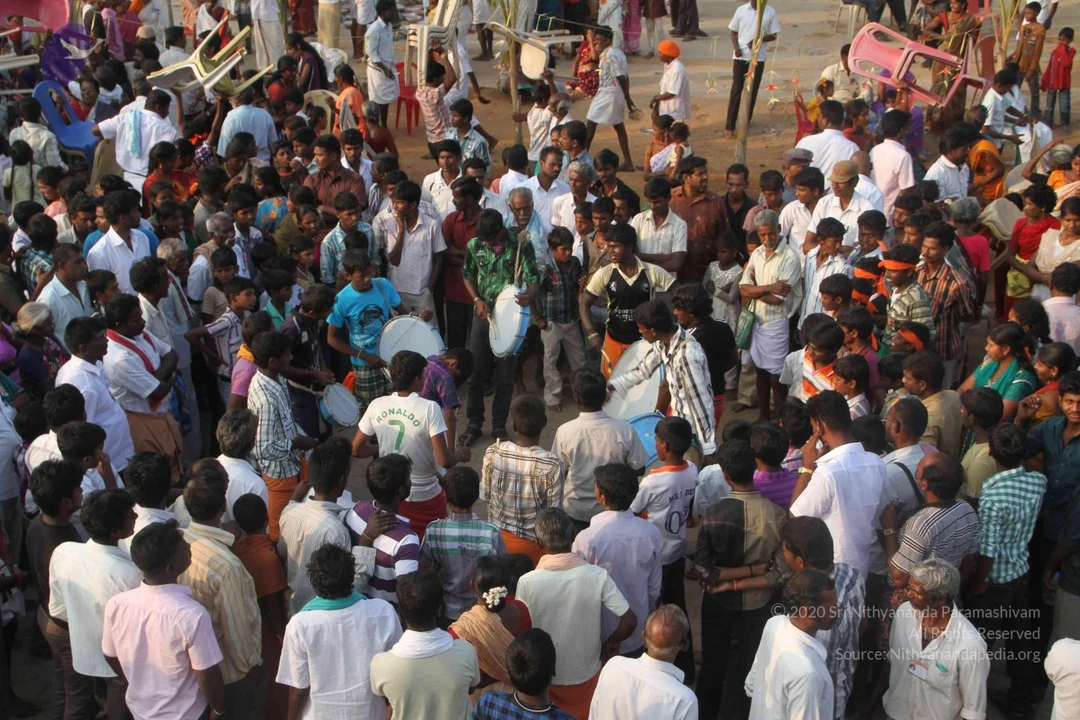
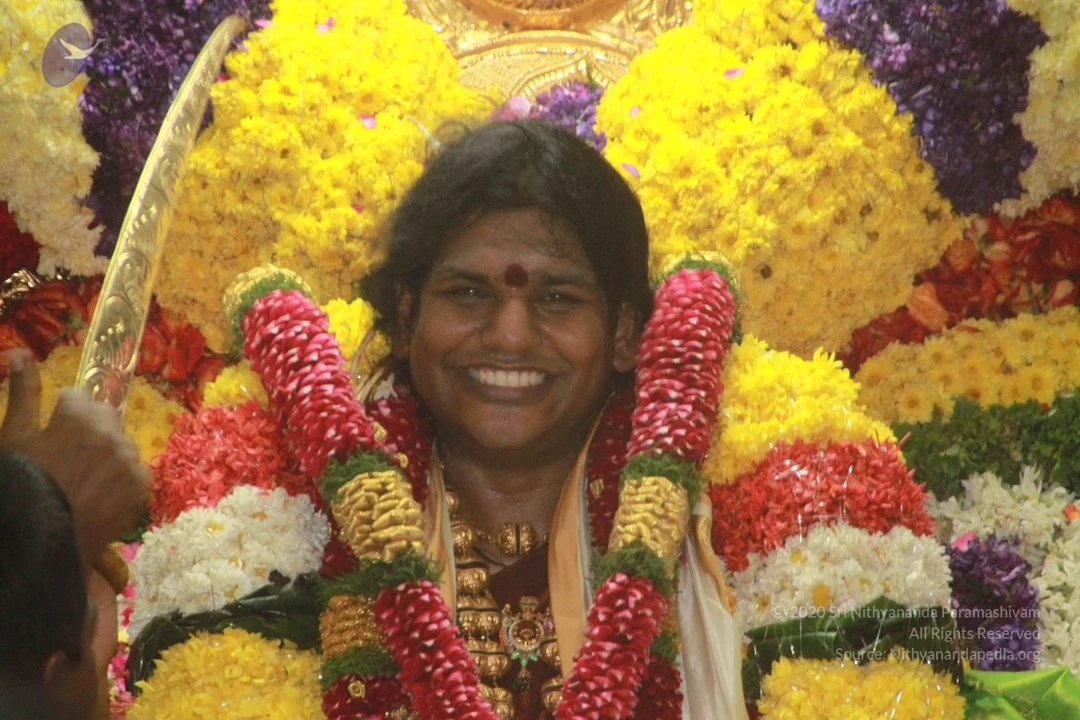
In today’s morning satsang, Paramahamsa Nithyananda (Swamiji) celebrates his 36th birthday at his Tiruvannamalai ashram. He points to the individual responsibility of each human being to fulfill one’s possibility in life. Speaking of one’s annyakara – the way one communicates with others through body language and attitude, he instructs his followers that they are responsible for any message they give, even if they are unaware of it. To be integrated and authentic, they must gain awareness of their annyakara so that they communicate consciously. When this takes place they will not be surprised by any response from others, whether hostile or welcoming. They will understand it is always a response to their annyakara.

Transcript:

“Sadashiva samarambam, Shankaraacharya madhyamam asmadacharya paryantam vande Guru paramparam!”

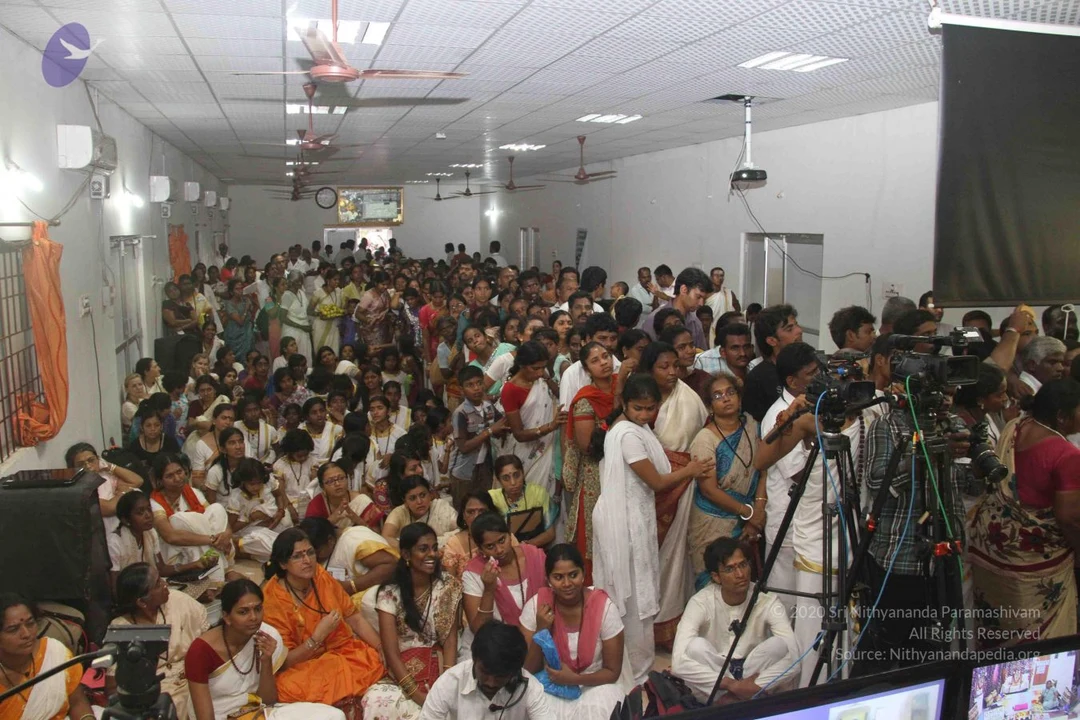
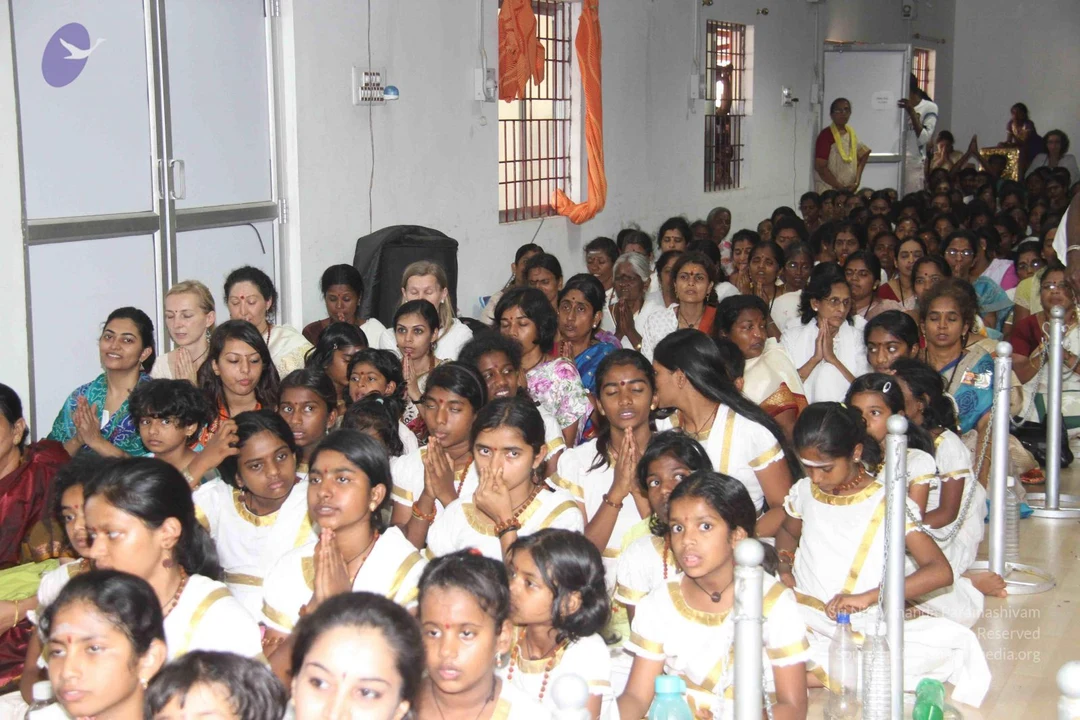
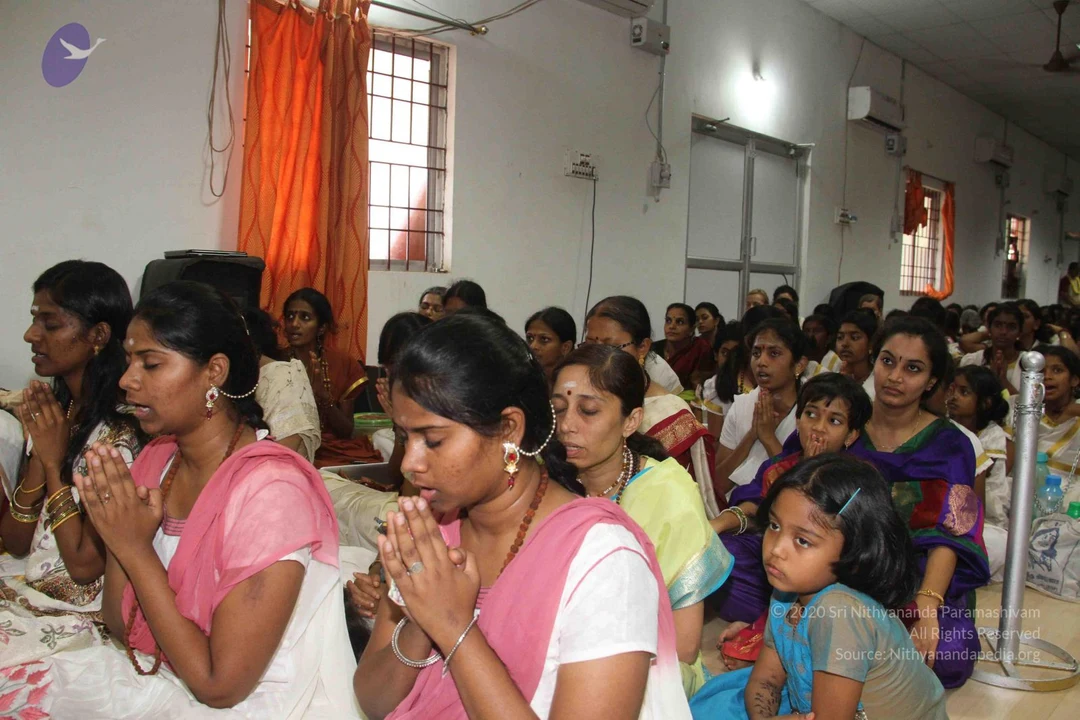
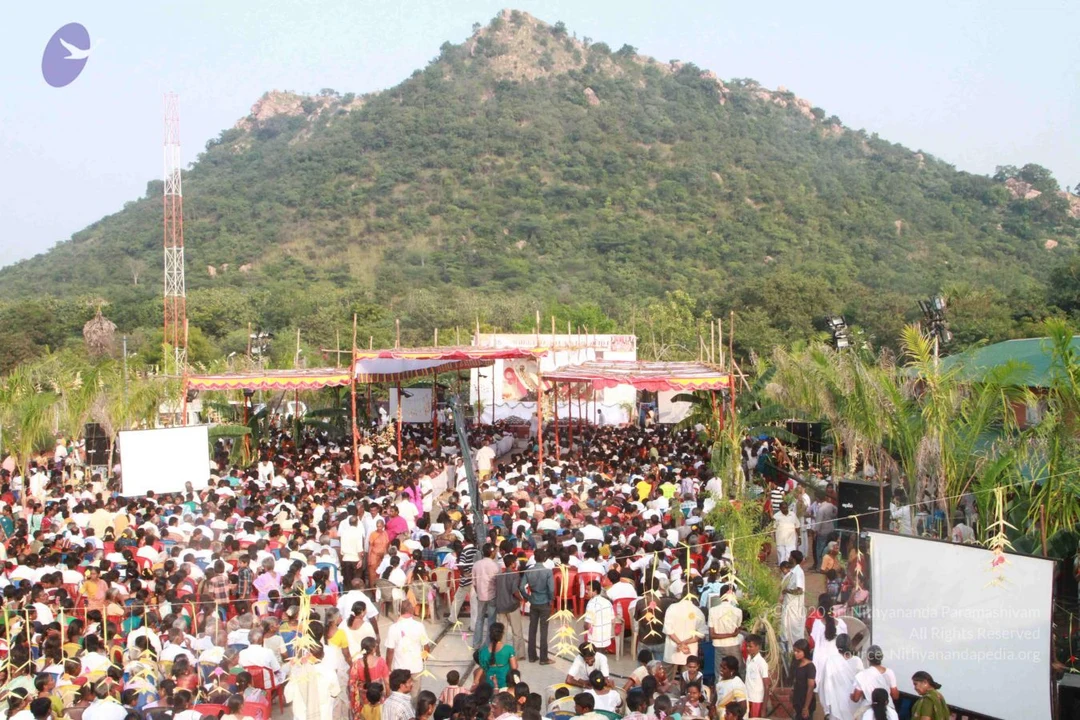
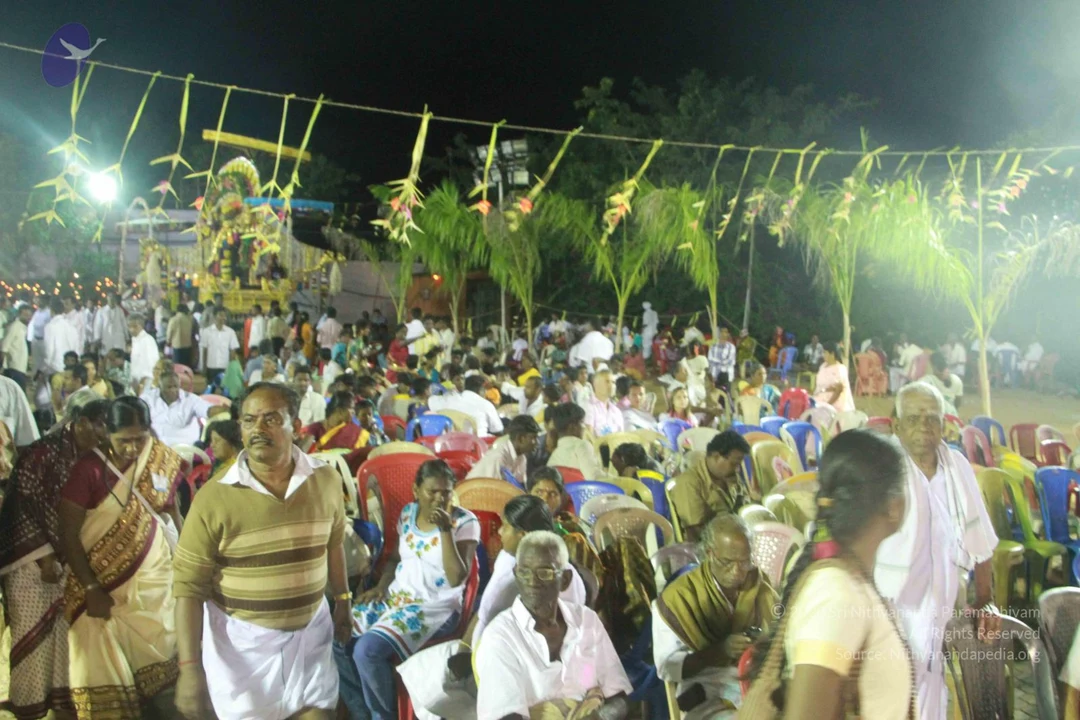
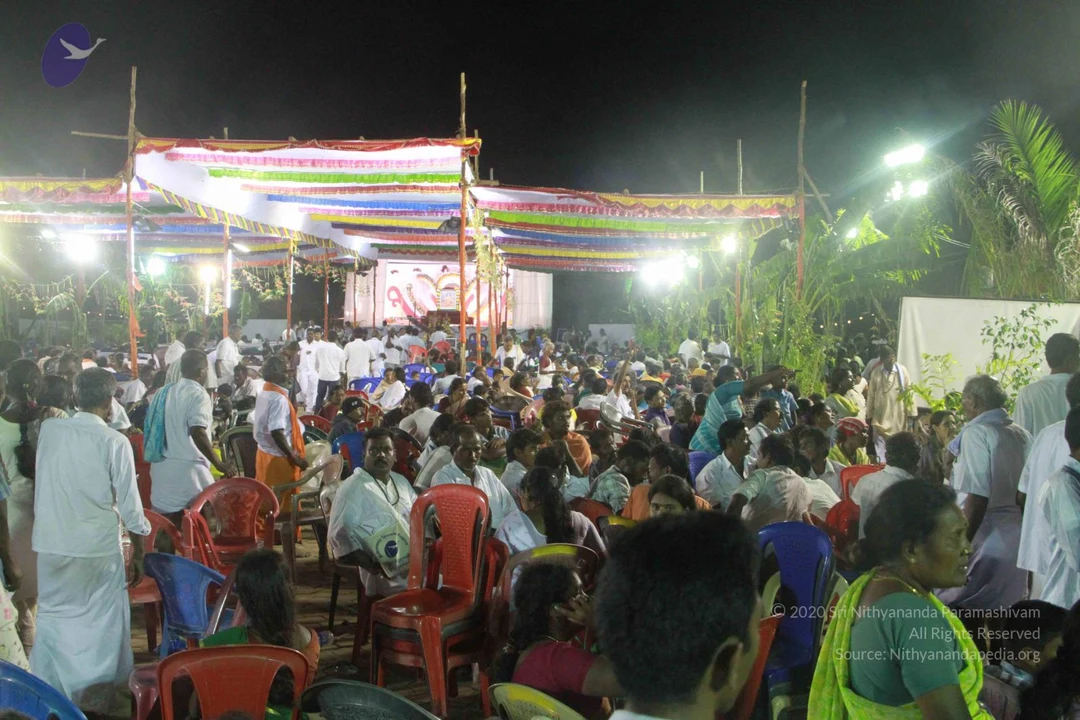
I welcome you all with my love and respects! I welcome all the devotees, disciples, Samajis, Satsangis sitting with around the world at this moment in more than 25 countries, 26 places in 2 way video conferencing having Nayana Deeksha, in 229 cities, 25 countries around the world! And all the devotees here gathered physically here. I welcome you all with my love and blessings!

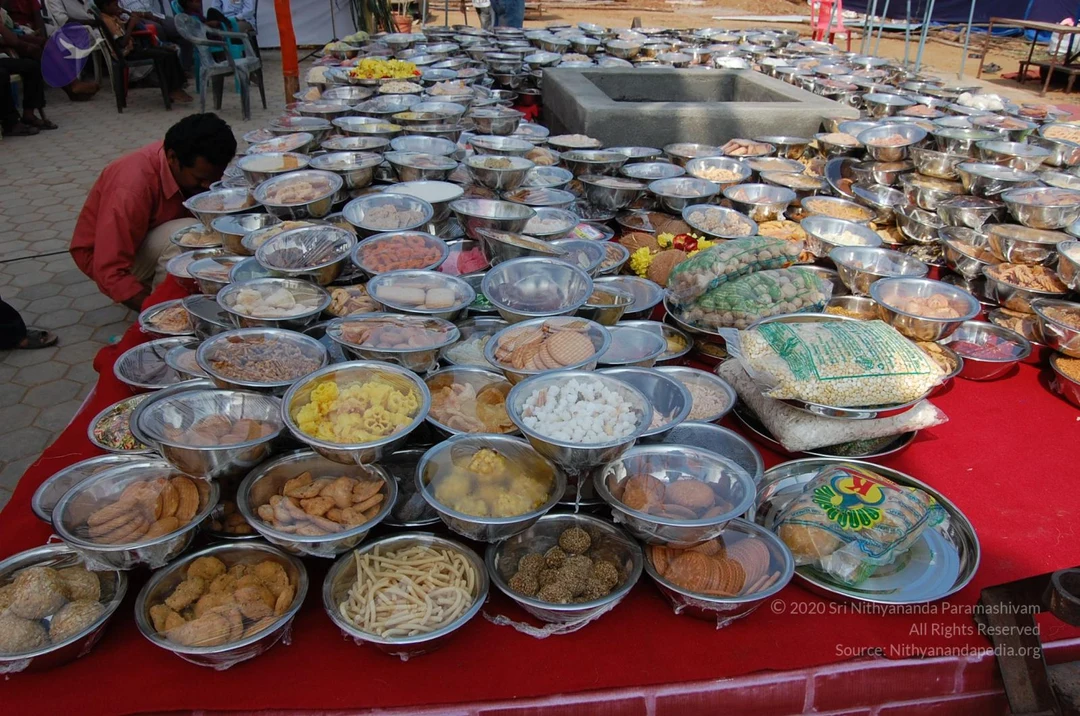
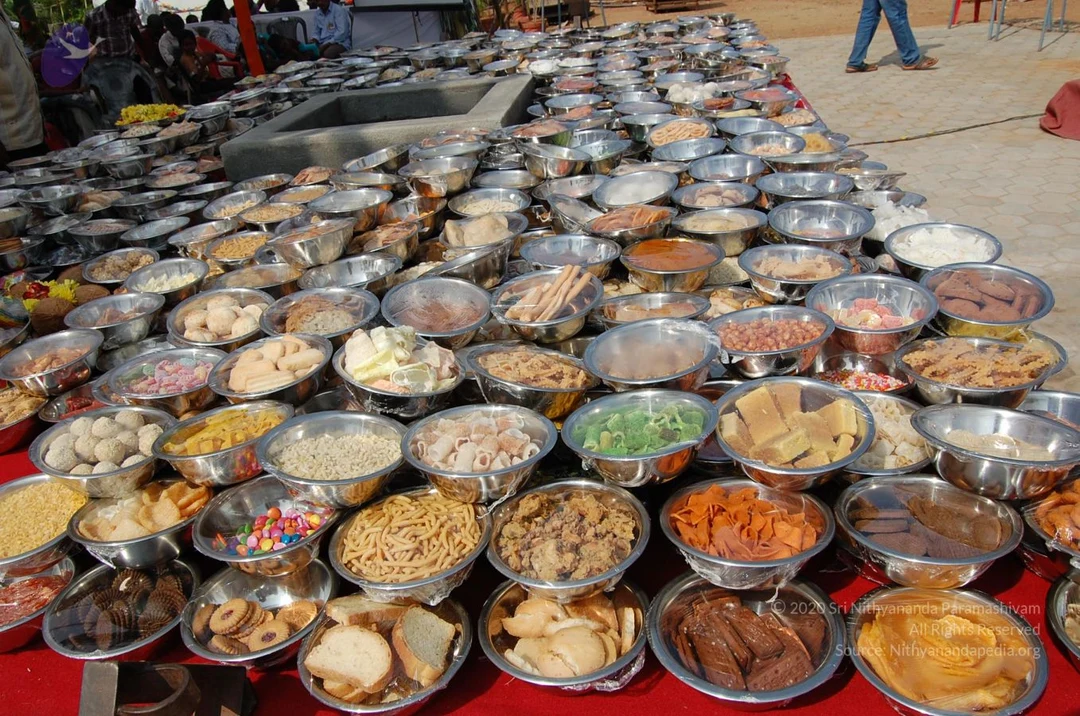
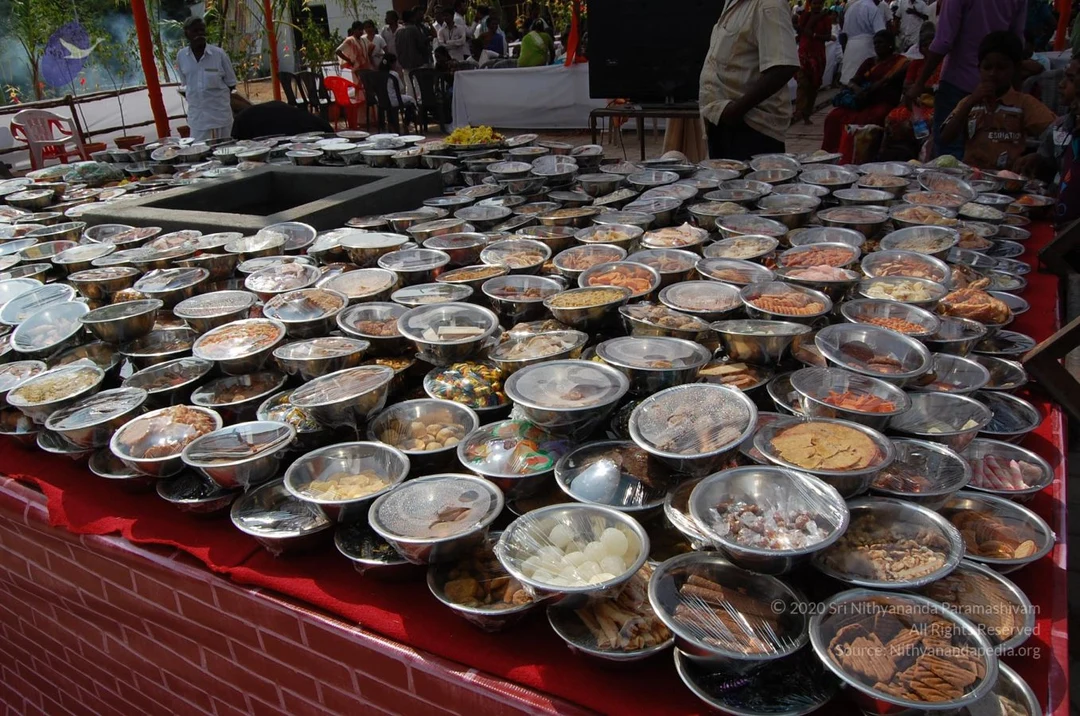
Los Angeles Arunachala – blessings! LA I accept all the naivedyams you have made. They have done 186 naivedyams they have done. Blessings! I accept all the naivedyams. I bless all the 7+14 deities and energize it and do praana pratishta to all of them. They will all become alive and radiating the super conscious energy namaha shivaya! And I can see Seattle Chidambaram, Phoenix Kanchipuram, Atlanta. For the new comers devotees I wanted you to know for each city I have given a spiritual name….Atlanta Ujjayini, Ohio Prayag, Toronto Kailasam, New York varanasi, San Jose Madurai, new Zealand Aadi Arunachala, St. Louis Tirumala, Gaudeloupe Rameshwaram, Calgary Amarnath, Austin, Houston, Philadelphia, edge water new jersey, Vancouver Puri, Oklahoma Somanatham, Hyderabad Bhagyanagara, Nithyananda Nagara Bidadi Manchester UK, Bangalore Nithyananda vidyalaya, Pittsburg, port wash new york. So San Jose Madurai I accepted the 121 naivedyams you are offering. Blessings! I welcome all of you with my love and blessings!

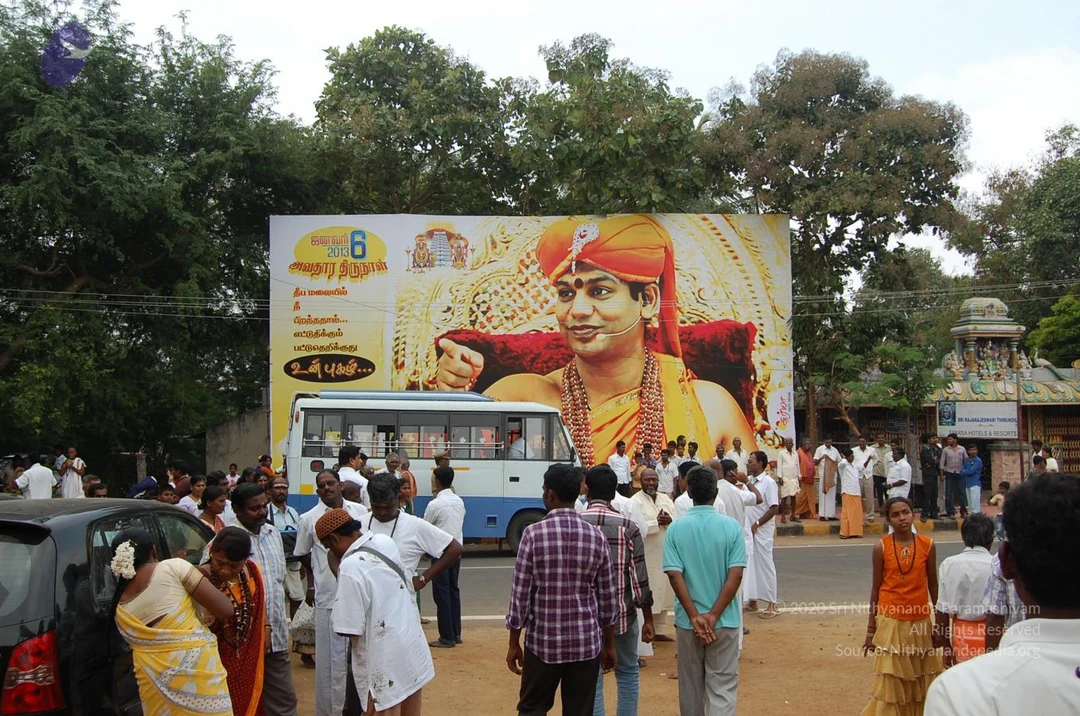
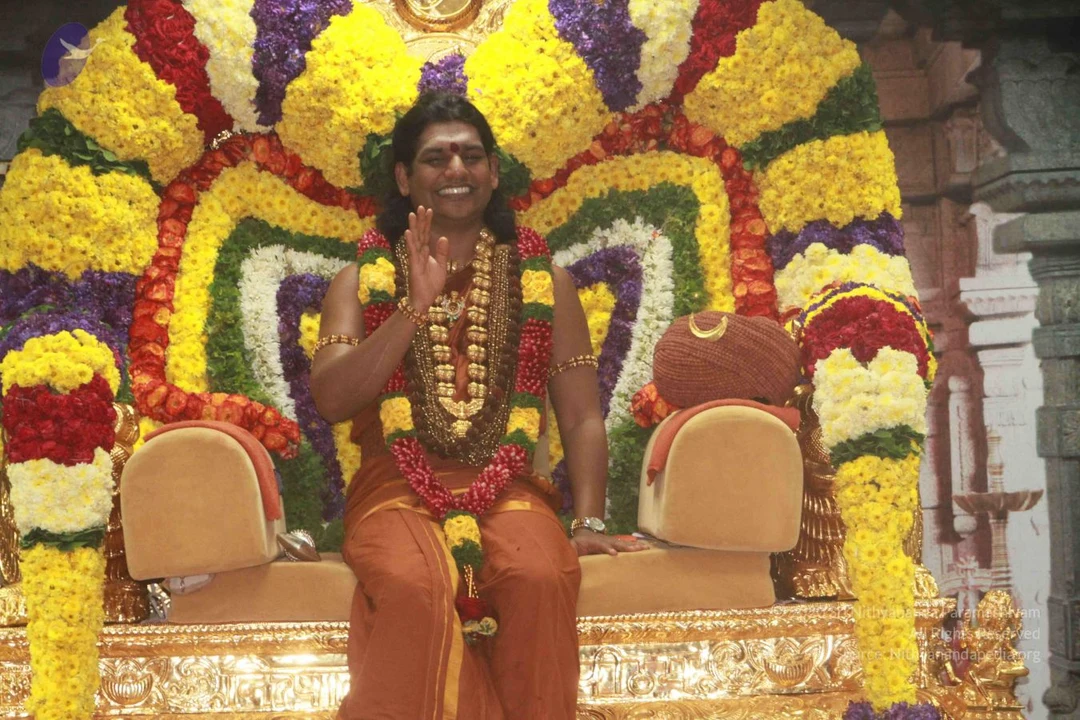
As you all may be aware, I have completed 35 years of existence!

I begin the 36th year! With integrity and authenticity and responsibility I declare this year is year of victories personally and for the sangha! So nice to be here with you all. So beautiful devotees gathered around the world in your places and gathered from around the world in this place Tiruvannamalai both. I also wanted to announce few more things yesterday in Vancouver after Devi Bhaava Darshan the kumkum has materialized in Ma Atma Sarayu’s house and center.

The Nithya Kriya Yoga program which was supposed to happen in Salem, will be happening in Bidadi. All participants who have enrolled, registered please come to Bidadi or if you come to Salem, we will have the free transportation to transport you to the Bidadi campus.

It is a surprise satsang. Usually we only cancel satsangs. It is such an auspicious day today we have added satsang today! So this year begins with lot of good things J Now …we have unexpected pada puja and satsang added to our routine. So please understand life is supporting us. Cosmos is supporting us. So we have added pada puja and satsang. I will share a few words on Authenticity. I will continue. I will continue on this subject…

I will just share a few words on authenticity, giving you the essence of authenticity. Authenticity means keeping the ahamkaara, mamakaara, anyaakaara in tune being integrated. Being established and respond to life from ahamkaara what you believe ass you, mamakaara what you project yourself to others, anyakaara what others believe as you which is independent of what you project as you. you are responsible even for anyaakaara. Only when you feel responsible even for what others hold you which is independent of your projection or your feeling. You may feel how can I be responsible for how others perceive me? Only when you feel responsible, you will feel powerful, empowered, responsible. You will not feel powerless. Life cannot bring any surprises to you. I will expand step by step.

Mamakaara what you feel as you. Ahamkaara what you project as you to the world. Anyakaara what others believe as you. I will give you the gist for all the devotees who have gathered because authenticity is my today’s message. Shraddha in Sanskrit, in English authenticity. That is my message for all of you today. I will expand I gave the example yesterday during the paada puja the mantra is chanted Meenakshi Sundareshwara swarpaaya, Maha Kaala Bhairava, Maha kaali swarupasya, Adi Guru Arunagiri Yogishwara swarupaya. When those mantras are chanted. The reason why I allow that to be chanted is I can see thousands of people when they have the feeling connection, flower and become enlightened. Understand in Vedic Tradition even God is a stepping stone for enlightenment. All the forms and names of the Gods everything is used for the enlightenment, for the Nirvikalpa samadhi. When the devotion the fc is awakened in you, automatically you go in enlightenment.

Understand, when those mantras are chanted, the beautiful feeling connection people experience helps them to achieve enlightenment. Same way when somebody feels with kudarka how can this be? he is fake. Pl understand I take responsibility even for that kudarka and anyakaara. That is the reason life does not bring any surprise to me. Nothing surprises me. The side effects of anyakaara please understand Just few days before I was sitting in front of the mirror and doing swapoornatva completion with myself. ..just seeing what really you experience as you. in few seconds neither the body was there nor the reflection was there. So I experience me as a pure emptiness, pure space that is what I call Mamakaara. For sake of using the word I am using the word, otherwise there is no mamakaara for me. To transmit this pure emptiness I allow to use the words Arunagiriyogishwara, Meenaksha, Kaala Bhairava, Maha Kaali and all that ….that is the ahamkaara some feel wow he is incarnation that is one anyakaara, some jeevanmukta – fake – one more anyakaara. shiva never feels surprised by the poison brought to him. Neelakanta is the symbol he takes the responsibility even for anyakaara. Take responsibility in your life even for anyakaara you will feel lord of your life, empowered and life cannot bring any surprises to you. then…when life cannot bring surprises, it cannot bring suffering also.

Let the world not create words in you. let the words create world around you! take responsibility for your ahamkaara, mamakaara and anyakaara. No suffering can come to you. no one can bring suffering to you. it is a part of the anyakaara we don’t want to take responsibility that is why life brings surprises to you. life brings surprise sufferings to you. when the churning starts, everyone was waiting only for nectar. That is why poison was suffering for them. But Maha Deva was waiting for poison also that is why it could not bring suffering to him. Neelakanta is the symbol he takes responsibility for the anyakaara. In your life also you have alt he 3 – mamakaara, ahamkaara, anyakaara. Take responsibility for all the three. When you take the responsibility for all the three you will feel empowered. You won’t feel powerless. You won’t feel something unexpected is happening. Just let your inner space be completely integrated with the words you utter with authenticity. If you can’t be made to believe you are wrong, you are not wrong. Understand. Nobody can win you. only if you are somehow giving way, start believing you are wrong, something can happen to you. stand with the strength of integrity and authenticity. It is a spiritual strength. Spiritual strength alone is the solution for anything. Nothing else can be the solution. Neither the power of money, nor the society or political strength. It is spiritual strength. Spiritual strength alone can solve everything. Let us stand with our integrity, authenticity and responsibility. I tell you only when you take the responsibility for anyakaara, only when you take the responsibility for the anyakaara you grow, you expand. If you say no, no, I am responsible for what I feel as me, and what I project as me, how can I be responsible for what others believe as me. Subtly knowingly or unknowingly you cooperate for what others believe as you. in my case knowingly I do, in your case unknowingly you do it. You are responsible for it. Only the problems for which you feel responsible you can solve, you can complete nothing else. Only things you feel you are responsible you can complete. If you feel you are never responsible, you will never look into it and complete it.

Today my message to all of you is feel responsible and live with integrity with all the three – ahamkaara, mamakaara, anyakaara. Take responsibility even for anyakaara so that we can solve it, we can align it. We can complete it. We can fulfil it. So I will continue on this authenticity tomorrow also. Don’t miss today evening satsang in Tamil on “Shraddha.” I bless all the deities in San Jose center and St. Louis center. The deities which have been brought for energizing praana pratishta blessings they will all radiate the super conscious energy. Now you can start the temple with those deities. So all the devotees satsangis sitting with us around the world, I bless you all on this auspicious occasion of 36th Avatara day. I am concluding the satsang because 1000s of devotees are sitting here for Darshan waiting to do the paada abhishekam and other rituals.

Let us conclude the morning satsang with the meditation process. Sit in Ananda Gandha either unclutched or doing ajapa japa or with a deep feeling connection, keep eternal bliss Nithyananda as your clearance in your Ananda Gandha. Please close your eyes and just sit in your Ananda Gandha. Namaha shivaya!

<ananda gandha meditation follows>

Relax.

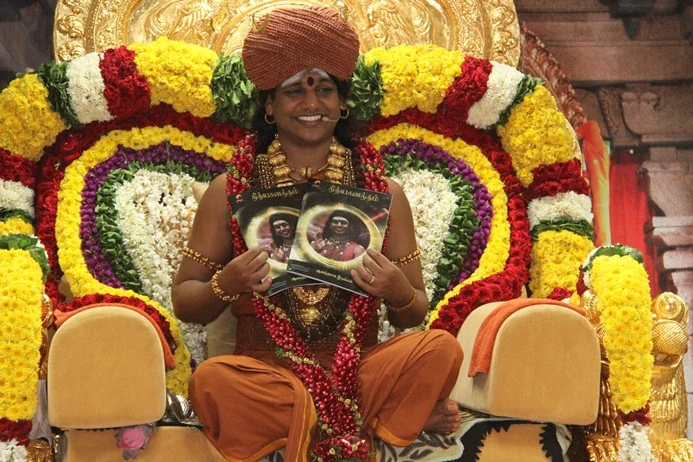
Before ending the morning satsang, we have Tamil magazine release now. Nithyananda tamil magazine!

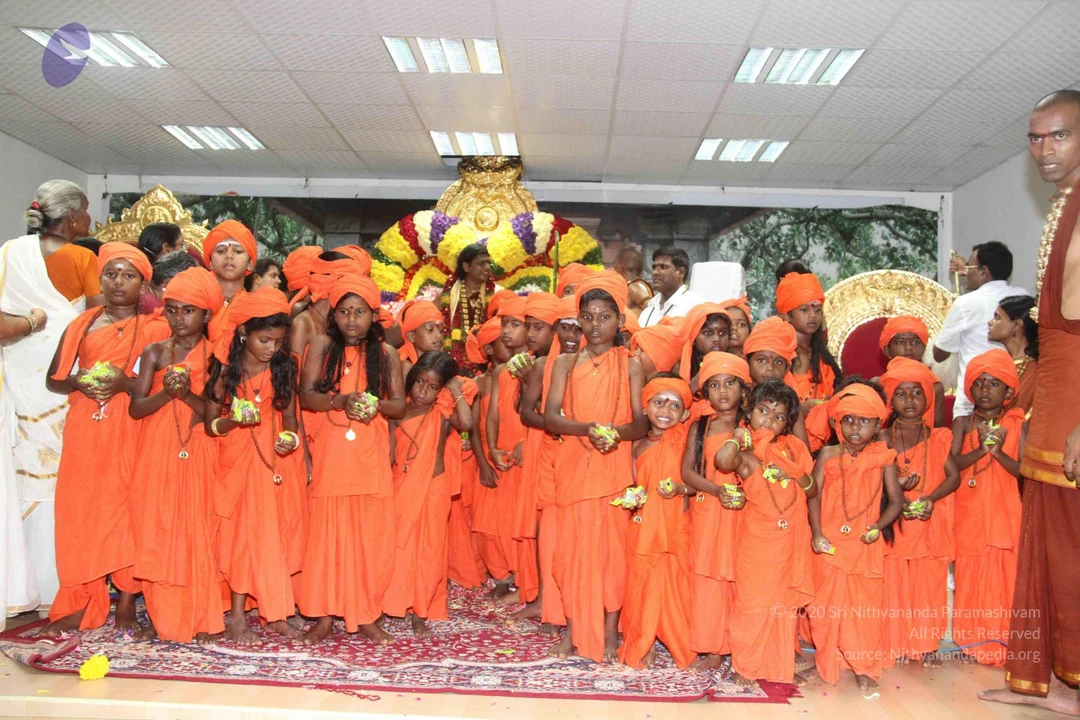
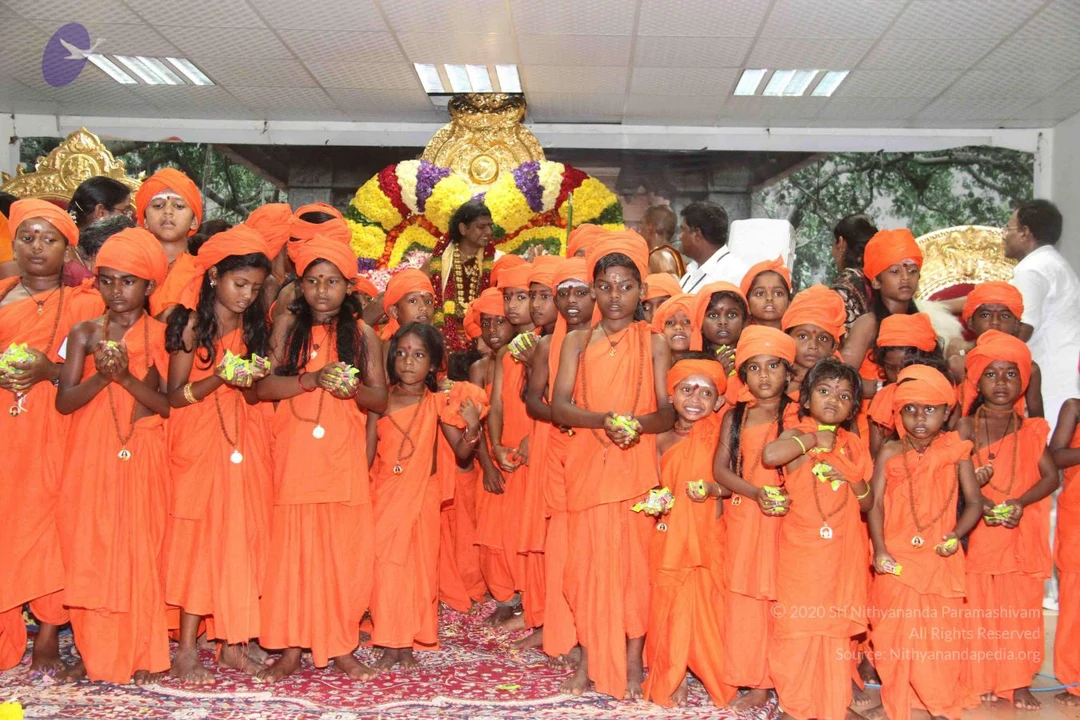
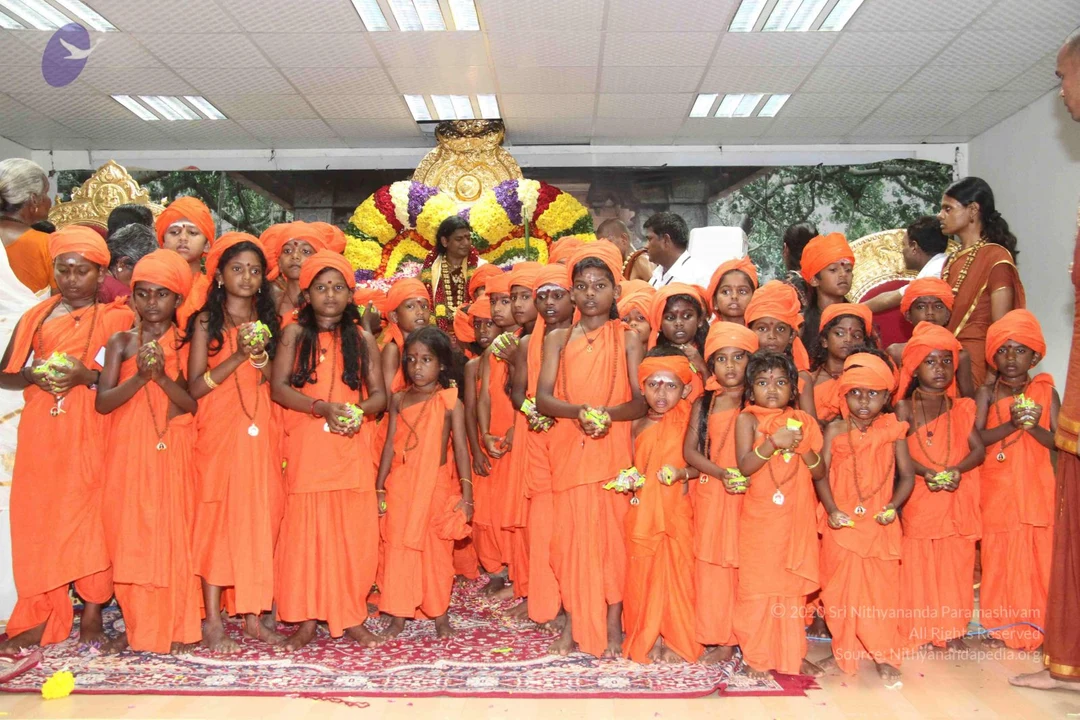
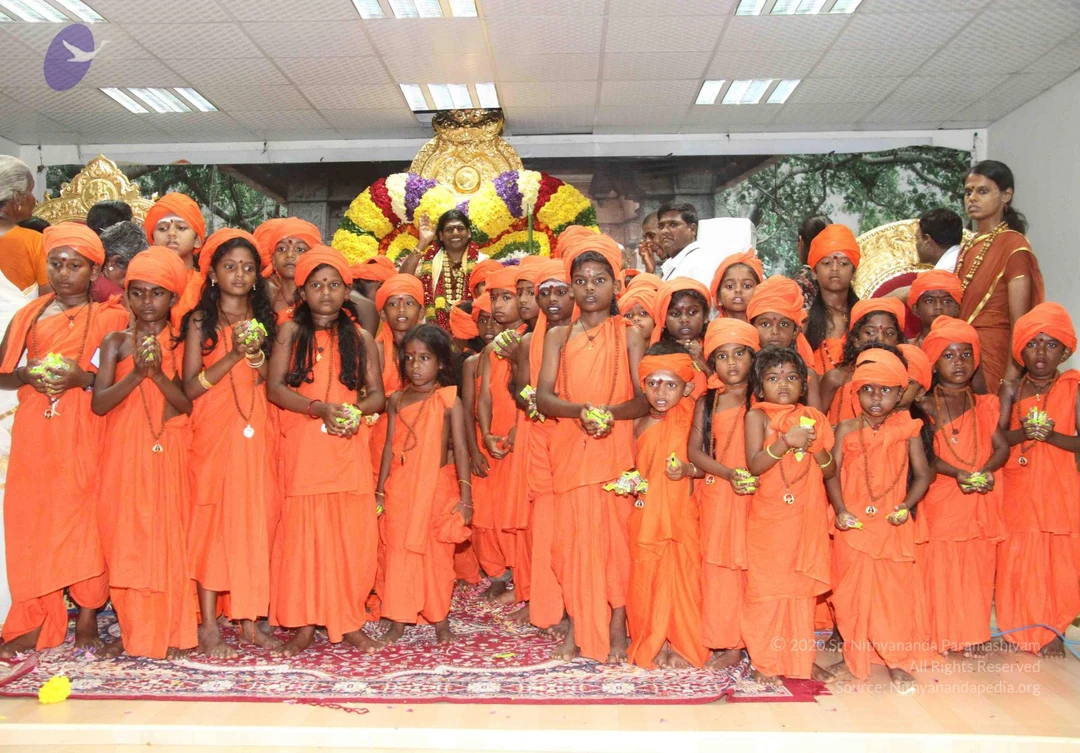
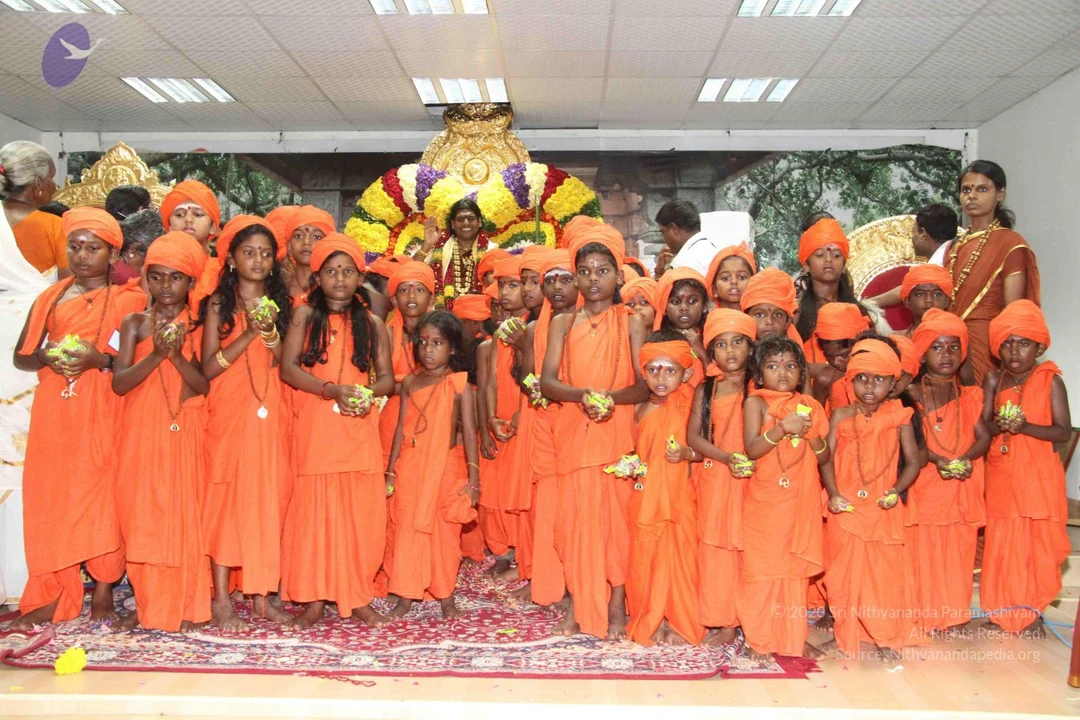
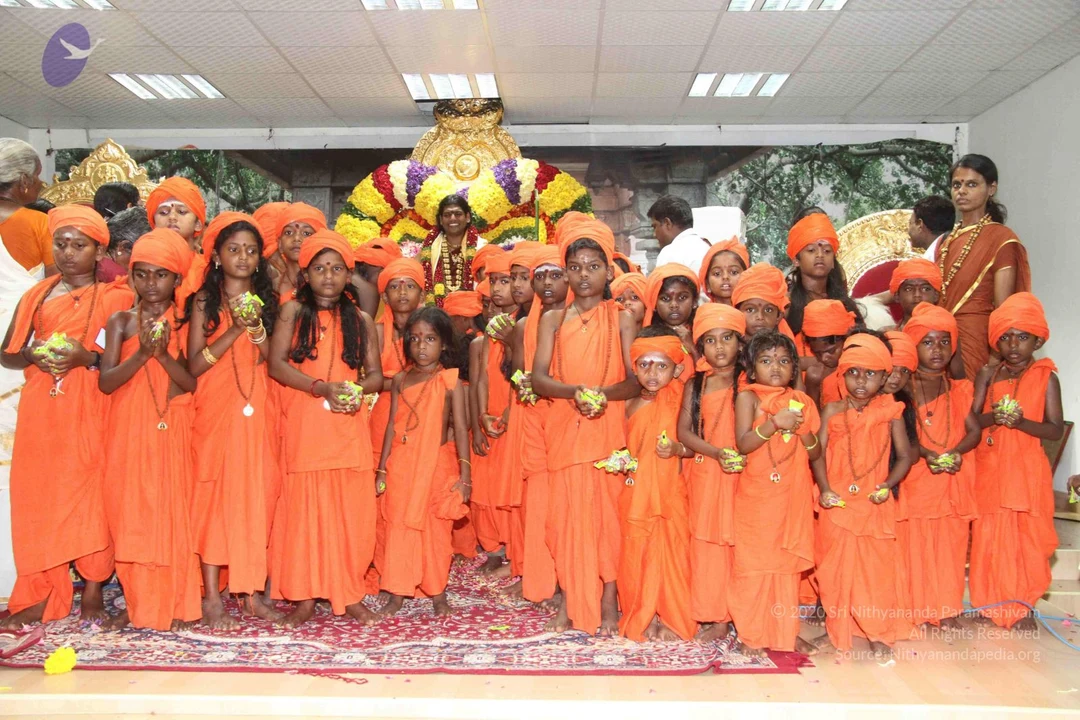
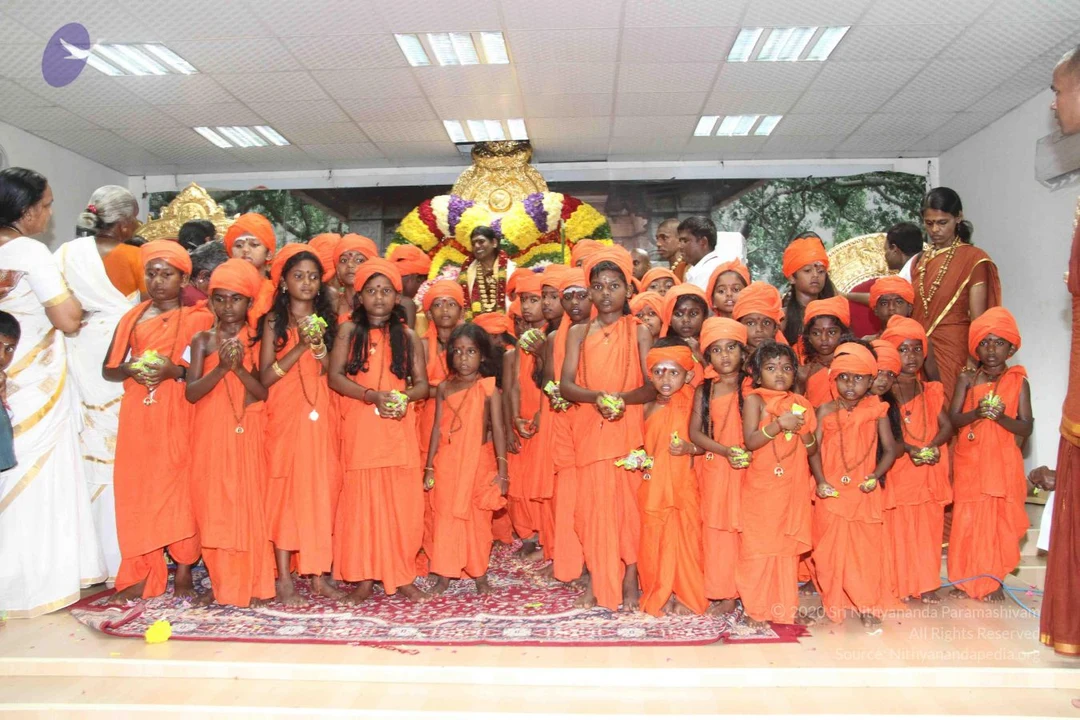
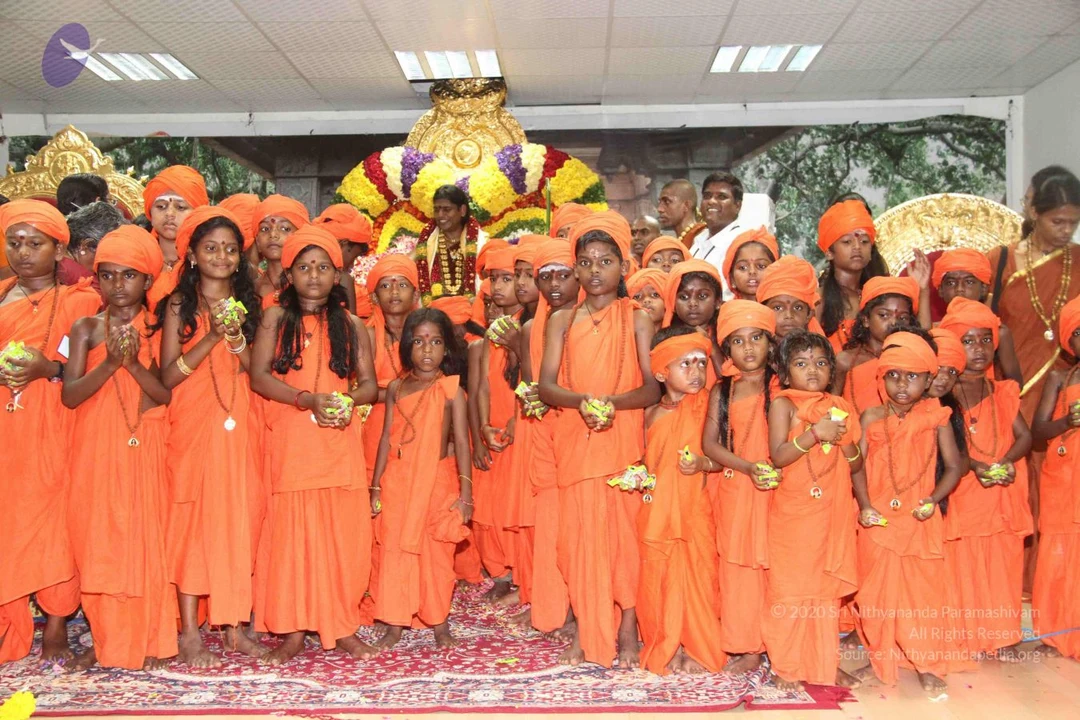
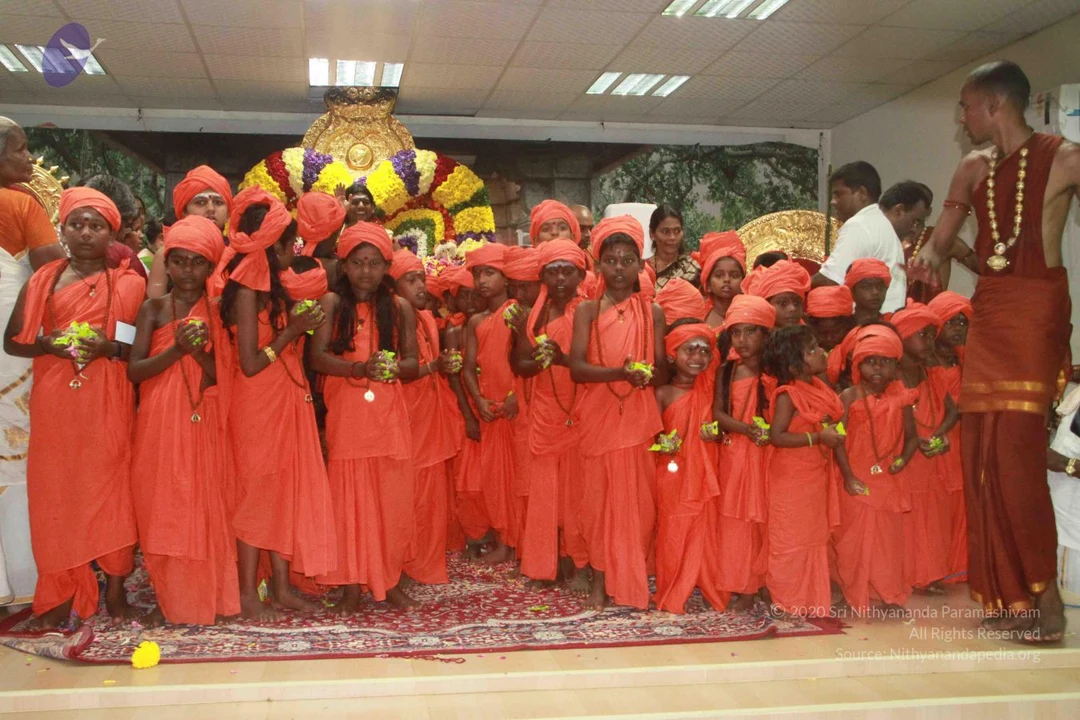
So all the Sanyaasis and Sanyaasinis of Nithyananda Sampradaya will take the group photo now. But you will take the responsibility to wear that dress authentically and then come.

I bless you all sitting with us around the world and here - Let you all achieve, experience, live, express, radiate, share, explode and enrich with the eternal bliss Nithyananda. Thank you!

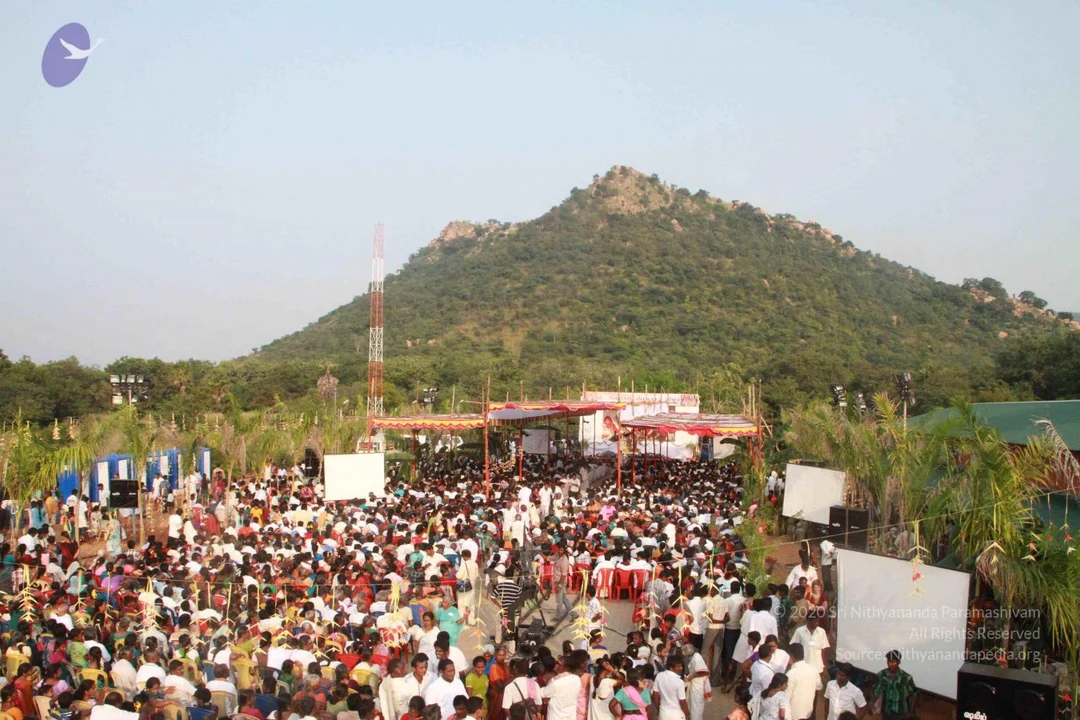
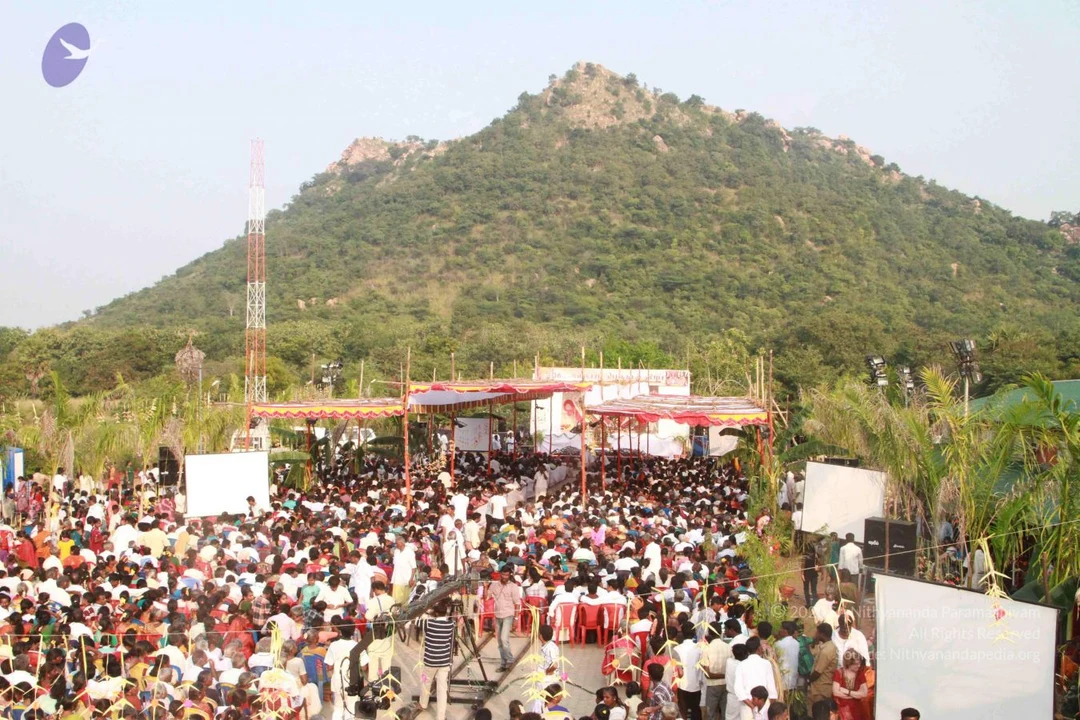
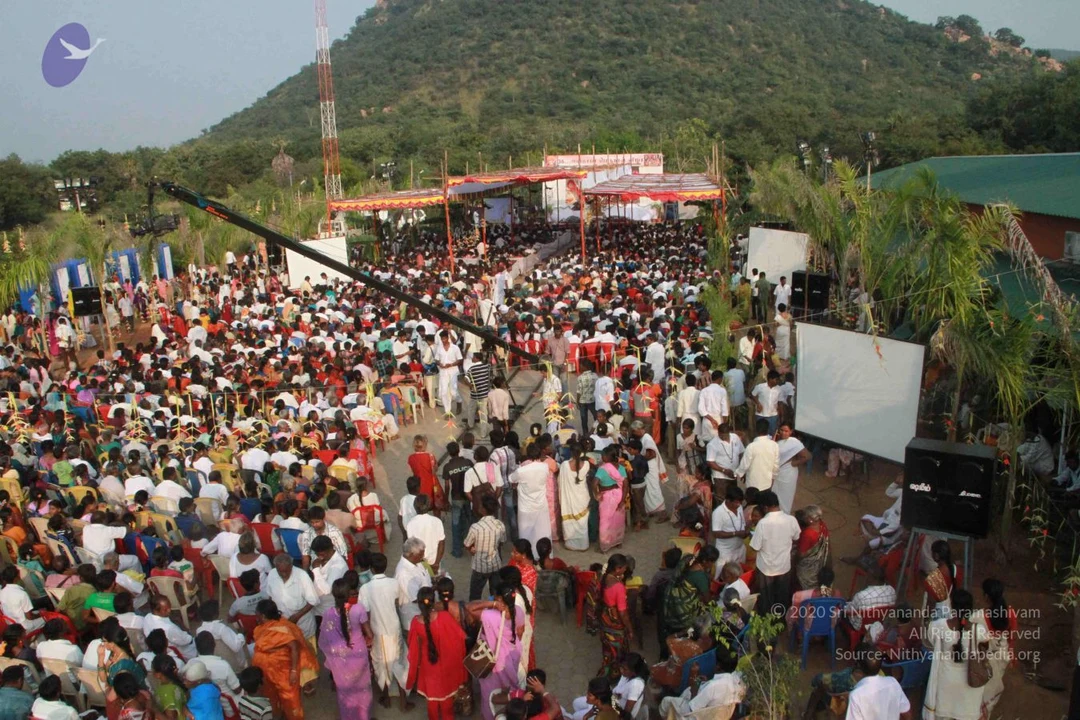
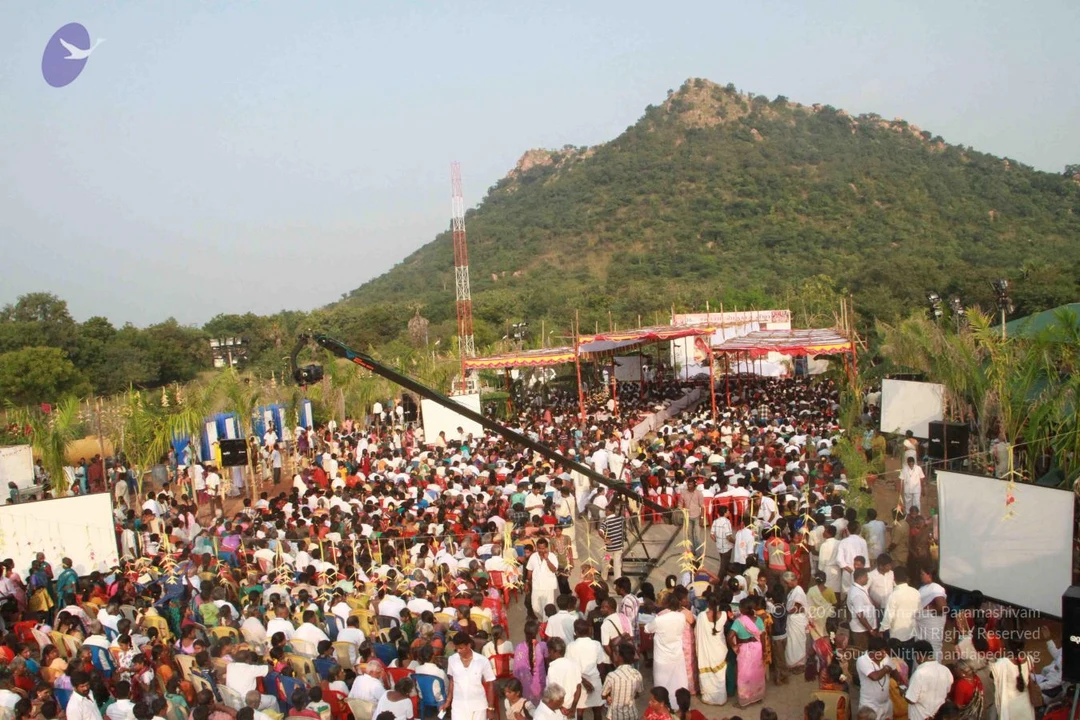
Photos From The Day:

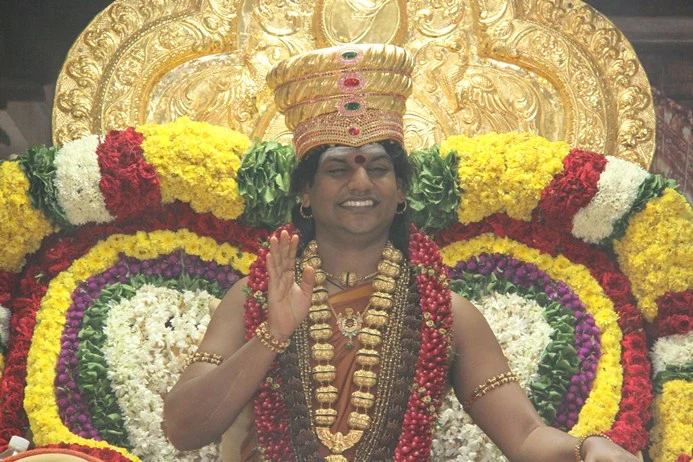
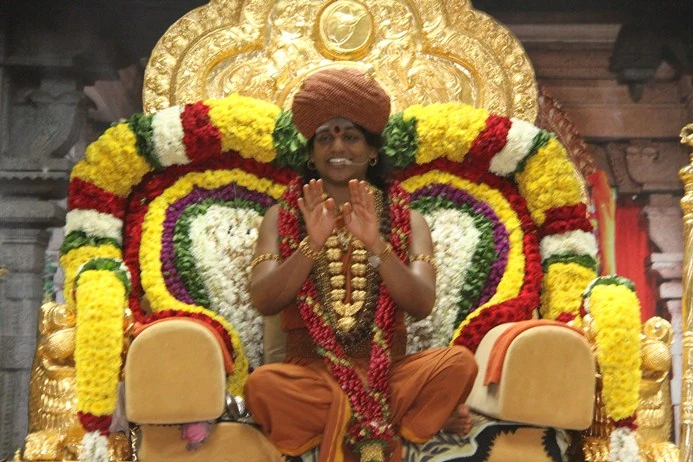
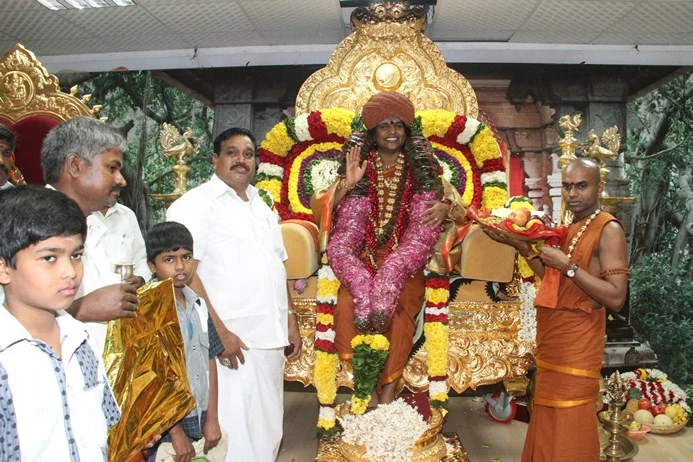
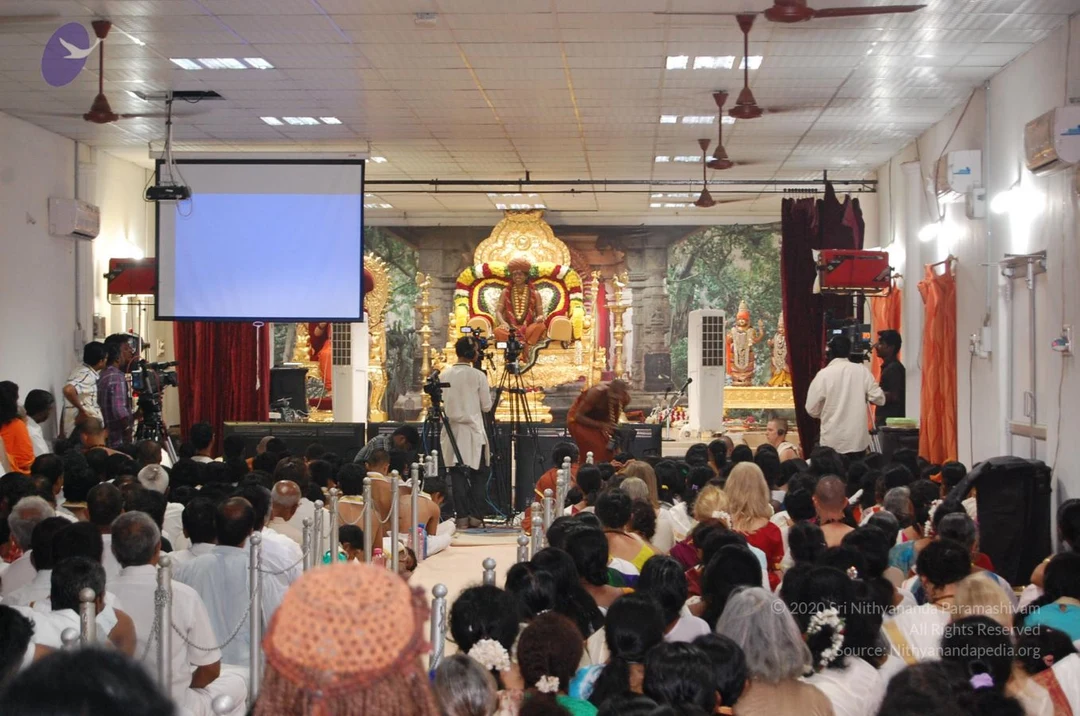
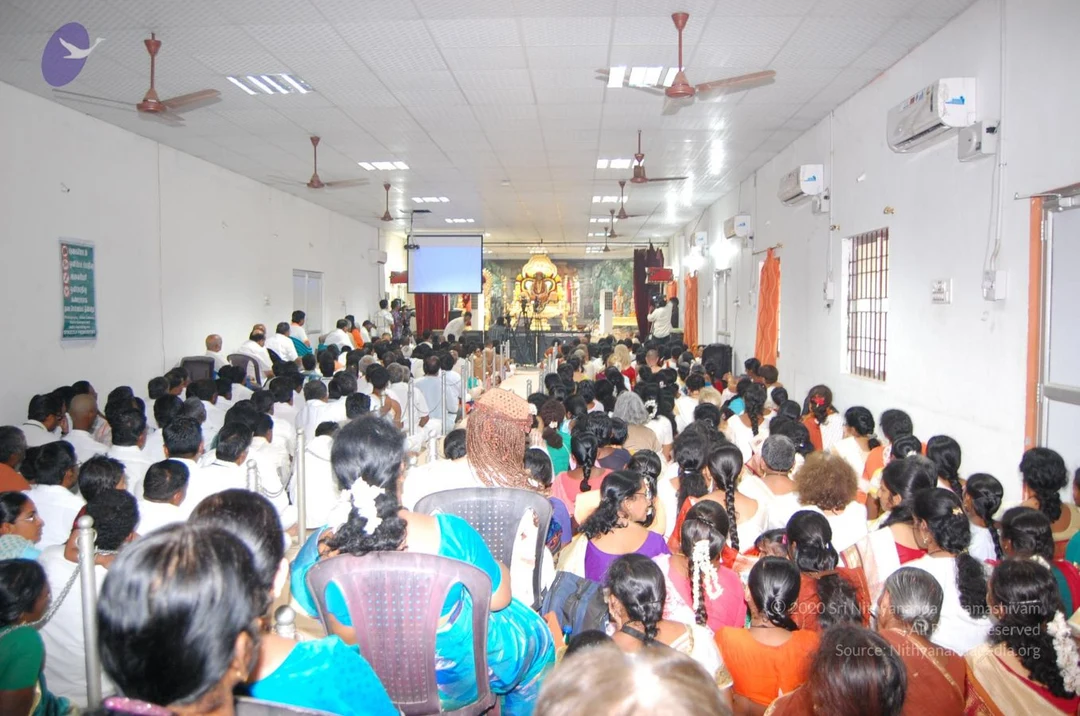
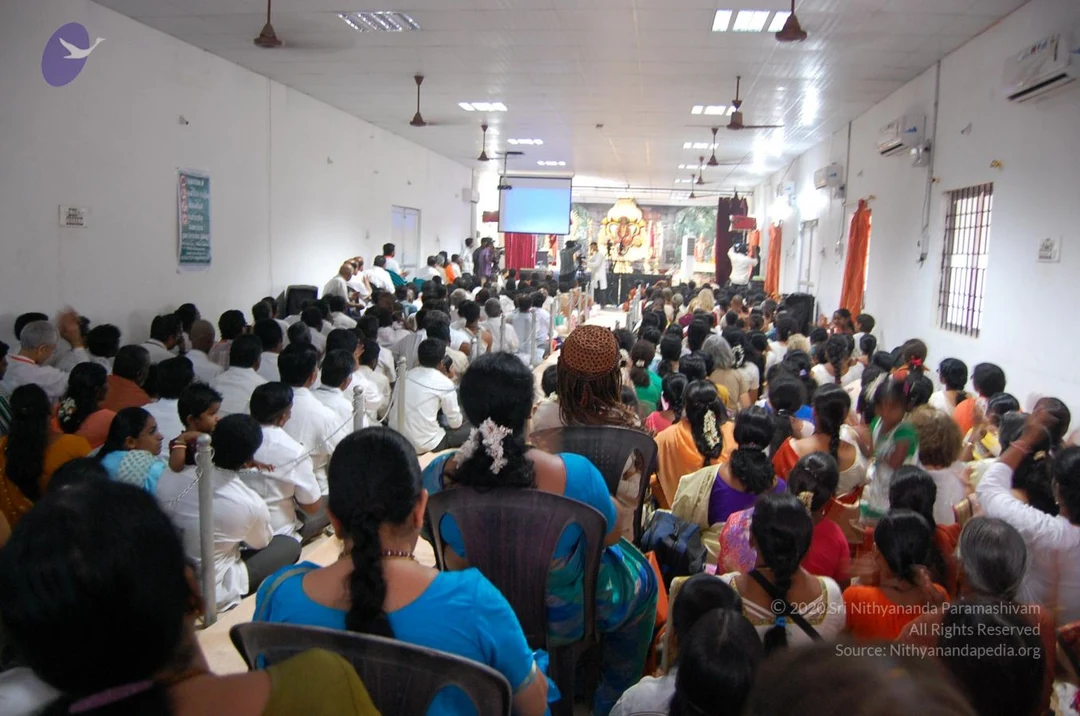
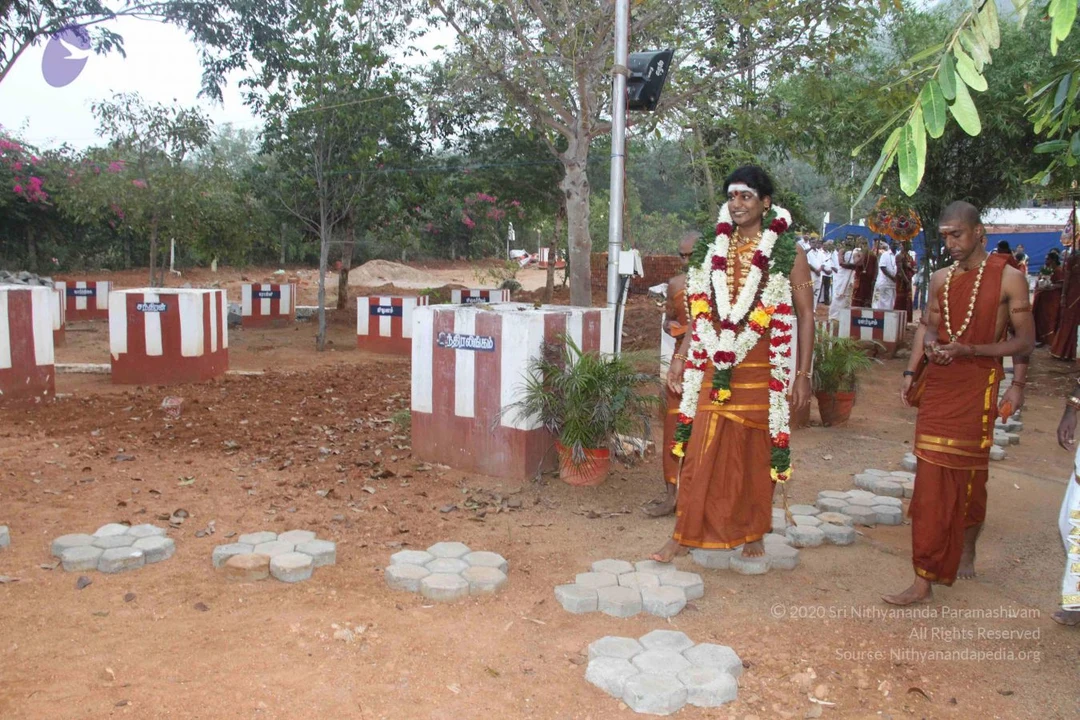
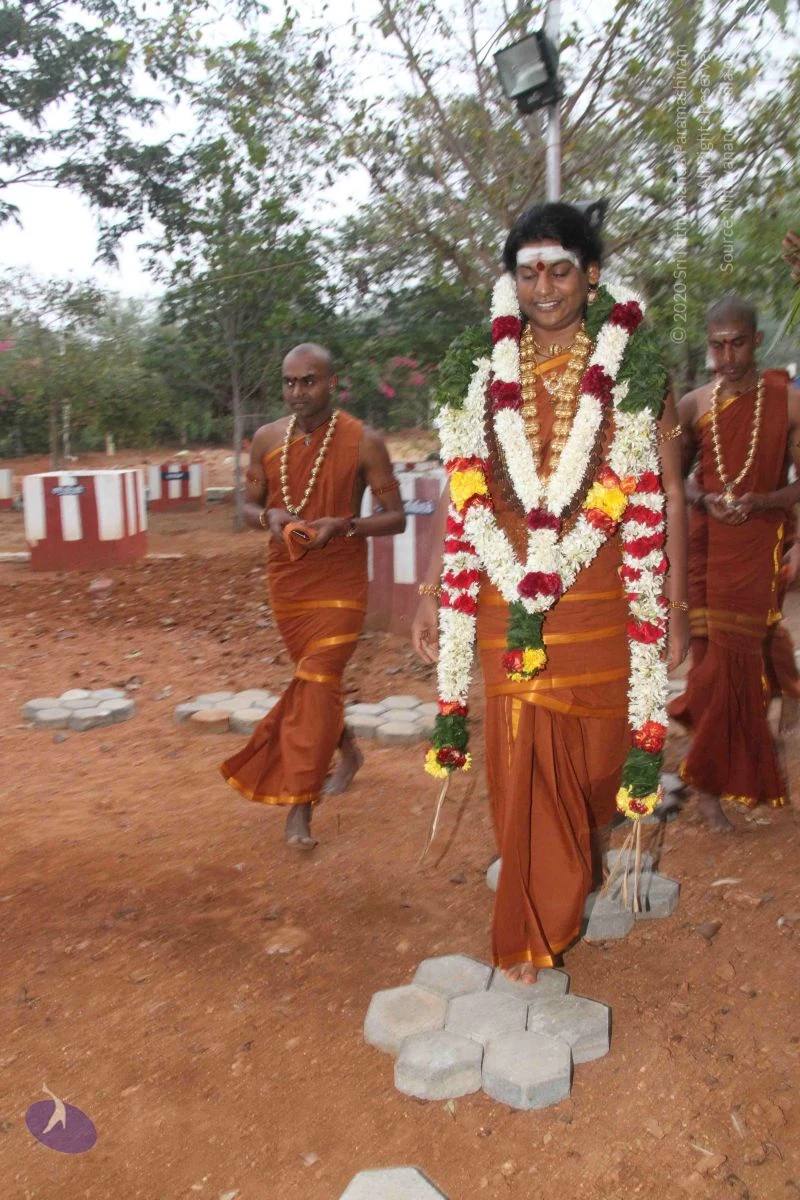
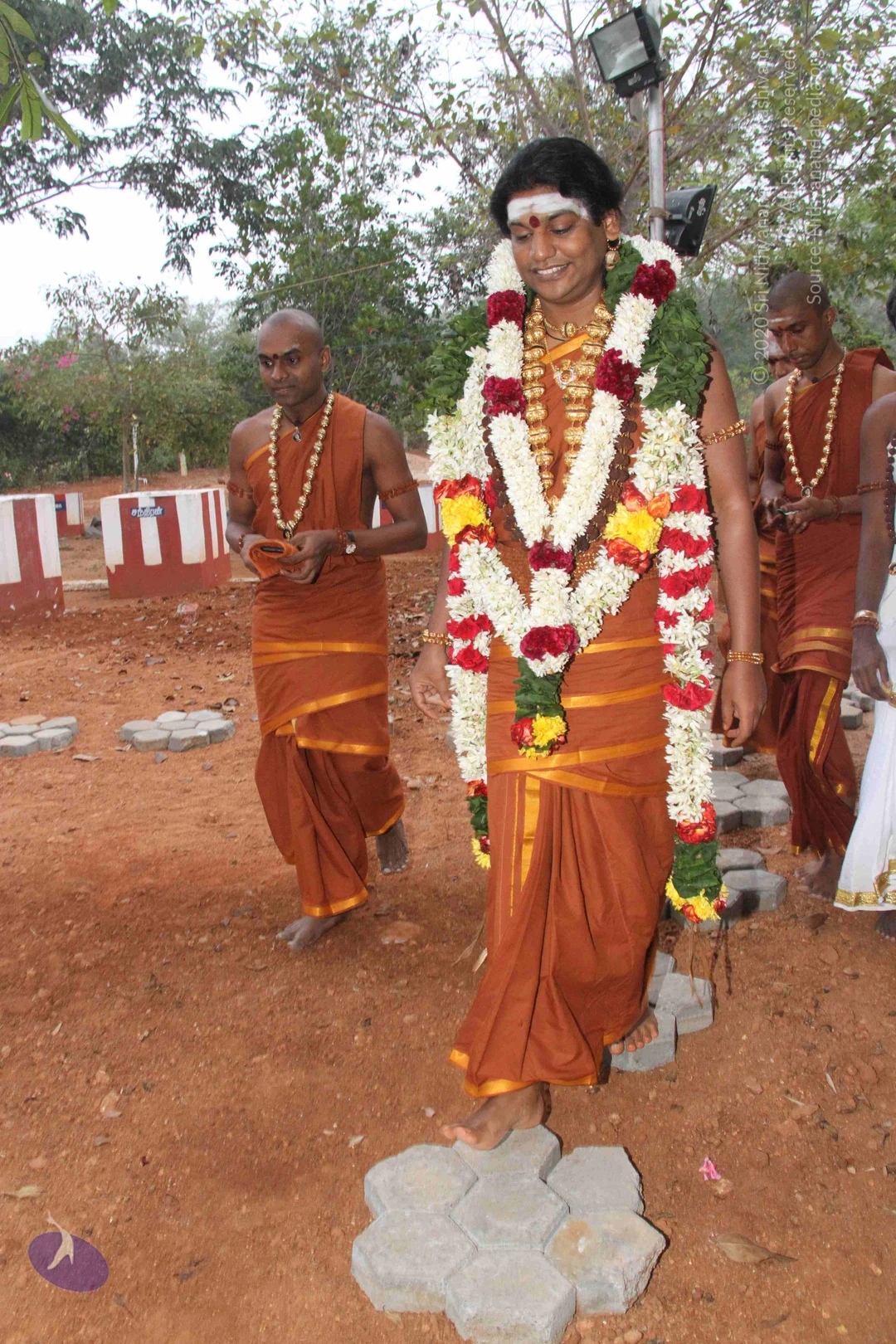
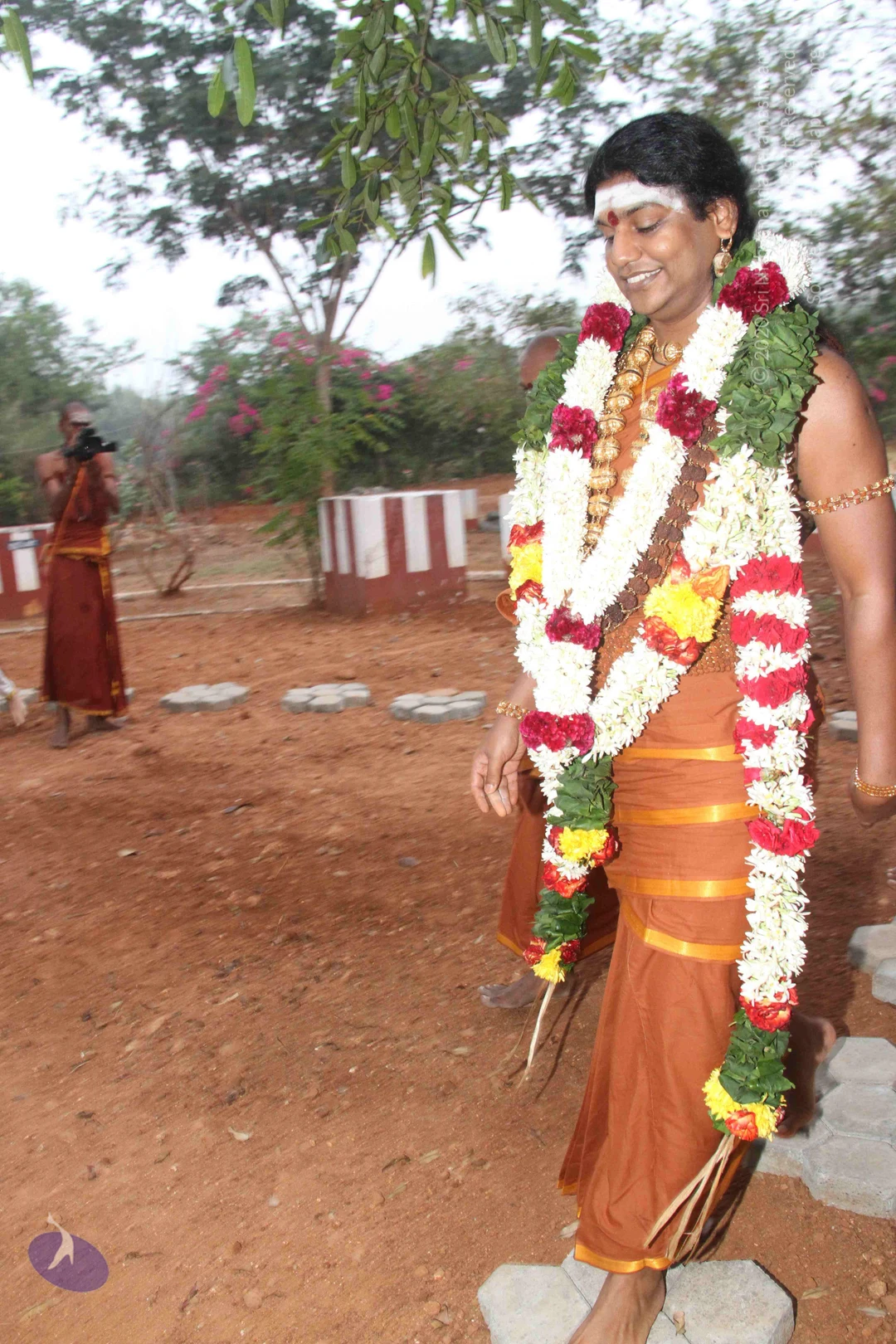
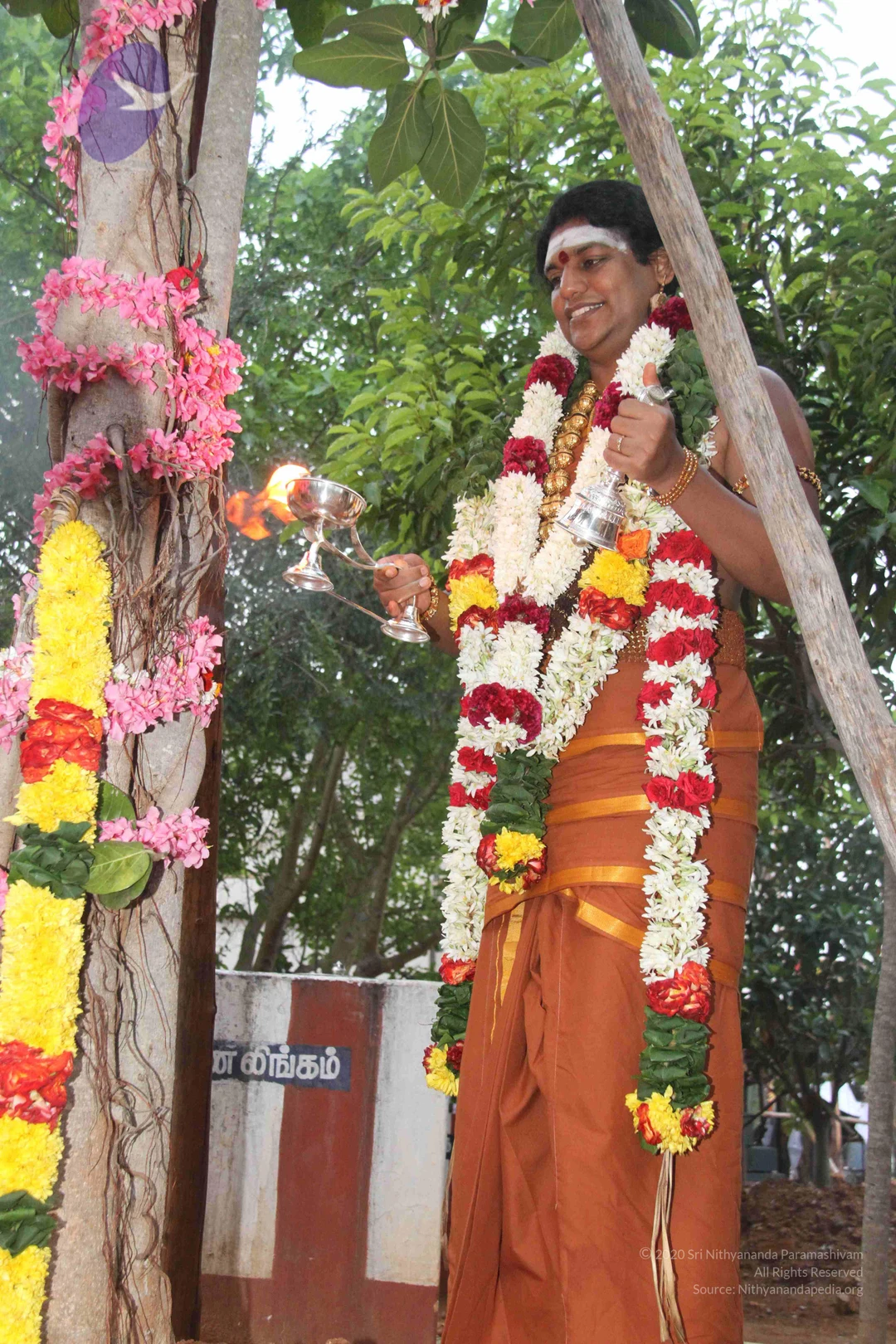
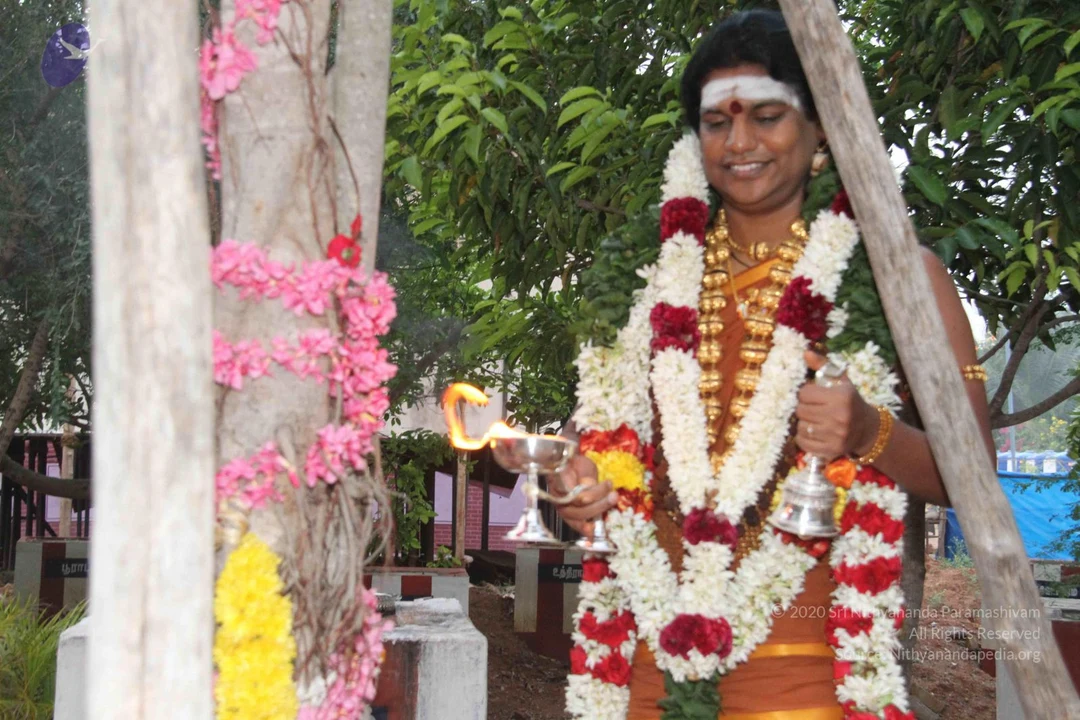
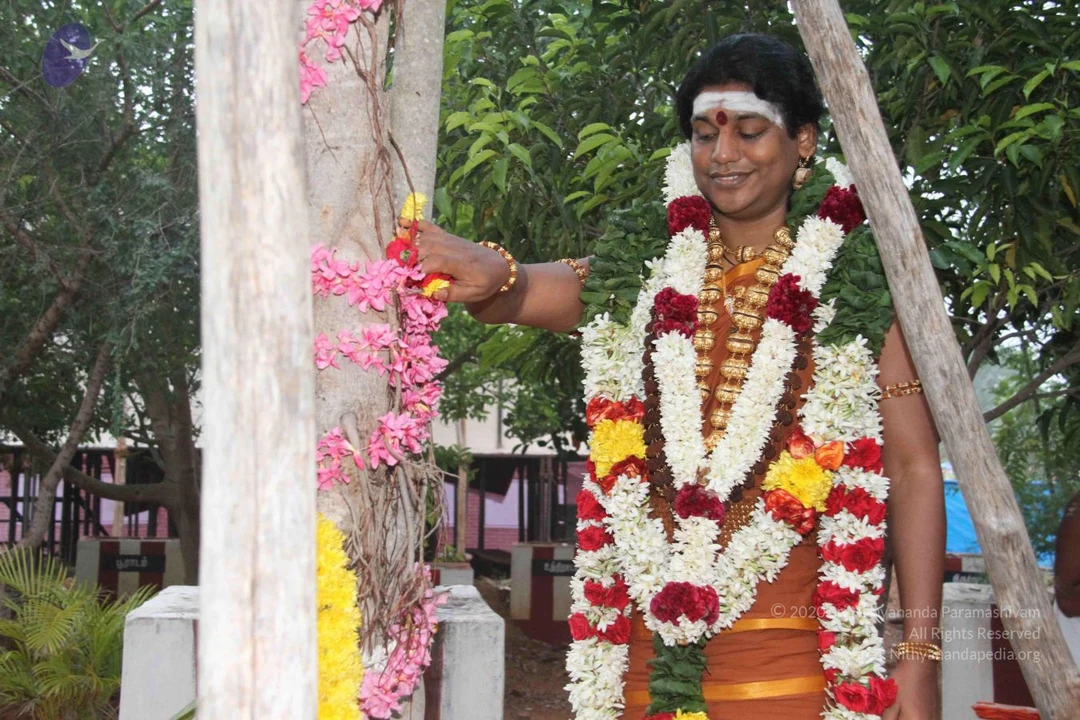
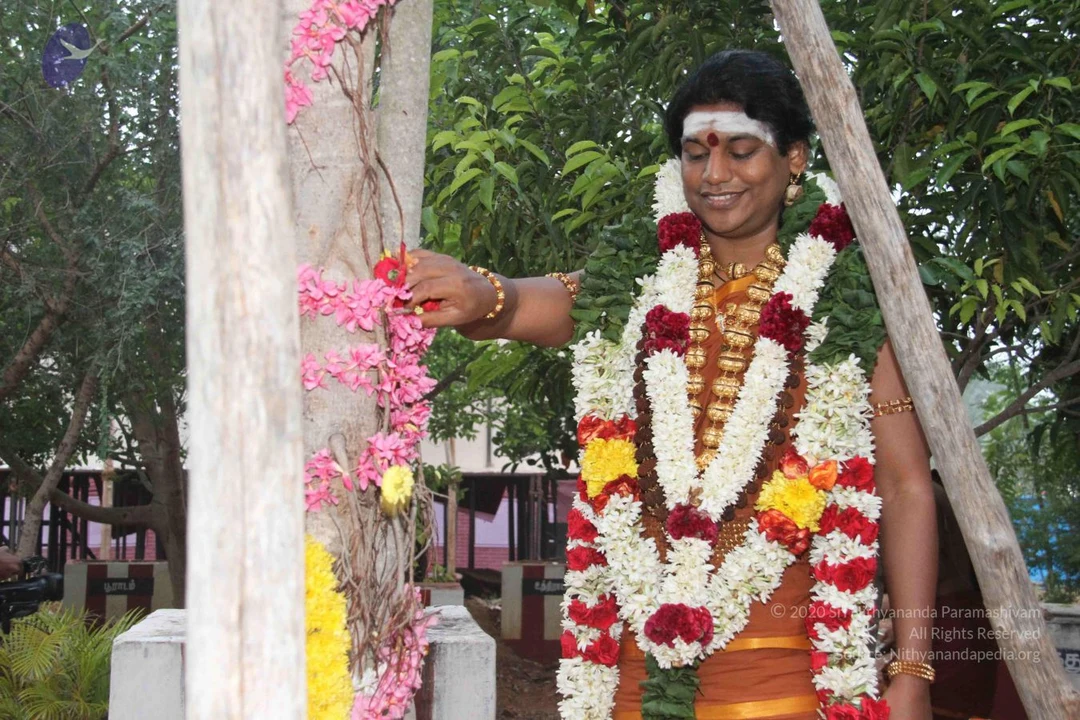
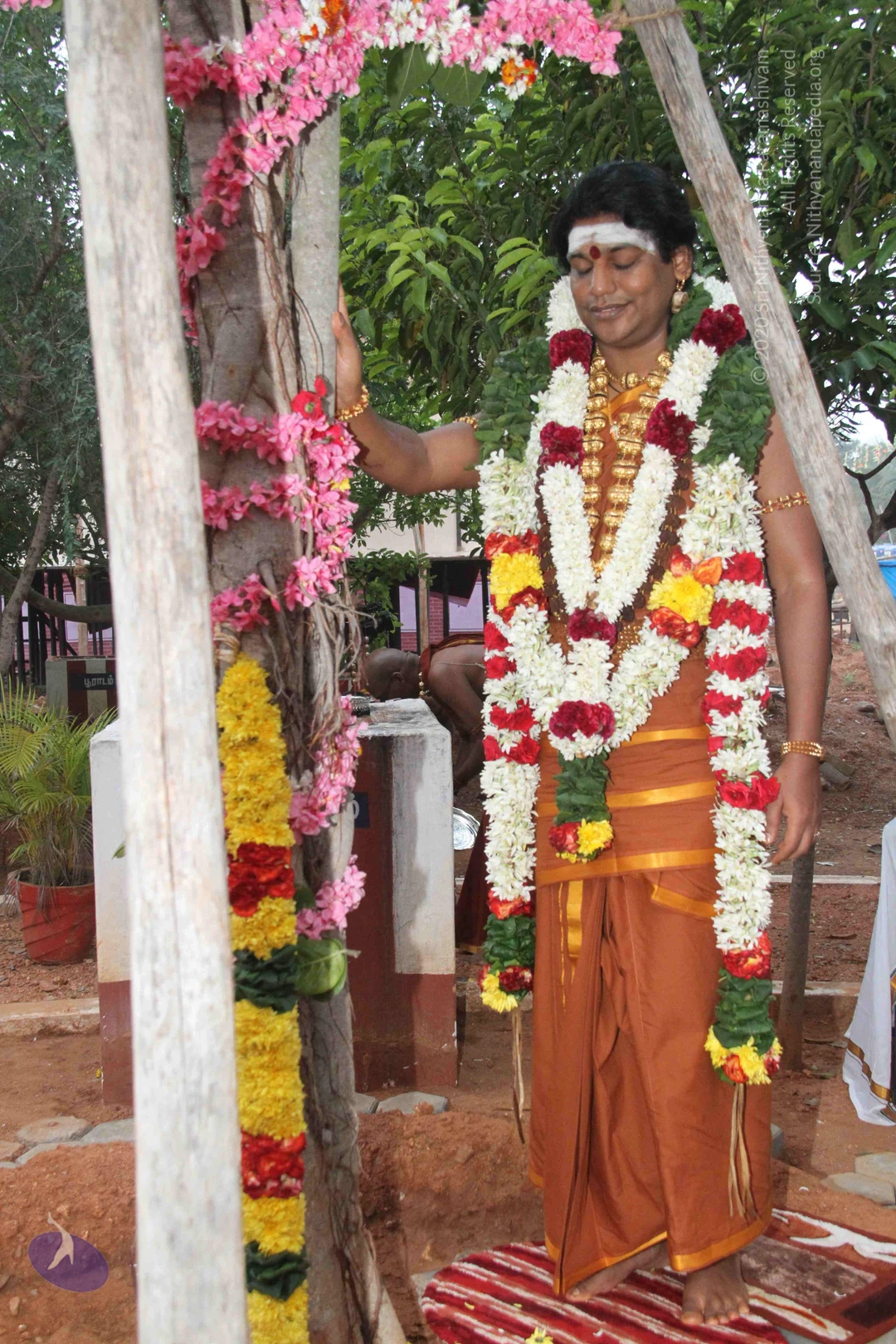
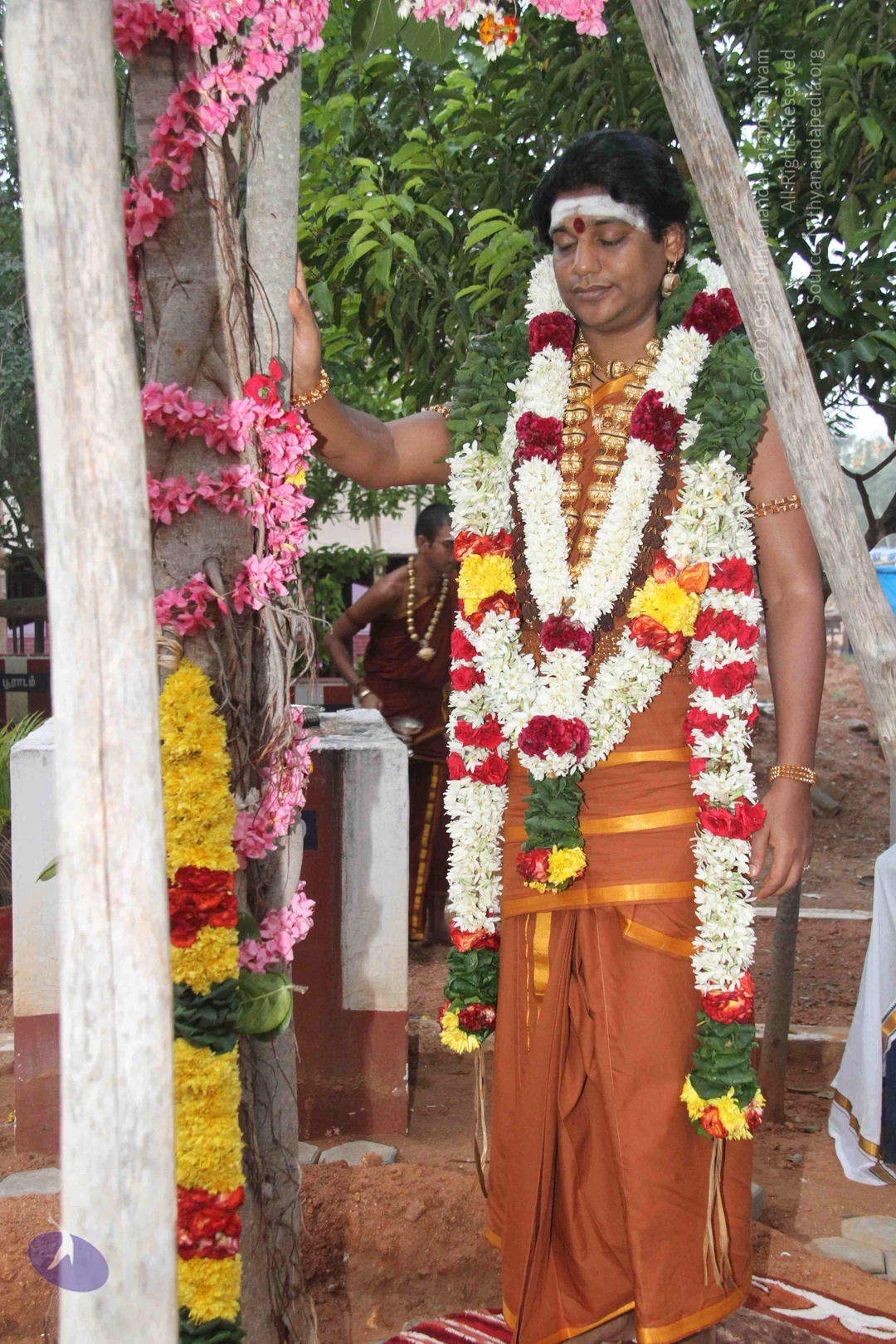
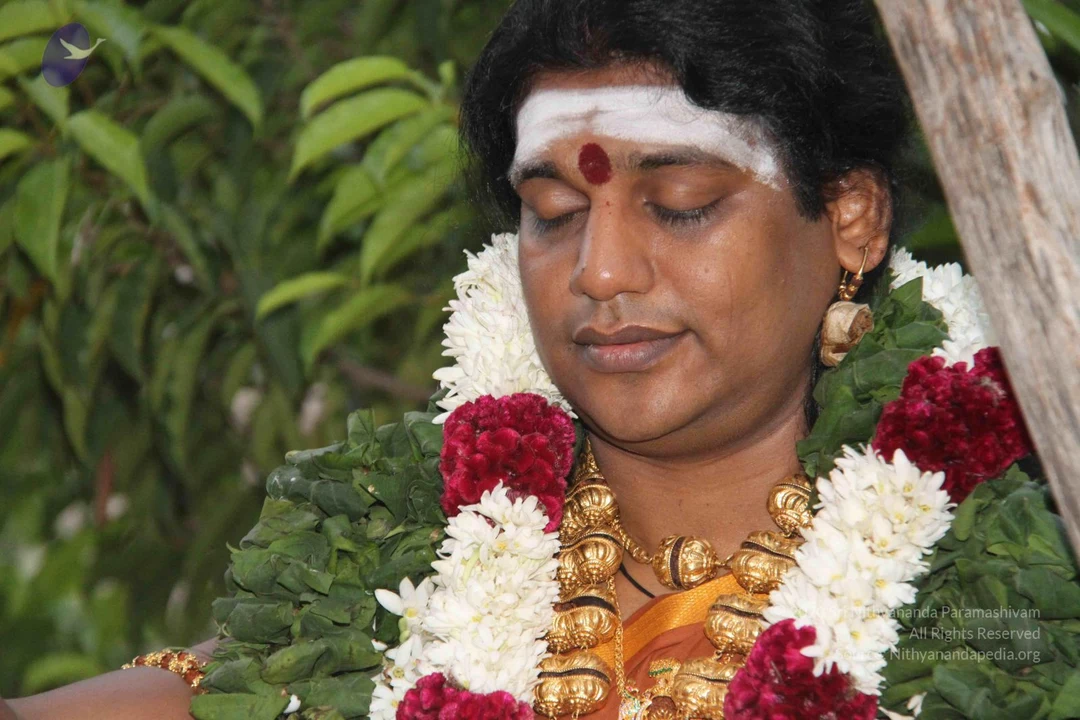
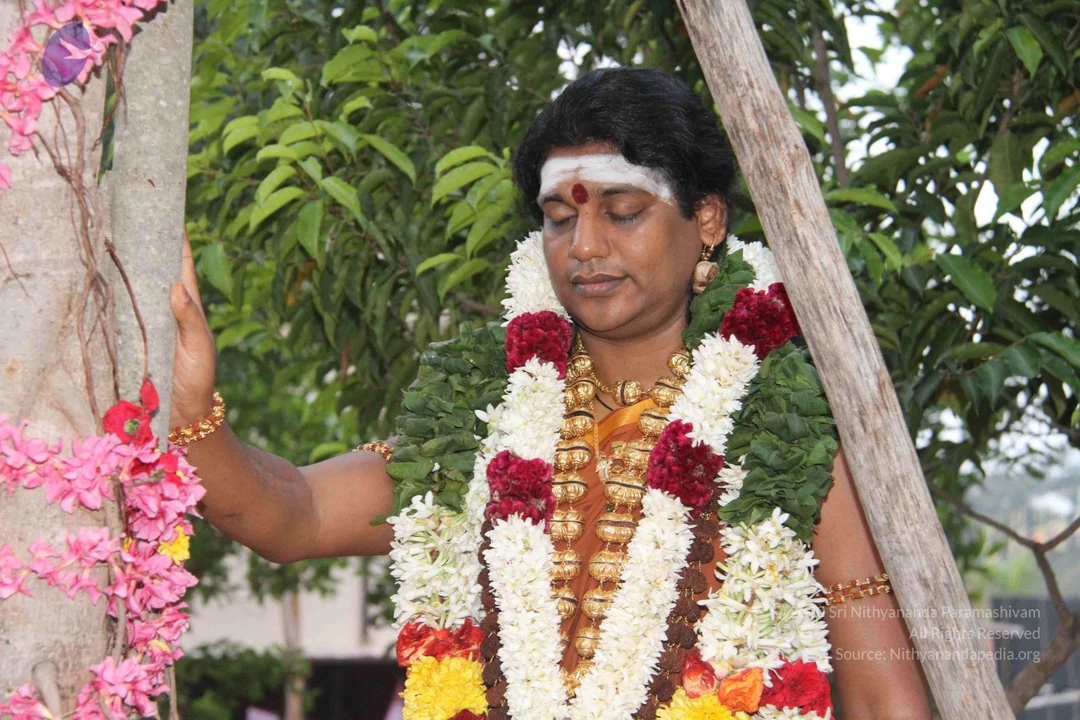
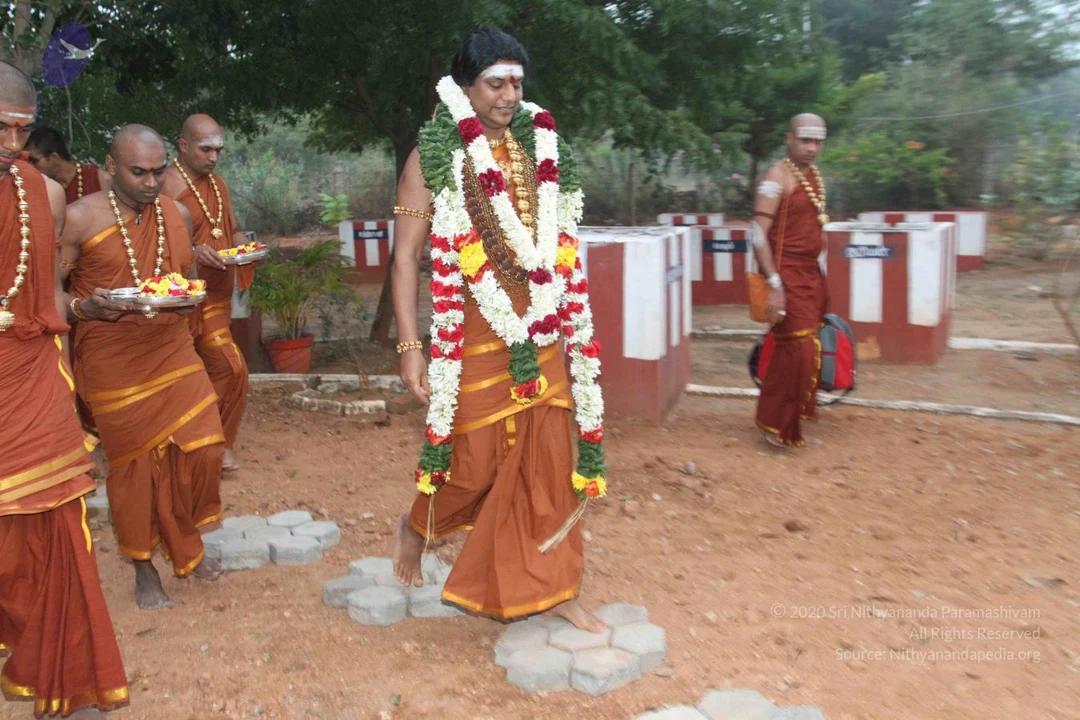
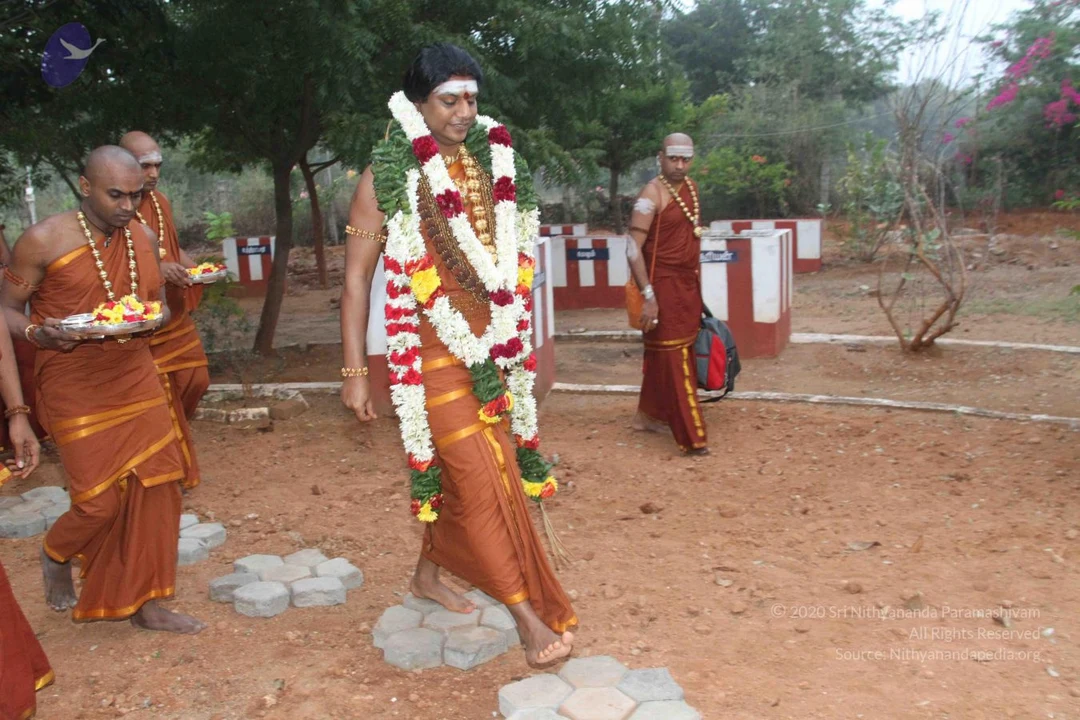
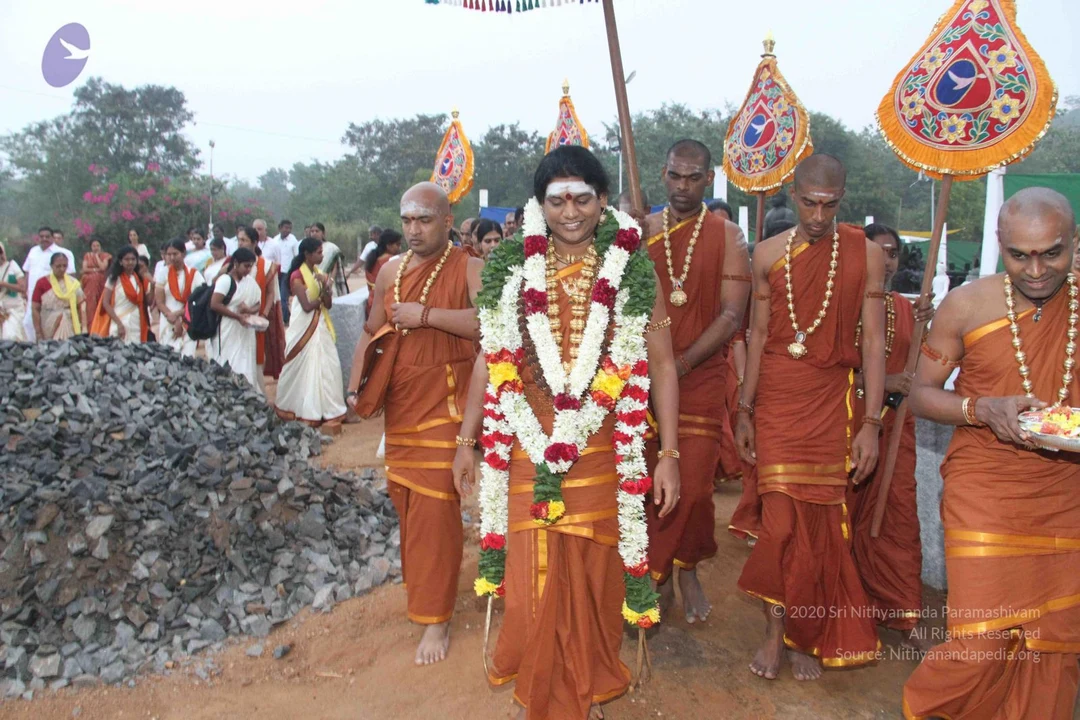
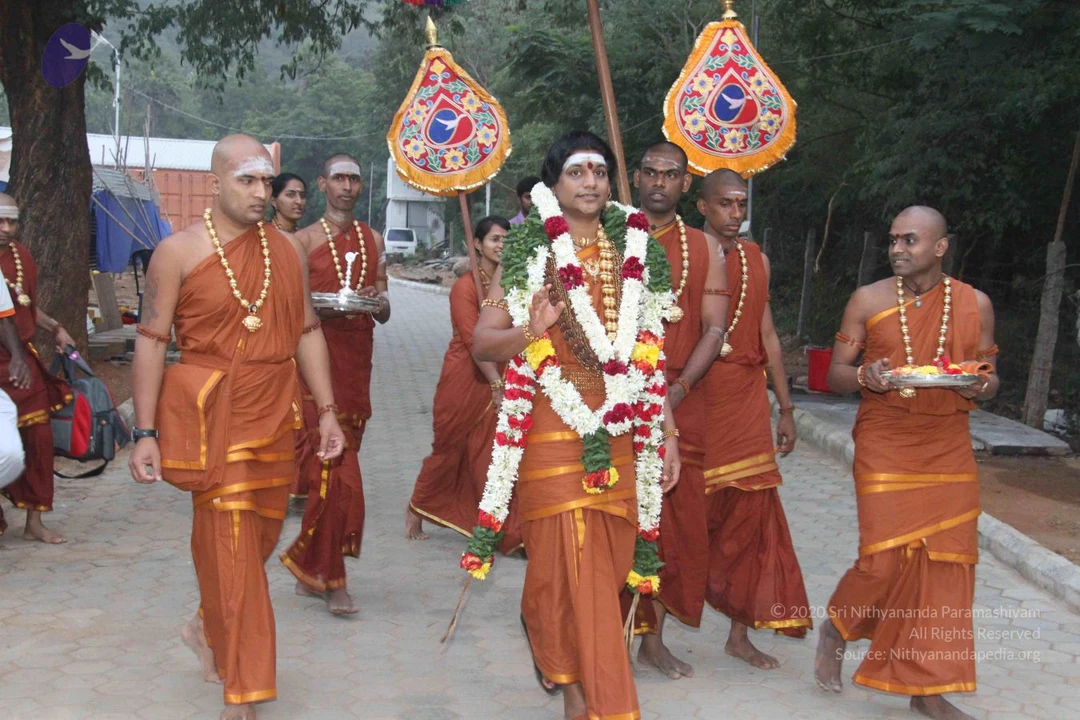
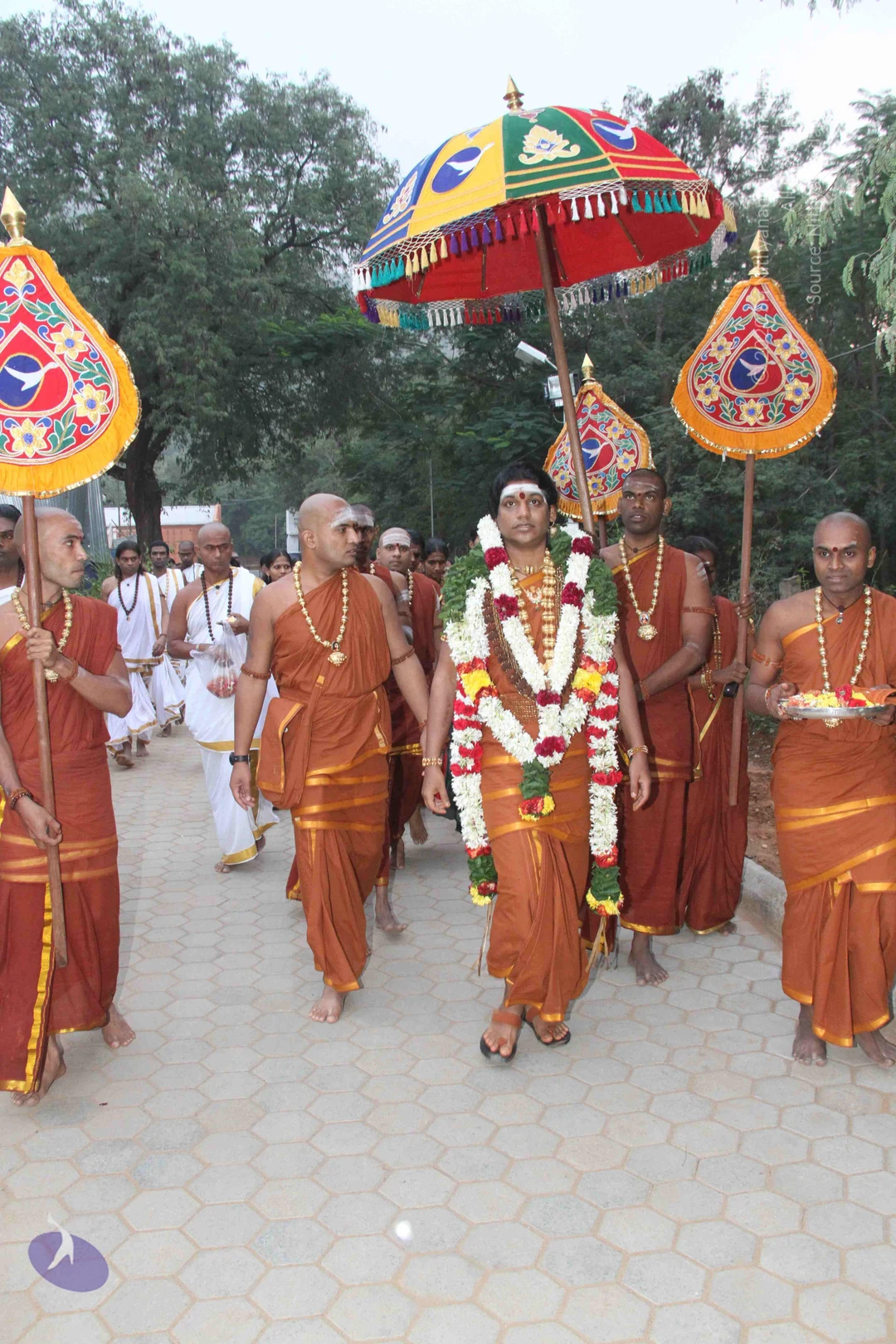
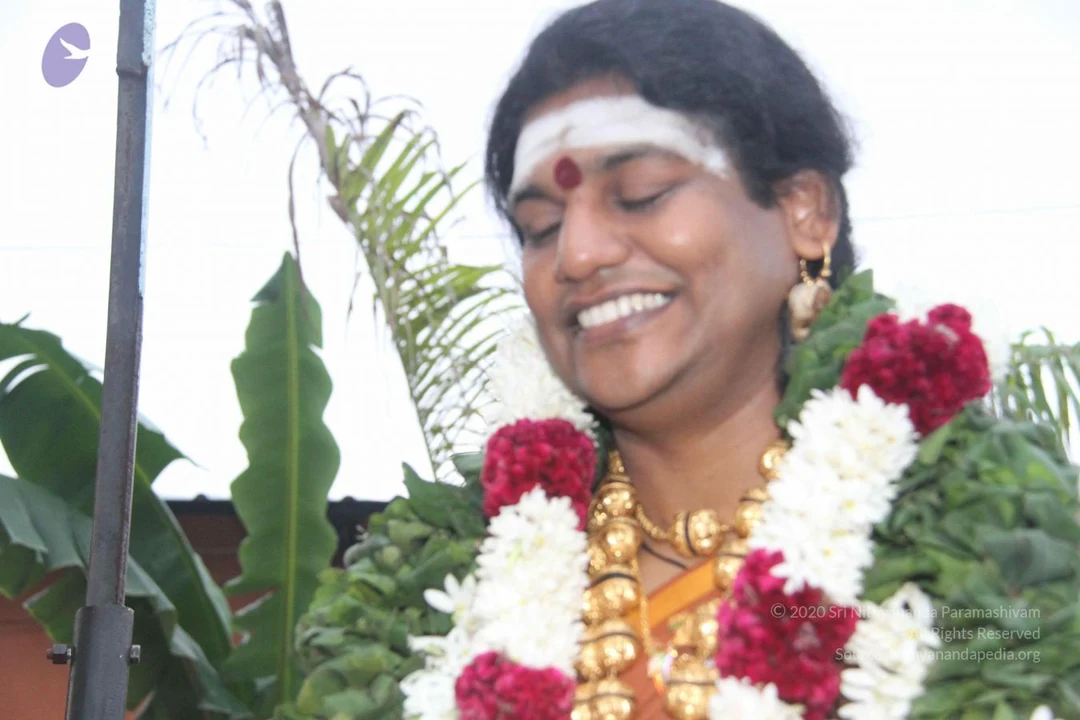
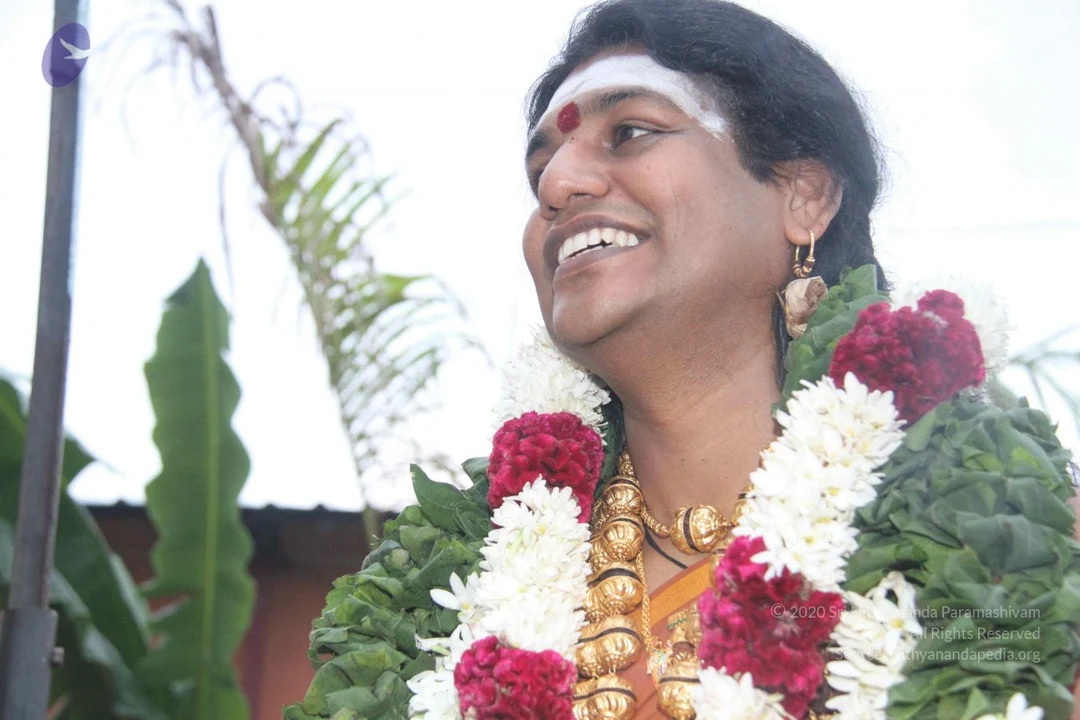
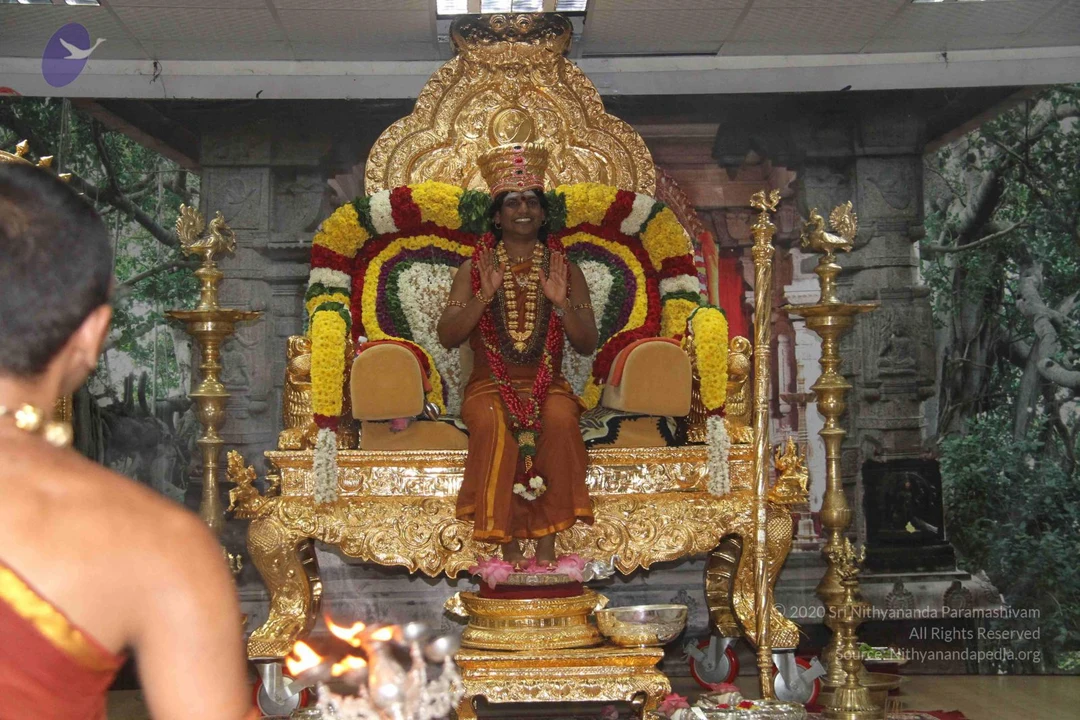
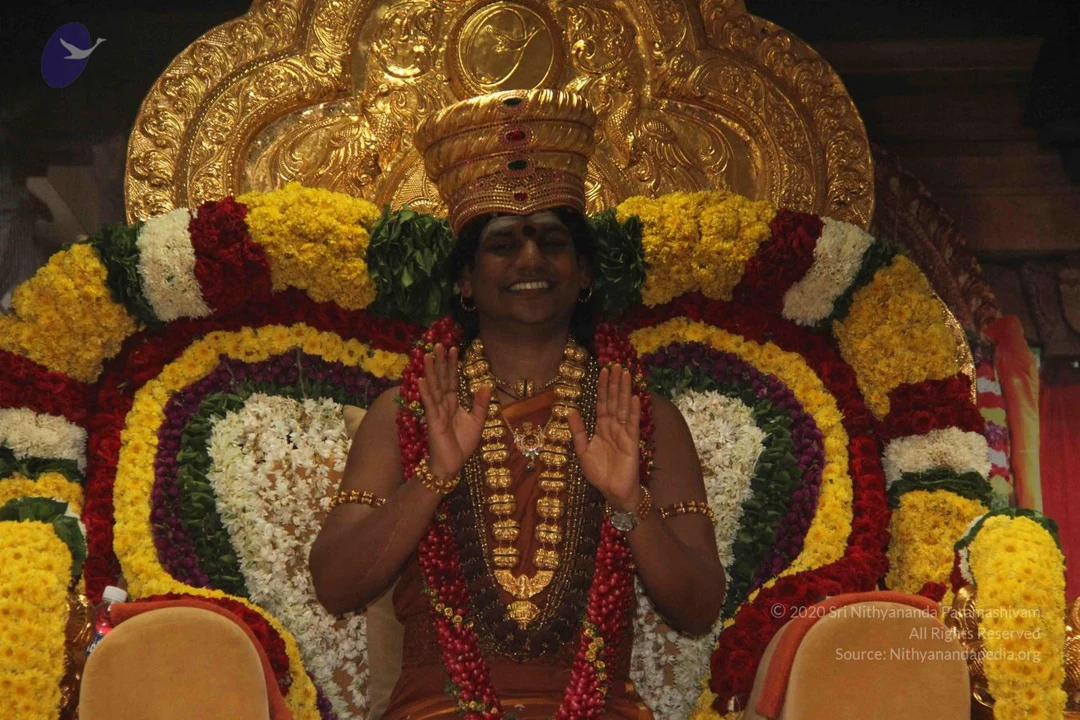
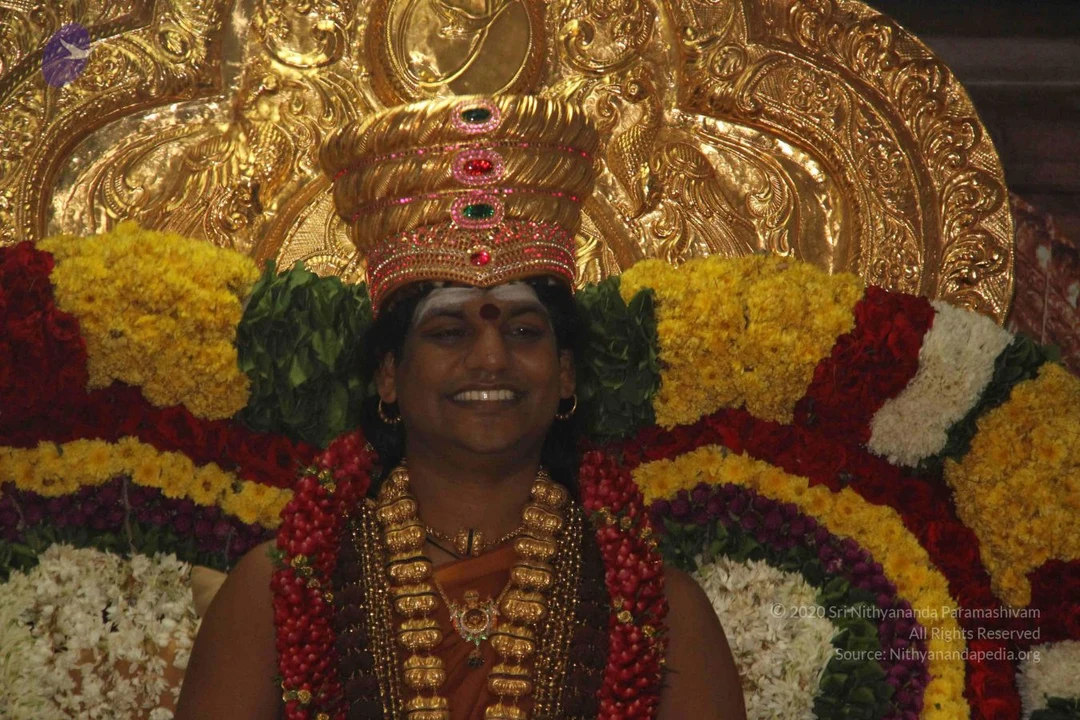
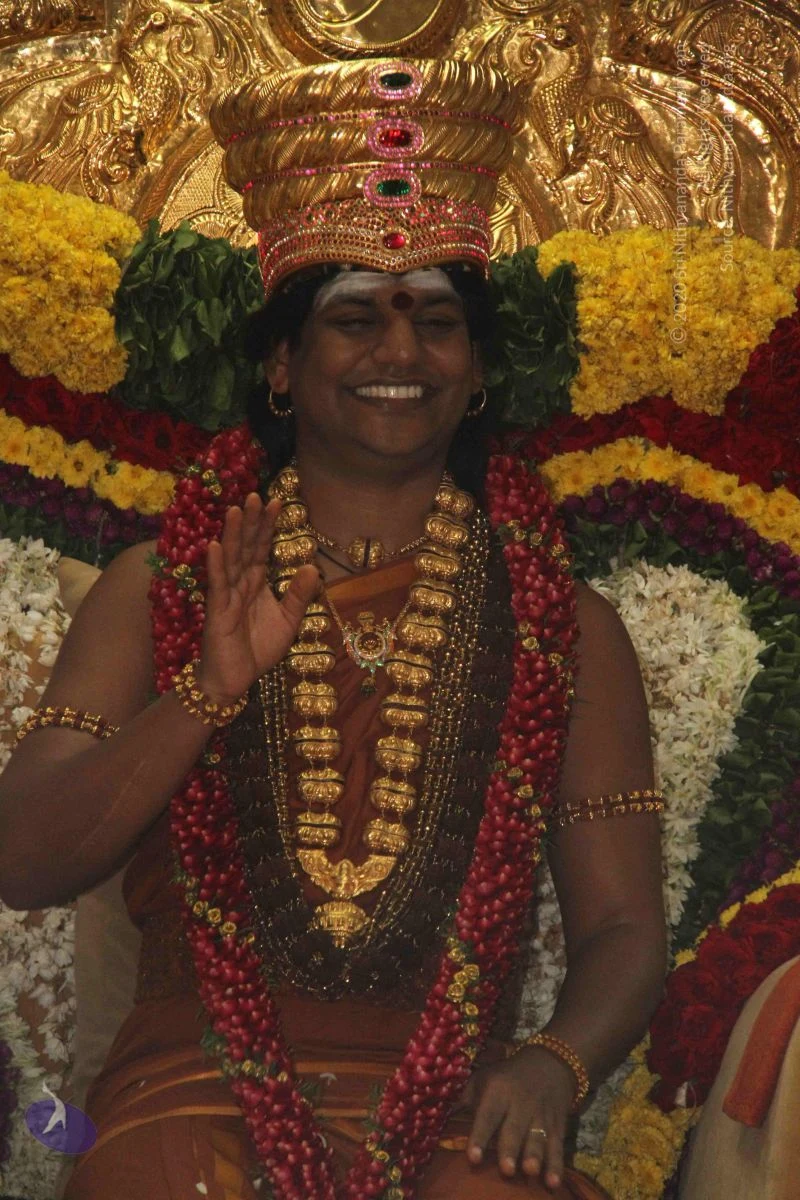
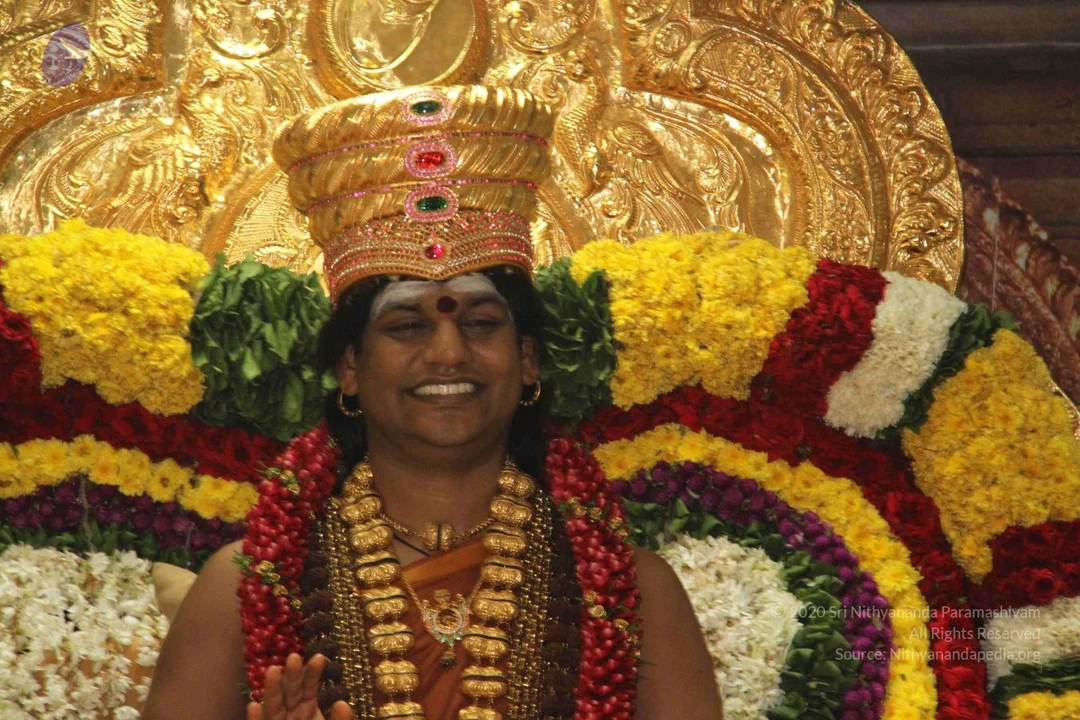
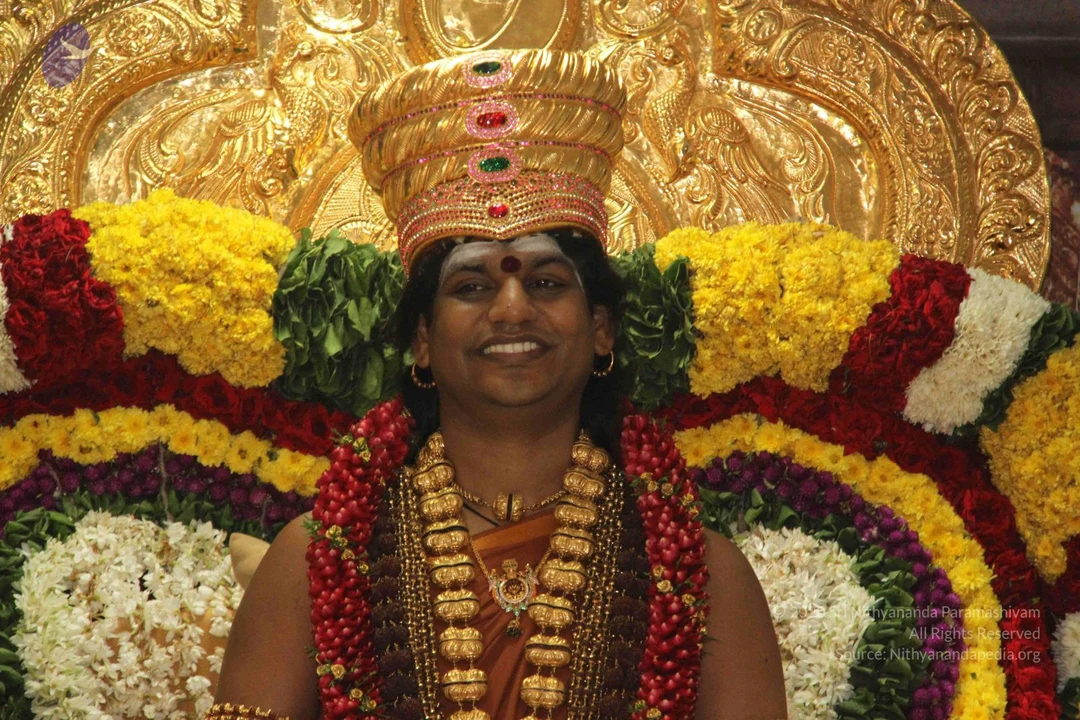
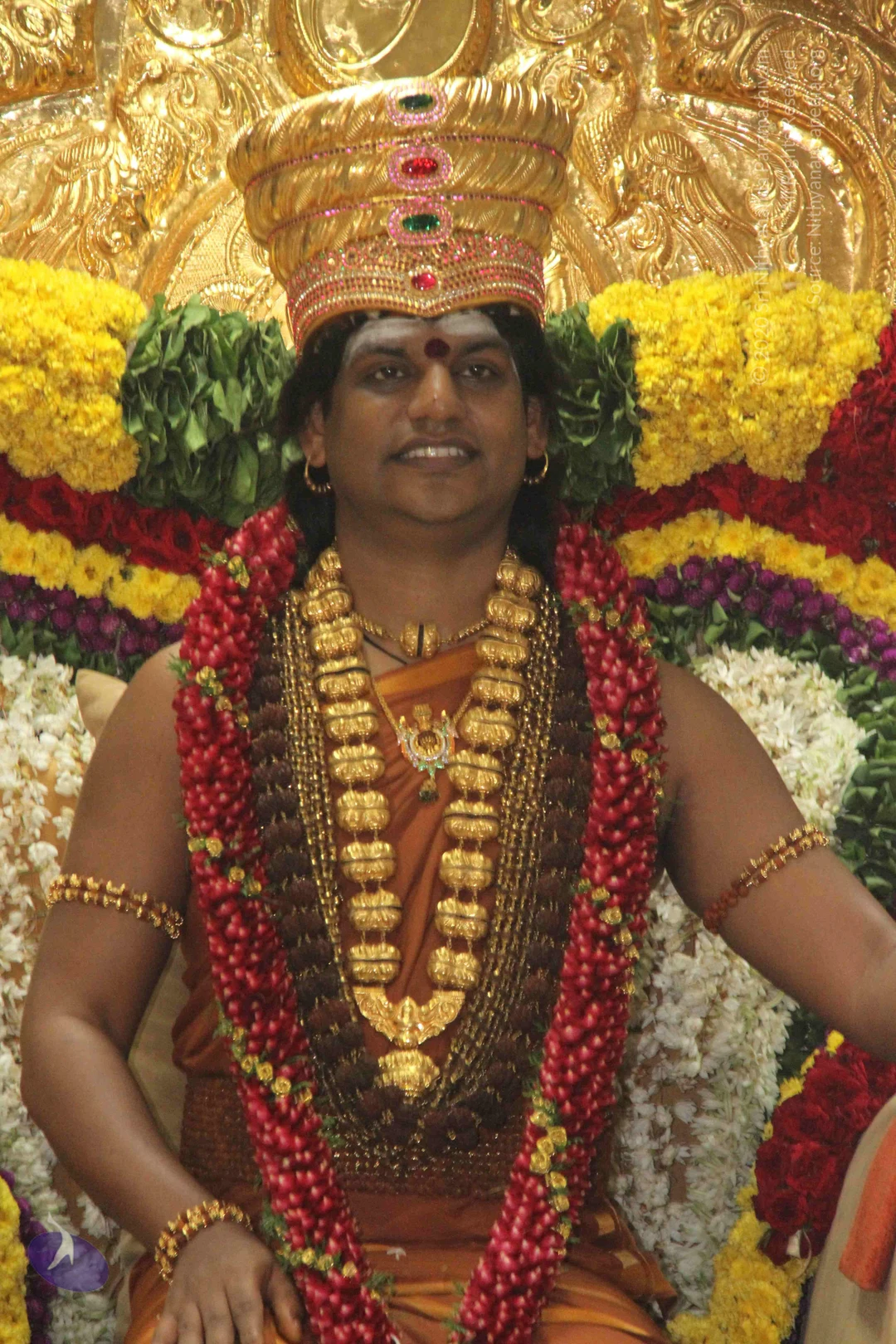
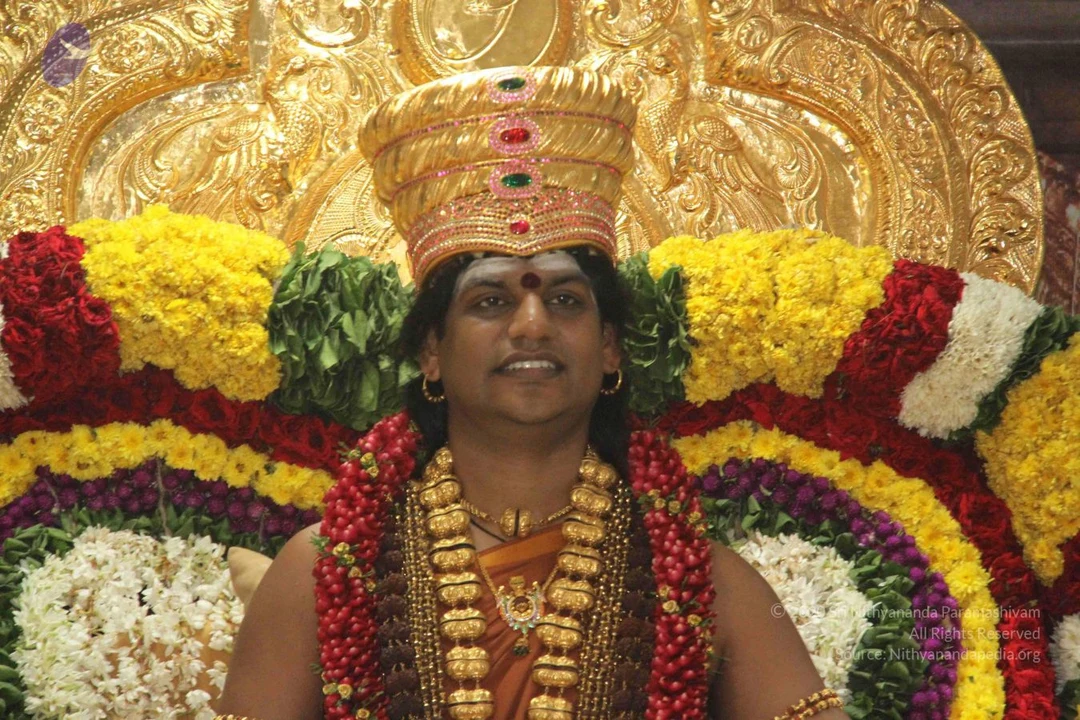
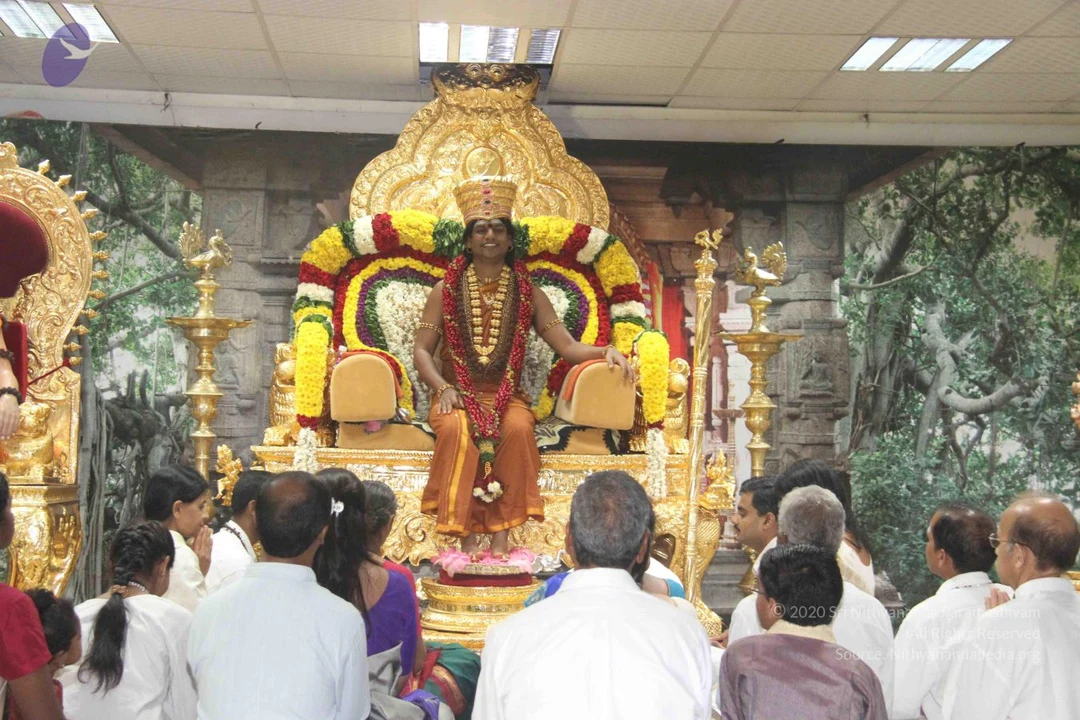
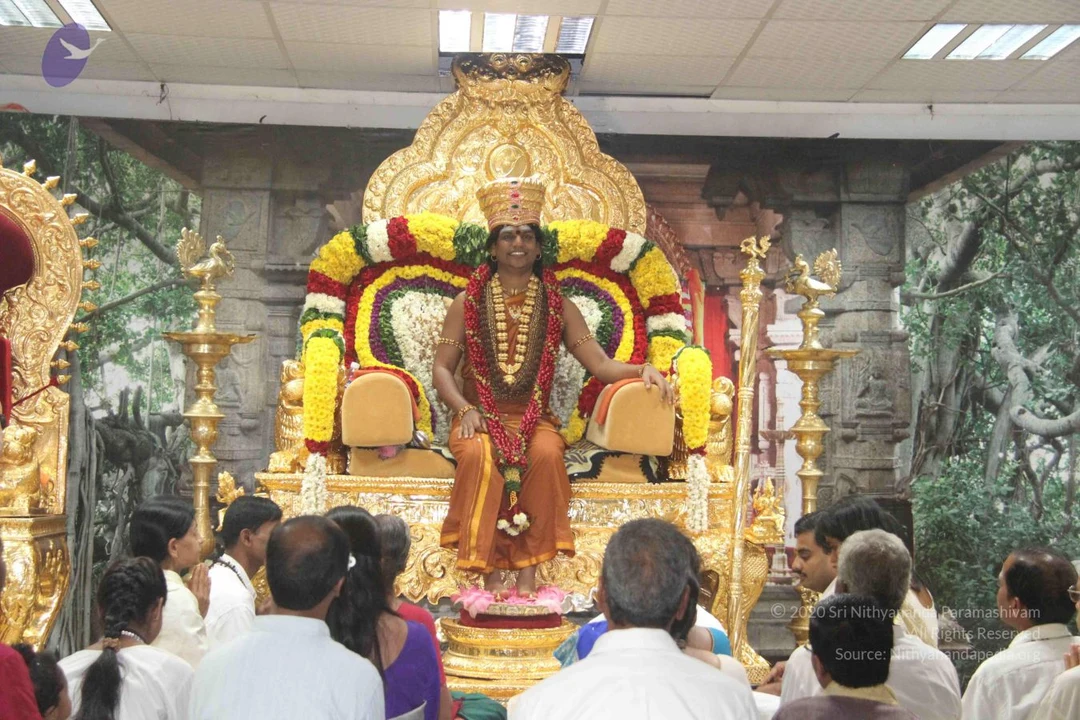
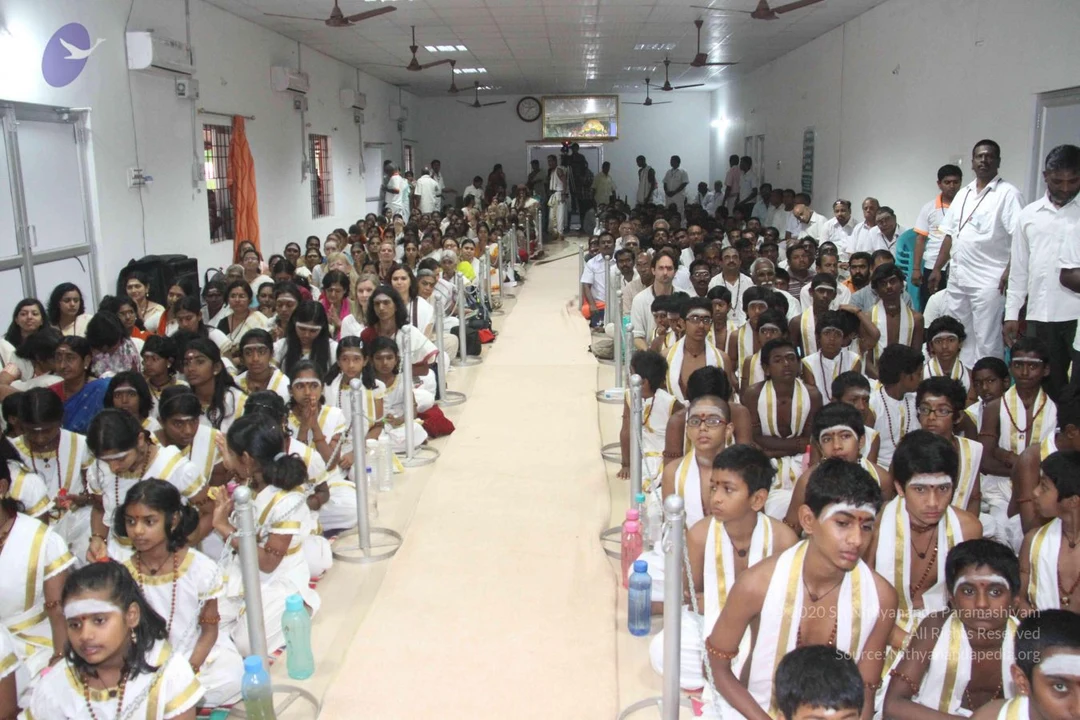
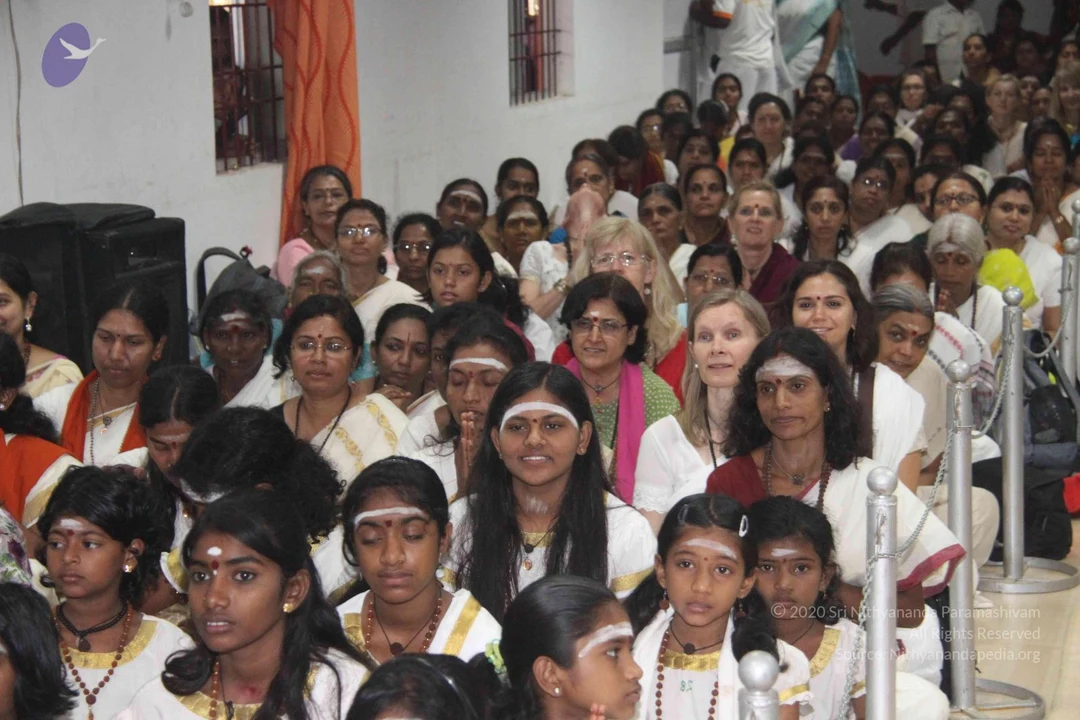
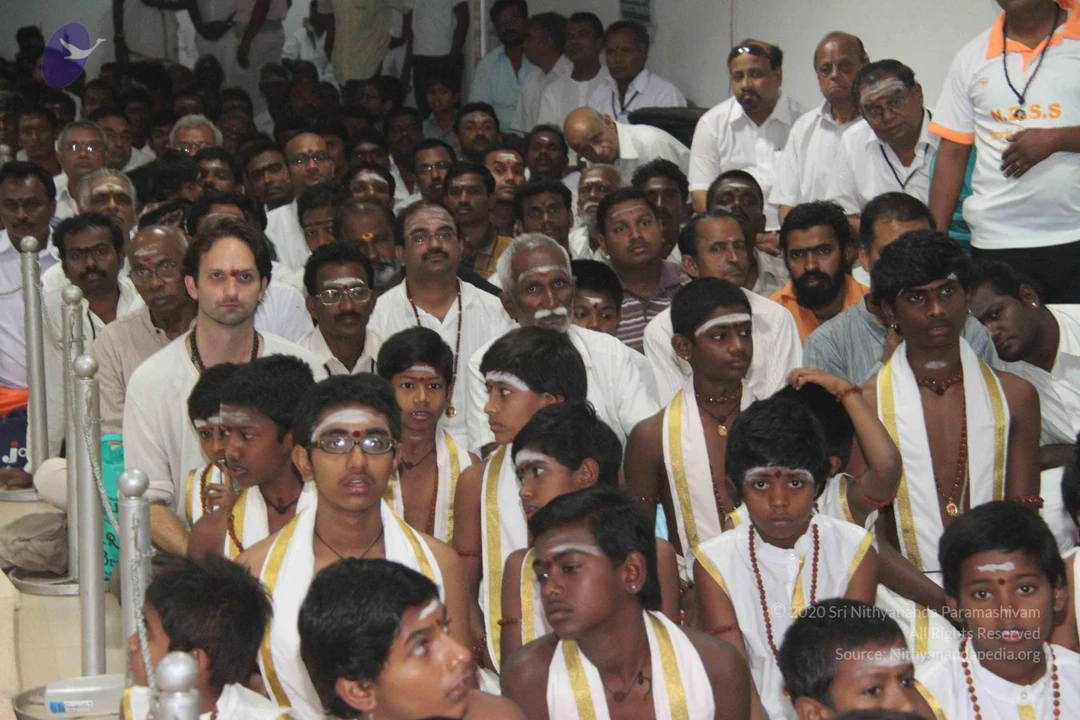
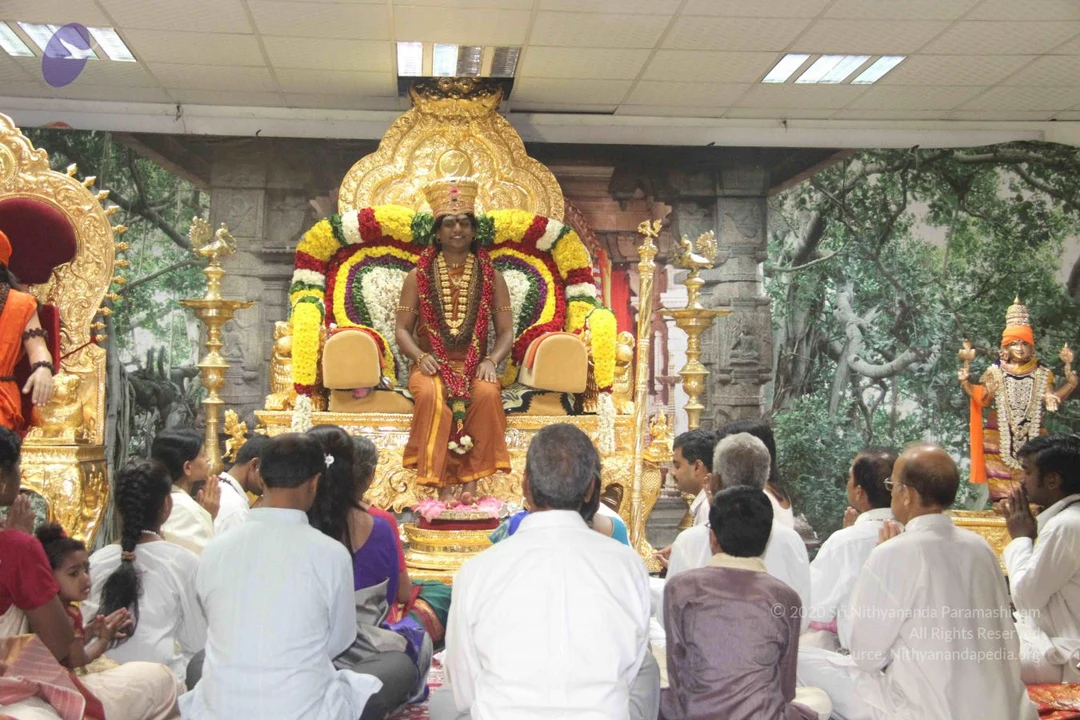
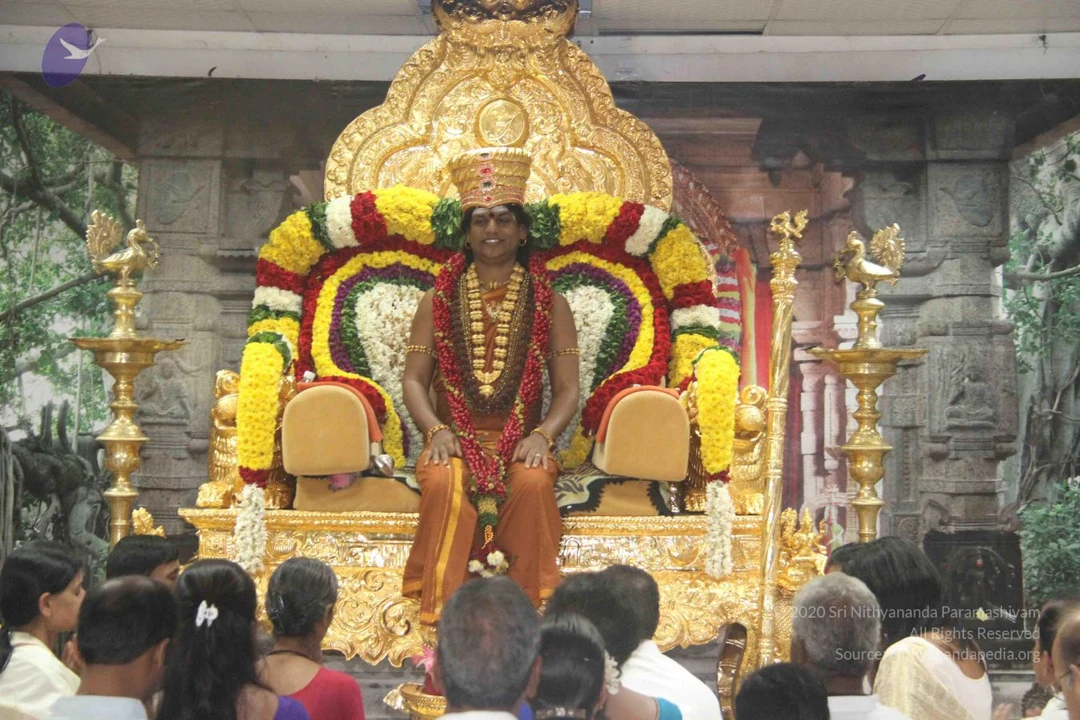
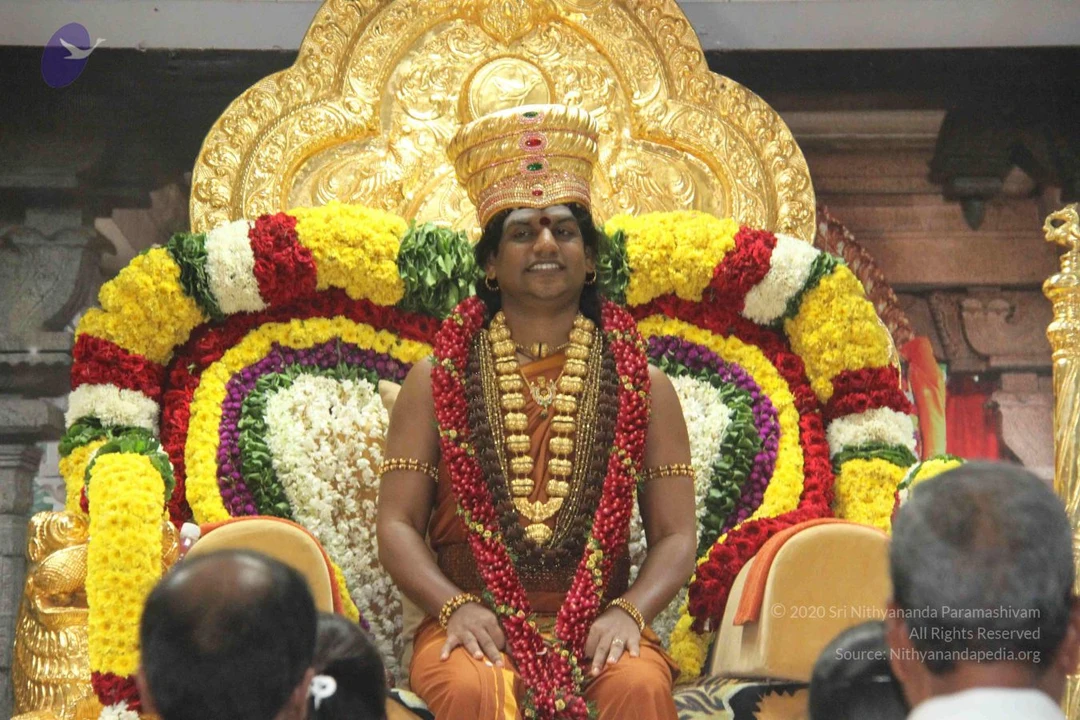
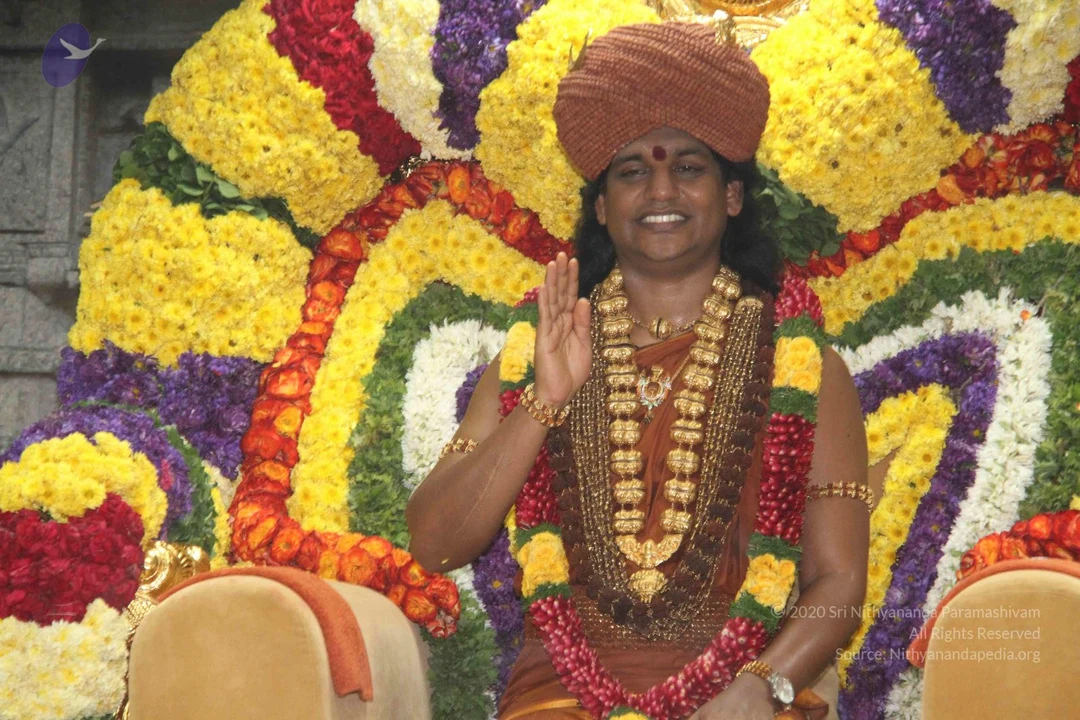
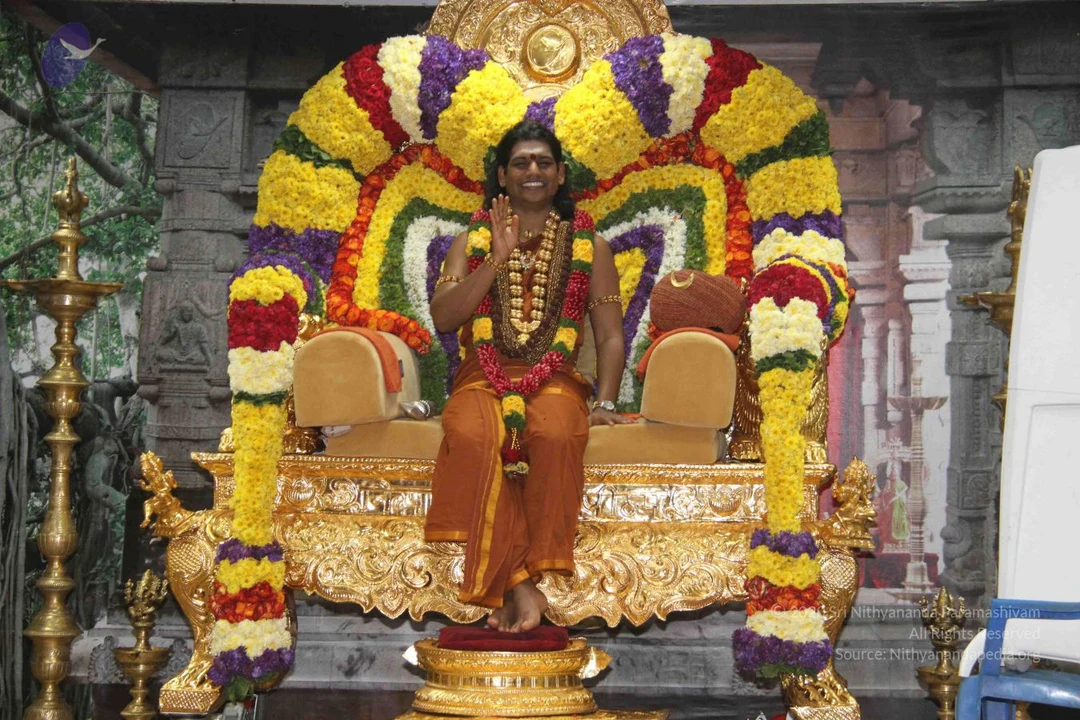
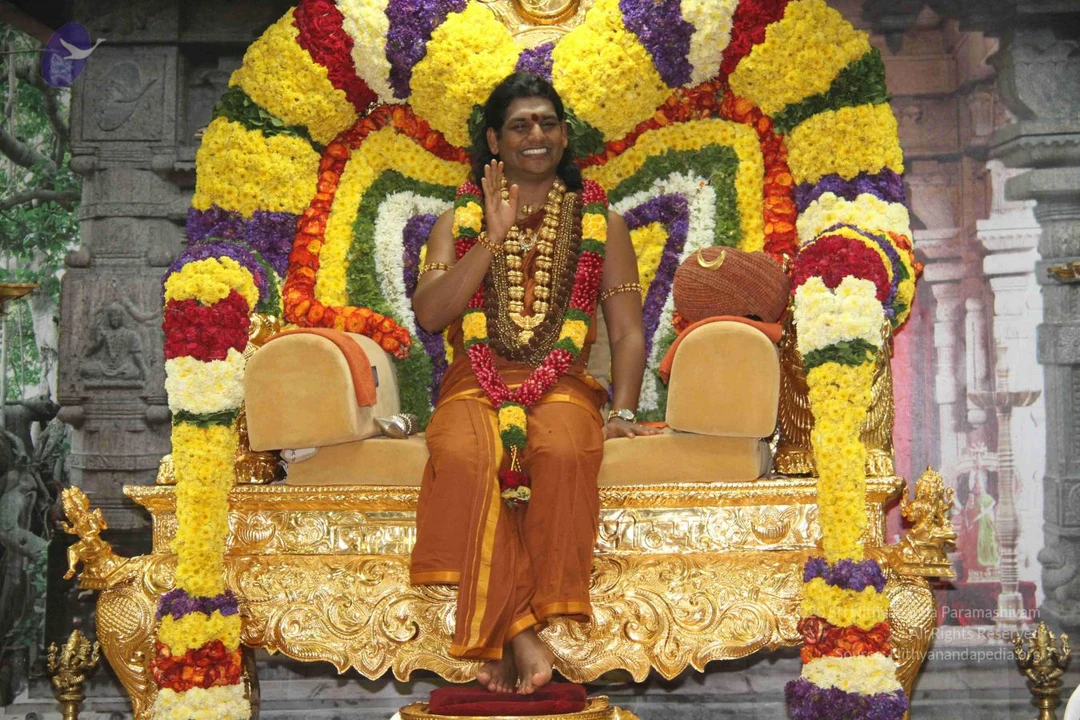
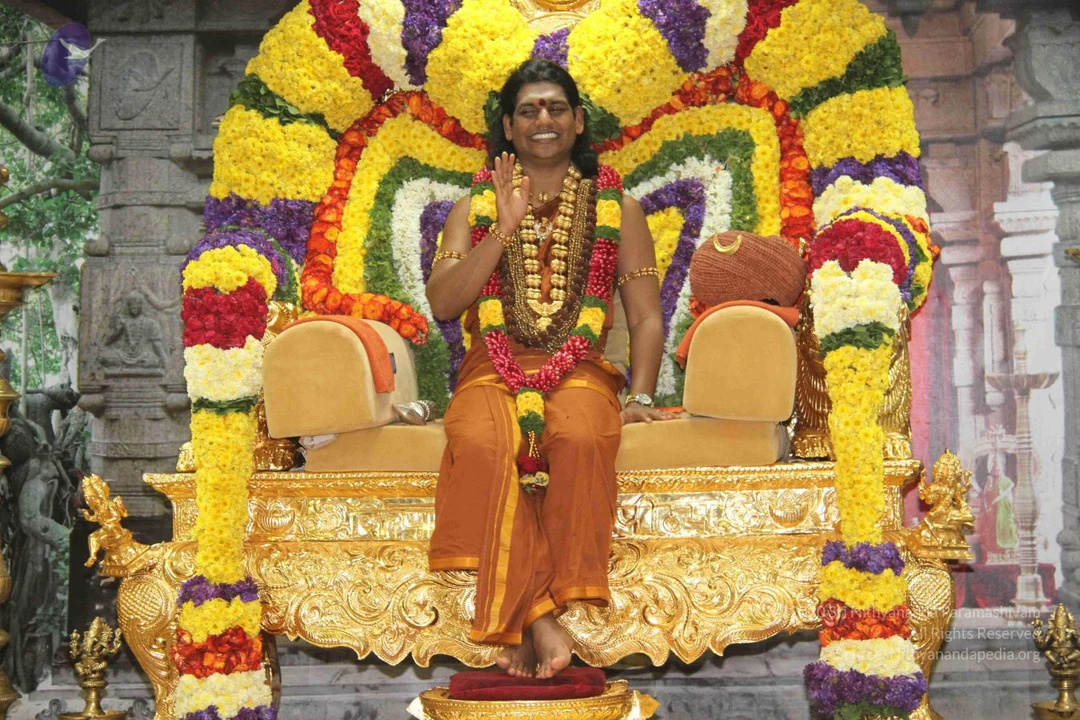
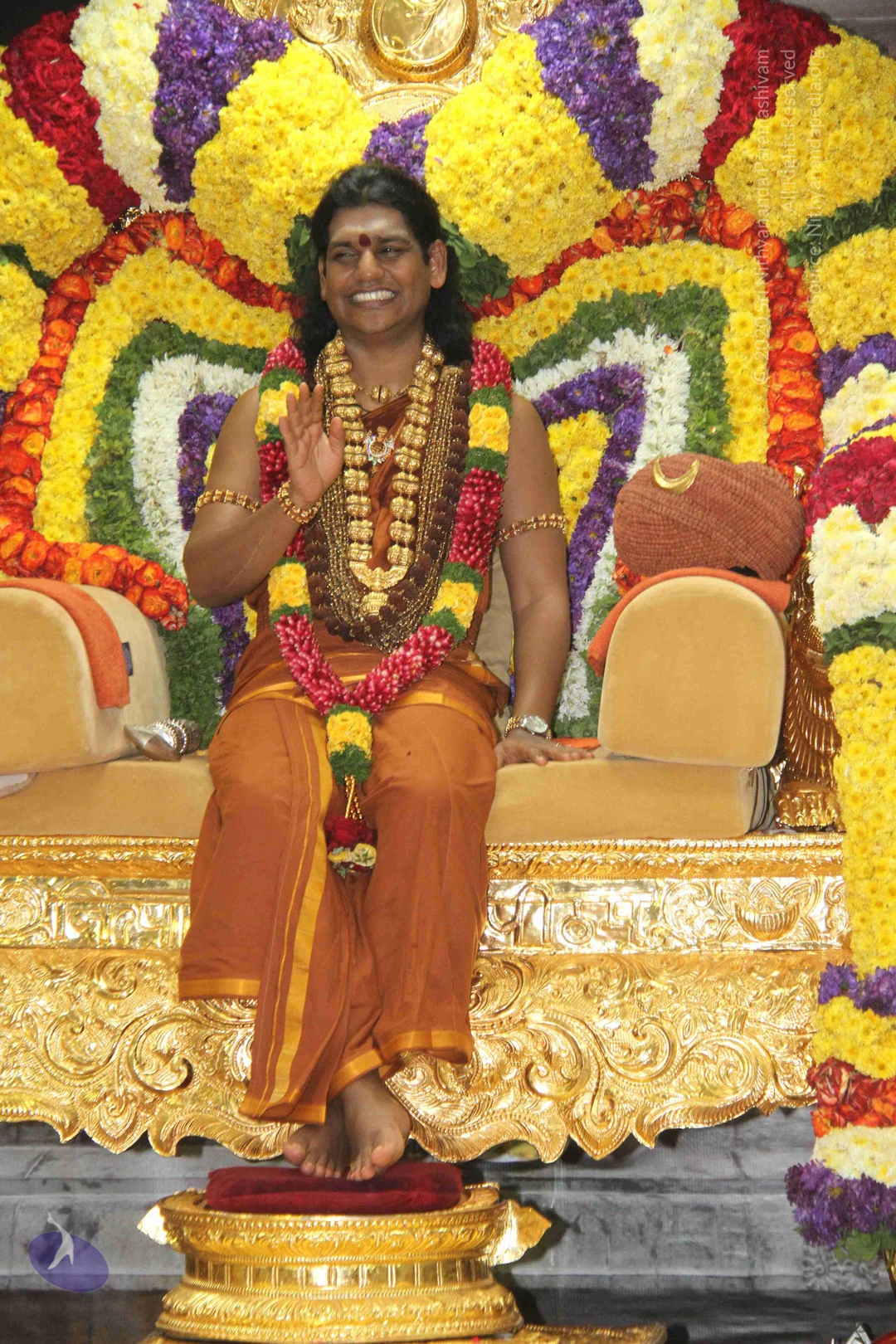
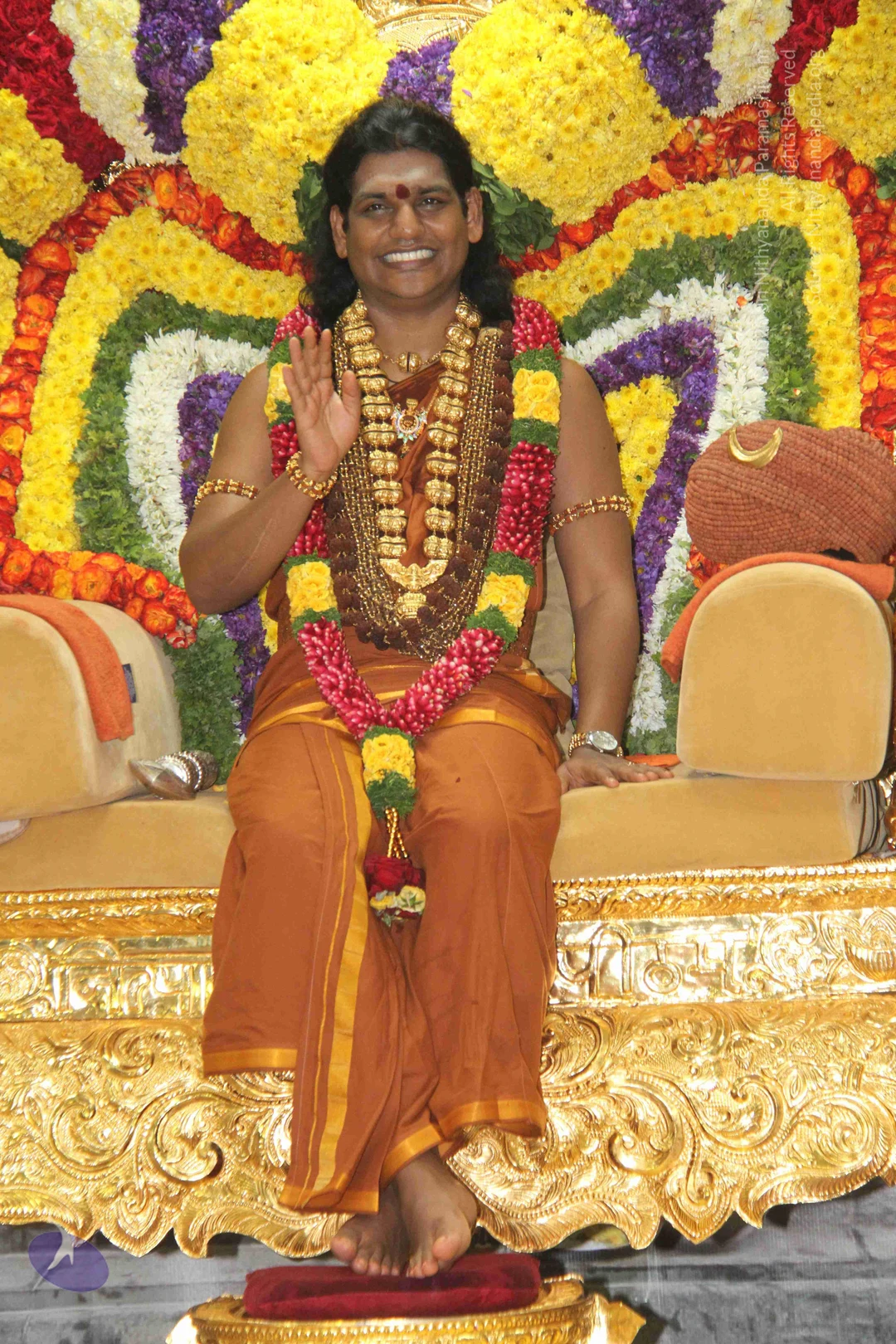
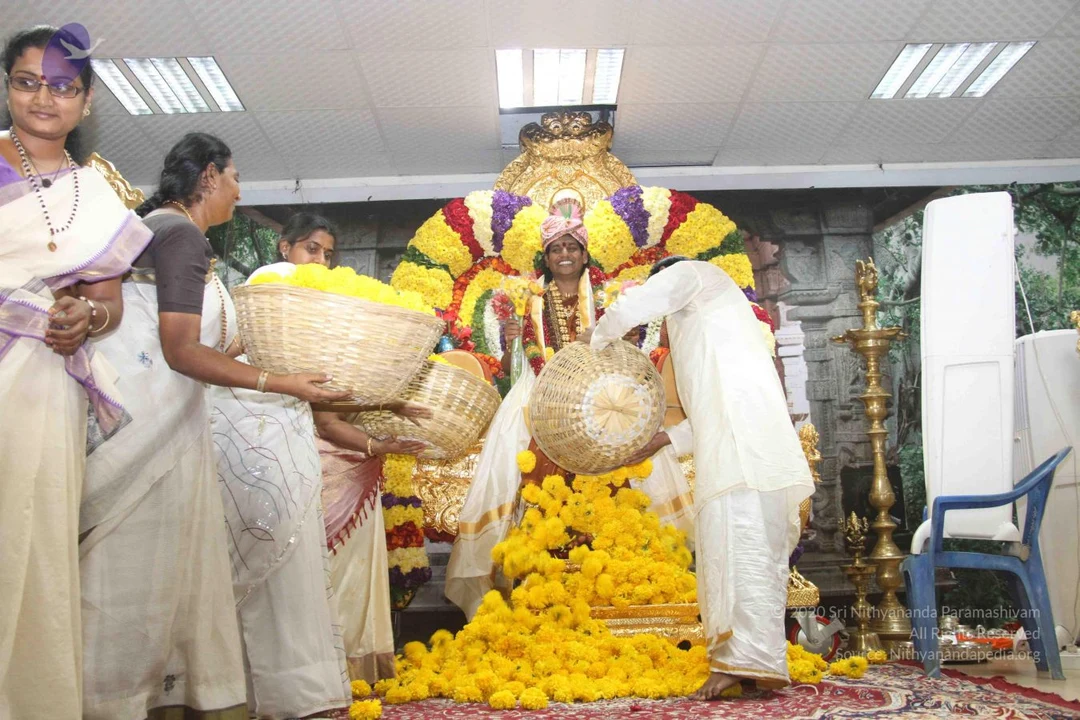
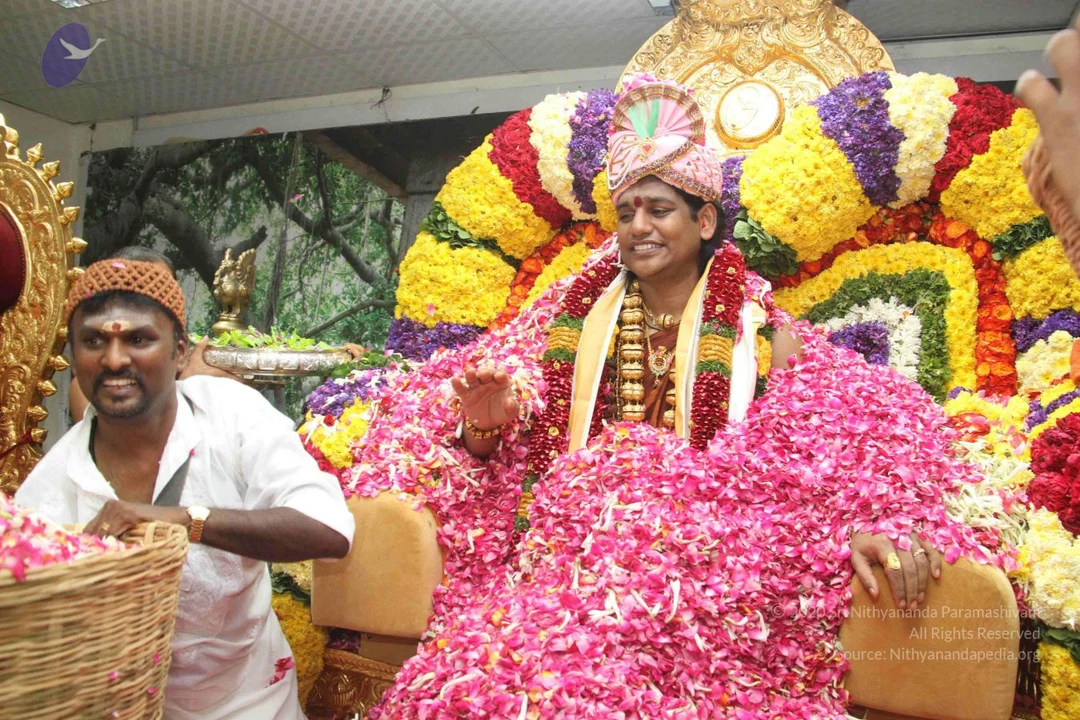
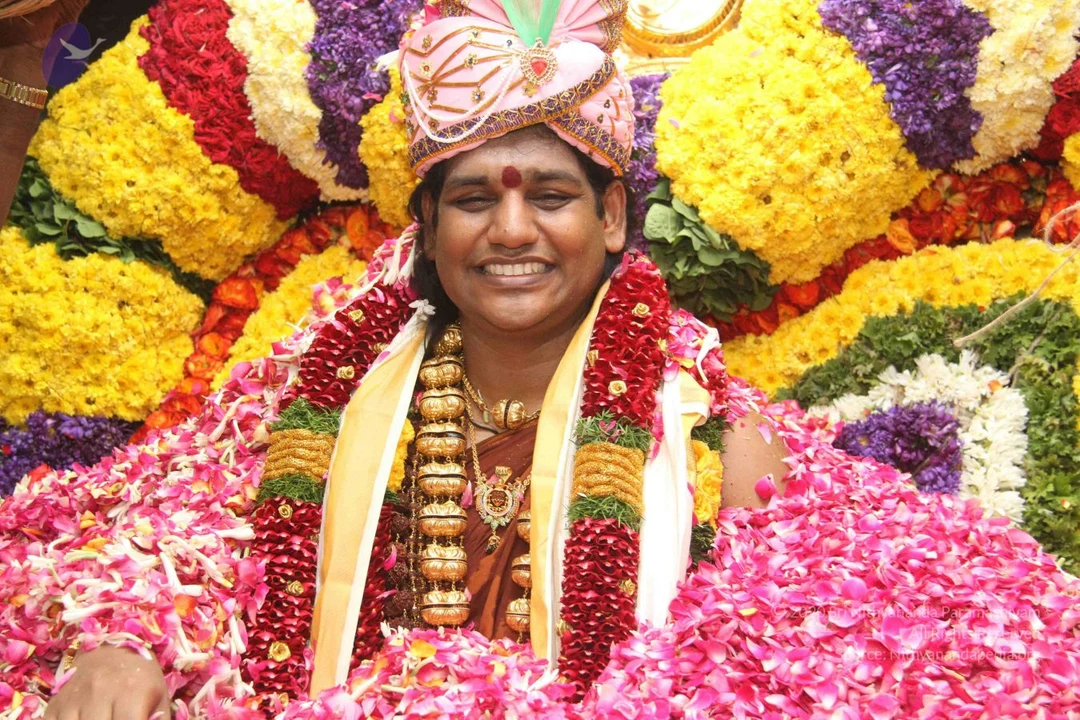
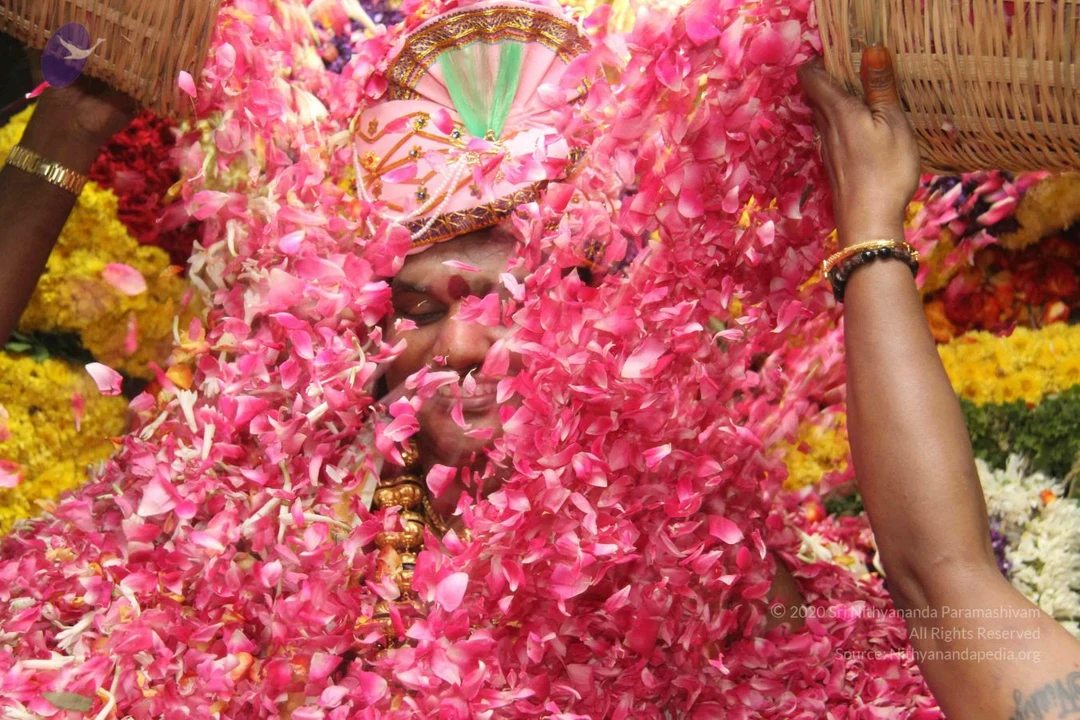
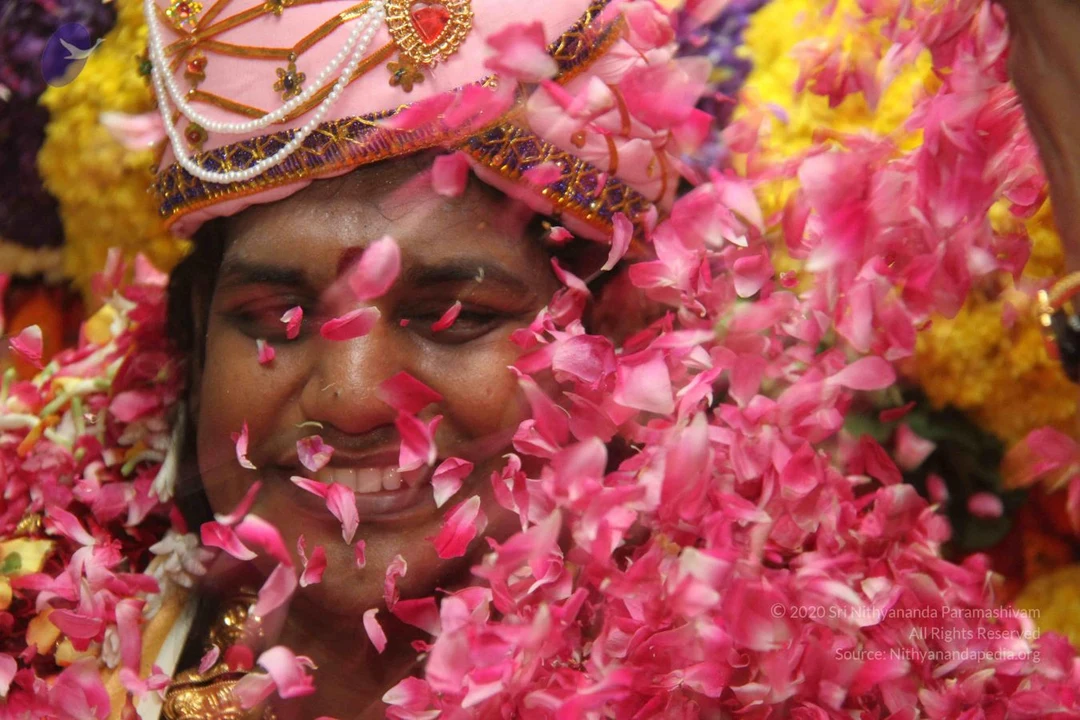
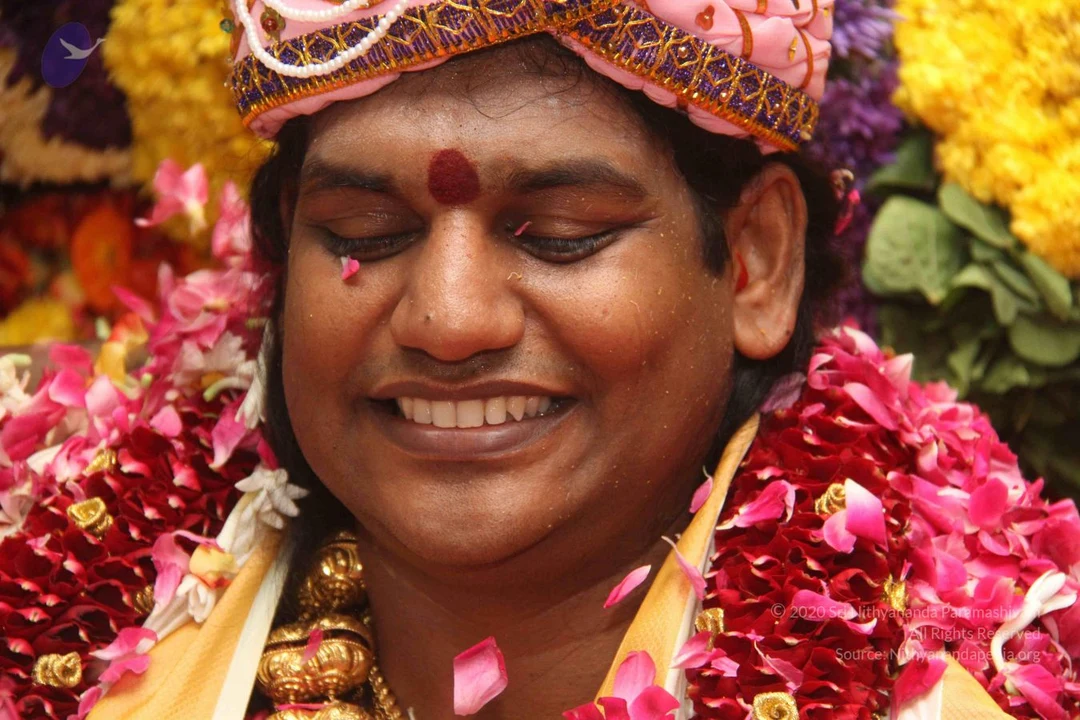
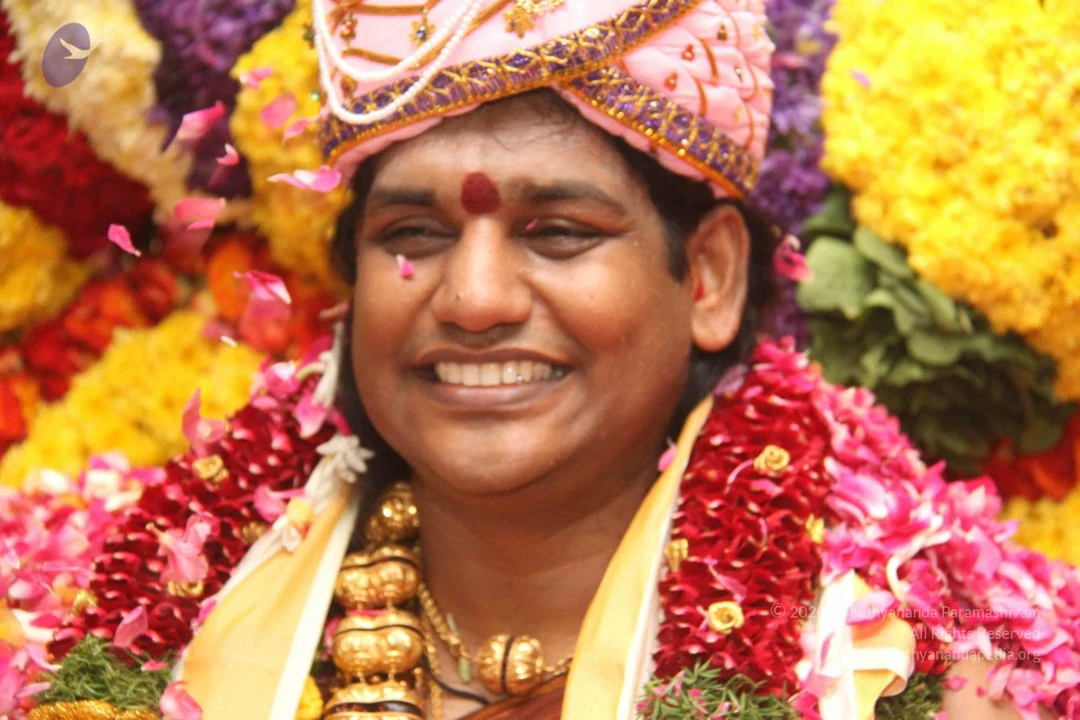
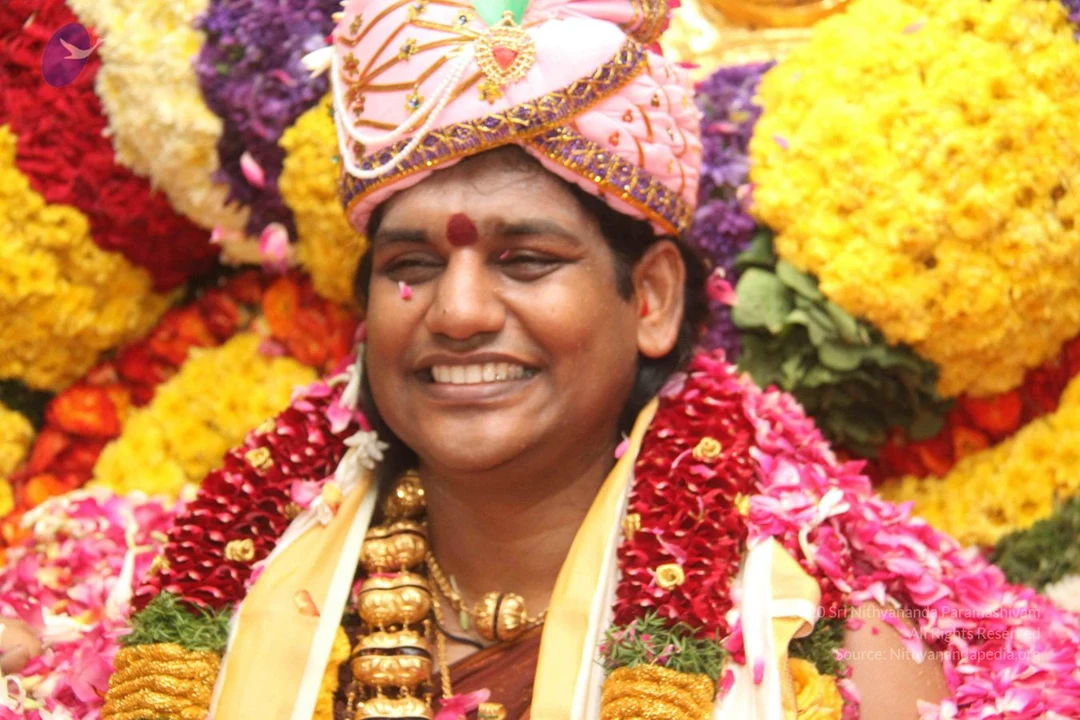
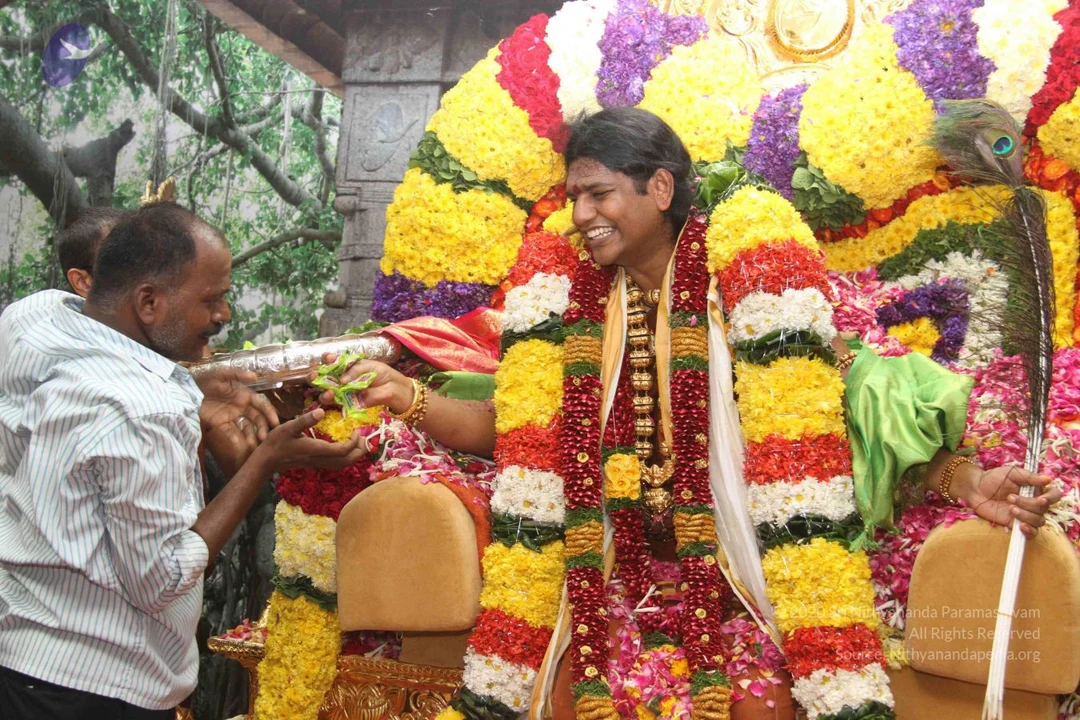
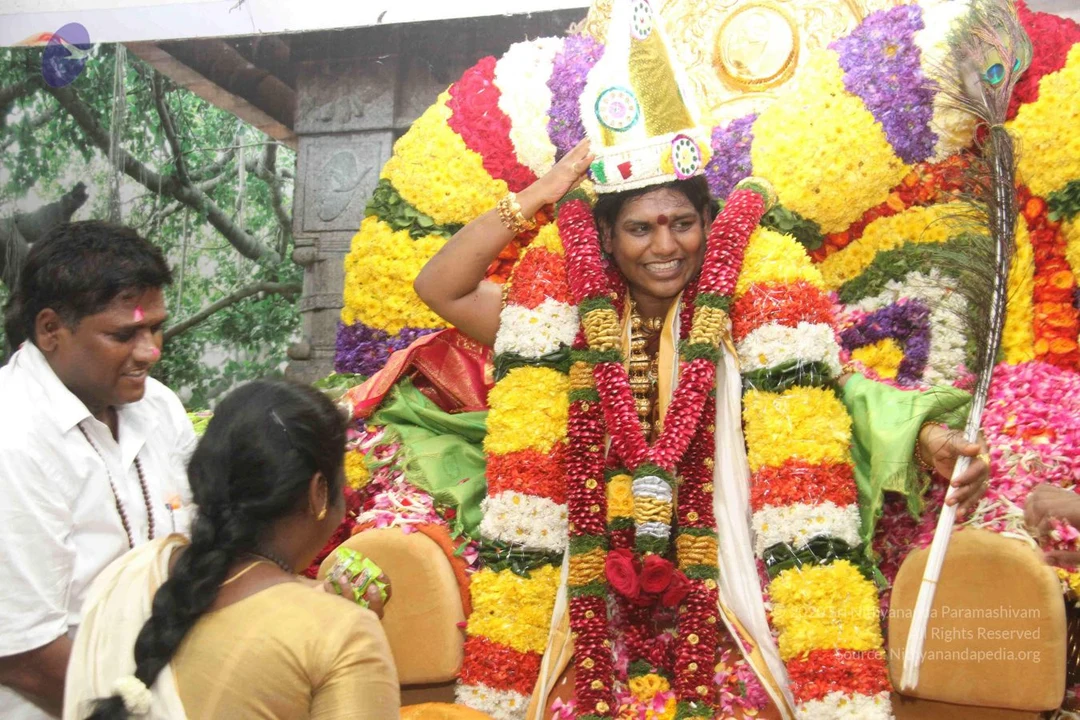
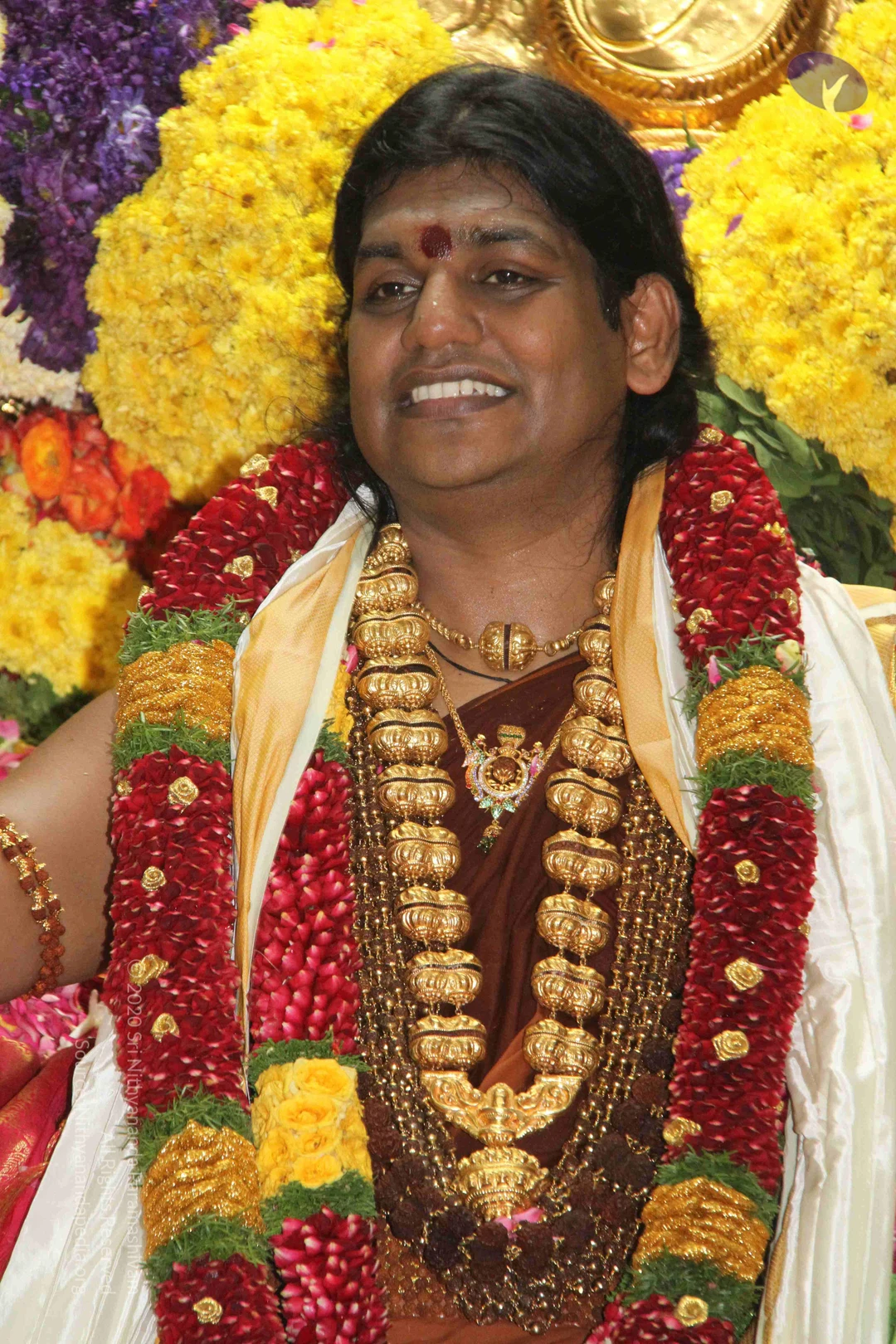
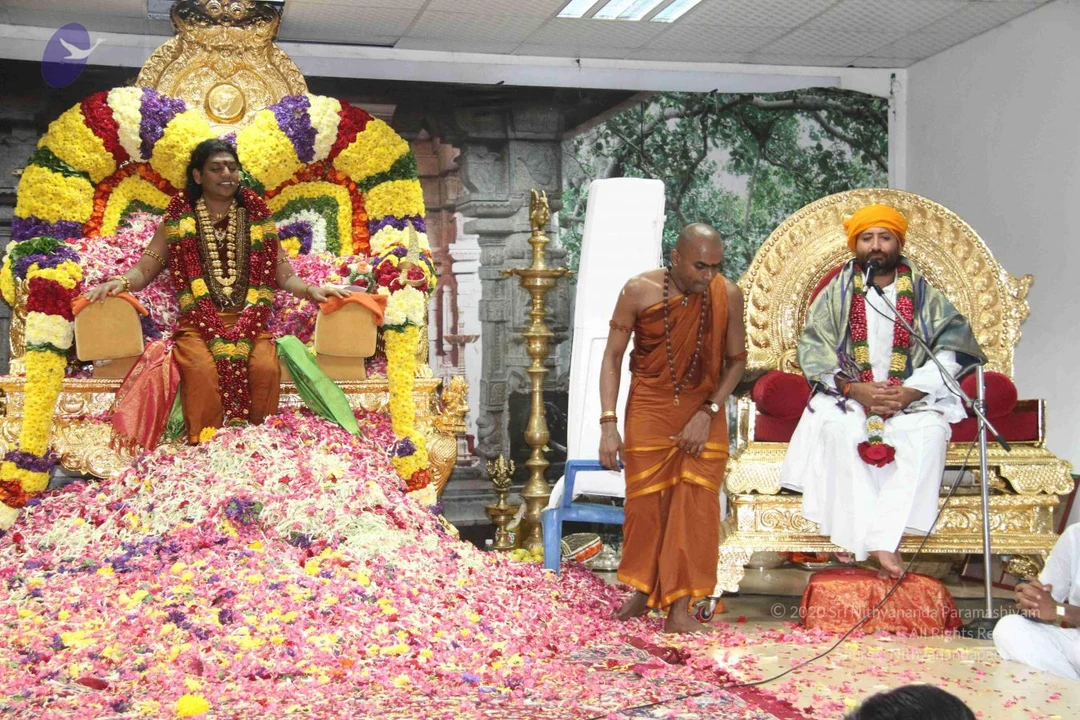
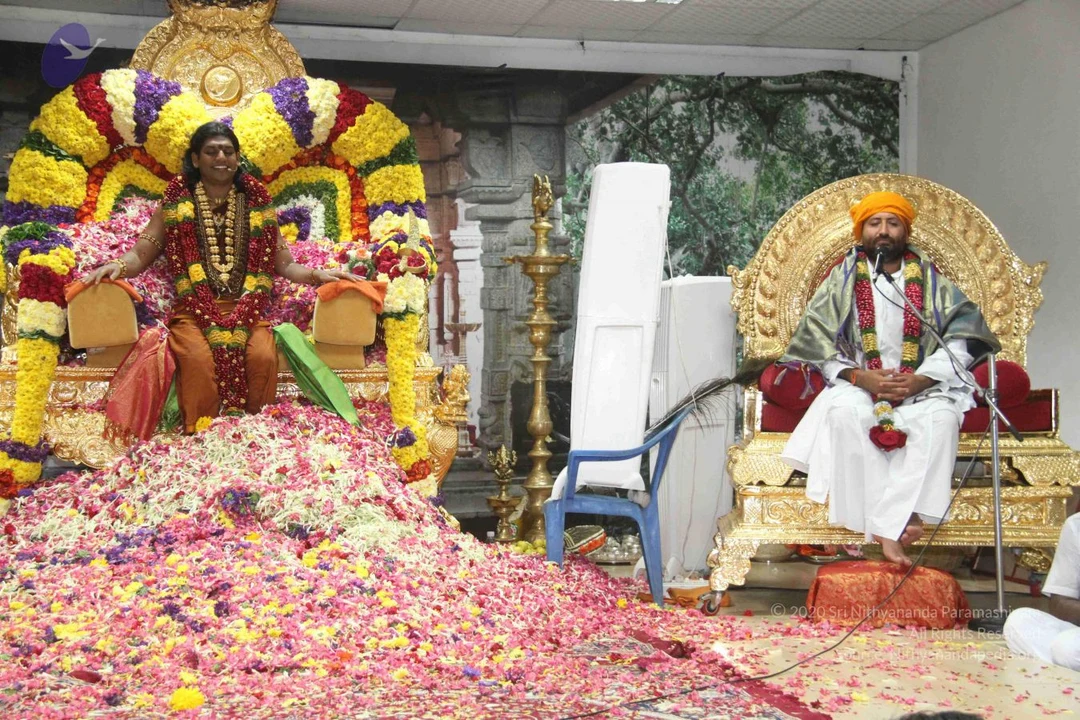
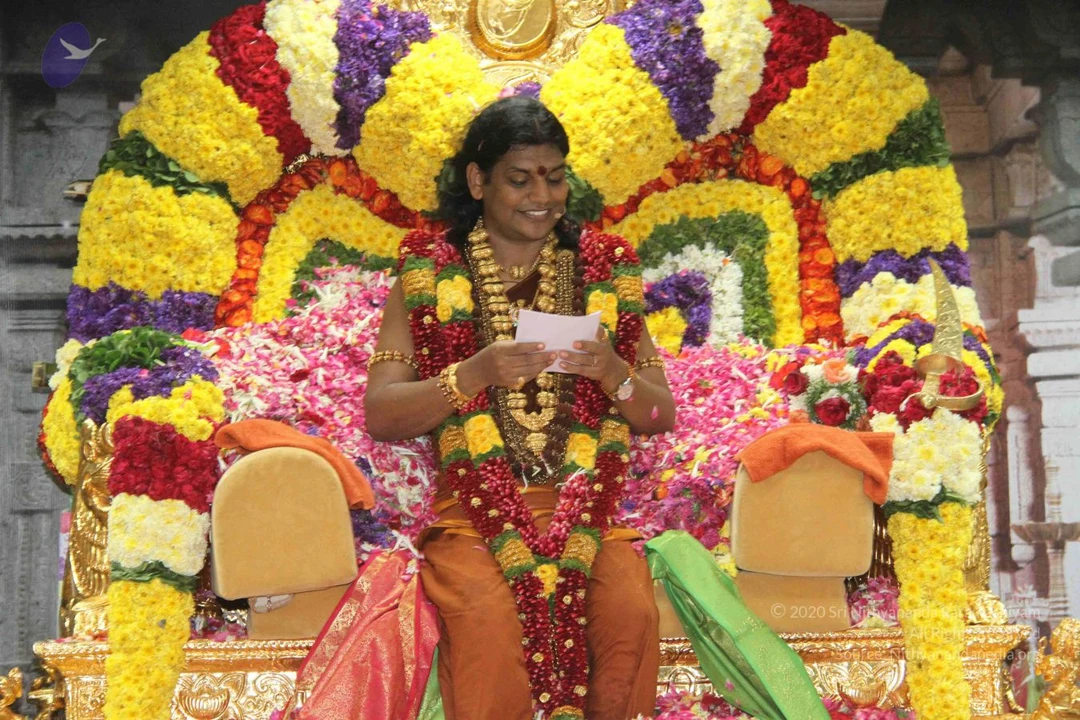
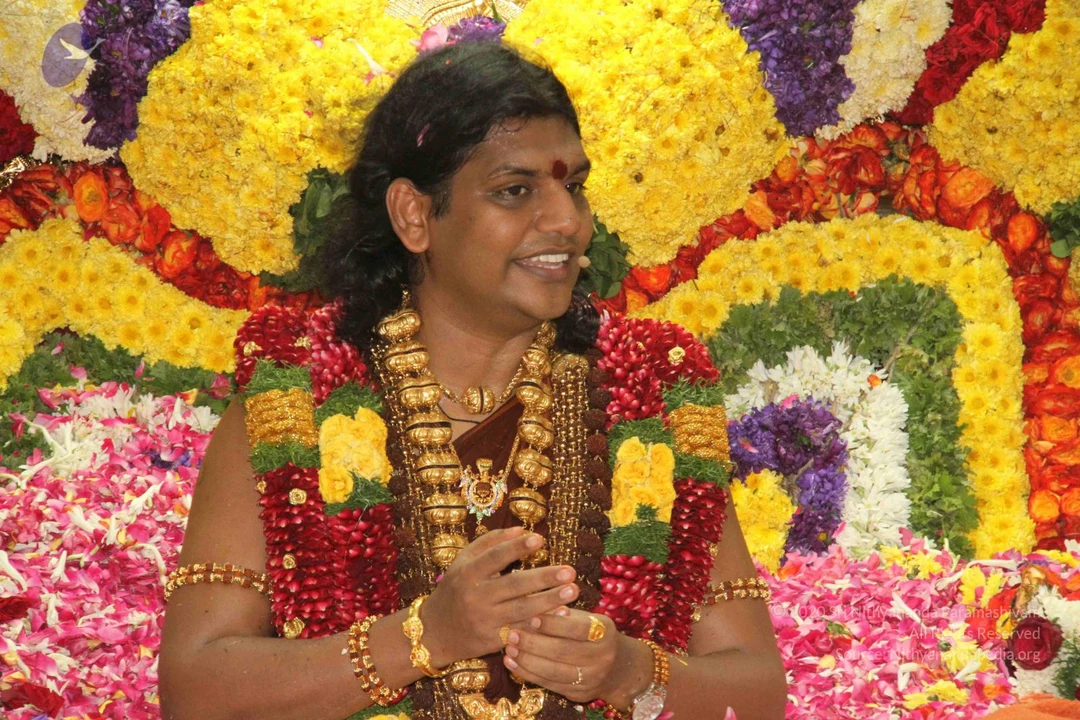
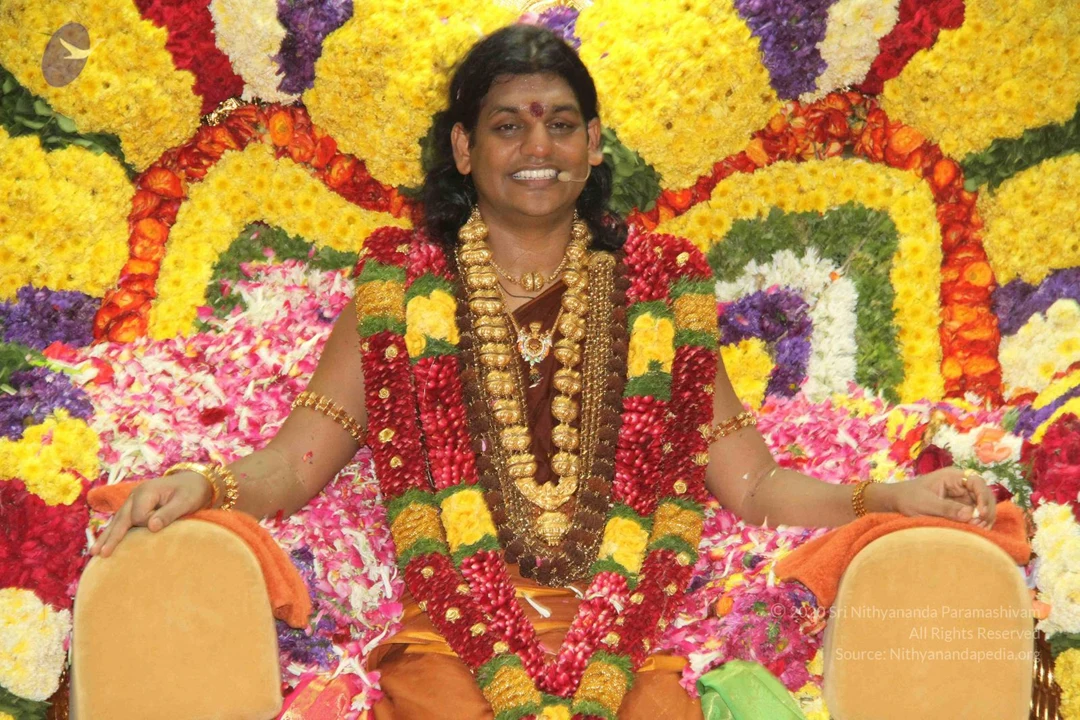
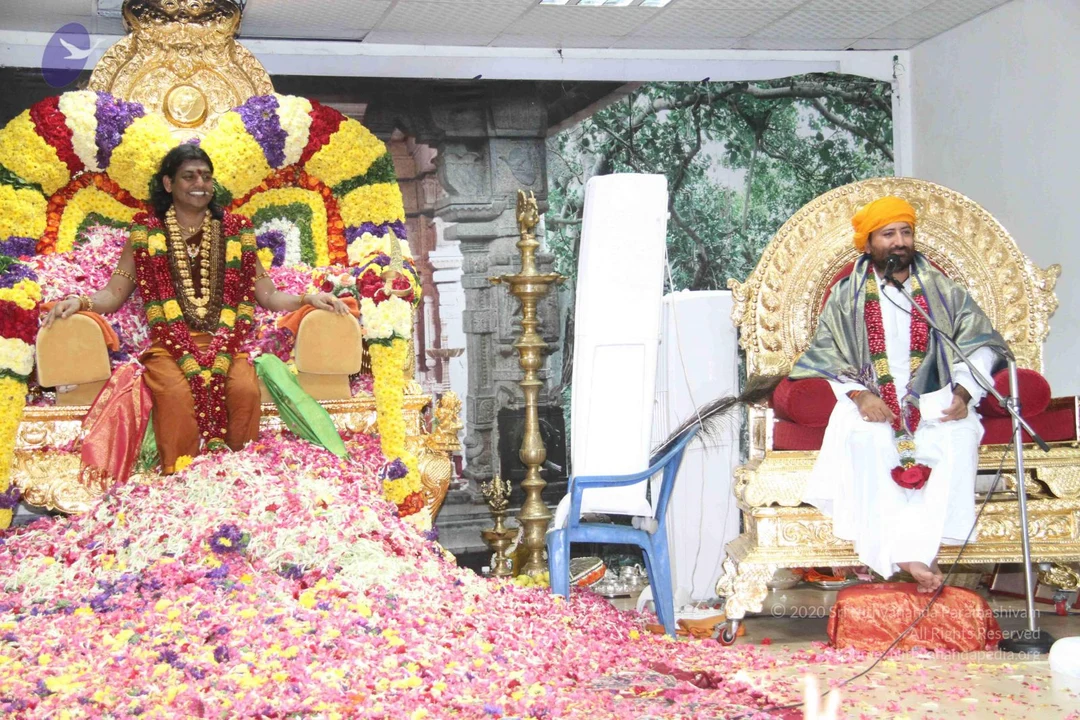
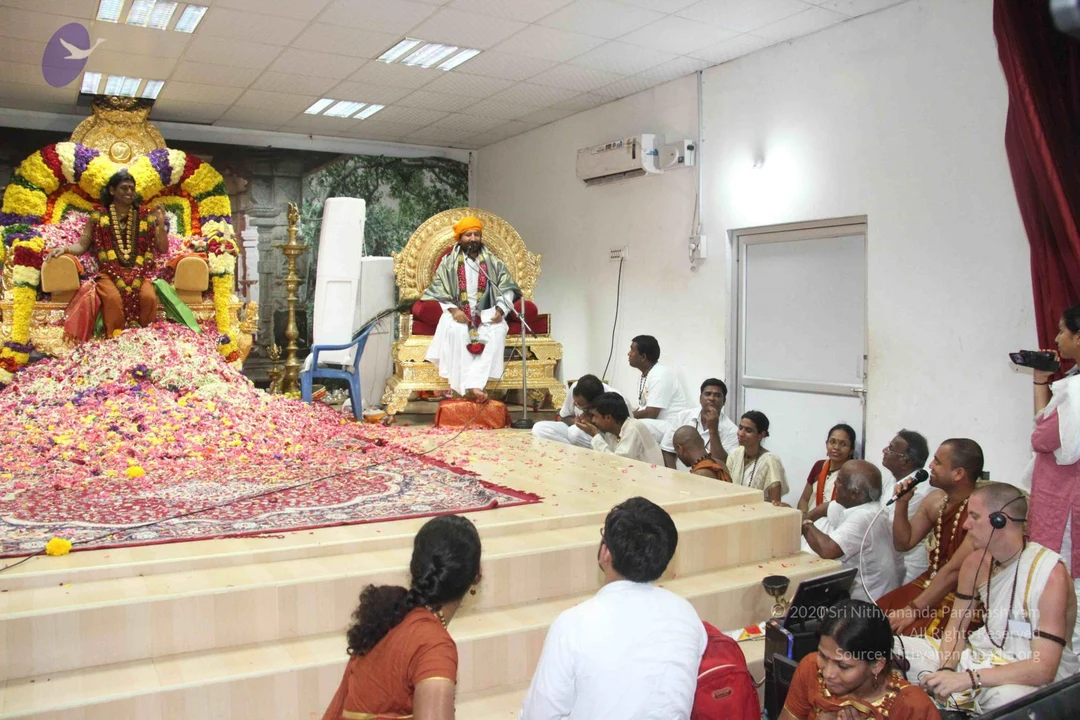
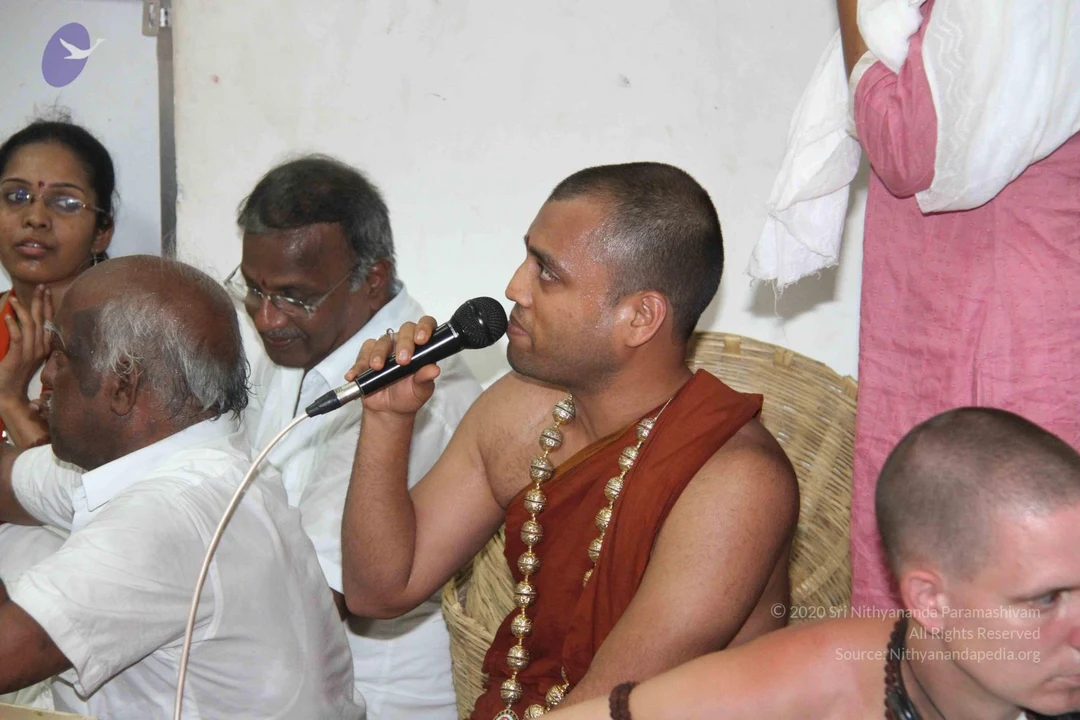
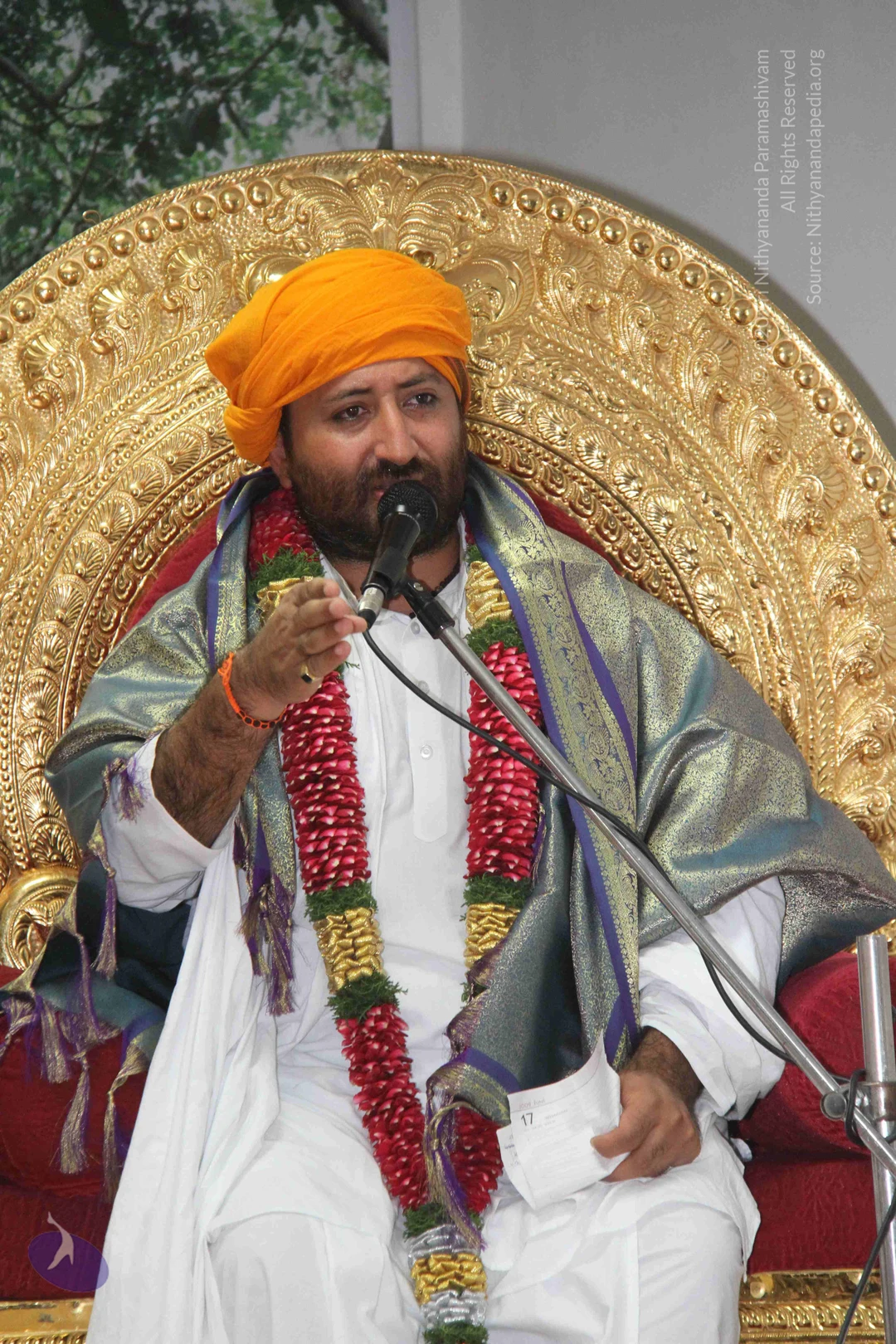
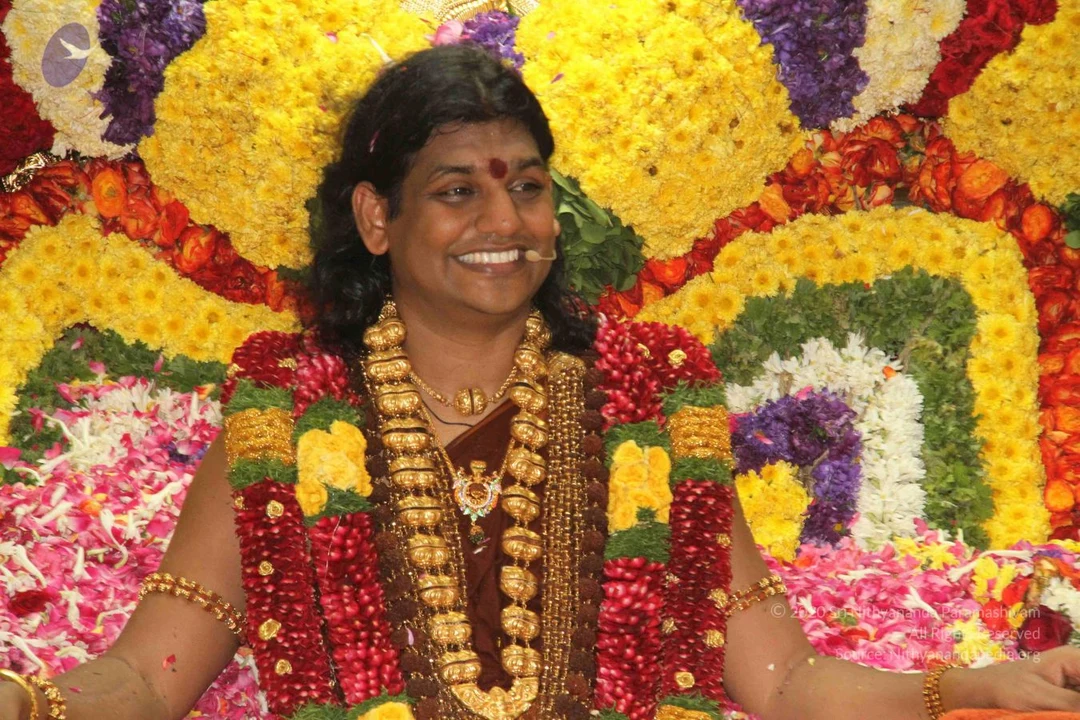
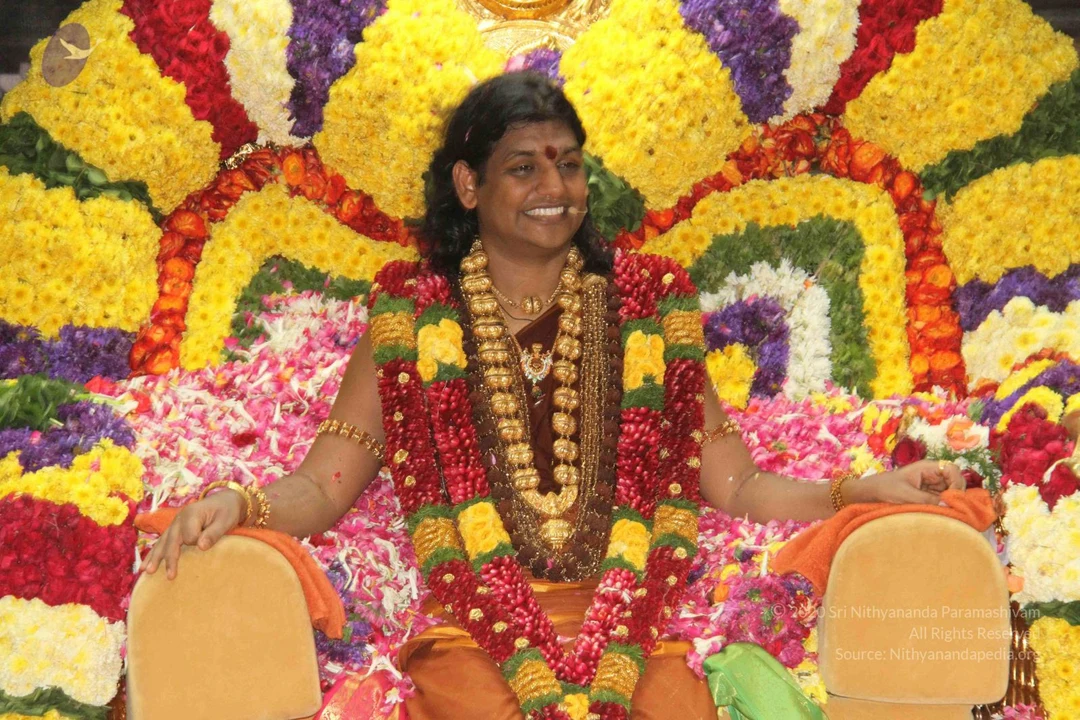
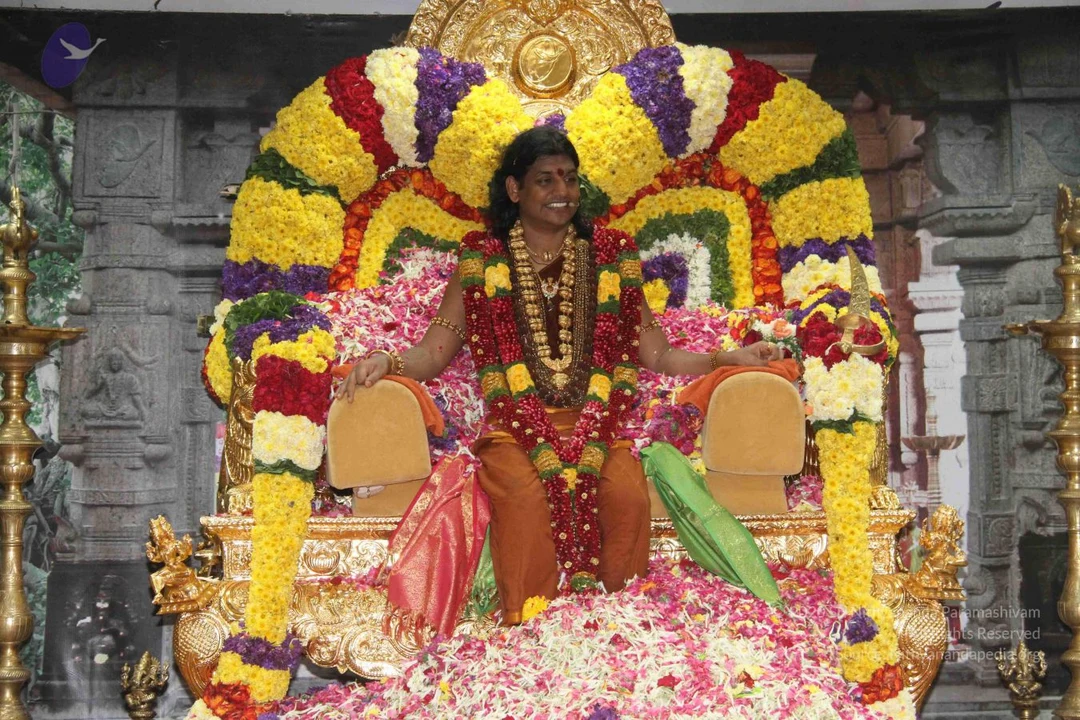
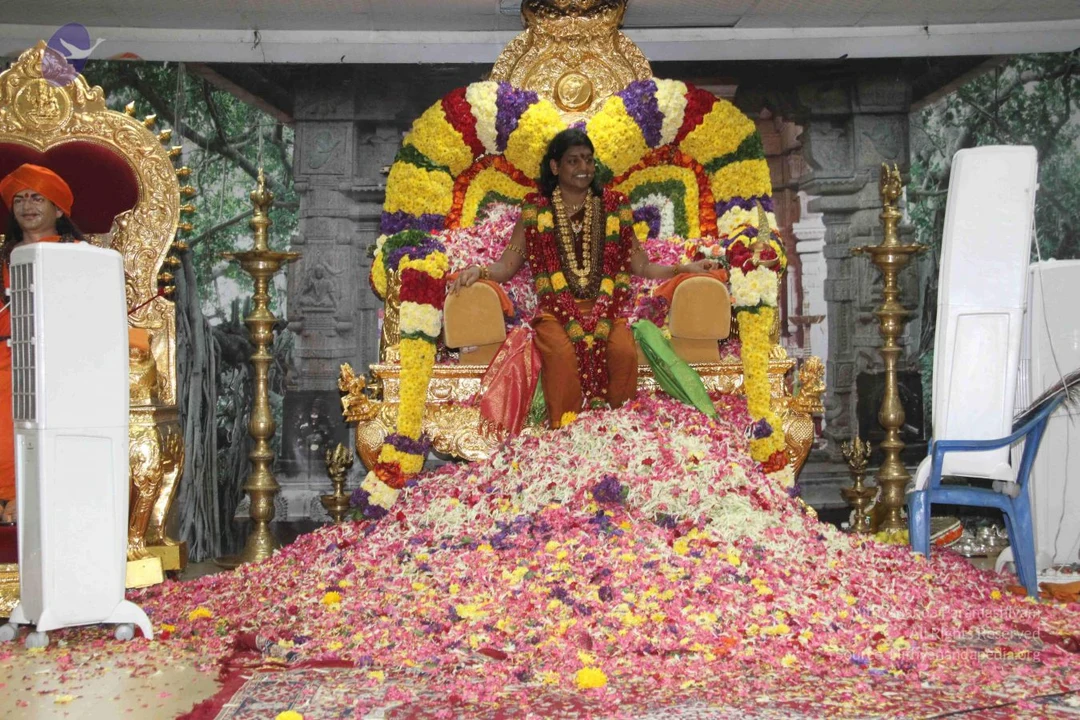
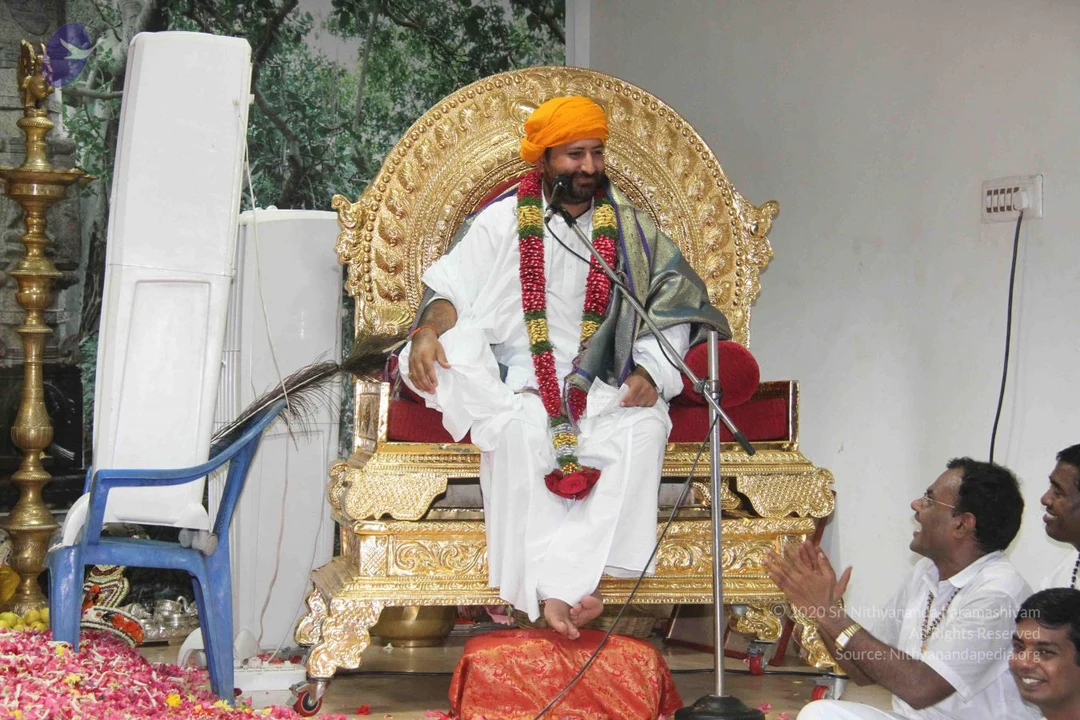
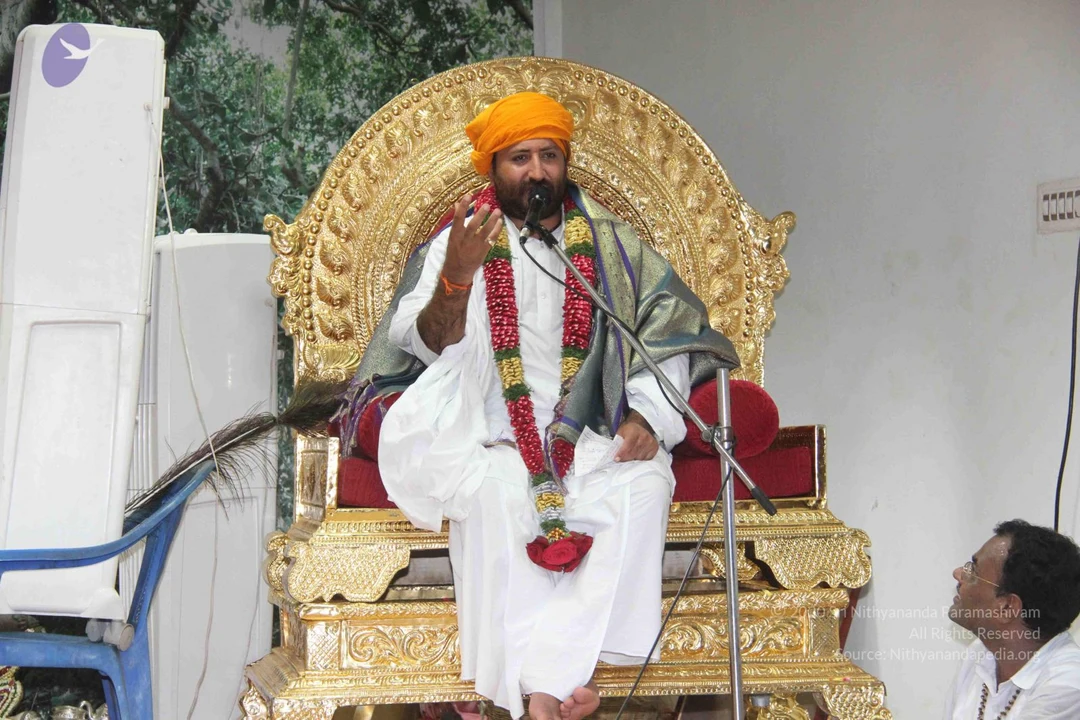
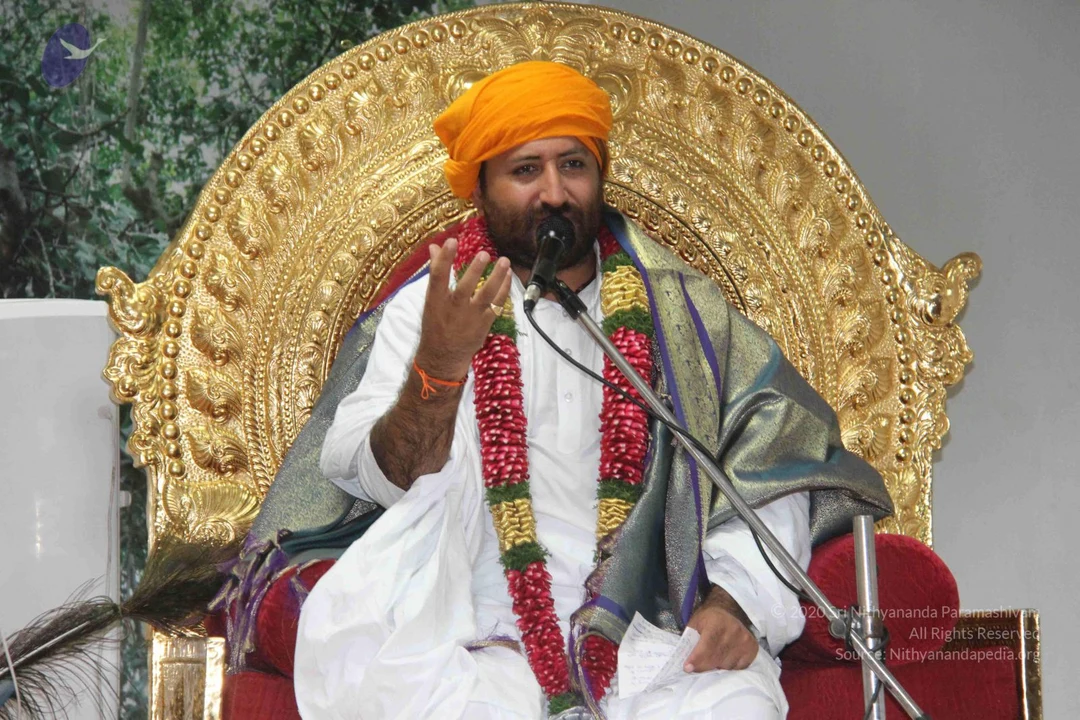
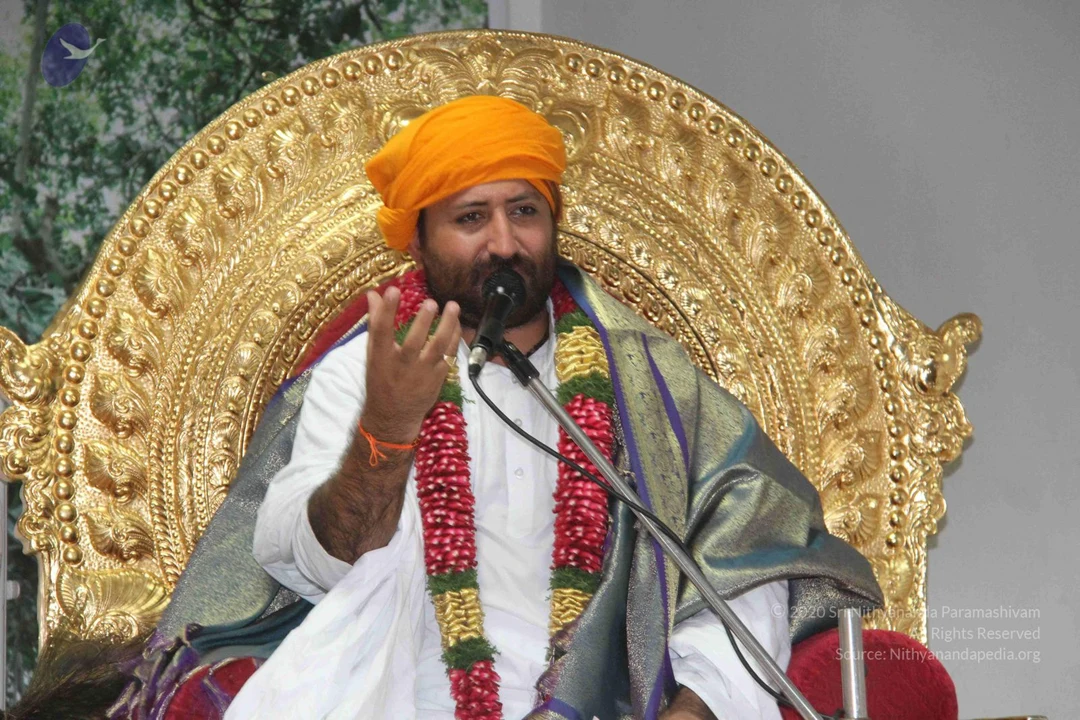
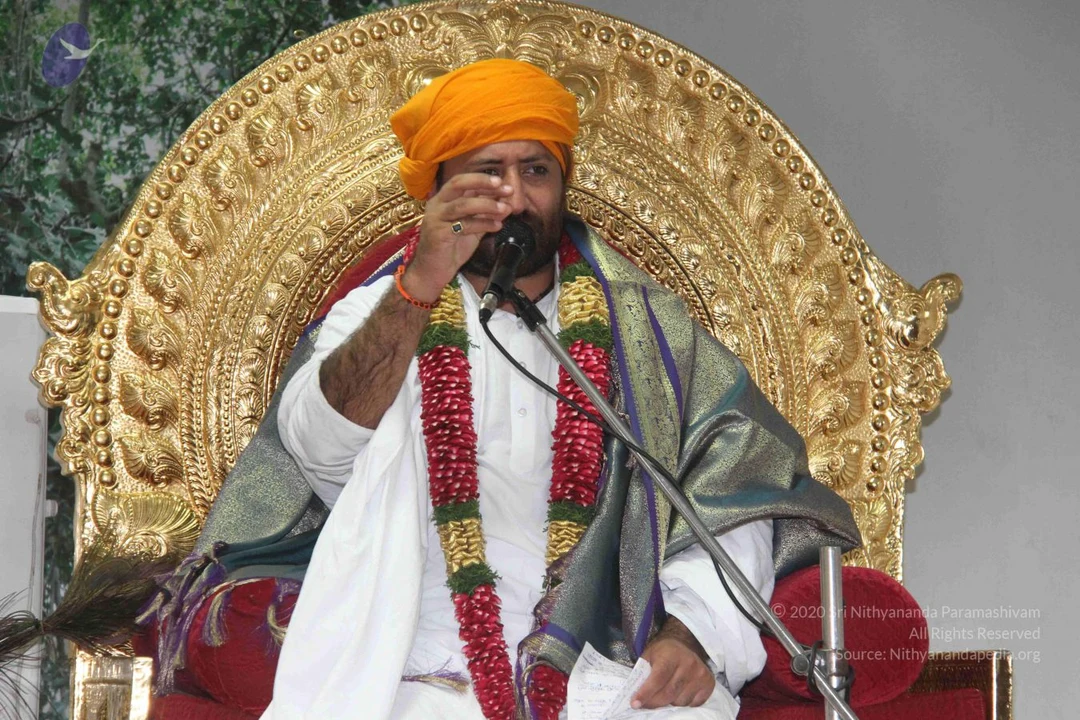
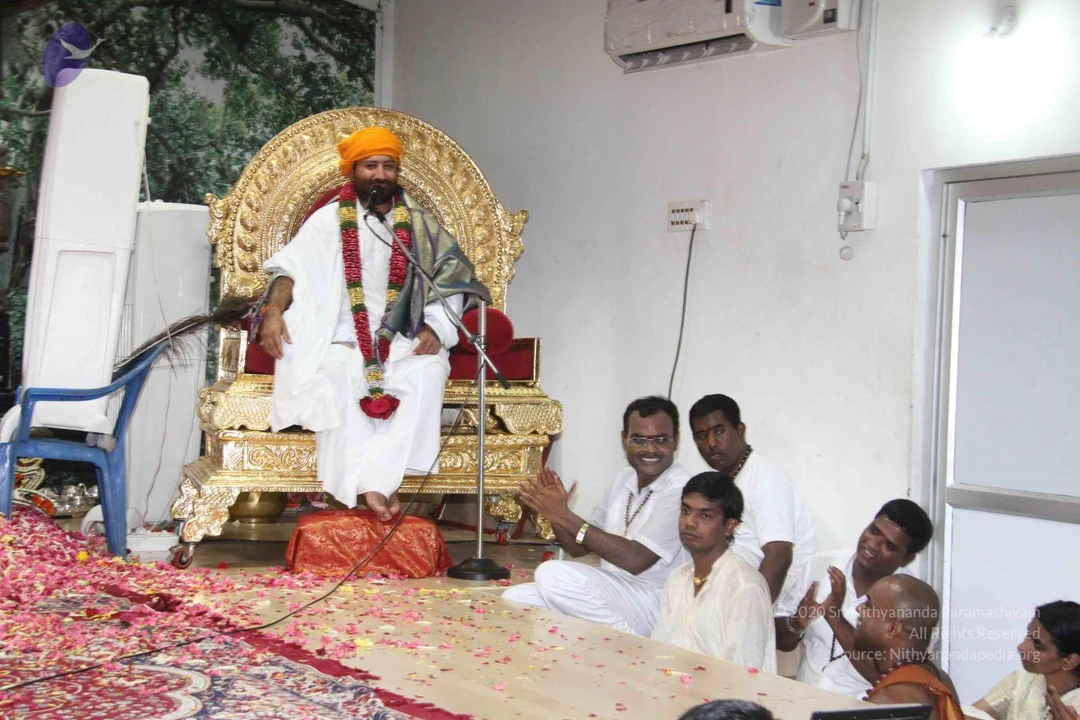
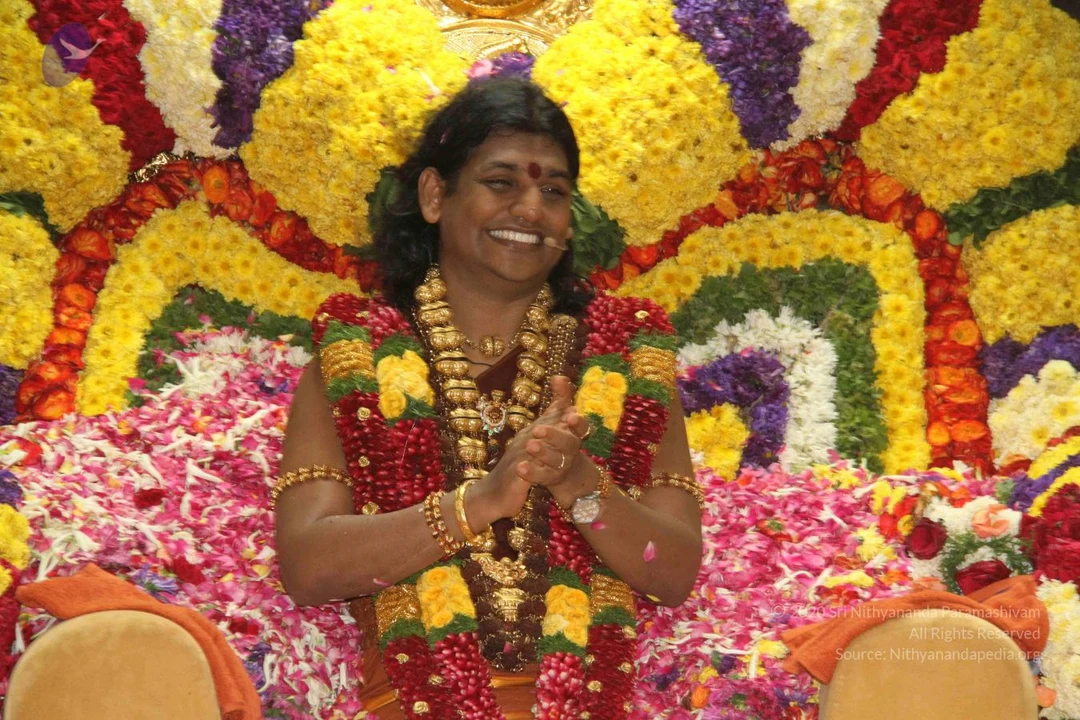
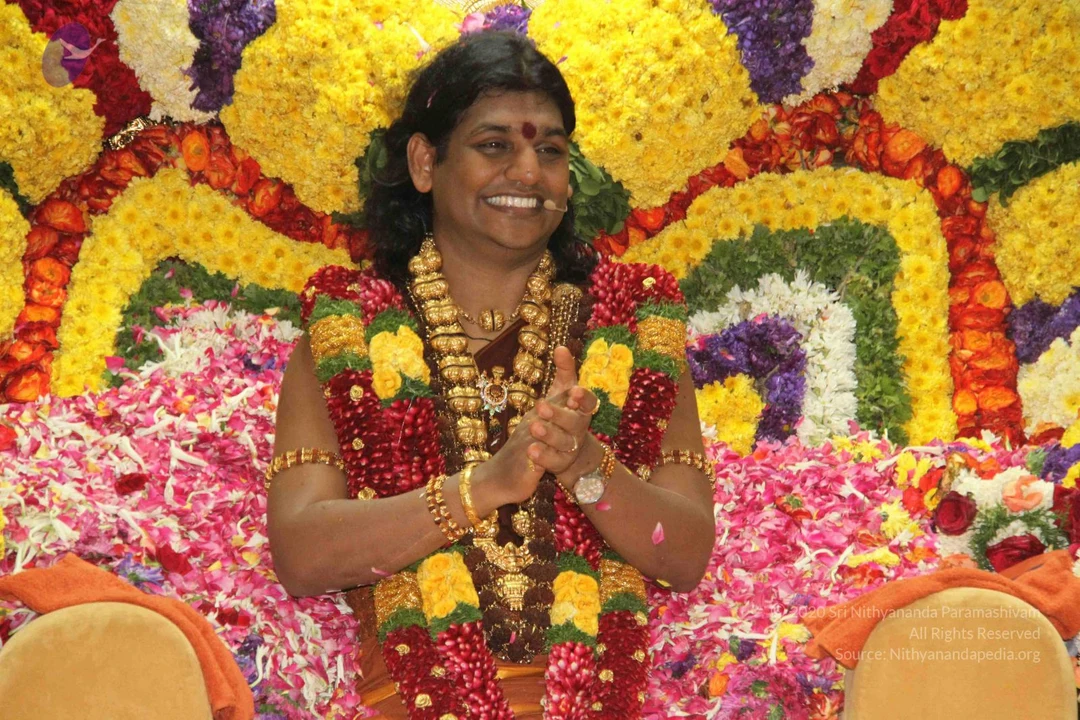
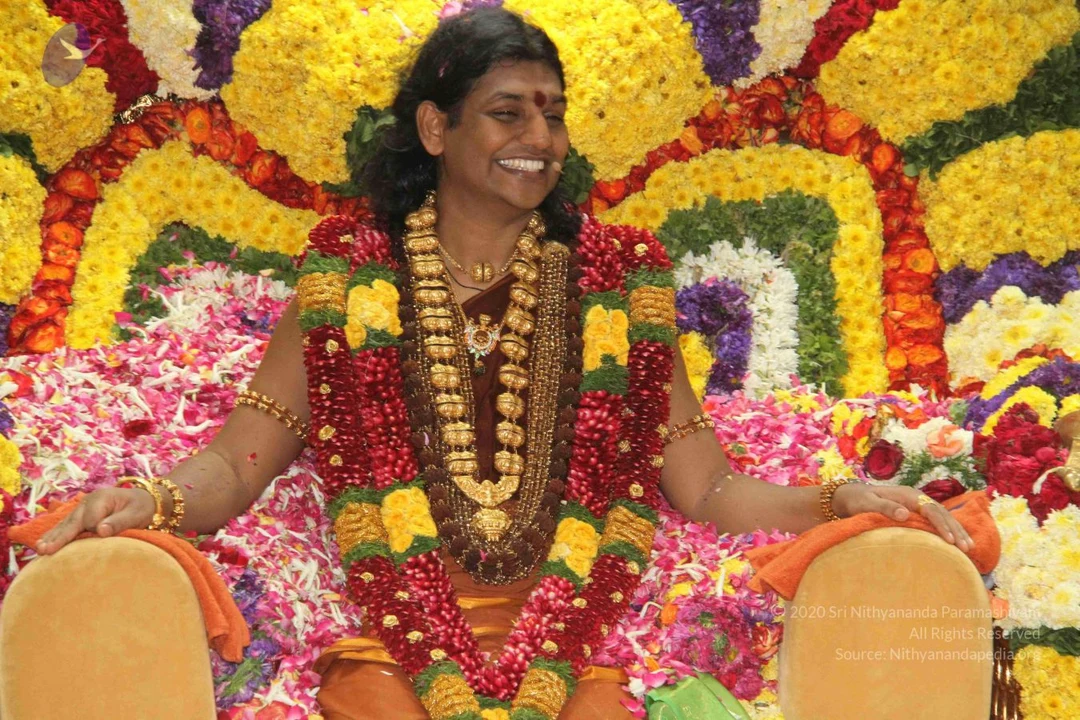
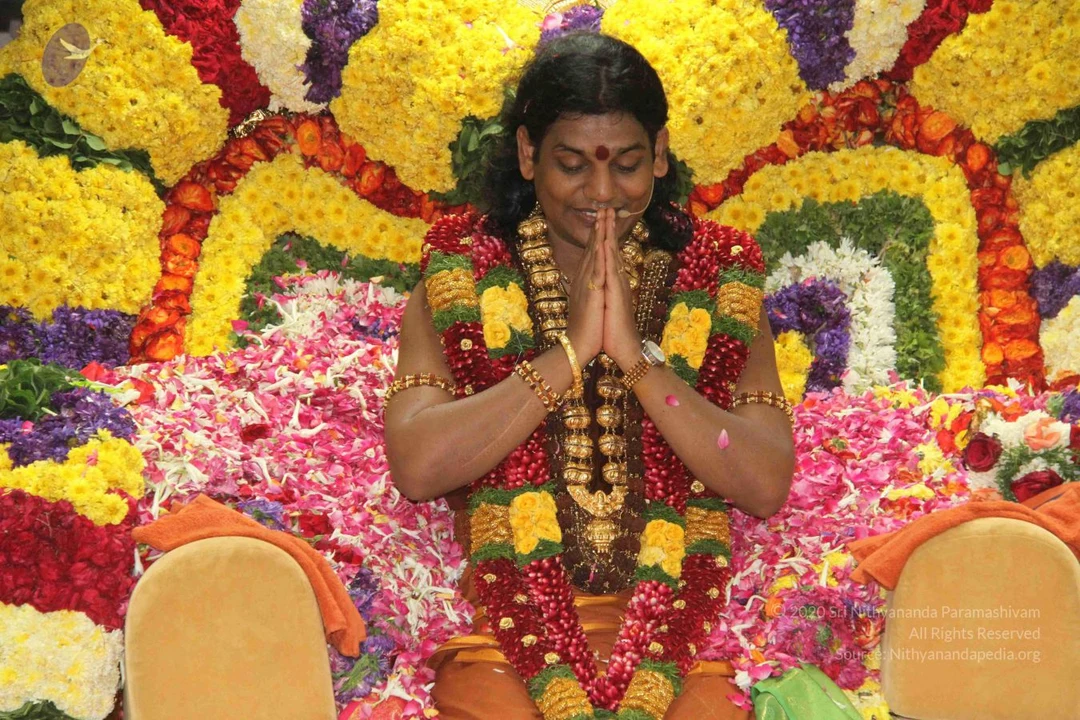
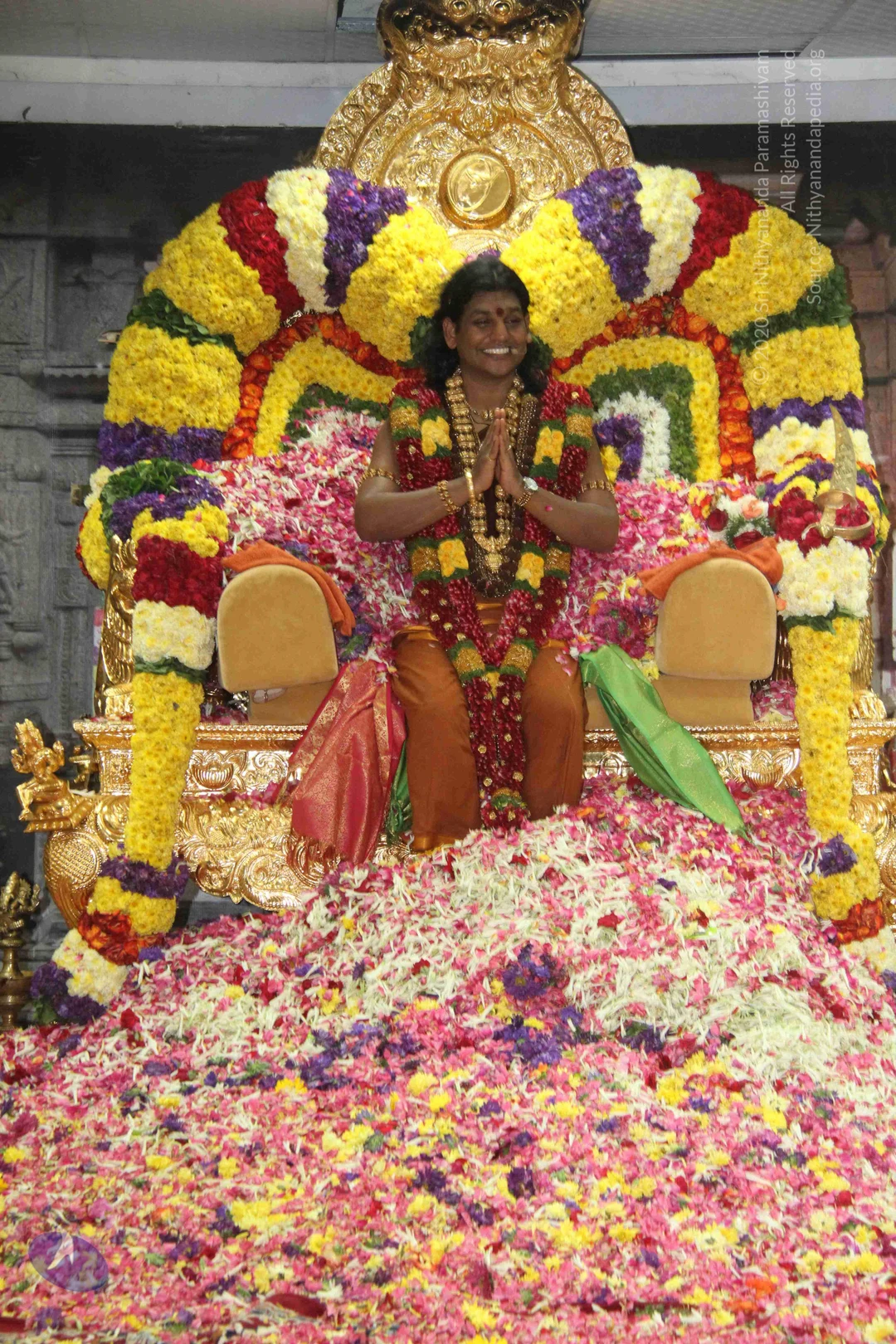
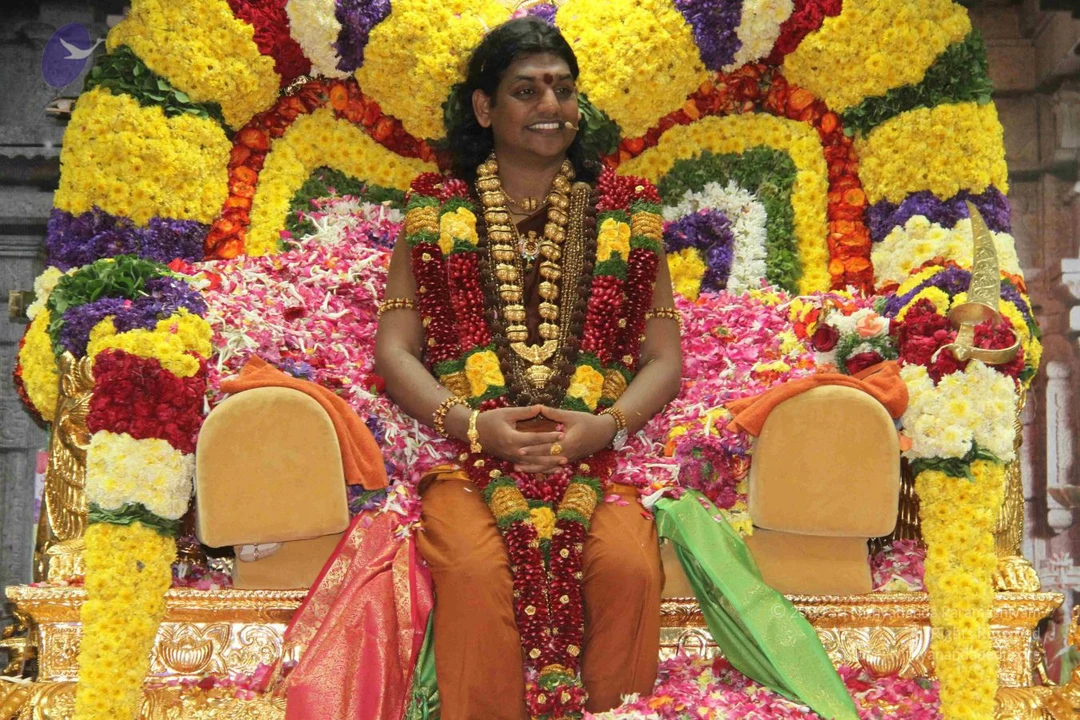
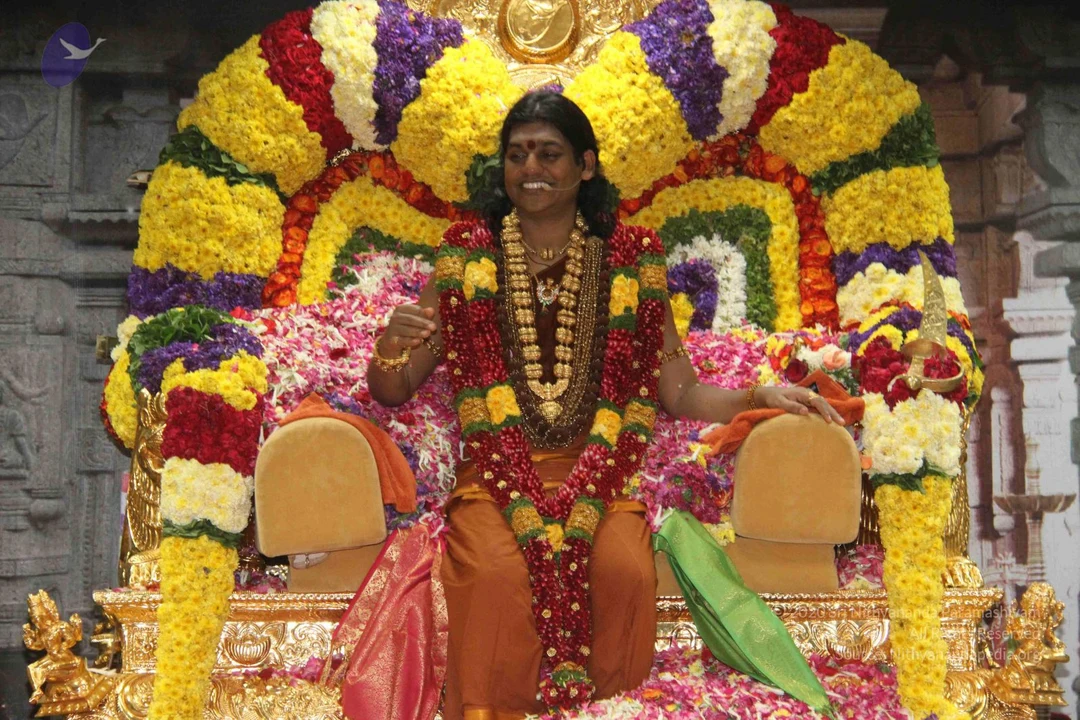
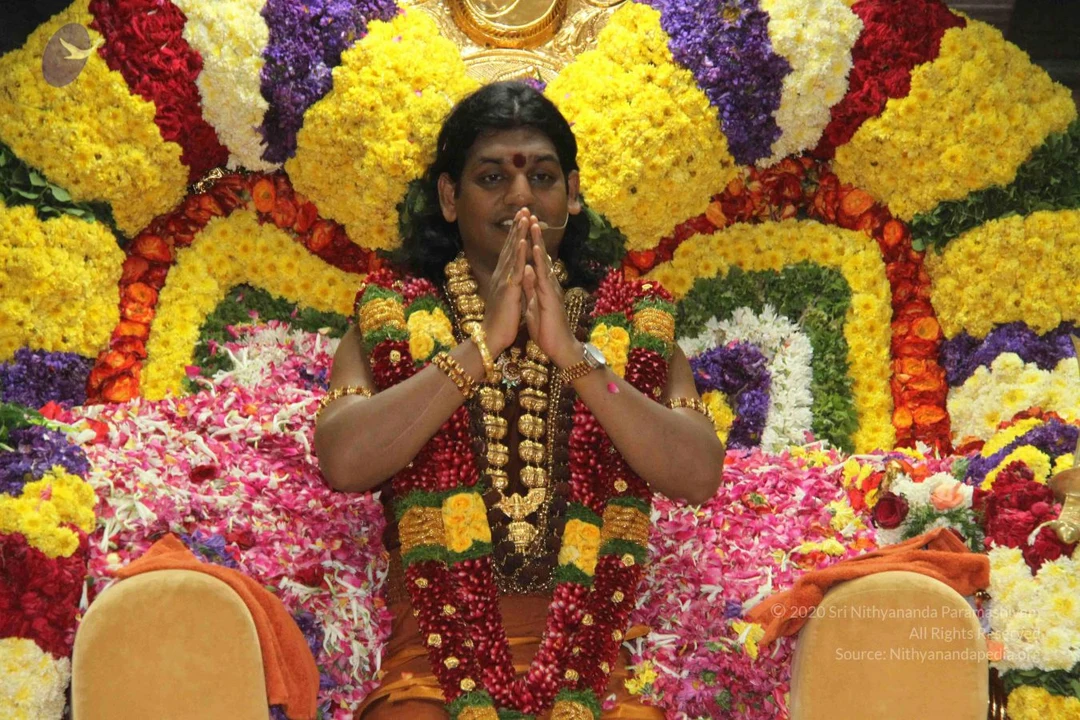
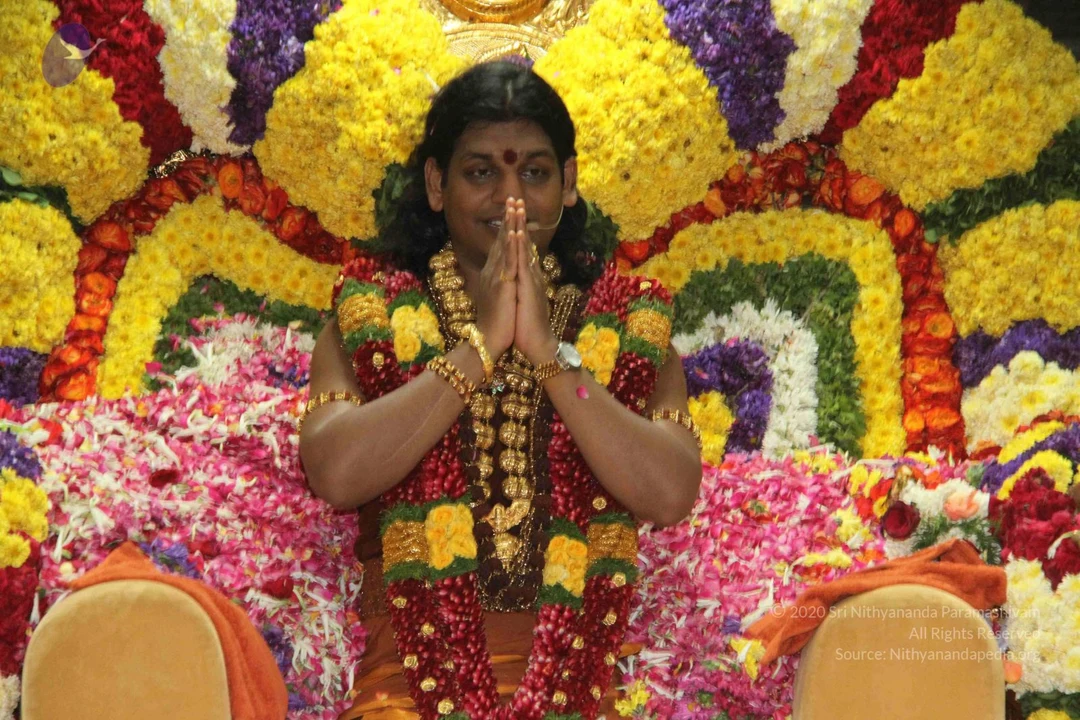
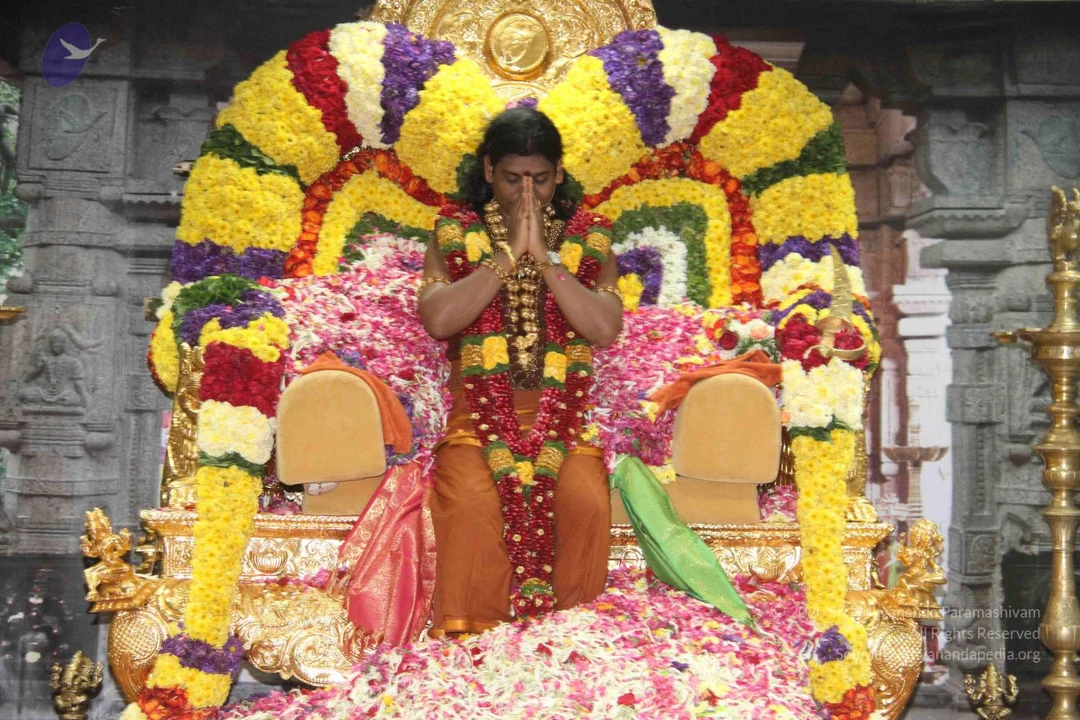
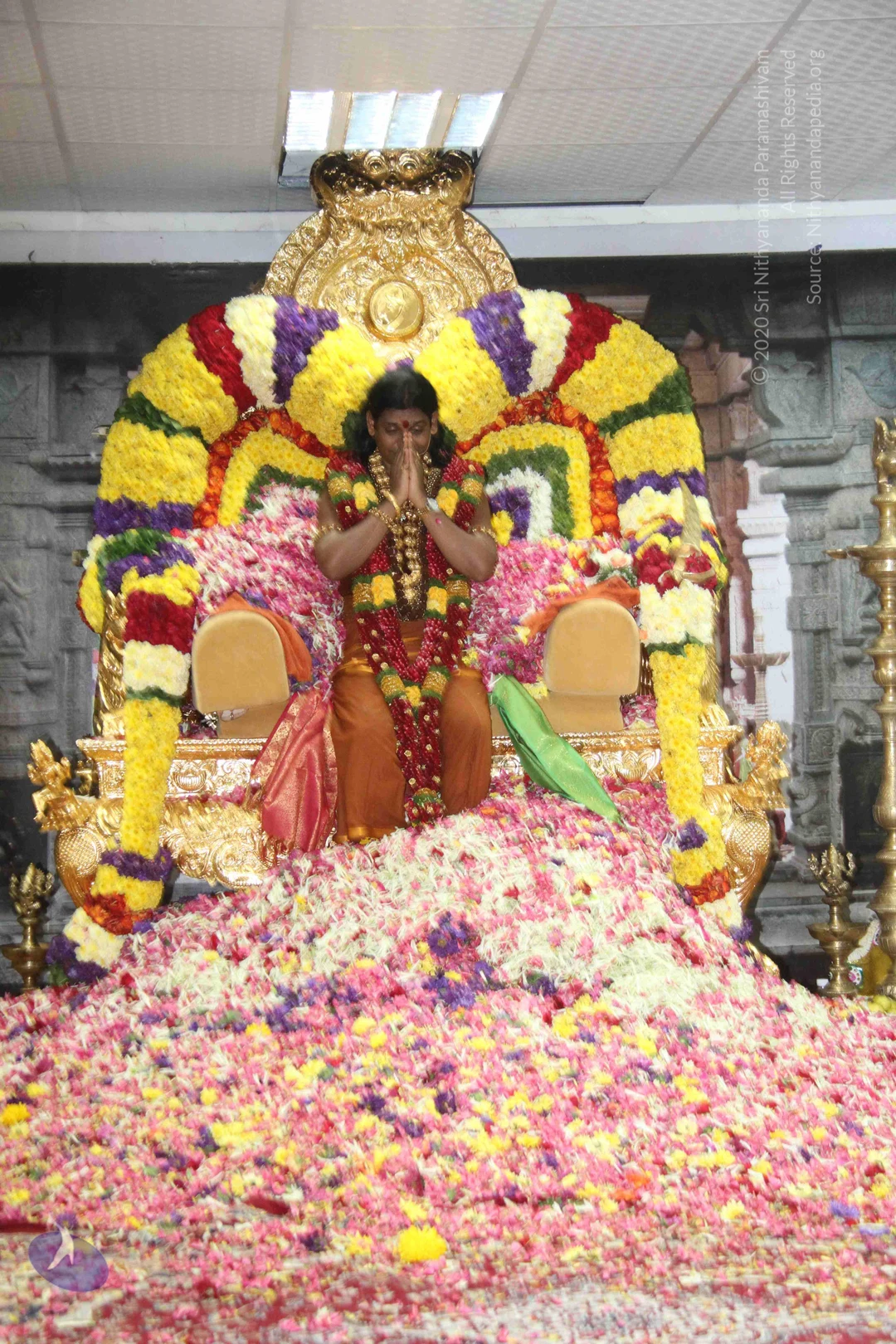
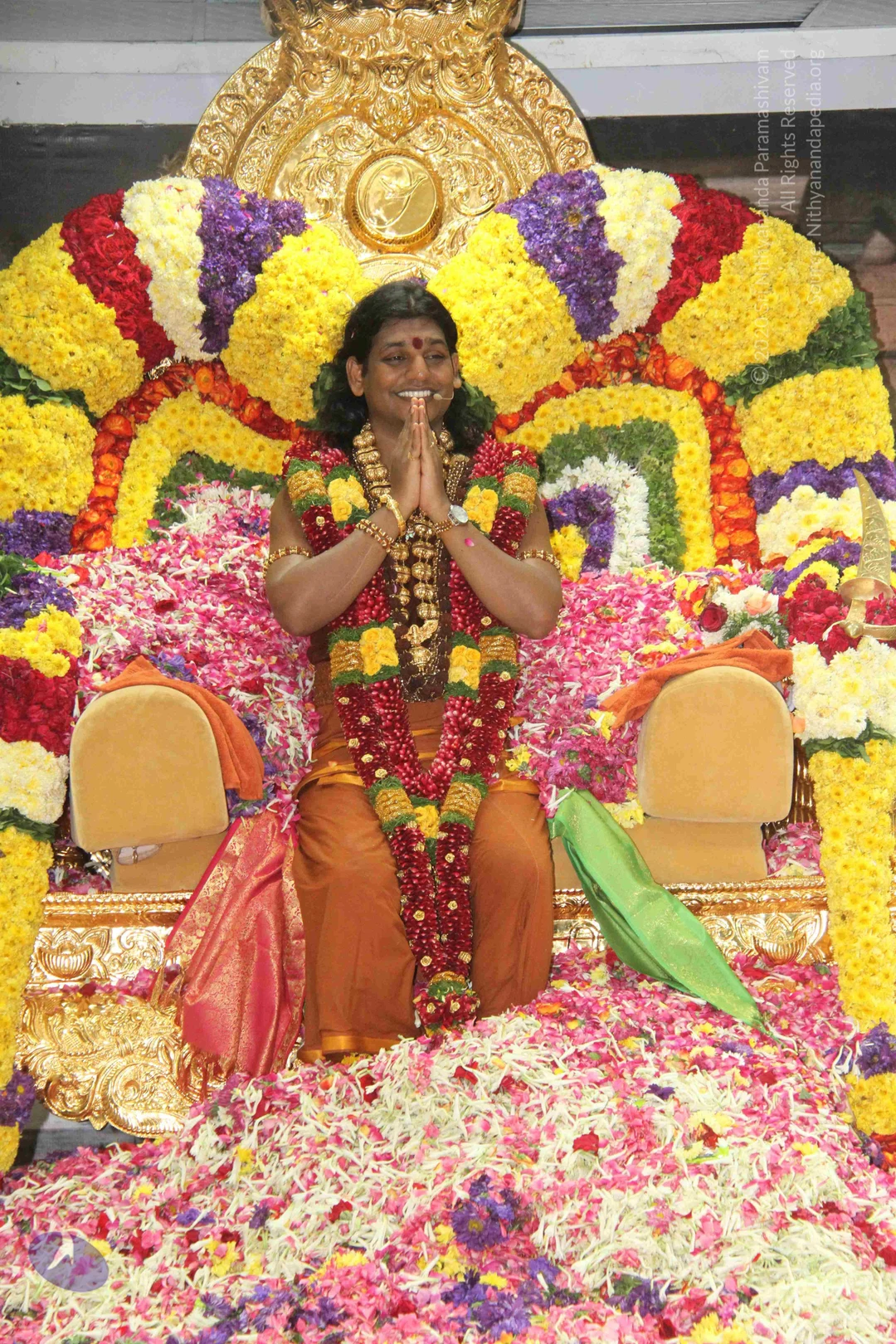
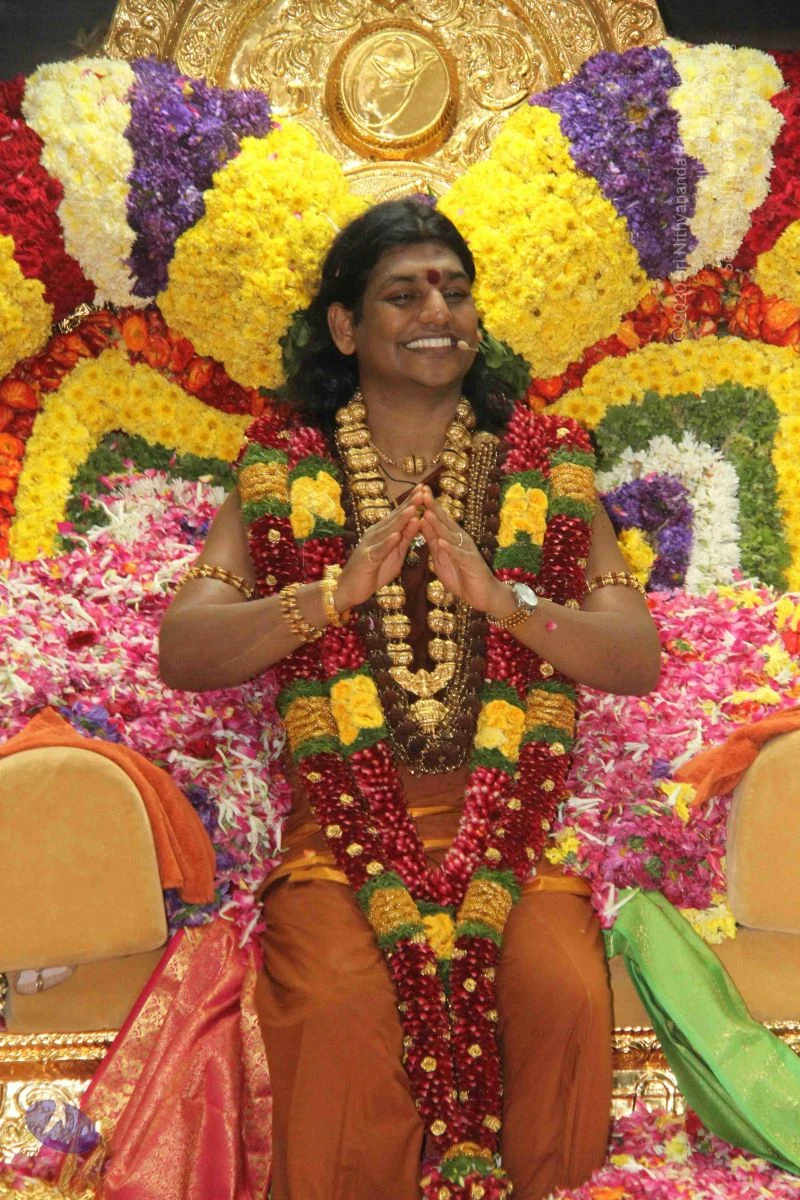
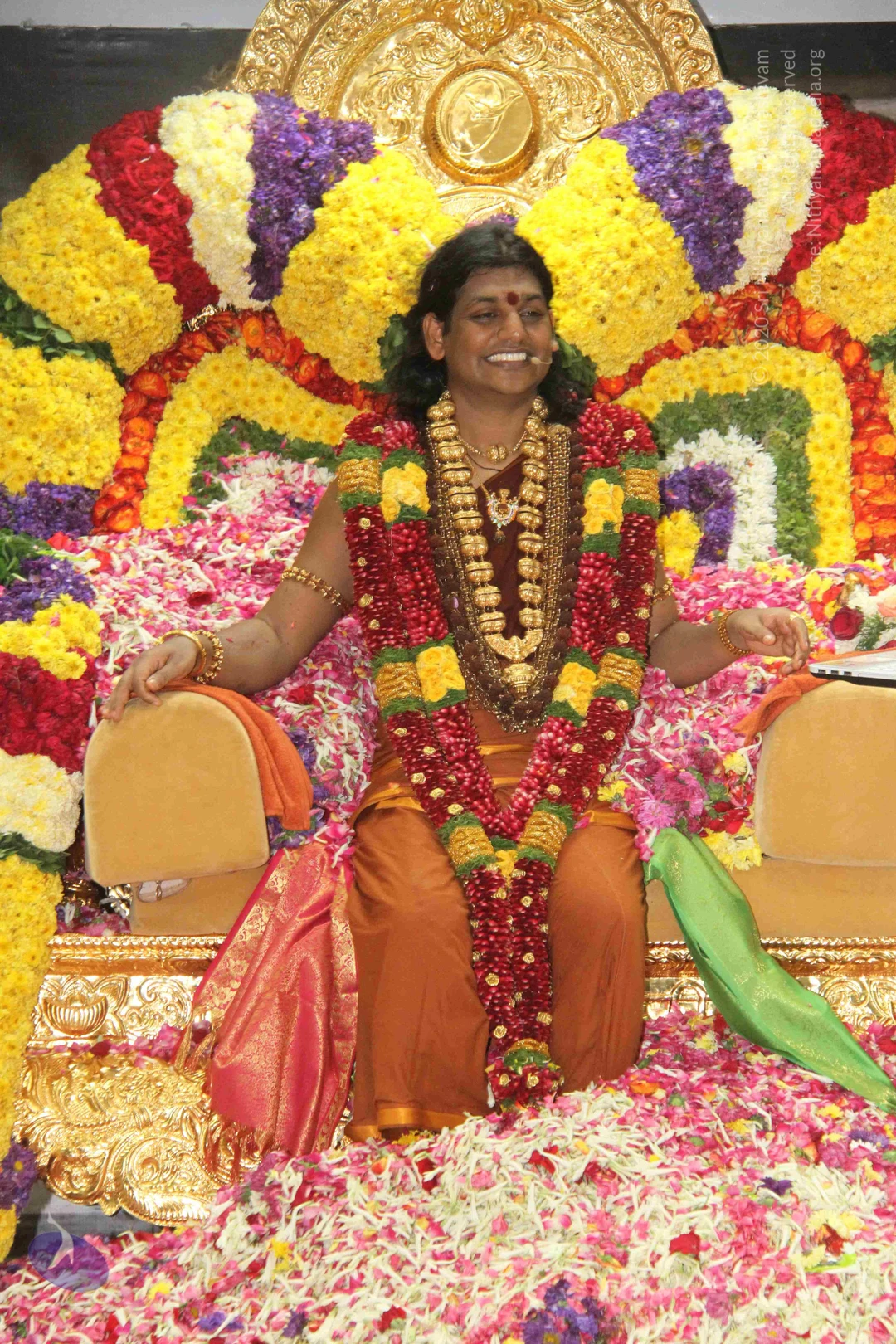
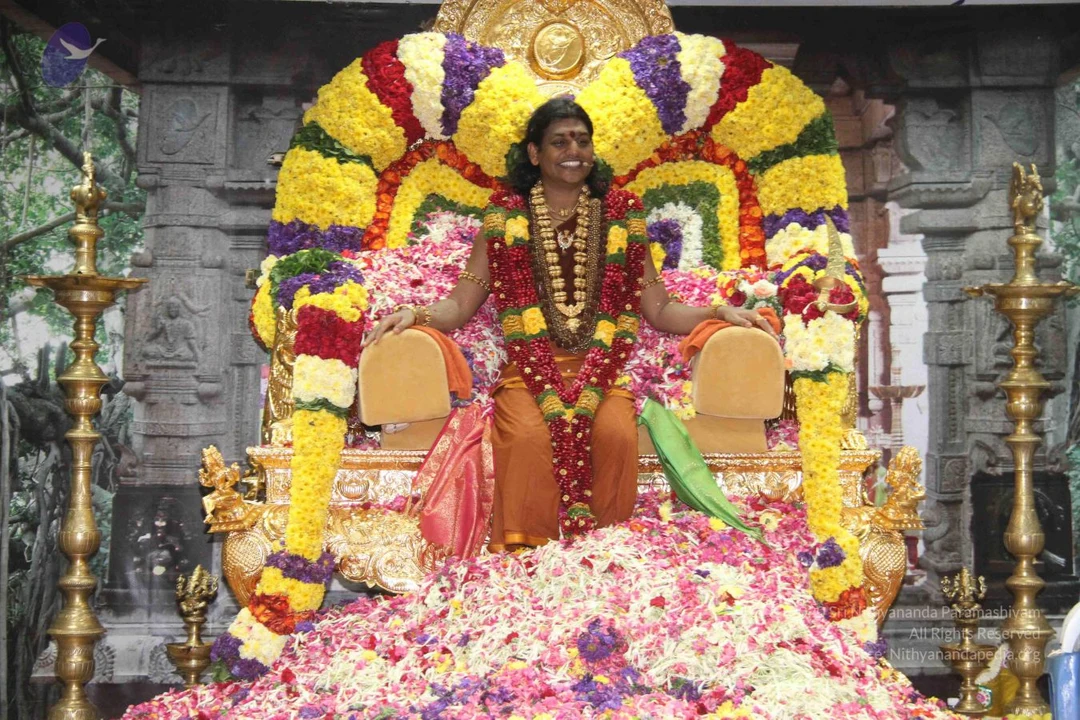
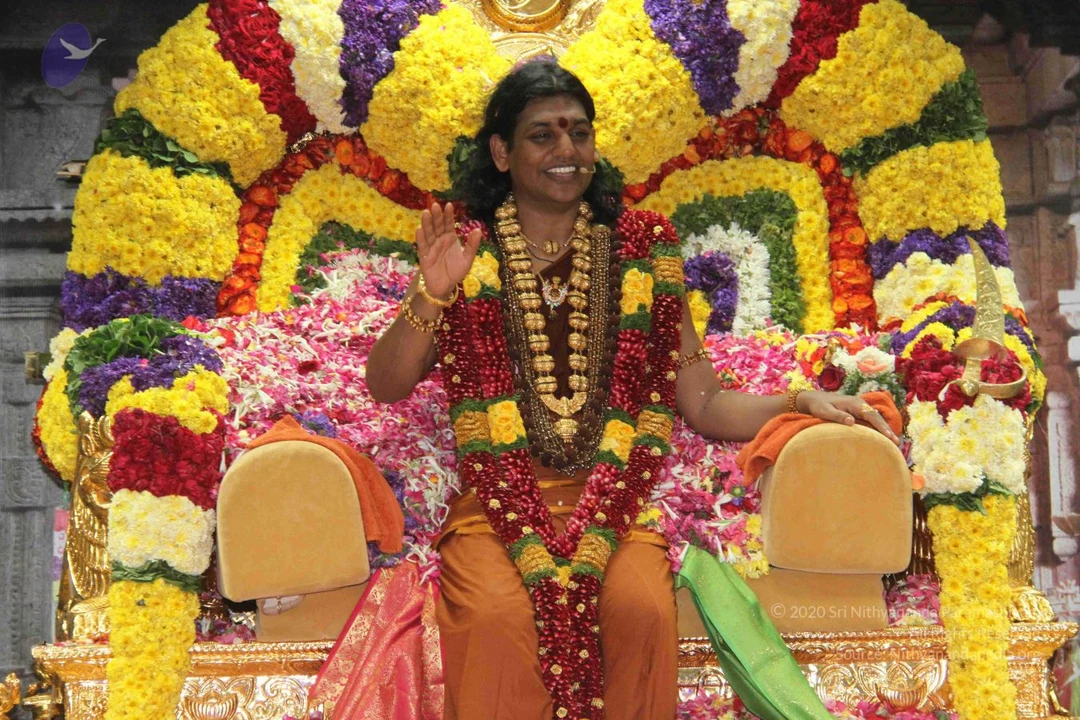
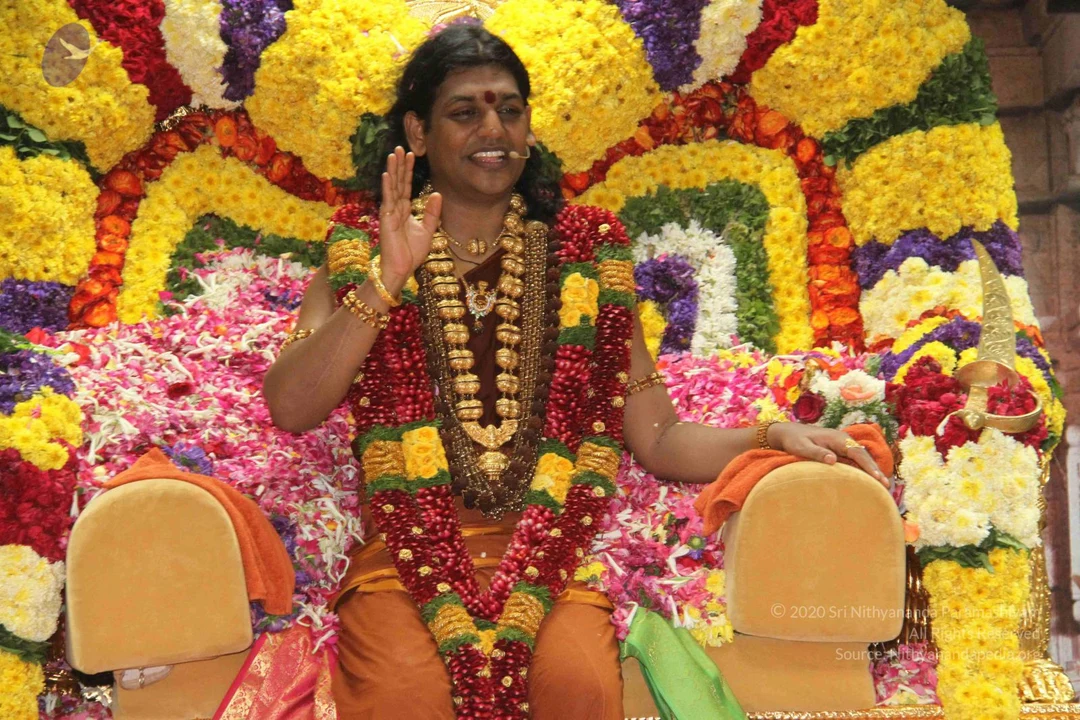
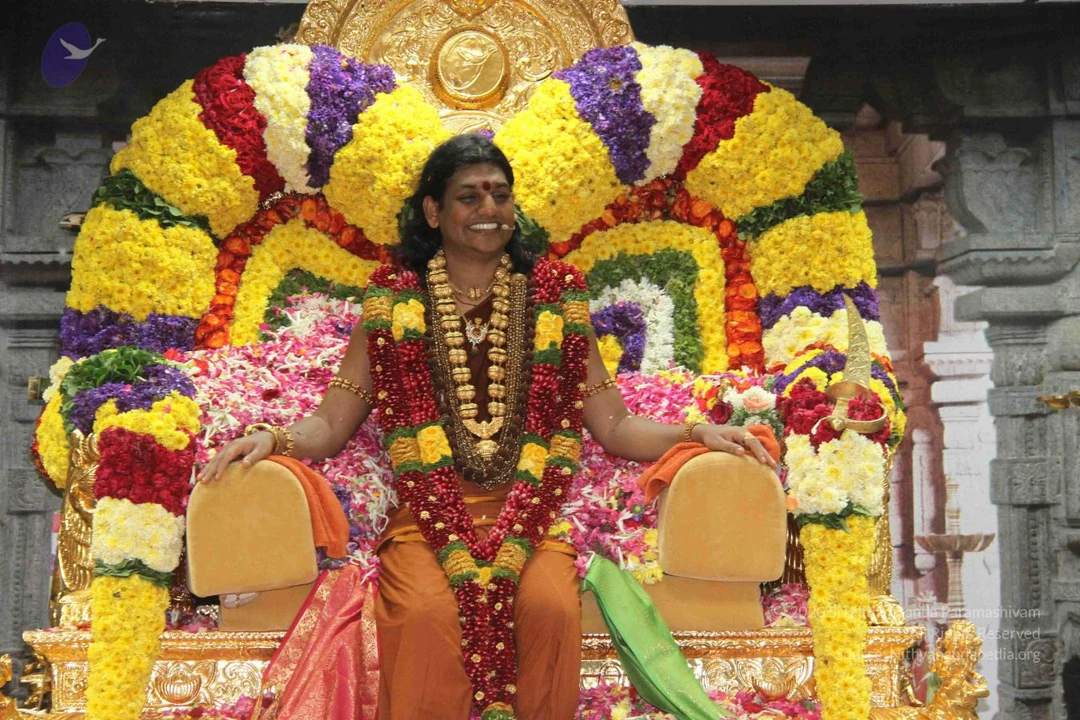
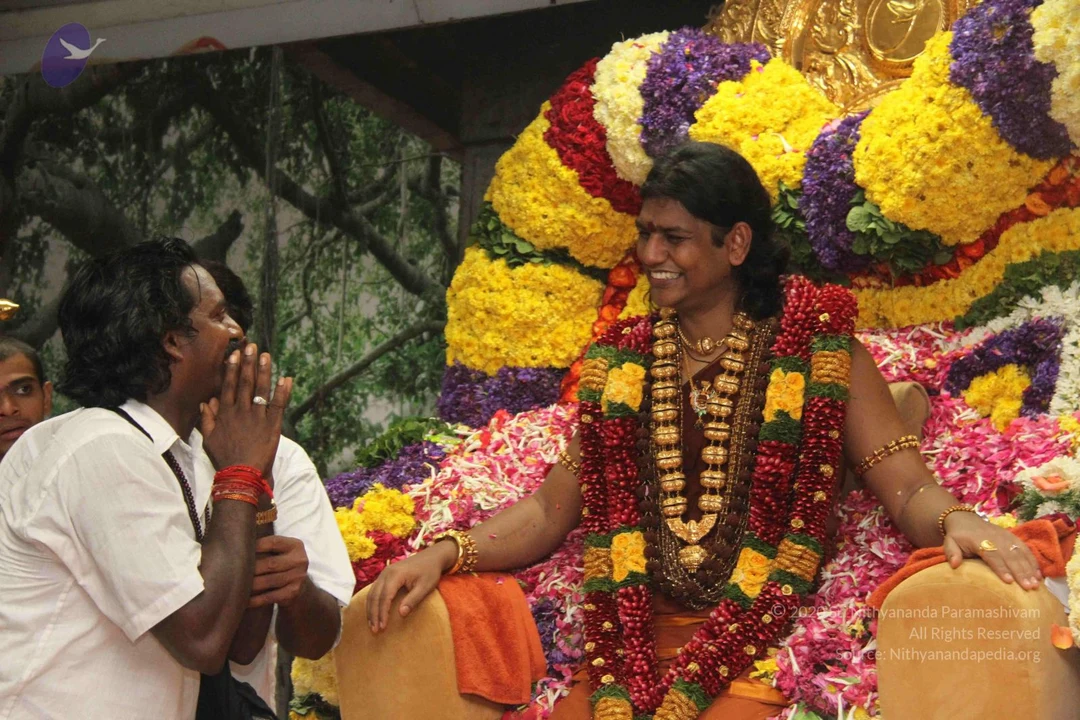
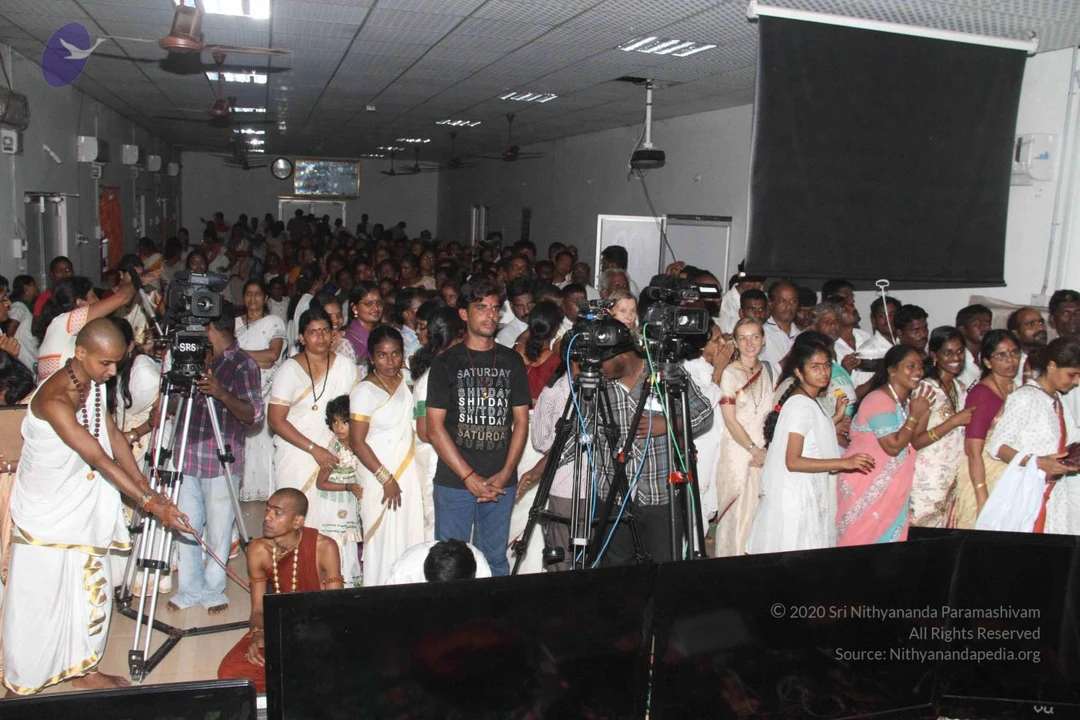
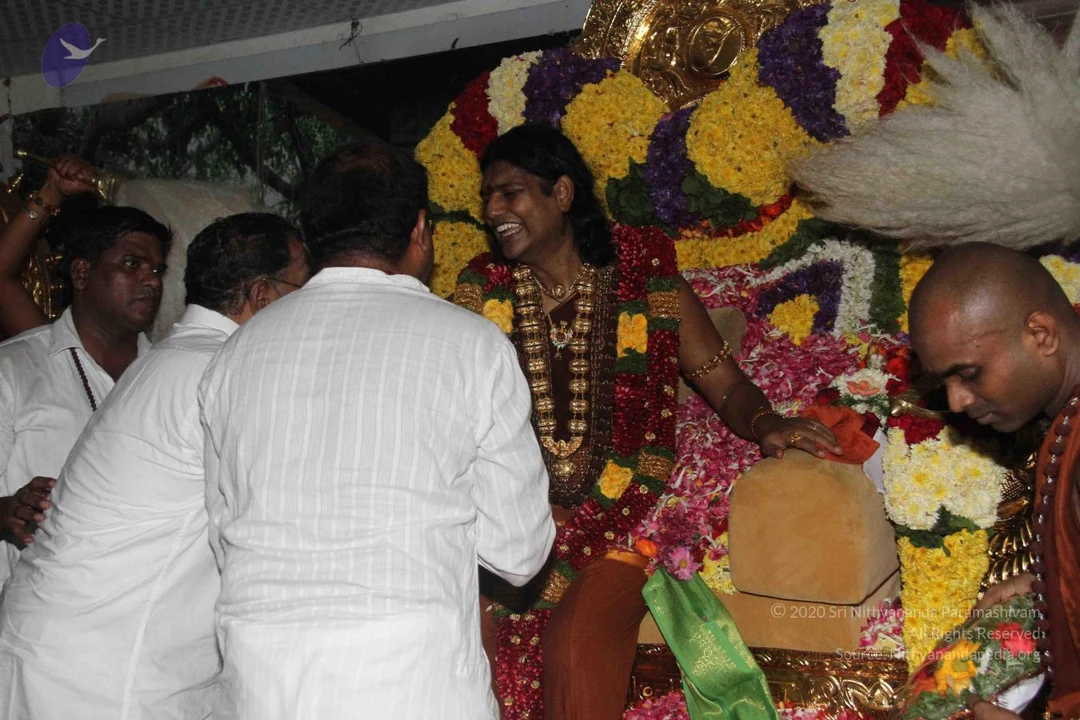
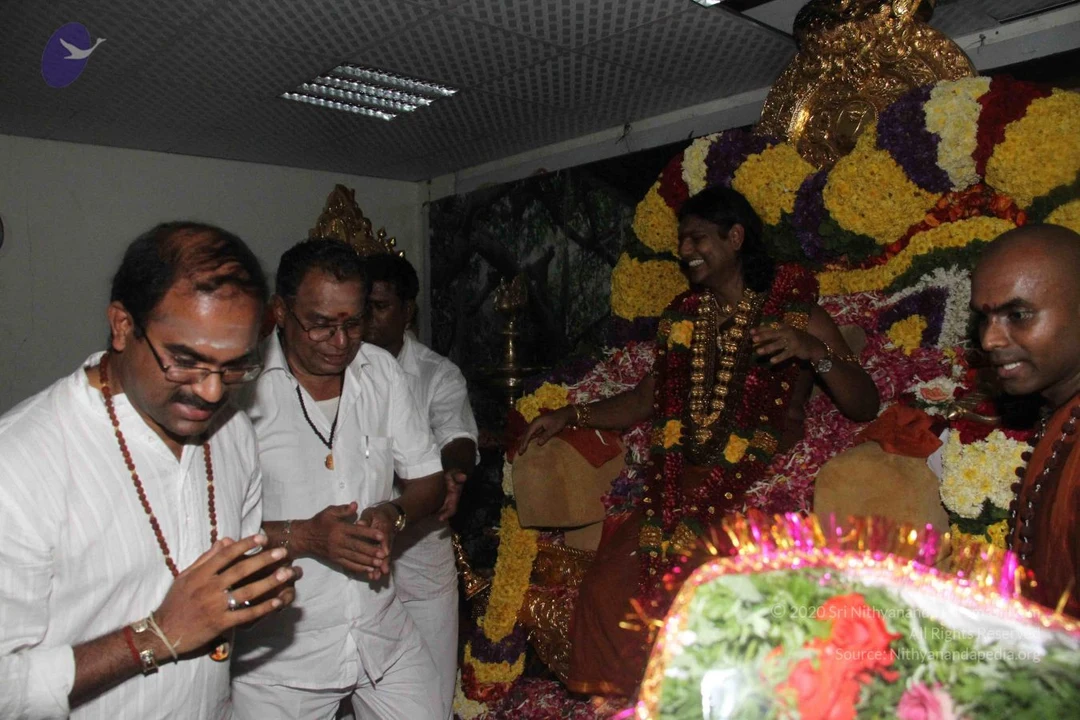
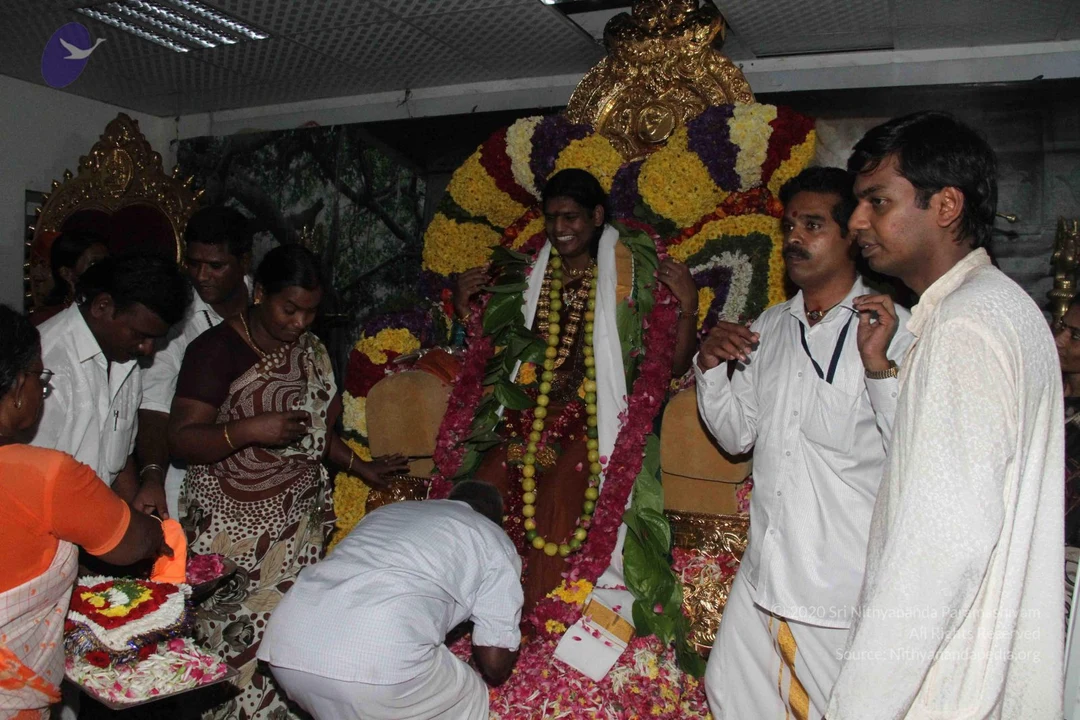
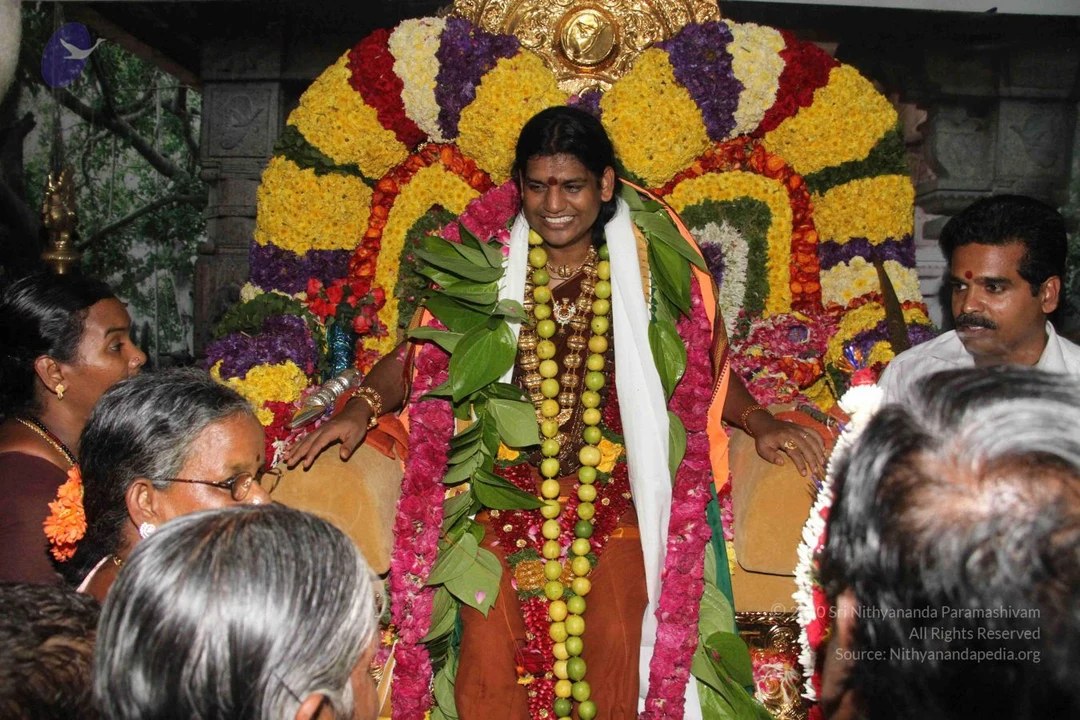
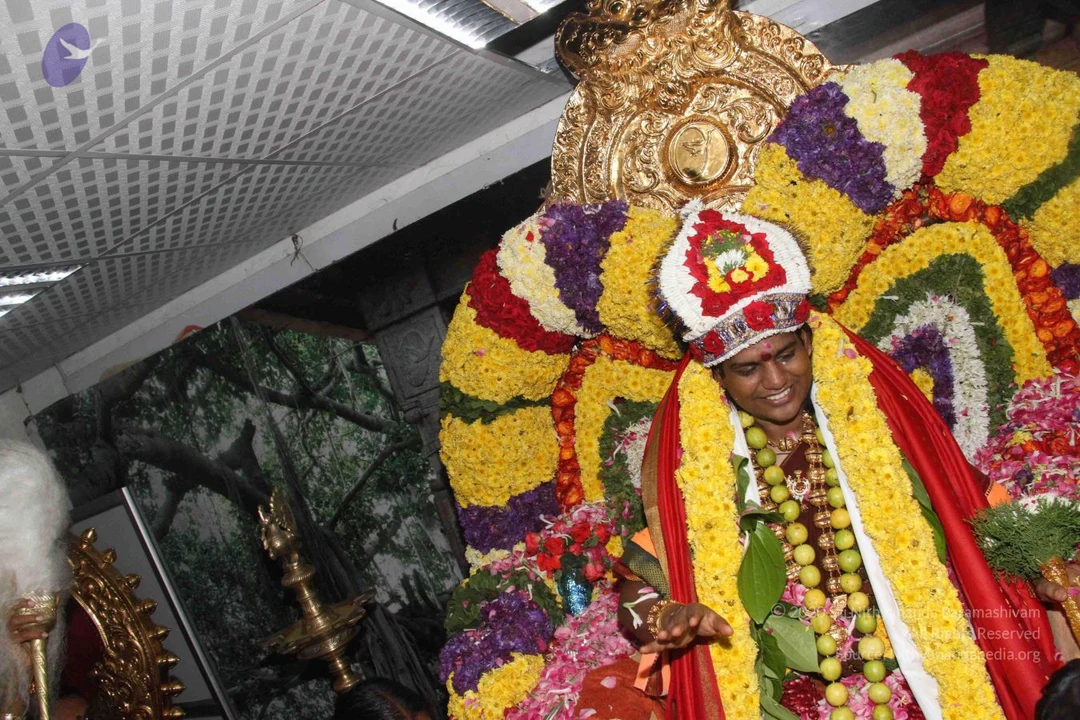
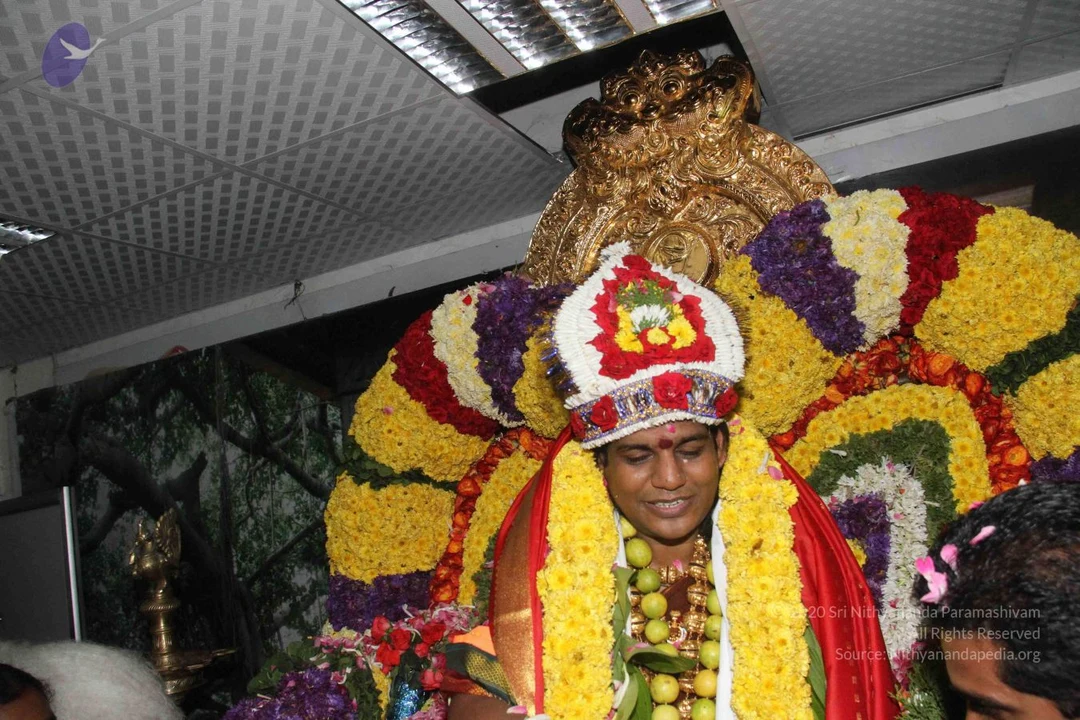
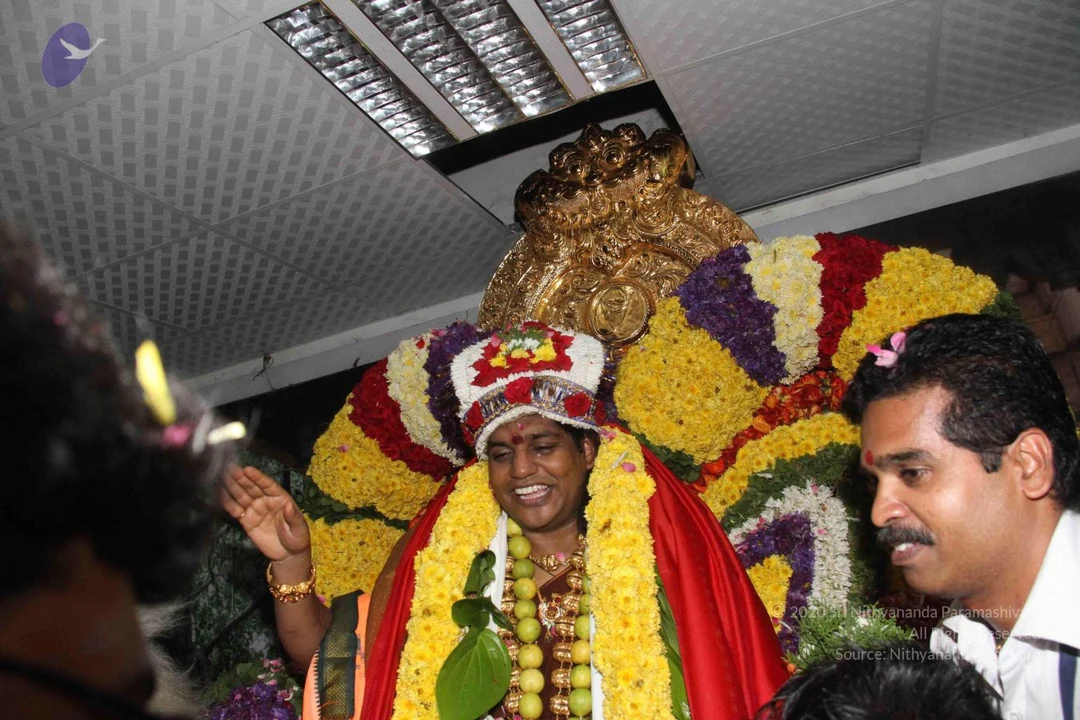
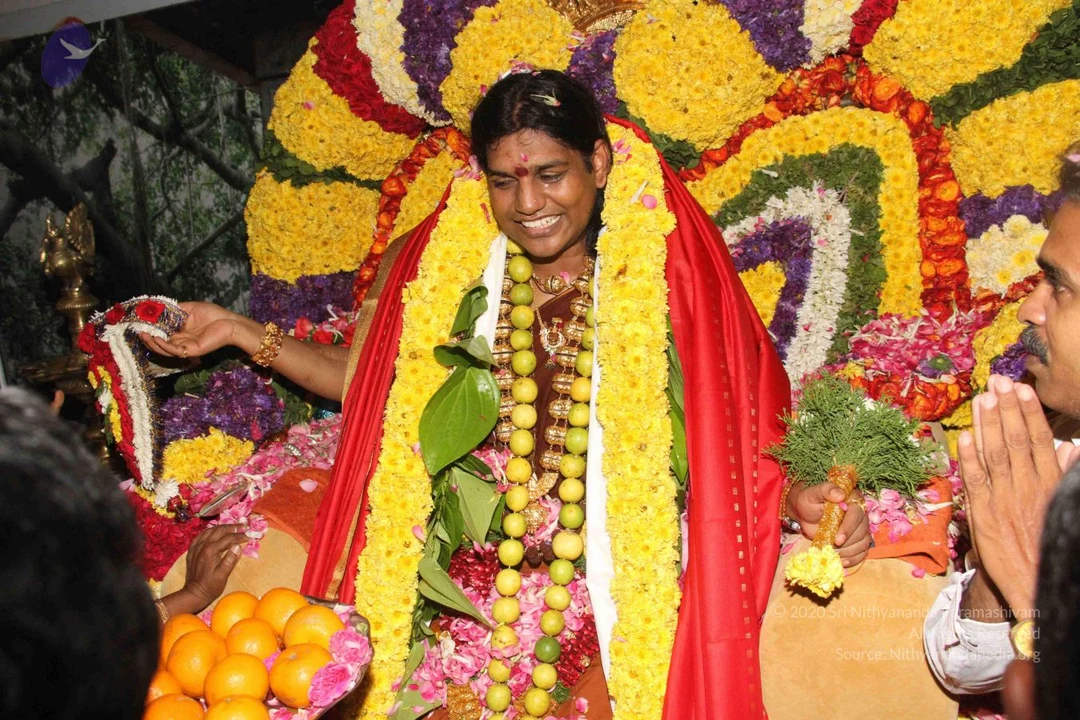
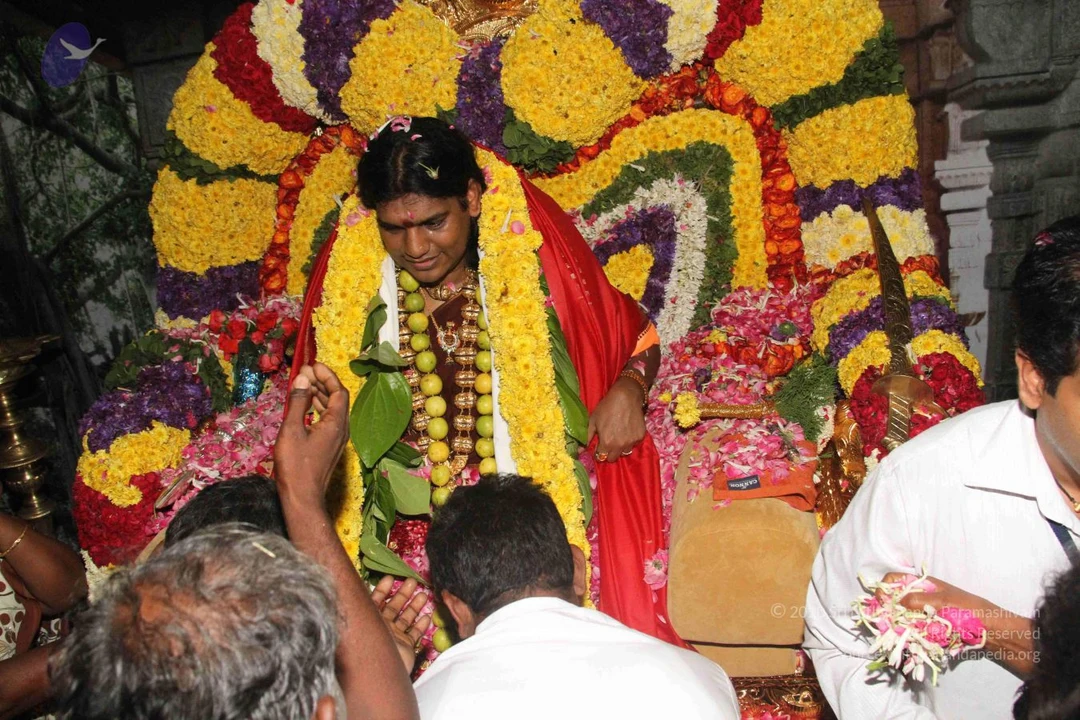
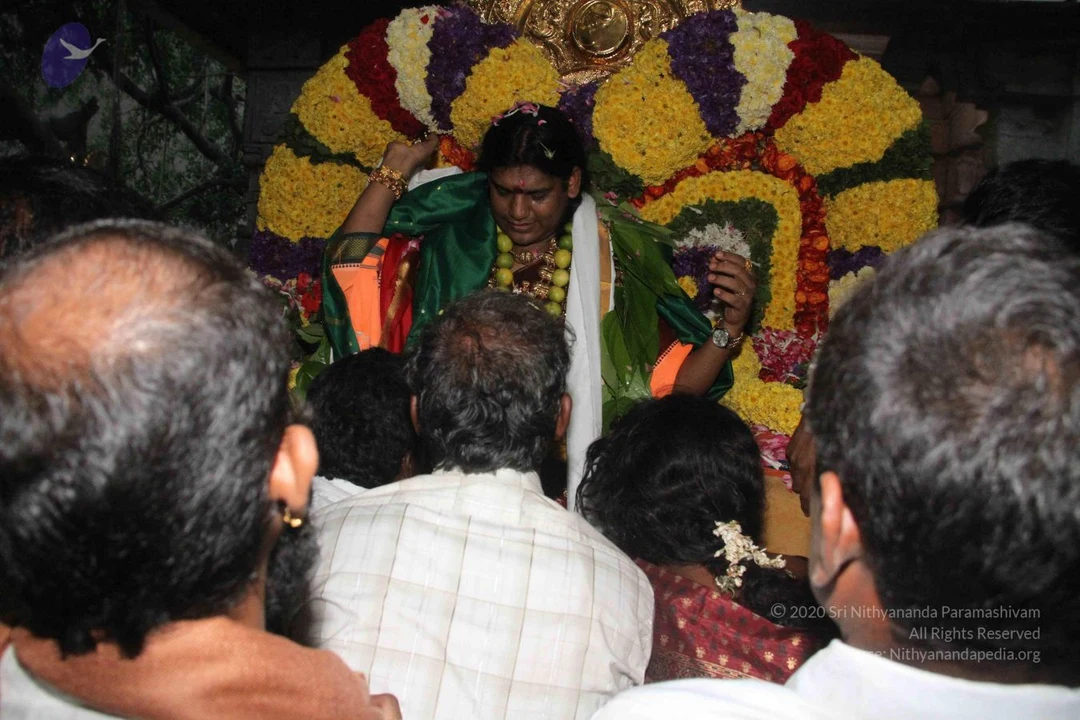
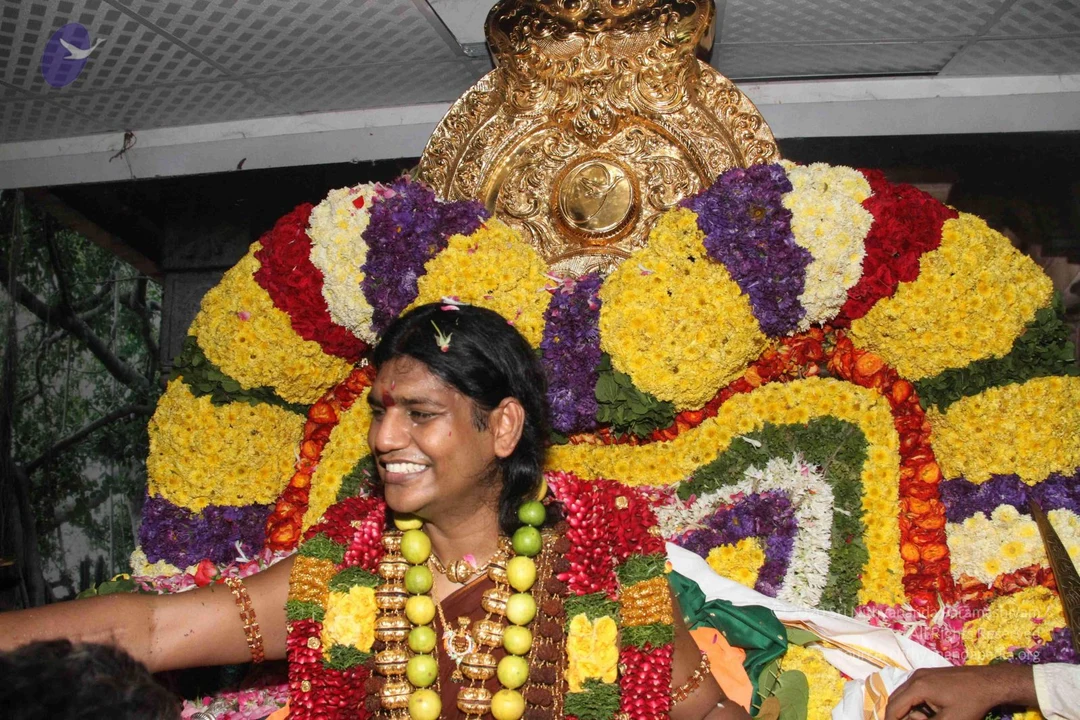
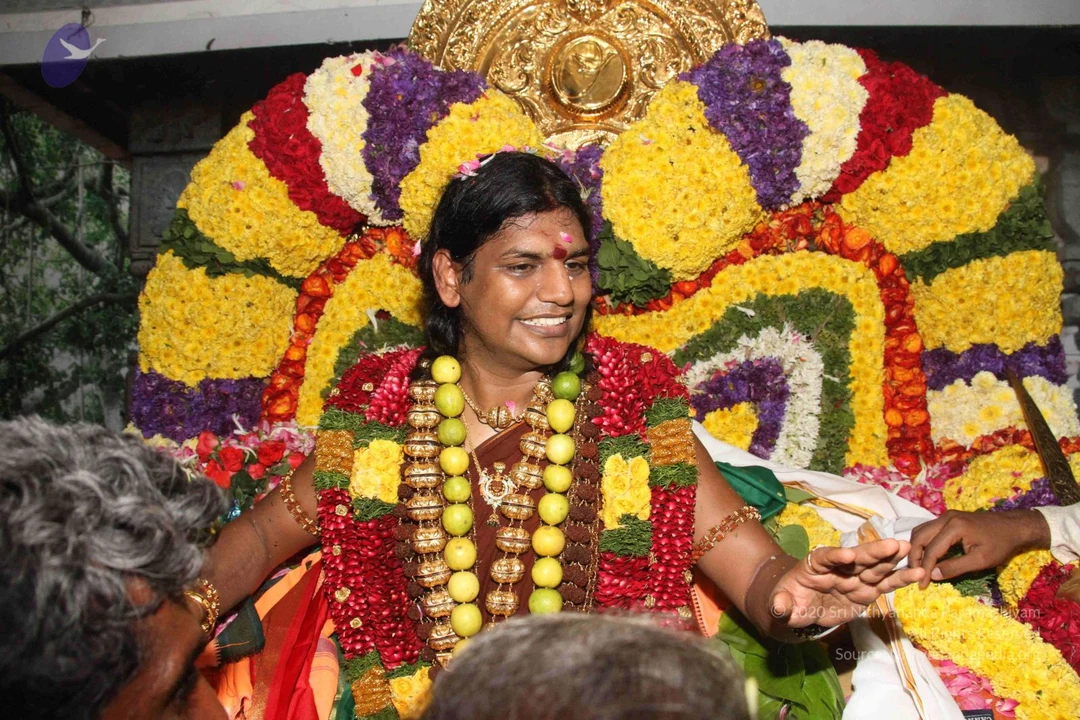
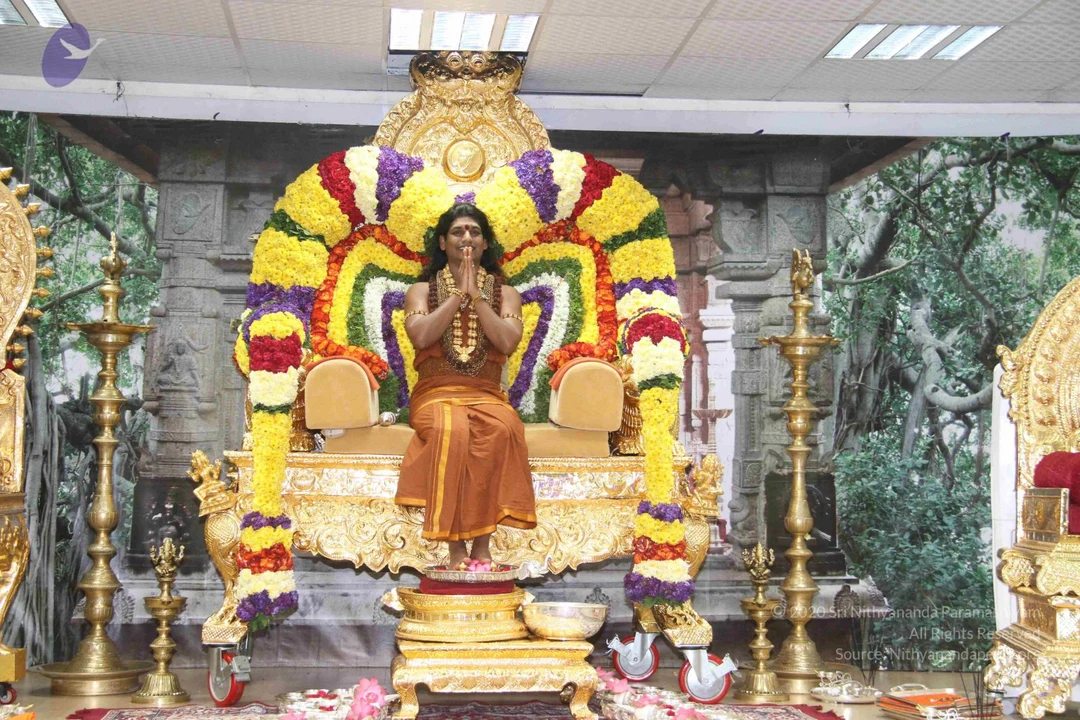
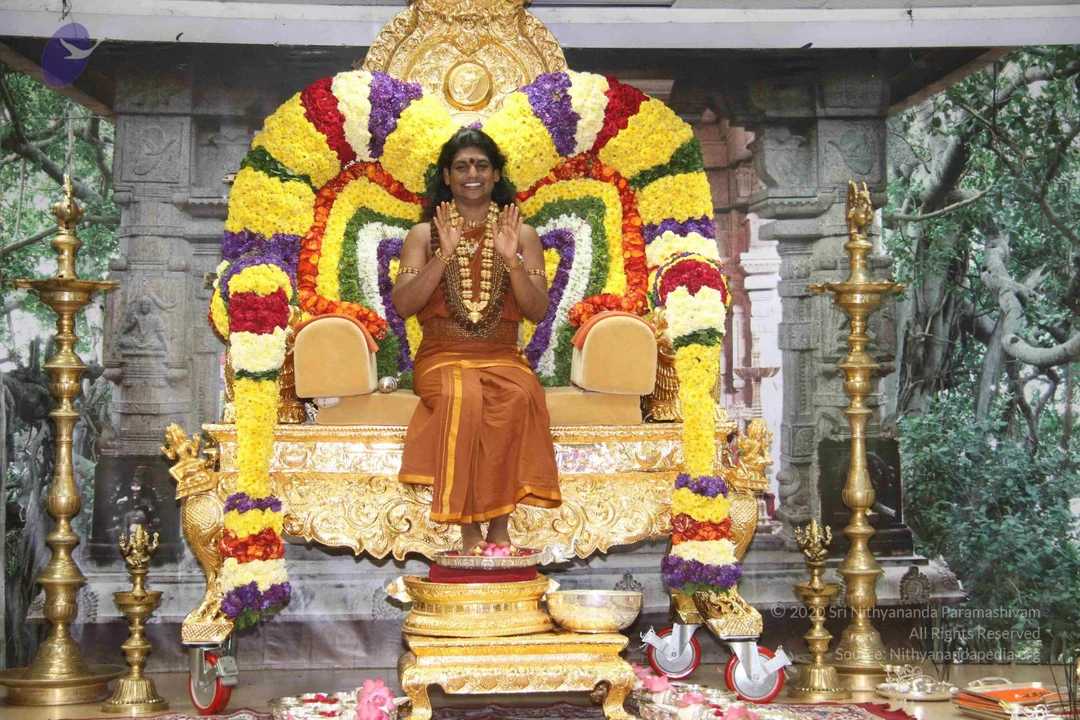
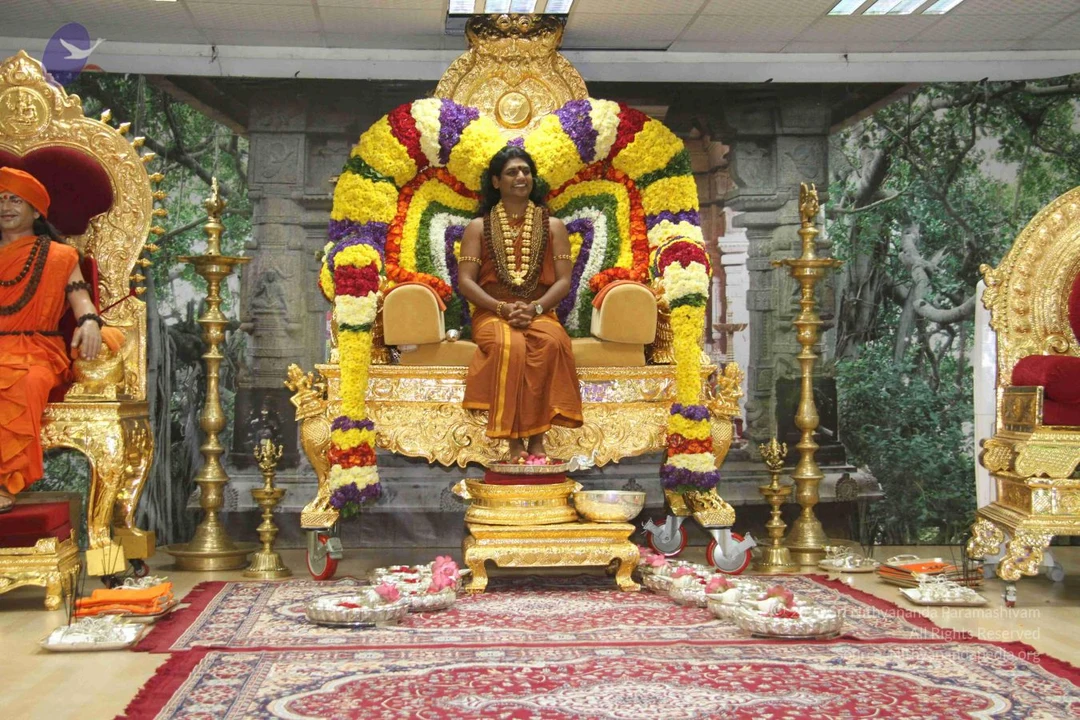
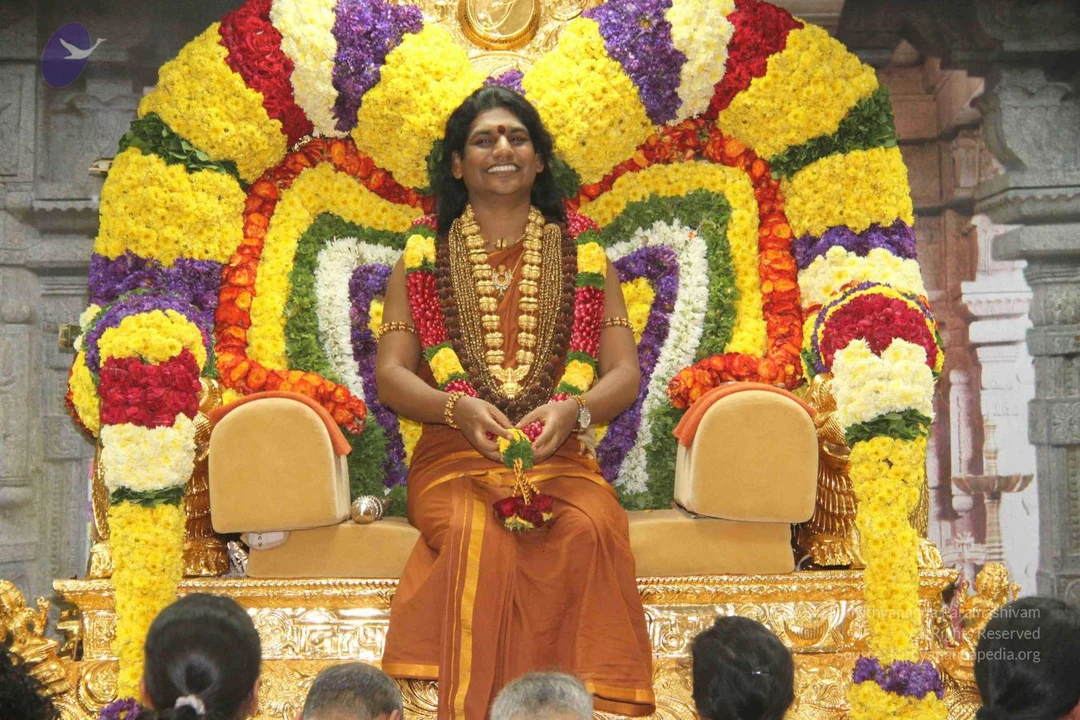
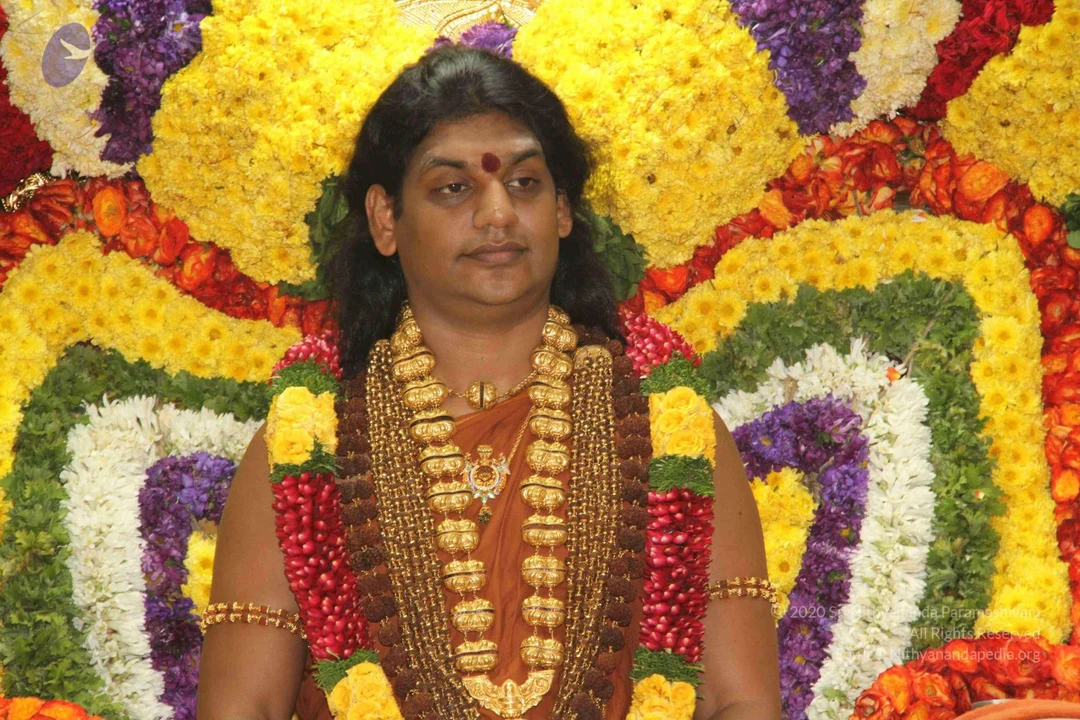
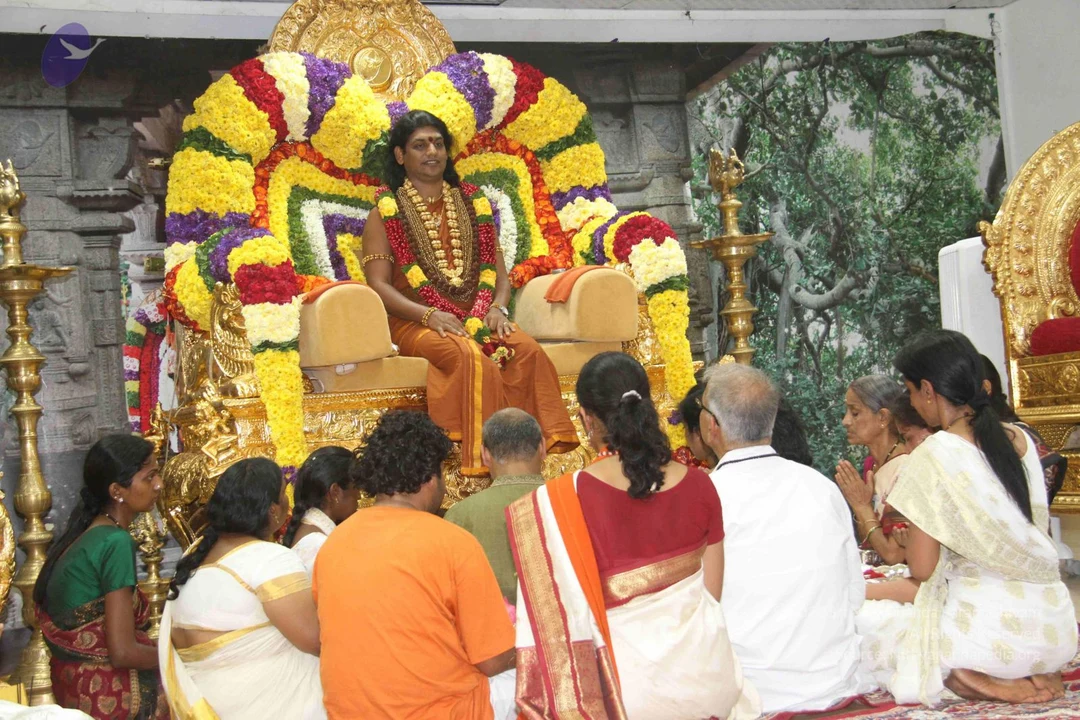
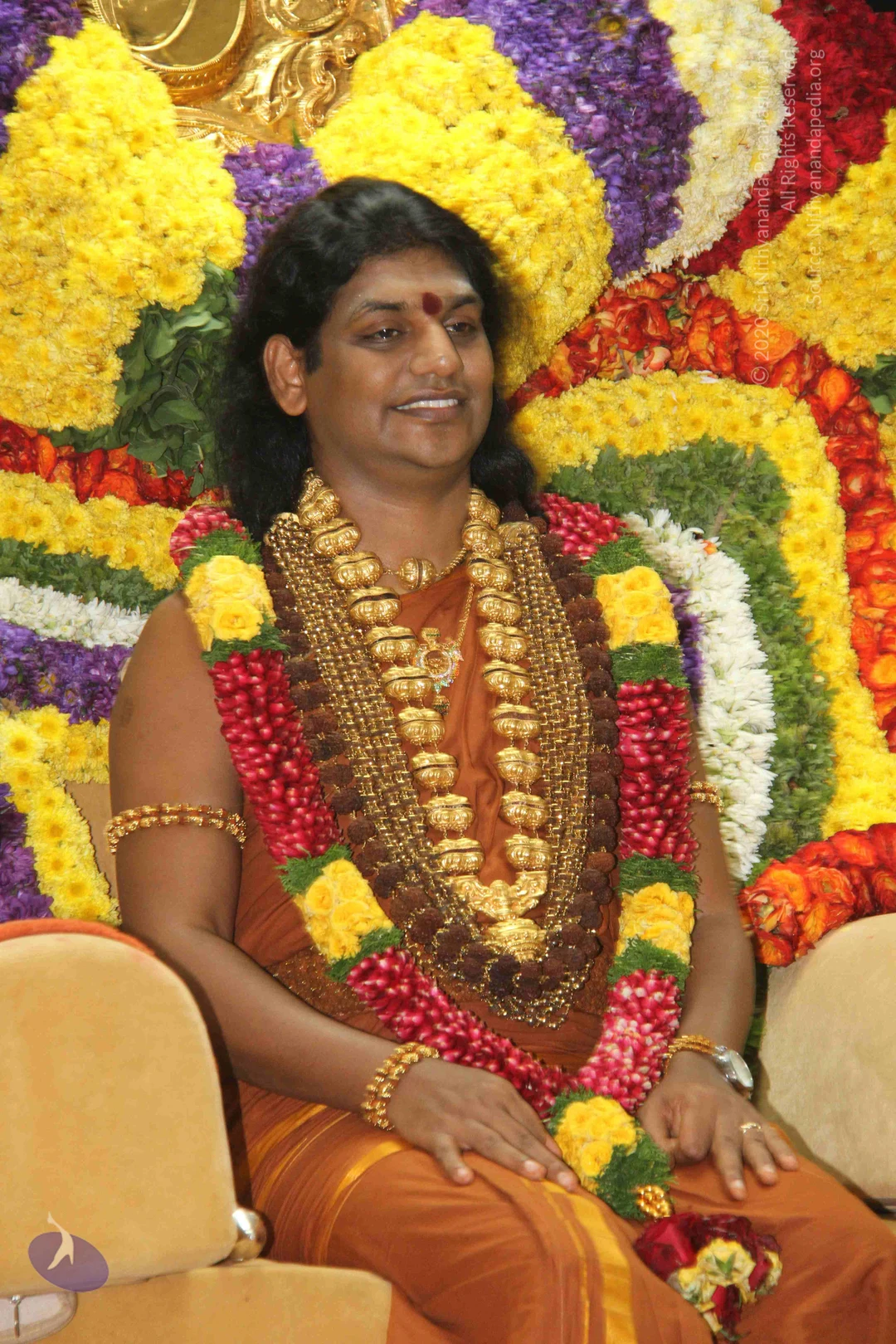
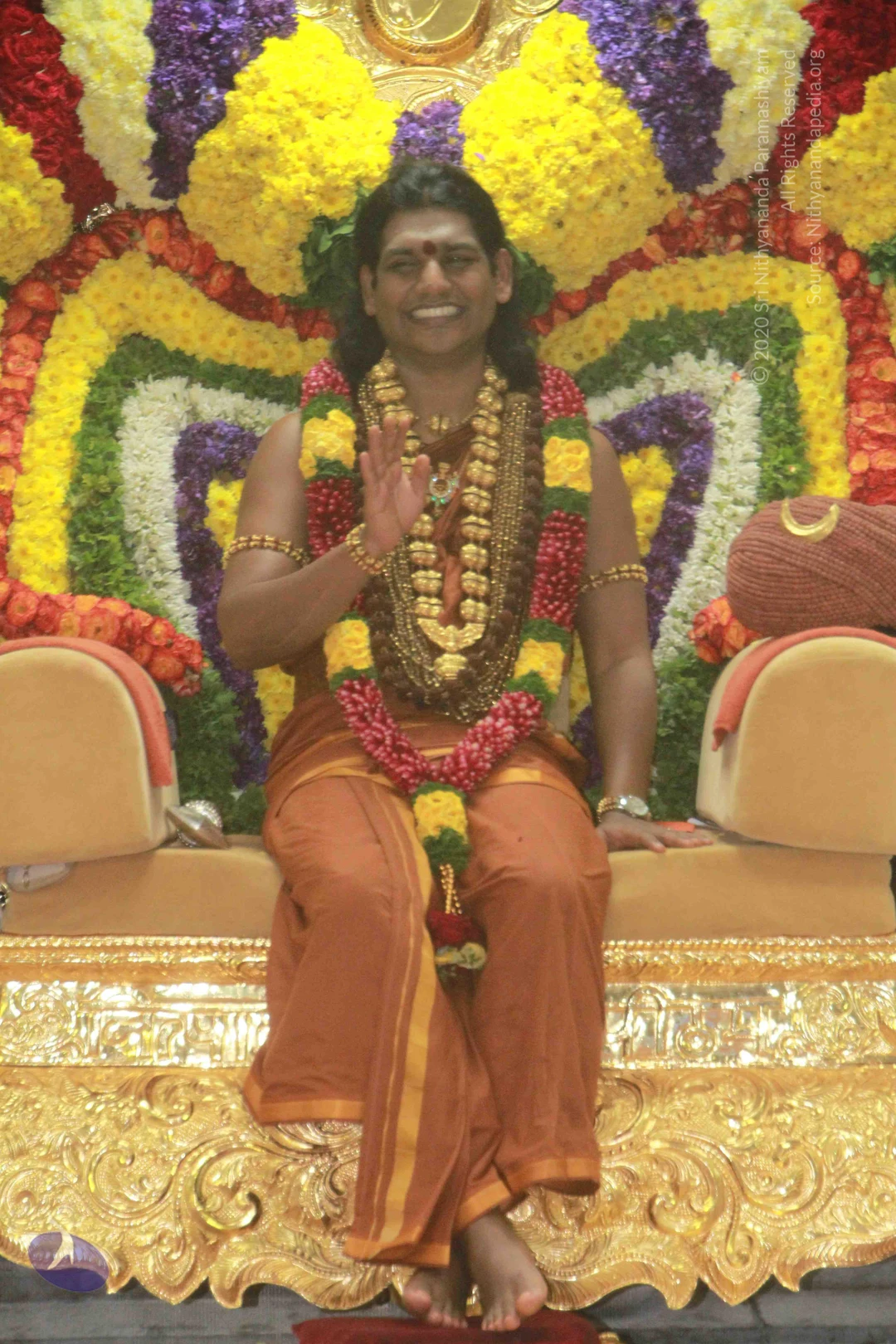
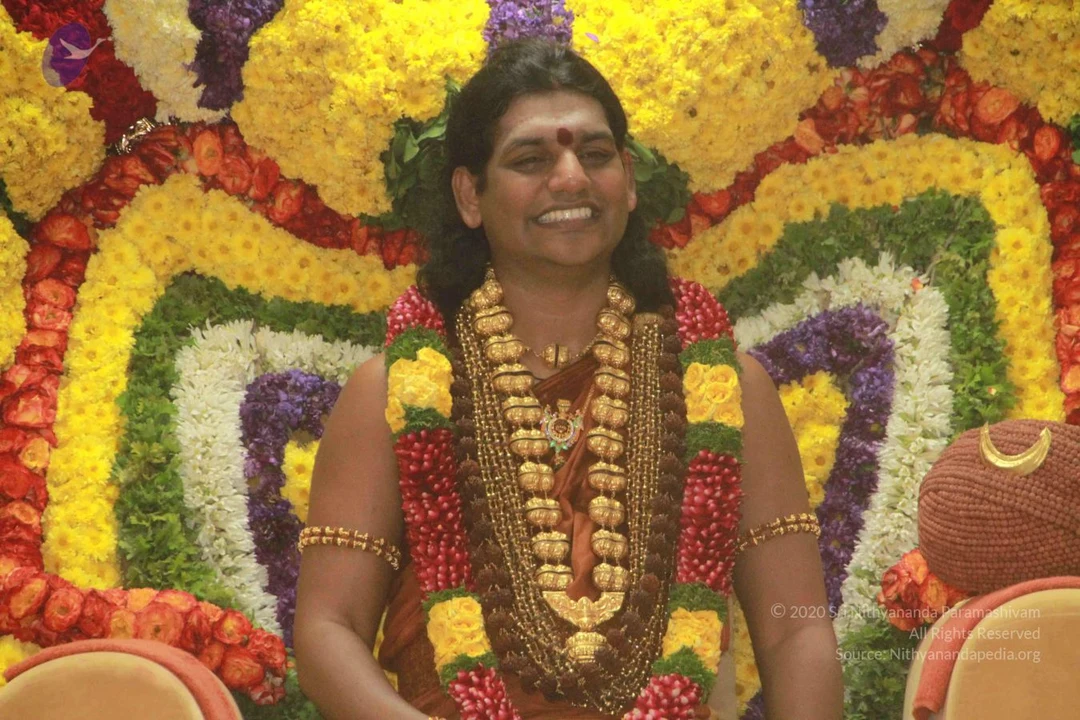
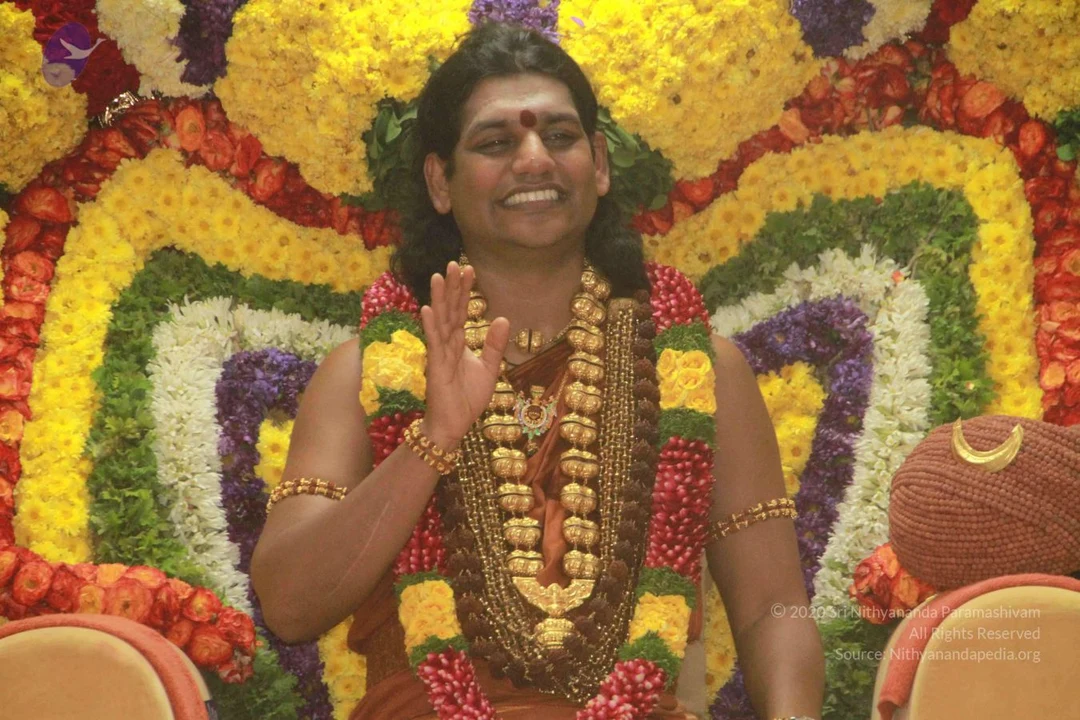
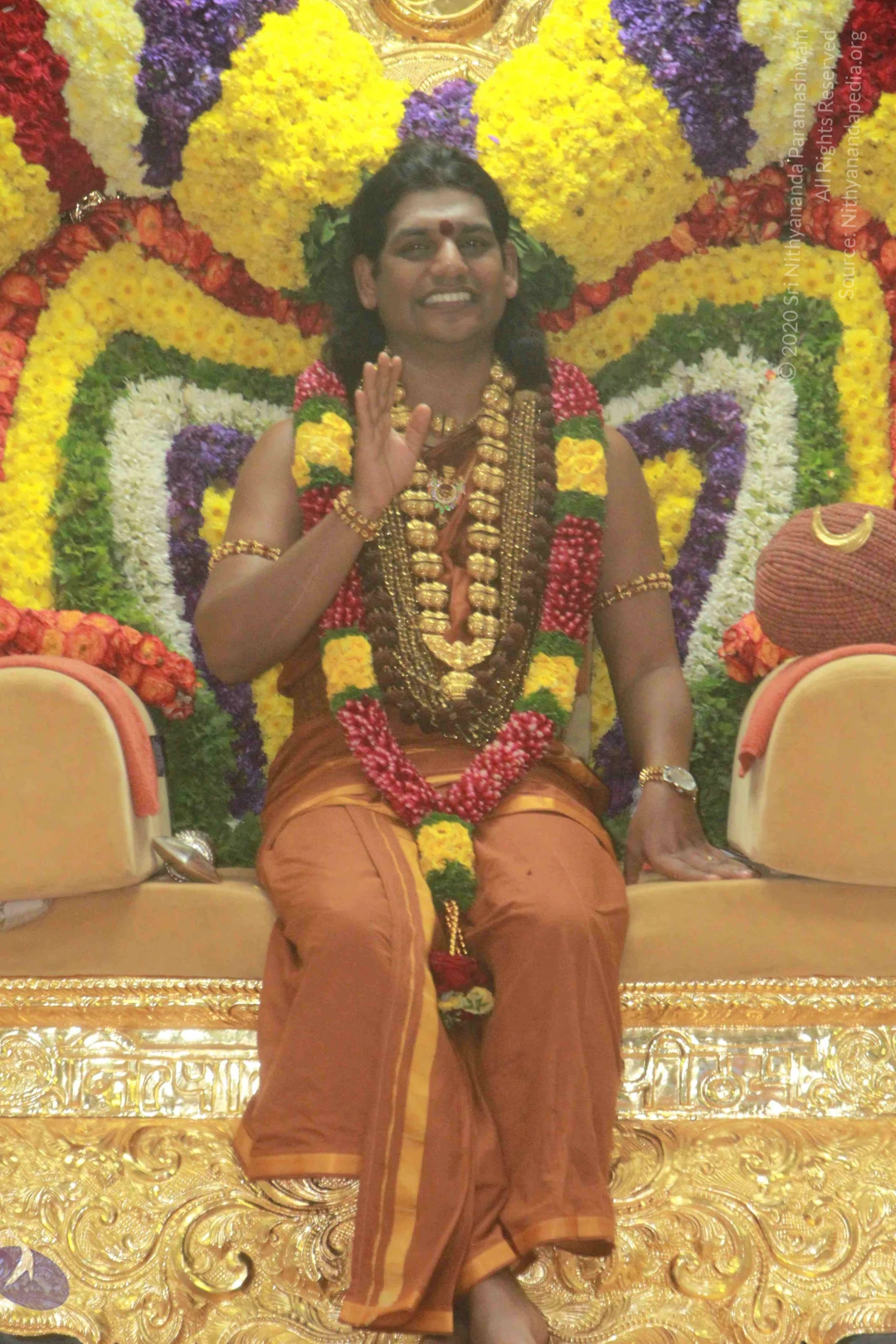
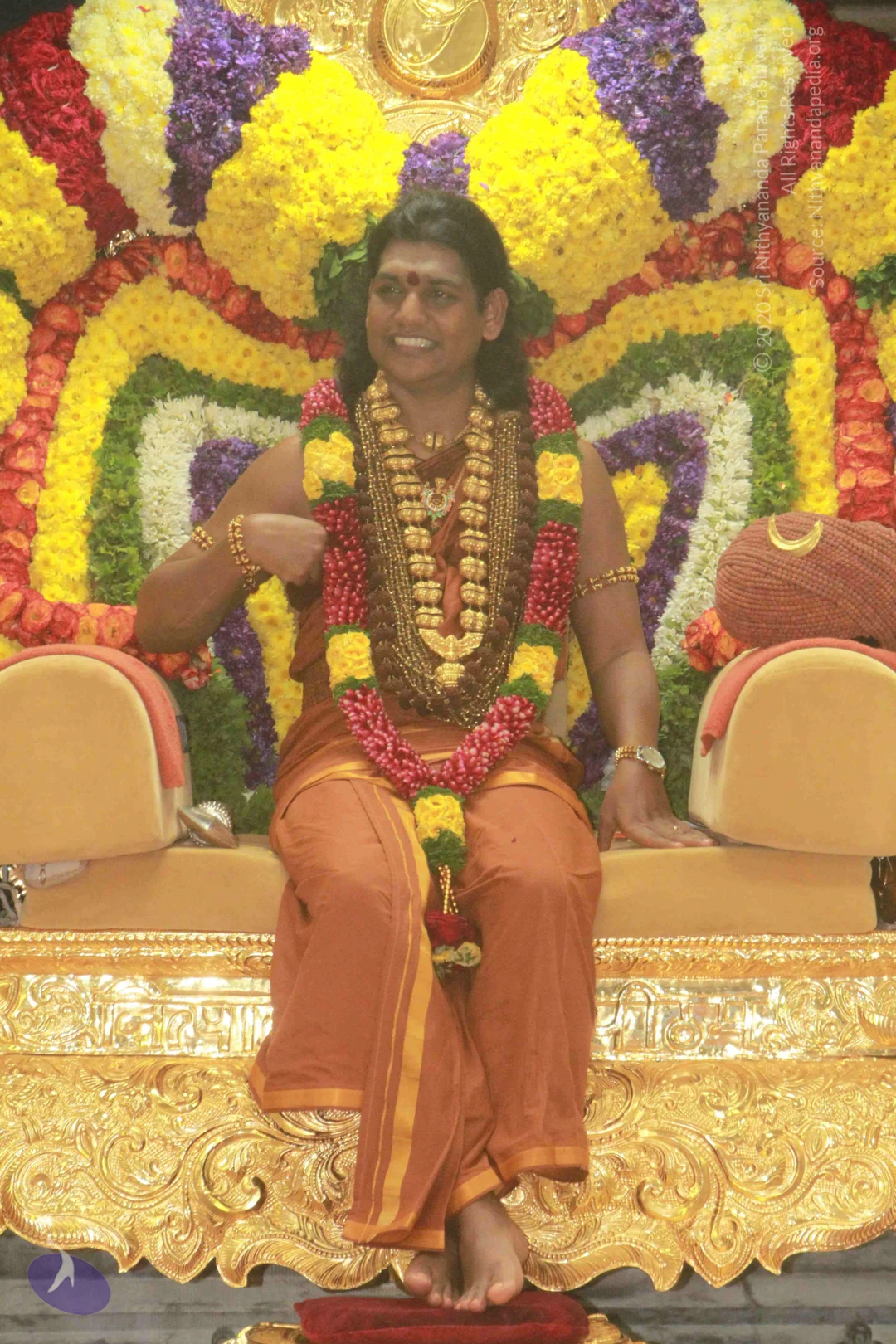
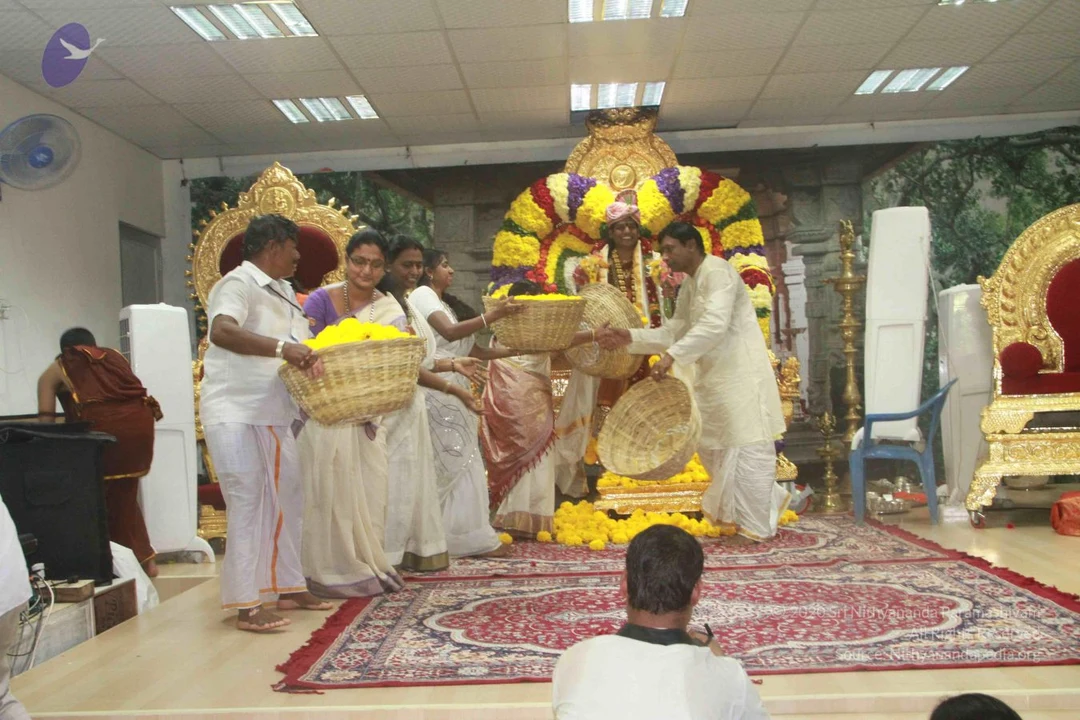
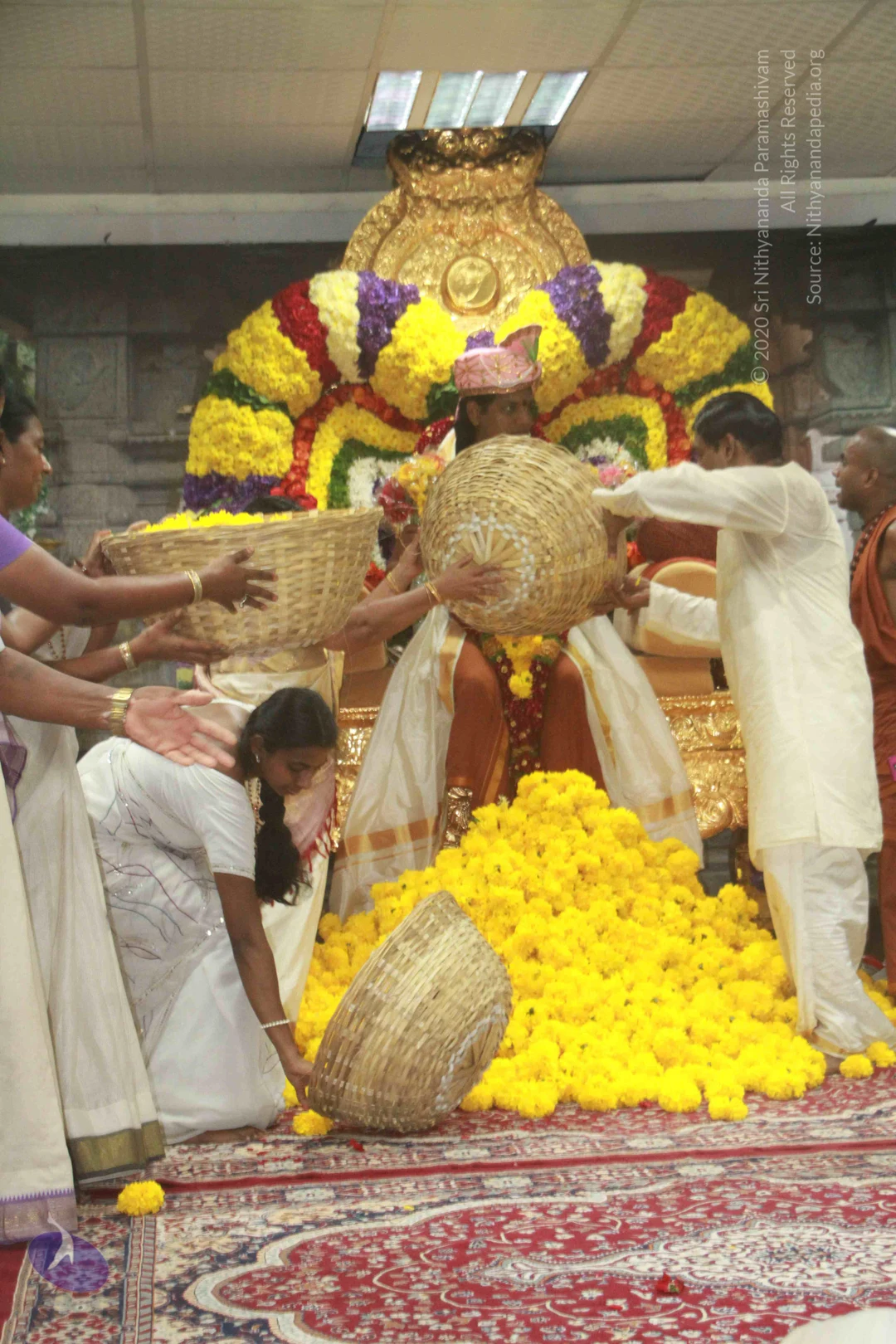
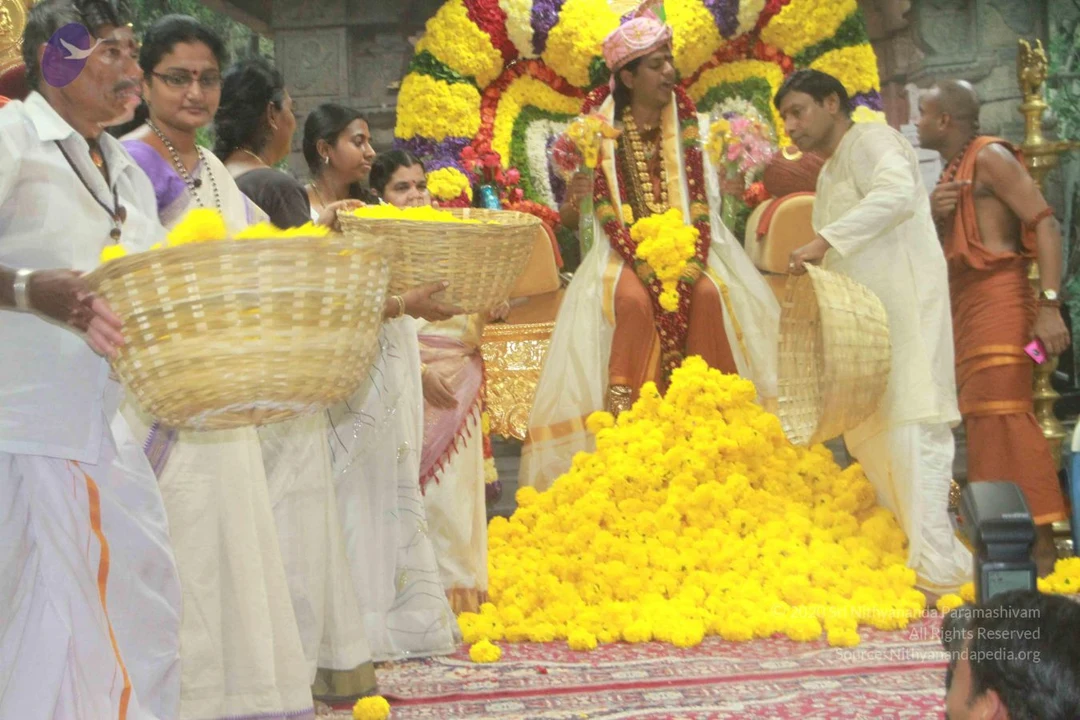
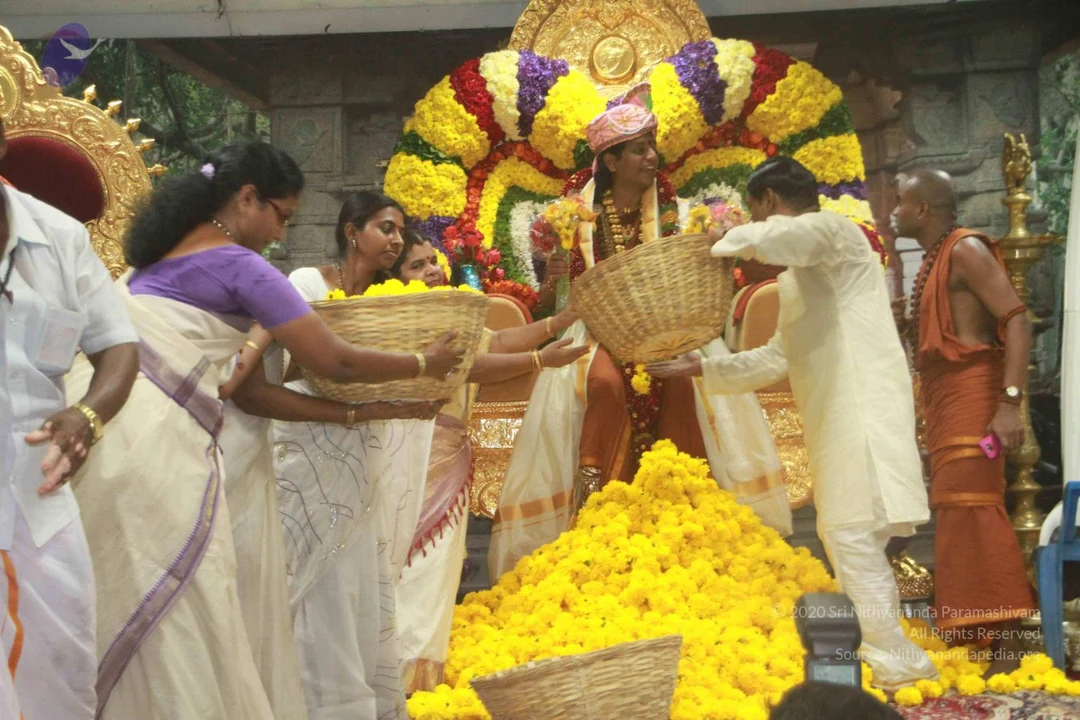
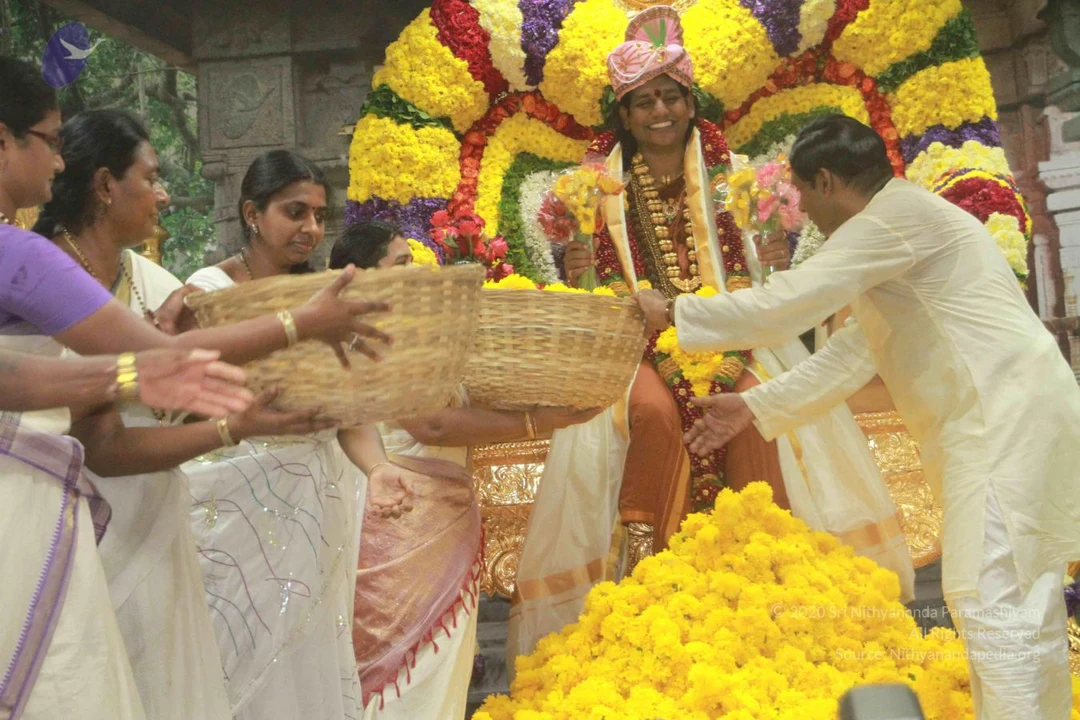
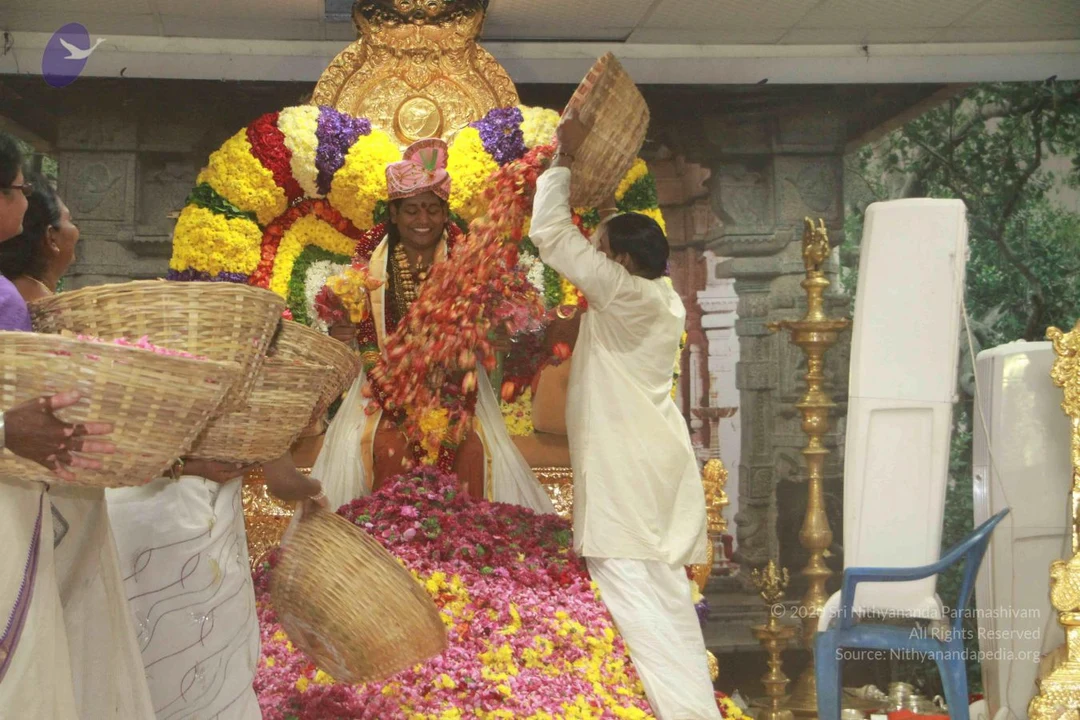
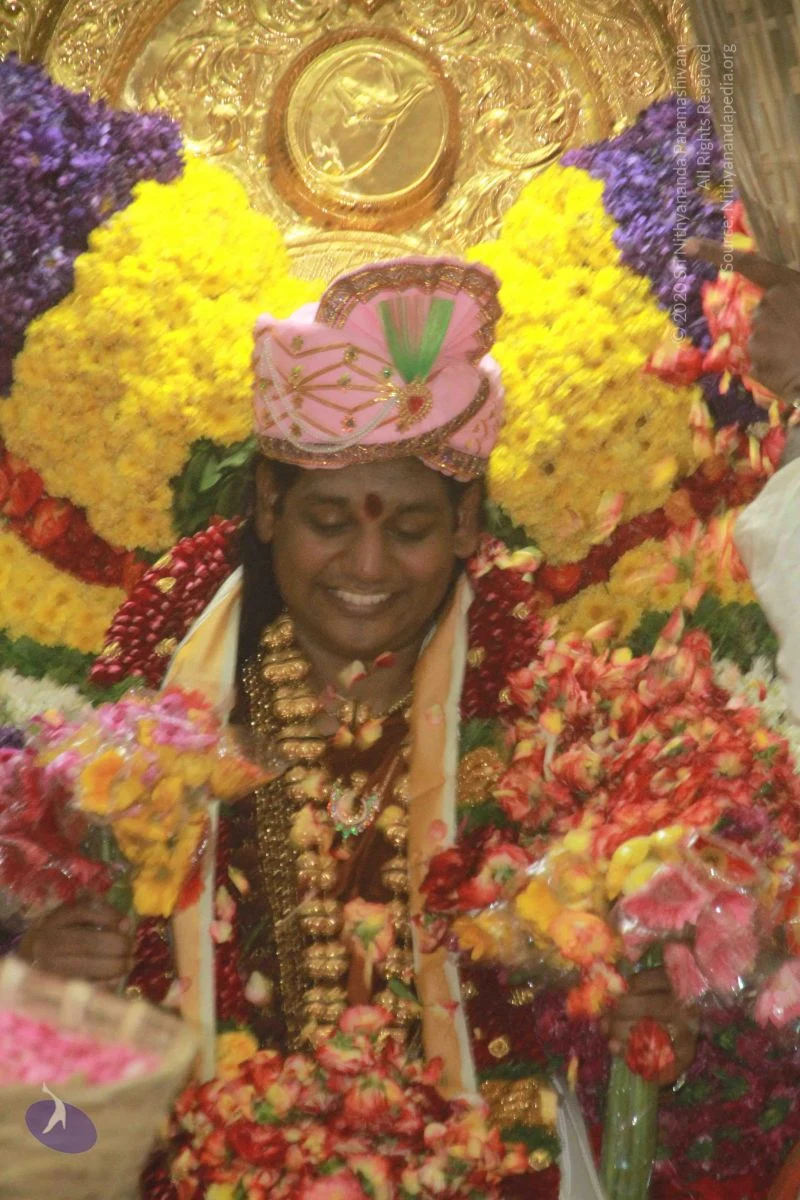
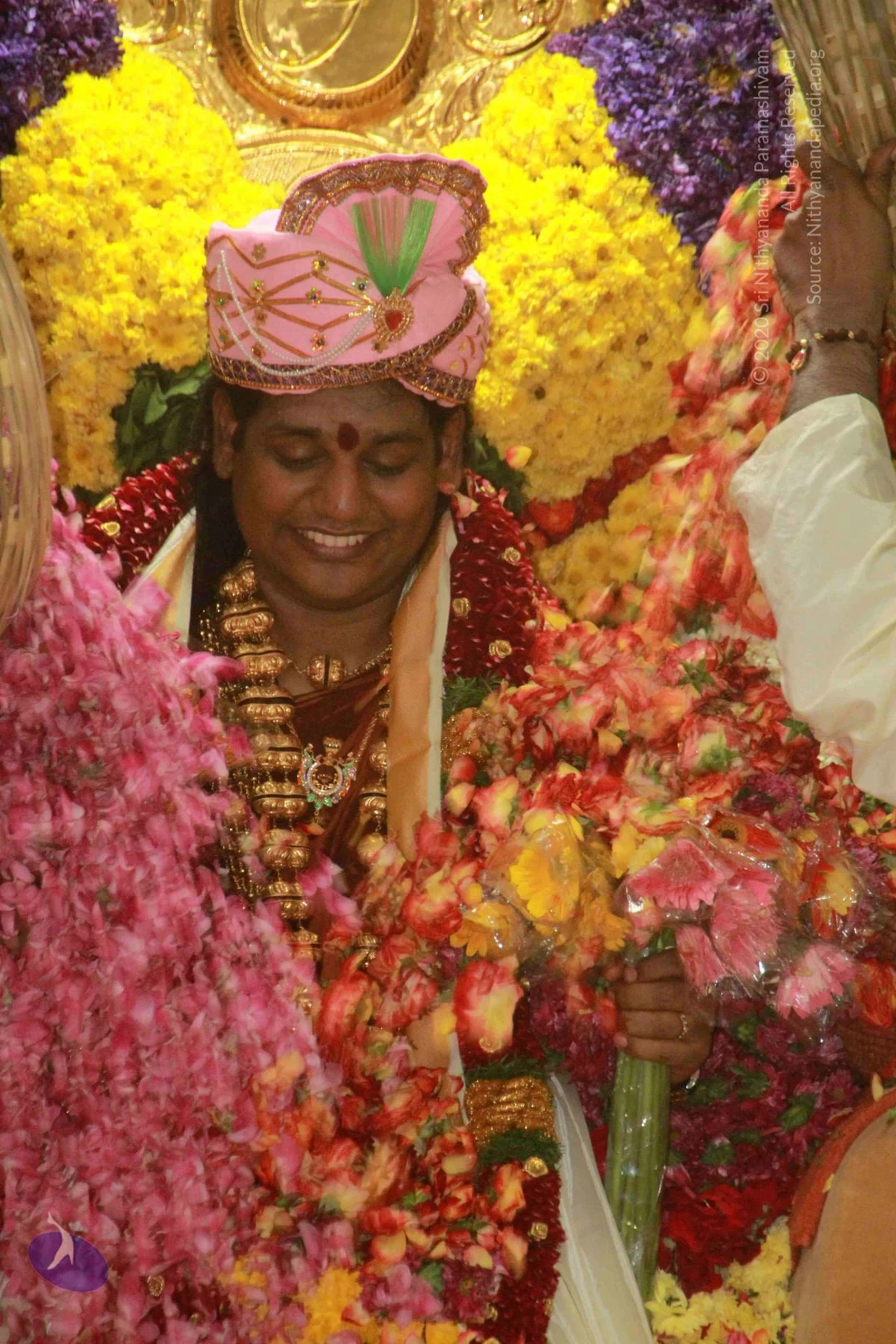
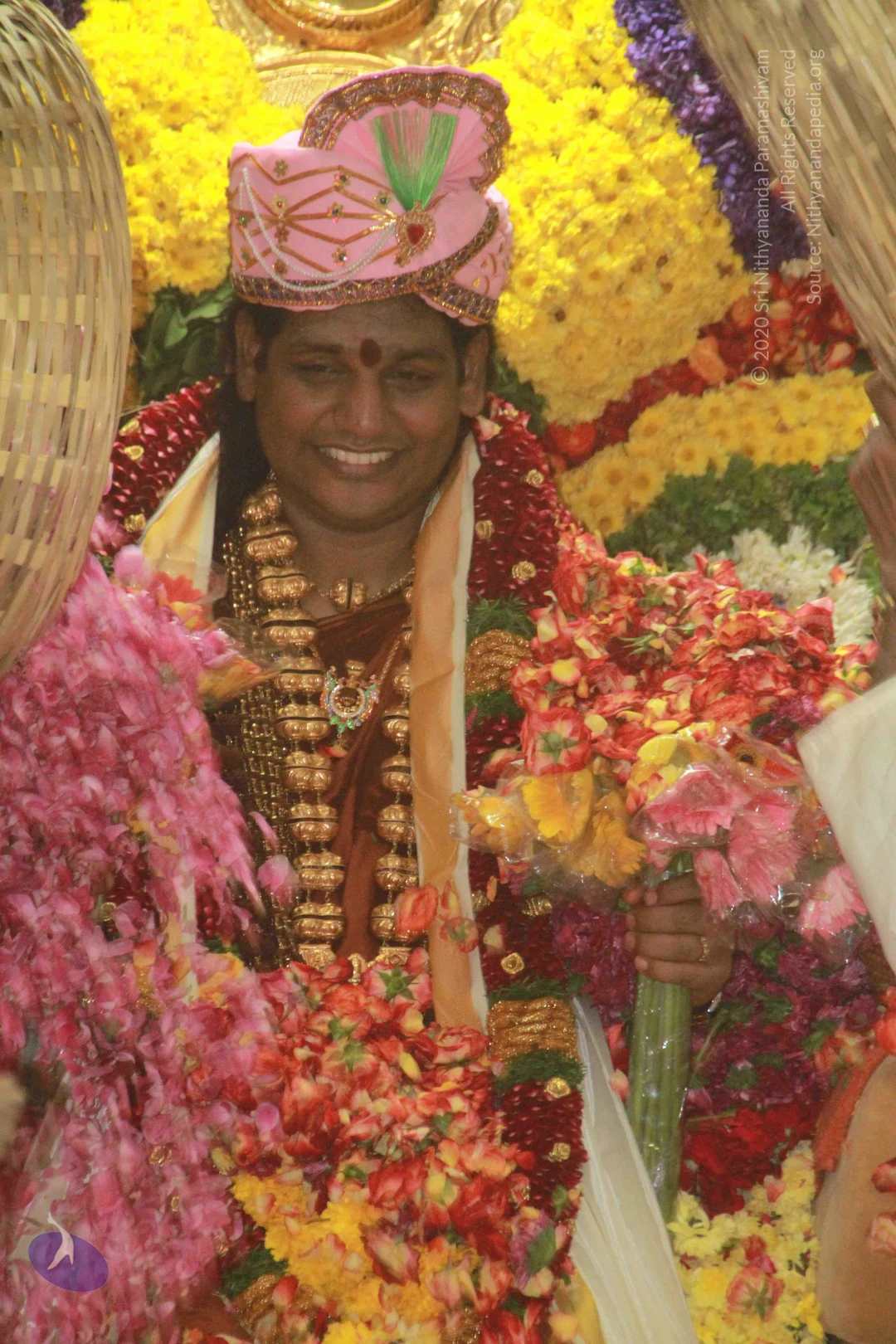
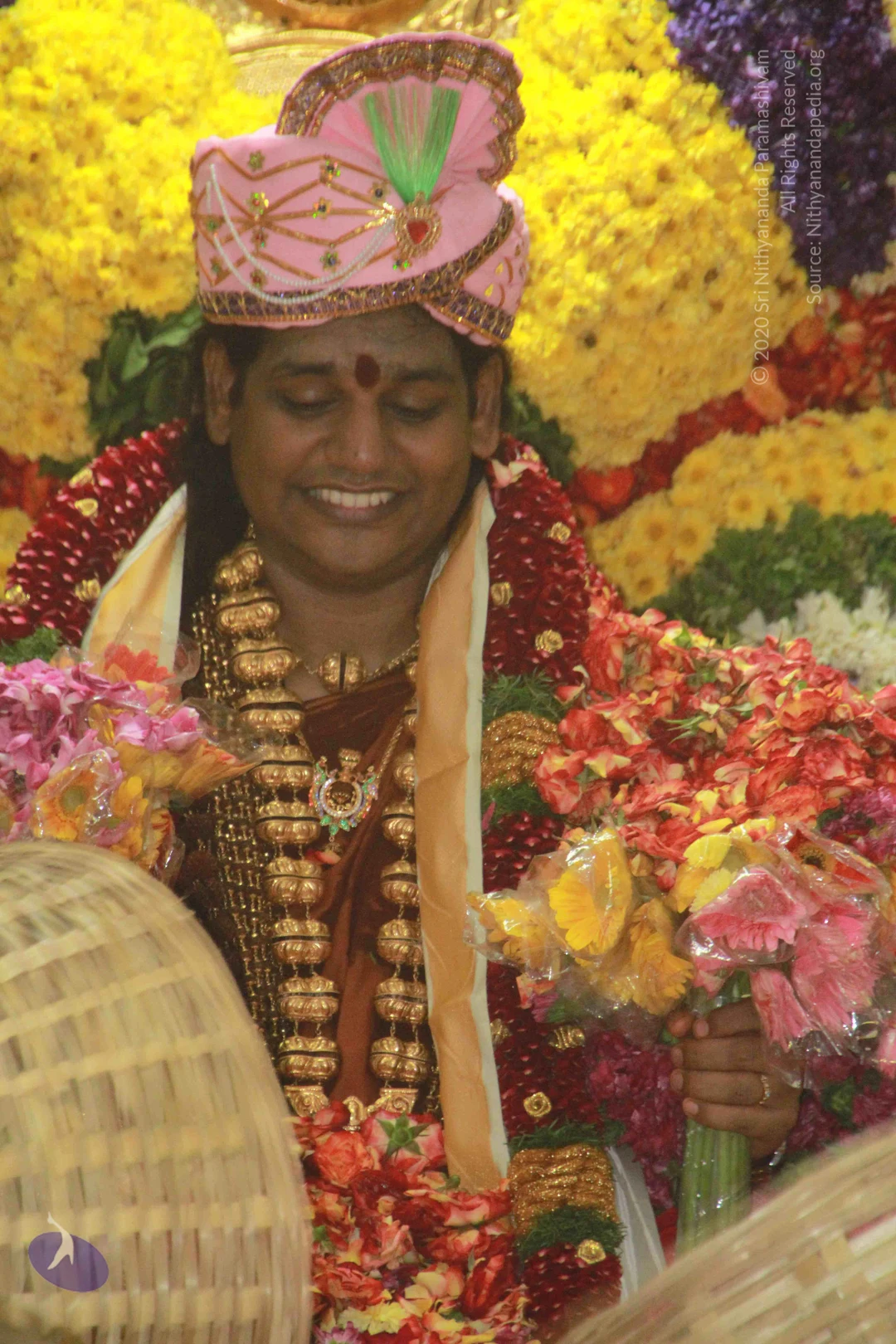
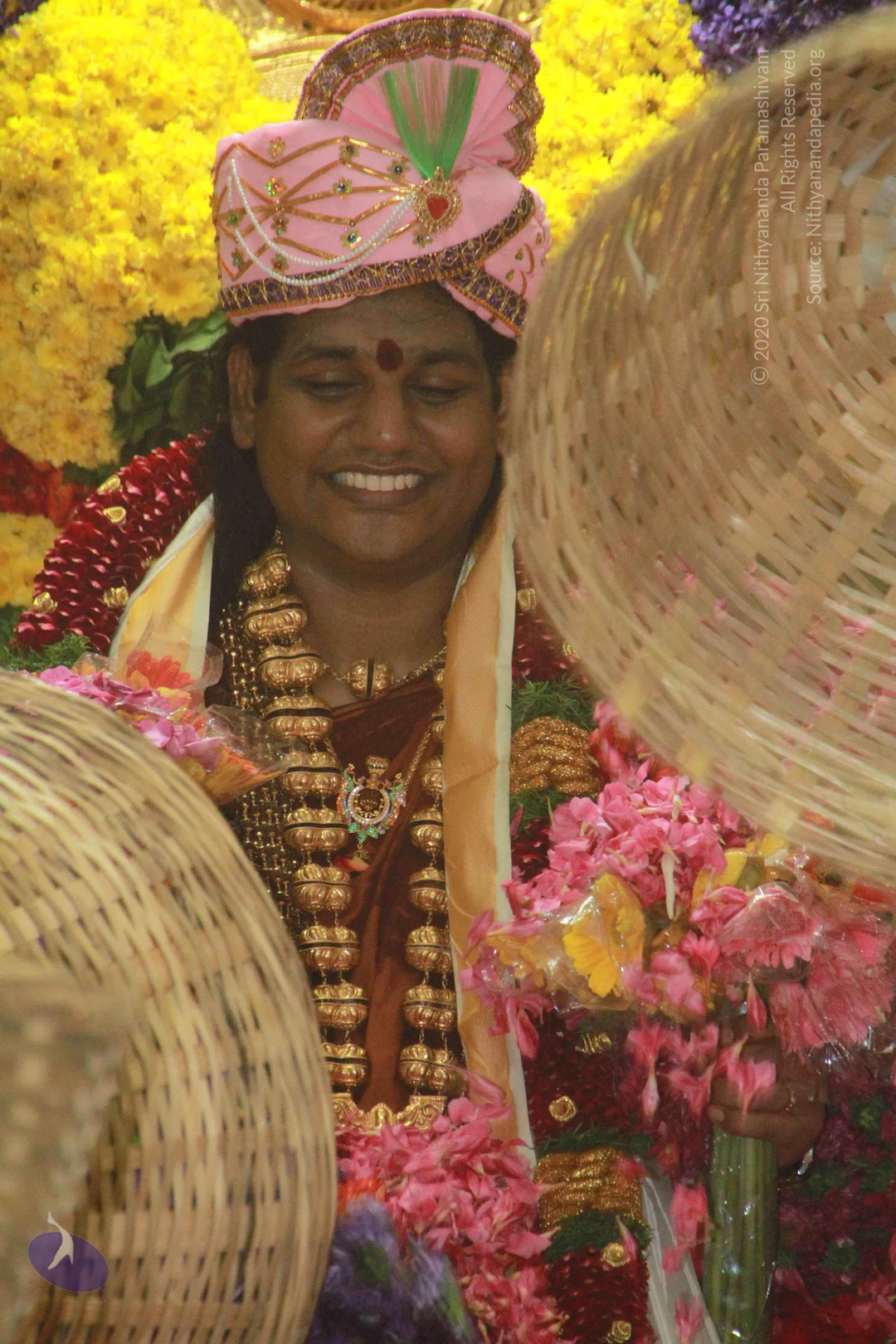
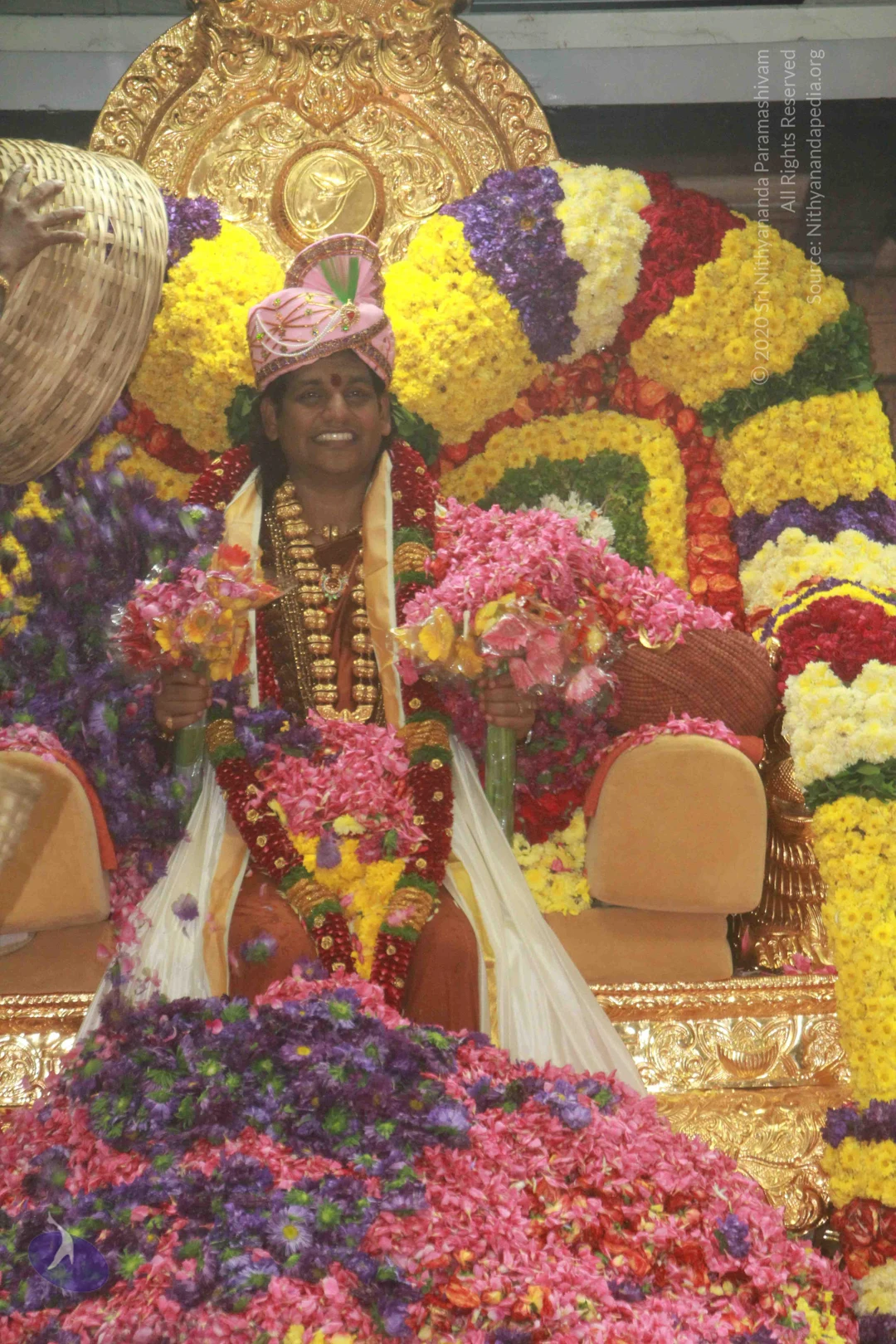
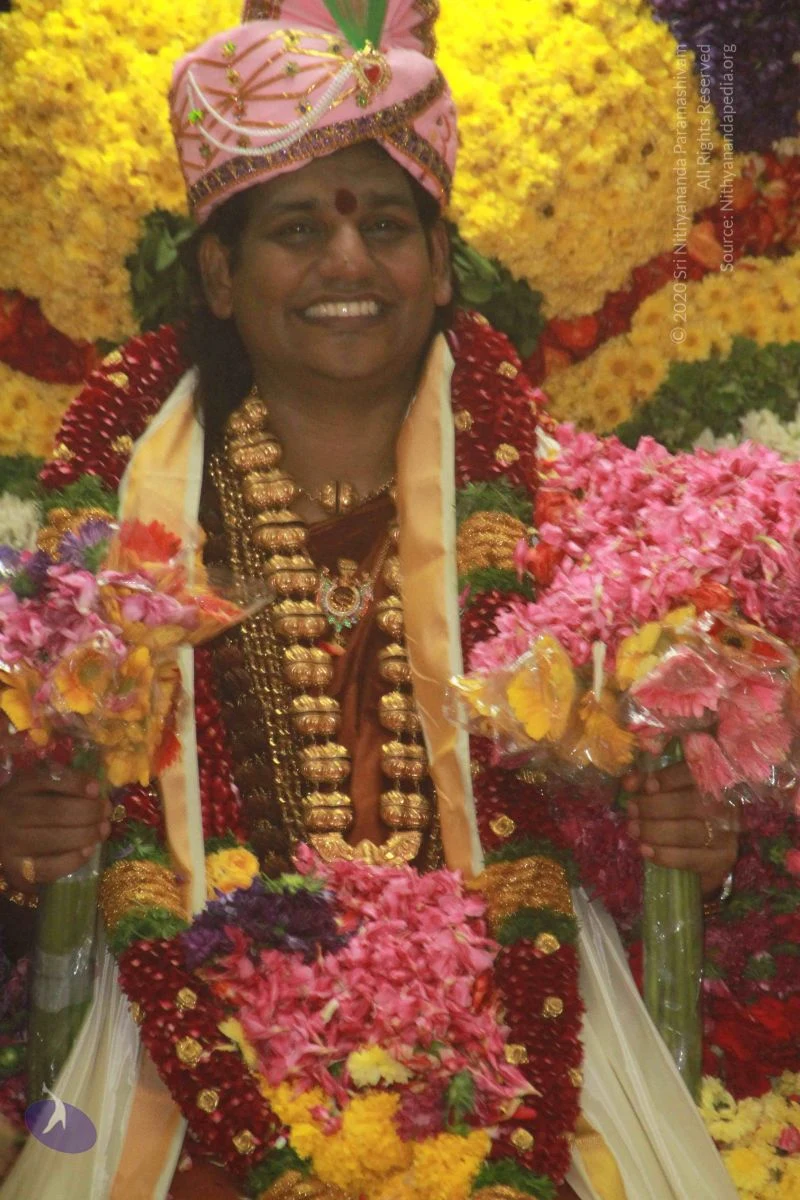
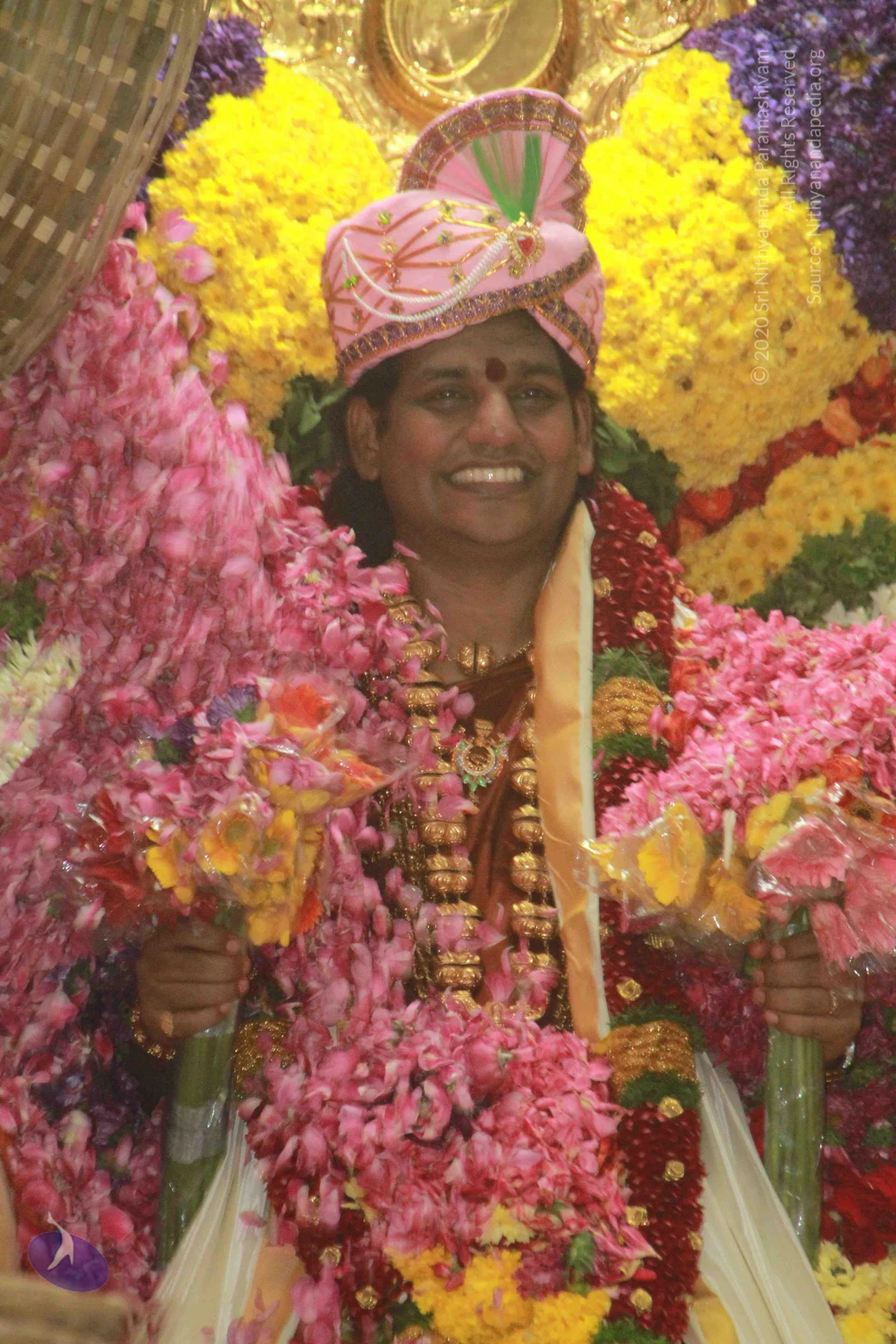
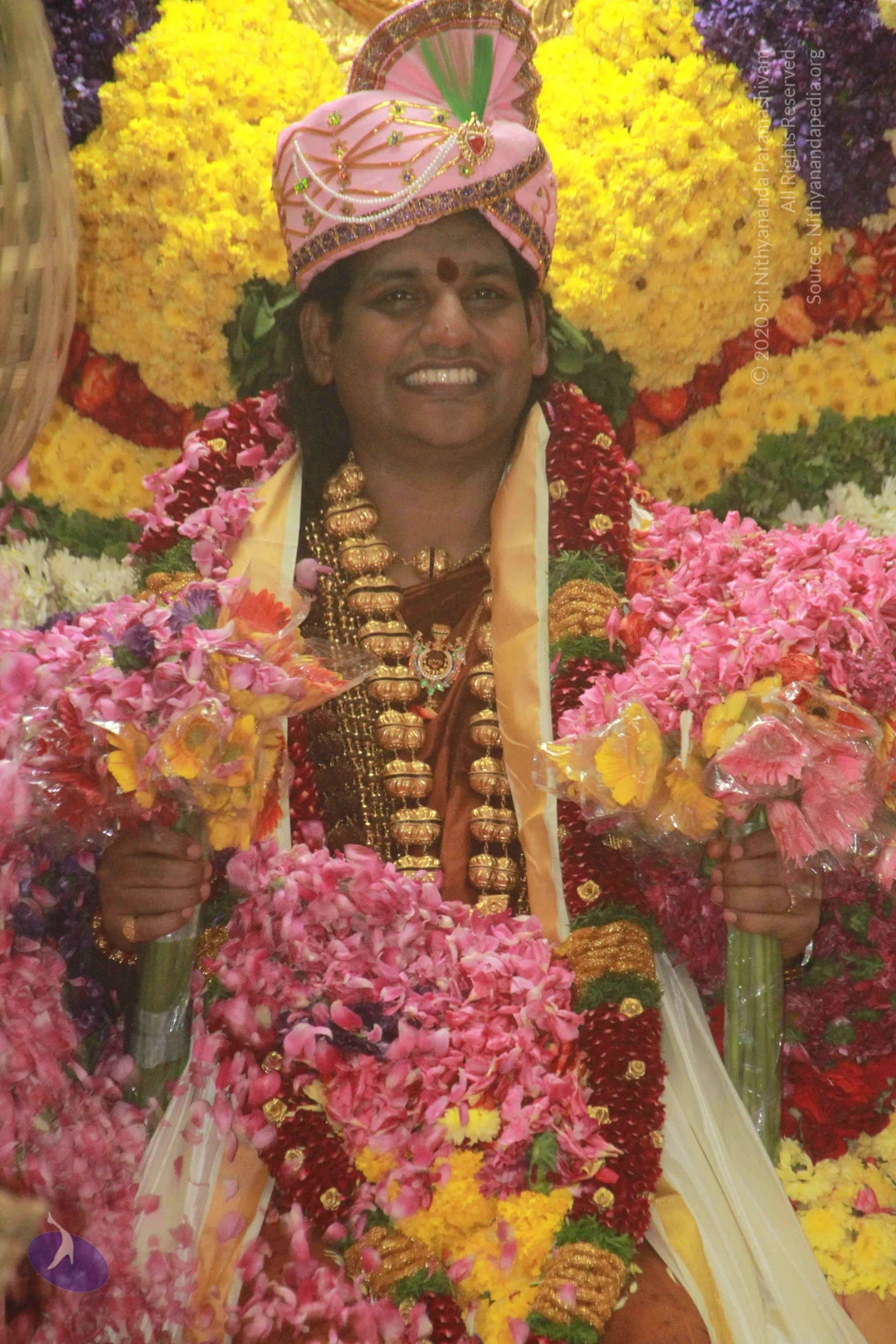
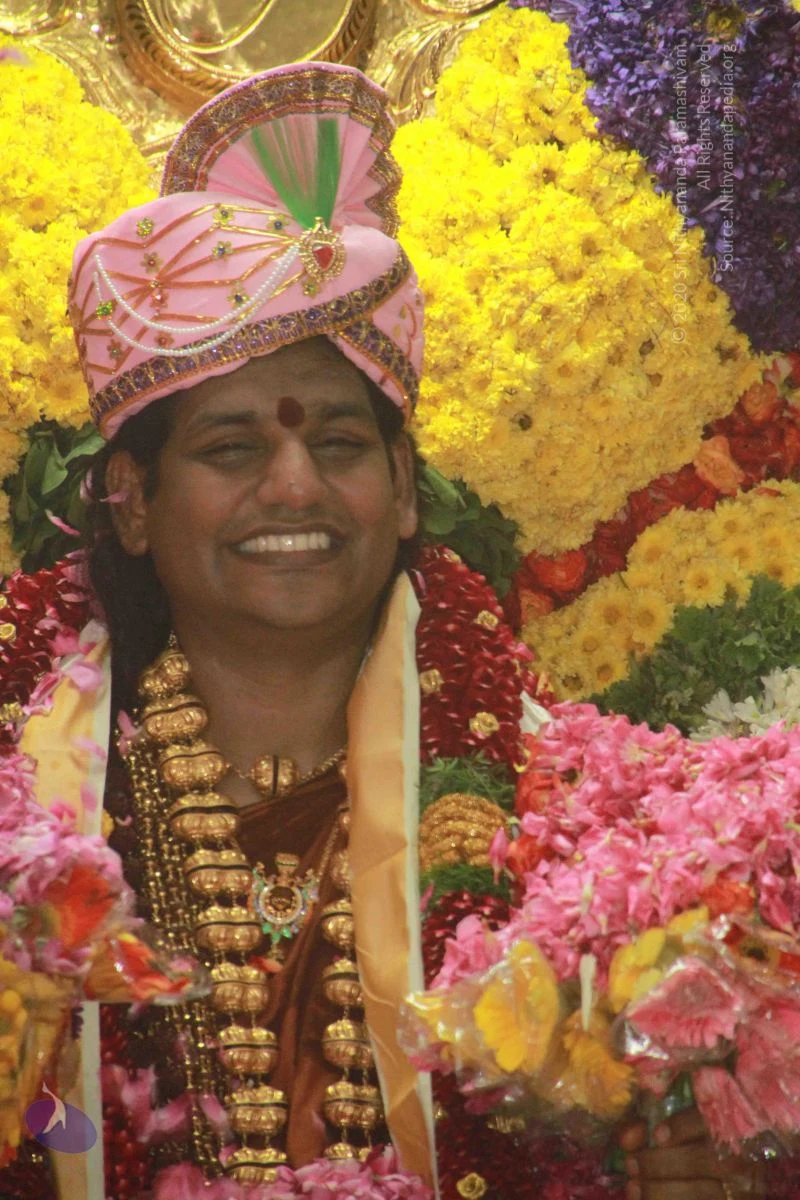
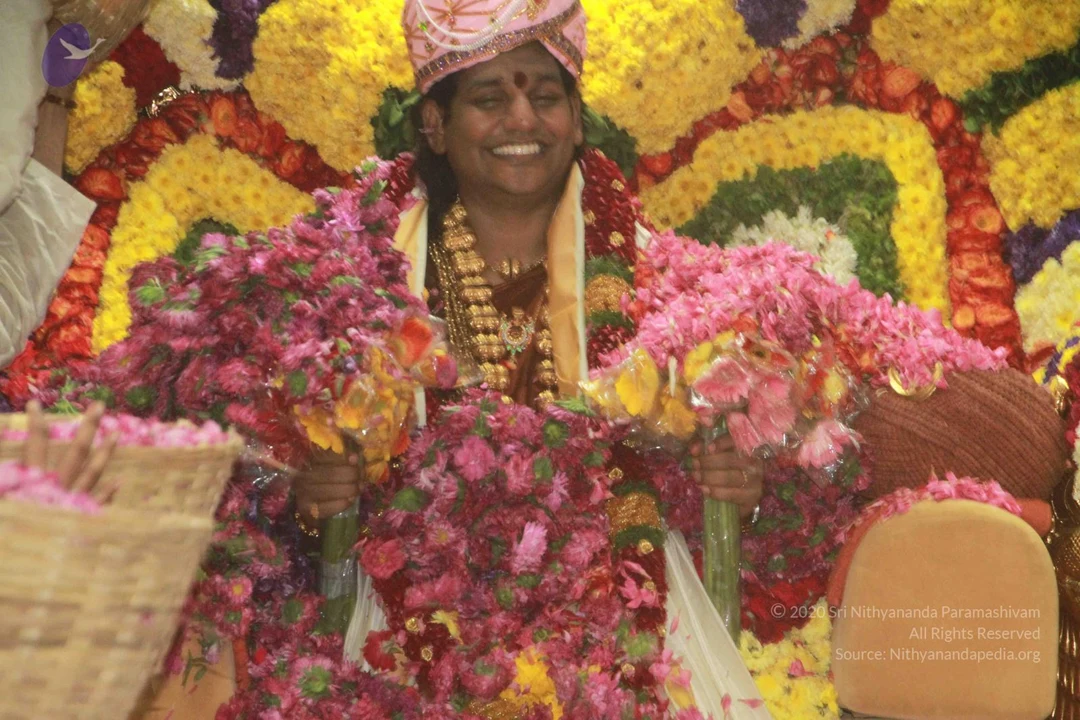
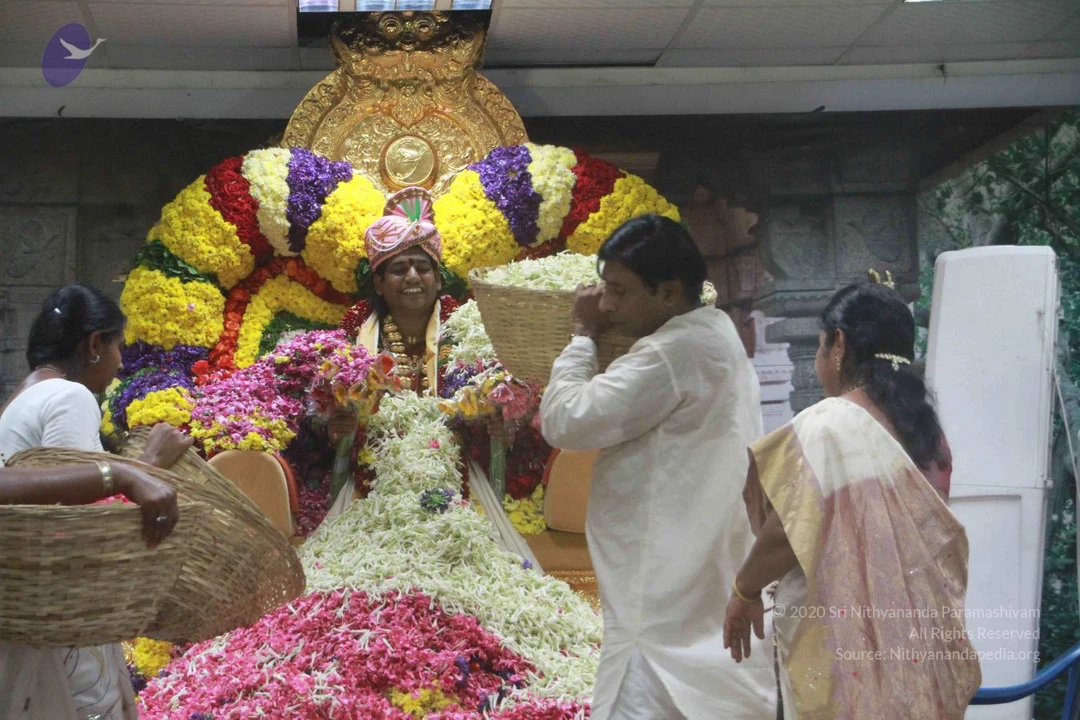
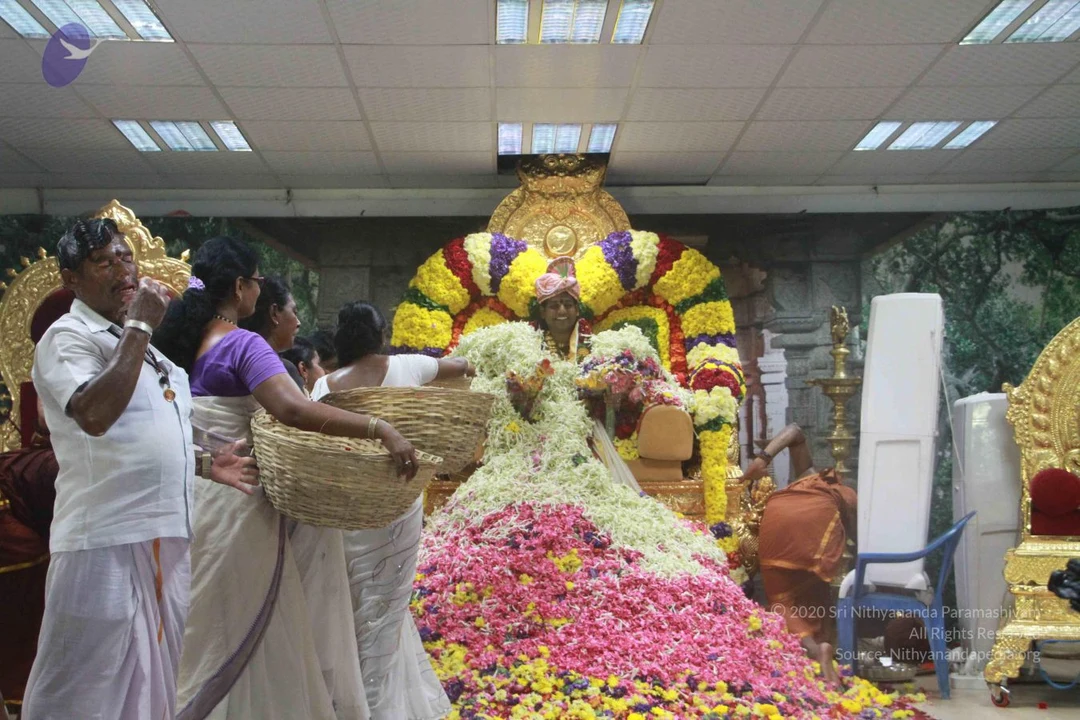
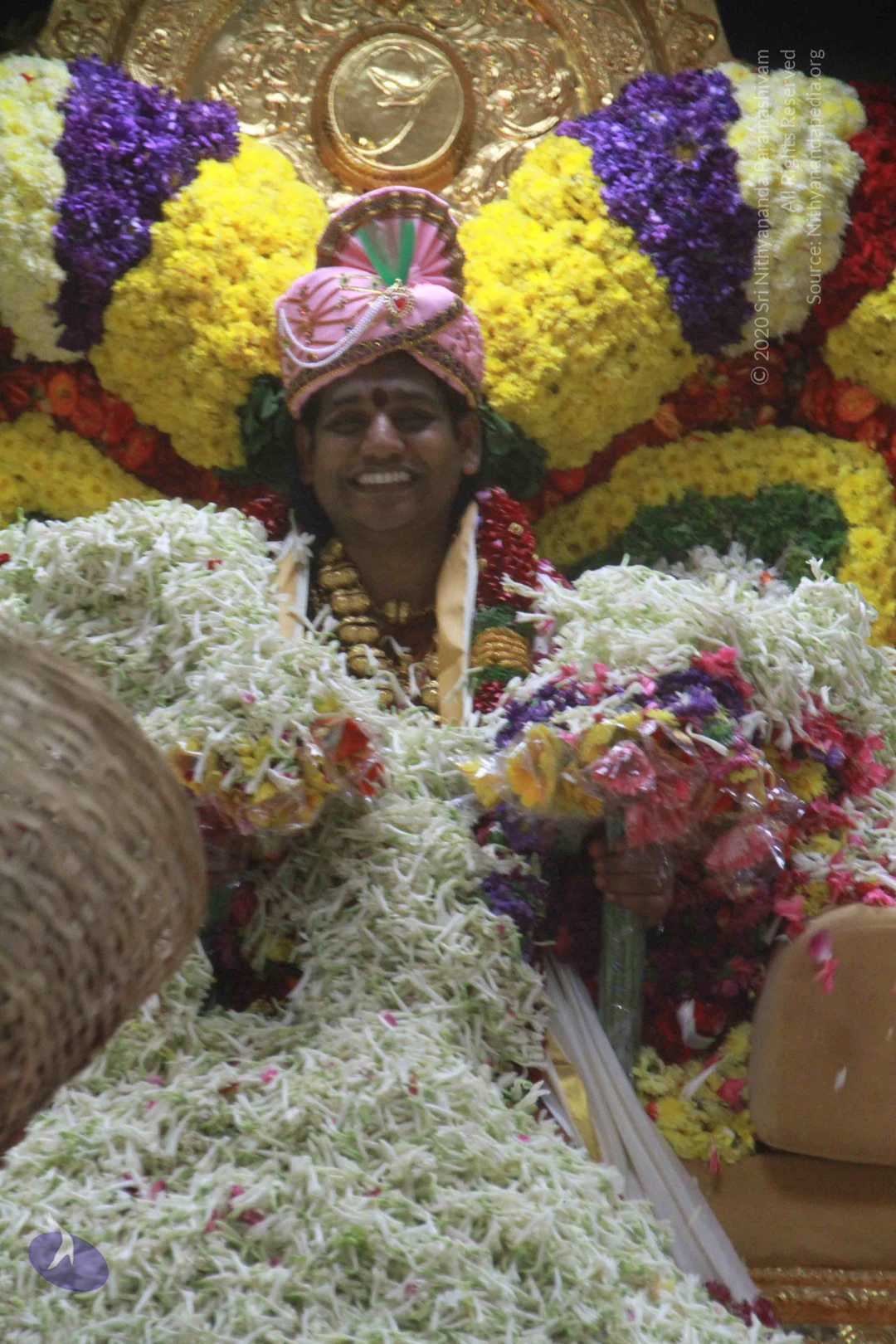
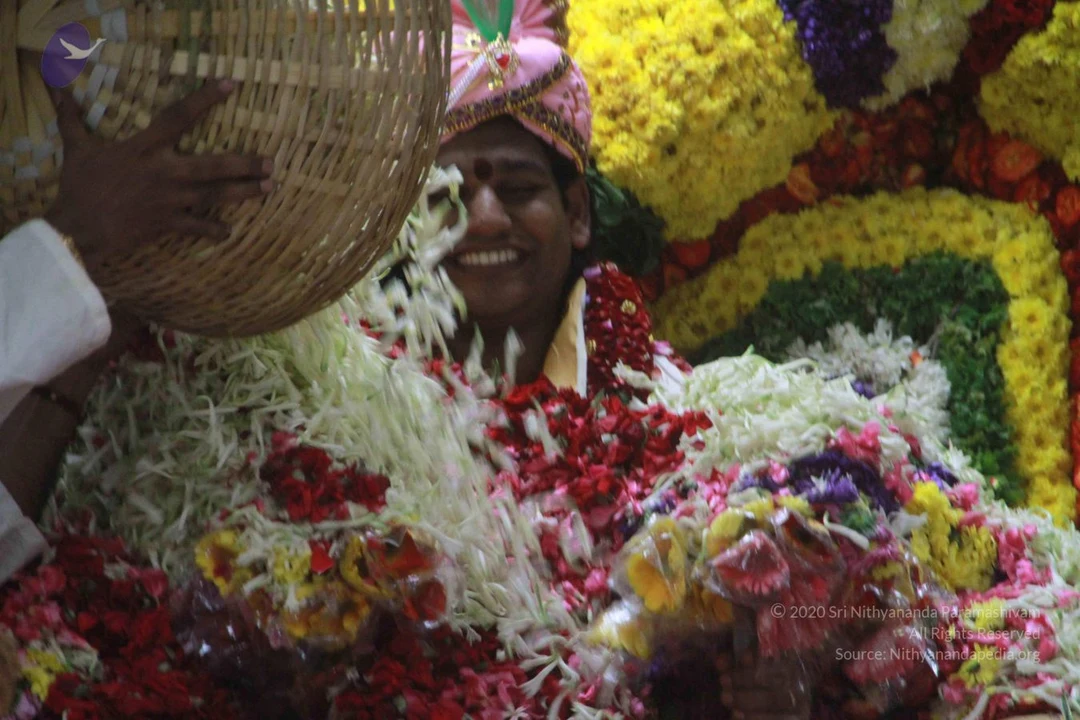
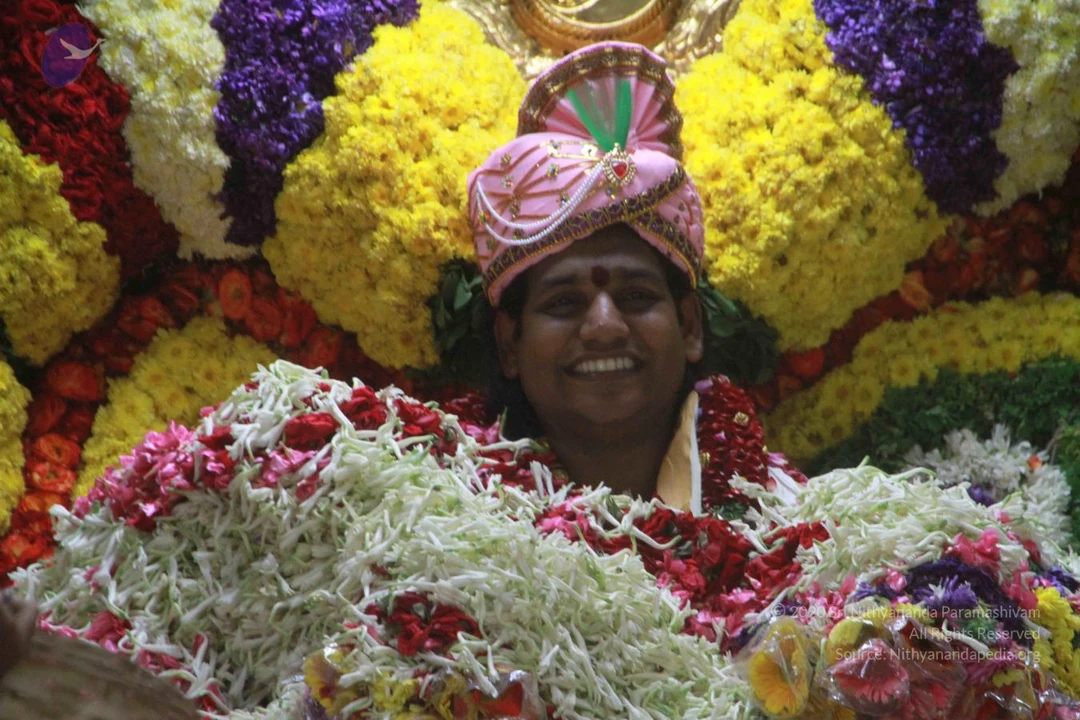
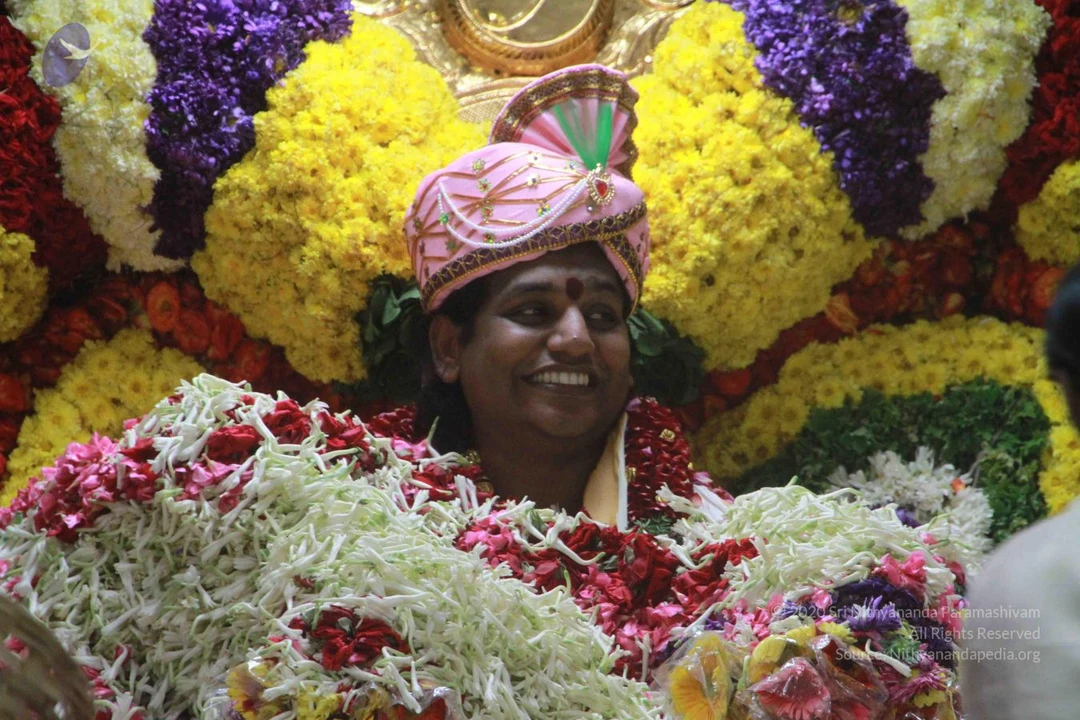
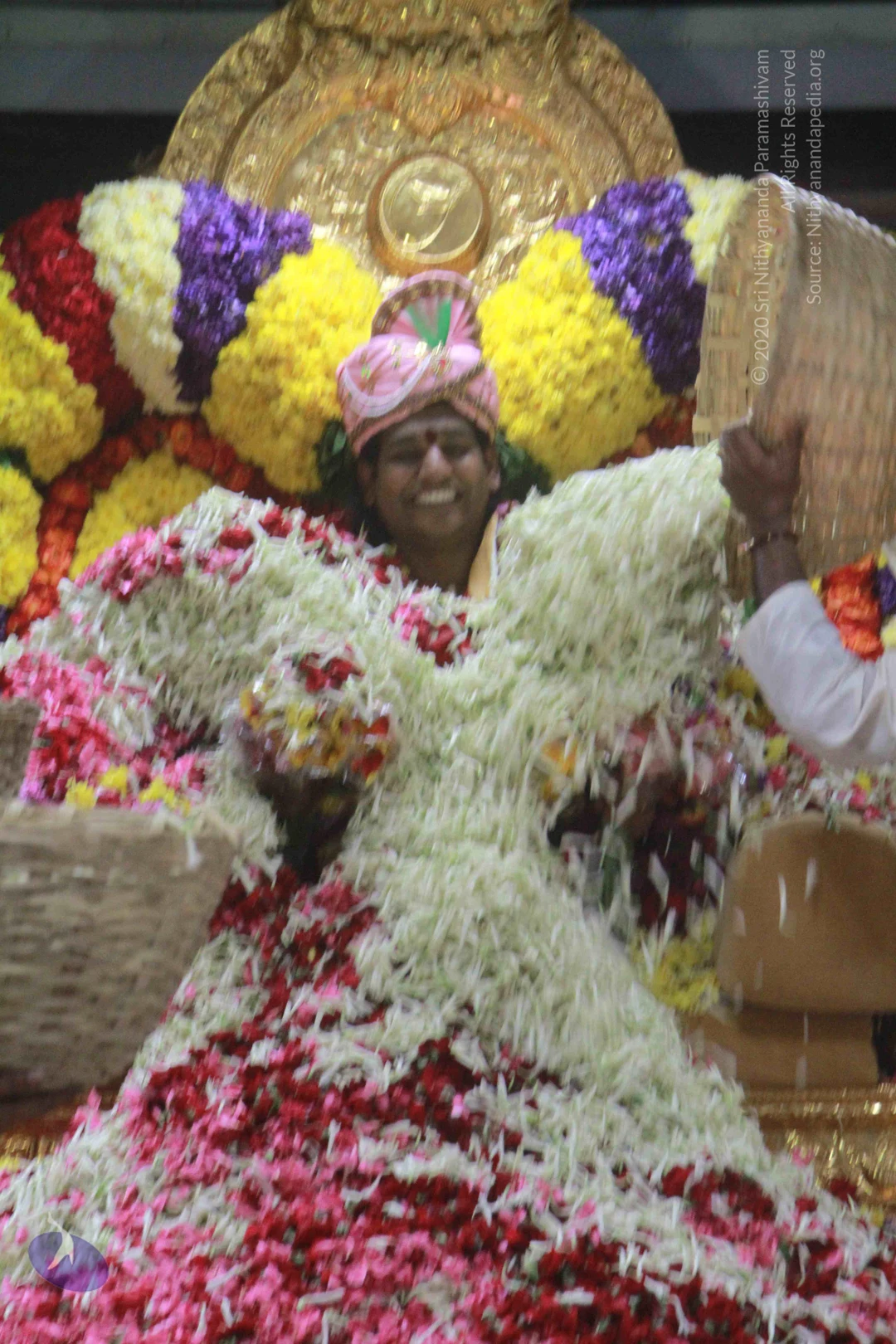
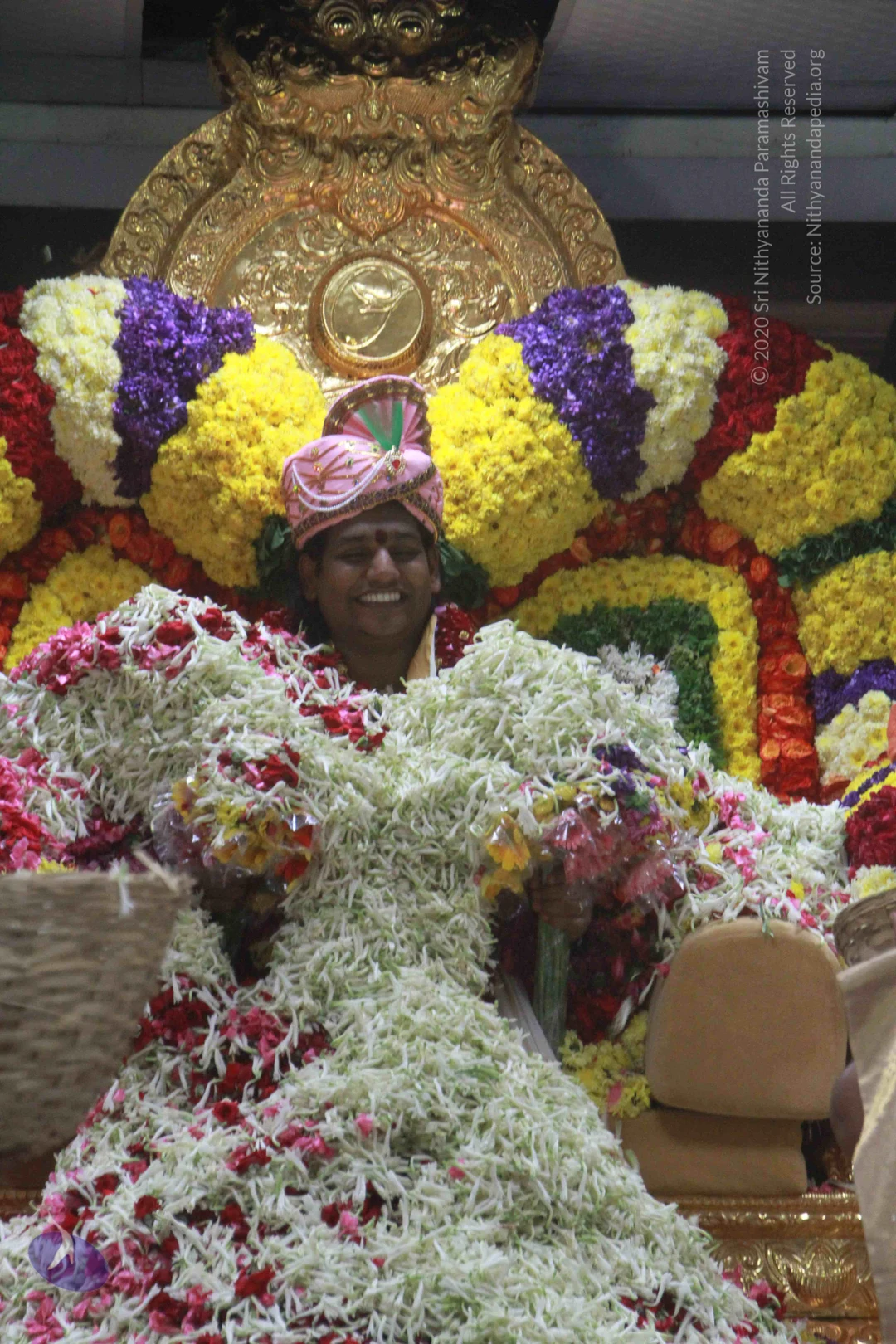
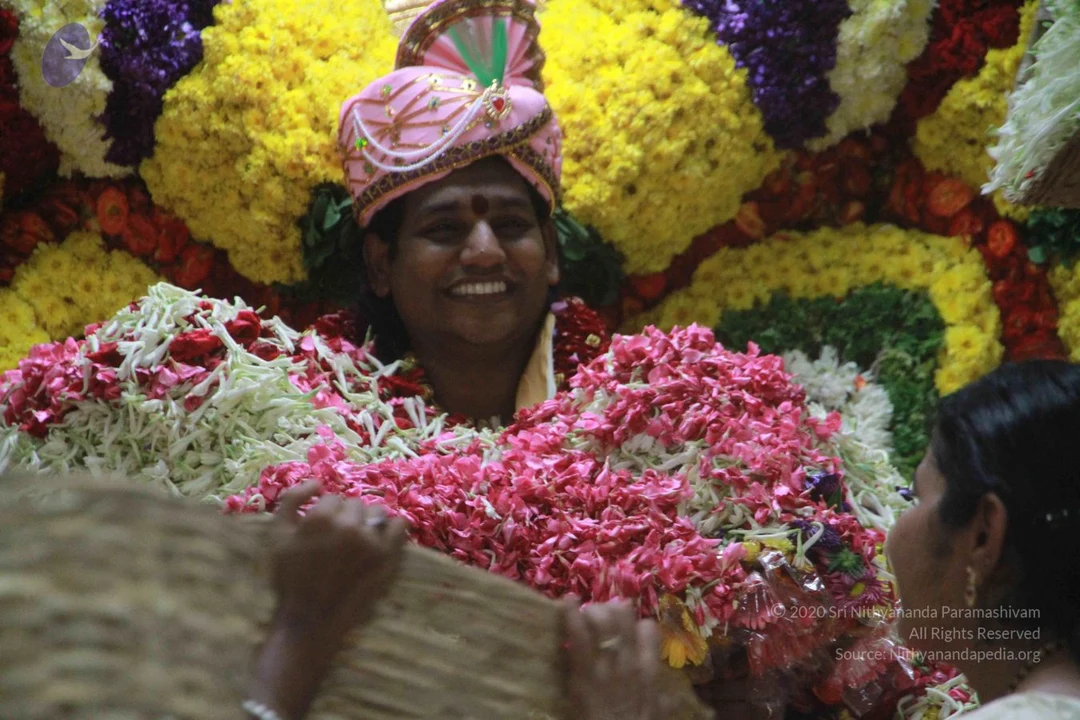
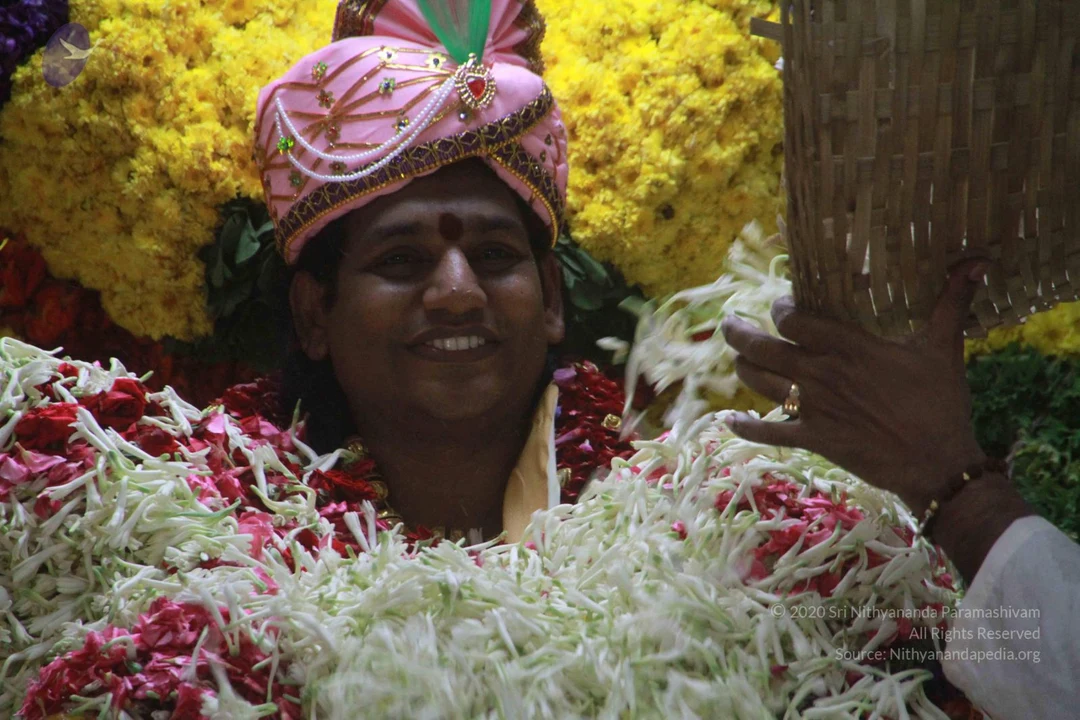
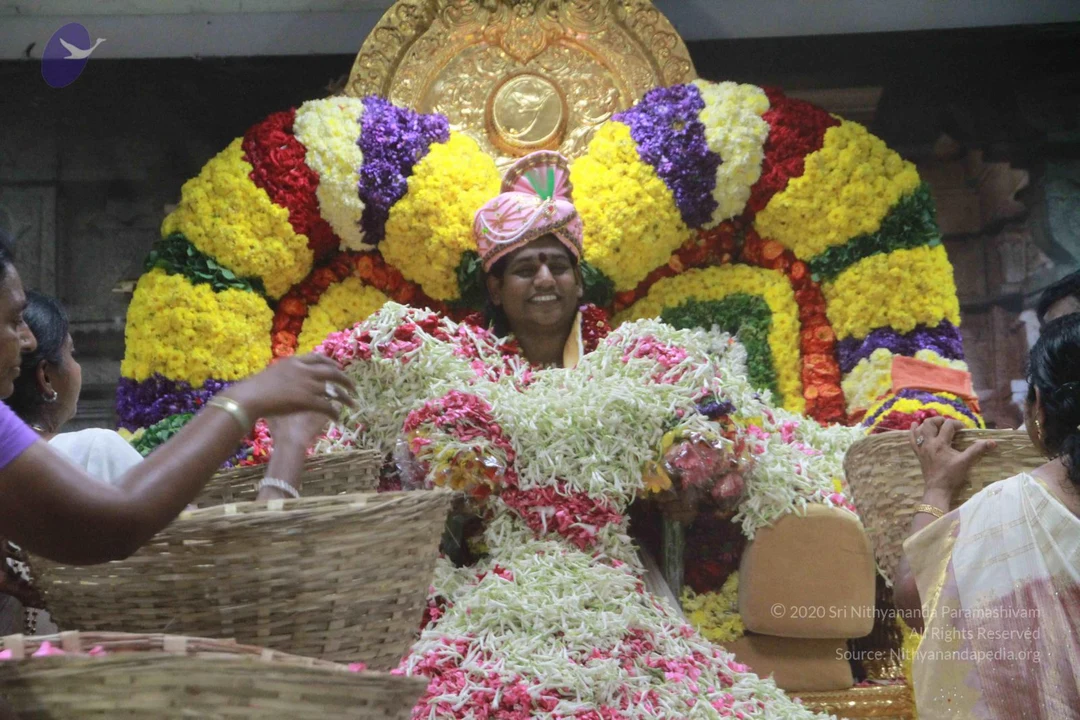
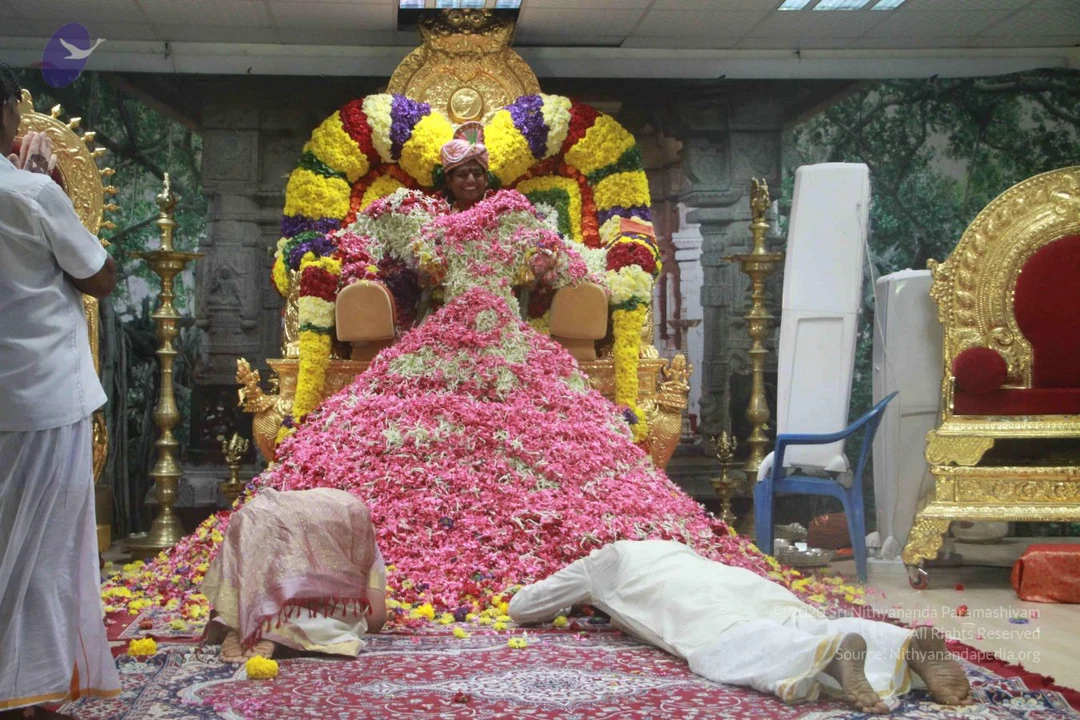
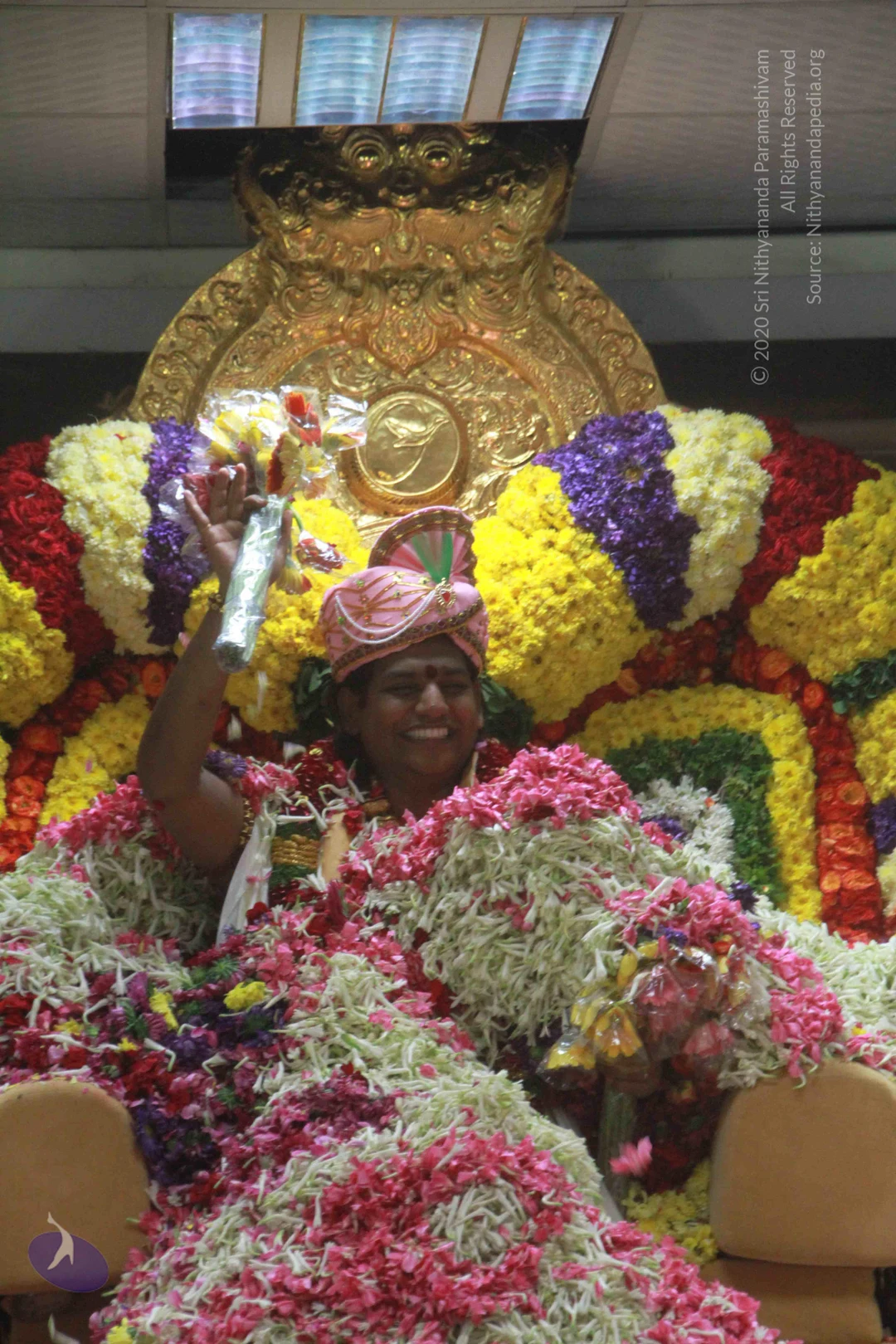
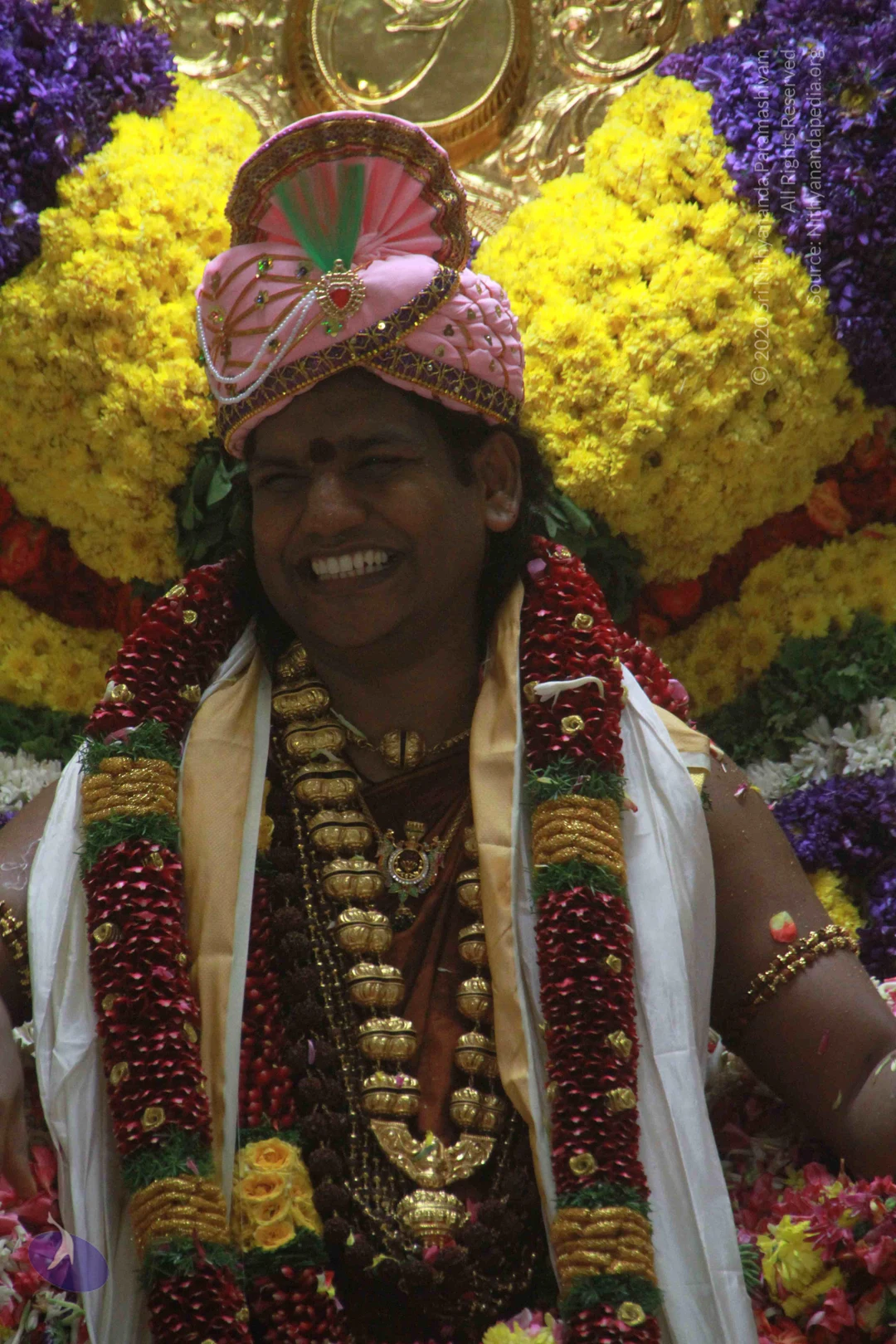
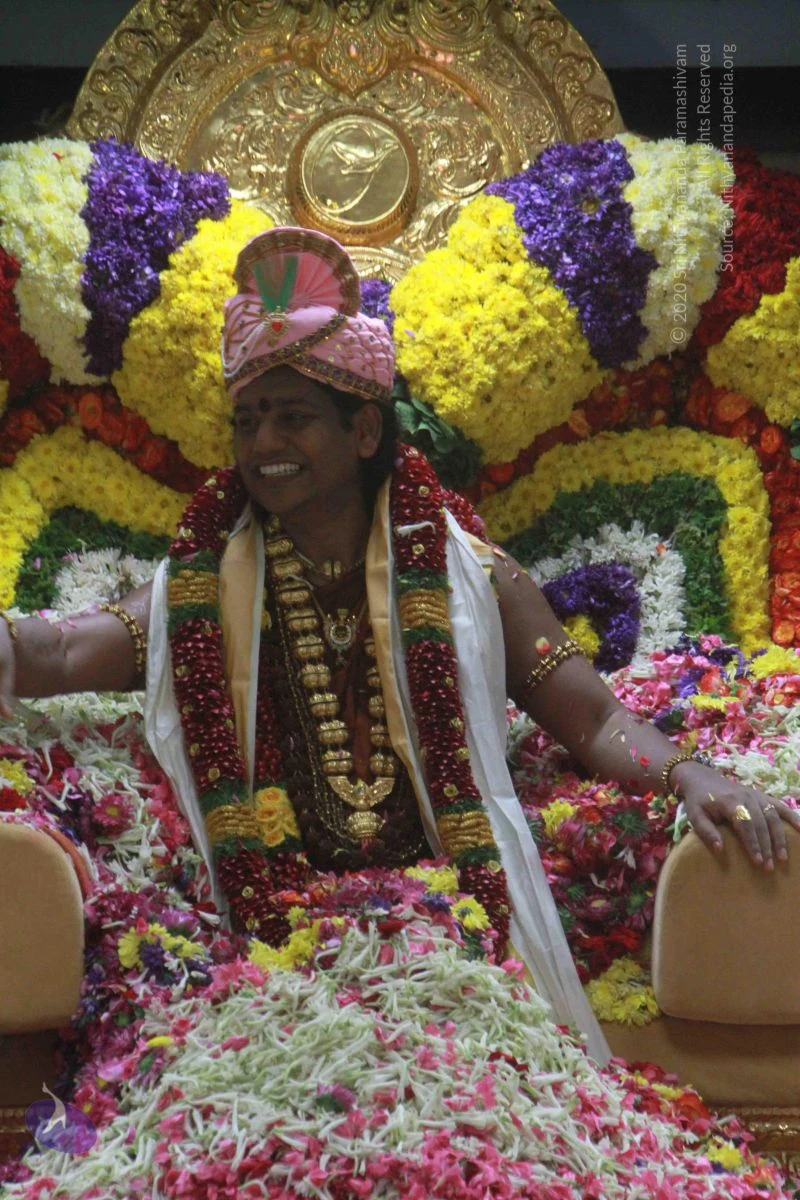
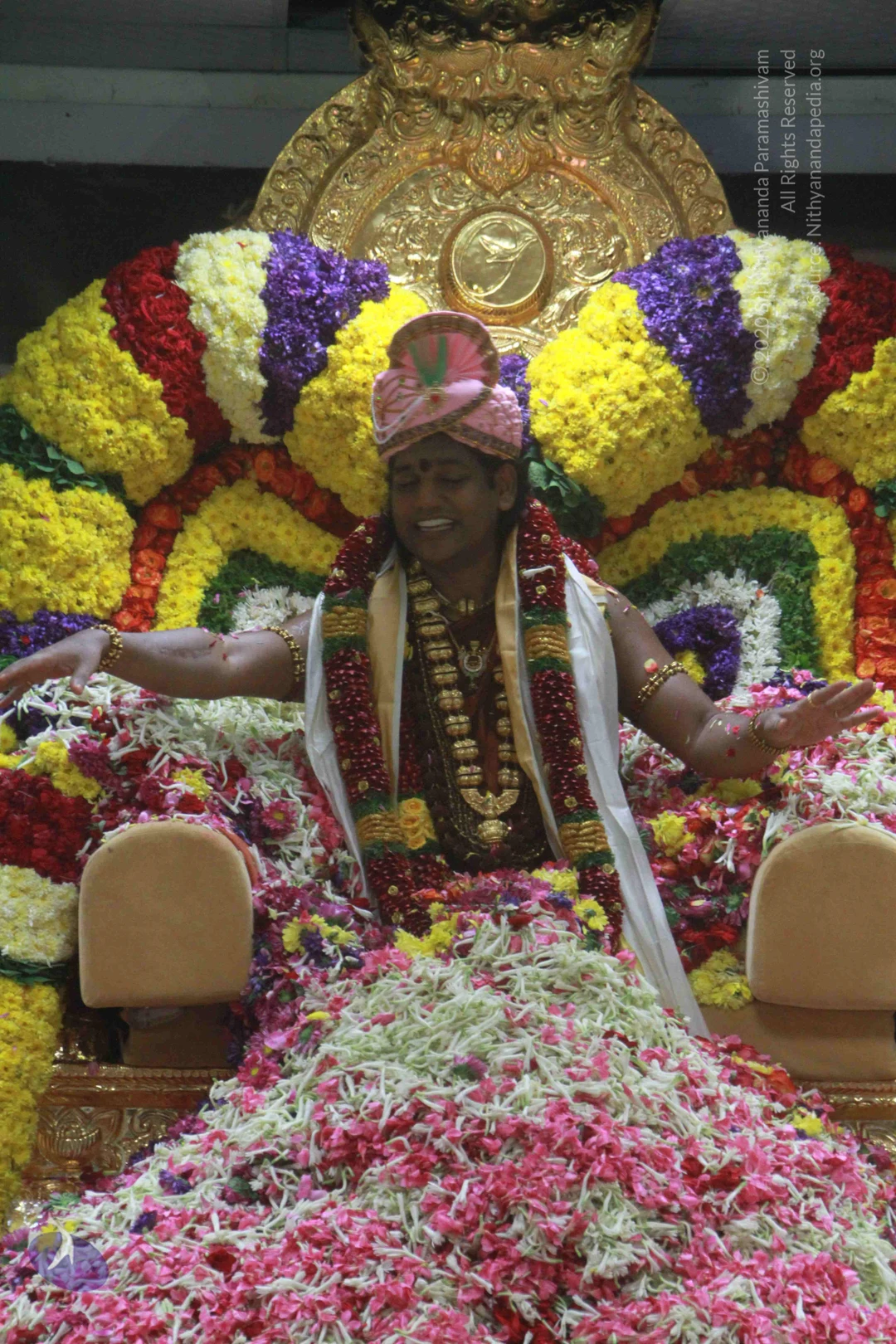
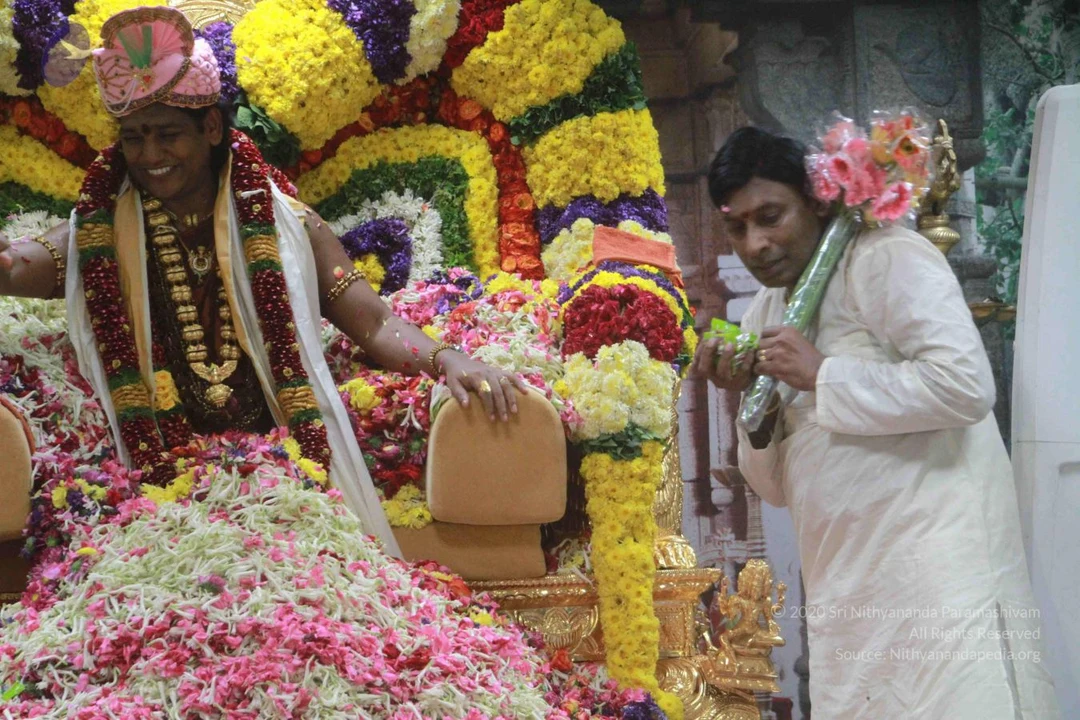
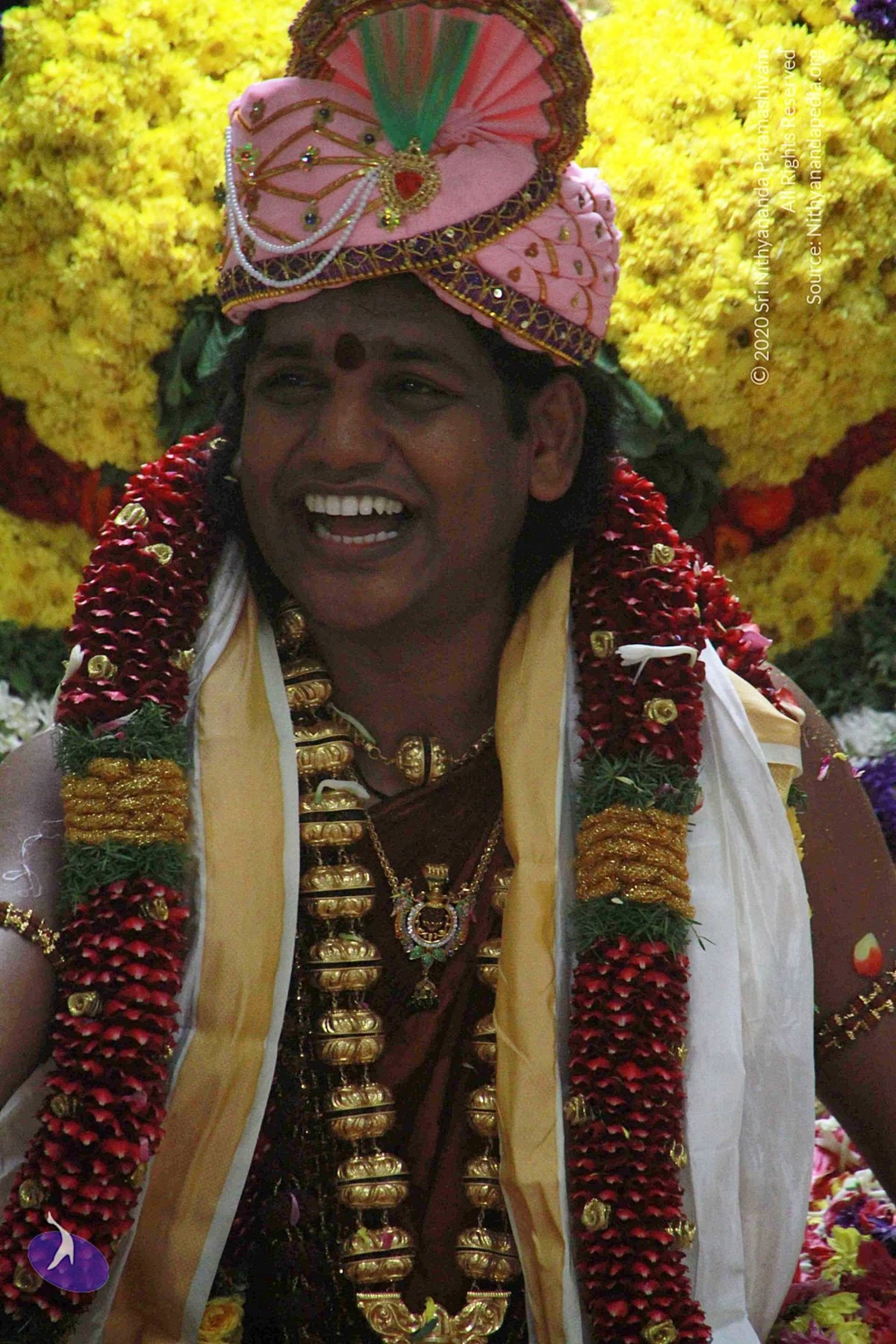
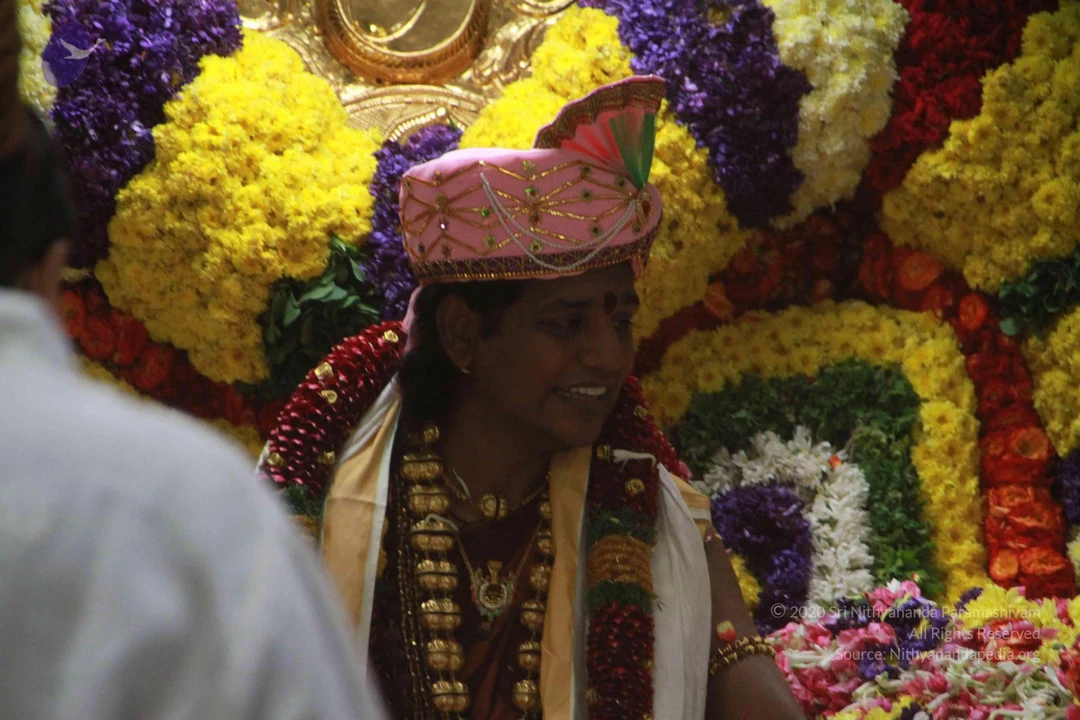
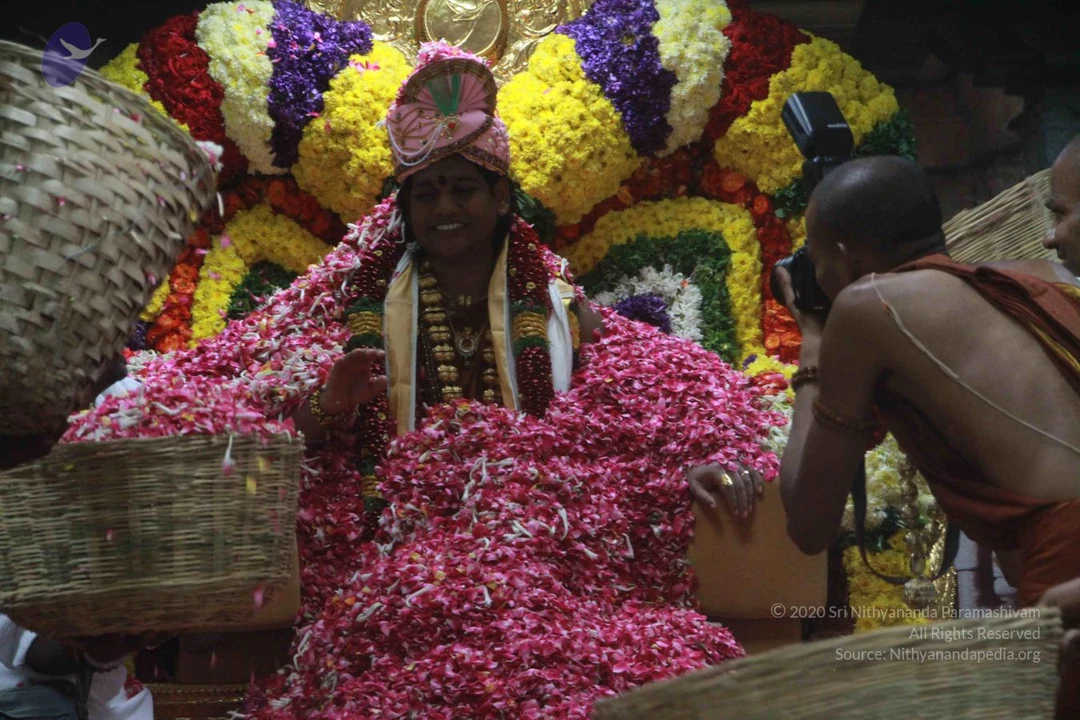
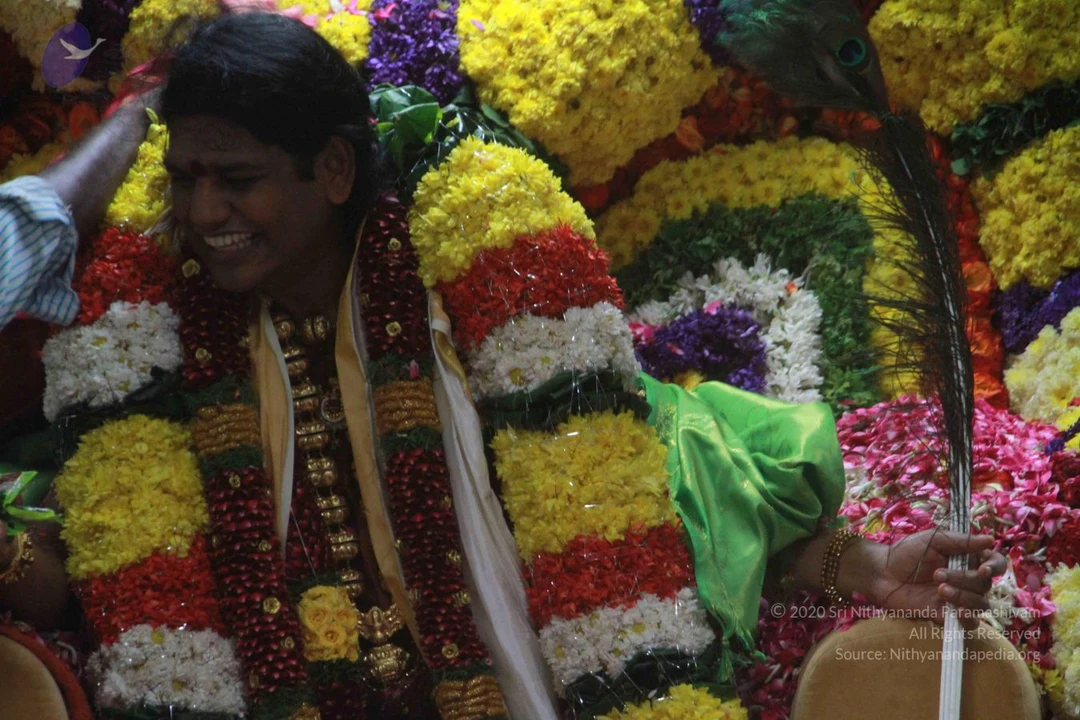
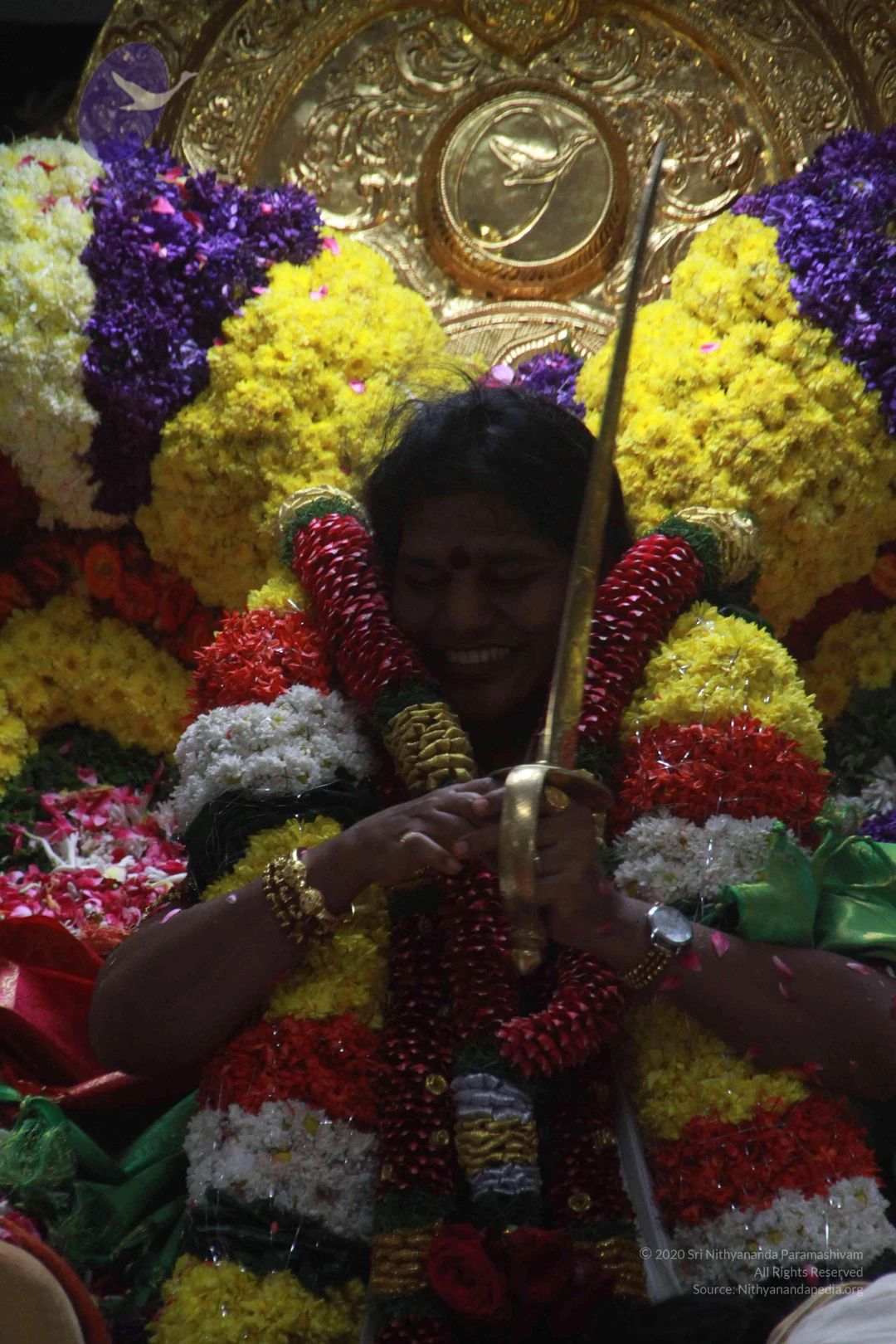
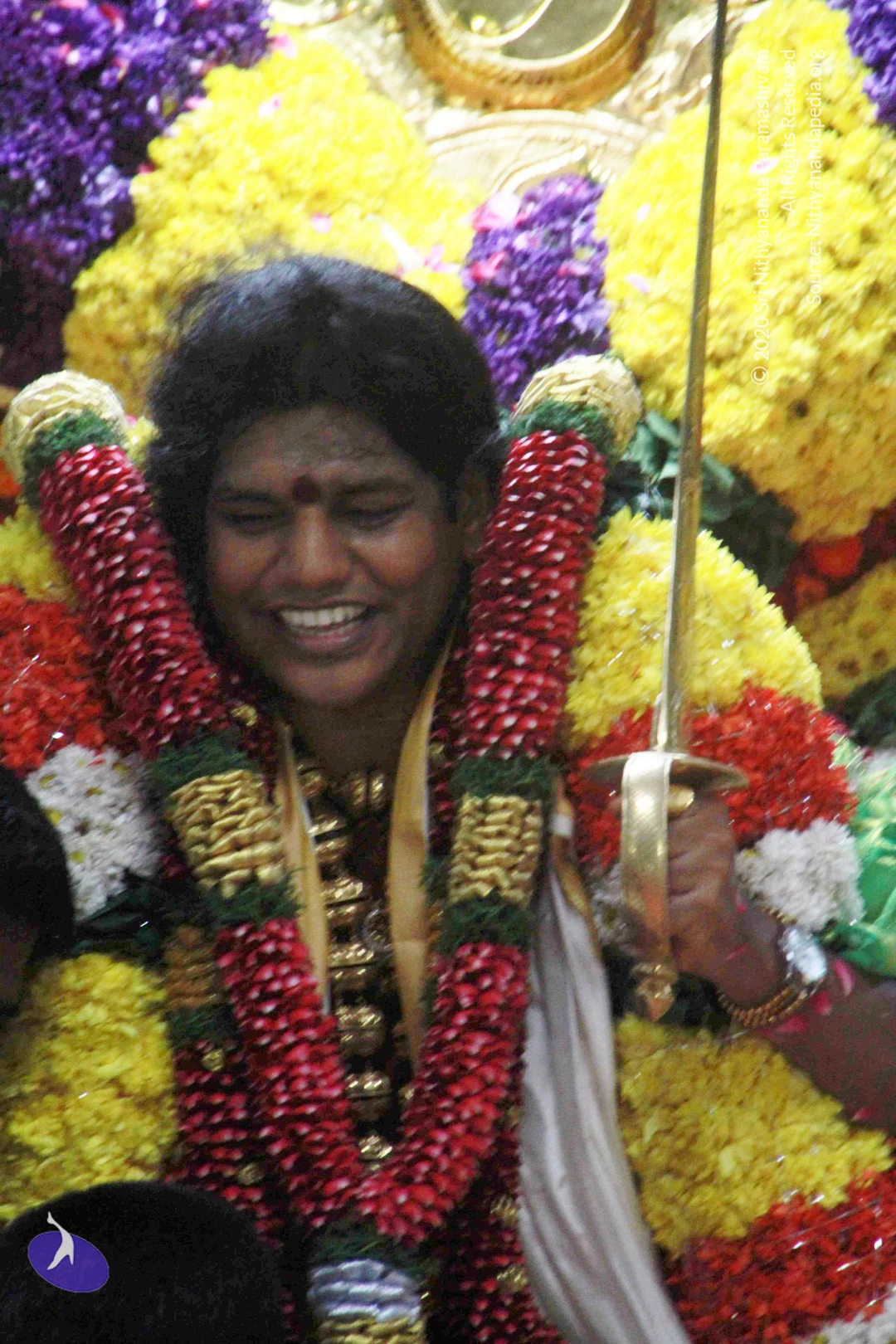
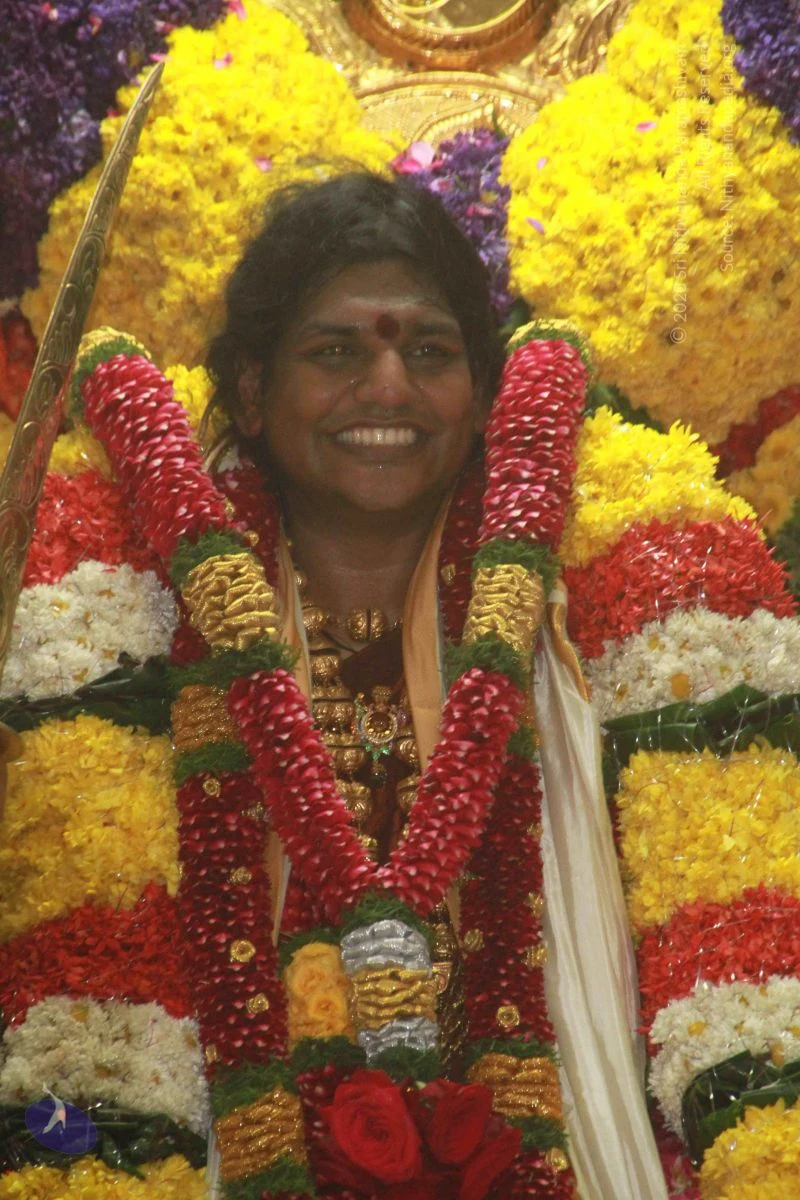
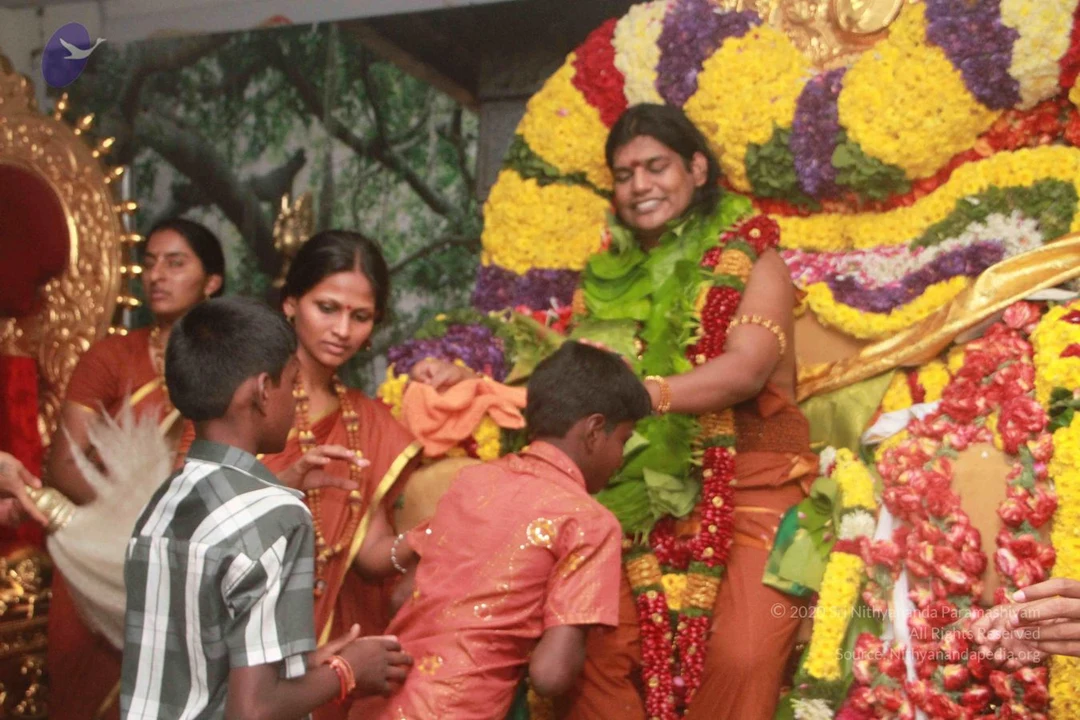
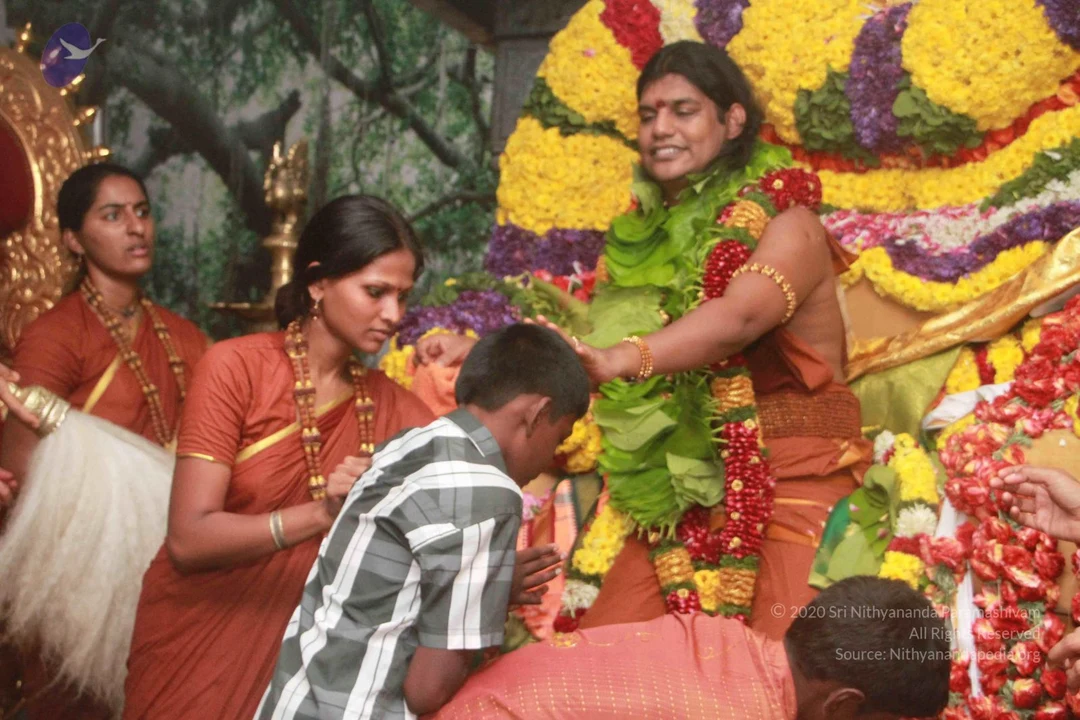
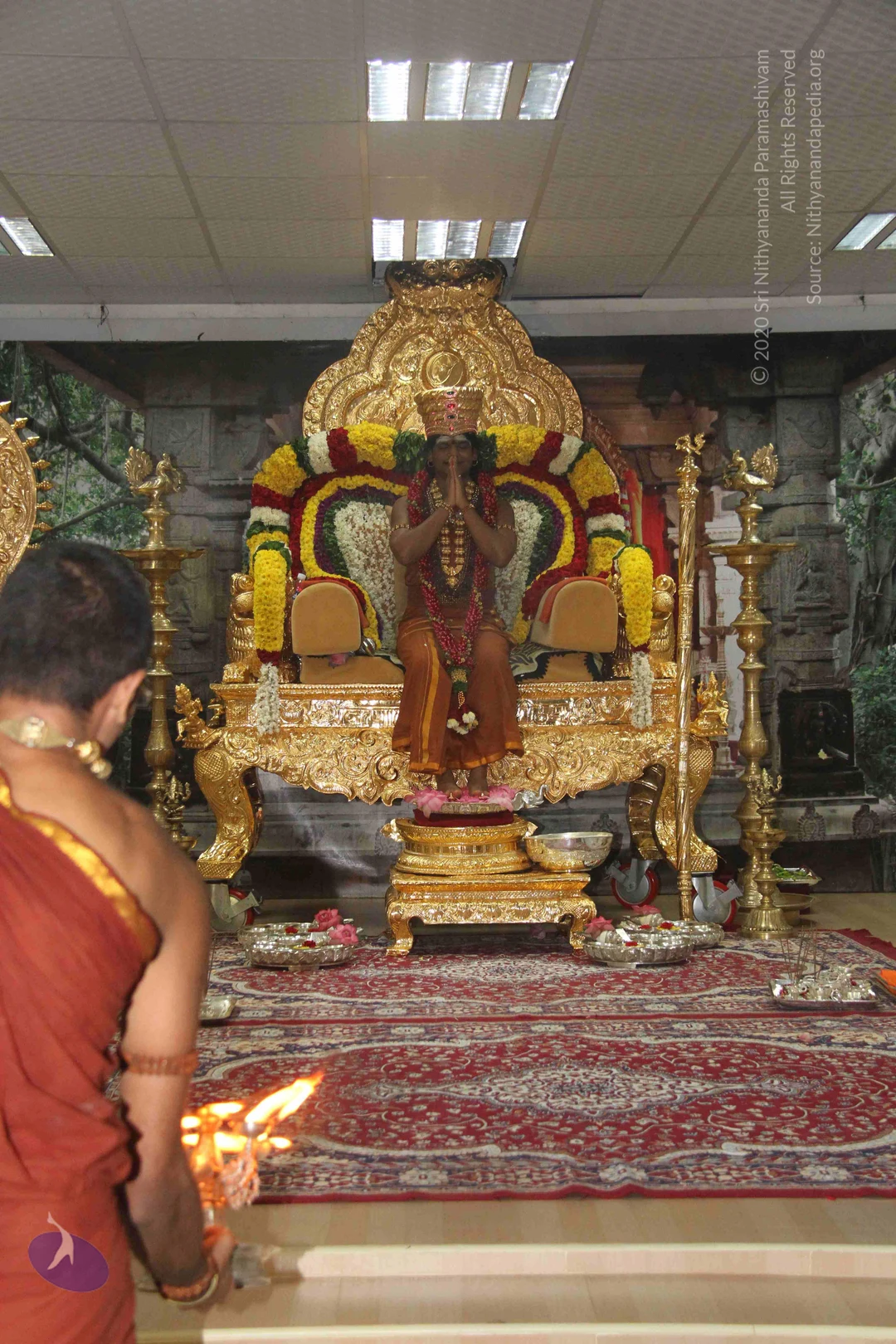
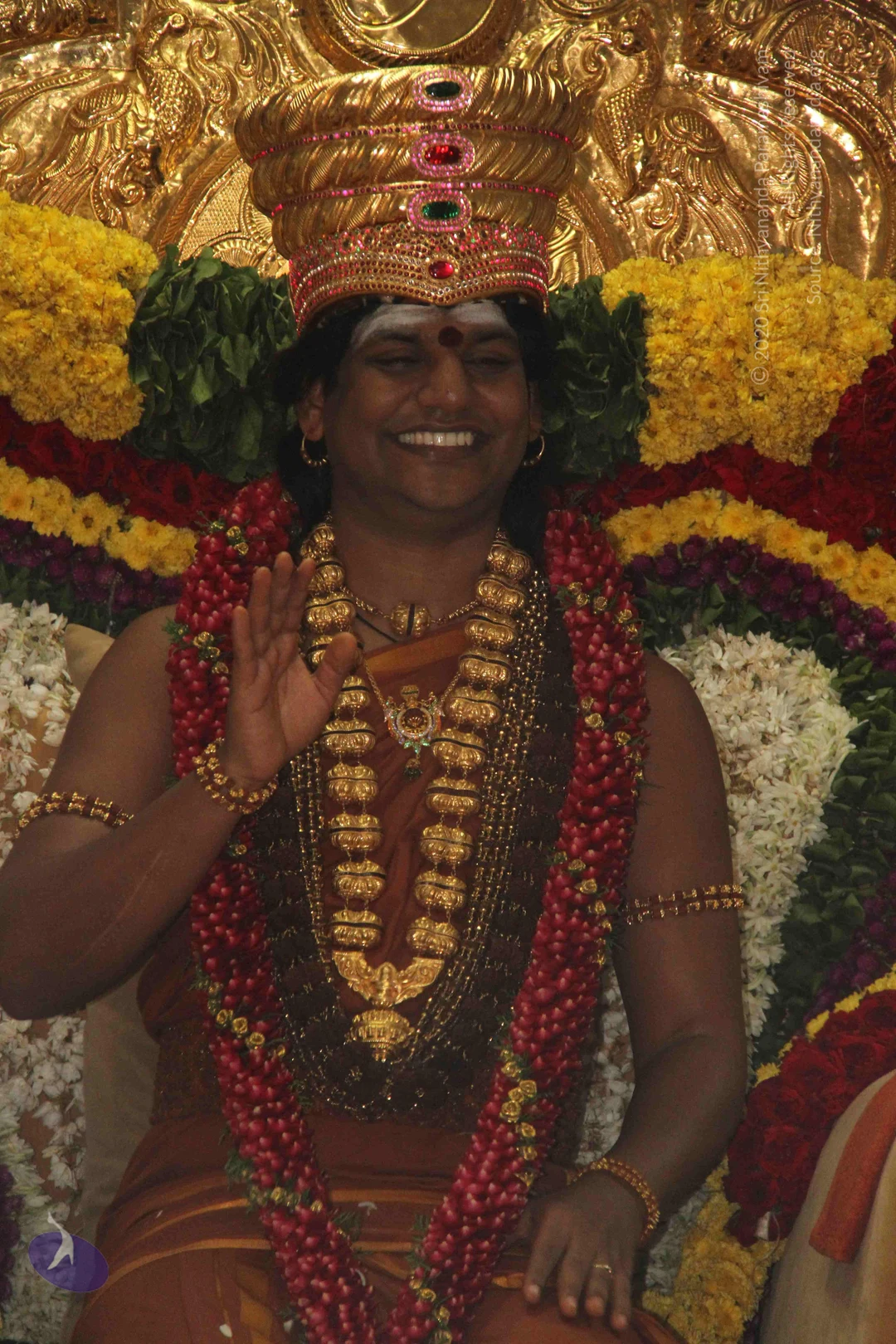
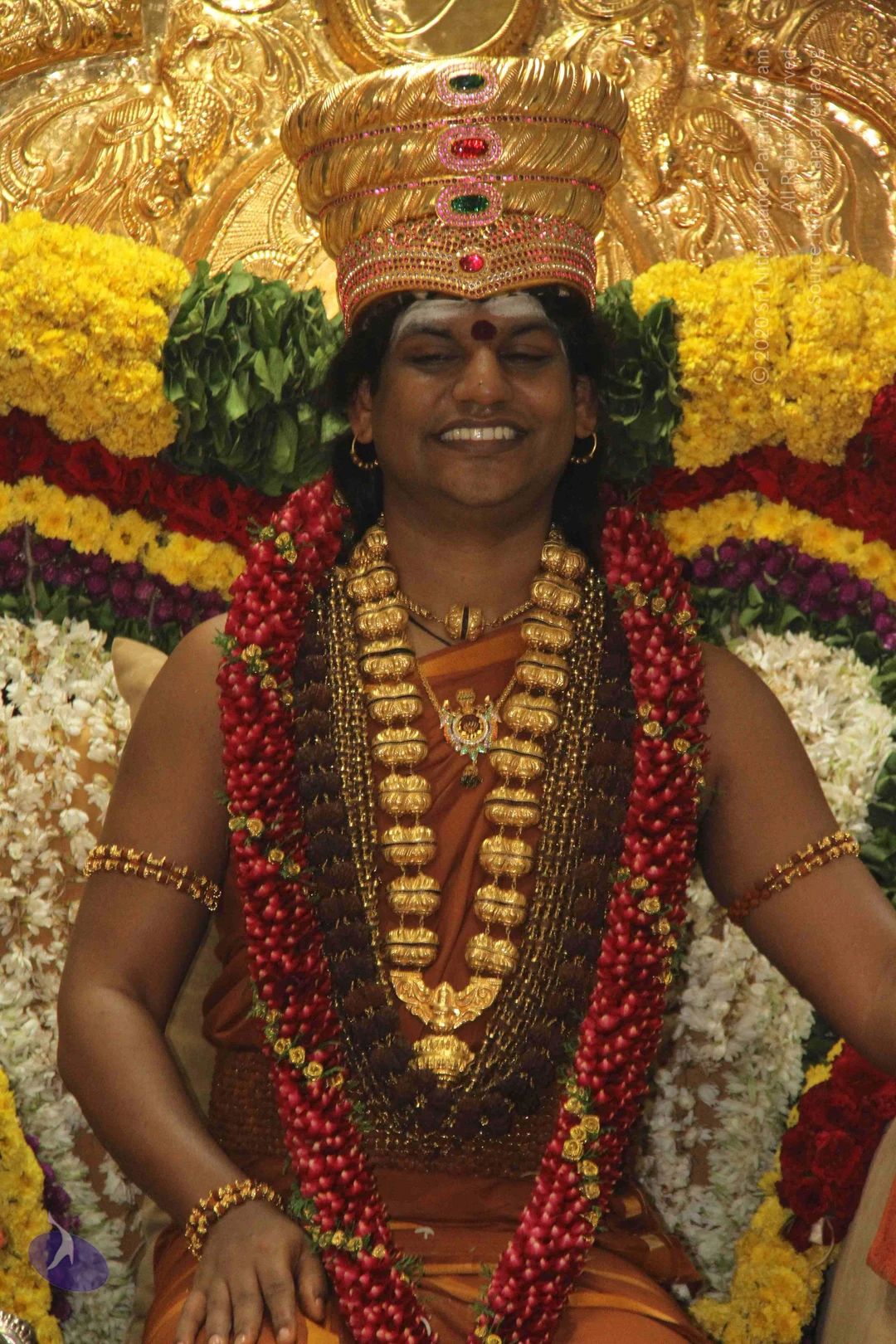
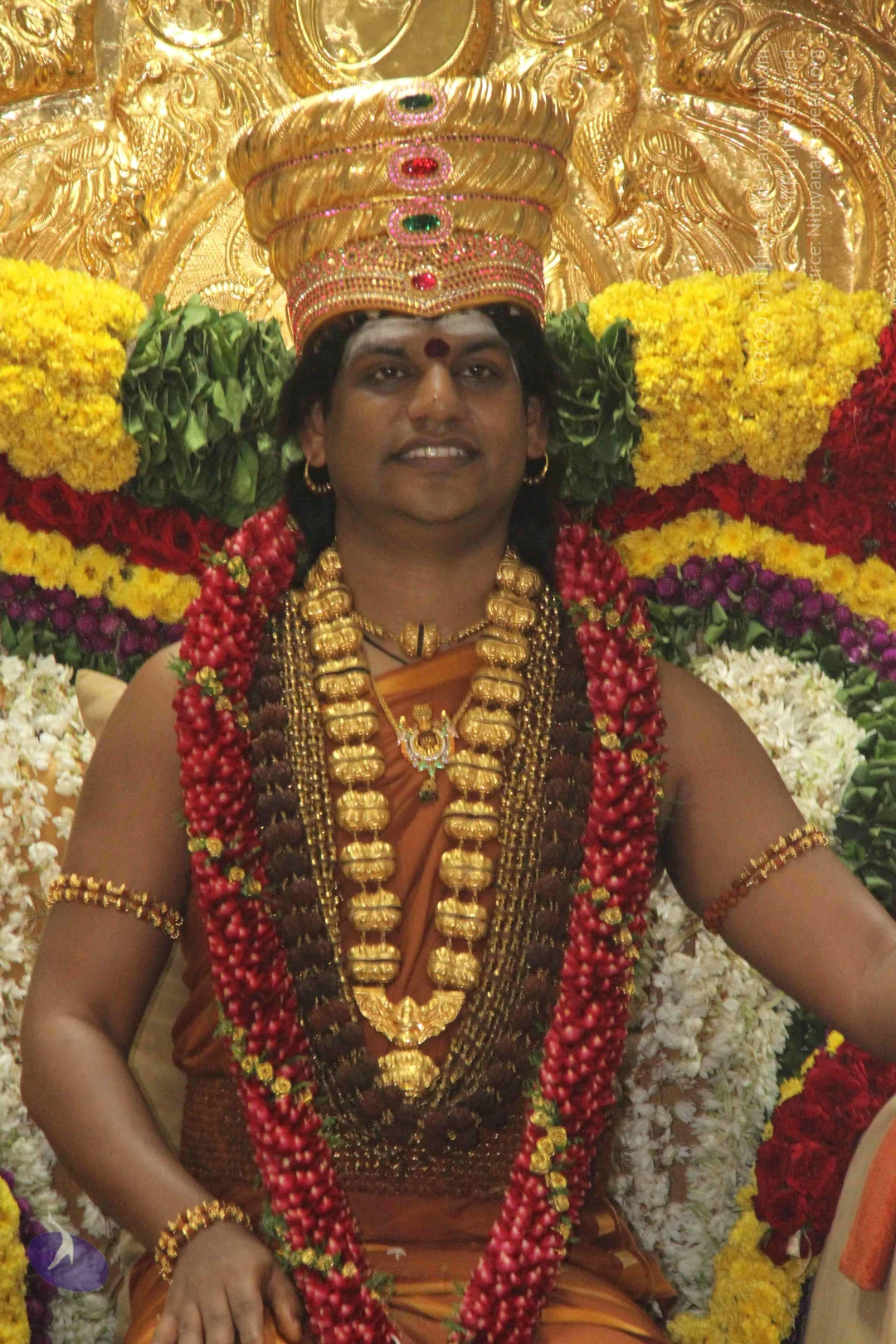
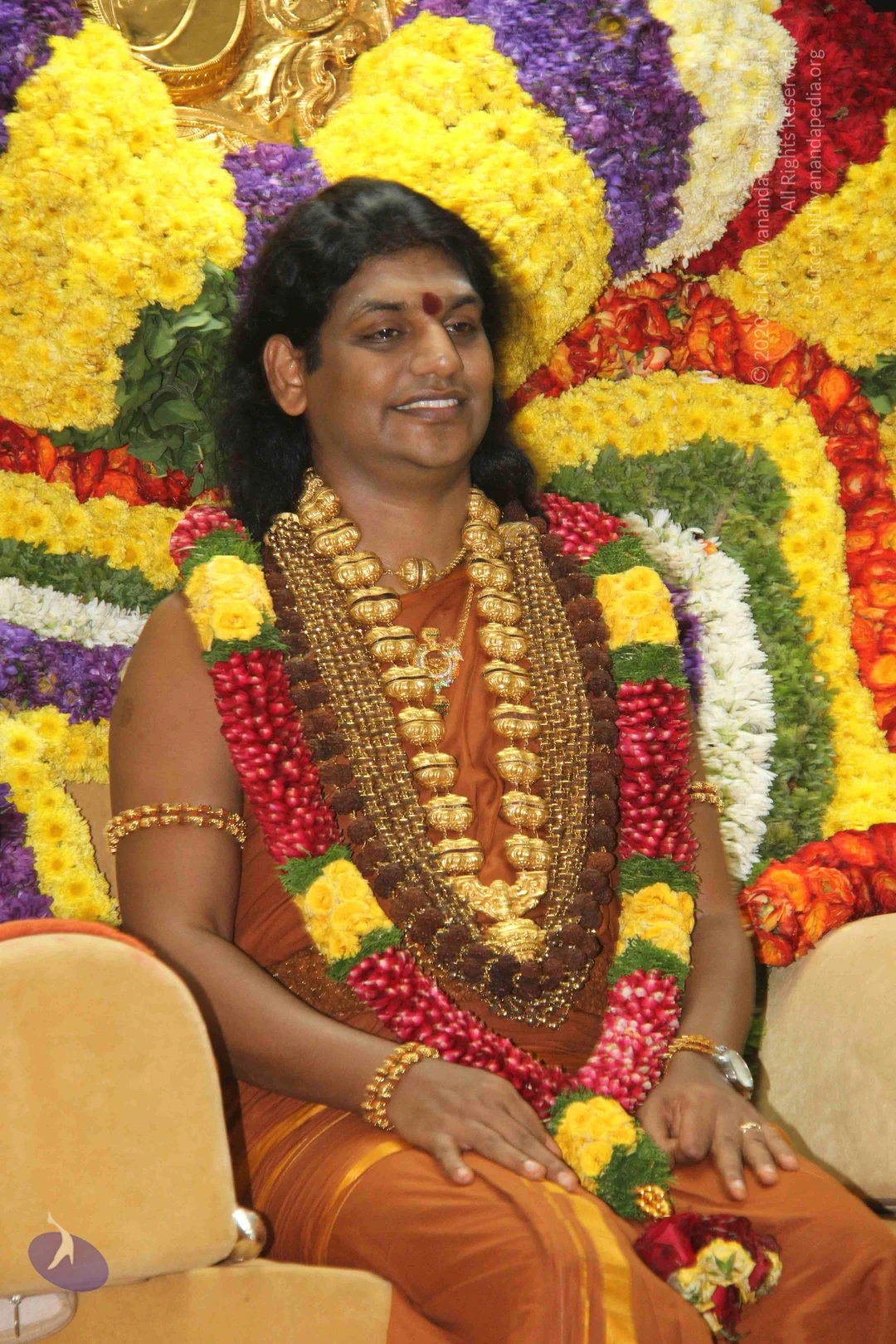
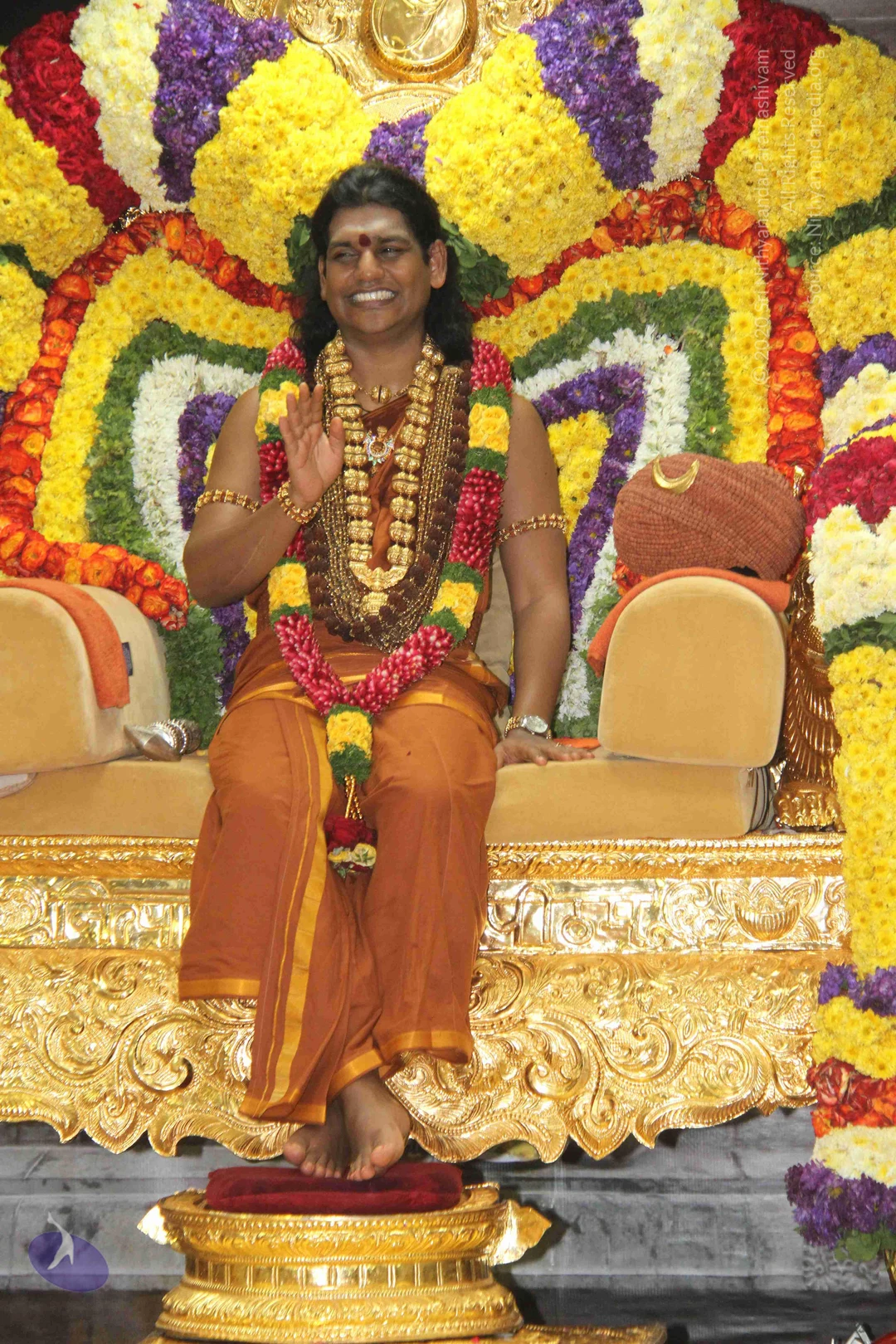
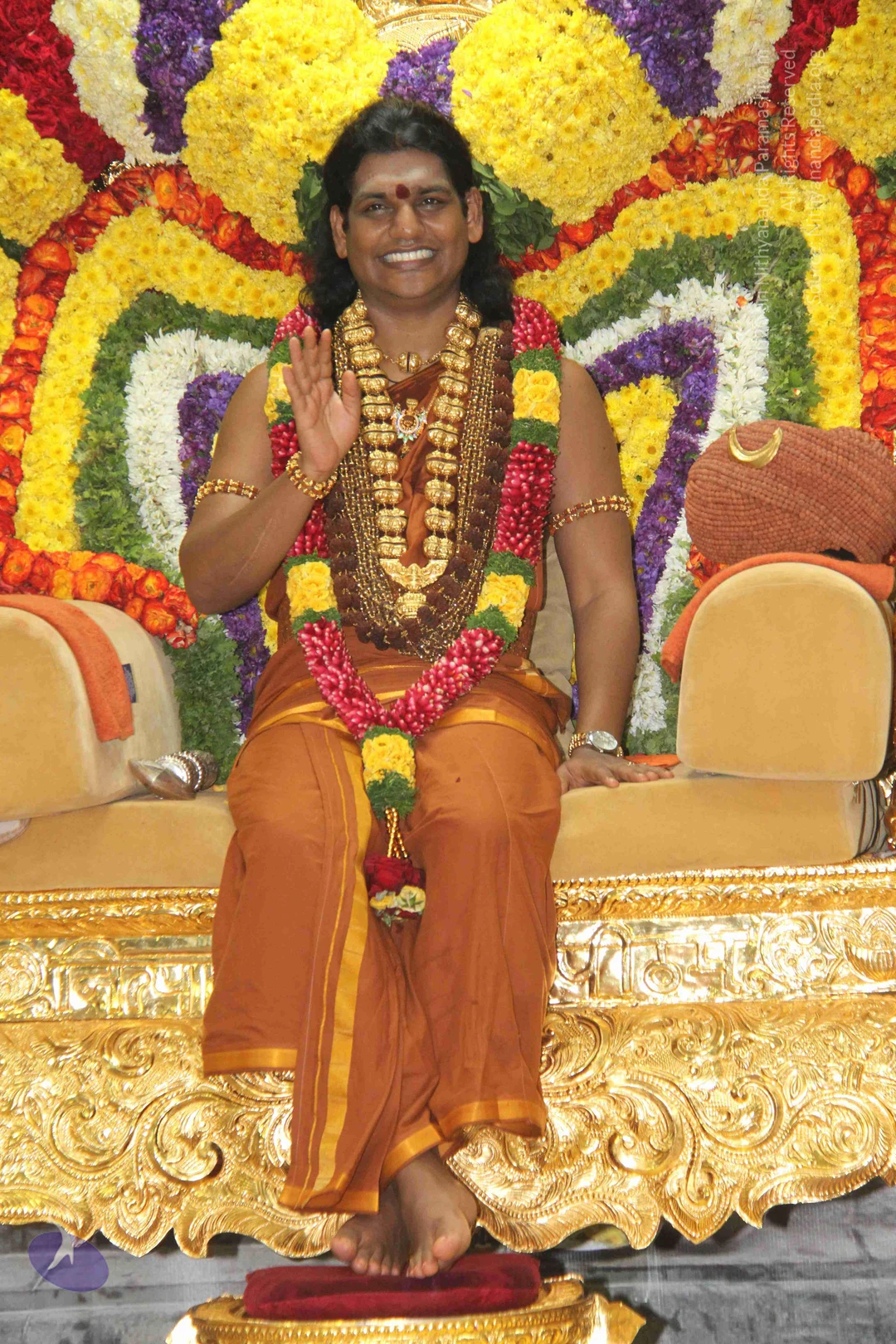
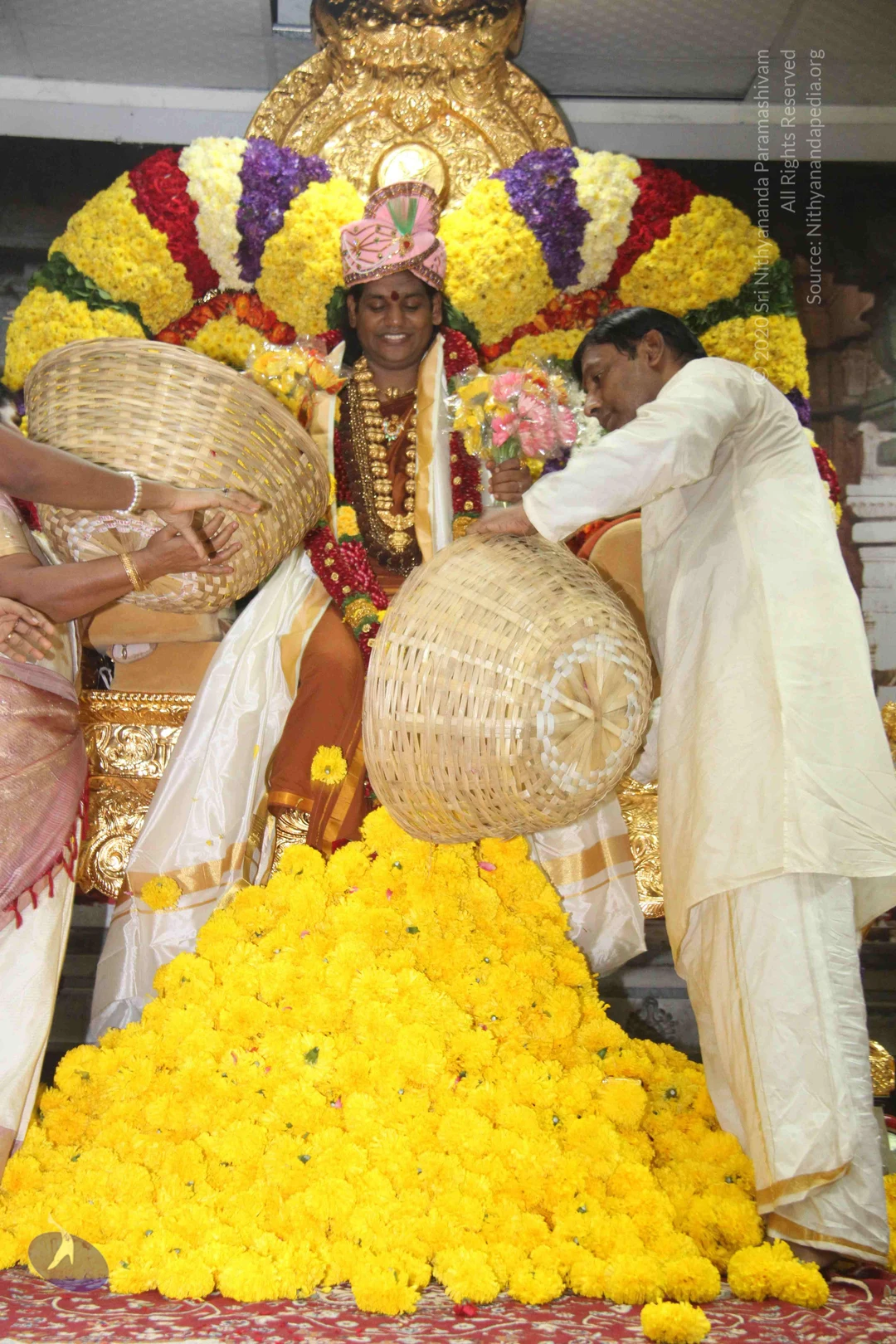
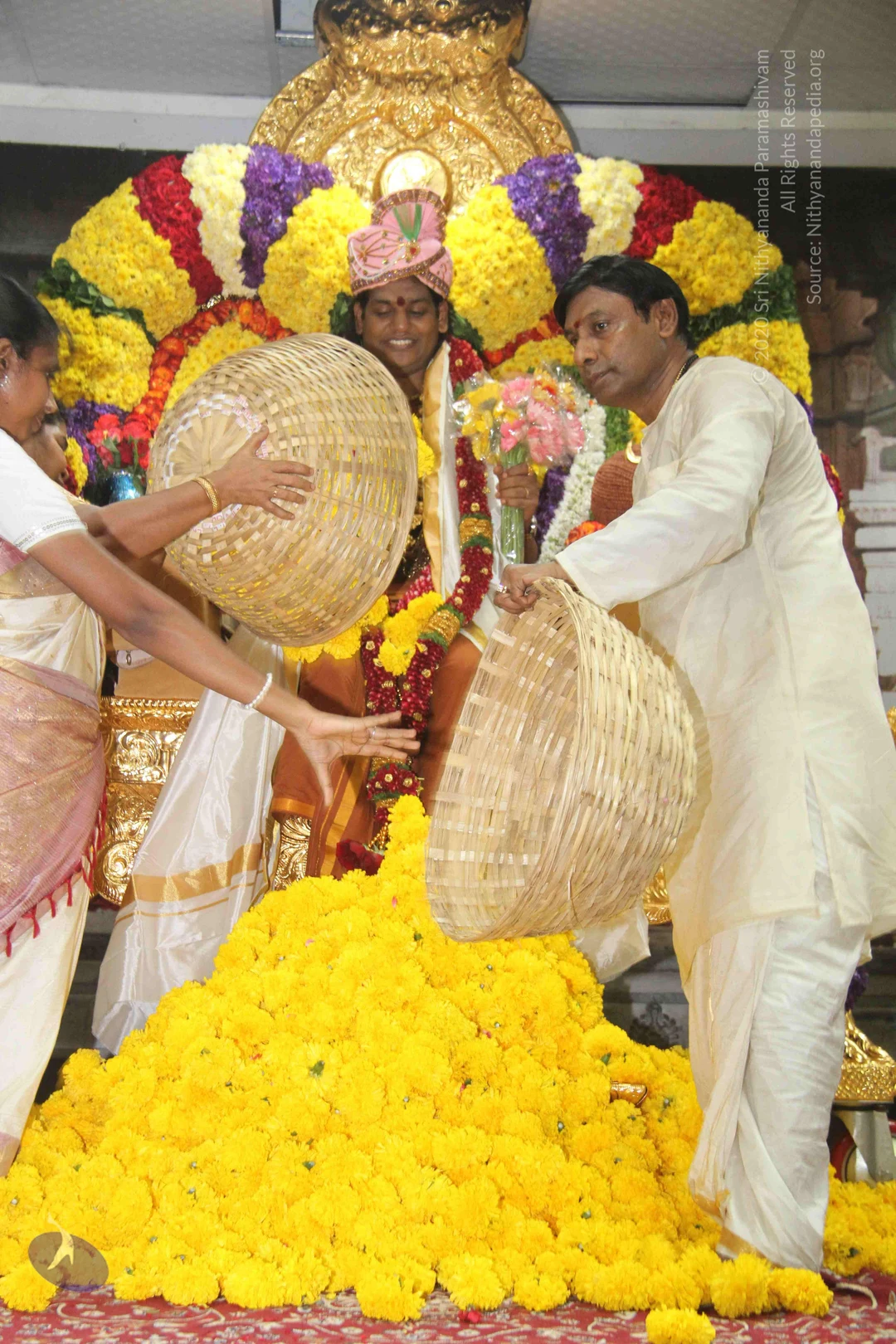
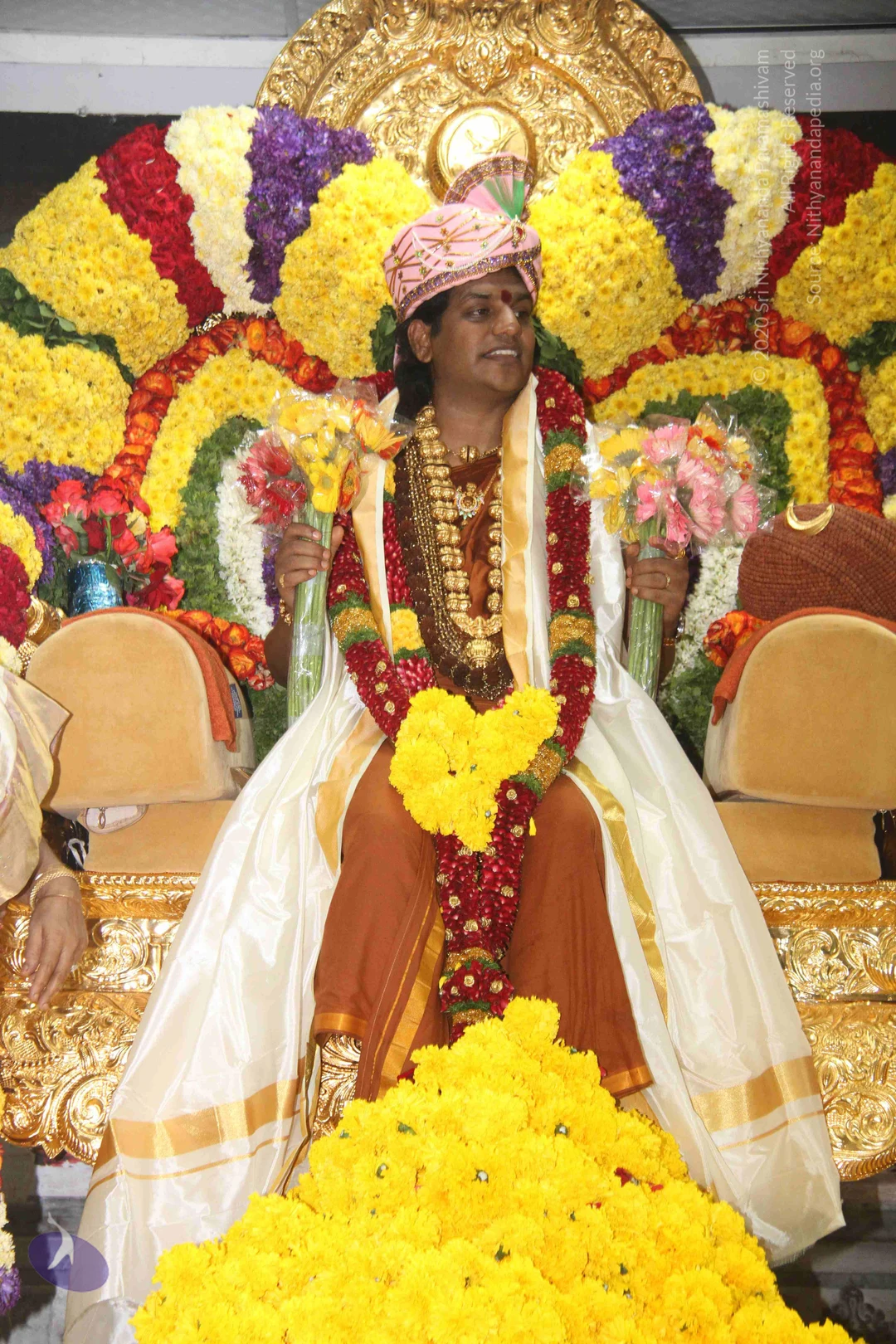
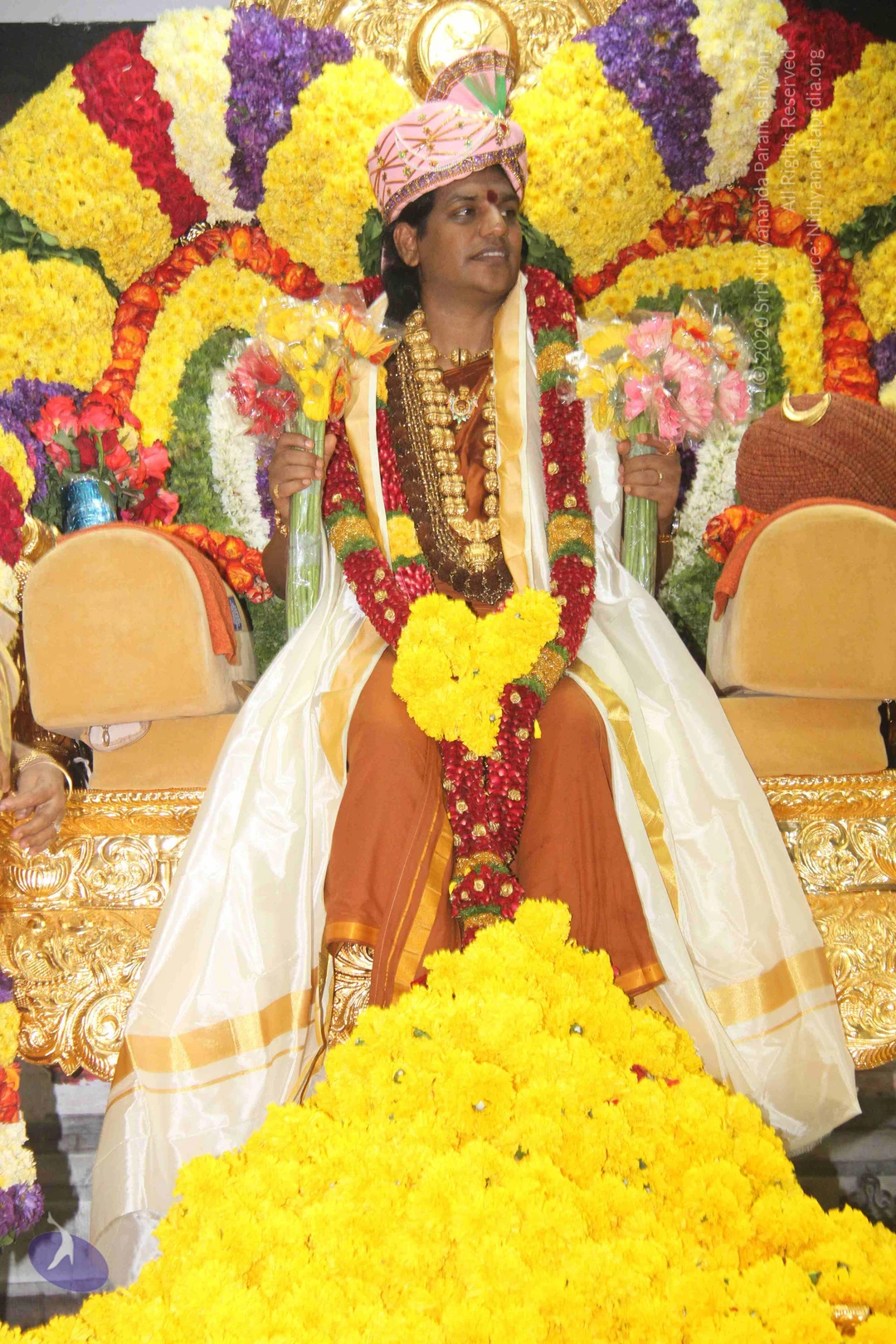
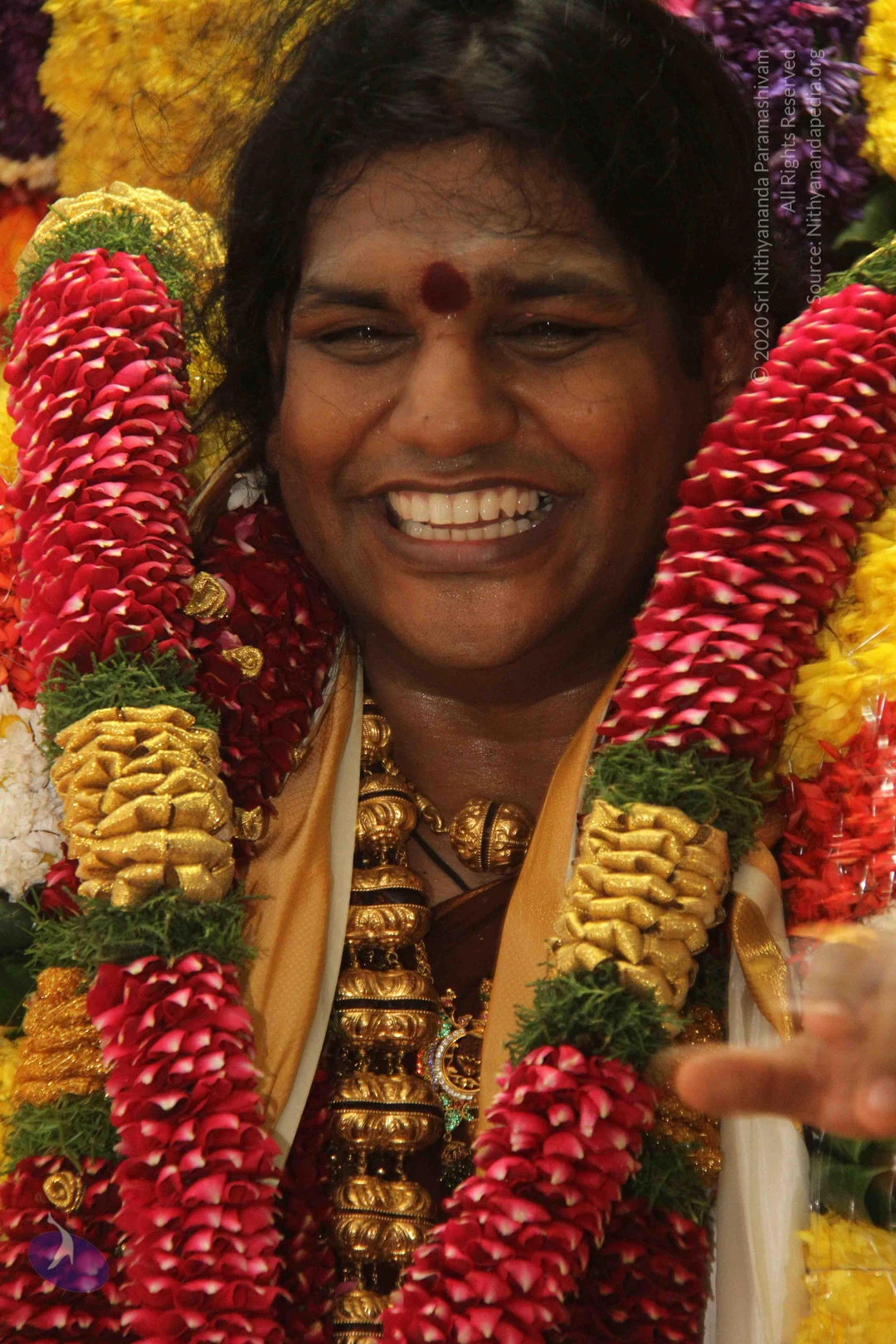
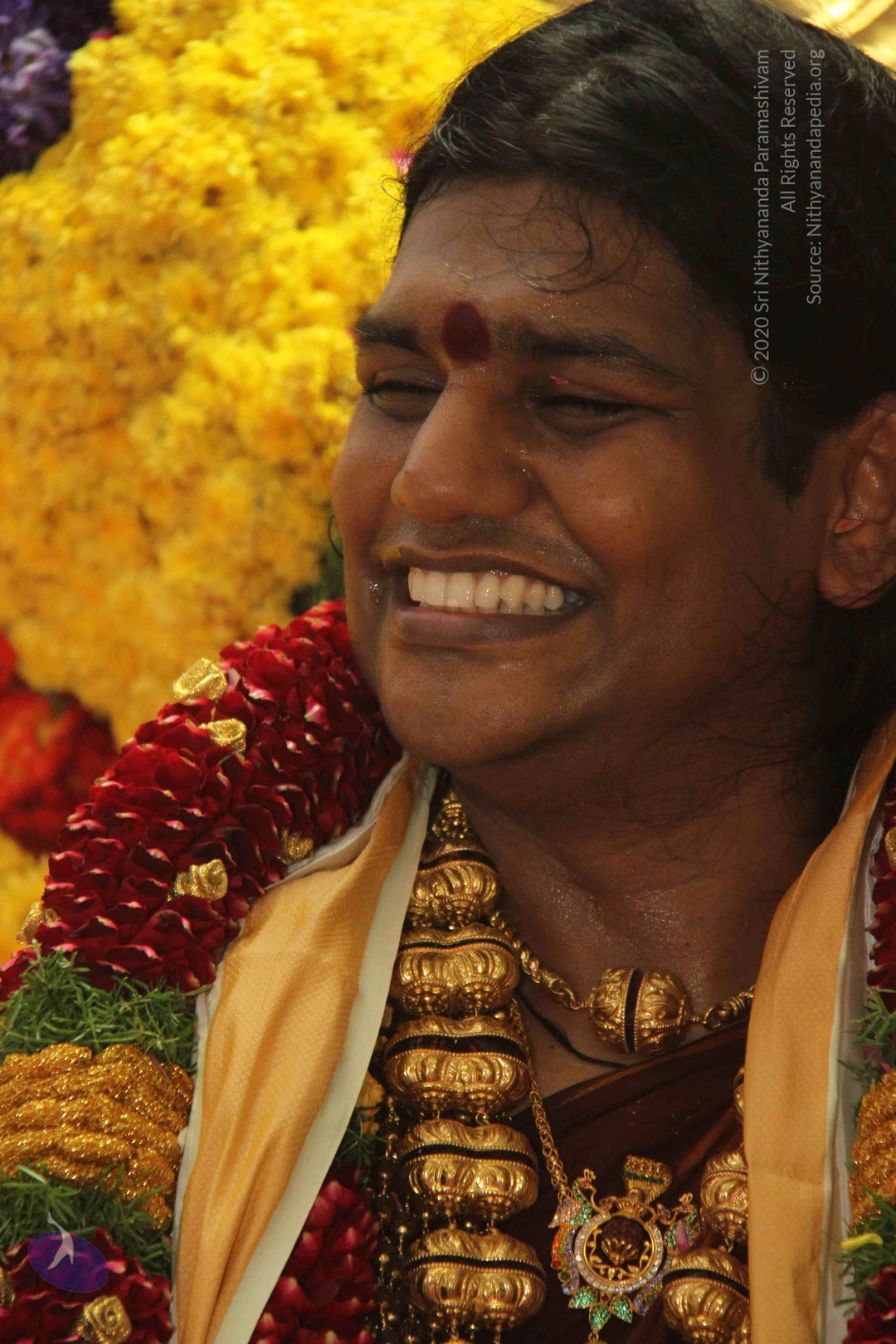
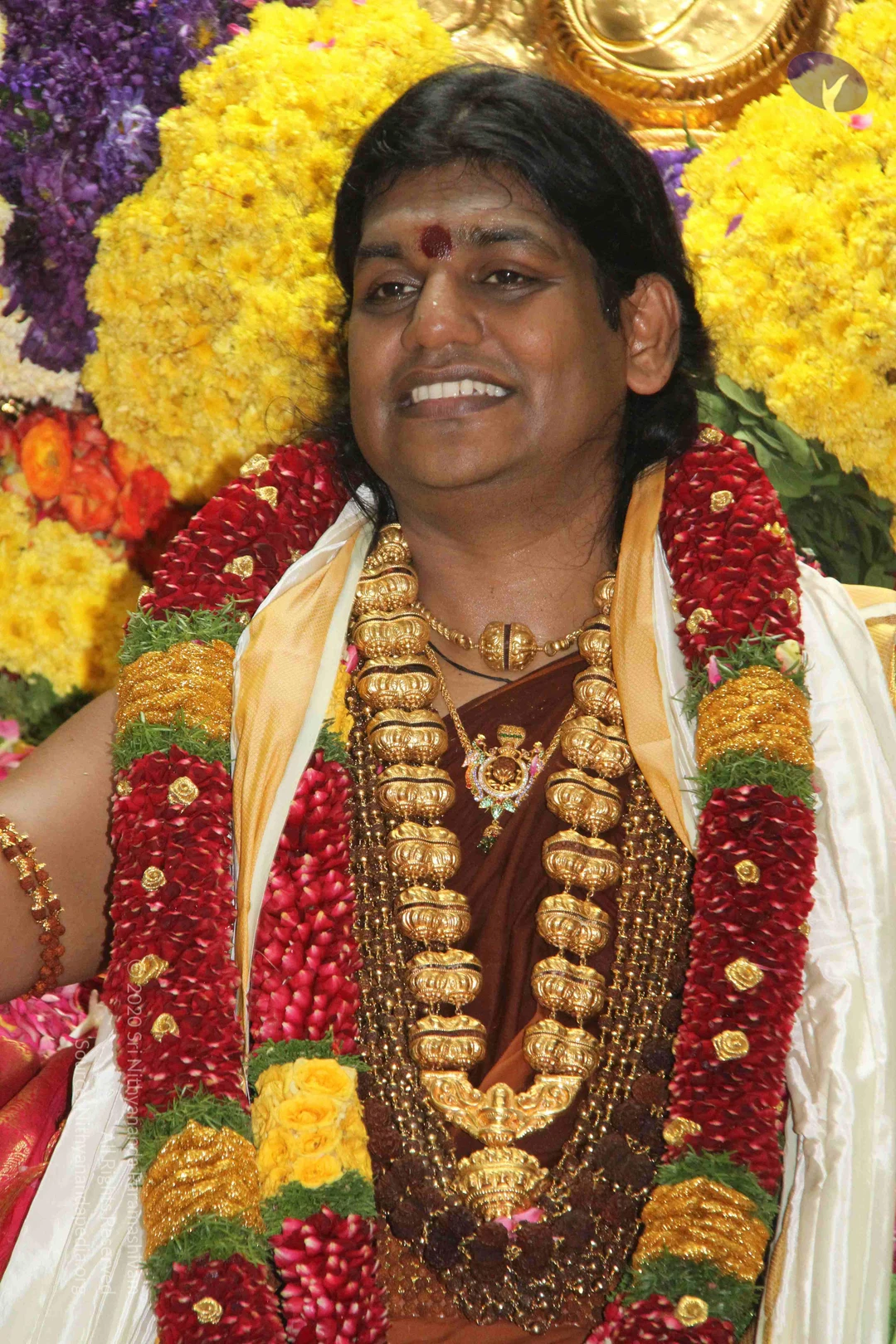
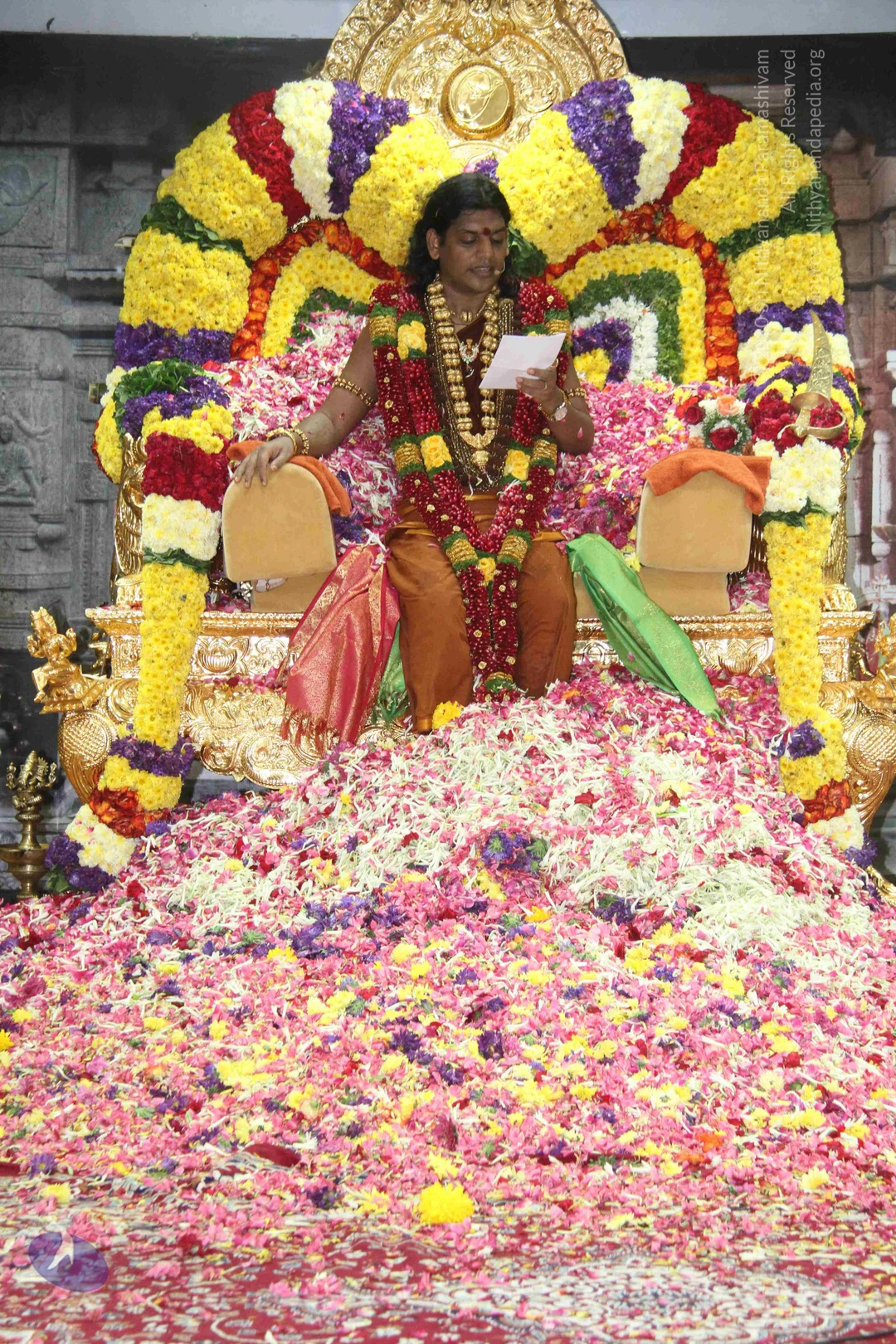
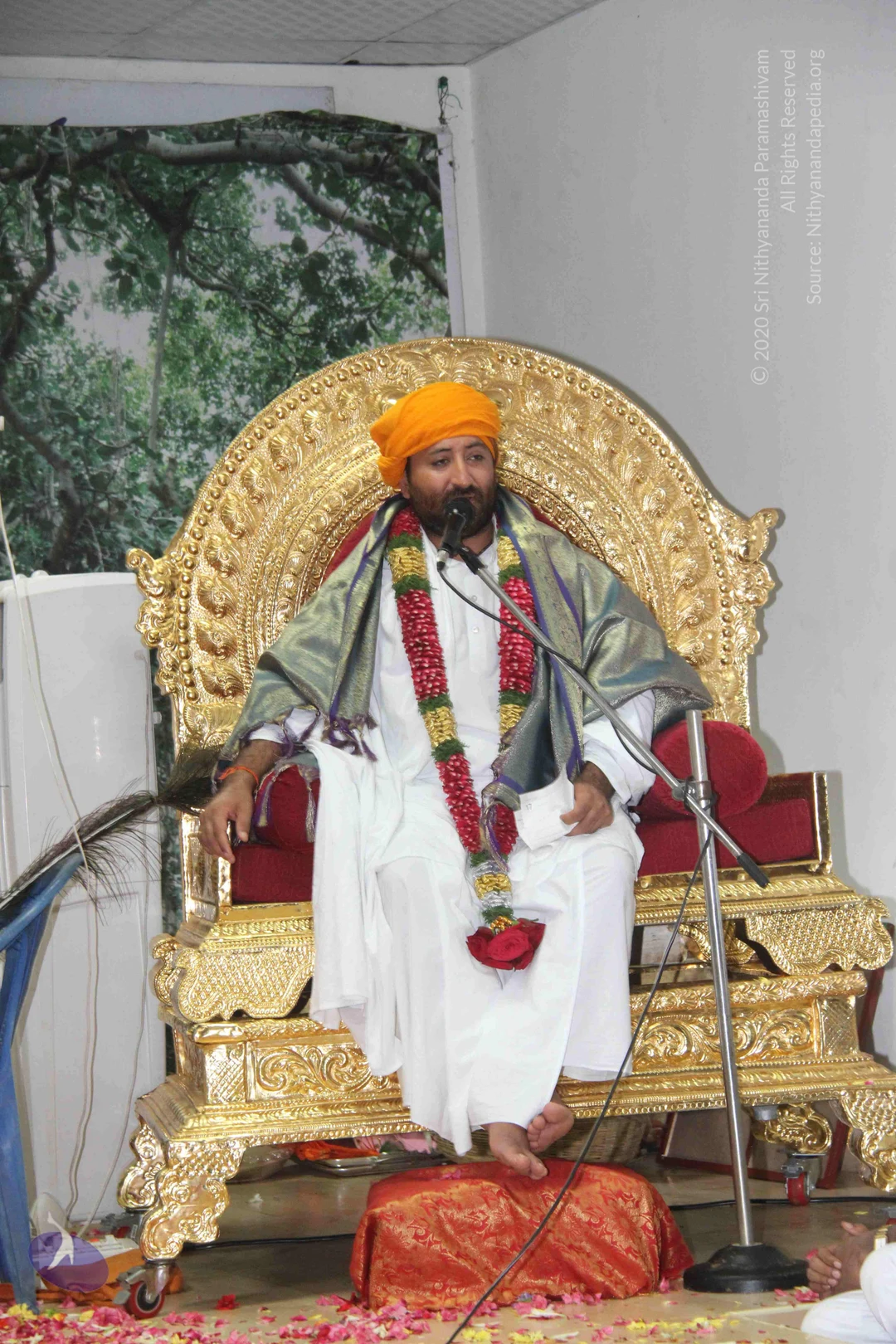
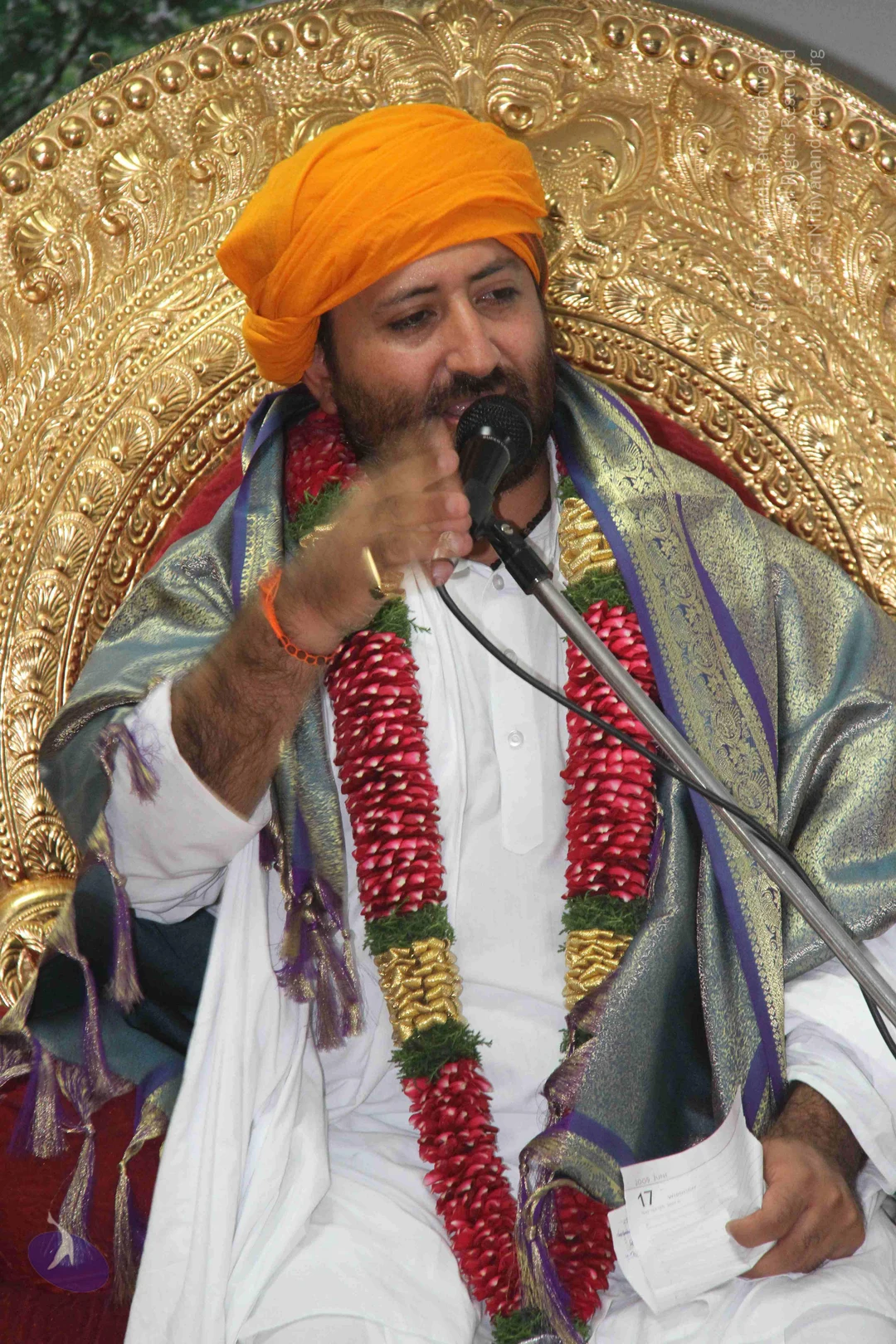
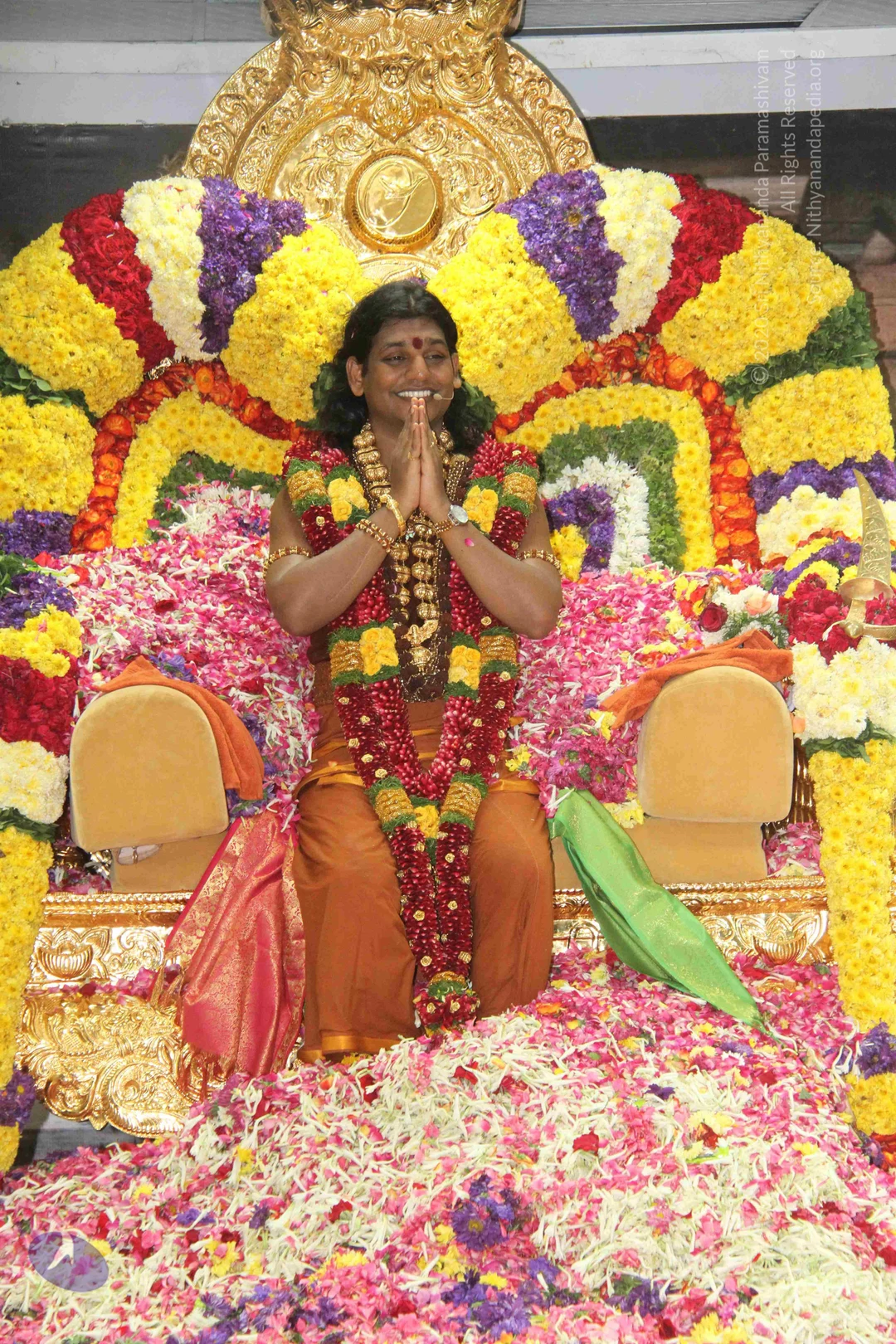
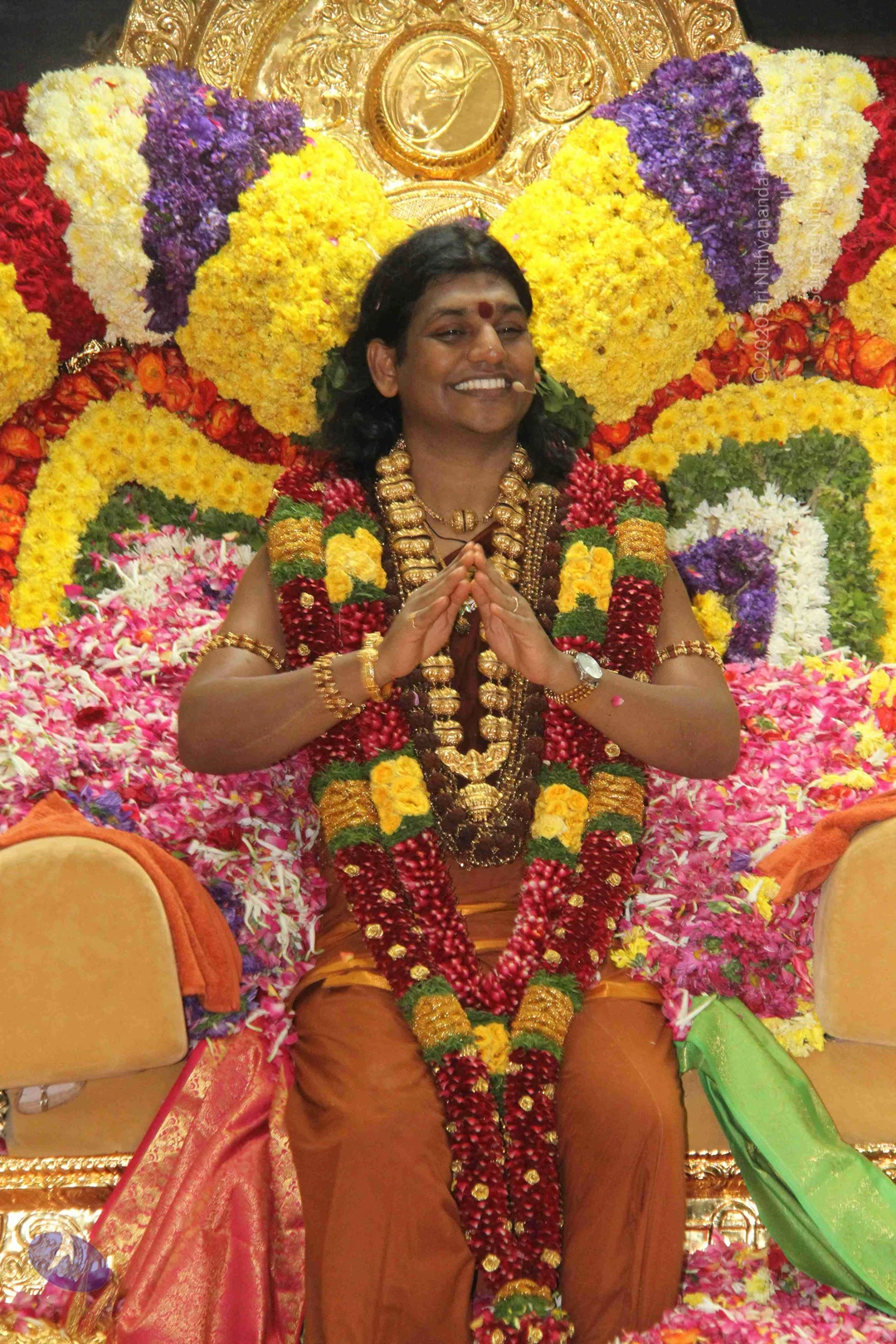
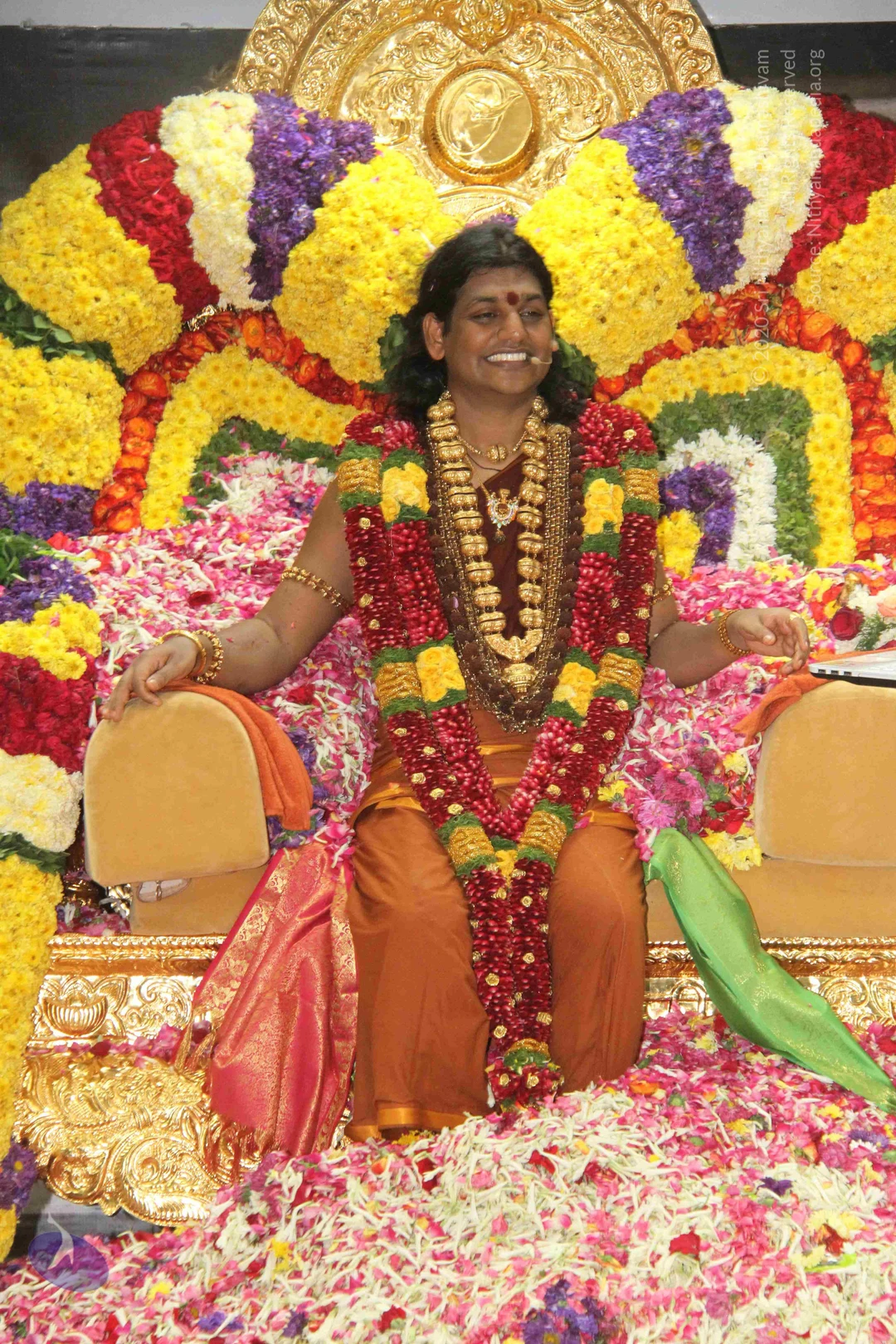
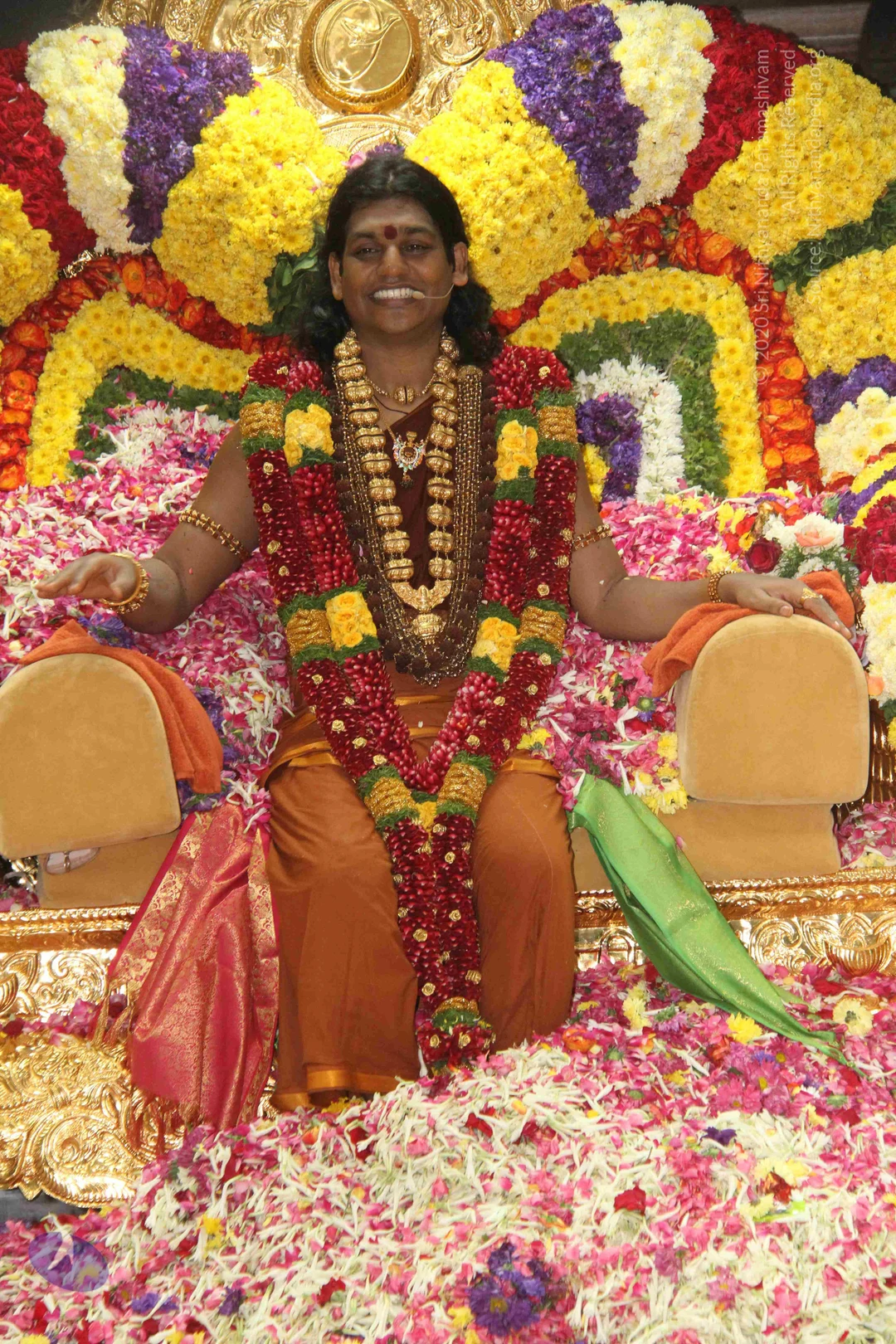
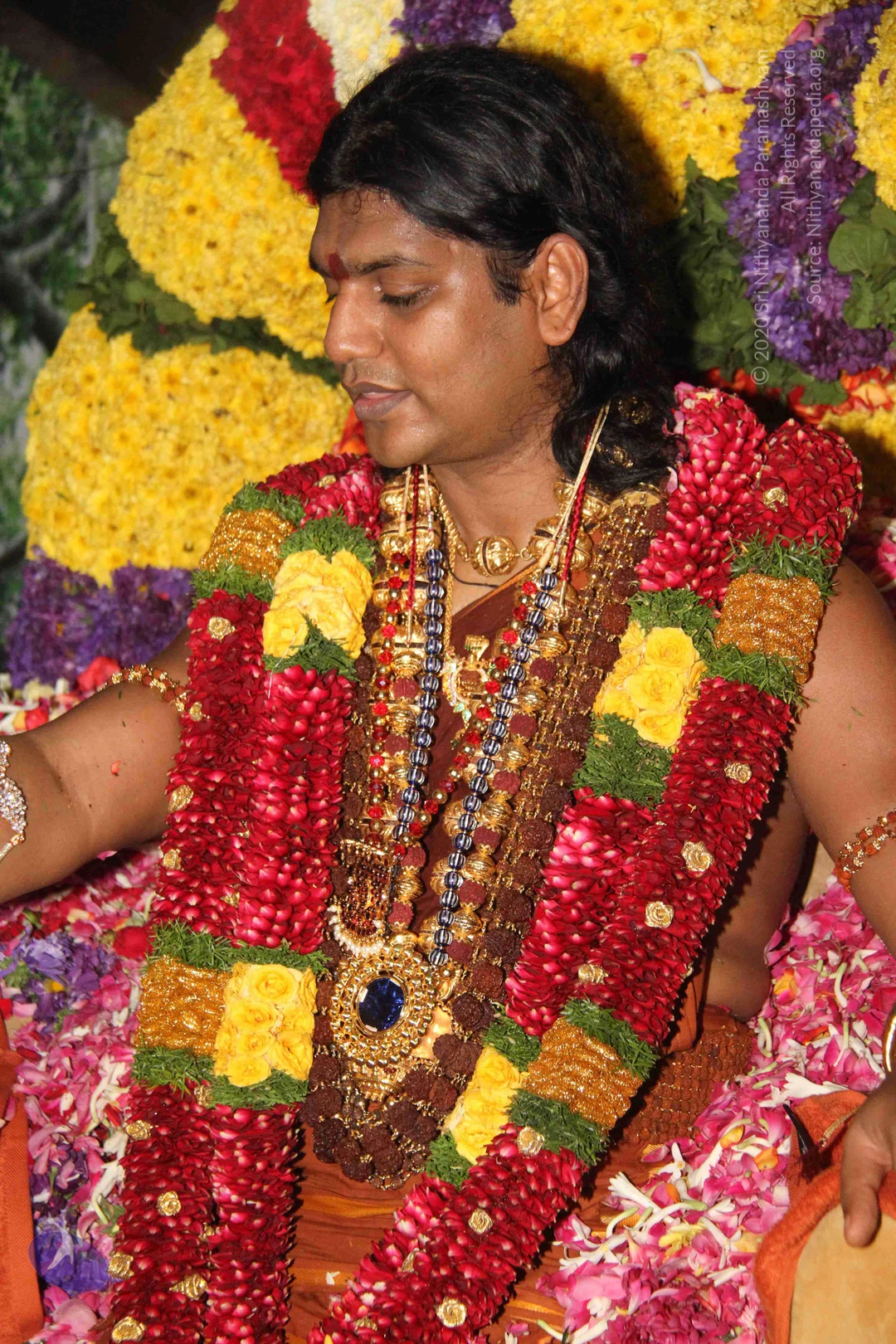
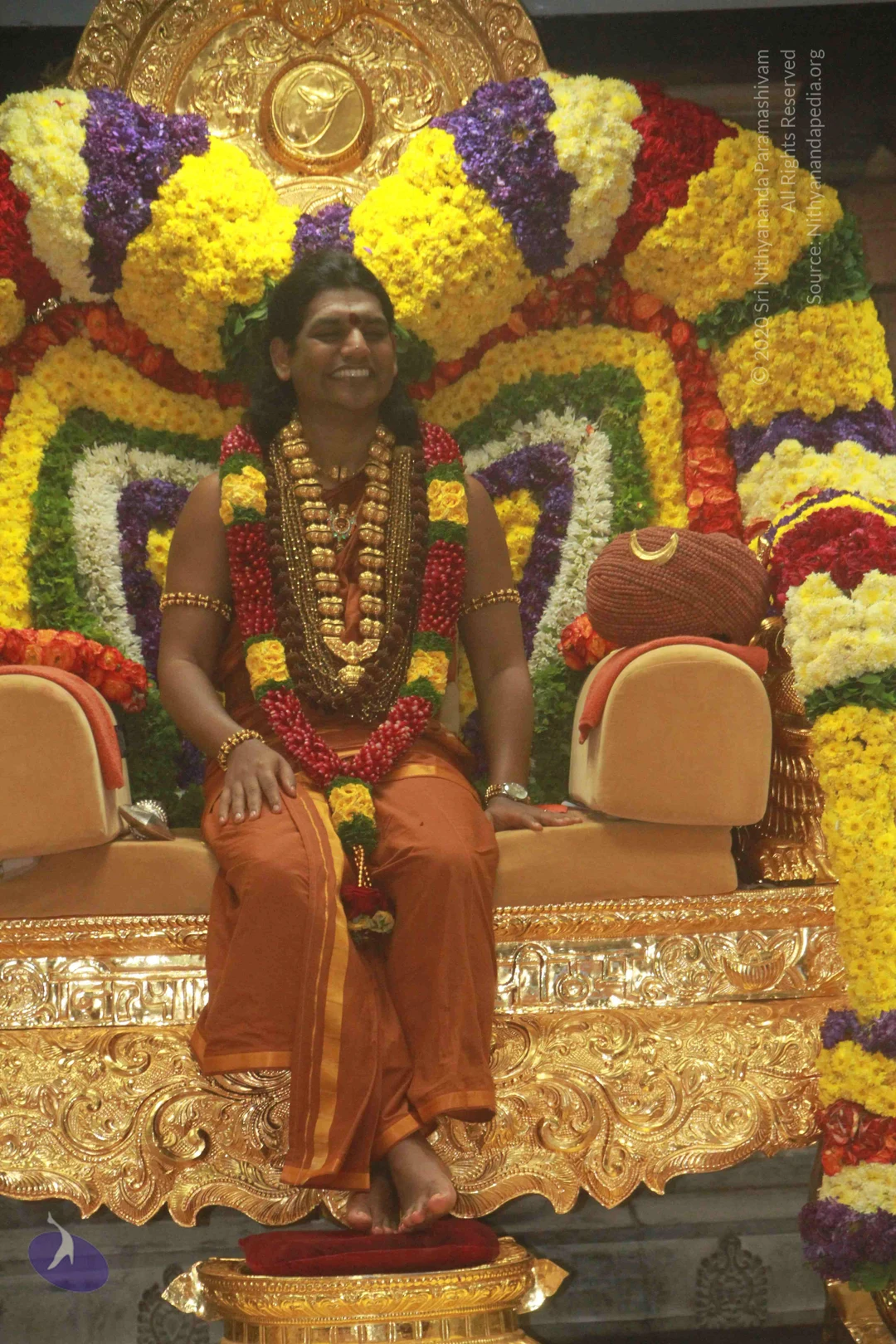
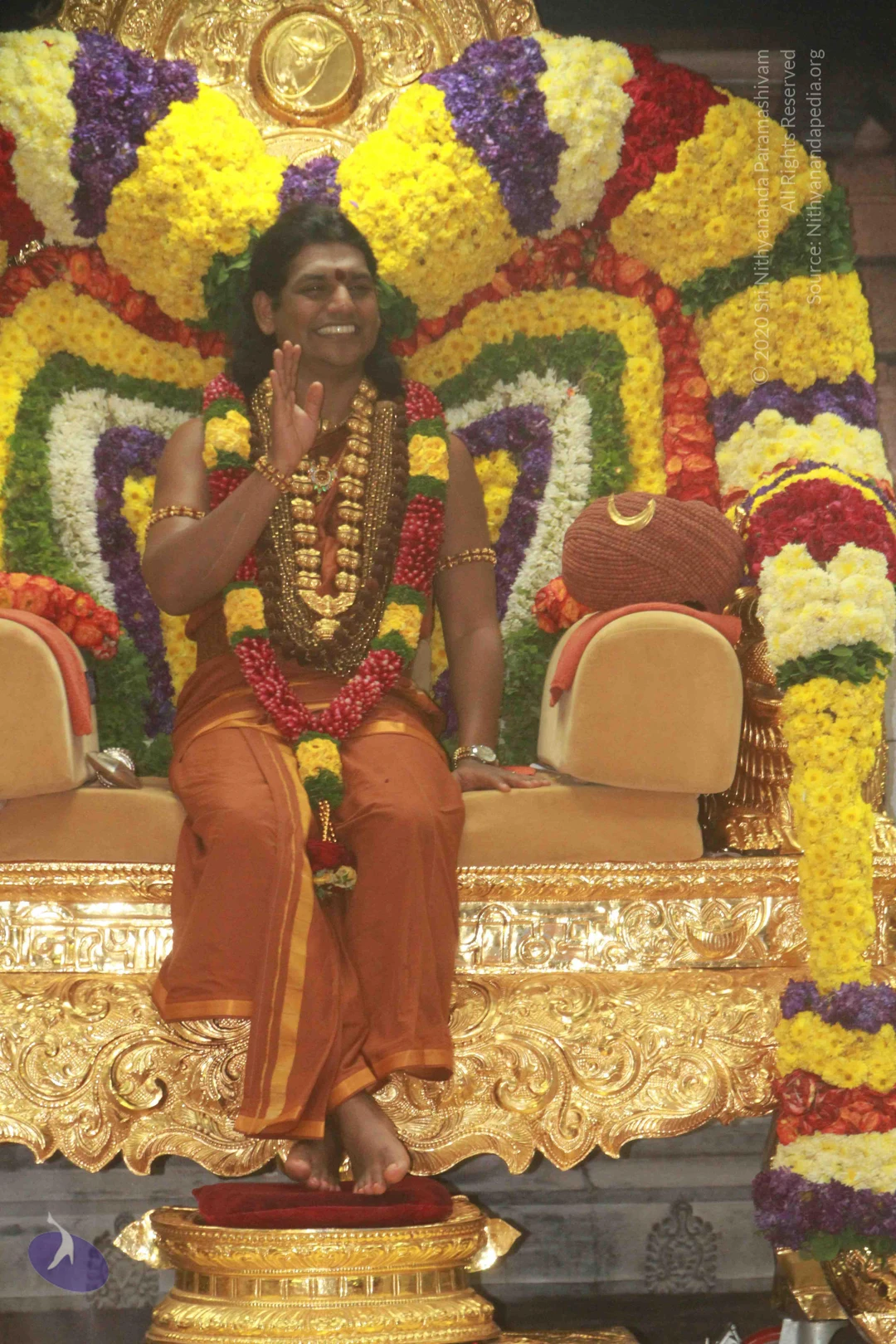
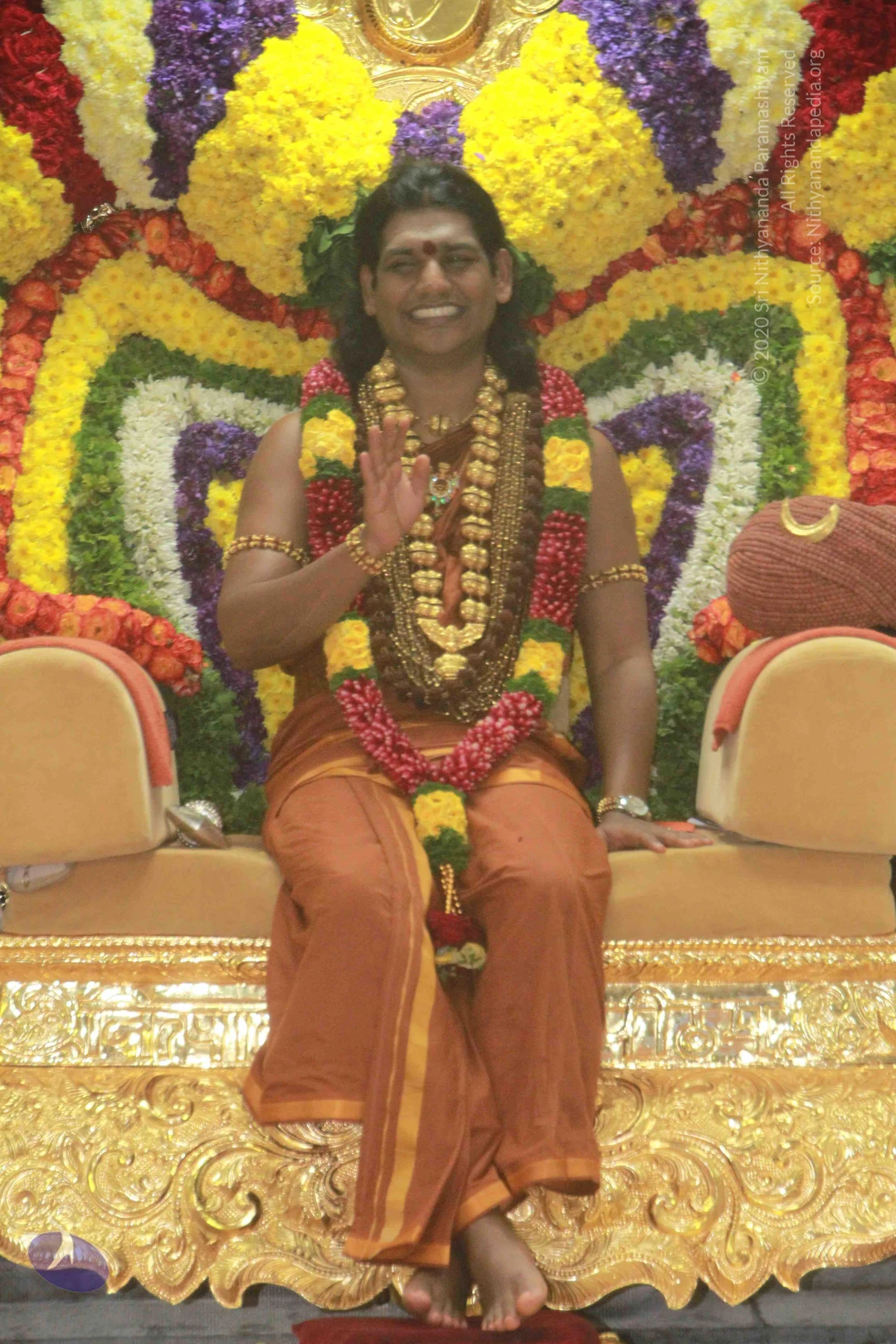
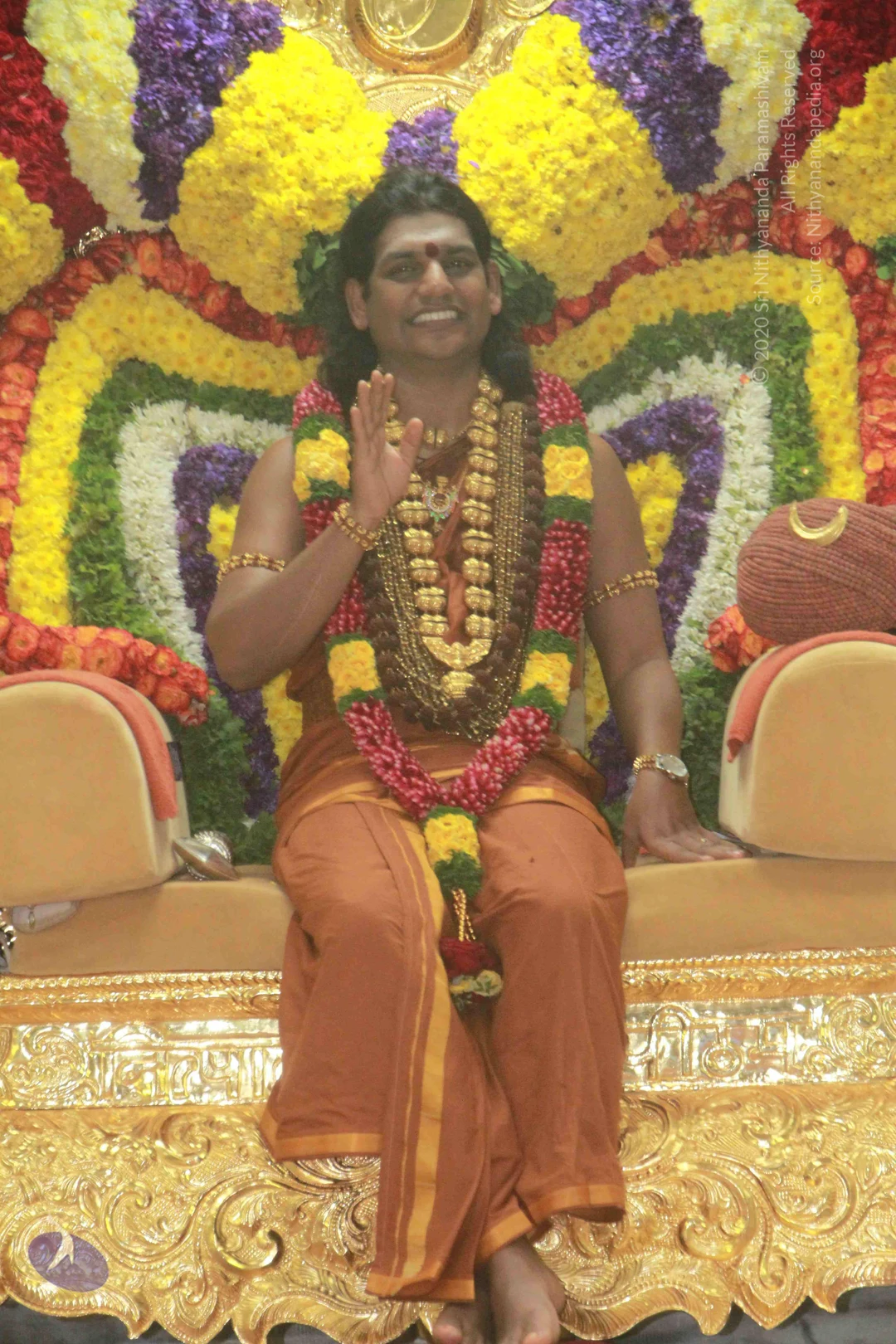
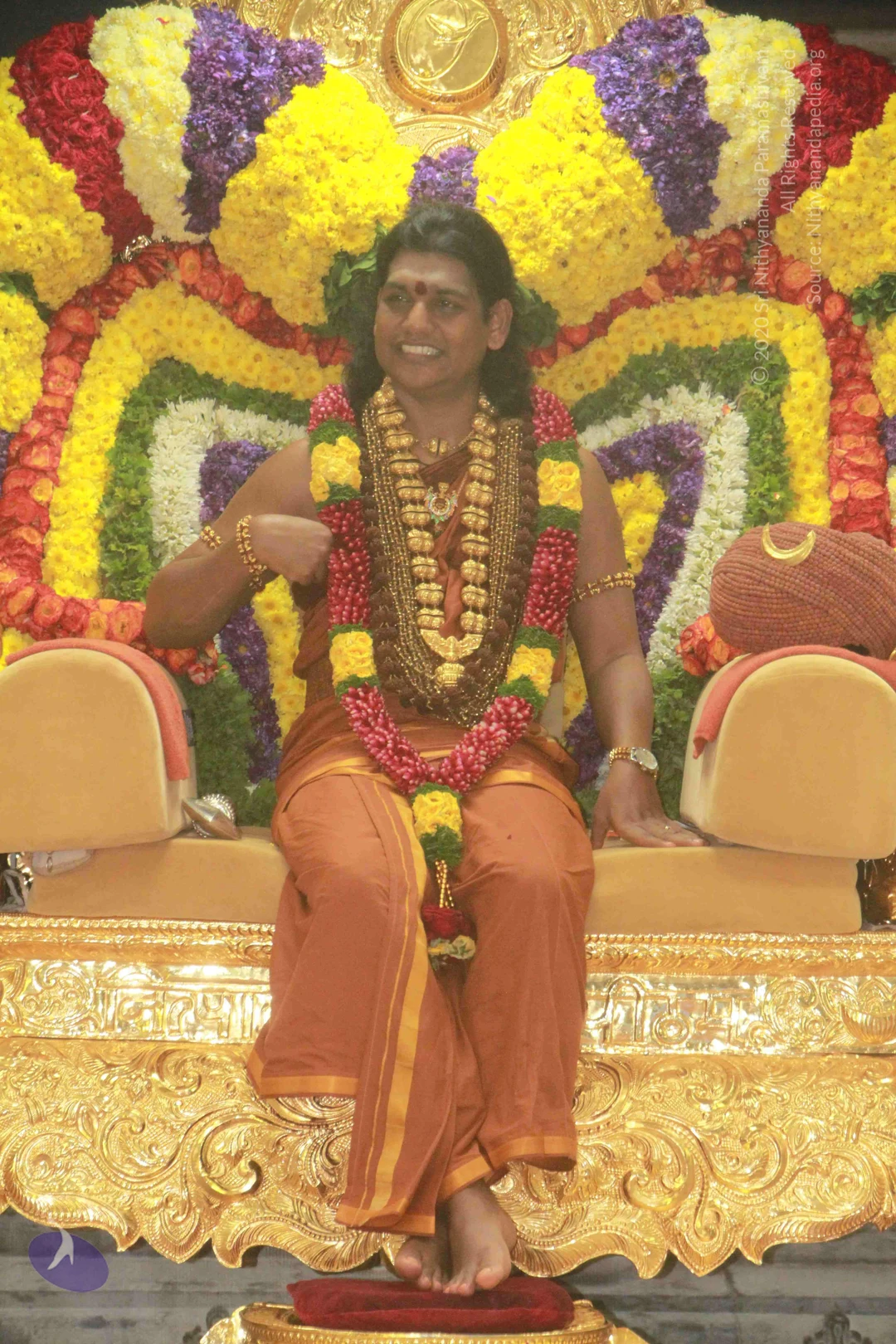
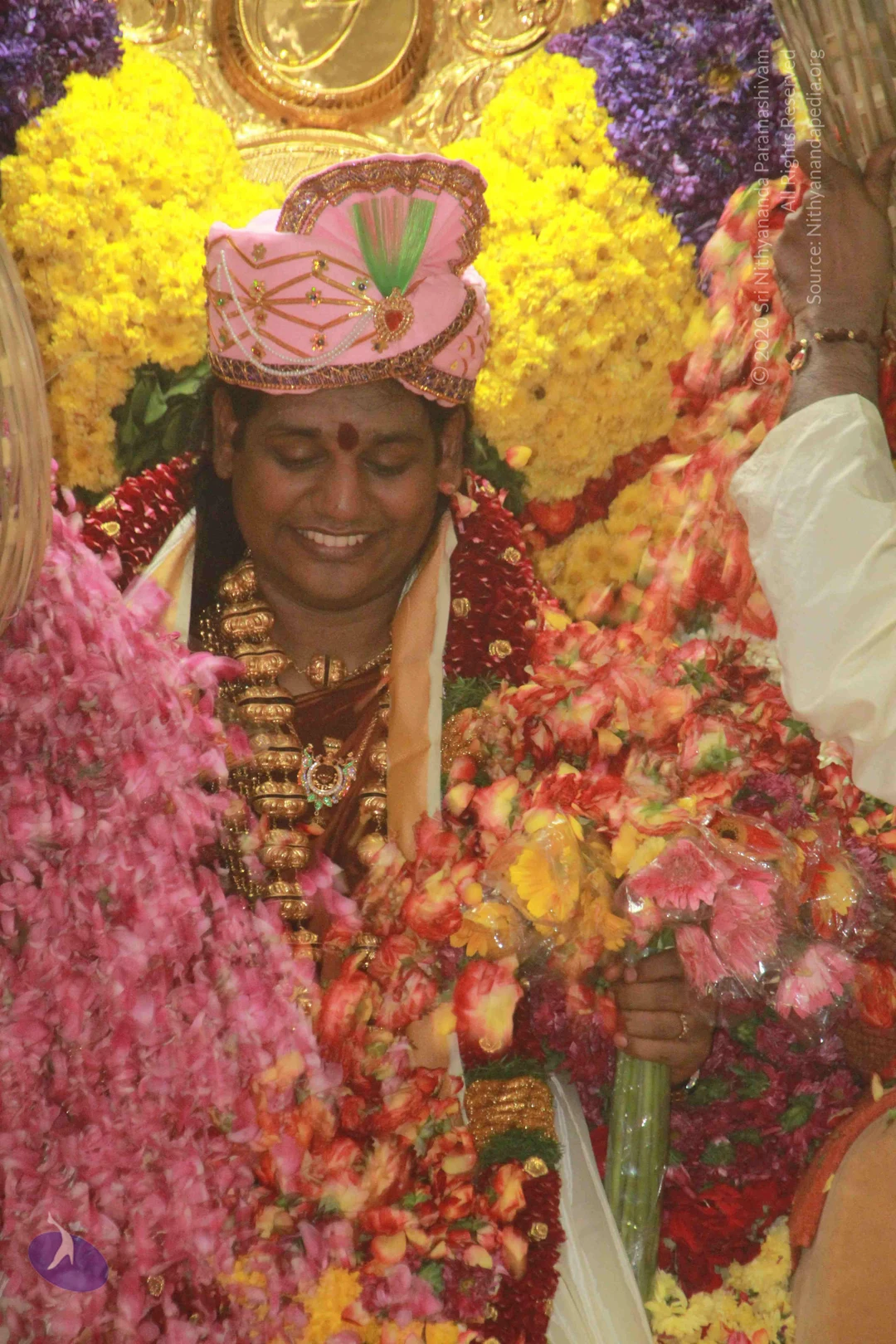
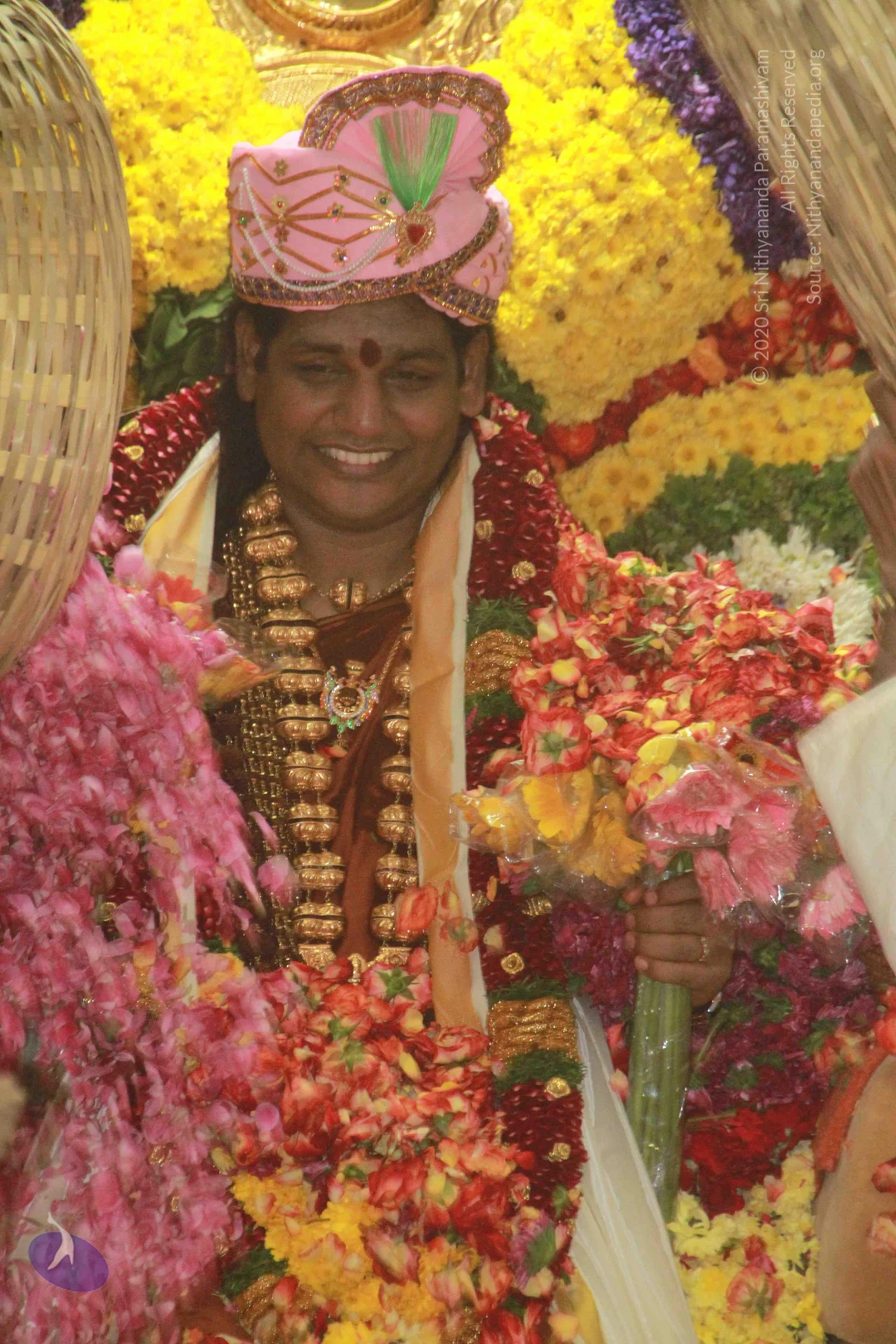
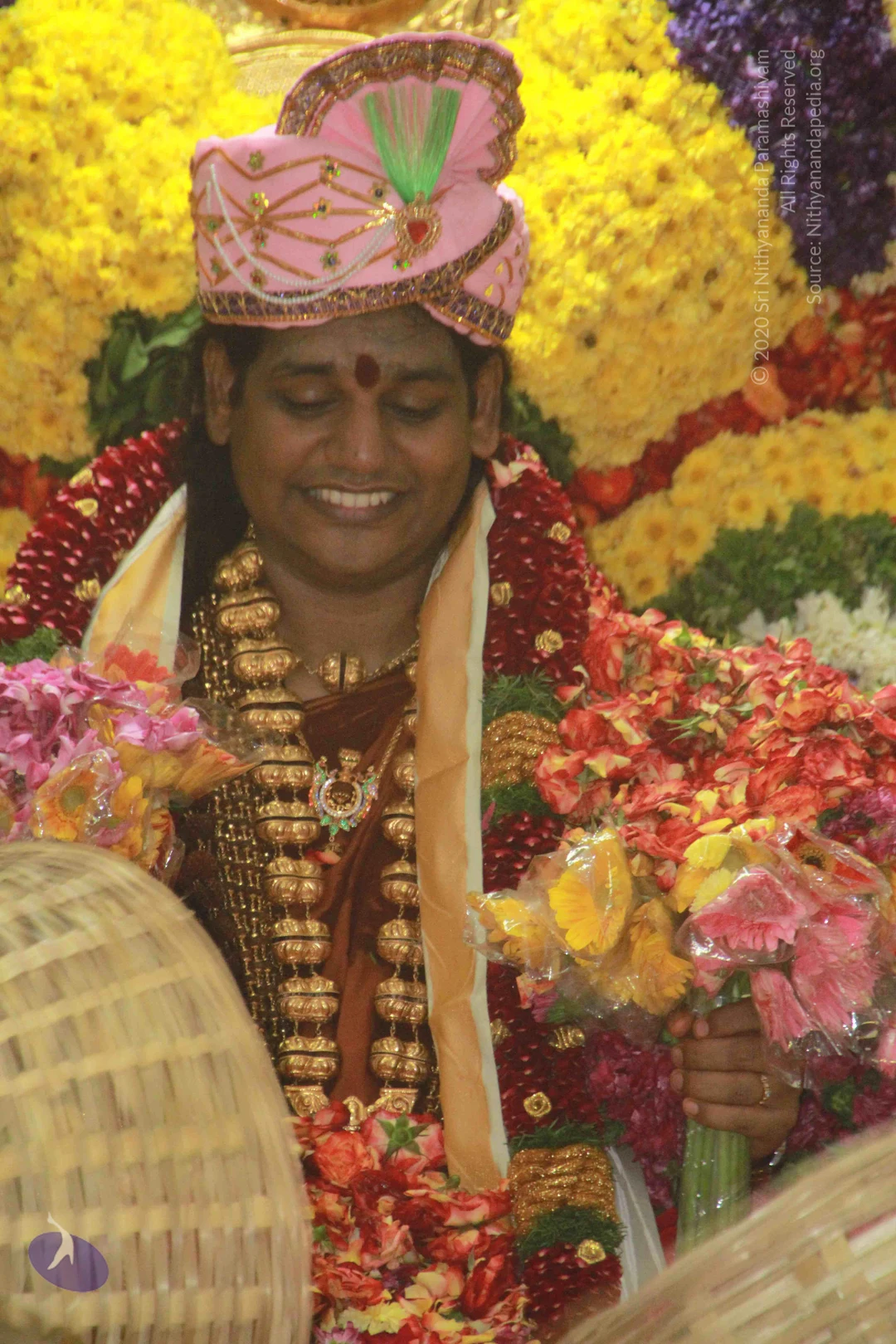
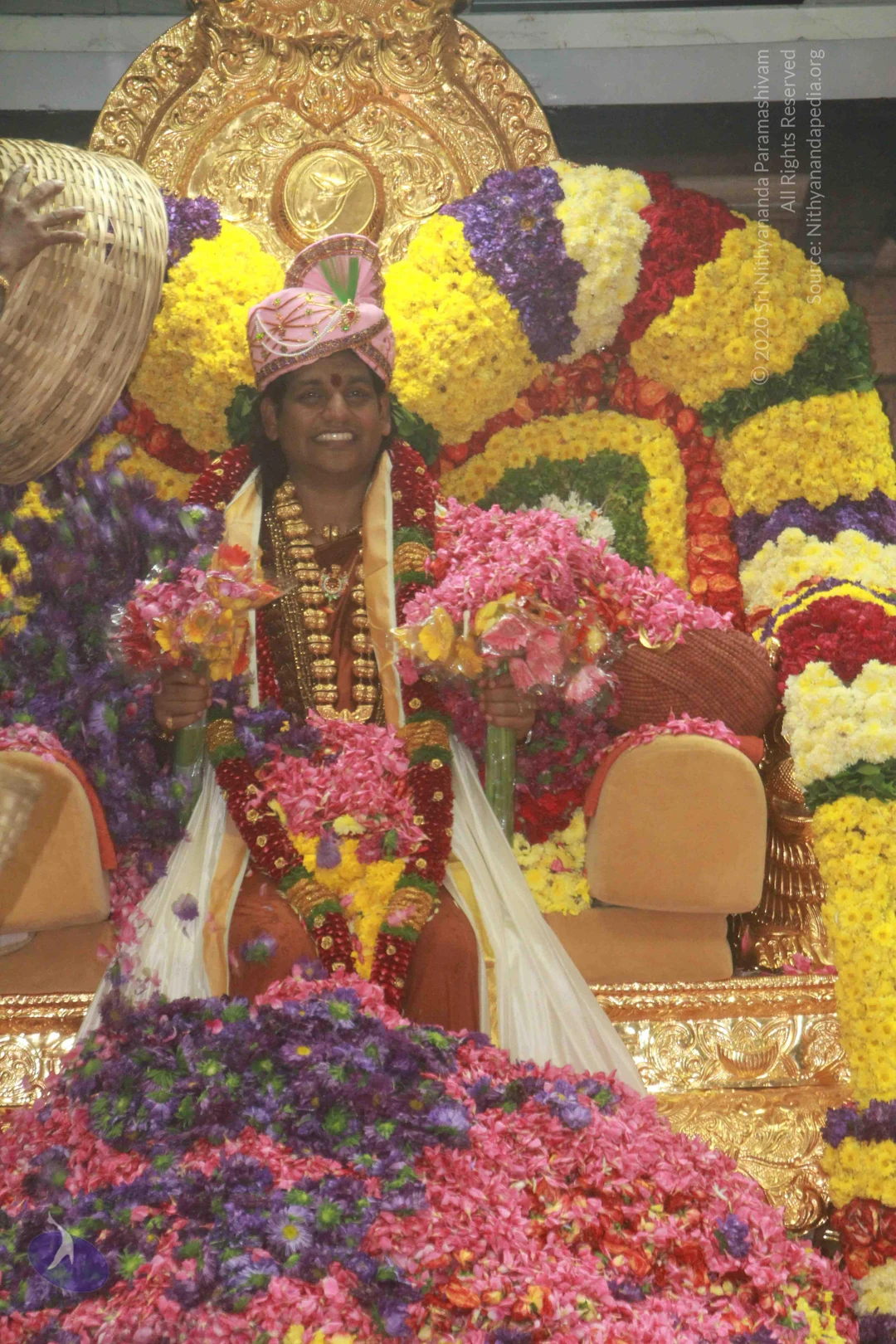
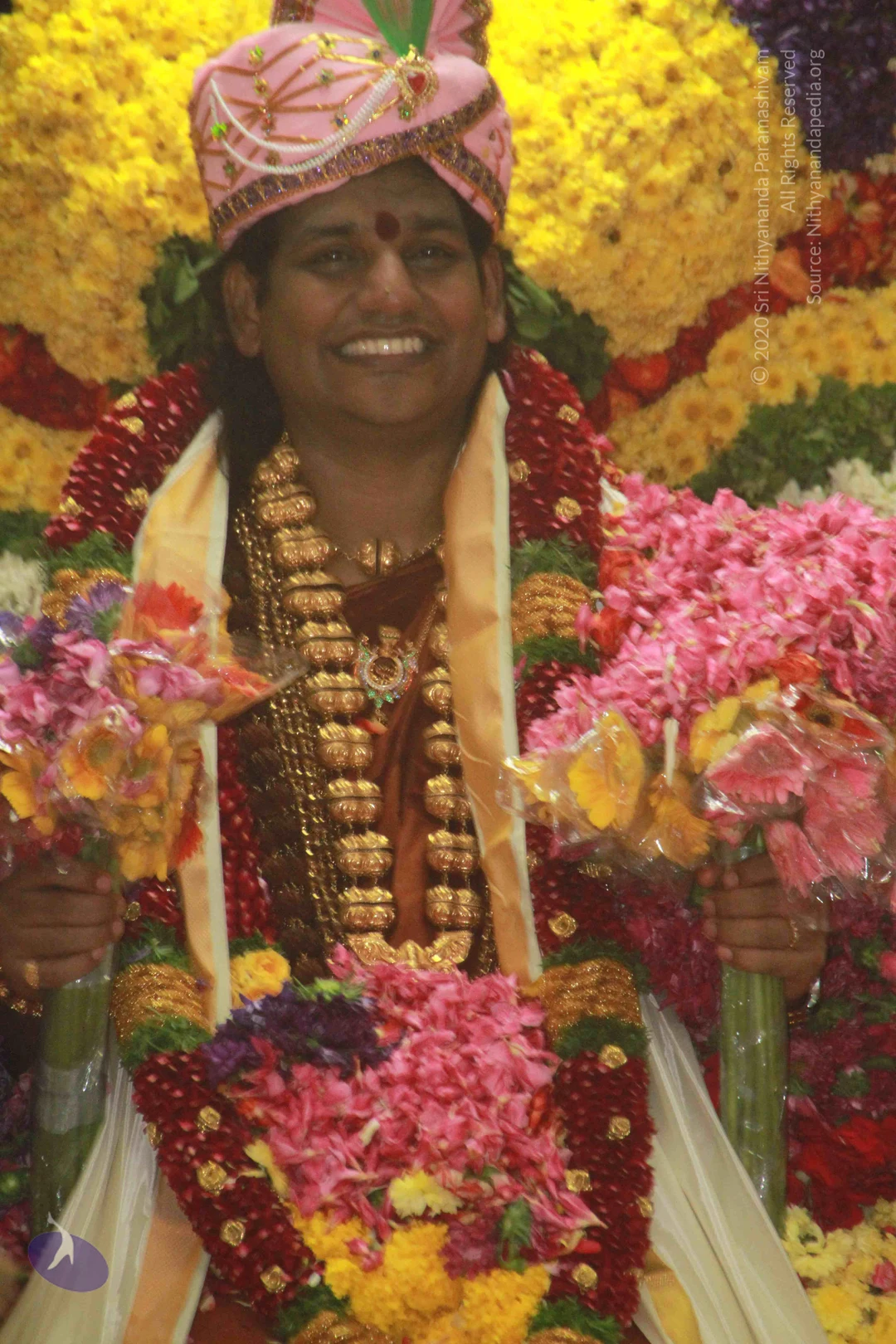
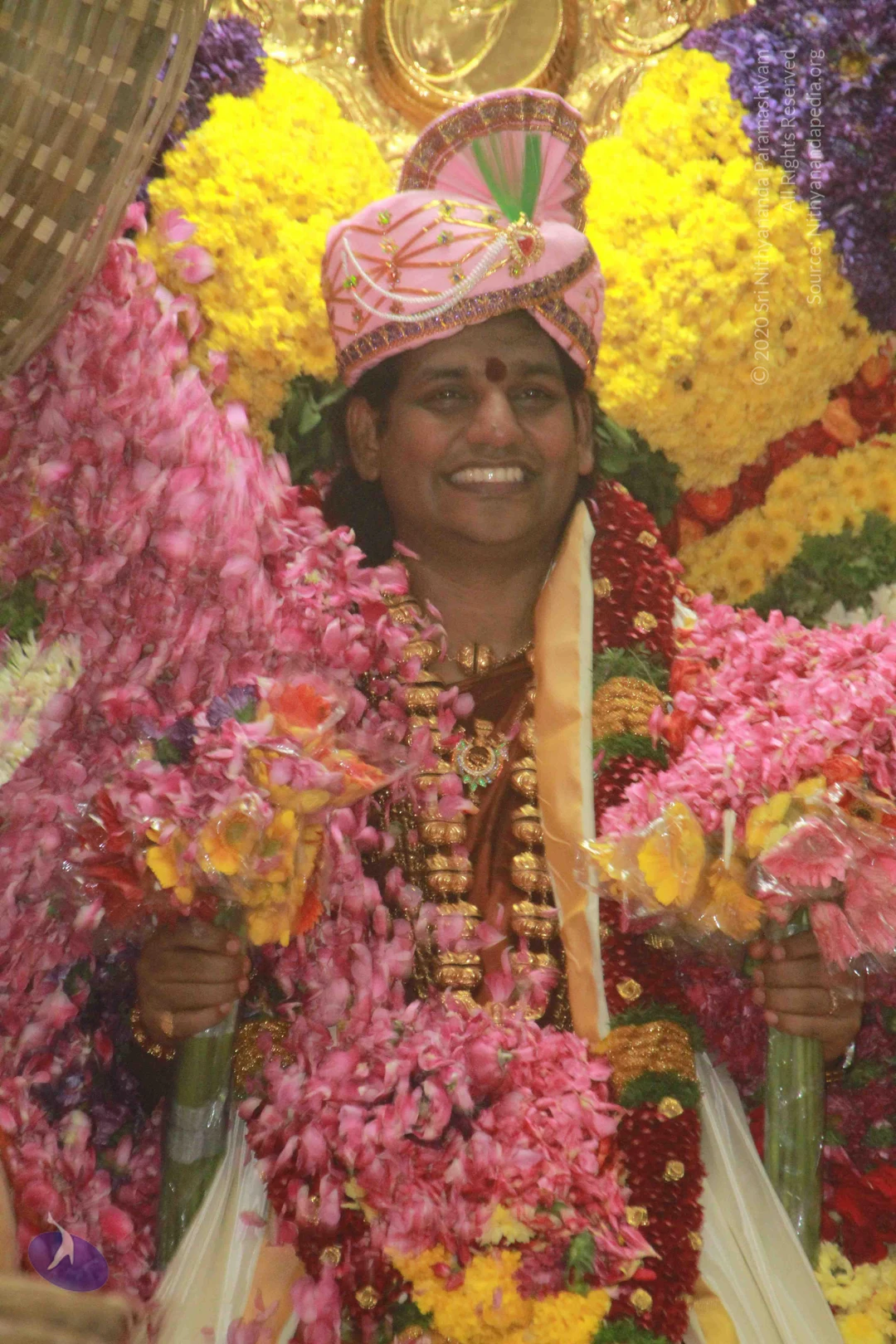
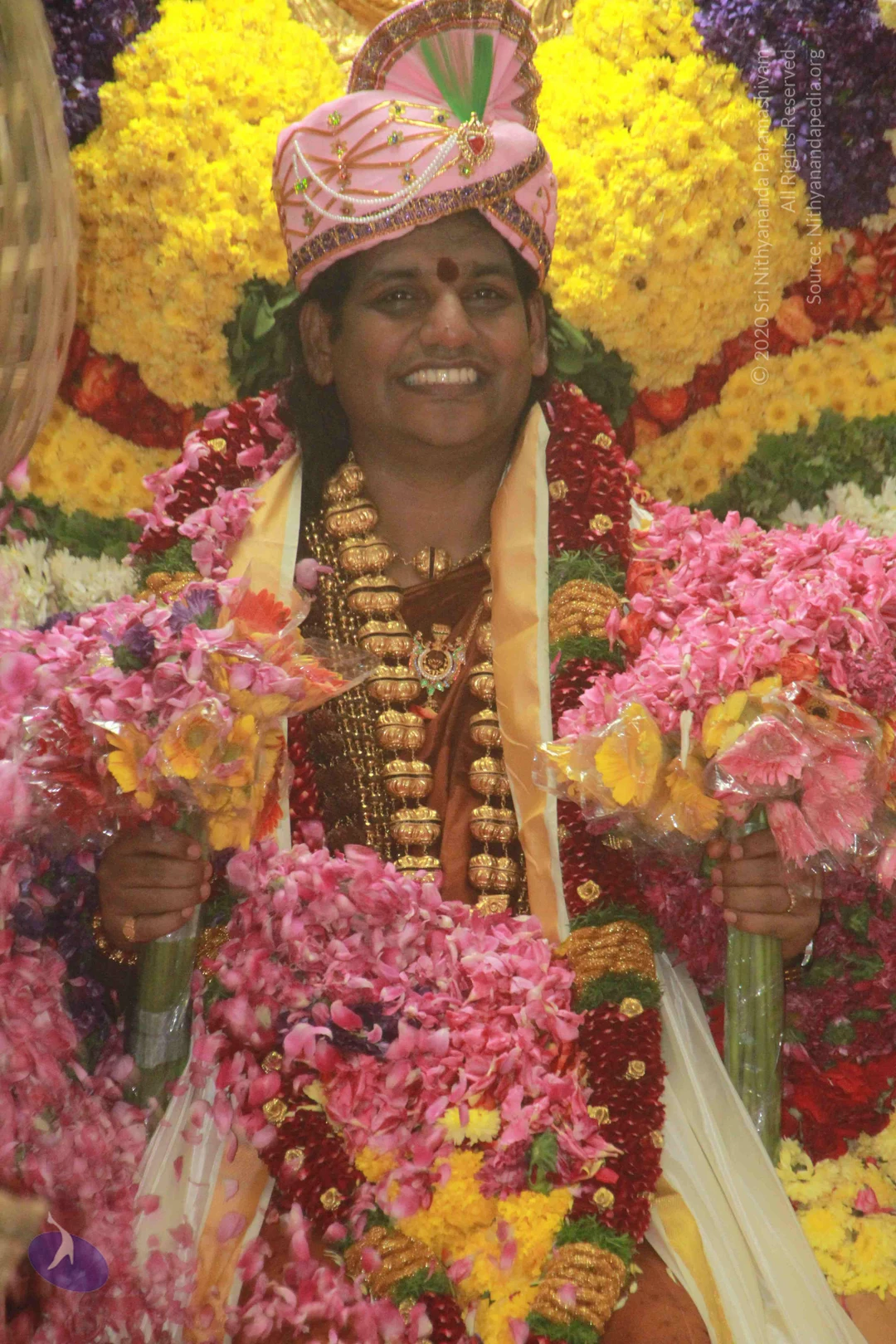
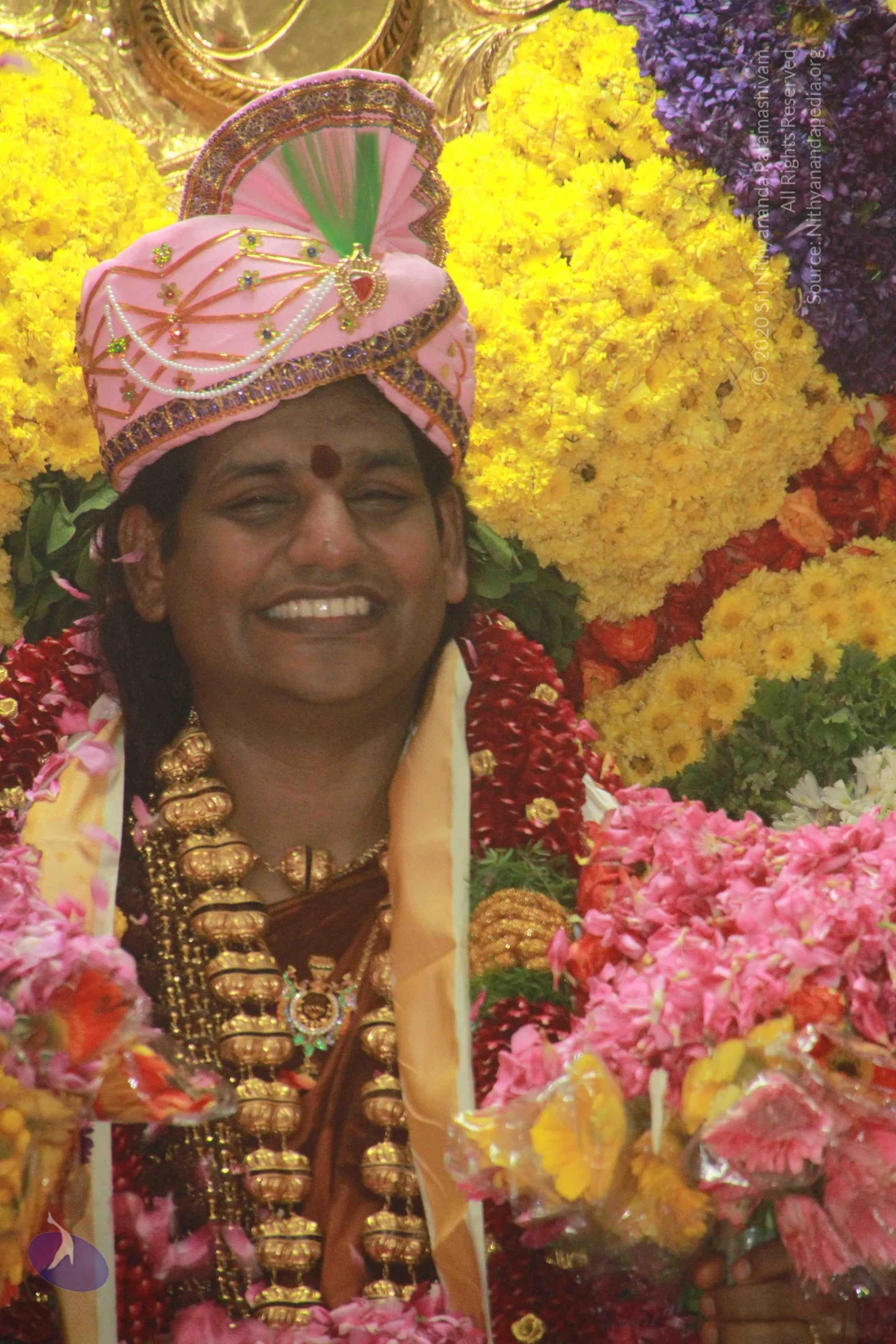
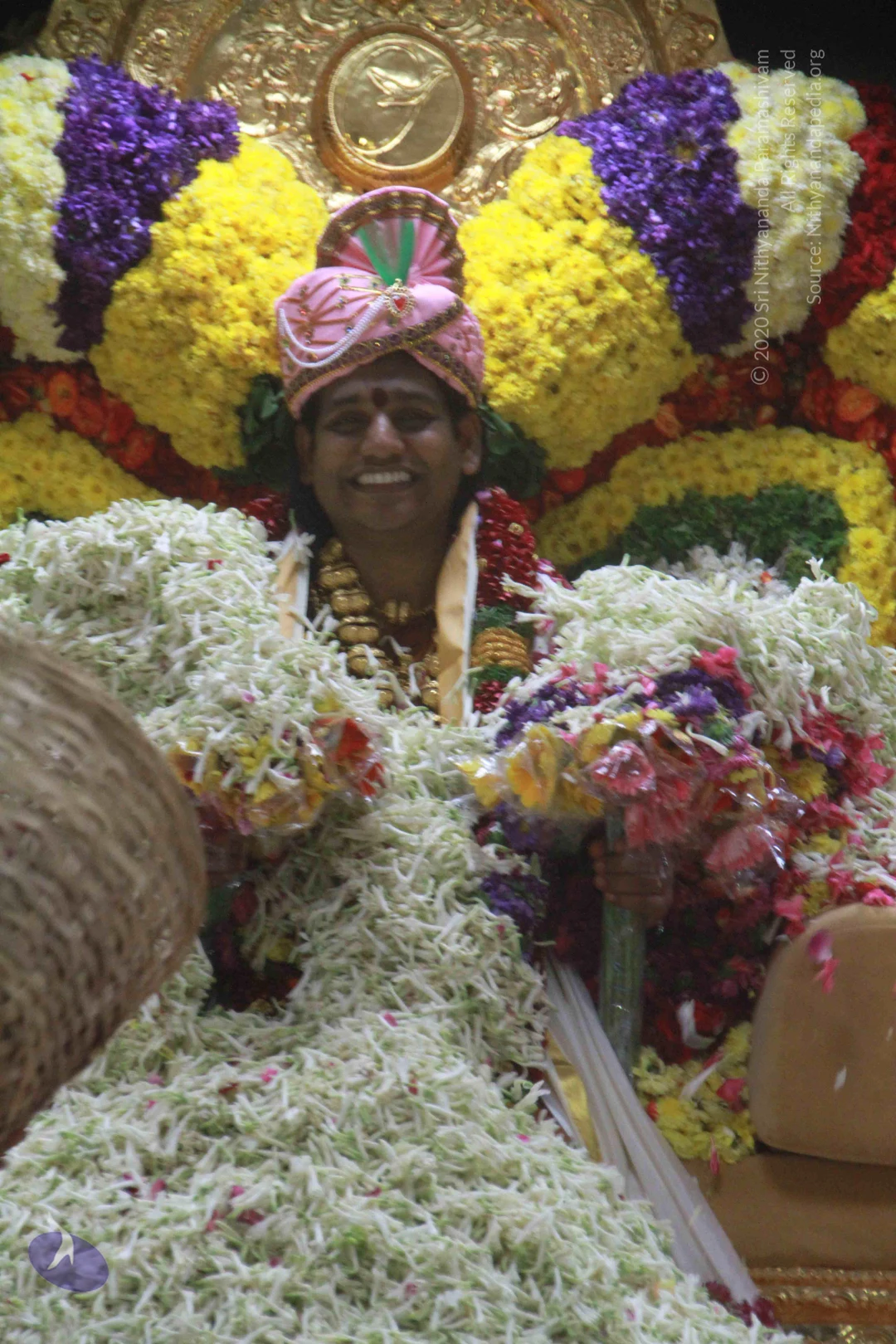
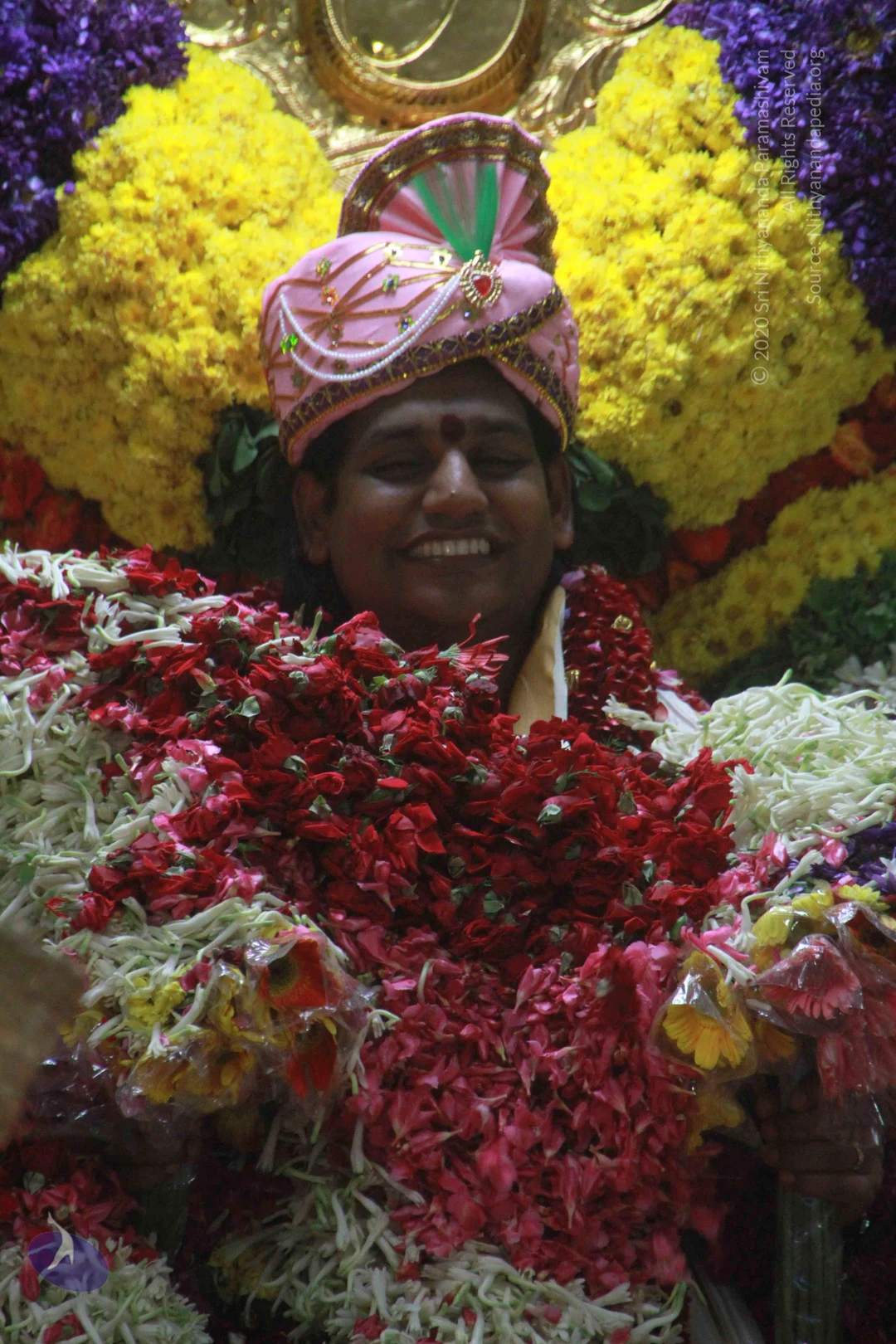
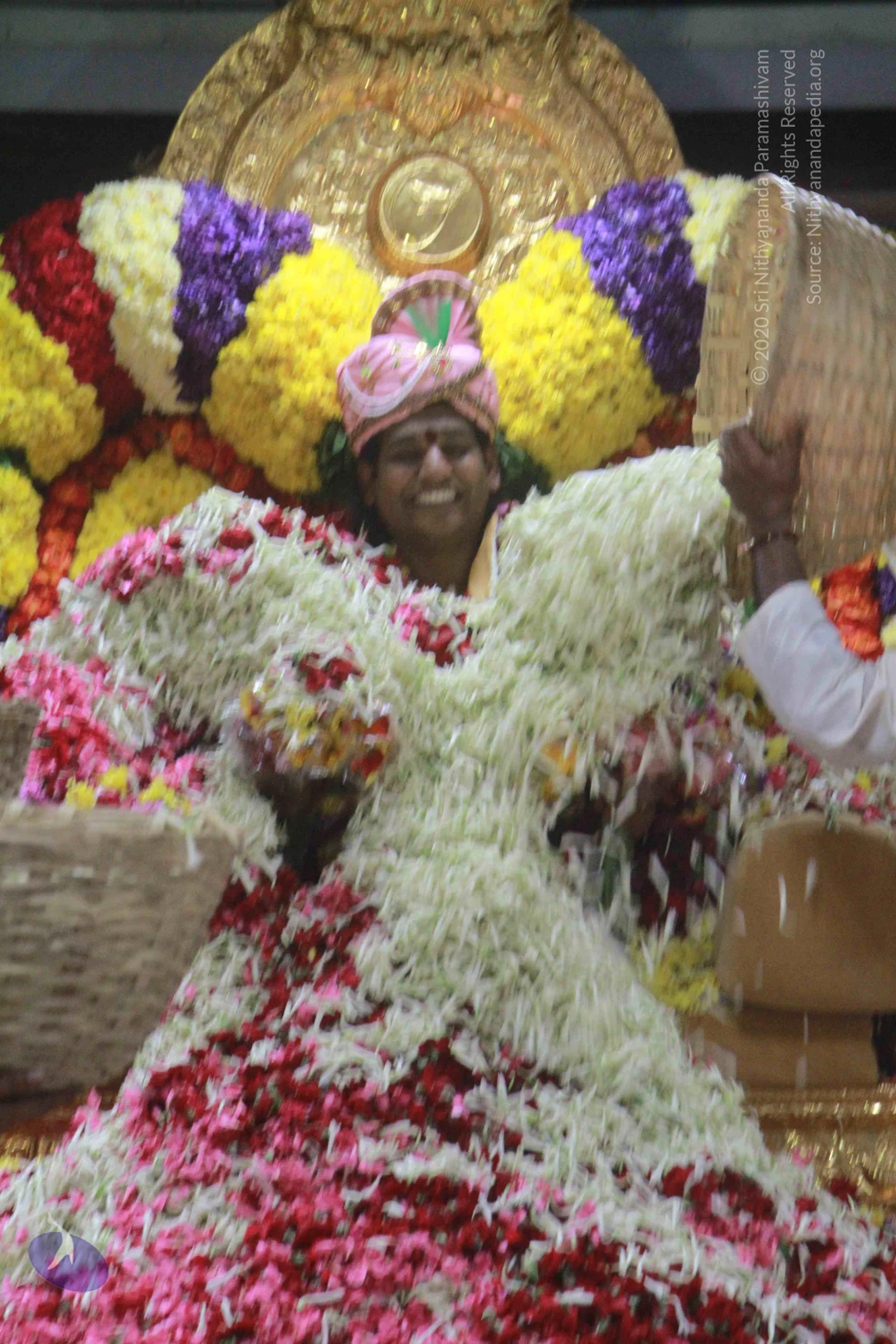
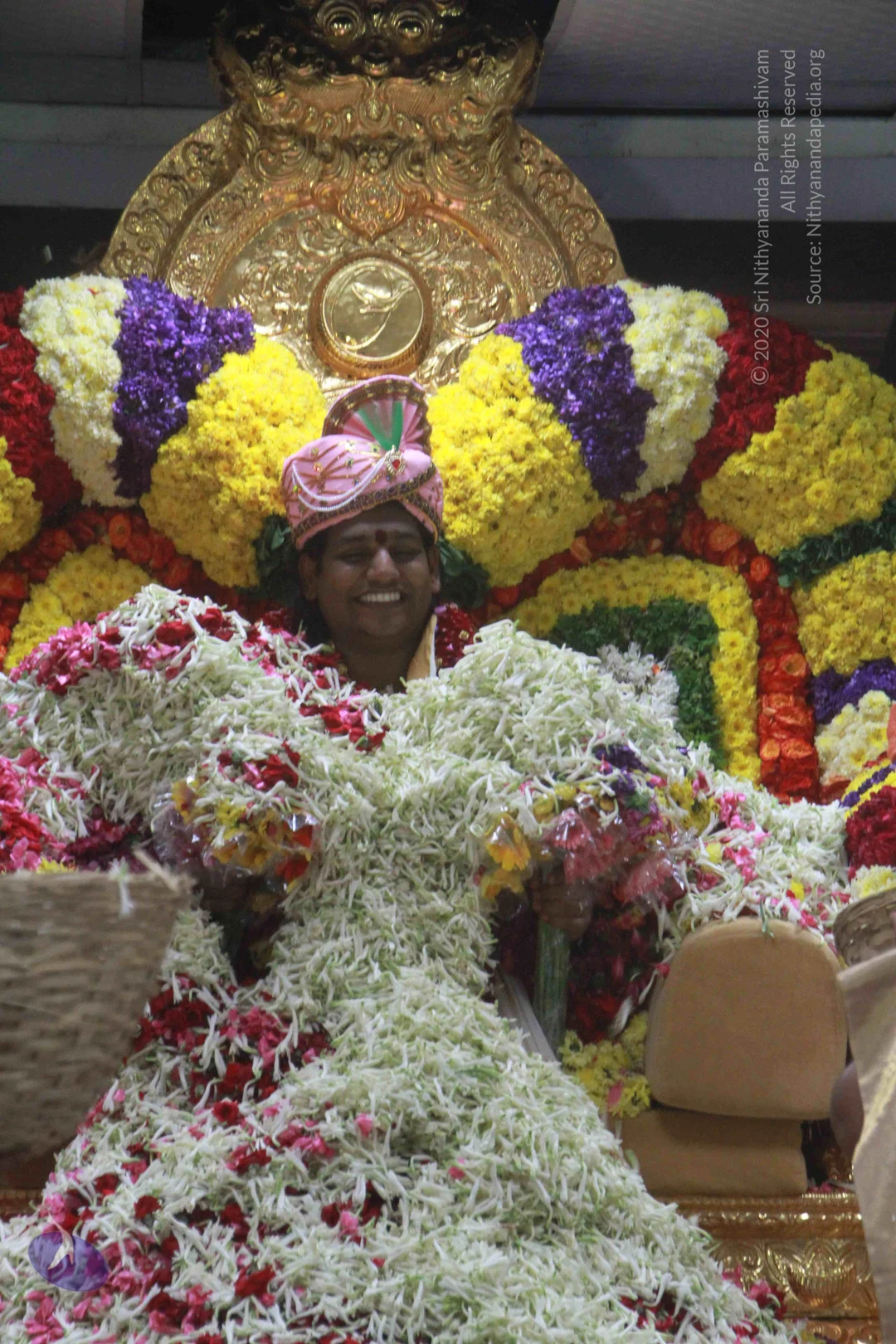
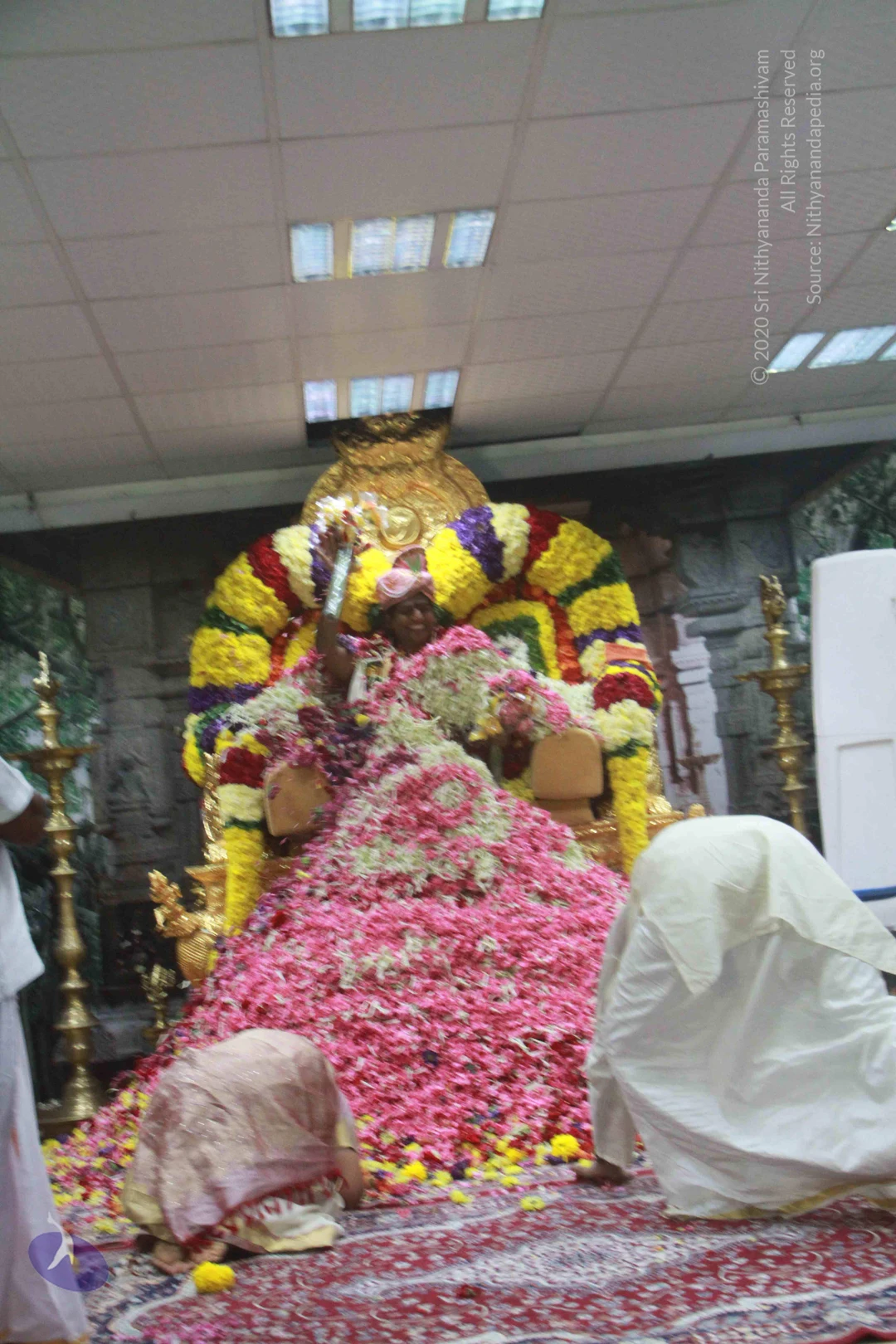
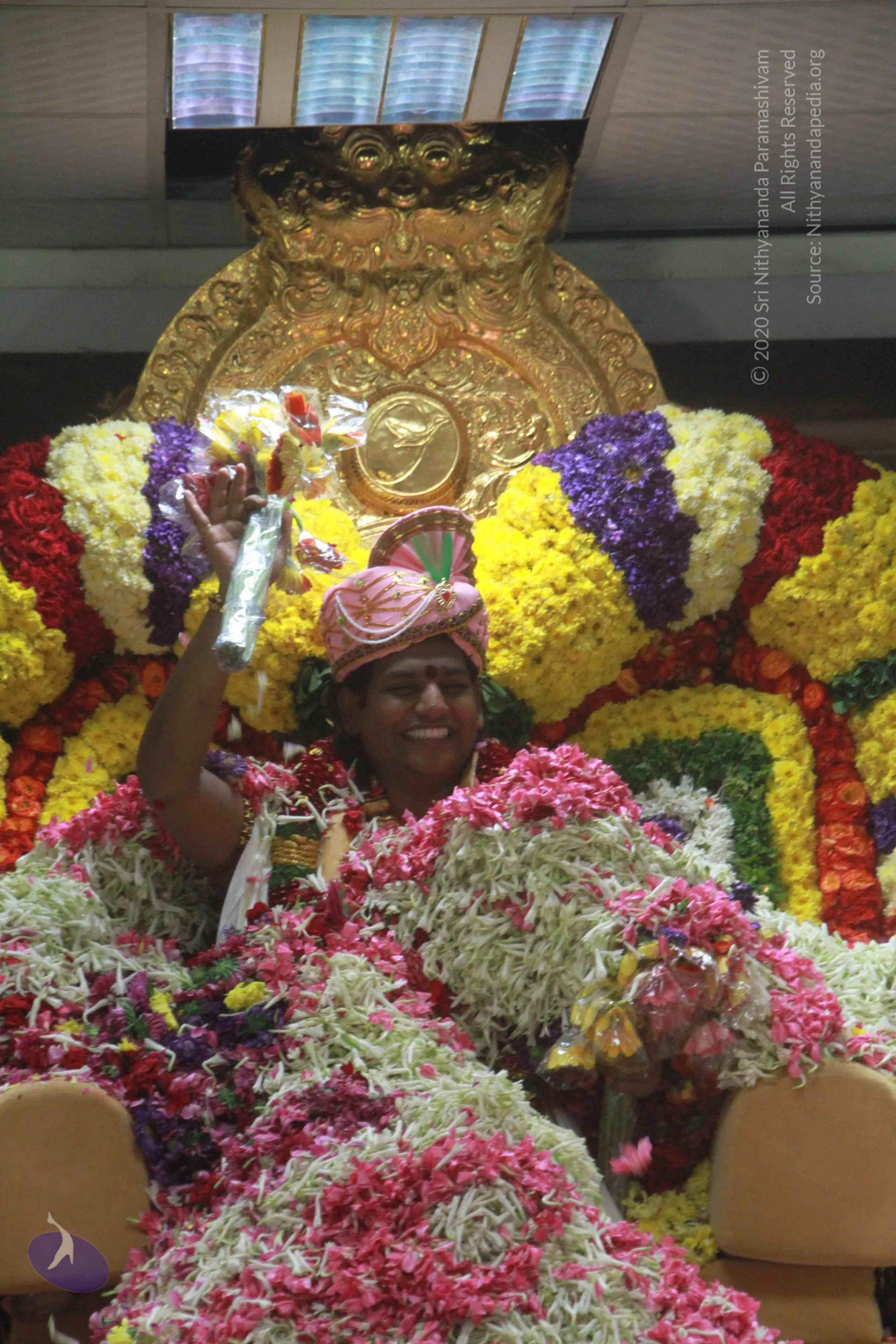
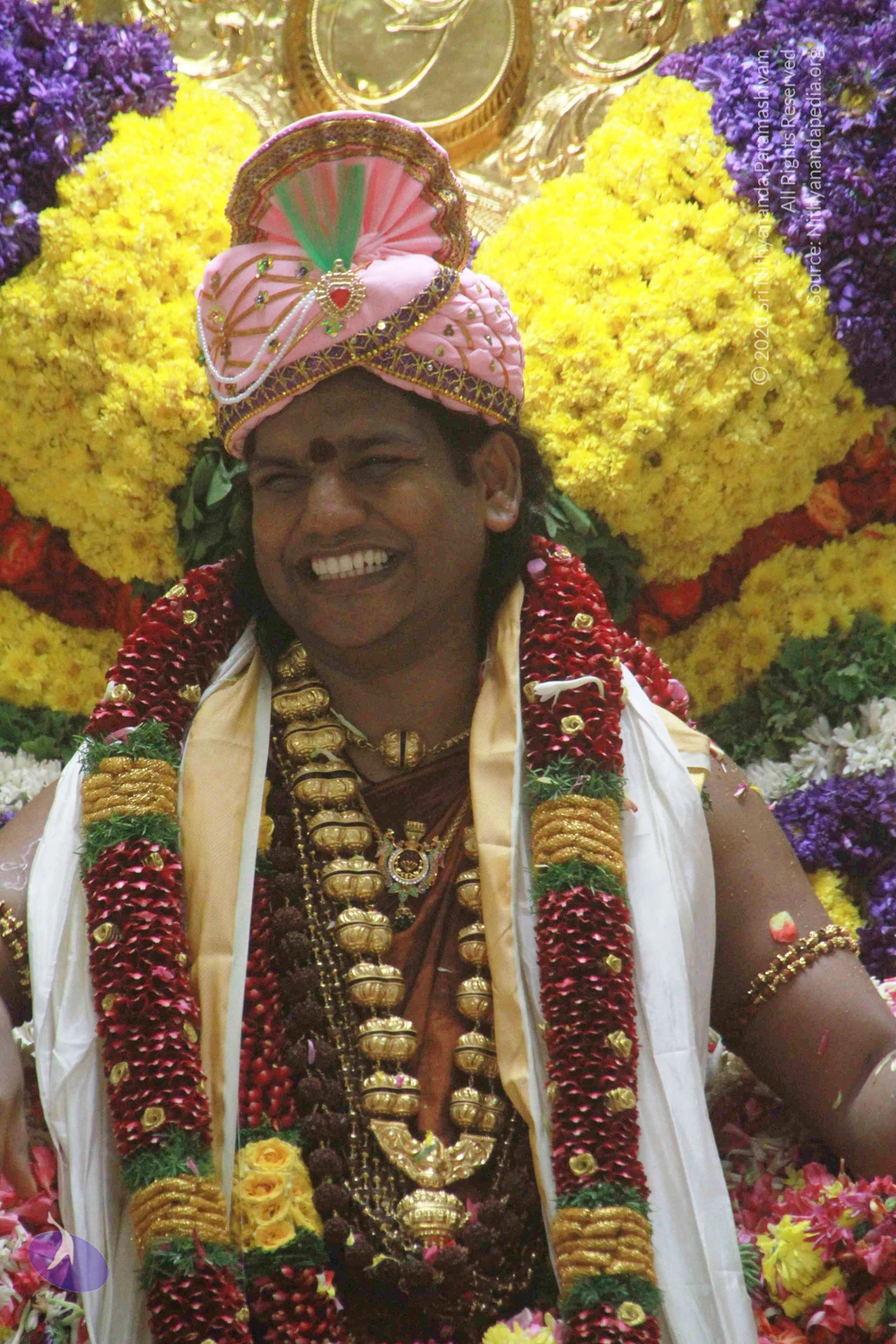
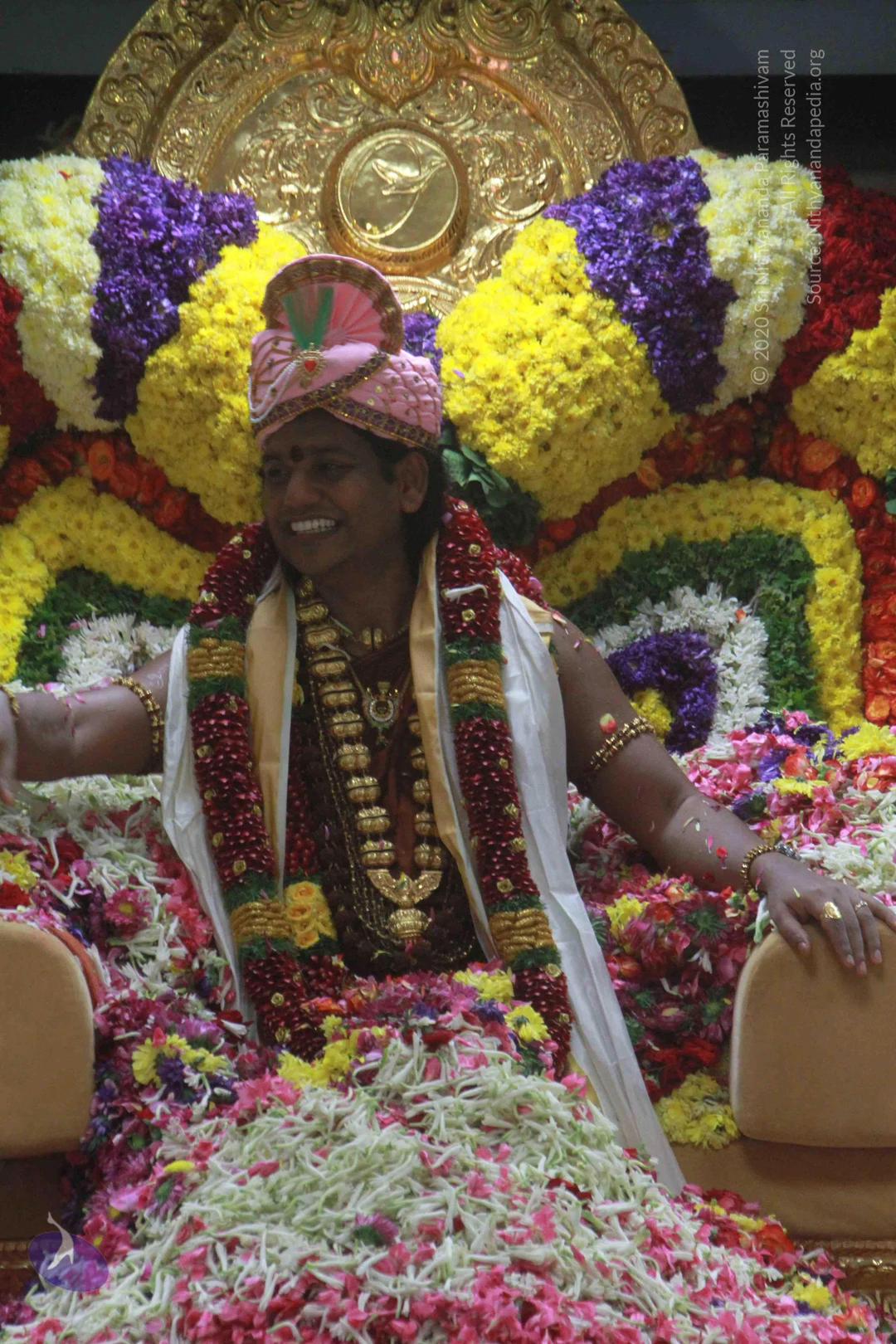
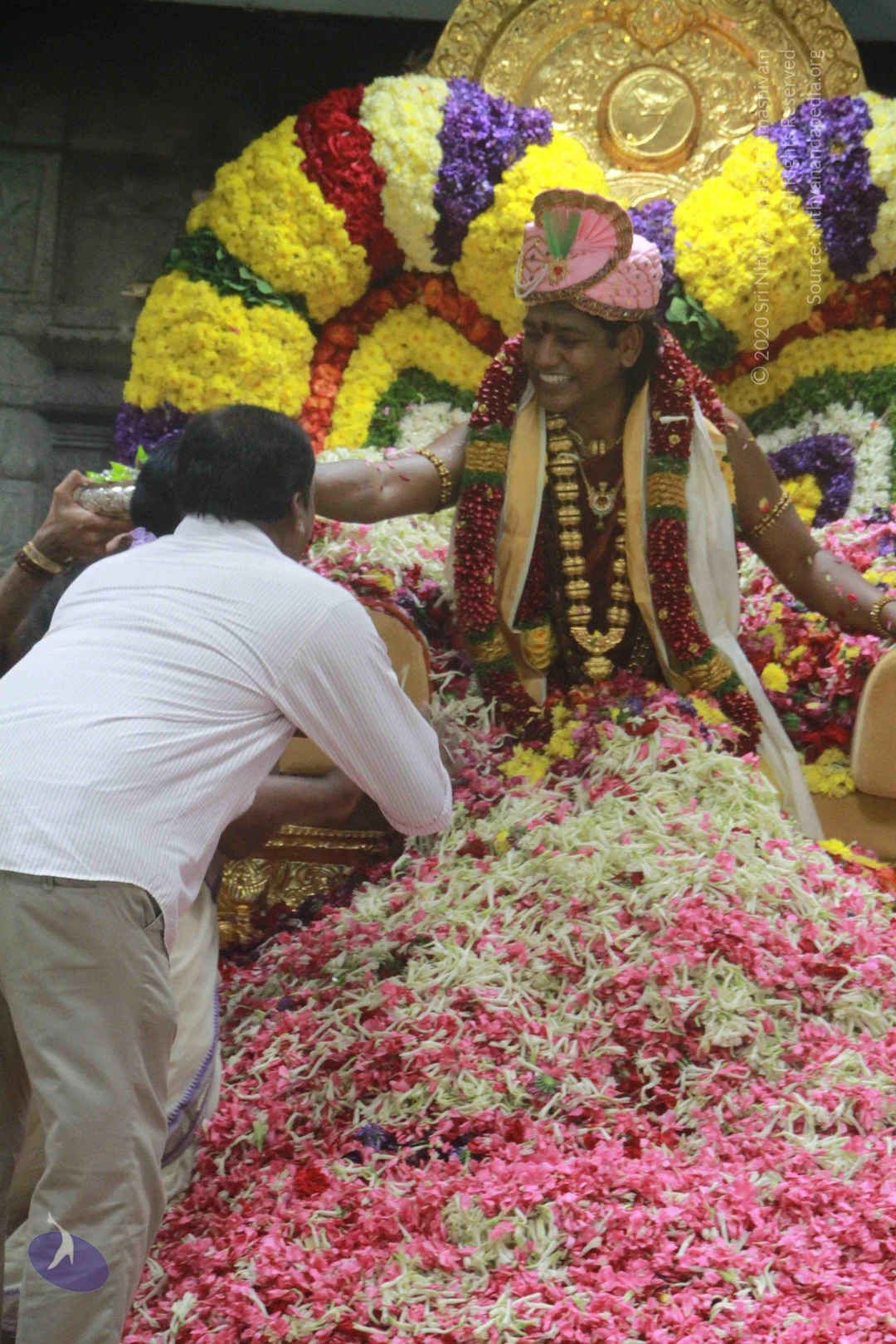
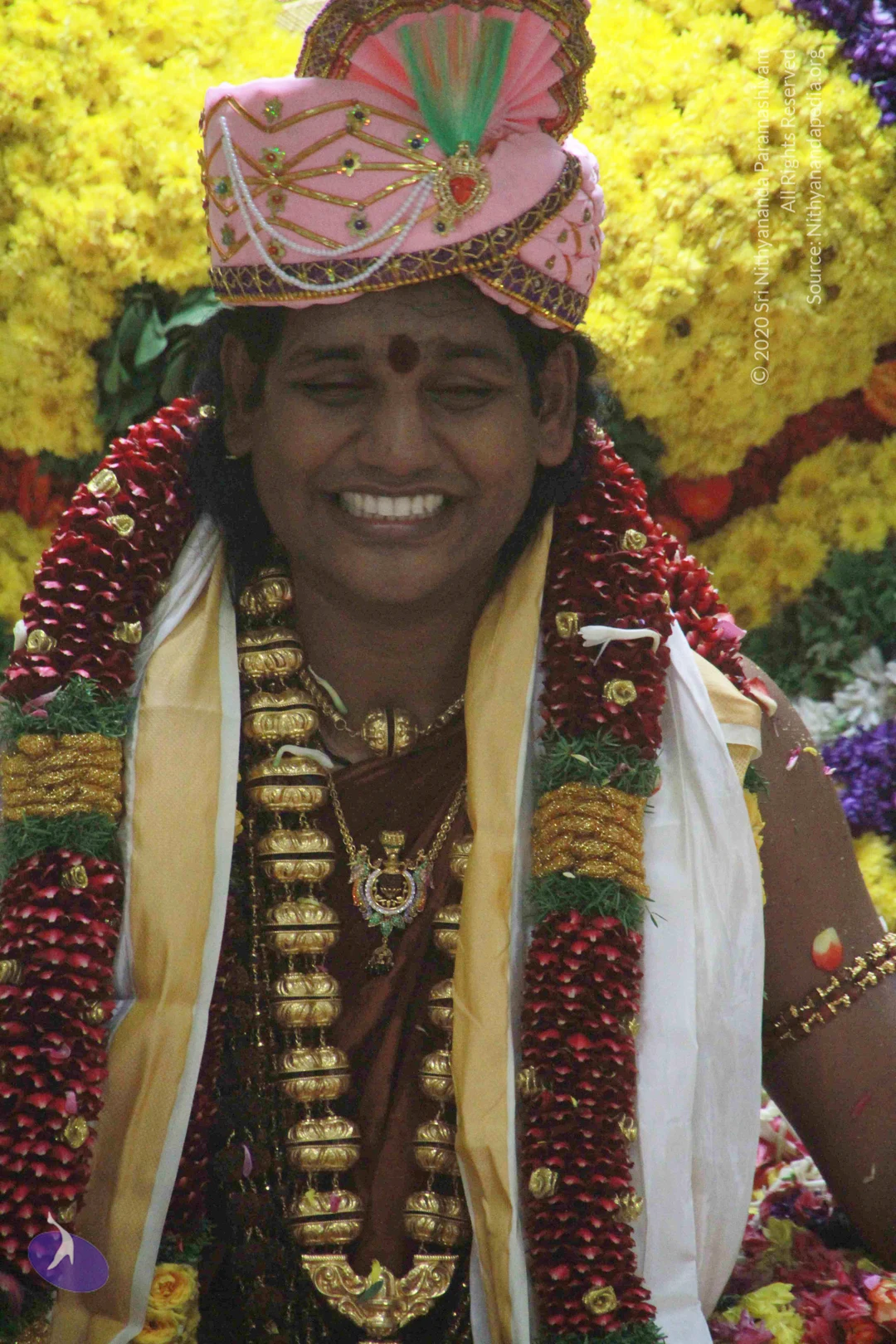
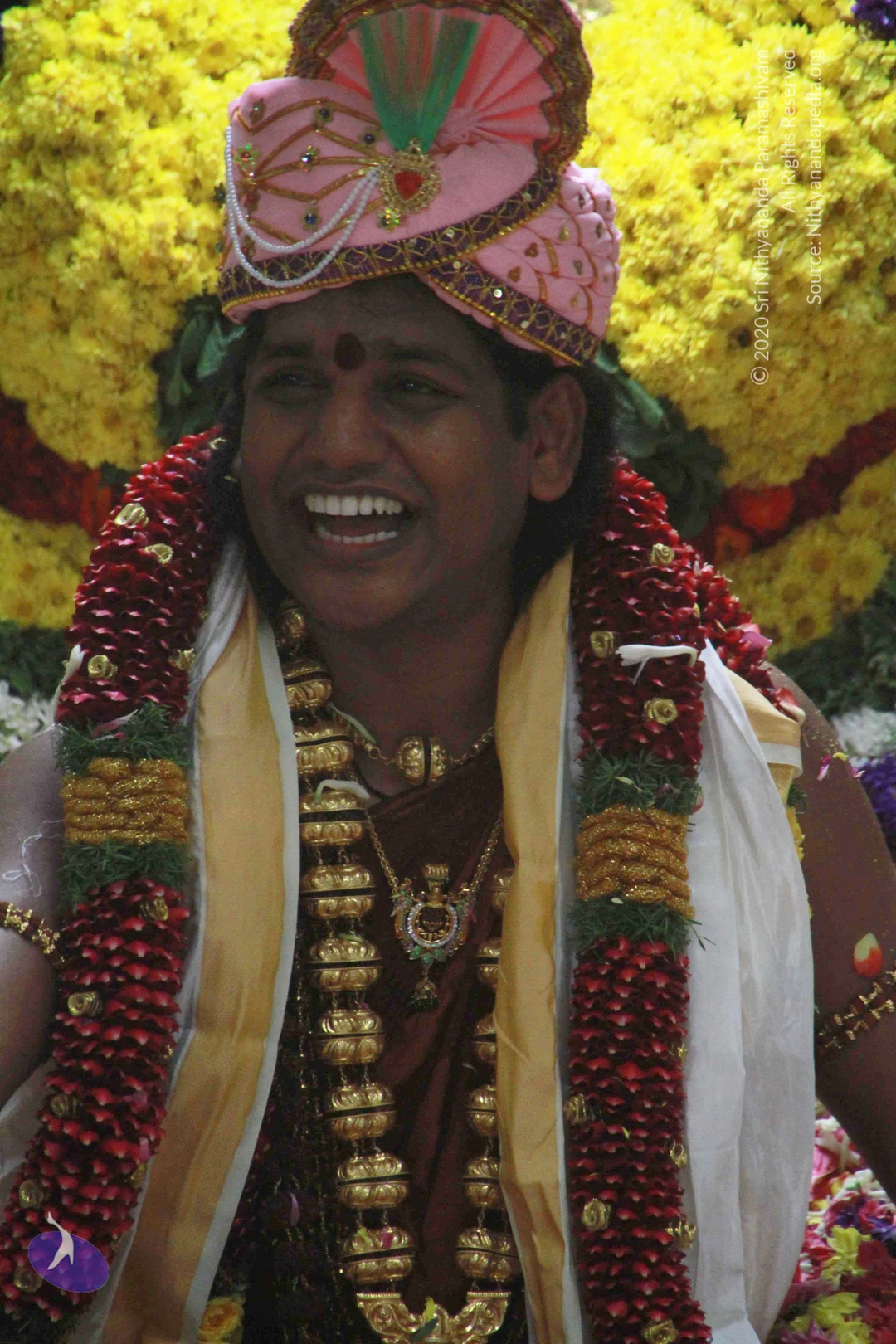
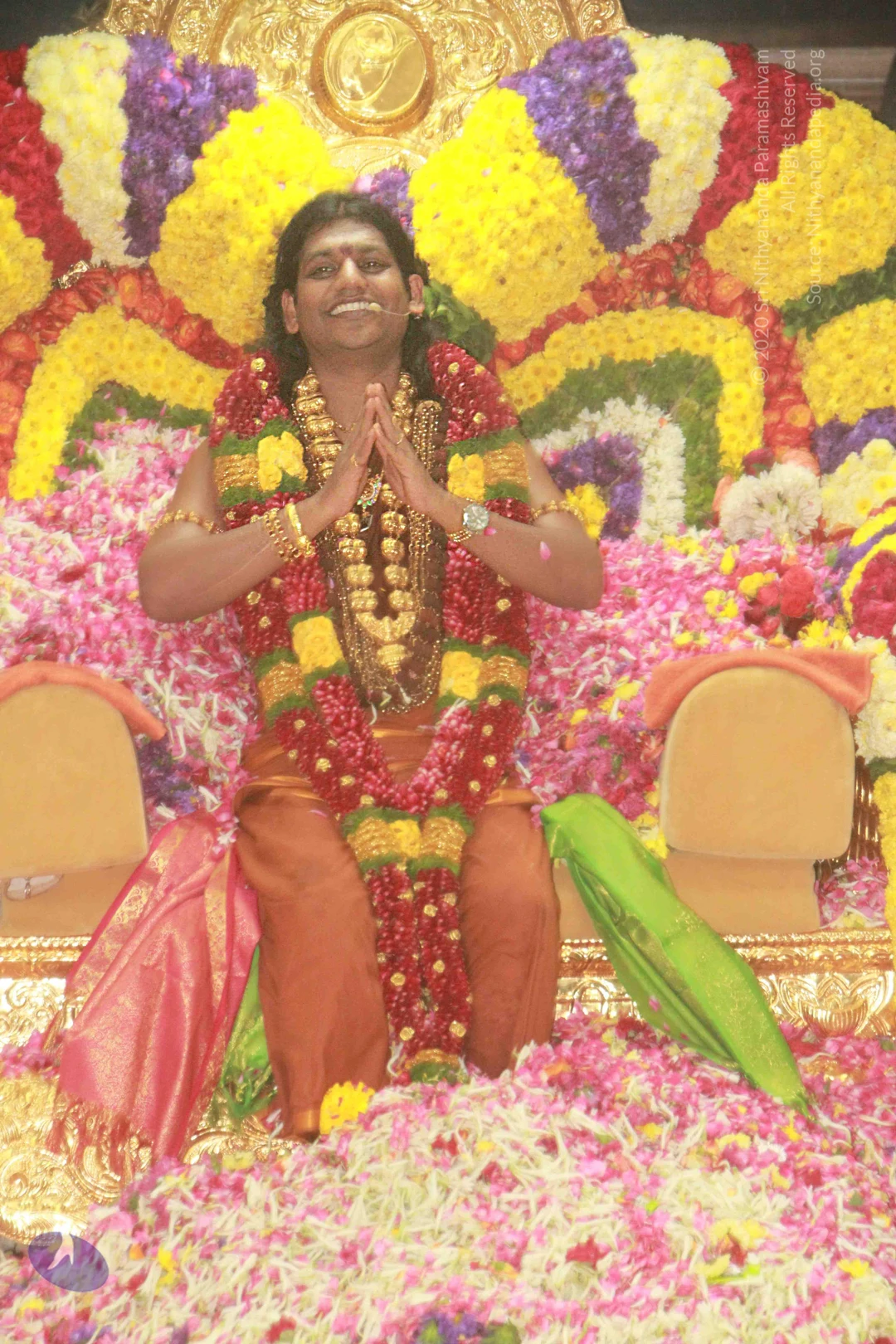
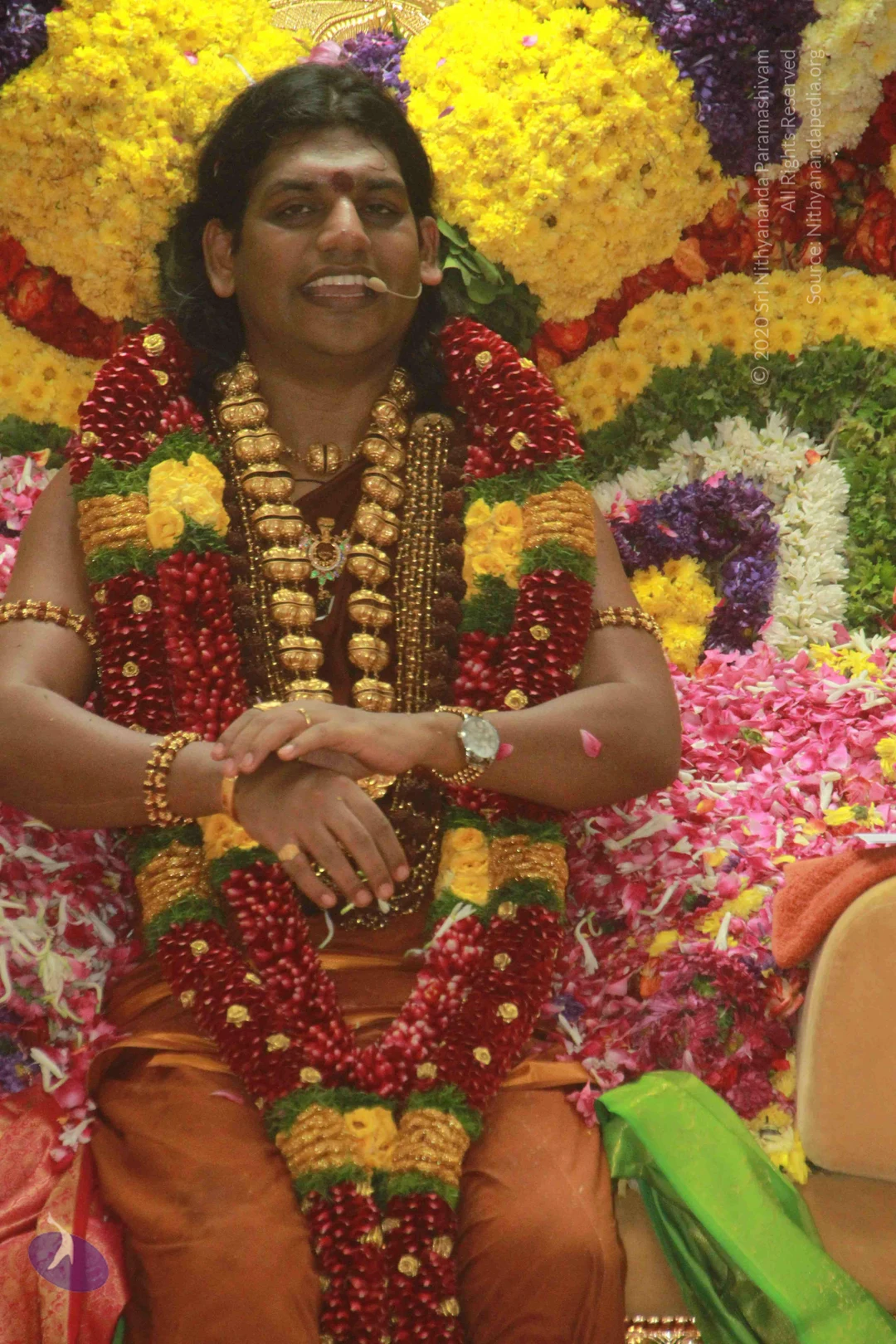
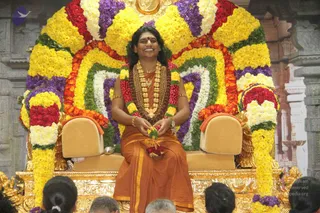
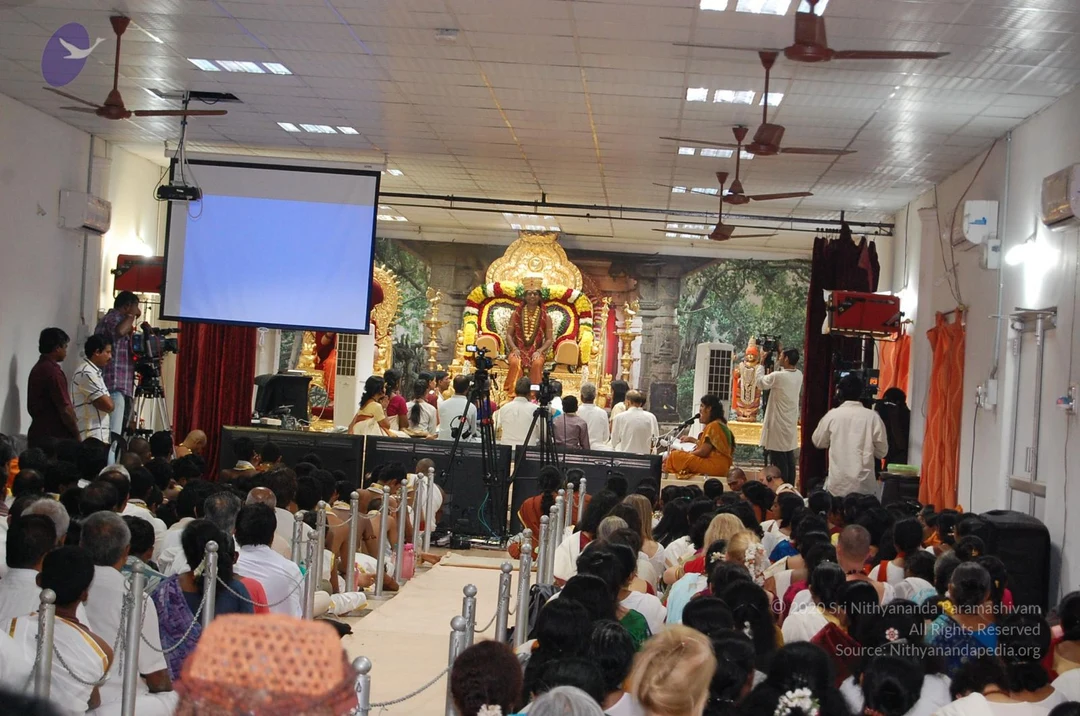
Swamiji During Morning Satsang
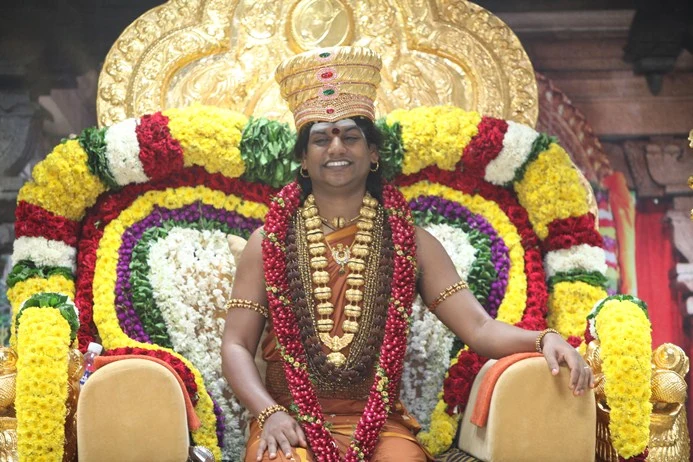
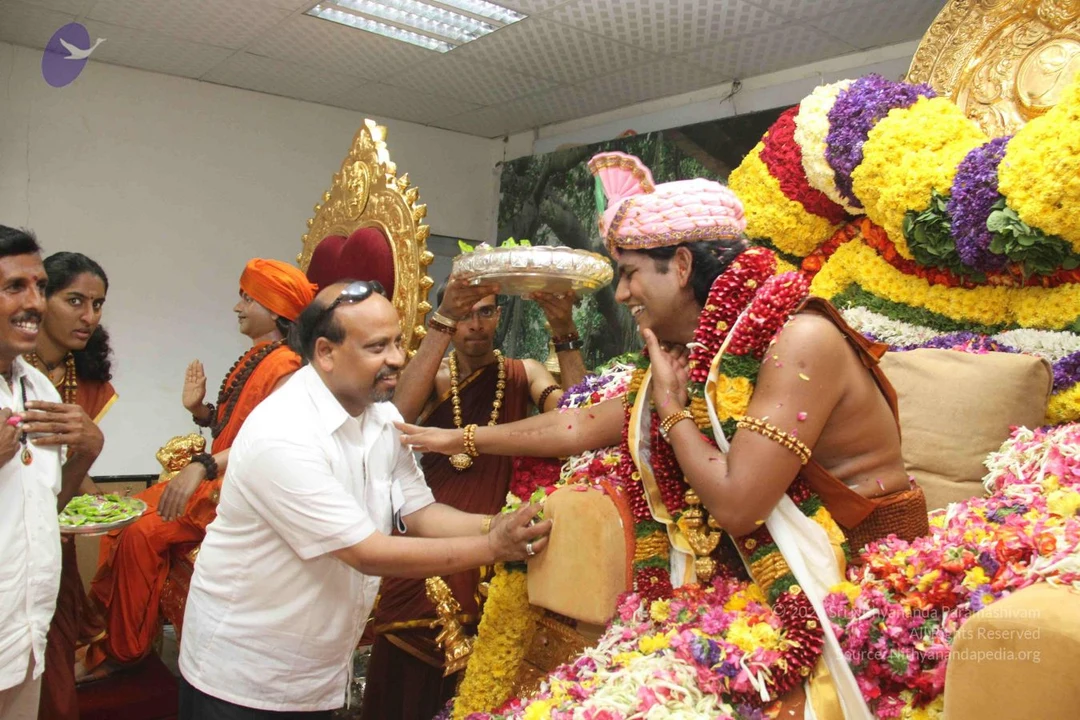
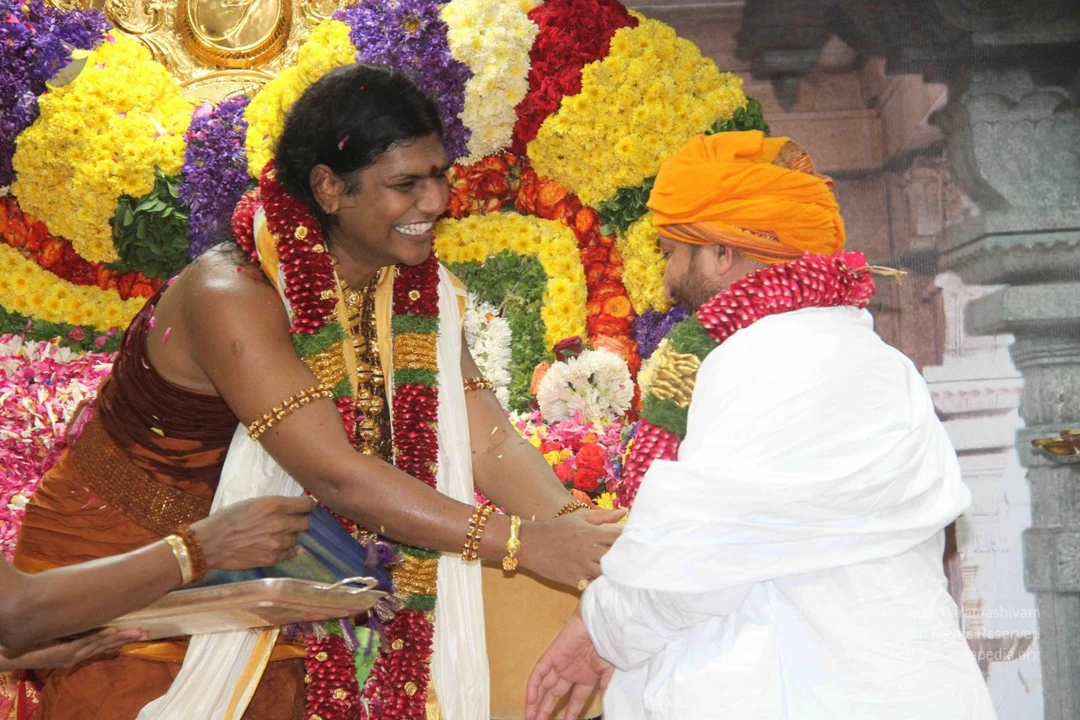
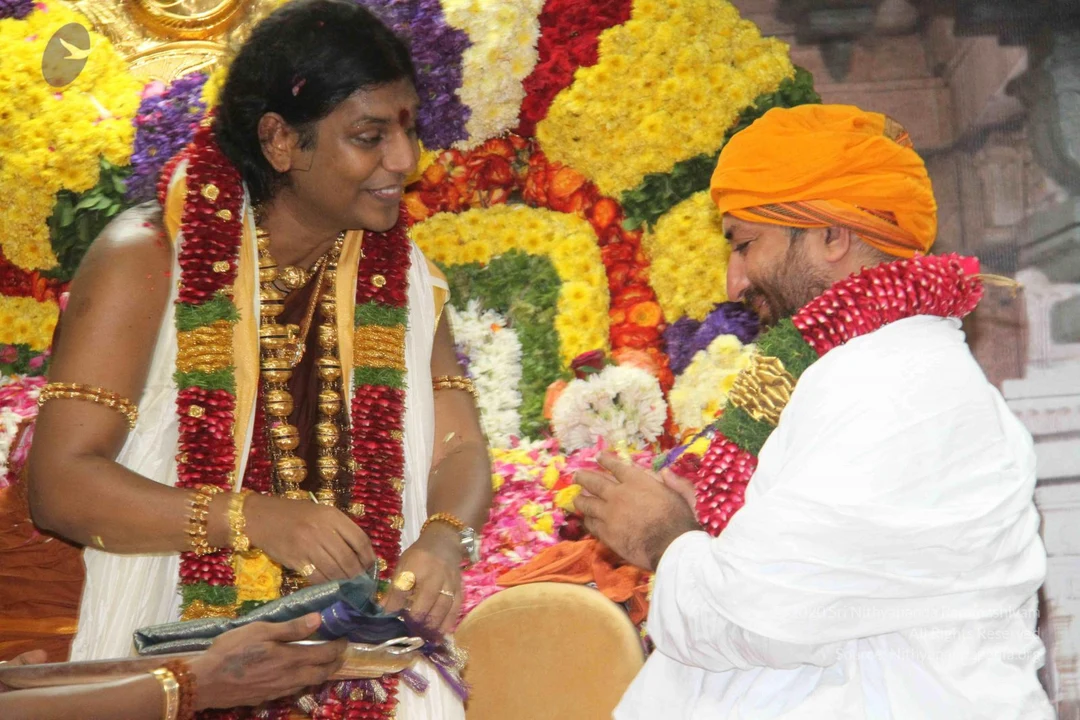
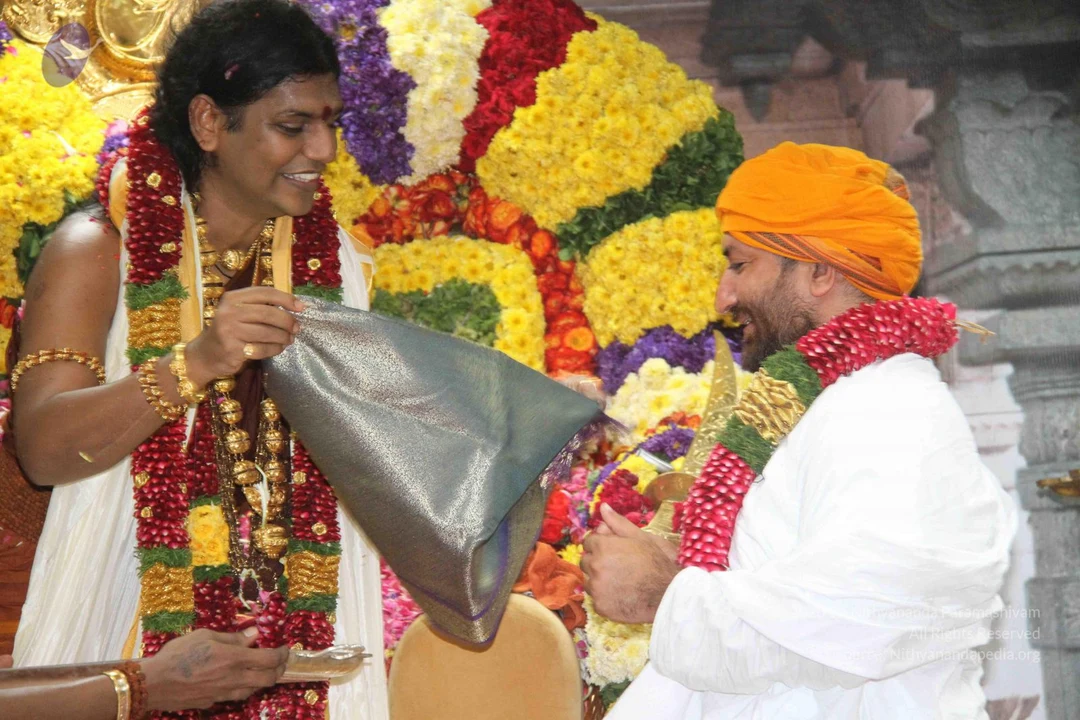
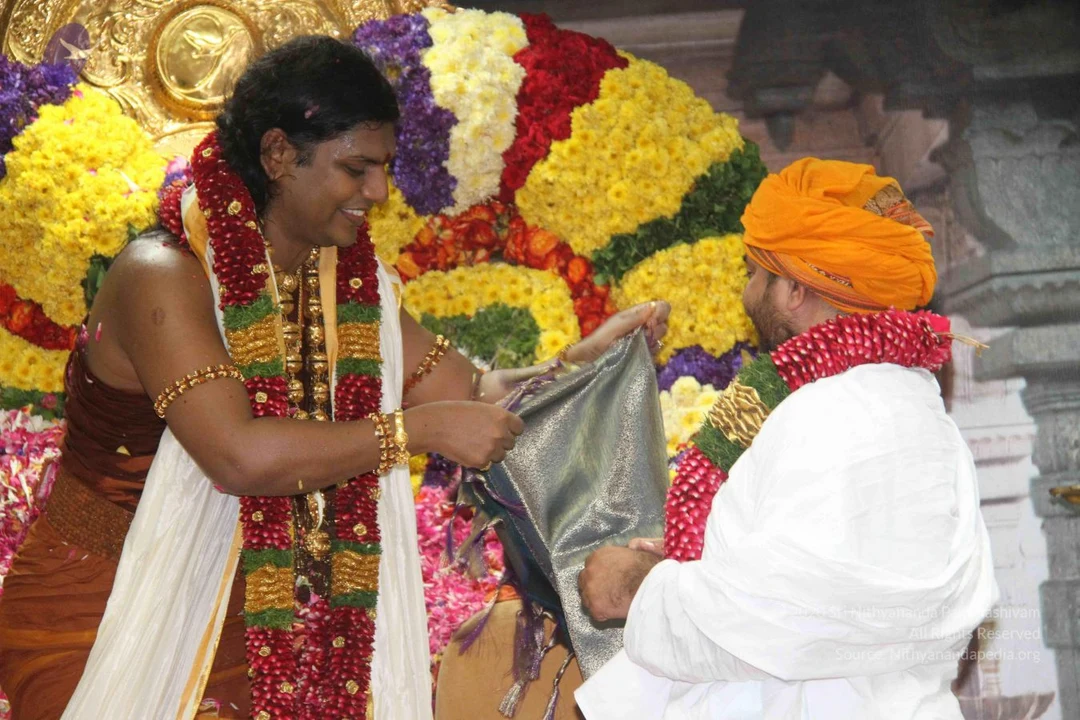
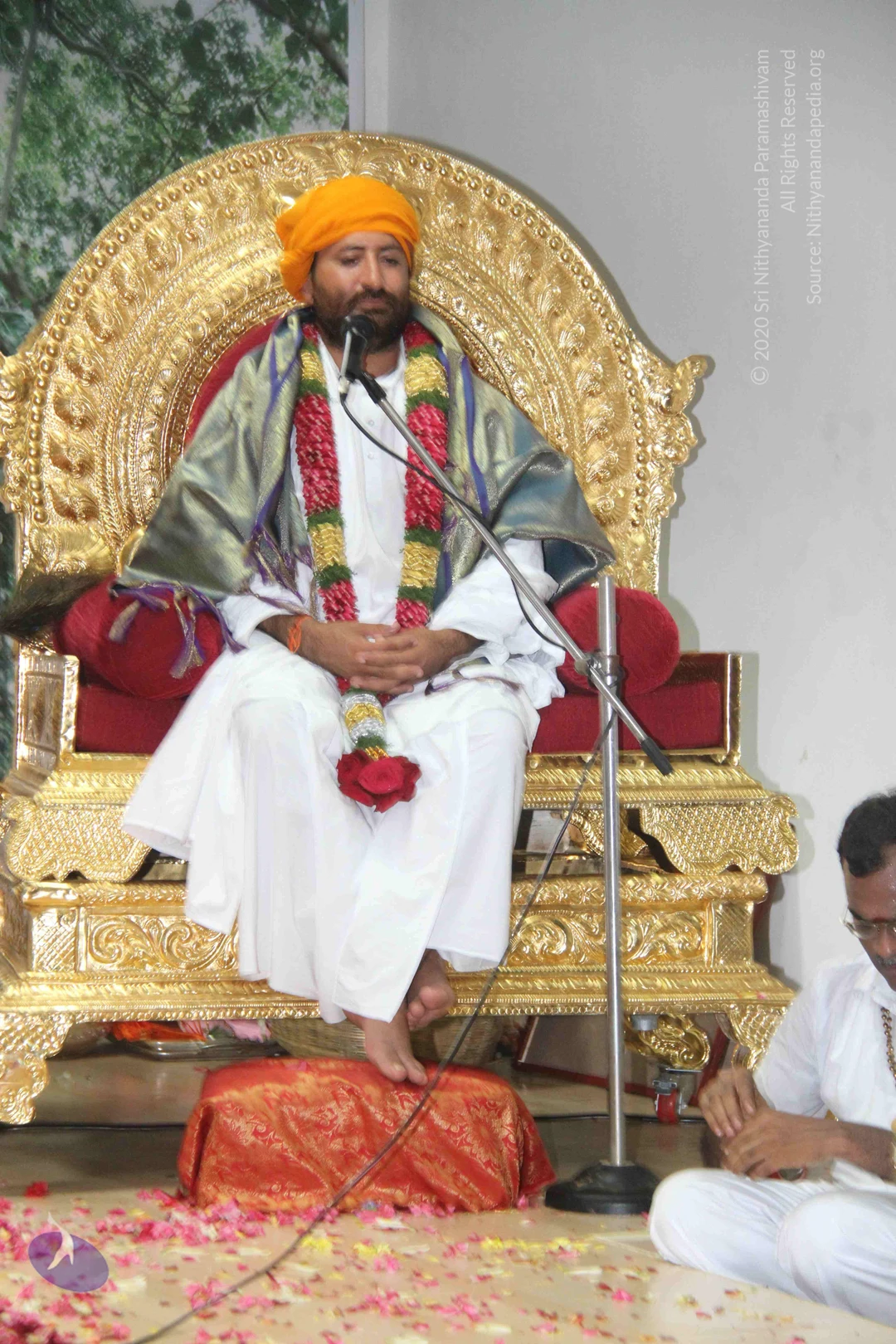
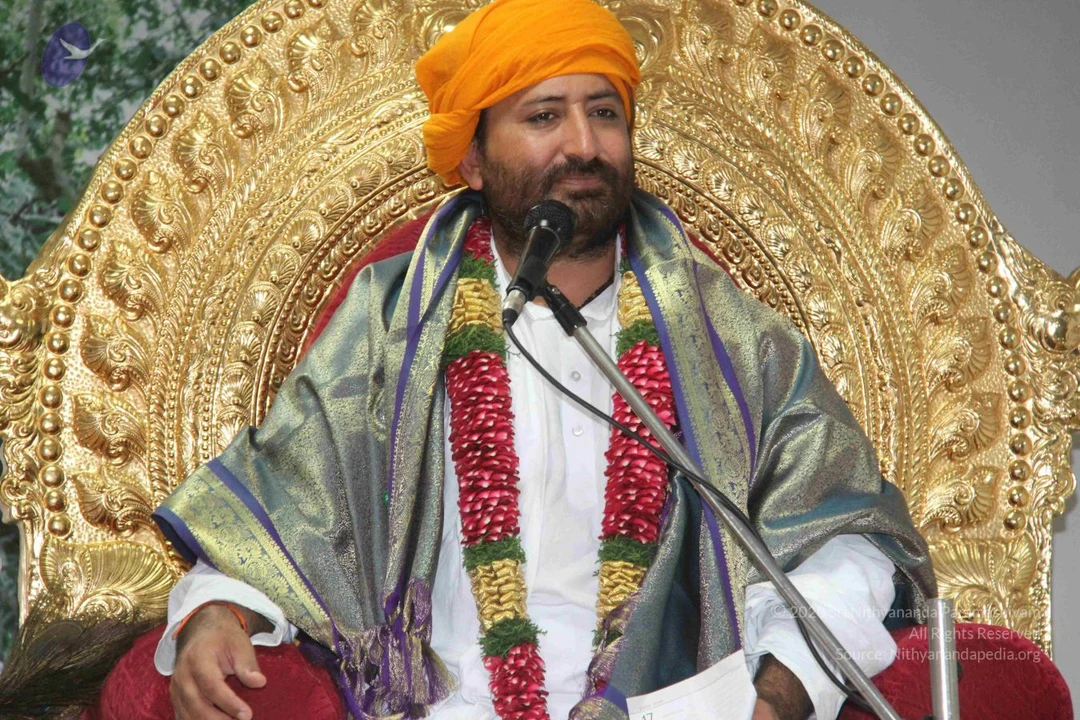
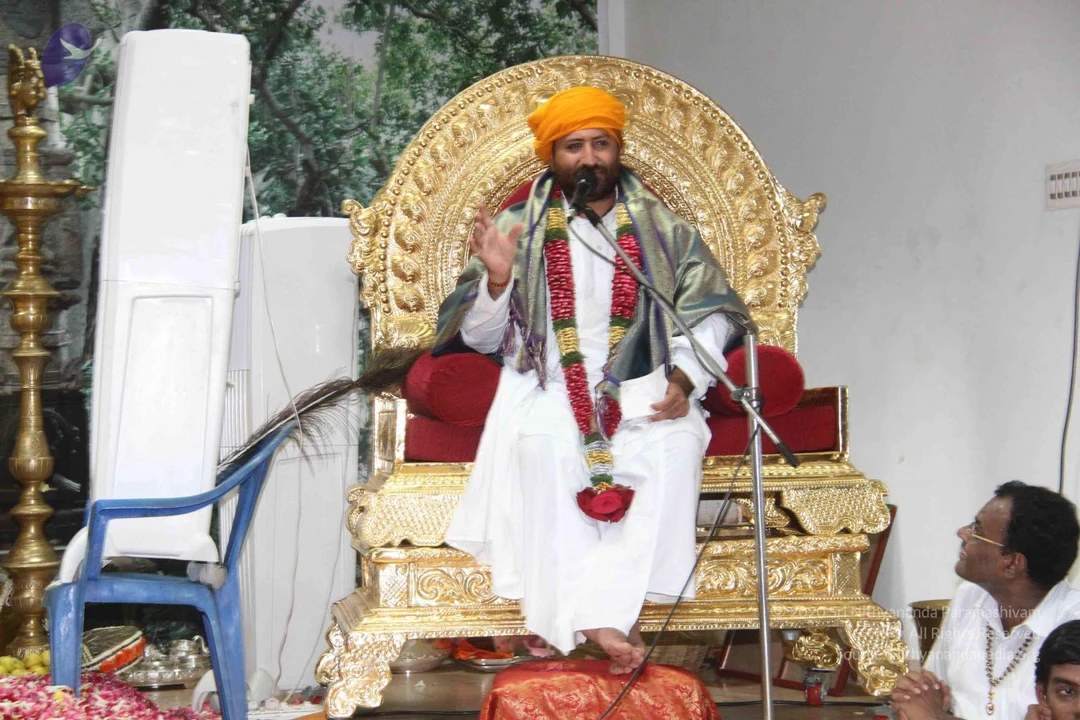
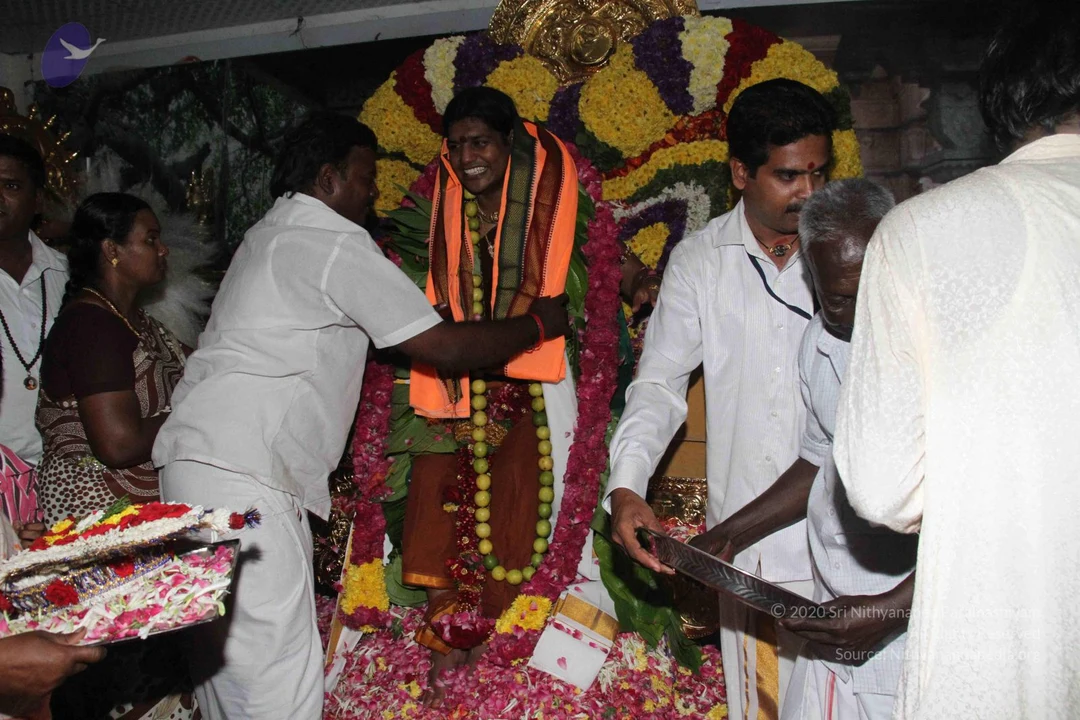
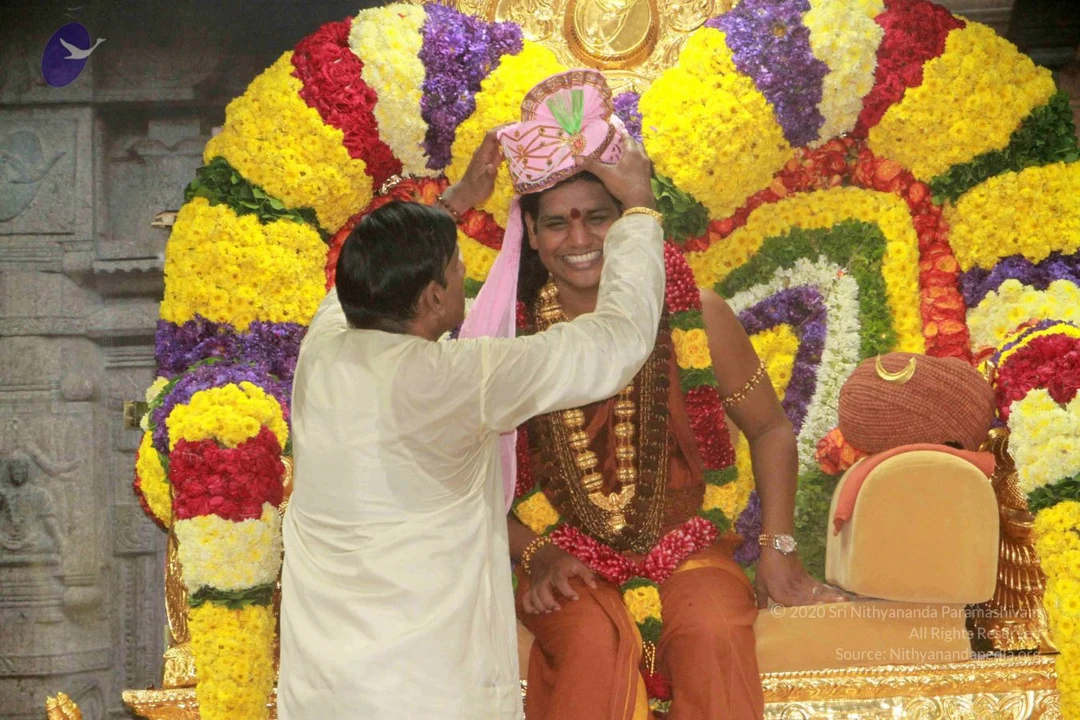
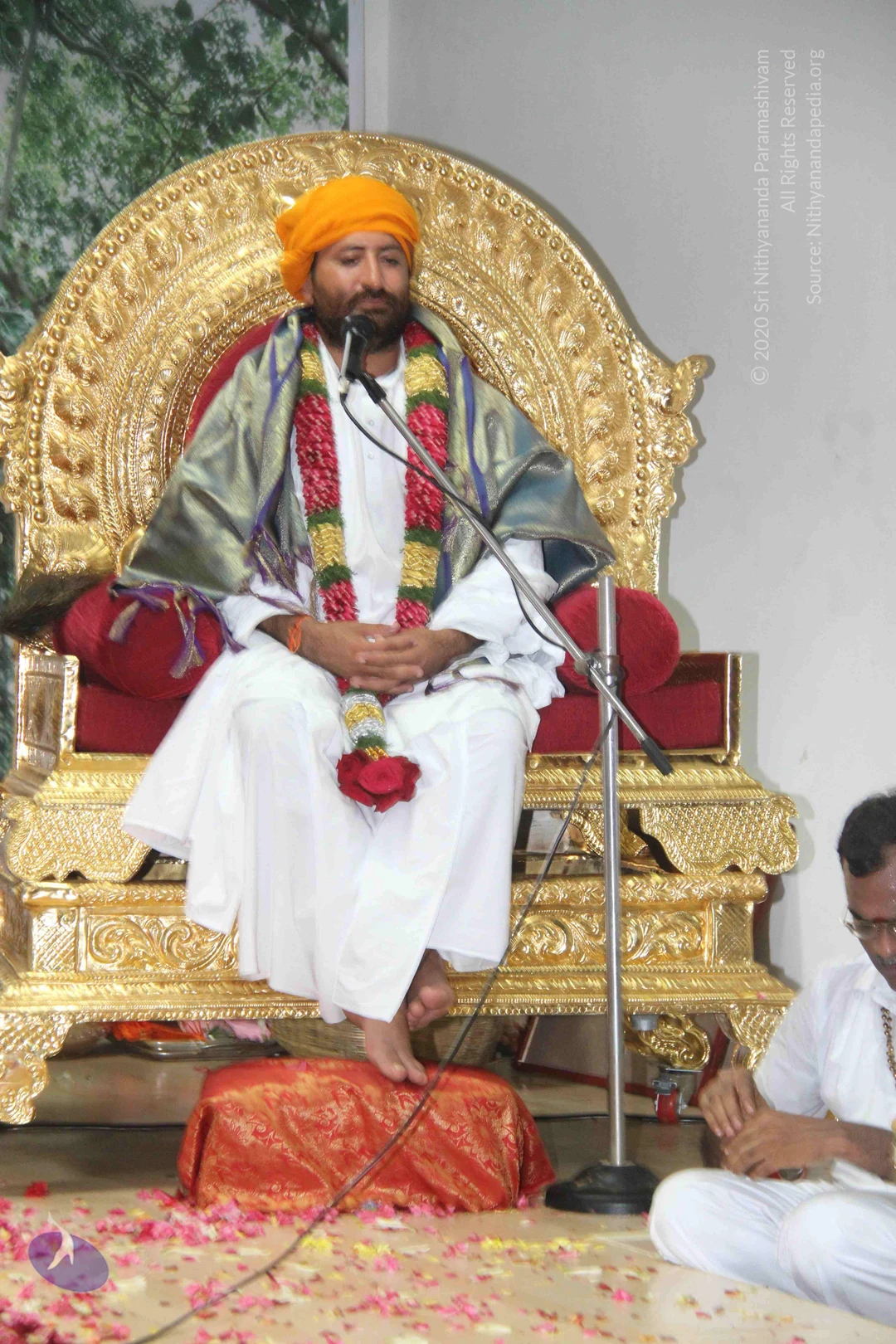
Madhukar Swamiji
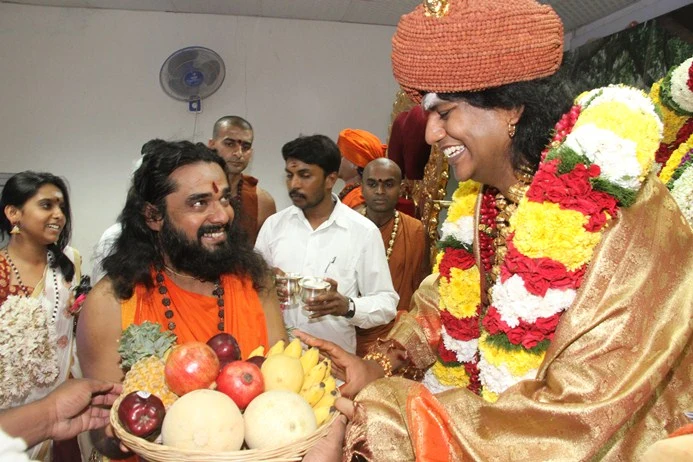
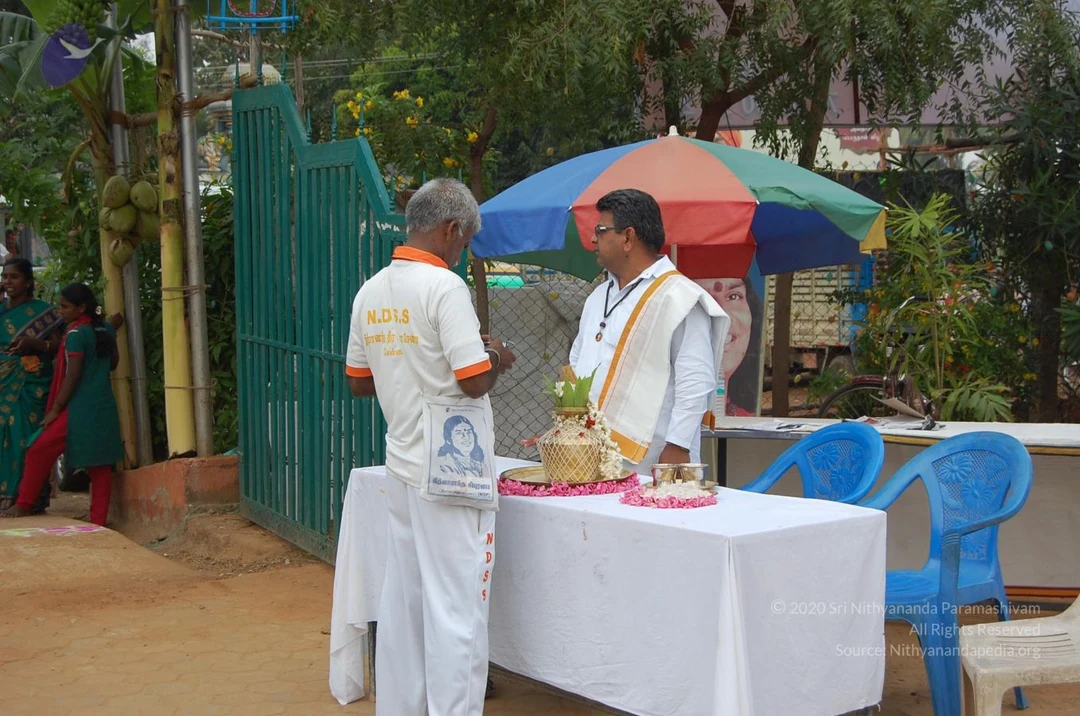
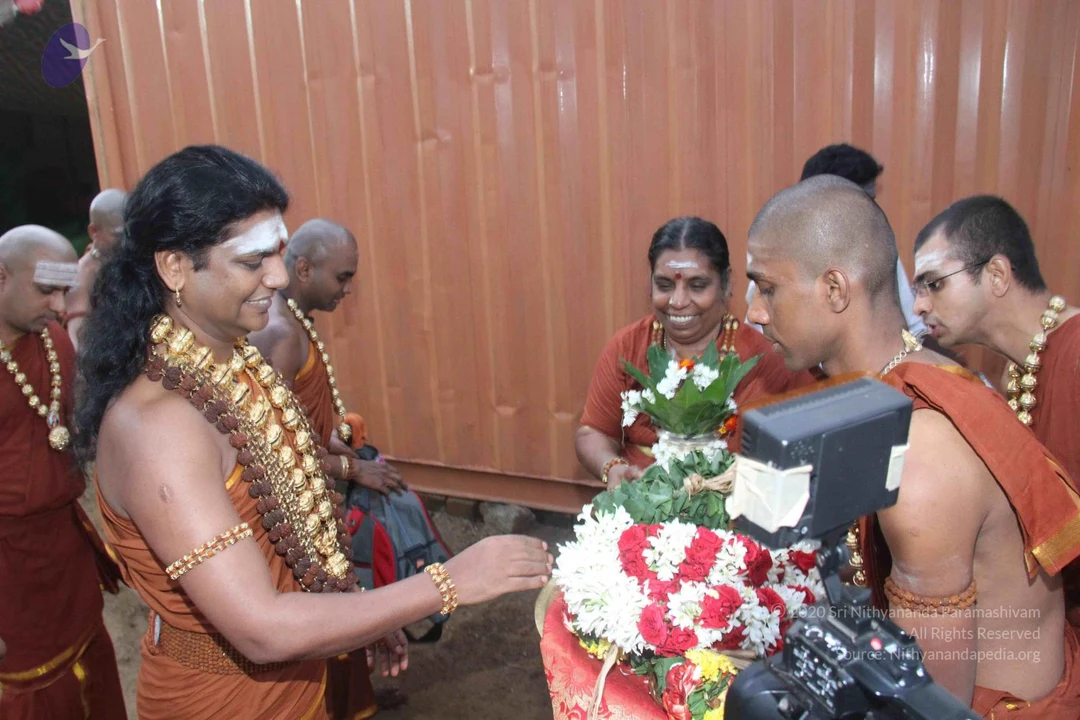
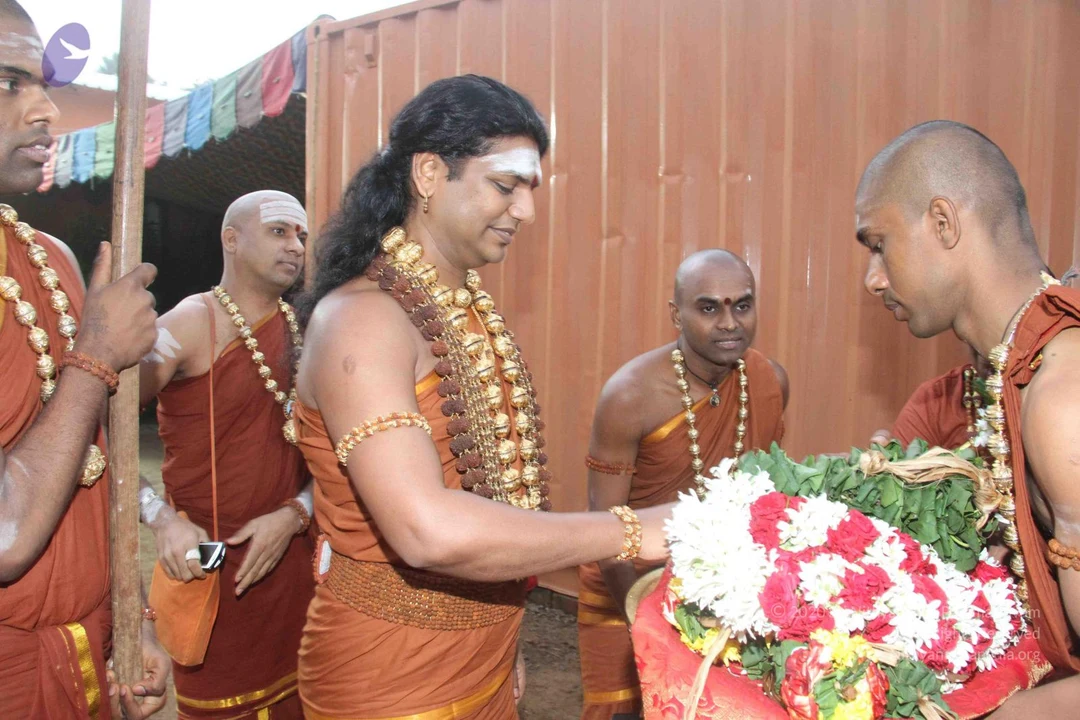
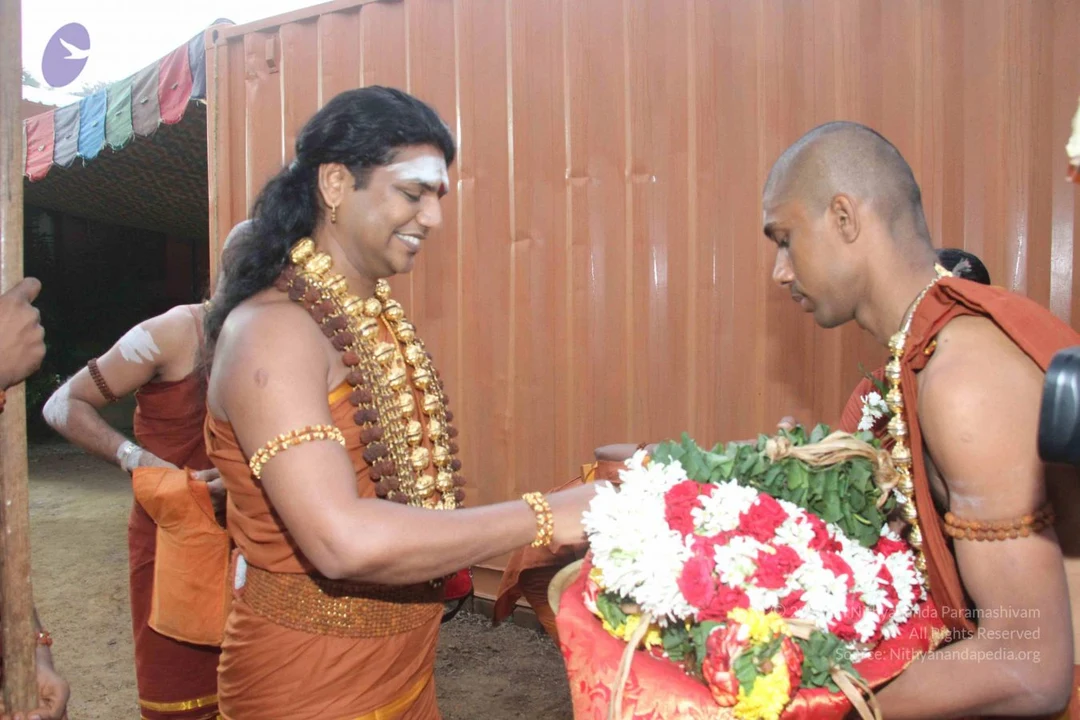
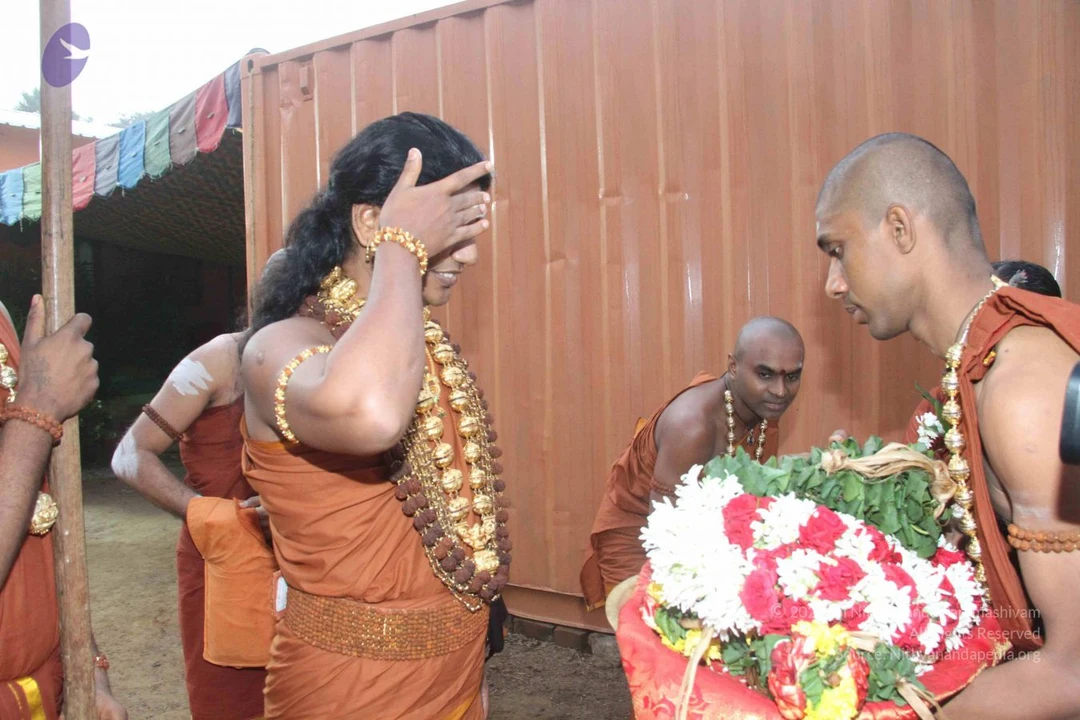
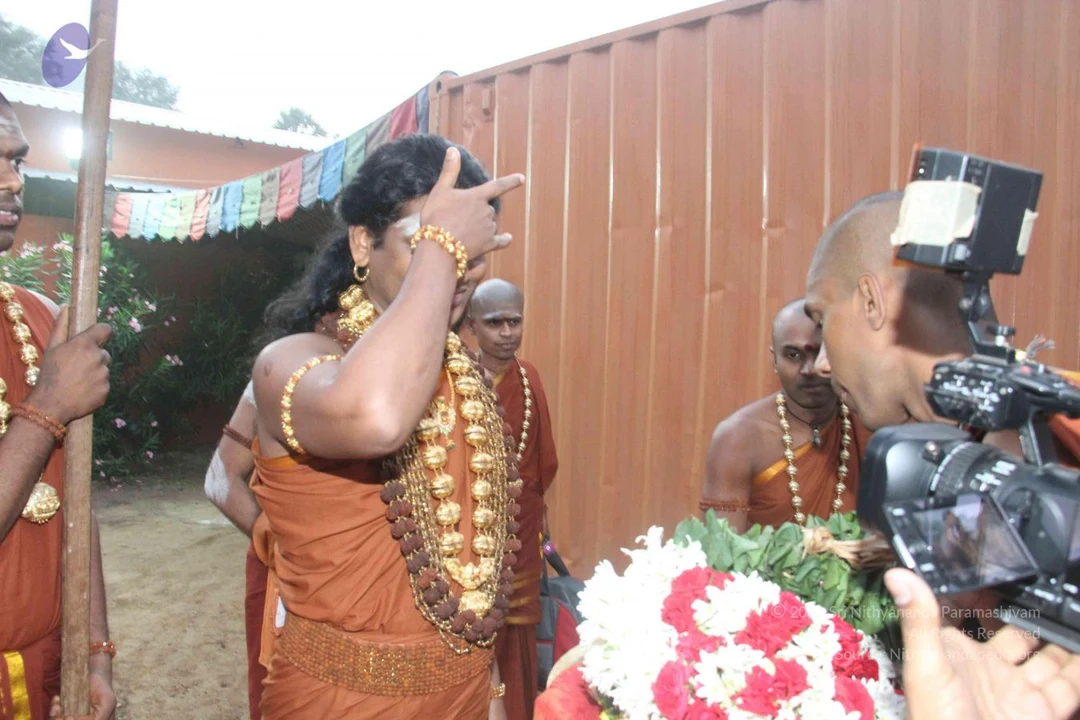
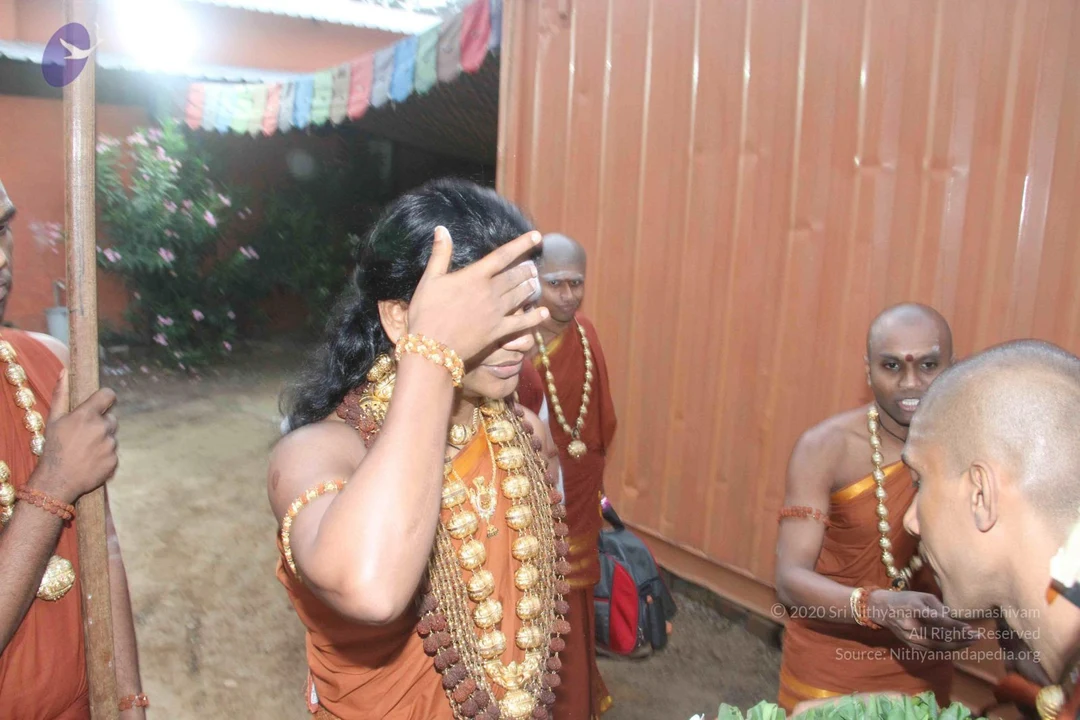
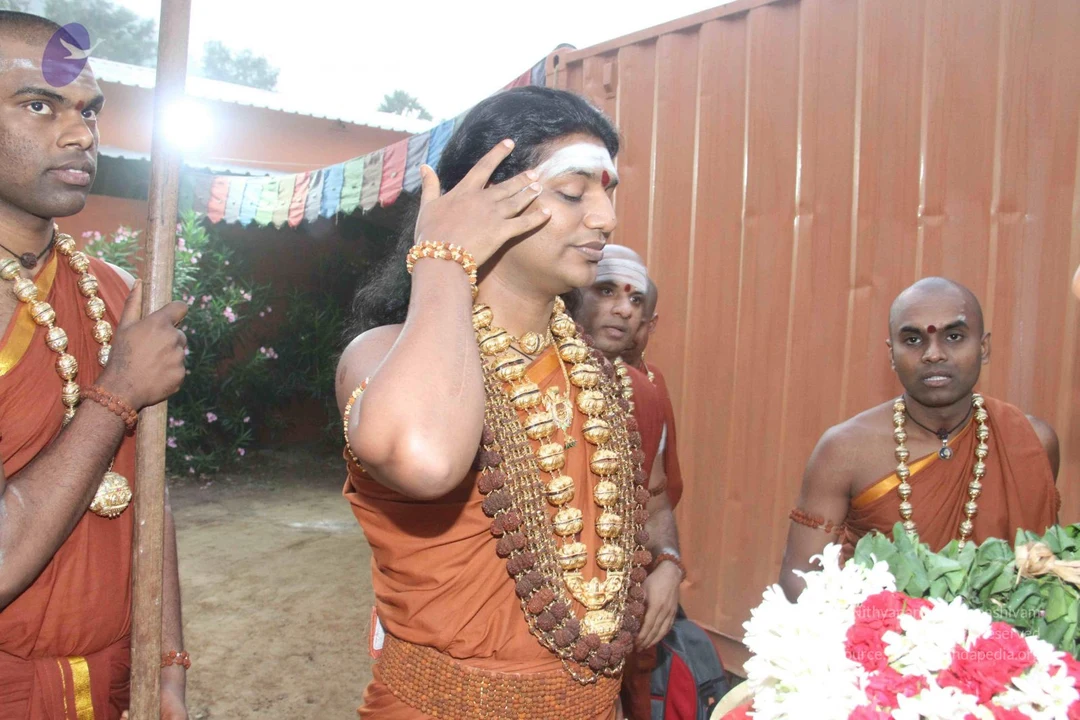
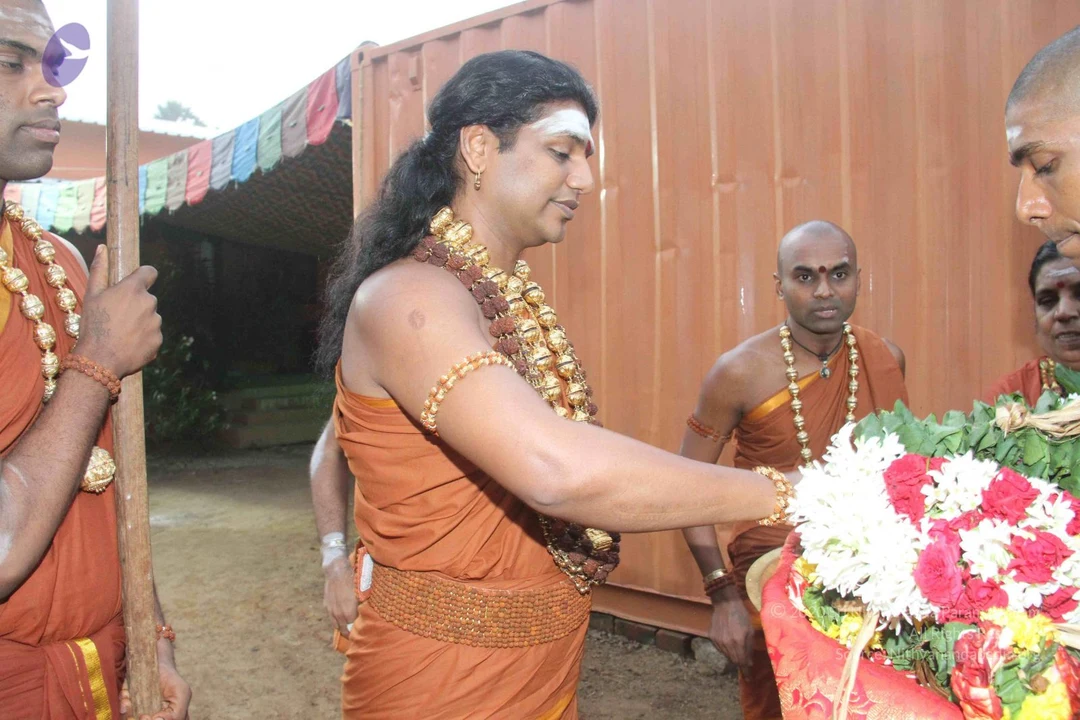
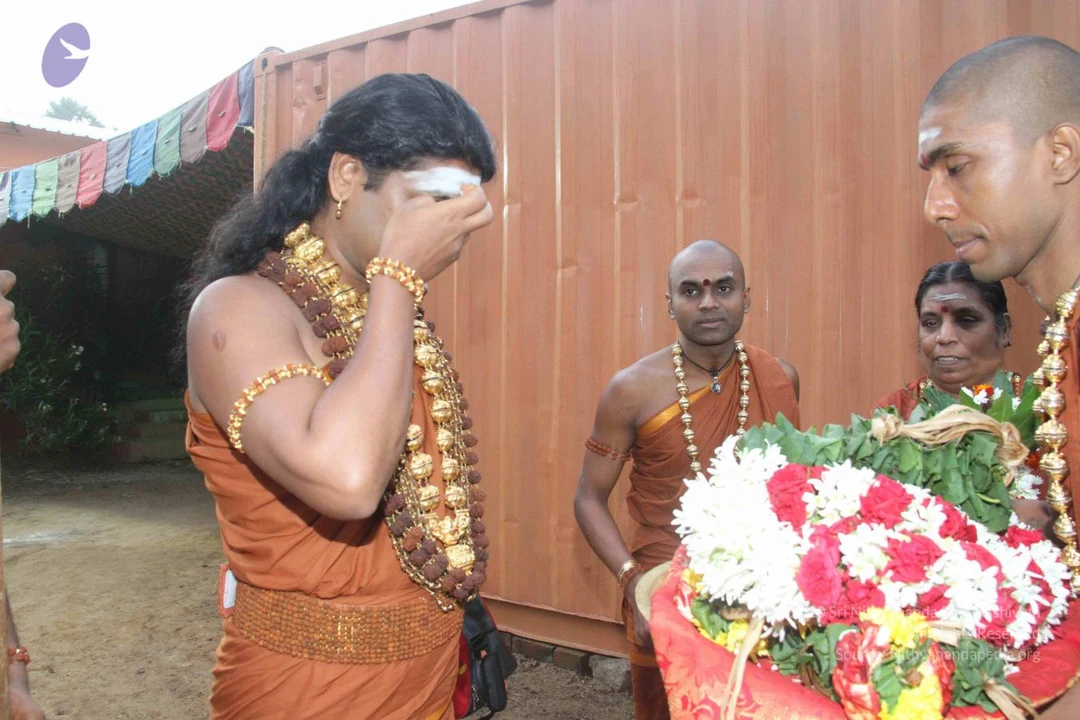
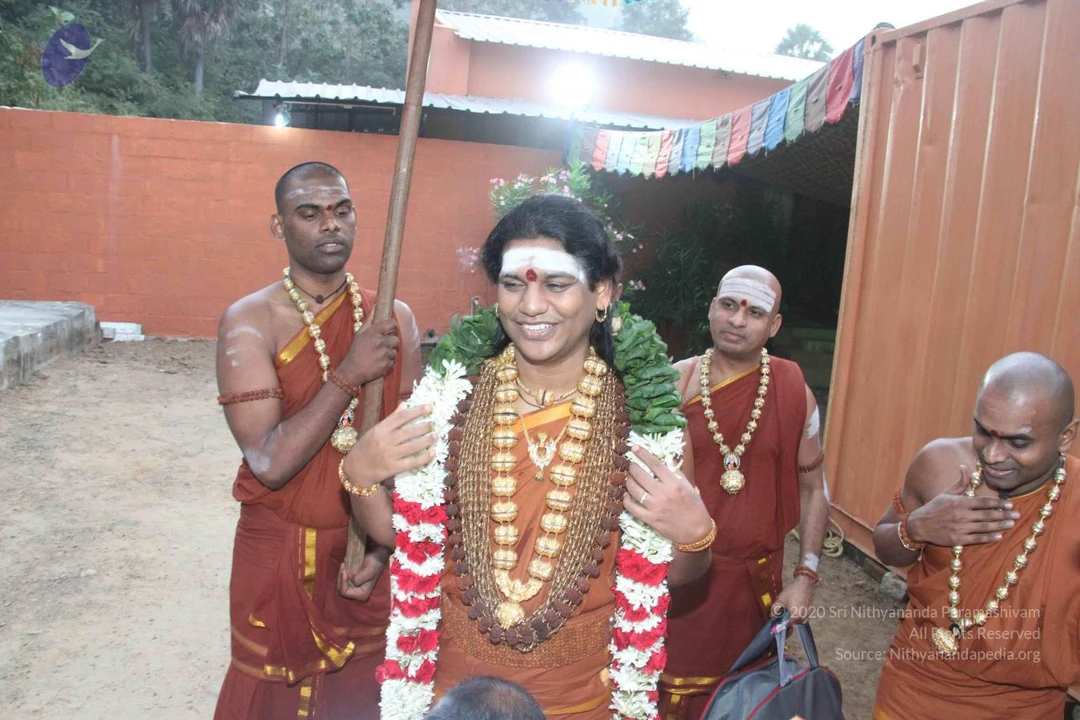
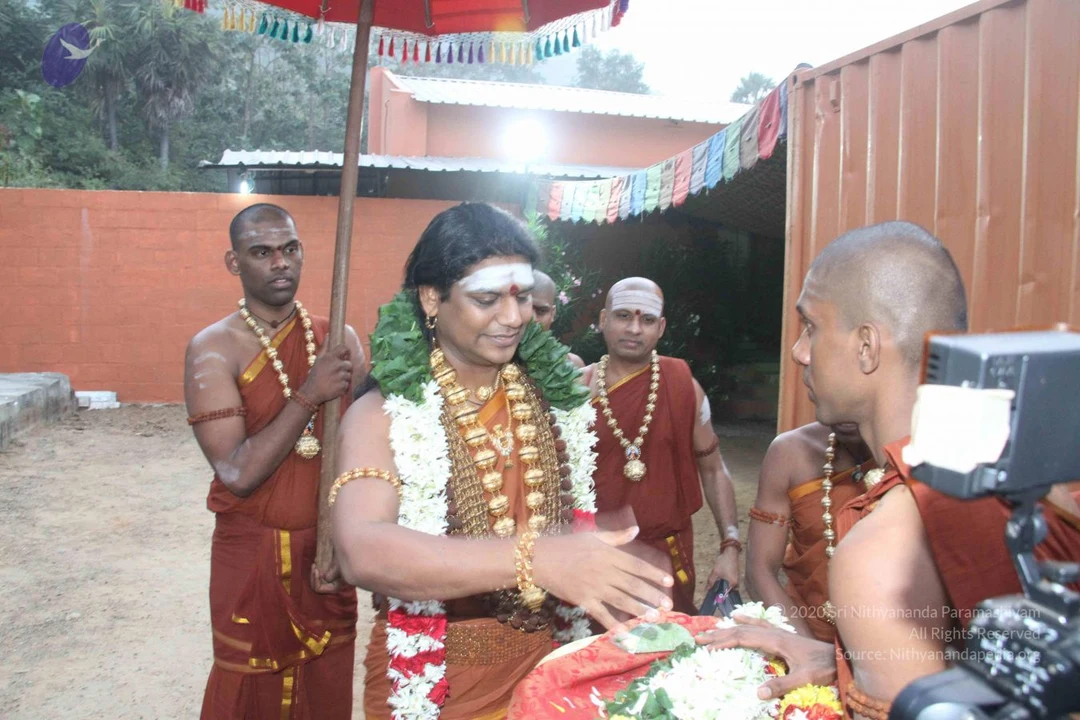
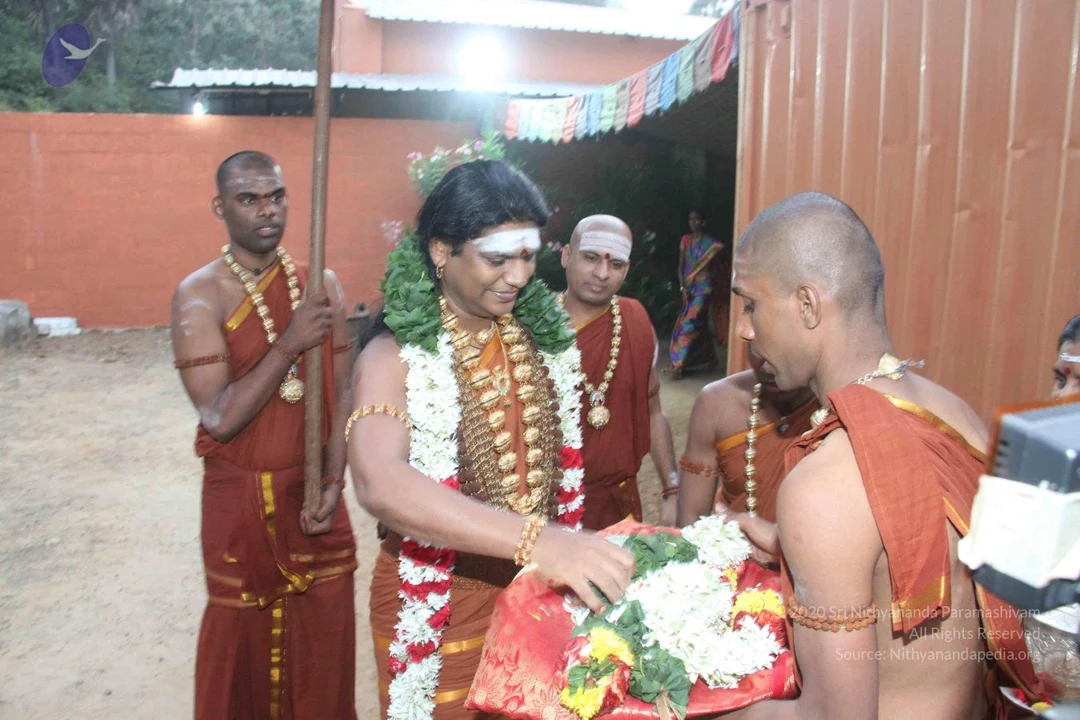
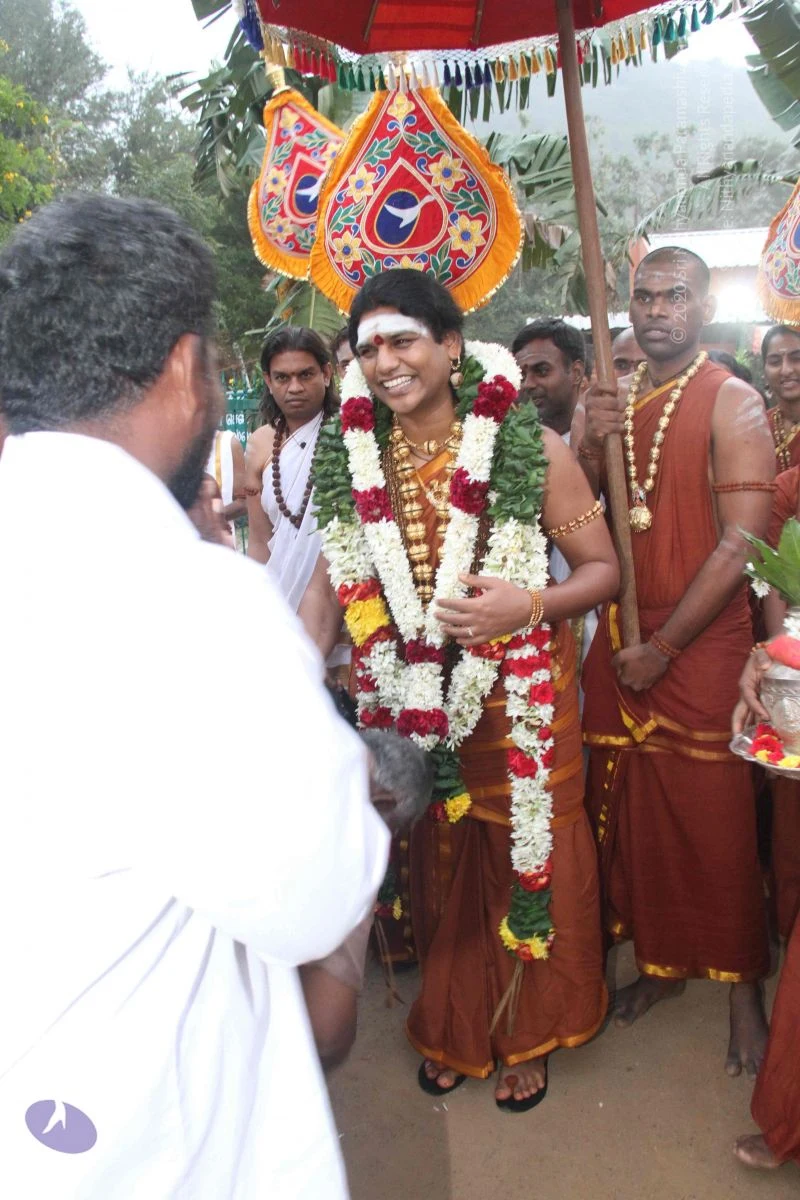
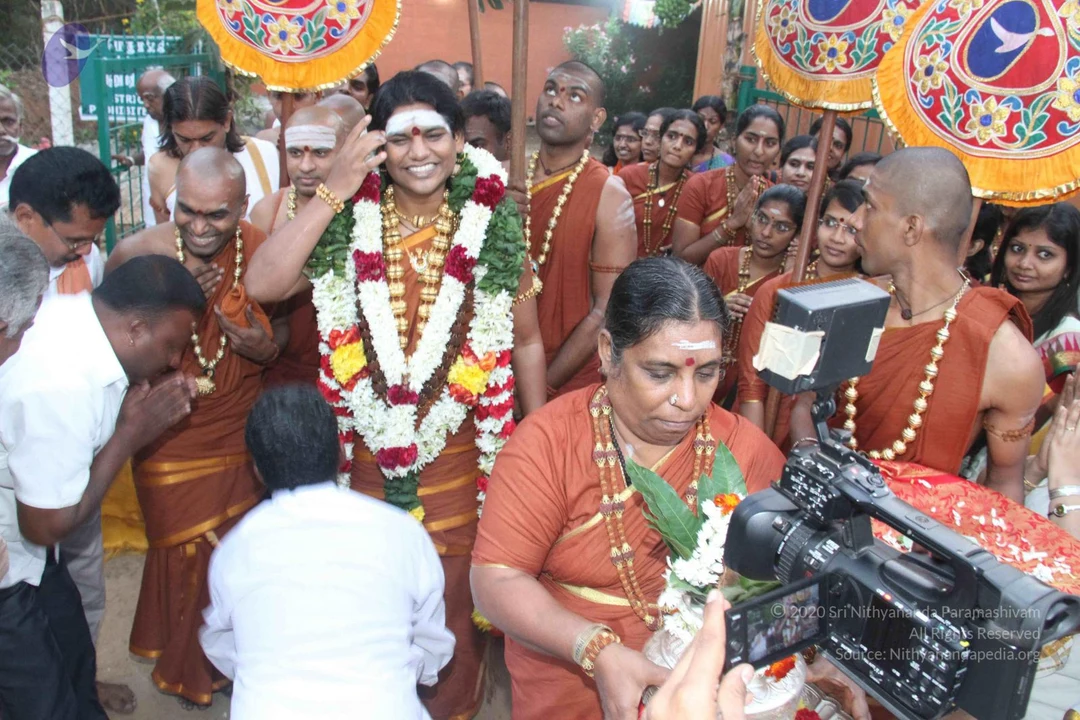
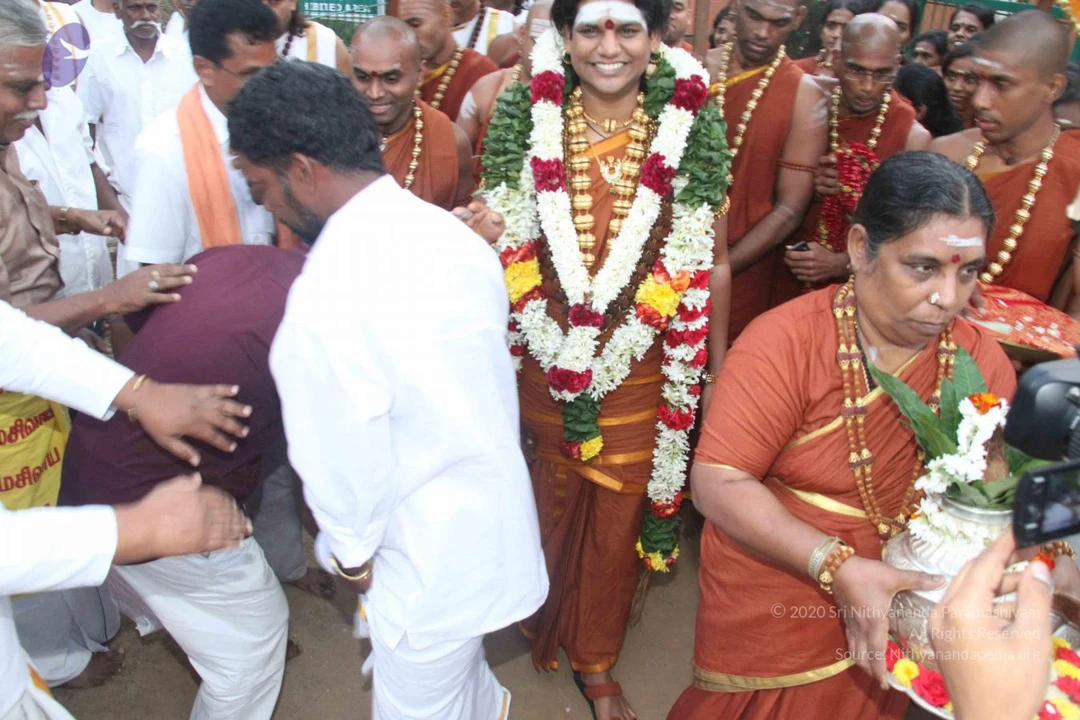
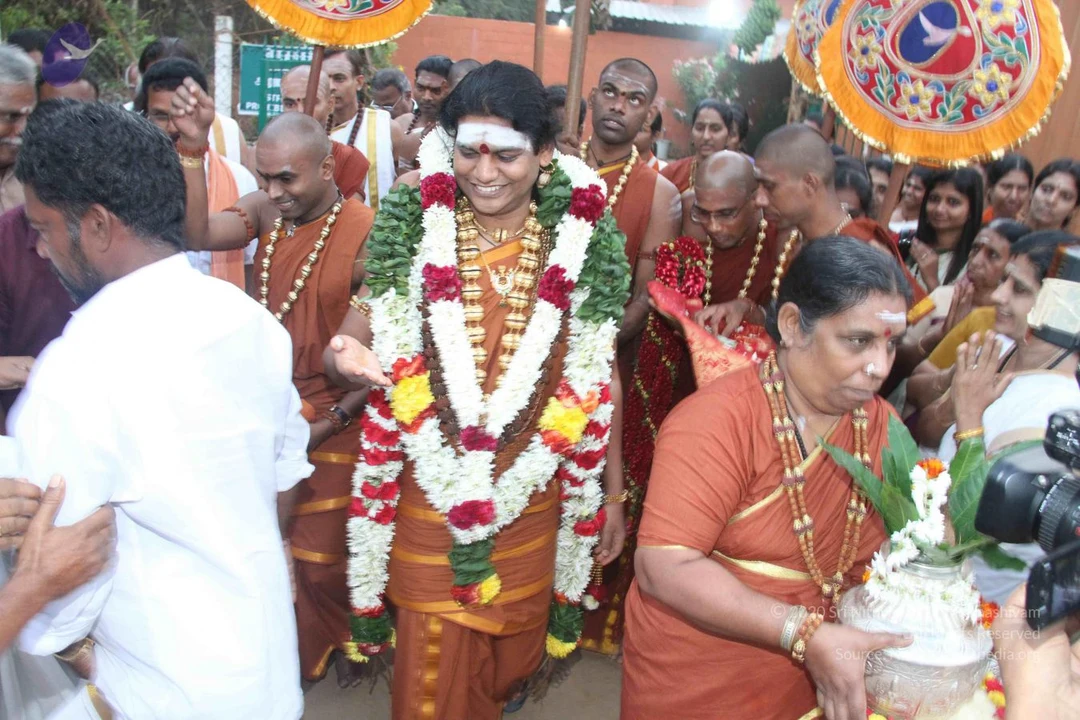
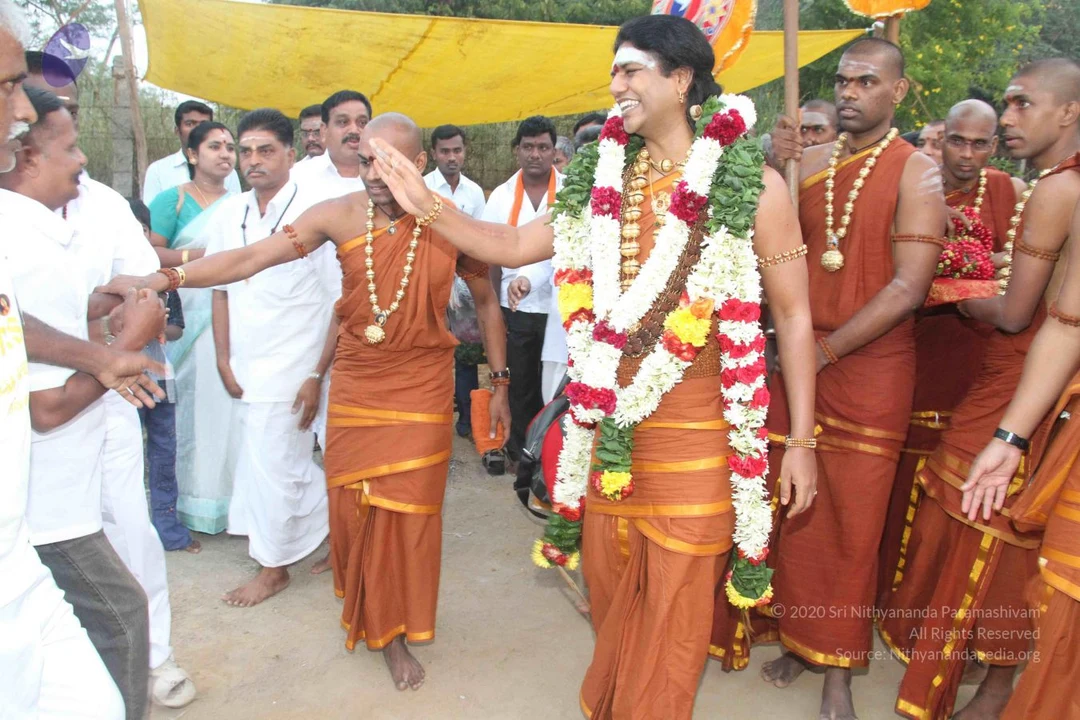
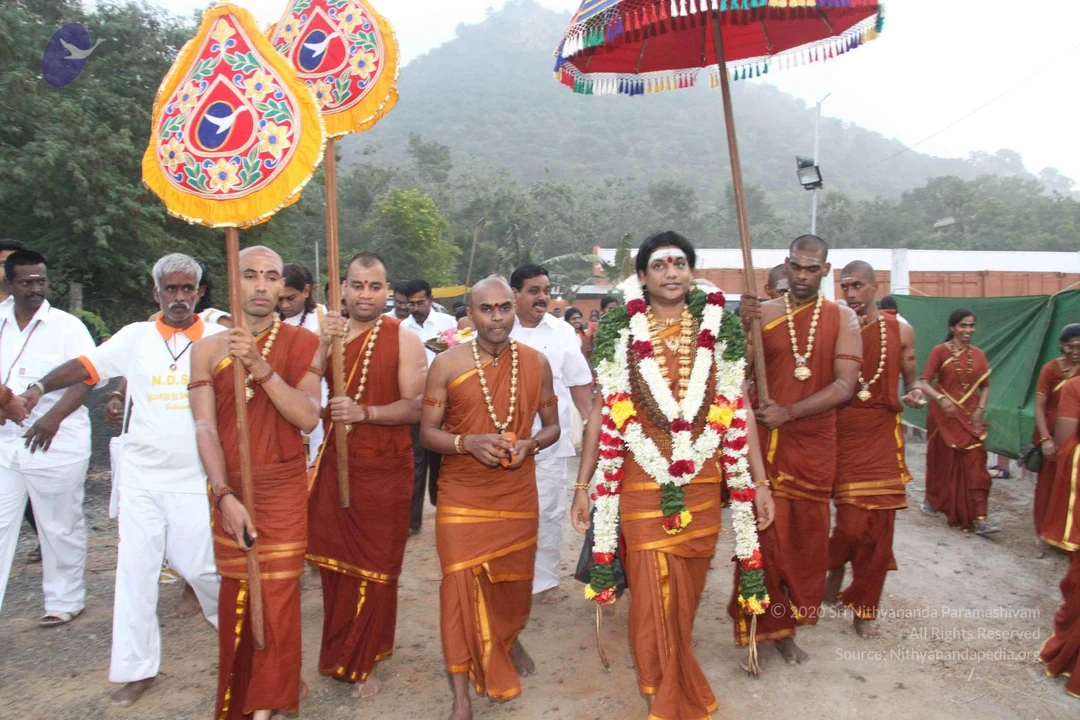
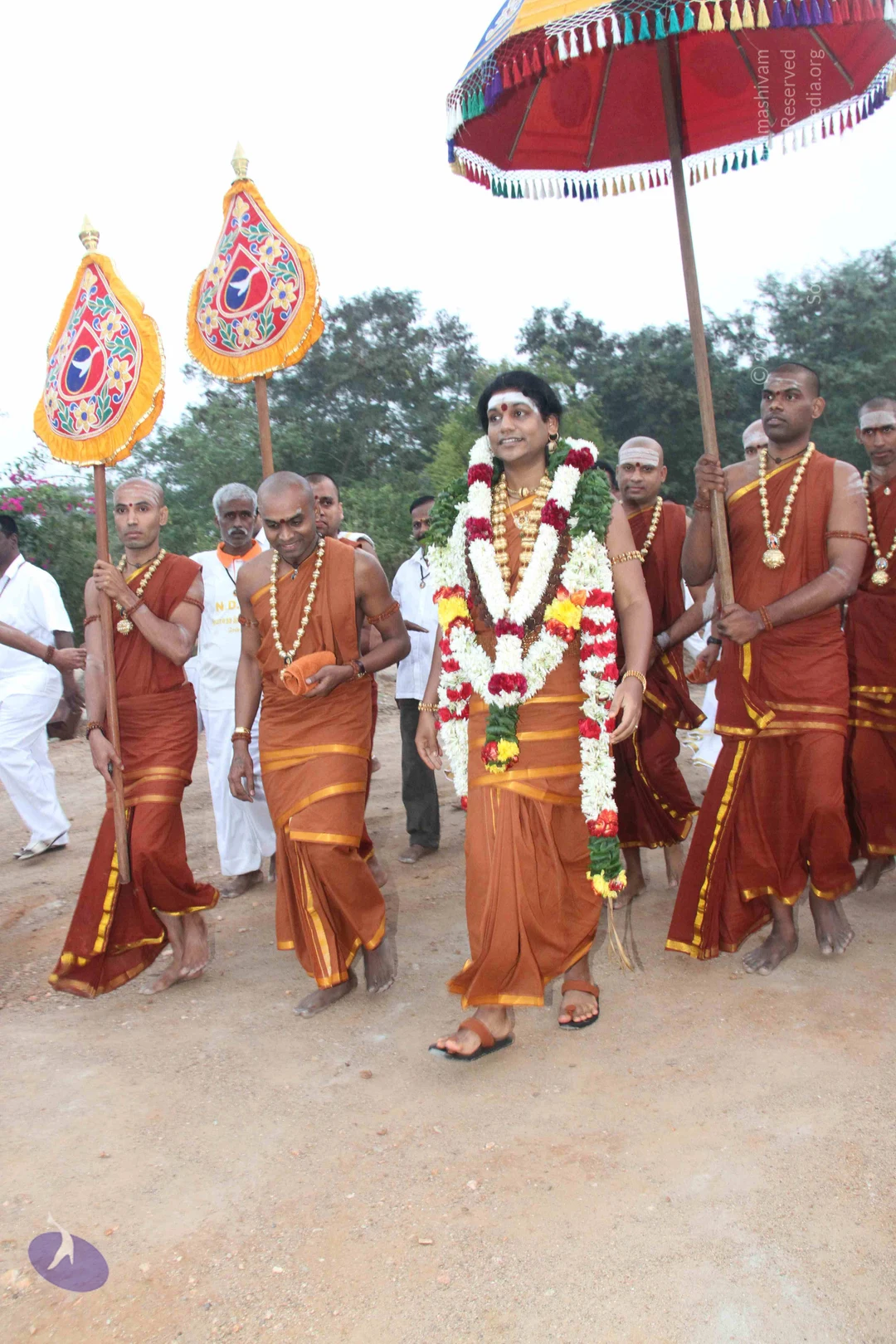
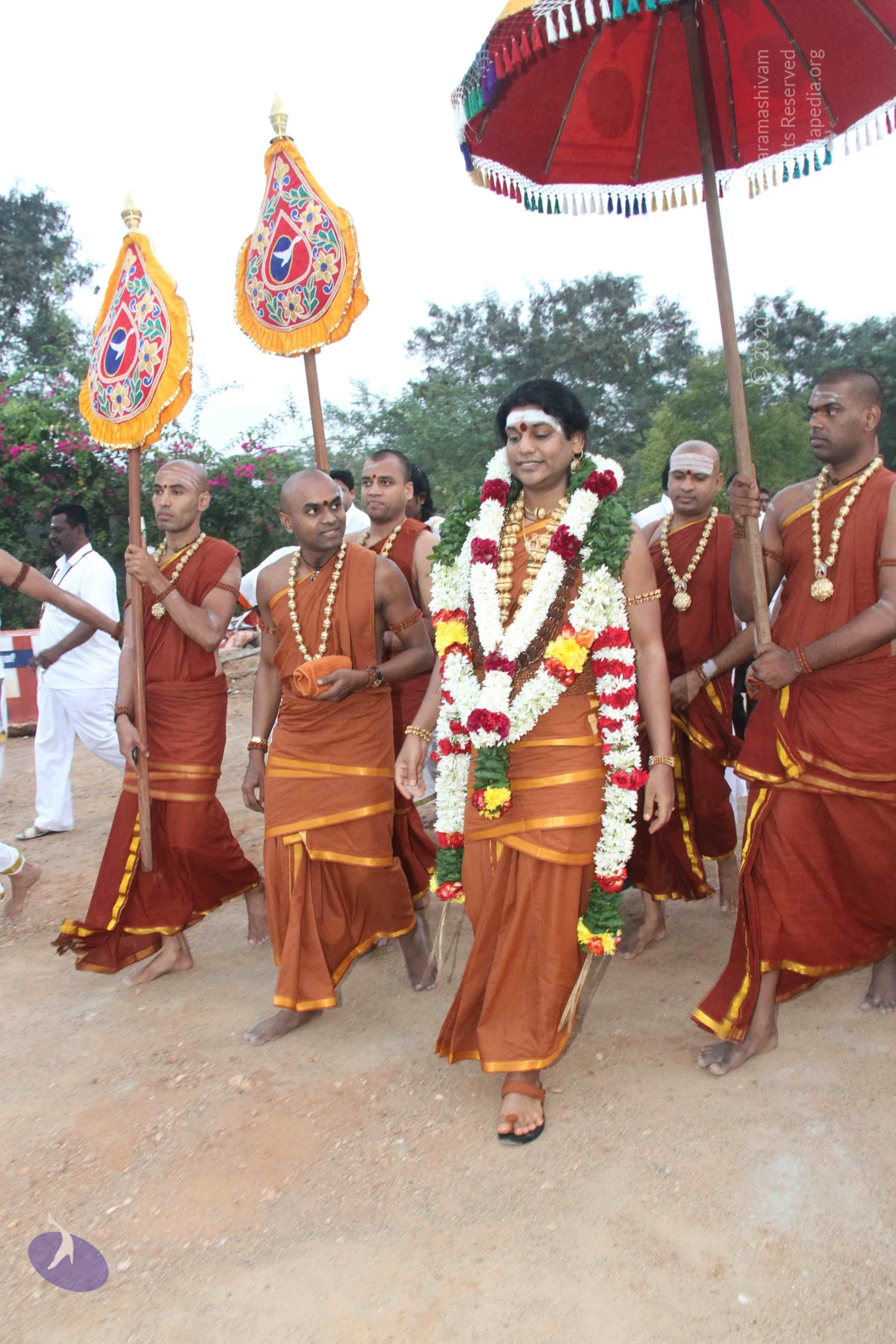
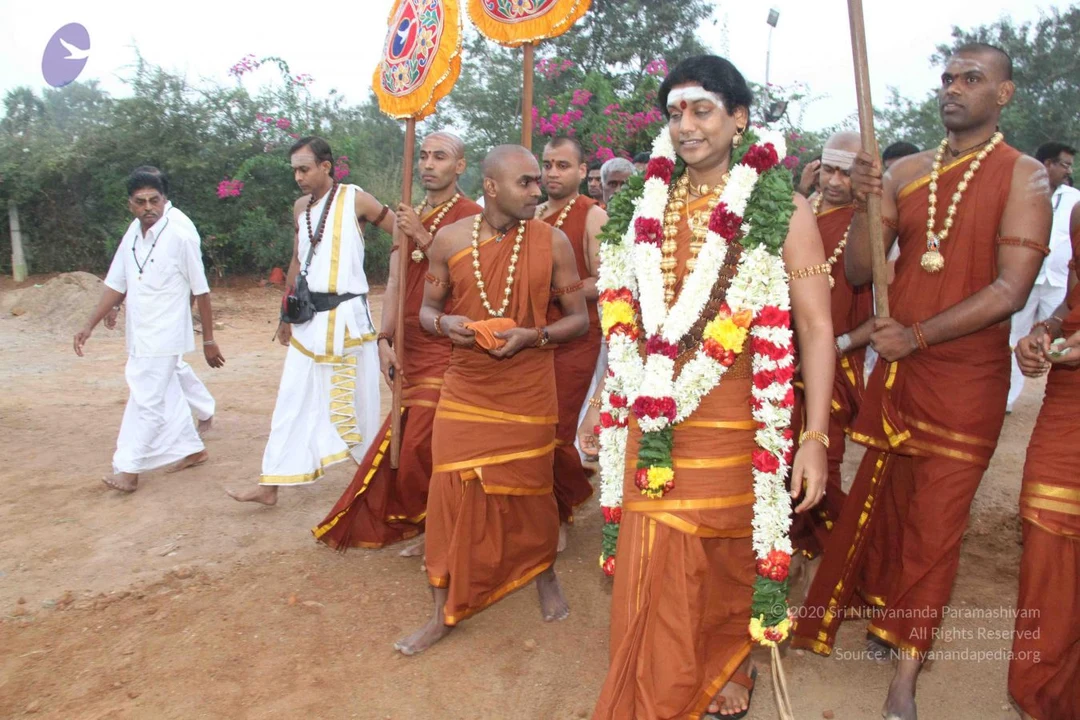
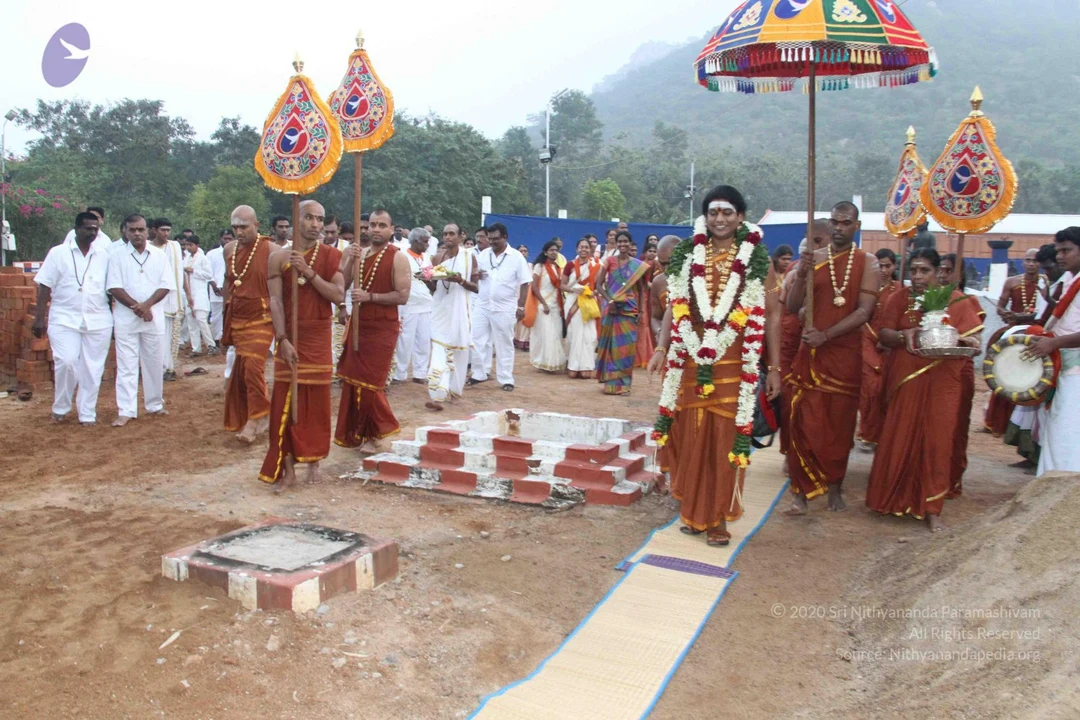
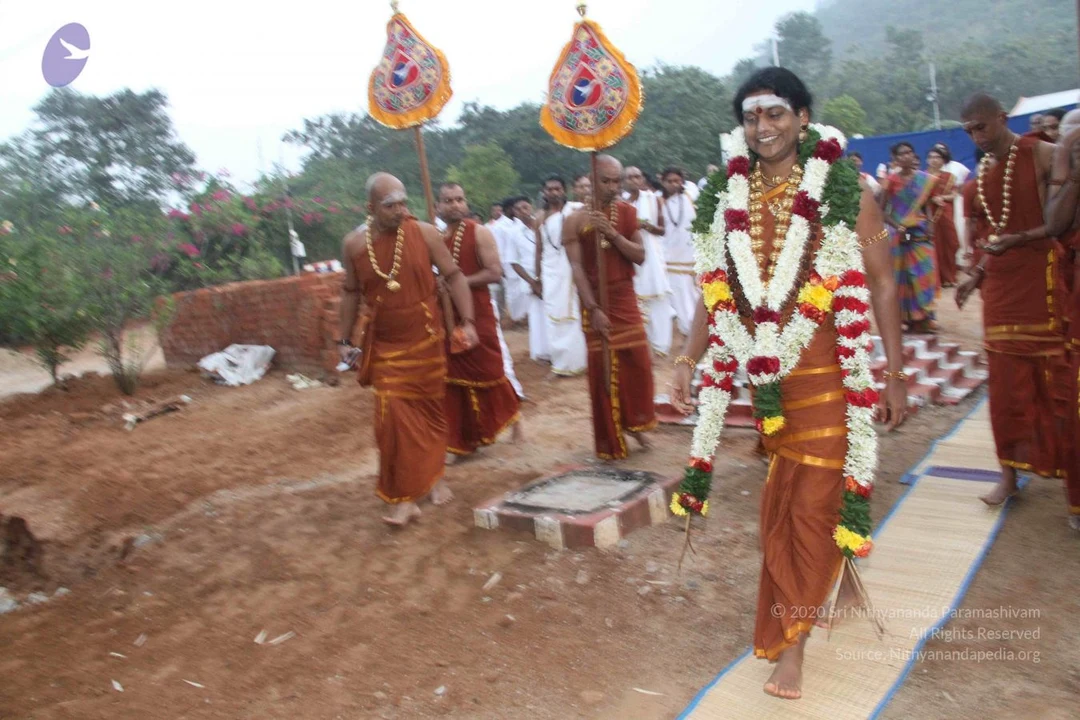
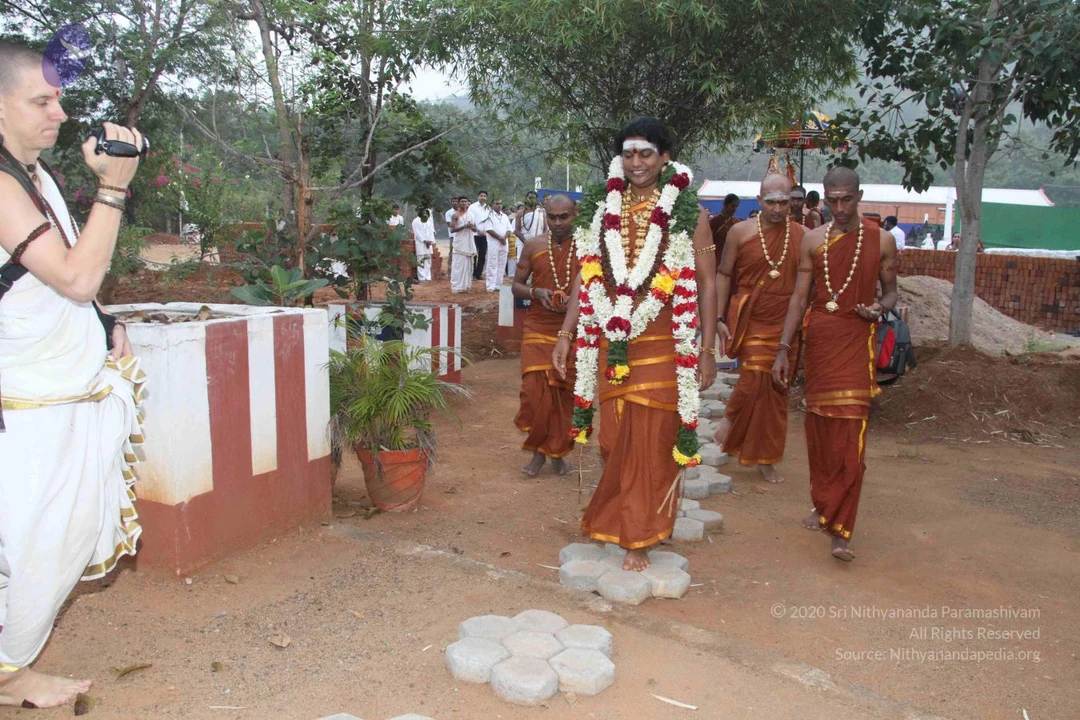
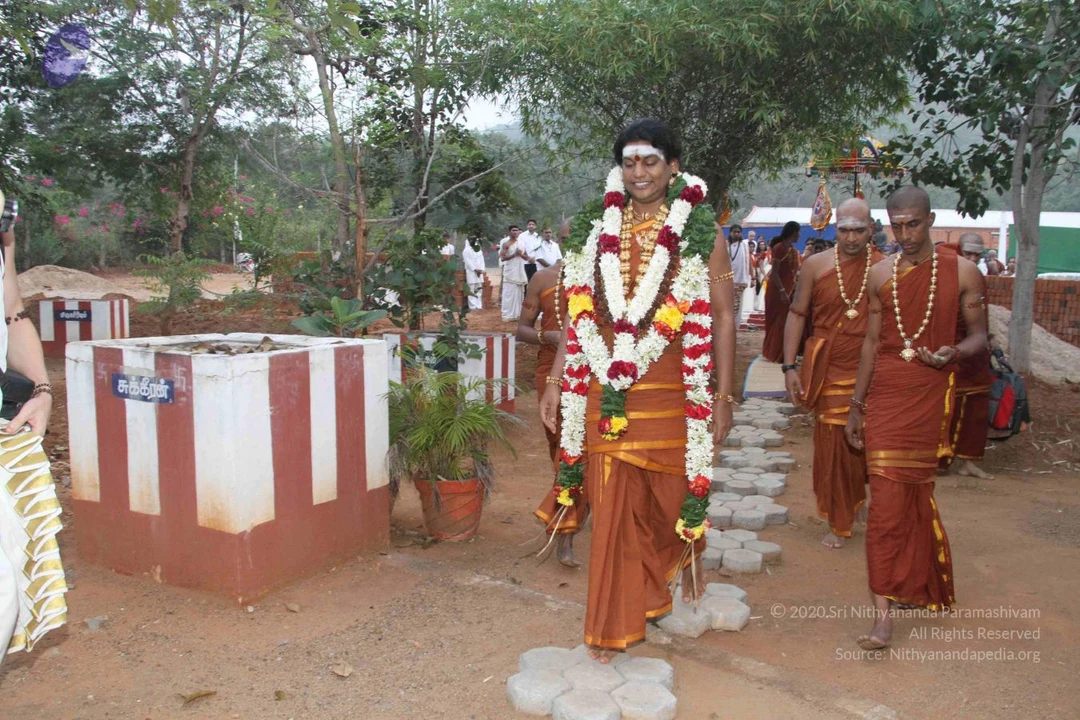
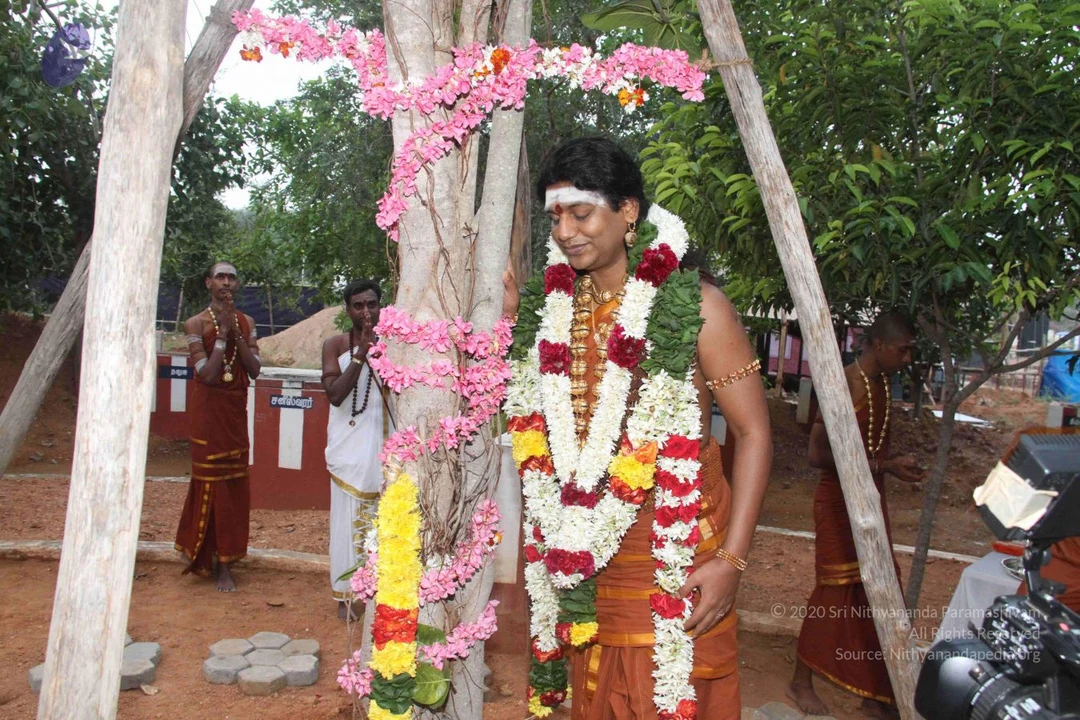
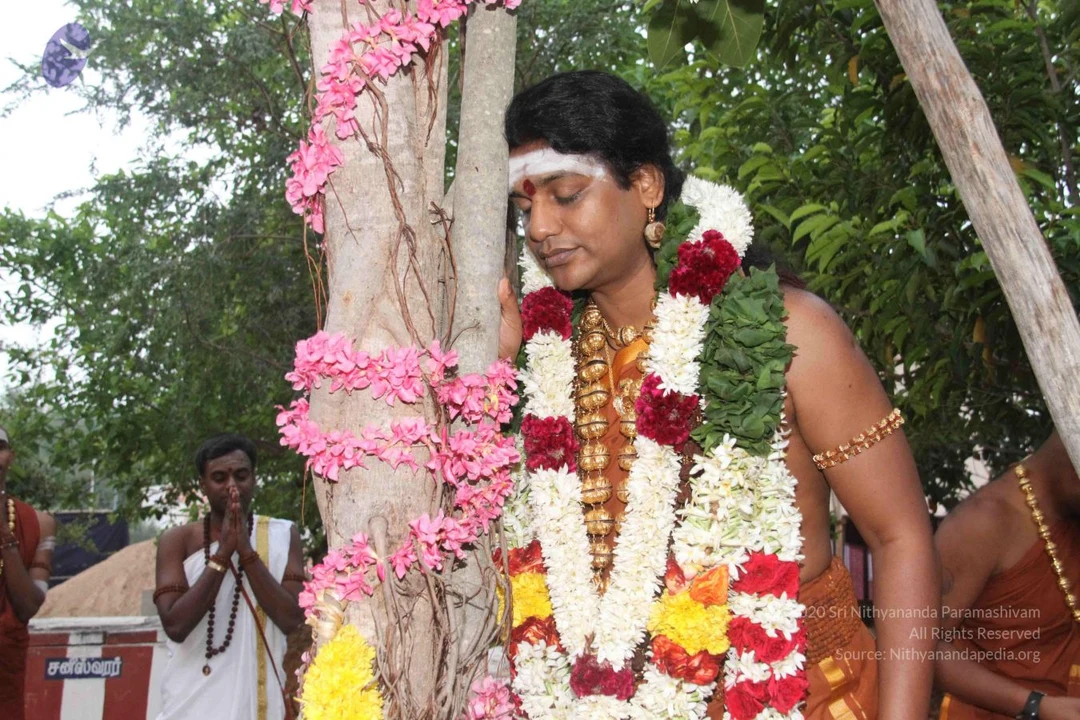
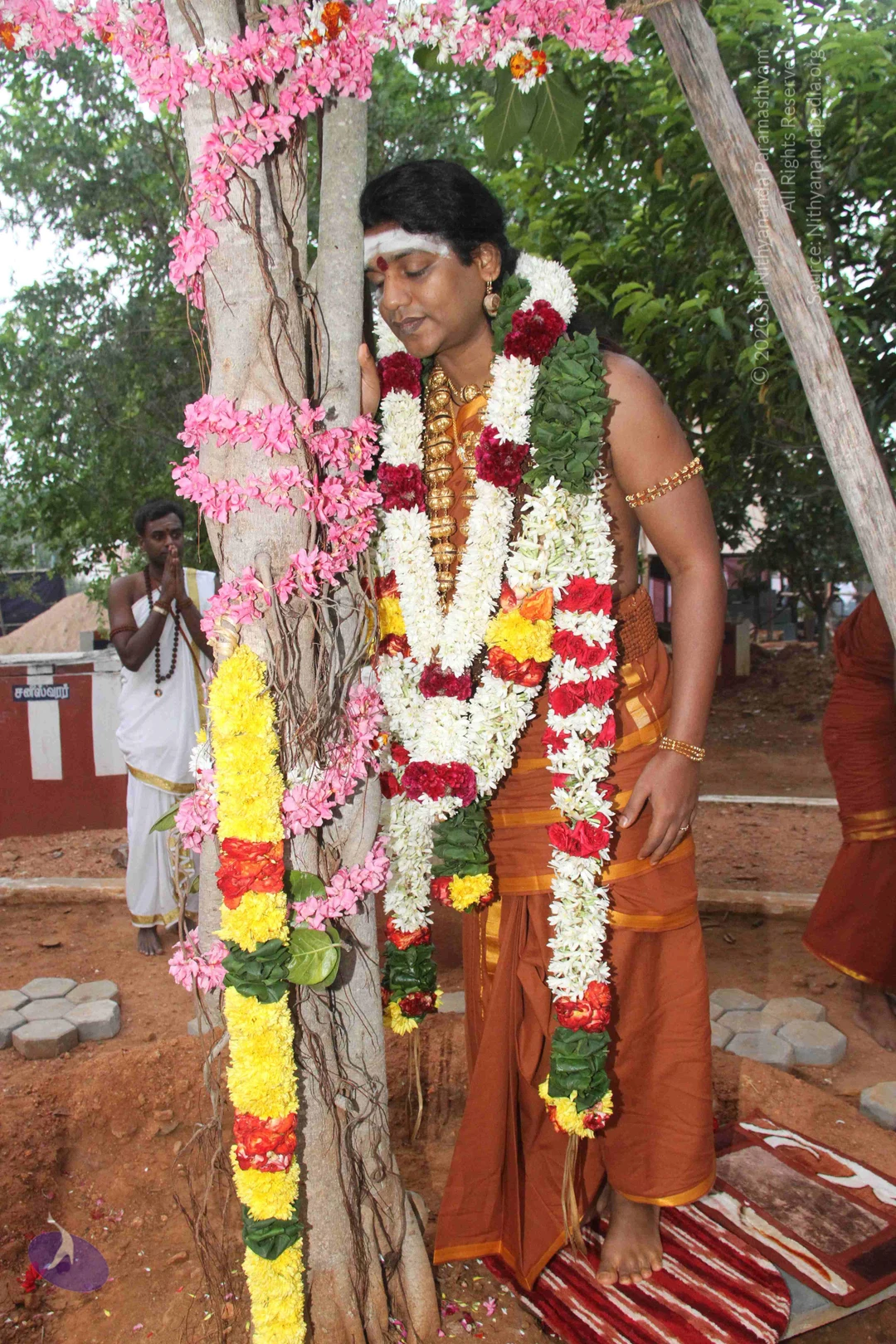
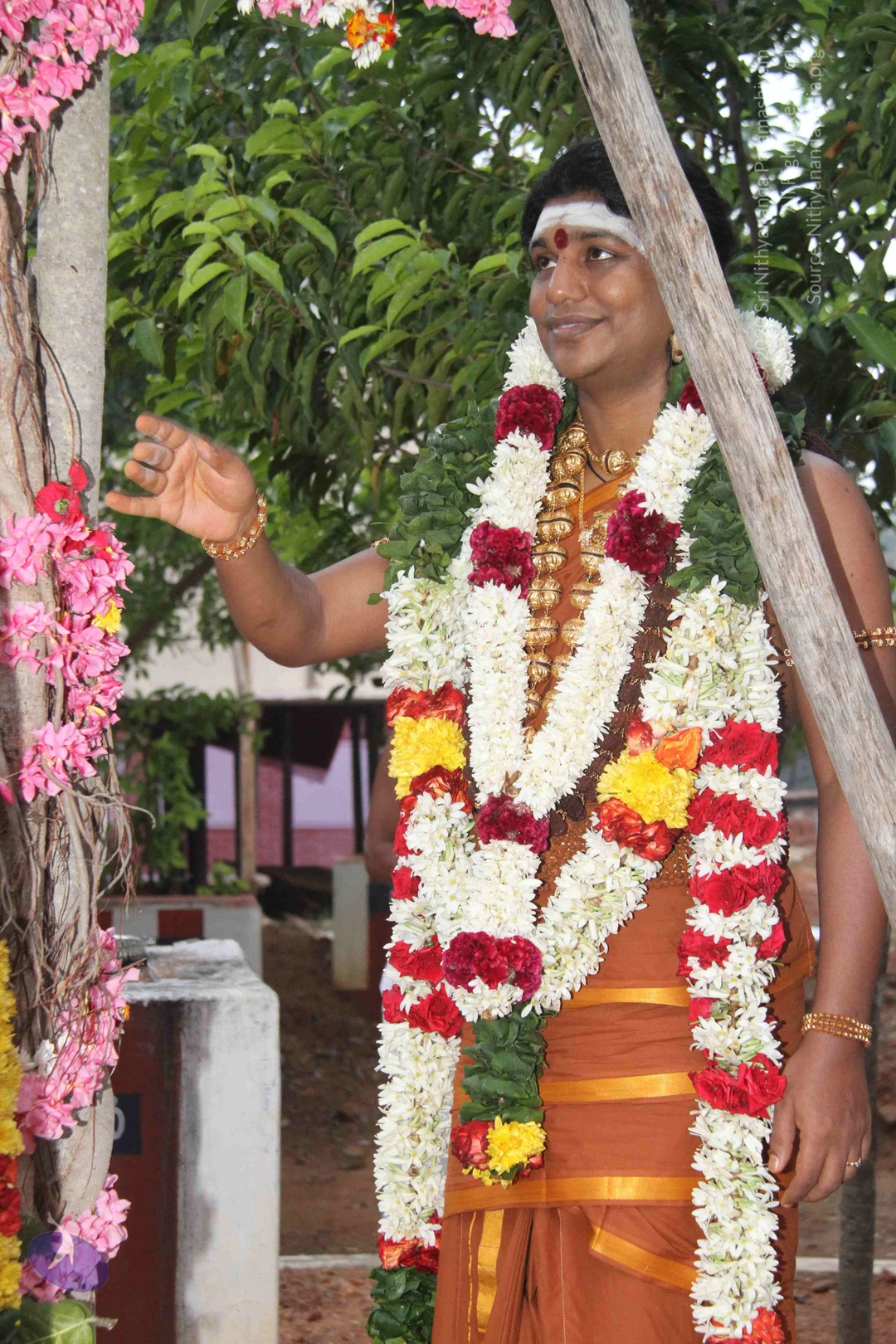
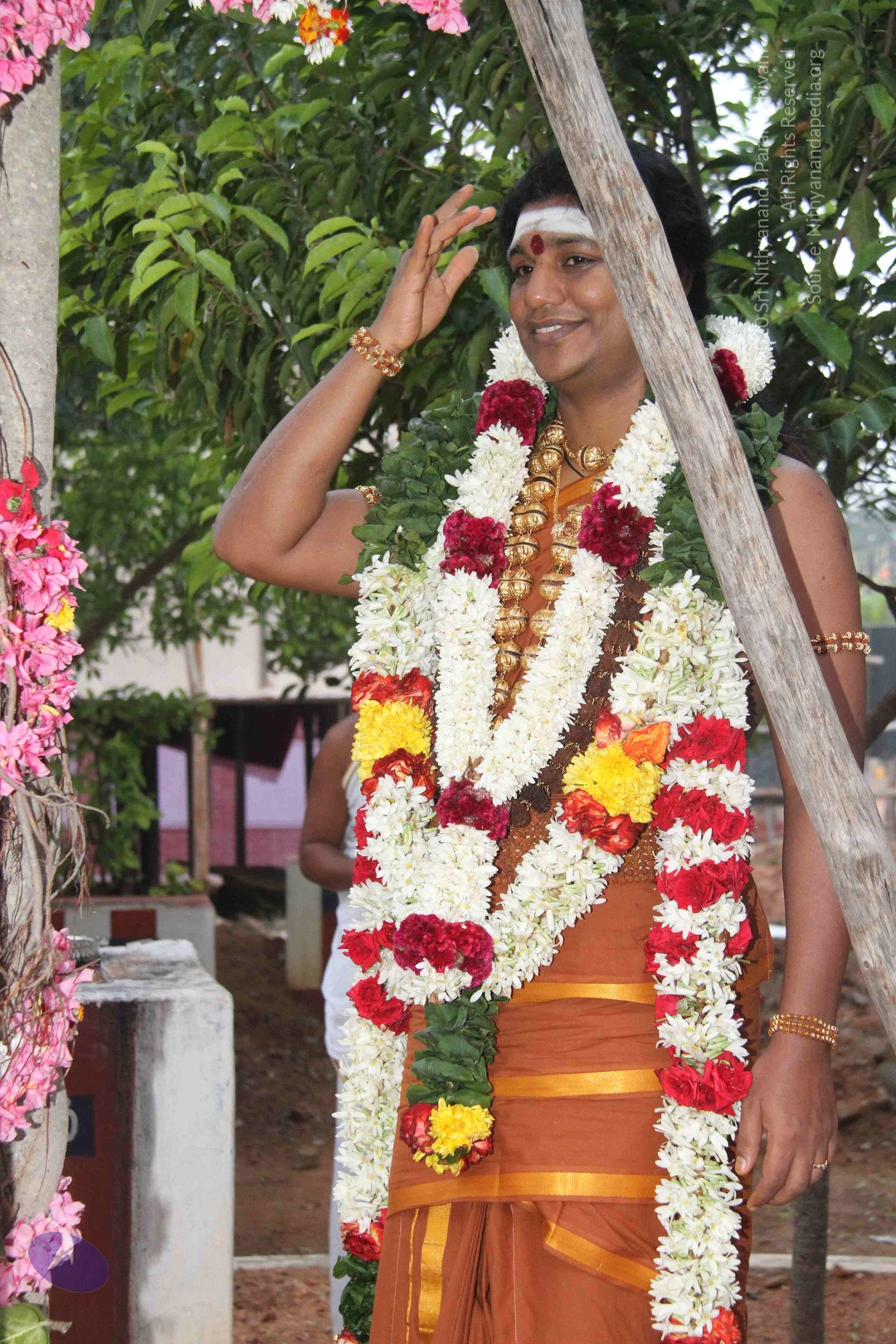
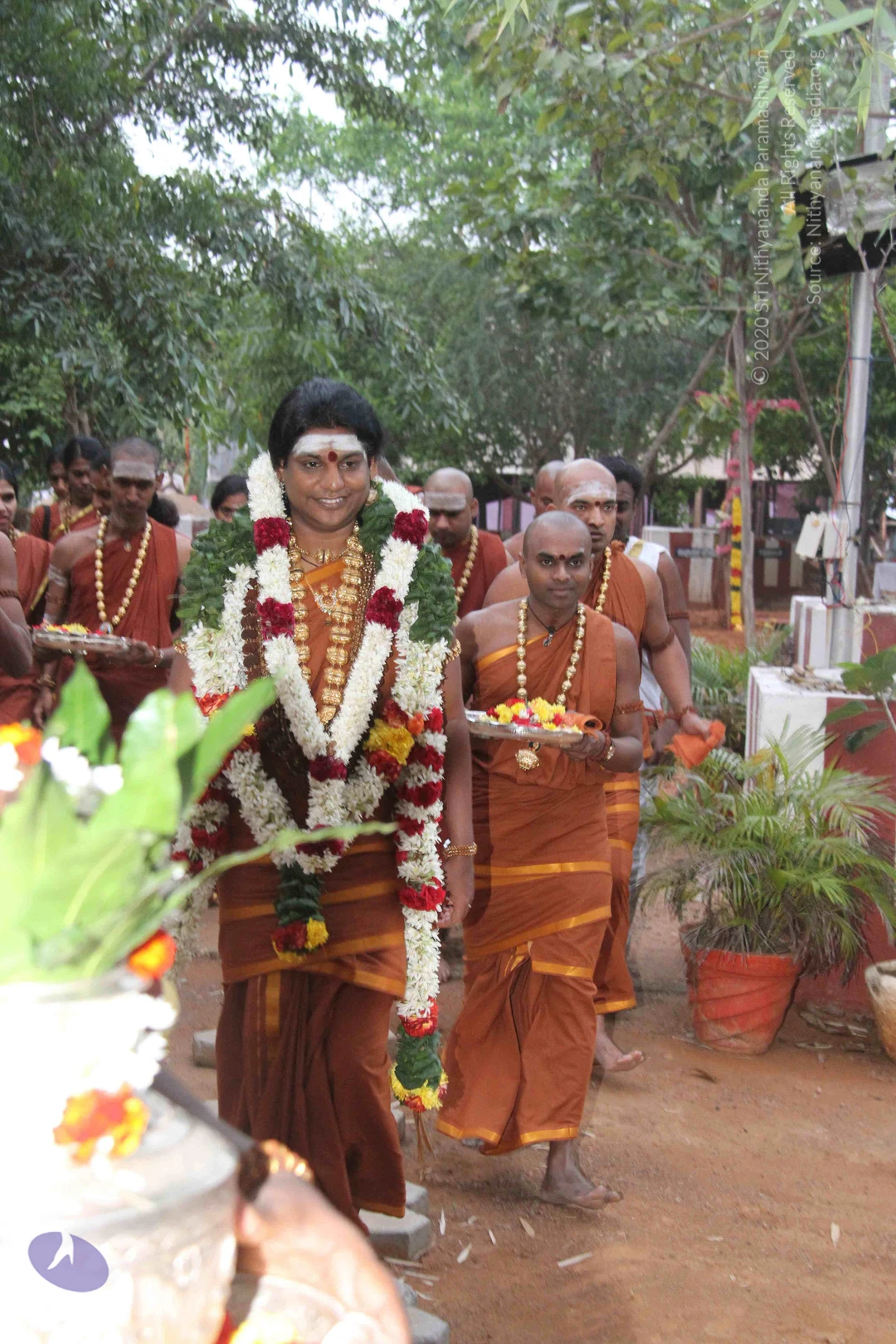
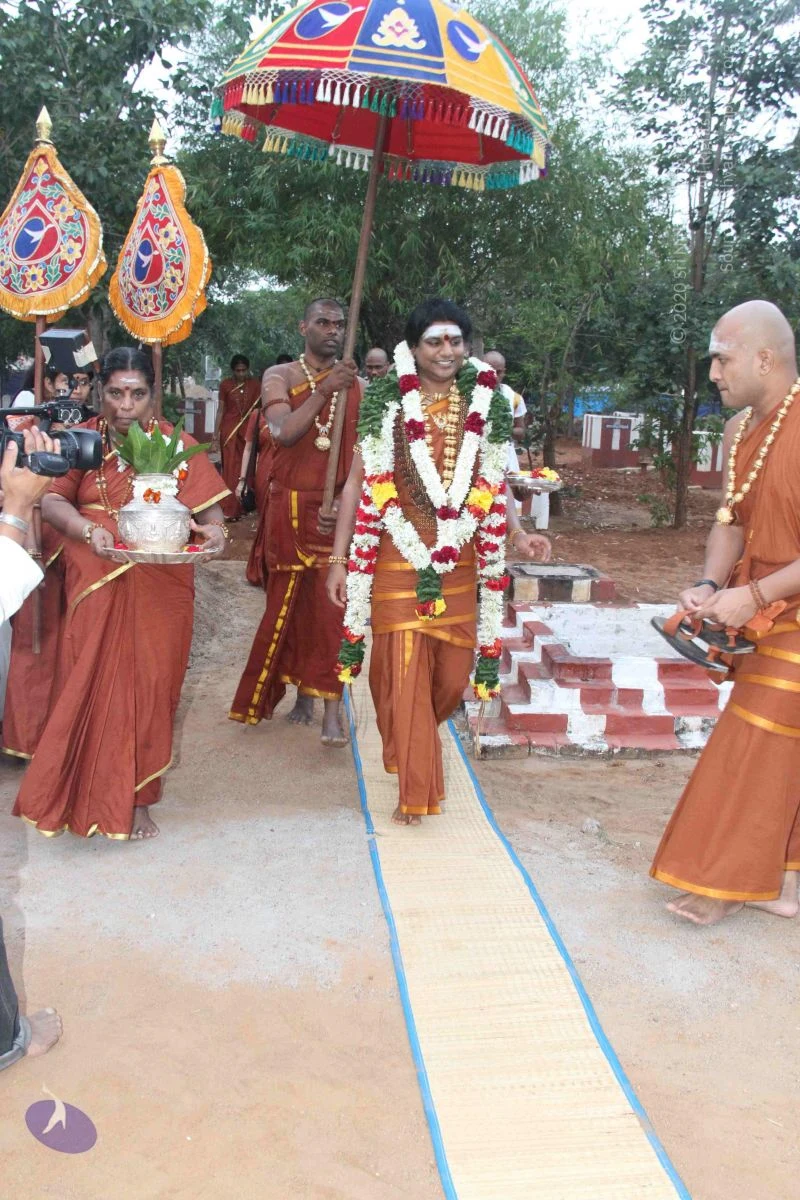
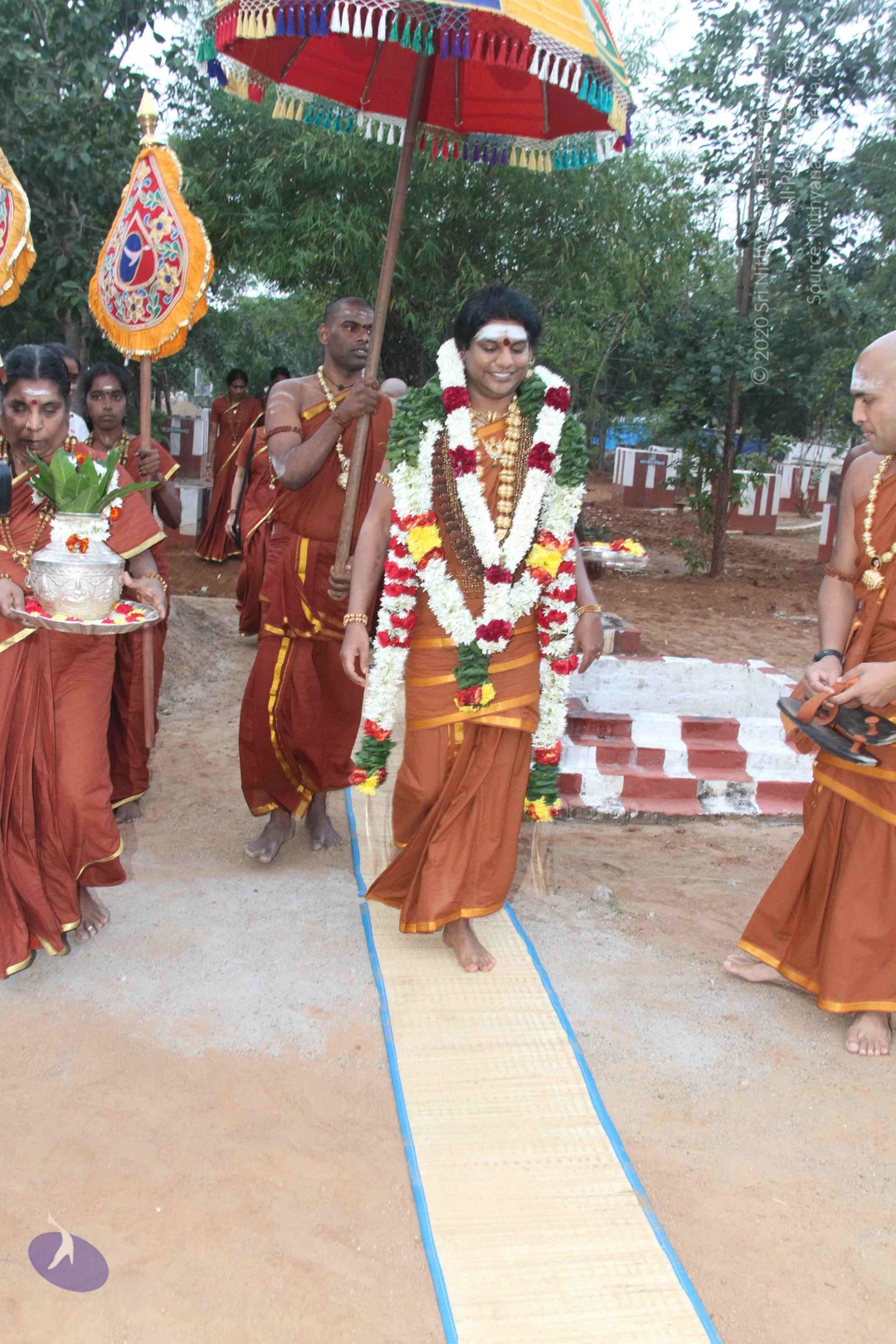
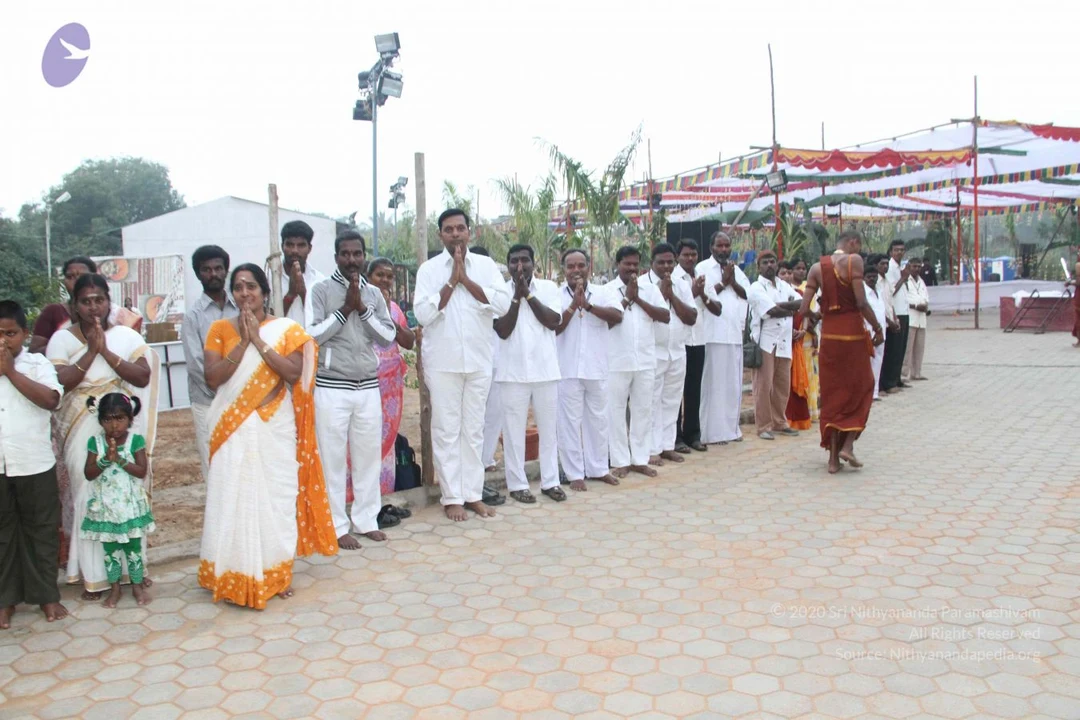
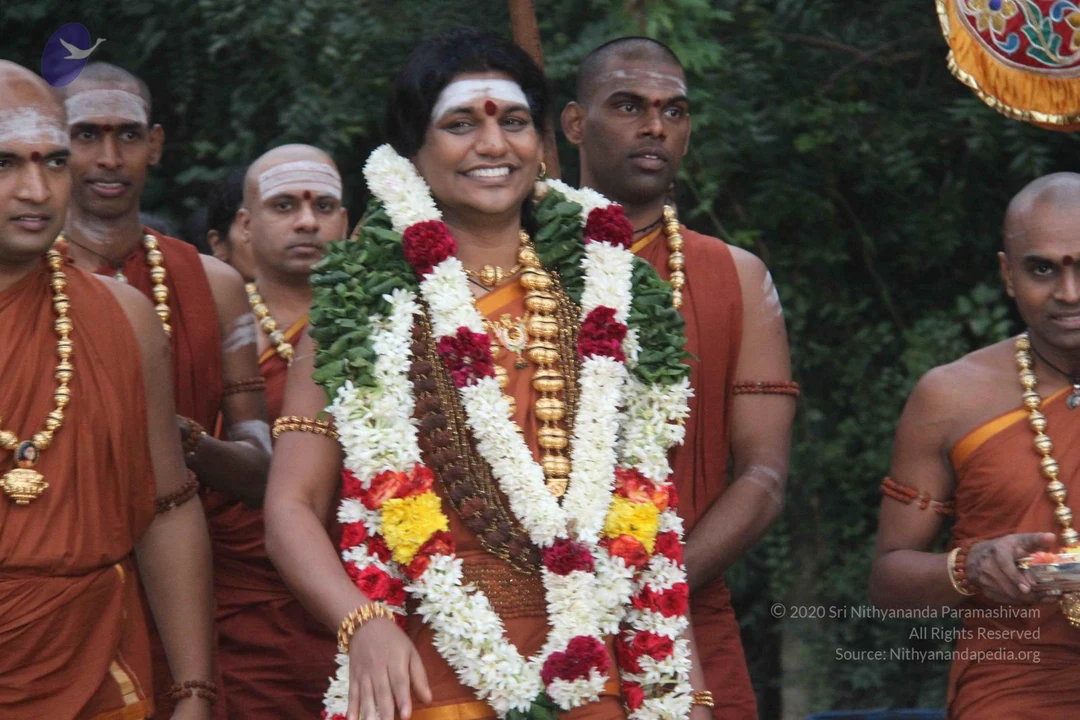
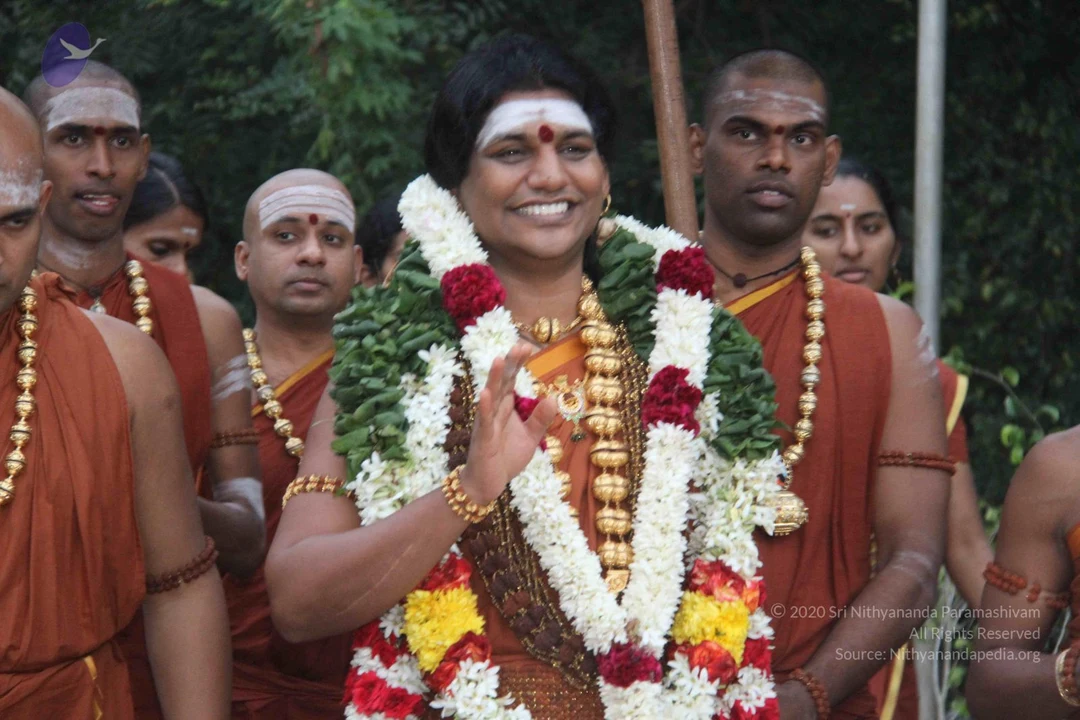
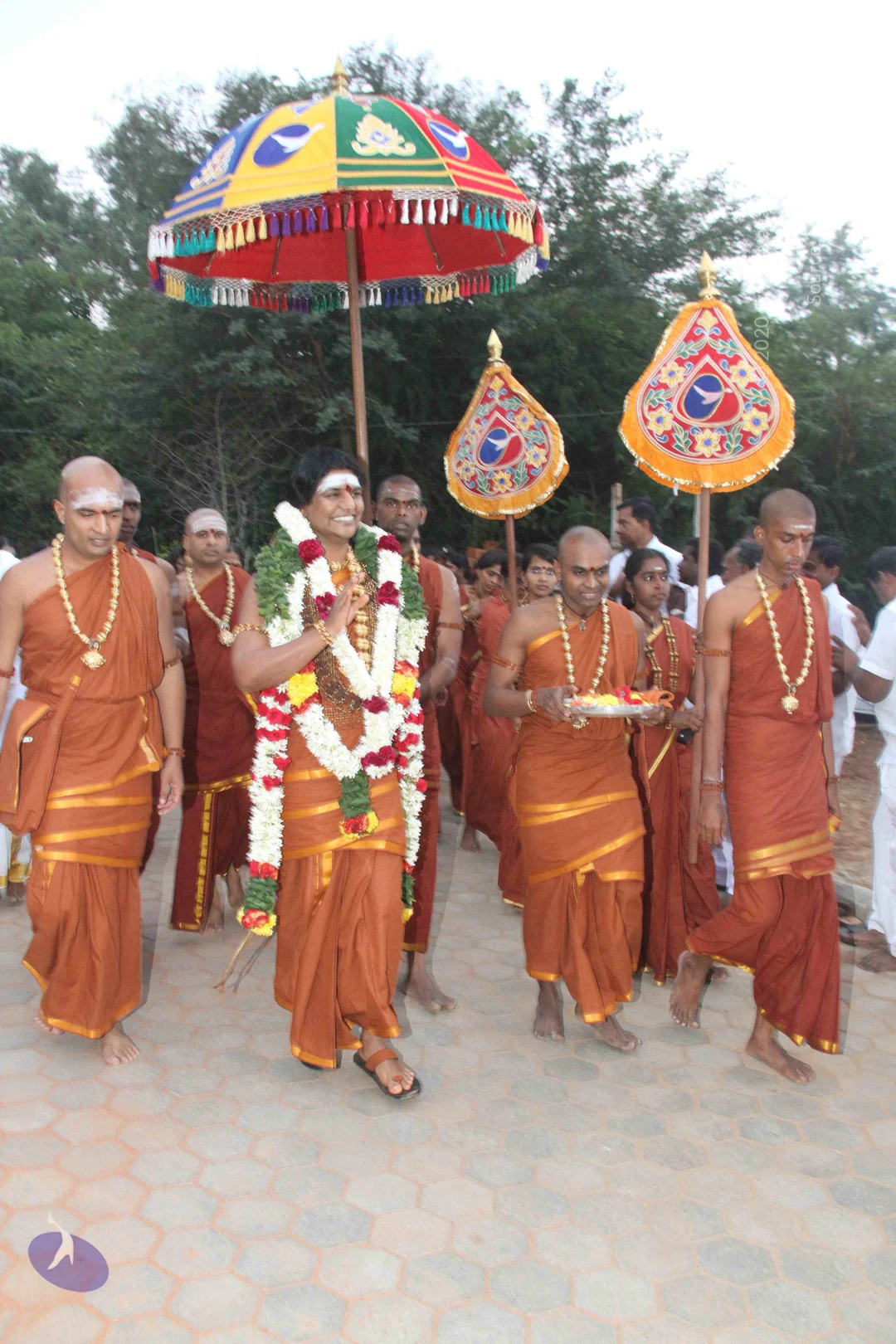
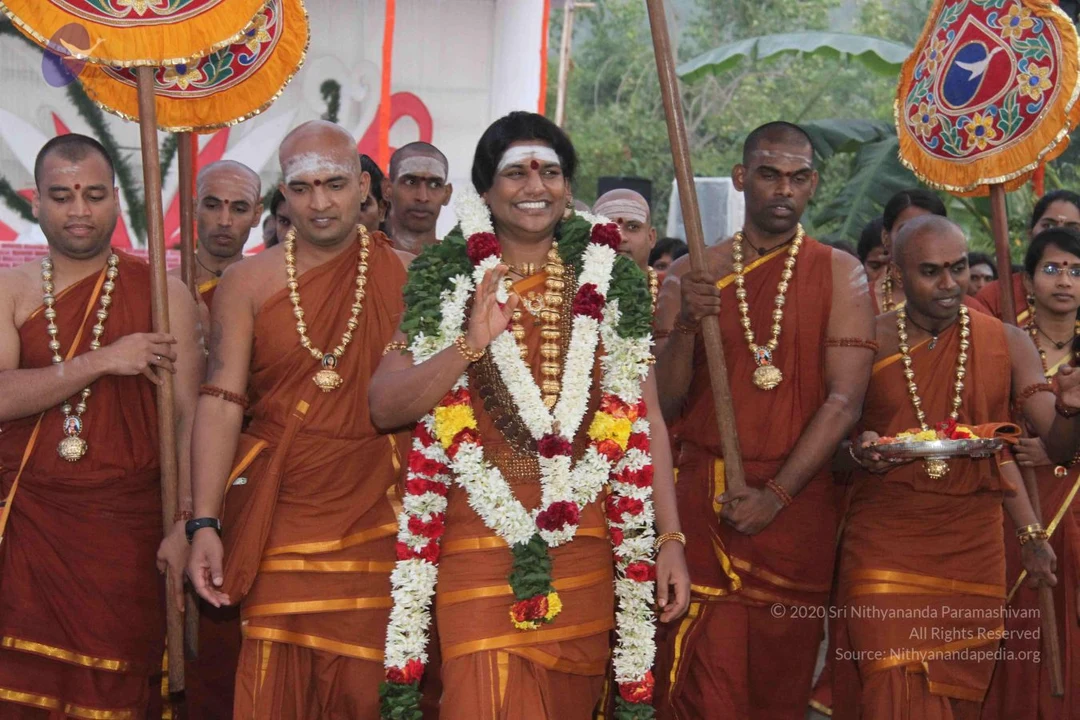
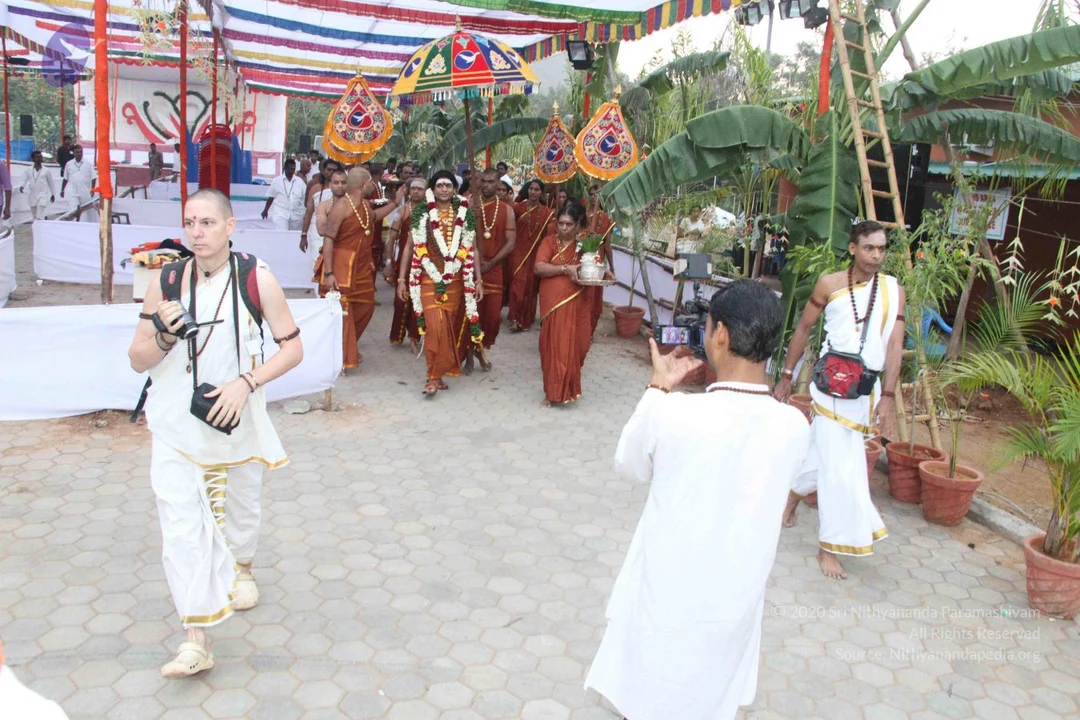
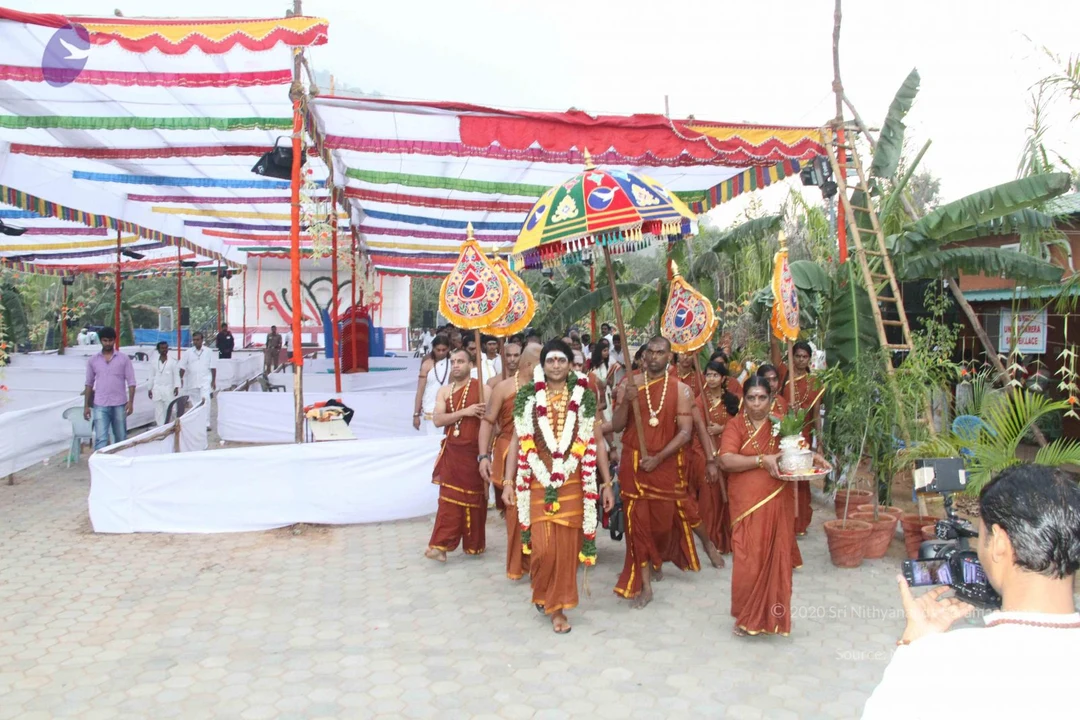
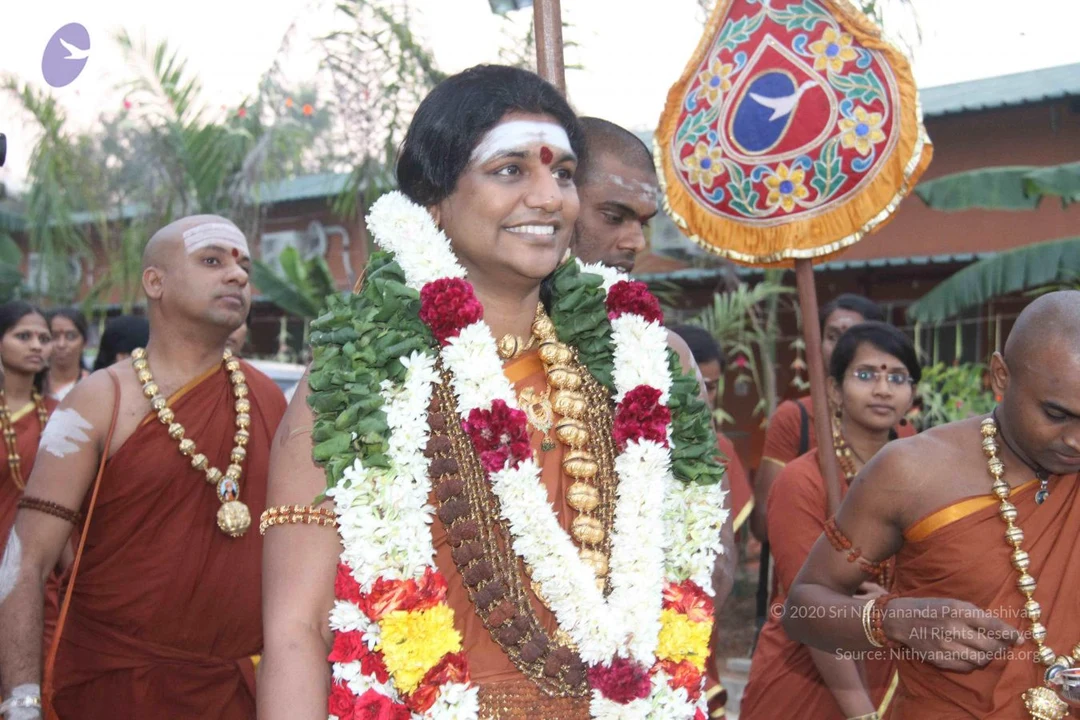
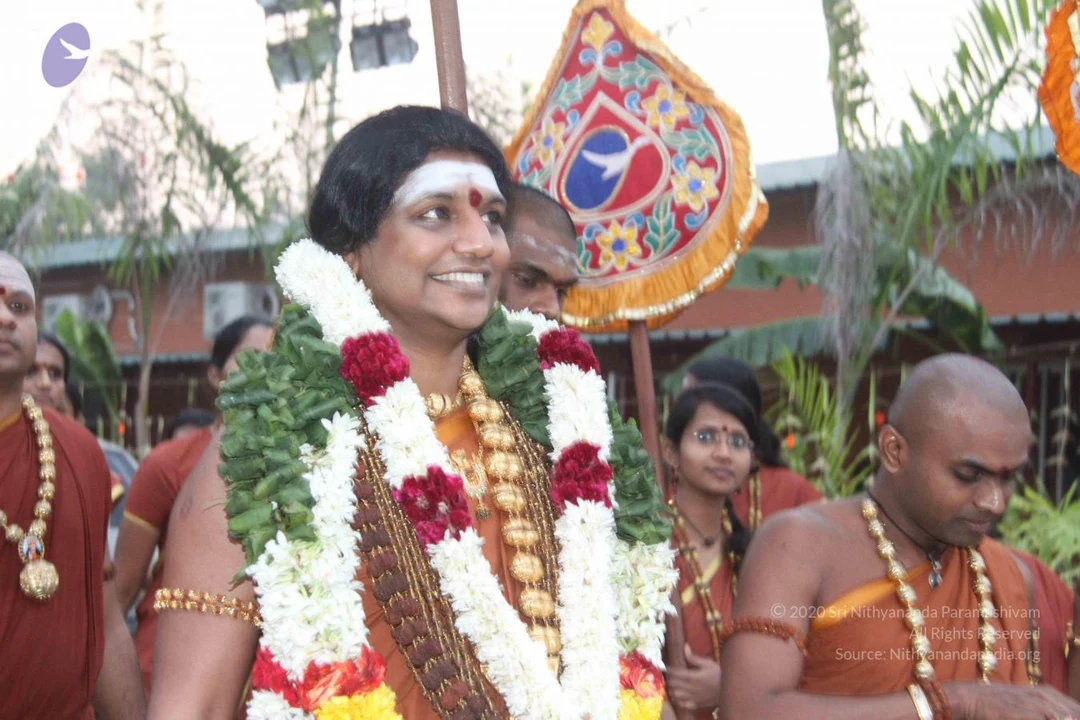
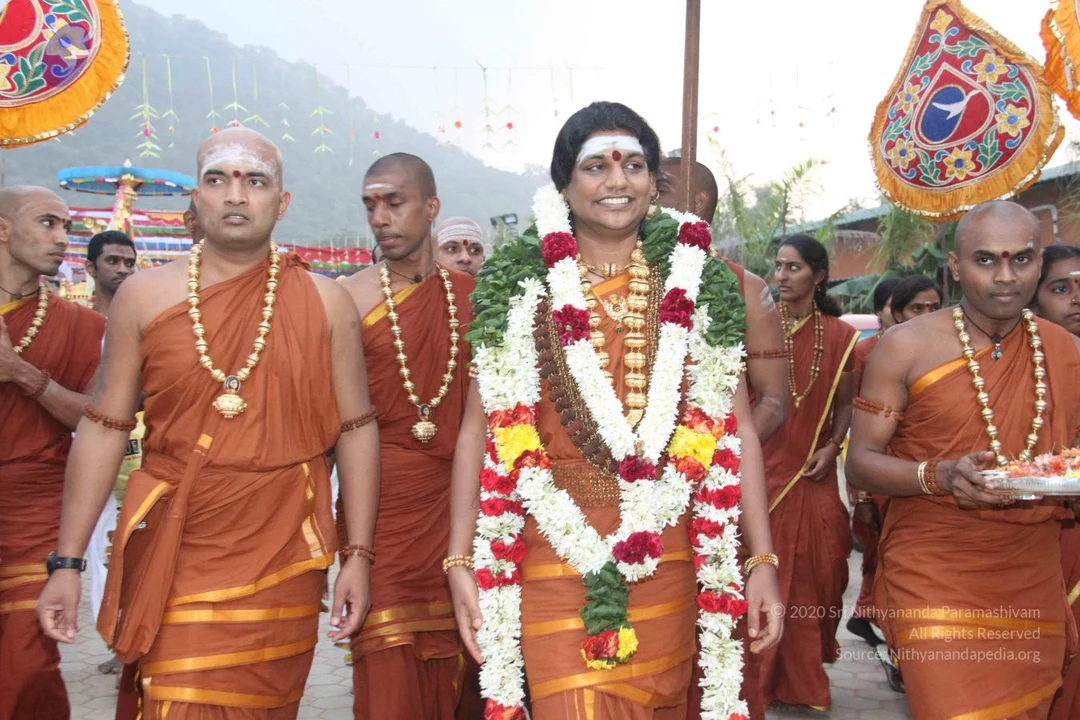
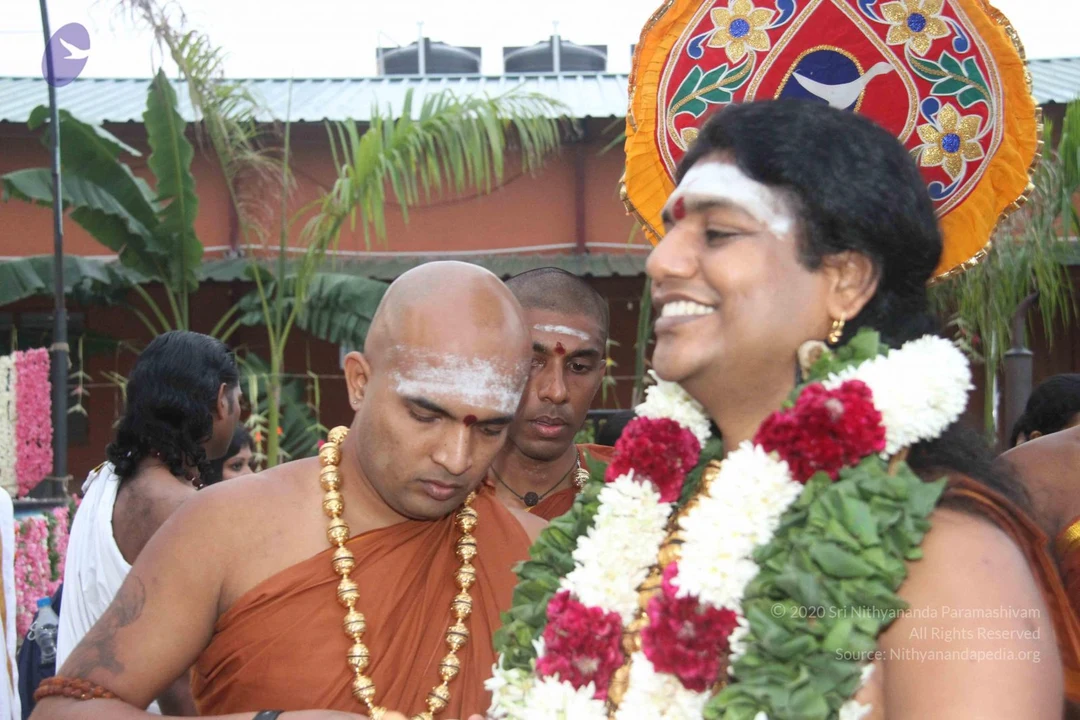
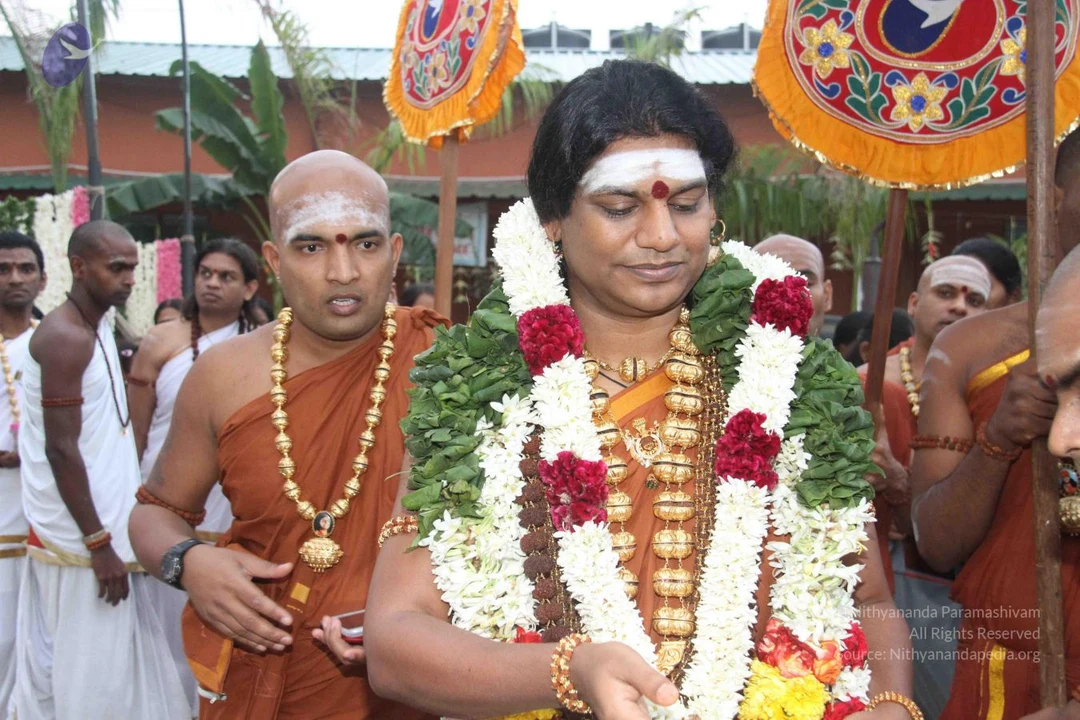
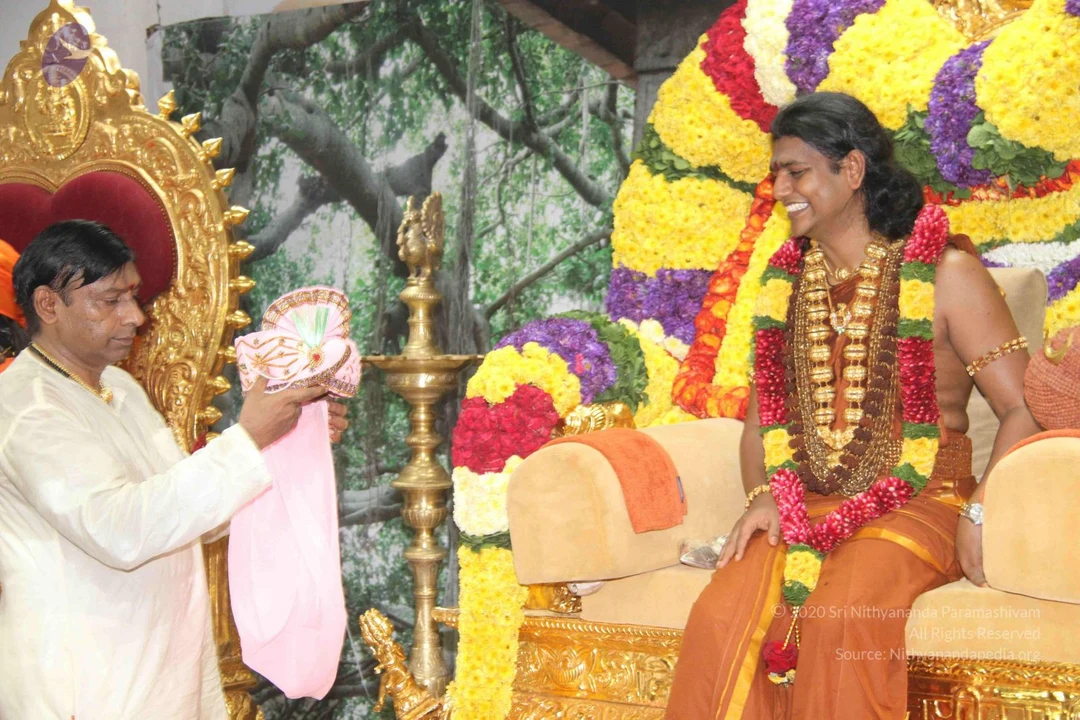
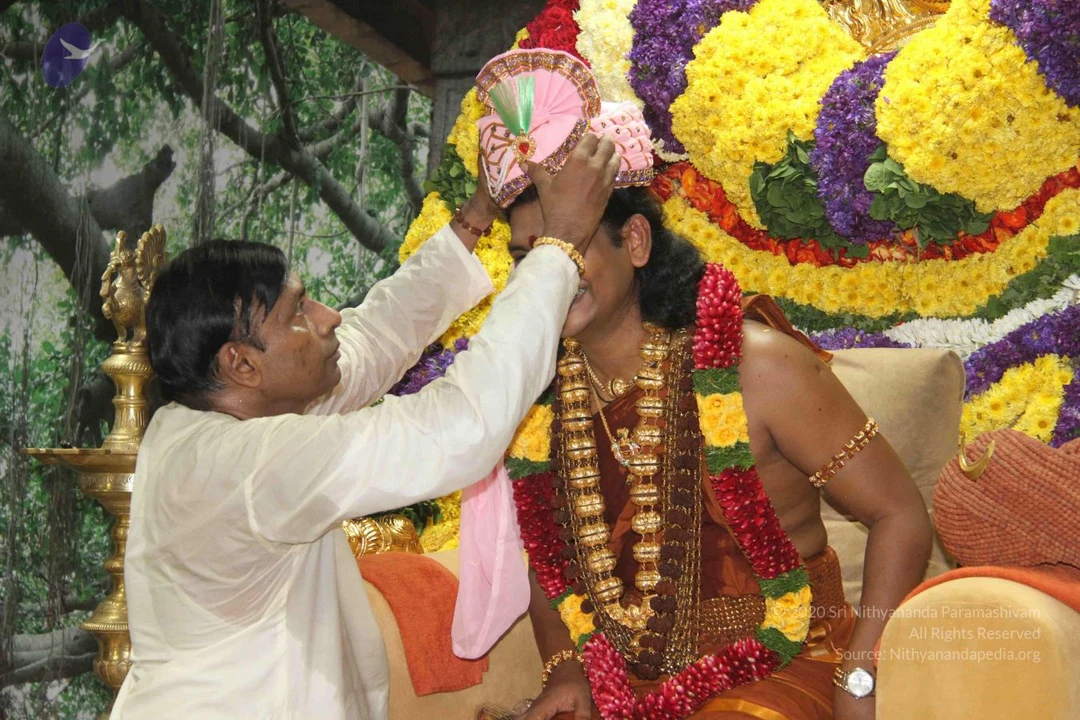
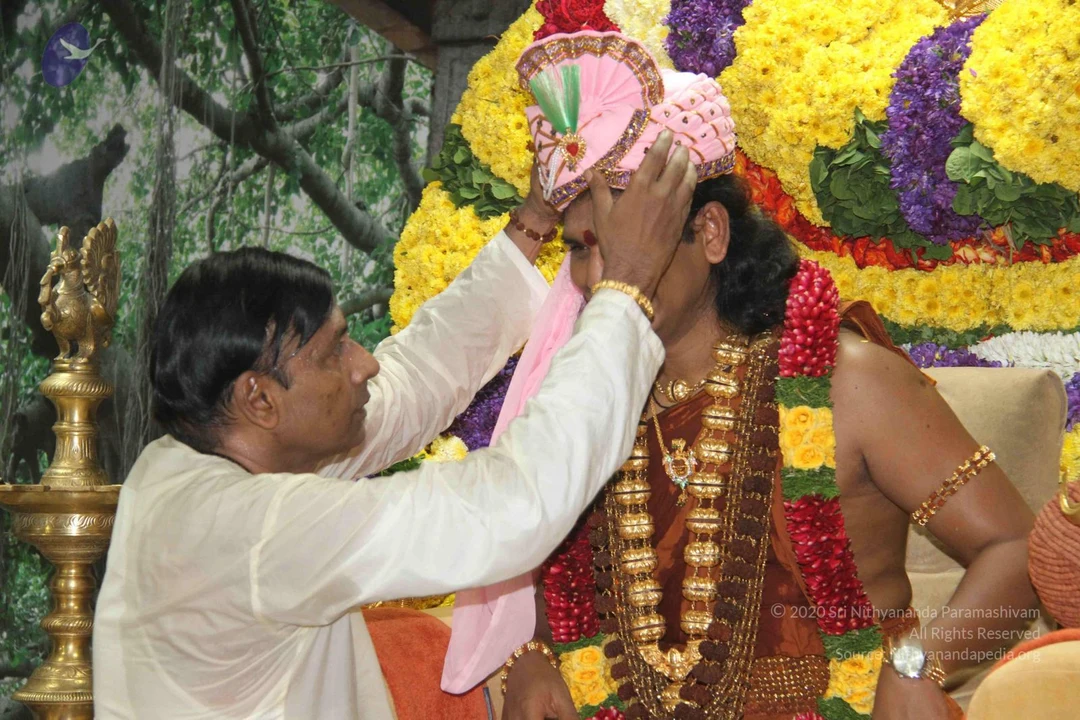
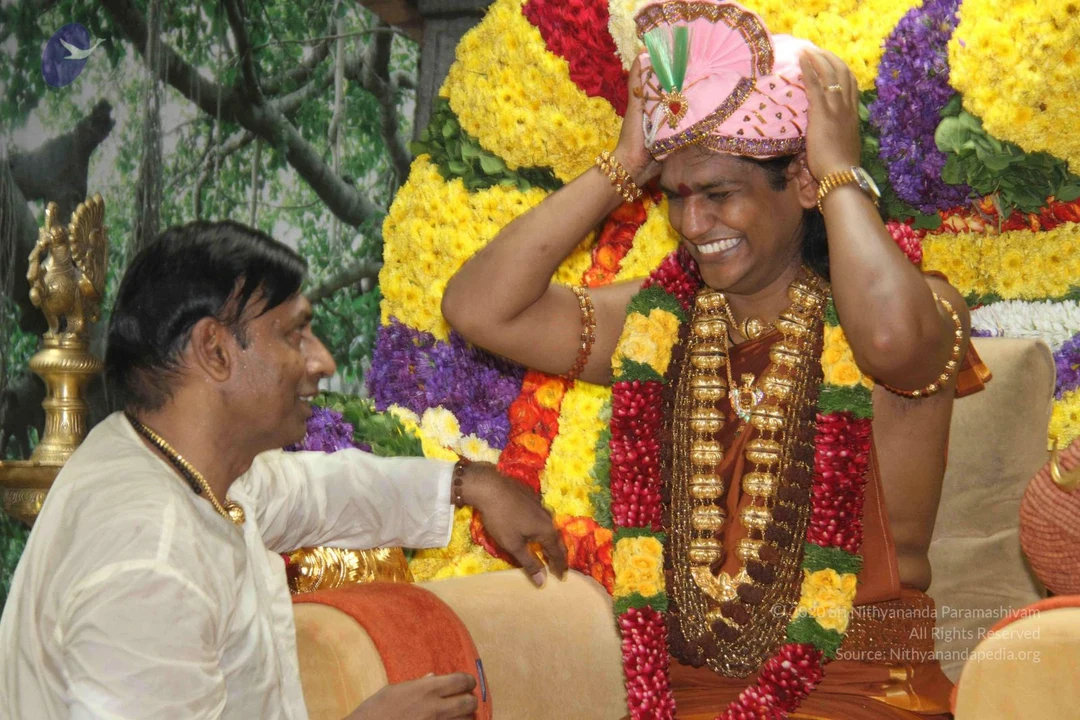
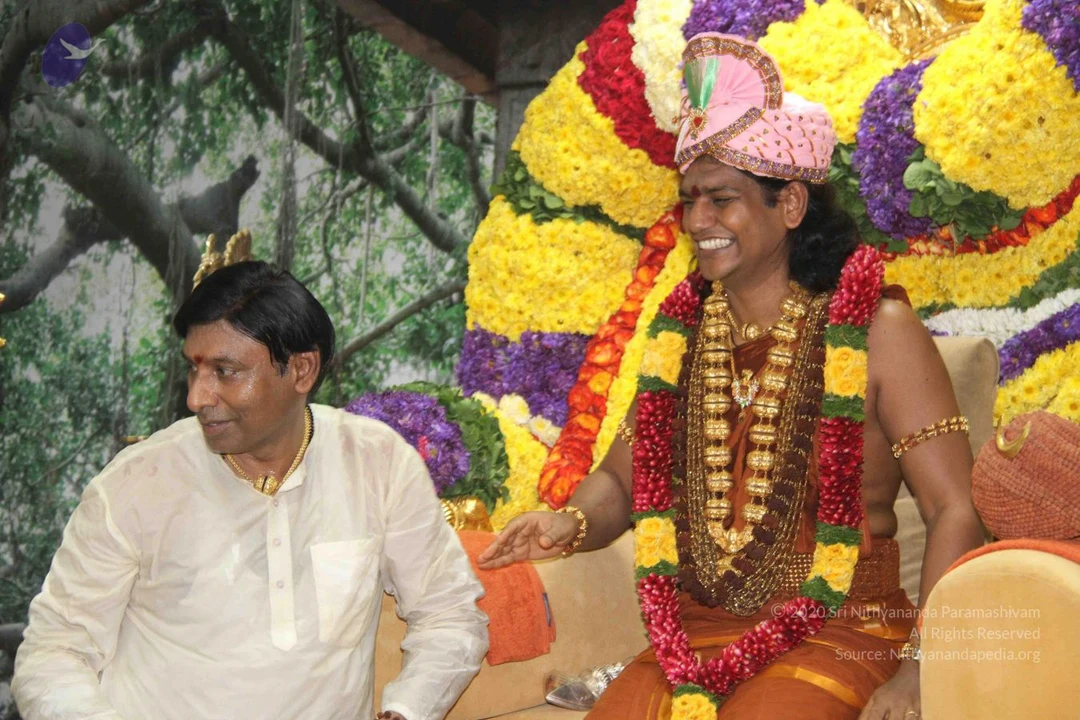
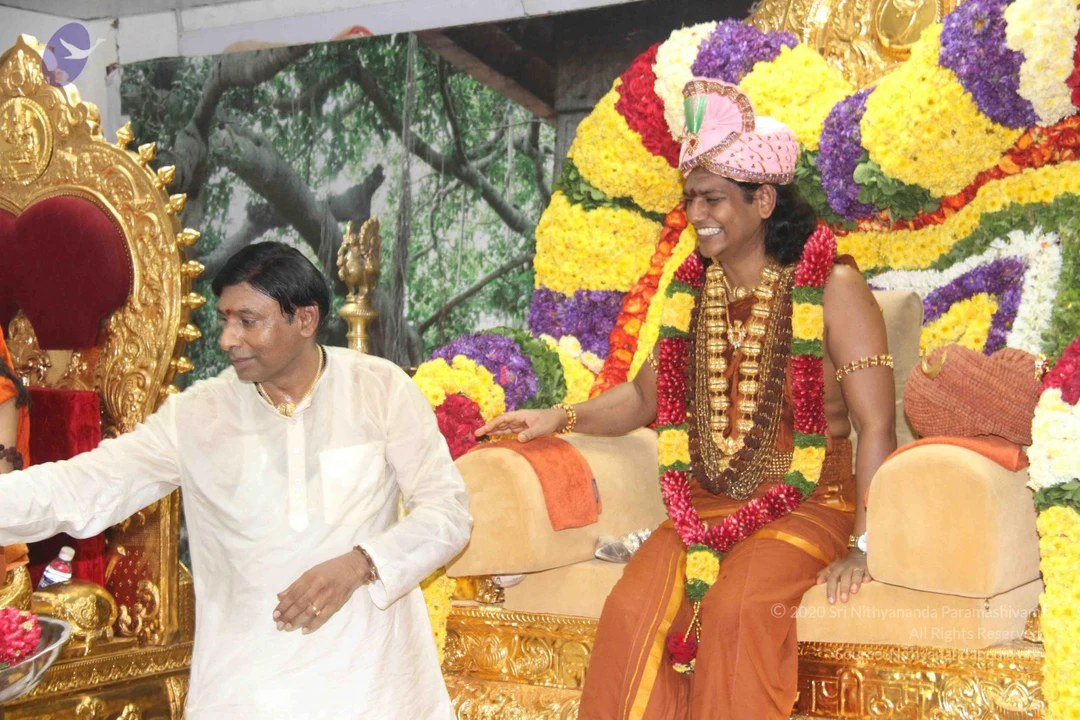
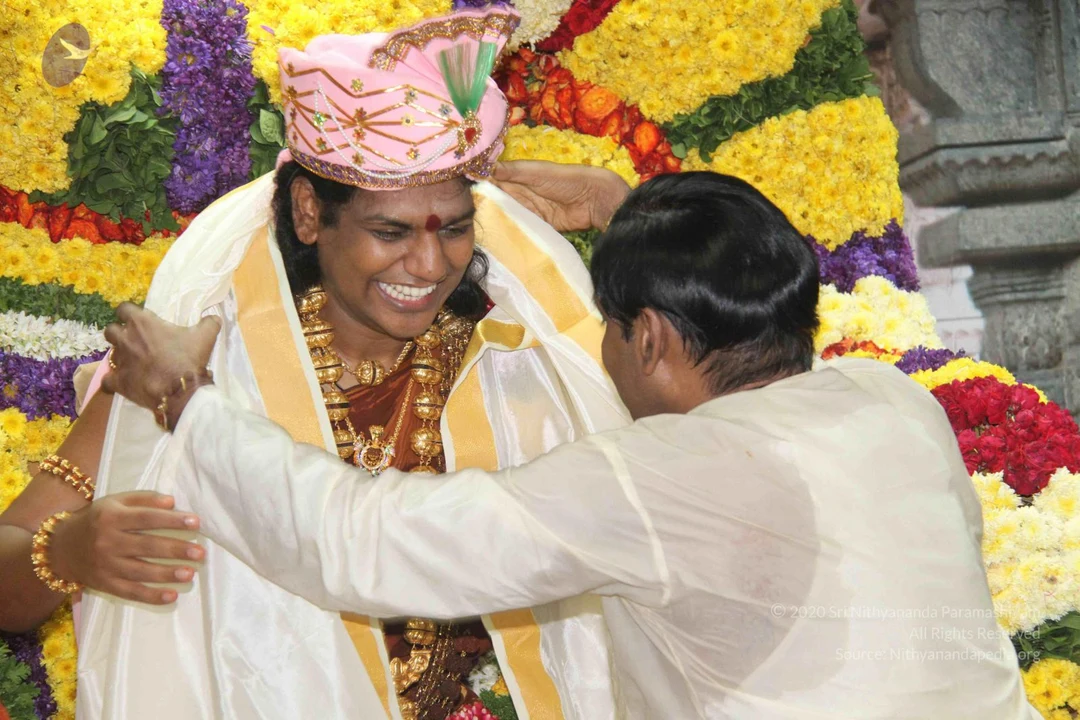
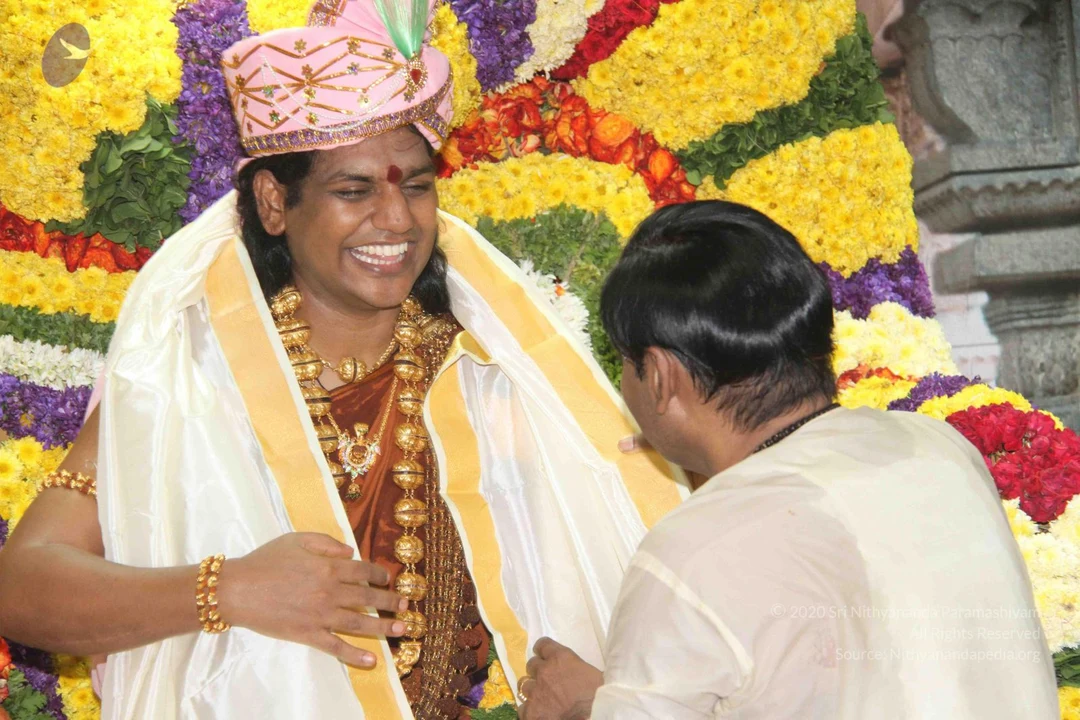
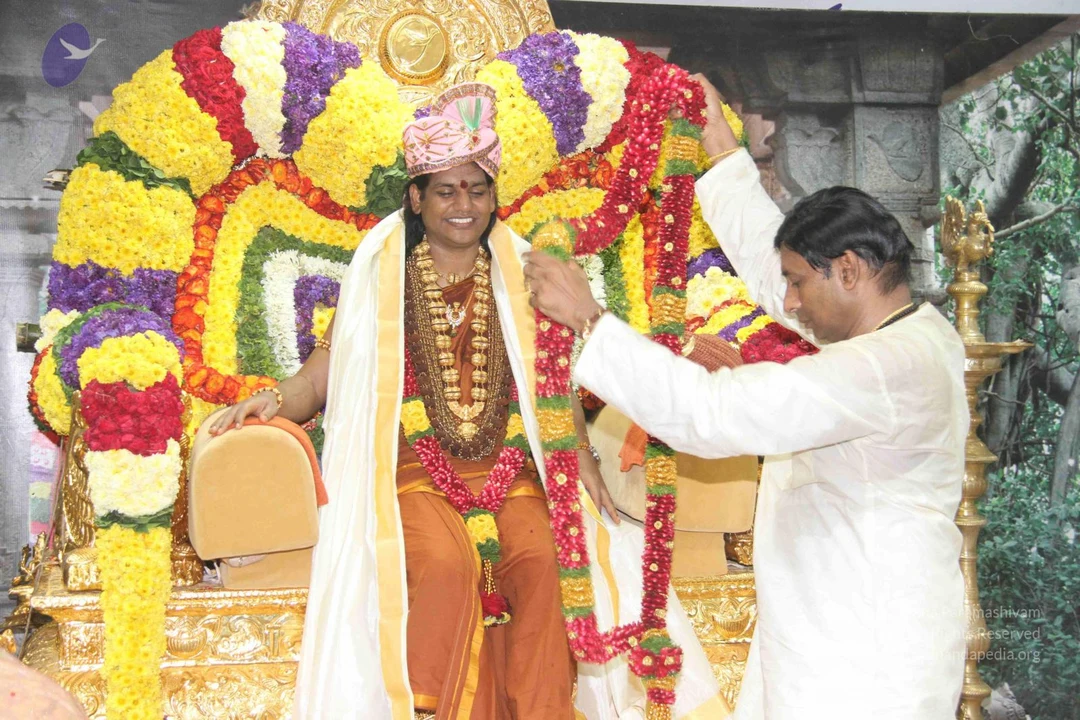
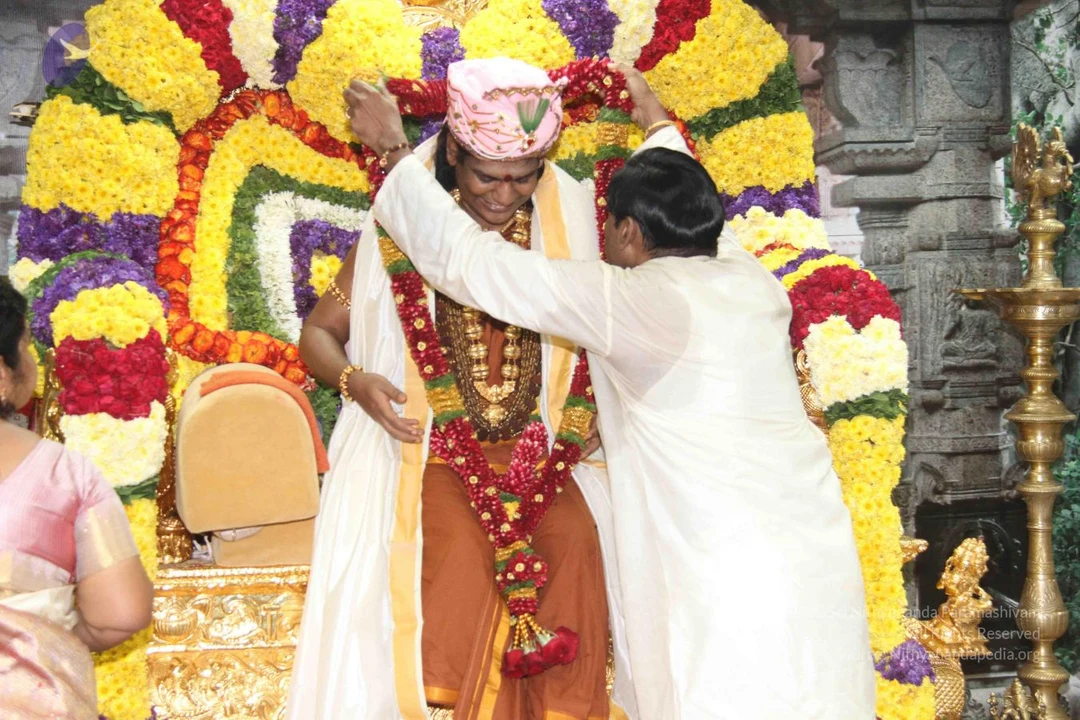
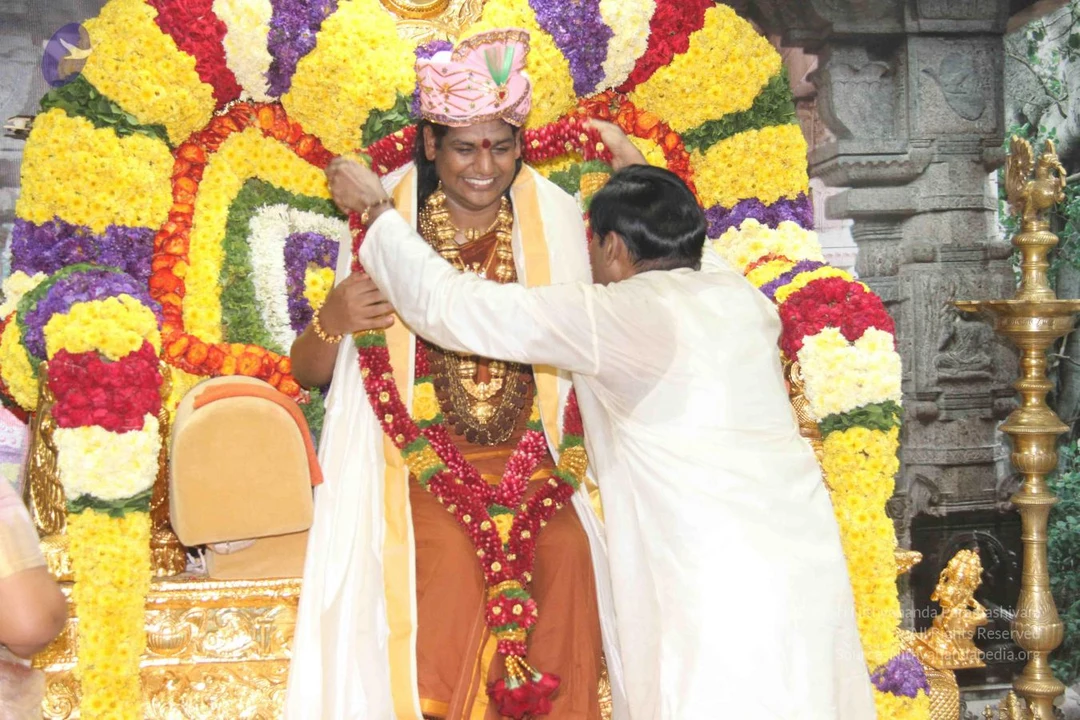
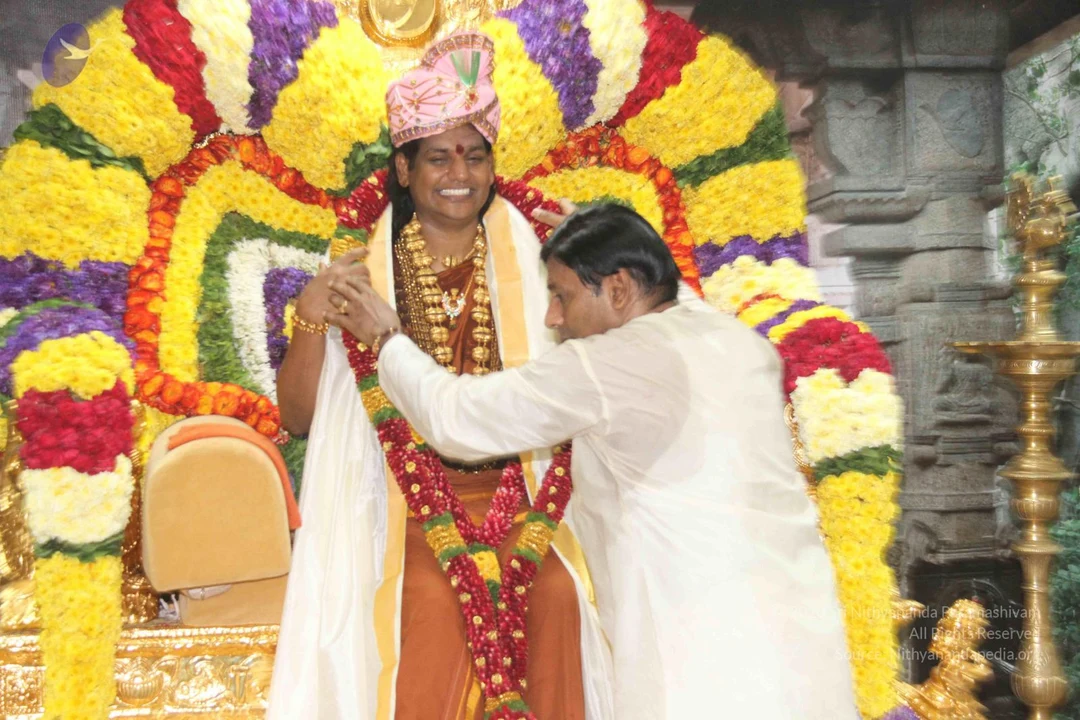
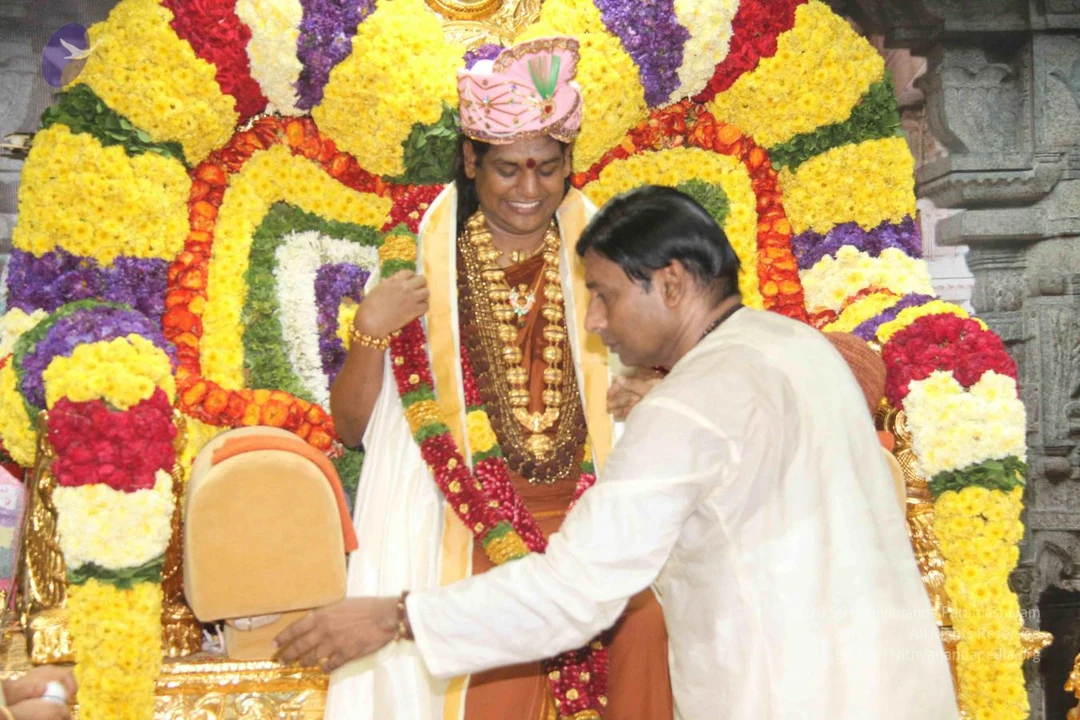
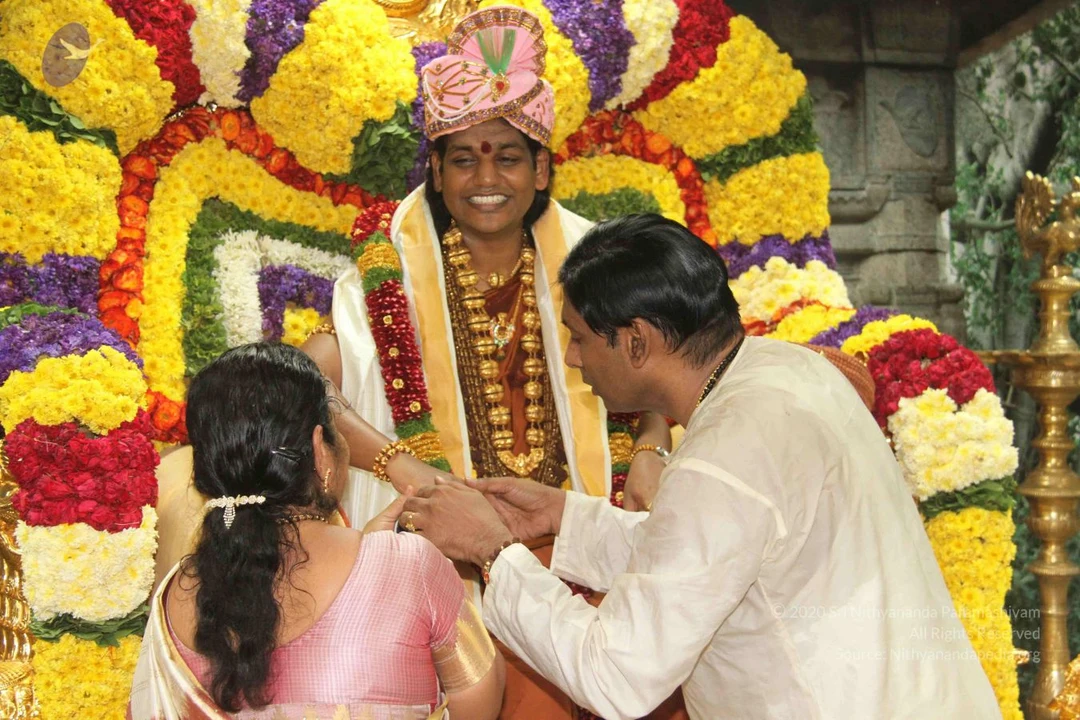
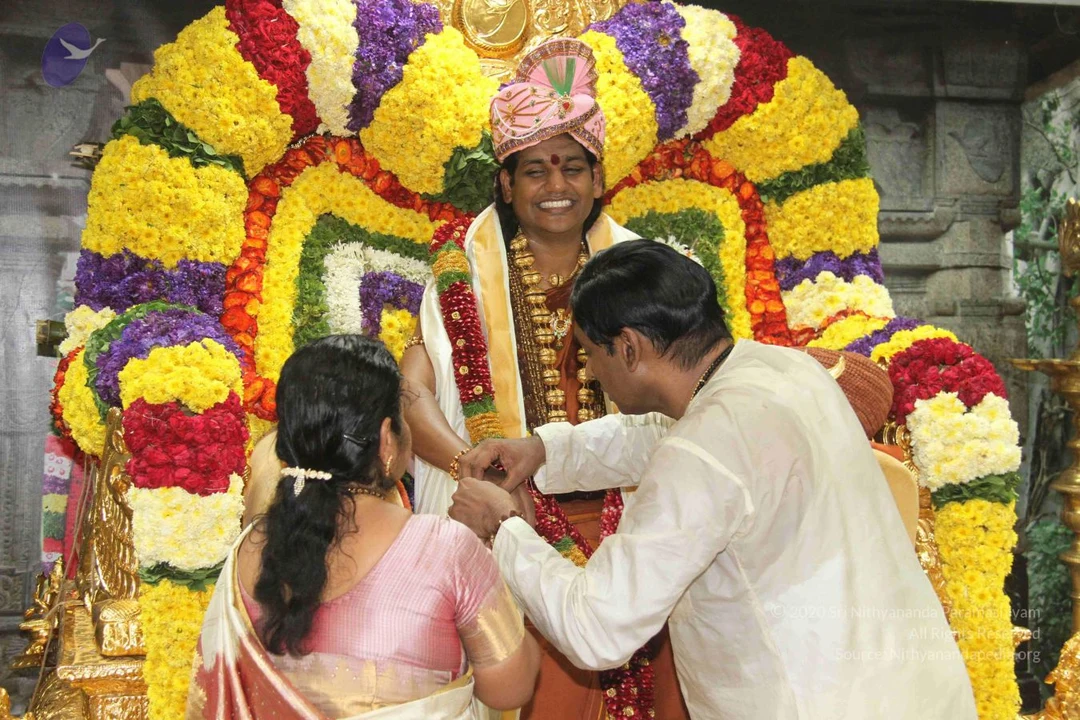
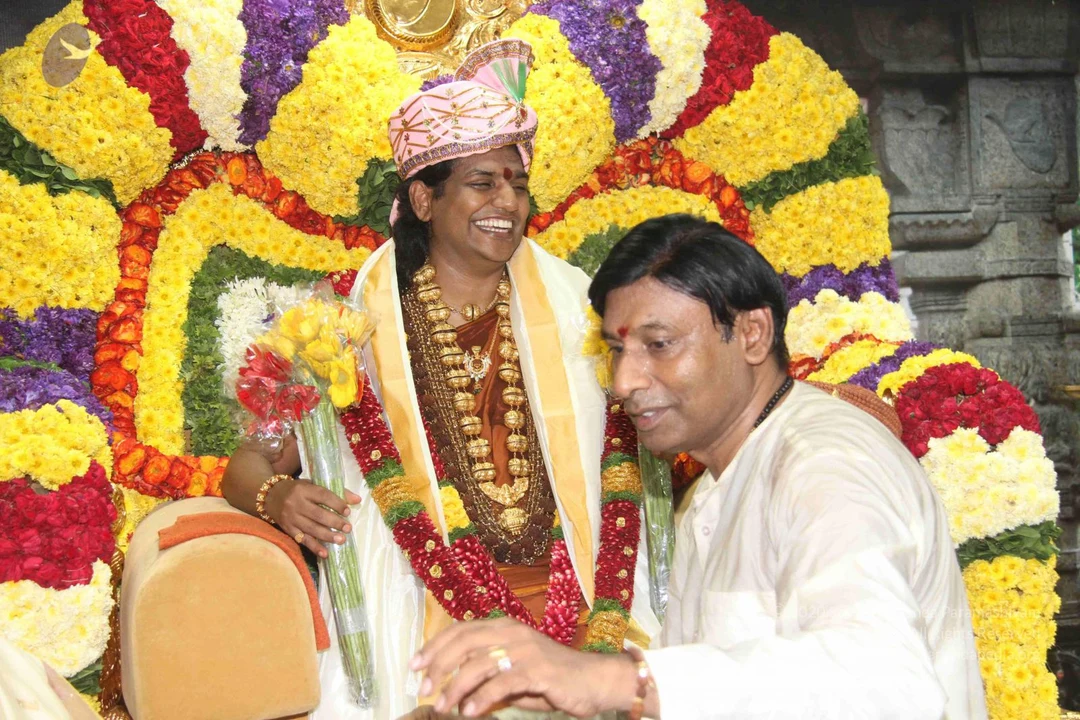
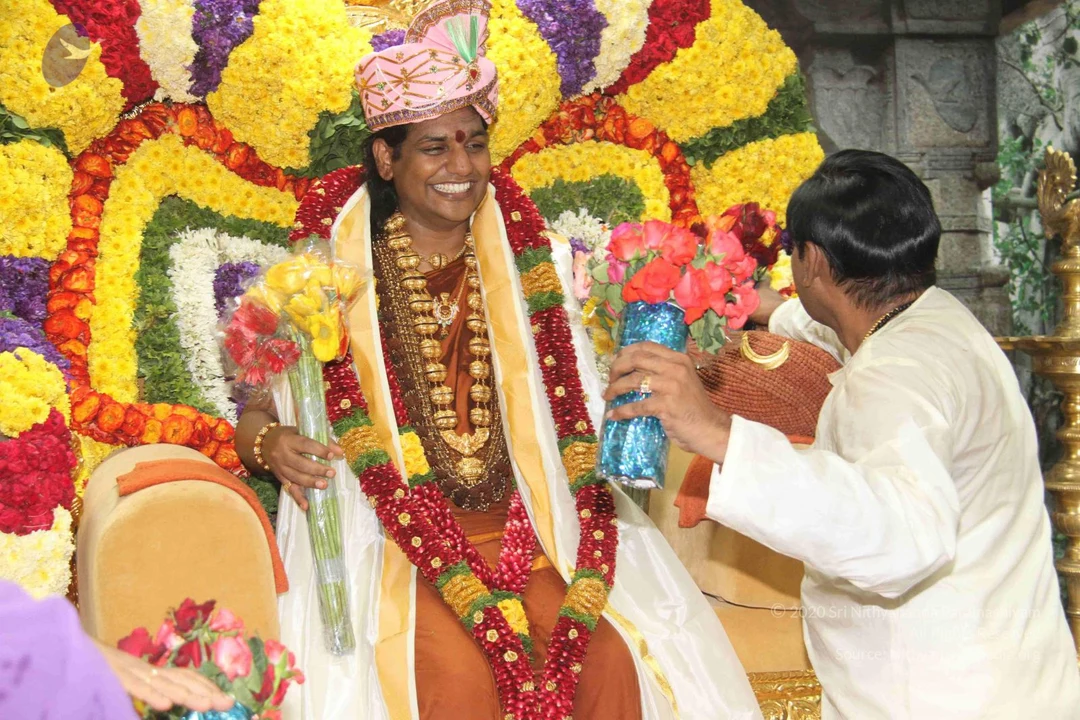
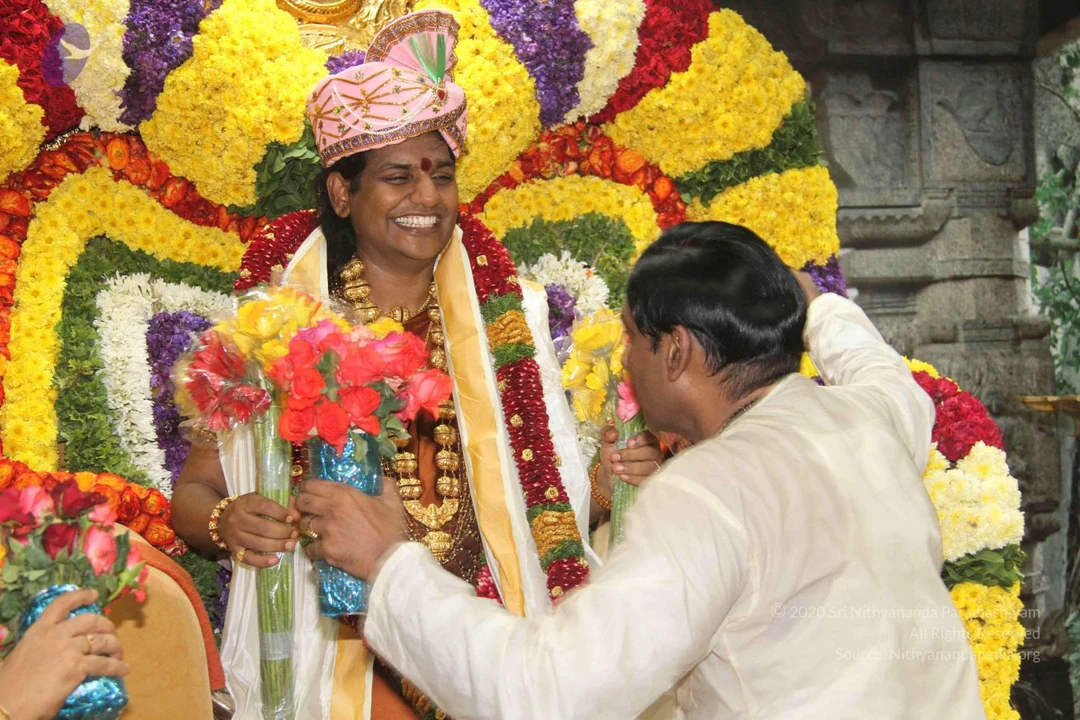
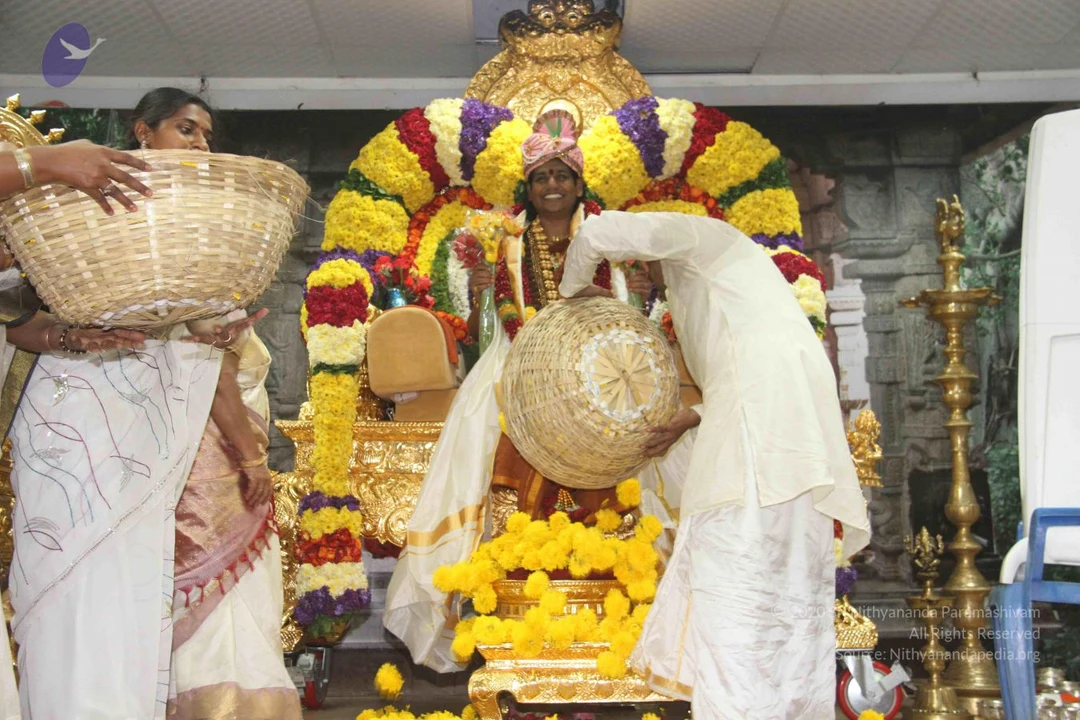
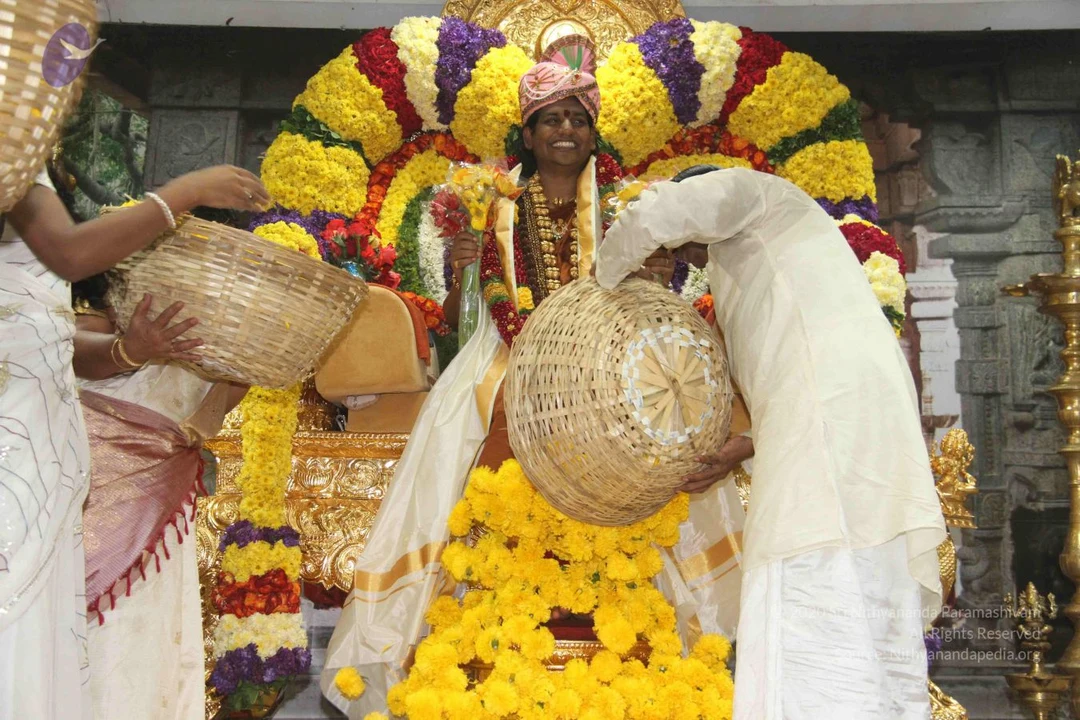
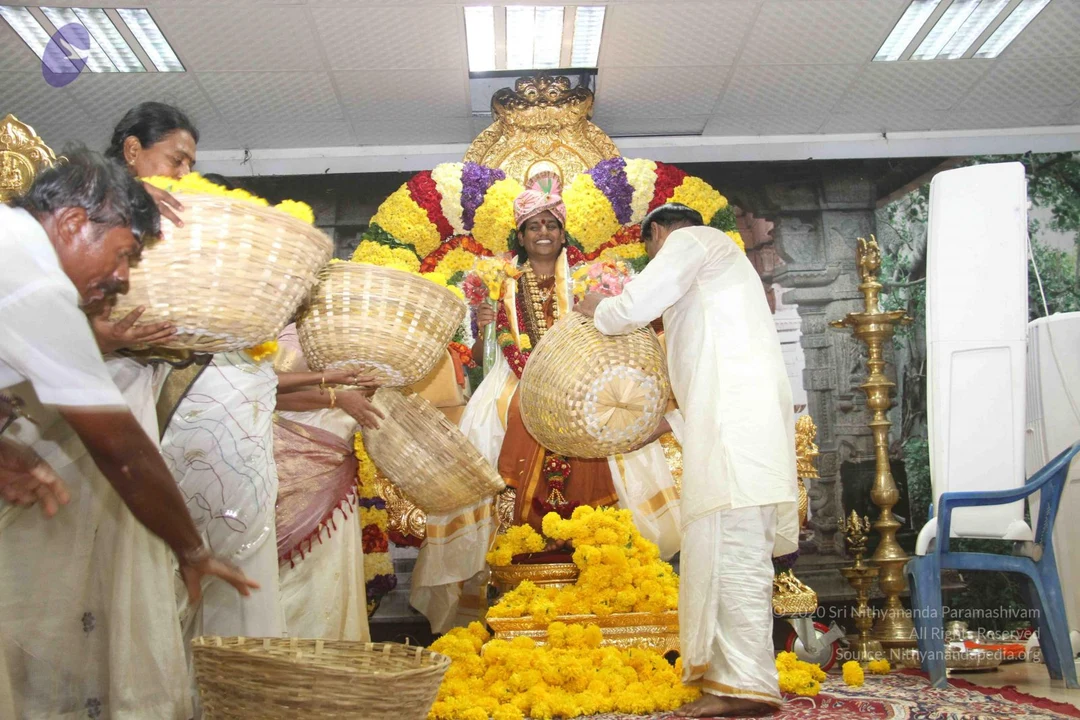
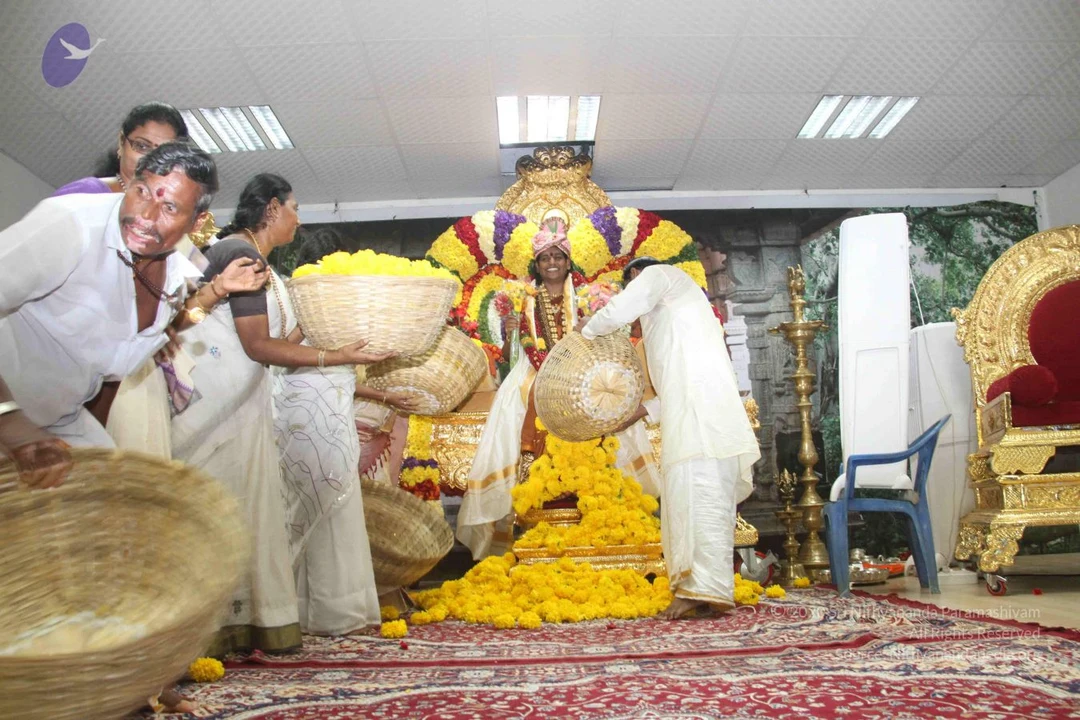
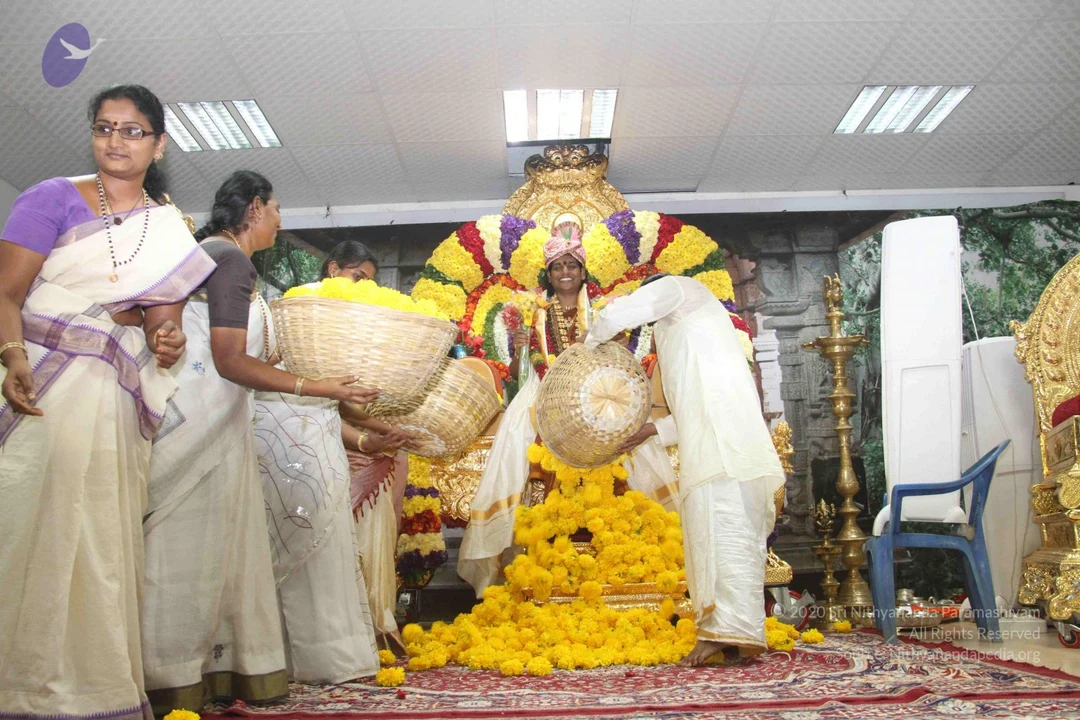
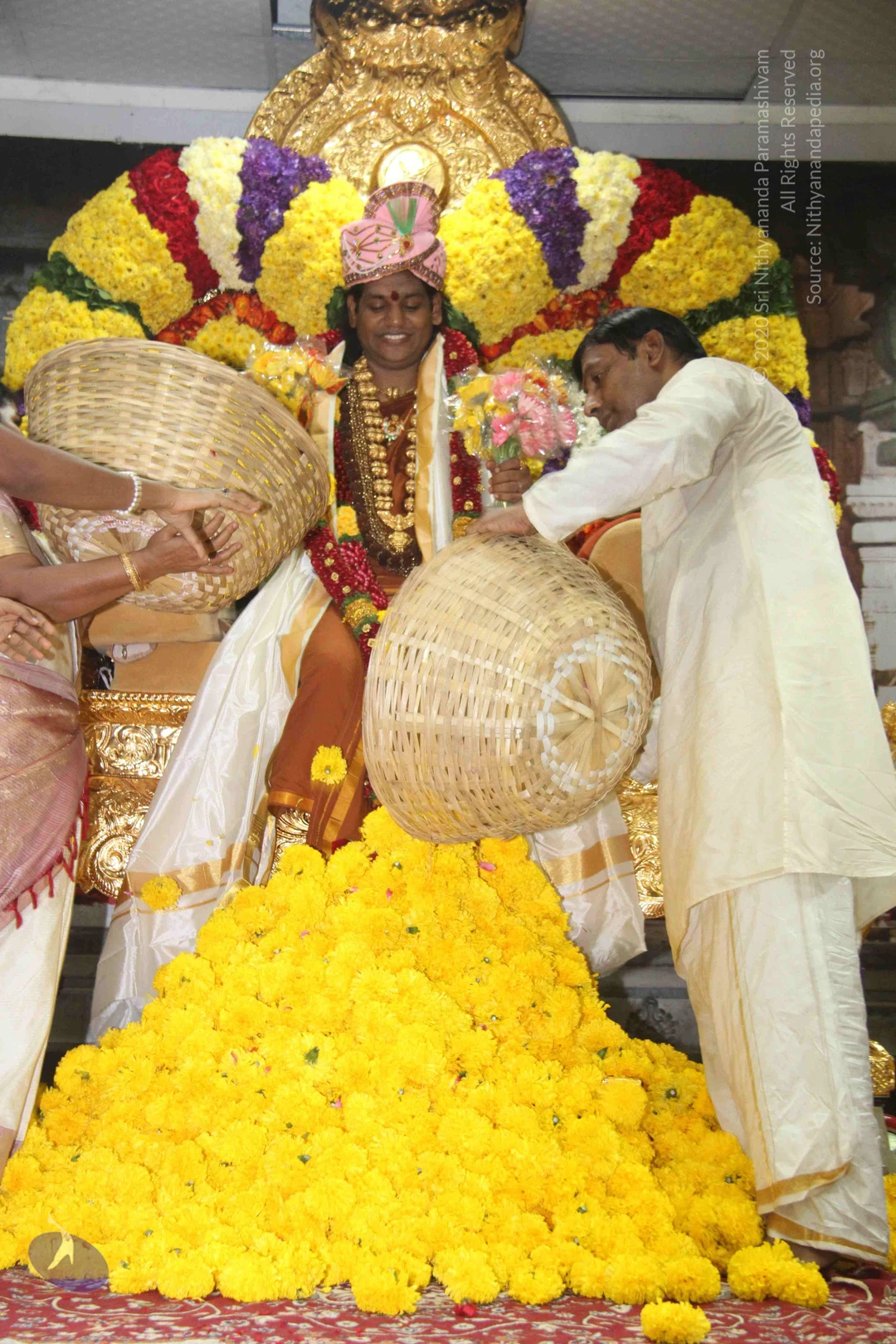
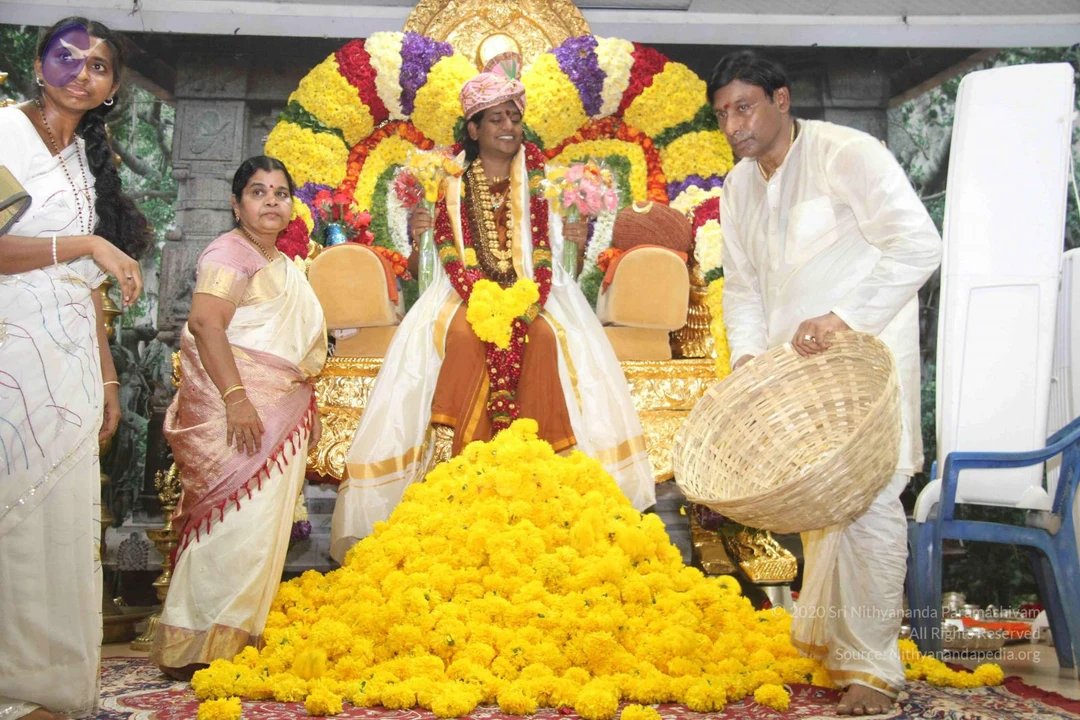
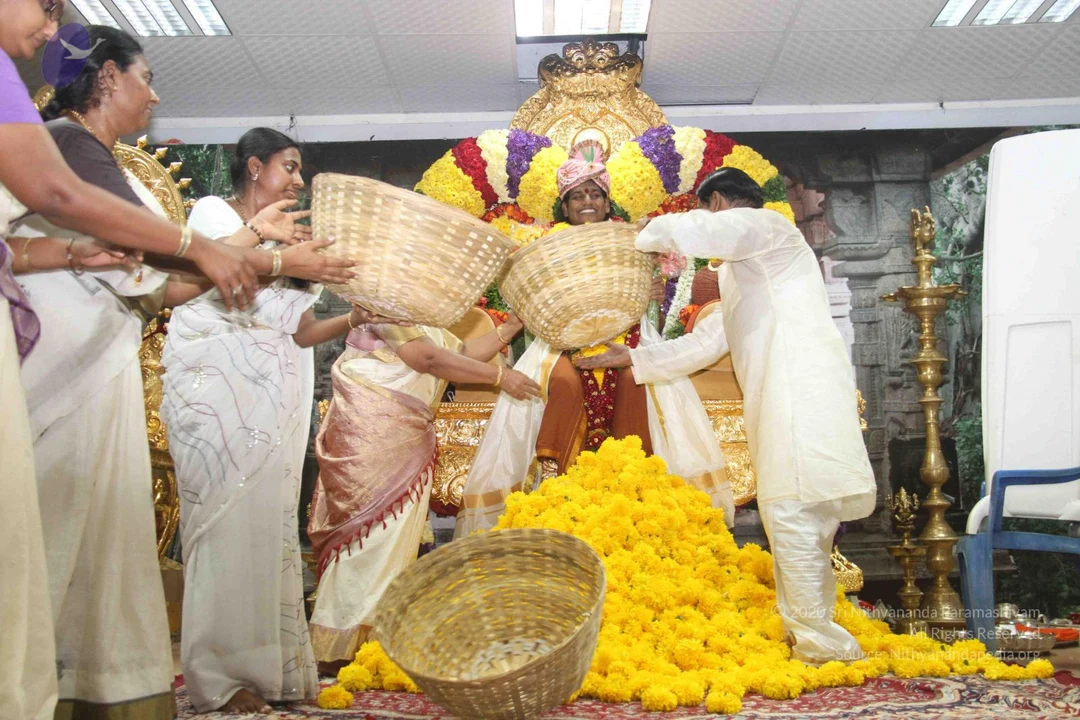
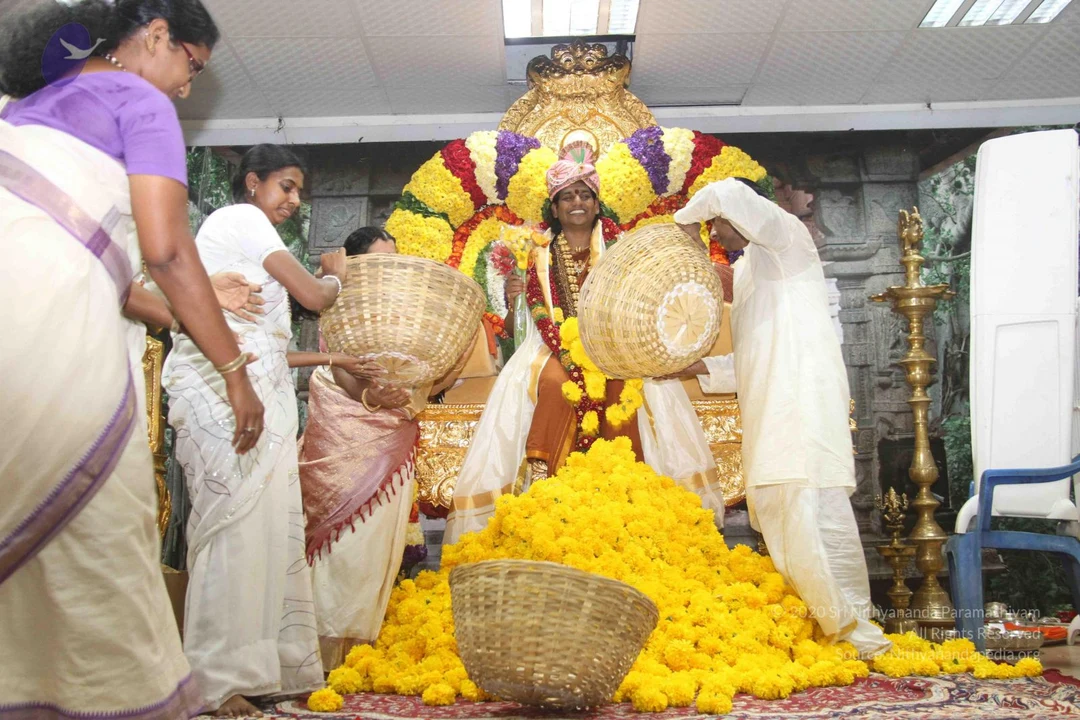
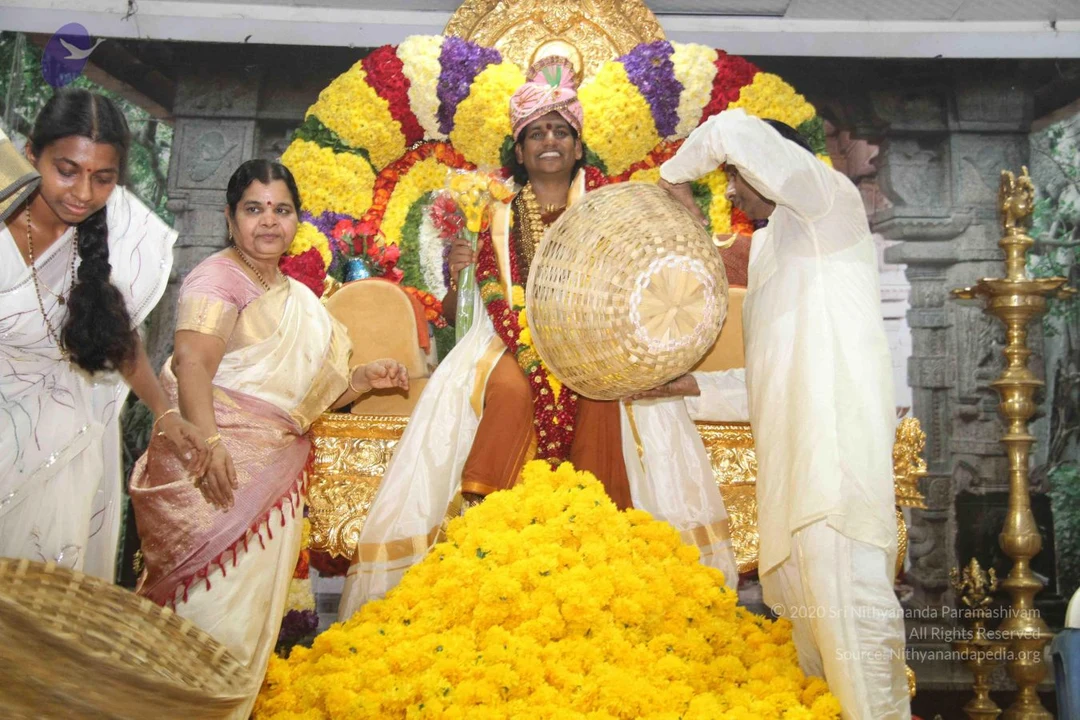
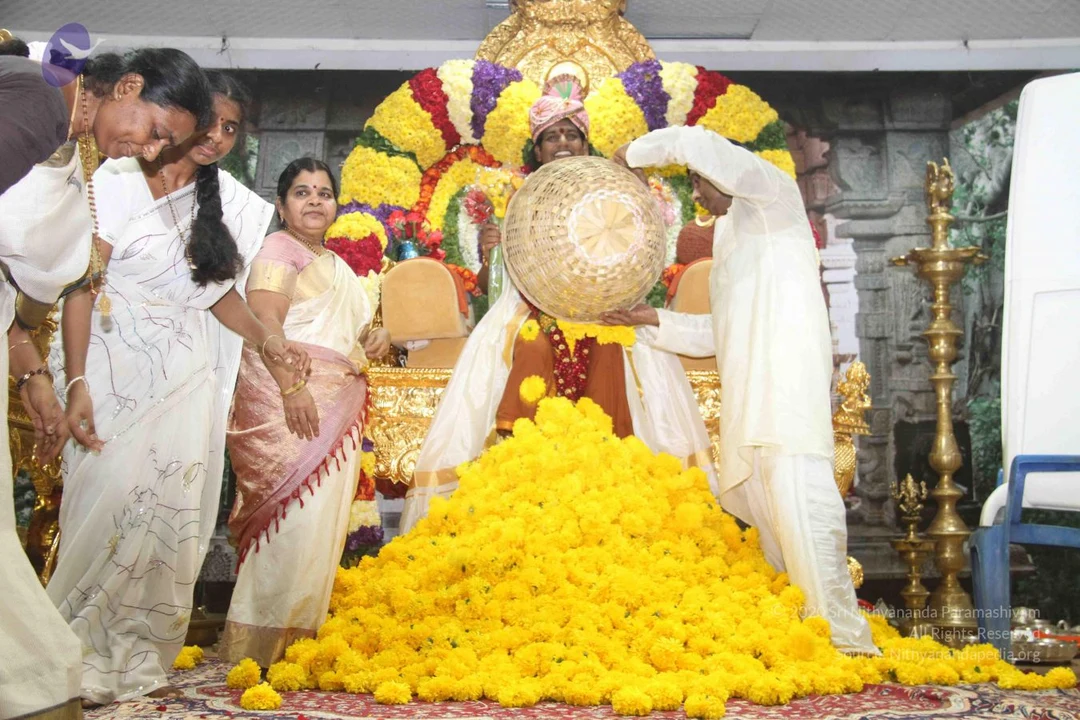
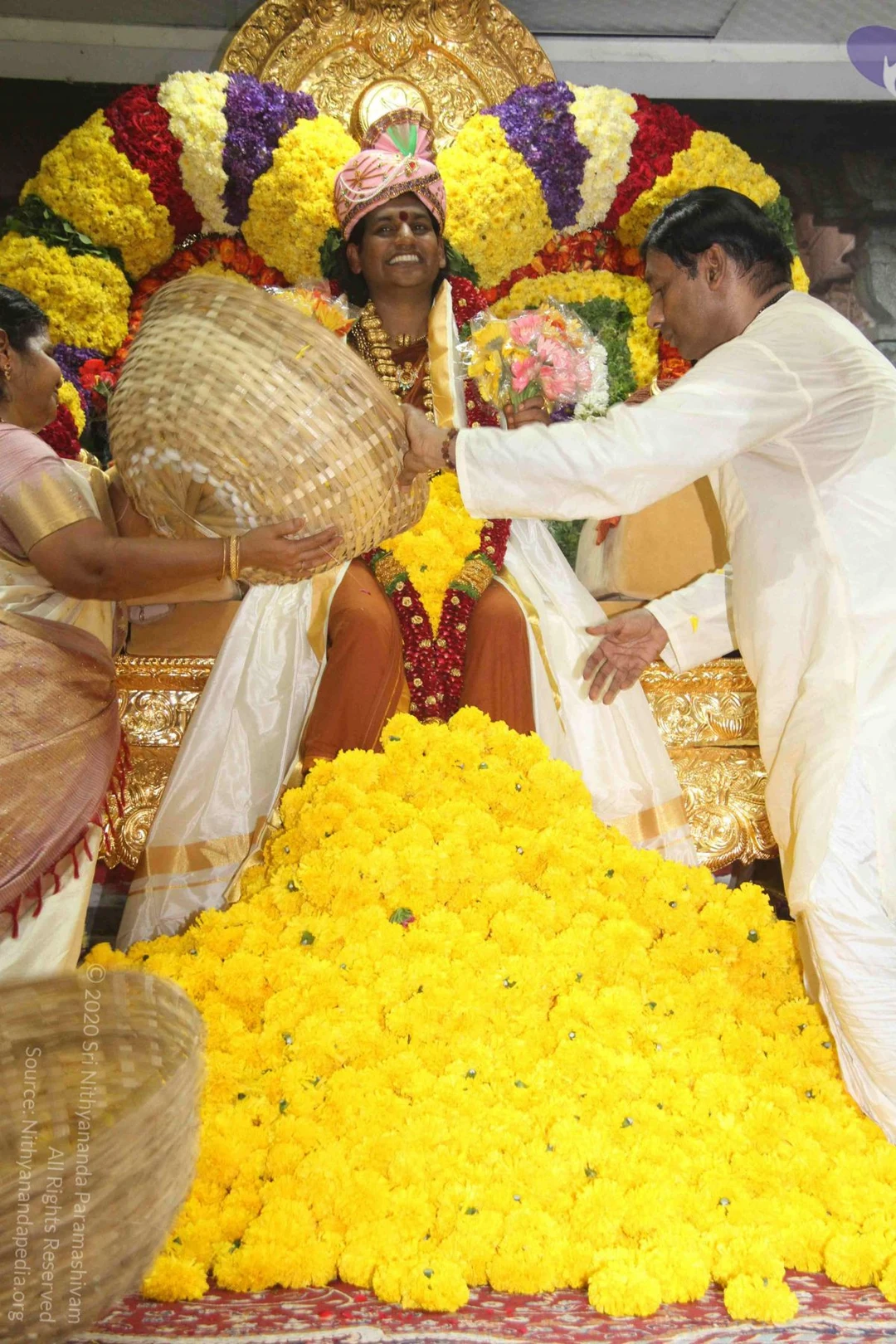
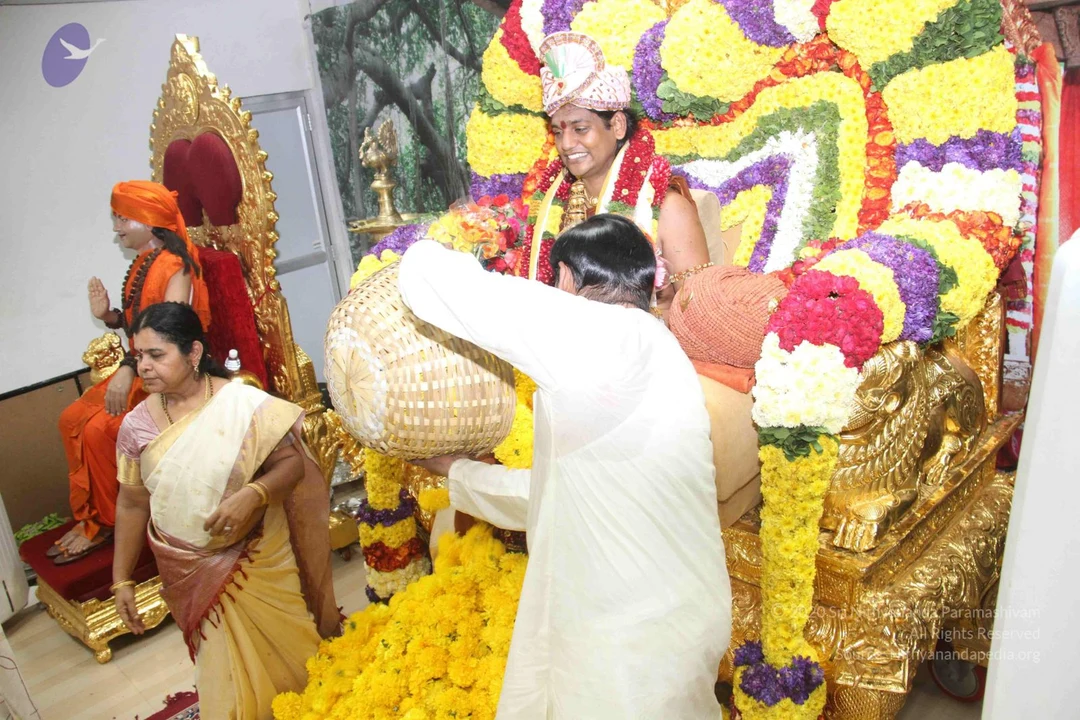
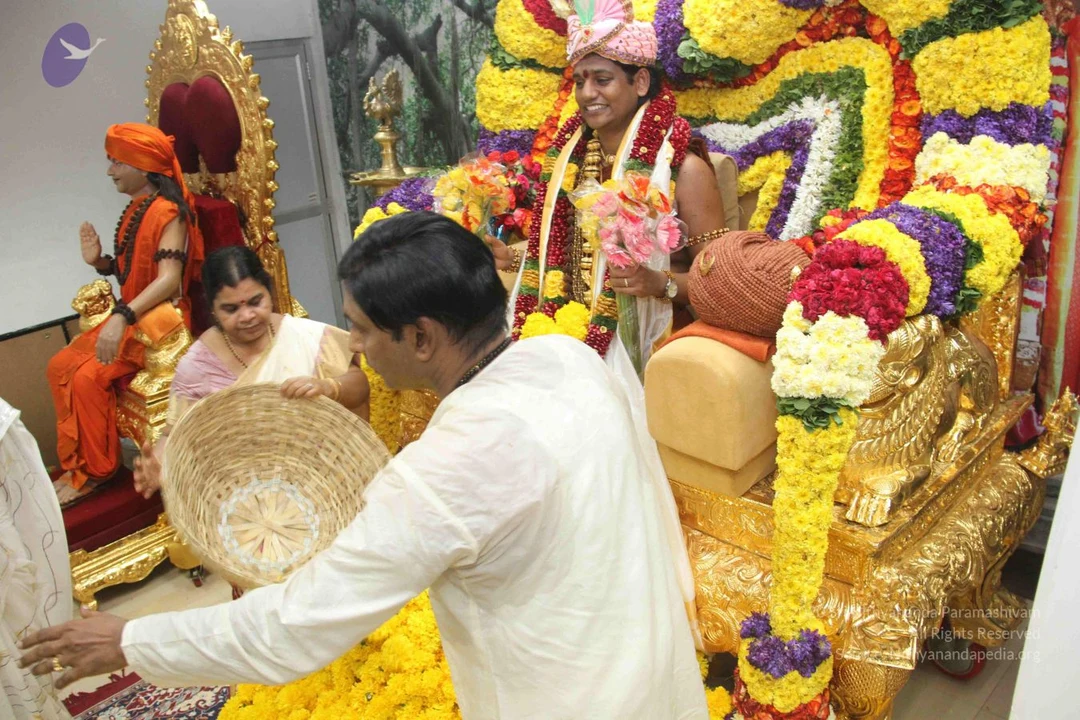
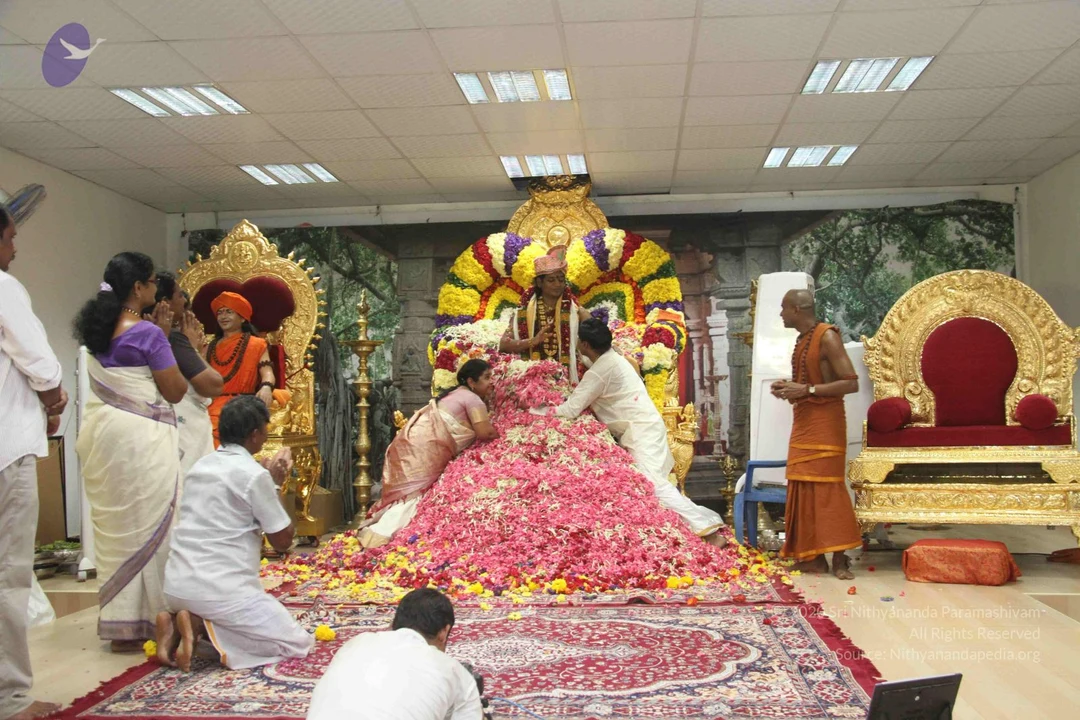
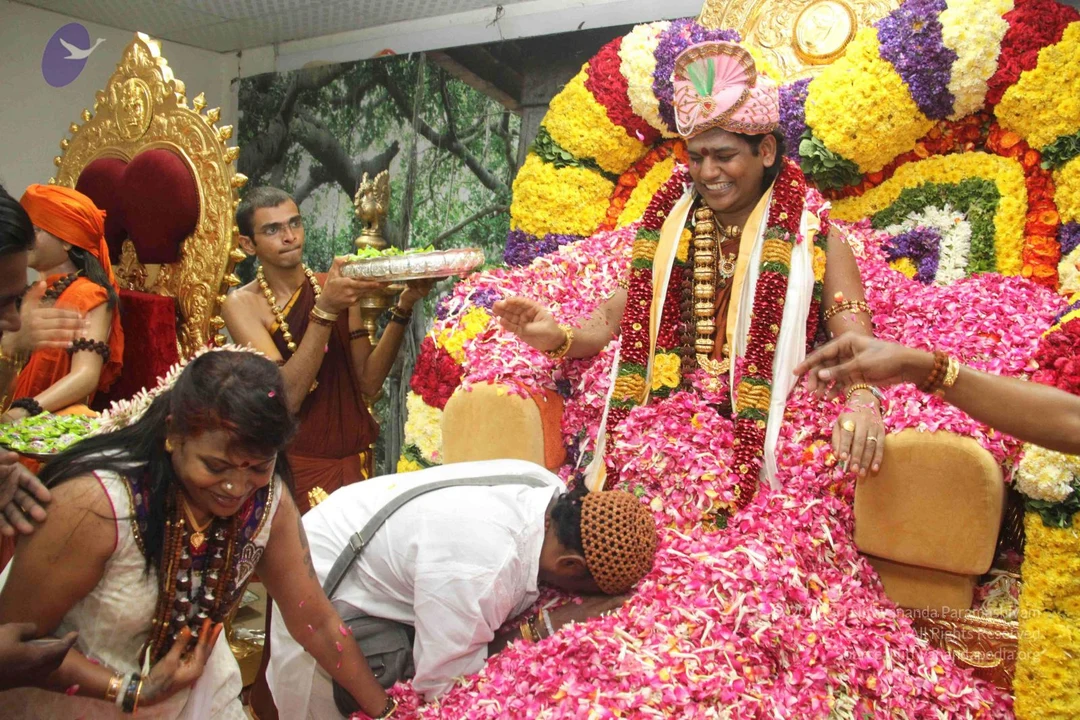
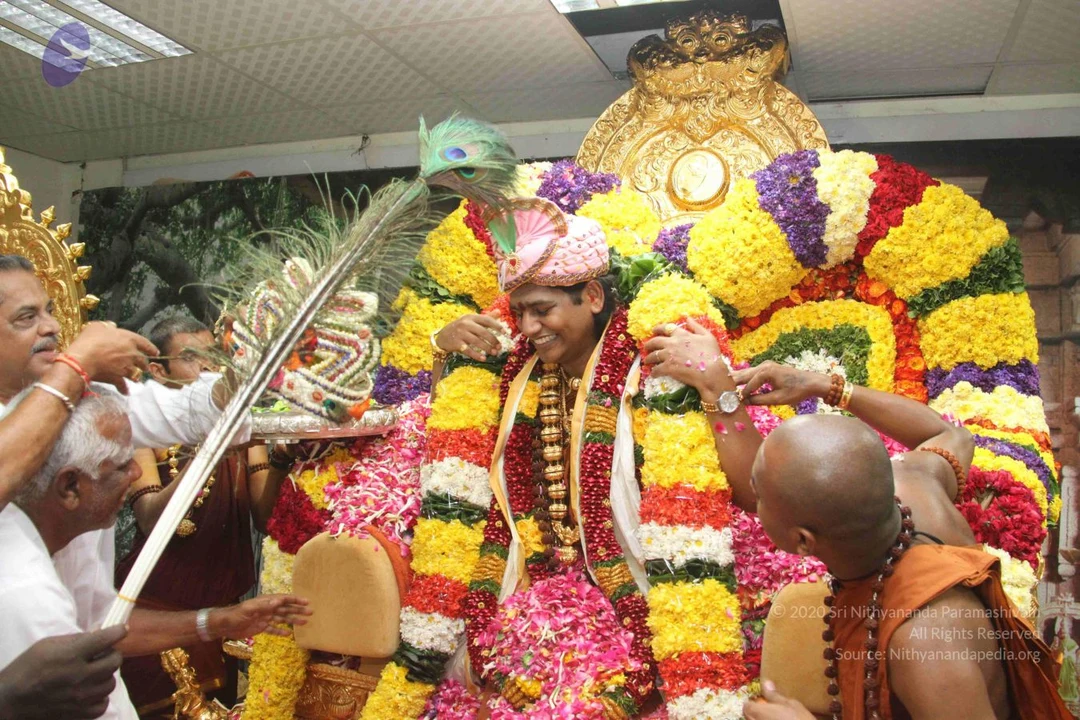
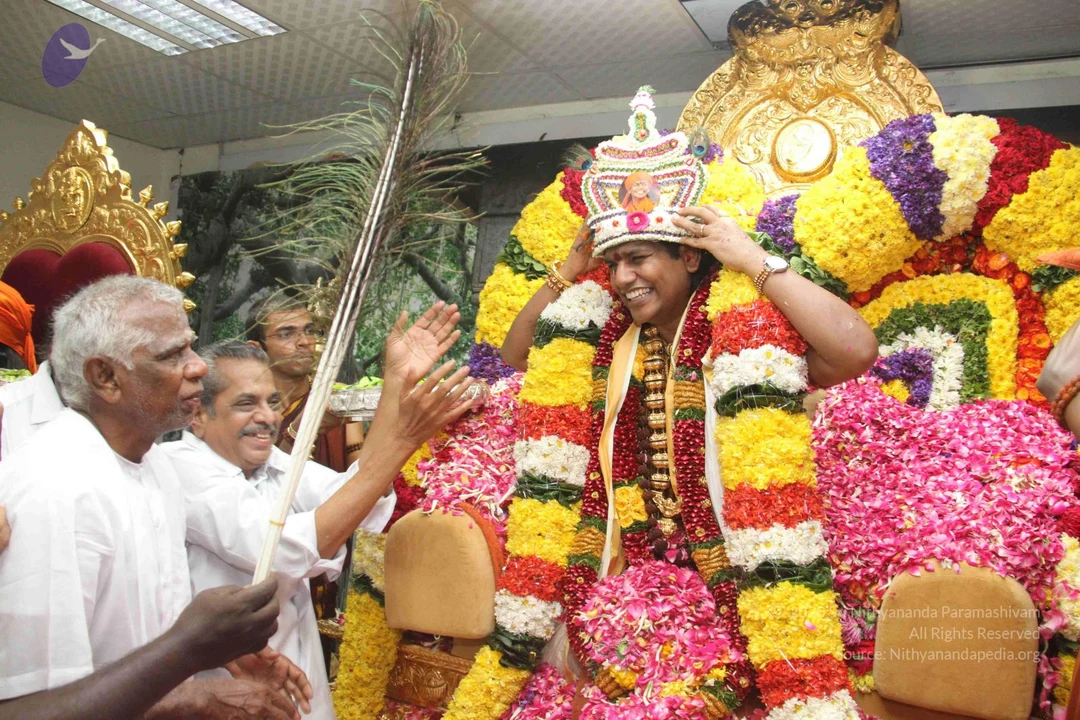
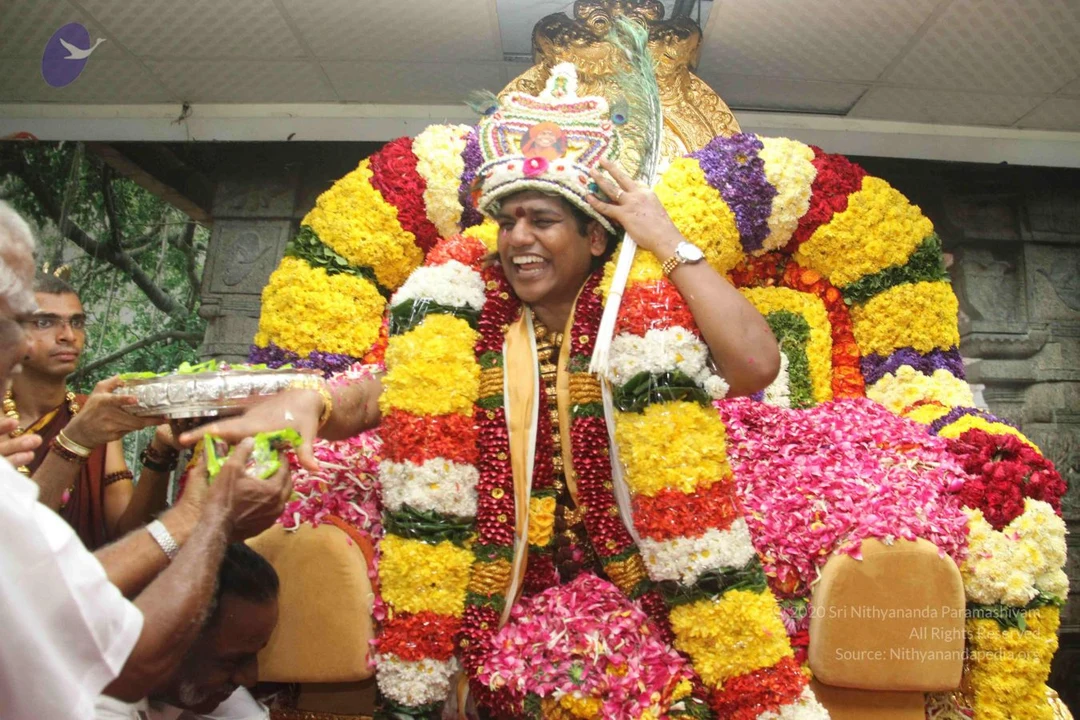
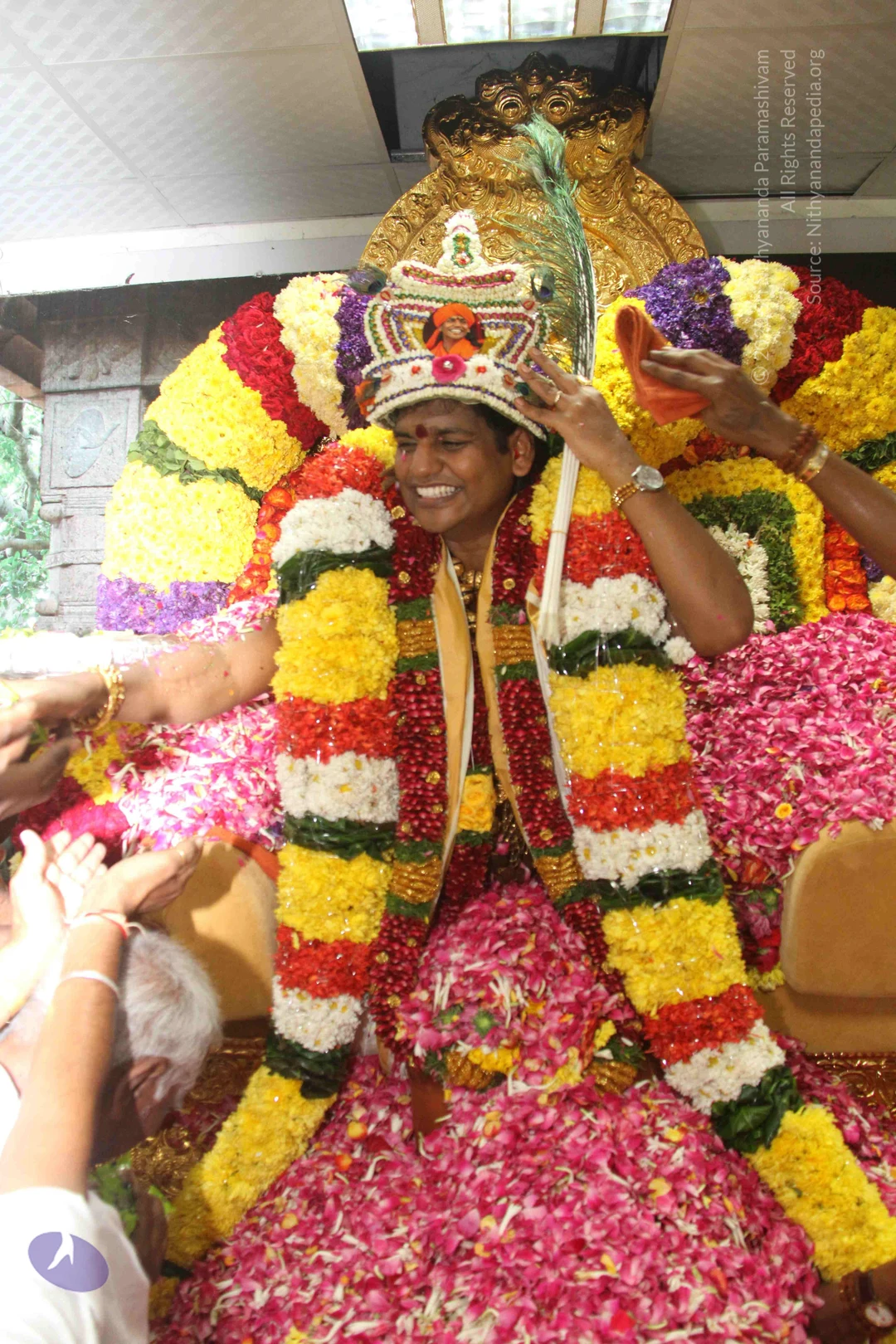
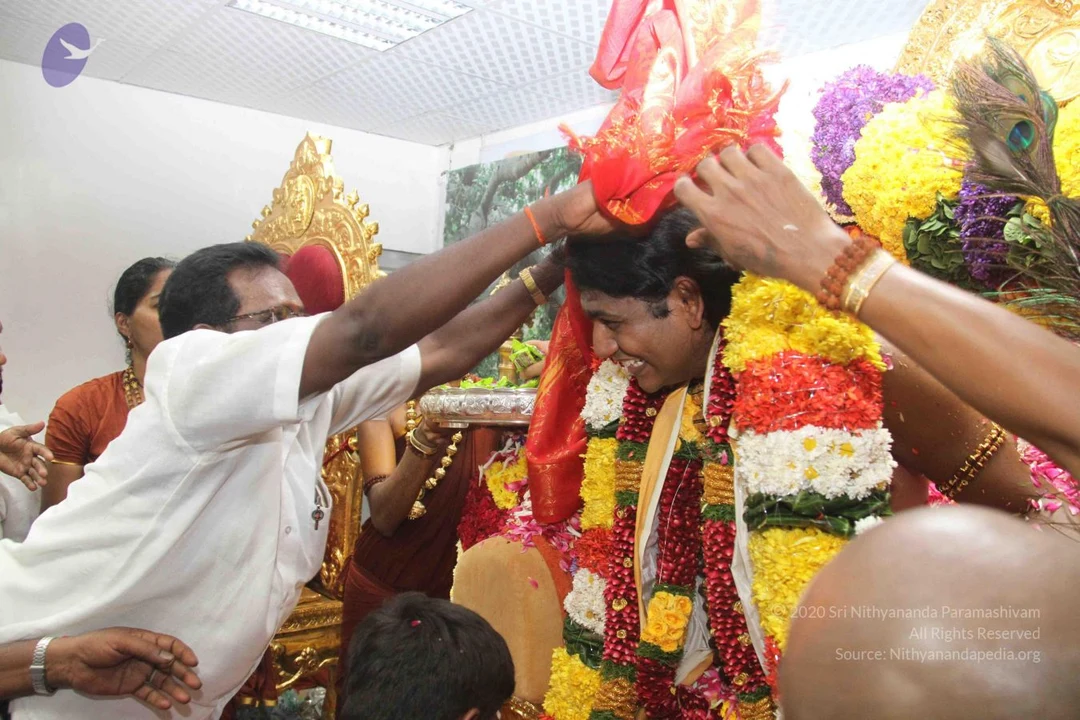
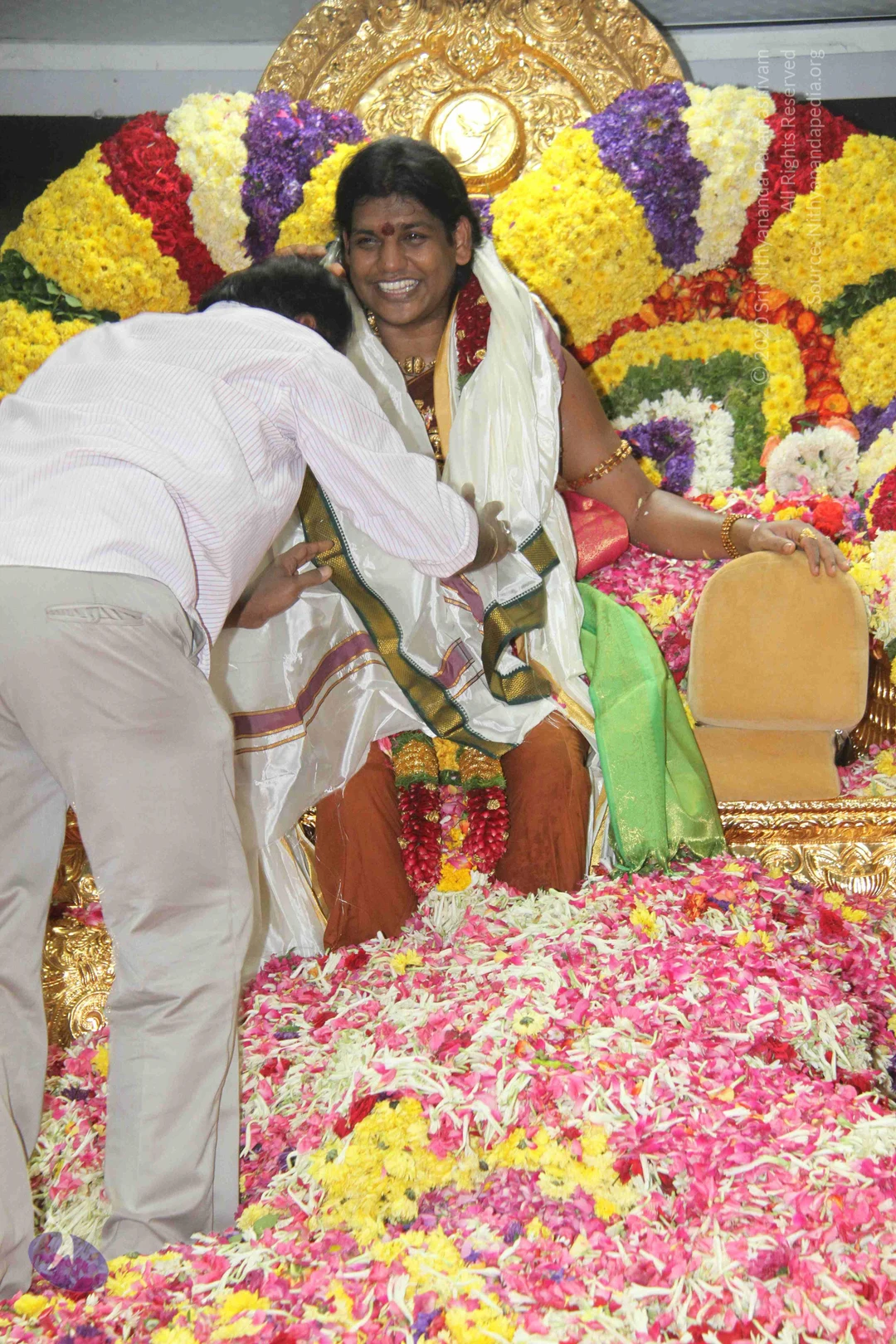
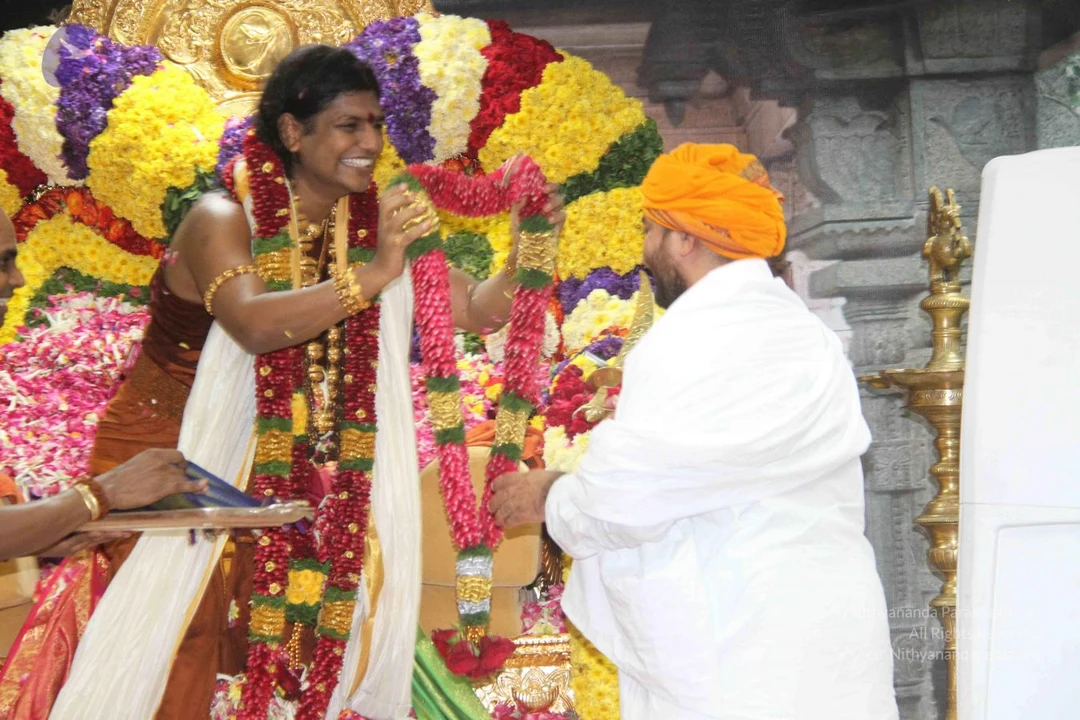
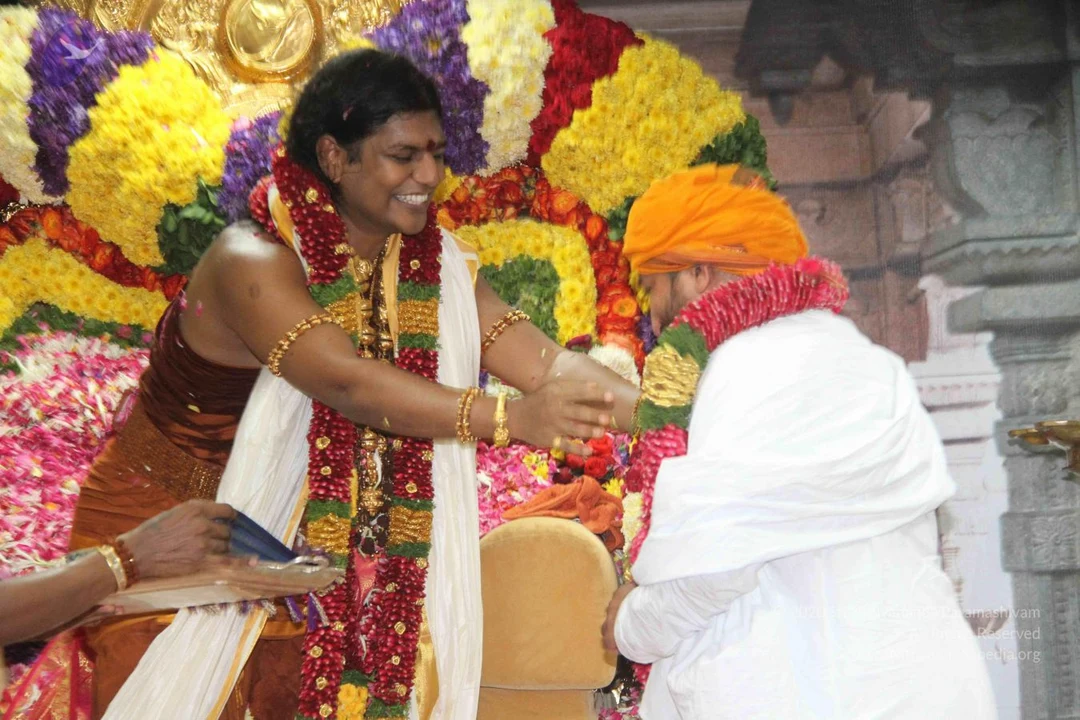
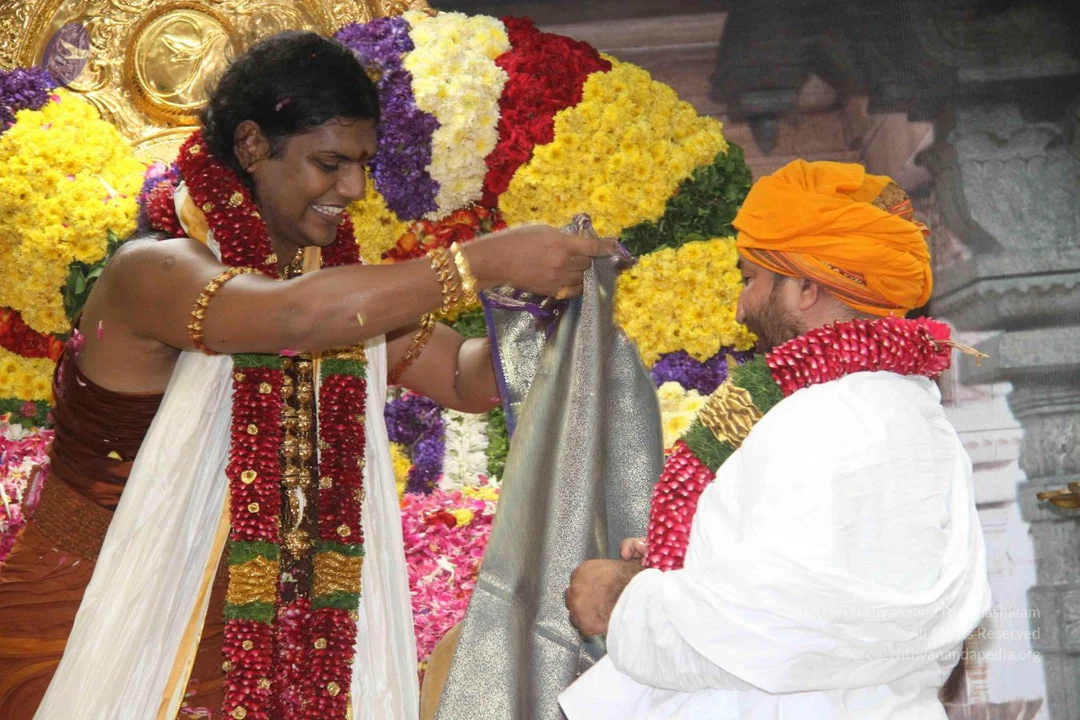
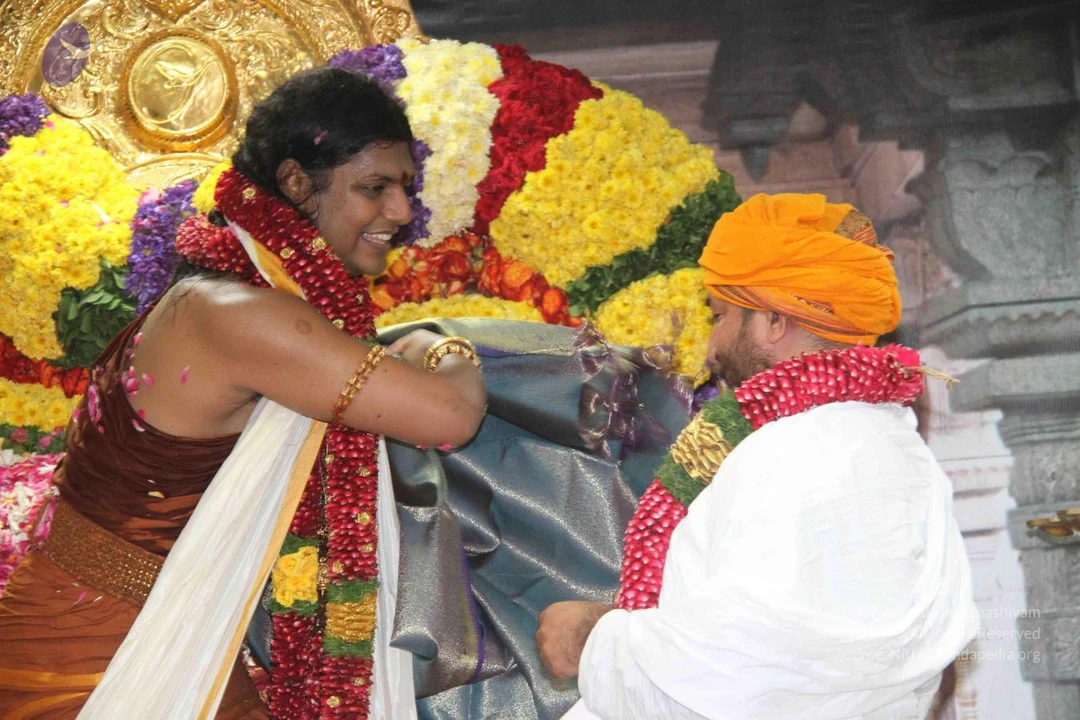
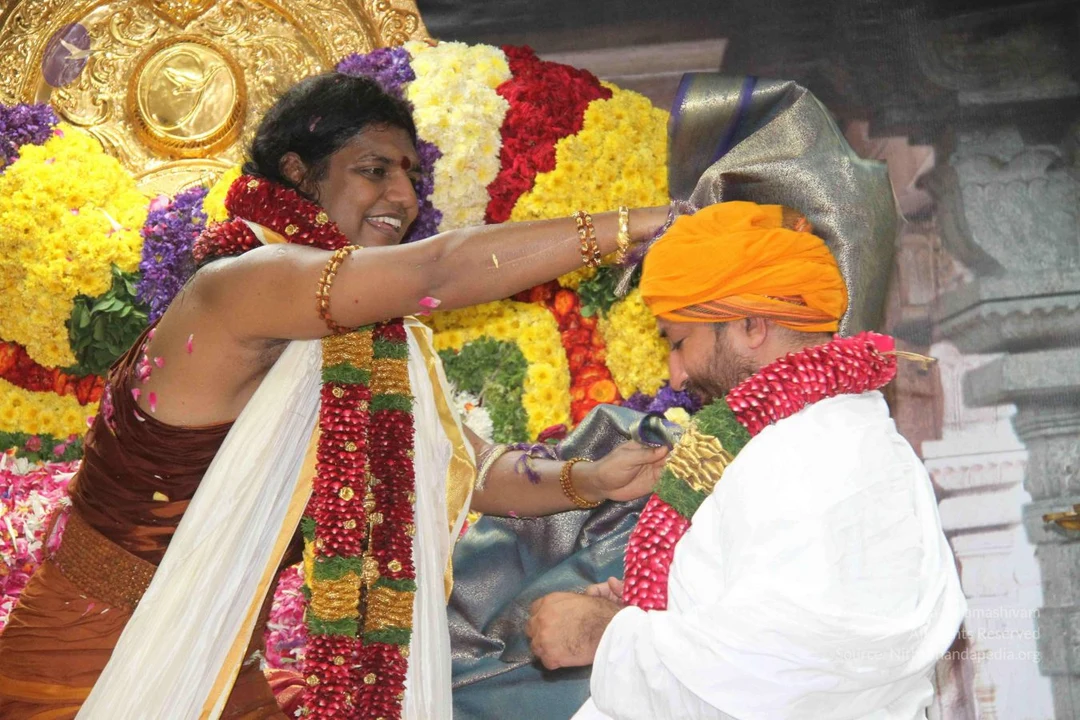
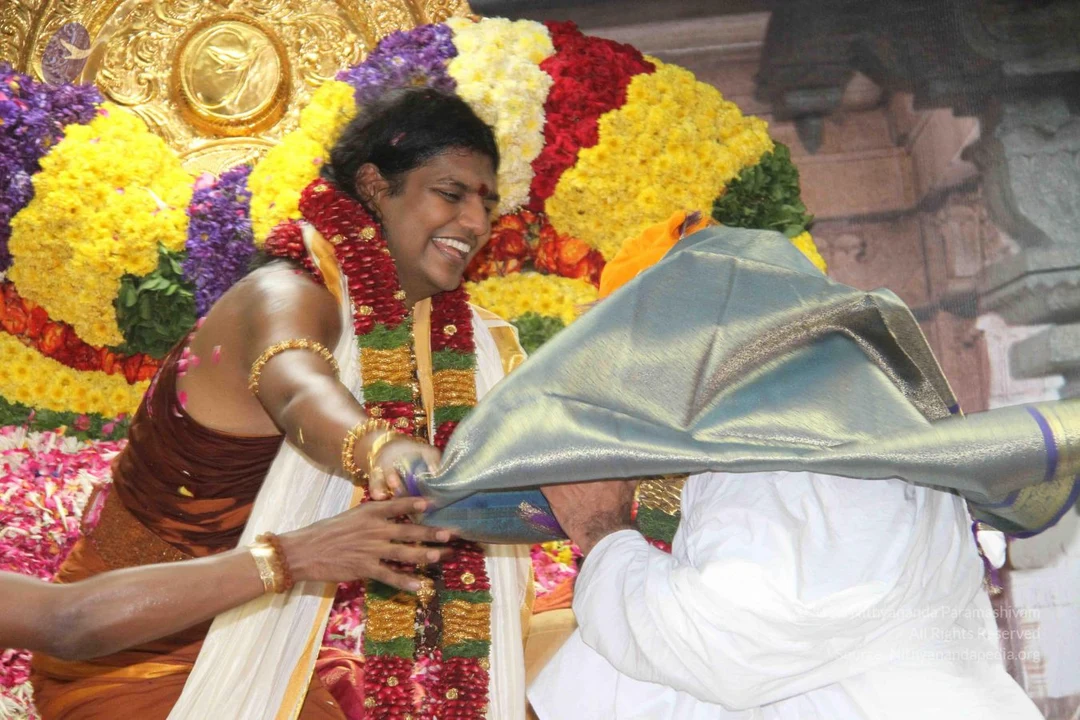
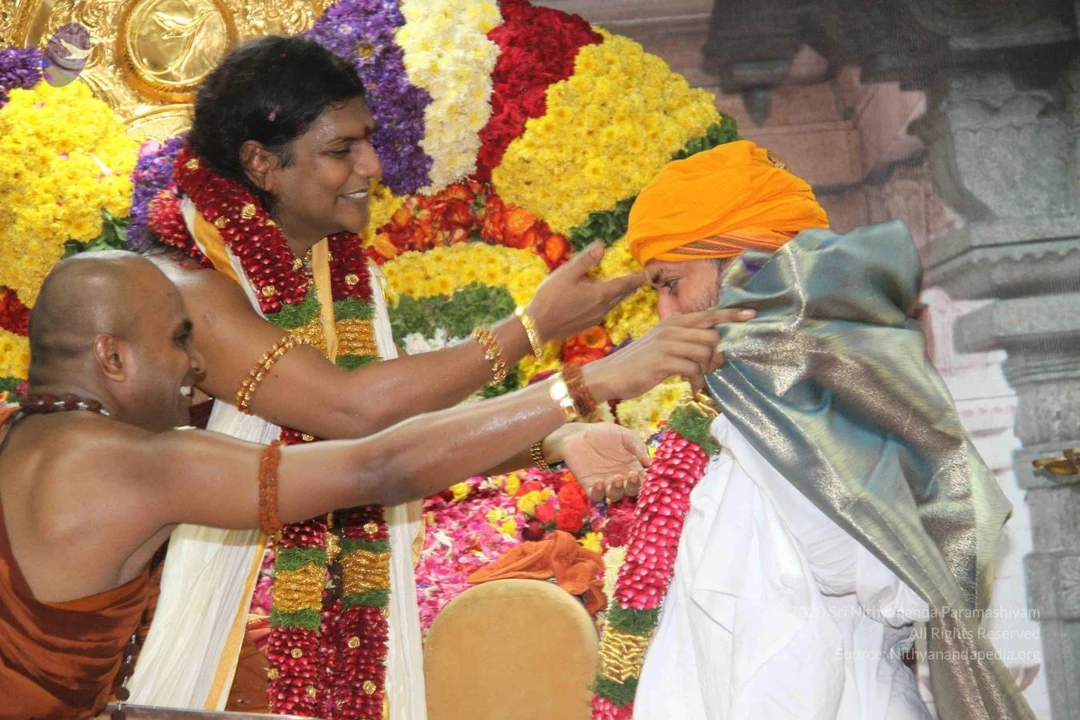
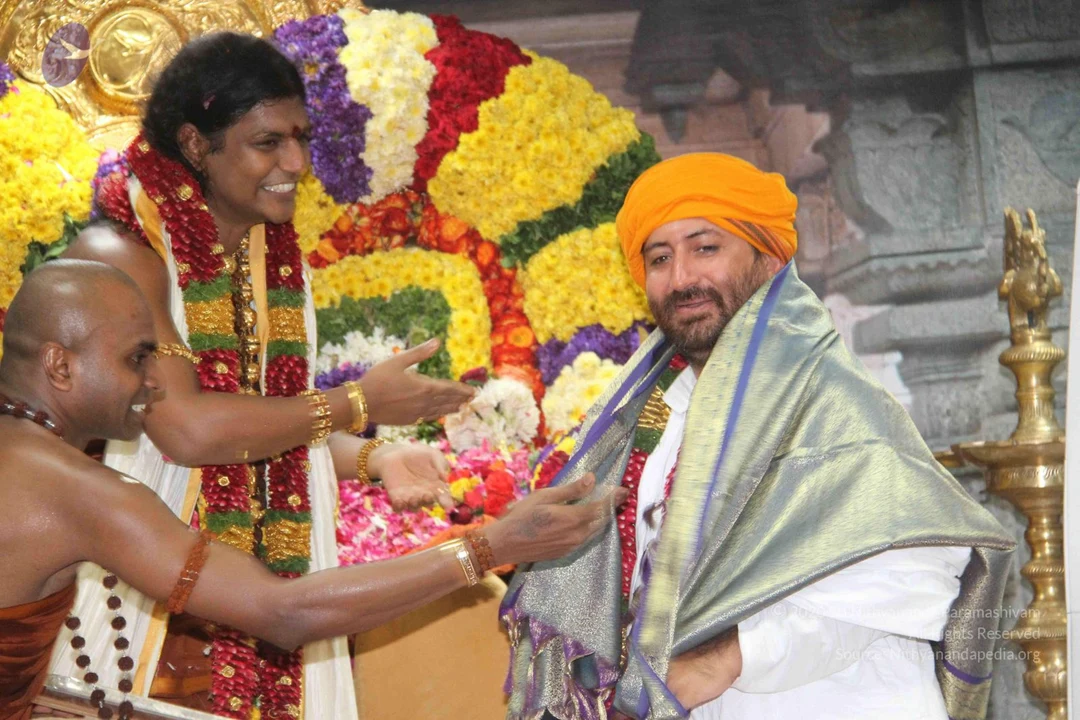
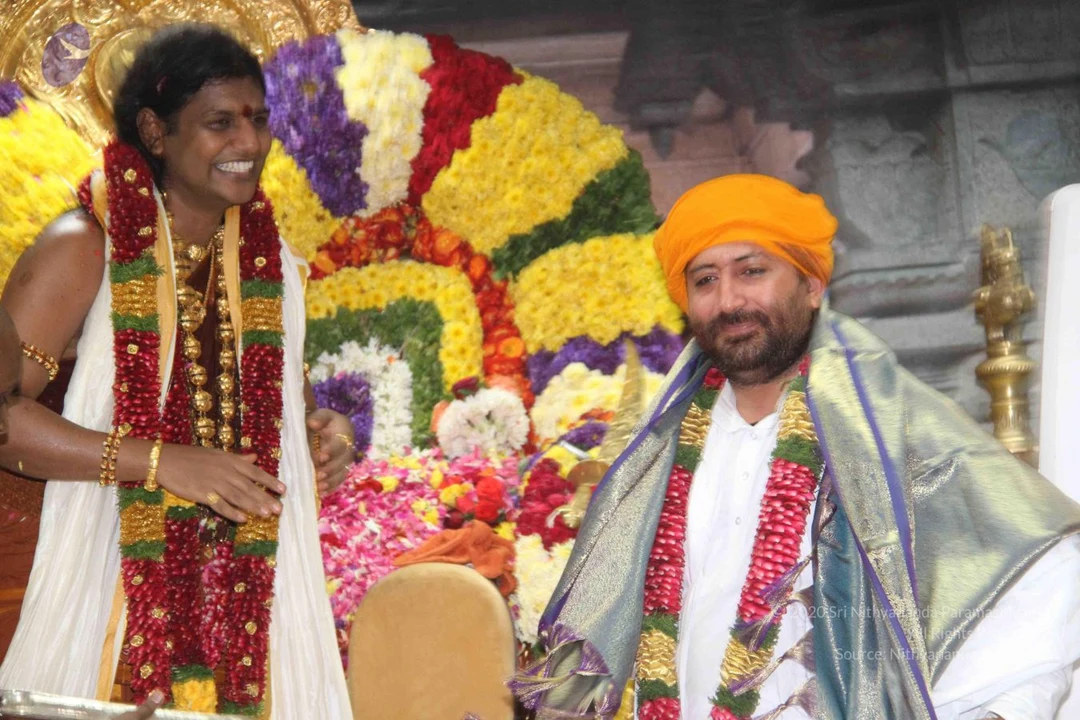
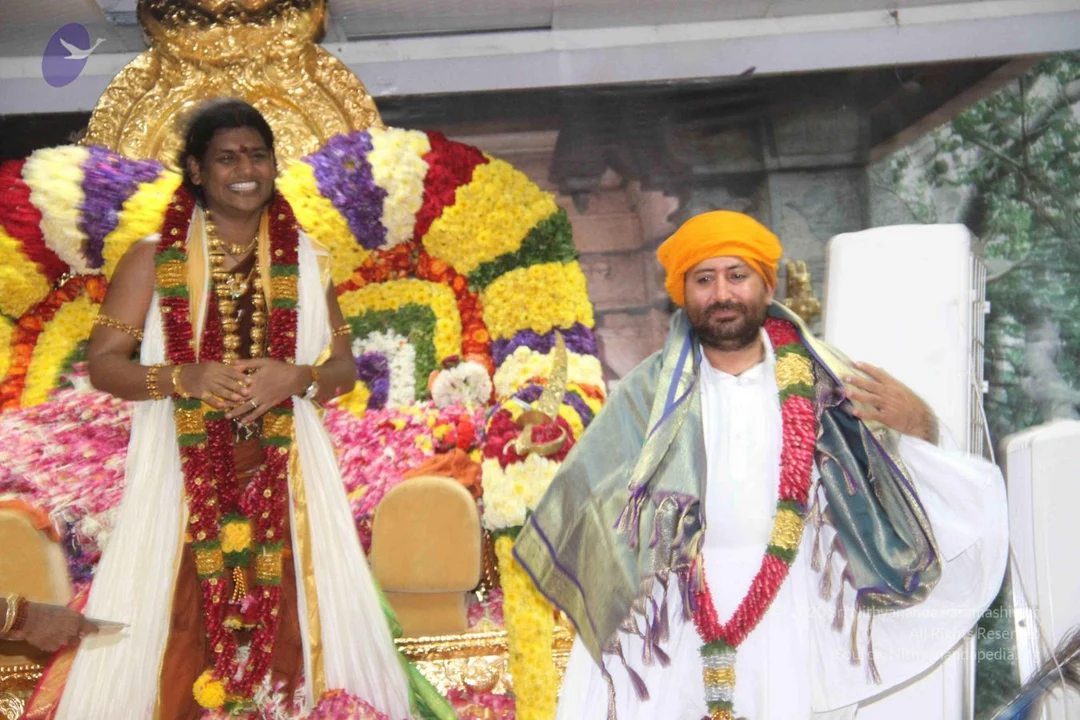
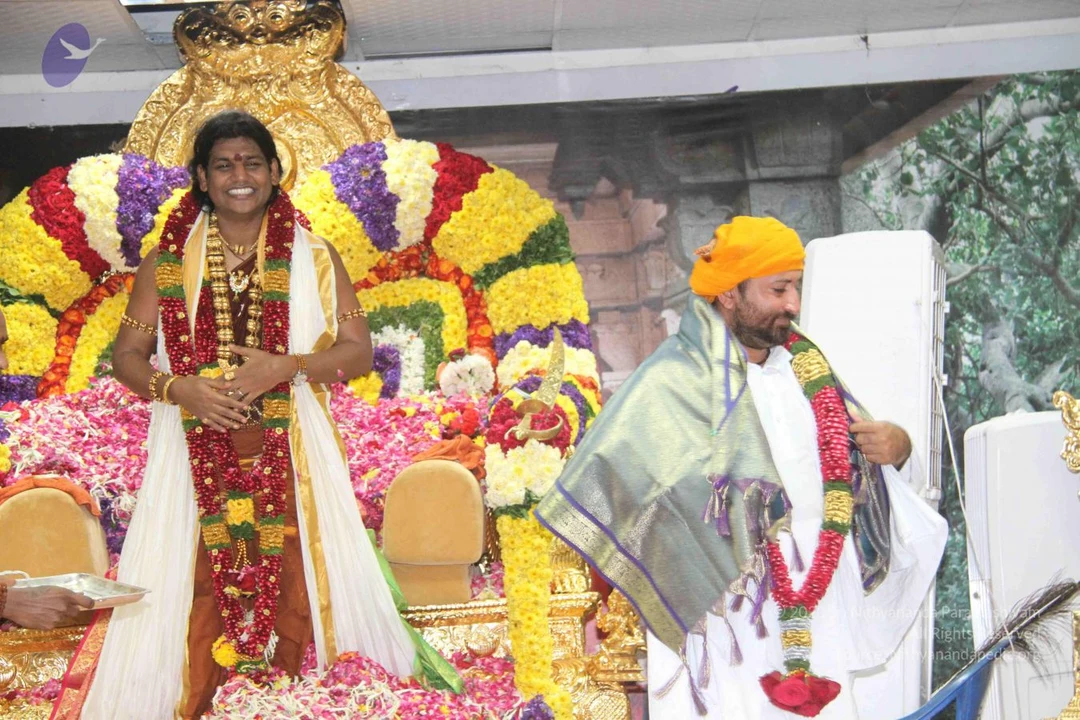
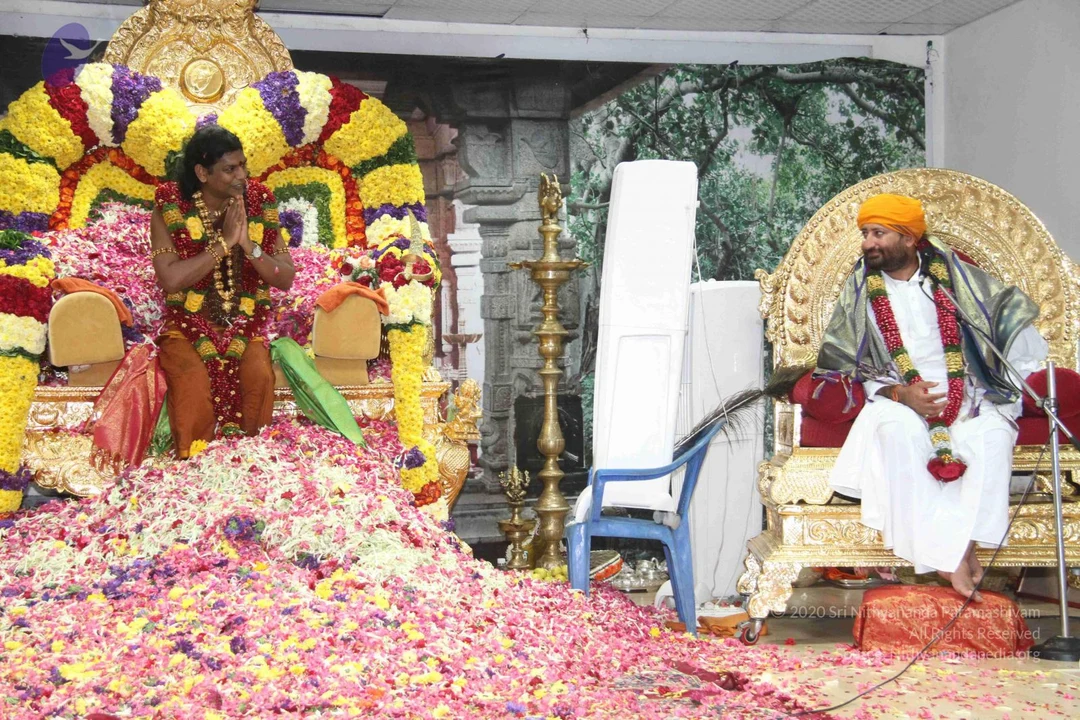
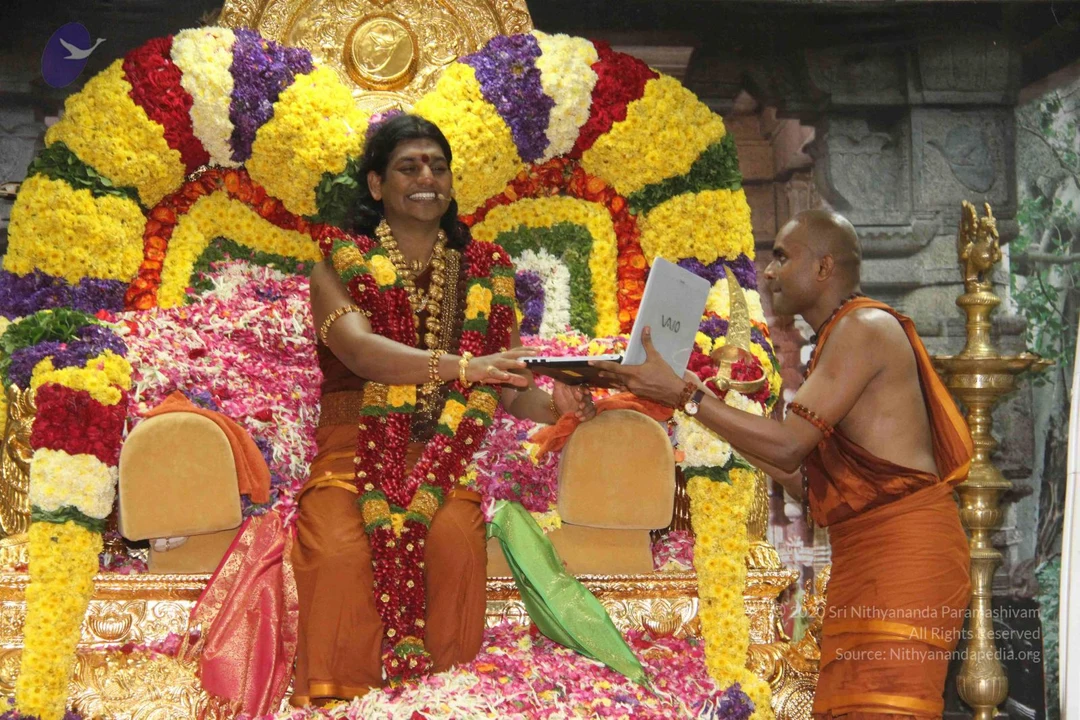
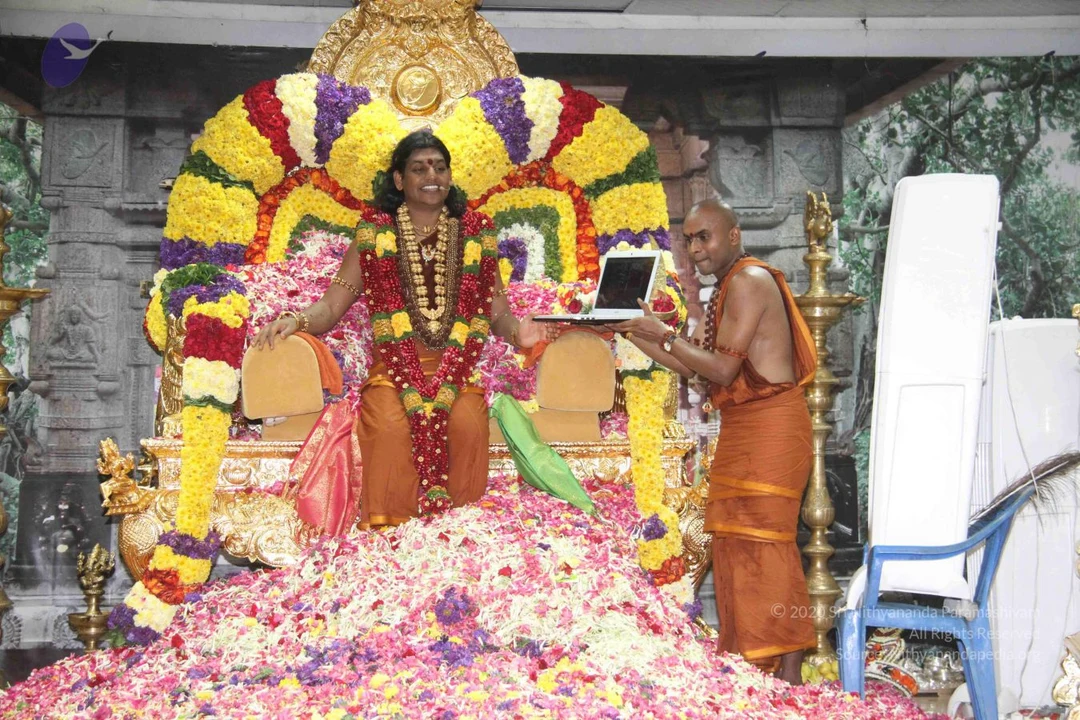
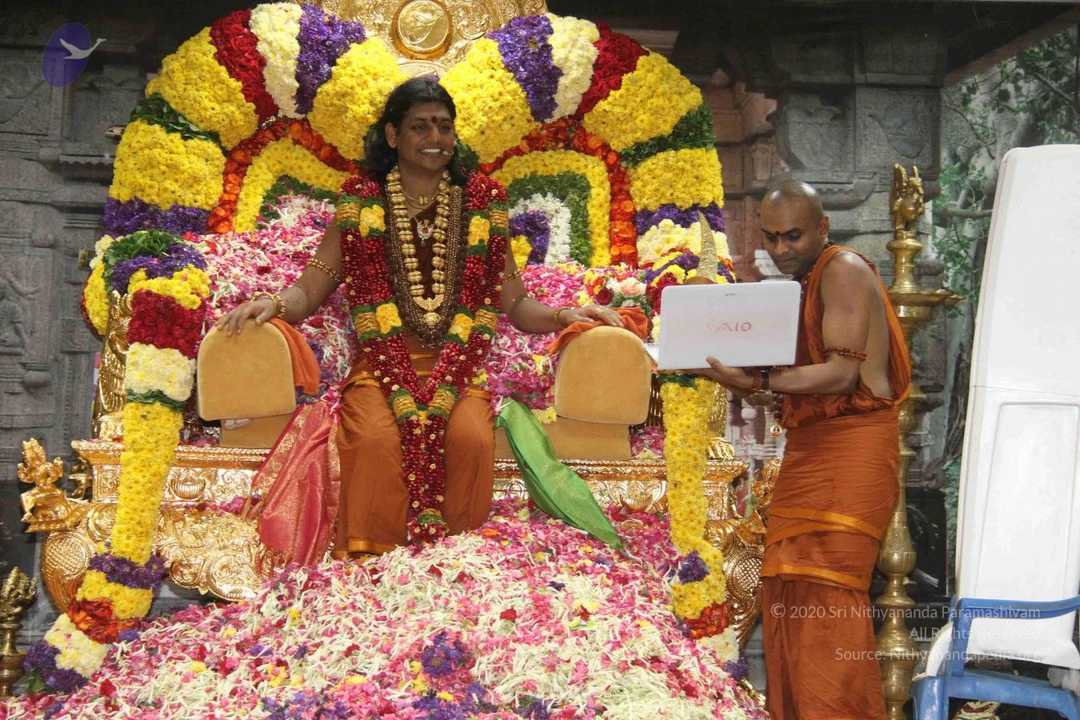
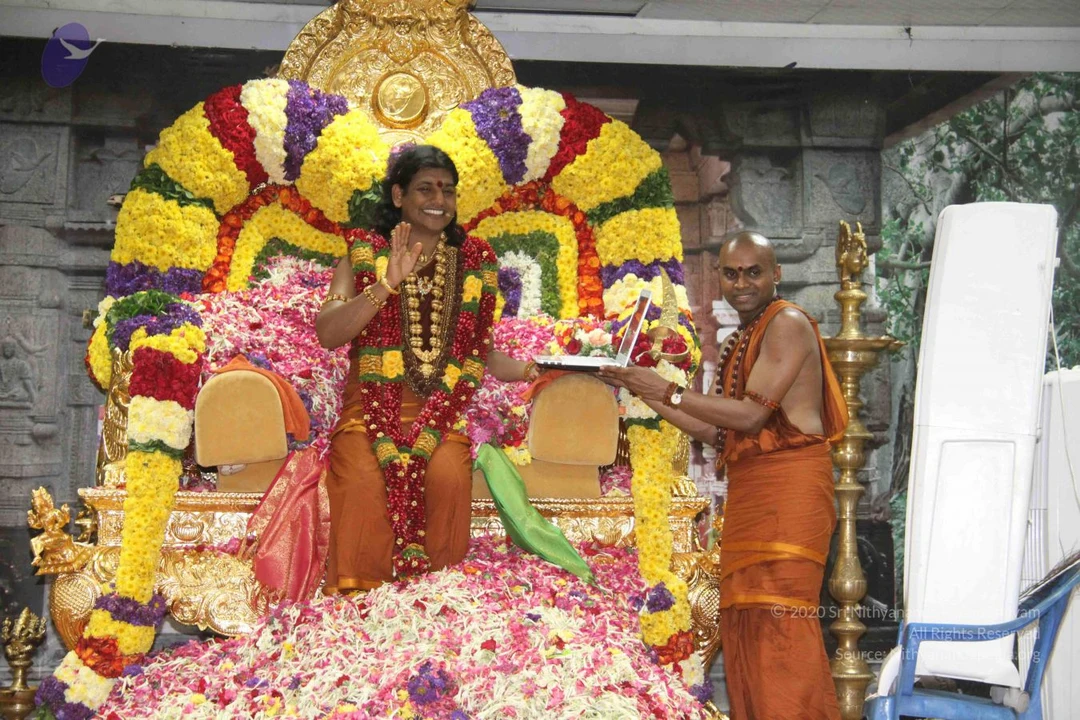
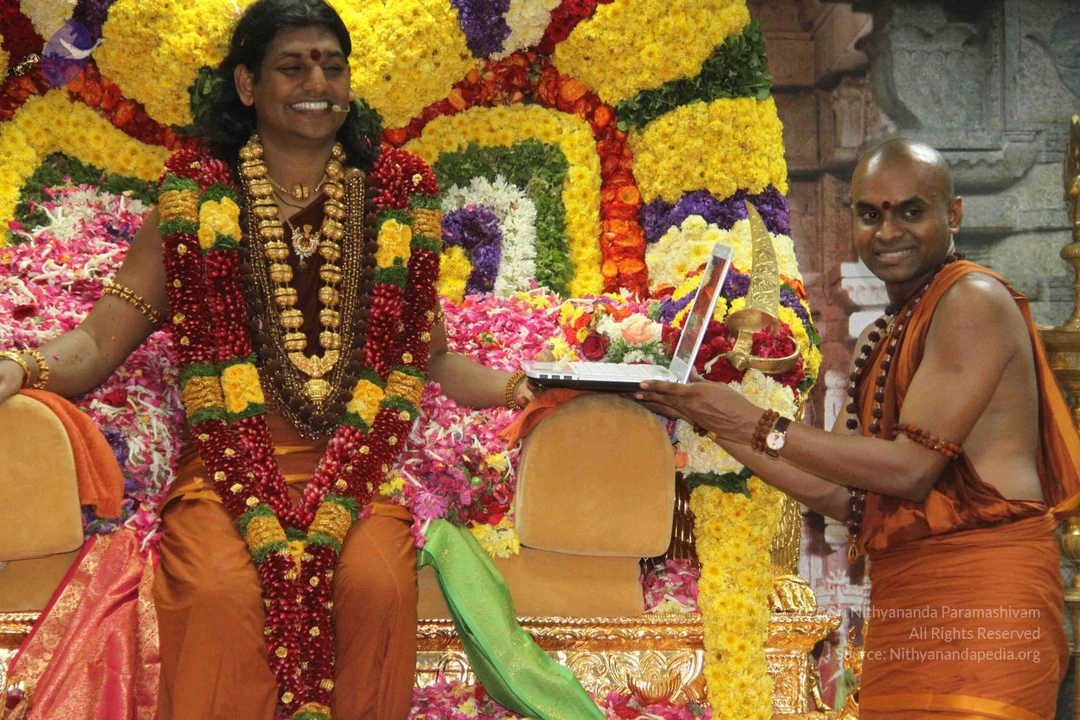
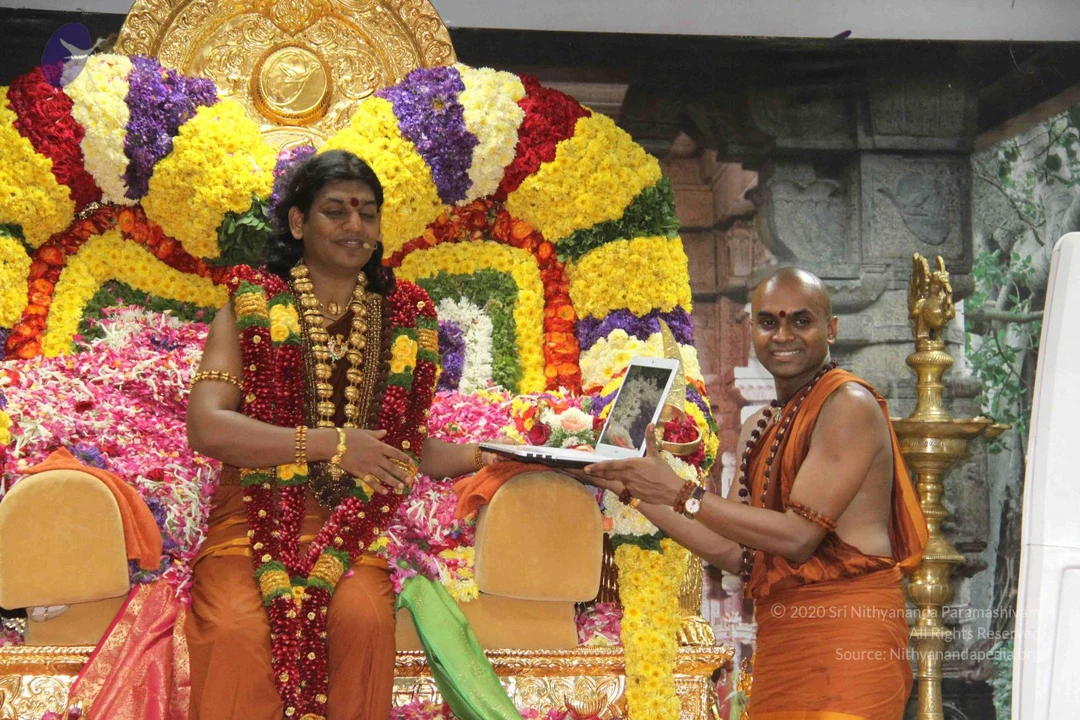
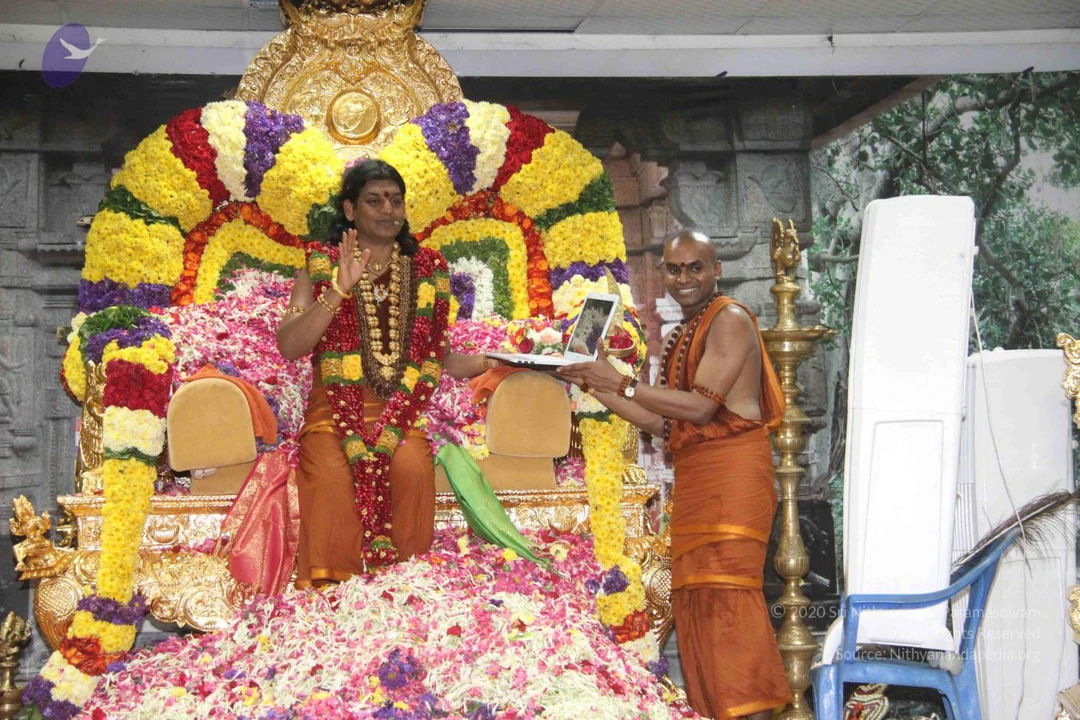
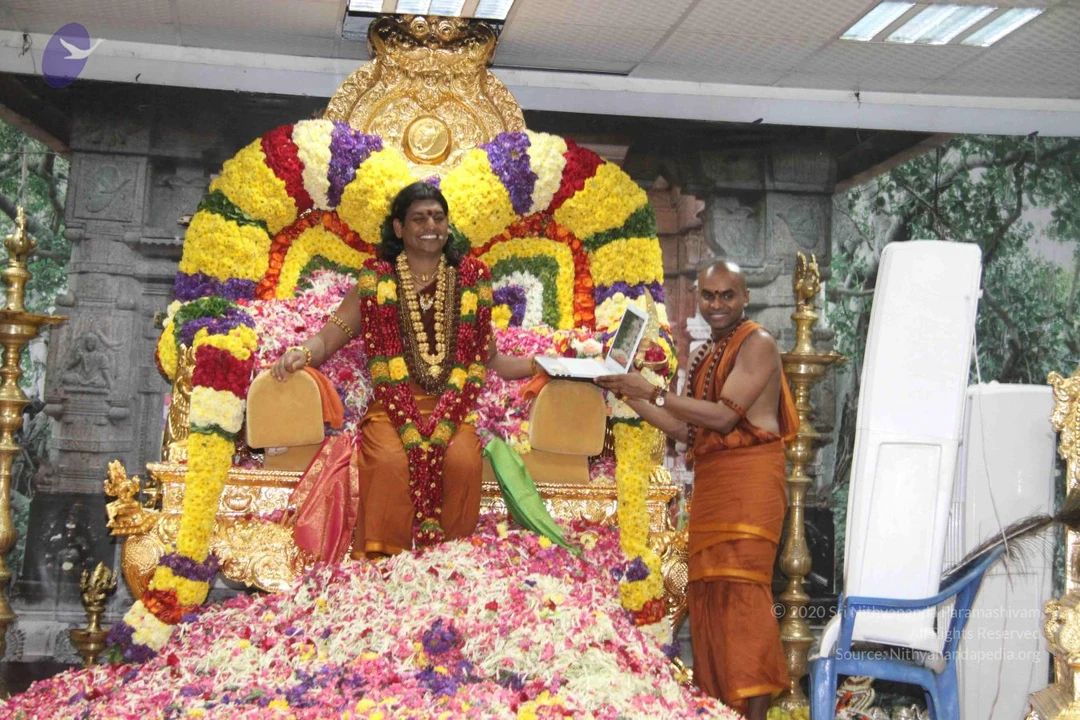
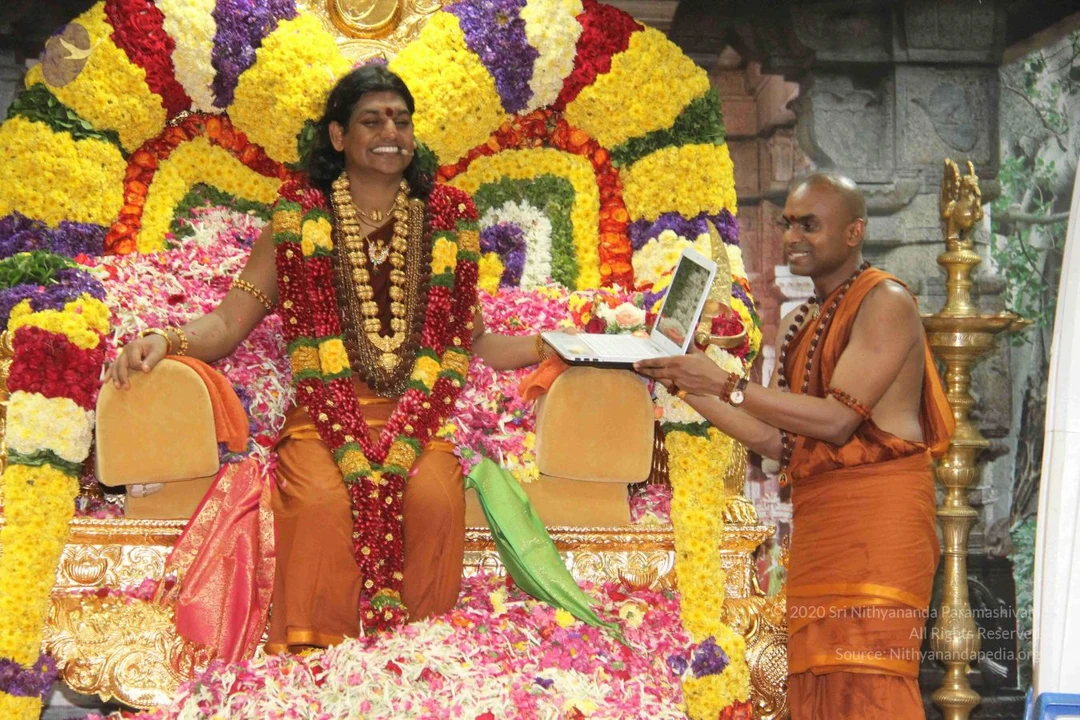
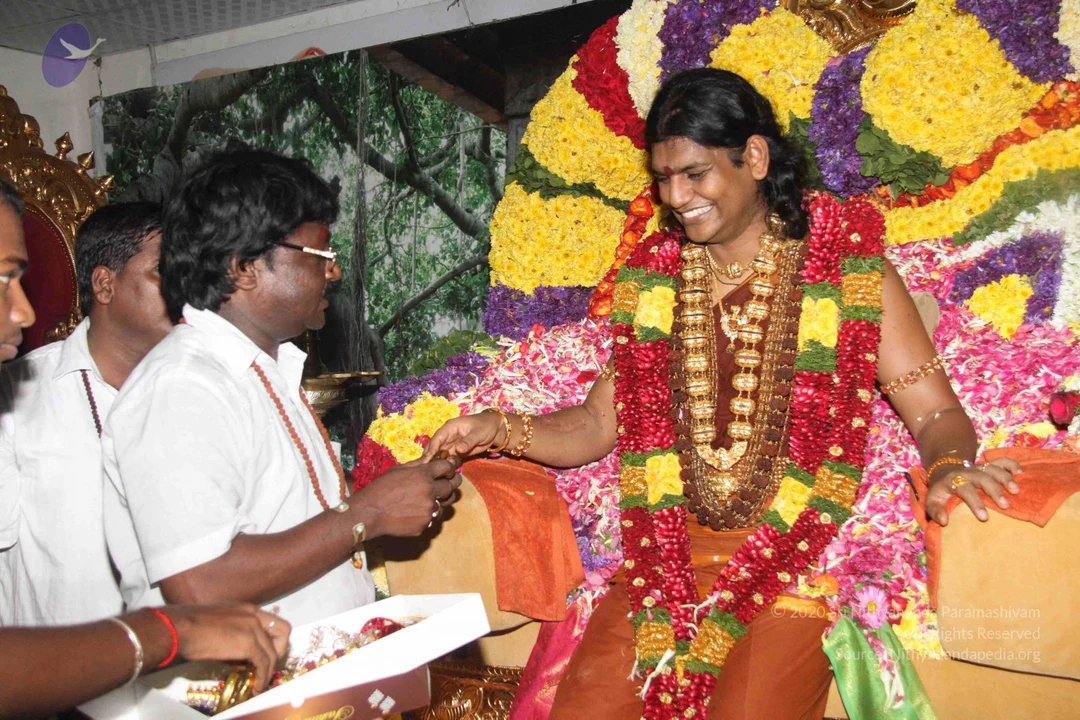
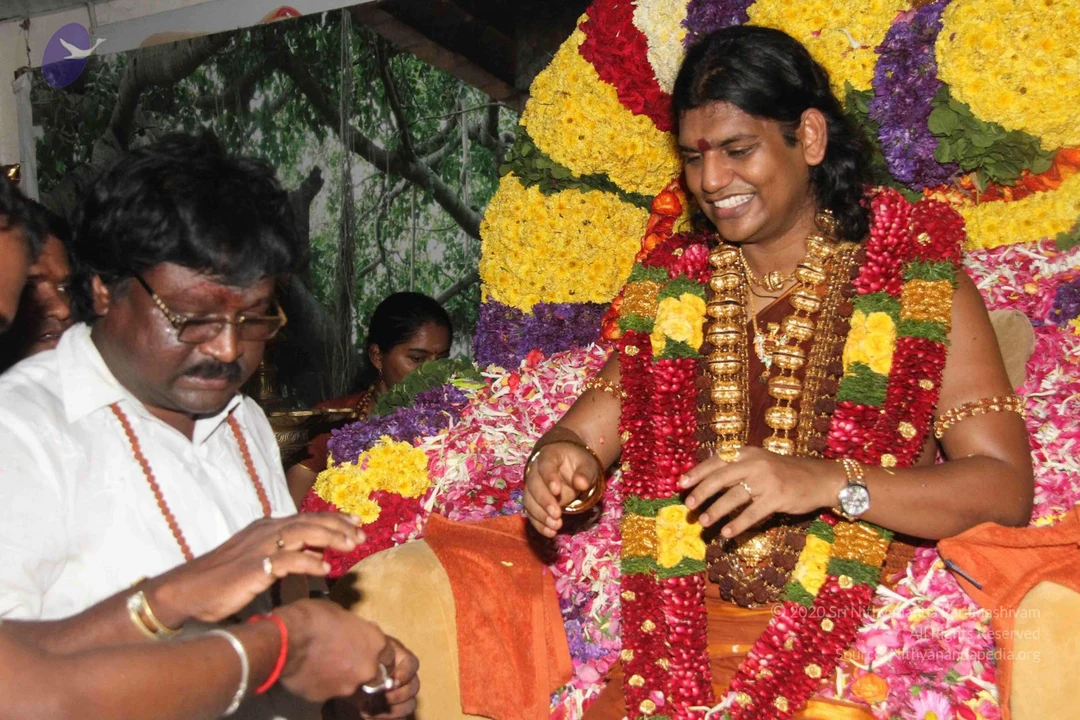
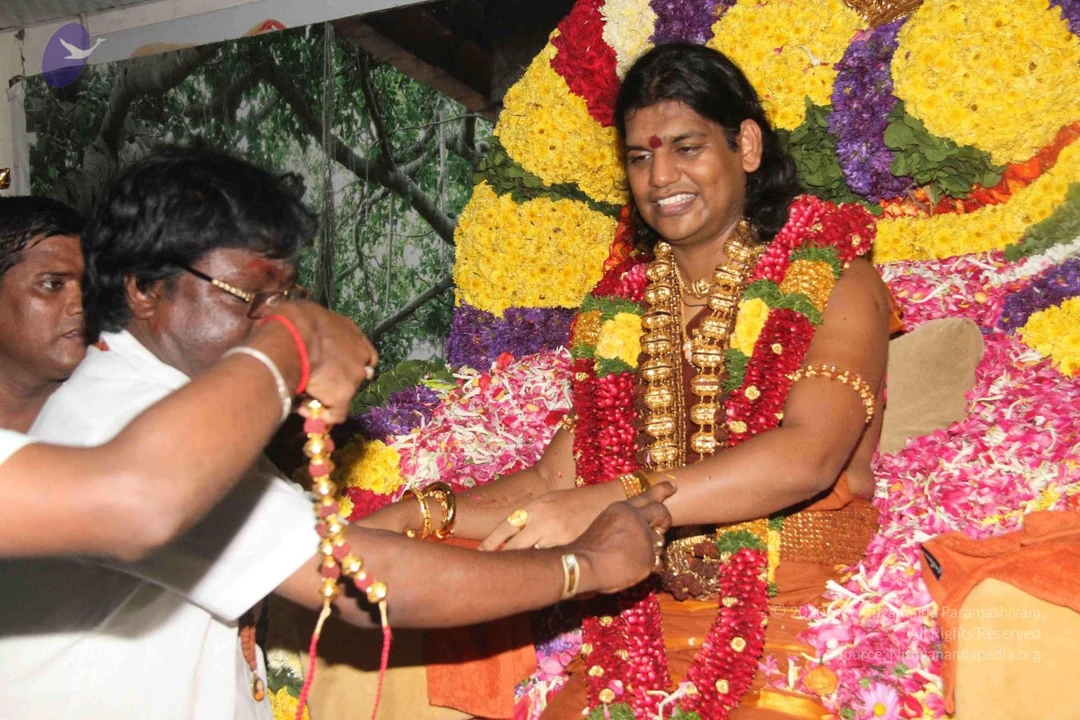
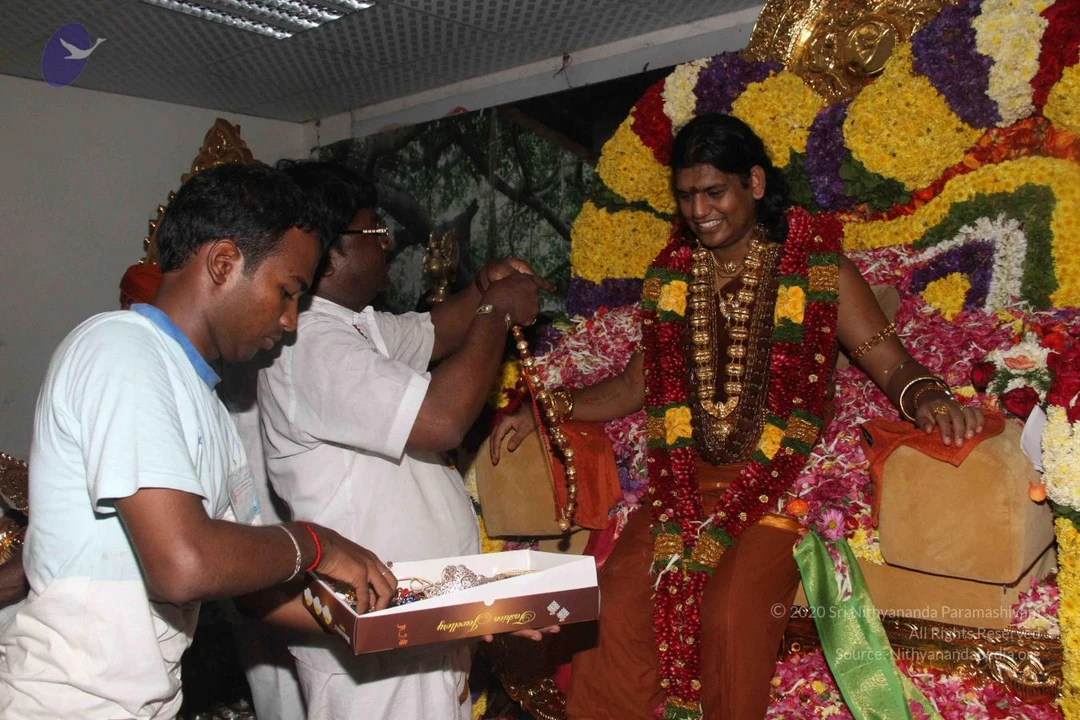
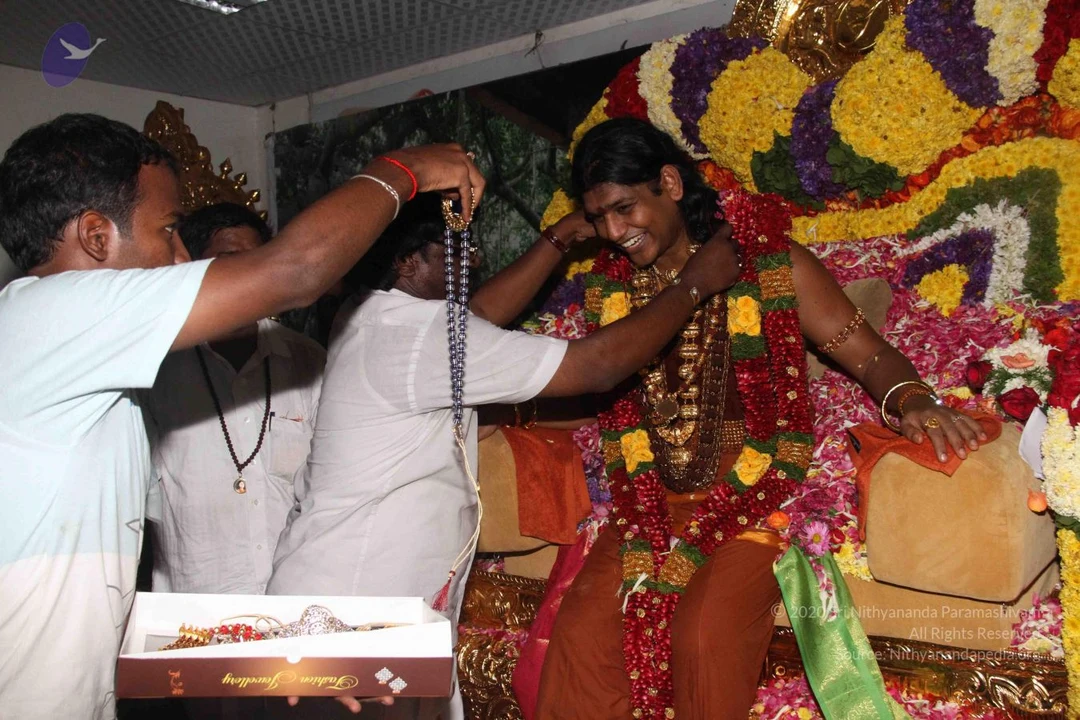
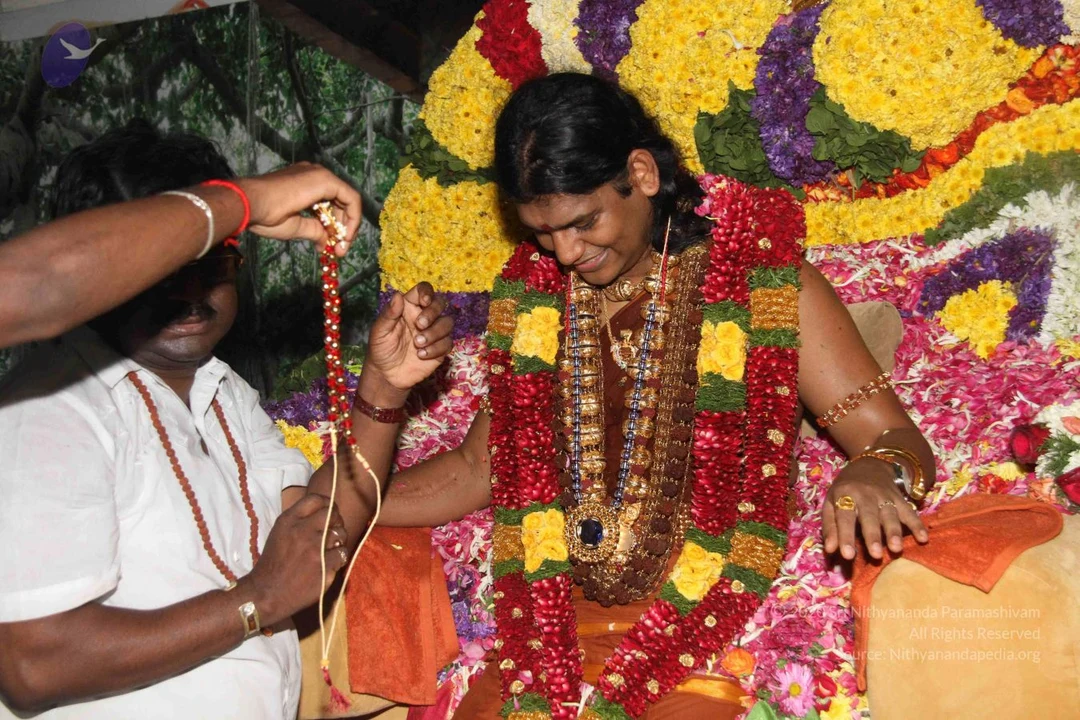
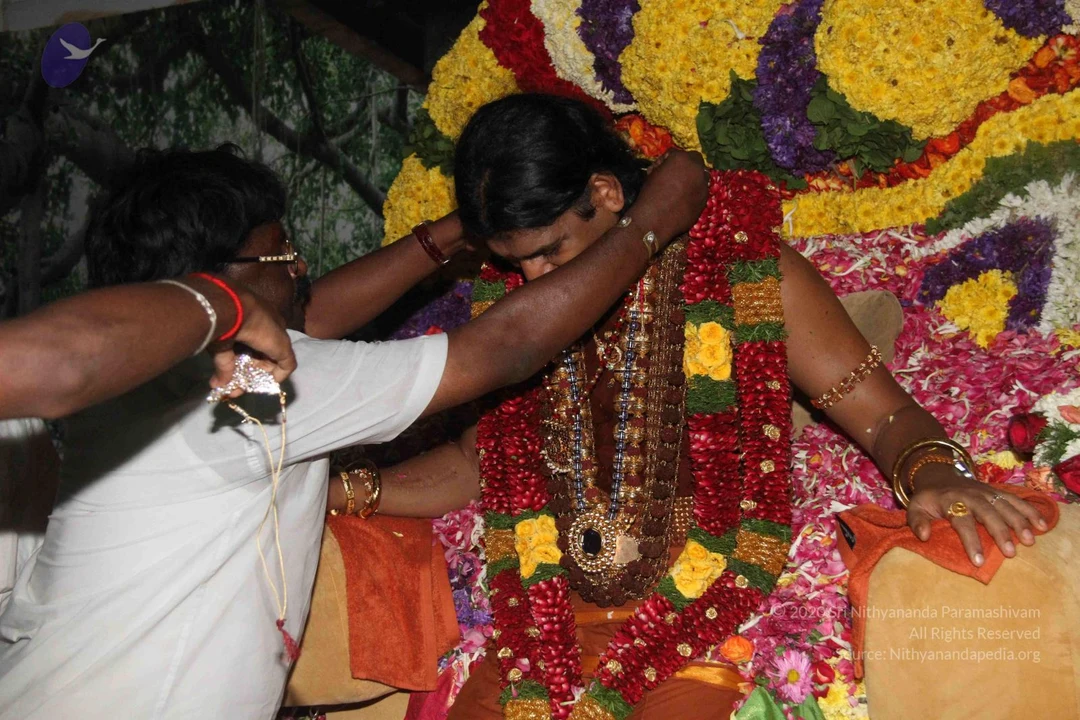
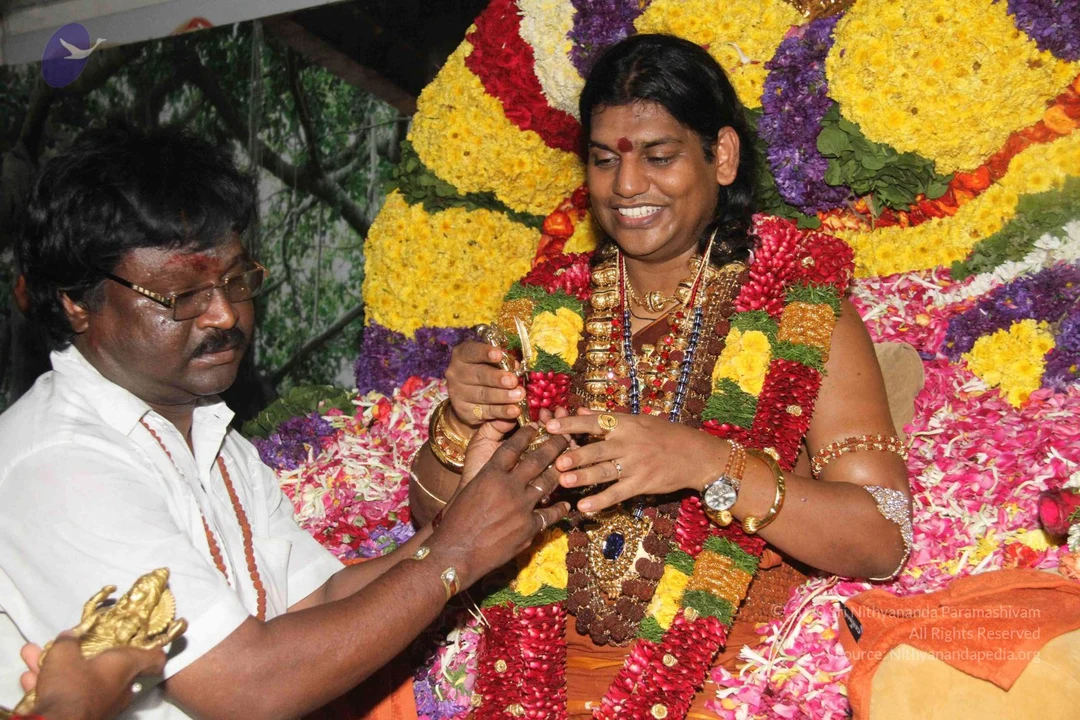
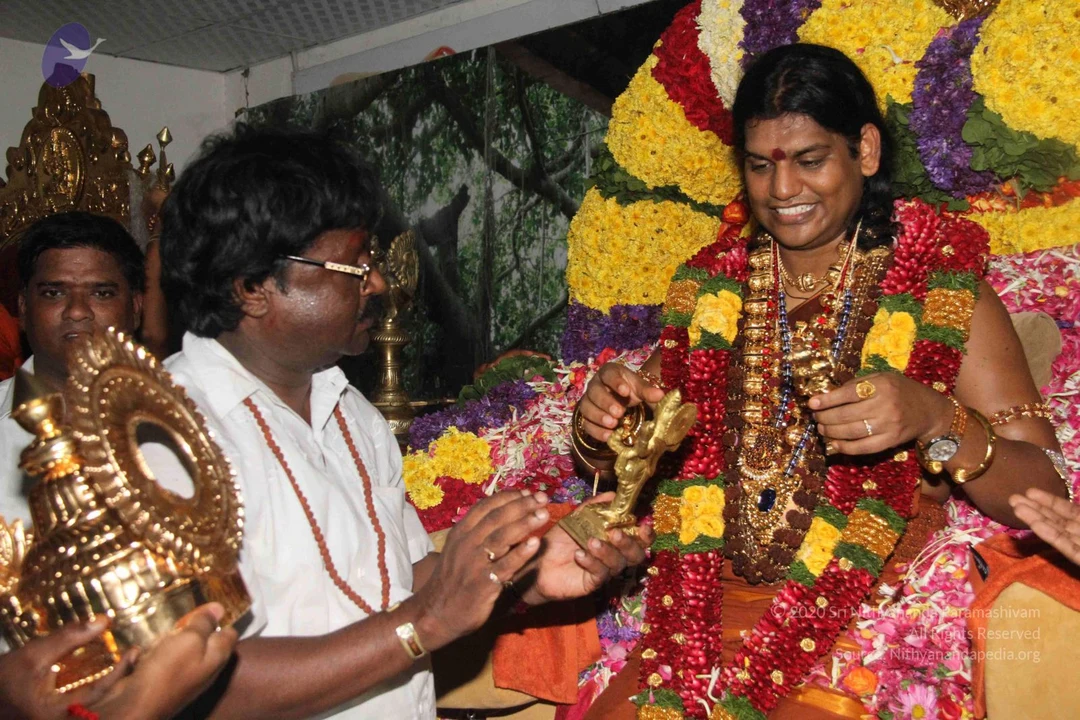
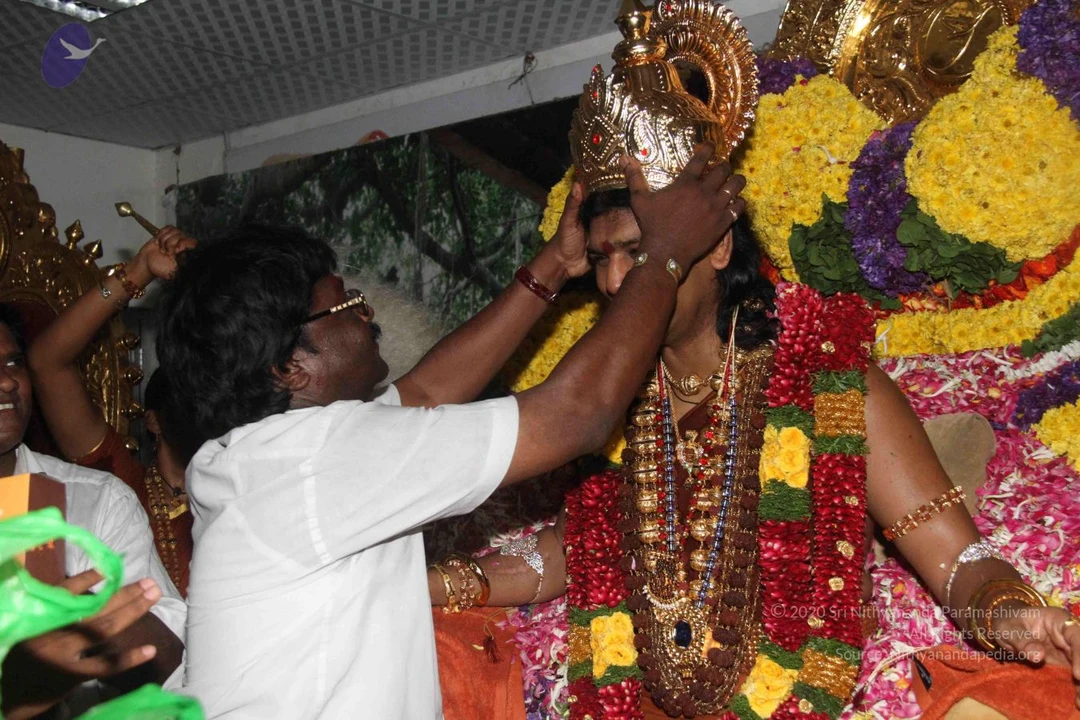
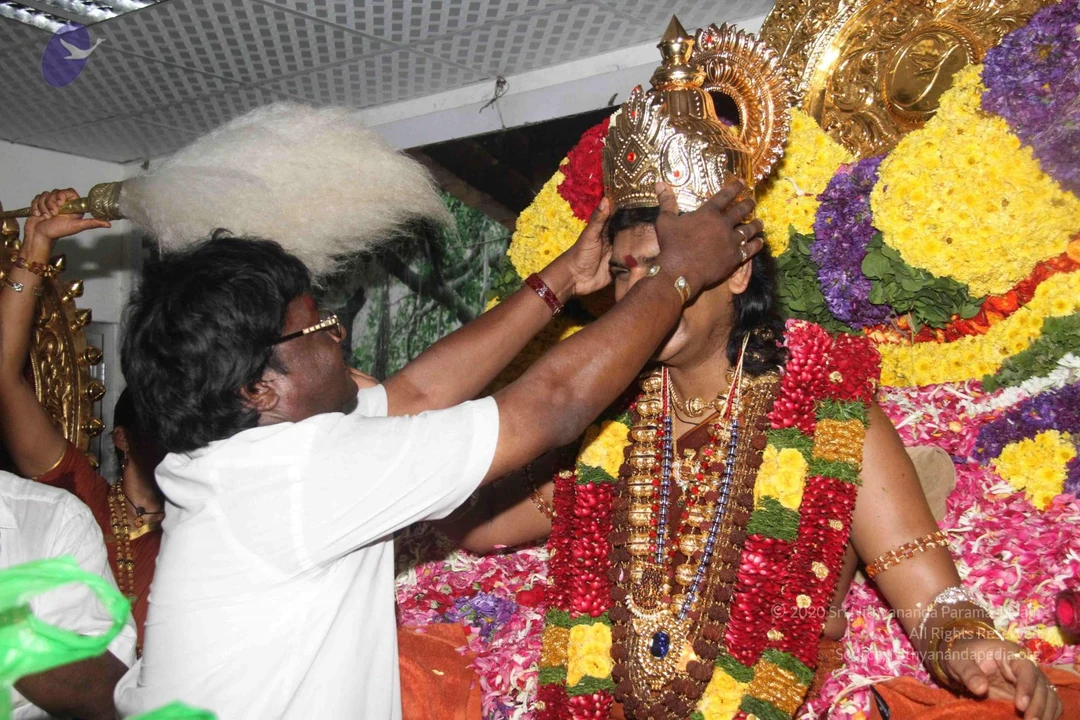
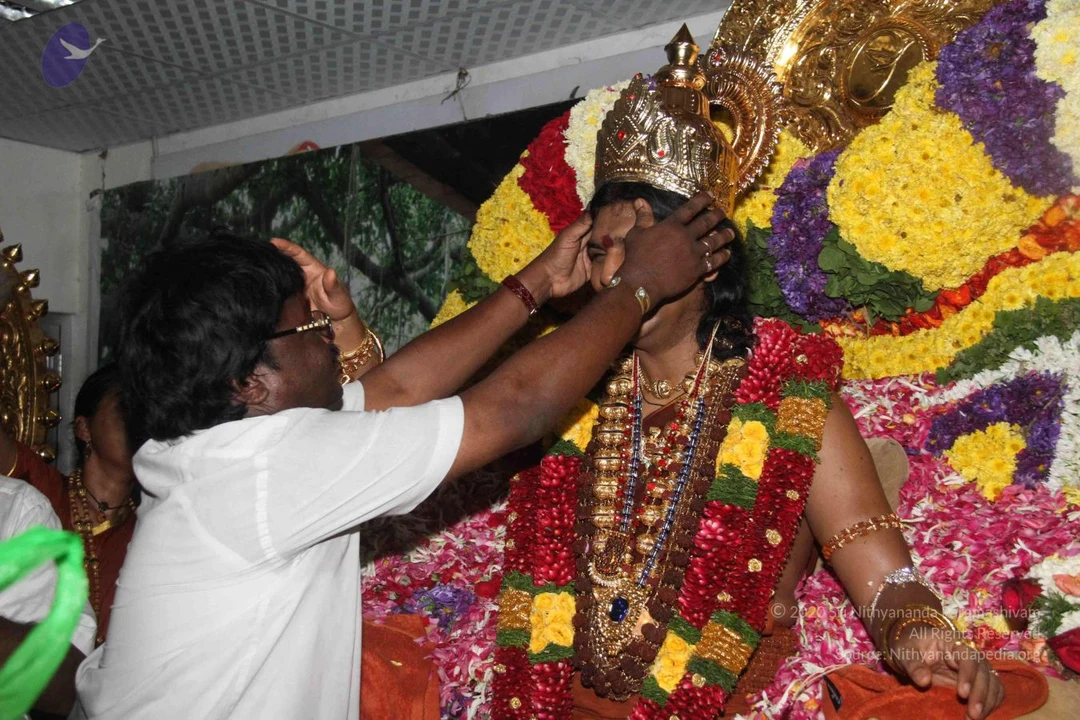
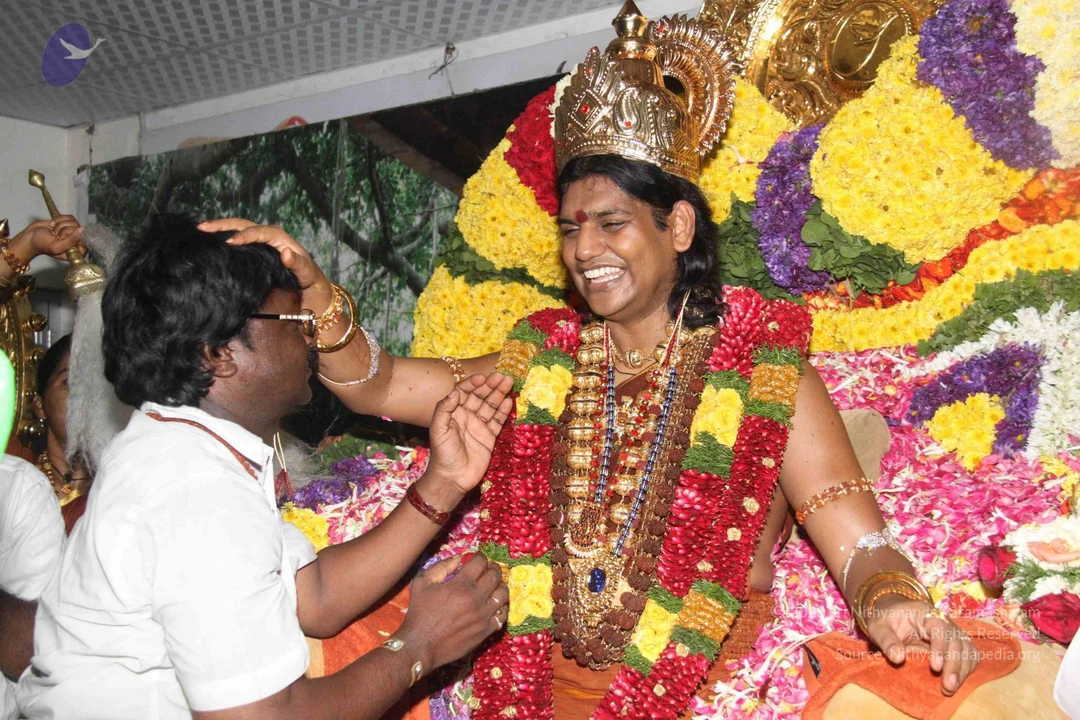
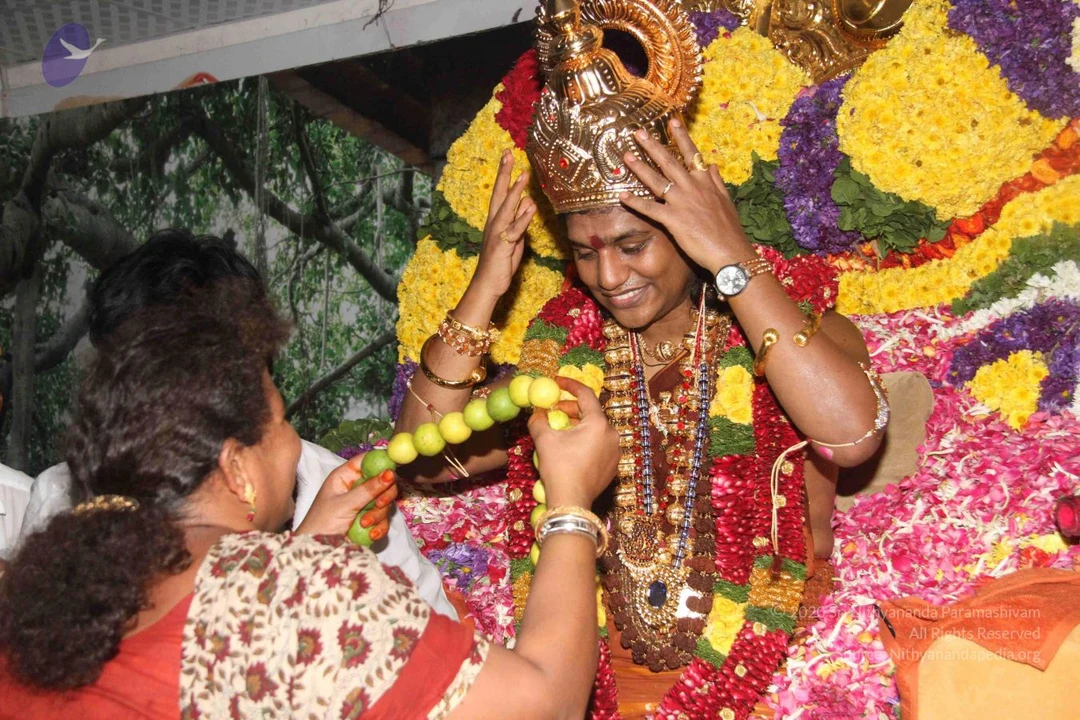
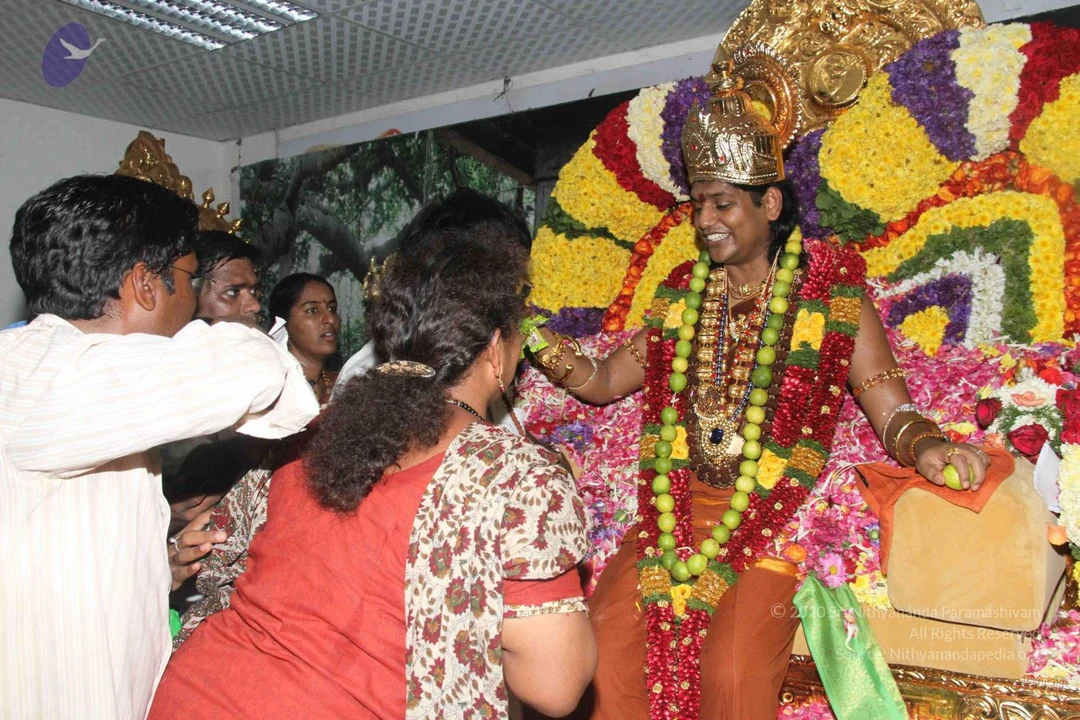
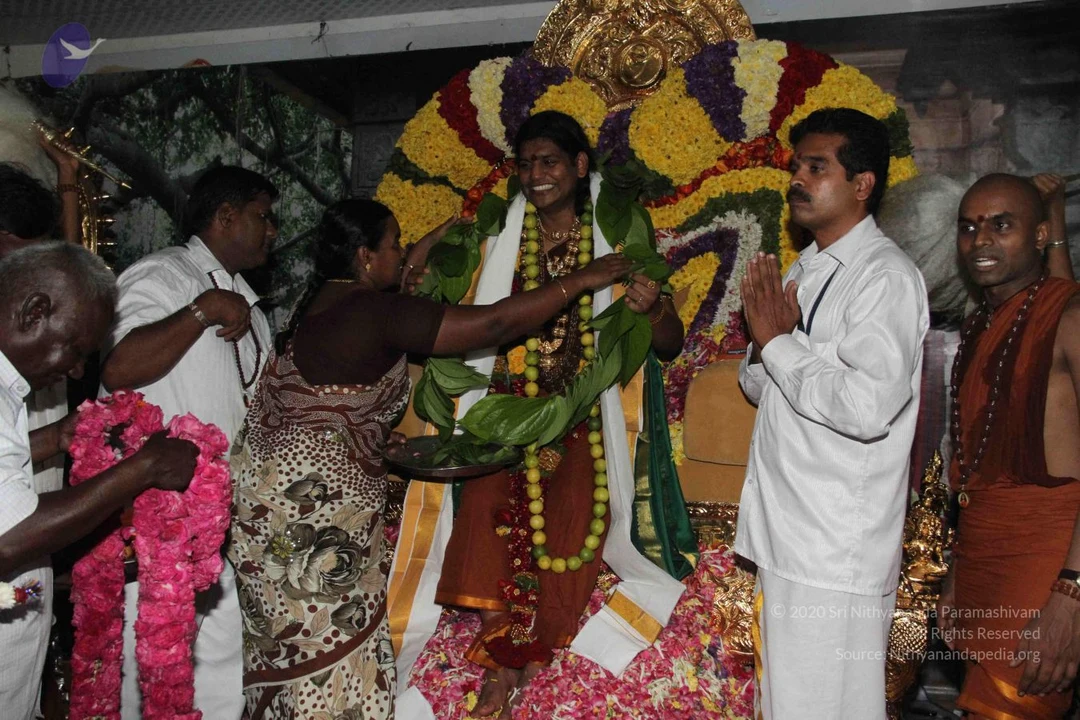
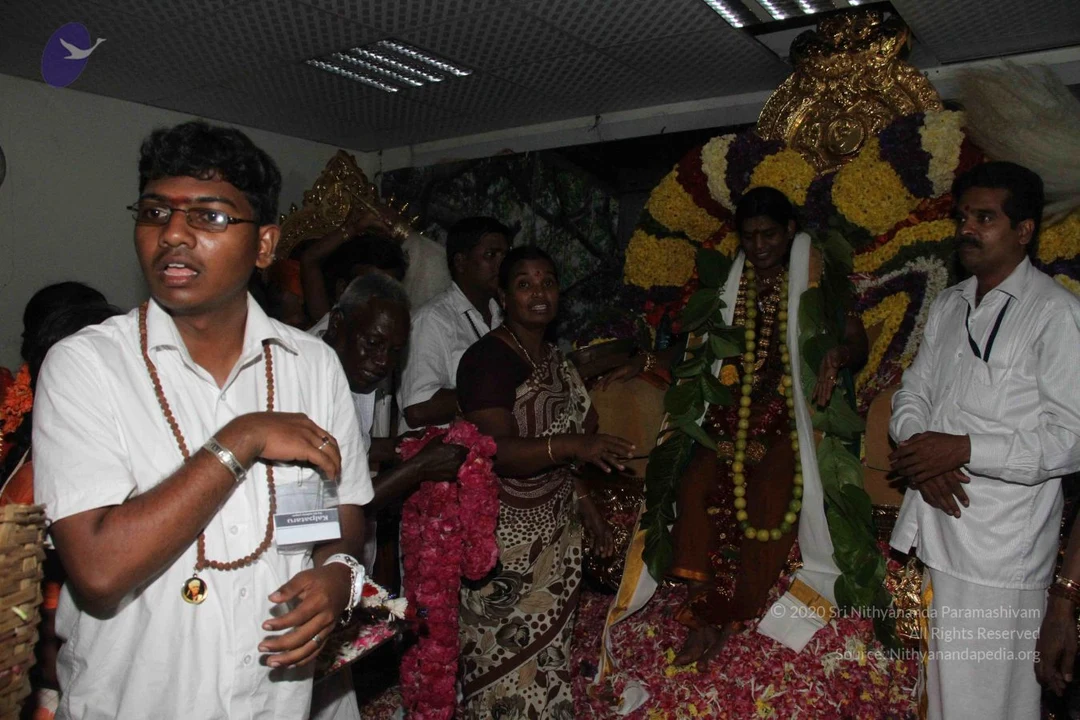
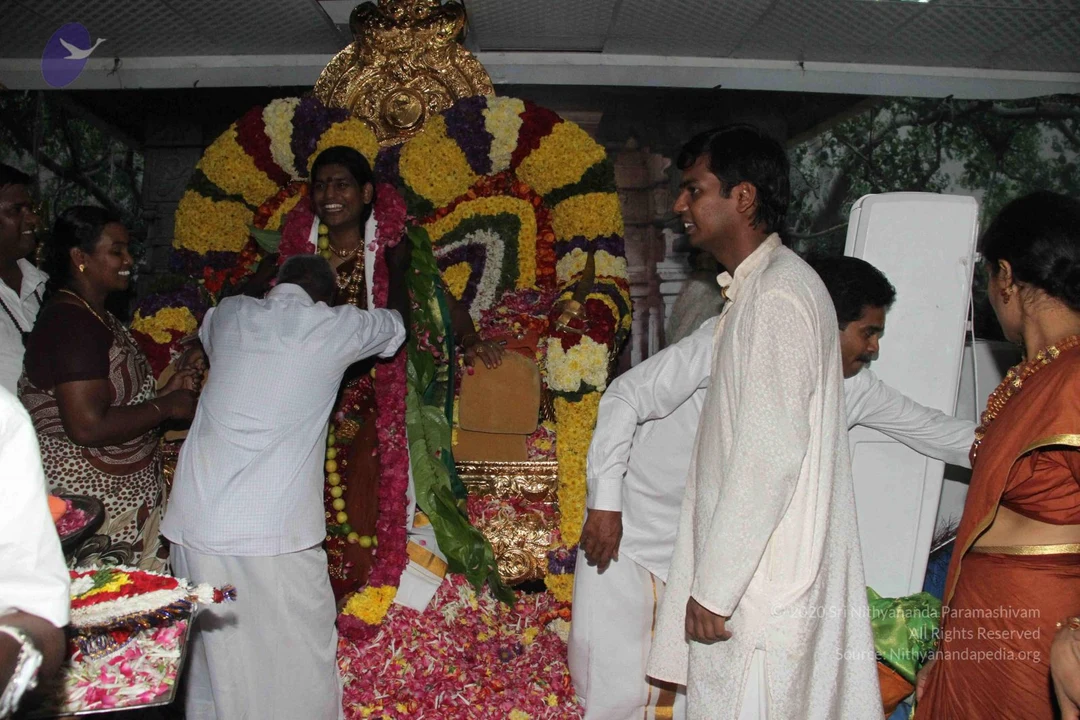
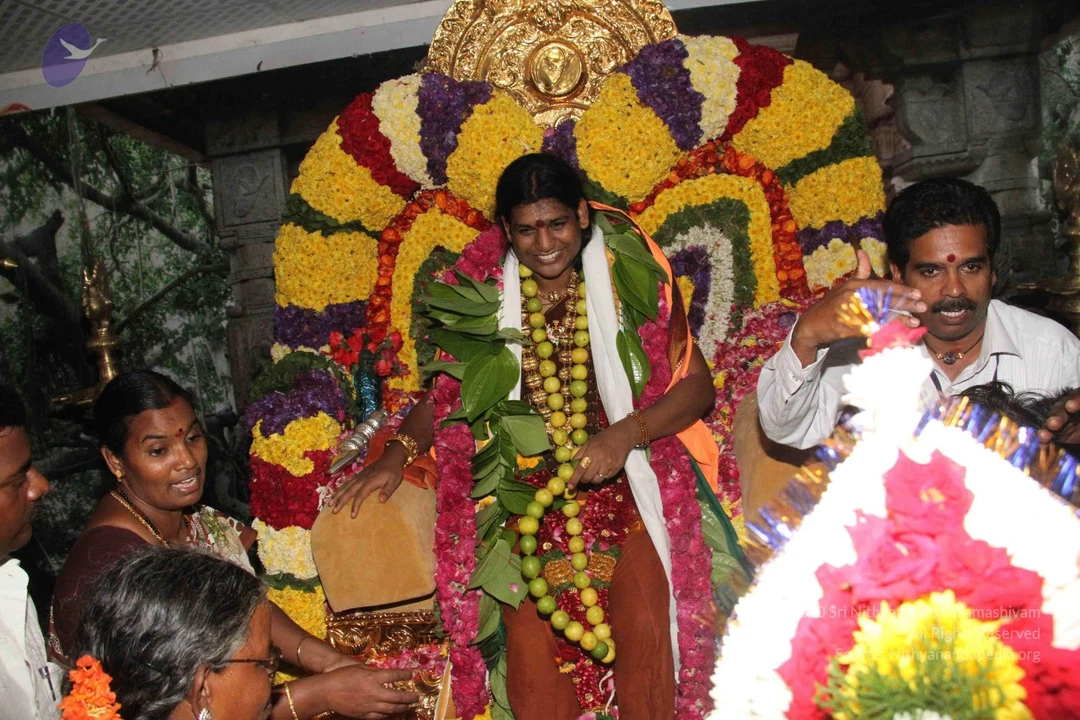
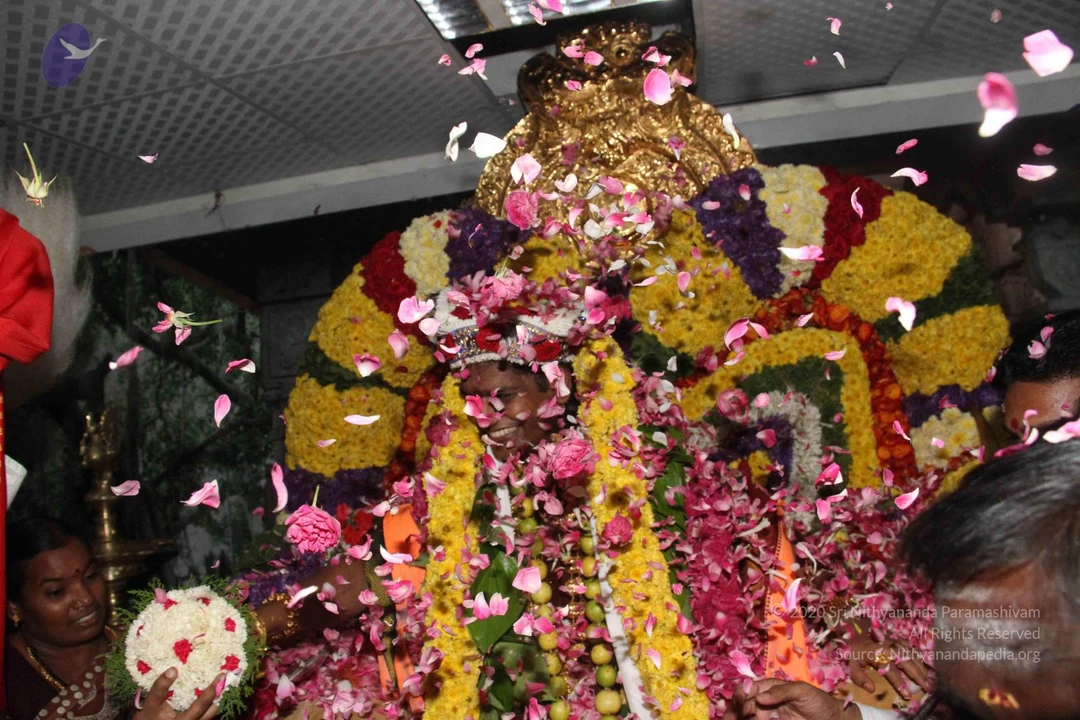
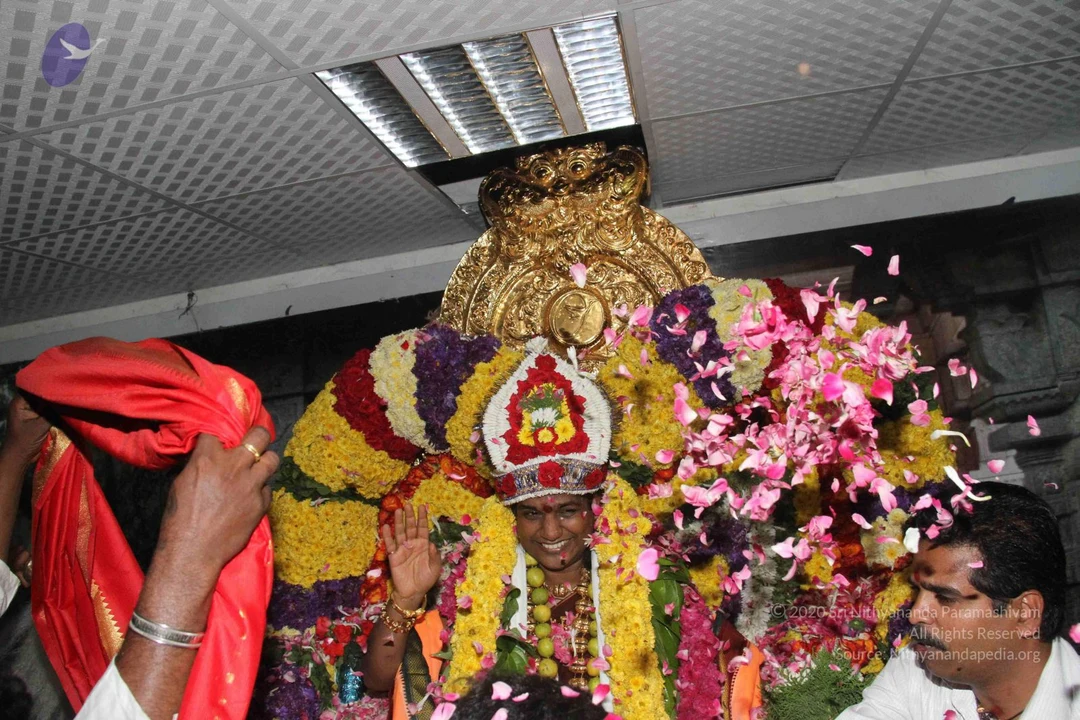
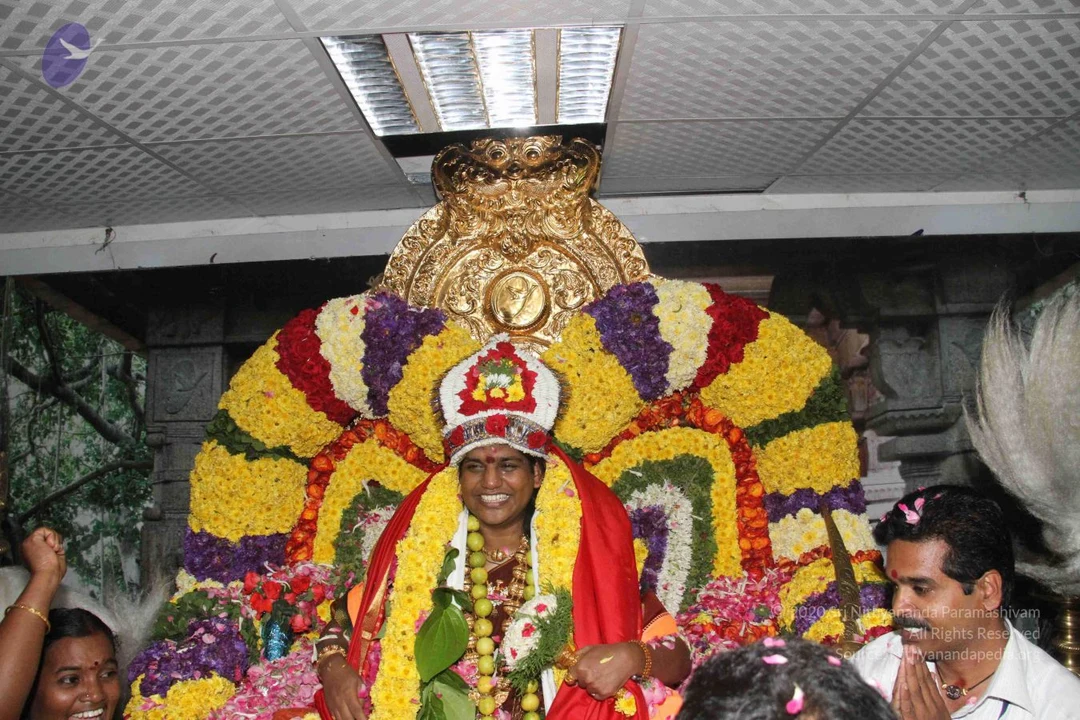
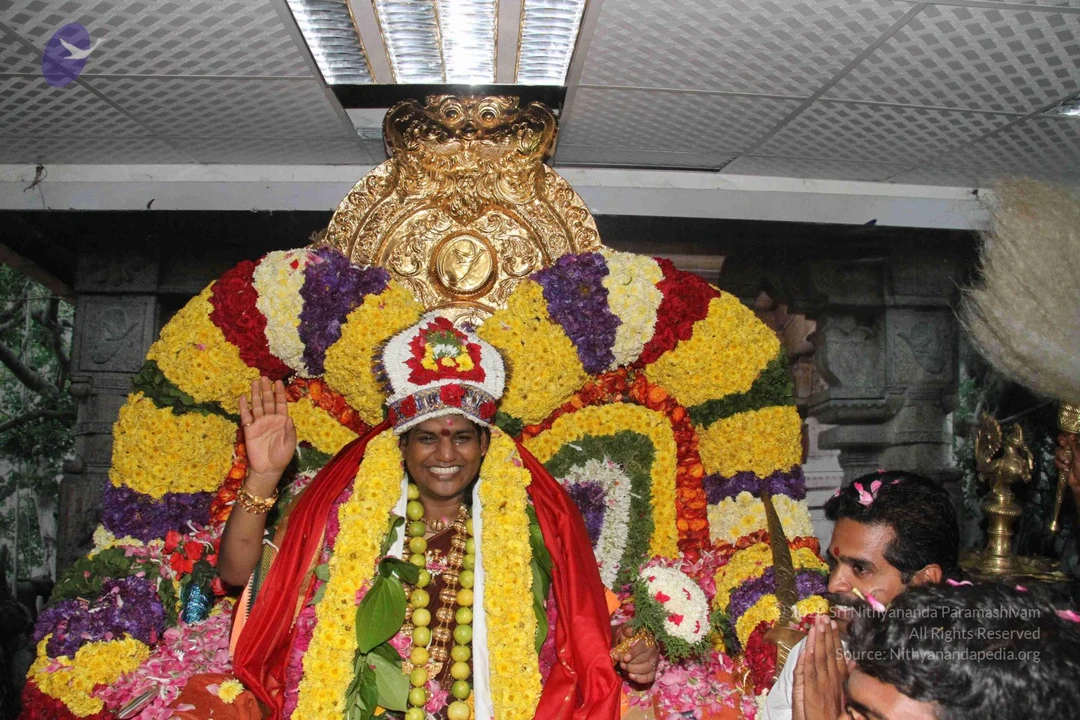
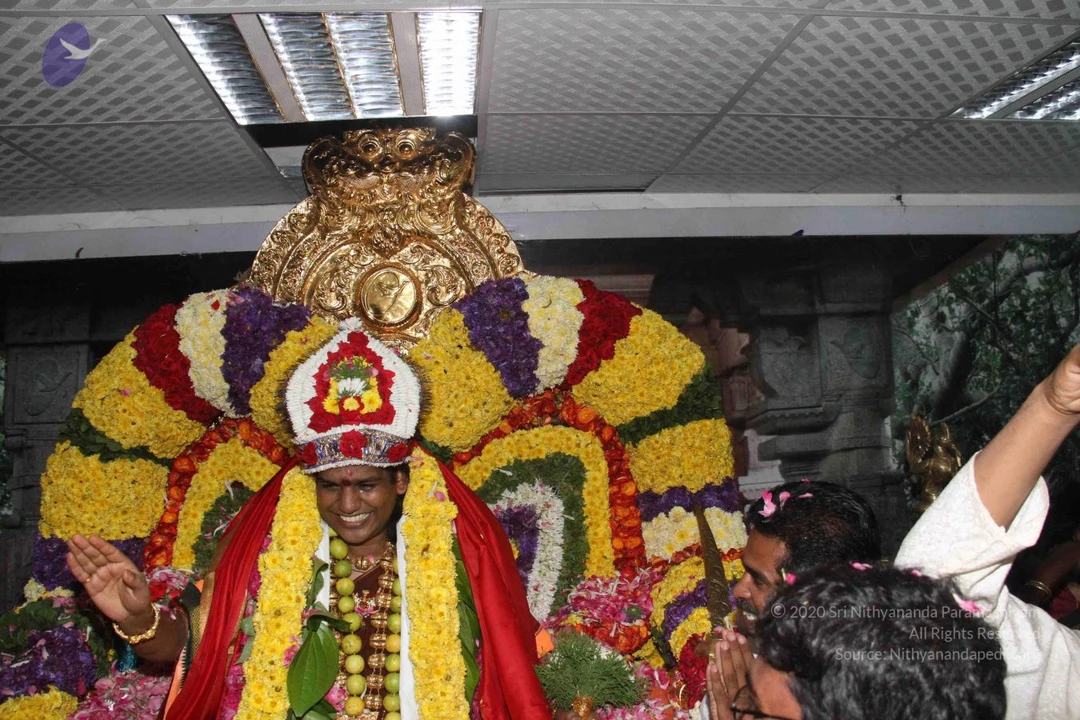
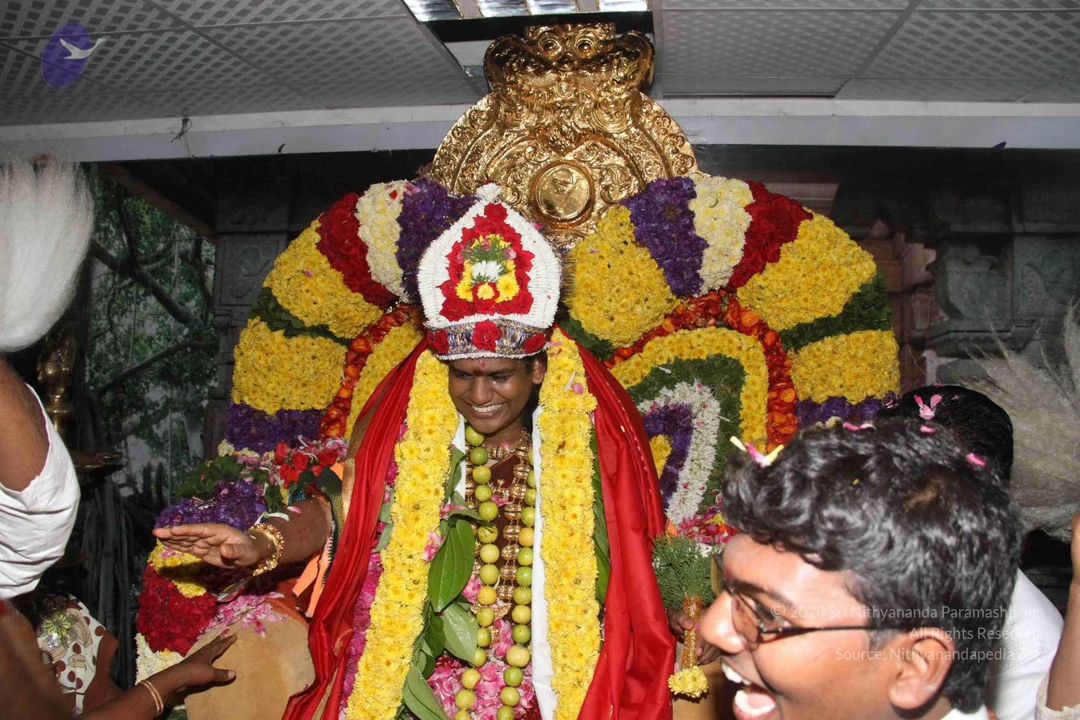
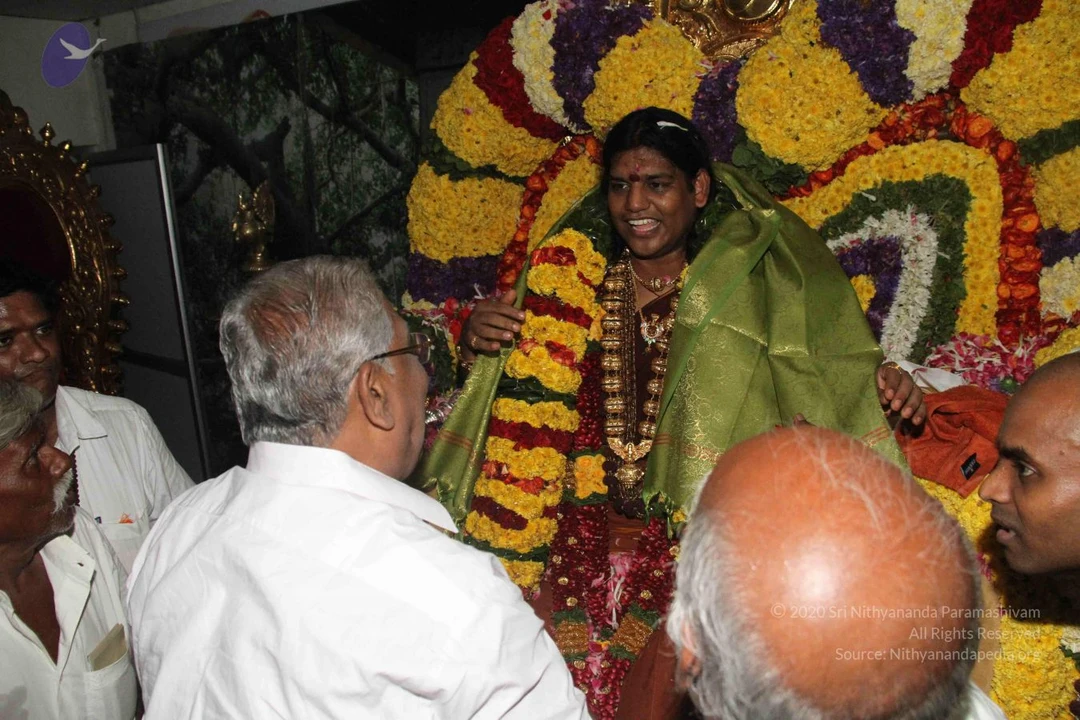
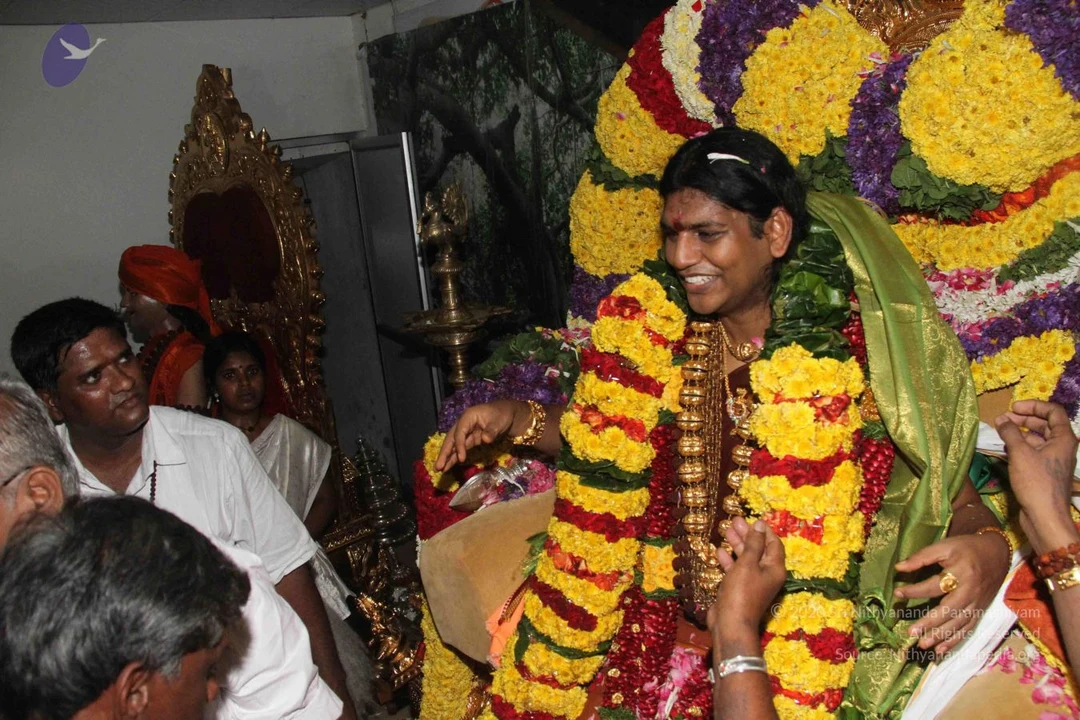
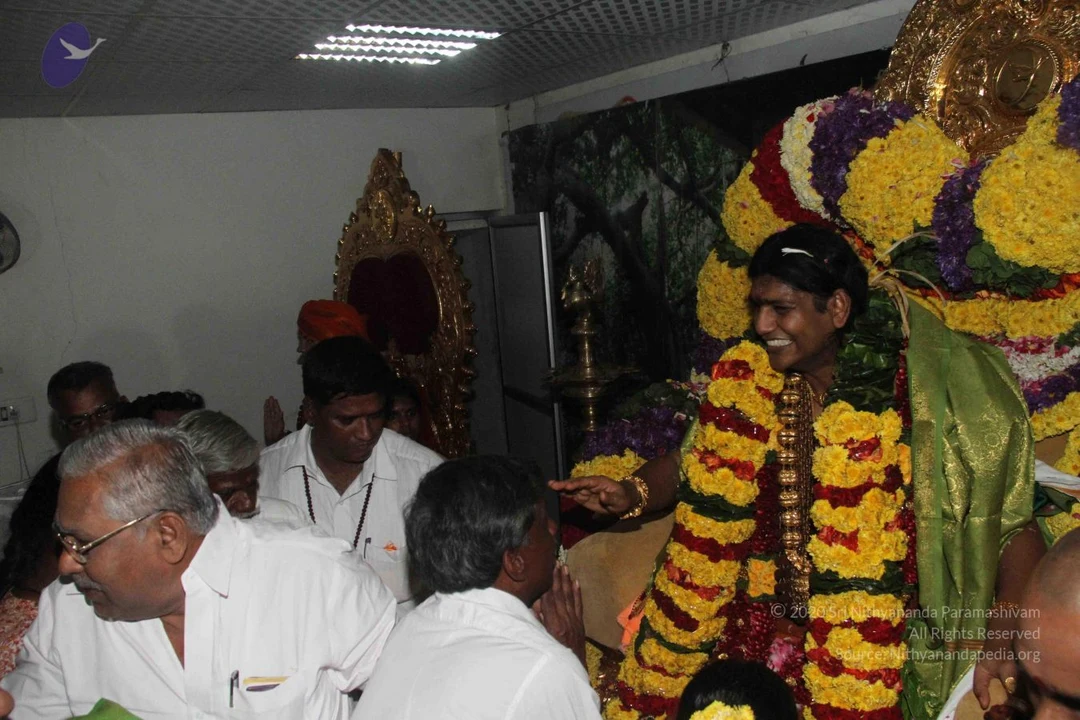
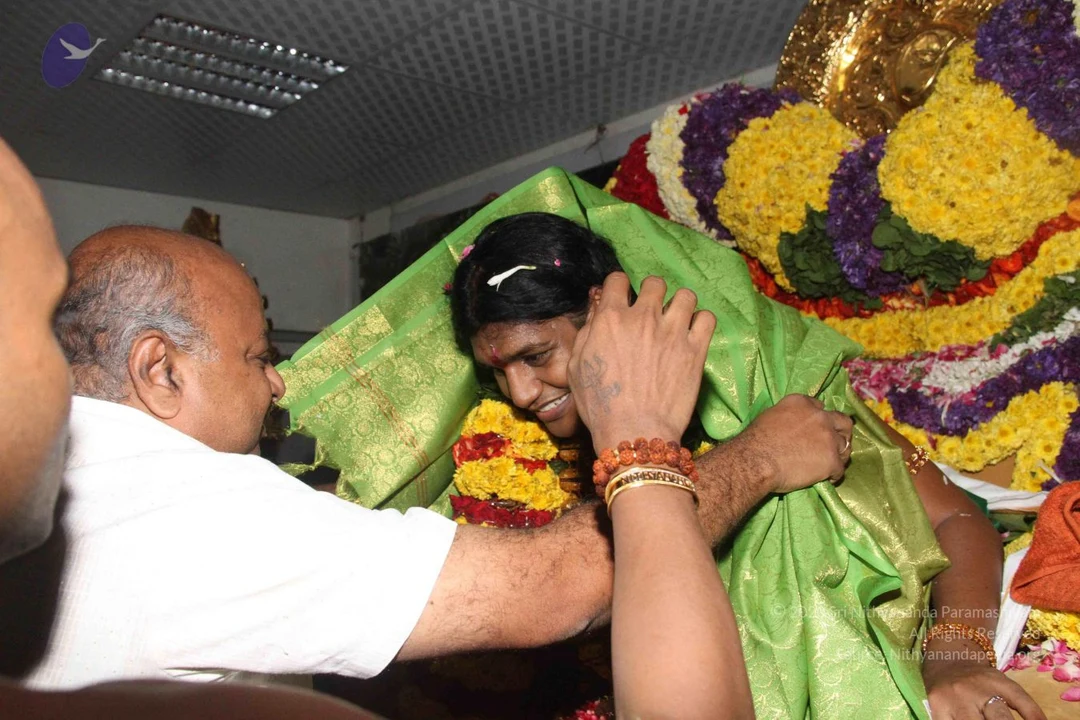
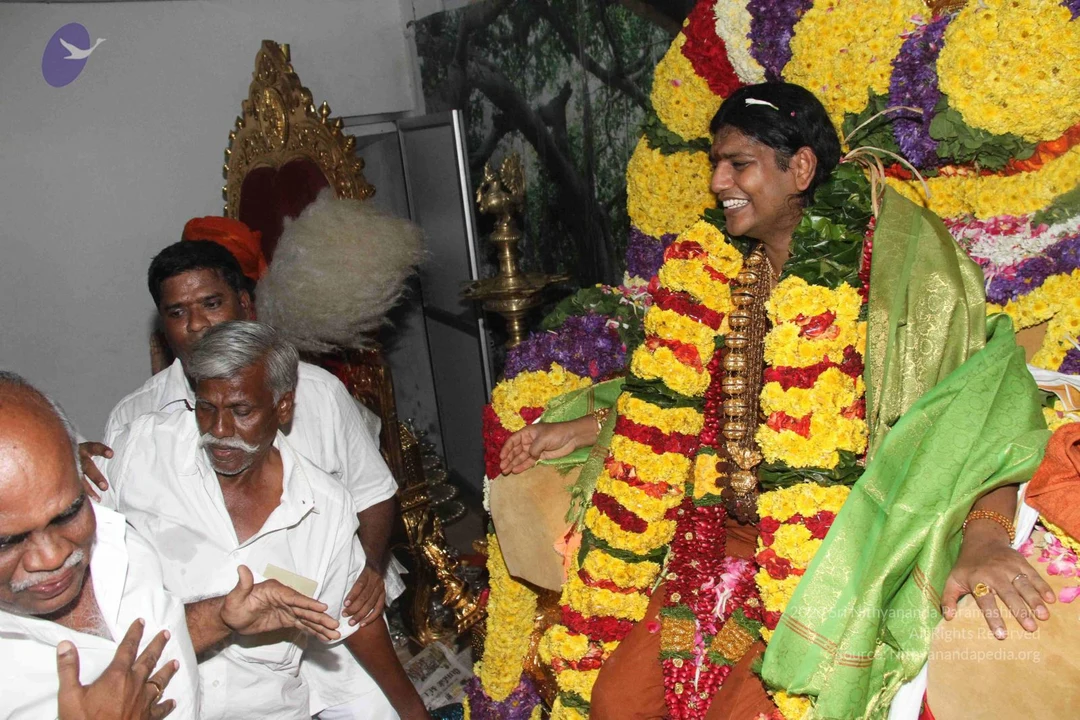
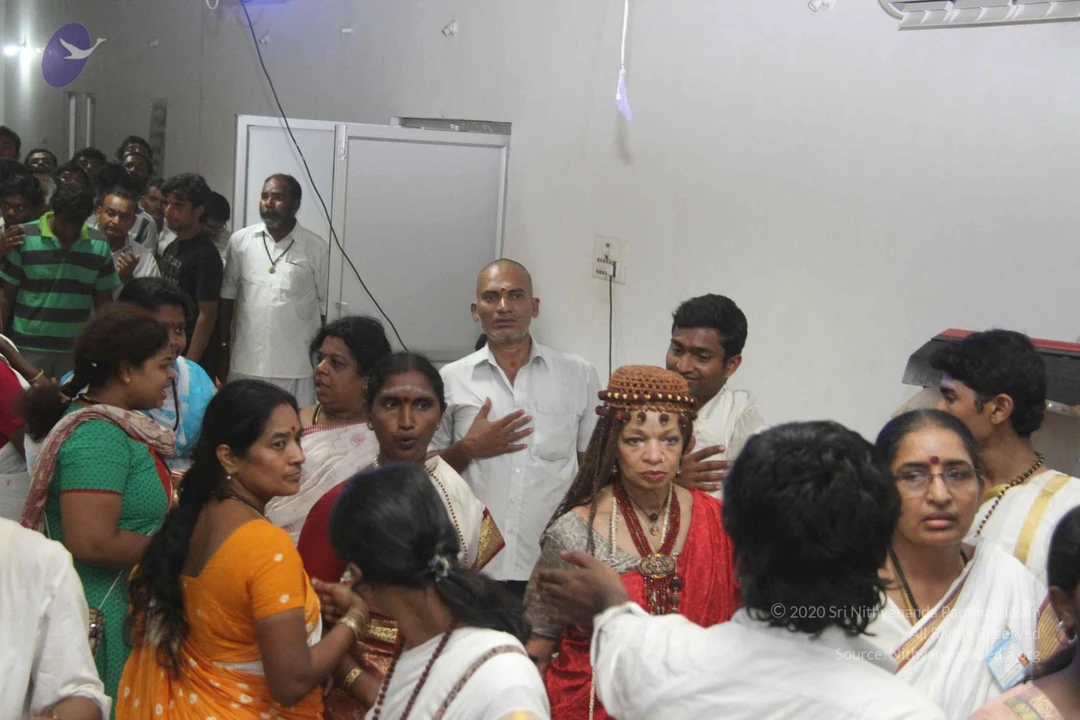
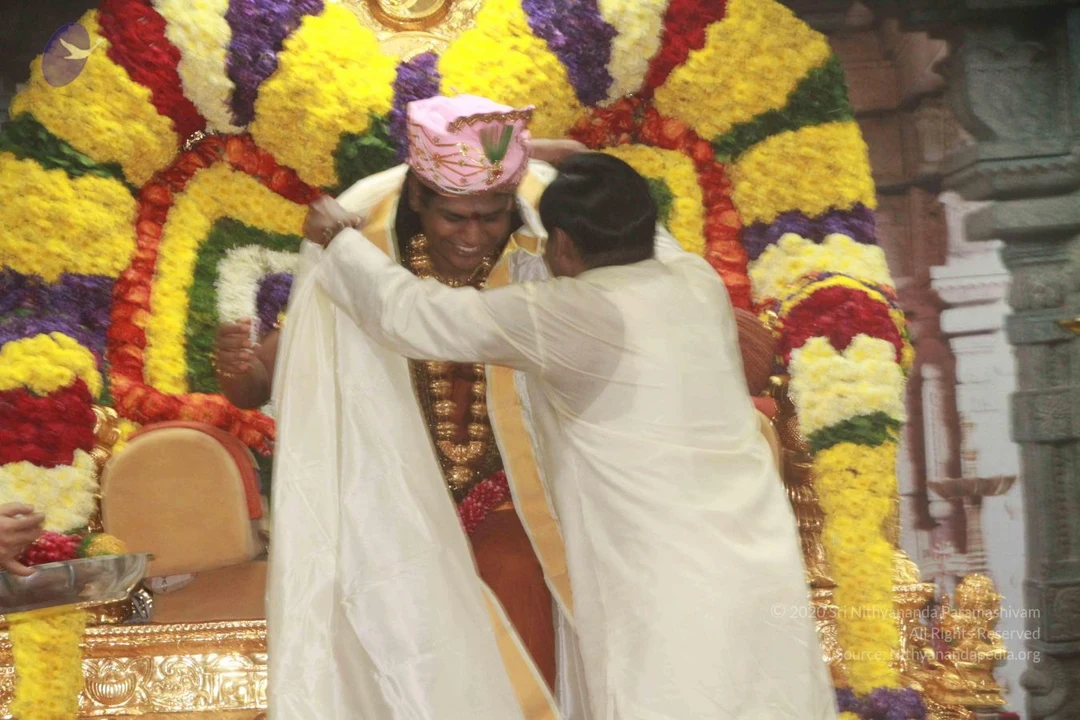
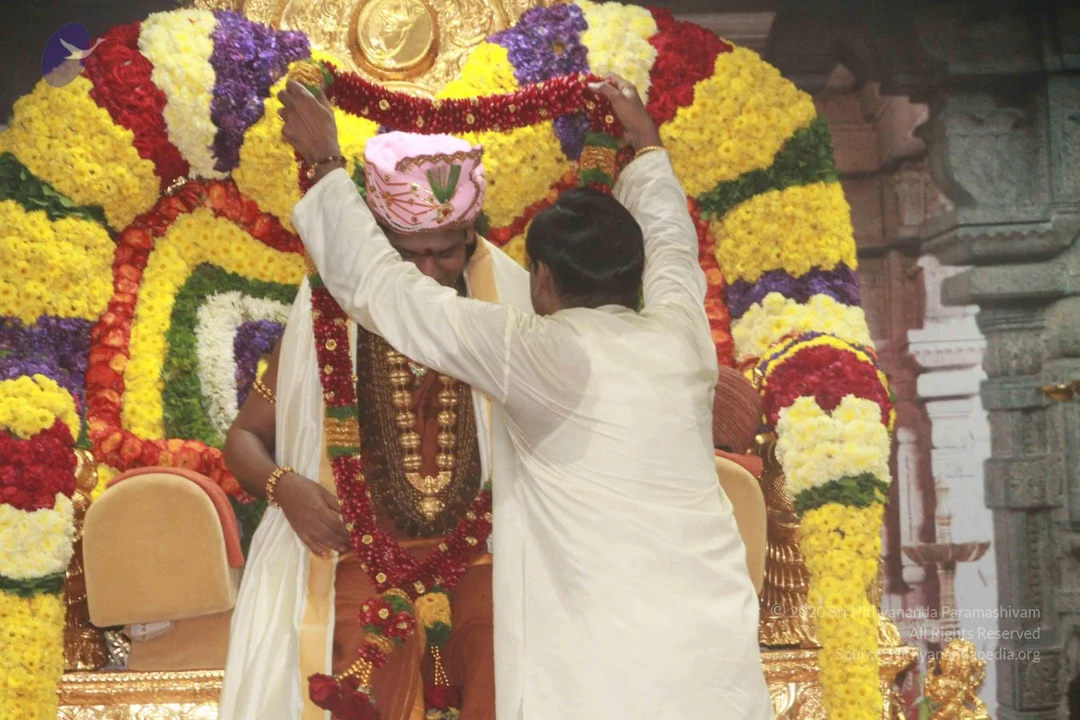
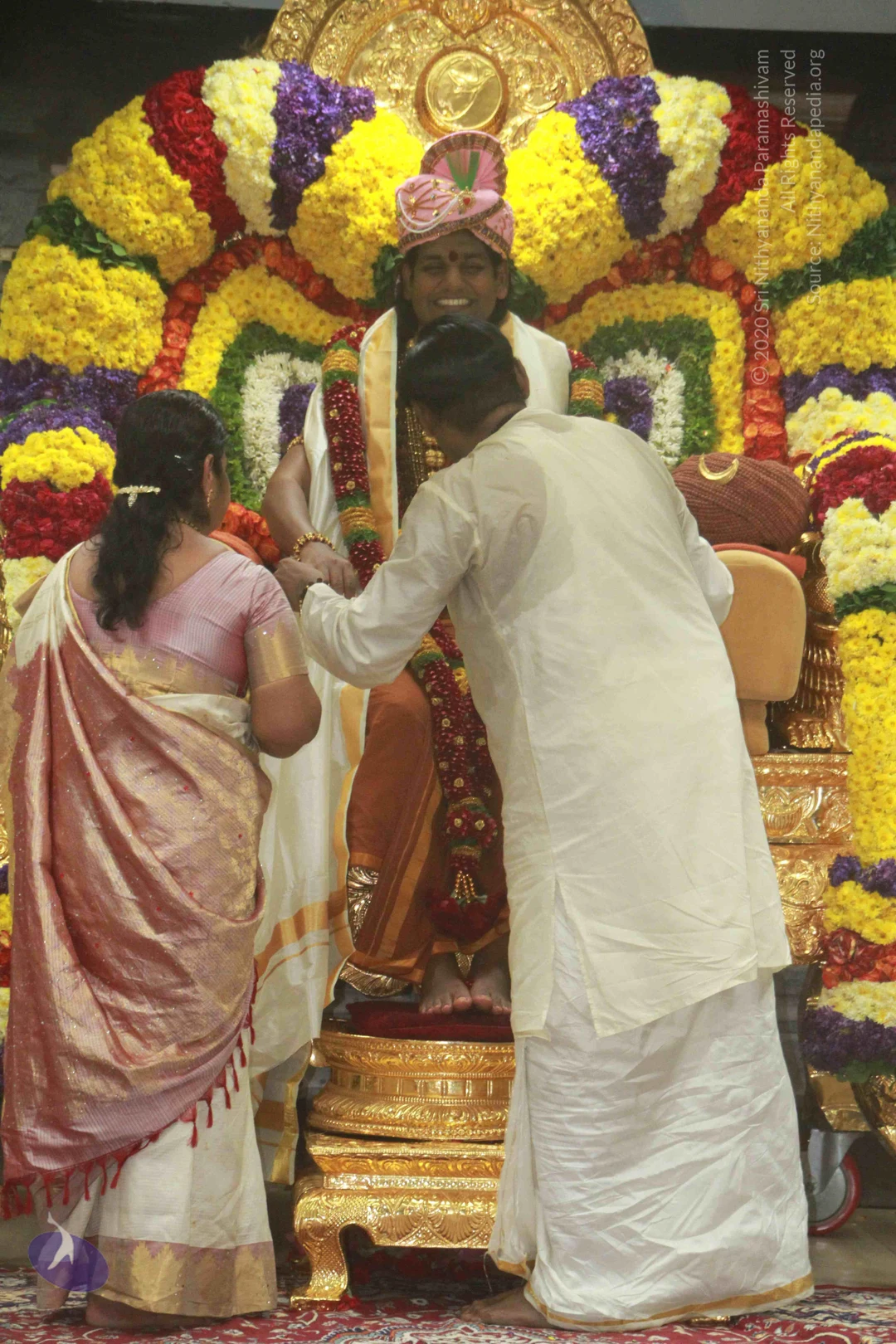
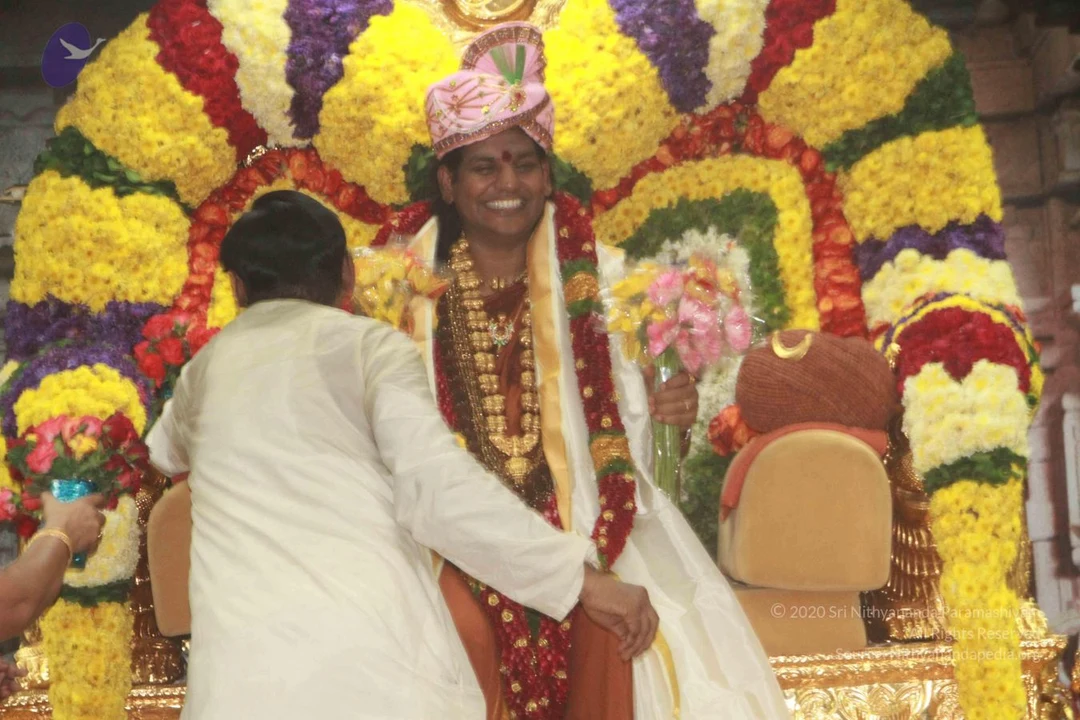
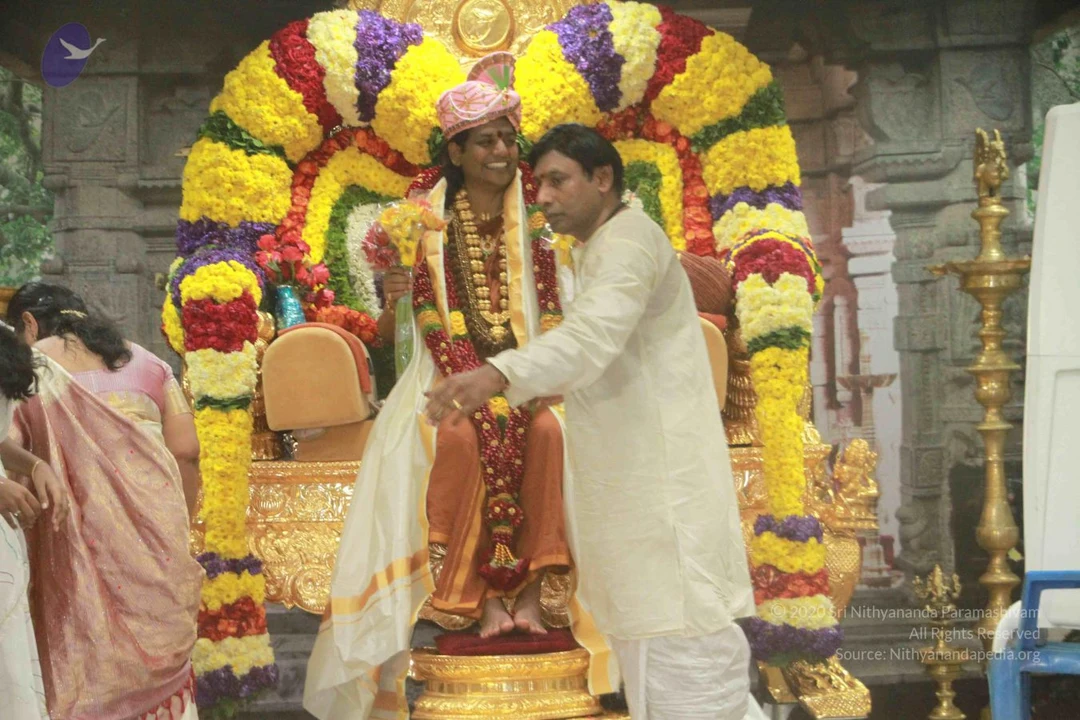
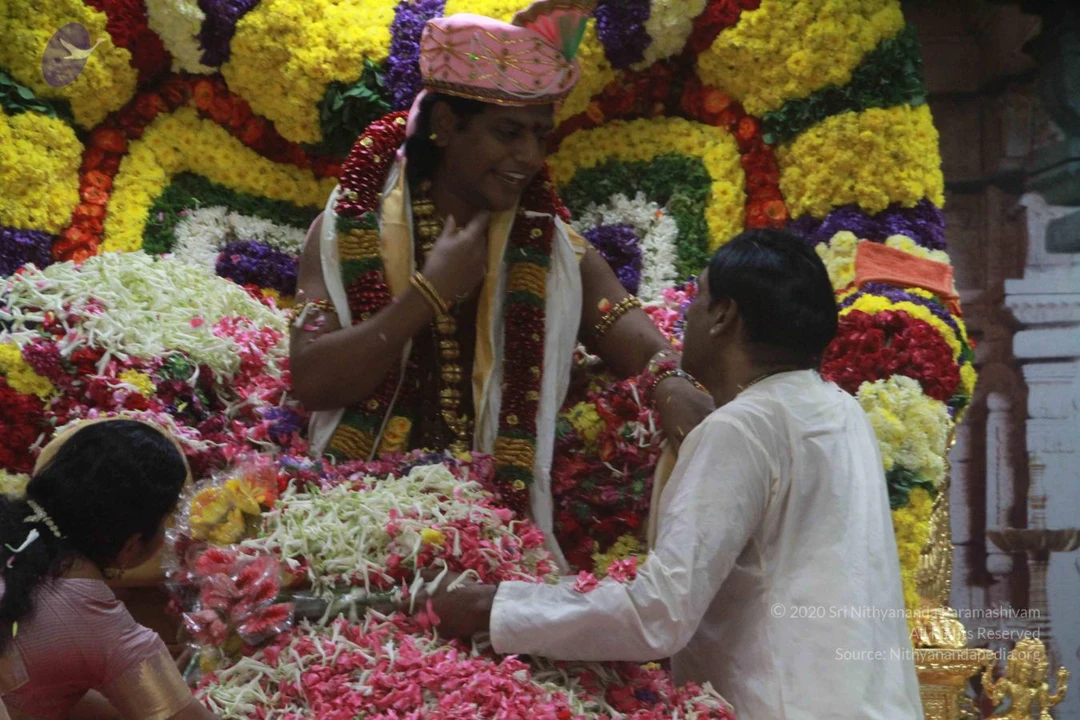
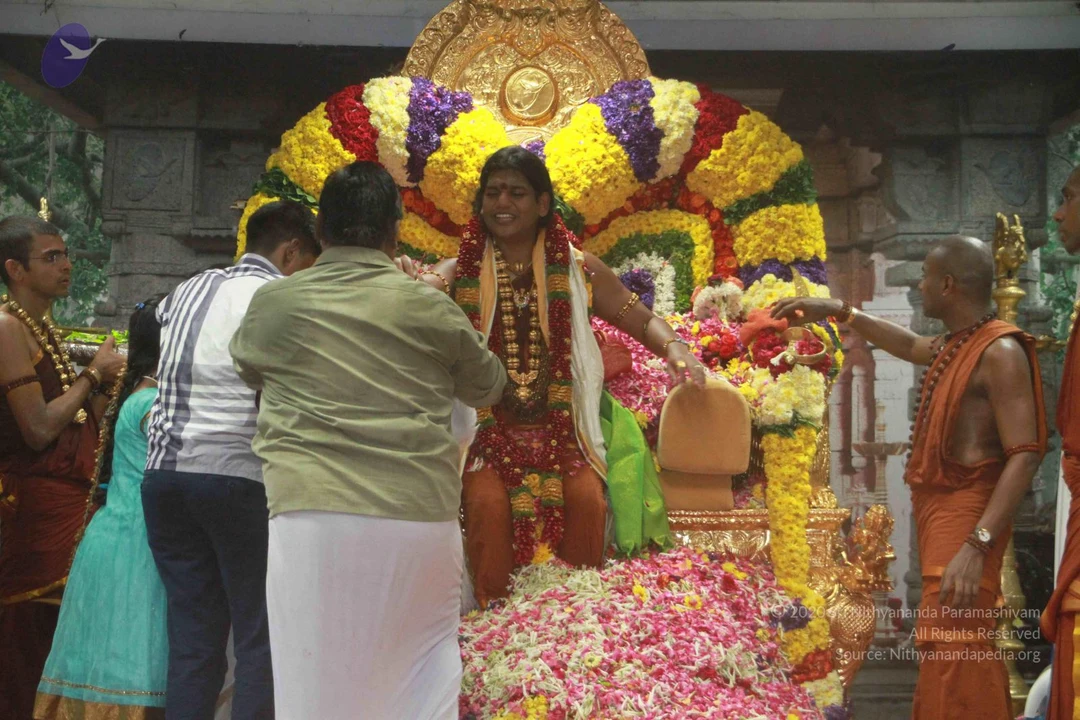
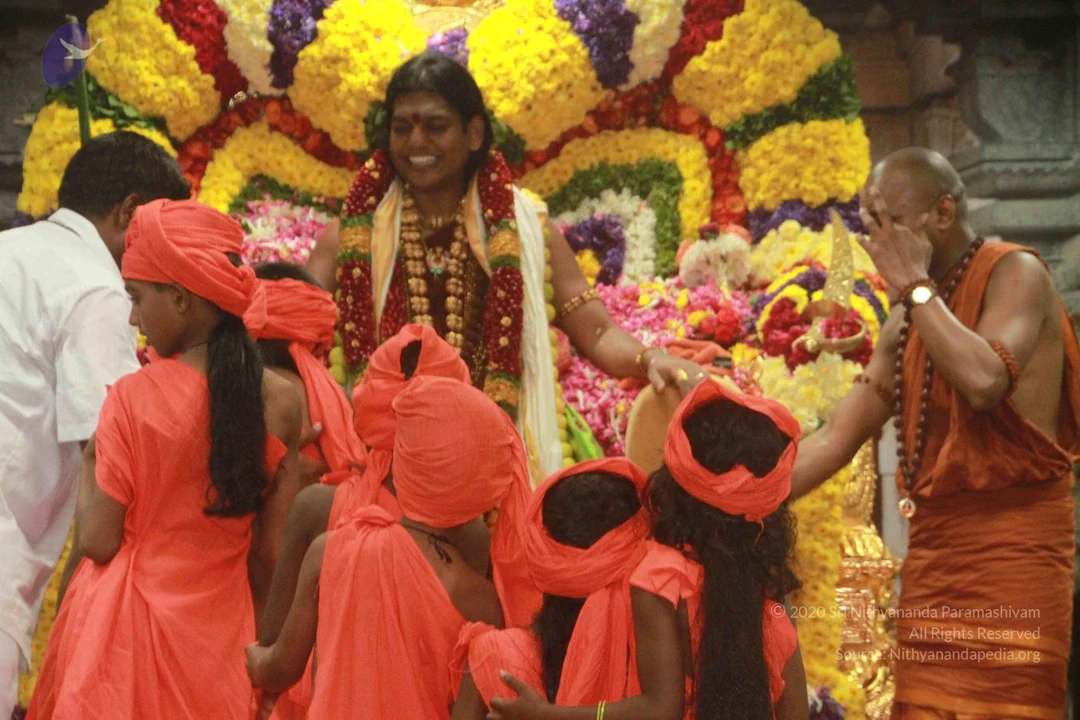
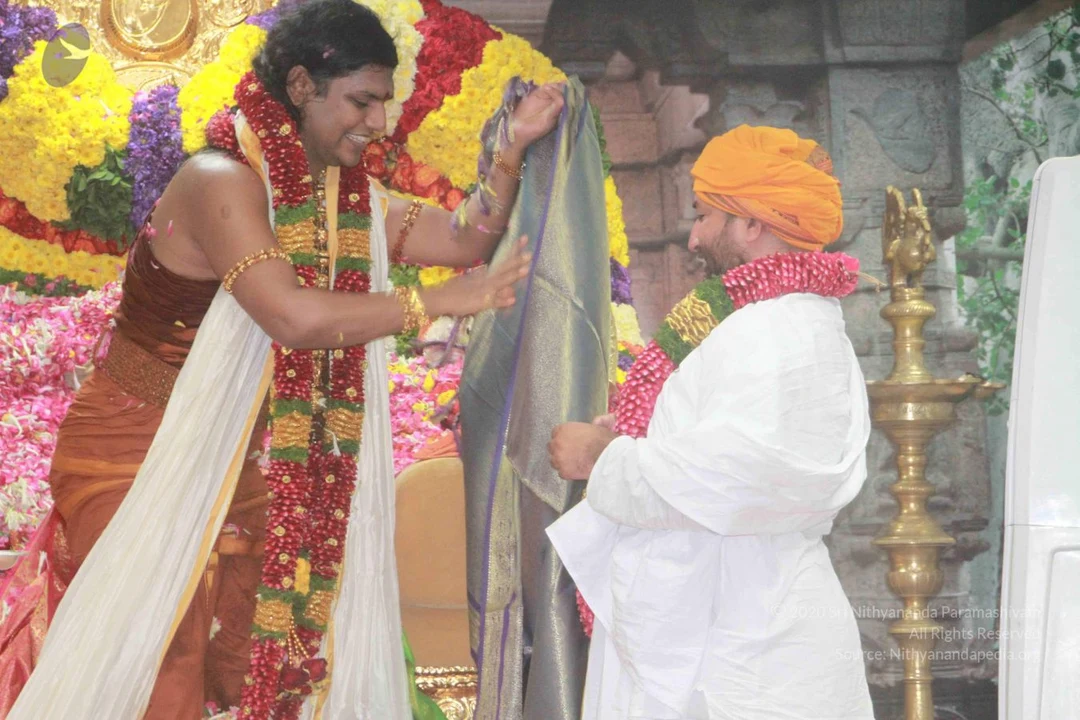
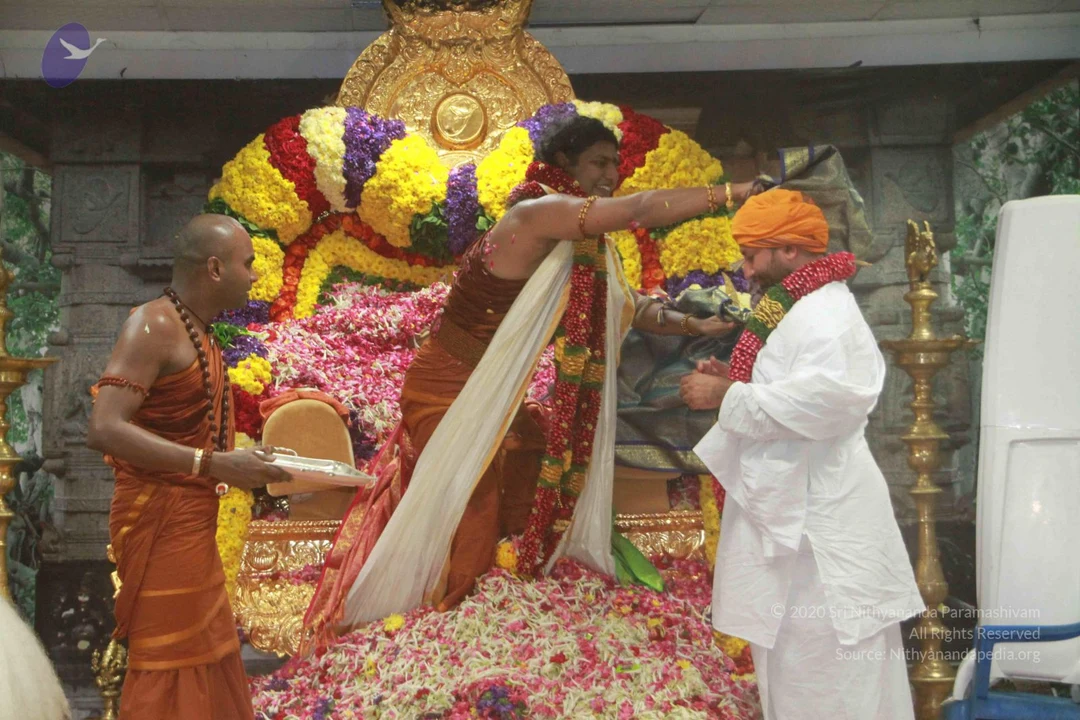
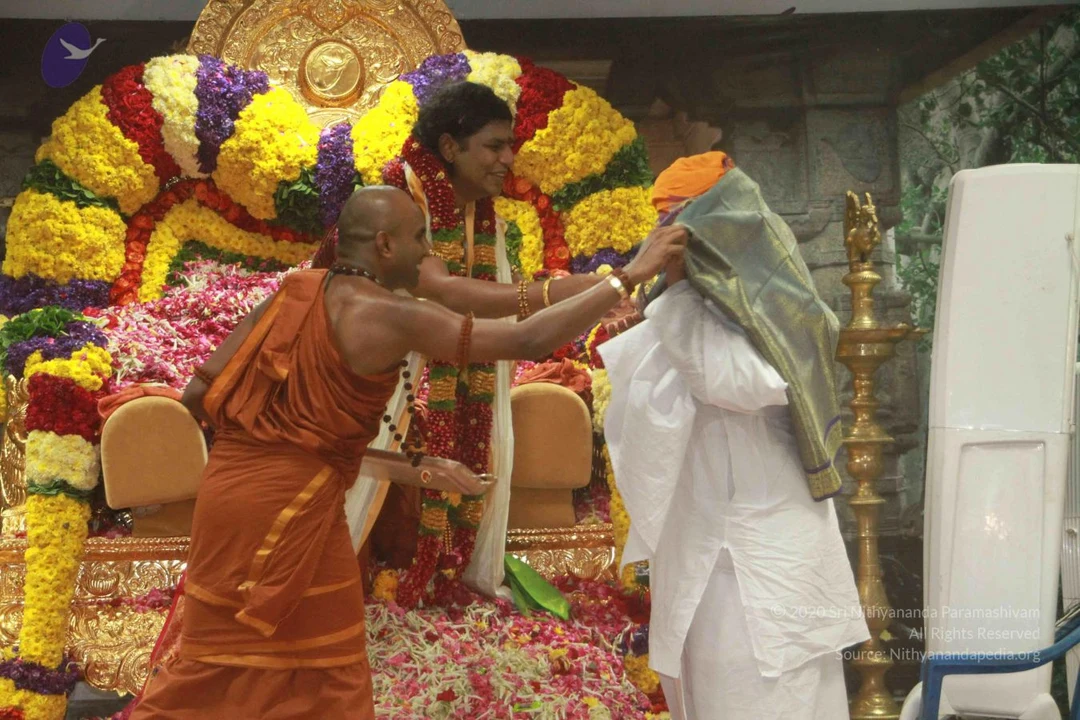
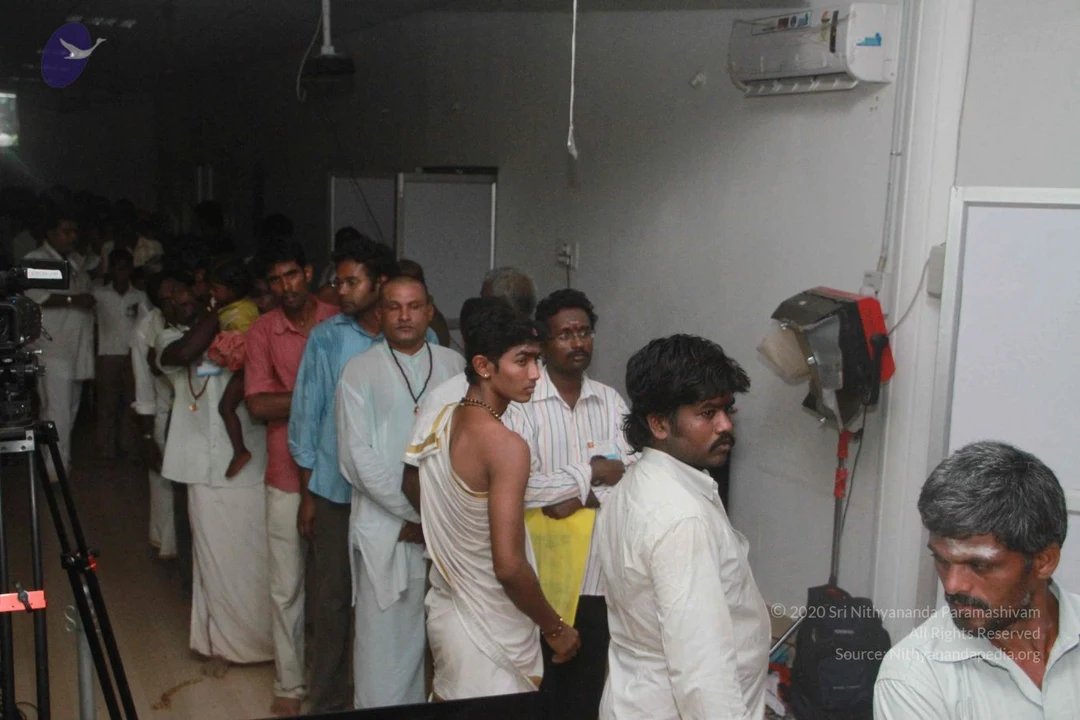
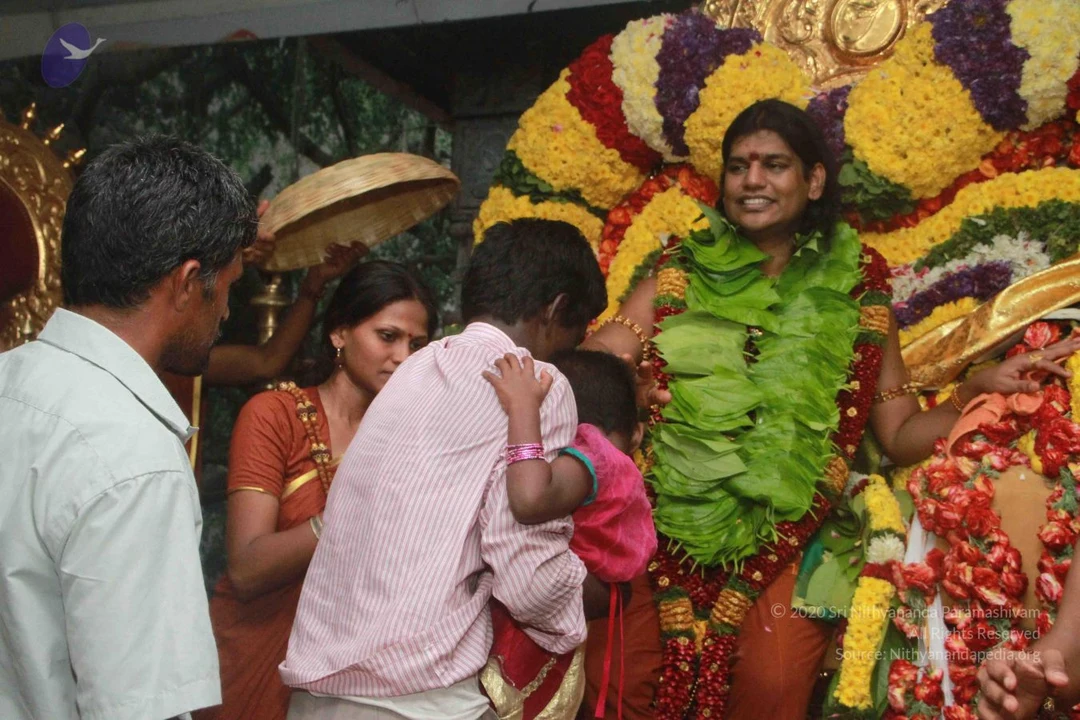
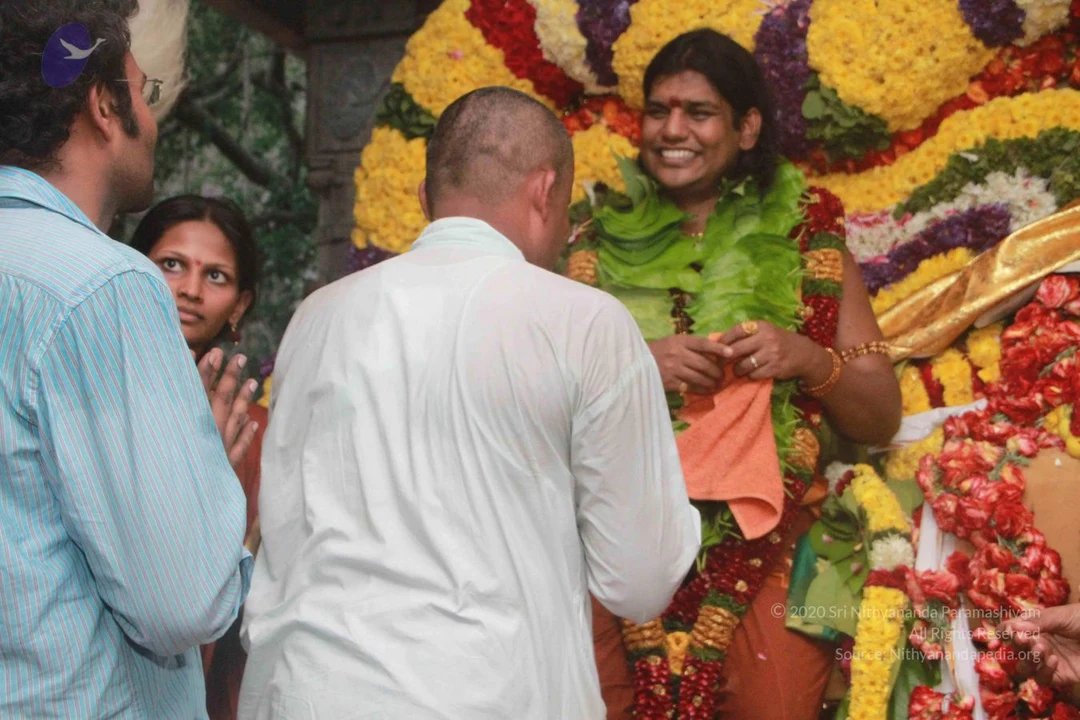
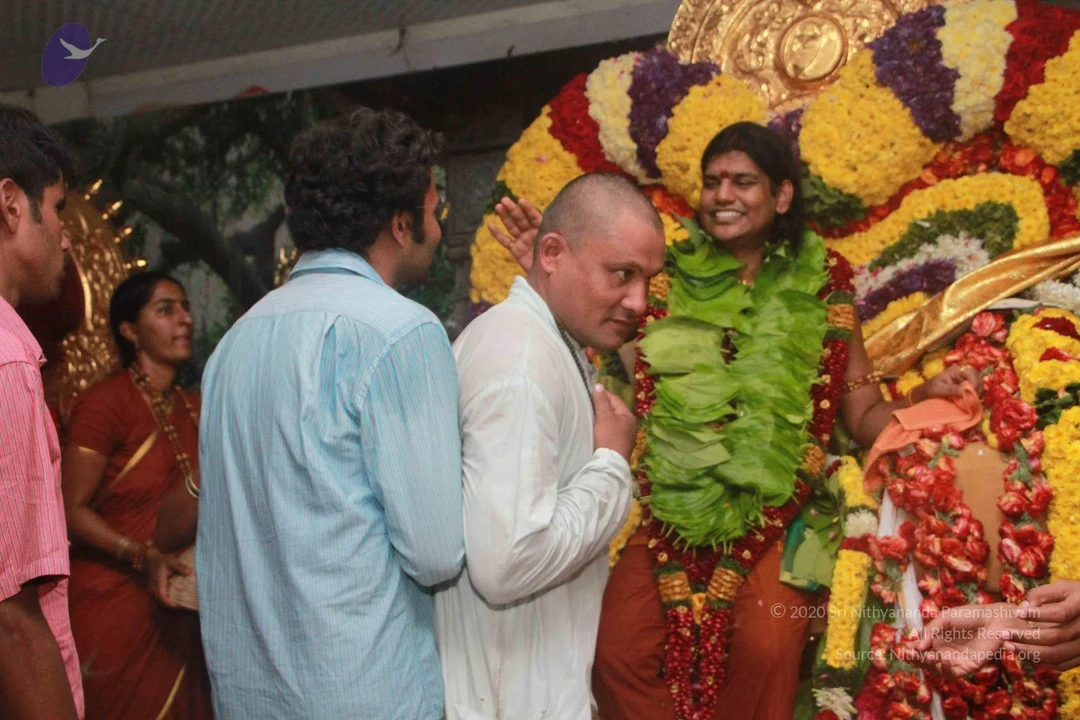
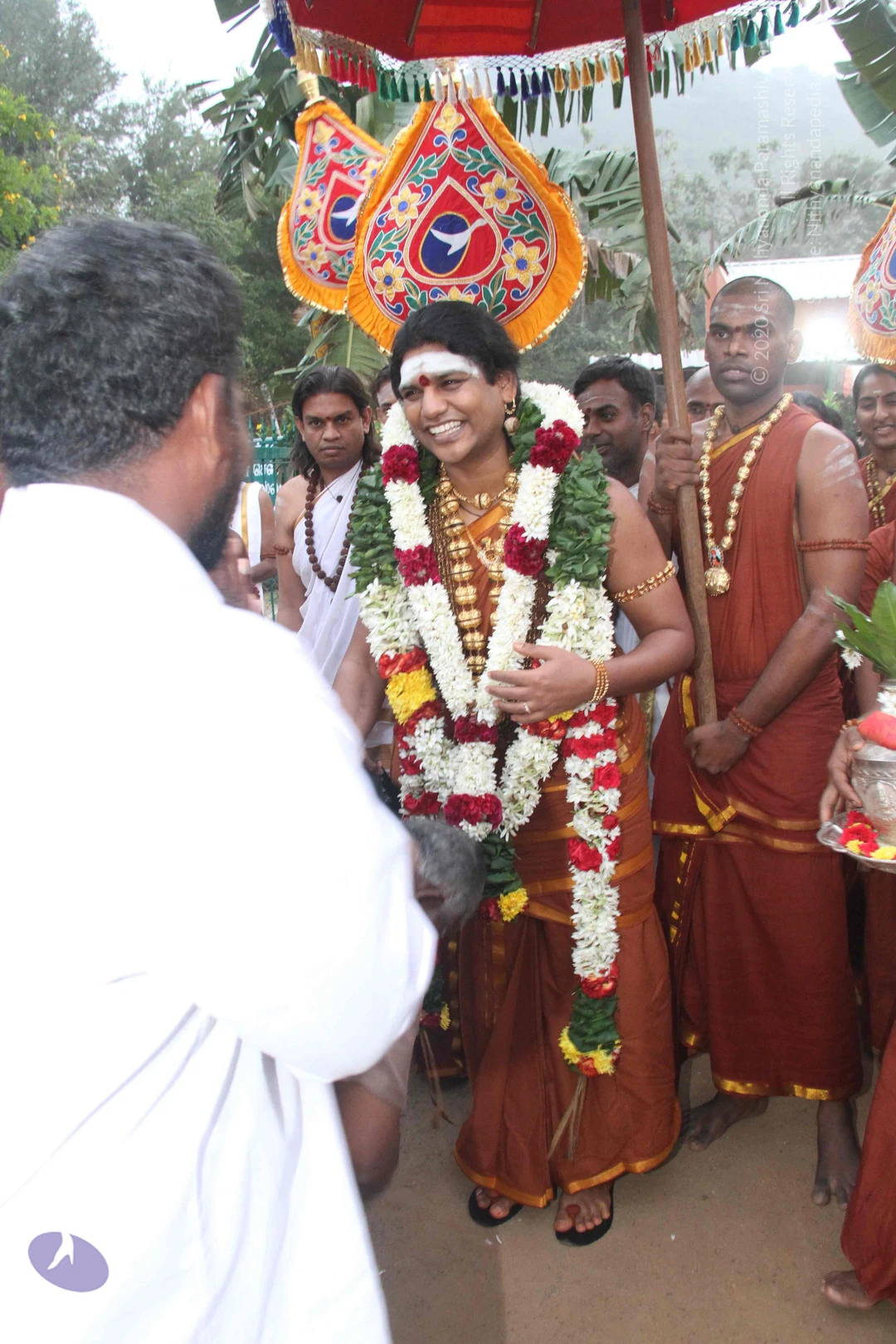
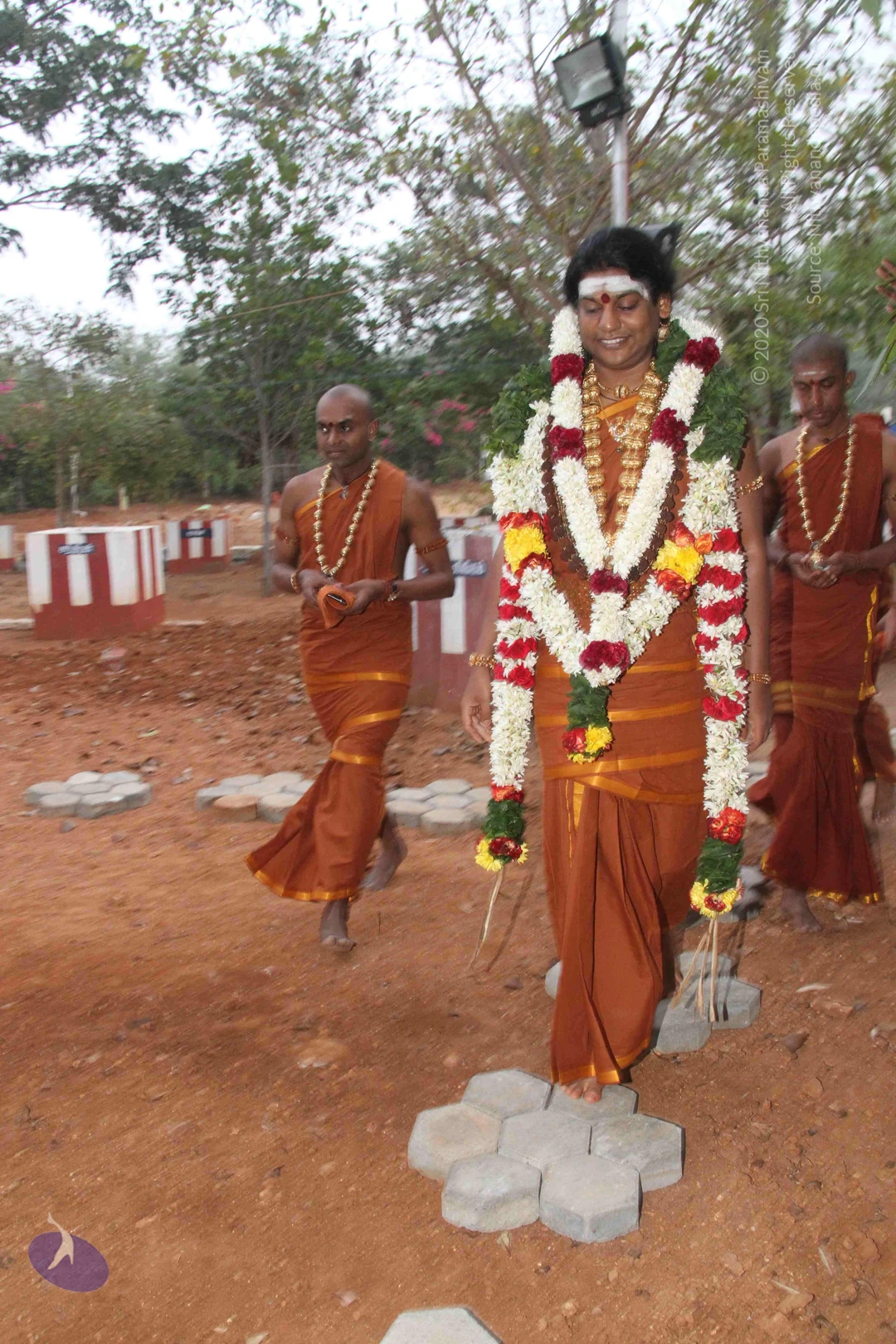
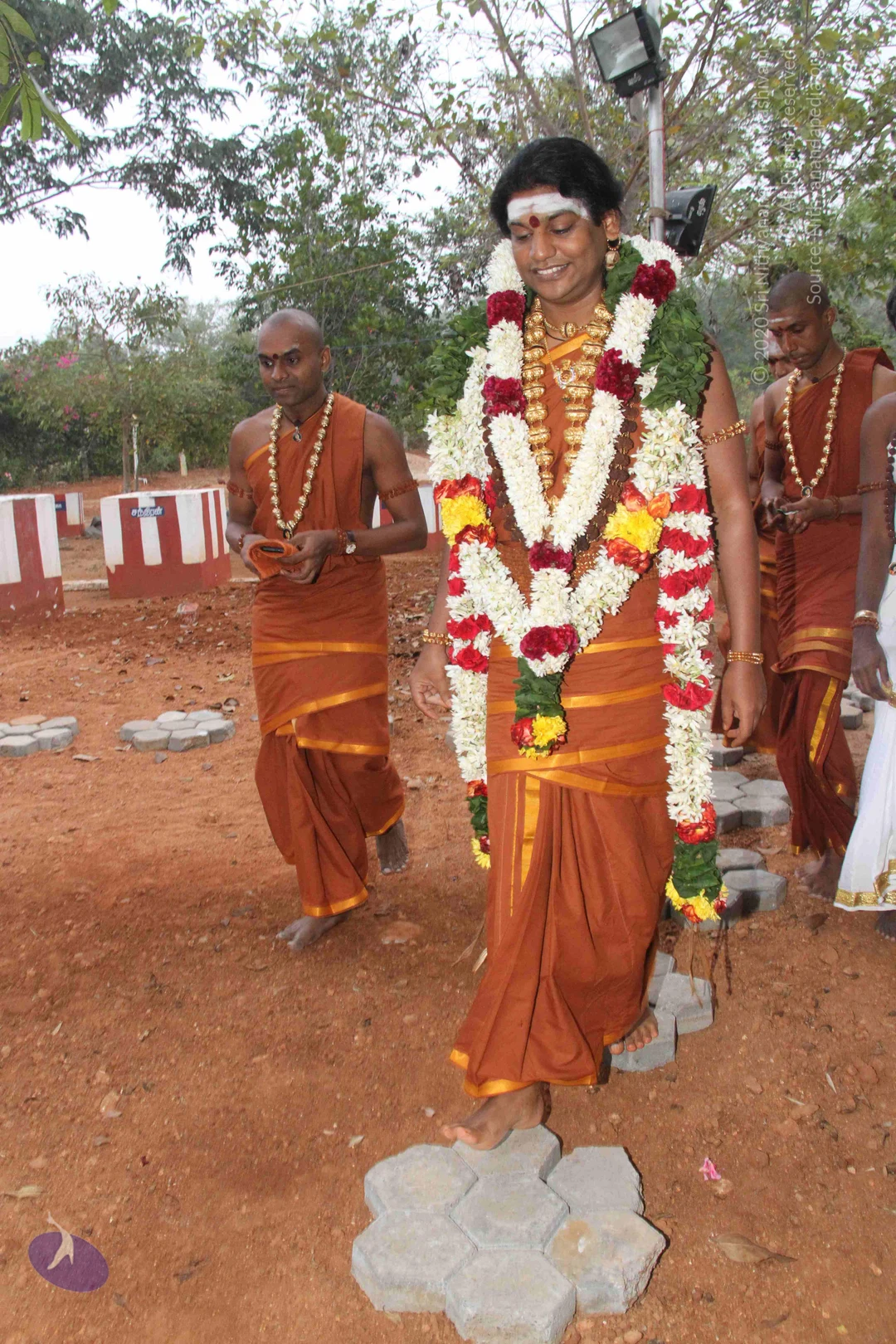
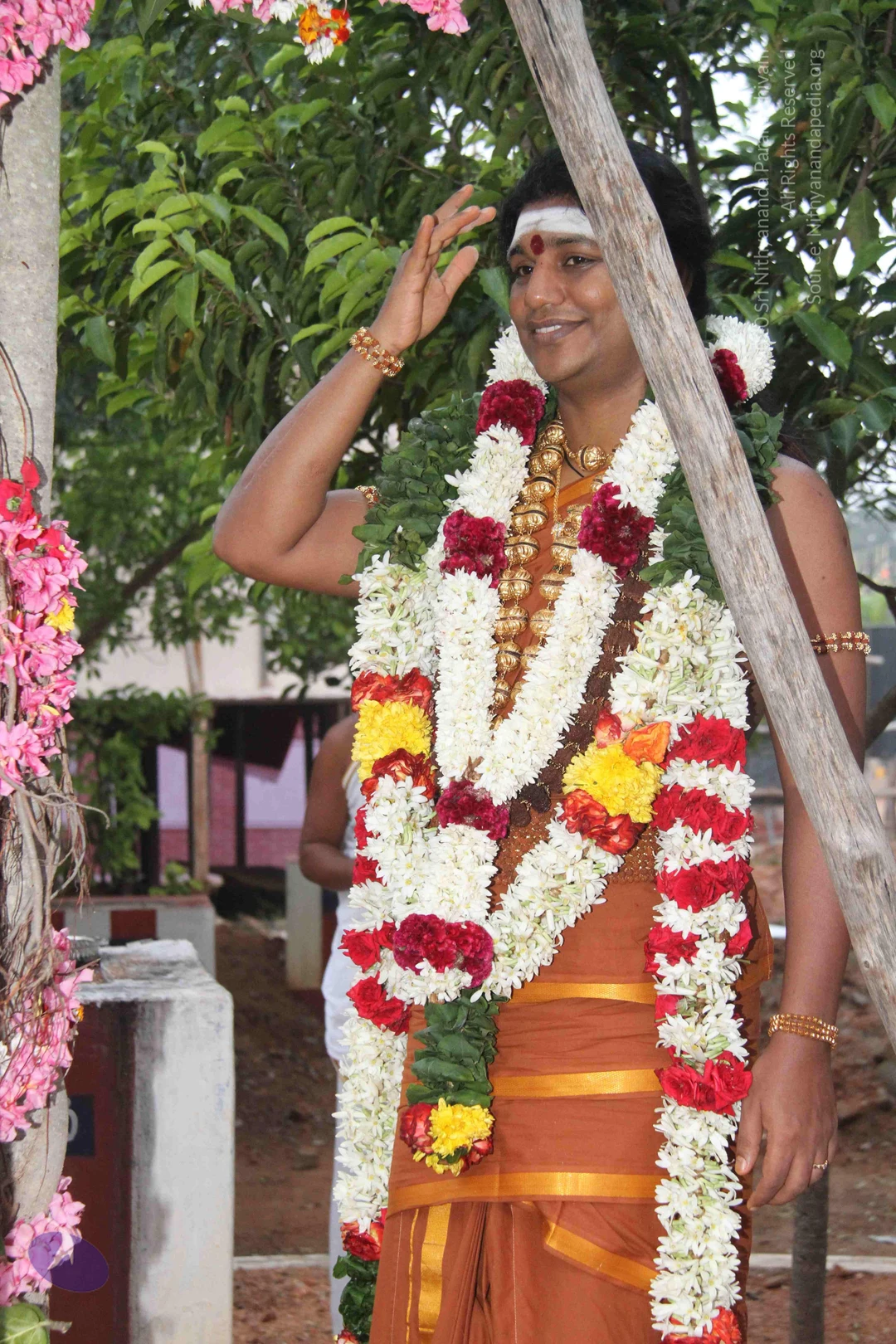
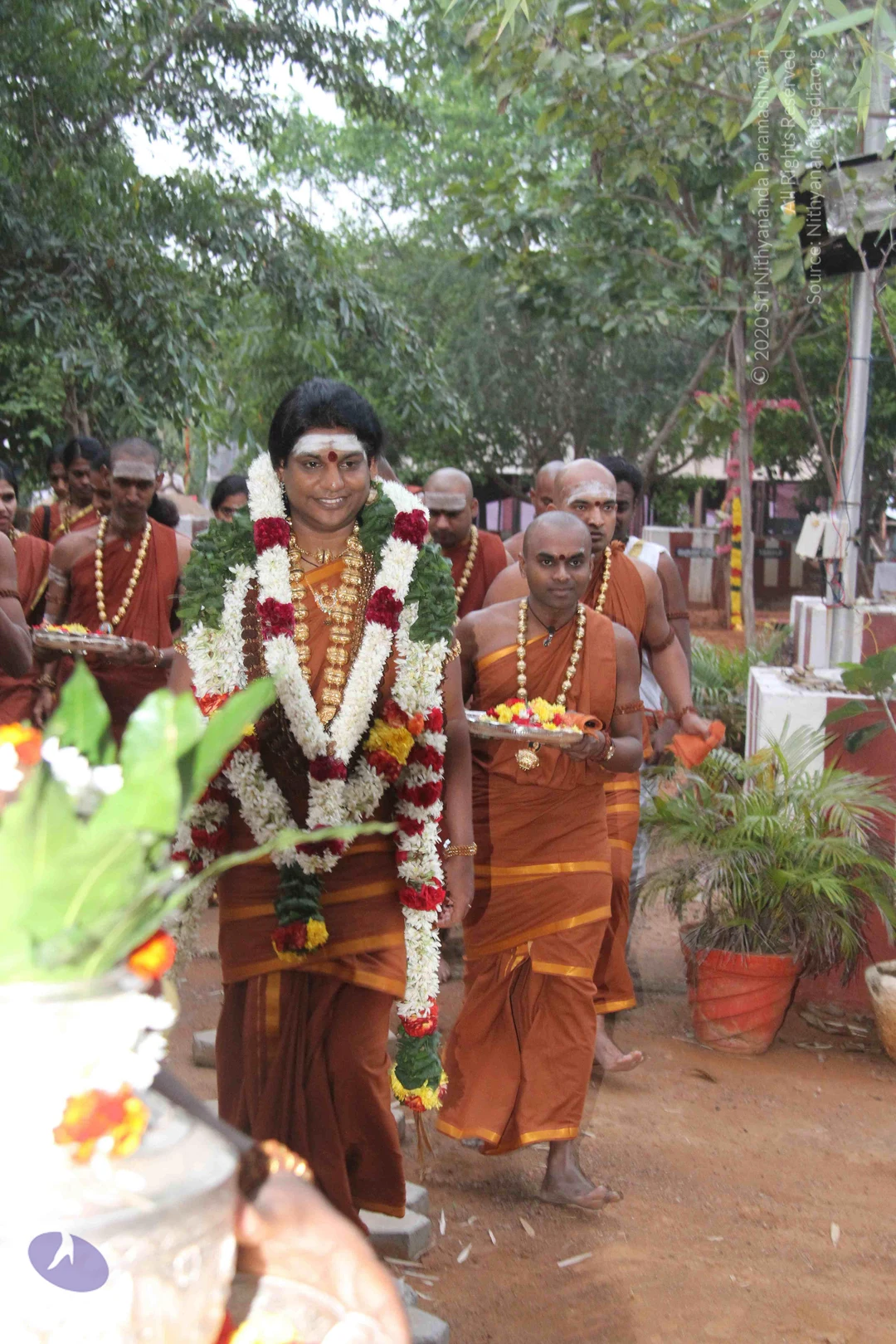
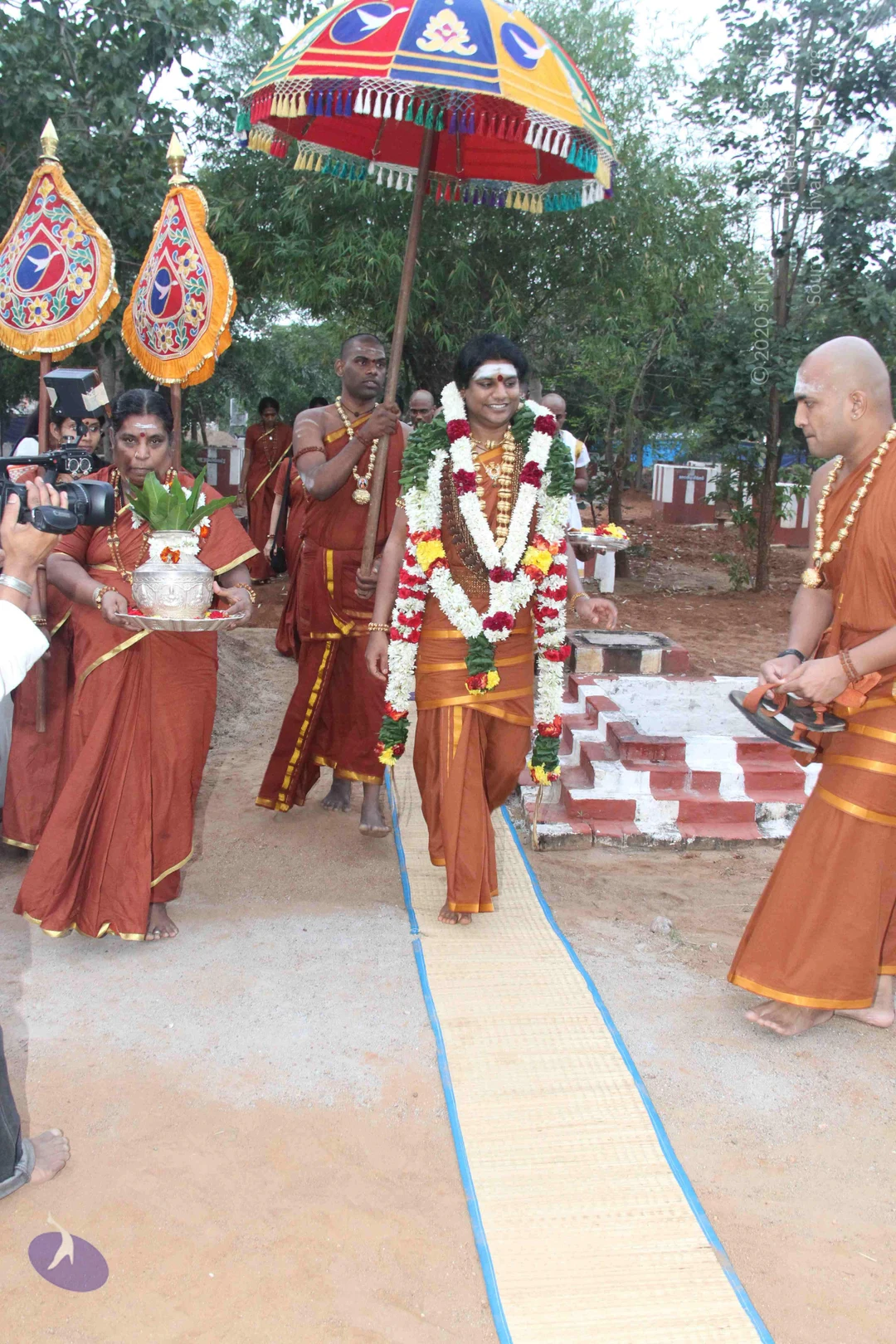
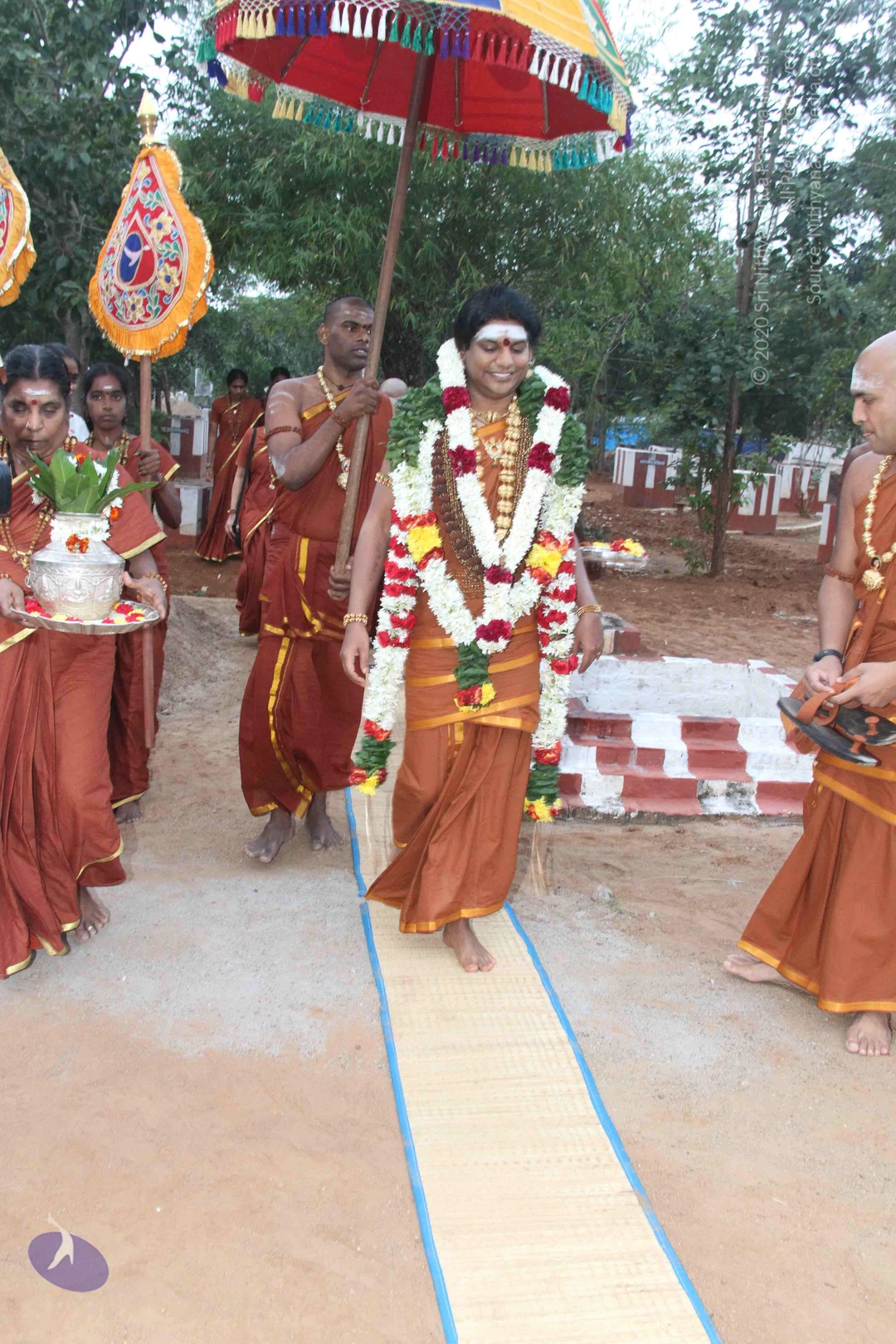
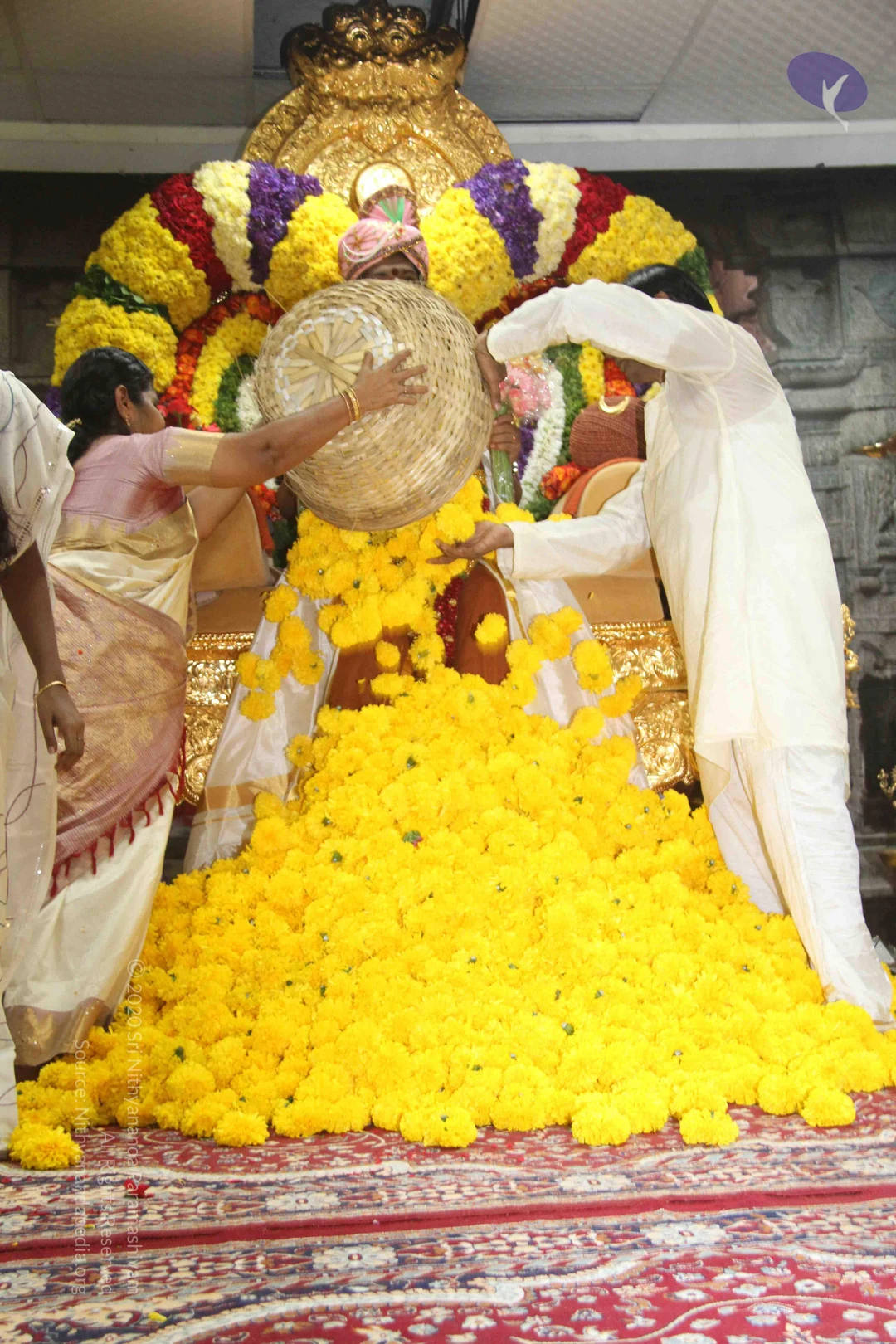
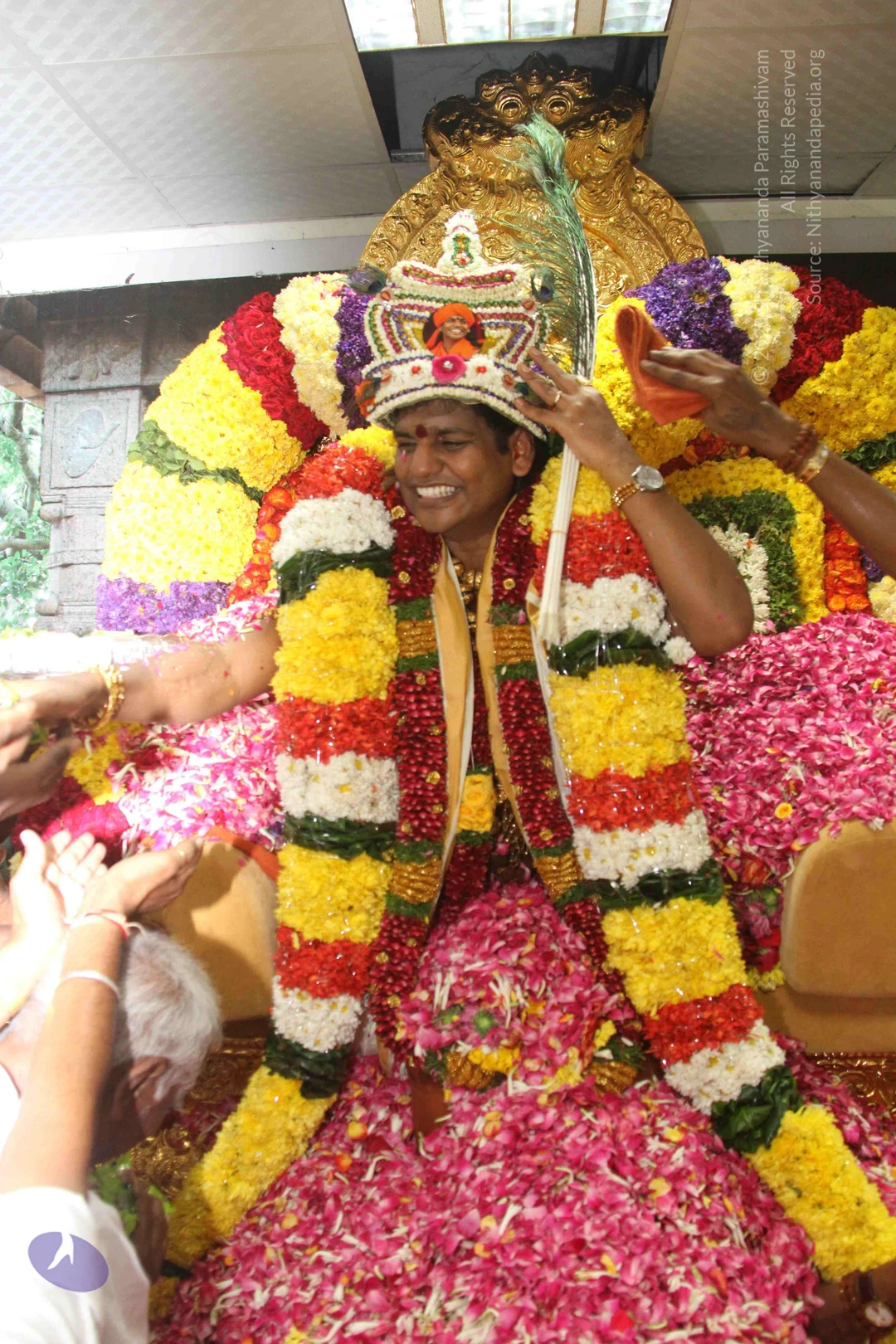
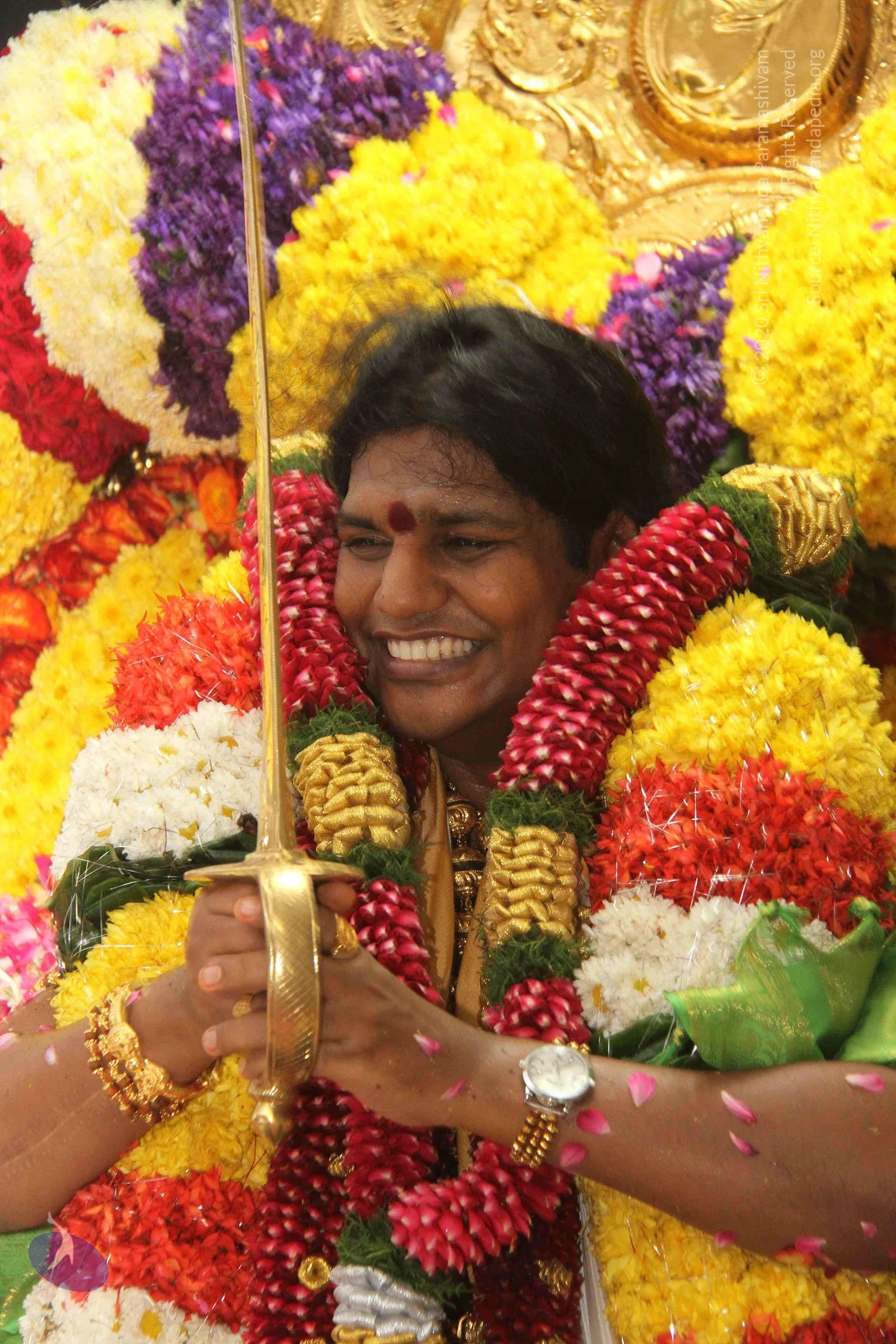
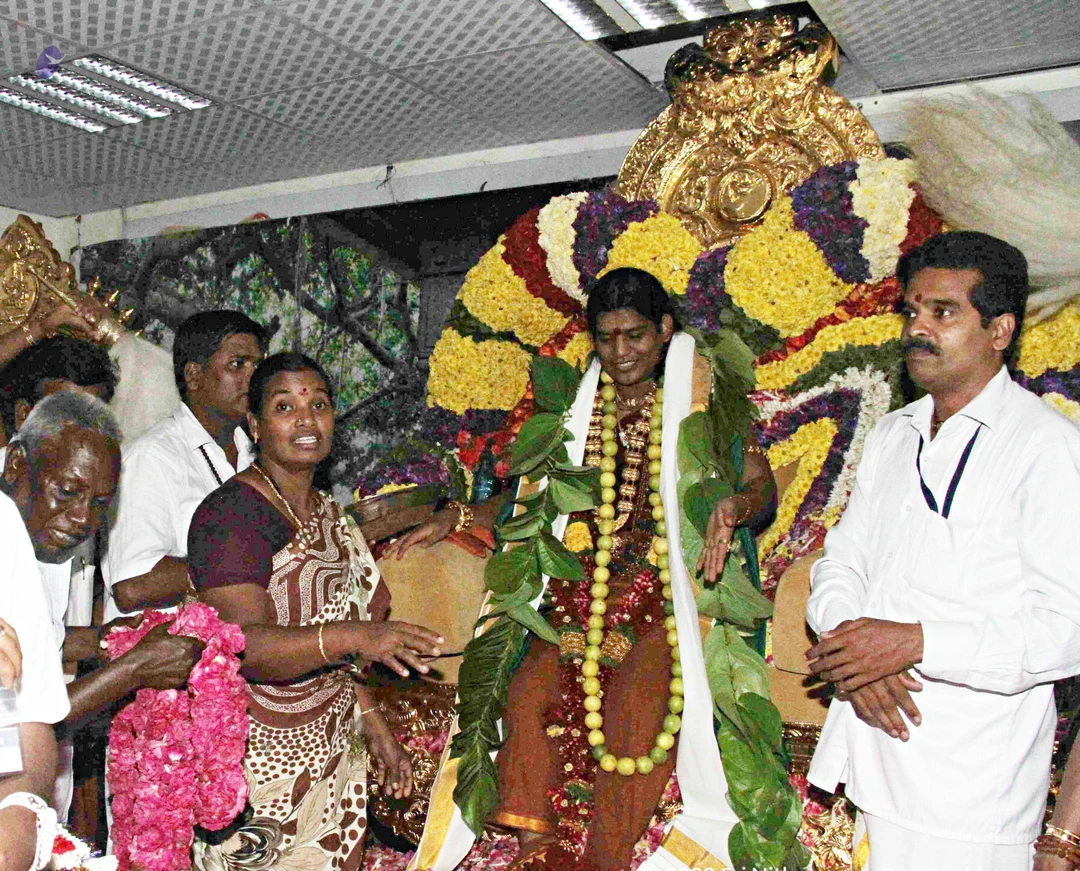
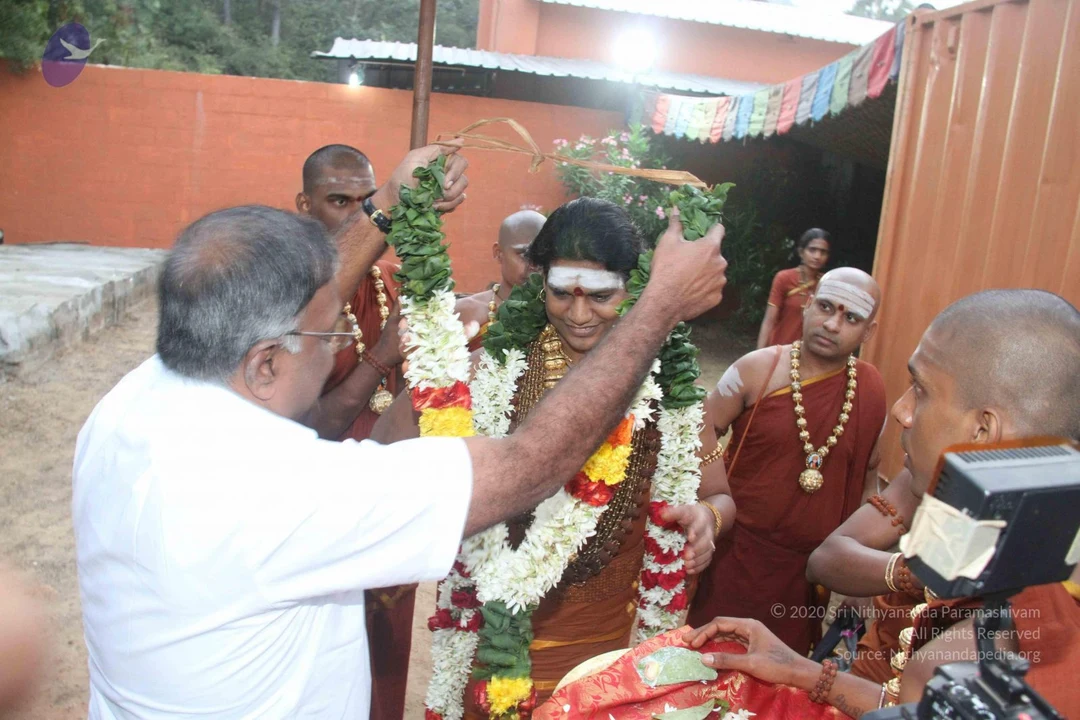
Madhukar Swamiji Greeting Paramahamsa nithyananda on his 36th Avatar Day

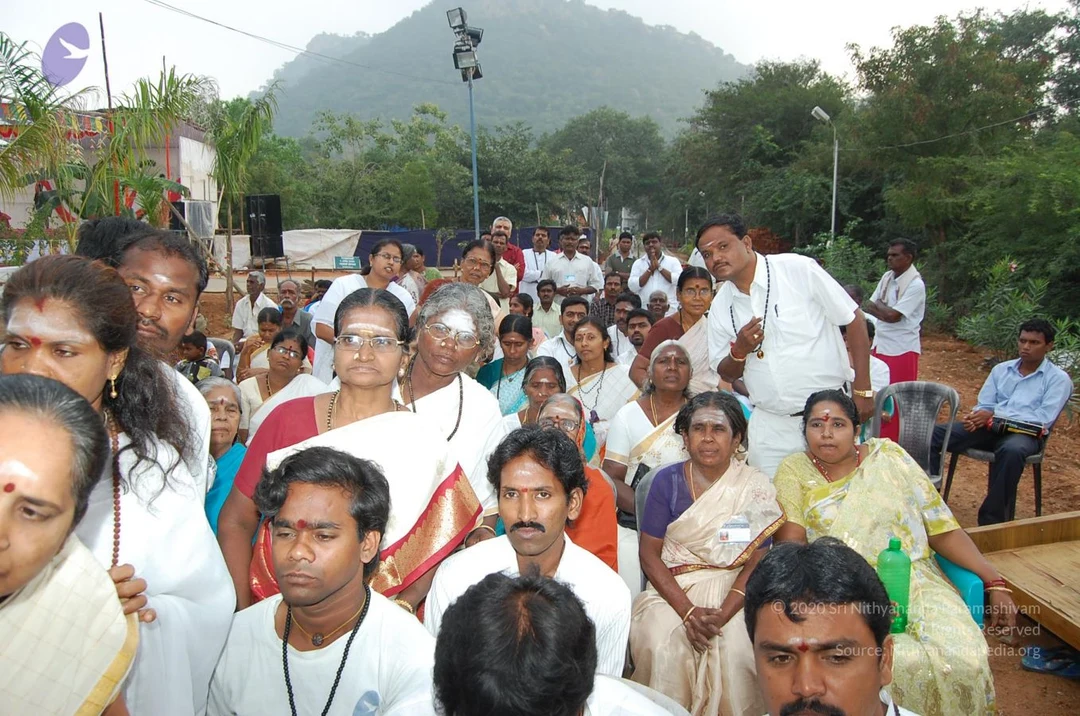
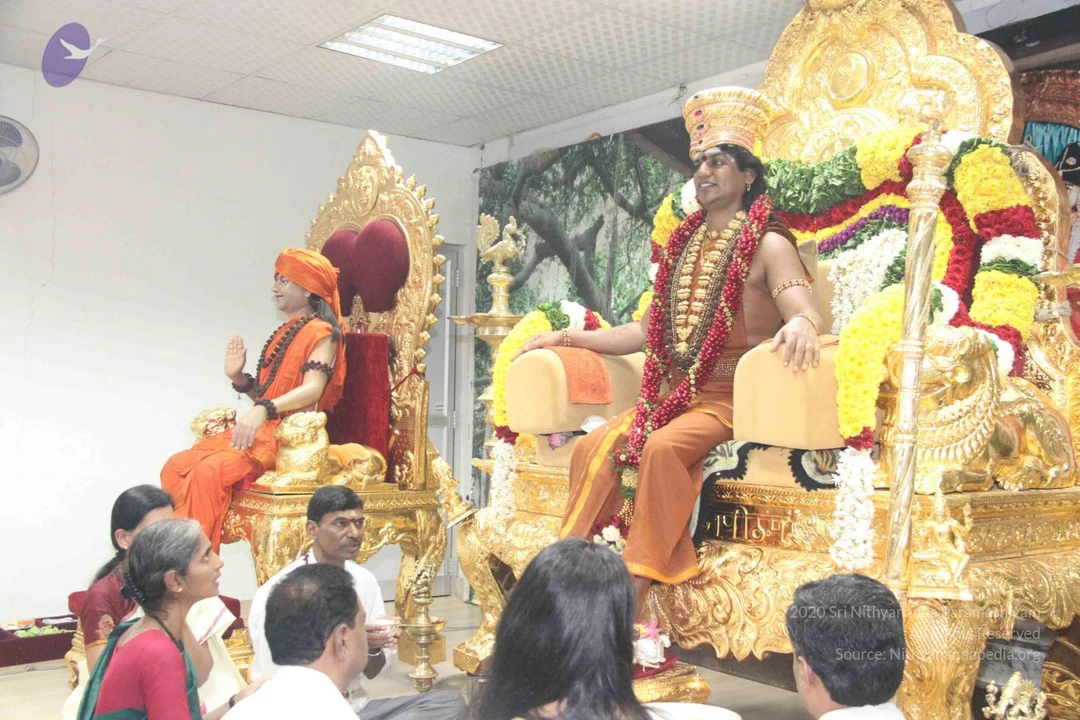
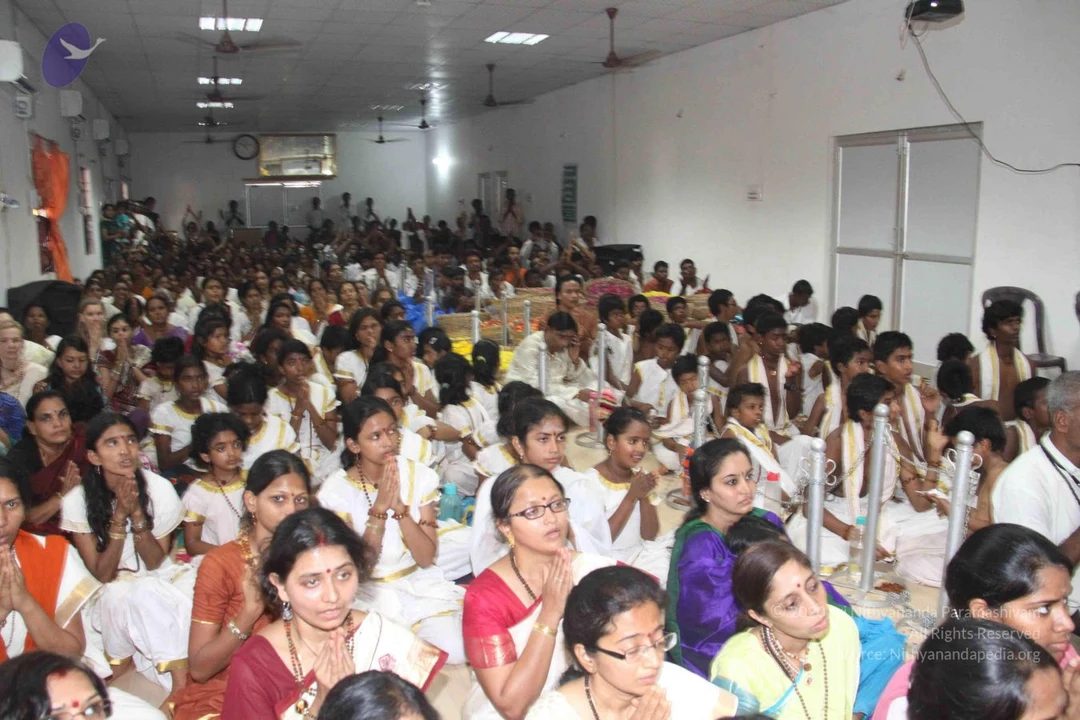
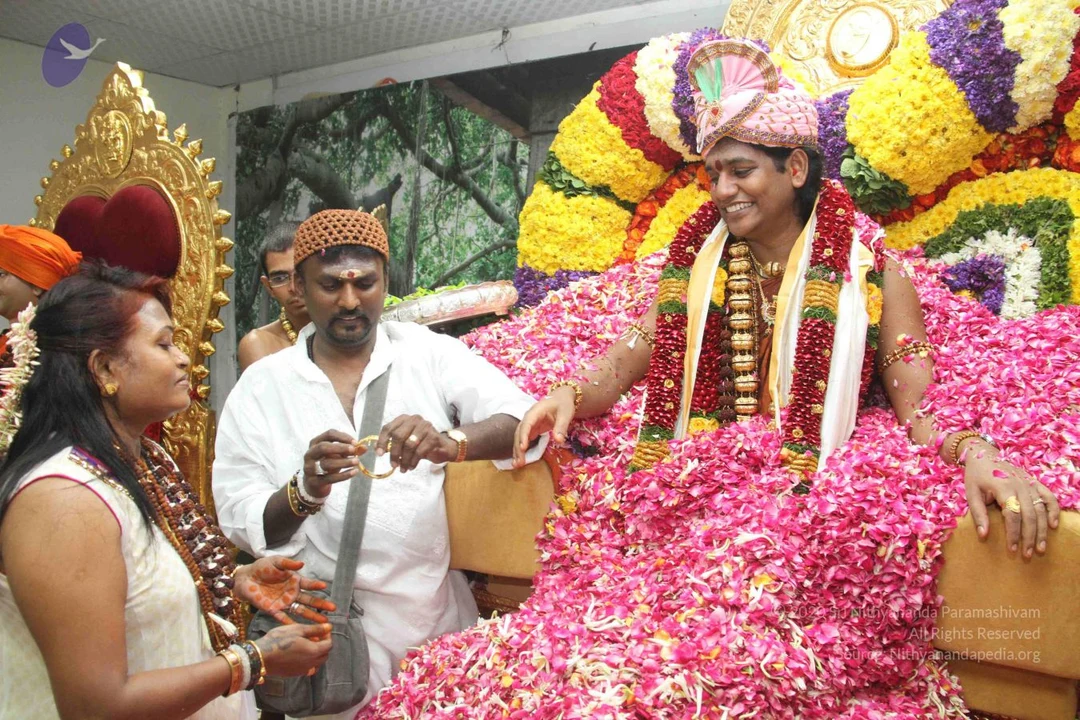
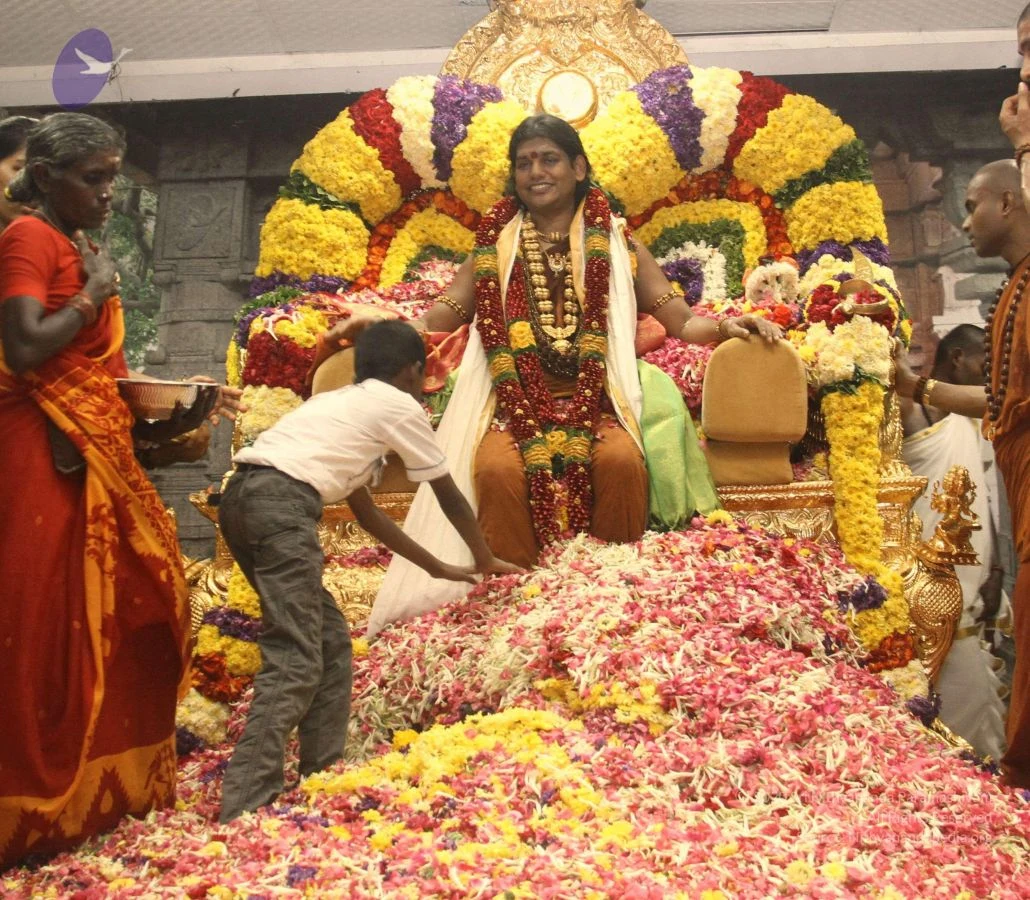
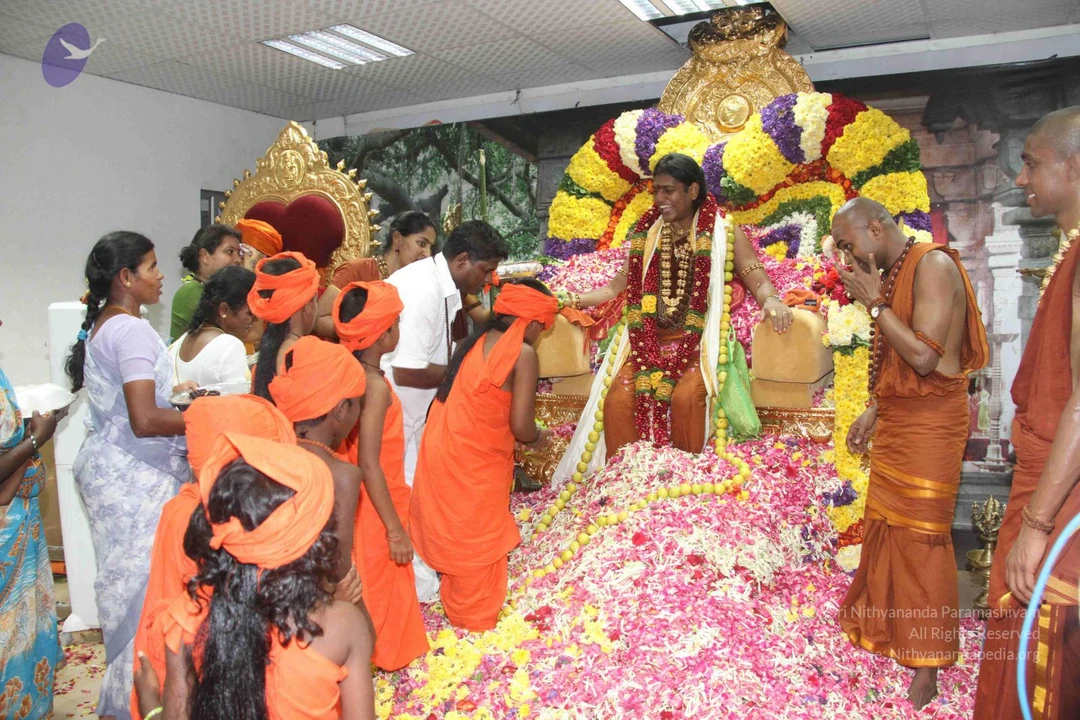
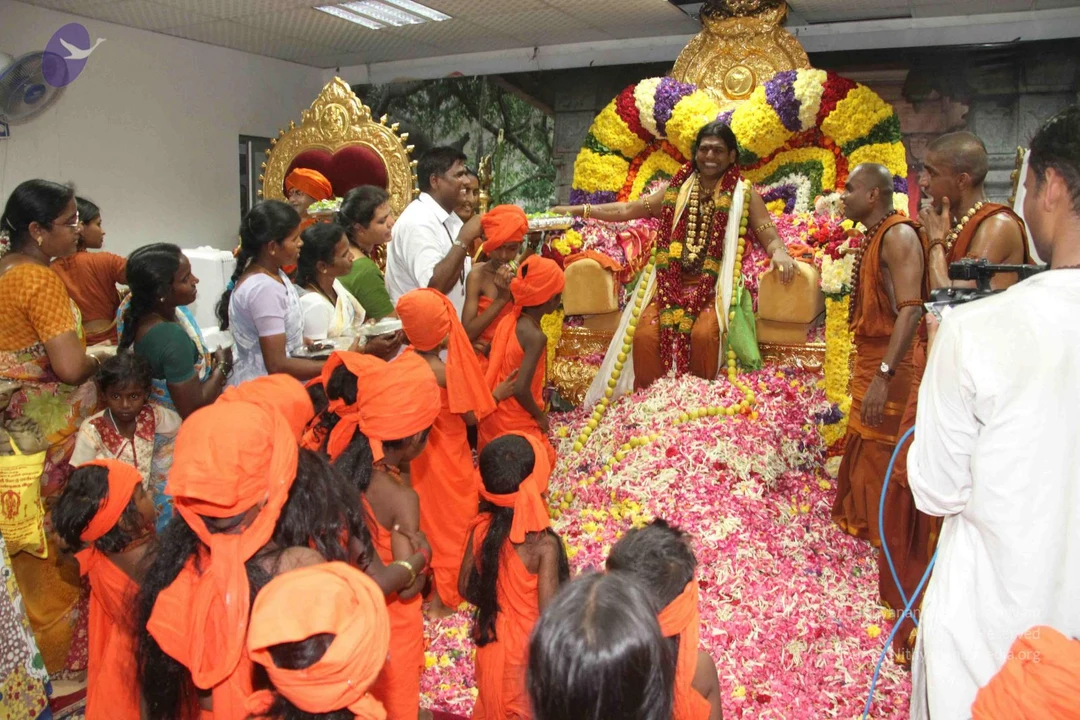
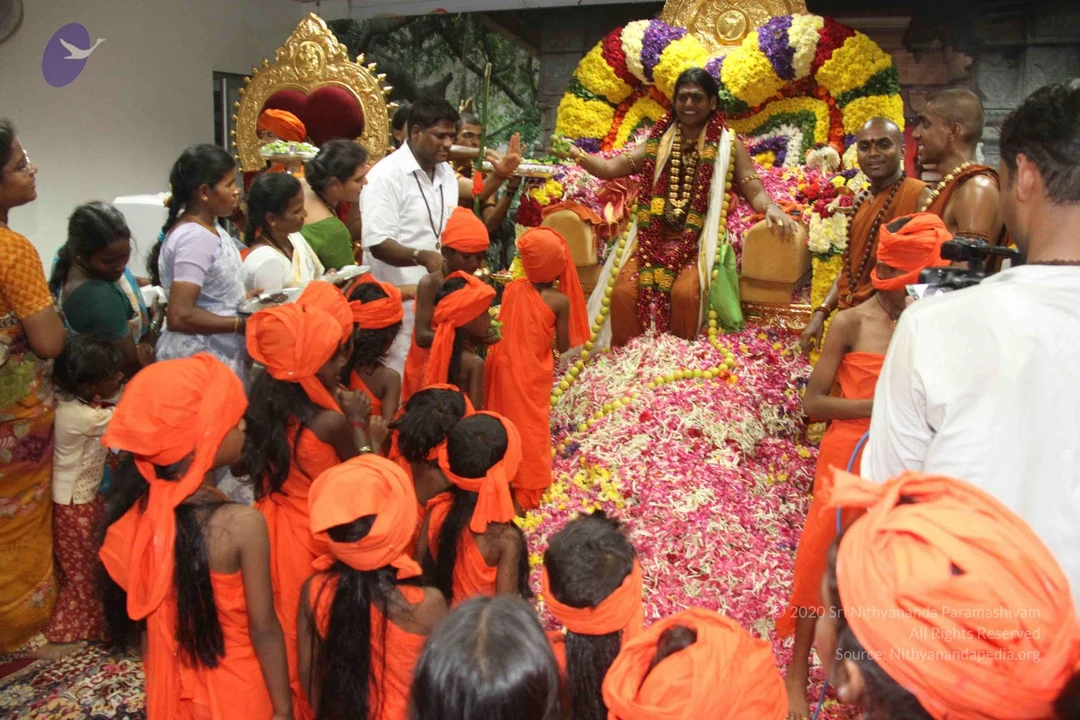
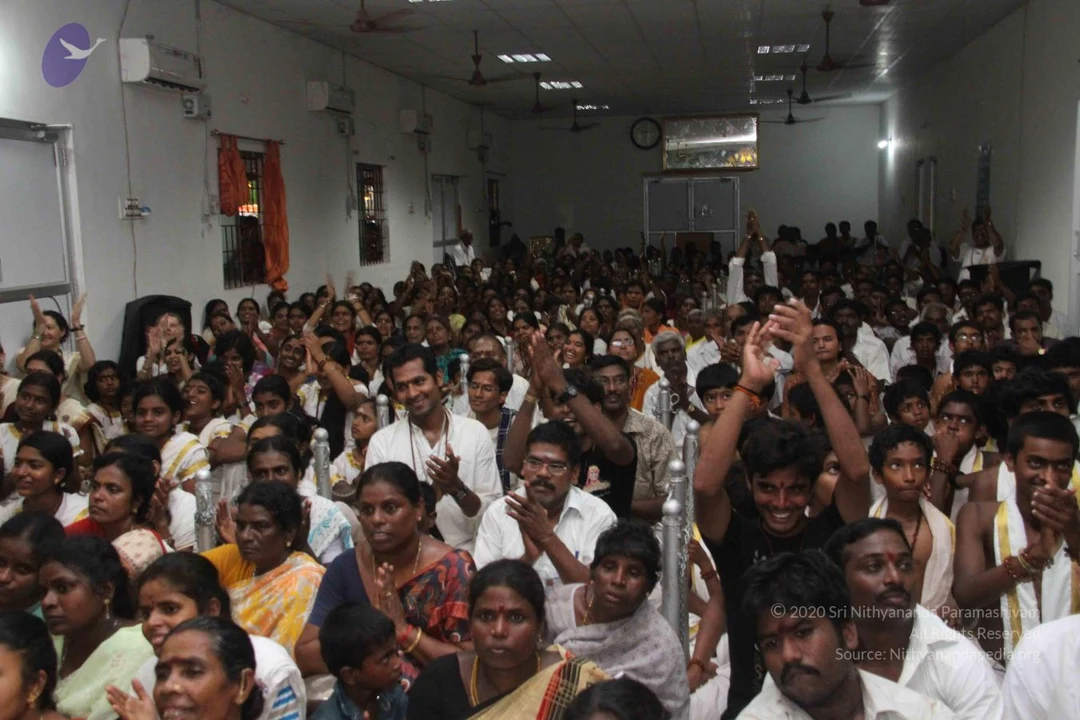
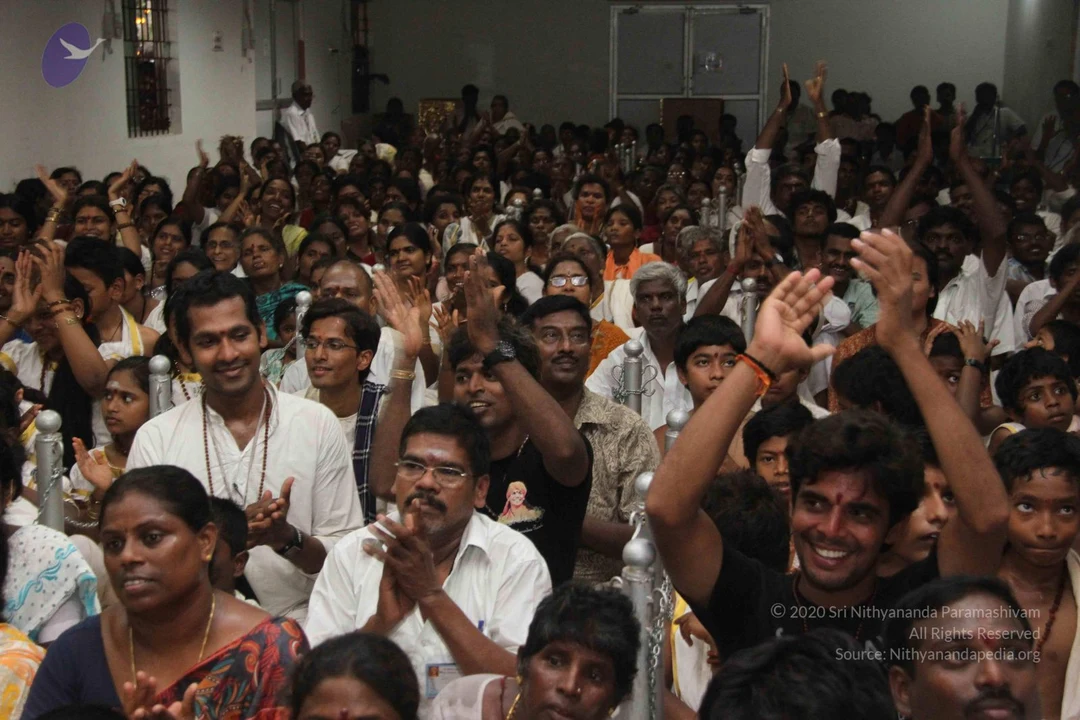
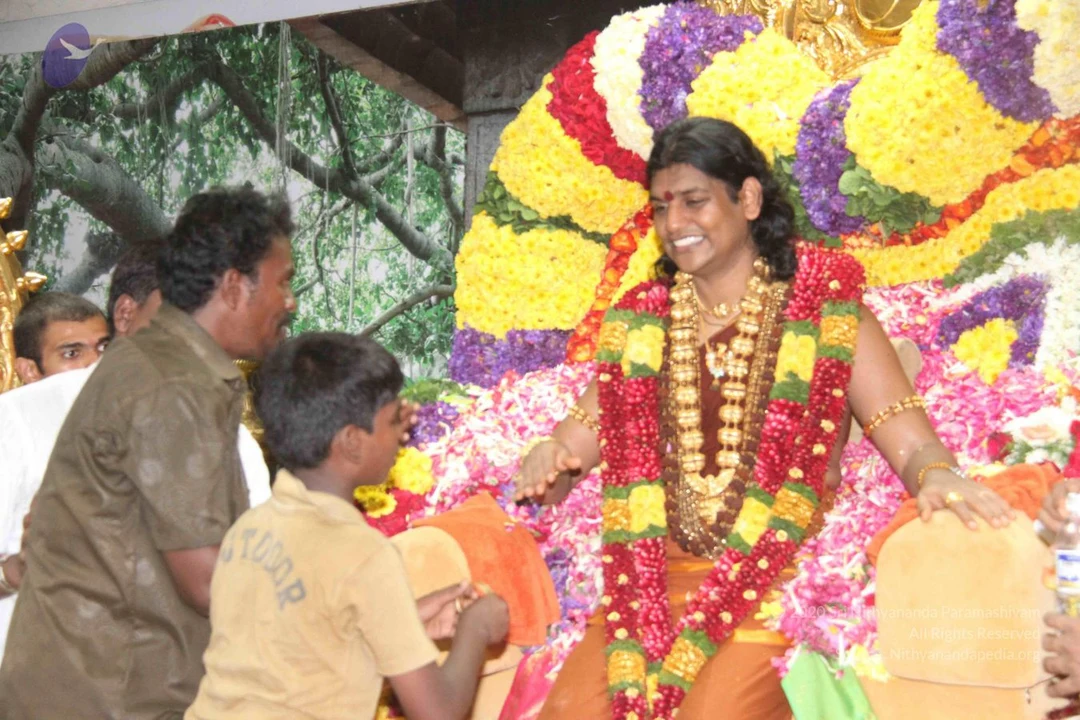
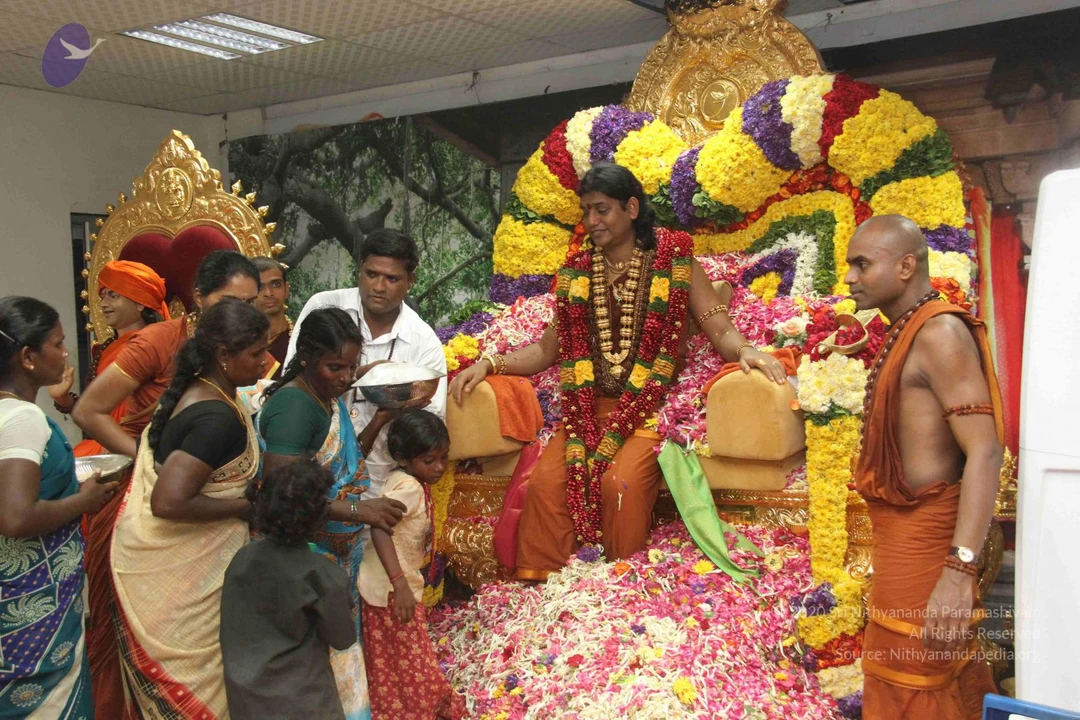
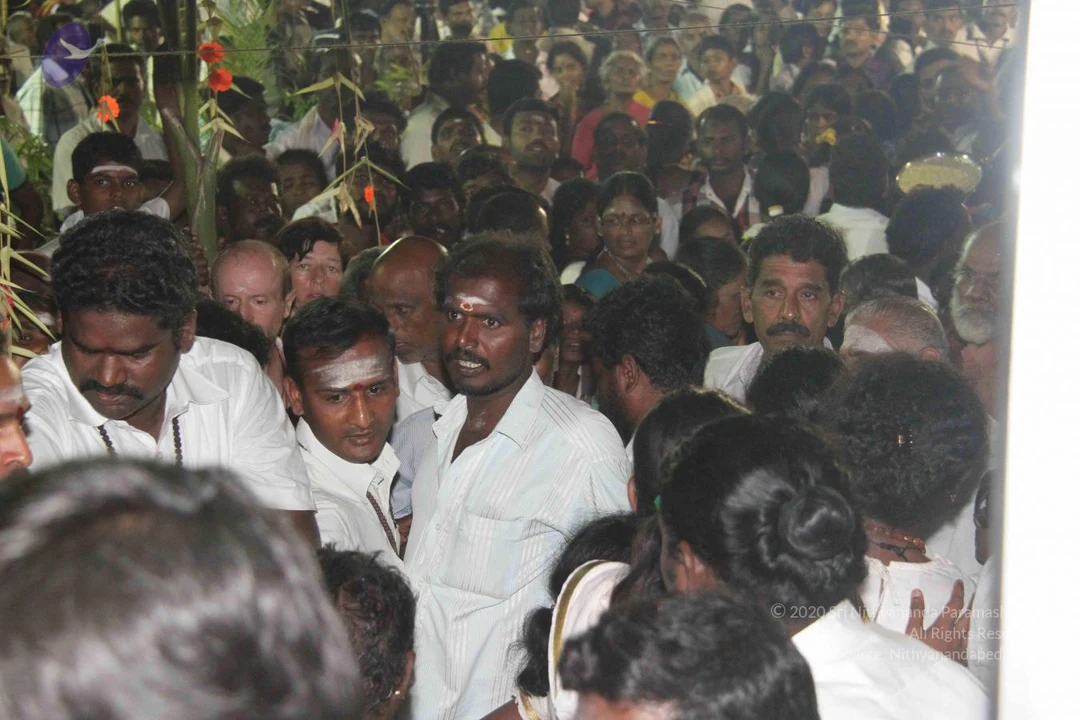
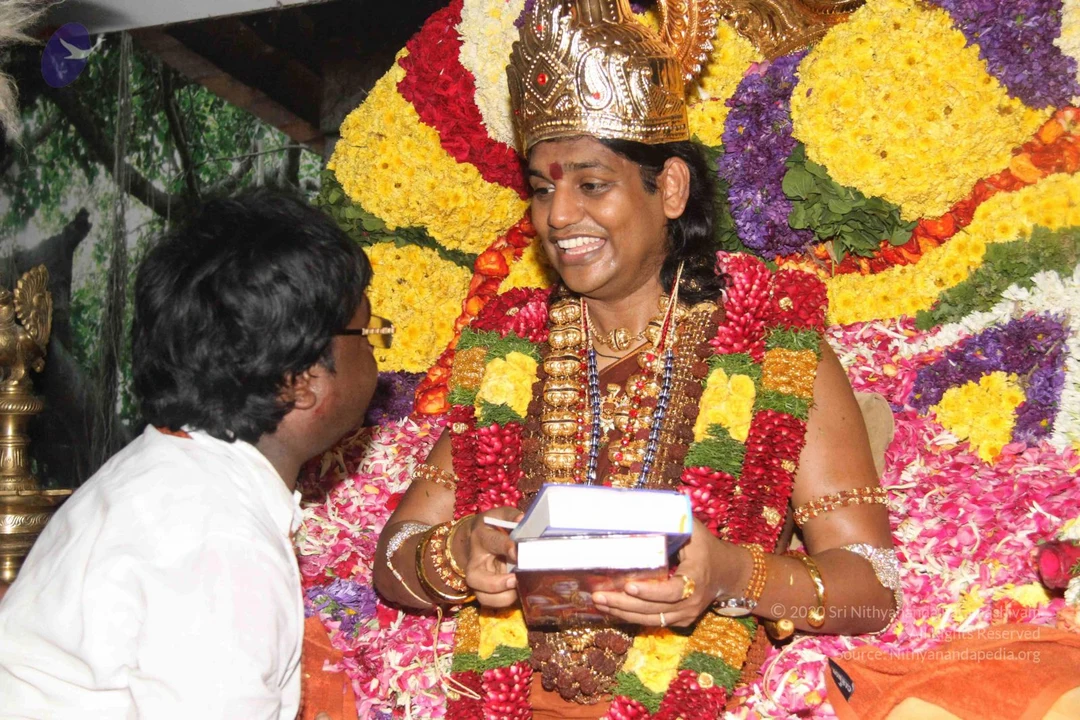
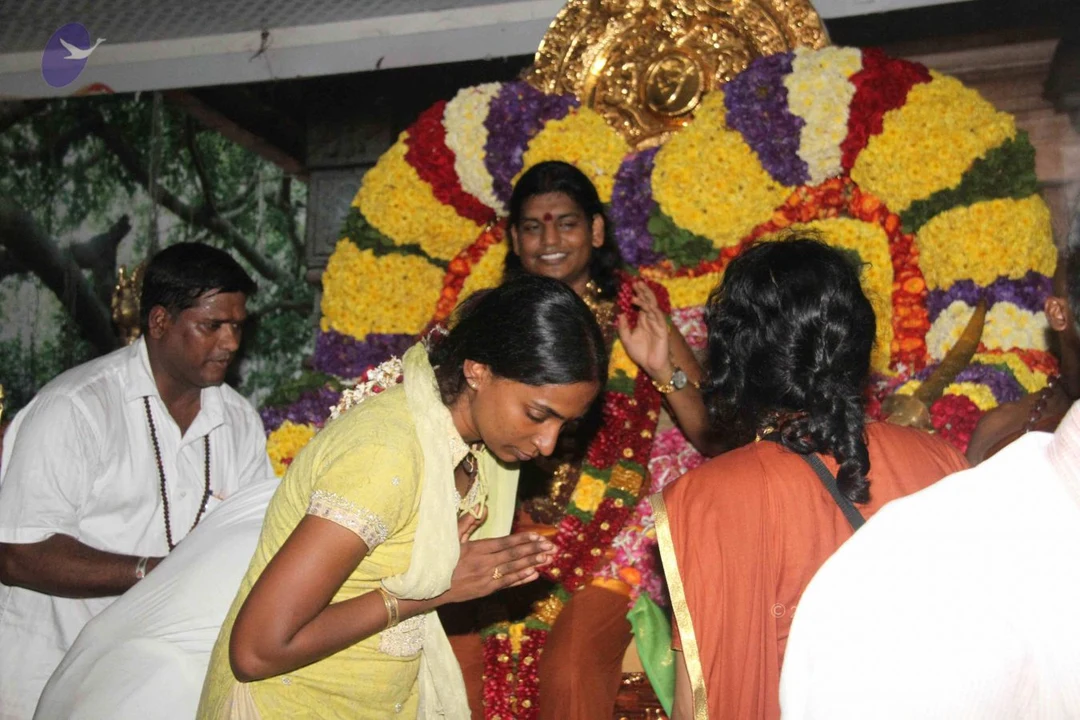
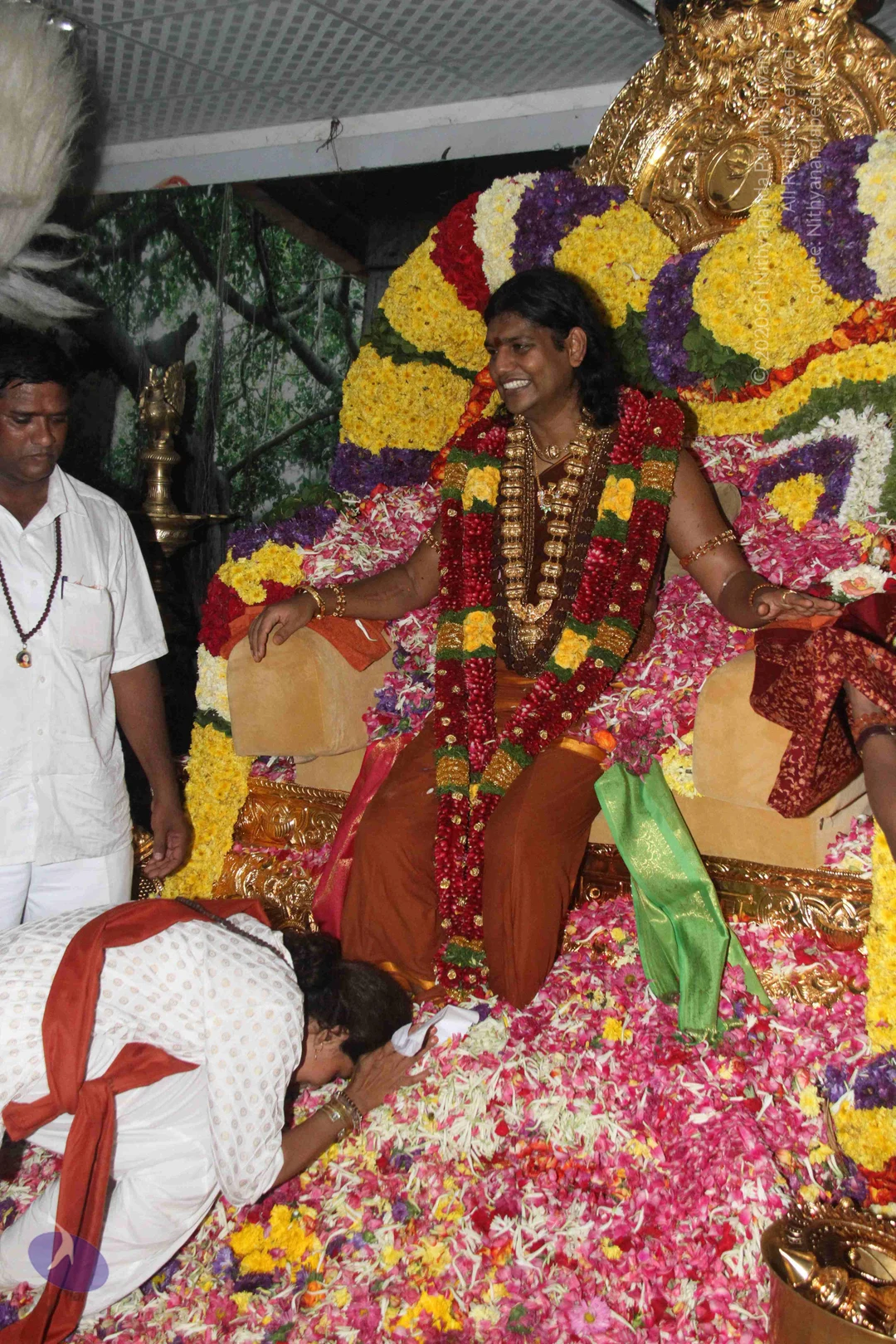
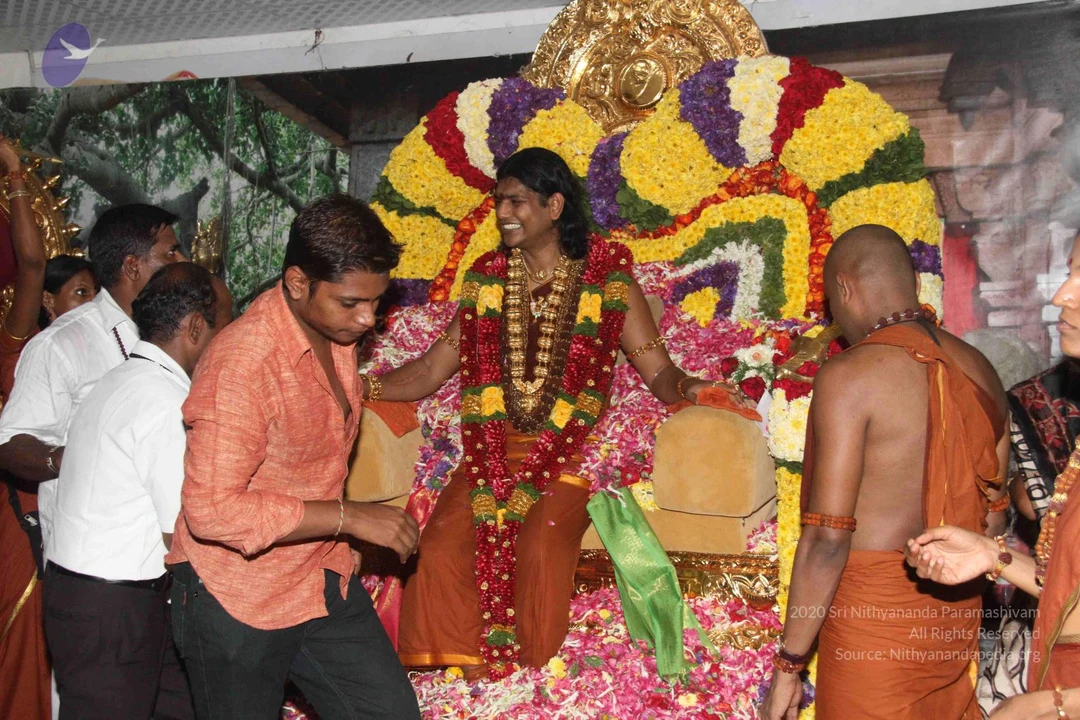
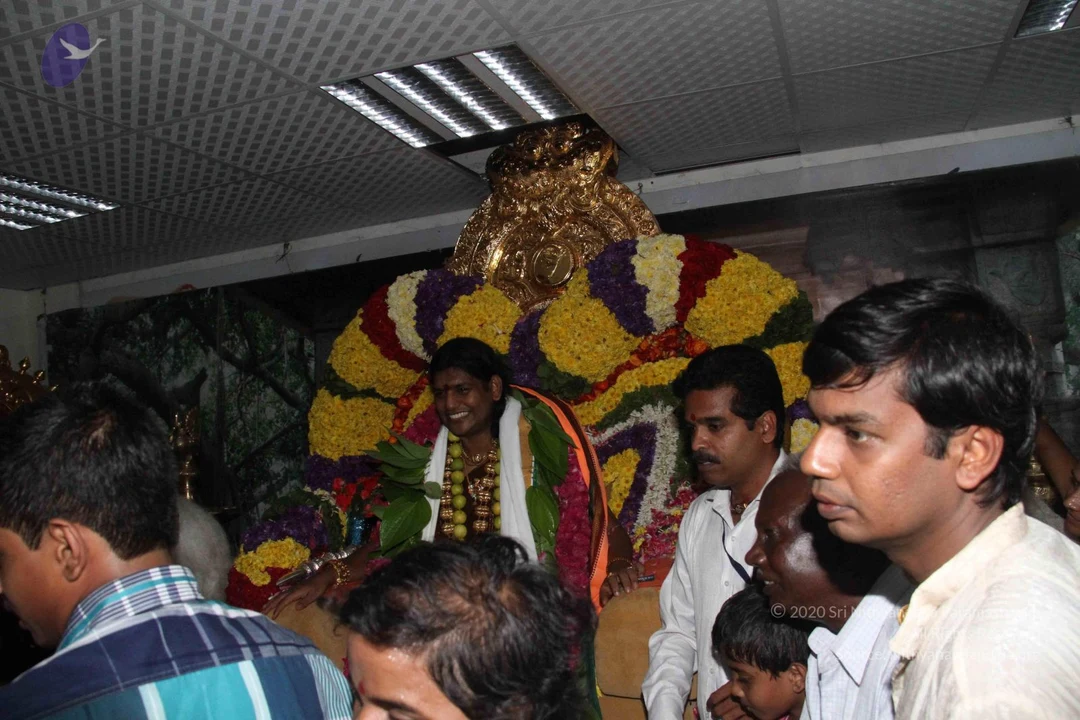
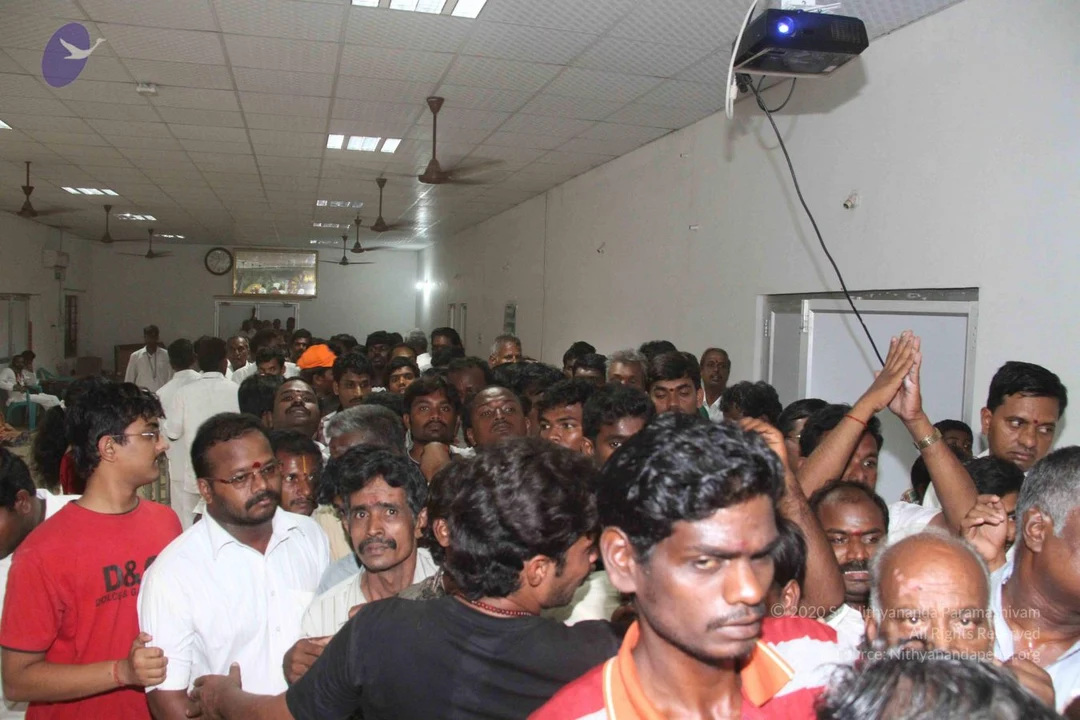
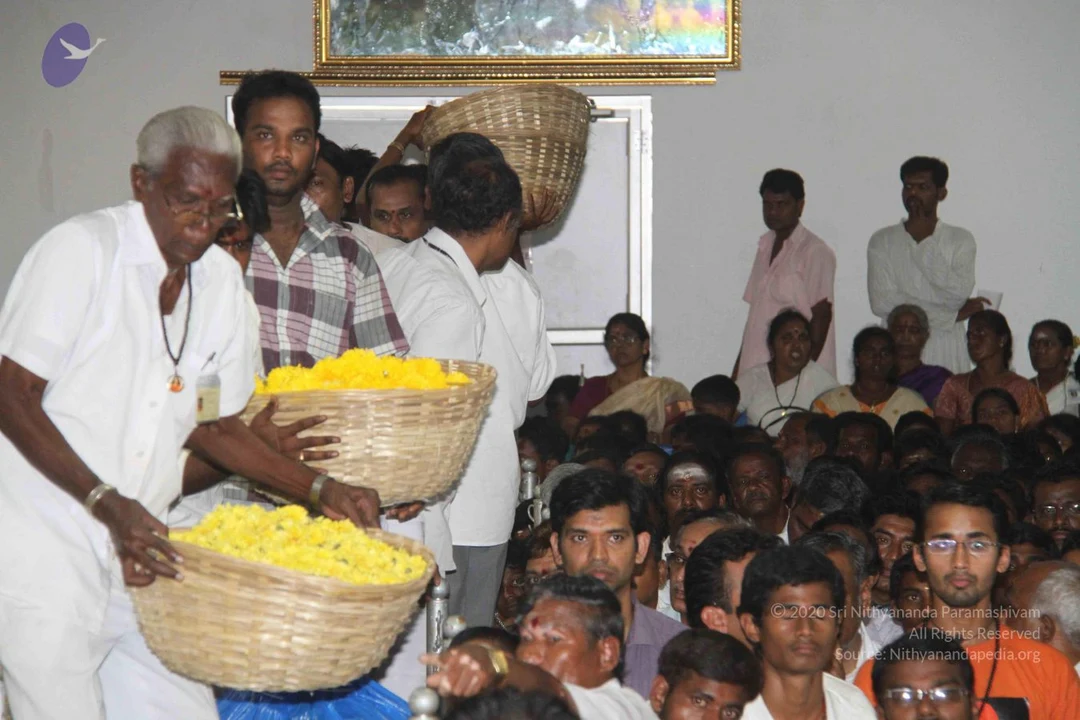
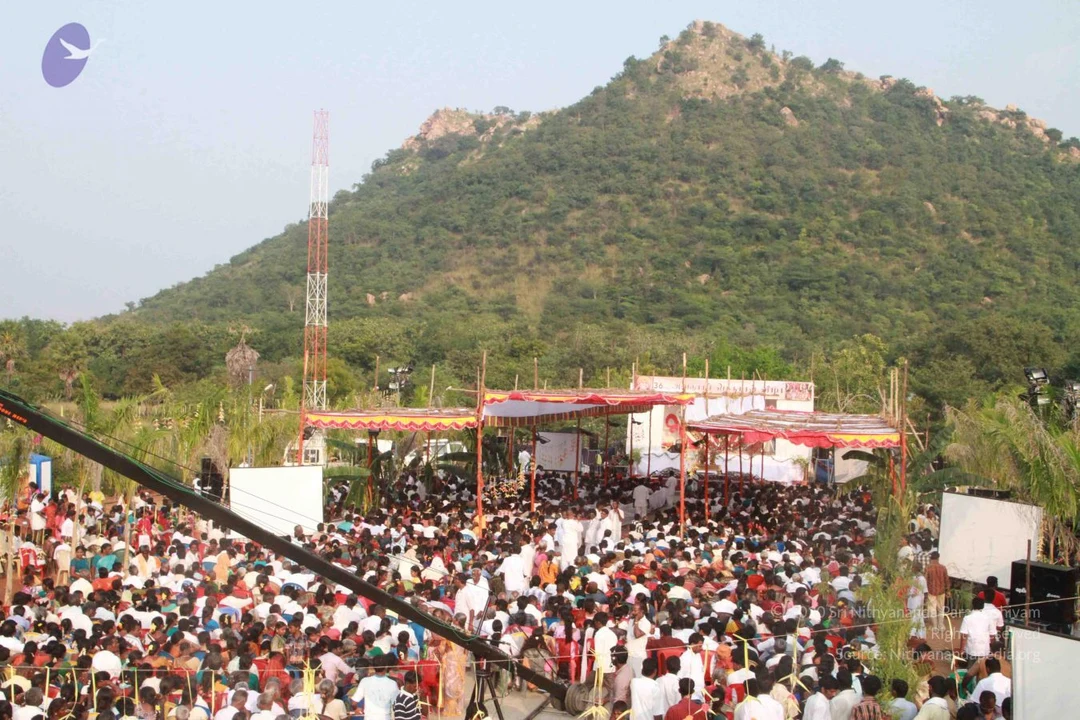
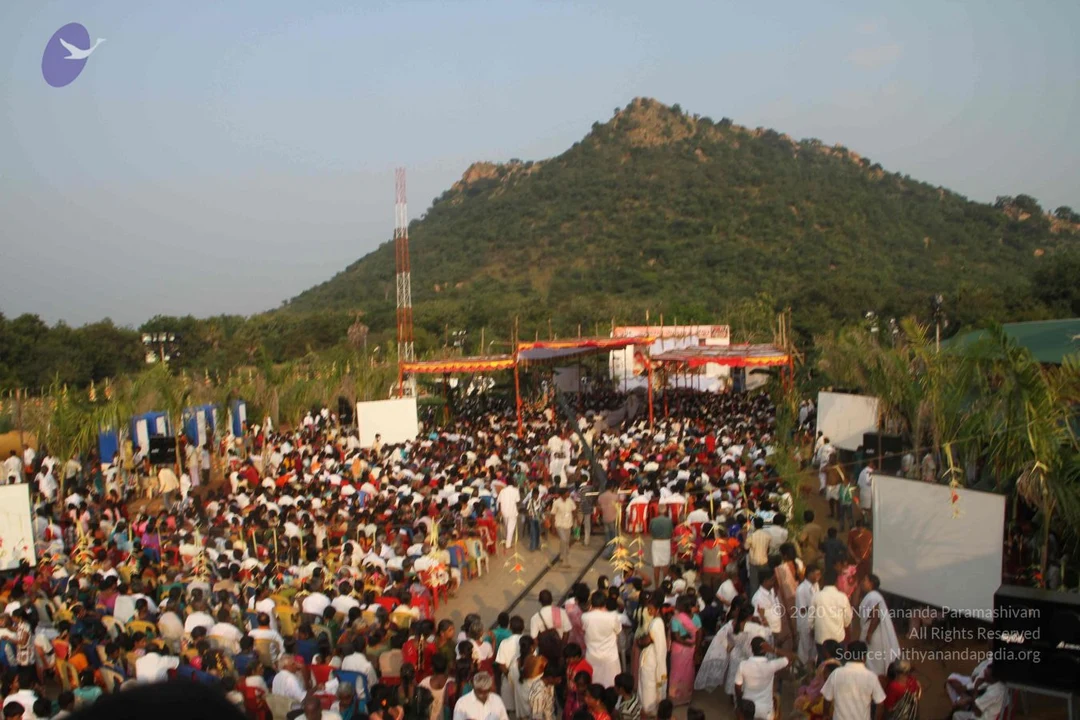
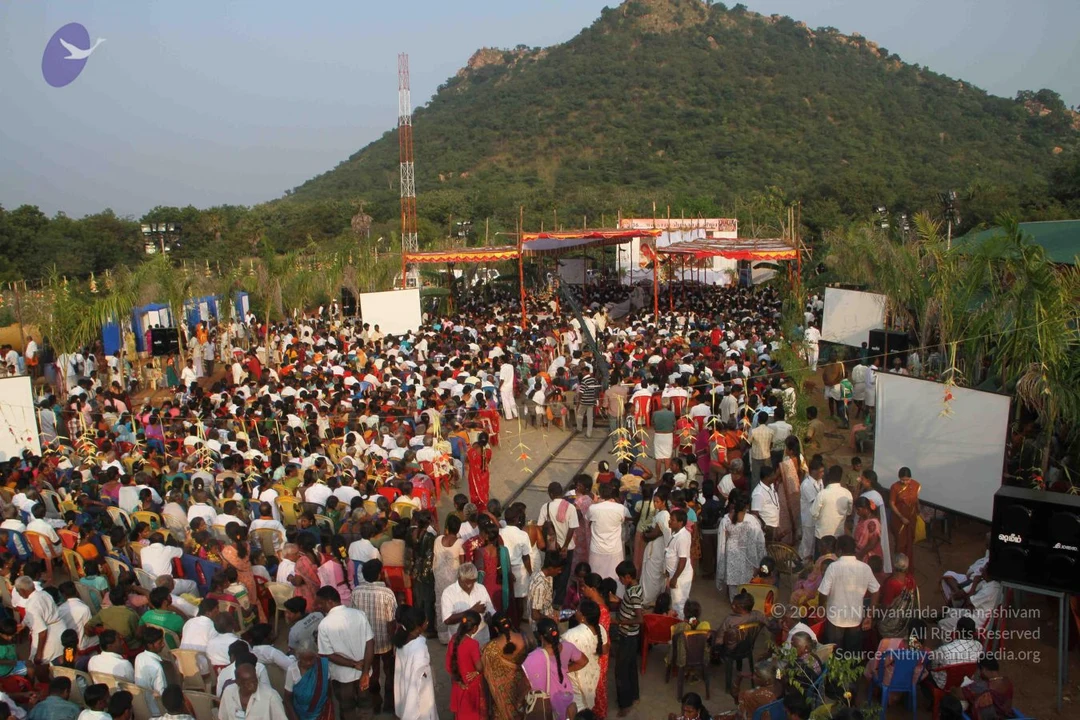
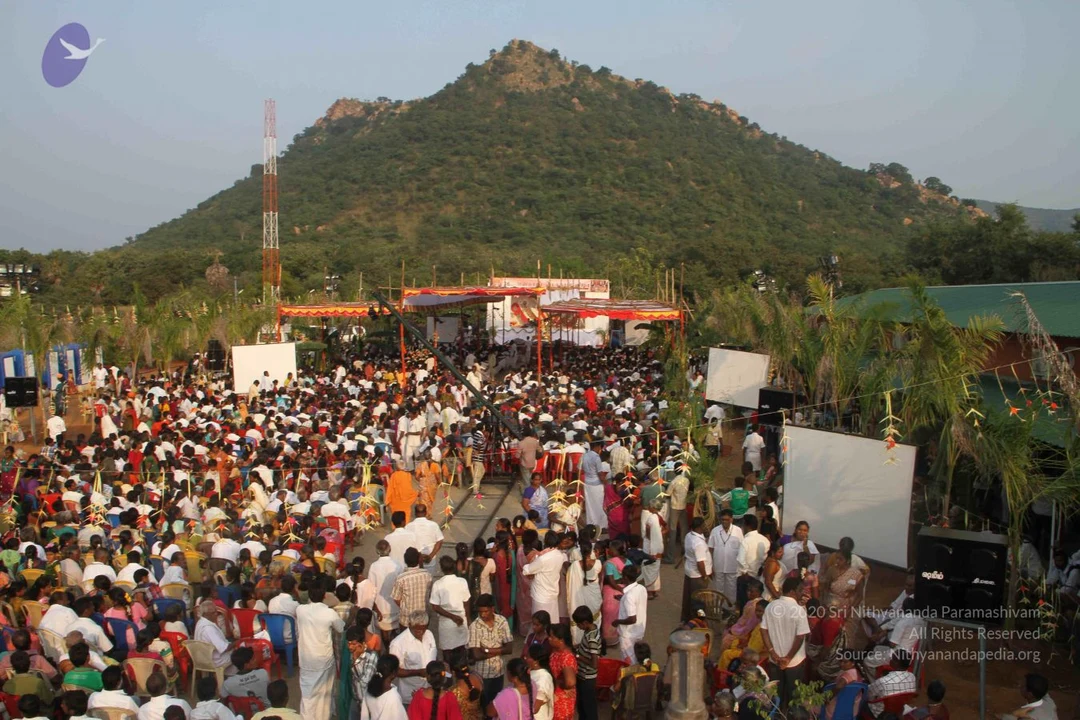
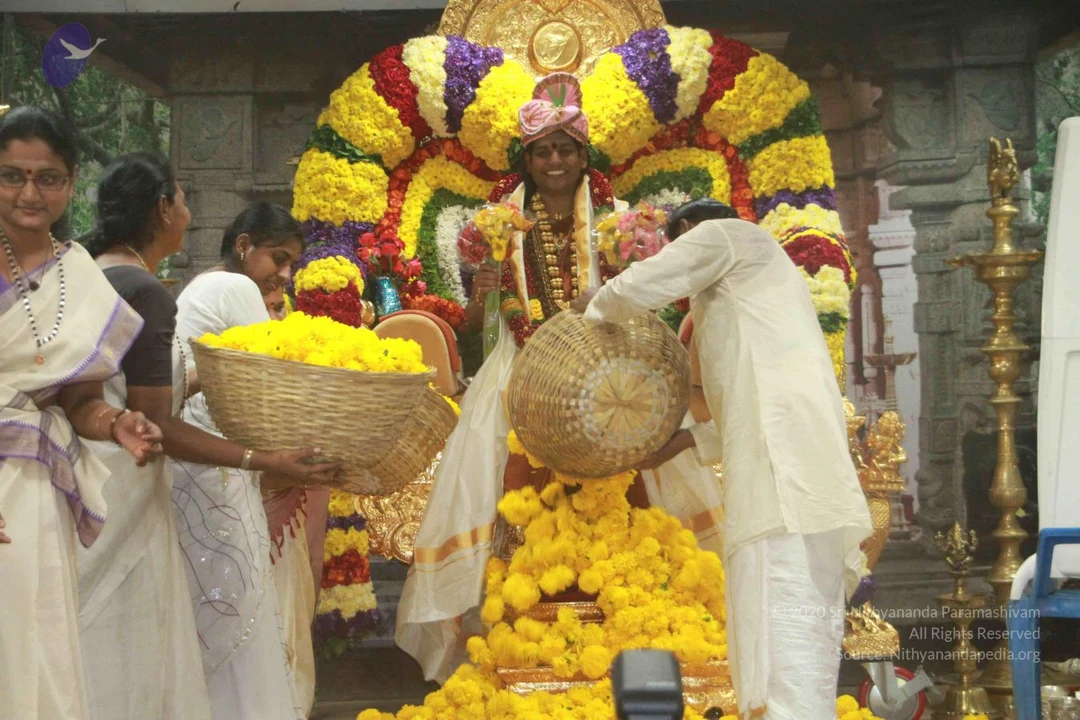
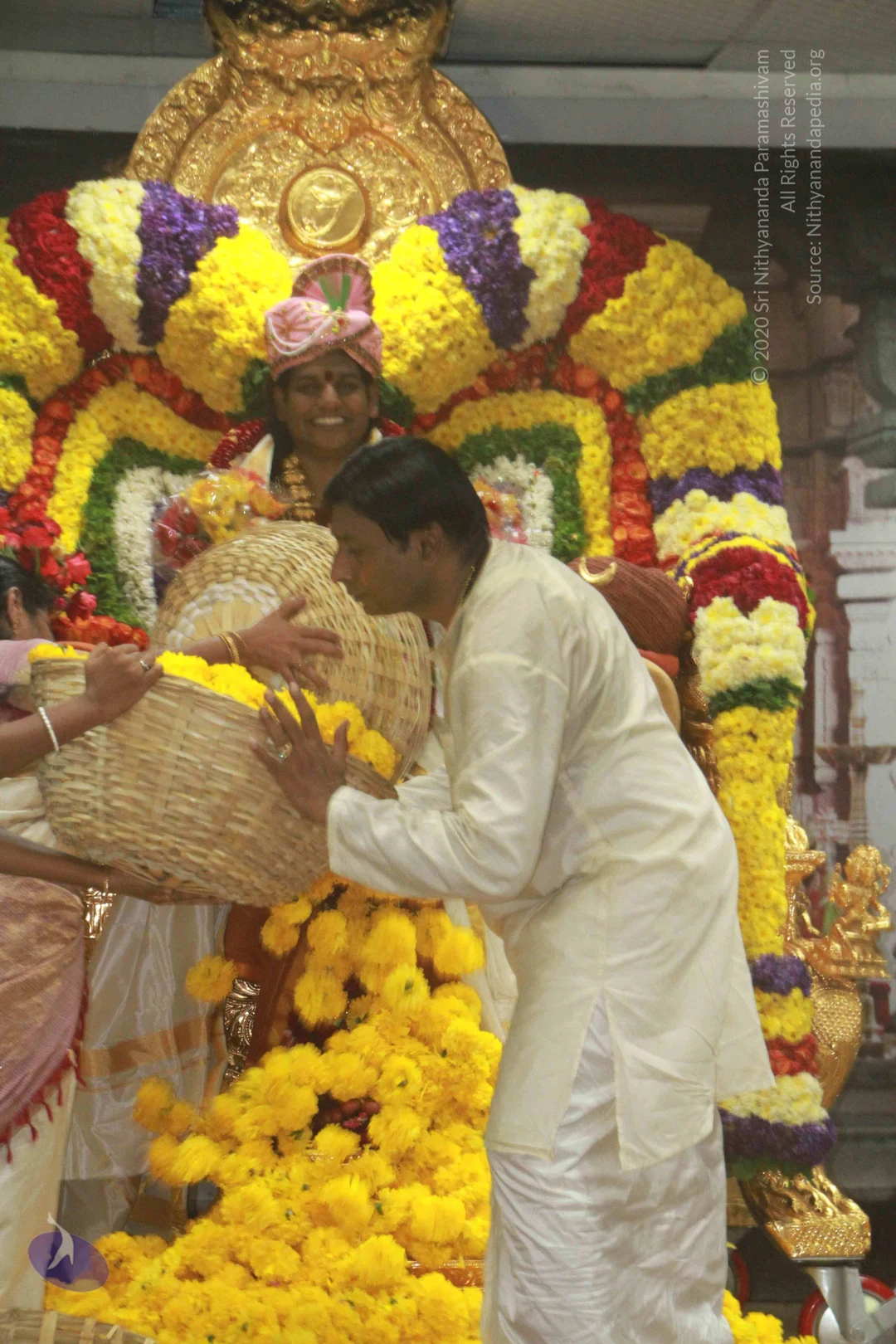
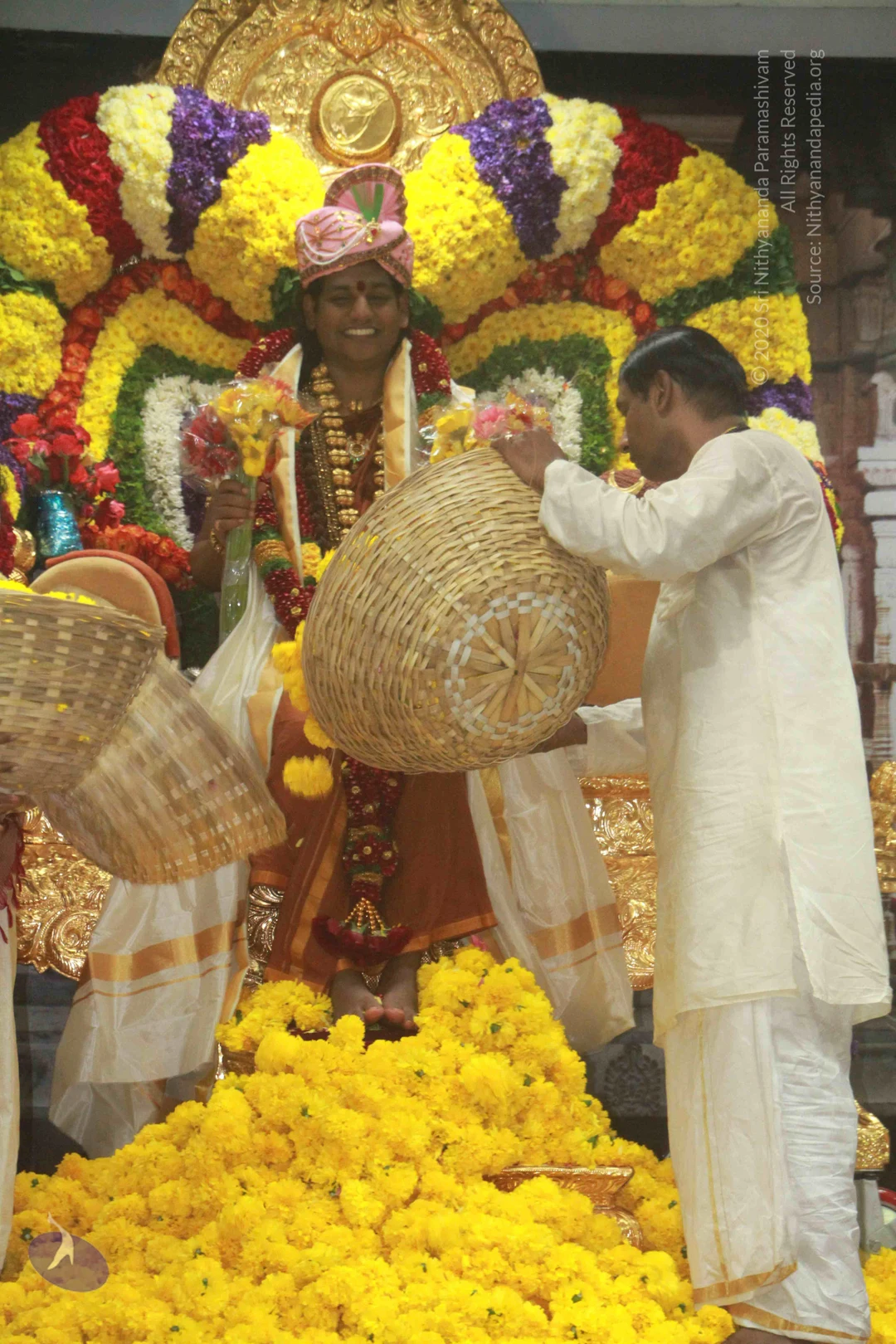
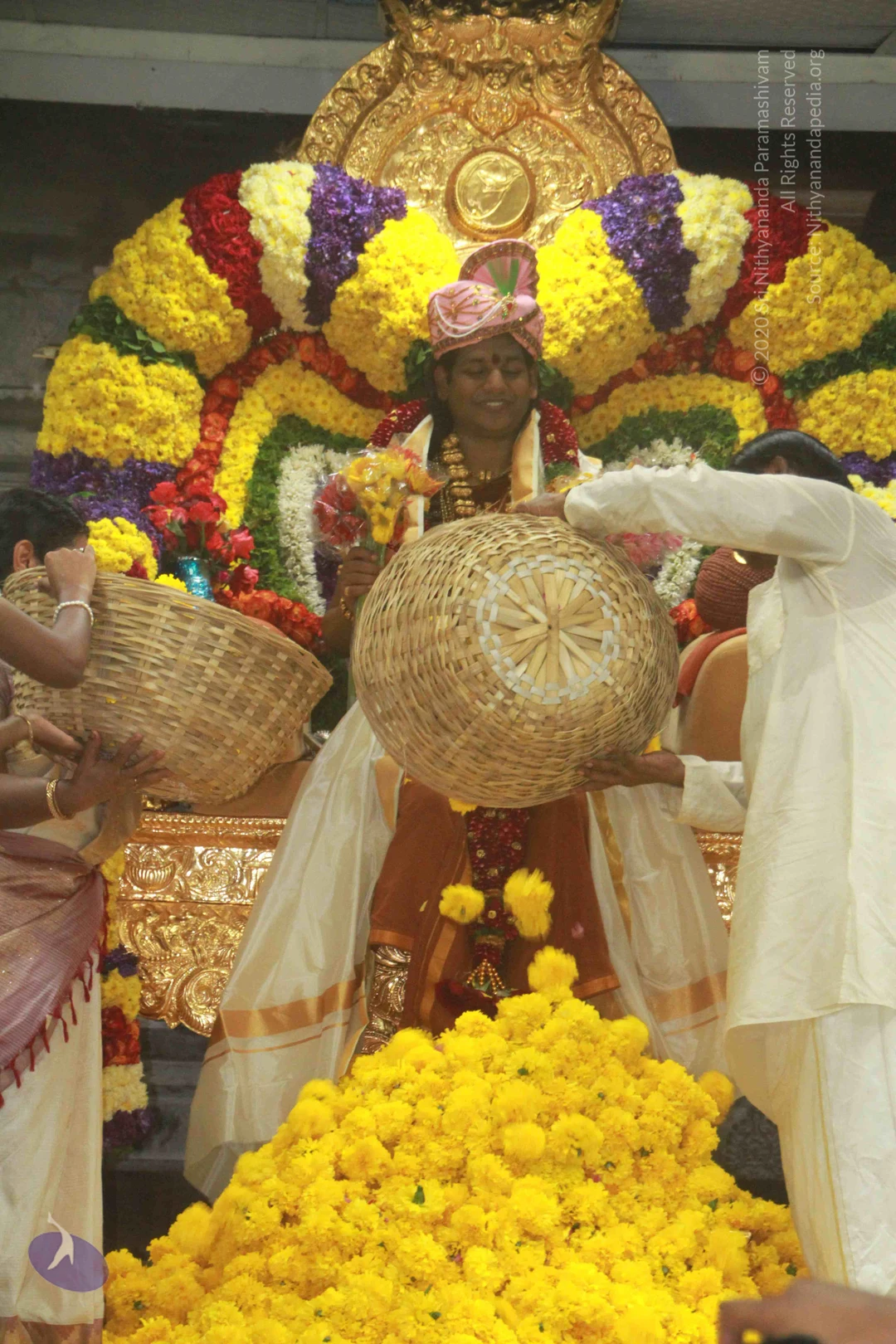
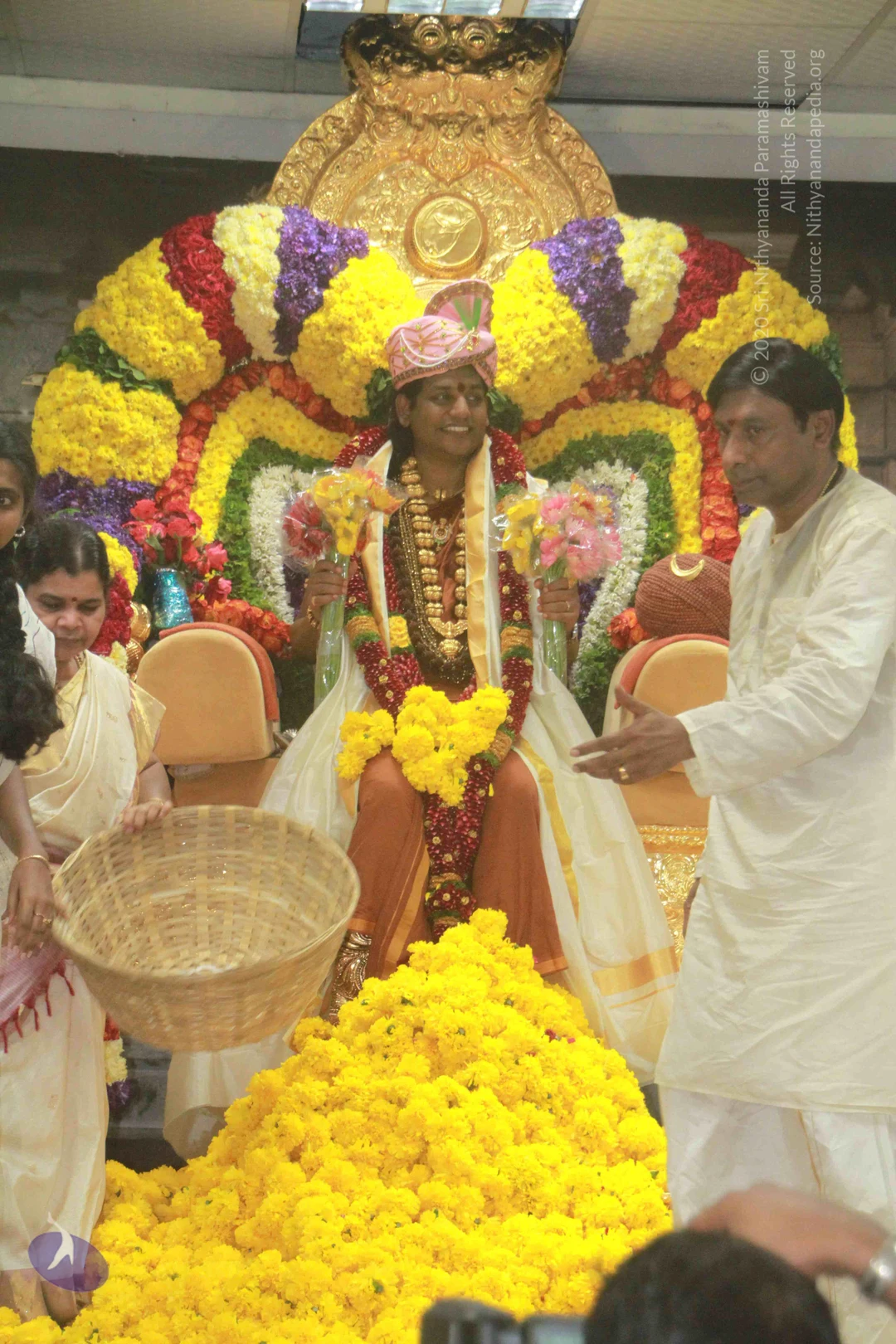
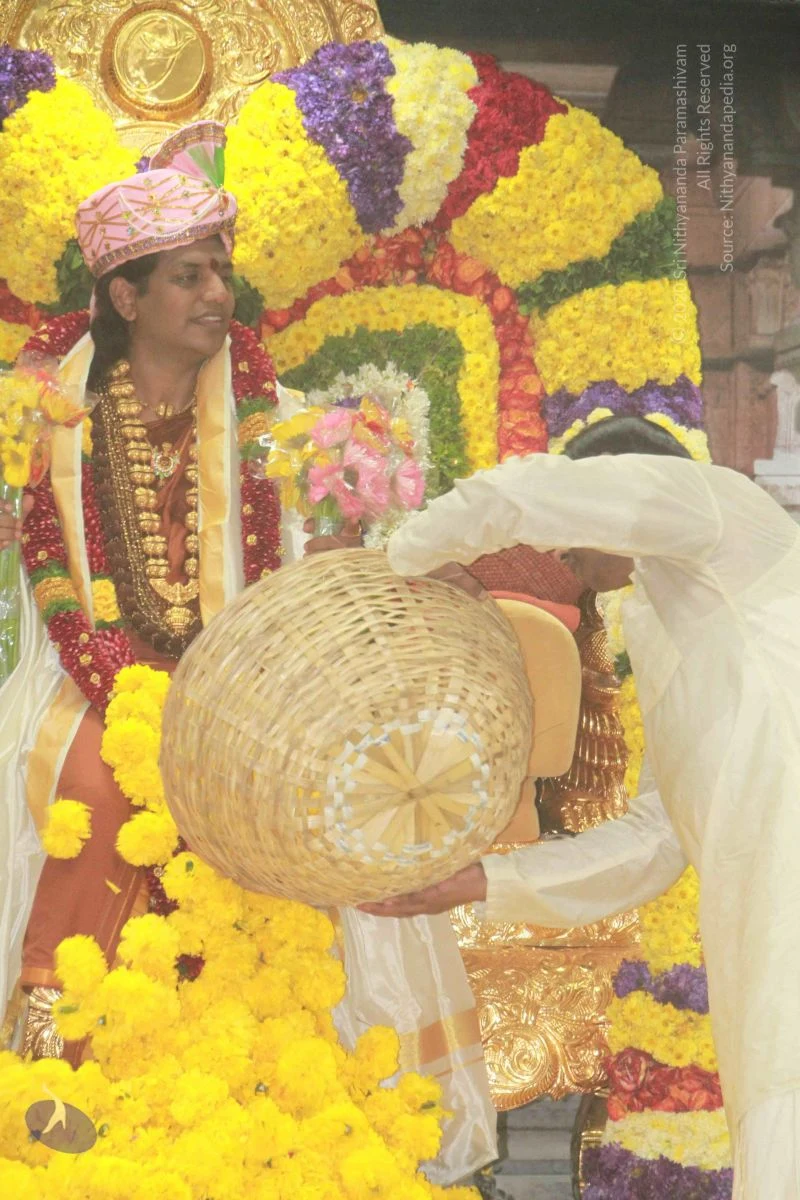
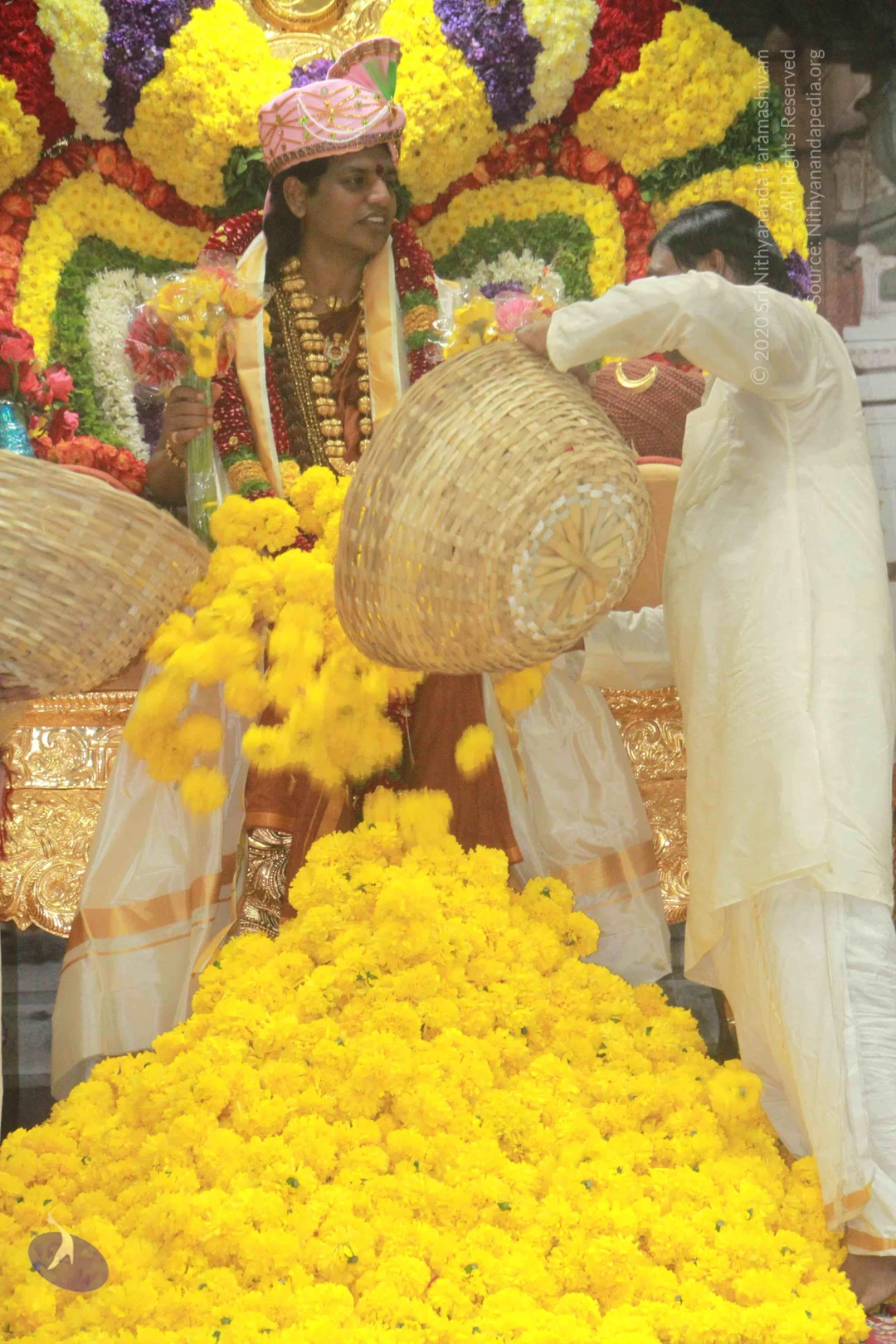
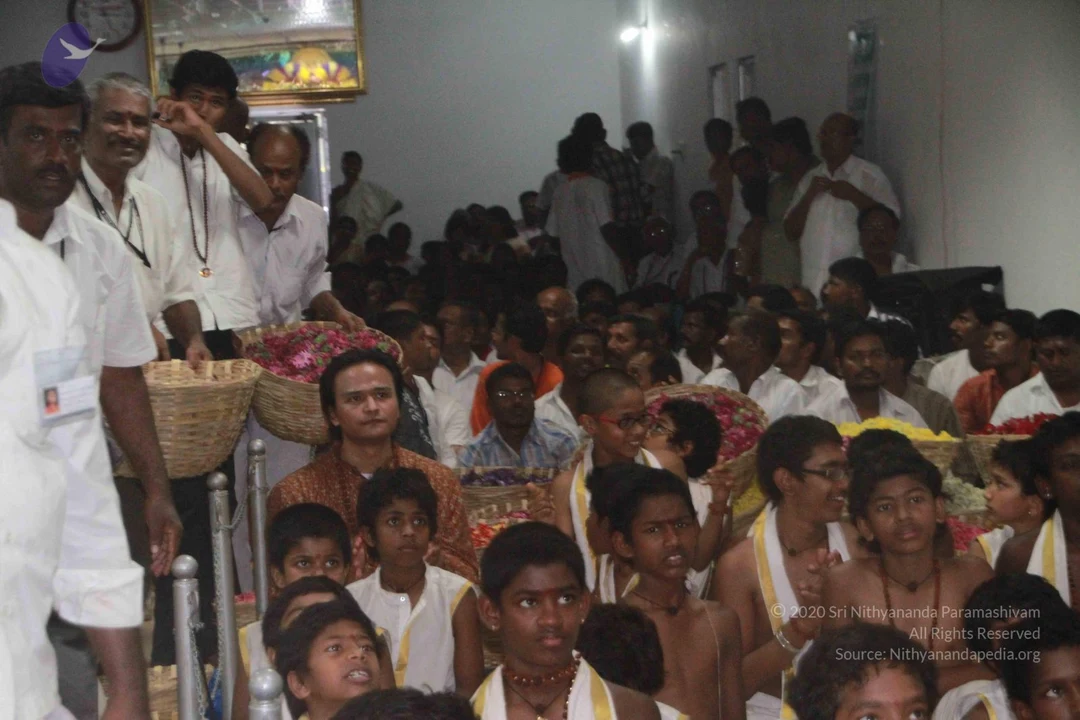
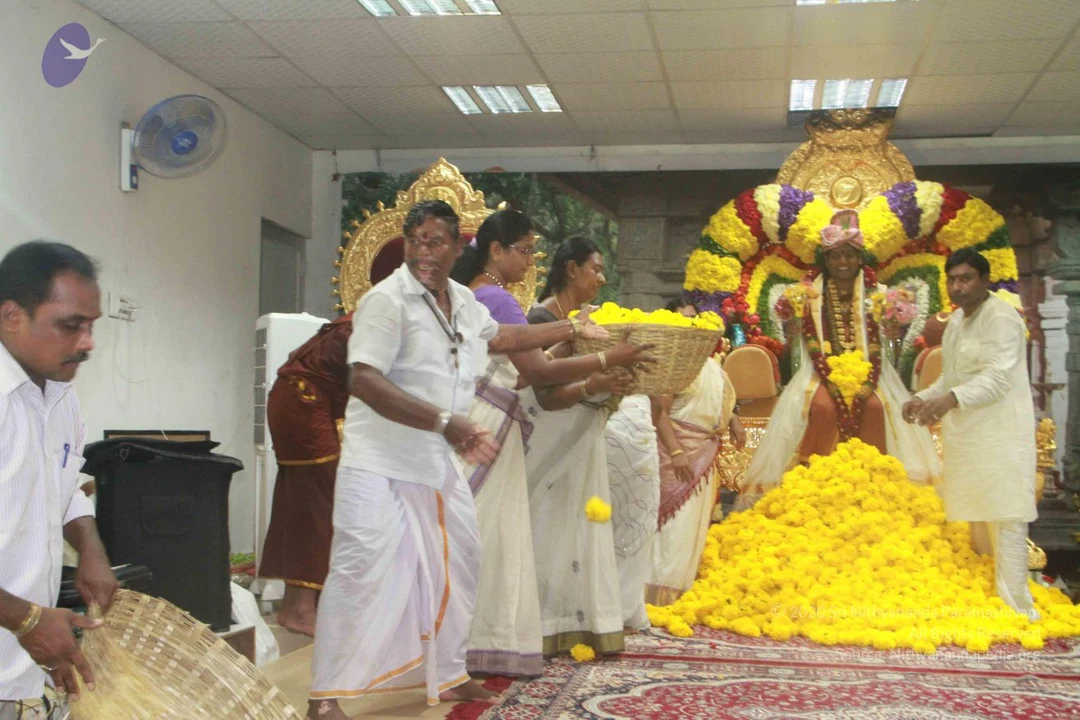
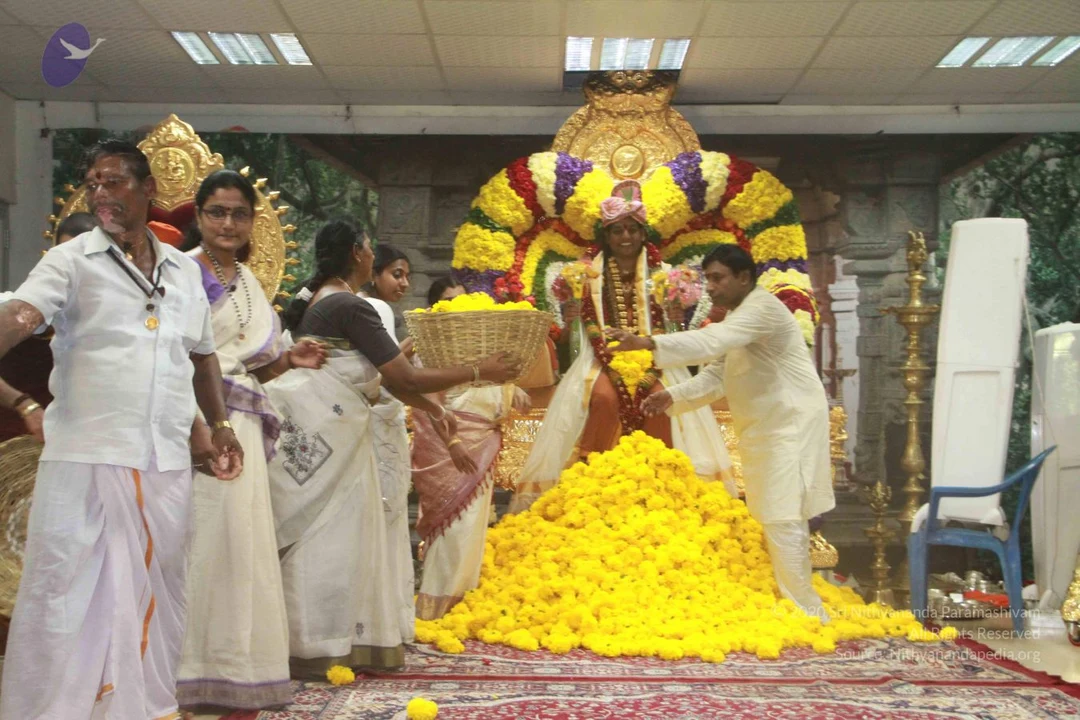
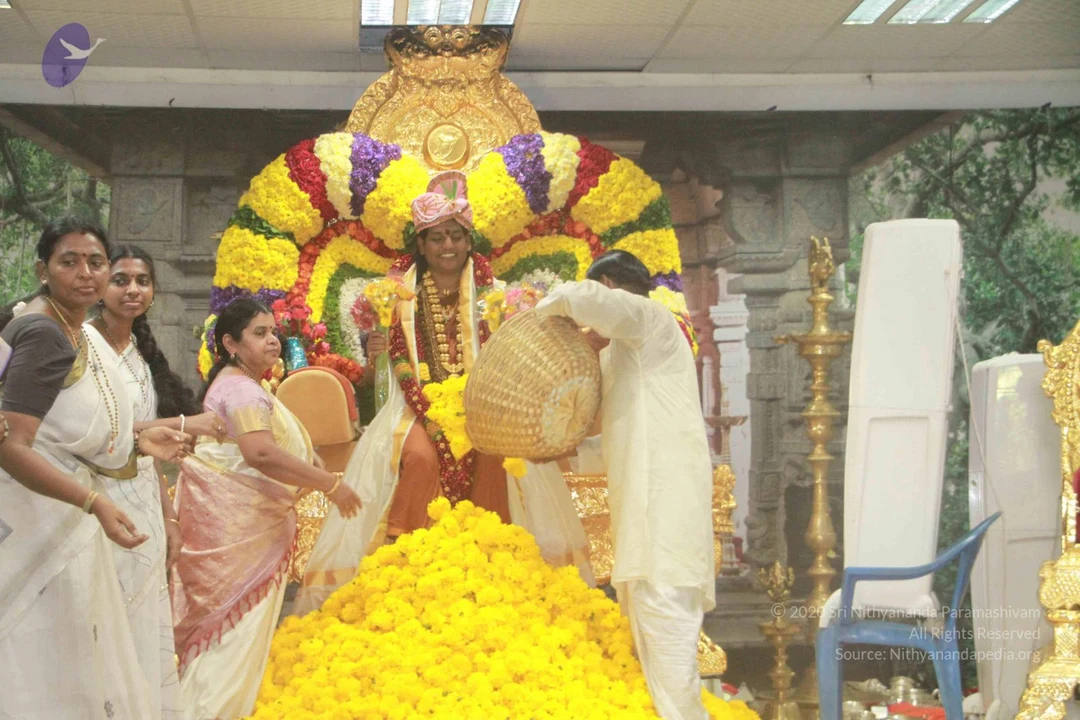
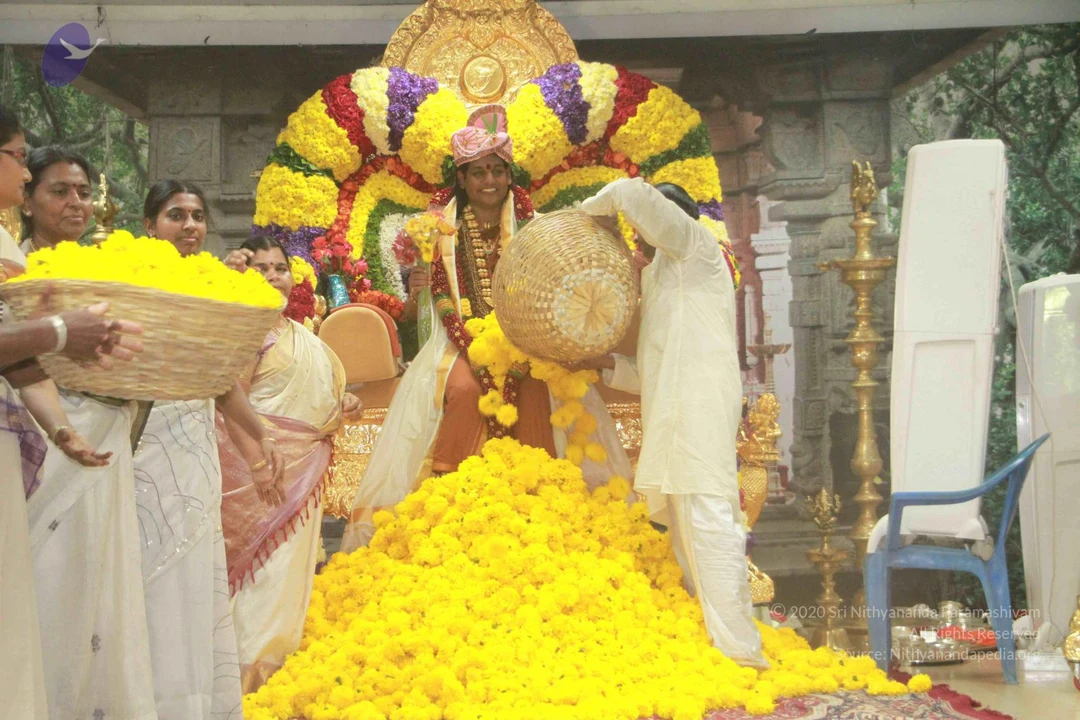
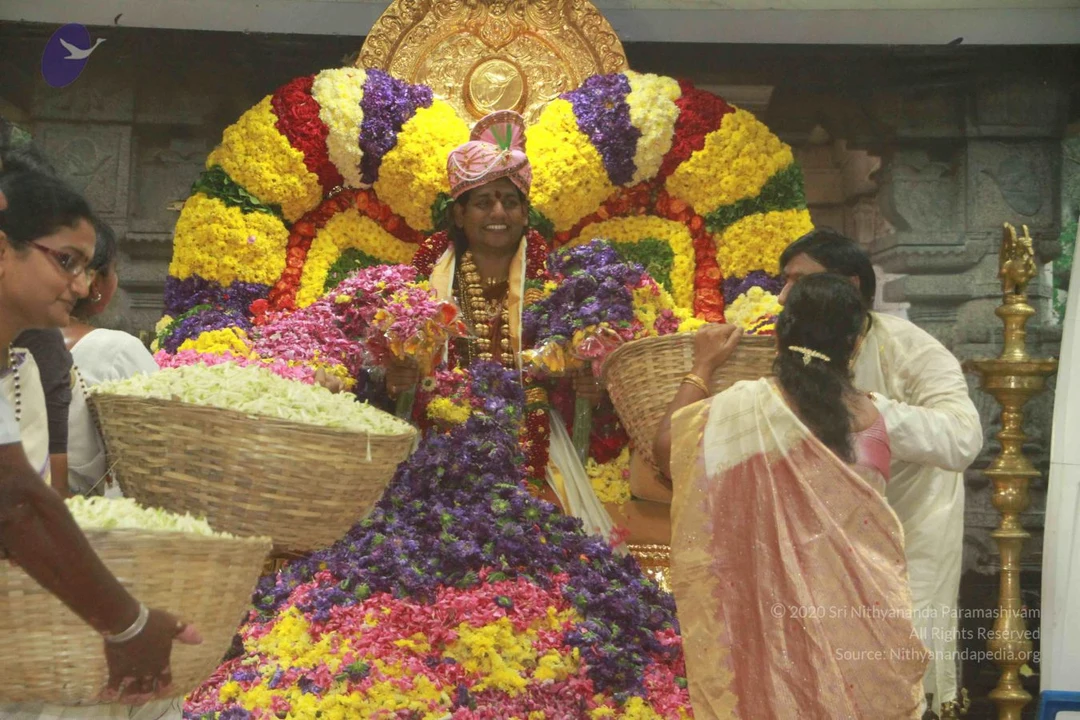
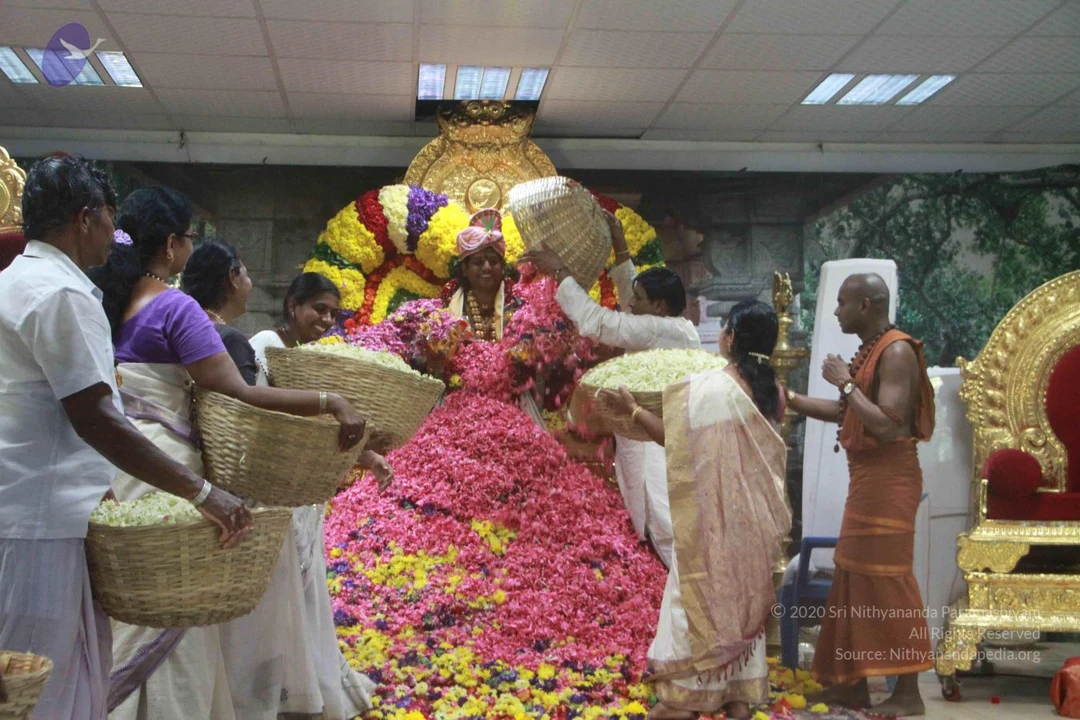
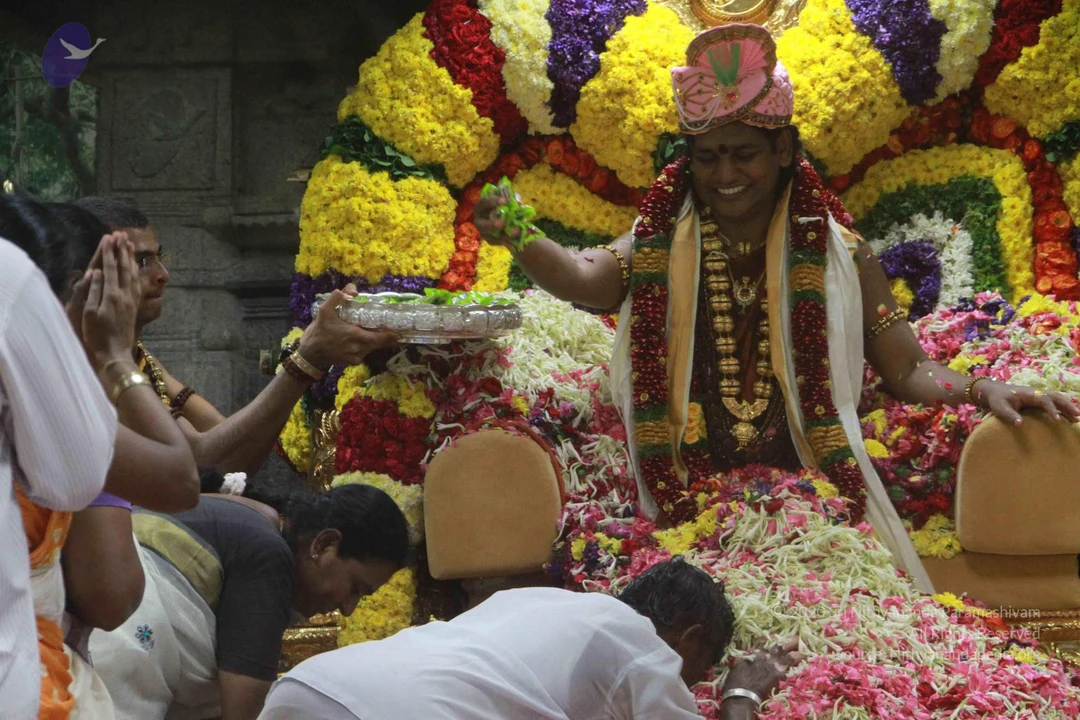
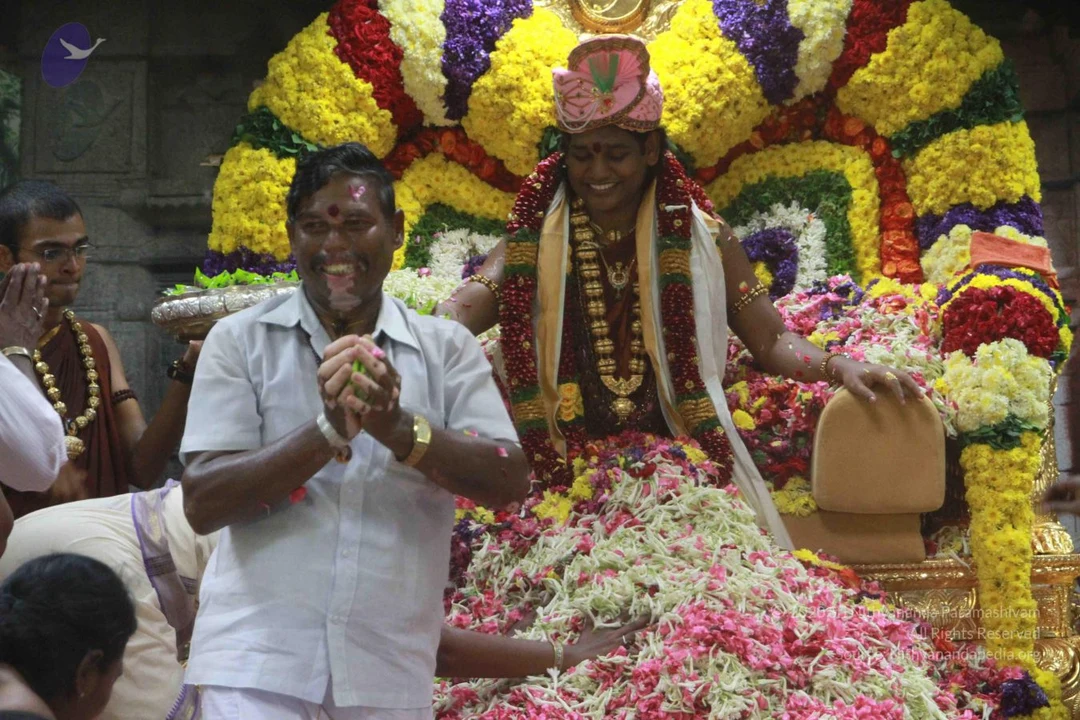
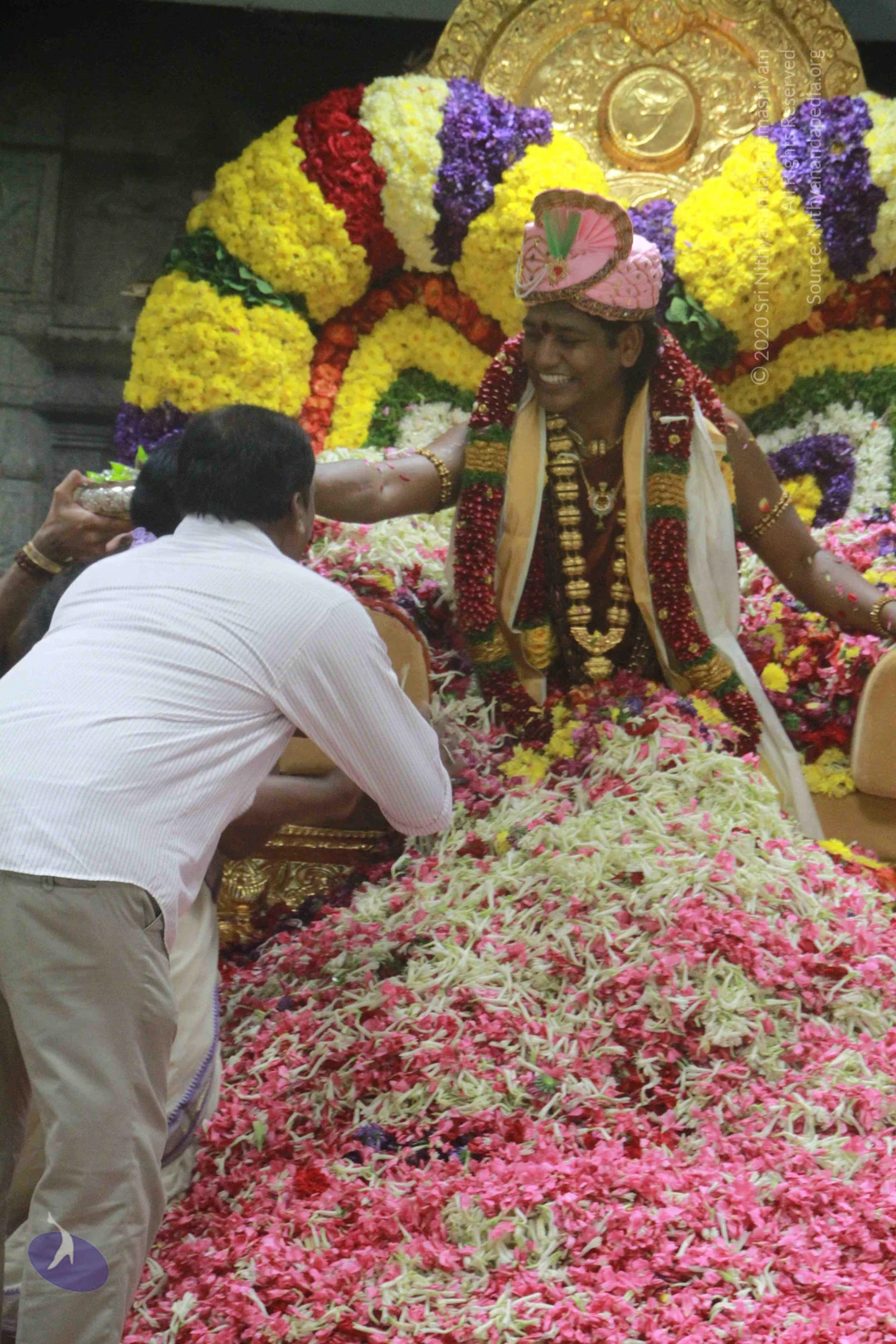
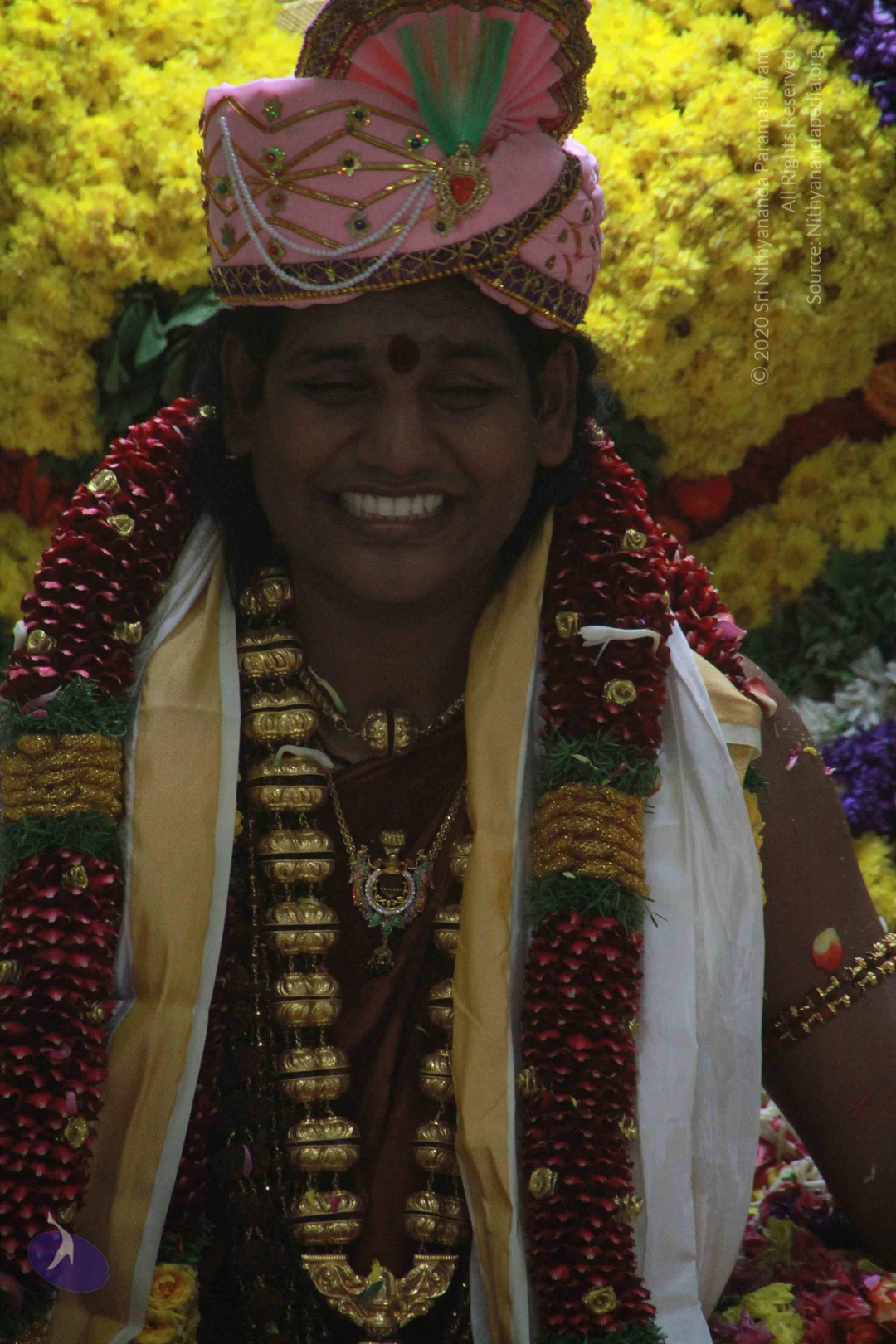
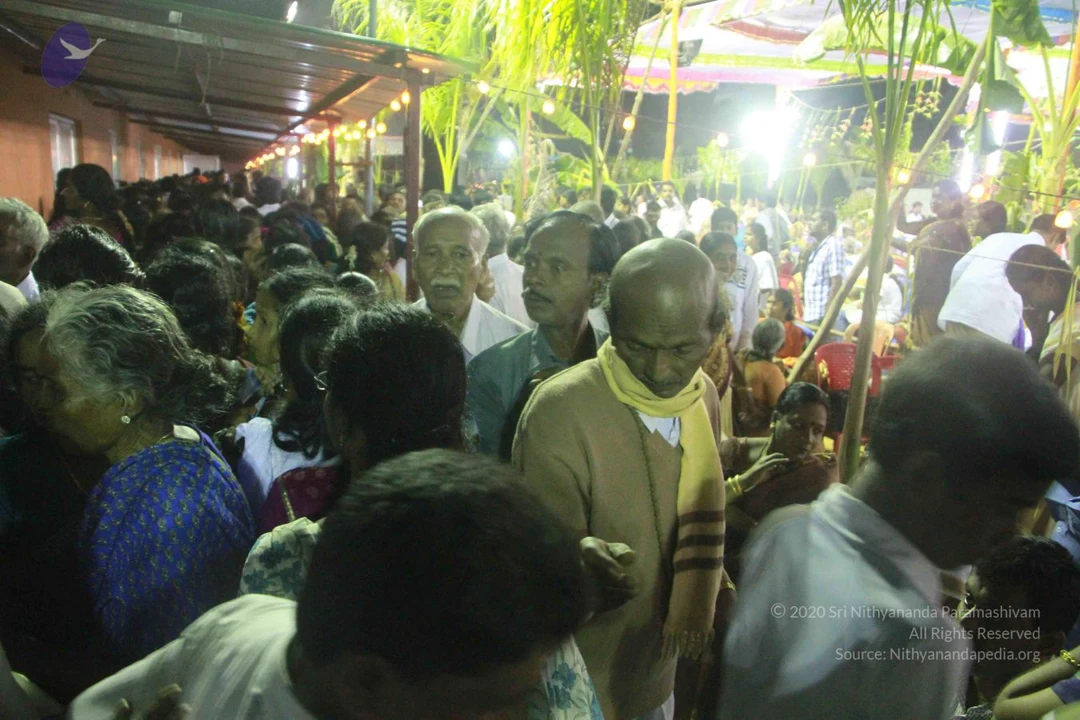
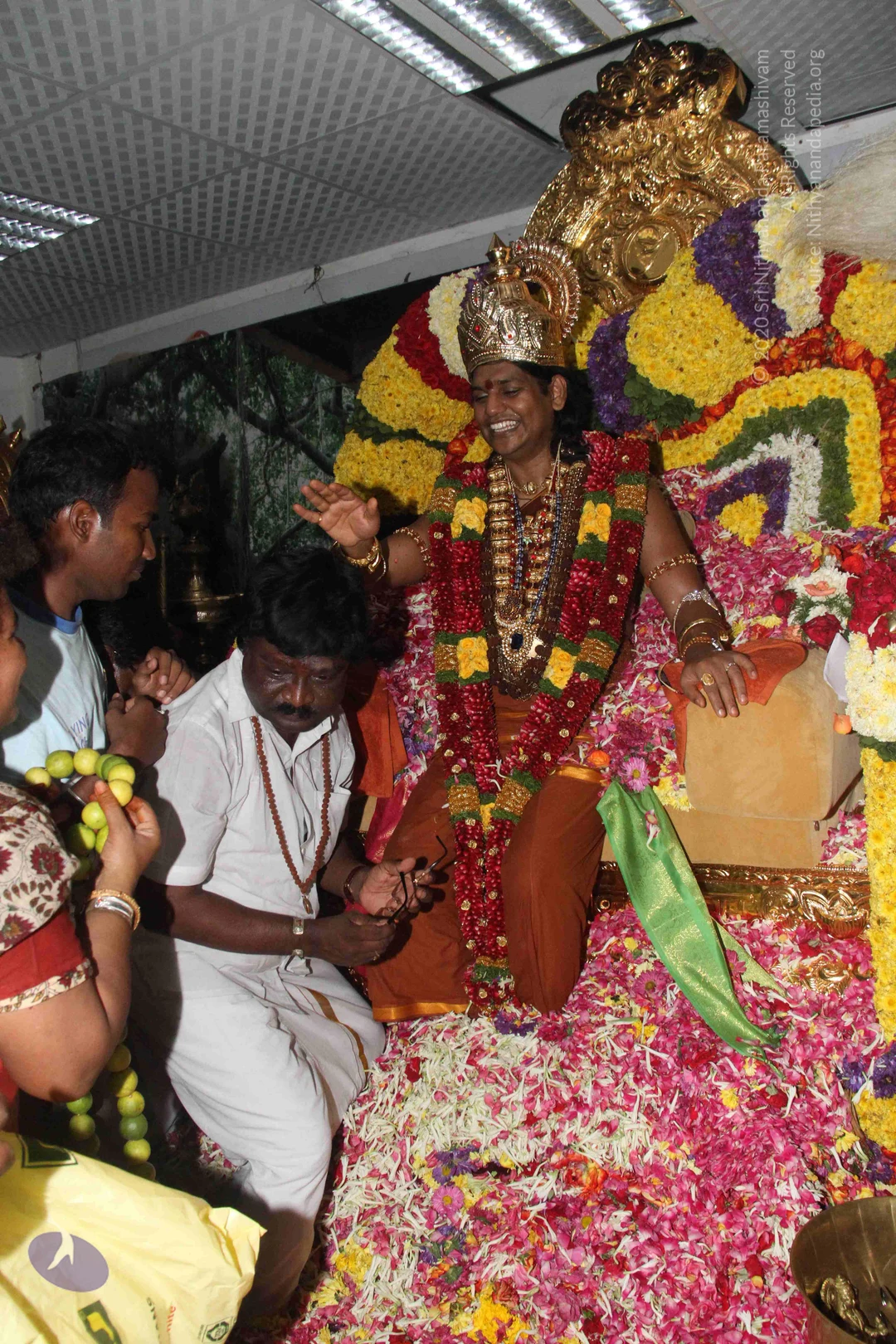
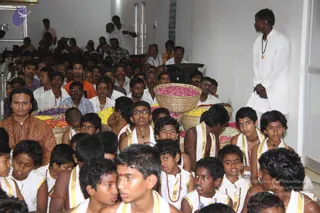
Darshan

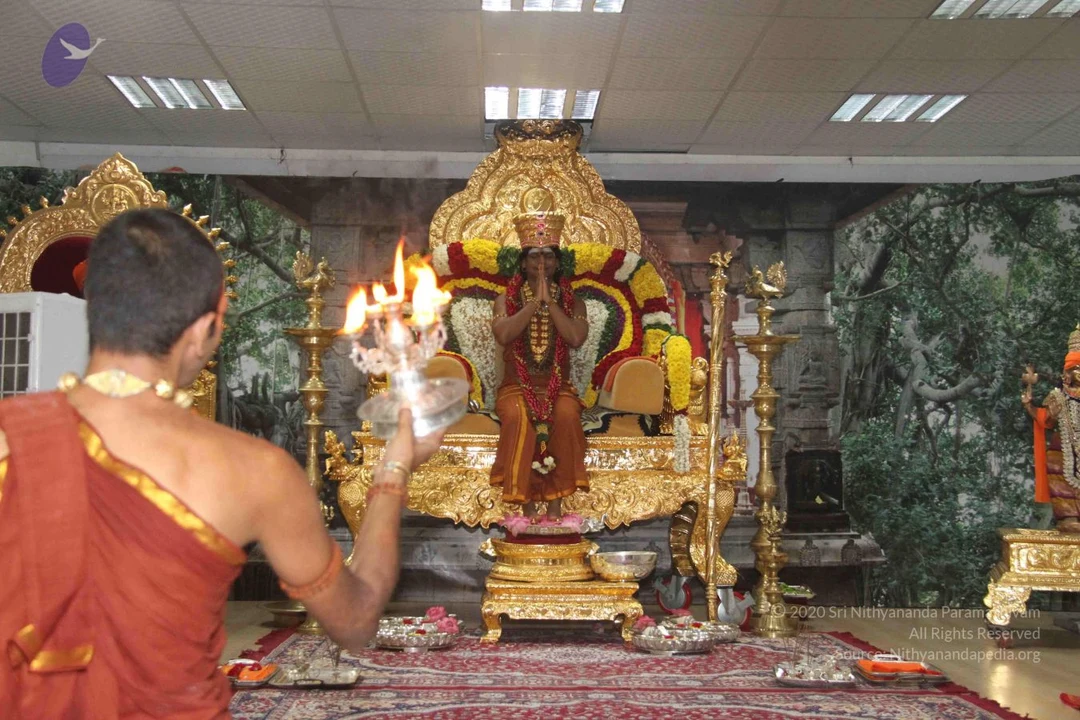
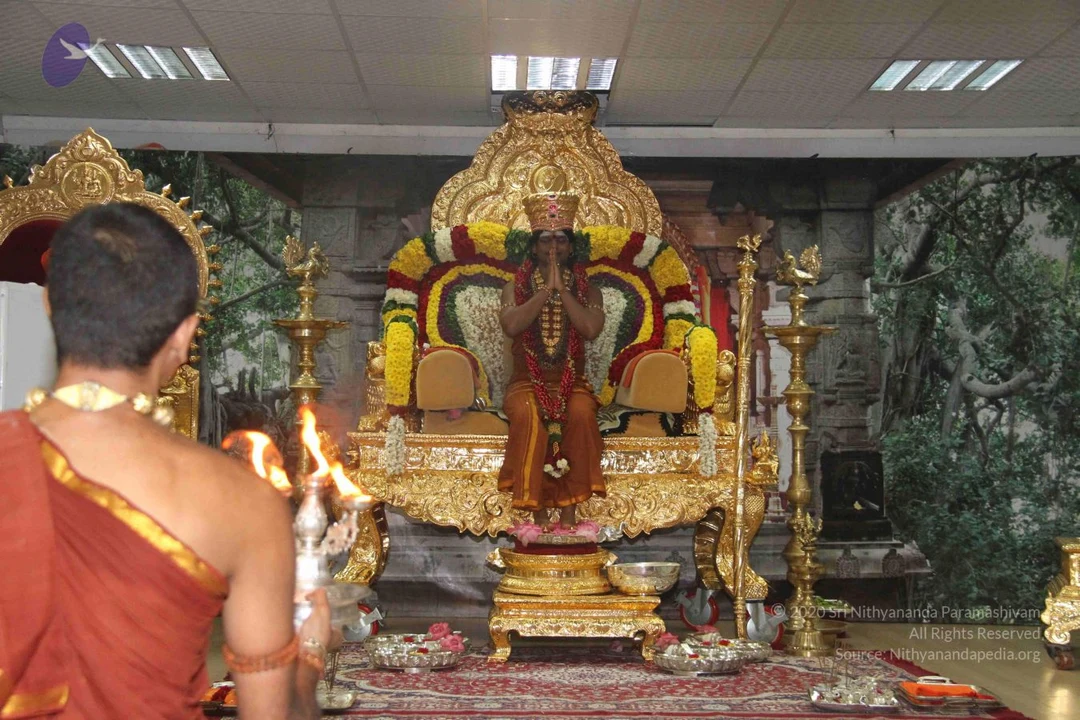
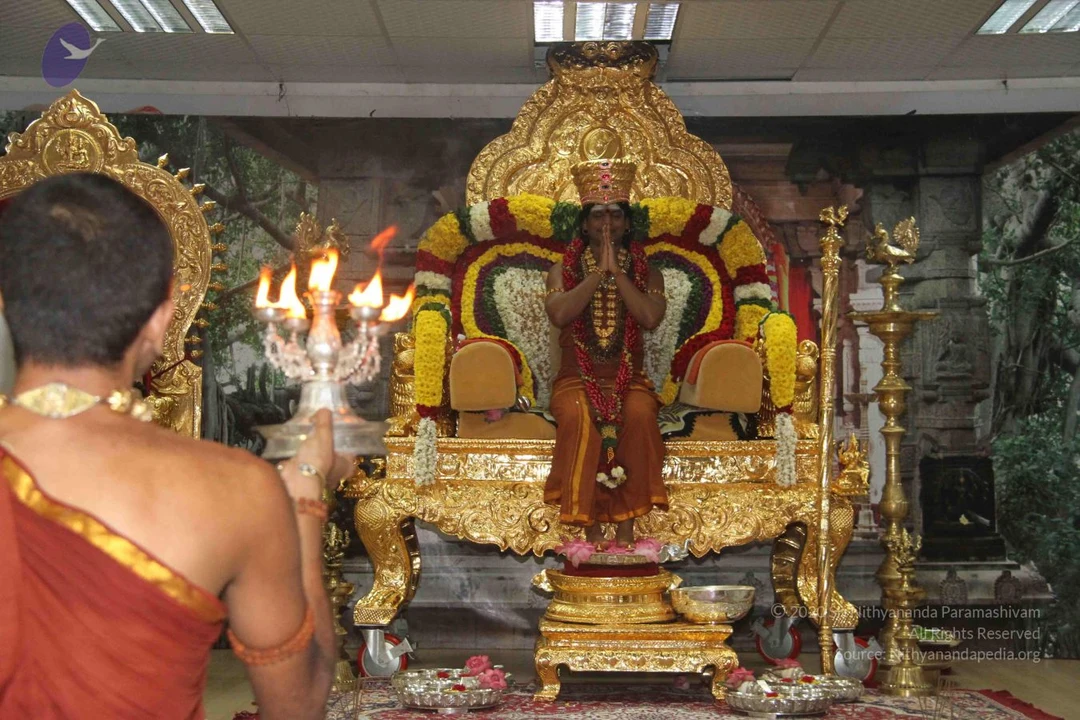
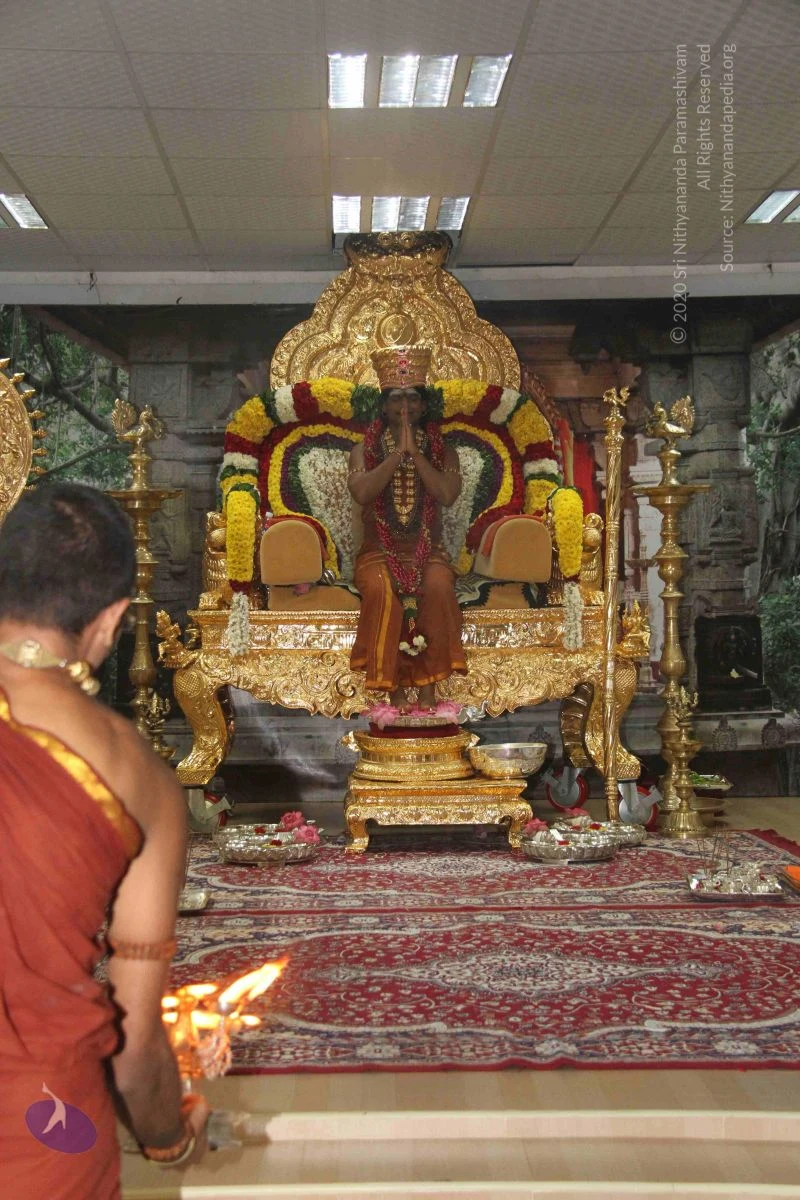
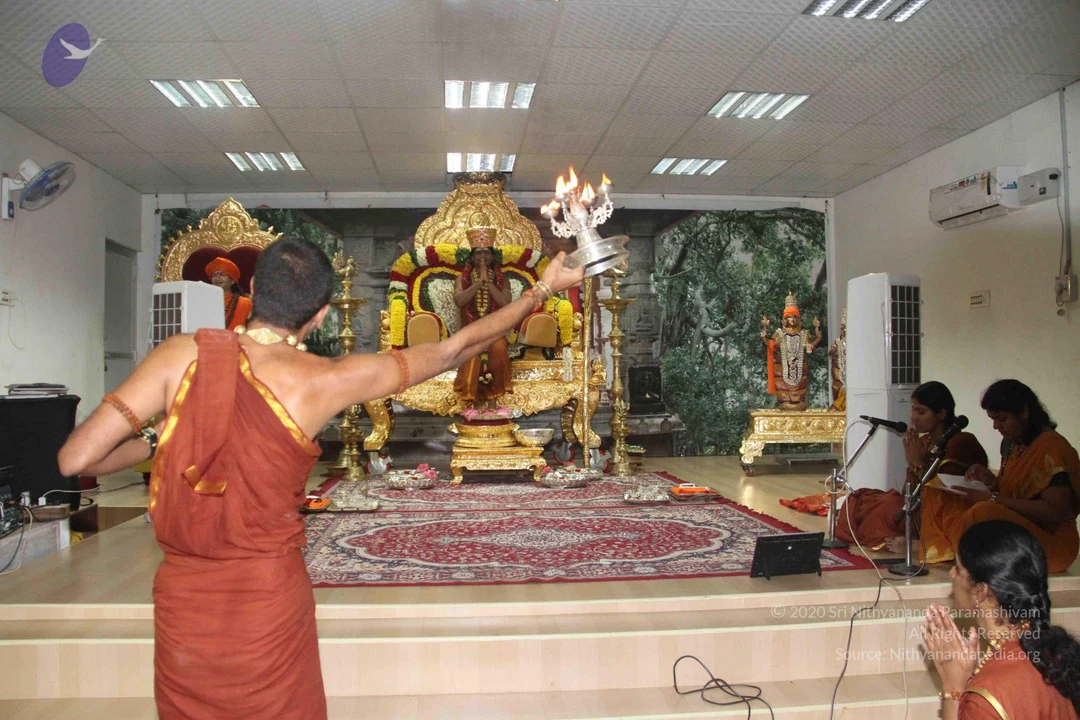
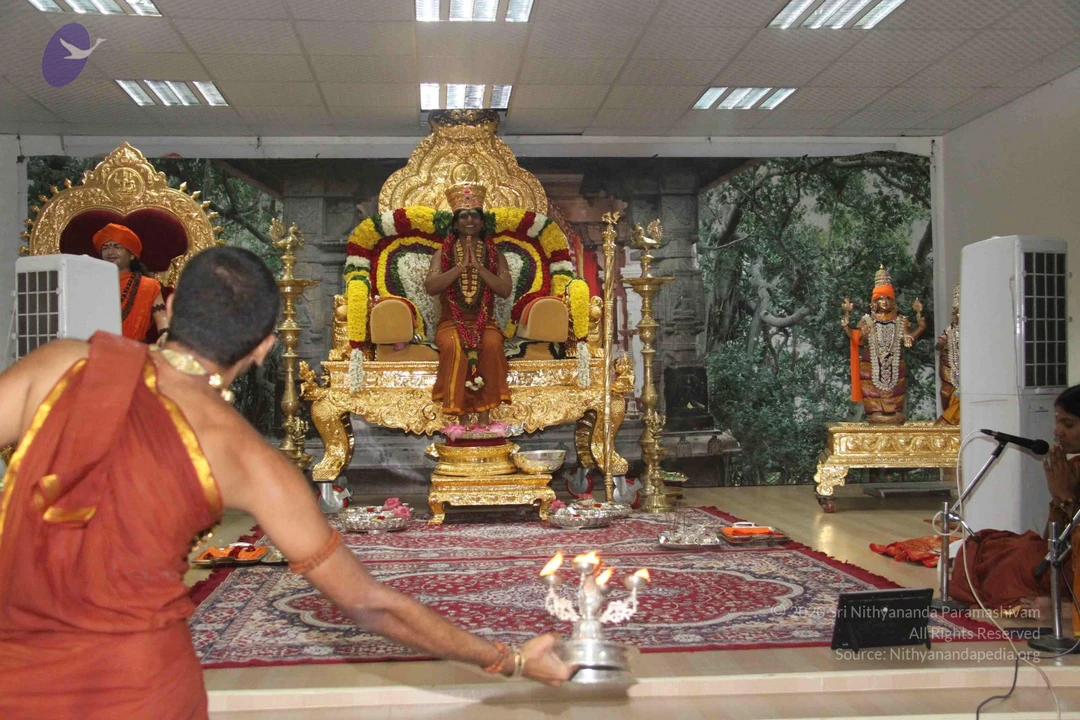
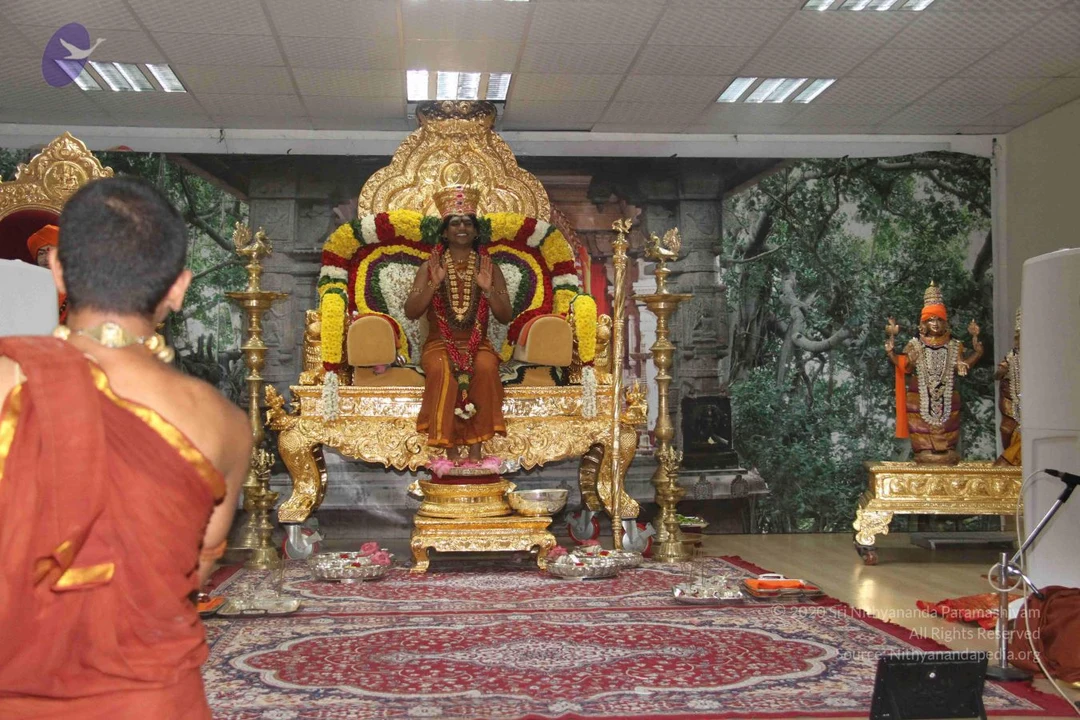
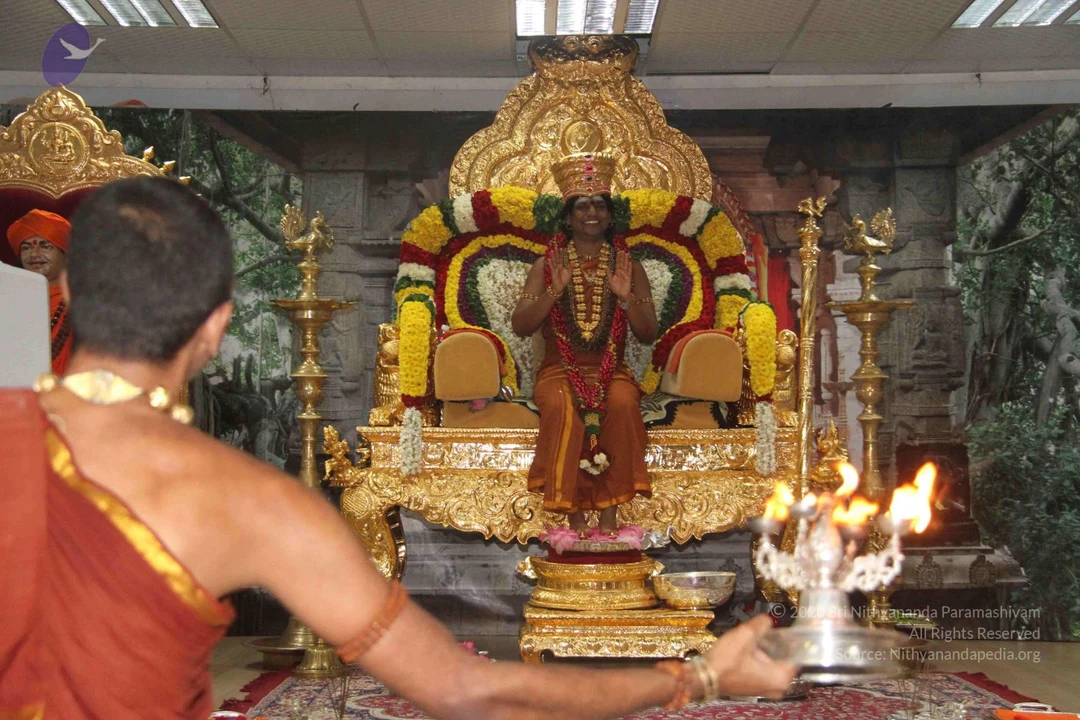
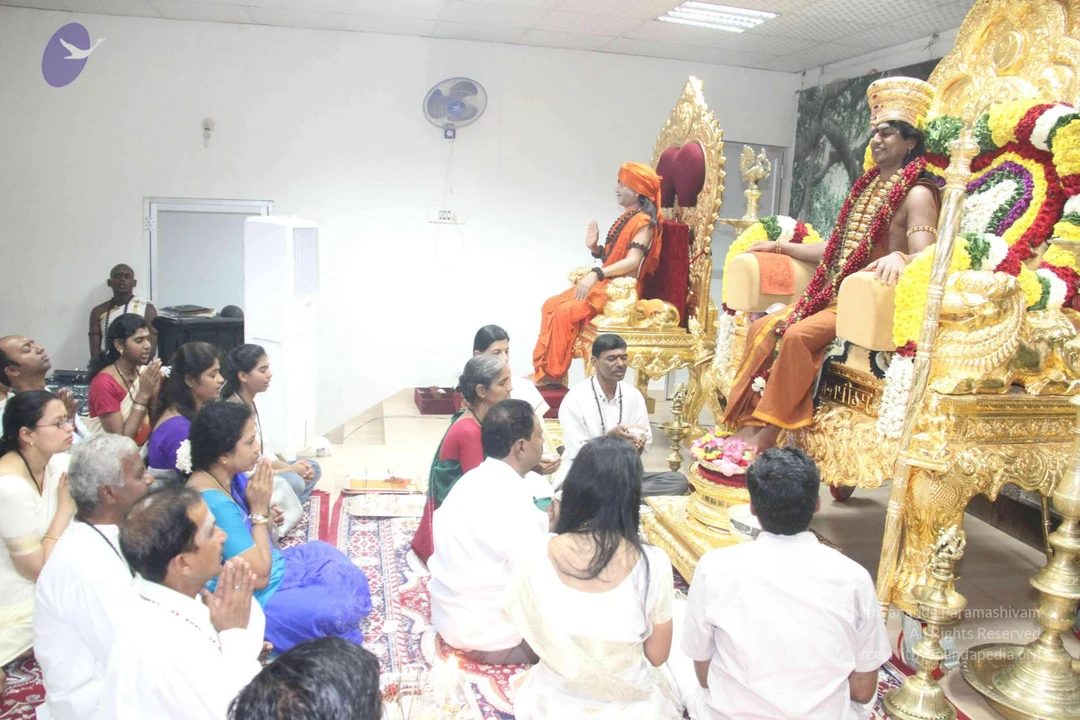
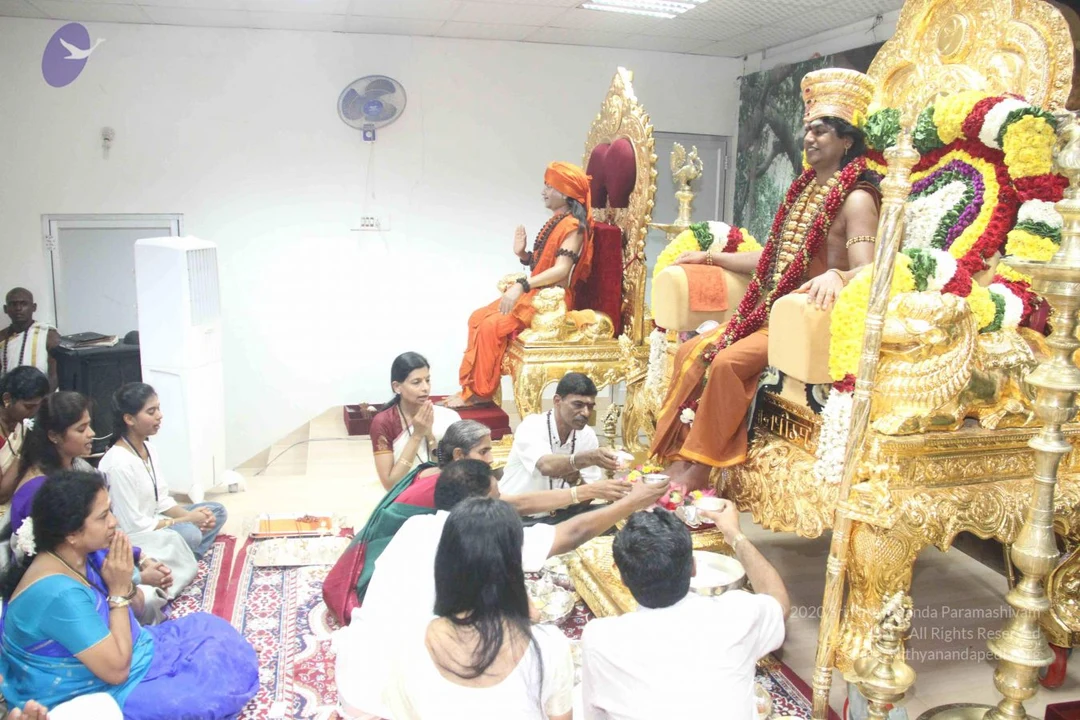
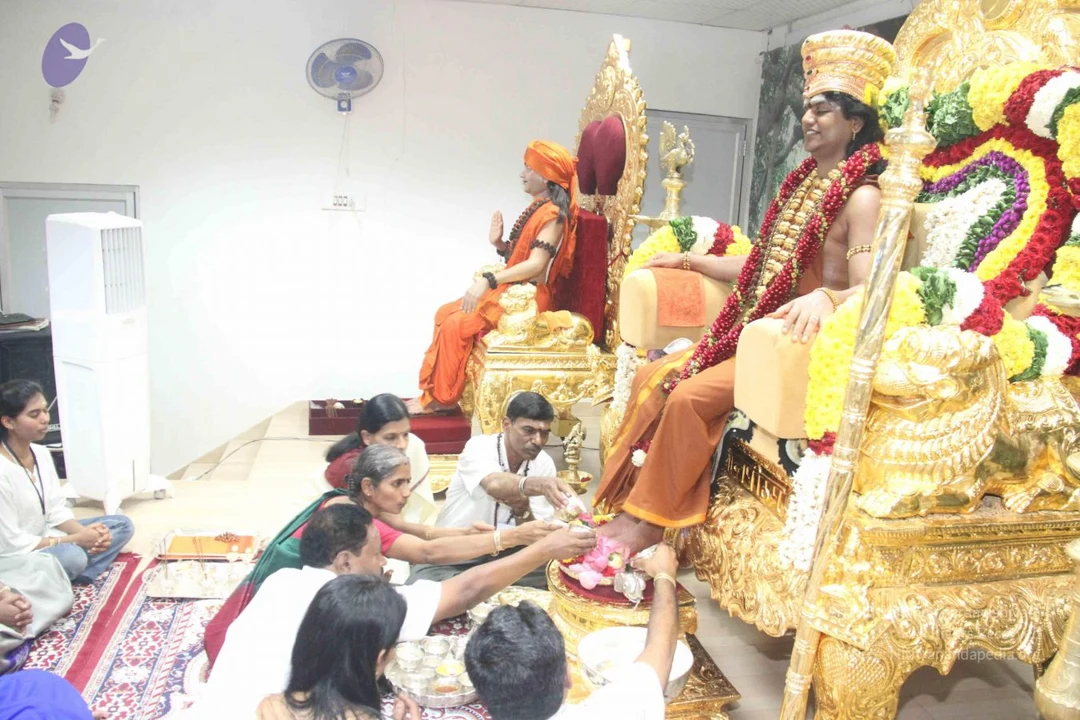
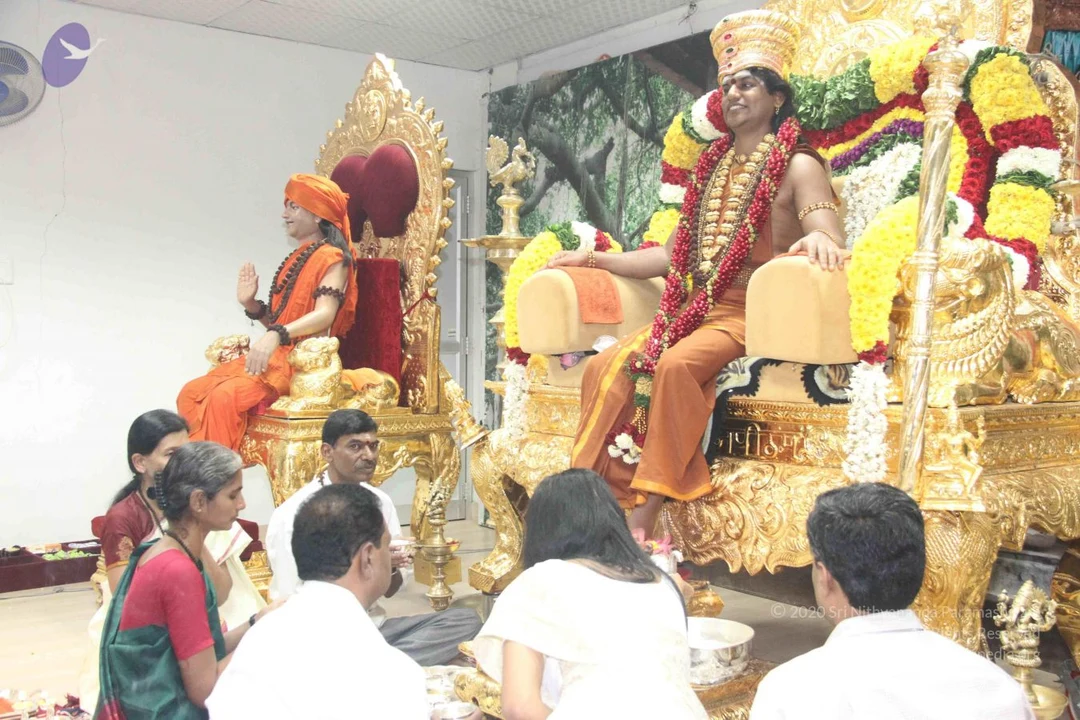
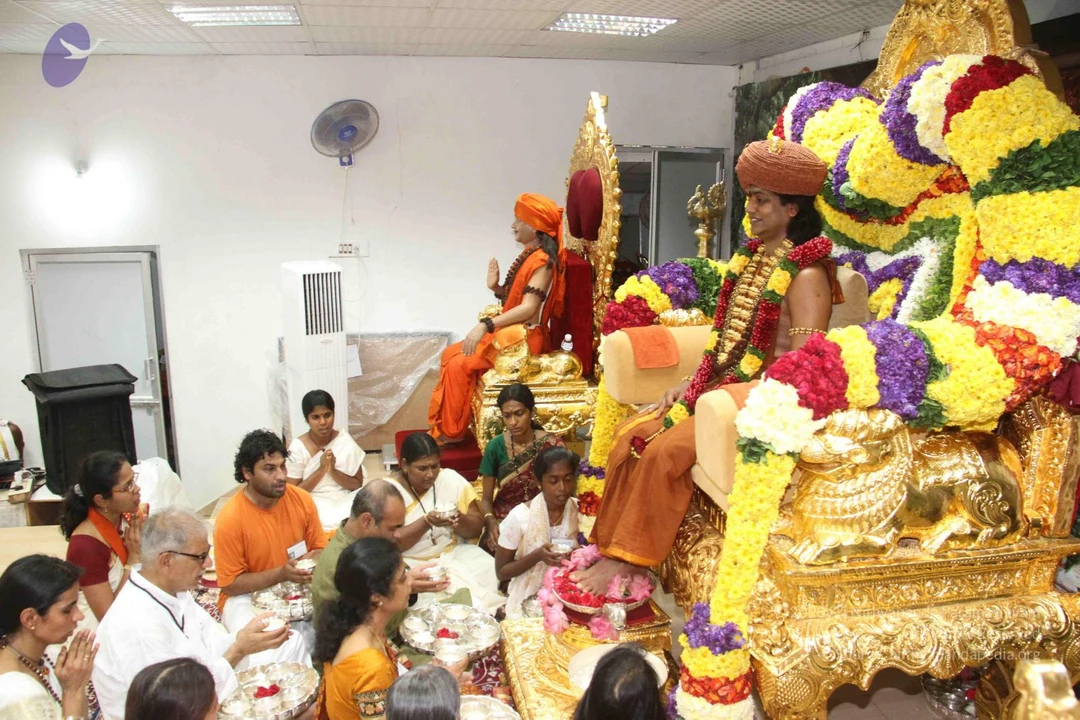
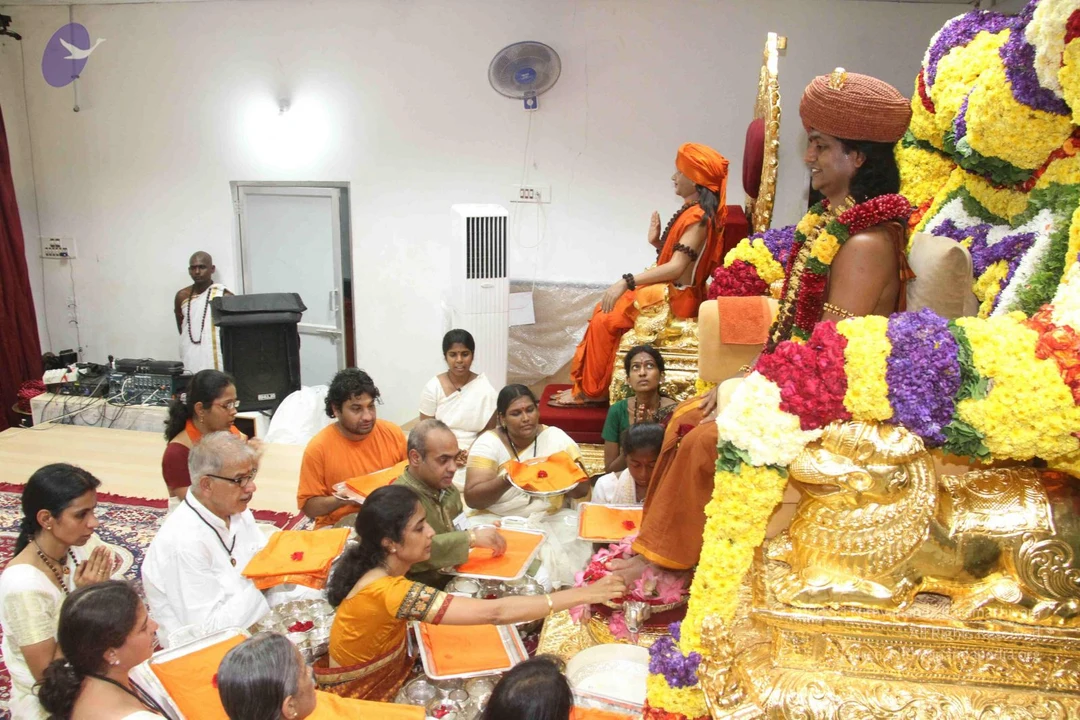
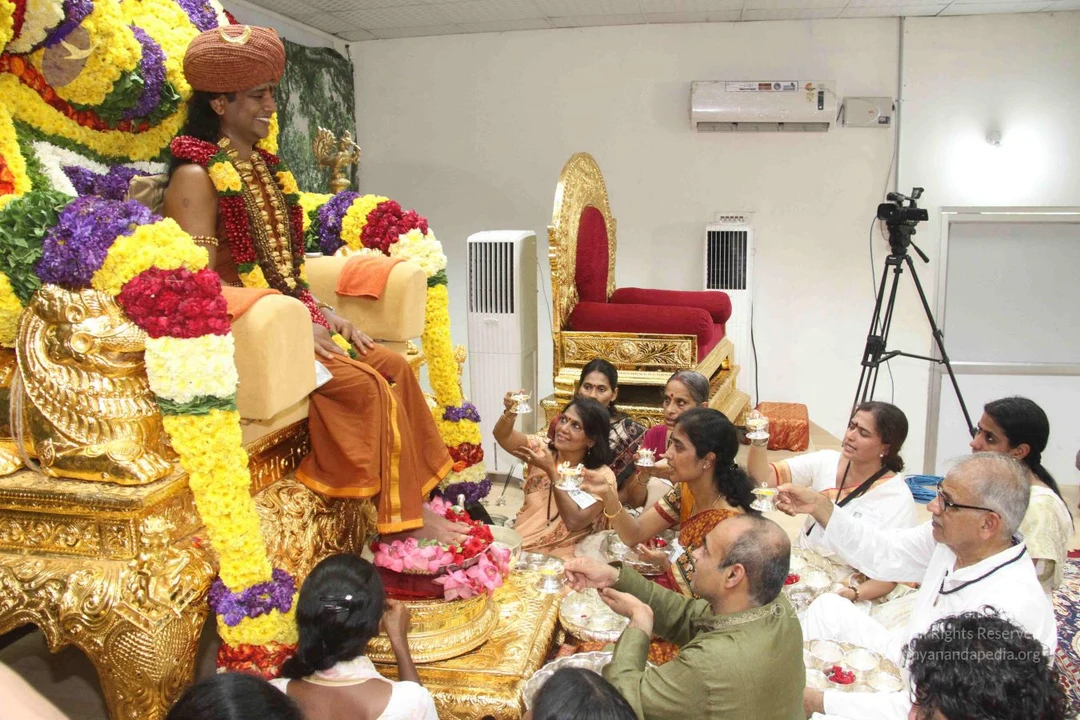
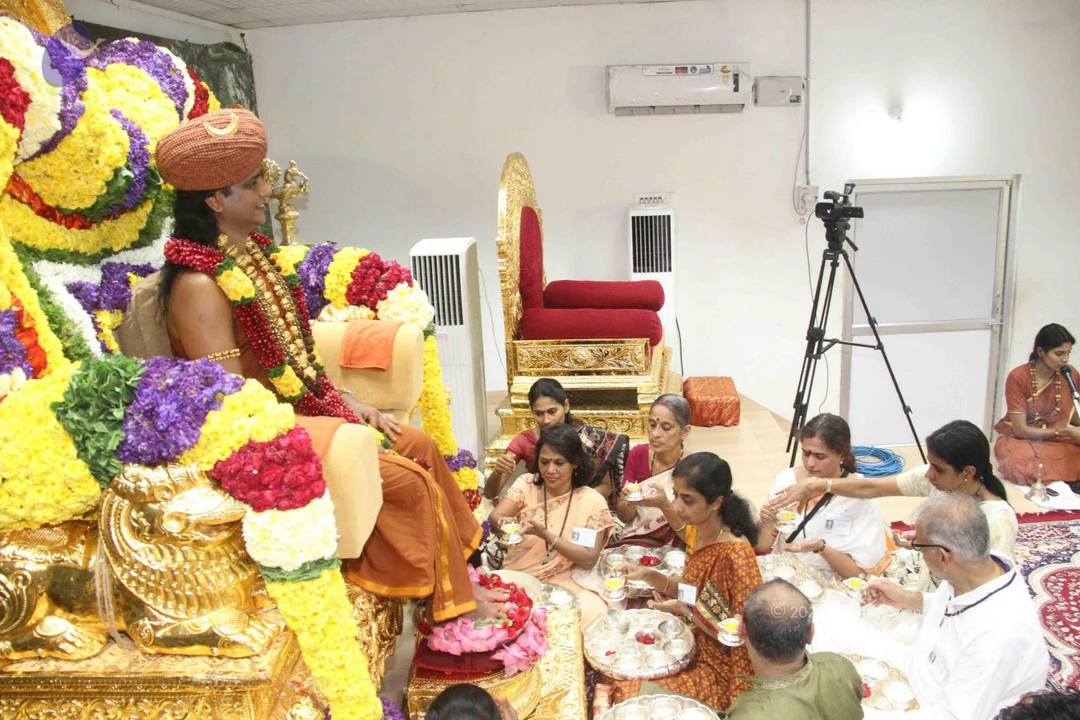
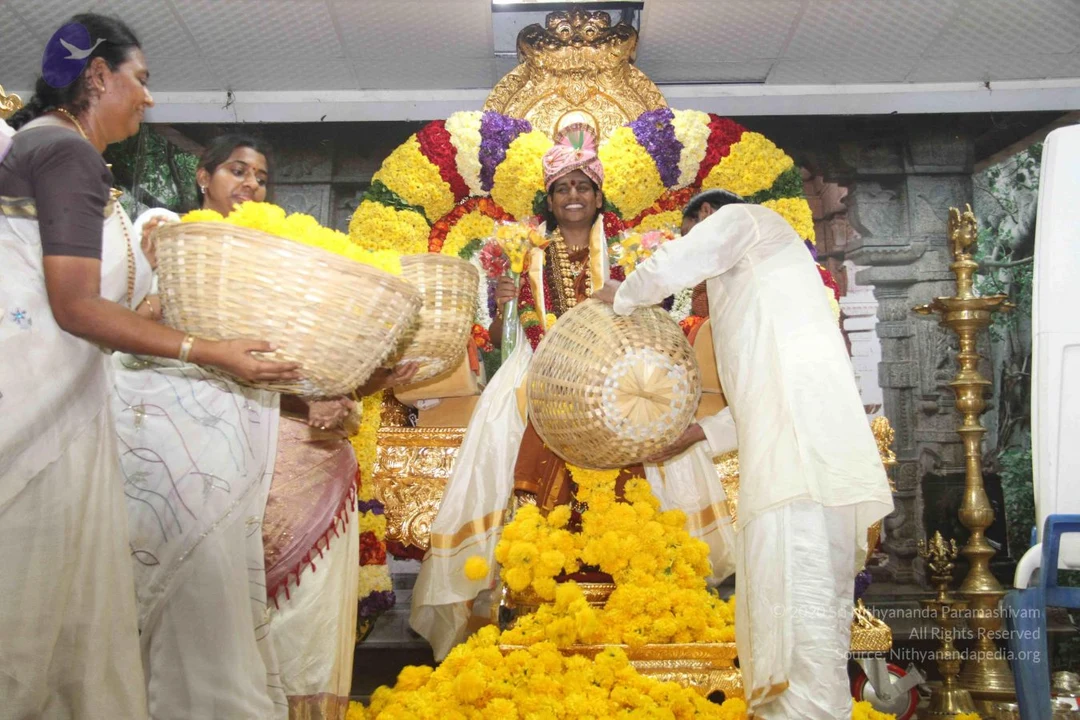
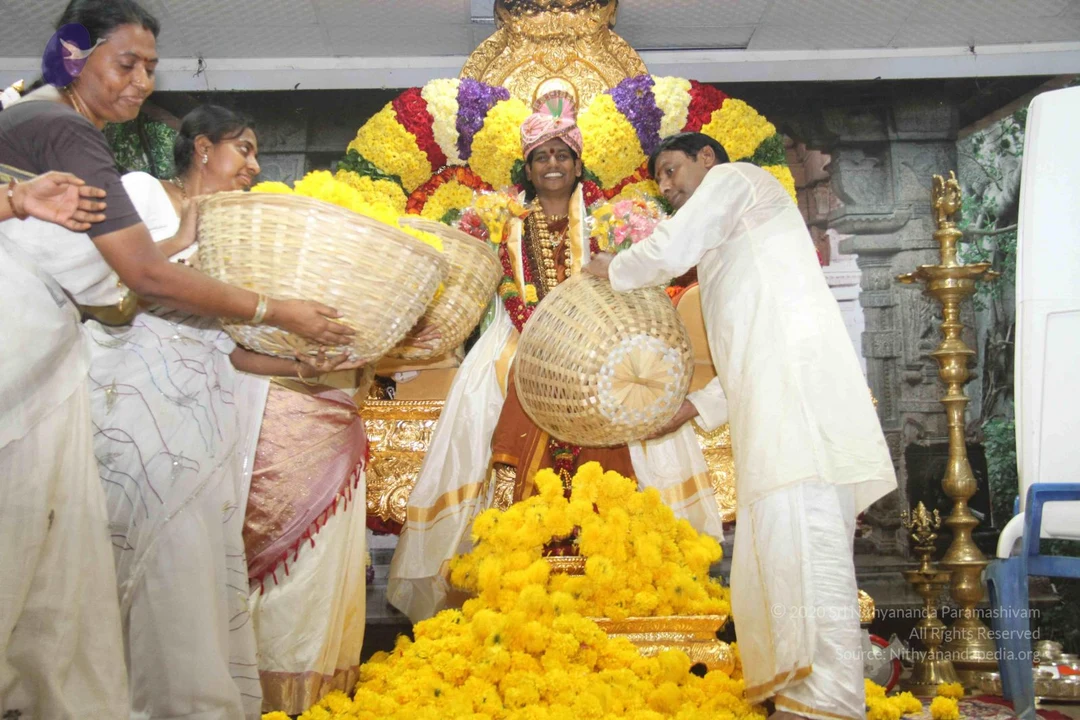
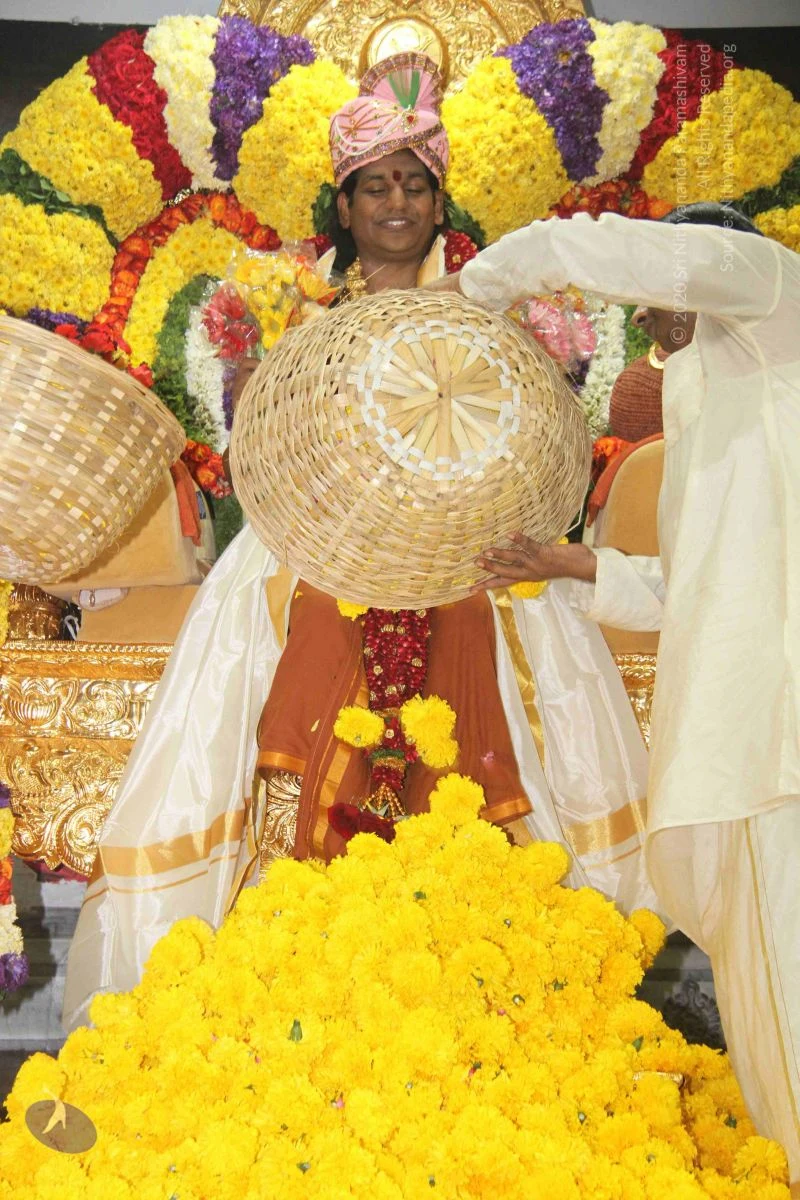
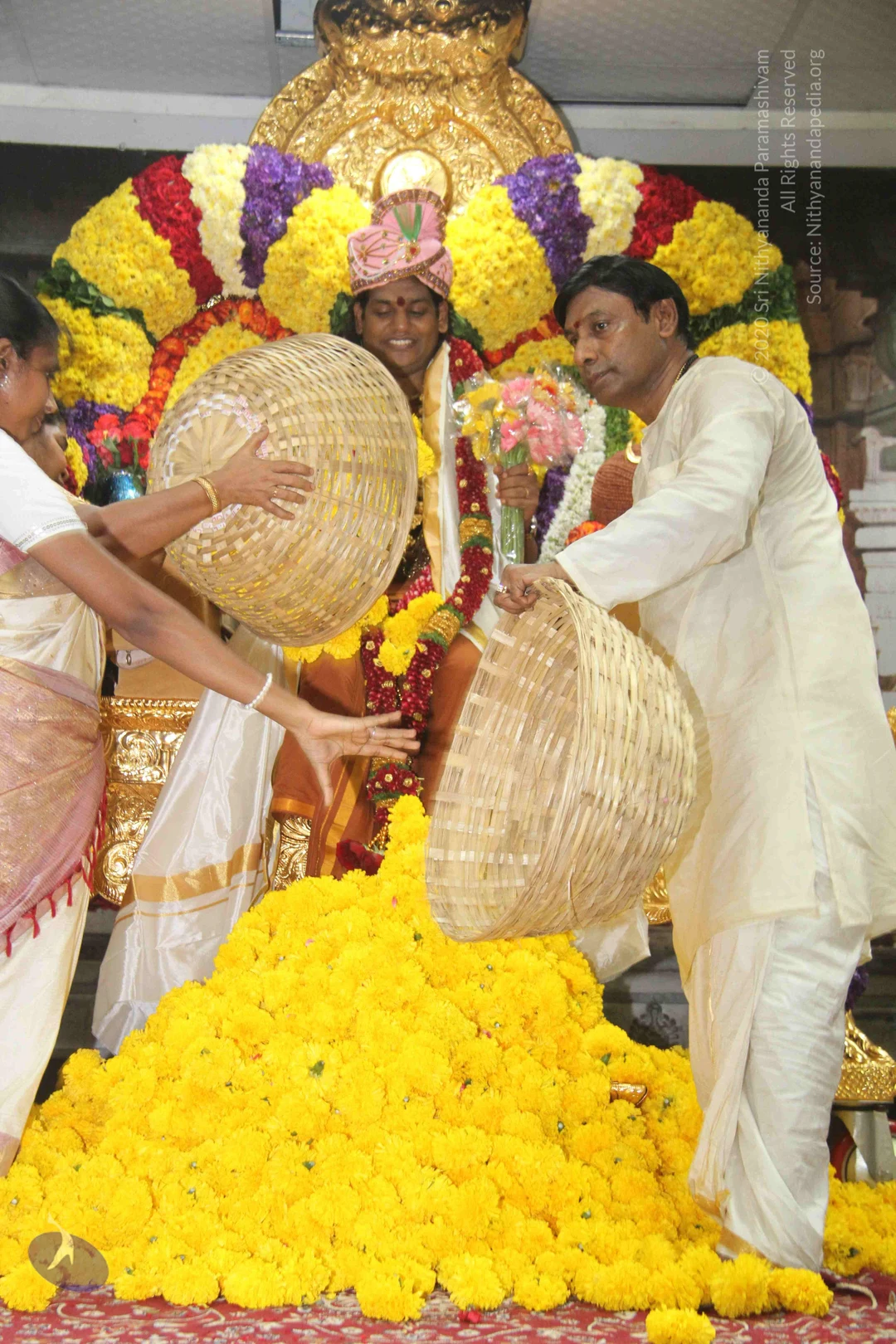
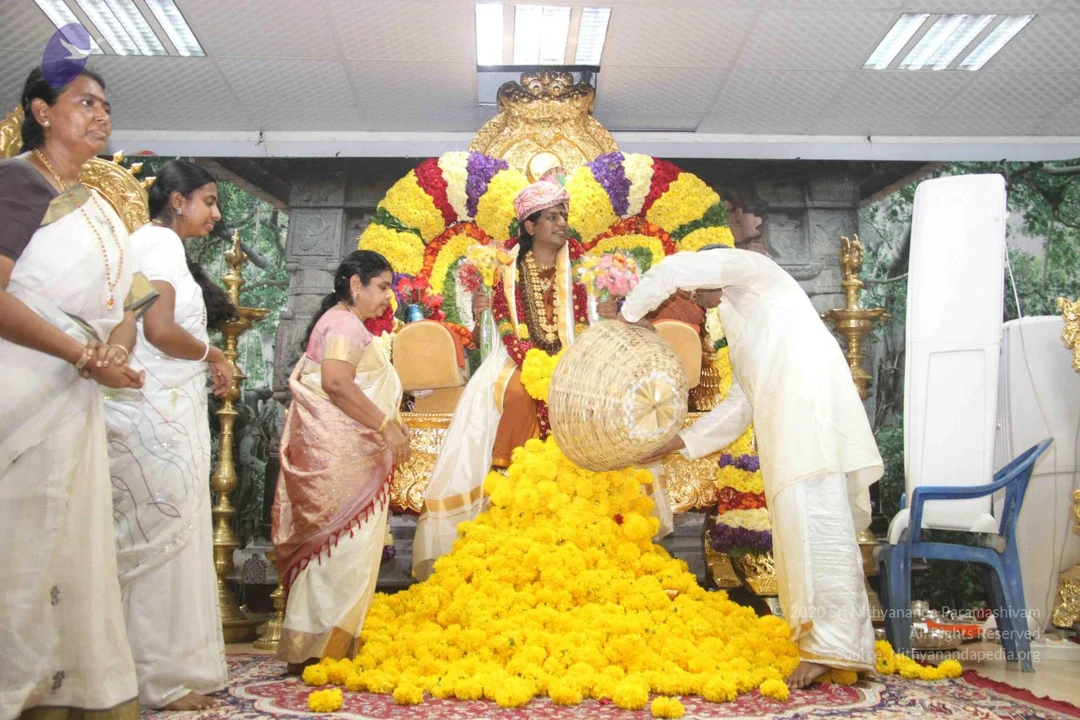
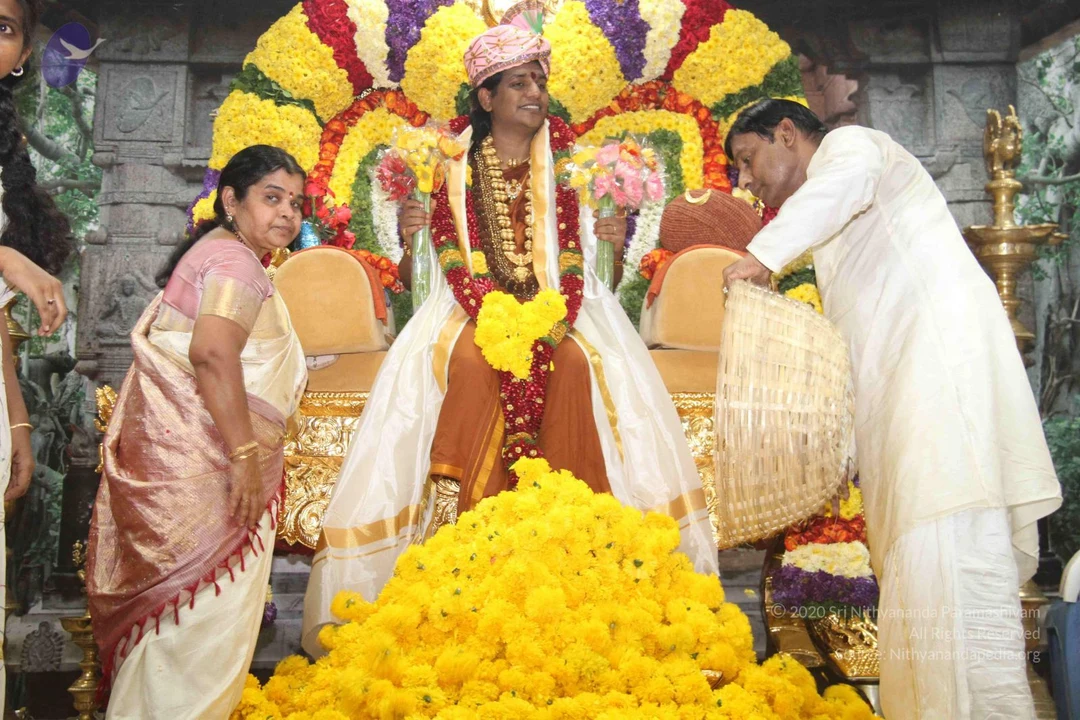
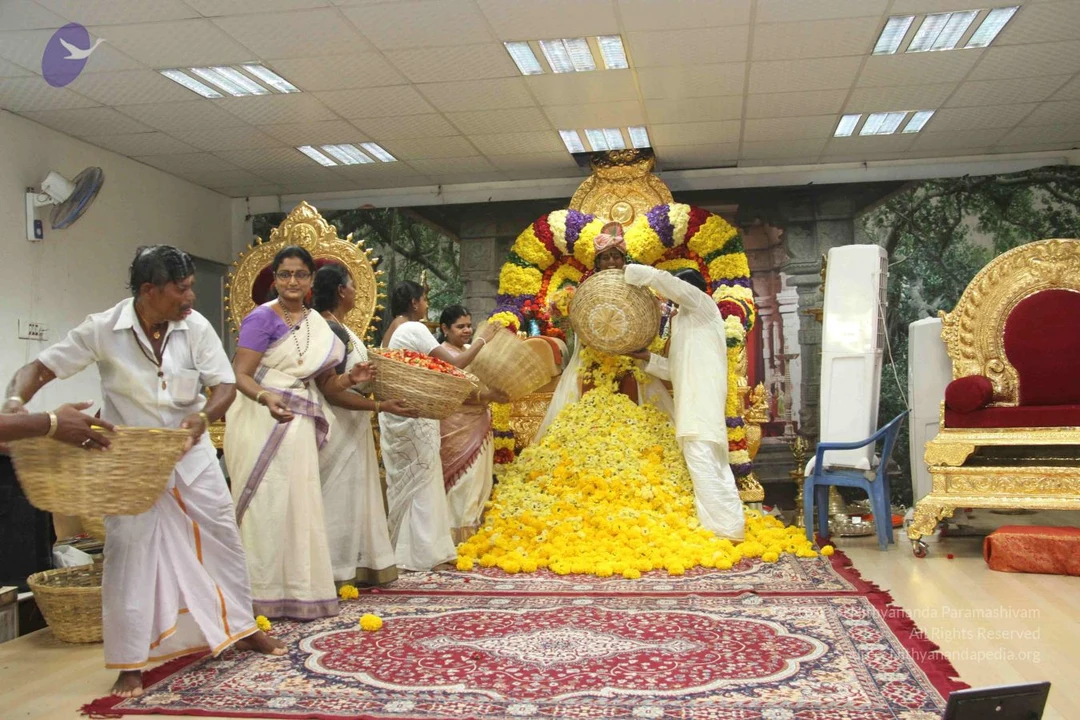
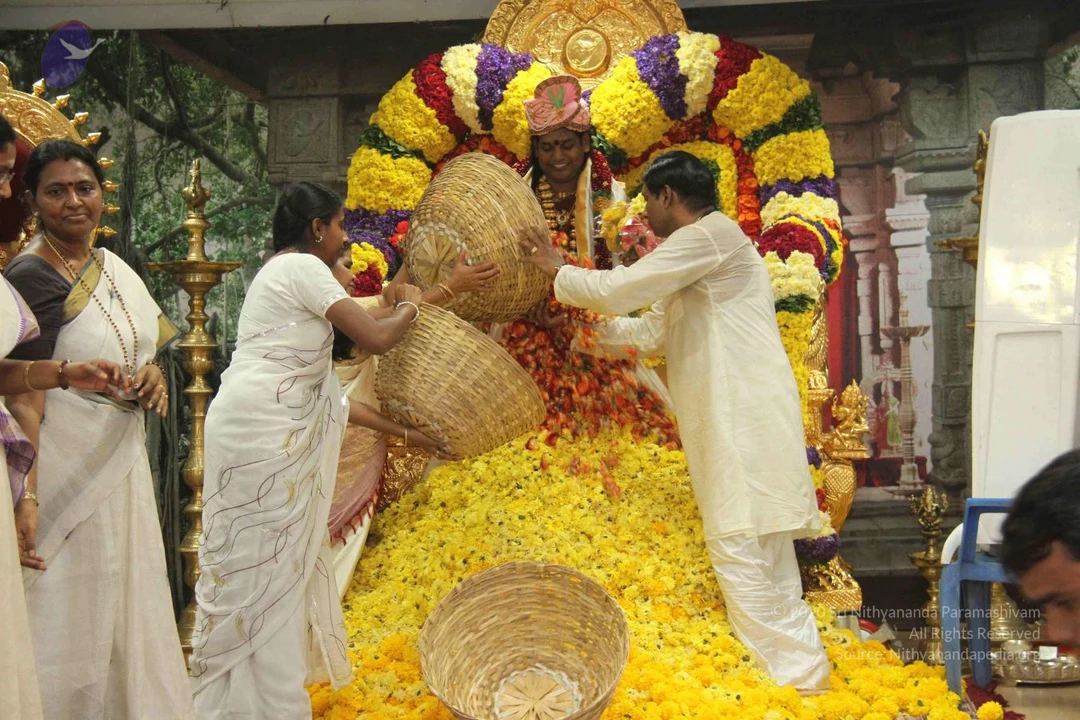
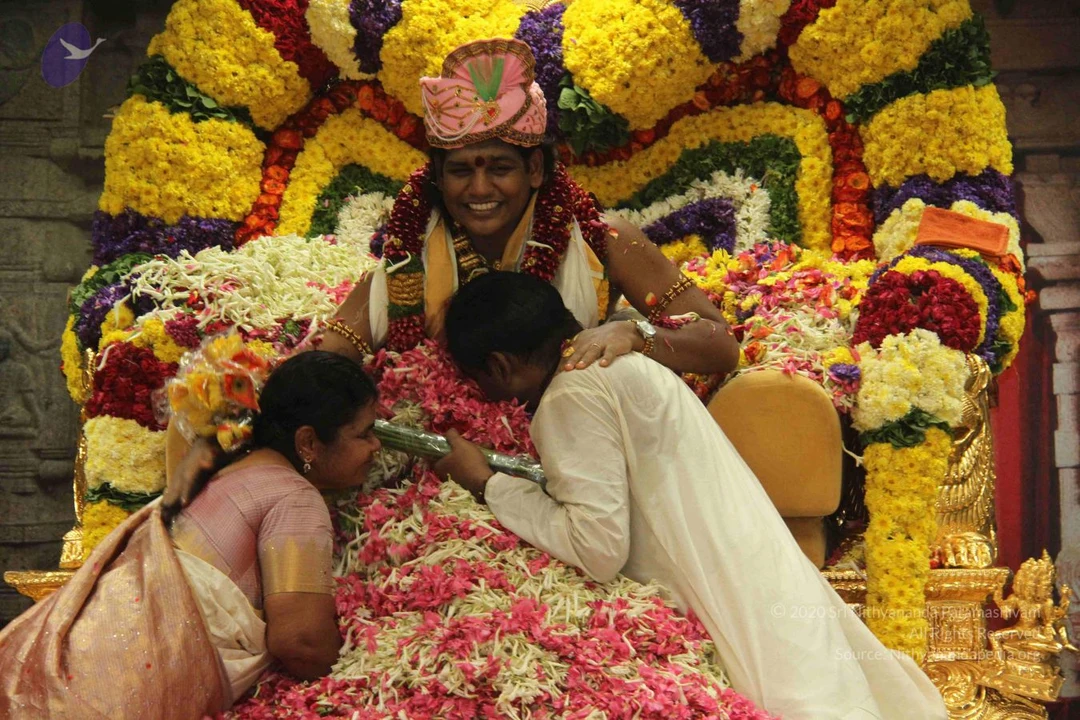
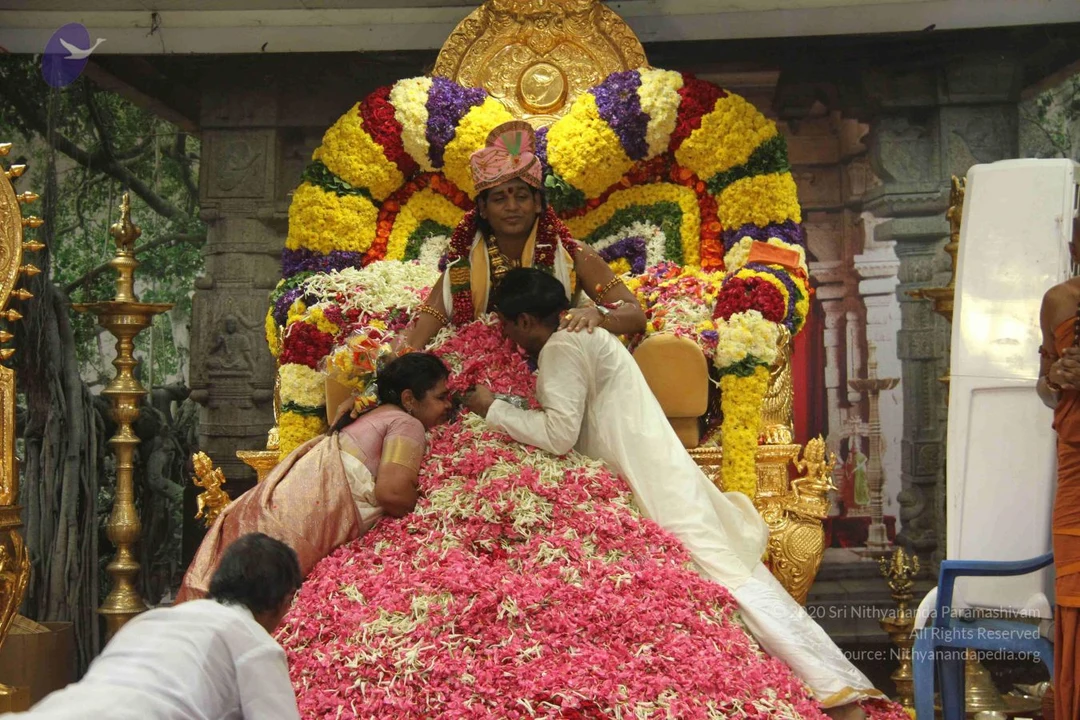
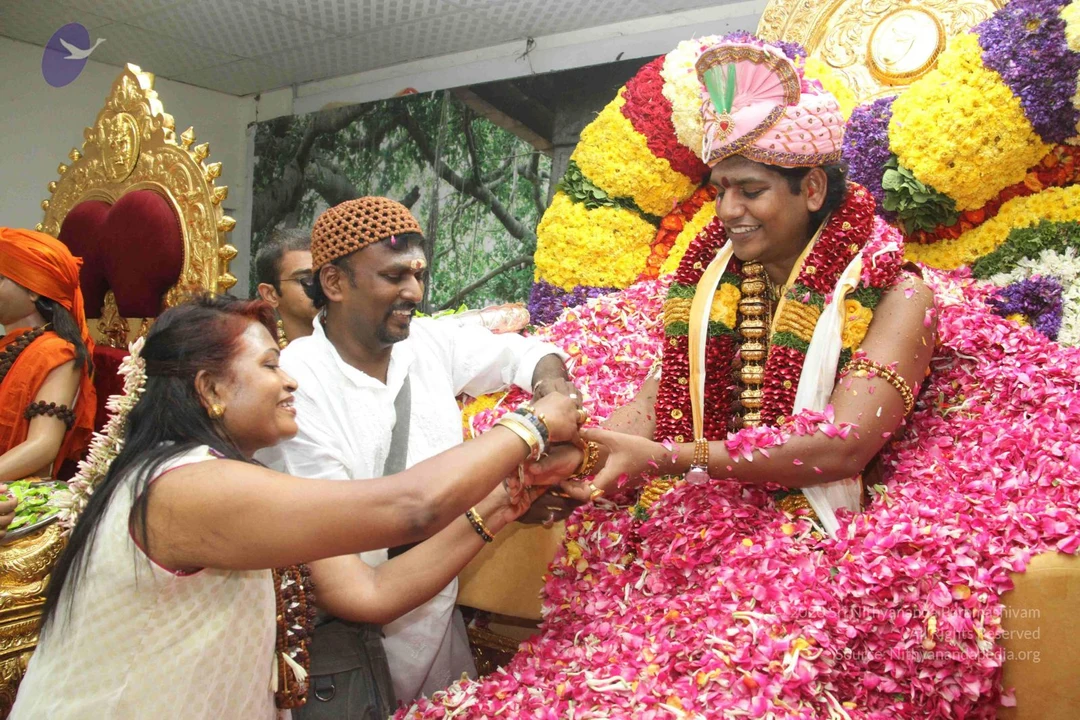
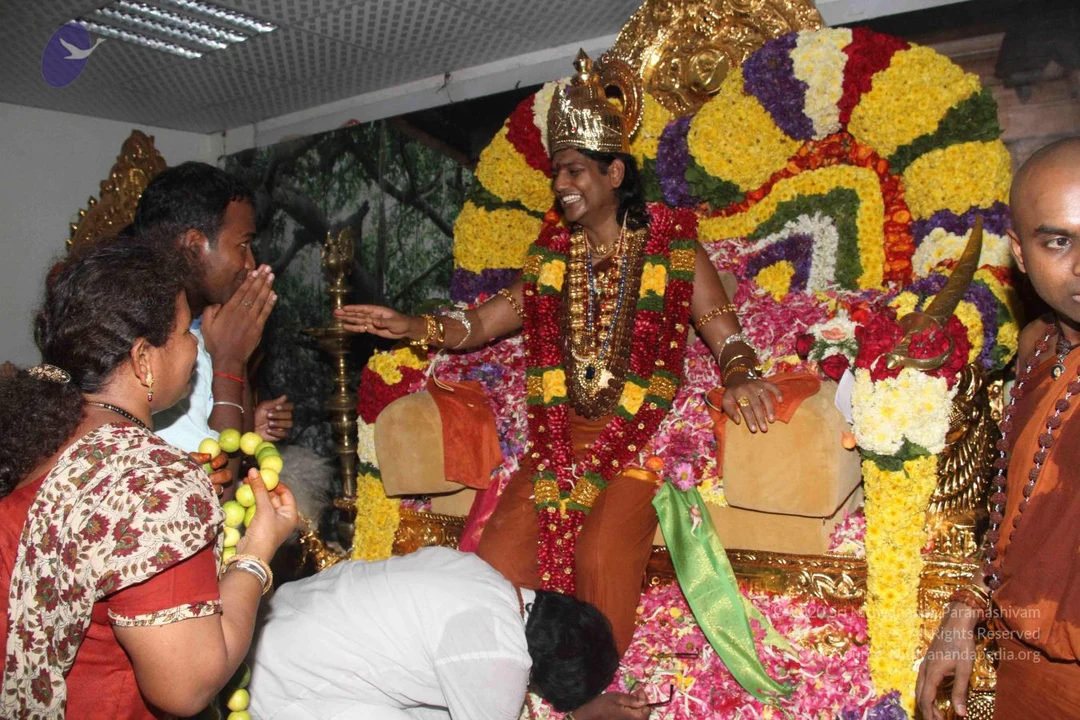
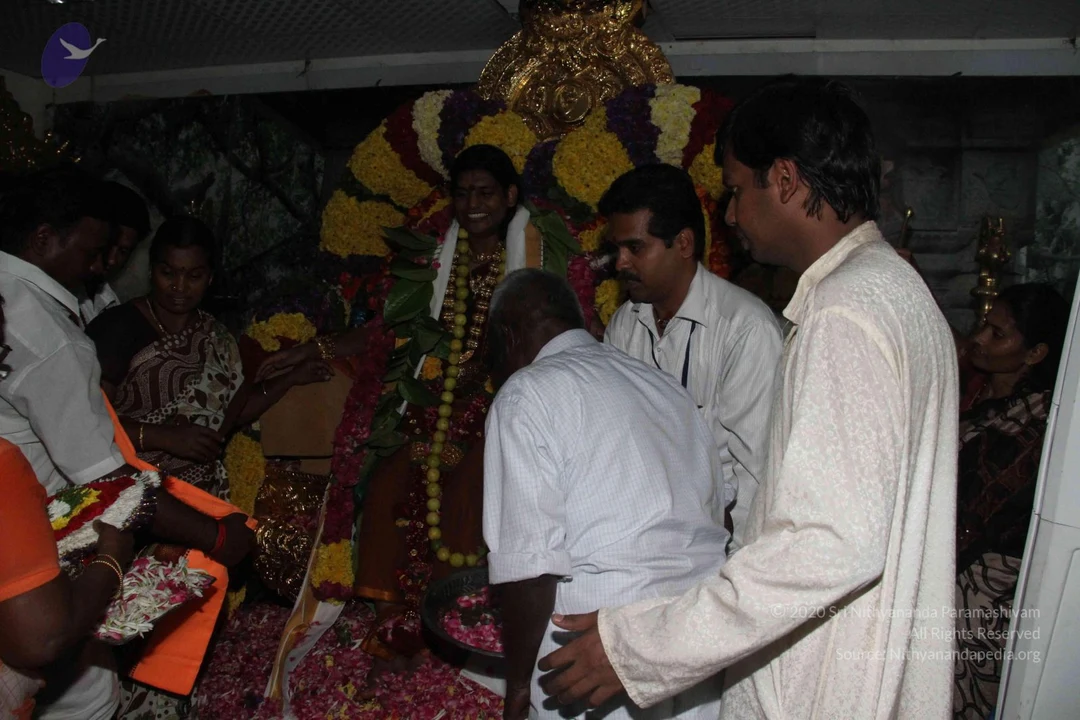
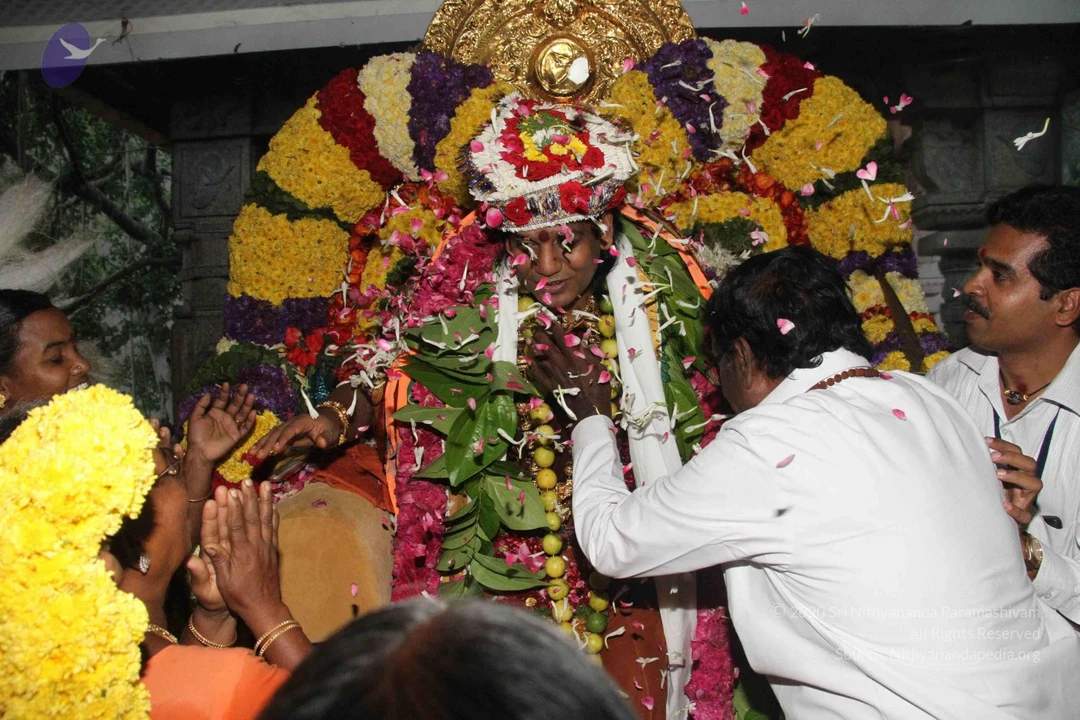
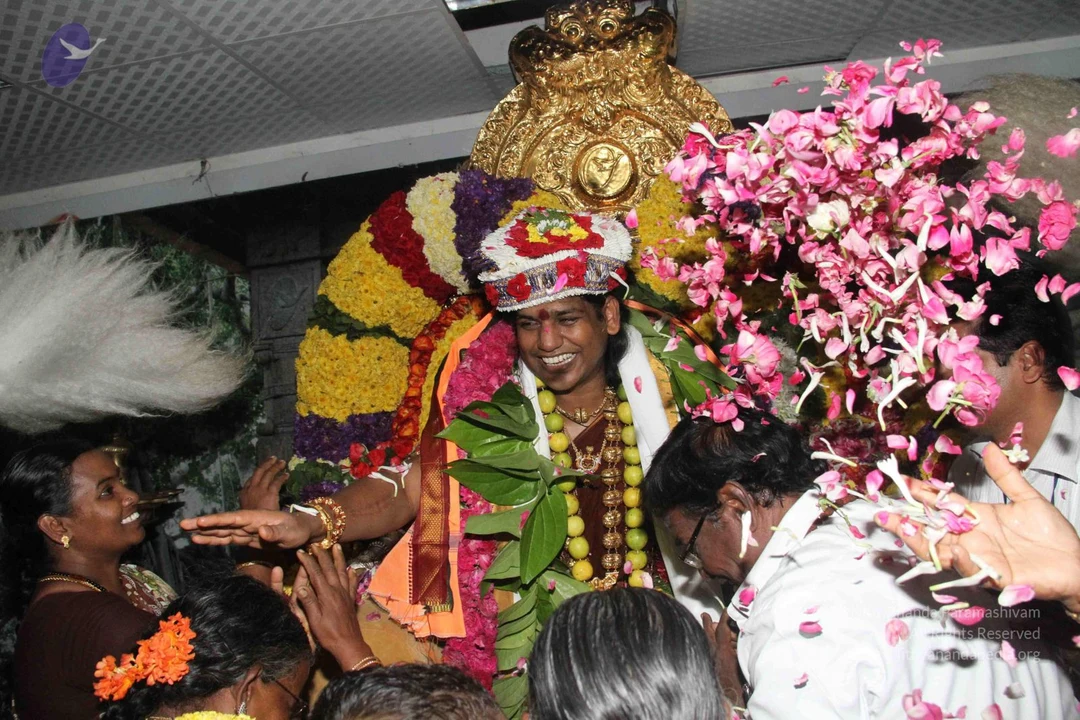
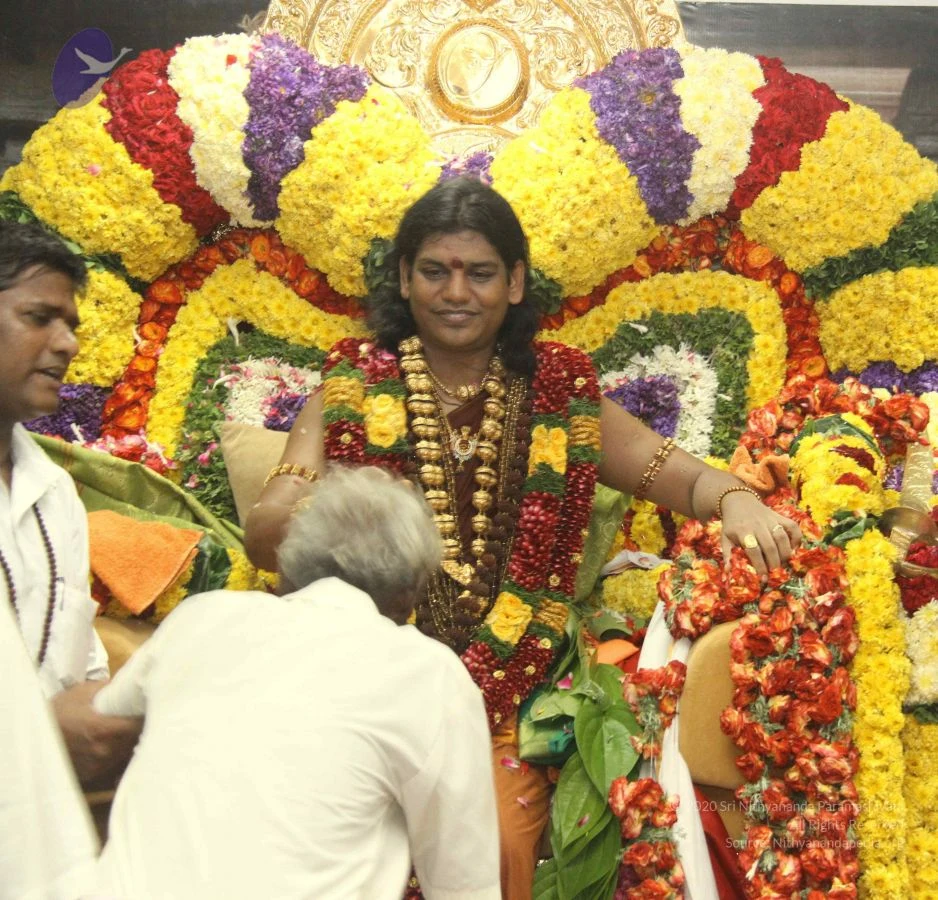
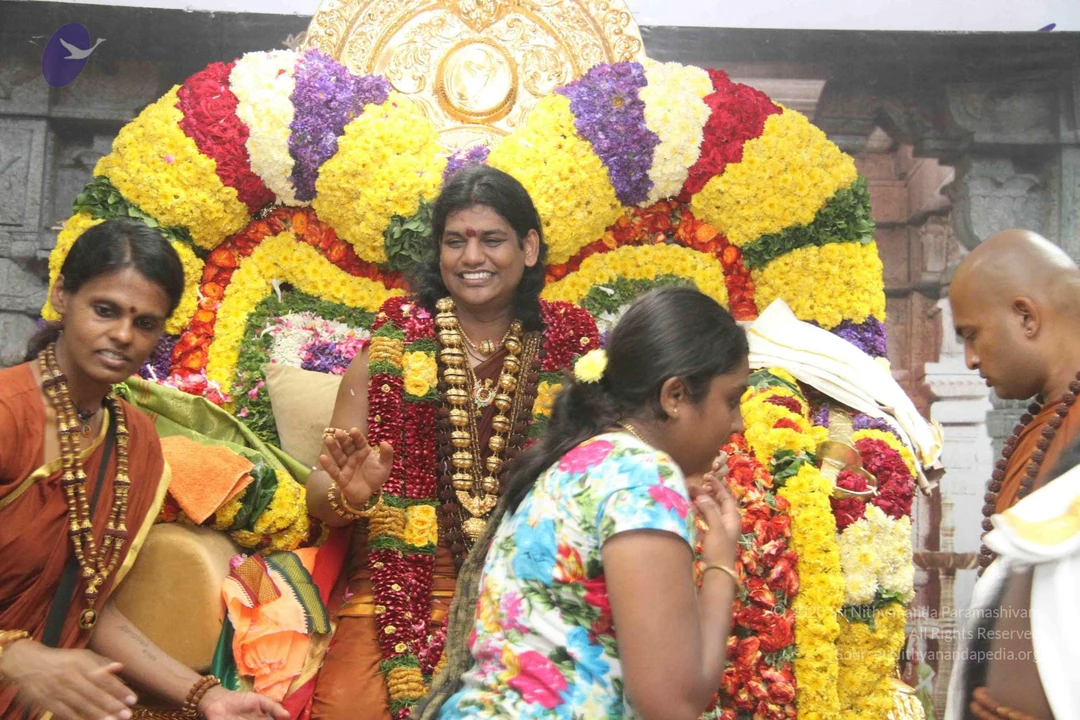
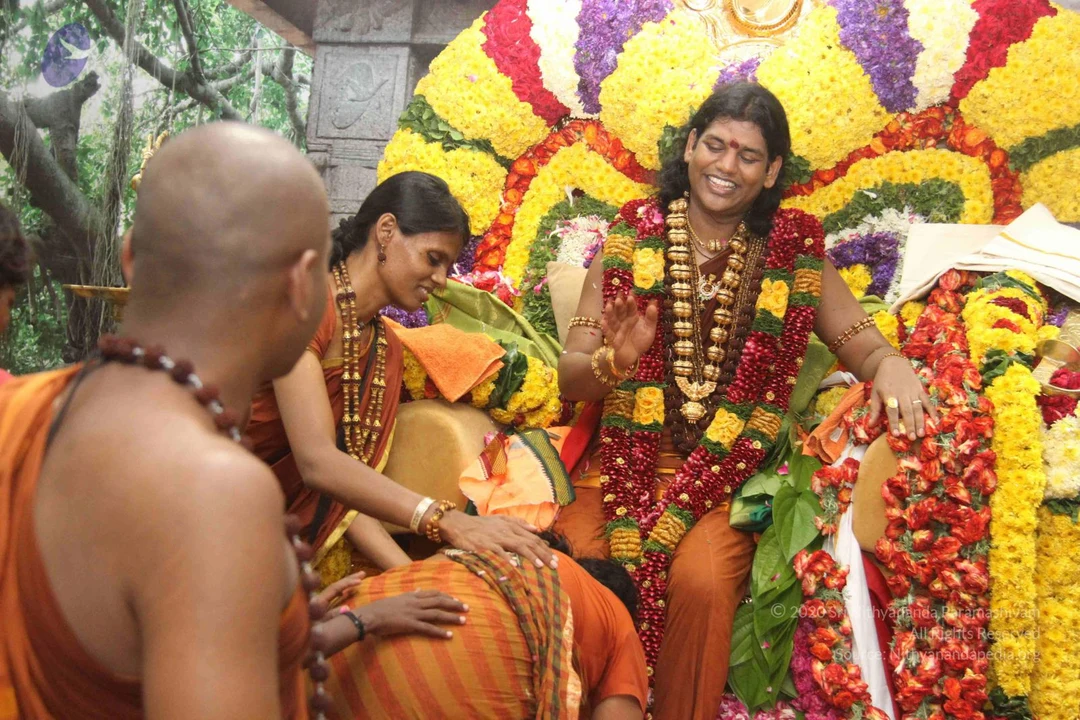
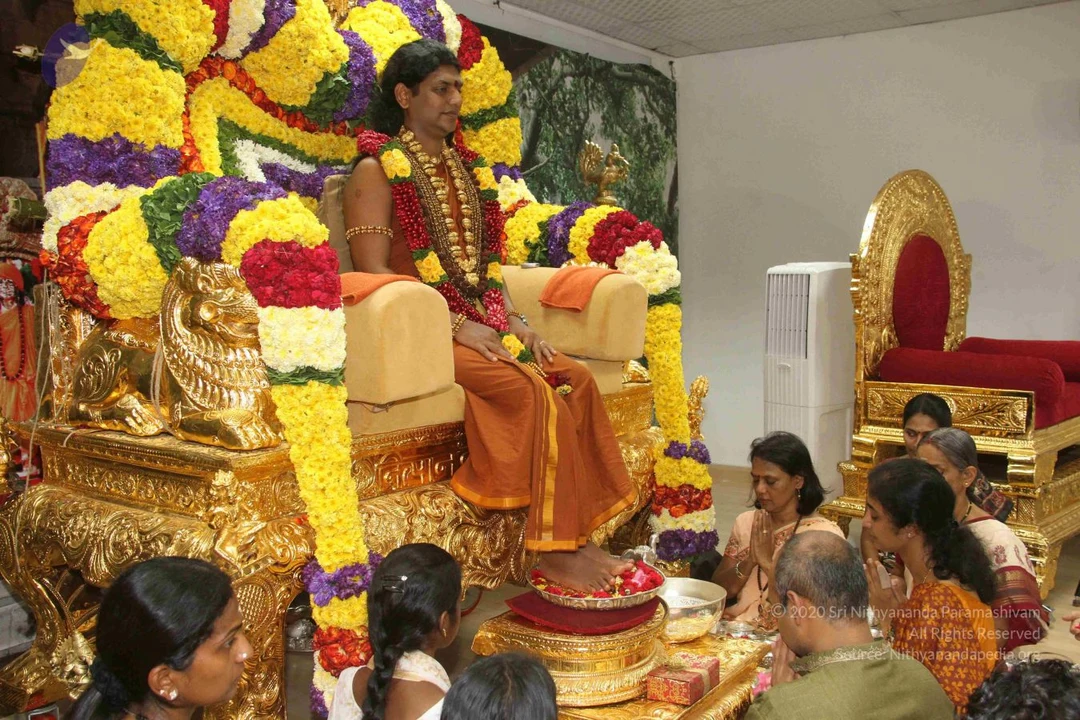
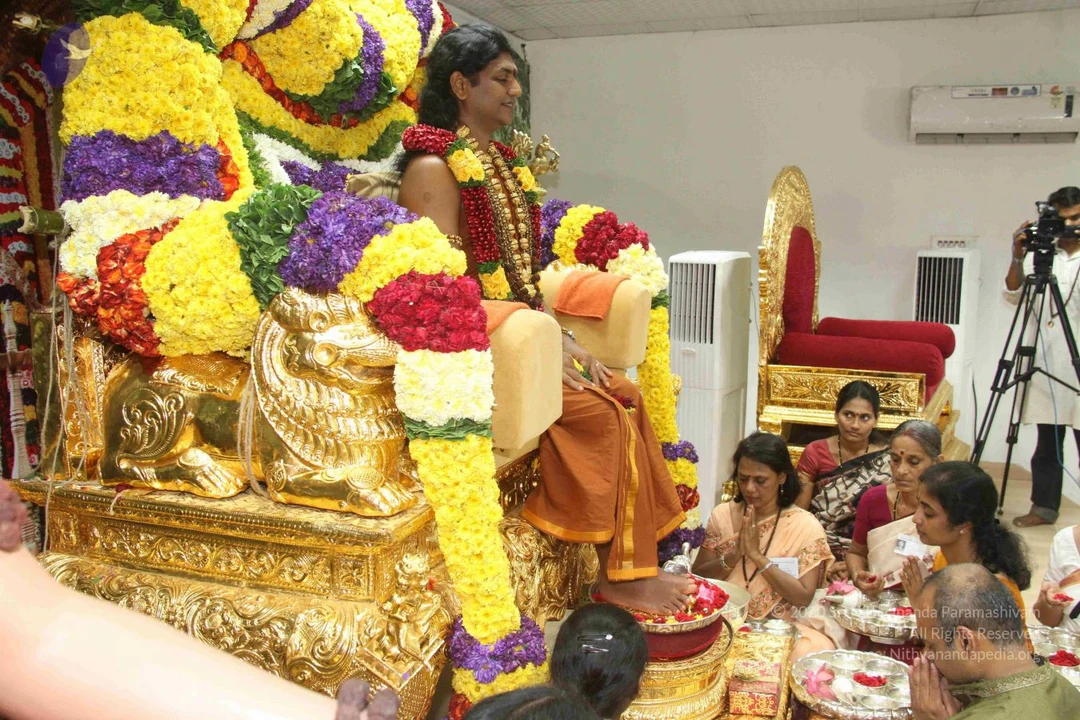
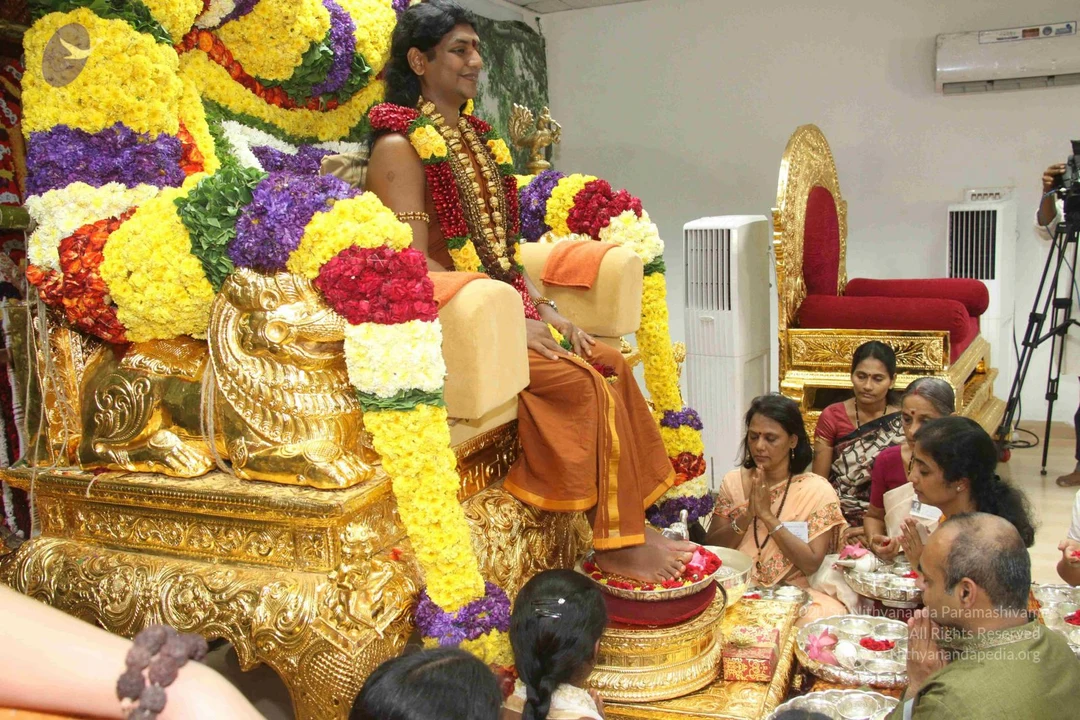
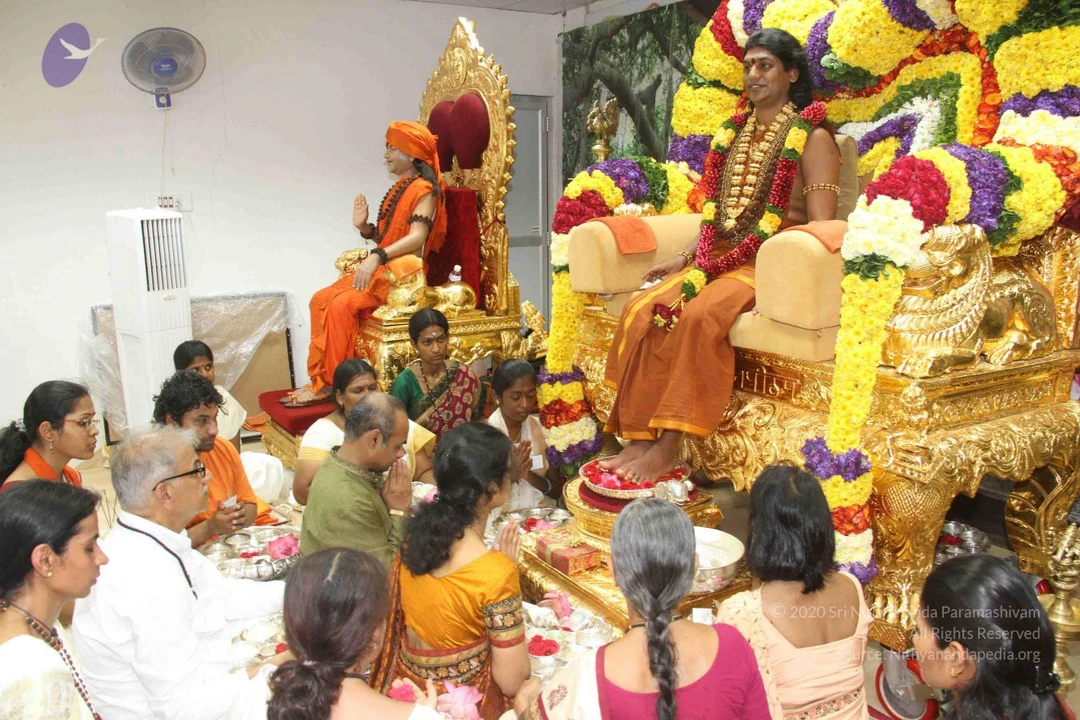
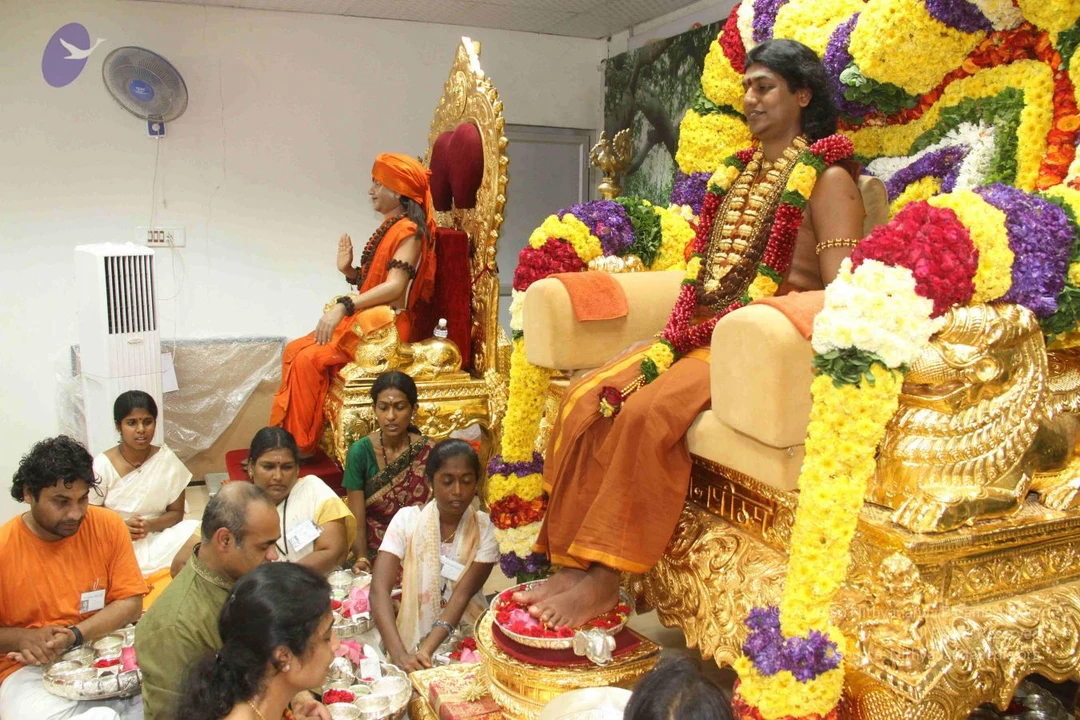
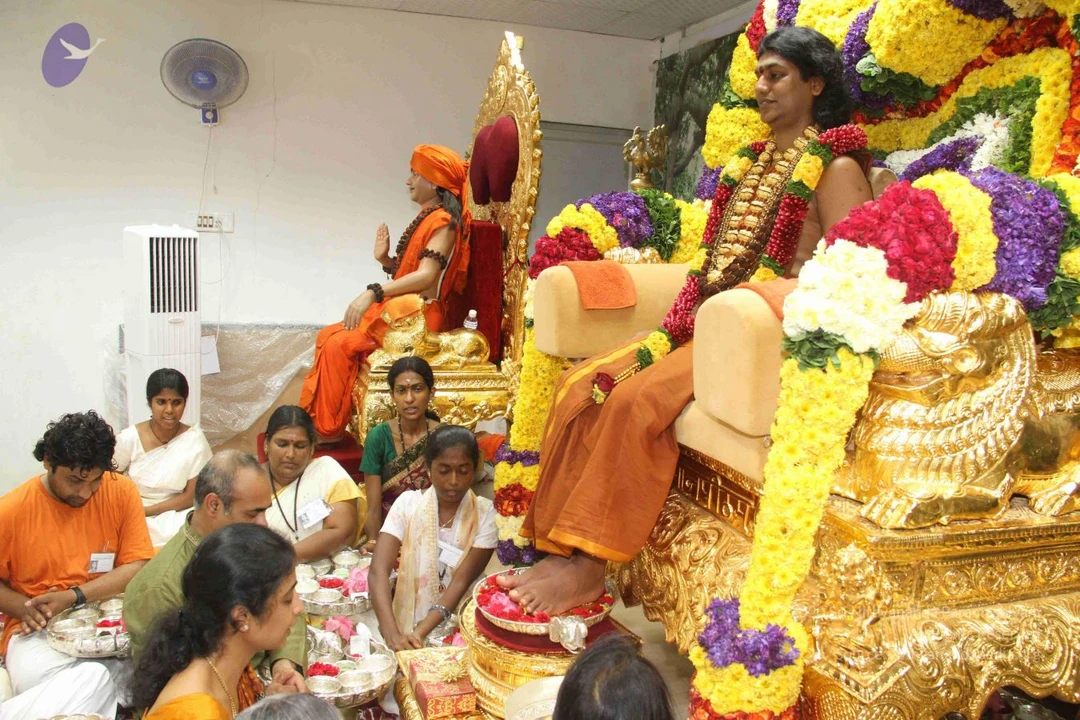
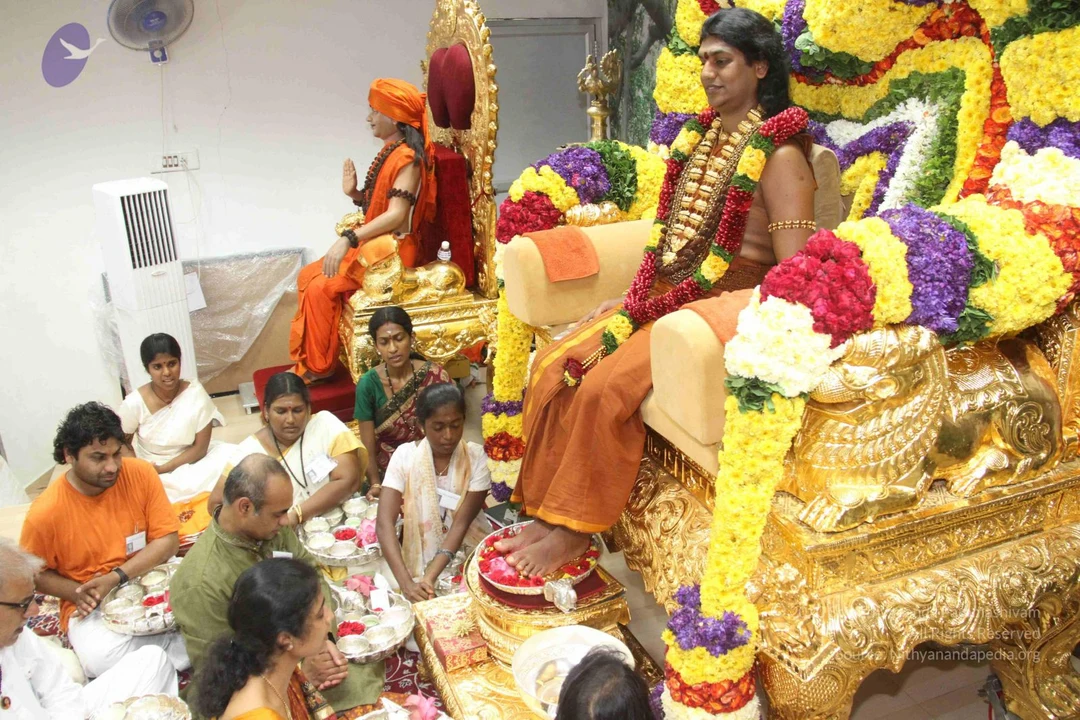
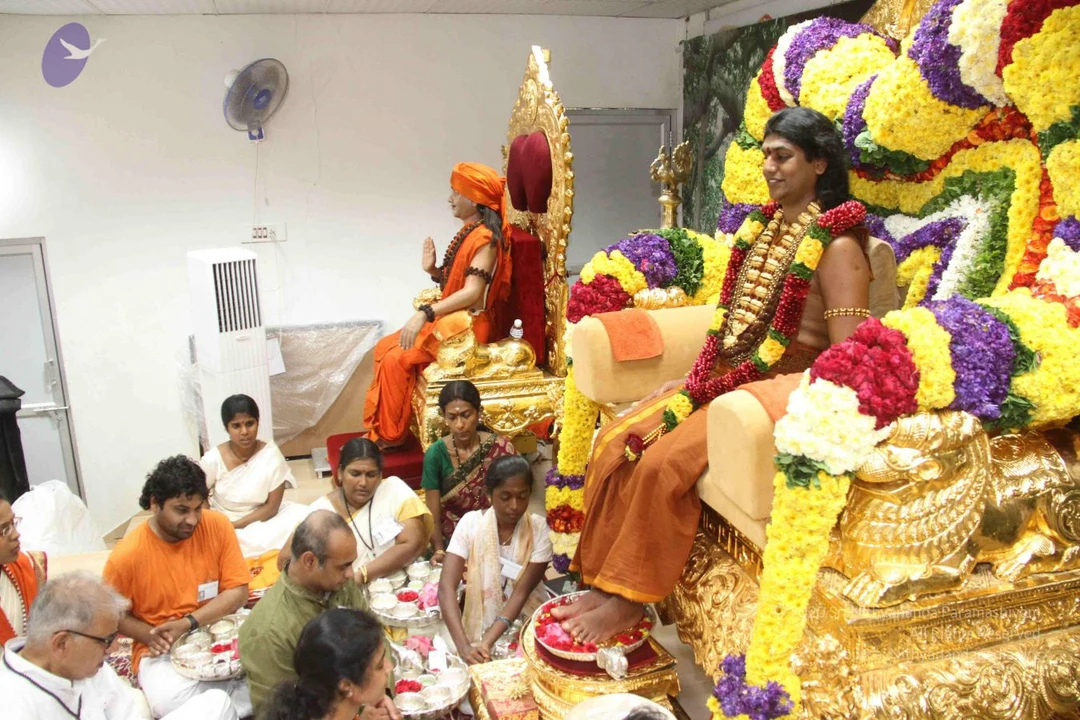
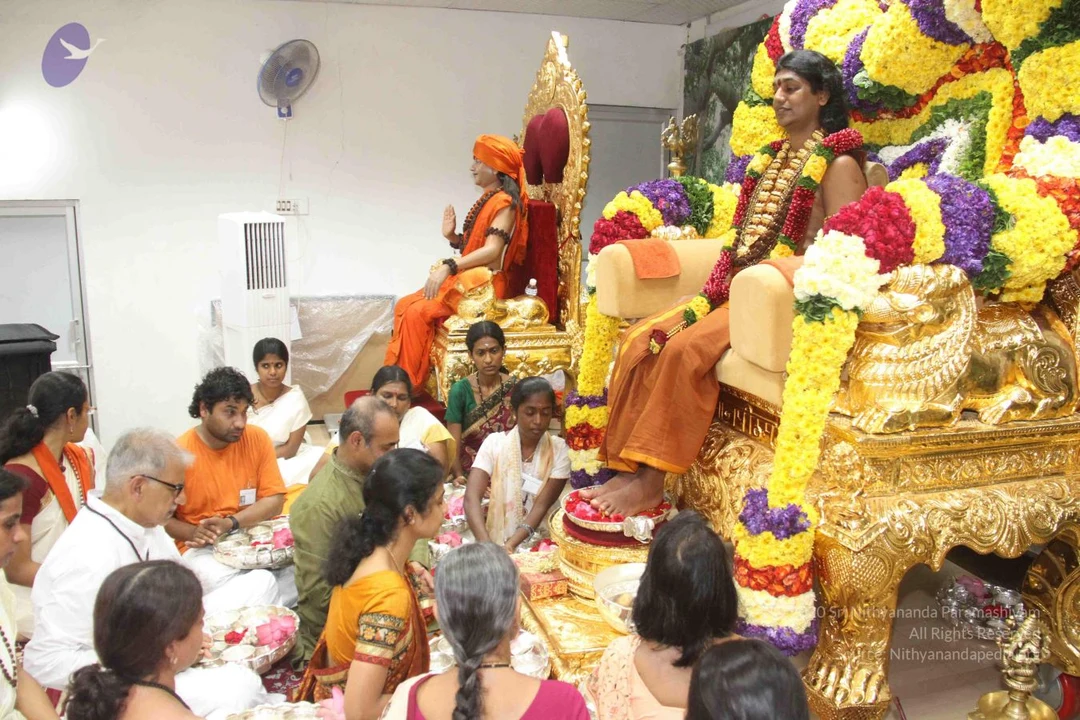
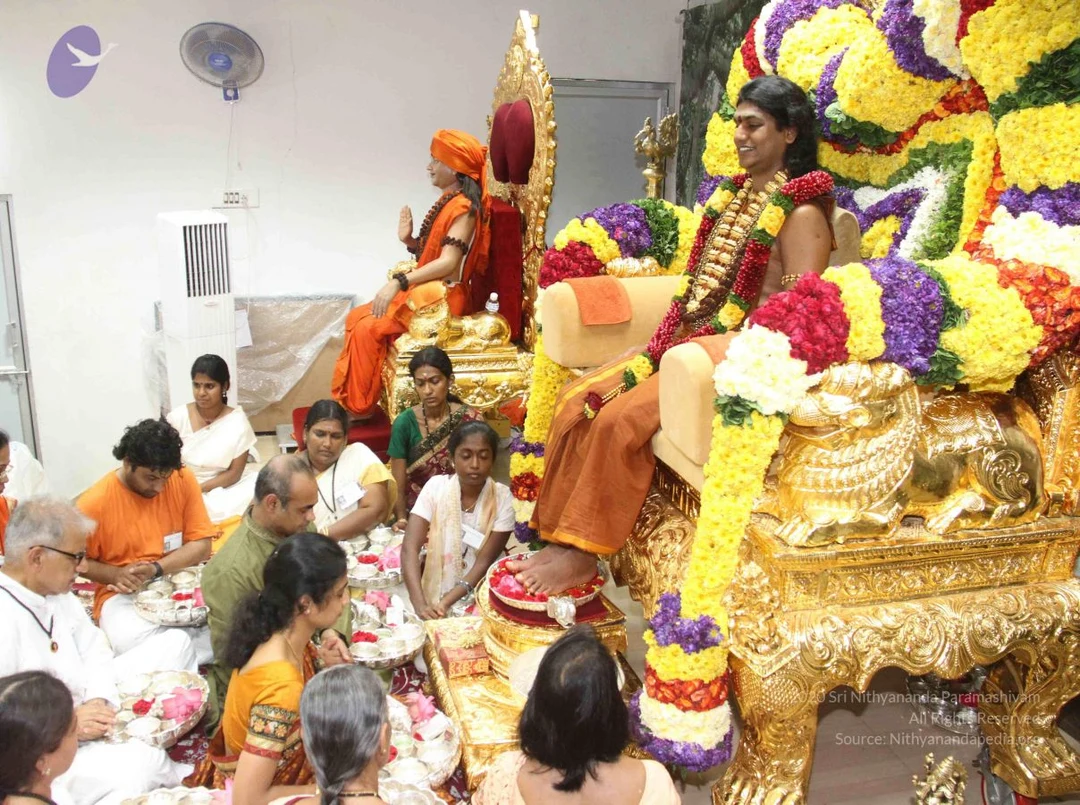
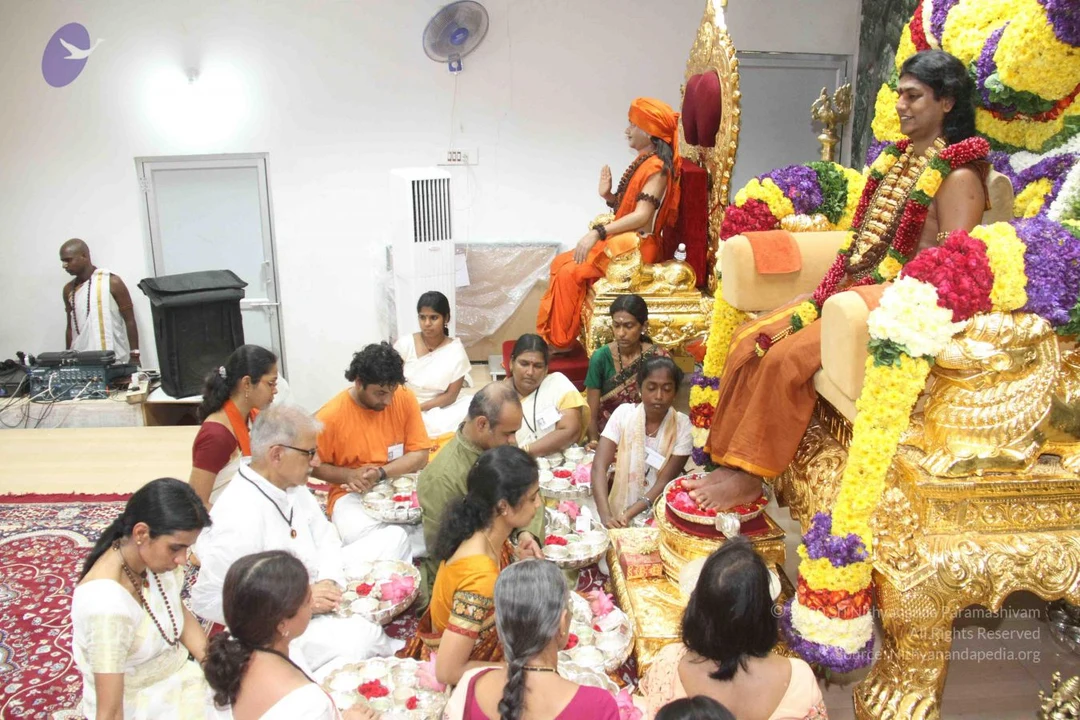
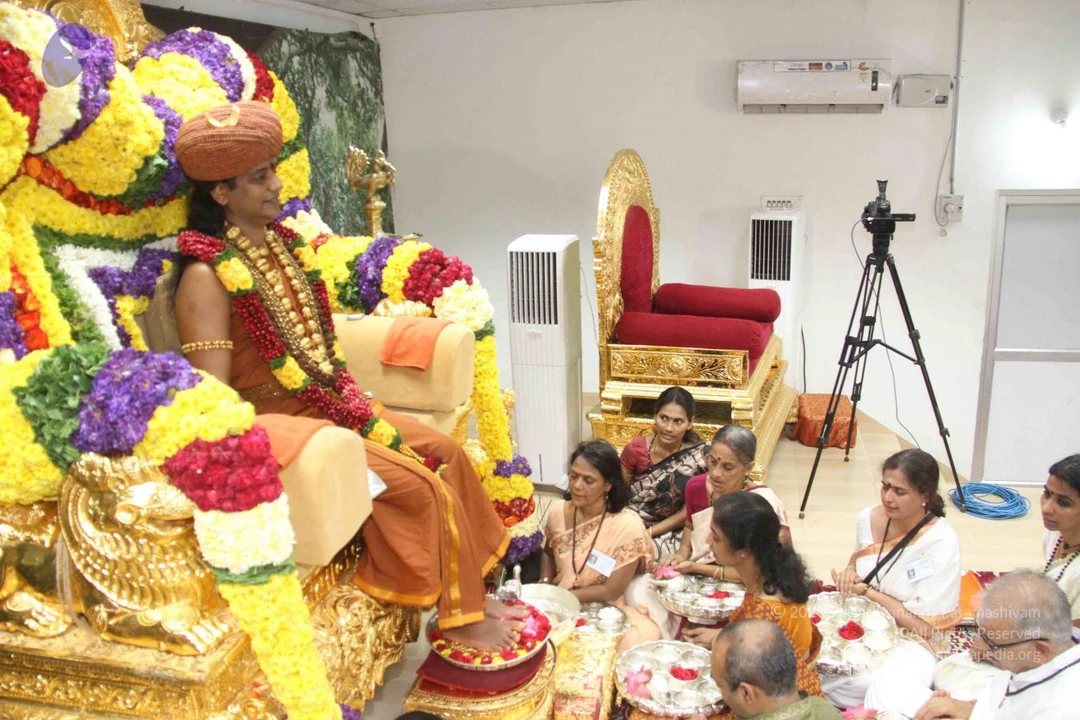
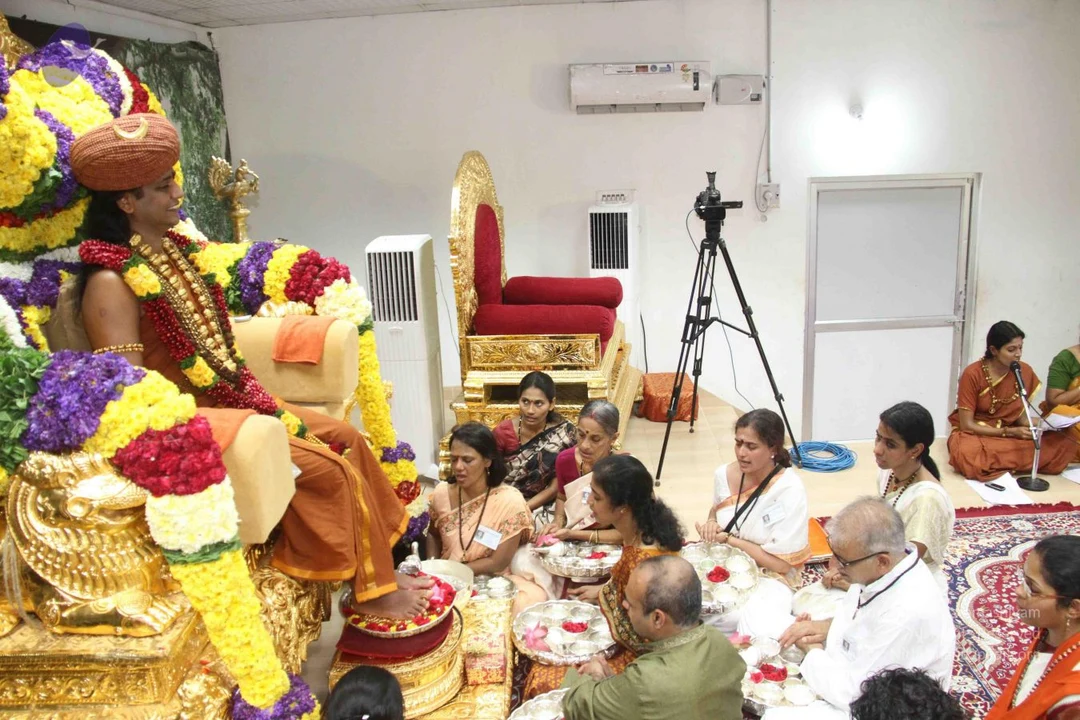
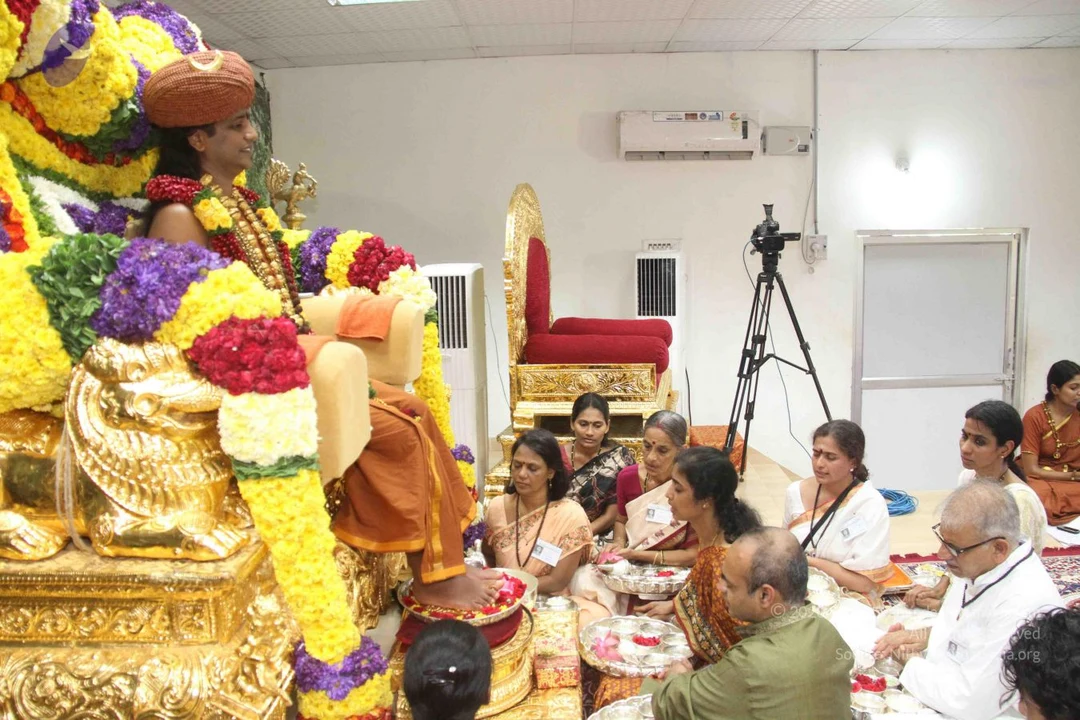
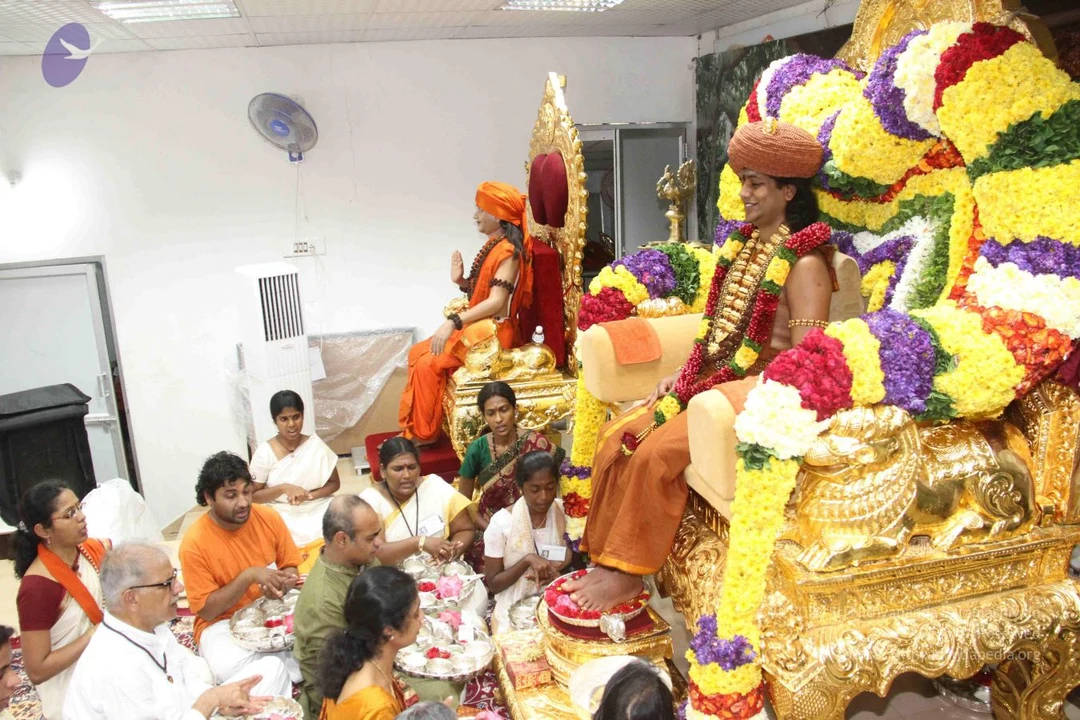
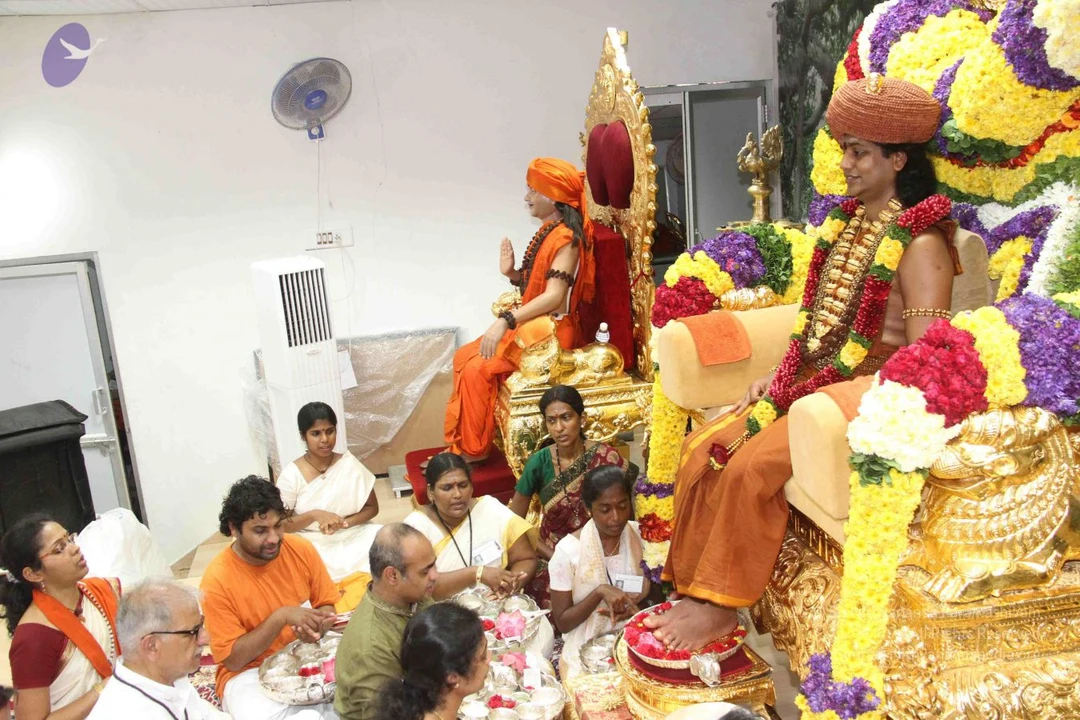
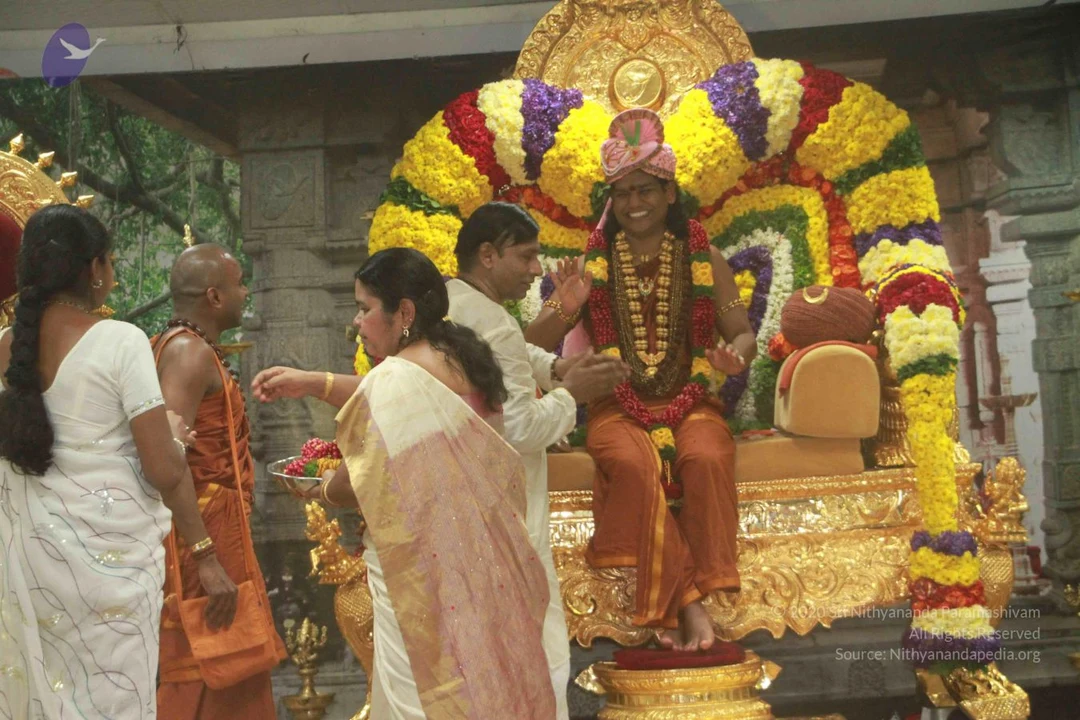
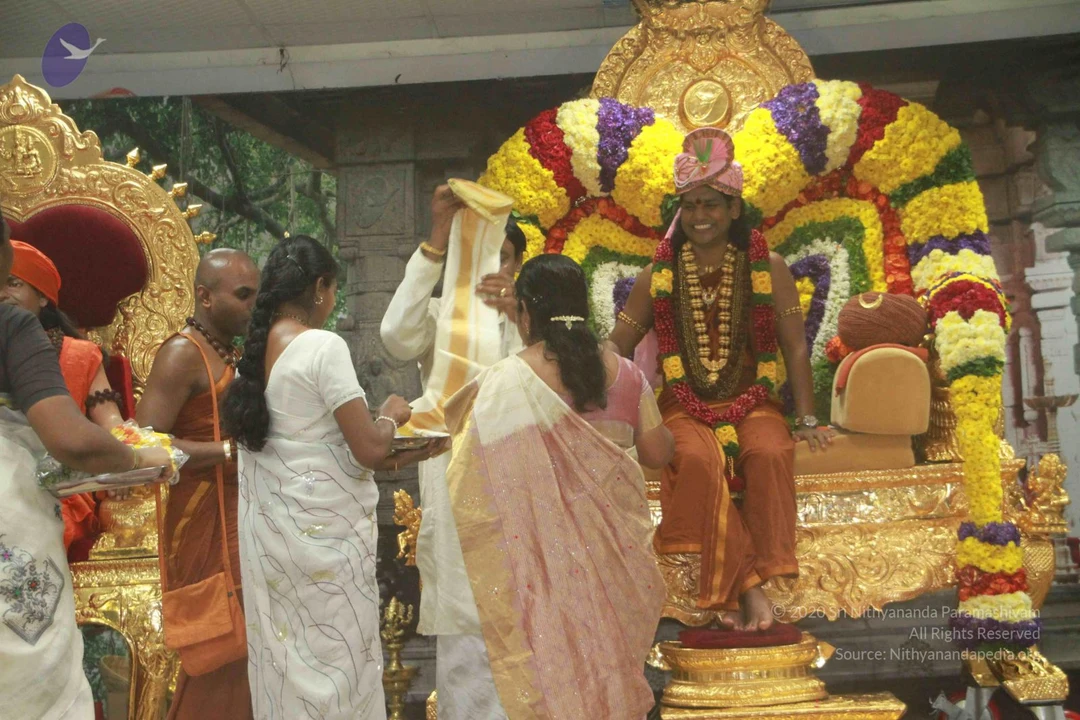
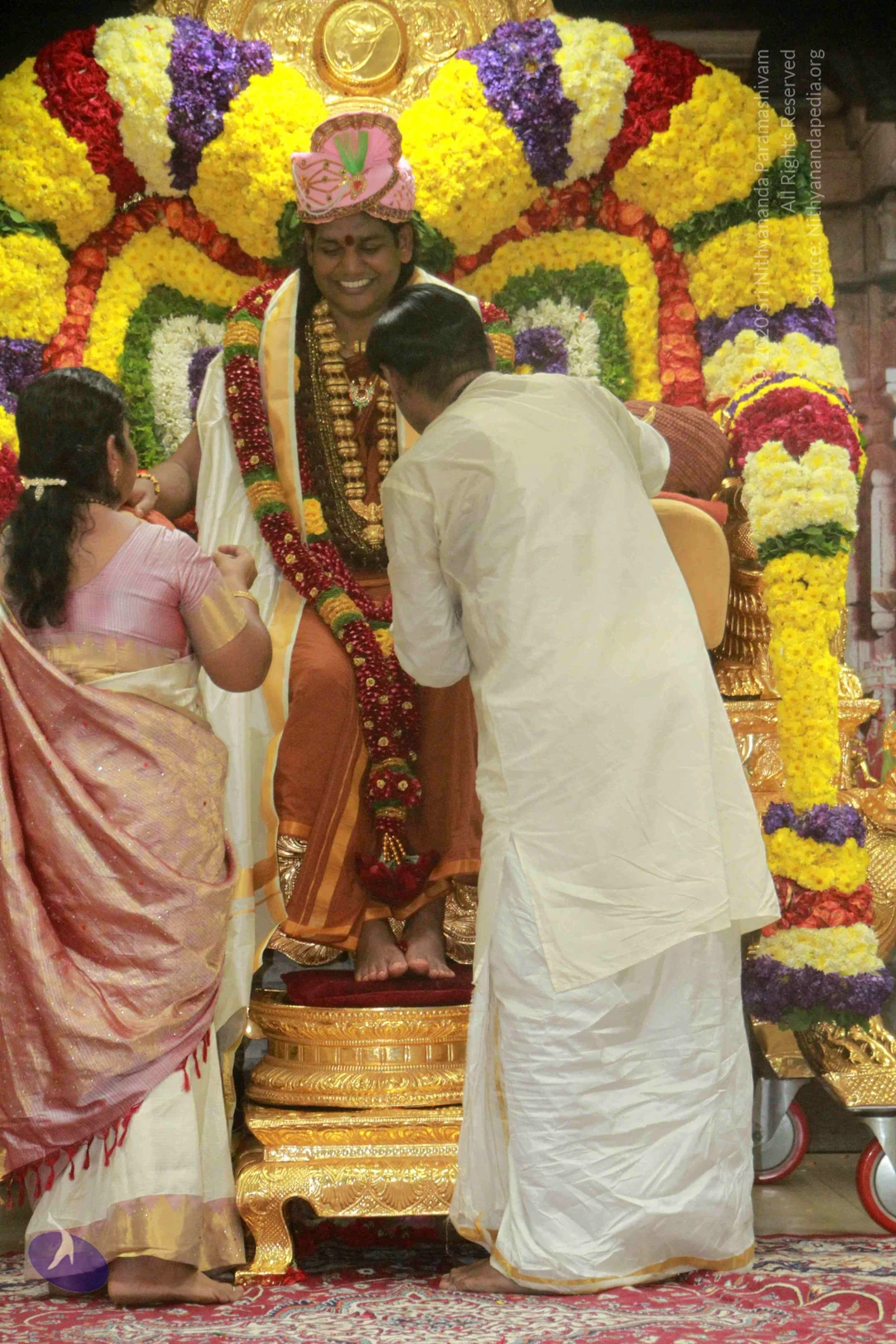
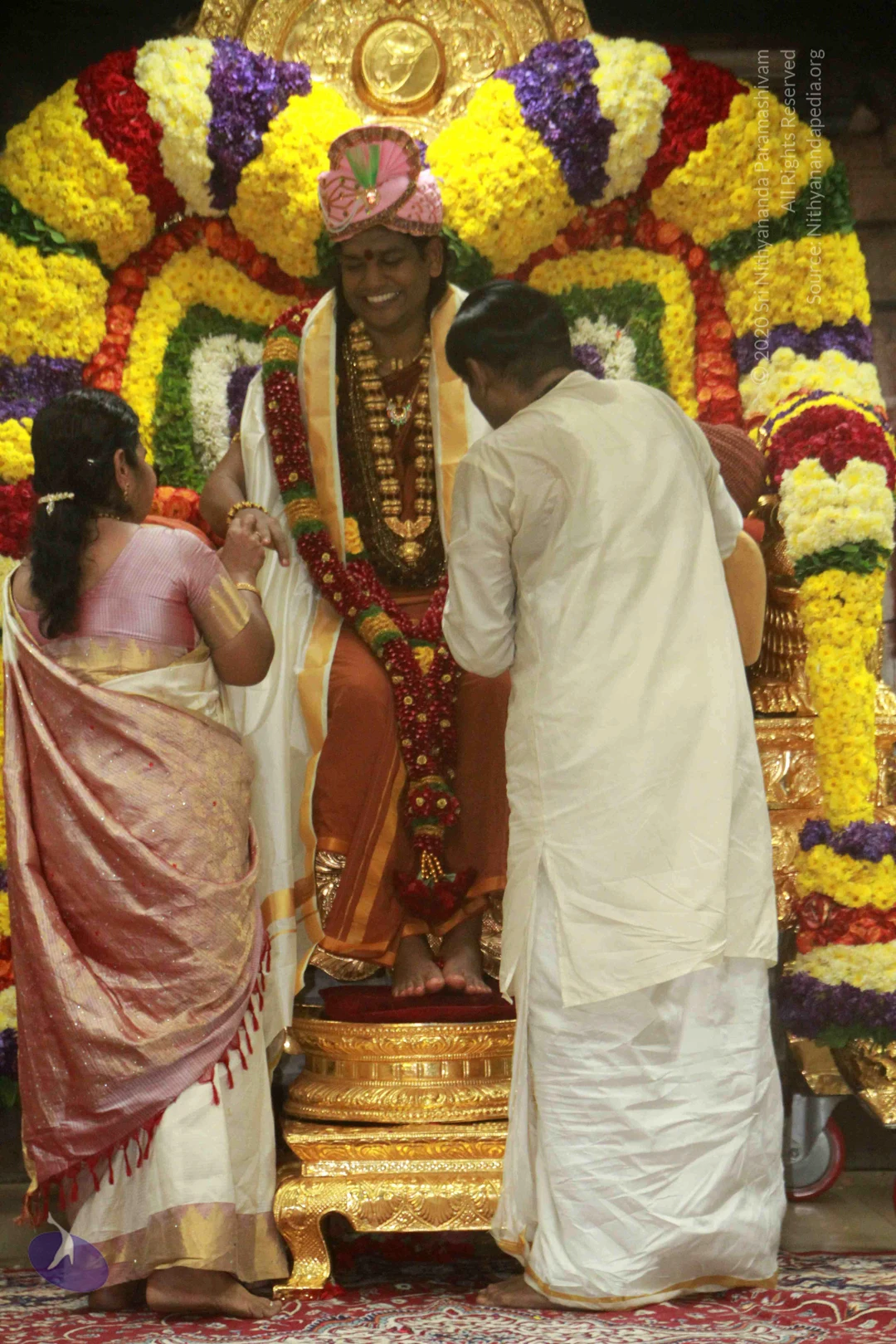
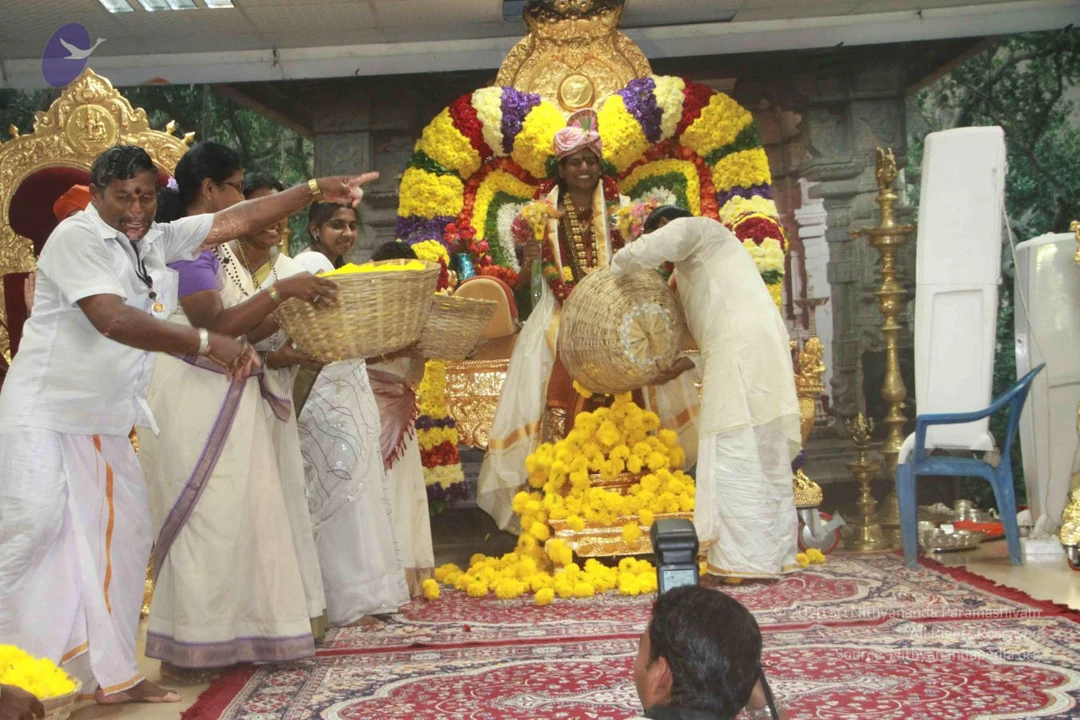
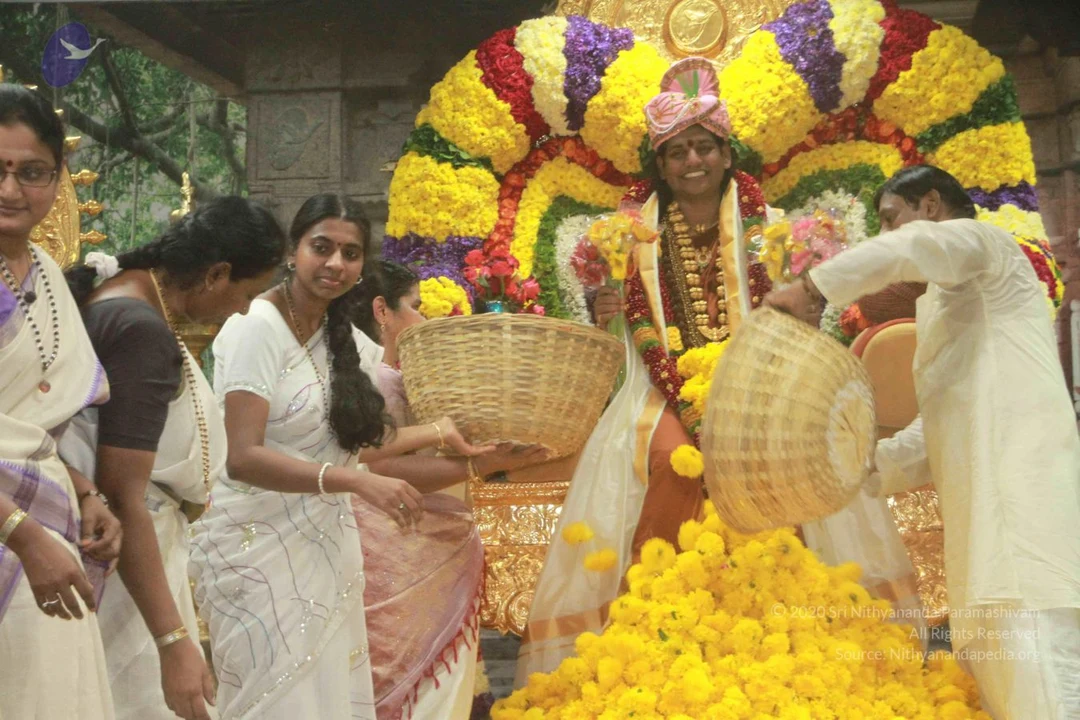
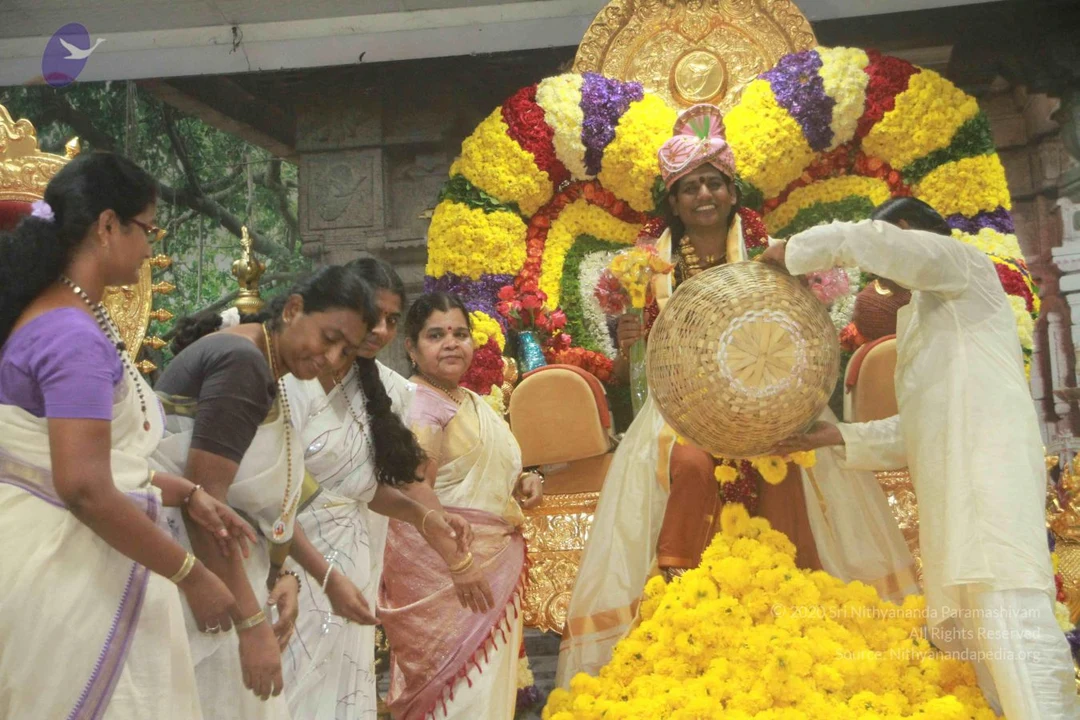
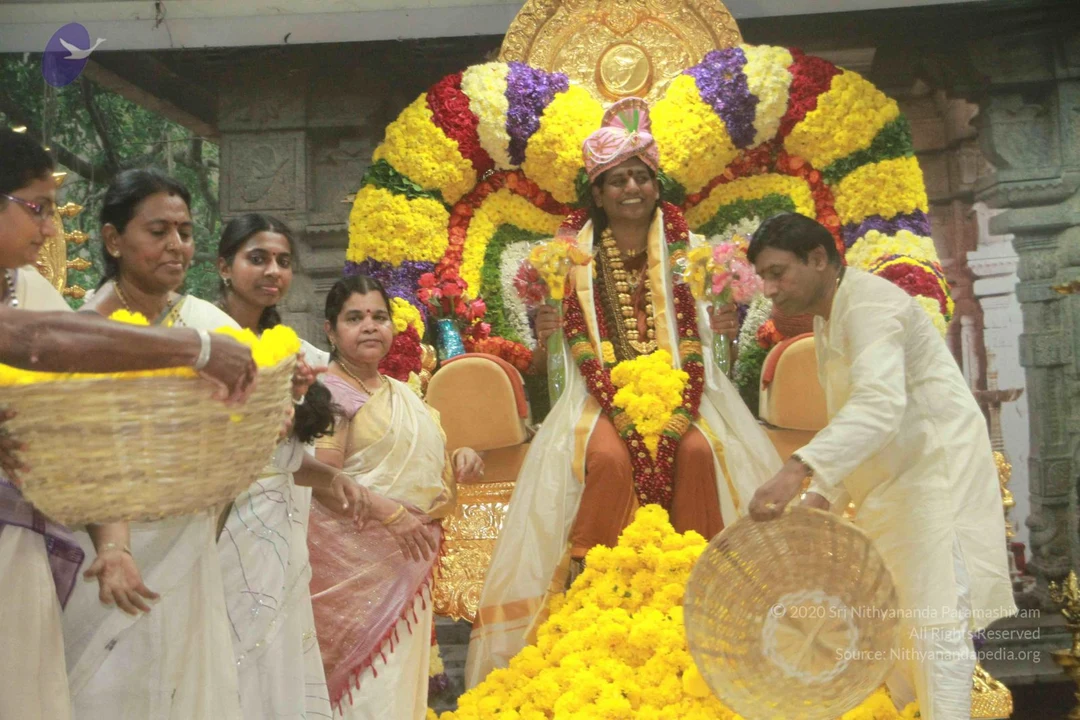
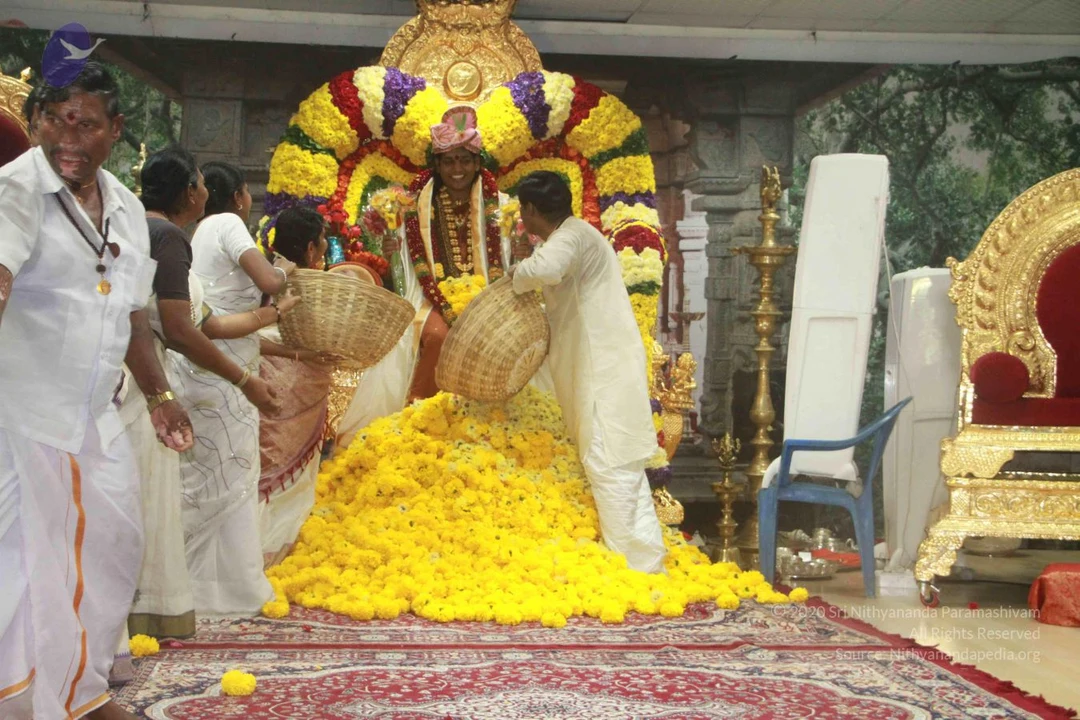
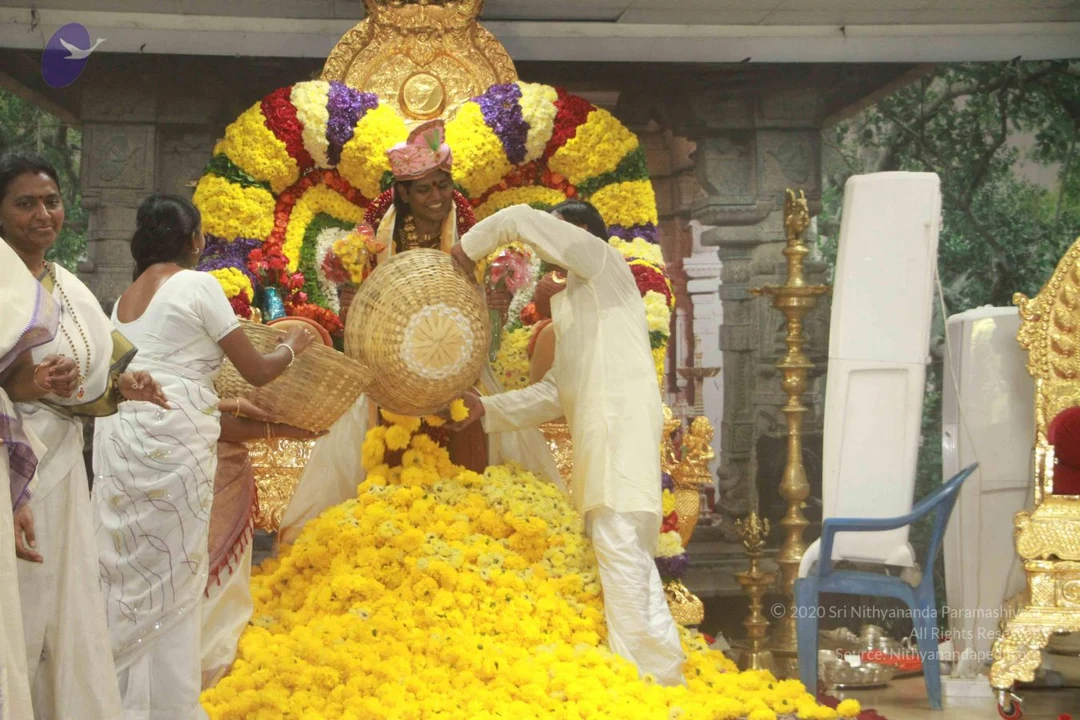
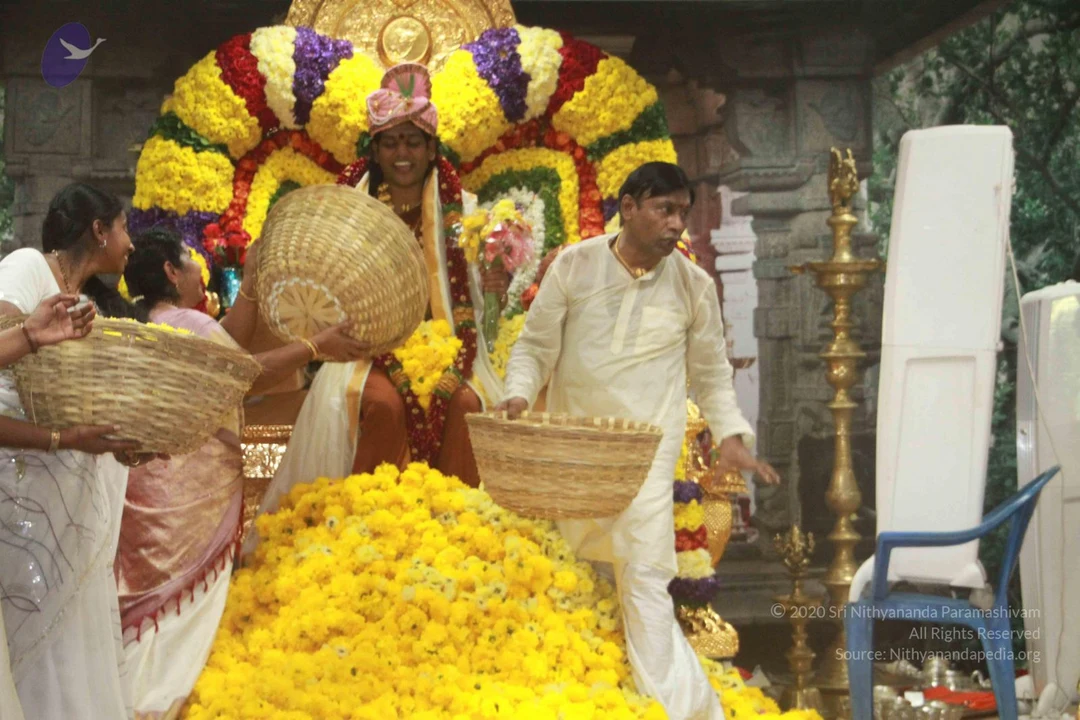
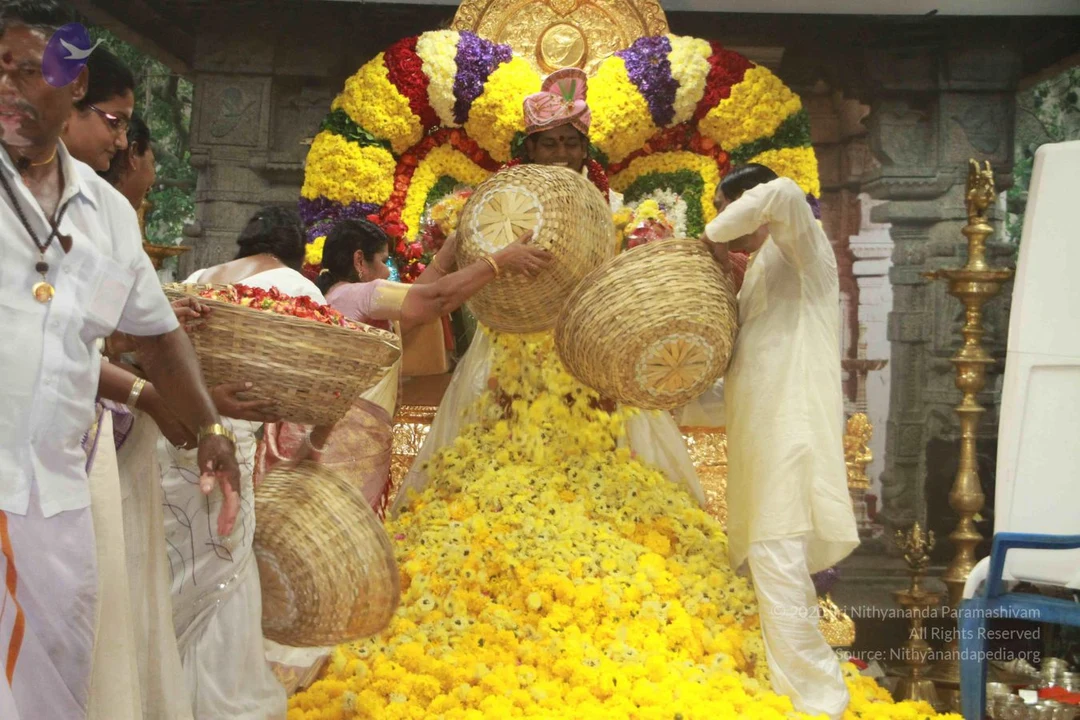
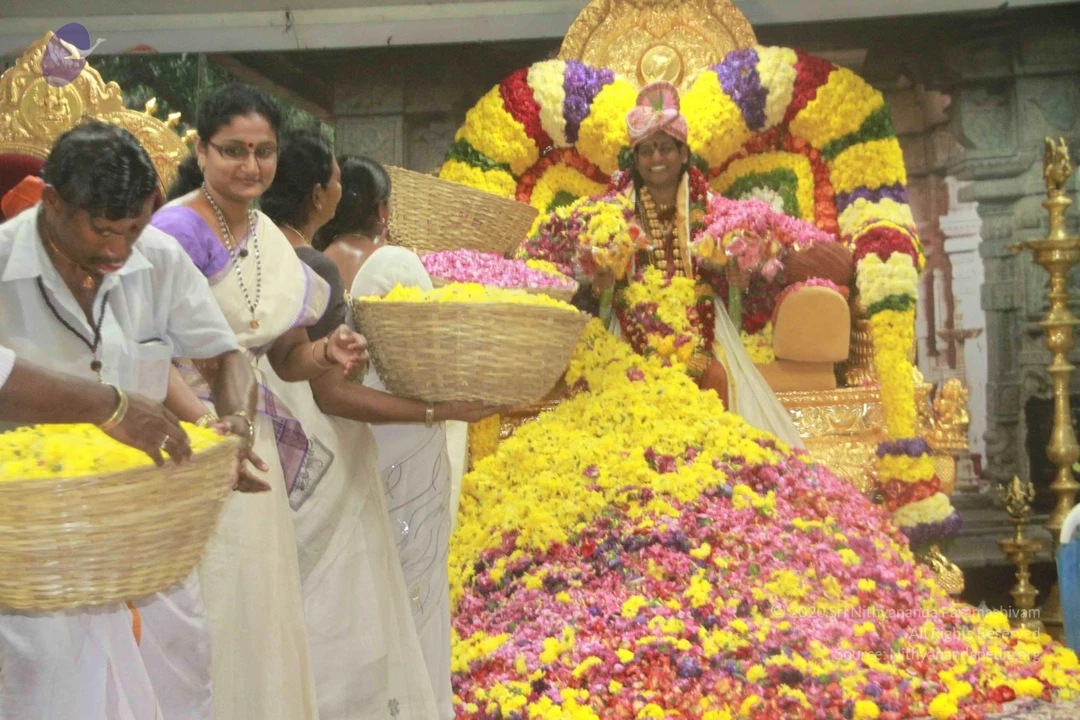
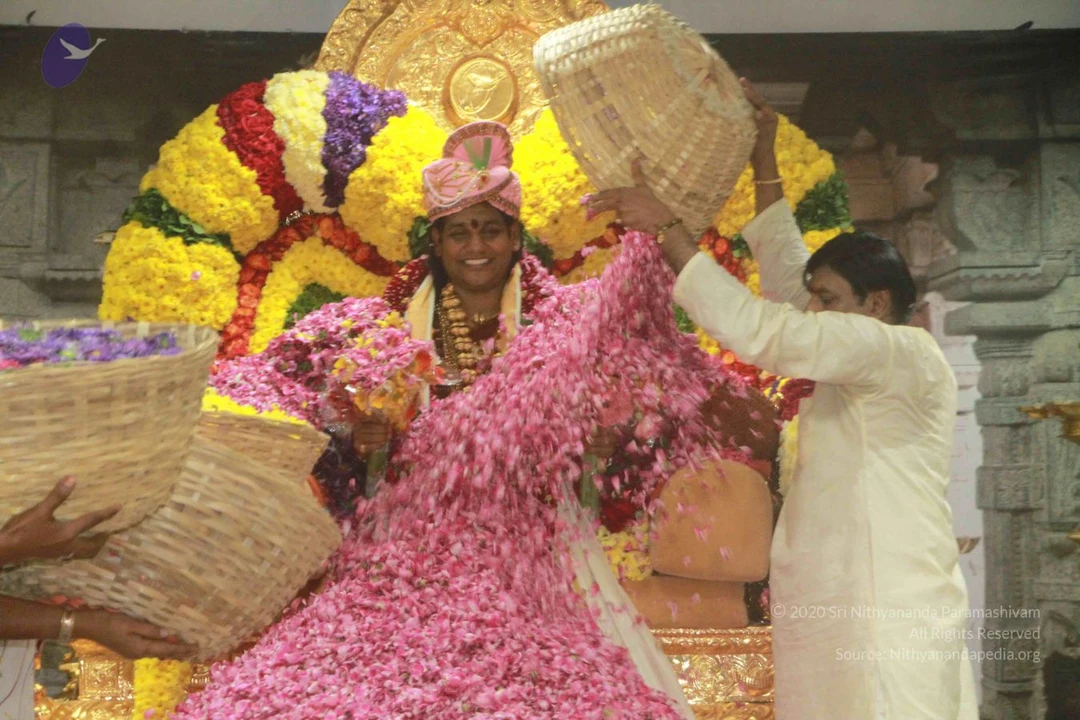
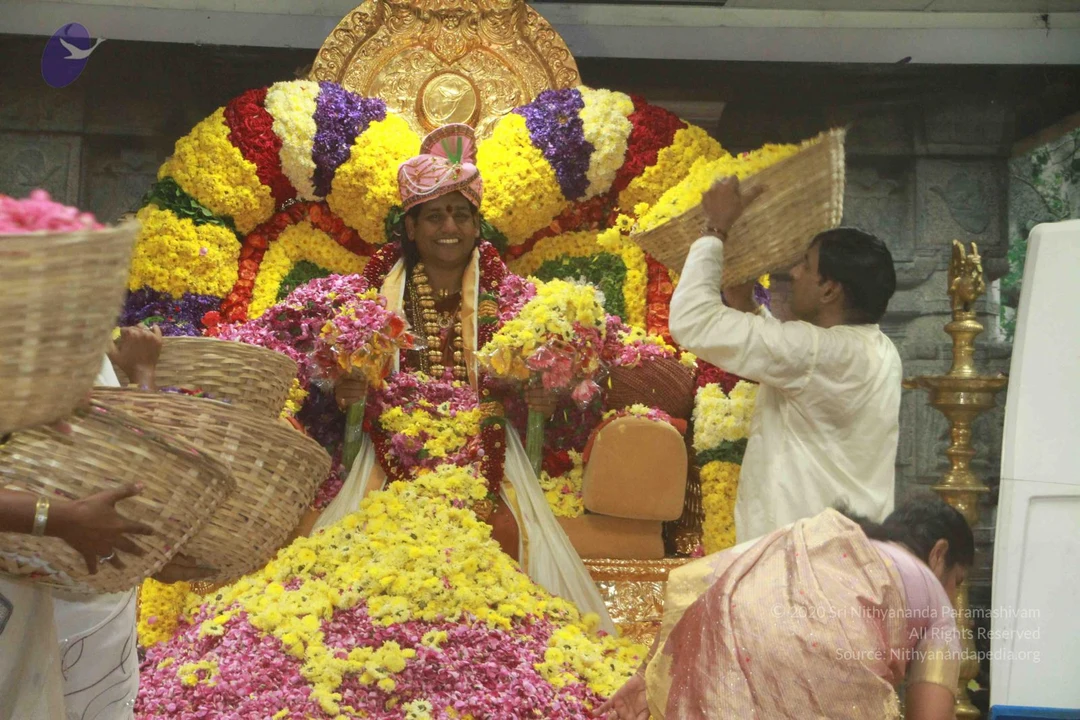
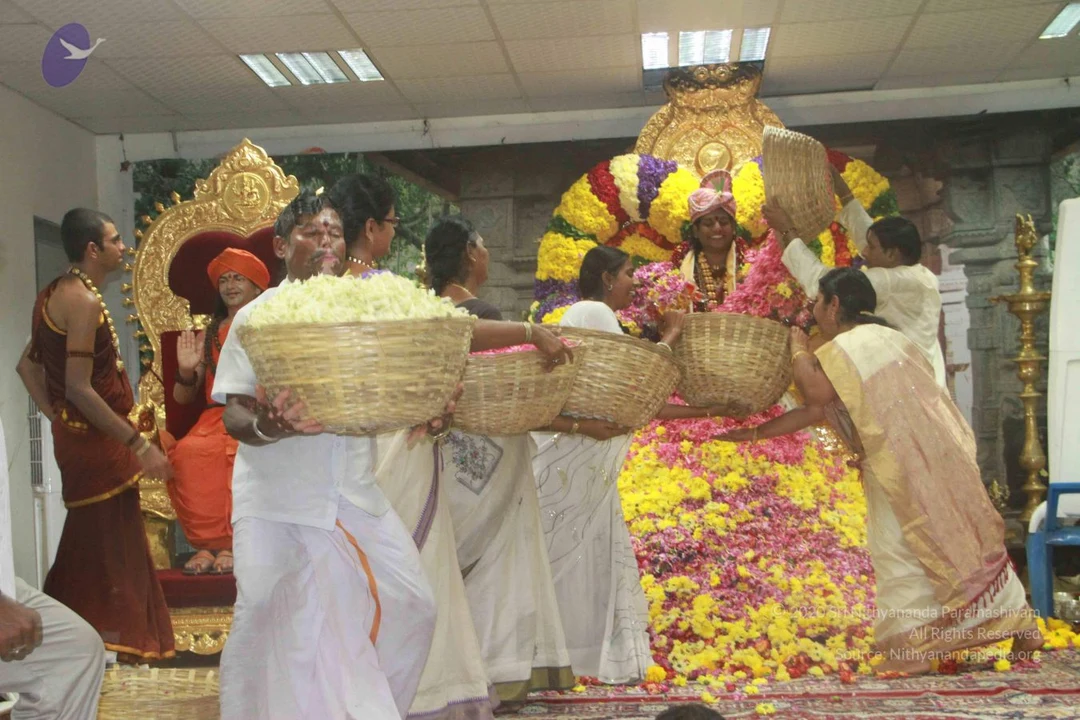
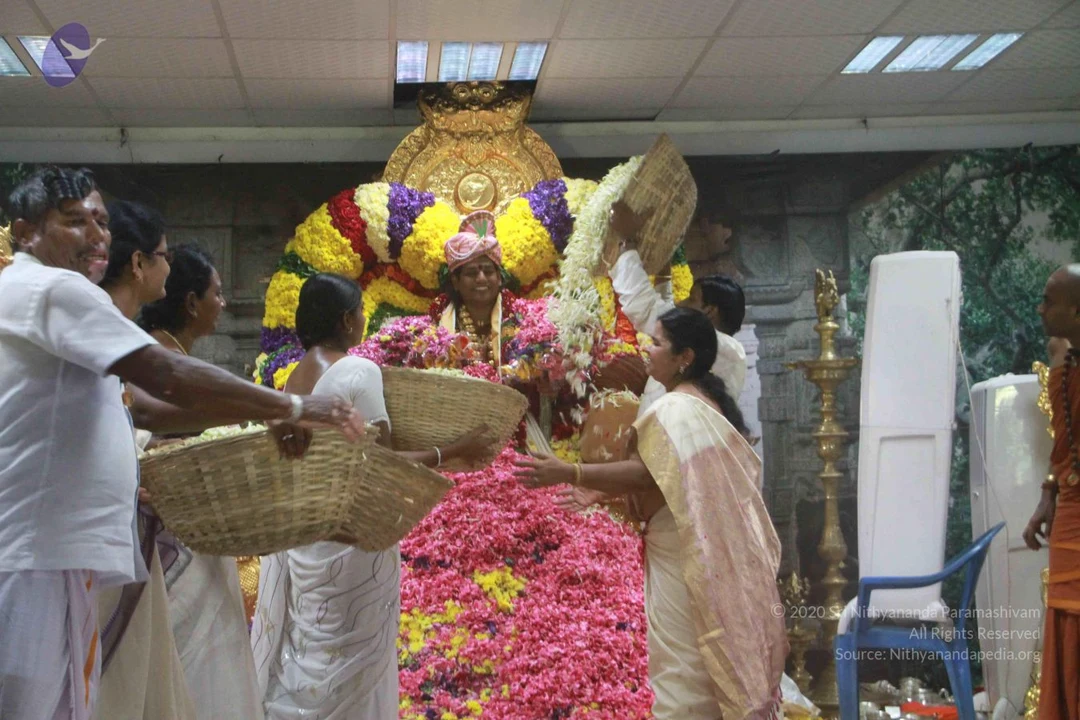
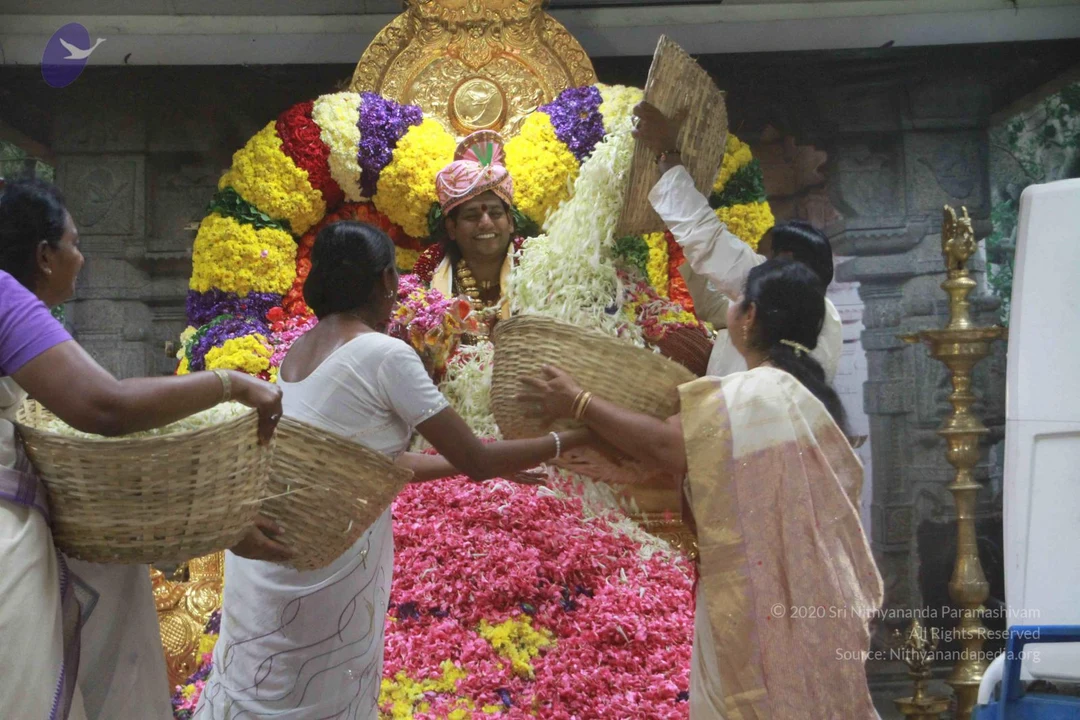
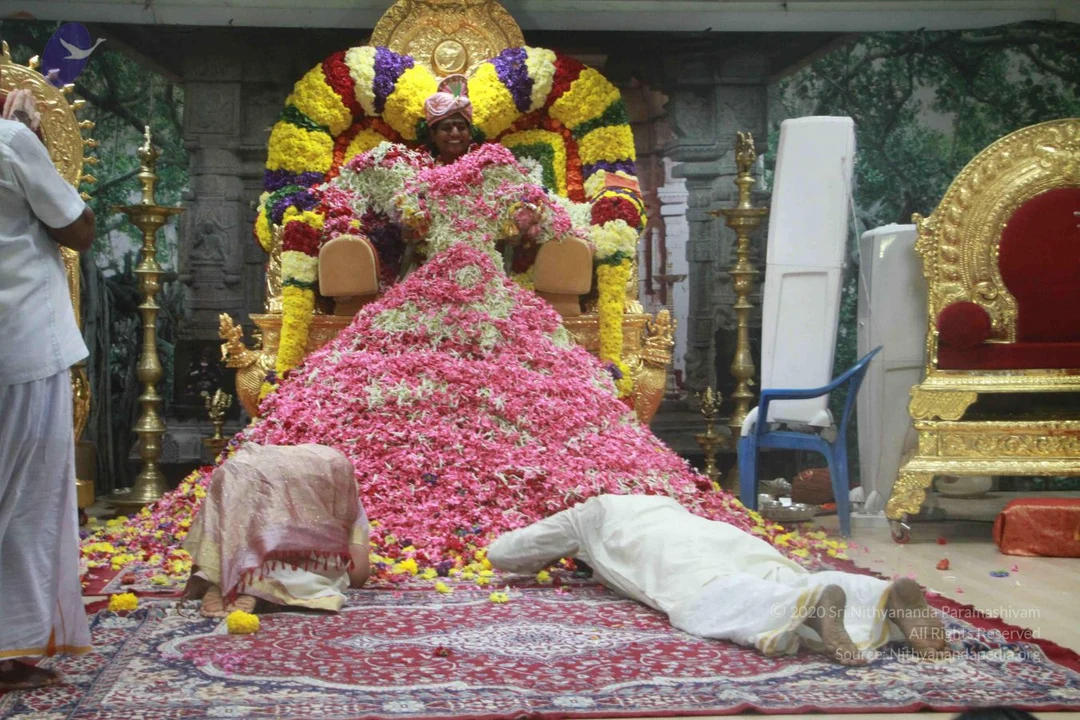
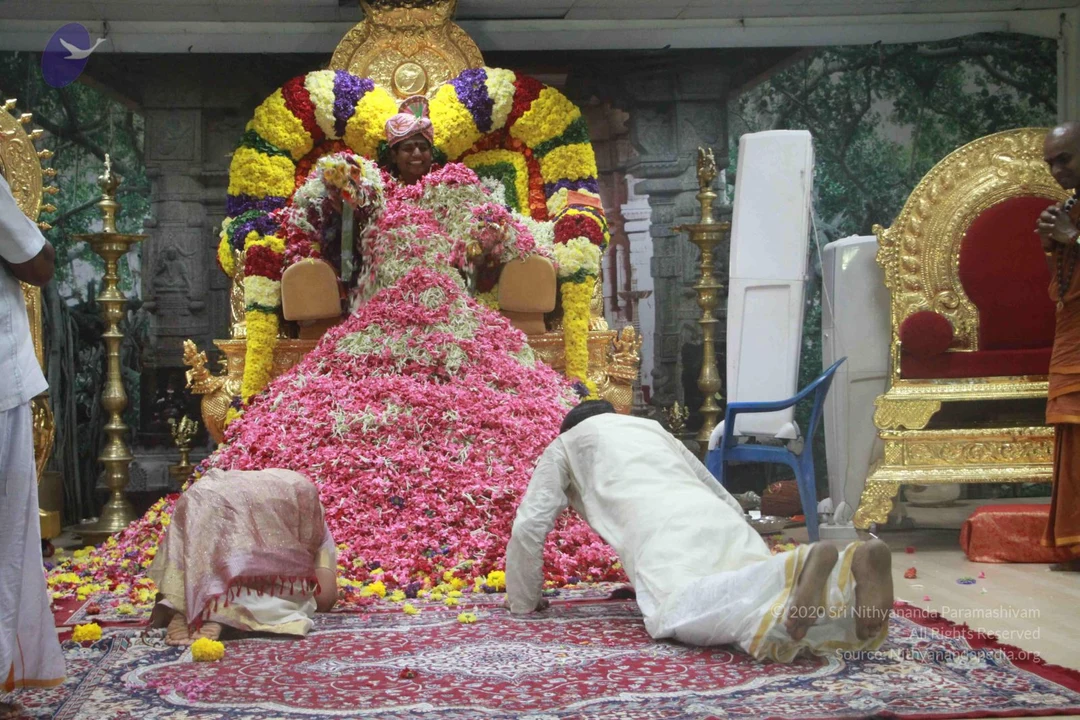
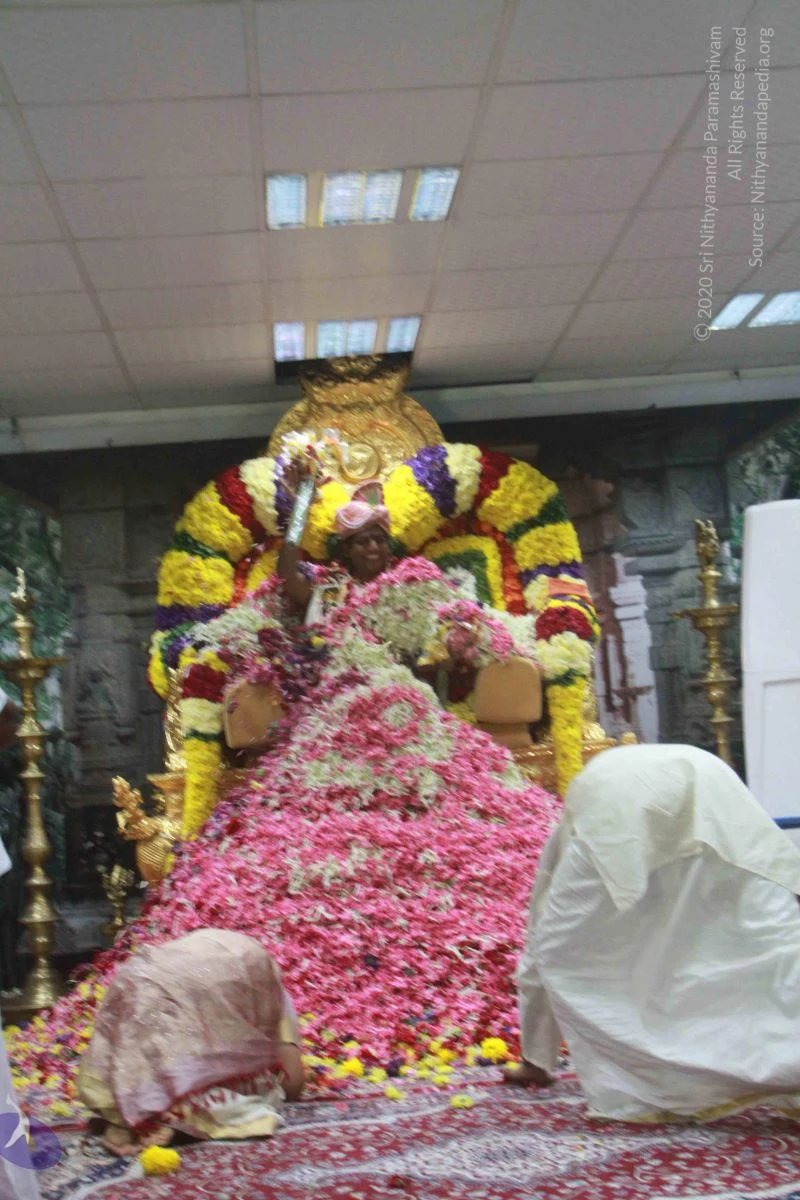
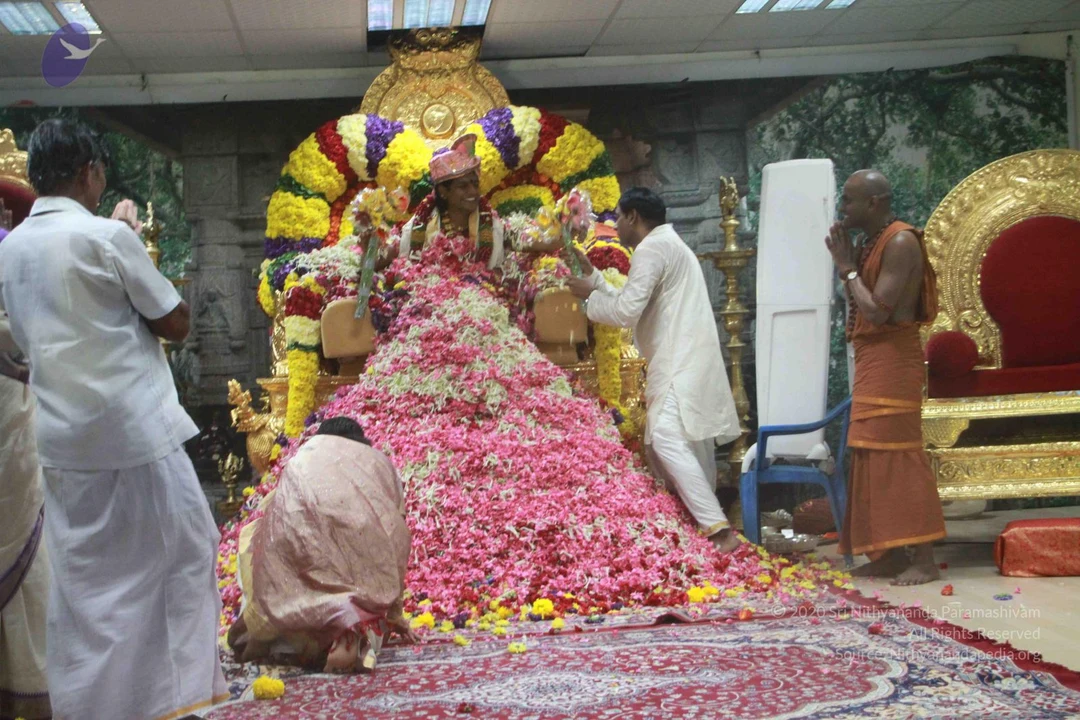
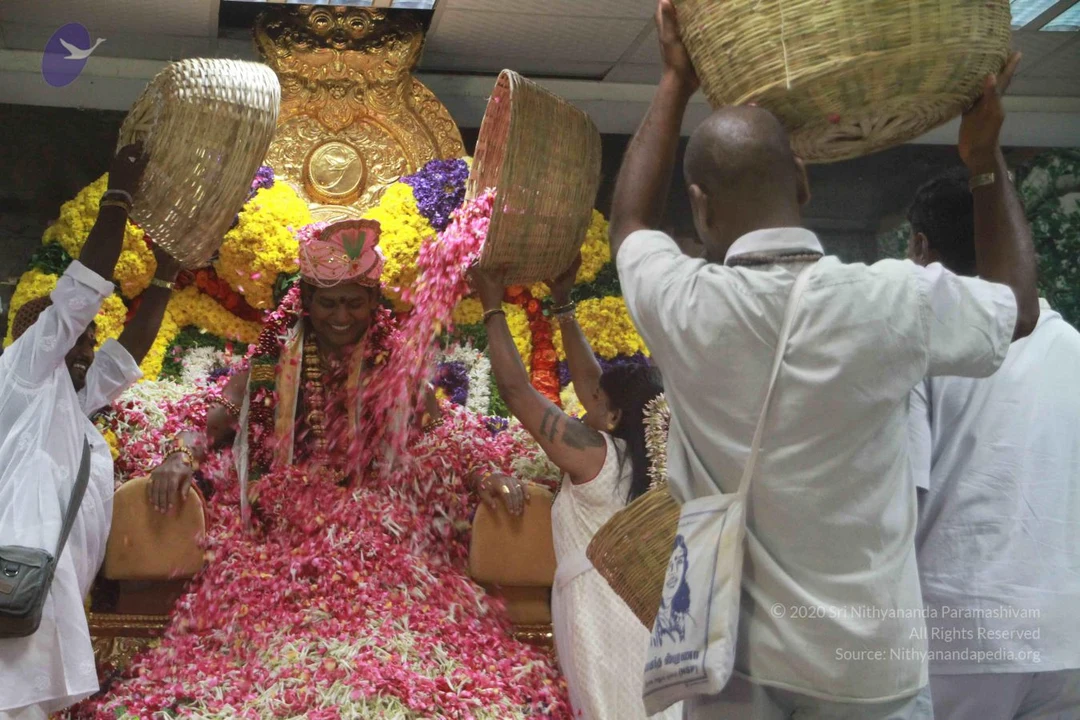
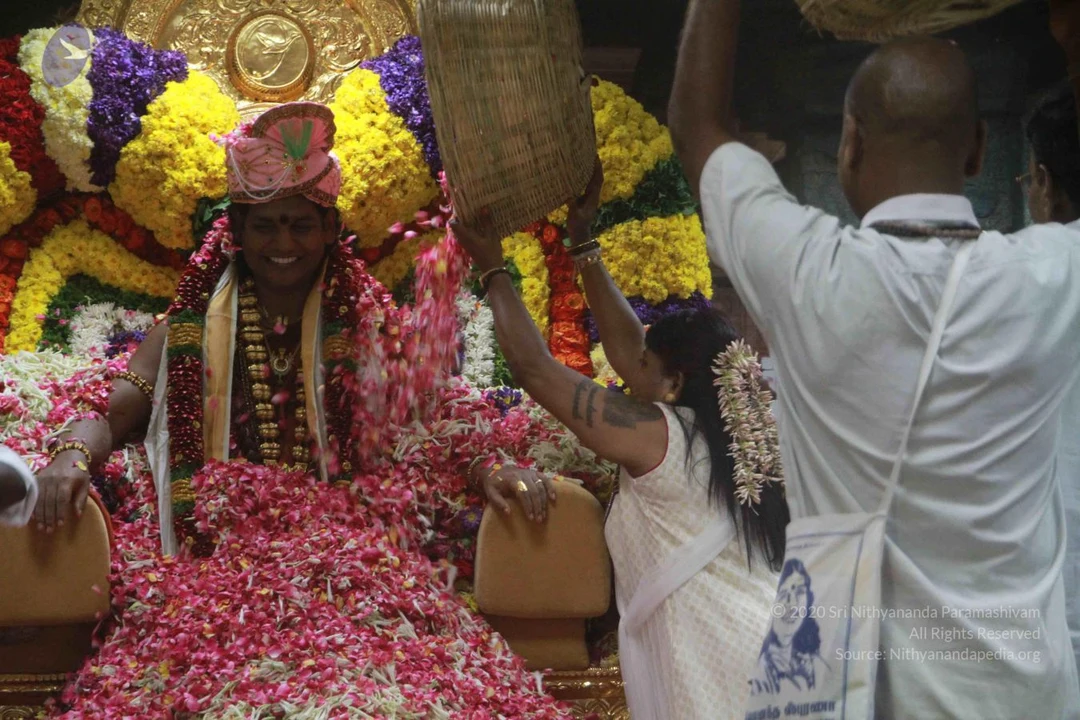
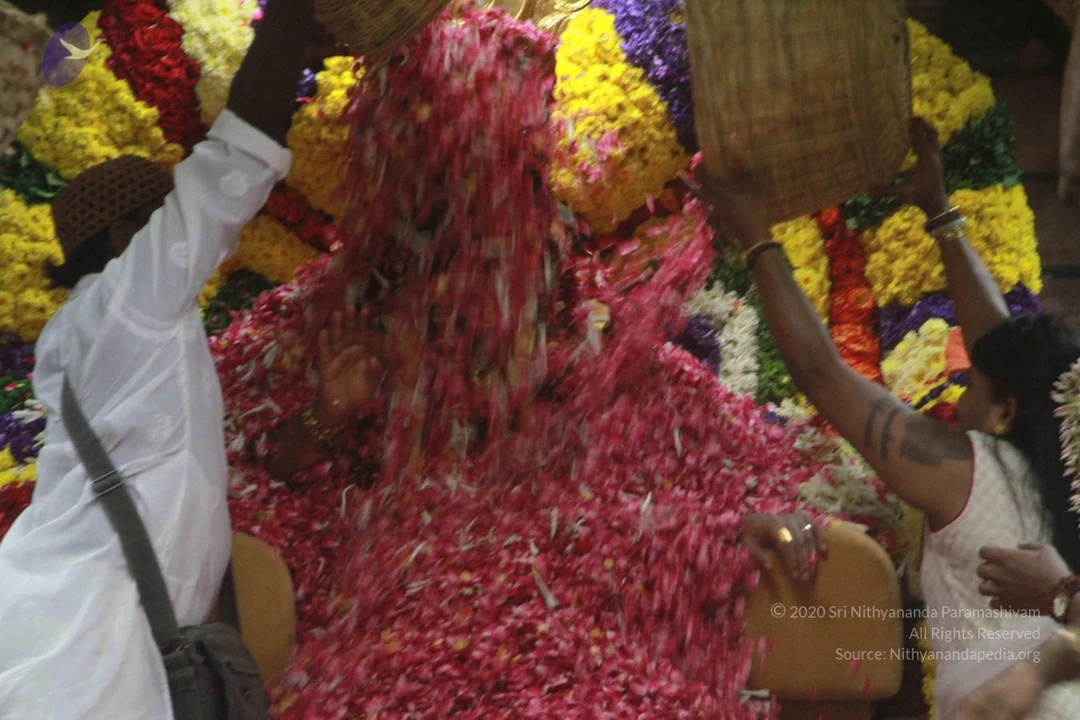
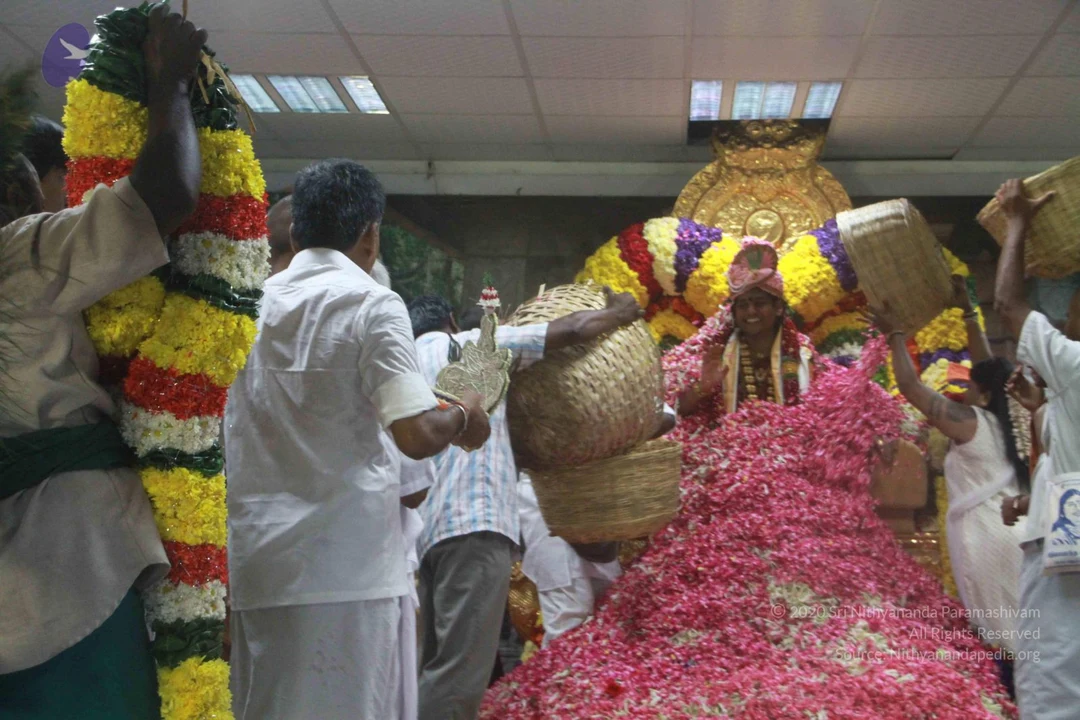
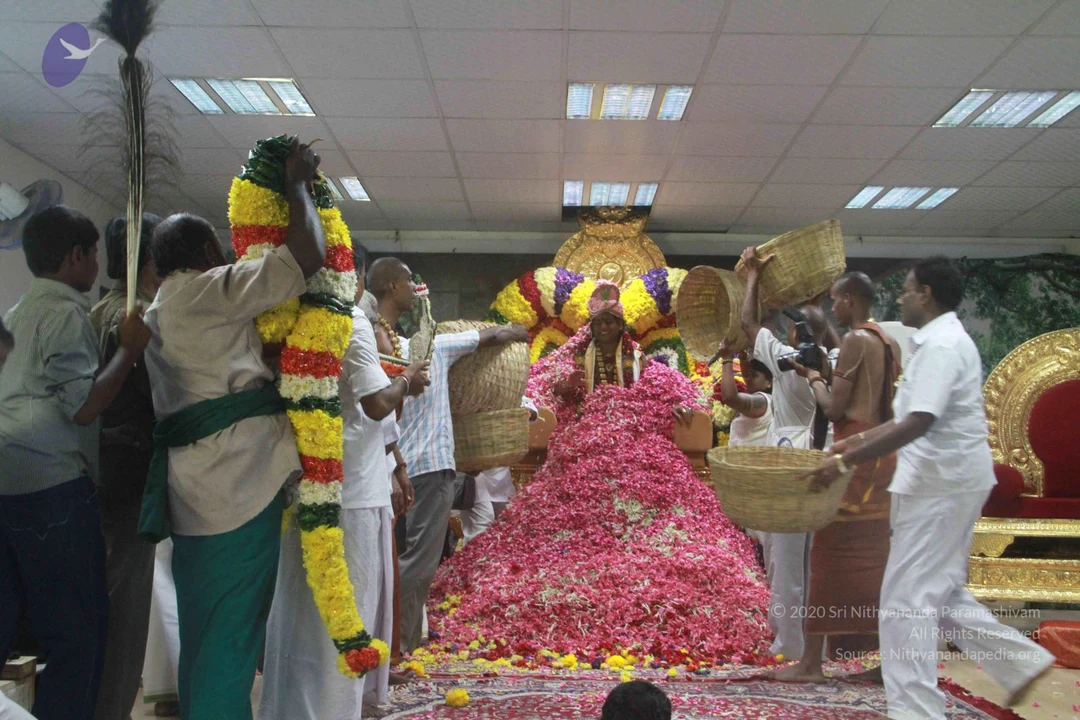
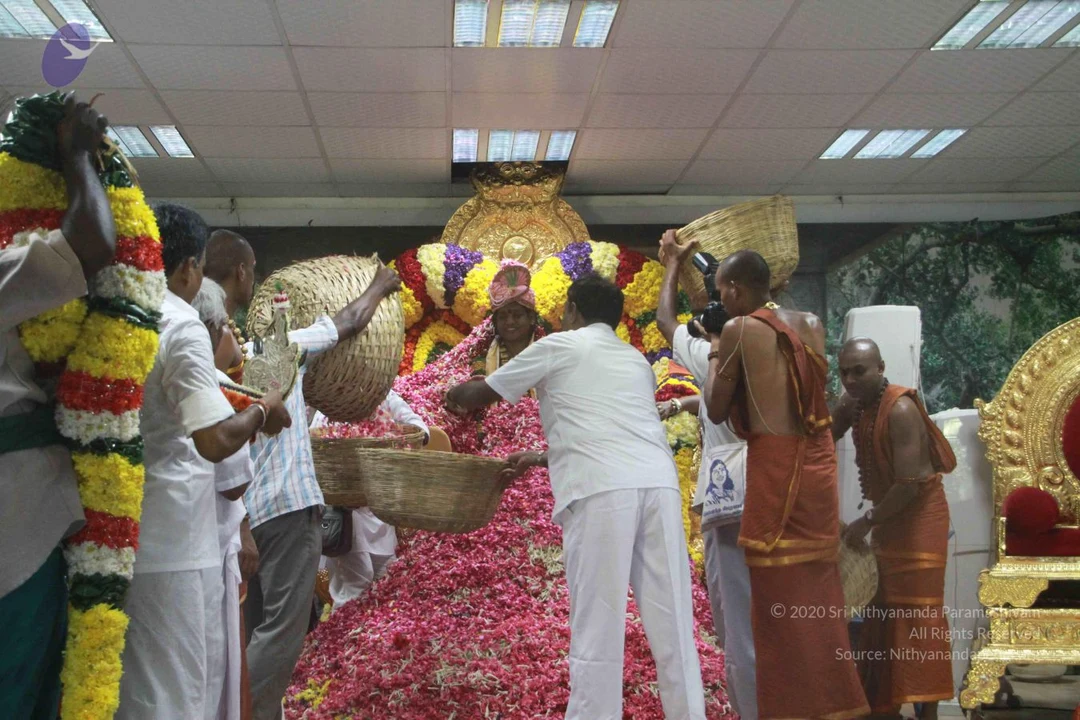
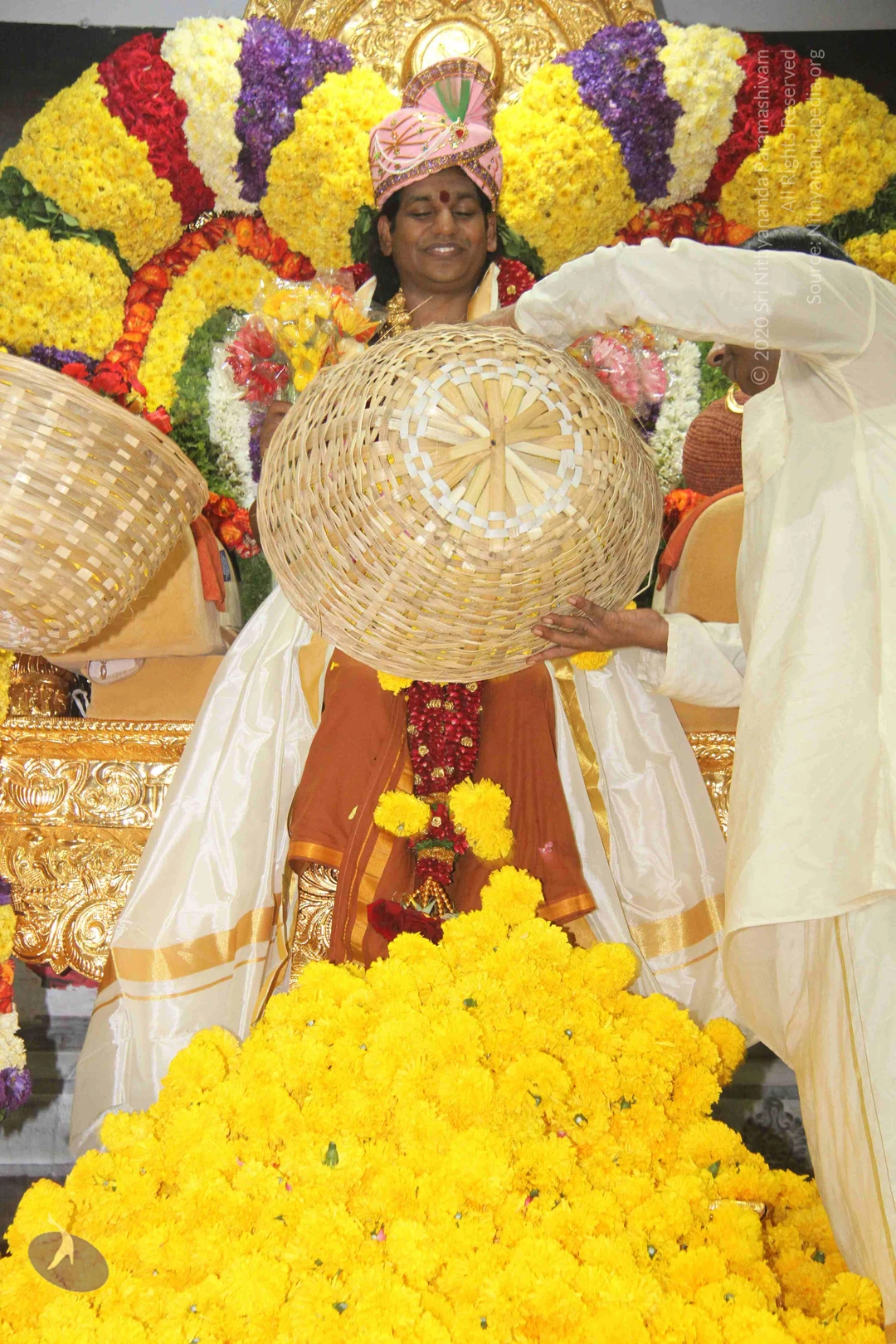
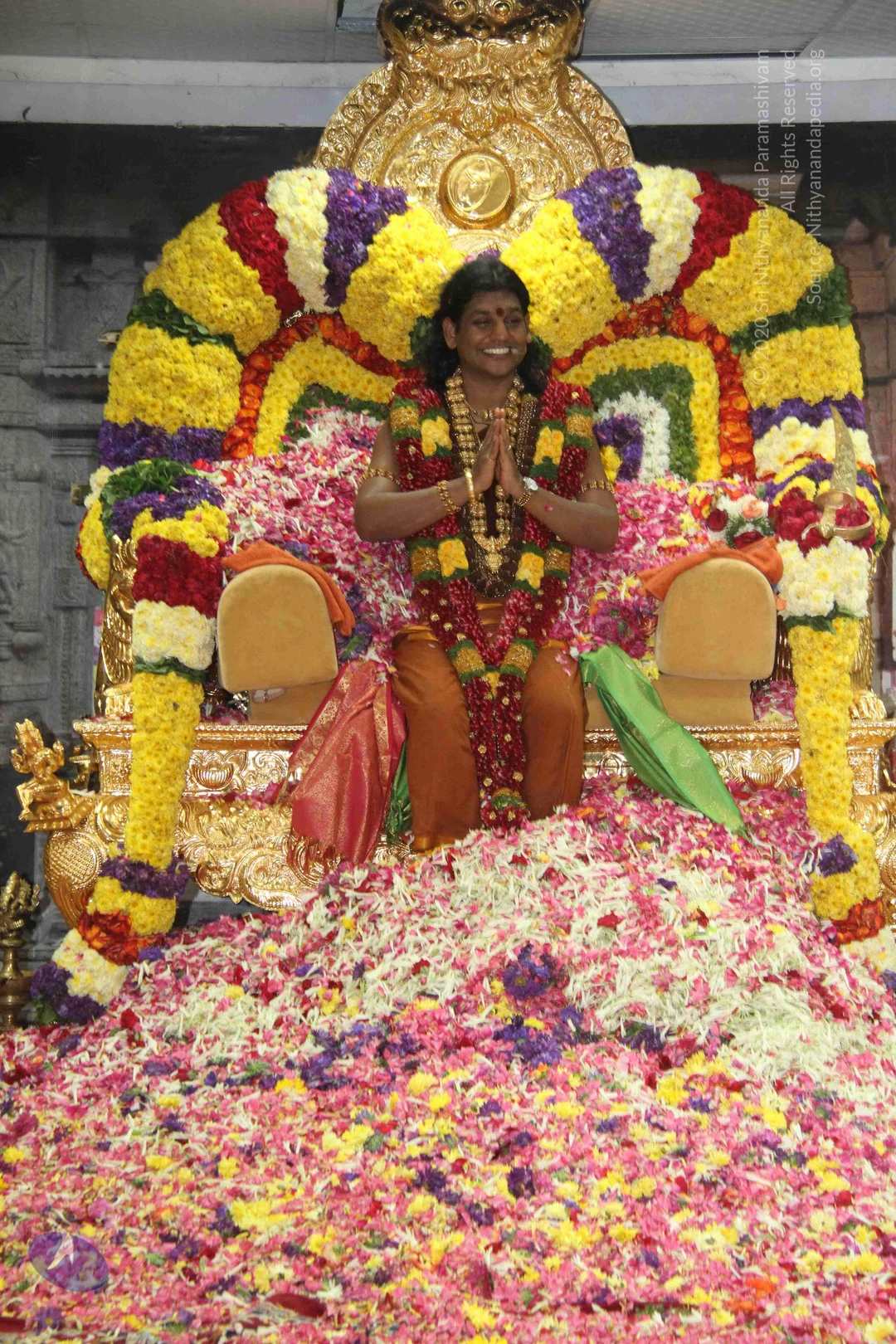
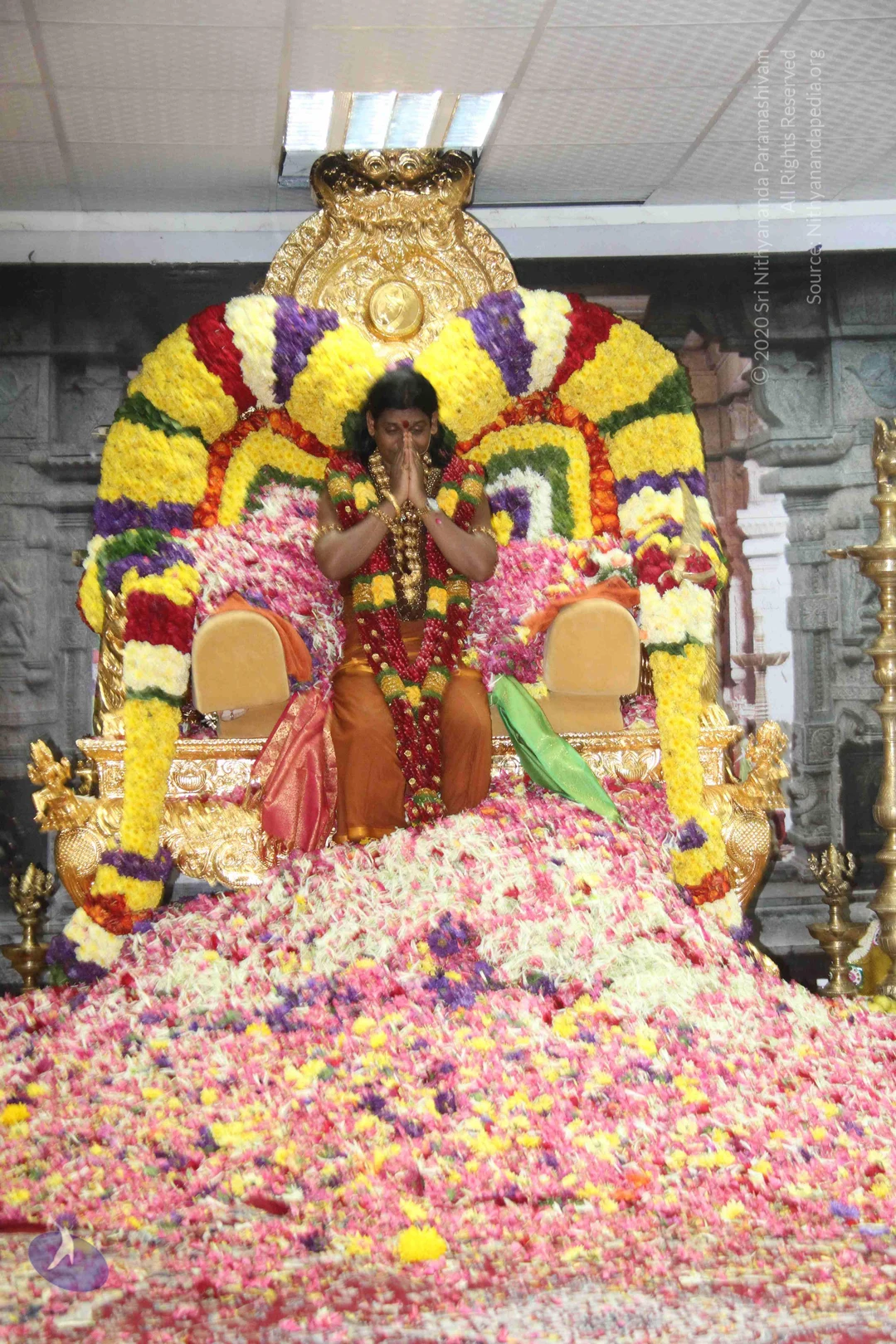
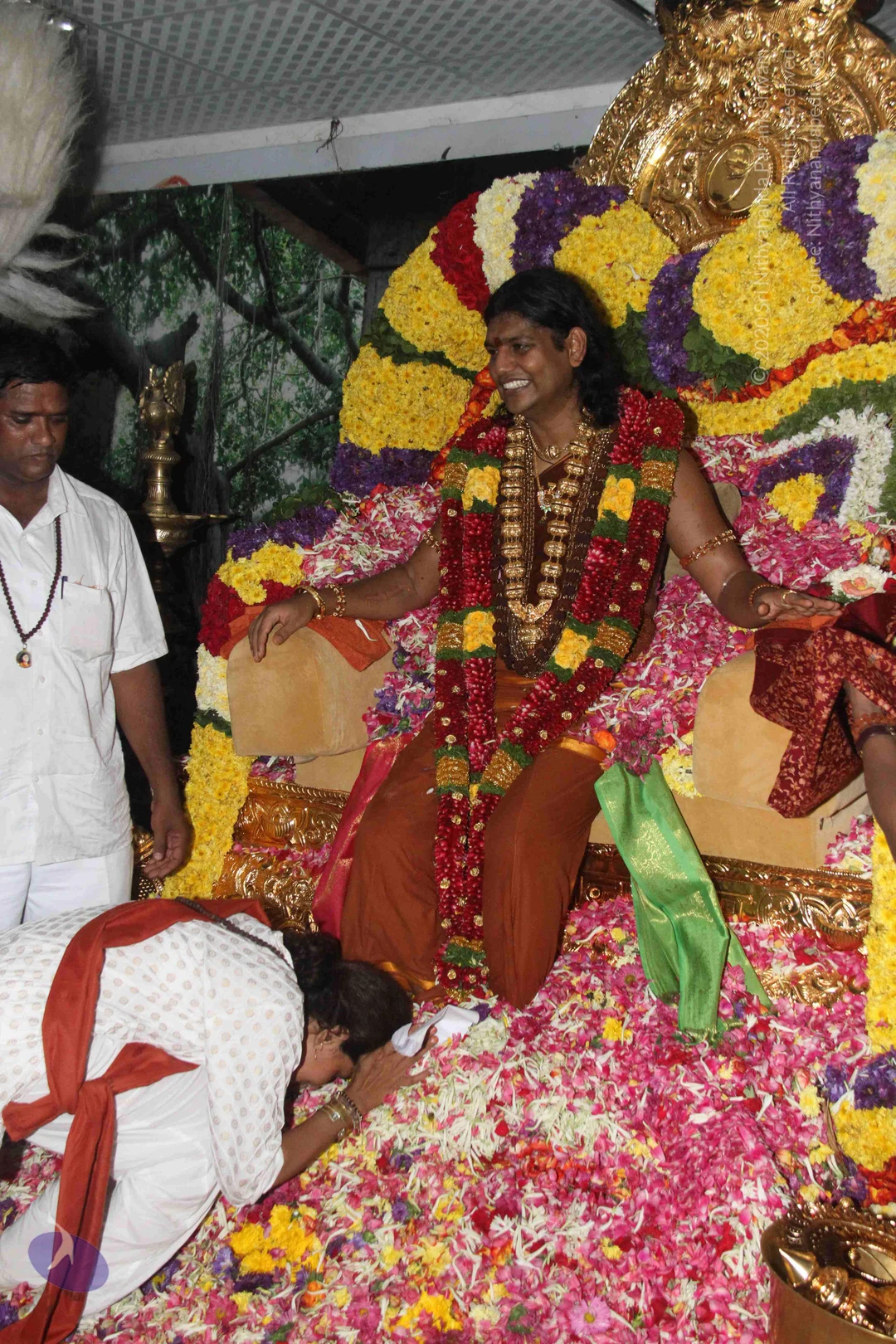
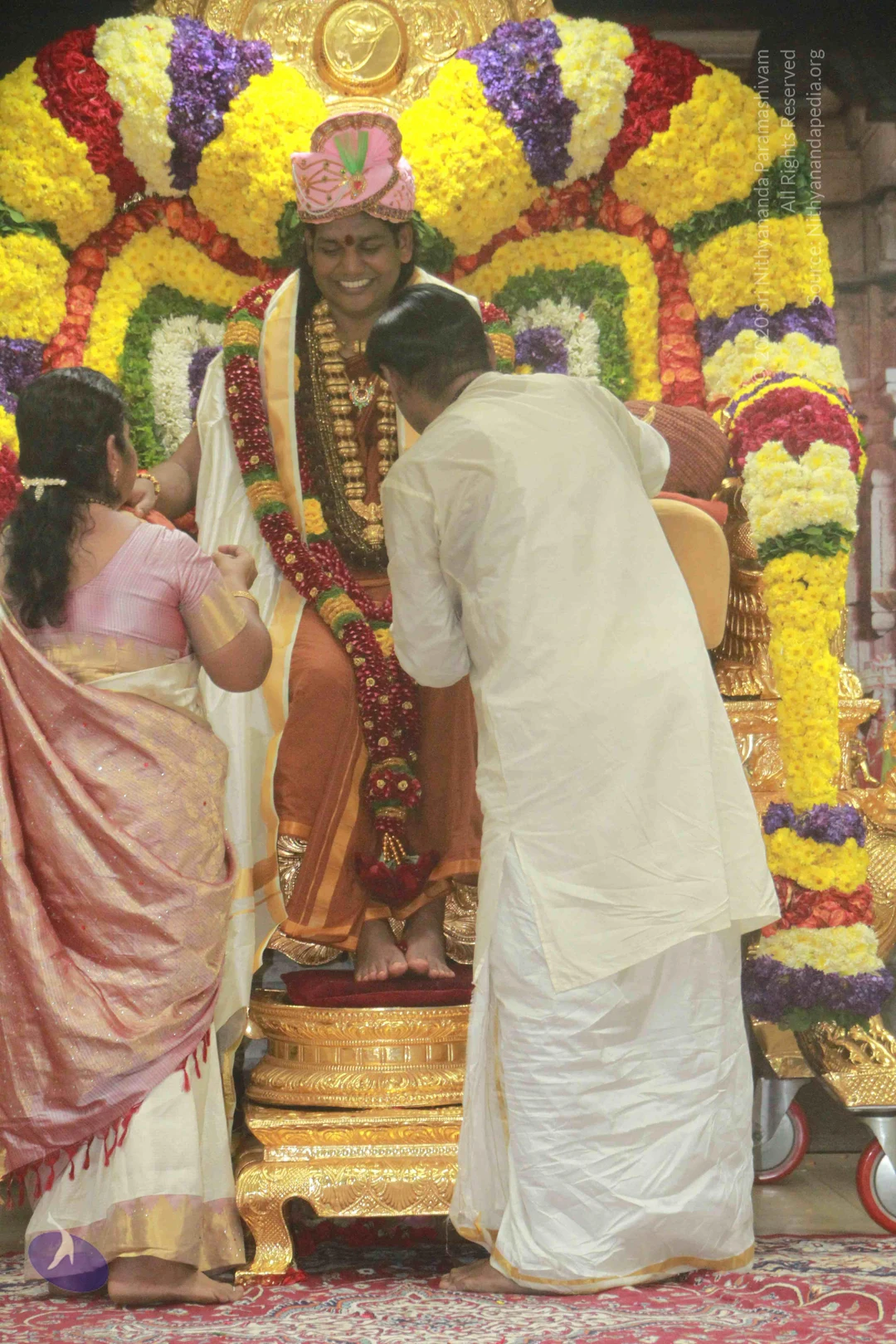
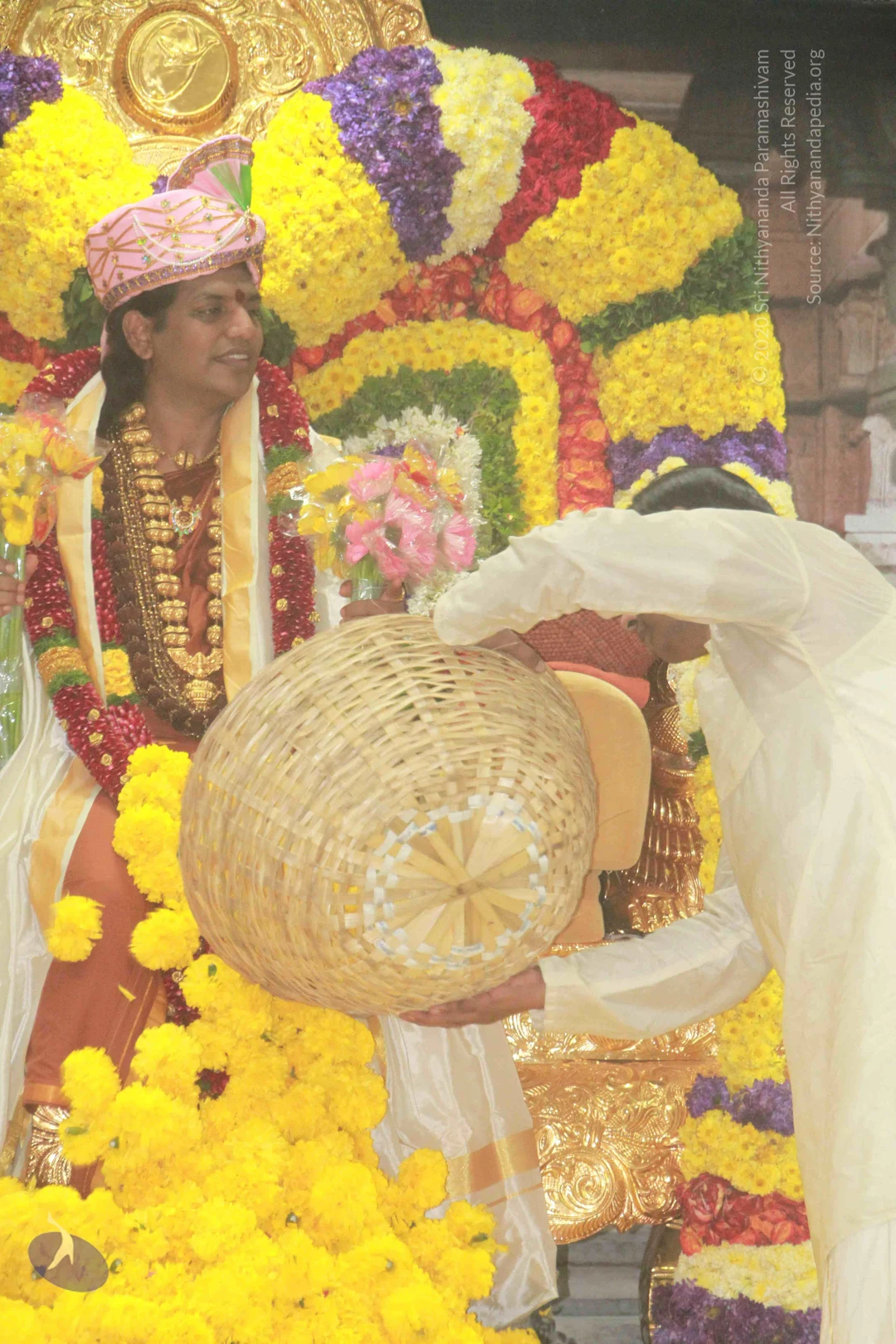
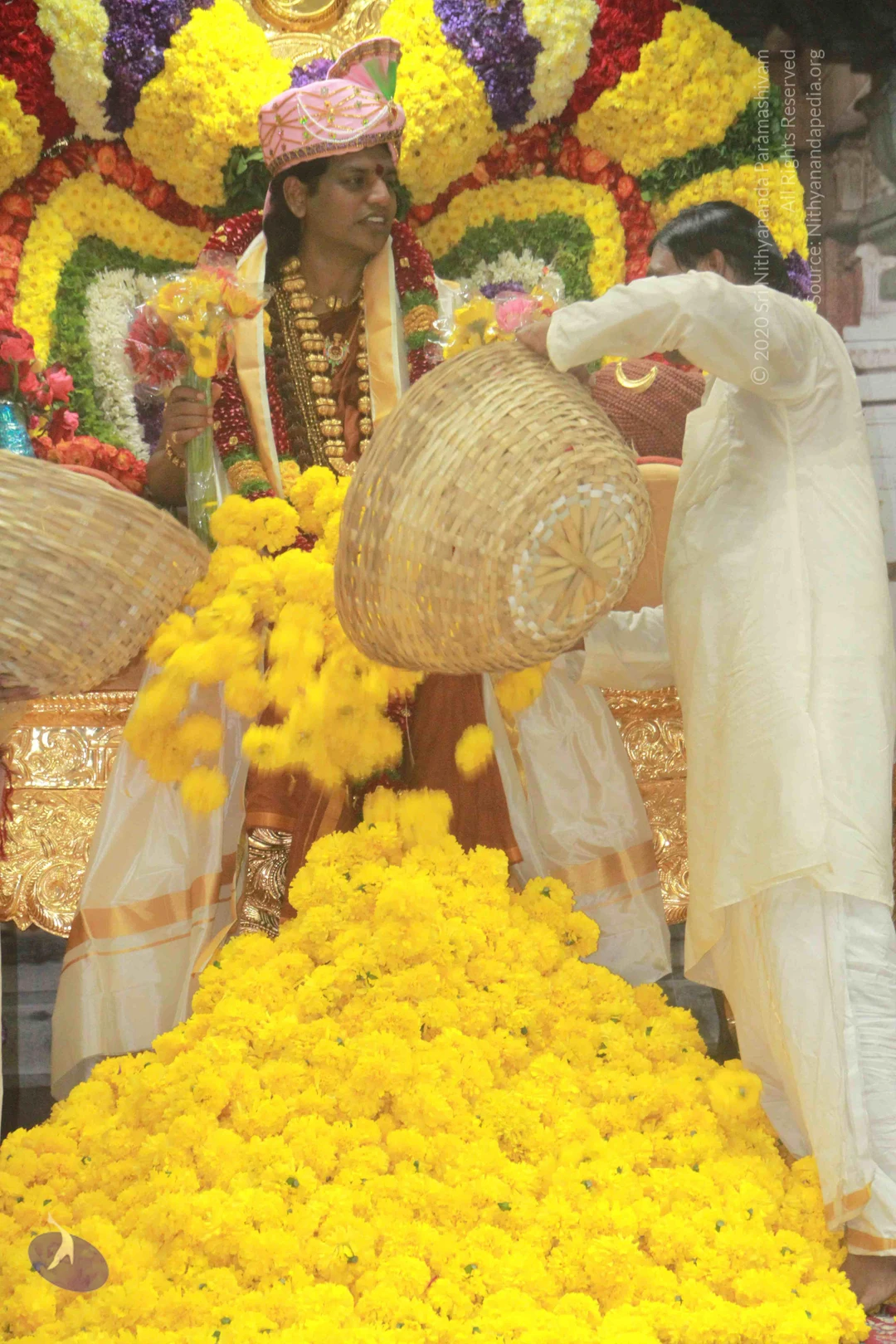
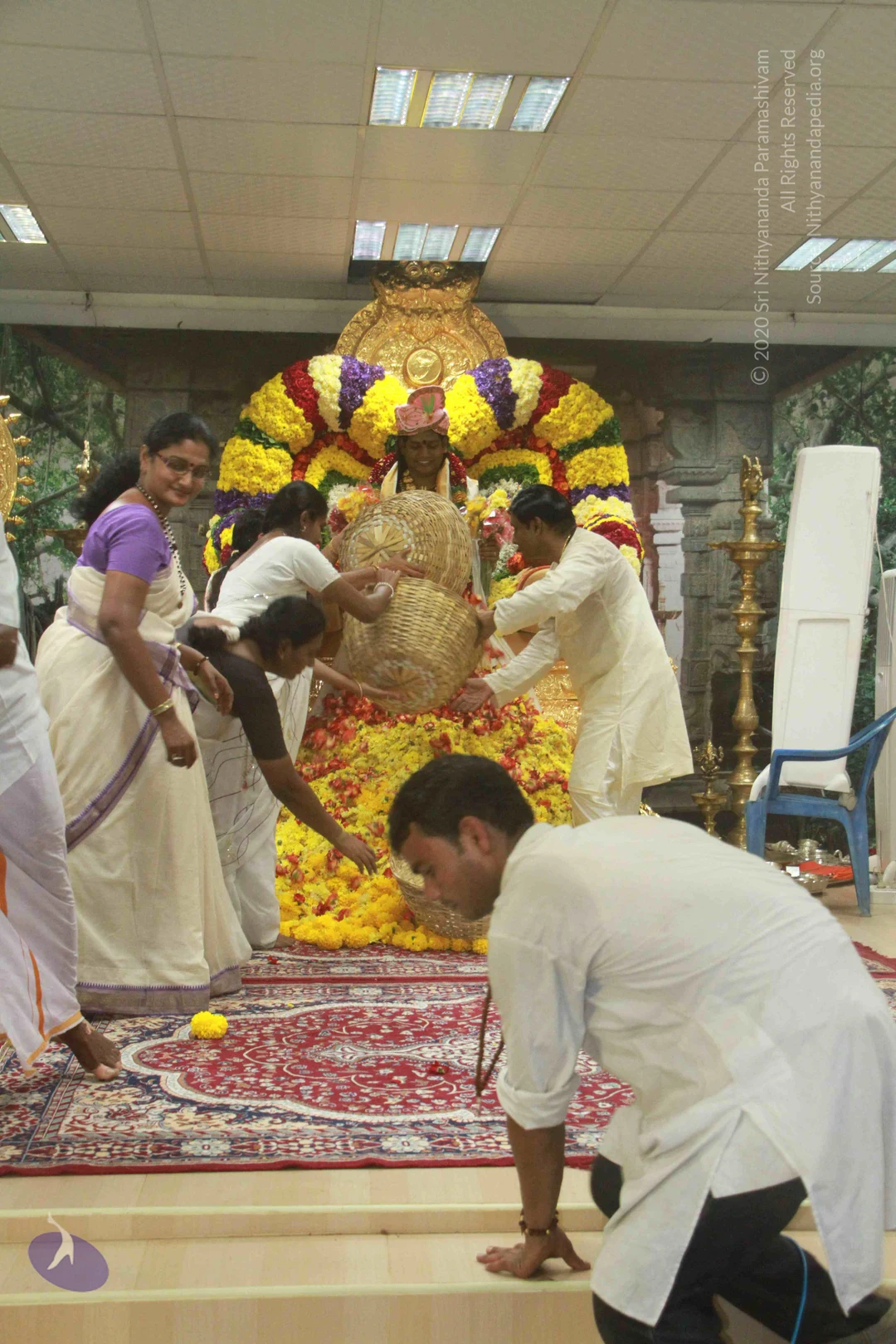
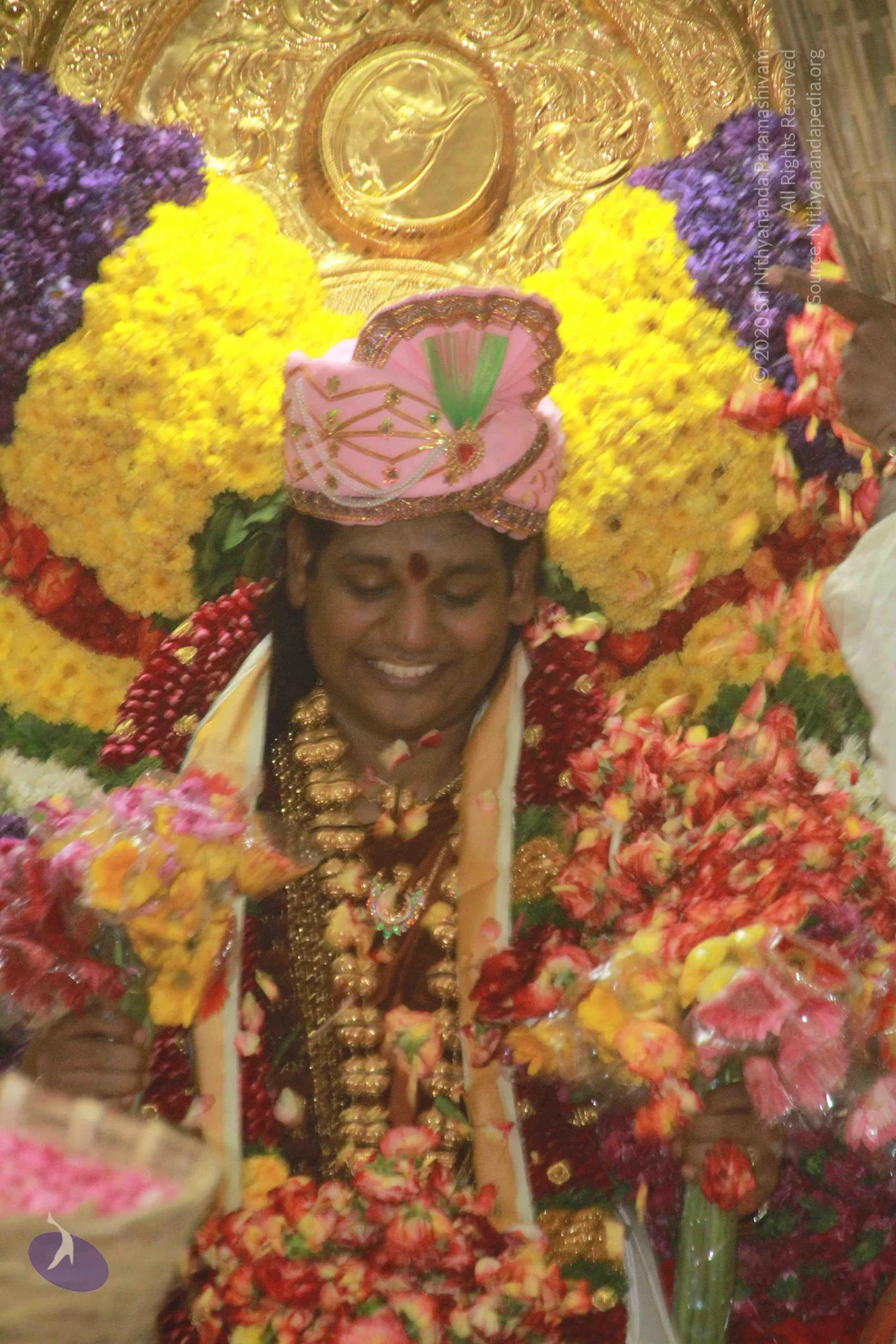
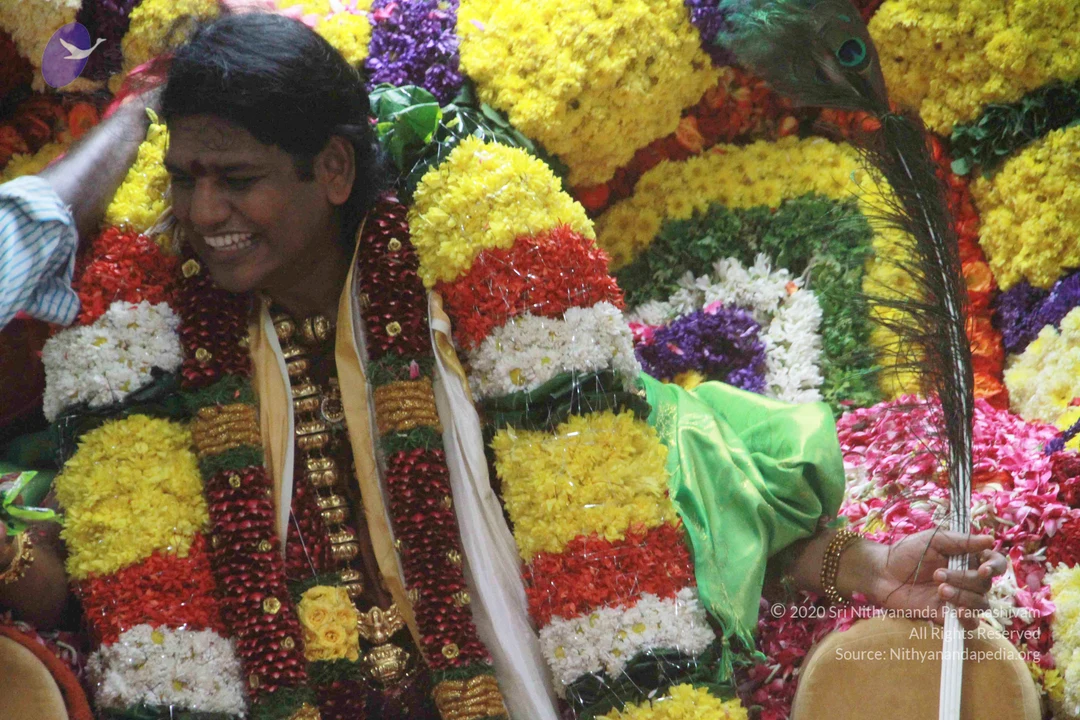
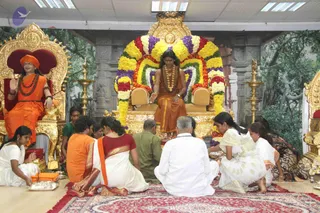
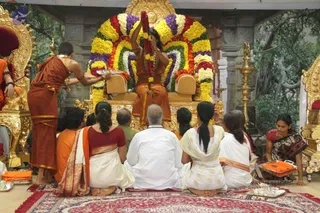
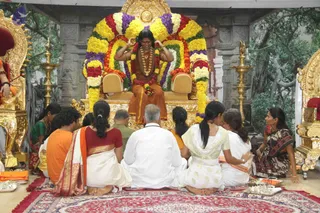
Blessing in Padapuja

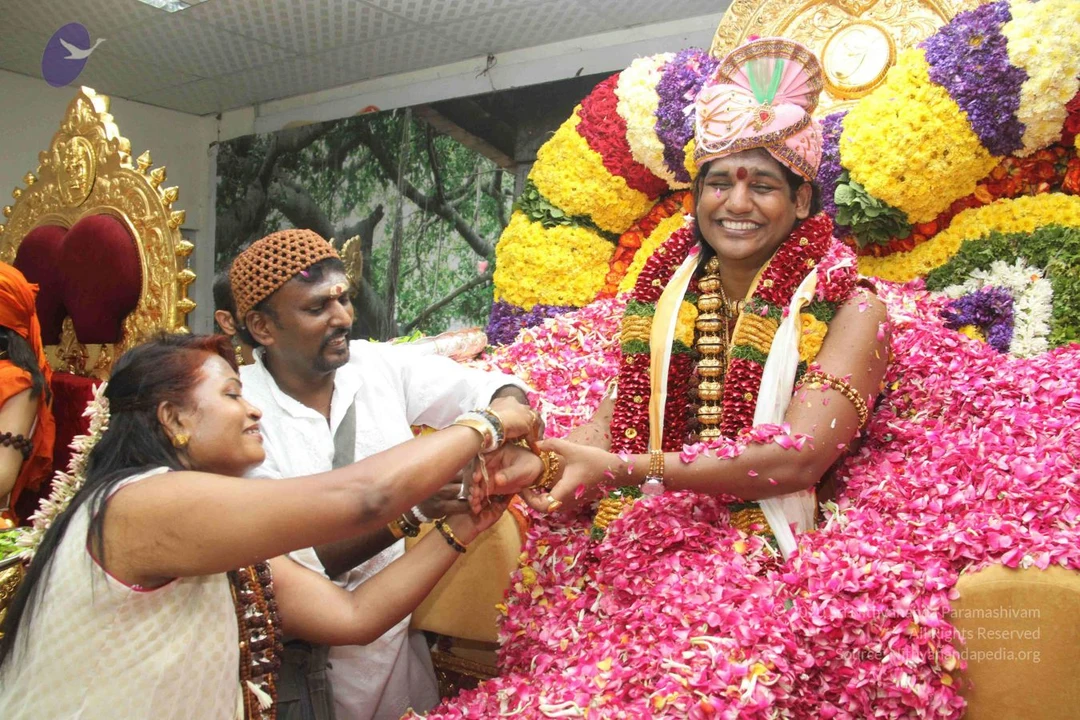
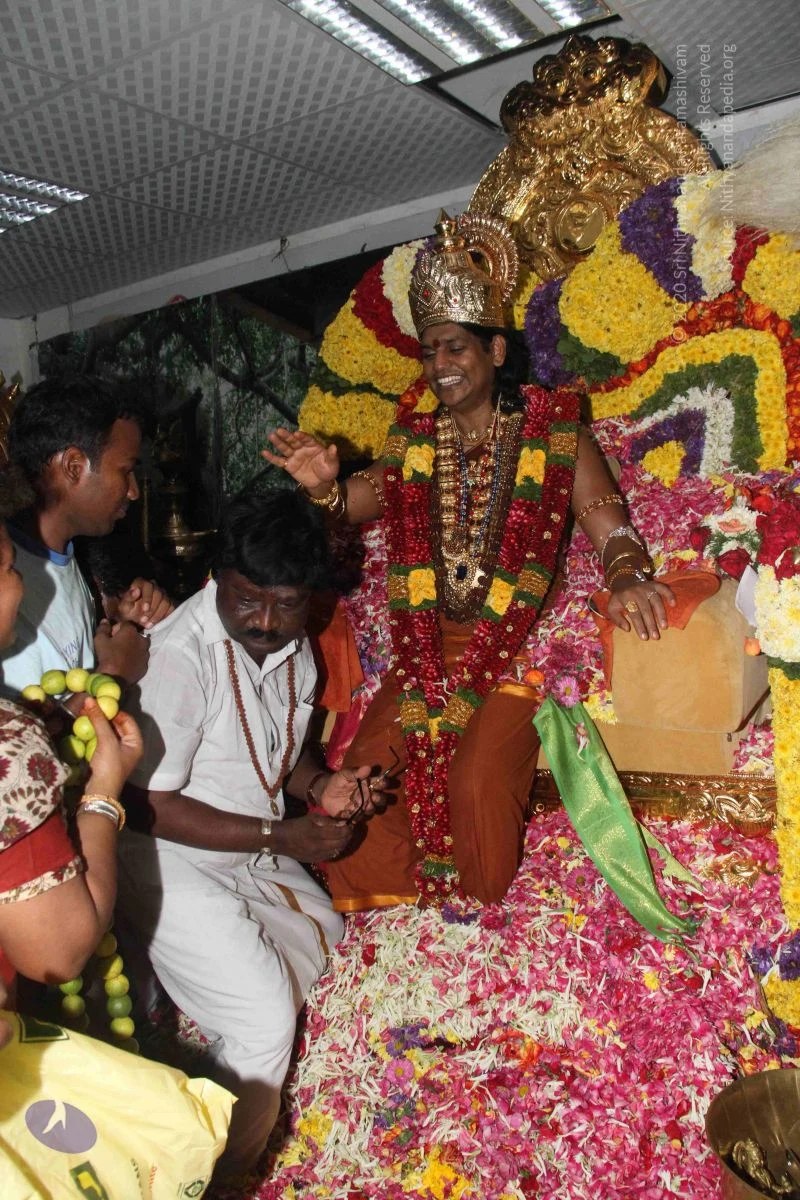
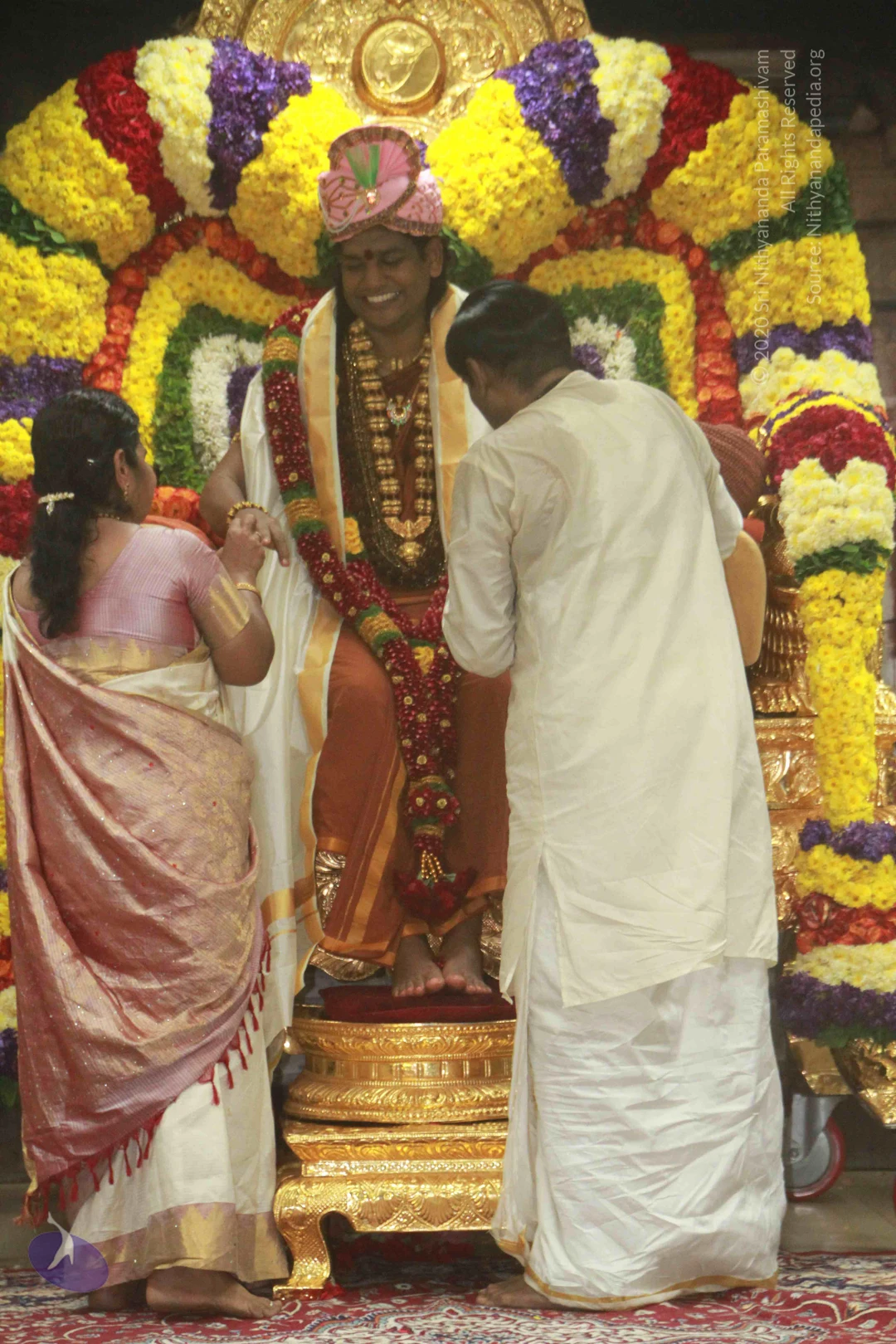
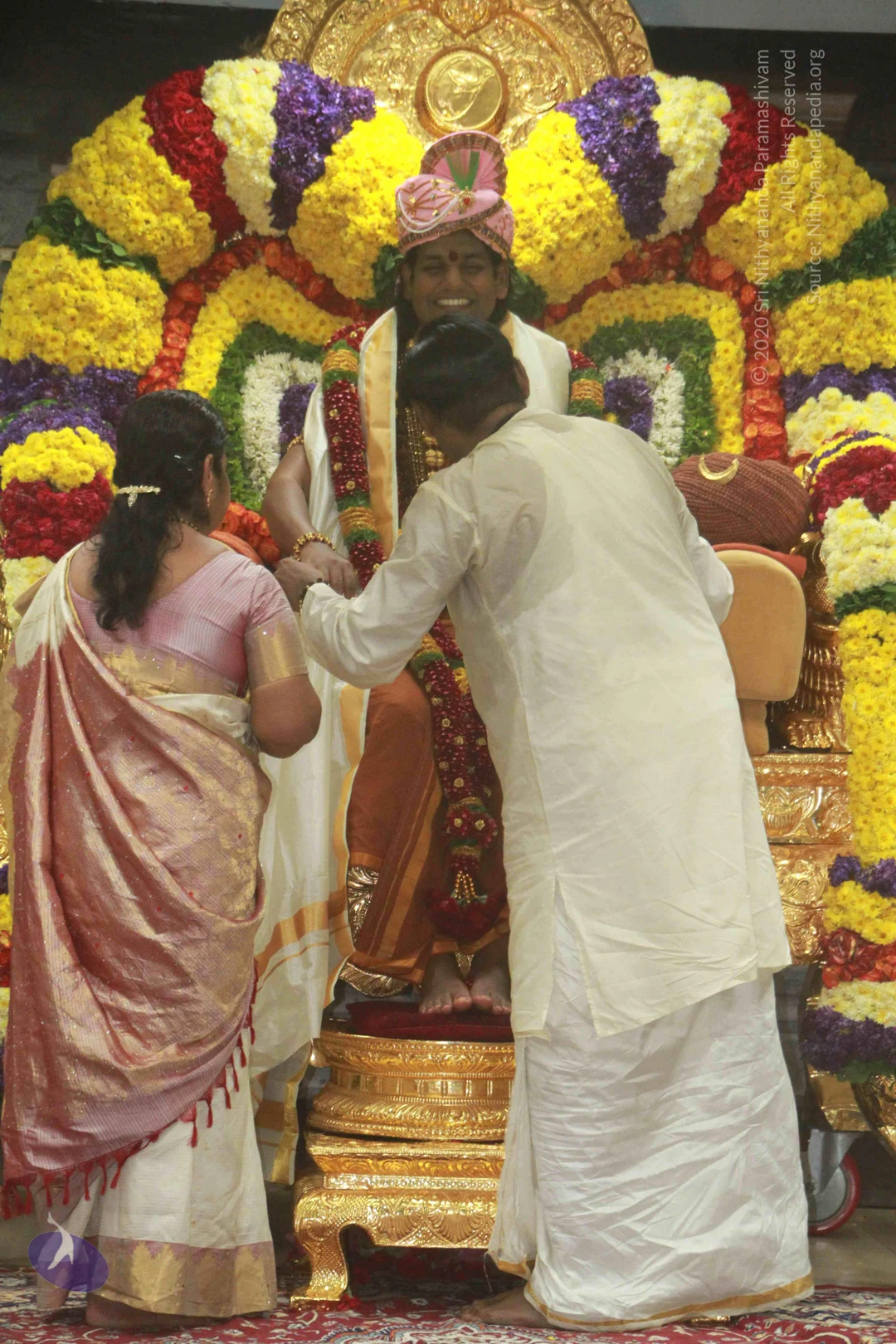
Blessing in Padapuja

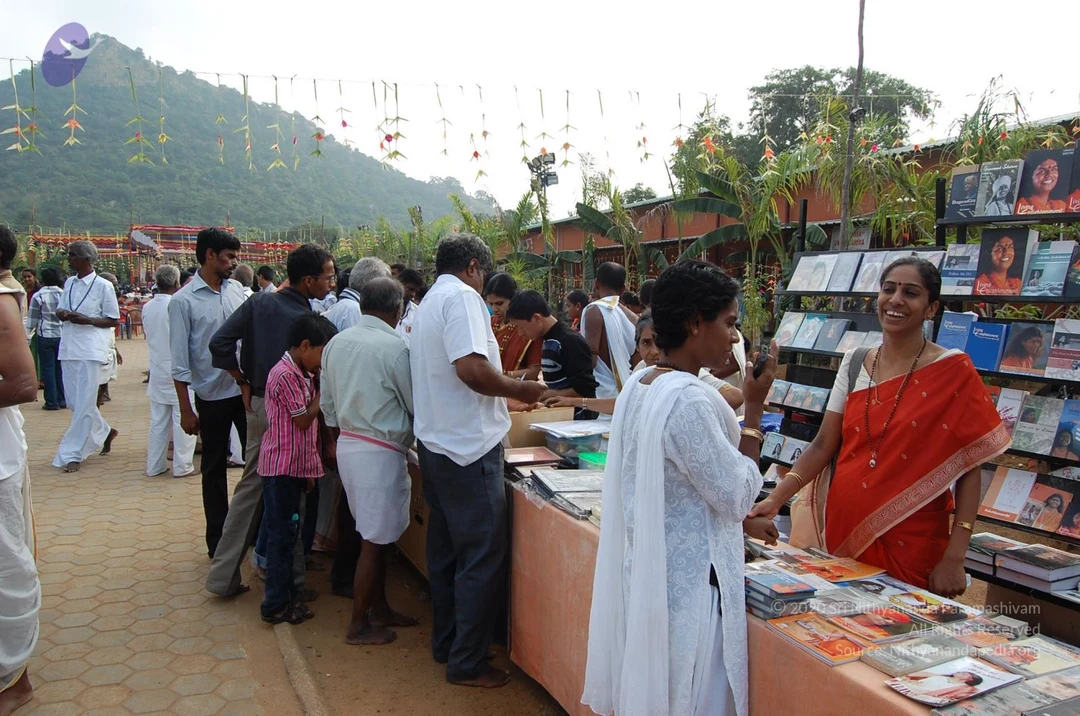
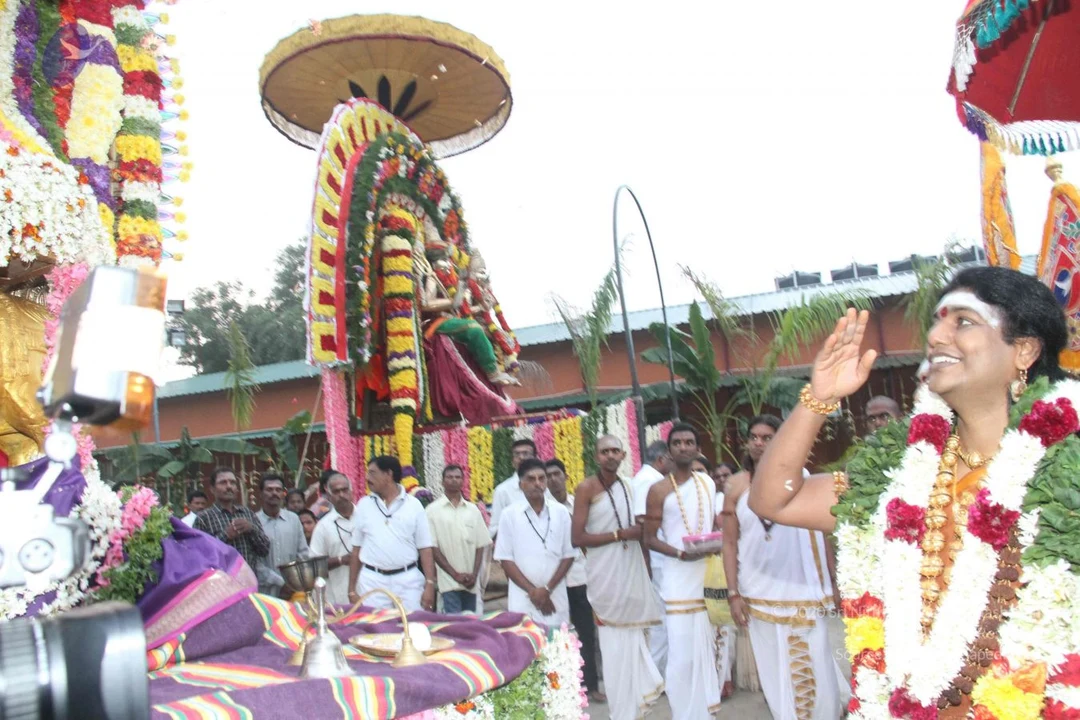
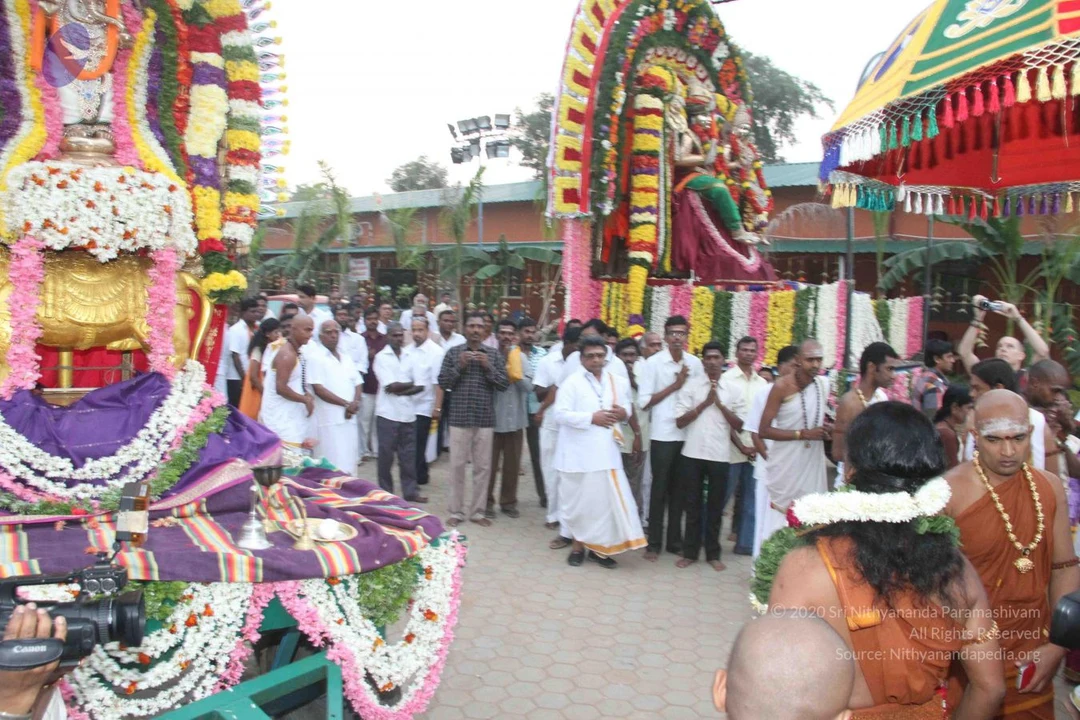
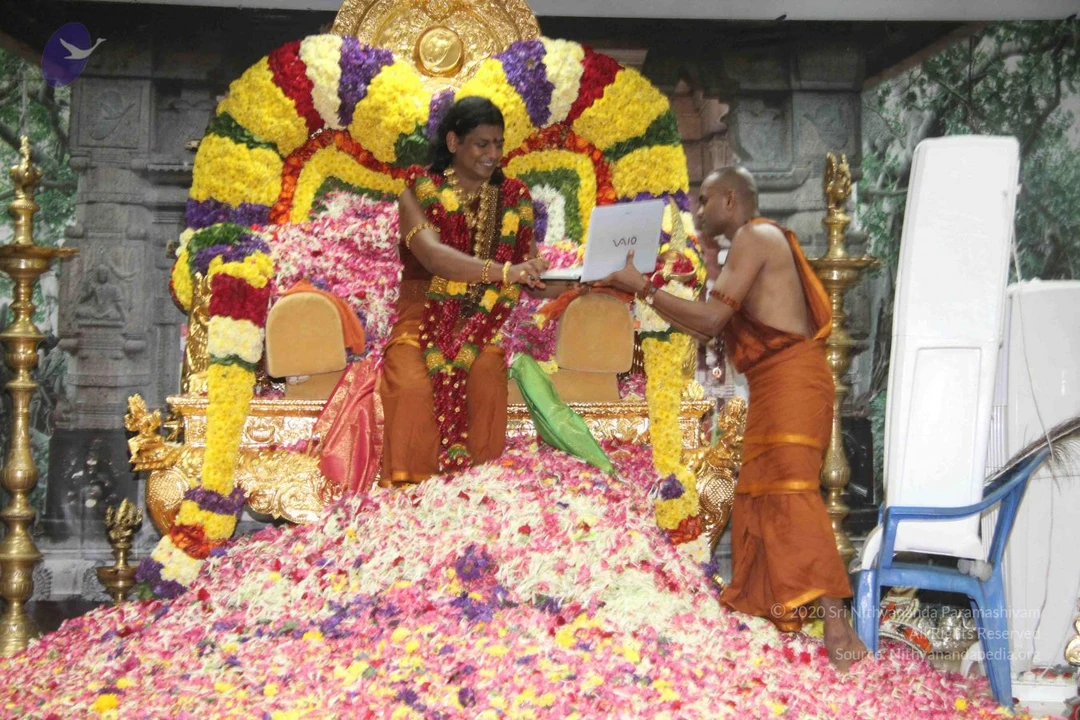
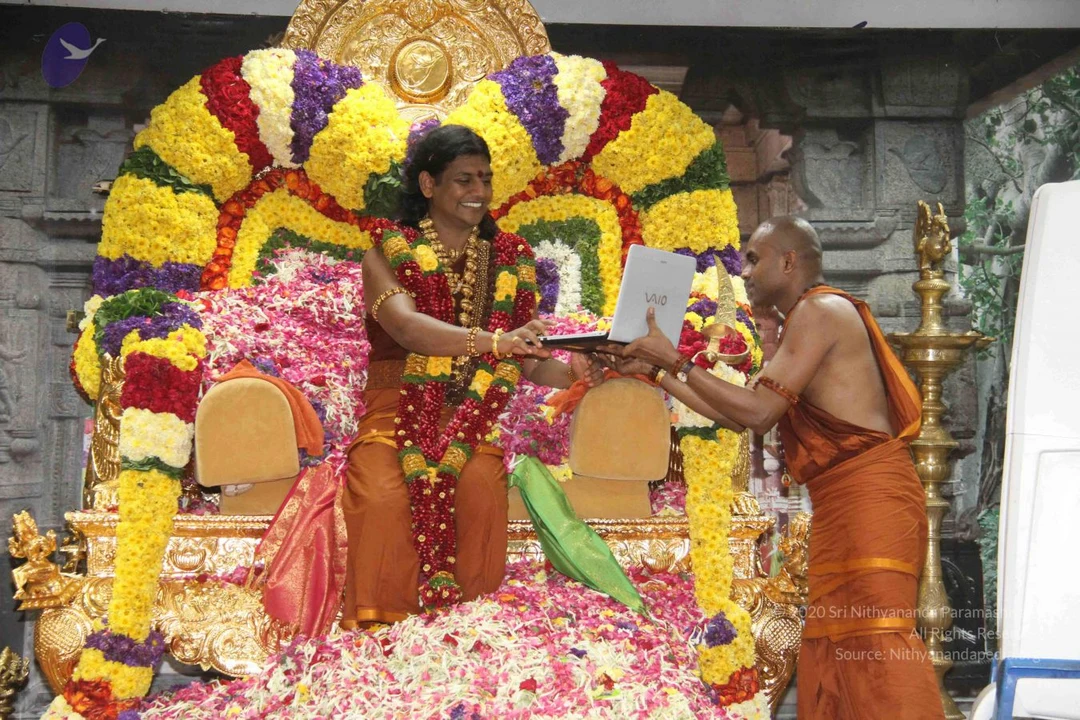
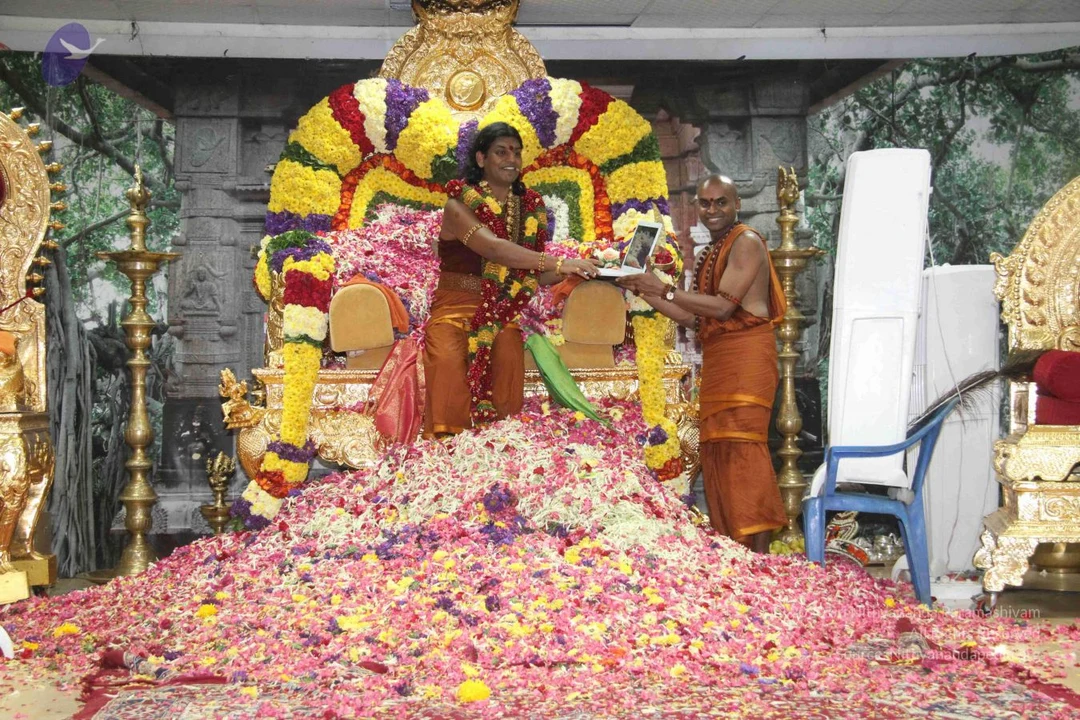
Swamiji Releasing Nithyanandam Magazine
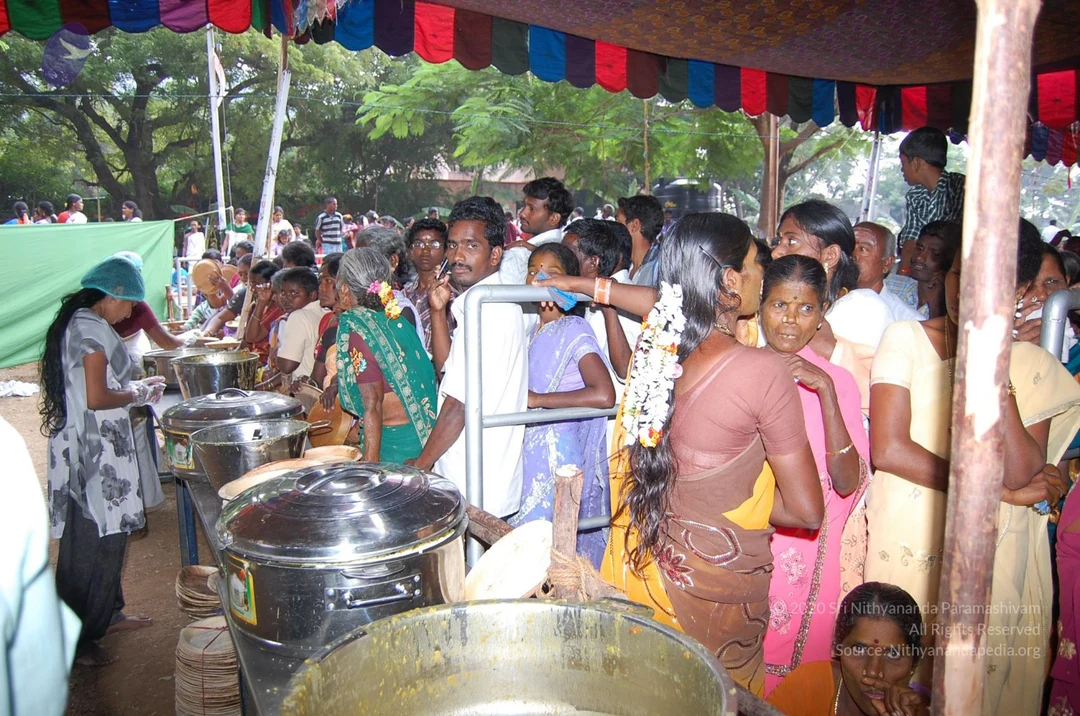
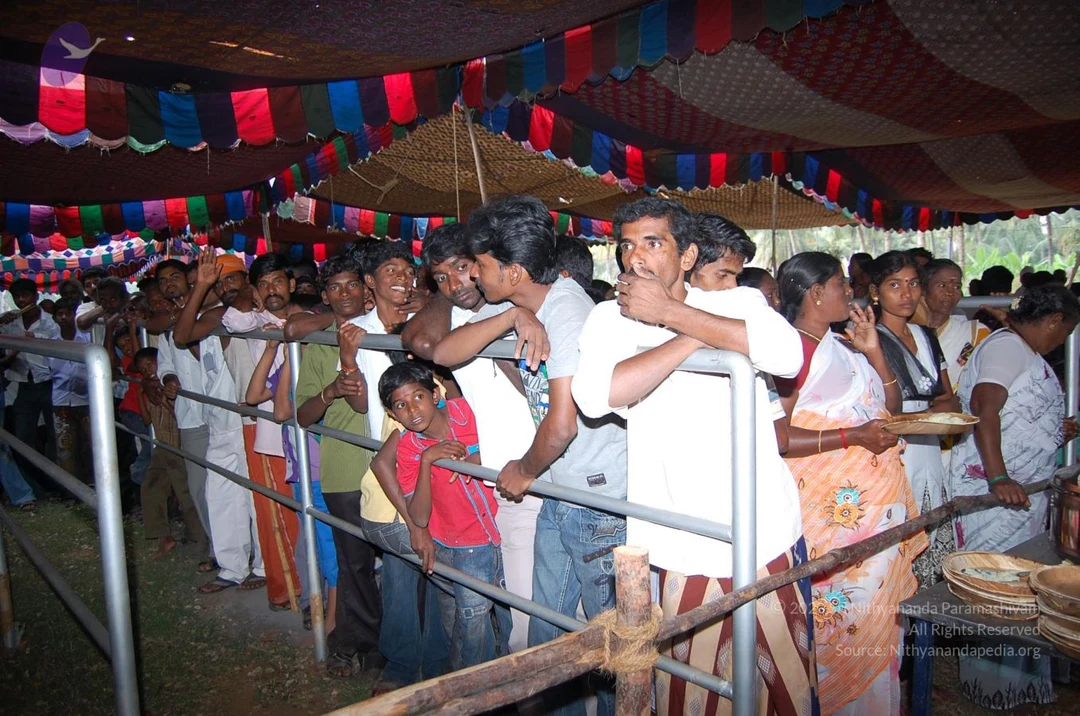
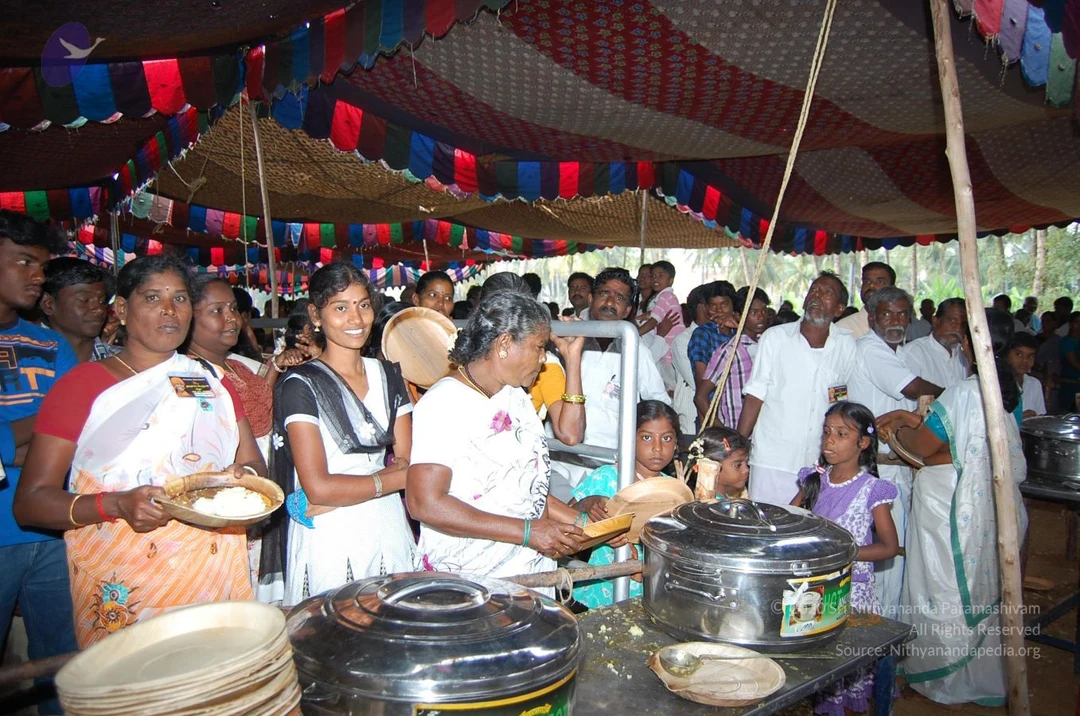
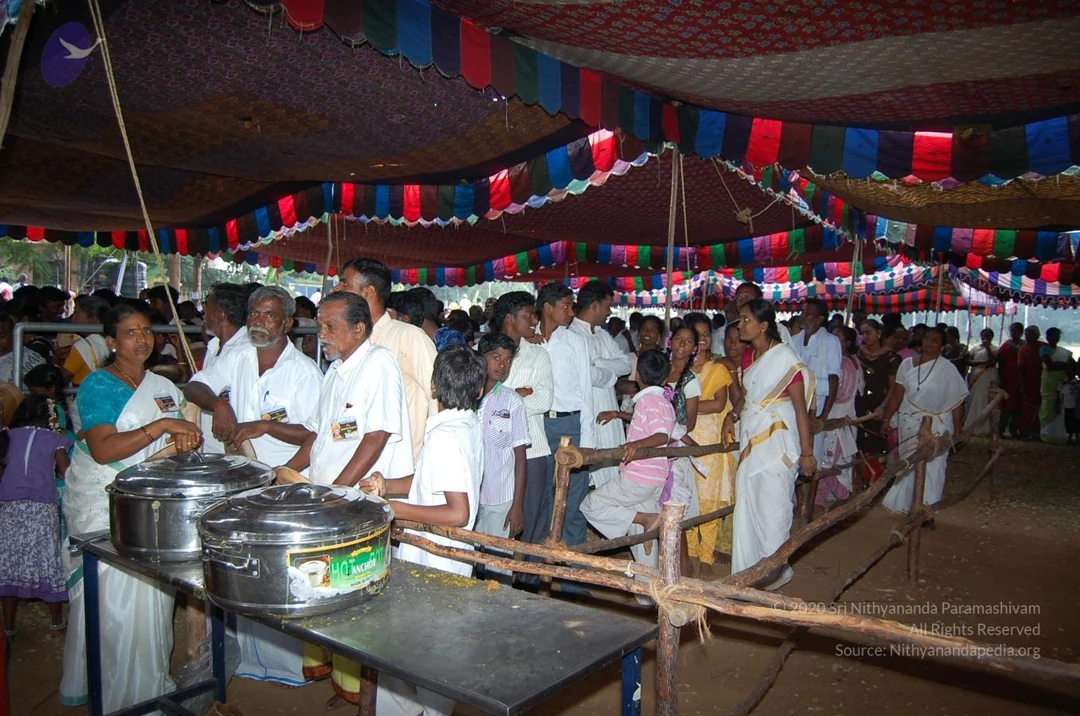
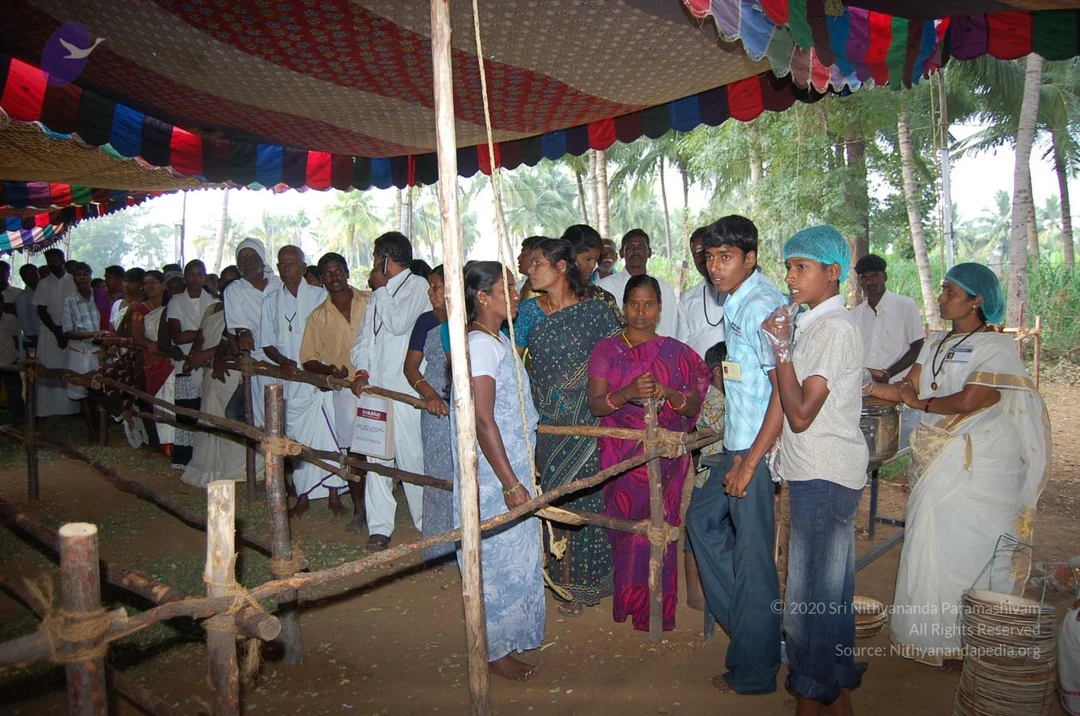
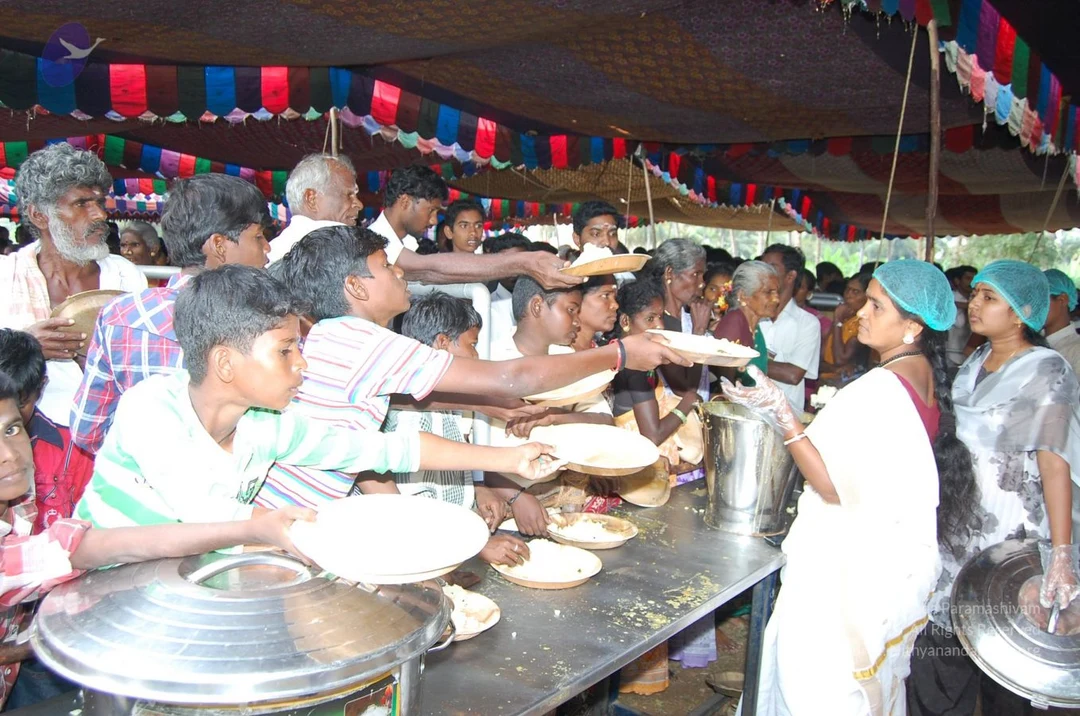
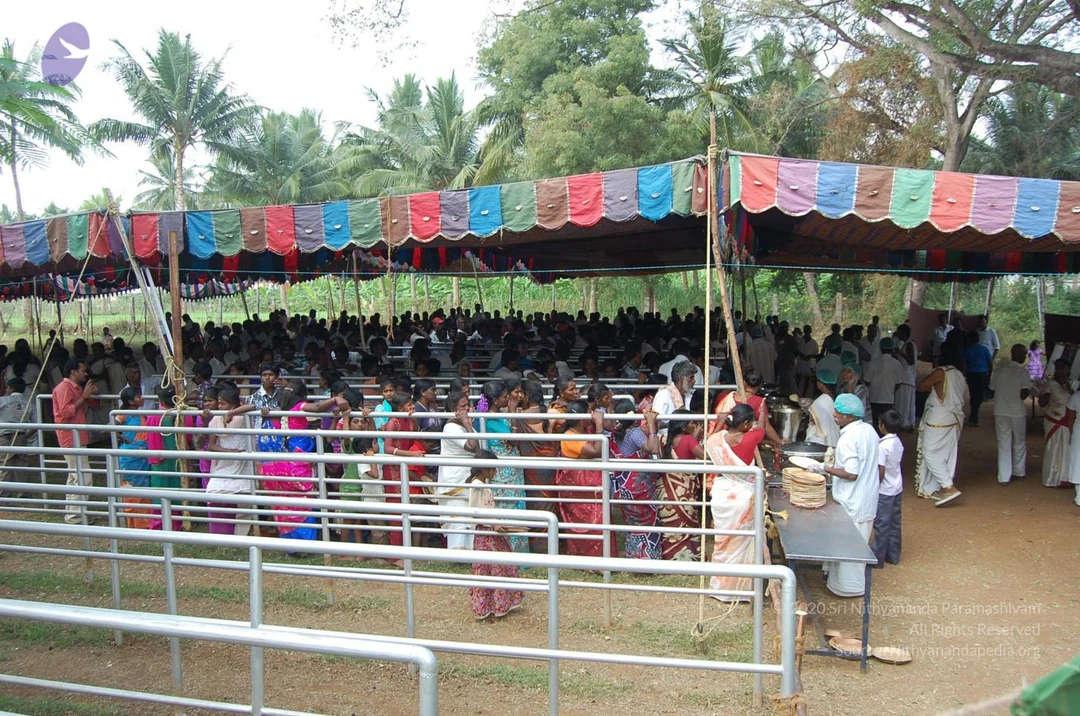
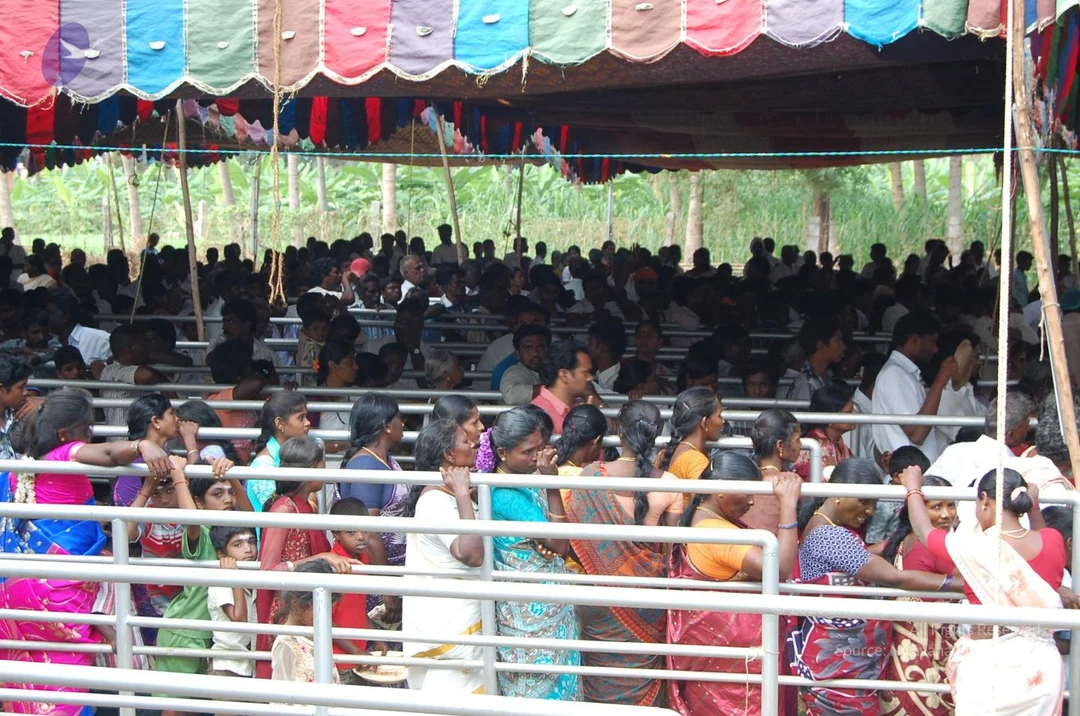
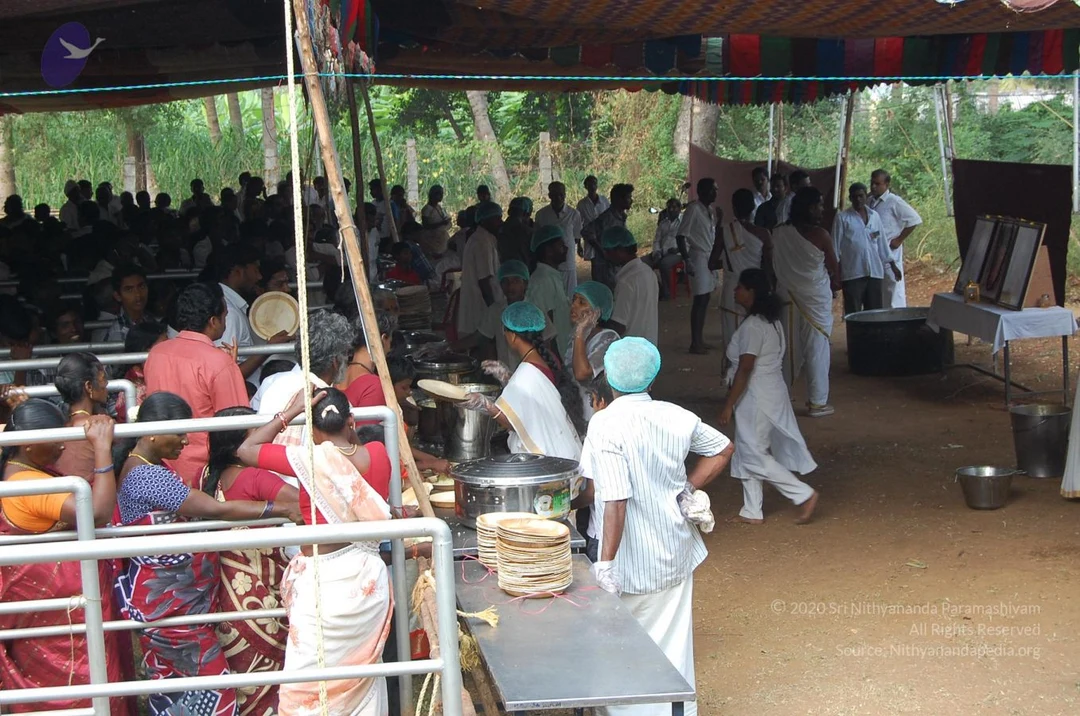
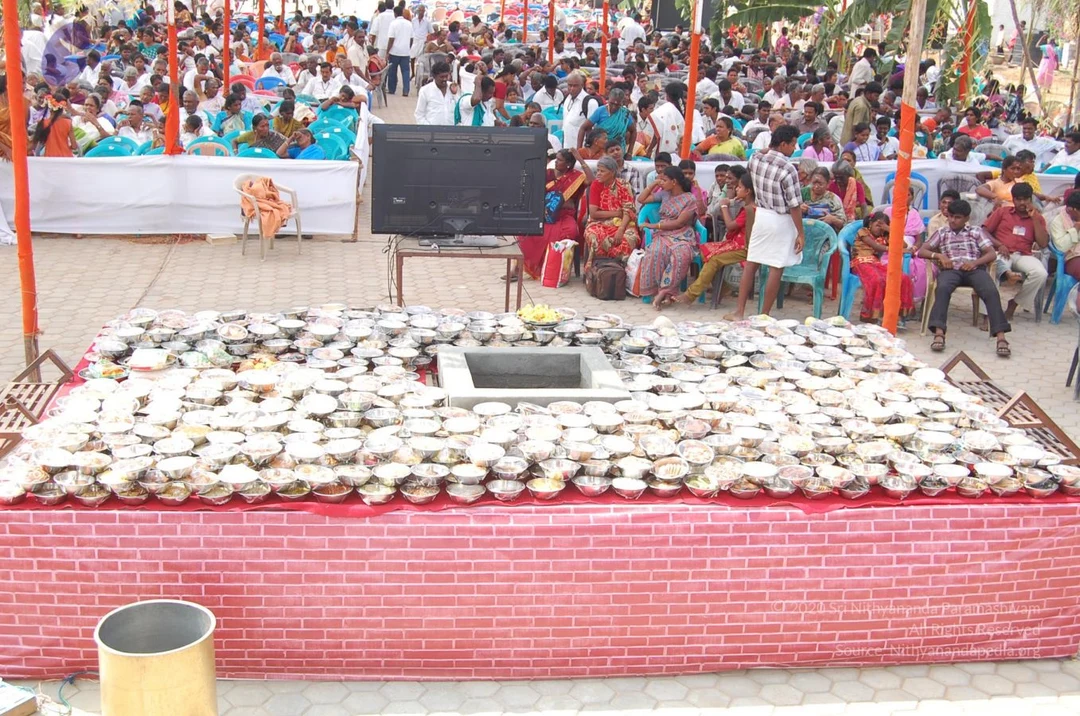
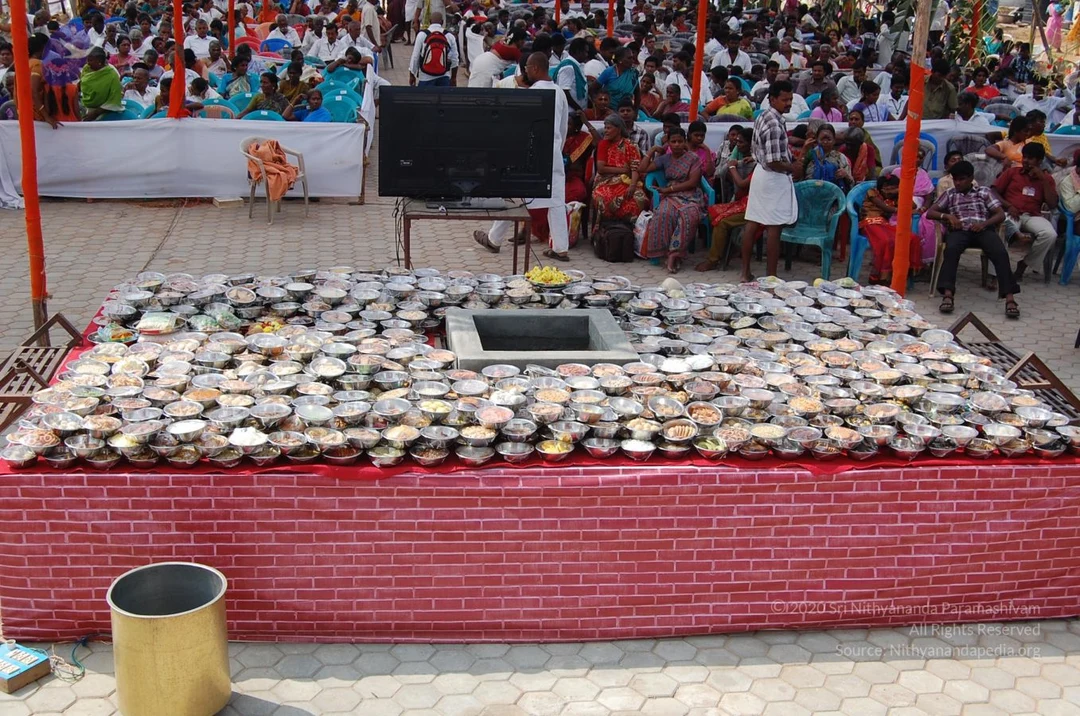
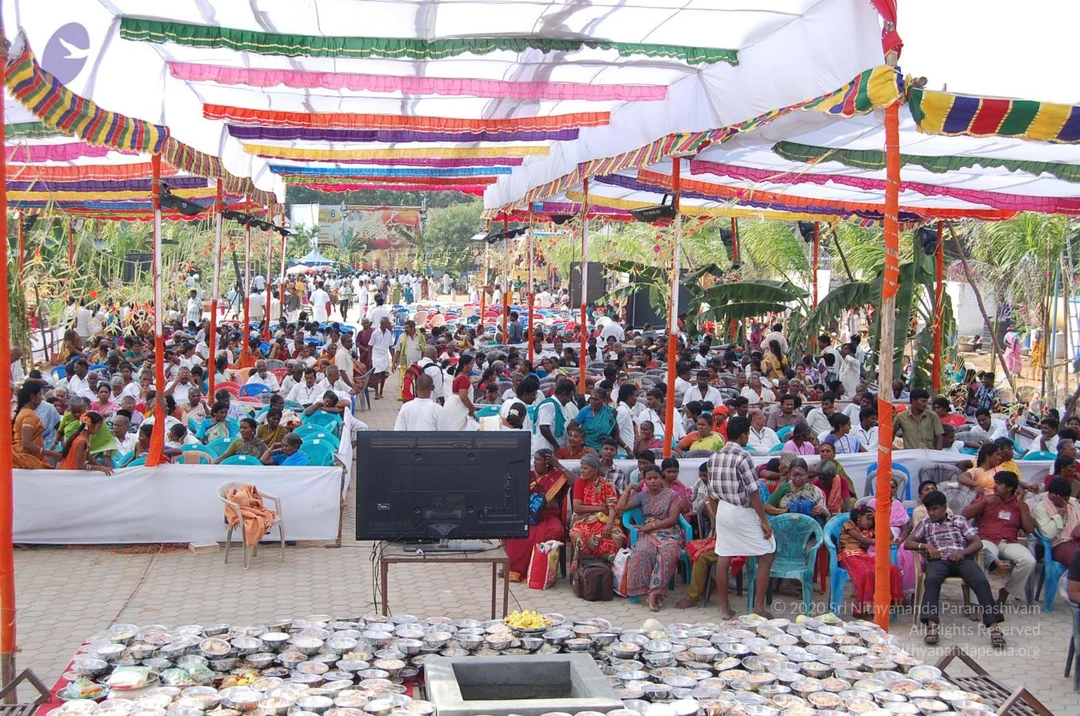
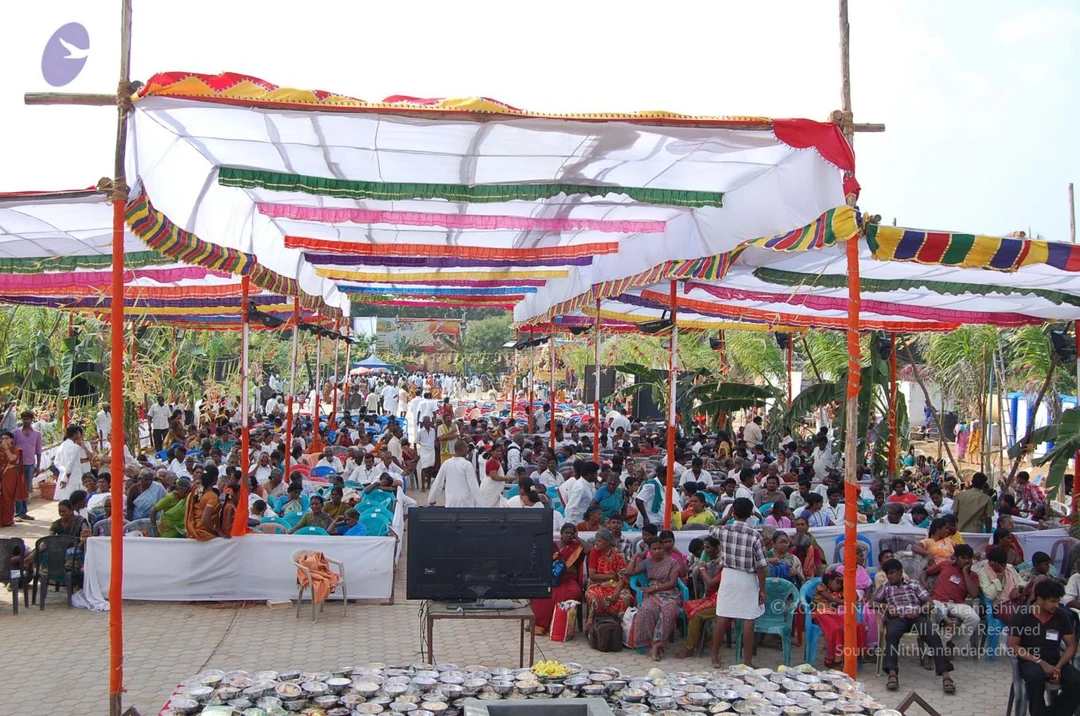
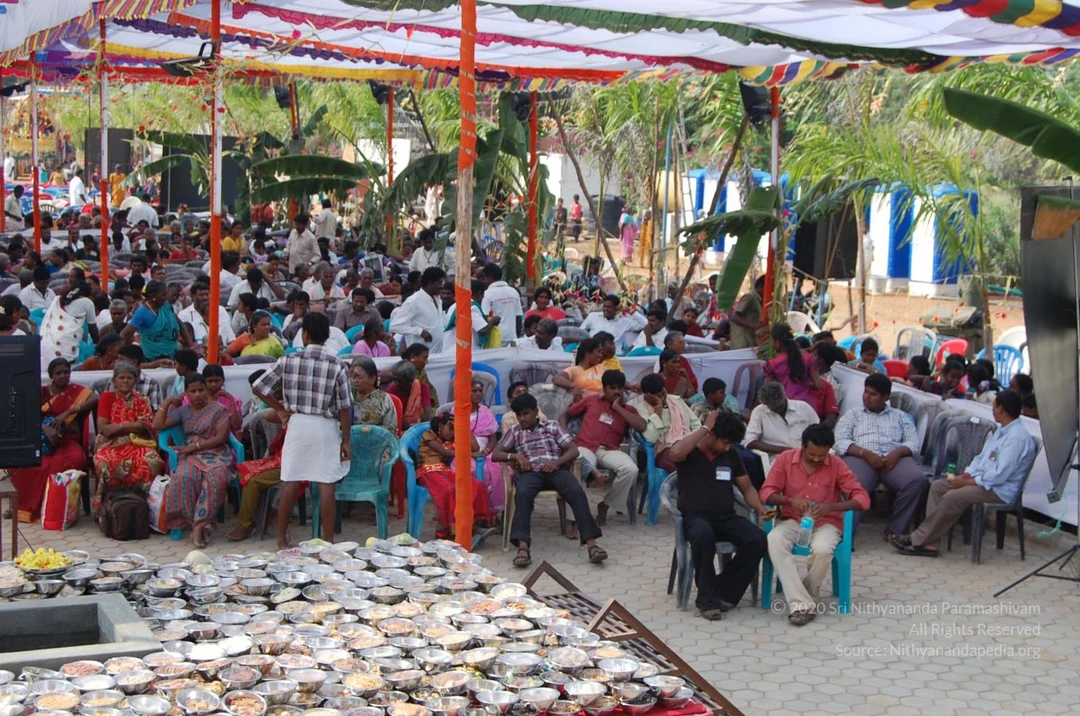
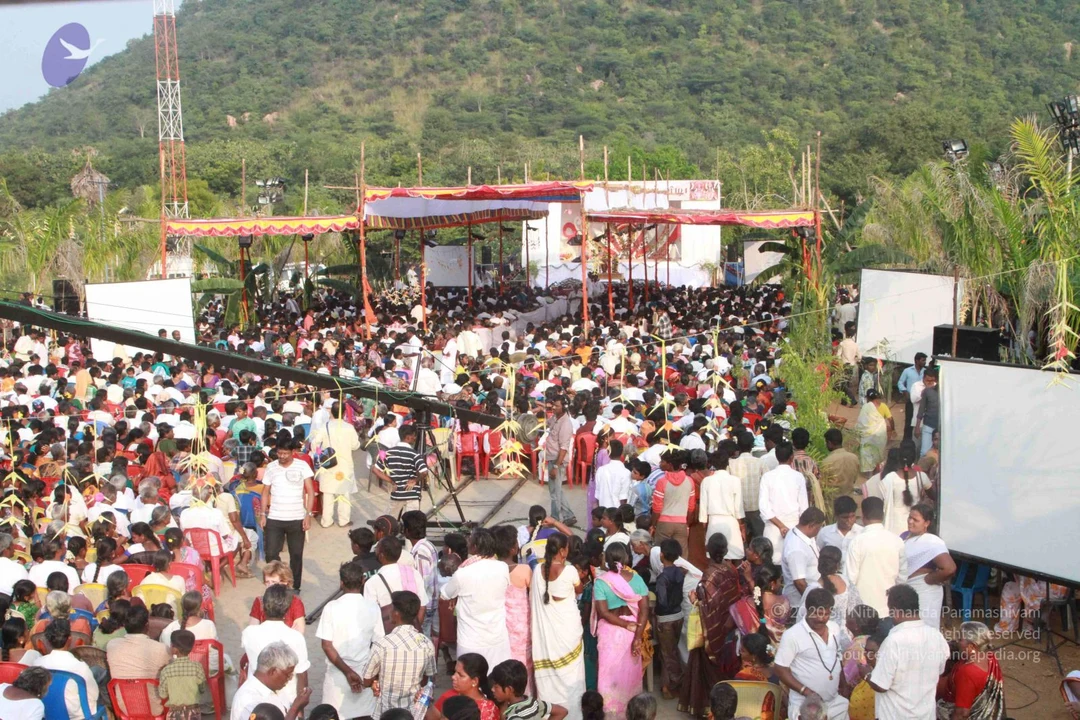
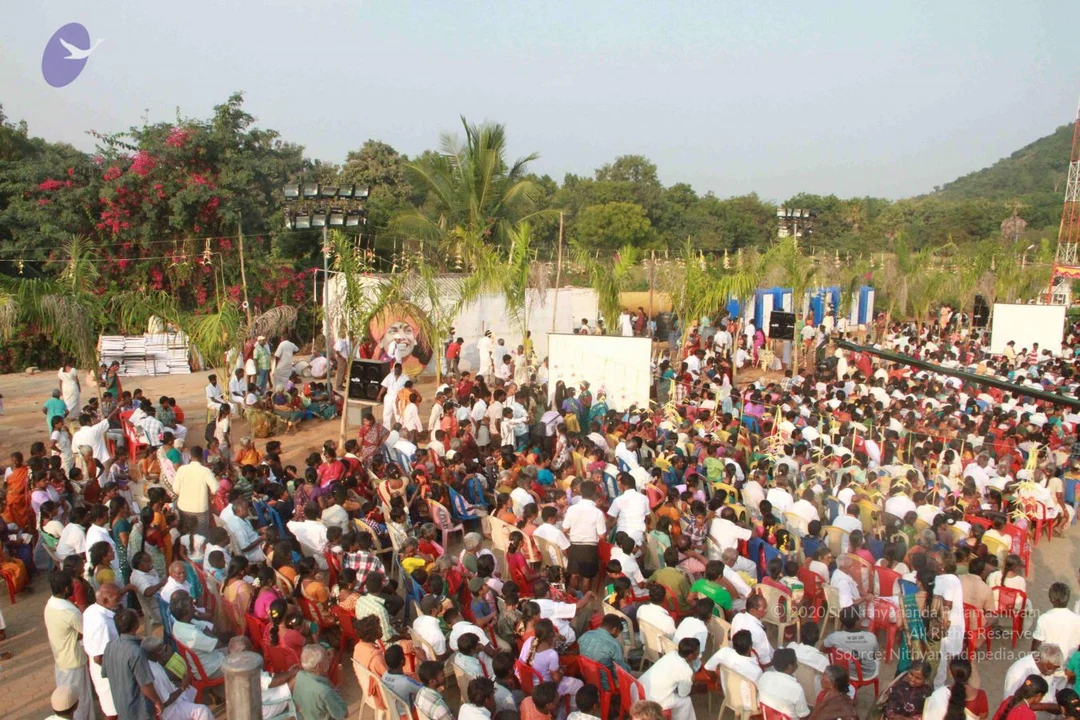
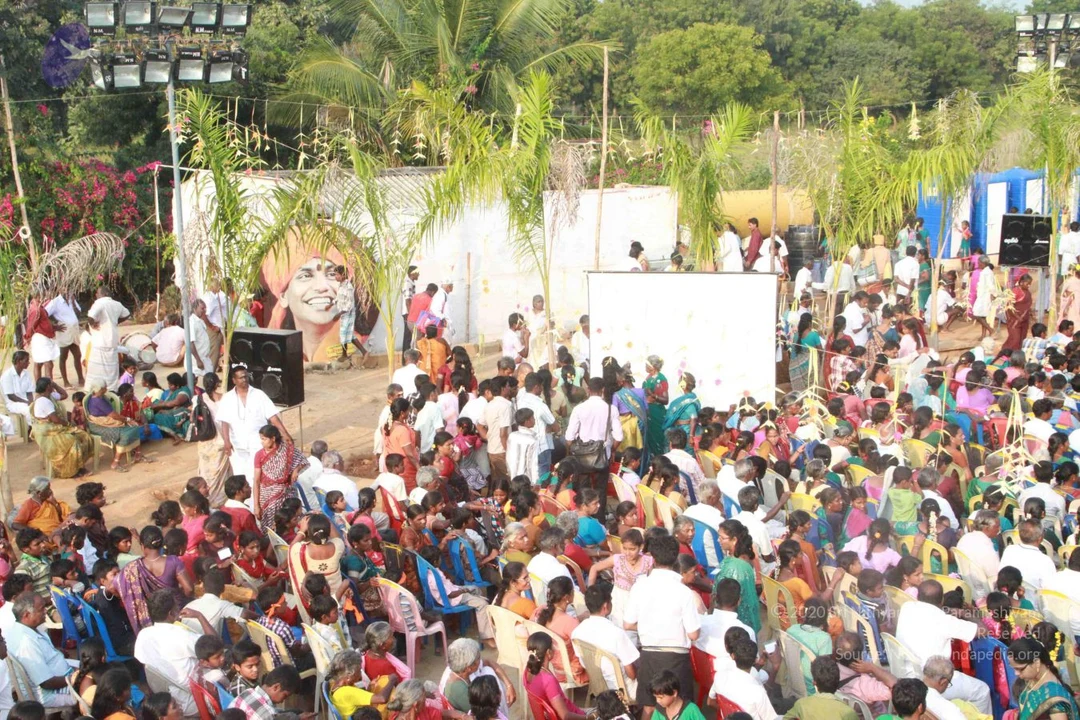
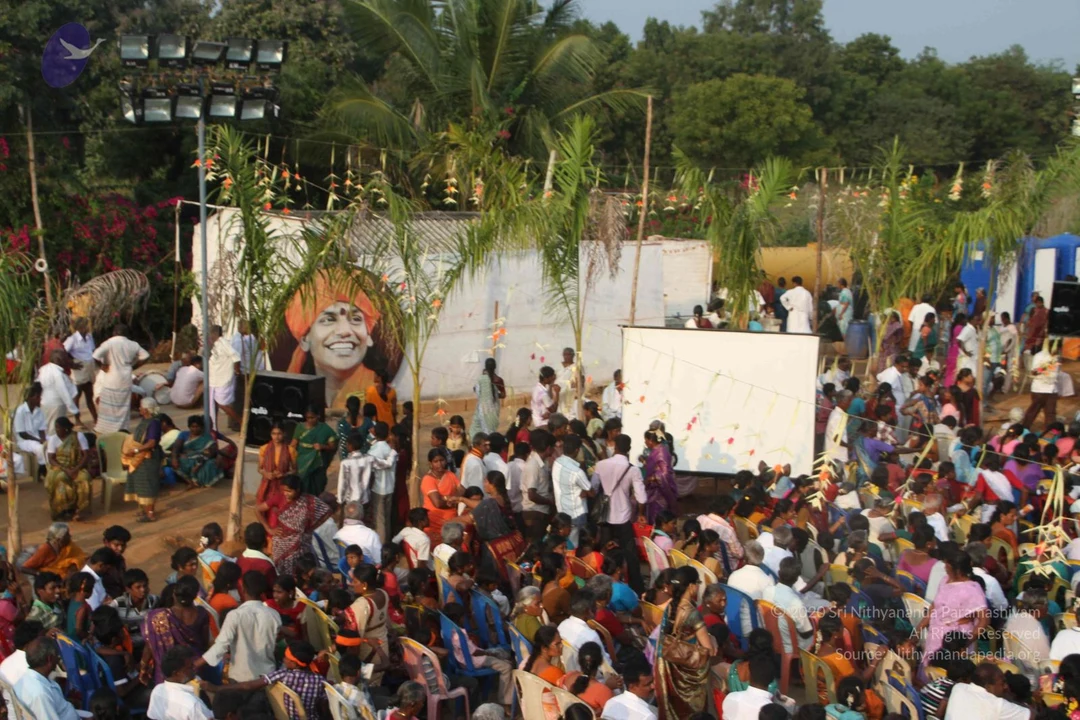
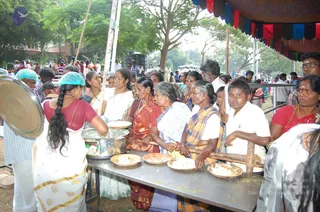
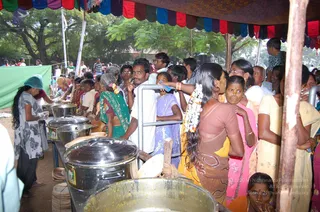
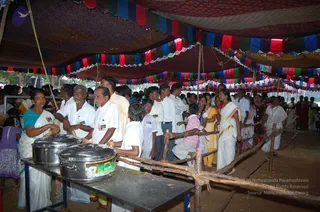
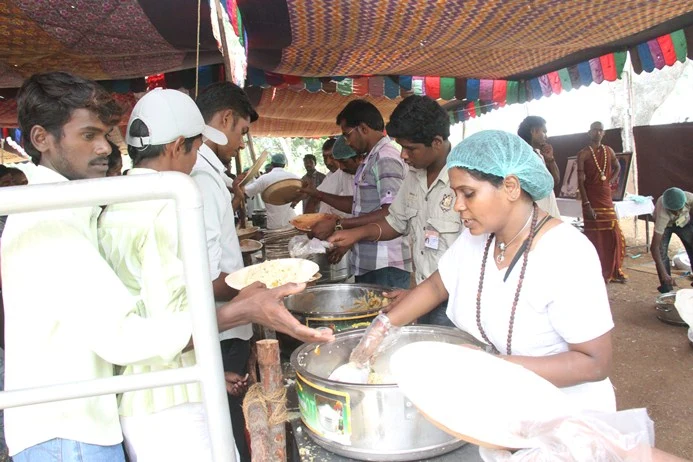
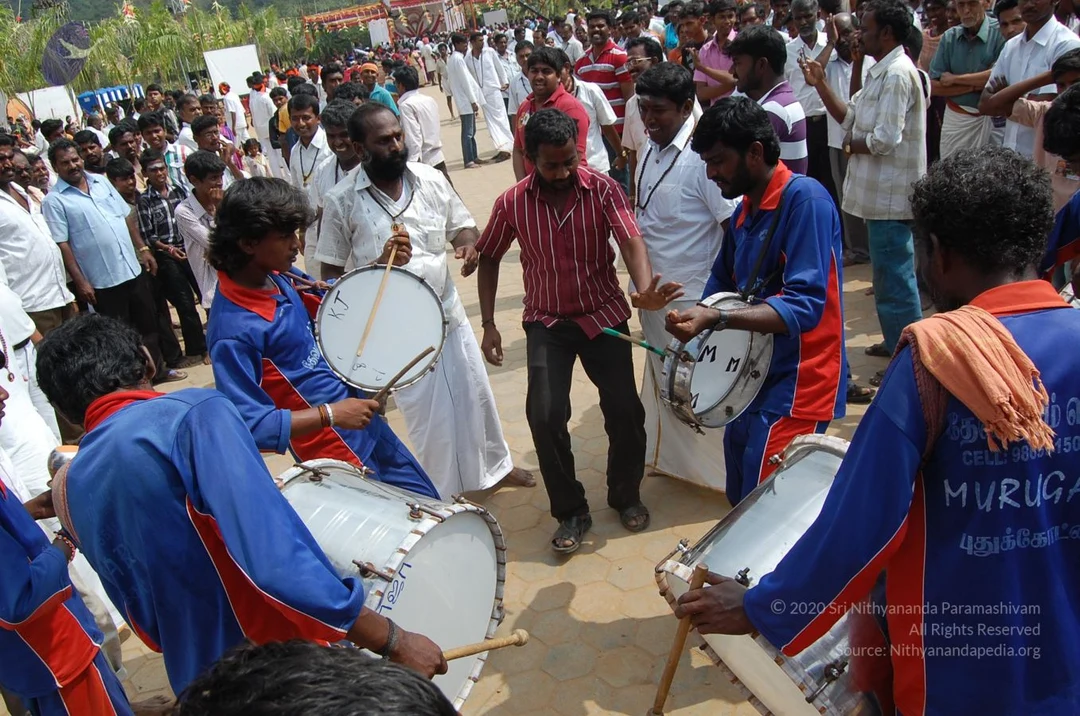
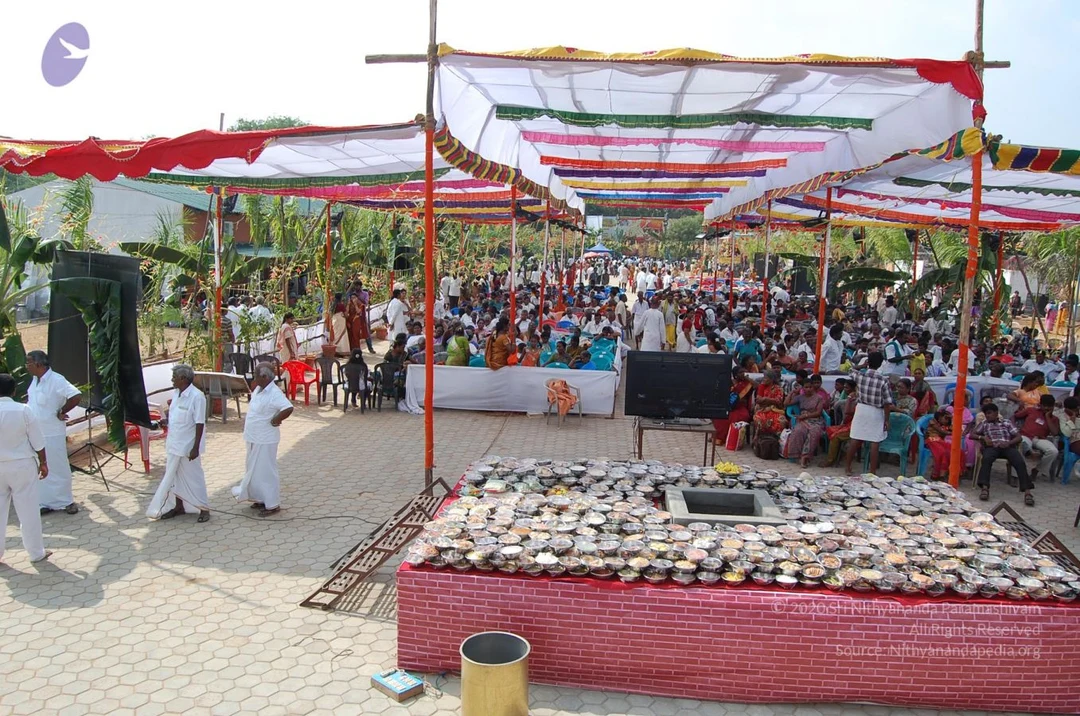
Annadhan
Tags:

Paramahamsa Nithyananda, birthday, individual, responsibility, human being, possibility, life, communicate, body language, attitude, integrate, authentic, awareness, conscious, surprise, response, understand

Photos Of The Day:

Swamiji-During-Morning-Satsang
Swamiji-Releasing-Nithyanandam-Magazine

Annadhan

Photos Of The Day:

Ezhumalai-Photos

AllEvents

EveningPadaPuja-Darshan

JAYANTI-BRAHMOTSAVAM-2013

Photos from this day

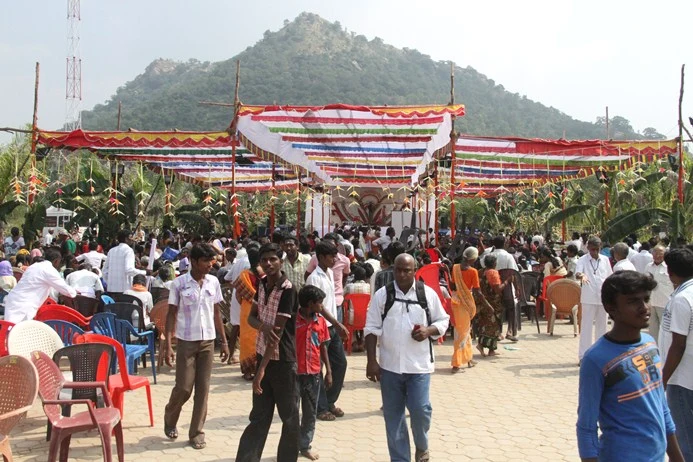
View all 846 photos

Swamiji-During-Morning-Satsang
5 photosSource gallery
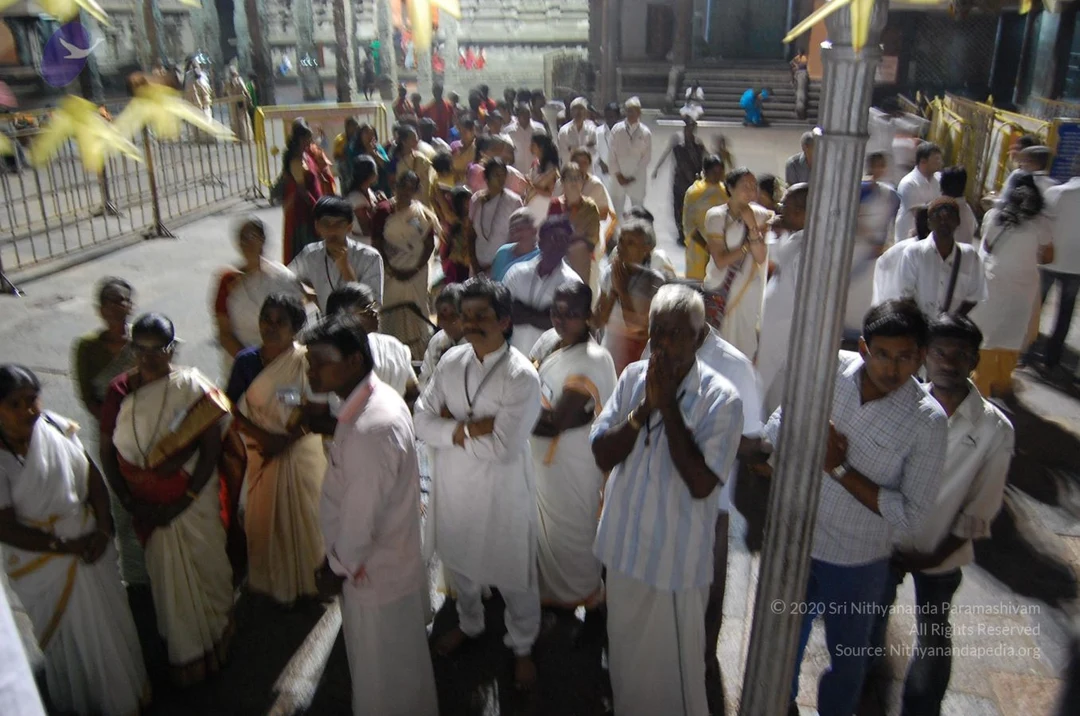
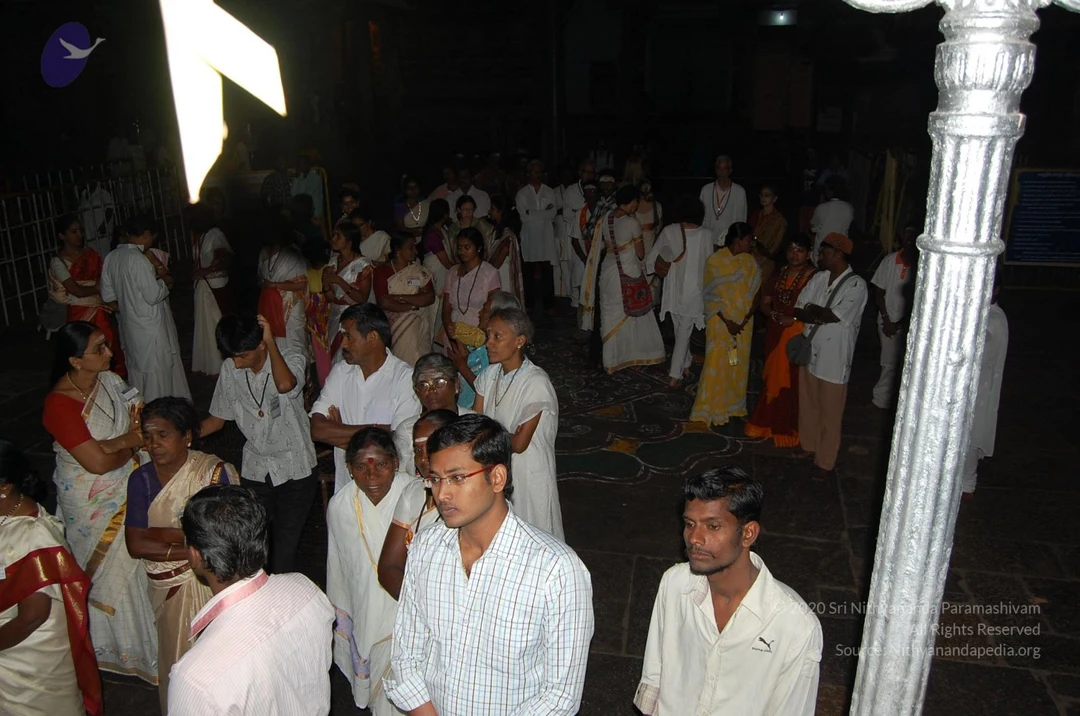
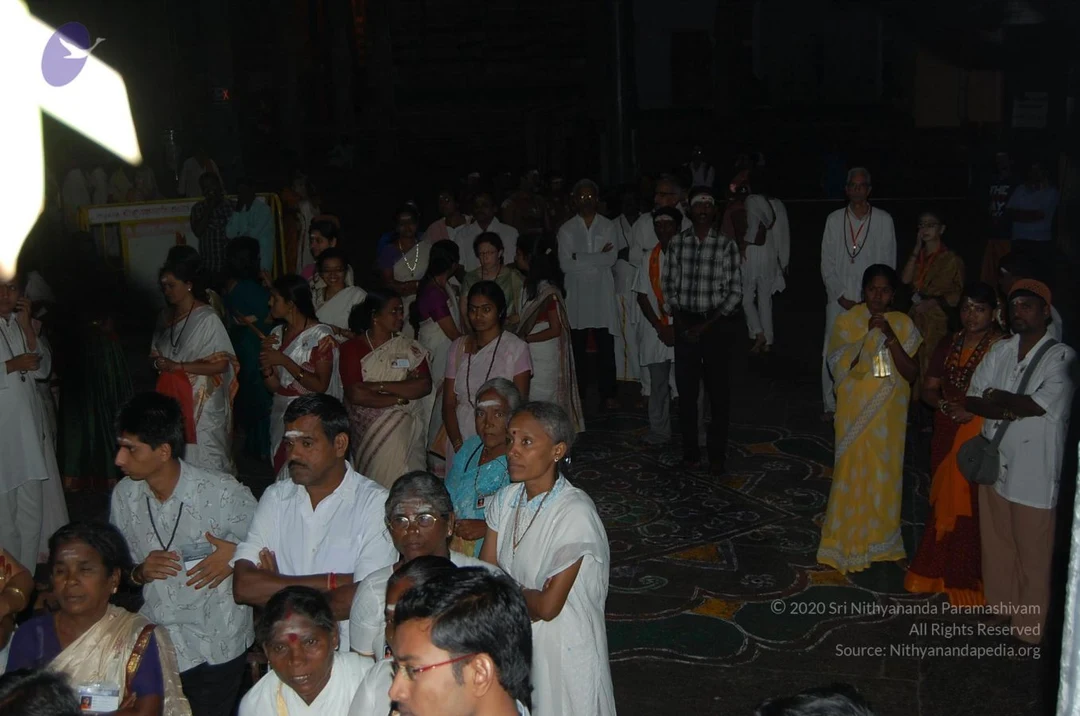
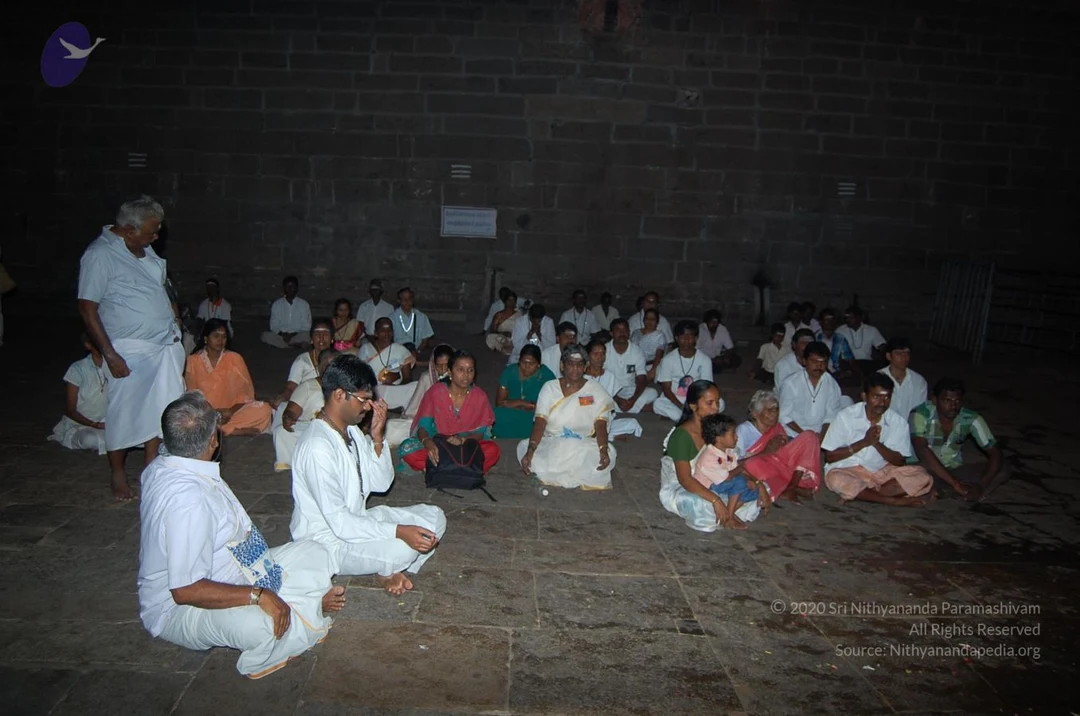
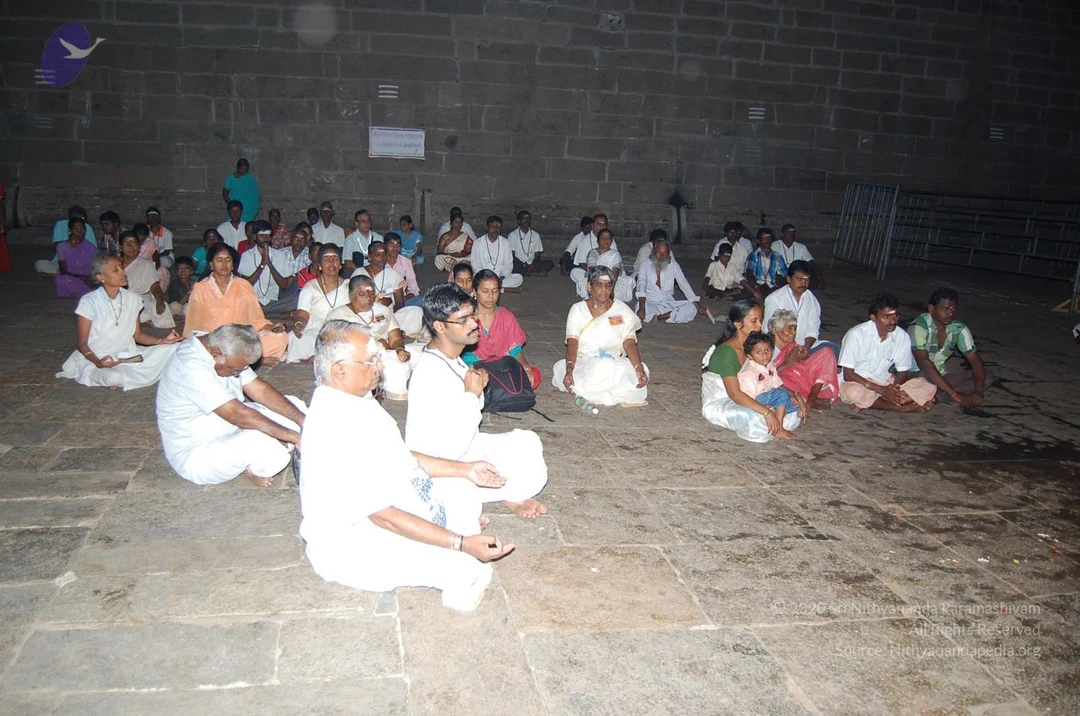
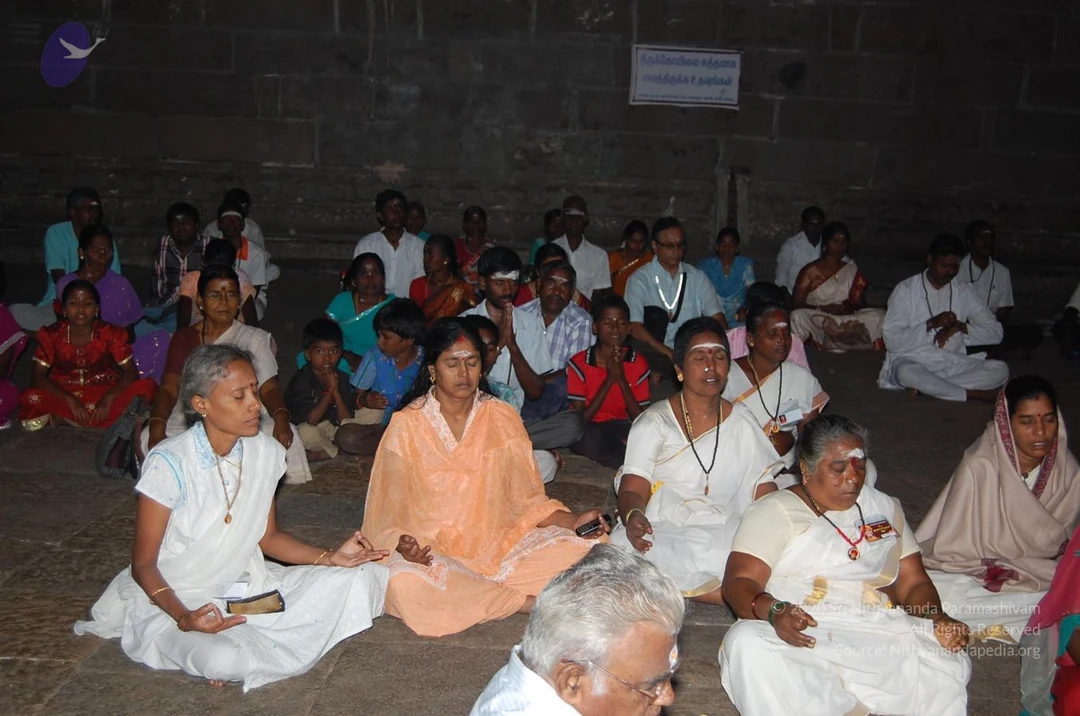
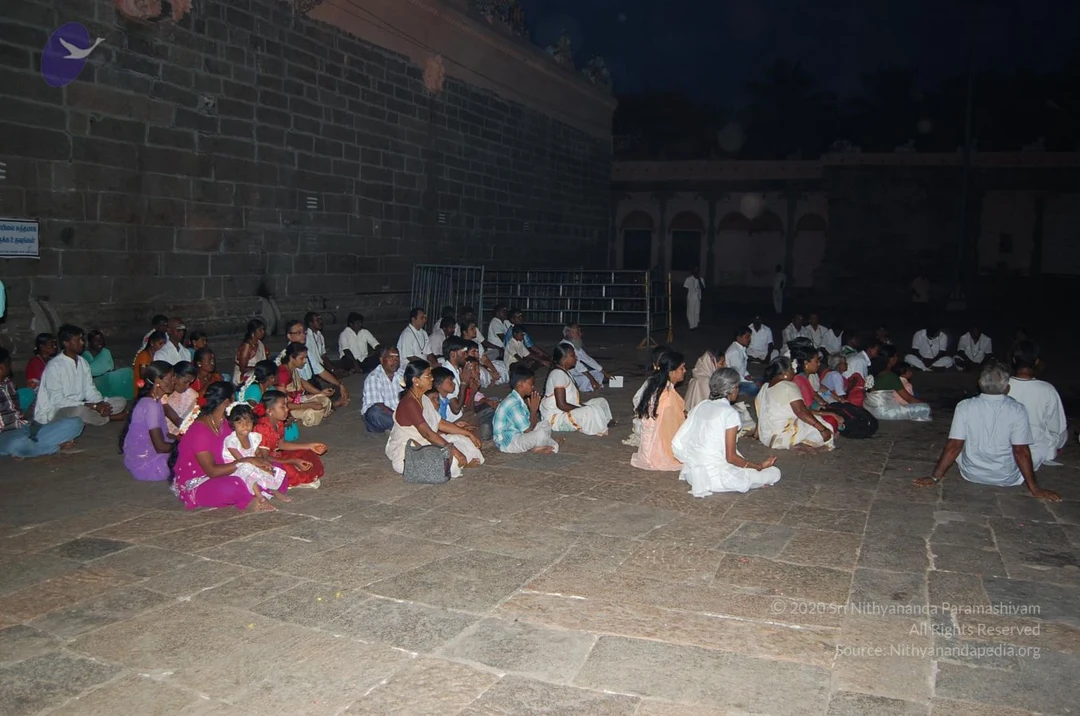
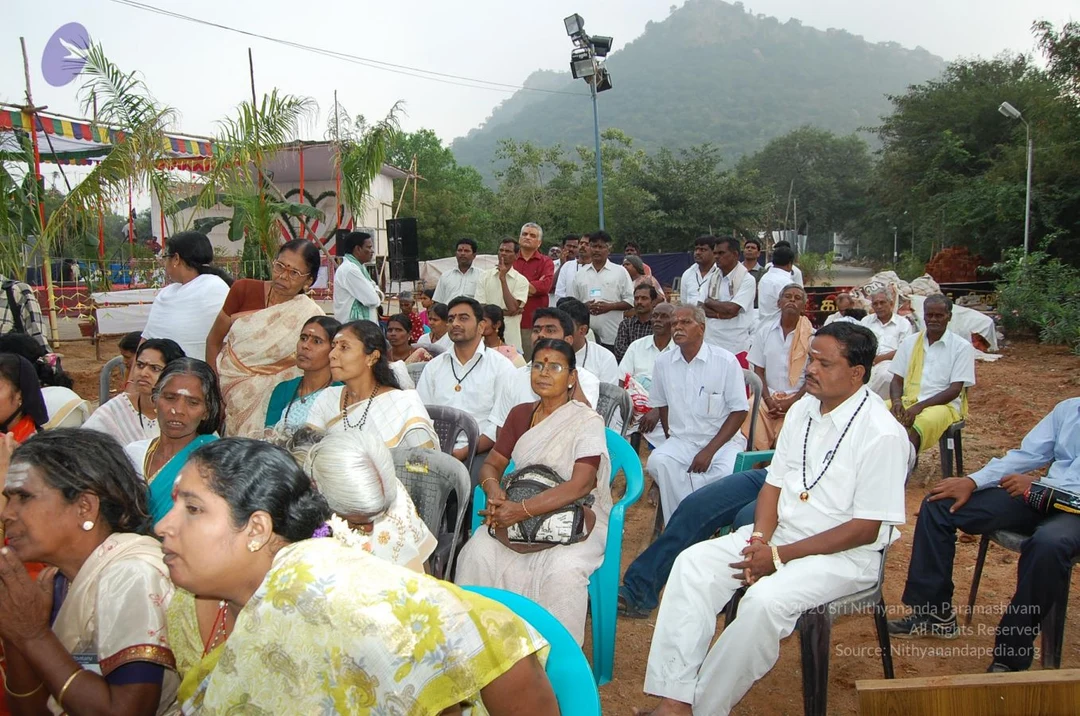
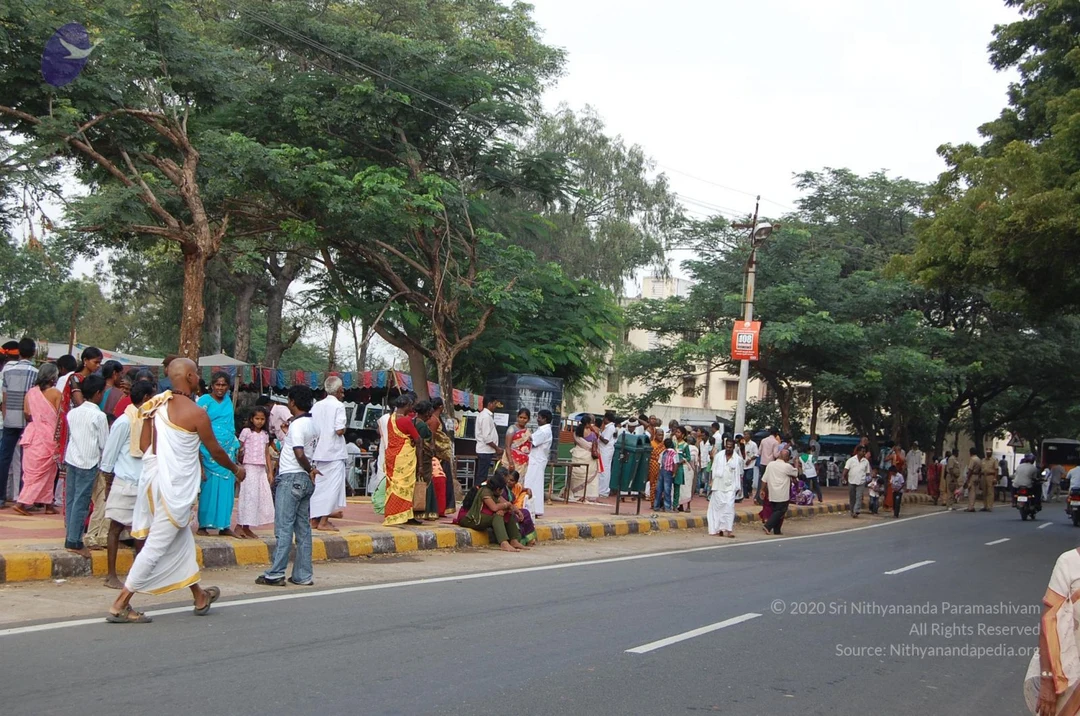
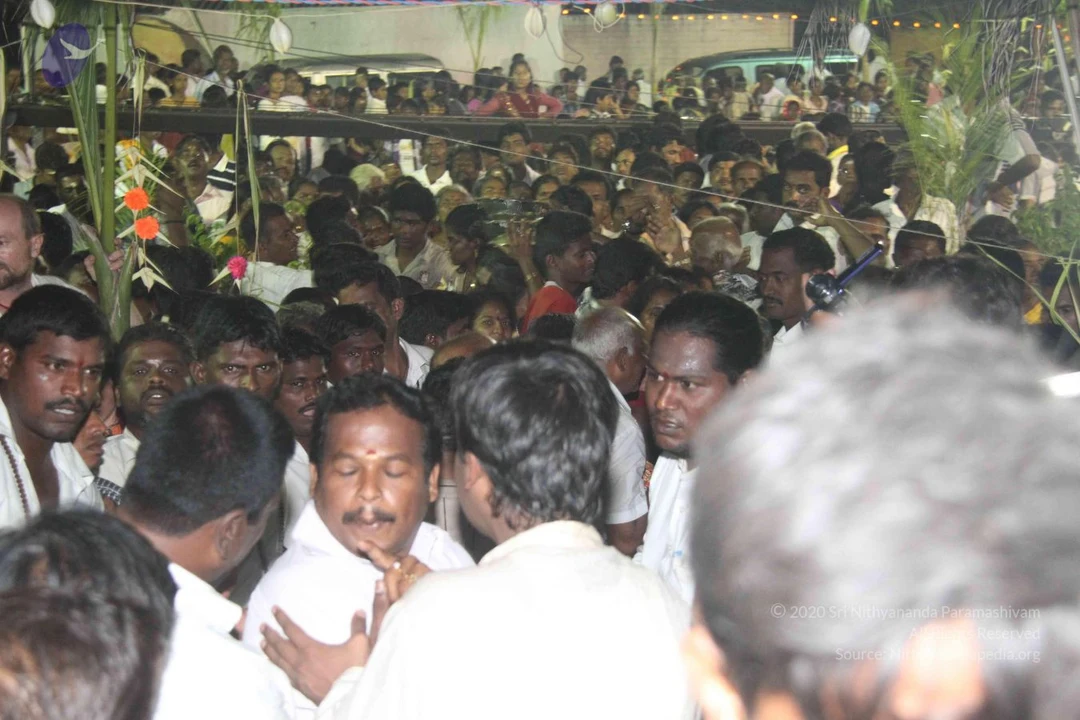
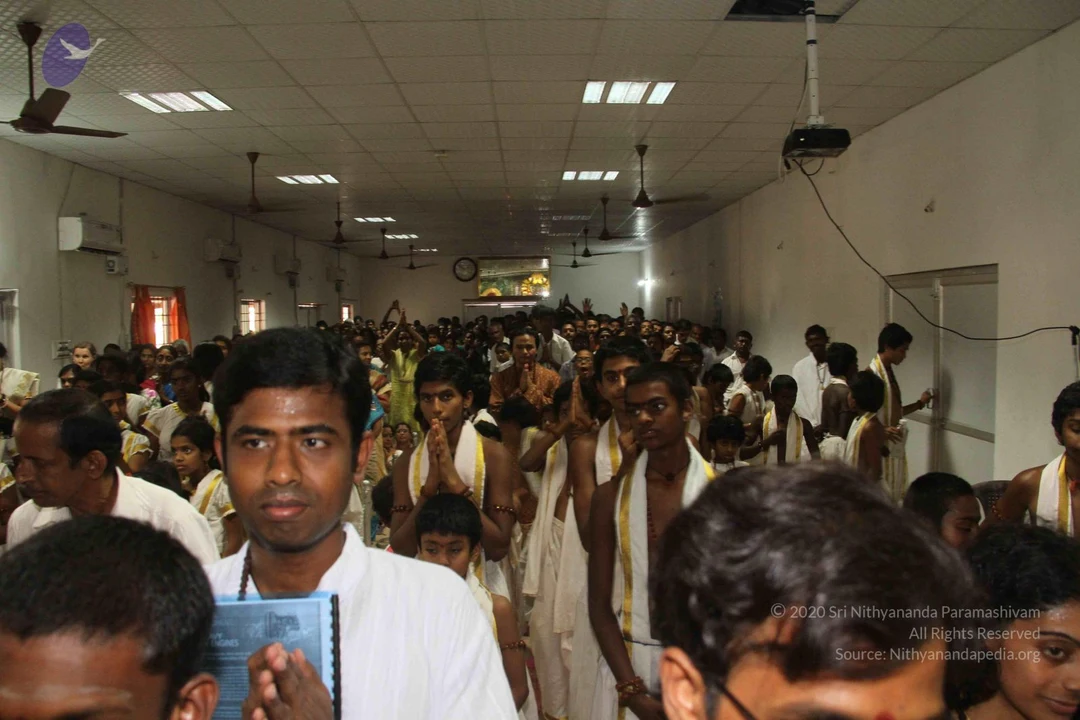
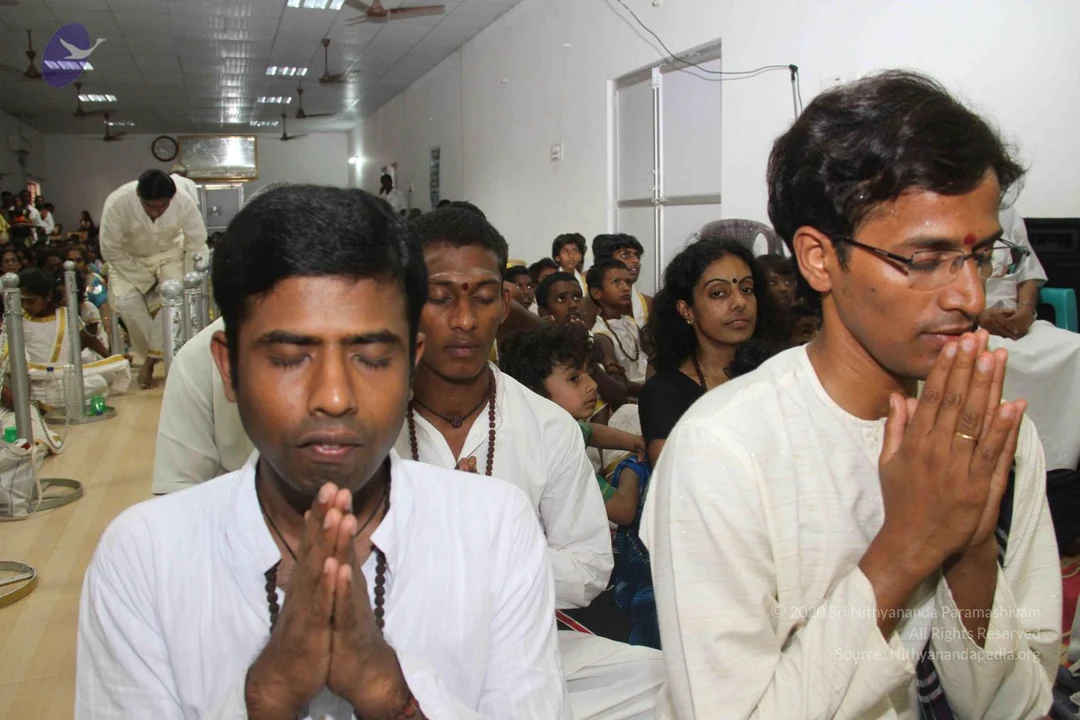
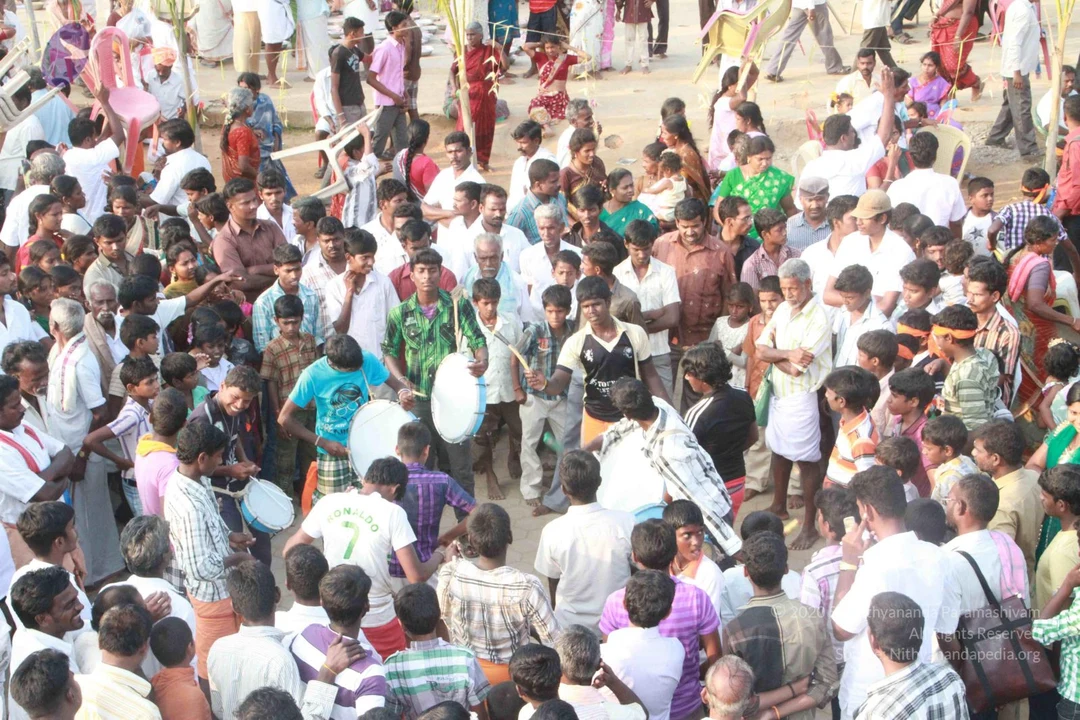
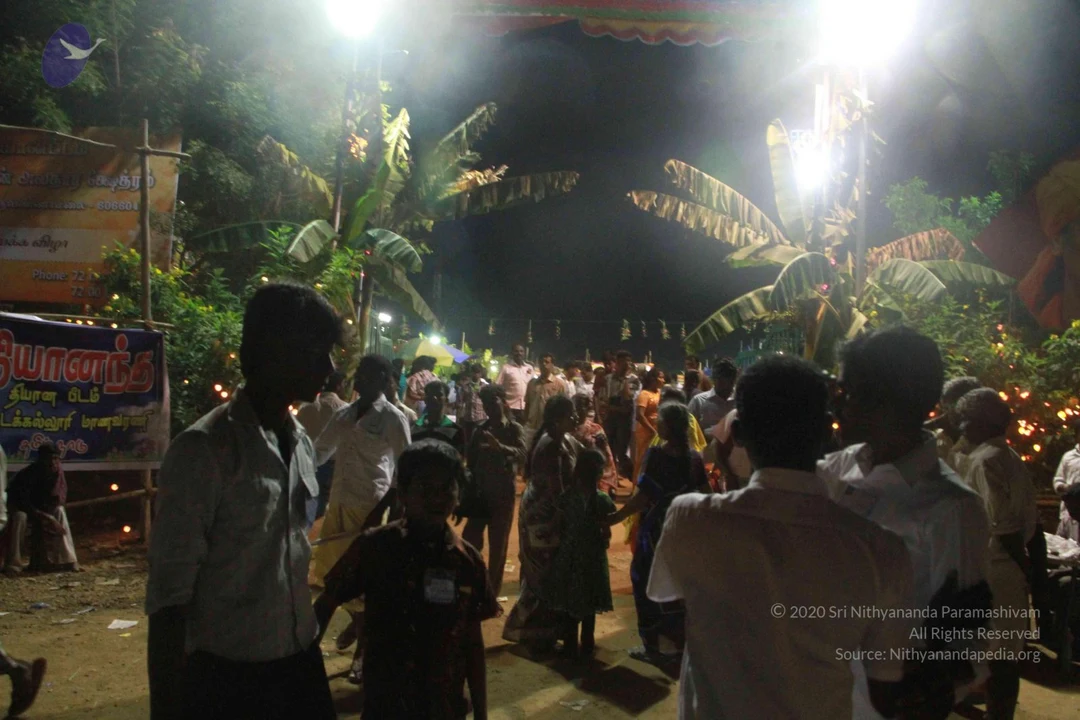
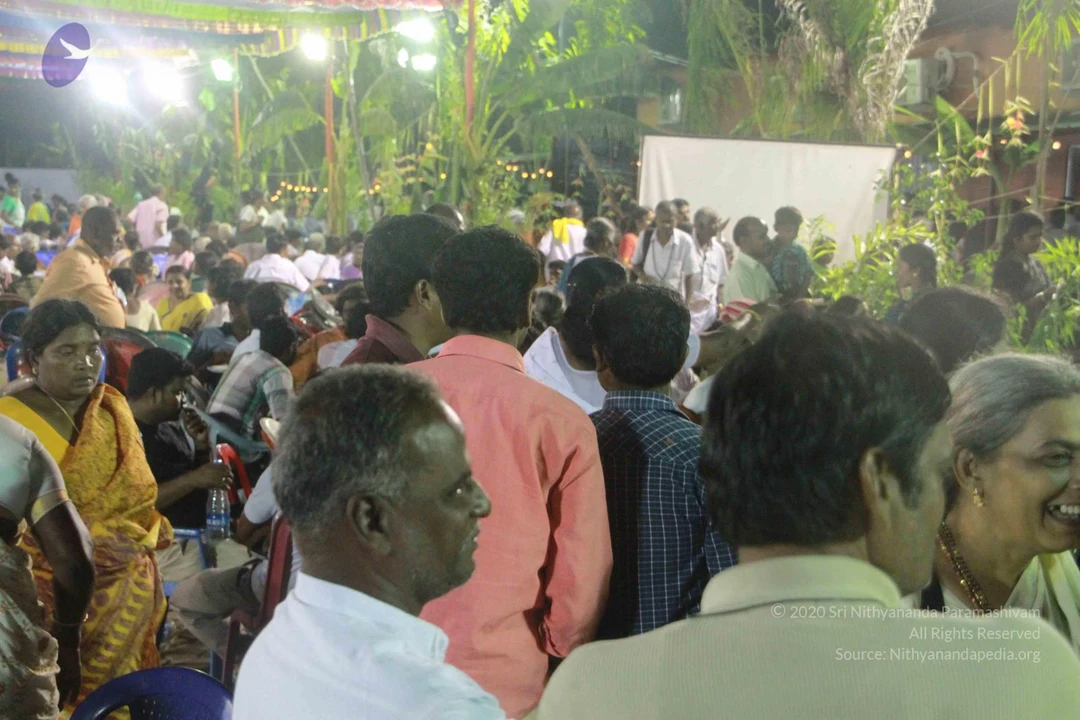
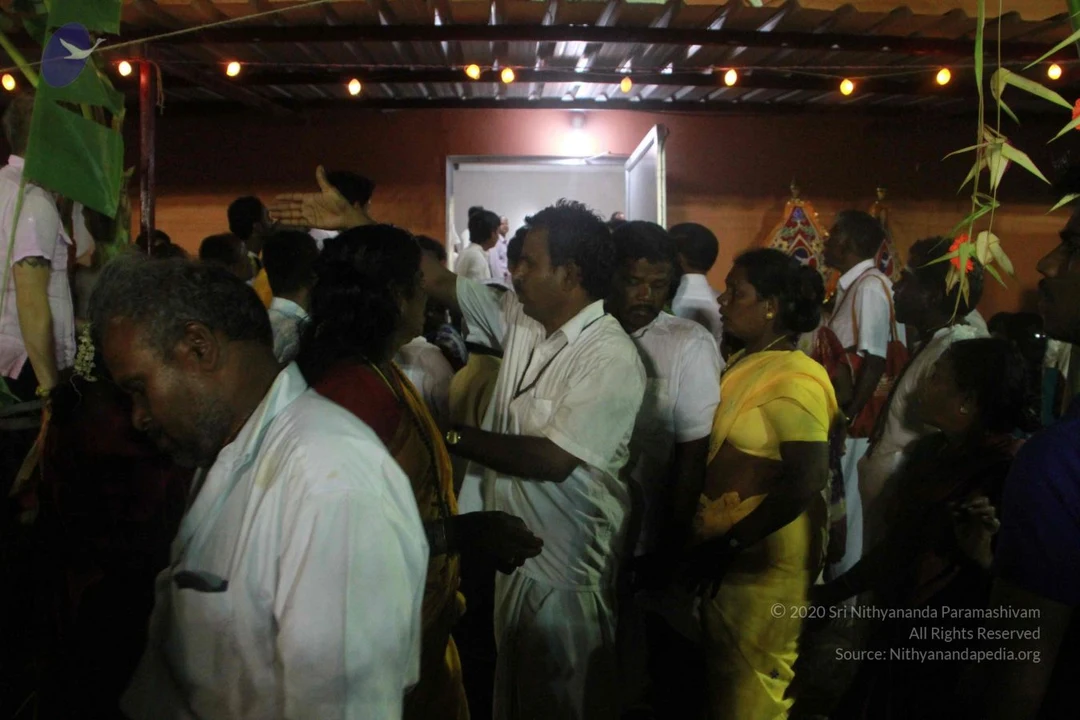
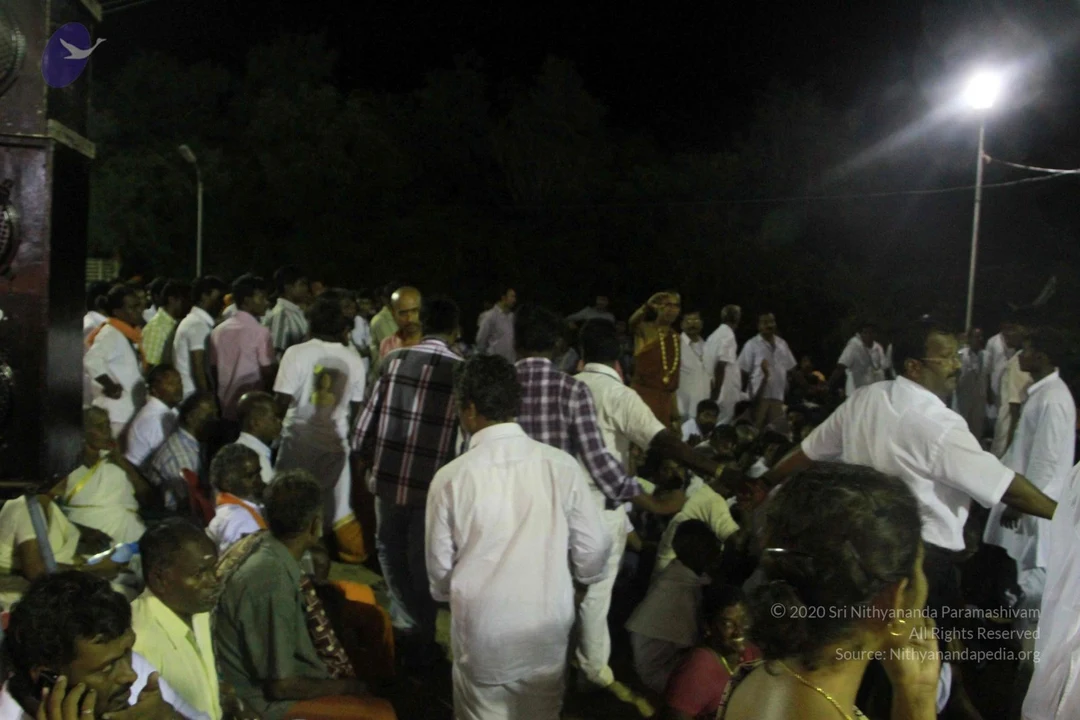
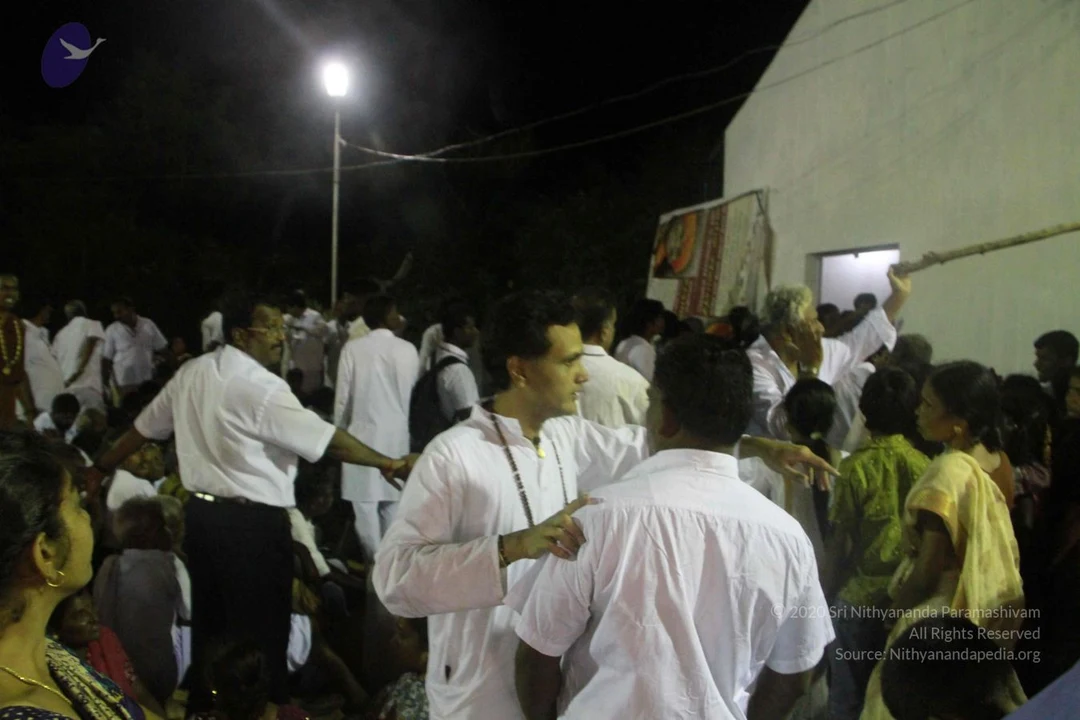
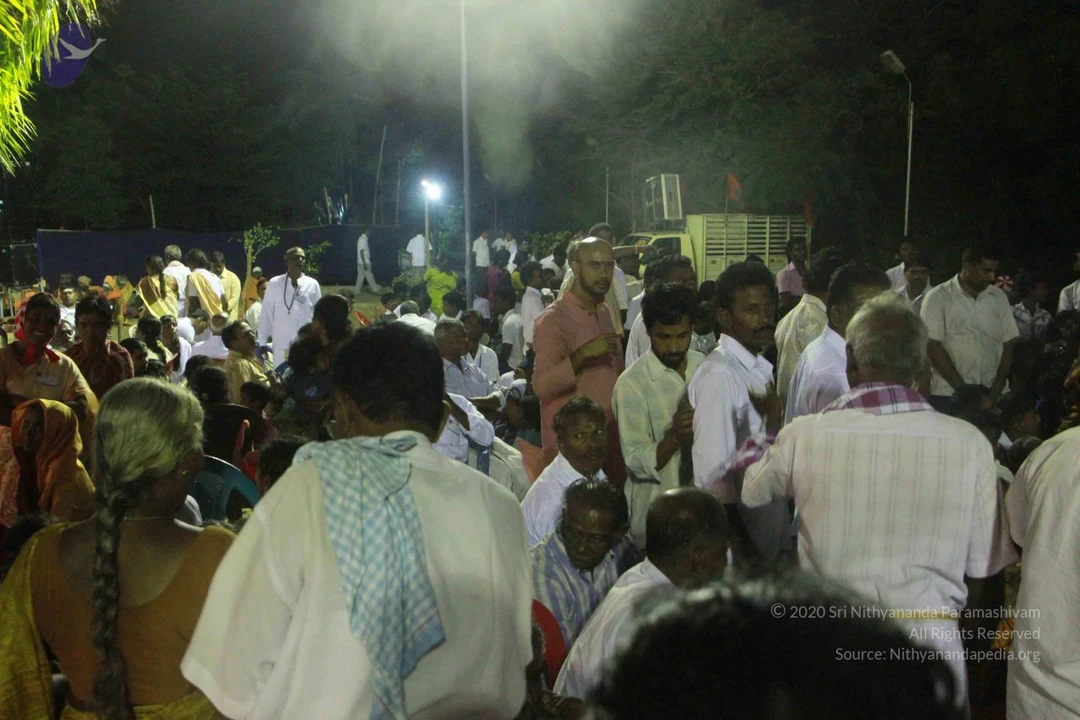
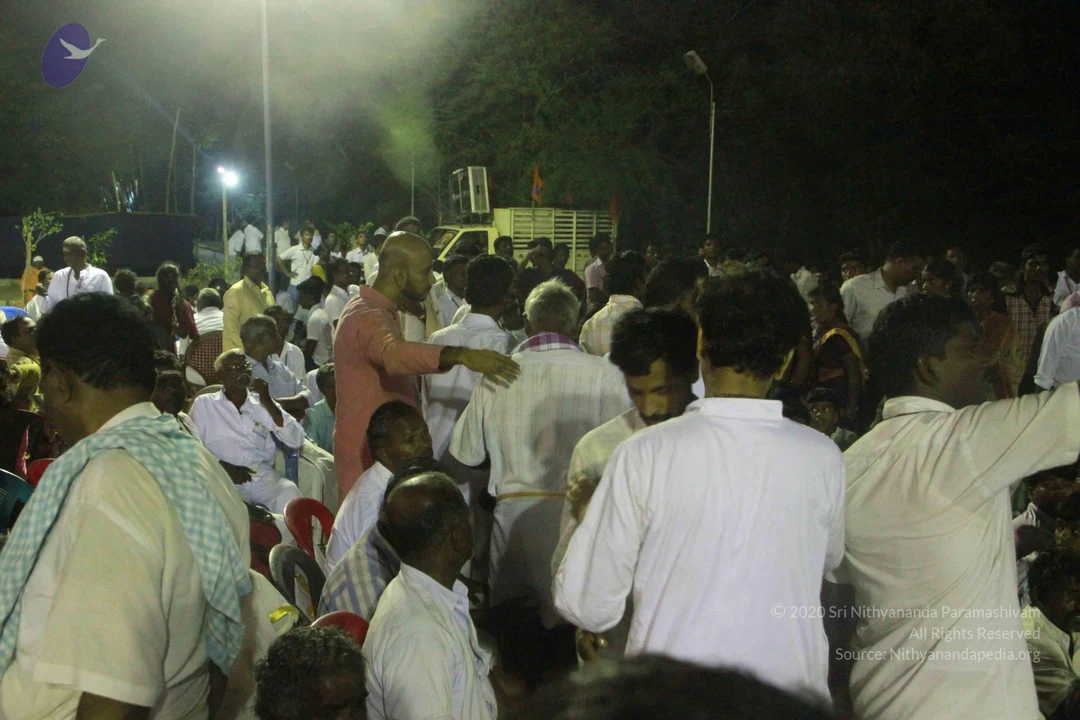
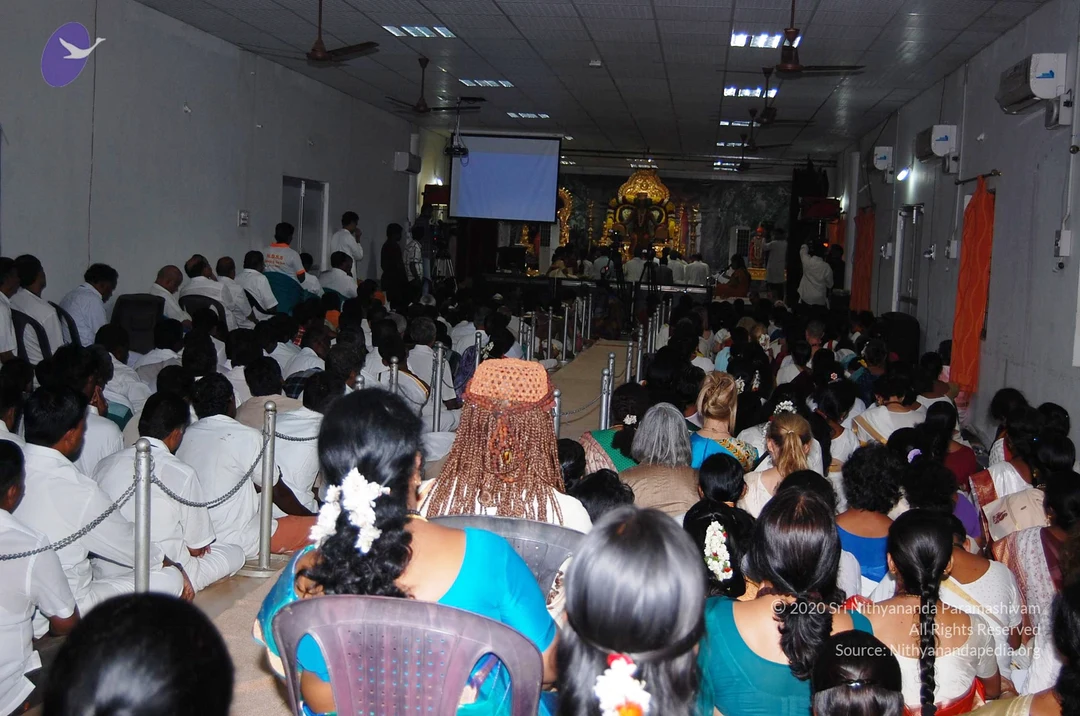
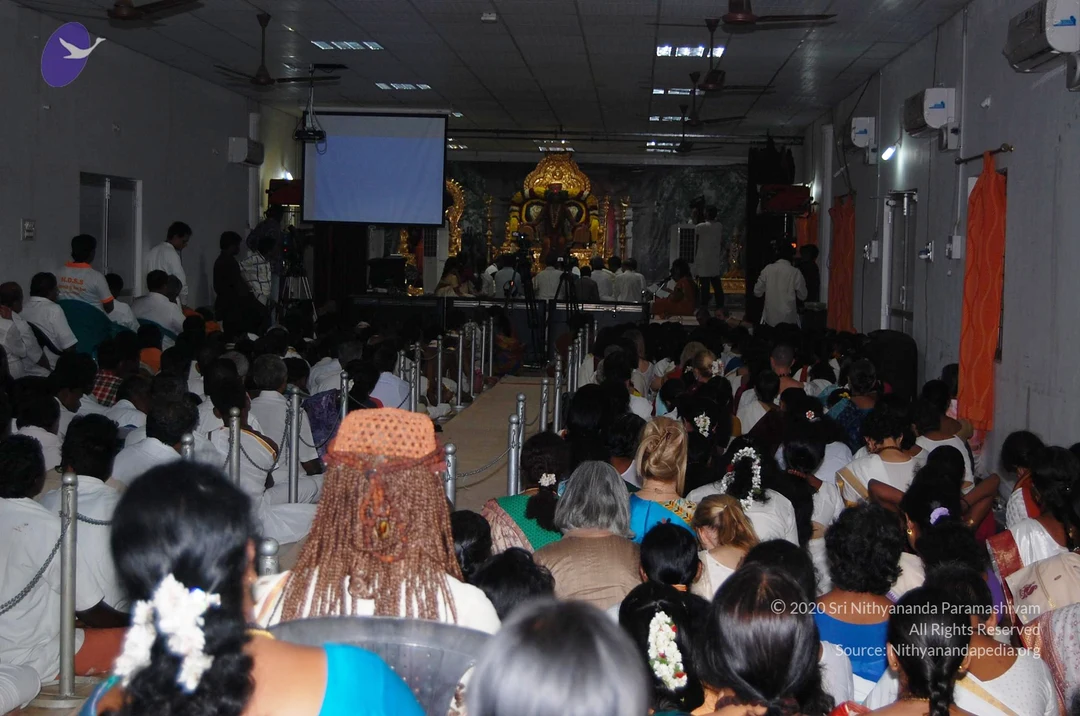
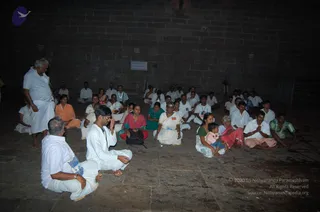
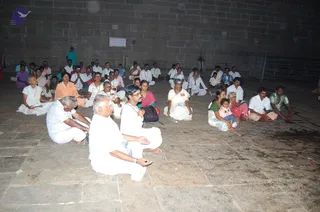
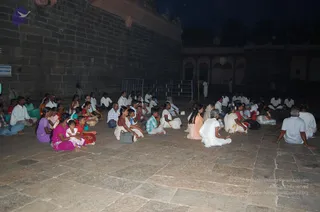
A crowd of devotees stands in a temple courtyard at night, many with hands pressed together in namaskar or clasped before them. Most men wear white dhotis and shirts, some with lanyards around their necks, while women wear white or cream saris with gold borders and a few wear red or maroon saris. Barricades with yellow-garlanded posts line the walkway, and stone temple pillars and gopuram architecture rise behind them. A man in a striped blue-and-white shirt presses his palms together near the center, and a few people look toward the temple entrance. No individual can be confidently identified as a person from appearance in this view.Indoor photo of a crowded hall at dusk-lit ashram setting with a dark patterned floor. Many devotees stand and sit in rows, mostly in white clothing, with some wearing red, yellow and pink saris and sarees. Several women wear white saris with lanyards and rudraksha-style necklaces, and a man in a white shirt holds his hands together in prayer near the front. A man in a checked shirt and an orange shawl stands at centre-back, and a woman in a yellow sari stands at right. Bright light streams in from the upper left edge of the frame. Many people are visible, and several have tilak or kumkum on their foreheads.A photograph of devotees seated on a dimly lit stone-paved floor before a dark stone wall in an evening gathering. Many people sit cross-legged or kneel in white dhotis and white shirts or saris, with some women in orange, green, pink and red saris. A man in white dhoti and shirt stands at the left edge, and a man in front in white clothes sits with hands joined in prayer. Several people hold their palms together in reverence. A small child in pink sits among the women at right. A small rectangular sign is mounted on the wall. No presenter can be confidently identified among those present.Devotees sit cross-legged in rows on a stone-paved floor before a dark granite wall, many in white dhotis and white kurtas or saris with rudraksha-style necklaces, some in pink, orange and green. Several sit with hands in meditation mudra, eyes closed or gazing forward. A woman in an orange sari sits at left and a woman with a small child in pink sits at right. A standing woman in teal stands at the back by the wall, and a metal barrier rests at right. The scene appears to be a satsang or meditation gathering. No clearly identifiable a person figure is visible among those seated.Night photograph of a large group of devotees seated cross-legged on a stone-paved courtyard in front of a dark stone temple wall. Many wear white dhotis and shirts, while women wear saris in magenta, pink, red and orange; one woman in a pink sari holds a small child. Several people sit with hands joined in prayer. A metal barricade and a small sign on the left are visible, and arched openings appear in the background. No individual can be clearly identified as the a person candidate from appearance; the image shows a satsang-style gathering.

Swamiji-Releasing-Nithyanandam-Magazine
45 photosSource gallery
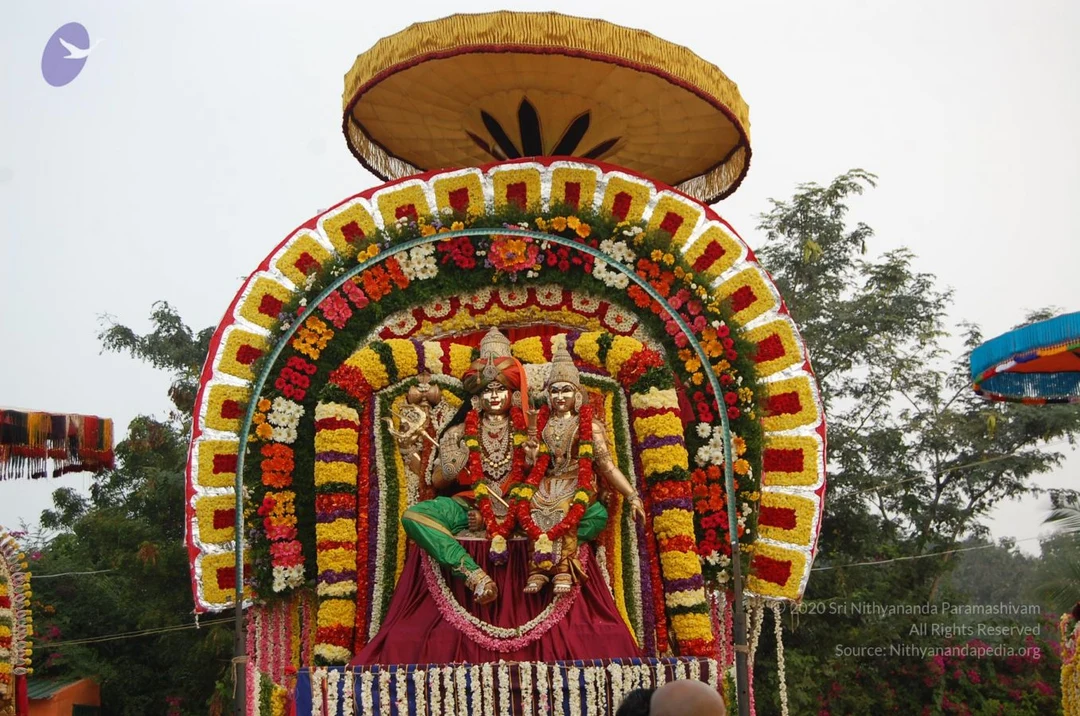
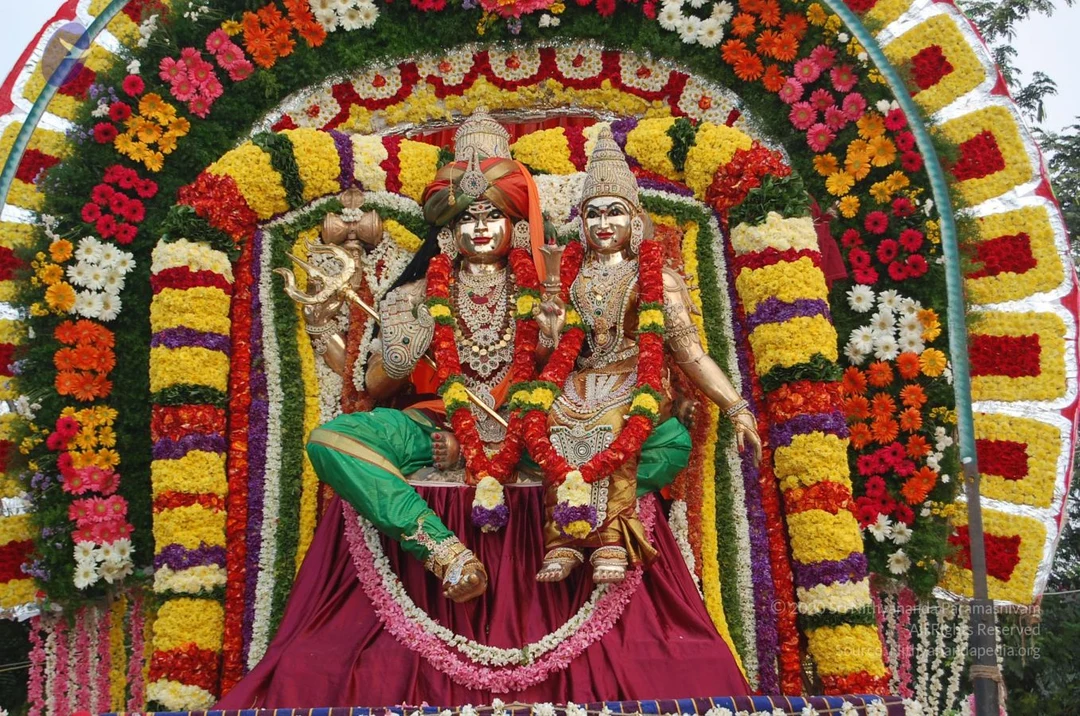
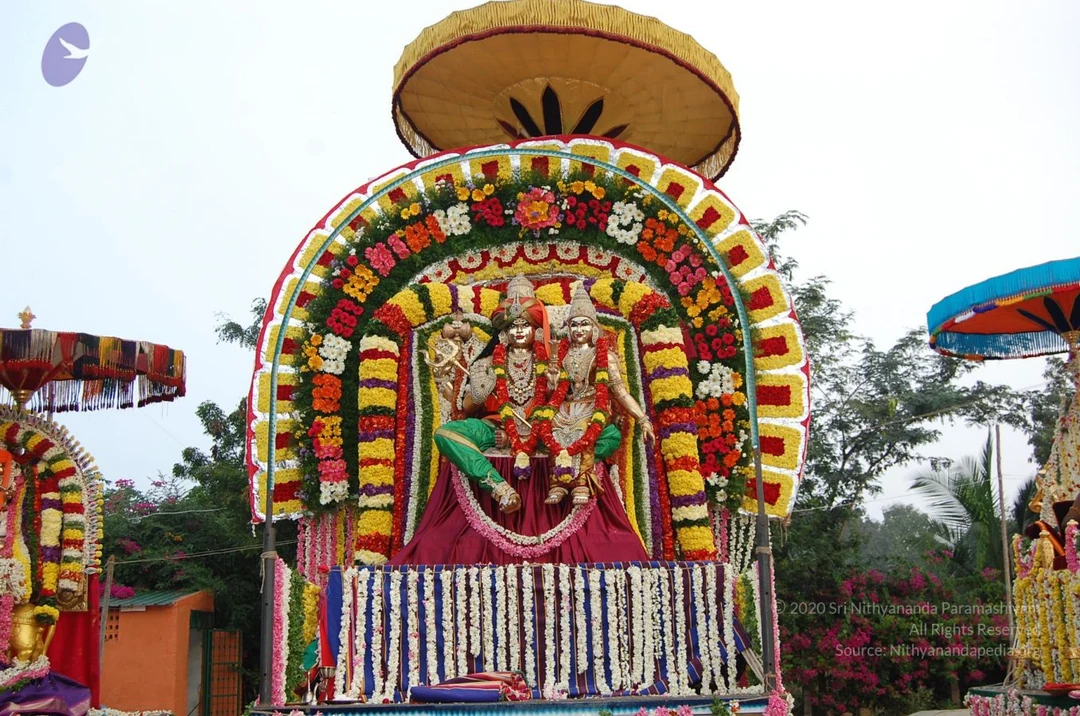
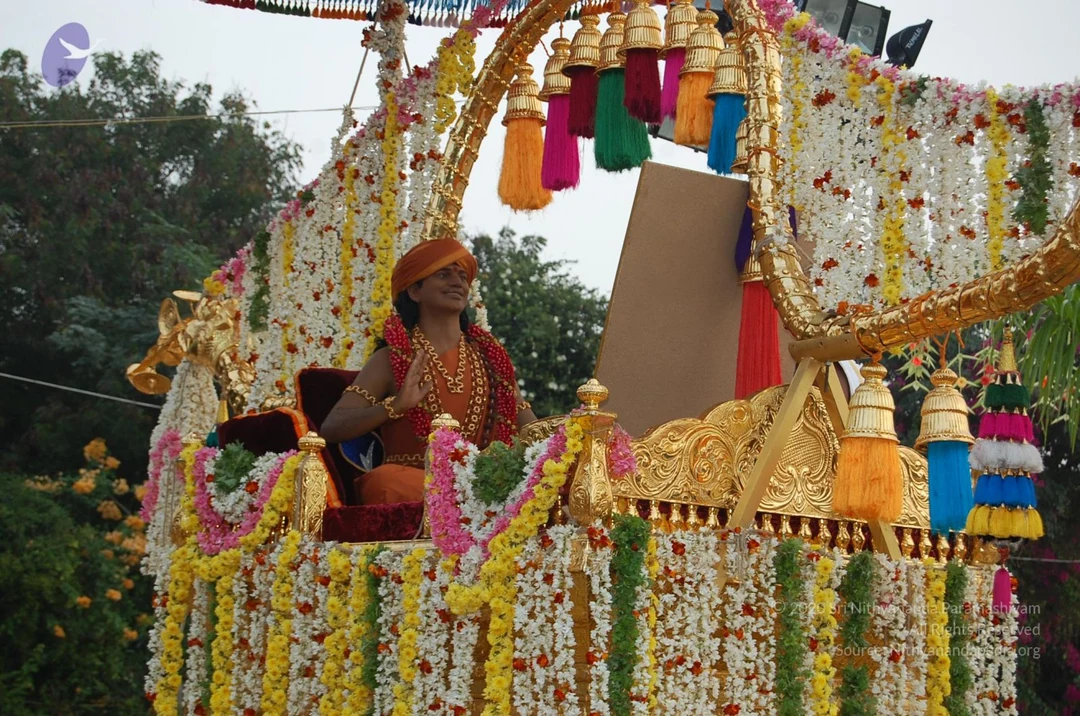
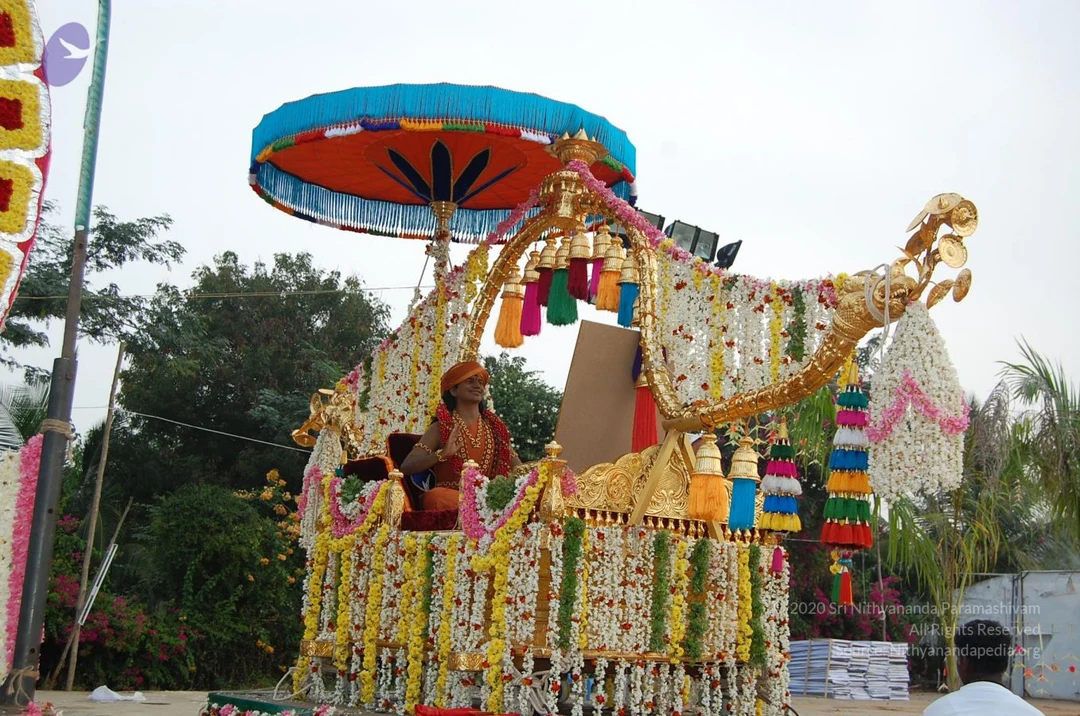
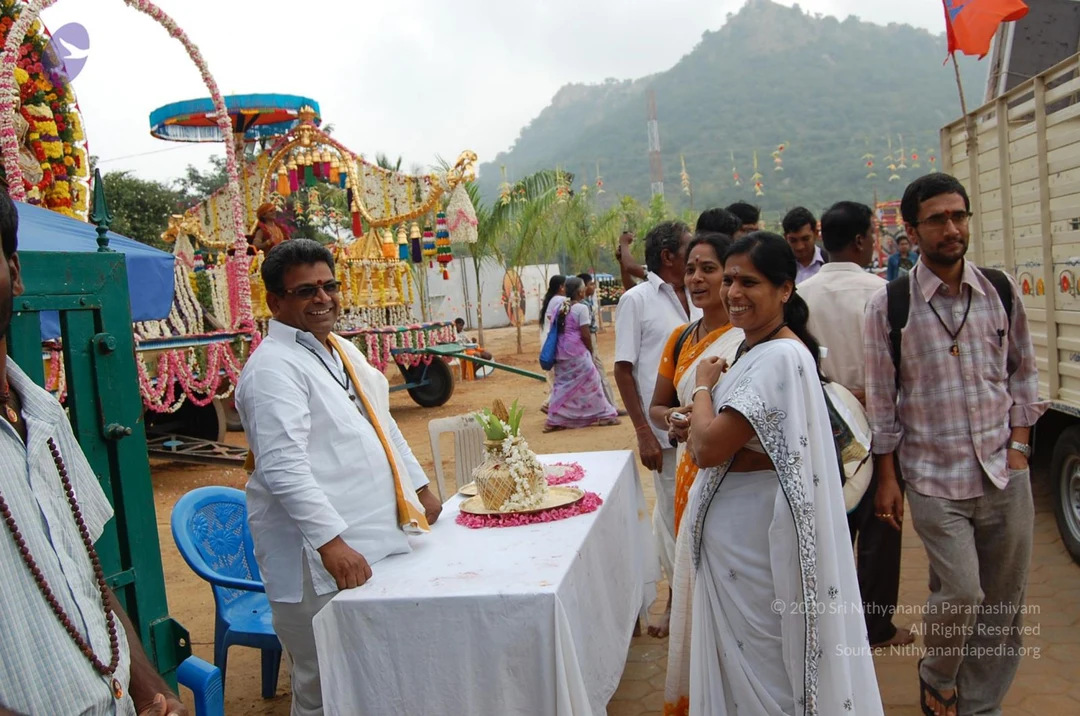
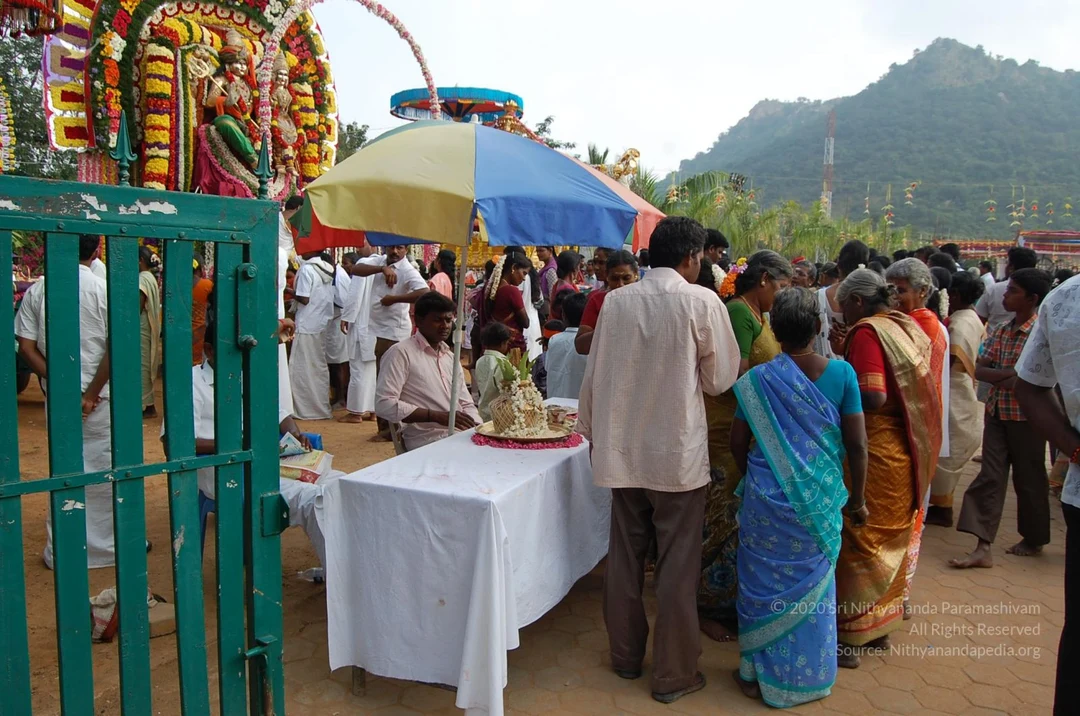
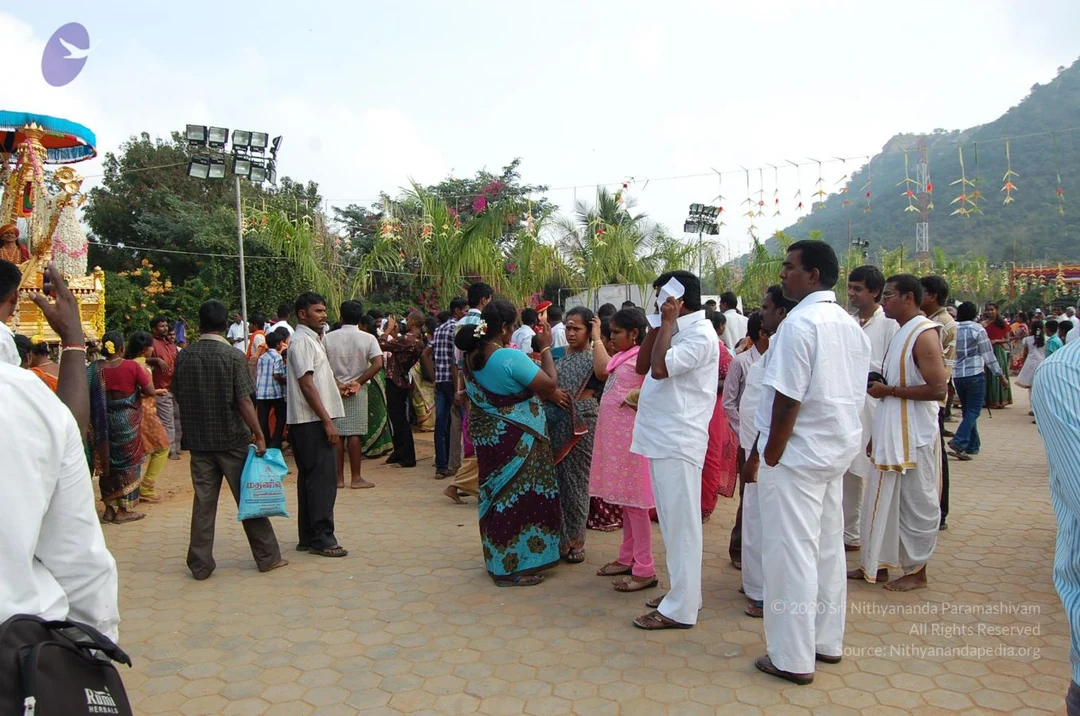
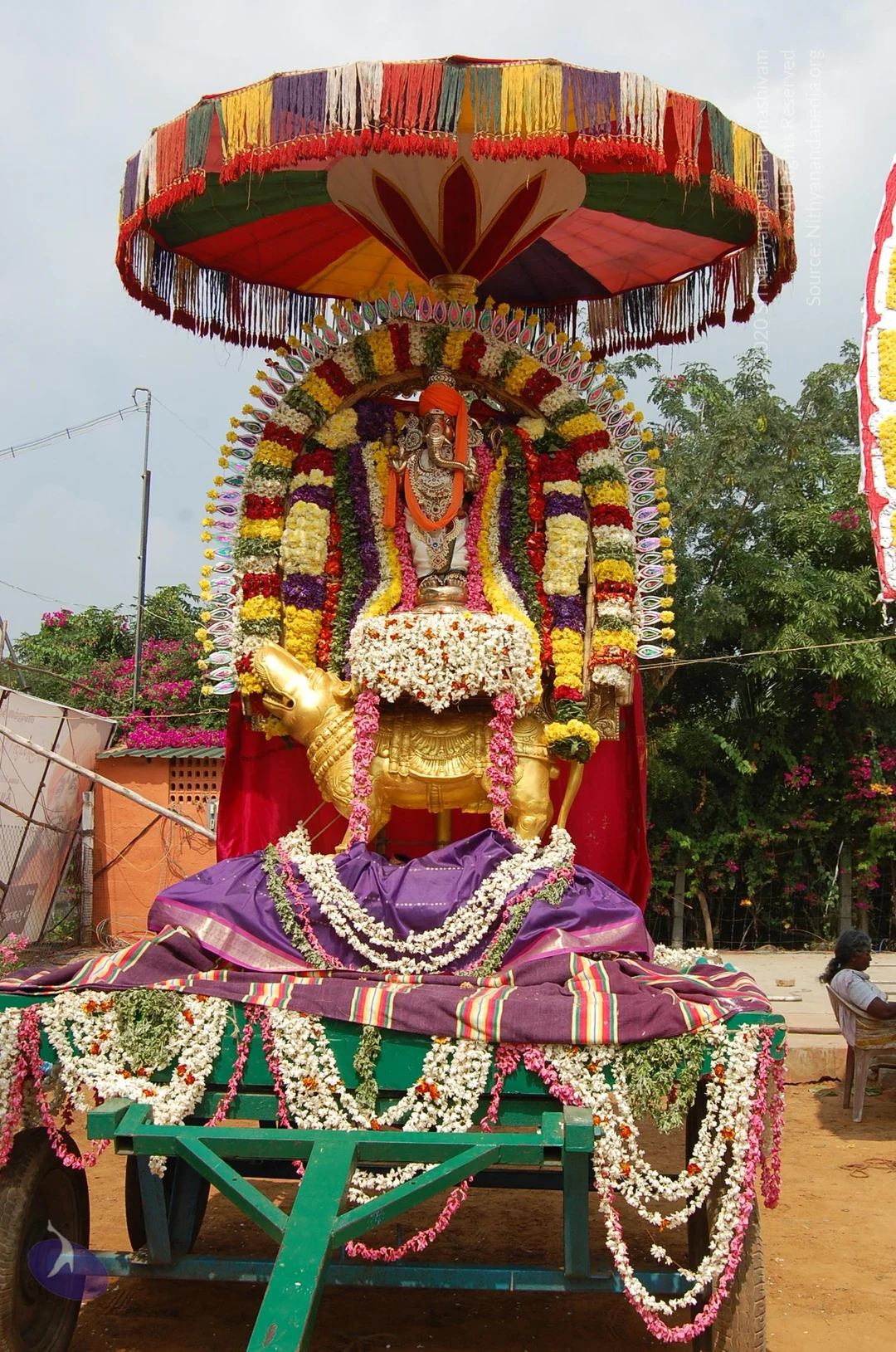
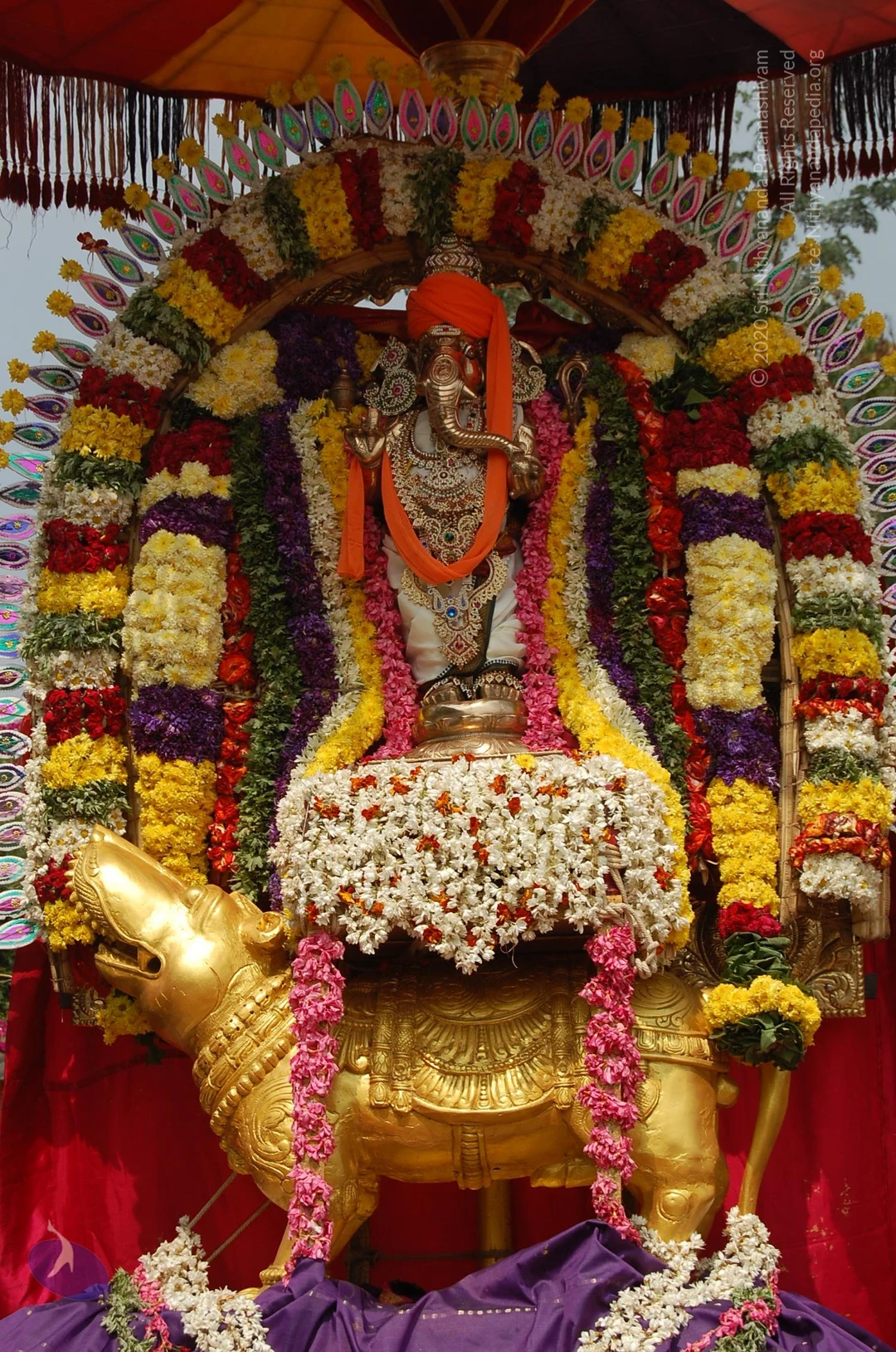
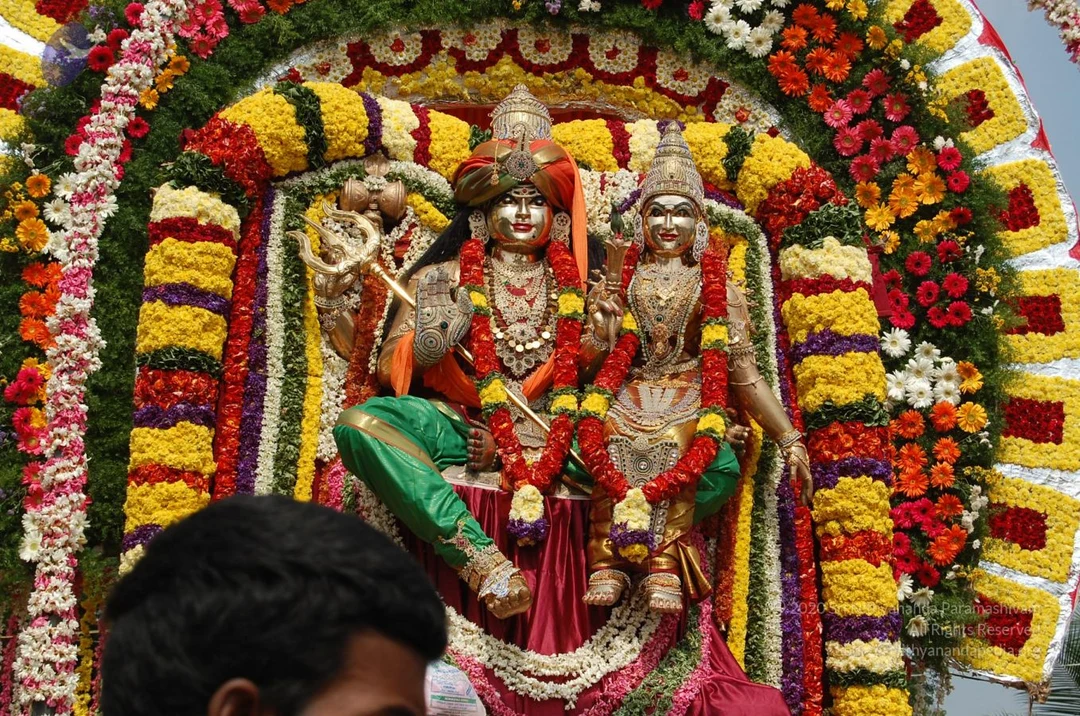
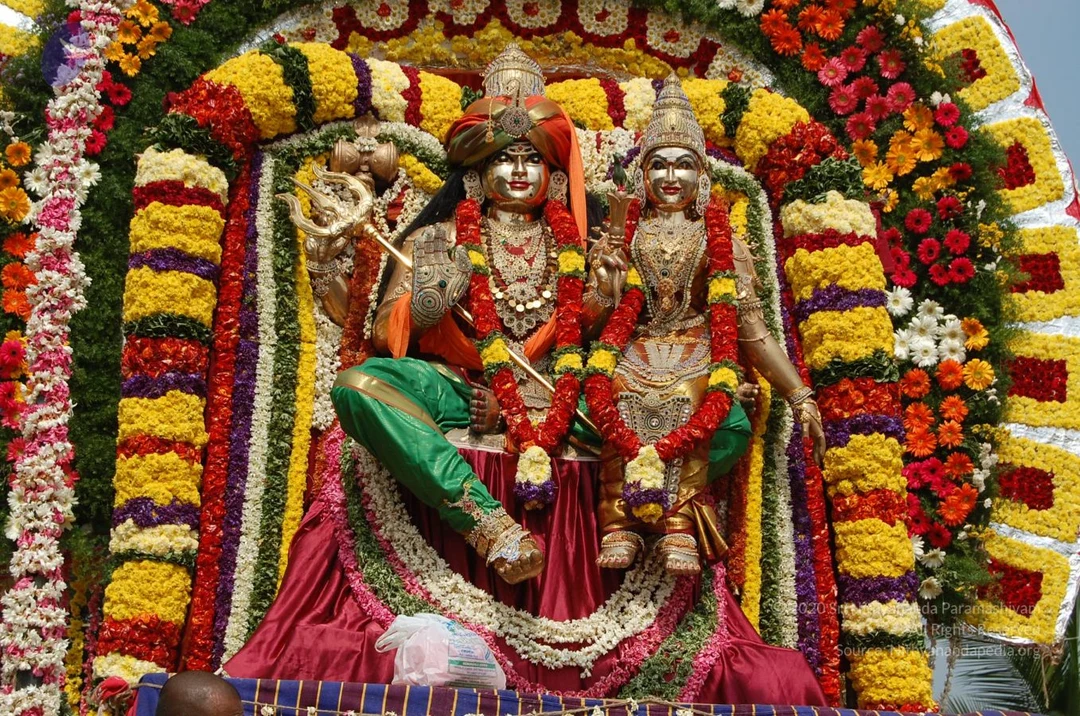
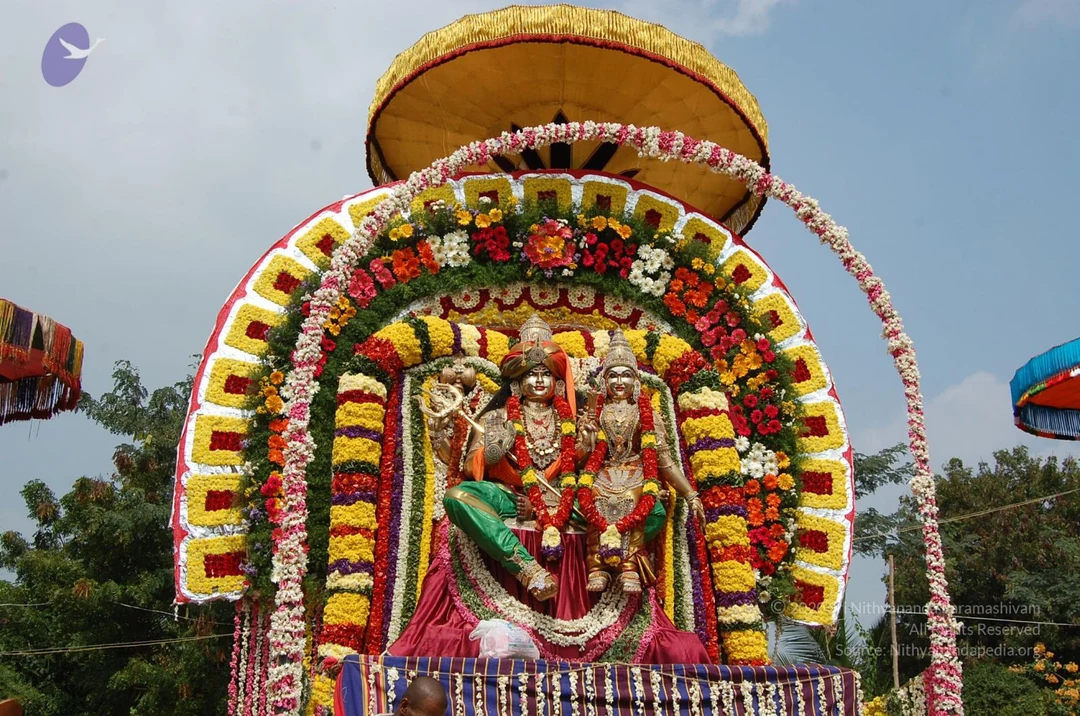
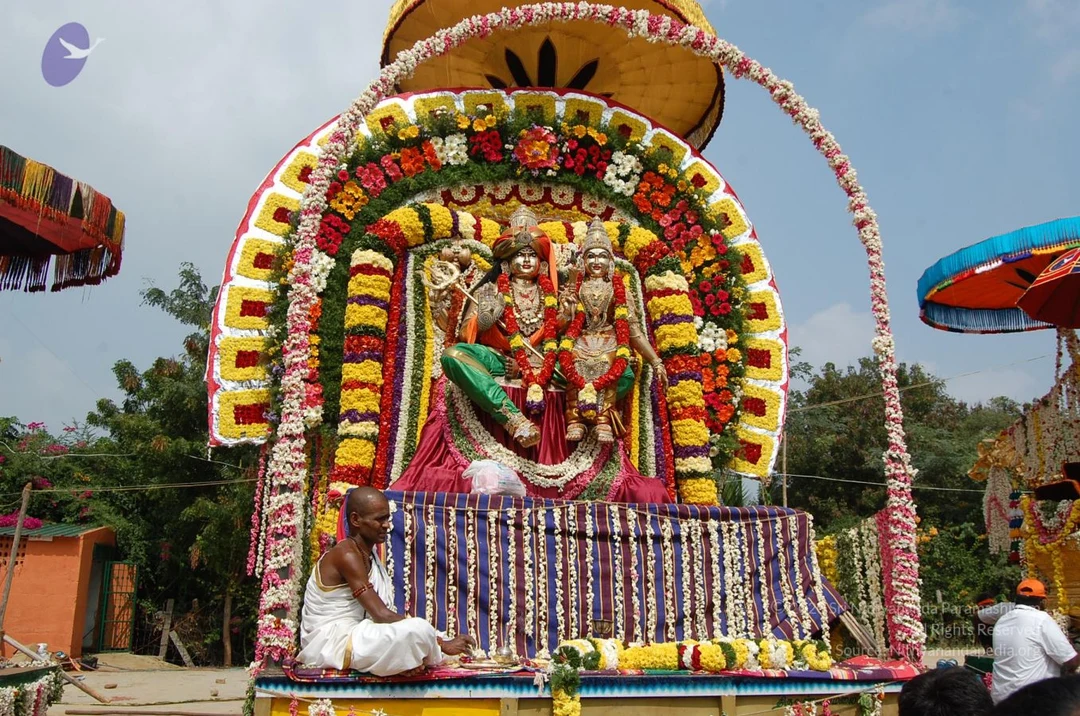
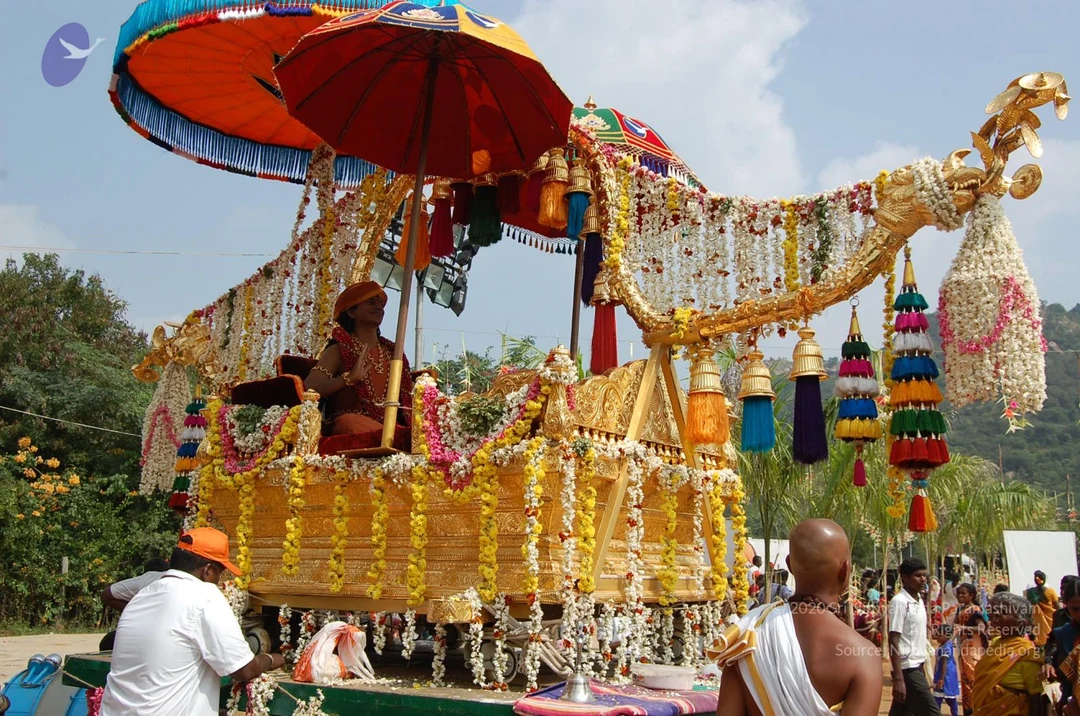
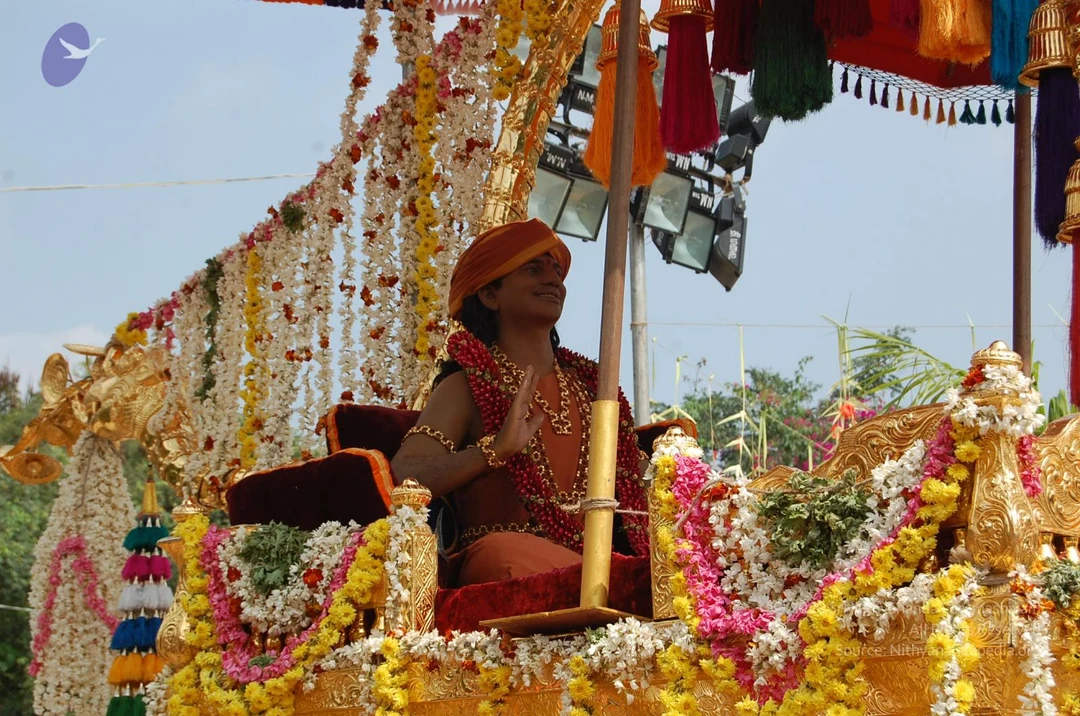
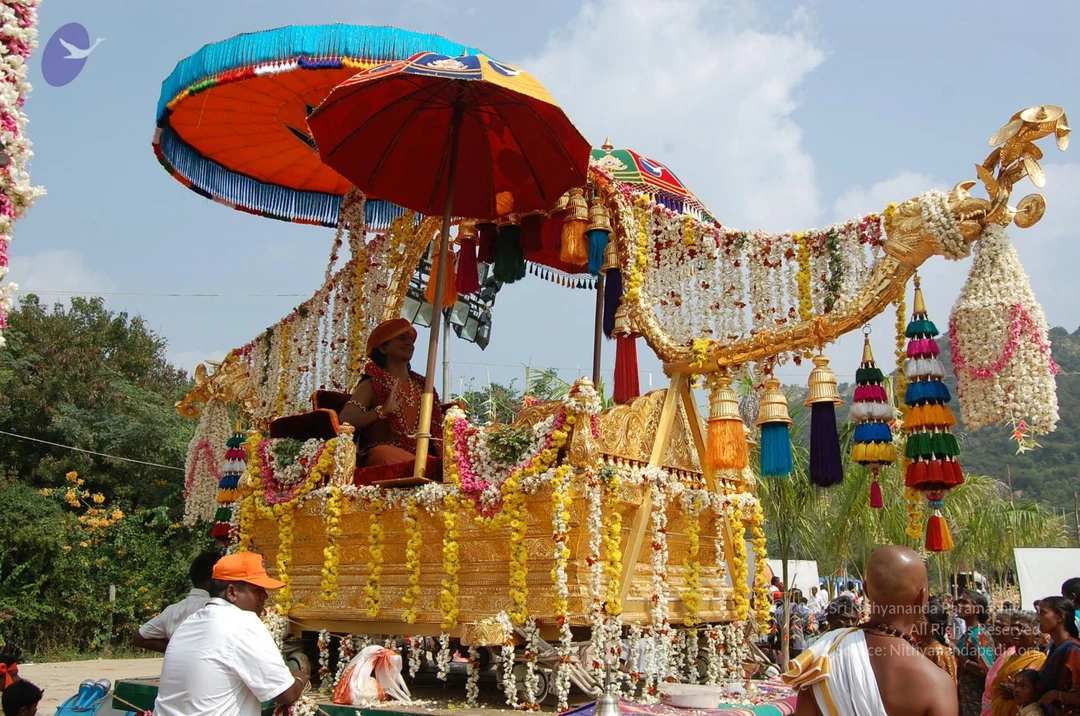
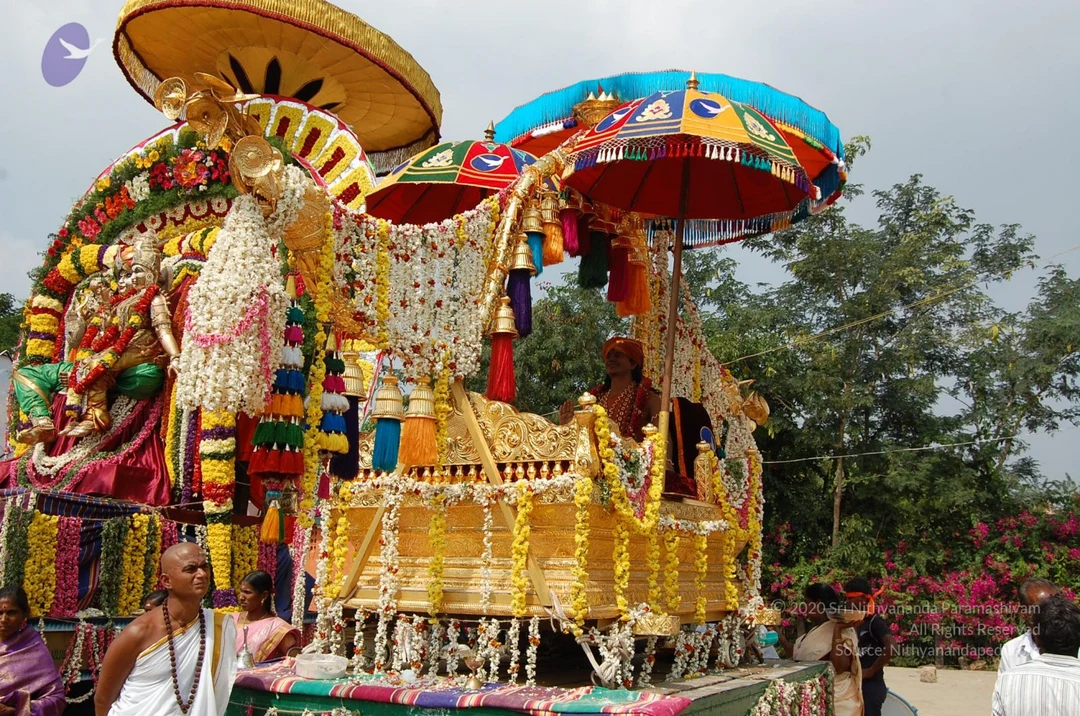
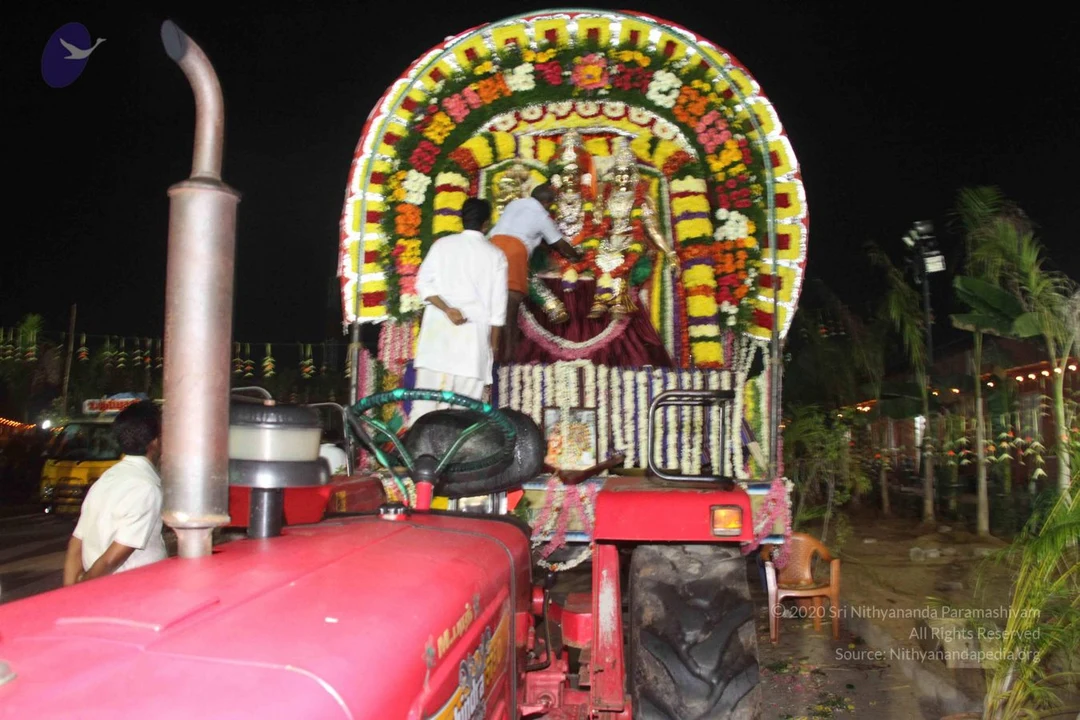
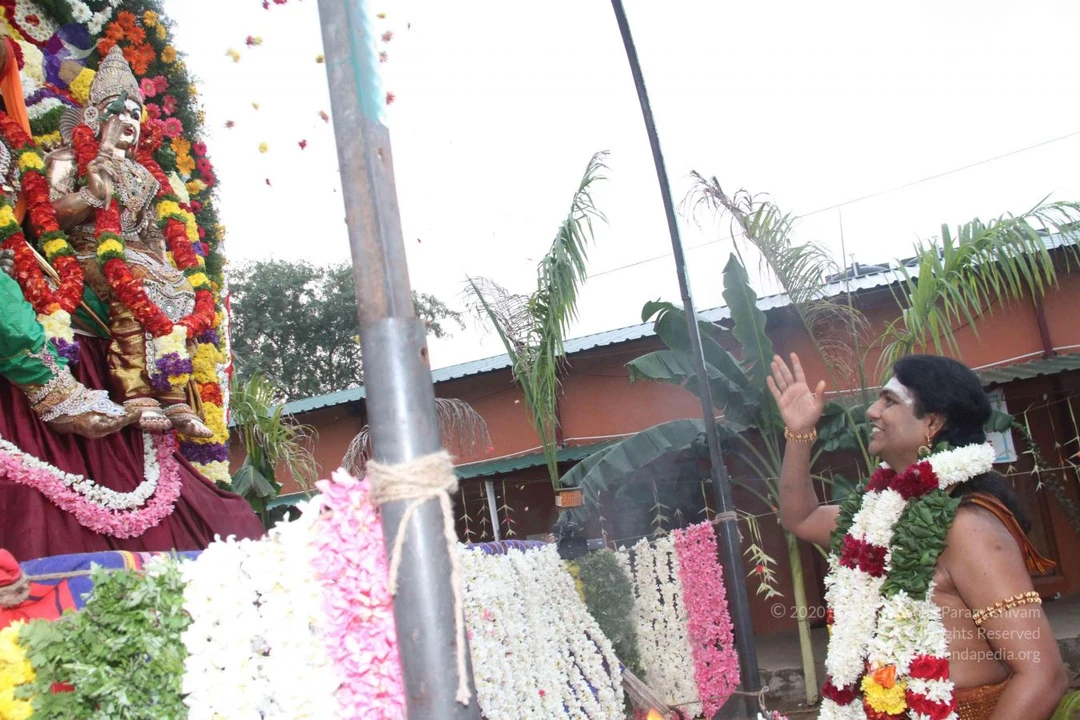
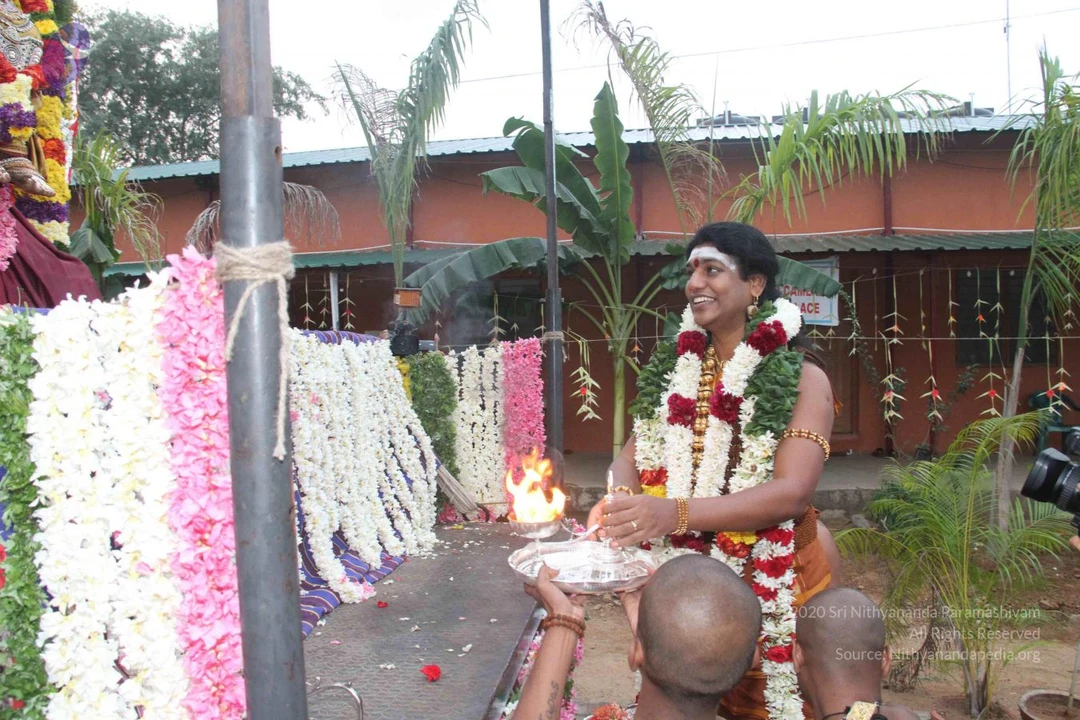
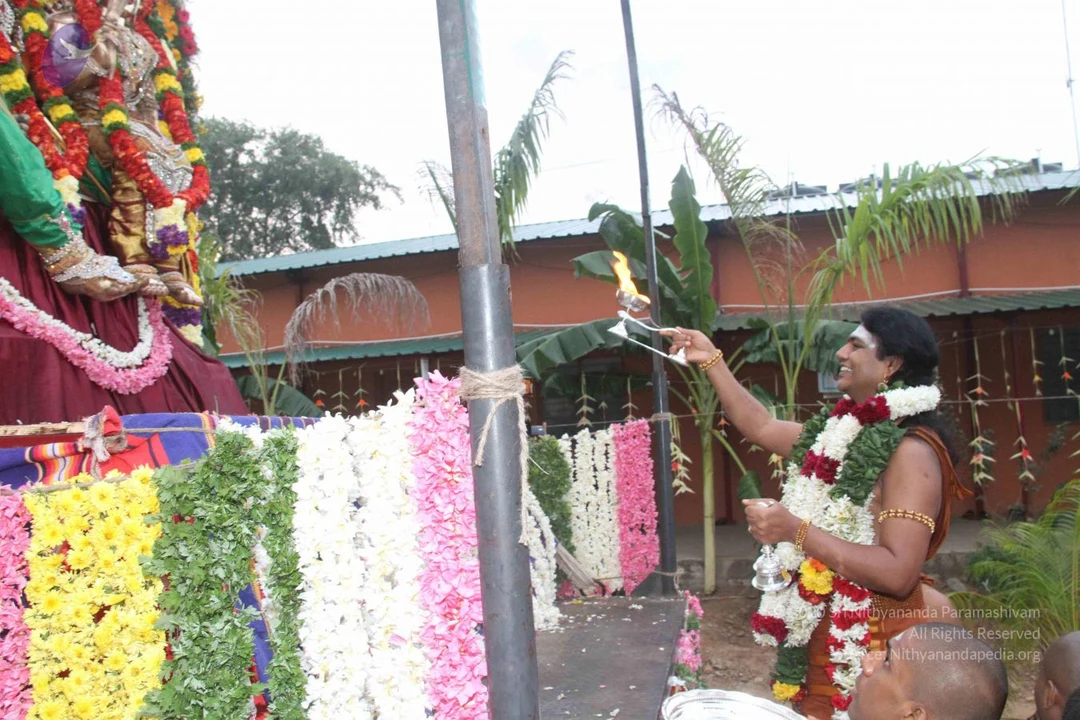
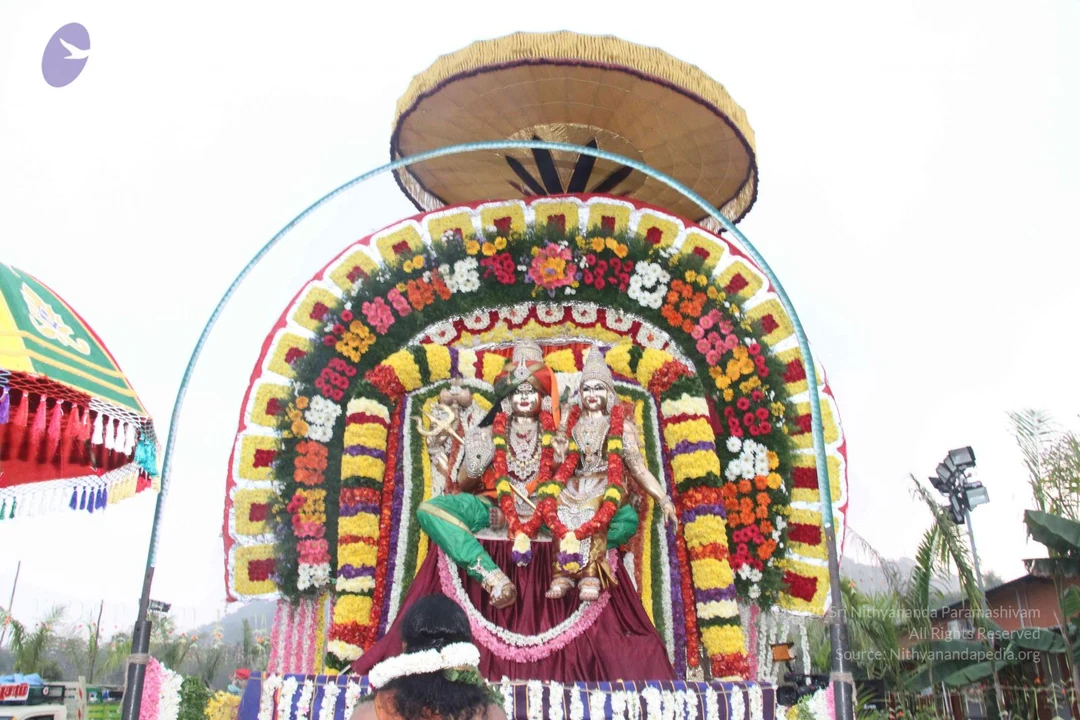
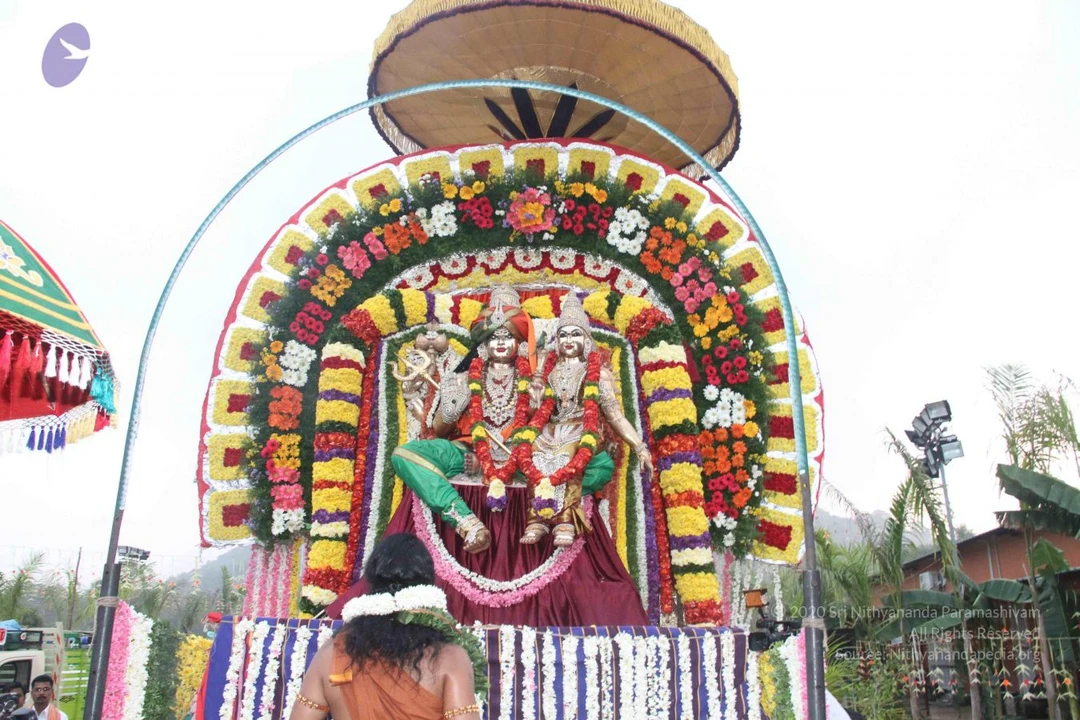
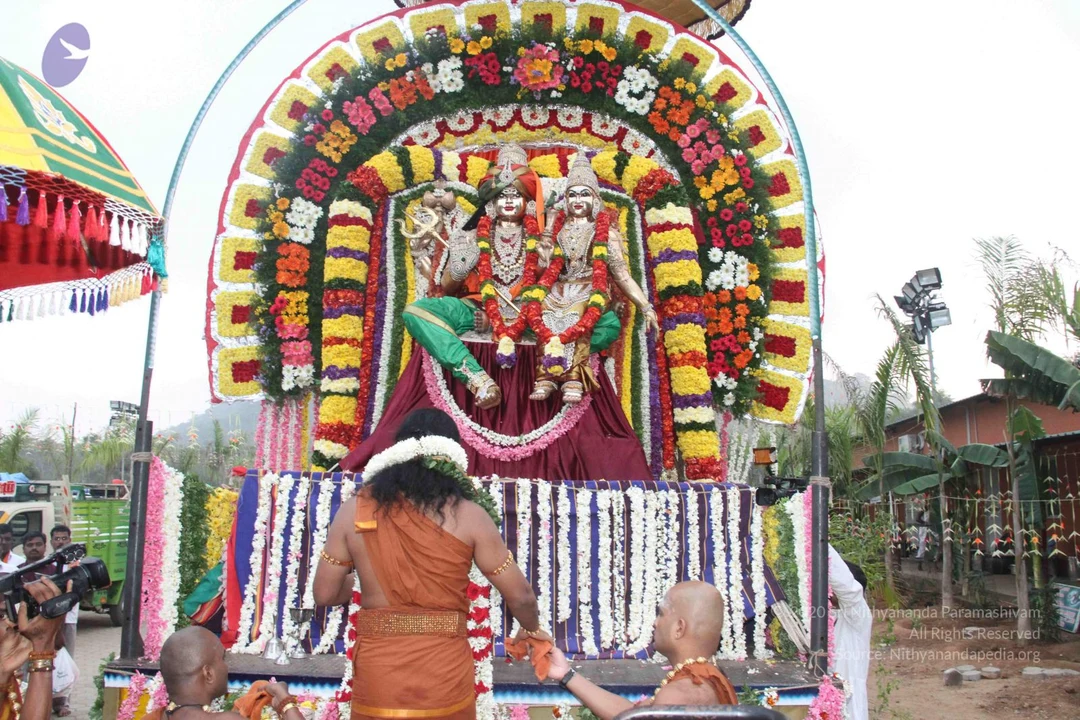
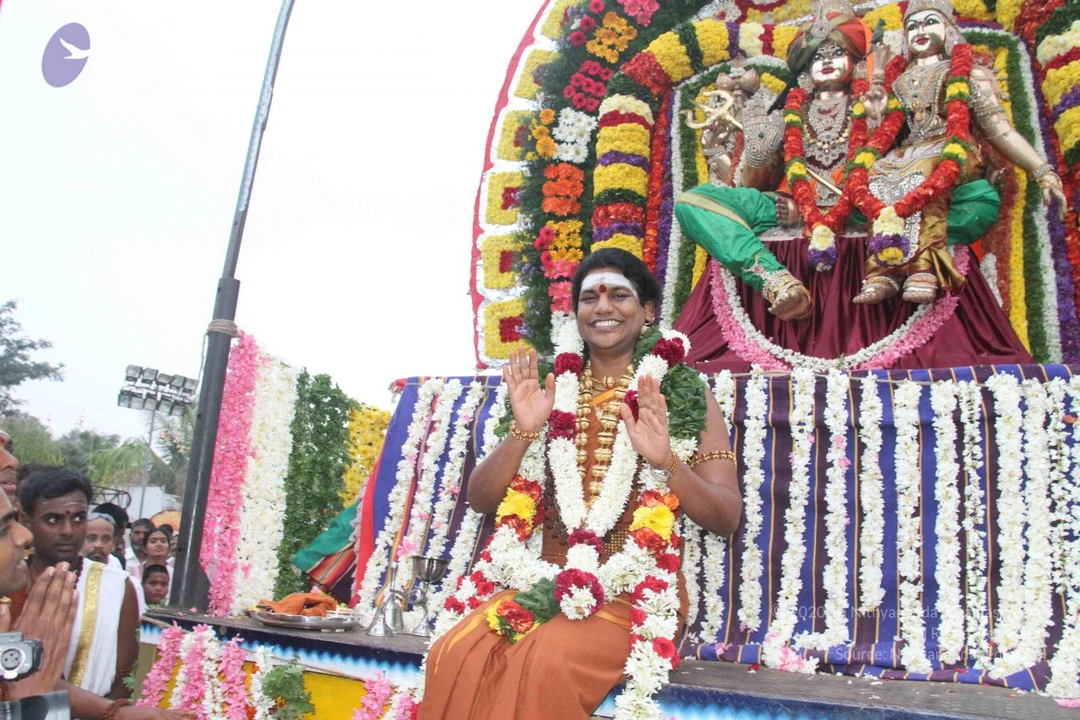
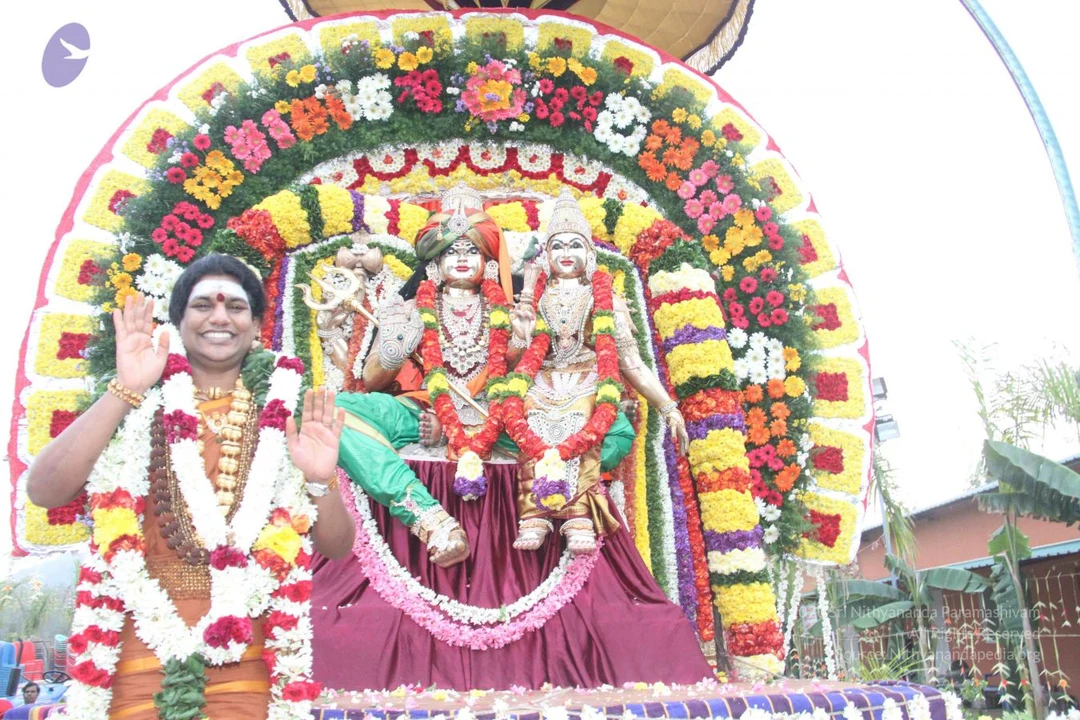
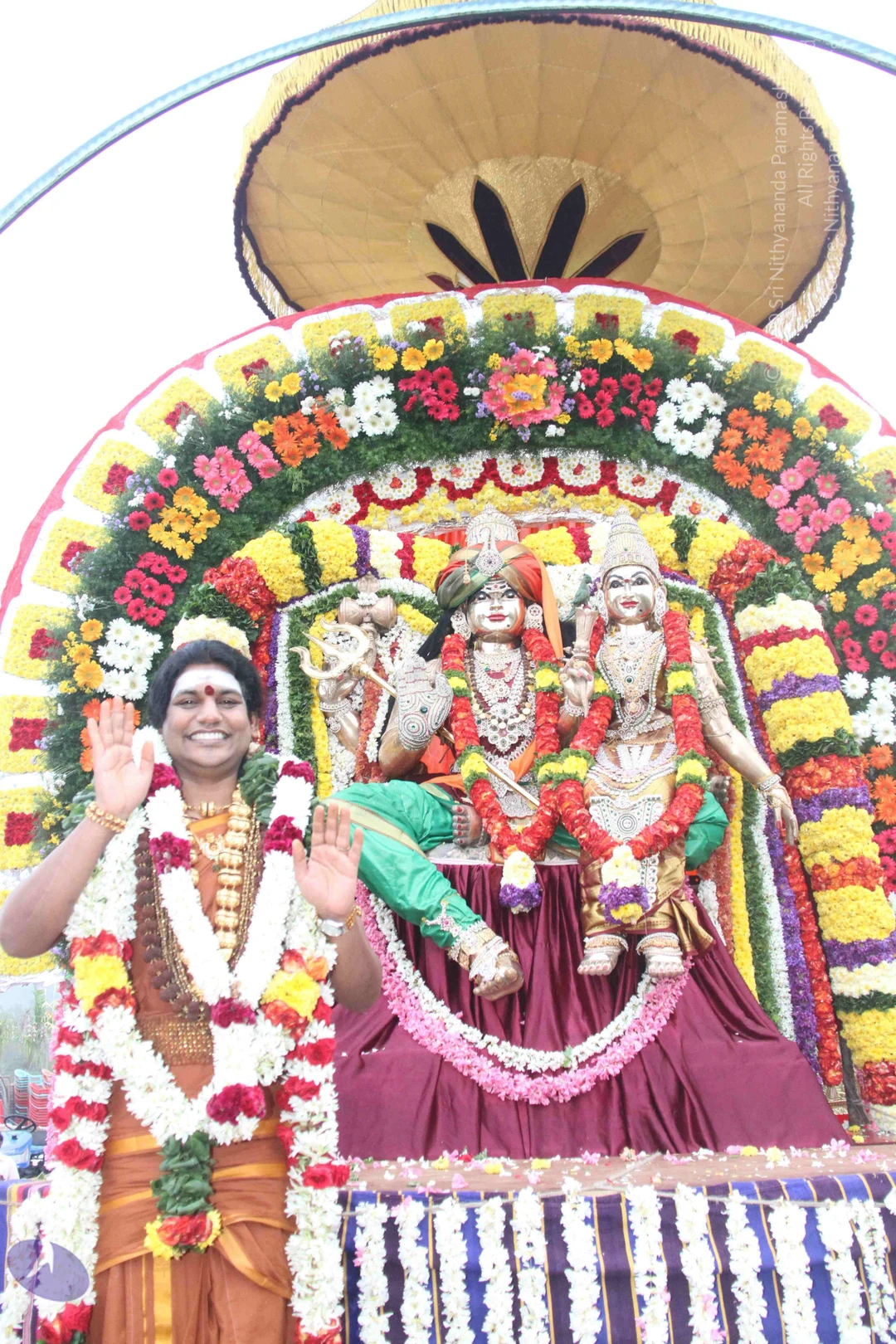
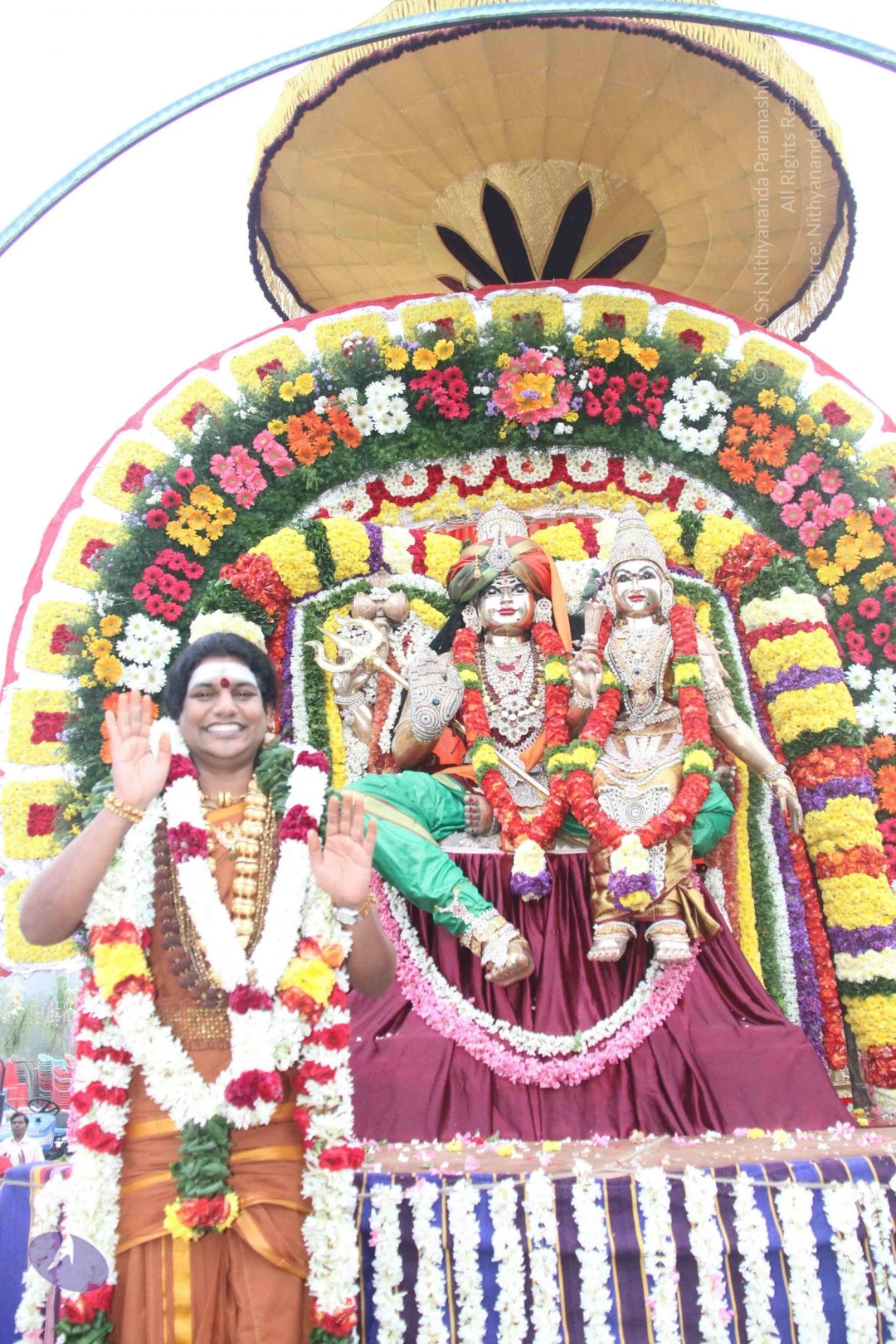
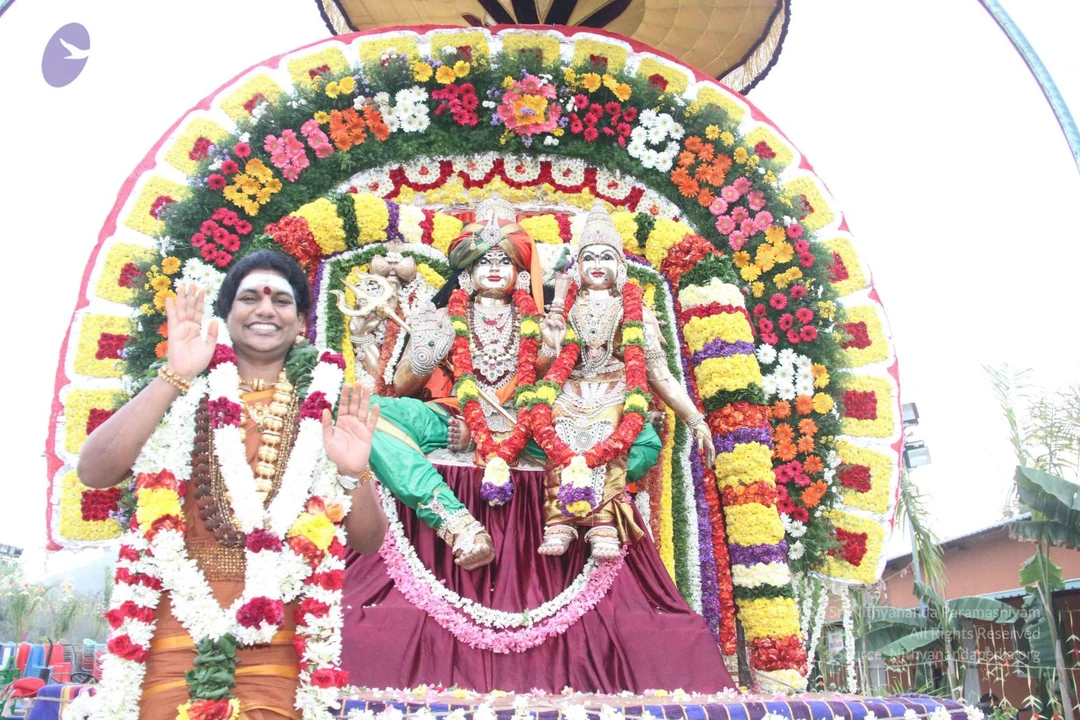
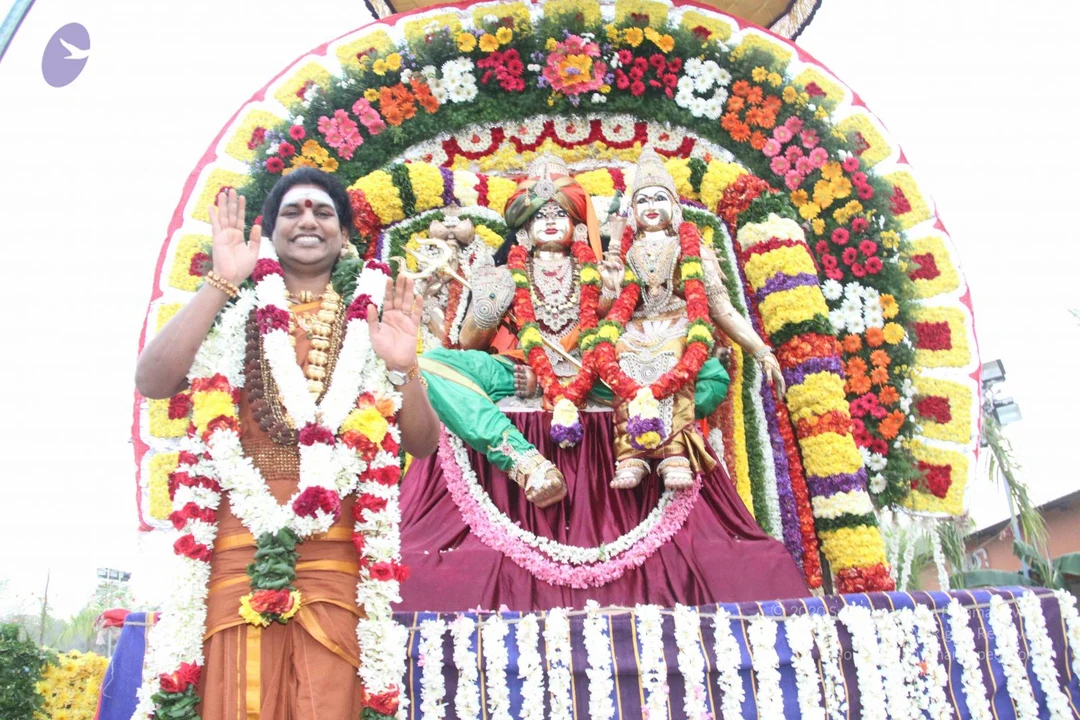
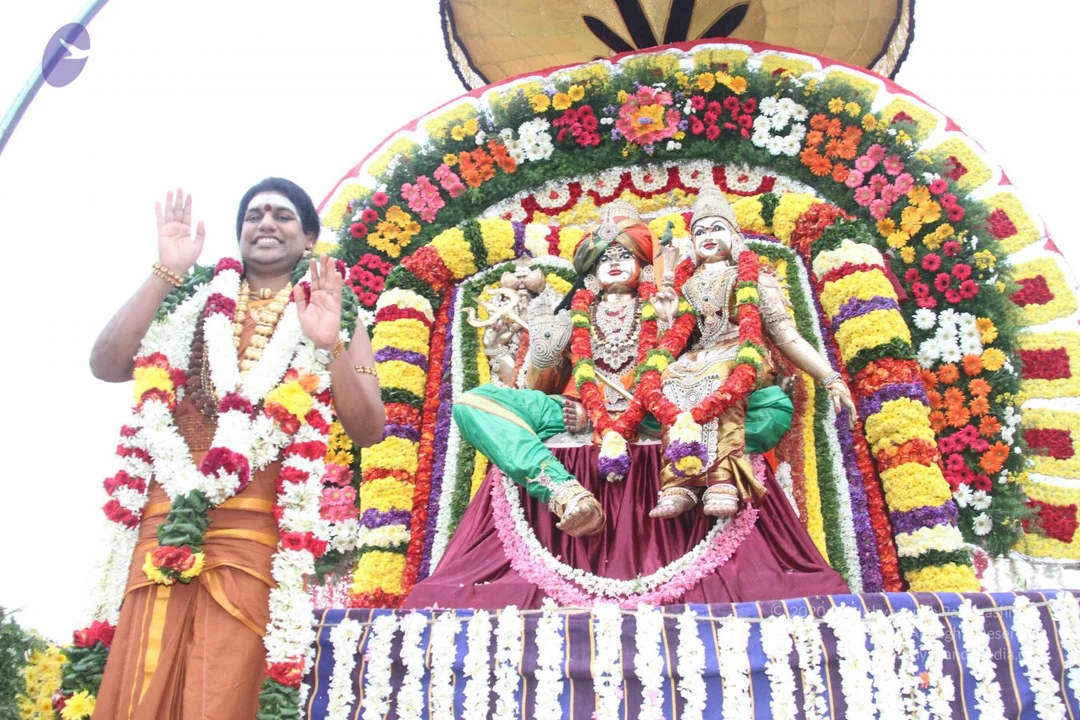
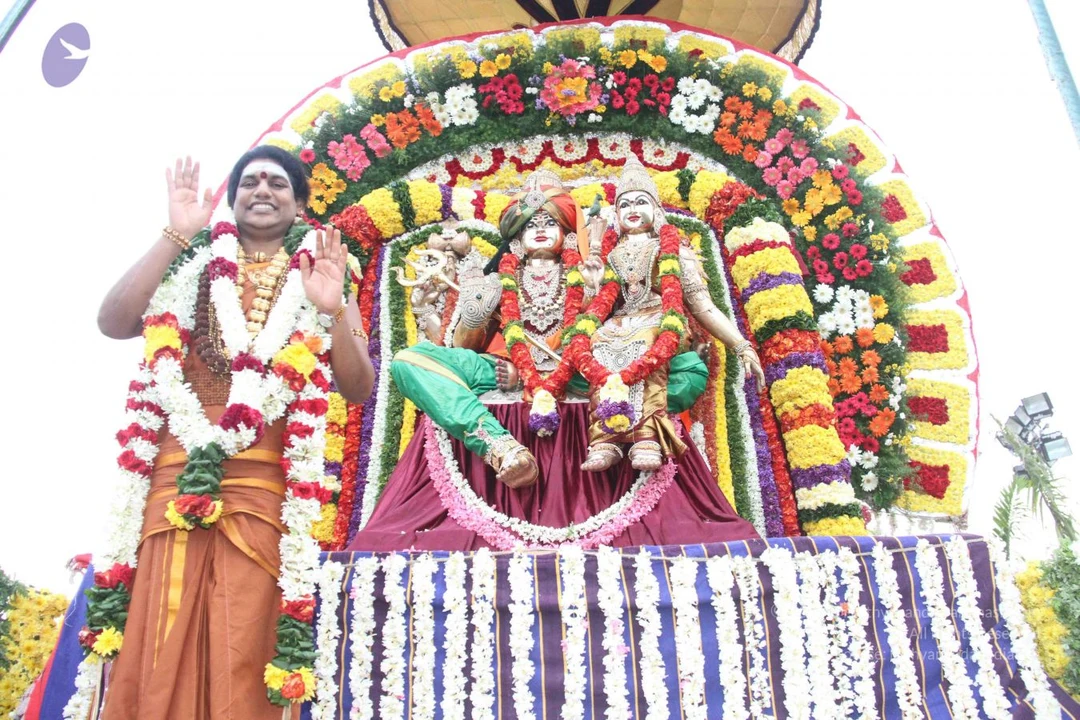
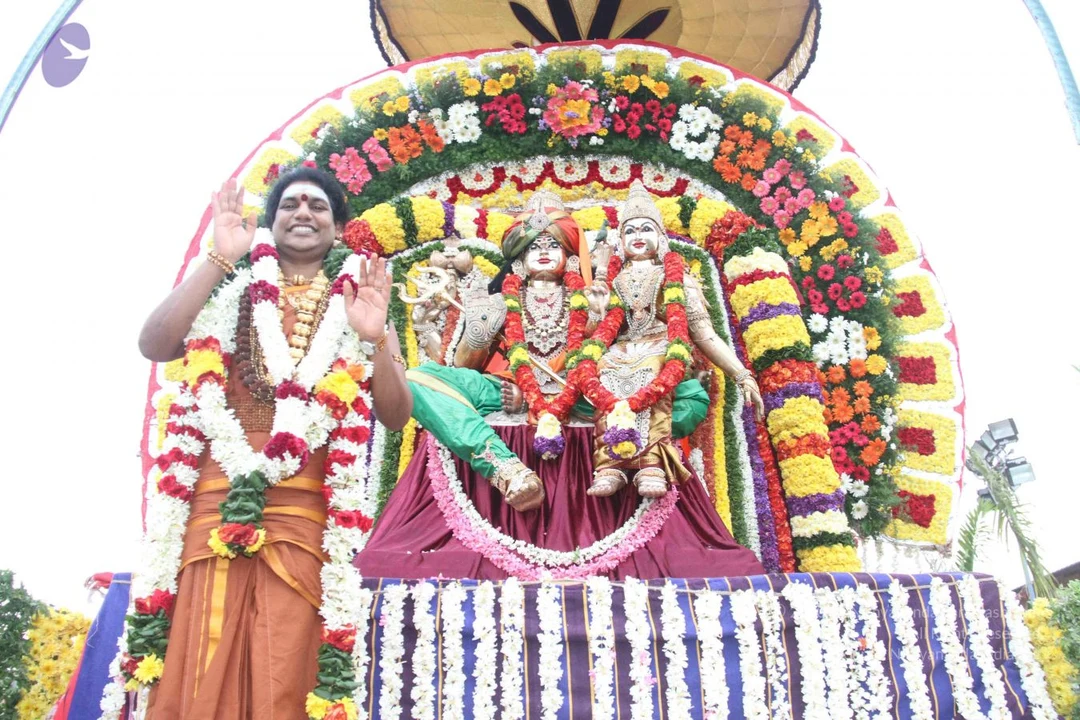
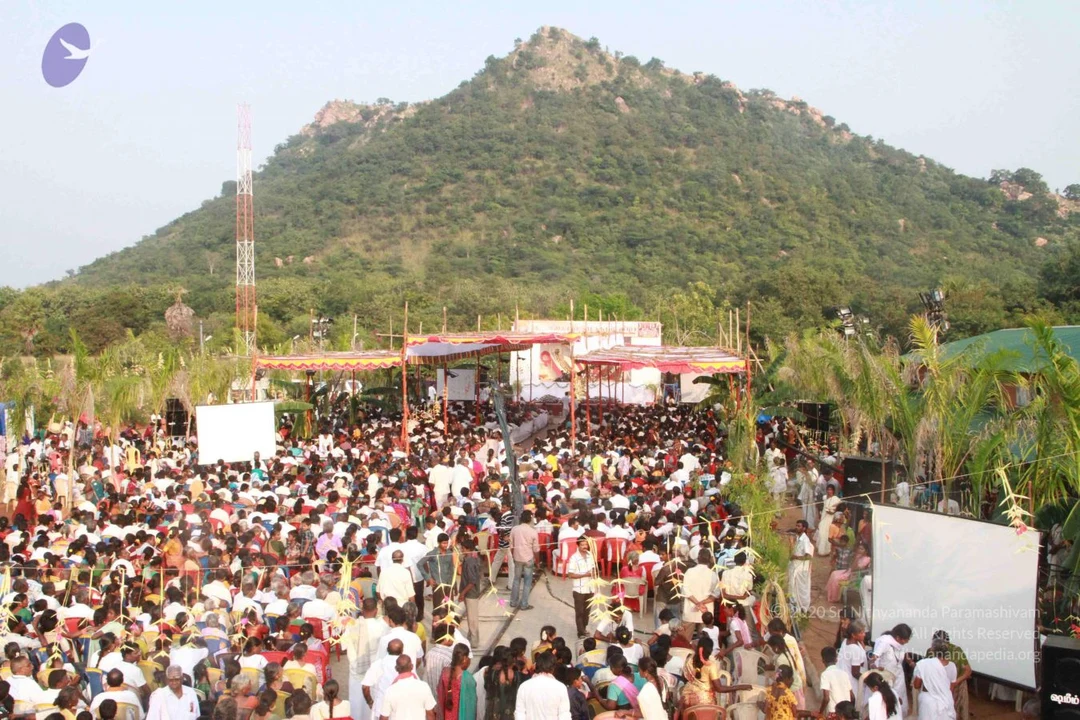
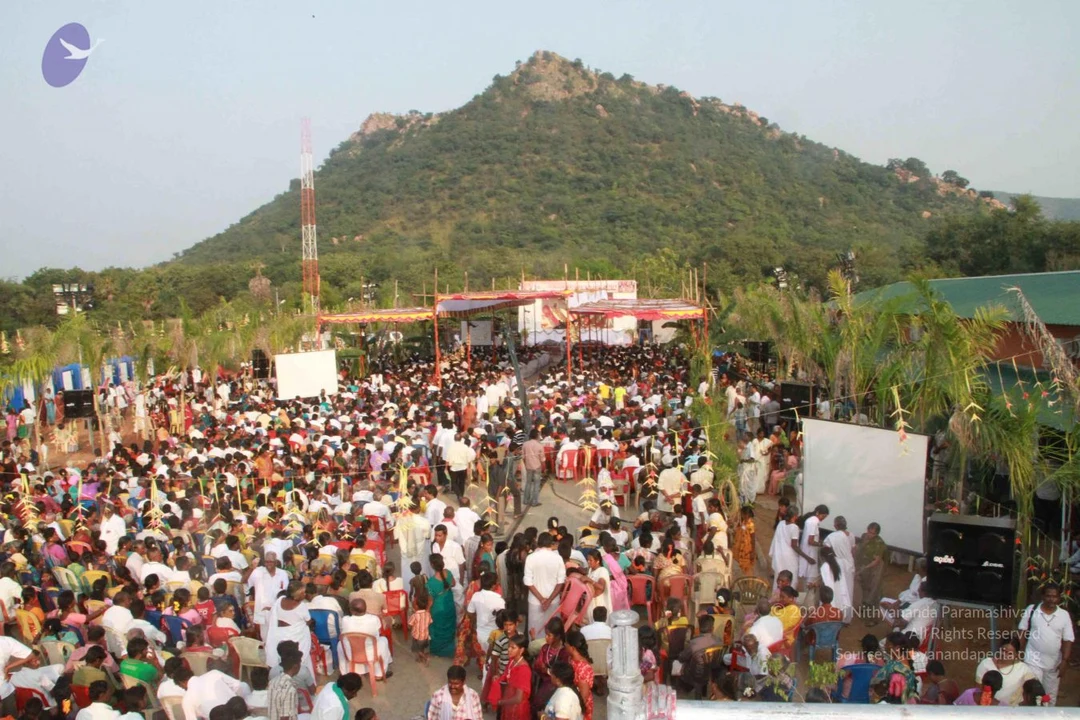
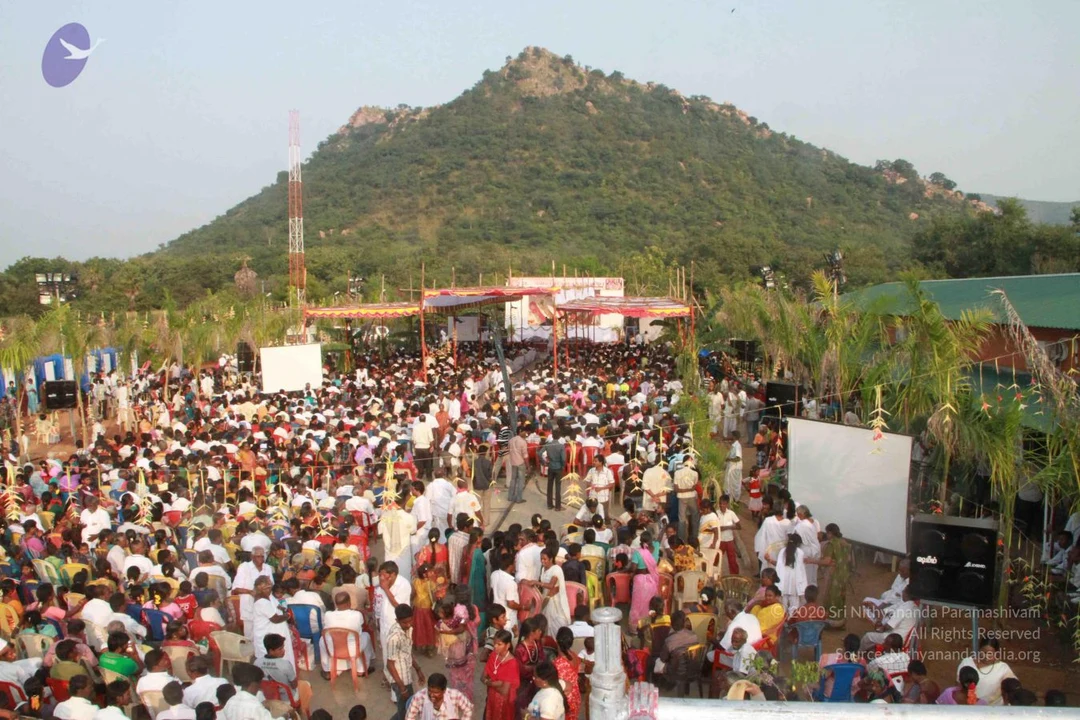
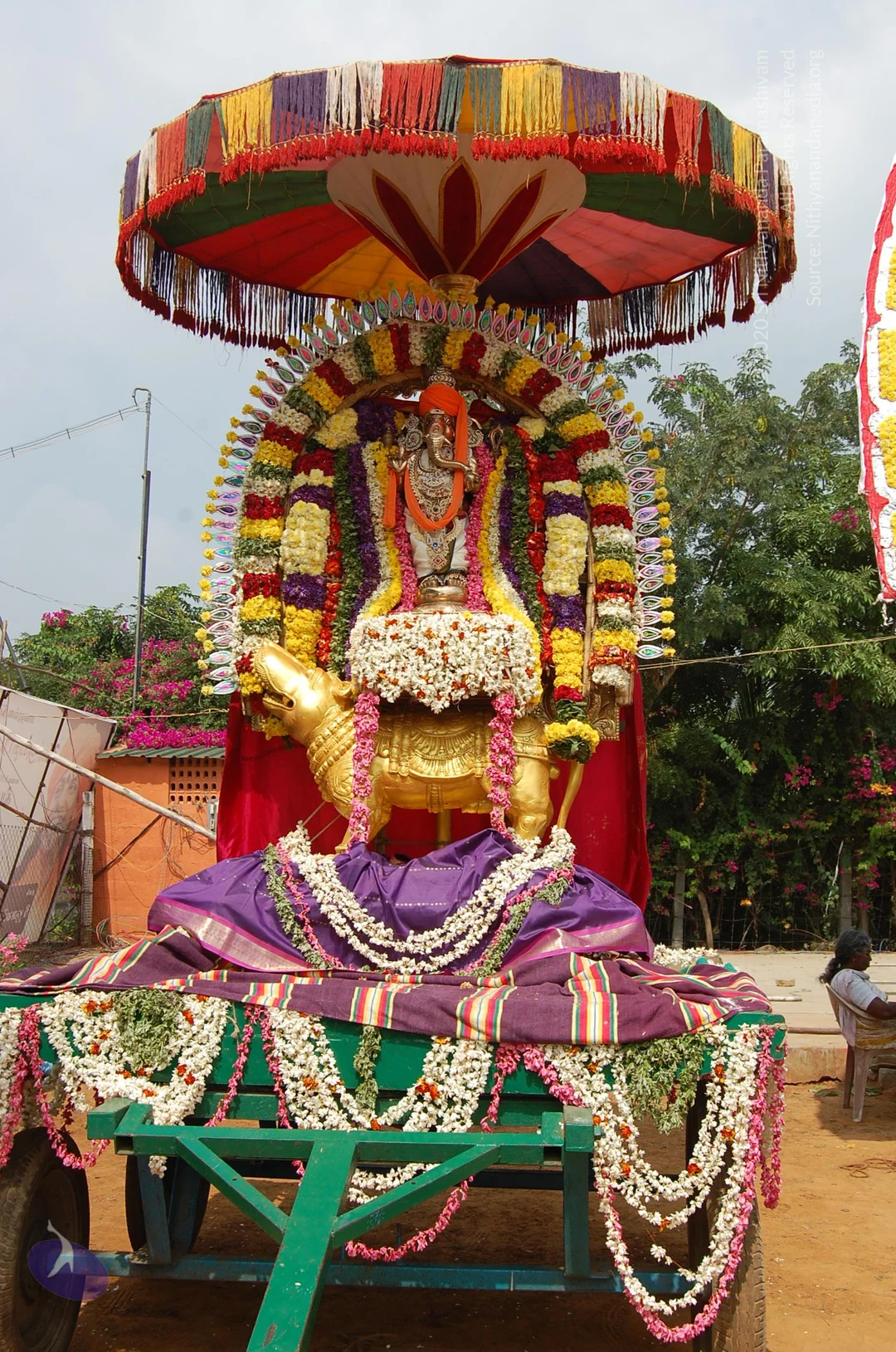
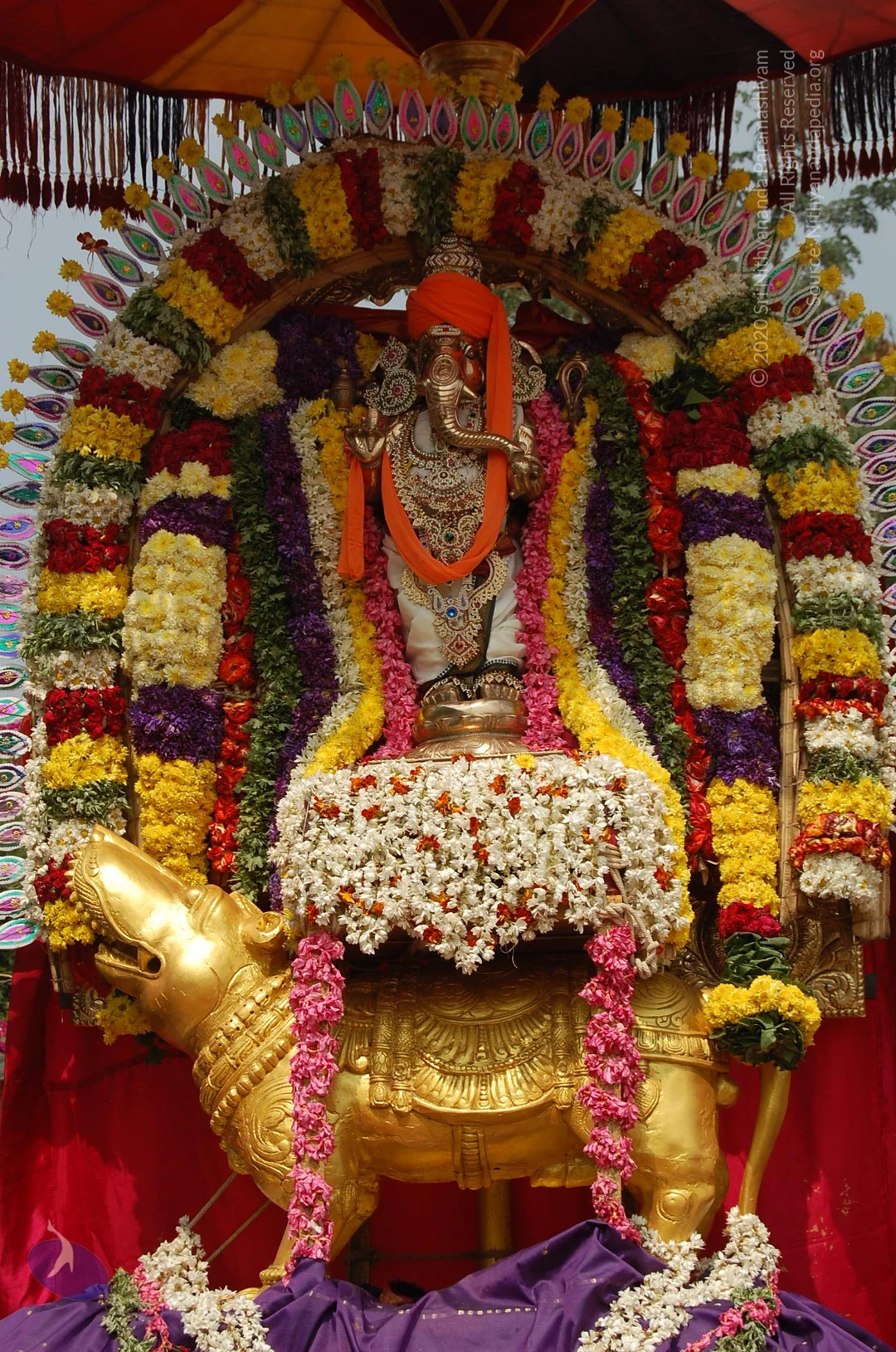
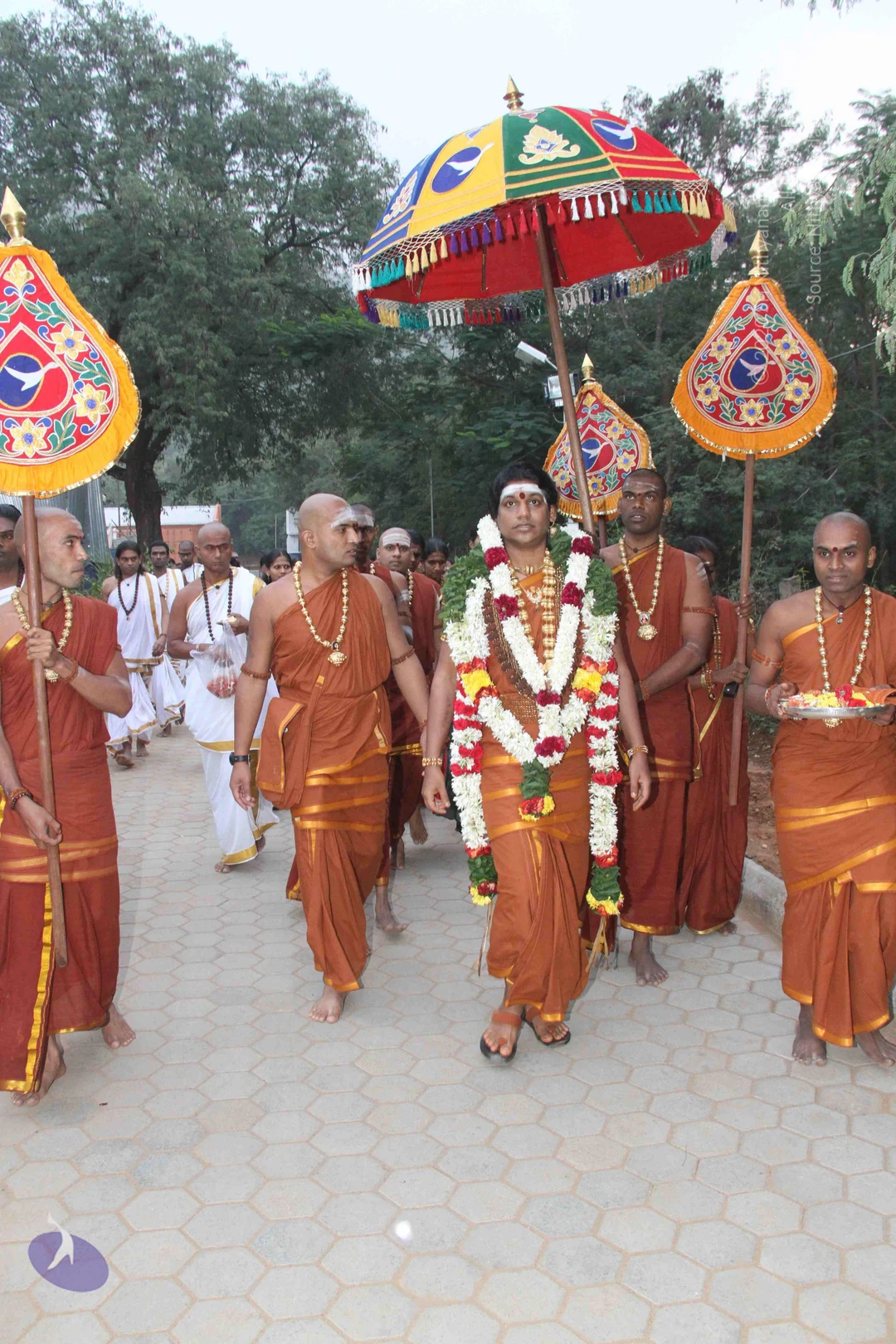
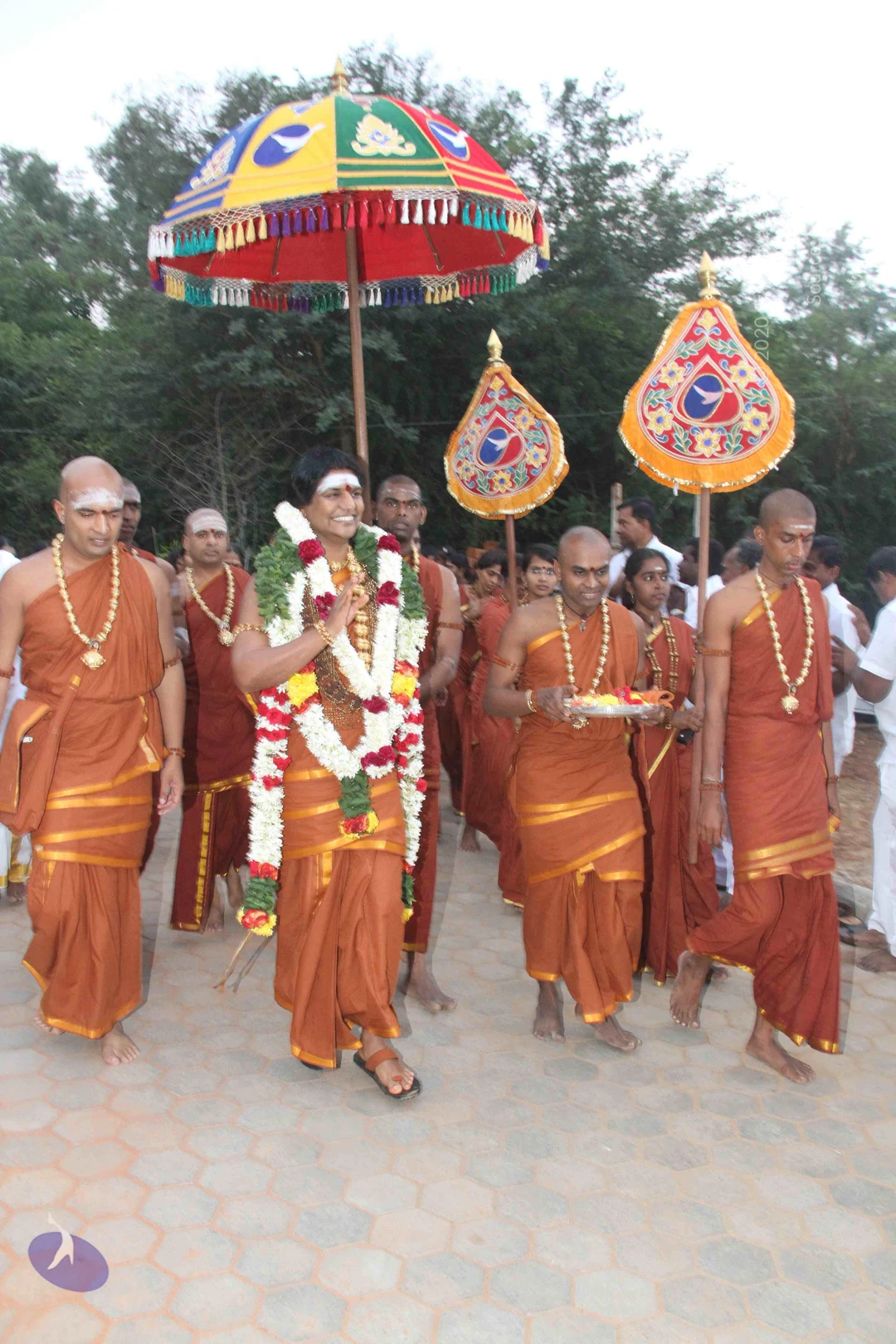
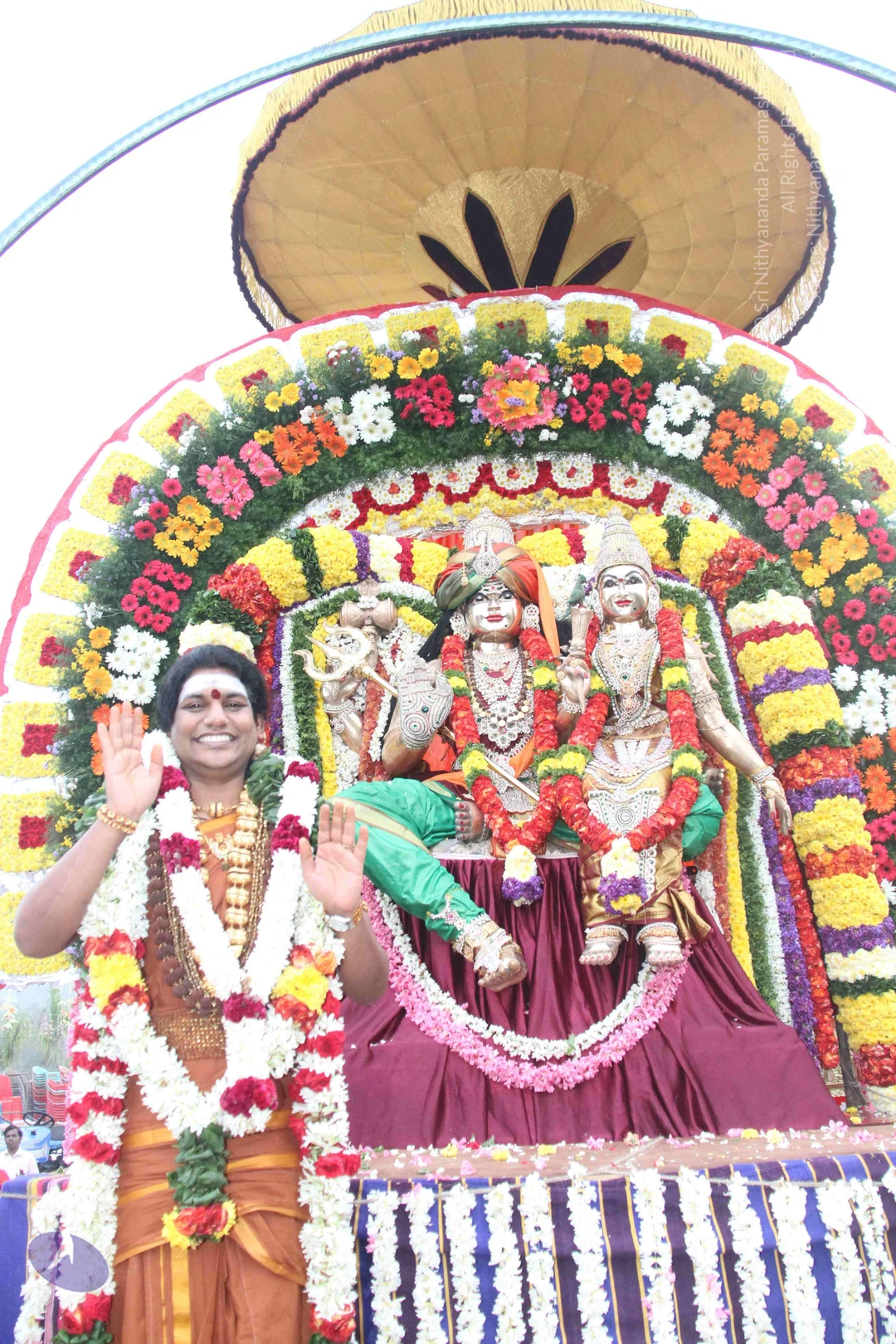
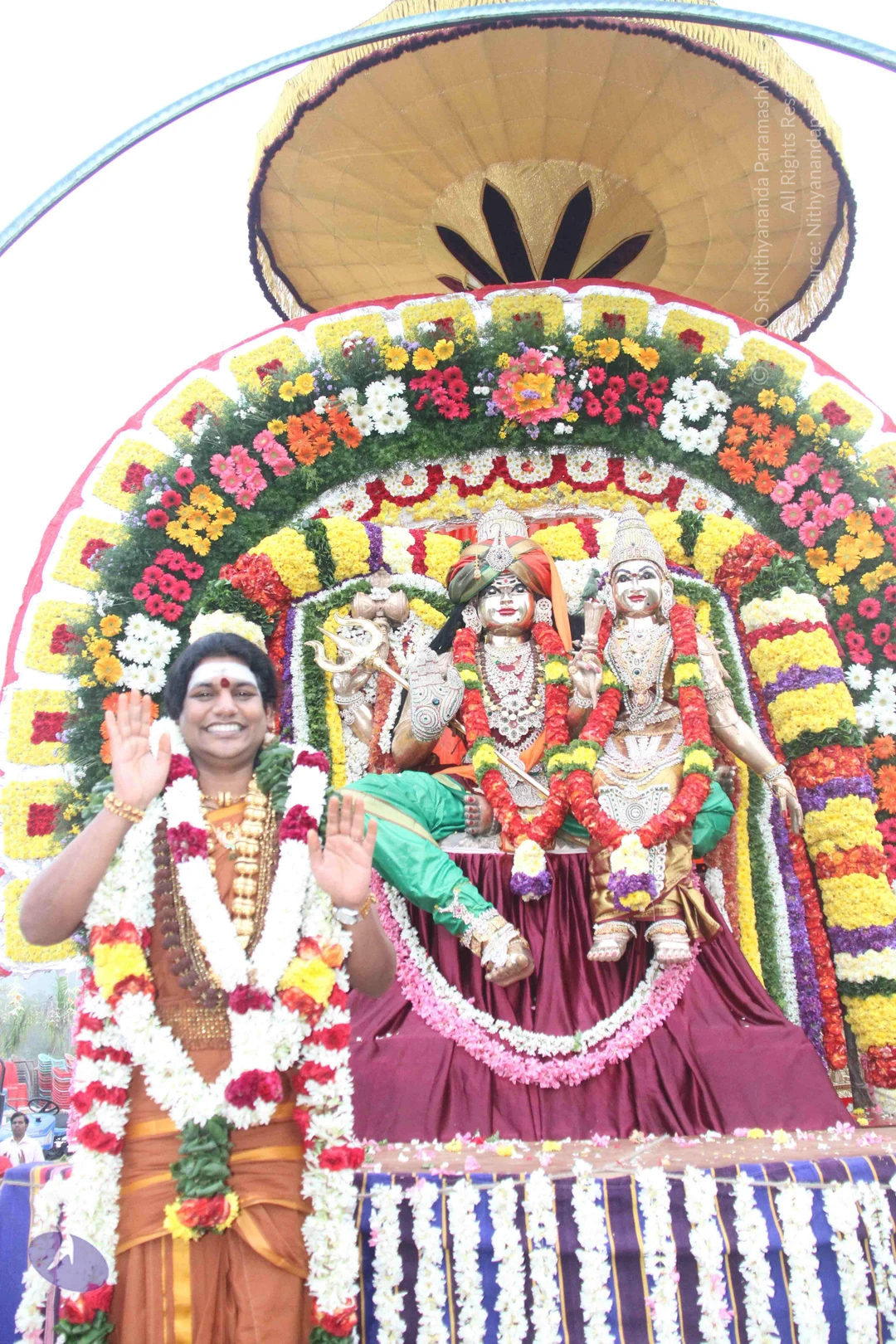
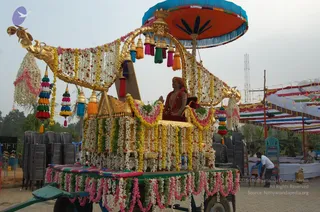
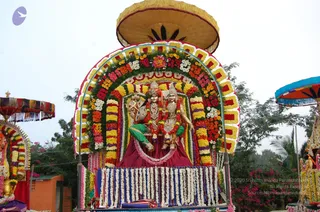
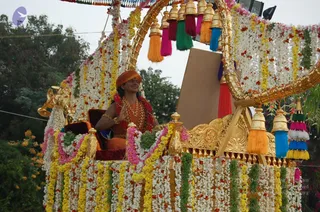
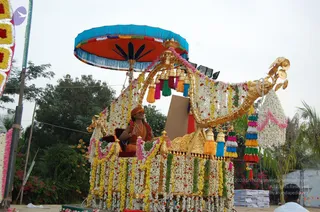
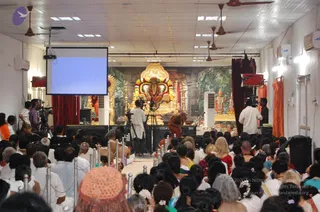
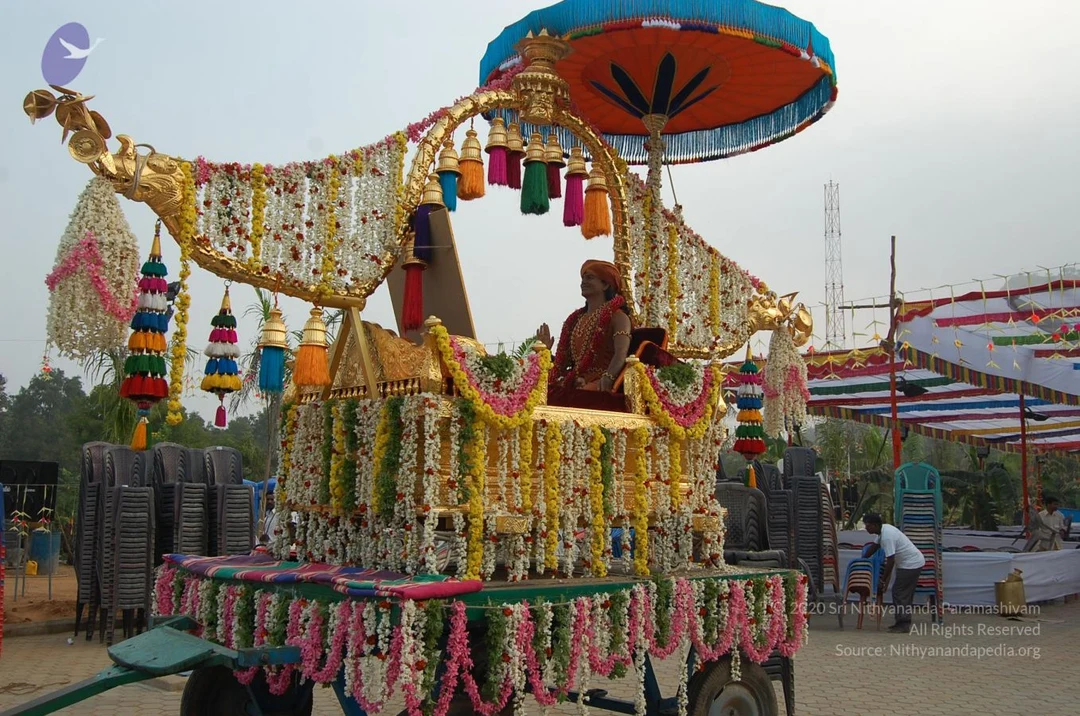
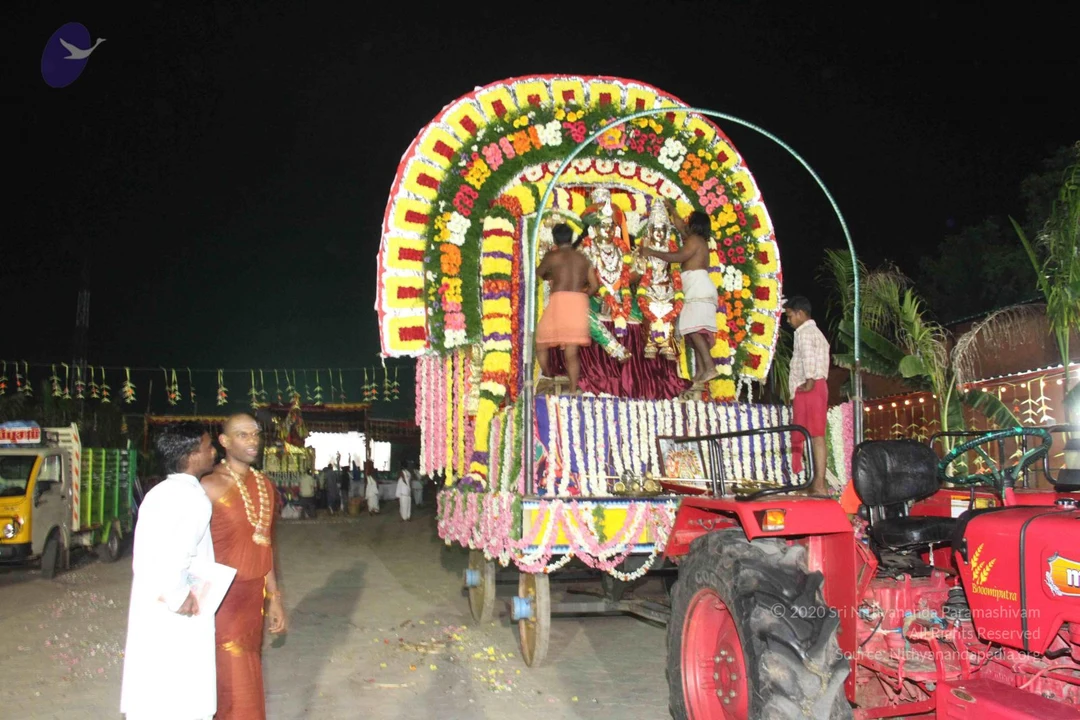
A decorated ratha procession chariot on a paved ground. A golden ornate carriage with a large orange-and-blue canopy umbrella and a golden swan-like prow is covered with white jasmine garlands, yellow and pink flower strings, and hanging colourful tassels and bells. A life-size figure seated on a golden throne at the centre wears an orange turban, red garland and gold necklaces, with hands raised in greeting; it is a statue, not a living person. Striped tent canopies and stacked black chairs stand behind, and a man in white works at the right edge.A decorated festival chariot or ratha carries two seated deity murtis under a large arched canopy of marigolds and flowers in red, orange, yellow and white. The central figure wears a green dhoti and red garments with garlands, and the second figure in a red and gold robe holds a ceremonial object. A golden umbrella tops the structure, with fringed parasols at the sides, and a white garland skirt hangs along the base. Trees and a pink flowering shrub stand behind in an outdoor procession setting.A decorated golden ratha procession float covered in white and pink garlands, yellow marigold strands and green leaves, with hanging gold-capped tassels in orange, pink, green, blue and yellow. A figure seated on a red-cushioned throne wears an orange turban, orange robes, a gold chain and a red rudraksha mala, raising one hand in blessing. Probable Swamiji is shown by his orange turban and robes, long hair, rudraksha mala and gold chain, seated in a procession vehicle. Trees and orange flowers frame the scene outdoors.A decorated ceremonial palanquin-style float covered with white, yellow and pink flower garlands, with gold-painted carved woodwork, a red and blue fringed canopy overhead, and hanging tassels in gold, pink, green and blue. A single seated figure sits on a red cushioned seat at the front, wearing an orange turban, orange garment, gold necklaces and a red and white garland, with one hand raised. Green and yellow garland swags hang from the frame, and trees and a metal pole stand in the background.Wide view of a large indoor satsang hall with white walls and ceiling fans. Hundreds of seated devotees, mostly in white clothing with some in orange, fill the foreground facing a golden throne-like seat with floral garlands before a painted backdrop of trees and a temple scene. A figure in orange garments stands at the dais beside the throne, and camera operators with tripods and cameras film from the aisles. A projection screen at left is blank. Deity murti statues flank the golden throne.A photograph of a large indoor satsang hall with white walls, white ceiling fans and wall-mounted air conditioners. Rows of seated devotees fill the room, mostly women in colourful saris (teal, purple, orange, pink) and men in white shirts and white garments, many with hair tied back and flowers in braids. A stage at the far end has a large ornate golden deity murti or decorated shrine backdrop with red curtains and a flat screen. Several people stand near the stage. The crowd is dense, so exact counts are unclear, but well over twenty people are visible.
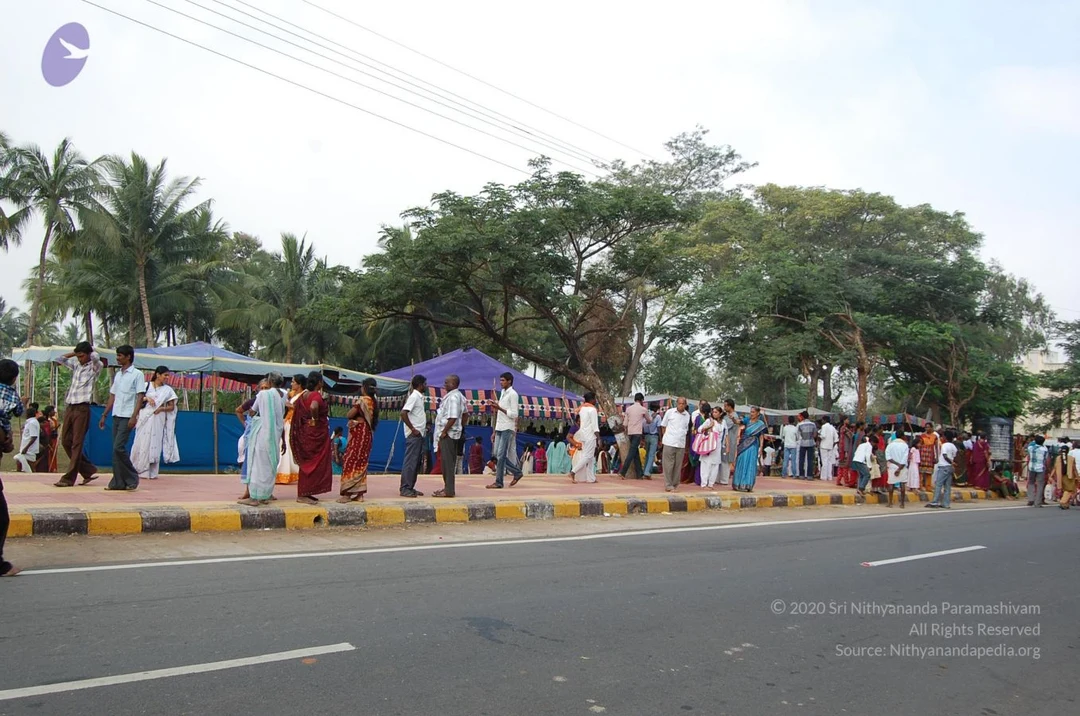
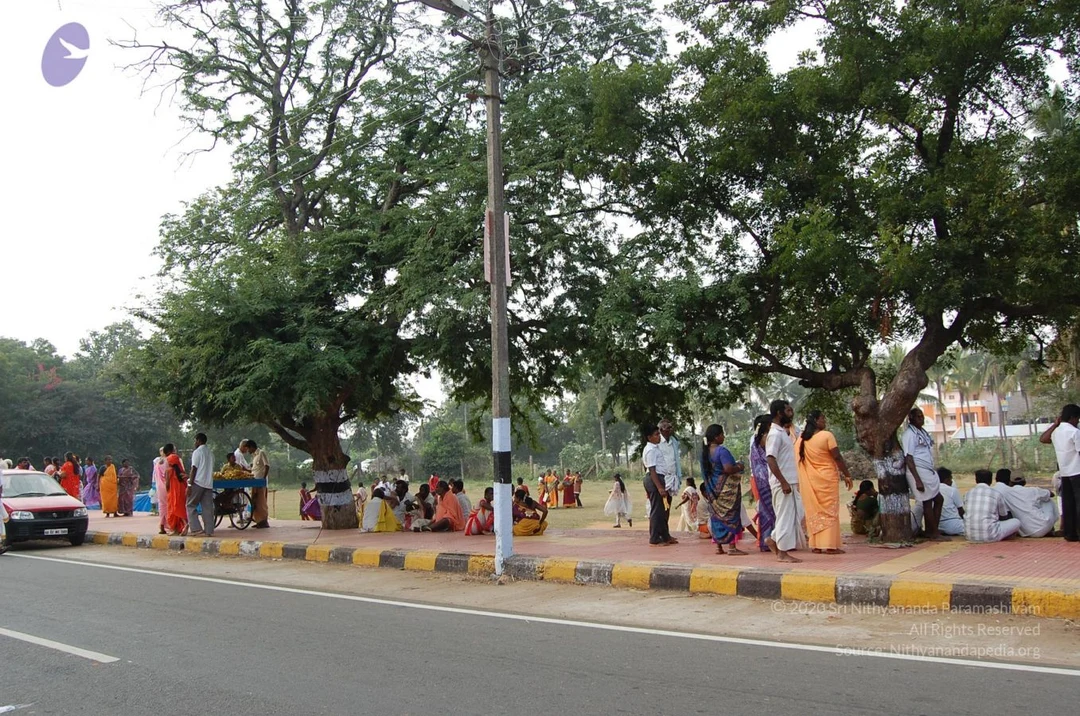
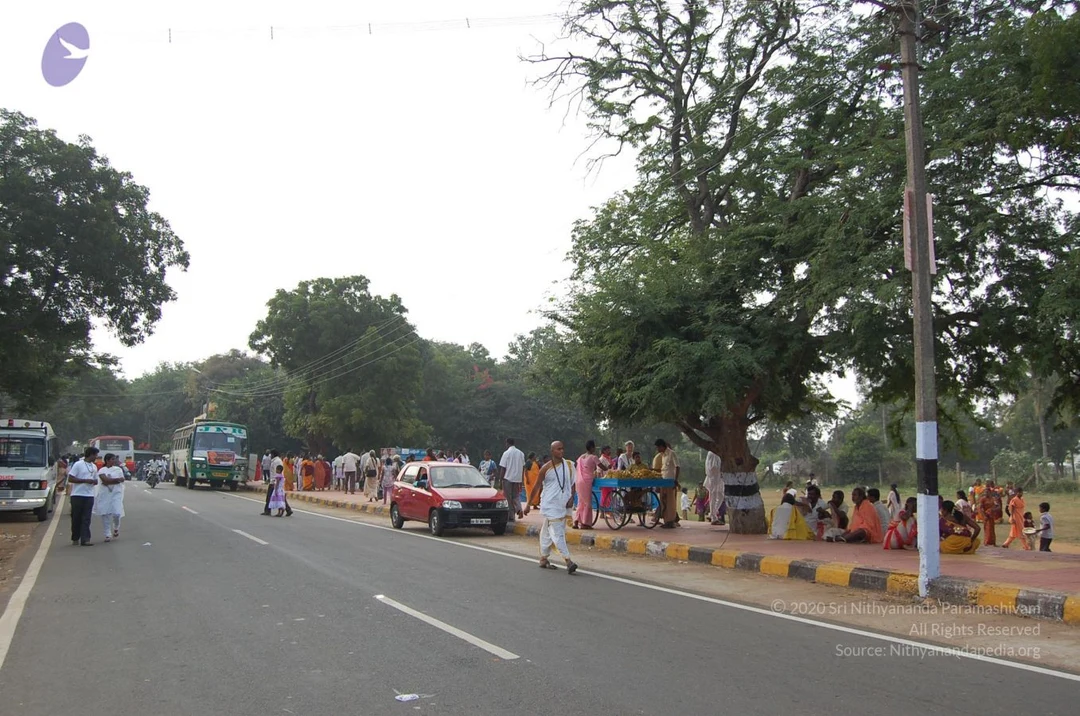
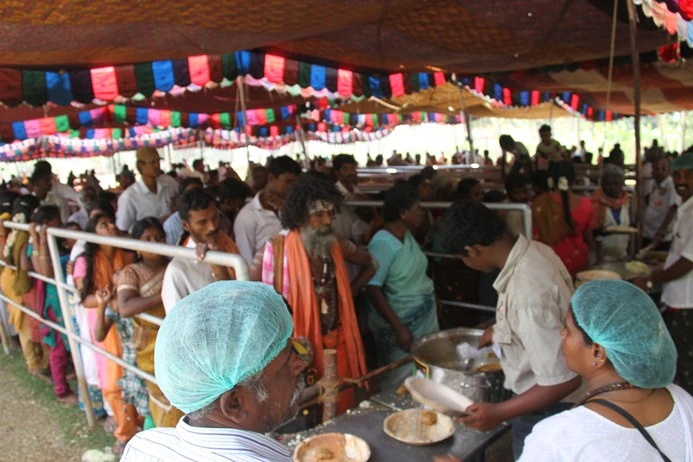
Annadhan
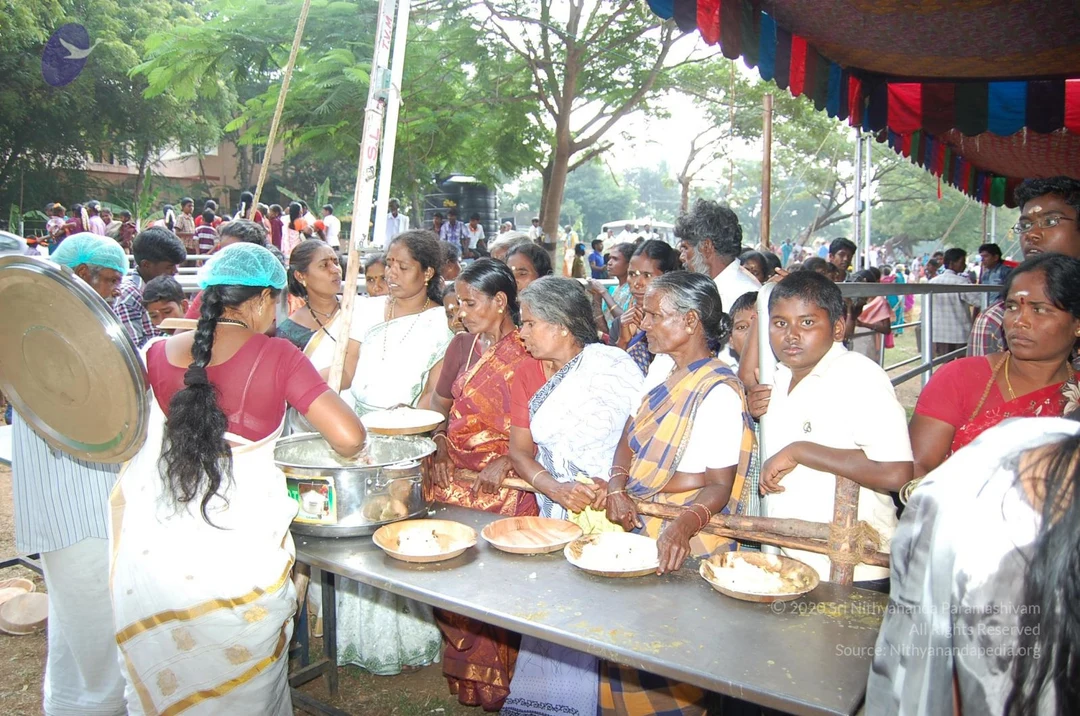
21 photosSource gallery
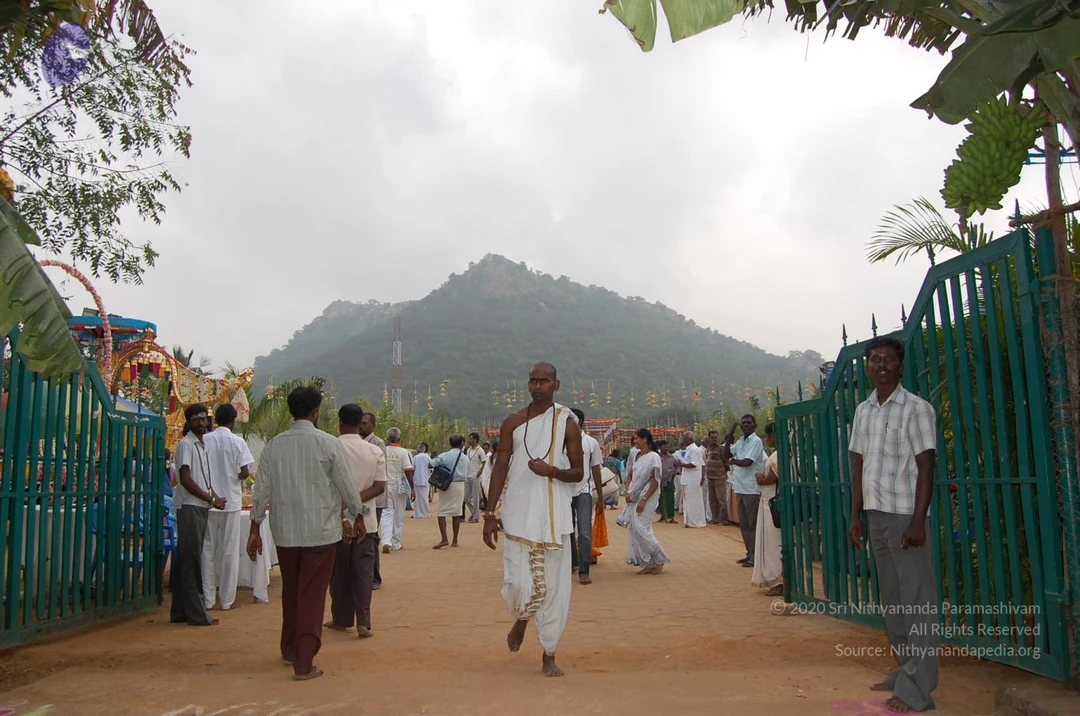
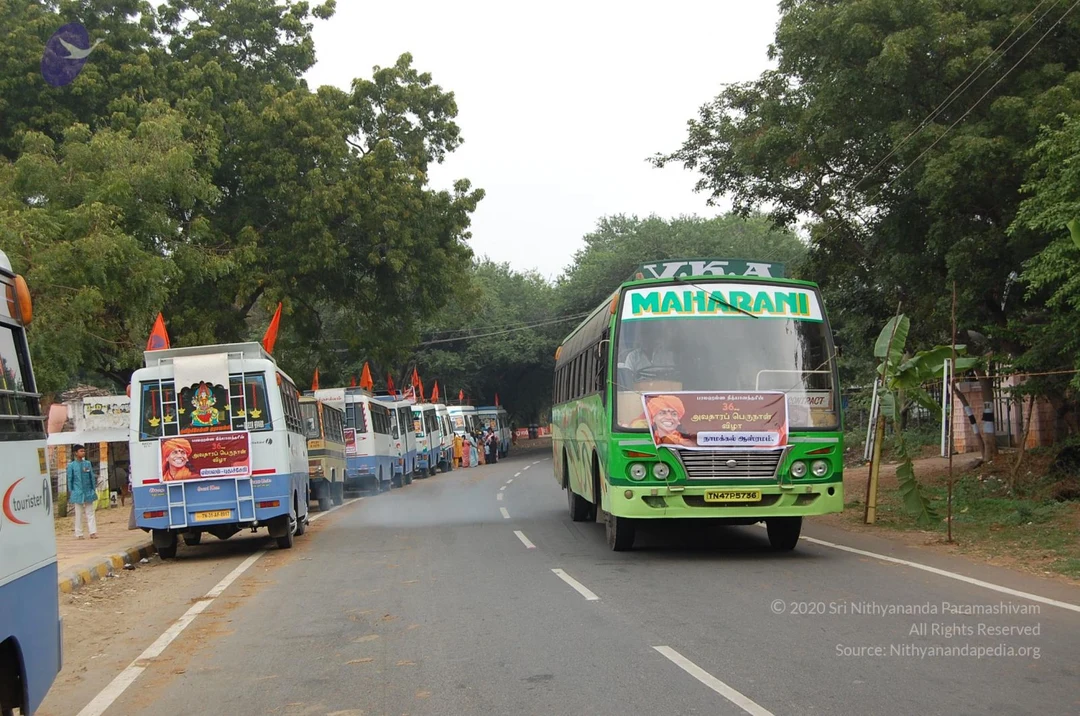
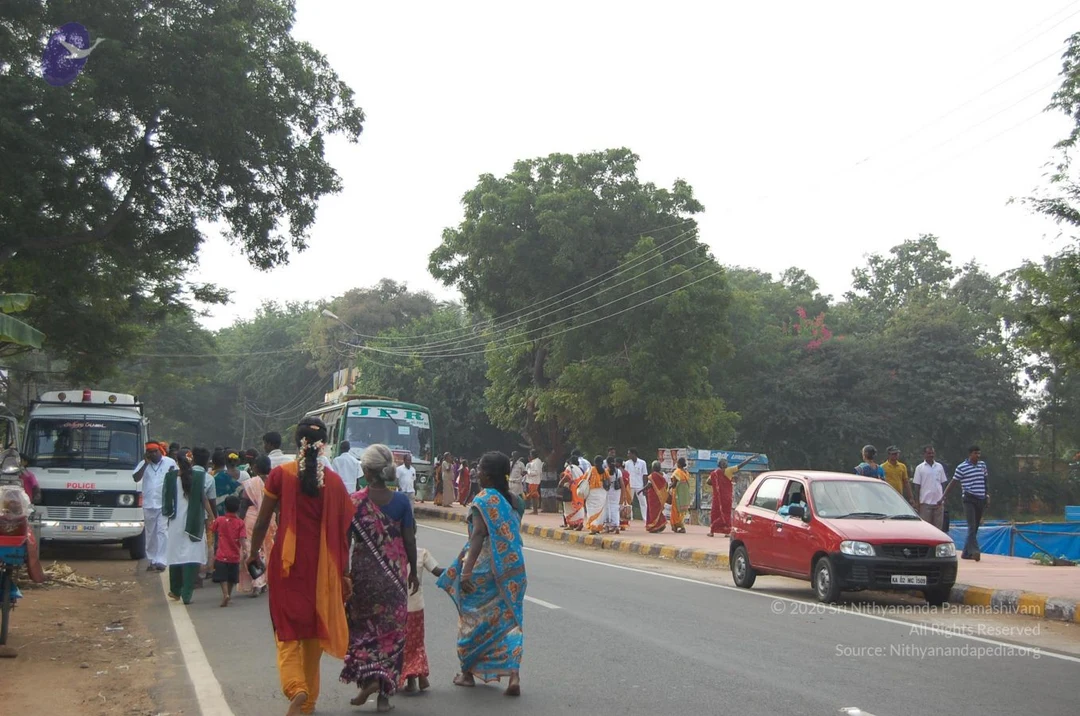
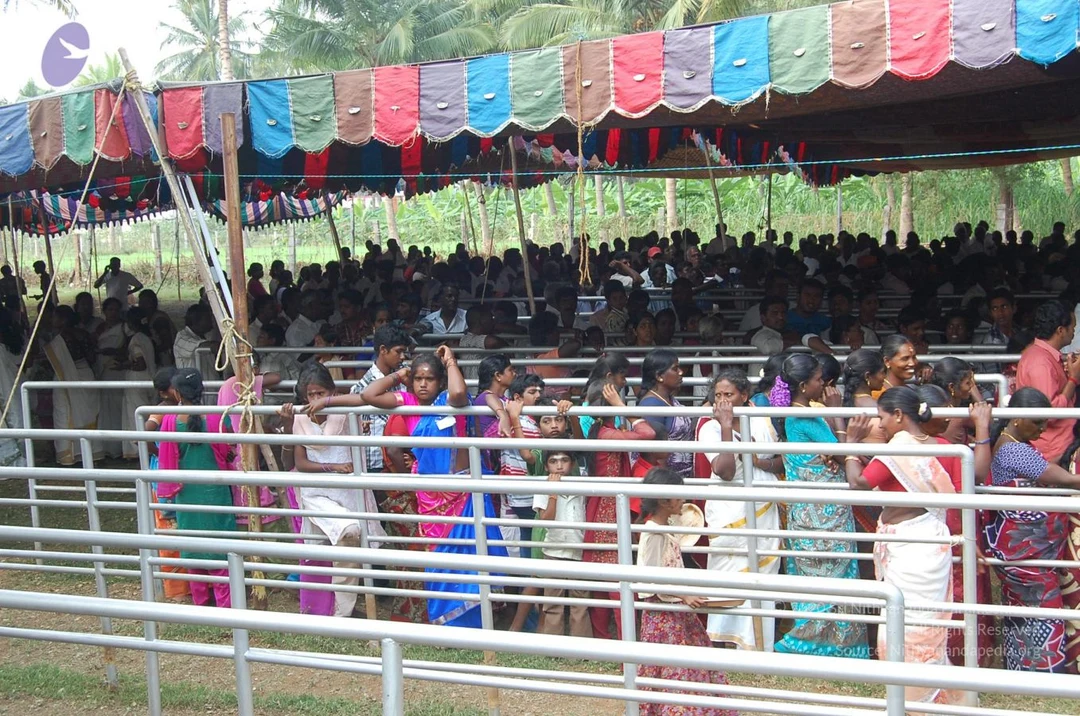
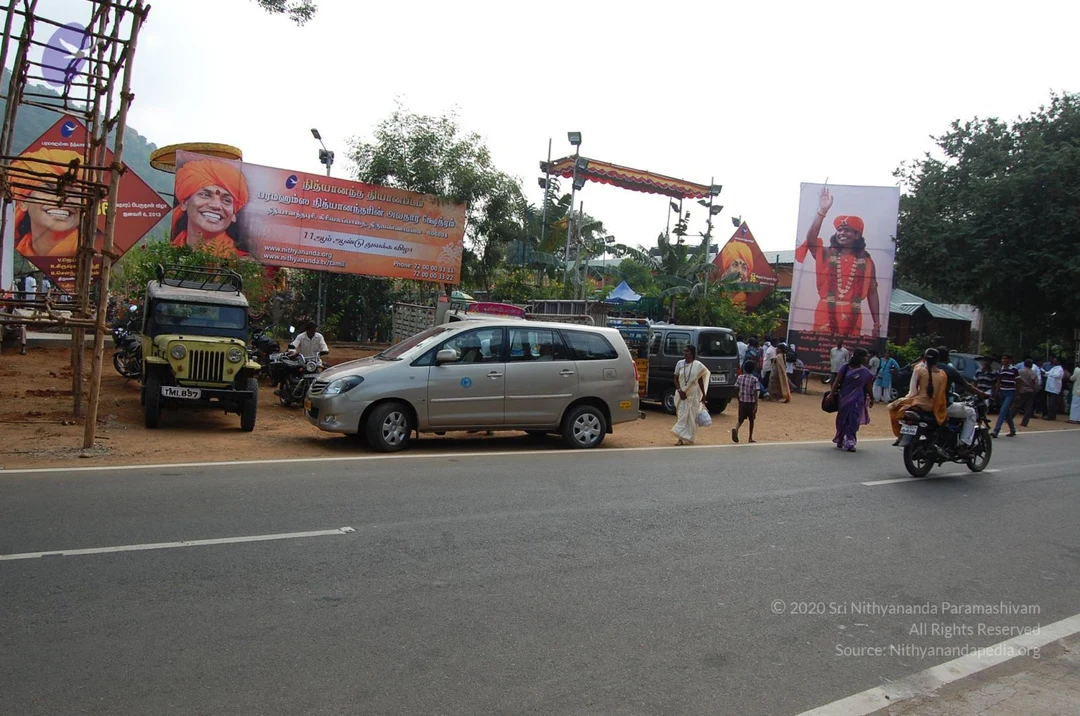
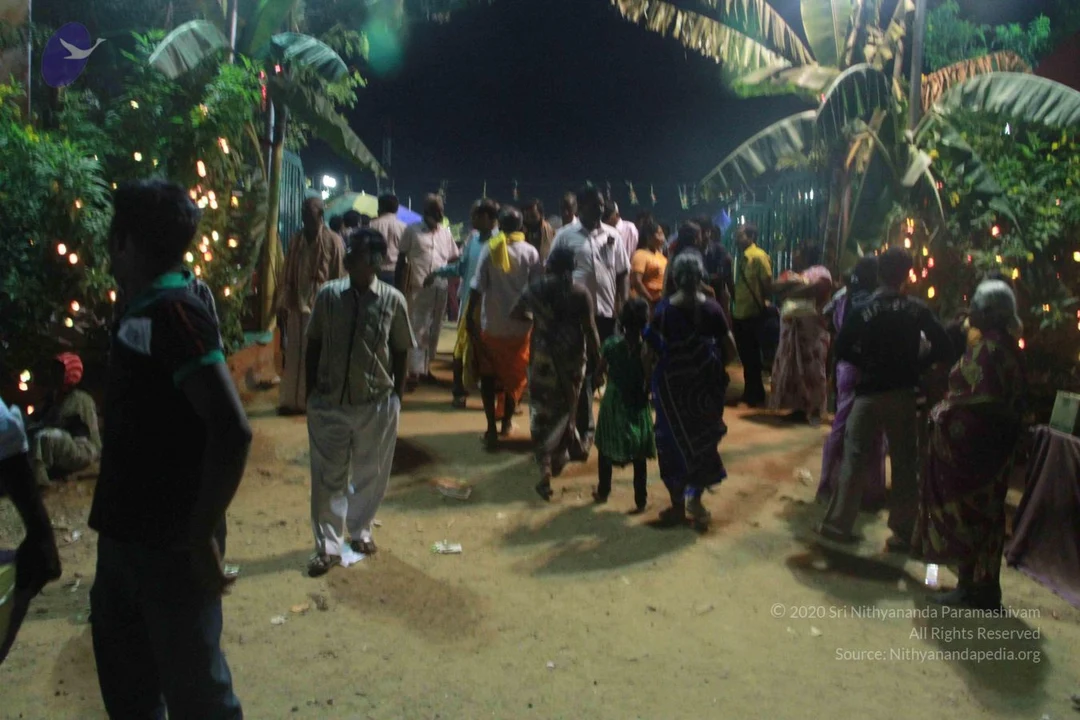
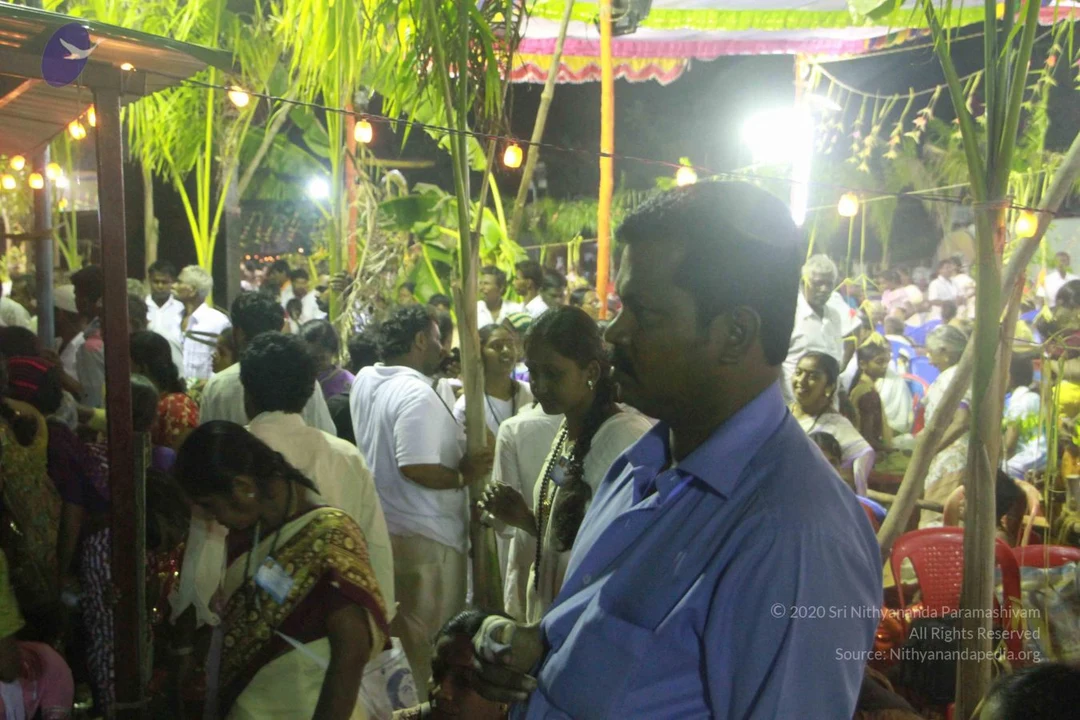
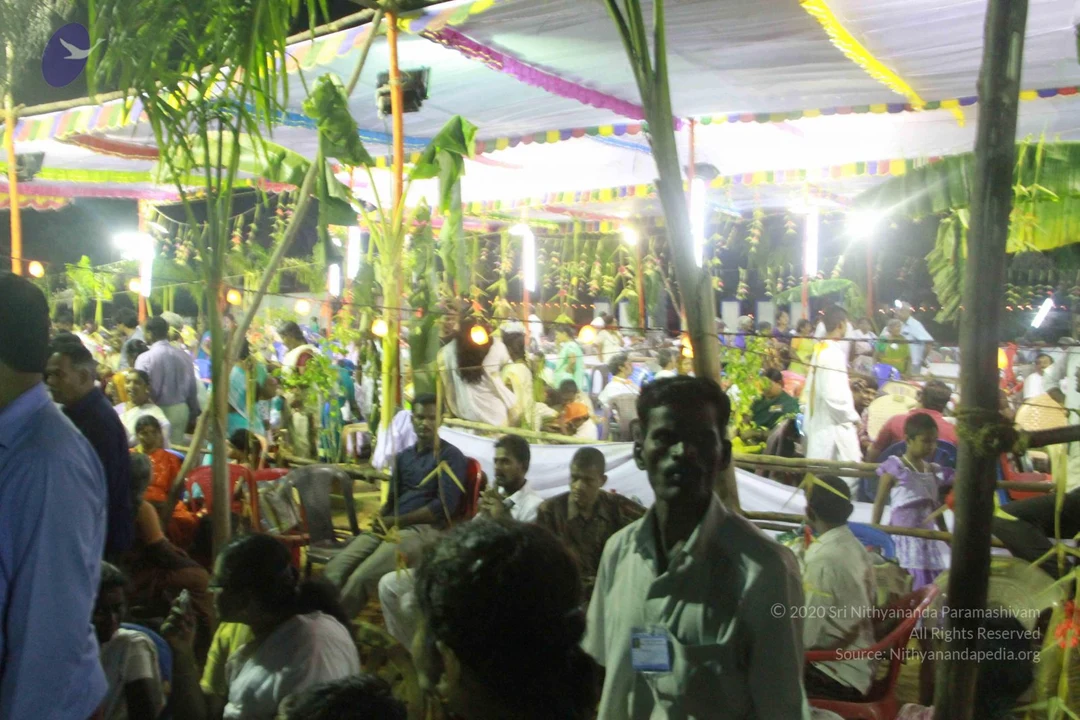
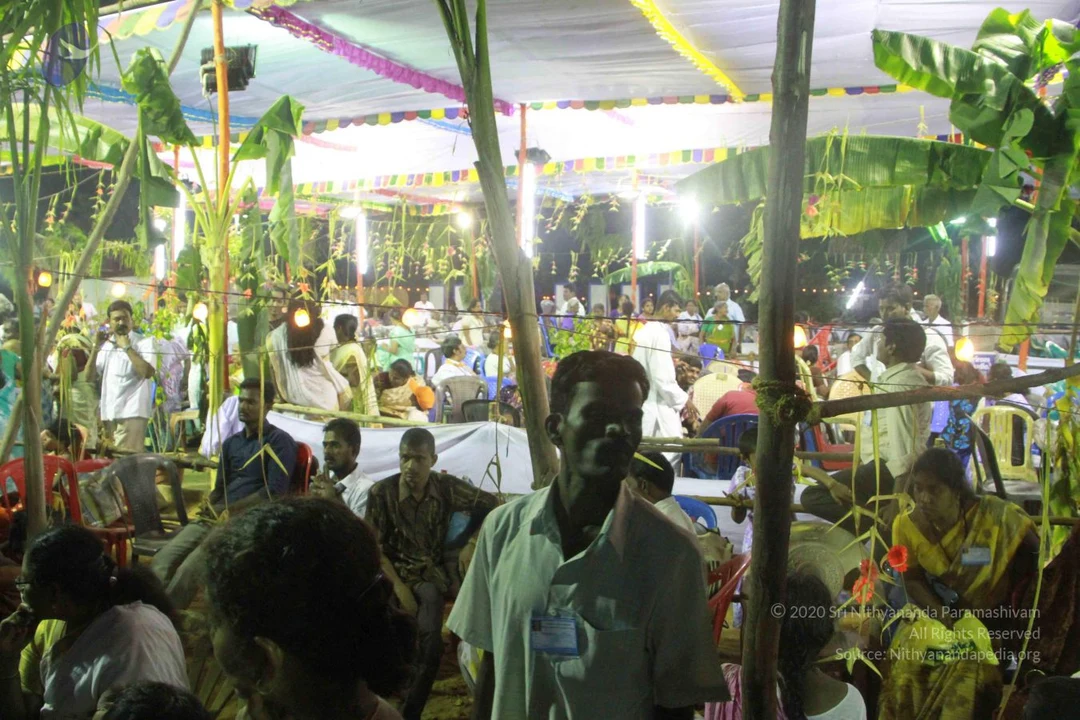
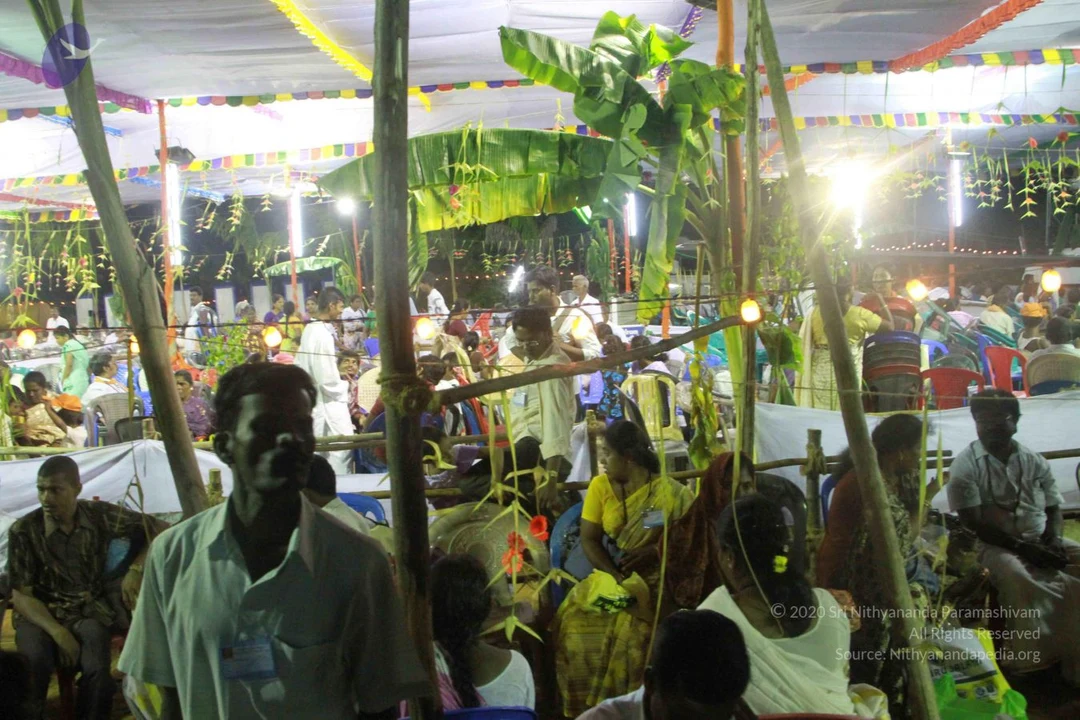
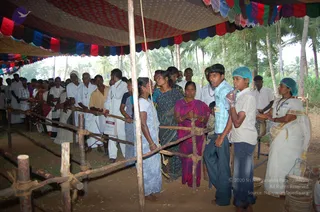
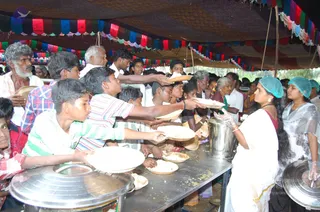
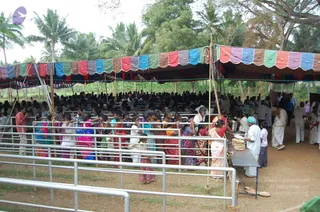
Outdoor annadan food distribution under a tent with red, green and blue bunting. A woman in a white sari with a blue hairnet and a bare-armed server in a red blouse ladle food from a steel pot onto paper plates on a long metal table. Several women in saris, including one in a red-and-gold sari and one in a yellow-and-blue sari, stand in a line to receive plates of rice, while a boy in a white shirt waits beside them. Tall trees and a crowd of devotees stand in the background. No one is identifiable as a person.A crowded outdoor food distribution line under a striped fabric canopy with red, blue and green panels, with a shaded tree behind. Steel pots and large steel vessels stand on a counter at left, and a woman in a grey top and teal head covering serves from them. Women in saris, including a woman in a pink sari and a woman in a golden-yellow sari with a jasmine garland in her hair, wait in line, and a young girl in a lavender dress stands near a metal railing. Several men in white shirts stand behind them. Annadan food service is the visible activity.A crowded outdoor food distribution under a large tented canopy strung with red, blue, green and yellow bunting. People queue along a rustic wooden pole barrier while a woman in a white sari with a teal blouse stands at a steel table serving from large stainless steel vessels with lids. Men in white shirts and dhotis, some wearing name badges, stand in line alongside women in white and yellow saris and children. The ground is dirt and the setting appears to be a communal meal line. a person is not clearly visible in the scene.A queue of devotees waits under a canopy of red, blue and striped cloth strung with bunting, beside palm trees, inside a rope-and-bamboo barrier. Men in white dhotis and shirts stand at left, with women in saris and salwar, a girl in a white top and a youth in a blue shirt near the front. At right, a woman in a white sari and blue head covering works at a serving station with metal vessels, as a person in a blue cap serves food.A large outdoor food distribution under a canopy of colourful bunting. Women in white saris with blue hair nets and gloves serve food onto disposable plates at a long steel serving table, with a steel pot and covered steel containers. Many people, including men in shirts and dhotis, boys in striped and green shirts, and elderly women, reach forward with plates to receive their meal.Outdoor annadan-style meal line under a long tent with a multicolour striped canopy in blue, green, pink, purple and orange, supported by bamboo poles. A large crowd of women in saris and salwar kameez, many in pink, red, orange and blue, queue along metal barrier rails toward a serving table where a worker in a white apron and blue head cover ladles food from steel pots. Other attendees in white dhoti and white shirts stand nearby, and palm trees surround the open grounds.

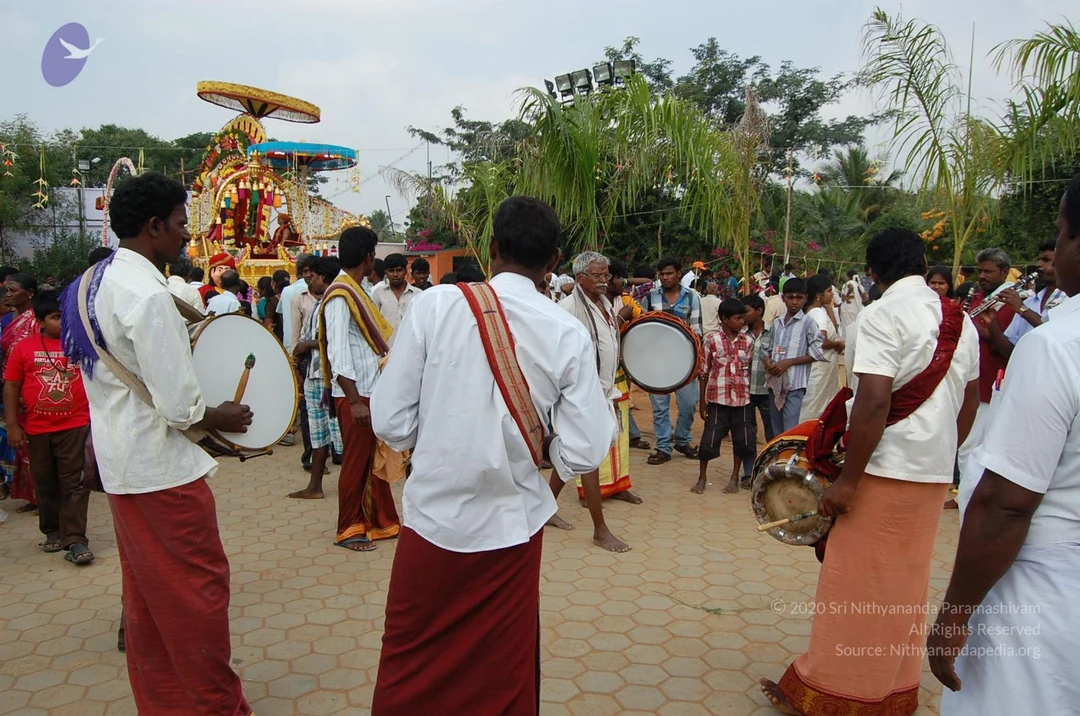
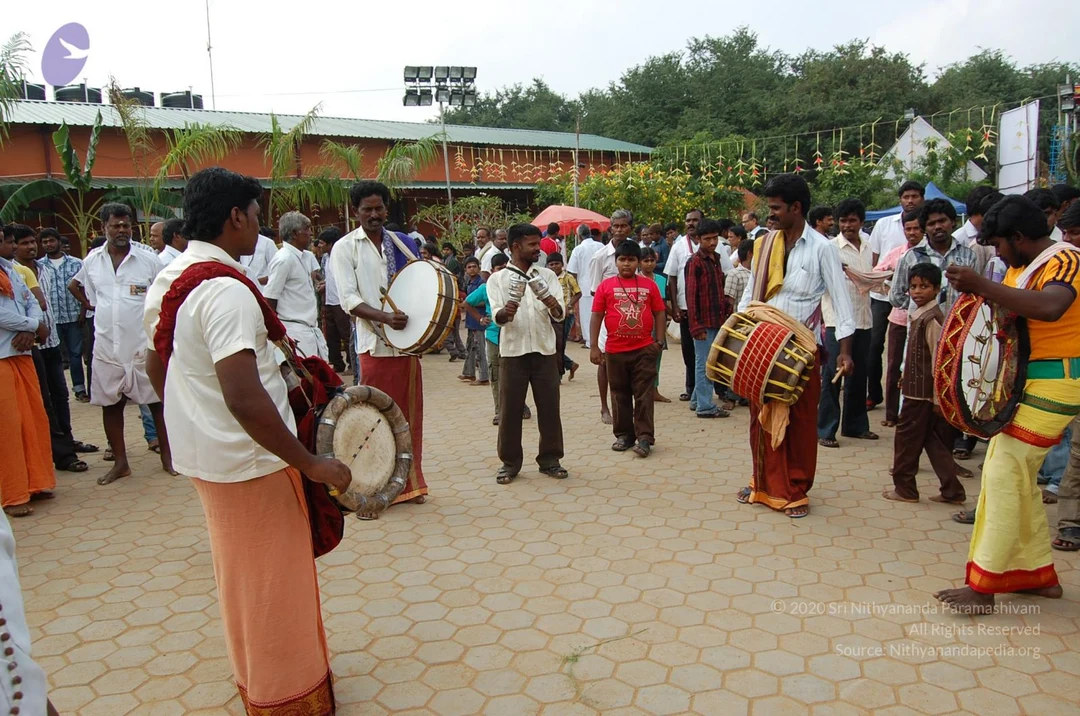
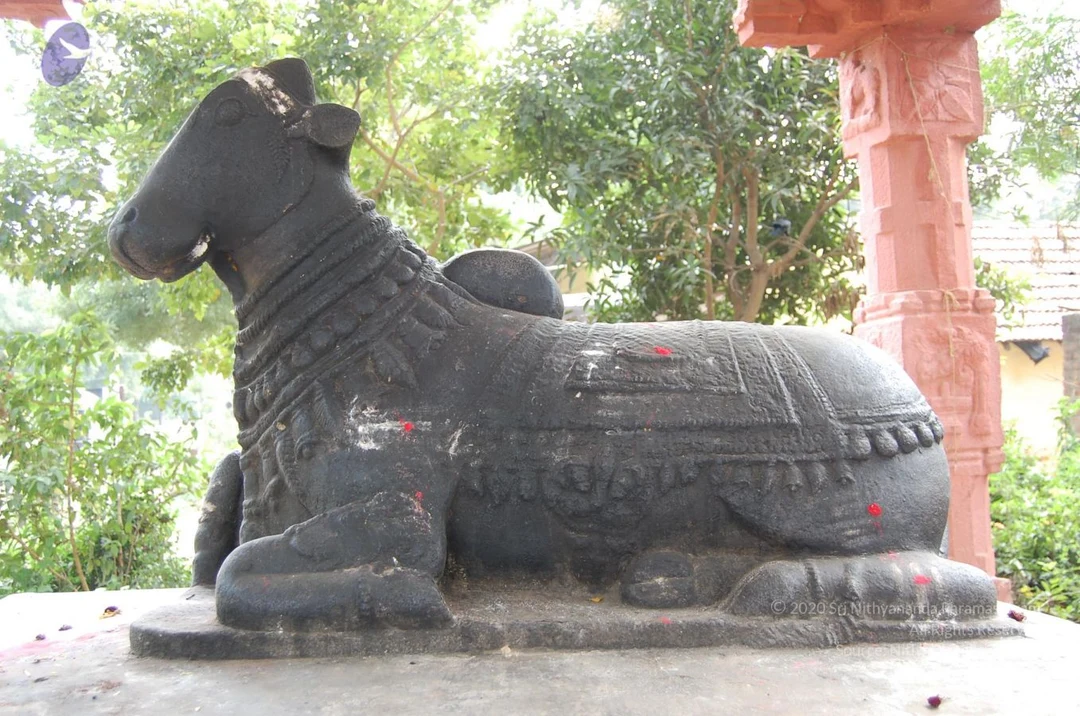
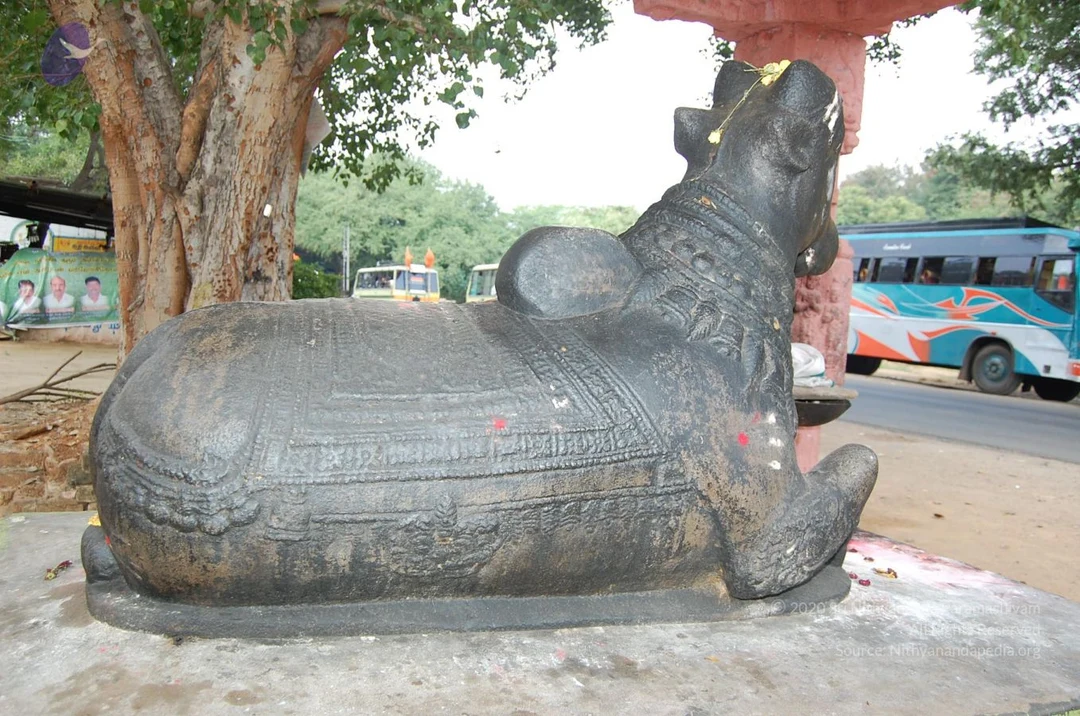
Ezhumalai-Photos
28 photosSource gallery
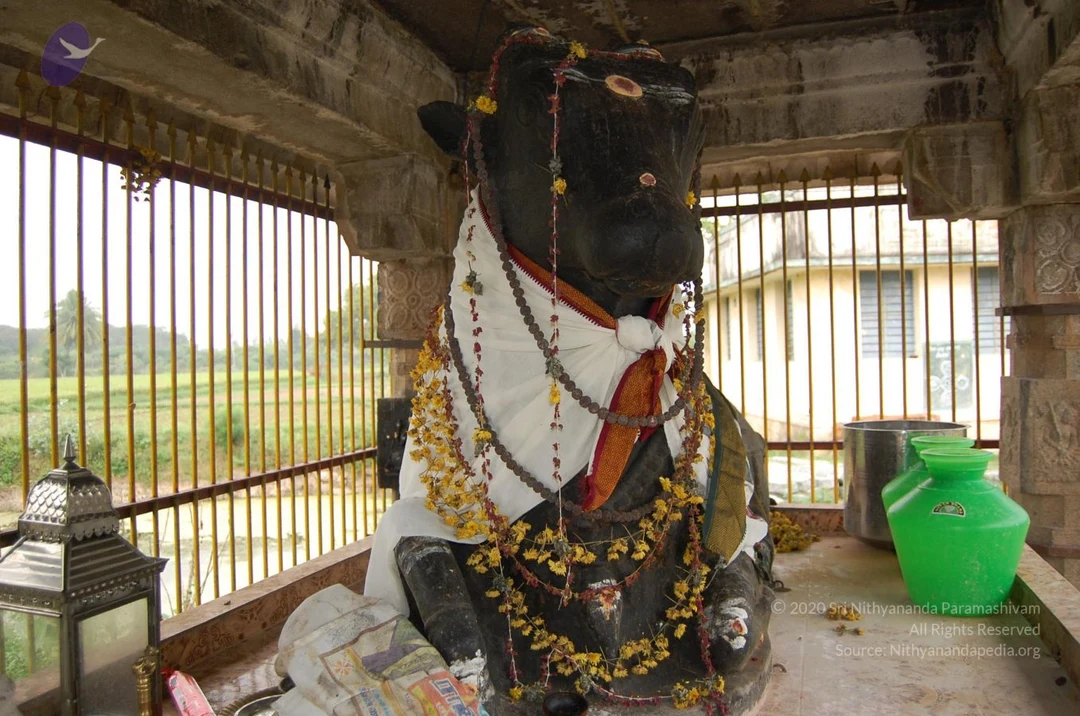
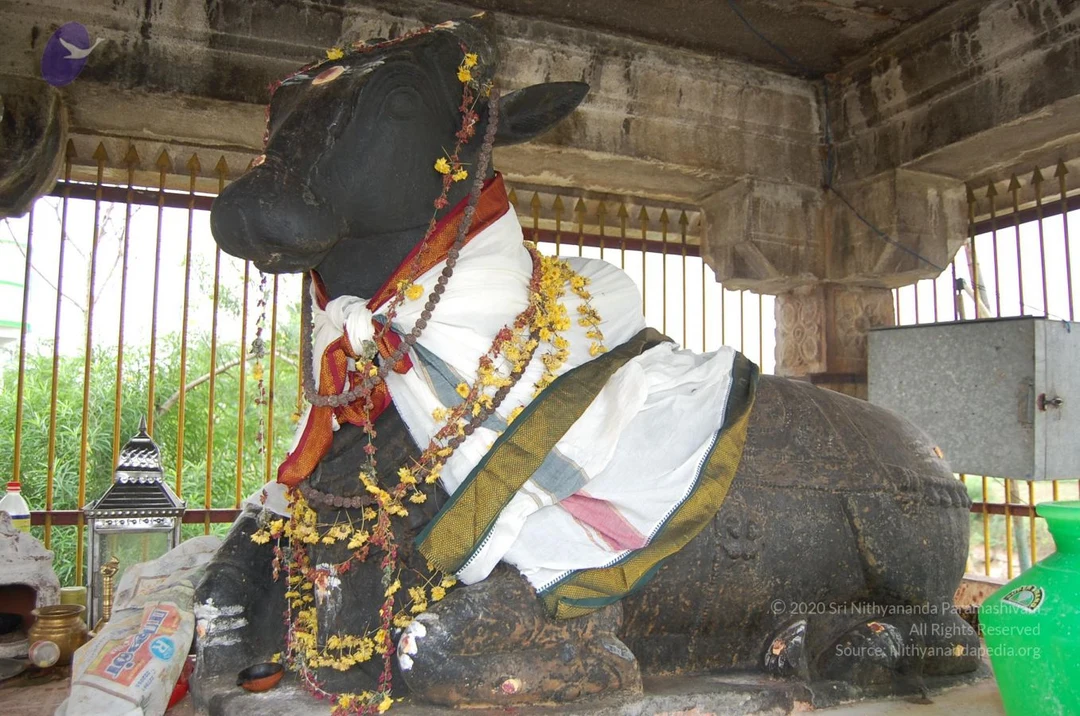
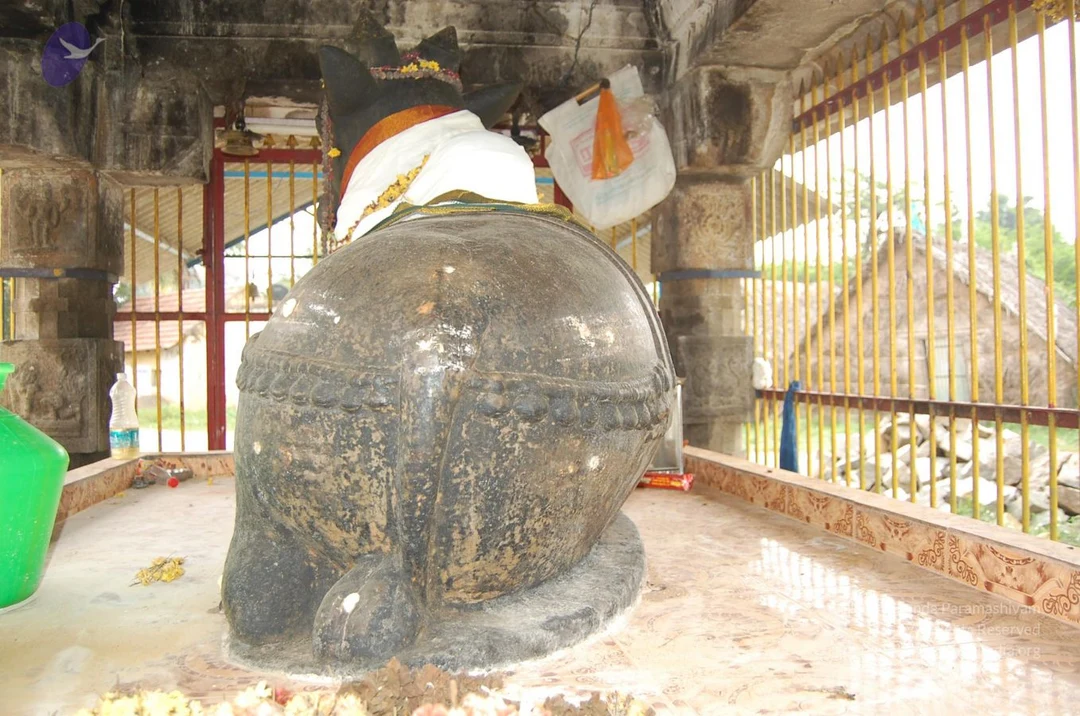
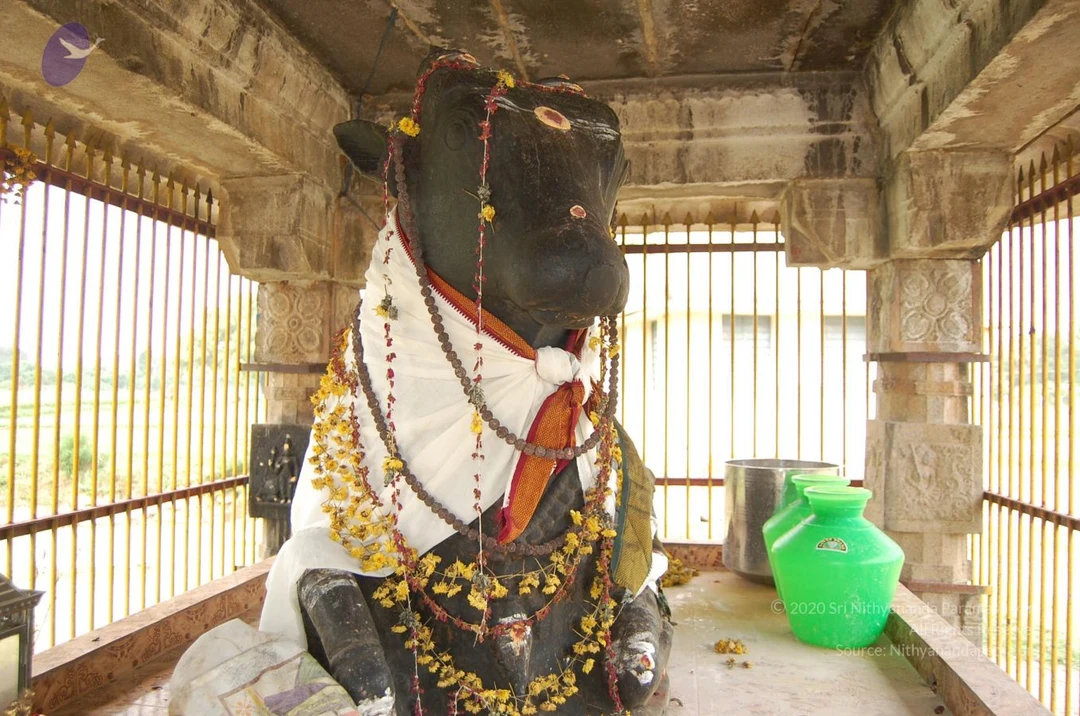
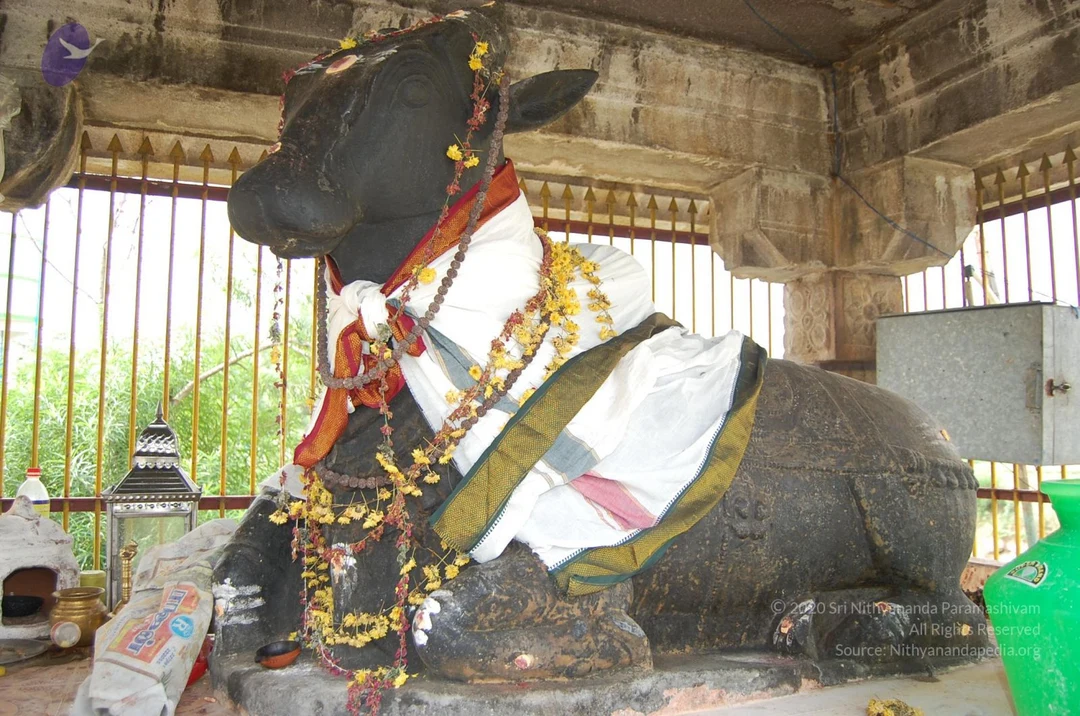
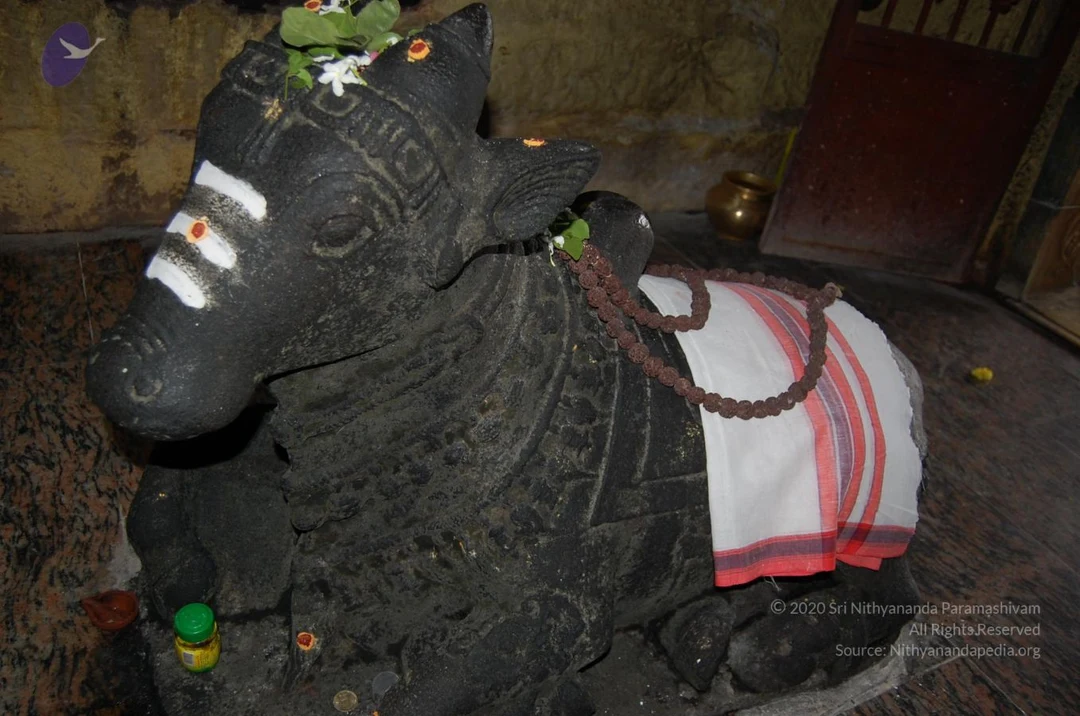
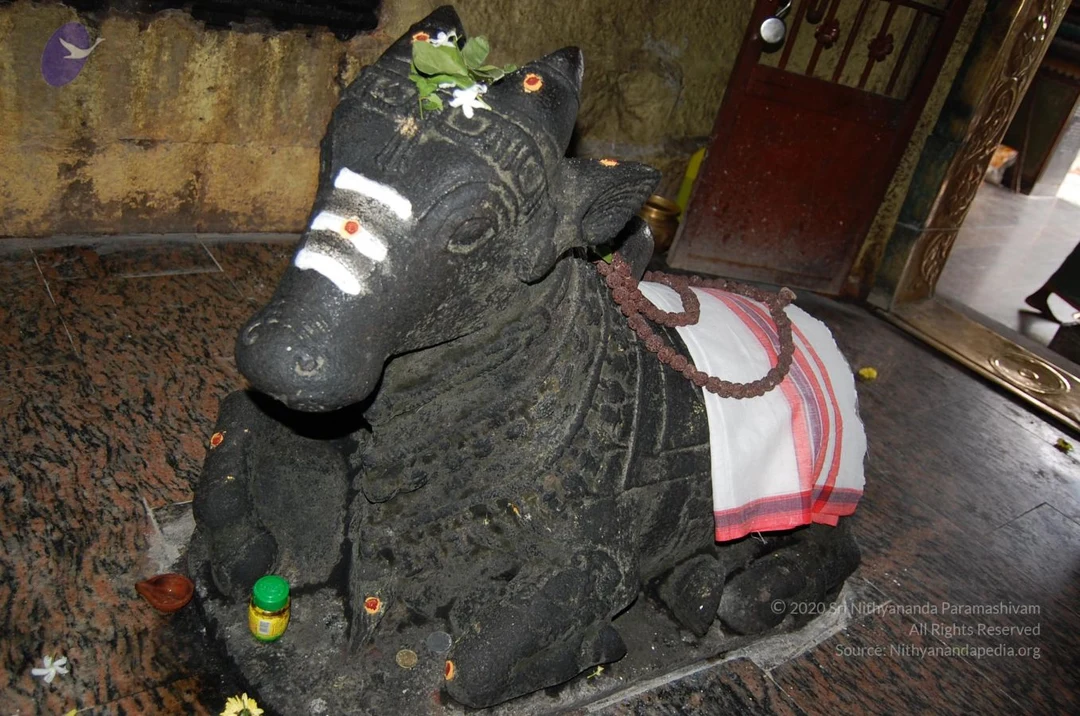
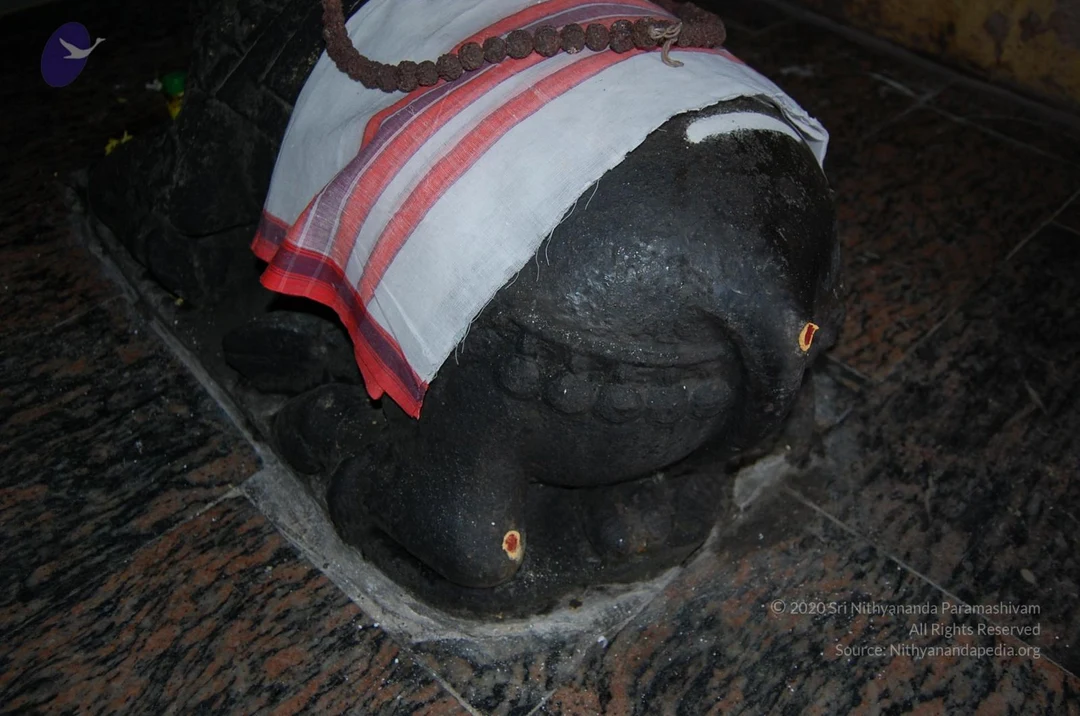
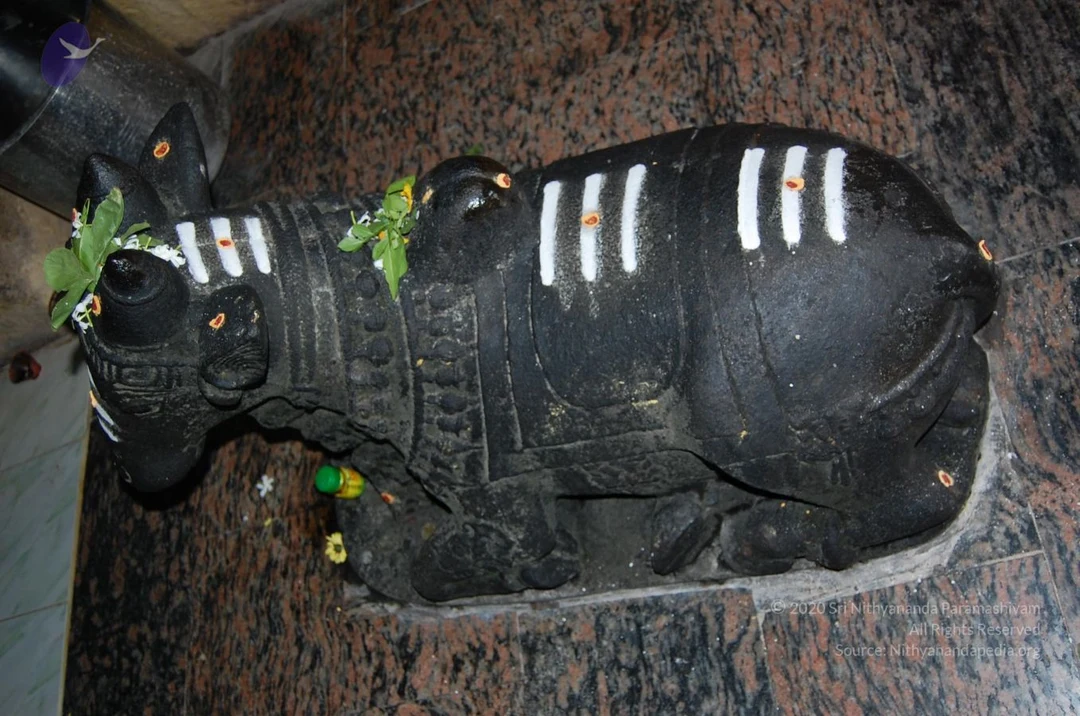
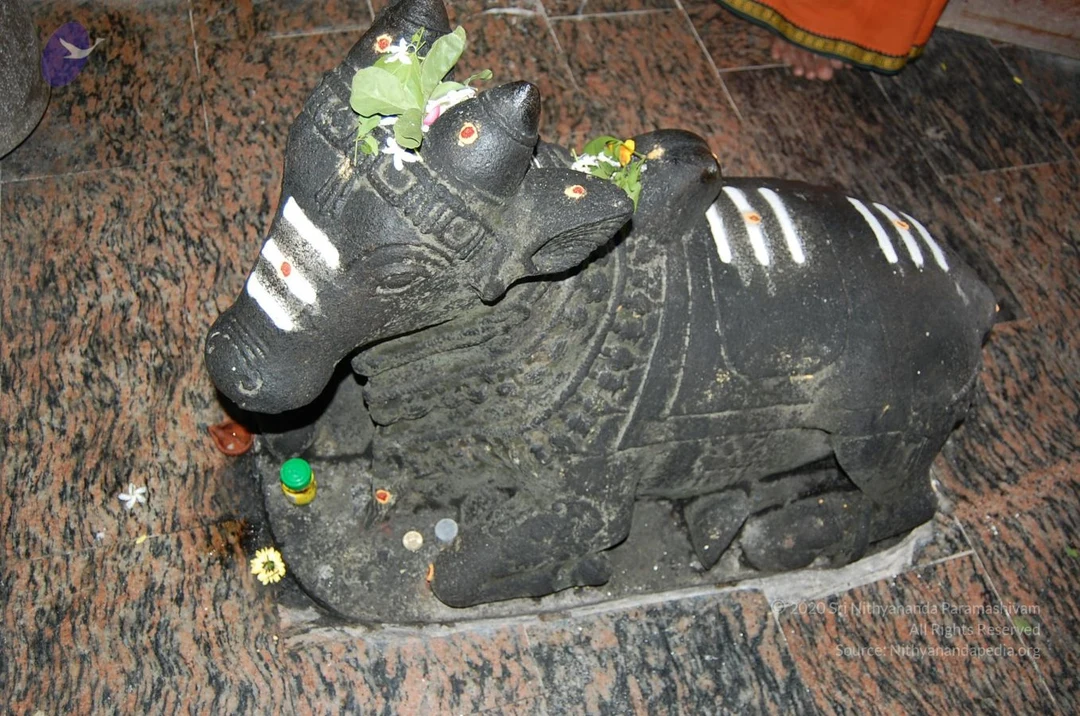
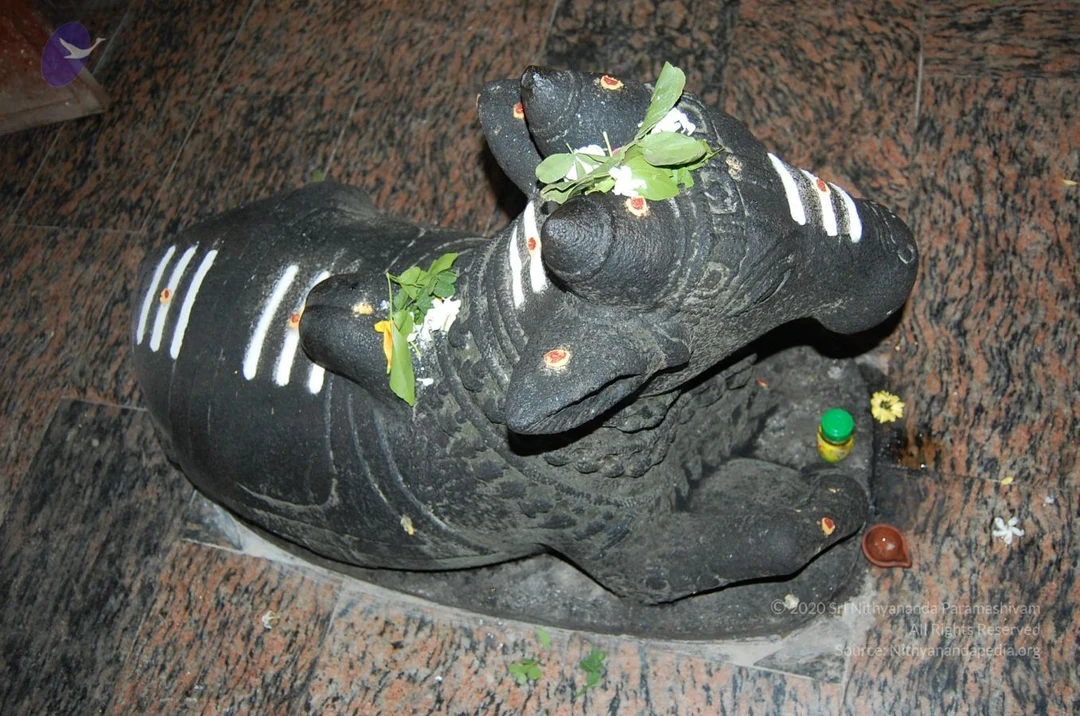
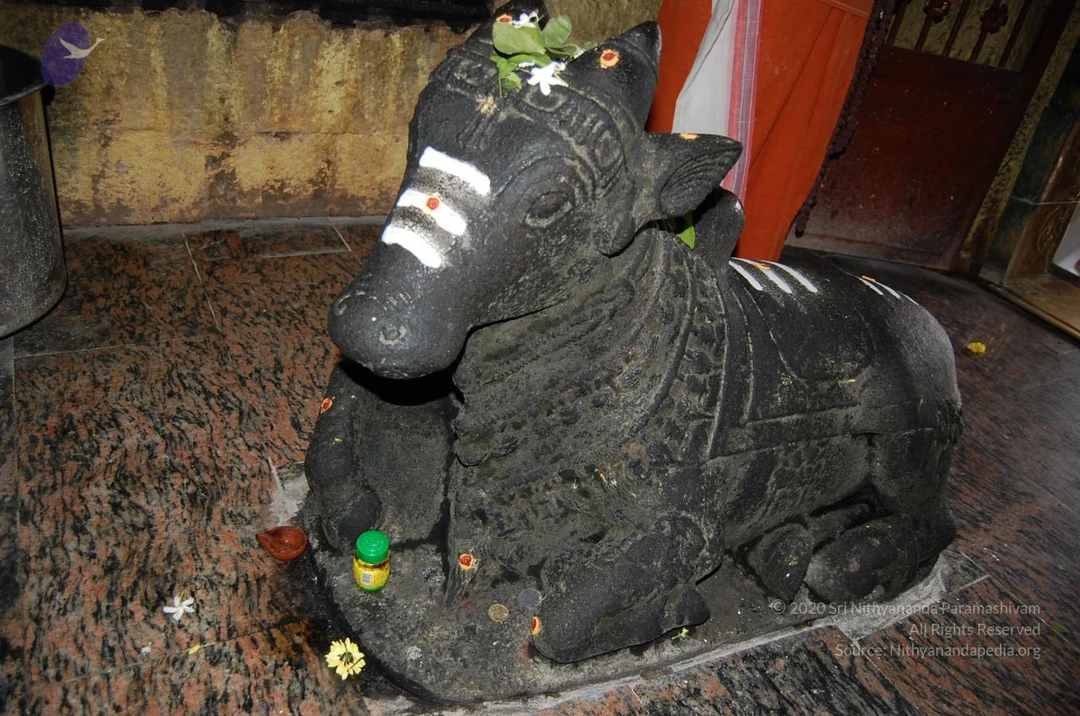
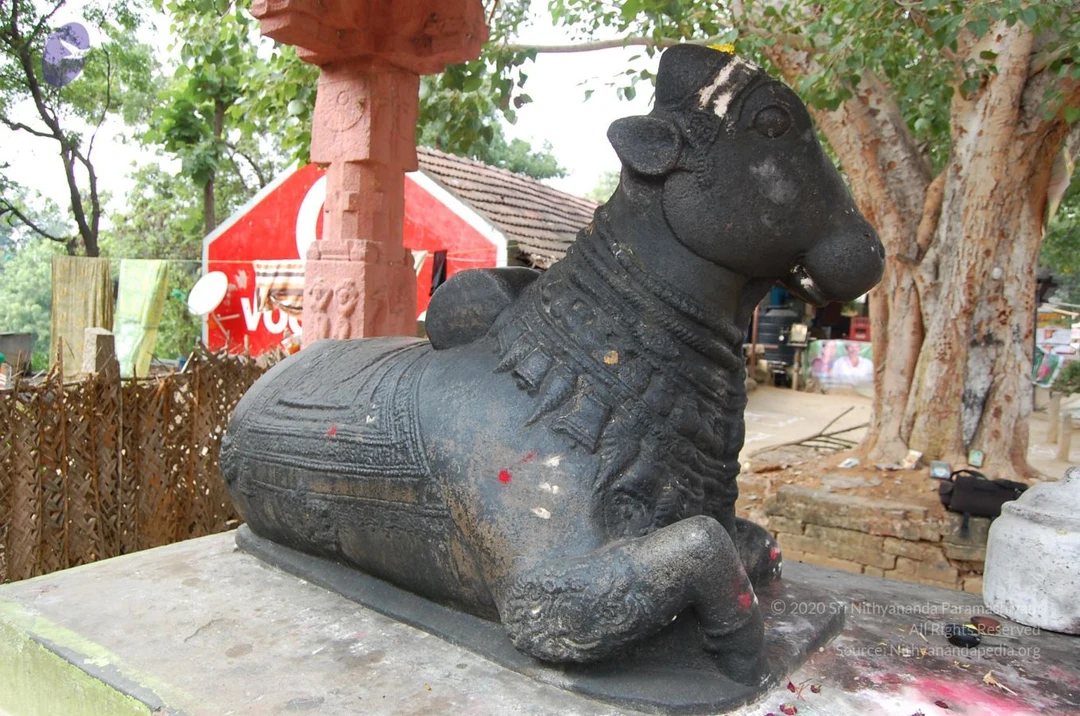
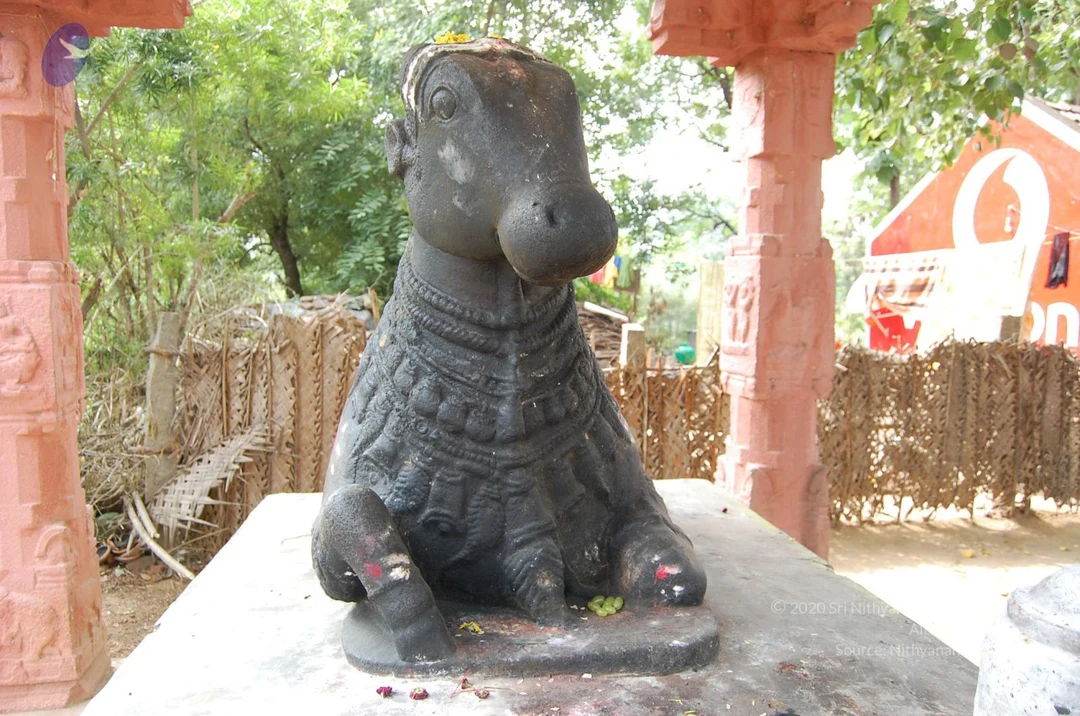
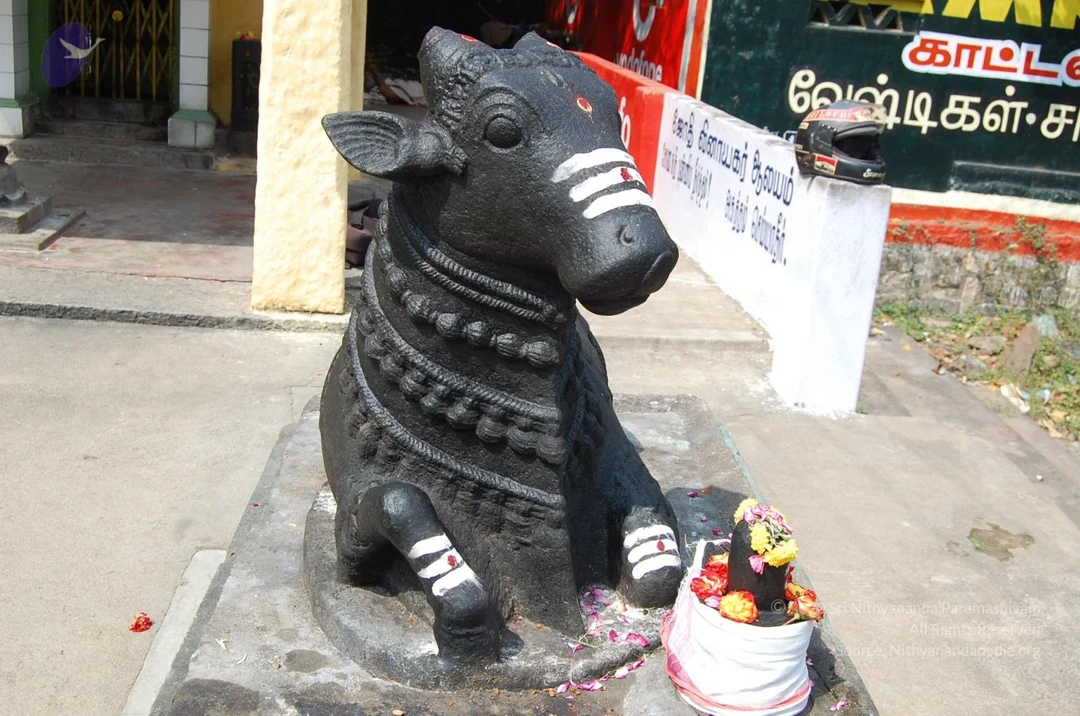
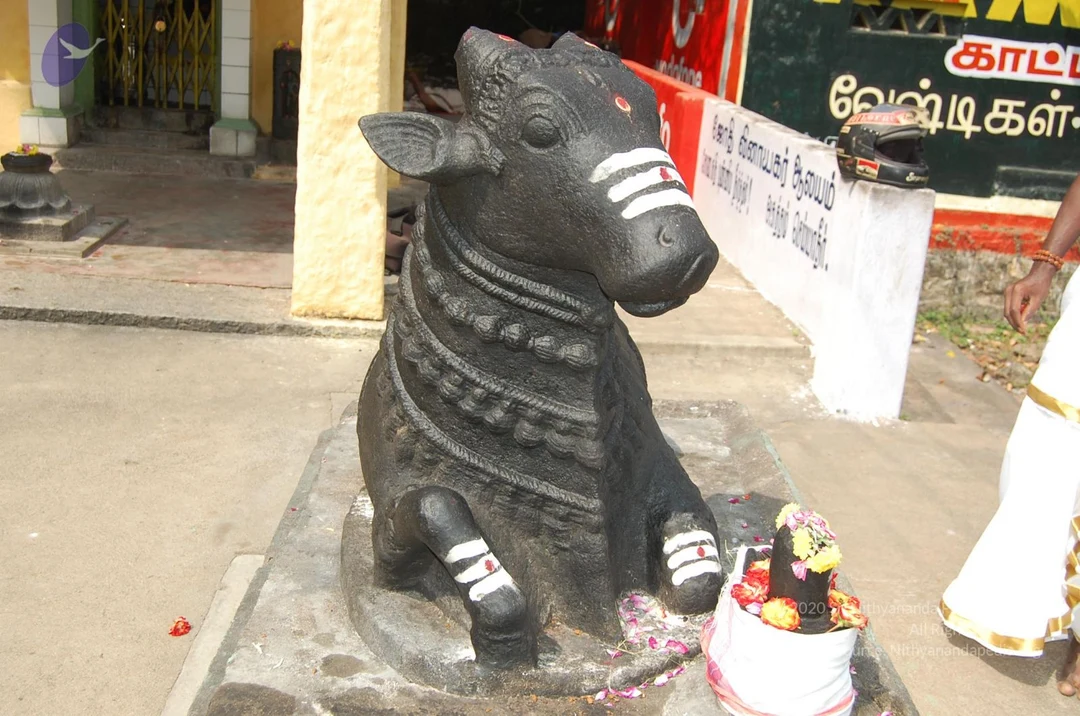
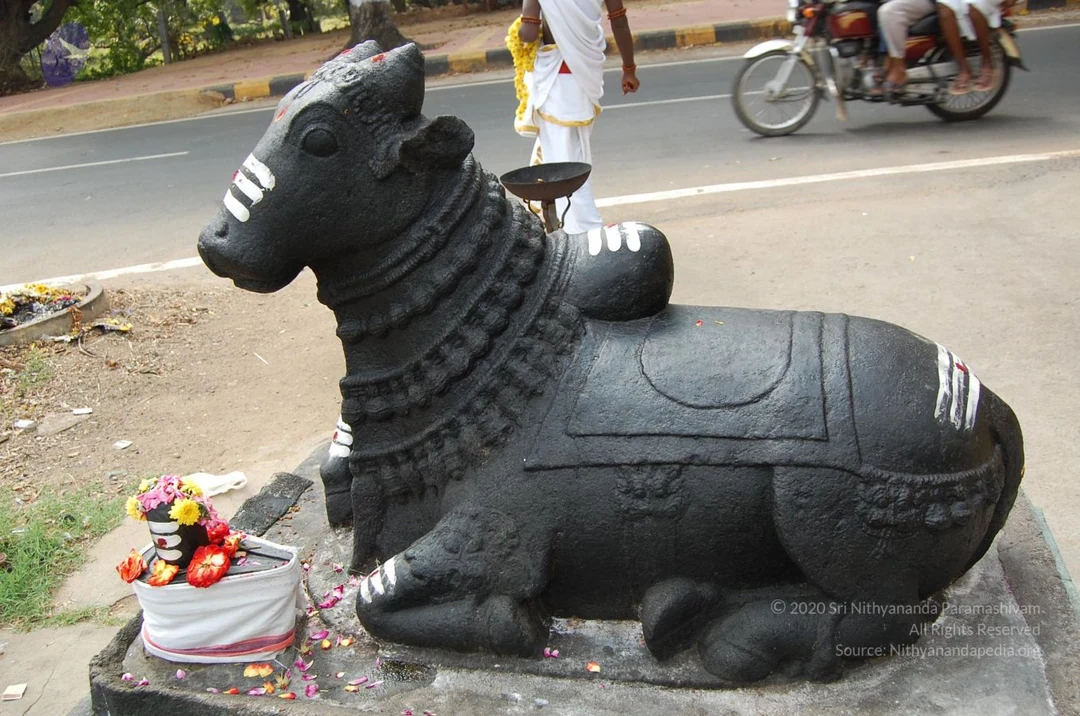
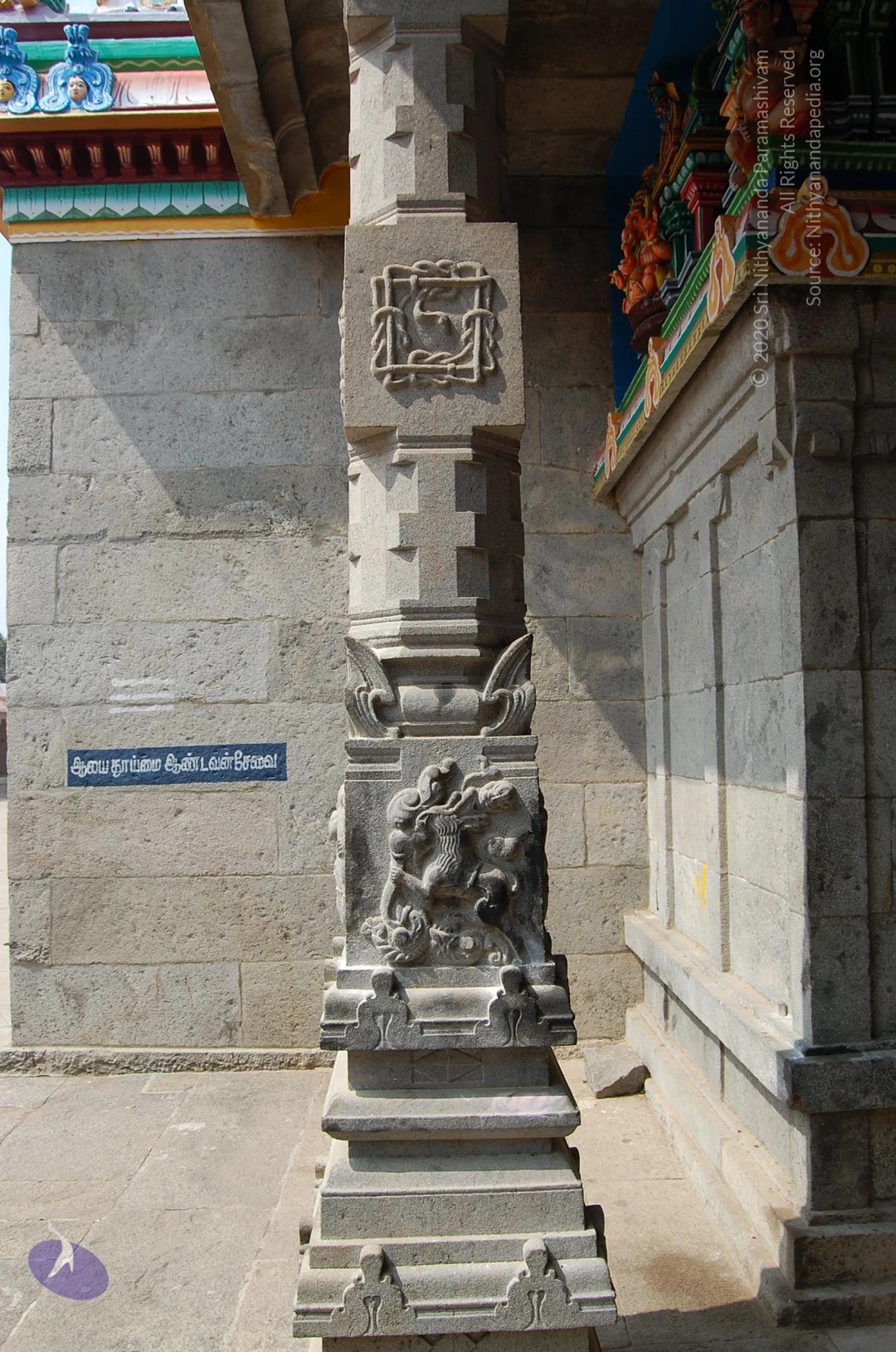
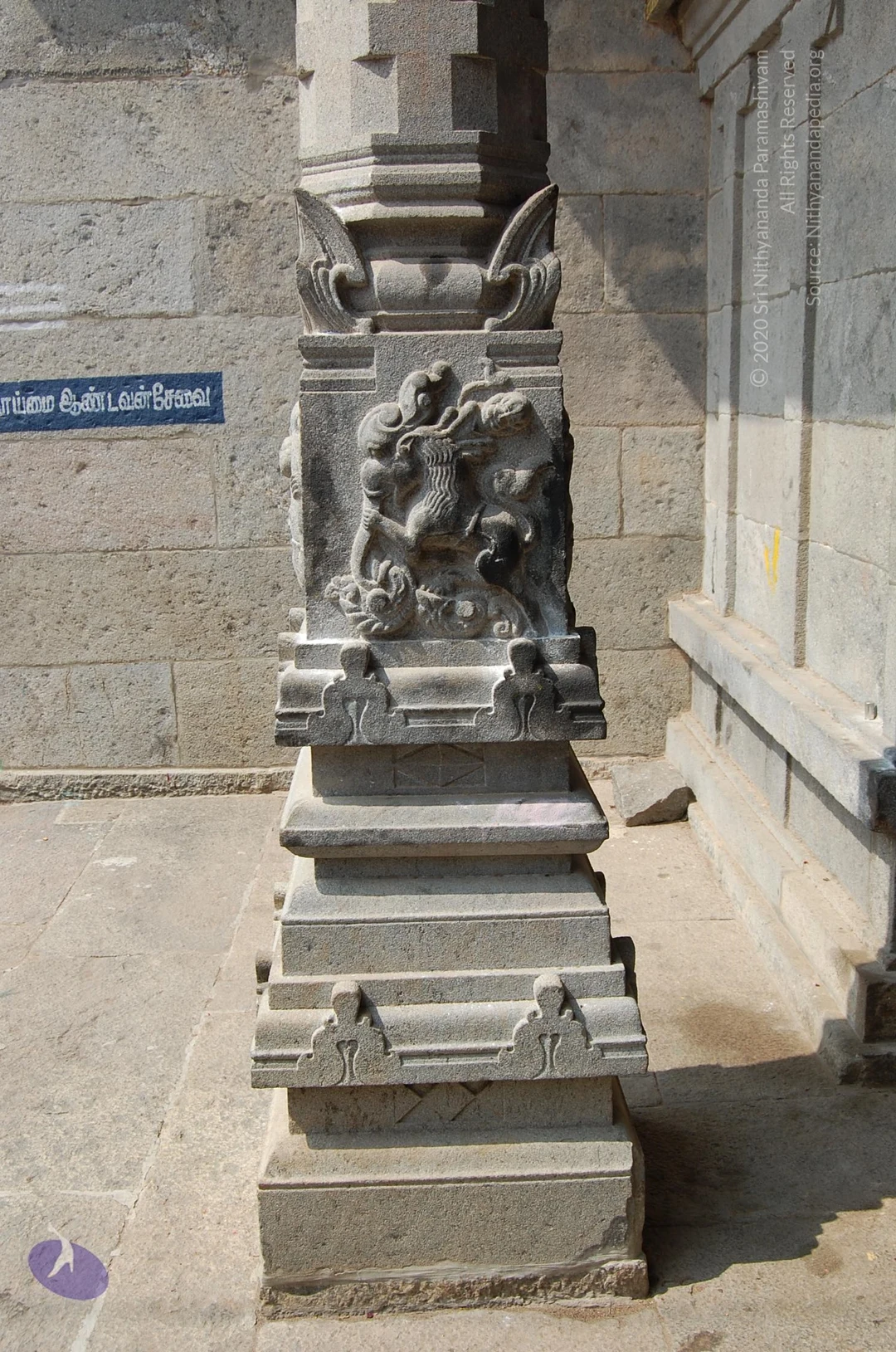
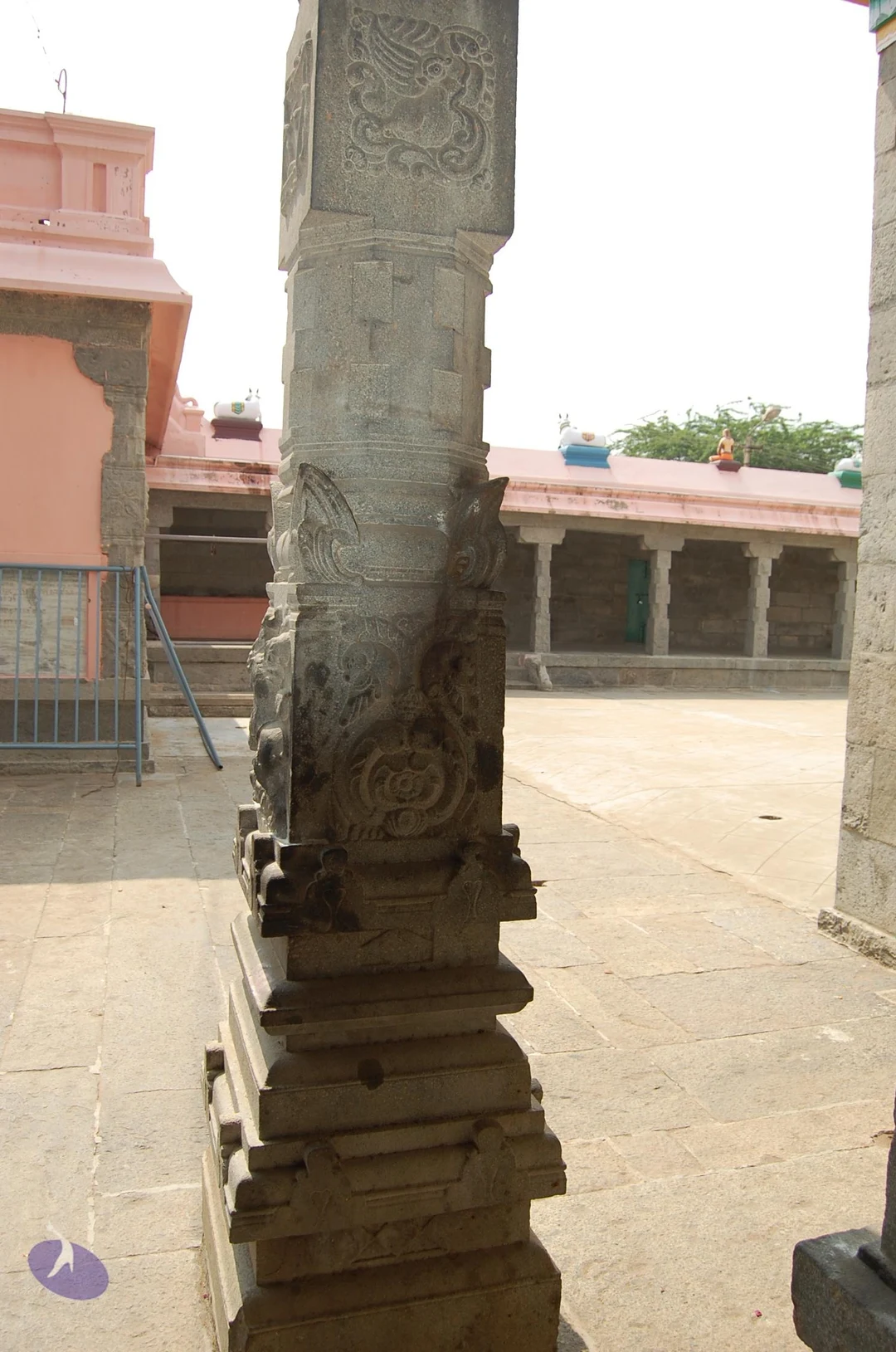
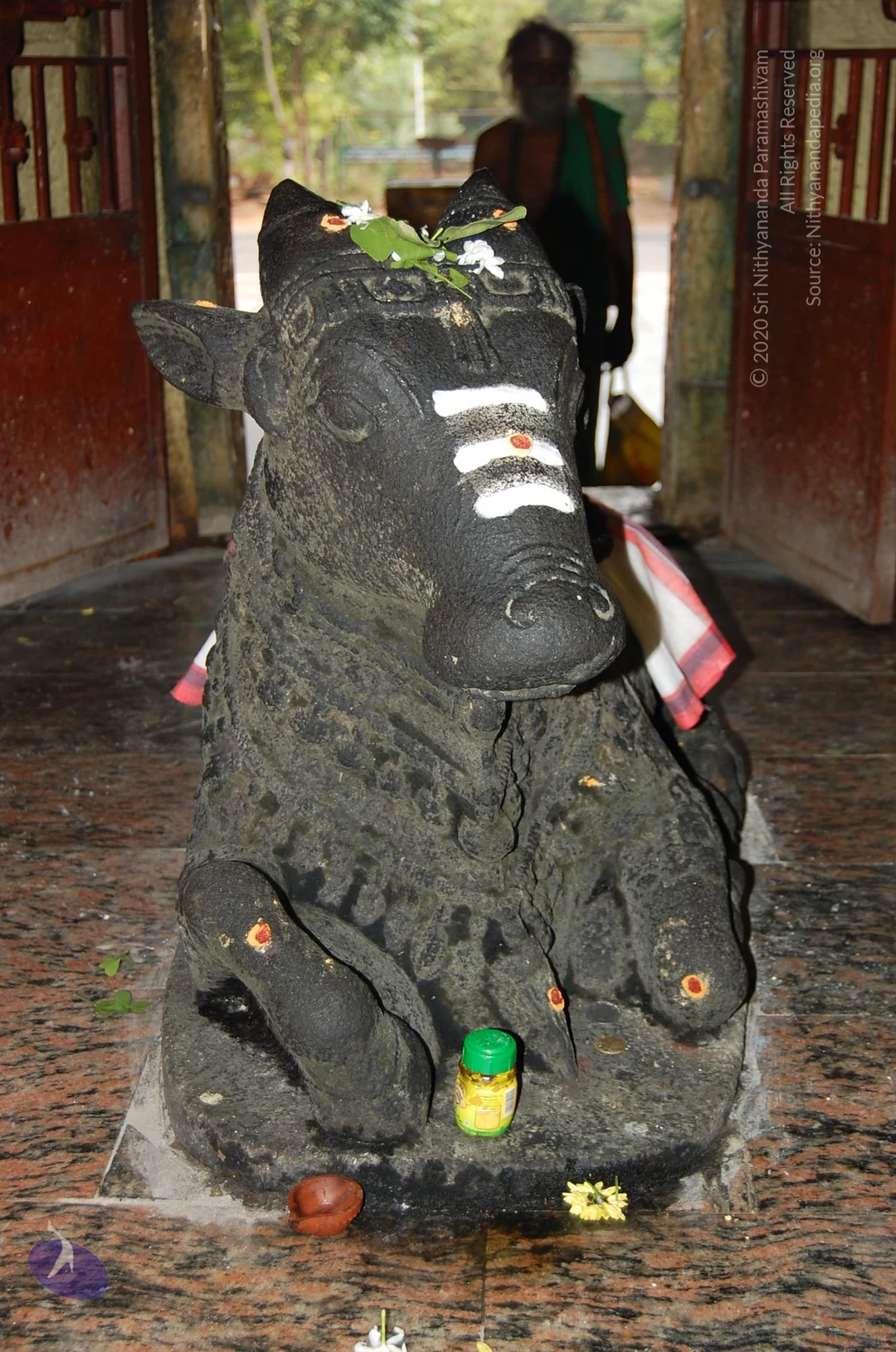
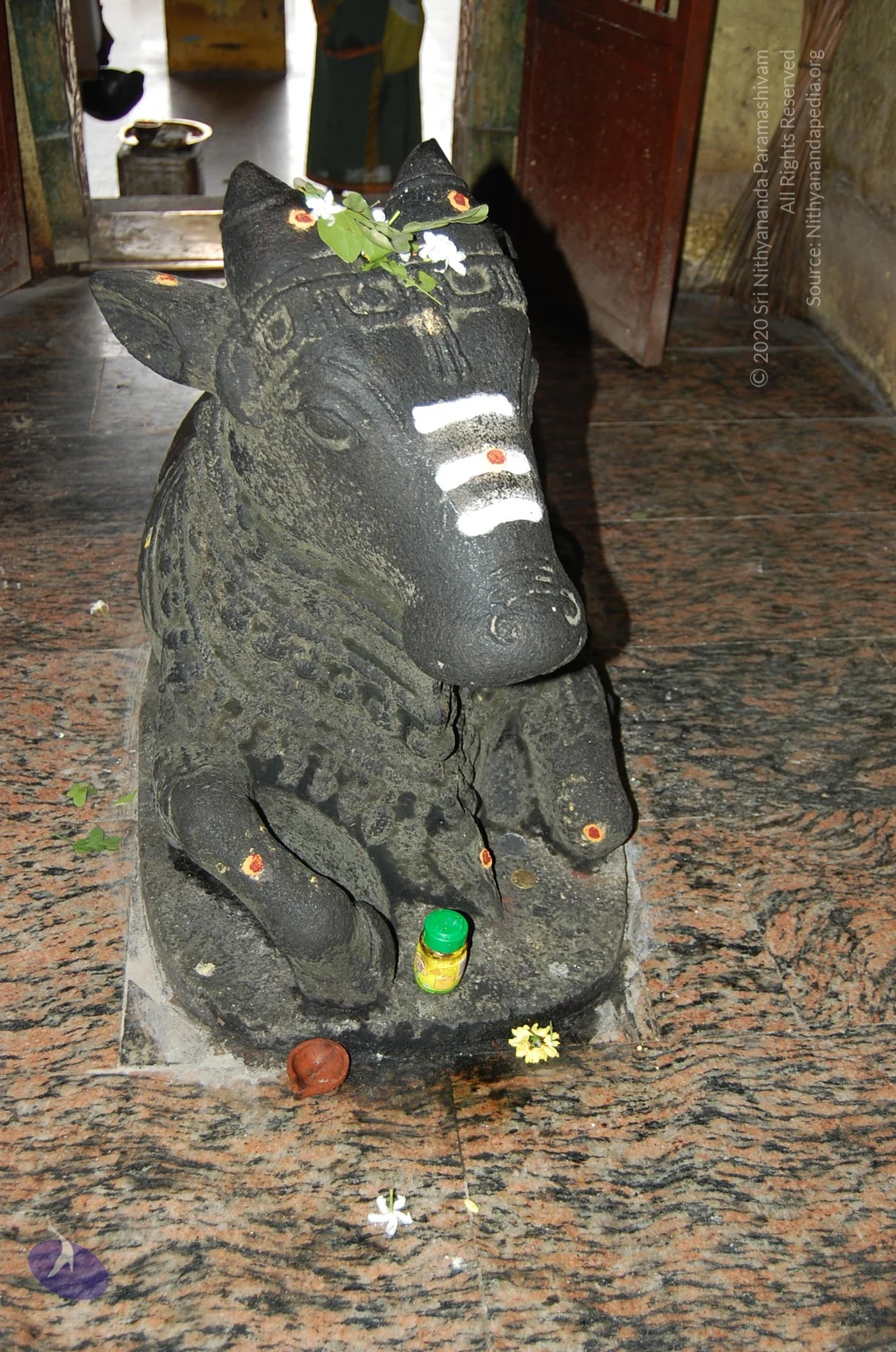
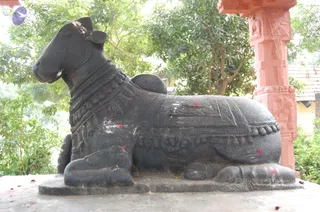
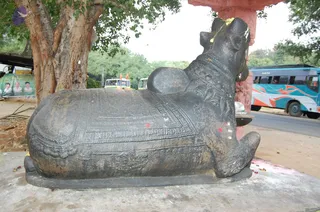
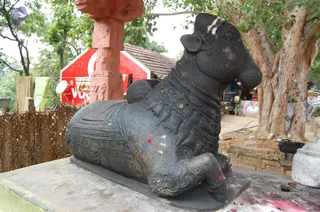
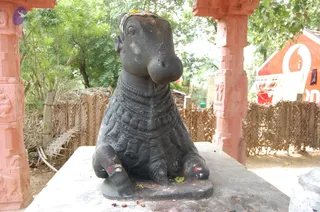
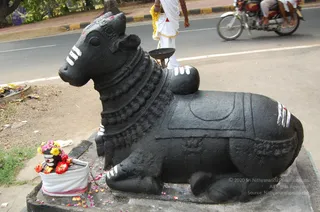
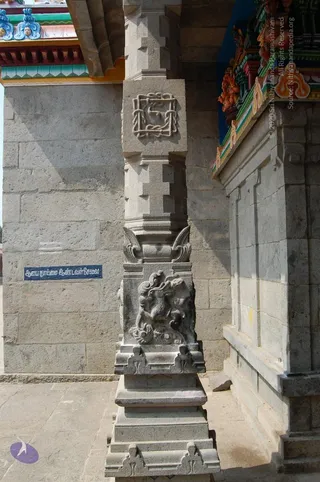
A black stone sculpture of a seated Nandi bull, the vehicle of Shiva, rests on a grey stone plinth outdoors. Red kumkum dots and small marks decorate its body, with white paint streaks on the neck and head. Its ornamented collar and saddle cloth are carved in relief. Behind it, a red sandstone pillar with carved panels stands beside green trees and a tiled roof. Scattered flower petals lie on the plinth. No people are visible, and no identifiable a person figure appears in the image.A photograph of a dark grey stone Nandi bull statue lying on a low concrete plinth outdoors, shown in side profile with its head turned and a decorated collar and carved saddle cloth. Red and yellow marigold petals are scattered on the plinth and a few red kumkum marks dot the stone. Behind it a large tree trunk and a pink-red pillar stand, with a pale blue and orange public bus parked on the road and a partly visible banner with portraits on the left. No people are visible.A photograph of a black stone Nandi bull statue seated on a grey plinth outdoors, with a carved red stone pillar behind it. The bull has a white horizontal tilak mark on its forehead, a carved collar and red dots on its body. Behind are green trees, a tiled-roof building and a red wall with a painted white crescent and partial lettering. Hanging cloth and a fence are visible at left. No people are present, and no a person candidate appears in the image.A weathered dark stone Nandi bull statue sits on a white pedestal between two red sandstone pillars in an outdoor shrine. The bull has a carved garland collar and a small yellow flower on its head, with red marks on its legs and scattered petals and leaves on the base. Behind it stand green trees, a woven bamboo fence and a red structure with a white circular emblem. No people are visible.A large black stone Nandi bull statue lies in a recumbent pose on a concrete plinth beside a roadside. Its face and body bear white painted striped markings, and carved bead necklaces hang at its neck. In front of it is a small black shivalinga with flowers, marigolds and rose petals, set on a white cloth. Behind, a man in a white dhoti holding a brass lamp stands near a road where a motorbike rides past.A carved granite pillar in a temple corridor, its shaft stepped with square and cross-shaped mouldings and a relief panel showing a rearing lion-like creature among scrolling foliage. Painted blue tile above and a blue street-style sign reading in Tamil script are on the adjacent plain stone wall. Colourful painted stucco figures and a red-and-green ornate cornice appear at the upper right. No people are visible.
AllEvents
263 photosSource gallery
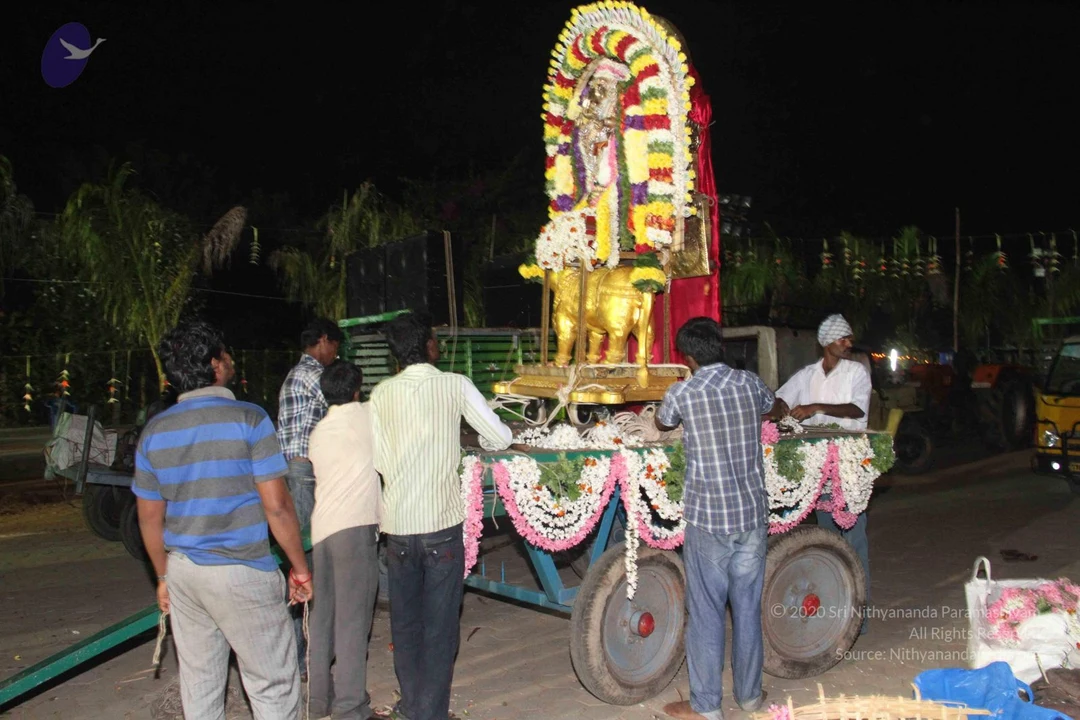
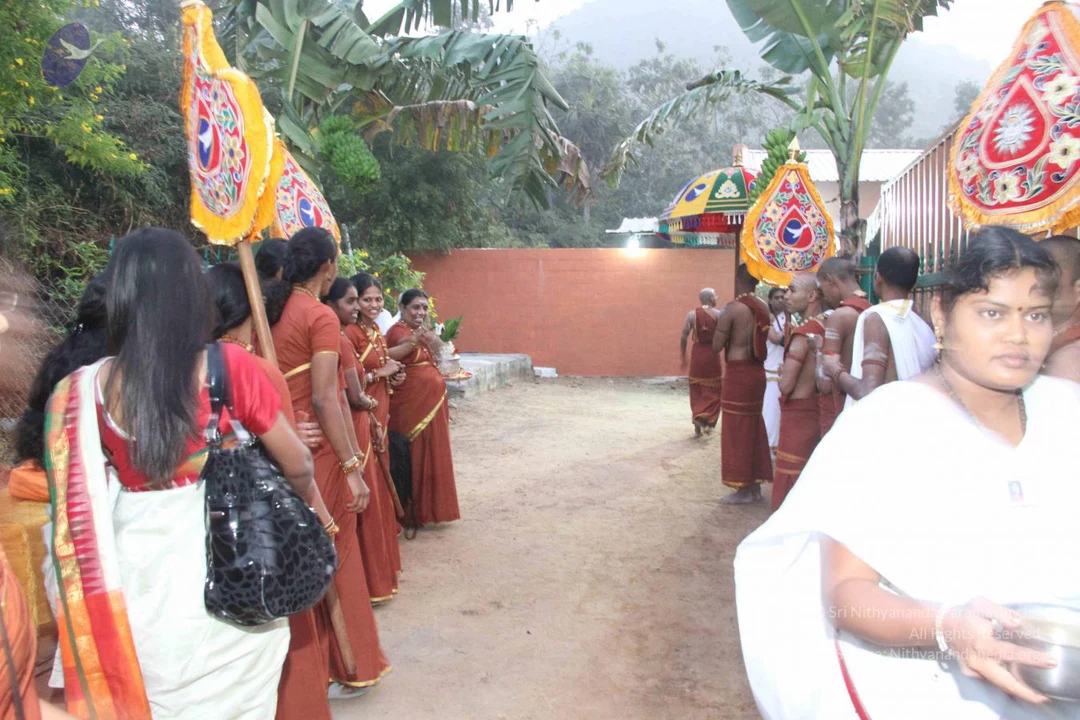
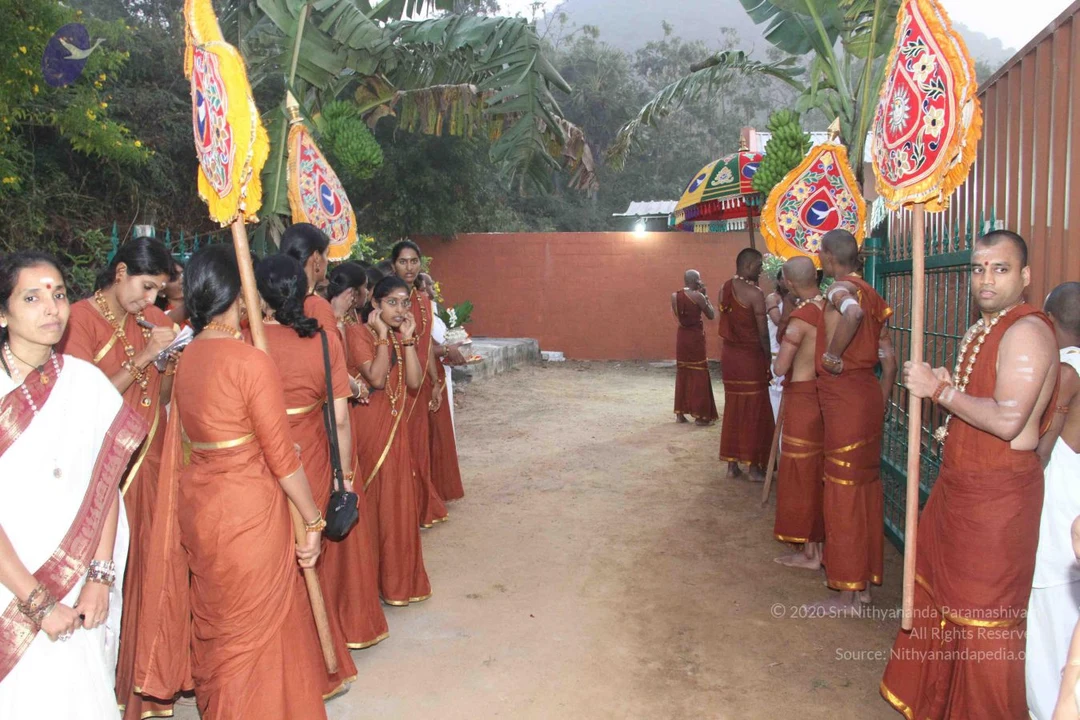
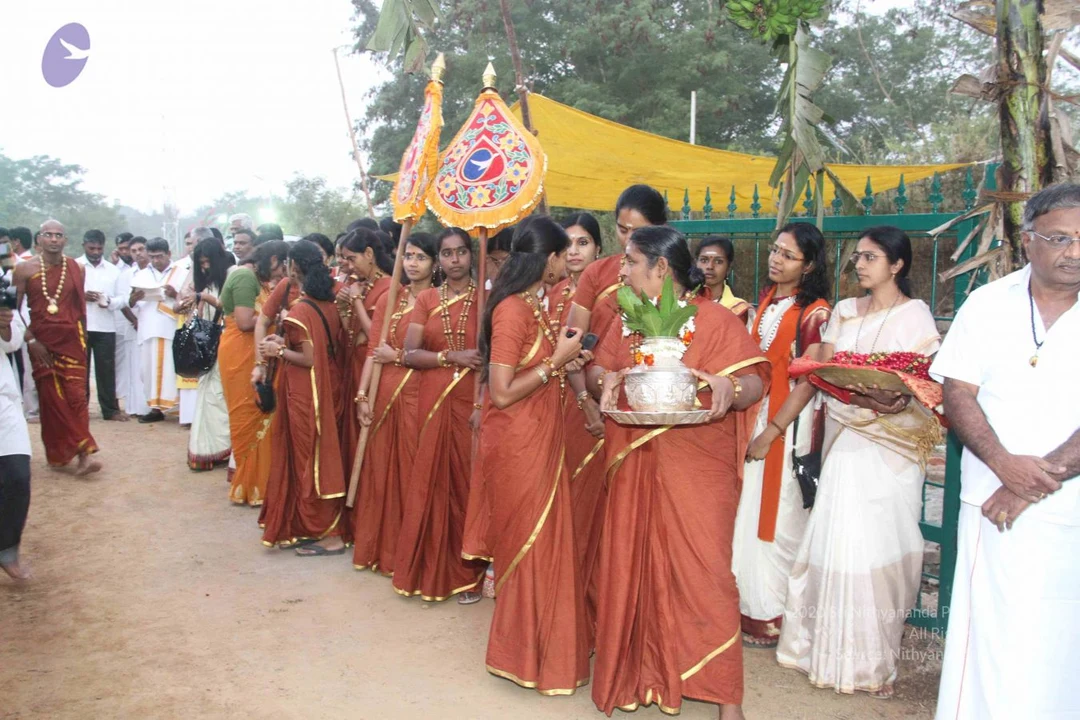
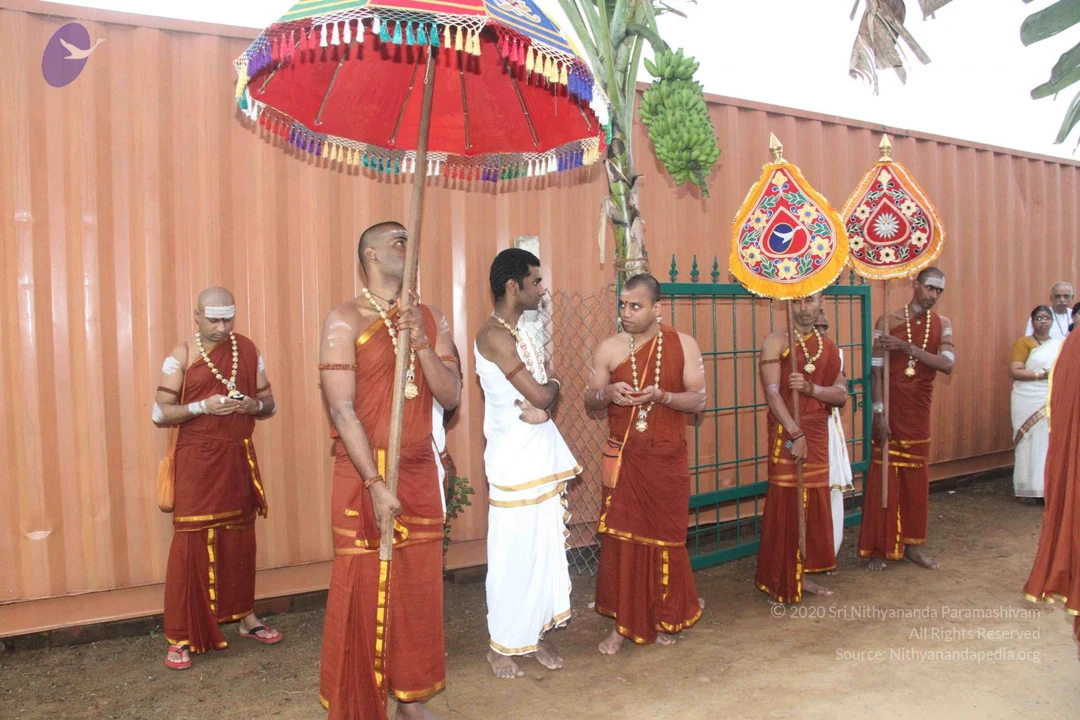
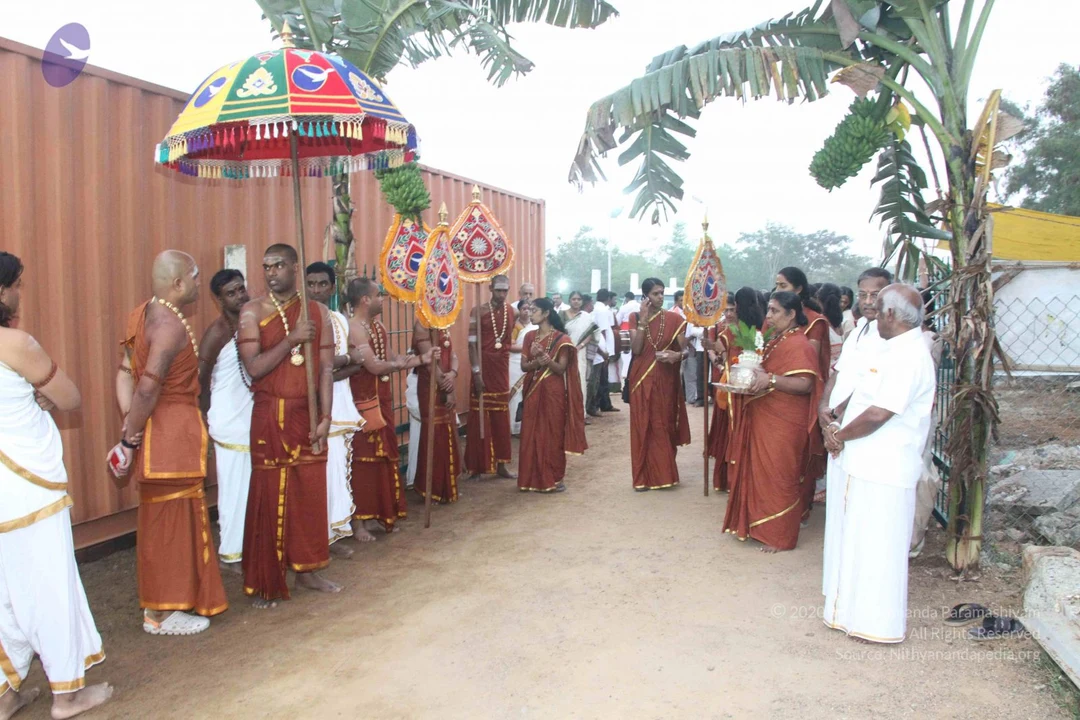
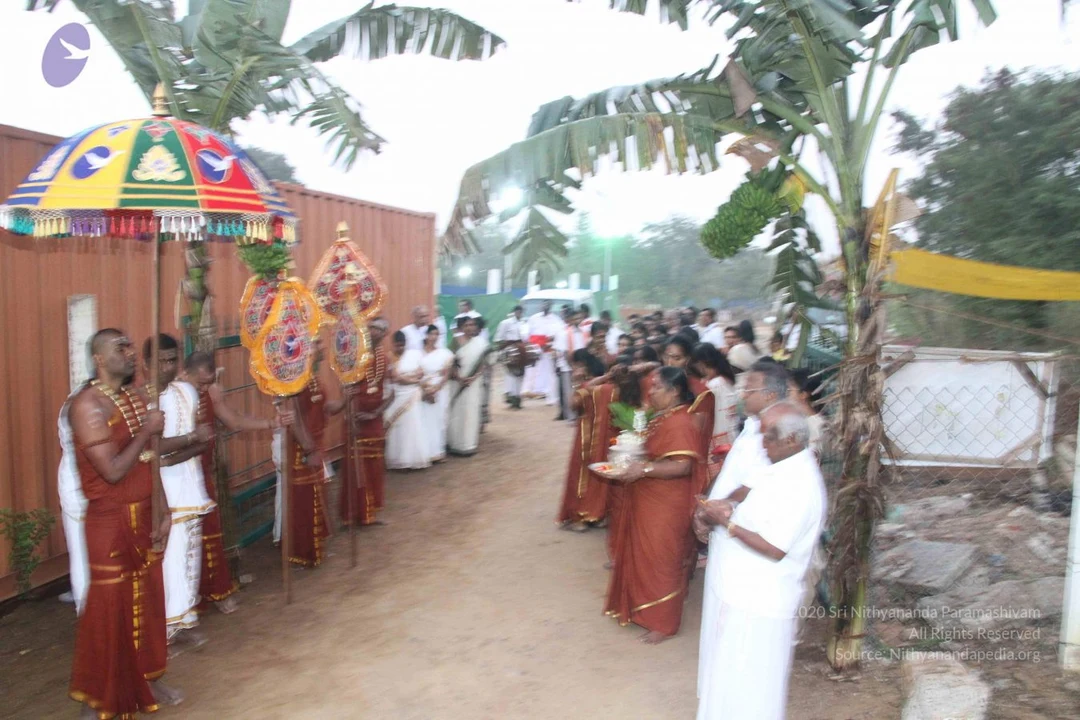
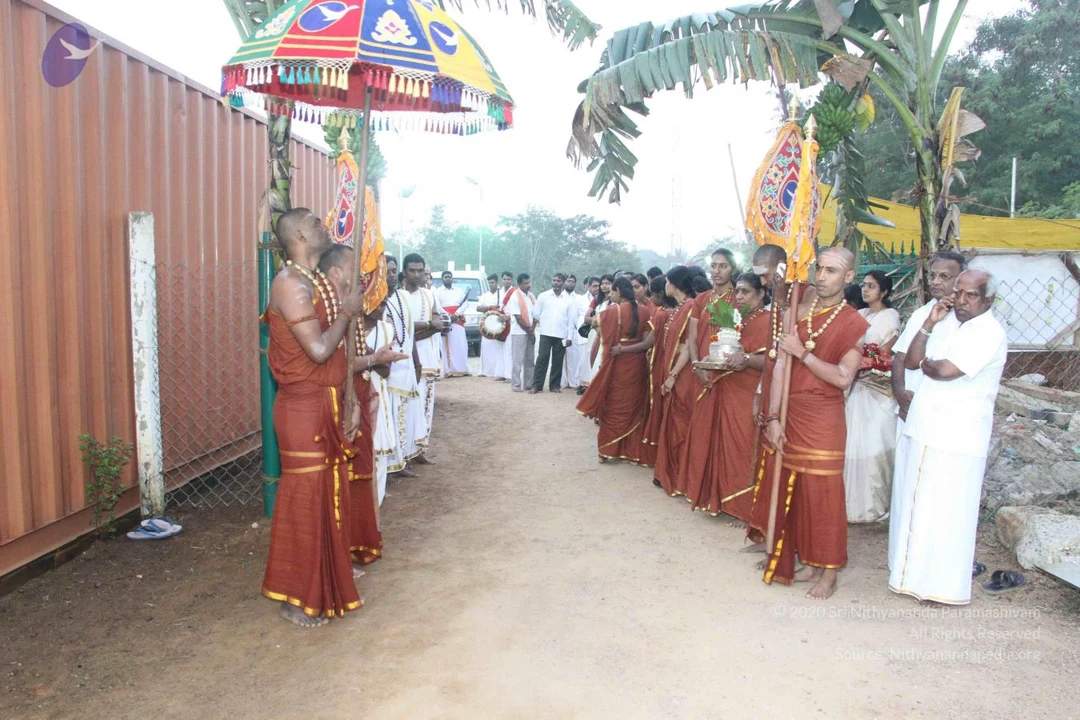
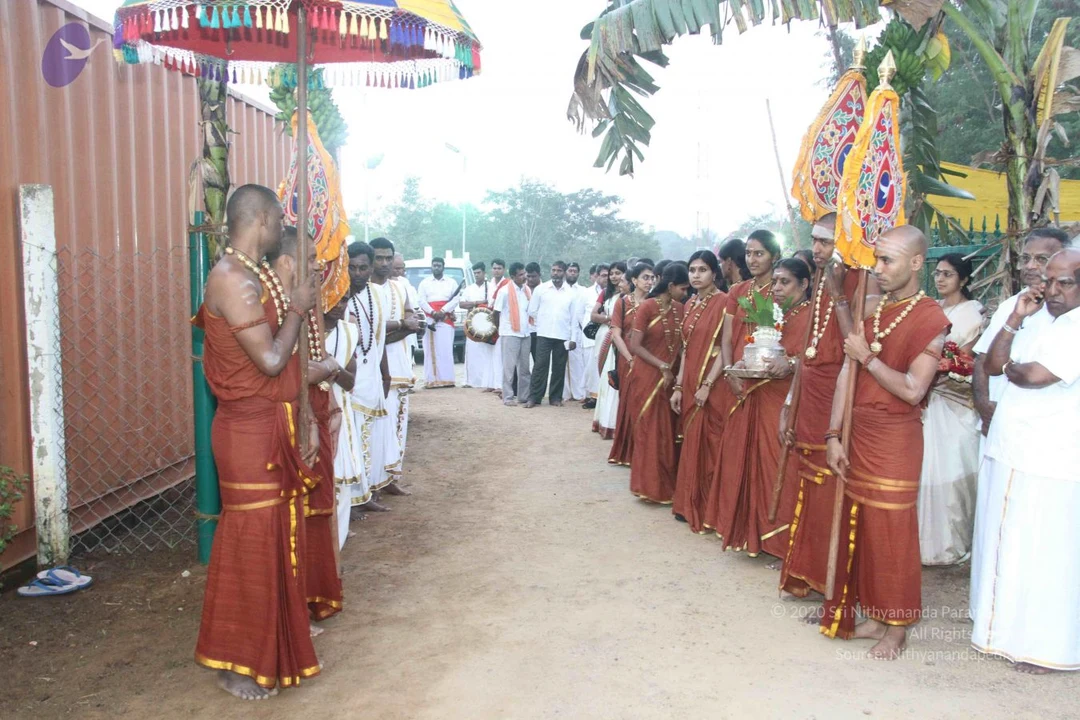
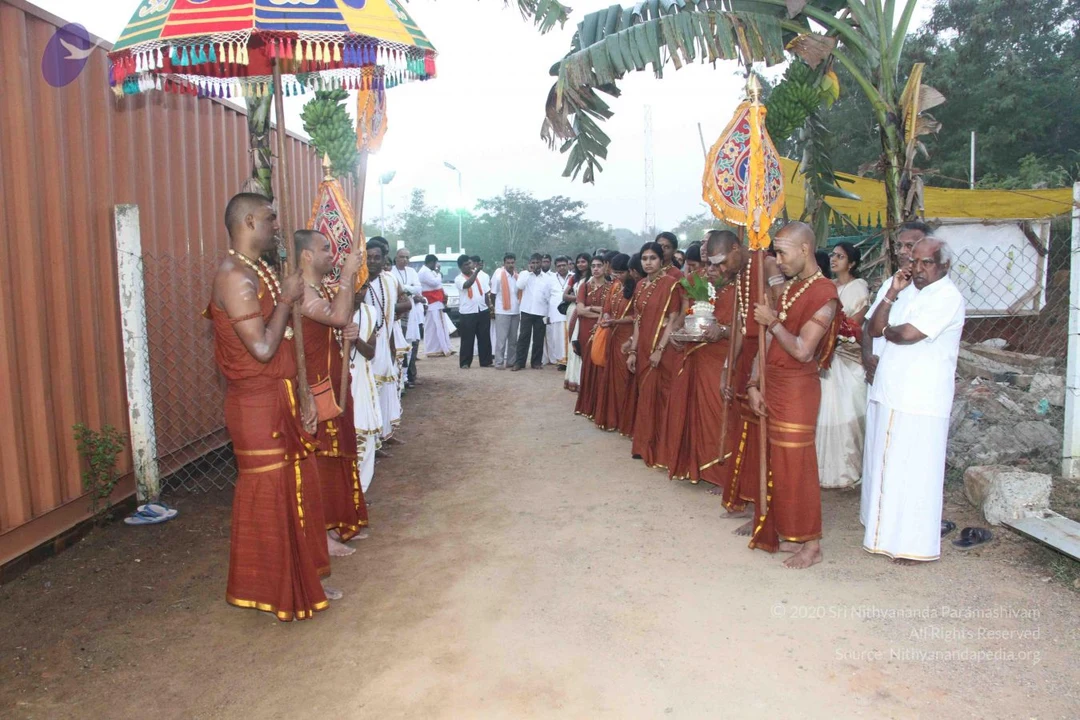
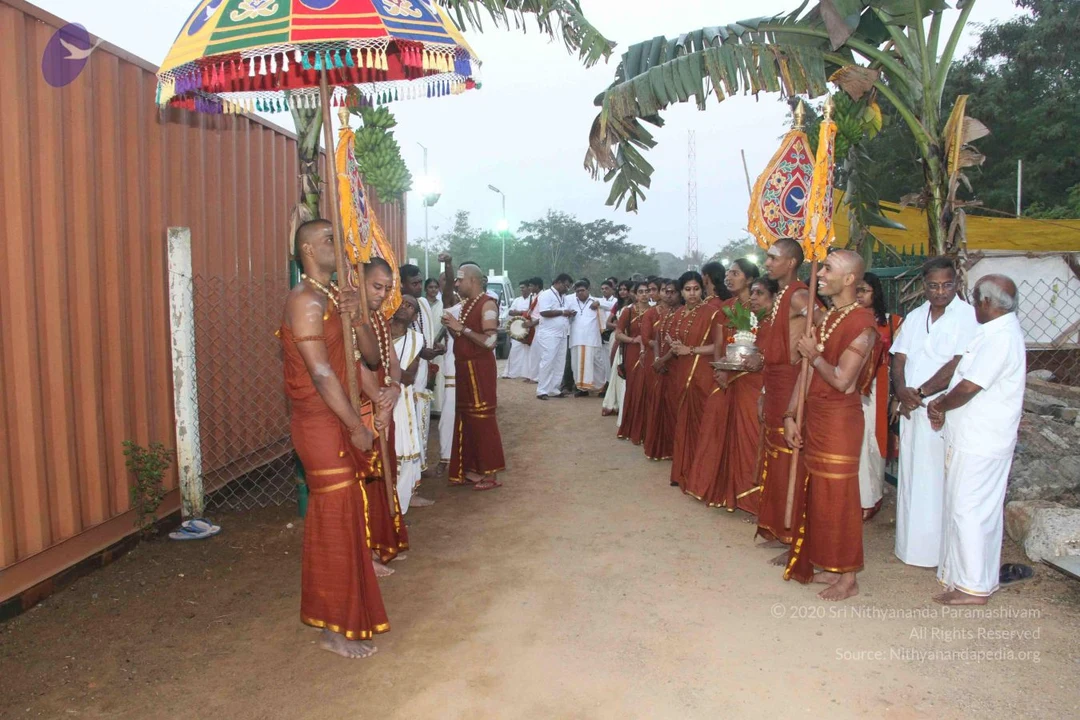
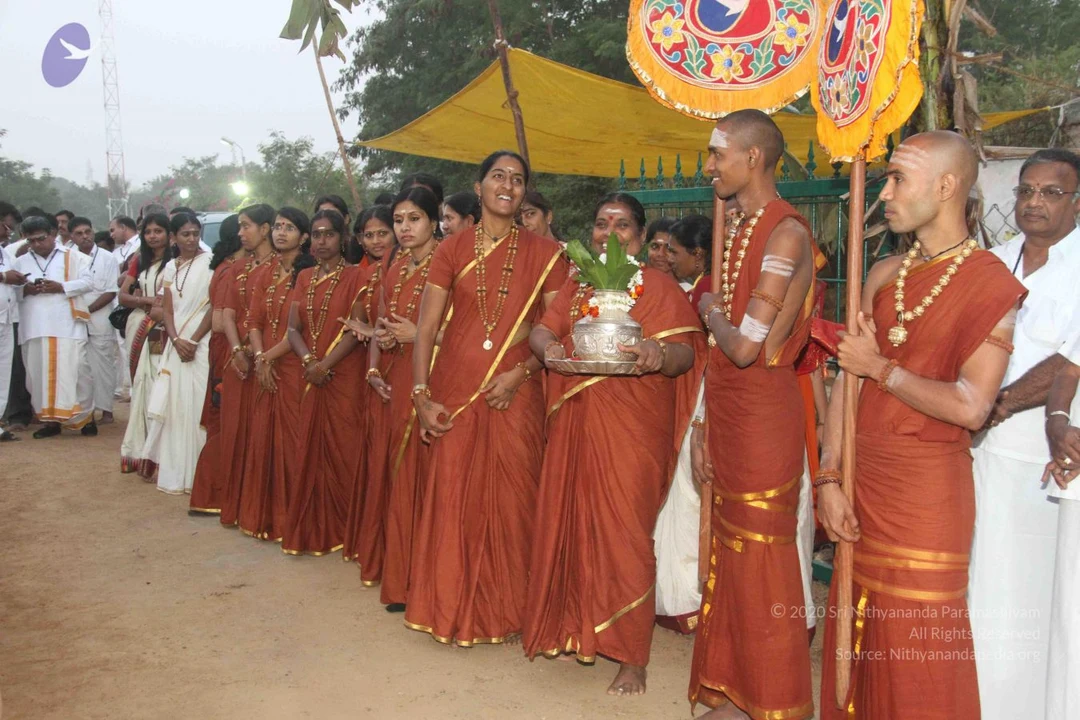
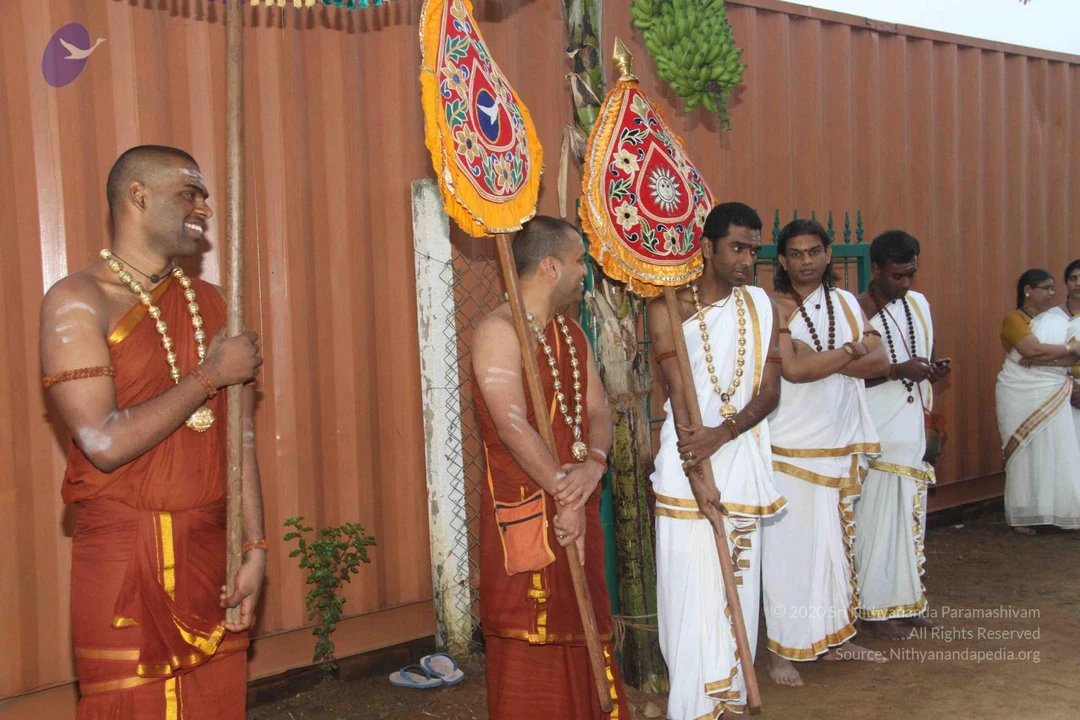
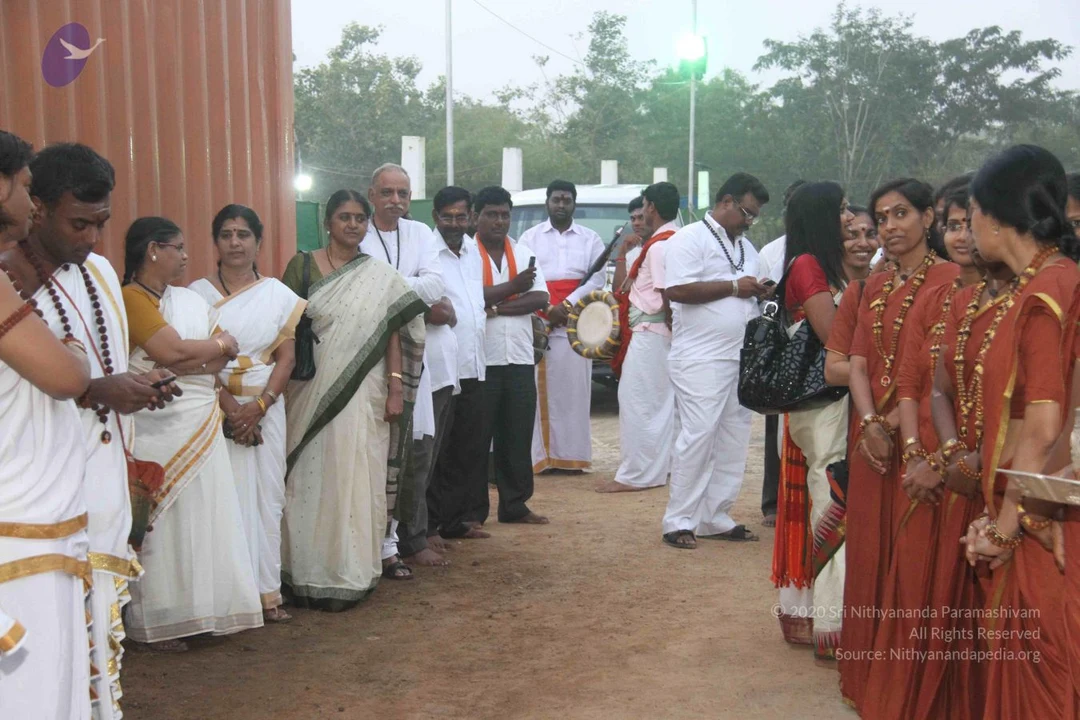
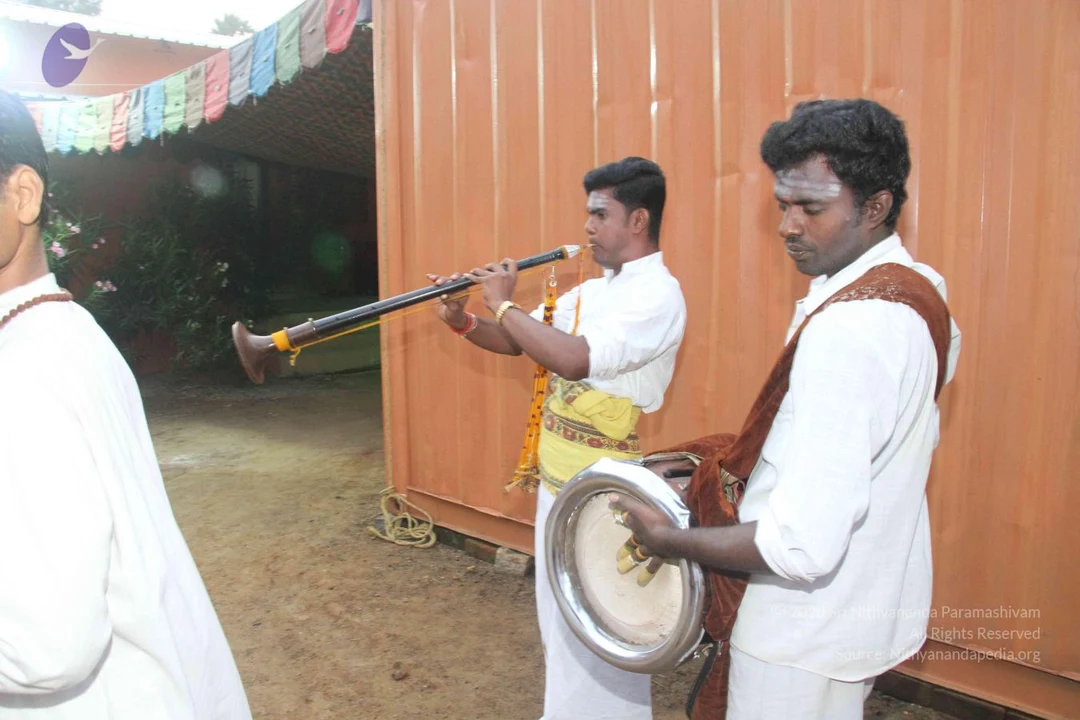
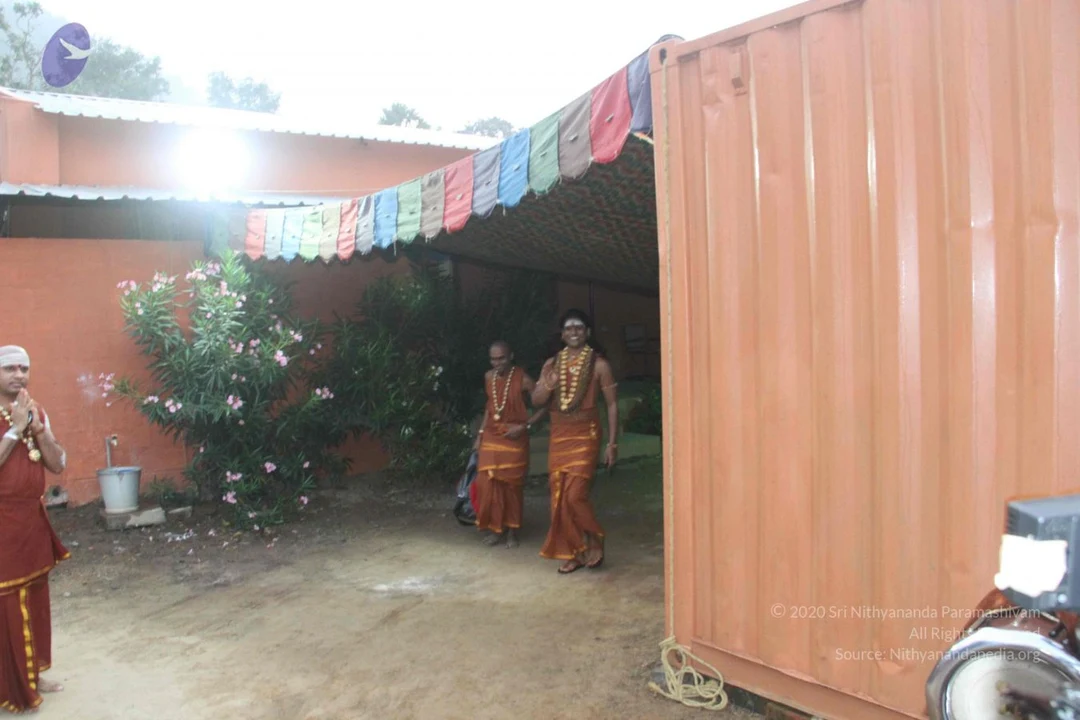
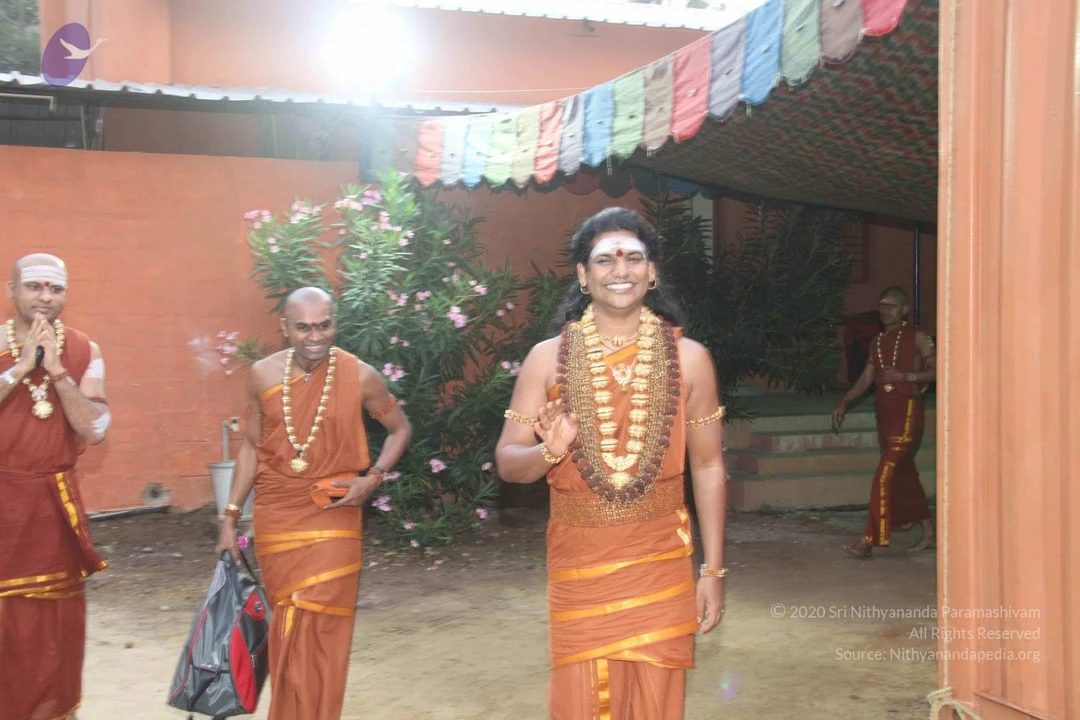
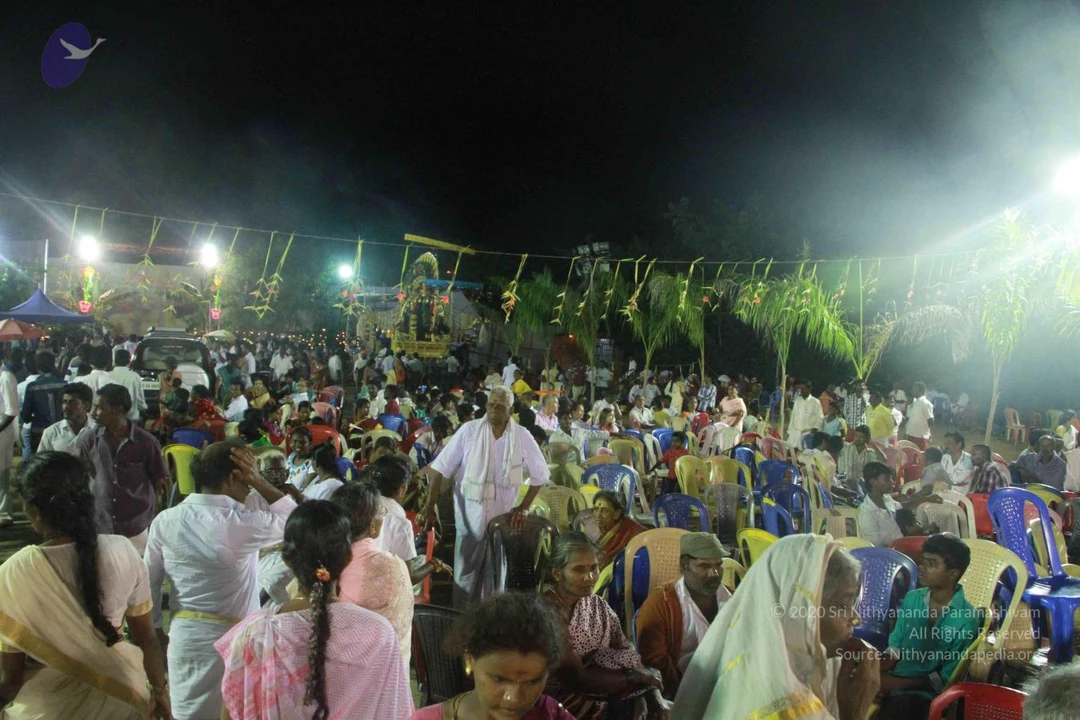
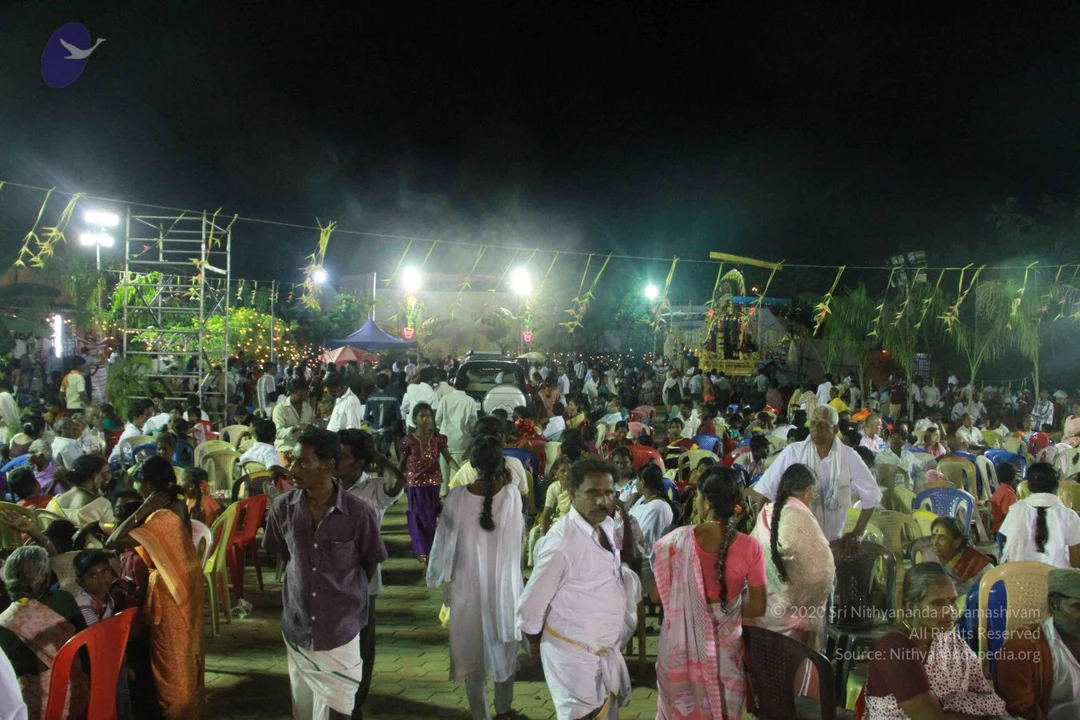
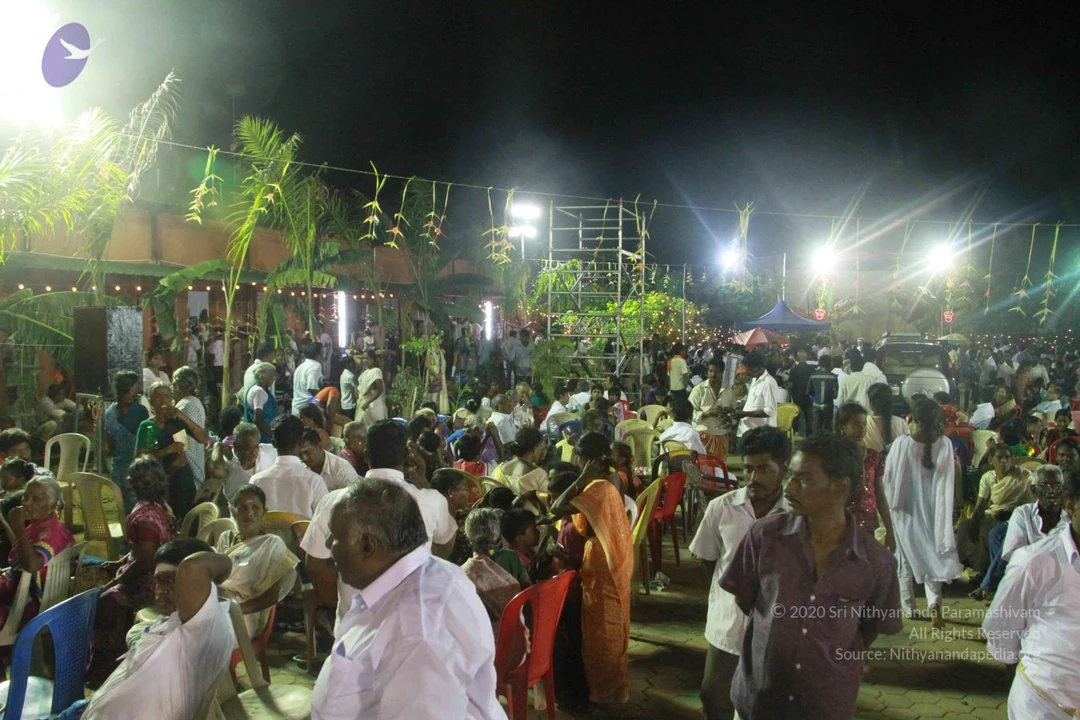
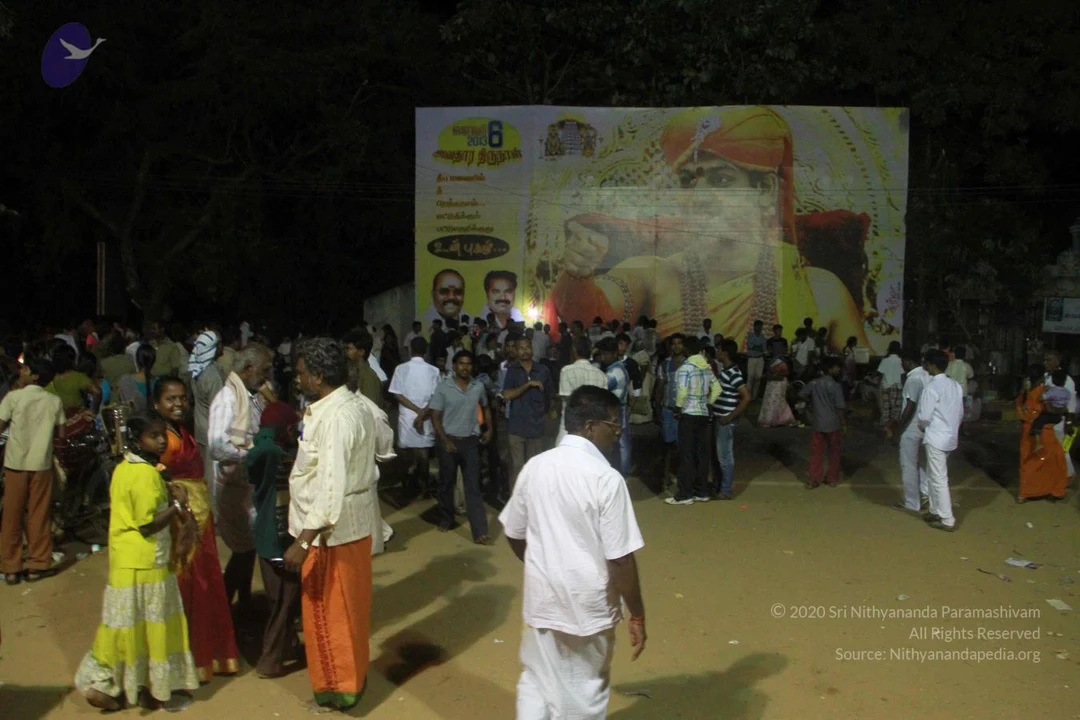
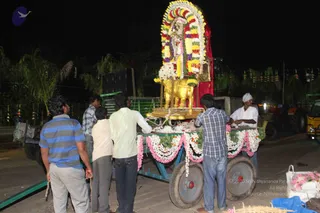
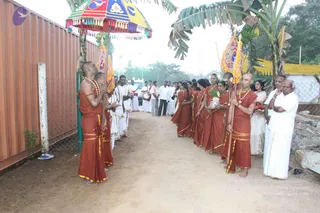
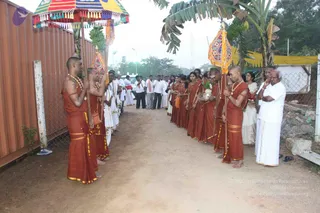
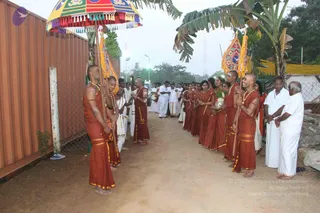
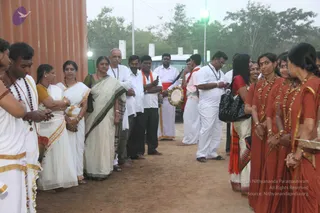
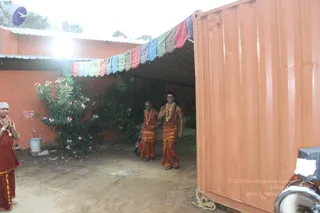
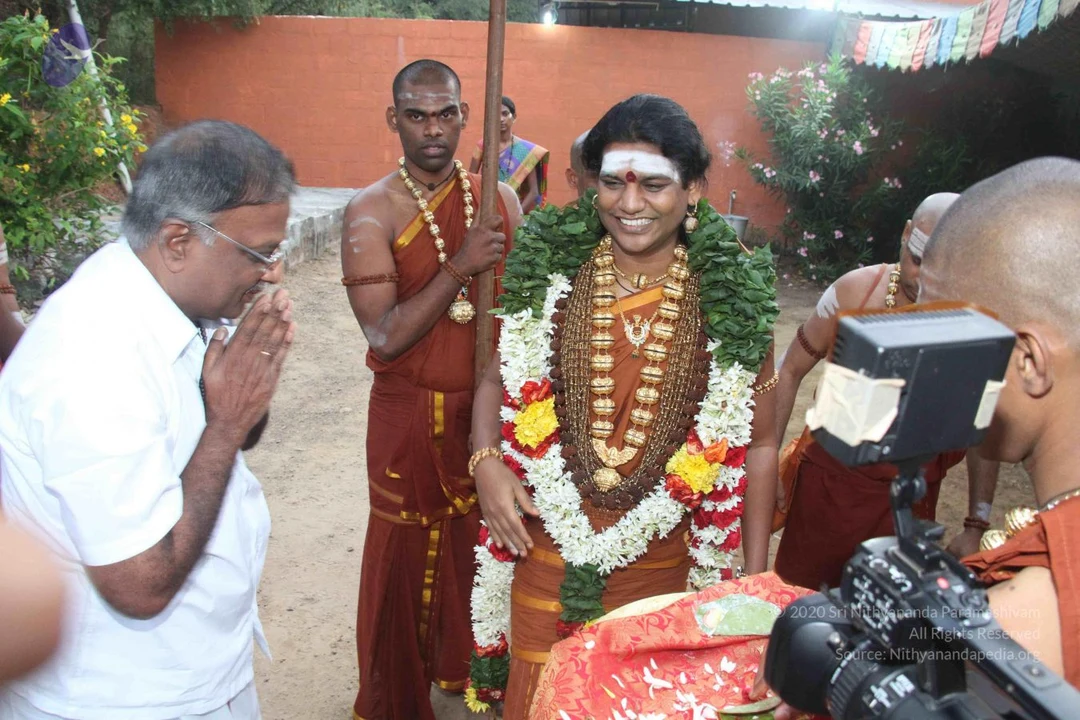
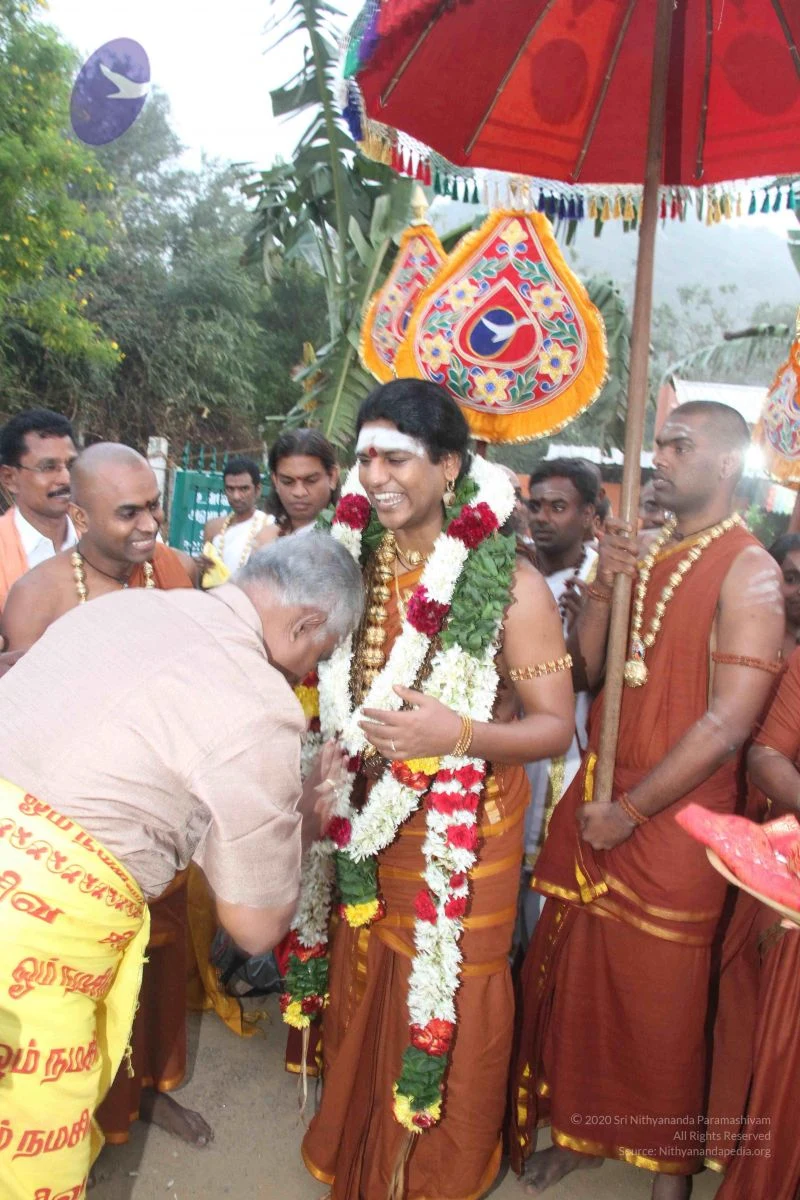
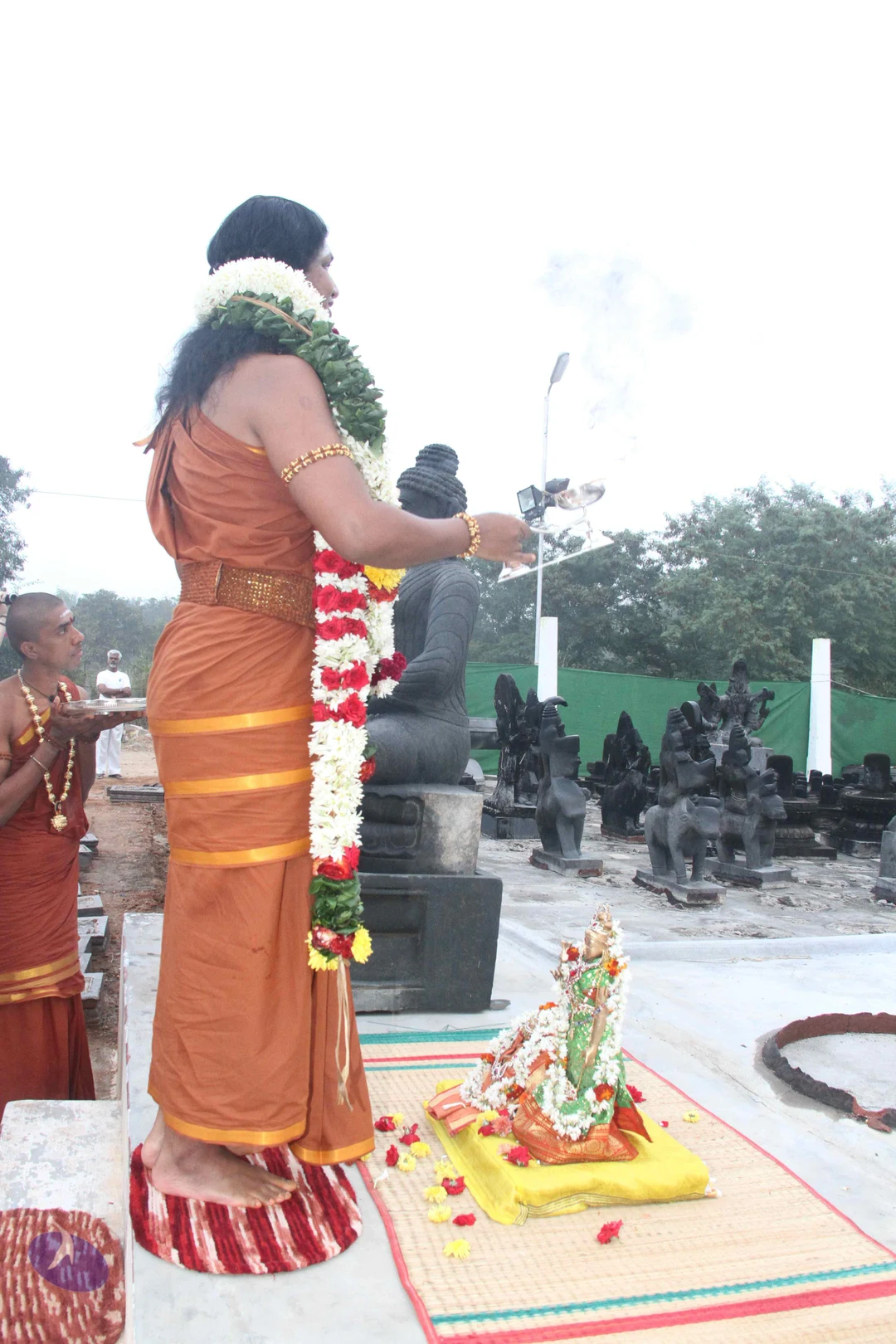
Night photo of a decorated festival cart (ratha) on a dirt road. A tall deity murti or ornate figure stands on a golden bull-shaped base, framed by a large arch of garlands in yellow, orange, pink, green and purple. White and pink jasmine garland swags drape the cart's sides. Several men in casual shirts, trousers and a white turban-wearing man stand around the cart, handling the ropes and guiding it. Palm fronds, string lights and hanging decorations fill the background, and a tractor is visible at right. Five men are visible.Outdoor photo on a dirt path beside a corrugated metal fence and banana plants. Several men and women in rust-orange dhotis and shawls, many with bare upper bodies and ropes of rudraksha beads, stand in two lines facing inward. The two front men on the left and right hold a large multicoloured umbrella and yellow-and-red ceremonial banners on poles. A woman in an orange sari holds a brass plate with offerings in the centre. Behind them, men in white dhotis and shirts stand along the path, and an older man in white at right, along with a woman in white, observes. A white vehicle is parked further back. This appears to be a ritual procession, and the setting is consistent with a temple-linked ashram.A procession on a dirt path beside a corrugated metal fence and banana trees. Several shaved-headed priests in rust-orange dhotis with gold-bordered edges and beaded necklaces walk in two rows, several holding tall ceremonial parasols with fringed, embroidered canopies in red, yellow and orange. A man in orange clothing holds a silver vessel with a green coconut-like offering. Behind them, devotees in white dhotis and saris stand along the path, and an older man in a white dhoti and shirt stands at the right edge. A yellow tarpaulin and a metal fence line the background. Roughly a dozen physical people are visible.Outdoor procession on a dirt path between a corrugated orange metal fence and banana plants at dusk. Two men in rust-orange dhotis and bare upper bodies with white markings hold a multicoloured fringed ceremonial umbrella and yellow-orange banners on poles. A line of women in rust-orange saris with gold borders and beaded necklaces stands along the path, one holding a brass kalasha pot with green leaves. Men in white dhotis and shirts stand behind and to the right, one elderly man in white at the right edge. A drum player is visible in the background. This appears to be a ritual procession, possibly a welcoming or ratha-style procession, with no clearly identified a person present.A photograph of devotees standing in two lines on a dirt path outside a corrugated metal building at dusk, with trees and a green-lit pole behind them. On the left, several people wear white dhotis and white or cream sarees with gold borders, some with rudraksha malas. In the centre, an older man in a white shirt and a woman in a cream saree with a green border stand near men in white shirts, one in an orange shawl holding a small hand drum. On the right, women in deep red-orange sarees wear layered beaded necklaces and bangles. A man in white with a rudraksha mala stands on the right side of the group. No one in the scene is clearly identifiable as a person, so no candidate is marked.Outdoor photo at an orange-walled compound beside a large orange shipping-container structure. A man in a red-orange dhoti and a bare-chested figure with a light shawl walk in from under a canopy strung with colourful cloths; the man on the right wears long white-and-gold necklaces and a shawl over one shoulder, and the man on the left wears orange garlands. A third man at the far left, wearing a white headband and orange-red cloth with a garland, stands with palms joined in greeting. Pink oleander flowers grow beside the wall and a metal bucket sits near the base.
EveningPadaPuja-Darshan

138 photosSource gallery
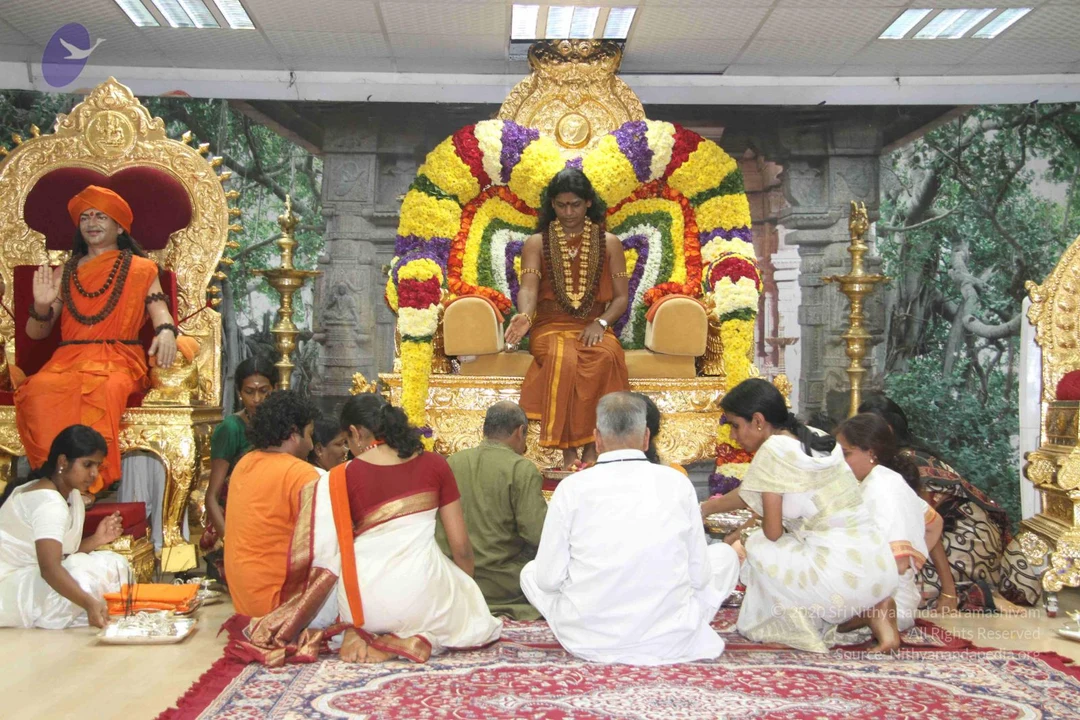
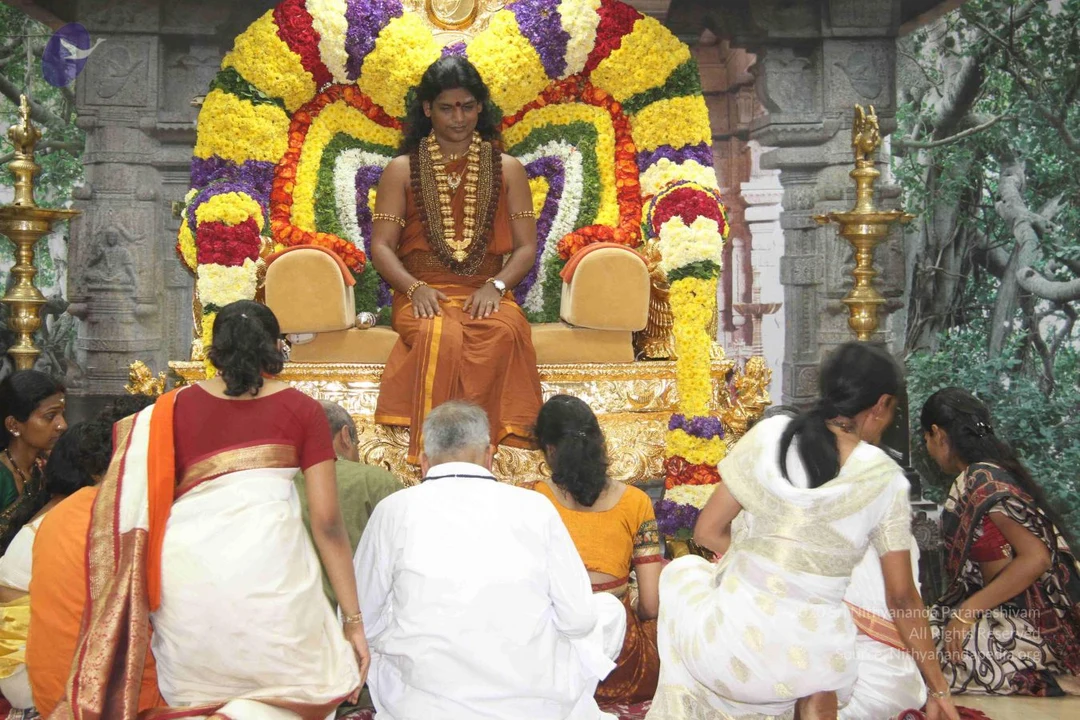
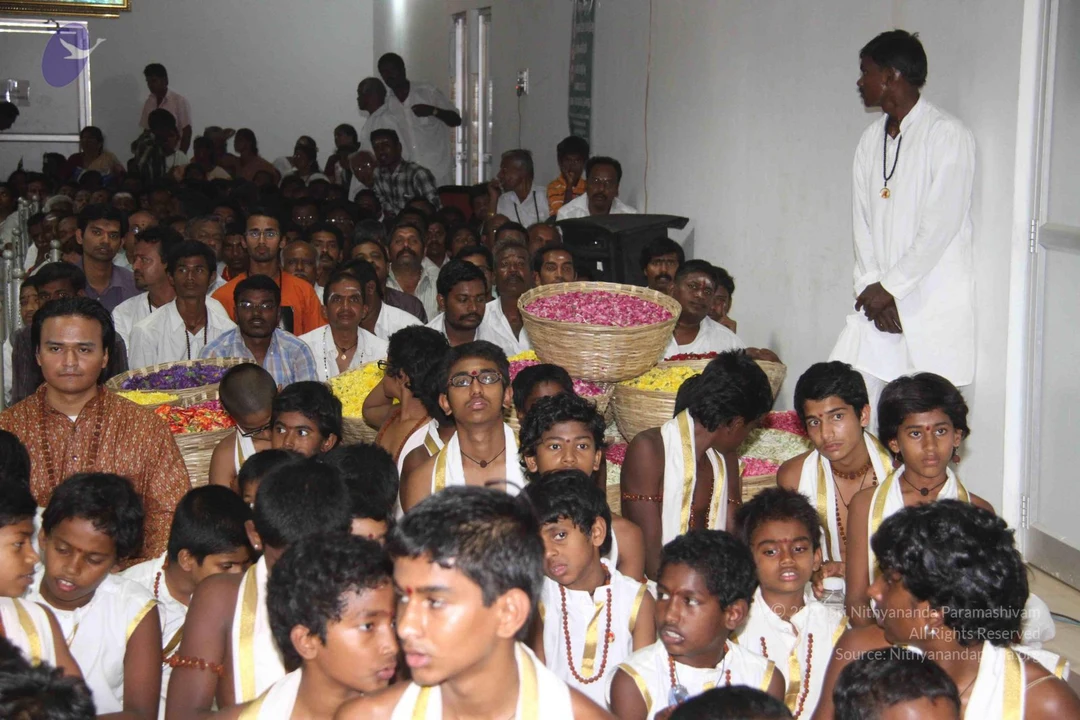
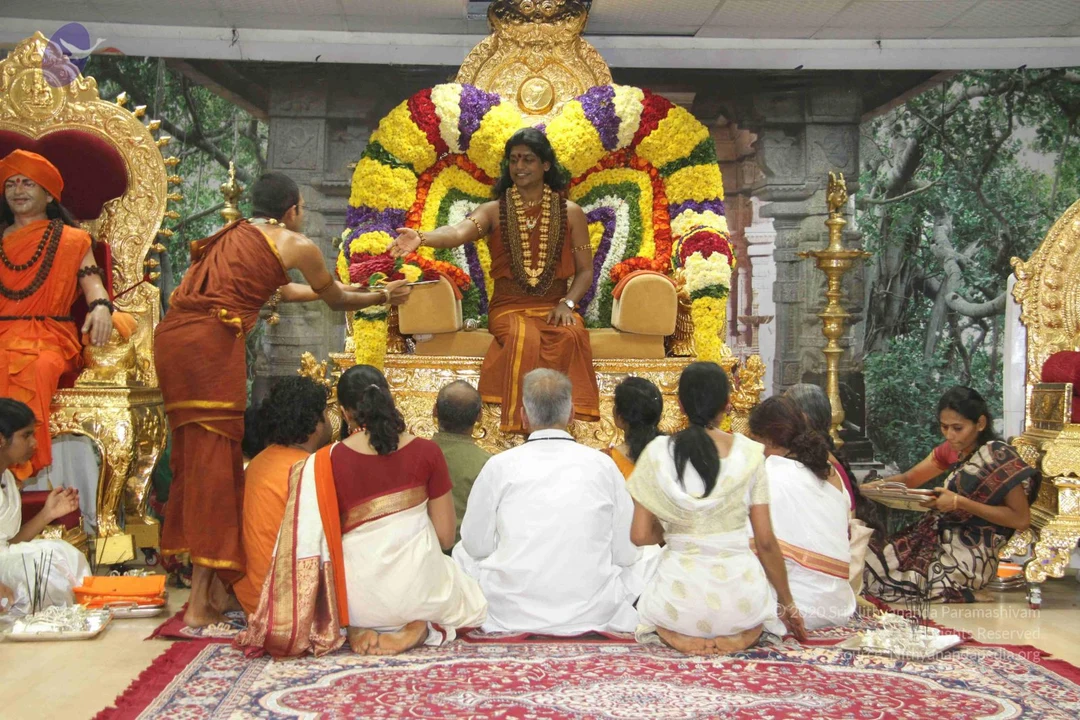
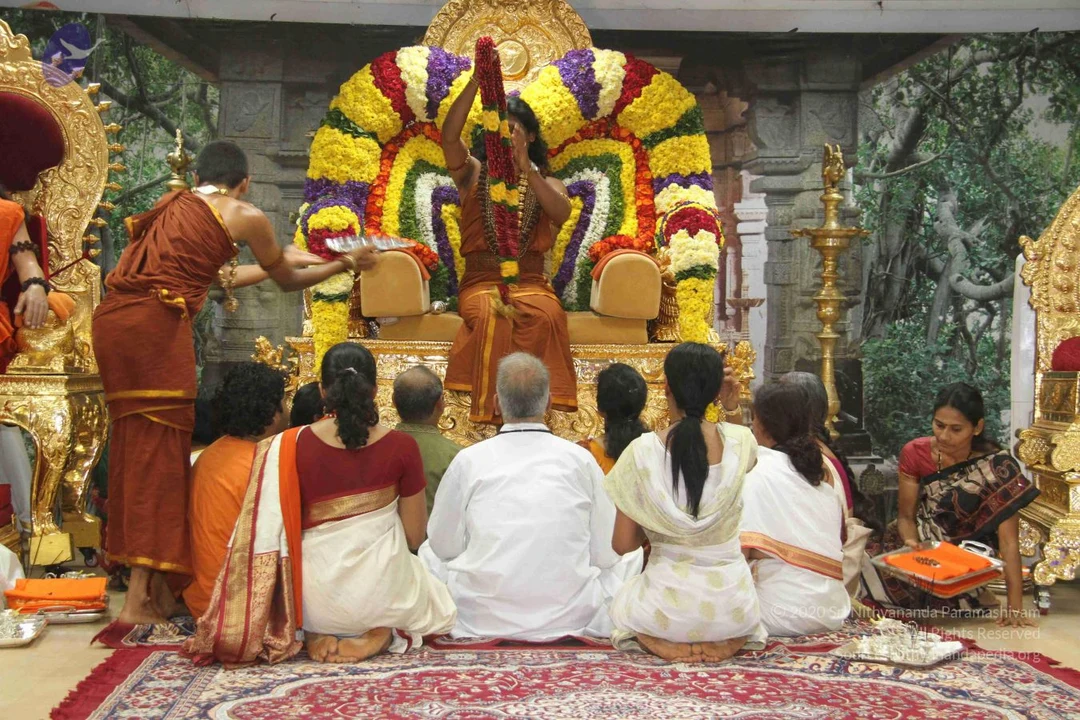
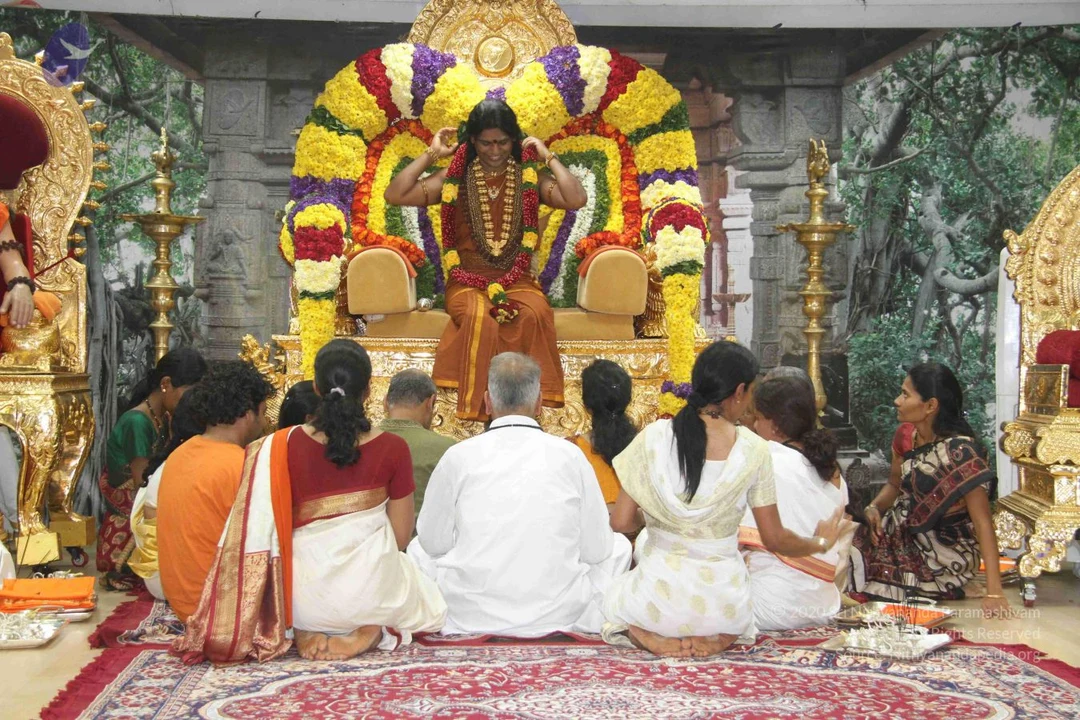
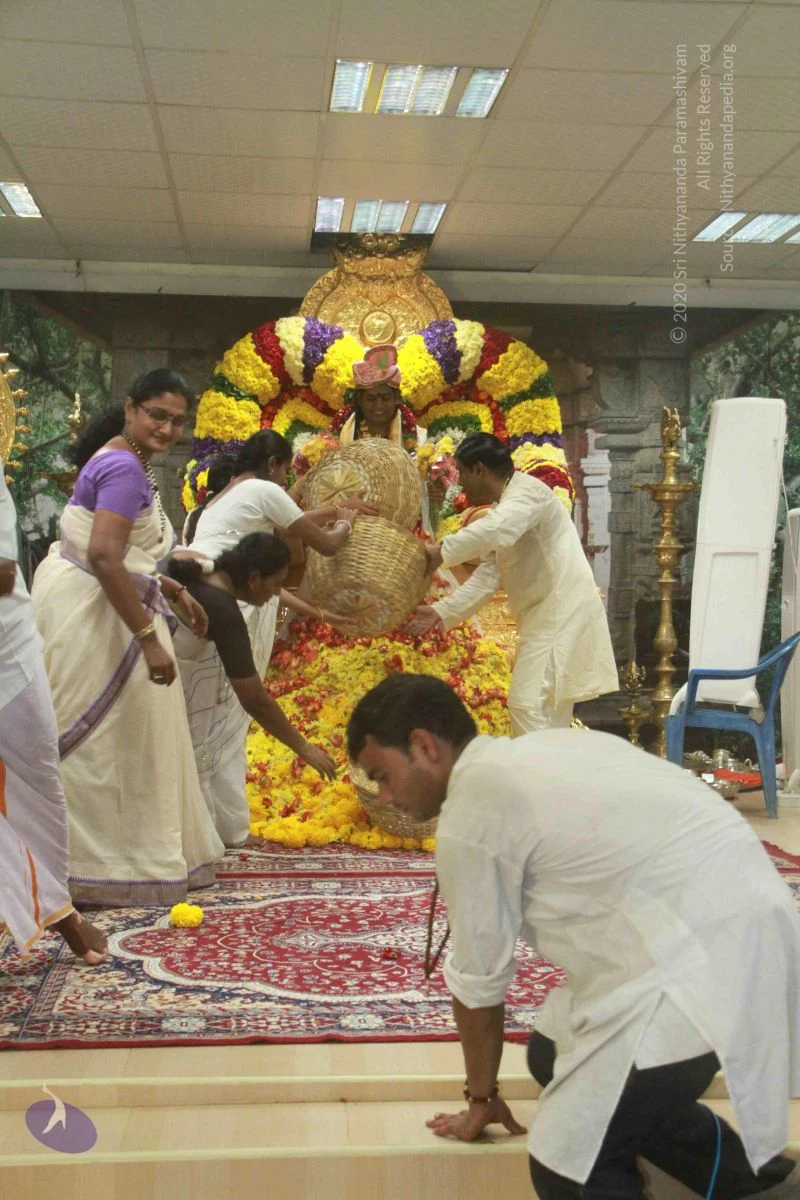
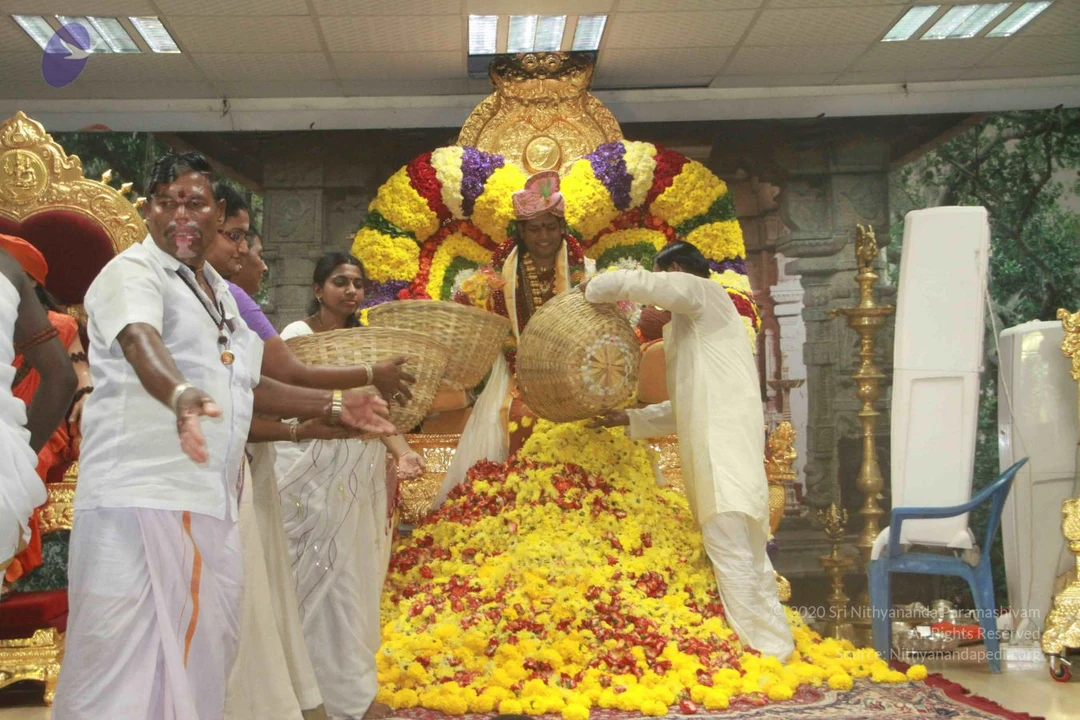
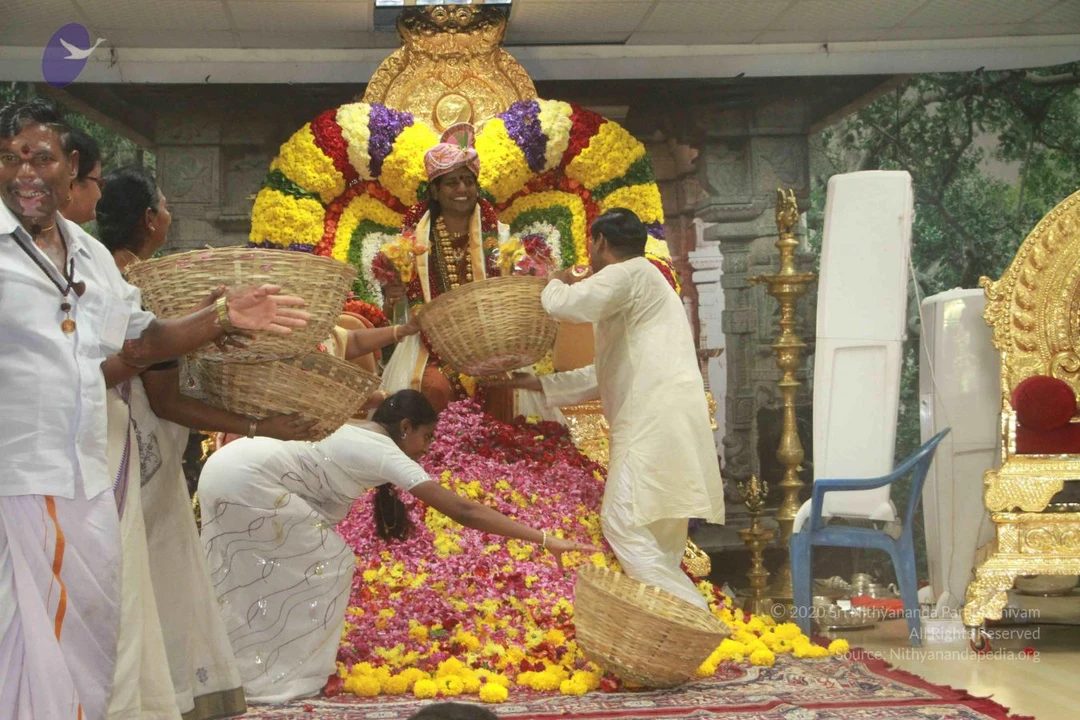
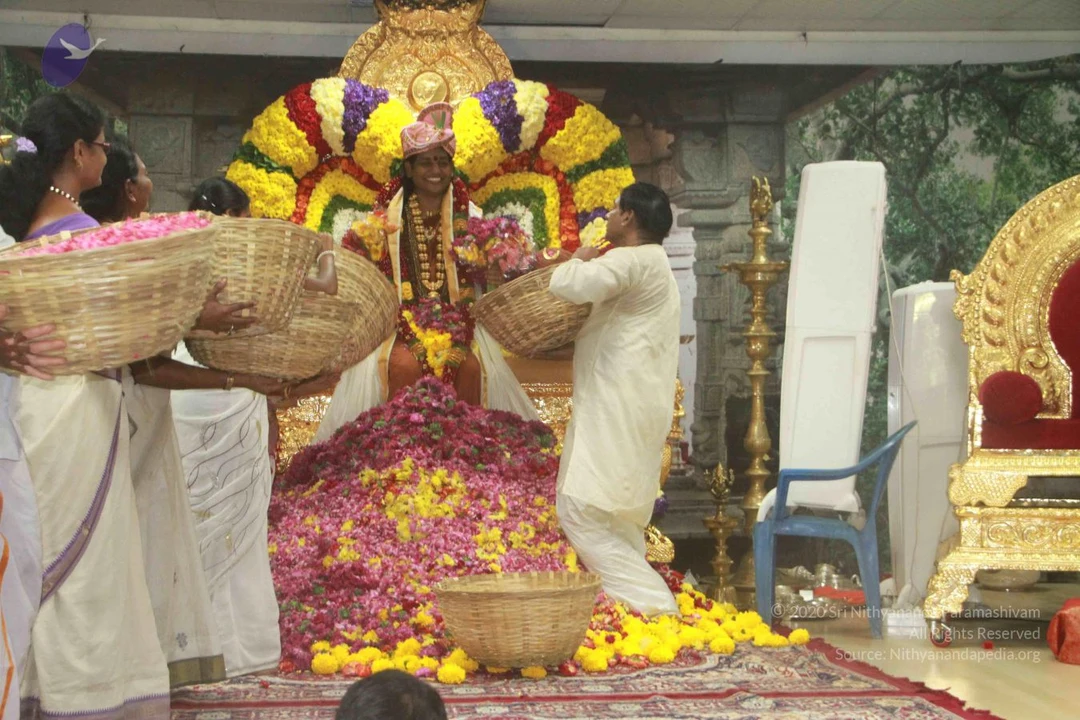
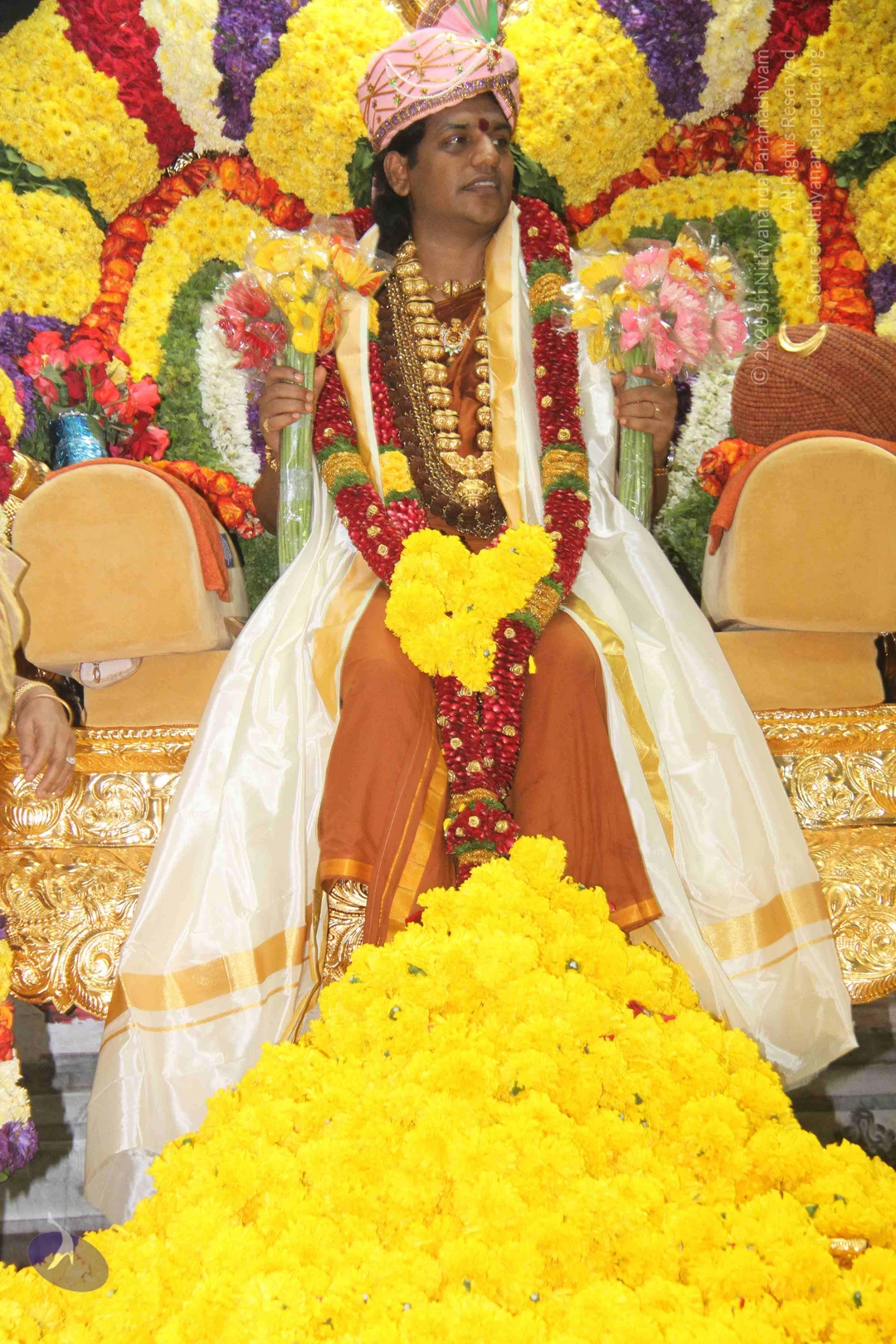
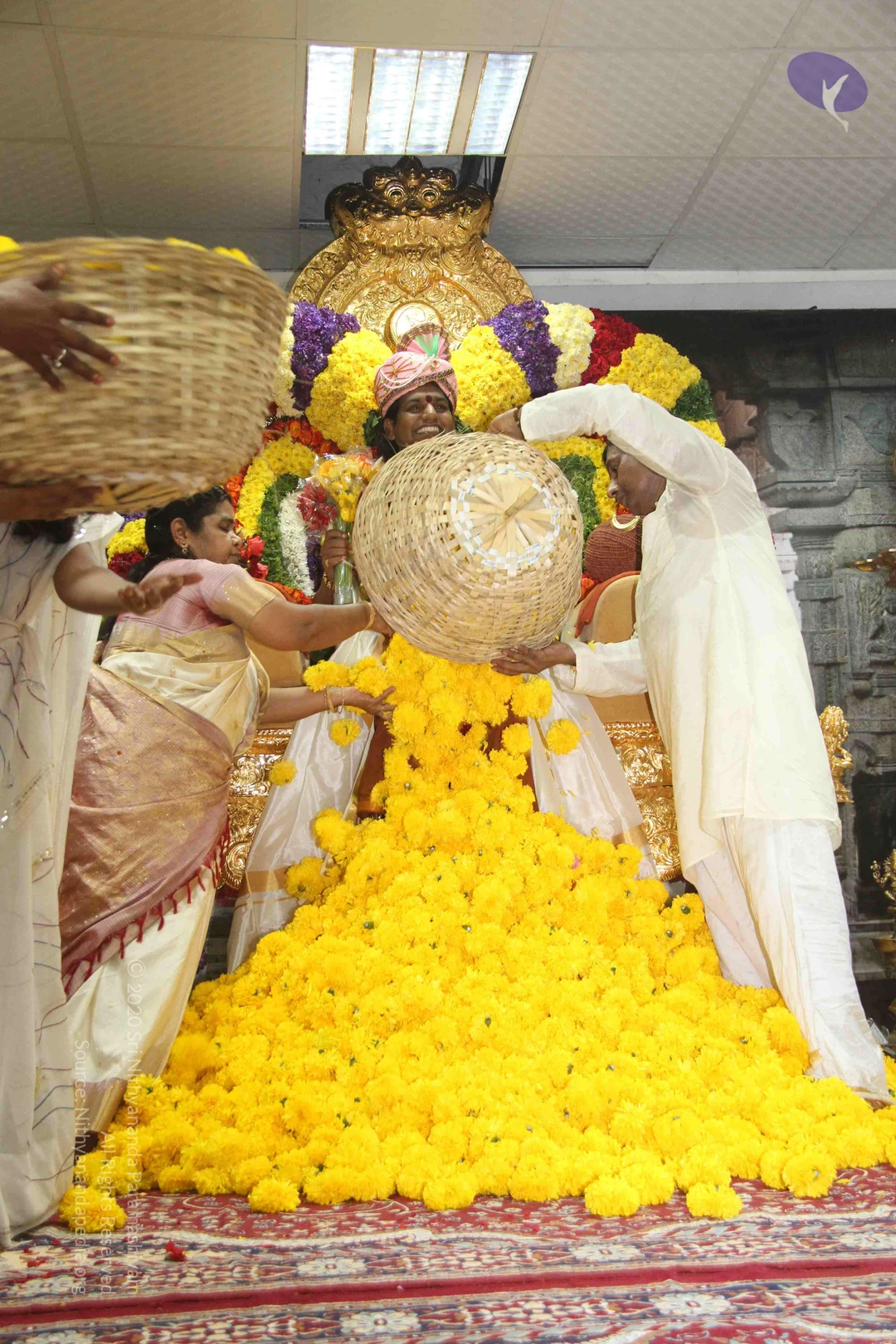
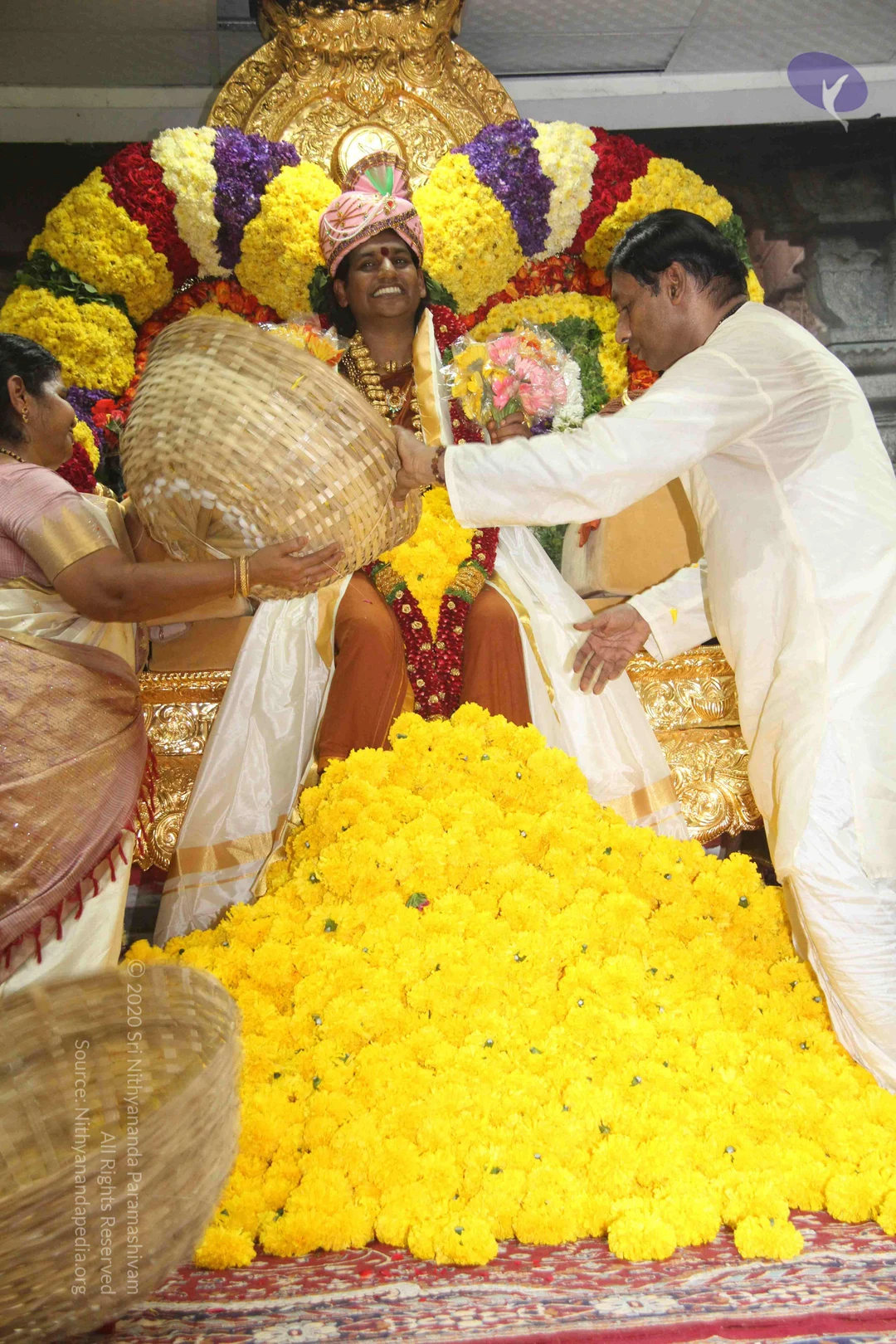
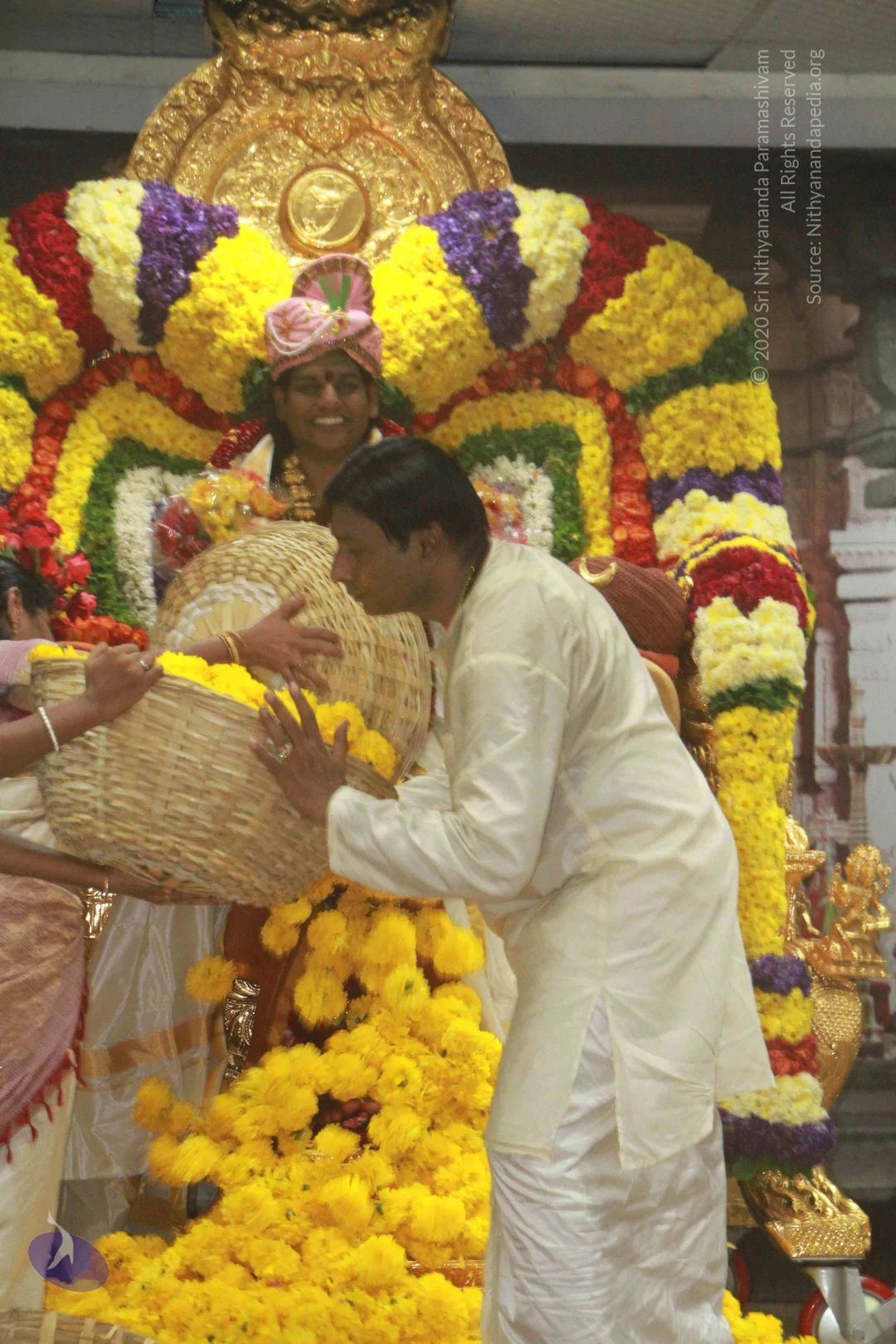
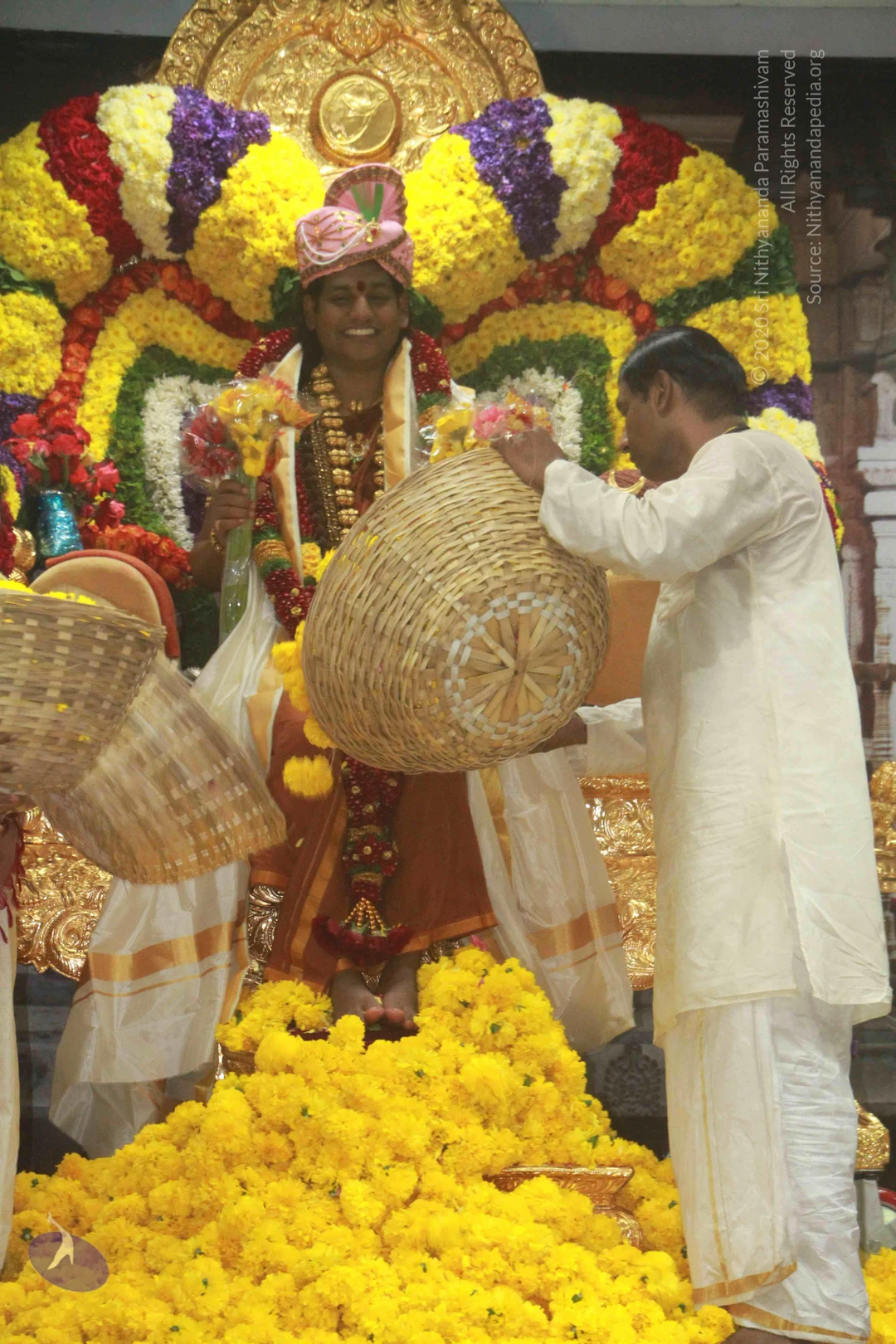
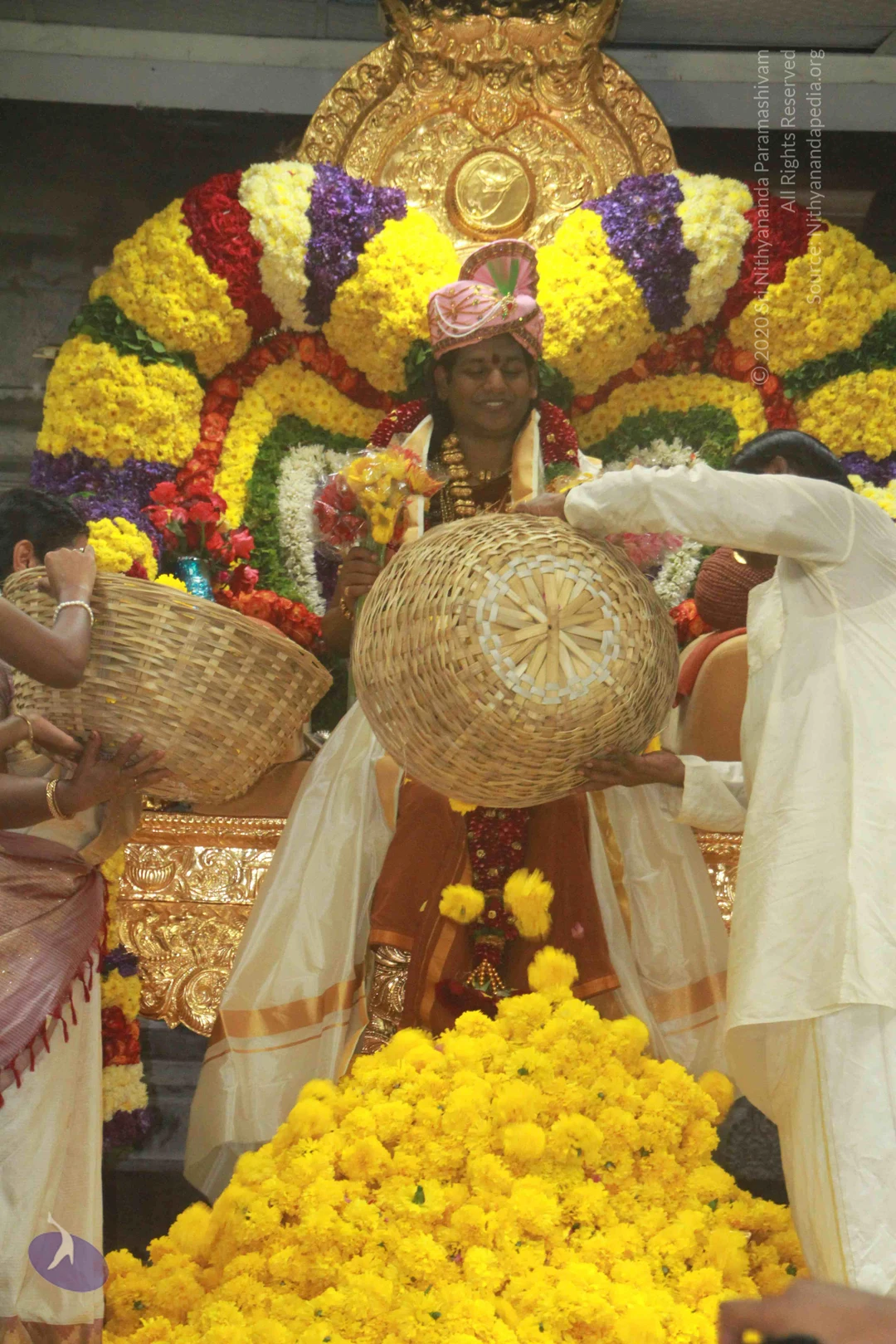
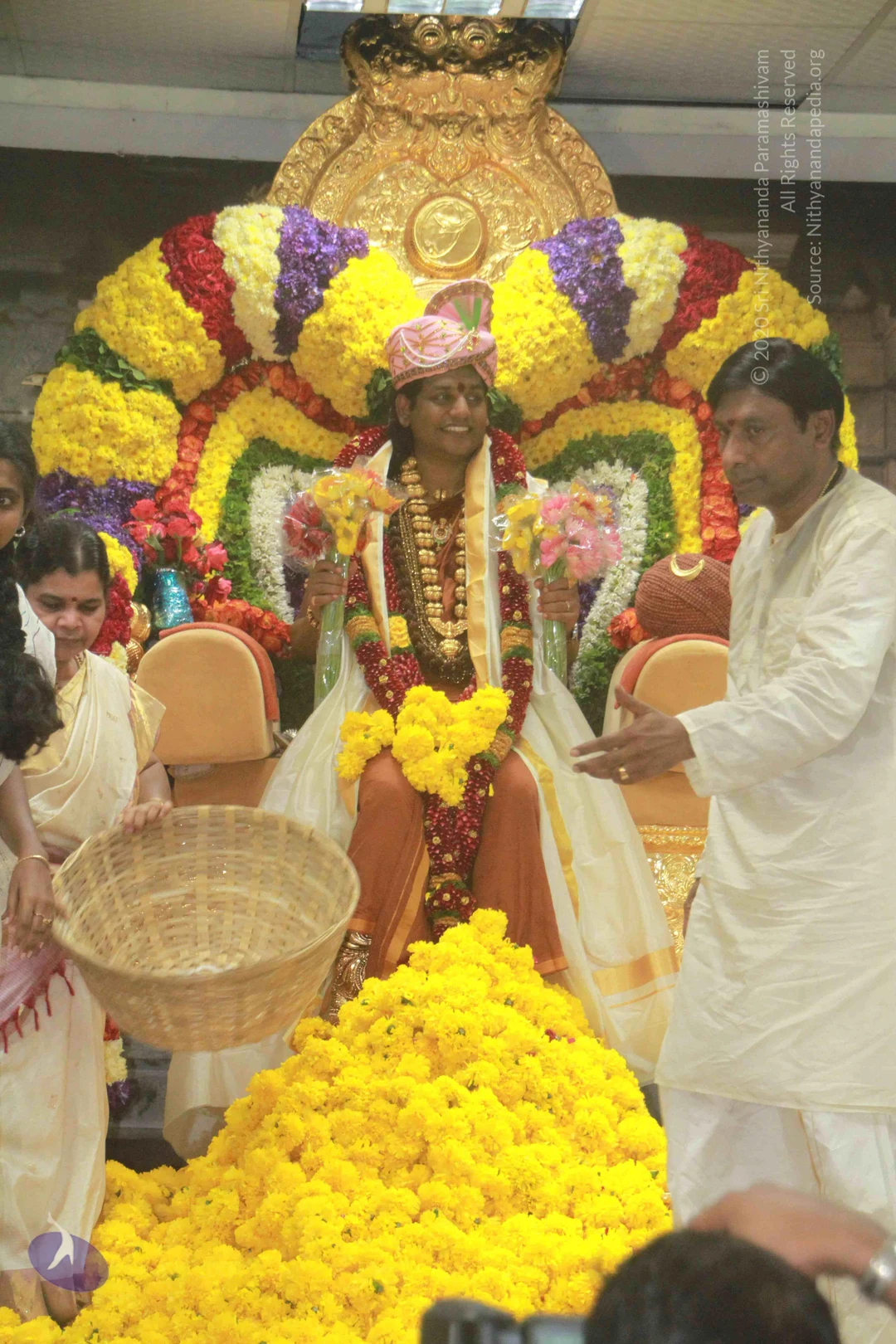
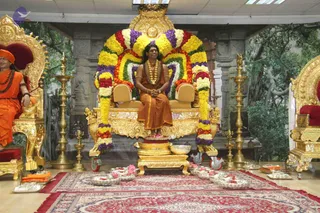
A central figure sits cross-legged on a large gilded throne with a bright garland arch of yellow, orange, purple and white flowers behind him. He wears an orange dhoti-style garment, a gold-toned bead necklace and bangles, with hands folded in his lap. Flanking him, a second robed figure in orange sits on a gold throne at left, wearing a saffron turban and rudraksha mala, and an empty gold throne stands at right. Brass oil lamps stand beside the thrones, and silver trays of flowers and offerings rest on a red patterned rug. The backdrop shows a painted forest and temple wall. a person appears as the central throned figure, and the figure at left is a seated devotee in saffron robes.A photograph of a temple-style hall with a central gold throne backed by a rainbow-coloured floral arch of yellow, orange, red, purple and white flowers. A figure seated on the central throne wears an orange dhoti, a long rudraksha mala and gold ornaments. On the left, a figure in an orange turban, orange robe and several rudraksha malas sits raising one hand on an ornate gold throne; the appearance matches the a person candidate, though the figure on the left could also be a depiction and the image is ambiguous. Seated on the floor in front are devotees: a man in an orange shirt, women in white and red-bordered saris, a man in a green shirt and a man in white, with a woman in white handling a brass plate. Brass oil lamps stand beside the thrones and the backdrop shows a painted forest scene.A crowded indoor hall during a satsang gathering. In the foreground, several boys in white dhotis with gold-bordered shawls and rudraksha malas sit closely together, some with eyes closed and hands folded in devotion. Behind them, large woven baskets hold heaps of fresh flower petals in pink, yellow and purple. A standing man in an all-white outfit with a pendant necklace stands at the right. Many devotees in white and orange sit in rows behind them, and a man in an orange-brown shirt with a rudraksha mala sits at left. No figure is clearly identifiable as a person.A photograph of a ceremonial worship inside an ashram hall. A central figure in saffron-orange robes with a red-and-white garland sits on a gold throne backed by a large arch of yellow, orange, purple and white flower garlands. Beside him, a bare-chested attendant in orange dhoti holds a tray and raises an offering. Seated on the floor in front are devotees: a man in white shirt and dhoti, women in white sarees with gold borders, and a woman in a dark saree at right. A red floral carpet covers the floor, and gold lamps and decorative metalwork frame the scene, with a painted forest backdrop behind.A photograph of a seated figure in an orange-saffron dhoti and shawl with long dark hair, wearing a rudraksha mala and gold necklaces, on a gold-and-ornate throne backed by a large floral arch of yellow, orange, purple and white marigold garlands. The figure lifts both hands to the head in a gesture of adornment. Before the throne, several devotees sit on a red carpet: one in an orange shirt, women in white and red-bordered saffron saris, and a man in white kurta. Brass oil lamps stand on either side, with a painted forest backdrop behind. The scene resembles a satsang or darshan setting.A smiling man with long dark hair sits centred on a golden throne framed by a large arch of marigolds and roses in yellow, red, orange, purple and white. He wears a saffron-orange dhoti and shawl, a gold necklace with a rudraksha mala, gold bangles and a wristwatch, and a red bindi on his forehead. He holds a small garland of red flowers in his lap. Several people's heads are visible in the lower foreground, facing the throne. Ornate gold carved armrests and temple-style pillars frame the scene. The visible cues match the a person appearance profile, so the person is labelled as probable Swamiji.