Tuesday
6 January 2015
Upanishads Make Incarnations
- Dated photos
- 118
- Source pages
- 1
- Media
- 3
January 06 2015
Original wiki pageTitle
Upanishads Make Incarnations
Description
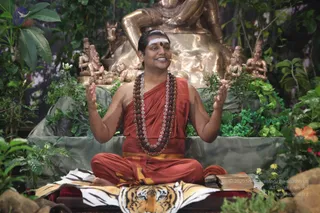
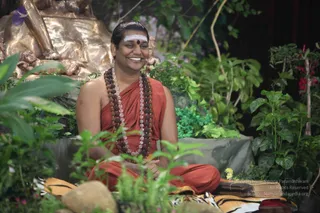
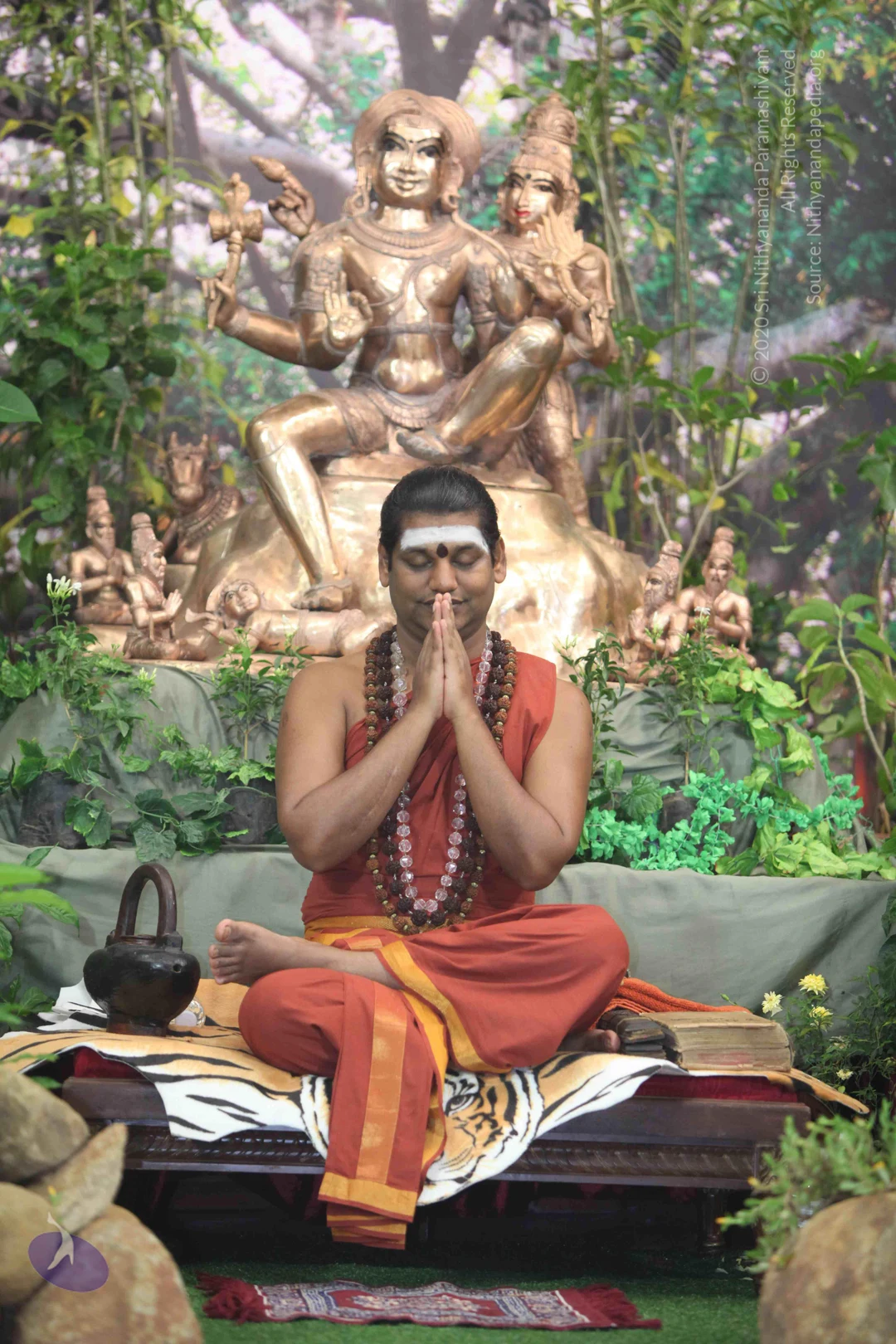
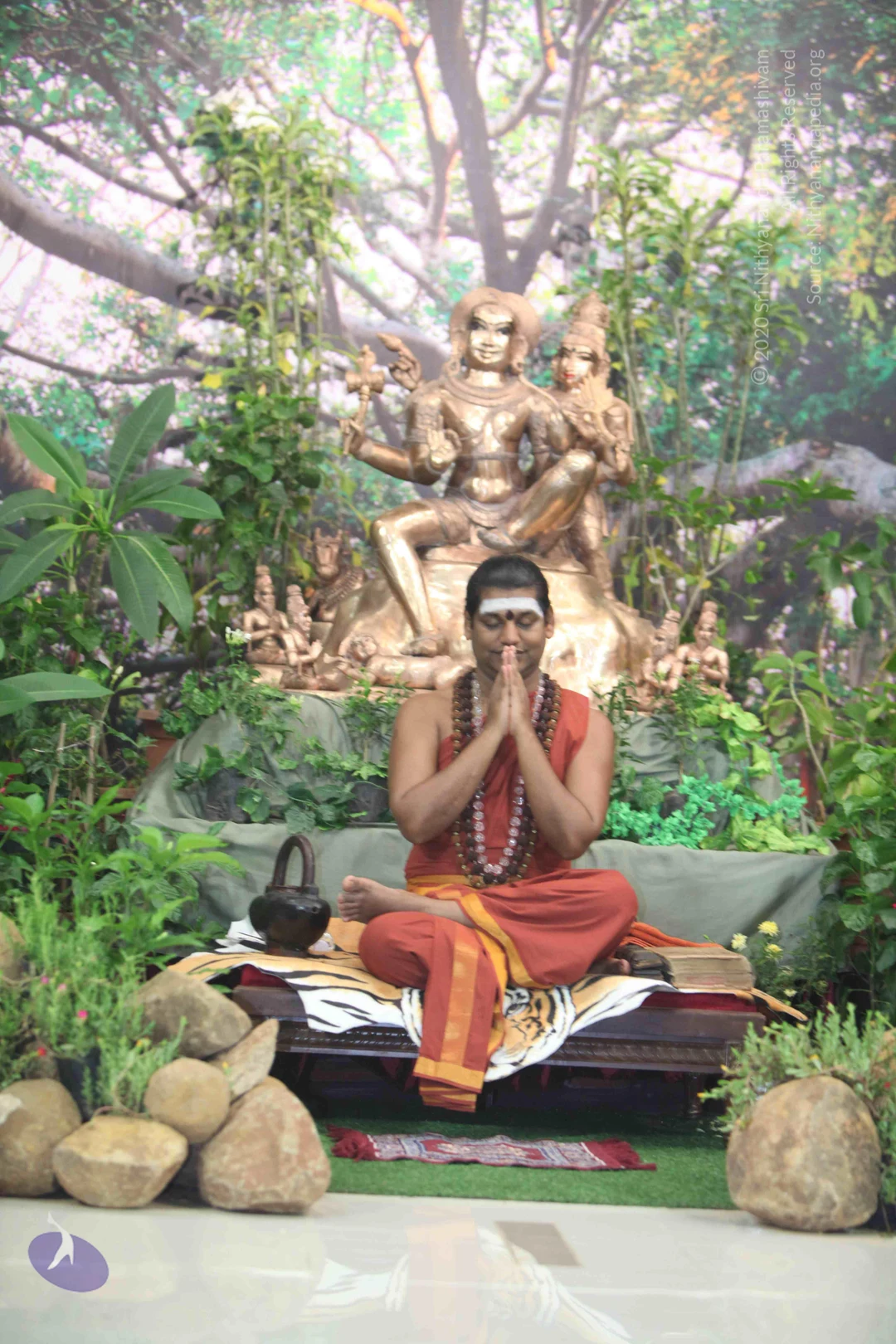
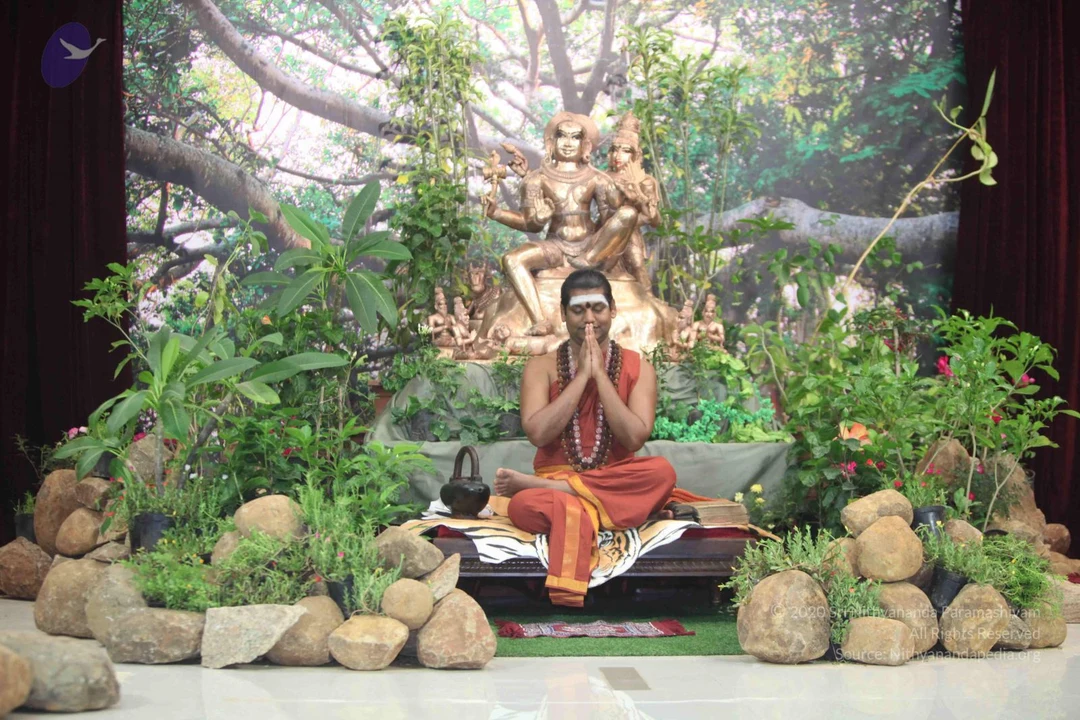
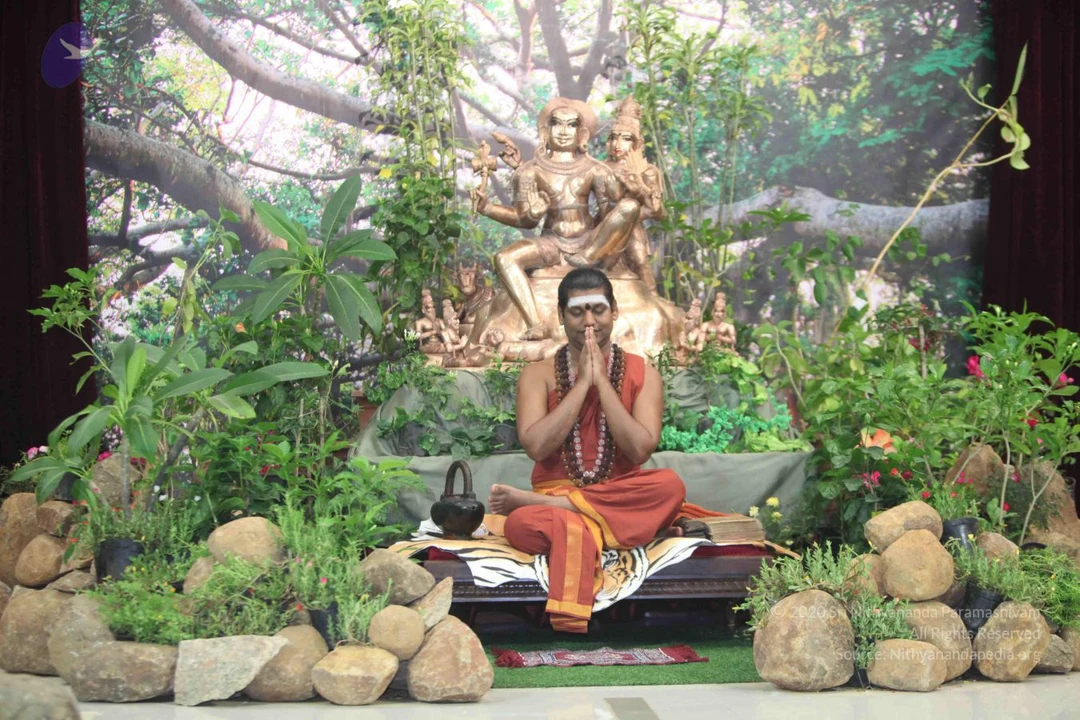
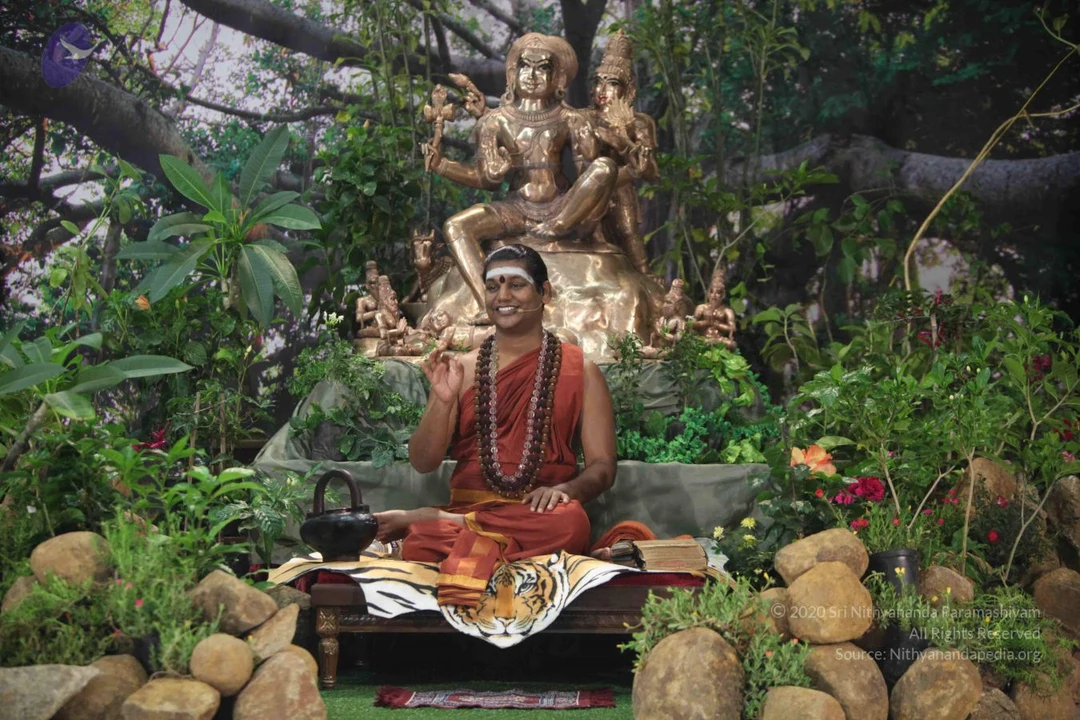
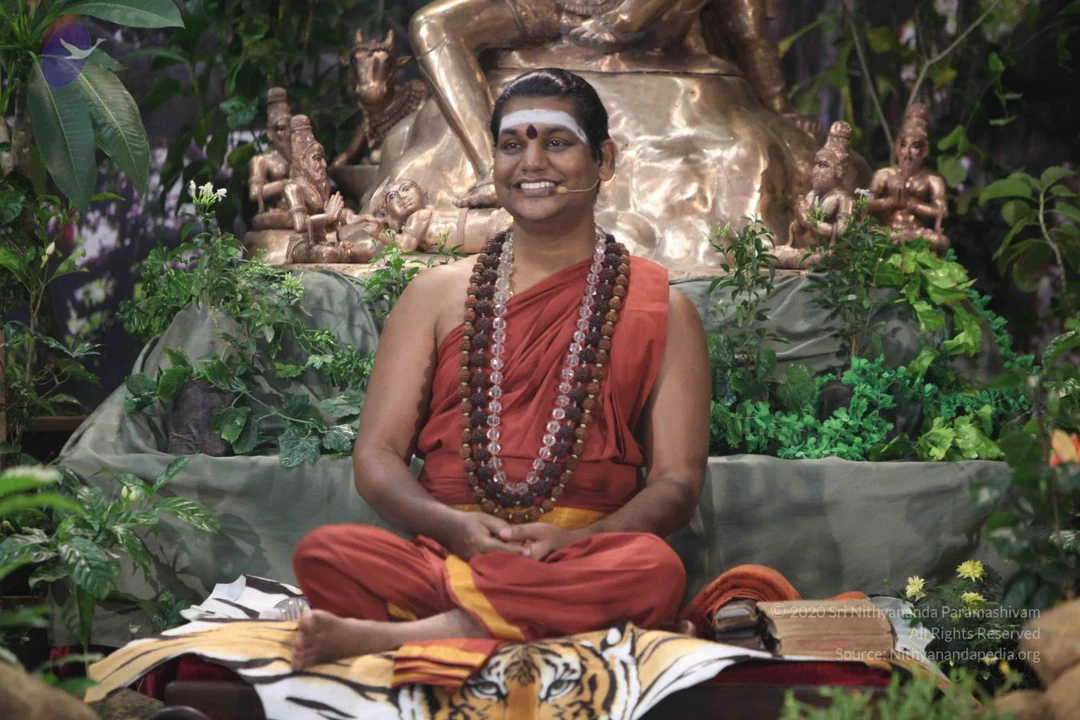
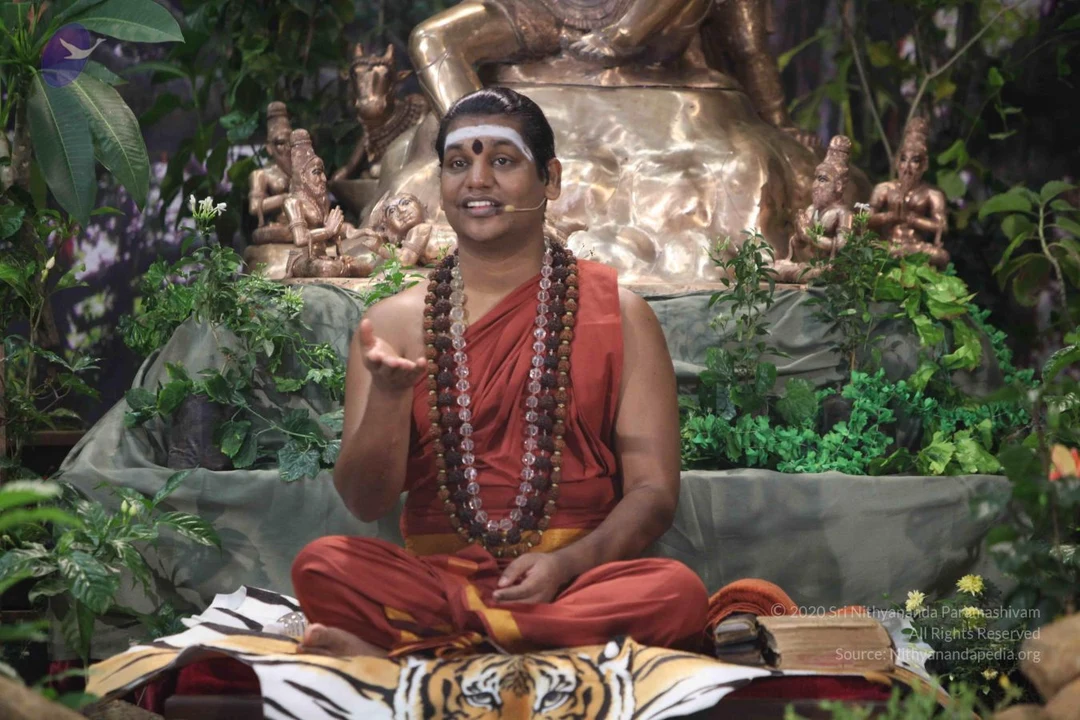
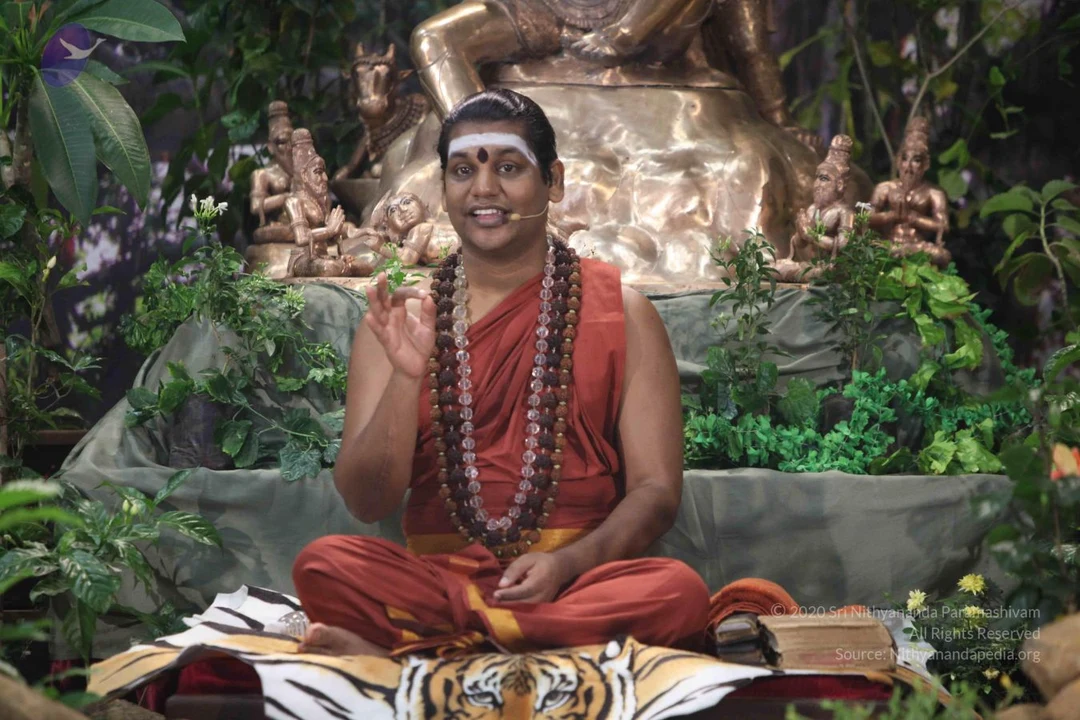
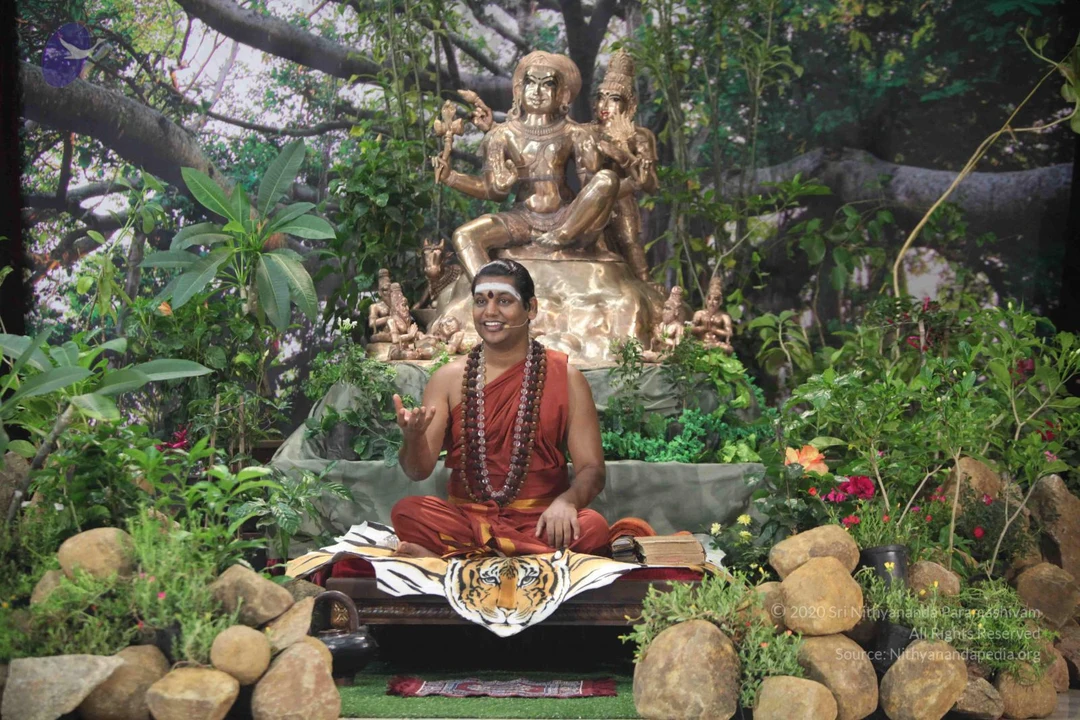
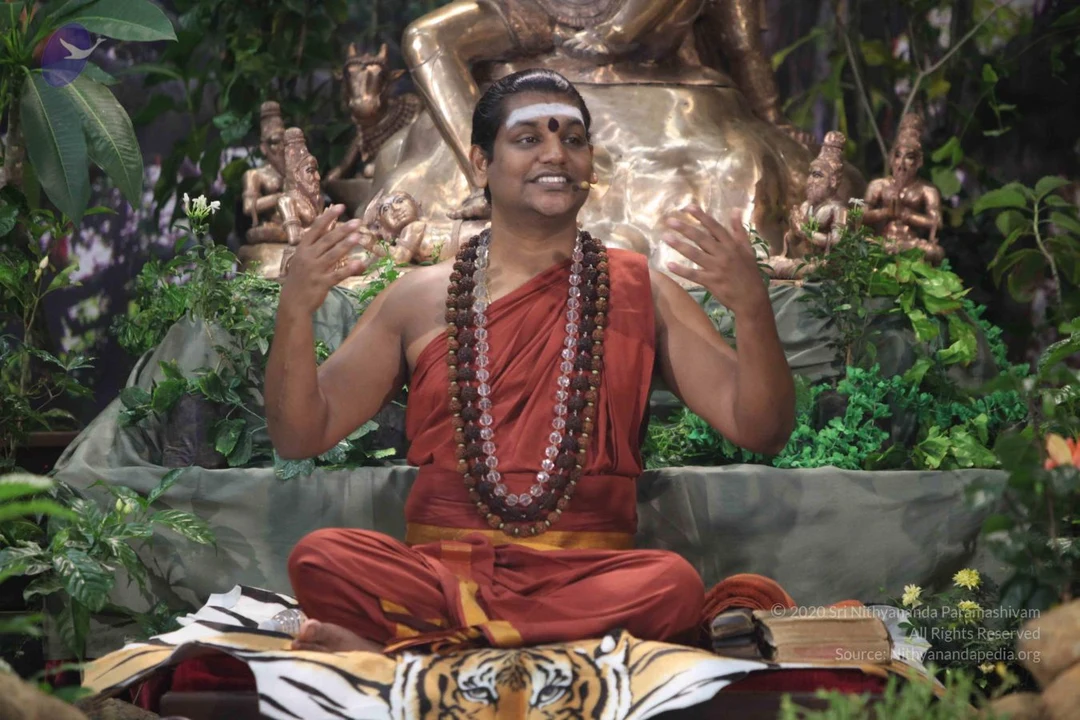
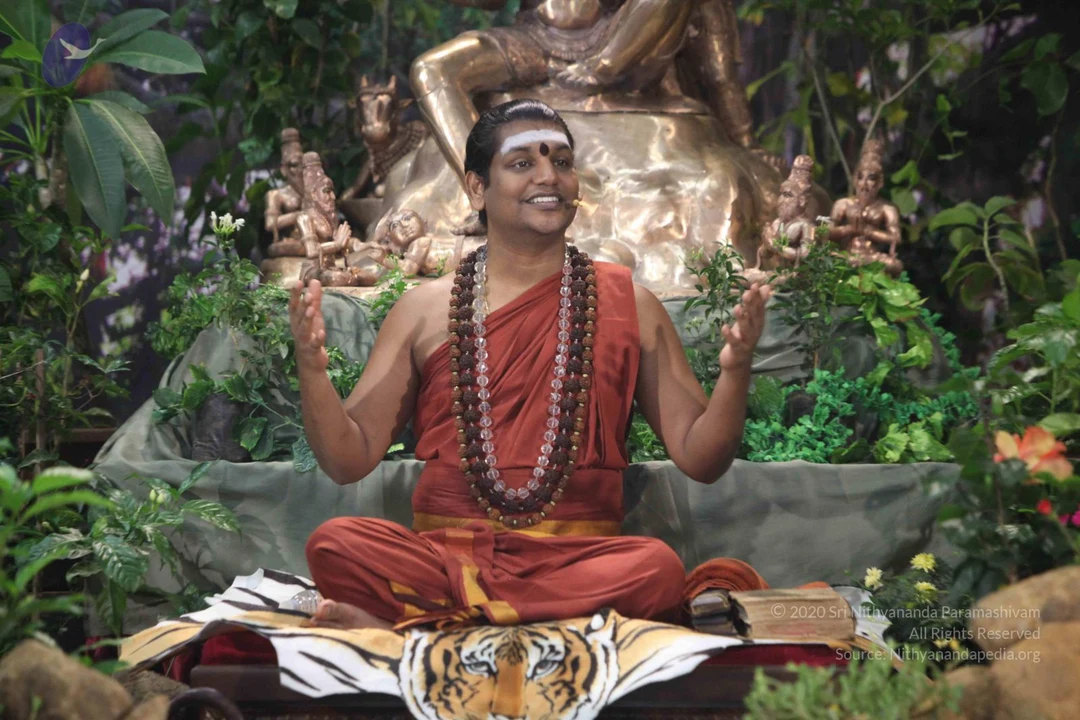
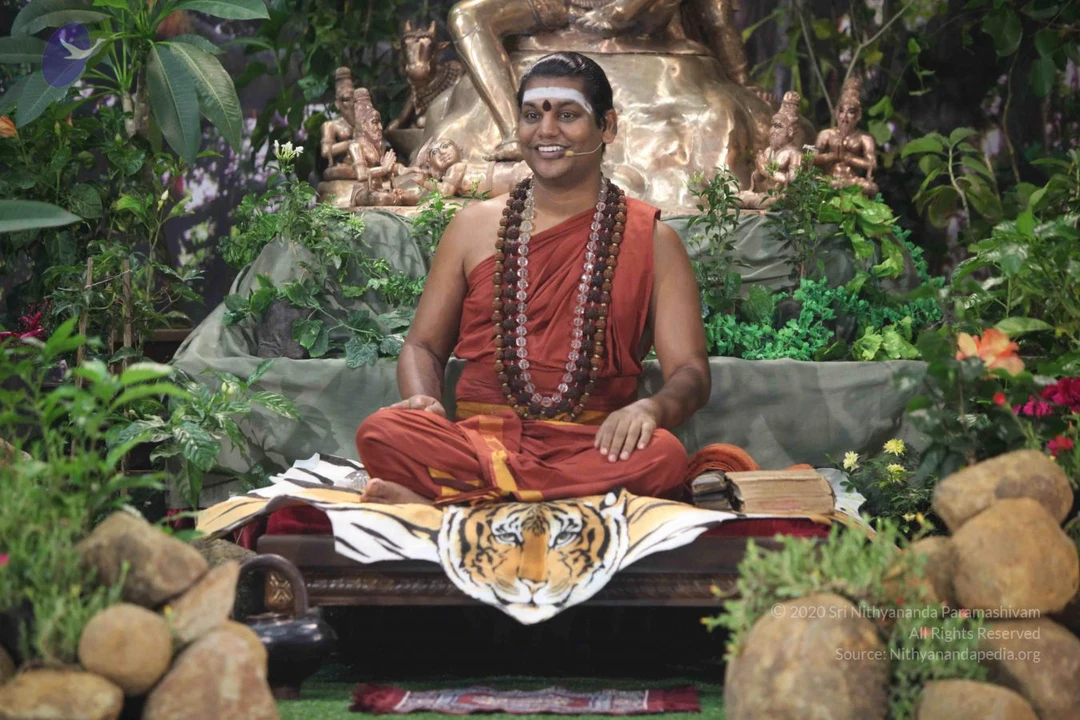
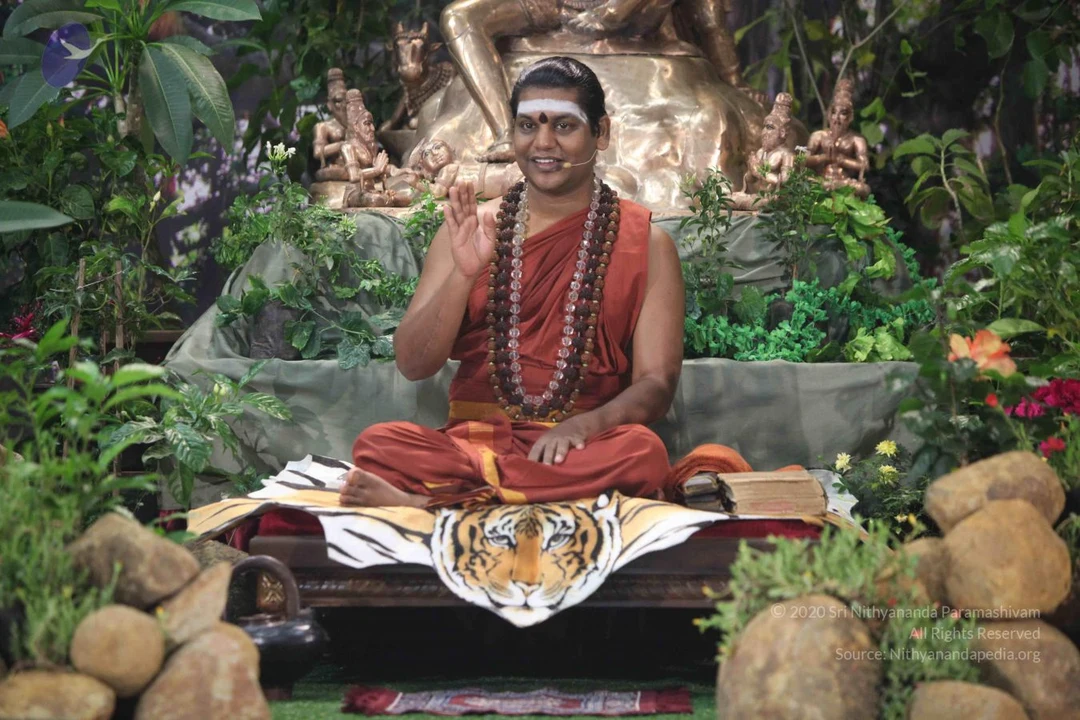
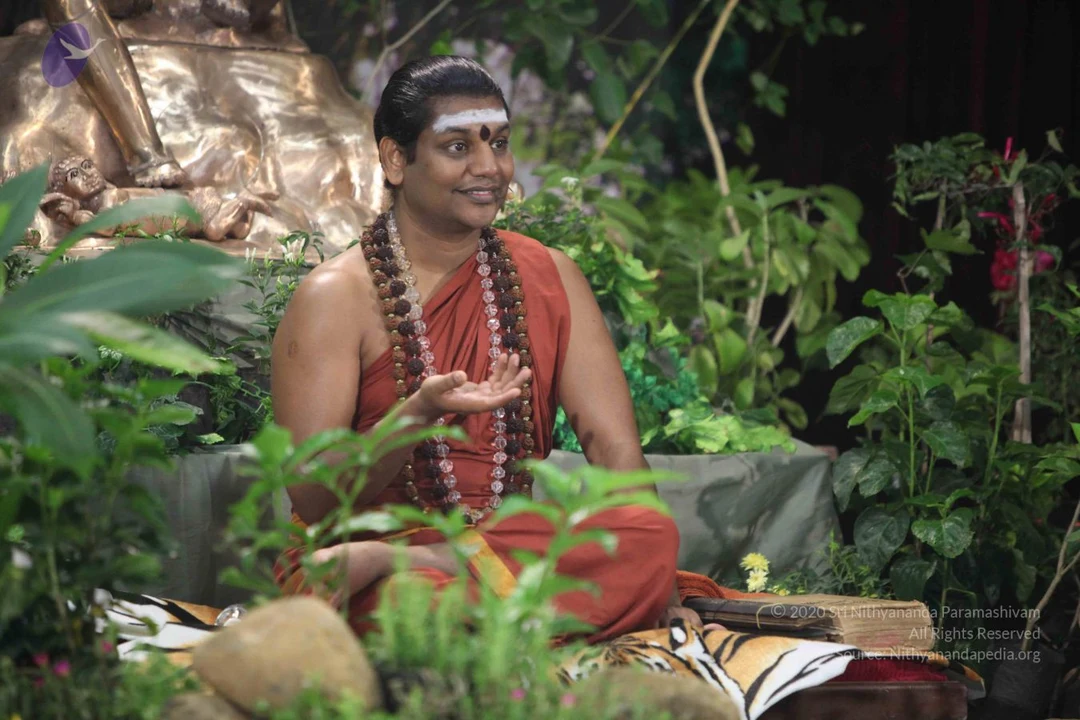
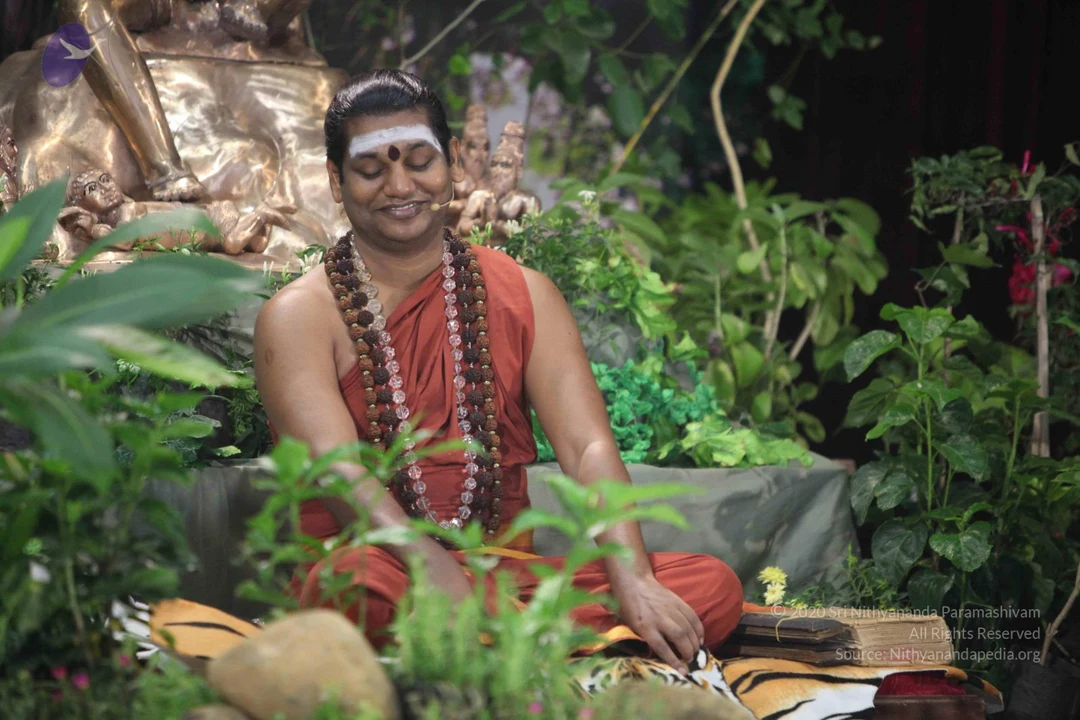
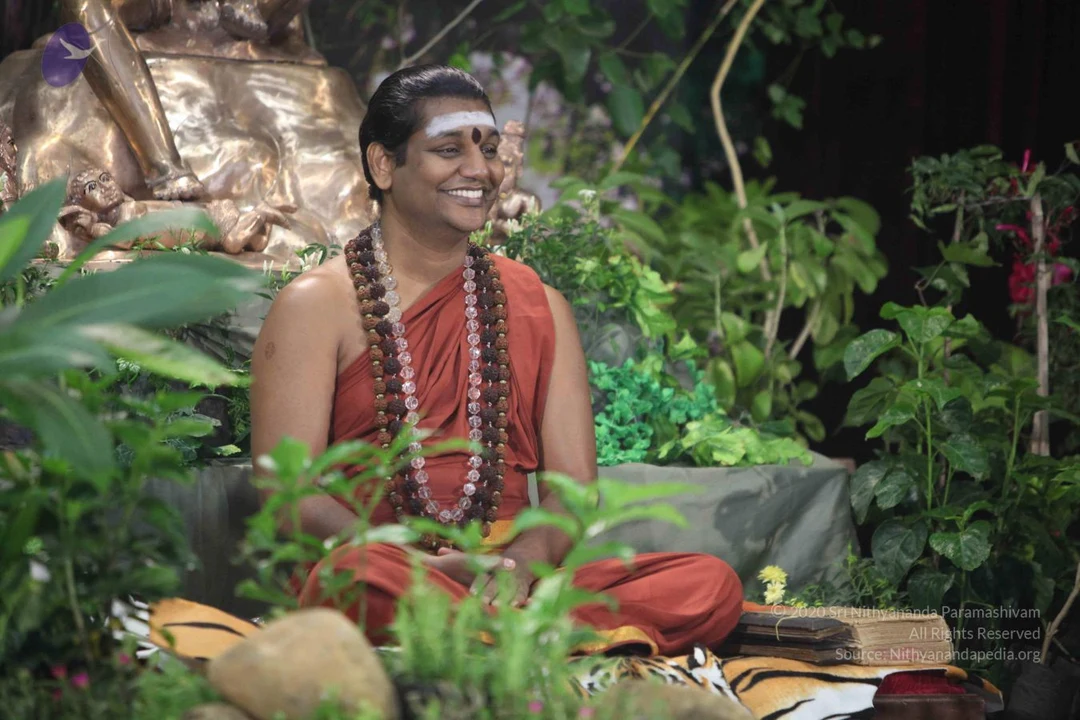
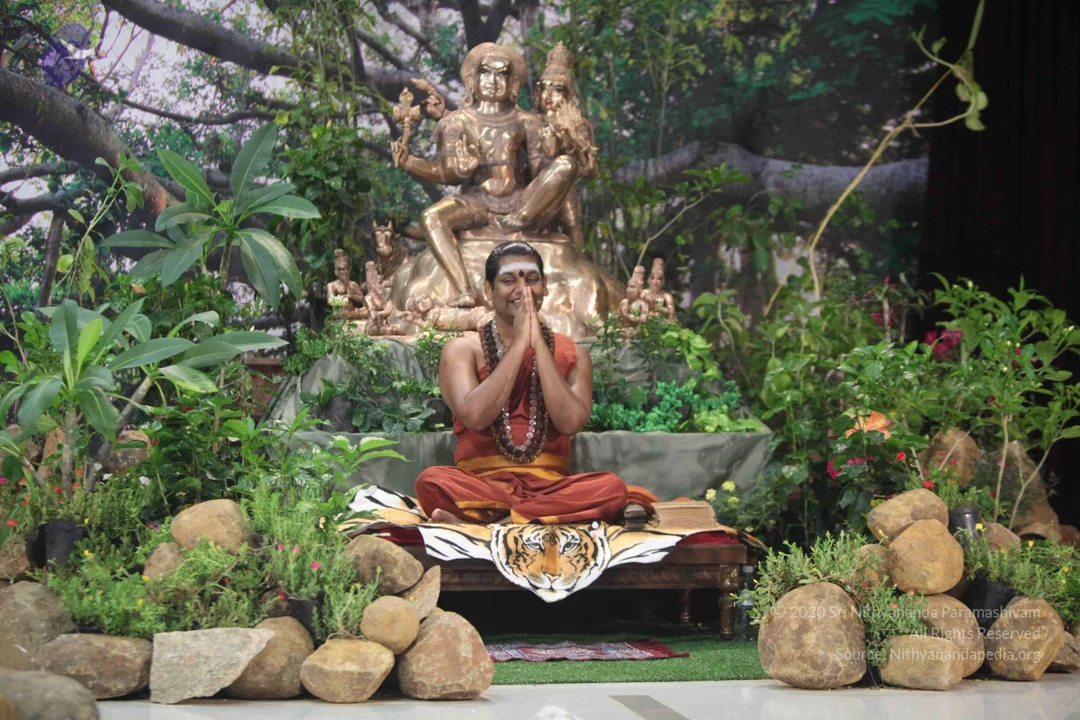
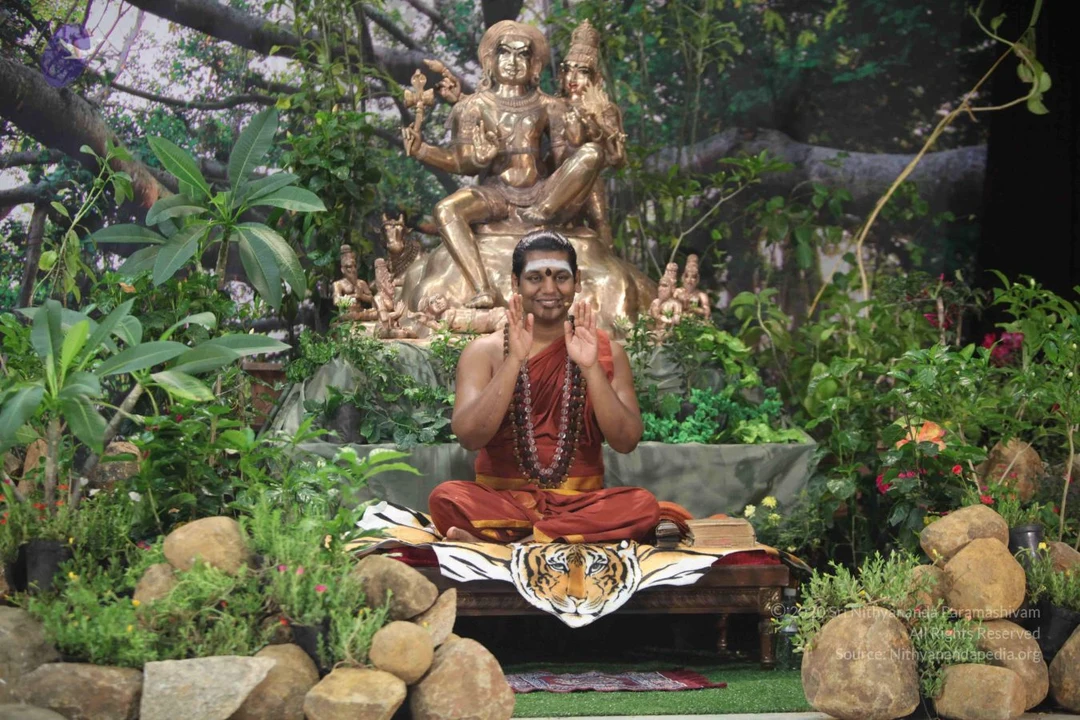
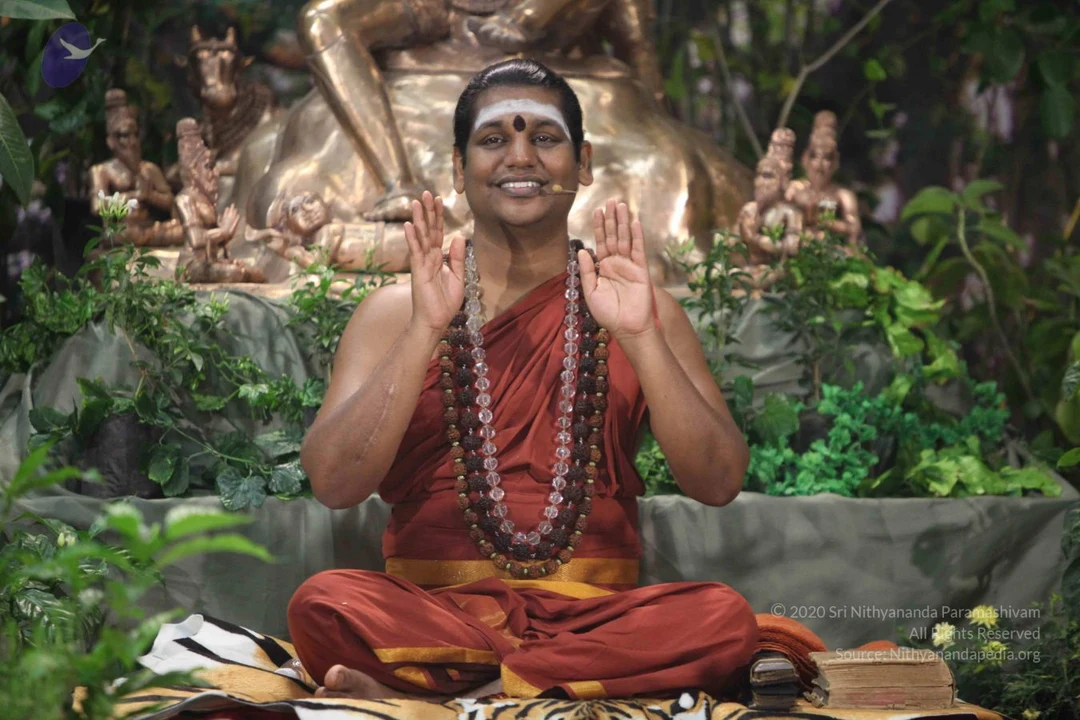
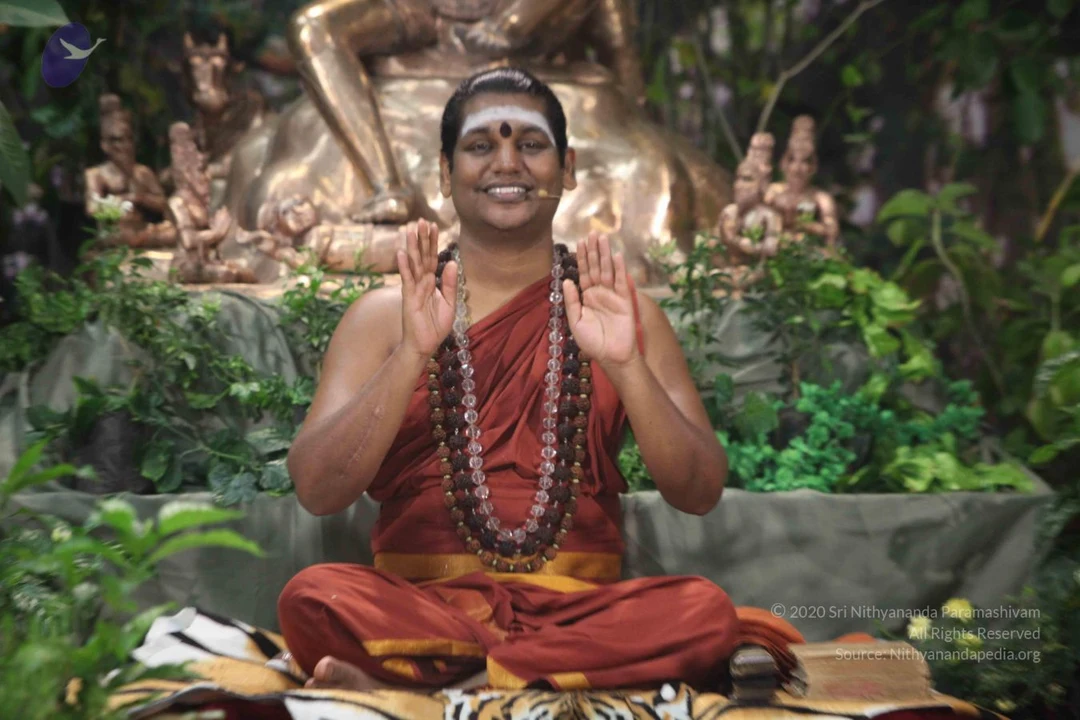
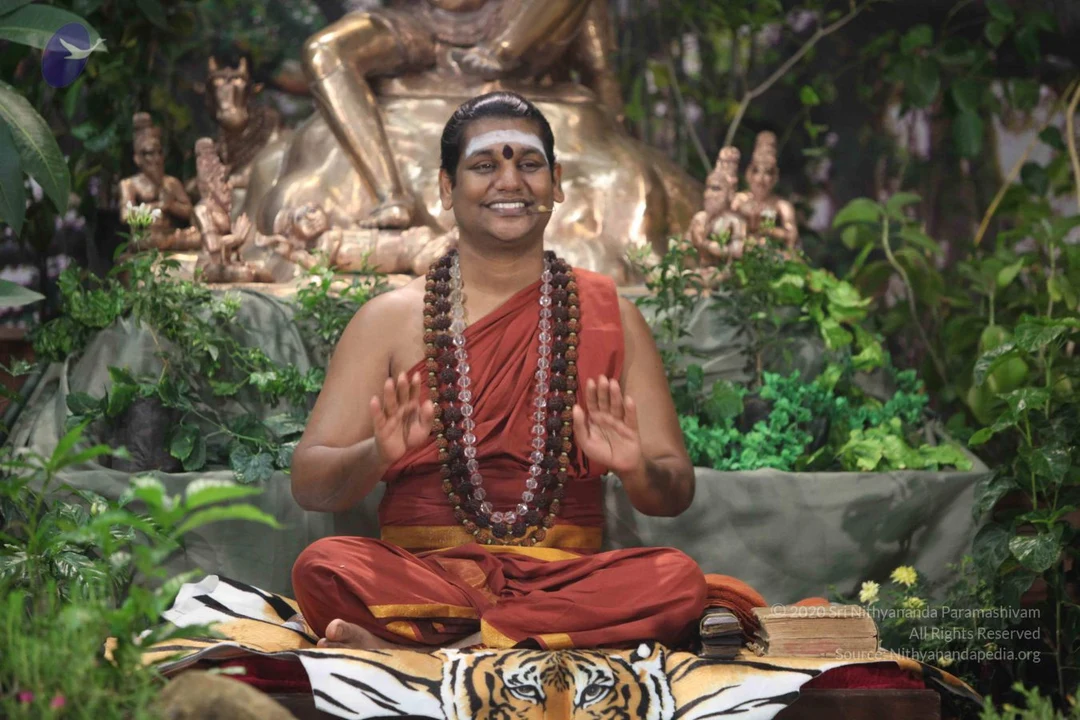
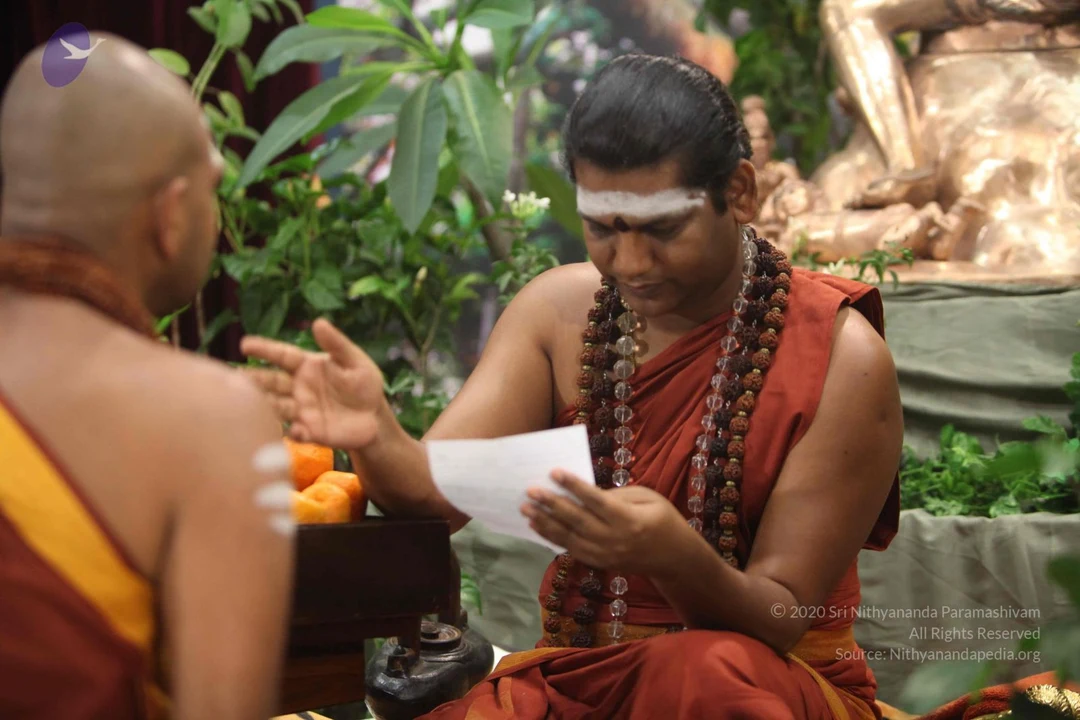
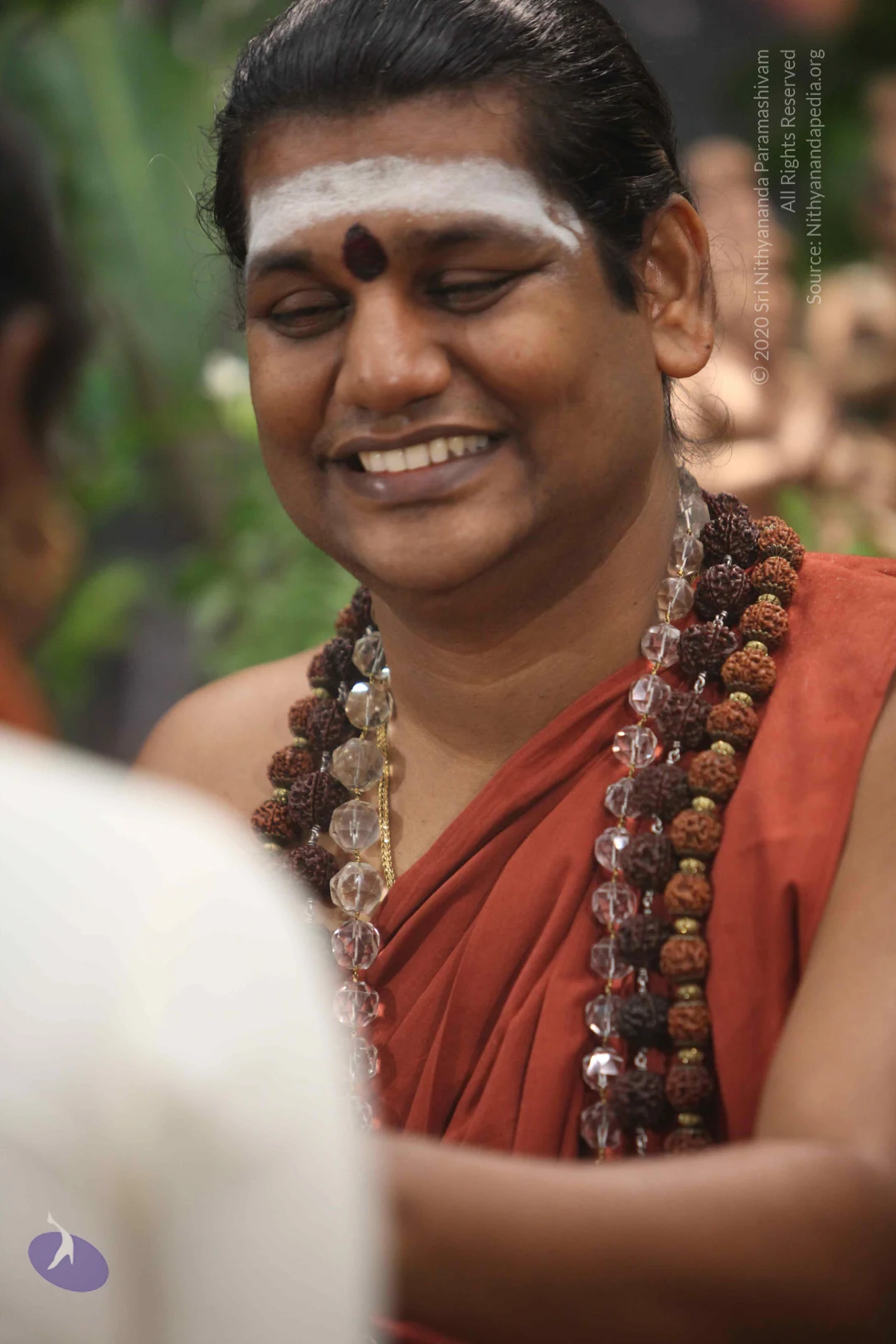
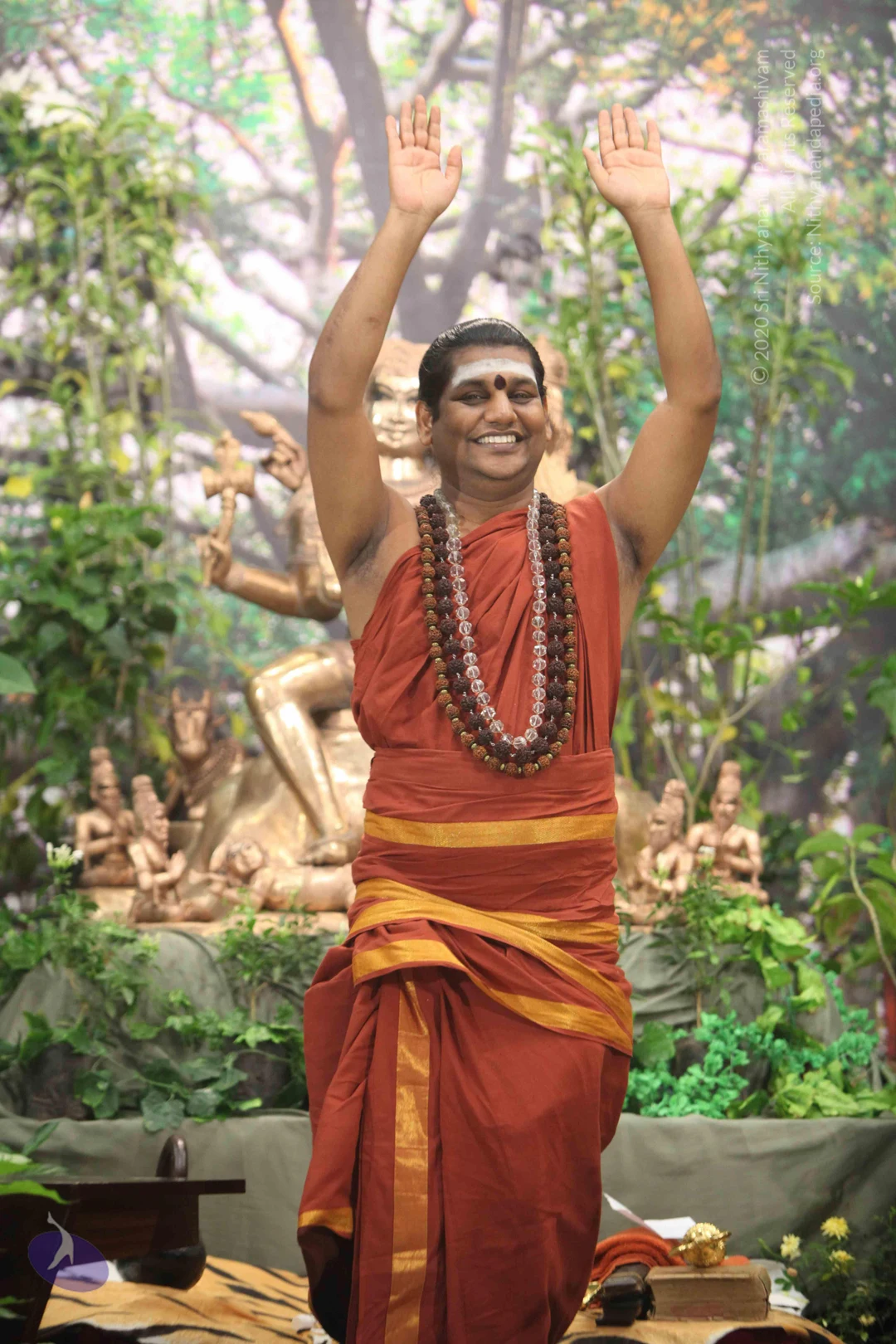
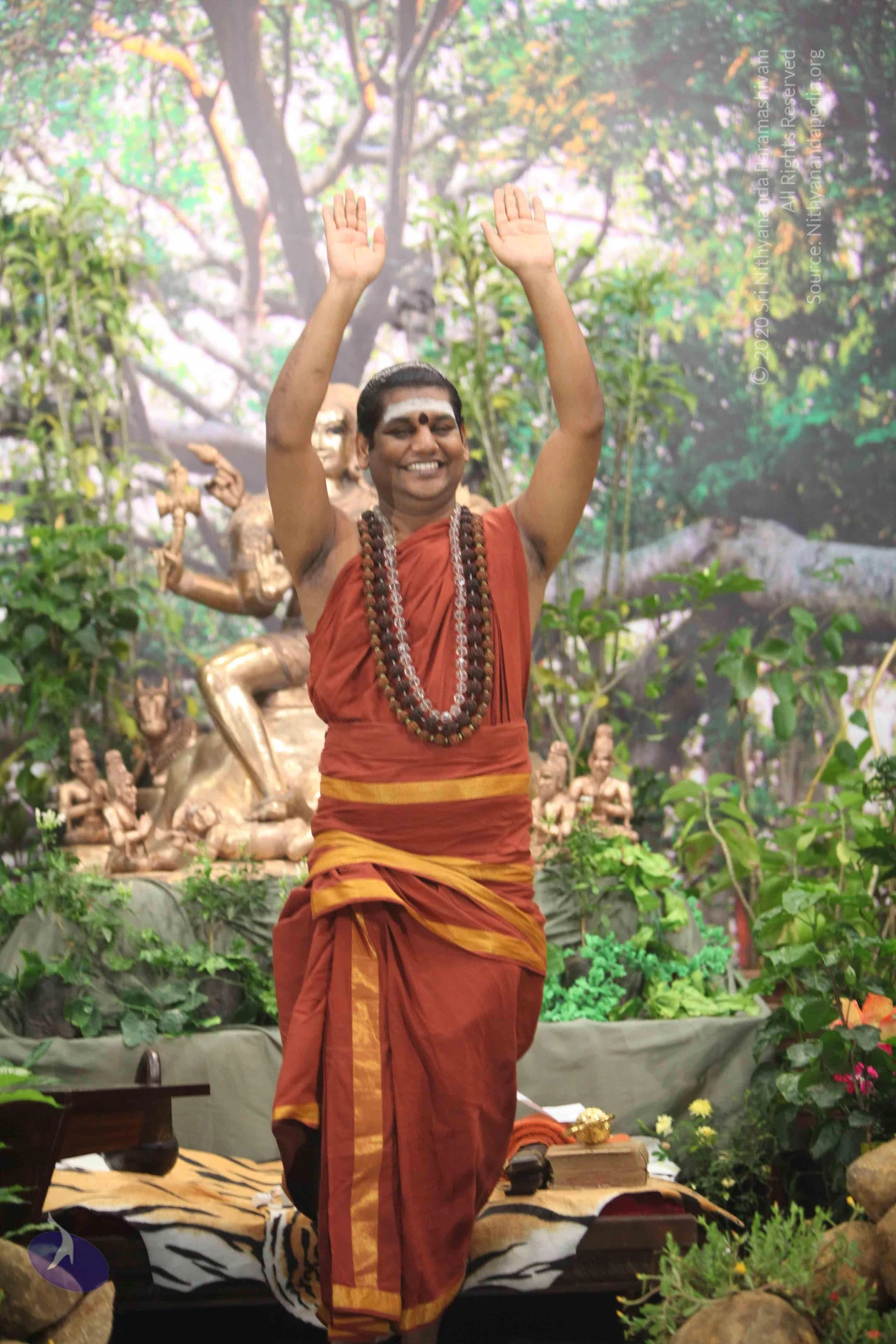
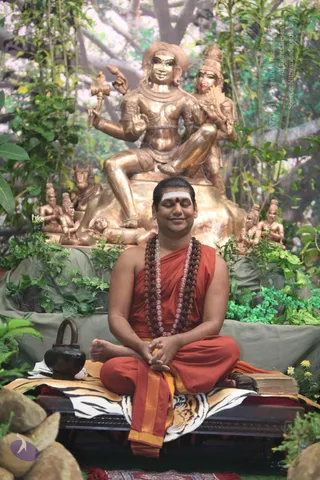
Today’s (06th January, 2015) Morning Satsang continues with the Living Advaita series on Upanishads. Paramahamsa Nithyananda urges everyone to read the Upanishads over and over again. When we read and understand, we disappear into that concept, but when we read multiple times, the concept disappears into us; it becomes part of us. The Cosmic Cognition develops, allowing the great truths to become part of us.
Link to Video:
| Video | Audio |
Transcript:
(00:16)
Sadāshiva samārambām shankarācharya madhyamām Asmadācharya paryanthām vande guru paramparām.
(01:06)
I welcome all the devotees, disciples, samajis, satsangis, Shrimahants, Mahants, Thanedars, Kotharis, visitors, viewers sitting with us all over the world this time through Nithyananda-TV, Sadhna-TV and through two-way video-conferencing having Nayana Deeksha all over the world. The cities sitting with us through two-way video-conferencing having Nayana Deeksha are: San Jose-Madurai, Hyderabad-Nithyananda Nagaram, Singapore-Singapuram, Colombo-Sri Lanka, Vancouver-Canada, Los Angeles-Hollywood, Guadeloupe-Rameshwaram, Dakota Dunes, Oman-Sivagangai, London-Kashi, Atlanta-Georgia, Dubai-Chidambarananda, Jorpati-Nepal, Sivananda, Enriching Temple-Bidadi, Morris Plains-New Jersey, Toronto-Thirukailayam, Scottsdale- Arizona, Houston-Kalahasti, Ohio-Prayag, Los Angeles-Arunachalam, Singapore- Singapuram, Seattle-Chidambaram, Hyderabad-Gupta Kashi and some more cities.
(02:25)
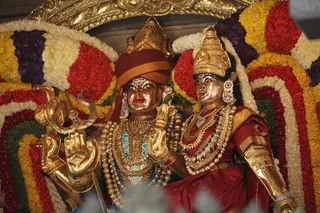
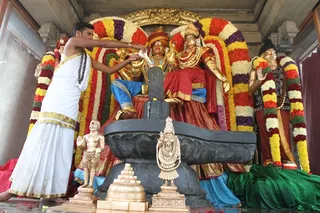
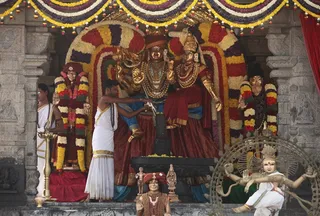
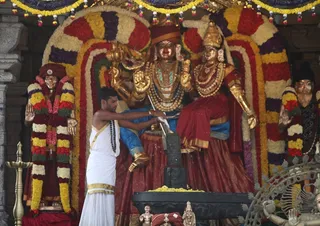
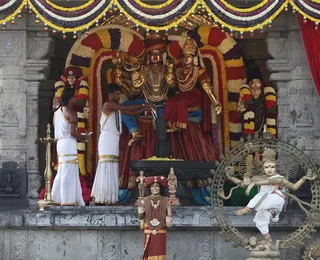
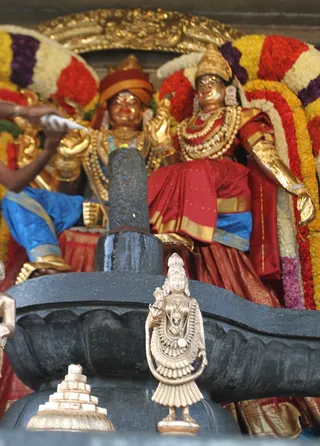
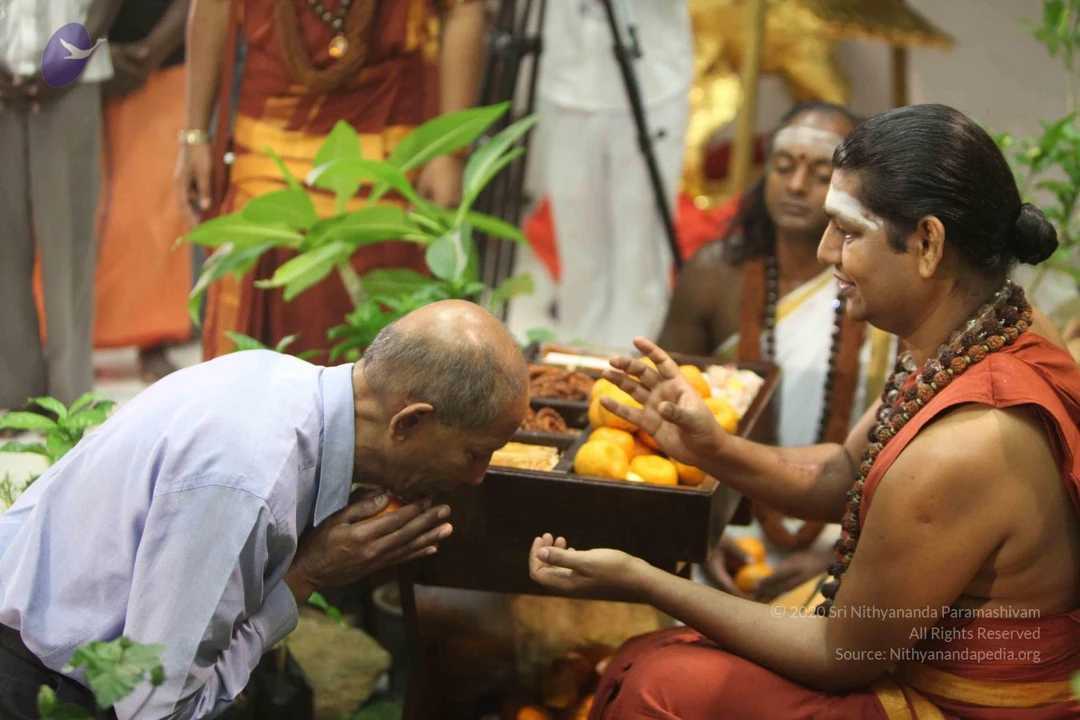
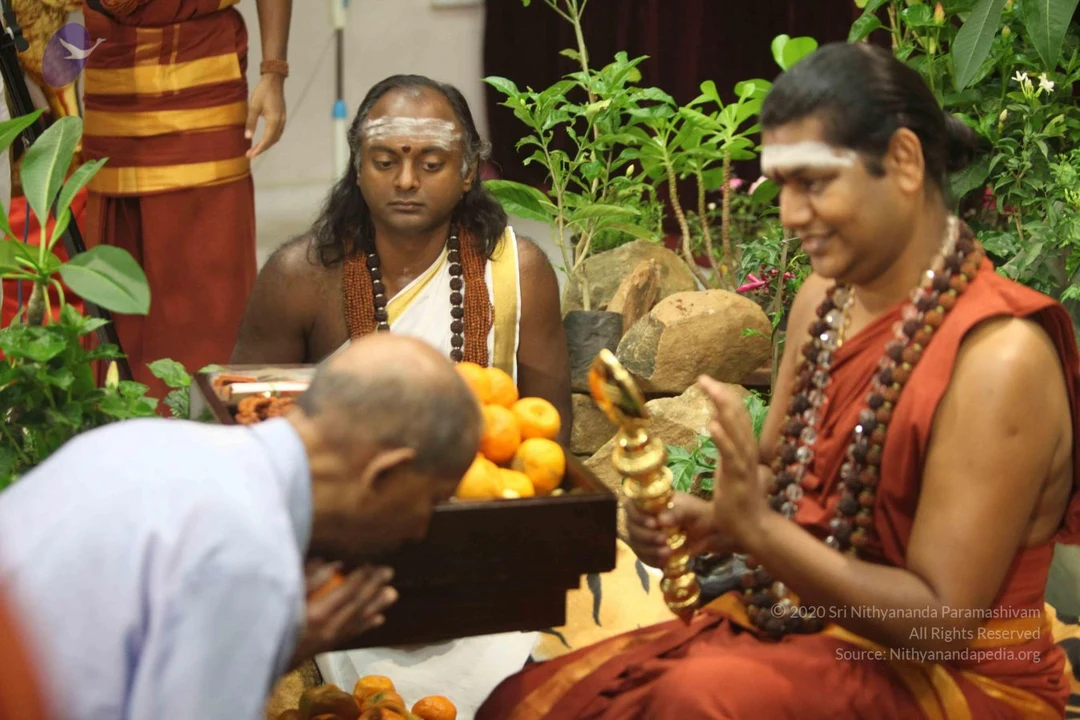
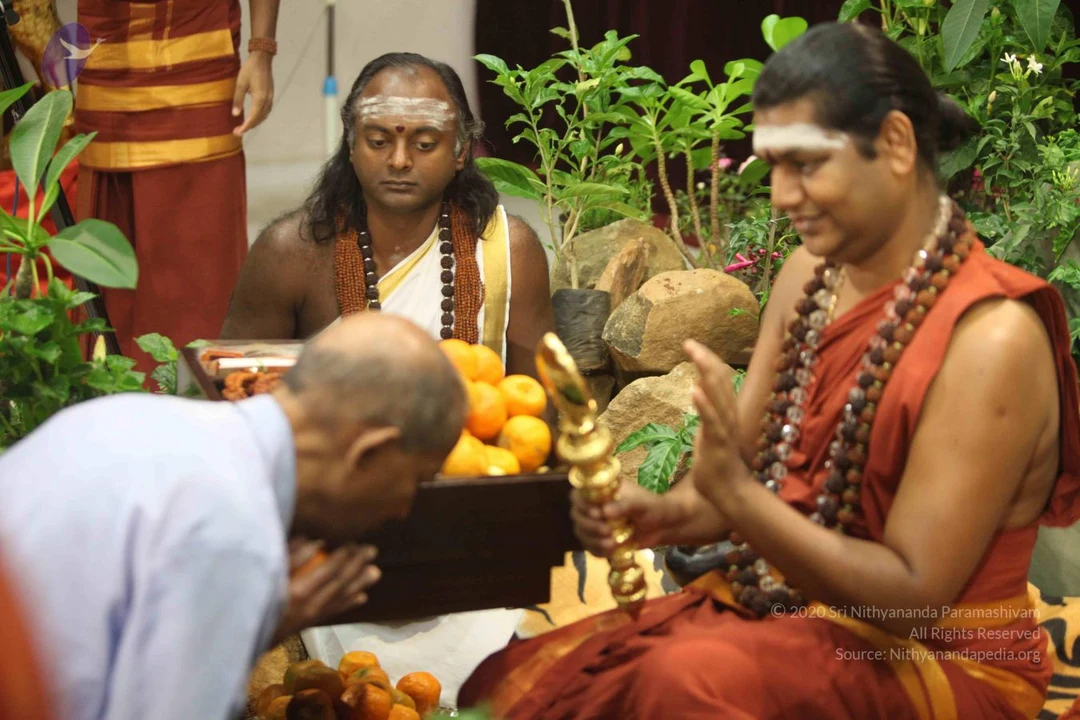
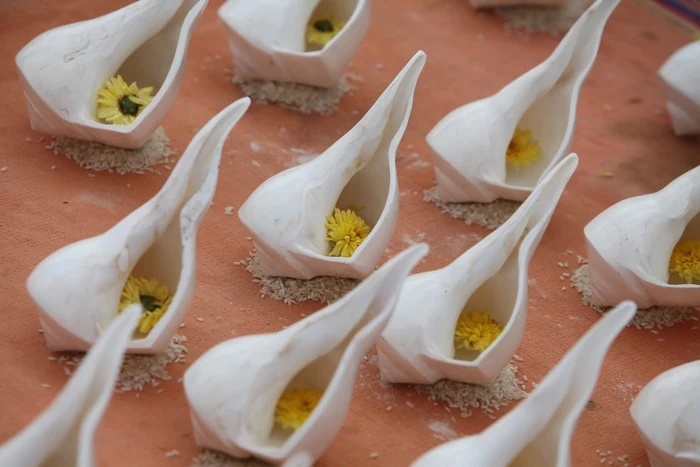
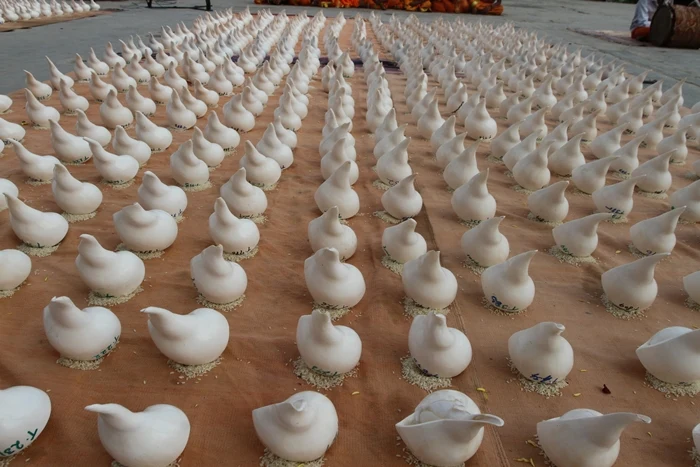
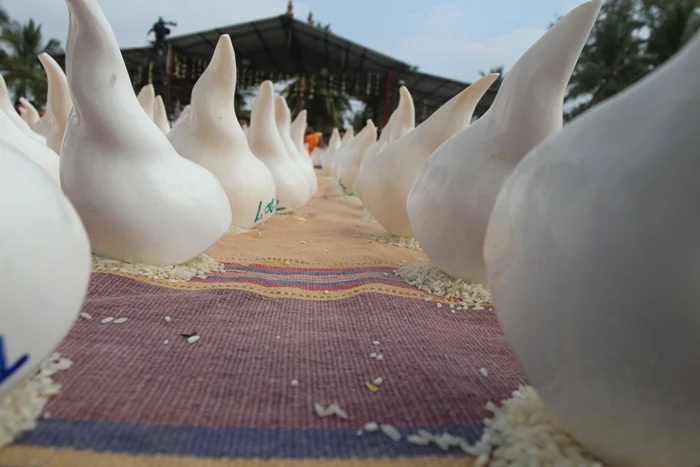
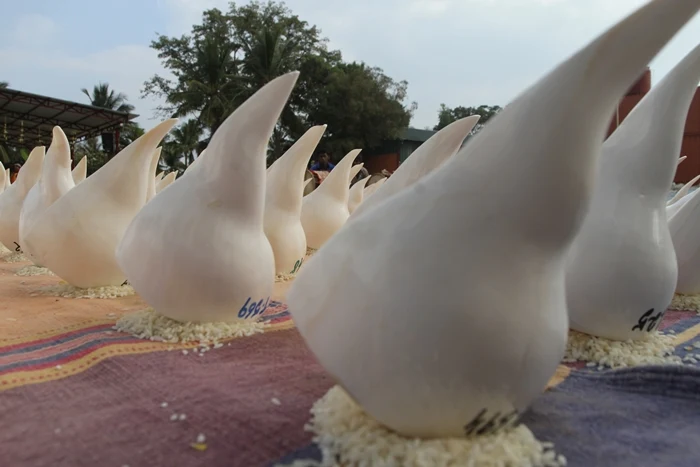
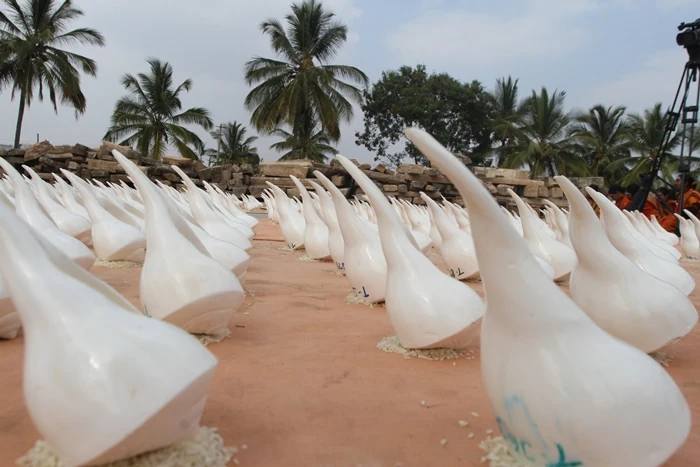
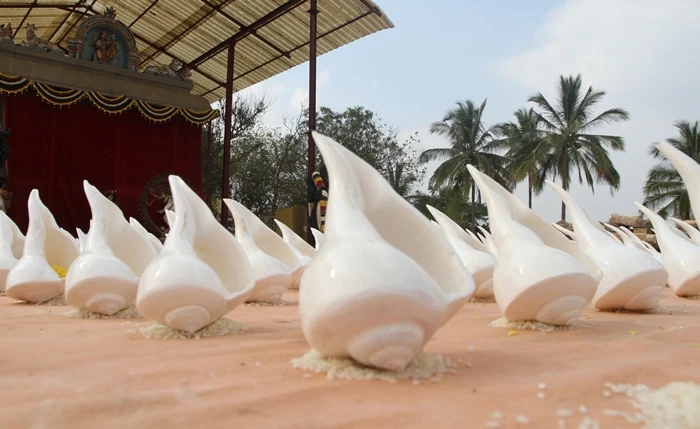
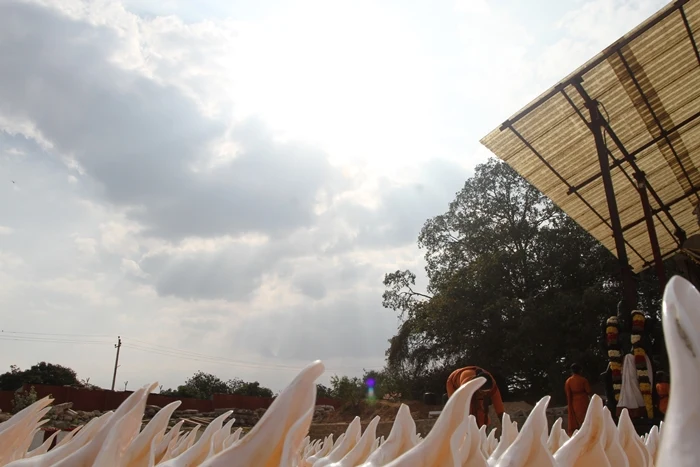
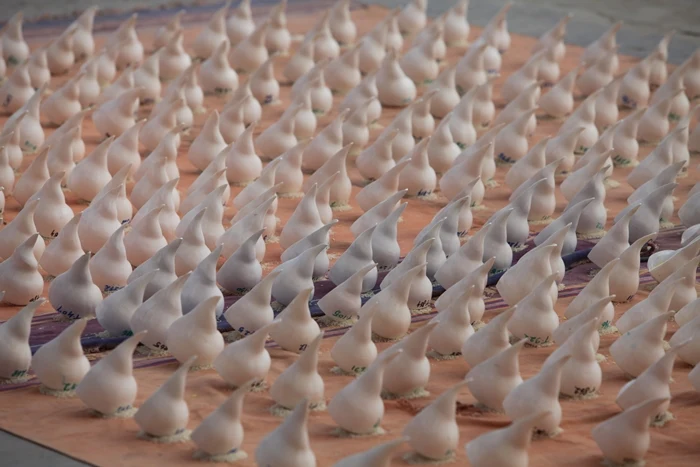
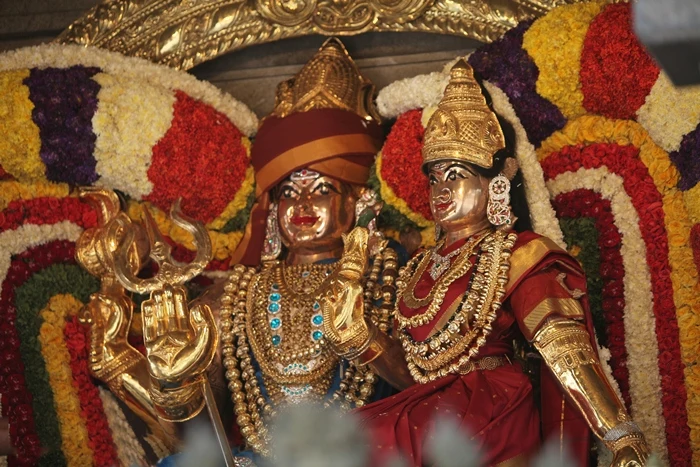
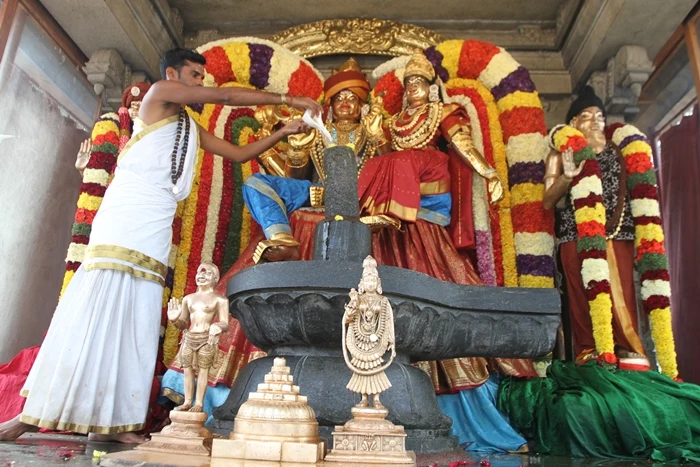
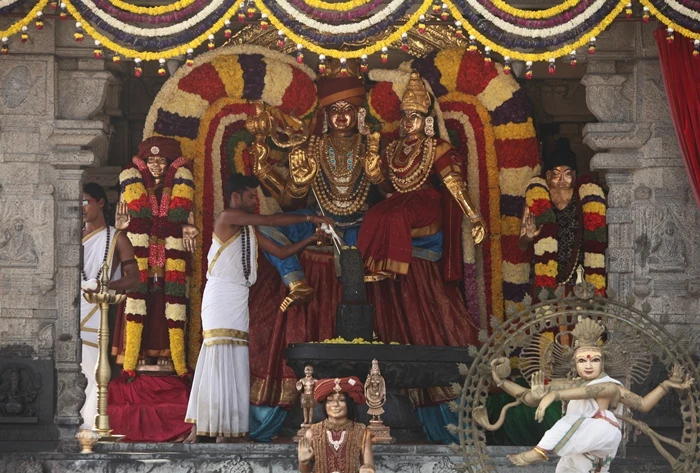
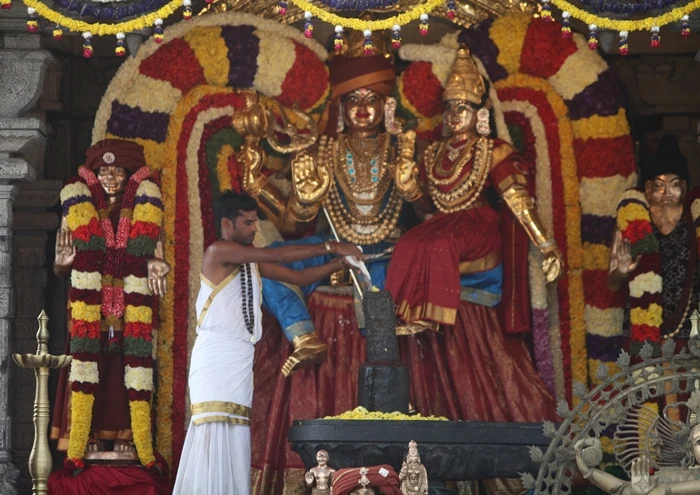
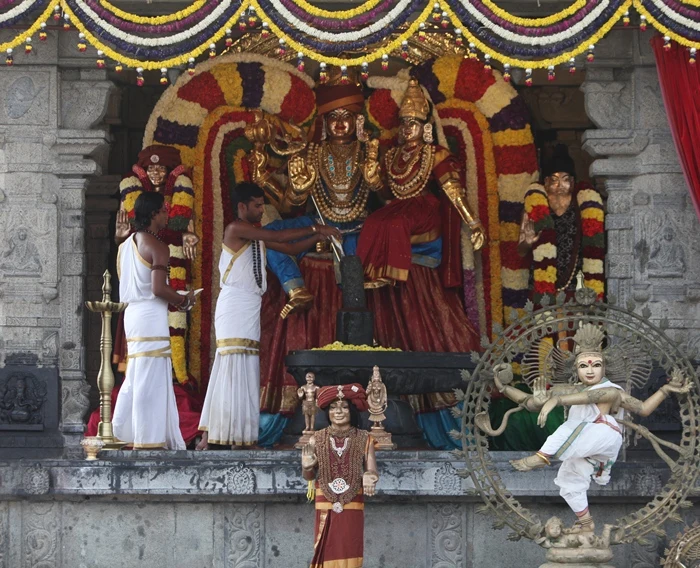
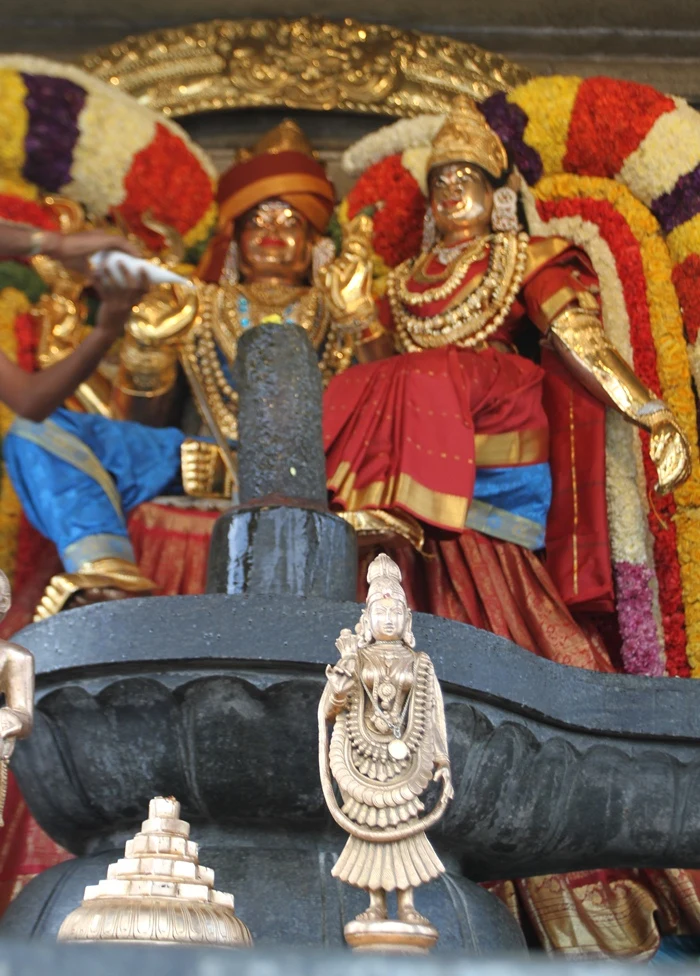
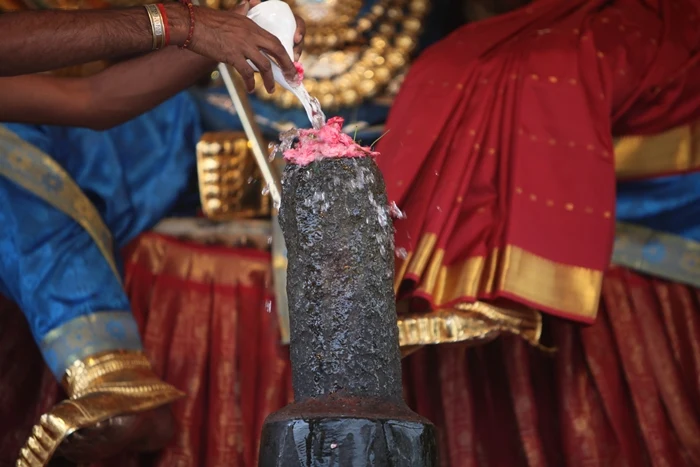
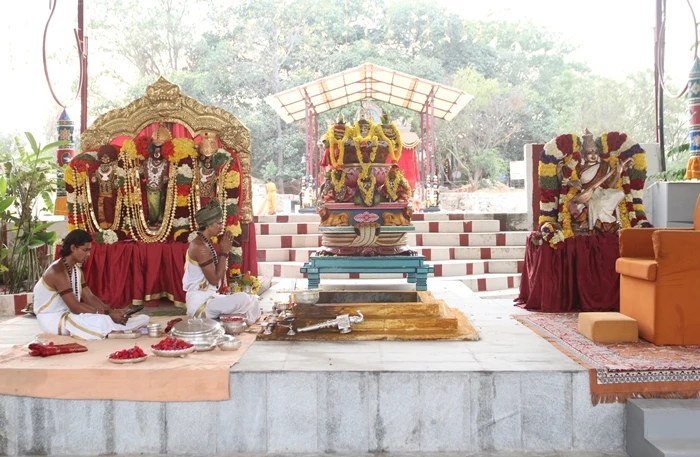
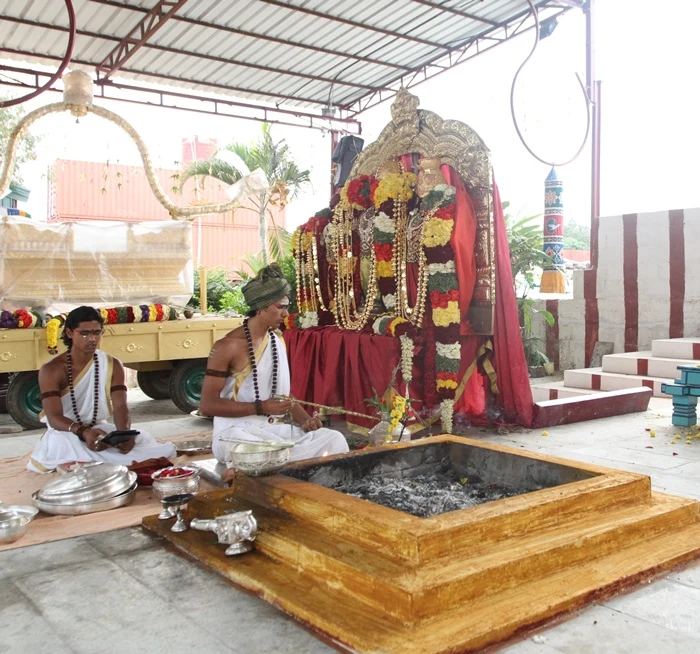
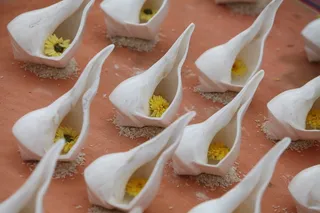
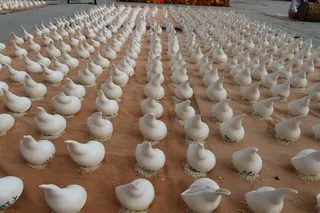
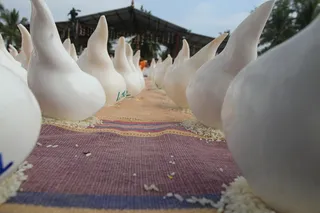
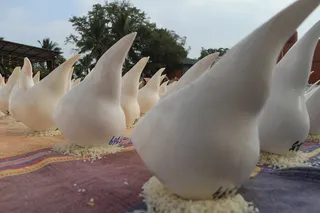
I welcome all of you with My love and respects. Today Nithyananda Brahmotsava, third day. Let’s receive Mahadeva’s grace first and then enter into the satsang. Today noon at 2:30 pm, around 2:30 pm, the sahasra shankha abhisheka, 1008 conch, with 1008 conch there will be sanga abhisheka and evening 4 pm Rudra homa.
(04:00)
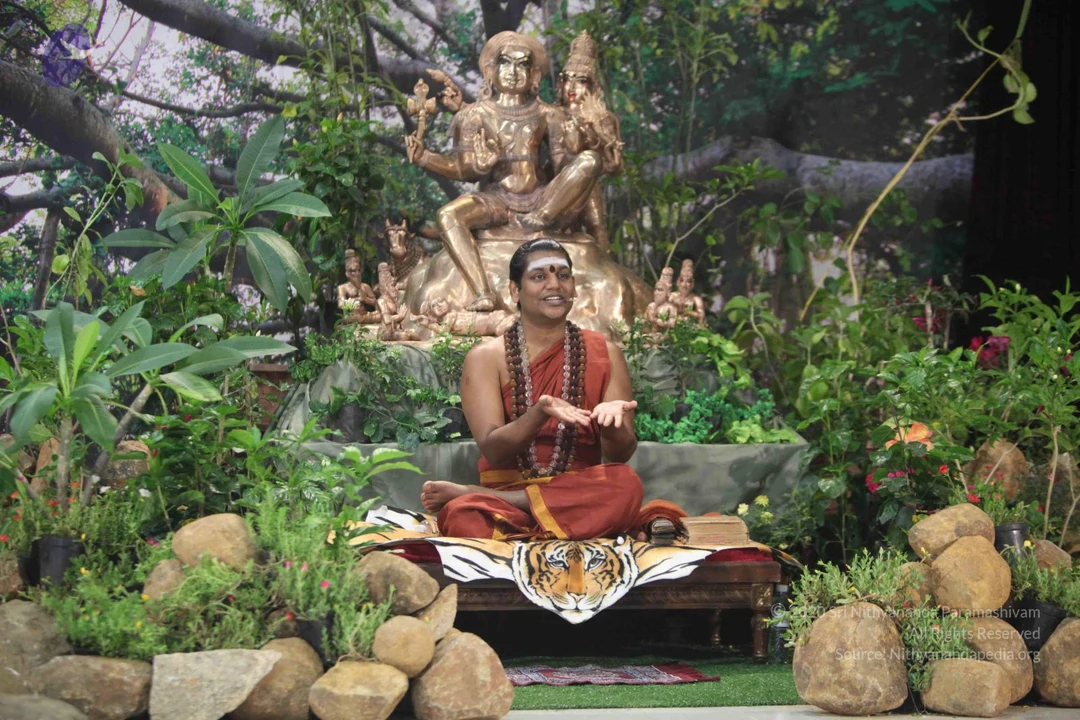
Let us enter into today’s satsang. Whenever you feel the fear, feeling threatened by something, in that agitation you try to change the situation. You try to change it by your efforts - that is yoga. And you try to surrender to the highest intelligence and requesting that intelligence to intervene and protect you - that is bhakthi. Knowing you can never be violated, being in the original space of advaita, automatically making all the so-called fears and threats melt down, is 'living advaita'. Upanishads stand for living advaita. Understand. I am not saying yoga is wrong or a little less. I am not saying bhakthi is wrong or a little less. All I am saying is, Upanishads, the living advaita, is something totally different. So many interpretations – so many interpretations, that is right word I will use – does not take away the sacredness and originality of the Upanishads. So many interpretations does not take away the originality of the Upanishads. Please listen.
(06:39)
Sometimes people ask Me, “What is this, Swamiji, so much of fight in Hinduism. Even the tall people like Shankara, Ramanuja, Madhwa even those great Masters have so much of difference of opinion, sometimes one directly attacks the other. Not even the courtesy politics, the decent politics; straight dum duma dum dum. Even the top level acharyas are not in sync with each other. We common people, how can we understand anything? What can we take as right?" Please understand. Some scientist discovers something he gets the Nobel Prize. Within few years, another one scientist disproves what that guy has discovered, he also gets Nobel Prize. That does not mean both of them have difference of opinion. It is a different angle the truth is presented. I may not even want to say the first scientist’s discovery is wrong. Actually, because of the first discovery, the way he lifted us, the second was even possible.
(08:22)
Please understand. In the field of knowledge, different opinions means different thought-trends and multiple choices, amazing freedom, amazing freedom. Listen. Amazing possibilities, amazing freedom and amazing possibilities. Each one explores in their own way, expresses in their own way. And I tell you, even when you read, internalize Shankara, you will never become the follower of Shankara. You will be one expression of Shankara. That is why in Shaivism we have a beautiful word: 'Shiva Gana' – who embodies Shiva. When you constantly cognize and radiate Shivoham, you will not become follower of Shiva, you will become embodiment - you will embody Shiva. Understand.
(09:53)
Shiva Gana means, Gana means, who embodies, who is filled. So the difference of opinions and different commentaries on Upanishads should not put you away from Upanishads, should inspire to you to explore the original Upanishads. Understand. Yes, no doubt, Shankara wrote a commentary in a different way, Ramanuja wrote a commentary in a different way, Madhvacharya wrote commentary in a different way. Each one of them wrote commentary in a different way. Vivekananda translated and wrote a commentary in a different way. Swami Gambhirananda has translated and written - you will be surprised, Gambhirananda Swami is the belongs to Ramakrishna Sampradhaya, but he dares to differ with Vivekananda. That is the beauty of Hindu tradition. Ramakrishna mission has published at least 3-4 commentaries. Each one of them dared to differ with Vivekananda! It was so beautiful. That is the greatness of Hinduism. Nobody disrespects Vivekananda. We can’t and we don’t. Sameway, when Osho writes commentary, he does not disrespect anybody but he dares to differ. I tell you, that is the space in which Sanatana dharma has grown. That is the space in which the whole Hindu tradition has expanded. That’s the space in which the whole vedic tradition has flowered.
(12:11)
These commentaries, different commentaries, these different commentaries, the kind of a space available in the vedic tradition, the kind of a space existed in Sanatana dharma. Of course, so many people exploited it; so many people misused it; that is different. Yes, Shankara has his own opinion, Ramanuja has his own opinion, Madhwa has his own opinion. And people try to use this to show Hindus are confused. All this has happened. But I tell you, each one of them may have a different opinion, but all of them wrote commentary on Upanishads only. So we may have thousands of opinions, ideas, but no one questions the sanctity of the Upanishads, authenticity of the Upanishads, the authority of the Upanishads. That is where everyone merges. That is where everyone comes together. Each scientist may have a different discovery, different theory, different thesis, but they all uphold the spirit of the science. Sameway, each Master may have different ideas, theories, concepts, principles, but they all uphold the spirit of the Upanishads.
(14:19)
Upanishads! The more you read, re-read, re-read, re-read, and digest, internalize, more it makes you beautiful from within. More it makes you beautiful from within. I tell you, the more you see yourself in the mirror, the more you will fall into the delusion you are beautiful. No, it is - just to create that delusion only, some people go on staring at the mirror. Because when you look at that for a long time, you have to come to terms with it. You have to come to terms to it - terms with it. How can you come to terms with it? Tolerating, then accepting, then slowly developing some appreciation, and finally, landing into the delusion. But with Upanishads the more you read, re-read, read, re-read, really your inner-space will become beautiful.
(15:41)
Every truth which puts you in the Cosmic cognition, puts Cosmos into your cognition. Understand. The Brahmanda should enter into Pindanda and Pindanda should enter into Brahmanda. The macrocosm should become part of the microcosm and microcosm should become part of the macrocosm. Not only the drop should merge into the ocean and the ocean should merge into the drop. Drop merging into the ocean is Enlightenment when the ocean merges into the drop, He is an incarnation. A woman is standing in front of the mirror in her bedroom. She is not happy with what she sees, and tells her husband, "I feel horrible! I look old, fat, and ugly! And I am really depressed. Please give me some compliment to get me out of depression." Husband says, "Your eyesight is damn perfect!" No, for a long time you stand in front of mirror to get yourself deluded. With Upanishads, the more you read, re-read, read, re-read, your whole inner-space will become beautiful!
(17:19)
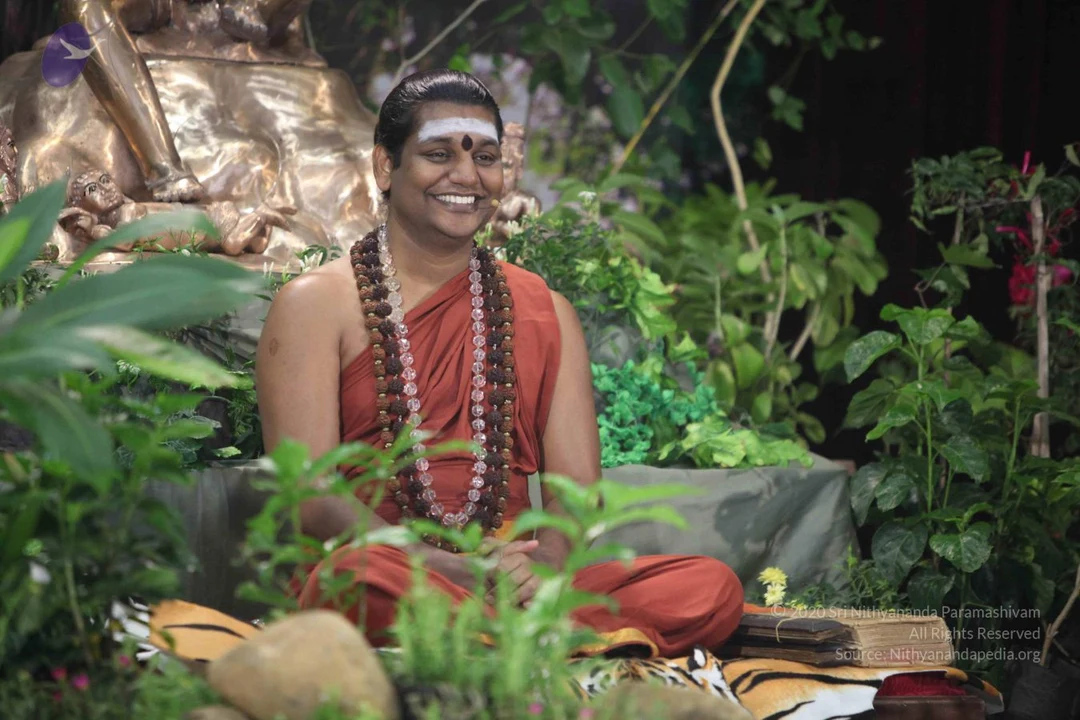
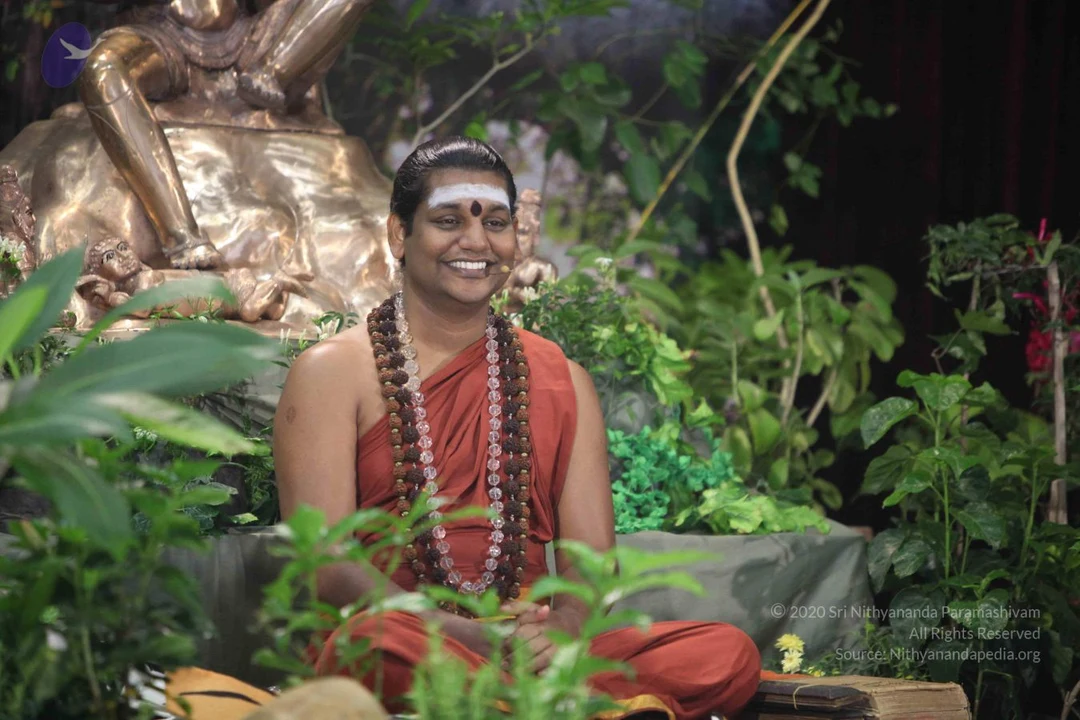
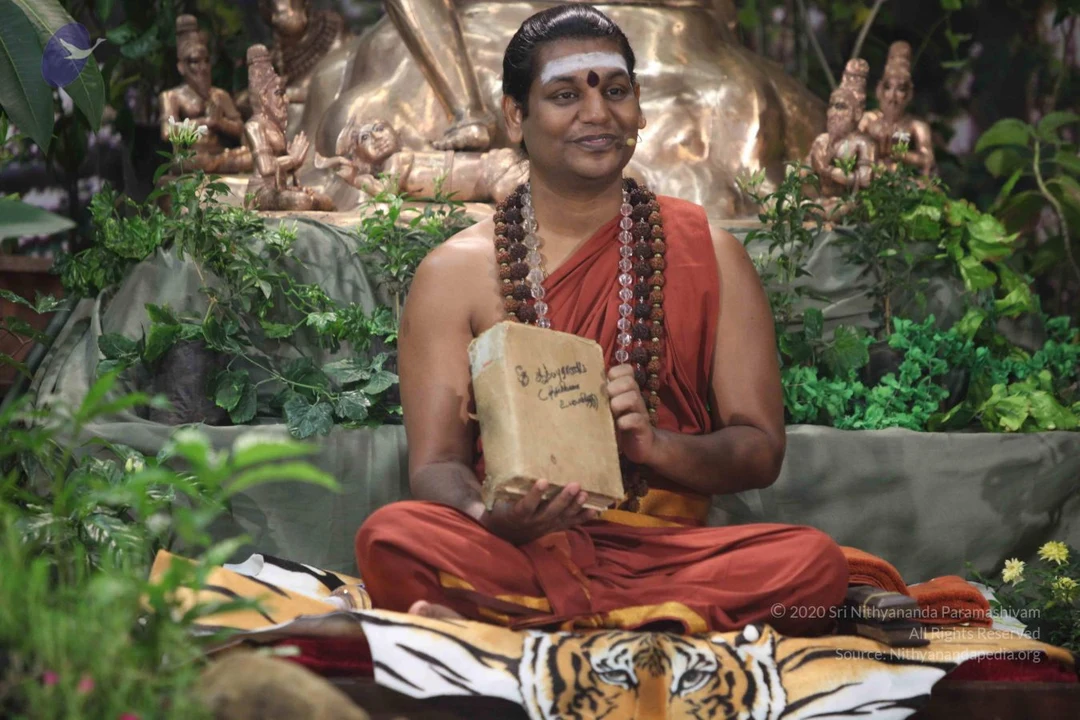
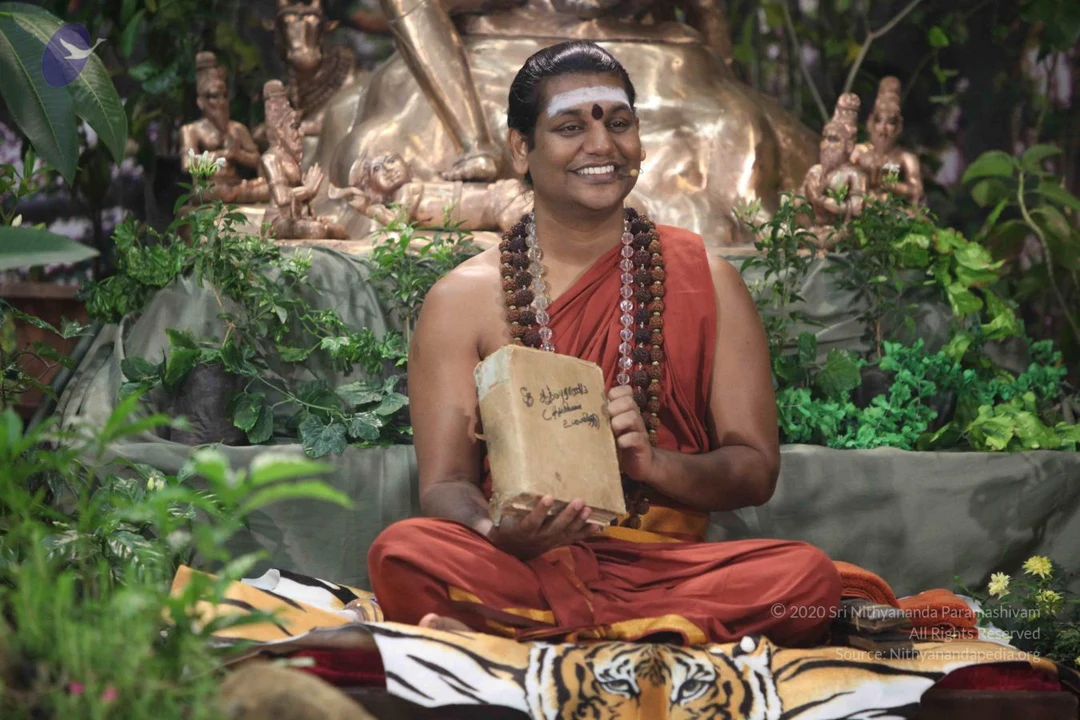
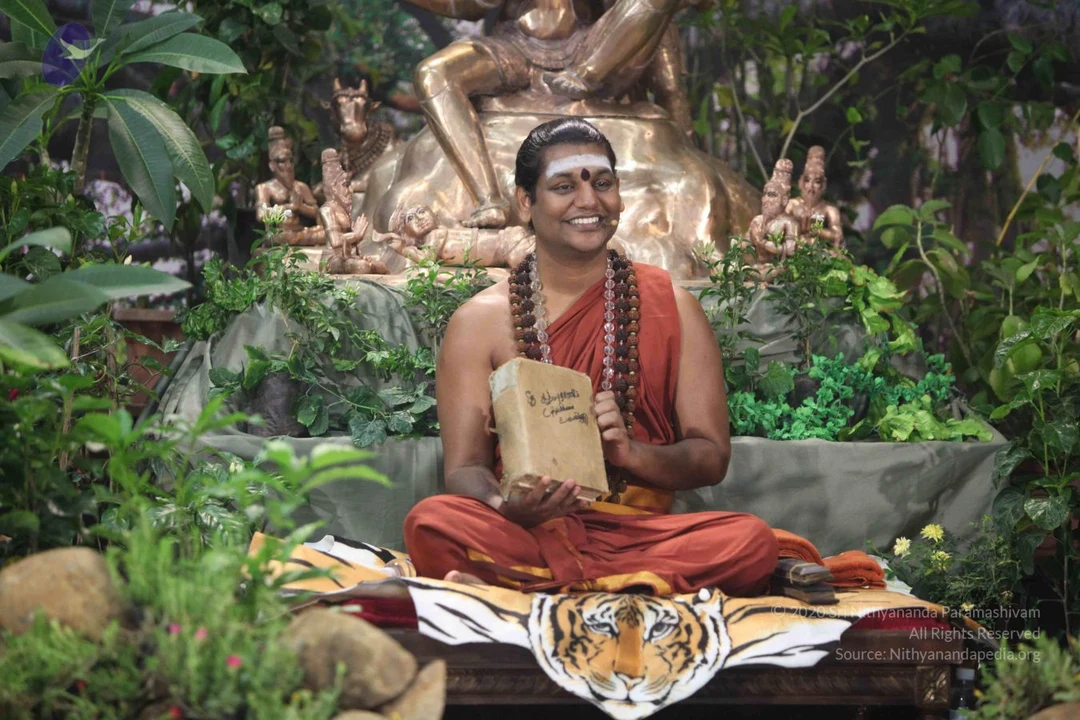
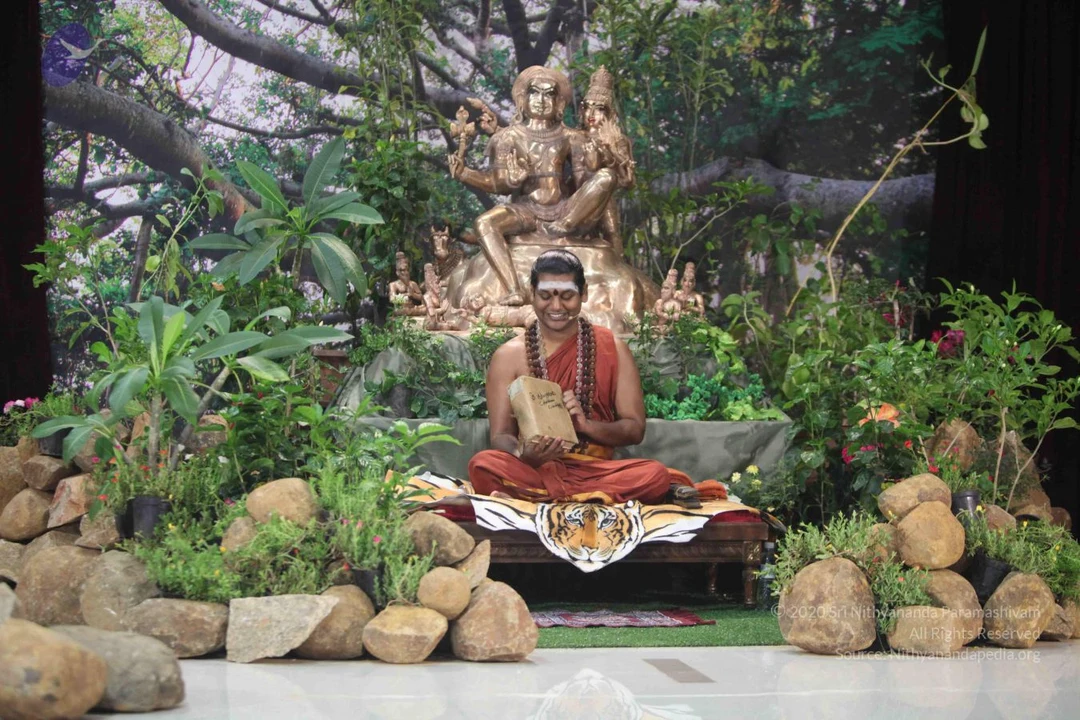
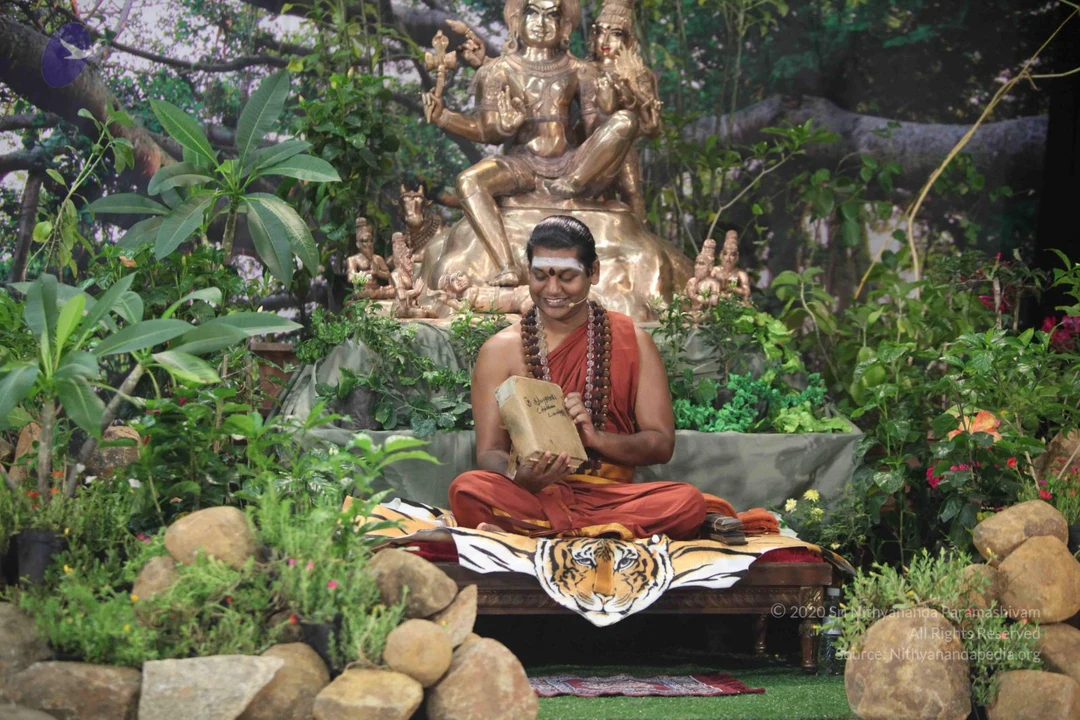
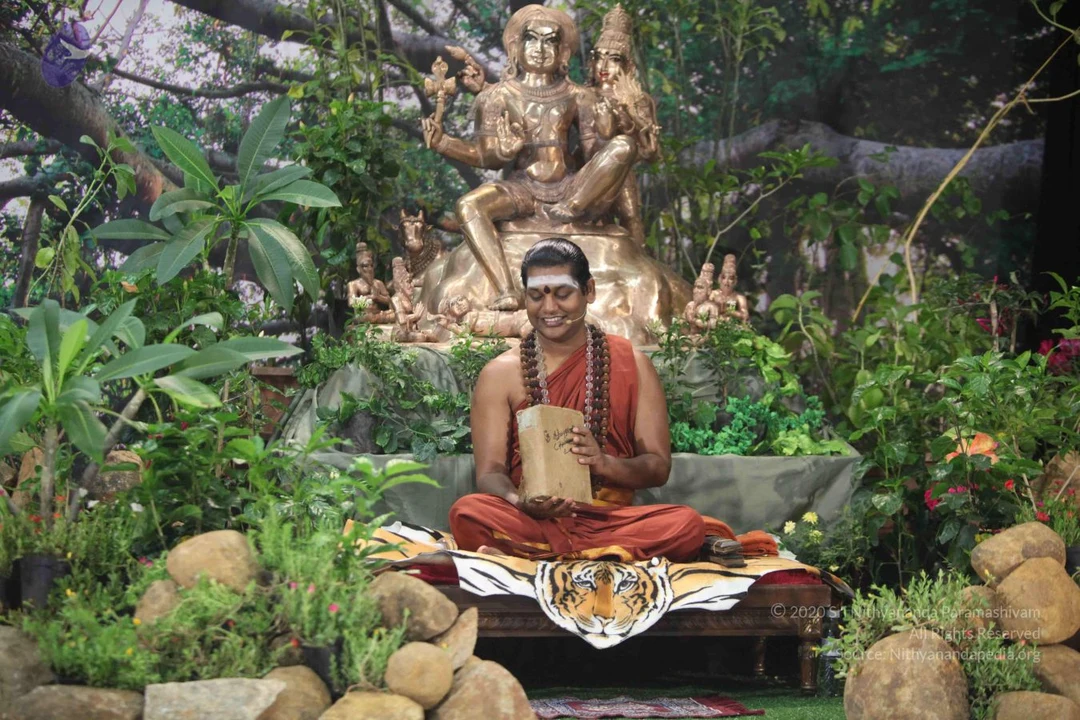
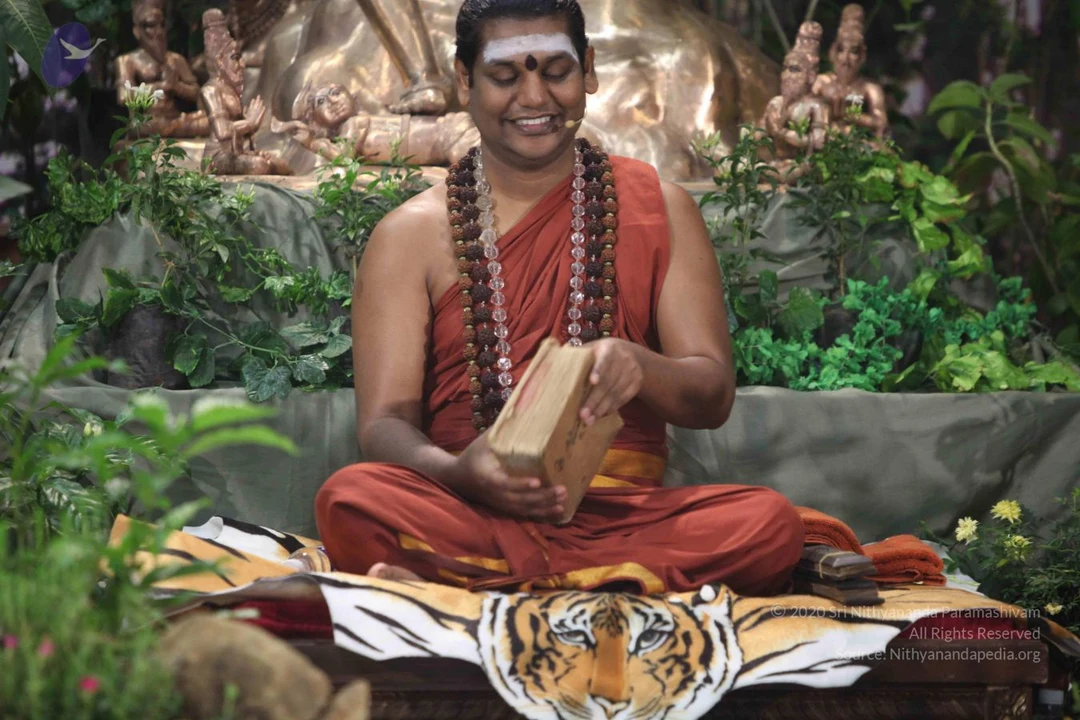
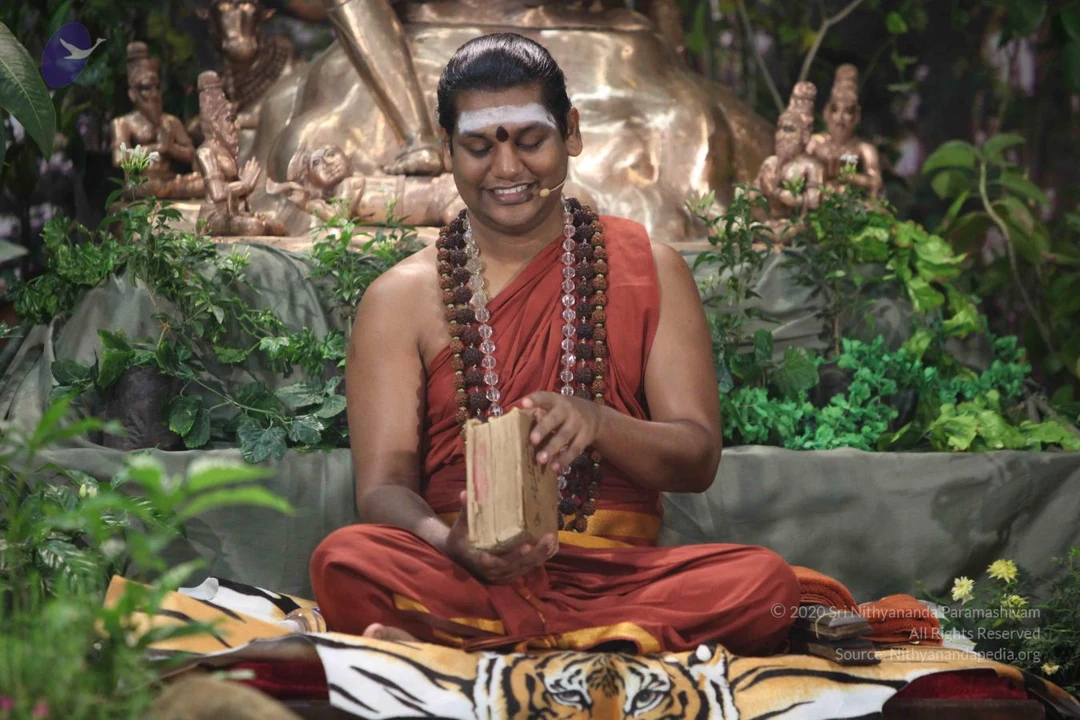
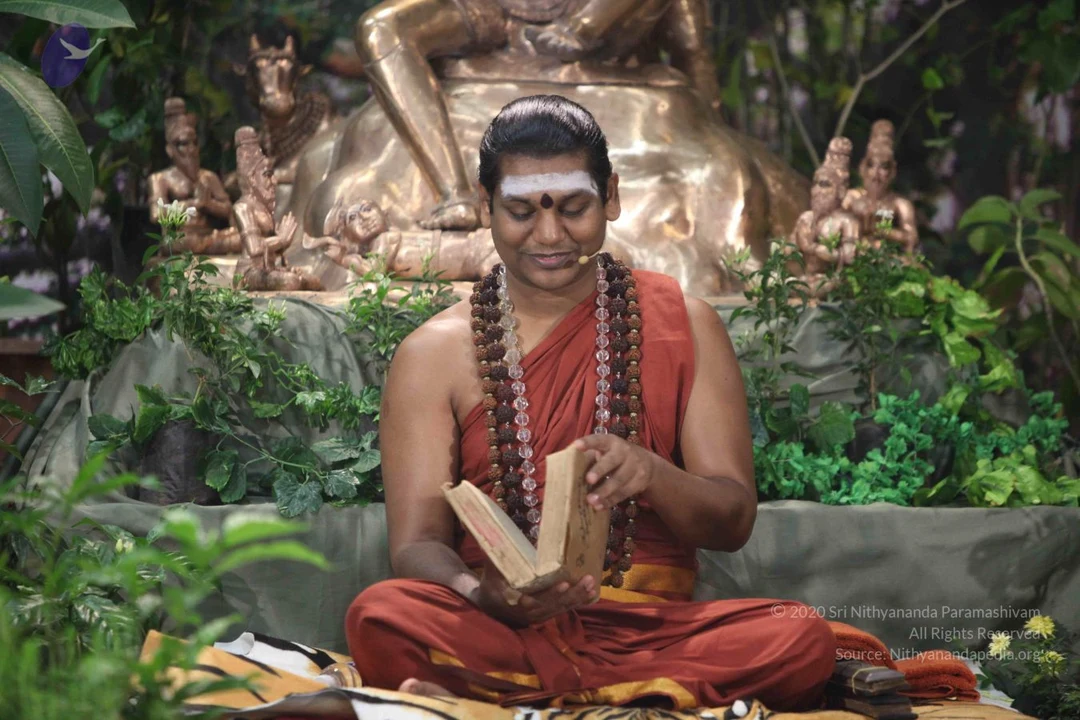
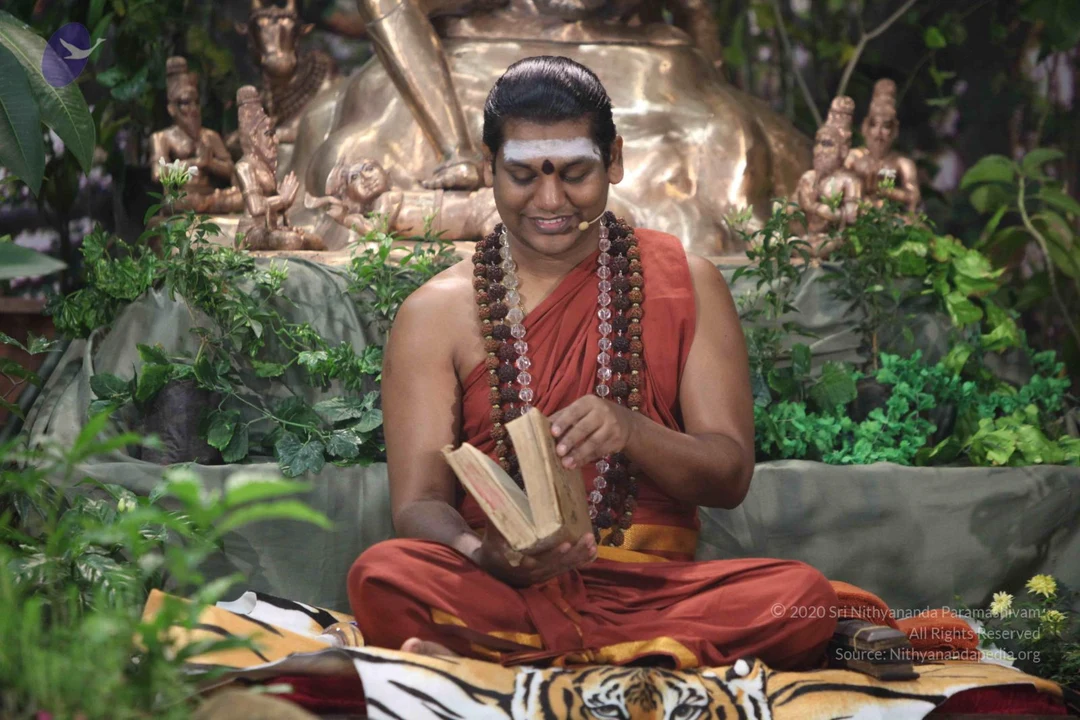
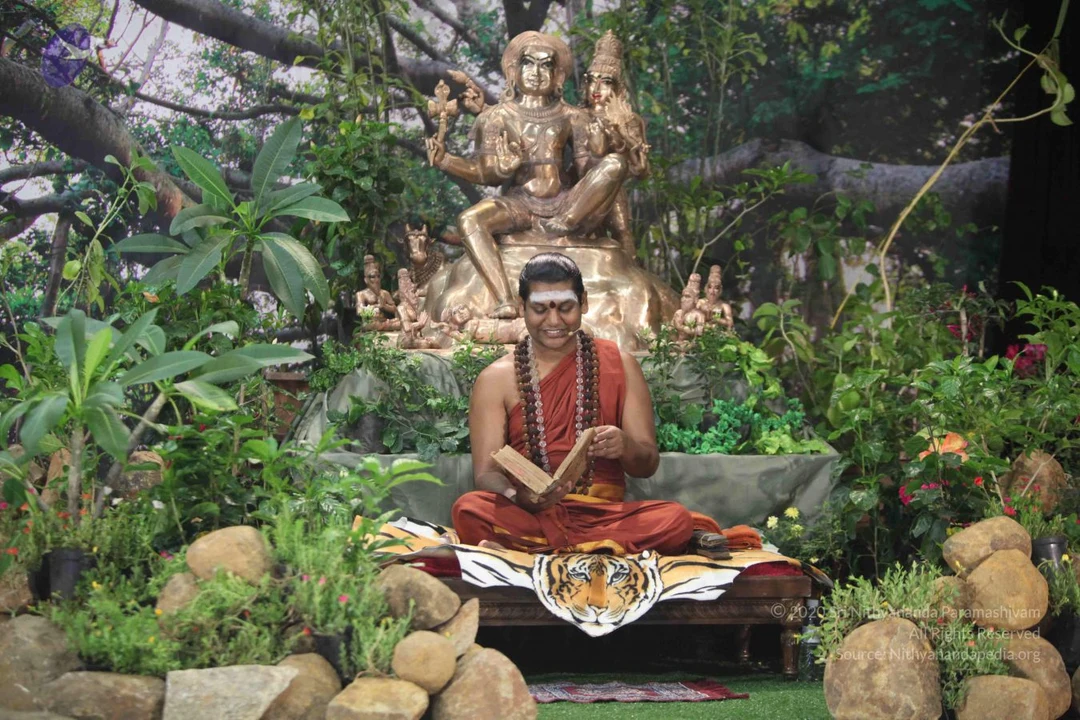
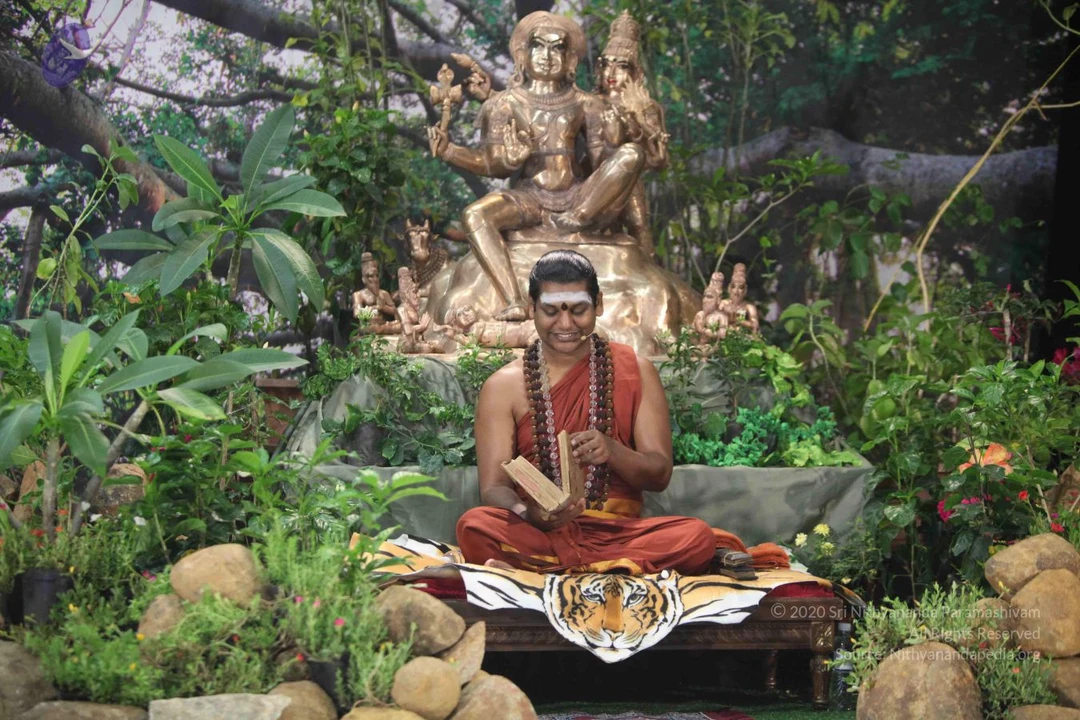
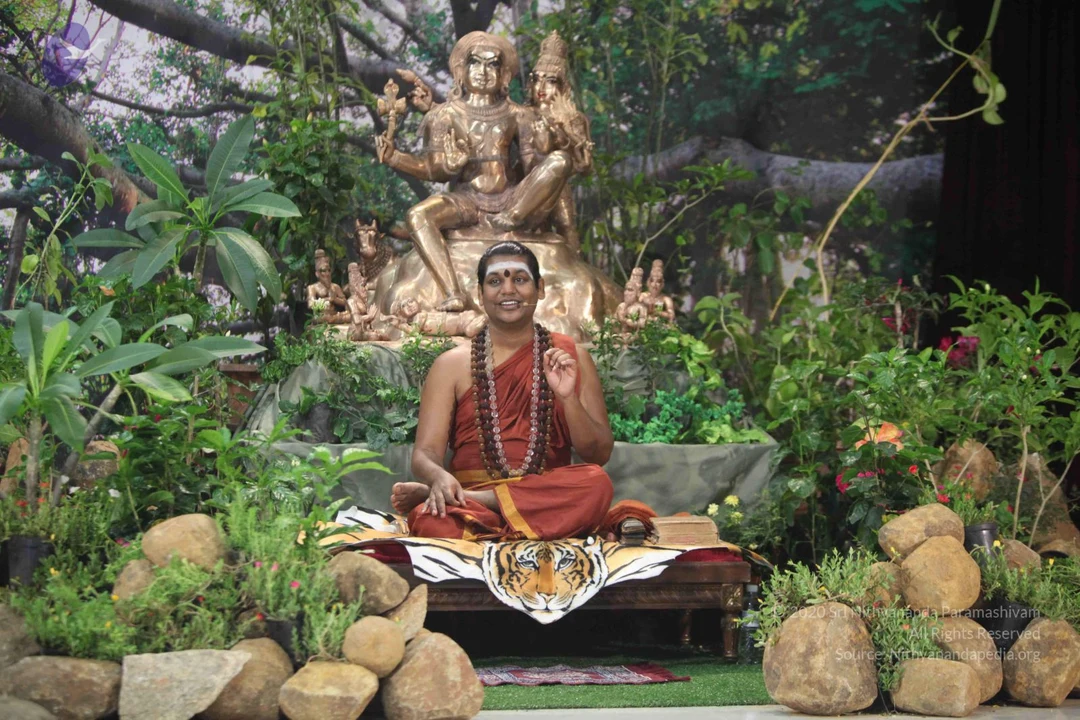
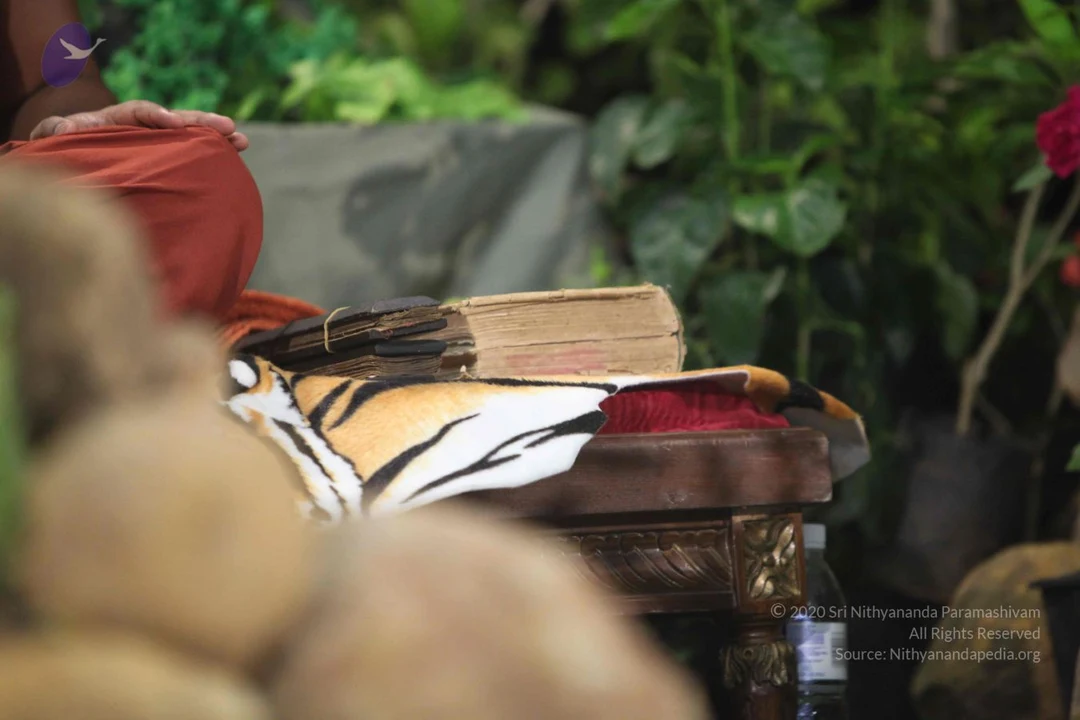
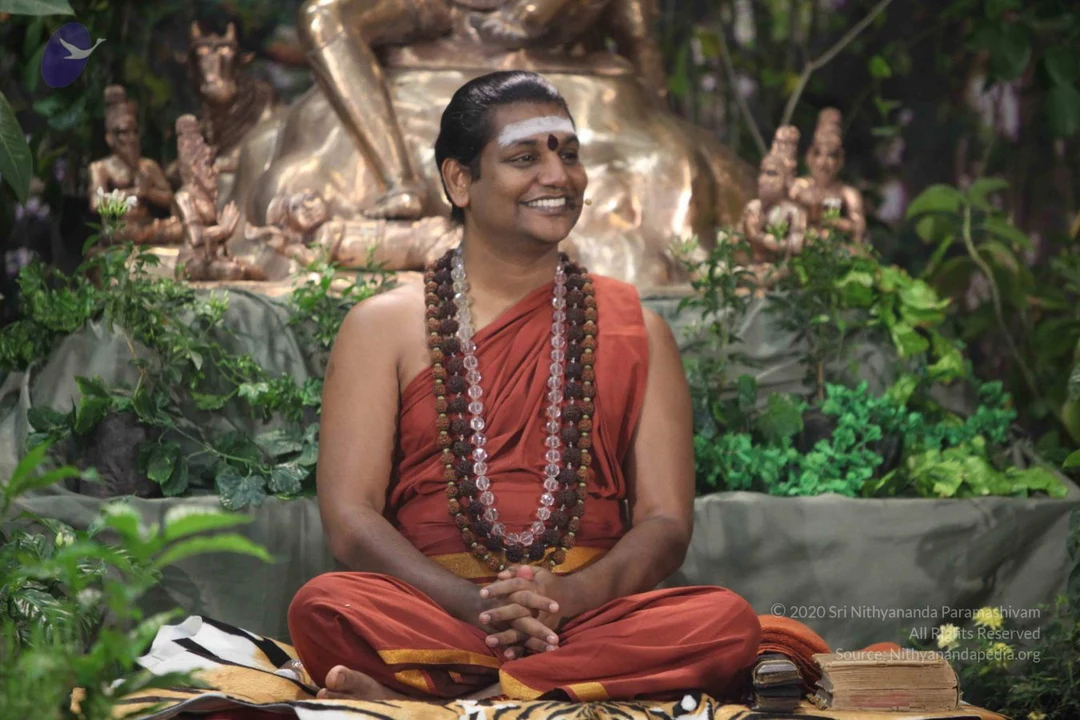
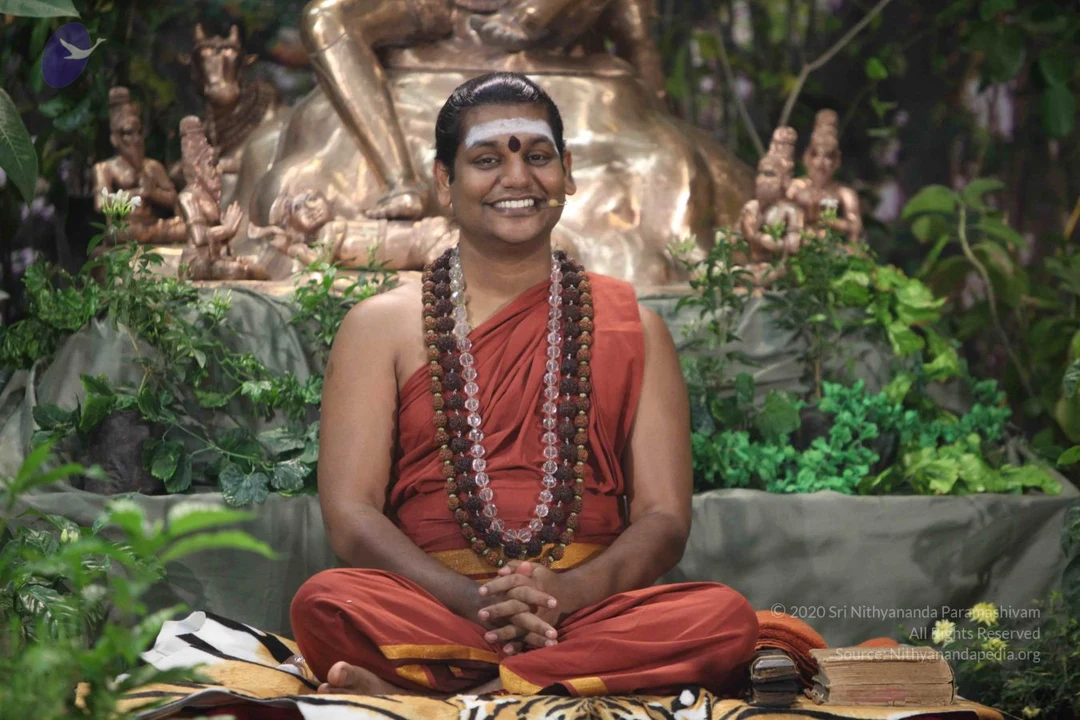
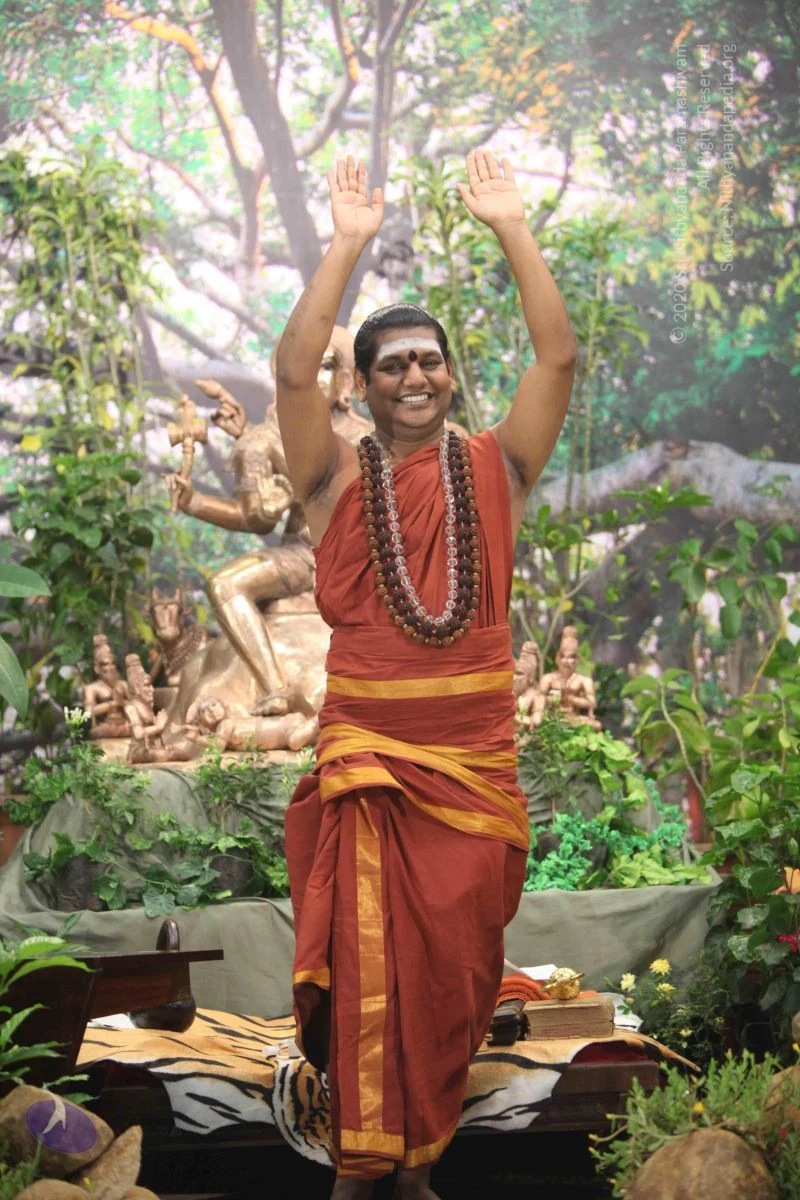
And today I have this beautiful book to show to all of you. The first book I ever got introduced, the first book I ever held in My hand, and ever was read out to Me. To tell you honestly, at that age I was not knowing to read the alphabets. This is the book. The book on Upanishads given to Me, given to Me by my Paramaguru. Fortunately, we have the whole book. Other than the little pages lost, is available as it is. Printed in 1916. The book is printed in 1916. To tell you honestly, I learnt the alphabets from this book. Actually, I learnt Tamil alphabets from this book. I learnt English alphabets from the English Bhagavad Gita translation of Chidbhavananda Swami. I learnt Sanskrit alphabets from 'Complete Works of Shankaracharya'. I learnt Hindi reading, reading the Osho’s books. I learnt reading Bengali, reading original 'Ramakrishna Kathamrita'. I learnt any script only to read and know the spiritual literatures. And I learnt the alphabets only using those books directly. Of course, I had somebody helping Me, guiding Me in each language; but no language I formally learnt, no alphabet I formally learnt from a regular school. I think I should tell the truth: in regular schools I never learnt anything. That is the truth. And let that be on record.
(20:03)
I should explain this joy of re-reading to all you guys. Please understand. Once you read and understand you disappear into that concept. But only by re-reading, re-reading, re-reading, re-reading, re-reading the concept disappears into you. Please understand. Only when the concept disappears into you, you are secured that it - you will never be forgetting it, it won’t be lost in your life, it has become part of you. And I encourage very strongly, listening to many of my different satsangs, reading My books, again and again and again, because all of them are multi-layered presentations. The satsangs and books, all of them are multi-layered presentations. This book, I don’t know how many number of times I read. This was used even as a pillow by Me. I will read, read, read; when I am feeling sleepy, I will put it just under the head and sleep. That is what I developed the theory of directly downloading during sleep.
(21:53)
Listen. Microcosm becoming macrocosm is Enlightenment. Macrocosm becoming microcosm is incarnation-hood. You having the Cosmic cognition, and Cosmos having you in the cognition. You dissolving into these great truths, and these great truths dissolving into you, both of them are totally different. Listen. Catch it! Catch it! Listen. With Upanishads, not only those great truths will provoke you to dissolve yourself into those truths, even they will dissolve into you. Listen, even they will dissolve into you. Provoking, provoking your being to dissolve into the truth can be done by any spiritual book. Even if you read some stotras of saints, your whole being will be provoked to dissolve into the truth. That is what the great bhaktas did, the saints of the Vedic tradition preaching devotion. The intensity of the passion and emotion is used beautifully to merge with the Cosmos. Meera, Gnanasambandar, Ramadasa, the great devotees Chaitanya Mahaprabhu; here in Karnataka, Akkamma Devi; in Andhra, Annamacharya; in Tamil Nadu, Gnanasambandar, Manickavasagar - I can go on listing.
(24:51)
They all used the passion and emotion, intensity of the passion and emotion to dissolve into the Cosmos. See, provoking you to dissolve into the truth, any spiritual book can do; but provoking the Cosmos to dissolve into you, only Upanishads can do it. Only Upanishads can raise you to that height; you become so vast that Cosmos dissolves into you. The microcosm becomes so big as macrocosm, so macrocosm can just dissolve into it. If you have to have the whole universe in your mouth, your mouth has to open to the size of the whole universe. If the truth has to dissolve into you, you should grow taller than the truth. That can happen only by the Upanishads. That is why I am telling you, Upanishads don’t make just Enlightened beings, it makes incarnations. People ask Me, “Why only in India so many incarnations?”
(26:38)
Don’t ever think Indians are fools. Don’t ever think Indians believe immediately. But with all that, I am telling you, India was, is, will continue to produce maximum number of incarnations. Because this country’s literature: Upanishad, that is only capable of producing incarnations. If at all incarnations have to happen on planet earth, that can only be in the country India, the place with Bharat, because the Upanishads are lived only here. It is just because of Upanishads. This land is the most holy land as long as it is breathing Upanishads. As long as it is breathing Upanishads. And it will ever breathe Upanishads. It will ever breathe Upanishads!
(27:57)
Veda Vedanta Saara - the Upanishads, uncomparable! Its ability to put you into the Cosmos, and its ability to raise you into the Cosmos, its ability to make you radiate into the Cosmos, is unquestionable, unimaginable. I will continue, continue, continue on Upanishads. I think I need few more days even to introduce Upanishads and set the context then enter into the verses. Because so many people are waiting for My commentary on Upanishads, so many are waiting for Me to enter into the mantras, sacred texts. So with this, I bless you all. Let you all radiate with Integrity, Authenticity, Responsibility, Enriching, and Causing and Living Advaita, the eternal bliss, Nithyananda. Thank you. Be blissful!
(29:37)
Title
Nithyananda Times - 06th January 2015
Description
Nithyananda Times - 06th January 2015
Link to Video:
Photos Of The Day:
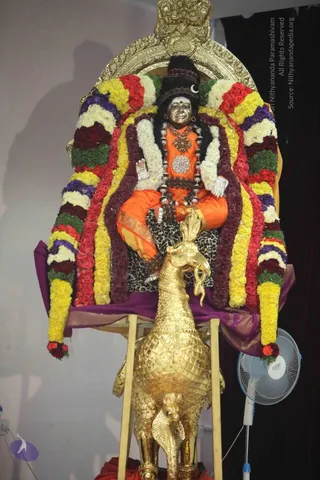
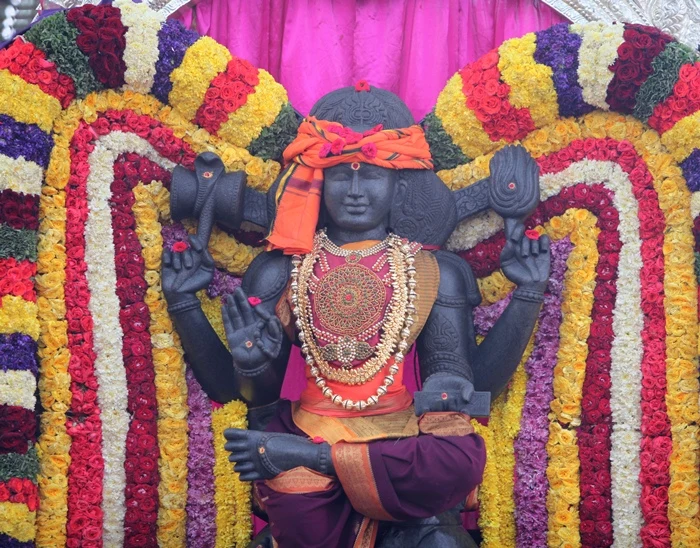
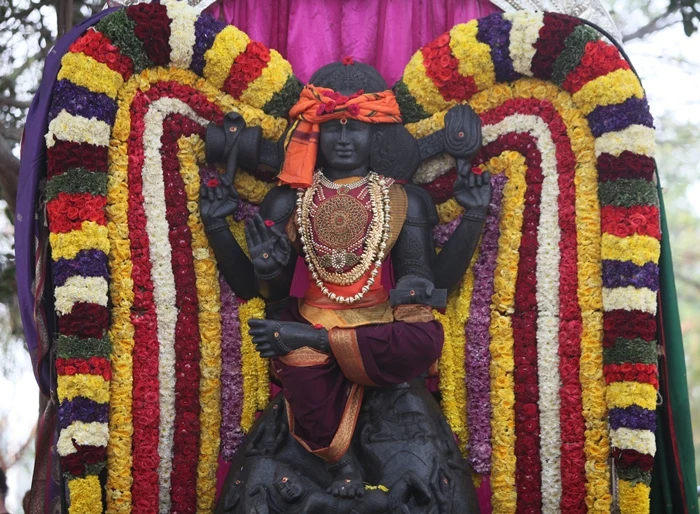
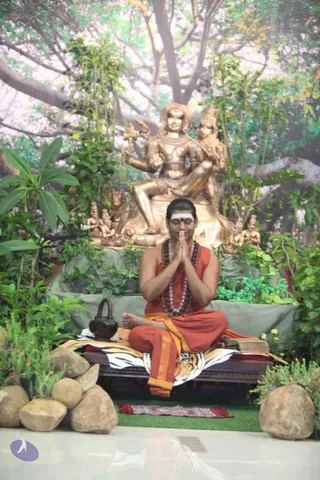
morning-satsang
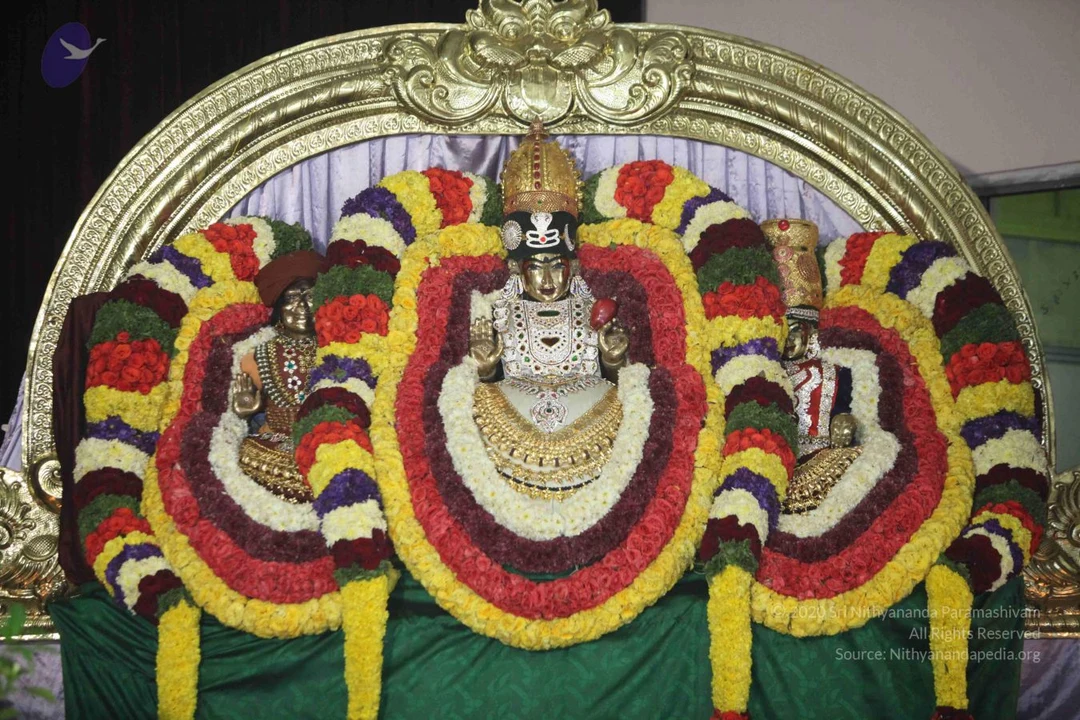
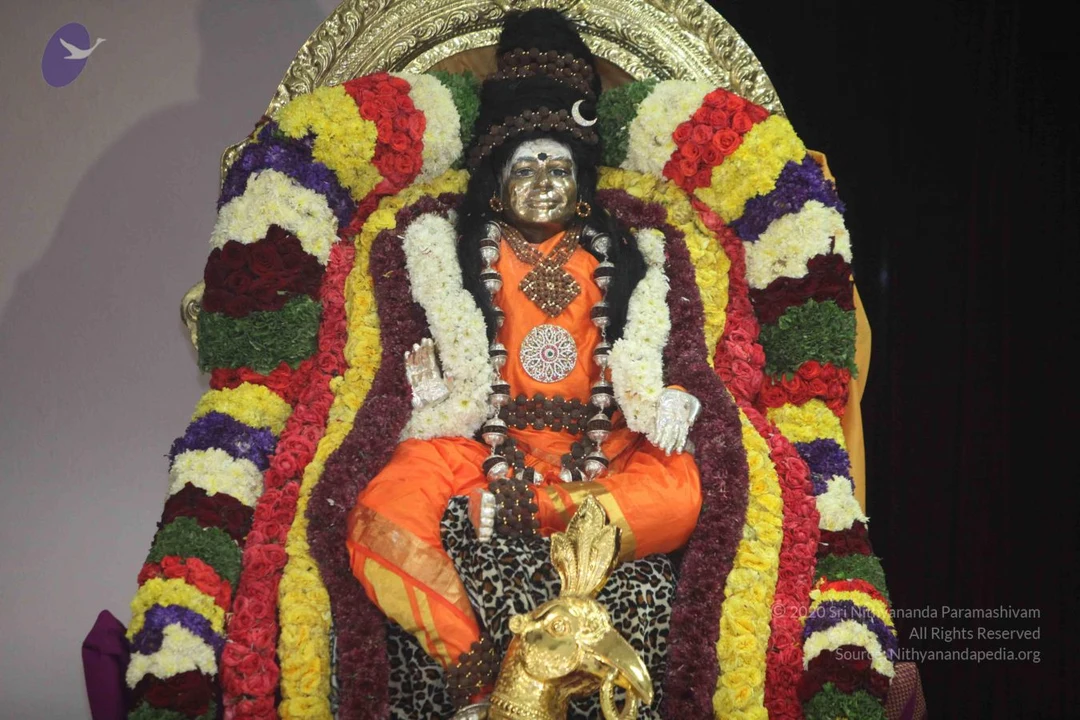
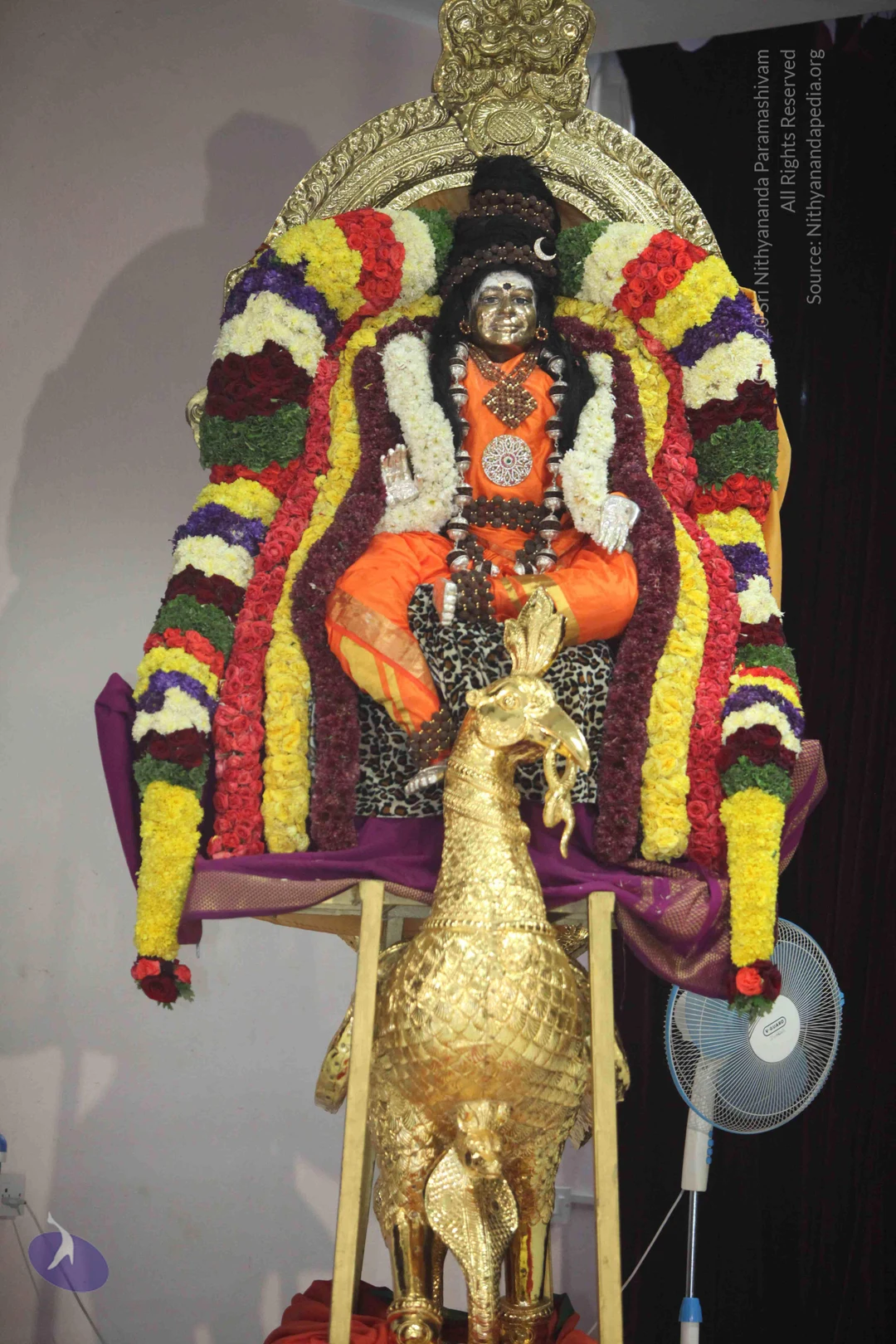
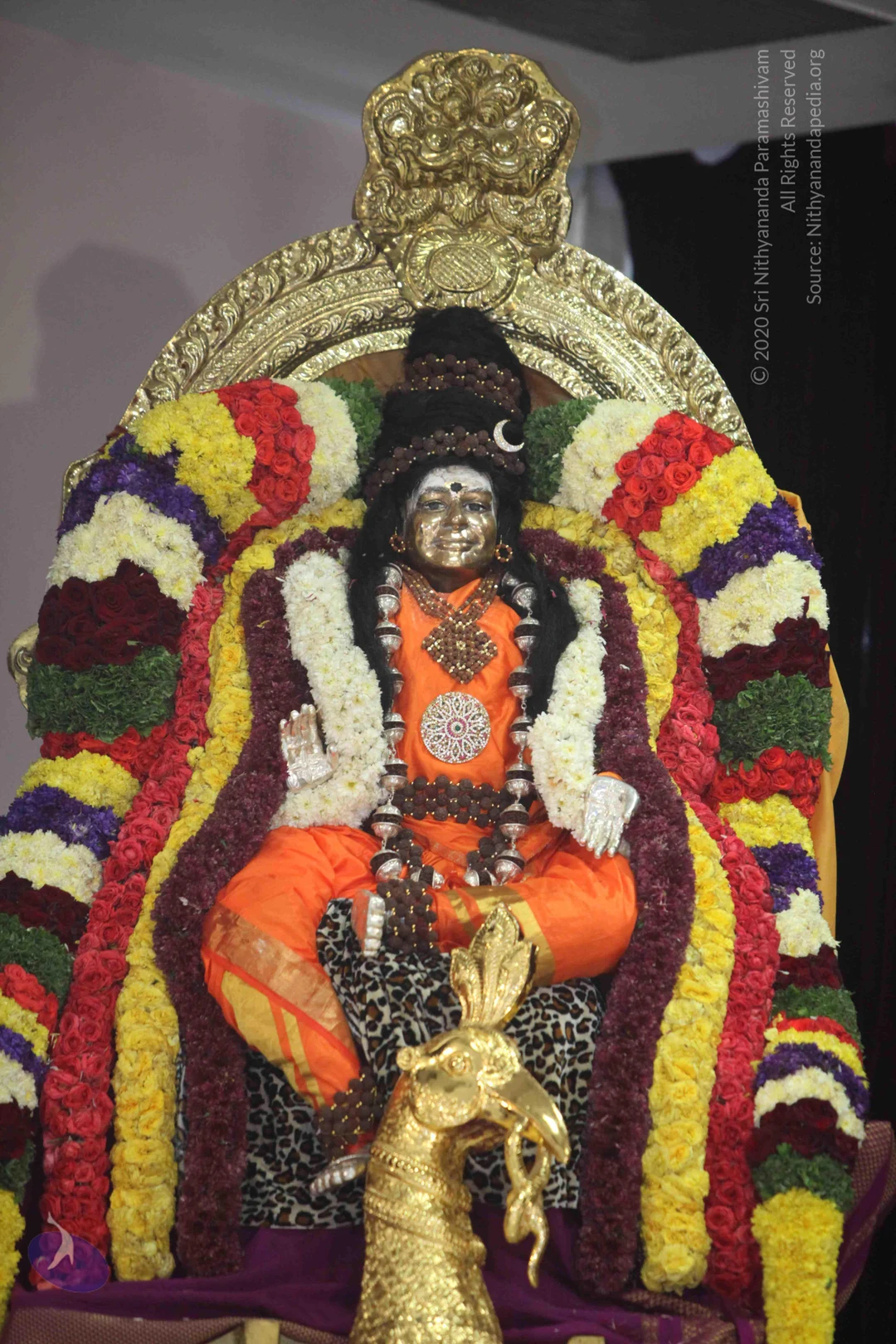
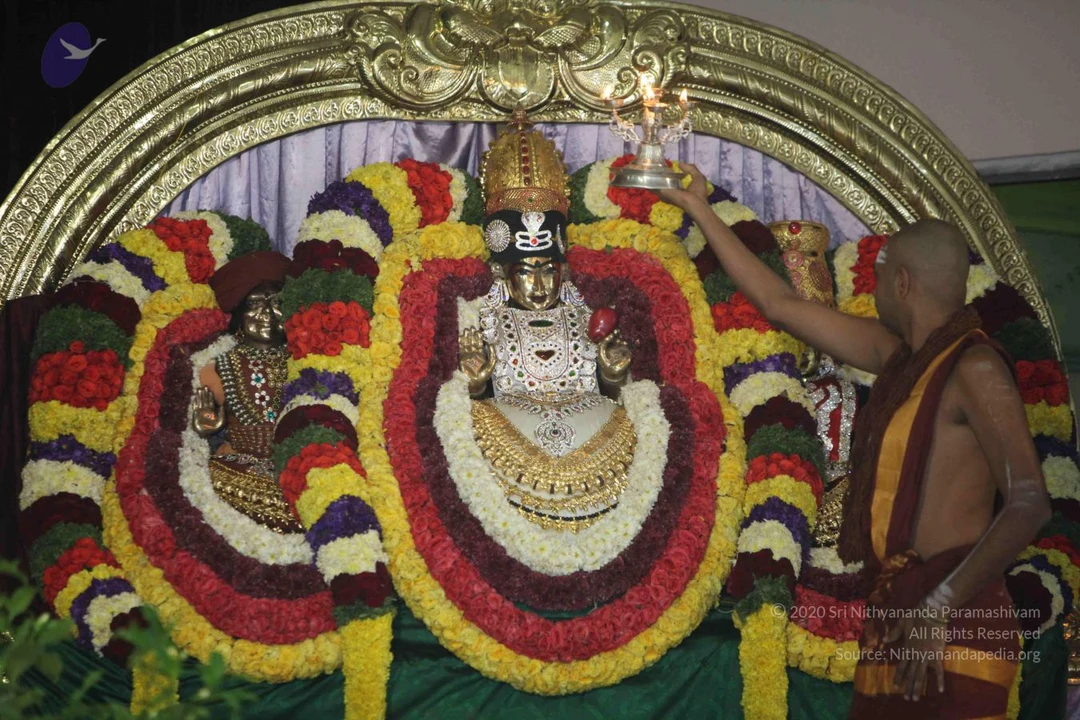
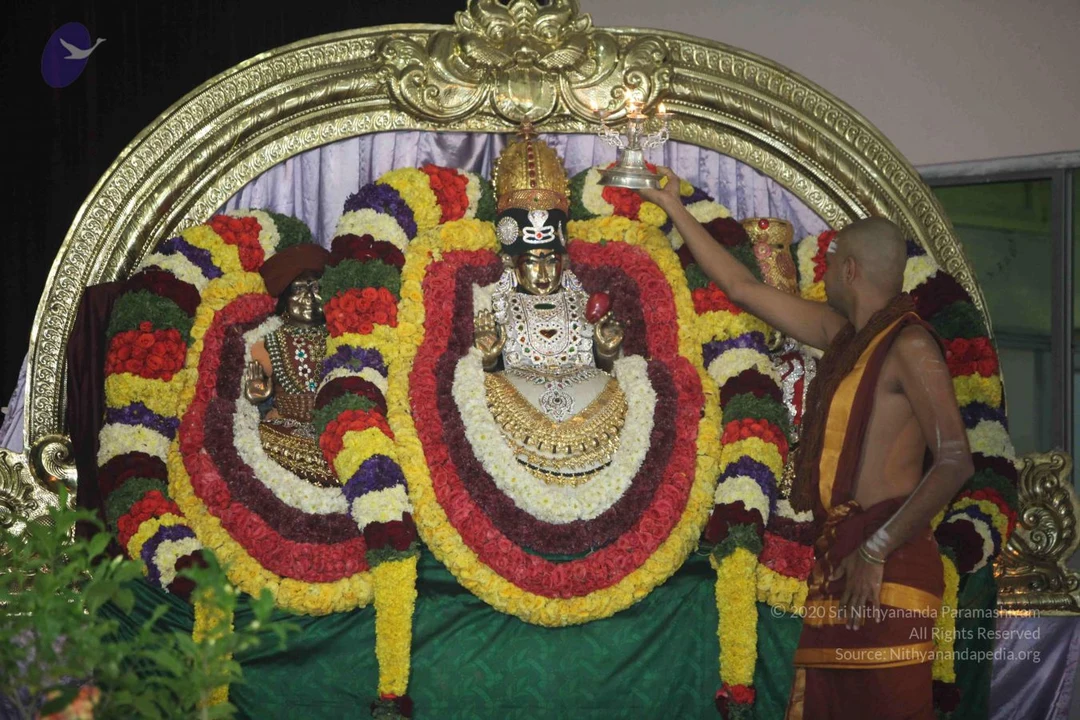
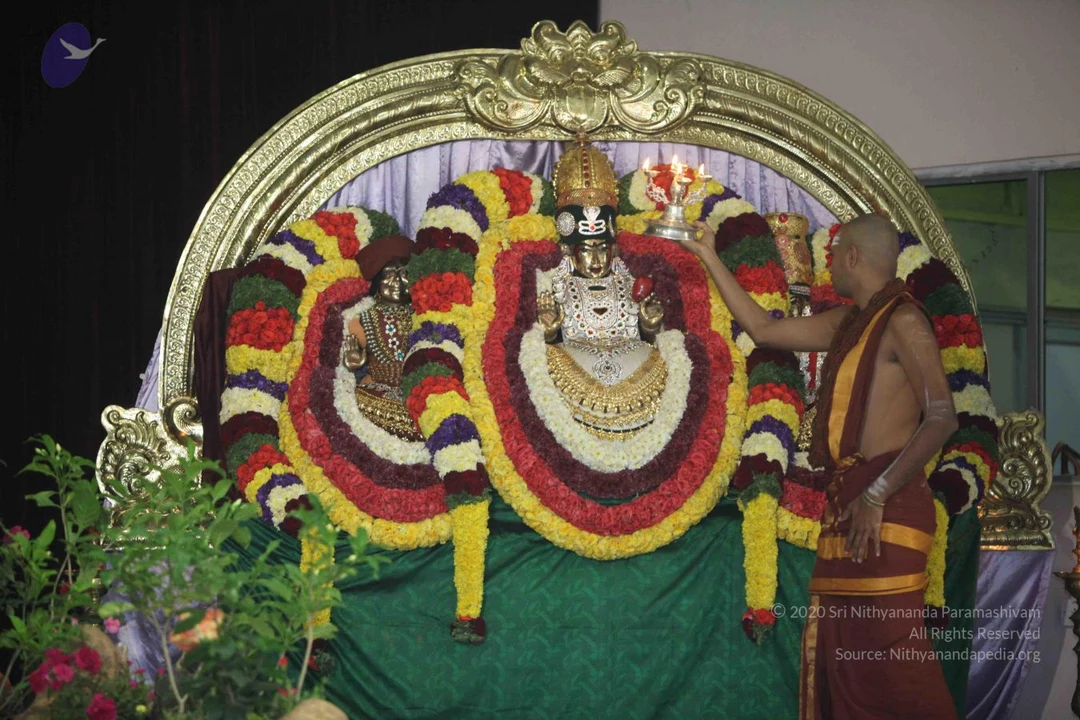
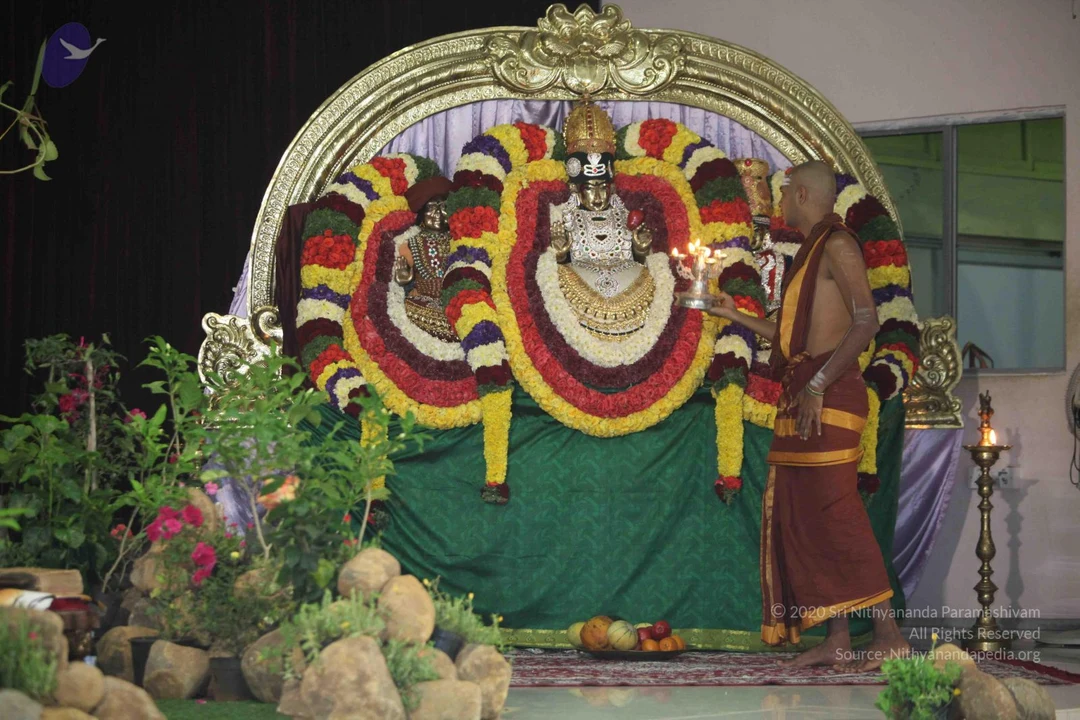
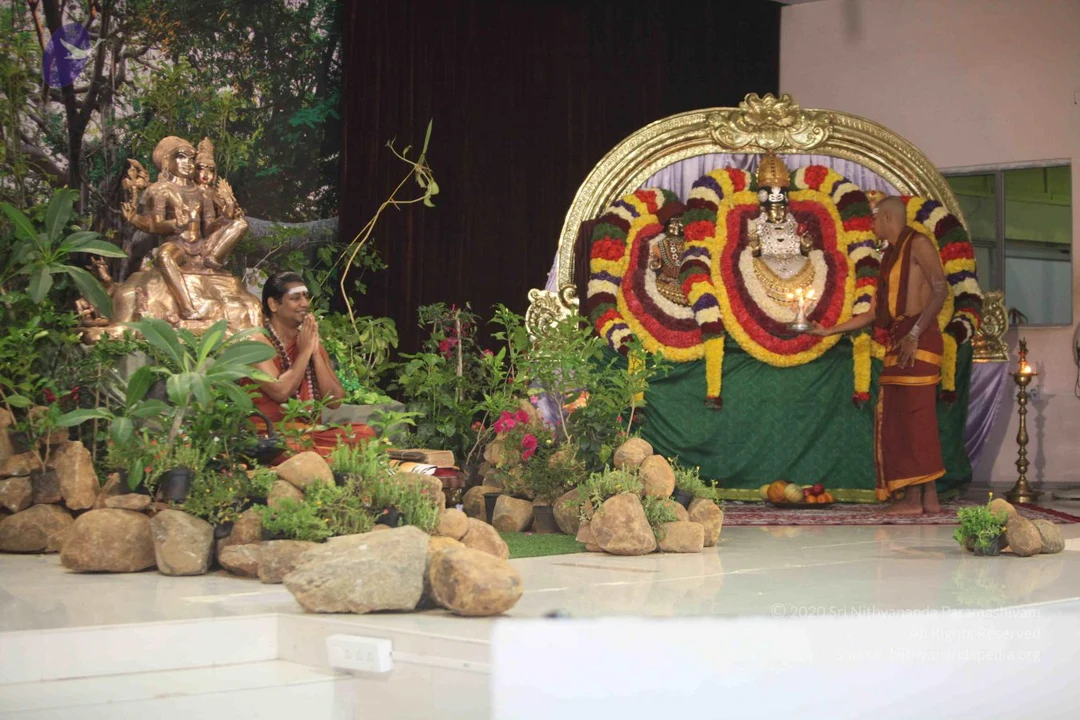
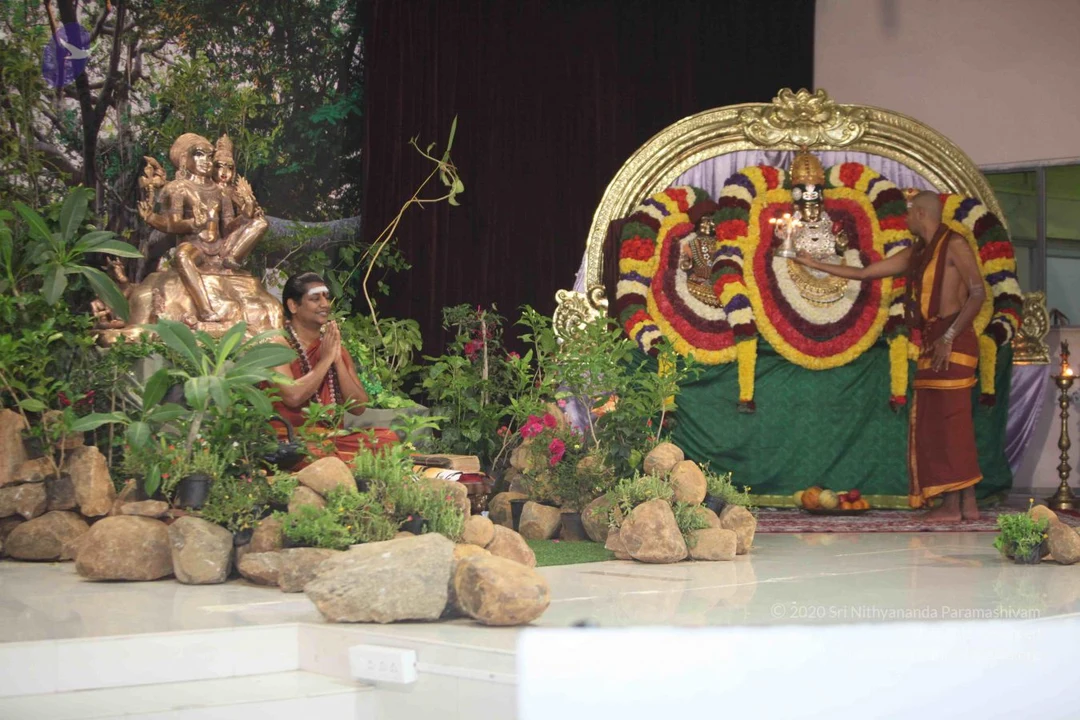
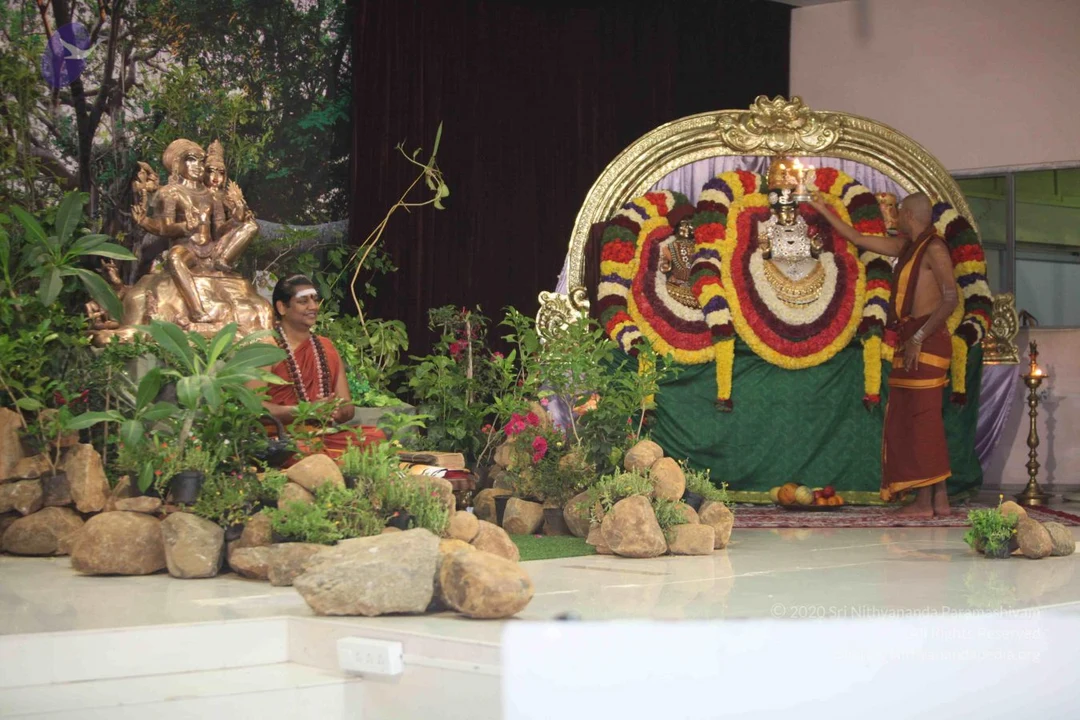
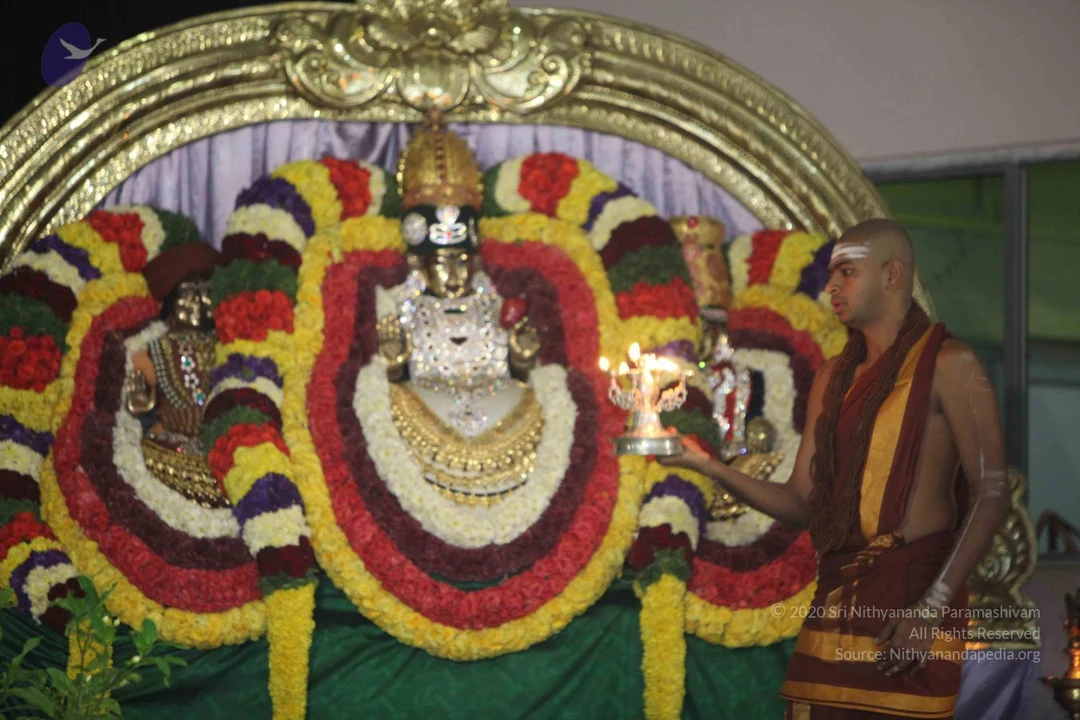
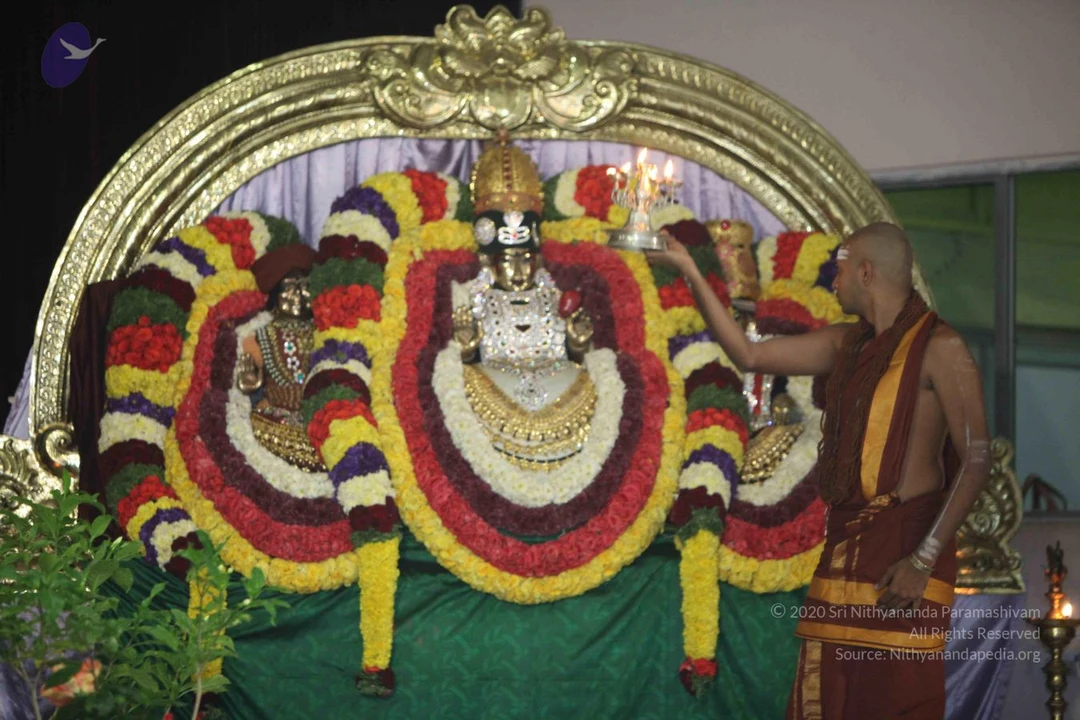
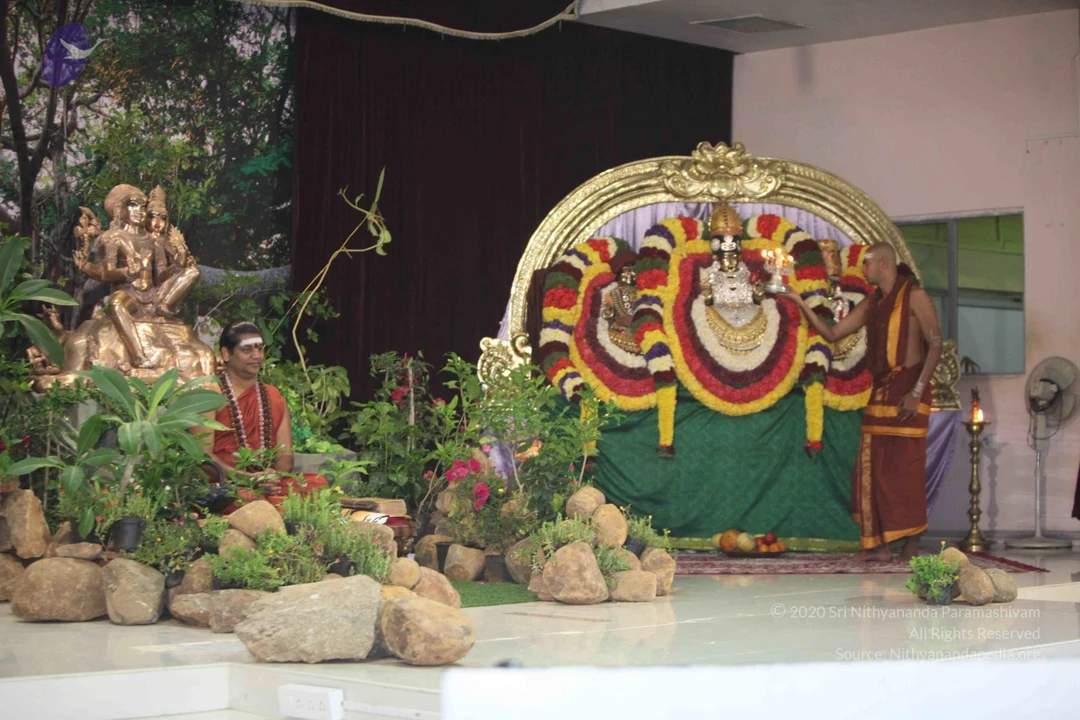
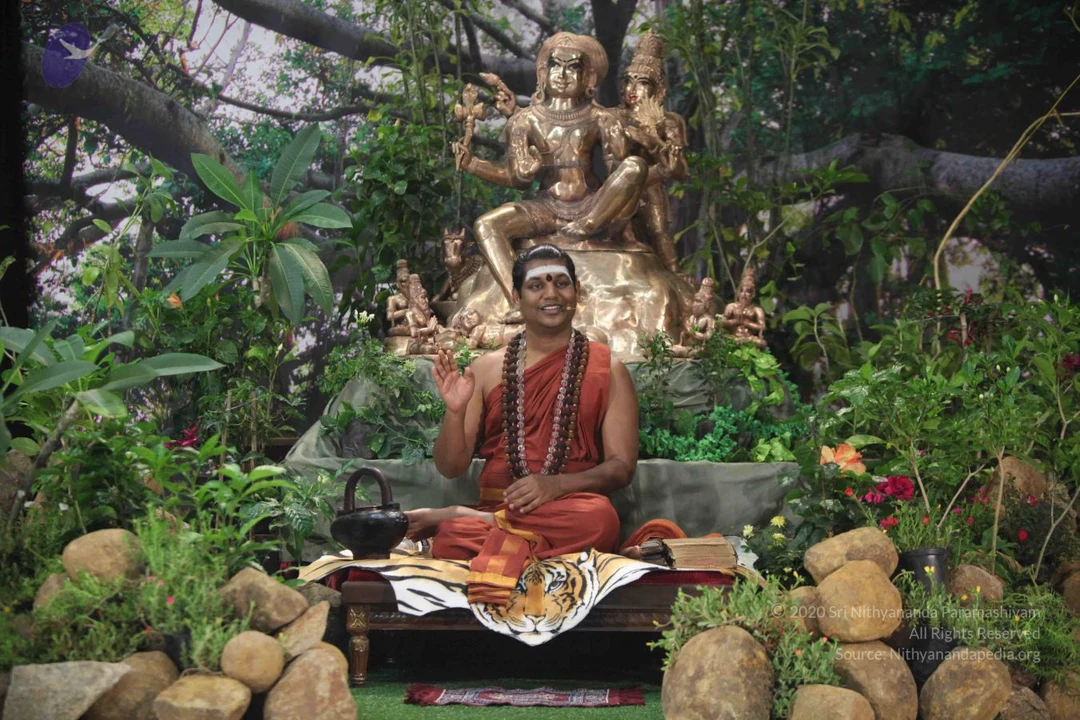
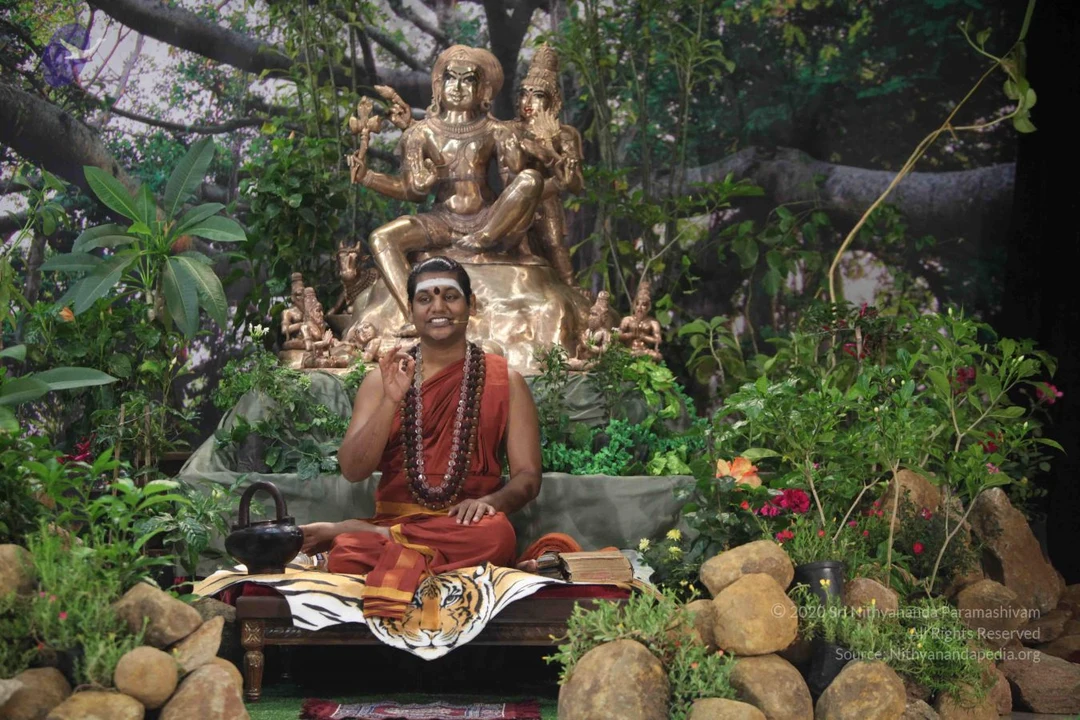

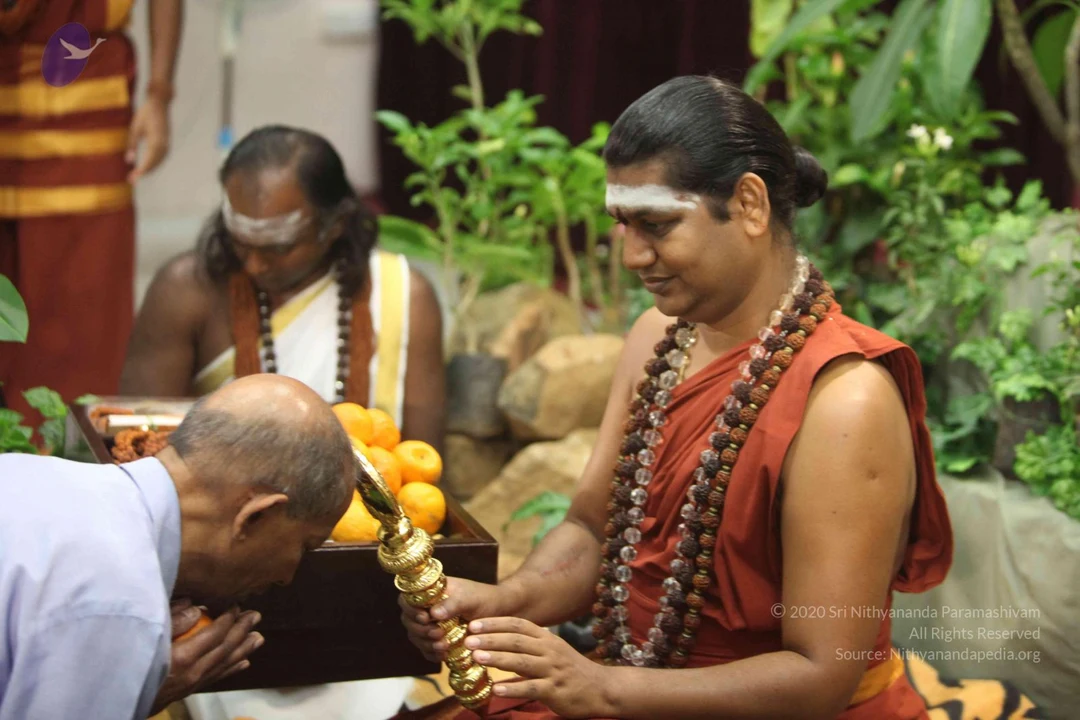
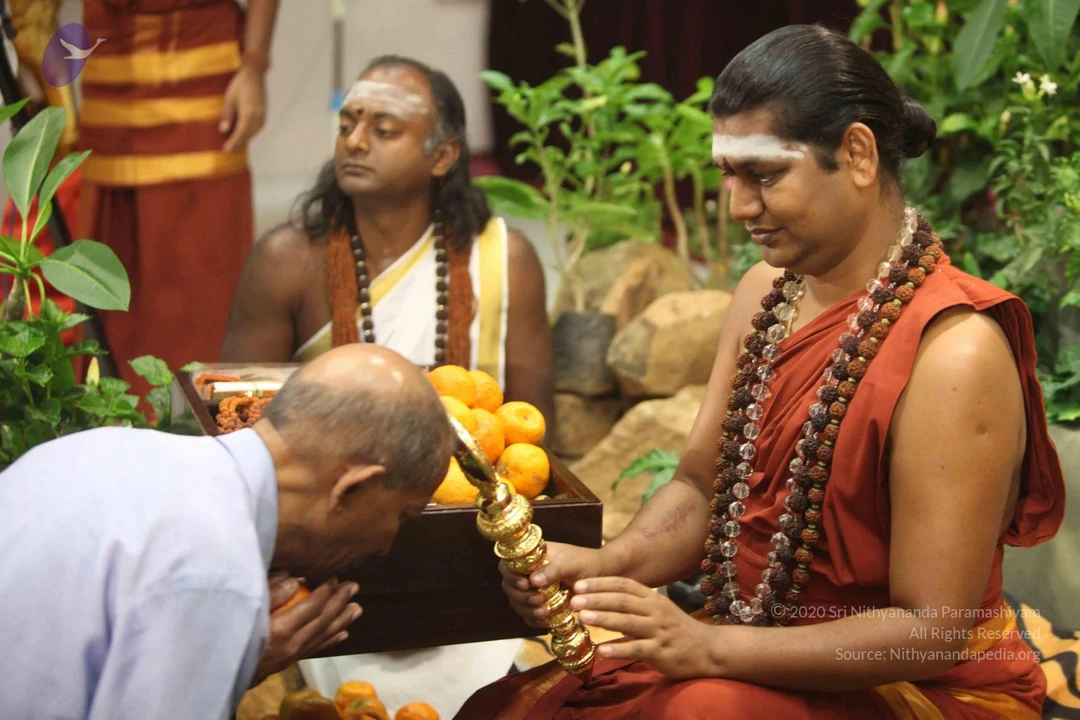
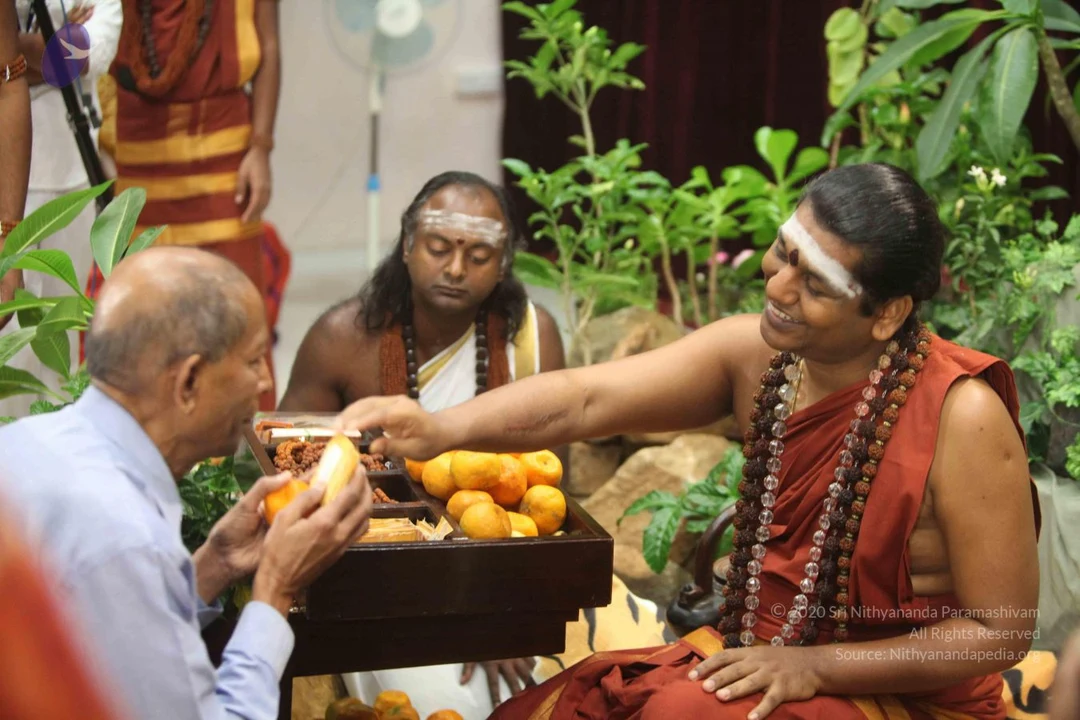
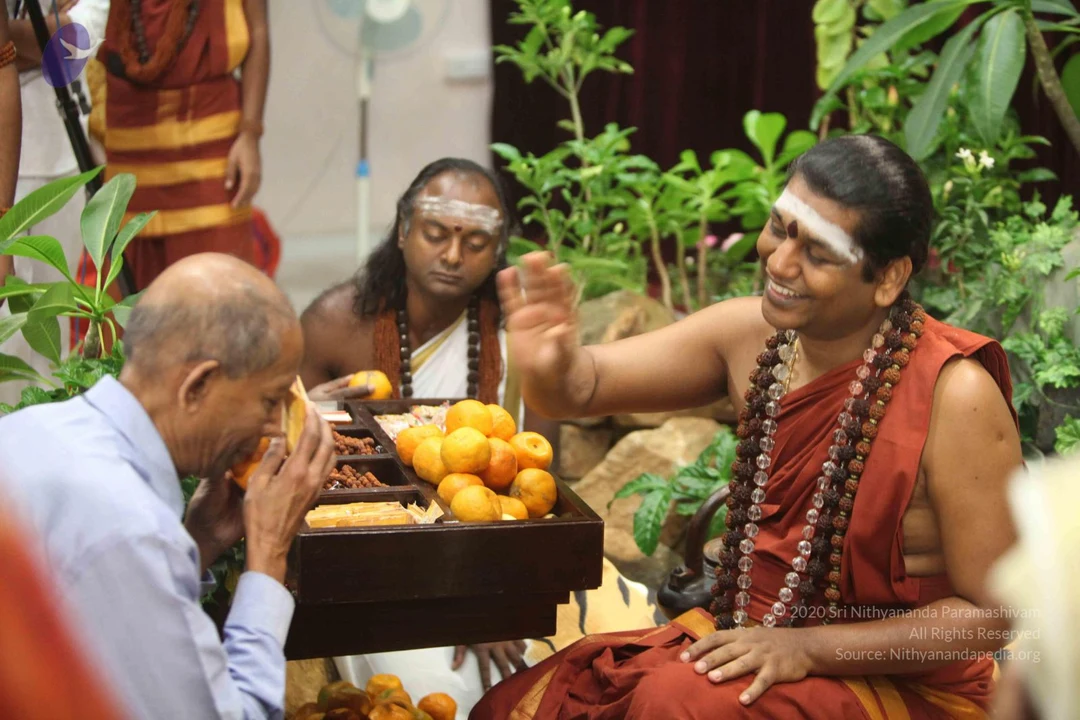

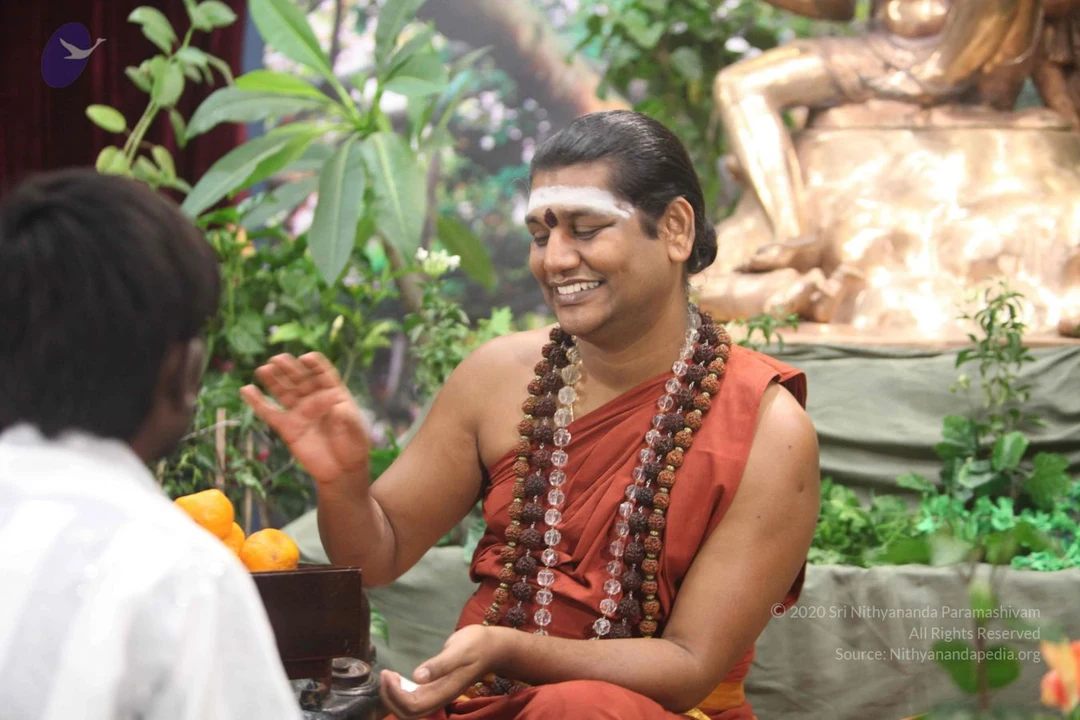
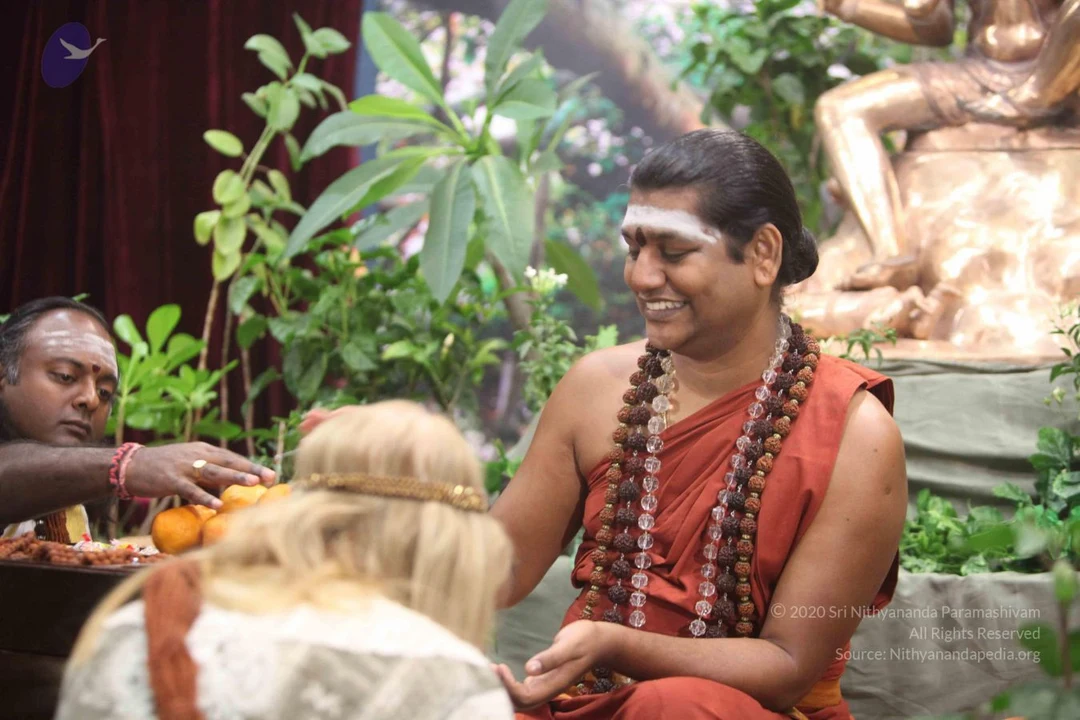
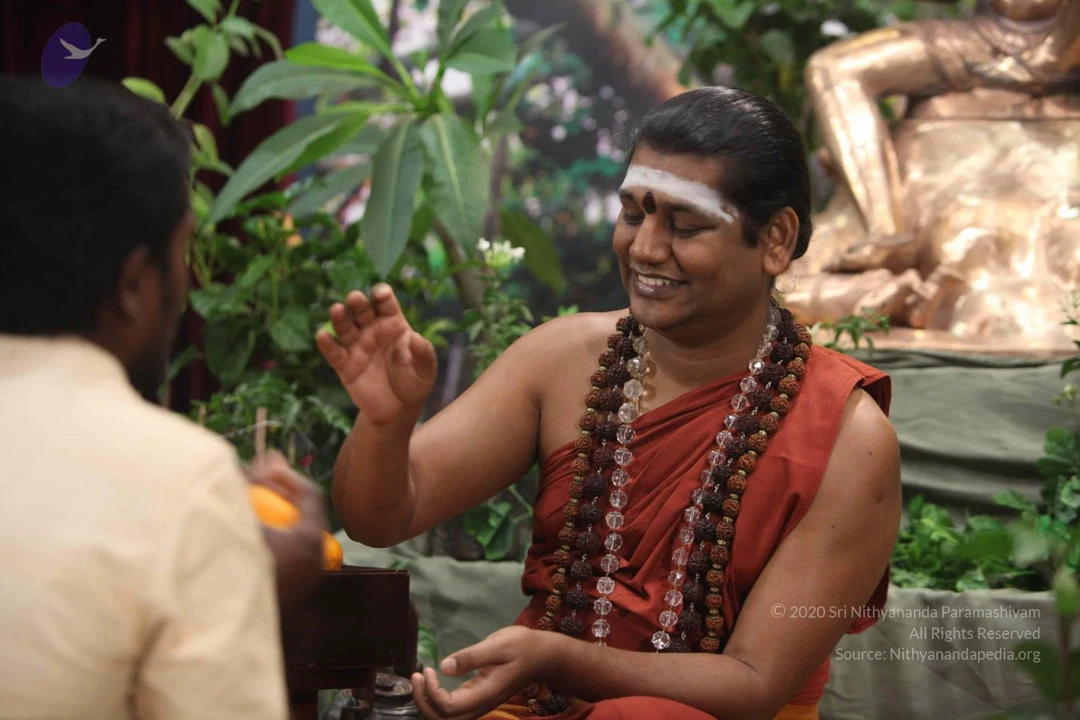
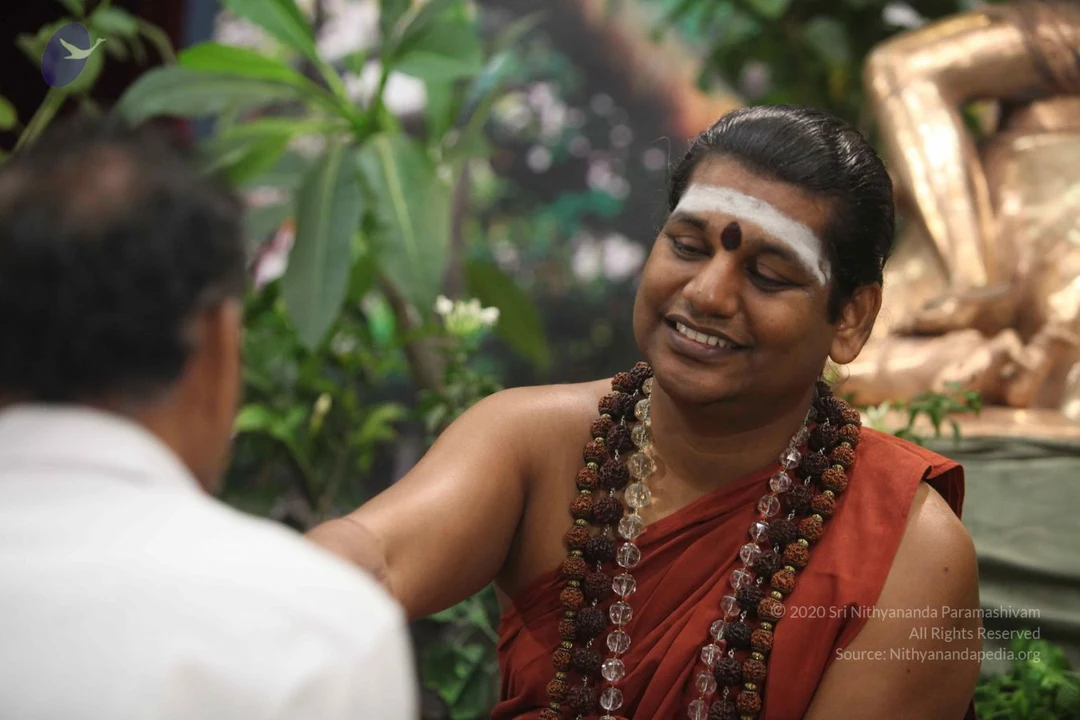
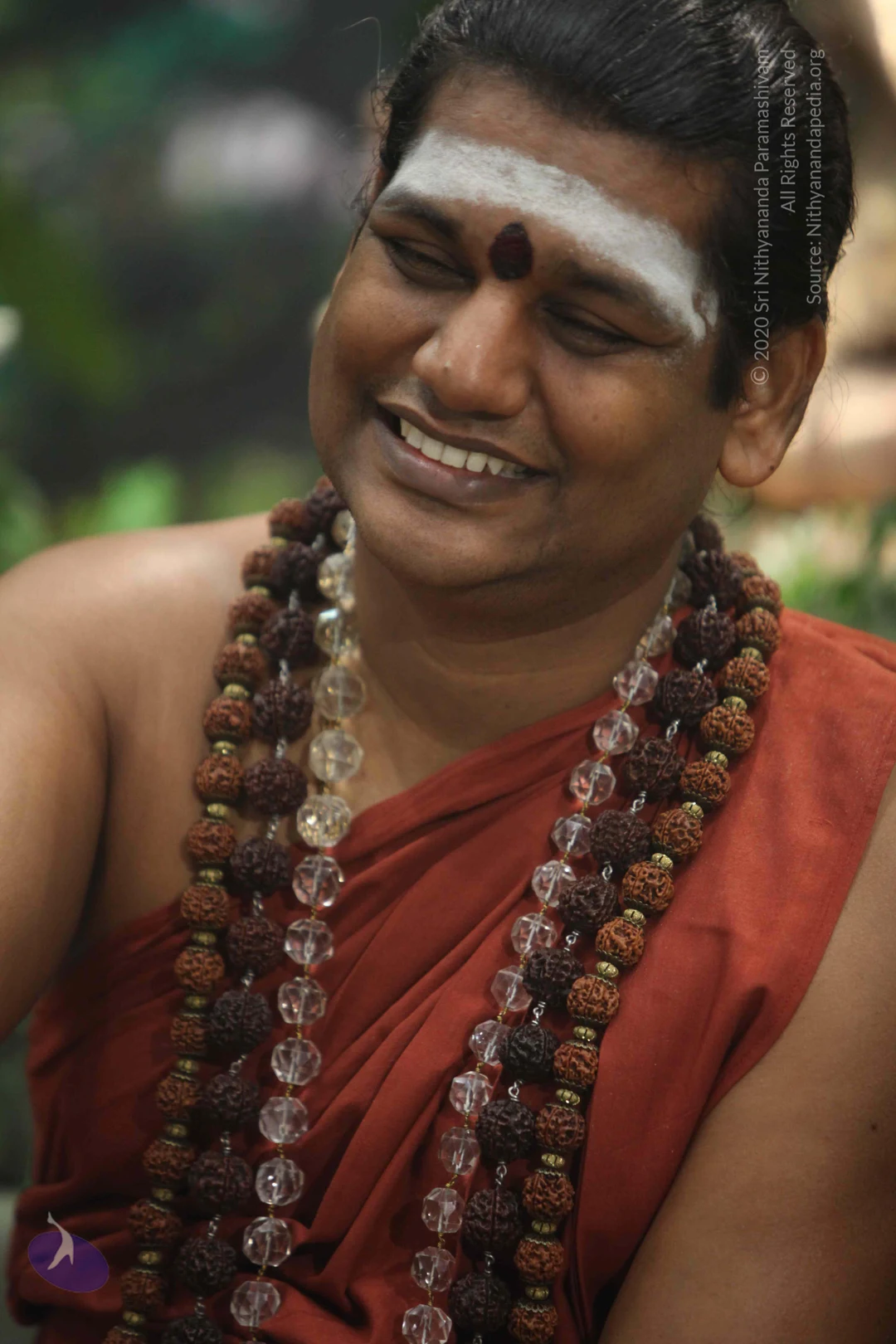
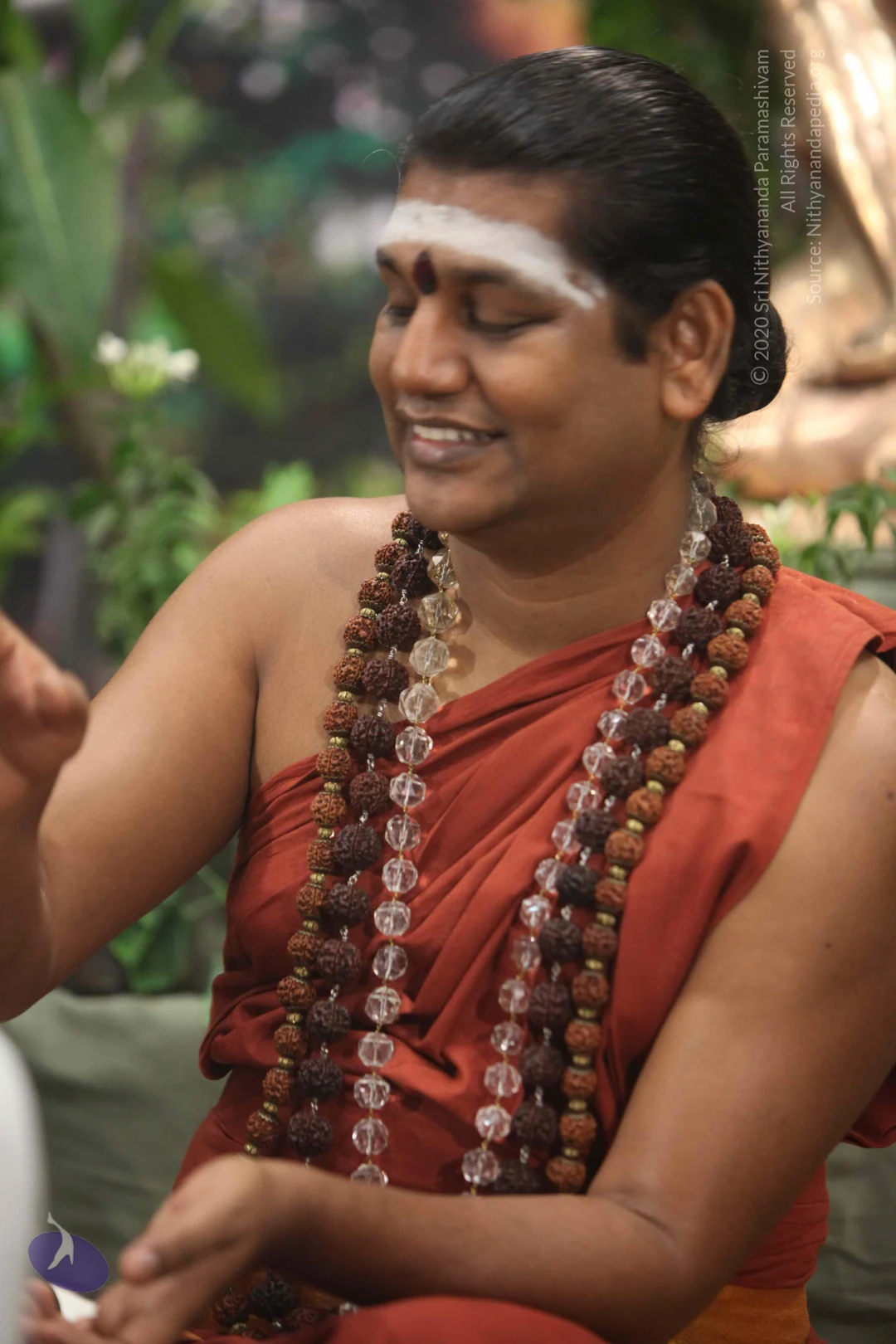
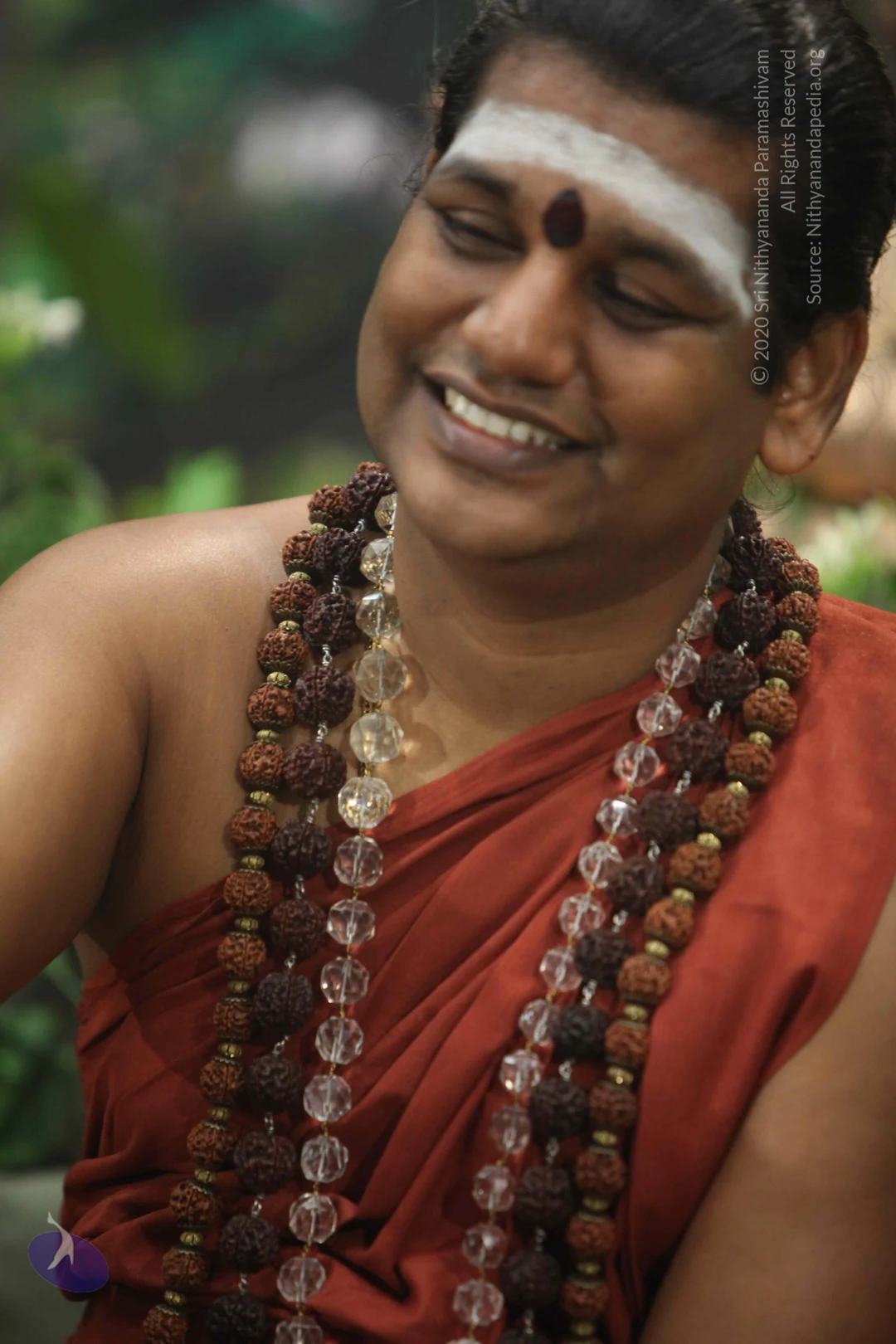
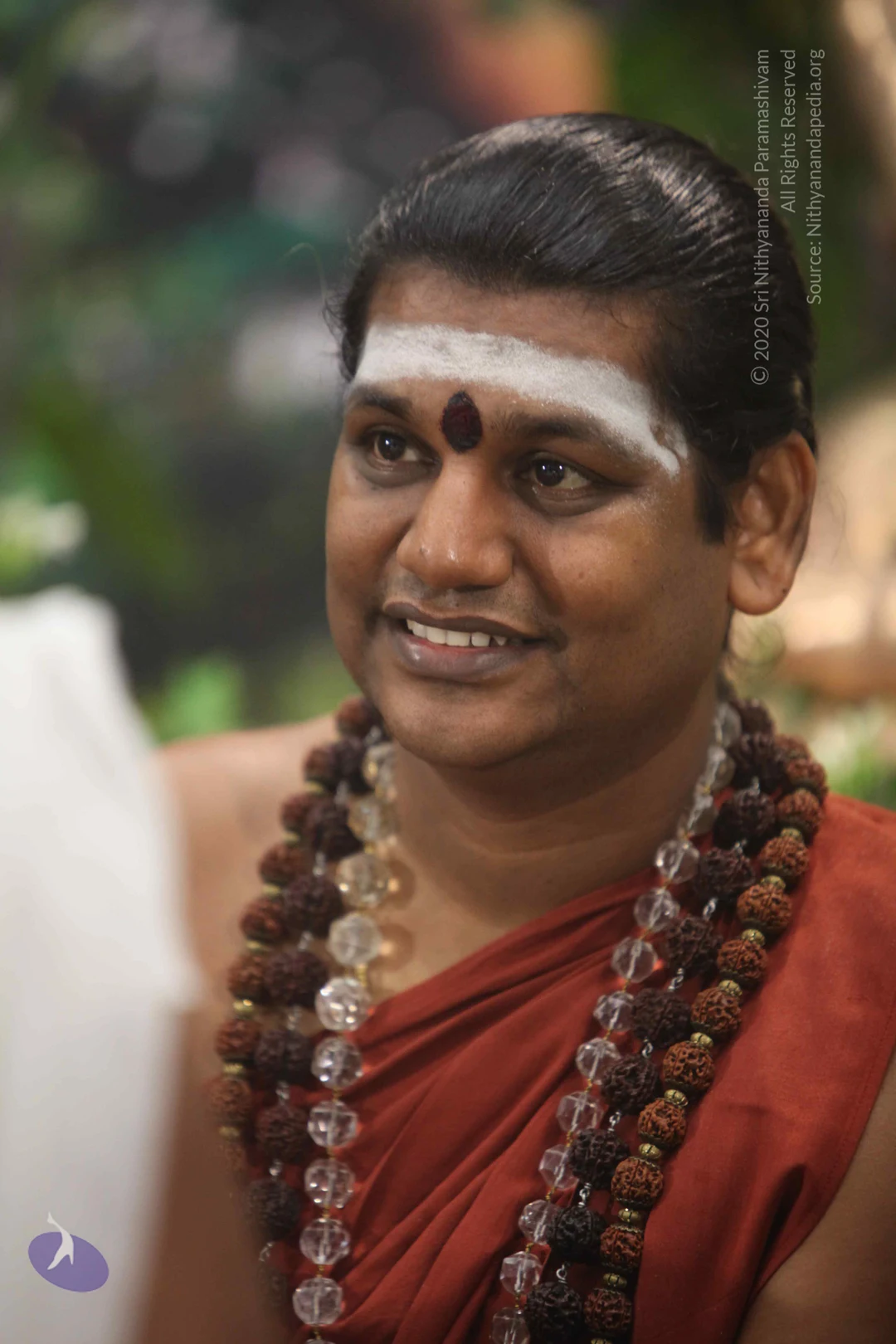


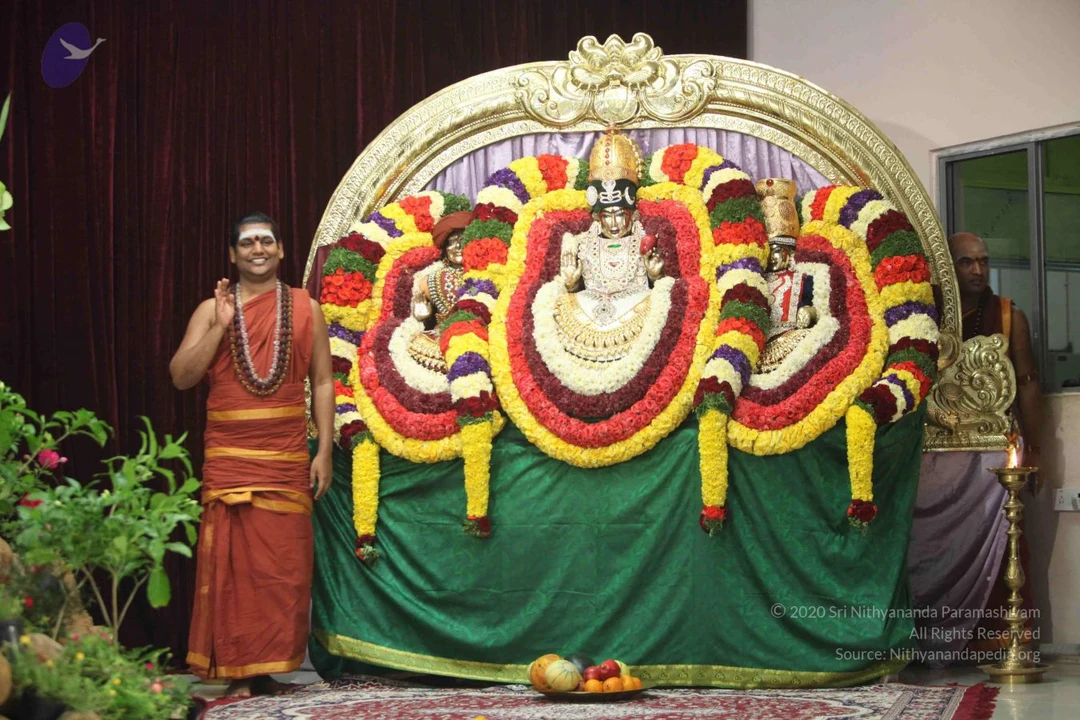
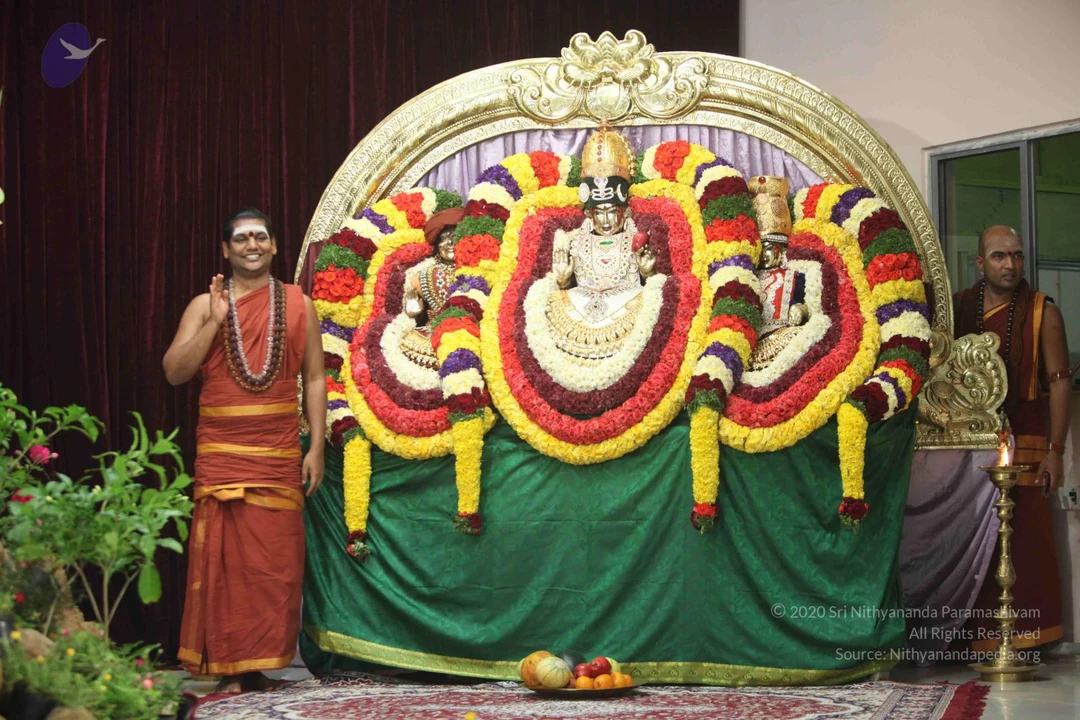
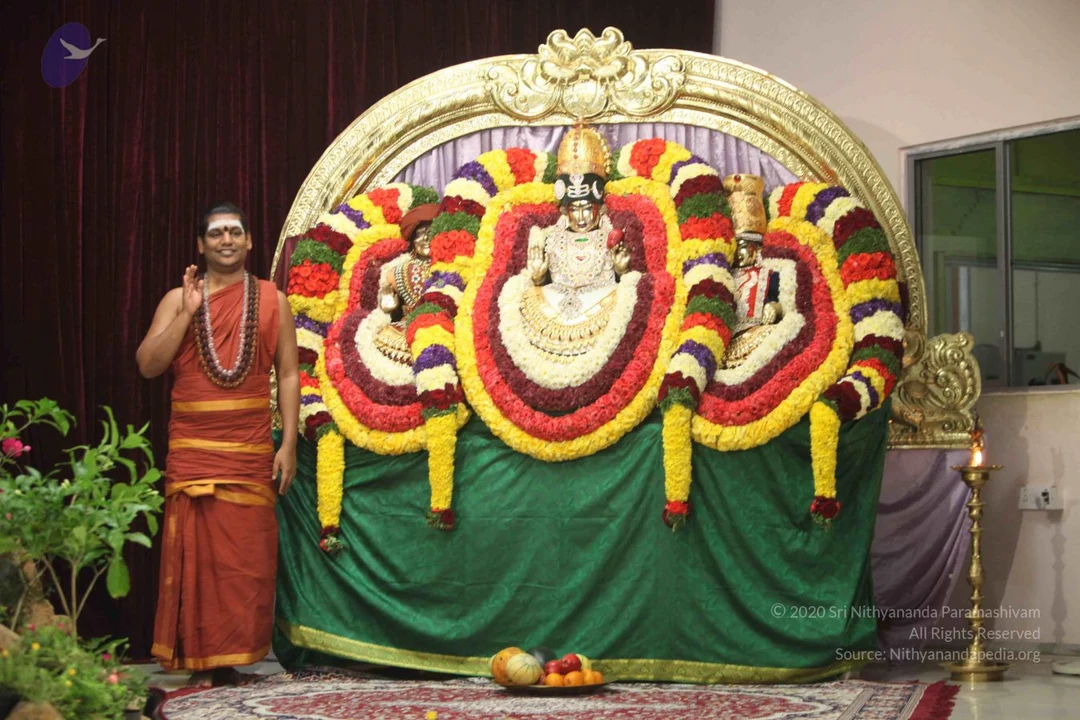
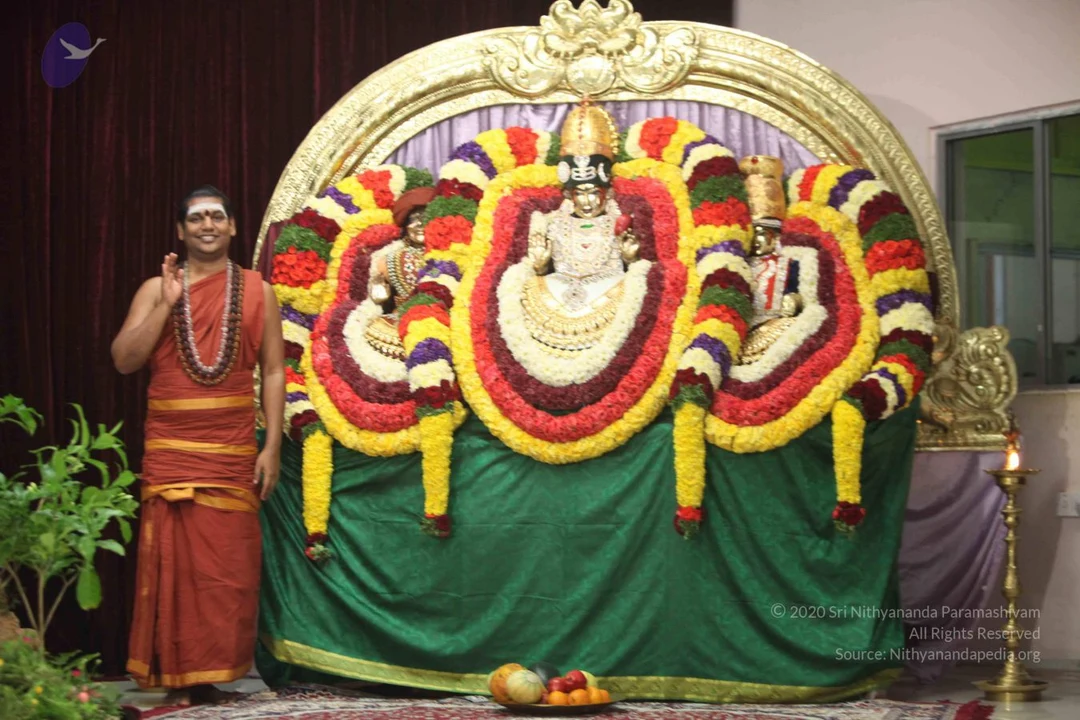
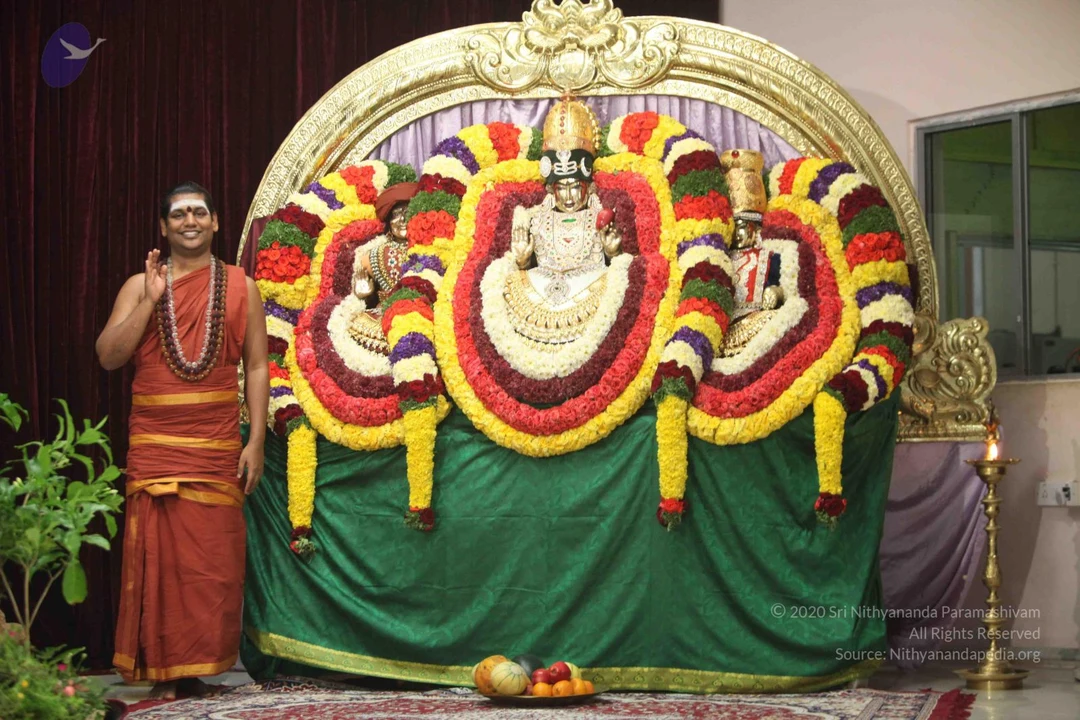
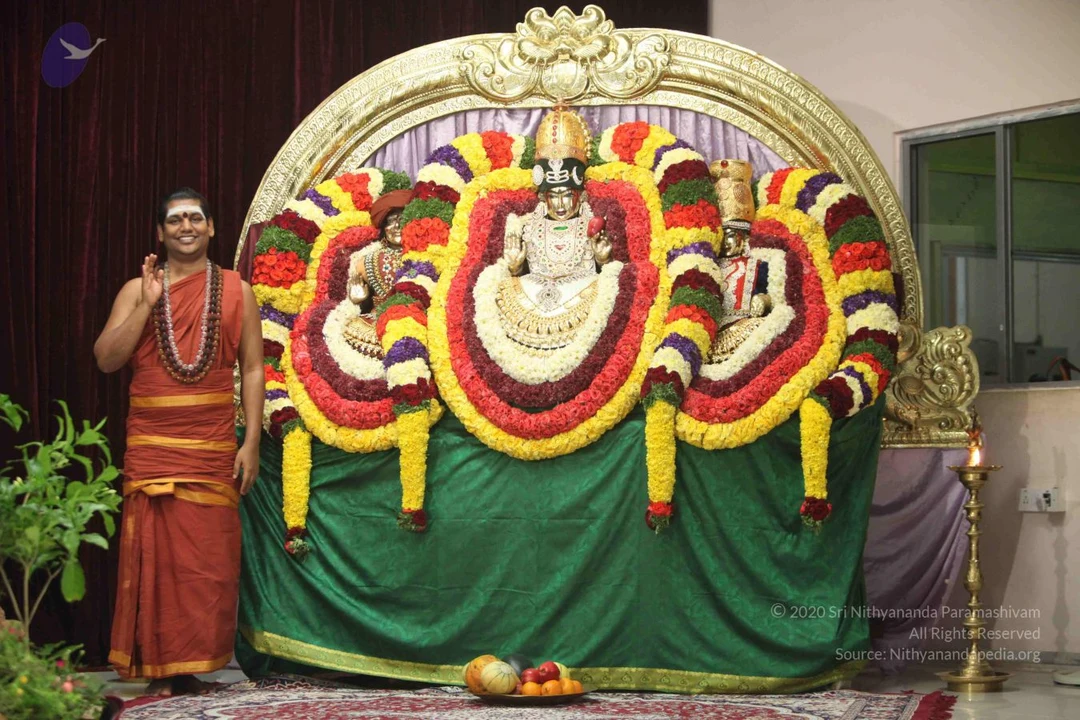
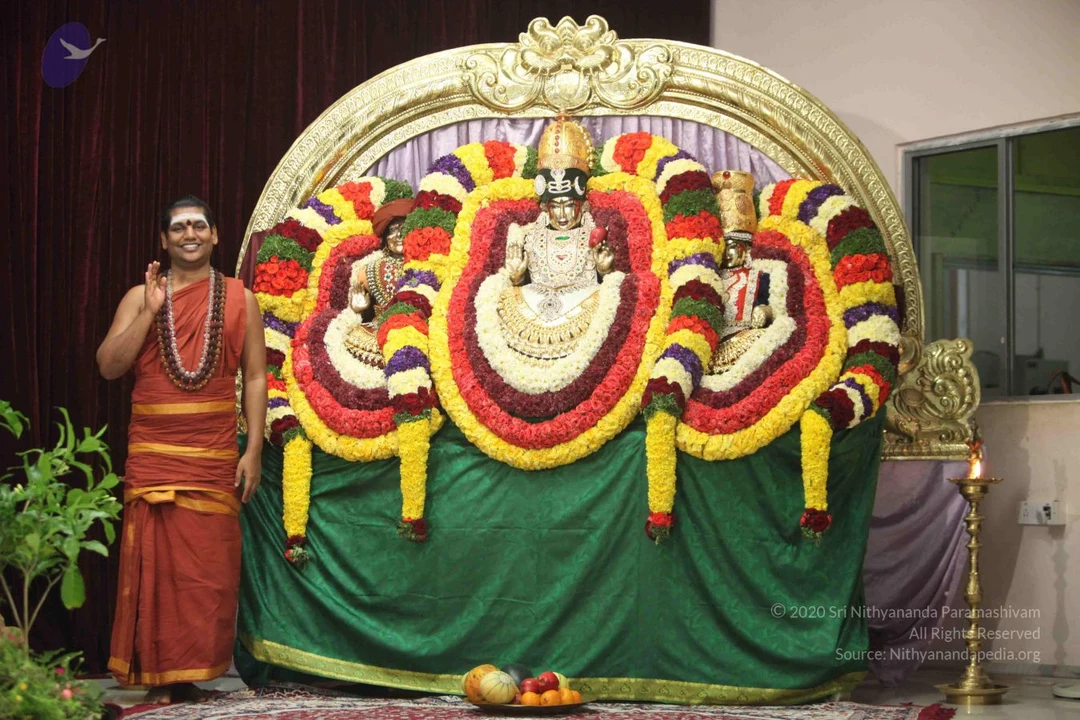
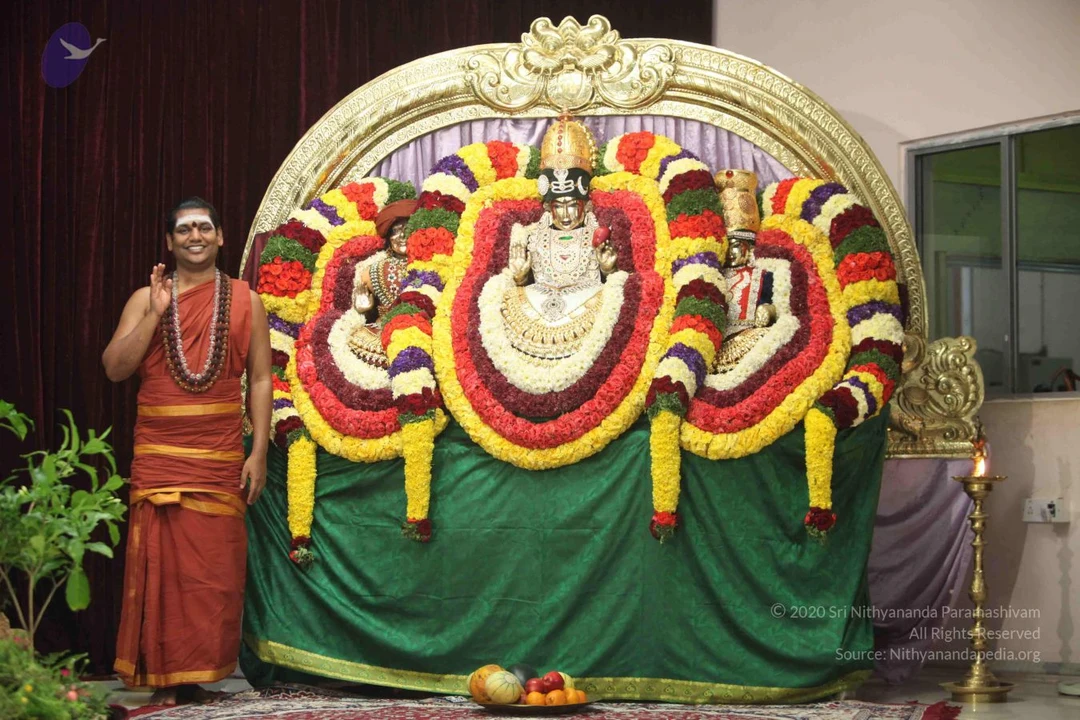
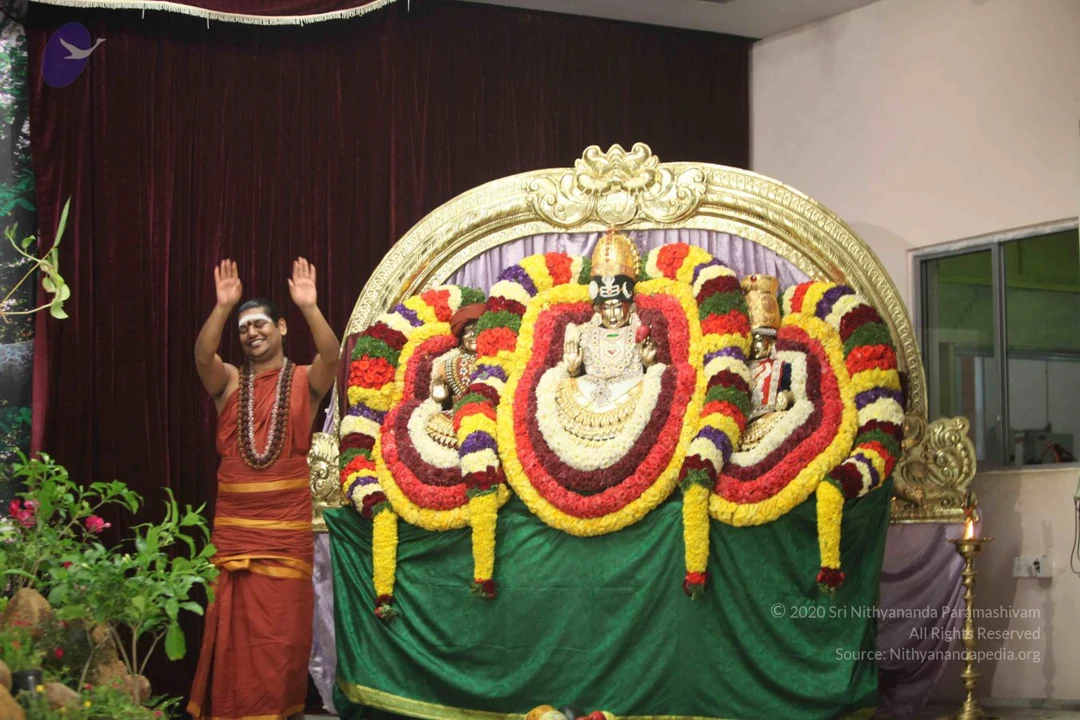
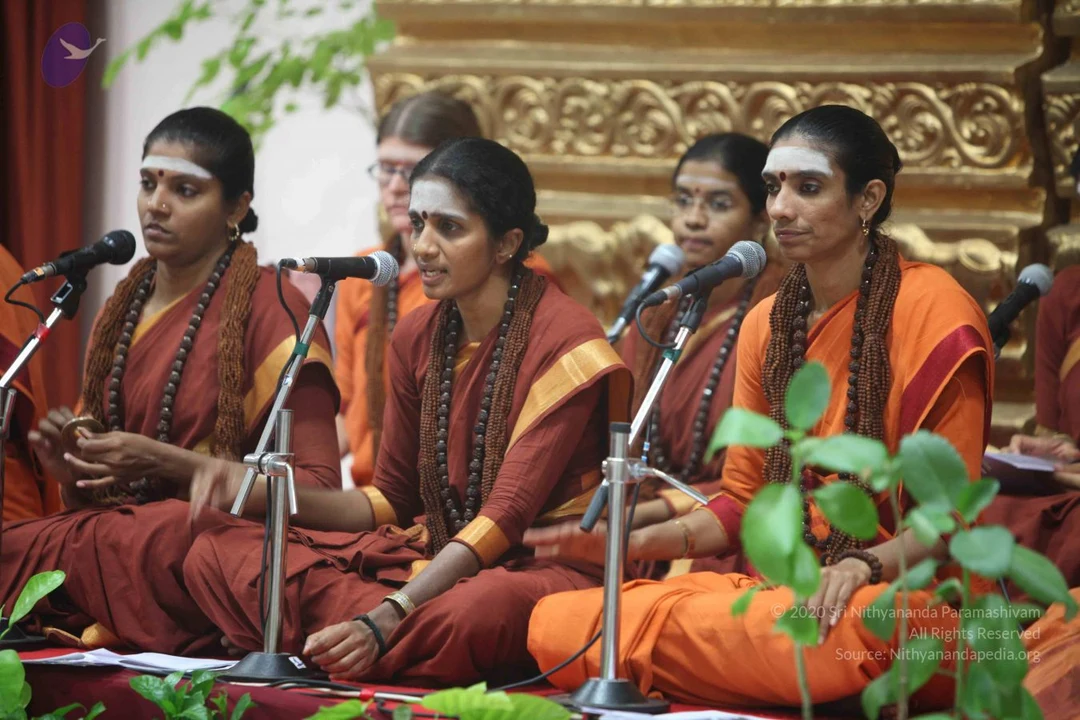
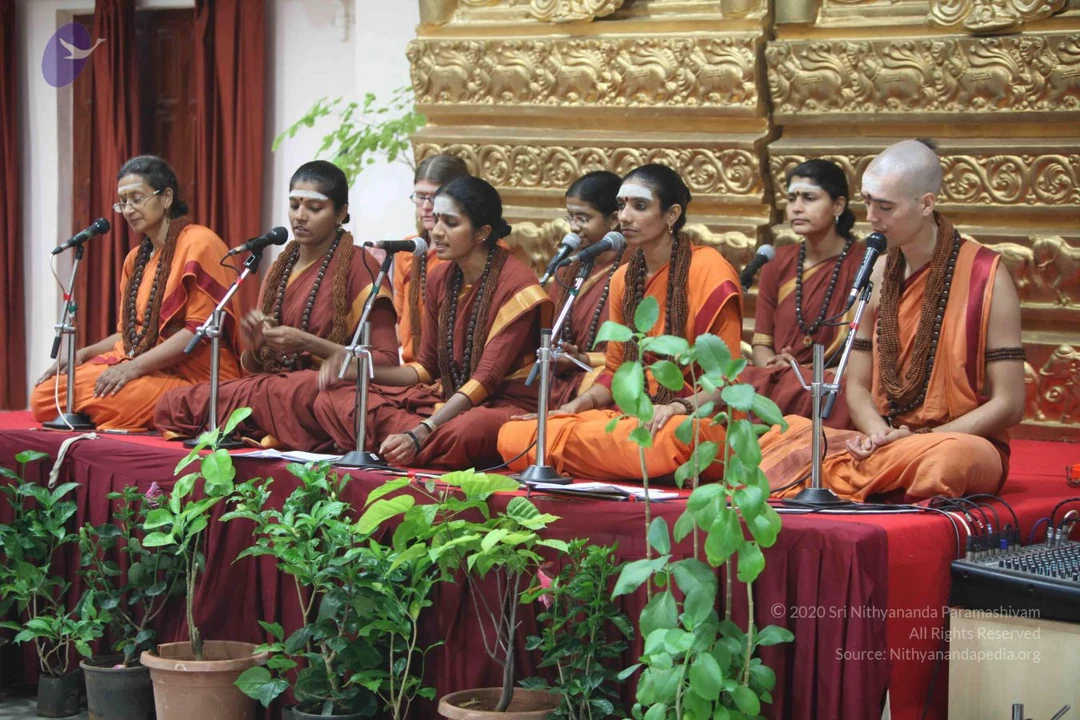
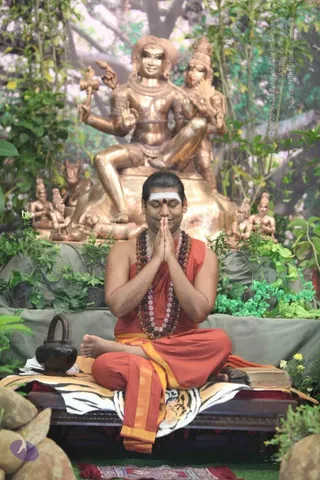
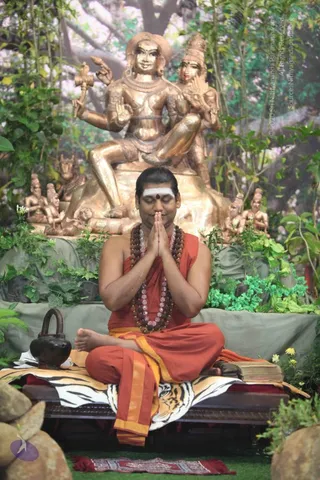
Shankabhiskekam
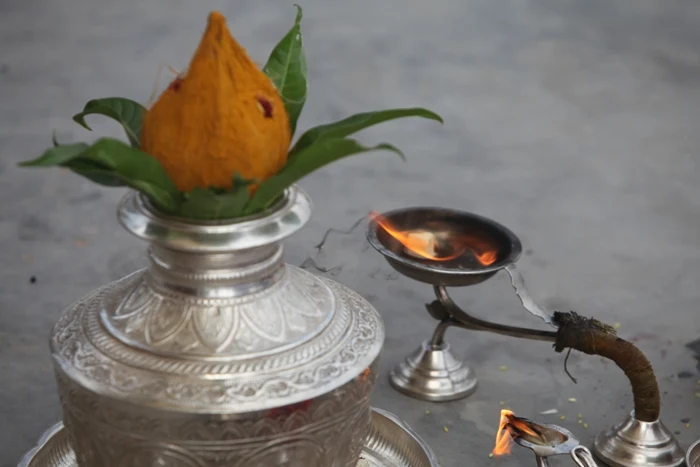
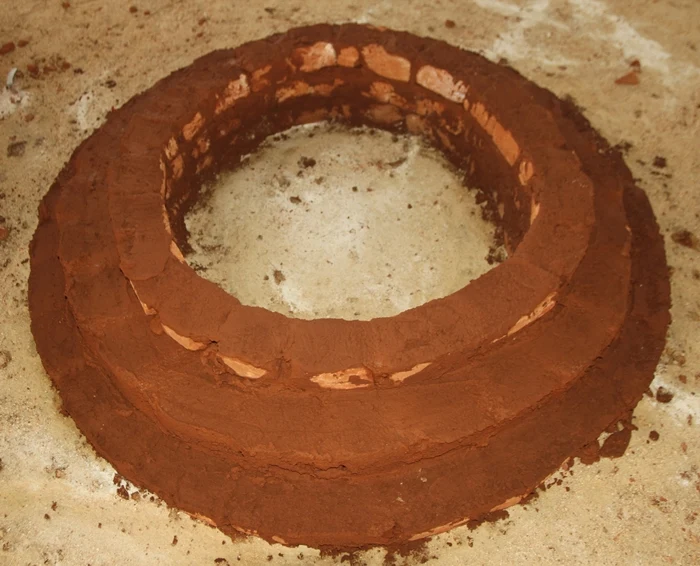
Sri Nithyanandeshwara Temple Glimpses
Tags:
Advaita, Upanishads,Paramahamsa Nithyananda,Rishis,ancient,truths
Photos from this day
View all 118 photosmorning-satsang
97 photosSource gallery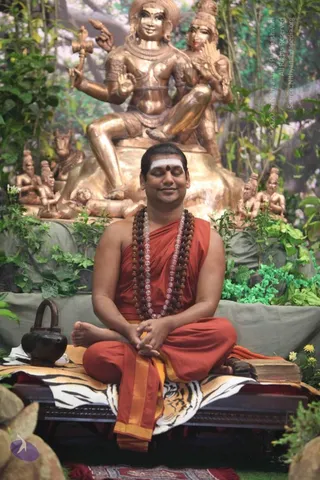
Shankabhiskekam
9 photosSource gallery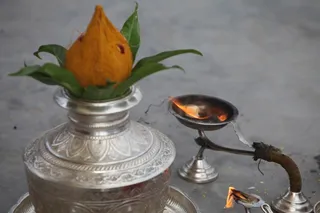

Sri Nithyanandeshwara Temple Glimpses
12 photosSource gallery