Monday
6 January 2014
The Way Out Is In! || IA || 6 January 2014
- Dated photos
- 413
- Source pages
- 1
- Media
- 13

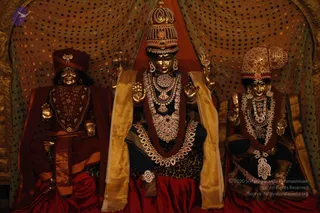
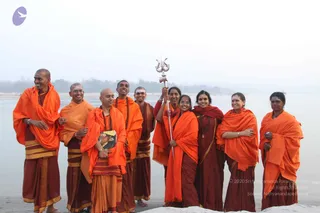
January 06 2014
Original wiki pageTitle
Narration
Video and Audio - Master is Cosmic Life Insurance
In today’s morning Satsang, Paramahamsa Nithyananda describes how being with the Master is like having Cosmic life insurance because no matter what, he never gives up on us! He is a hero because we either love him or because of our self-destructive pattern, we hate him – but we certainly can’t ignore him! He is always standing with us as a catalyst to cause our reality. We too can adopt the Master’s philosophy and be a cause for other’s reality, experiencing profound healing in our lives!
| Video | Audio |
Transcript
(00:16)
|| nithyānandeśvara samārambhām nithyānandeśvari madhyamām | asmat ācārya paryantām vande guru paramparām ||
(00:42) Hindi
(00:52)
I welcome all the devotees, disciples, samajis, satsanghis who are sitting with us all over the world at this time through Nithyananda TV, Sadhna TV, Eshwar TV, Janashree TV, and through two-way video-conferencing having Nayana Deeksha in fifty-one cities in many countries around the world. The cities sitting with us in two-way video-conferencing: Bangalore City Center which is going to be newly inaugurated, Toronto-Kailasam, Nithyananda Nagar-Bangalore, Ohio-Prayag, Guadeloupe-Rameshwaram, Los Angeles-Arunachalam, Kuala Lumpur-Palani, Hyderabad-Gupta Kashi, Nithyananda Nagaram-Hyderabad, Dubai-Vaidyanatham, San Jose-Madurai, Santa Fe-New Mexico, Thiruvanmiyur-Chennai, Calgary-Amarnath, Singapore-Singapuram, Oklahoma-Somanatham, Kuala Lumpur Palani, San Diego Oceanside, Scottsdale-Arizona, Abu Dhabi, Mollieres-France, San Antonio-Texas, Jorpati-Nepal, Redmond-Washington, Tallahassee-Florida, Oman-Sivagangai, Enriching Temple-Bidadi, Bangalore-Malleshwaram, Devon-UK.
(02:39)
Ramakrishna will not even allow him near. I have no doubt Ramakrishna is an incarnation, Ramana Maharishi is an incarnation. Rama would not have even allowed Shakuni to be around him. See Krishna's personality, he never gave up on people even who are hypocrites towards him. He continued, He continued; till the end he did not give up. Please understand, till the last day of the war, Krishna’s army was fighting for Duryodhana, you need to know. The fellow who ordered Krishna’s arrest.... see, when Krishna went as an ambassador, as per the dharma Hindu dharma ambassador cannot be arrested or harmed. I think, all these laws Hinduism created first: how to interact with other countries. But he crossed that law, ordered the arrest of Krishna. Krishna saved himself through his power that is secondary. He goes to that extreme! But even to Duryodhana, Krishna doesn’t say ‘No’. When Duryodhana comes to Krishna for help before the war... actually, this Duryodhana coming to Krishna for help happens after Duryodhana orders Krishna’s arrest and Krishna saves himself! Even the multi-layered people, the hypocrites who behave one way here, one way there, one way there, even the multi-layered people, Krishna did not give up. That is why I am saying he is Poornavatar.
(04:54)
It is not that I have only Vidhura and Pancha Pandavas around Me; I have enough of Duryodhanas, Shakunis - multi-layered people. But it is Krishna and His inspiration, I don’t give up; I continue to handle, handle, handle. I tell you Krishna has set a trend for Enlightened Beings and incarnations. The ethics of enlightened, the etiquettes of enlightened, the behaviour, how it should be, Krishna has set a trend. How an Enlightened Being should behave, it is He who set a trend.
(06:05)
He did not say ‘No’ to Duryodhana but he knows the multi-layered personalities will always be stupid. Understand, when you handle different things of your life, if you miss your integrity, naturally with whole life you will miss integrity and you are not understanding when you miss the integrity with the whole life, you will desire stupid things. Understand, the worst curse given to a human-being is having desire toward stupid things! You don’t need to destroy somebody; if you make him have desire towards stupid things that is enough, he is destroyed! If somebody likes stupid things, you don’t need destroy him at all; his desire towards stupidity will destroy him! Please listen, when you are not integrated with life, the curse life gives you is, it makes you like stupid things in the life. I tell you, I have always seen, when you start being disintegrated to life, you may think you are successful. No! You will start liking stupid things which will bring your destruction.
(08:28)
See, this Duryodhana he started liking stupid things and he was ready to give up his life for stupid things. And Krishna said “Tathasthu”! What is the need for bringing Draupadi and pulling her dress, which is not required? Okay, if you want kingdom, come on take it, and send them out; let them go to the forest. It is actually Draupadi’s Vastrapaharana, that incompletion only made the whole war. Otherwise, the war would not have happened. I have also seen when people start liking stupid violence, very stupidly they will utter words, stupid words, stupid abusive behaviour, I know they have started destroying themselves. But, unfortunately, no teaching of Krishna, Duryodhana was ready to listen, or Dusshasana was ready to listen. When you started liking stupidity, the Master’s words don’t enter into you; that’s the worst problem! Worst thing can happen to a human-being is liking stupid things. Worst thing that can happen to a disciple is Master not able to tell what he wants to tell directly to you; because of the way you behave. If Master is not able to tell you what he wants to tell, then no one can save you, no one can protect you.
(11:00)
Master is cosmic life insurance, understand. Master is cosmic life insurance! Krishna was not able to tell Duryodhana because the way he behaved with Bhishma’s advice. I tell you, liking for stupid things, uttering stupid words, behaving in a stupid way, is the self-destructive component of you. It is like a cancer. Nobody else is needed to kill you, destroy you. Nobody else is needed to destroy you.
Krishna, the most powerful incarnation, most complete incarnation, the Poornavatar, he did not give up even on Shakuni! Can you understand? Embodiment of stupidity, Shakuni, He did not give up on him! Hero is a person, whether you [like him or hate him, you cannot avoid him]. I tell you, Krishna is the greatest hero happened on the Planet Earth. People of His time either liked Him or hated Him, but can’t avoid Him; liked Him or hated him, but can’t avoid Him. What an amazing personality! When I try to enter into Krishna’s personality and explain, I feel like I am standing in front of Himalayas! The whole Hinduism is only these three: Ganga, Gita, Gayatri; that’s all! The essence of whole of Hinduism is this three only – Ganga, Gita, Gayatri. Gayatri is the Upanishad, embodiment of the Vedas. Ganga is the geography of Hinduism. Gita is lifestyle of Hinduism. That’s all. Ganga, Gita, Gayatri. In these three, Krishna’s contribution is one-third – Gita. But lifestyle itself is not just one-third of us; it is 99 point of us, 99% of us.
(14:17)
Krishna, it’s not that He was supporting only Pandavas; He supported Duryodhana also as Duryodhana wanted. Whatever Duryodhana asked, for that He said ‘Thathasthu’! His story is the one of the powerful success story of an incarnation. Not even one line can be edited; He has not missed a single thing. He has completed everything, for everything He happened. Embodiment of Completion. Amazing ability to play with multi-layered personalities. People abuse Krishna saying that He is cunning, He was so cunning. No, Krishna was not cunning. He’s embodiment of love. He was never cunning, he can never be cunning. He was able to handle multi-layered personalities; His ability to handle multi-layered personalities and not giving up on them. It’s not that even Pandavas were completely listening to Krishna; many time they didn’t listen. He has to struggle, convince them. Arey, He organized everything, giving up His whole life. The last moment, when the war starts, this fool Arjuna is telling, “I am not going for the war!”
(16:24)
Krishna, what a personality! He was able to handle simple beings, as simple as Gopikas and he was able to handle complicated beings, as complicated as Shakuni. As simple as Gopikas, and as complicated as Shakuni, for both he stood as a great “Tathasthu”. When Gopikas approached Him with a simple, beautiful, innocent romance, love, He said, “Thathasthu”. When Shakuni approached Him with a multi-layered complication, violence, abusive nature, stupid behaviour – it is Shakuni who instructs Duryodhana, “Arrest Him” – He was able to handle even then.
Every character in the Mahabharata teaches so much. Actually, you don’t need to go to study the human psychology to any other country, any other book. See, if you want to learn about business, if you want to learn about human psychology, if you want to learn about the best lifestyle, if you want to get enlightened, for all these purposes, if you want to learn about administration, you don’t need anything other than Mahabharata.
(18:36)
Just Mahabharata is enough! Study each character. I tell you, you will not find any more characters described in the Mahabharata in your life. Any character you see in your life can be mapped back to Mahabharata’s one character. All the characters you see in your life are either half or full representation of some character in Mahabharata and you know how to handle; just see how Krishna handled them, start handling in the same way. Even if you want to handle yourself, see how Krishna handled them. He knows where violence should be used and where anger should be used, where peace should be used. He was able to speak into the listening of the listener. Listen, ability to speak into the listening of the listener causing everyone’s reality. Krishna was embodiment of causing everyone’s reality and He is embodiment of ability to speak into the listener’s listening.
(20:21) Summary in Hindi
(26:29)
This great book, Mahabharata, I can say this book is a Kalpataru. Again and again and again, you should read this book to understand the intricacies of life, complications of life and ability to handle life. If you see Mahabharata that is the physical visualized presentation of Gita. All the principles explained in Gita are portrayed in the form of characters in Mahabharata It is like if you take a movie of all the principles I am teaching – Integrity, Authenticity, Responsibility and Enriching – how it will be, exactly the same. All the principles Krishna is teaching in Mahabharatha, Mahabharata is the movie of those principles. All the principles He is teaching in Gita, Mahabharata is like a movie of those principles.
(27:52)
Krishna is an amazing personality. He knows what should be told to whom in what way. He speaks the great truths – Bhagavad Gita – in the centre of the war-field. You should know, very funny thing, only three people heard: Krishna, Krishna spoke, Arjuna heard, Bhishma heard, Sanjaya heard; that’s all! Nobody else other than these three. Nobody else other than these three and He makes Dharma speak, Yudhishthira speak as very secret, “Ashwatthama dead!” Only Drona heard, nobody else heard and that also He did not tell Dharma “Directly tell Drona” No. As if Dharma is speaking to somebody else and Drona overheard.
(29:27)
He knows what to speak to whom and who should be overheard. Drona is thinking as if he got a very valid input, an important information, state secret about him and his family. He knows what message to give even to spies. Krishna will speak exactly what message He should send to the opposite guy, if opposite guys spy is sitting next to Him. What a play! I tell you, after reading Krishna, his works like Gita, Anu Gita; Krishna has opened His mouth to give the science of life five times. Five times He opened His mouth. All the five teachings and His whole life. I tell you, anybody who reads His life and His five teachings will enjoy His whole life as a Leela. Sometimes among My Sannyasis, I will call “A” and tell him something to go and tell to “B”; but that lesson is for “A”. I’ll tell him, “Go and tell this to B”; but that lesson is for whom? I tell you, all this you will learn and enjoy only if you read Krishna. Only if you read Krishna, you will enjoy all this; but with all that, his tremendous compassion and not giving up on people.
(31:56)
He could have been like Rama, eh black and blue, black and white – either we beat you black and blue, or we give up, go. Krishna was not like that. I tell you, His compassion is unimaginable. Even to the worst layered personalities He was only trying “I won’t give up! Let Me play their same game, but I will not give up.” I tell you, He is the most honest insurance agent. See, all incarnations are insurance agents of life; but at one point everyone gives up; but nothing like Krishna who never gave up! Remember very clearly, whenever I am sending some message through you to others, it is for you. If it is only sealed letter it is for others. If it is unsealed letter, it is for you and the other person! Krishna. I tell you, if you decide honestly, “I will only be a catalyst for causing people’s reality”, your being will become so vast, you will be able to play this game; you will be able to do this Leela! I have decided with all My sincerity, completing completely with Myself, that I’ll be a cause for everyone’s reality. I tell you, immediately the huge space and the ability to play this beautiful game happened in My being.
(34:45)
I tell you, just decide sincerely, authentically, “I’ll be a cause for people’s reality”; you will become Krishna and the space of Krishna, and the tools Krishna had to play His game, everything will happen in your life! If people come to him as simple as Gopikas, He lives with them as simple as Radhakrishna. If people come to him as complicated as Shakunis, He plays with him as complicated as Gita Krishna. I tell you, whether He is Radhakrishna or Gita Krishna, He doesn’t give up on people. He doesn’t give up on people. Shakuni’s intention is not to make Duryodhana king, be very clear. His intention was to destroy the Kuru Vamsa and Duryodhana was also loving his destruction! He loves his destruction; that is self-denial. He was very clear, “I may die, but I will not give up!” It means what? You already made a first statement, “I will die but I will not allow Pandavas to live!” Then what to do because you made the first statement. Krishna says, “Tathastu!” Pandavas are saying, “We will live!” then Krishna says, “Tathasthu!” Aligning everyone’s statement and giving a huge “Tathasthu!” I can go on and on and on, on Krishna. Most complicated personality and most simple personality.
(37:00)
I can put it in this way: Most complicated personality and most simple being. He is more innocent than Mahadeva, Bhole Baba. He is the most complicated personality. I can’t even compare in the ‘complication” Krishna with anybody else. At least, in “innocence”, I can compare Him with Mahadeva. In “complication”, I can’t even compare Him with anybody; He is unmatchable! I tell you, having Krishna’s inner space is “enjoying the life as Leela”. Having Krishna’s inner space is “enjoying life as Leela”. I tell you, when you bring sincerely into you, just bring this one decision, “I’ll be a sincere cause to everyone to realize their reality. I will be a sincere cause for everyone to realize their reality. I’ll be a cause for everyone’s reality. Whatever I do is for that. If I build a house, for that. If I get married, for that. If I buy a car, for that. If I start a business, for that. If I get a child that is for that.” Anything you do be very clear, causing others reality is the goal, is the purpose, is the context. That will heal you so much, I tell you. The most hurting emotion in the life is violence; whether you carry it towards you or others. And the most healing emotion in the world, or the truth in the world, is being a cause for other’s reality. The greatest poison in the world is violence. The greatest medicine in the world is being a cause for everyone’s reality. The greatest “amrita” in the world is being a cause for everyone’s reality.
(39:56)
Ganga, she is just a cause for everyone’s reality. That is why she is “amrita”. She is the “amrita kumbha”, “amrita kalasha” because she is just a cause for everyone’s reality. If you just decide, “Let me be a cause for everyone’s reality”, suddenly you will see so much of healing inside you. Such vast space happens to you. You see vast space means ability to handle any situation and courage to do anything. You will not be tired at all. You will have the ability to do the “poorva paksha”, the initial steps, again and again and again. Anybody who retains his ability and enthusiasm to start anything again from the scratch is a leader. If Bill Gates retains his ability to do a start-up now, interest, enthusiasm, excitement to do a start-up now, he is a leader. I know he is retaining. Even after you become billionaire – becoming a billionaire does not make you a leader – ability to retain that intelligence and interest to be a beginner – that will happen in you only when you have a large “Krishna space”. This is the greatest blessing you can have in your life.
So, sit, meditate on Krishna, Kalpataru. Decide sincerely, authentically, you will be the cause for others’ reality; you will be a cause for other’s reality.
(43:00)
Sincerely, with integrity and authenticity, decide you will just be a cause for everyone’s reality.
(43:58)
Namah Shivaya!
[Process in progress]
(44:51)
Let you all achieve, experience, live, express, radiate, share and explore in eternal bliss, Nithyanandam.
Video and Audio - Others are your Extension! || IA
In this video, recorded right on the banks of the mystical Ganga in Haridwar, Uttarkhand, India, Supreme Pontiff of Hinduism HDH Nithyananda Paramashivam explains the significance of this holy river, followed by a question and answer session with delegates of the convention. His Divine Holiness delves into the relationship between completions and commitment, and the power of integrity. HDH Nithyananda Paramashivam elaborately answers a question of a delegate about the Universal law: Everyone in our life is our extension. Learn how we can create harmony and balance in our relationships and create the future we want through feeling others are extension of us.
| Video | Audio |
Transcript
[00:18]
See, from the time immemorial, last 10,000 years or 20,000 years, always people who want success, Enlightenment, best things of life, knowledge, came here; came to this very place we are sitting, the banks of Ganga. So from the ages this river was a, not just a river of water, river of knowledge for us. Ganga was always associated with knowledge and completion. Ganga’s advent into the planet earth itself is for completion. The devatas, ancestors were incomplete; to complete them only, ah, Ganga was brought to planet earth.
[01:21]
First, I wanted to spend few minutes answering your questions. Whatever questions you have, from whatever we learnt from the day 1. See, now 4 days over; so many concepts I explained, gave it to you as experience - like, a authentic listening, completion, root pattern, inner image, outer image, life image, so many words, so many way of new thinking, so many new understanding, clarity I have shared with you all. So whatever questions, doubts you have, I’ll first complete them, then enter into the next step, because the whole program is experiential.
[02:22]
See, everyone wants to the, wants to change. Everyone wants to grow. Everyone wants to develop themself. But, as long as you are talking in the language of development, whether you succeed or fail, you will be struggling. Understand, when you want to develop your life, whether you succeed or fail... for example smoking. You stop smoking, by then office there is some problem, you are attending to that. By then in the house everyone is complaining you don’t spend time with them. By then your wife is demanding some attention. Then some new investor is not giving you the money. By the time you attend one by one, one by one, one by one, develop, develop, develop, come back. Before even you know, you will be already again smoking!!
[03:33]
Development, the language of development is always struggle. It is not development - completely transforming, rewriting your future - this whole program is not about personality development. I am not helping you to develop yourself. I am helping you to rewrite your future - Rewriting your whole thinking. Understand, that is the difference between any other personality development program, life management program. I am neither asking you to develop nor helping you to manage. No. All management programs are damagement programs. 😃 All development programs only teach you how to struggle. You will be successful in one thing, failure in another thing, but you will be struggling. Whether you succeed or fail, see, even if you succeed in dropping the smoking, then you will be struggling with alcohol. So, this development model itself is a failure model. First thing you need to know, the ‘Inner Awakening’ is neither a personality development program nor life management program. It is rewriting your future. Getting it? Rewriting your future. So, every basic truth you received, should go into your blood, your bone marrow - should be living in the form of Completion, should be expressing in your thinking, in your feeling, in your cognition.
[05:29]
So tell Me, any questions you have. Yes. Participant: Swamiji, if the pattern of sleep is broken, and we come back home and again we sleep longer, and we make ourselves a little bit more lazy than here. Ah, is this laziness going to cause for more incompletions to arise again?
[05:52]
Swamiji: I can say, just the sleep does not cause more incompletion, but if you avoid any commitment because of sleep, that is going to cause incompletion. See, for example, you have not committed to anybody that you are going to get up morning and do yoga. Then even if you sleep, it is not incompletion. But if you have committed, “I am going to get up morning and do yoga,” then if you are not coming, you are sleeping, that is going to be incompletion.
[06:26]
Understand, nothing is incompletion, as long as it does not affect your commitments. When your commitments are affected, only then incompletion begins. Your, it is the, you see, neither a habit nor a act can lead to incompletion, only interfering with your Integrity can lead to incompletion. That is why the Integrity is used as a, one of a powerful tool to train our Consciousness, to evolve our Consciousness, to transform our Consciousness.
[07:09]
See for example, if you maintain certain level of integrity.... For example, the sleep, the same example I am taking. You integrate, with integrity you commit, “now from tomorrow, 5 o’clock I am going to do yoga.” You commit with yourself or somebody. If you maintain that Integrity, suddenly when there is a big problem in your office, if you declare to yourself with your Integrity, “I am declaring, this problem will disappear”, it will really disappear. Because every commitment you make and follow it, becomes a unique power inside you. That’s a power you accumulate. Understand, Participant: The commitment inaudible Any form of commitment we follow?
(07:59)
Swamiji: Any form of commitment. You see, more than the commitment, you standing by that commitment. Understand? So any commitment, you stand by it, it becomes a power in you. I have commited, that I’ll not miss any of My routine from last 2013, Jan 1st. Still I’ve not missed a single routine. If I am going to miss, I already complete it, means before itself I send the message. Otherwise still now, not a single of My class or program I missed it, delayed even by a minute. One day, when we were, I went out for a noon drive, afternoon drive, during the break, suddenly our car was stopped because Governor is crossing. I thought, “What is this? I have to be integrated.” The policewala suddenly said, “You can go”, My car can go; they allowed. And then later on our driver said, “If that guy did not allow us, we would have been standing there at least one and half hours.” My Integrity would have been disturbed, but because earlier I maintained integrity, at this time automatically the situation turned and it supports My Integrity. So be very clear, every time you maintain integrity, it becomes a special power in you. A unique power in you. Participant: Every time I break my commitment I shouldn’t feel guilt and (..)?
[09:44]
Swamiji: No! You should complete. You are not expected to feel guilty. Guilt is again becoming powerless. See, it’s like ah, you become ahh, dirty, then what is the, ah, solution now, again apply more dirt!! The dirt is not going to wash the dirt! Guilt is not going to help you. Deciding to complete with it and be powerless, sorry, not to be powerless. Be powerful, not to follow into that space again. That’s all. Clear? Mmh.
[10:24]
Participant: I smoke and its something that I have been trying to quit for sometime and coming to IA has taken me from 20 a day down to 4 a day and I still need to work on the 4? Swamiji: Don’t worry. You’ll see by the end of next 3, 4 days, the initiations, you will automatically forget it. It is not that you will be struggling with cigarette, you just forget it. Mmh. Mmh. And after that you don’t even need to struggle with it, or remember it or drop it or have it back. Simply you will forget it. Participant: If when I get home….inaudible Swamiji: Yes. You won’t even be able to remember it. Because, see, consciously when you evolve, automatically certain dietary lifestyle system settles with your body. A conscious person cannot pump in so much smoke into the body, Ma. You understand, it’ll automatically drop. 😃 I think really it is cold.
[11:48]
Participant: So if you are going to break your commitment you say to yourself... inaudible Swamiji: If you are going to break, you have to inform that person before. Participant: What if it is to yourself? Swamiji: Yourself.. at least tell yourself that, “I am going to break, I am completing with it. I am not going to follow this any more.” Do consciously, so that when you start some, mmh, commitment next time, you will have trust on you, that you will not break it without telling you, without completing with you. You will have respect on you. Participant: Swamiji
[12:32]
Swamiji: See, all the commitments you broke with yourself, only creates self-doubt. The bunch of self-doubt is nothing but the, again and again and again the commitments you gave it to you and broke it, destroy it; that only becomes a self-doubt, bunch of self-doubt, and the self-doubt becomes self-hatred, then it becomes self-denial. Mmh. Go ahead. Participant: Swamiji, you mentioned that others are extension of you Swamiji: Others are? Participant: extension of you. Do you think others are Swamiji: Mic, can you use the mic closer? Participant: Others are extension of you. So my question is, ah, when I have to make a decision that involves others, then will I not deviate from what I really want, when I think others are extensions of me?
[13:24]
Swamiji: No, no, no, no, no, no. You-you, you tell me exact situation. I can guide you, how seeing others as your extension always strengthens your decisions. Participant: So, my example that I want to give is, I want to settle down in the U.S., but my husband doesn’t like U.S., he wants to settle down in India. So I have to make a decision, whether I have to settle down there or here? Swamiji: No, what I am saying, what for you want to settle down, all those reasons, are you convinced about it completely? Participant: Yes. Swamiji: Then simply you will, you will enrich him with all those reasons. Understand, first, you complete with him all your earlier incompletions. Earlier many decisions you took, would have left incompletions with him. He would have been angry or against you. That incompletion only now he is taking revenge by saying, “No!” to you, even though he knows it may be right. See, many time when the husbands tell their wives about Me, wives never come. Or the wives tell husbands about Me, they never come. They secretly come separately and see and go. But they can’t come with you, because, Swamiji is right, but you can’t be right. Swamiji is right, your hus, my wife cannot be right. How many of your spouses you think are, ah, against me? No! No, no, no, no! Actually, if you just keep quiet and secretly browse his, ahh, computer or book or anything, you will see, all the back history you would have seen My youtube discourse, everything, because they know Ma. Where the husband is going, where the wife is going, they wanted to know. Naturally they would have studied and they would have been hooked.
[15:25]
So, you see it is not, Swamiji is right or wrong, my wife cannot be right, my husband can not be right. So, if you complete those incompletions, and then listen to him authentically, then you enrich all the points how you are convinced. I tell you, surely you will have the right result. He will simply come with you. Participant: Okay. But I am still not convinced Swami about ... if I think others are my extension, I think that I will give up what I want to do.
[16:02]
Swamiji: That is what, that is what I am saying. You see then you are basically, you think others cannot be part of you. Only as a independent selfish person you can be successful, which is basically a incompletion with life. You have to complete with that pattern. It’s a basic incompletion with the life. Understand, that pattern has to be completed. Participant: So I only think it’s me or them!
[16:34]
Swamiji: No, it is not. Life is always win-win. If life is only me or them, it will be violence-based. The law of life is not violence. See, if it is violence-based, then only one person should be alive. Law of life is not violence-based. You understand, it is not violence-based. Law of life is always co-existence. It is a basic, basic pattern missing in you, I think Participant: I am still not clear Swami Swamiji: If you dig out your root-pattern, mmh, and complete with them, then you will understand, it is not that only when others are, ah, given up on you can live or you cannot be complete, if others also have to be complete. That’s a wrong, ah, completely wrong faith you have started believing, wrong pattern you started building. Understand, life is always win-win. You, alright, you try your best, saying that others, I don’t care about others, I will make what I want into reality. You will never be successful. See! You will not be successful!
[18:05]
See, there are some, there are some clear universal laws. Advaita is not just a philosophy or a theory. It is a simple universal principle. For example, if you get into the Ganga, you will be washed away by this current. The, especially with this current; whether you are a white, or a black or a westerner or a Indian or anybody. This is a universal law. You understand? At this, especially given this current, this water level and current... like that there are some universal laws. How much ever you try to deny them, you are not going to be, you will not be able to deny them. The universal law is, whether you understand or not, everyone in your life is your extension, your extension.
[19:08]
So, first thing: Complete with him. Second thing: You yourself complete with the going to the U.S idea. You may be having some incompletions and fears, still uncertainty and insecurities about it. You complete with them. Then, after completing with him, after your completion, then enrich him with that idea. You will see, he simply listens. When you carry so much of incompletion in him and in you, apurnatva in him, apurnatva in you, no. It won’t happen. When there is a Completion in him and in you, it will lead to completion.
[19:52]
Video and Audio - Sacred Secret of Responsibility || IA
In this video, on the banks of the Ganga at Haridwar, Uttarakhand, India, the Supreme Pontiff of Hinduism HDH Nithyananda Paramashivam conducts a Q&A session where he gives a beautiful explanation on how healing happens when we feel others are our extension. His Divine Holiness says: “When you open yourself to higher principles, only auspiciousness happens”. It all starts with speaking into other people’s listening. Furthermore, HDH Nithyananda Paramashivam shares the sacred secret of the value of dreams, gives a clear definition of the meaning of spiritual pain, and explains how we can become a true catalyst for causing our and other’s reality. Lastly, His Divine Holiness goes into depth of the statement that Responsibility is a Power, NOT a duty. Learn how when we take on responsibility, the power to fulfill this responsibility will automatically flow.
| Video | Audio |
Transcript
(00:18)
Participant: Last question is there, if somebody sick, if I think they are my extension, I won’t be, how will I help?
Swamiji: No, no, no, If you think they are your extension and tell yourself, “After all me, let this health be extended to them.” That is what is all about healing. That is what is all about healing. That is what we have proved; see when I am trying to heal somebody, we have medically proved, My brain waves and the other person brain waves are in the same frequency. The other person's brain waves come up for, you see, aa..when we did this research first in St. Louis, when I put My hand on the other person, you have read the research na. The other person’s brain waves have suddenly become like mine for that full 20 minutes and same way when I materialize. Whoever is receiving the materialized object, their brain waves become my... exactly like mine for that 40-50 minutes.
You understand? You can do that. “When they are my extension, let this health be extended to them.” And you will never attract that disease in you, don’t be afraid. We always have the fear, “No, no, no if that is the case, then suddenly, in that same door if their disease enters this side what will happen? Haahahha. You understand, it is always, when you open yourself to the higher principles, only auspiciousness happens. Whenever you open yourself to the higher principles, only auspiciousness happens. Advaita expresses only Shiva. Means that, Shiva means auspiciousness, possibility, mangala. Whenever you move towards the higher ideas, it’s always auspiciousness.
(02:16)
Participant: I have done many healing, after taking healing initiation from you. Several people got healed.
Swamiji: Then… the whole principle of healing only you are doubting now. Don’t you understand?
Participant: Ya.
Swamiji: The principle on which I initiated you, where you operated, you were successful, then why are you doubting the very principle?
Participant: They are different people. My own people…
Swamiji: NO! Hahaha. See it is like, what you are doing you know.... No no no no no no. See, we both are sitting in the same ghat and you are successful in being stable there, I am successful being stable here. But even then you suspect the area in between. I think there is alligator here. I think there is a Ganga going on here.
See the principles on which you have been initiated, you are successful. That is exactly the same principle I am talking to you now! Understand? See, first you need to know, whether you try to prove right or wrong, Laws of the cosmos is laws. It is actually not based on the, uh, win-failure or fail-failure or fail-win, no Ma! It is based on win-win. It is always. The fellows who started believing win-failure are selfish guys, like Duryodhana, Auh.. There are some guys, who started believing the failure-win, like a Gandhari. And there are some fellows, who started believing, failure-failure, Saguni. But life is not any of that. Life is Krishna, win-win, Understand, win-win. It is always win-win.
(04:27)
Participant: So if I am healing my father, already I’m so attached and if I think that he is also my extension, uh, if something happens to him, so how should I…
Swamiji: What I am saying, before even you start healing, already you planned something is going to happen to him. Understand. First thing, relax from this fear something happens to him. Second, whether he is alive or dead he is part of you. So with this clarity, extend your health, he’ll only become healthy, when he wants to leave, he will beautifully leave without pain and you will not have incompletion of missing him. We are not actually bothered... Chandogya Upnishad beautifully says, “We are not bothered about the husband or wife. We are only bothered about our missing them.” Understand. So you will not have that. Come on, Yes.
(05:37)
Participant: Swamiji, You mentioned many times that we should talk into listening to other person? How do we do that?
Swamiji: First instruction, listen authentically when the other person speaks. If you listen him that itself will lead him to completion. That’s the first. Second, many time when you start speaking, you will only wanted to vomit out your anger, your incompletion and want him to suffer. Remove that. Be very clear, I am going to talk into the listening of him and get what I want done. Understand. I’ll get what I want done by speaking into his listening.
So be aimed only on that. Don't go for vomiting your anger or incompletion. Don’t plan for how to give him suffering. Most of your conversation, we plan to give suffering to the other person... teach a lesson. Sometime only, giving the other person a lesson is going to make him wake up, but it’s not always. Especially, all the relationships you guys deal and all, you have to be very clear, never to give suffering to the other person.
(07:24)
Participant: Second question? If I established my root pattern, let's say at age 5 and later on I'm able to go back to another powerful remembrance, will there be a different pattern?
Swamiji: I don’t, I don’t think, I don’t think there will be a different pattern; that the same pattern, different incident. Ah. No but the pattern will not vary, incident only will vary. Incident may be different, but the pattern will not vary. mh mh, Ma, one pattern you develop as a root pattern in your life. You will suffer with that same thing only till death, sometime you carry that even after death.
Participant: … non audible
Swamiji: Why means, that's the way your life, its a pattern. You repeat. Understand.
Participant: So you are saying that our root pattern comes from a past life?
Swamiji: Sometimes you do carry, even a one pattern from one life to another life. mh. Some patterns can come from past life.
(08:39)
Participant: How can you identify if it was a past life or the current life pattern?
Swamiji: Mmm. When you are struggling with it.
Participant: Question inaudible.
Swamiji: Alright but you don’t even need to bother about whether it is a past or present, it has to be completed. See this, uh that dust has to be, garbage has to be removed, whether it is uh from today or yesterday, what it is matter. It has to be removed. That's all, clean it.
(09:14)
Participant: Becoming a catalyst for others, in simple words doing seva to others? Swamiji: No Participant: Not seva to others. Swamiji: First of all you need to be complete. See for a catalyst, being a catalyst, you need to be complete, only then you can become a catalyst. Catalyst means from very powerful zone; many time seva does not happen from powerful zone. It happens for name and fame, recognition, morale, because my father told, my grandmother told, my grandfather left a will if I don’t do this seva, that property will not come to me. See, with a right context, done from the right context. [10:01] I always tell that story nah, three mad people wanted to leave the asylum. They went and told the doctor, “We all three of us become alright, please send us back to the house.” Doctors said, “Tomorrow I will have an exam come.” He called all 3 of them next day morning to empty swimming pool. He called that first fellow: “Hey jump.” That fellow jumped and broke his leg. He called the second fellow: “Jump and swim.” That fellow jumped and broke his hand. He called third fellow and told: “Jump and swim.” That fellow said: “No, l will not.” Then doctor said: “Alright I think you are ready to go to the, go to house.” He took him to the office; while they were doing the paper work to release him, doctor asked: “May I know why you did not jump?” He said: “You don’t know. I don’t know swimming.” See he did not jump. But not because of the right context, wrong context. Understand. Participant: From childhood we have been taught to donate and to give... Swamiji: Thats what...See what I am saying. If it is from the powerful space without any other powerlessness, recognition, any other thing, then… or it is Participant: Completion, only after completion. Swamiji: Being a catalyst you may do seva. But doing seva you may not be a catalyst. Being a catalyst means, completely whole new personality. Participant: to be practiced and achieved. Swamiji: mh mh, I don’t even want to say ‘practice’, to be completed. See a new personality does not need to practiced but if you create completion, that's enough. [11:50] Question inaudible Swamiji: No, no, no, root pattern will be only one, but there may be 7-8 strong patterns; strong patterns may be there but root pattern itself will be only one. Participant: Swamiji, if marriage is a commitment, when will…. inaudible? Swamiji: That you’ll only have to decide. 😃(Swamiji laughing) Why are you asking Me, you got married, I did not. 😃 In hinduism marriage doesn’t end. No divorce actually. Only if you take sanyas, you are allowed to take, allowed to take divorce otherwise no divorce in Hinduism. No, no. Participant: ... not audible Swamiji: I don’t want to tell you, you should or should not, but I’m telling you, in Hinduism we don’t have the idea of divorce. [12:48] Participant: Swamiji, … are incompletions necessarily consistent with the root pattern? Swamiji: There may be confusion, but they will be different versions of root pattern. They will not be away from root pattern or they will not be completely different from root pattern. [13:09] Participant: We all human beings are completely living in lie every moment because inside is something, outside is something, continuously 24 hours a day. Swamiji: It is not all human beings. Participant: Sorry, (Swamiji and All laughing) I mean my human beings (all laughing again). Swamiji: Even in that, in that, people who have done completion in some form or other, they will not have it. Participant: But general society, they are 24 hours lying Swamiji: General society is like that only, yes. Participant: Because when they are outside with society, they are lier, yeah. [13:41] Participant: Swamiji you saying do completion only in the mirror? Swamiji: No. There is a next level of completion. We will be doing it from today or tomorrow. Completing with others. Completion with yourself only. “Swapurnatva Kriya”, “Self completion” only is sitting with the mirror. Completion with other, so that will not, that will be totally different. I’ll give you the instructions. We will see. We will see that. [14:12] Participant: You said pain is the most fundamental uh patterns, mental, emotional, psychical … you know (...non audible) What does it mean? Swamiji: Missing your original space. You see for example, sometime, early morning, you will have a dream as if somebody is chasing you and in few seconds, you will remember, hey it is your dream, it is your dream, then you will wake up. Have you had this experience? So when you remember it is a dream and you need to wake up at that moment, you already associate yourself with the waking state. Understand... but pushing yourself to the waking state, is what is spiritual being. Some time you will understand this whole thing is a physco drama but you will not realize the ultimate. You will not realize you are consciousness. You will not be wake up to that Turiya. So pushing you to that Turiya is a spiritual being. Participant: Wiper. Swamiji: Wiper. [15:32] Participant: I normally get dreams in the morning and that turns out to be true. Is it my dreams are like they are affecting my future or? Swamiji: First of all, many people ask Me, “Swamiji, do my dreams have any value?” Your waking state itself has no value. Don’t even... see, that your dreams coming true, I tell you, it is a ..., it is a chained faith you create, Ma. Participant: No within exactly… I got this image in my Swamiji: No, no, what I am saying Ma, no no listen, listen, listen Ma. Listen, if you have early morning, do one thing, only one thing, from tomorrow every dream you have in the early morning, note down in the diary. Participant: not every morning exactly, but a dream … not audible Swamiji: See that's what. Alright, every dream you have note down, sit just for 60 days. Only two will be real. Around 58 will not become real. But you always tend to connect that two and make a kind of a belief belief in you, your dreams are coming real. See this place which you are seeing, it may not have come in real, it may not have come in dream. Understand. It might have been some kind of memory. See now the completion you feel, whenever you have felt this completion earlier, now that completion is repeating, that is why you feel like this is repeating. Understand. Hmm. At some time when you deeply prayed, when you really meditated, at some moment you would have experienced this completion which you are experiencing now, that only is repeating, not the scene. [17:29] Participant: How do you take on more responsibility without worrying about being scared of more work? Swamiji: What I’m saying, no, no. You need to know responsibility is power, not duty. The moment you take responsibility, power comes to you first, only then work comes. With power you can always work. For example, if I have billion dollar, I can build a city. So, the moment I take the responsibility “I will build a city”, the power happens in me to do it; but you are always afraid, “No, no, no, no, no, no, it's a big work, how can I do it.” But when you decide, the power happens to you is a billion dollar. Understand, that is billion dollar. Then everything falls in place. The most costliest item in the planet earth is vision which happens to you only with responsibility. Vision is the most costly item in the planet earth. Participant: To take responsibility also it takes courage ... [18:51] Swamiji: Intelligent, not even courageous. Just you should not be stupid to beleive responsibility is duty, which is not. See whenever I took responsibility, I have always seen first the power which comes from Me inside, then automatically whatever is needed, this power makes it happen. Understand. See, whenever the power comes, you will see, you will attract so many people, who wants to realize their vision through you, for whom you want to cause their reality, who will cause your reality. Understand, see for example, Ganga is flowing here, hundred meter away, one kilometer away, even if the rainwater falls, do that rainwater knows the Ganga is here? But simply you will see that will get attracted and come and merge into this Ganga. [00:19:56]
Video and Audio - The Formula for Success || IA
In this video, on the banks of the Ganga, the Supreme Pontiff of Hinduism HDH Nithyananda answers questions of delegates related to topics on responsibility, stress, and the importance of having a vision. His Divine Holiness explains how we can build trust in life, the importance of conscious decision making, and how enriching others can raise us to our peak. As icing on the cake, HDH Nithyananda Paramashivam reveals the formula to success in all areas of our lives.
| Video | Audio |
Transcript
[00:00:15] Participant: If we make some decision that we want to do something, it will merge into the universe and it will just happen (..) Swamiji: Mmh, see, it is not imagining. It is very clearly consciously deciding. And consciously deciding, that this, this, this, this should happen. Actually this time I have consciously decided, like a Vatican for Christianity, the Haridwar should become for Hindus. The Headquarters I am already seeing so much power in Me; you will see it will happen. Responsibility is power, not just duty. [00:01:03] Participant: My problem is, I want to expand, but really I’m so comfortable now. I think about all the tension and also sleep. Swamiji: There is nothing, you see, nothing of that. First understand, stress is nothing but your internal conflict. You see, ah, you strongly believe, if you take up that you will be stressed. Because of that belief you fall into stress. You start strongly believing, if you take up this work you will be stressed. Which is not true. [00:01:46] Participant: >>inaudible>> Swamiji: See, when you take up, be very clear, that taking up gives you so much power. So when more responsibility work situations come, this power will go on be handling. Why do you limit your power? You think “Even if I take up billion dollar, ah, responsibility company, my consciousness will be same of a million dollar company” No! You do automatically expand inside based on the weight you put outside. That clarity is what is trust on life. See, I go on expanding, I go on adding. This word, people who live around Me, will understand. Go on adding. When I talk to them I’ll tell, “Ehh see, so much I’m taking up, so much I’m ...”. Inside I don’t believe at all. Still I feel I am jobless. I am just nicely enjoying My life. Because I know, when I take it more and more and more, it it is a power. It’s a power. Understand. [00:03:12] Participant: You mentioned vision. Can you elaborate on that? Swamiji: Vision, you see, if you just create a responsible vision, the people, money, whatever is needed for it, simply flows towards it. Most difficult thing is not having property, money or people. Most difficult thing is having vision. So work for that. [00:03:44] Participant: How do you develop the vision? Swamiji: Responsibility. Responsibility. Participant: ….The confidence I can do it Swamiji: No. Responsibility. That I want to take responsibility for this. I will be sincerely a cause for people to realize their reality. Then what happens, you, you wake up and so many people for whom you want to take responsibility, they all wake up to you. You meeting Me is not even meeting, you waking up to Me. Understand, it is like you are bitten by Me, by My inspiration and energy. Understand, you wake up to Nithyananda. When you develop something responsibly, people just wake up to you. [00:04:45] Participant: How does the enriching aspect come with this responsibility? Swamiji: When you, you see, all responsibility will be only towards enriching. Only towards enriching. I tell you Ma, I just give you one example. You try to take responsibility for your selfish interest. How much you are able to galvanize yourself, to put yourself into it? And you take up responsibility to enrich others. How much you are able to galvanize yourself, to put into that, see the difference between this two. Then you’ll understand the power of enriching. Even you can’t galvanize yourself, if it is just all about yourself. Even your own leg will say, “No, I am tired, I am going to lie down”, hand - “If you want you do the - that.” Your eyes will say, “no, no, no, I am going to close down”, mouth - “If you want, you do that.” Your ability to galvanize yourself itself reaches its peak only when you decide to take the responsibility for enriching. Mmh. [00:05:56] Participant: Creating a space, creating a space, so creating a space is that you consciously decide everything, right? So for something Iam able to do, for some I am not able to do. For example when I’m enriching, when I’m calling people. So somebody I’ll be able to create a space and talk. With some people I’m not able to. Swamiji: It means you have a incompletion with that person, the earlier incompletions, you have to complete it. Participant: But I don’t know that person. Swamiji: Ahh? Participant: I just know their name or something like that. Swamiji: No, you may be having some, some unknown incompletions. What subject you are going to talk to them, about that maybe there may be incompletion. Participant: Yeah, I just want to tell them, please attend this function in the temple or Swamiji: Mmh. Then maybe, maybe the unknown fear Participant: Because I don’t know that person ... Swamiji: That is what. Ah, that unknown fear. You need to know, there is no such thing as you don’t know somebody. When, if the somebody is there in your space, you know them; either you are afraid of them, or you avoid them. That’s all. There is no such thing as, there is no such thing as you don’t know somebody. [00:07:22] Participant: How do you deal with a situation, when you are intimidated by someone? Swamiji: Intimidated by someone? Participant: Yes. Let’s say I go to court with a case and the judge is a very difficult judge and I don't know how do I deal with that kind of situation? Swamiji: Maybe... settle down! <Swamiji speaks to another Participant> Maybe, ah, you were, you were waiting and you are creating that kind of a situation only should happen. Participant: Of course, we all know that the judge has a reputation for being difficult. And, also, we go with the fear. So how do you, how do you complete with that fear? Swamiji: Complete with the fear and go, you will see a different person there. [00:08:04] Participant: Can you explain the statement, that “you don’t know another person”. Can you explain that a bit, please? Swamiji: See, there is nobody whom you don’t know. If you don’t know some parts of you, only then you will have the fear that you don’t know somebody. For example, how comfortably I am sitting and talking with you, whether you bring Obama or Osama, I’ll have the same comfort. 😃 I’ll deal with them with the same comfort. If they want, that I should be uncomfortable, little frightened, I’ll do that same drama. If you don’t know some parts of you, only then you don’t know somebody outside. If you know all parts of you, how sometime, just because you can, you try to be crazy. Just because you can afford, you shout. Because you think it is a luxury, you can afford. Just because you are happy, you are too polite. Because just you want to express your goodness. [00:09:21] So, if you know all your logical, illogical dimensions of you, you will not be afraid of anybody’s logical, illogical dimensions. It is you not knowing your own logical, illogical dimensions, gives the fear of somebody’s illogical dimensions. Why you are illogical sometime? Just look in. You will know why people are illogical sometime. That’s all. Yes, go ahead. Can you use the mic, mmh! Participant: Yesterday in the satsang I heard that you must not give up on people Swamiji: Mmh. Go ahead, go ahead Participant: I don’t ah, I don’t really still understand what means, don’t give up on people. If our relationship is not actual anymore, what does that mean to give up on... Swamiji: See, listen, ah, you are asking about the relationship, Try to complete from your side. Today and tomorrow you will learn the science of Completion with others. Mmh? If the other person really does not want to live with you, then o.k; let him not live with you. But, even then you are not giving up upon him, because the other person is, you are making other person's reality. But from your side let there be no giving up on. See even if you don’t live with that person, it is only causing his reality. Not giving up on him. Clear? Participant: No, it’s not about a relationship where I live with someone? Swamiji: Then what, exactly, tell,ah? Participant: It’s about, it’s about work? Swamiji: Ma, I’ll do one thing. Now the, now, the next, next day we are going to be working on the Completion with others and all. That time these doubts will be clarified. Now I will answer, whatever has happened in last 4 days. That only I wanted to complete. Yes, go, go ahead <Swamiji speaks to next Participant> [00:12:05] Participant: >>inaudible - Participant speaks about fear and insecurity>> What does that mean? Swamiji: You are afraid of some of your unknown dimensions. See, if the Kundalini awakening happens in you, “What will happen to me, I don’t know, why should I get into something unknown? Who knows, all these fellows are jumping this side, that side, swaying.” So, you understand? So something, ah, something of unknown about you, if you are afraid only, then you will be afraid of Me. Participant: And how do I find that out ? Swamiji: See, ah, you don’t need to find it out, you can just say, no, no, you, listen Ma, there’s a Sanskrit word “Vyakta, Avyakta”- manifest, unmanifest. In you, whatever you know you as you, is manifest. And there is something unmanifest. This manifest is already mess! Participant: >>inaudible - making a funny statement>> 😃 Swamiji: Ah only, with, when the unmanifest comes, this mess can be cleaned. Understand, so, ah, decide, I am going to allow the unmanifest, only then the manifest will be cleansed. Participant: Even though I don’t know what the manifest is I just….? Swamiji: Yes. Participant: I just say I allow that? Swamiji: Yes! I will allow it. I am welcoming it. Because this manifest is a big mess. Participant: Yes, I agree. Swamiji: So, then why should I be afraid of unmanifest? That’s all. Participant: So, that’s so simple. Swamiji: That’s simple. 😃 See, Vyakta is always afraid of Avyakta. Manifest is always afraid of unmanifest. Participant: shouldn't be Swamiji: Decision, just simple decision. [00:14:08] Participant: The body awareness will increase? Swamiji: Yes, yes, yes. With Completion body awareness will tremendously increase. Mmh. [00:14:18] Participant: >>inaudible>> Swamiji: Both, both simultaneously. There is no such thing as one - by - one - by - one. You see, only when you take bath in the shower, you wet the body one by one. In the Ganga just you jump, that’s all. 😃 [00:14:47] Participant: Swamiji, how do you complete with a leaking roof? A roof that leaks all the time. 😃 Swamiji: No, actually, you can see, maybe you don’t want to take any big decision to settle that once for all. [00:15:10] Participant: >>inaudible>> I have a fear that it wasn't repaired Swamiji: Mmh. Not only that. You may not have taken a proper responsibility to look into it. When they’re repairing or cleaning, take up responsibility. Actually, even that is nothing but incompletion. I tell you, if My water tap leak als, leaks also, I’ll look in, look into Me only. What is the incompletion... Participant: >>inaudible>> Does it apply to ... Swamiji: Everything. Participant: Is it not just the physical, physiological problem>>inaudible>>? Swamiji: Ah, physiological is nothing but the expression of your psychology. Even this cold air comes is our decision only. Participant: >>inaudible>> if I’m feeling cold it’s ah... Swamiji: Our decision. See, now all of us have decided to sit, weather has become nice. [00:16:09) Participant: Ah, if I promise somebody but I forgot to do it by accident , is it also incompletion? Swamiji: It is strong incompletion, you have to complete with it. [00:16:26] Participant: Swamiji, if I was trying to complete, but it seems like the incompletions keep coming back? Swamiji: Again complete, that’s all. Participant: But it seems like I am doing again and again Swamiji: You have to be doing, doing, doing, over. Till it’s complete. [00:16:44] Participant: When we call somebody and complete with them, ah, that we can not come the next morning. Is that an easy way out of, going to the difficult part of, doing whatever is needed? Swamiji: Ah, you see, then you can all the time lying down in the bed. You don’t even need to wake up na. See, the amount of commitments you make and you fulfill it, is equivalent to success. And not making any commitment, you will be integrated. But integrated bull, integrated buffalo, a buffalo is integrated. You want to be an integrated buffalo? You see the dog, it never gave any commitment, never bothers about it. It is integrated. <Laughter> You want to be that? Integrity alone may not be enough, Authenticity makes you a man. Participant: Thank you. [00:17:36] Swamiji: There are sooo many integrated buffalos, morning sharp they get up and just come and lie down in the Ganga. And night they go back. Mmh. [00:17:47] Participant: Ah, Swamiji, coming here, I, considered it more reasonable to tell to my boss that my father is ill, and I have to go to Poland for 2 weeks. 😃 Swamiji: No, you could have told this: “I am ill, I have to go for treatment.” That would have been better statement. That would have been almost true also. He doesn’t need to know what ill, illness you carry. Participant: Okay, thank you. [00:18:12] Participant: Can you expand on completing with physical aches and pains, so if you have a sort of back pain Swamiji: Ah, we’ll be doing it as a session. We’ll be doing it. Come on. [00:18:26] Translator for Participant: Swamiji you were saying that we have some relationships, win-win. relationships where both people win, which is basic principle of law, universal law of life. Is there a list of different universal law? Swamiji: No, no, no, no no, Oh you’re asking many, ah yes yes, that I can, see… in the further, in the further, in this programs you will listen, you will get to know many universal laws. [00:19:05) Participant: Swamiji, I got to know my root pattern, but how to get to know the purpose of my life? Swamiji: After completion of the root pattern you will get to know. You will see it. Mmh. Mmh. [00:19:21] Participant: Swamiji, you said that integrity is not transparency. But does it mean that I tell a lie and then just keep just keep quiet? Swamiji: No, no, no. Lying is completely non-Integrity. I am not saying ‘lie’. I am saying that you don’t need to be telling everything to everyone. Participant: Okay. [00:19:43] Participant: Being integrated to lies? Swamiji: No! No! No! No! It cannot be. You can’t be integrated to non-Integrity. You can’t be responsible to irresponsible. You can’t be inauthentic to authentic. Sorry, you can’t be authentic to inauthentic. [00:20:03]
Video and Audio - The Complete Science of Manifesting || IA
In this video, the Supreme Pontiff of Hinduism HDH Nithyananda is sitting on the banks of the Ganga and clarifies the answers of the delegates of this convention, one such question being how to manifest the reality that we want. Find out what the relationship is between kundalini and incompletions, and if Prarabda karma is an incompletion from a past life. His Divine Holiness gives a perfect definition of “Unclutching”, and shares what happens when the kundalini awakens, how it affects us and if it goes to sleep again after being awakened.
| Video | Audio |
Transcript
[00:00:14] Participant: How far can you carry completions? For example I feel, I felt cold because I was prepared to be cold, so I completed with my fear and I feel less cold. But do I extend, can I complete that I don't even need to wear warm clothing? Swamiji: Hmmmm, hmmm. Participant: How far can I carry the concept of completion? Swamiji: You can actually carry the completion to any level and yet after some time you may (...) understand, completion does not need to be directed in this direction “one sweater is much more cheaper”, we don't need. Just for practical use, if you complete that's enough. Participant: All I am saying is; I want to be able to not feel cold, because (...) Swamiji: Tathastu. You can do that, through completion. Participant: How do I do that? How do I complete with it? (..) Swamiji: Again and again, whenever that cold feeling comes, just see exactly where you feel the cold. That part of the skin, complete with that skin. Every pore, you will see, that cold disappears. Participant: Mmh, okay. Thank you. [00:01:35] Swamiji: That's all, no questions? No more questions? Hmm. Participant: This, uh completion, you are telling me this uhhh, just now I ask you about the body awareness increases, so just can you tell me the kundalini shakti also related to that Swamiji: See, Kundalini Shakti also awakens when you complete. Kundalini Shakti is locked, because of incompletion. Whenever the completion happens, Kundalini also gets awakened. Naturally you become complete. Participant: Can you give any values, Swamiji, for Kundalini Shaktis up to… energy or can you... Swamiji: Mmmmmmh… Kundalini is the equivalent word, in english we say mitochondria cell energy, in biology that is a closer word. Mitochondrial cell energy can be a closer word. [00:02:35] Participant: Inaudible Kundalini awaken (..) Swamiji: No, no, no, no,no it is not necessary but usually it happens. It happens good, you enjoy, that's all, you jump little. Sometimes people wildly jump. Participant: If the person jumps, it's a sign that the kundalini is awakened, right? Swamiji: No, no, no, what I am saying ma, listen. See, sometime with a less Kundalini also body can jump. Sometime with more Kundalini also body may not jump. For example, there are some bodys, even if you pour 10 unit energy, the body may not jump but the ten unit Kundalini will be awakened. There are some bodies, just if I pour half unit energy, the body will jump, roll, bum, bum, bum. Half unit of Kundalini only will be awakened. [00:03:30] Participant: So, what's the difference between the two bodies, I mean (..) Swamiji: There is no difference. There is no comparison. First of all, if you can comp, if there's a normal, if there's a basic scale to compare only, you can even make a difference. There is no basic scale to compare. [00:03:43] Participant: So, for the non-jumpers how do they know that the Kundalini has awaken, awakened? Swamiji: Based on their experience and practical how the completion happens in them, how their life is transformed. Participant: Oh, any physiological symptoms or signs that they can look for? Swamiji: Nothing is required. See, the real life symptom, why do, why are you expecting all the time some physiological symptoms? Participant: I'm just curious. I’ve got... Swamiji: The physiological symptom is easy to be created. It is jumping only, just push the person, that's all. Then what else is required? Come on, physiological symptoms are very easy to be created. [00:04:25] Participant: And someone whose Kundalini has been awakened, can she go back to sleep again, can the Kundalini go down again? Swamiji: Rarely, like a, if you do extreme acts like some ahhh self-destructive acts, too much of drinking, that kind of a; self-destructive acts, then it can be pushed to sleep. Participant: Thank you. [00:04:50] Swamiji: Not ordinary, little drinking in some party, that and all, the too much of that extreme drunkards. Everyday, they drink a full kind of addict, if they behave like that for around 20 days or a one month, that kind, then it goes back to sleep. Participant: Is, is there a process for pain? I, I, I mean a lot of pain and ... Swamiji: Yes, yes,yes,yes,yes there is a process. We will be doing it. Participant: Okay. Swamiji: Some more process on pain. Participant: Is there a completion of some sort? Swamiji: Yes. Participant: Okay. Thank you. [00:05:32] Participant: Can you tell about the significance of DNA strand in short something? Swamiji: I’ll say... Did you explain them? See, DNA strands, we all have 12 DNA strands; but by birth one is awakened, when you physically become matured, one more is awakened, two only is awakened for all human being almost, all human beings, including Einstein. Mmh? Patanjali gives beautiful methods to awaken the Kundalini and awaken these DNA strands. Hatha Yoga gives some methods. In Inner Awakening, Patanjali and Hatha Yoga, both methods I am adopting. So I was originally planning that at least four more I’ll awaken. Like you come with two, go with six. But in the research we found people go with 8, hundred percent. Participants: Wooowww. Swamiji: The process is so powerful. It is working more than I designed it. Participant: The significance of this when we go back to (..) Swamiji: Ahh, the significance of this is highly uh developed health and uh IQ, emotional quotient, a very balanced life. Many of the uh the diseases like a panic attack, sleeplessness, all that disappears. The top ten mental disorder, 100% disappears. These are all the side effects of it and you become a more alive person. [00:07:03] Participant: Swamiji is the Prarabda and incompletion from a past life? Swamiji: No, no, no, no, no. Participant: It is not? Swamiji; Prarabdha is the completion you are supposed to do in this life. Participants: Ohhhh! Swamiji: Agamya is the incompletion you accumulate in this life. Sanjita is the incompletion from the past life. Participant: So, if my Prarabdha is enlightenment I am supposed to complete.. I am supposed to … Swamiji: Yes, you are supposed to achieve enlightenment in this birth. Prarabdha is the completion you are supposed to do in this life. Participant: How do you know what that is? Swamiji: Maybe you can ask Khalabhairava, when he comes he will answer. >>Applause>> Then Participant: We will have Akasha readings. Right? We will have Akasha readings right? Swamiji: Sure. [00:07:54] Participant: Swamiji, during the root incident, why did I react in that way? Why not in a different way? Swamiji: That is, you only have to ask yourself. I cannot answer for that. Participant: Each person, each person reacts in one way Swamiji: In a different way. Participant: What determines… Swamiji: That I think individual choice, individual decision. In My root incident I did not even react in that way. The way you reacted, like that. So it is a each, there is no reason for it. It's, it's your decision. That's the way you wanted to react. Participant: It’s an alignment with my Prarabdha or… Swamiji: No, no, no, no. Participant: Ohhh, ohhh Swamiji: The root pattern actually, only after you complete, your Prarabdha will even be awakened to you. Participant: Oh okay. Swamiji: Till the root pattern is completed, your Prarabdha is only confusion. Participant: Hmmm Swamiji: Hmm. Participant: So, is that a free will that I use to react? Swamiji: Free will, a simply free will Participant: Not the Prarabdha? Swamiji: (Nodding No) Participant: Okay. Thank you. [00:08:51] Participant: Question Inaudible Swamiji: Oh, no,no, no,no,no . If you complete your Prarabdha you will become enlightened. So don't worry. You have not done that. How to know what is Prarabdha? You can ask Kalabhairava. Participant: Okay. Then, to complete, we have to take one more birth and come again and complete? Swamiji: No, no,no, you can complete now in this birth. Otherwise, if you have to come again and again, so many birth then why I came here to teach you? Participant: So nice, thank you. Thank you. Swamiji: I took birth, so that you’ll not take birth. Participants: (Laughs and applause) So nice. Thank you. Swamiji: If you have to take more birth, then why should I take birth. (Applause)
[00:09:50] Participant: so I work in healing tower, so I’m wondering, see people when we talk to people, so we are, we have to make them use a free will to come to a program or how does it work, because, we see that different people are different levels. Swamiji: Now you should enrich and, actually, ahhh (..) Participant: My question is Swami, ahh, that's very a maybe, maybe a blunt question, but I keep having that question, so when I talk to some 100 people, only two or three they really listen. 98 reject. Swamiji: Means... Participant: Reject means they don't react or. Swamiji: You have not listened to them, their problem. Before even you listened to them, you started marketing. Participant: First of all, I have to believe that, this hundred people, they will come right? Swamiji: First you need to listen to them. Participant: Okay. Swamiji: Their problem. Participant: For example Swami, I call them, they say I am busy. Swamiji: And, No,no, no, no. That is what, then you at least say: All right. You are busy. Great. Can you tell me the time that I can talk to you again?” That's all. Participant: Okay. Swamiji: So, that is listening to them. Surely they’ll give you time. That time you talk. Participant: Okay. Swamiji: That's all. See, many time, when you don't listen to them how can you expect, they should listen to you? If you listen to them really, they will listen to you really. Participant: So, uh, basically, they have the free will to decide to come to the program? It's not that? Okay. Swamiji: You don't even go to that. Participant: Okay. Okay. Swamiji: You are, first learn to listen. When they say they are busy, then tell them: “Thank you. I’ll call you back later on. Can you give me some time when to call back” Call back at that time, if they say again busy: “You ah it's okay. I’ll call you later on.” Participant: Okay. Swamiji: Do that, when they are ready to listen Participant: Okay. Swamiji: Listen to them. Then you tell what you want to tell. When you are talking, when you start talking about program, if suddenly they start talking, don't interrupt, listen. Authentically provide listening. Then you will be able to inspire them. You will be able to make them listen to you. [00:12:27] Participant: Swamiji is this possible to enrich for example my father, who will never pour anything into his nose at 3:50 in the morning? Swamiji: Yes, yes. Participant: Before for yoga and this ahh, cleaning the nose and everything this, he would never do this at 3:50 in the morning. So, how can I enrich him? Swamiji: (laughing) No, when you go back, he will see your life and listen to his problems and tell him, I found a solution. I have a breakthrough in my life. If you want, try. If people are assured about breakthrough, what pouring water in the mouth, they will pour water everywhere. What 3:50 in the morning, 3 o’clock in the morning. Hmmm, hmmm. It is, they should be, they should see the result in you. That's all. Participant: Um, Swamiji I would like to spend uhh, all Inner Awakenings on every program, so with you and I would like to have some quick money and why is this not happening? Am I stopping this? Swamiji: No, create a space, responsibly. You will see that money, money happens. Participant: Thank you. Participant: Swamiji you say “create the space” what do you mean? Swamiji: Visualize that, without self doubt, complete with self doubt, self denial, declare it is already become reality and decide you will take responsibility to make it into reality. Means, you are ready to do any action, to make that into reality. You will see, it becomes reality immediately, without even you need to do any action. [00:14:18] Participant: So Swamiji, I want to ask: to complete root pattern can solved the ah, ah, solve the unhealthy body? Swamiji: Hmmm? Participant: Hmm, it is a maybe if the body is not, is not good, uhh if complete a root pattern and about the health will be improved or ah is like that? Swamiji: Can you repeat? Participant explains: After the root pattern is completed, then the body will be more healthy? Swamiji: Yes. It’ll become more healthy, it will heal itself. Participant: Swamiji, uhh, if uhh, if there is some, uhhh, incident happening very small age where I'm very small but I forget it, then can I do completion on it because I already forget it. Swamiji: Now, if you already forgot then no problem but when you do completion you will remember it. It will come out. [00:15:26] Translator for French: Inaudible in french When we do completion in the mirror, uhhh, you told us this morning, to see the scene uh in a neutral way Swamiji: Unclutched way. Translator: Unclutched, okay. Okay, what's the difference? She asking. Swamiji: Unclutched is a better word than neutral that's all. More defined. Translator: Swamiji, many of us are new to the unclutching… Swamiji: Unclutching means Disconnected. Participant: Let go. Swamiji: Disconnected. Mmh. Then Participant: Tell us Swamiji how to visualize what we want to create in small steps? Swamiji: Maybe in the next, uh the uh, when we are going to that subject I'll teach you. I'll tell you about it. Now, understand, now I wanted to attend just only this 4 days what we have done. I wanted to complete, so that I can lead you guys to the next level. Mmh? Again and again and again I wanted this ideas to be drilled into you, these four days what we discussed, then… Participant: Swamiji, like uhm, you said; create a space. I didn't know the word first, it was like imagination. Whatever I imagined, it happened all positive things. Swamiji: See, imagination and creating a space are not two different, it is one. Participant: One? So, whatever I have imagined, it happened but then after certain period it's really collapsed everything and it's like: Why this is happening to me? Will the positive thing or visualizing or creating a space... It is taking place, with me also, with others also. Swamiji: So, maybe now you need to know the science completely. How to create that space, then it’ll happen. Participant: Okay. Swamiji: Then, anything else? Yes. Go ahead. [00:17:46] Translator for French: When we, when we identified a root pattern, Participant speaks in French Translator: It is necessary to identify the incident to be able to complete To find an incident to like be able to complete? Swamiji: Yes, Yes. Participant: With the completion process you said, while you’re looking in the mirror, there should be no thoughts just a stream of things that are happening. Swamiji: No, no, no, thought can be there, you can look into the stream of things. Participant: Swamiji do we have to fully complete all our incompletions before starting with others? Swamiji: Yes…..No, no, no, nothing like that, when you start with others itself, lot more will be complete. It is like a simultaneous process. [00:18:31]
Title
The Way Out Is In! || IA || 6 January 2014
Description
Name of Convention: Inner Awakening Title: The Way Out Is In! Session on: Q&A at the banks of Ganga Date: 06 January 2014 Venue: Haridwar, Uttarakhand, India
In this video Supreme Pontiff of Hinduism HDH #Nithyananda clarifies the answers of the delegates of this convention, one such question being how to manifest the reality that we want. Find out what the relationship is between kundalini and incompletions, and if Prarabda karma is an incompletion from a past life. His Divine Holiness gives a perfect definition of “Unclutching”, and shares what happens when the kundalini awakens, how it affects us and if it goes to sleep again after being awakened.
The Supreme Pontiff of Hinduism Jagatguru Mahasannidhanam His Divine Holiness Nithyananda Paramashivam (HDH) is the reviver of #KAILASA - the ancient enlightened civilization and the great cosmic borderless Hindu nation. Revered as the incarnation of Paramashiva - the primordial Hindu Divinity, HDH has a following of 2 billion Hindus worldwide with de facto spiritual embassies in over 150 countries. He has worked untiringly for over 26 years for the revival of Kailasa, for global peace and to give super conscious breakthrough to humanity. He has survived the worst persecution of multiple assassination attempts on person and on character by anti-Hindu elements. He is collecting, organising, preserving, time capsuling, decoding, spreading and reviving 20 Million source books of Hinduism and the 64 sacred arts & sciences like Ayurveda, music, dance, sculpting, astrology, vastu and much more. Close to 20,000 hours of HDH’s timeless talks have been recorded till date (Sep 2020), which are a treasure trove of powerful cognitions to solve individual and global problems of any kind.
Link to Video:
| Video | Audio |
Title
Paramashivoham Oneness Capsule 198 (Inner Awakening session near Ganges - Haridwar - 06Jan 2014)
Link to Video: =
Photos
Paduka Puja
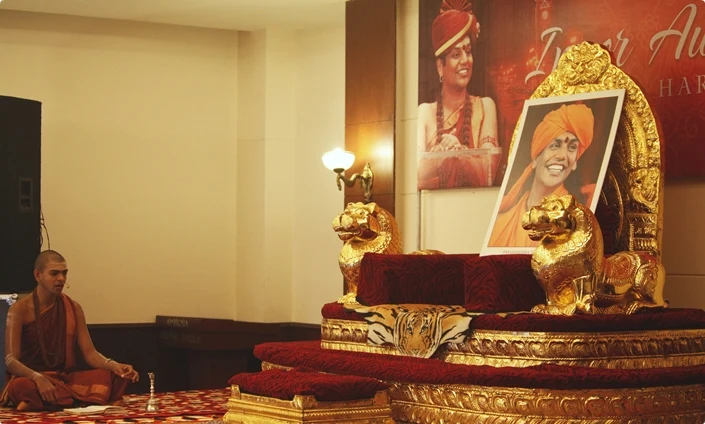
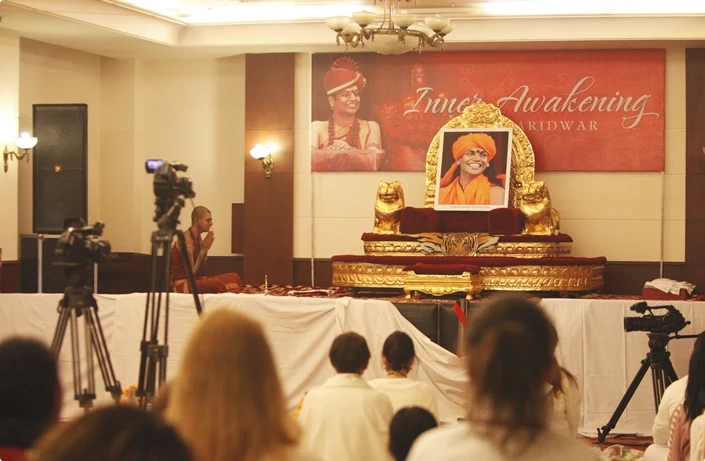
Leela Alankar
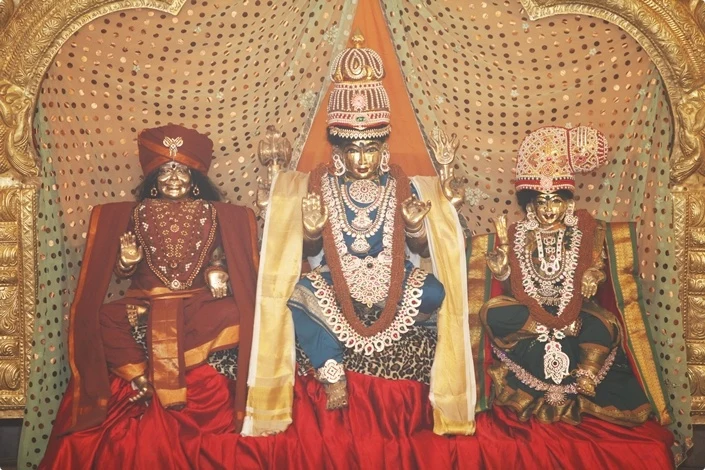
Nithya Satsang
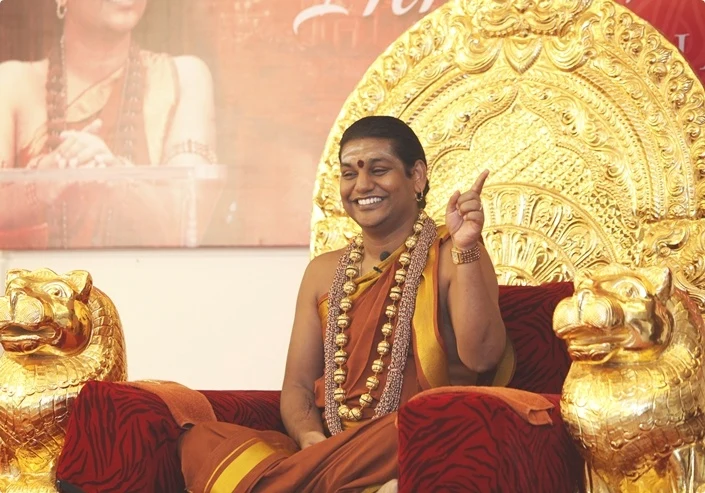
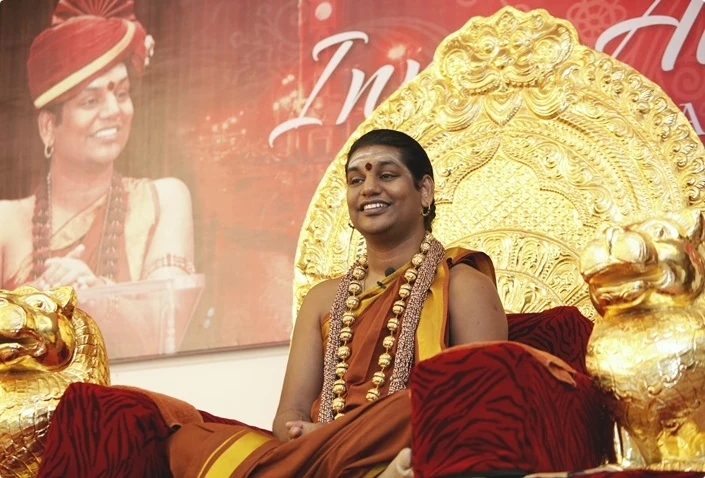
Devotees attending satsang through 2-way
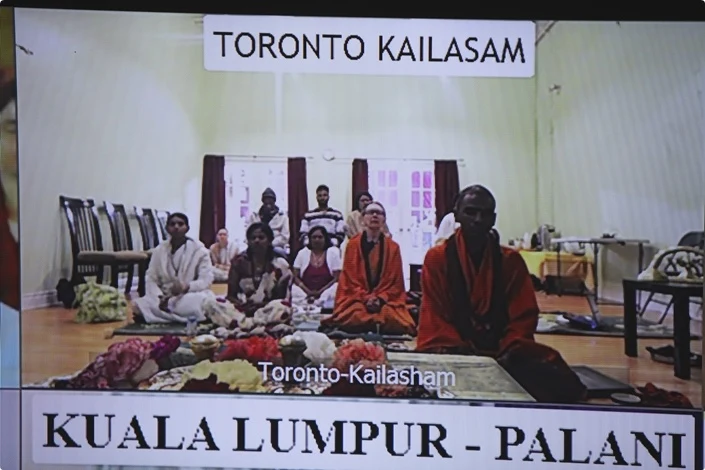
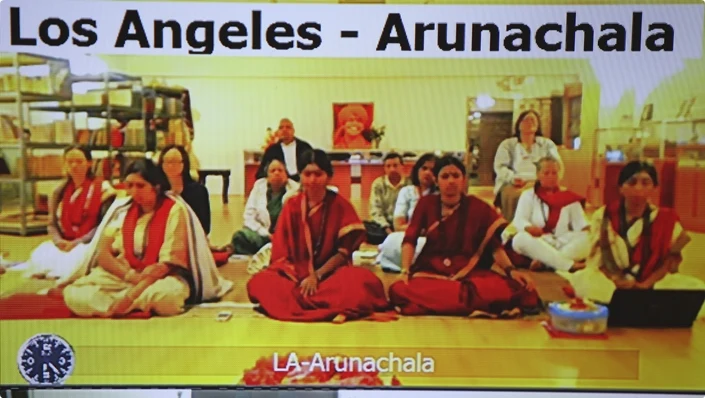
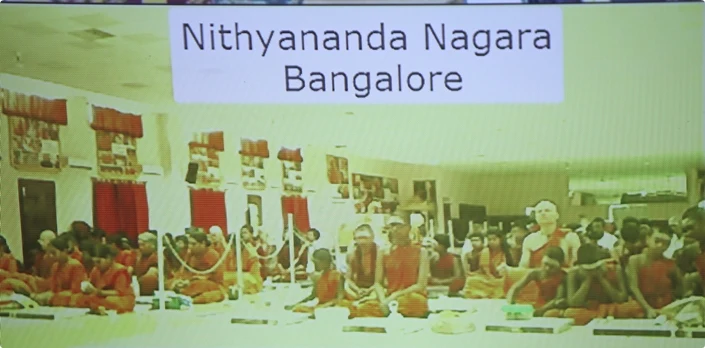
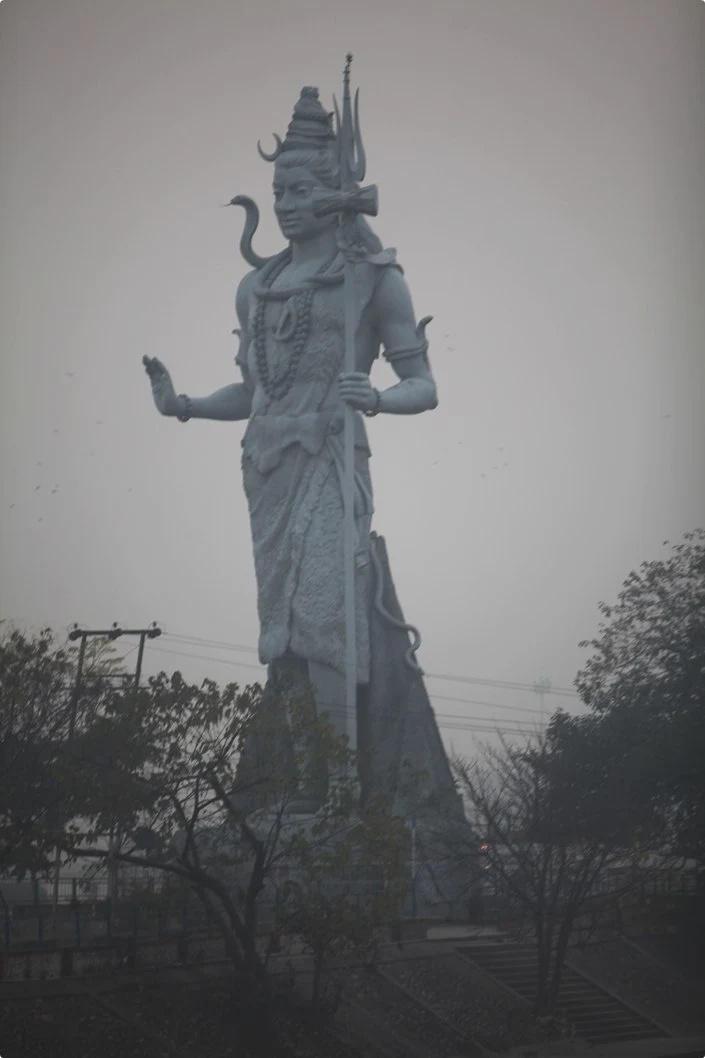
Ganga in Haridwar


Swamiji taking Inner Awakening class on the banks of river Ganga
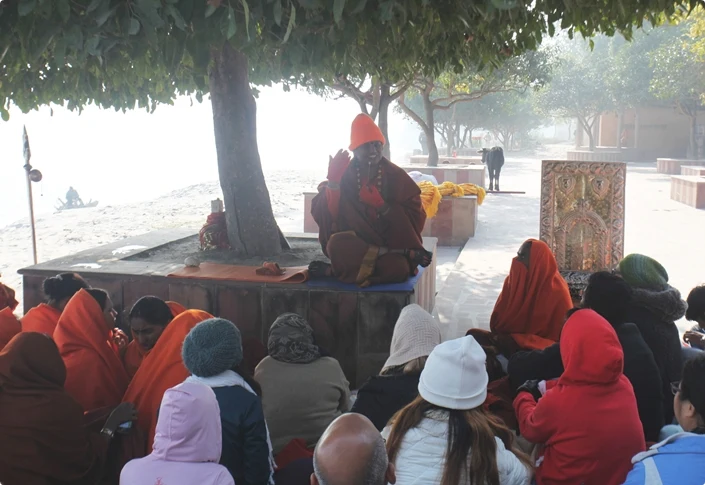
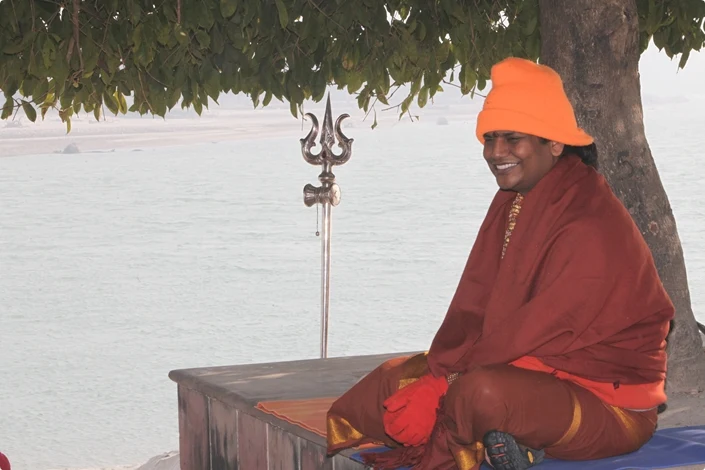

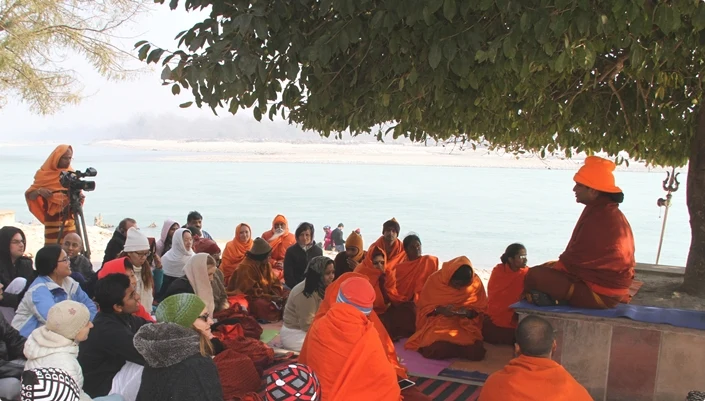
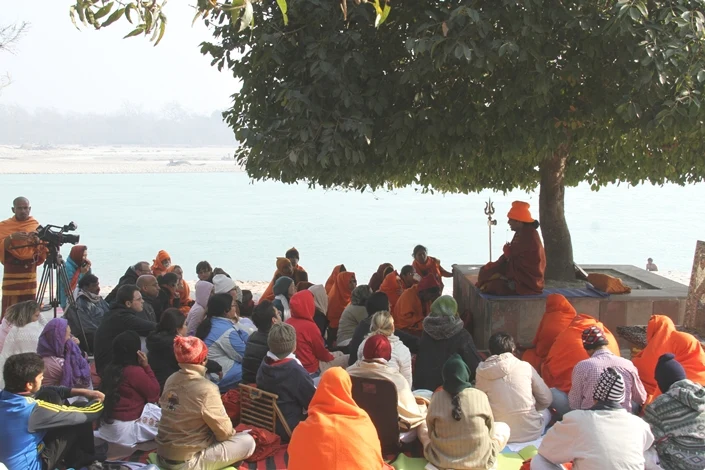
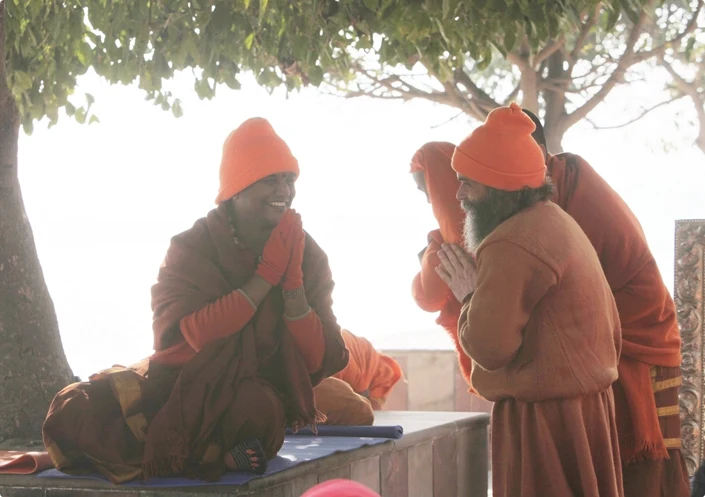
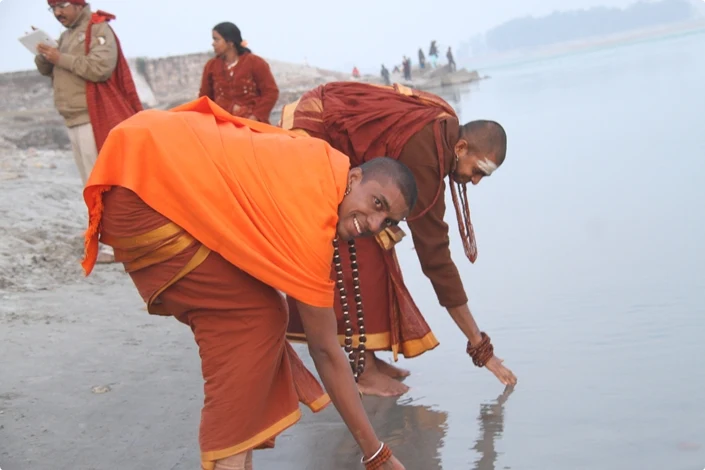
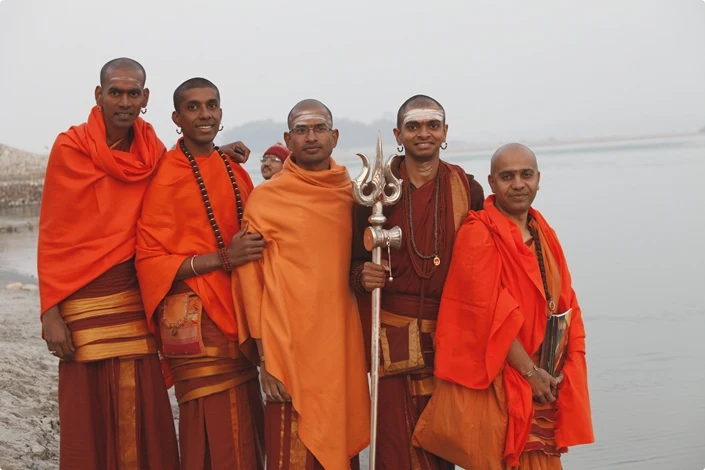

Nithyasatsang
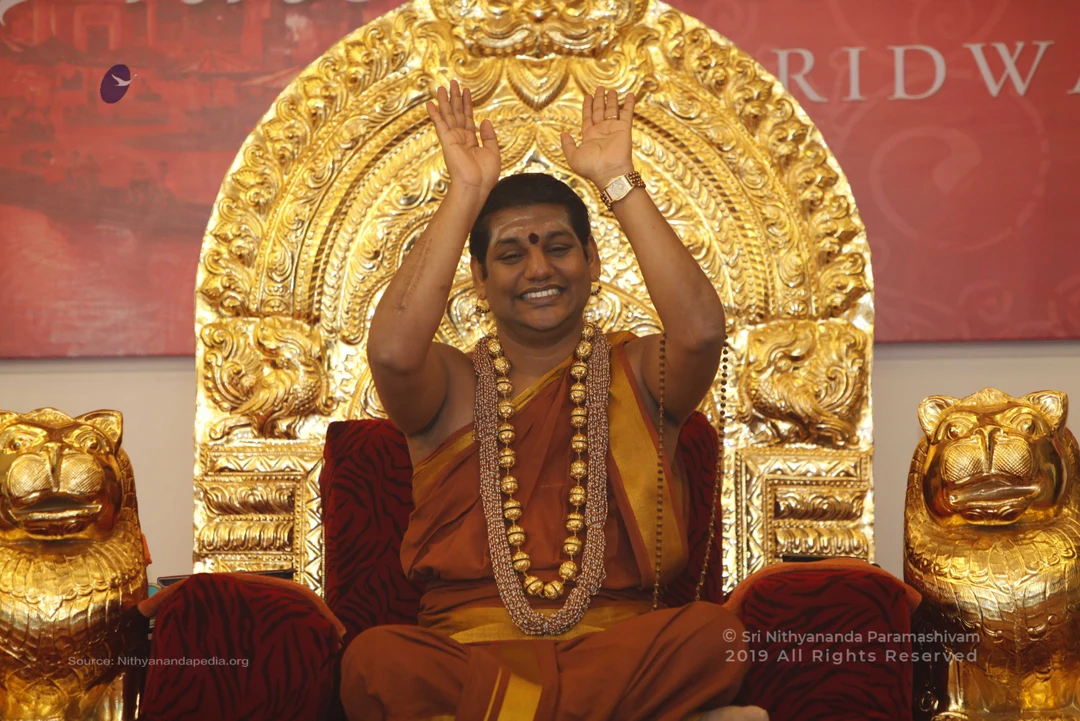
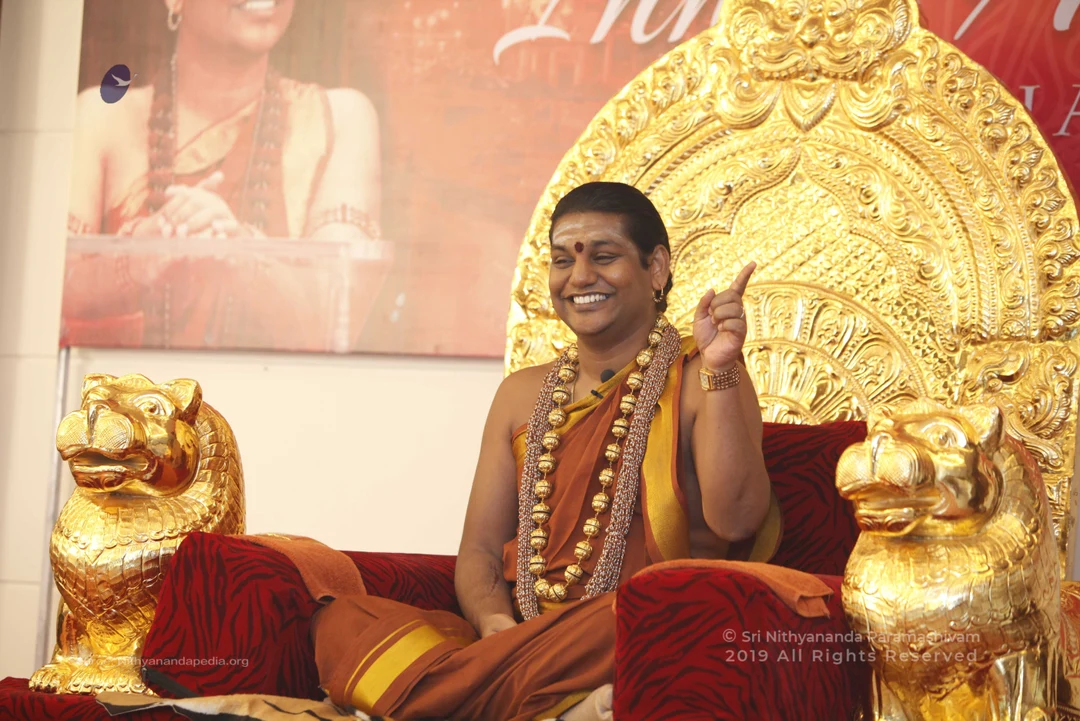
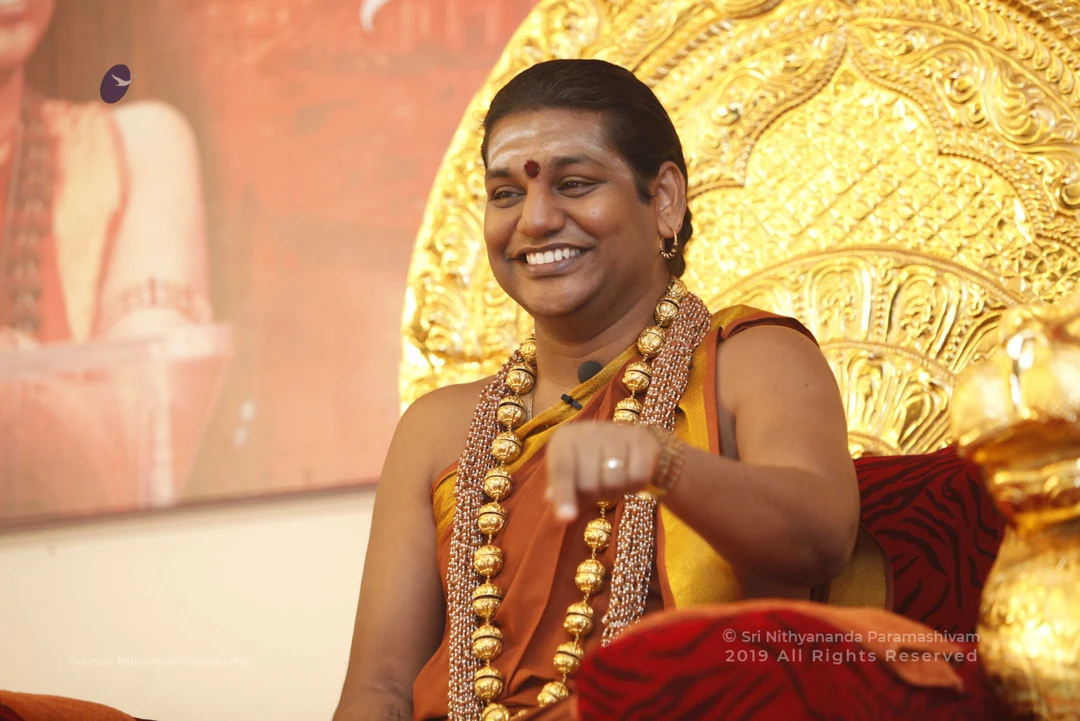
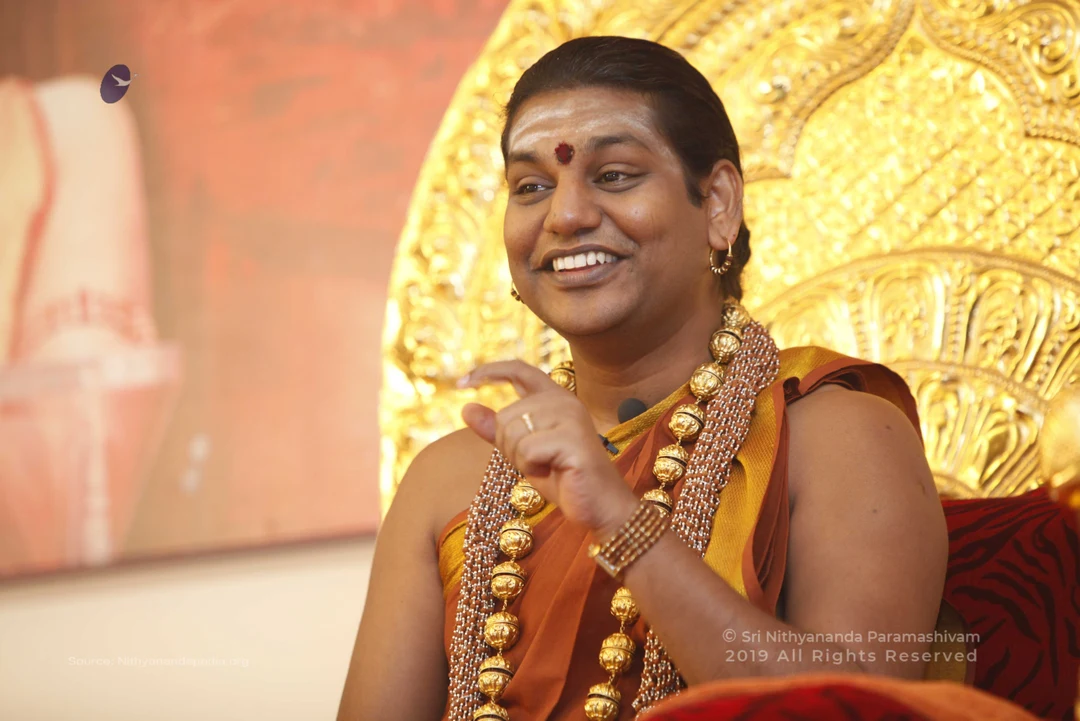
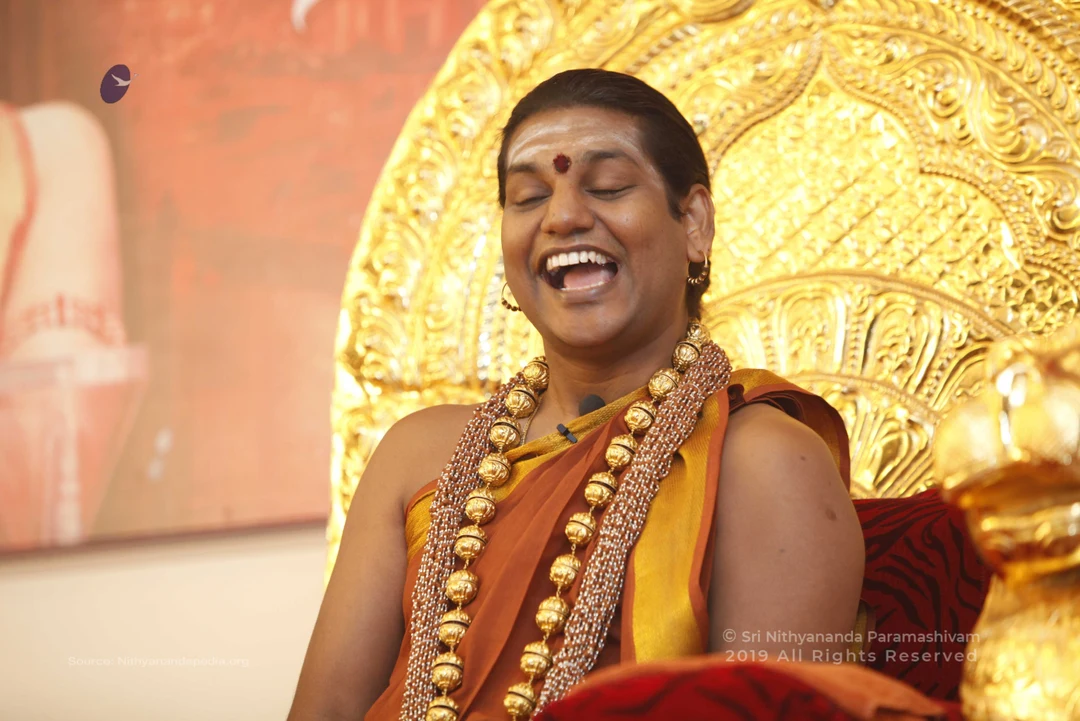
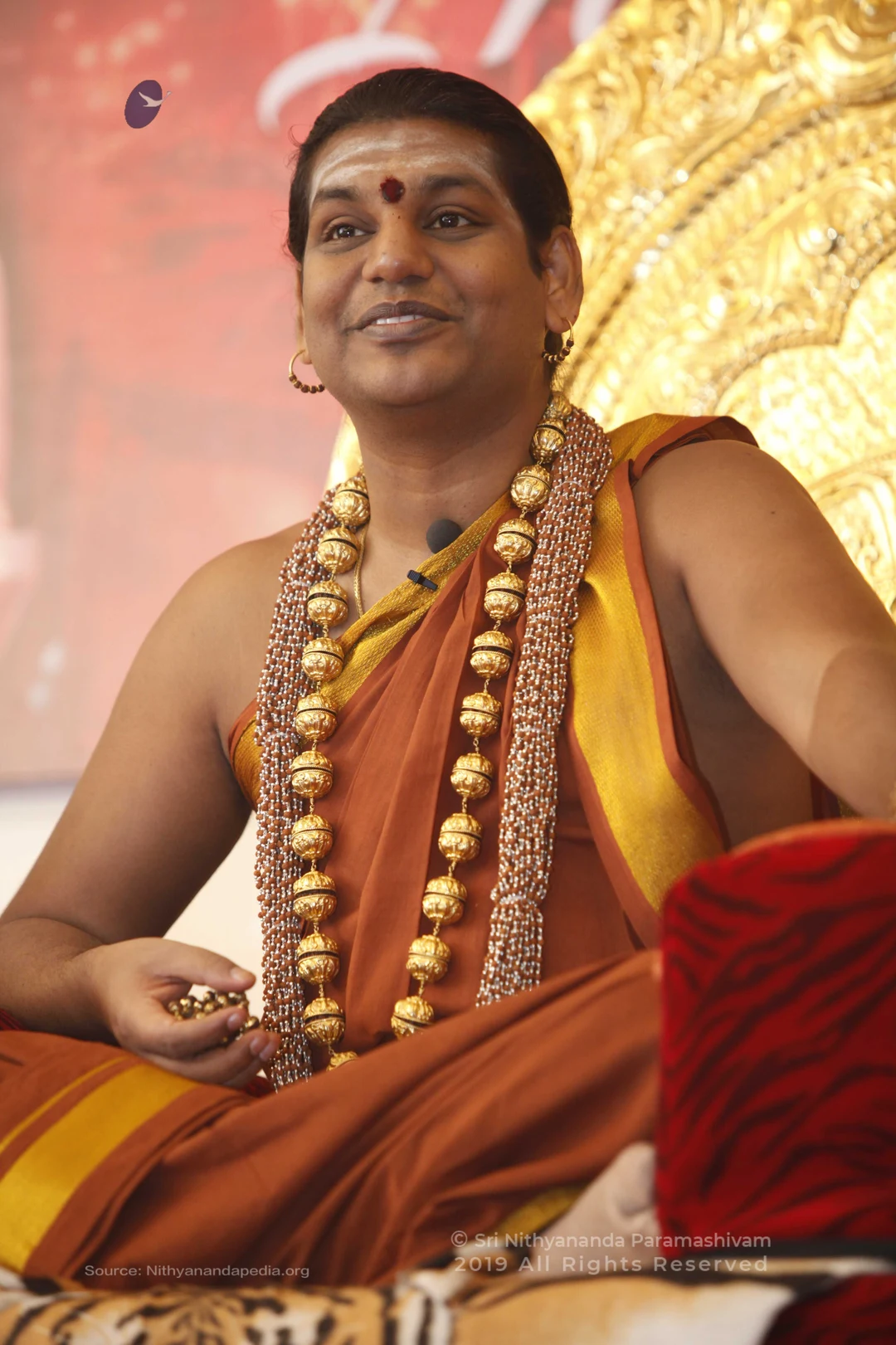
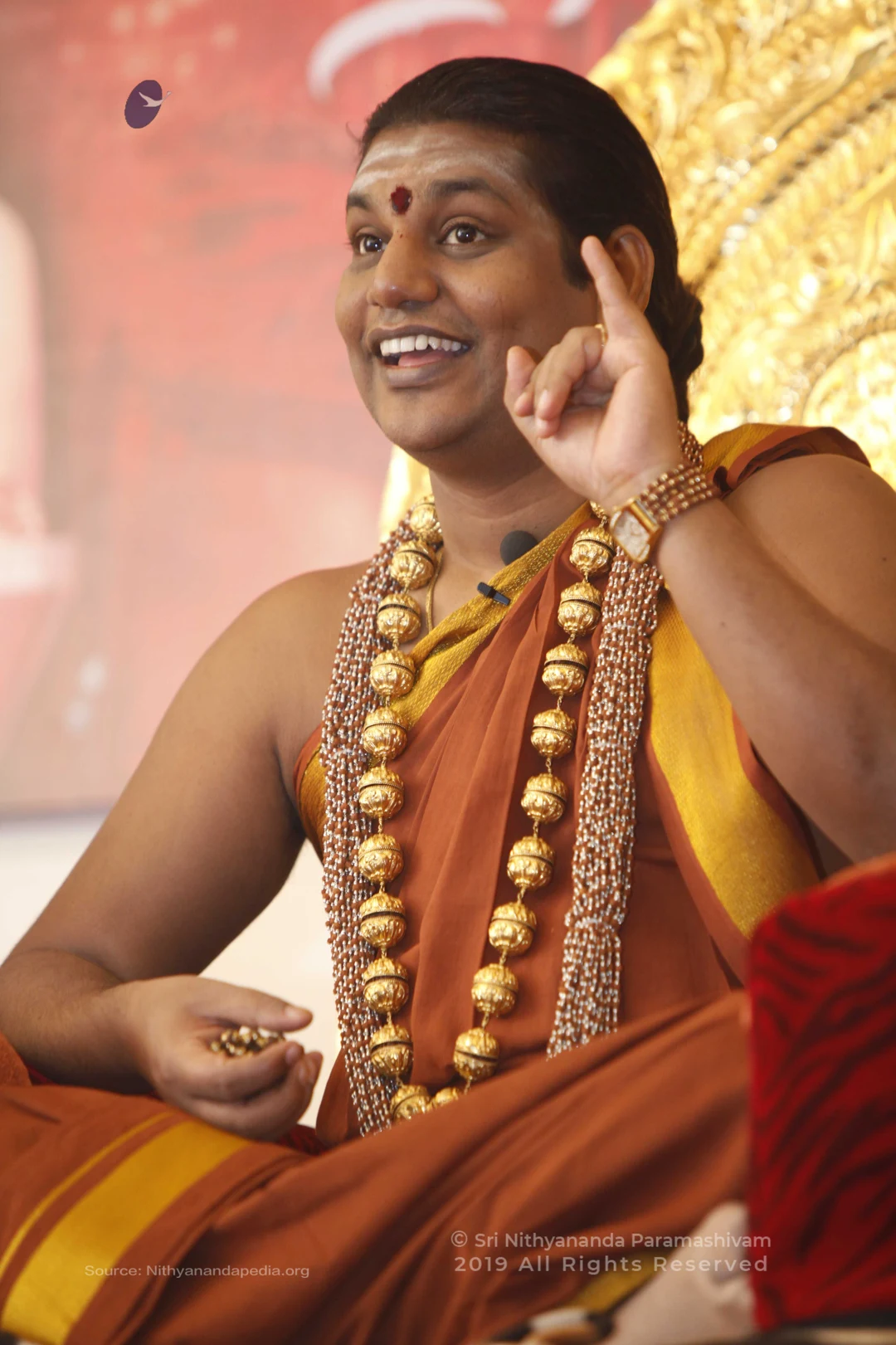
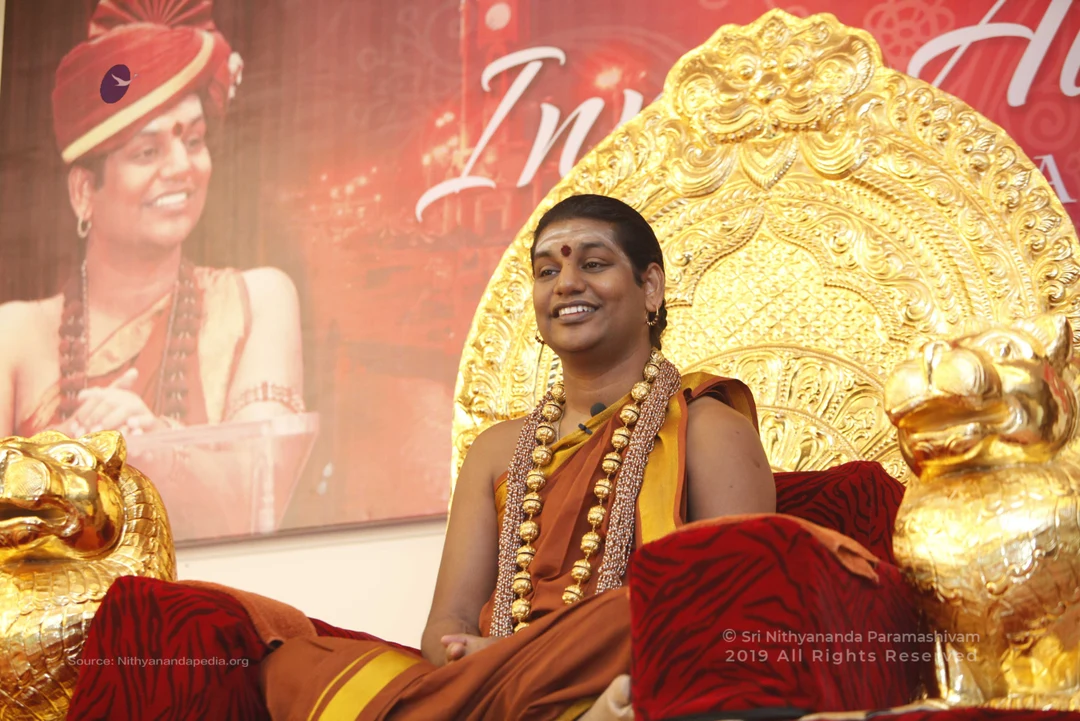
Outdoor Ganga session
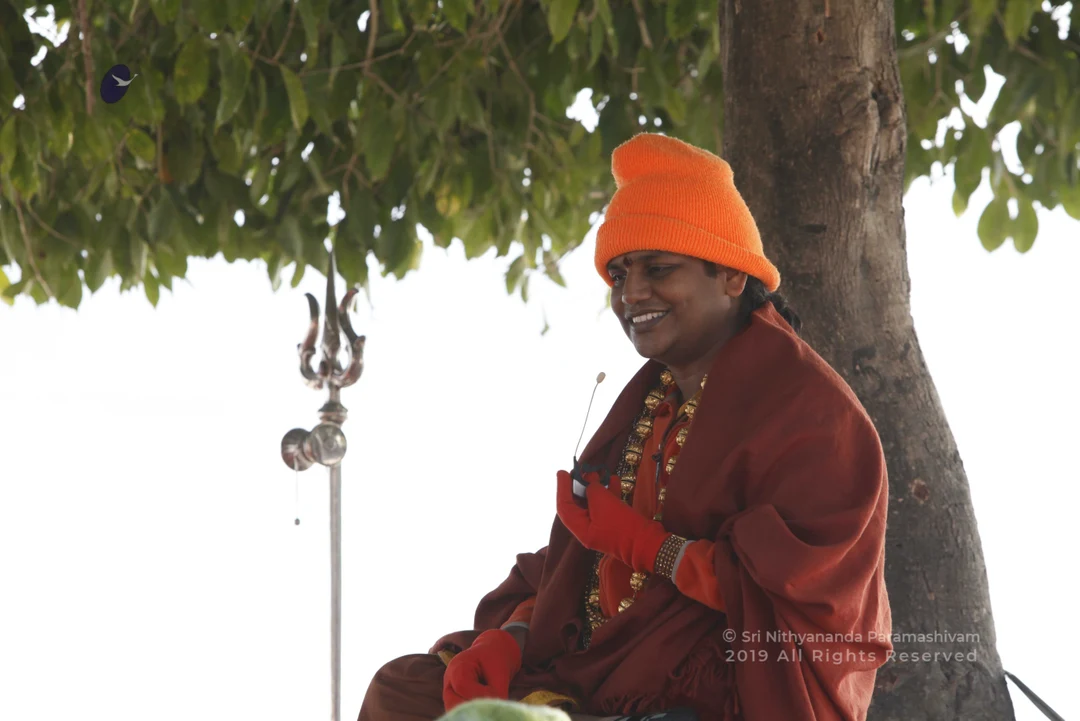
Tags
Paramahamsa Nithyananda, Master, Cosmic, hero, love, pattern, hate, catalyst, philosophy, reality, healing.
Photos Of The Day:
Nithya-Puja
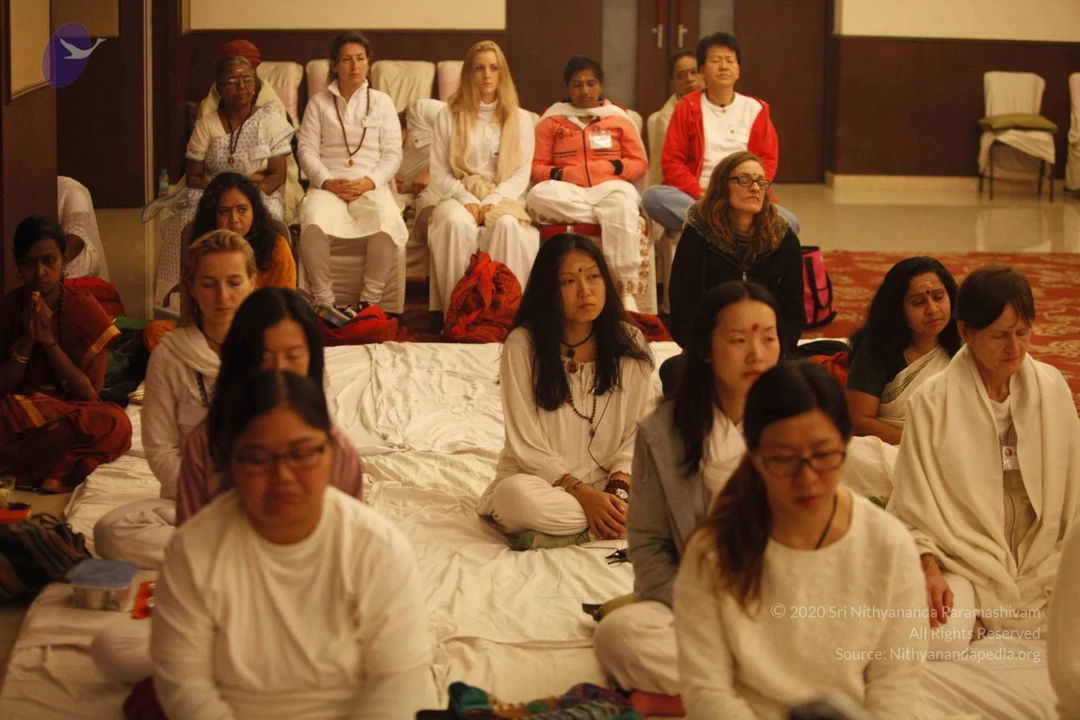
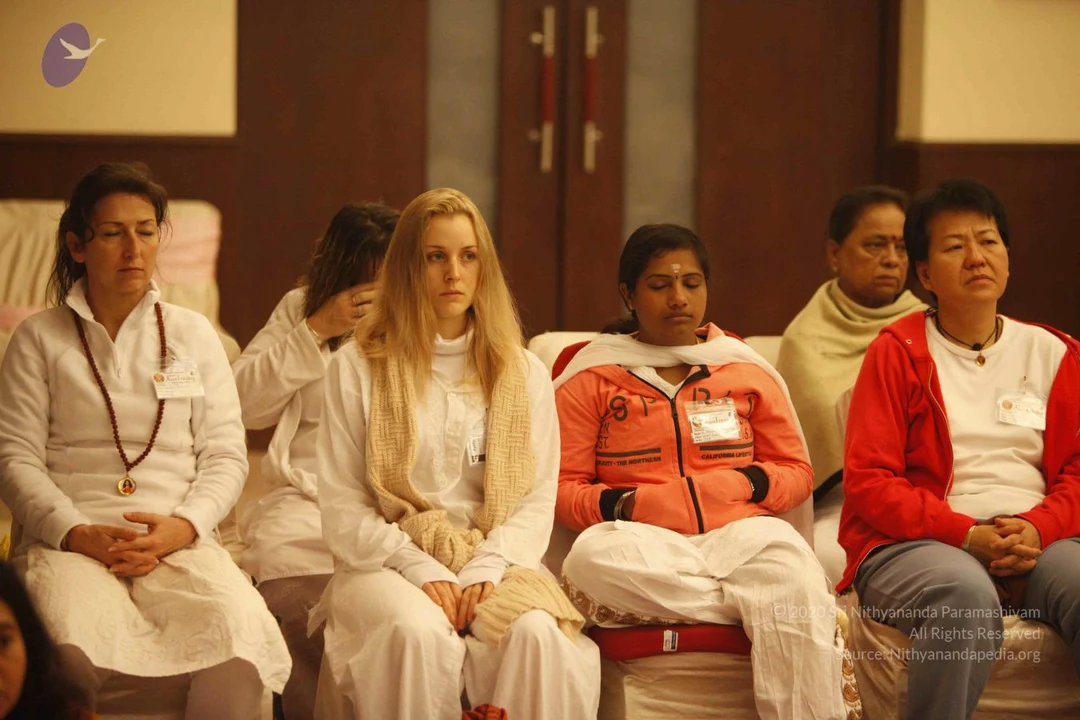
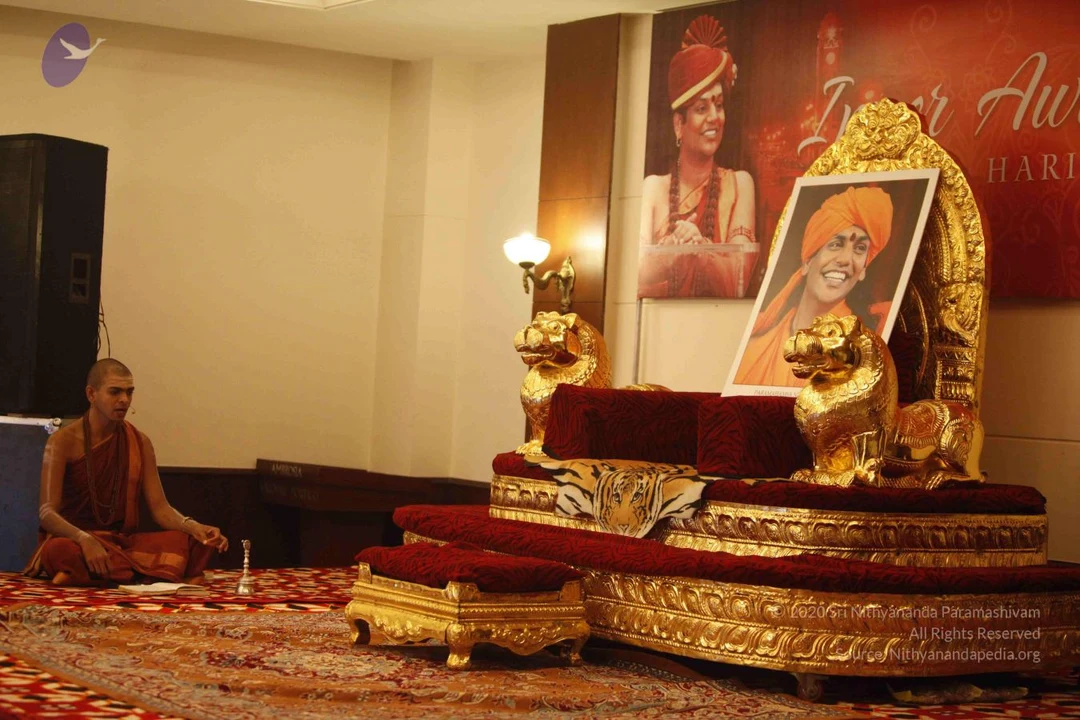
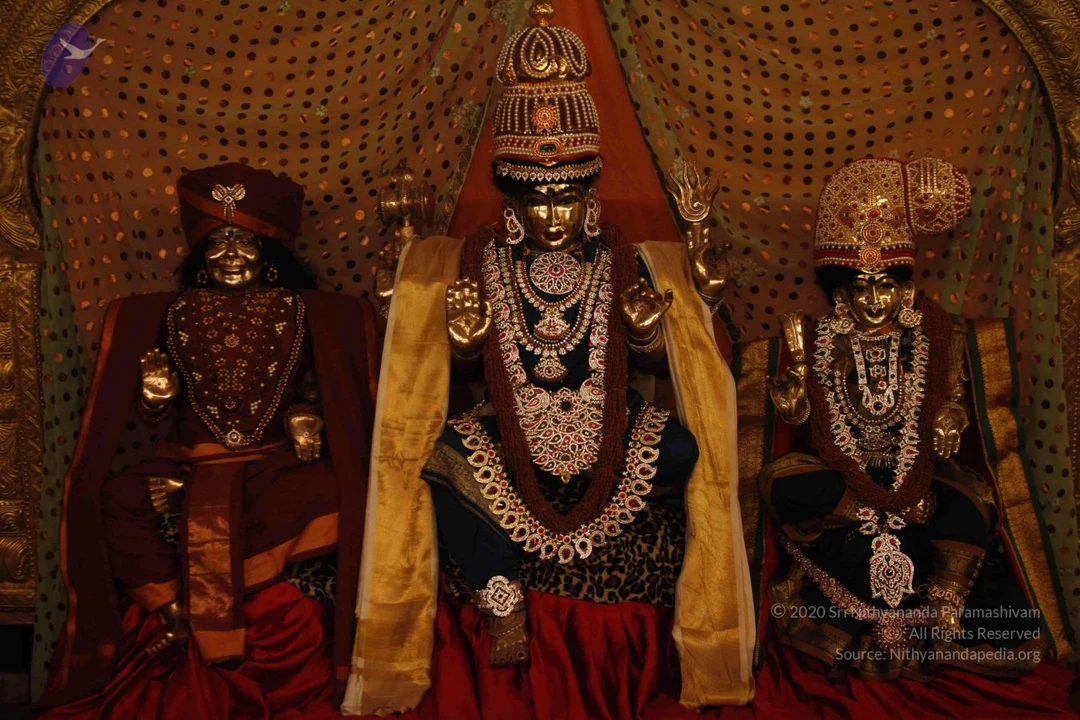
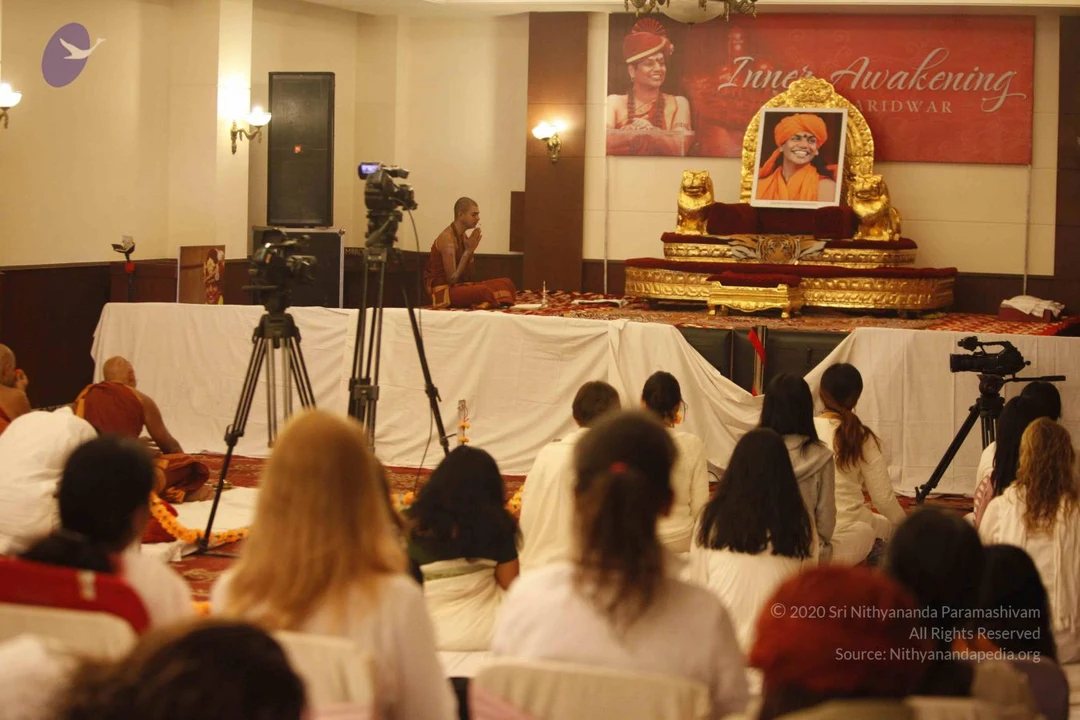
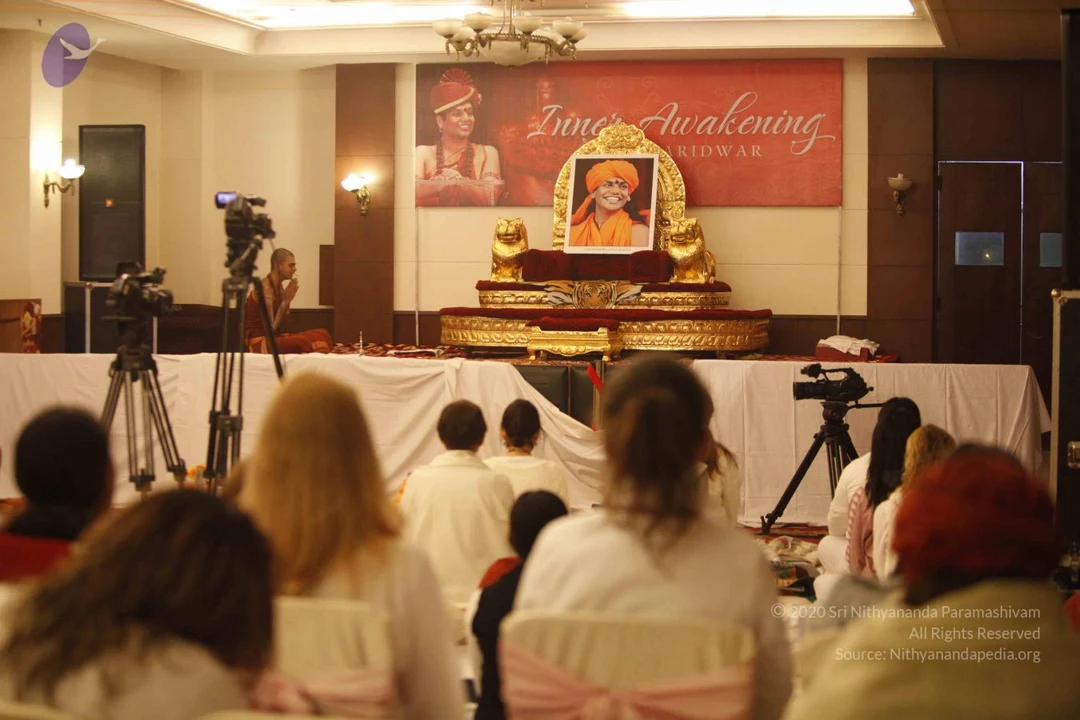
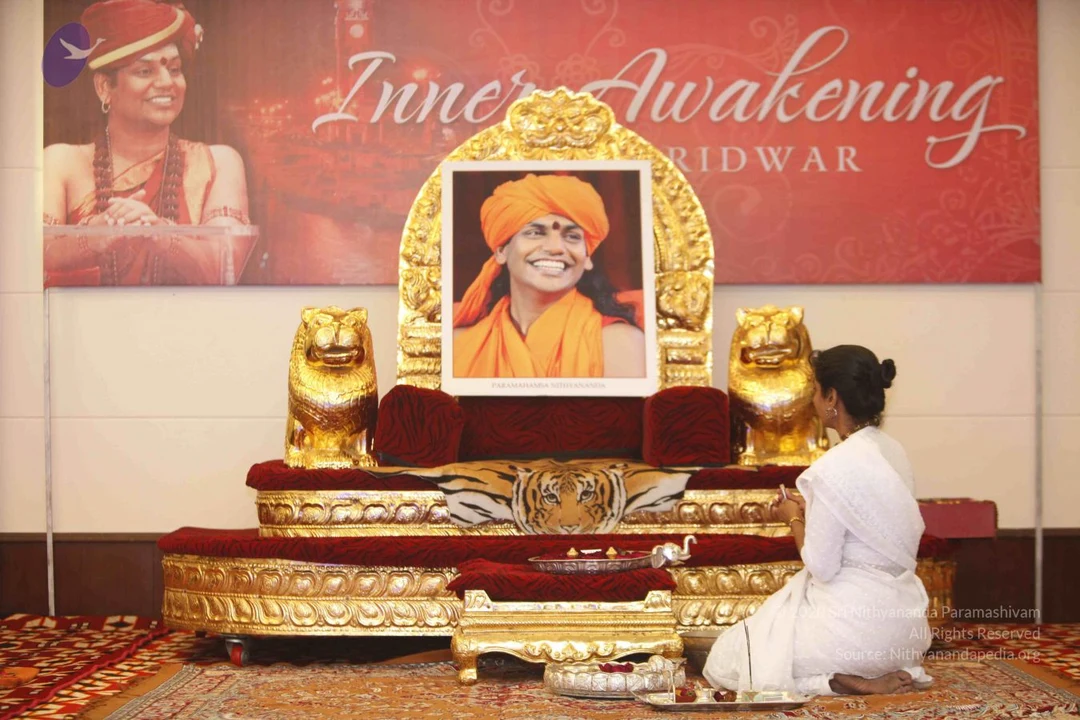



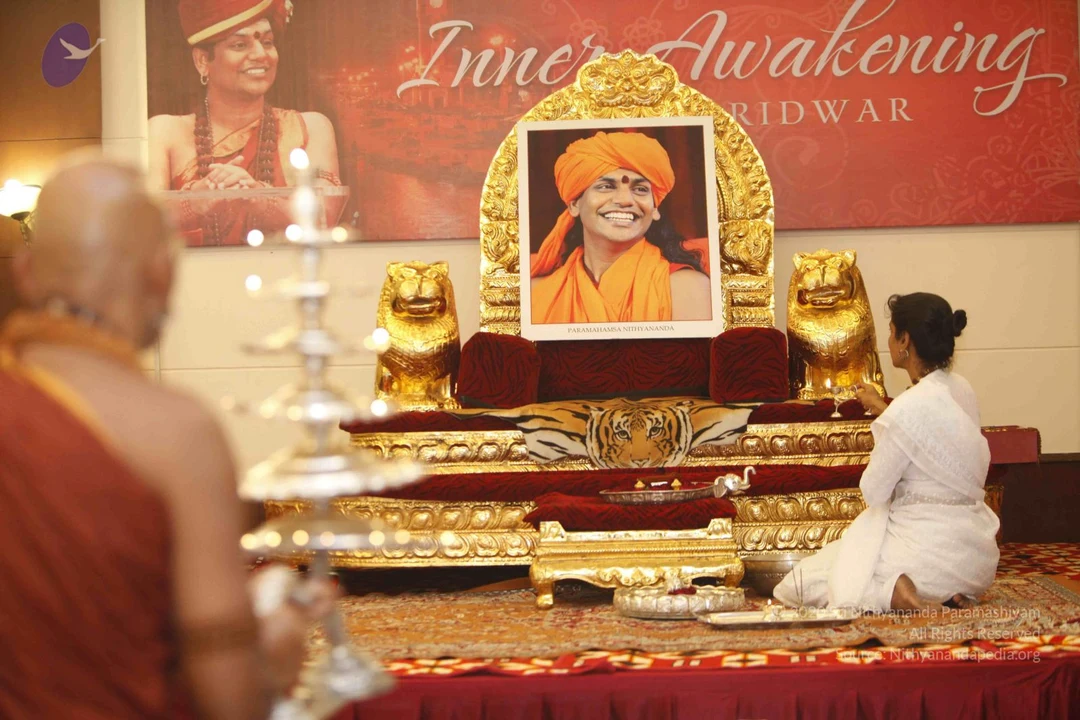
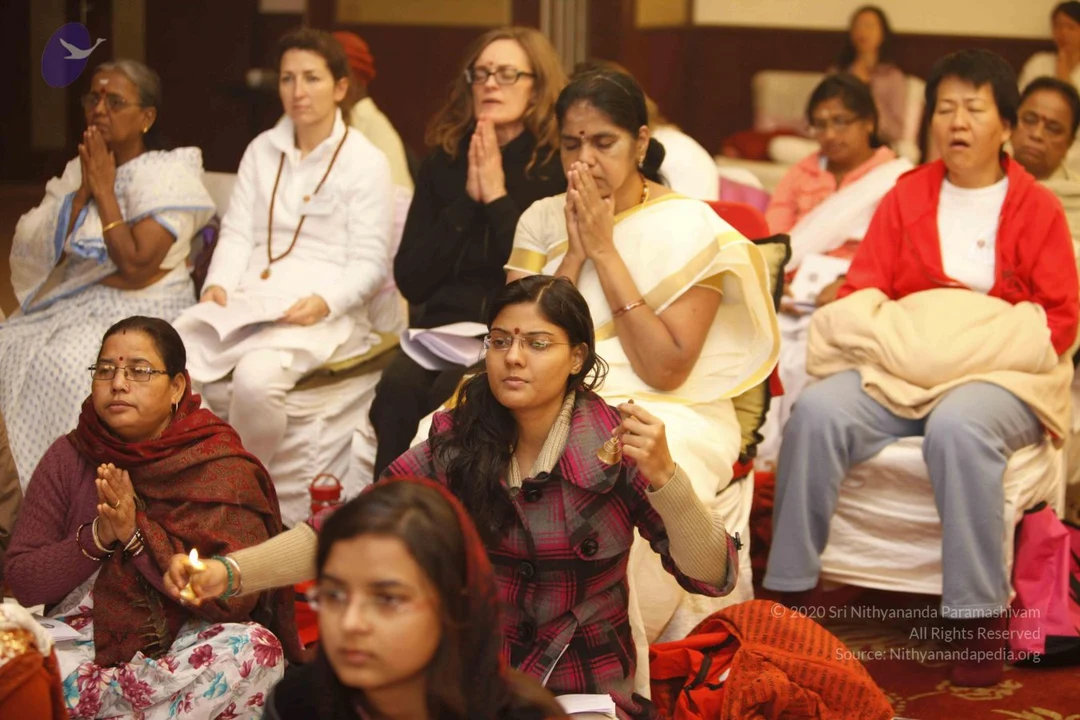
Nithya-Satsang
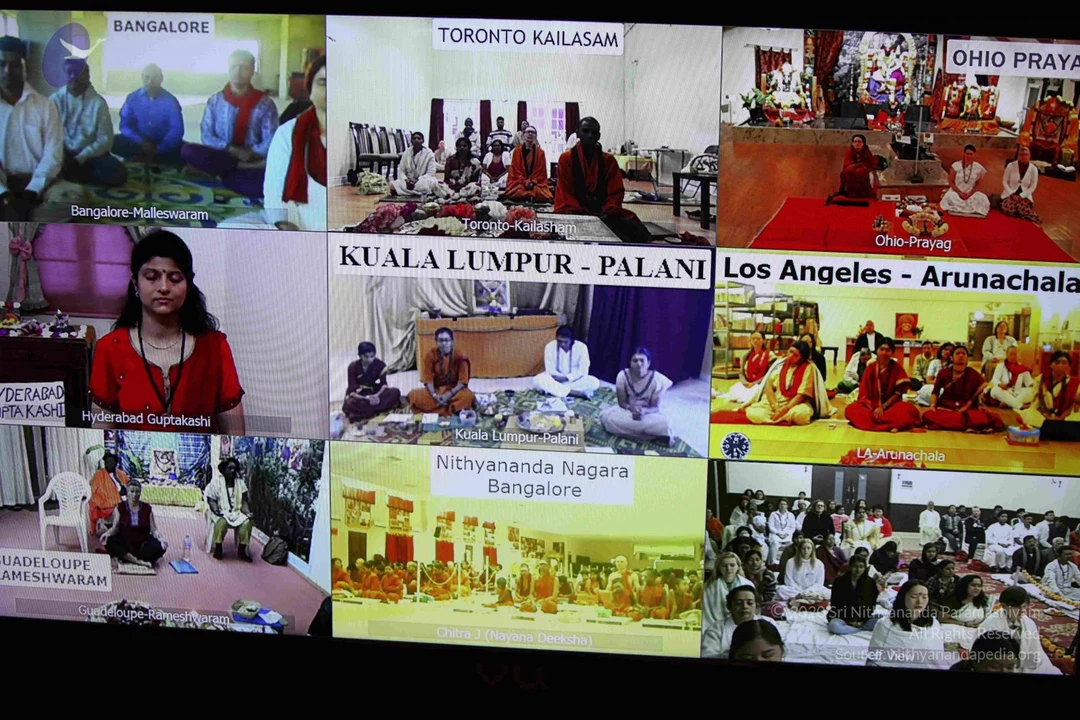
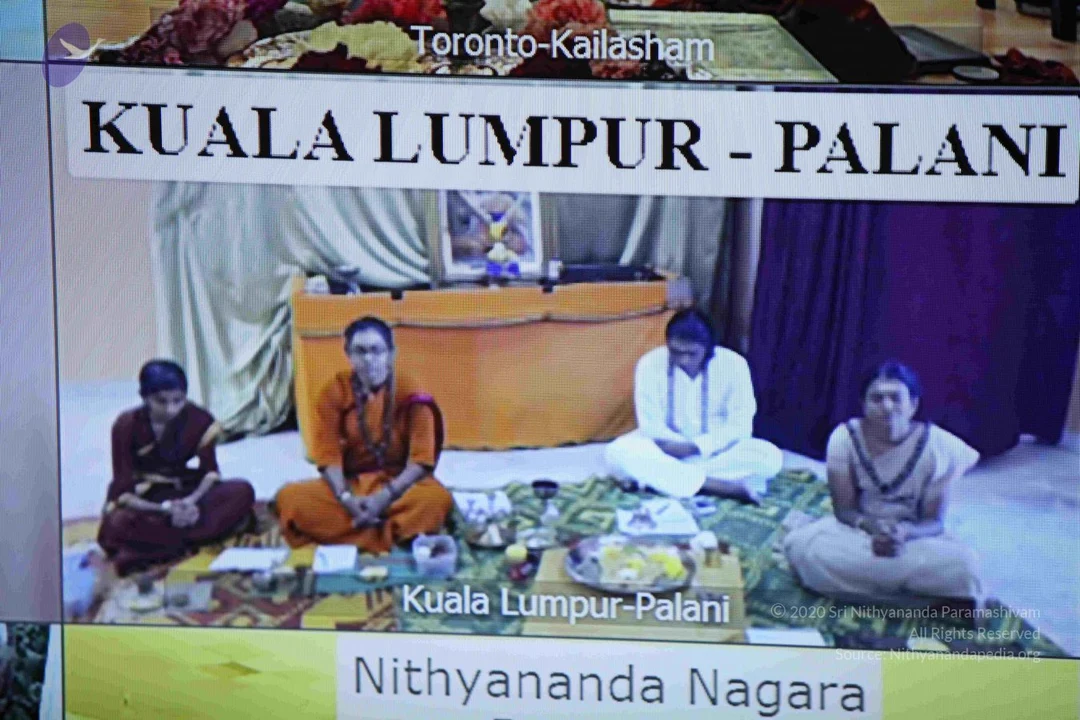
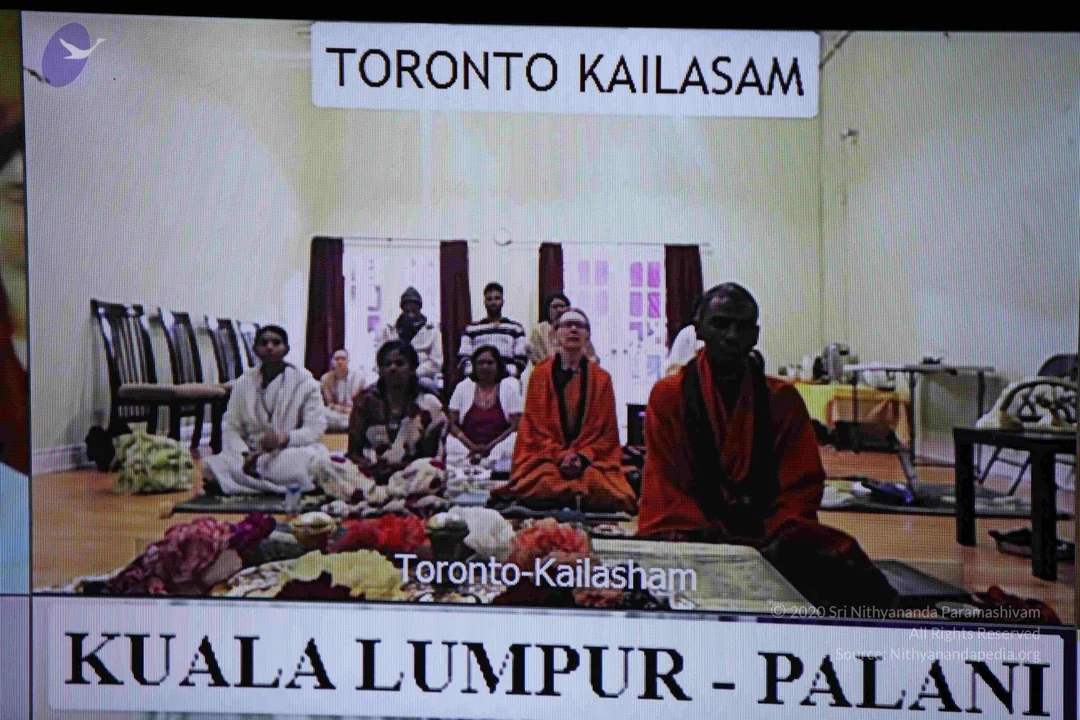
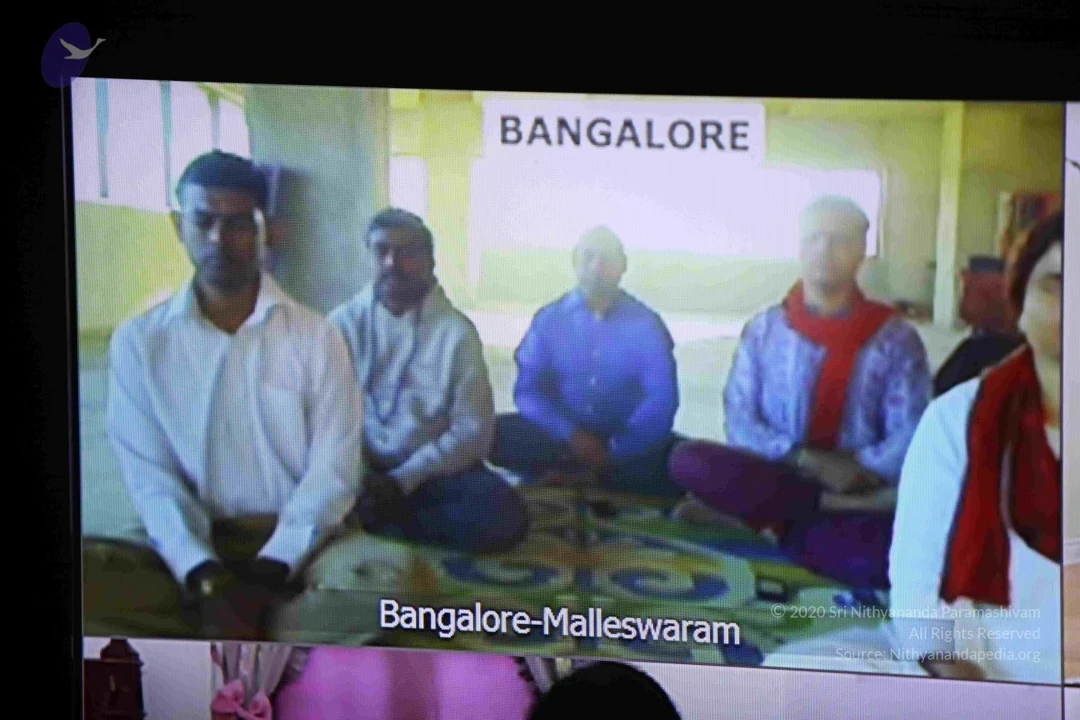
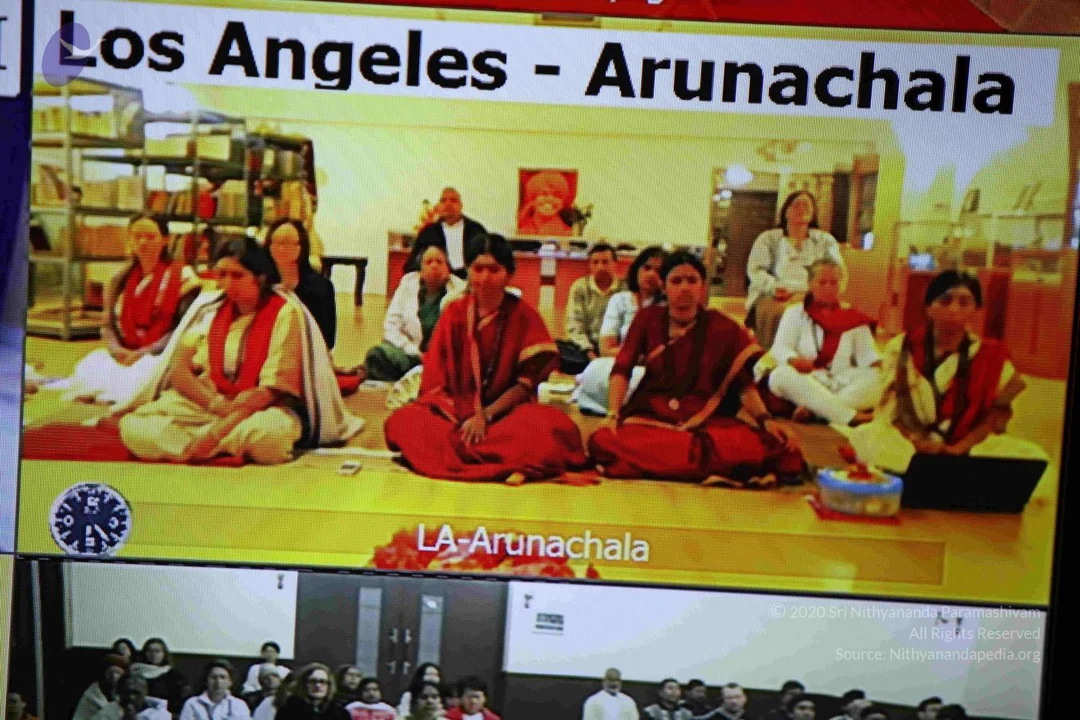
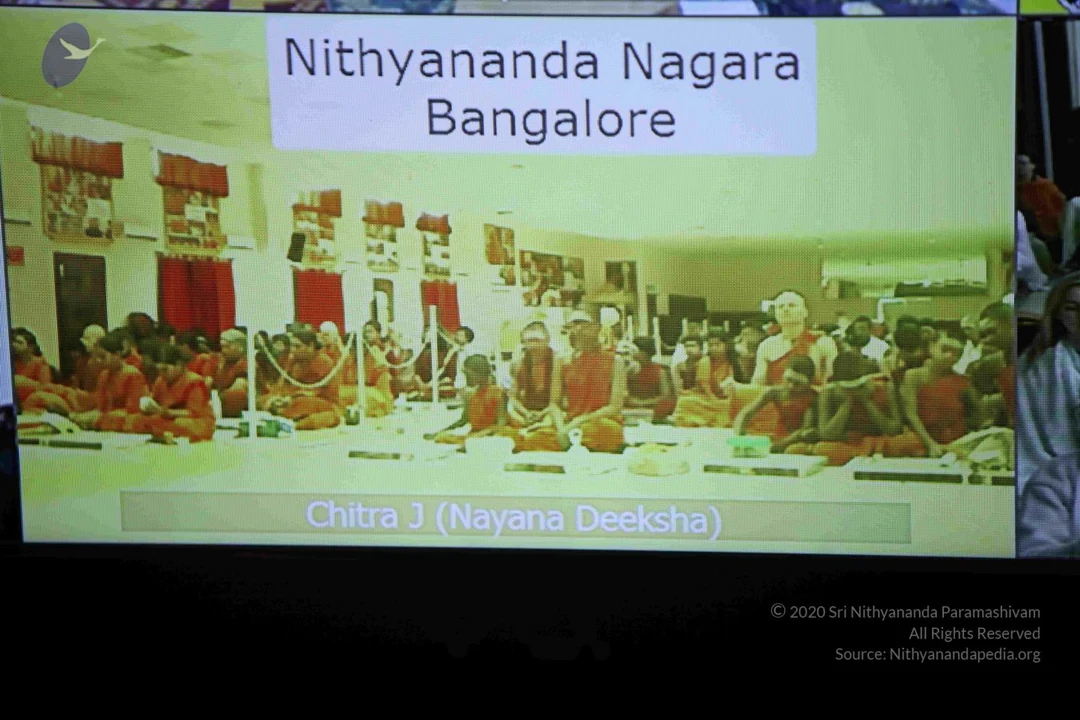
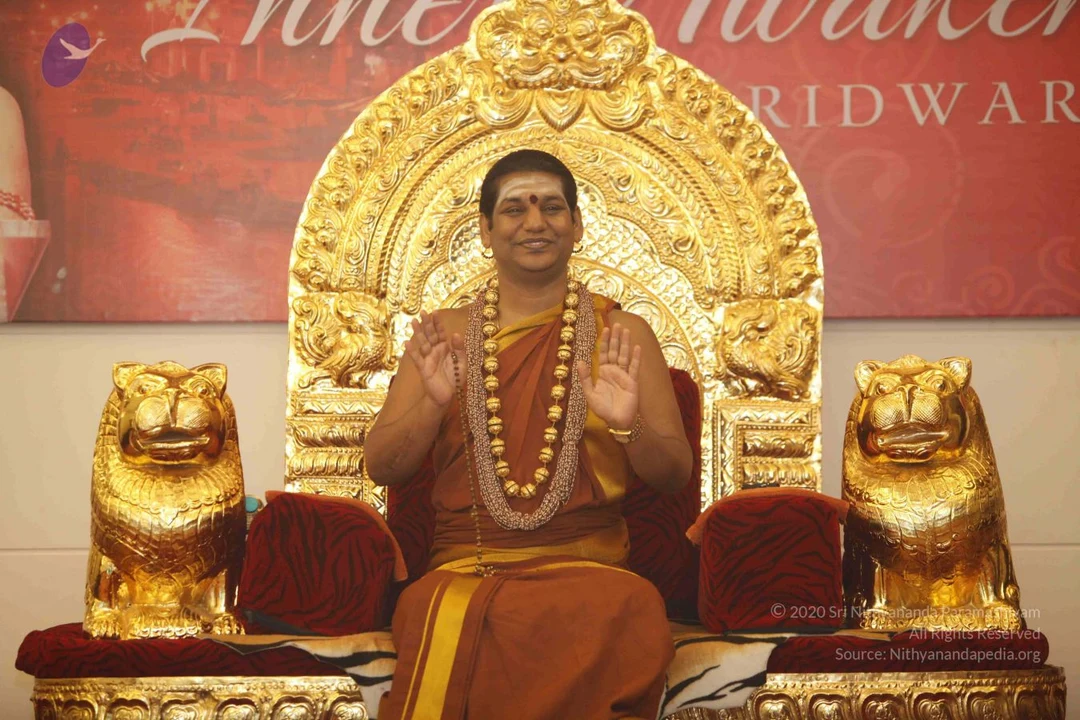
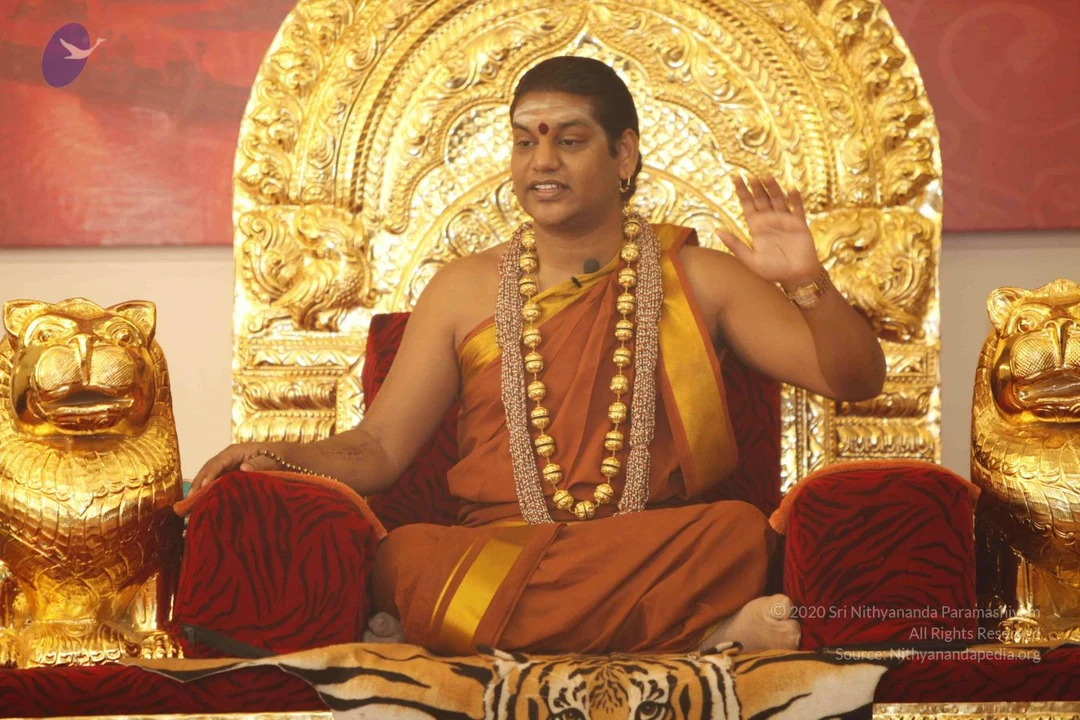
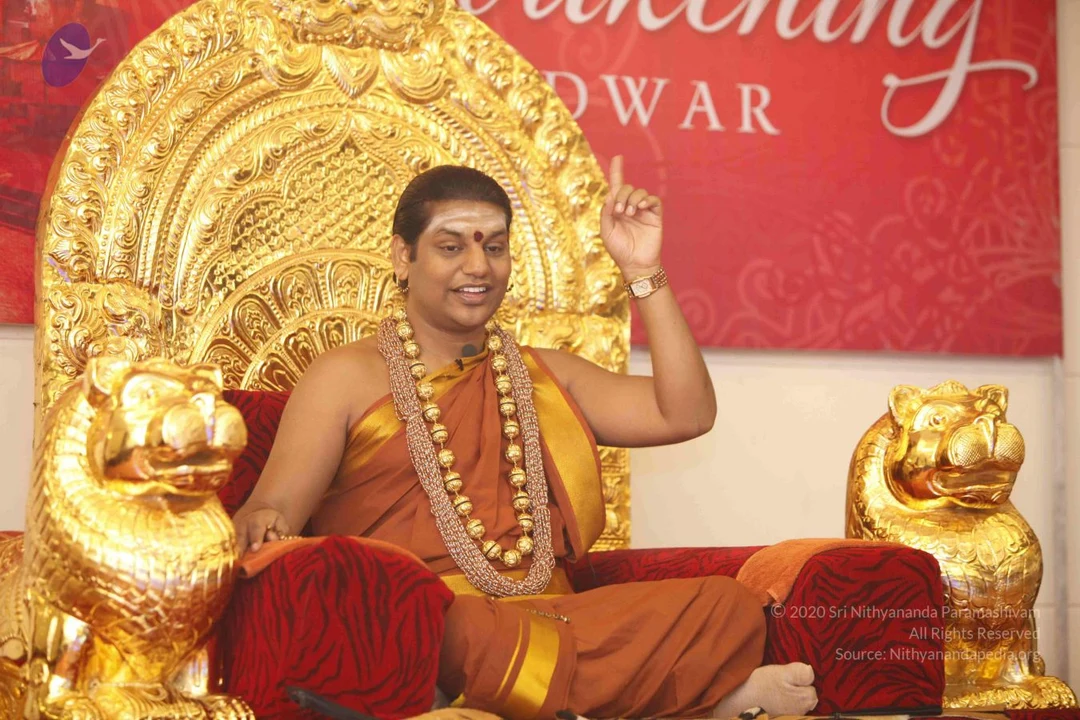
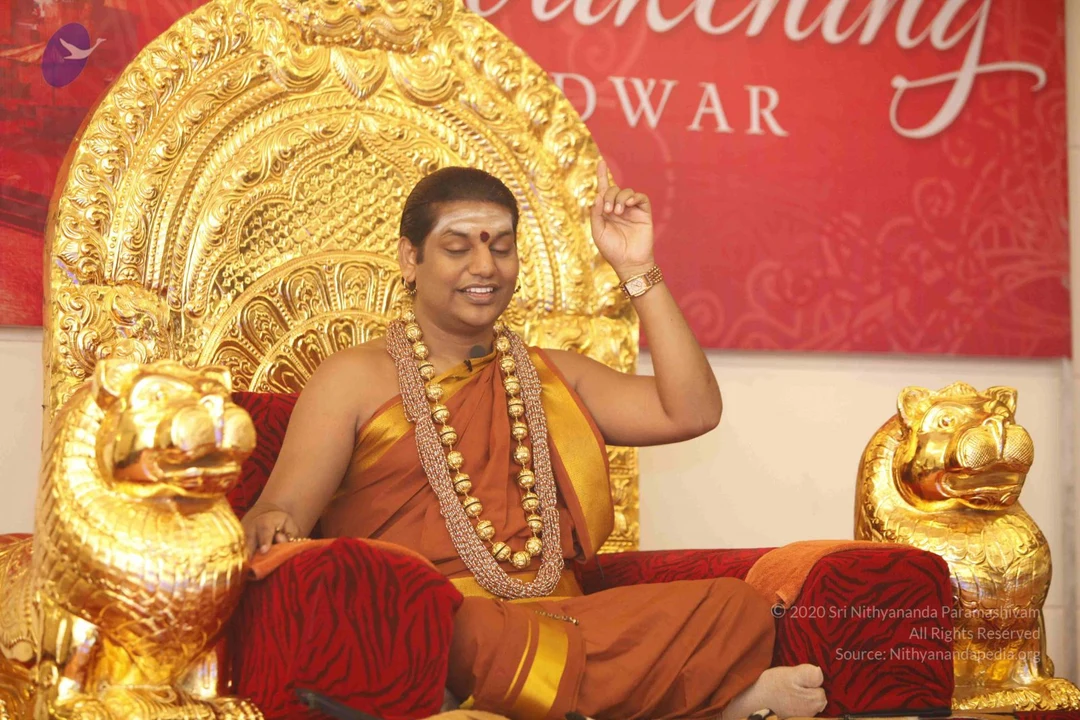
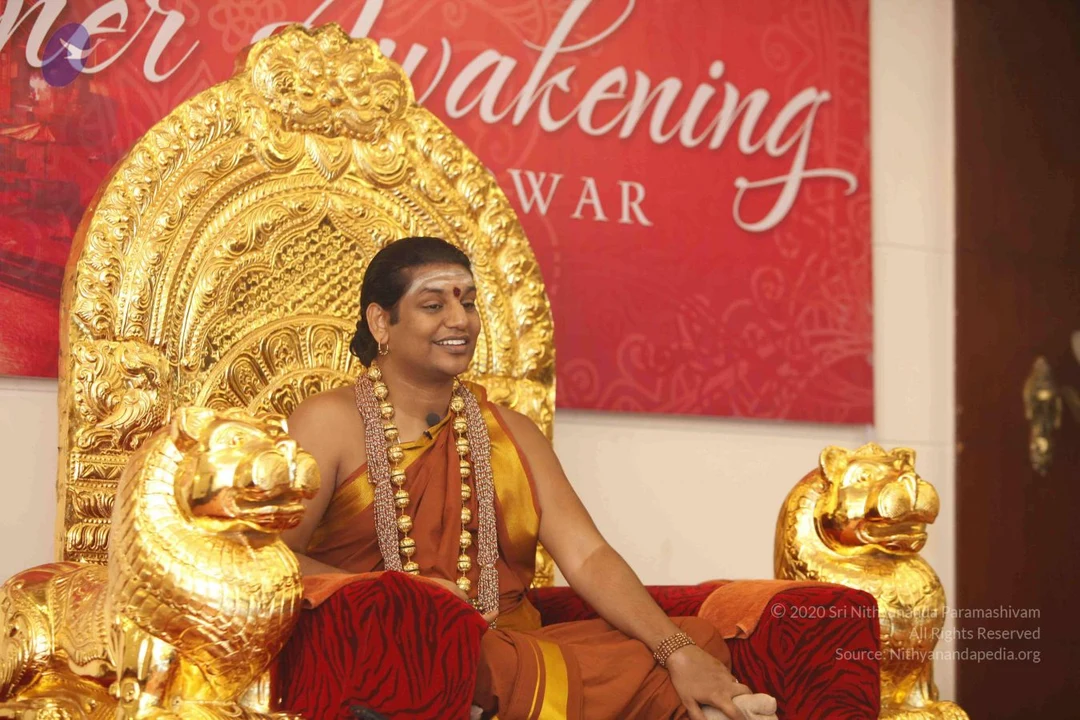
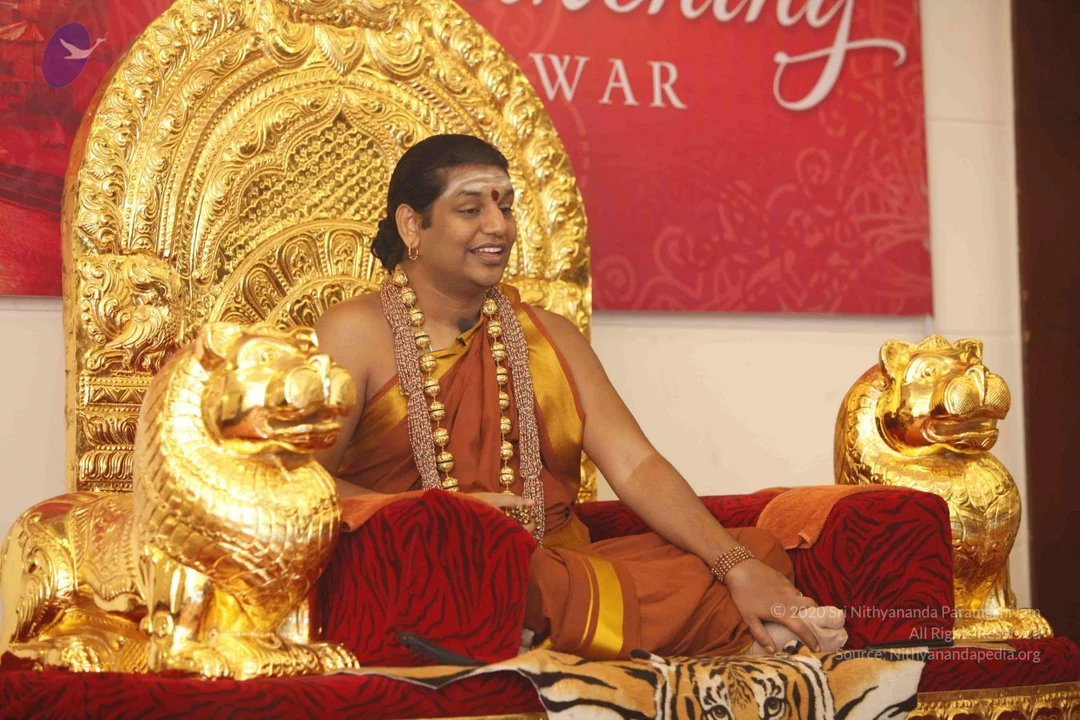
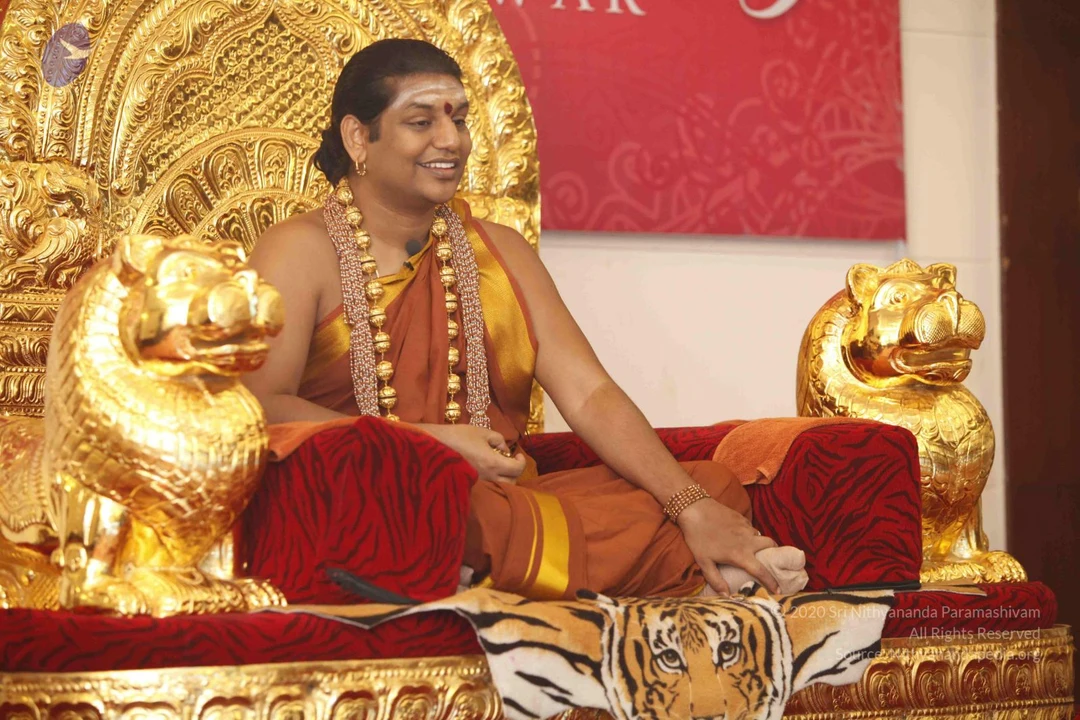
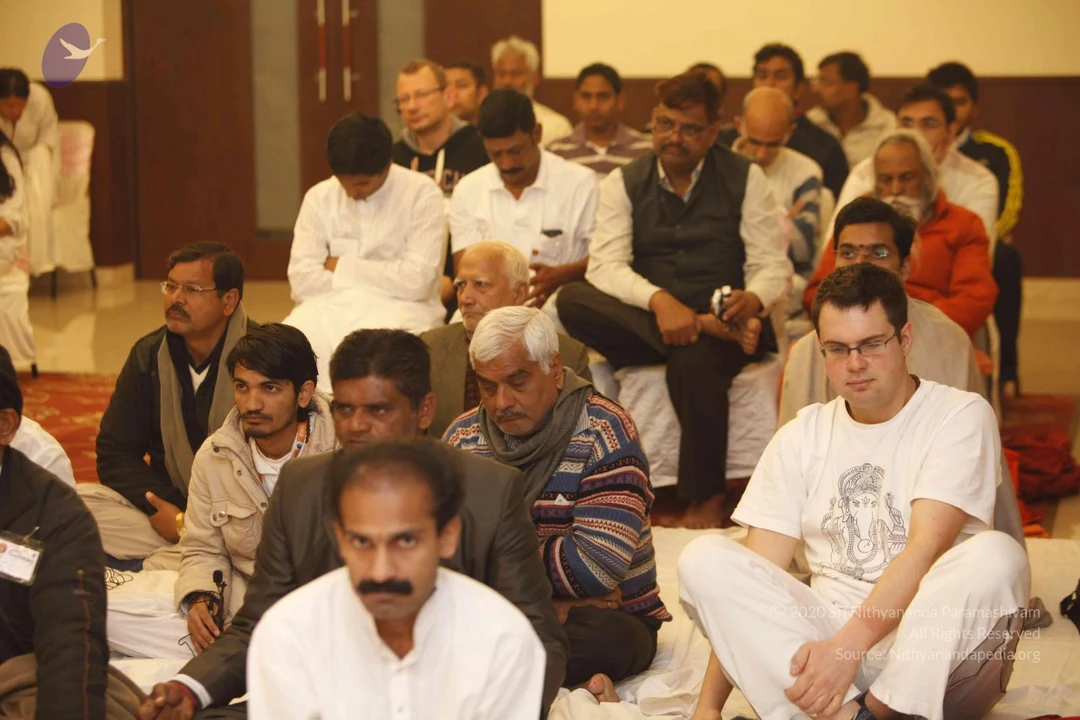
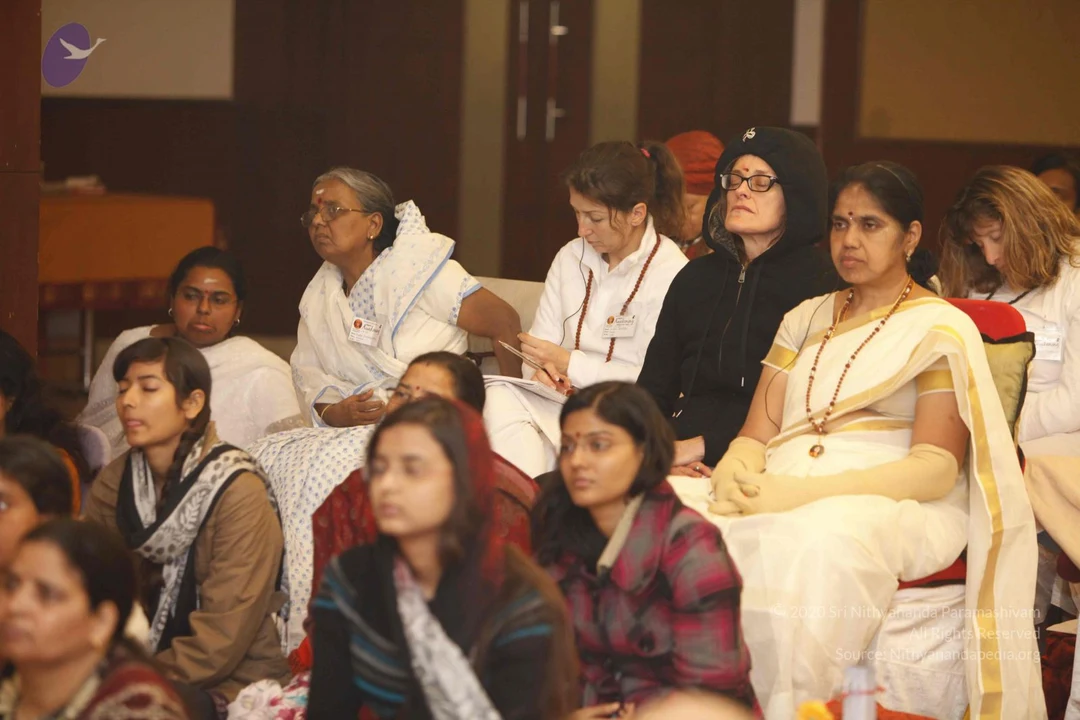
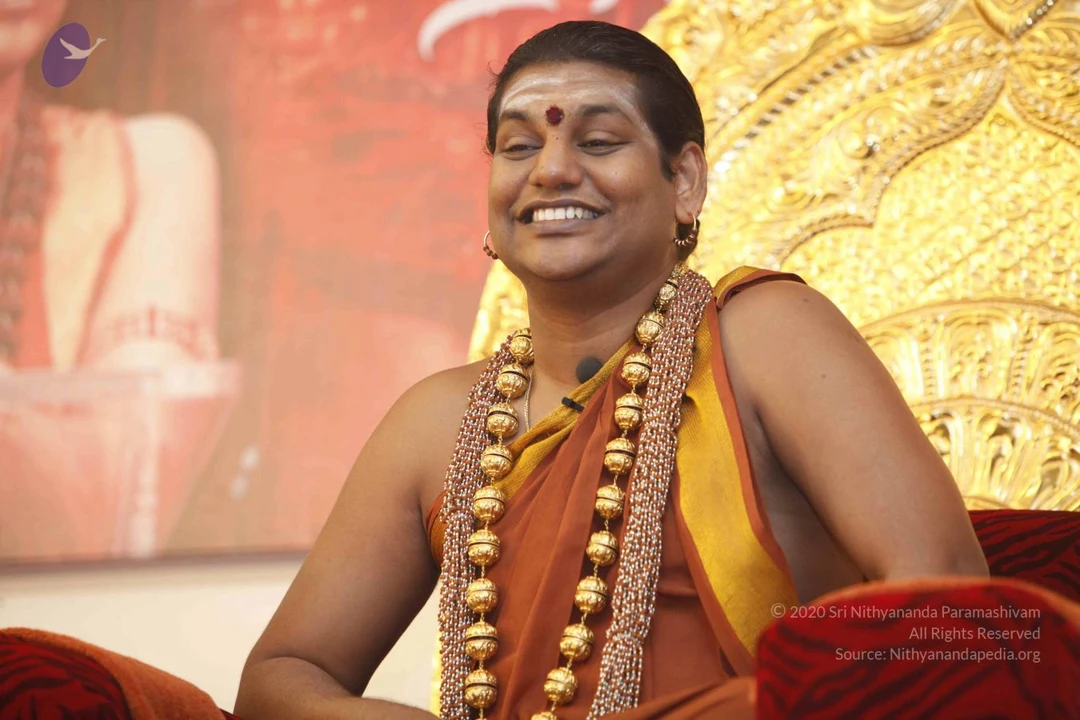
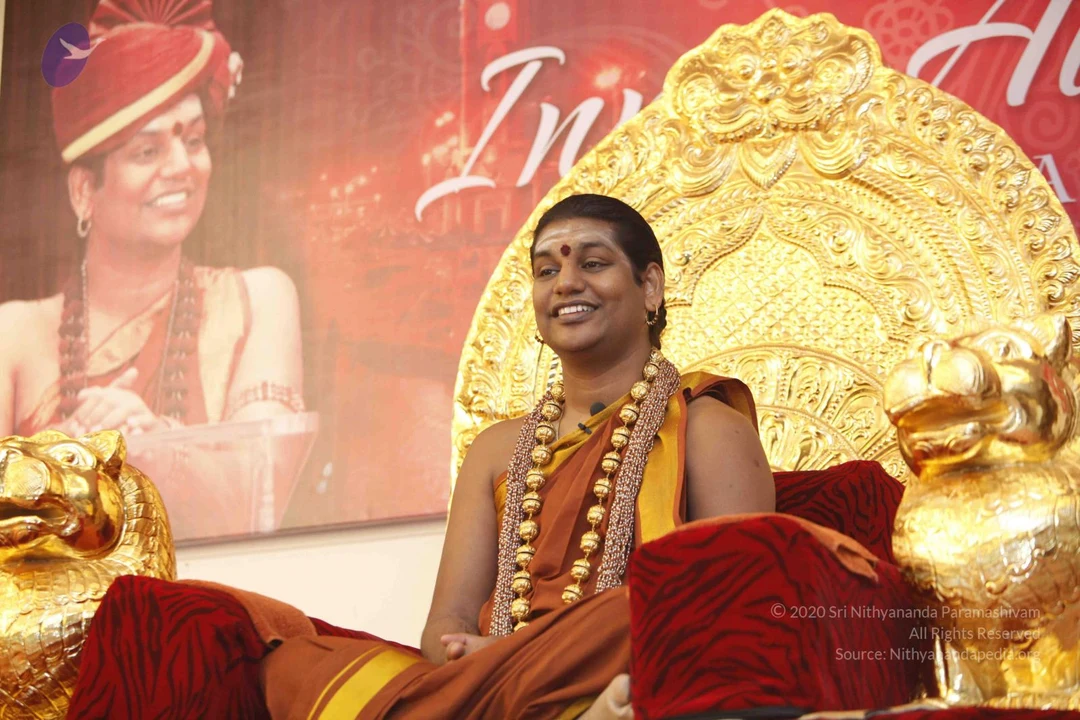
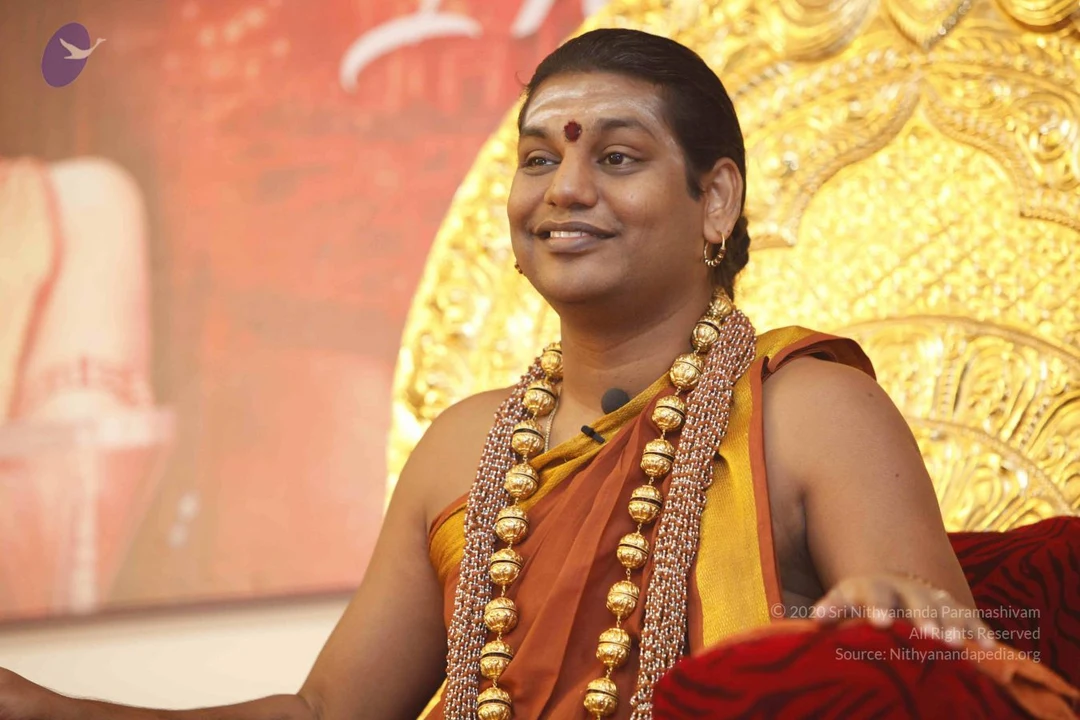
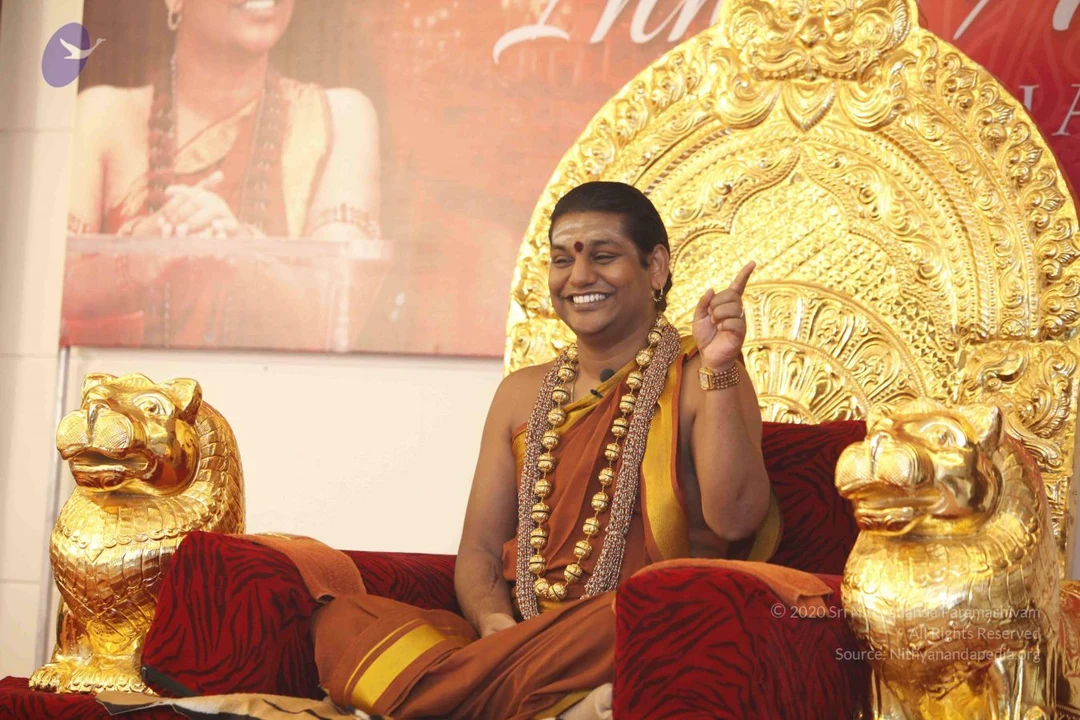
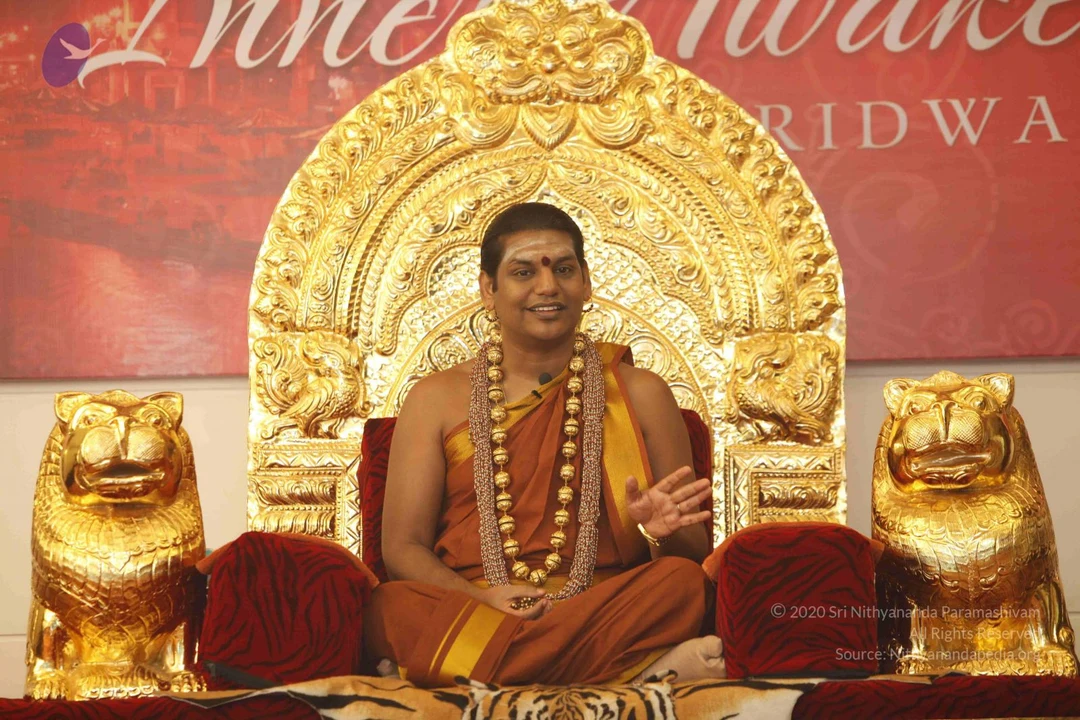
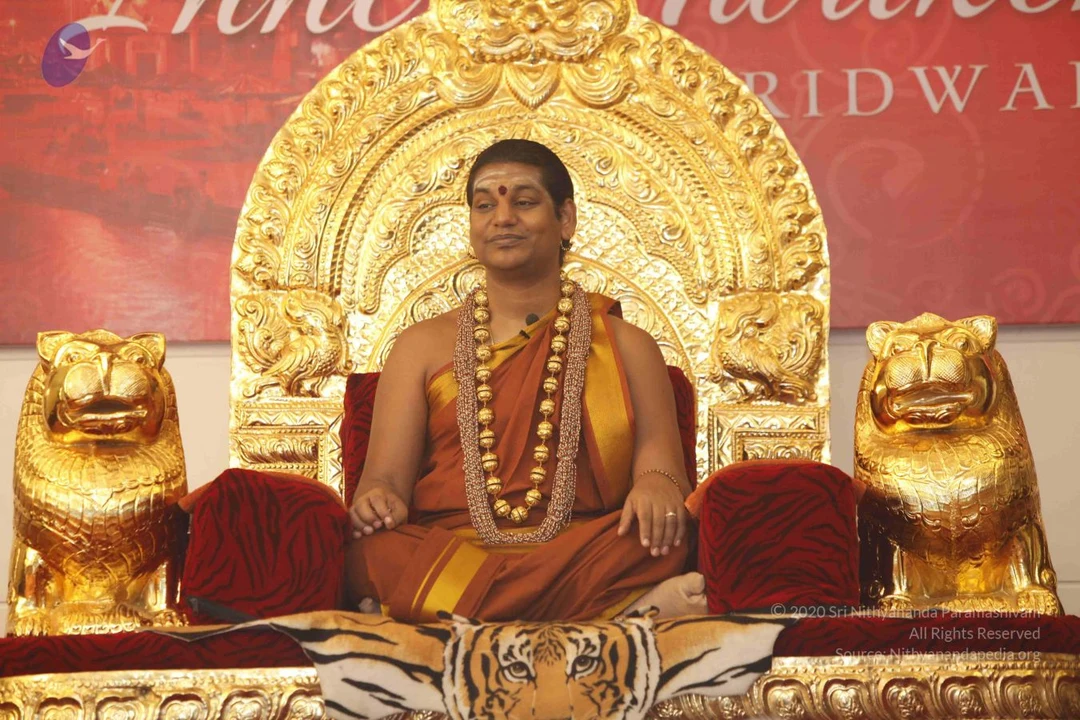
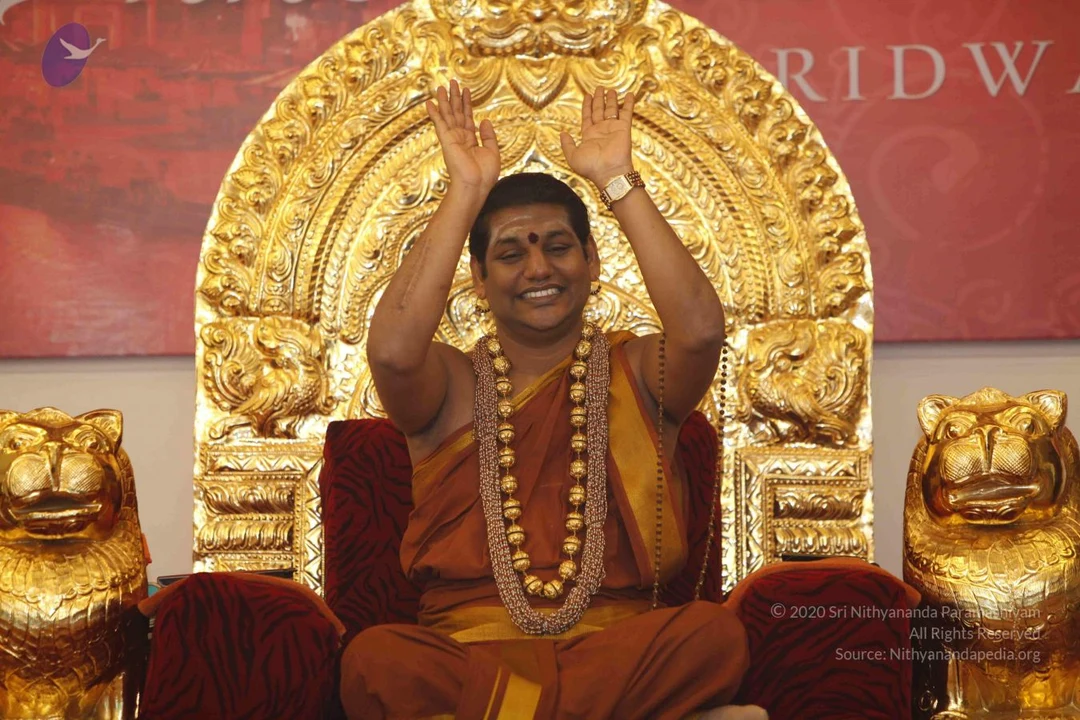
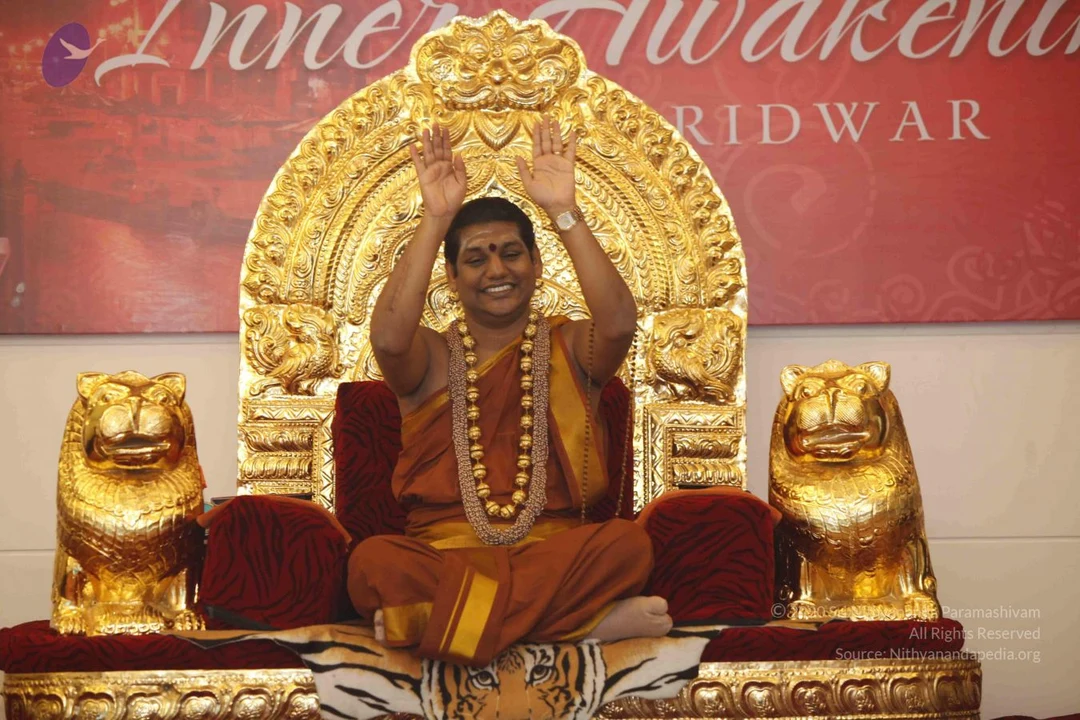
Darshan
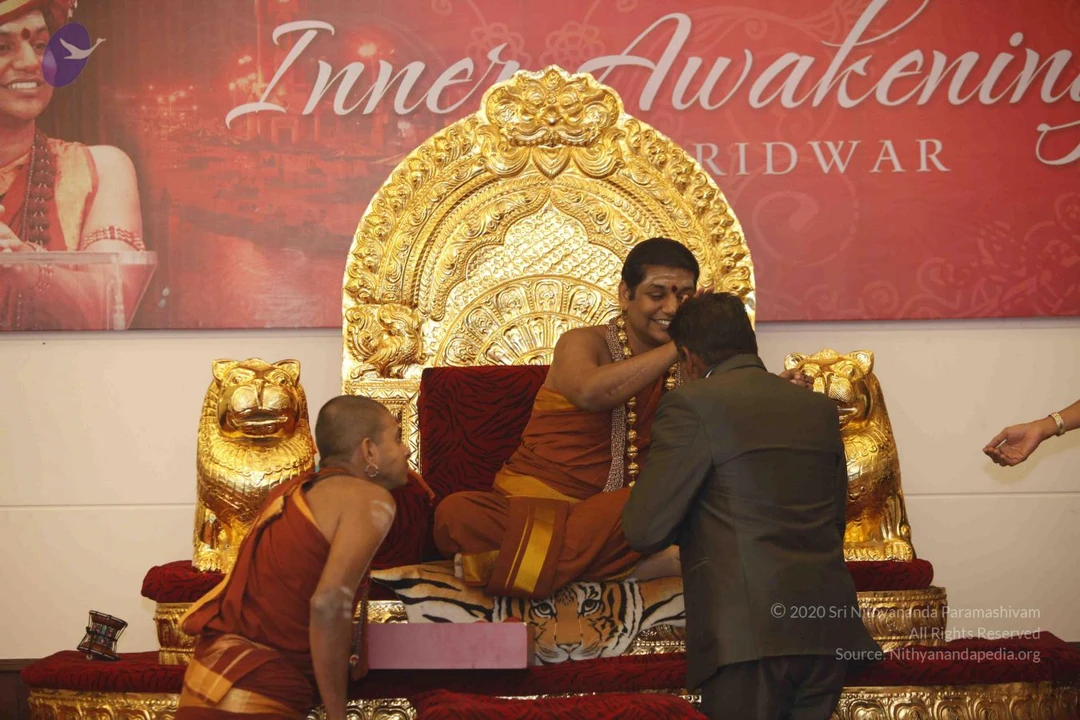
Photos Of The Day:
06jan2014-Satsang-Haridwar
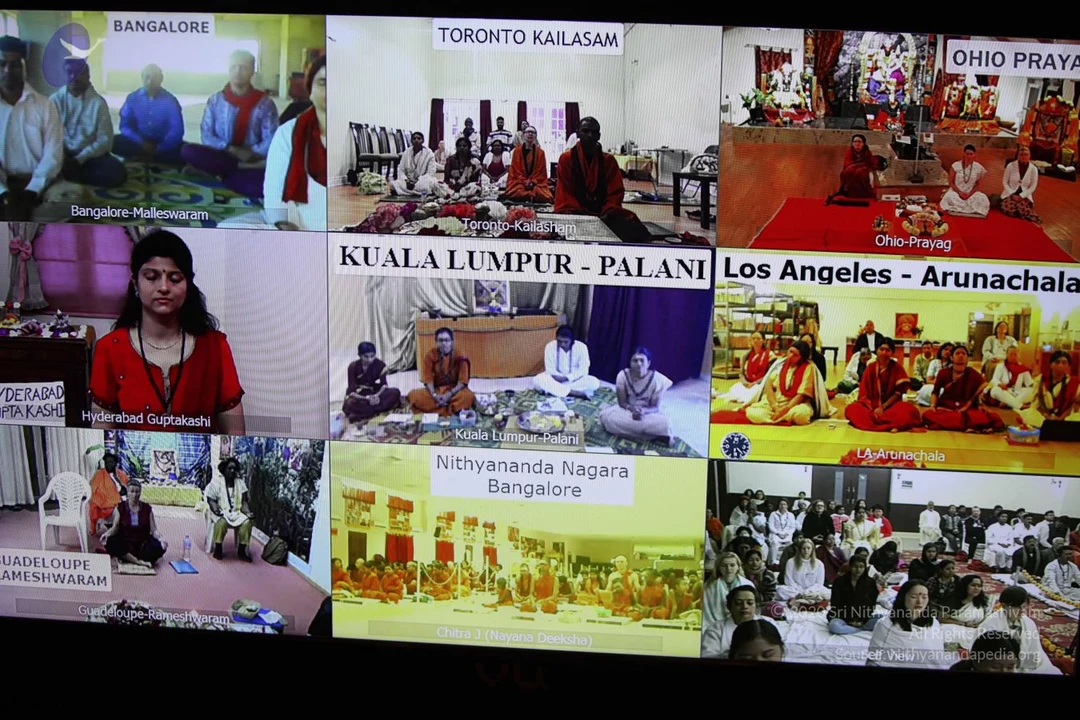
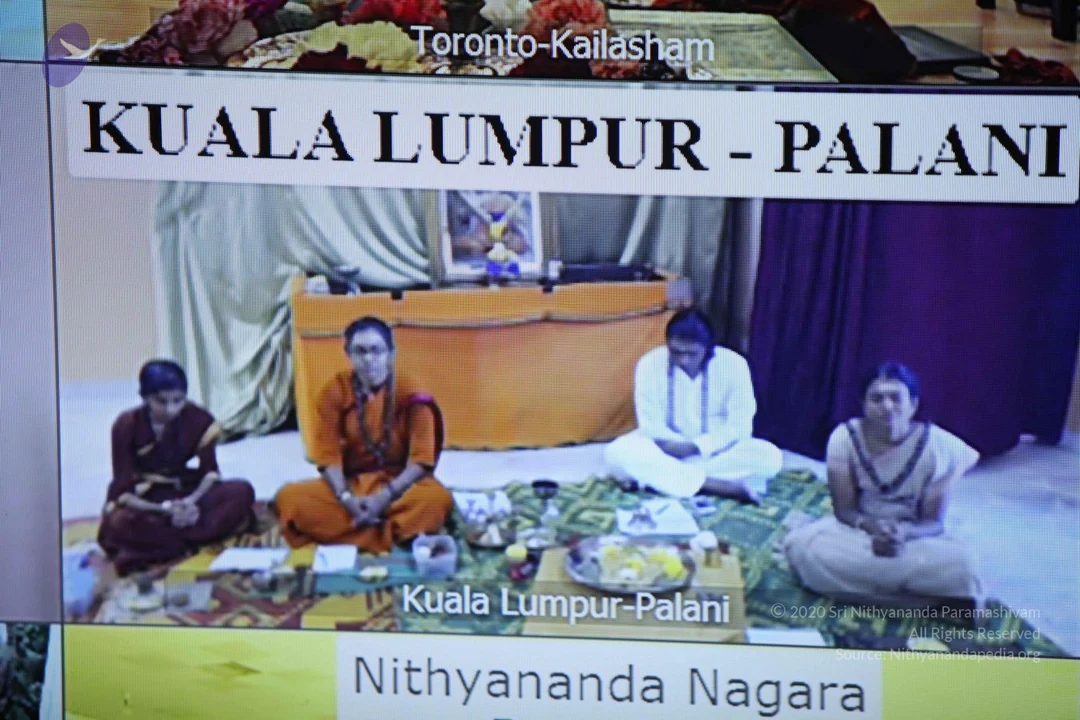
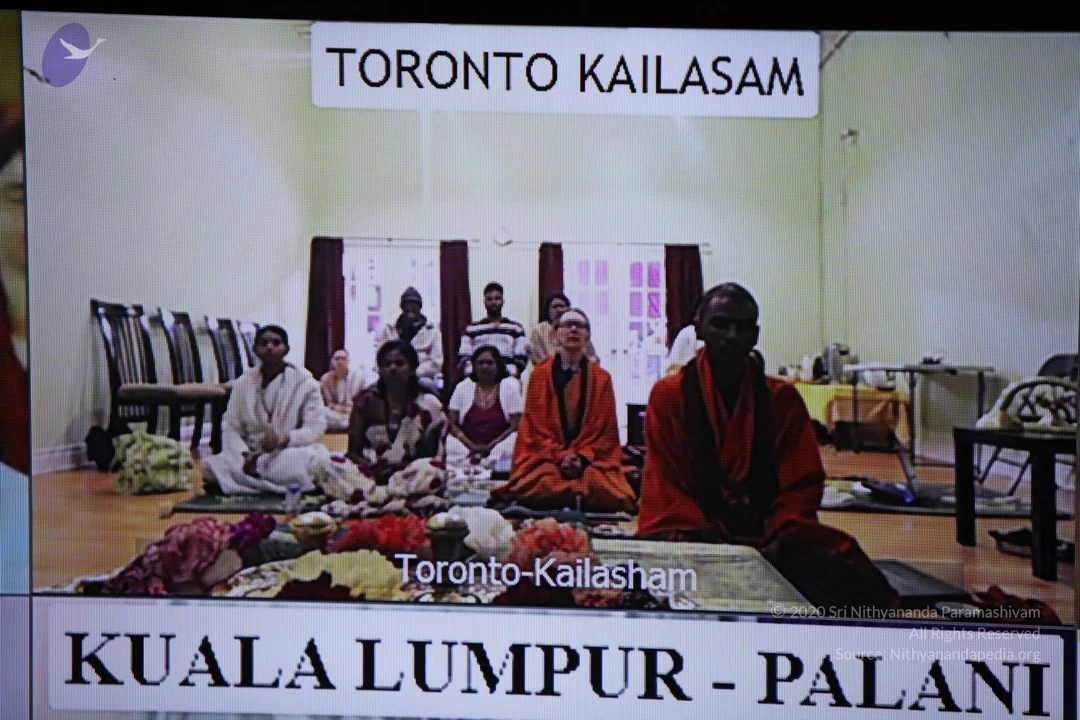
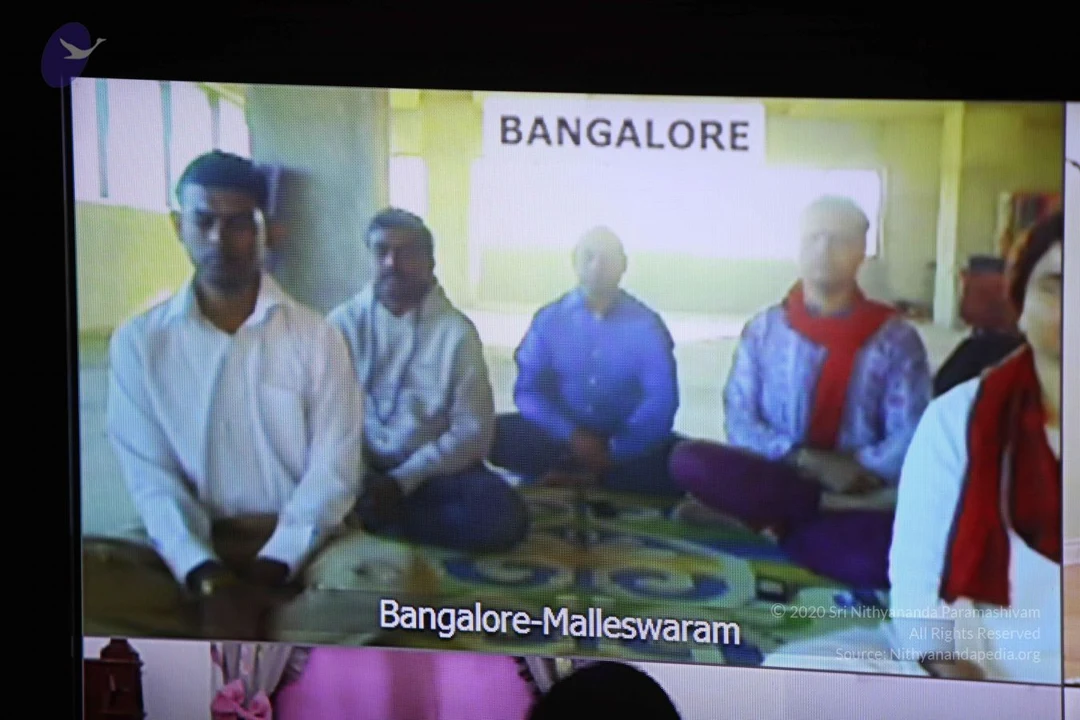
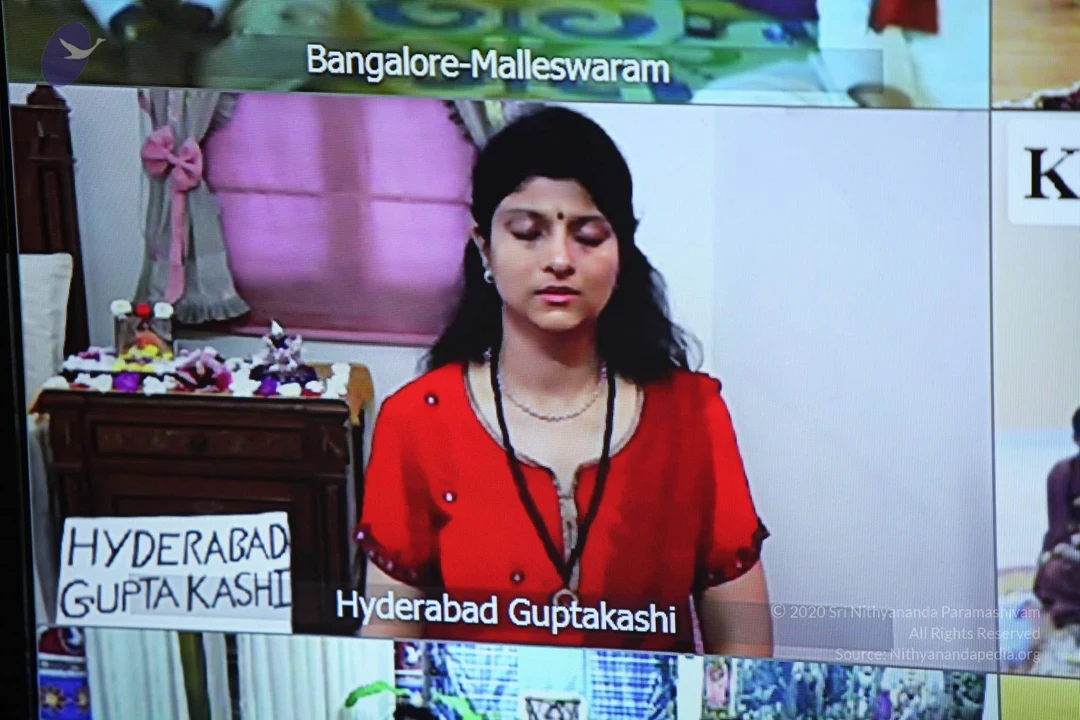
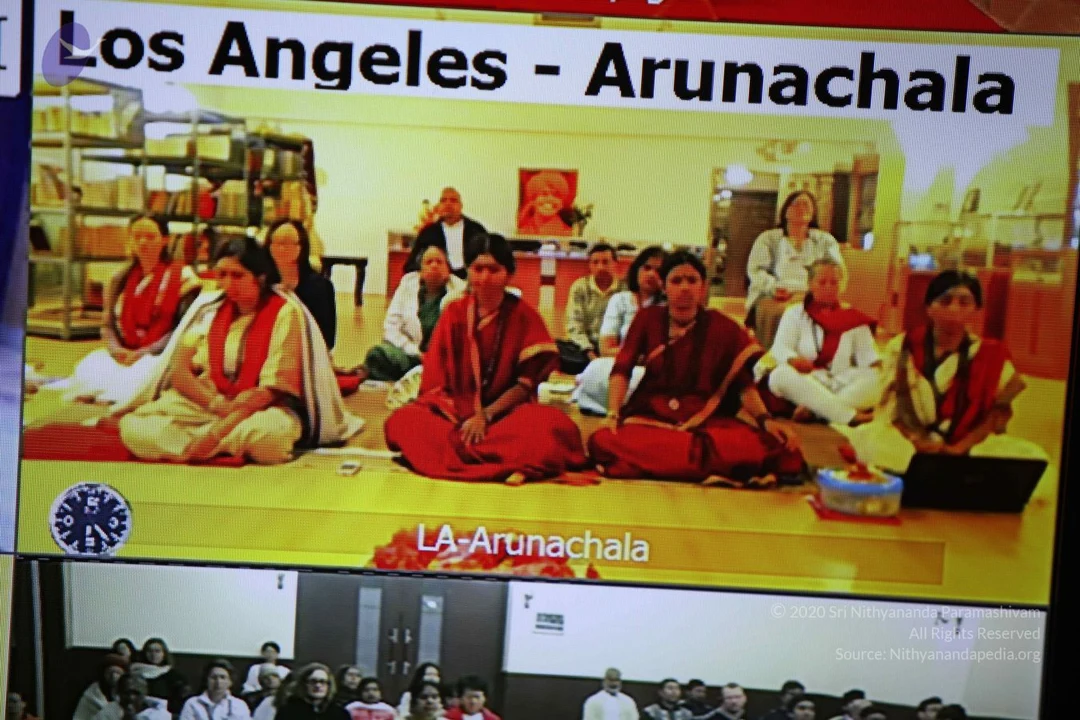
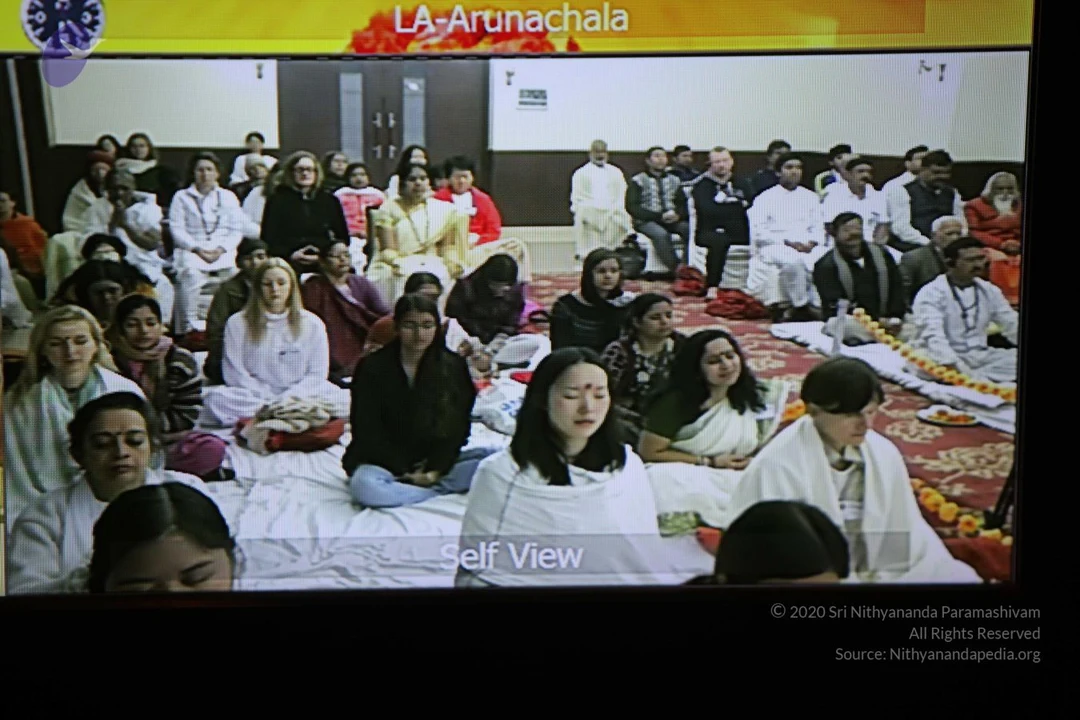
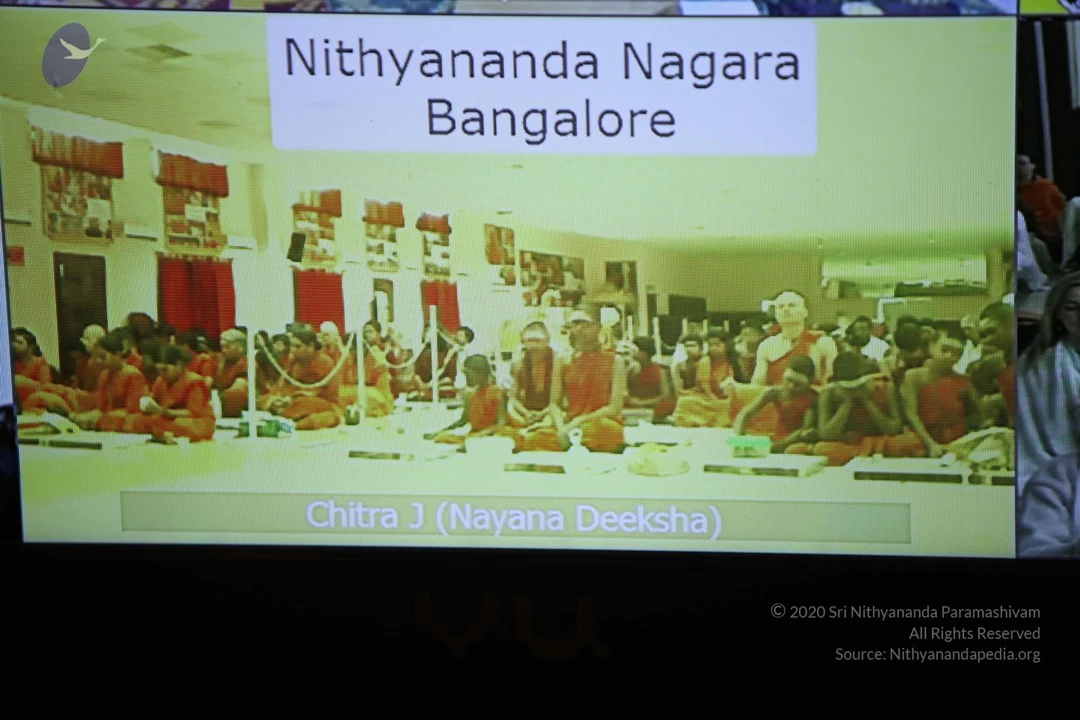
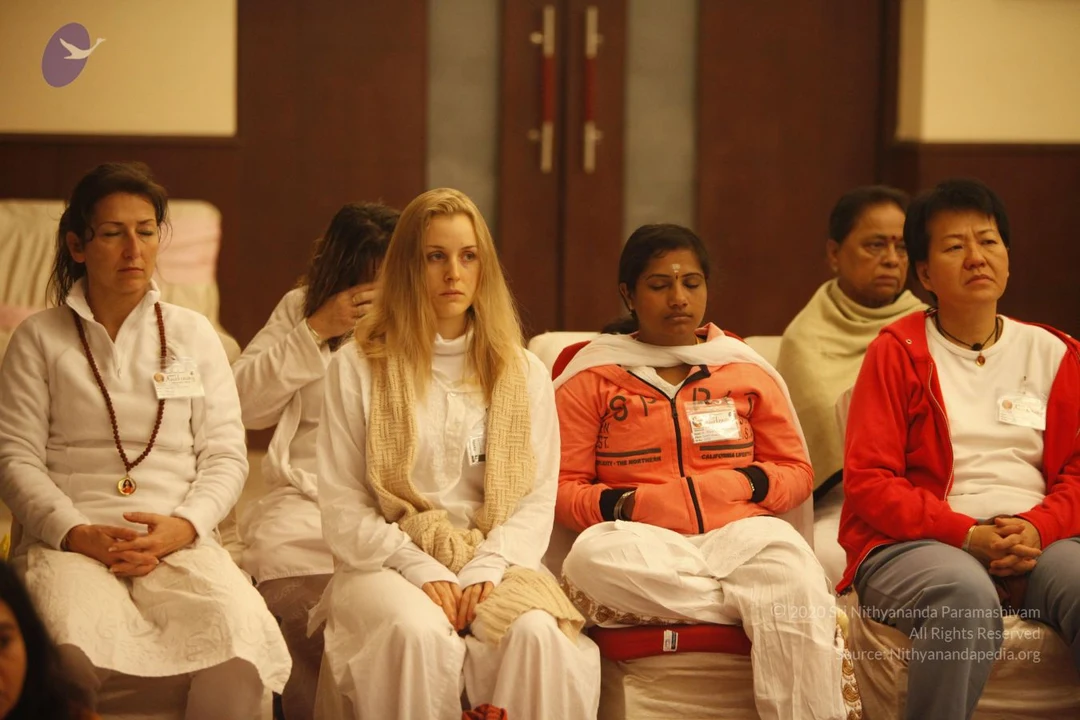
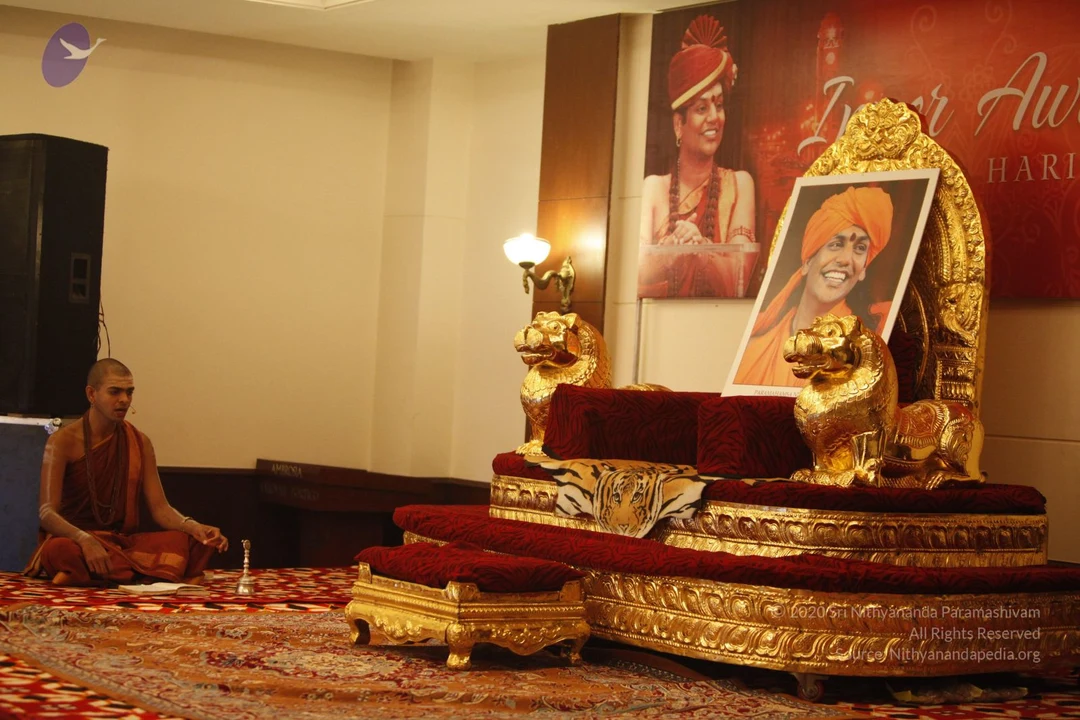
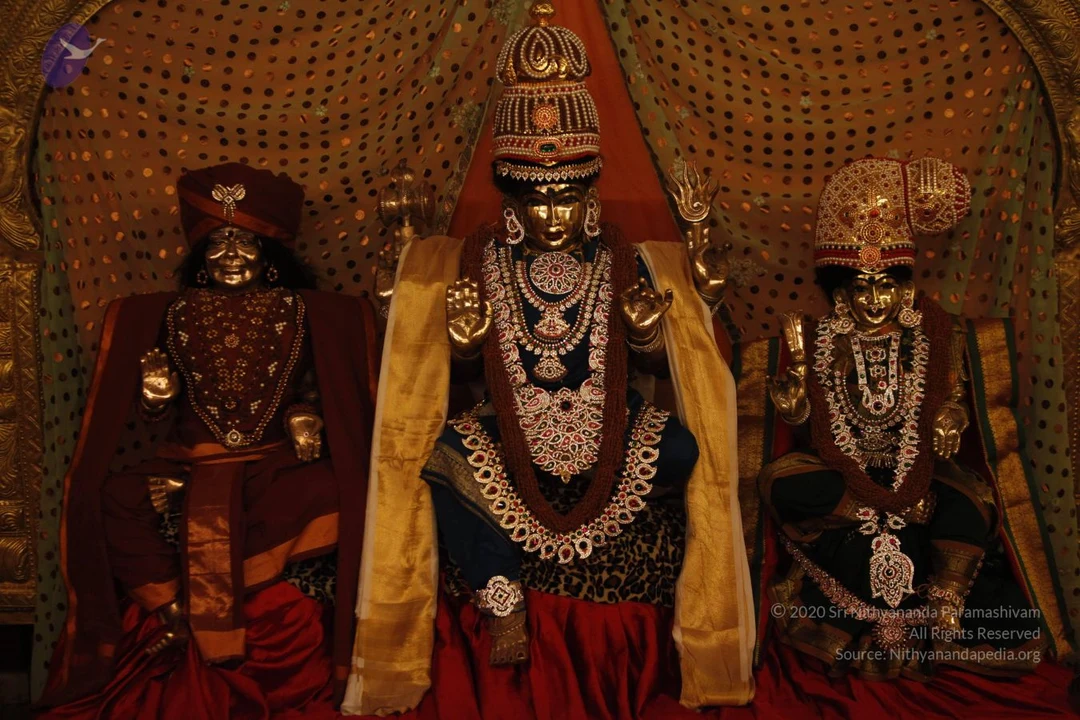
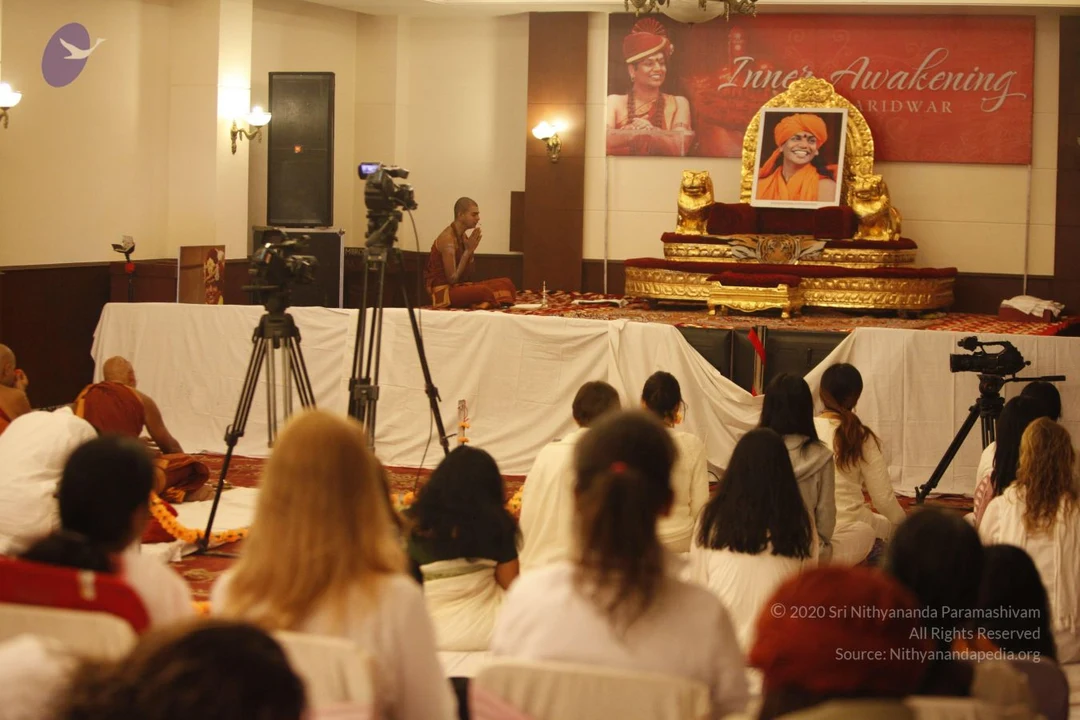
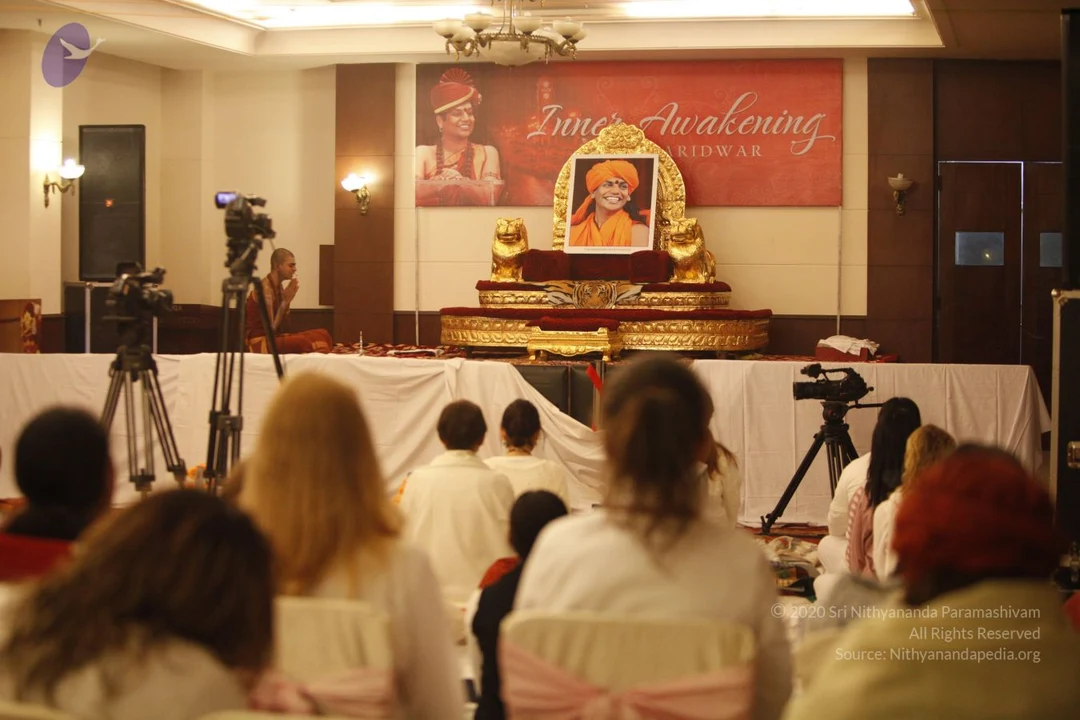


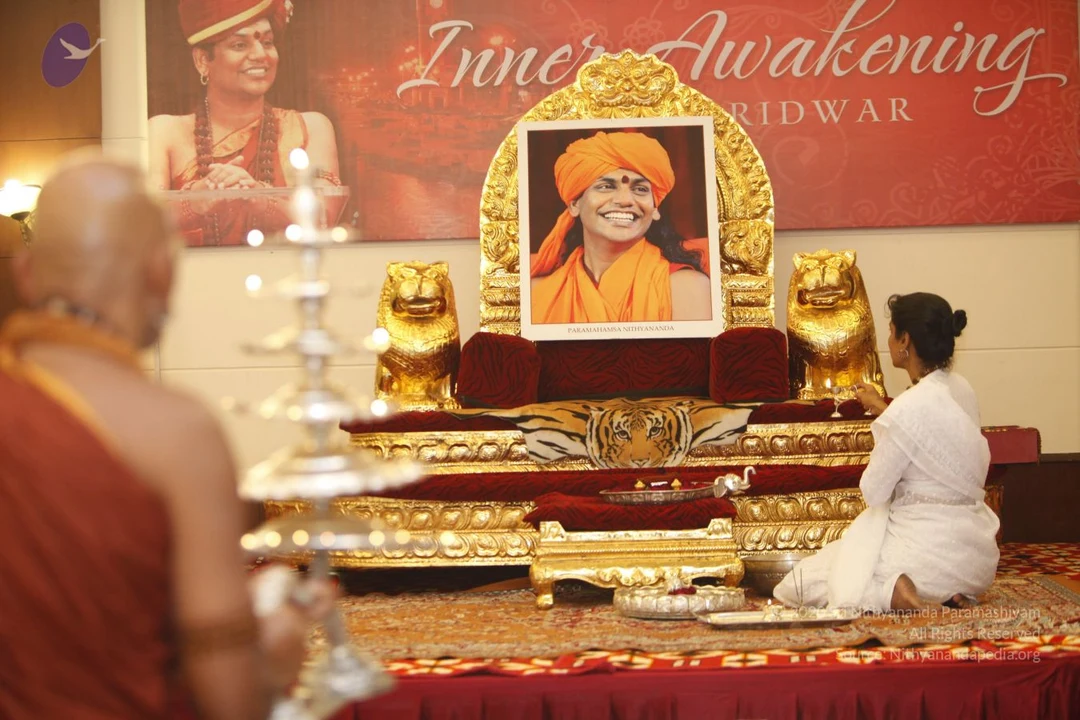
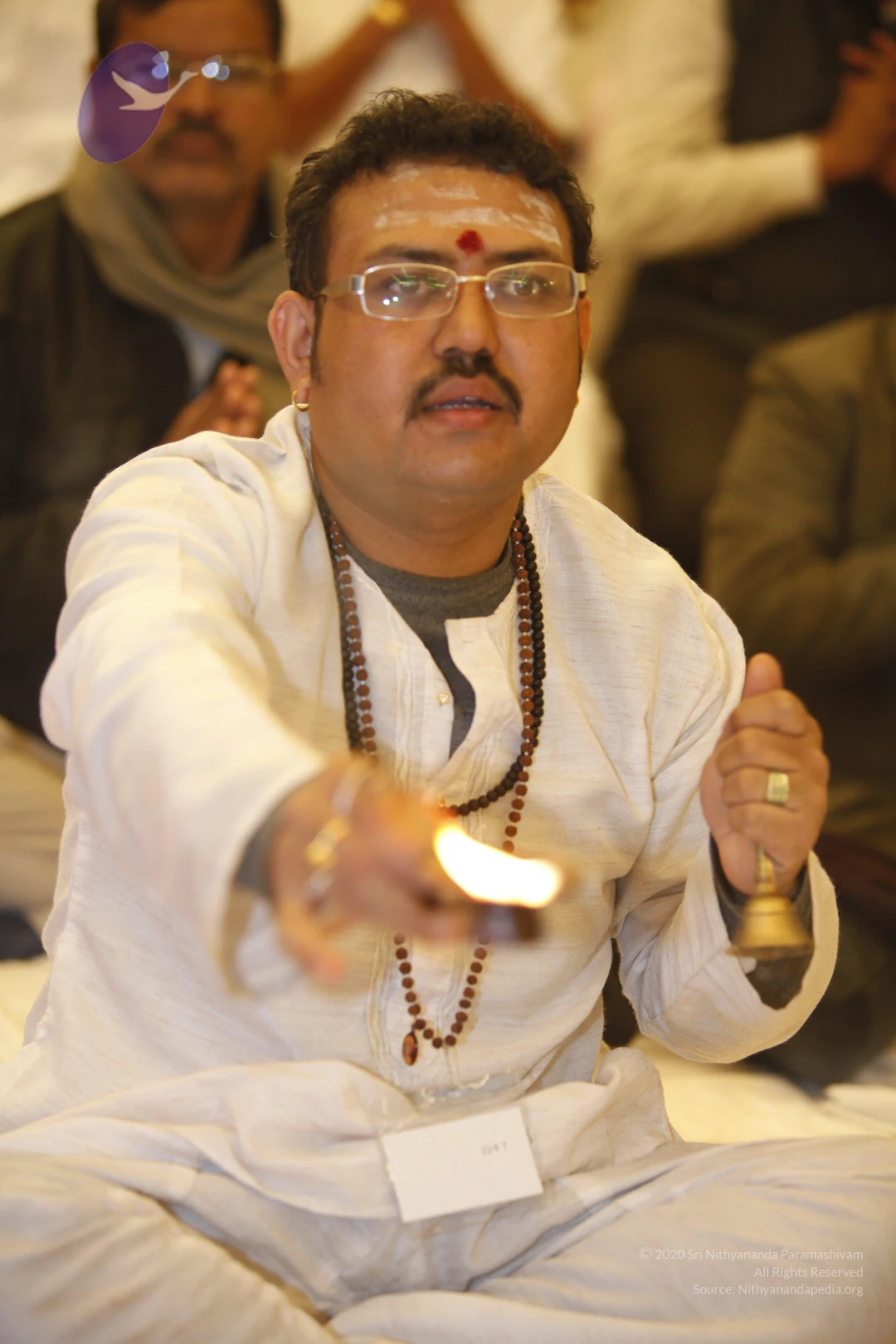
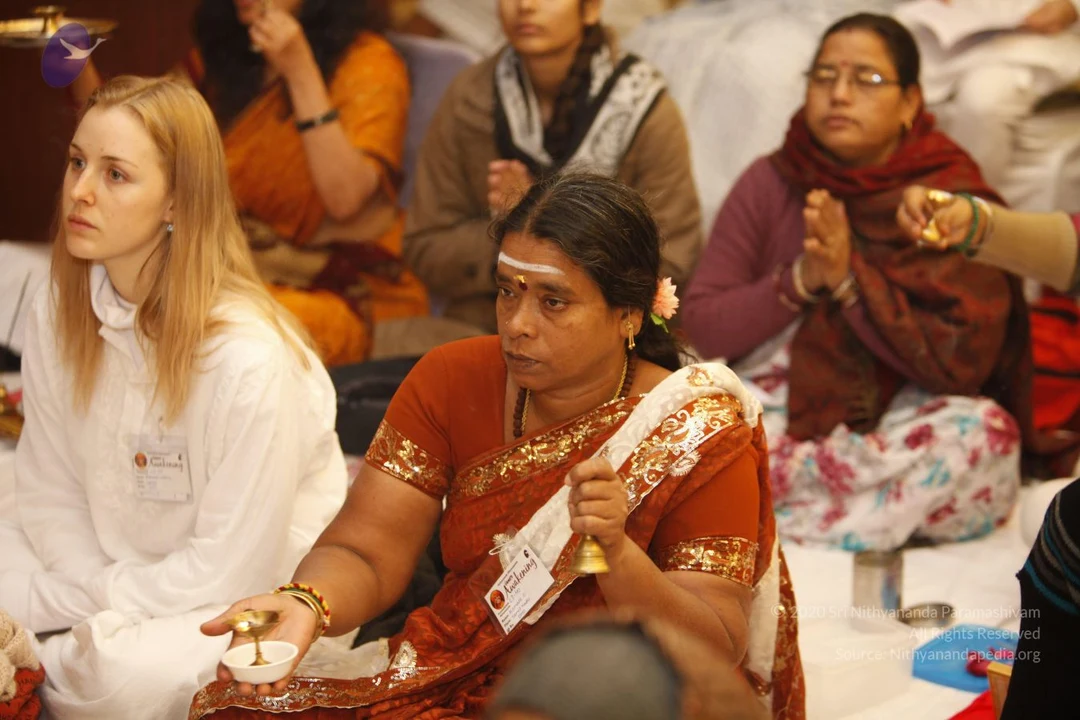
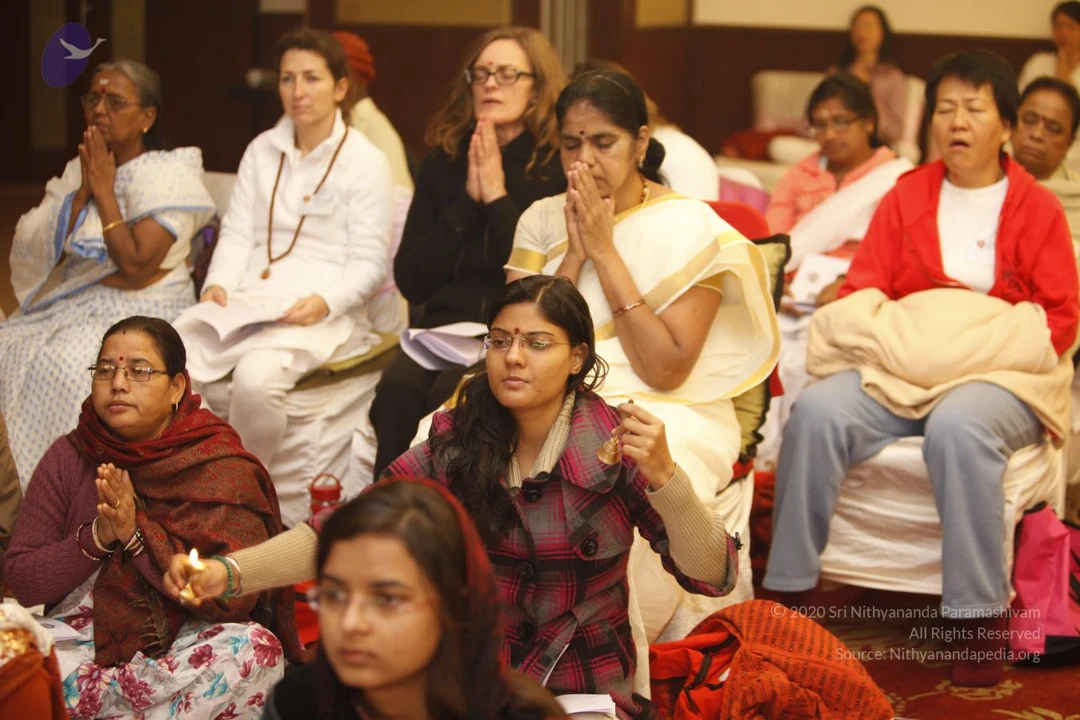
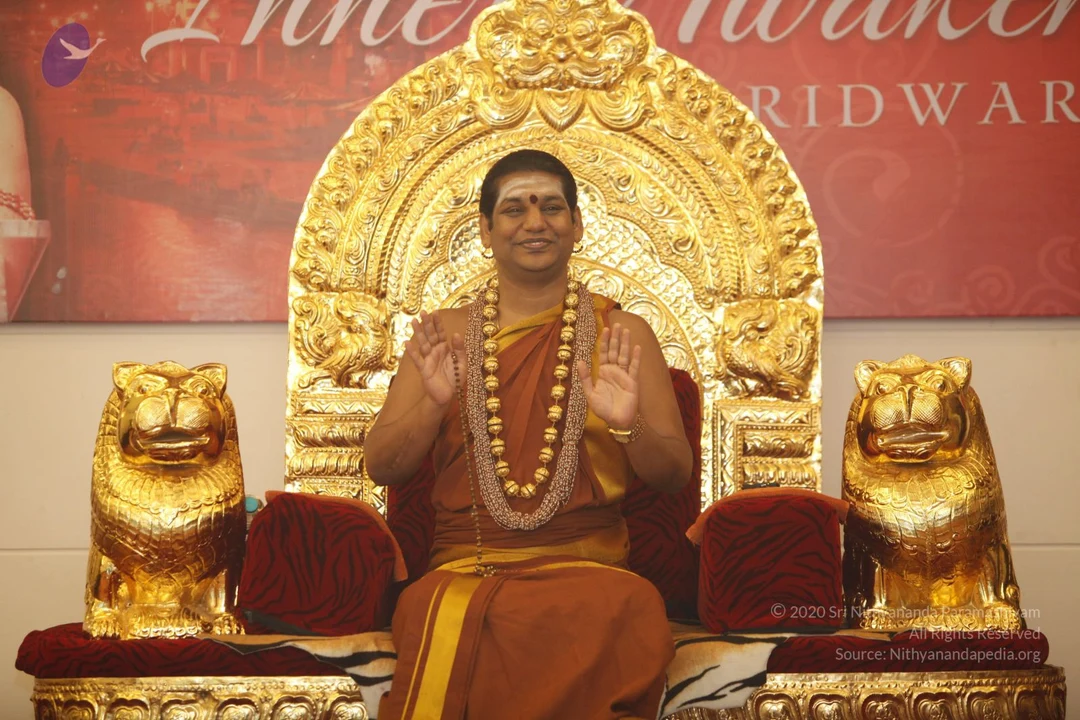
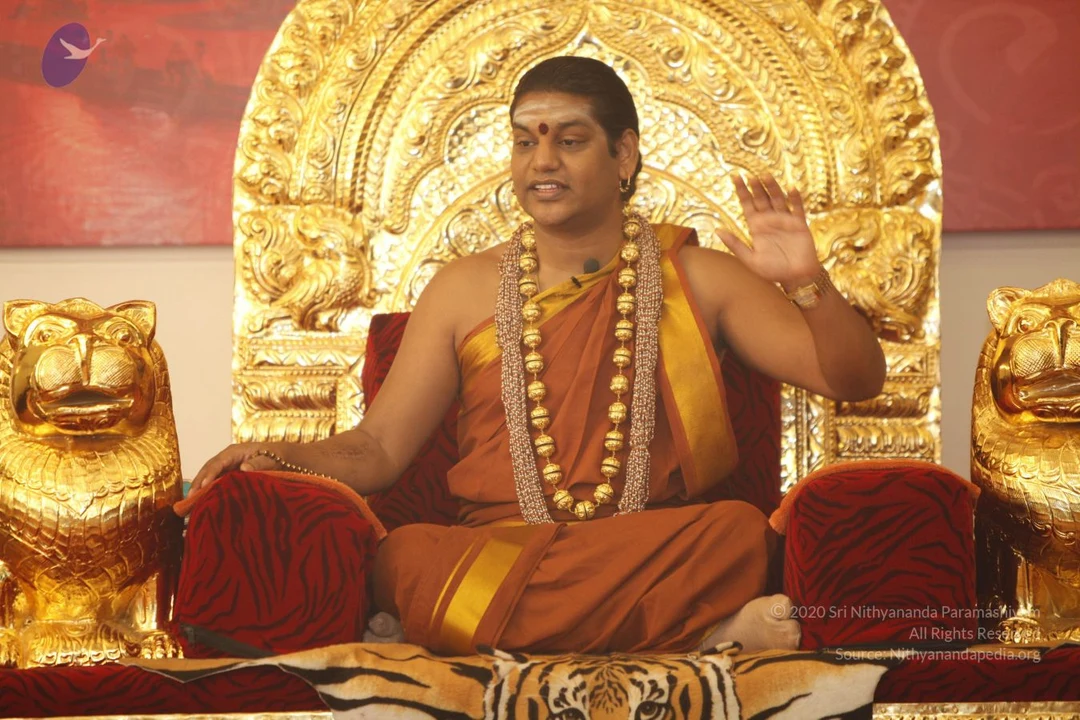
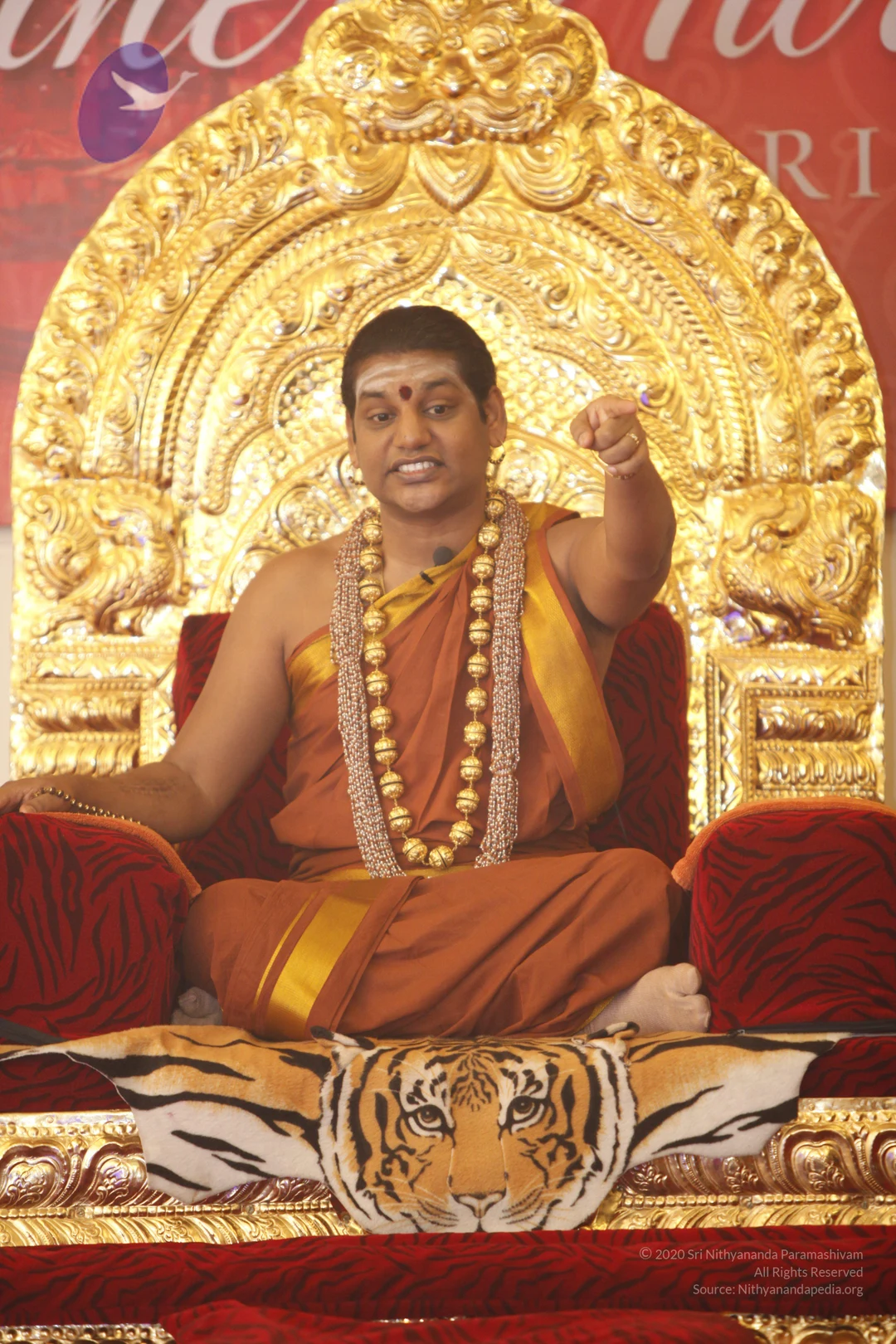
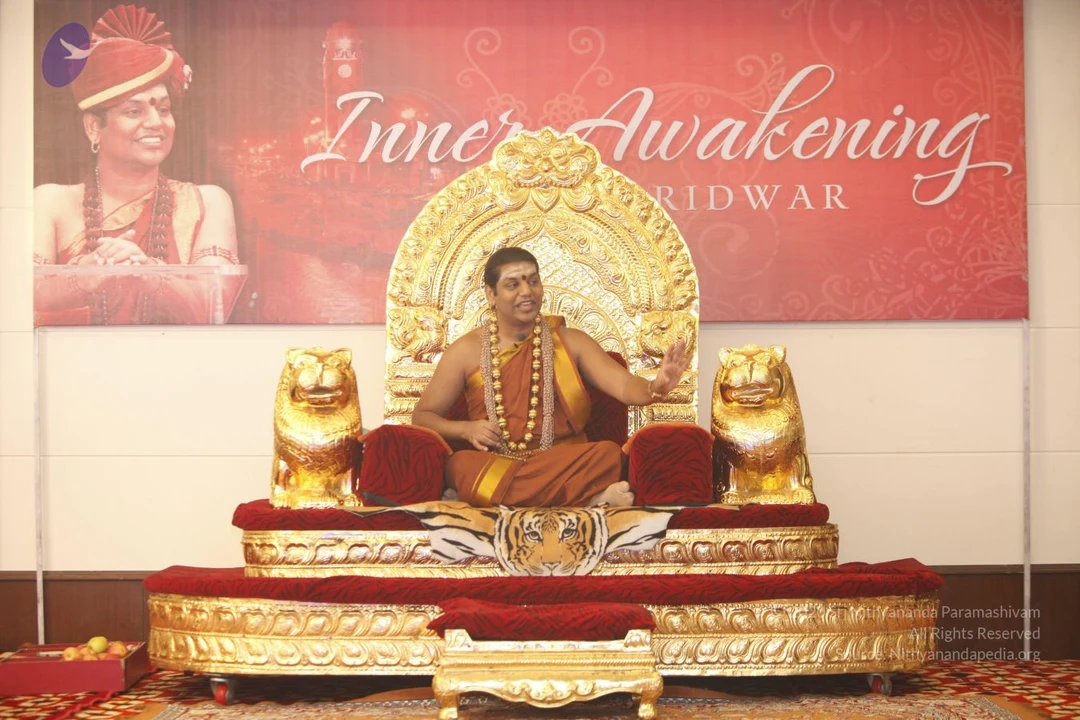
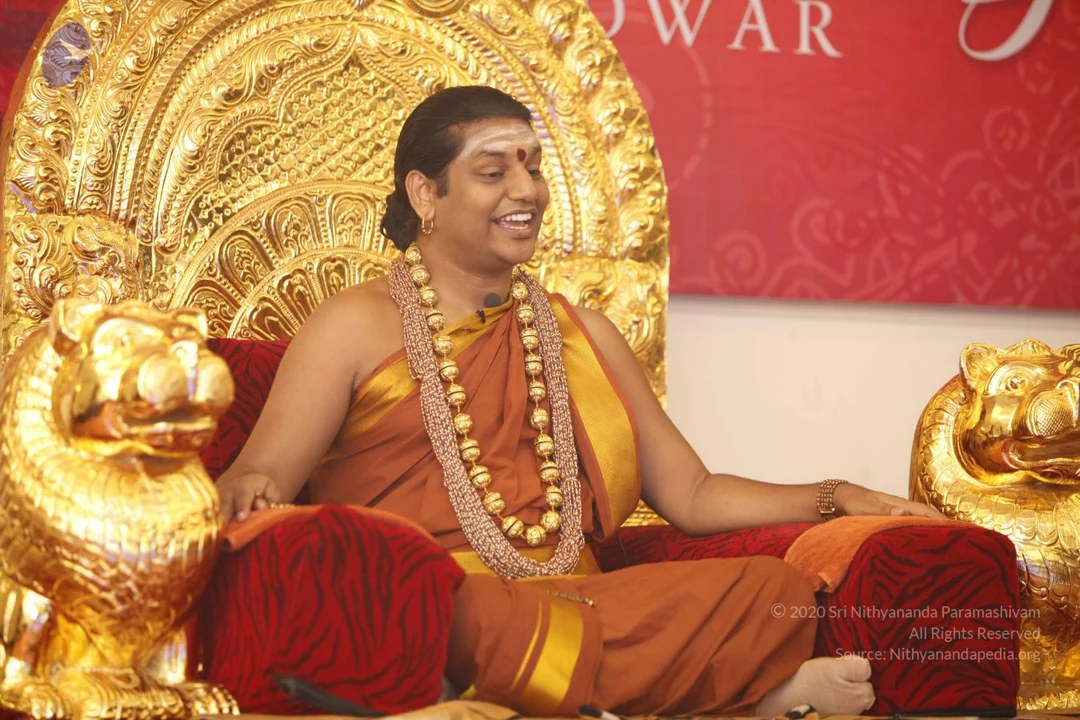
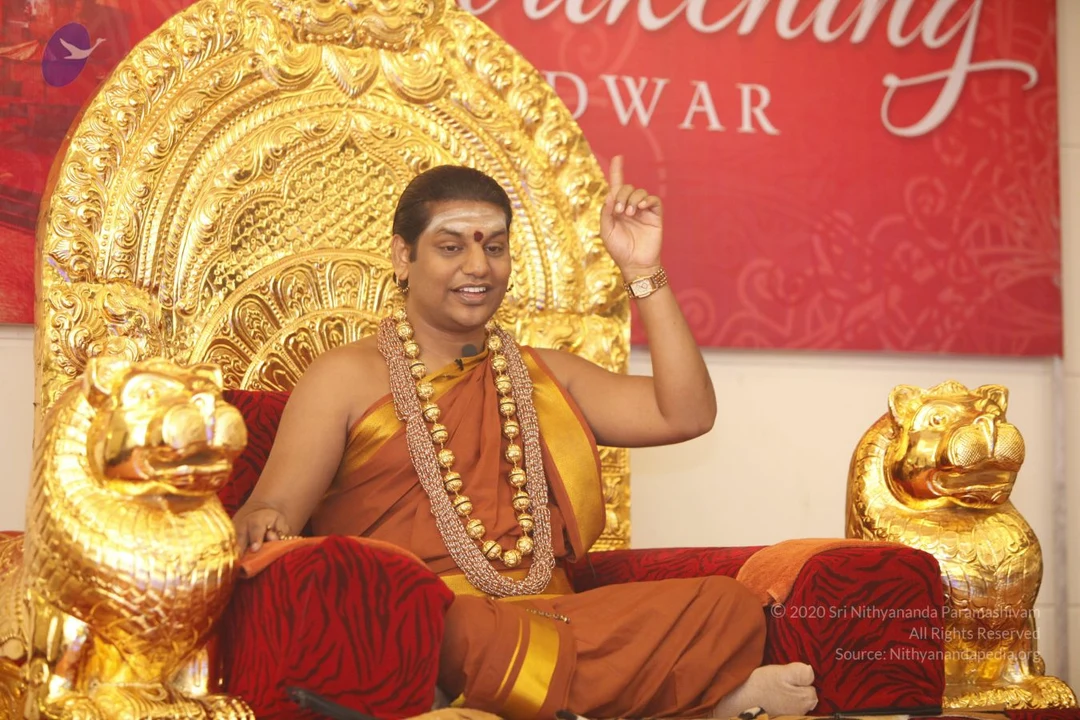
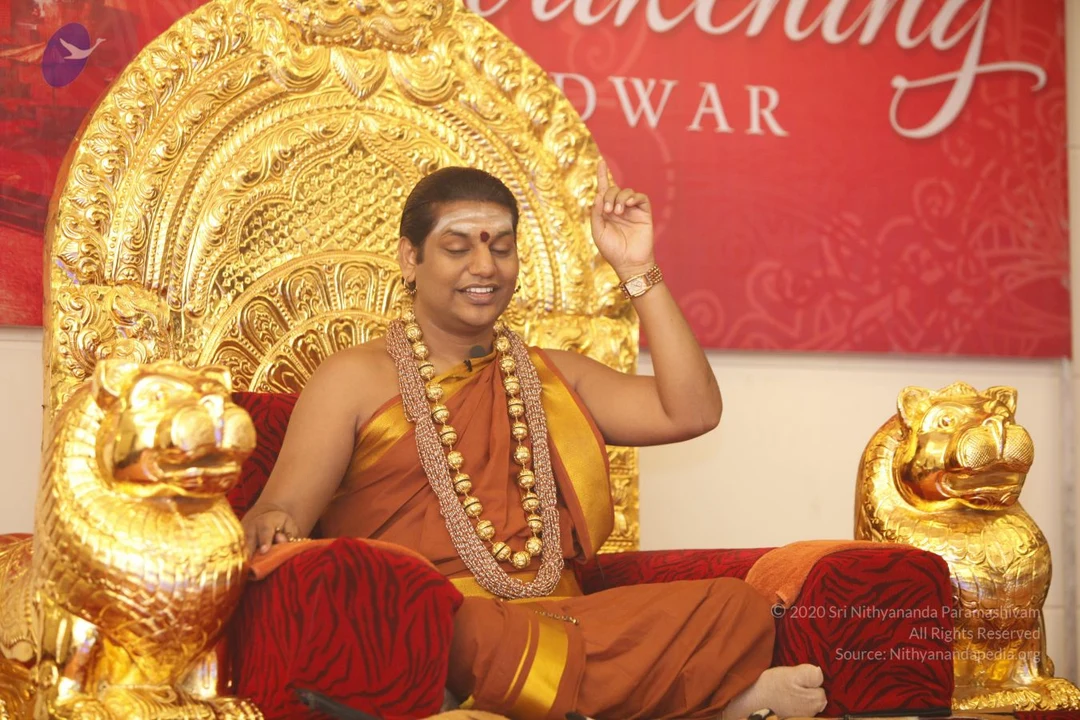
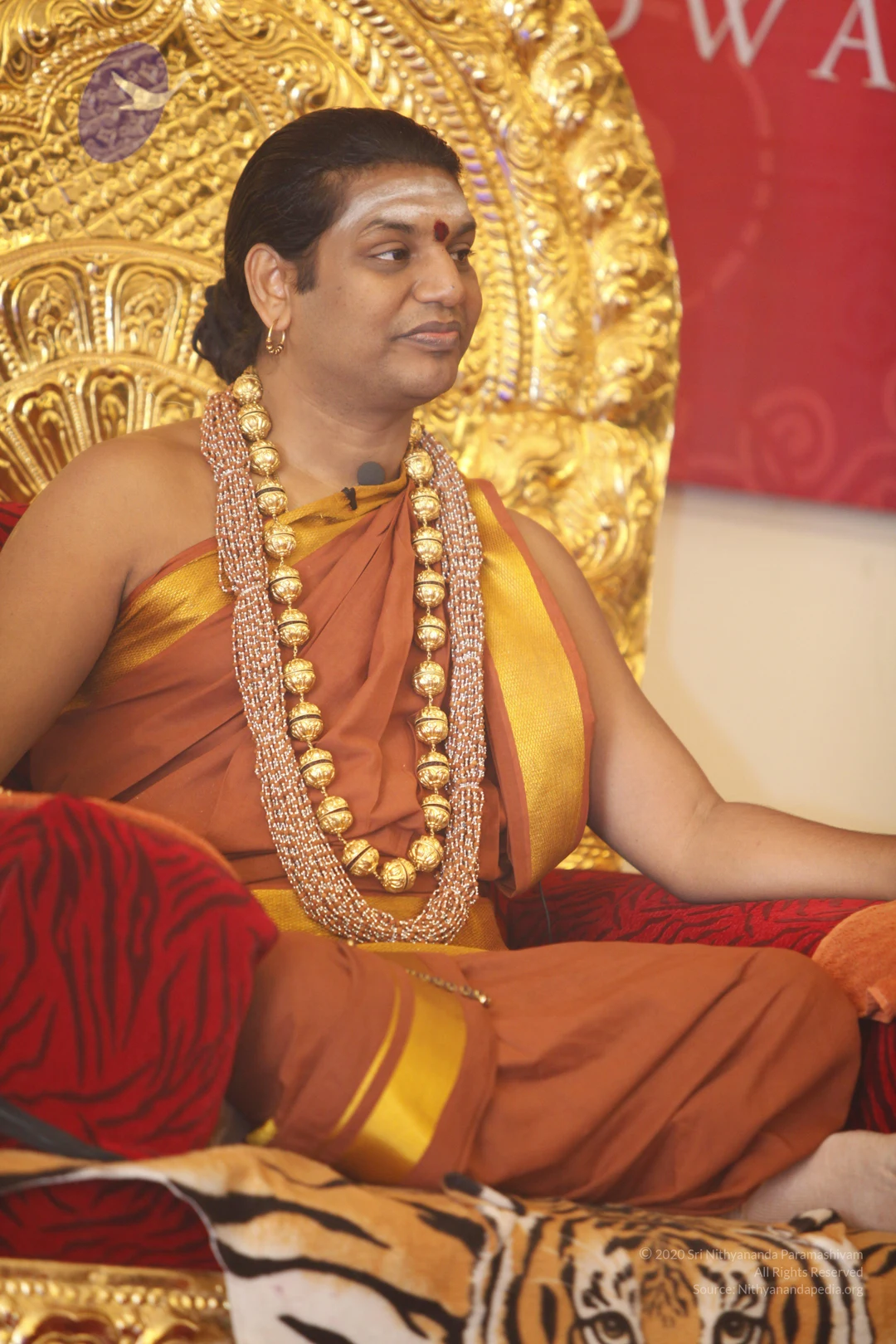
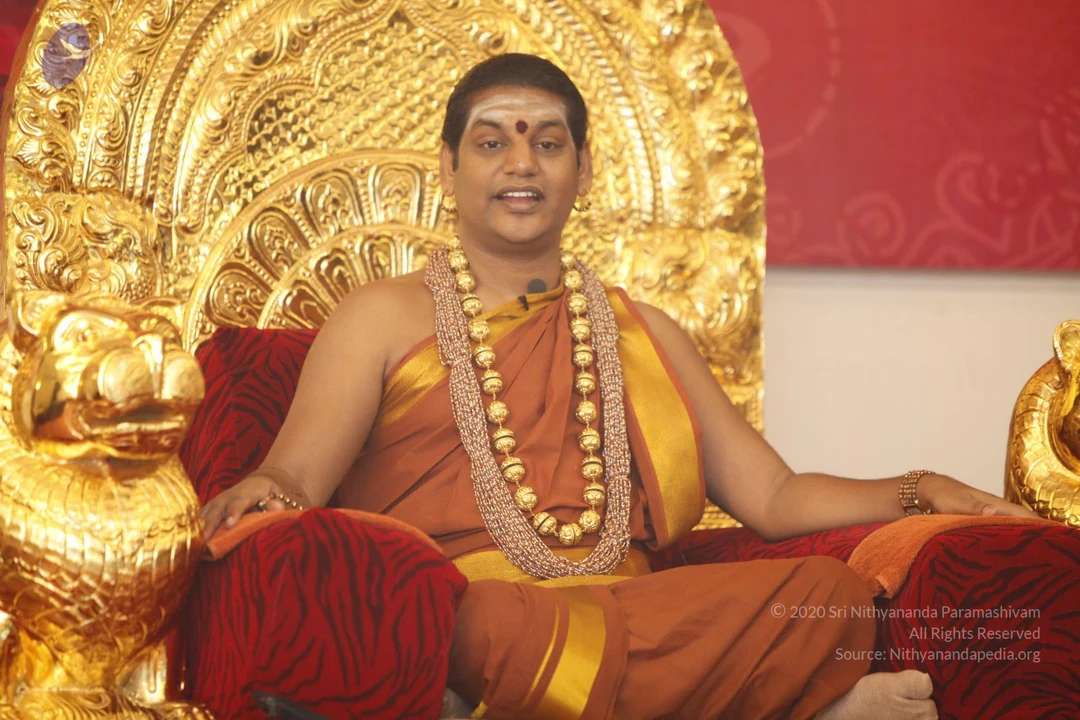
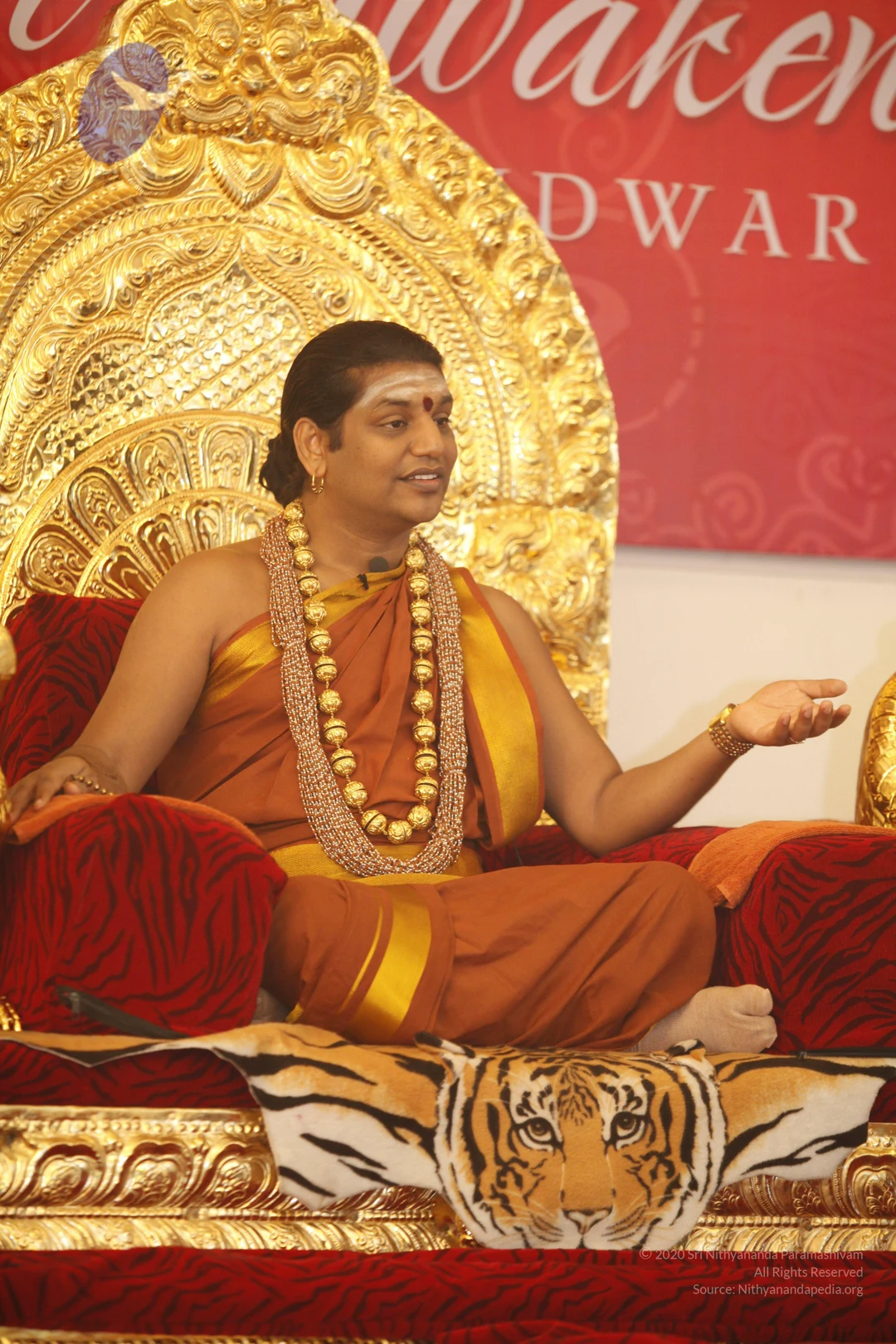
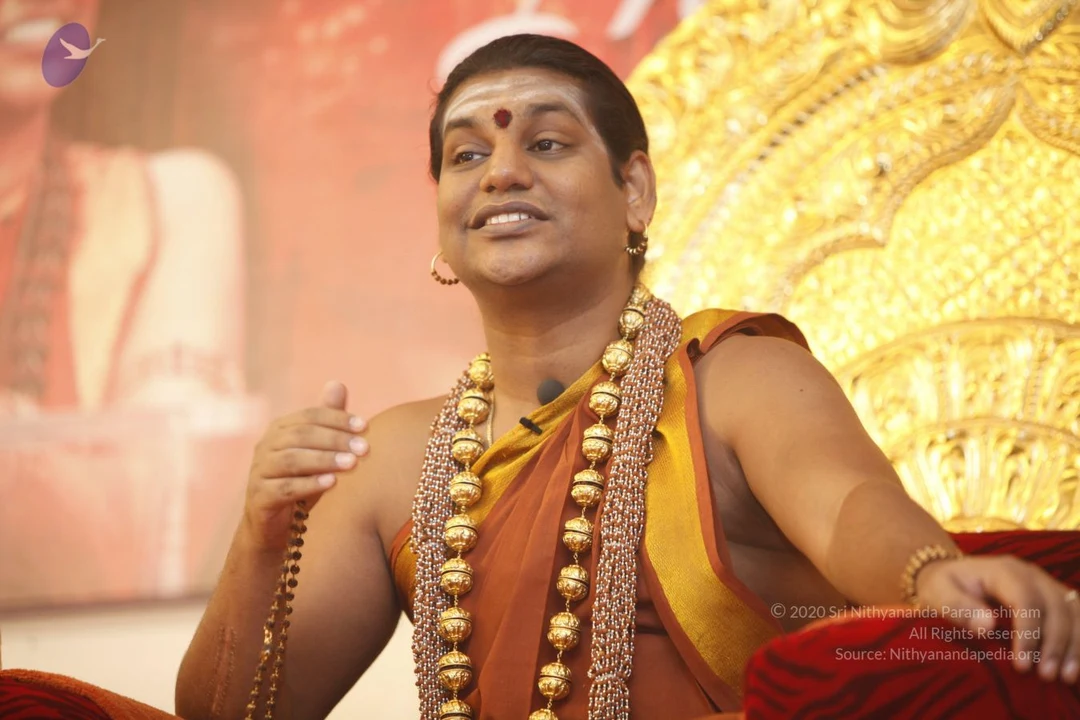
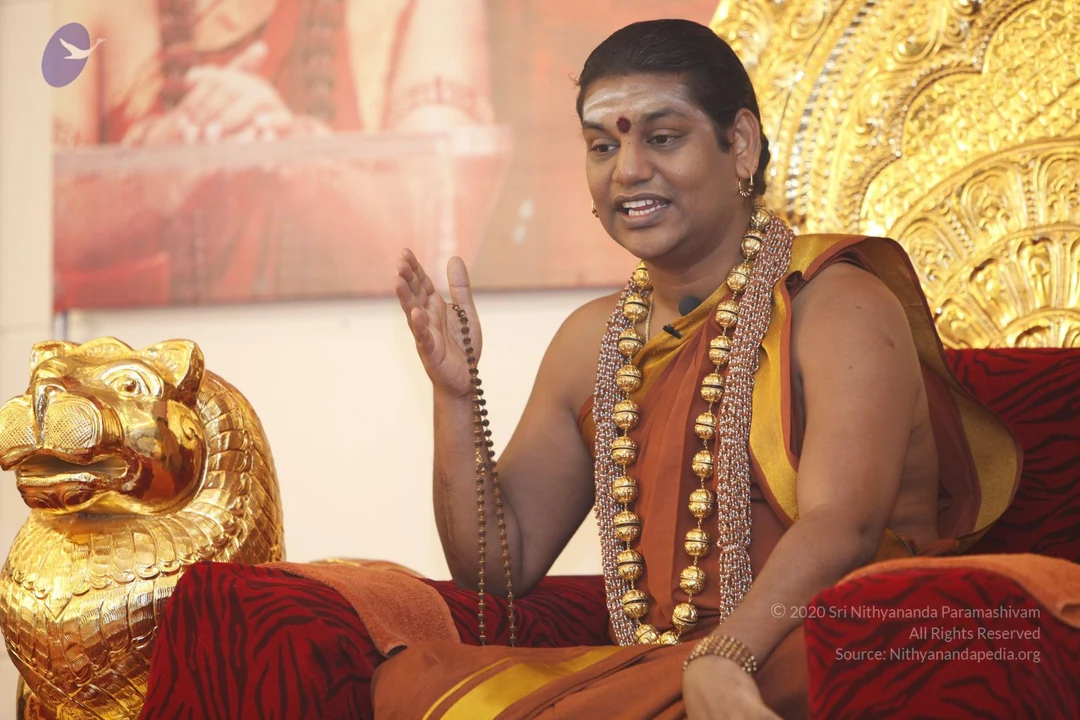
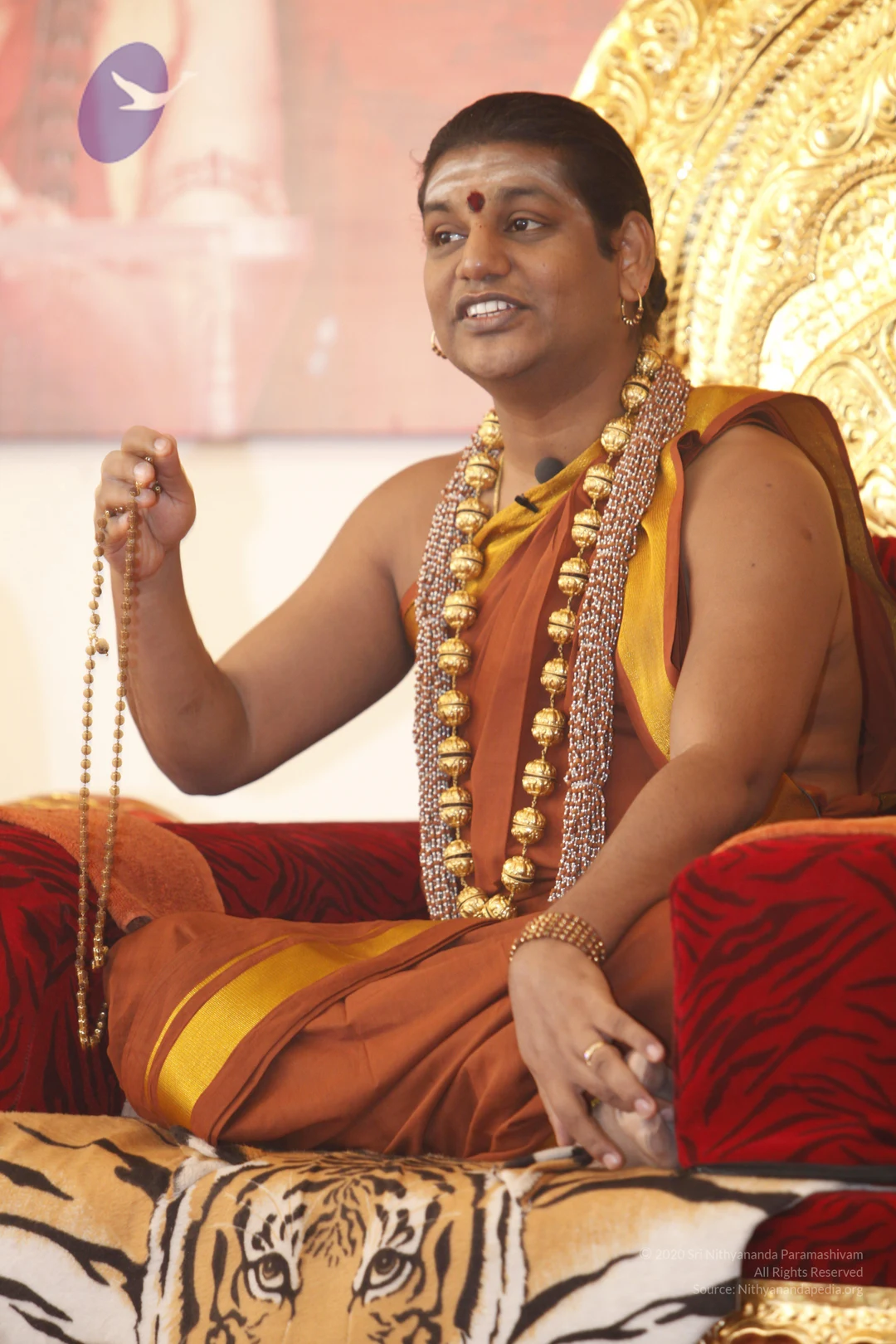
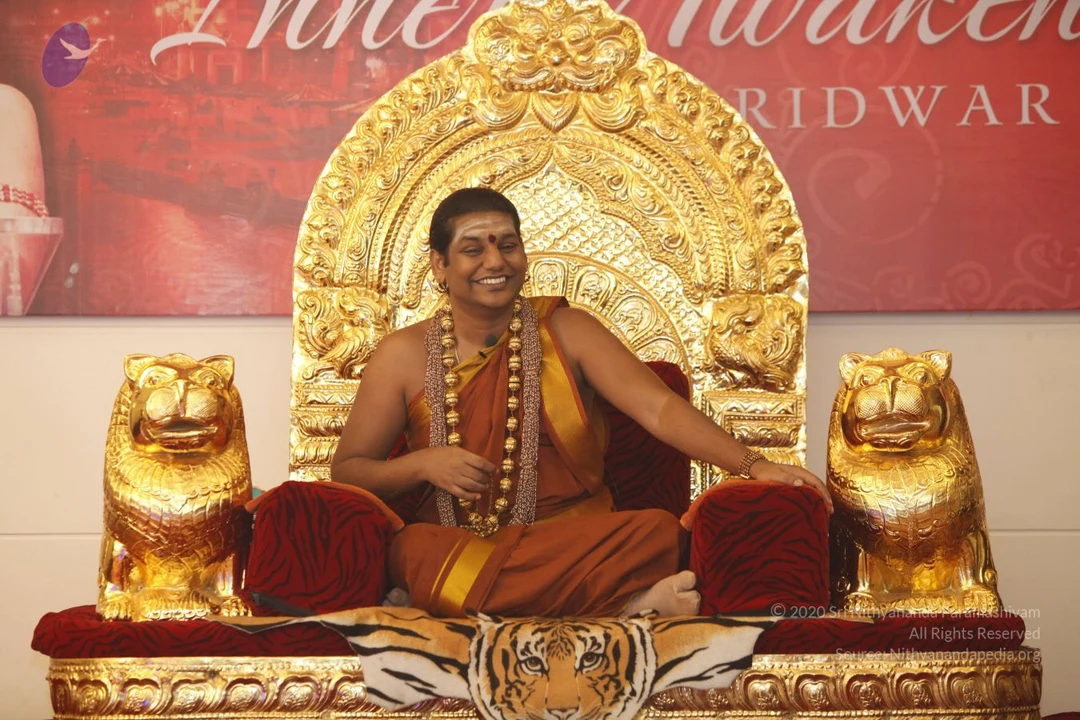
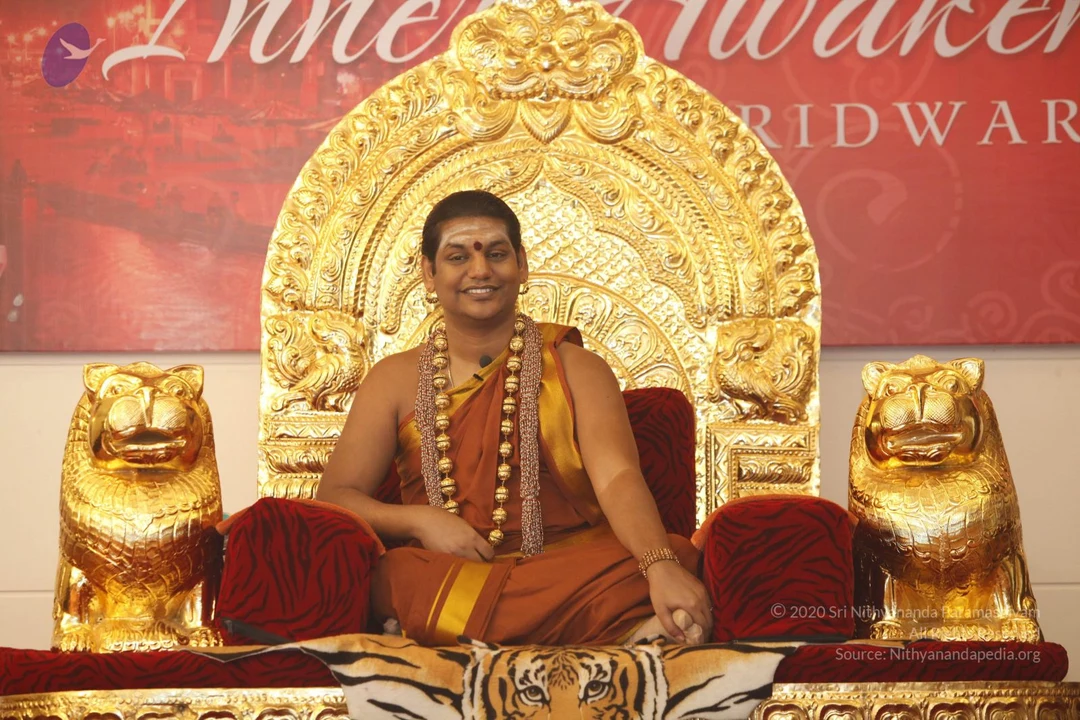
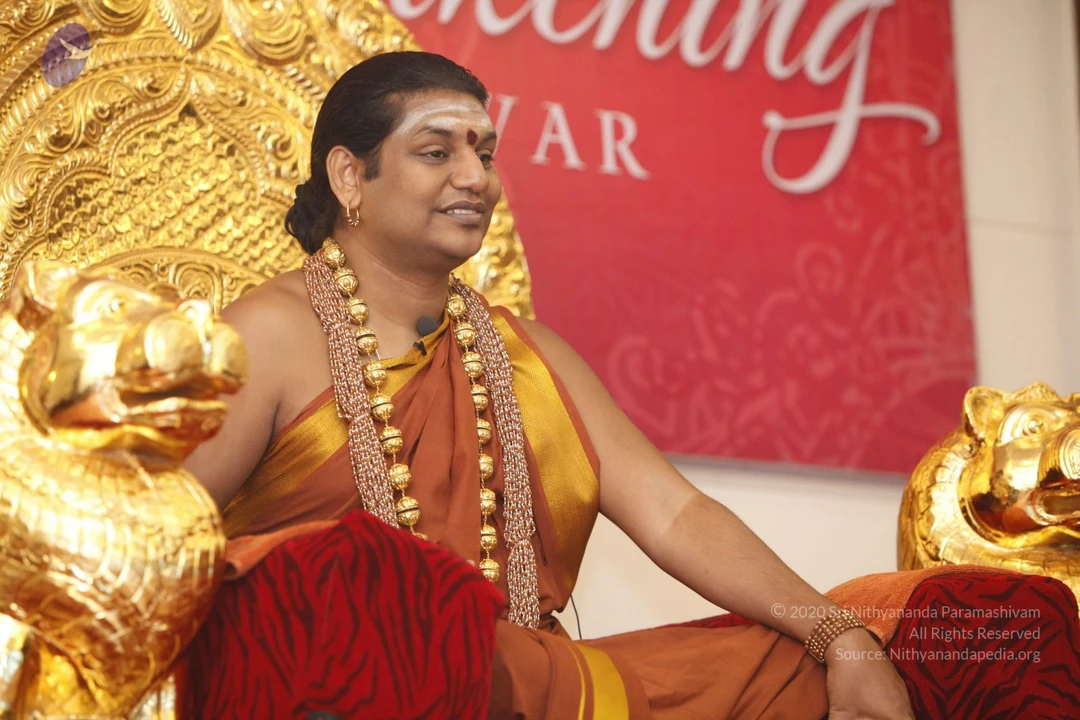
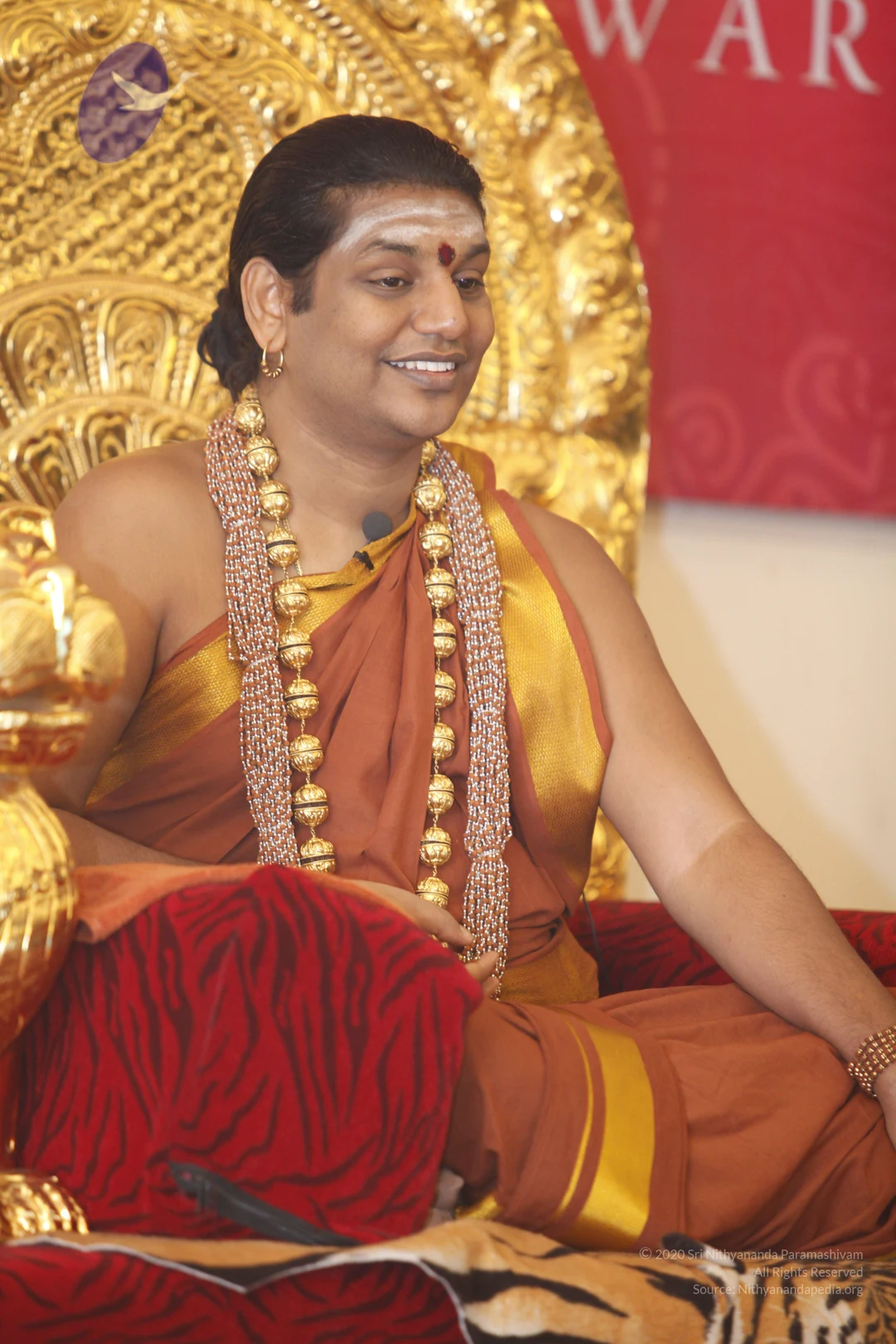
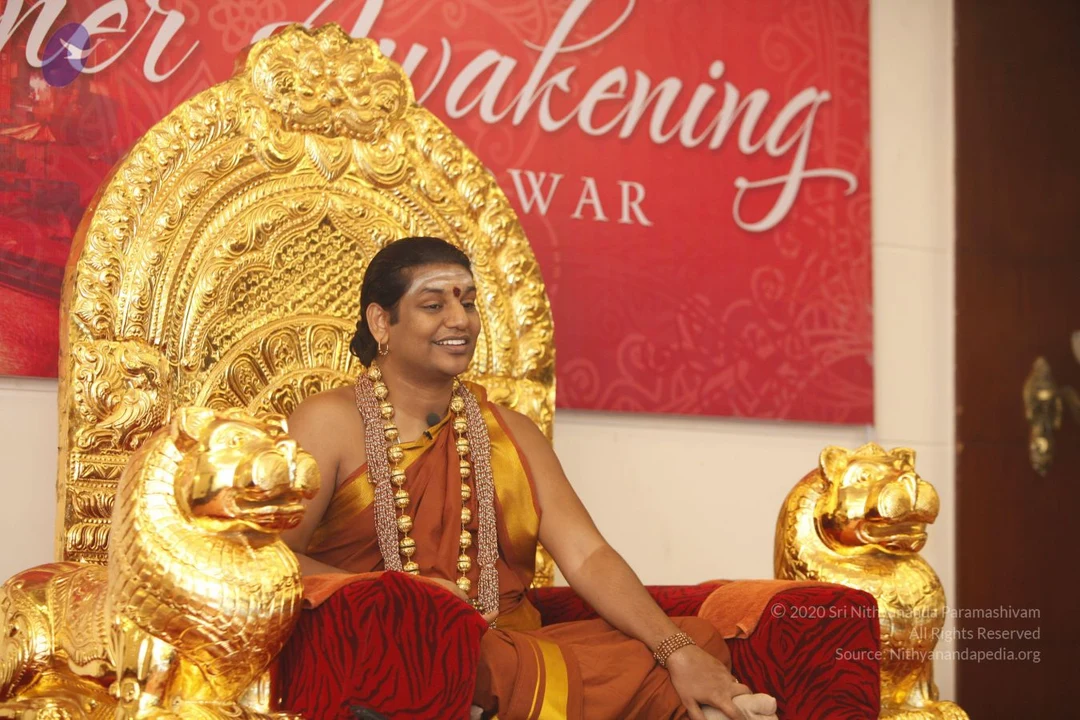
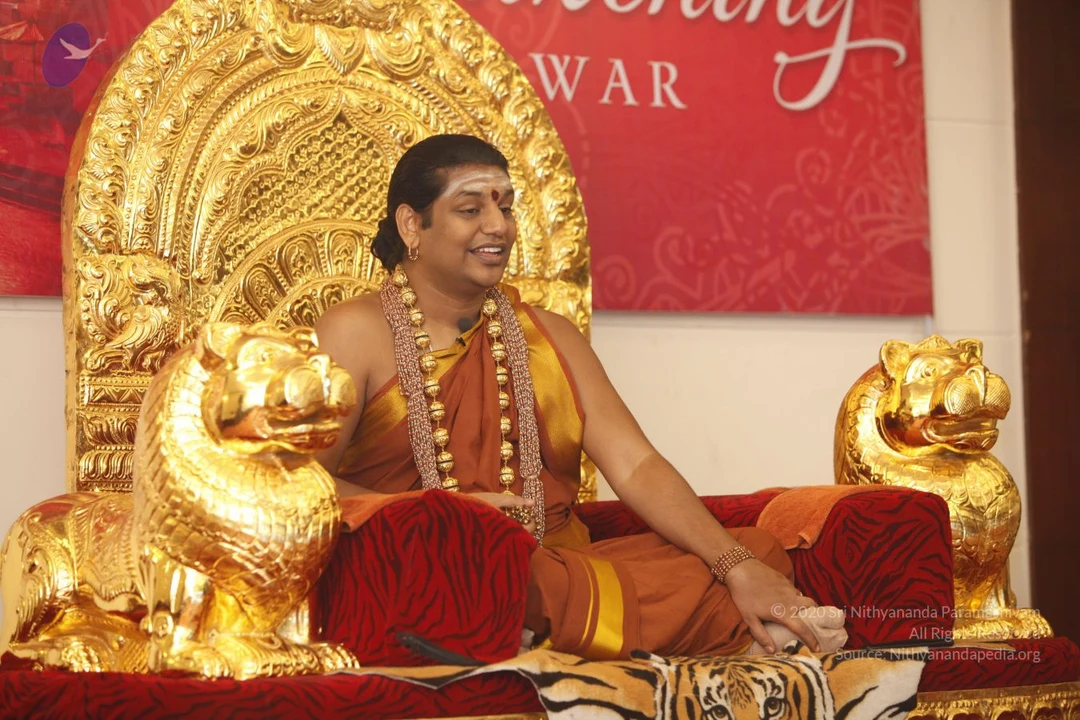
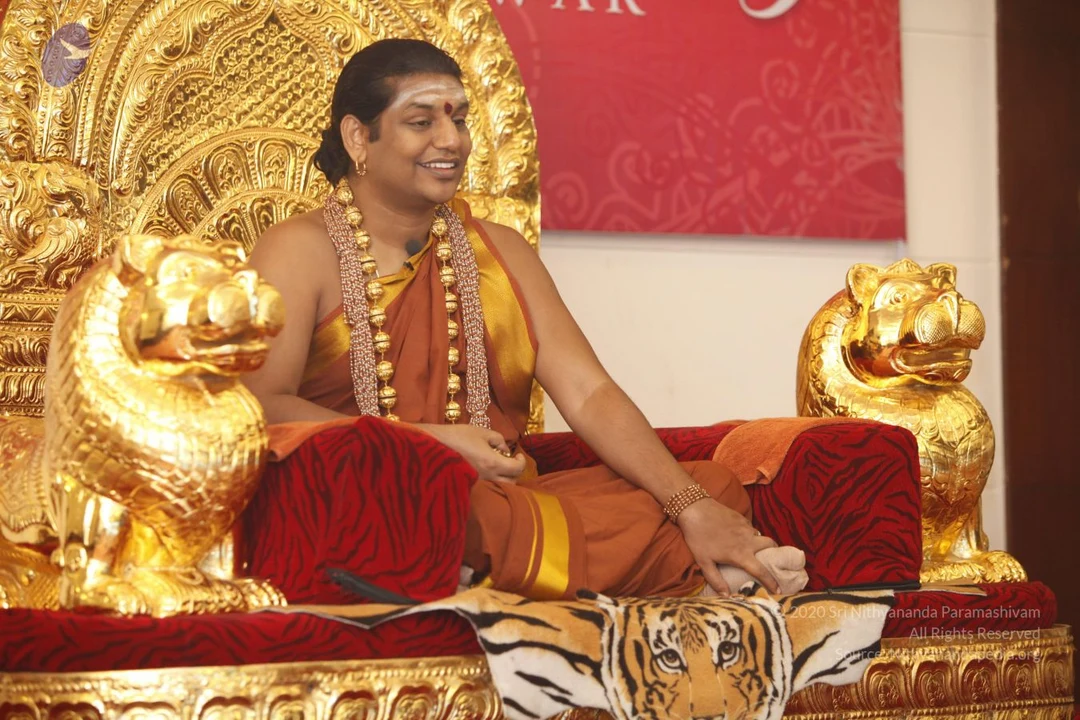
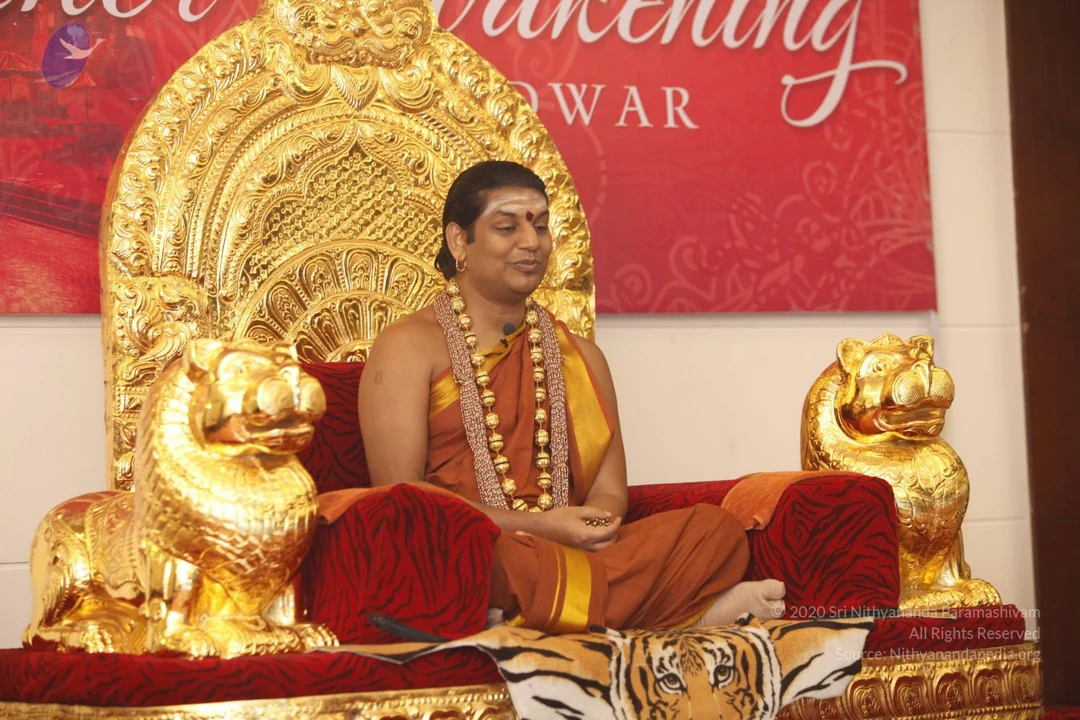
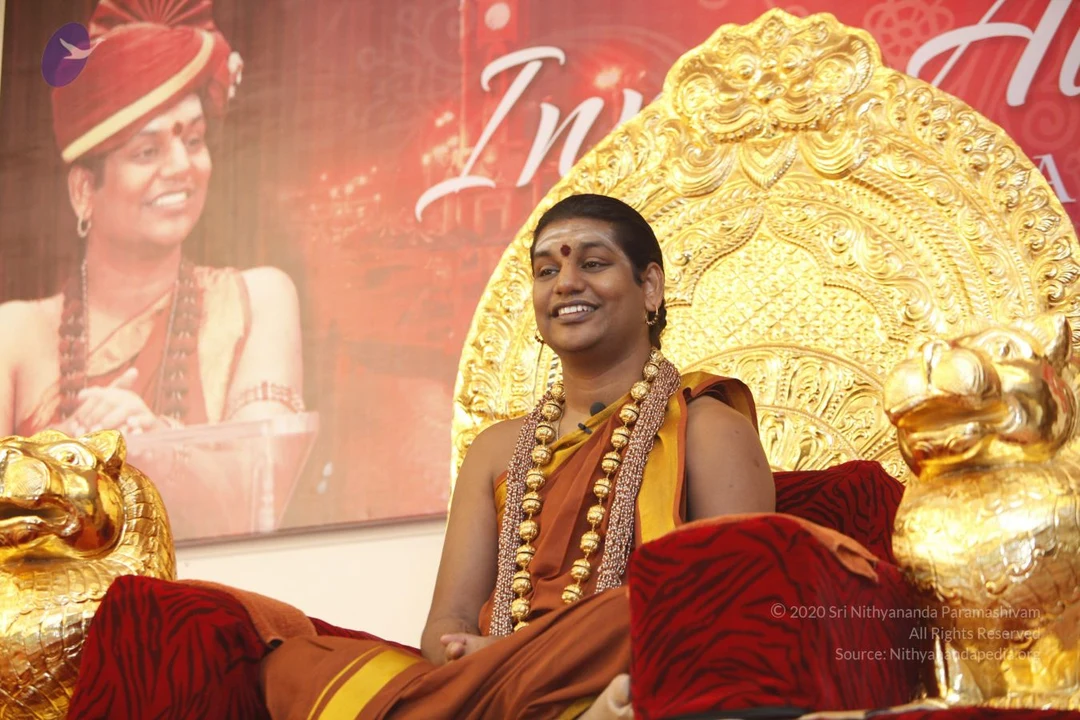
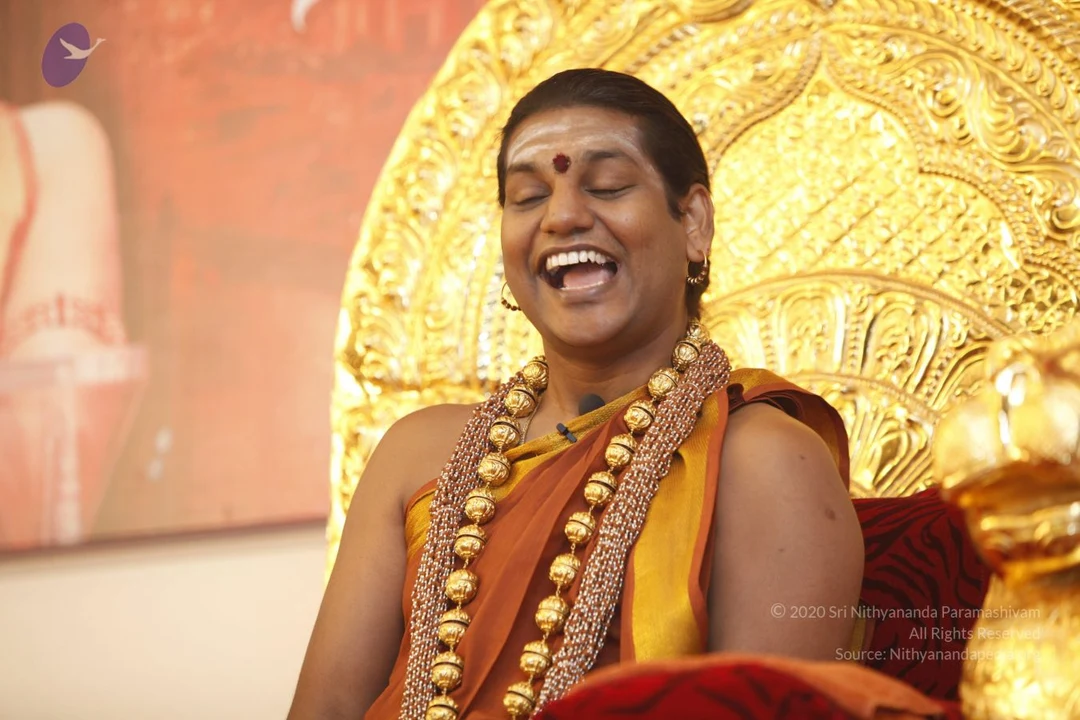
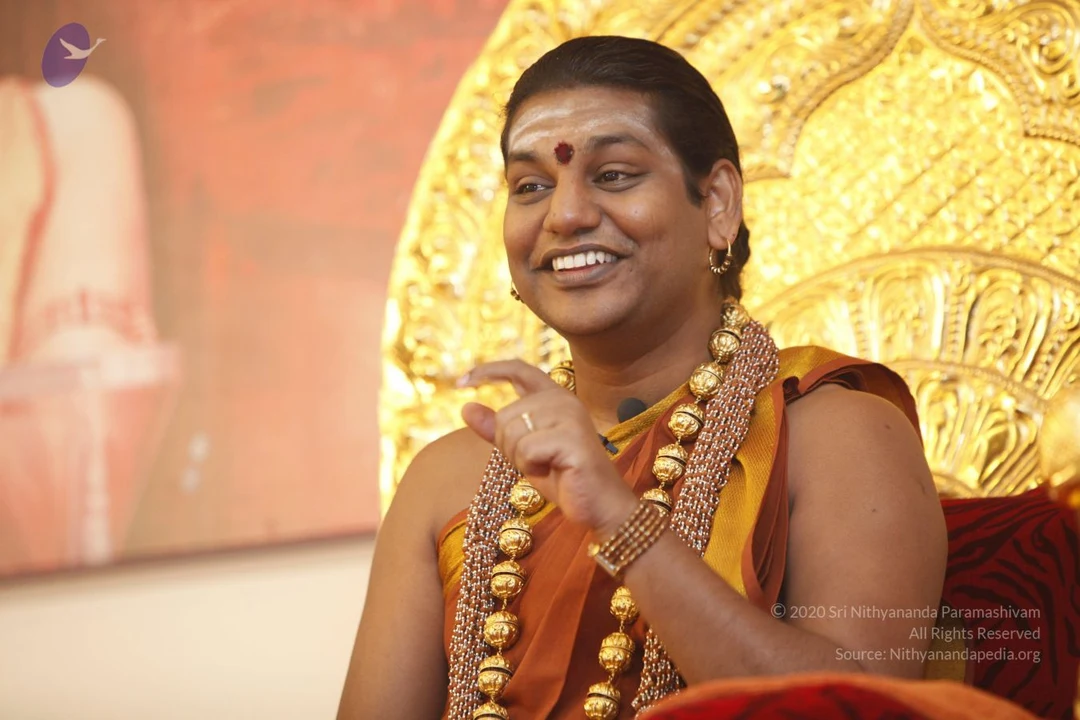
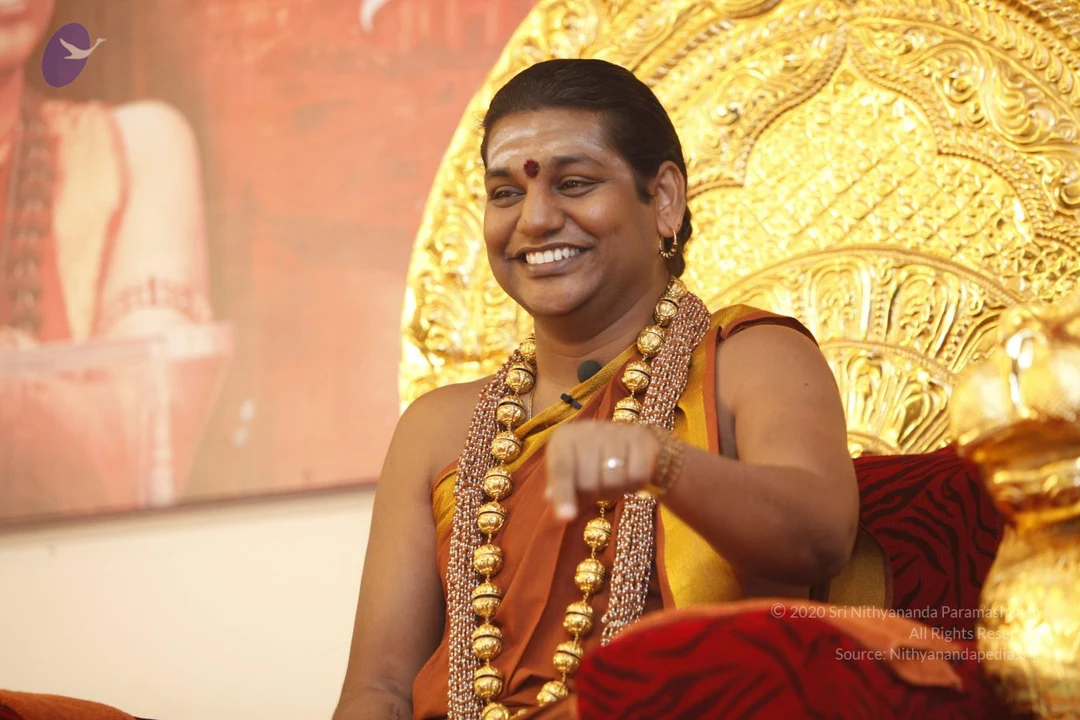
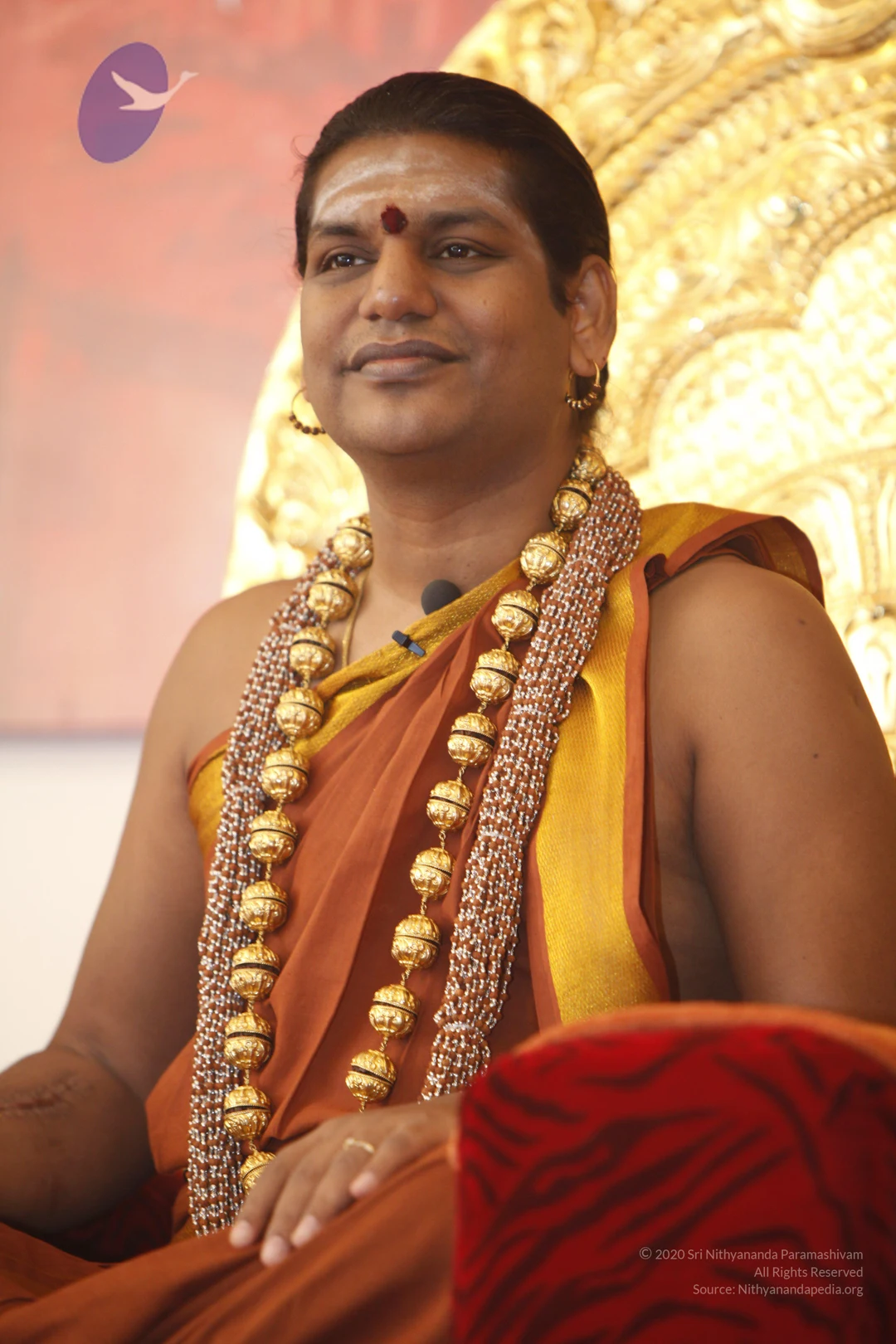
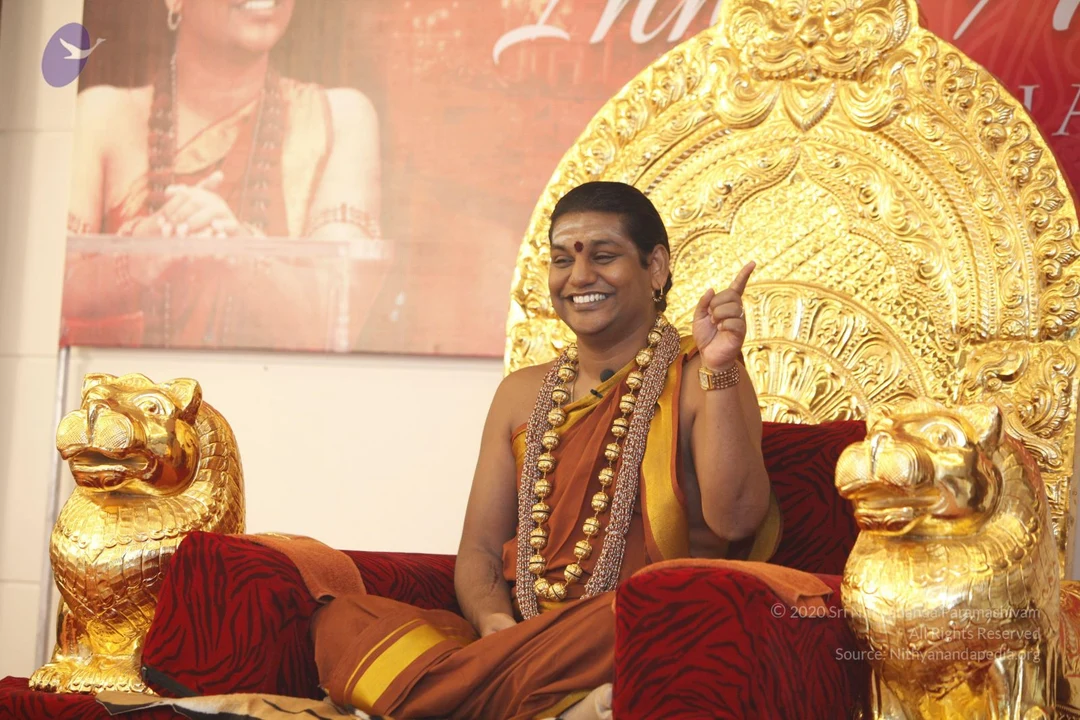
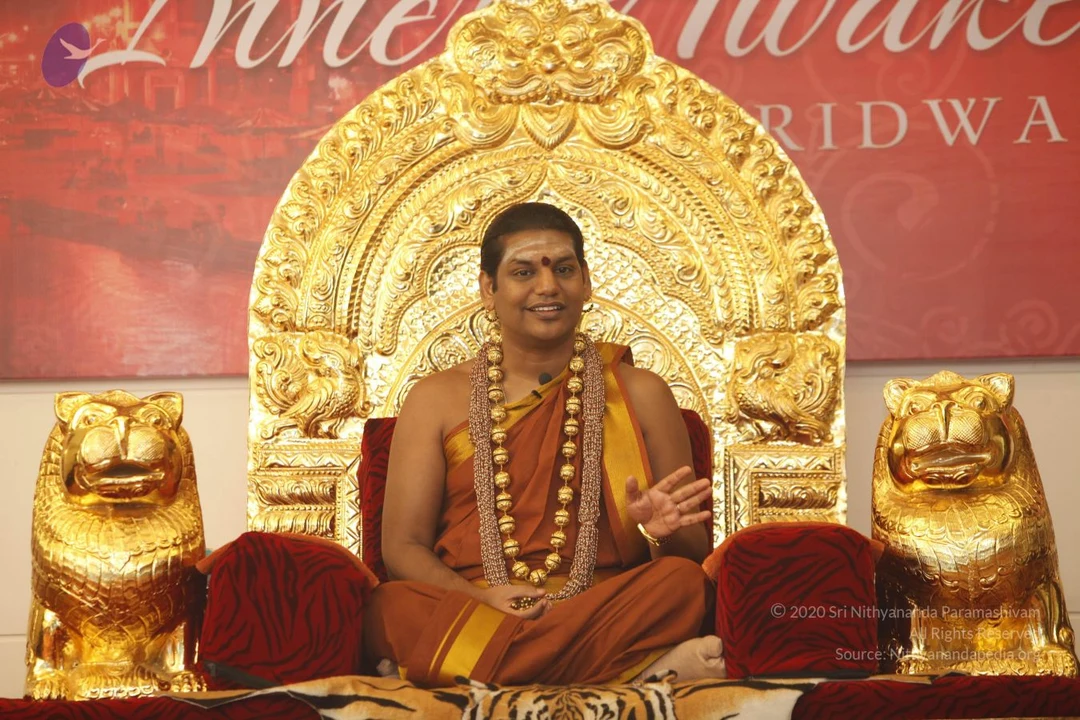
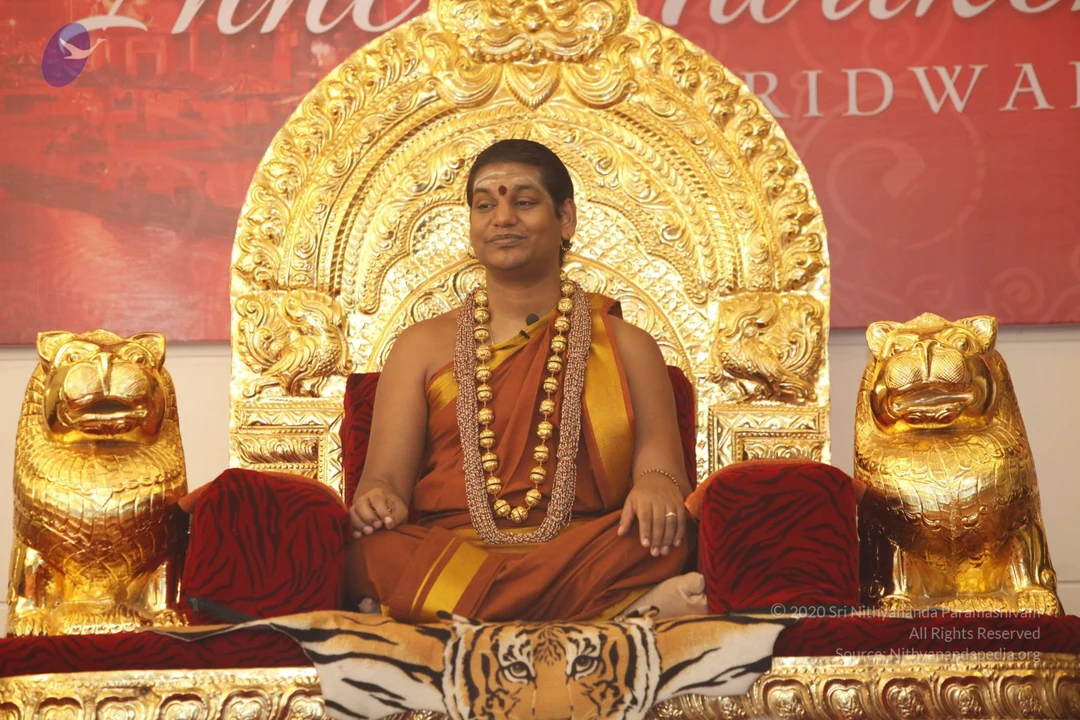
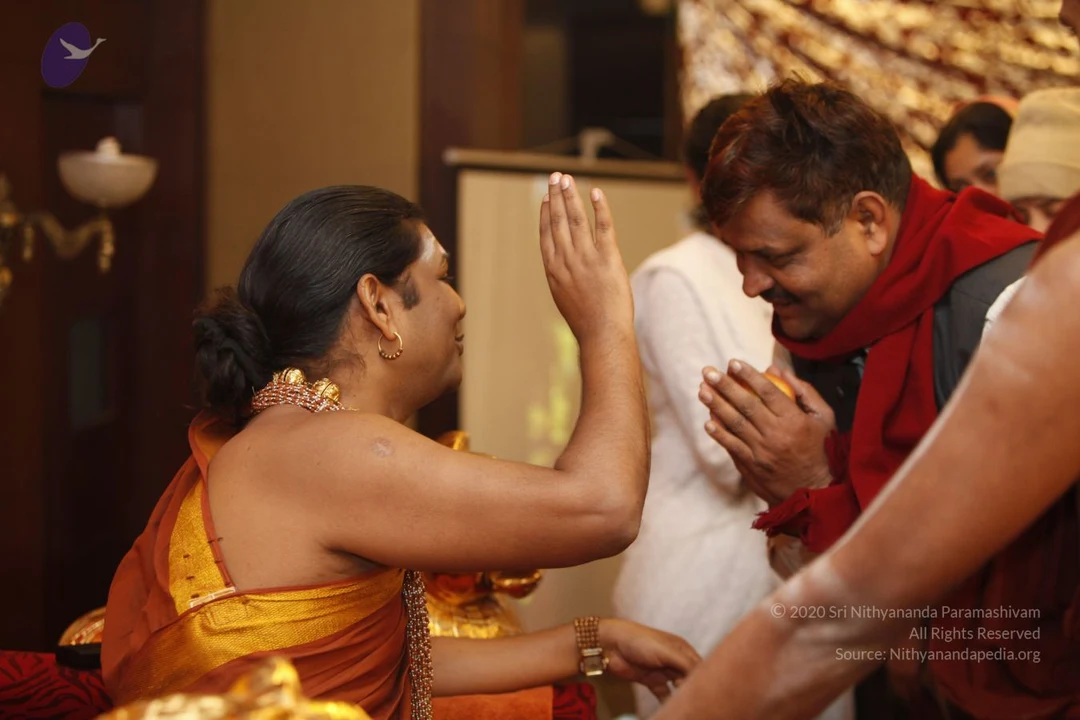
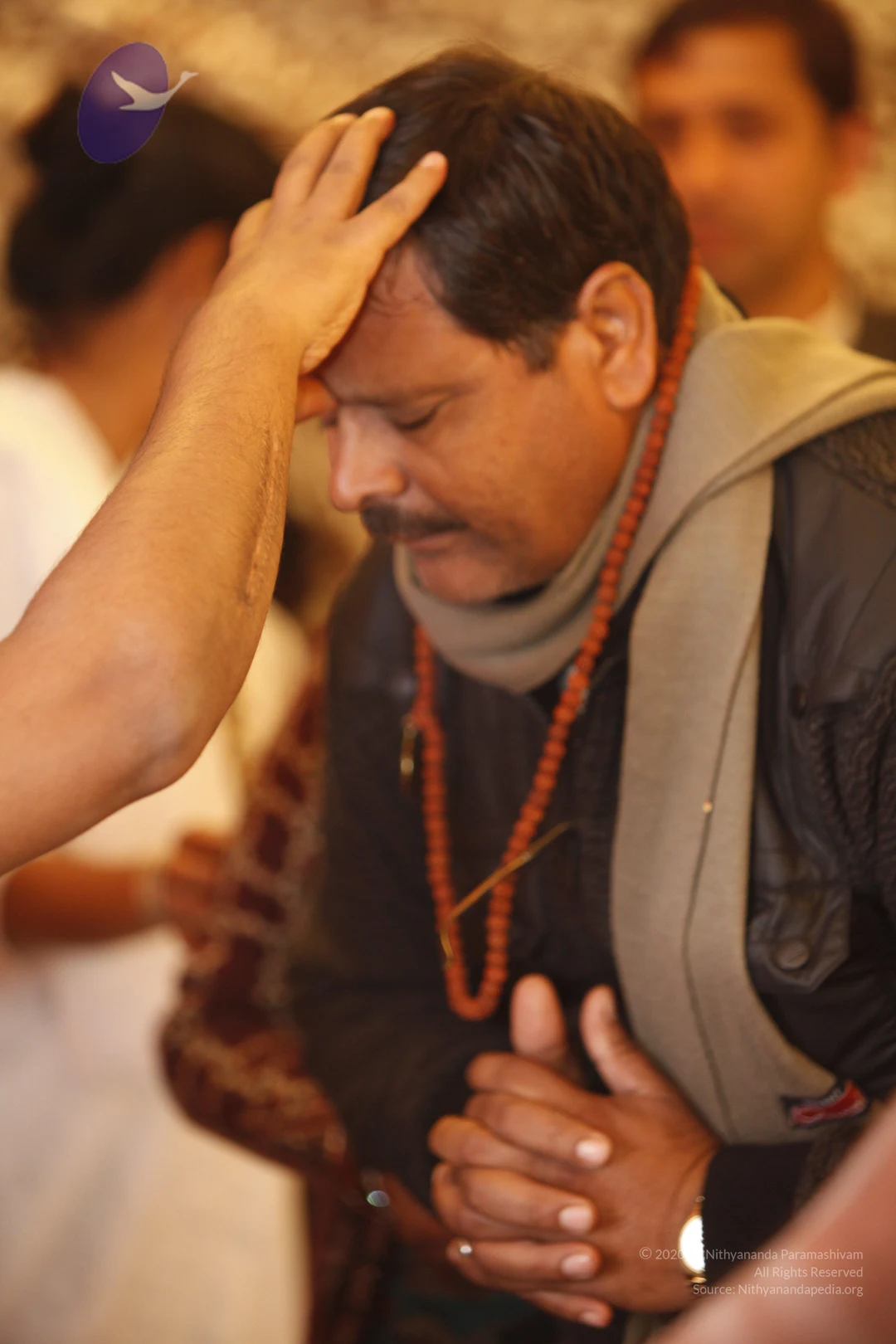
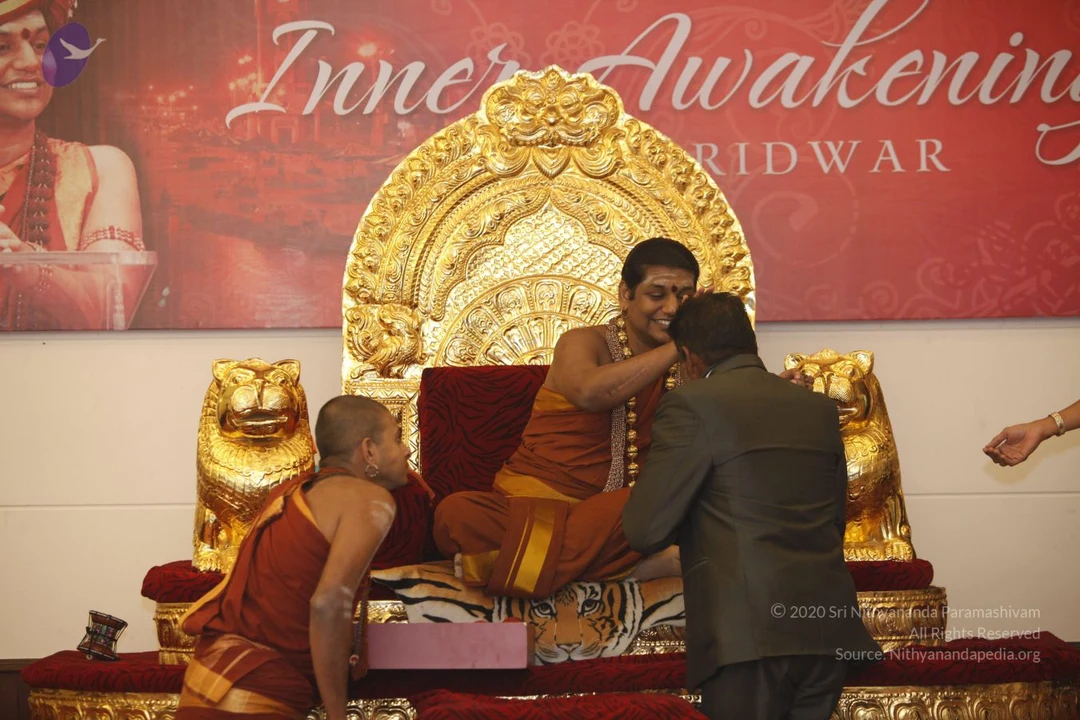
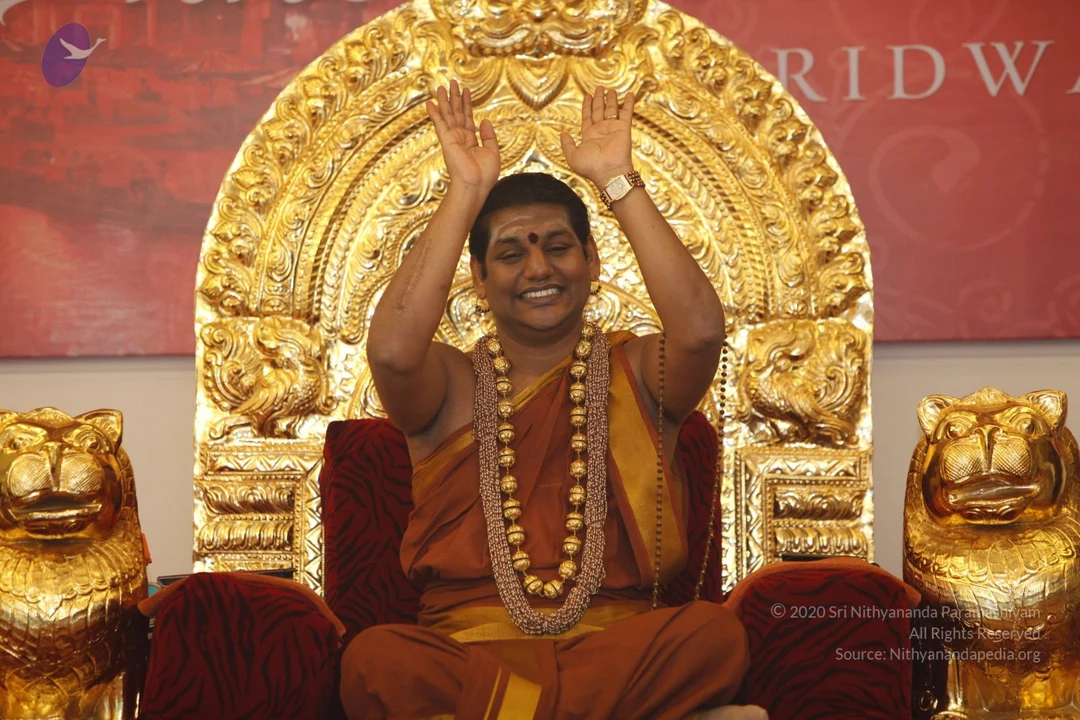
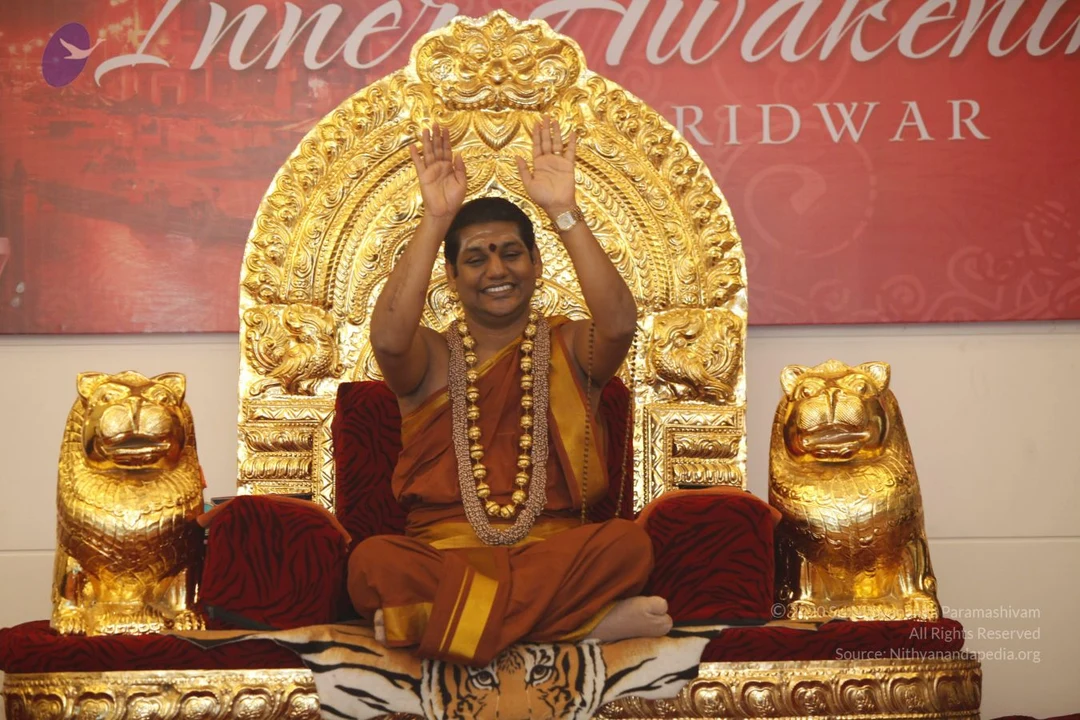
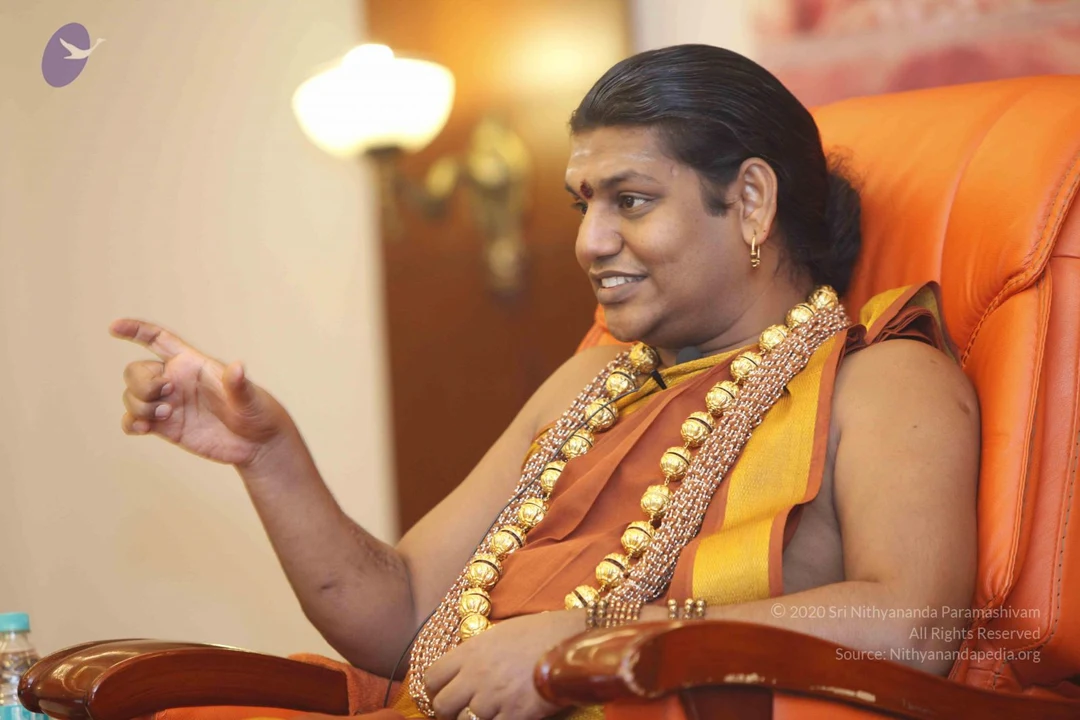
06Jan2014-IA-Session
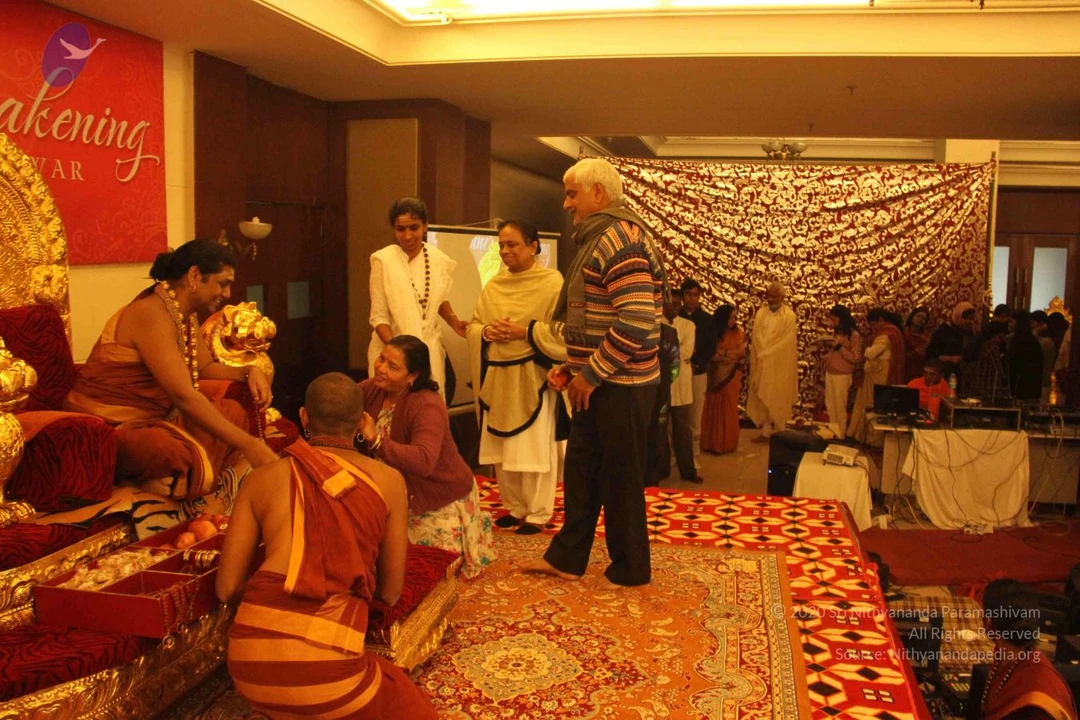
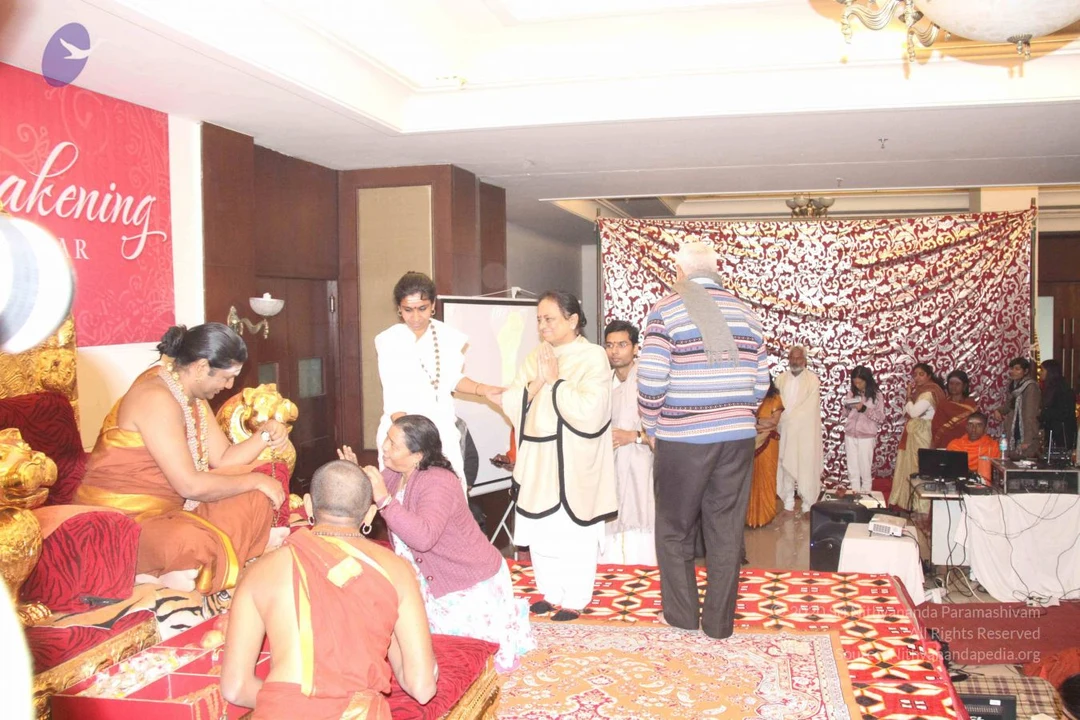
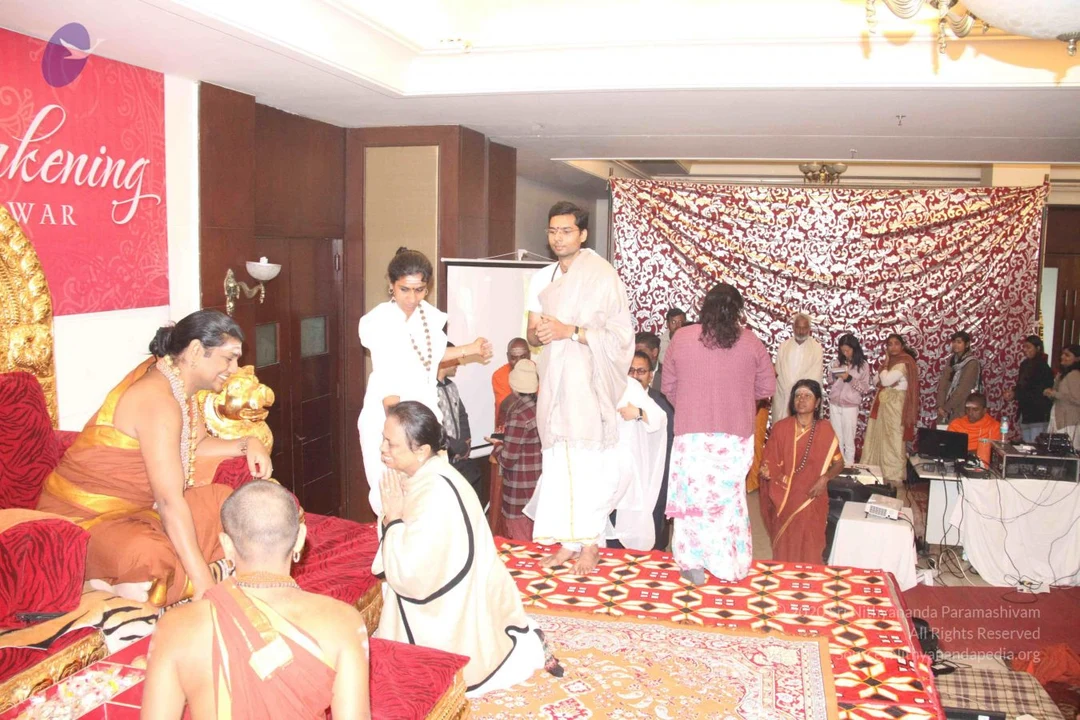
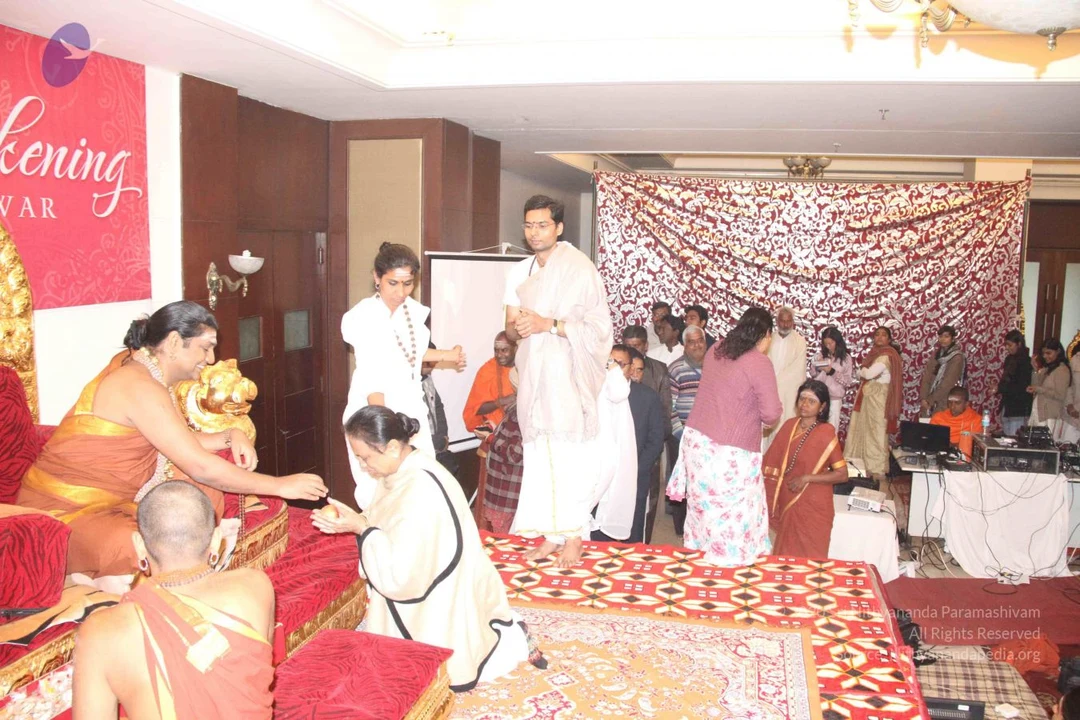
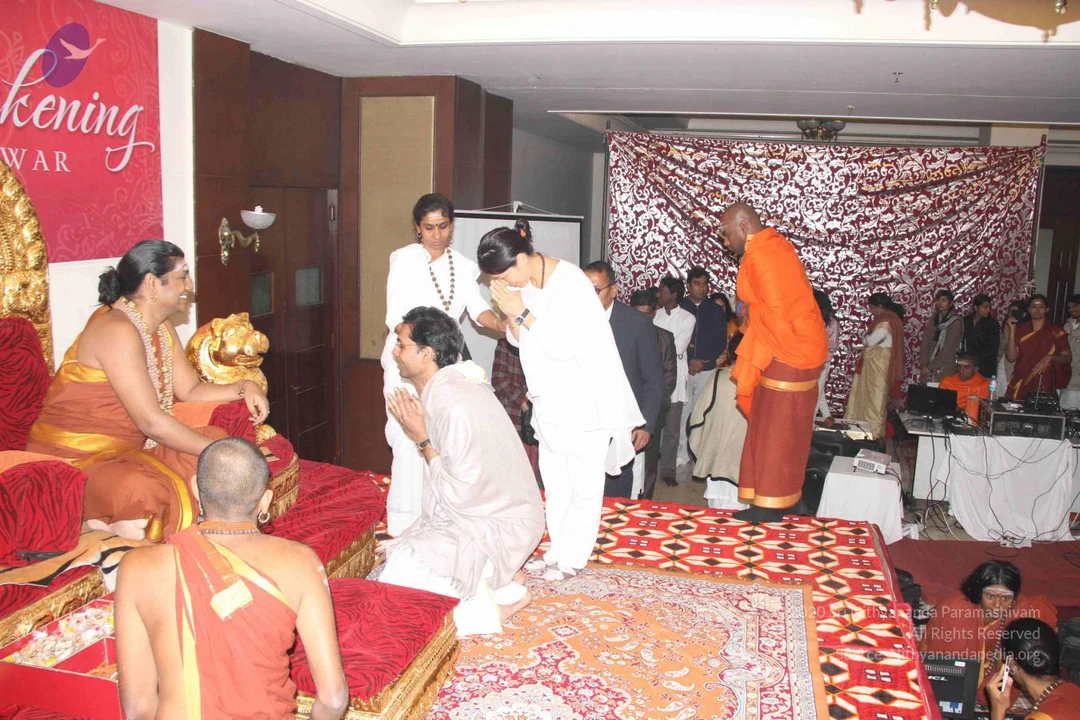
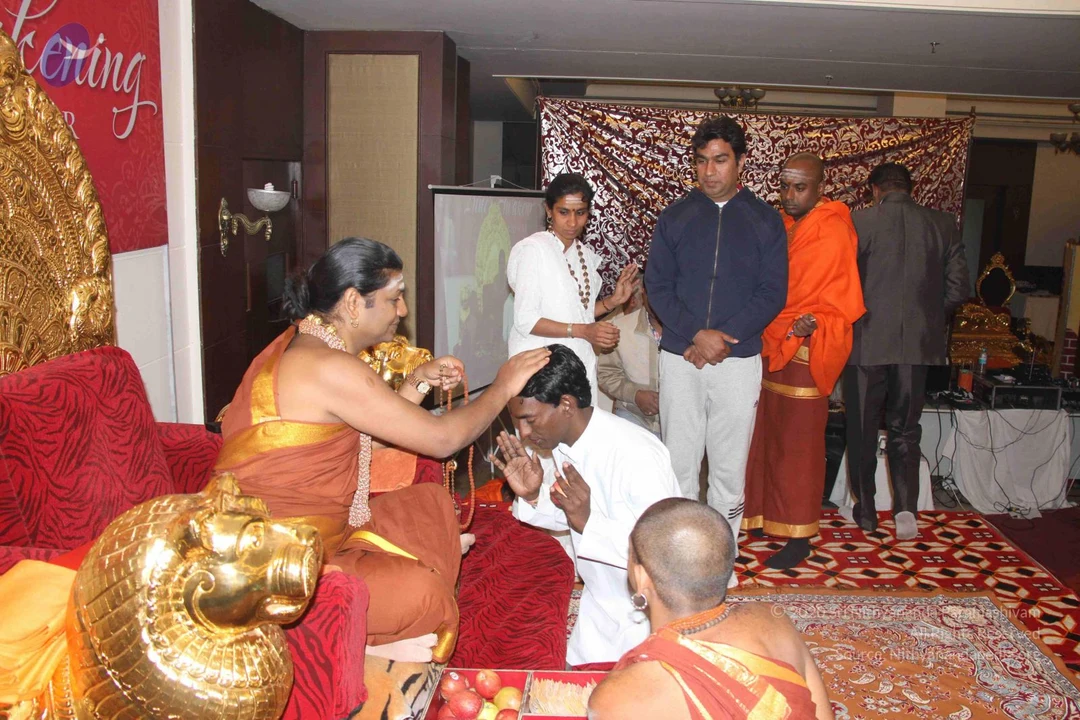
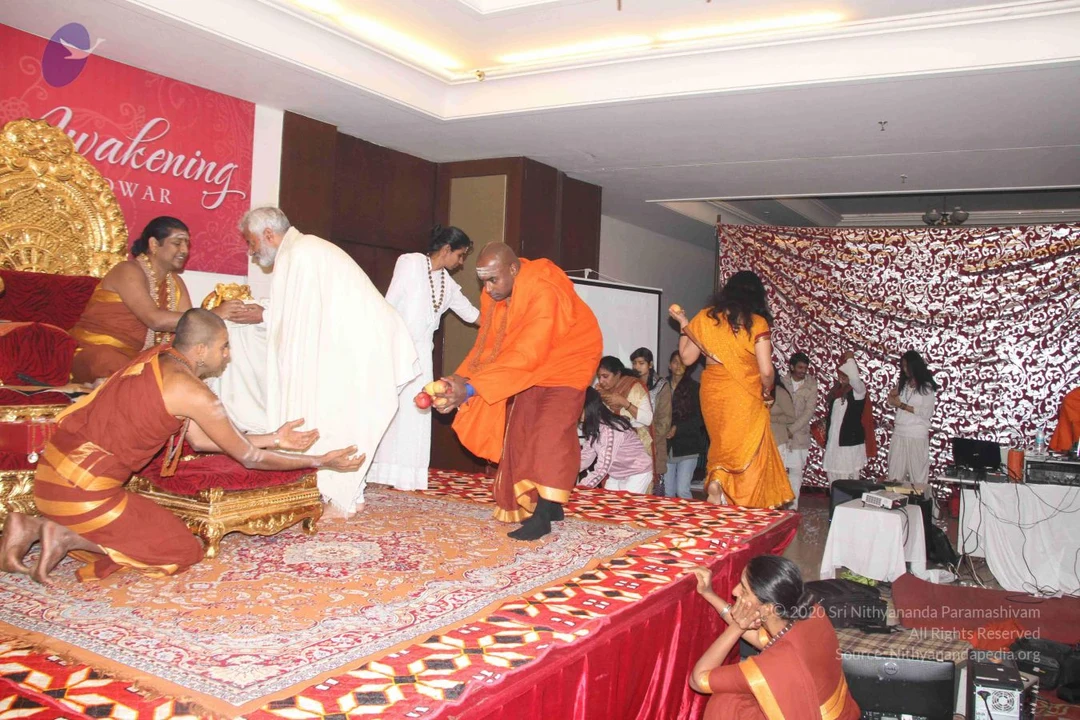

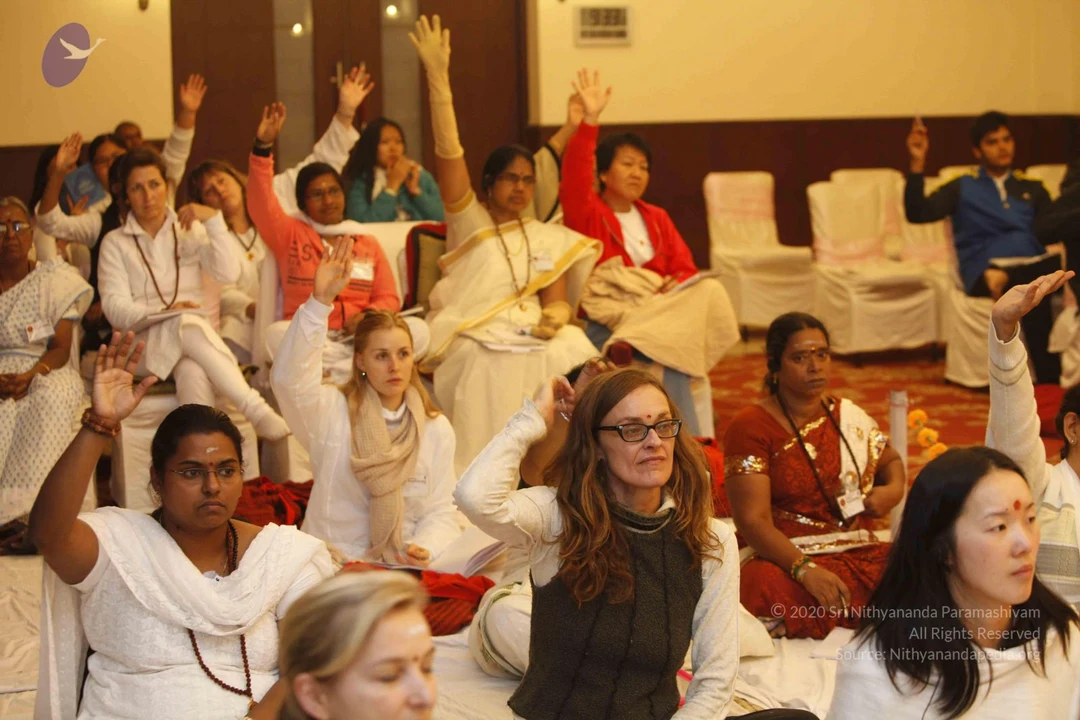
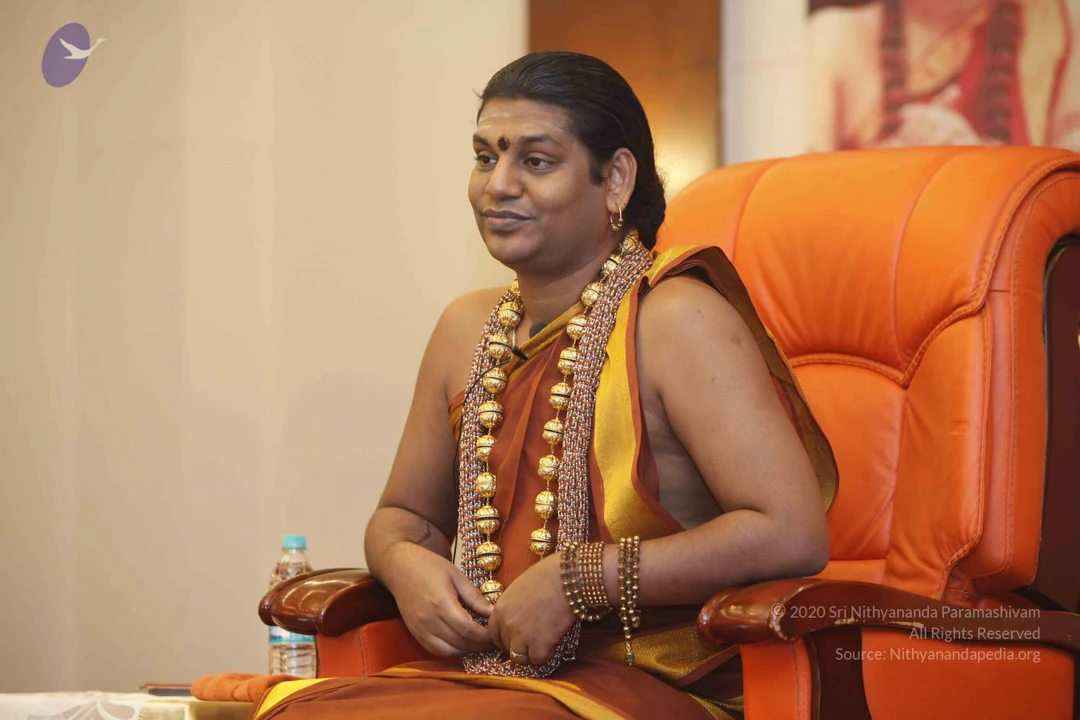
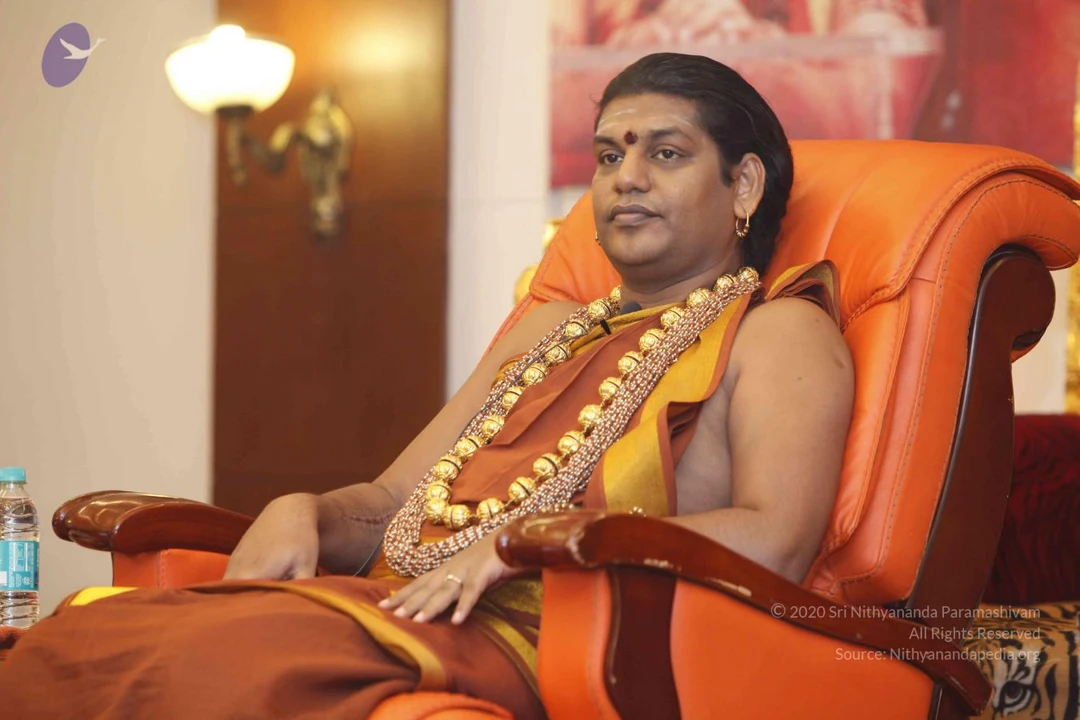
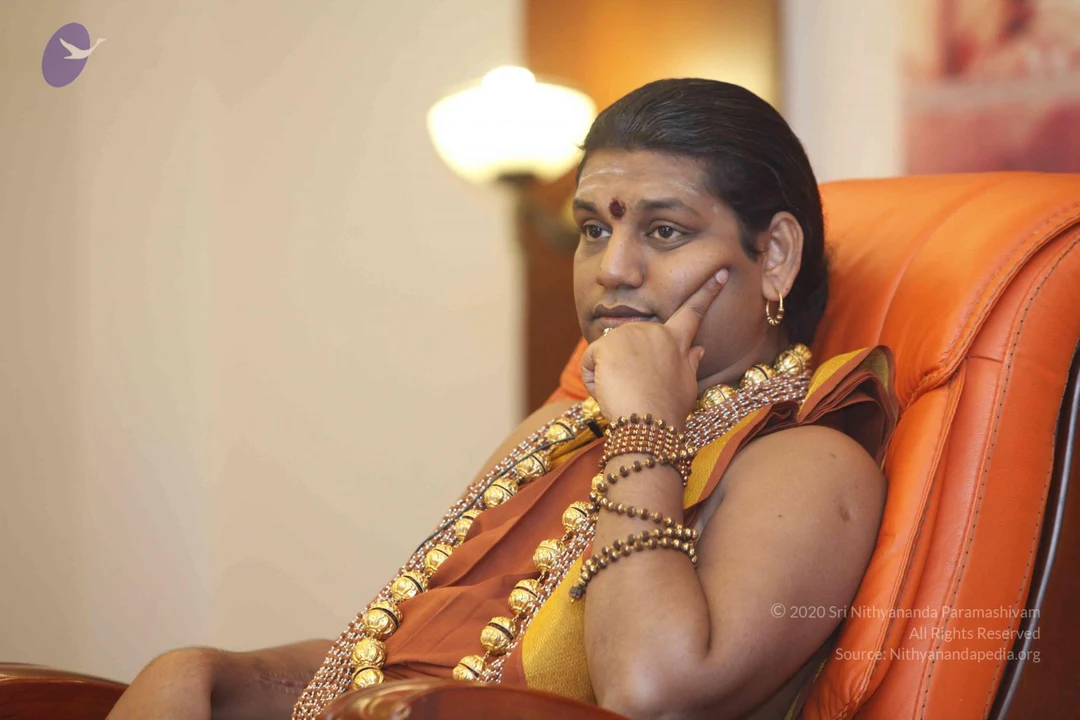
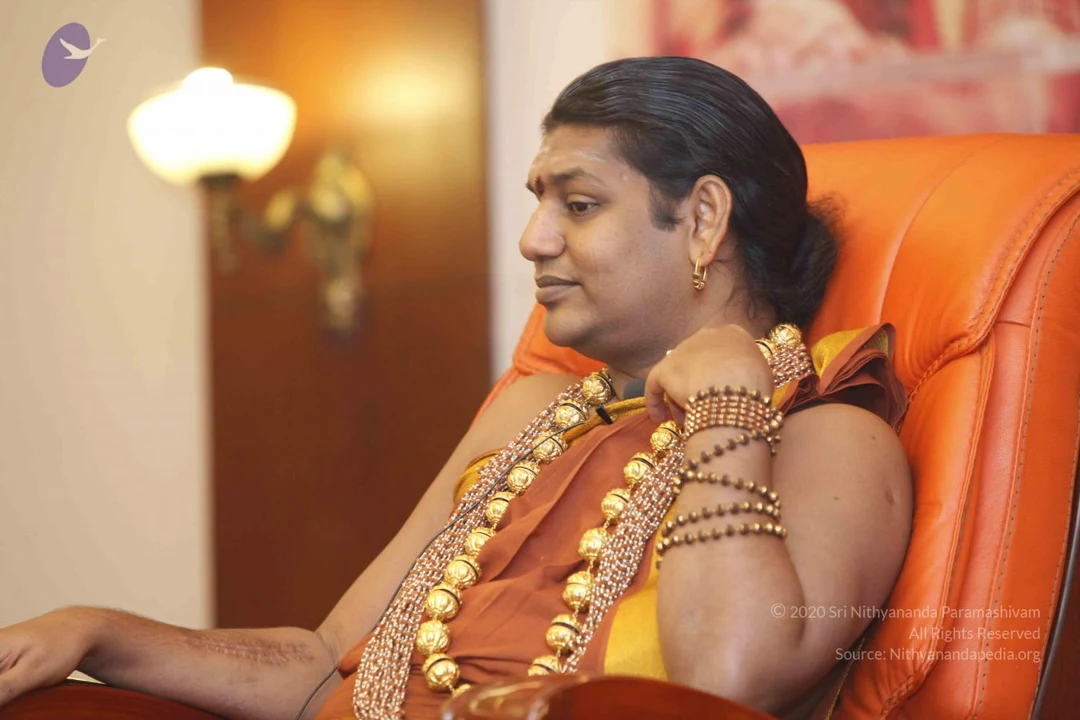
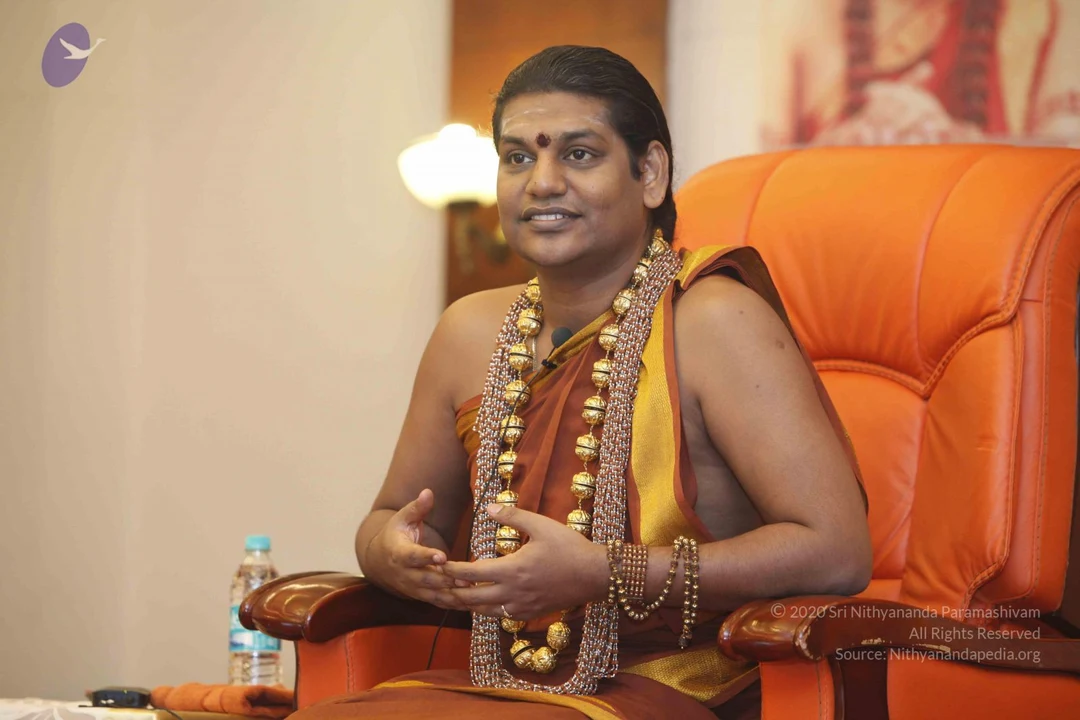

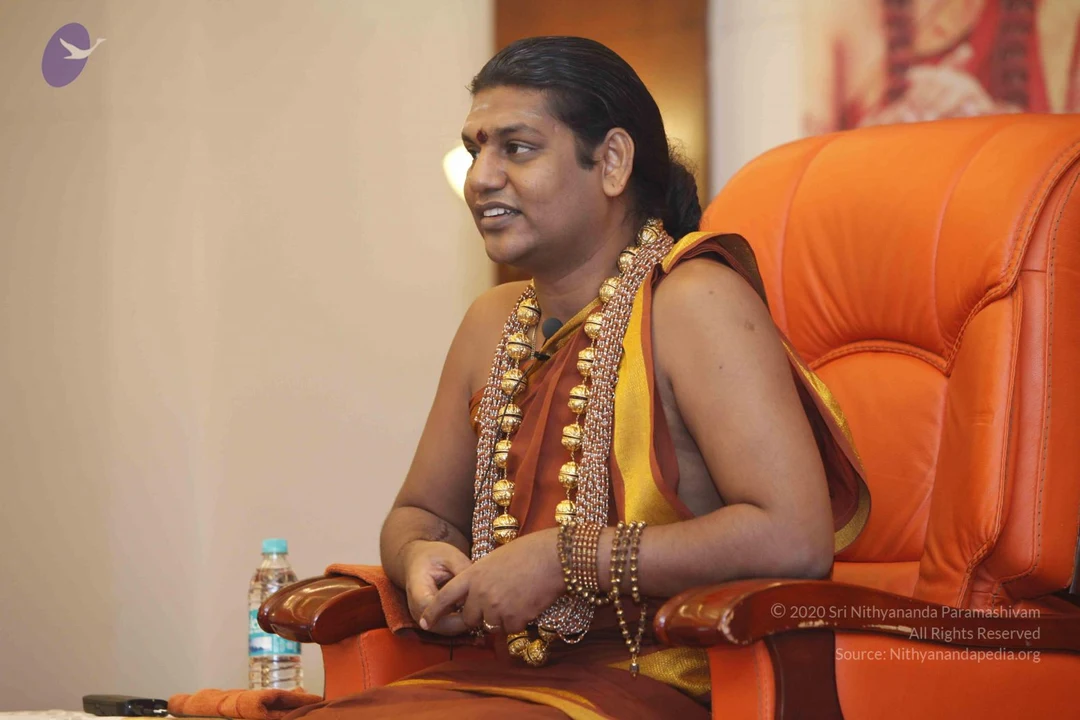
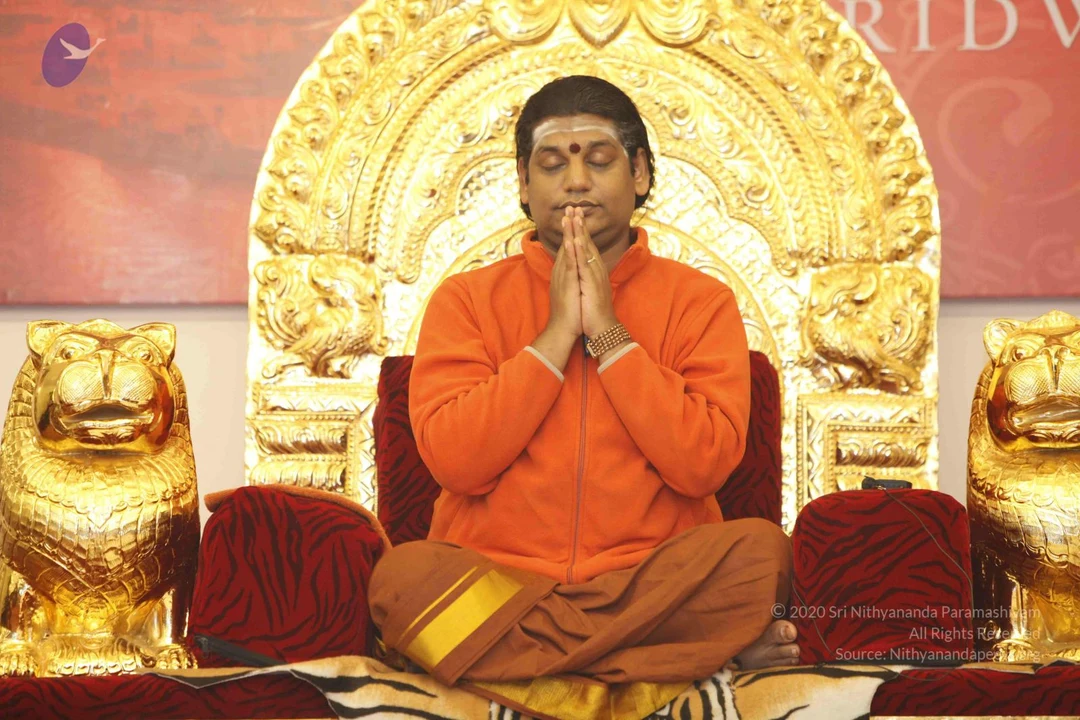
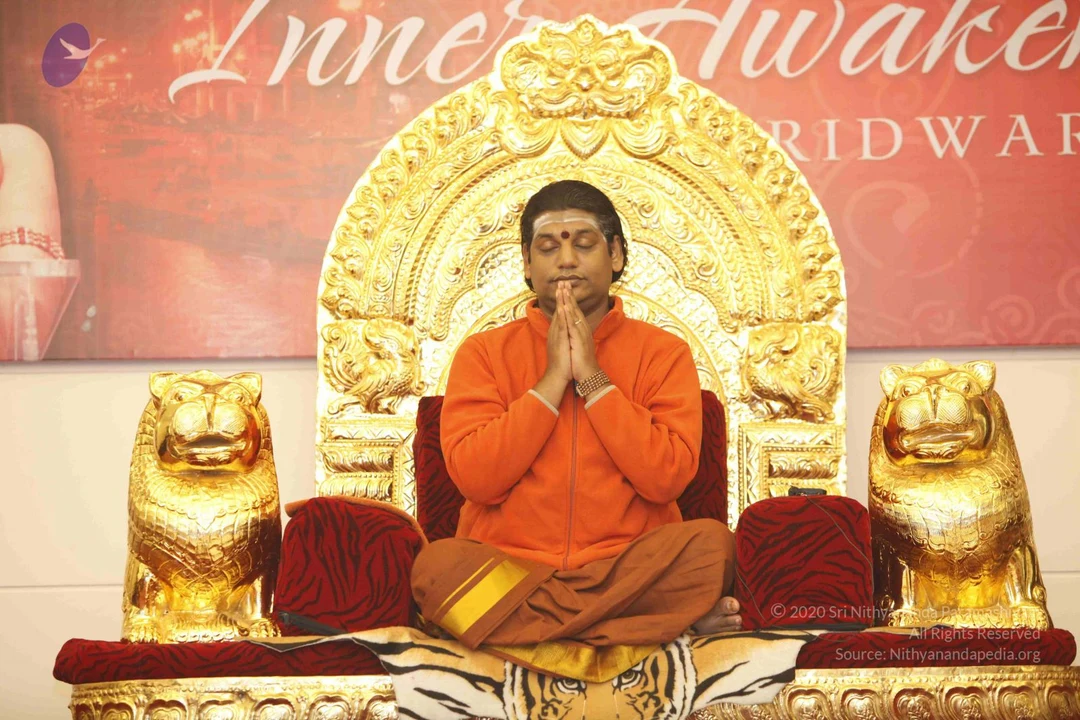
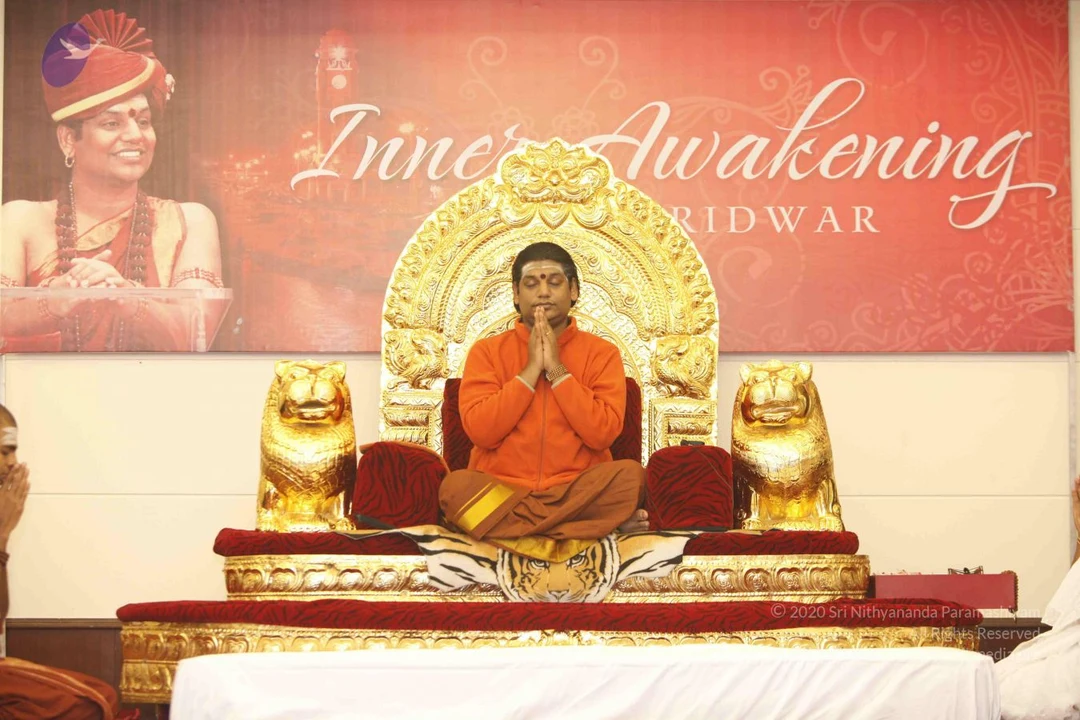
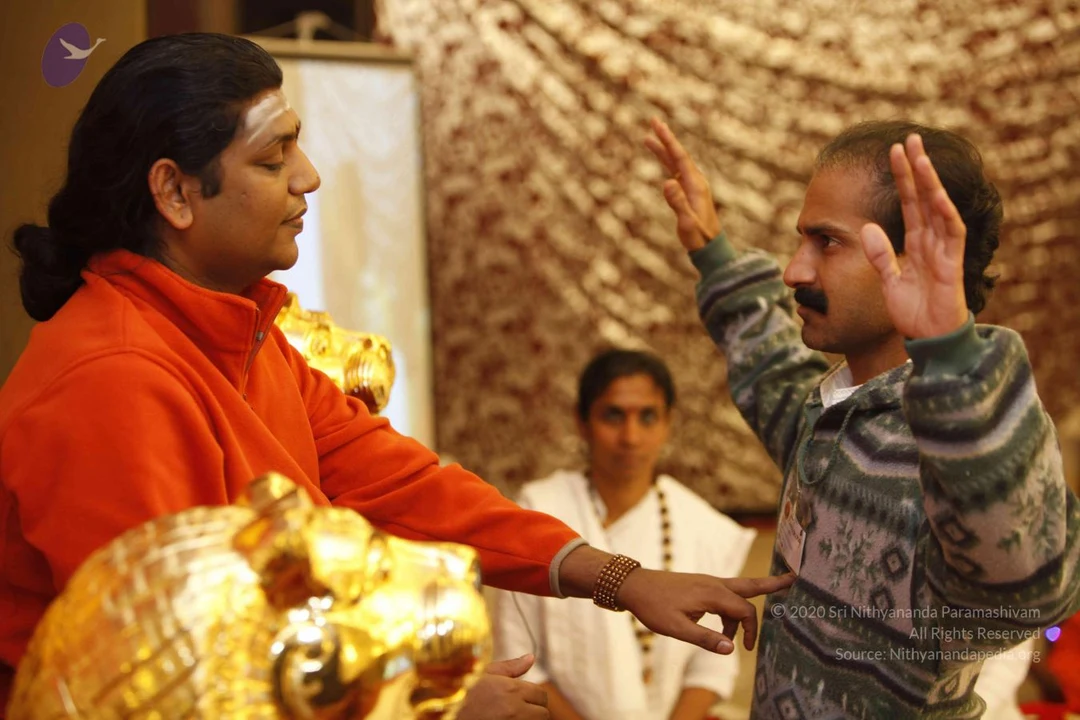
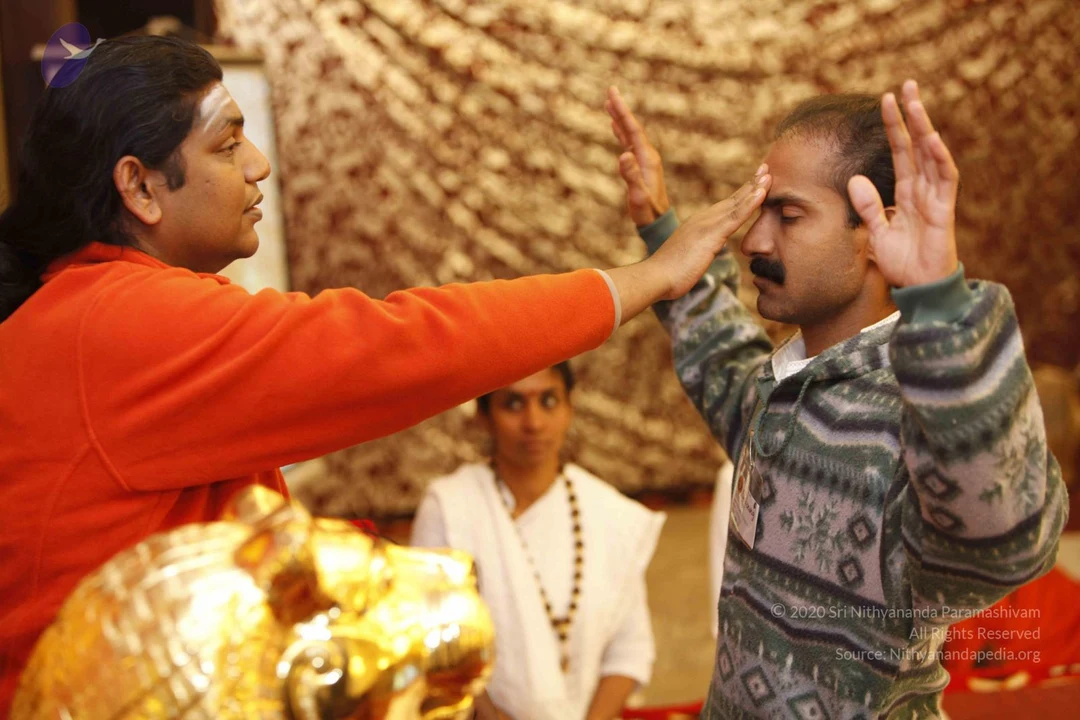
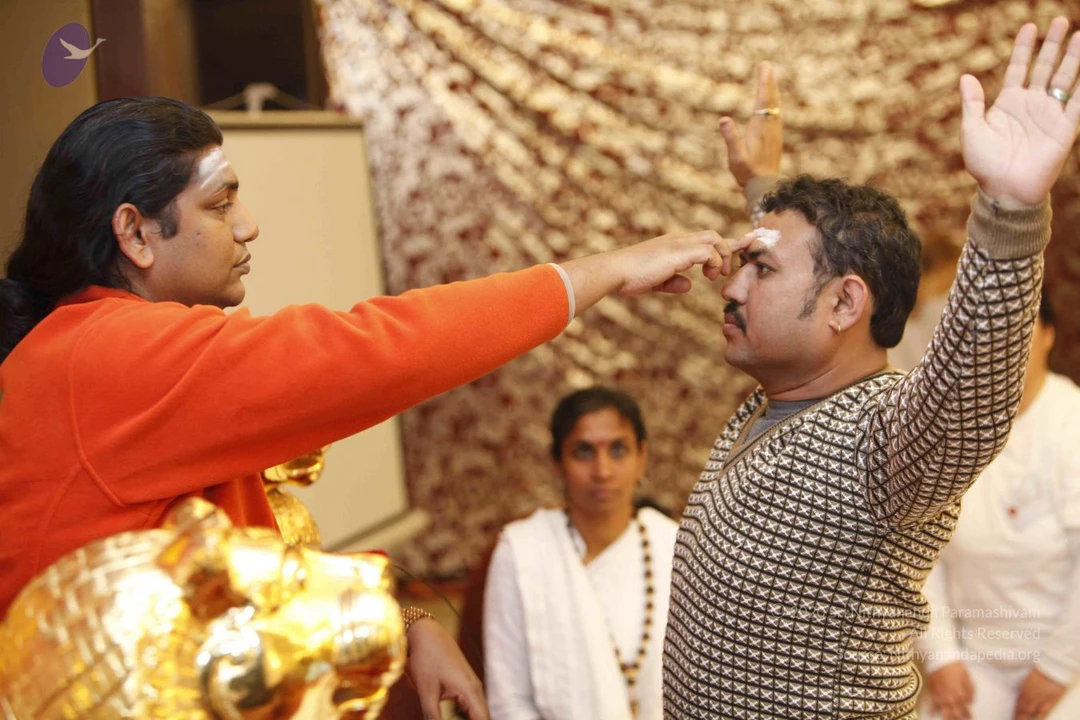
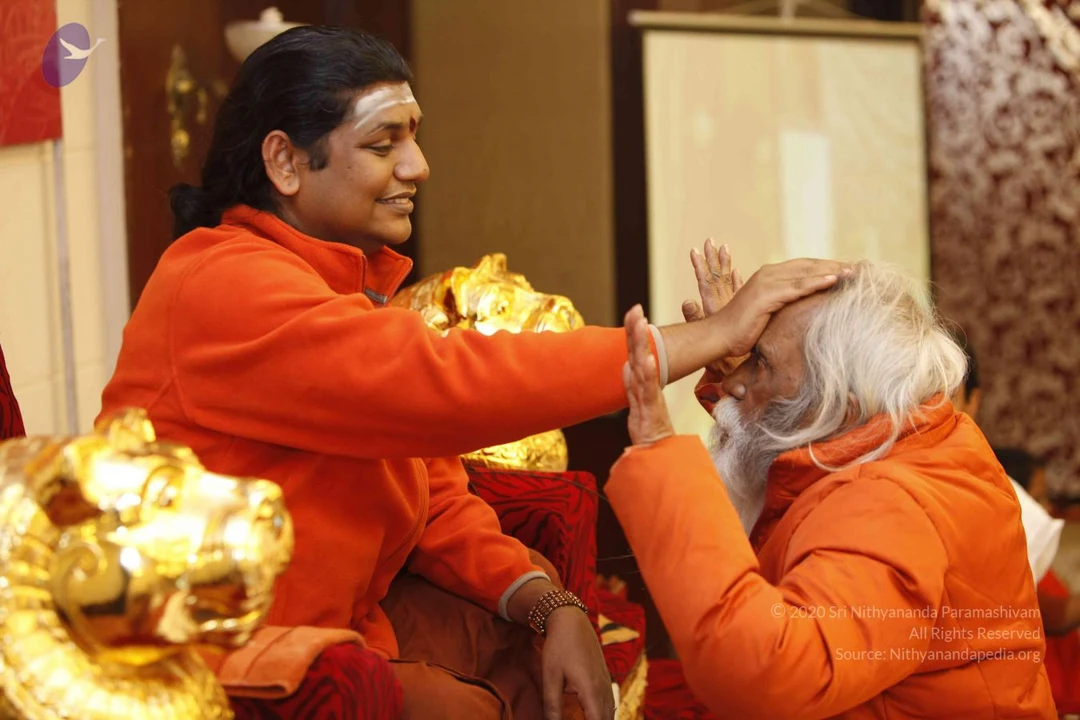
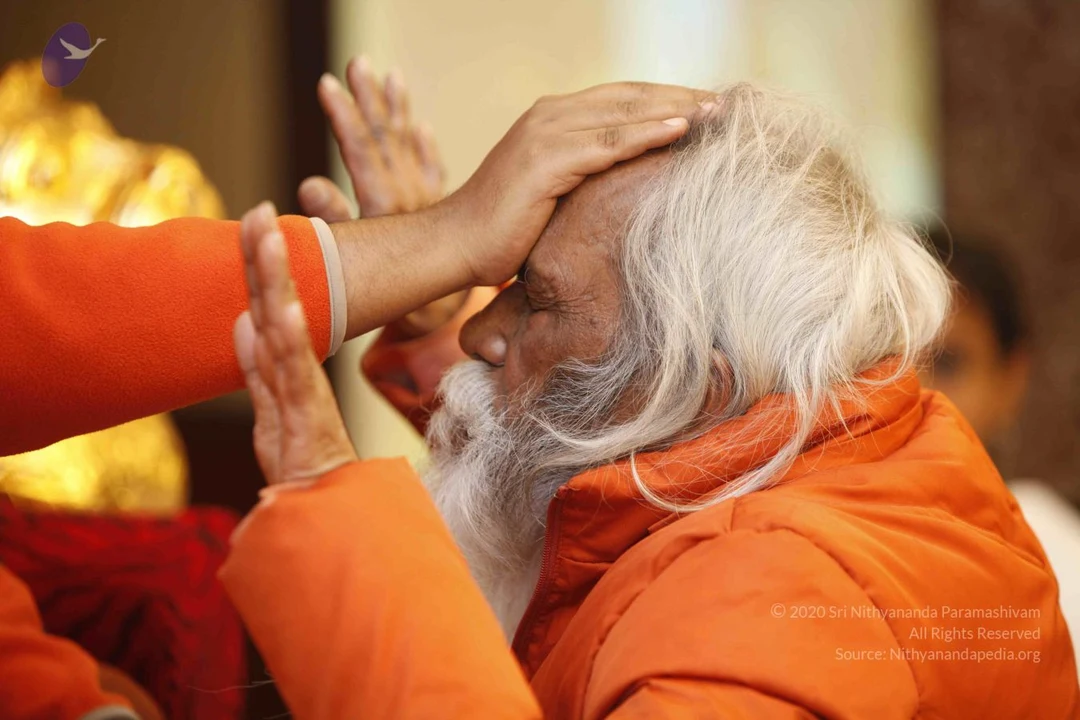
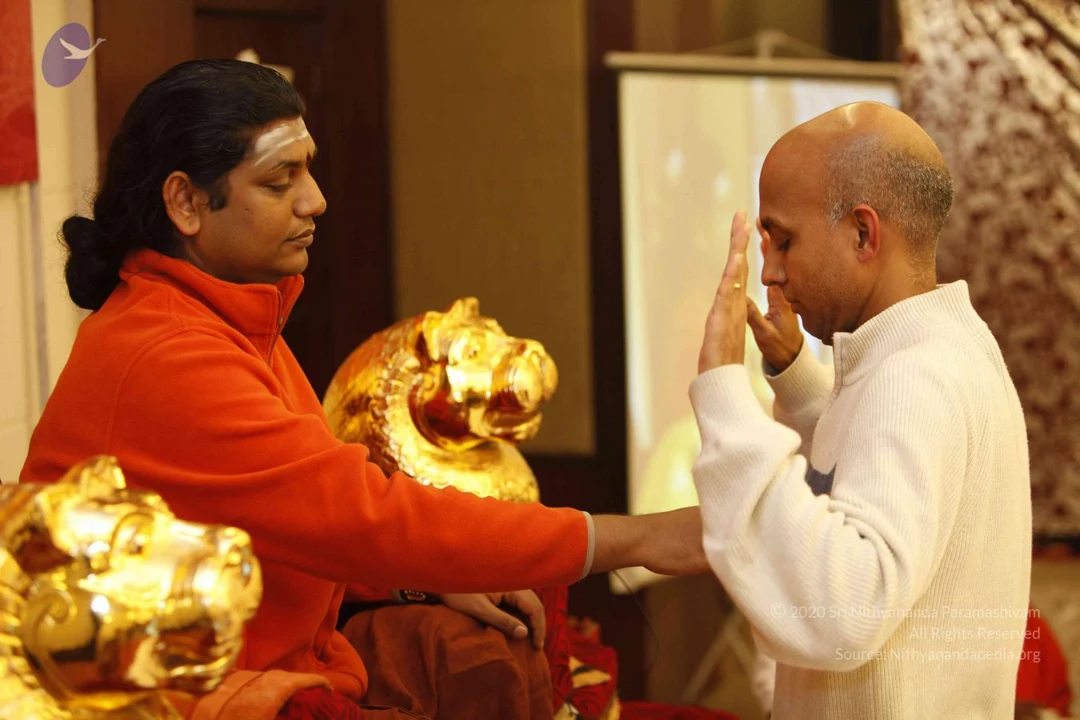
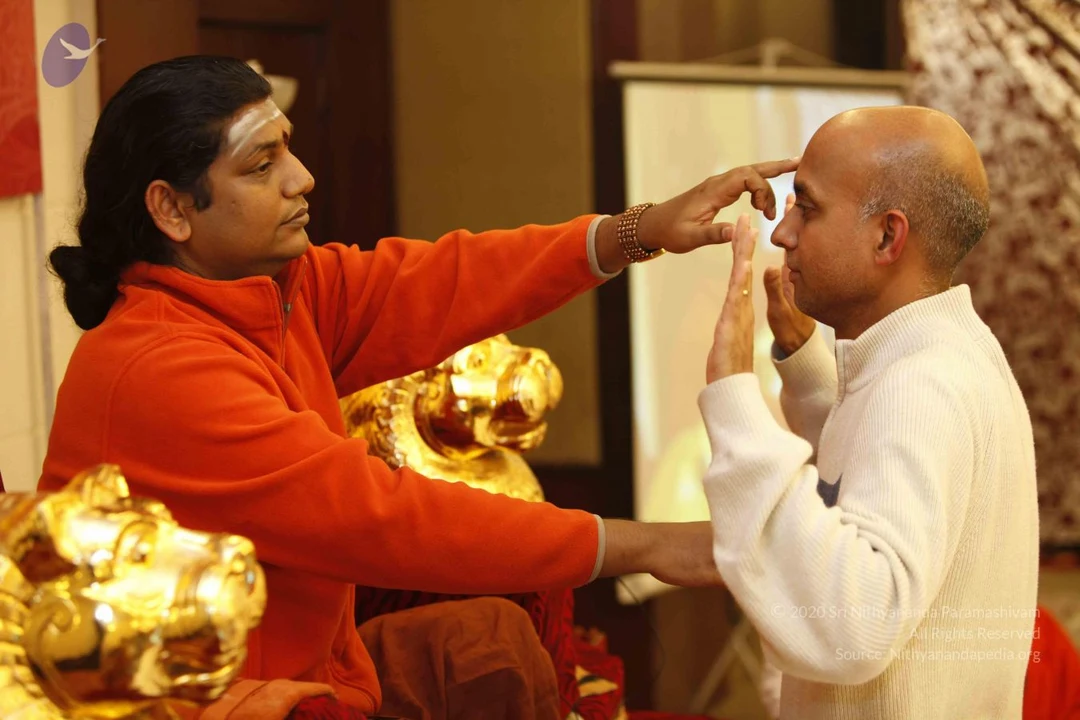
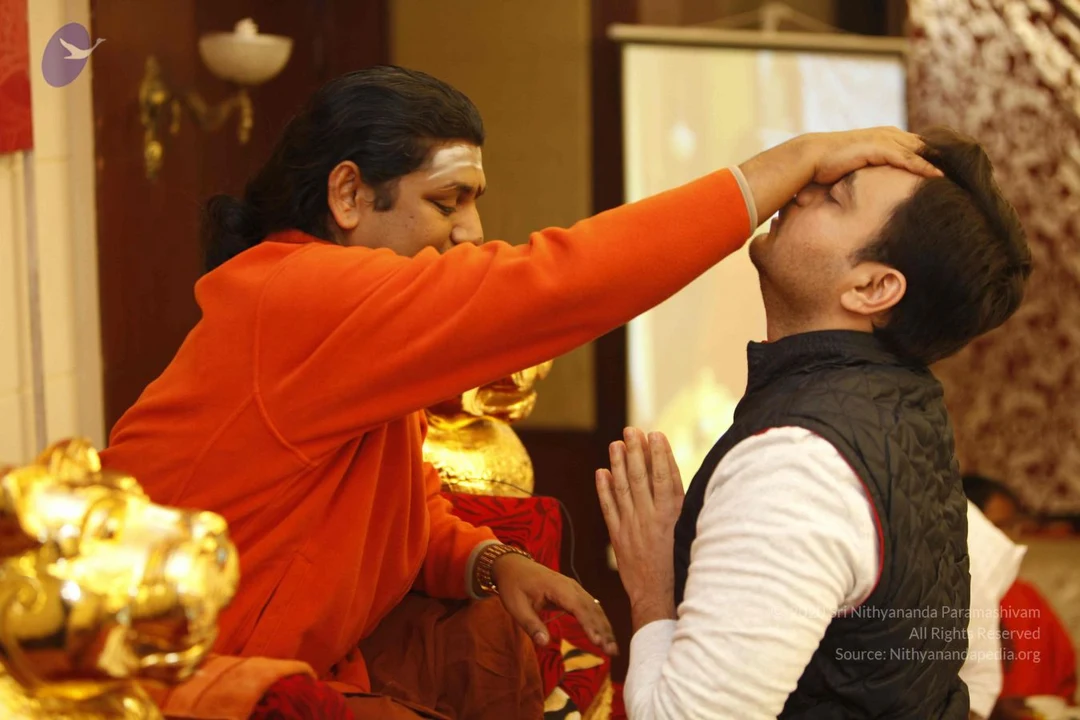
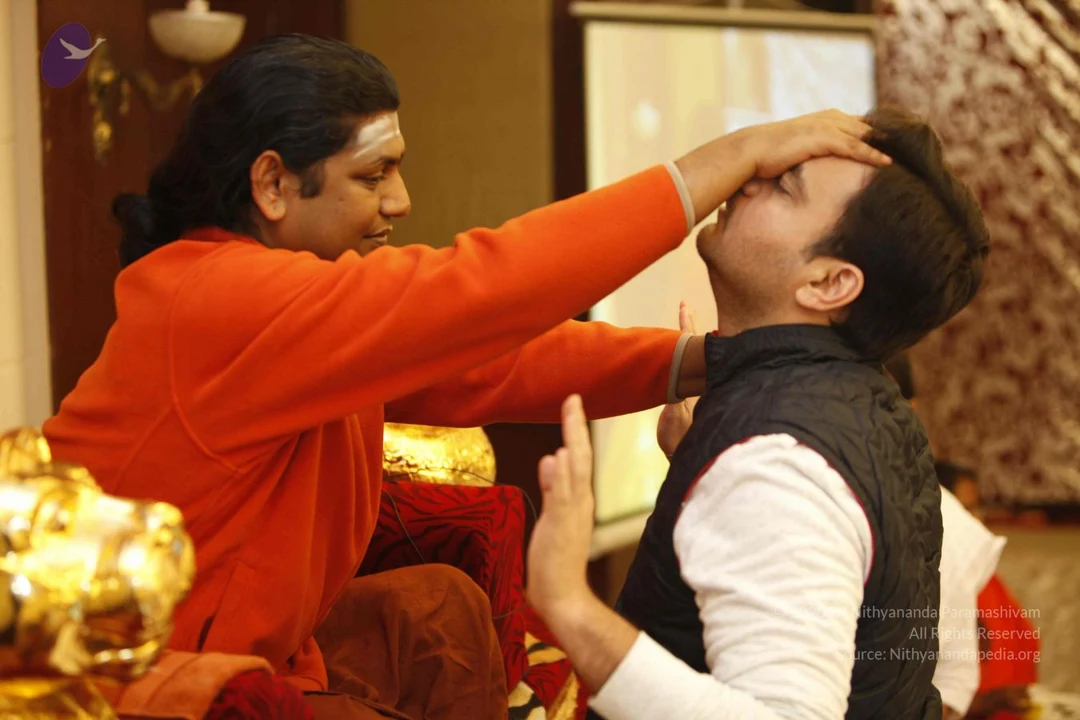
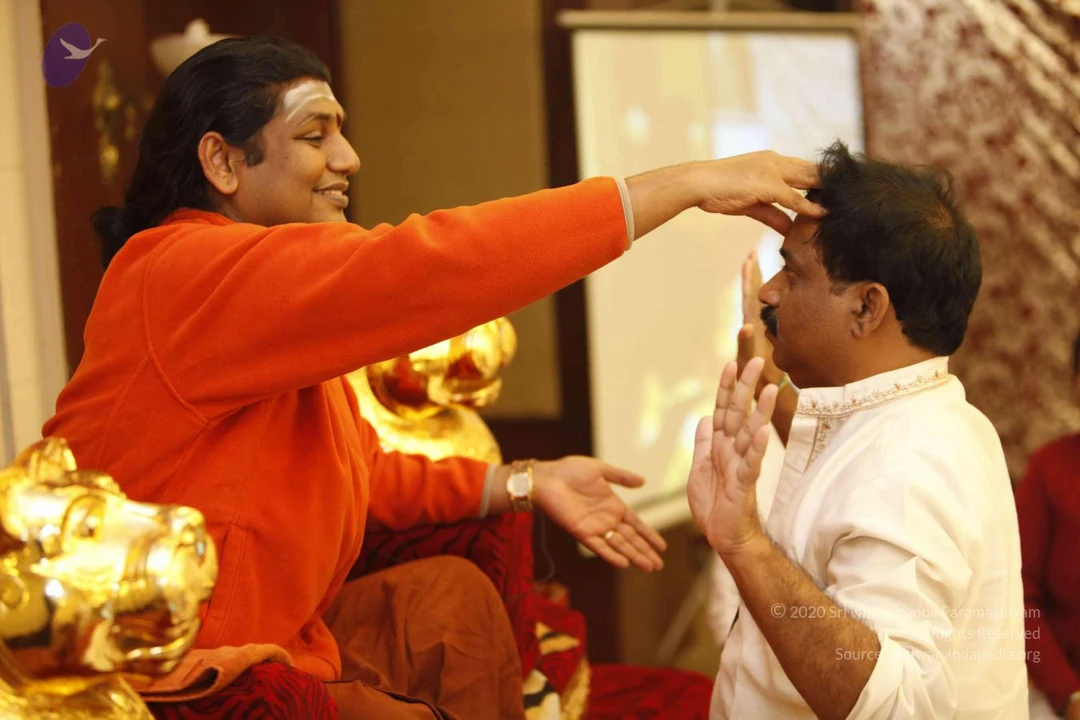
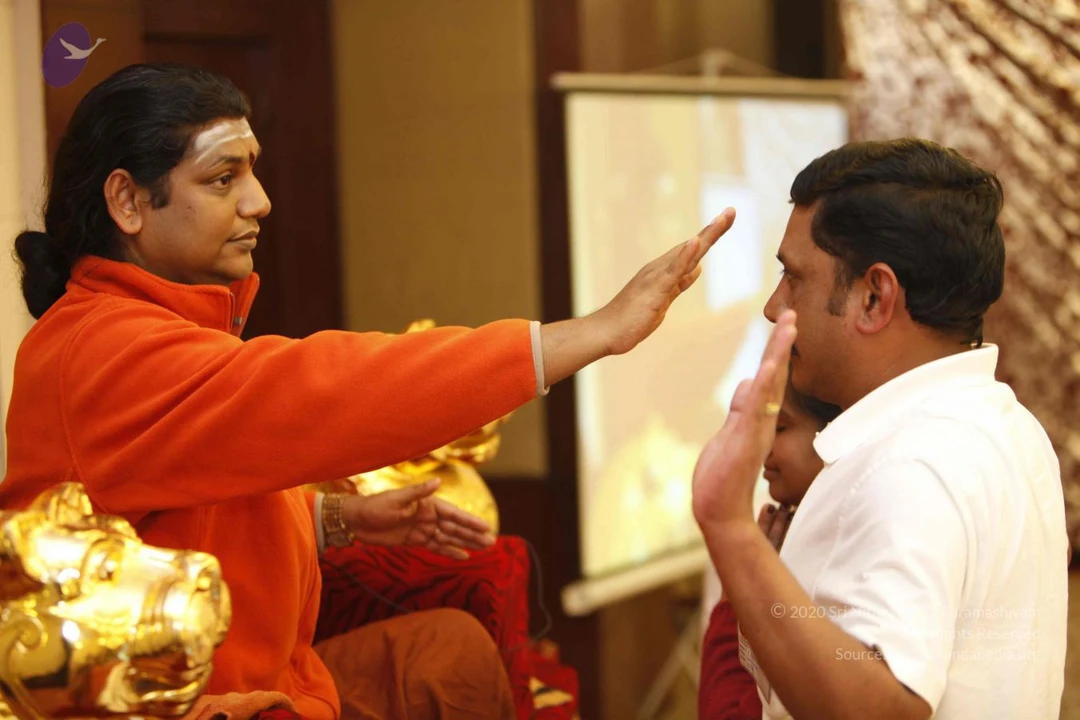
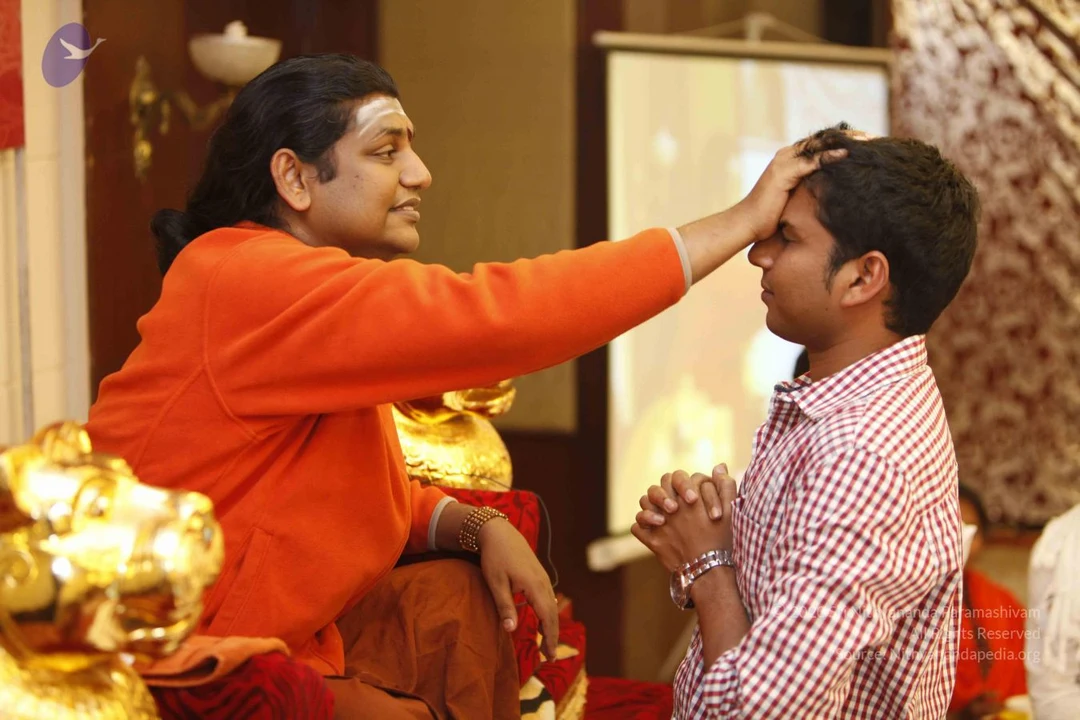
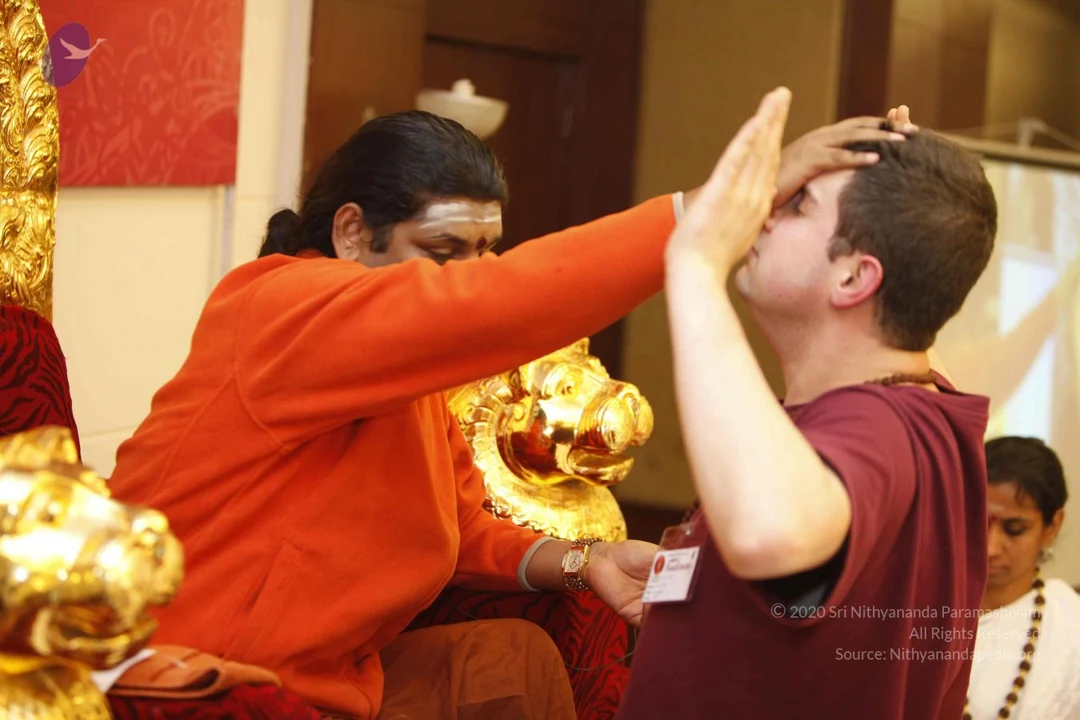
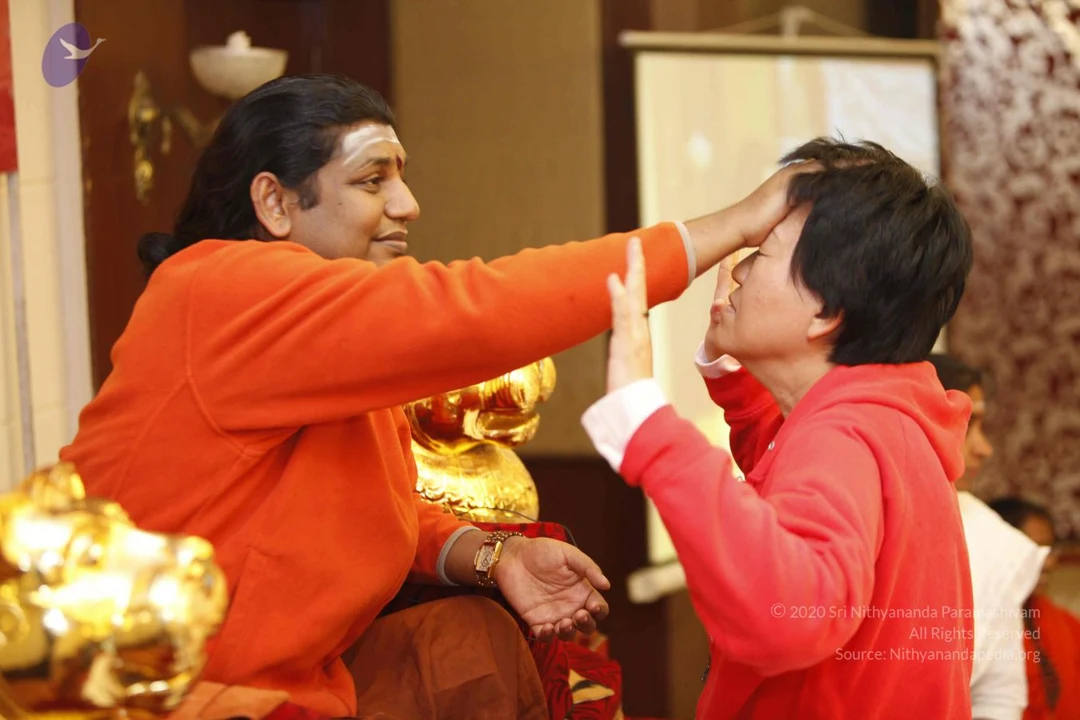
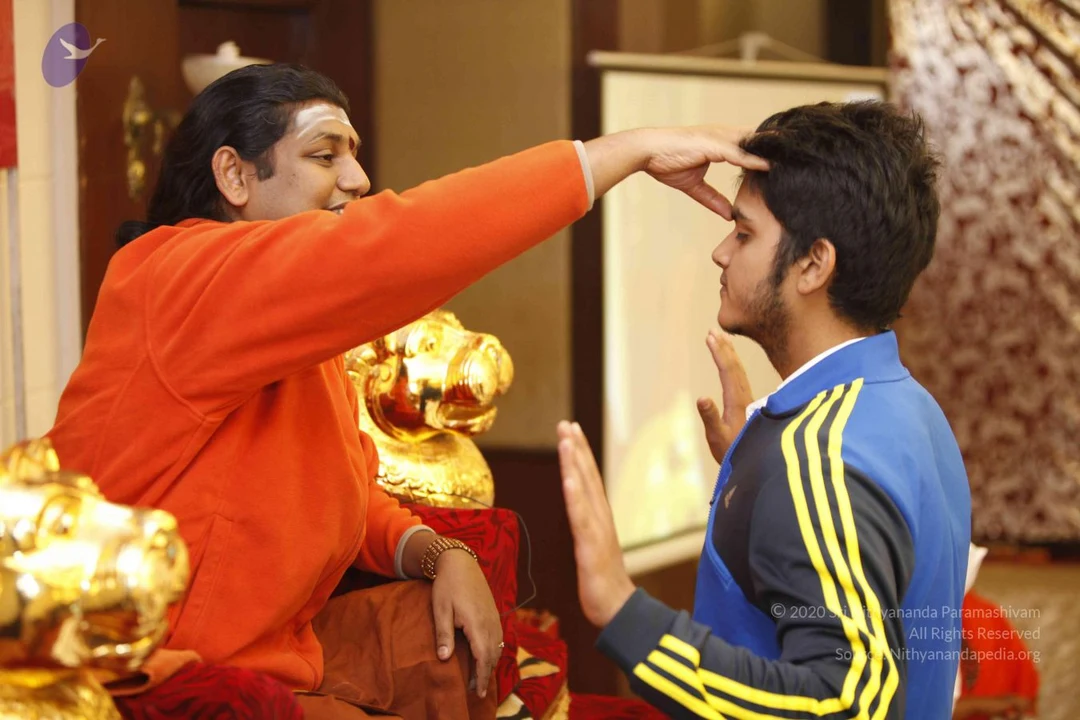
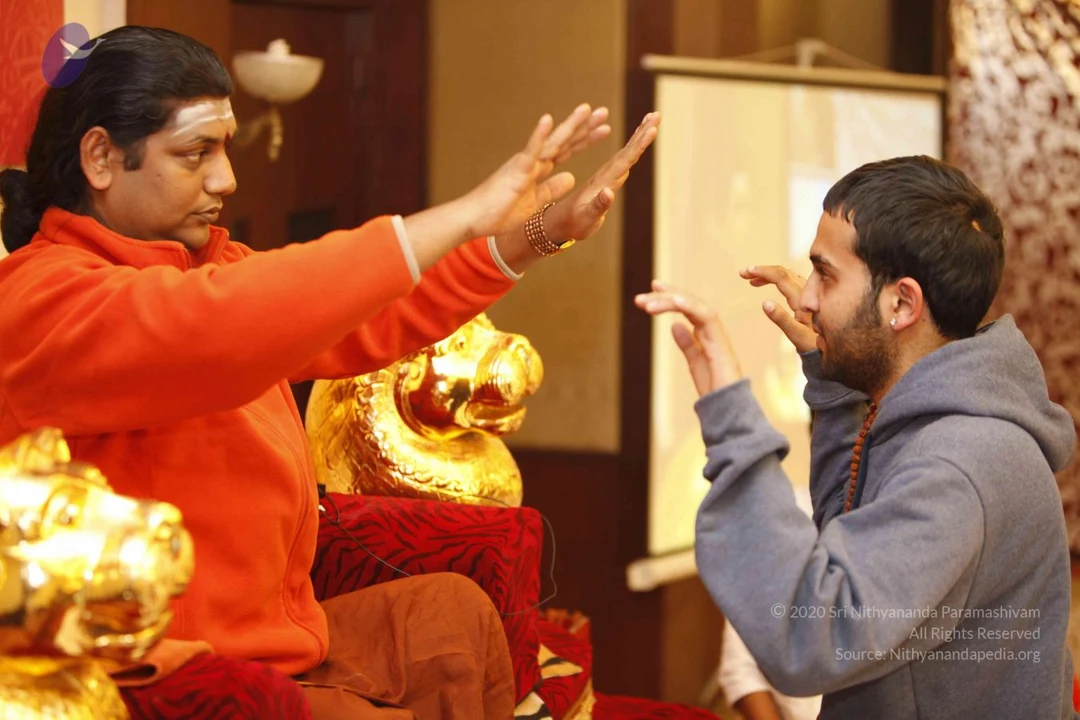
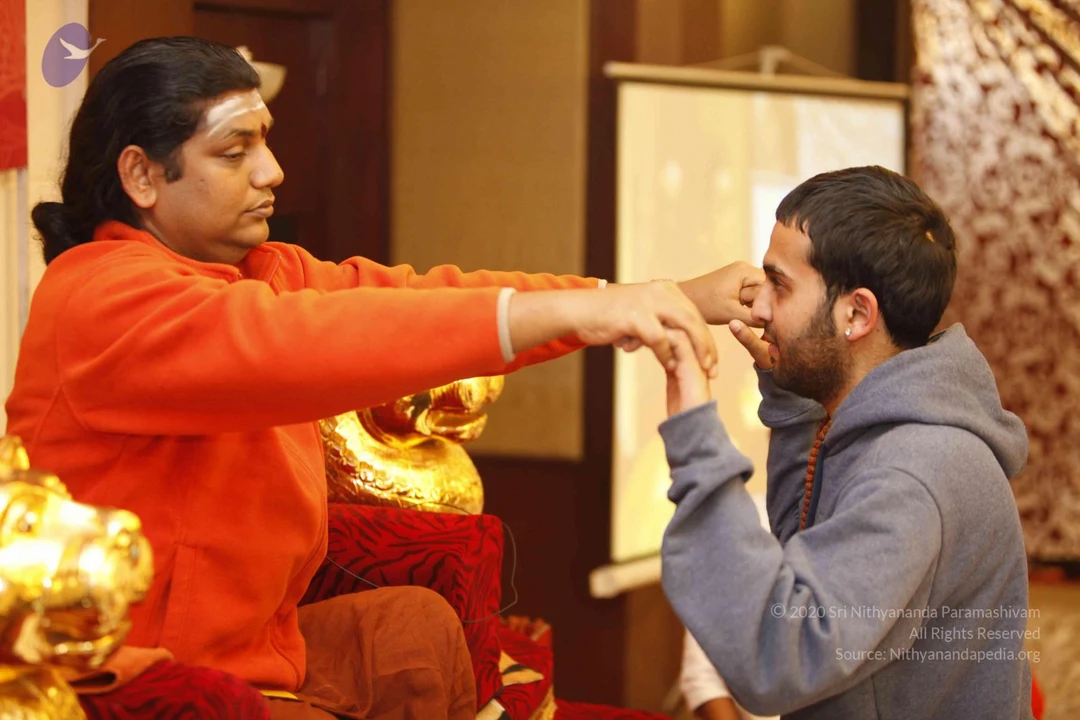
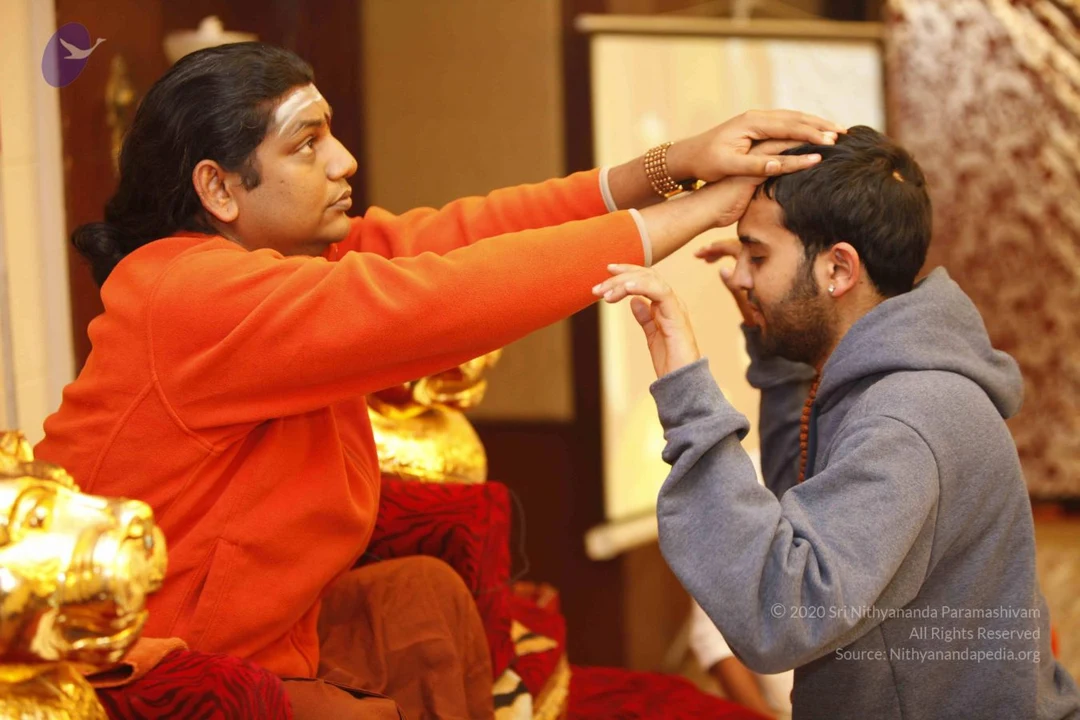
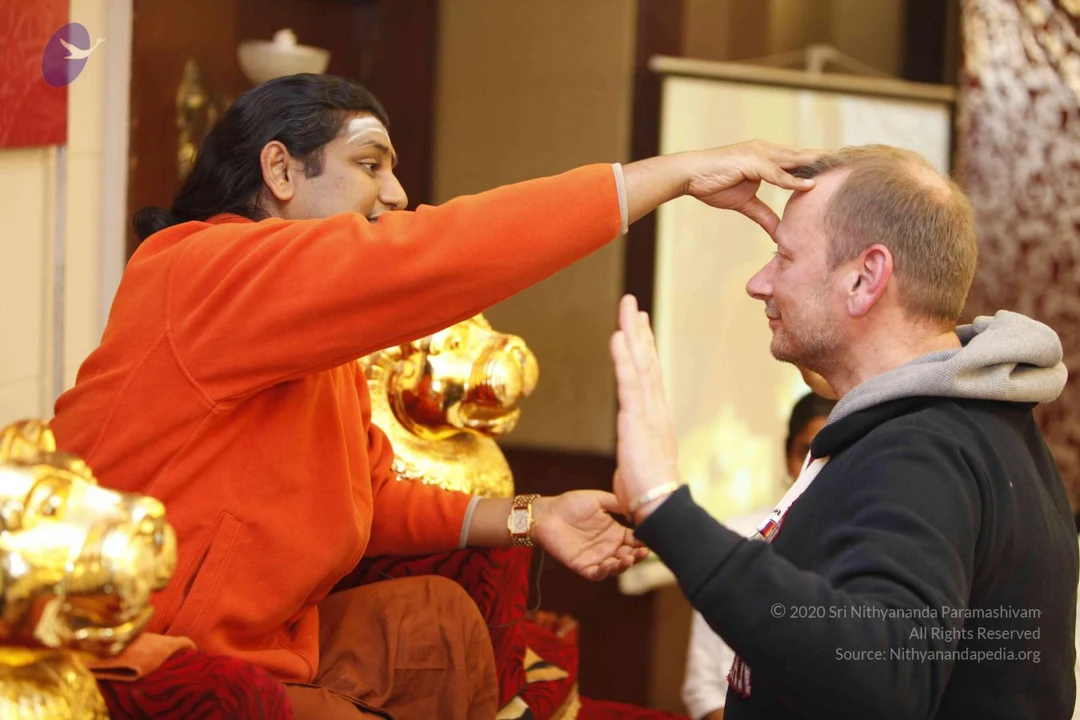
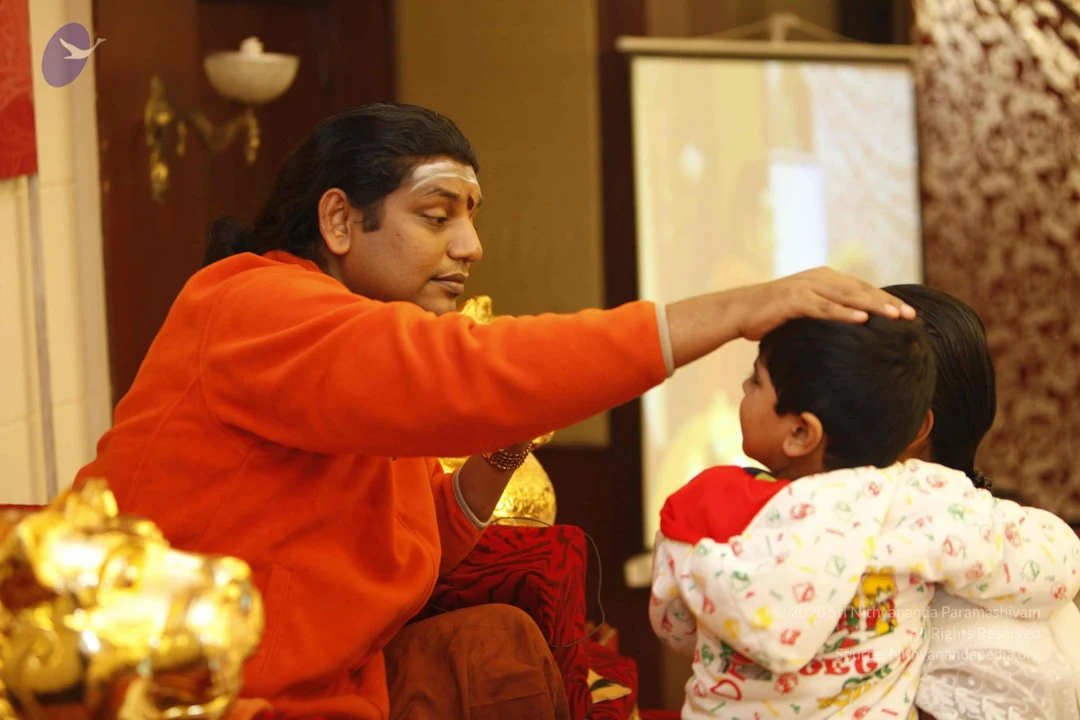
06Jan2014-Ganges-Session-1
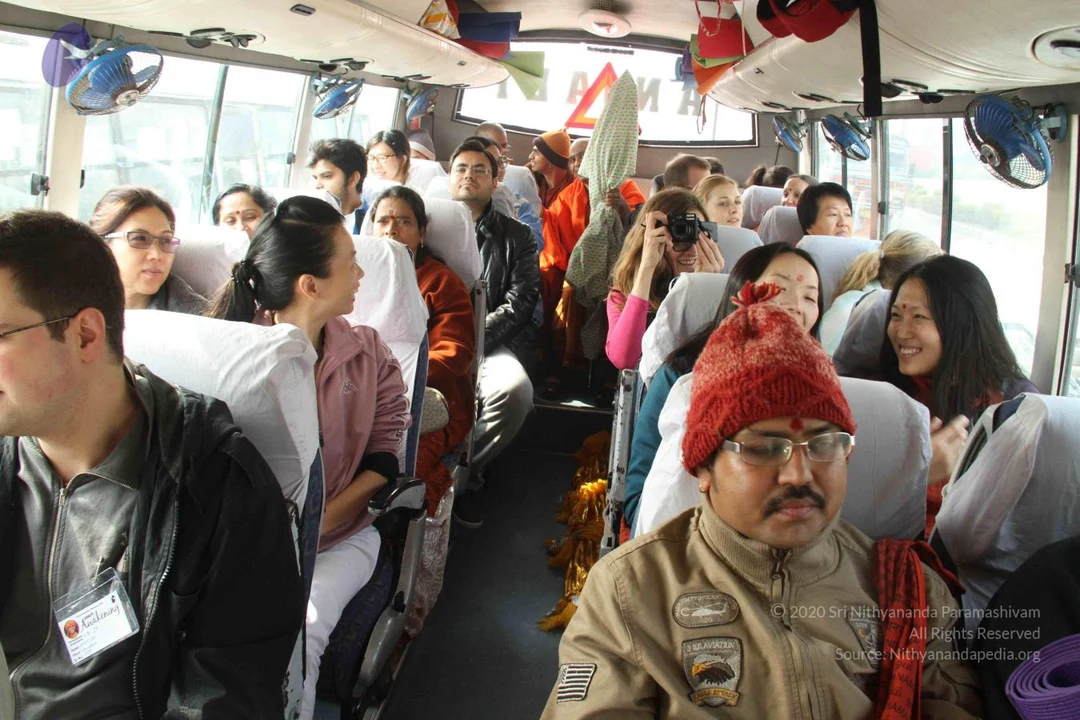
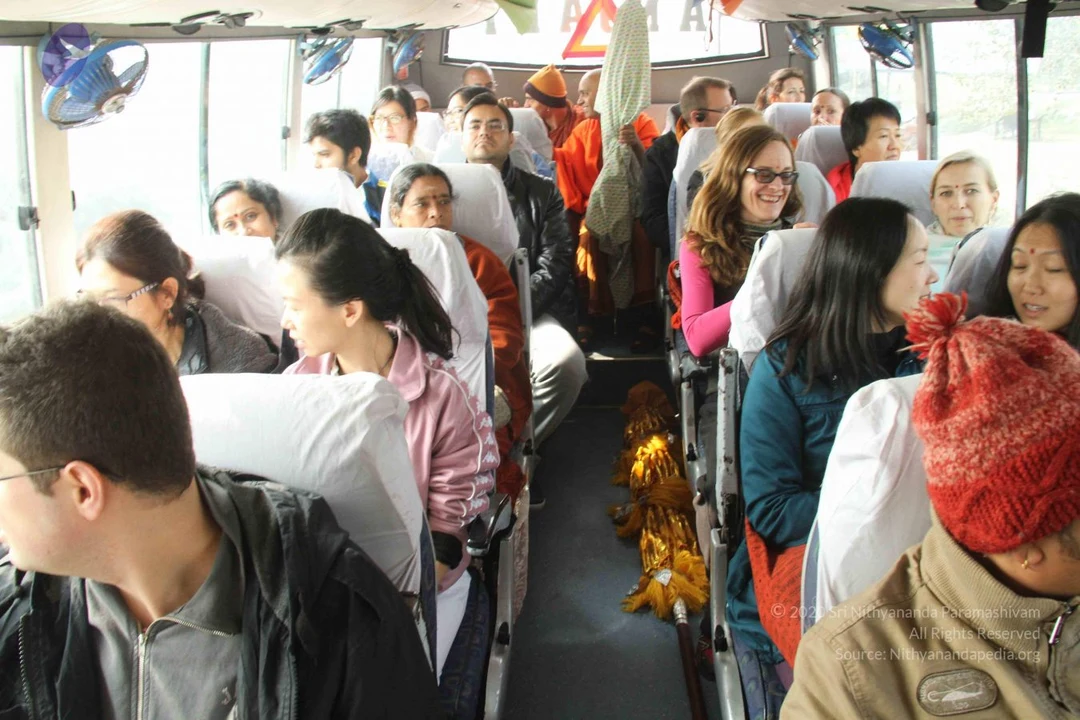



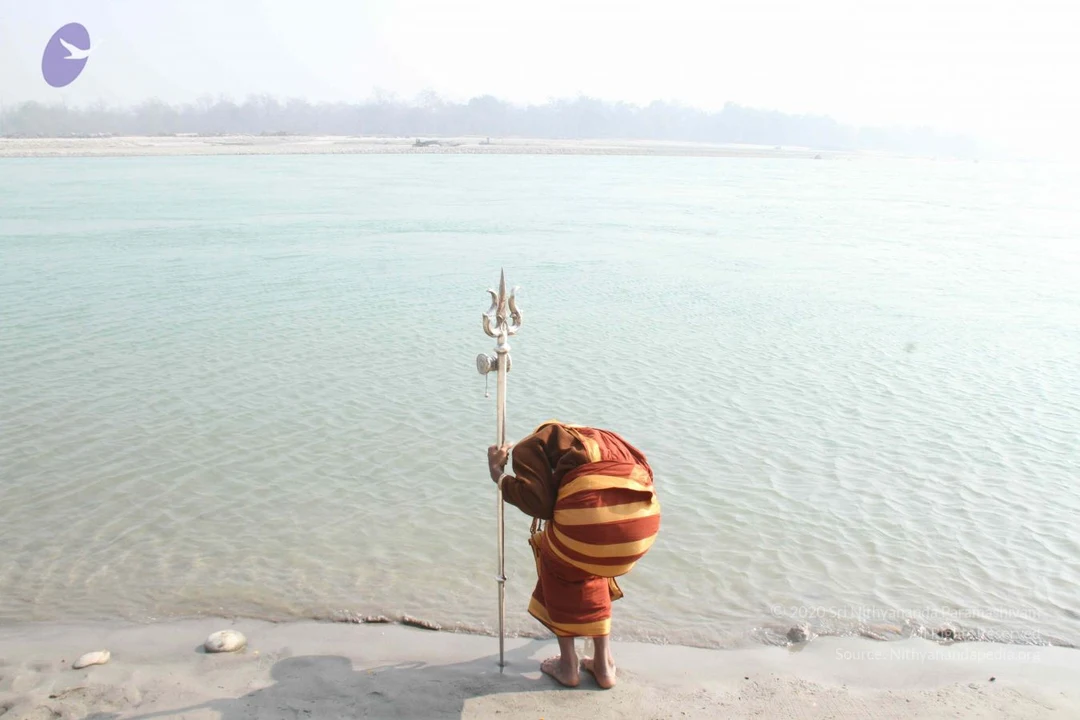







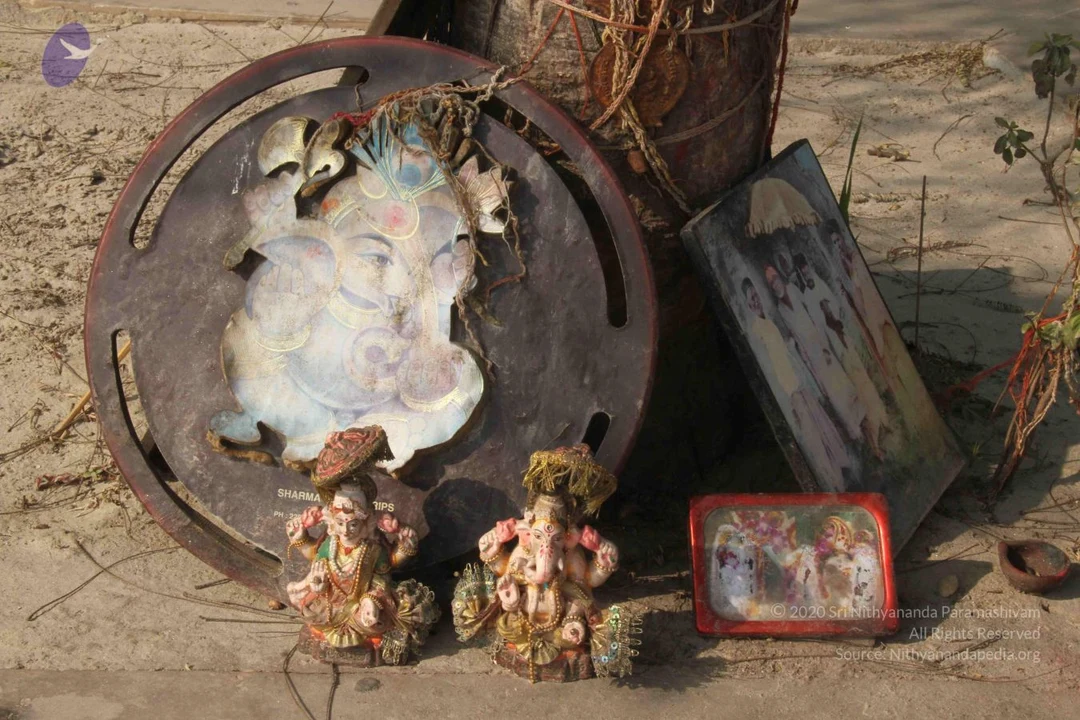
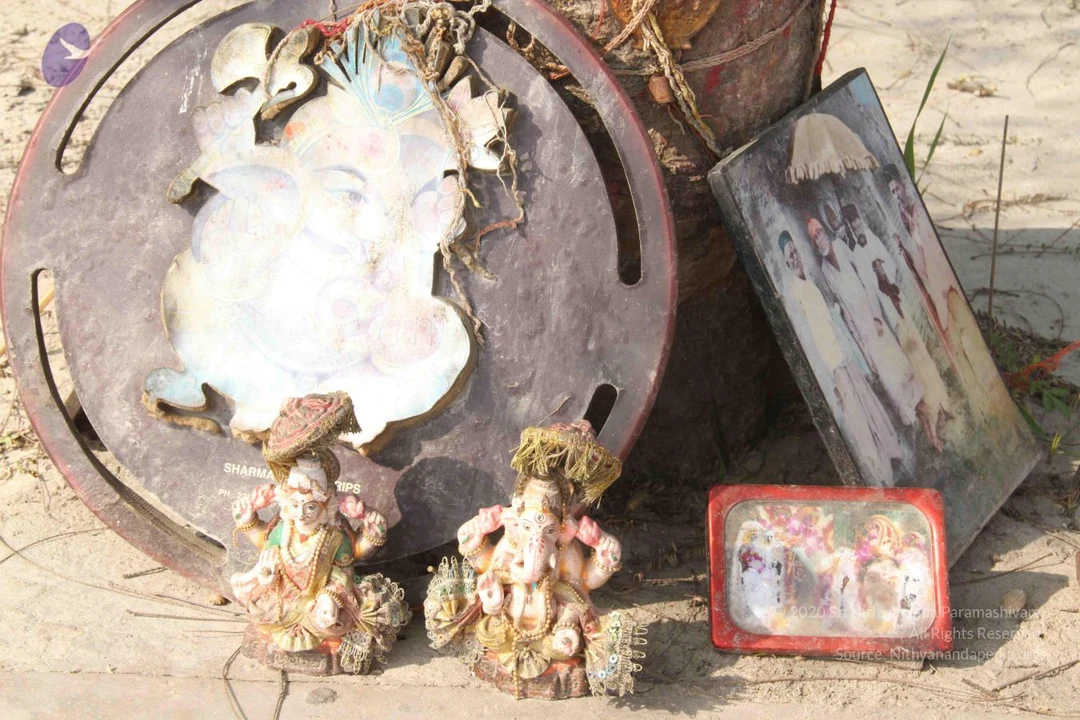
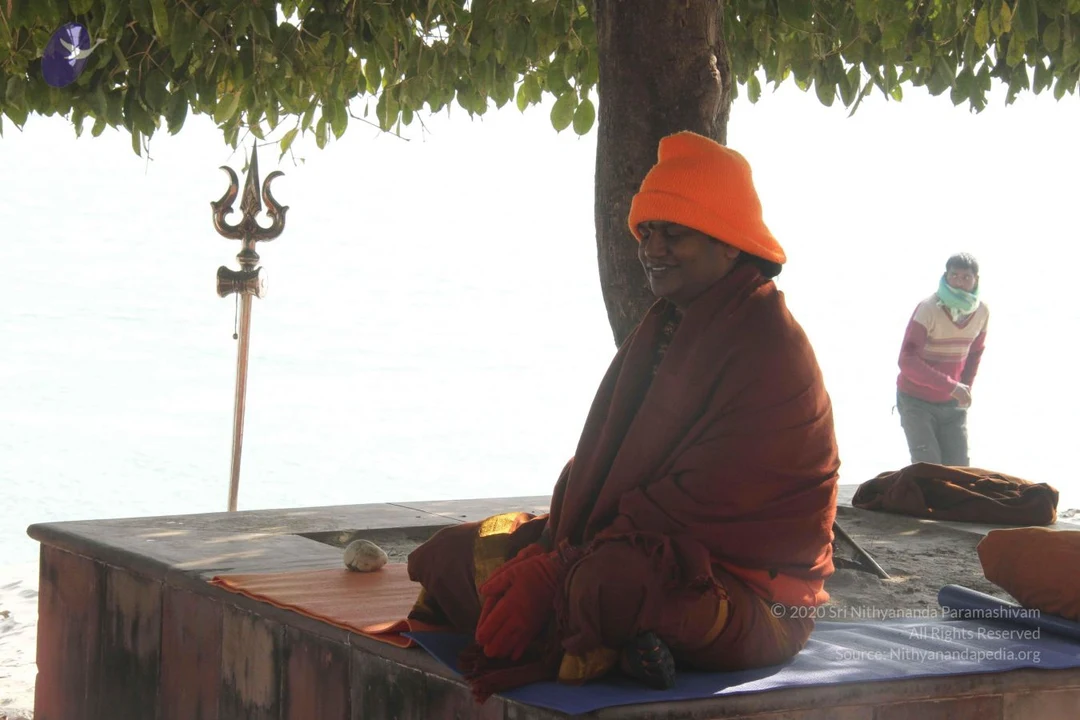
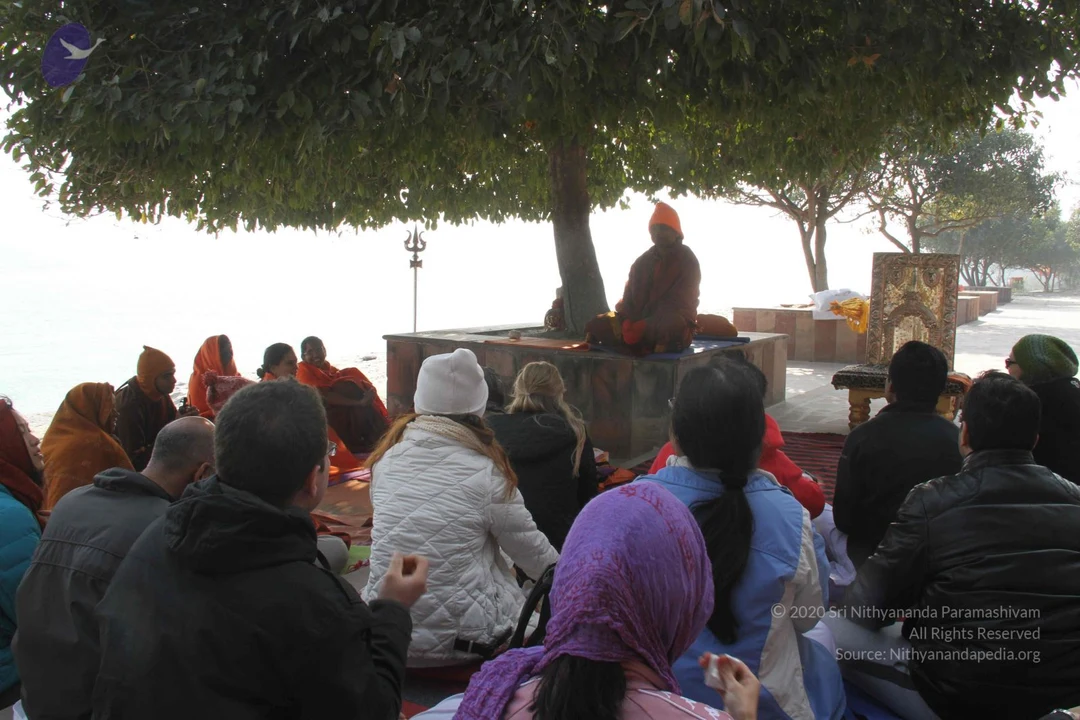
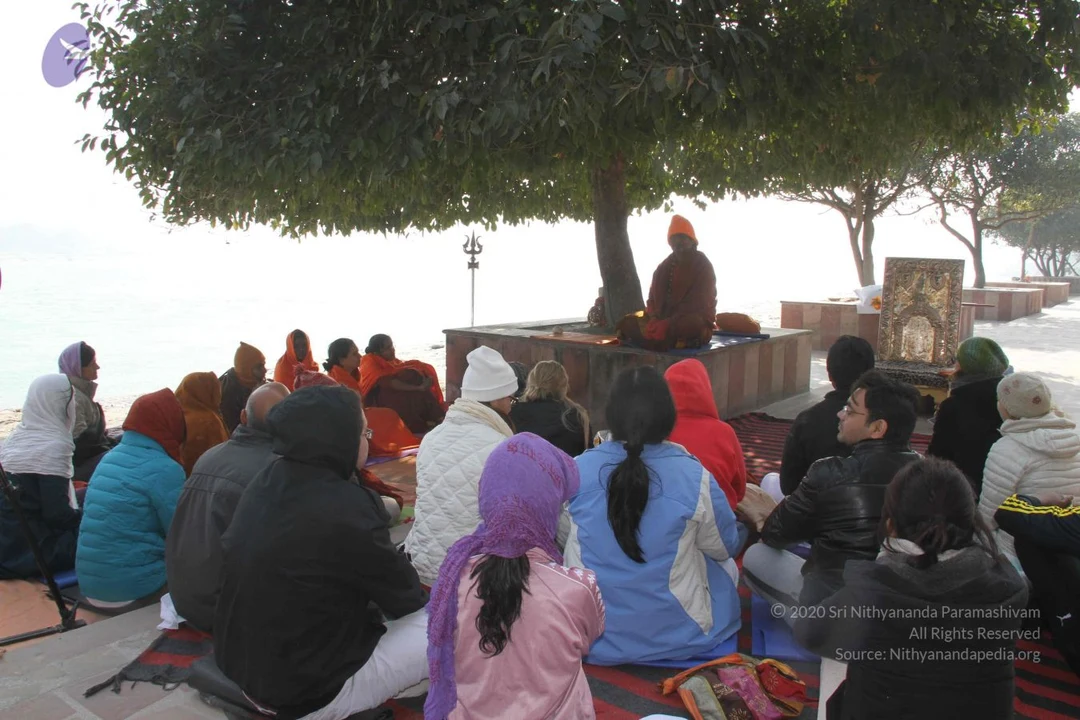
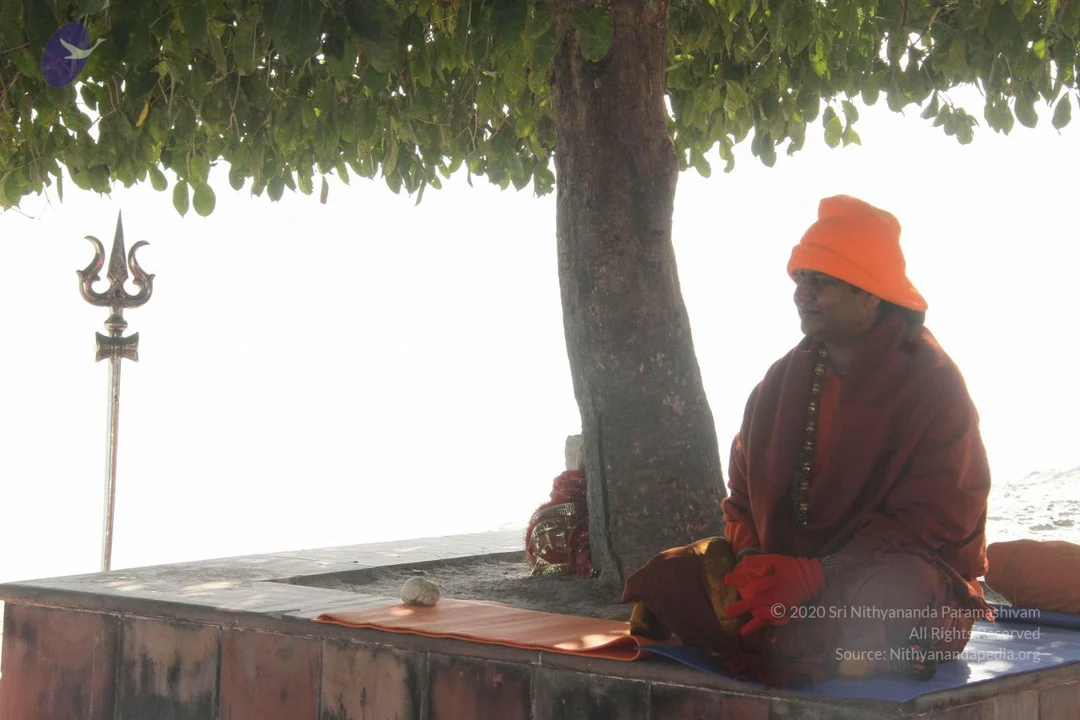
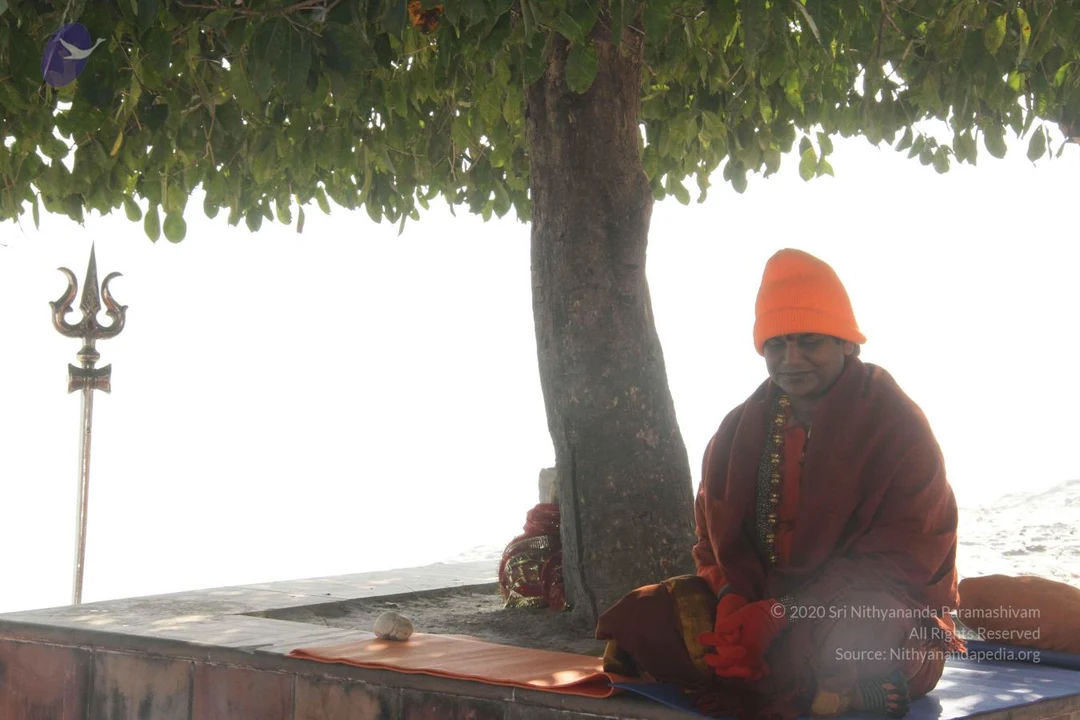
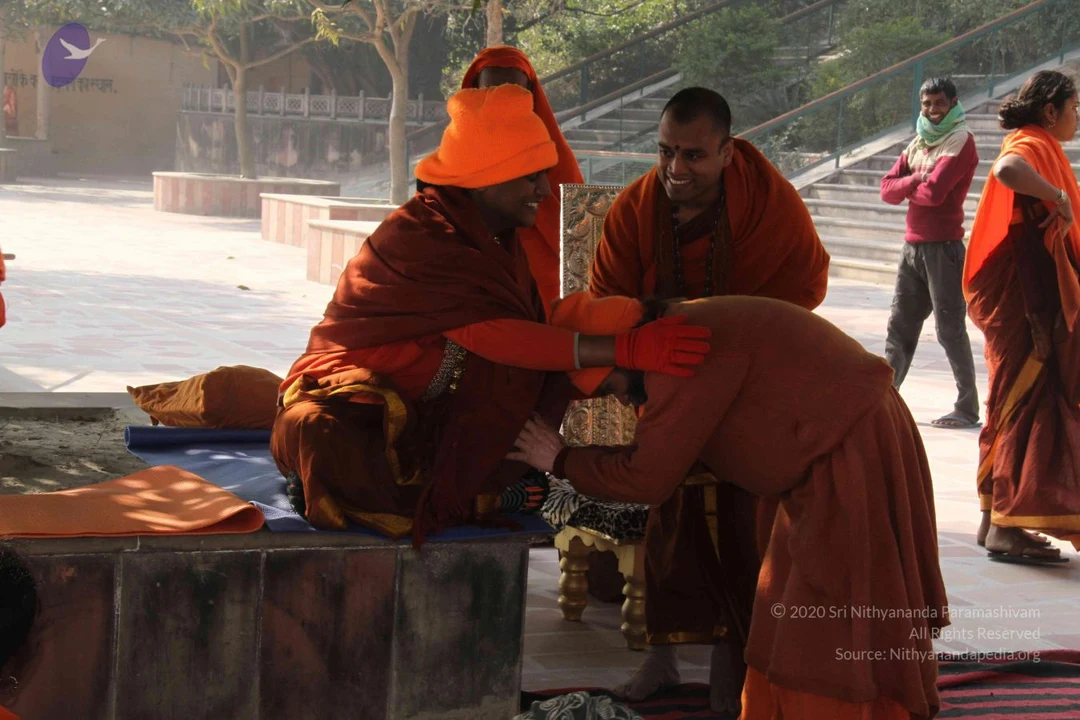
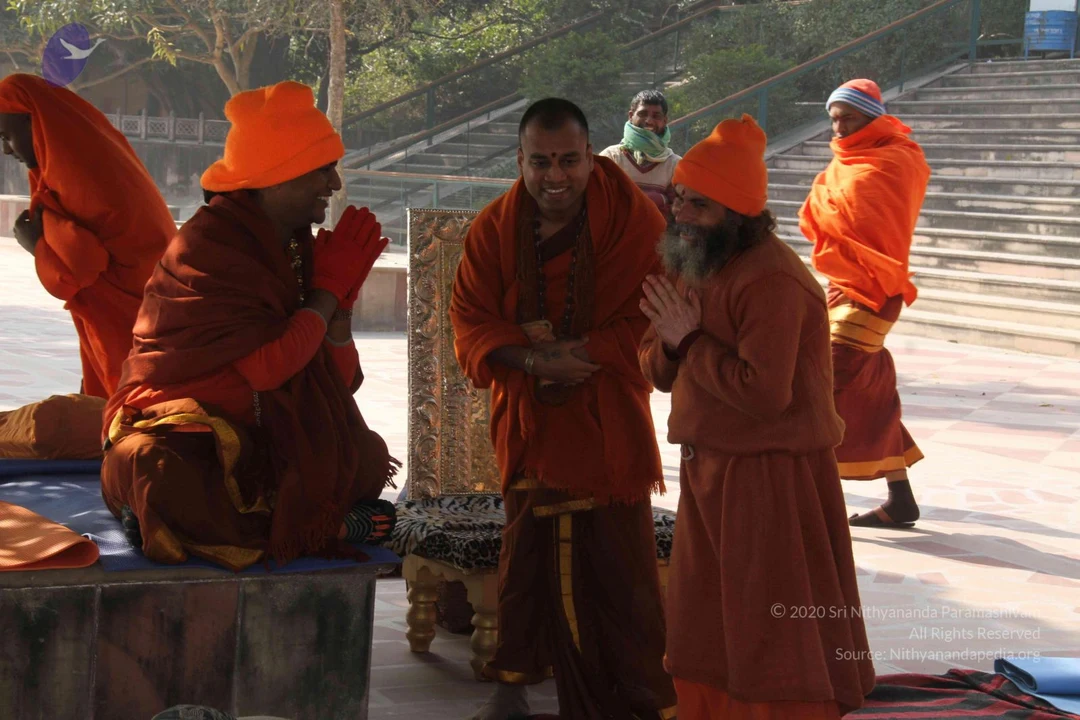
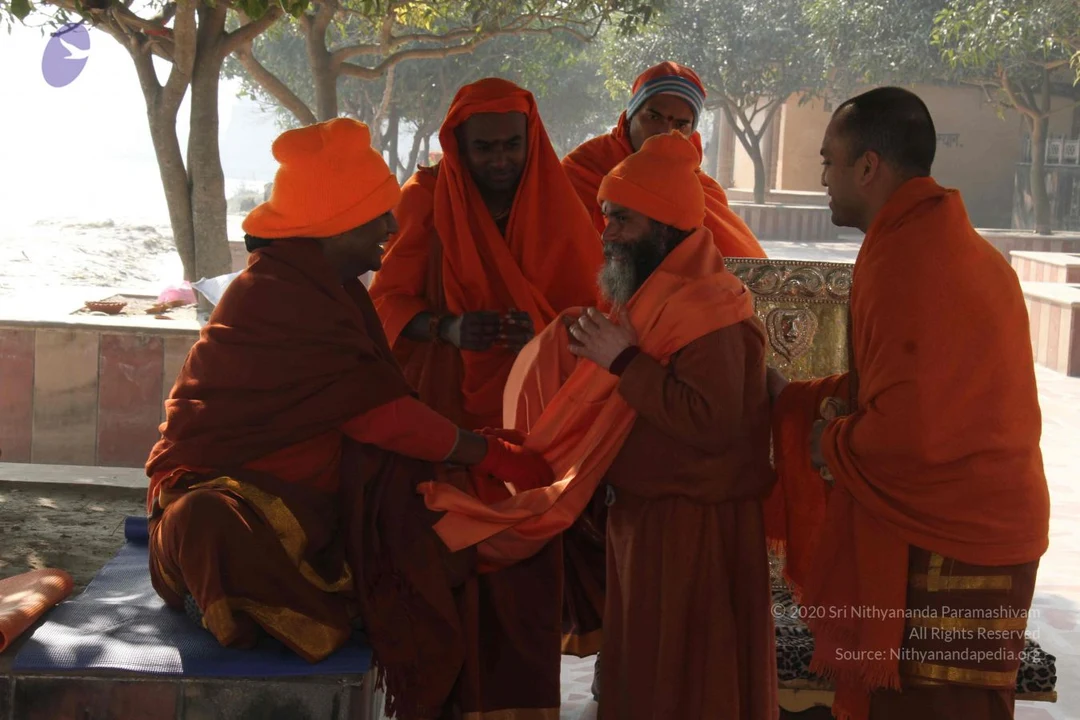
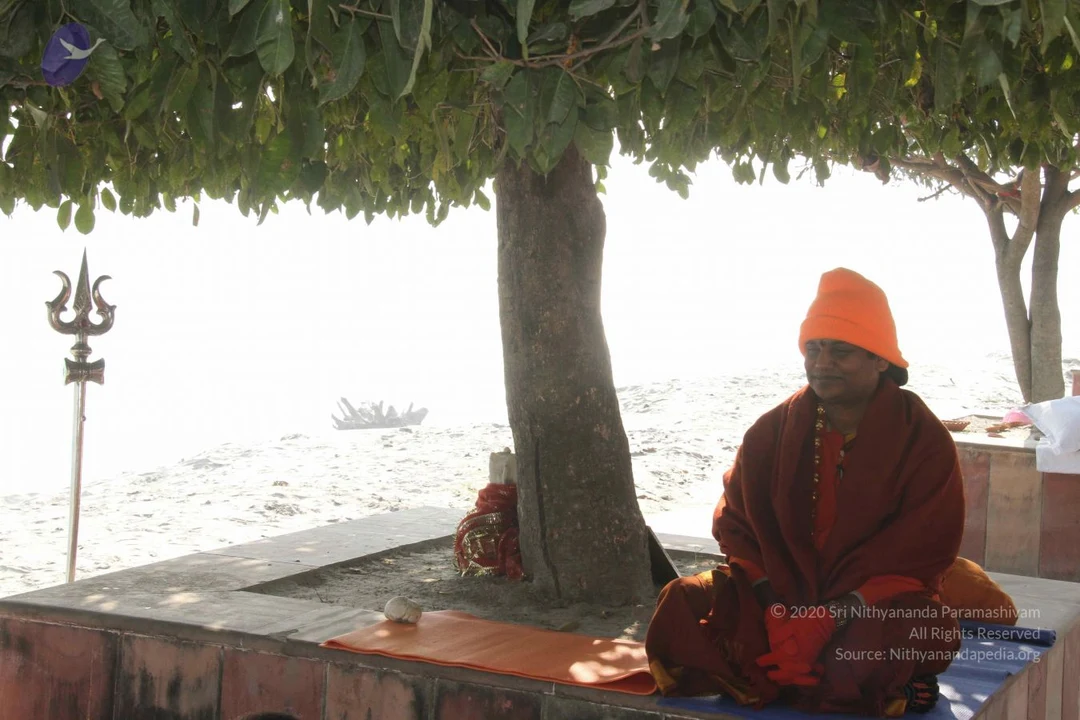
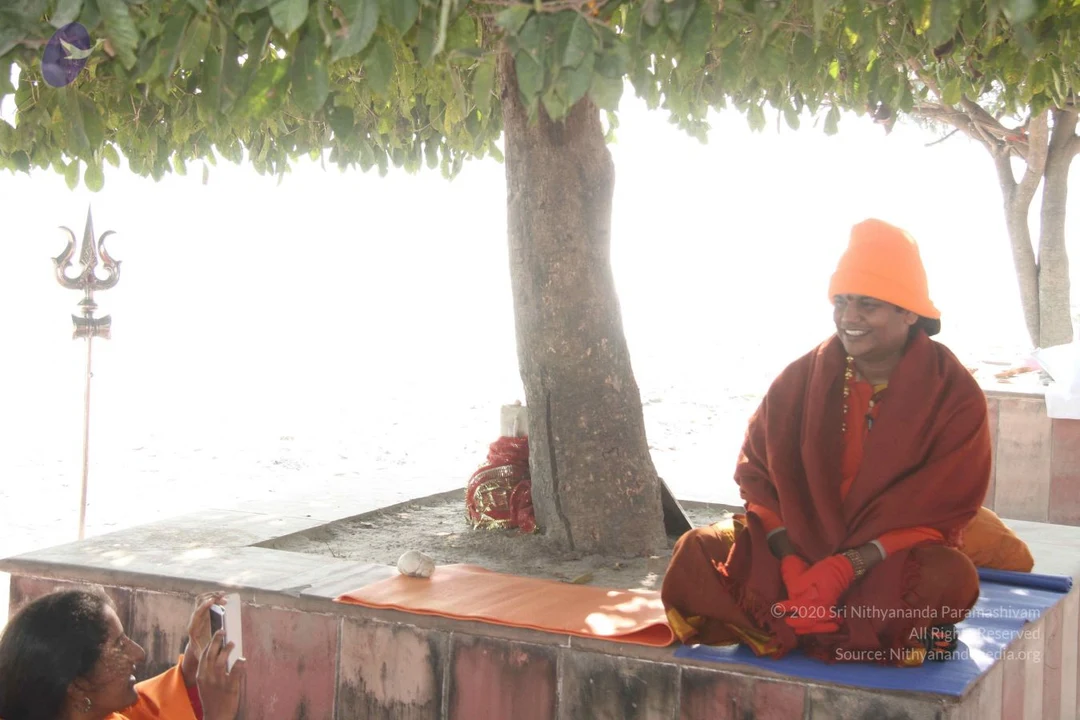
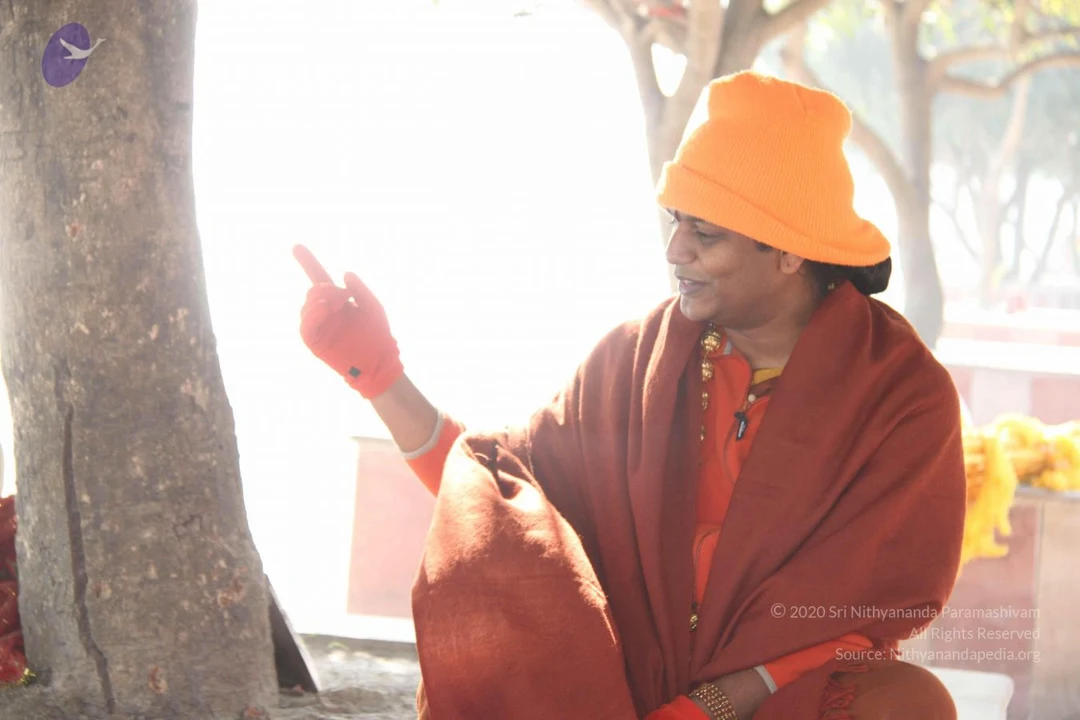
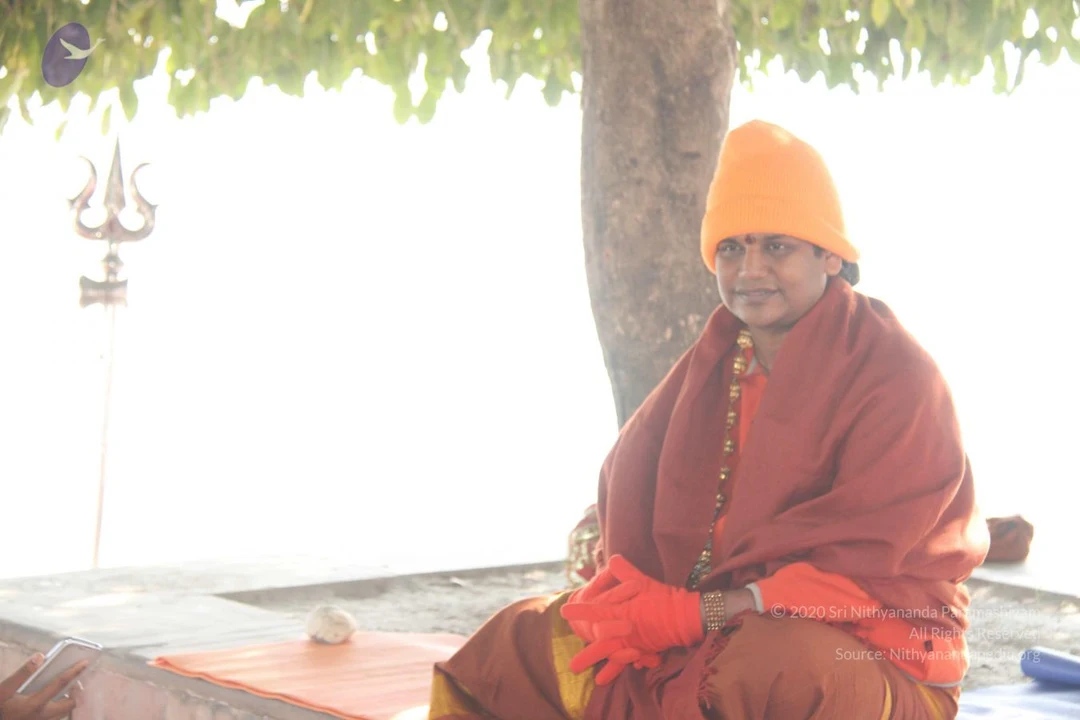
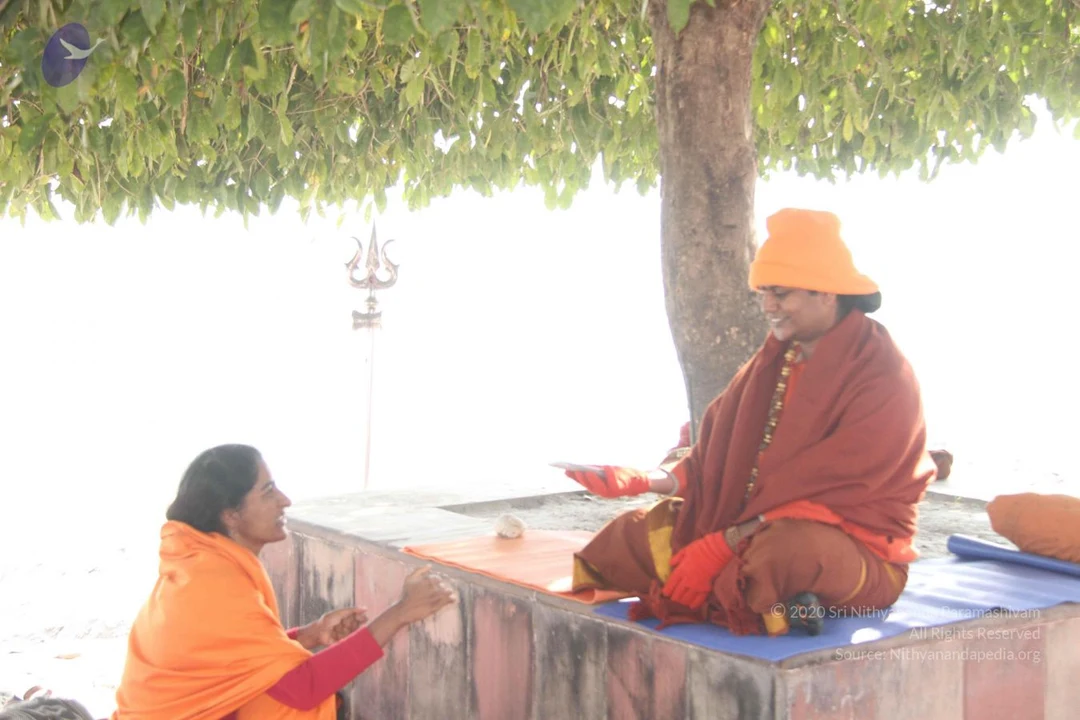
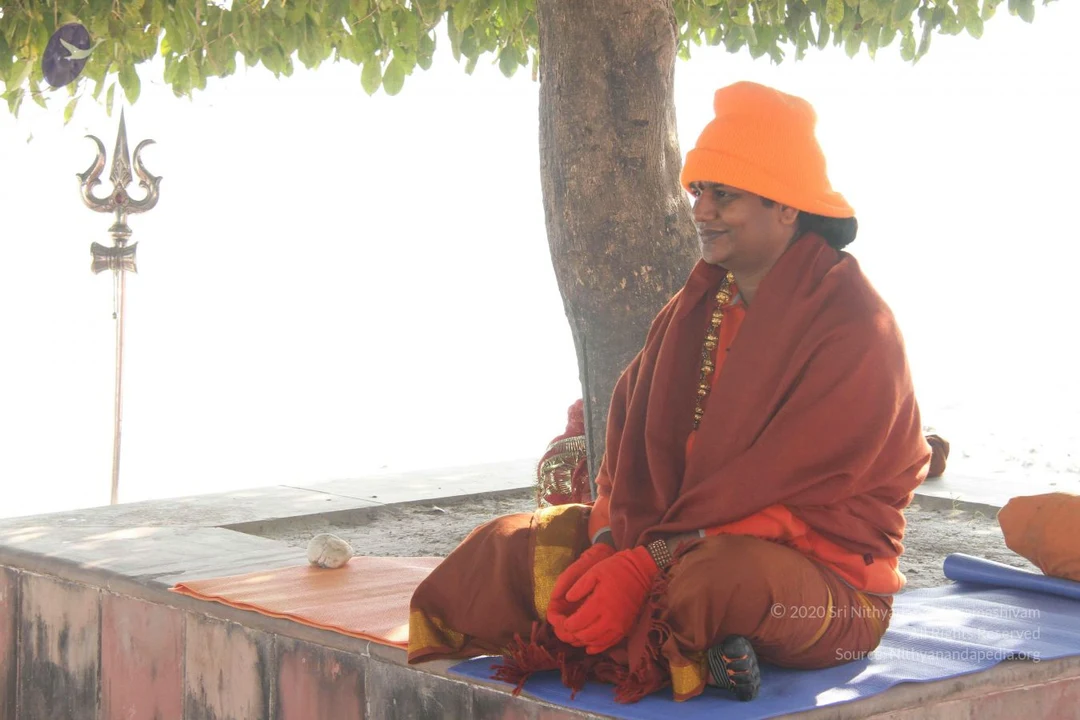
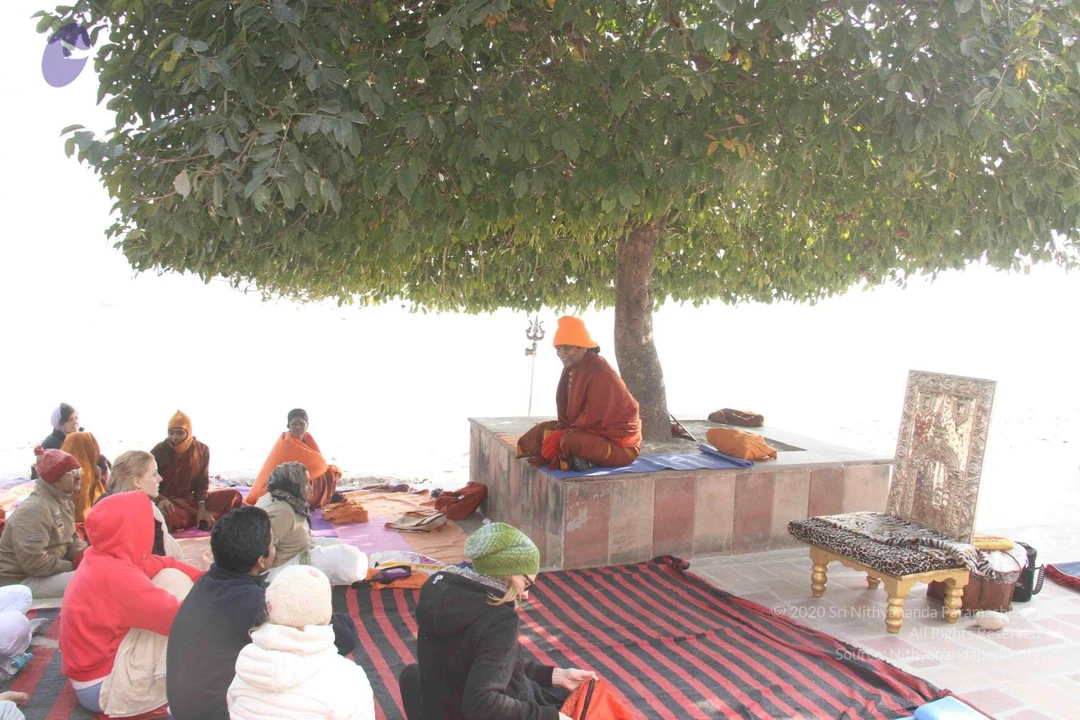
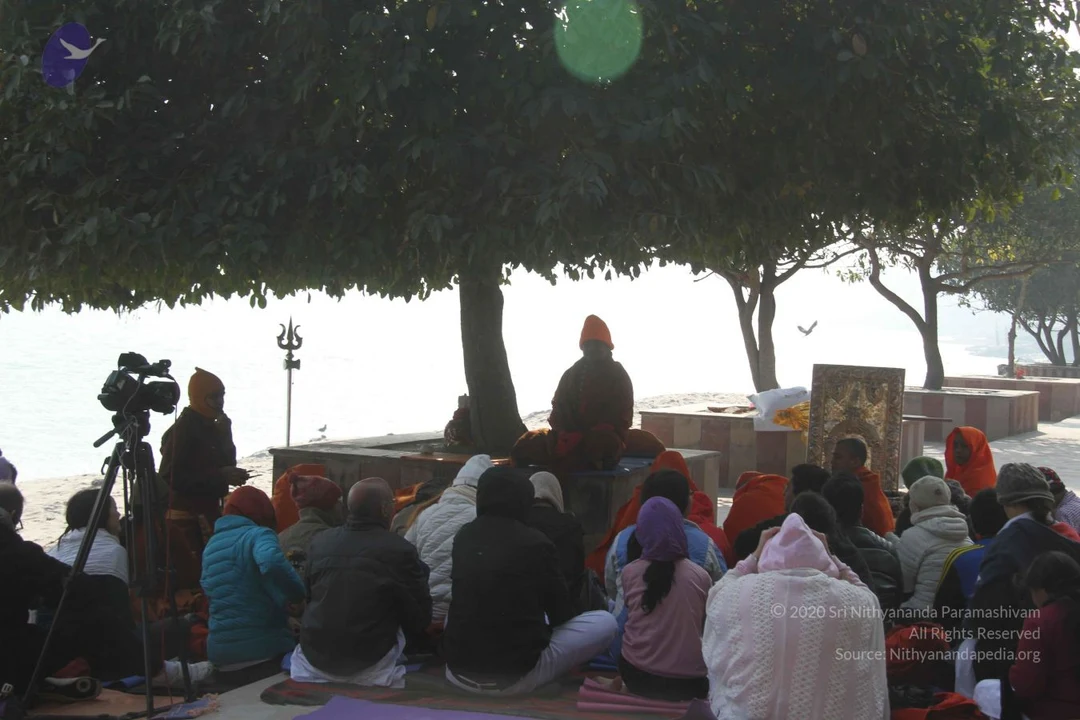
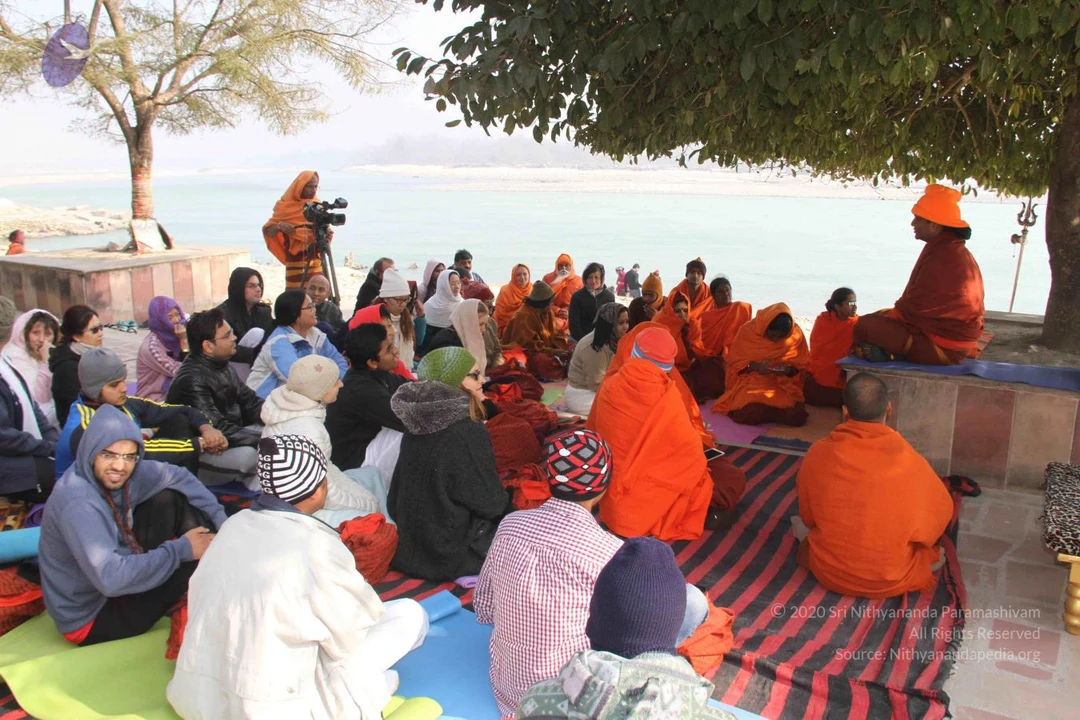
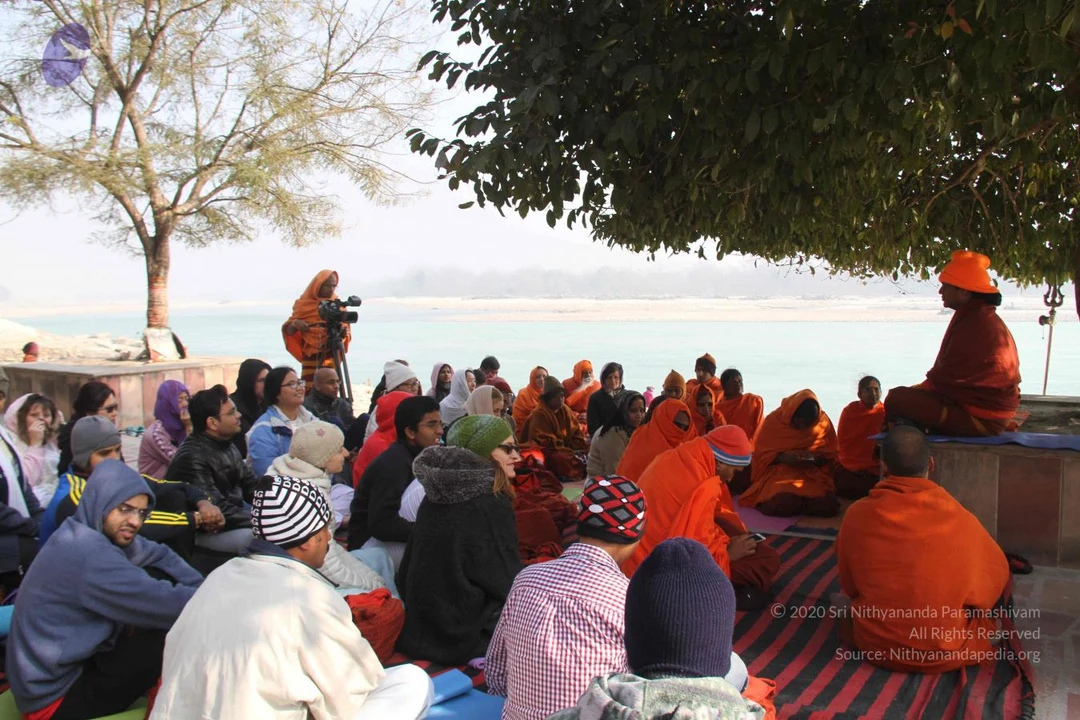
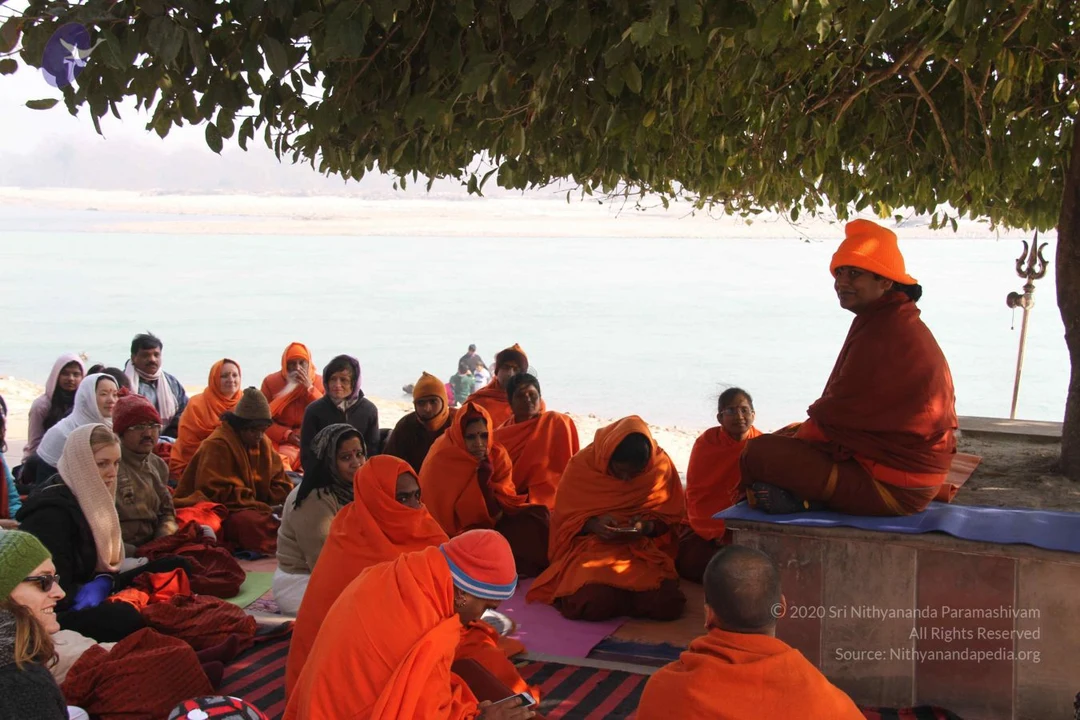
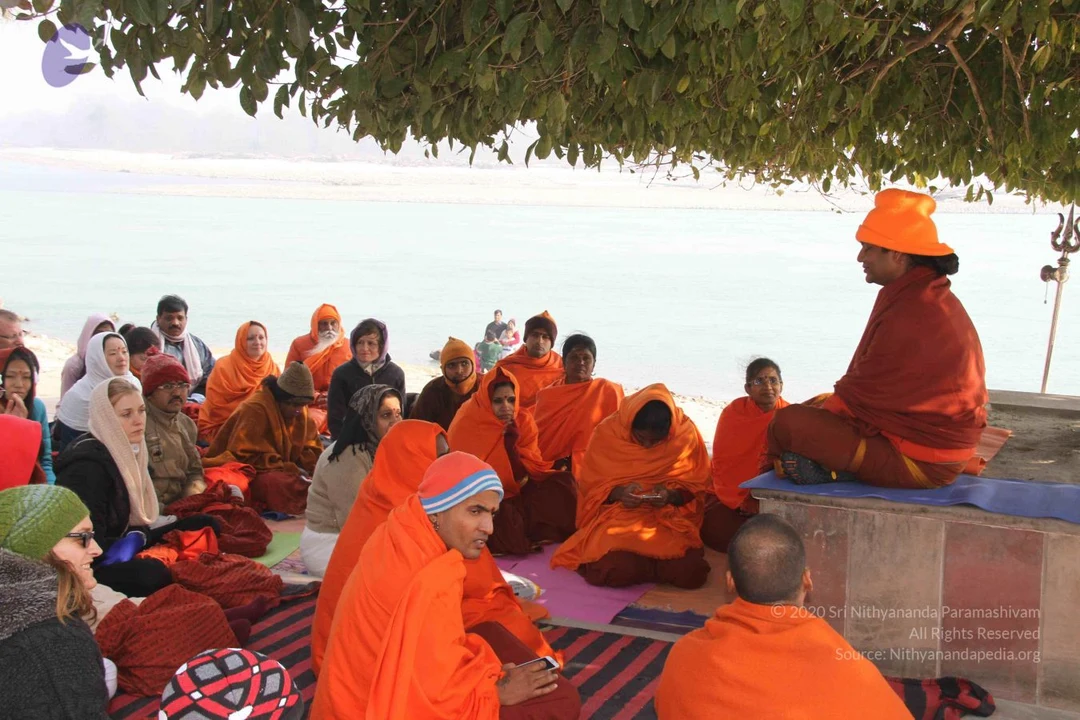
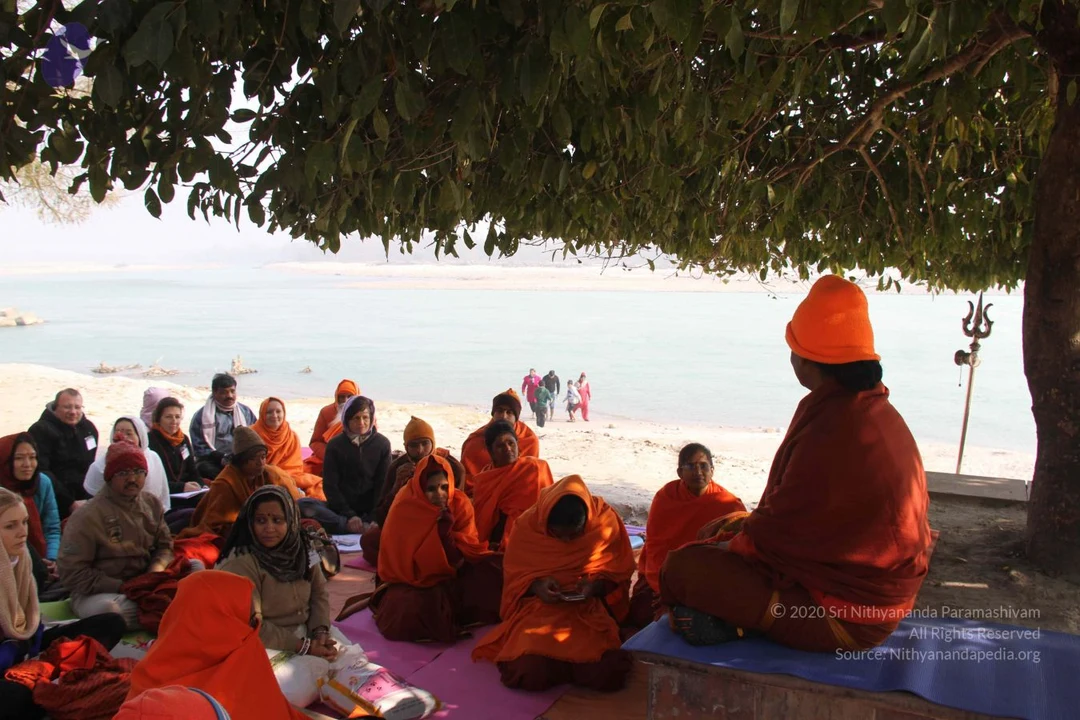
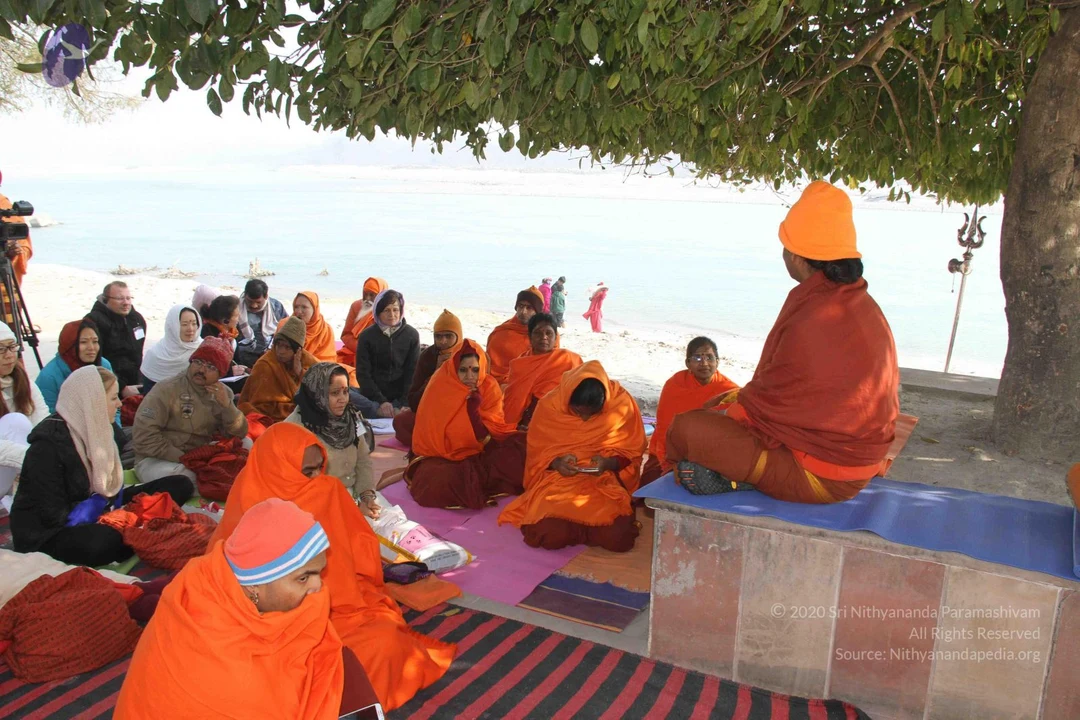
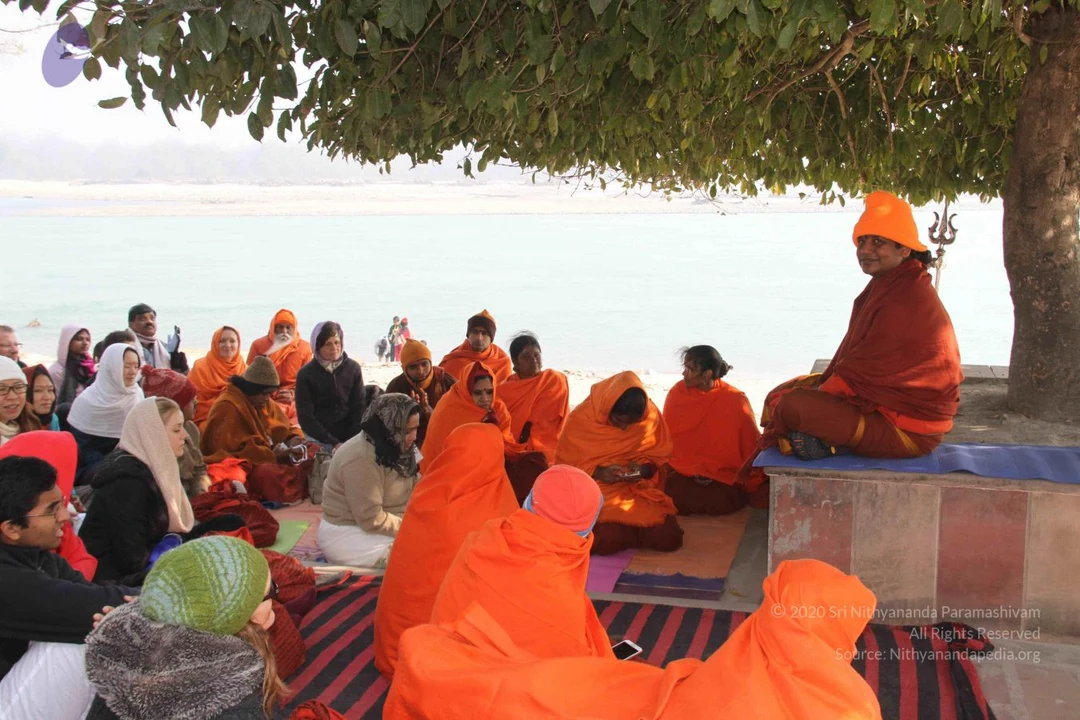
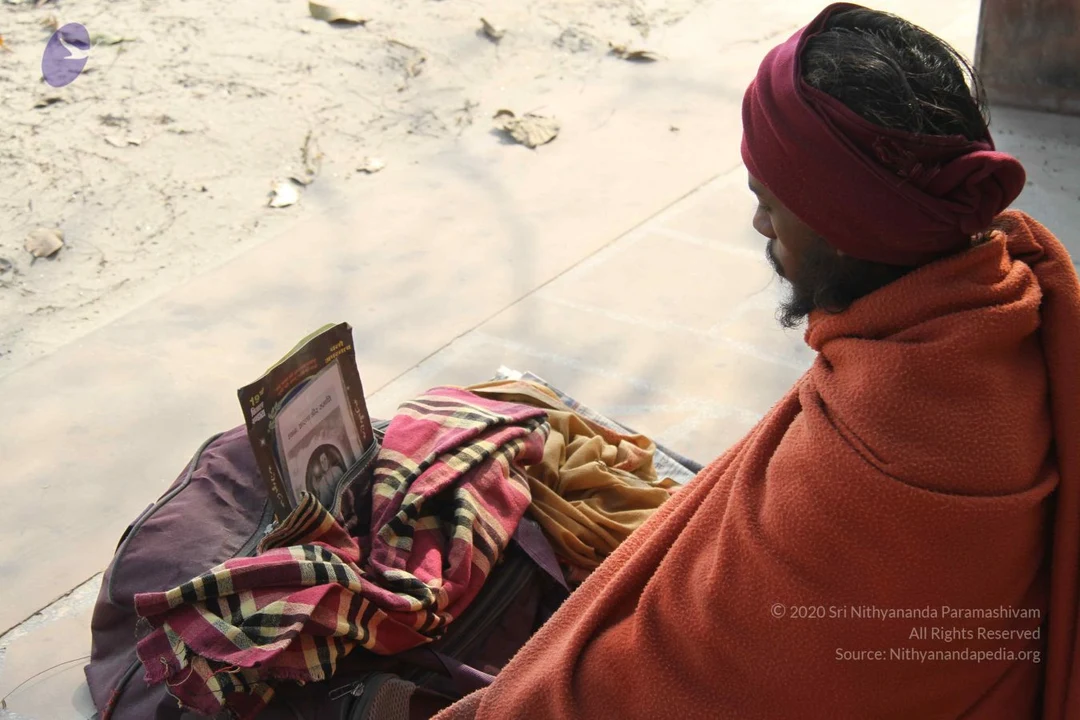
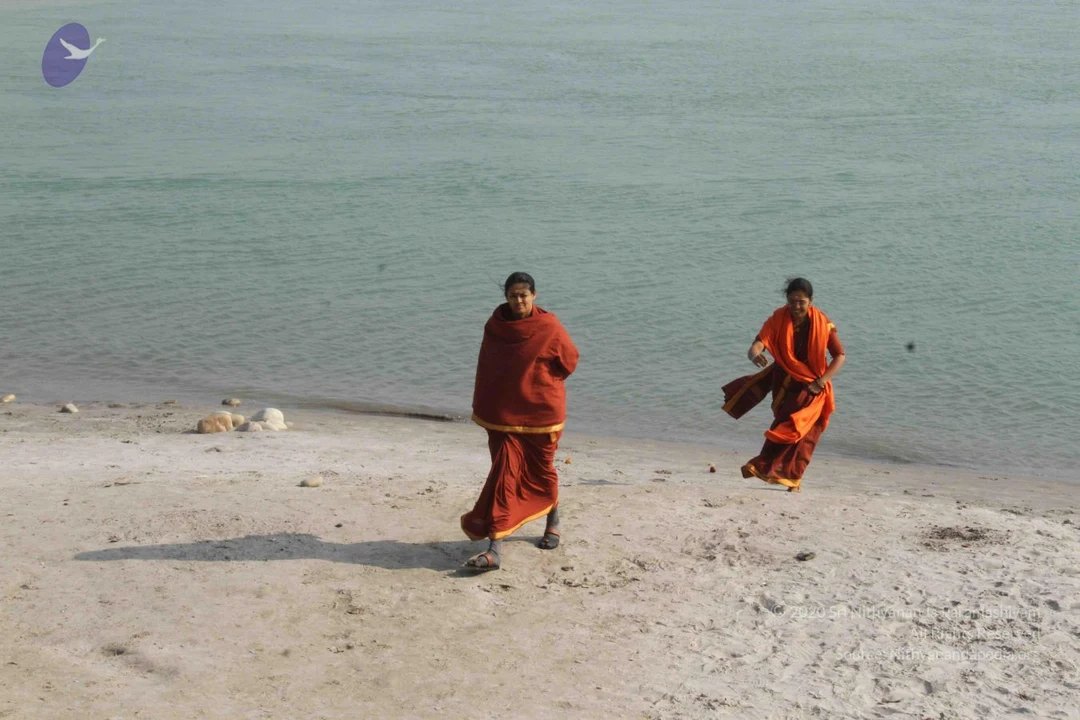
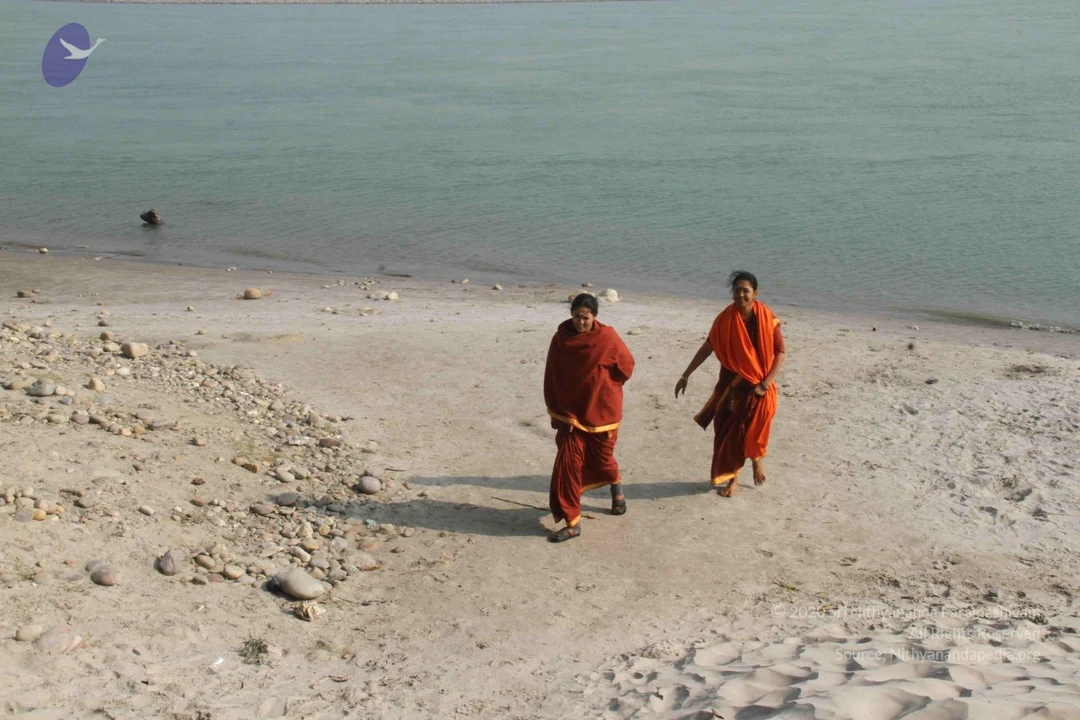

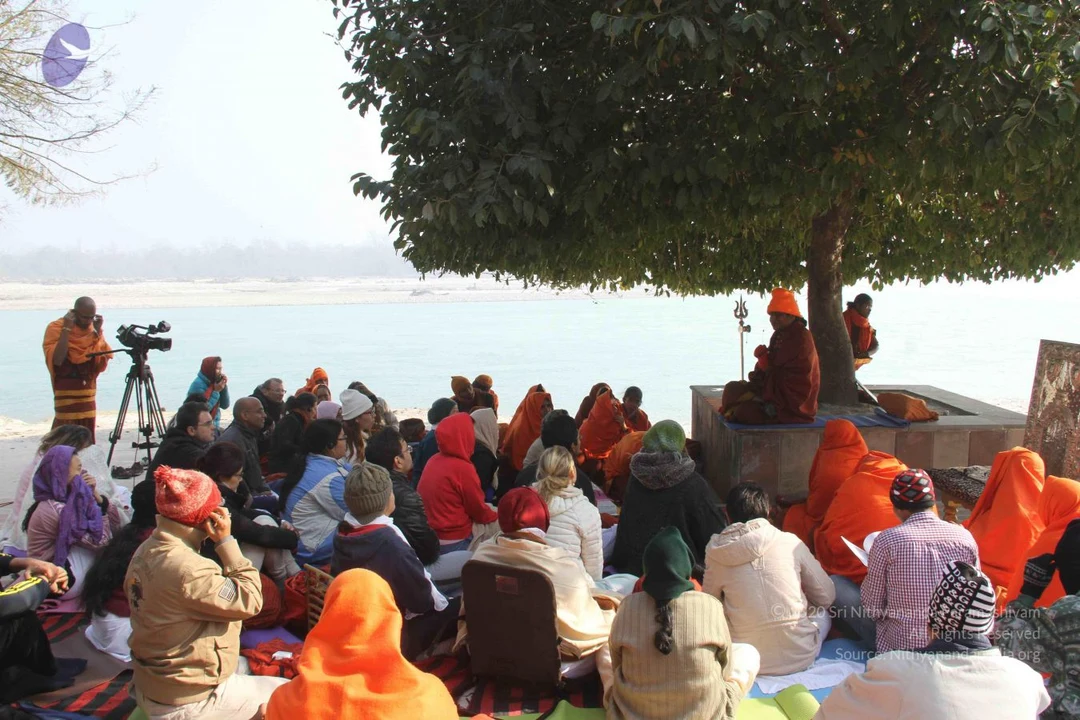
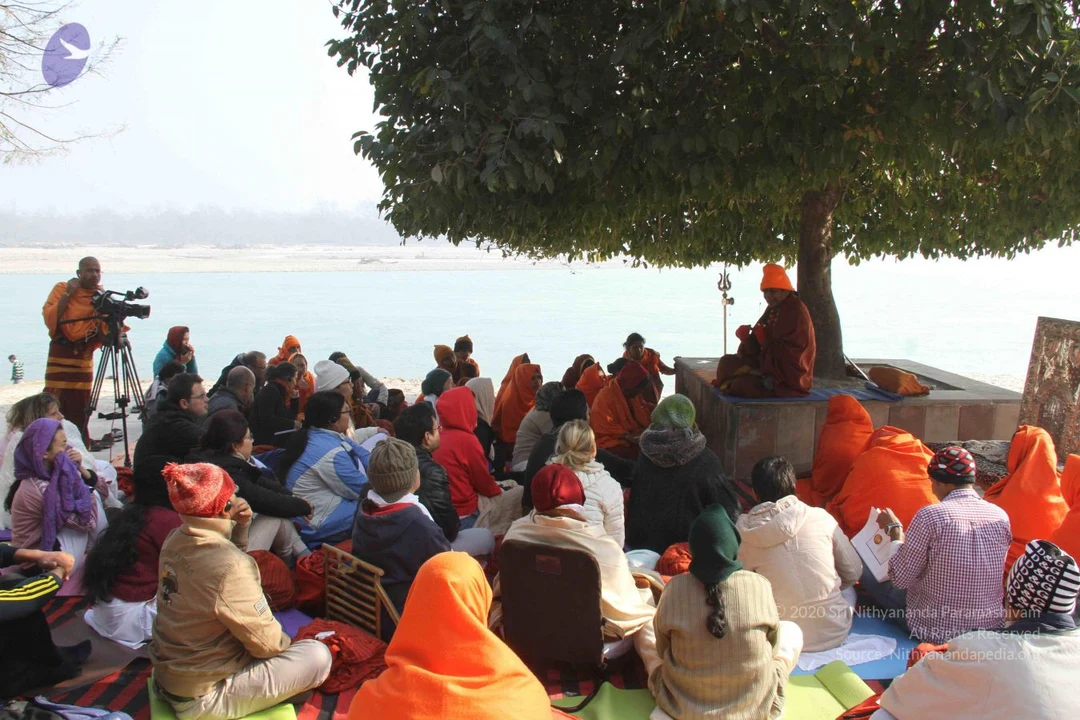










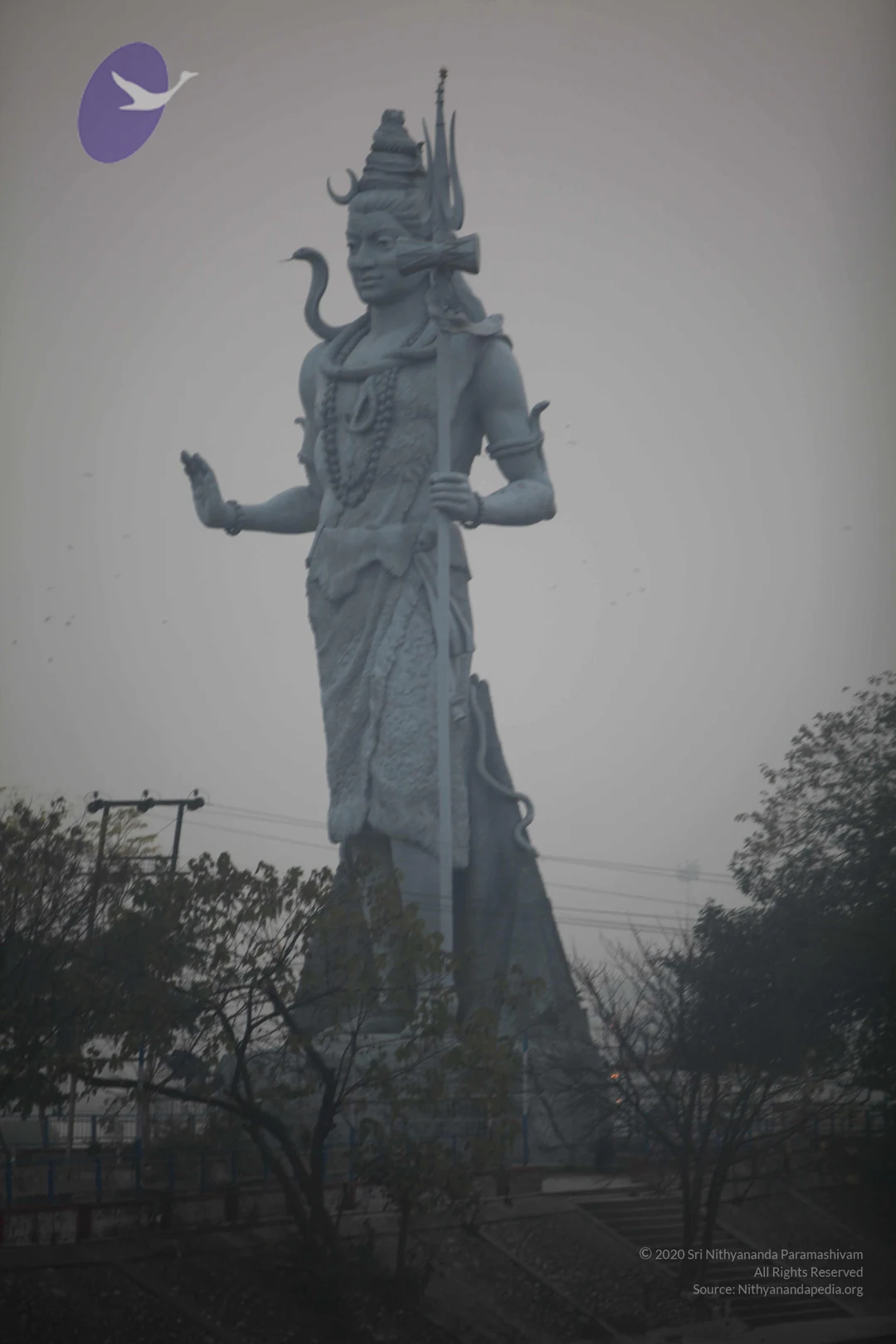
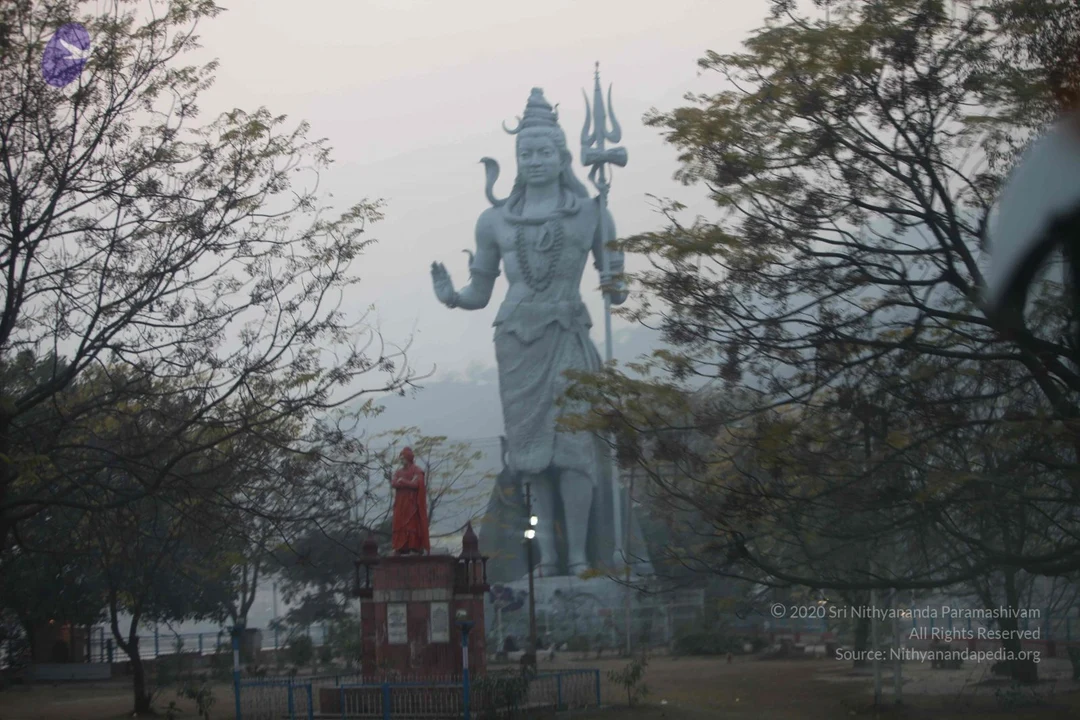
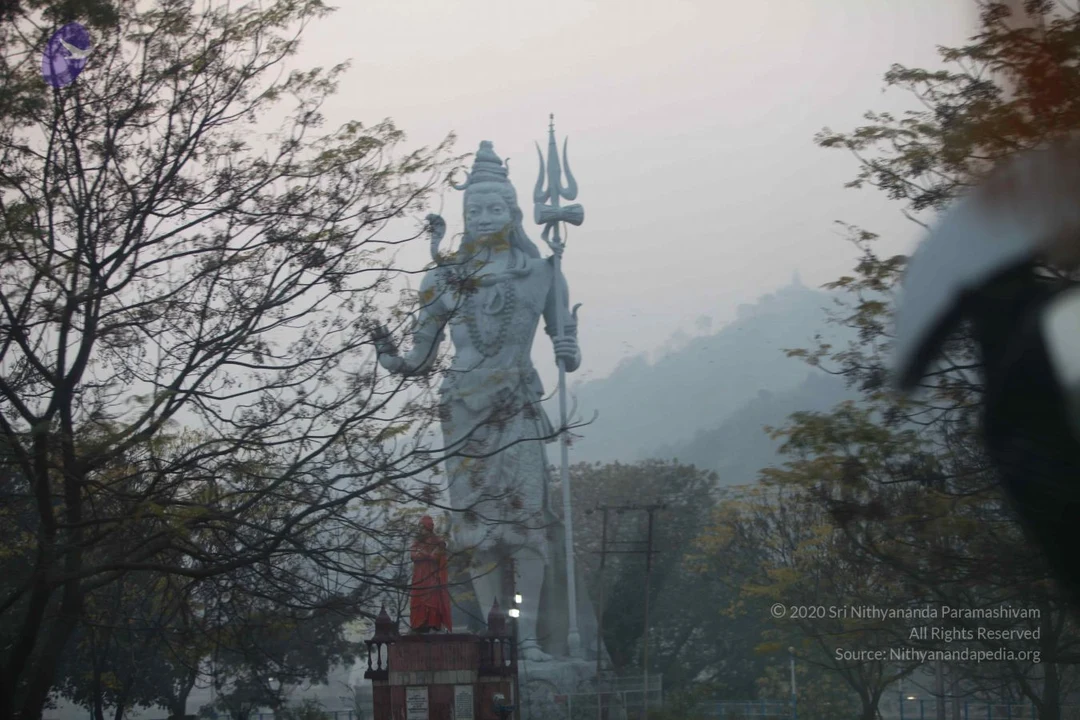
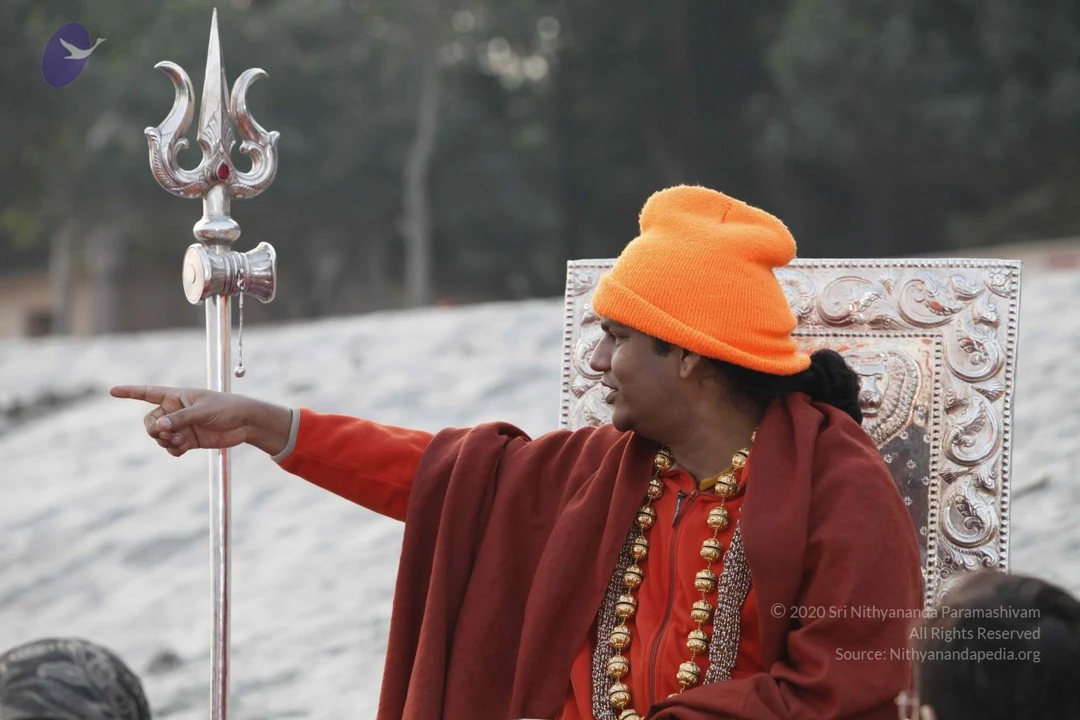
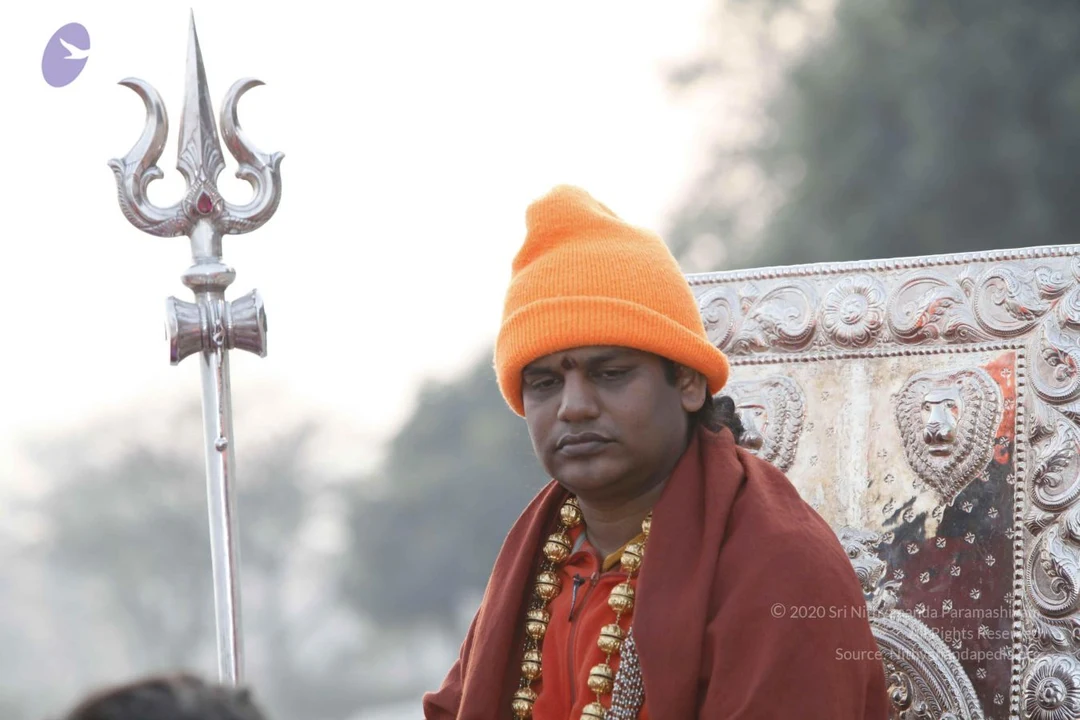
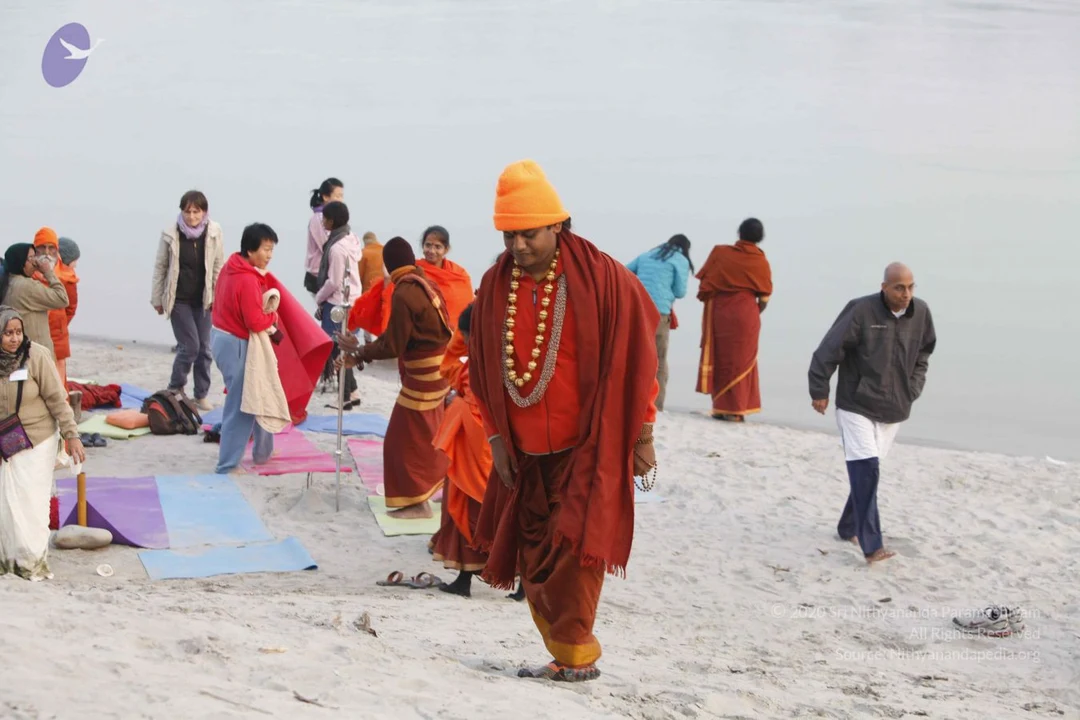
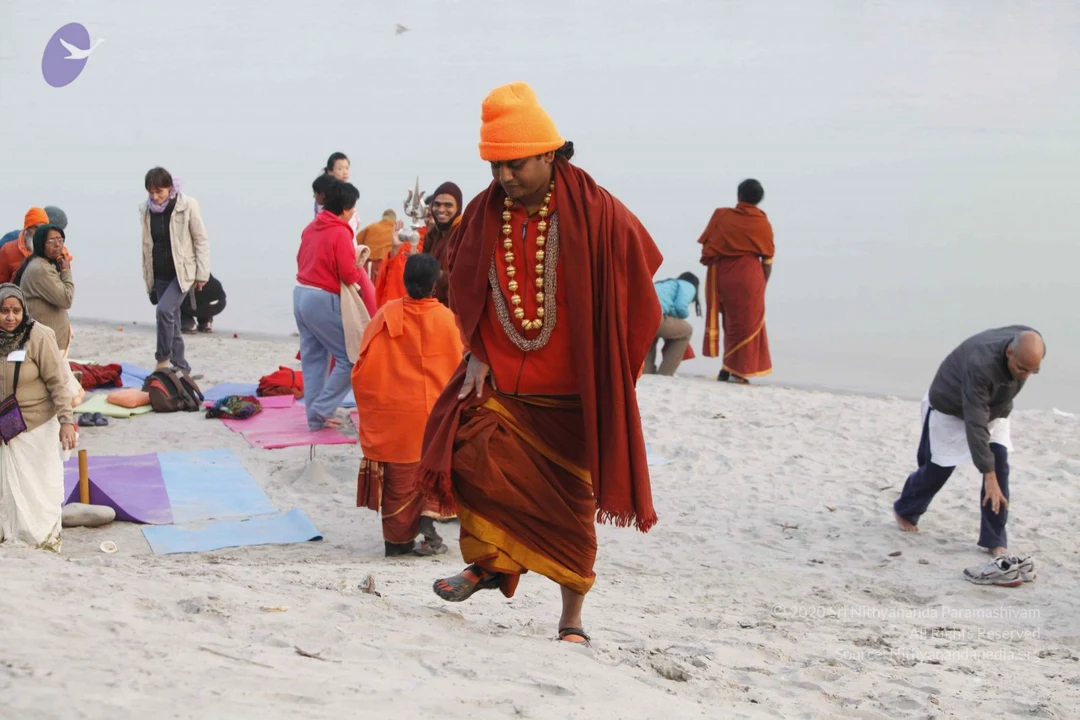
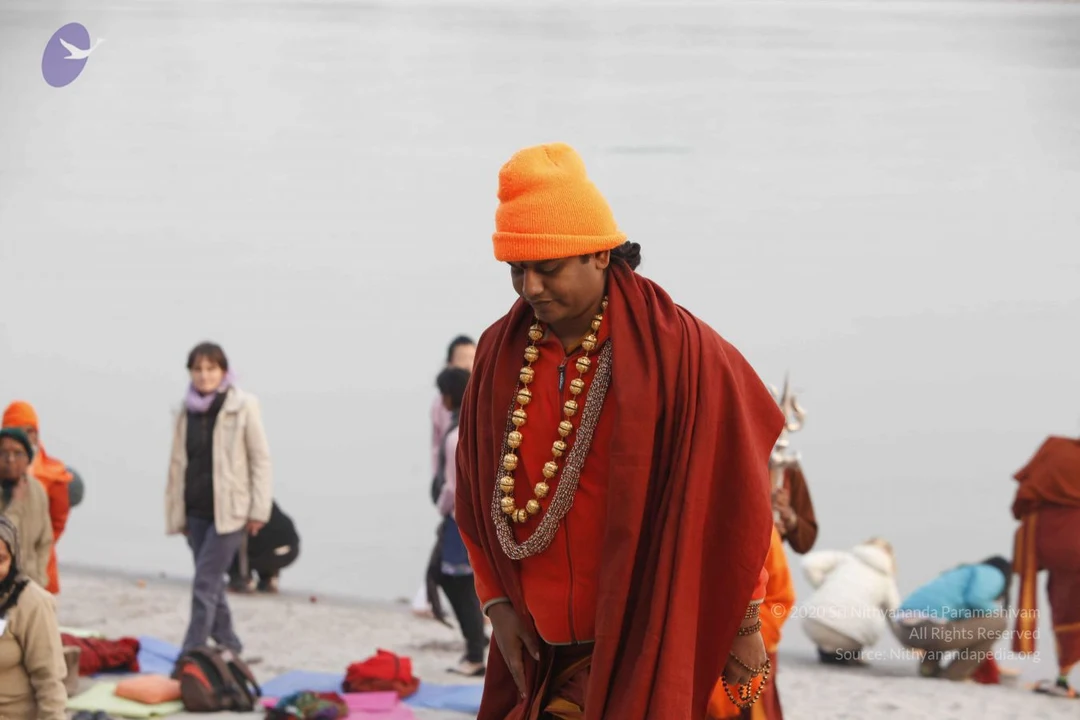
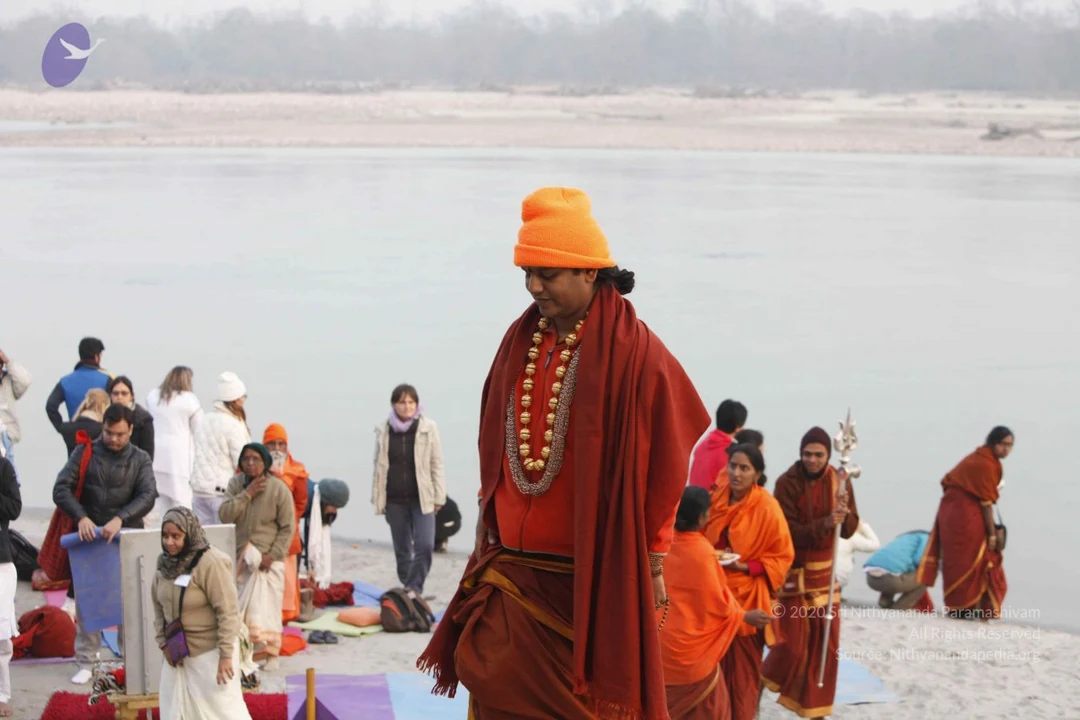







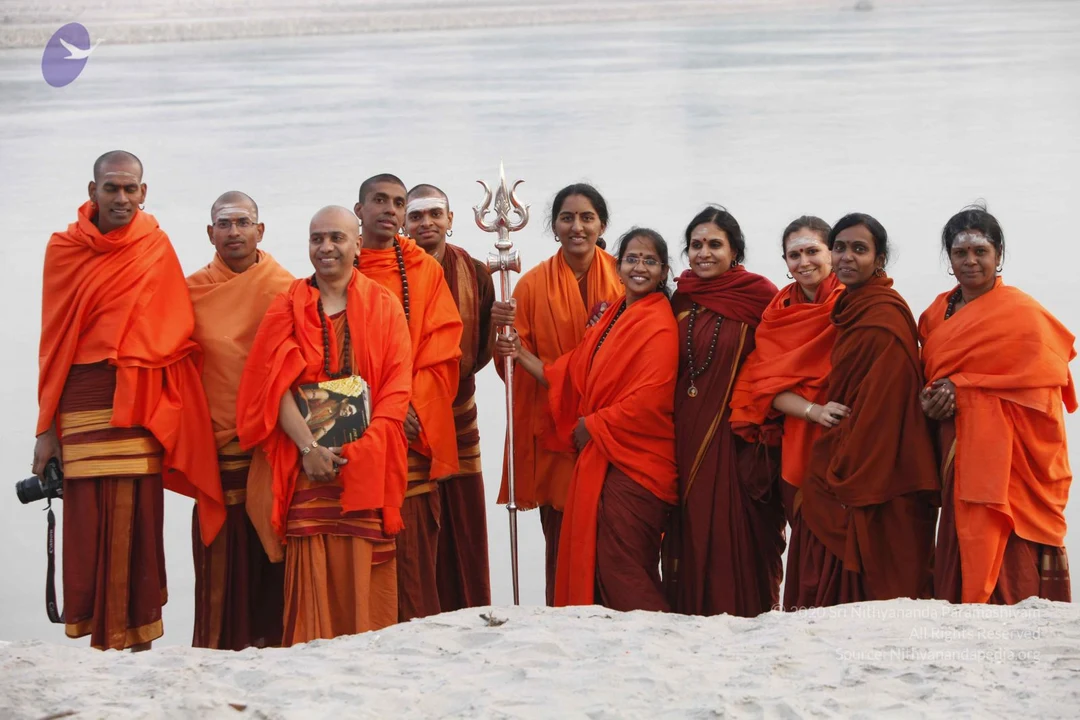












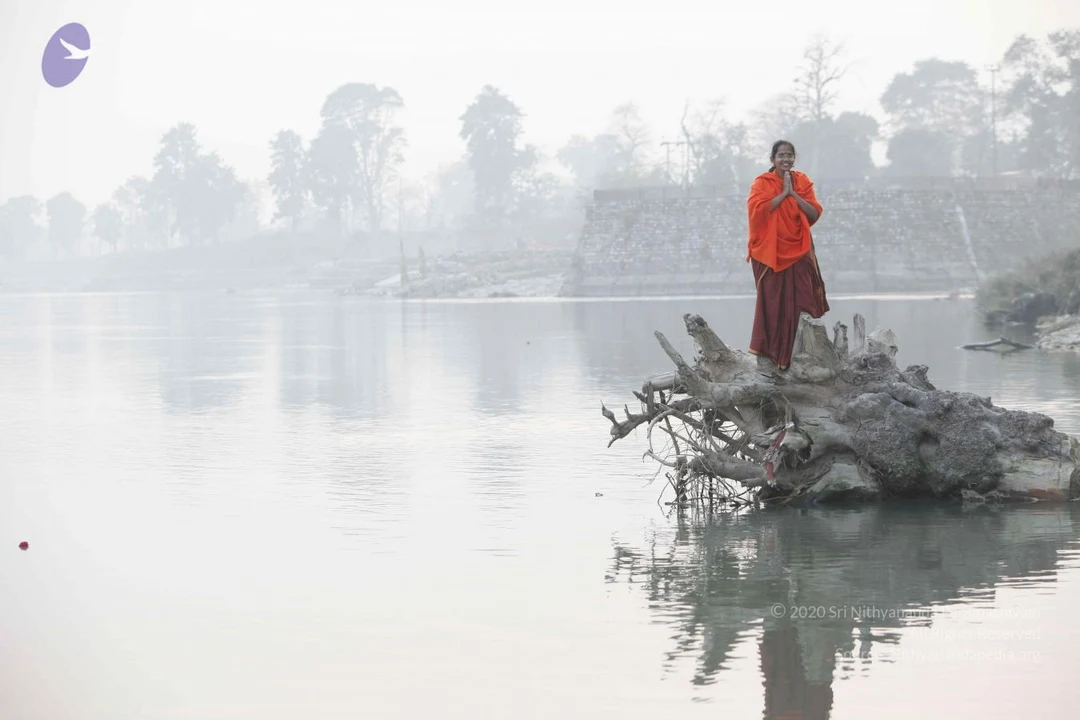
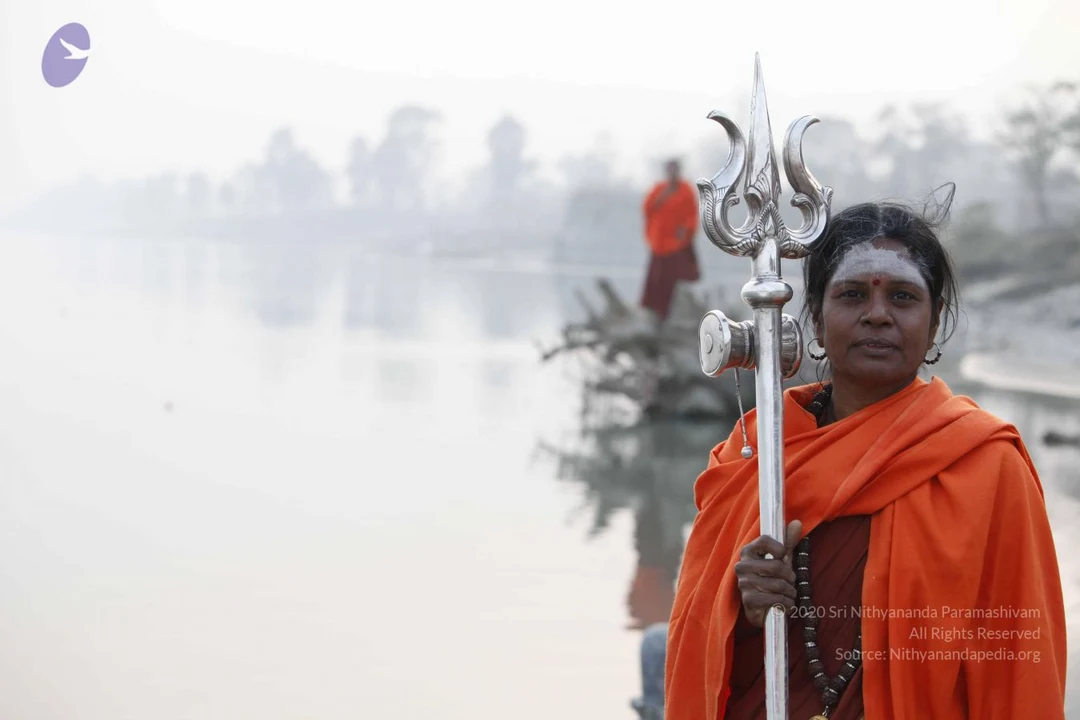

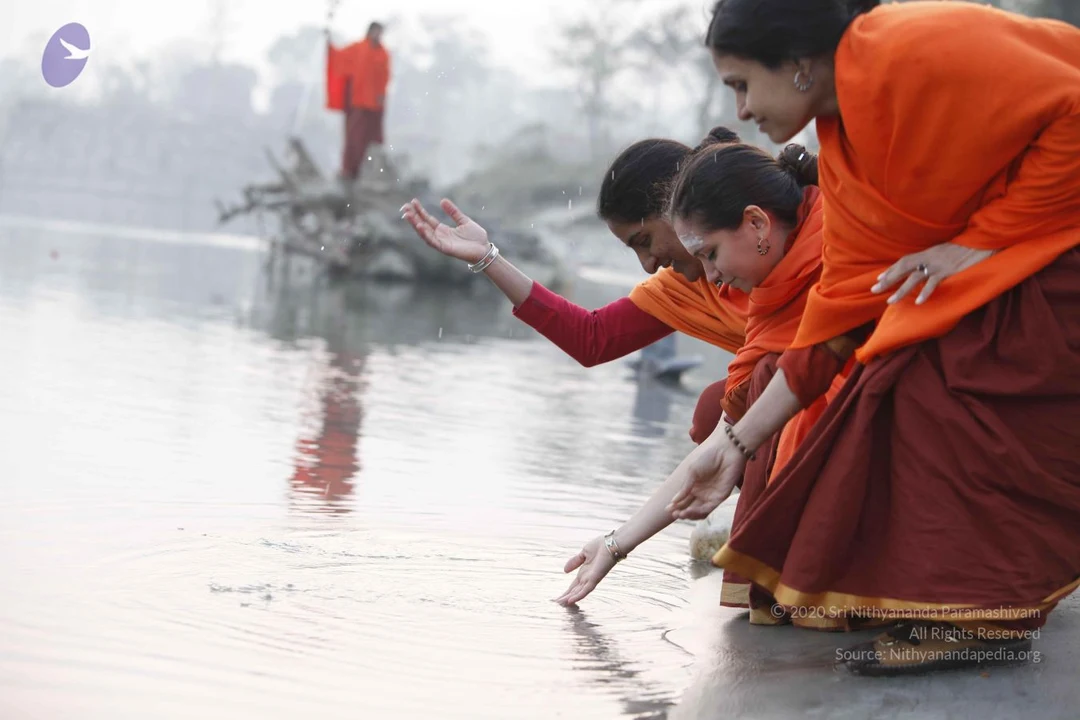


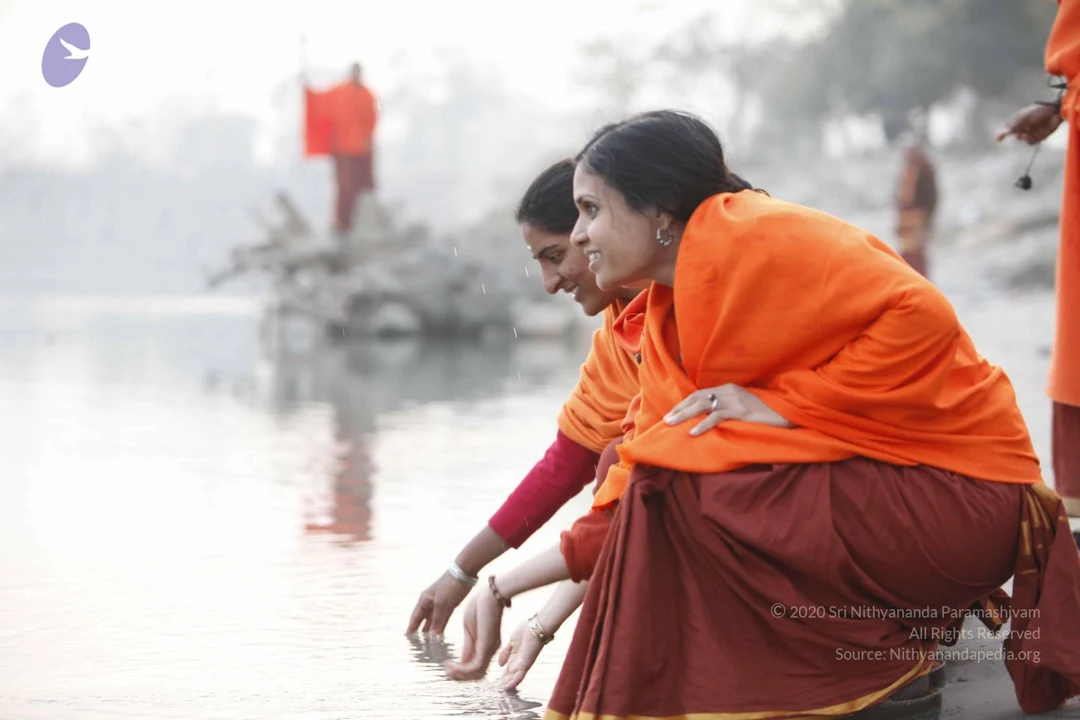

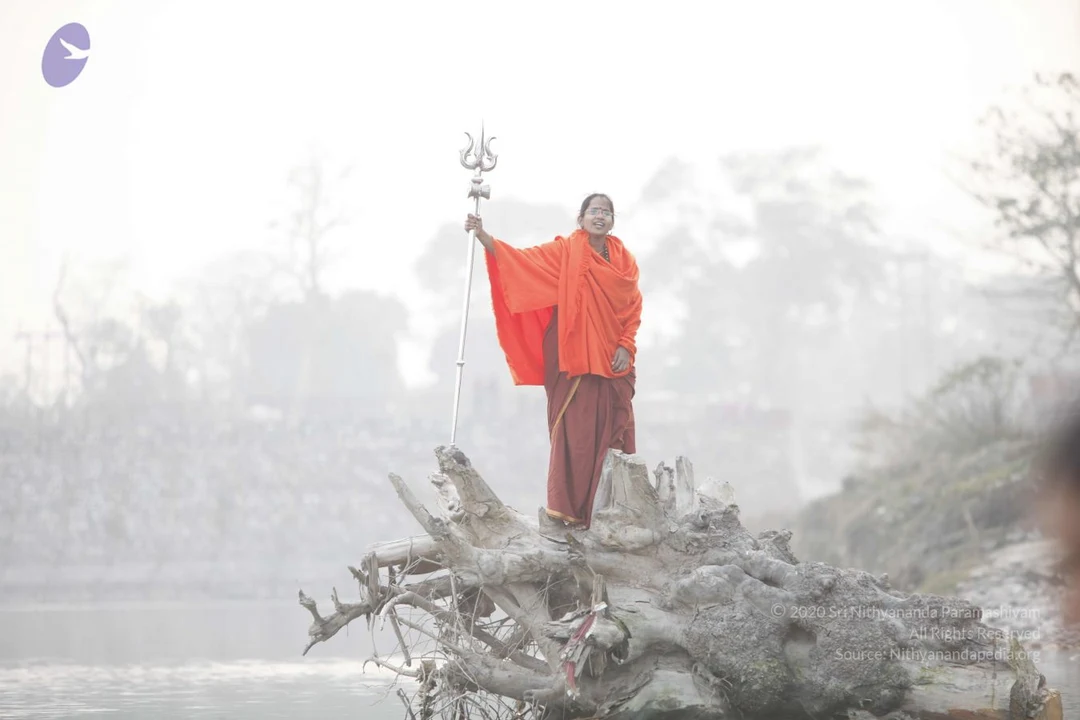

06Jan2014-Ganges-Session-2
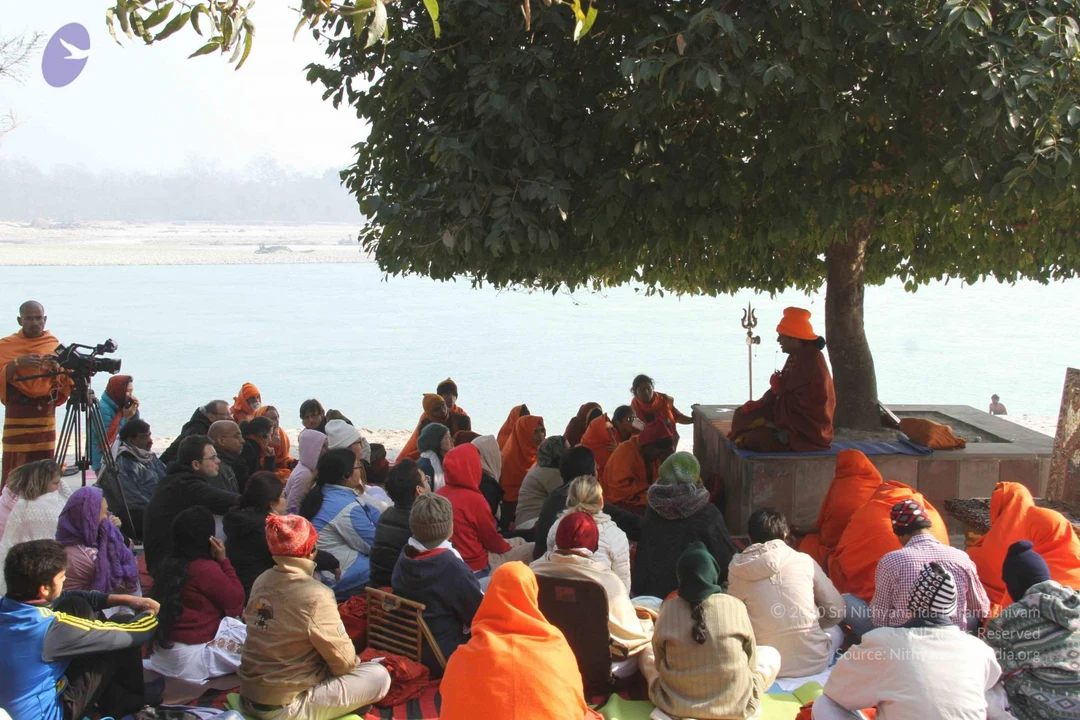
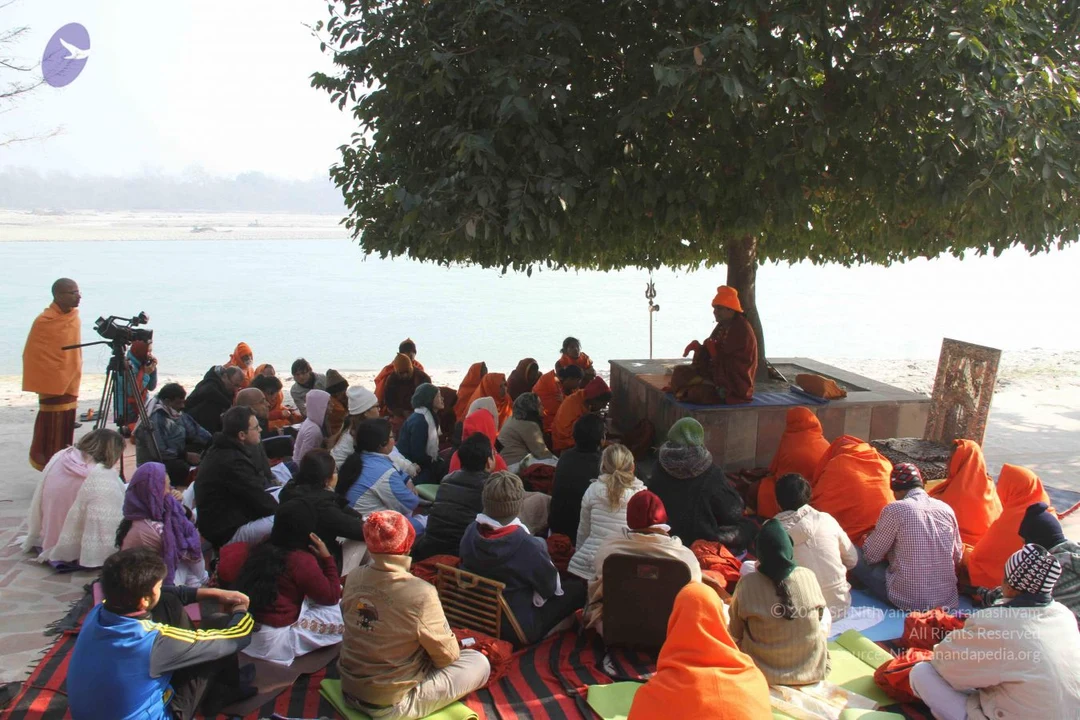
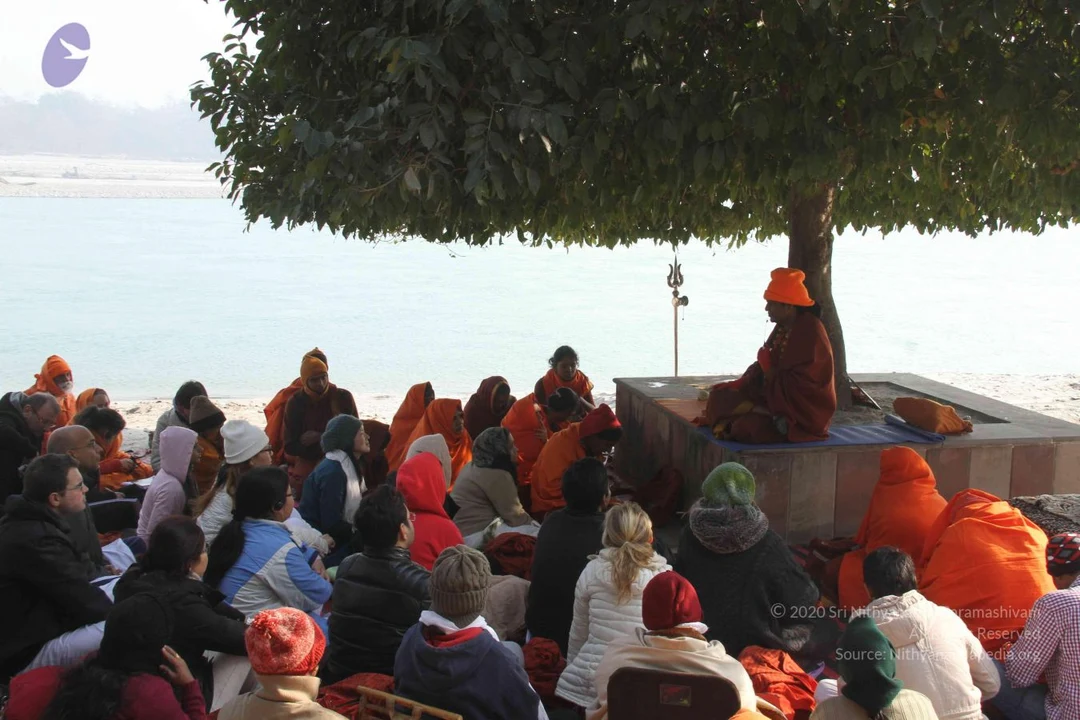

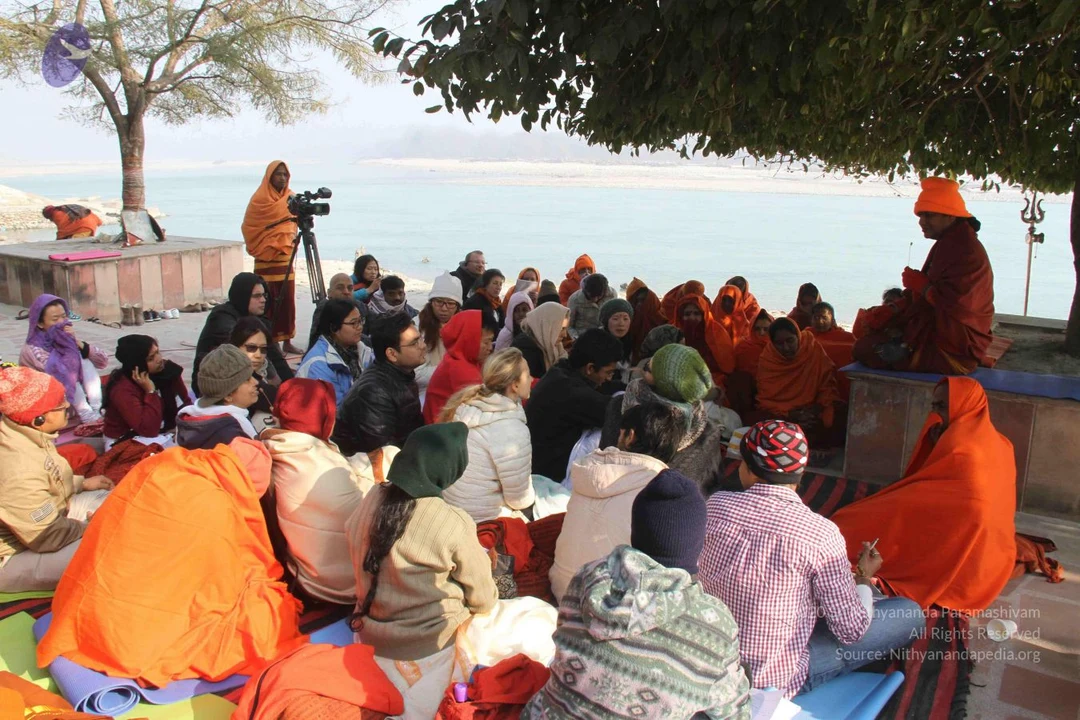
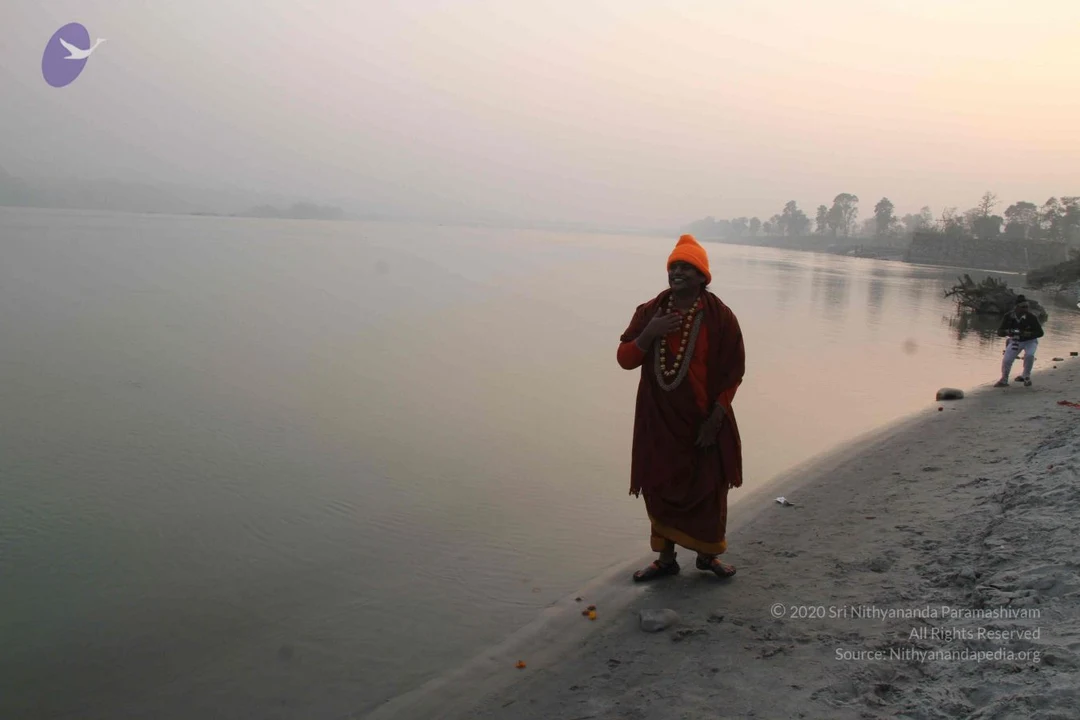



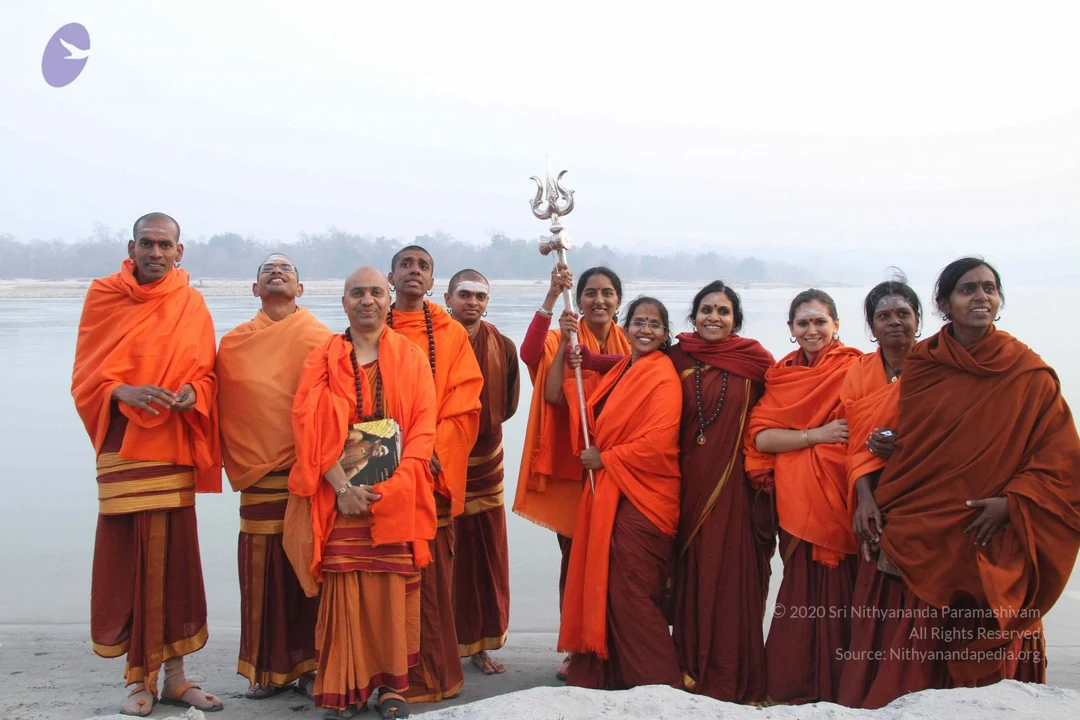



06Jan2014-Ganges-Session-3



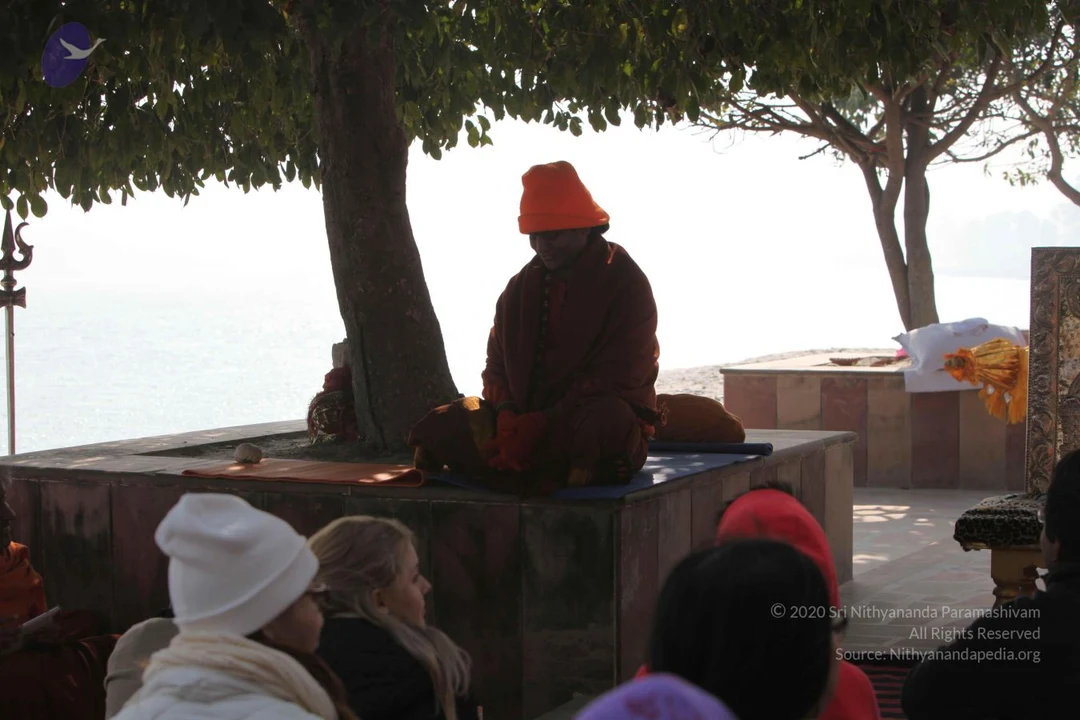
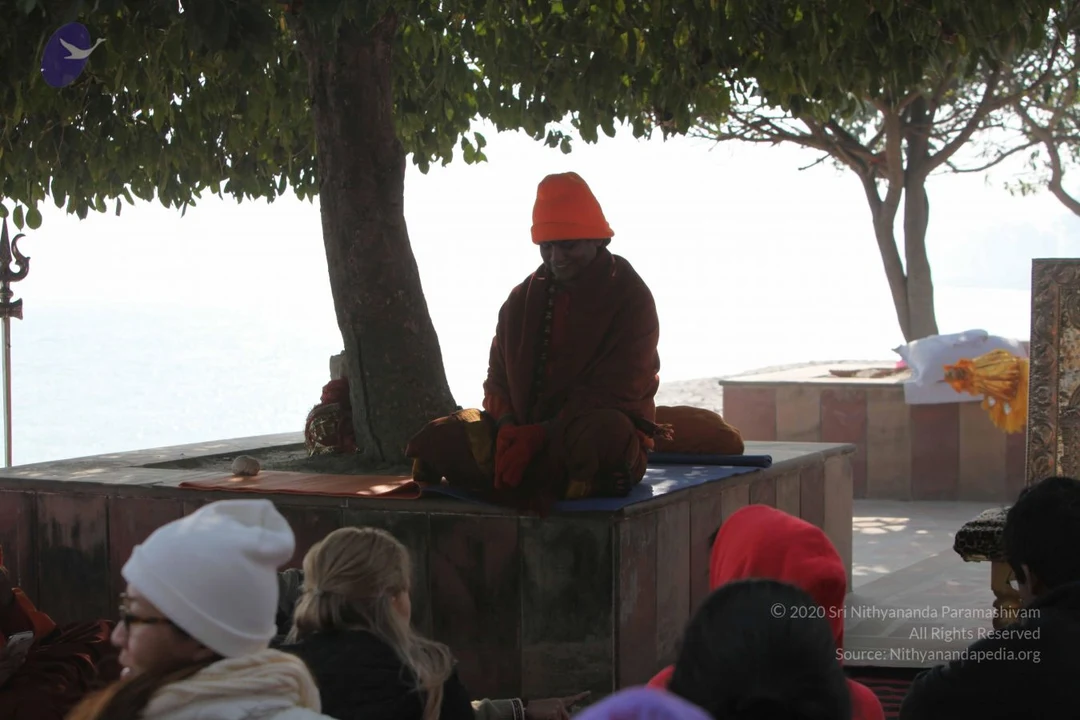
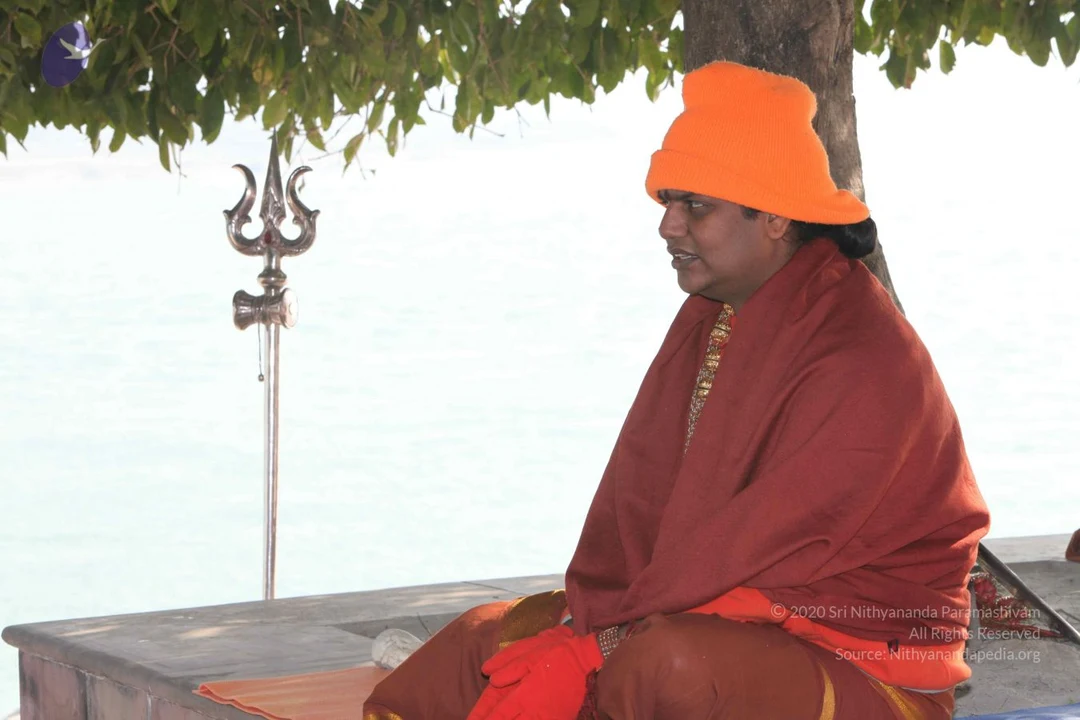
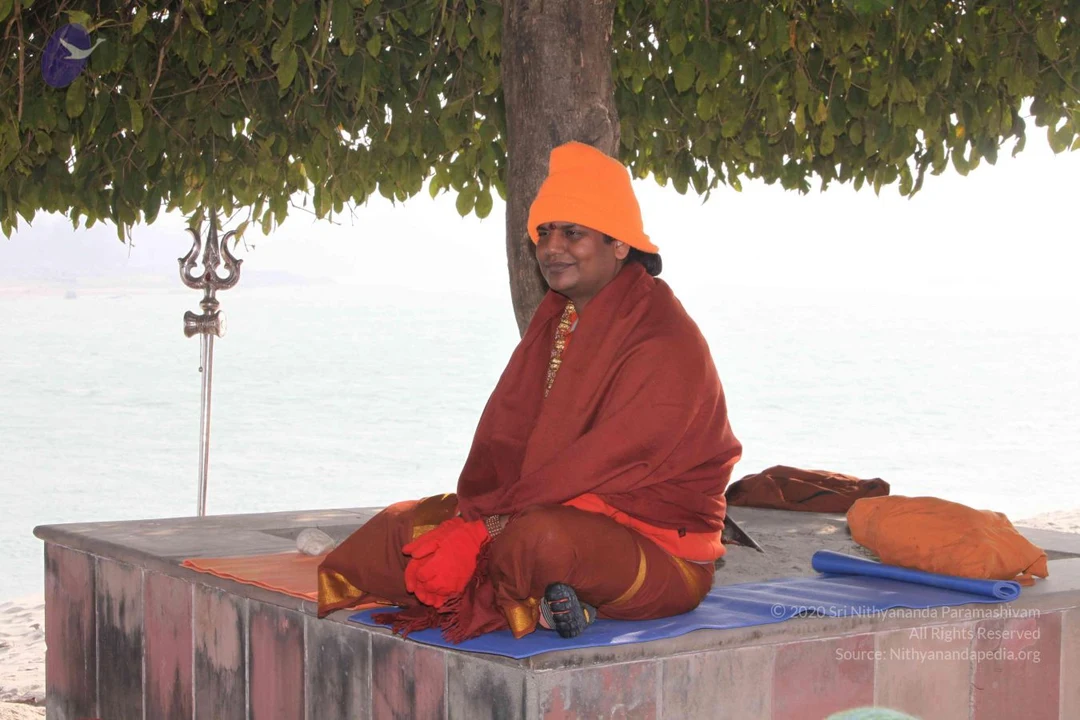
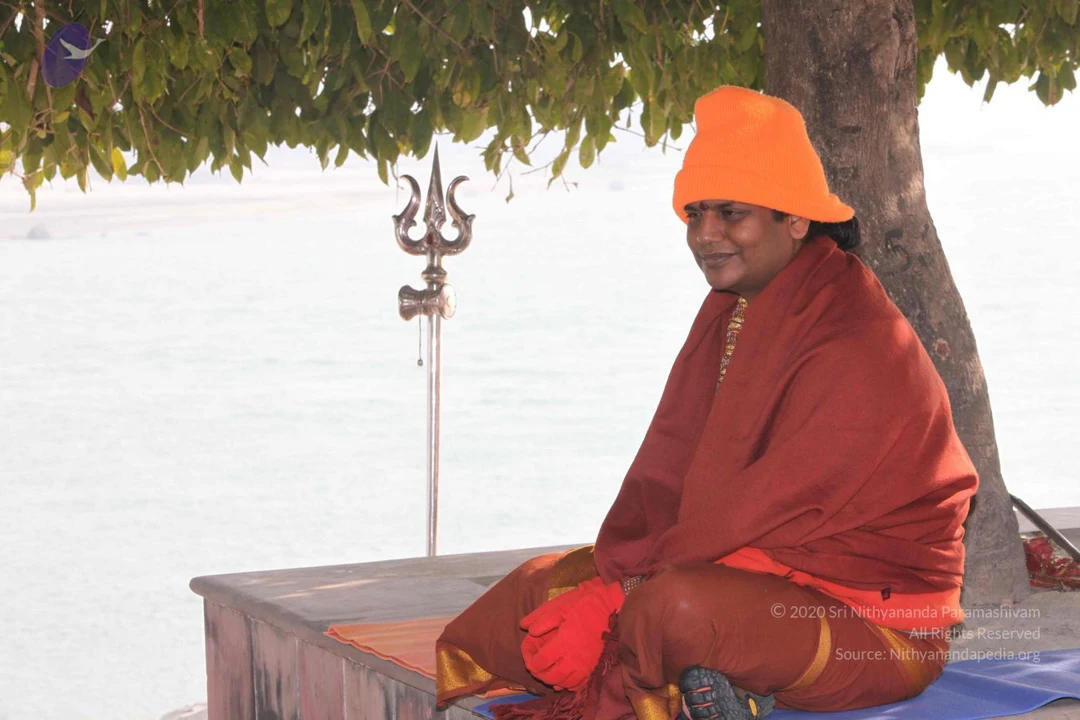
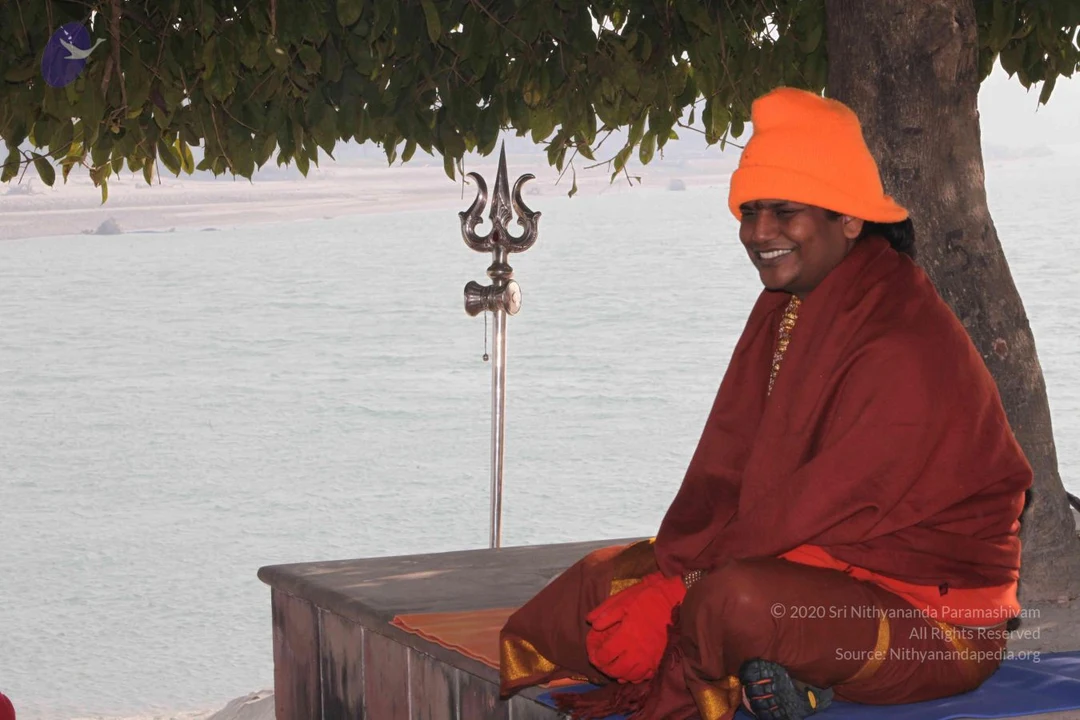


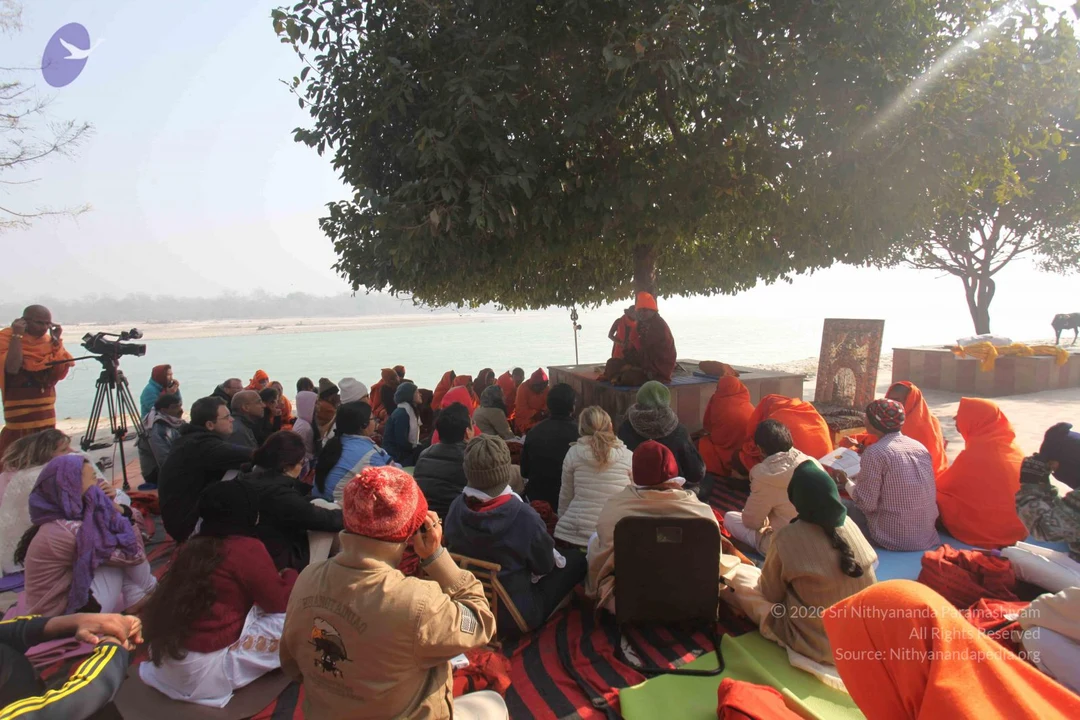
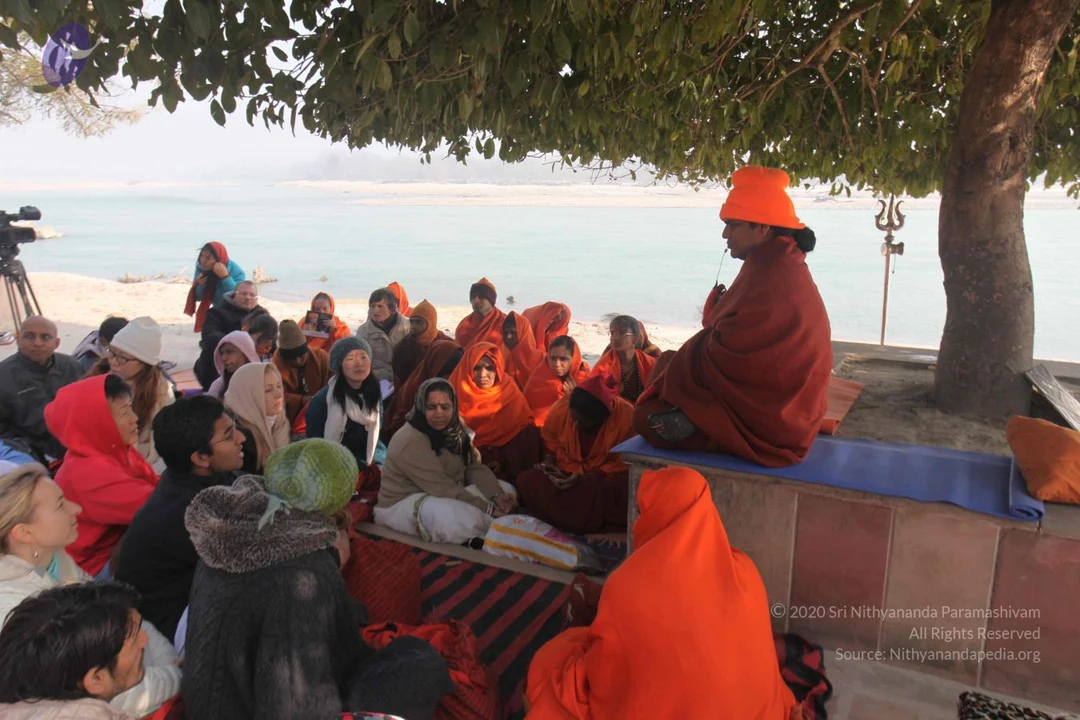
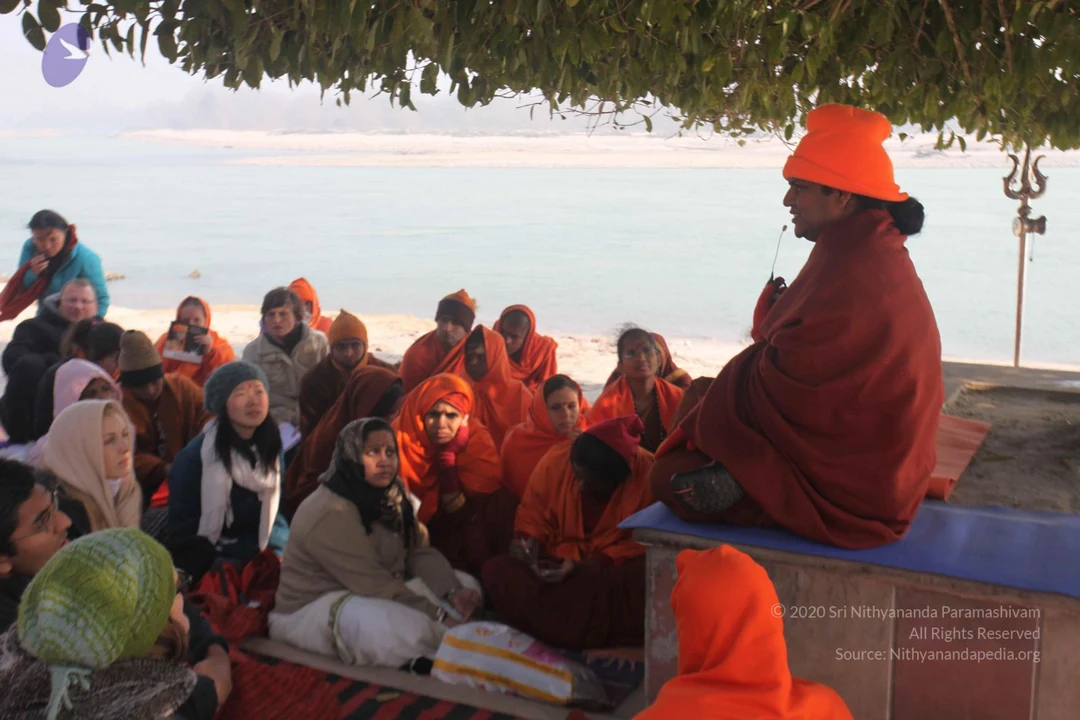
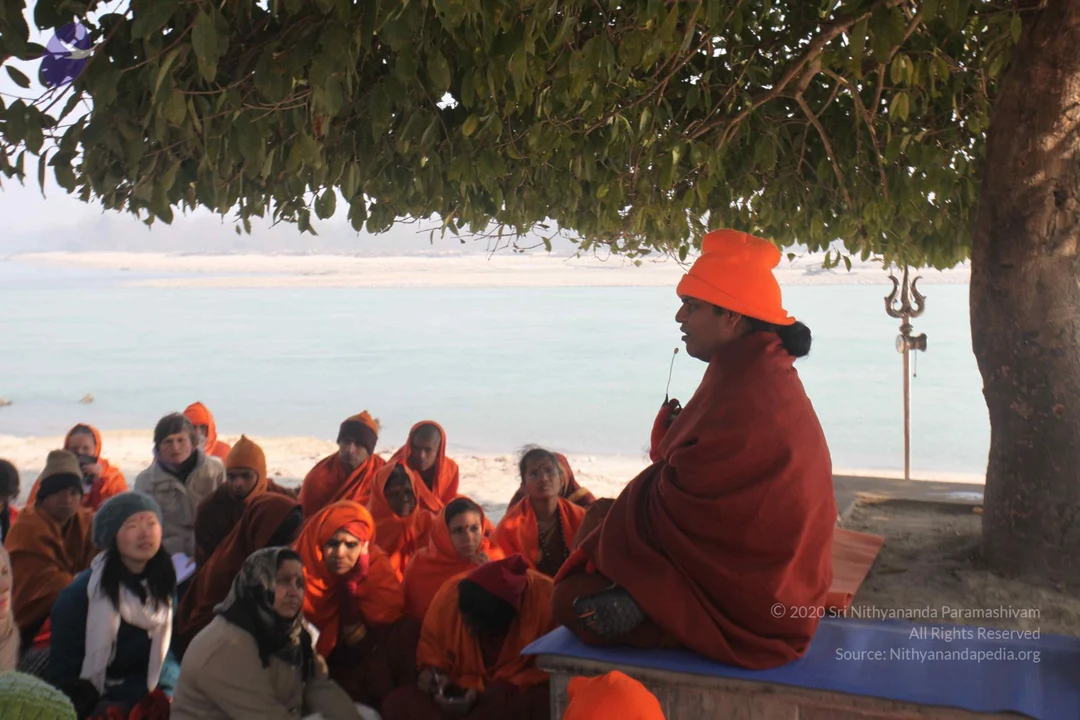
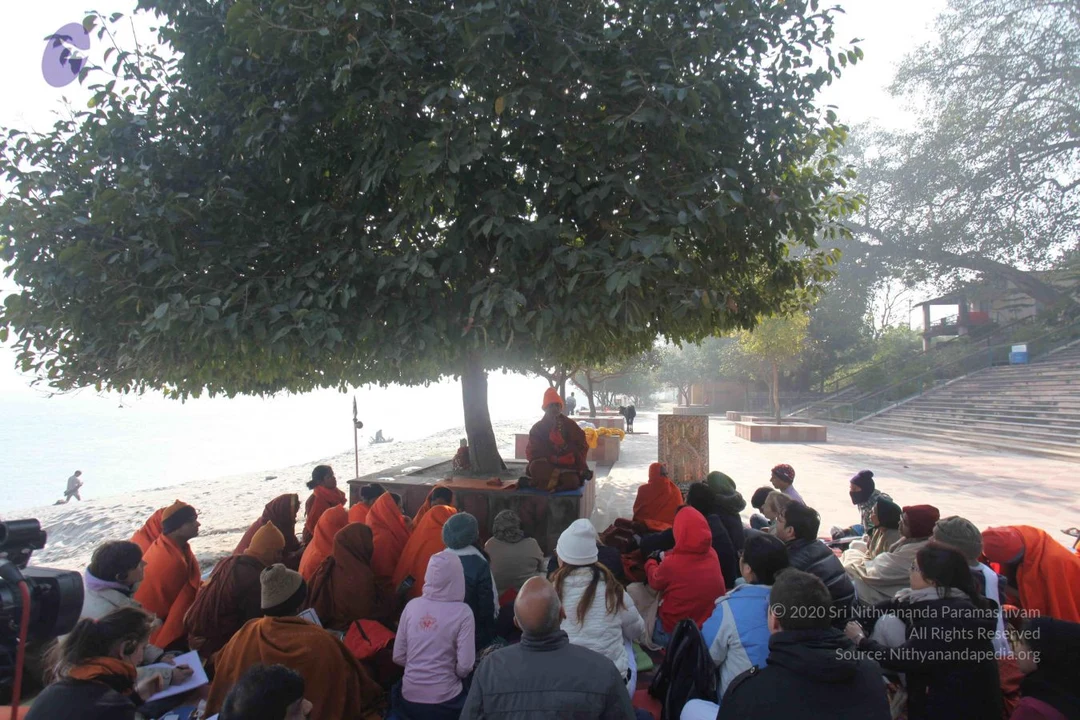
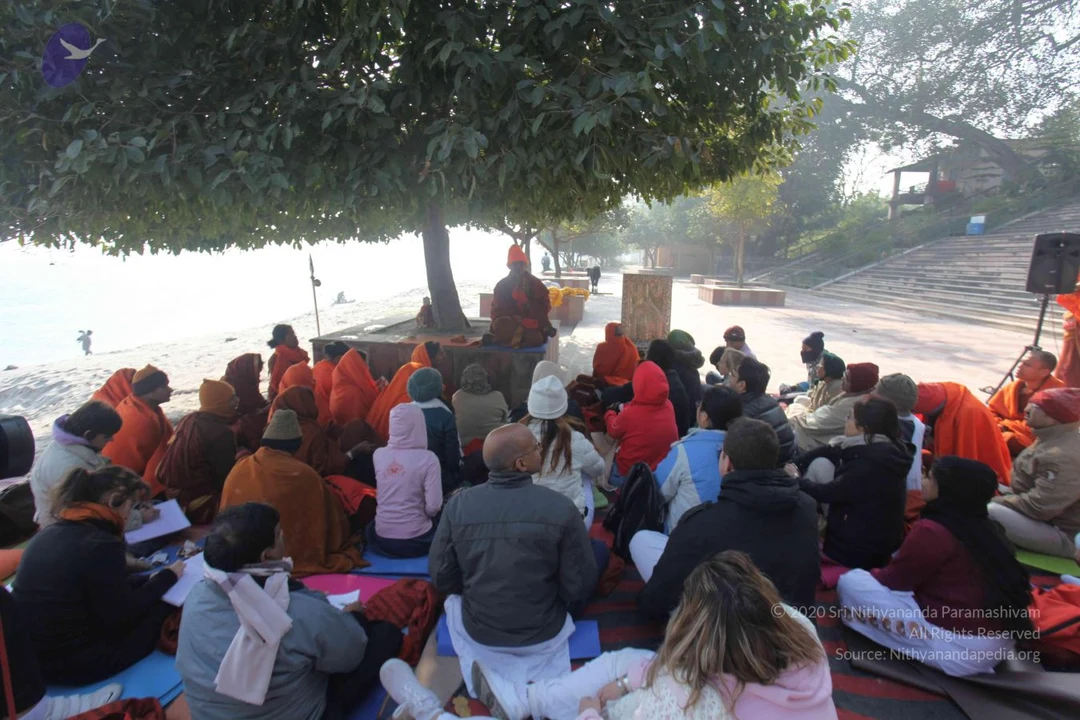
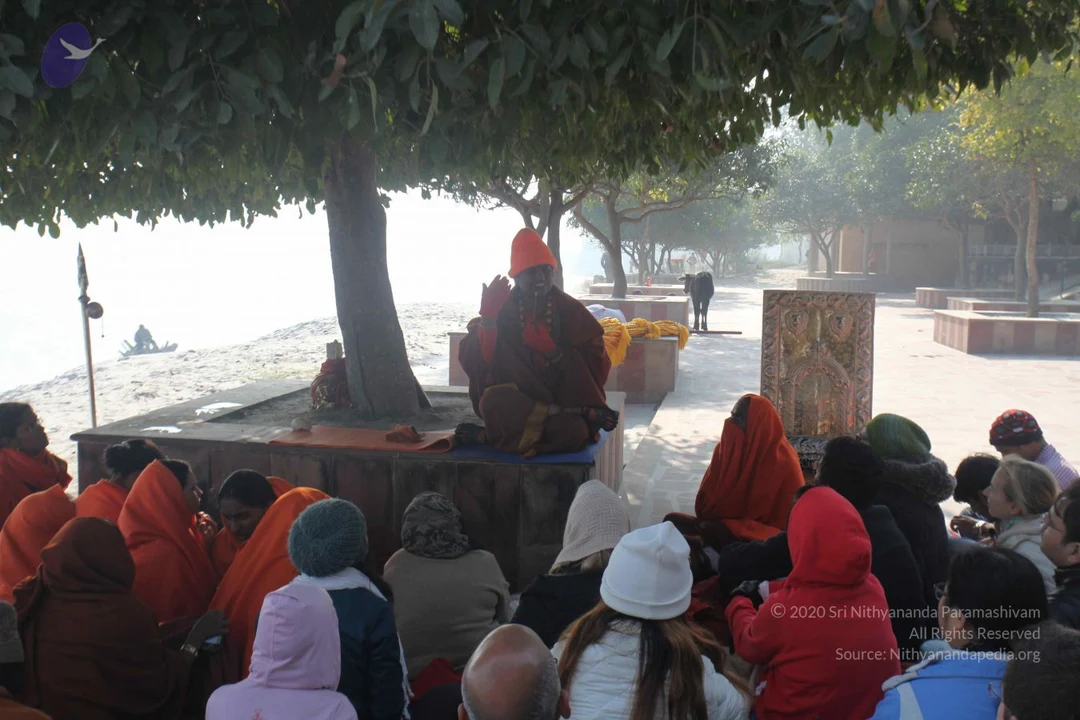

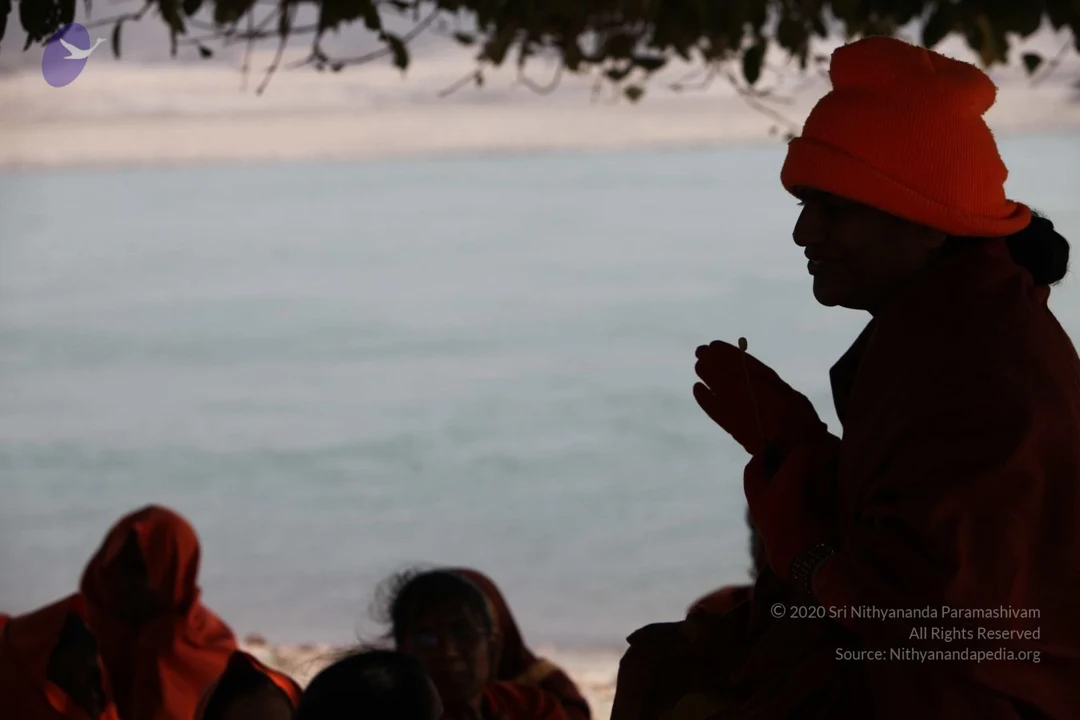
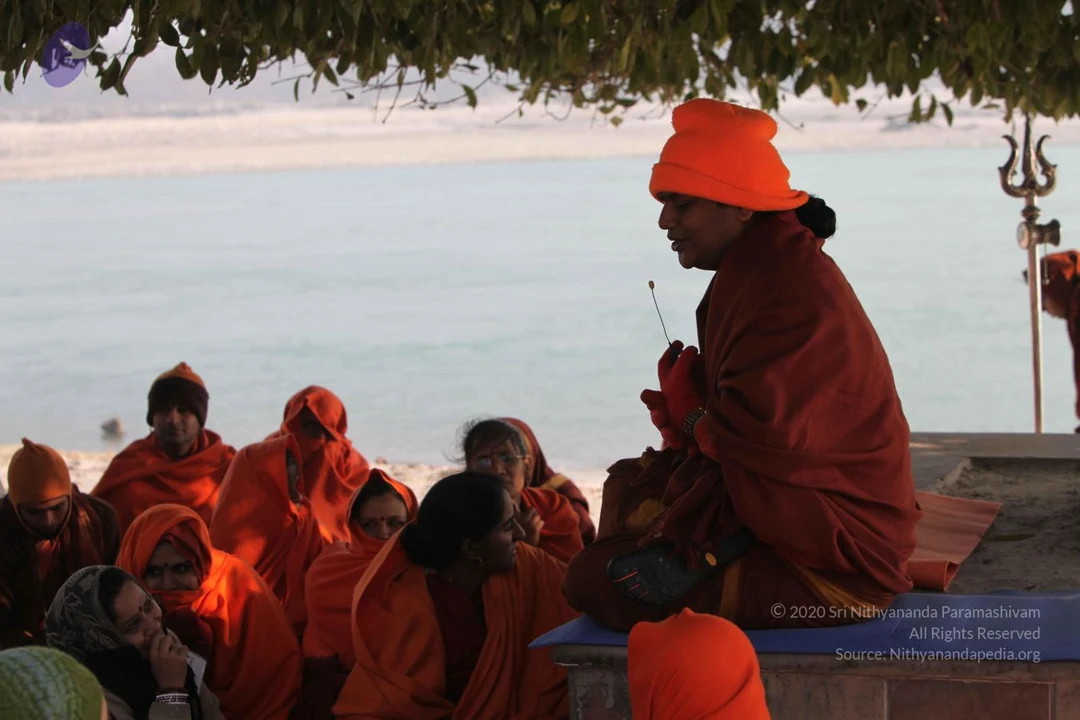
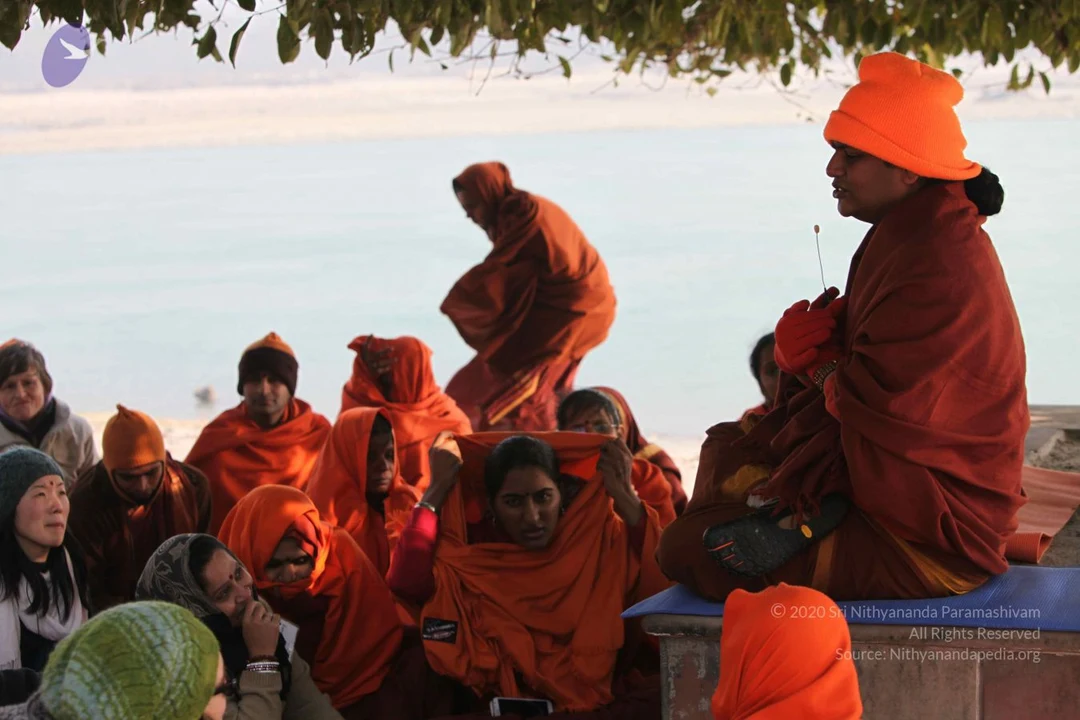
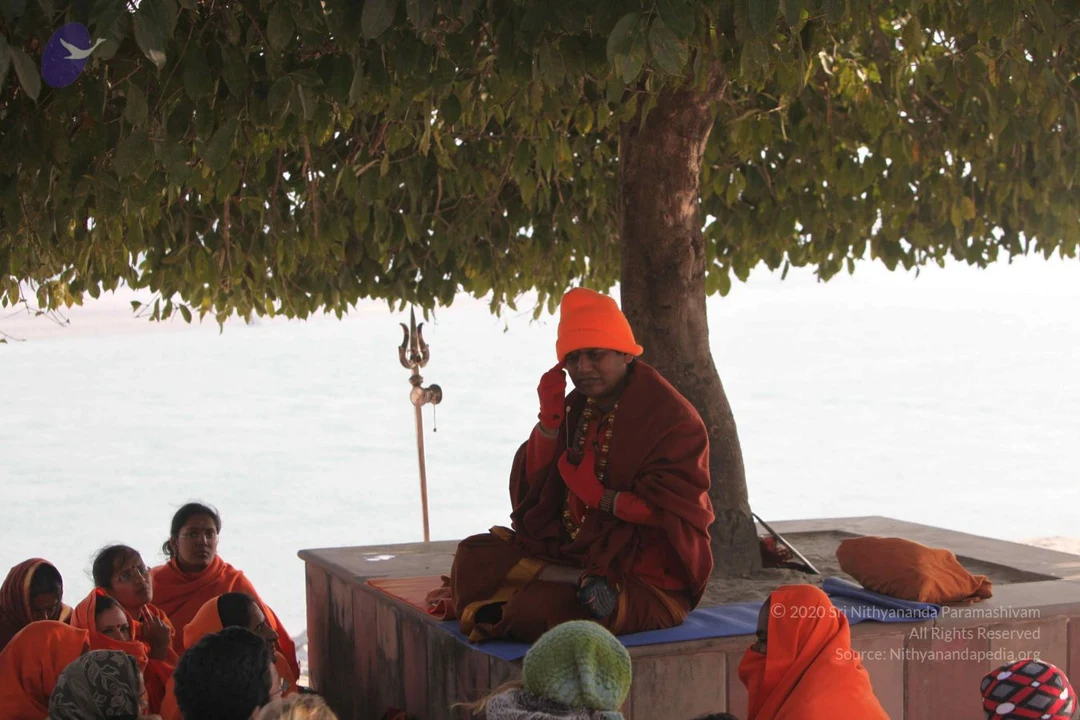

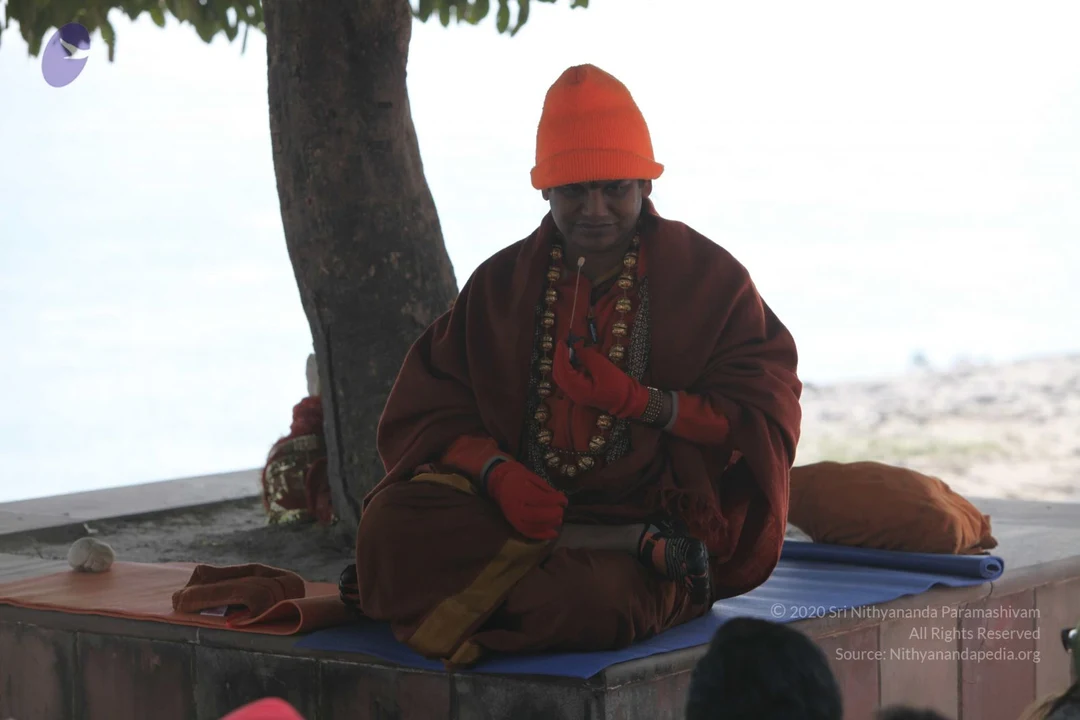
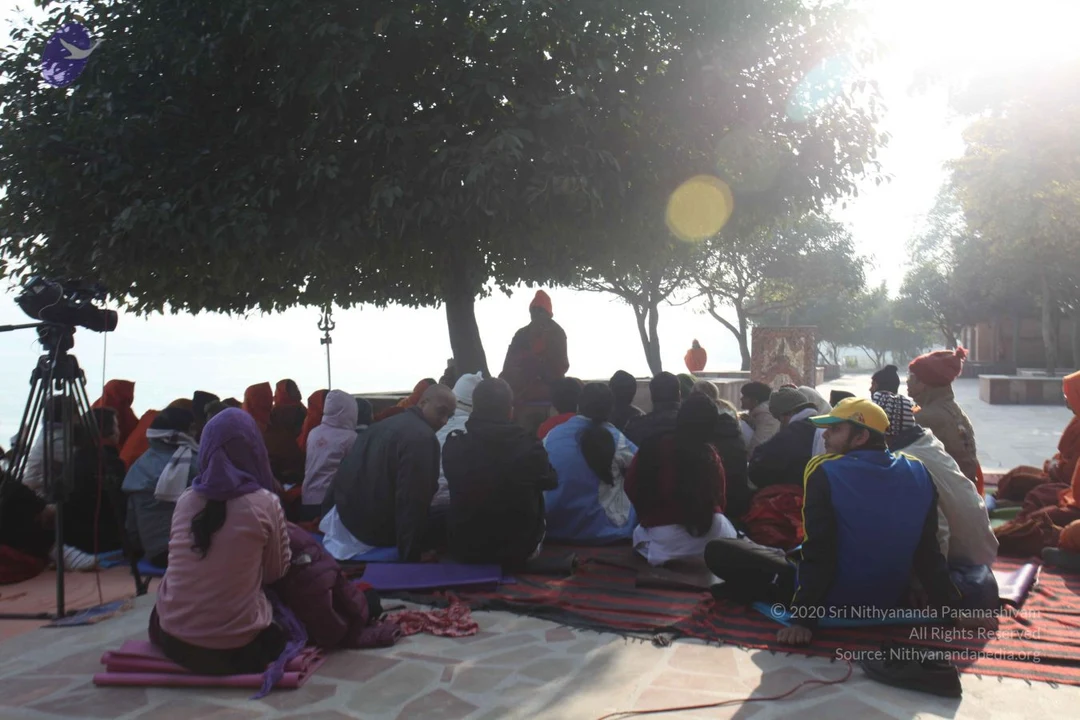
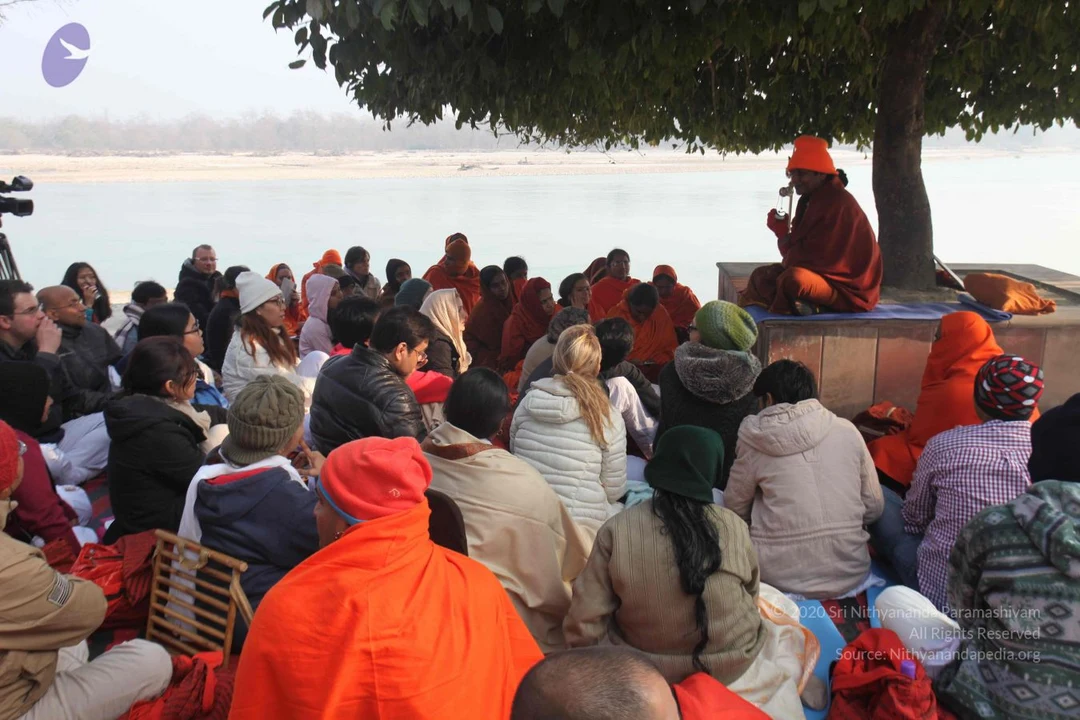
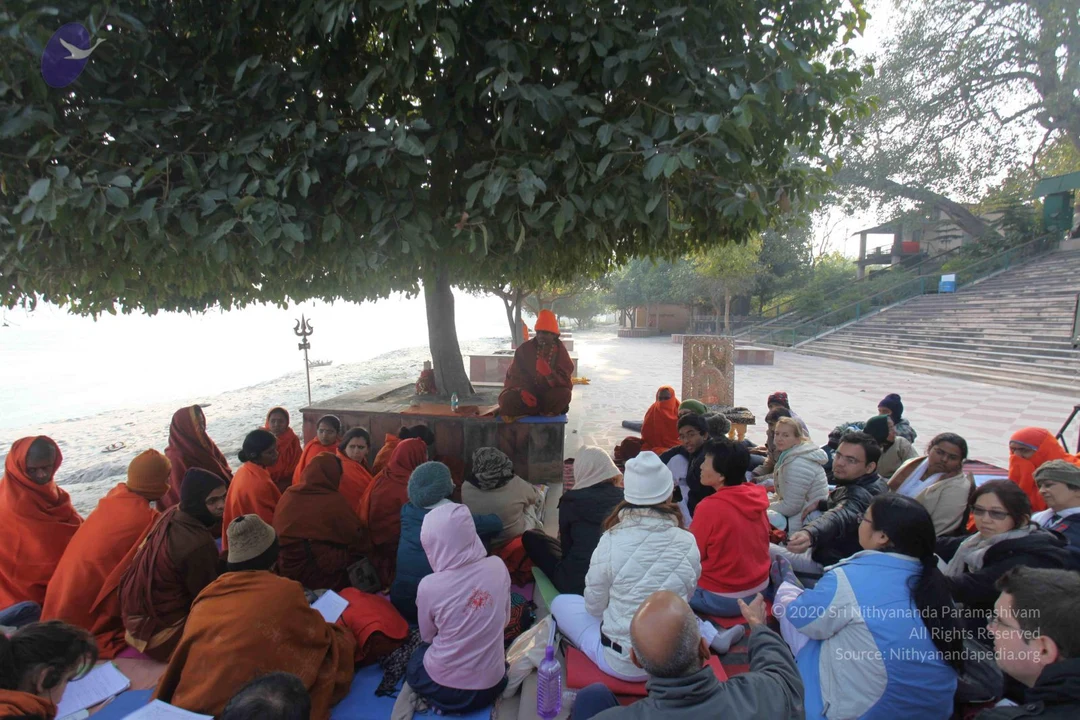
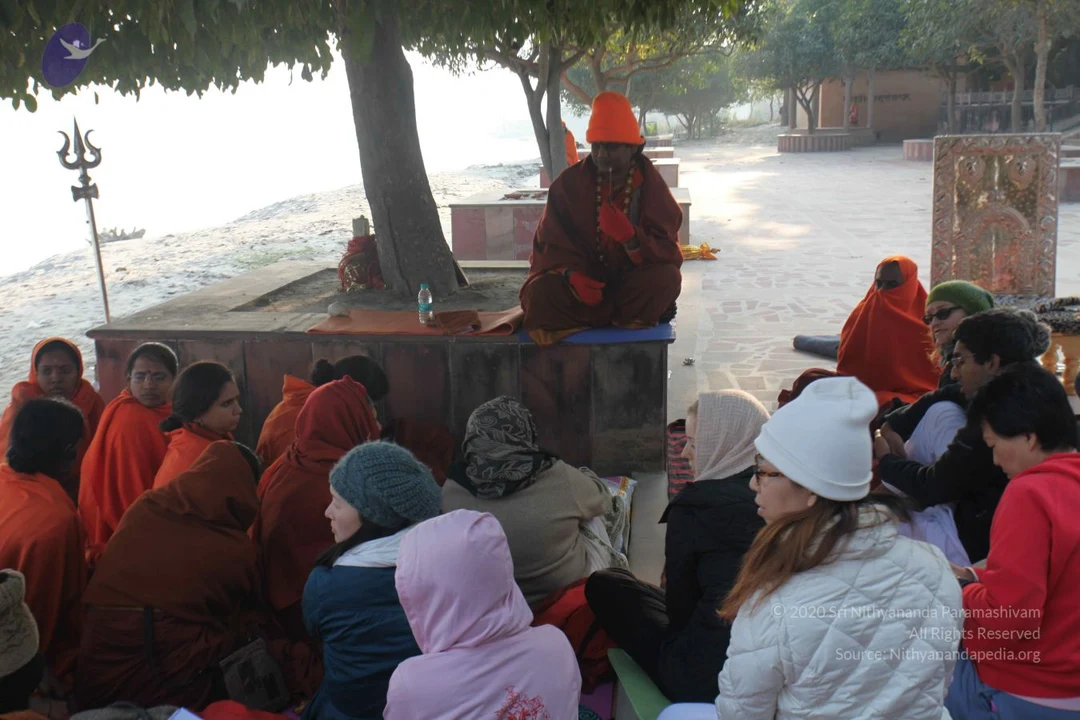
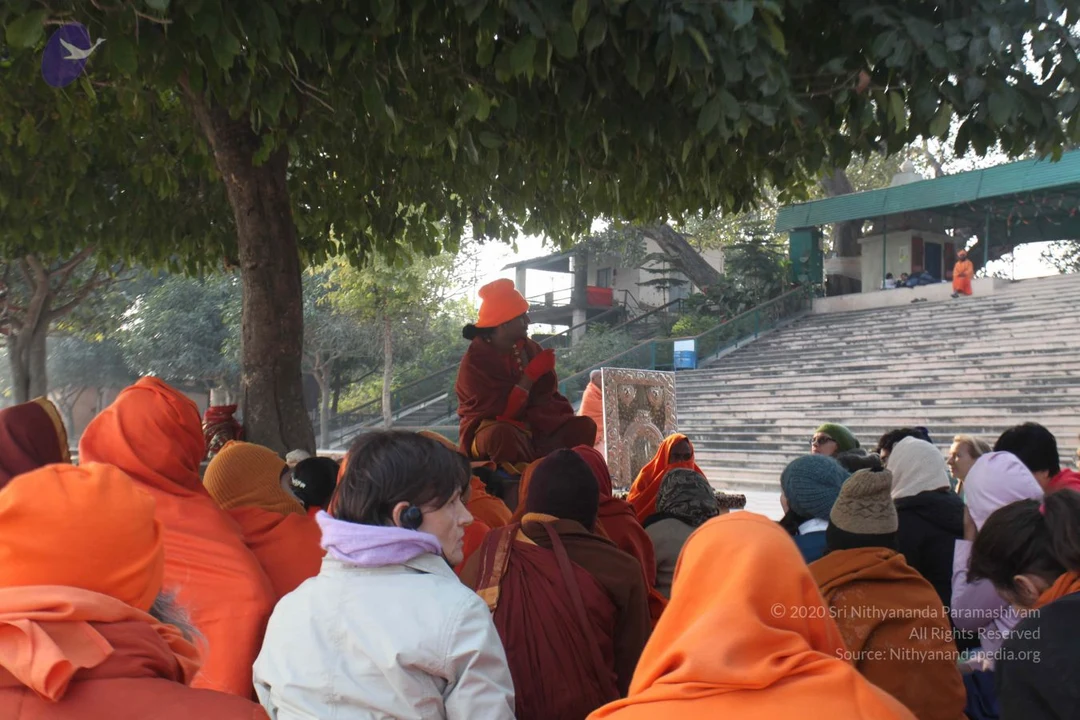
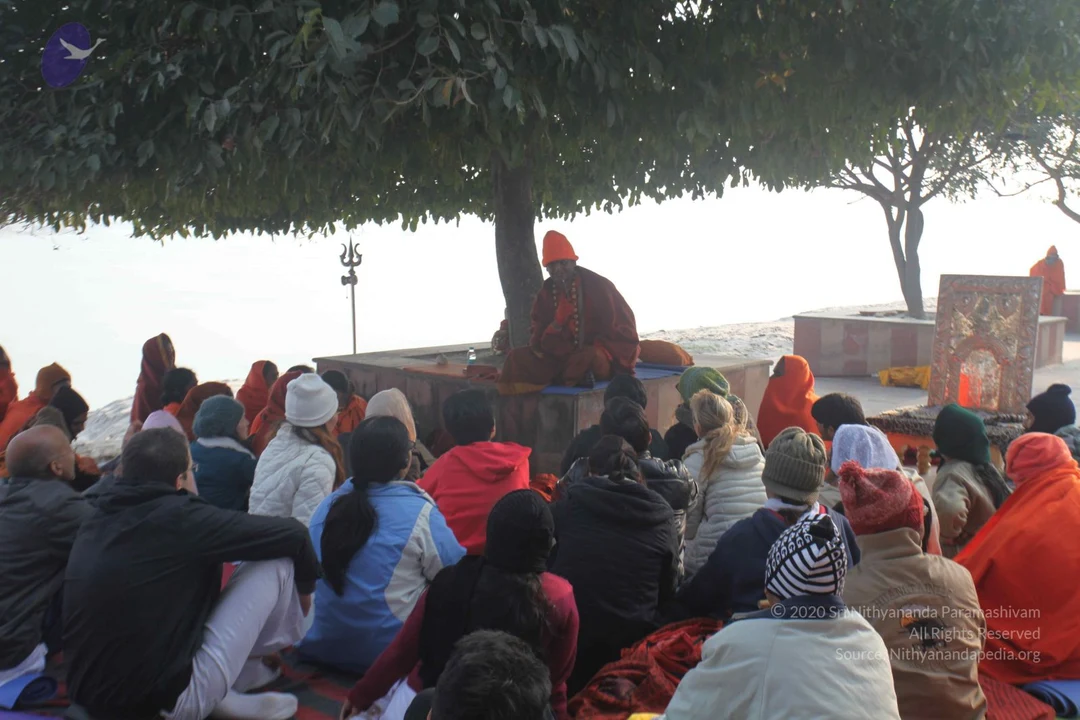
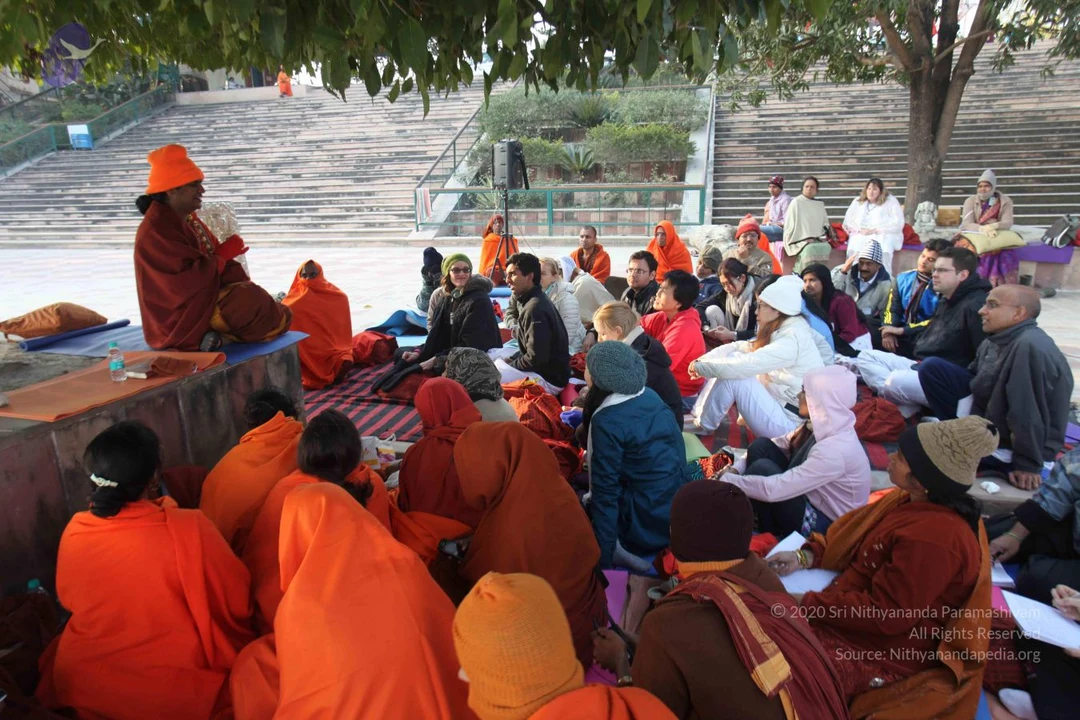
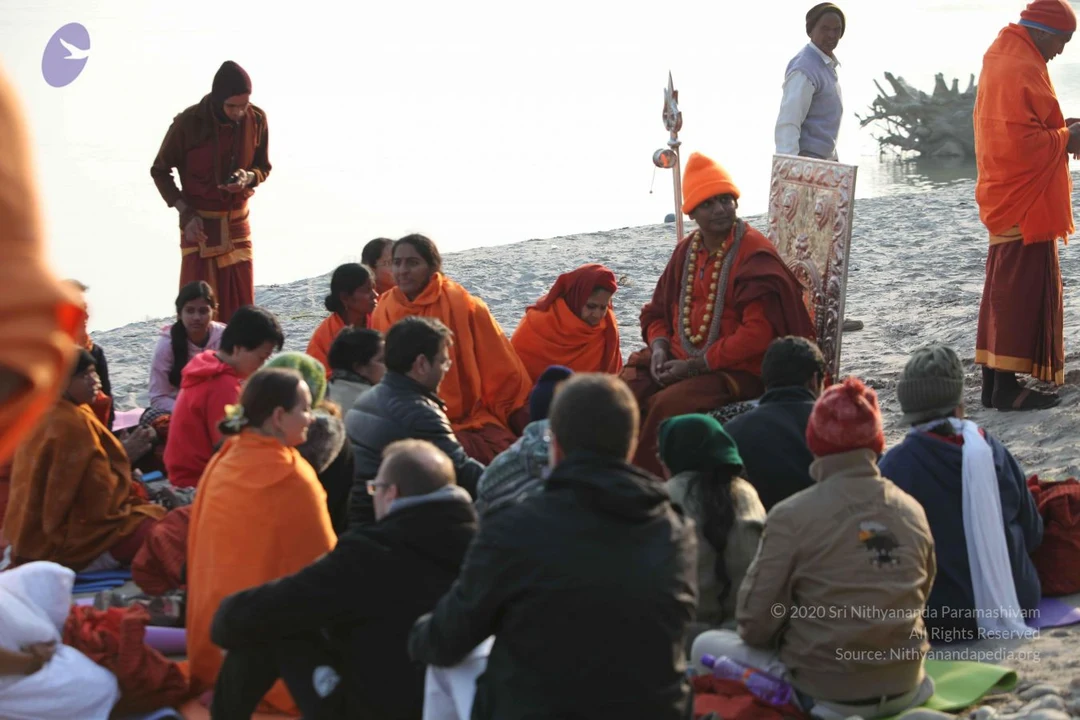
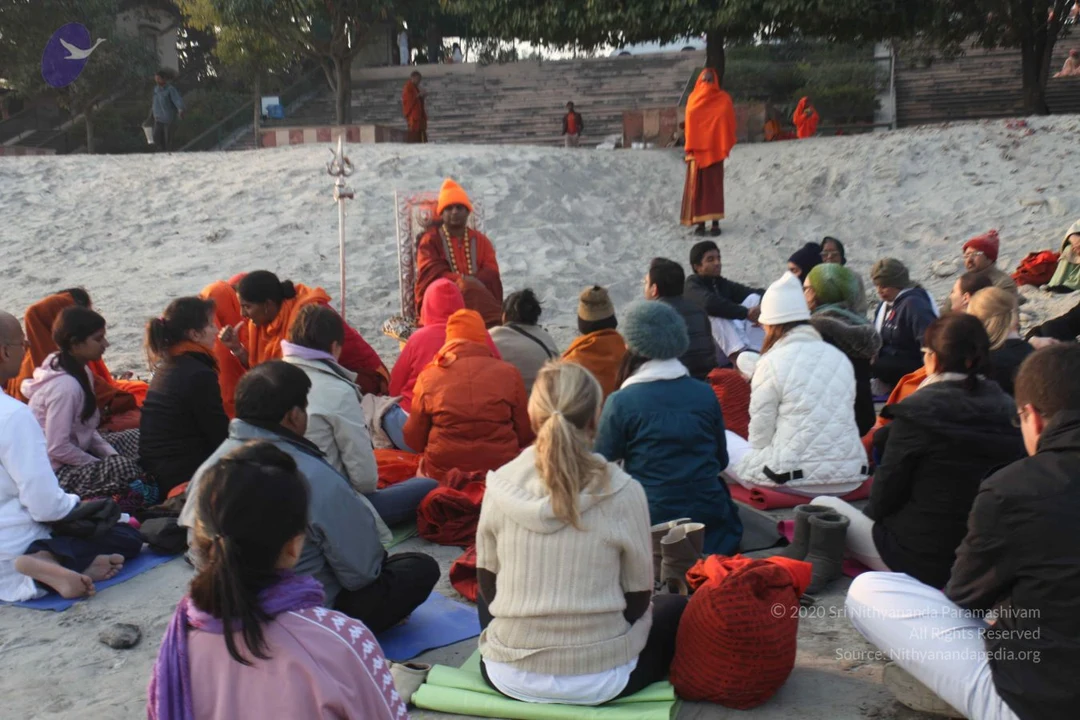

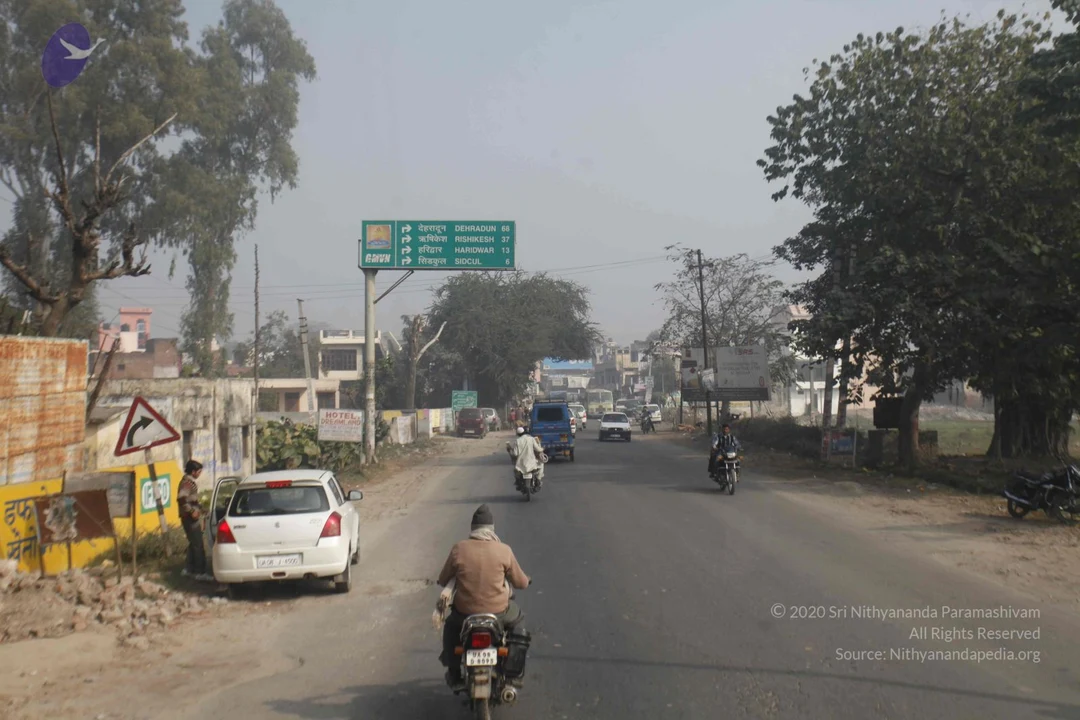

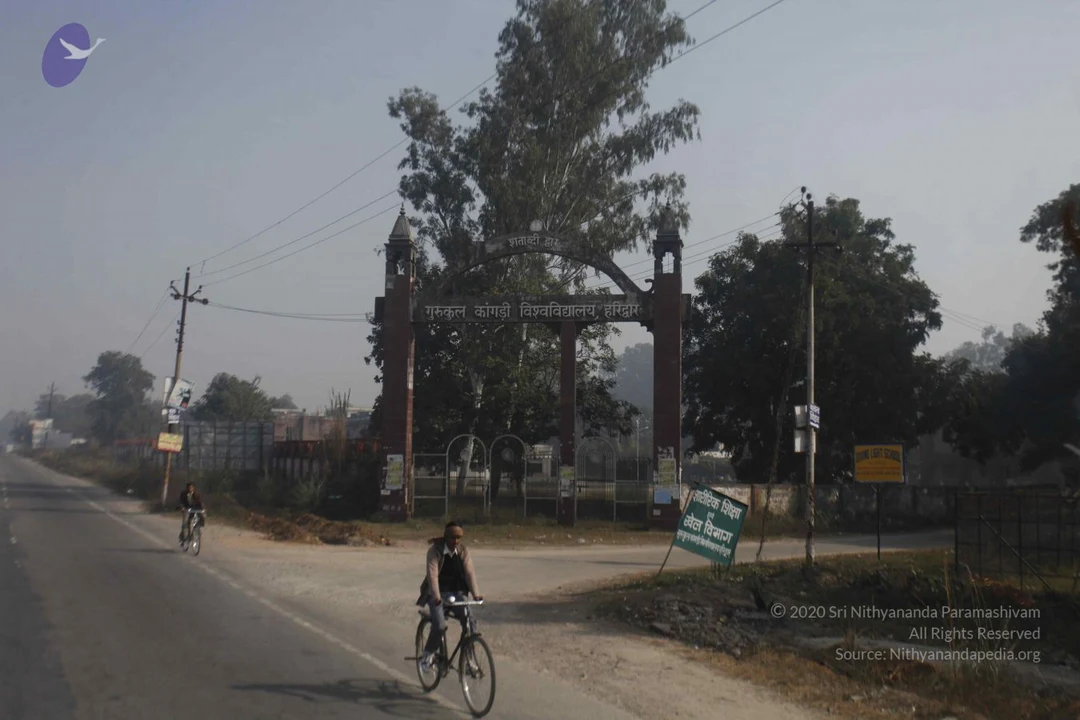
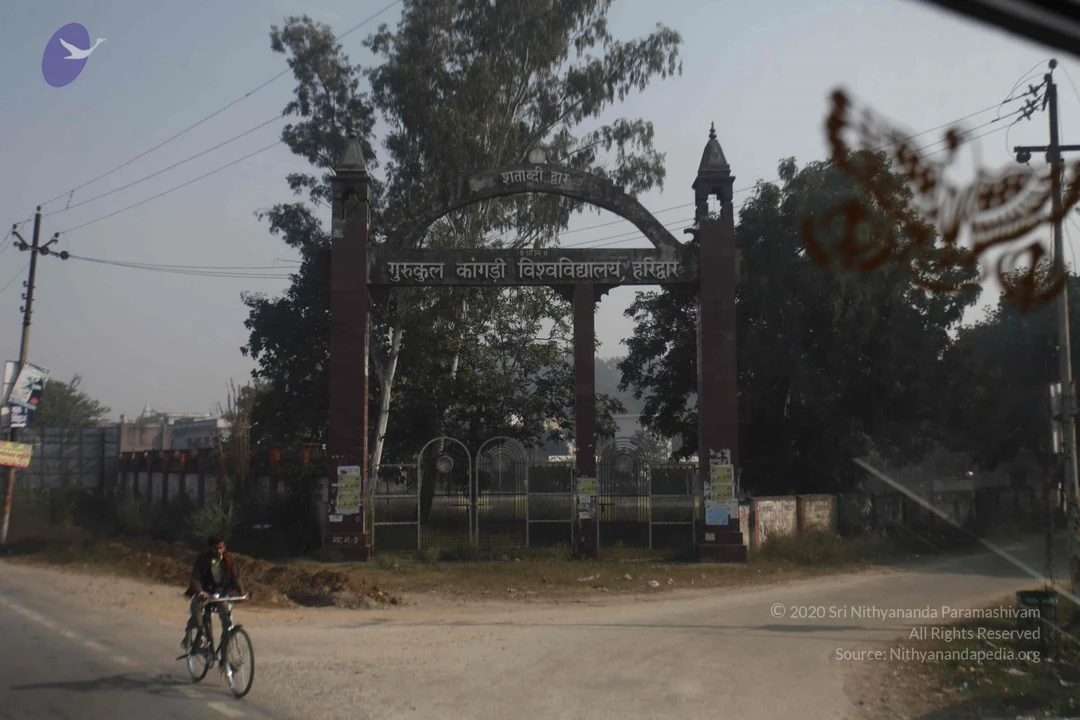

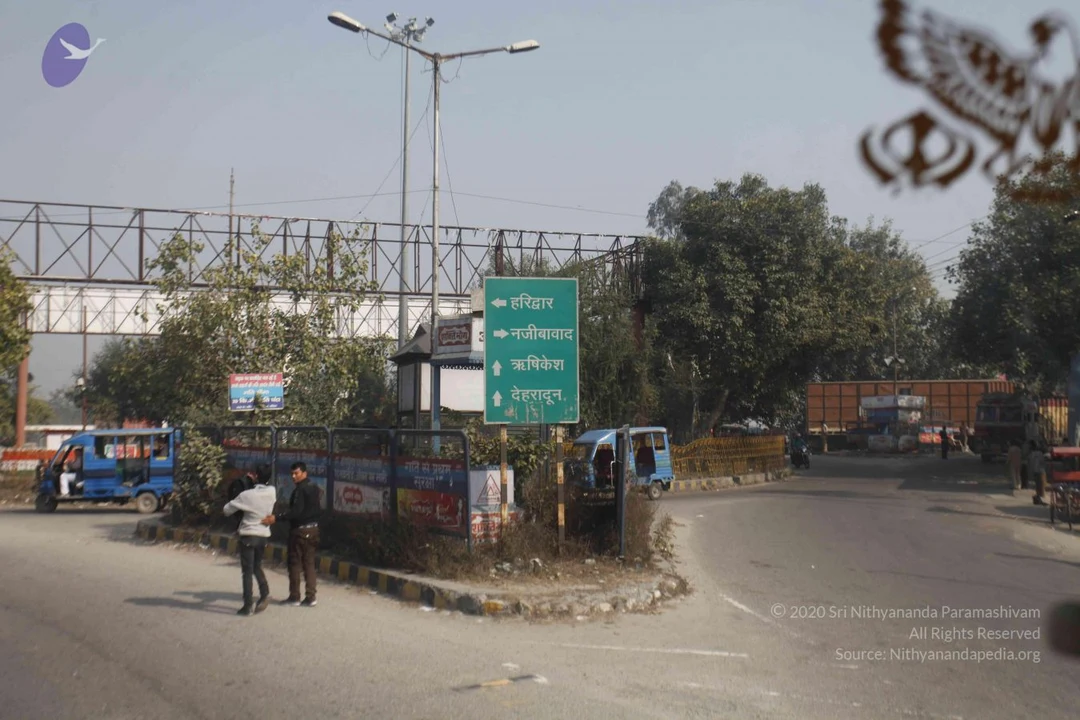



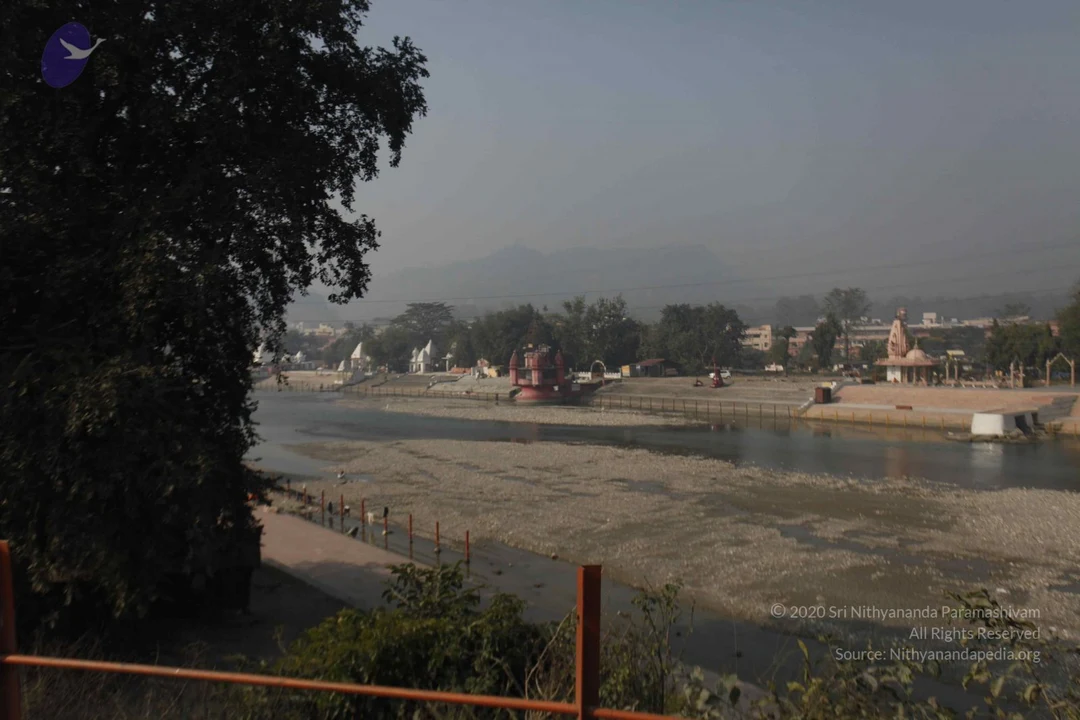






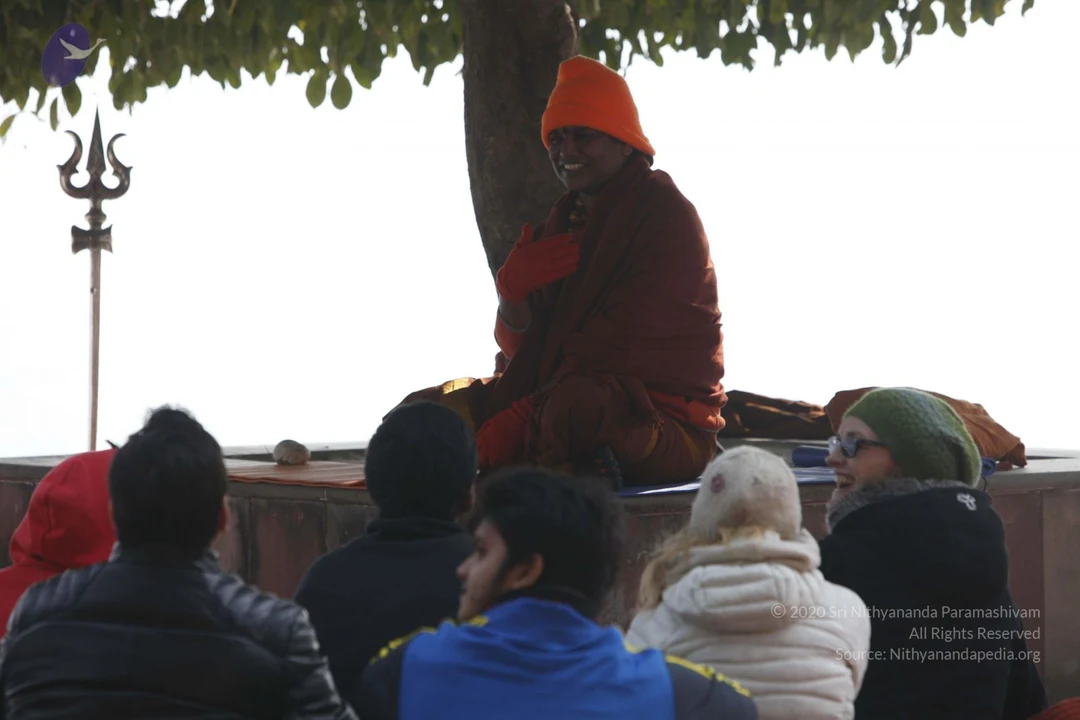
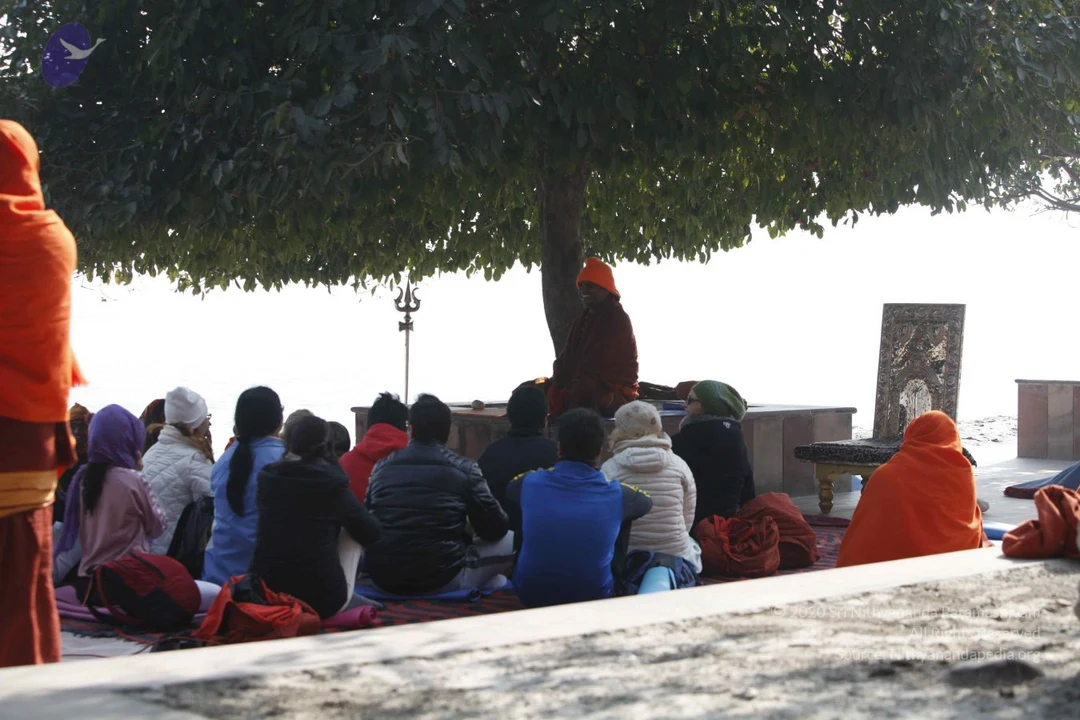
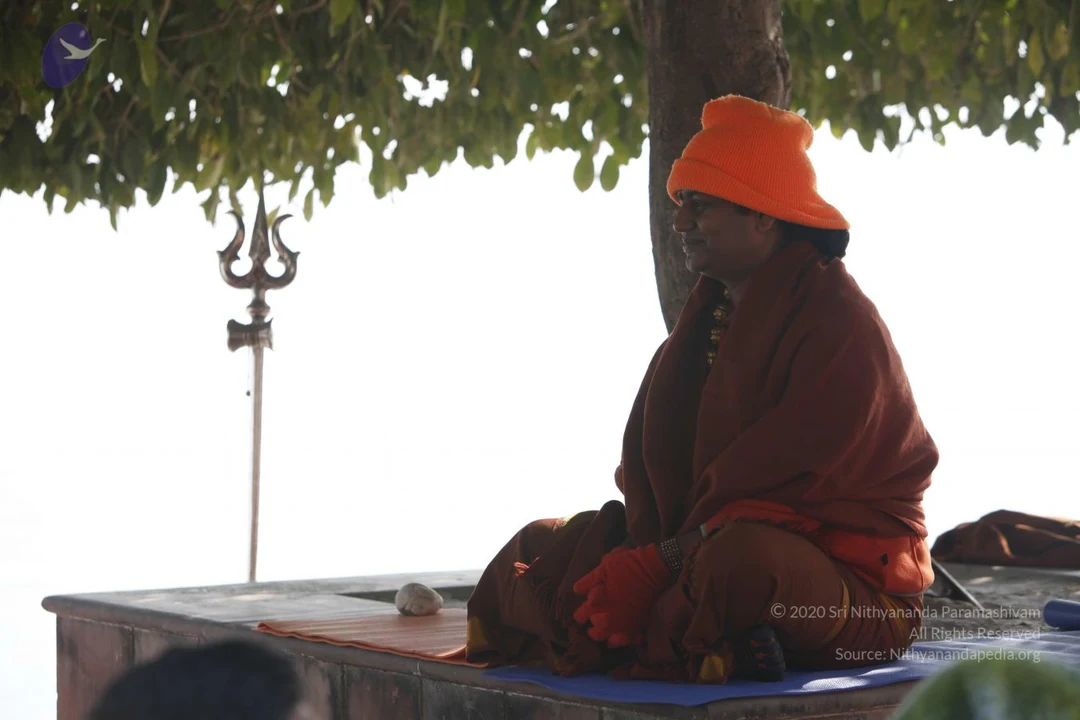
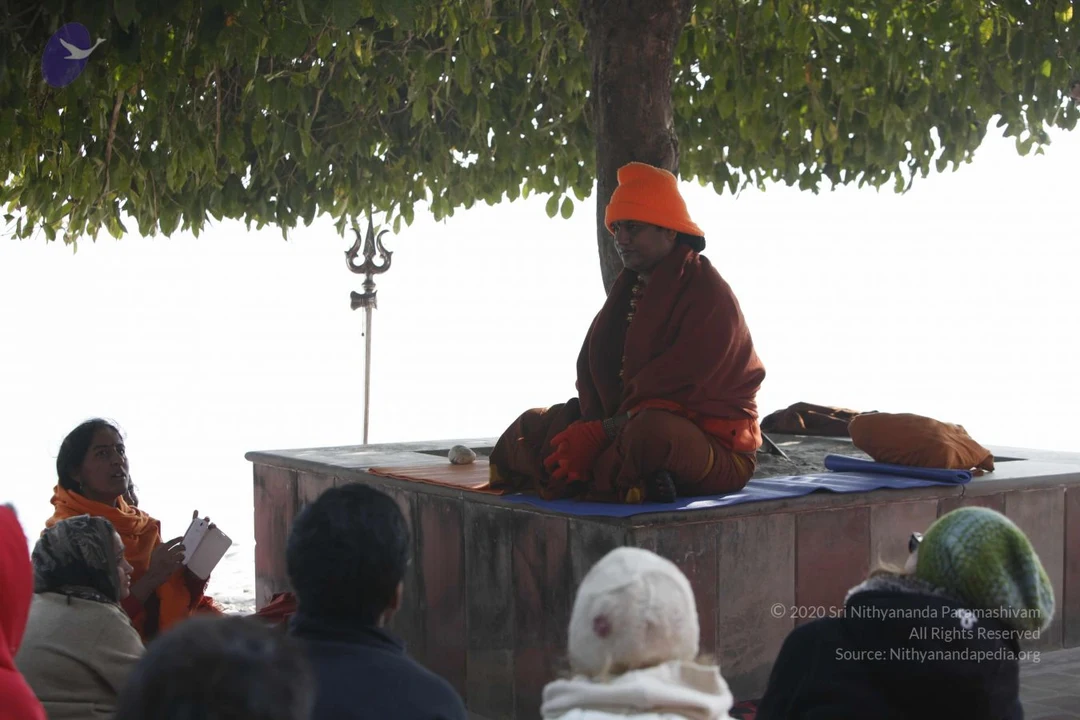

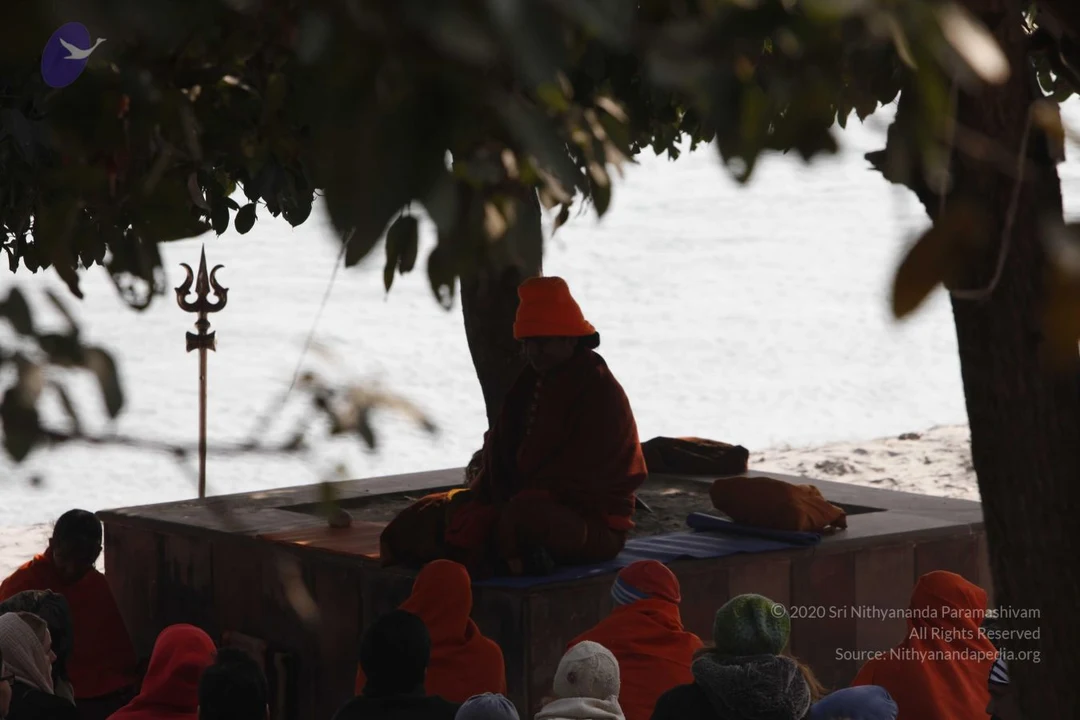
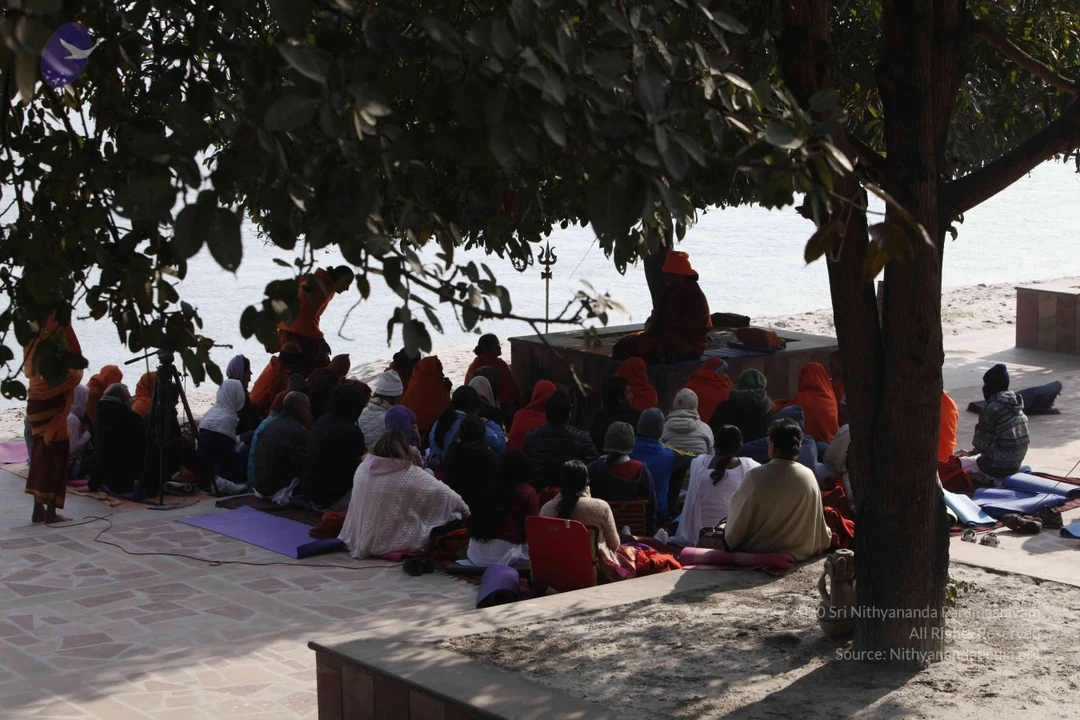
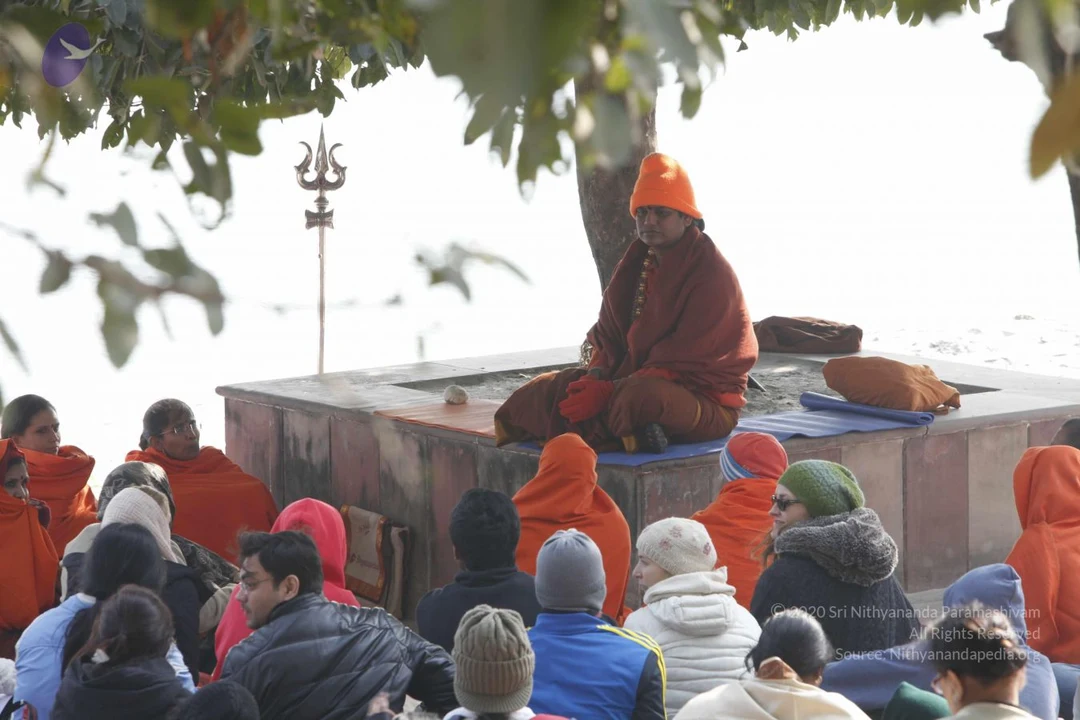
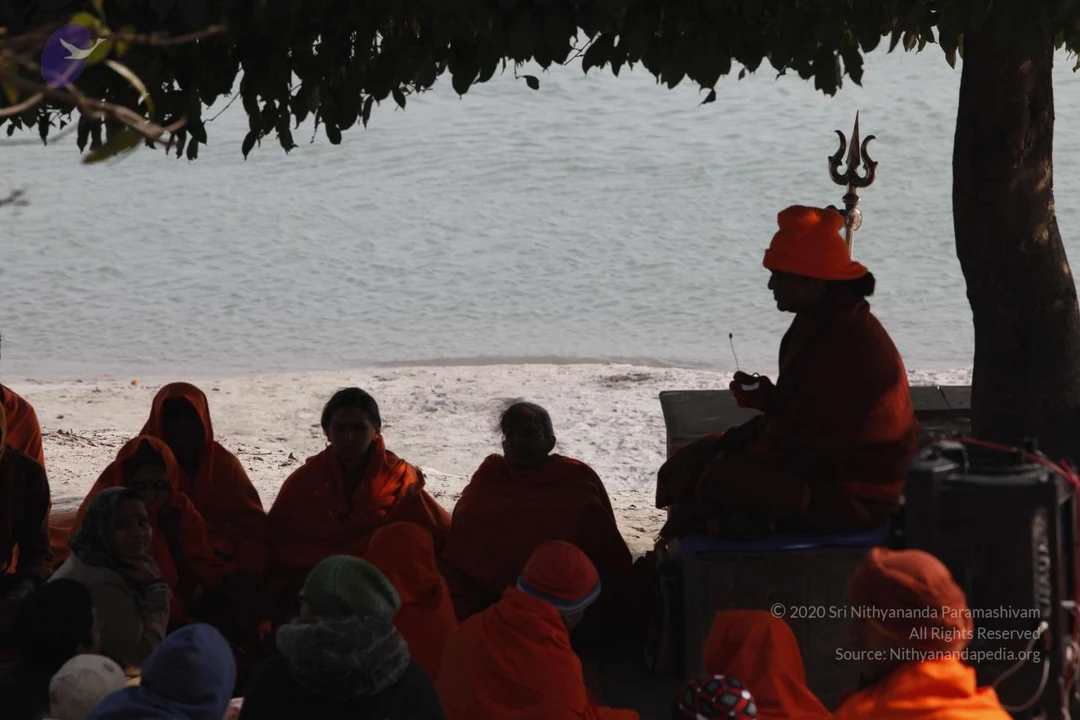
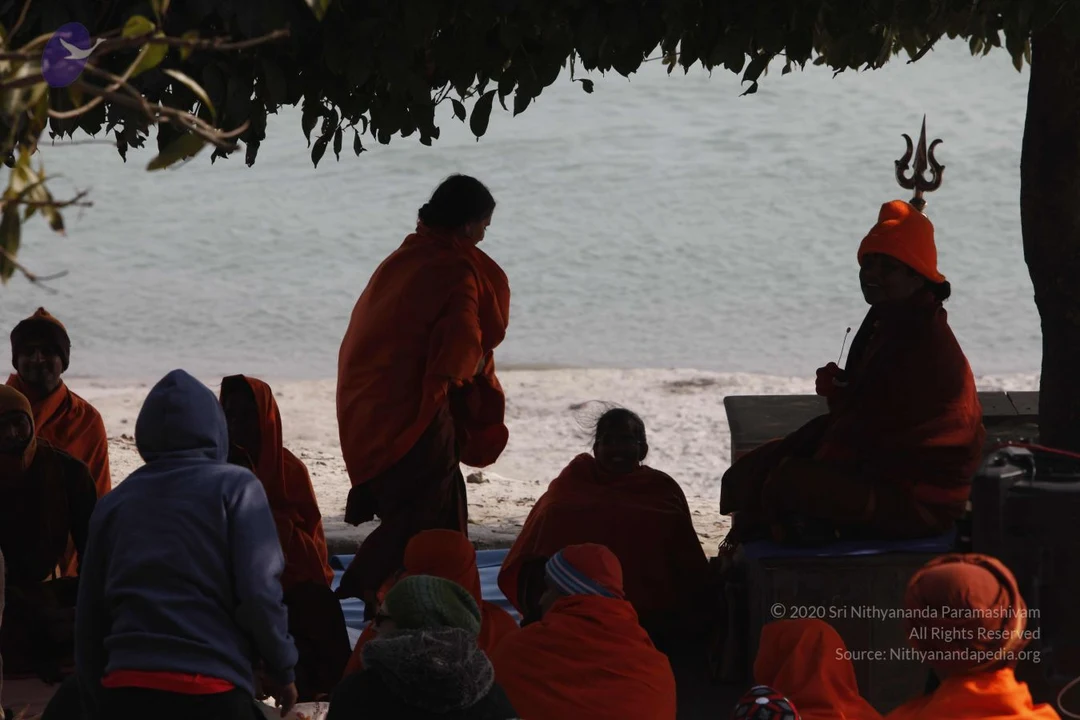



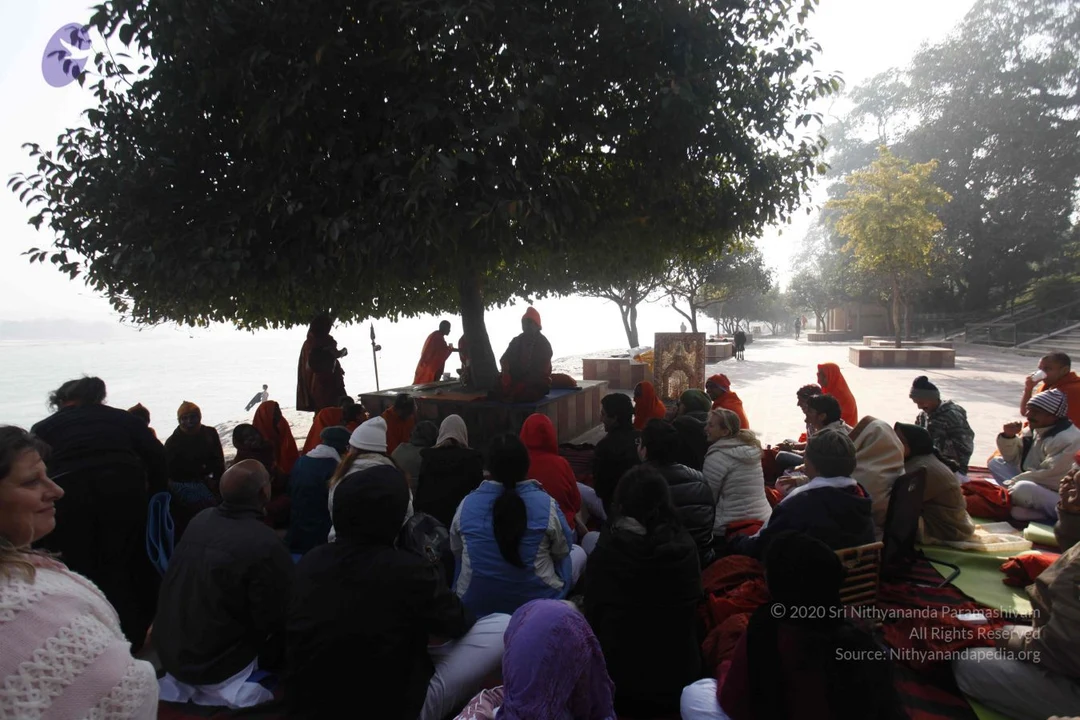
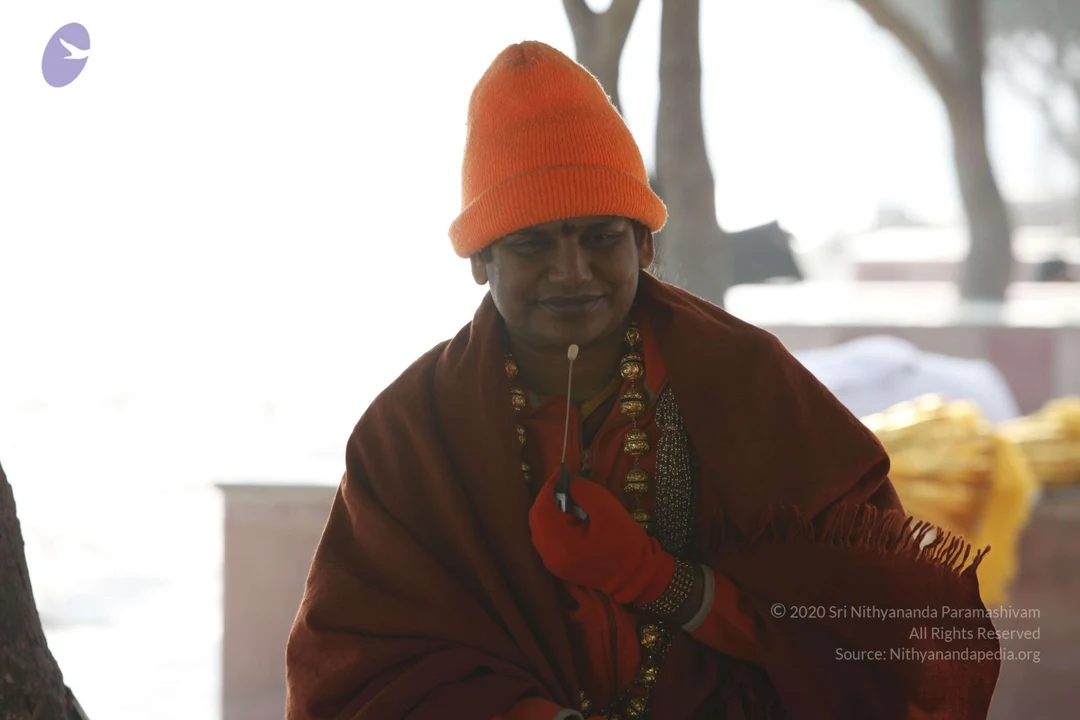
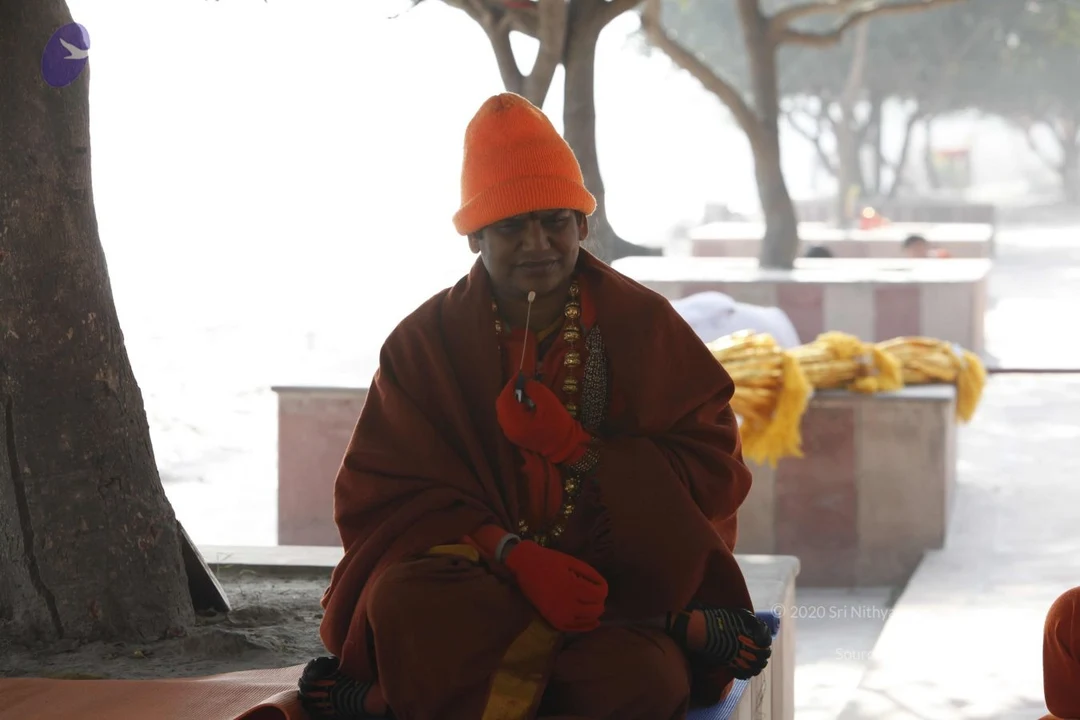
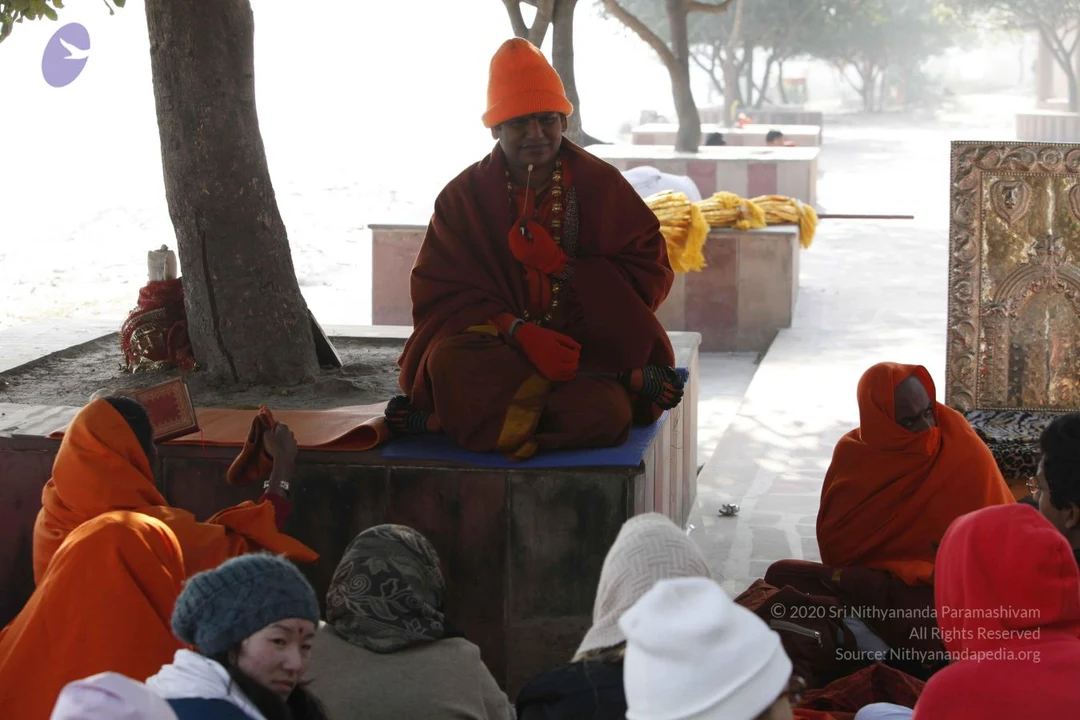
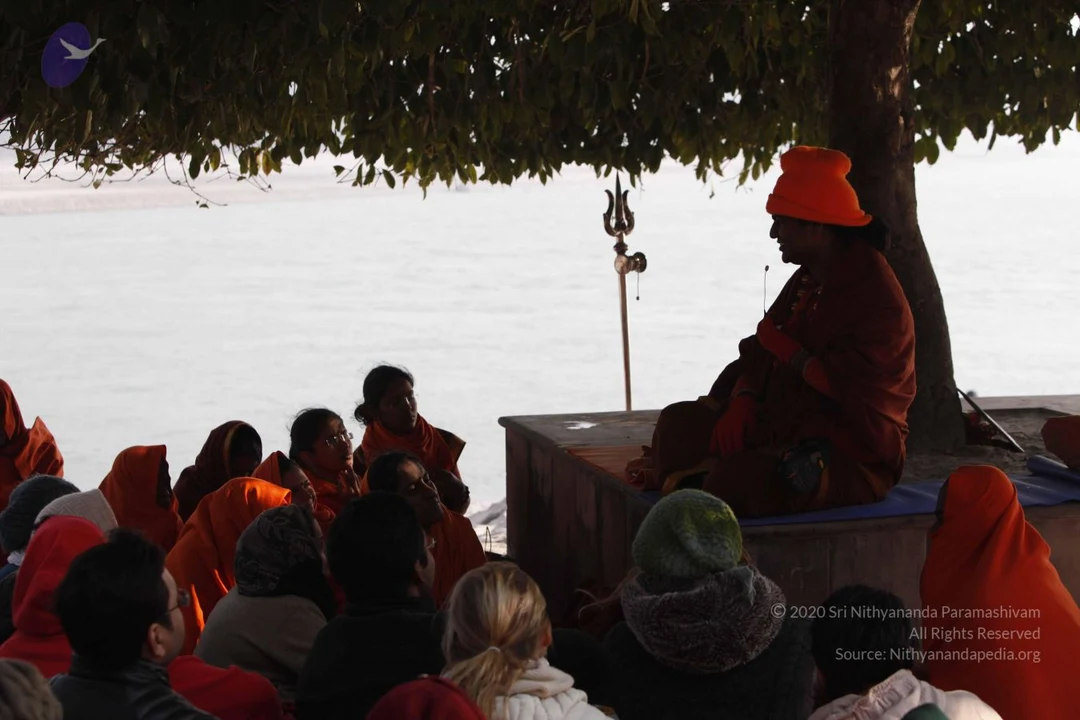
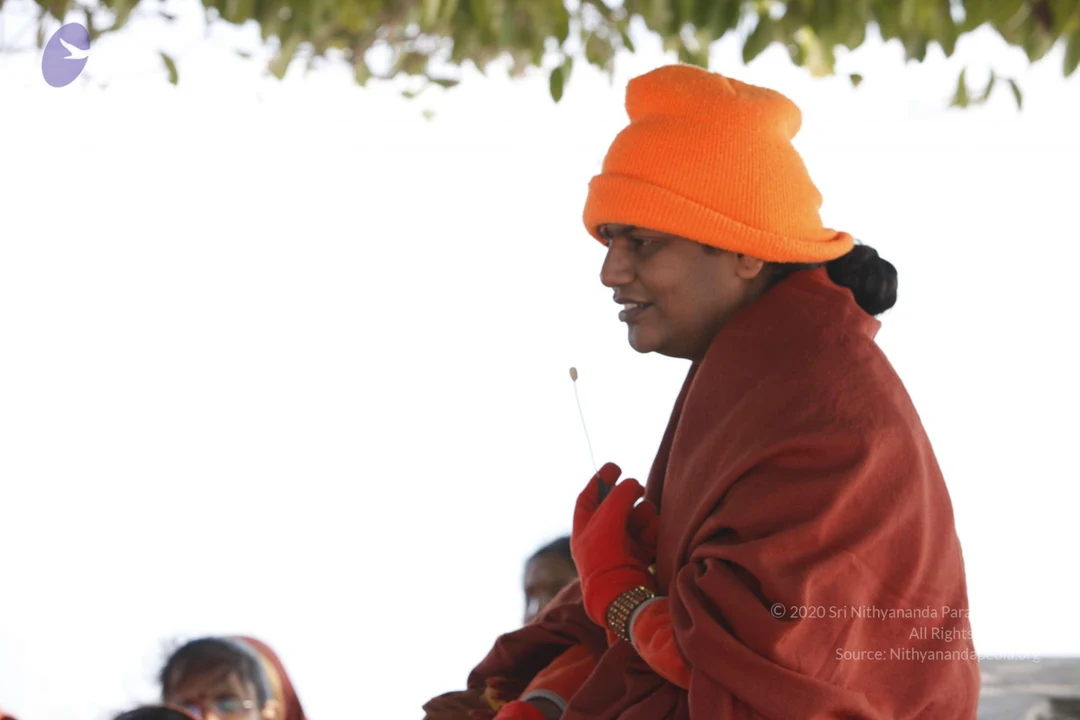

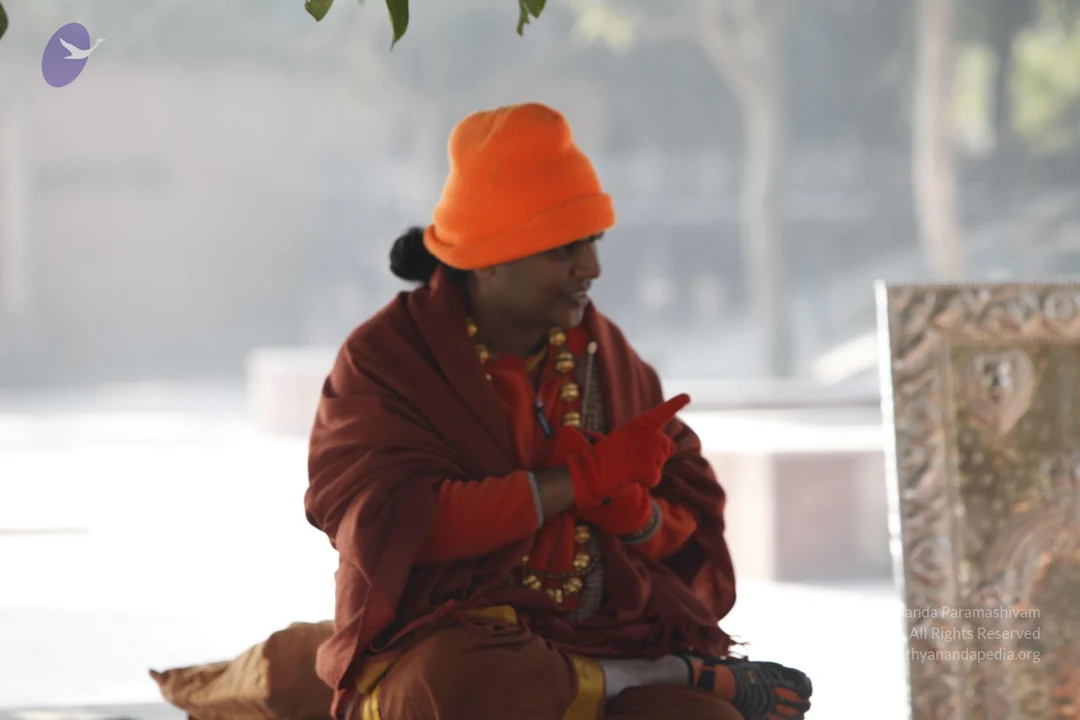
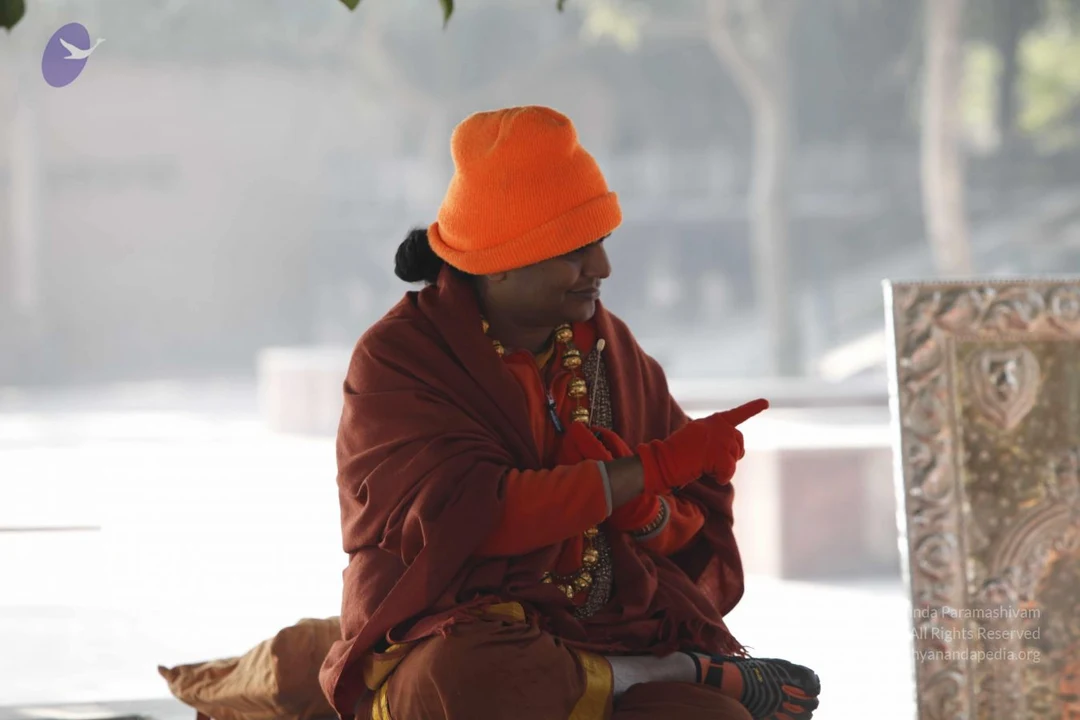
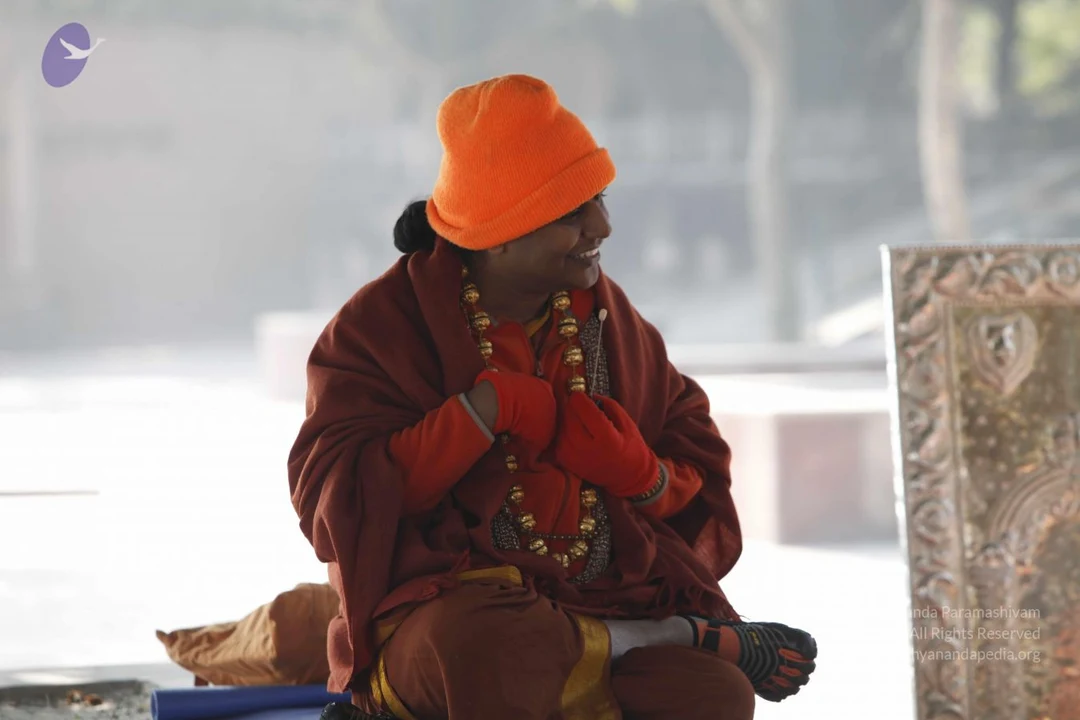
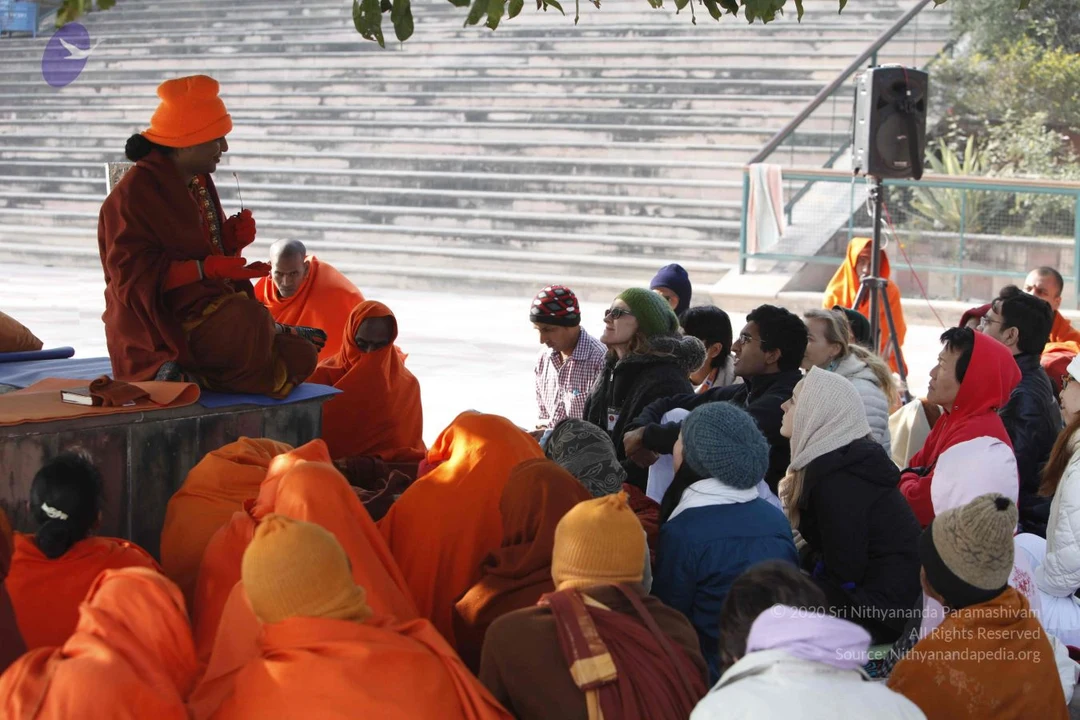
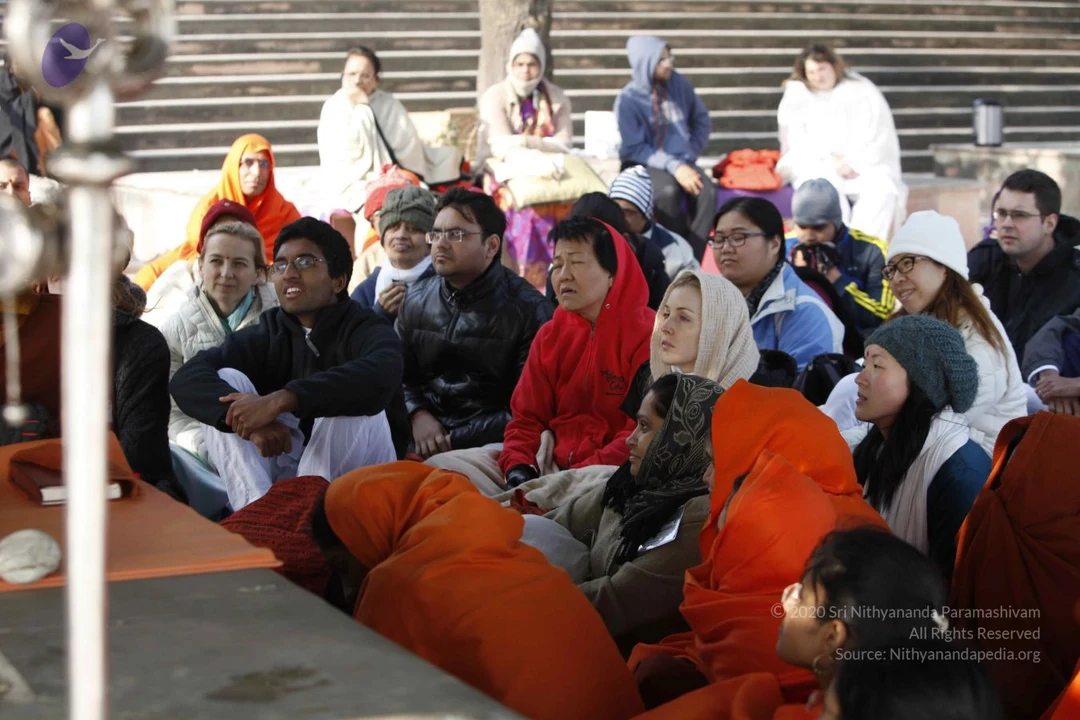
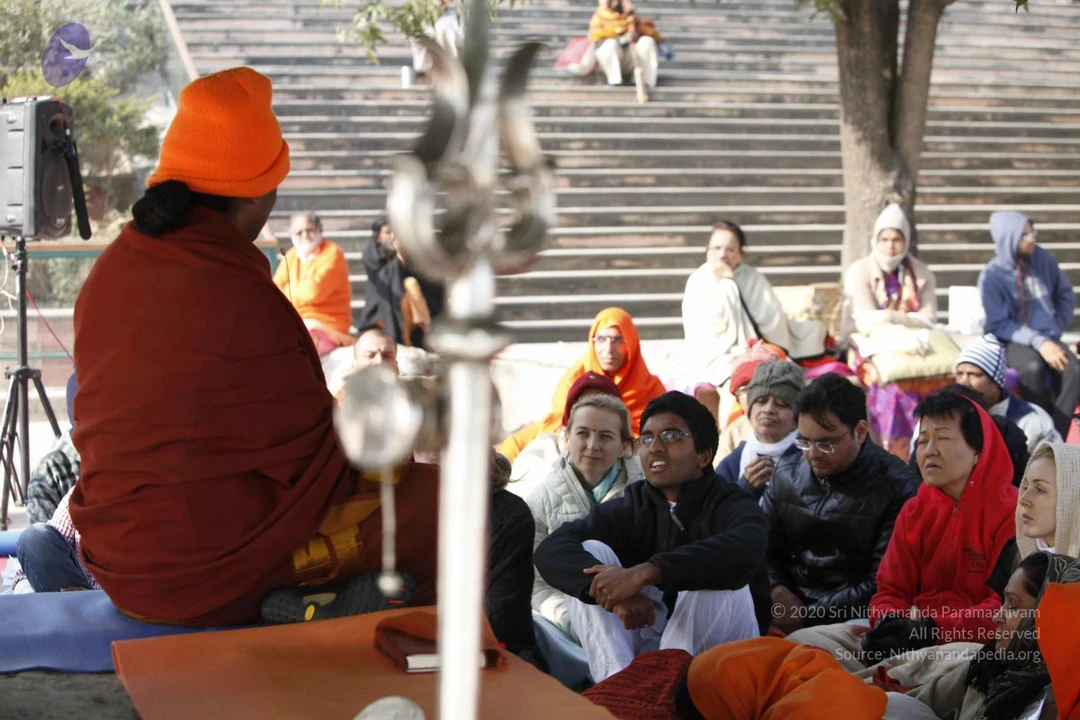
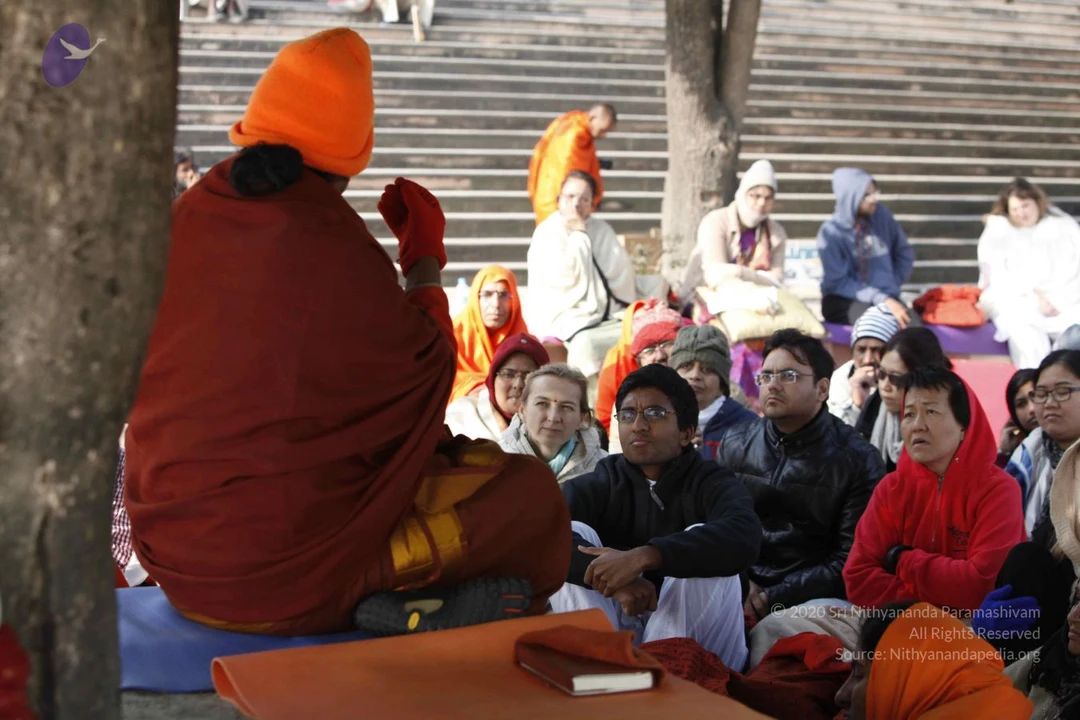
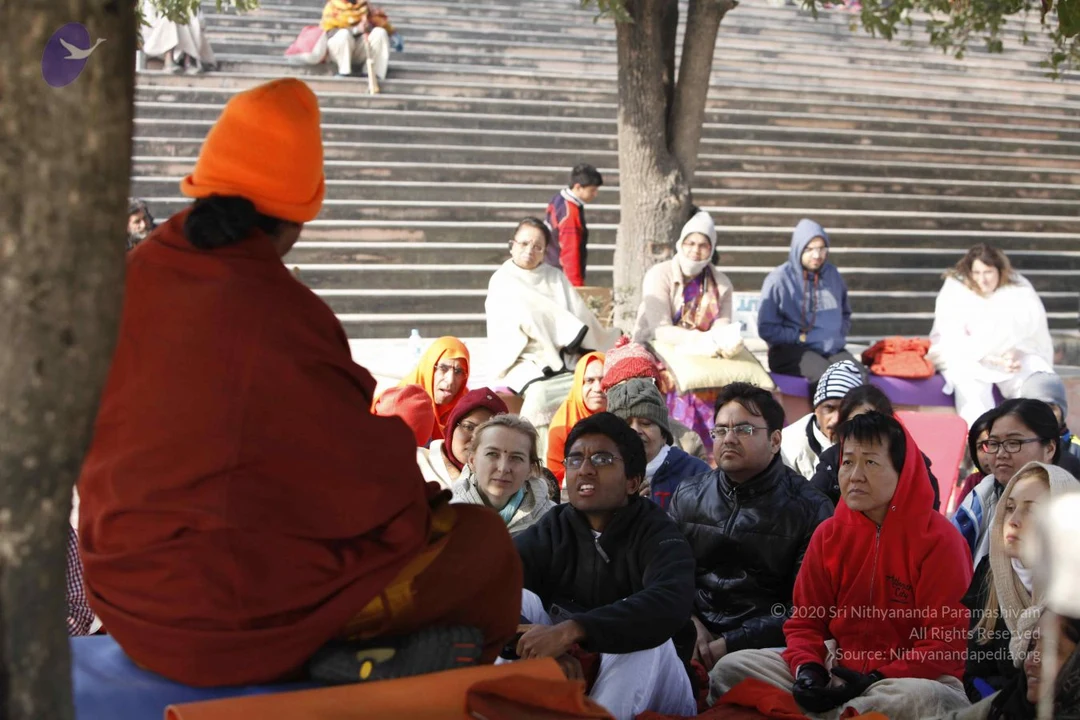
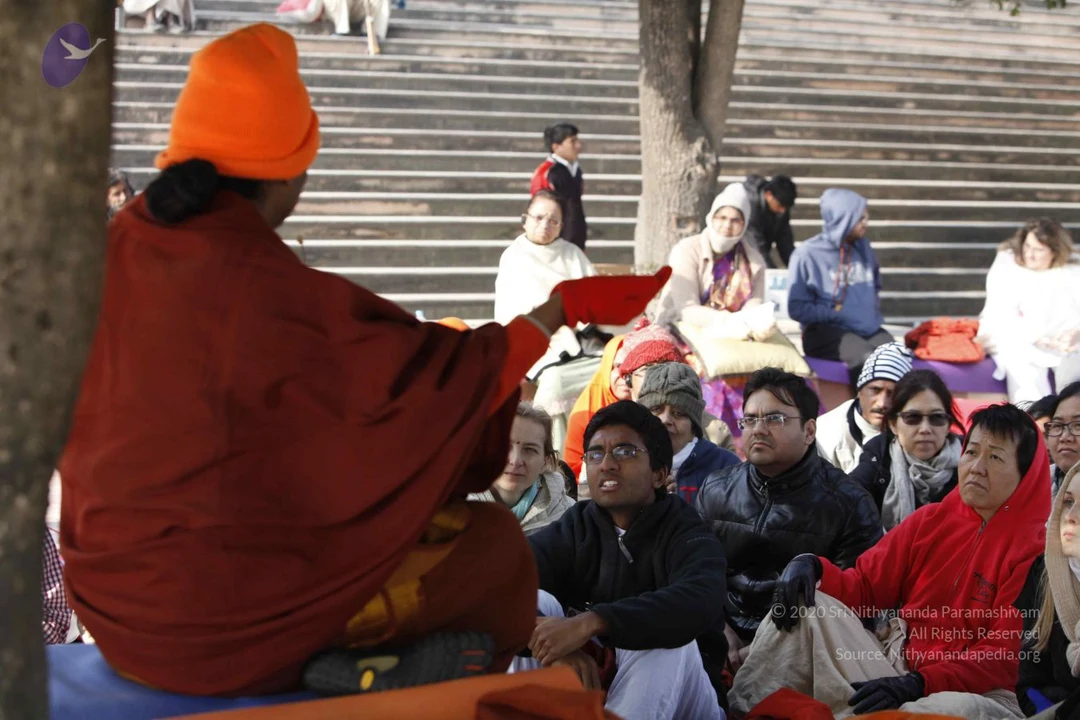
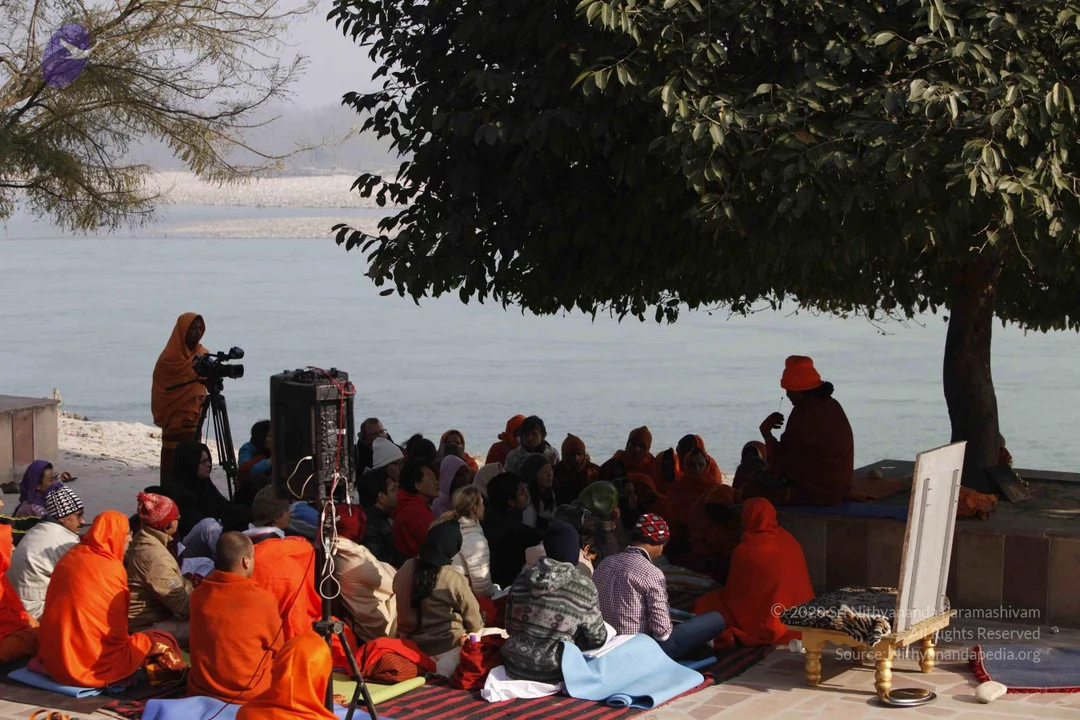
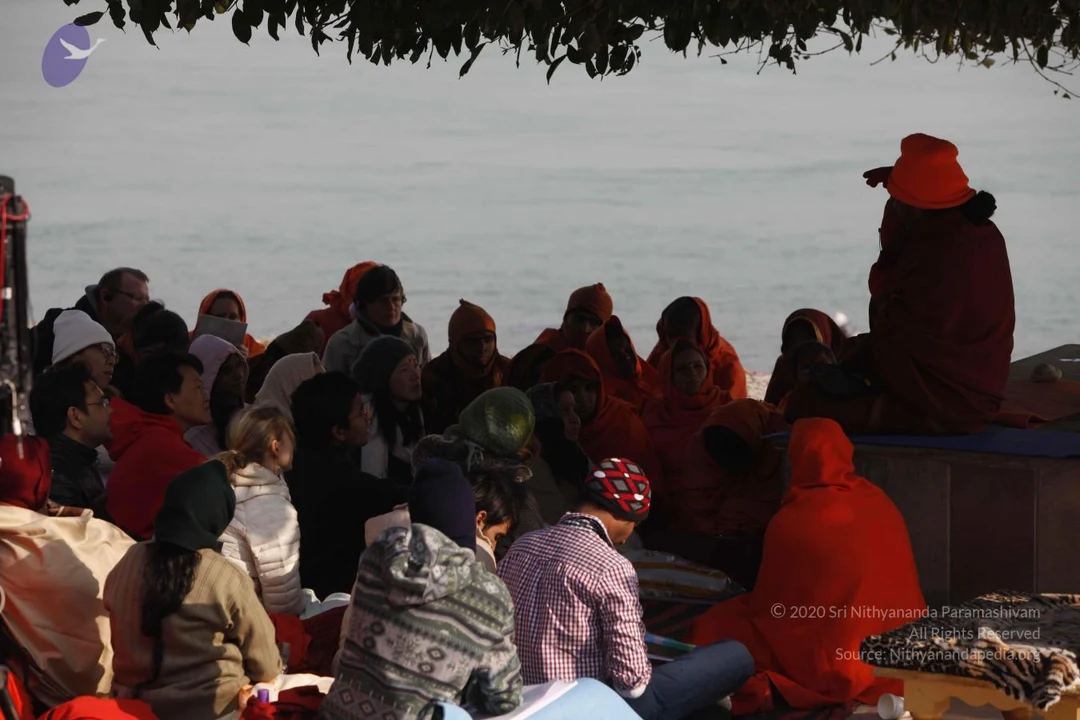
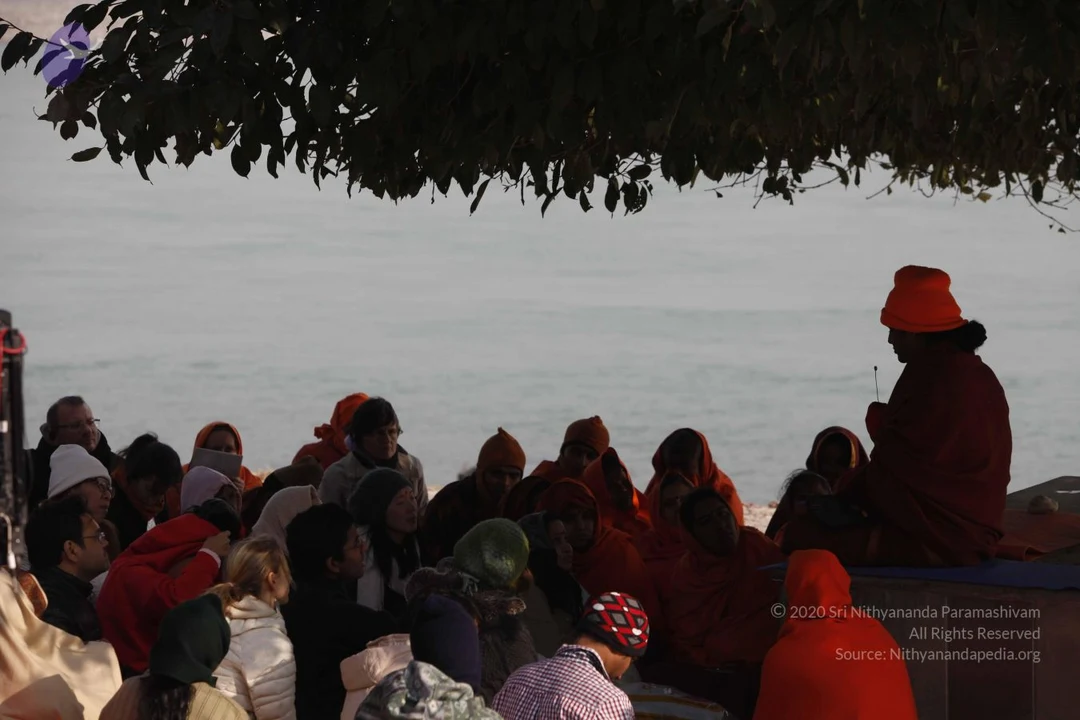
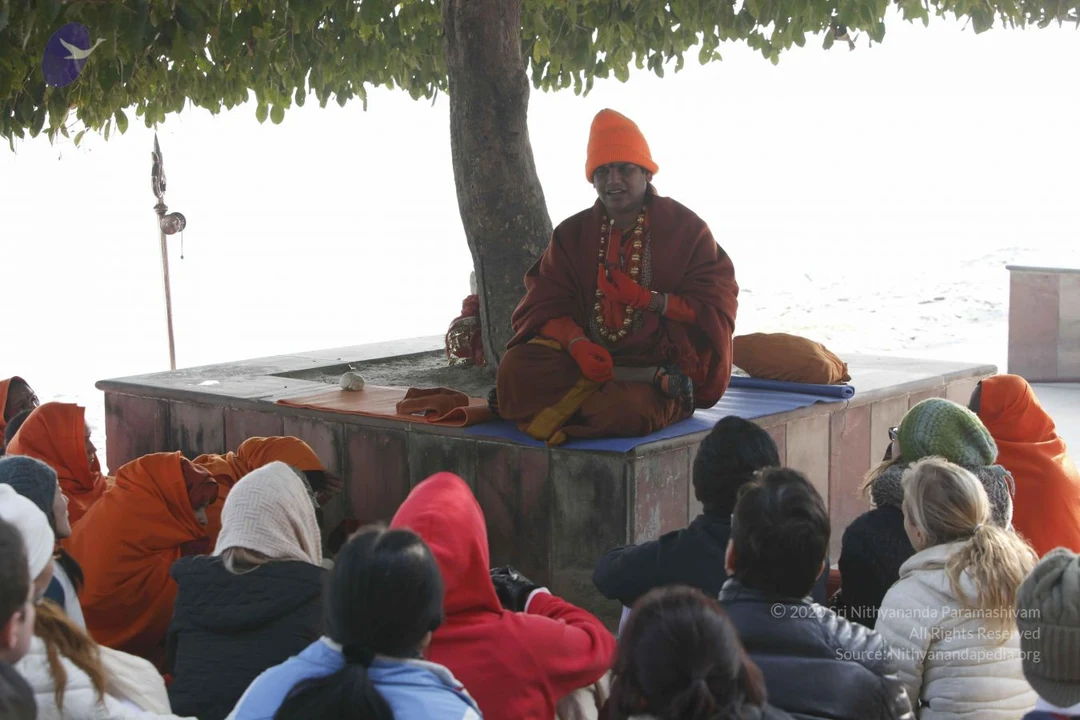
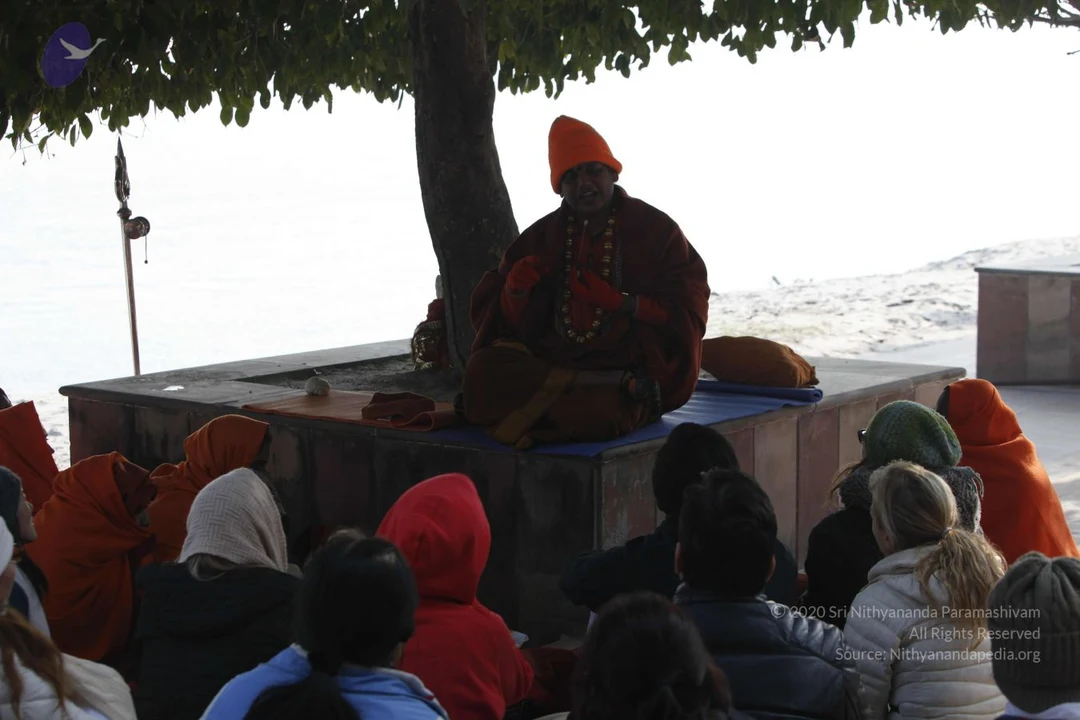
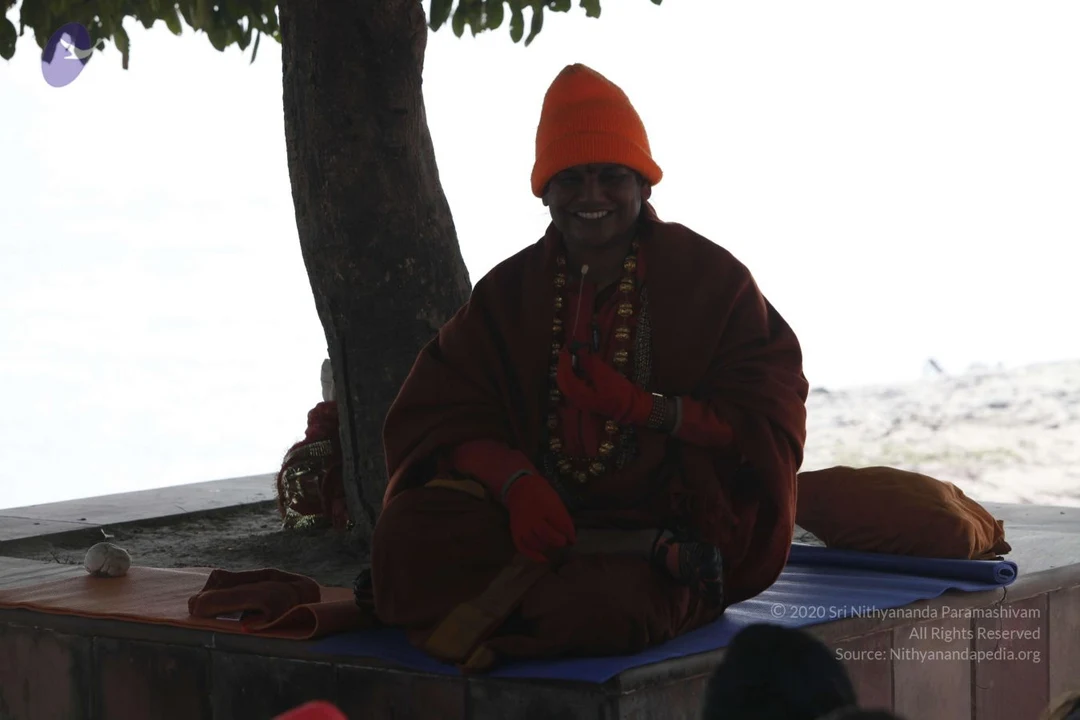
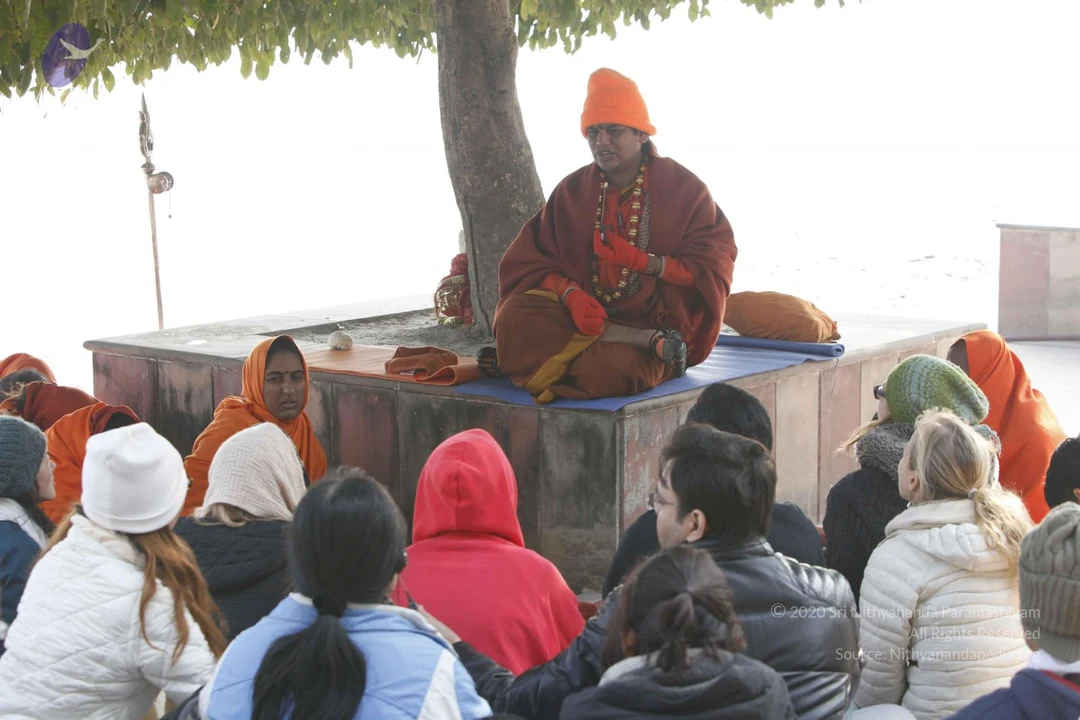


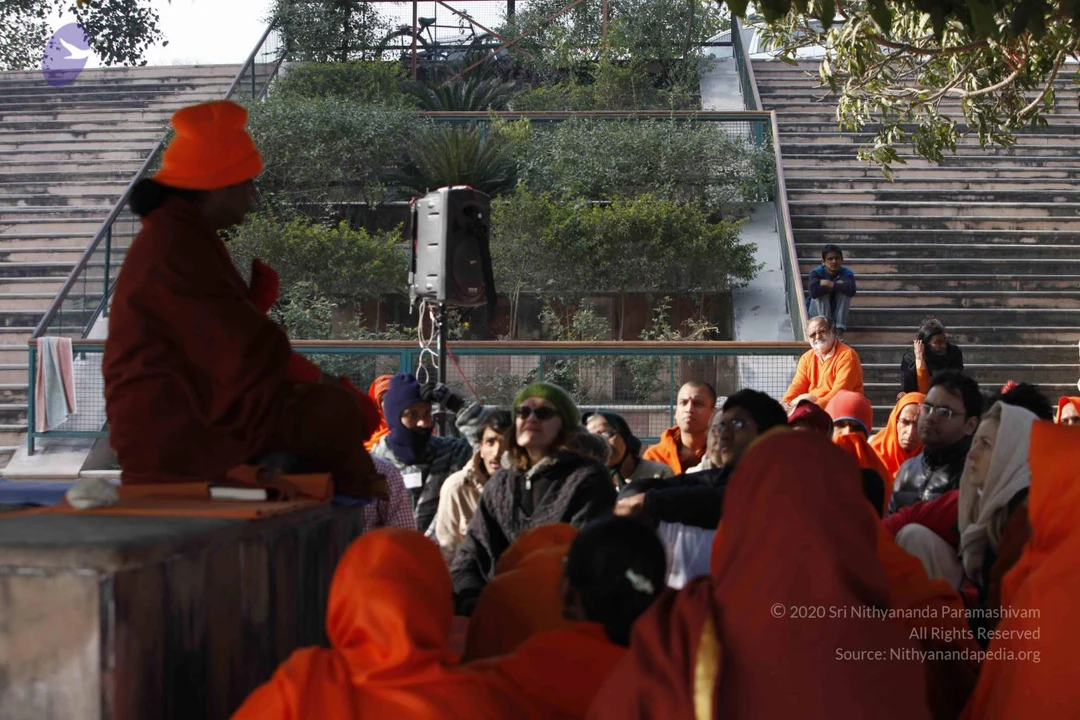

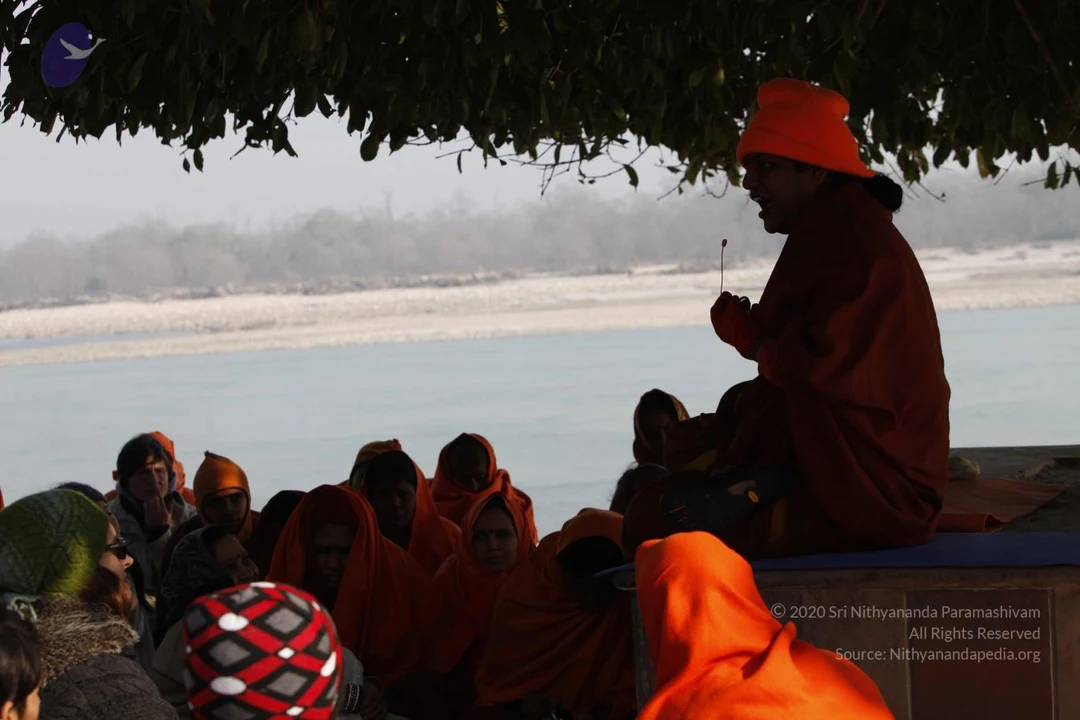
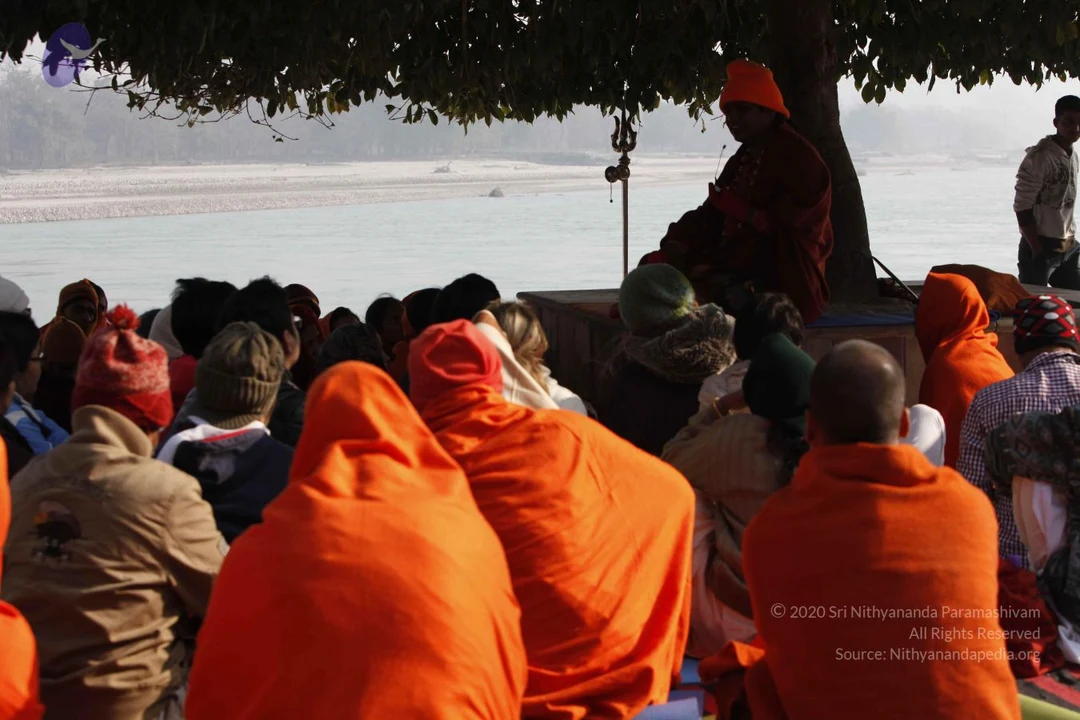
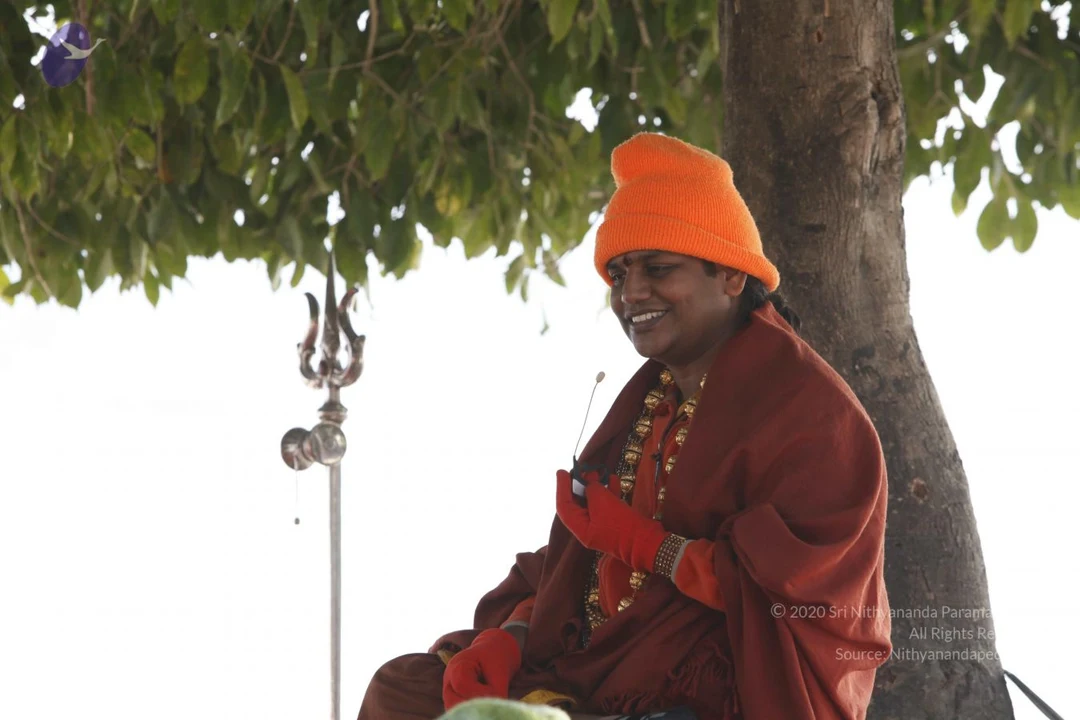
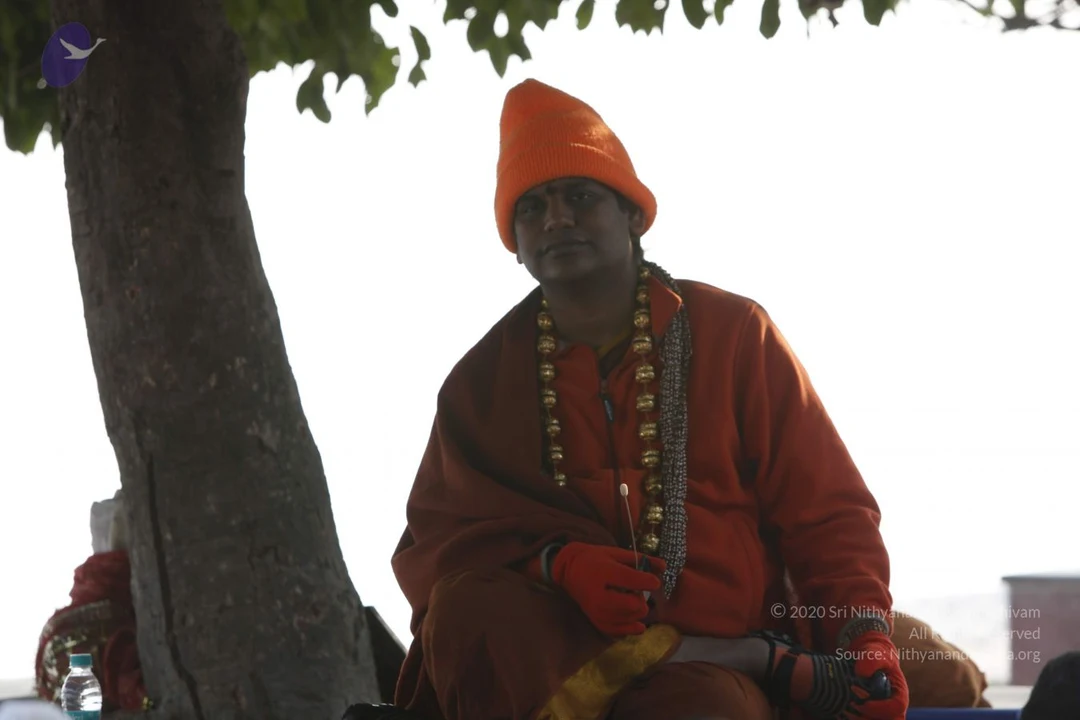
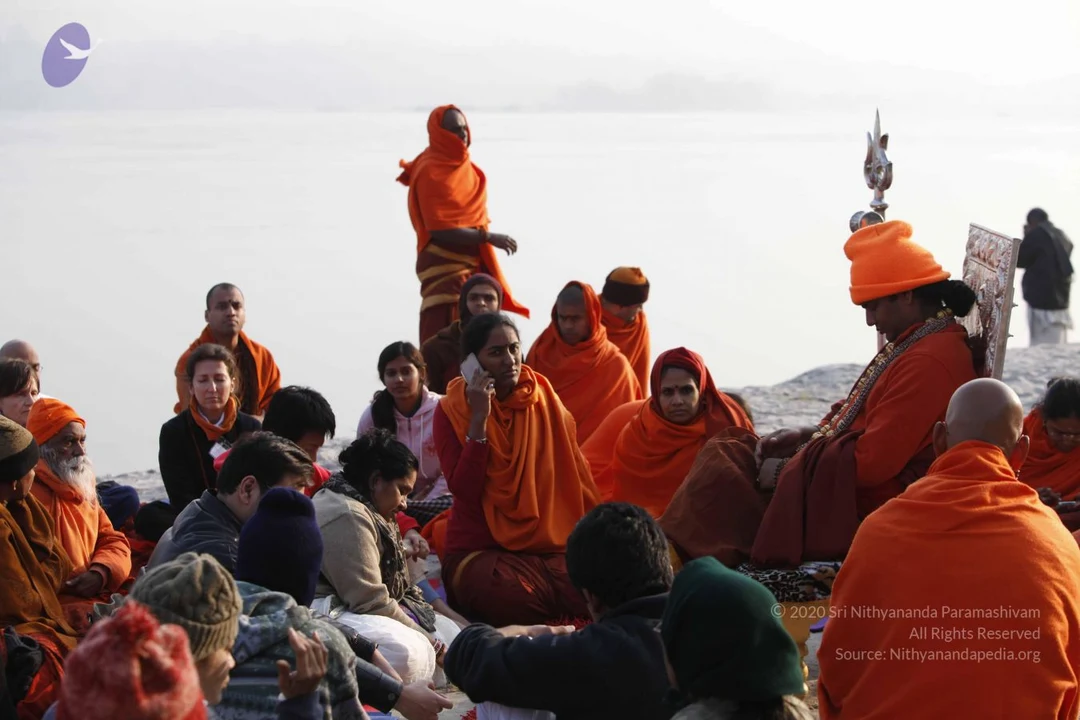
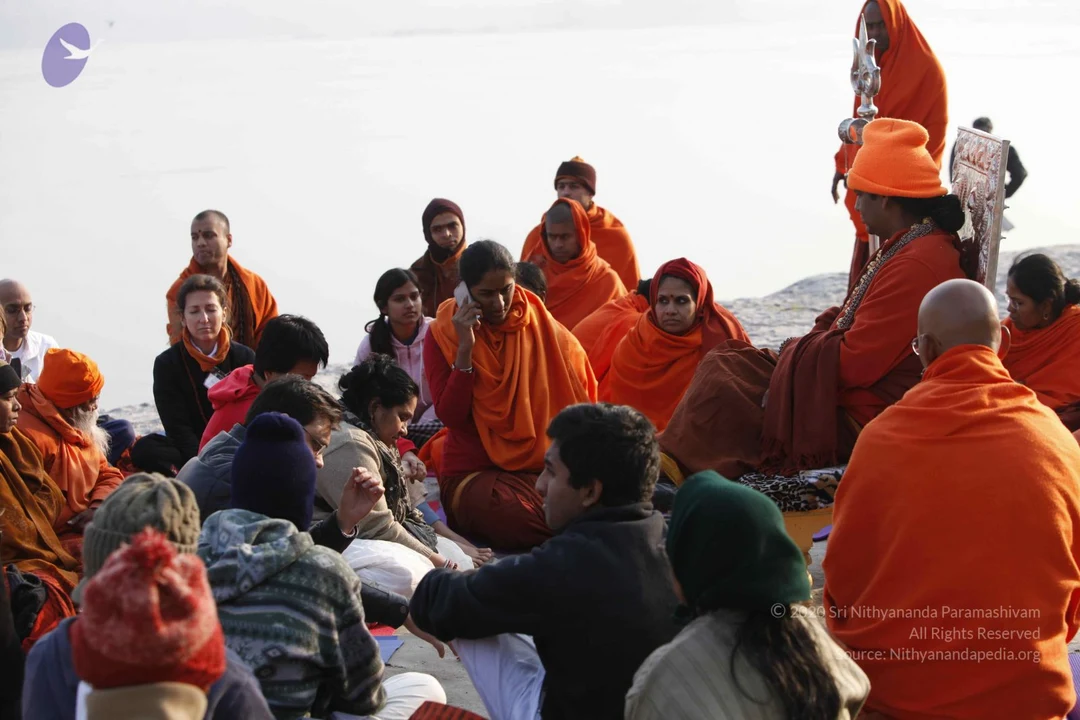
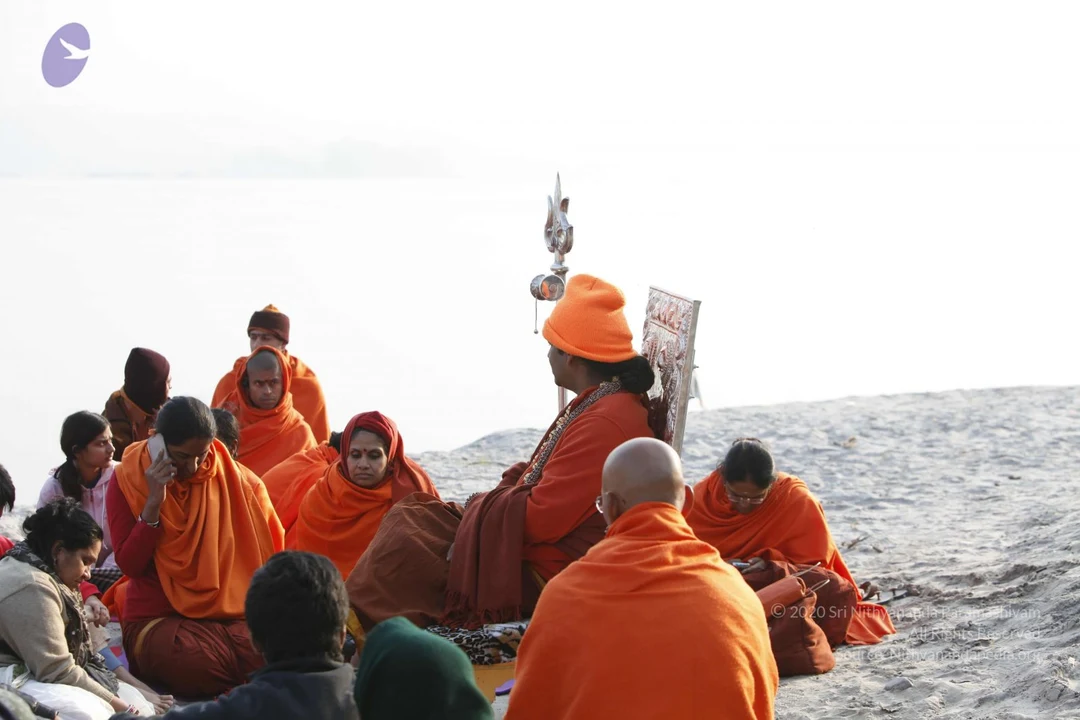
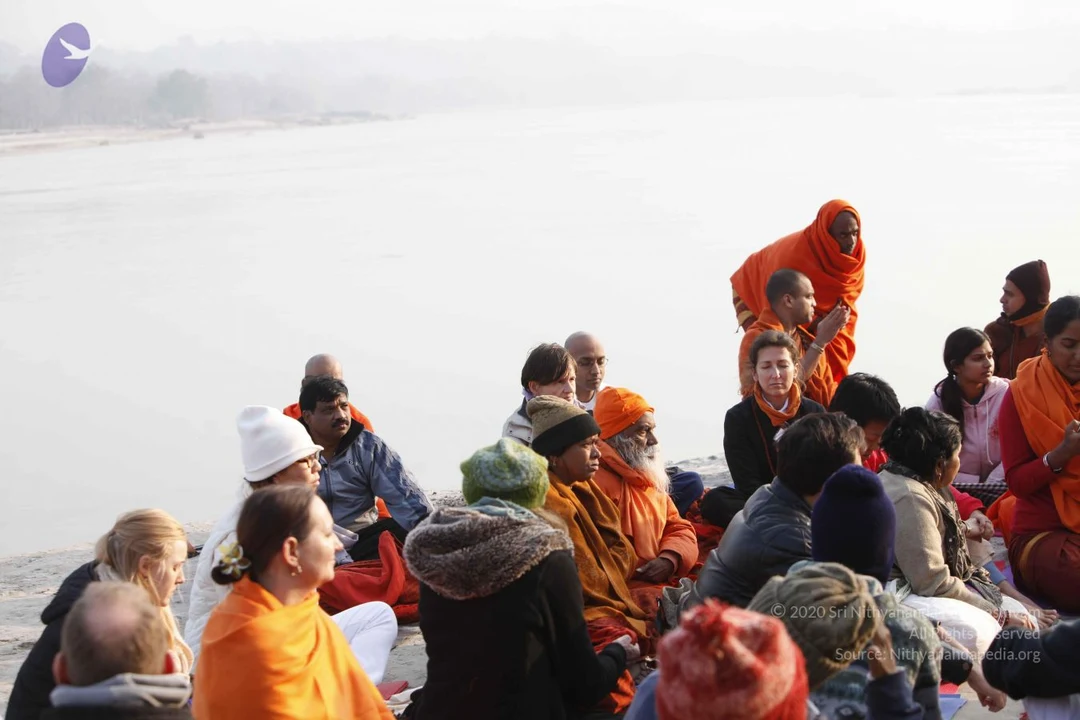
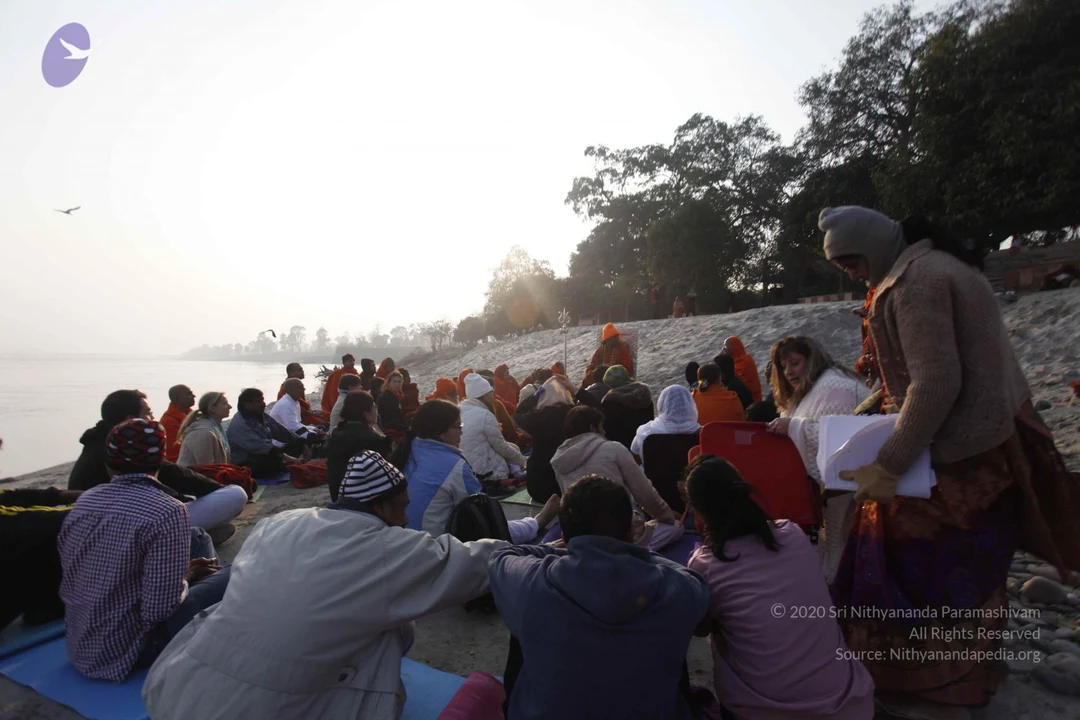
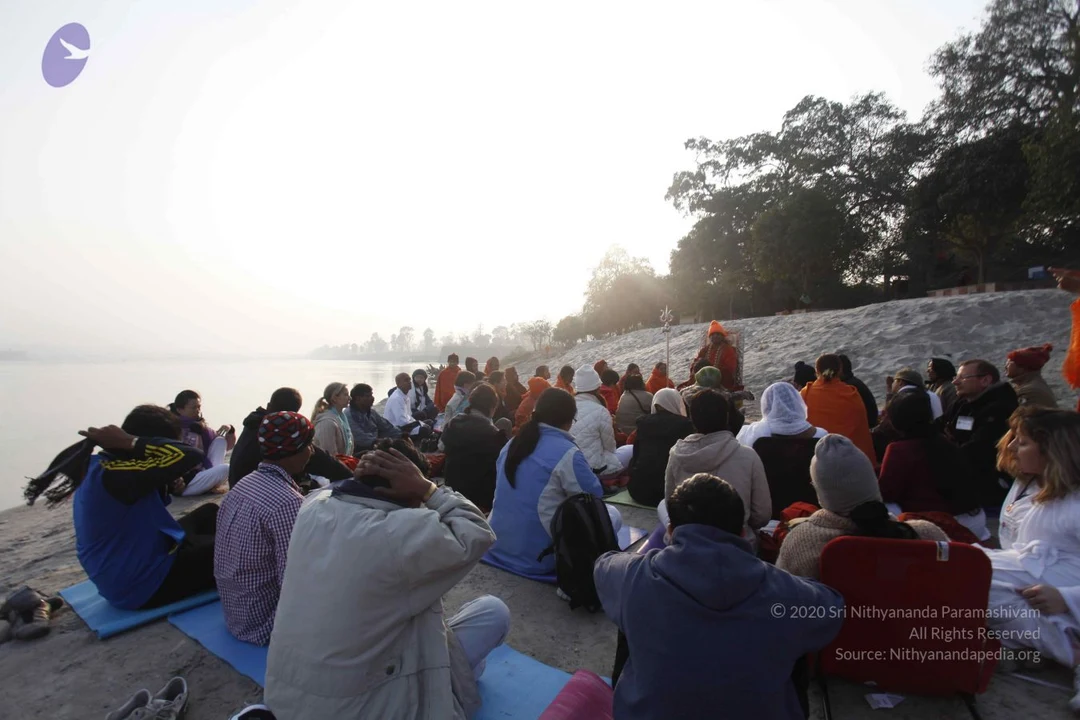
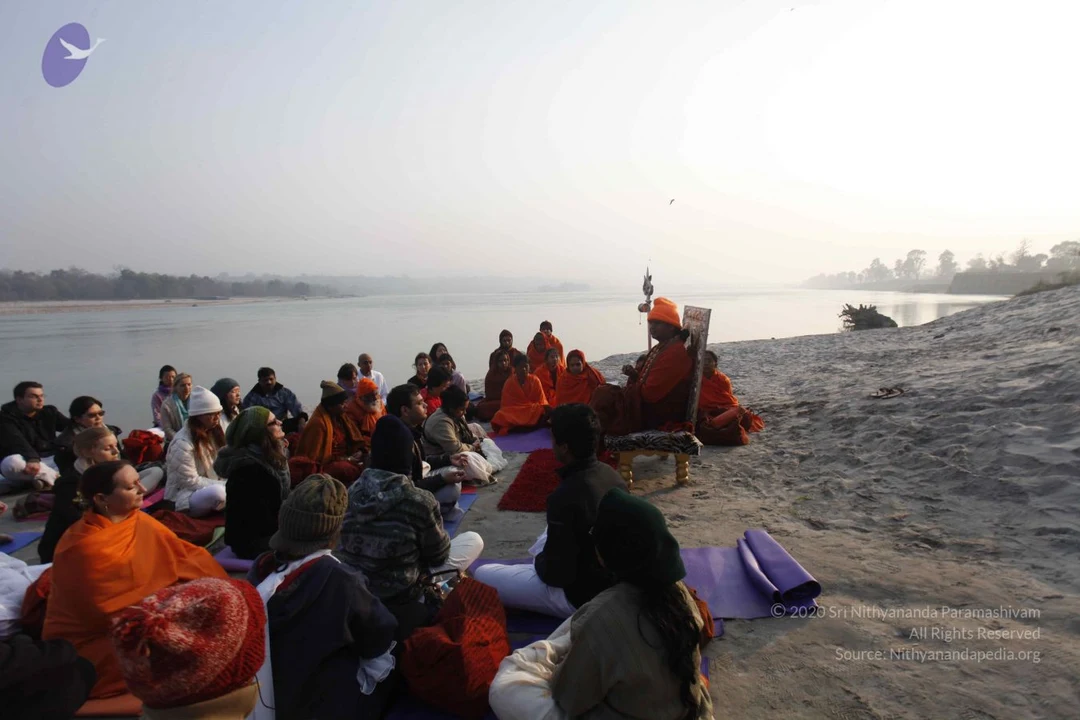
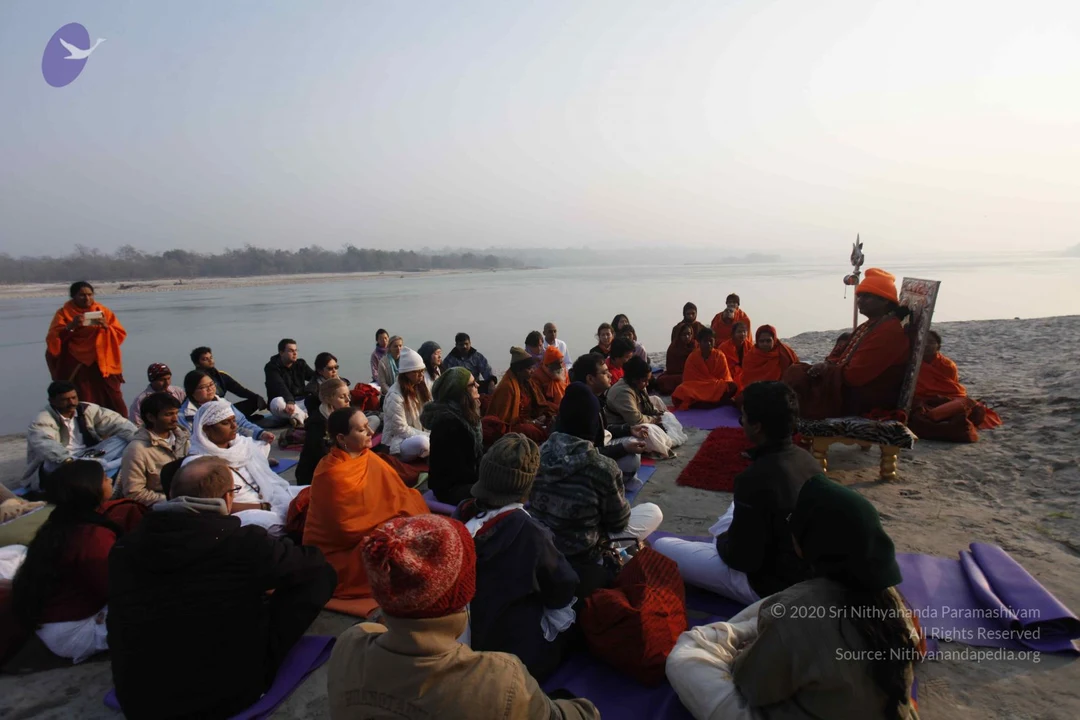
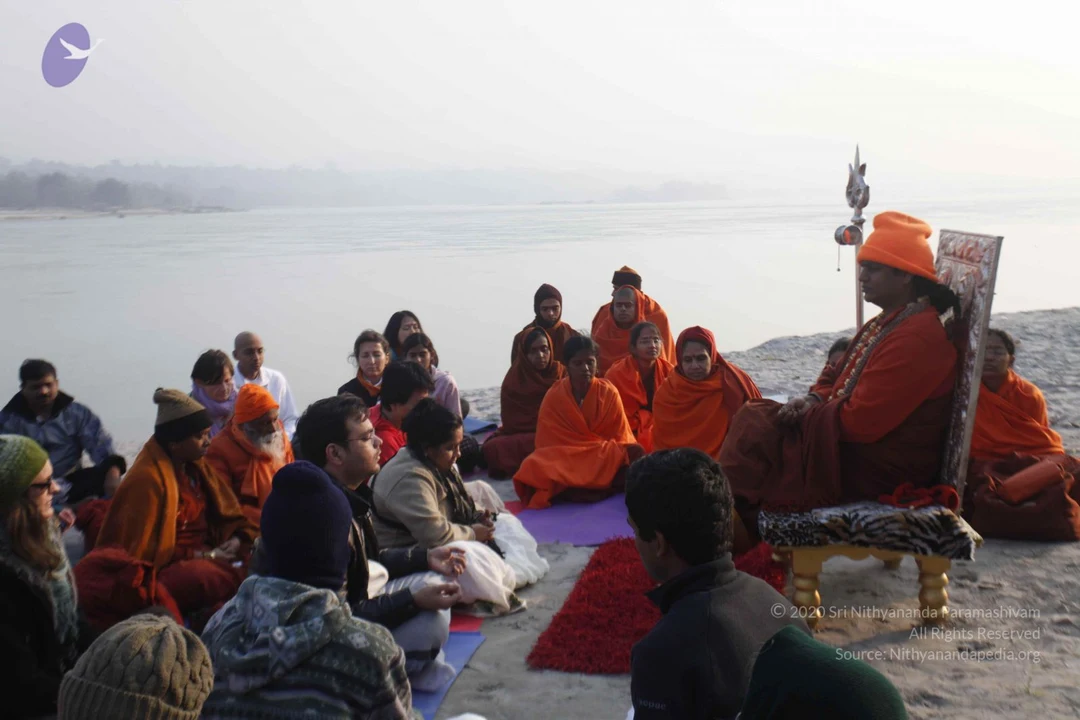
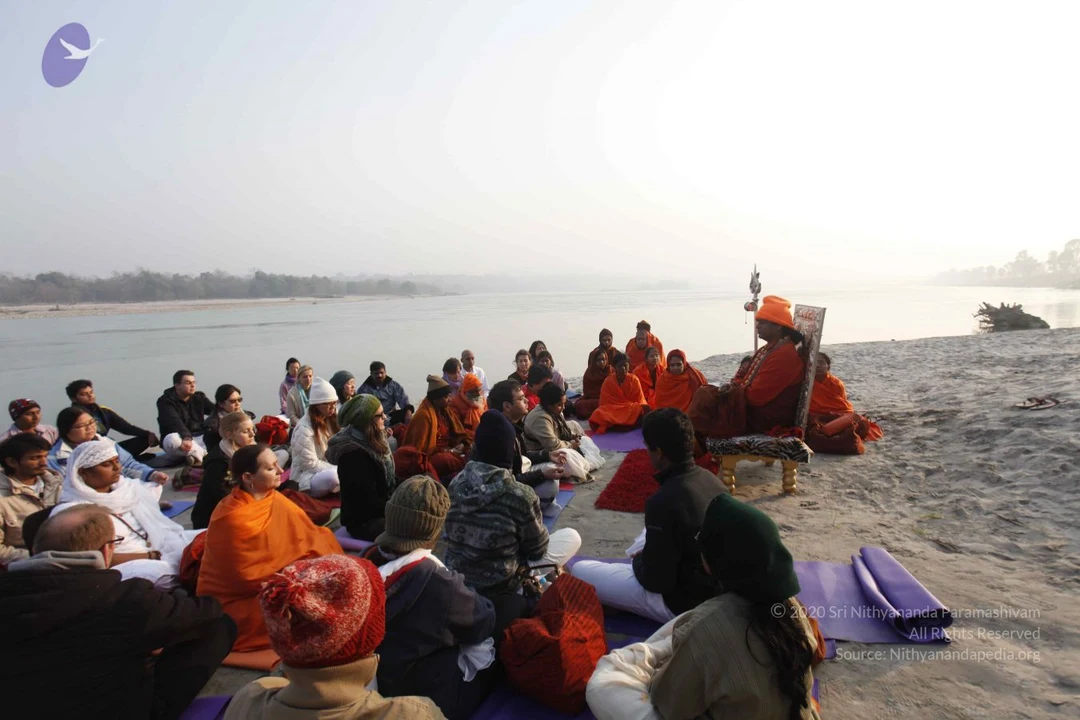
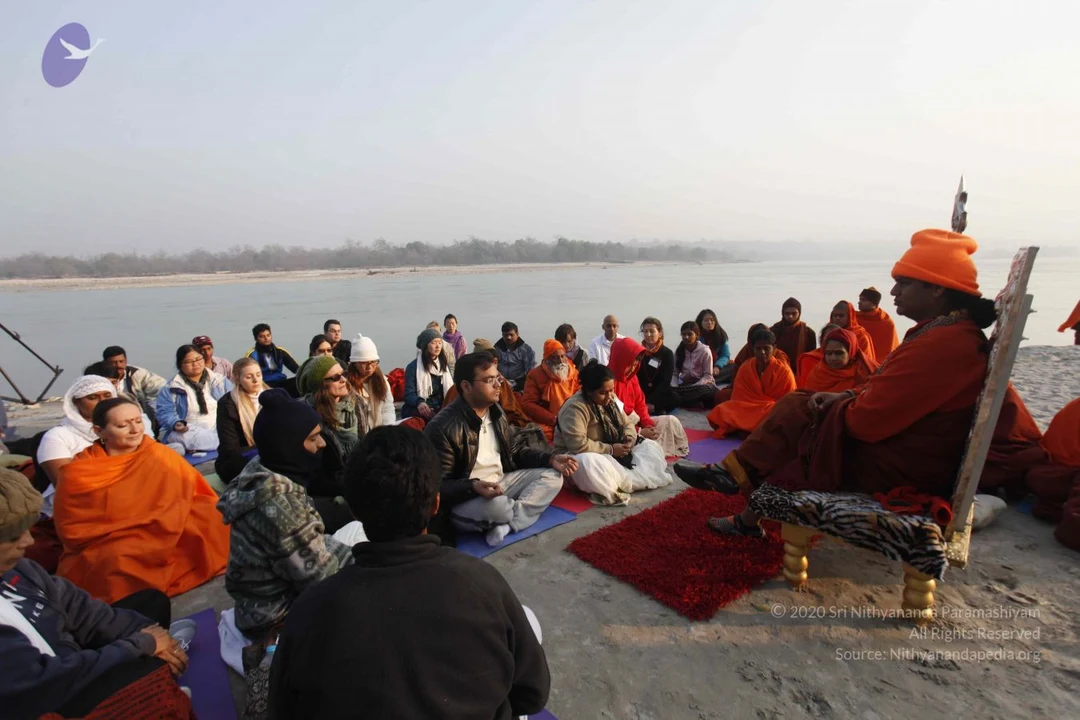
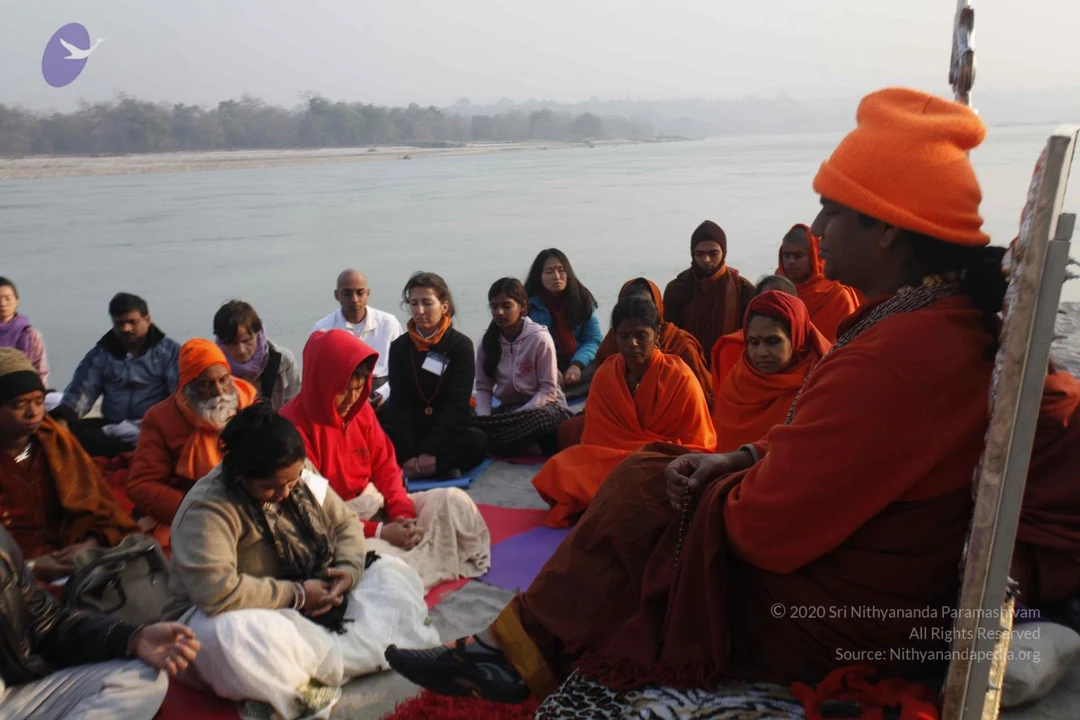
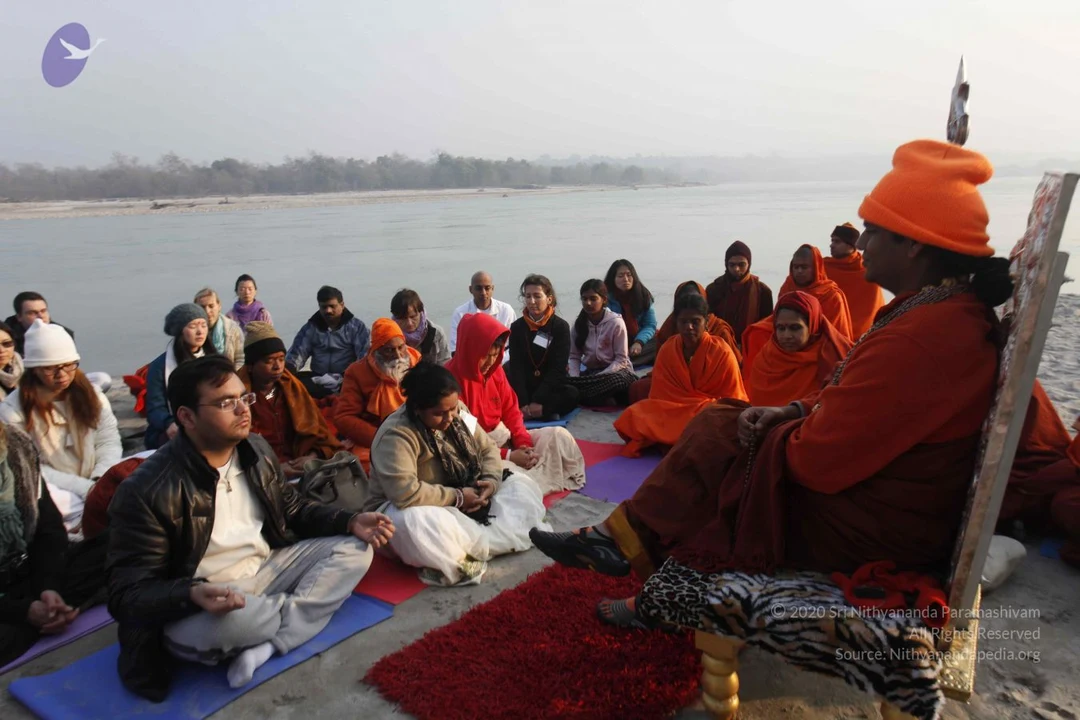
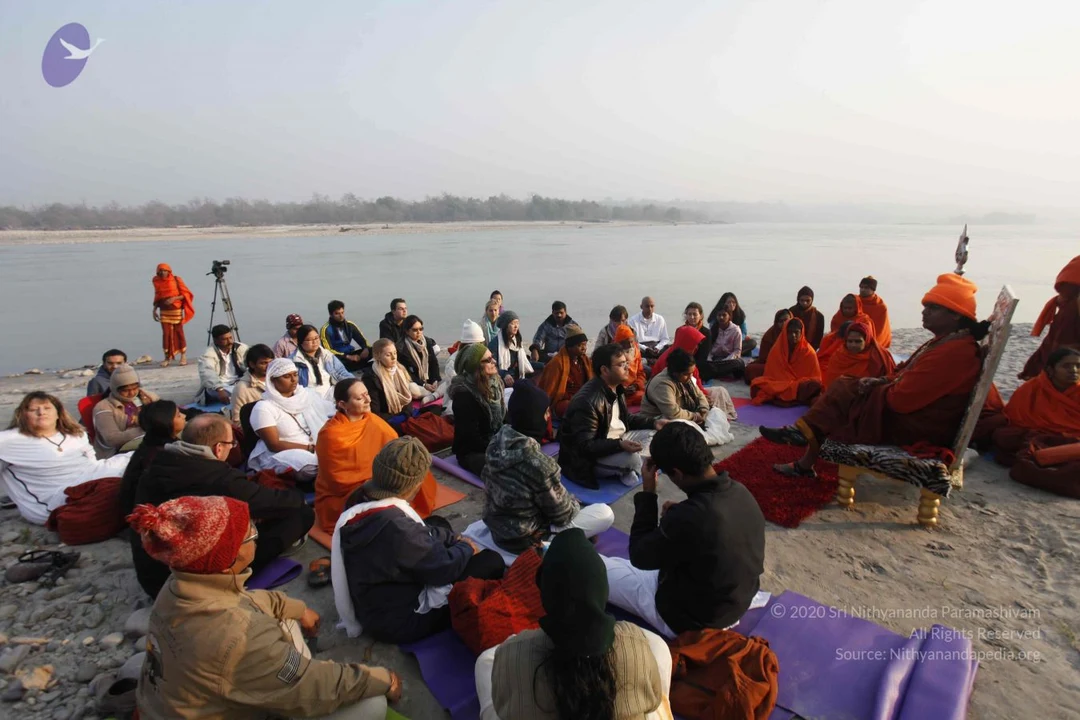
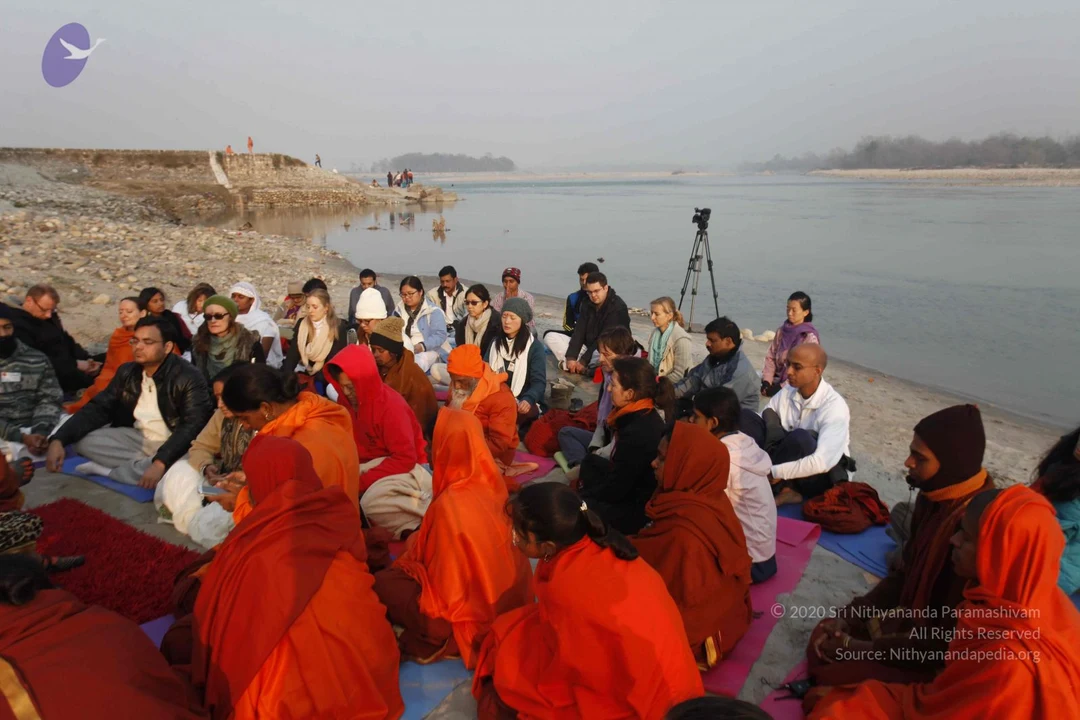
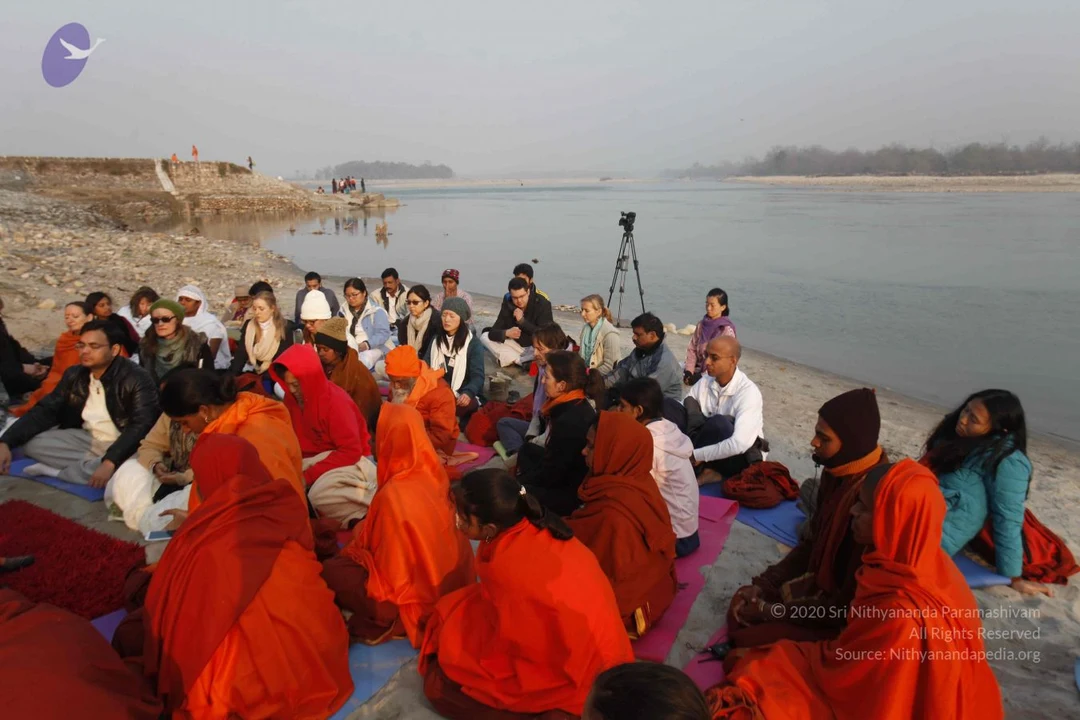
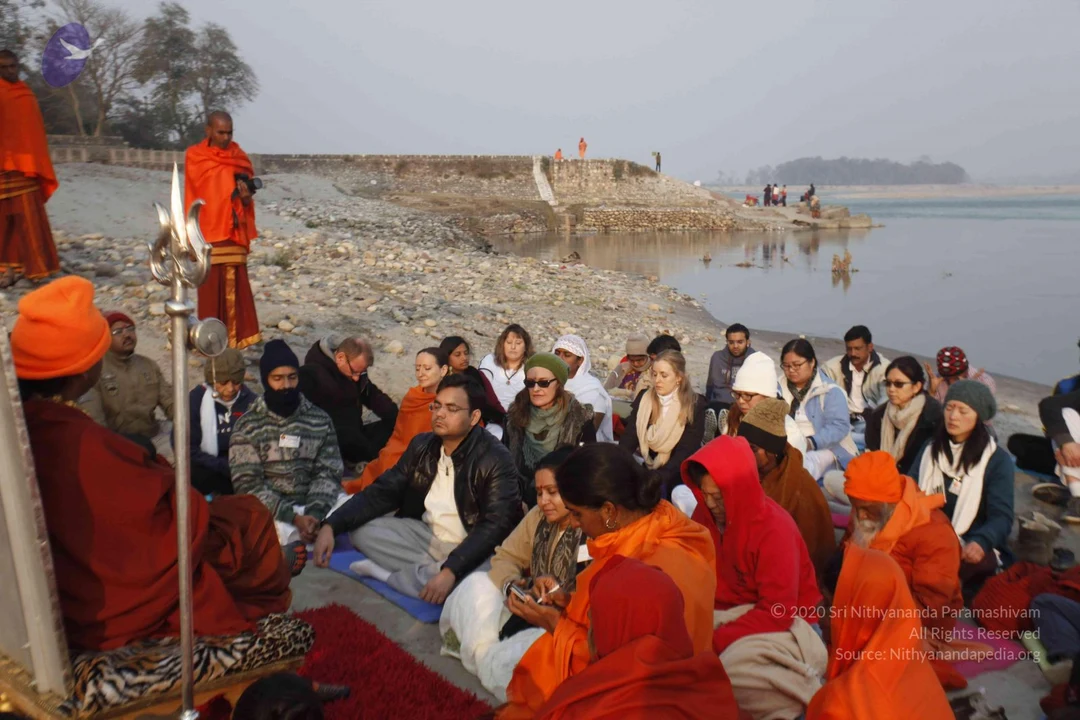
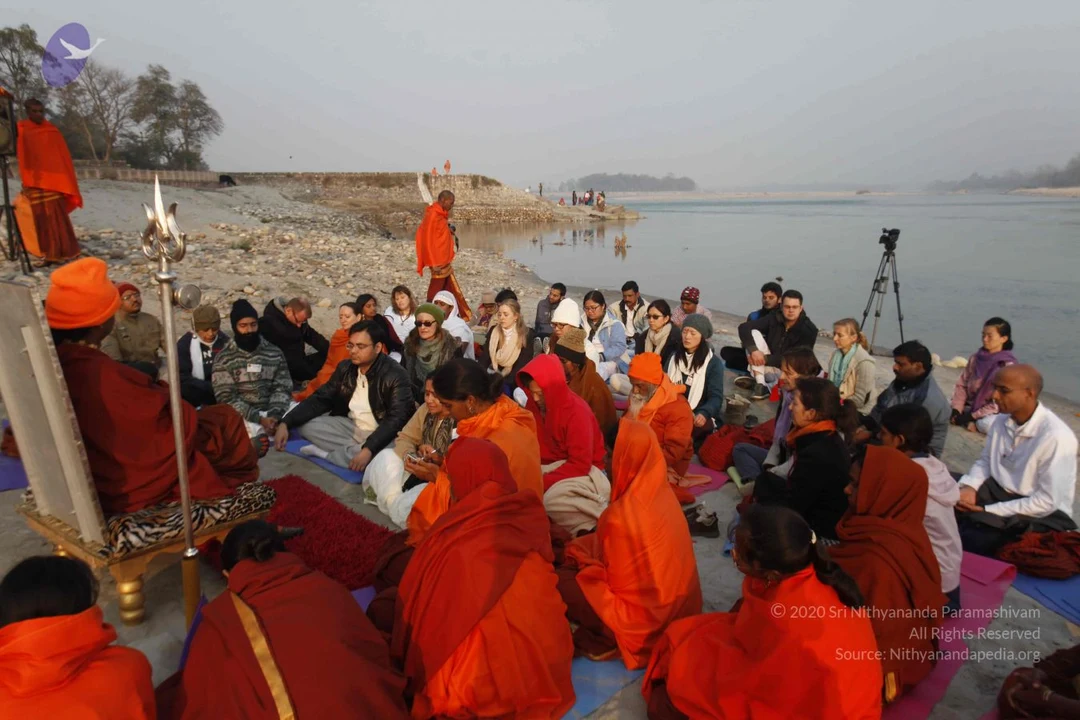
Photos Of The Day:
06jan2014-Satsang-Haridwar
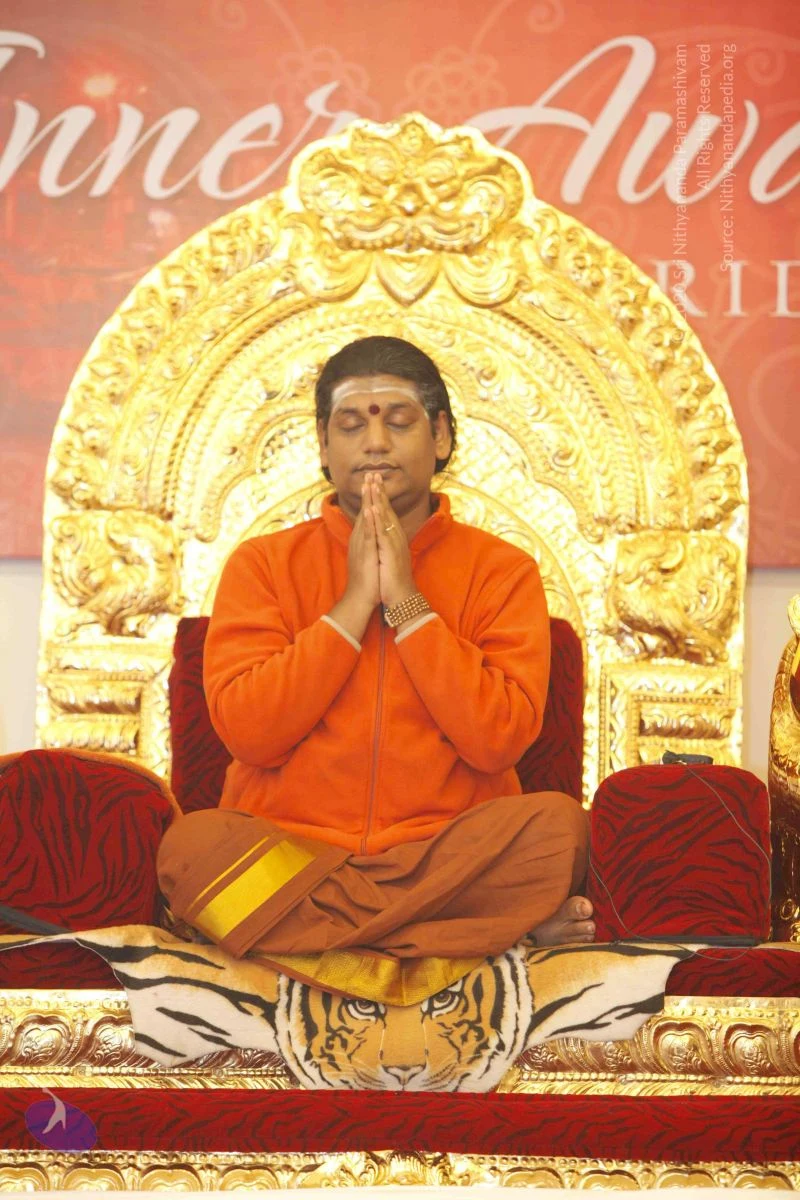
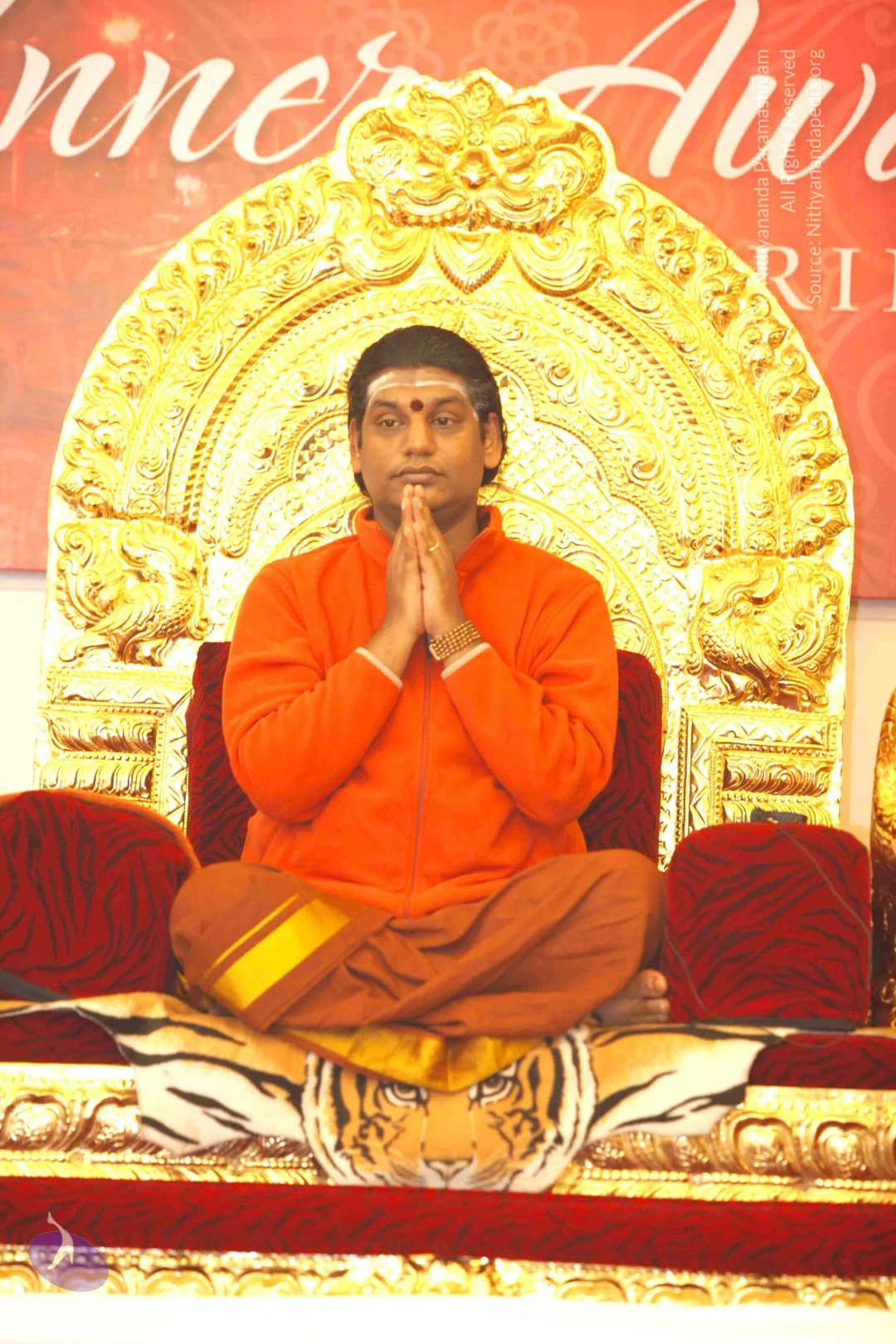
06Jan2014-IA-Session
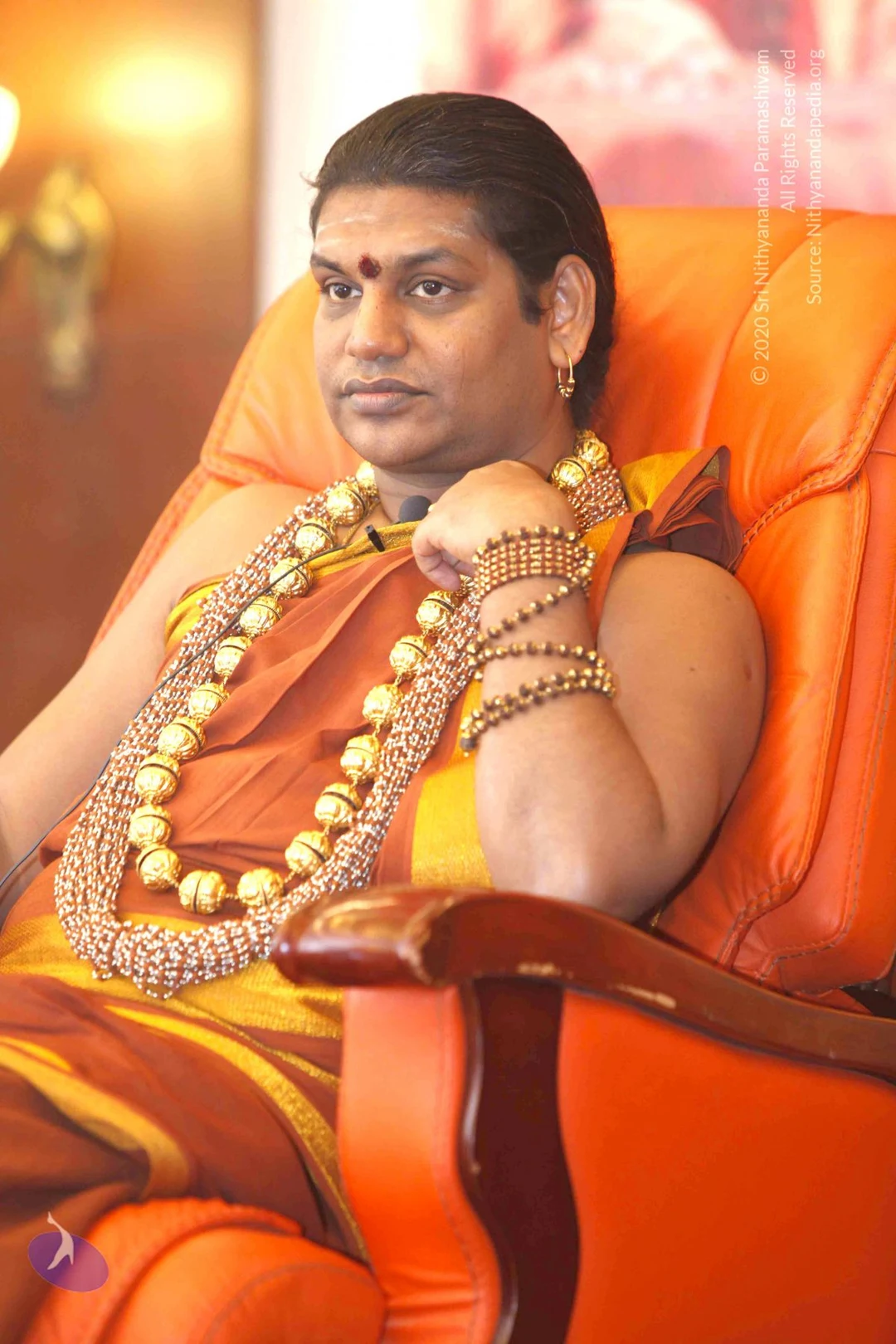
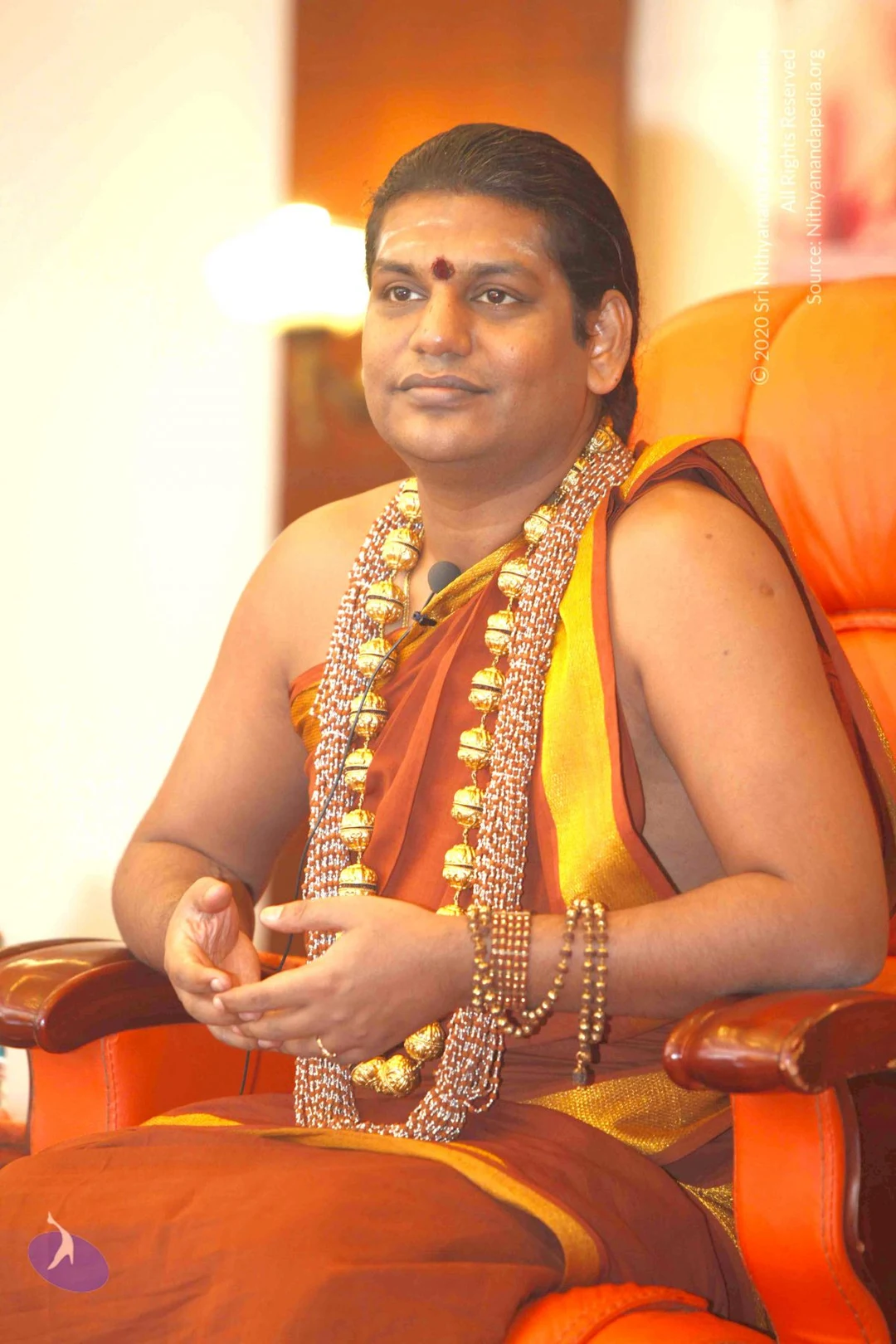
06Jan-ganges-session
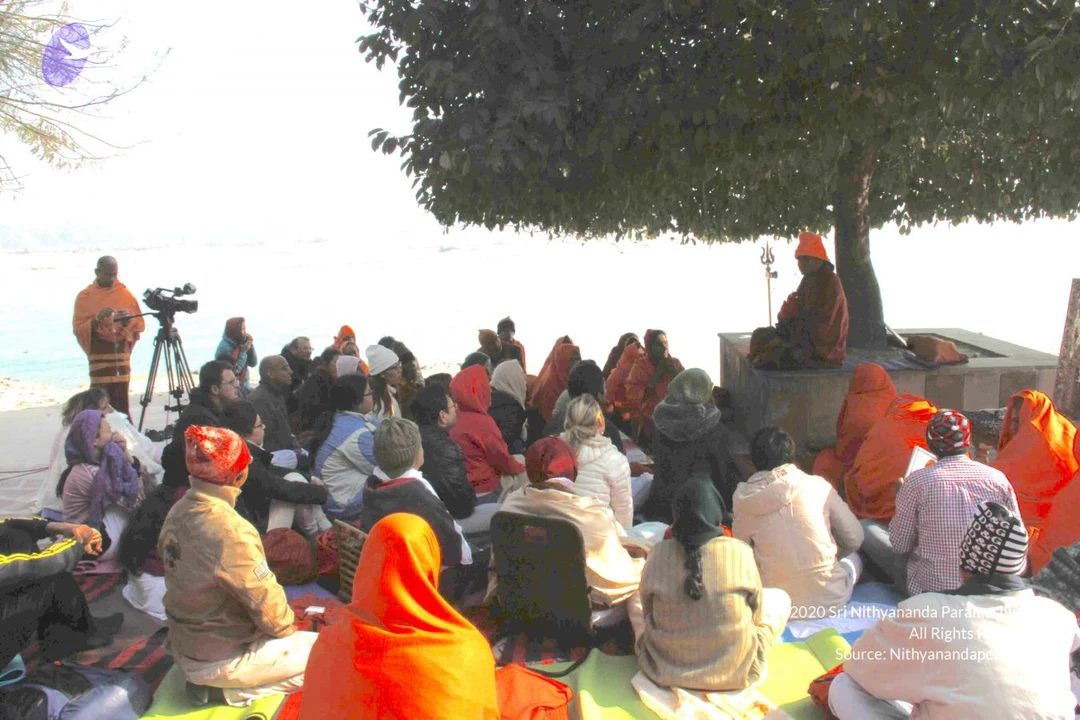
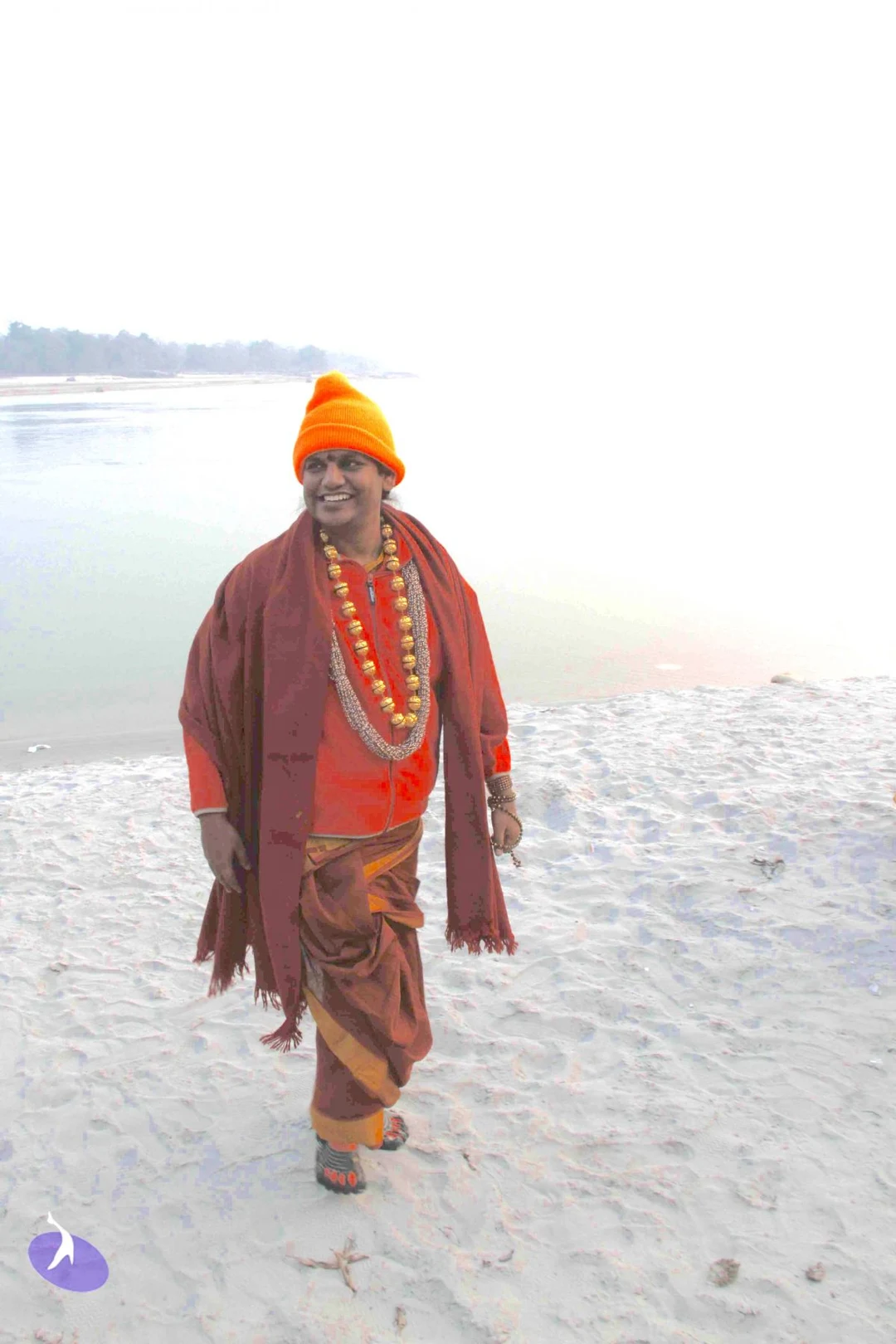

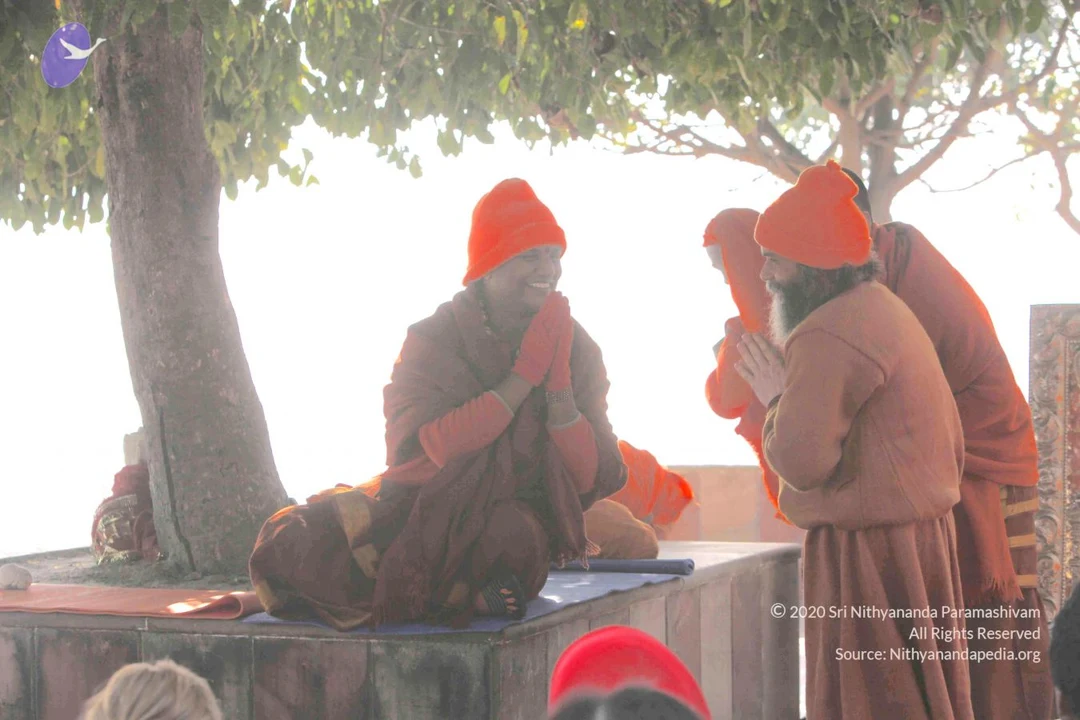
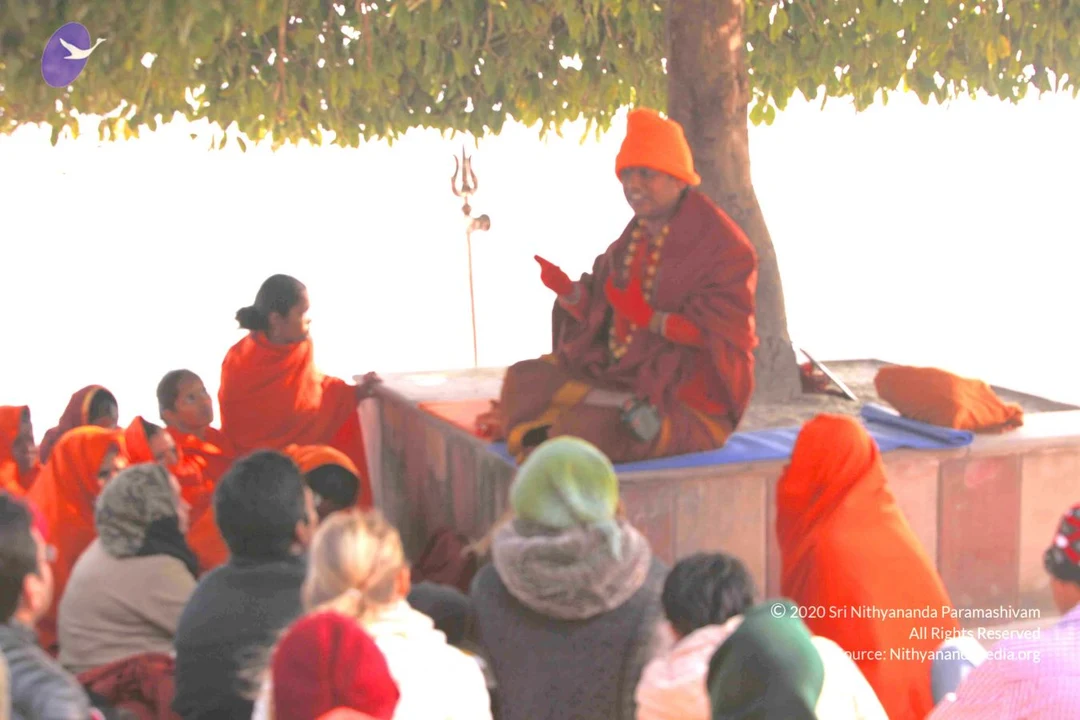
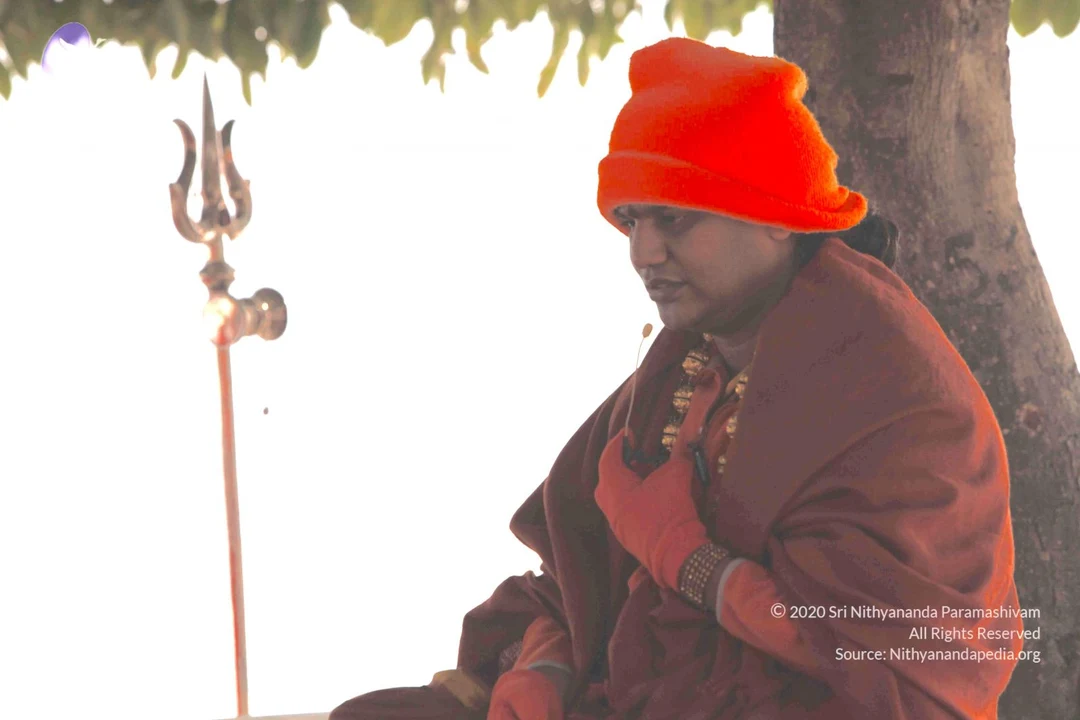
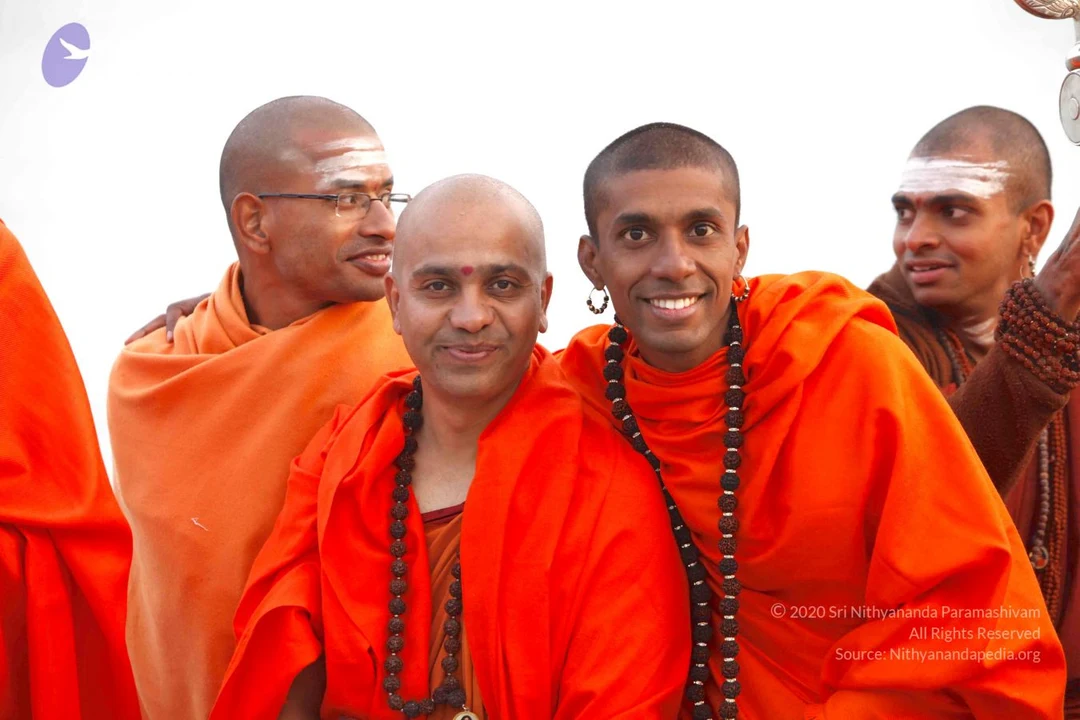


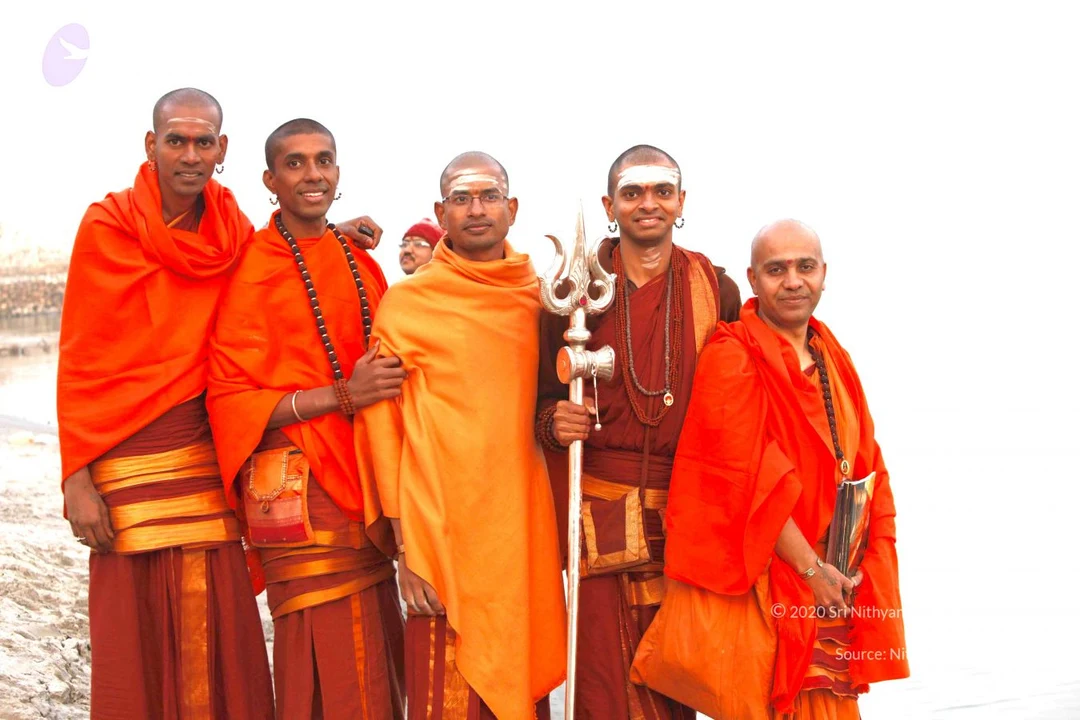

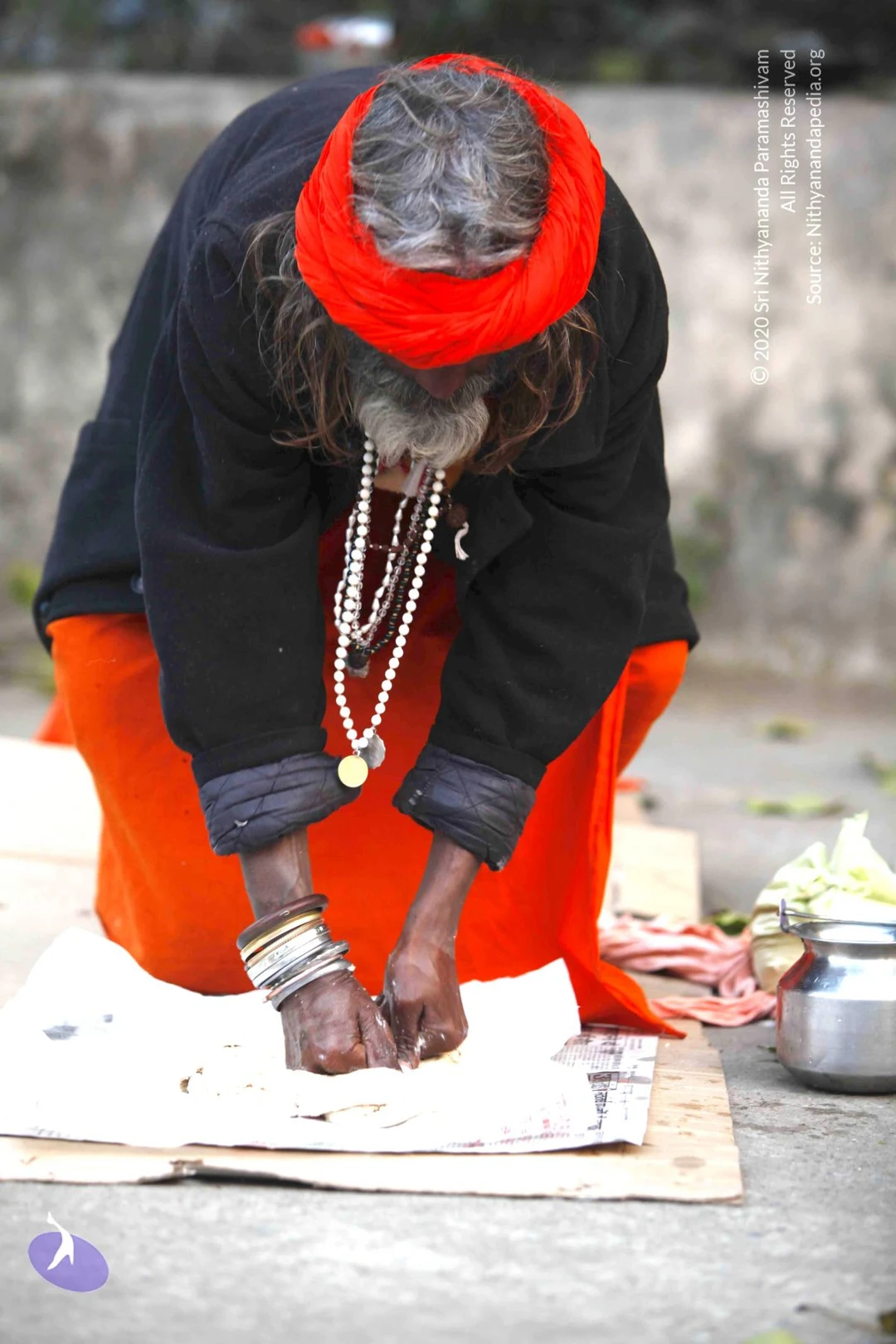
Photos from this day
View all 413 photosPaduka Puja
2 photosSource gallery
Nithya Satsang
2 photosSource gallery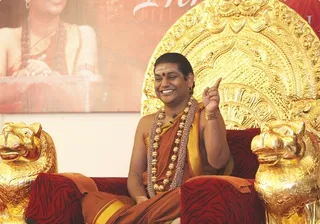
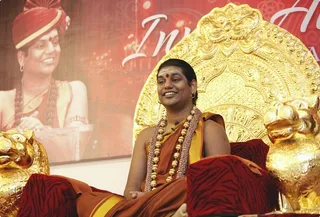
Devotees attending satsang through 2-way
3 photosSource gallery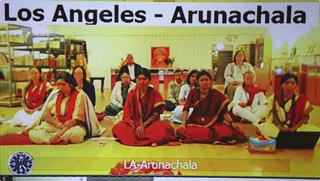
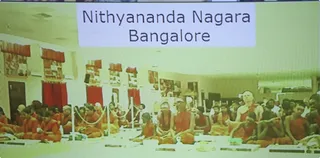
Ganga in Haridwar
2 photosSource gallery

Swamiji taking Inner Awakening class on the banks of river Ganga
7 photosSource gallery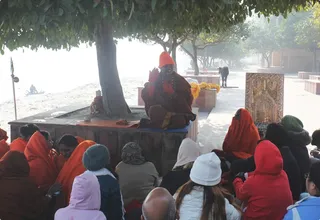


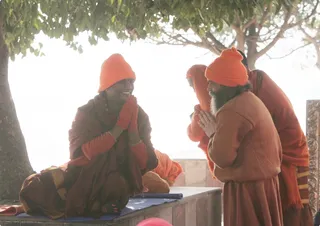
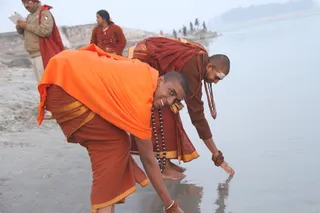
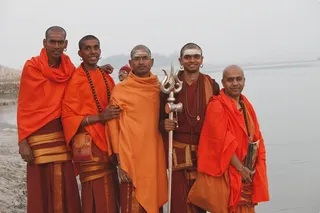
Outdoor Ganga session
1 photoSource galleryNithya-Puja
9 photosSource gallery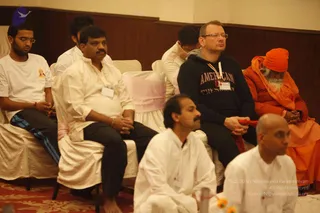
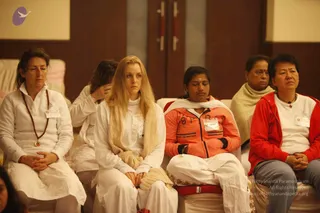
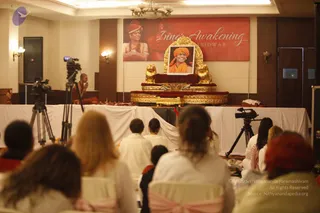
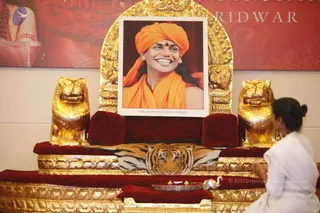
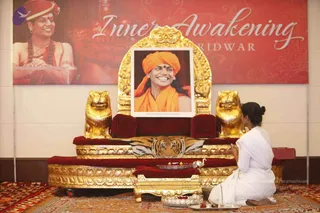
Nithya-Satsang
14 photosSource gallery
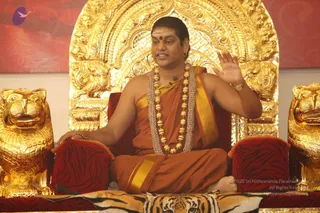
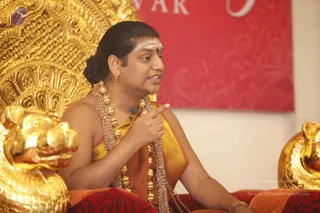
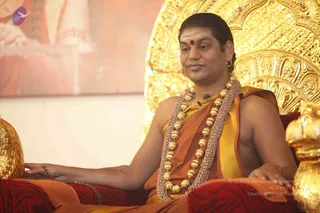
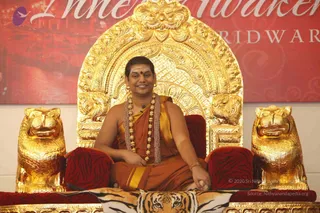
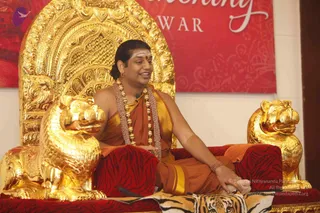
06jan2014-Satsang-Haridwar
60 photosSource gallery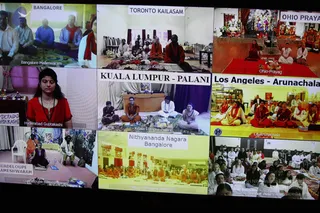

06Jan2014-IA-Session
40 photosSource gallery
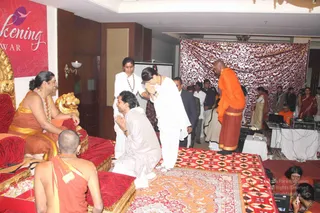
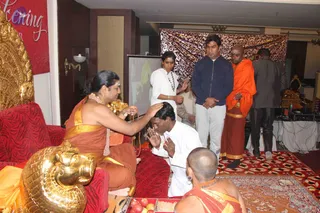
06Jan2014-Ganges-Session-1
114 photosSource gallery





06Jan2014-Ganges-Session-2
13 photosSource gallery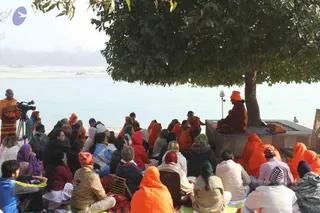
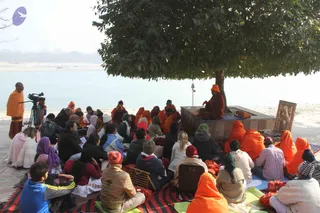
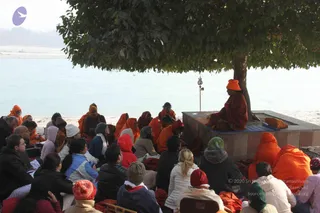
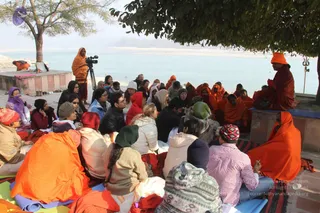


06Jan2014-Ganges-Session-3
123 photosSource gallery



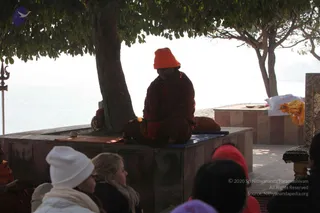
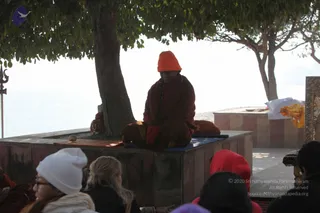
06jan2014-Satsang-Haridwar
2 photosSource gallery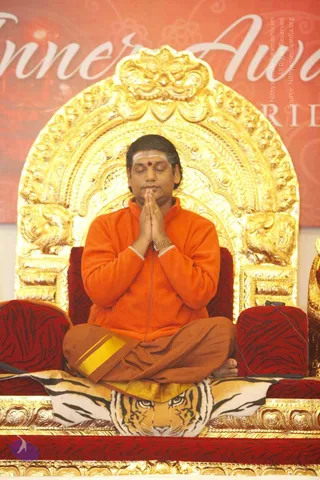
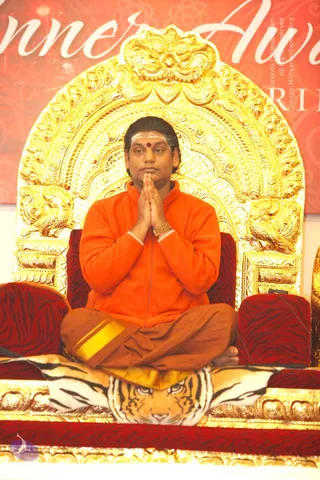
06Jan2014-IA-Session
2 photosSource gallery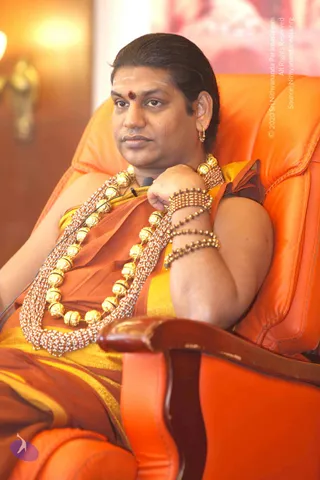
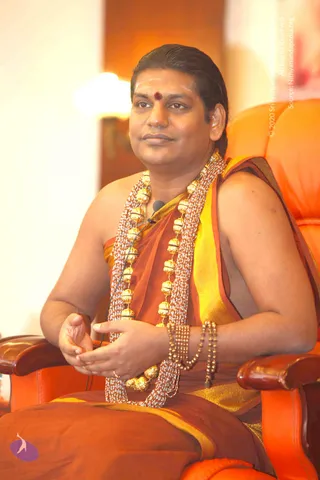
06Jan-ganges-session
16 photosSource gallery
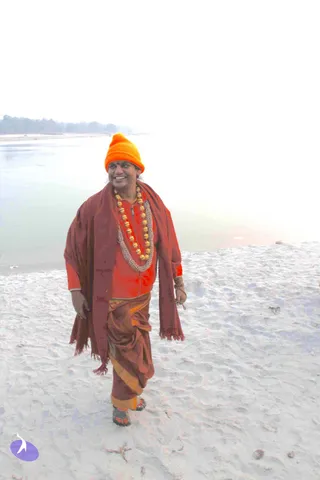
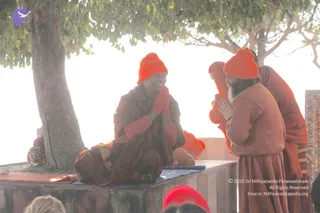
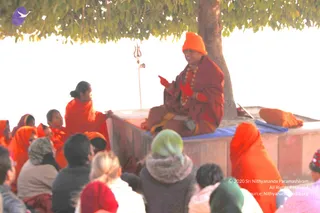
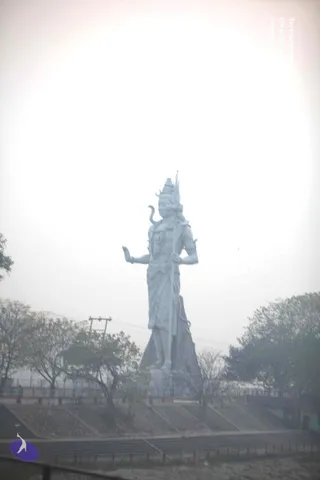
January 06 2014
1 photoView all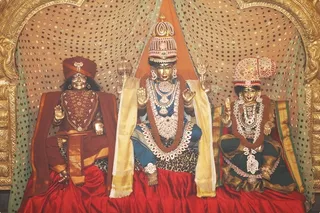
More photos
3 photosView all