Wednesday
12 September 2012
Celibacy The Only Way For Seekers
- Dated photos
- 437
- Source pages
- 1
- Media
- 2
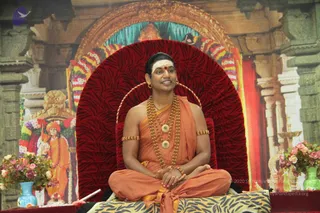
September 12 2012
Original wiki pageTitle:
Celibacy The Only Way For Seekers
Description:
TALKS FROM MORNING SATSANG ON SEPTEMBER 12, 2012, IN TIRUVANNAMALAI, INDIA Bhagavad Gita (Song of God) is a timeless treatise on the essence of living enlightenment. The Gita was imparted by the enlightened Hindu incarnation Sri Krishna to the warrior-prince Arjuna over 5000 years ago. Amazingly, the spiritual wisdom and life solutions offered in the Gita are so universal and current that even today it is used as a personal transformation guide. In today’s talk on Bhagavad Gita, chapter 6, verse 14, Paramahamsa Nithyananda (Swamiji) emphasizes the importance of celibacy as a lifestyle for all spiritual seekers. He gives specific physical reasons why sexual activity prevents the accurate awakening of kundalini energy and why it impedes the journey to enlightenment. To reprogram our biomemories we must transform all primitive actions which bind to our former animal lives.
Link to Video:
| Video | Audio |
Transcript:
CELIBACY THE ONLY WAY FOR SEEKERS
Bhagavad Gita Chapter 6 Sanyasa Yoga Verse 14
12th September 2012
Sadaashiva samaarambaam jnaana sambandaachaarya madyamaam
Asmadaachaarya paryanthaam vande guru paramparaam
I welcome you all with my love and respects.
Today, Nirahara samyama successfully happening 9th day. Today we are starting Nirahara Samyama level 1 4th batch.
prashaan-taatmaa vigata-bheehi brahma-chaarivrate sthitaha |
manaha samyamya macchittaha yukta aaseetha matparaha ||
Being serene with oneself, abstaining from apprehensions, having subdued the thoughts, intent on the vow of living like a God, following the vow of celibacy, intensely reflecting on Me, live your life devoted to Me.
In this verse, Bhagawan breaks one of the important sacred secret/truth to the humanity. He uses the word ‘brahmacharya’- living like a God. Just because I have the Rishi sampradaya also, does not mean I accept this concept of marriage in the life of a seeker. I am making it very clear. I am putting it very clear. Worst thing can happen to a seeker, in the spiritual life is marriage, I know, I am going to break thousands of peoples’ ignorance. Understand as a compassionate being I have to give a place for everybody. Tolerated is different, accepted is different, realized is different. Marriage in the seekers’ life is tolerated. Rishi order is accepted. But only brahmacharya is promoted. Whenever you go to the peak based on body you get back to your animal bio-memory and again it takes atleast a few years of spiritual practice for you to raise to the level of divine. It is very rare I speak about the importance of brahmacharya because sometime it puts the householders into depression. But just because they fall into depression I cannot be hiding the sacred truths for quite a long time. No. It is time I have decided I am going to speak about it completely.
Let me define brahmacharya as per the smruti.
Karmanaa manachaa vaachaa sarvaavastu sarvadaa
Sarvatra maidyatvyahu brahmacharyam prachakshyadet
Brahmacharya is defined as abstinence from sexual intercourse in thought, word and deed in all conditions and places and times.
Brahmacharyena tapasa devaa mrutyum ubagnataha
This is the Atharva veda’s definition. The Gods are said to have conquered death by brahmacharya. Tantra speaks about brahmacharya, understand. I will give you some more references.
Jnana Sankalini Tantra :
nathapas tapayithi ahuhu brahmacharyam tapottamam
oordvaretwa bhavet yastu sadhevonatu maanushaahaa
The true tapas is brahmacharya and he who practices it uninterruptedly is divine not human. Now let me come to the practical side of it. Understand, already one-third of your life is gone in search of food, one-third has gone in sleep, in the remaining one-third, till 25 too busy with education, after 65, body and mind won’t be useful to do anything, then between 25 and 65, that 40 years, if you get married also, gone. Seeking is building the new consciousness for you to take a jump. It is like building an airport. How an airport runway is necessary for an aircraft to take off, brahmacharya body is necessary for you to take off into enlightenment, into the planes of consciousness, into the space of consciousness.
One of the main reasons, Hinduism stopped being the tradition of living stream, as a head of the oldest Hindu monastery, as a representative of the Hindu tradition, I am making this statement as self-introspection and self-criticism. It is very, very, very unfortunate that Hindu tradition is not remaining as a living stream of enlightened beings. I can say, there are enlightened beings. There are few incarnations but unfortunately Hinduism lost the streams of living Masters, the streams which guarantees the production of living Master. The organization or sangas, which guarantees atleast a few hundred living Masters are continuously available from that source to the planet earth. I can guarantee you, in Tibetian Buddhist tradition, at any given point, one thousand living Masters are there, enlightened masters. I can guarantee you, Japanese Zen tradition, at any given time, hundred living Masters are there, minimum. I cannot guarantee you, in Hinduism there is any organization which can guarantee minimum hundred living masters at any given time. One or two organizations have produced one or two masters. One or two Masters have produced one or two organizations, that’s all. The poverty in Hinduism is because the lack of the concept of brahmacharya into a hindu spiritual tradition. The householders will ask, “Oh! Can’t householders get enlightened?” Naturally all Masters have to say, “Yes, they can”. Why, because otherwise these guys will get depressed and will not even do the little spiritual practice they are doing. Then immediately they settle down, “yes, yes, yes. Householders also can get enlightened. Oh my son, please get married.” You have fallen into the ditch and you are asking me, “Can I not become clean ever again?” I tell you, “yes, you can become”. Then you tell, “Oh my son, see, see Master told I can become clean again. You also fall into the same ditch.” Let both of us be clean after some years.
In the modern day, marriage has become a failure system. You don’t need a separate hell other than marriage. If you are a seeker, sincere seeker, please understand, I am not talking all these words to my devotees or disciples or followers. I am talking to seekers. There are some still act as if they are my devotees and disciples are not seekers. There are millions who are not my disciples or devotees but are seekers. This whole satsang I dedicate it to seekers. If you are a seeker, no other way, other than sanyasa and brahmacharya. In vedic tradition, even marriage is used to reach the brahmacharya. If you are married, one year is more than enough to experience the smell of sweating and move out. If you are a seeker, no other way, no other method, no other life style exist other than brahmacharya for achieving enlightenment.
If you do not have the goal of enlightenment in your life then you do what you want but don’t promote that as the right life style. Untouched beings are the best flowers to be offered at the feet of God. I tell you if you are completely devoted, how will you feel comfortable. I know I am throwing bomb into many families but I have to tell some of the spiritual truths. If I hide, I will also allow the poverty of Hinduism. Unless lakhs of sanyasis are created, thousands of enlightened will not be created. Unless thousands of enlightened doesn’t happen, hundreds of incarnations won’t flower. Unless hundreds of incarnations flower, one or two avataris don’t flower. It is the number of people who try. That decides number of people win. It is so practical. I am really, really, really strong.
About this necessity for brahmacharya, celibacy for seeker to get enlightened, the most practical spiritual instruction I can give is brahmacharya. Takes away millions of sufferings, and not only that even your consciousness, see the more and more you feel you are married you are committed to somebody, it is like a continuously cutting the wings of a bird. The more the bird grows every three months every two months you cut the wings. You just clip the feathers. Will the bird be able to fly ever? It is clipping the feathers. Clipping the feathers is the most unfortunate thing can happen to a bird. Marriage is the most unfortunate thing can happen to a seeker. Seeker does not belong to human species. Human species. Seeker. Human beings are only potential of seekers. Seeker is reality started happening from the potentiality called human beings. And master is the realized of the potentiality of human beings. Most violent most aggressive act your body can commit is sexual intercourse.
It is not that every time you commit that act only the lust engrams are awakened because it is so aggressive act. Your fear, greed, anger, hunger, thirst, laziness all patterns are brought back to life intensely. It takes at least years for you to get back to the subdued states of patterns. I can clearly prioritise the levels of brahmacharya. Neither having a word, thought or deed or imagination or idea of sexual intercourse in your waking state, dream state and deep sleep state.
Physically not having any intercourse or masturbation but having wet dreams, if this is your level now, you can be trained through proper tapas and the meditation process, kriyas. Physically not having intercourse with other body but still suffering with the habit of masturbation, again you can transcend and transform this habit through the proper kriyas and meditation, what do you call as so-called regular physical sexual life, even when your body says enough your mind is not saying enough, so taking tablets like Viagra and some medicines to instigate your body and agitate your body into the physical action. These are the worst things you can commit to your own consciousness. For a seeker, I always insist, encourage, inspire celibacy-brahmacharya as the life style. When you can’t live that life, when you don’t have confidence and courage, then I give you,”All right, compromise. What can be done?” But the compromised instruction is not promoted instruction. It is tolerated. Sometime, just accepted. I do not want tolerated trend to become the idea I promote. No.. I am very clear, in Nithyananda sampradaya, sanyasis and sanyasinis will form the top first order. Rishis, grihastas, vanaprastis all of them will form only 2nd order. The brahmacharya sanyasis form the 1st order, vanaprasta sanyasis form 2nd order, rishis form 3rd order, grihastas form 4th order. Even if they are fools, just because of their vow of celibacy, they retain certain spiritual strength in their system. My order, one exemption, there are many rishis, who have literally become brahmacharis. They will naturally be respected equivalent to vanaprasta sanyasis., the 2nd order.
Ramakrishna insists so much on this one concept, one truth. He tells, He goes to the extreme, a failed sanyasi is thousand times greater than a successful grihasta. Even if somebody takes sanyas and fails in the vow, after 2-3 years, after few years or in the last part of his life, even he is much more greater than a grihasta who is successful living his whole life doing spiritual practices, because the very plane both of them think becomes different. If you are a seeker, you are considering whether to get married or not, if you attended your today’s satsang, if you are listening now, understand, this is a clairvoyant call from God directly to save yourself. Wake up, save yourself. Just few days before, a brahmachari, one brahmacharini – because of their mood swing, ran away from the ashram and developed an affair and got married. Finally fell into depression, one week, maximum one week, the fight started, depression started, back to the ashram, “we want to be in the feet of Swamiji, please accept us even as a volunteer.” Ofcourse, I have a tremendous sympathy for both the fellows, especially that brahmachari was a very sincere guy, it is very unfortunate; he has crossed the lust more than 80%. Just last 20%. I told him, just 20%, wait for next 6 months, you will save yourself; body will be pure, the engrams will become steam, it will not stay anymore in your system. But foolish fellow. The girl was very egoistic girl, arrogant. Now, finally, when I see them suffering in the worst depression, crying every day to our brahmacharis, I said, ‘alright, allow them in the ashram. What to do?’ But one good thing is happening, they became living example for anybody who has little fantasies. Anybody who has little fantasy, all their fantasy disappears the moment they see this couple. I am not teaching you something life negative. I am not putting negative ideas into you, understand, I am telling you straight facts.
I challenge, including Shiva and Parvati, Radha and Krishna, Ramakrishna and Sharadevi, can anyone of them equate their practical, happy, blissful, joyful life to any one of my fallen sanyasi. Understand, the extent I am going. Even my fallen sanyasi is much more happy than Mahadeva and Parvati, than Radha and Krishna, than Sharadevi and Ramakrishna. Even if both of you are enlightened, if you have two bodies, there is always conflict. You may feel, “no,no,no.. how can Swamiji compare with Mahadeva and Parvati, I am not comparing the enlightenment of Mahadeva and Parvati with the enlightenment of my fallen sanyasi. No. I am not comparing the extraordinary powers and capabilities of Mahadeva and Parvati to my fallen sanyasi. no.. But I am comparing the practical, peaceful lifestyle where he does not need to come back in time to his bed; where he does not need to bother continuously that he has to think for somebody else also. Where he or she cannot make any decision without informing or consulting. Even Mahadeva has to inform to Parvati, where He is going, otherwise she will be searching for him. Parvati has to consult with Mahadeva what she is doing. And Parvati also will be sometimes forced to do something about which she was not convinced. I tell you, Adi Shakti, reduces herself as Parvati, just because of this Patni dharma – the commitment of marriage.
If the commitment of marriage is removed, Parvati is Adi Shakti. I can go on and on and on telling you, thousands and thousands of practical stories. Sita is crying all the time. The day she got married – it is a good day for Rama and bad day for Sita. Fortunately that bad day did not happen to Radha. She never got married to Krishna. Even in their affair, Radha and Krishna had lot of problem. Don’t think it was a smooth affair. No.. There was enough of jealousy, anger, fight, everything. Best life a human being can have is brahmacharya. If fruit has to happen, flower should not fall from the tree. Fallen flower never becomes fruit. A person who has fallen from brahmacharya never becomes a Master. It is very unfortunate, the vedic tradition lost the intensity of brahmacharya. I tell you, why, why the Buddhist and Jain traditions which are ofroots of Hinduism, which has only just few concepts taken from Hinduism is able to flourish all over the world and retain the capacity to be Jagadgurus -teach the world. Why did Hinduism is not able to retain that strength - that inability to live the pure brahmacharya life, celibate life and not making this brahmacharya celibate life as a mainstream lifestyle. Still in Hinduism, brahmacharya does not become mainstream lifestyle. In Buddhism and Jainism it is very common, even from the rich family background, they take up sanyas. I have seen even a small places like my hometown, Tiruvannamalai, where a very small Jain community lives, every year atleast 5-6 boys and girls will go round the city. They will be taken in the procession all around the city, with the fully clothed and jeweled. I used to ask, “what is that procession? Is that a marriage procession?” they will say, “No..No..No.. it is a sanyas procession. These boys and girls are becoming sadhus. We are handing them over to the monastery, before that we are doing this procession. In Jain tradition still that habit is there.
In whole Tiruvannamalai, the whole population itself is just 100,000 or 200,000. The Jain population is less than 5000. Just in 5000 people, every year at least 5 to 10, highly qualified, rich family background, educated , young, 5 boys and 5 girls atleast become monks, means what, from the young age as the part of the main stream lifestyle the sanyas was accepted, understood, taught. It is very unfortunate, we Hindus, neither we decide nor we make our next generation respect, I used to feel when I see this educated youngsters, see.. they taking sanyas was not like a secret.. secret.. they run away to a monastery. Parents fight, struggle, no.. Parents are so happy, they sing and dance in front of the chariot where those youngsters are being carried. They take the kids, they take the youth who are going to take the sanyas all over the city, celebrate, tell the whole world- he is becoming sanyasi, she is becoming a monk, she is becoming sadhvi, she is becoming sadhu. After the procession they hand over the kids in the temple and the rituals take place. They become sadhu and sadhvi. First thing from educated the middle-class families, nobody become sadhu. If you just walk around Tiruvannamalai, 99% of sadhus are uneducated. Just become sadhu instead of becoming beggars. And remaining 1% sadhus are from middle class, that also family did not accept they becoming sadhus like my sanyasis. Ran away from the house. Still parents are resisting. Soon, very soon, I take this as a vow, keeping Kalabhairava as witness, I will see to it, parents take their young sons and daughters in procession to hand over them to the Dhyanapeetam as a sanyasis and sanyasinis.
Go and see in every Jain village, you will see this ritual happening. In every Buddhist village, any child is born, they send the child even for basic education to monastery. Even we, Hindu sanyas organizations, the educational institutions which we run, even in that we don’t promote sanyas. We are afraid to promote. So even the few sanyas organizations which are evolving like us, media tries to cut it in the bud. Destroy it while we grow, they think, why these youngsters are wasting their life. Why are they becoming sanyasis and wasting their life. They are getting brain-washed. All the donkeys which get married only is getting brain-washed. Knowing that it is going to be a tight suffering, heavy suffering, they say, what else is there to do, what is the other way. Some of the Indian villages, there is a superstition, if they don’t have a rain, if they want rain, they get 2 donkeys married. I tell them, any marriage is that only. What is there separately? Why will you go and separately and try to some..
Hey! India! Listen here. O’ Hindus! listen here. If you want to get back to that glorious seat of Jagadguru, world teacher, you have only one option – make monastic life style as a mainstream life style. Let every village have its own monastery like Tibetian Buddhists, Japanese Zen Buddhists and Hindu Jains, Indian Jains. You are not going to get back to the seat of Jagadguru unless you create the brains soaked in the Tejas. Tejas is the transformed sex energy, lust energy. Only when the brains are soaked into the tejas, you create gurus, Jagadgurus. It is time, the next generation of Indians, Hindus think not just about your career, that foolish IT job and house and car and two kids, no.. atleast few crore people should think sanyas as a main stream life style. Let all the Hindu education institutions, schools, colleges make the next generations kids understand about sanyas. Even after so much abused, I don’t feel shy because I know I am a sanyasi. I know honestly, I am a sanyasi. It is time, next generation takes up this life intensely it is very unfortunate that our middle class does not accept sanyas as a life style. The poor class accepts sanyas only as a income source. The upper-middle class and the upper class hates sanyas life style. The rich communities and the rich group of peoples in Hindu tradition spend more money on the deities and the jewels on the deities and temples than building monasteries and supporting the life of monastics, monks.
It is time the mainstream Hindus stop building temples and start building human beings. Stop building Thirumenis. Start building Gurumenis. Too much of money, time and energy and importance is given just to the deities and temples and rituals. It is time we move towards building human beings. I am going to speak on this concept of celibacy from different dimension. How it helps personally for your enlightenment? How it helps personally for your happy peaceful life, free life? How it helps socially? How it helps culturally? How it helps to build the nation? Finally how it helps to the whole world, for the whole humanity? Many married people come and ask me, “Swamiji, you speak so much about sanyas and brahmacharya. Please give us sanyas. Give us brahmacharya.” I say, no. because I don’t trust you. After 2 years you will tell, I brainwashed you and broke your family. That is why I don’t give, otherwise nothing like sanyas. Nothing like brahmacharya for spiritual seekers. O’ humanity! For the sake of your personal peace and enlightenment, take up sanyas.
If you continue to produce more and more, planet earth cannot bear anymore. Save the planet earth by saving yourself. O’ seekers, become brahmachari to get enlightened. O’ monks! Live as brahmachari to achieve the ultimate purity. One living sanyasi can create and help thousands of spiritual seekers. Sanyasis are fruits of this country’s spiritual aspiration. They are the fruits of this country’s spiritual aspiration. O’Hindu youngsters! Take up sanyas to save your spiritual tradition and India, the country. Sanyas and brahmacharya, the one and the most important spiritual path for achieving the ultimate enlightenment, achieving the highest reality.
Question and Answers with Paramahamsa Nithyananda
We have an email from one of the Inner Awakening graduate, Rajiv Ramnath from Seattle. He is writing, “I wanted to share this unexpected development with me that happened yesterday with Swamiji. After returning from Inner Awakening, I had earlier received a sizable increase in pay and an outstanding rating. Today my manager called me for a meeting and gave me another huge increase in pay. This was unexpected as it was not part of any regular process in my 7 years here I have not seen or heard of this happen. Now the really interesting part of this pay increase.. Out of curiosity I computed the difference between what I was making before and the new pay. The difference came upto exactly match up what the 3 of us had spent on Inner Awakening. I am very grateful to Swamiji as He continues to perform miracles every minute in our lives. Thank you Swamiji. “
Rajiv, when you are working with somebody, “amaze on”. Naturally your life goes on expressing the incidents of “amaze on”
The next question is from Kaushik from Mumbai.
He is asking, “Respected Swamiji, Halle Berry who is draped in a bright red saree in her upcoming film ‘Cloud Atlas’, says she is fascinated with Indian culture and wants to know it better. India is a fascinating country with myriad layers in it. I wanted to take a step towards learning more about one of the oldest cultures in the world. Berry said in a statement, ‘what is it about Indian culture which attracts so many people from all over the world?’”
Kaushik, understand, world is becoming more and more intelligent. They are disillusioned by the western, political, distorted way of presenting even the history of the world and they start realizing the depth and the heritage and cultural strength and antiquity of Indian culture. I am so happy that so many intelligent people are realizing and reaching out to learn the Indian culture. I welcome Halle Berry and request her to visit the Delhi Akshardham Swaminarayan temple and connect with the Swaminarayan organization. I know and I am very clear, anybody wants to know about the spiritual culture of planet earth, they are going to turn towards only India and Hinduism. O’Hindus! Be prepared and get ready before it gets stolen away from you.
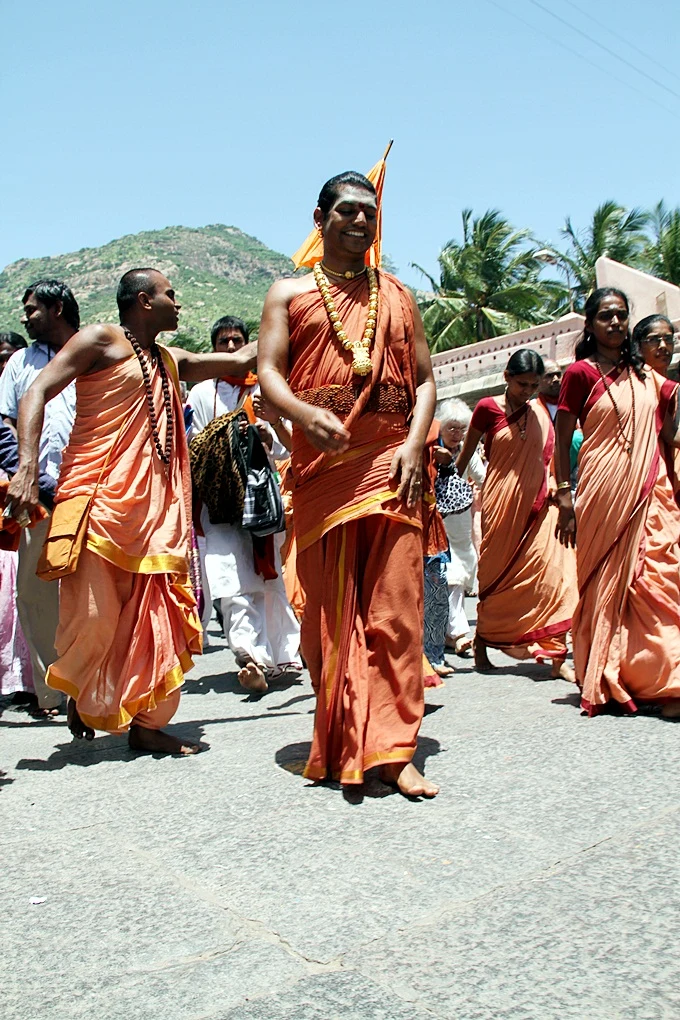
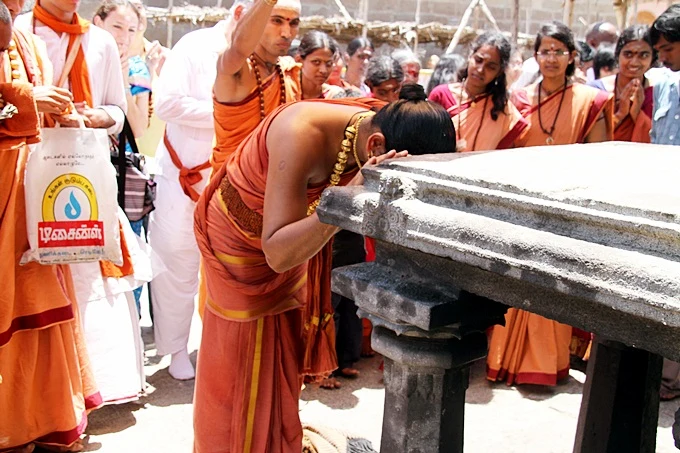
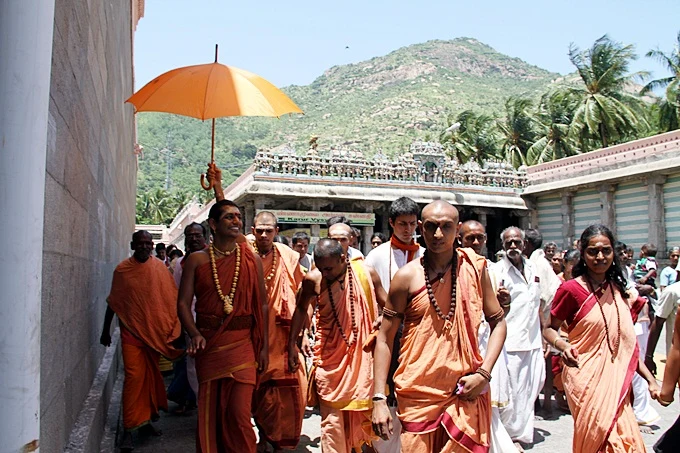
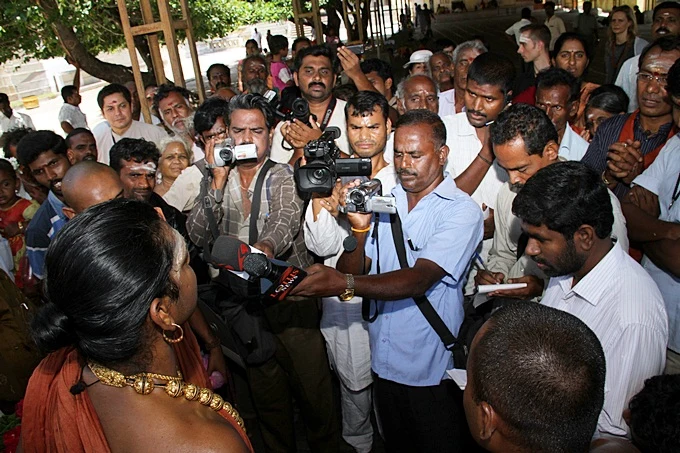
Photos From The Day:
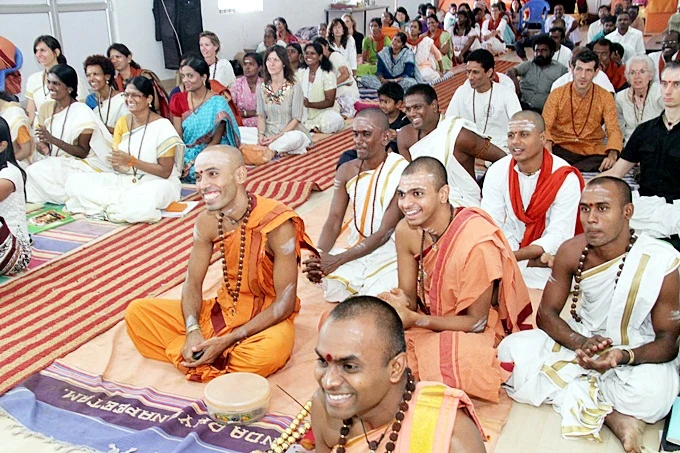
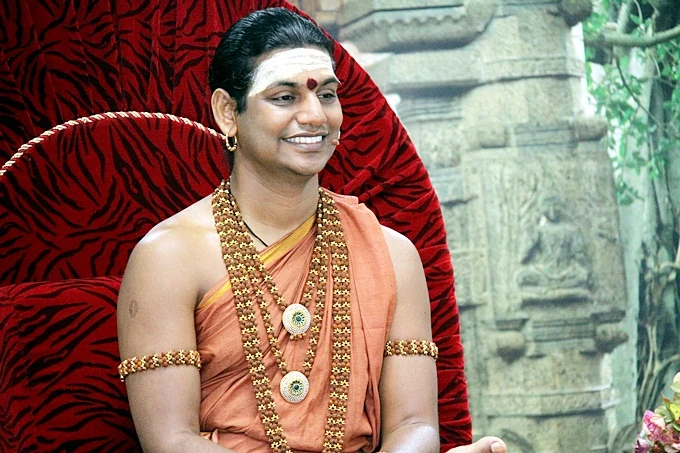
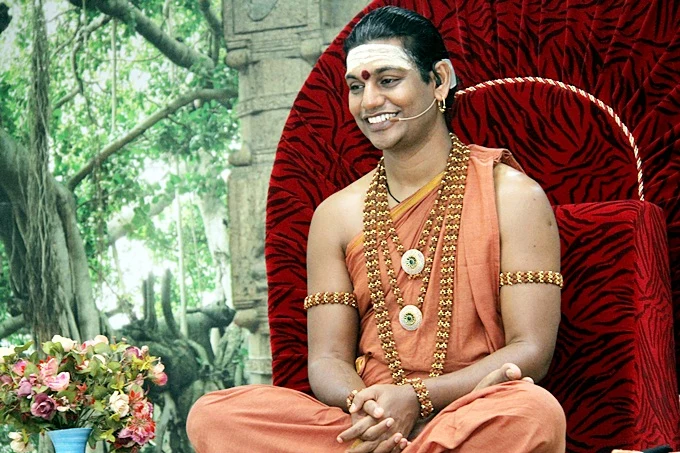
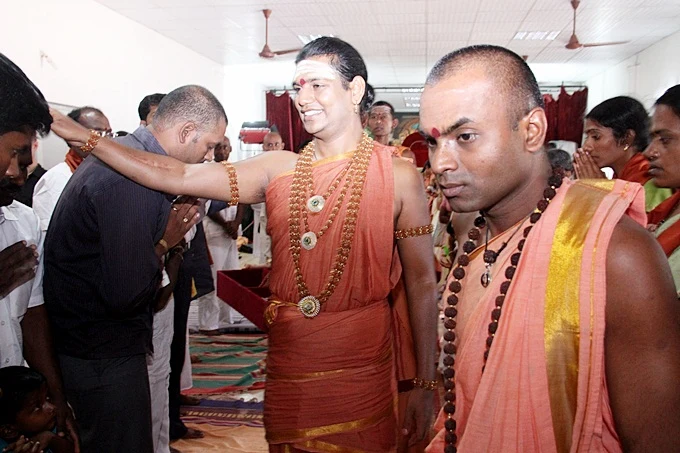
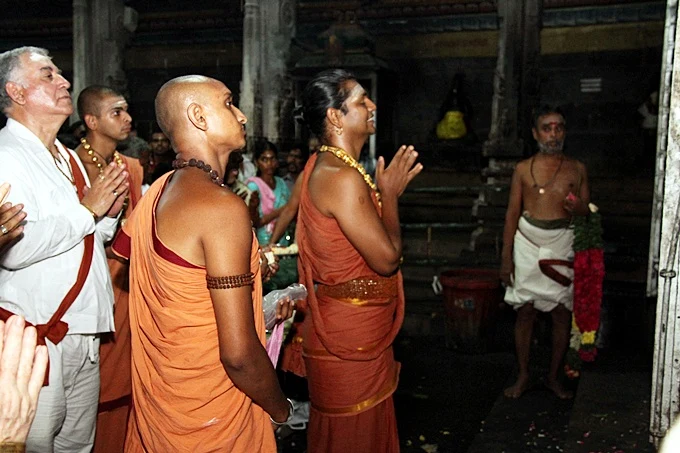
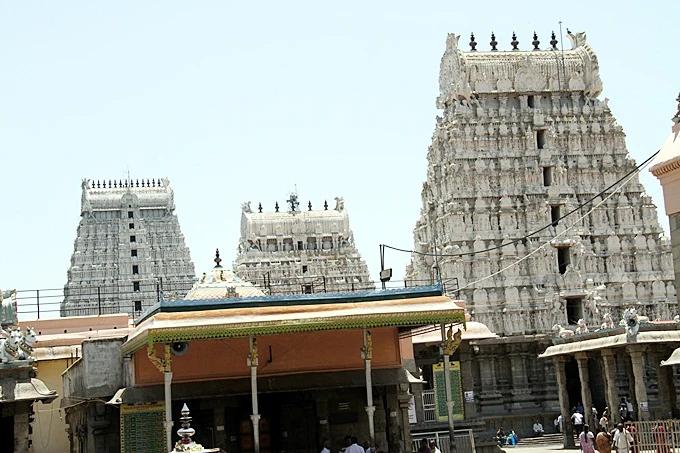
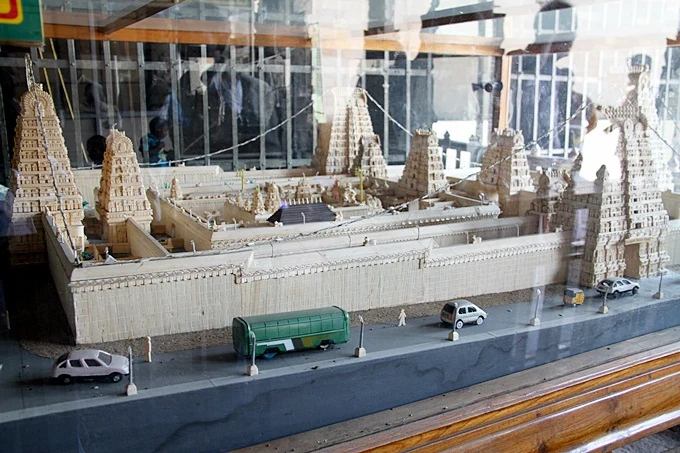
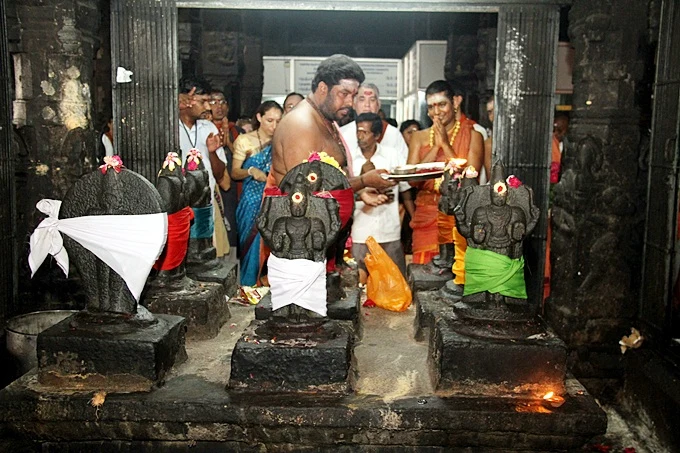
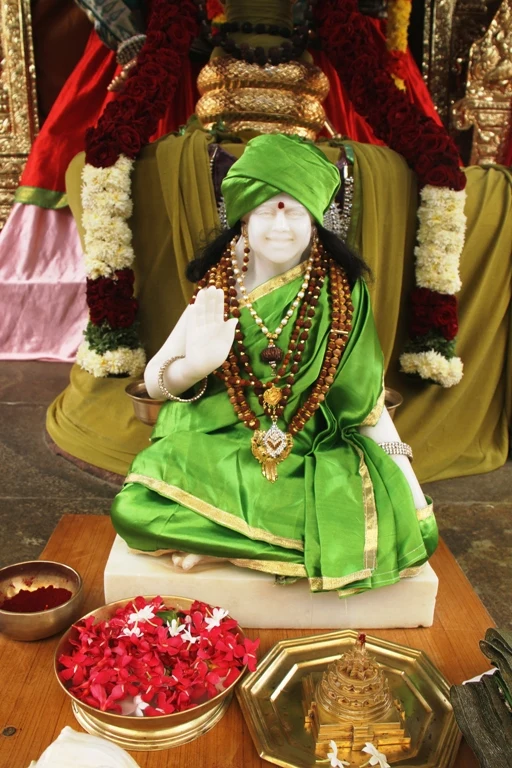
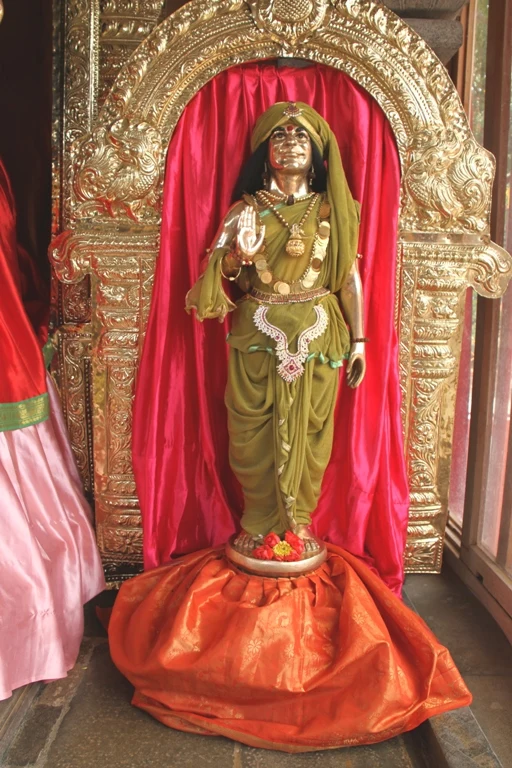
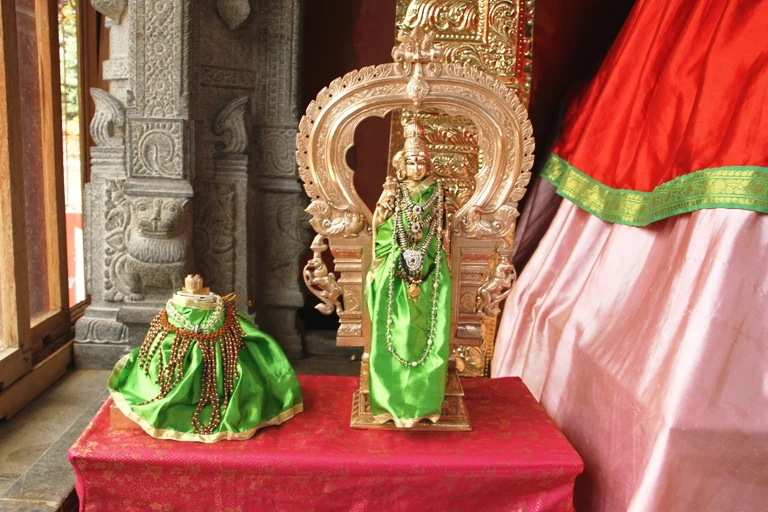
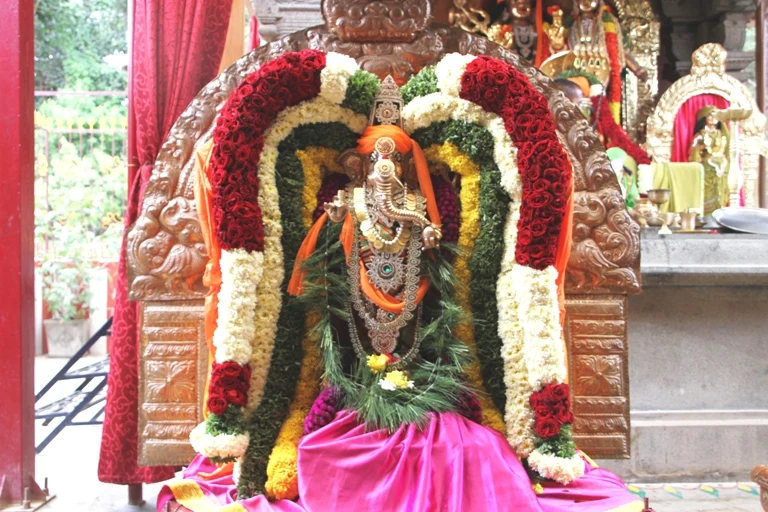
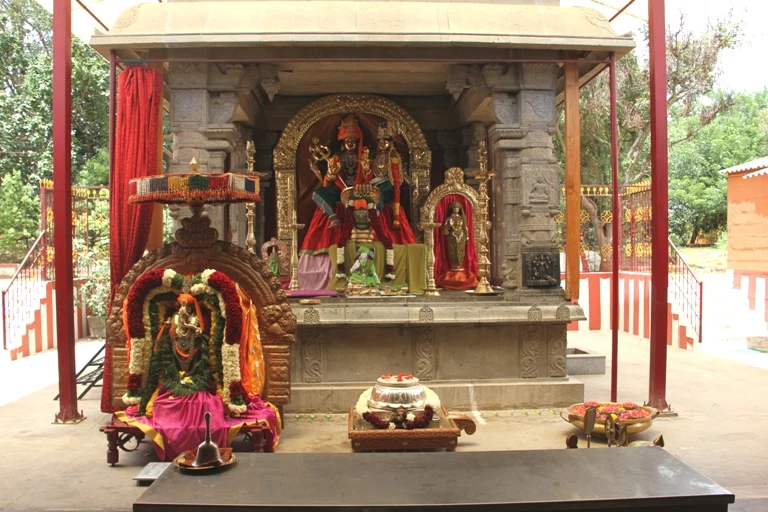
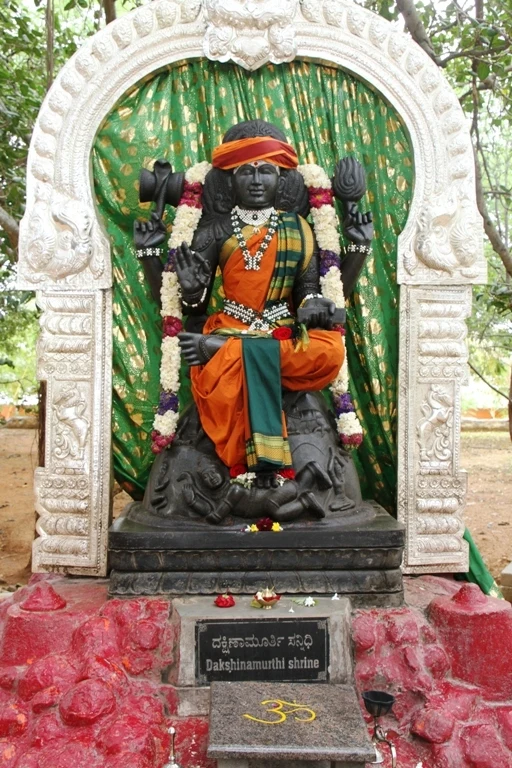
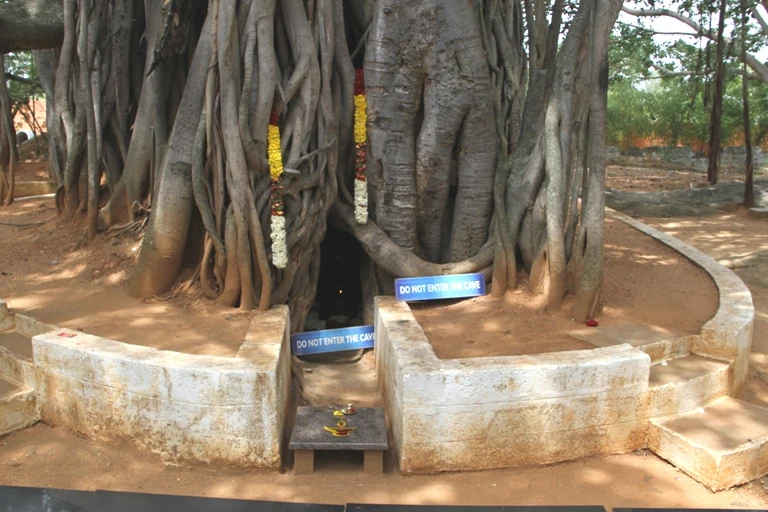
Tags:
Bhagavad Gita, living enlightenment, Hindu, Krishna, spiritual wisdom, life solutions, universal, personal transformation, Paramahamsa Nithyananda, celibacy, lifestyle, spiritual seeker, physical, sexual, kundalini energy, enlightenment, transform, primitive, live.
Photos Of The Day:
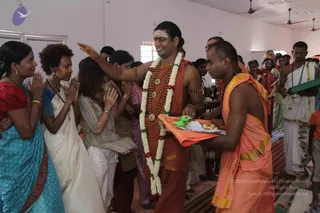
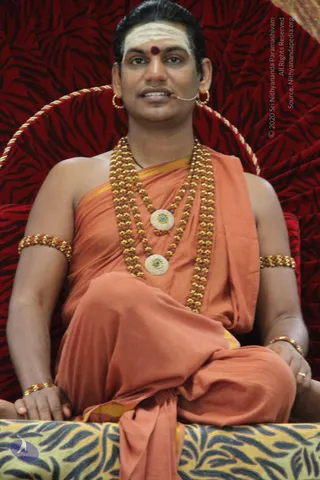
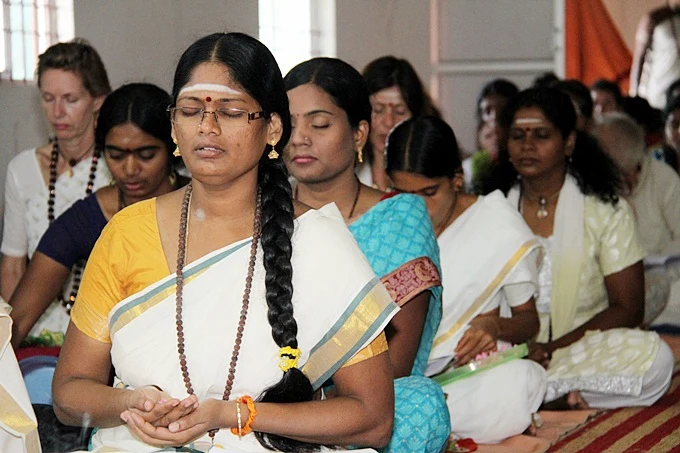
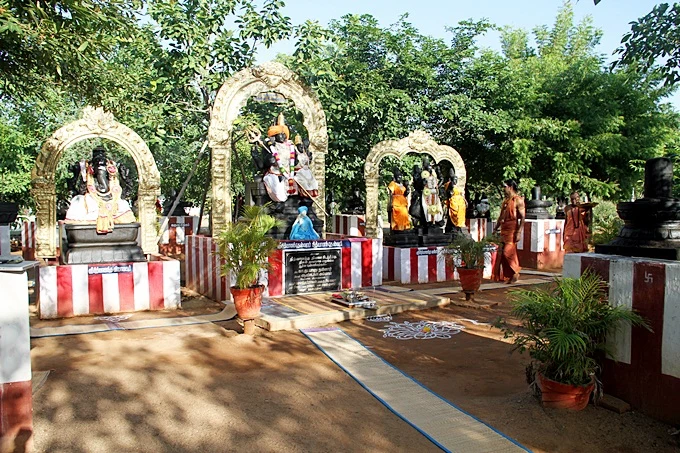
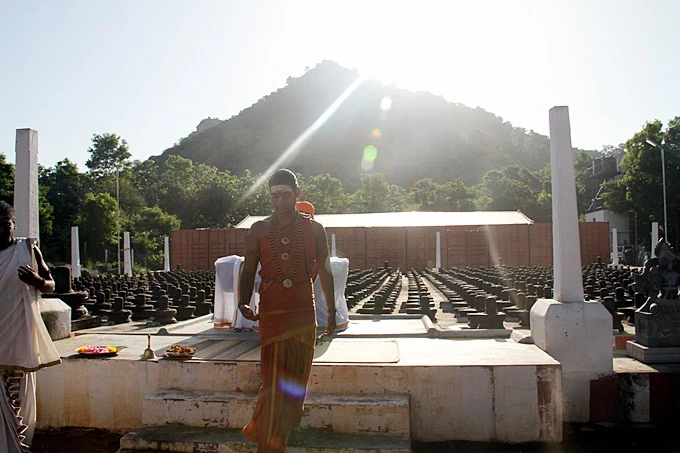
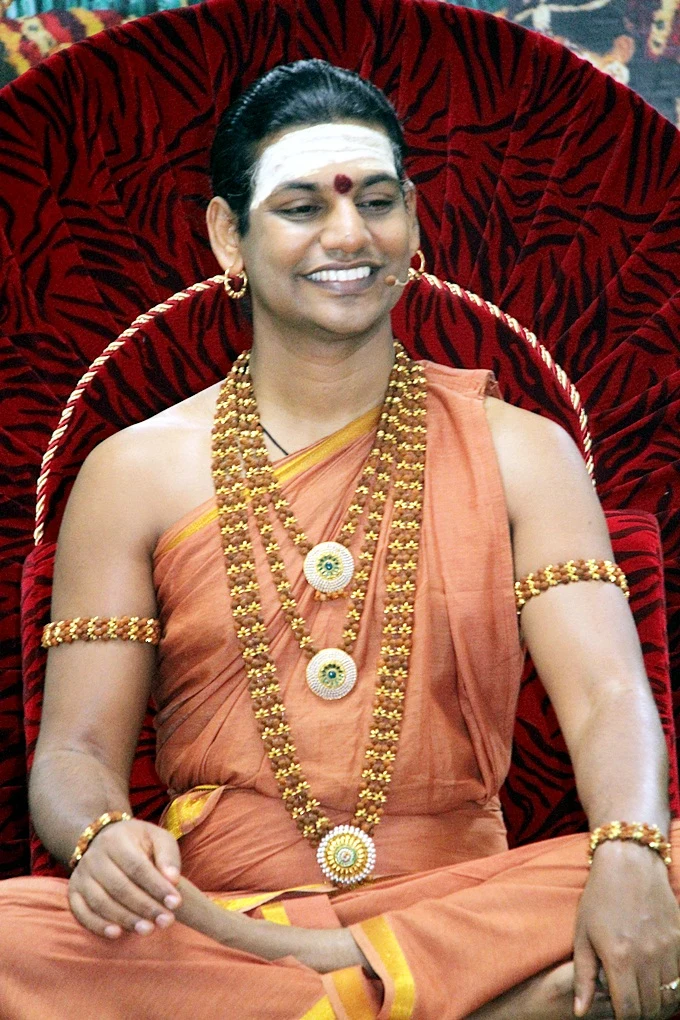
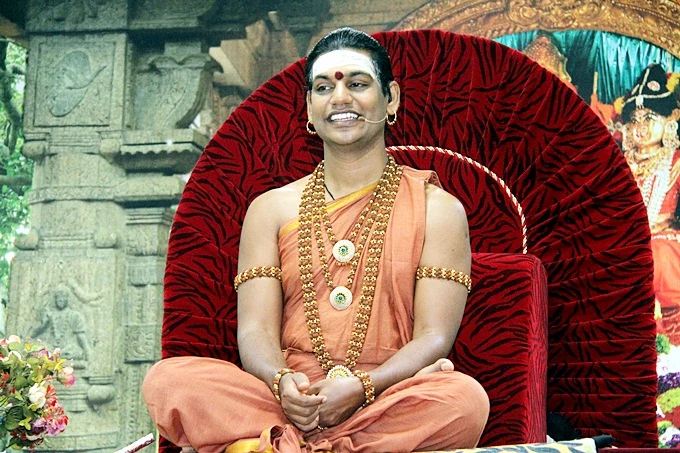
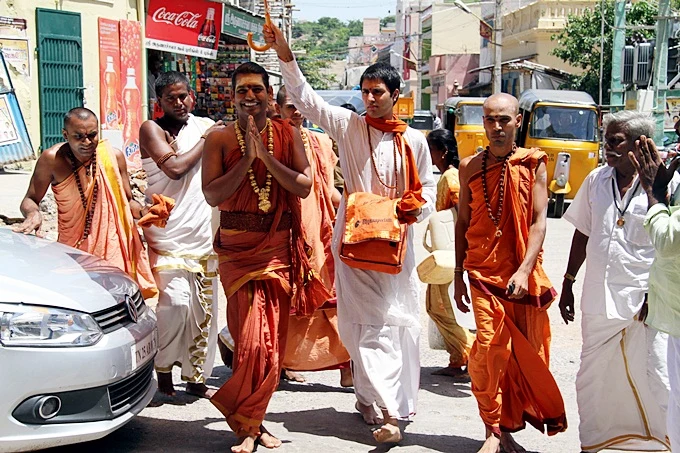
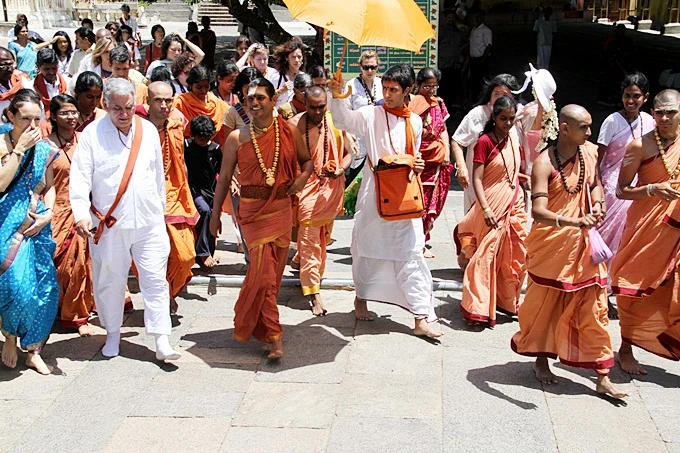
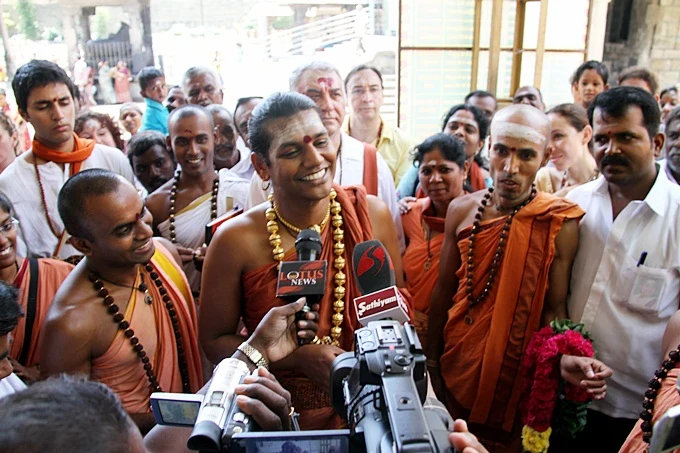
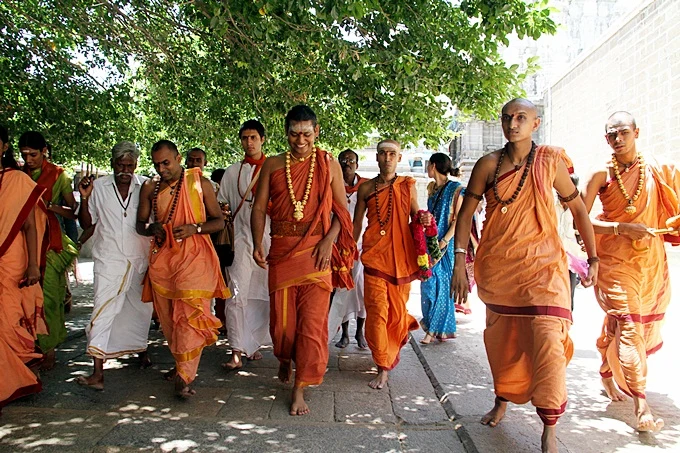
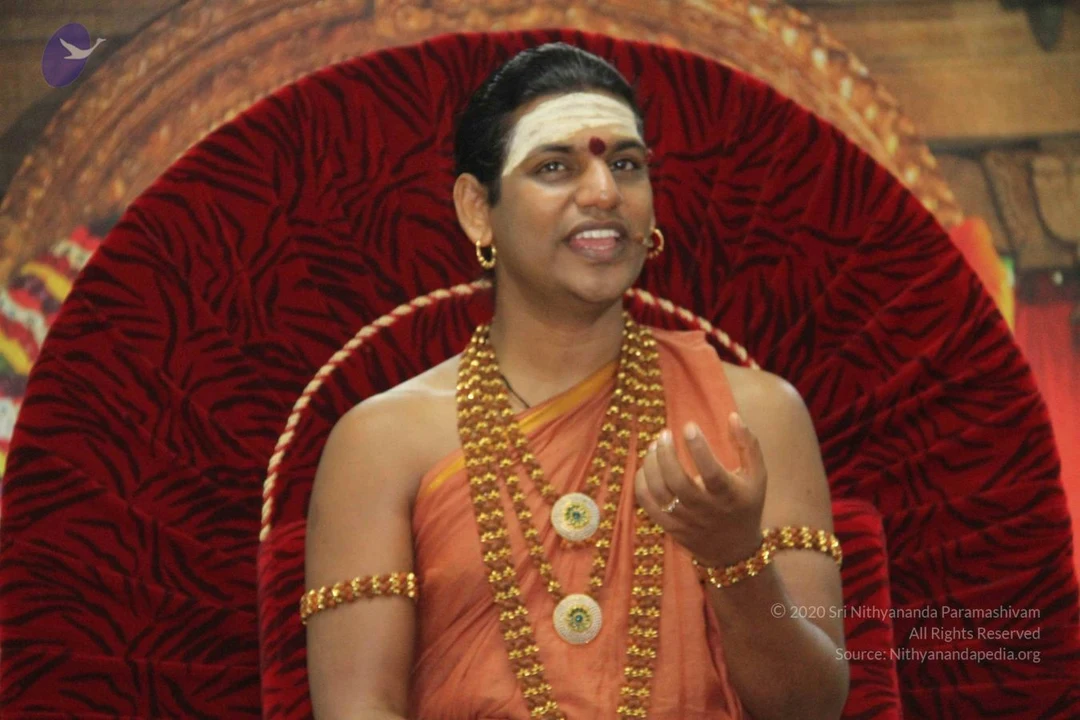
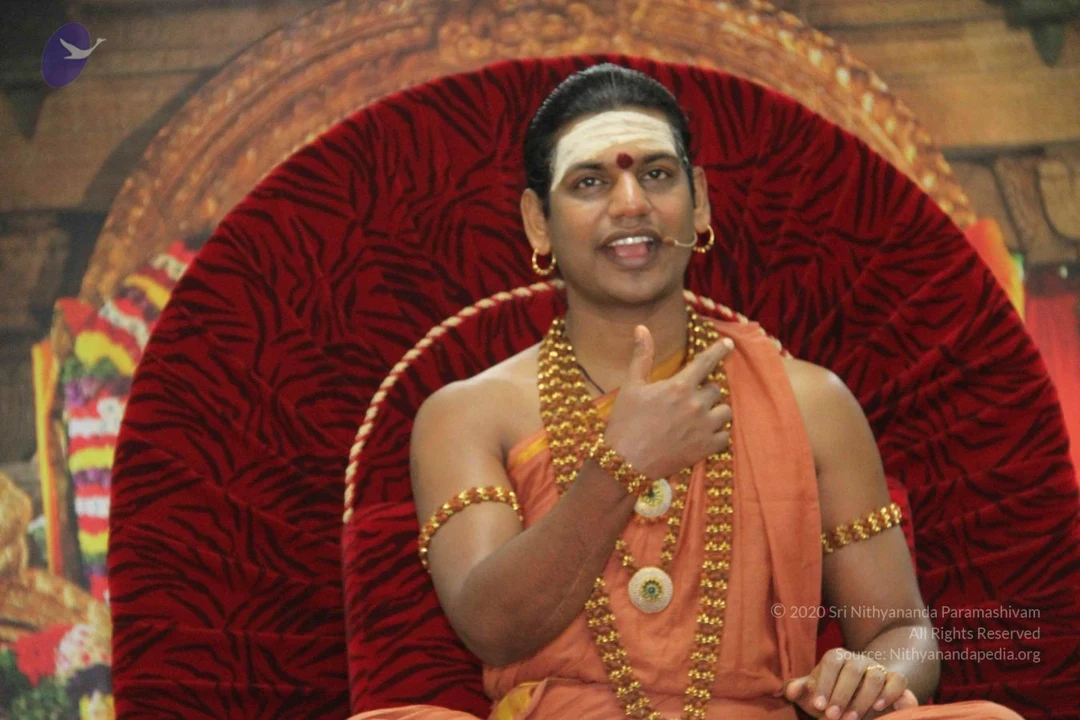
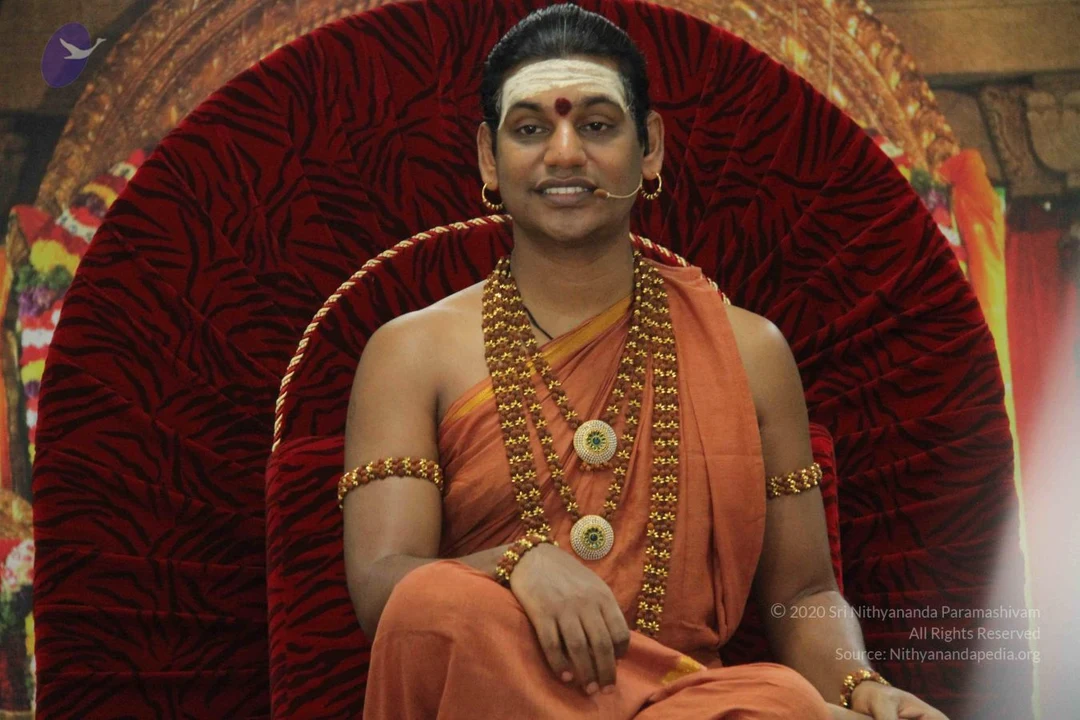
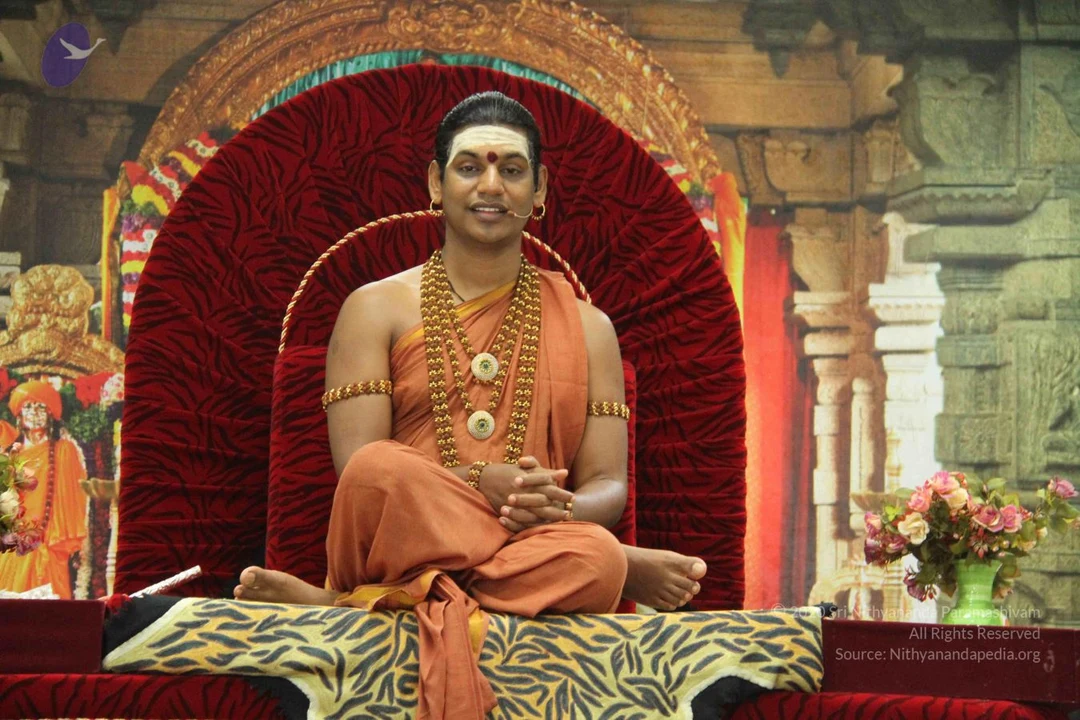
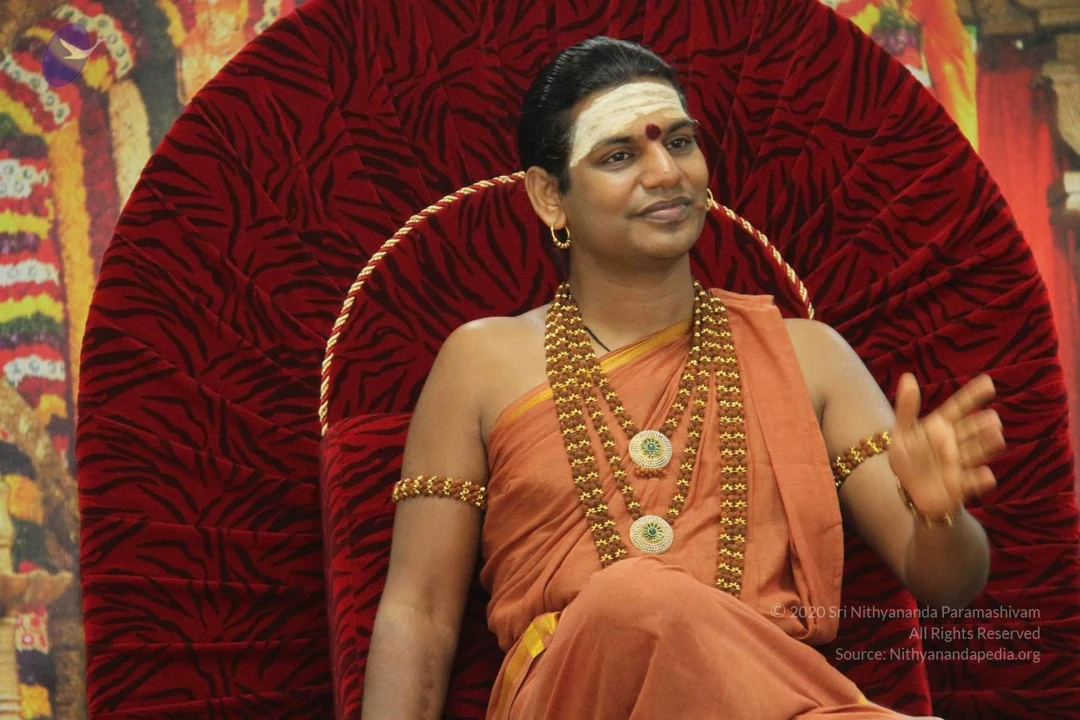
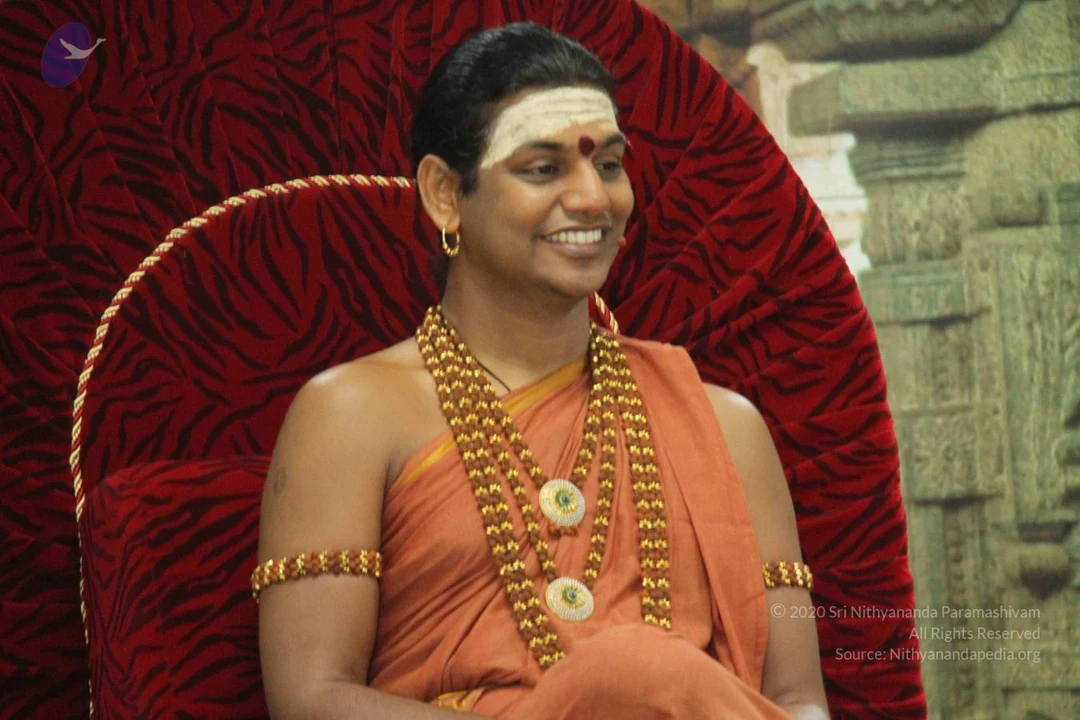
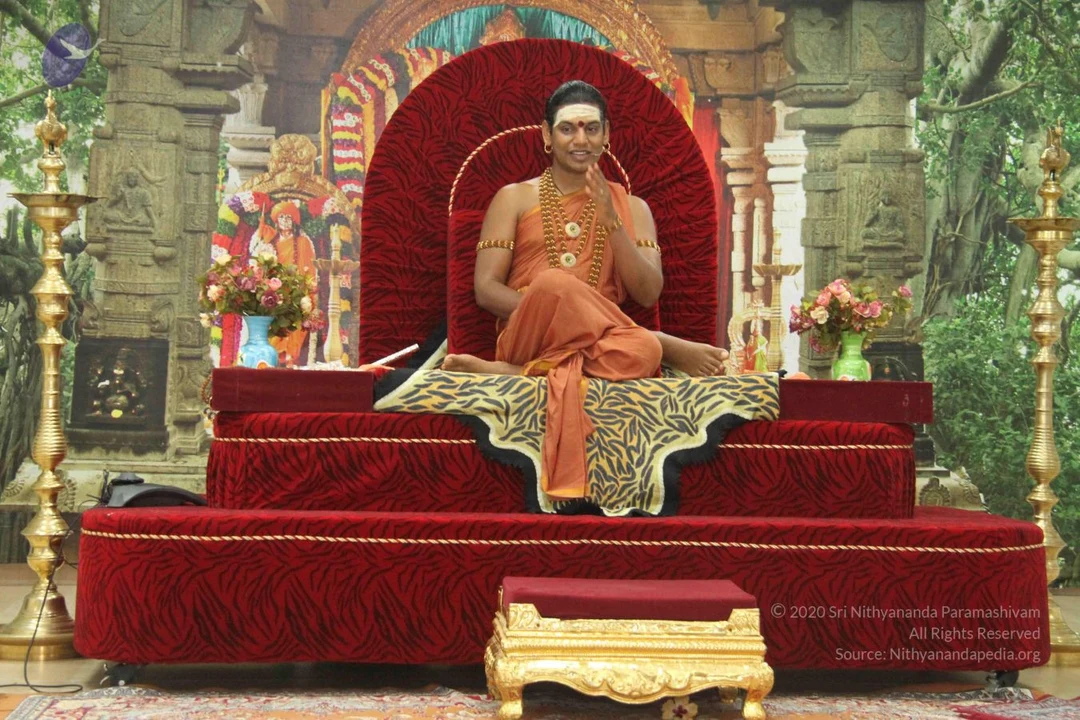
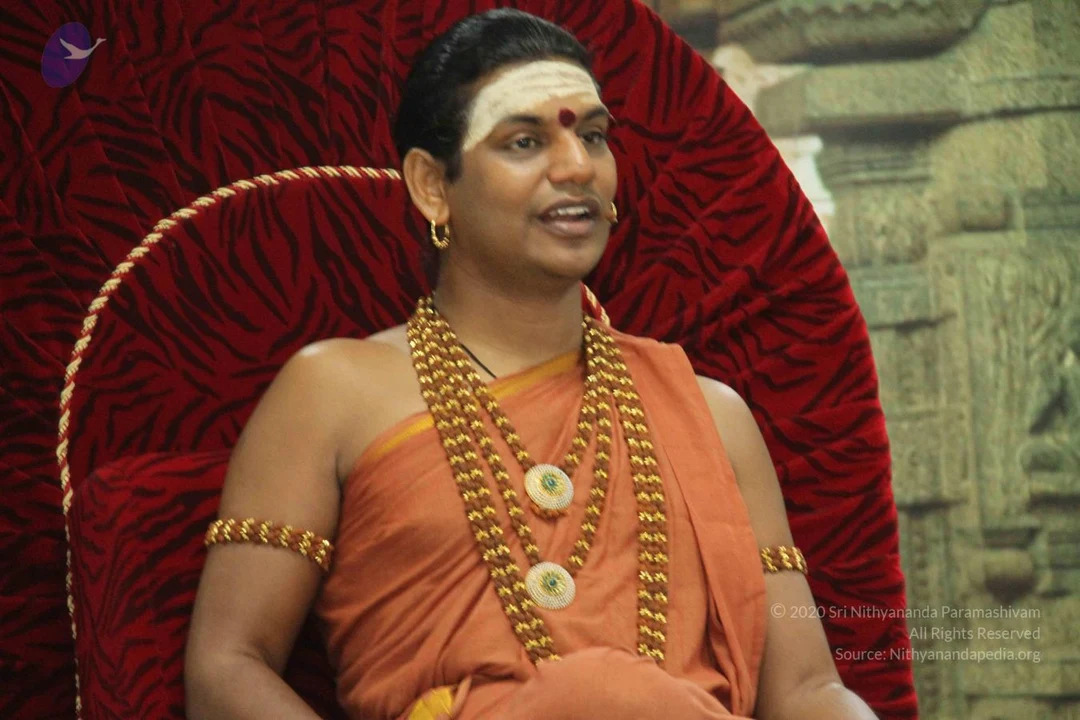
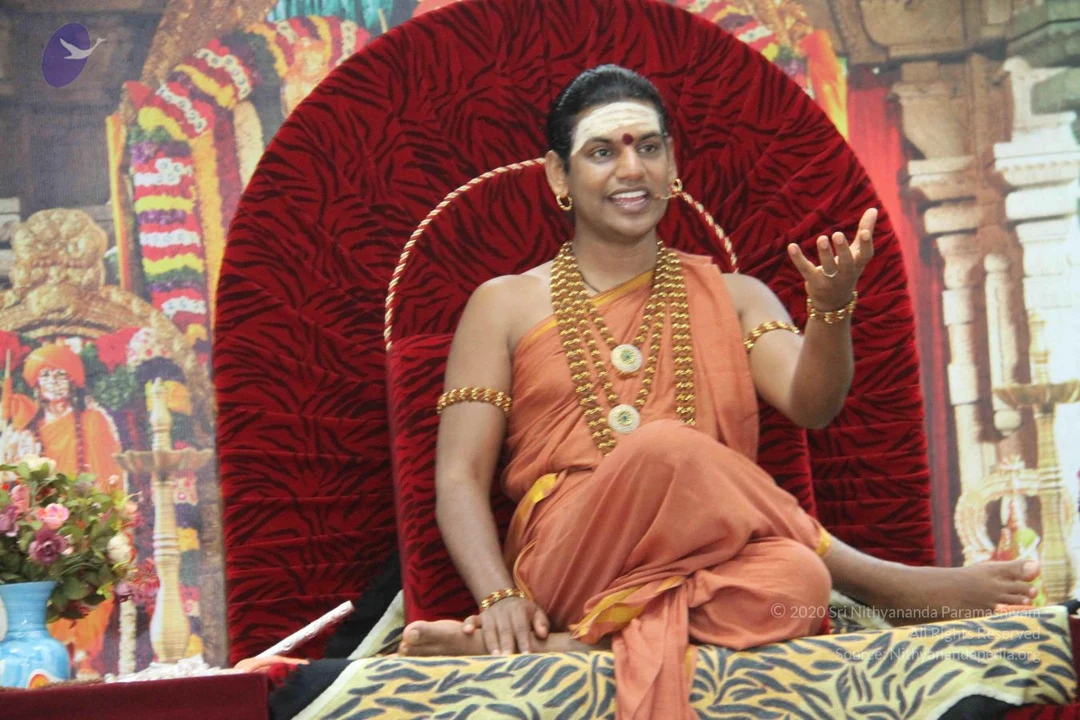
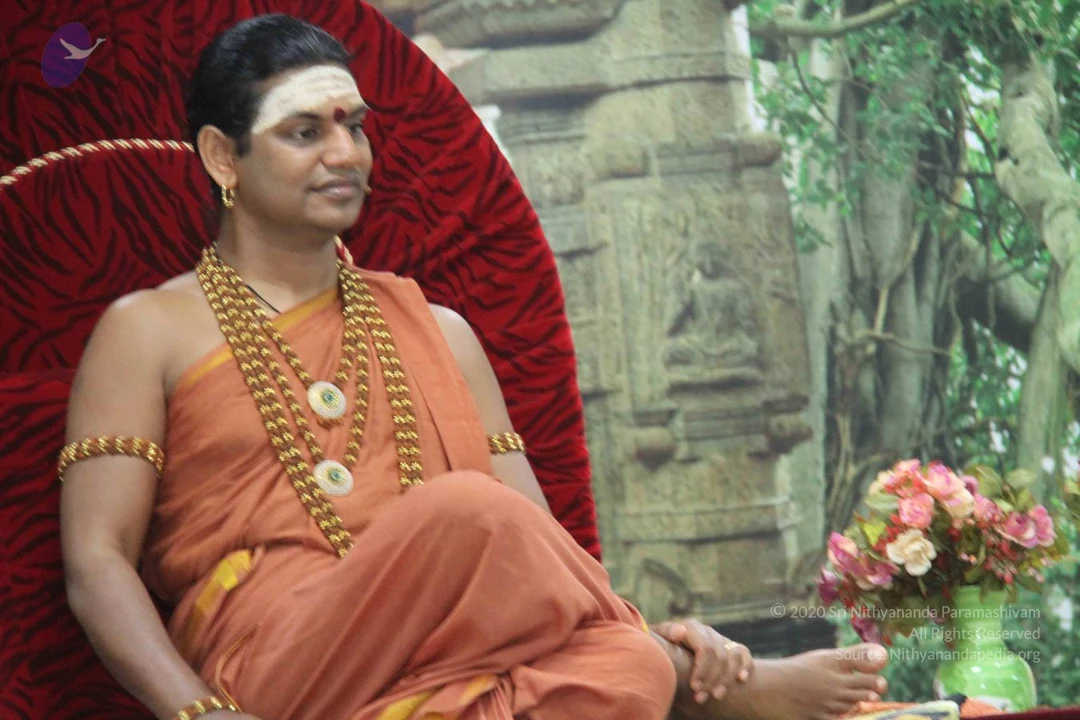
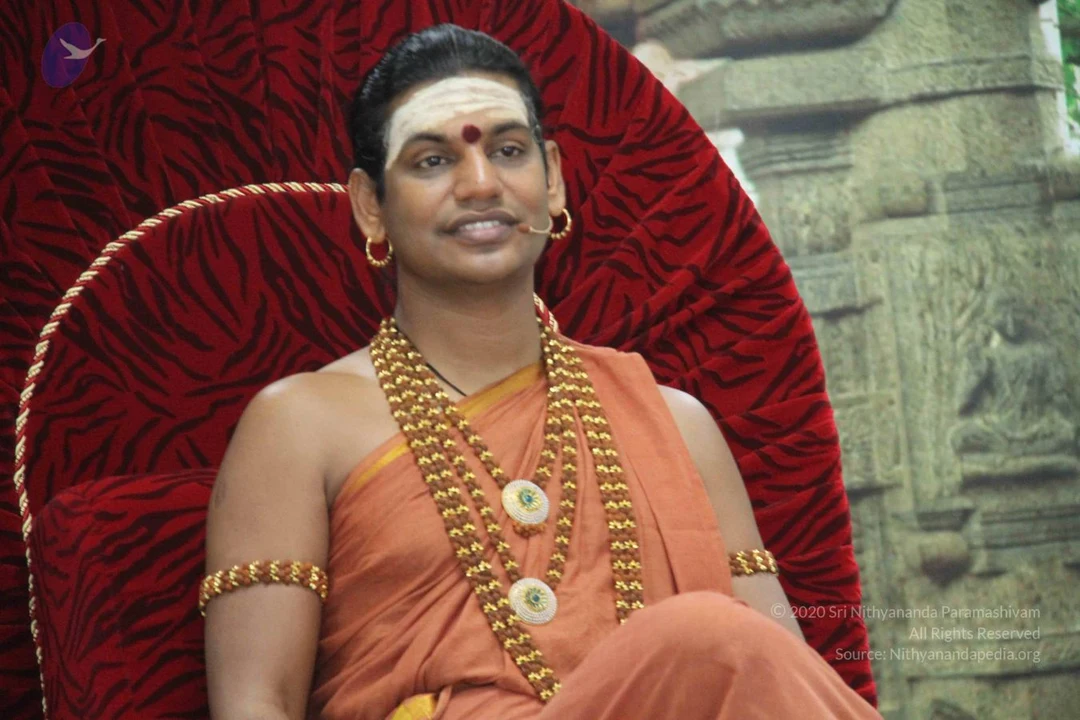
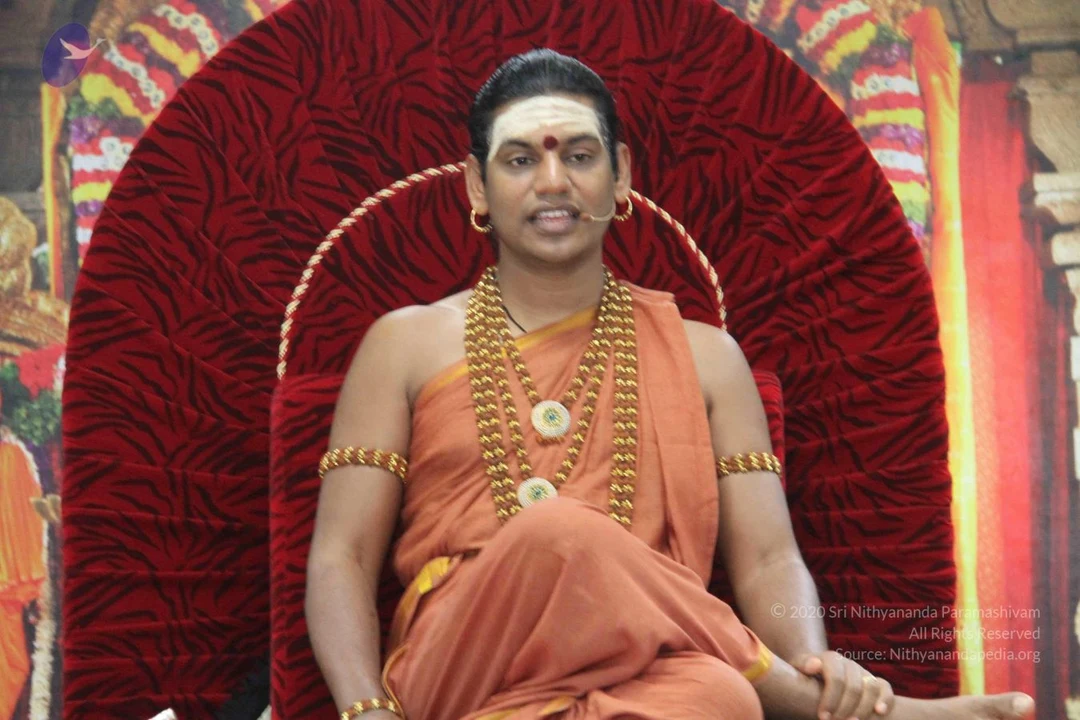
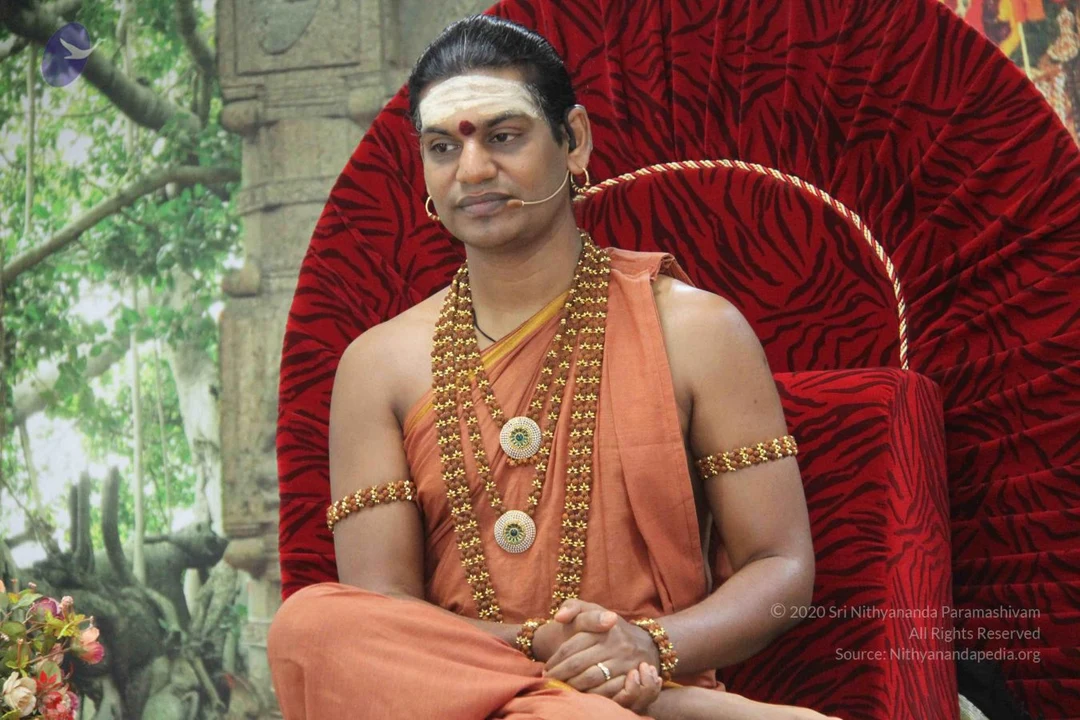
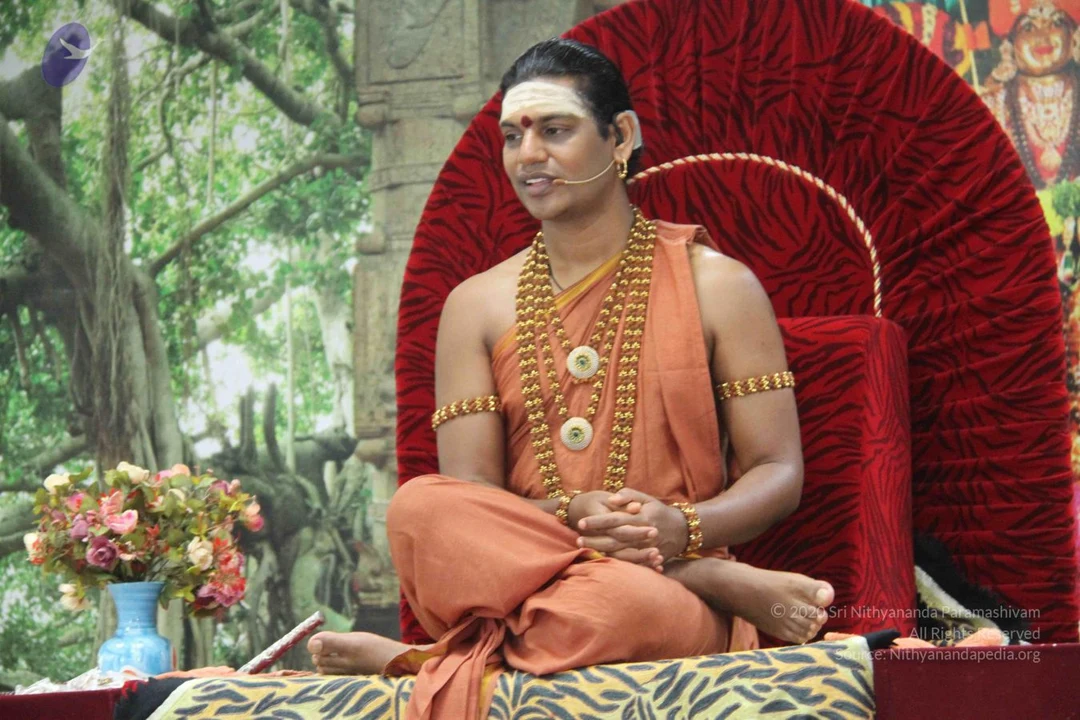
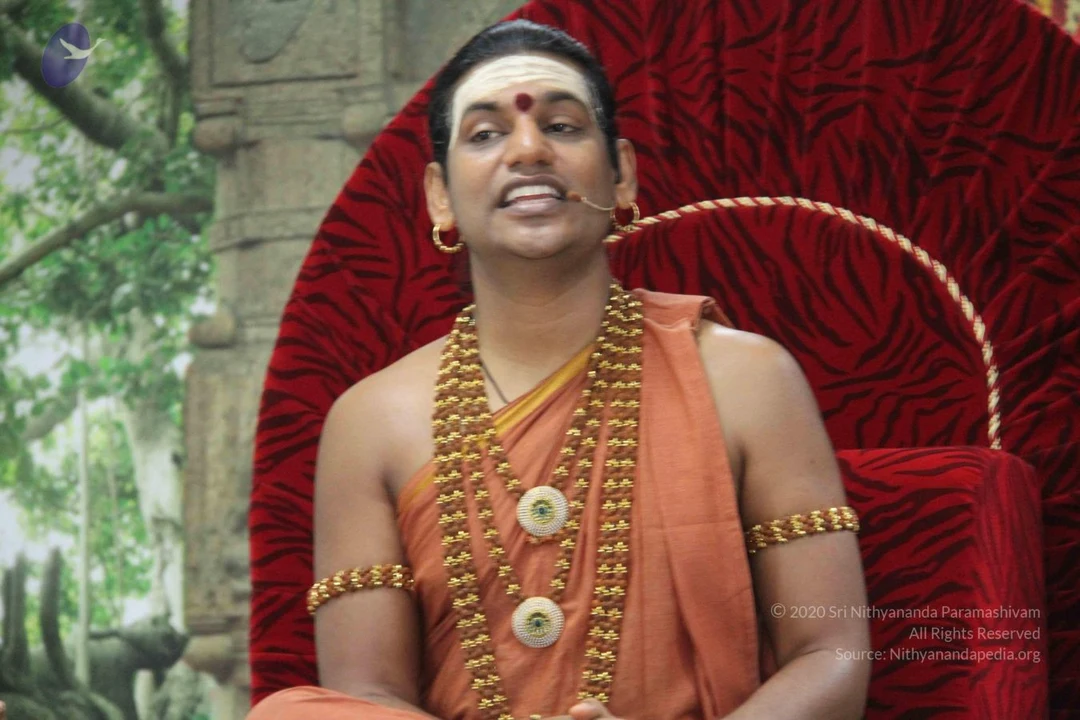
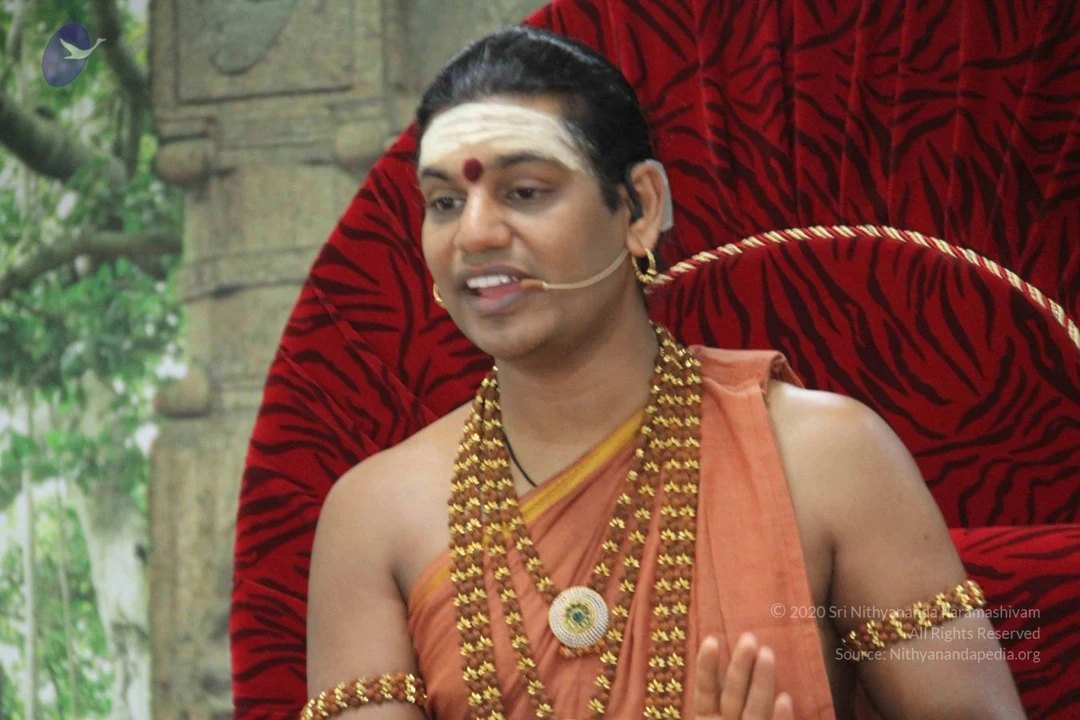
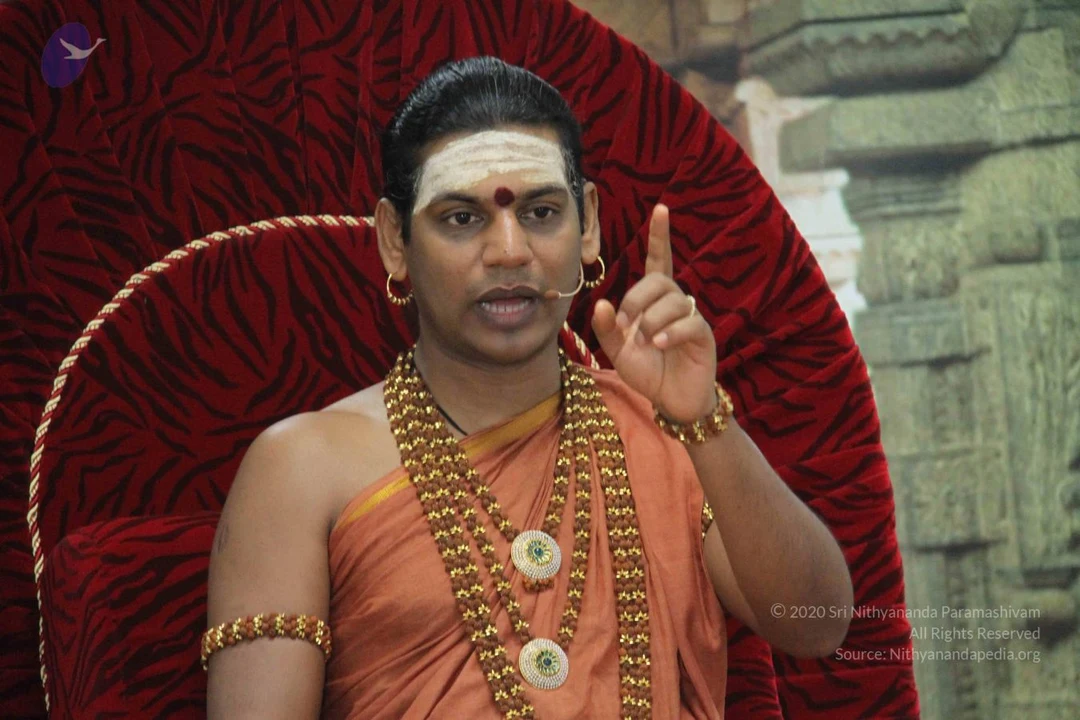
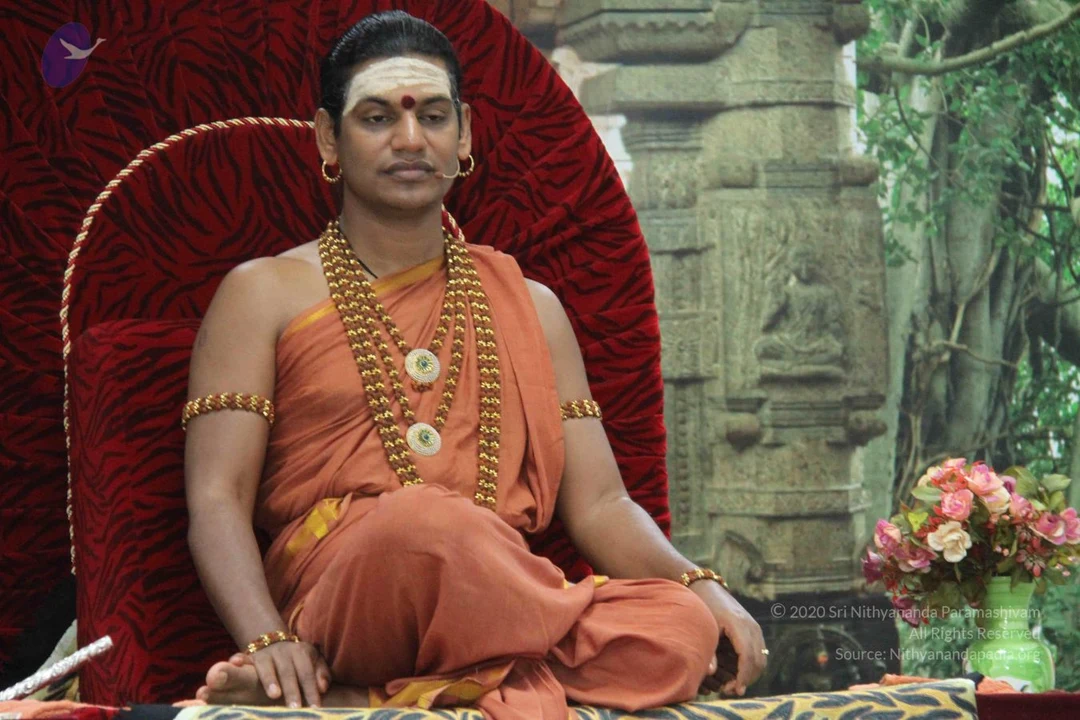
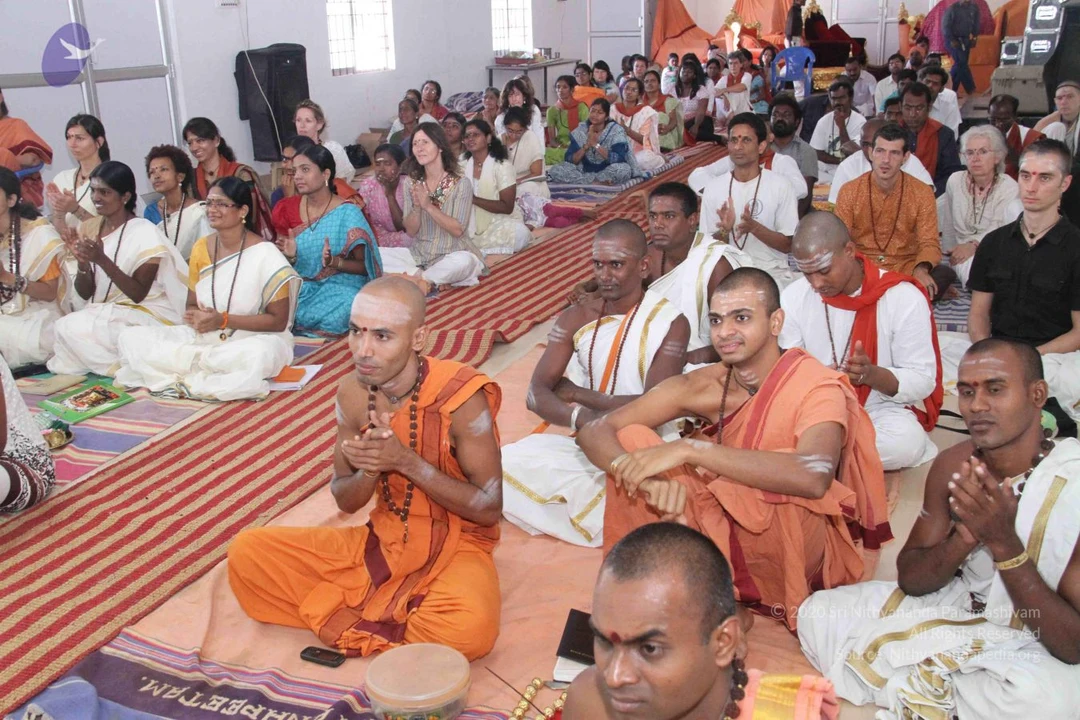
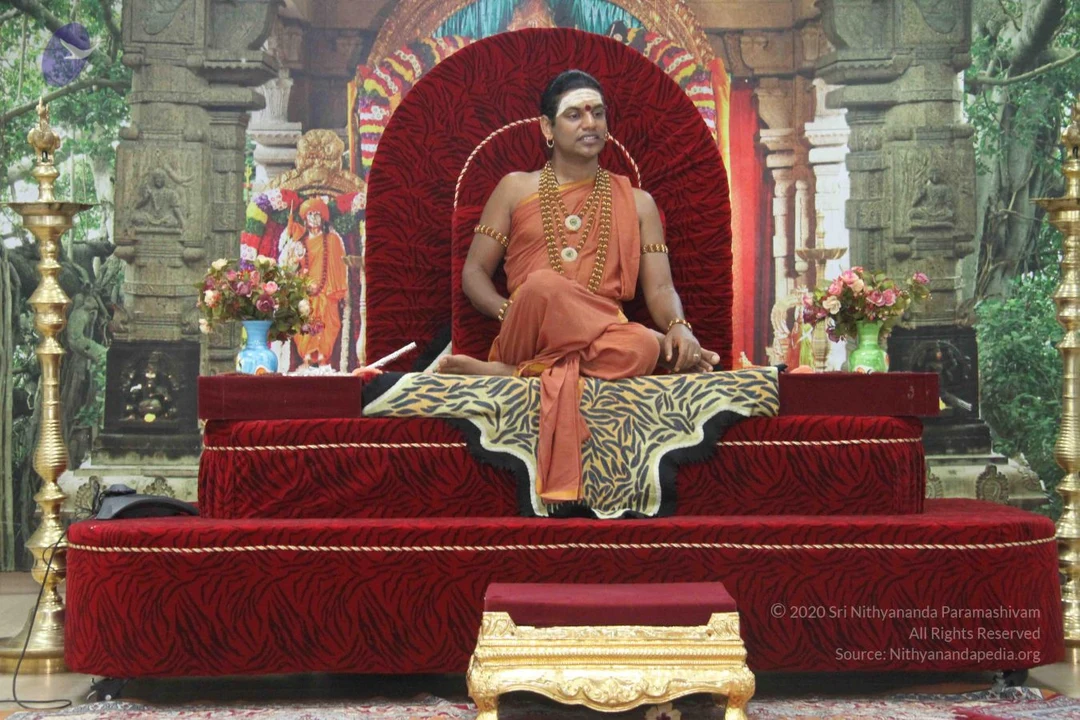
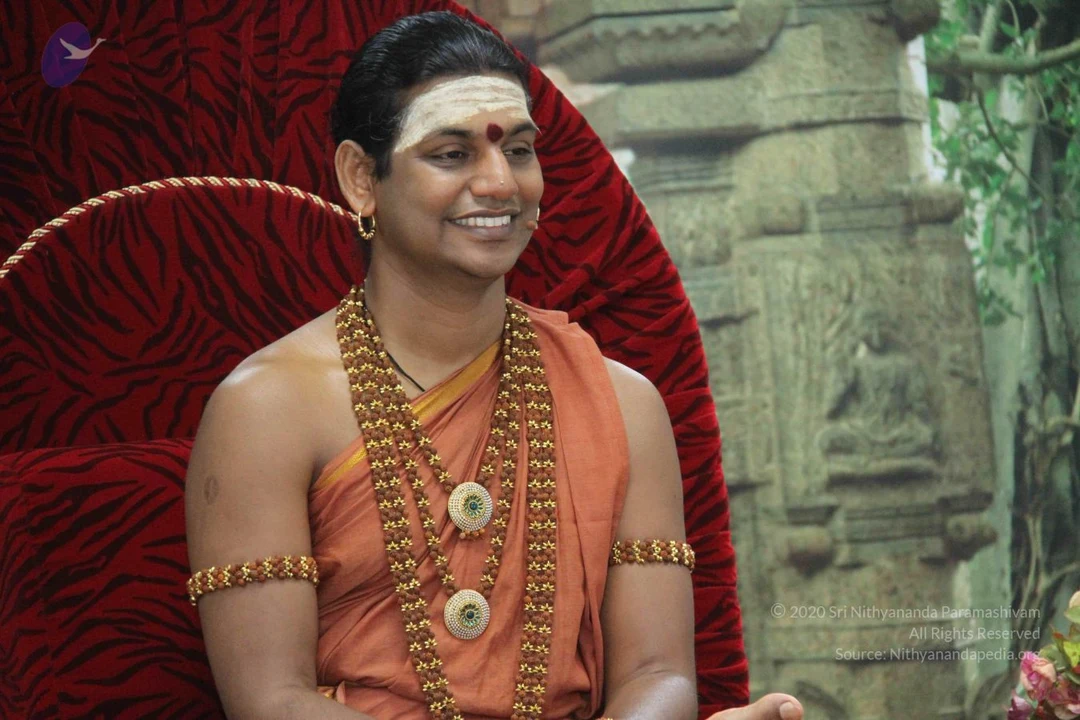
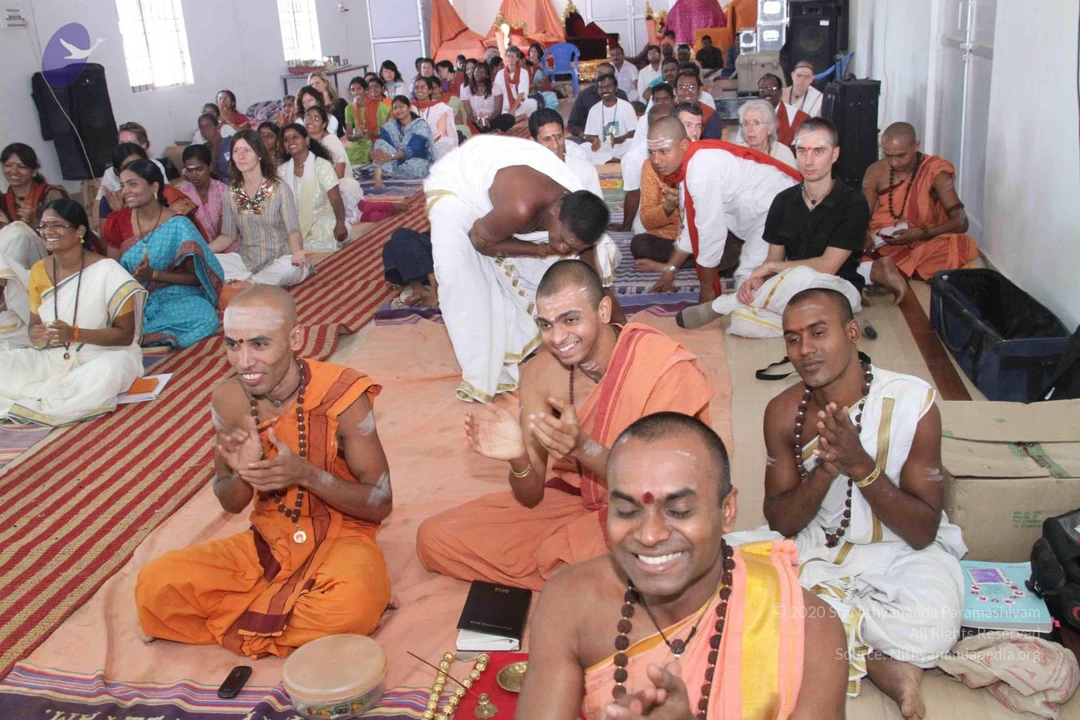
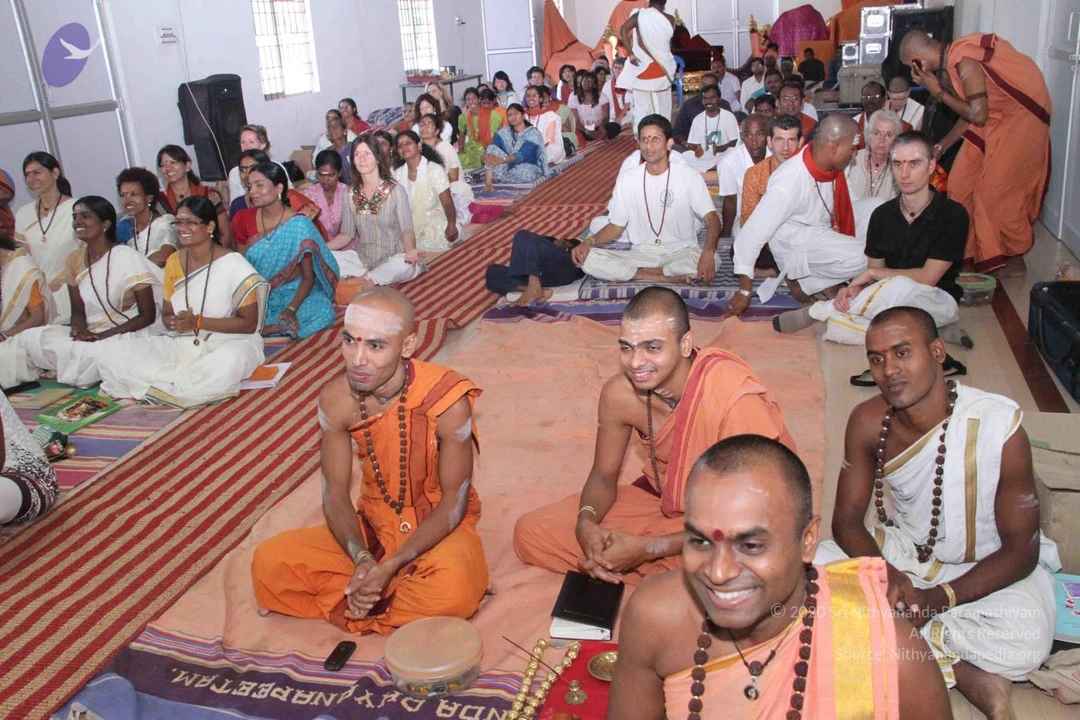
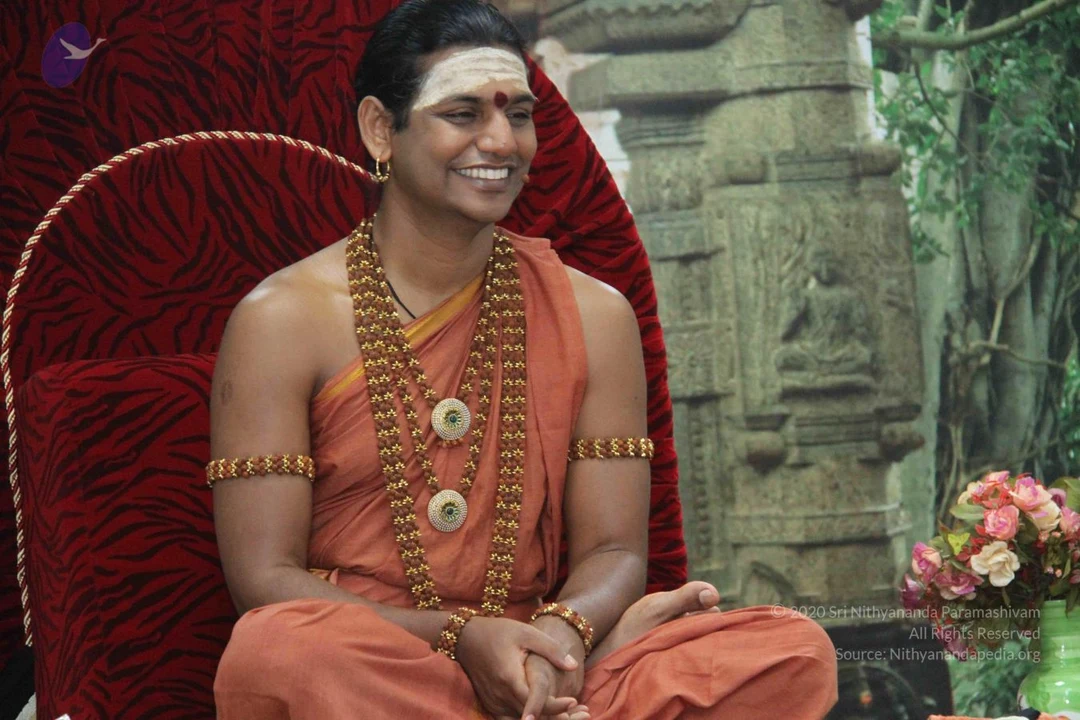
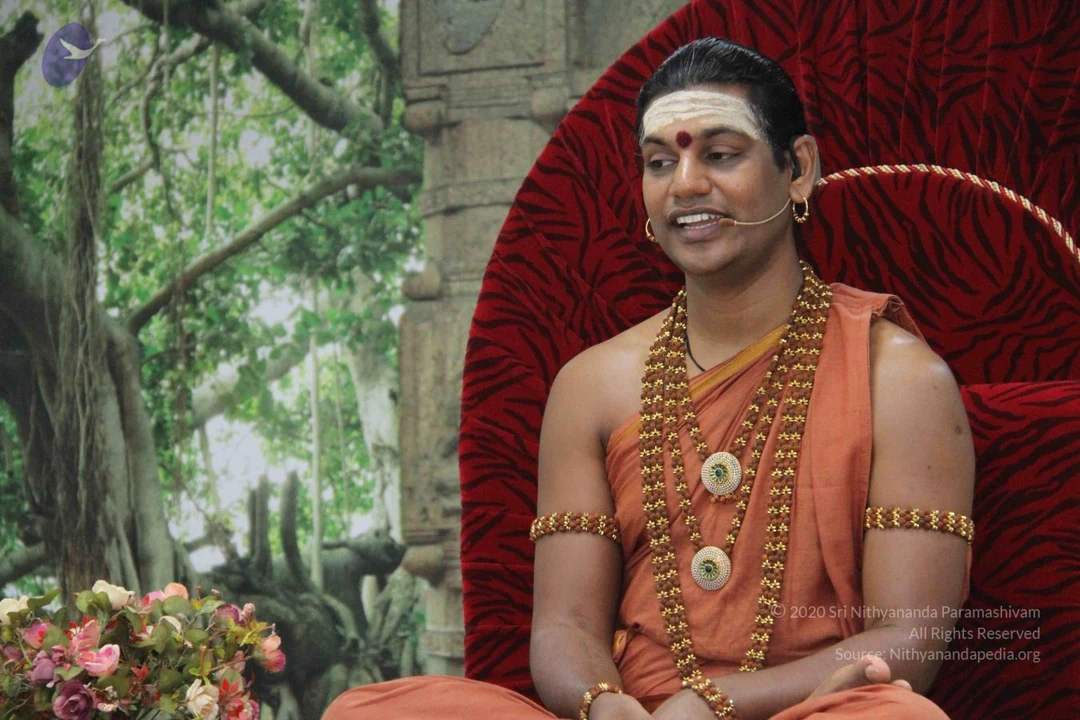
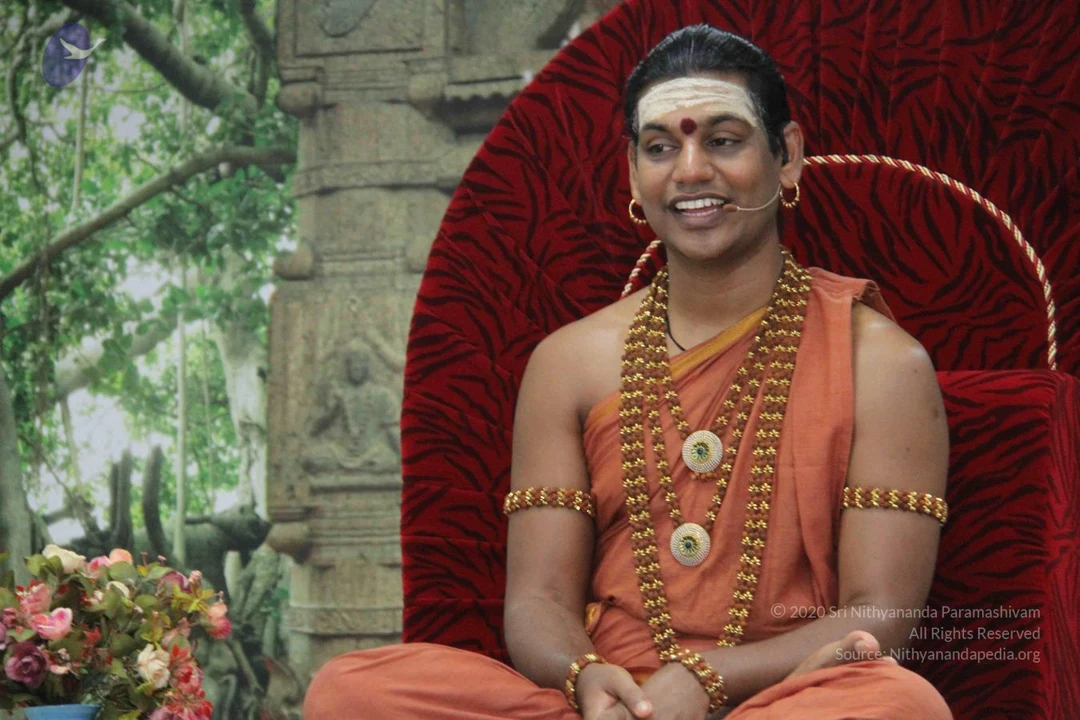
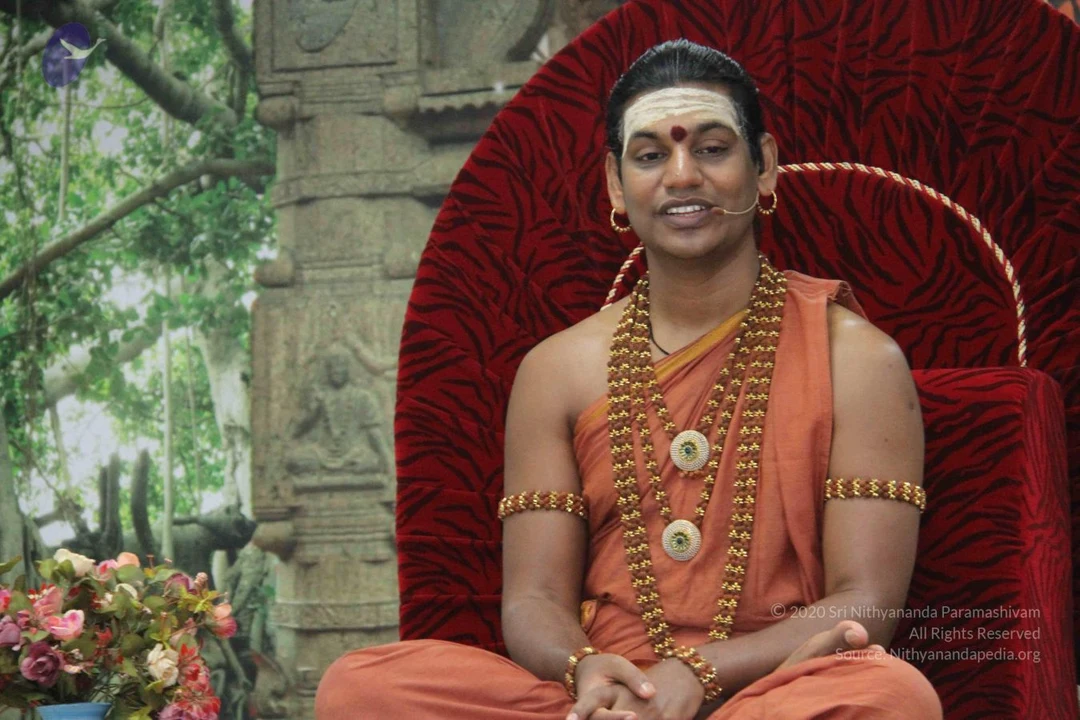
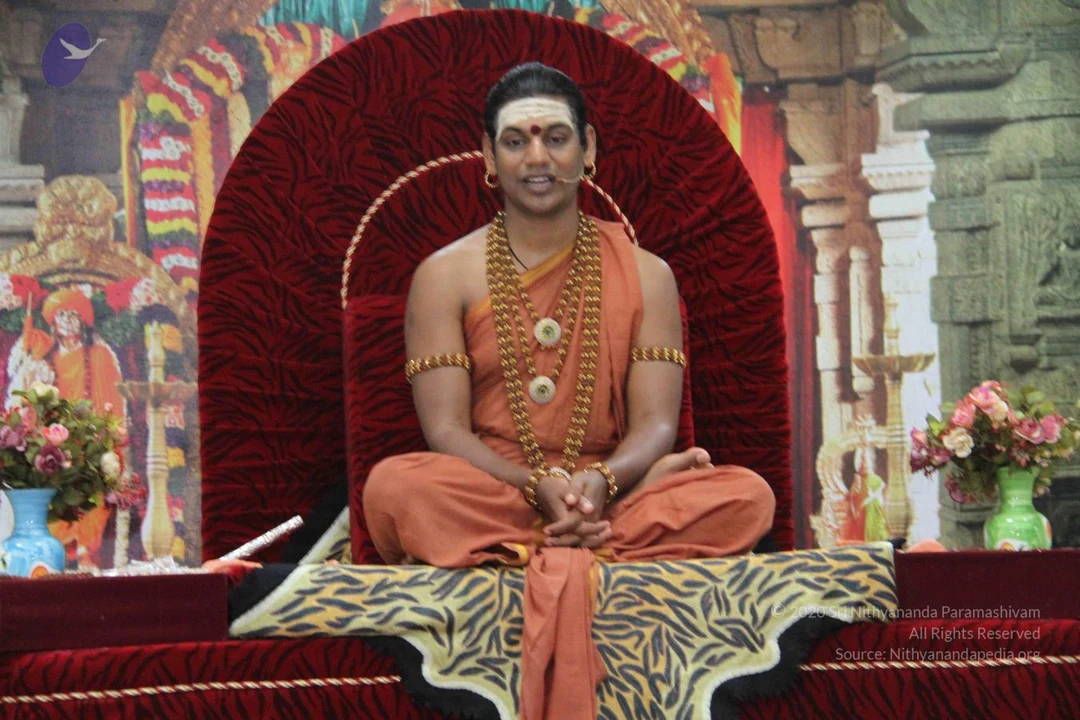
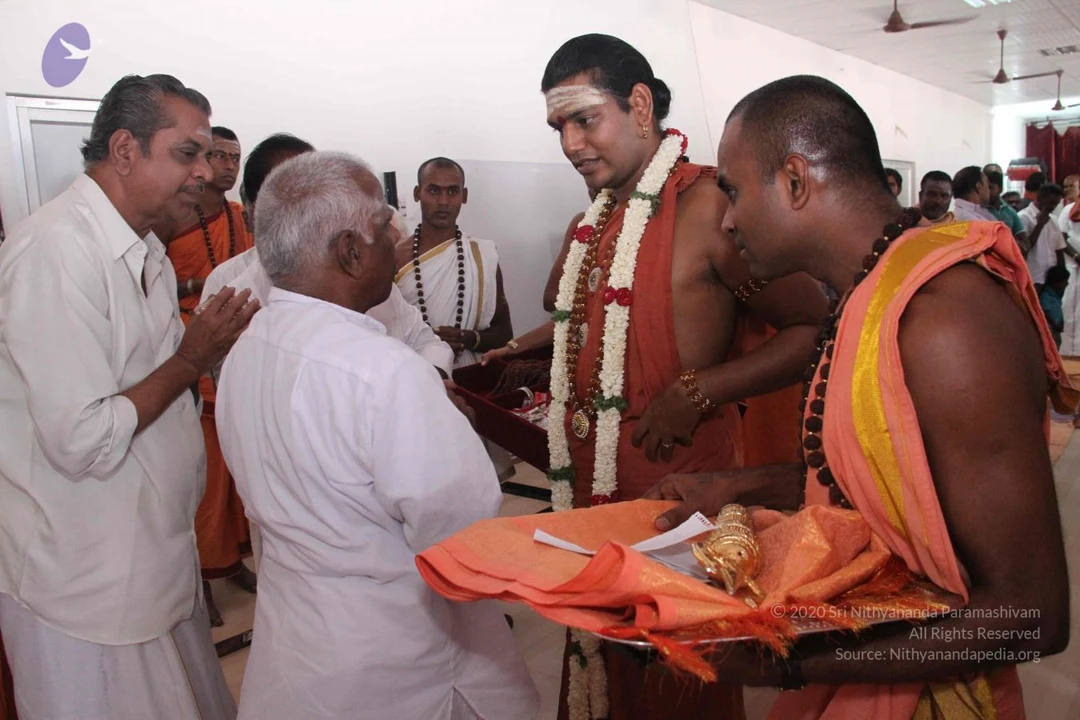
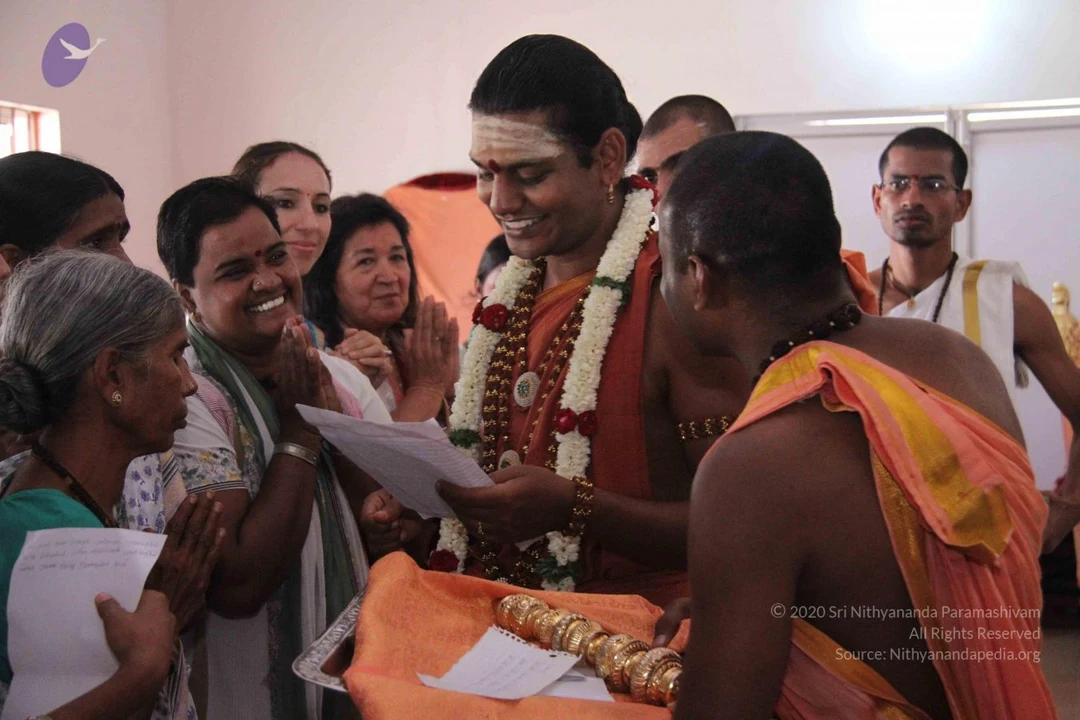
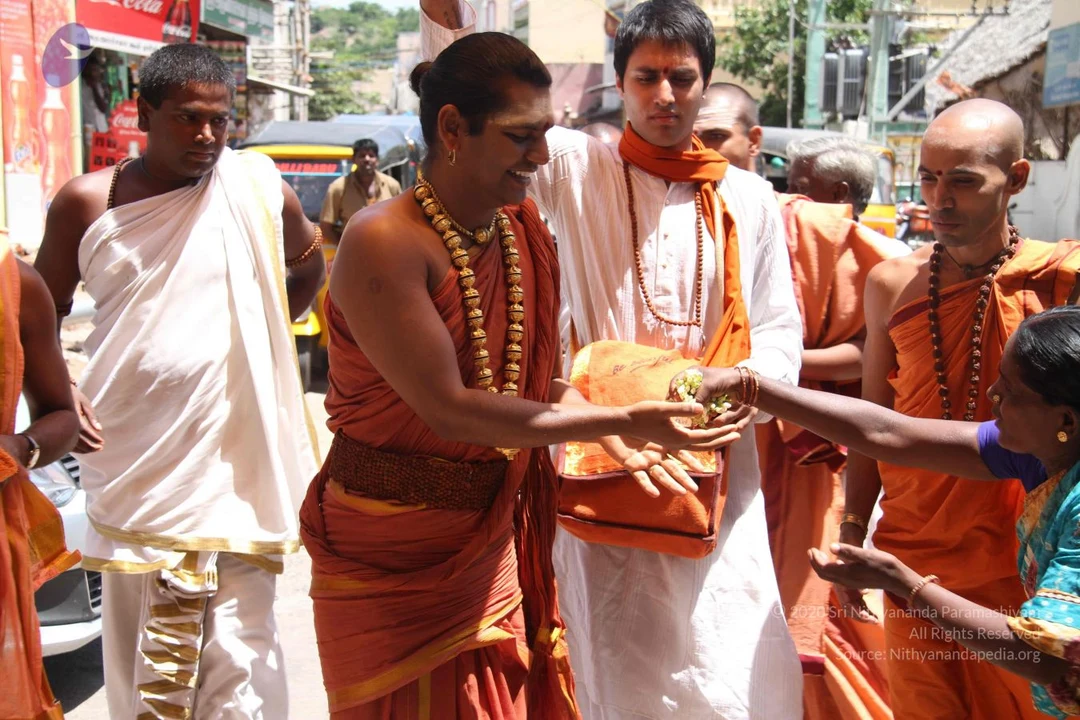
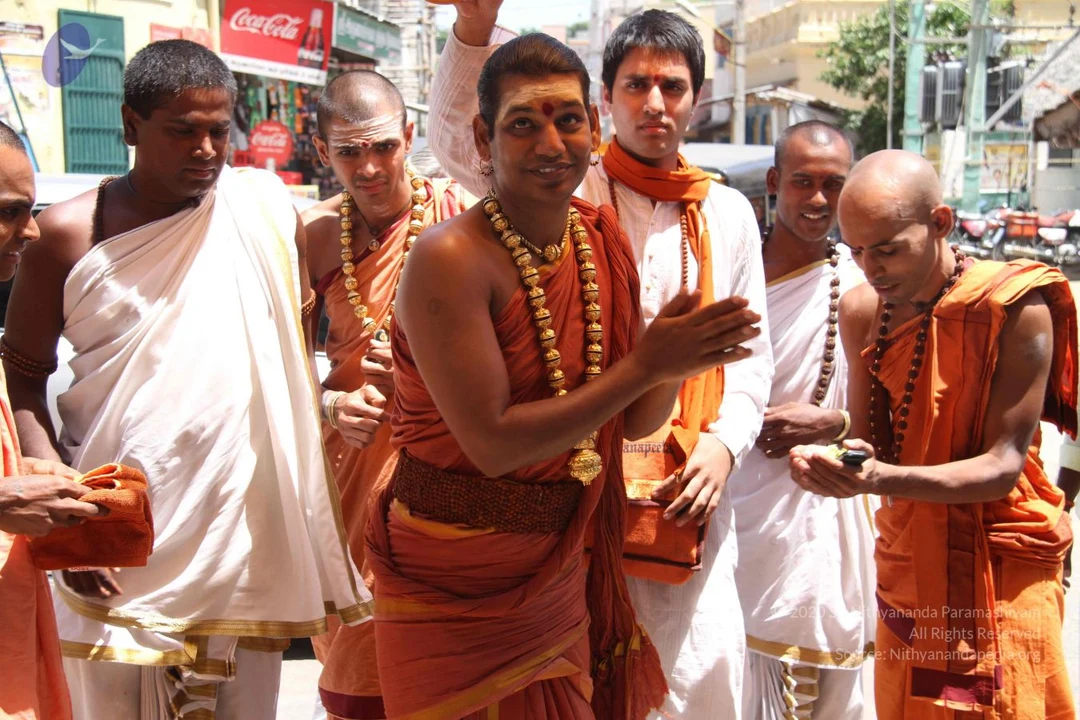
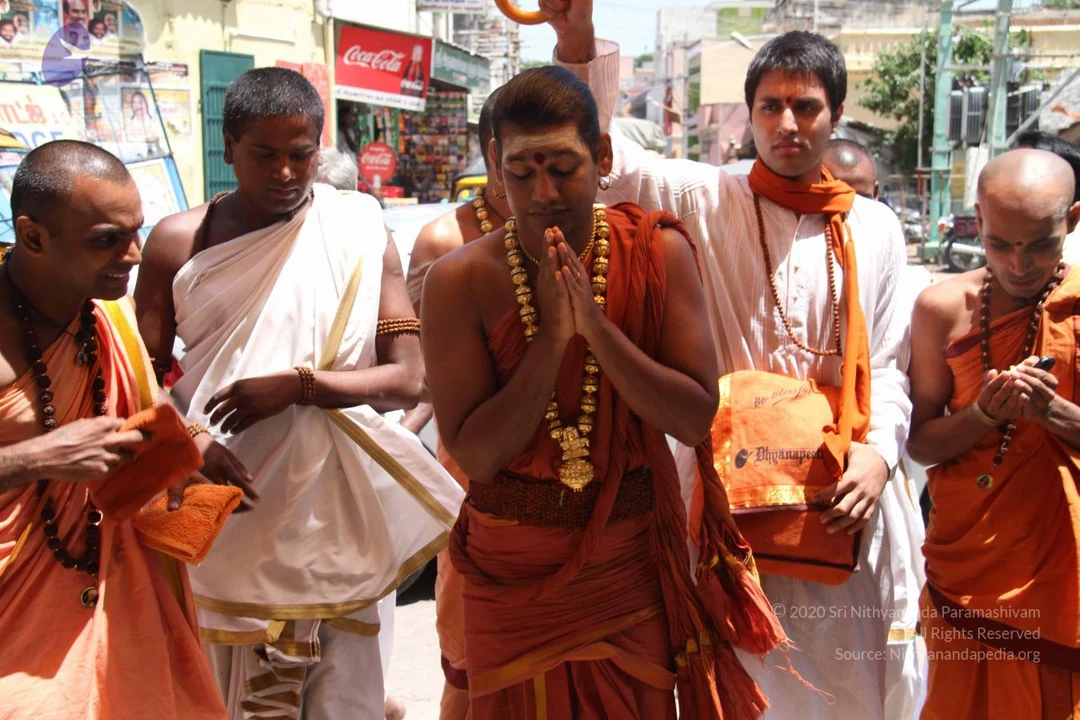
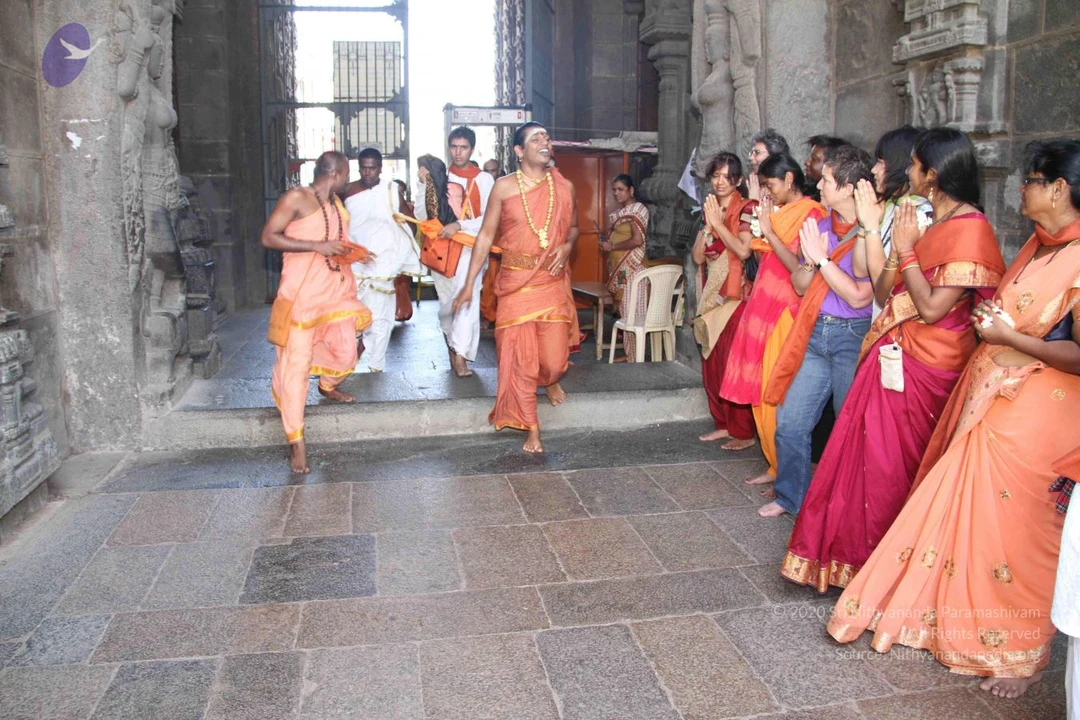
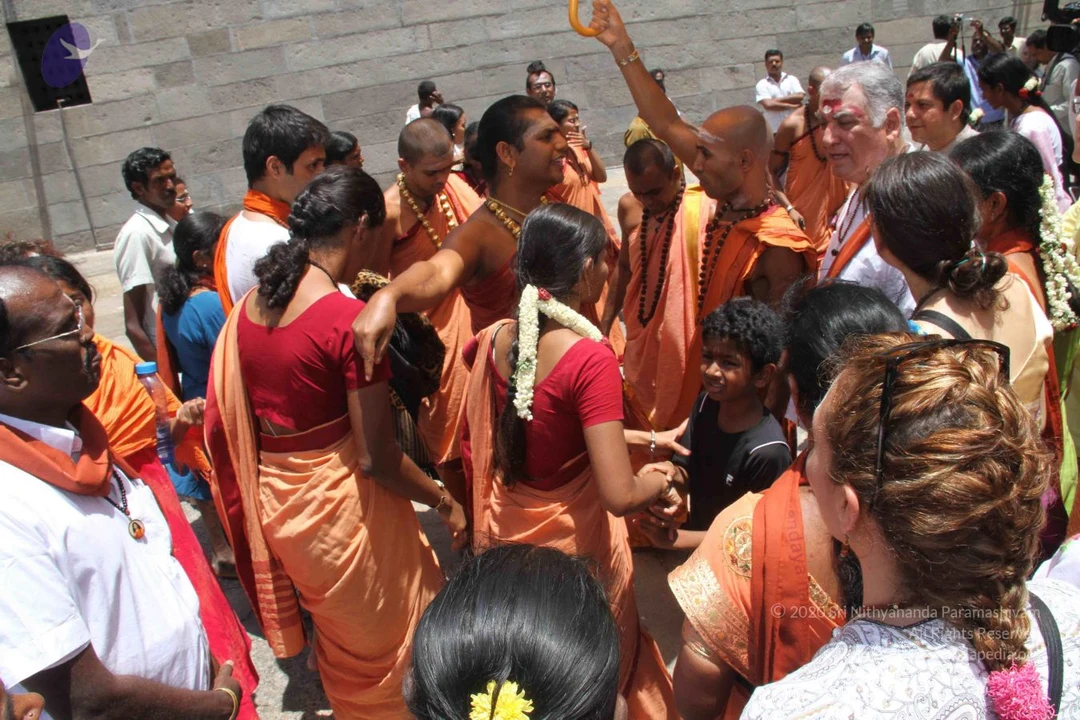
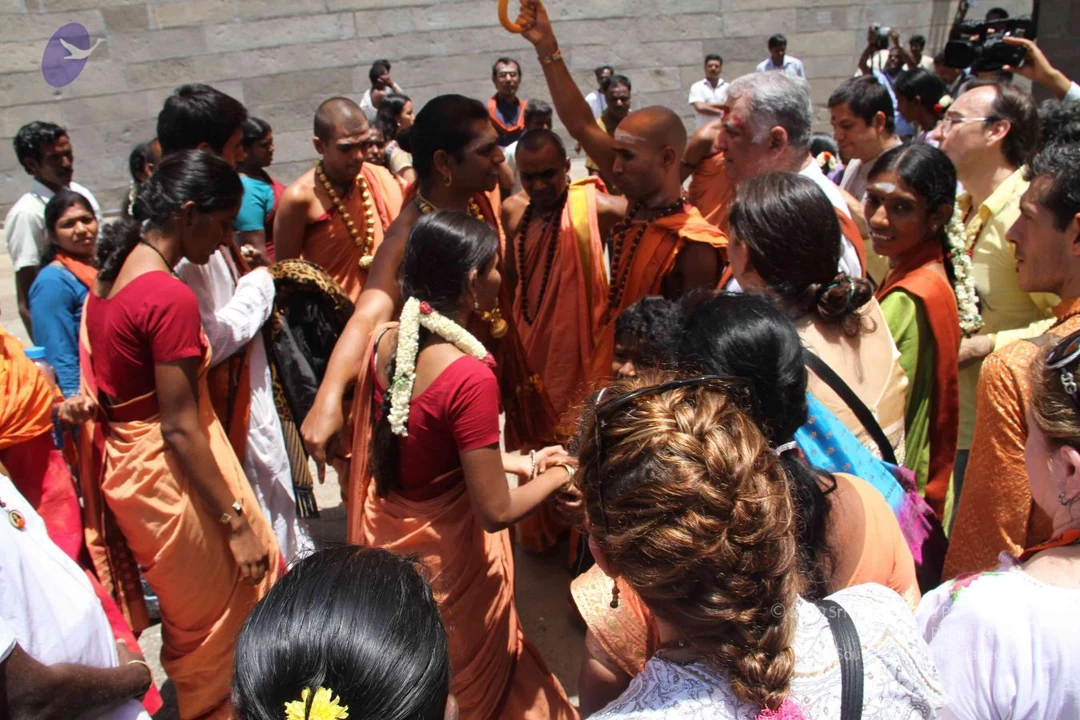
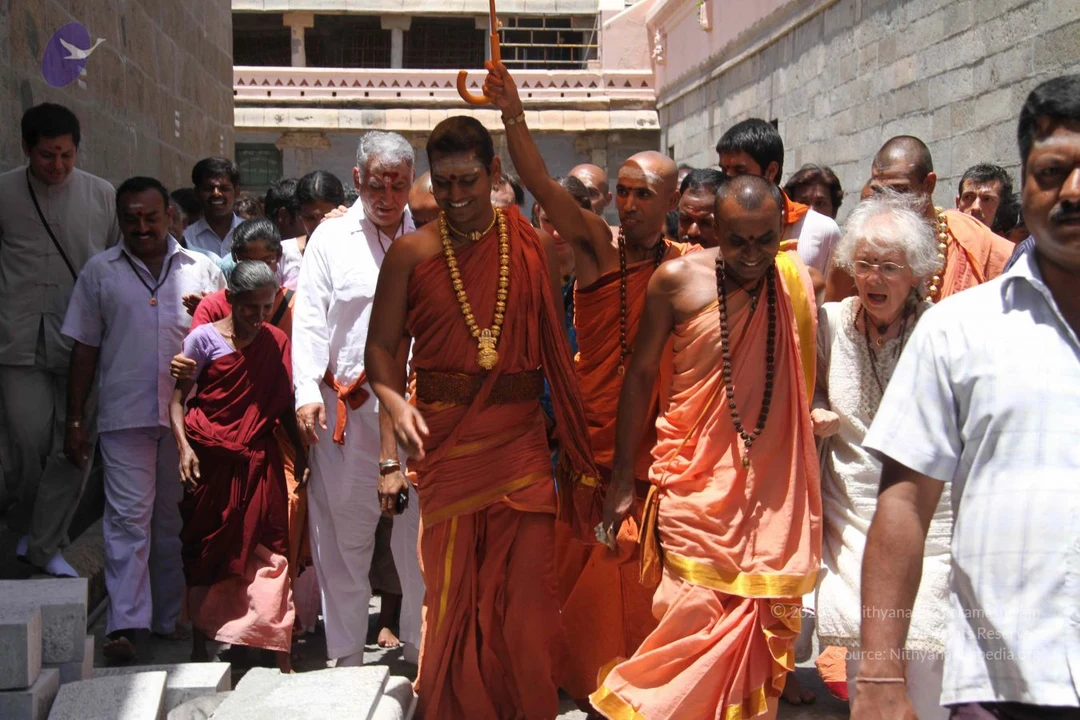
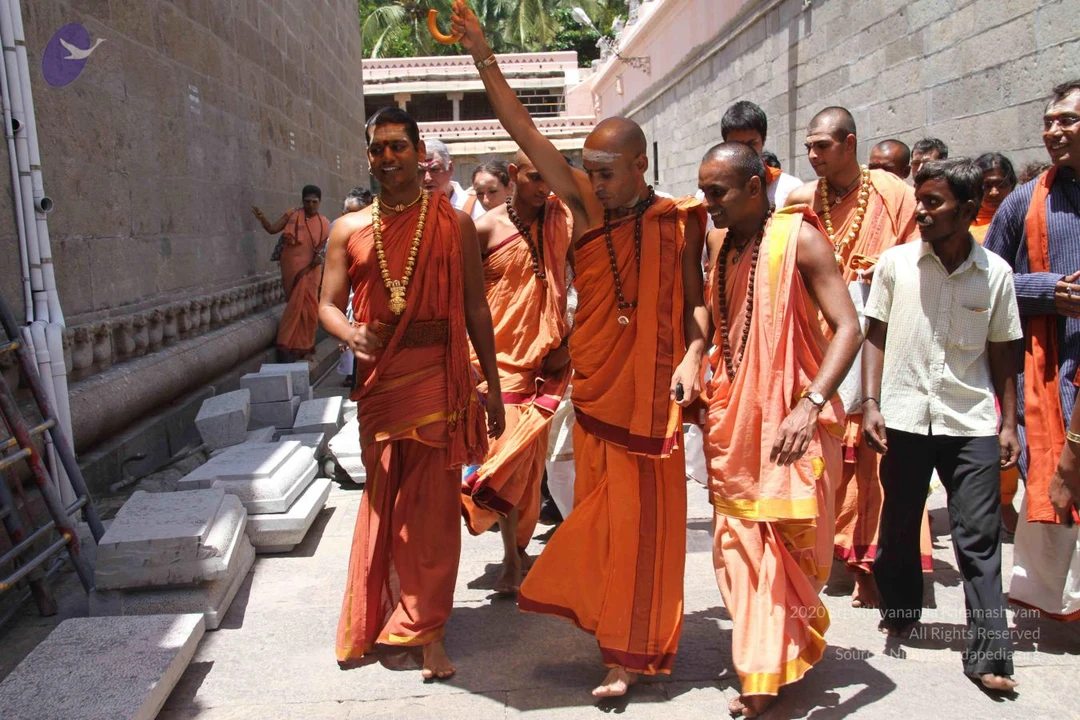
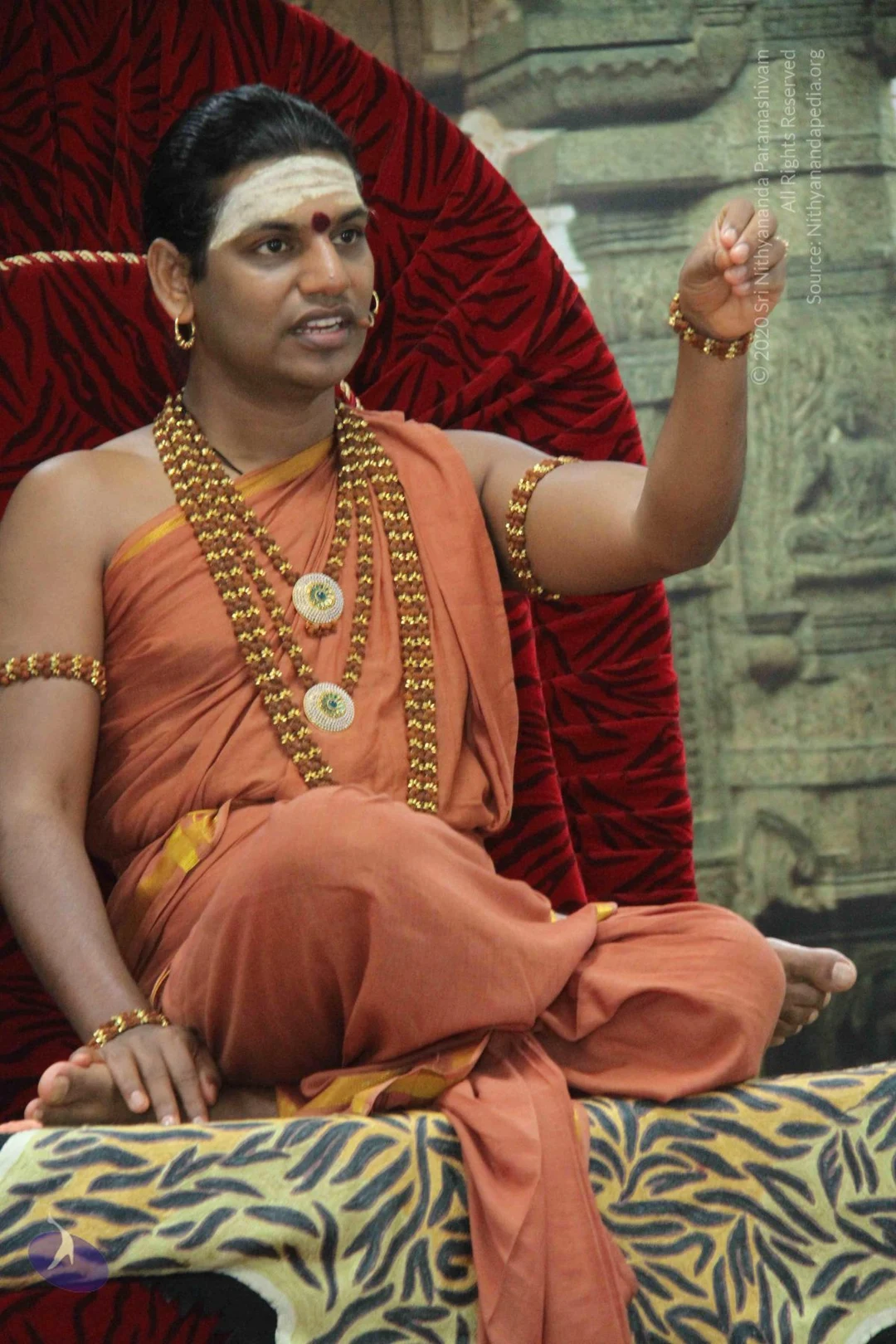
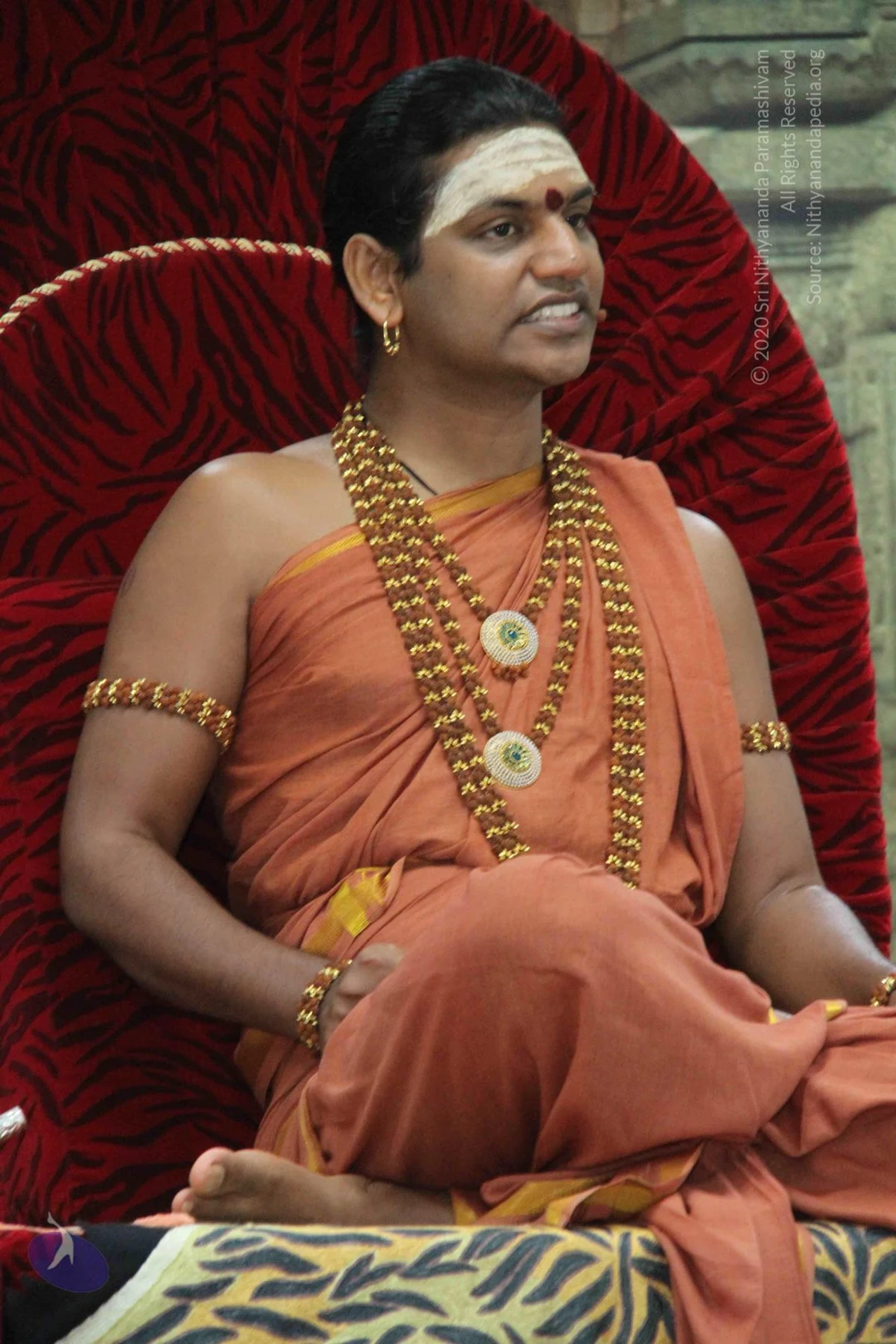
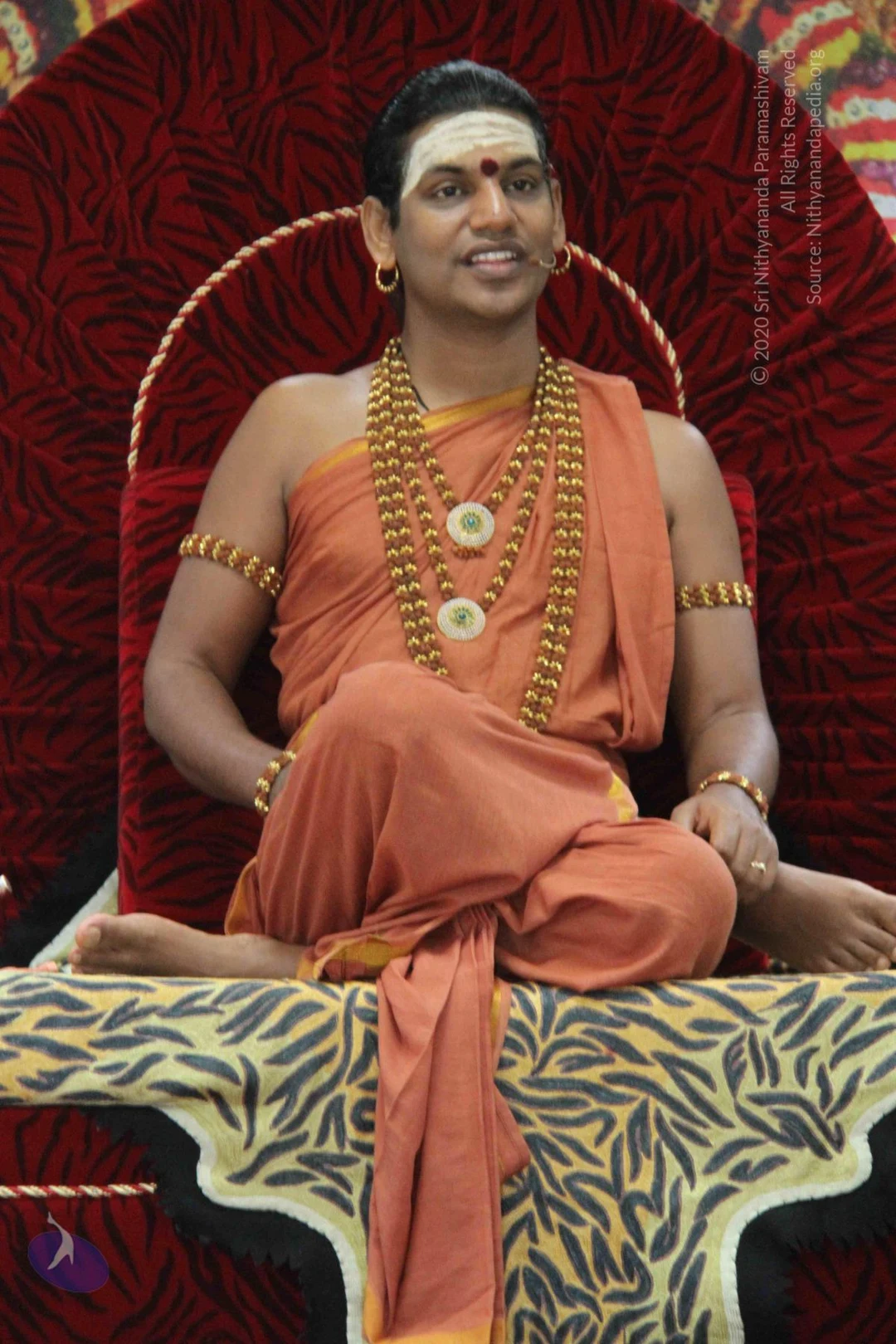
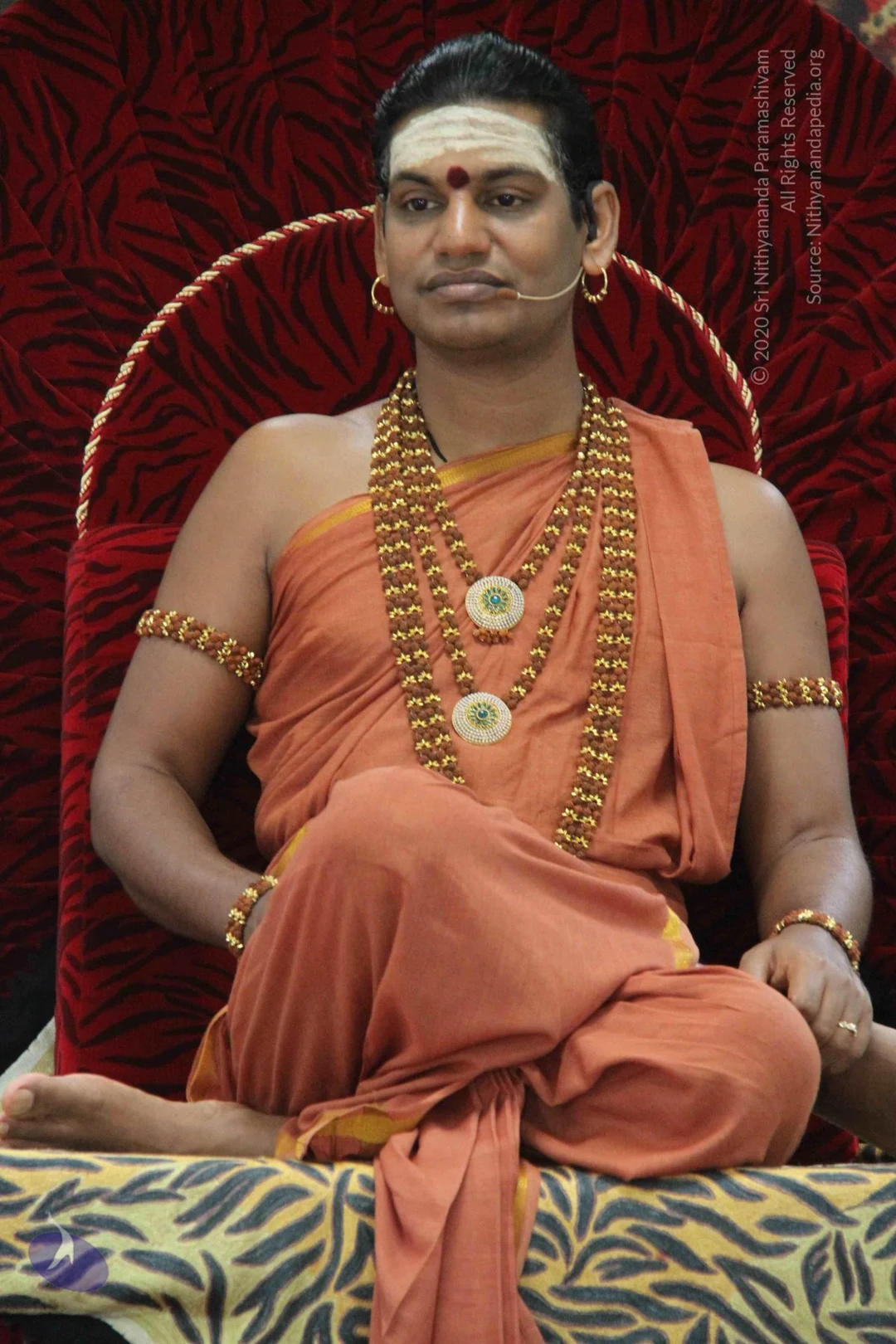
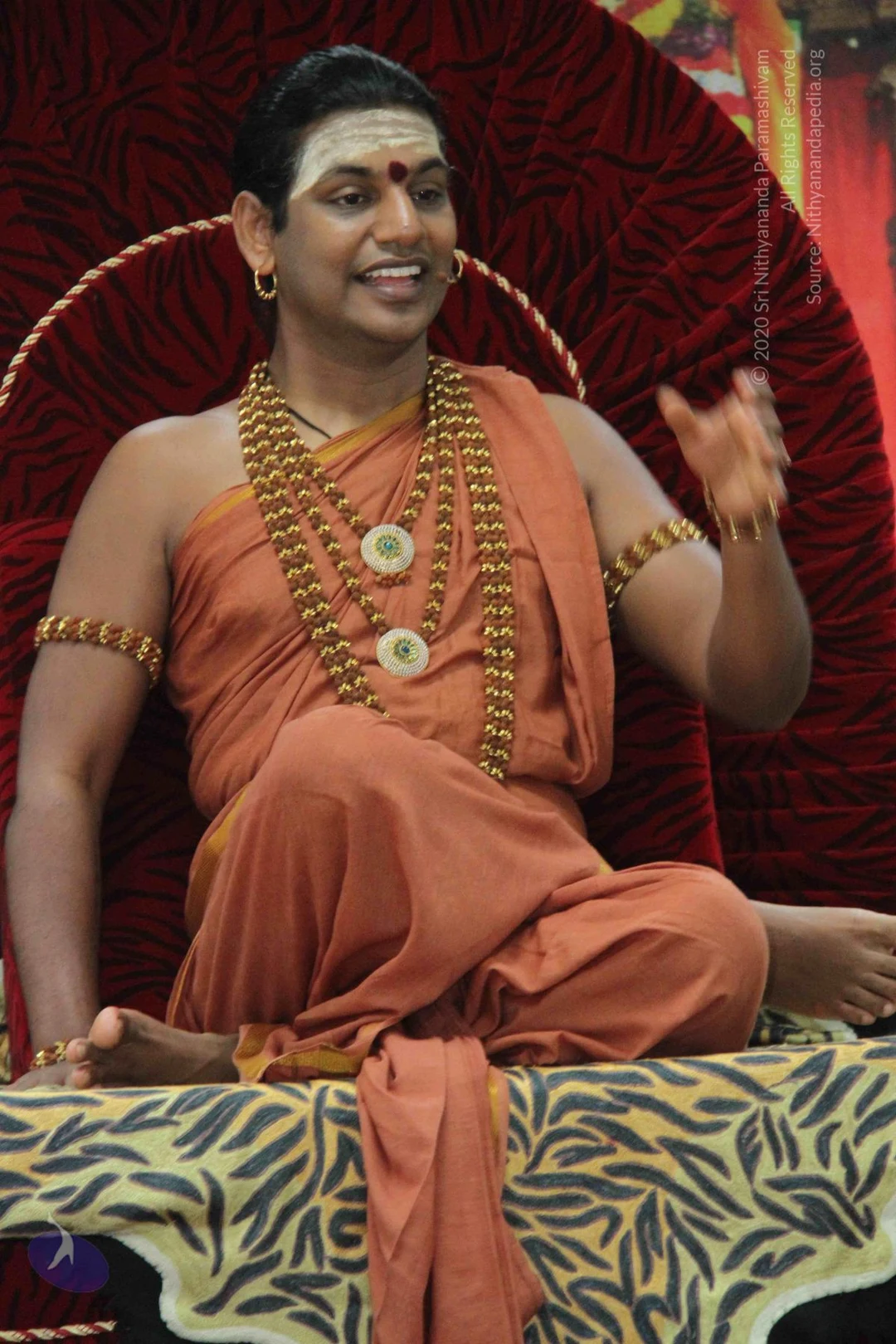
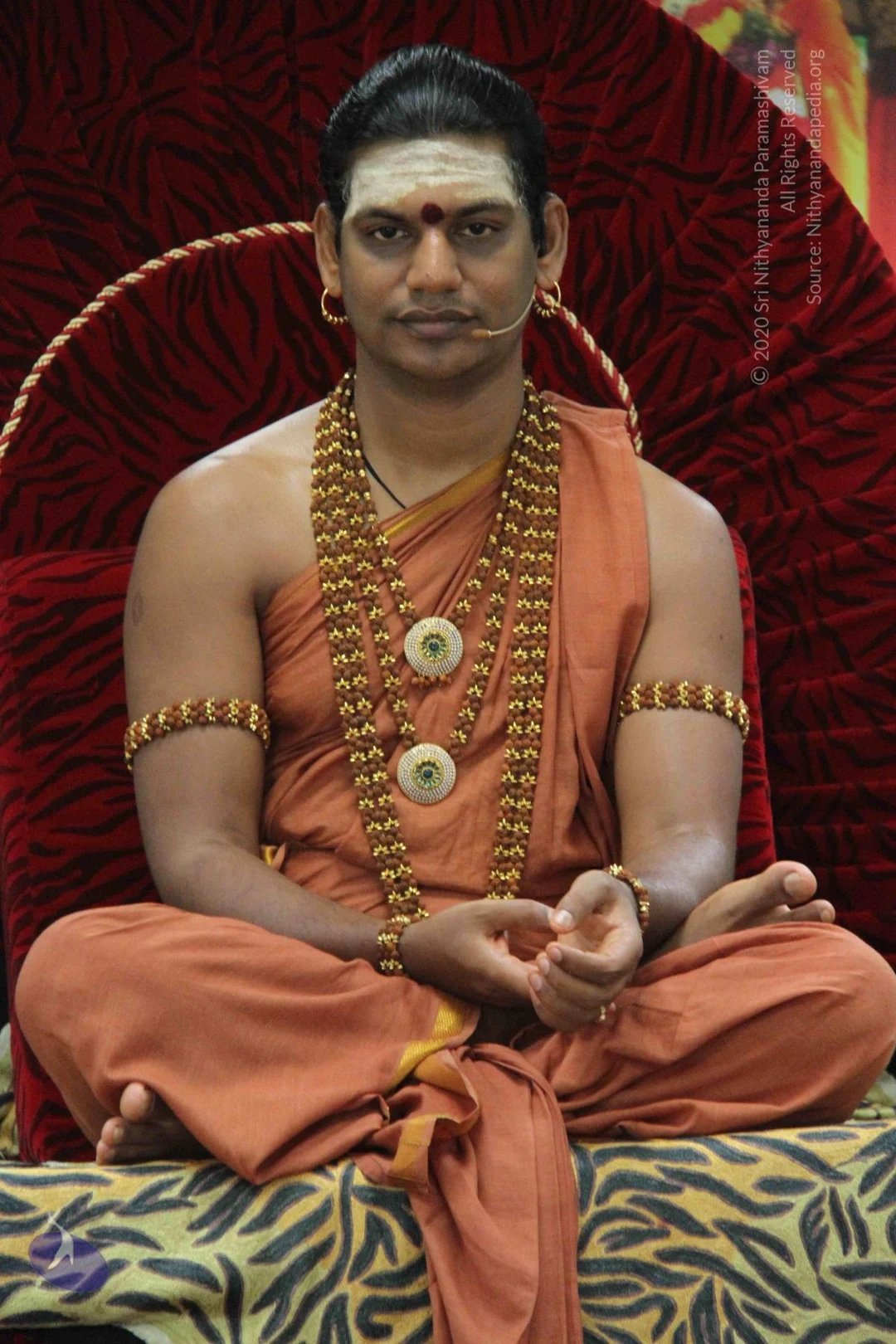
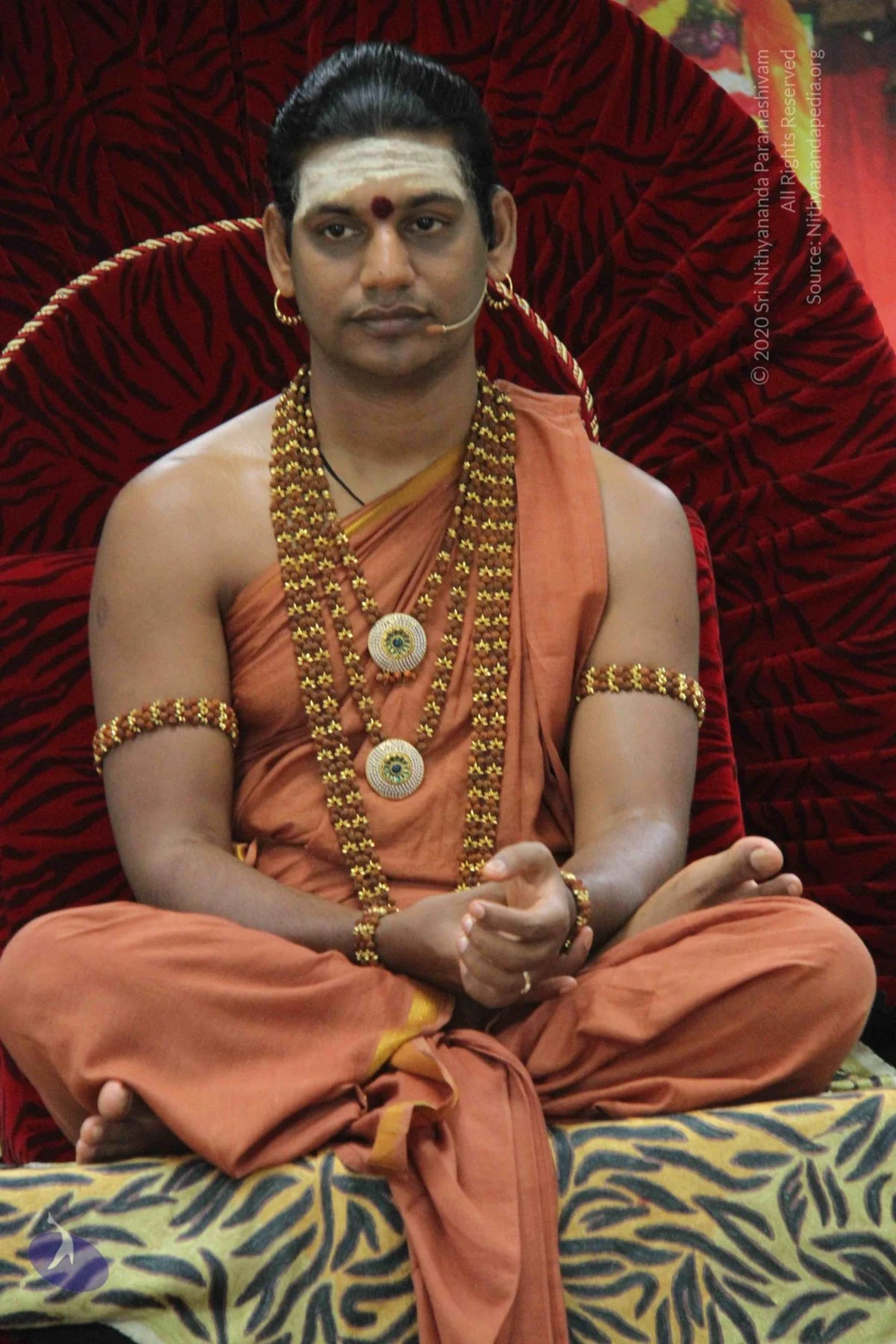
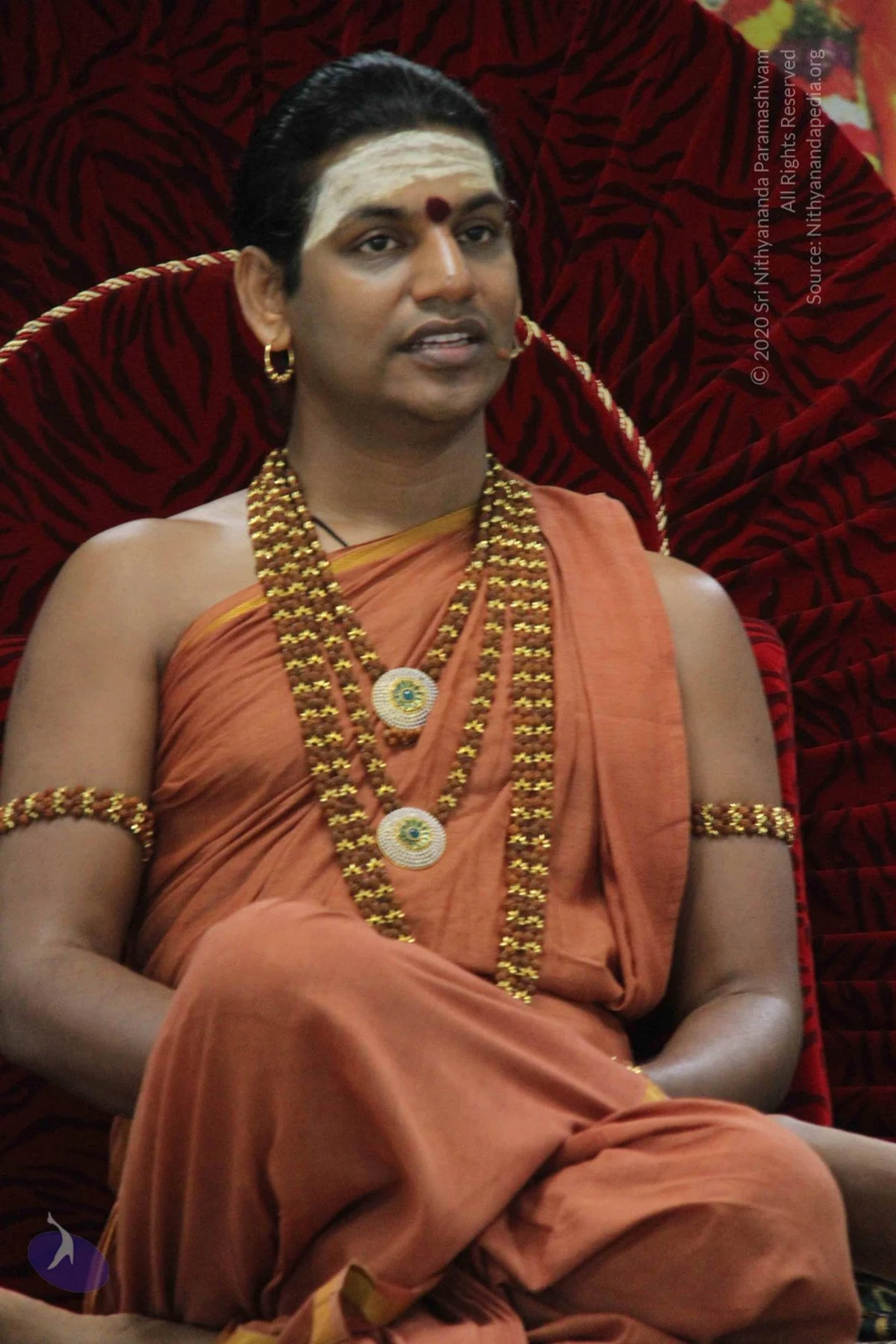
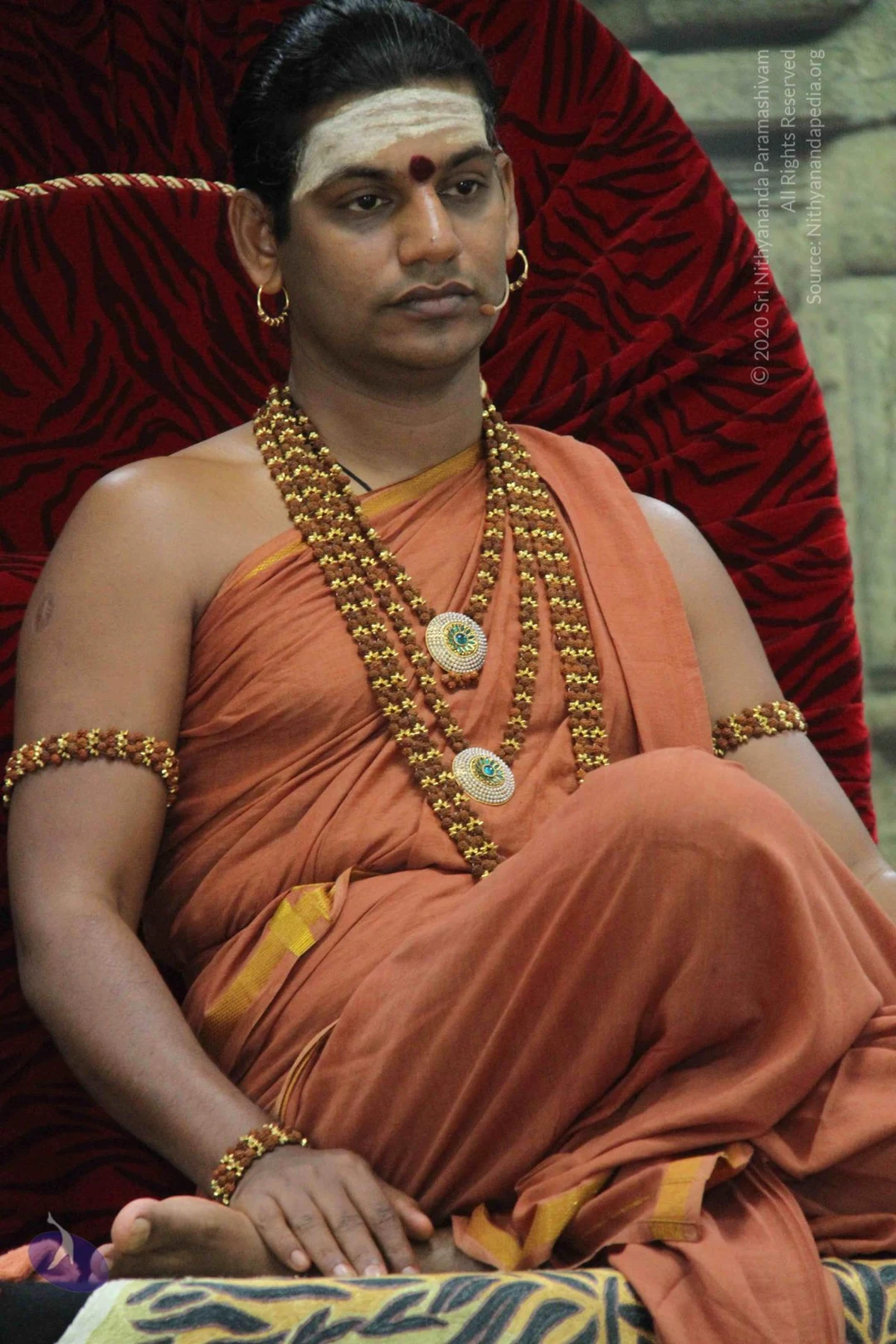
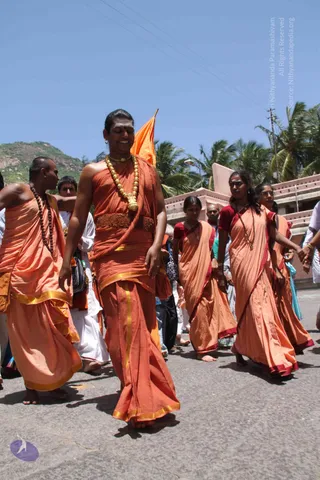
Morning satsang
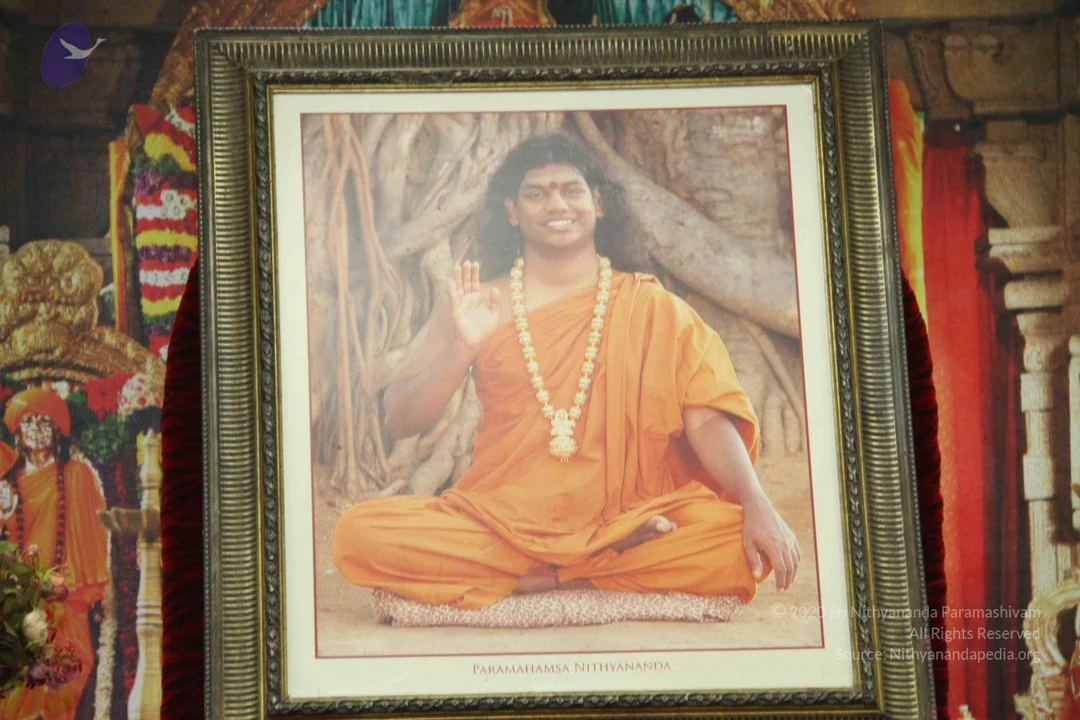
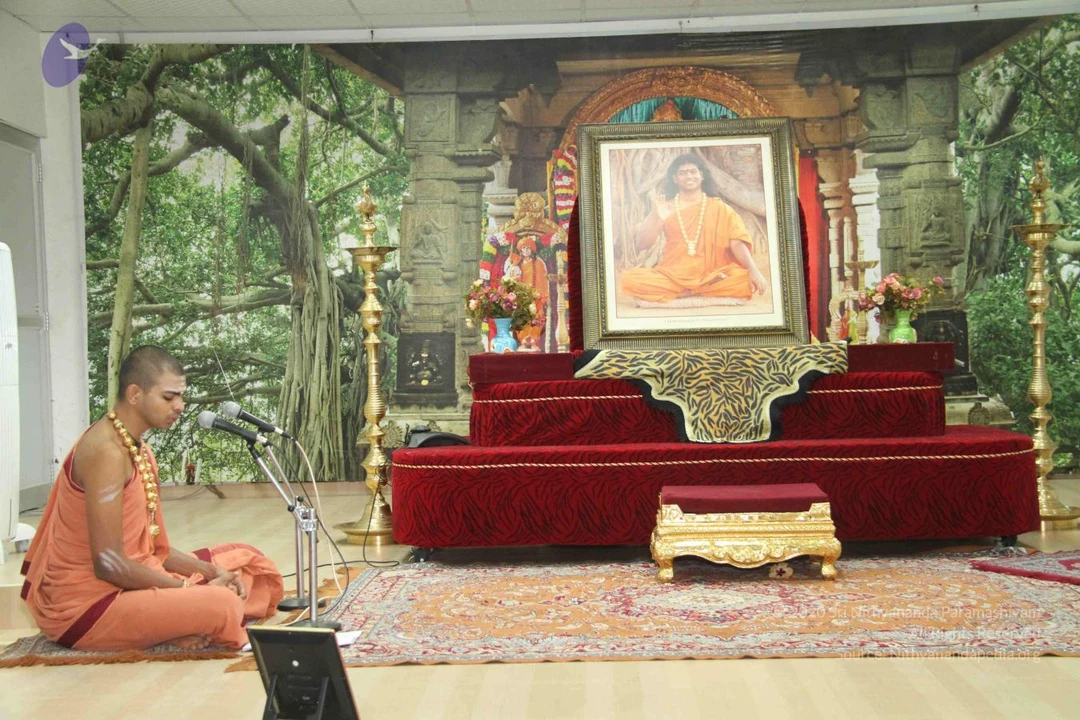
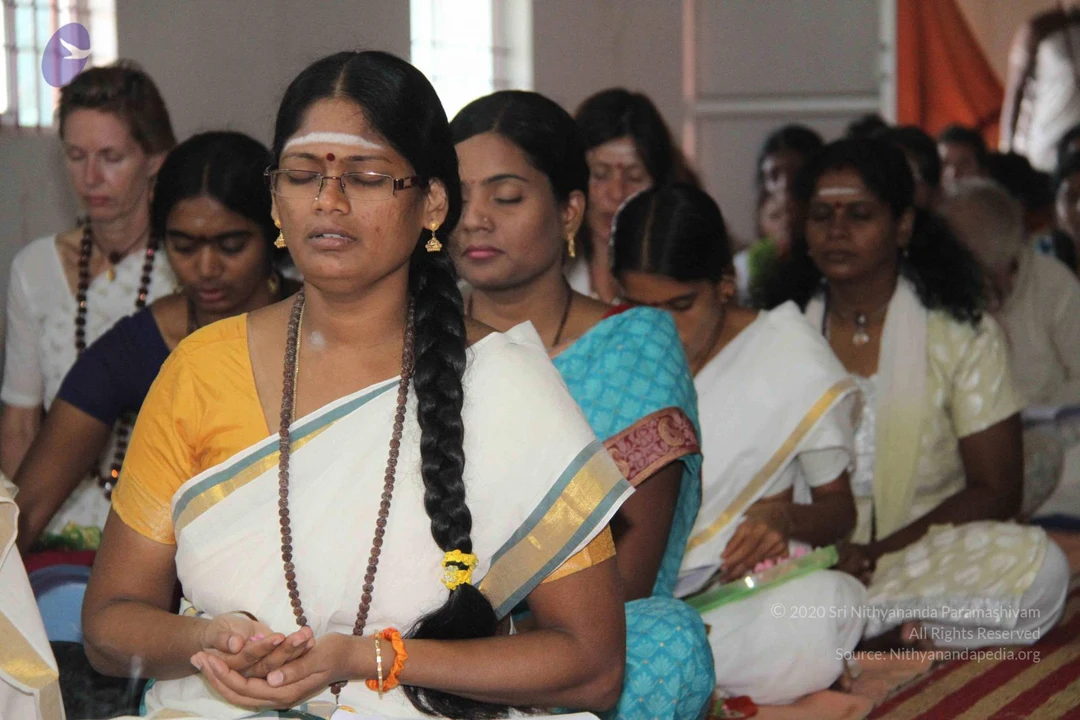
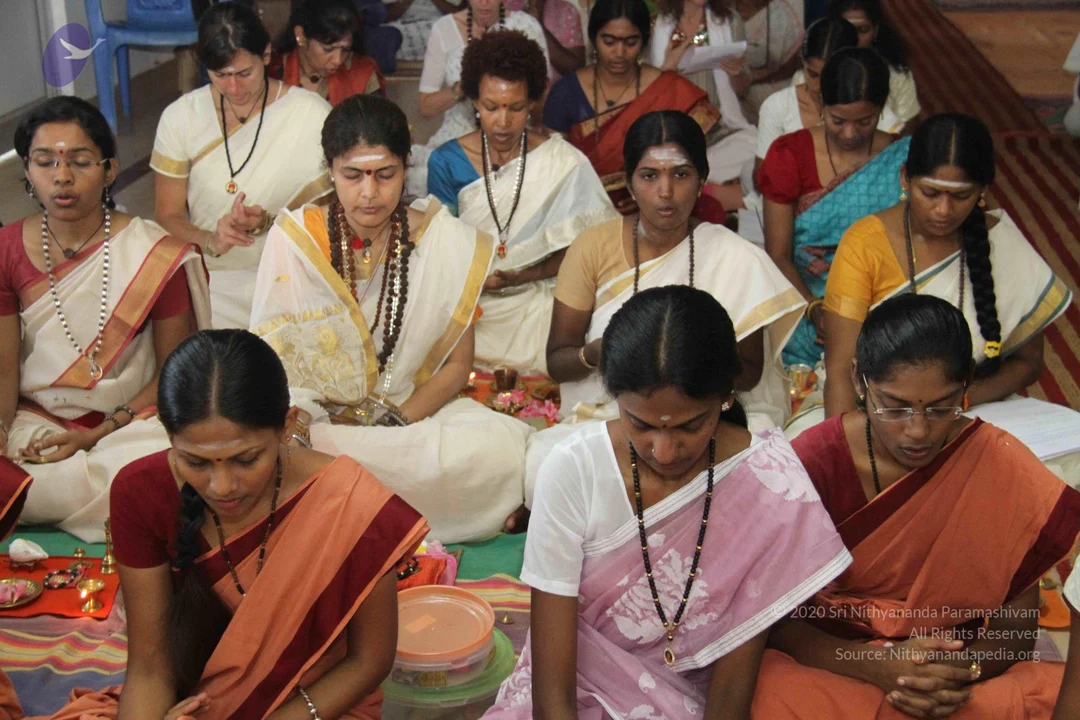
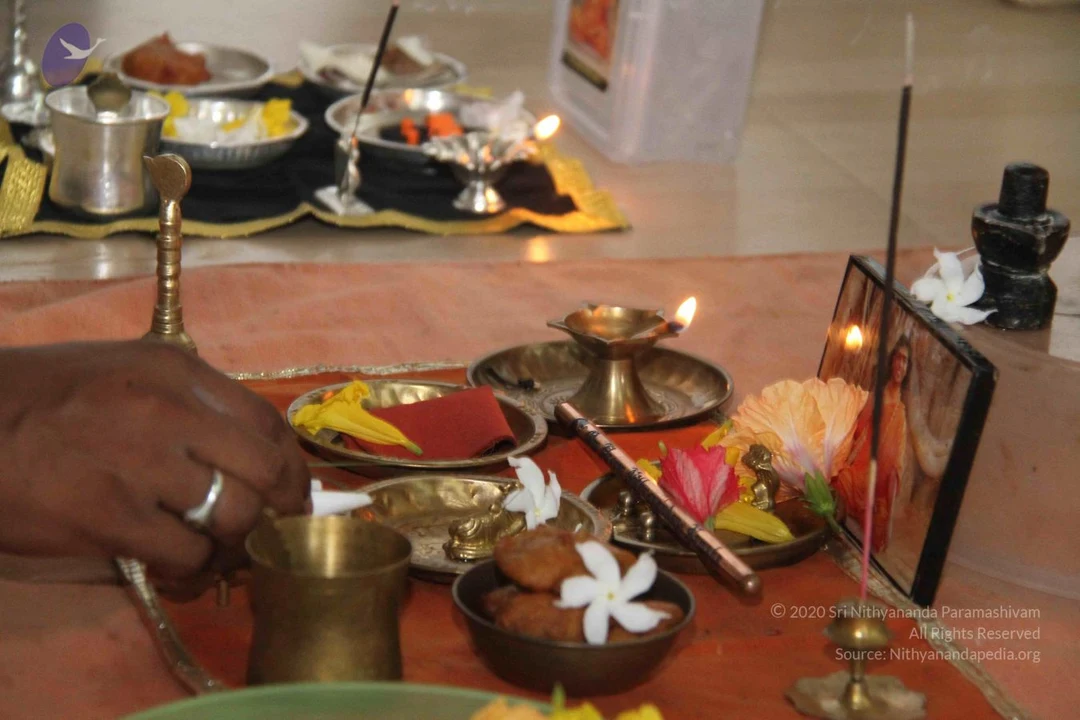
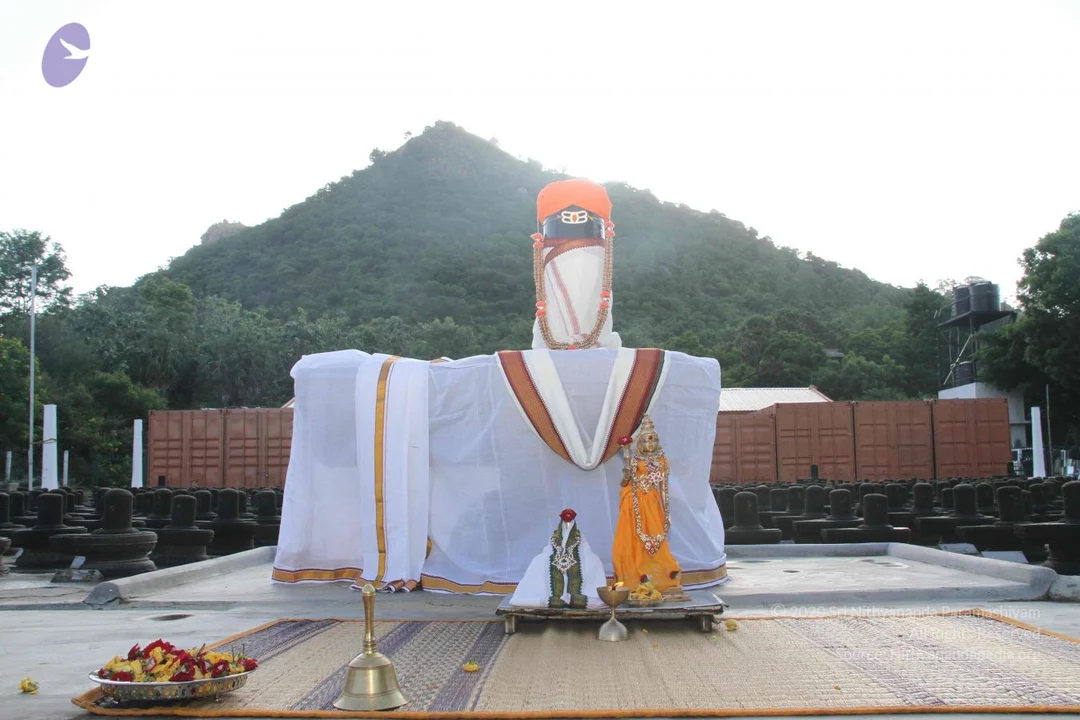
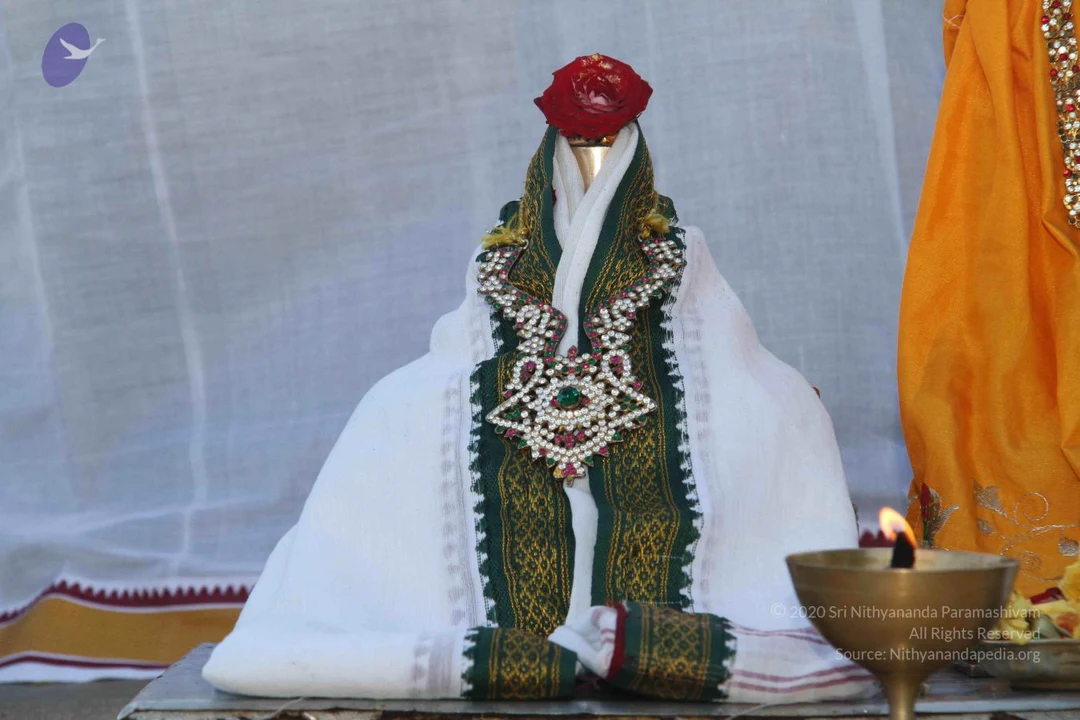
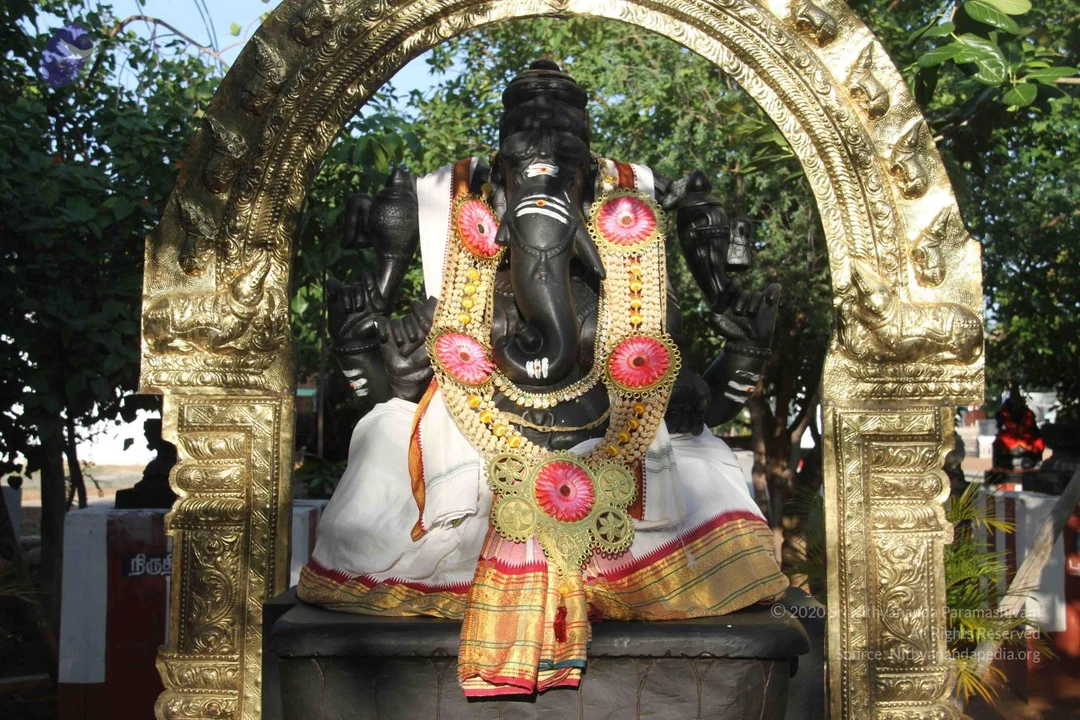
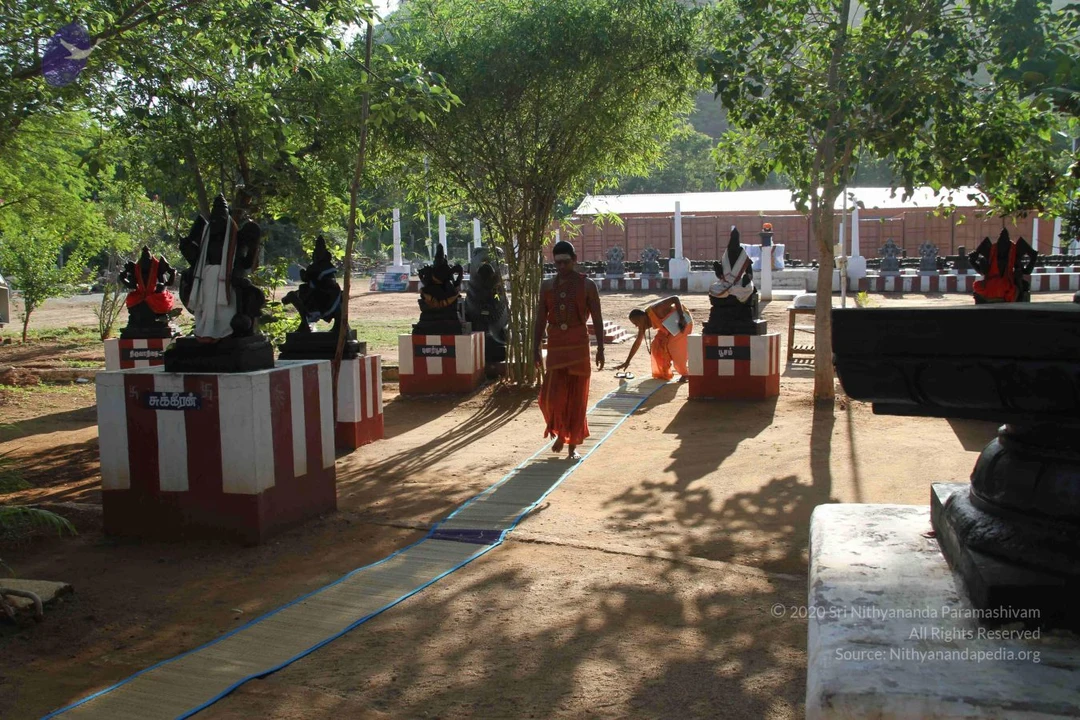
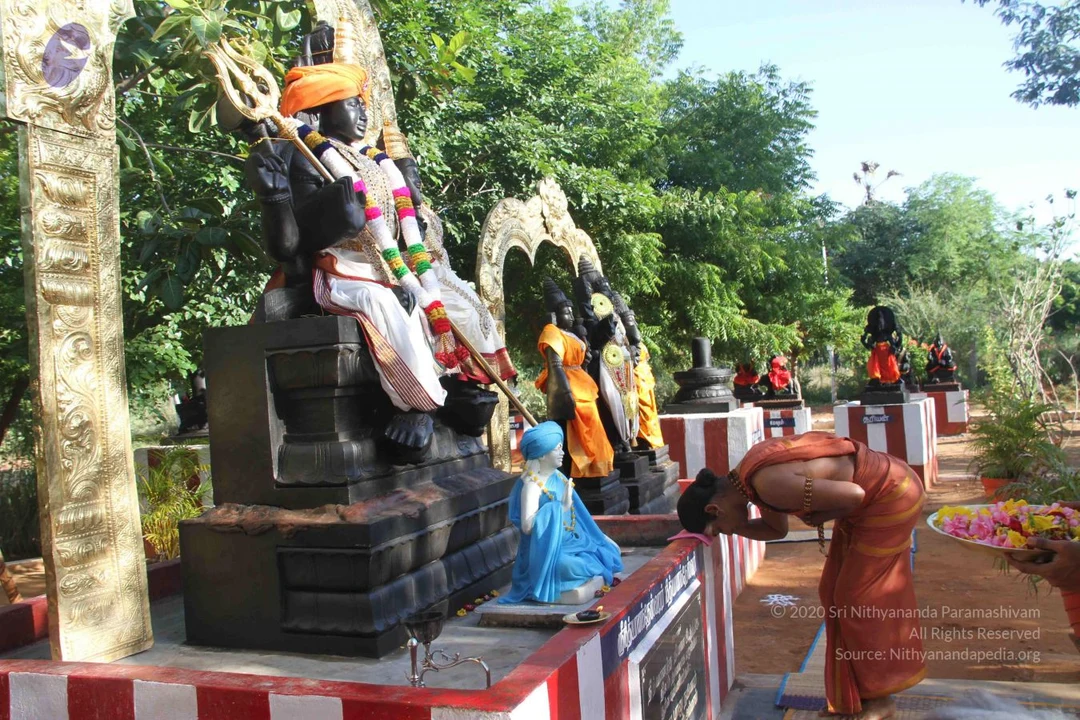
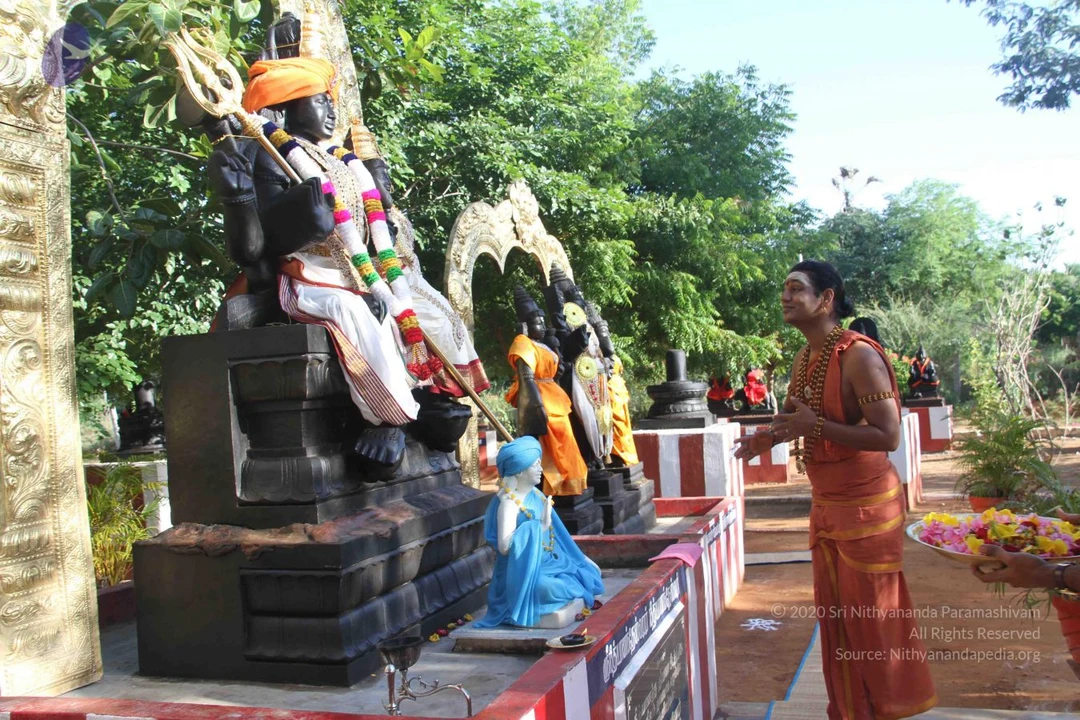
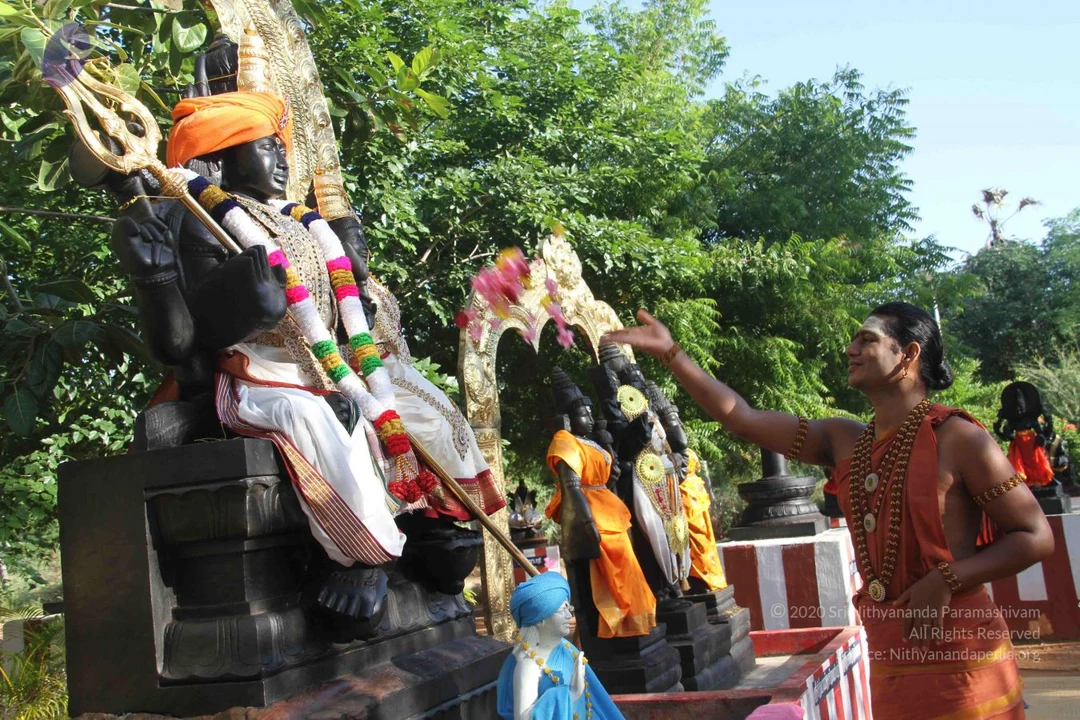
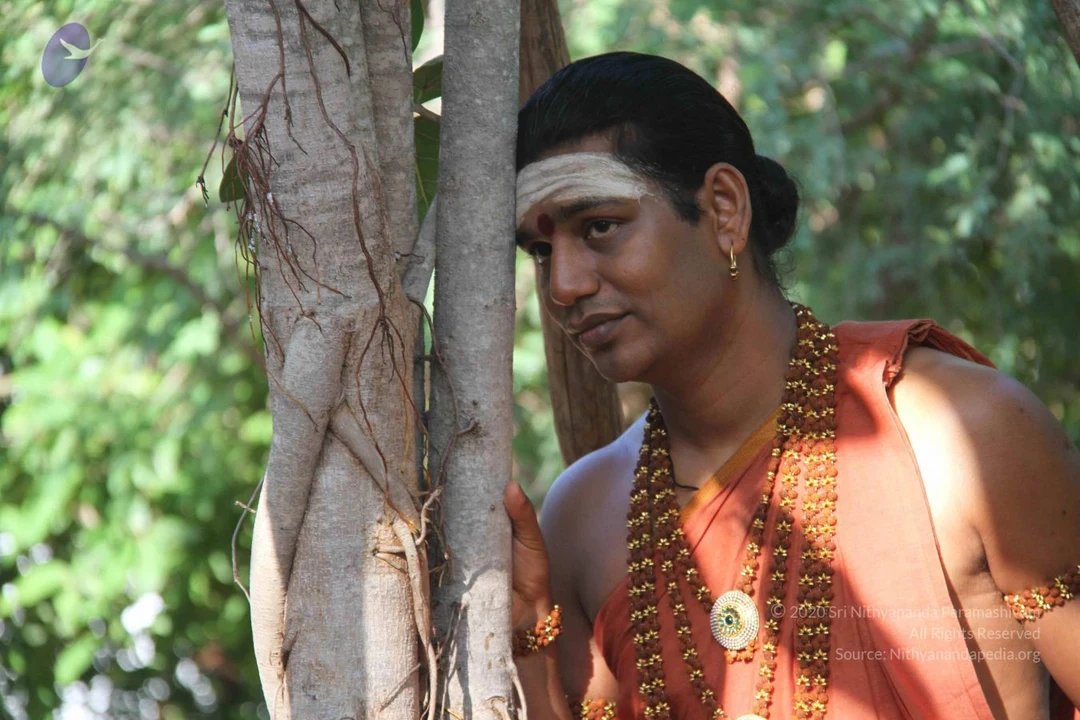
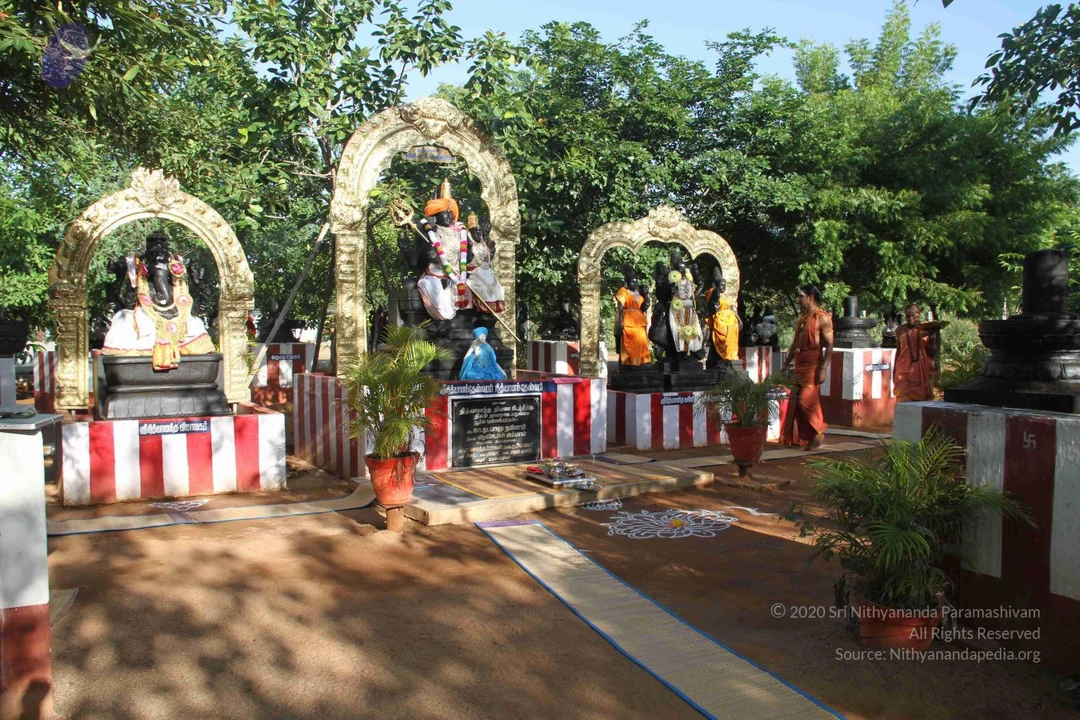
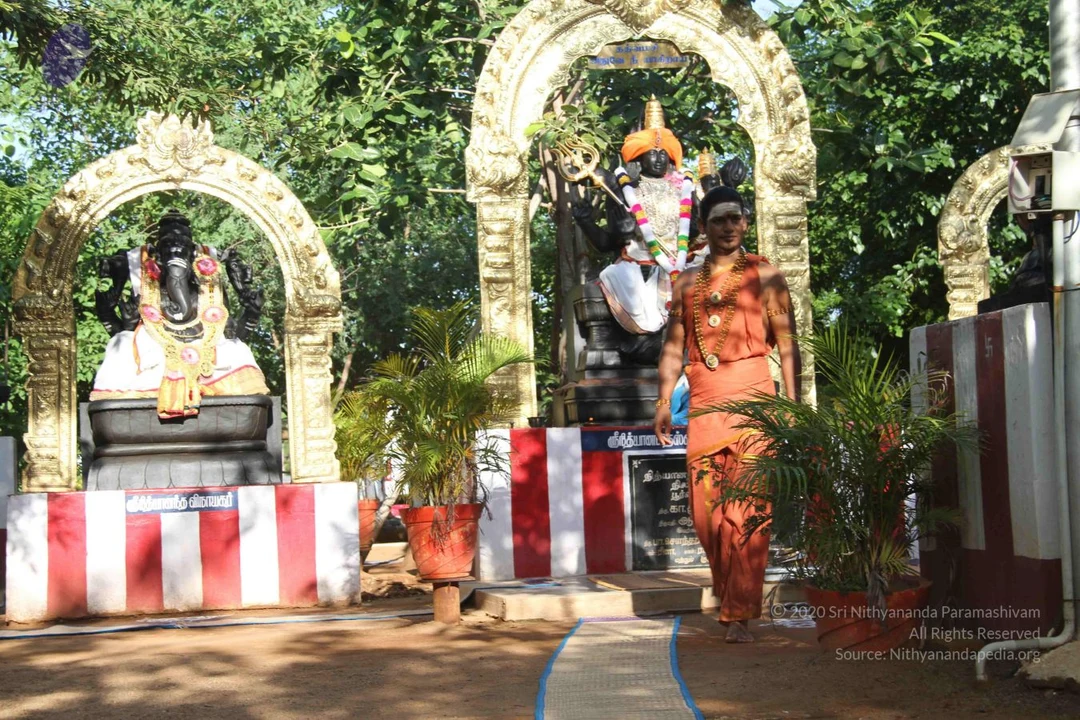
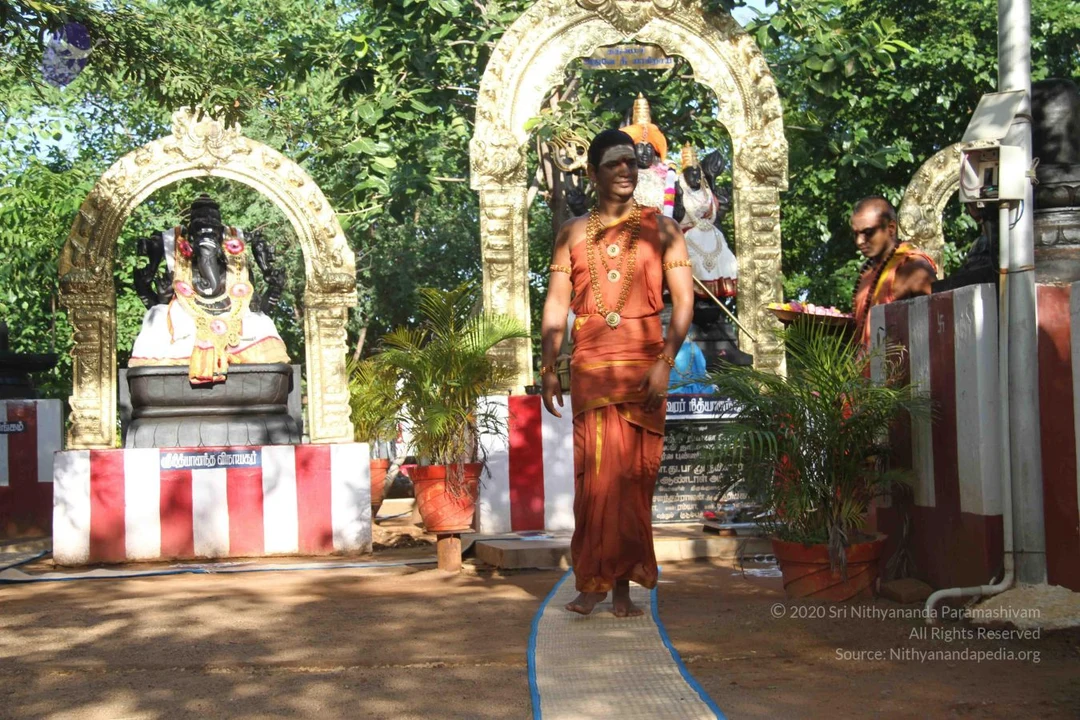
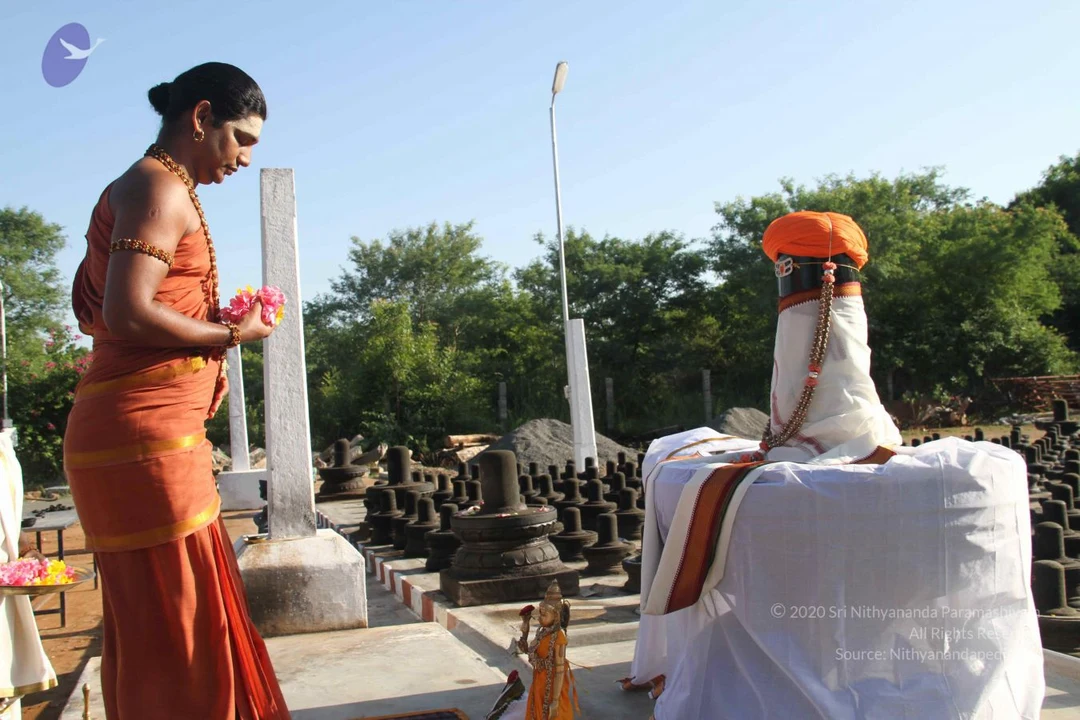
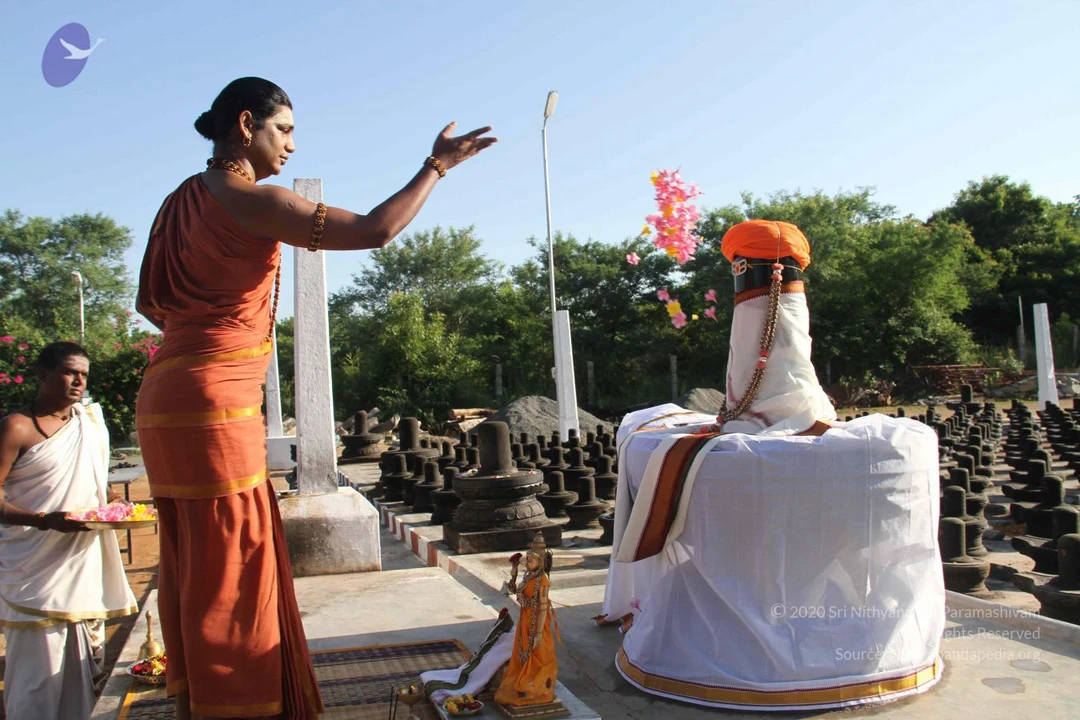
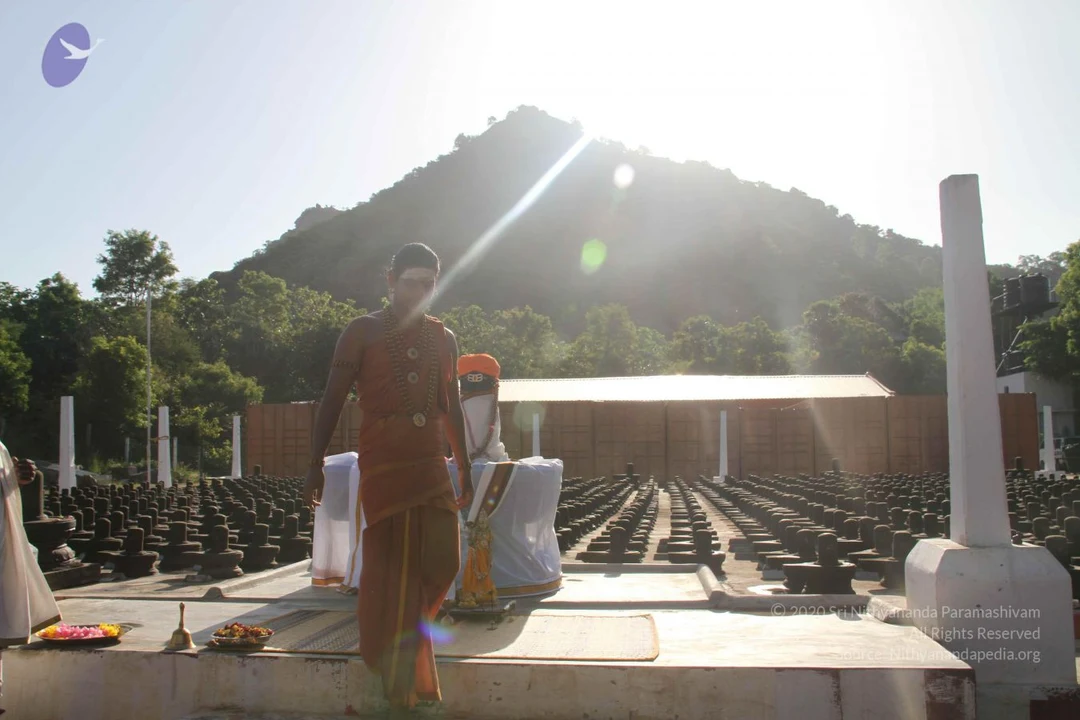
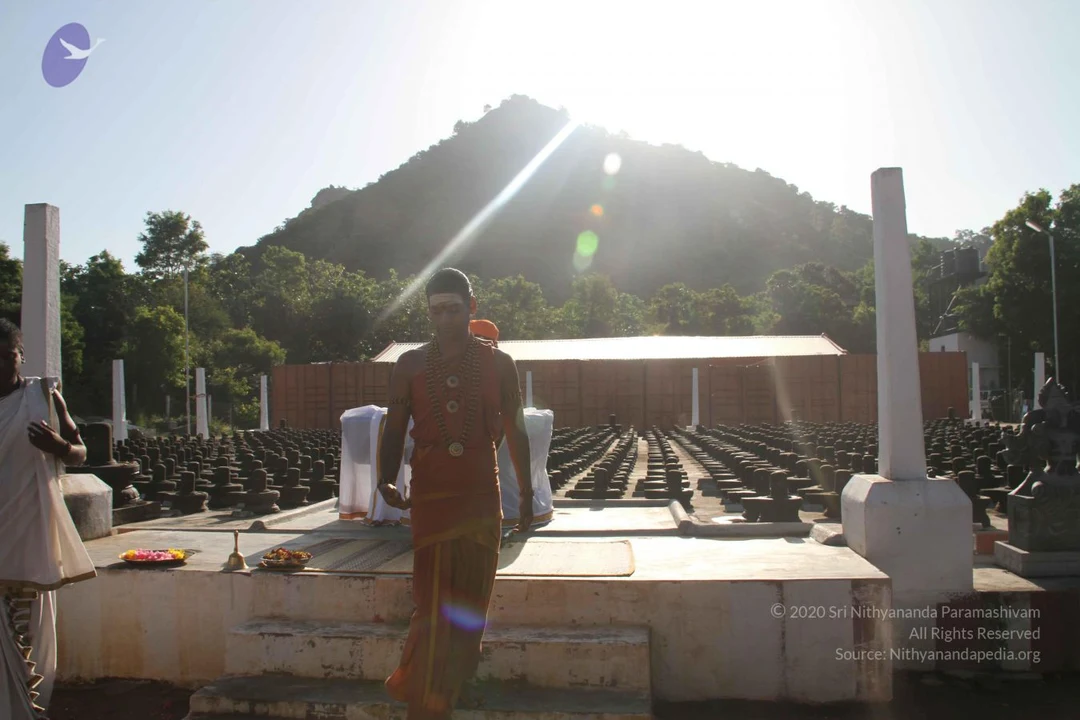
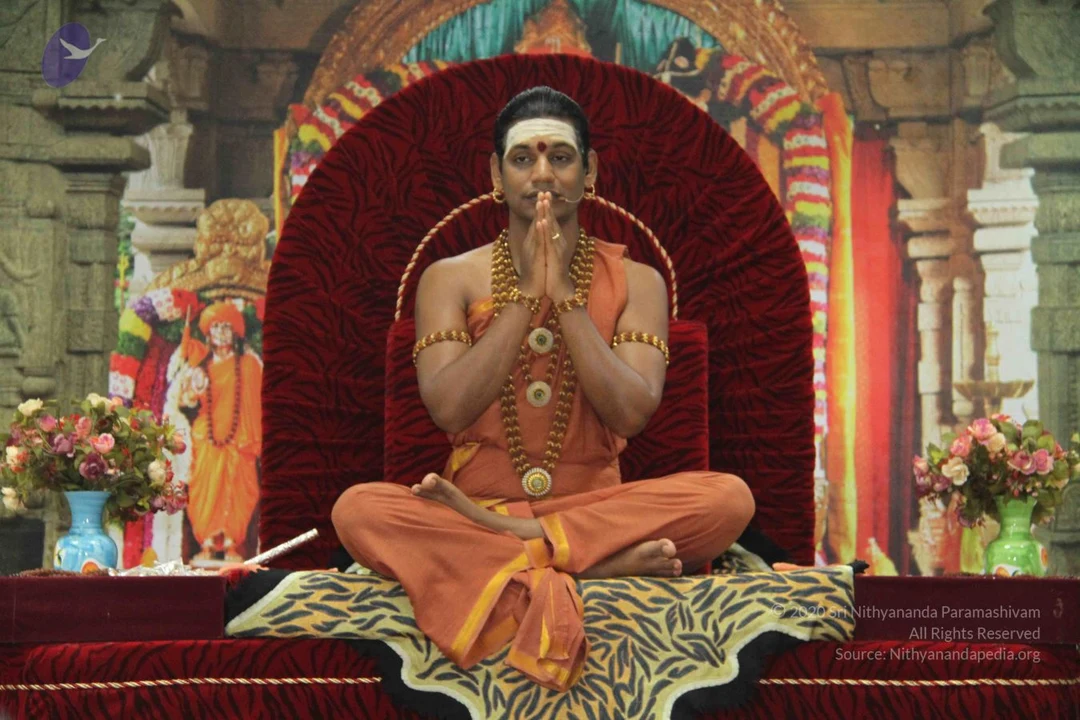
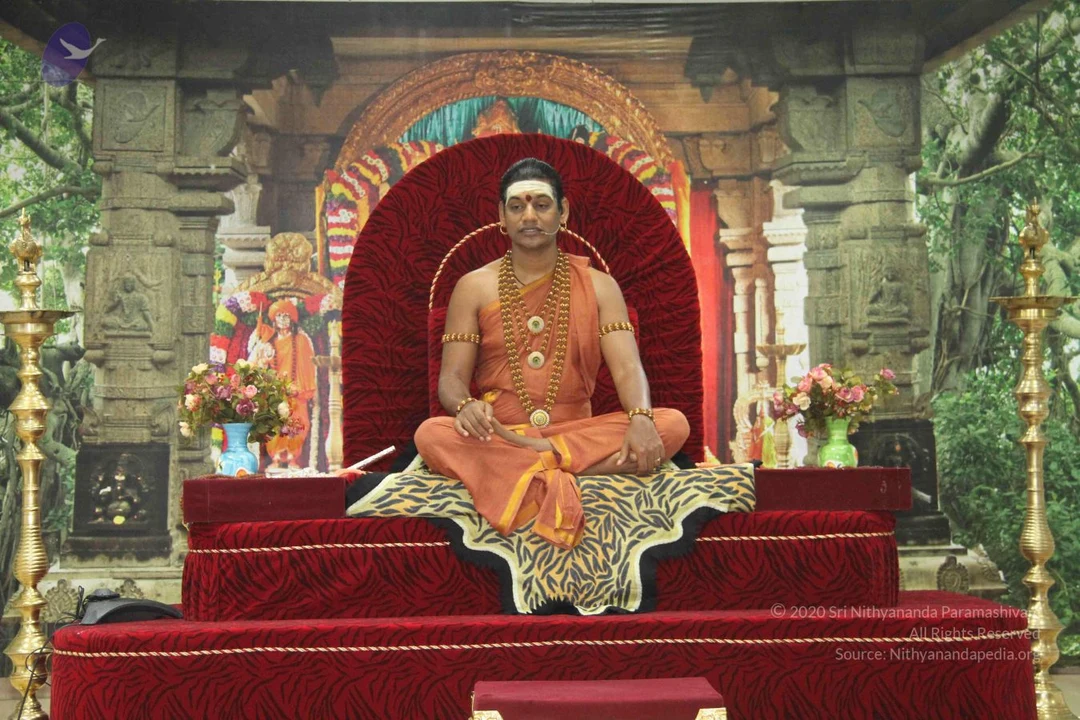
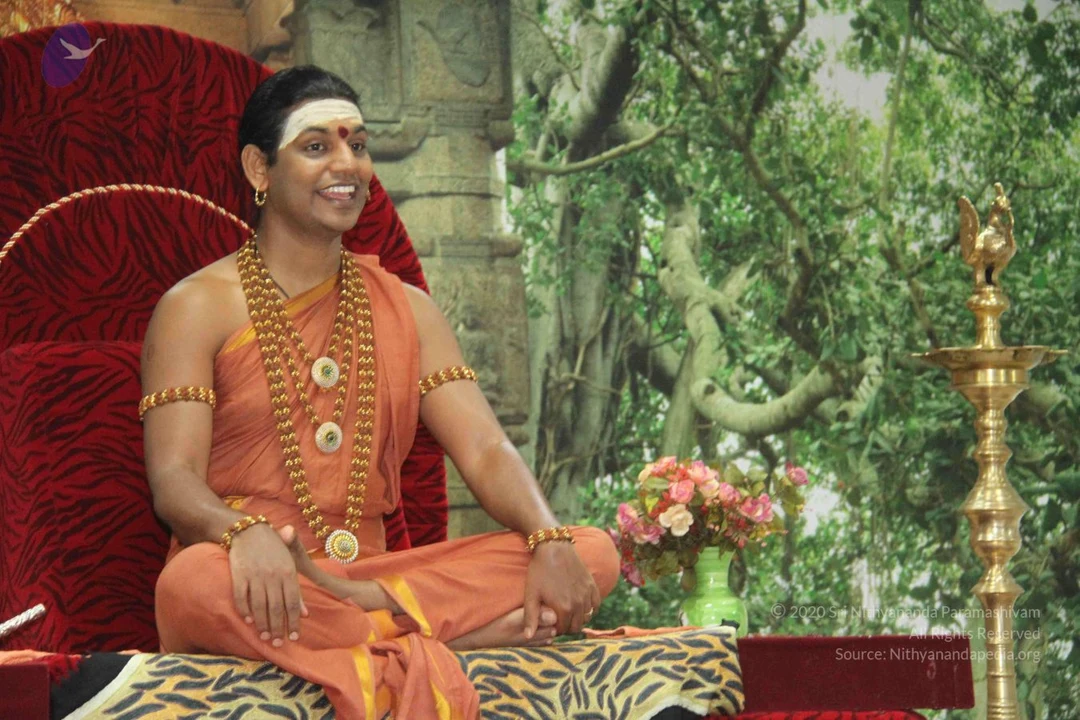
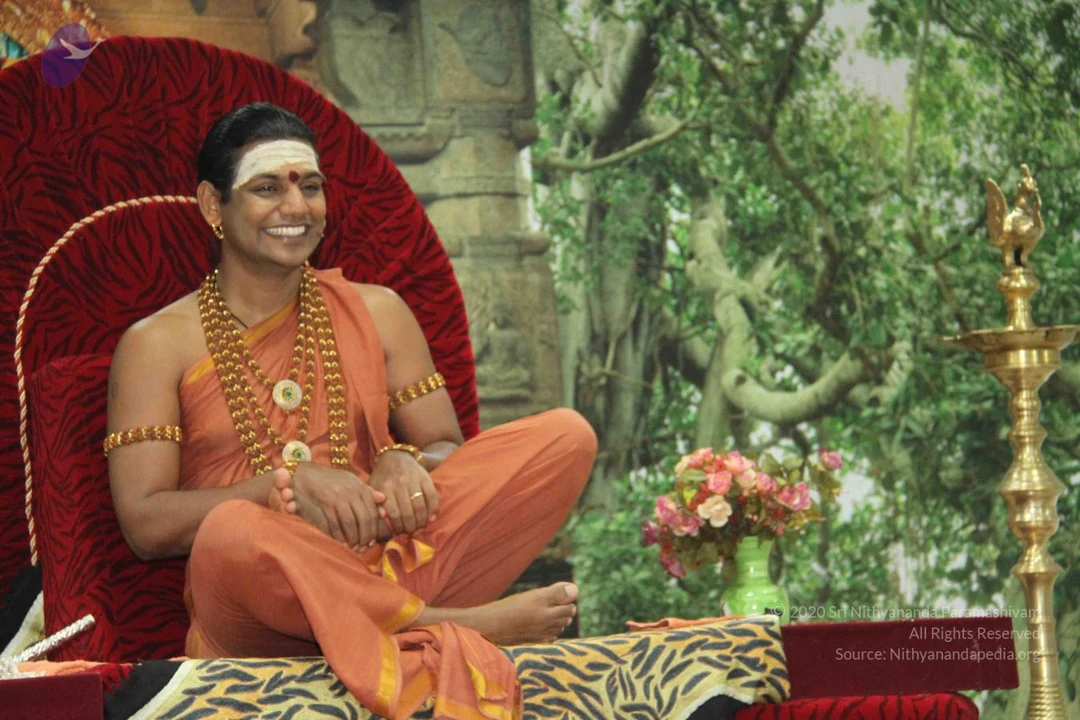
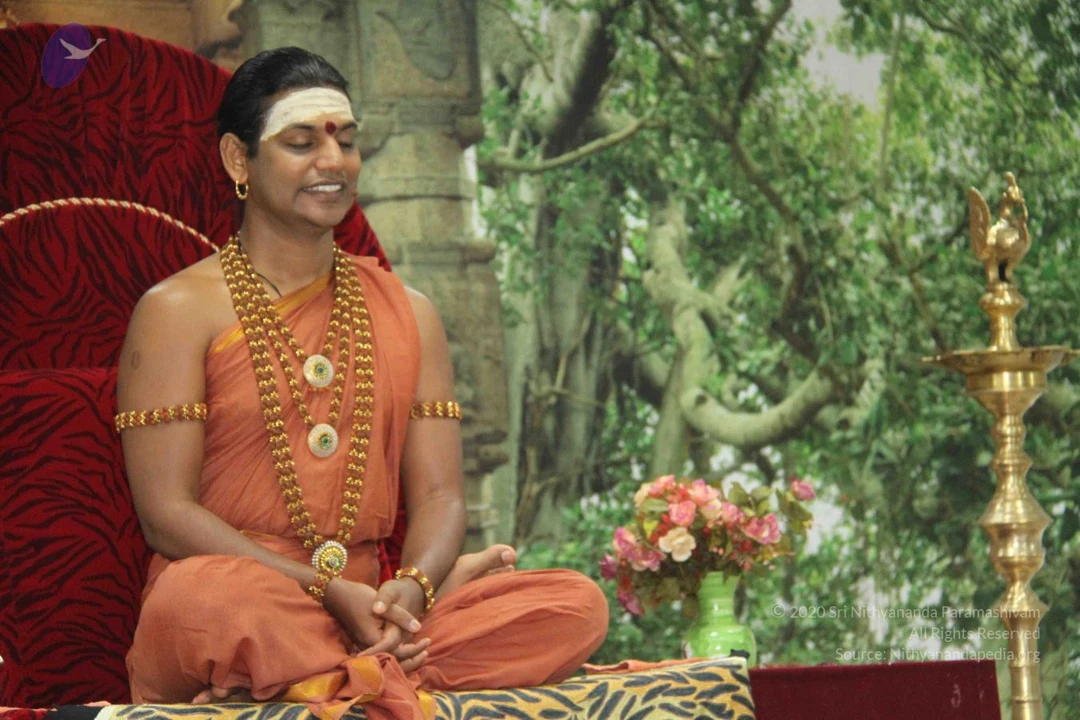
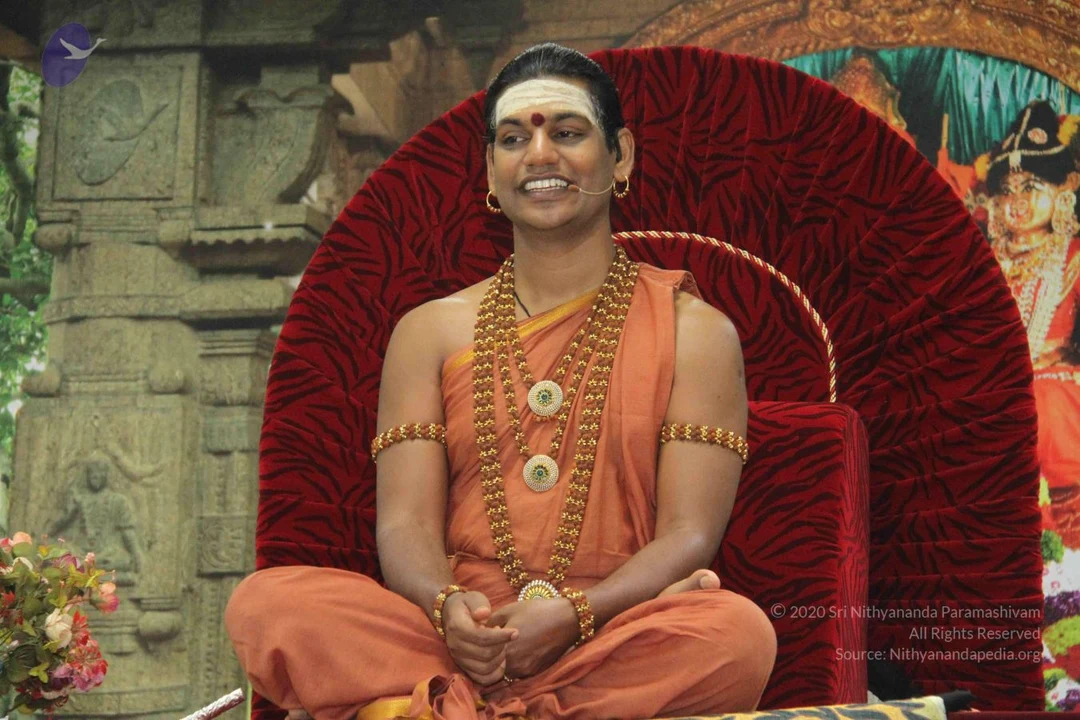
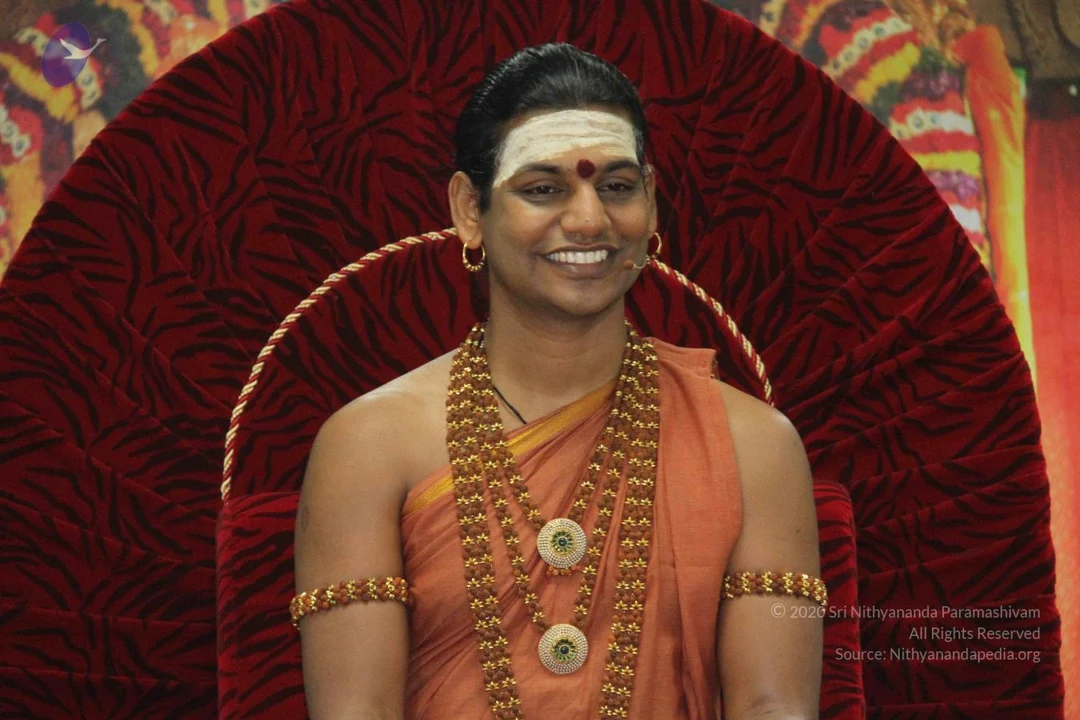
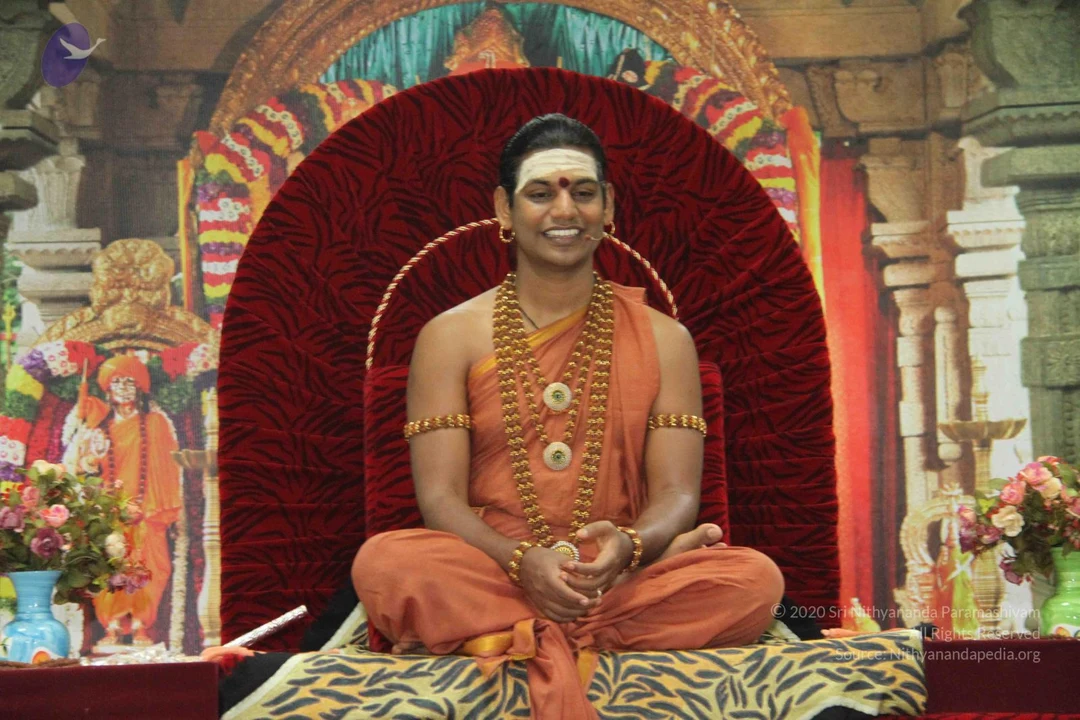
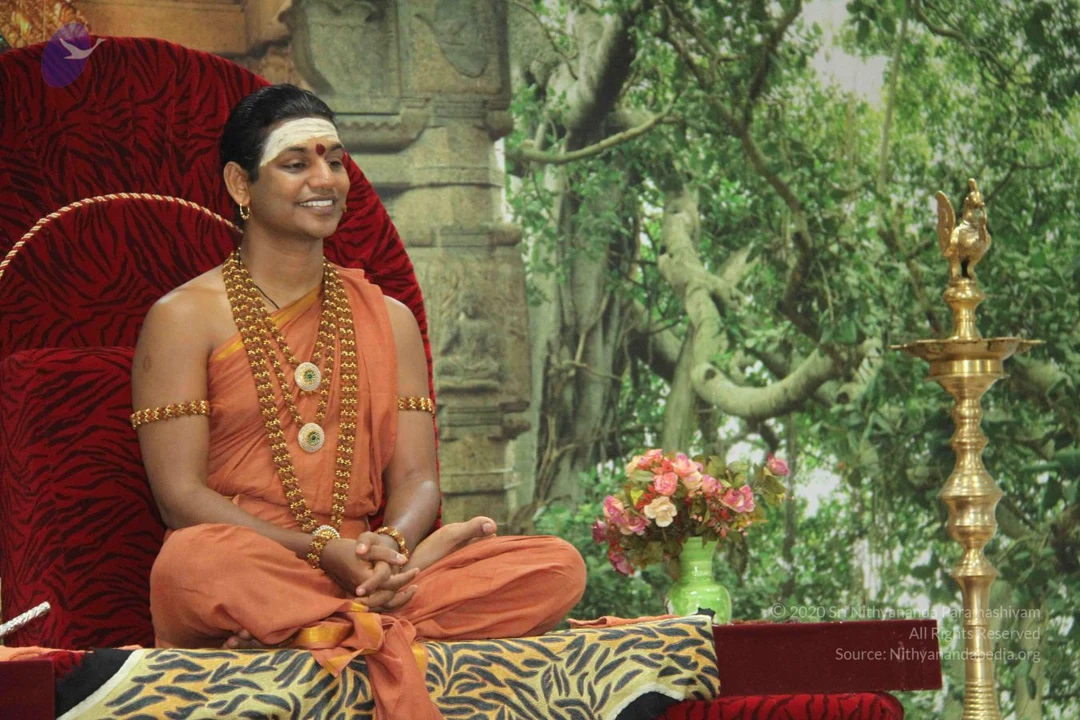
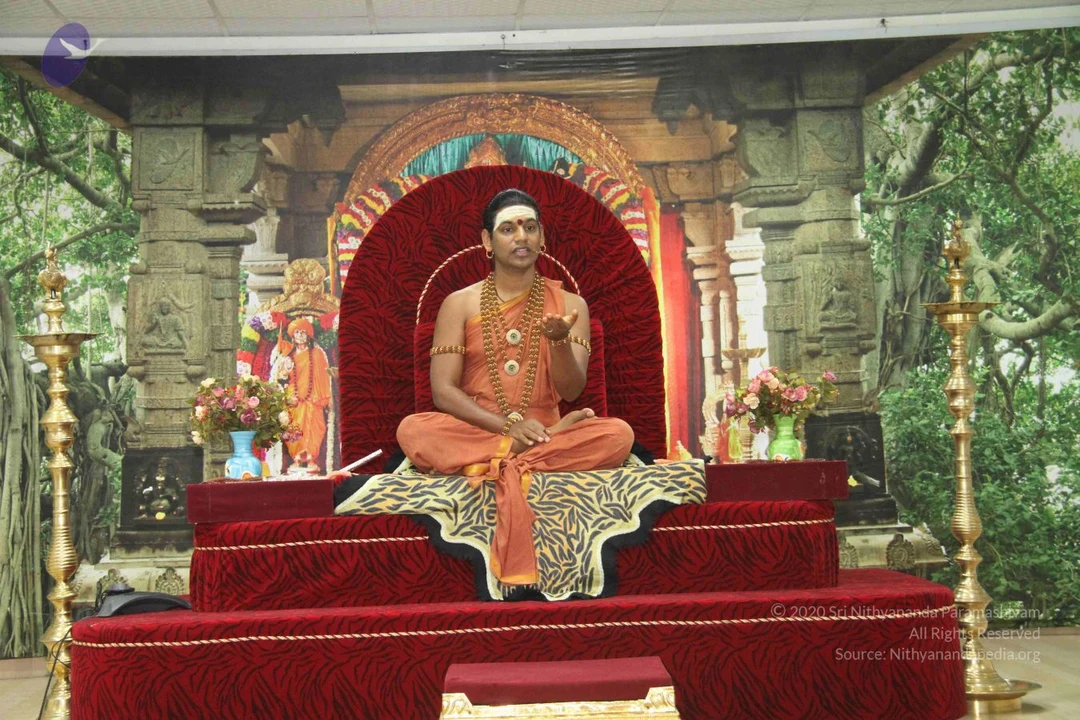
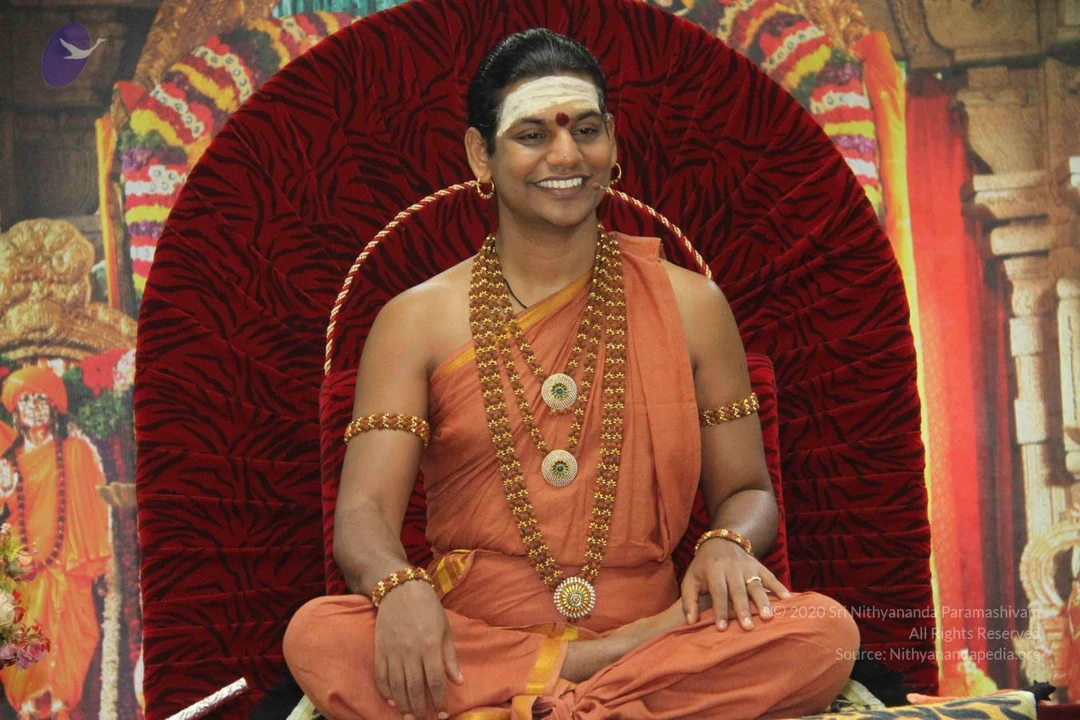
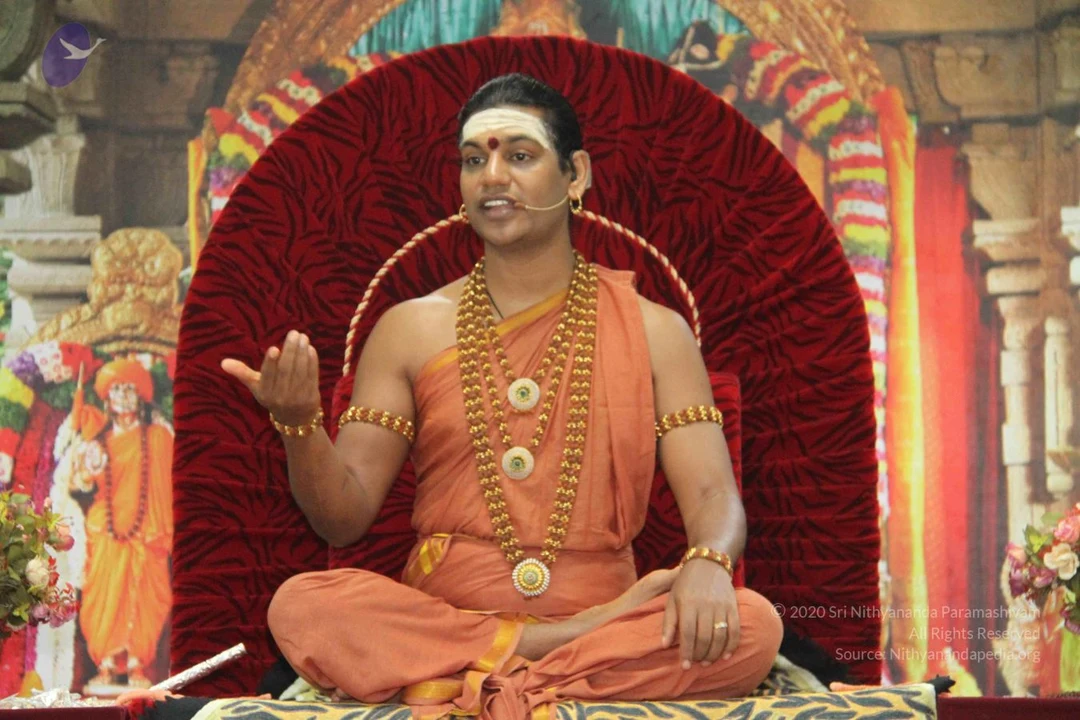
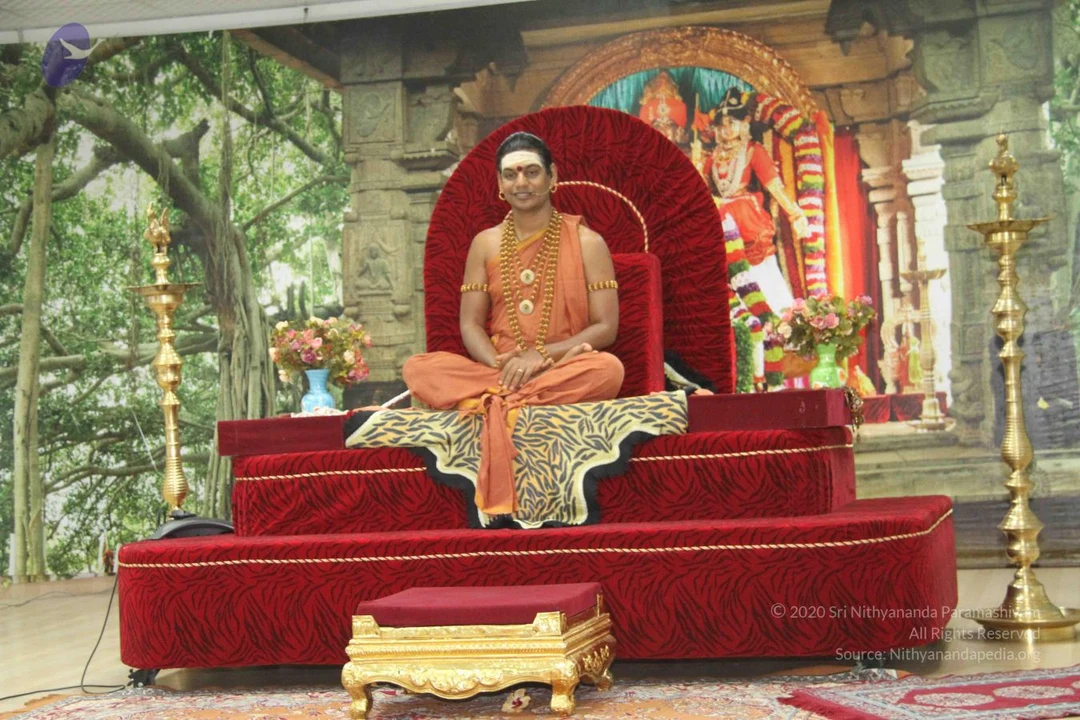
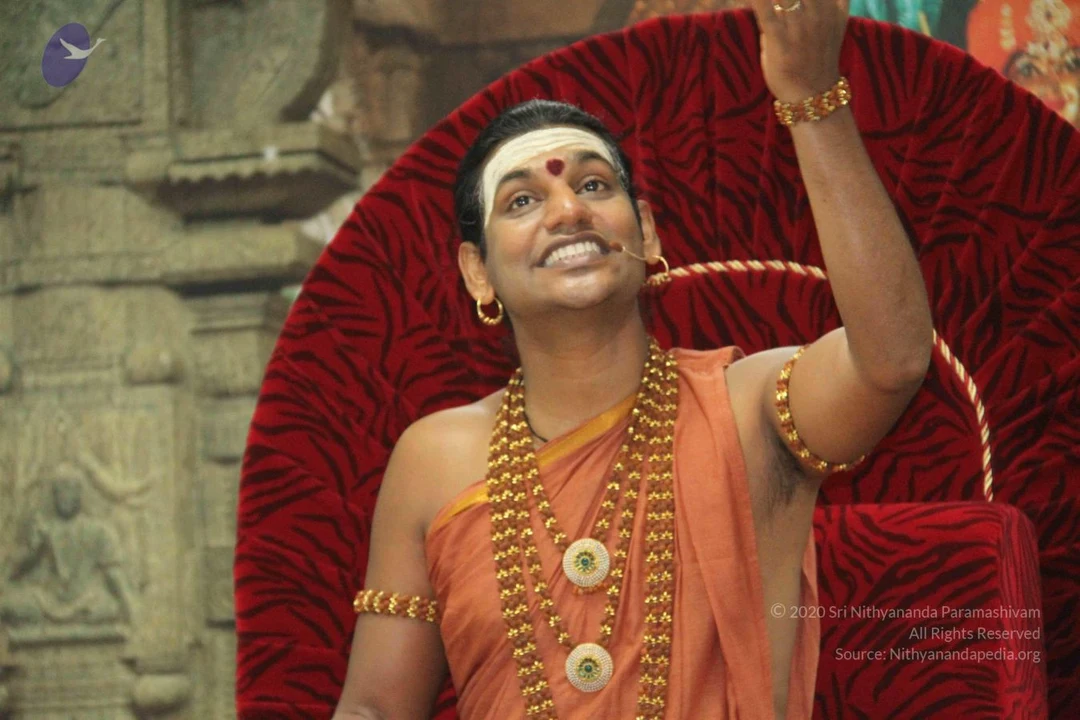
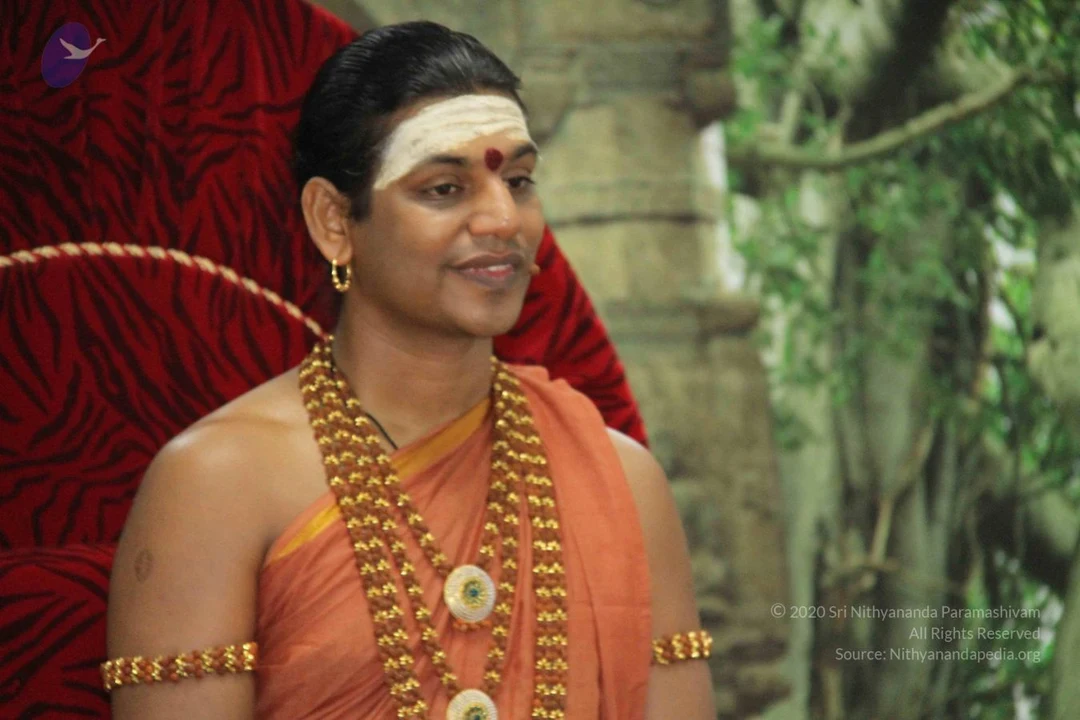
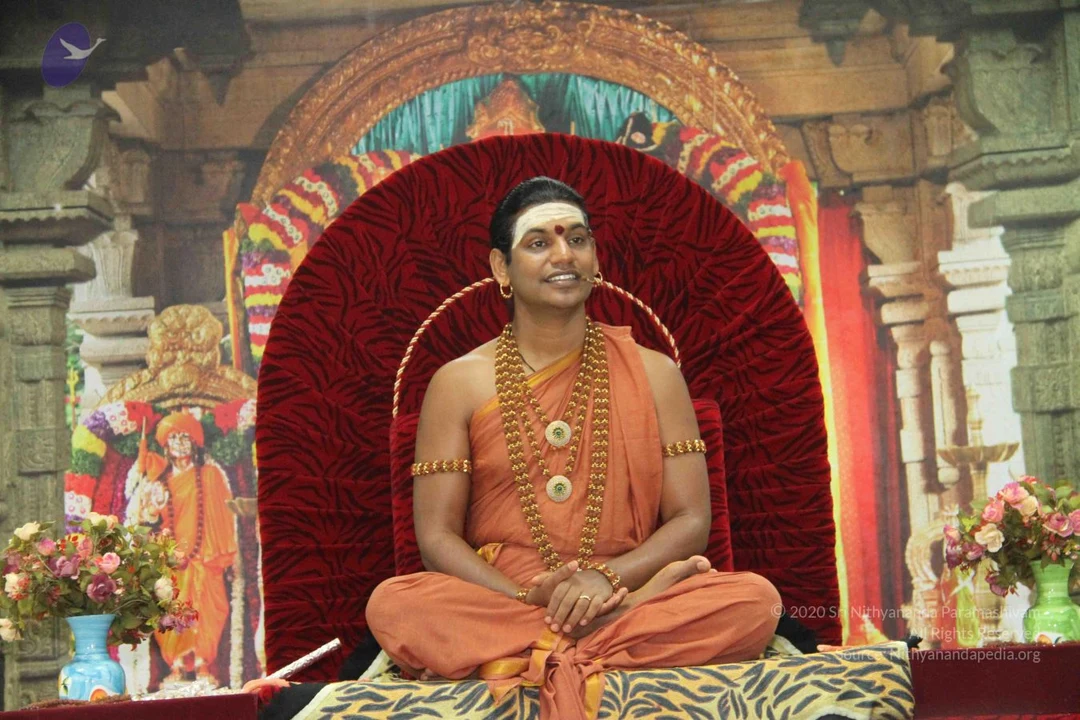
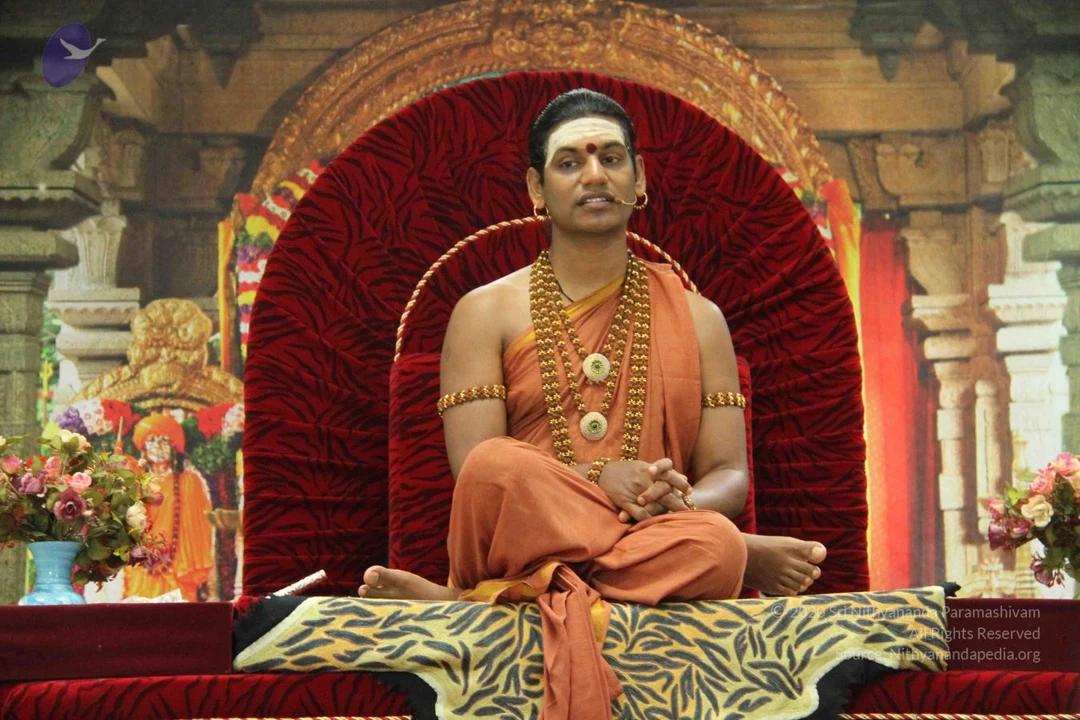
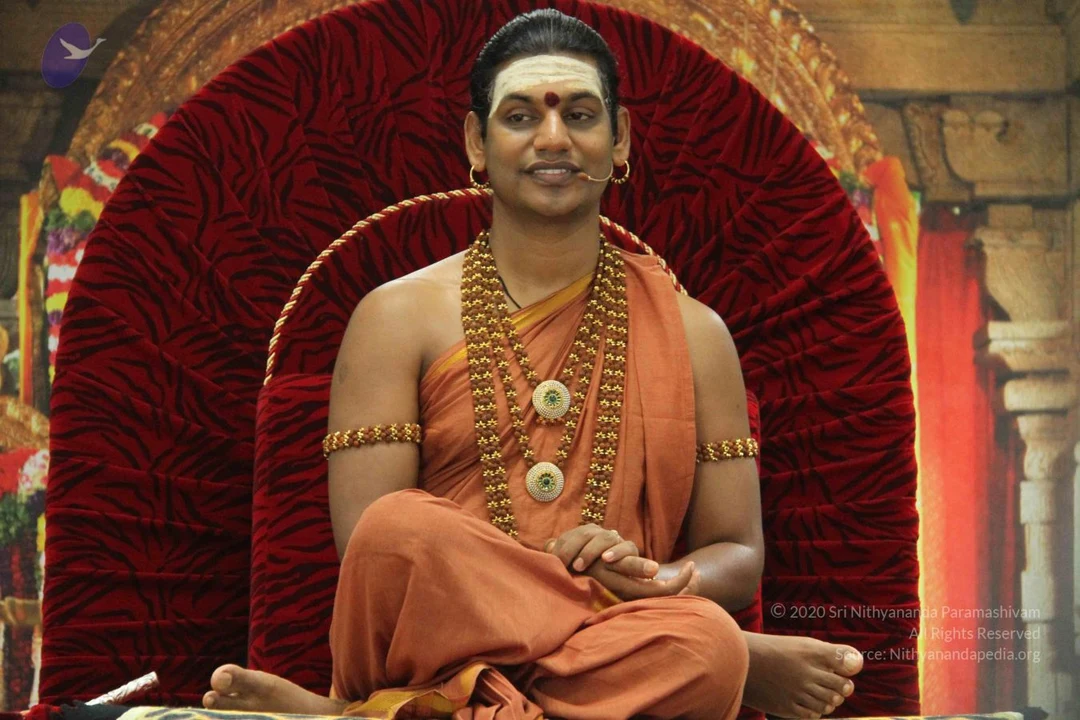
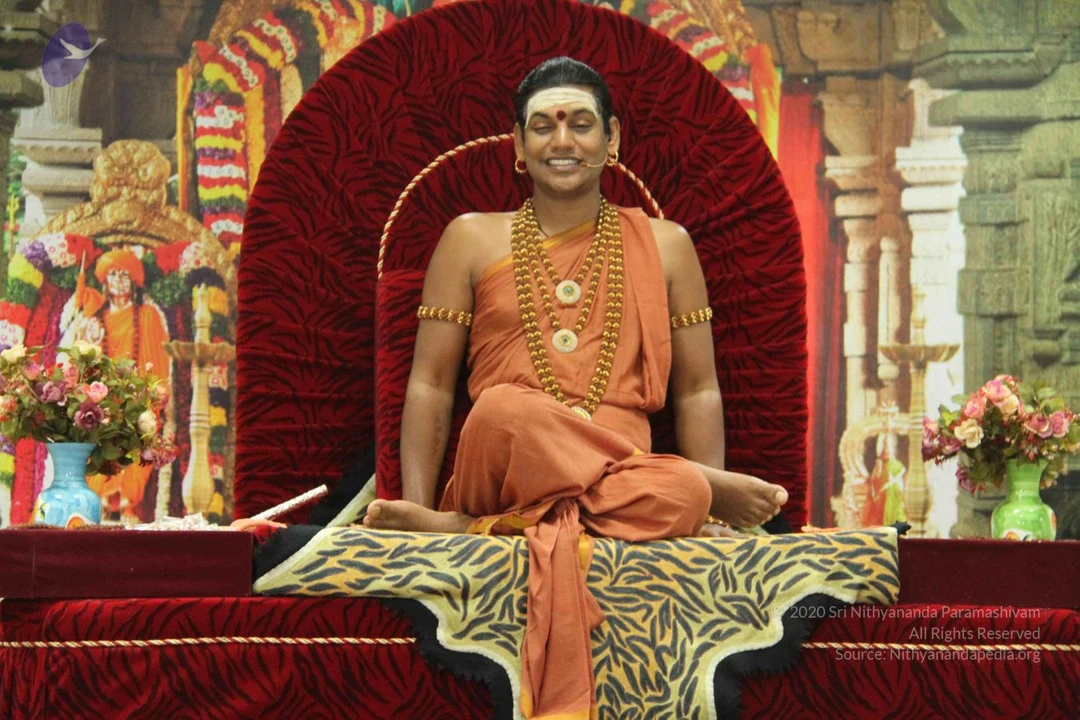
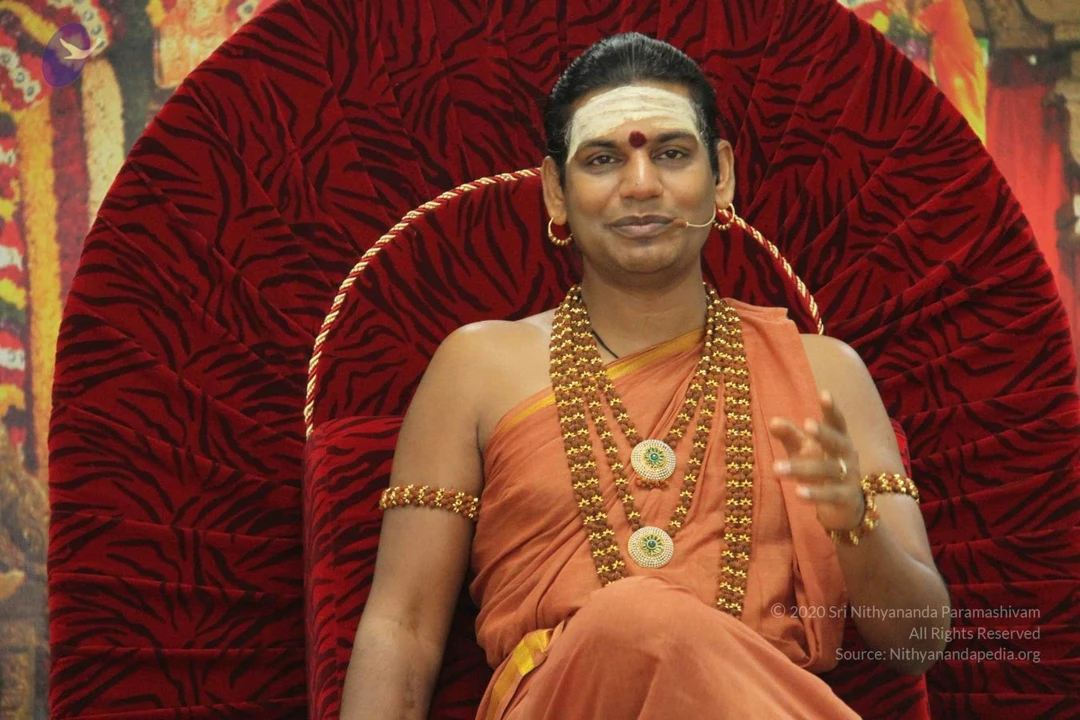
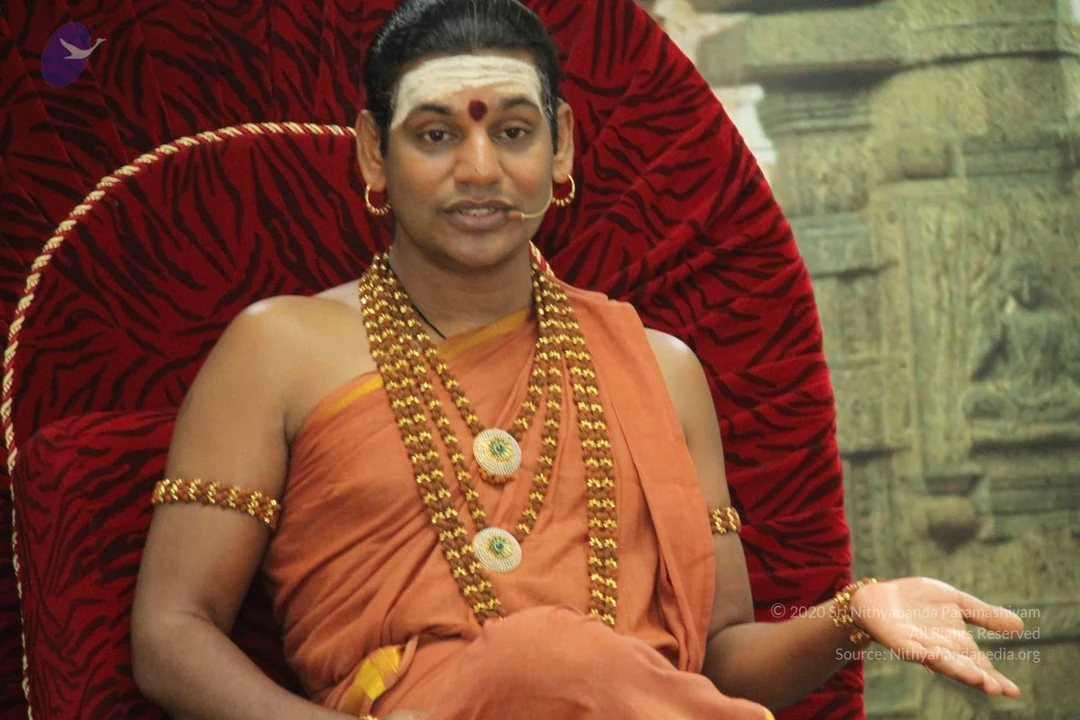
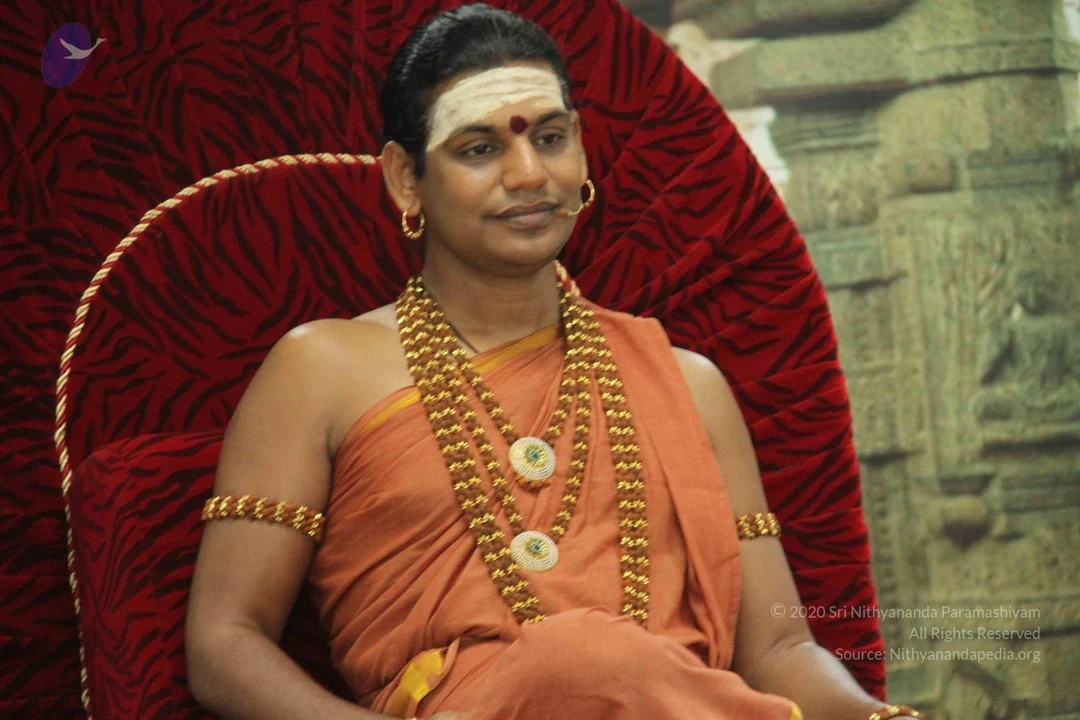
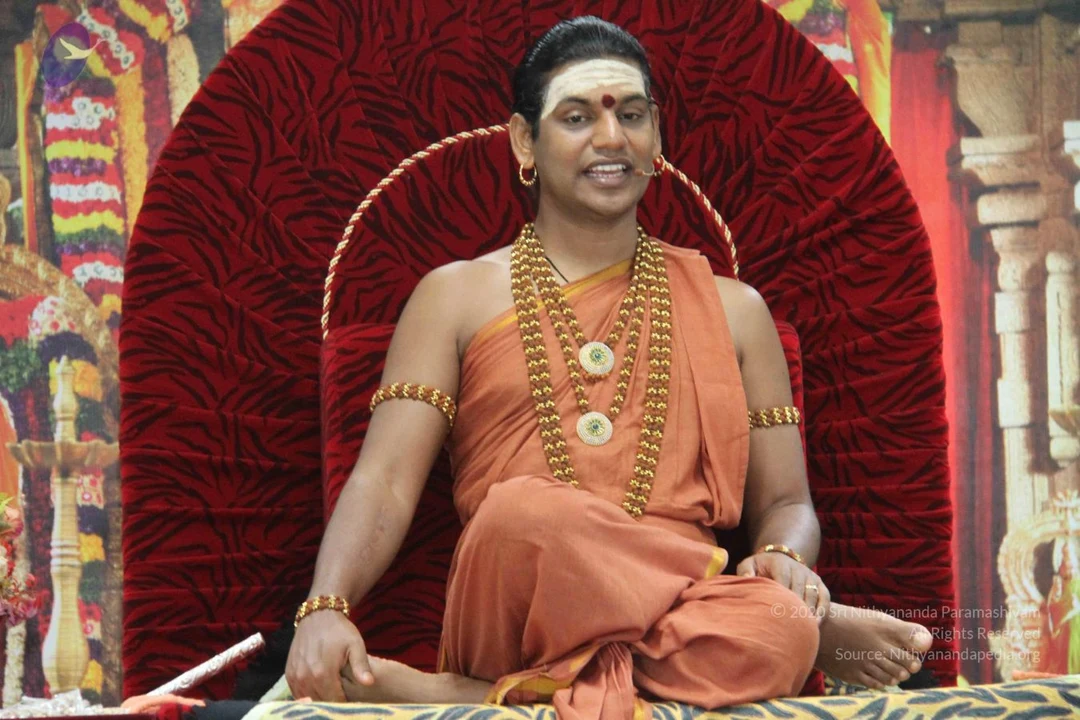
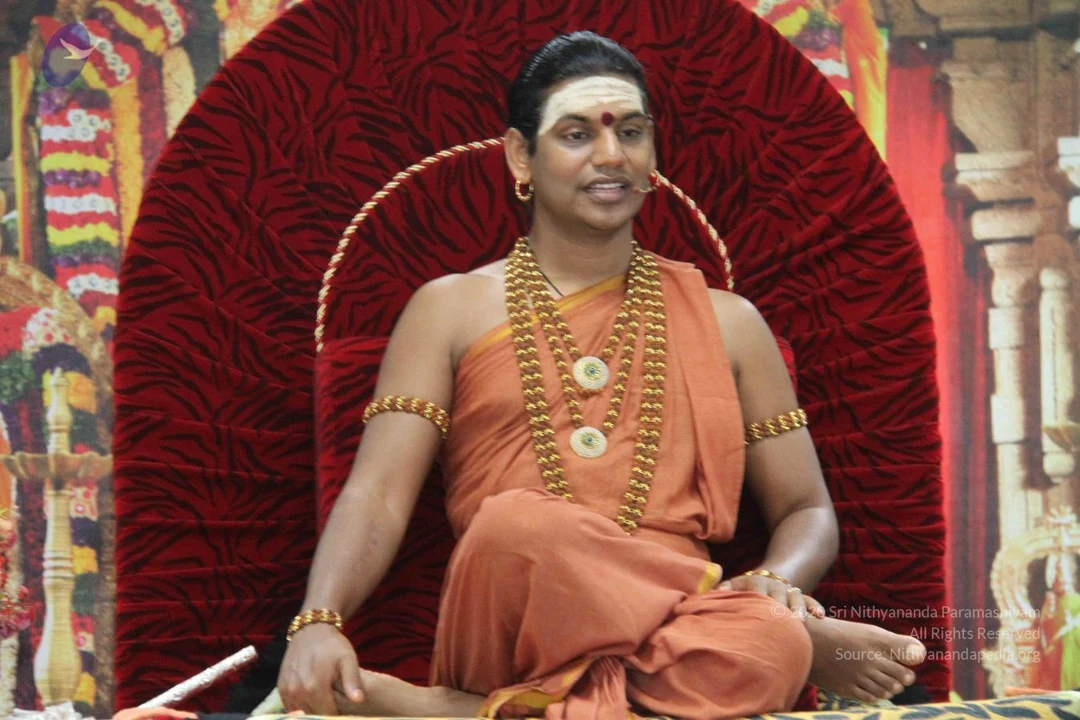
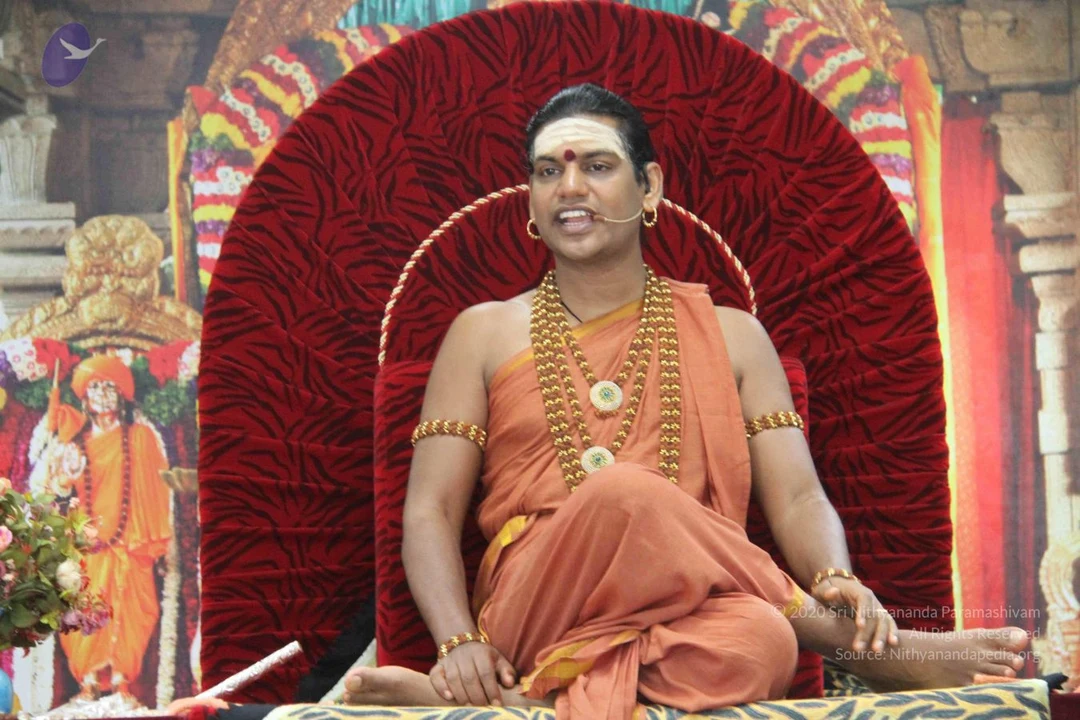
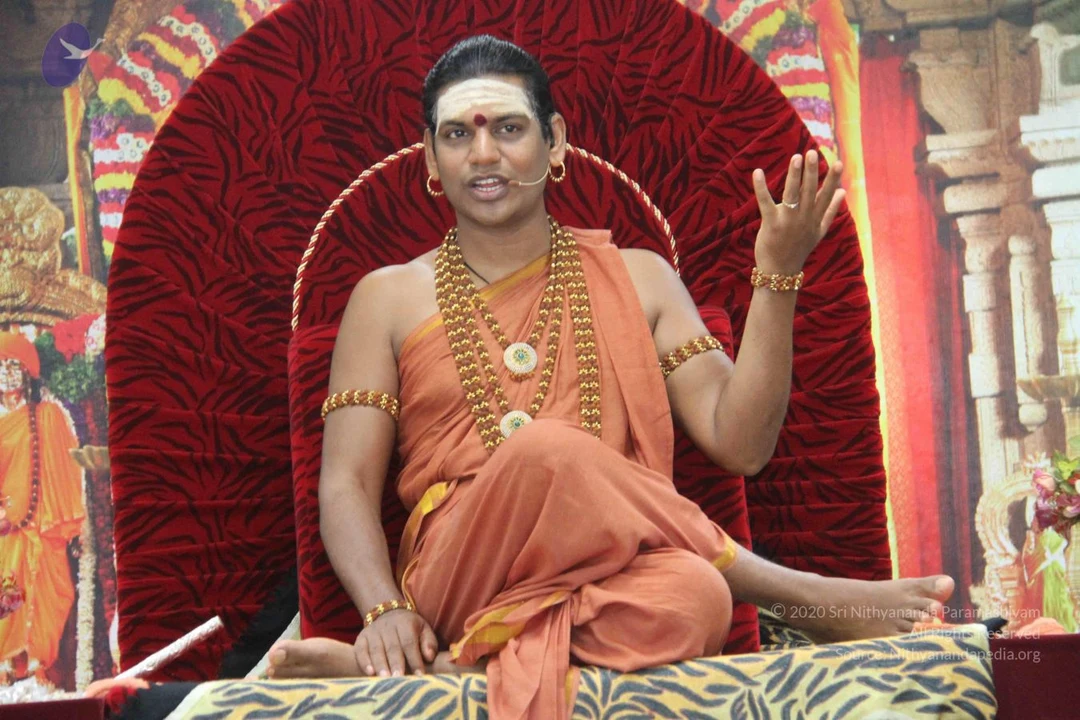
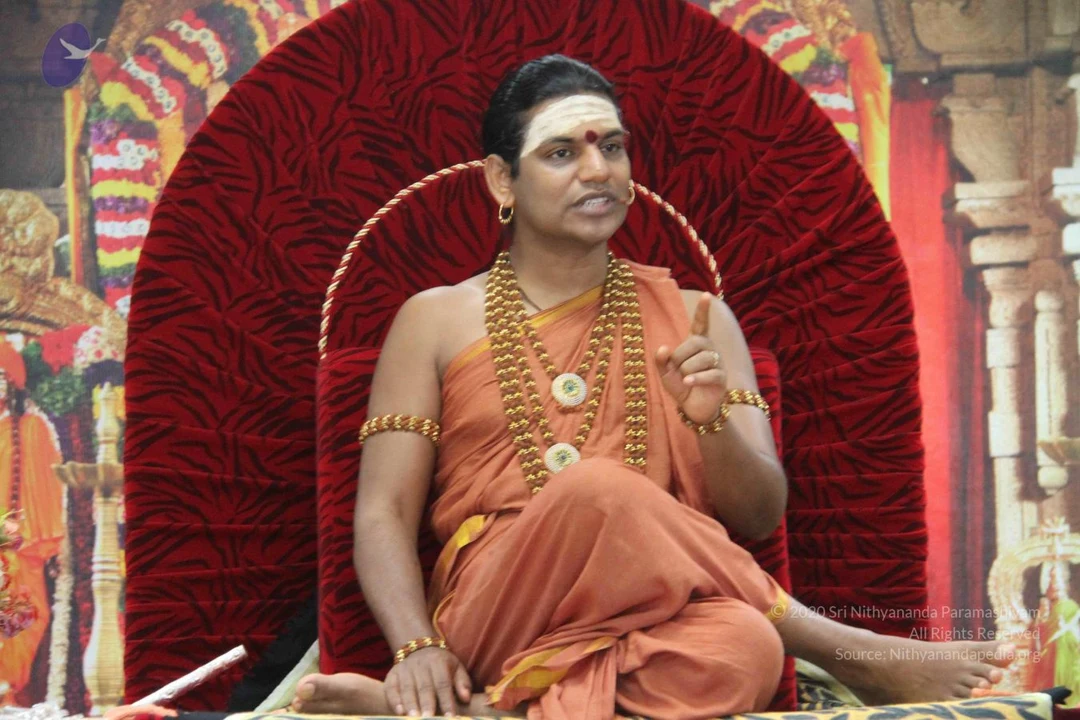
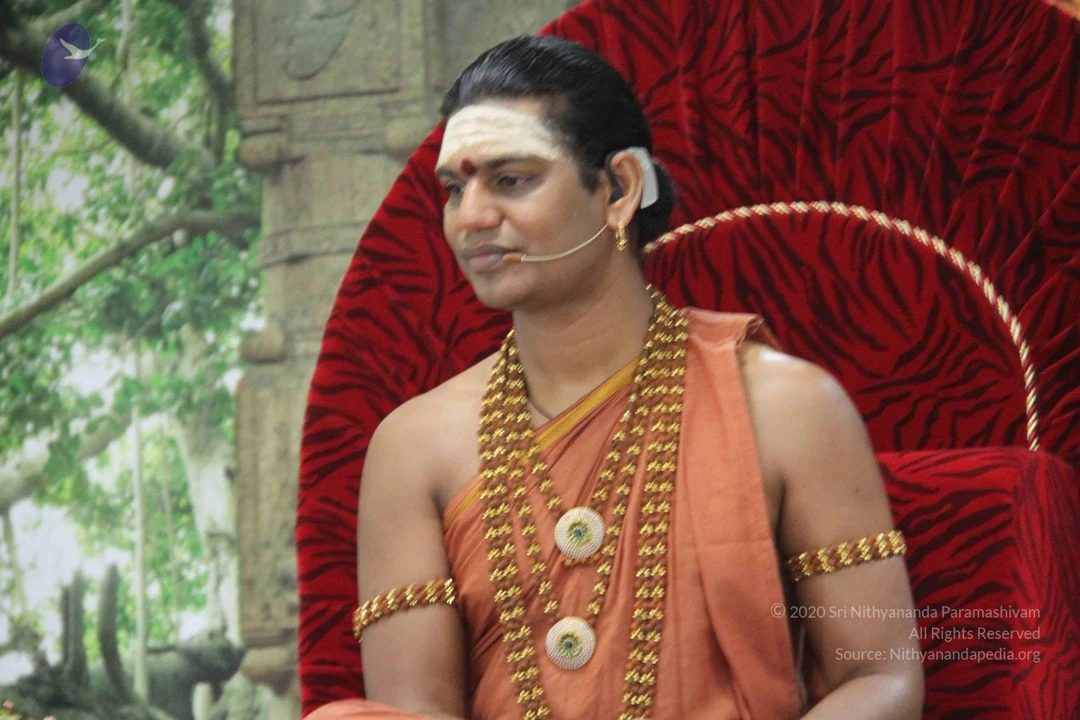
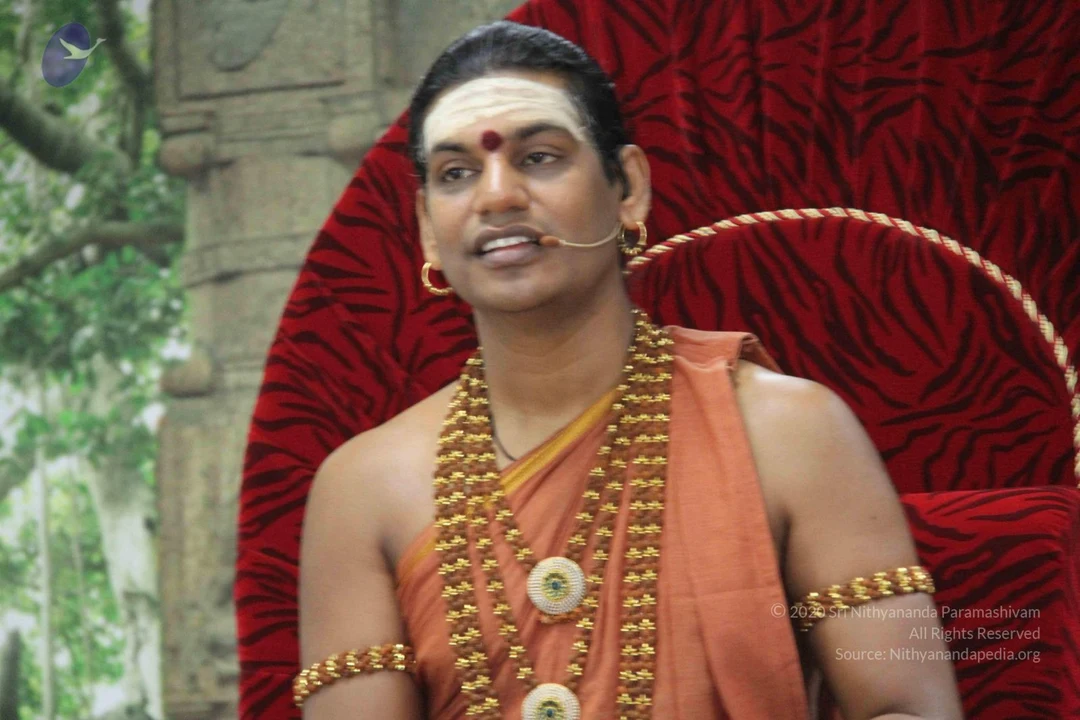
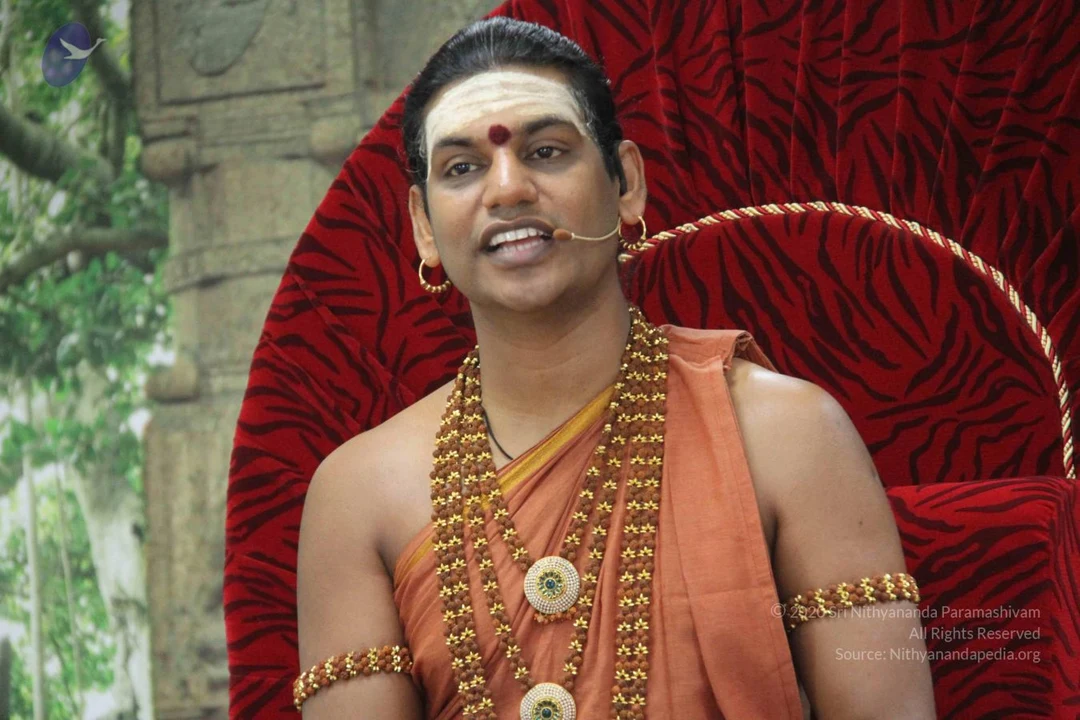
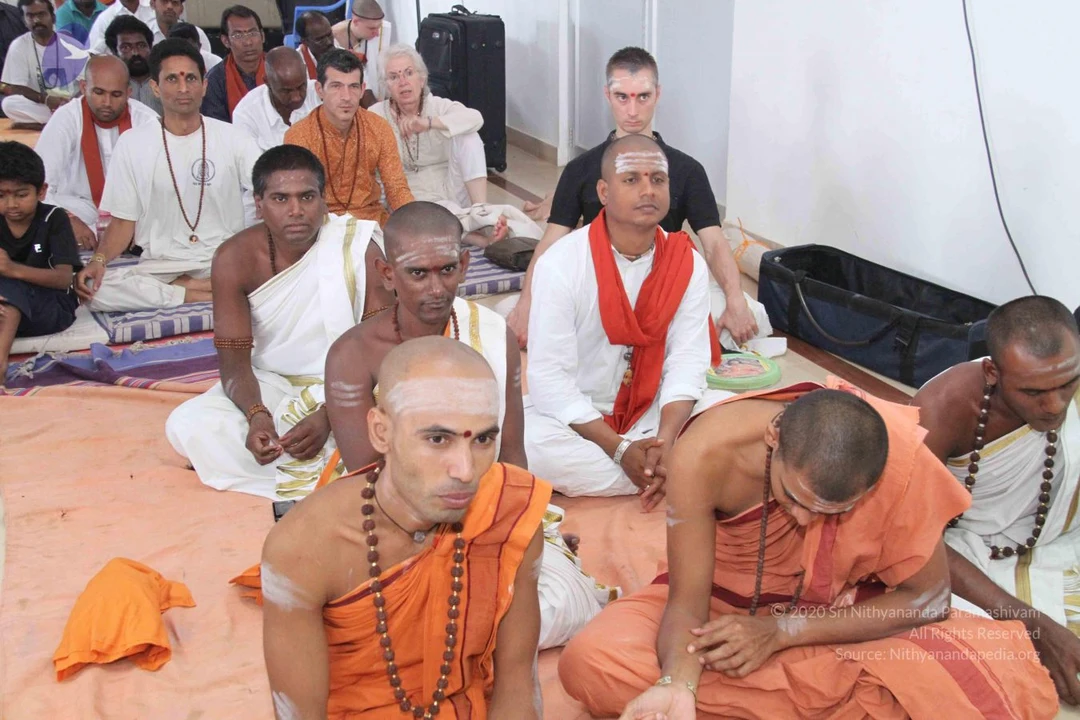
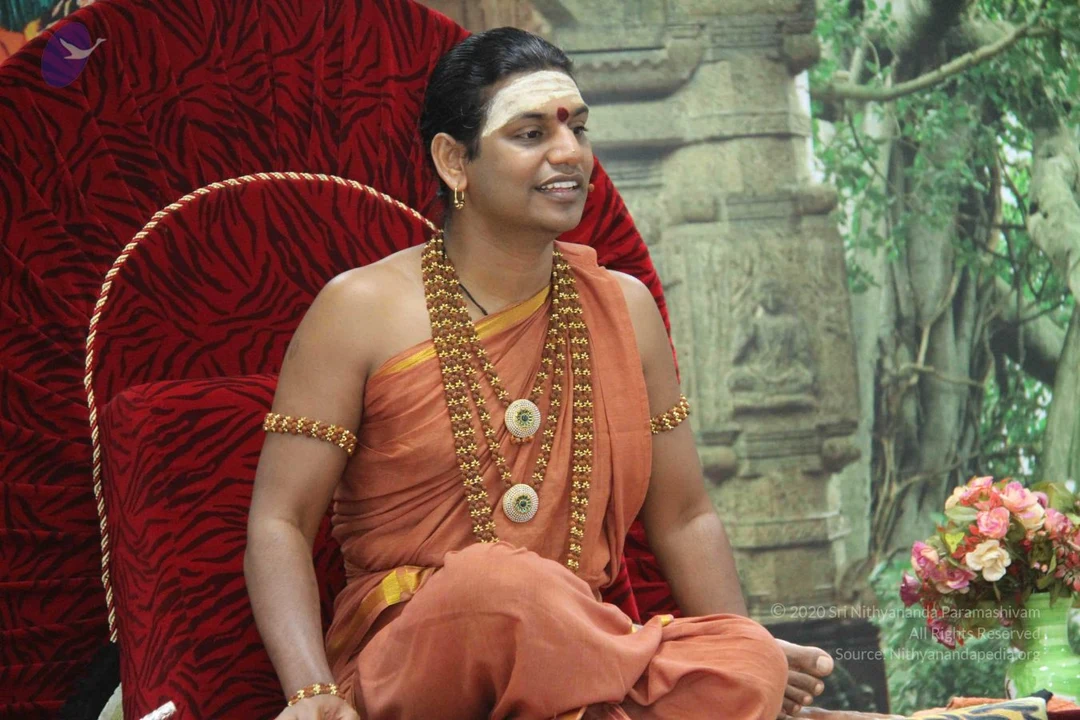
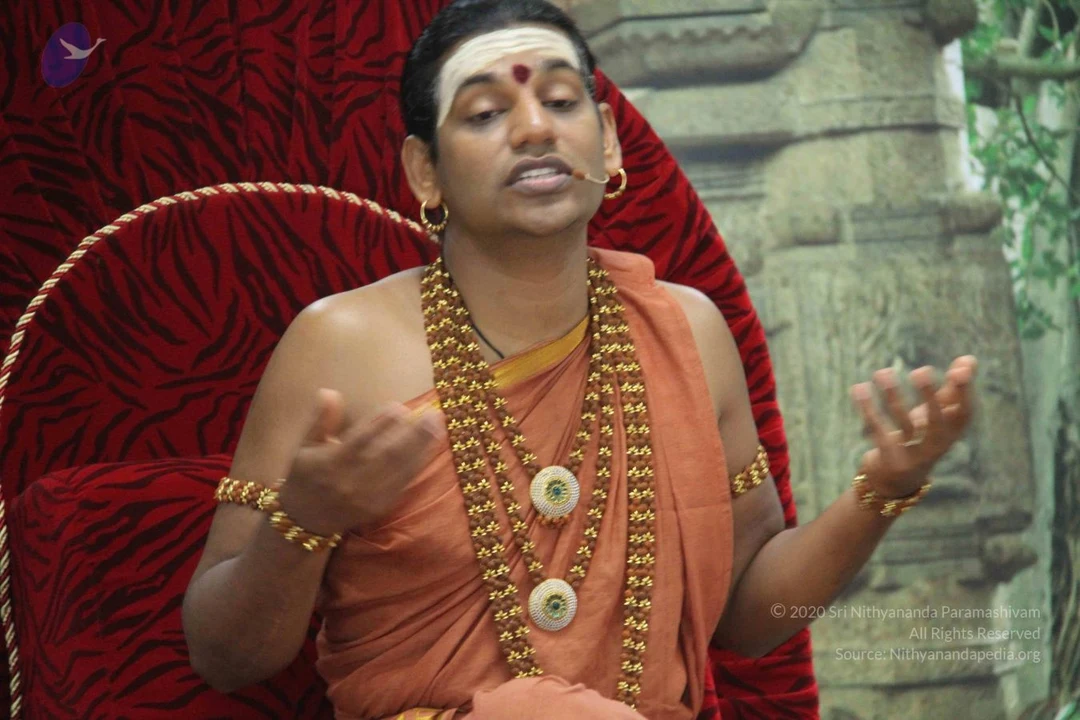
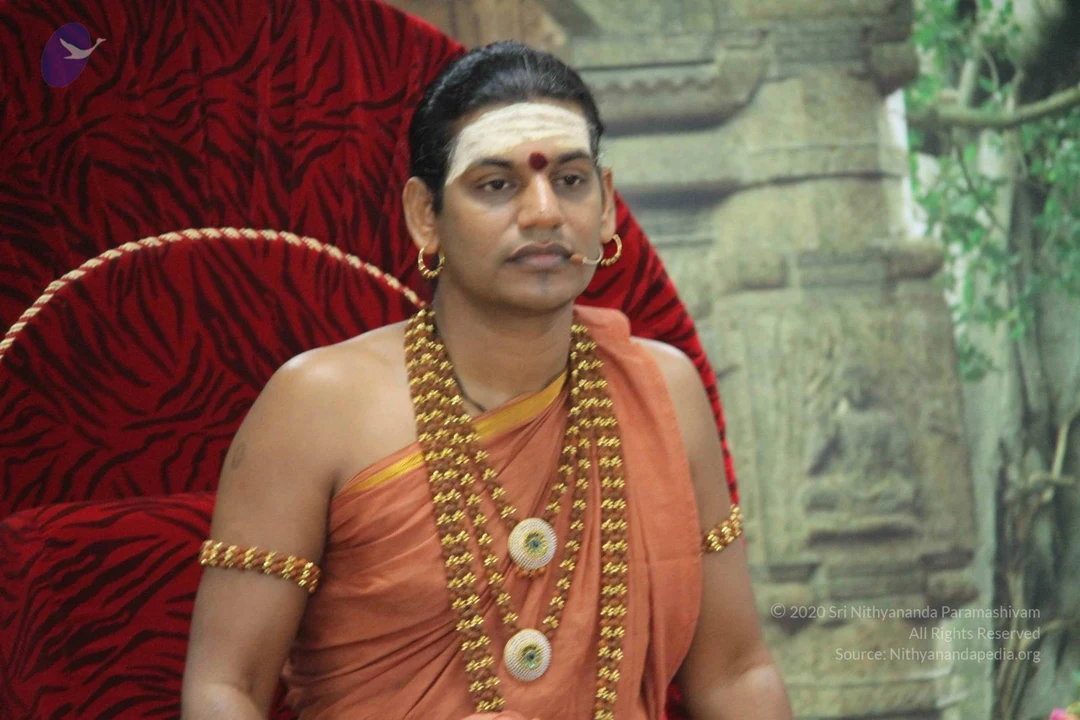
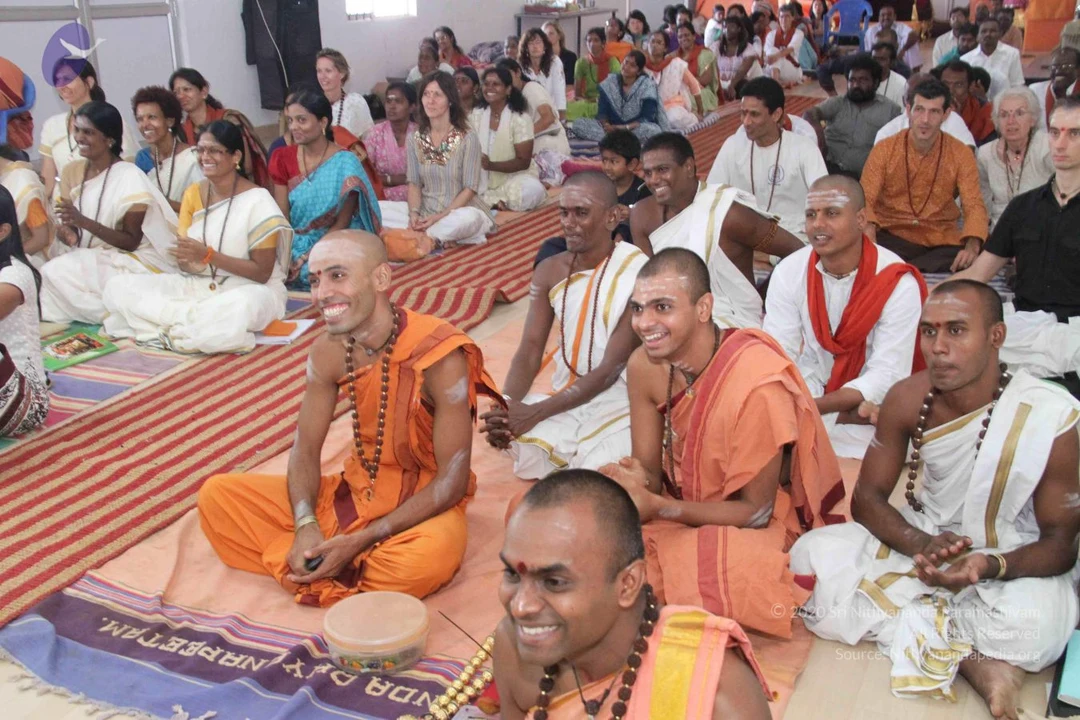
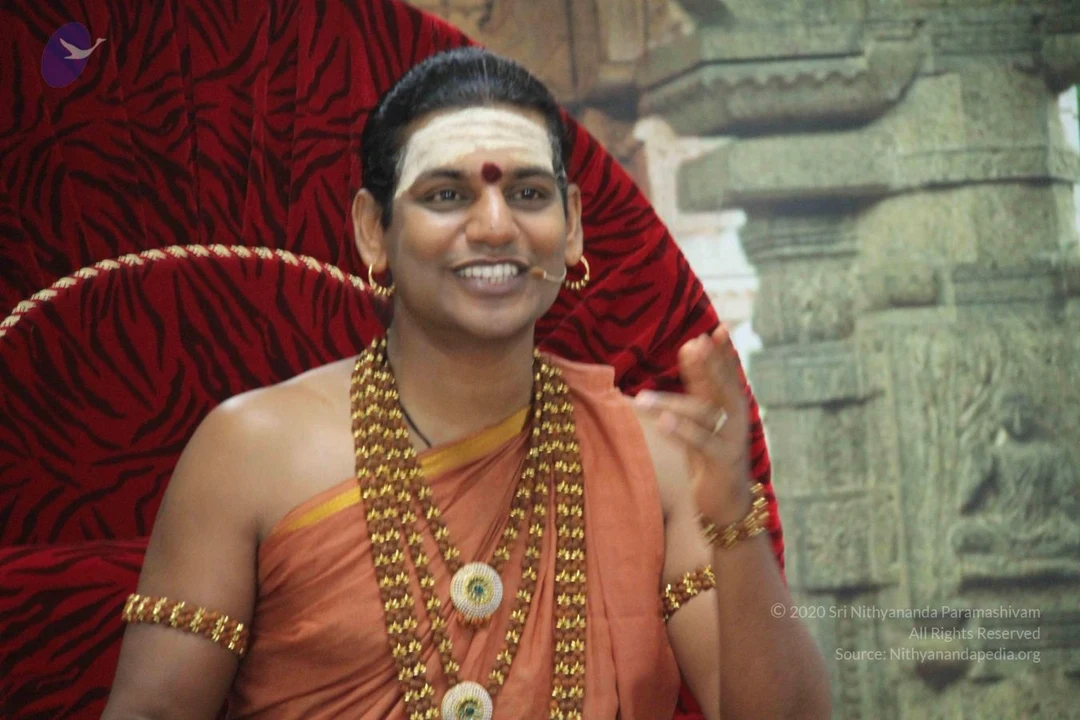
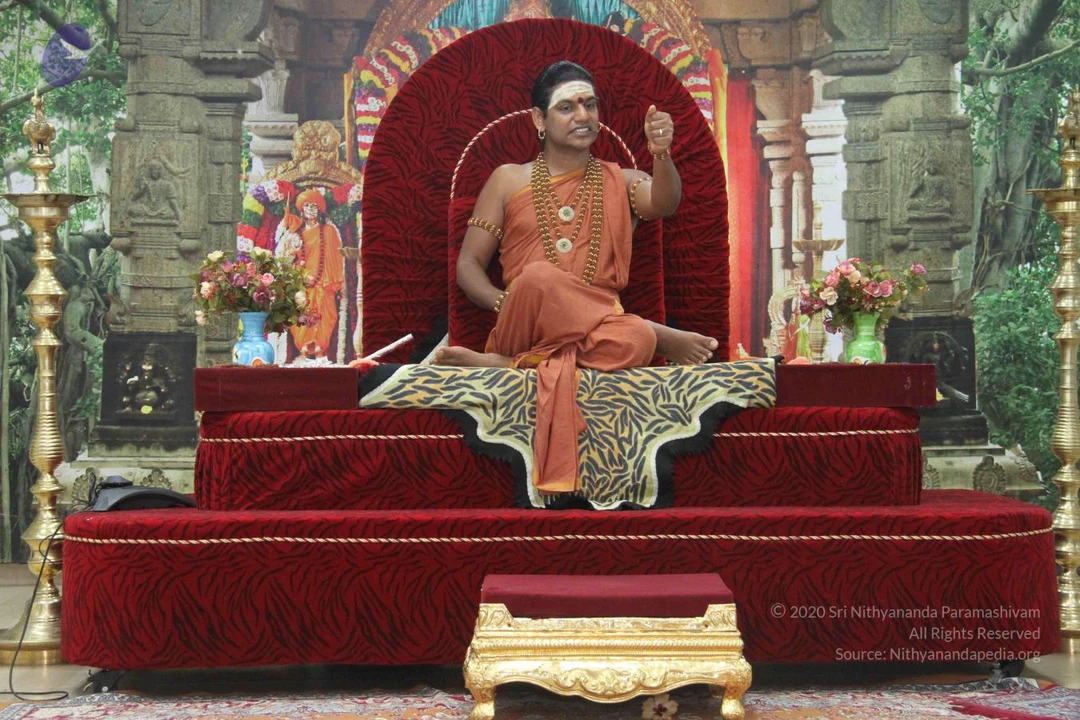
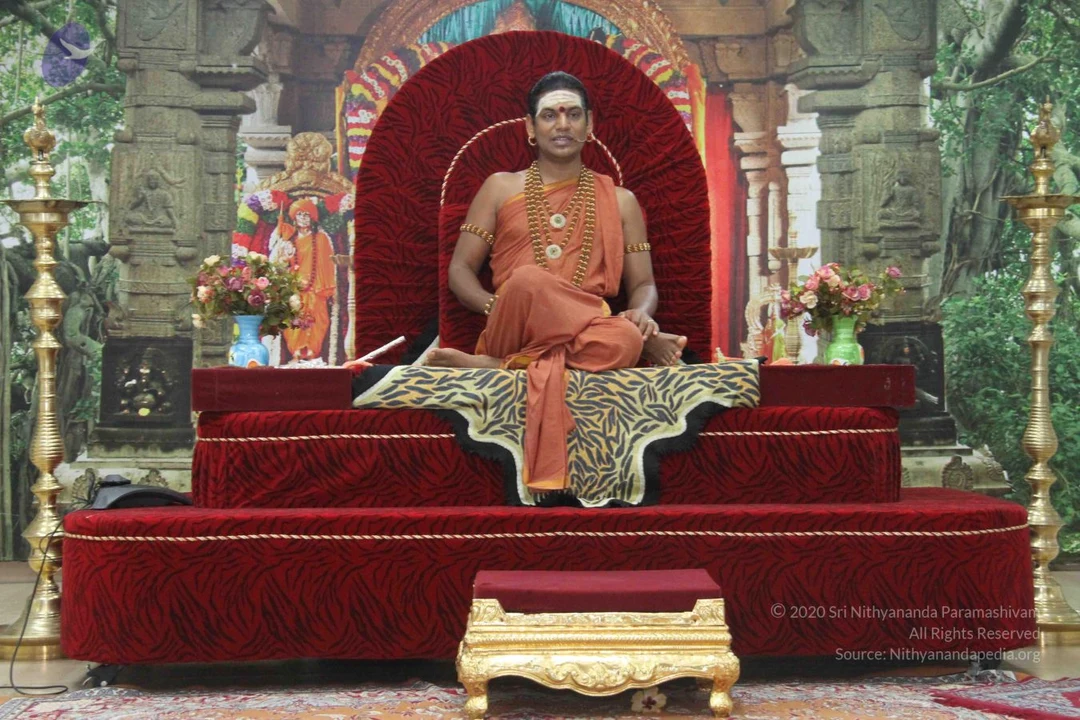
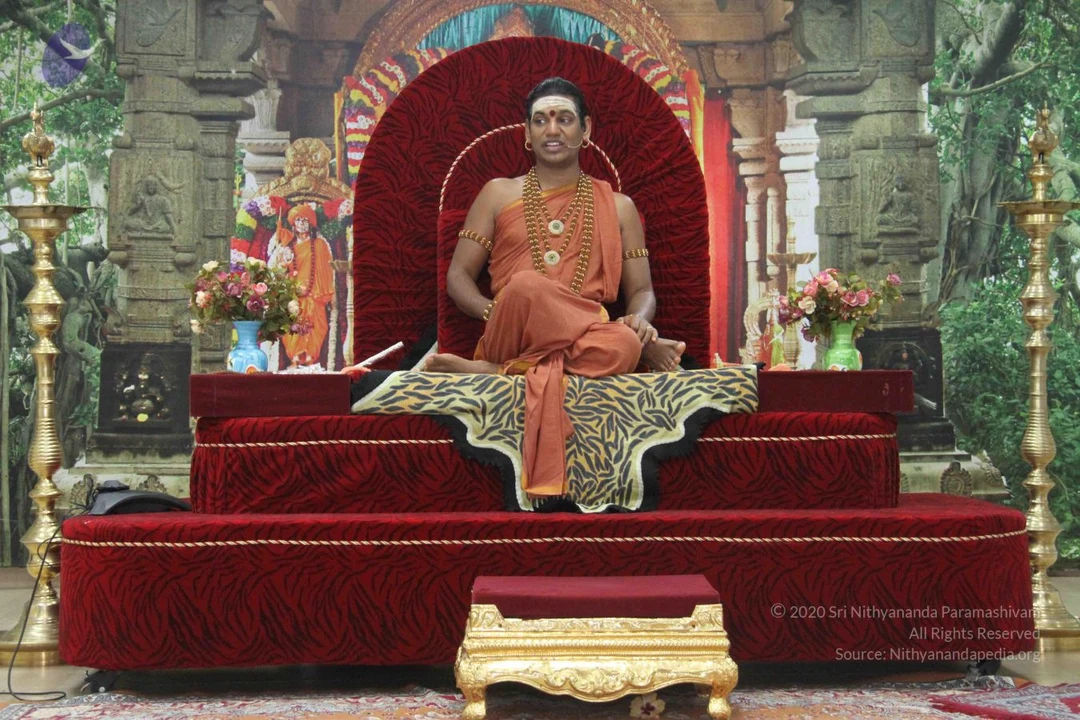
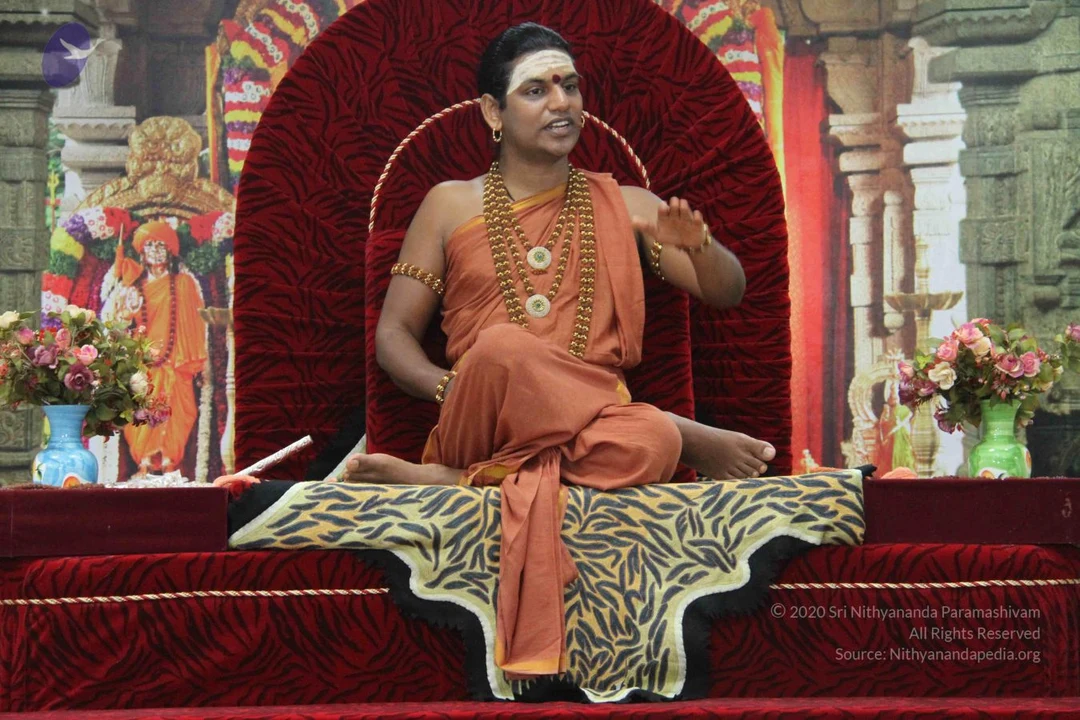
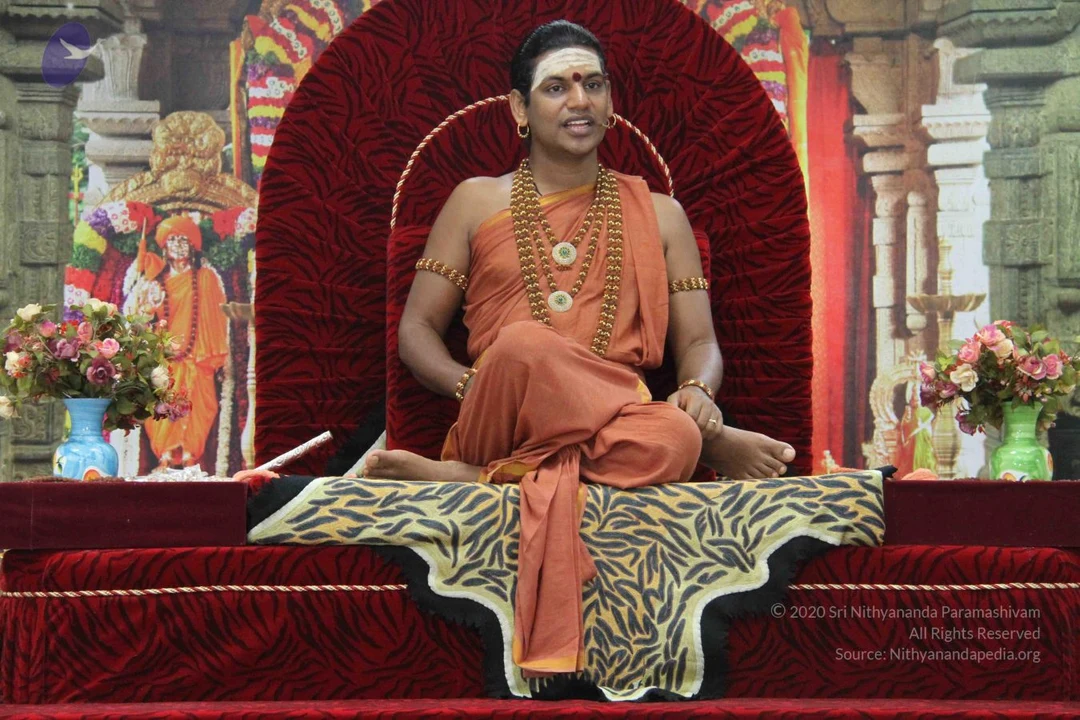
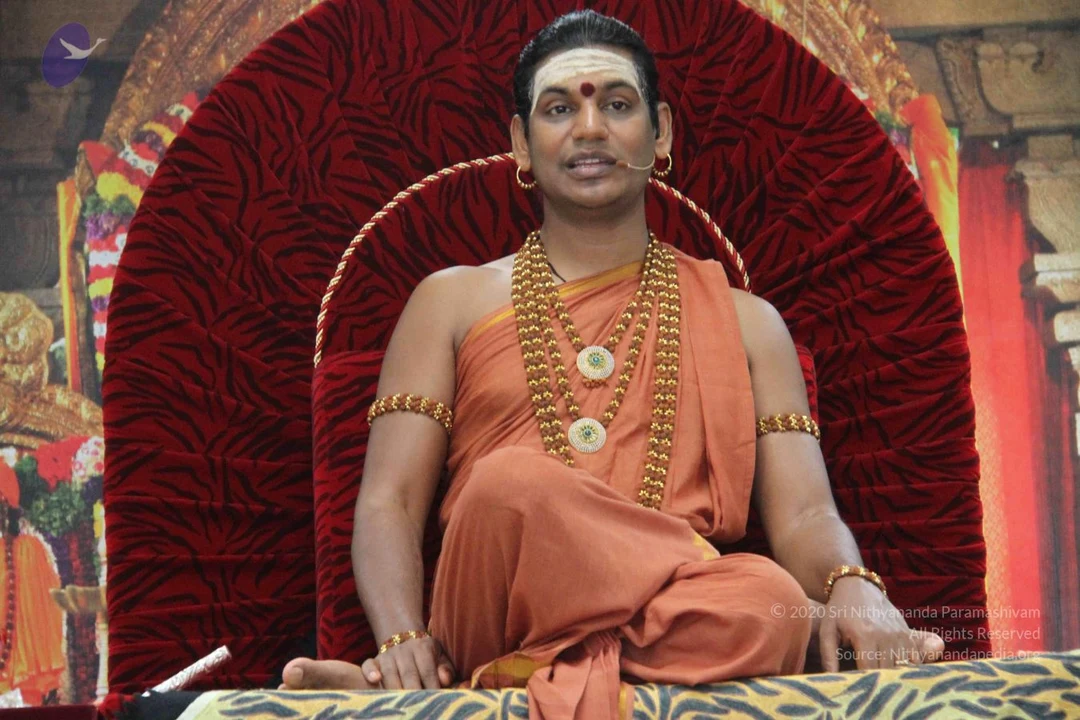
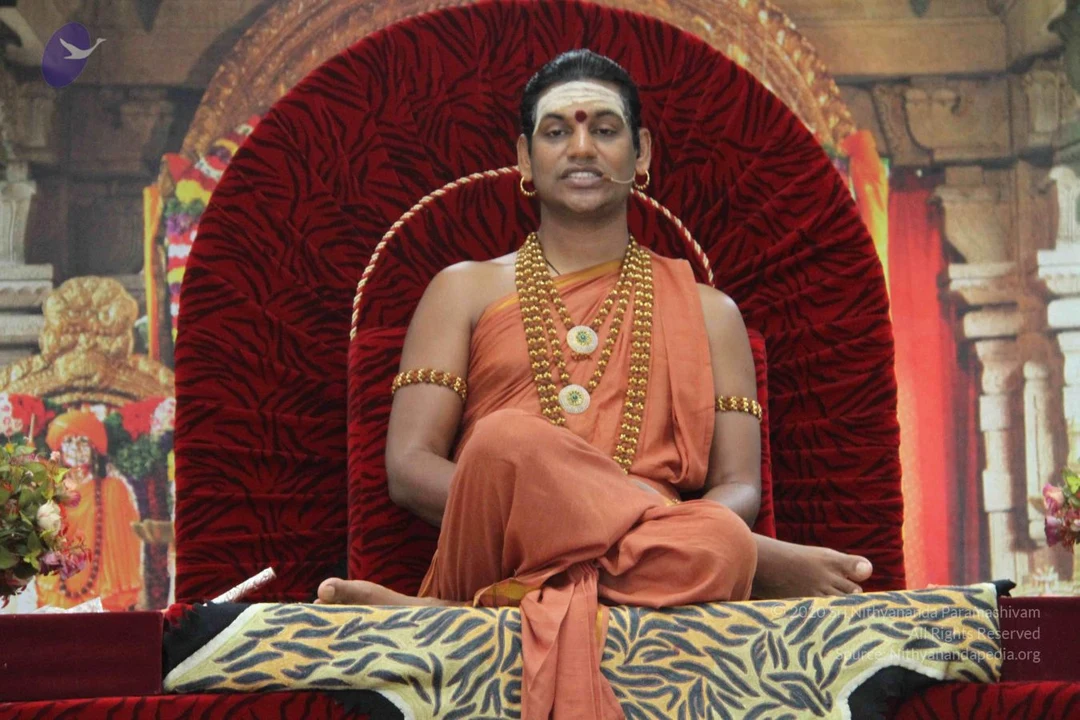
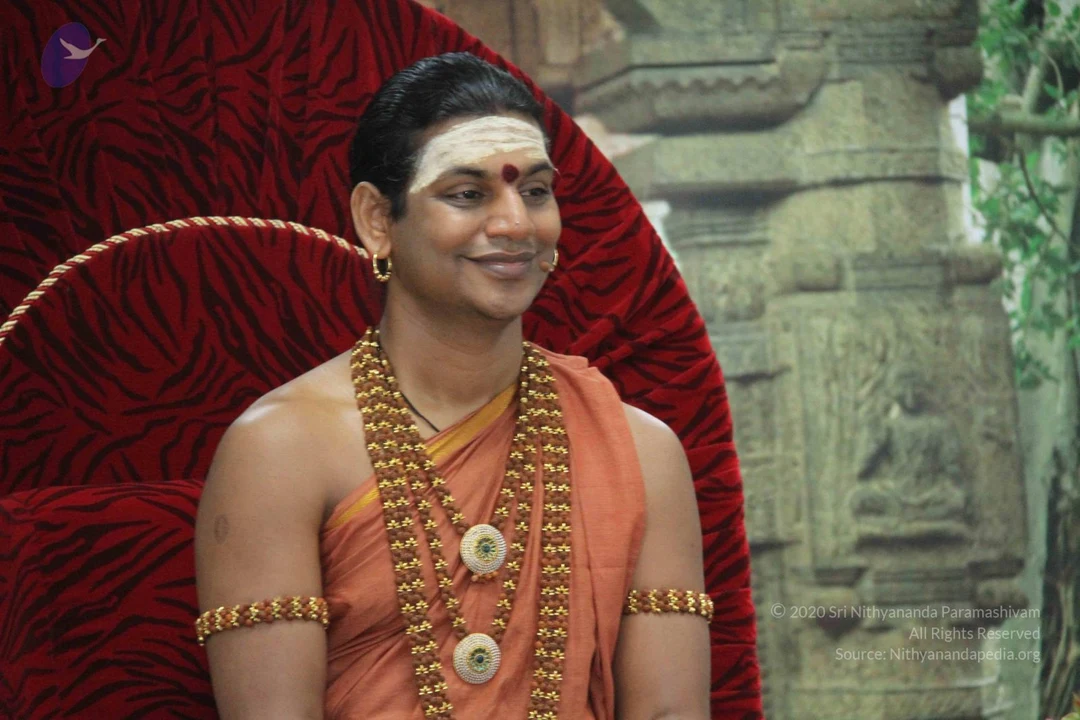
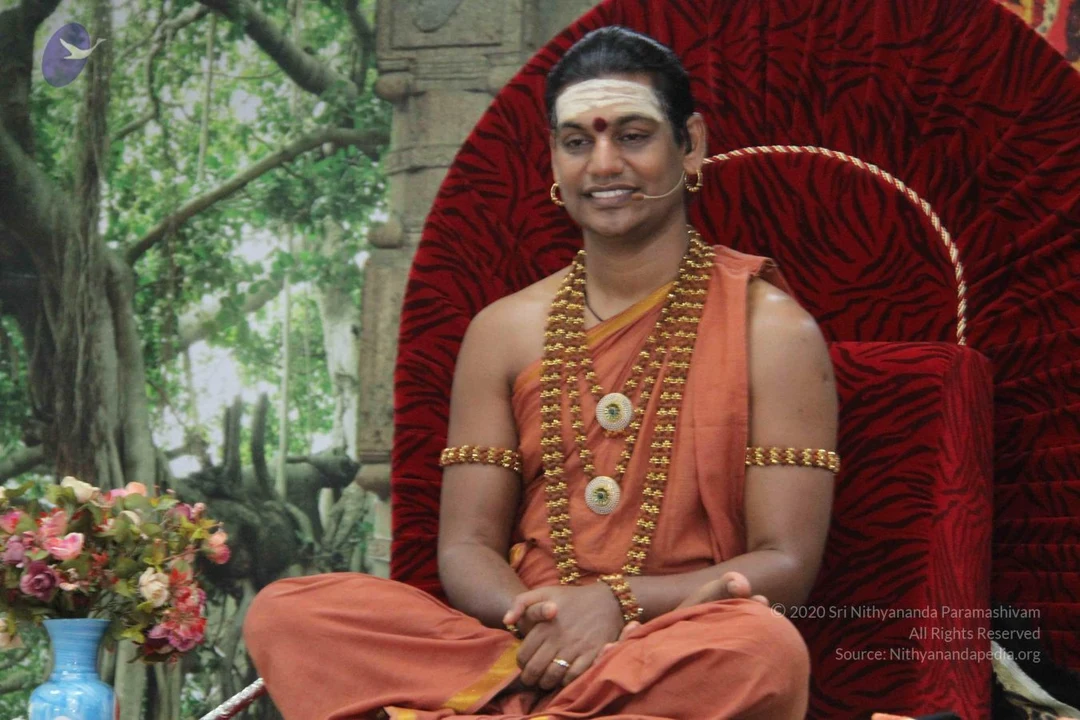
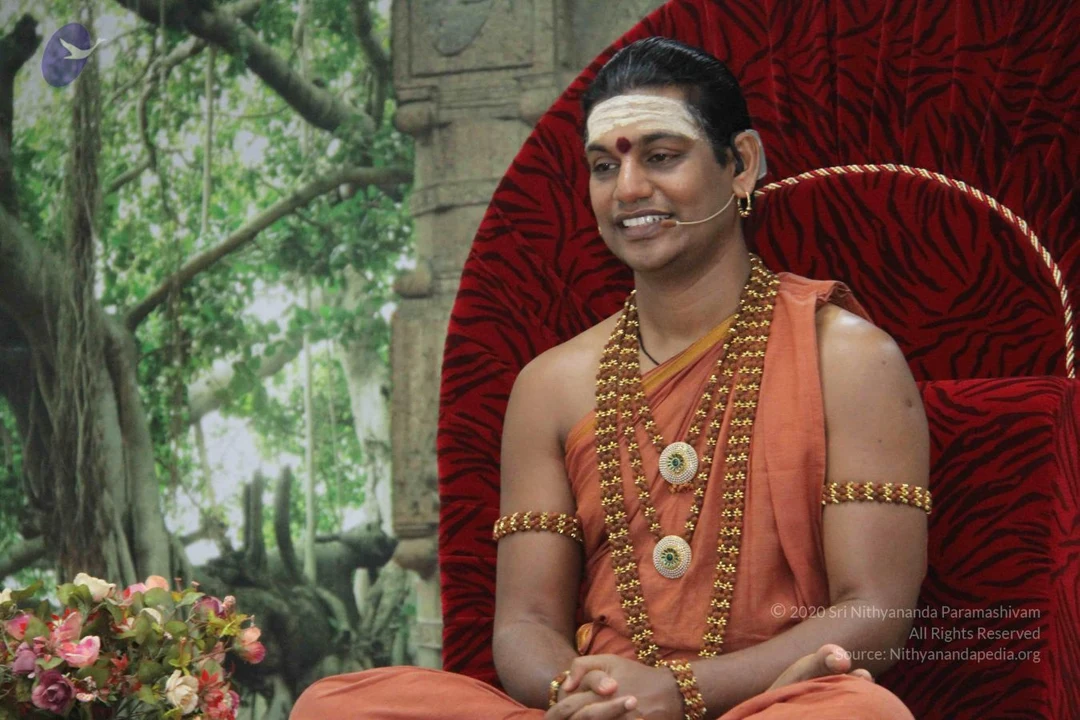
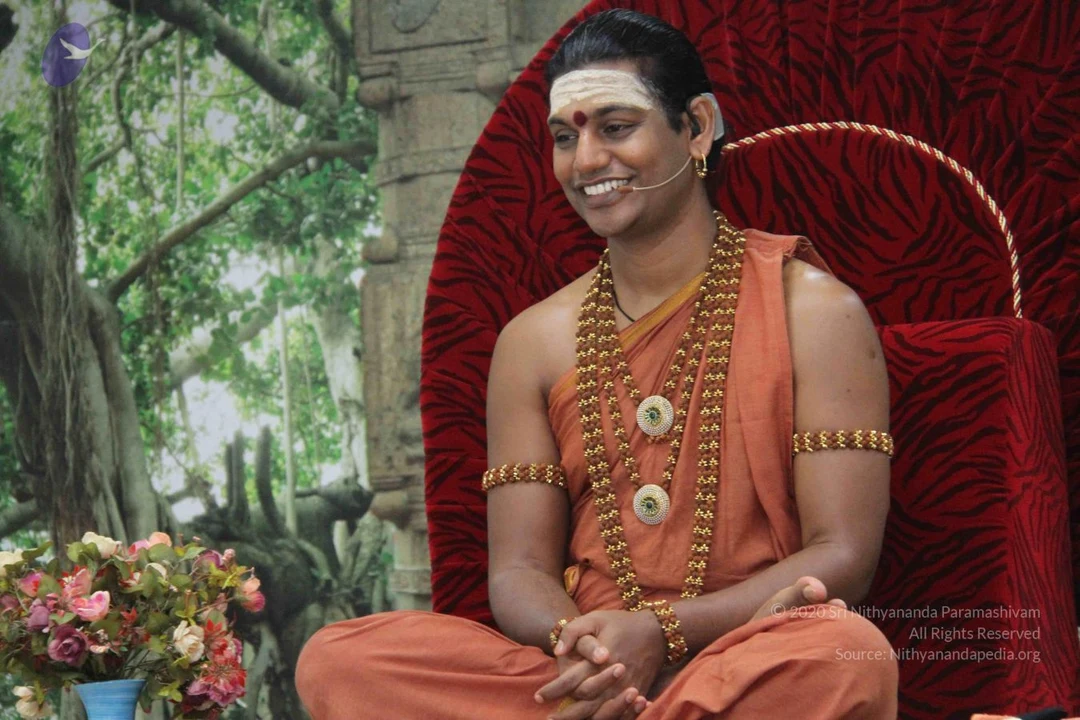
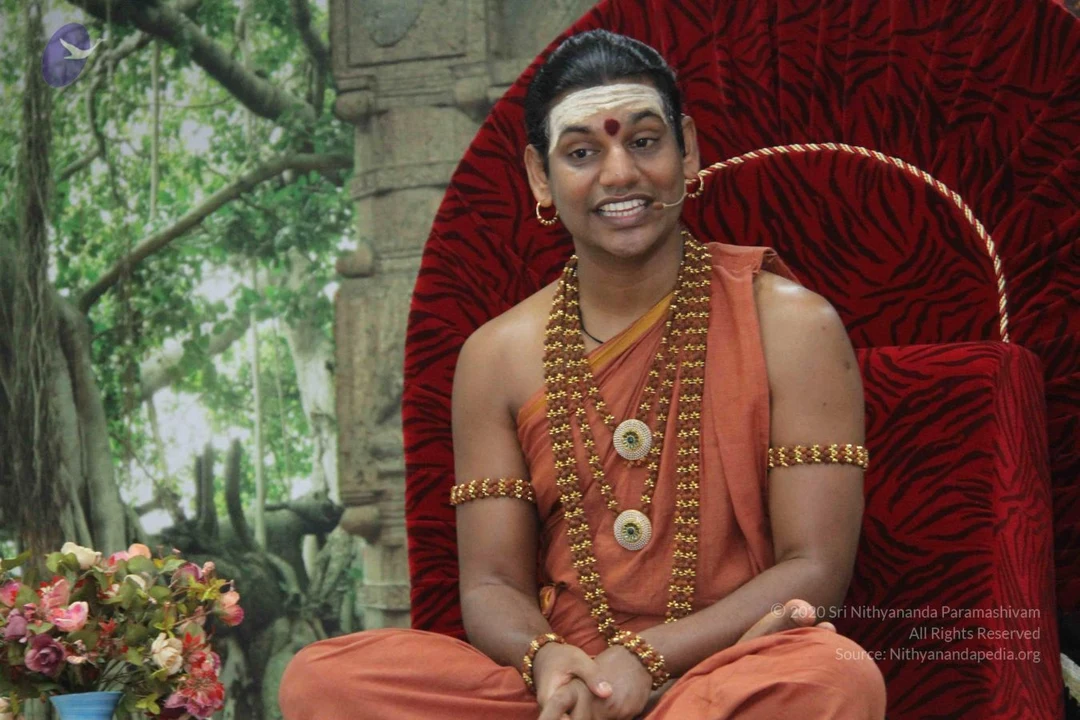
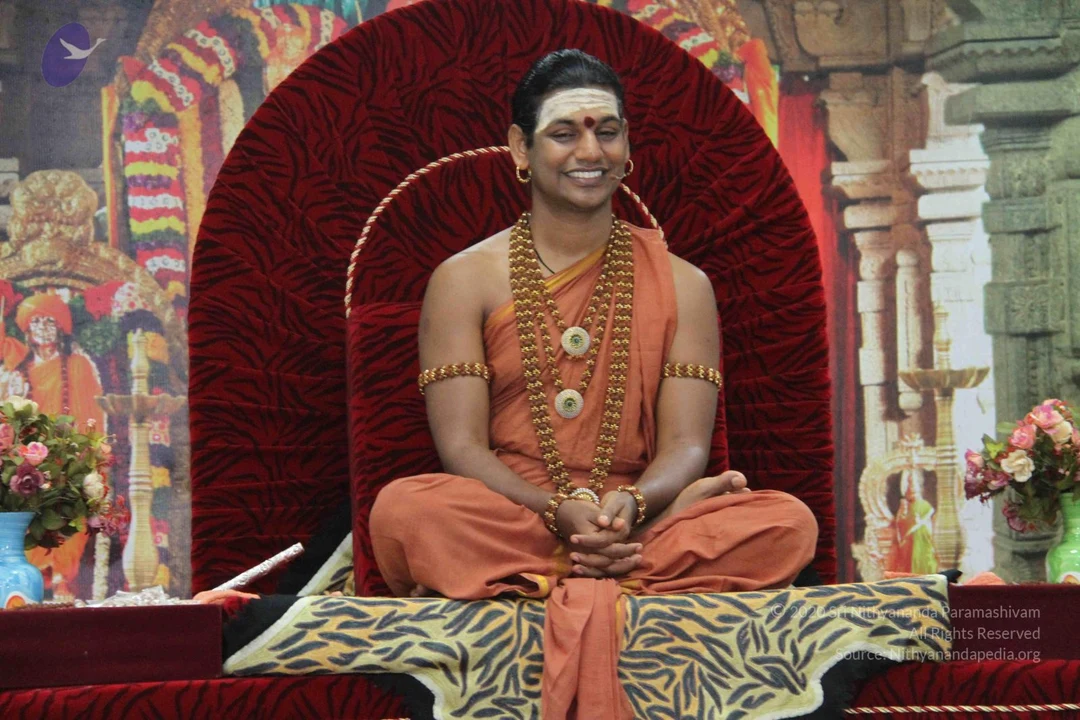
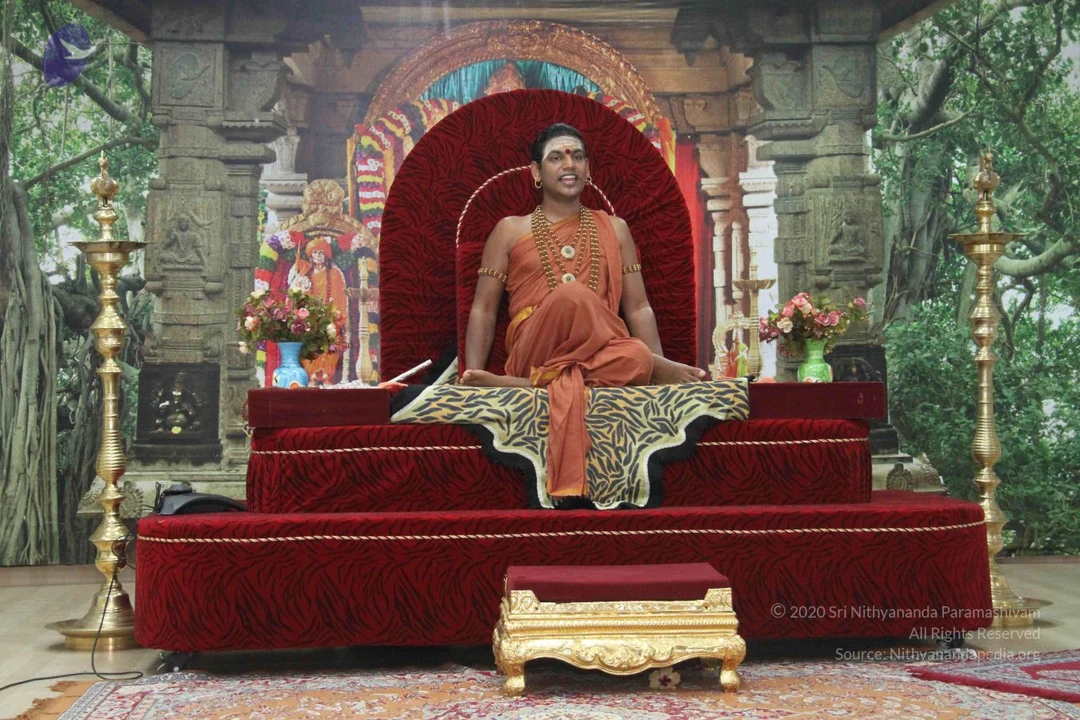
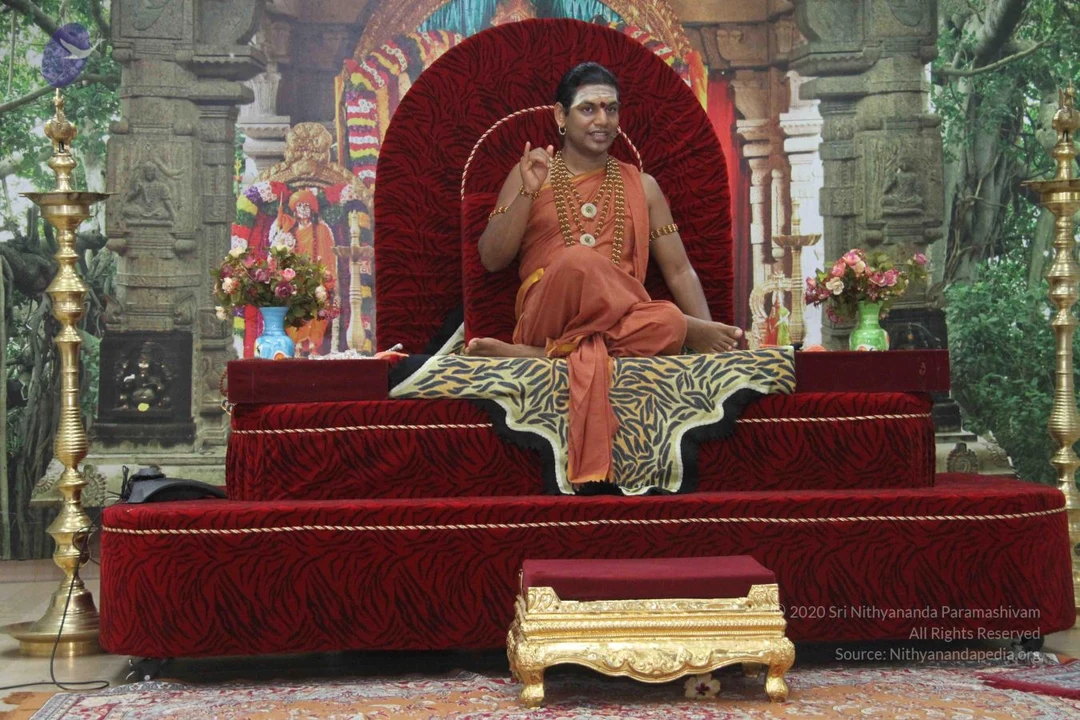
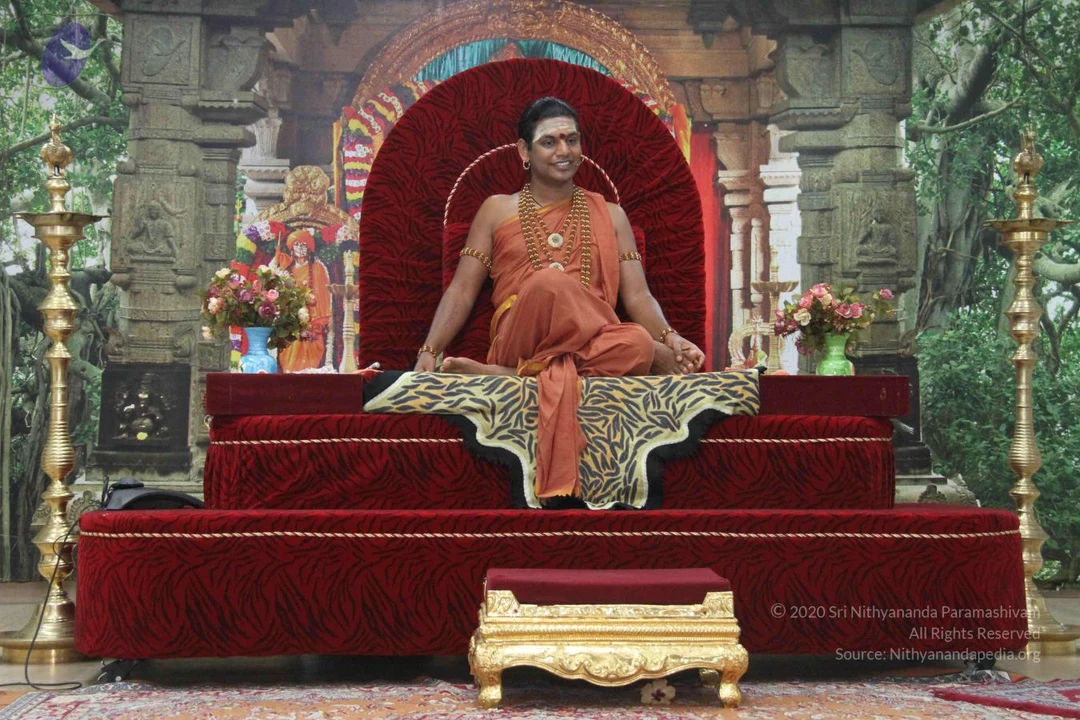
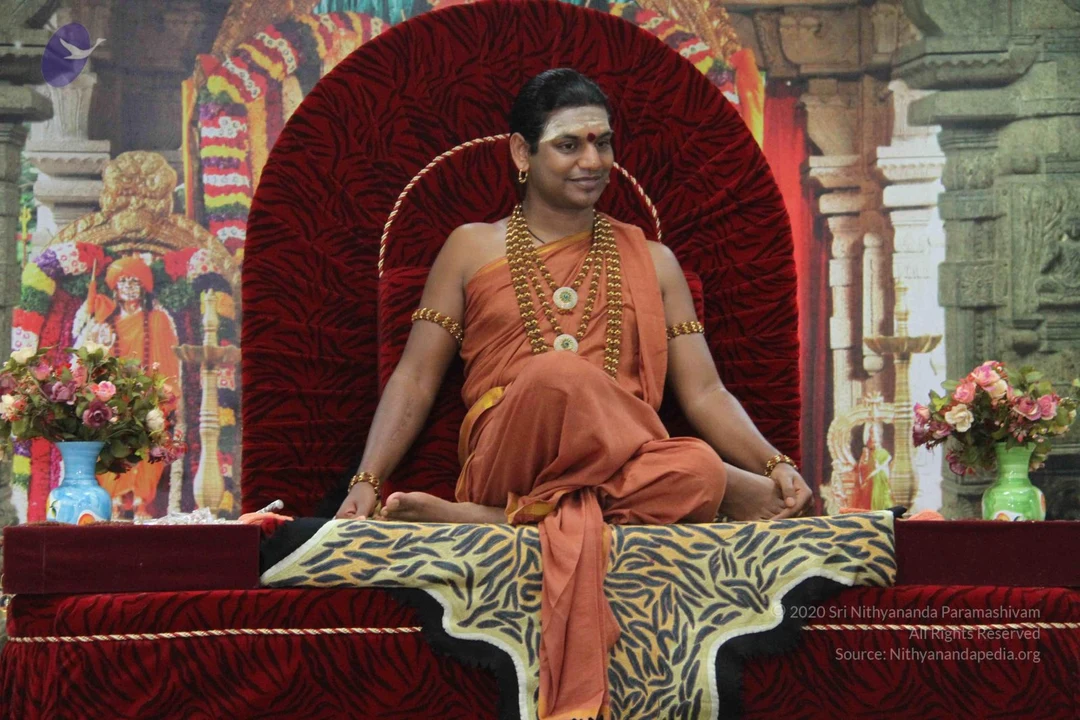
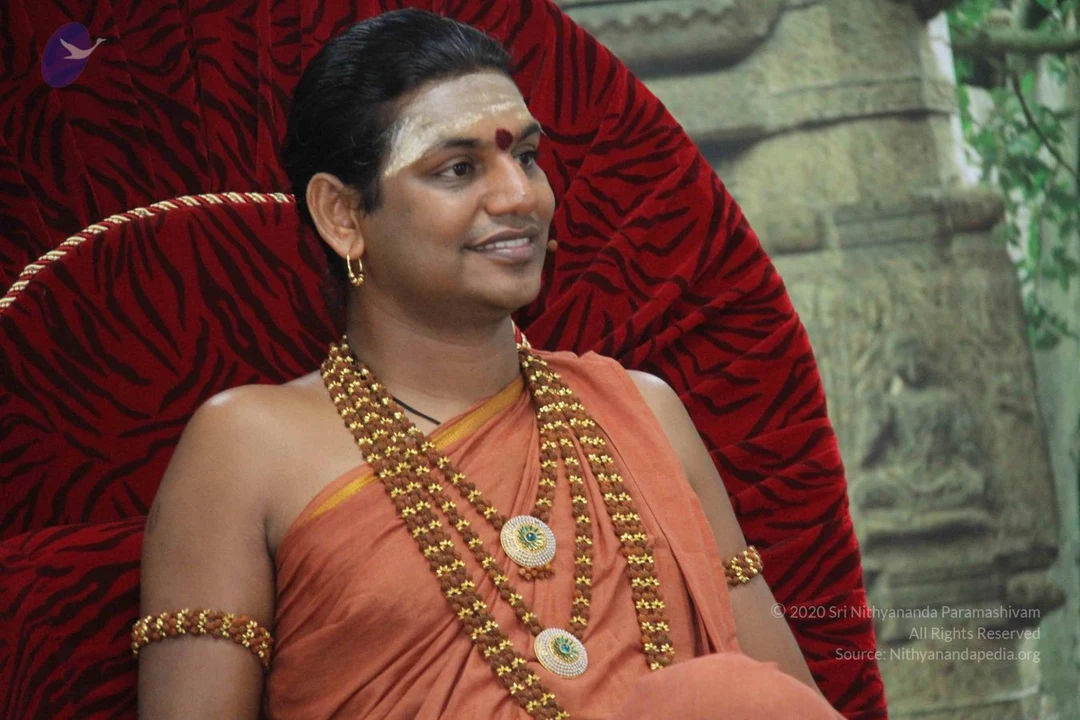
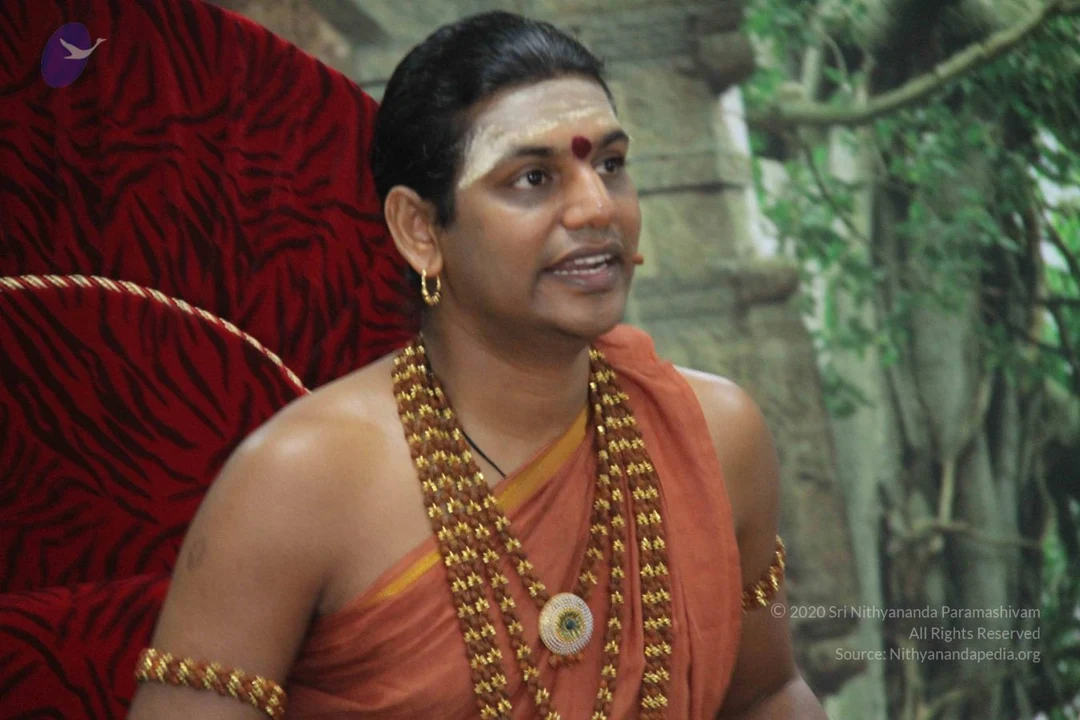
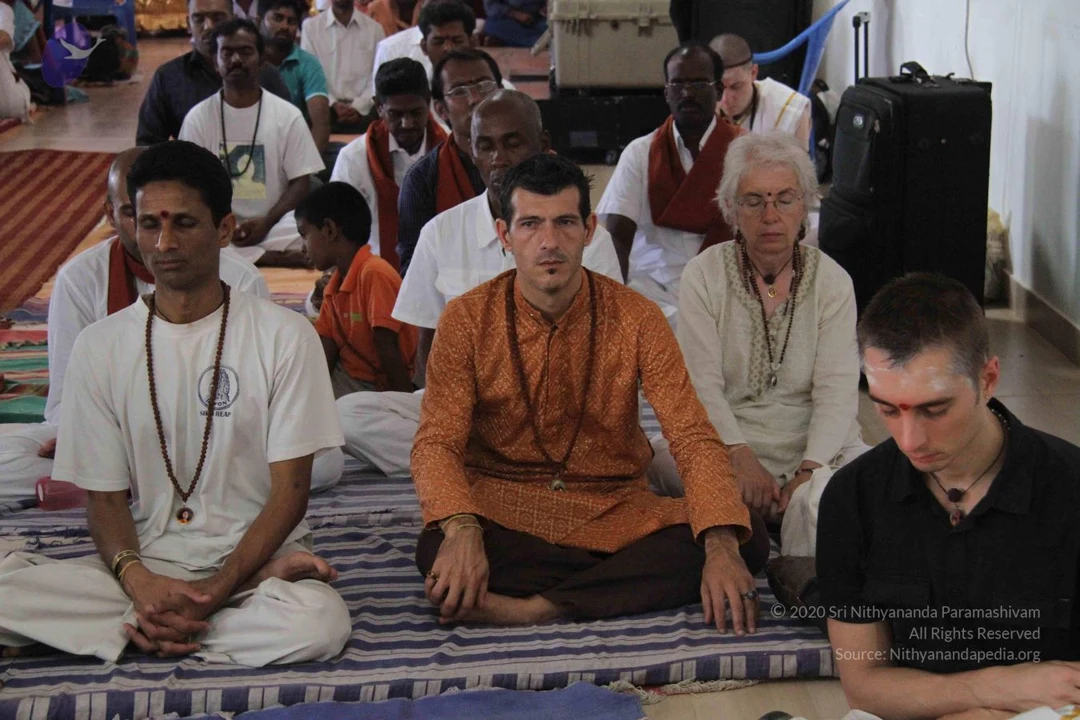
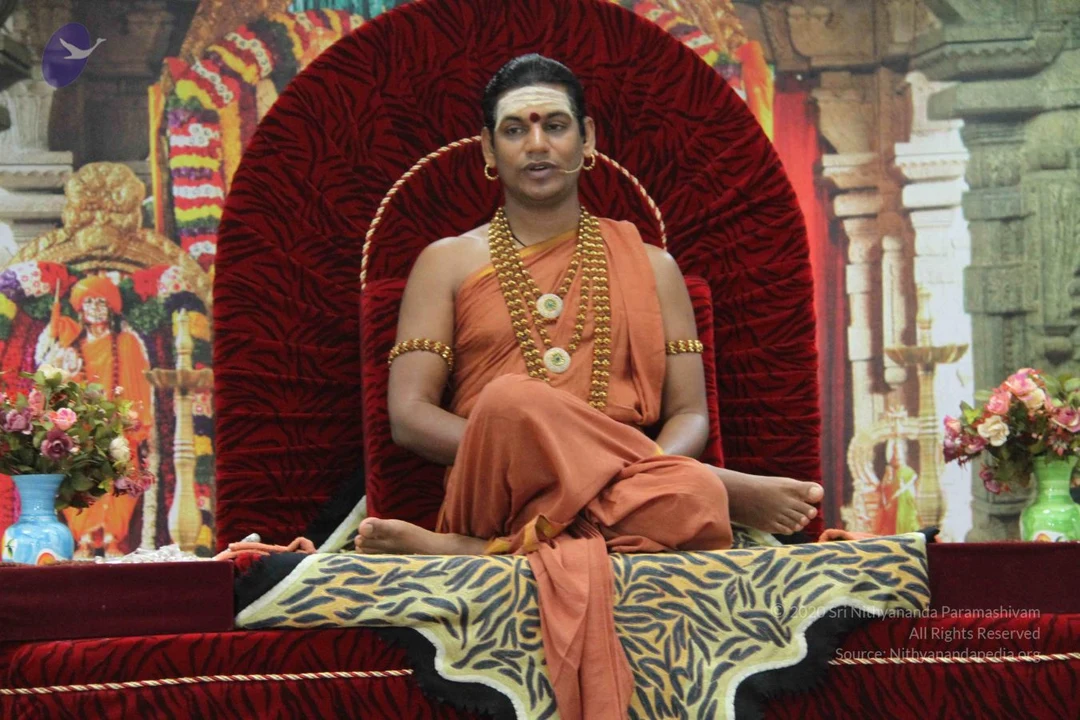
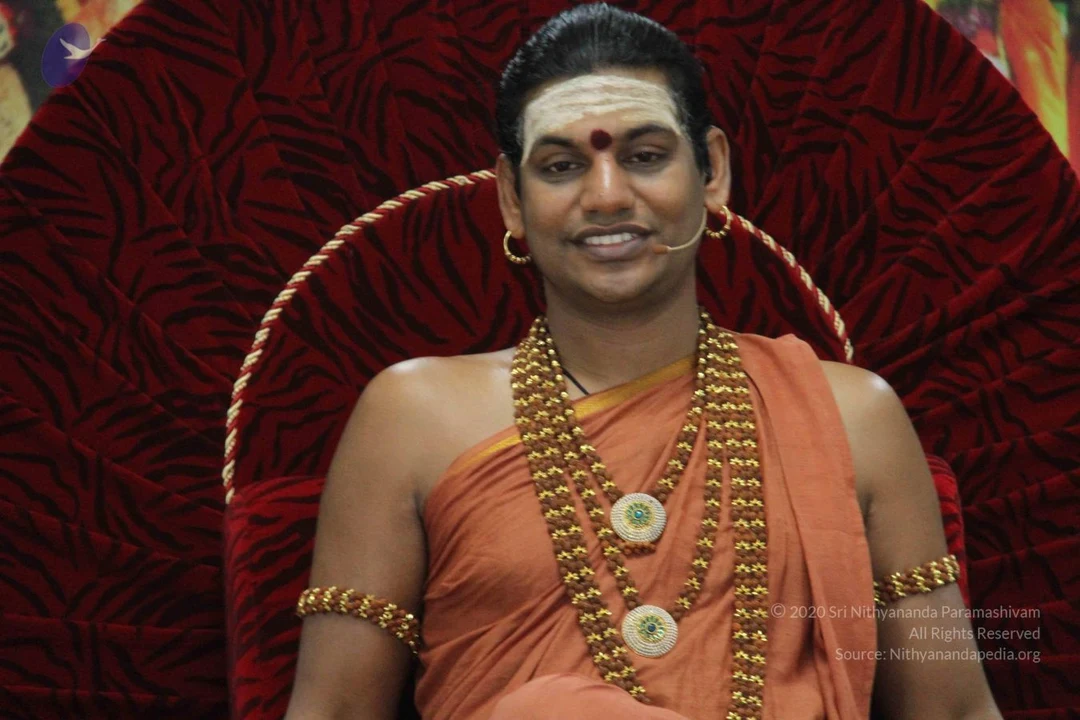
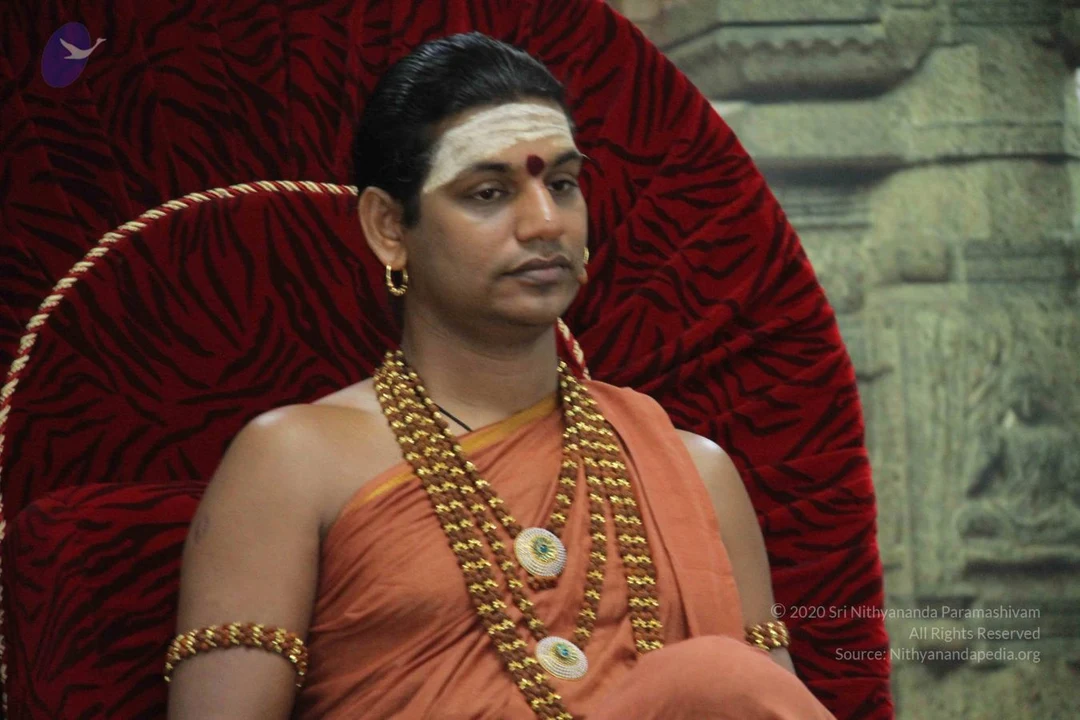
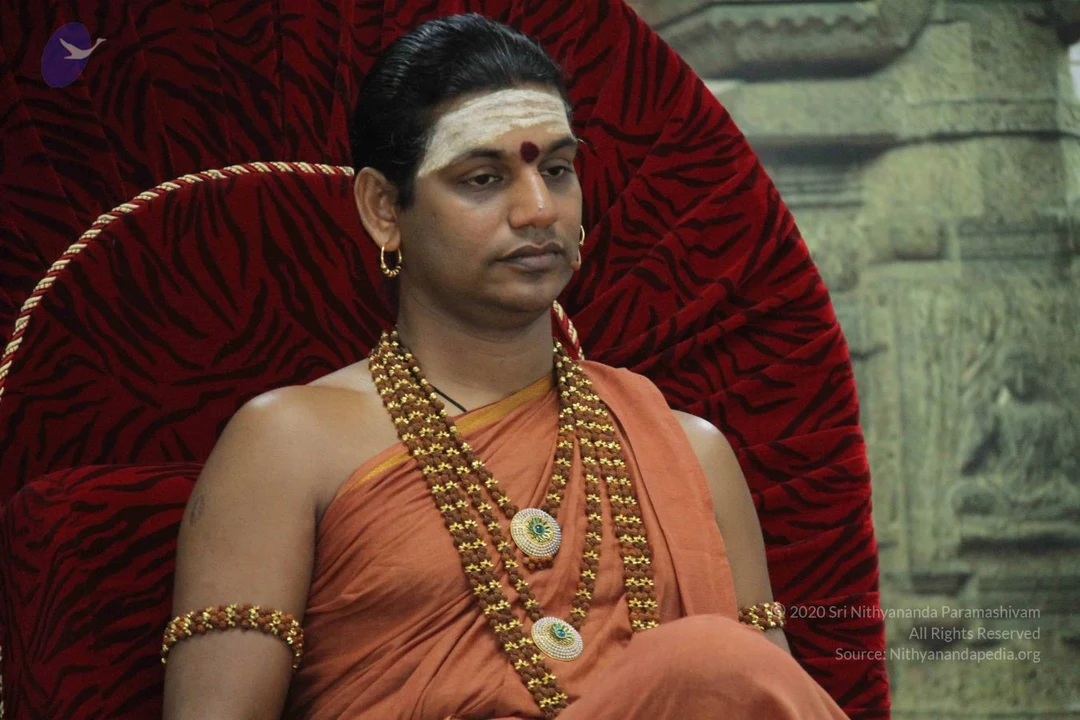
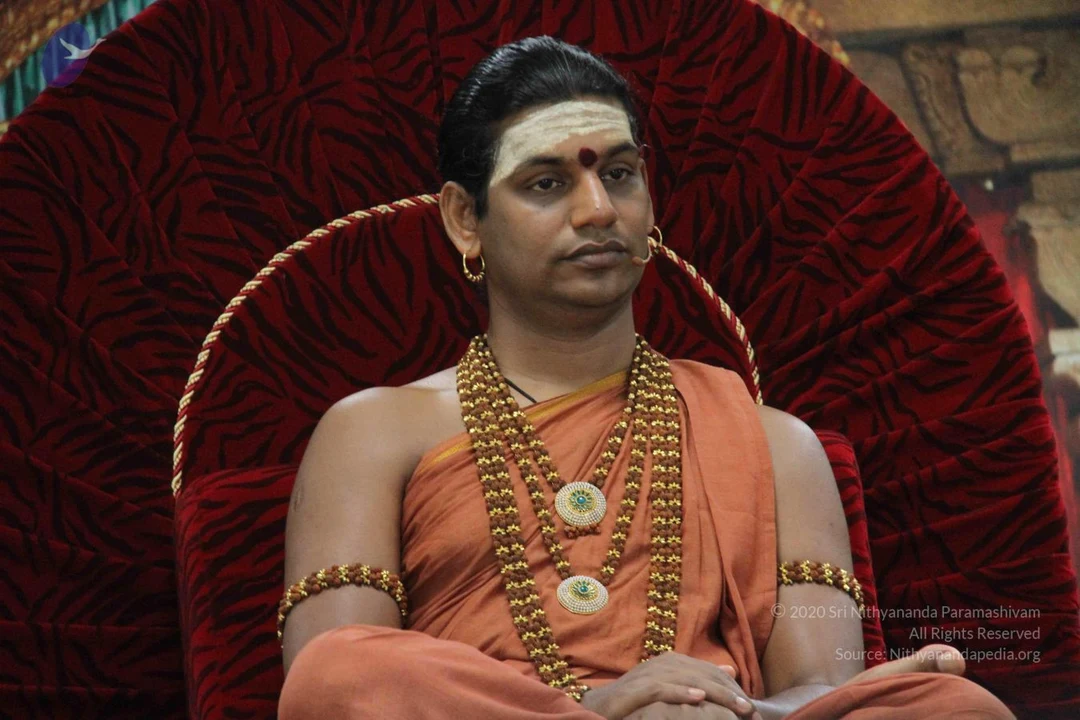
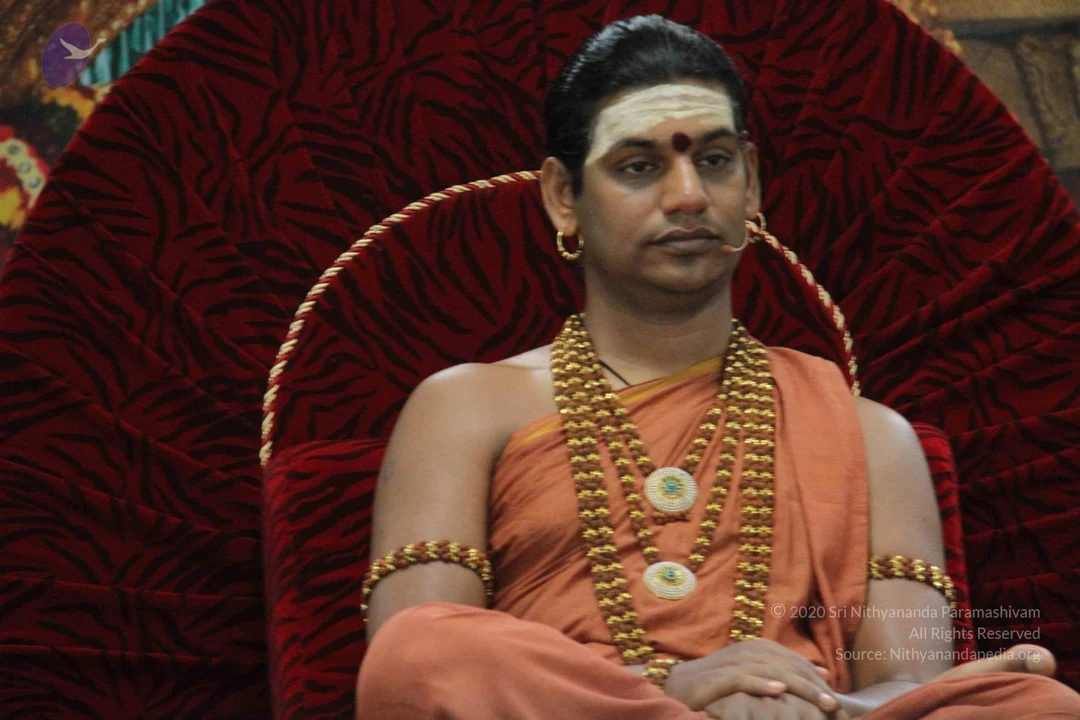
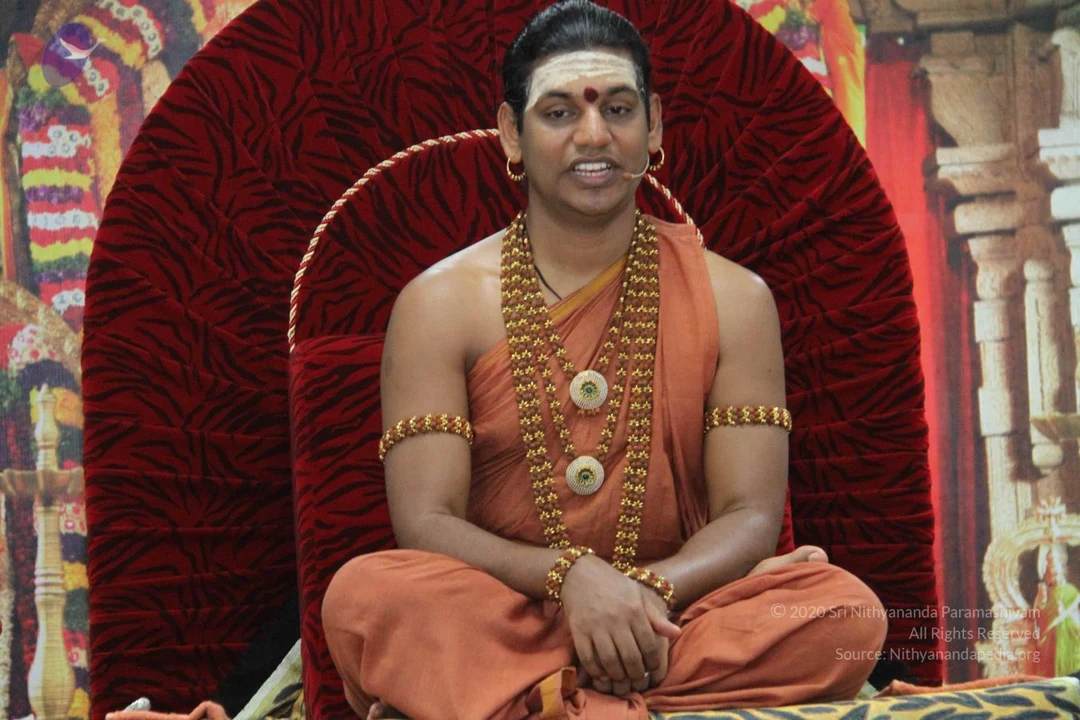
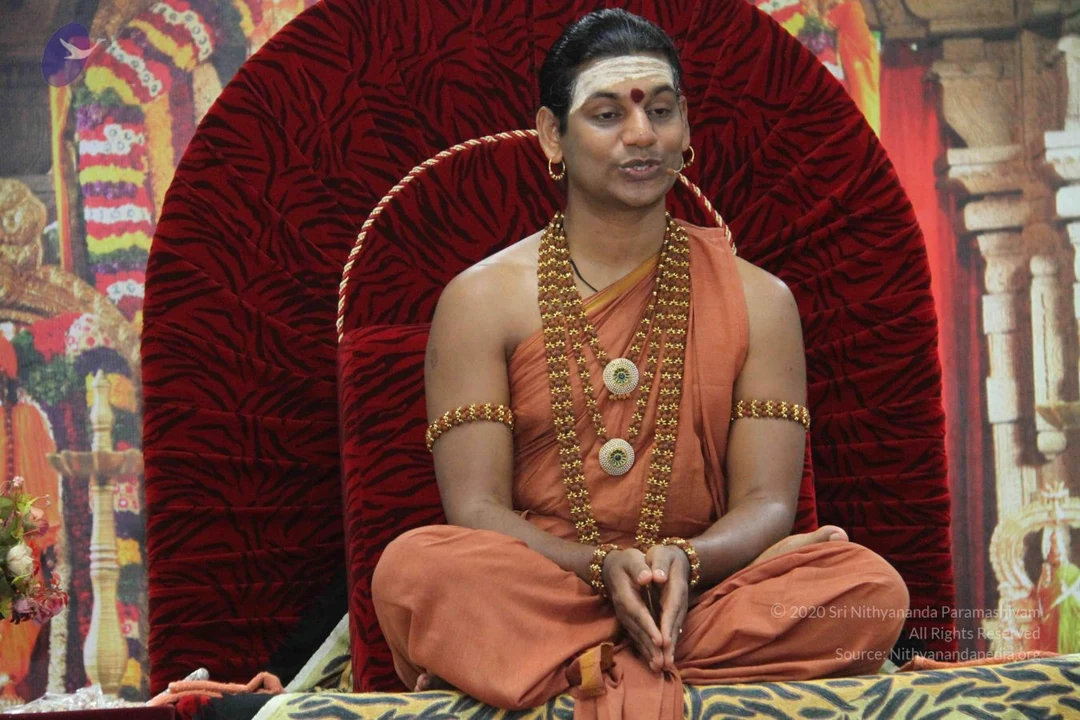
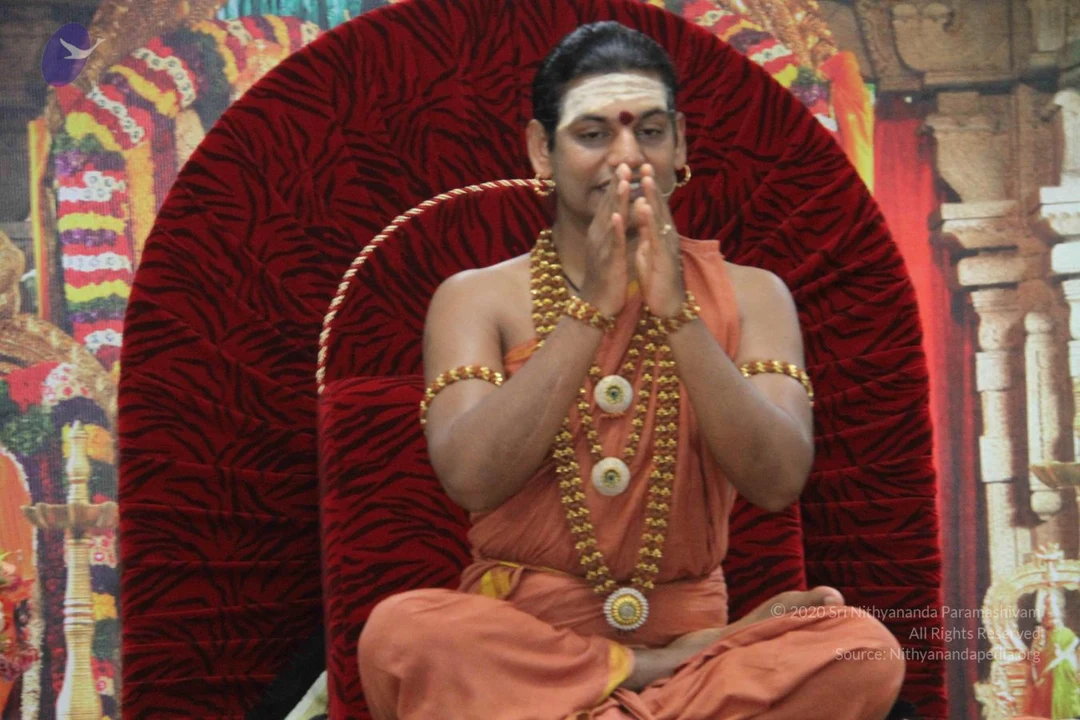
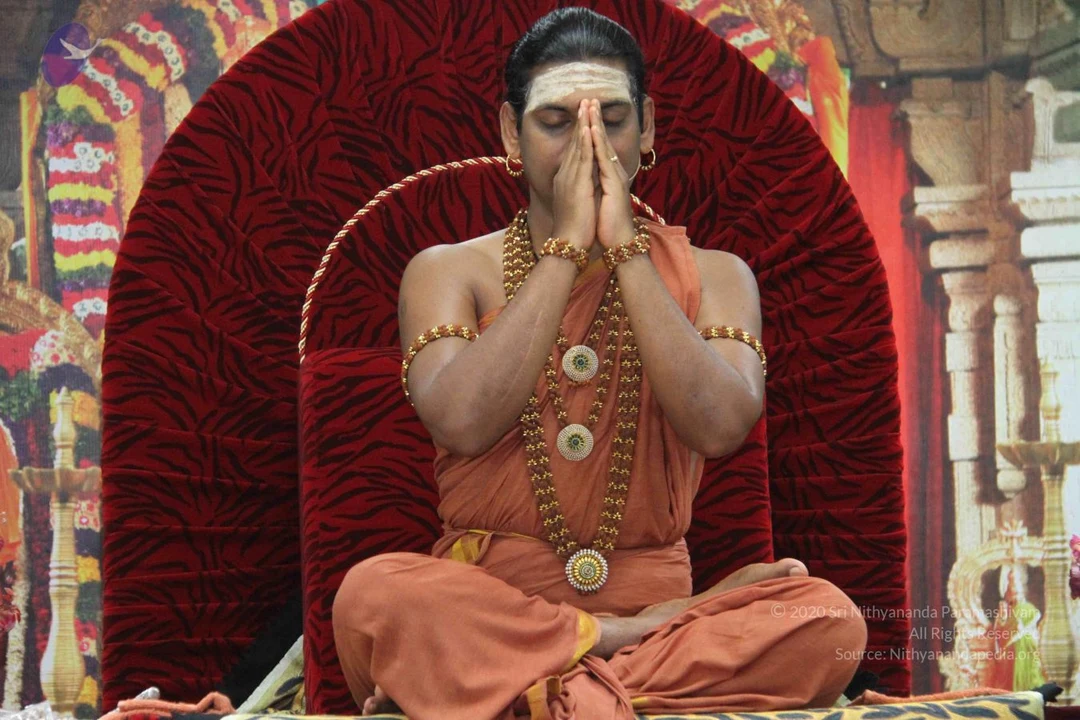
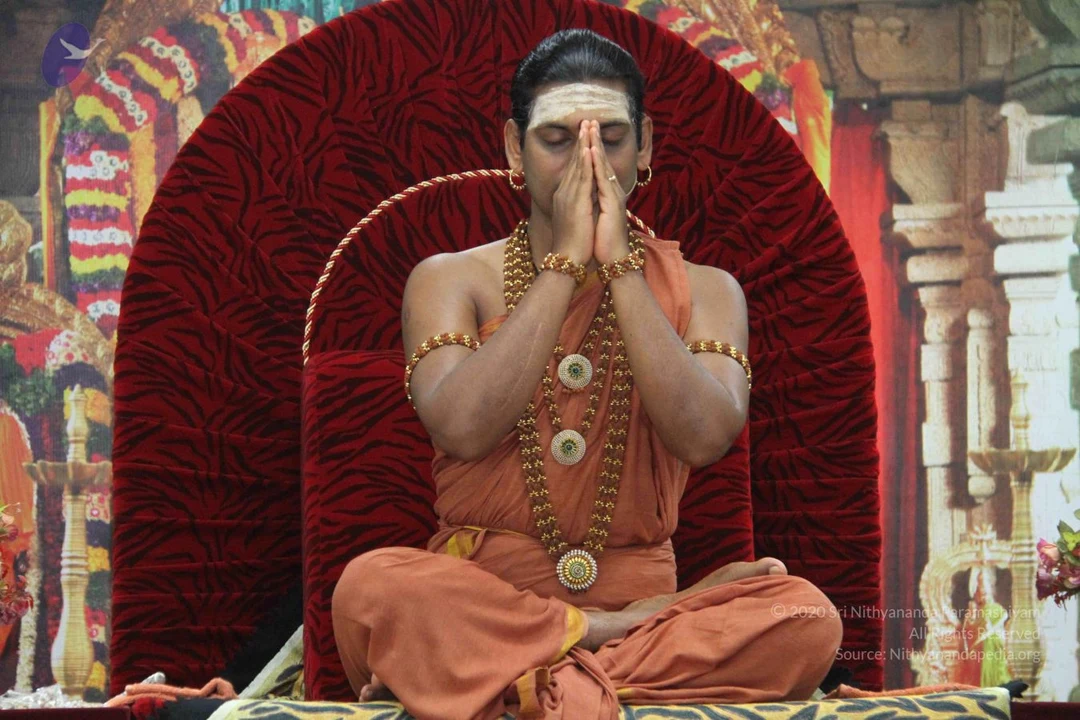
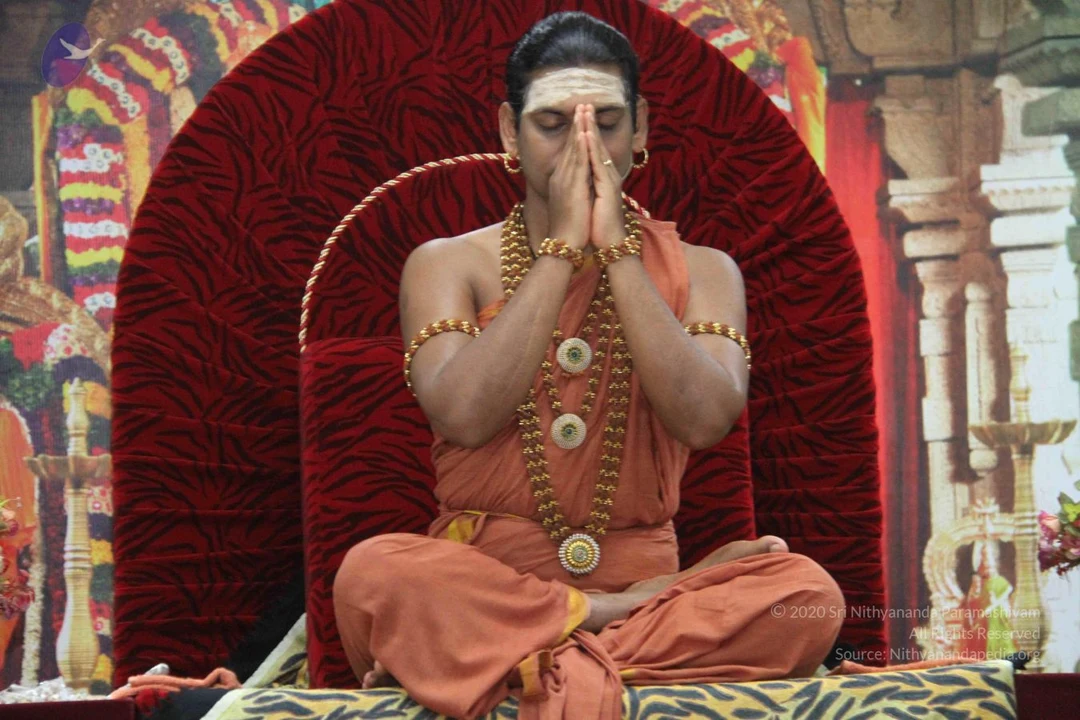
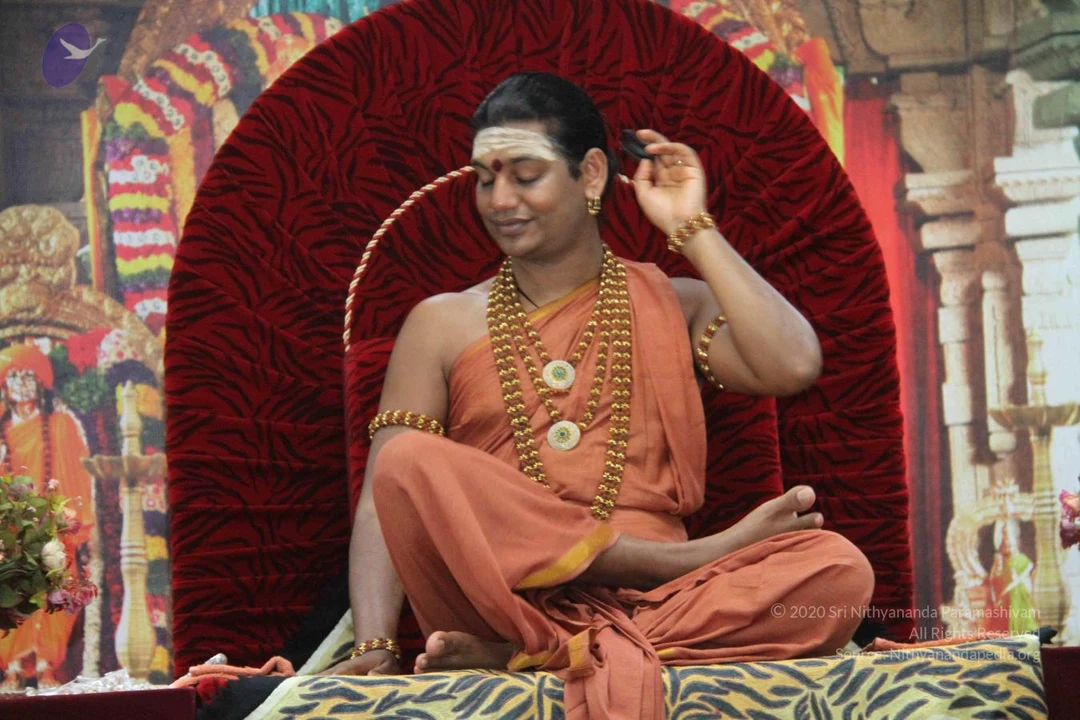
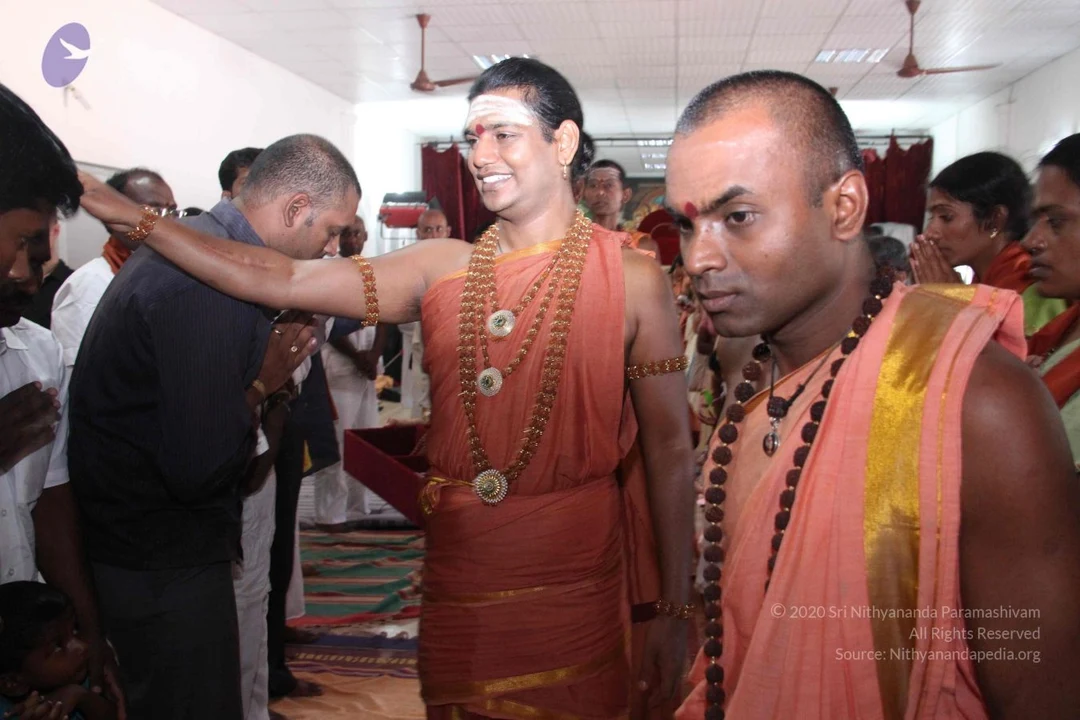
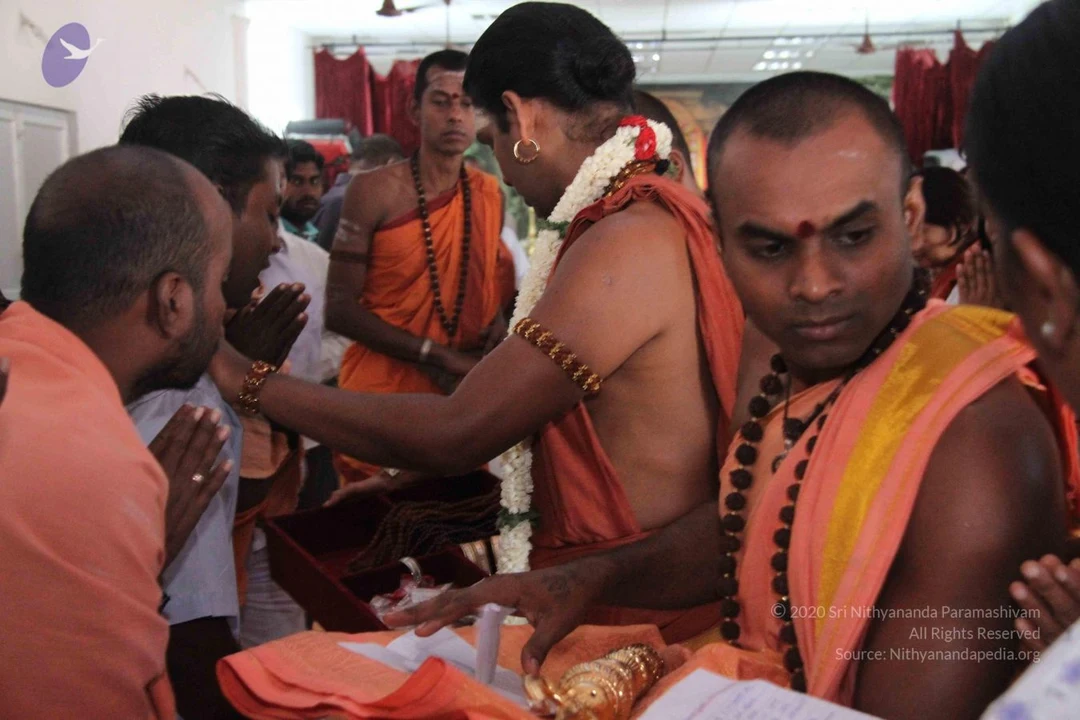
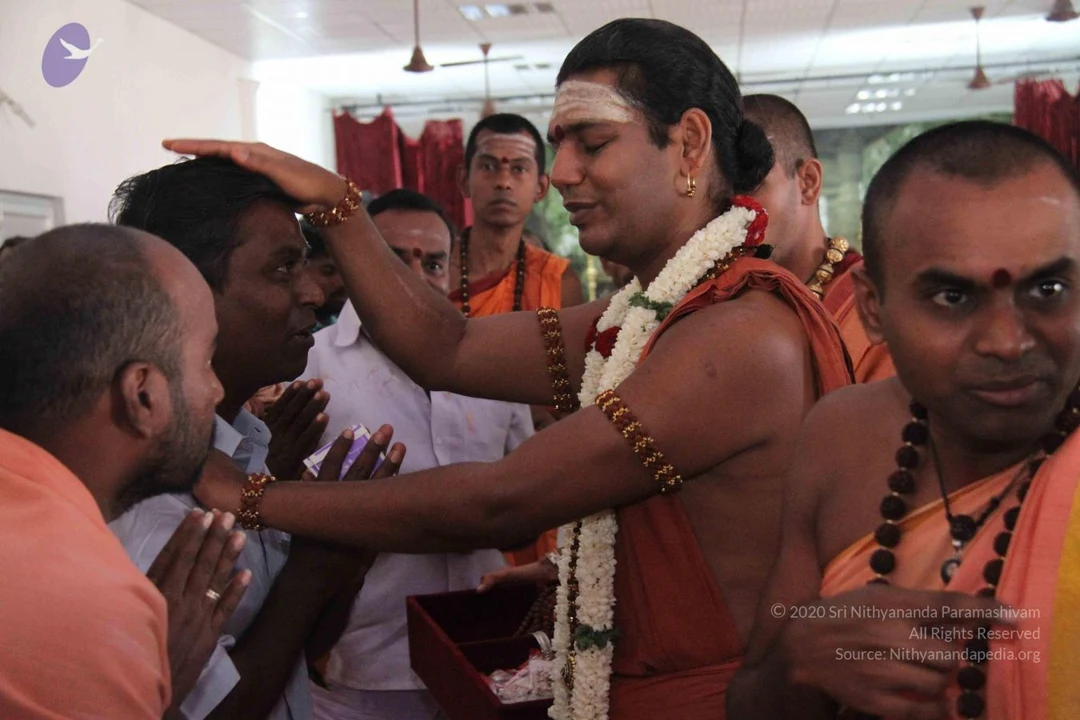
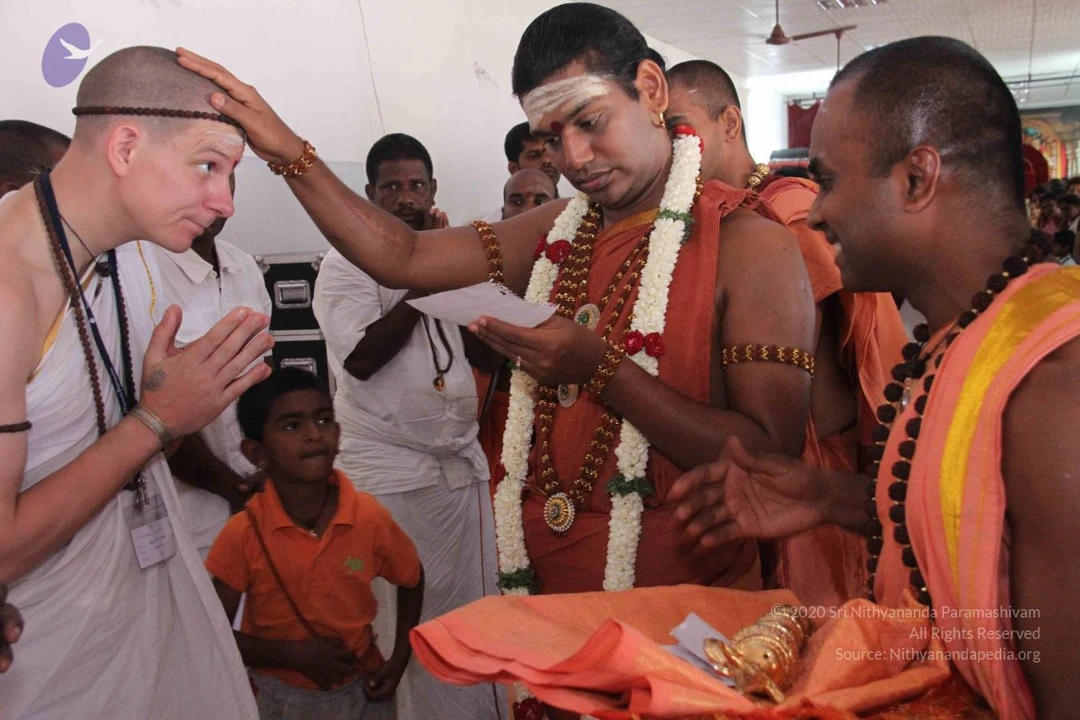
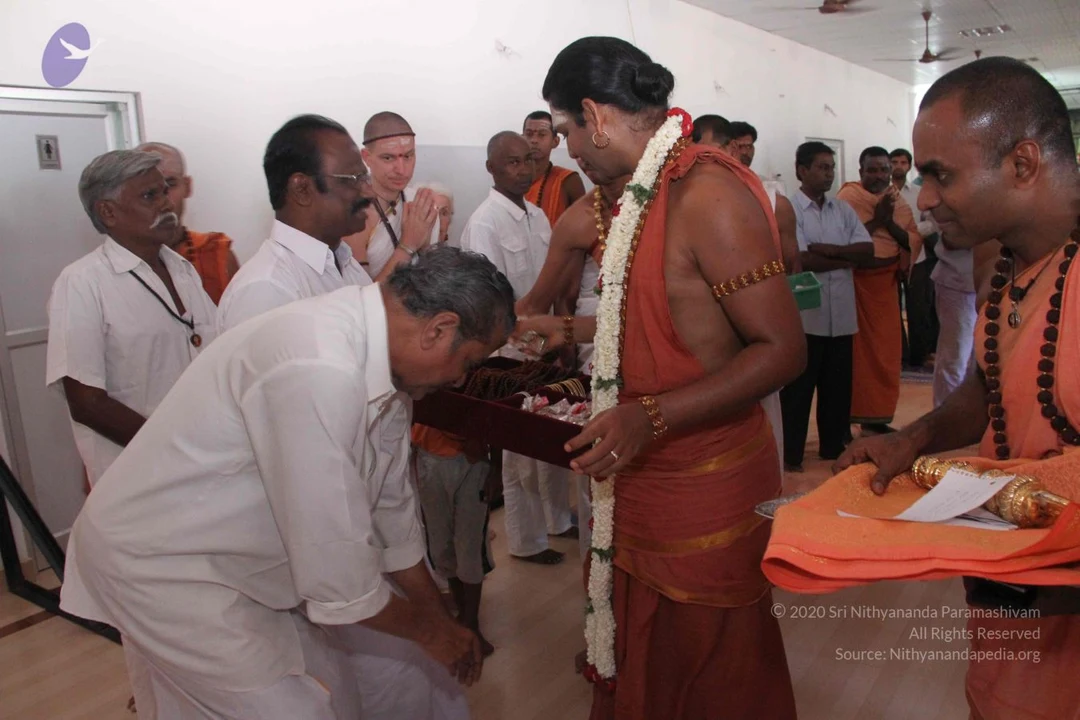
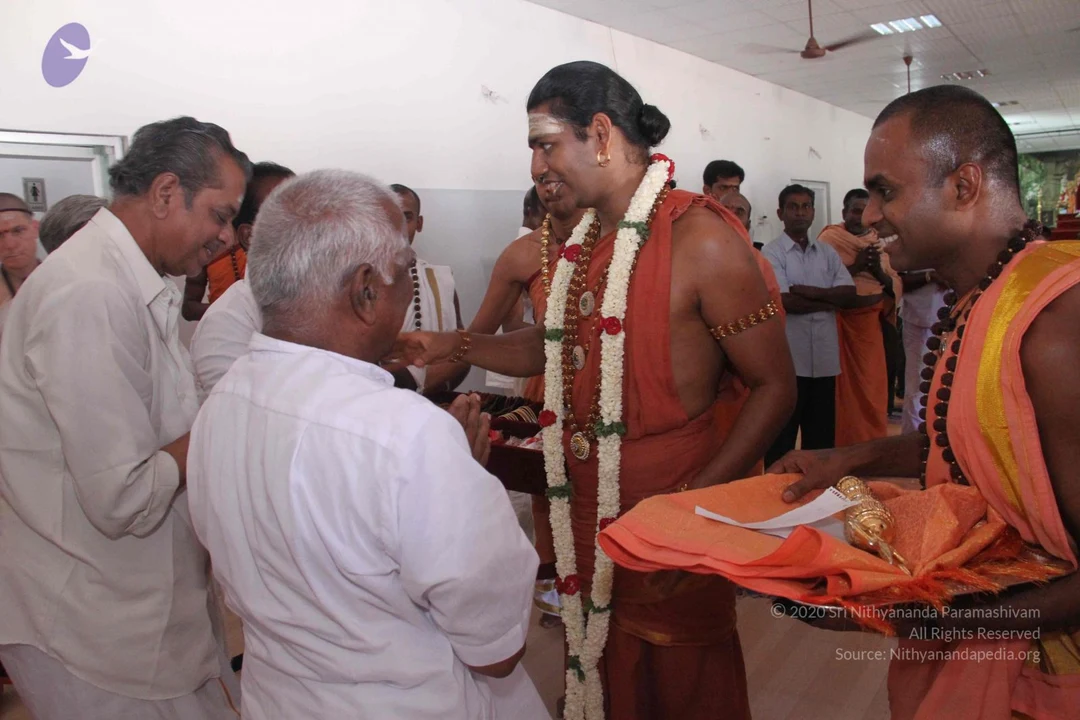
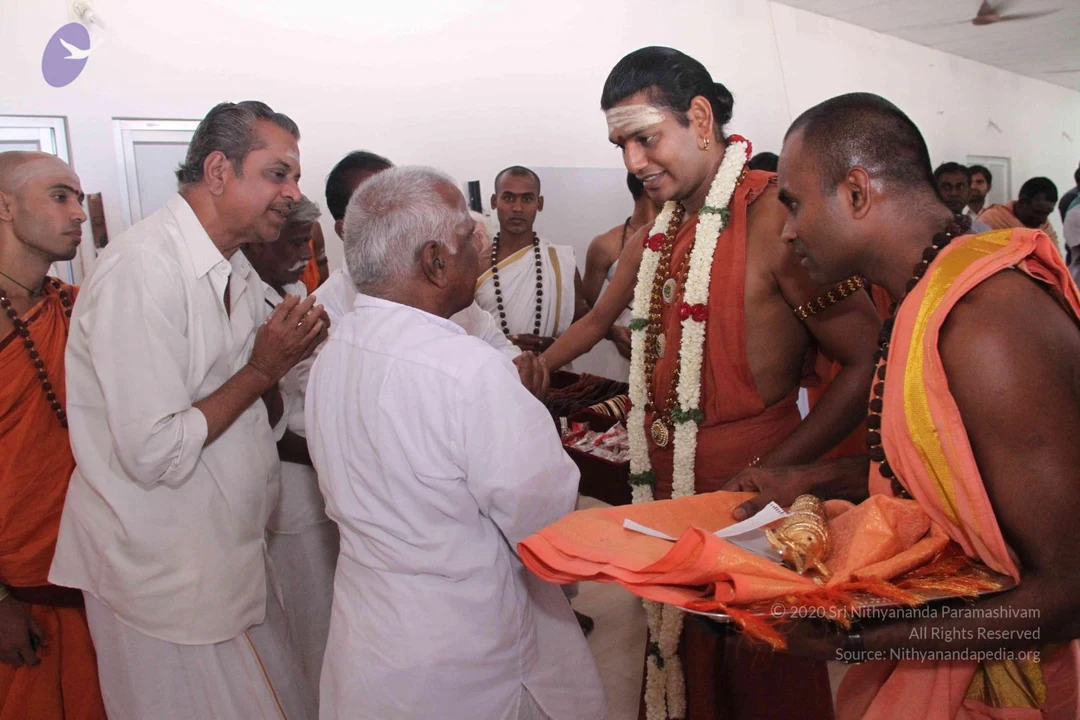
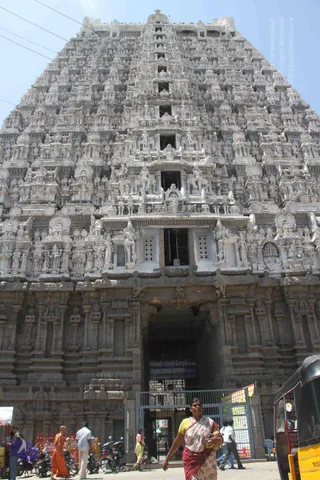
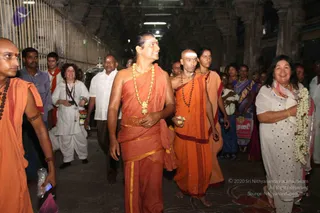
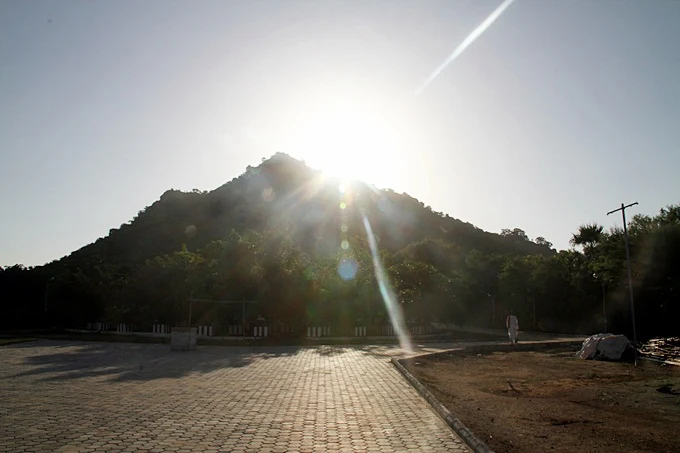
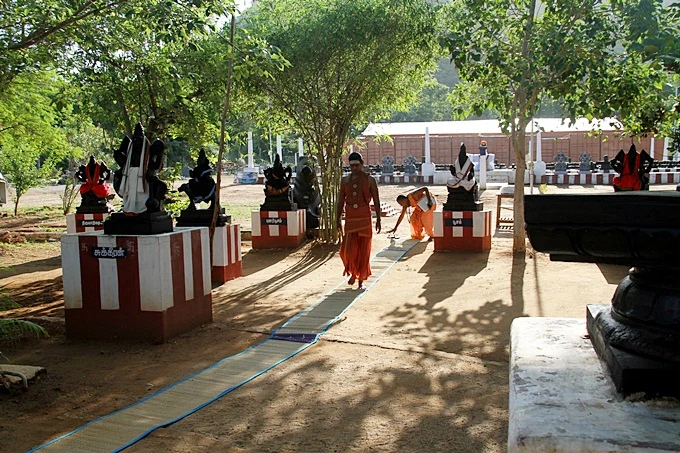
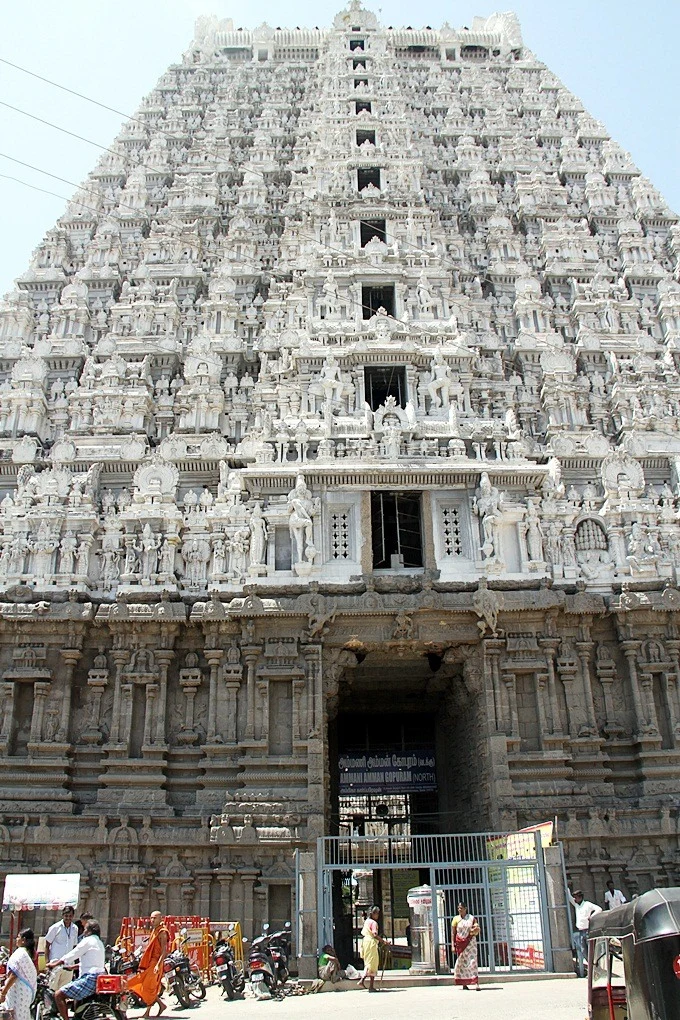
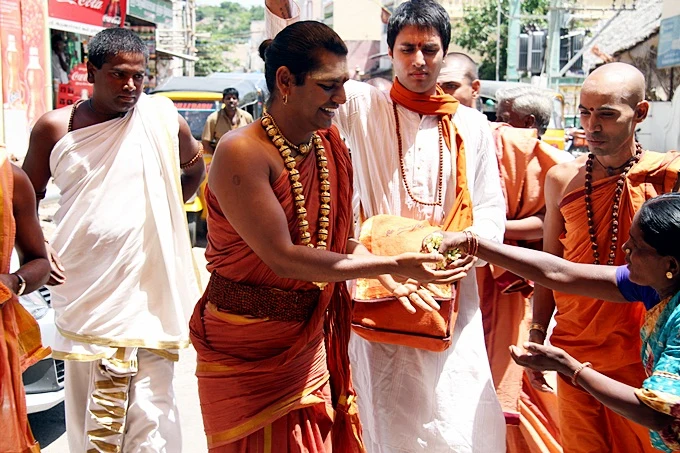
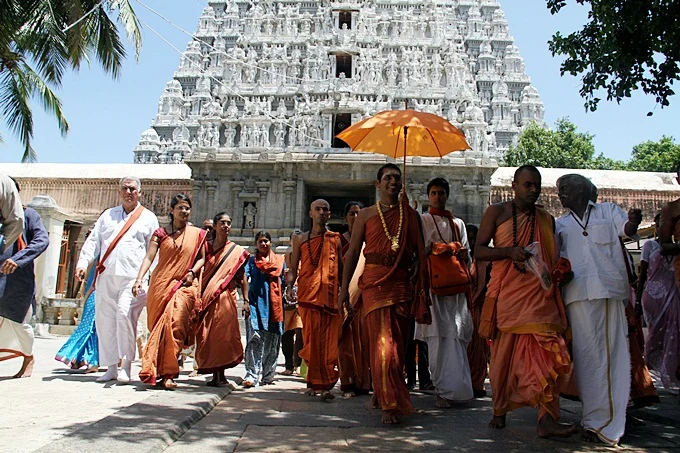
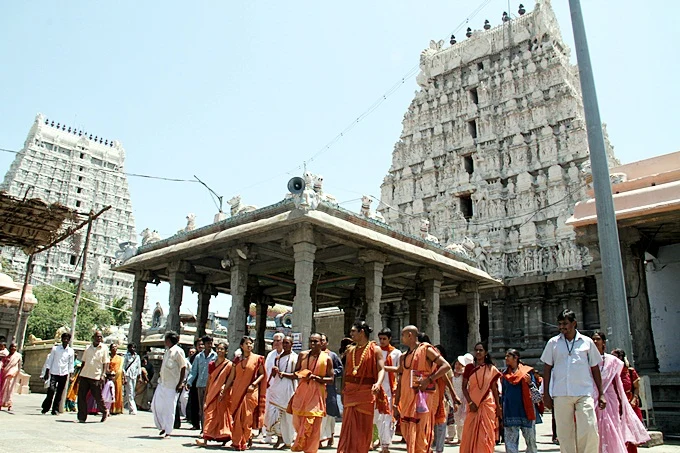
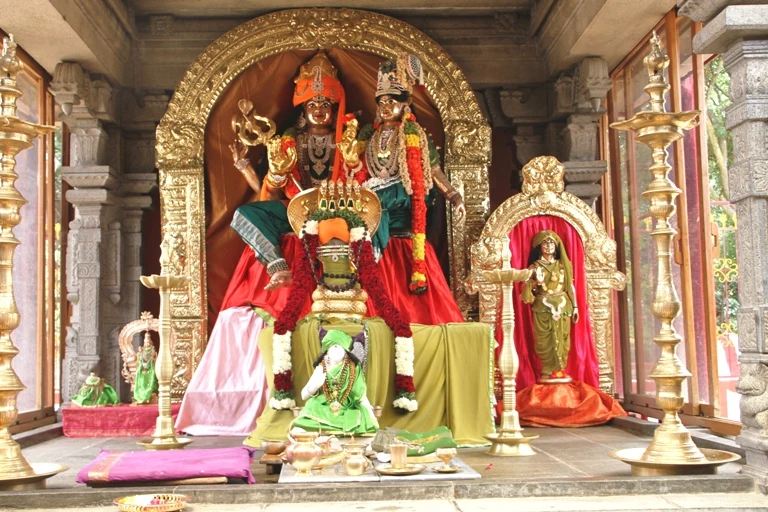
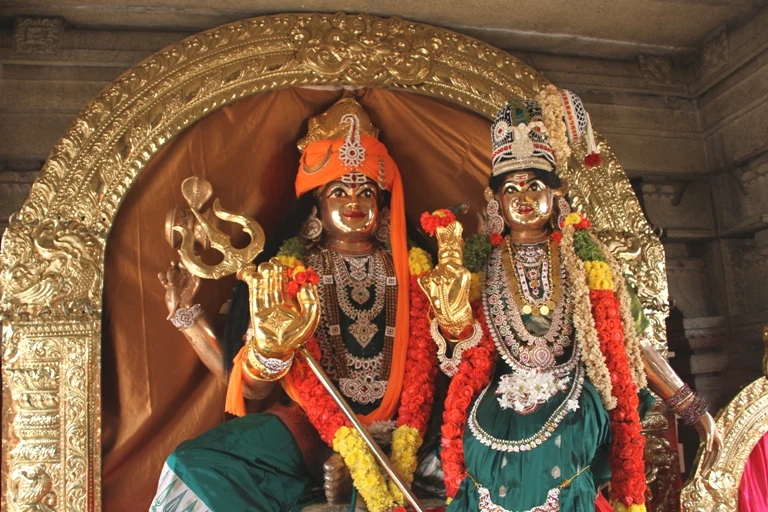
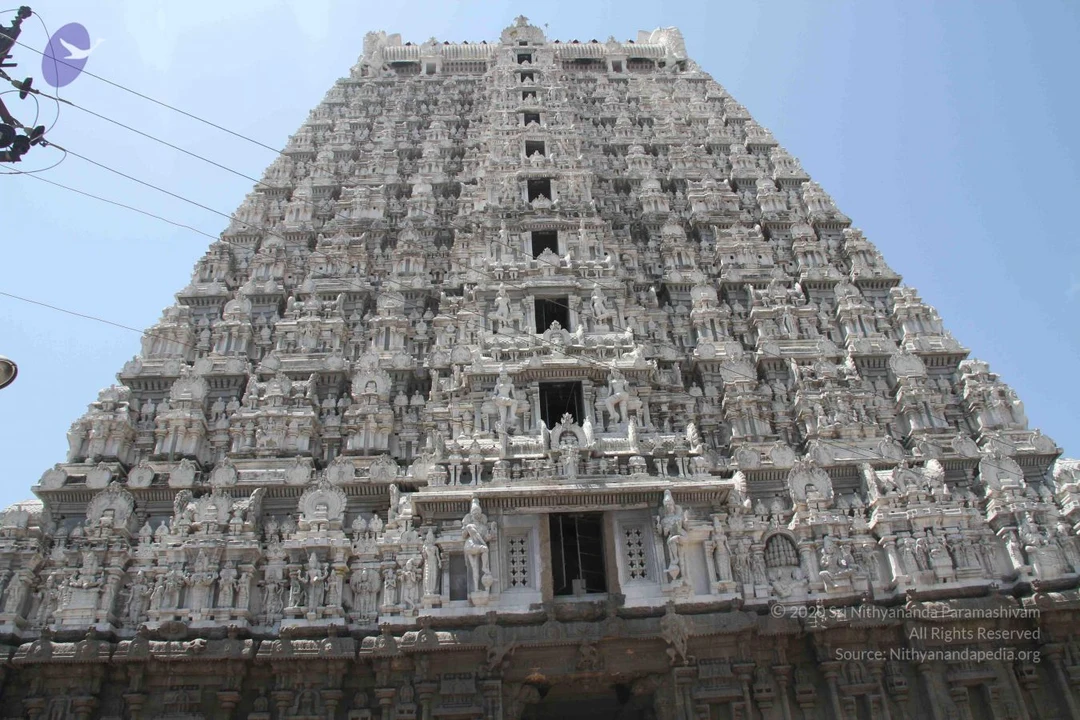
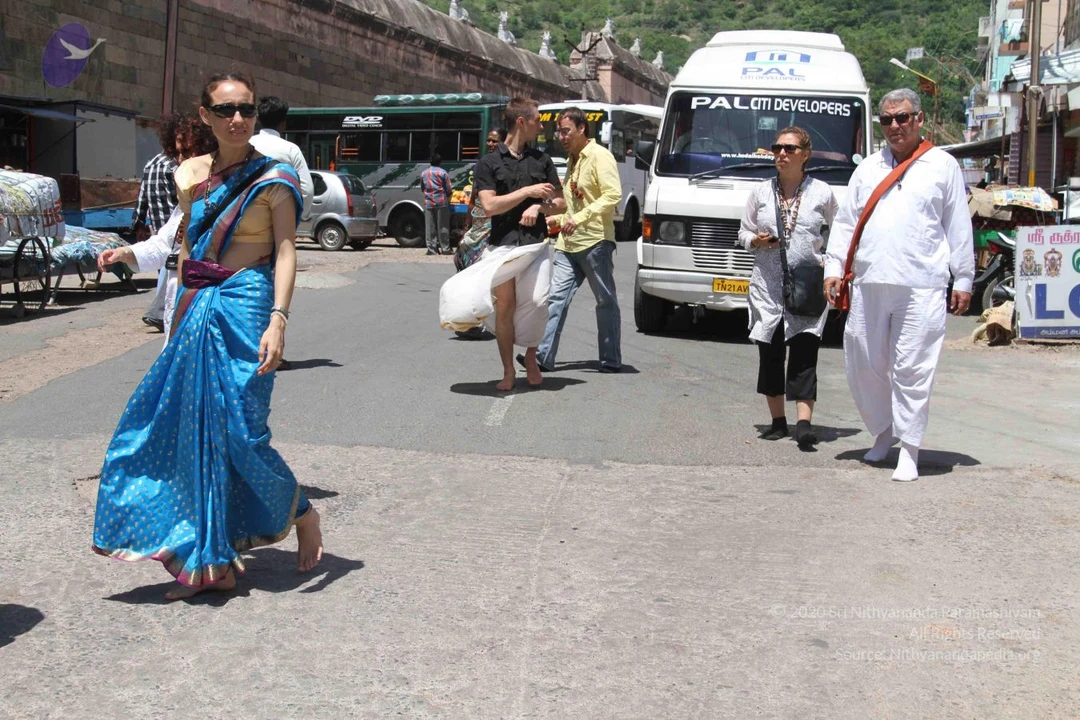
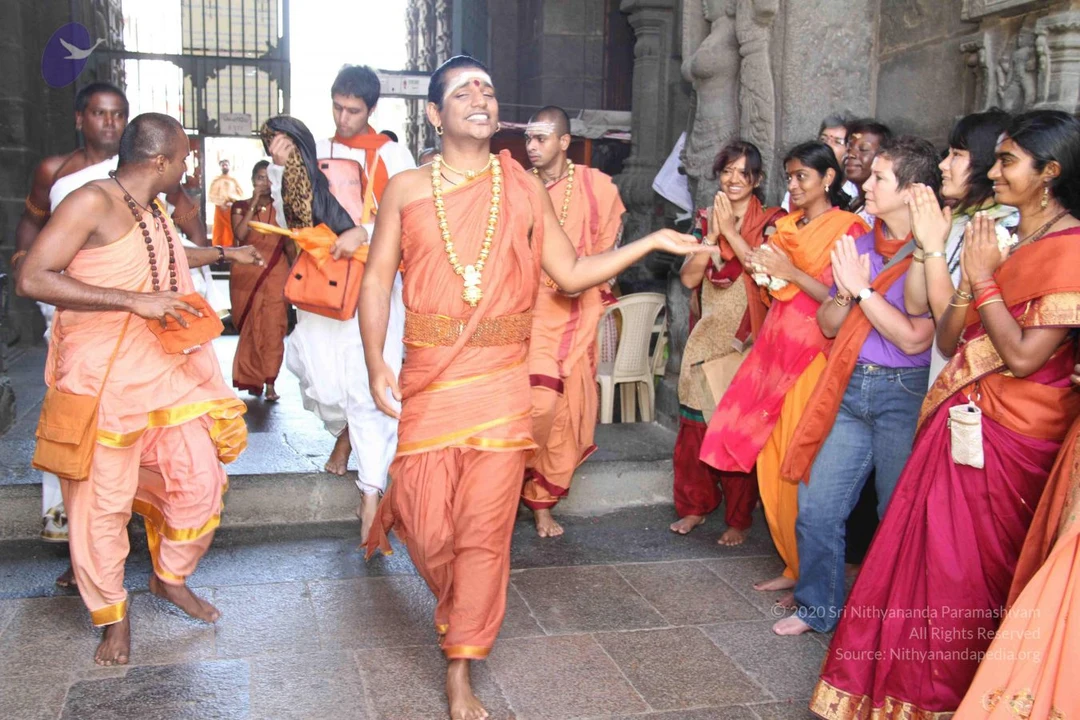
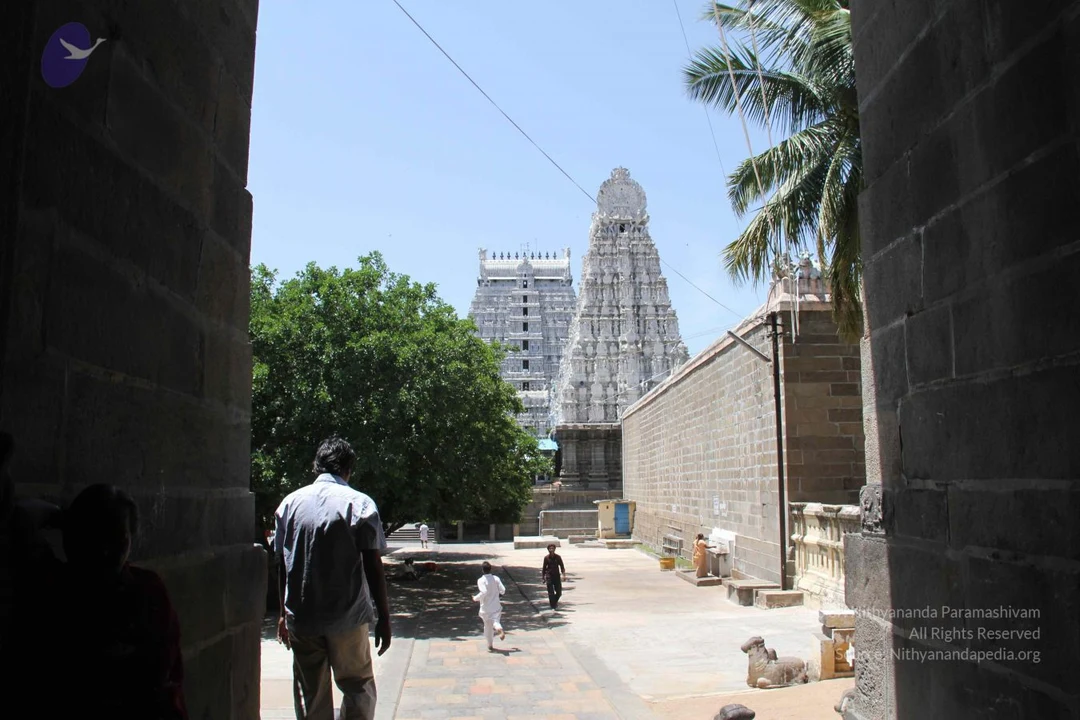
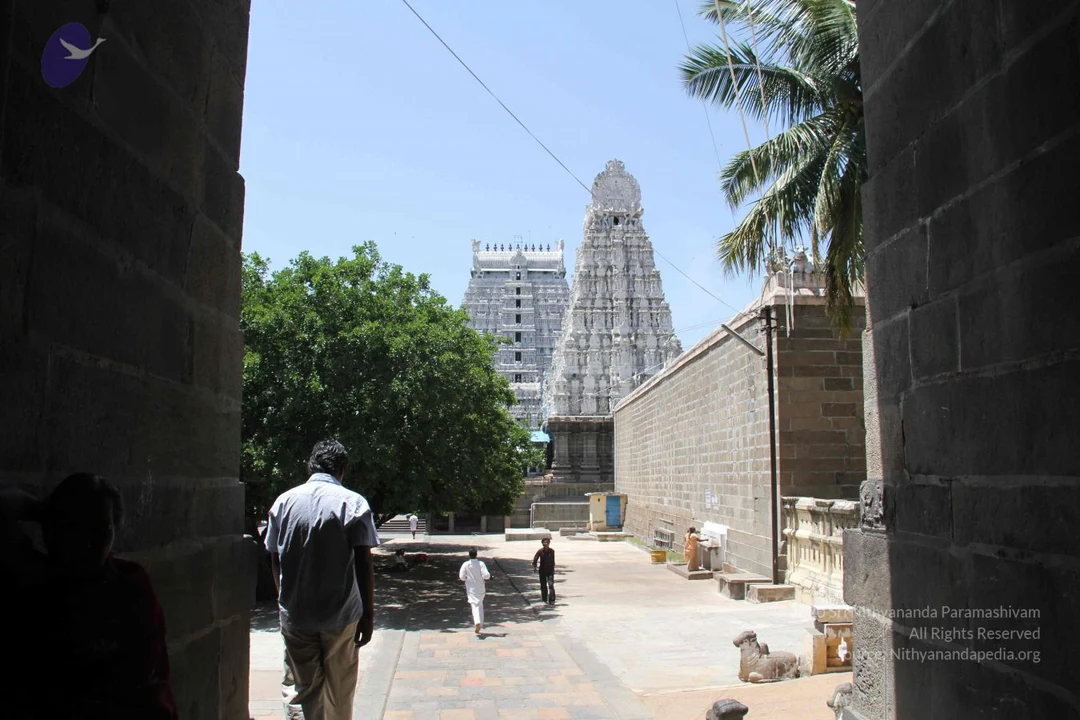
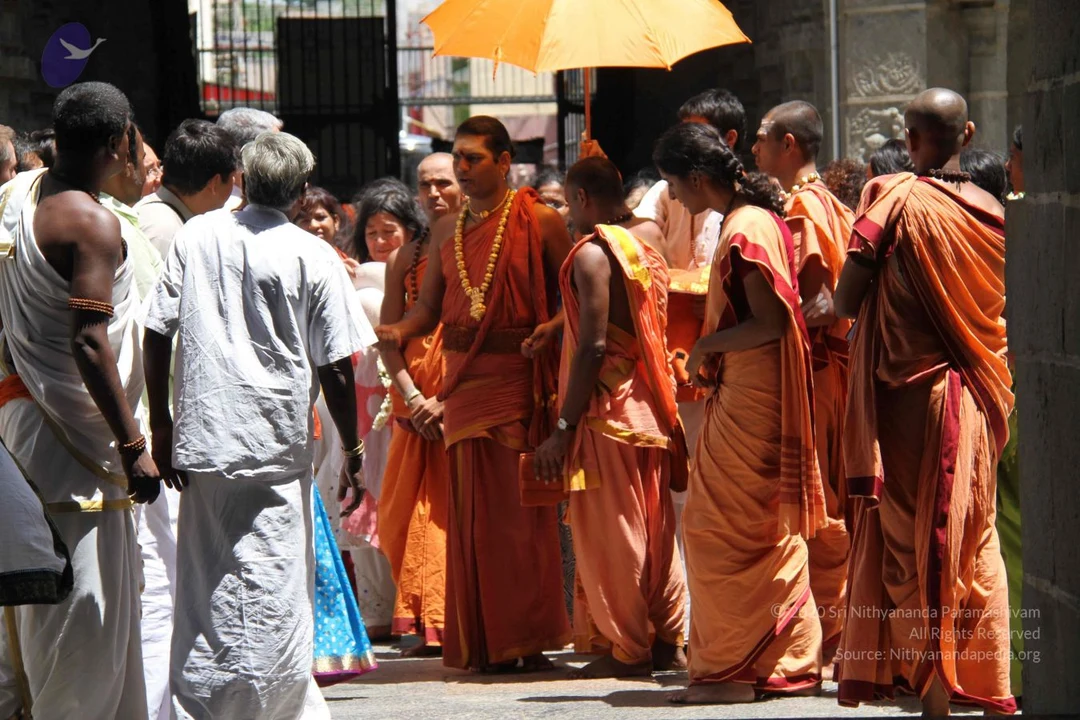
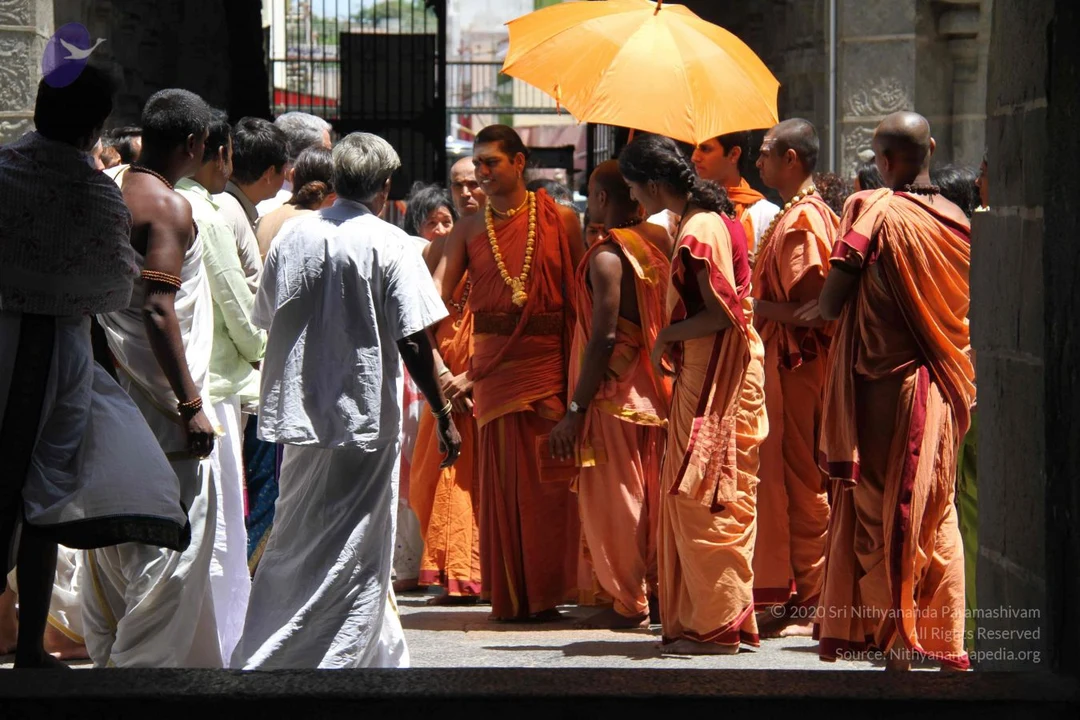
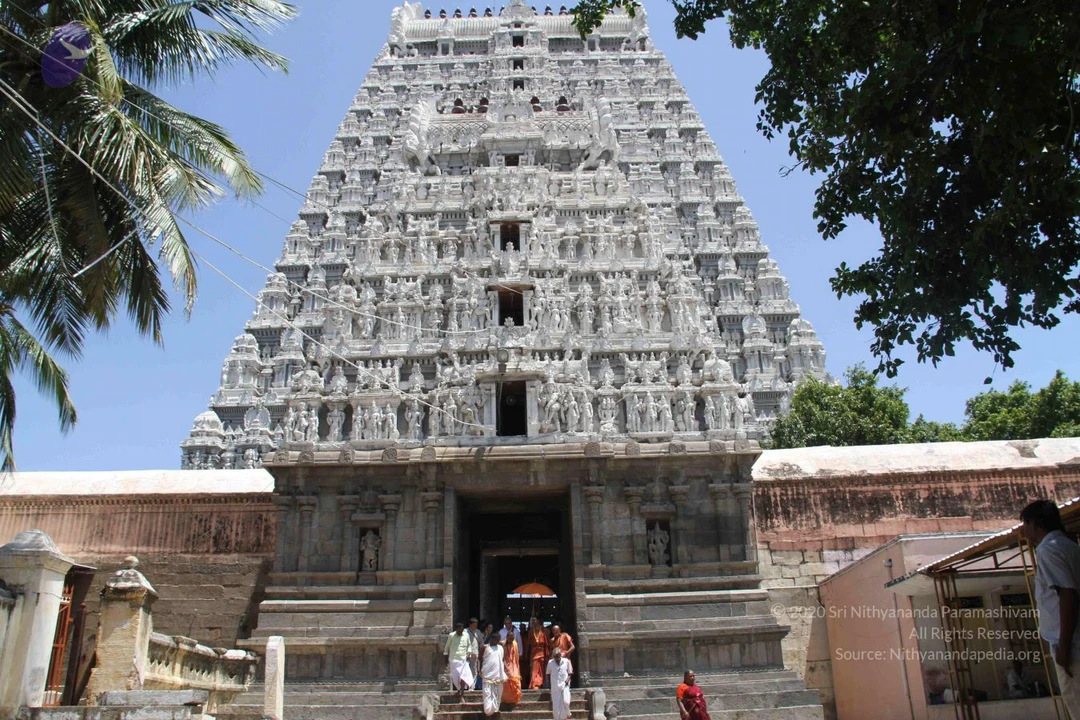
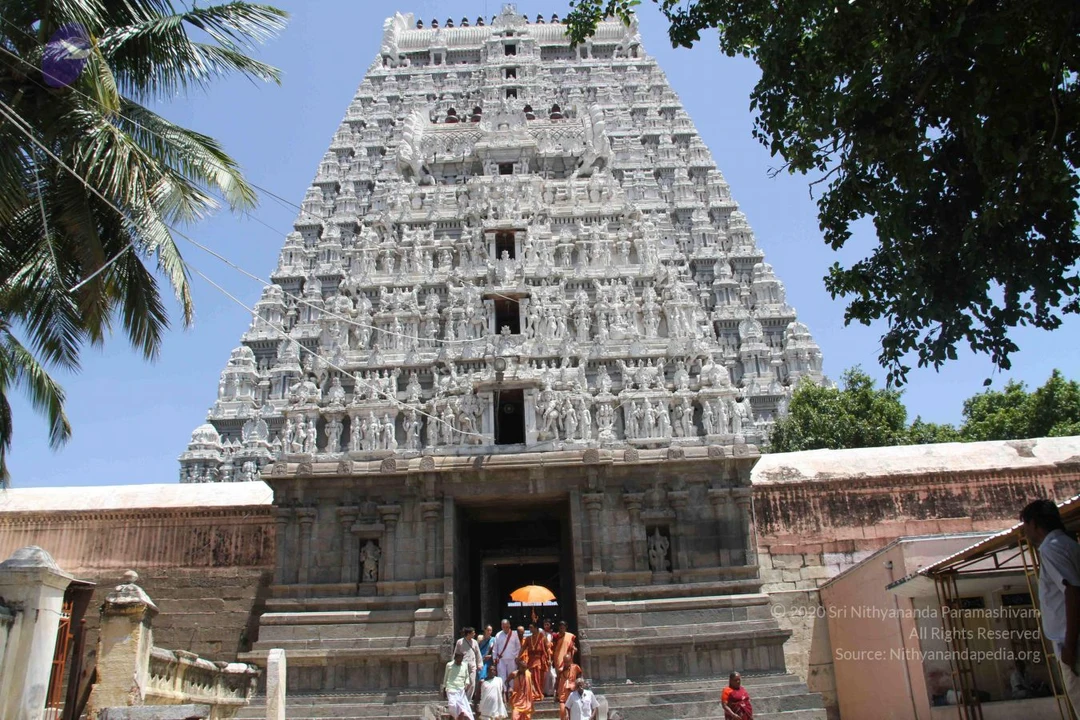
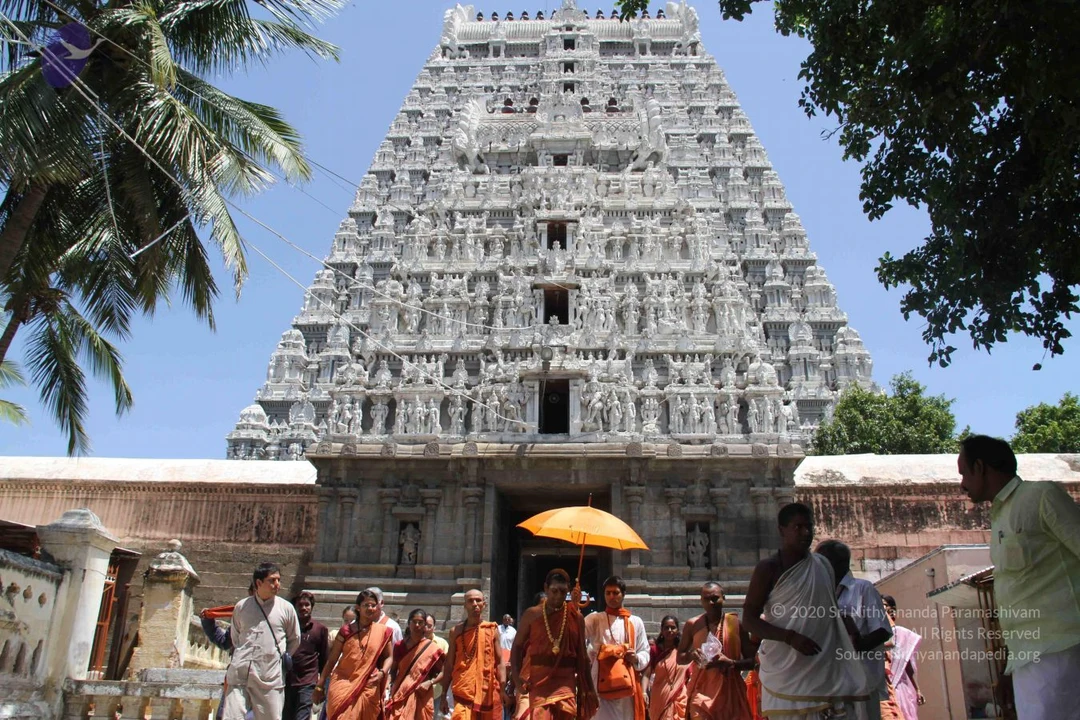
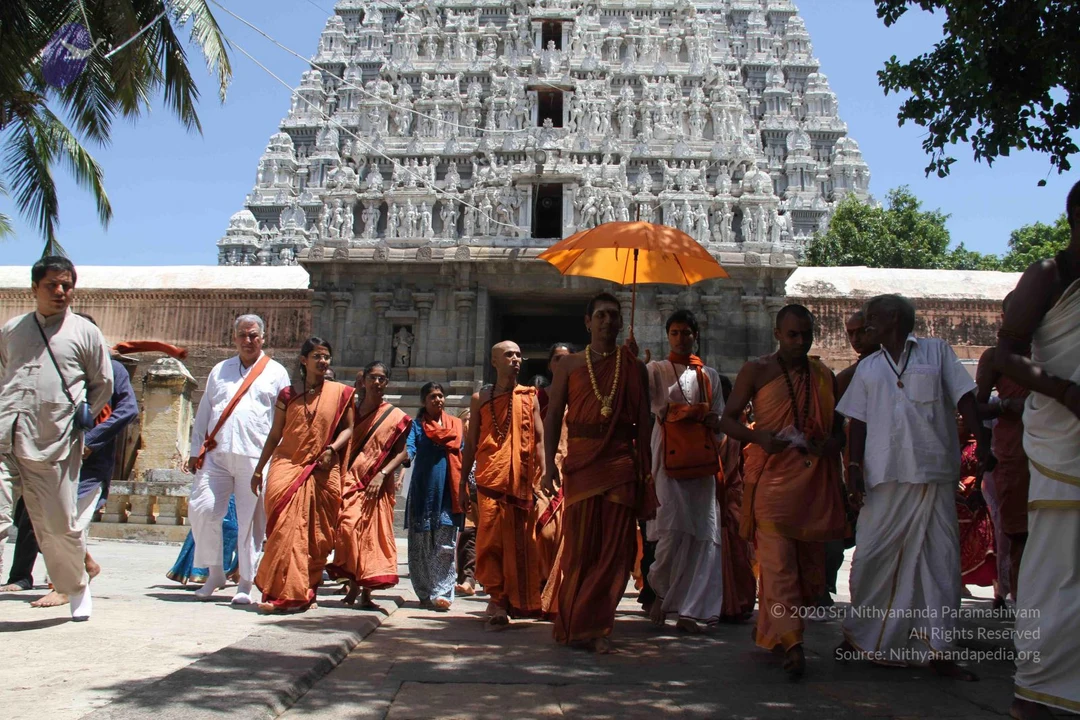
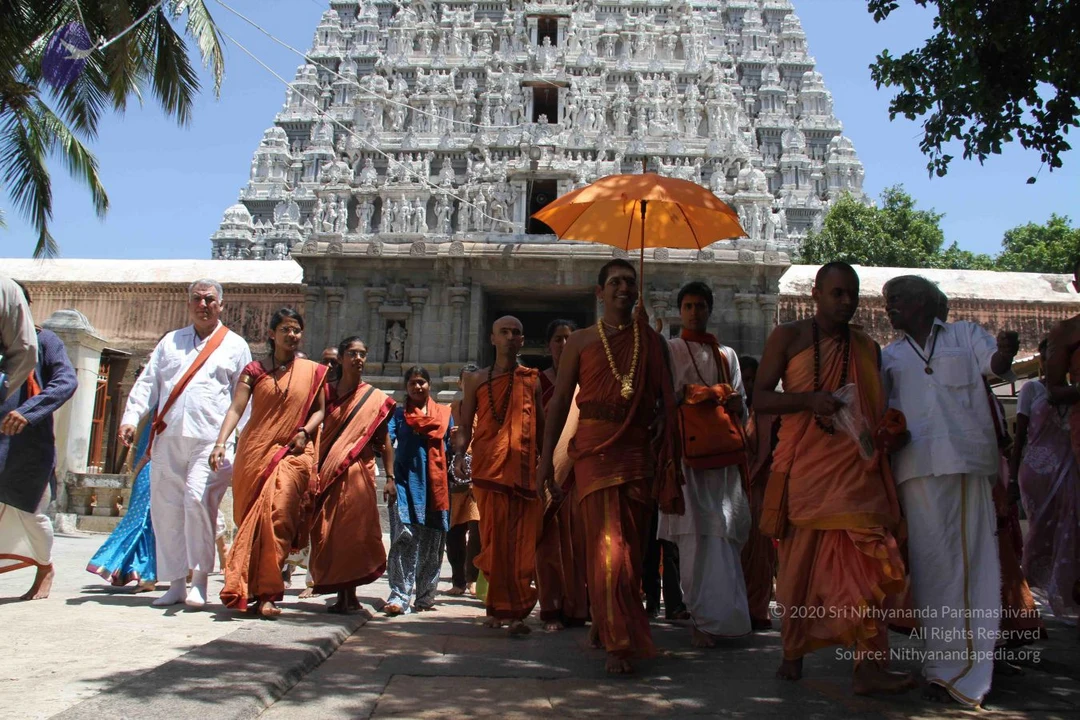
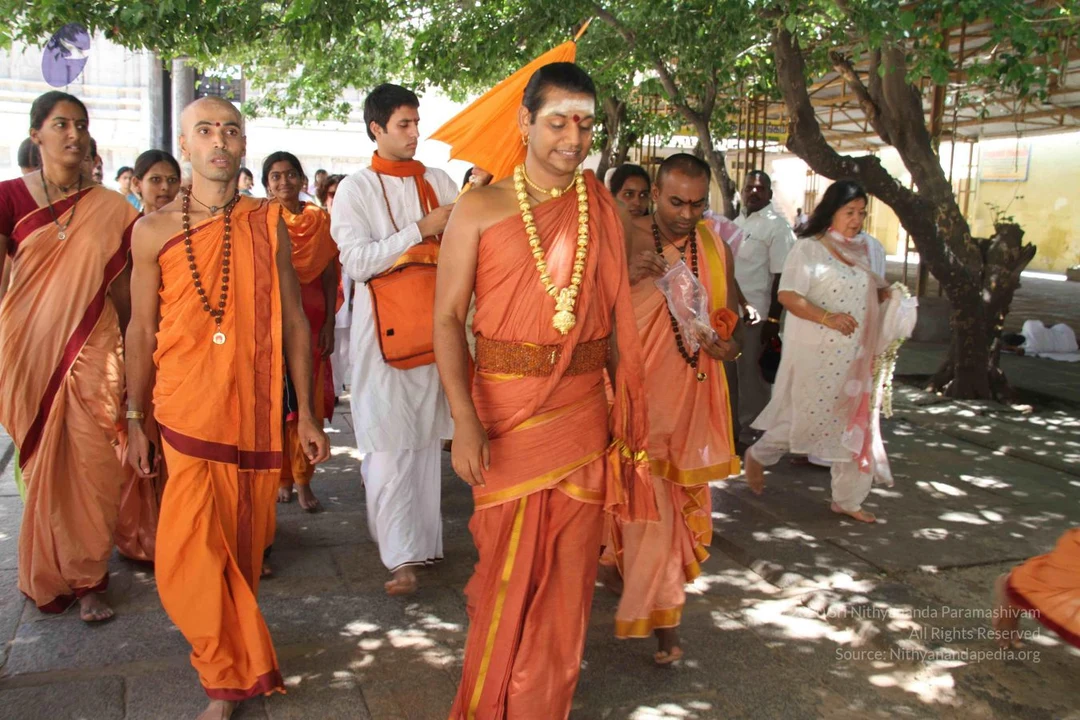
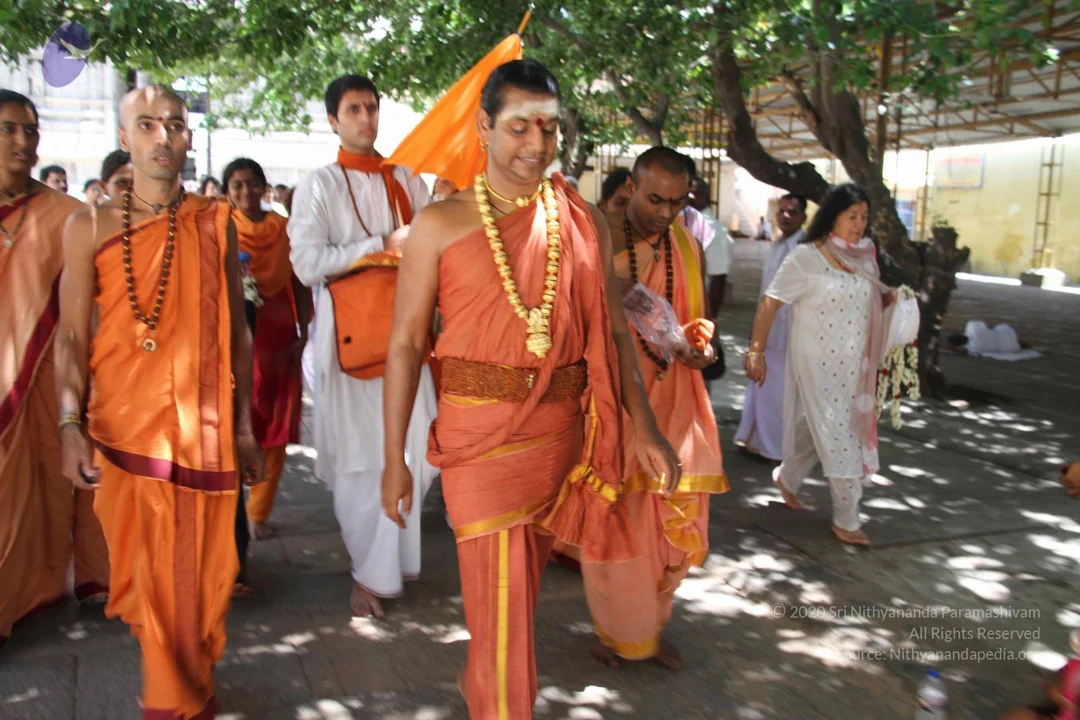
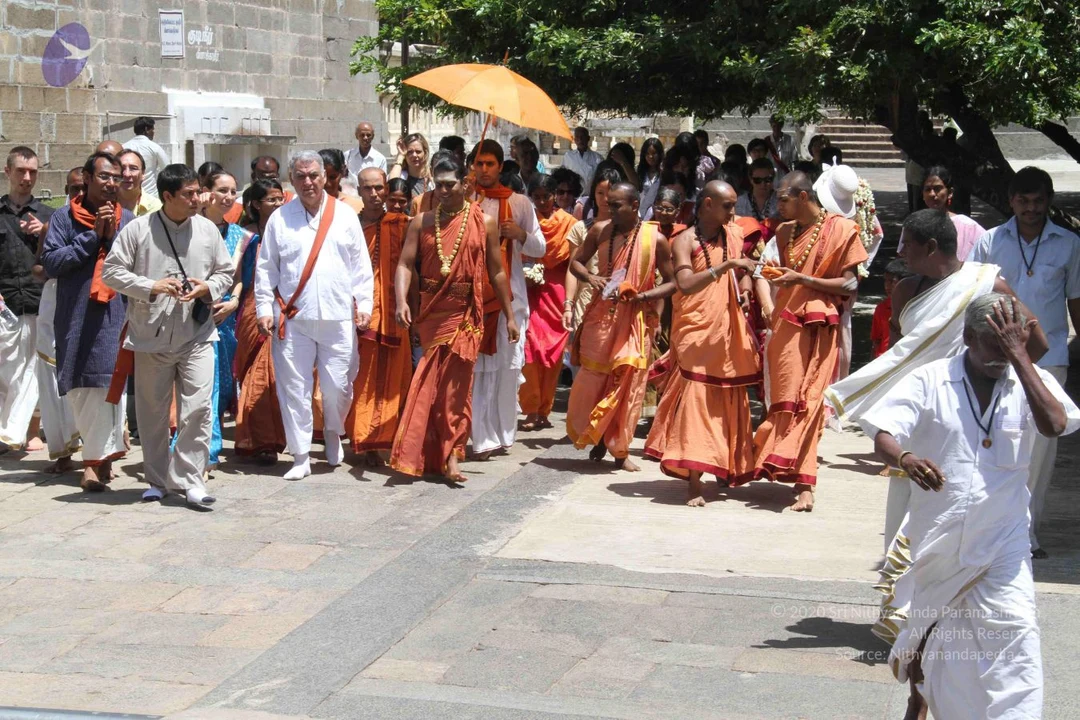
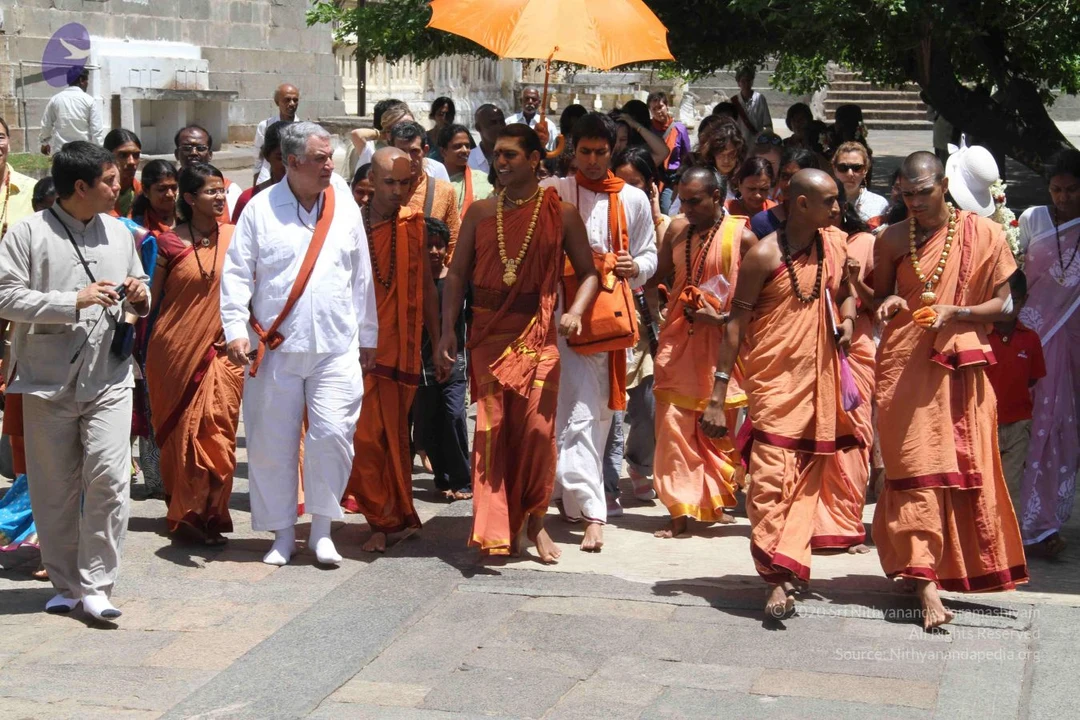
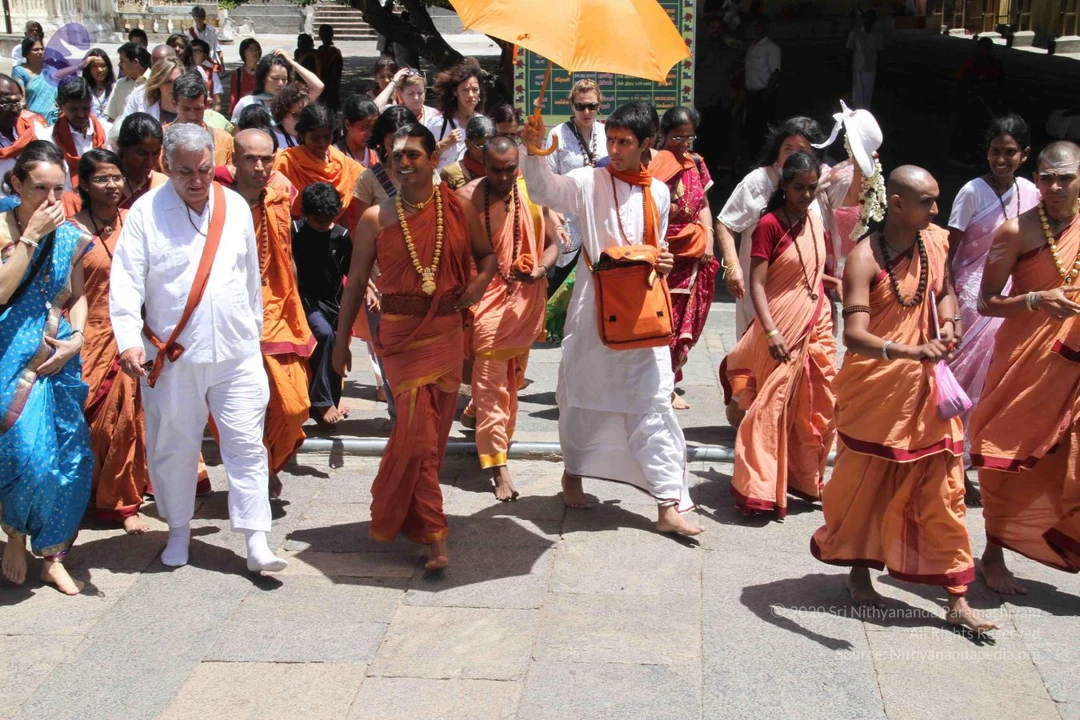
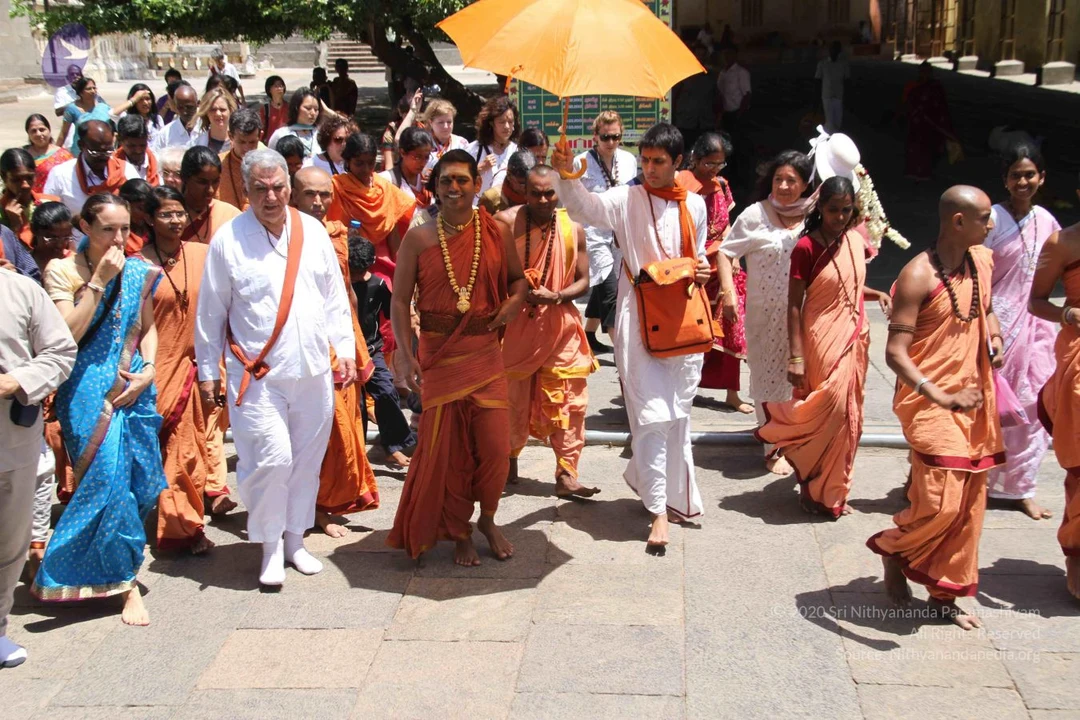
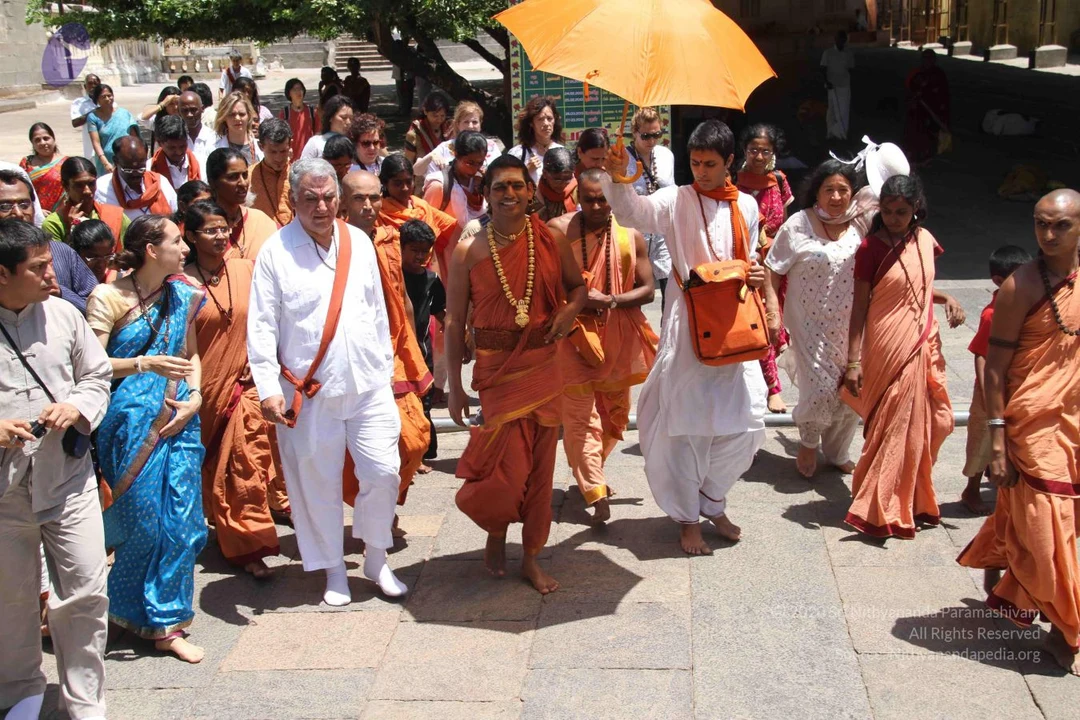
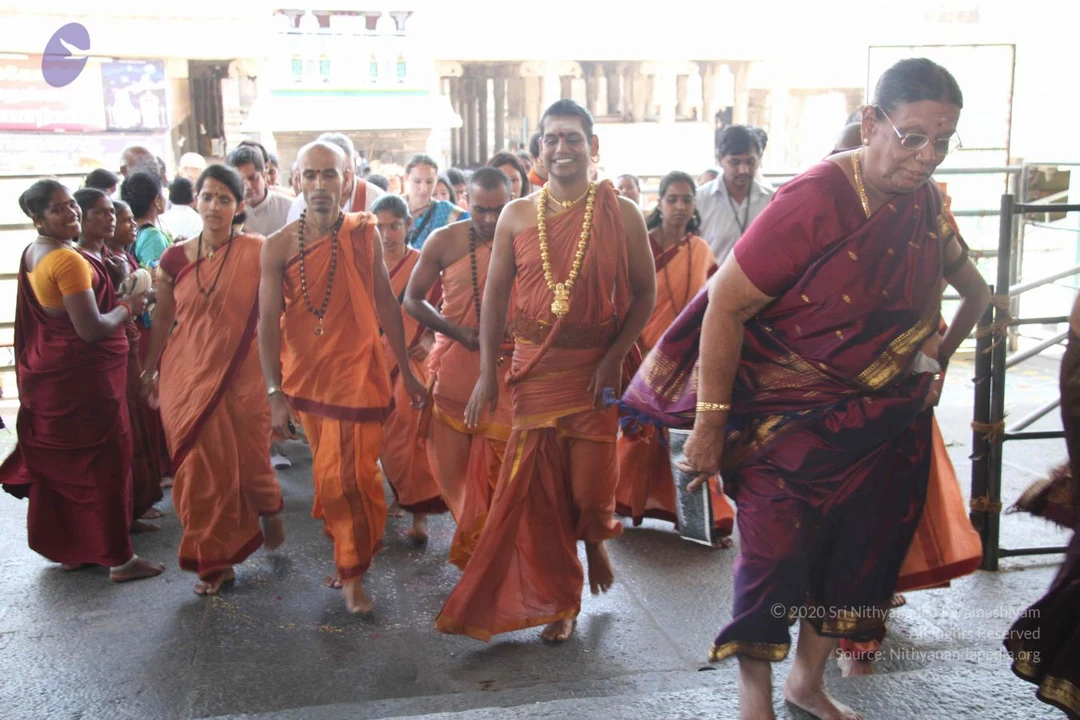
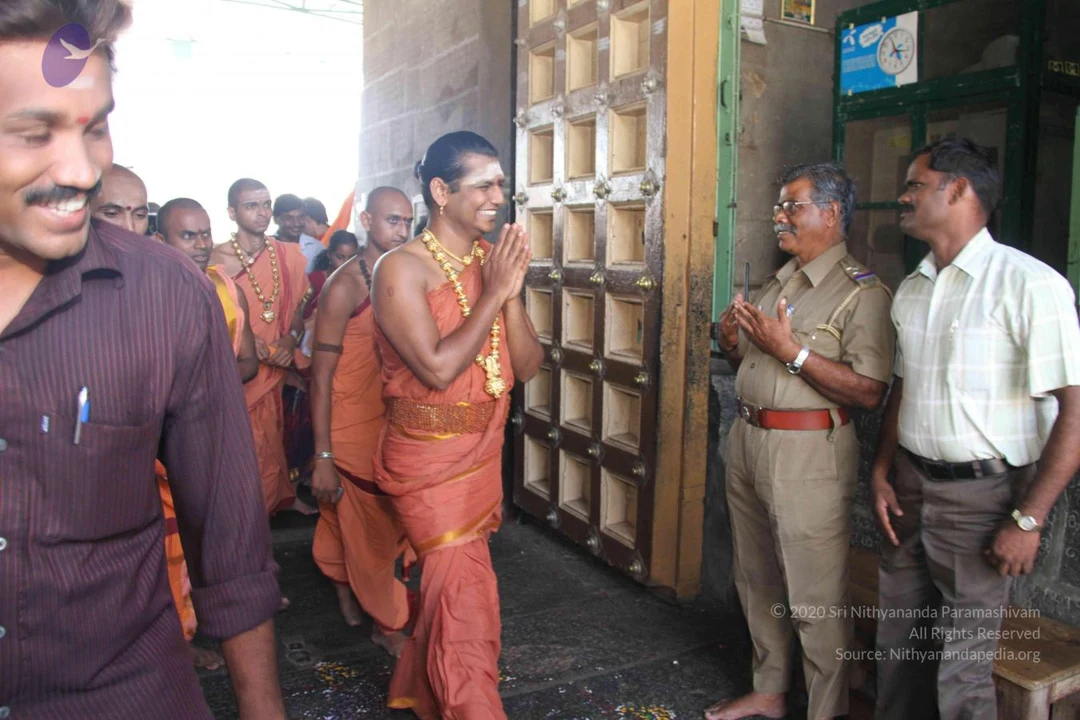
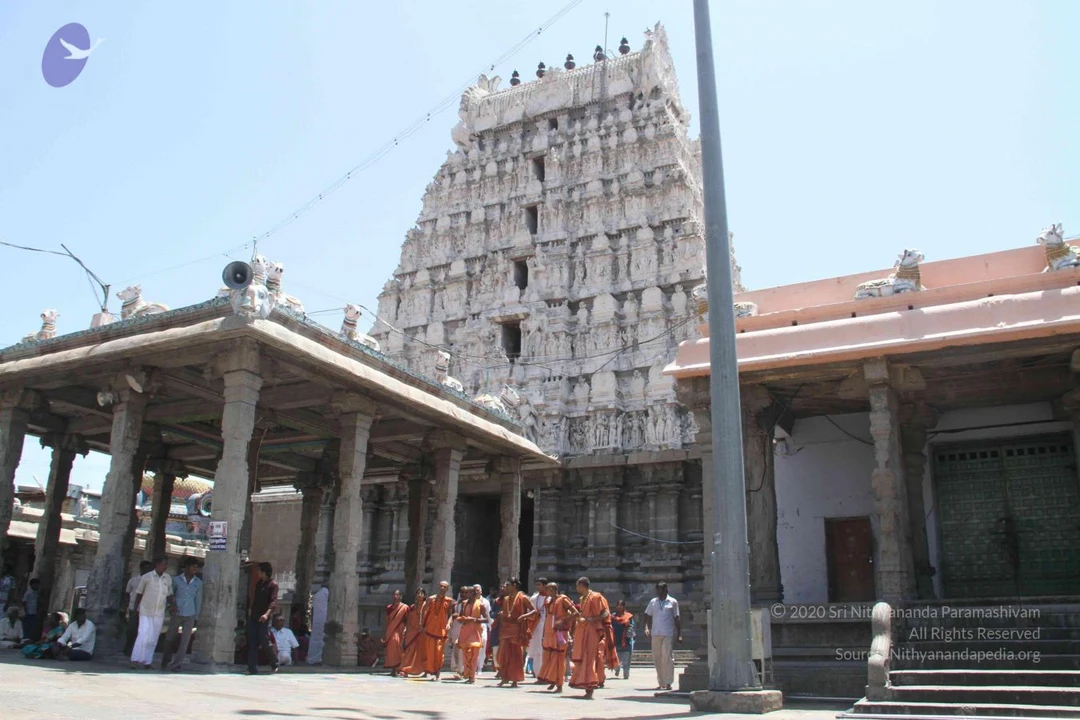
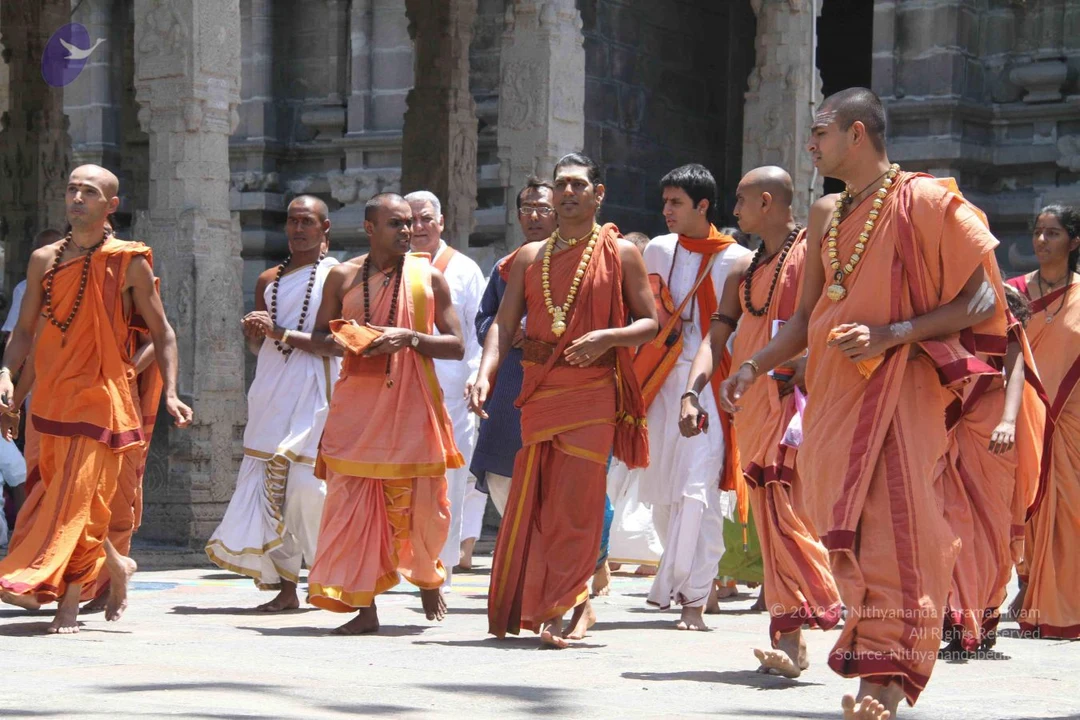
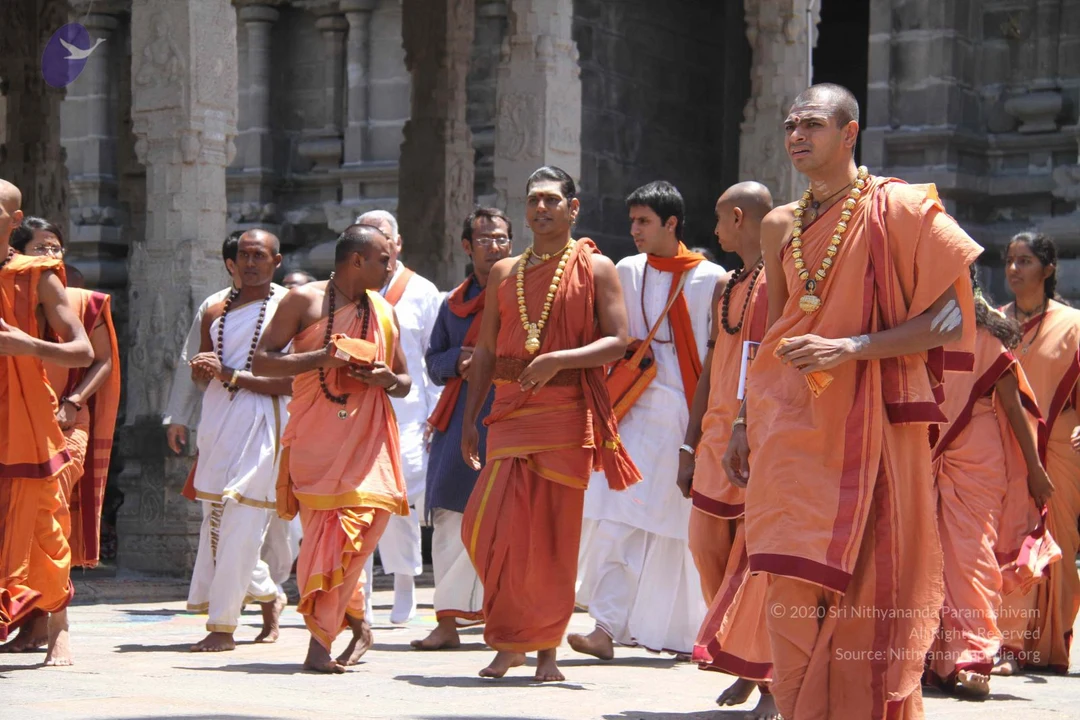
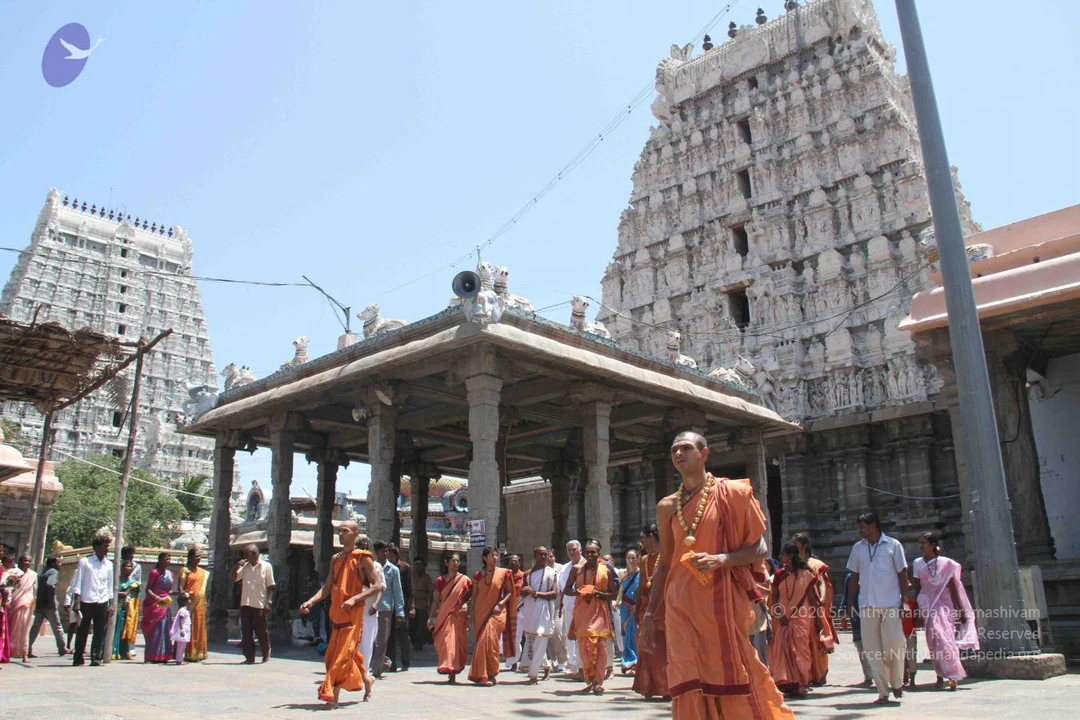
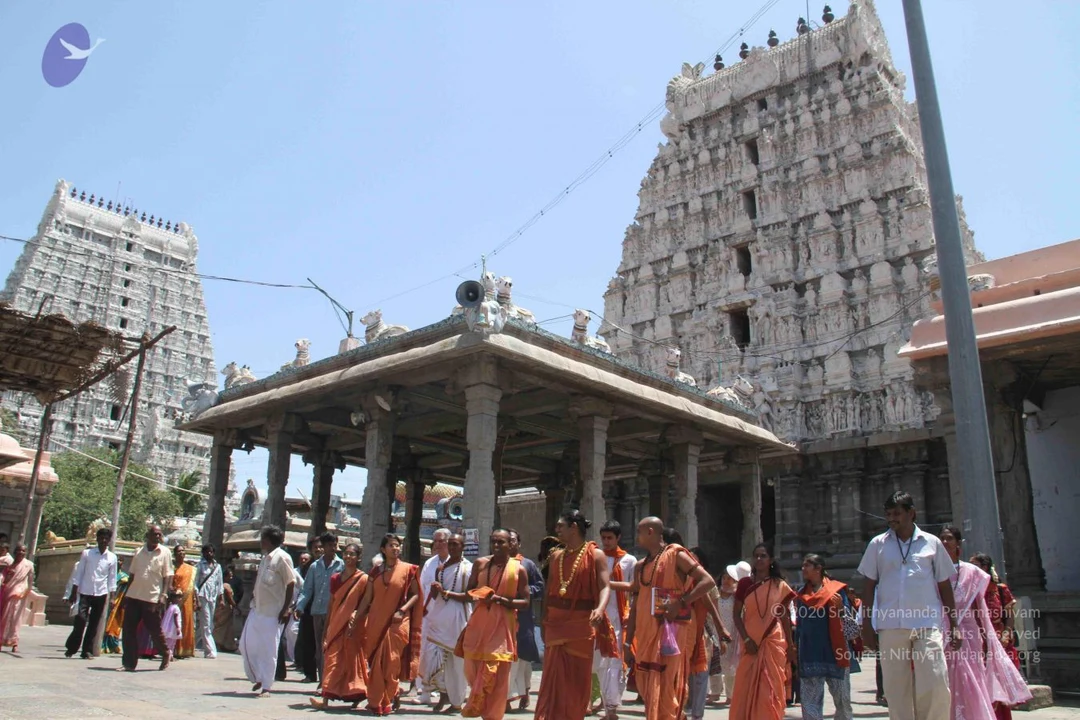
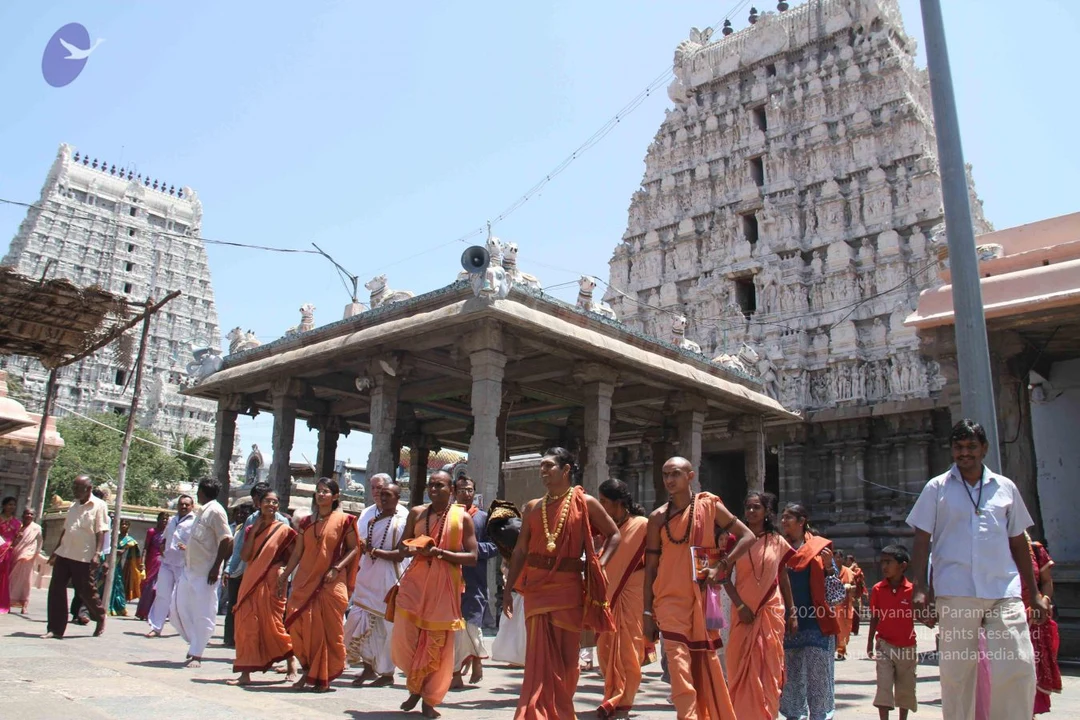
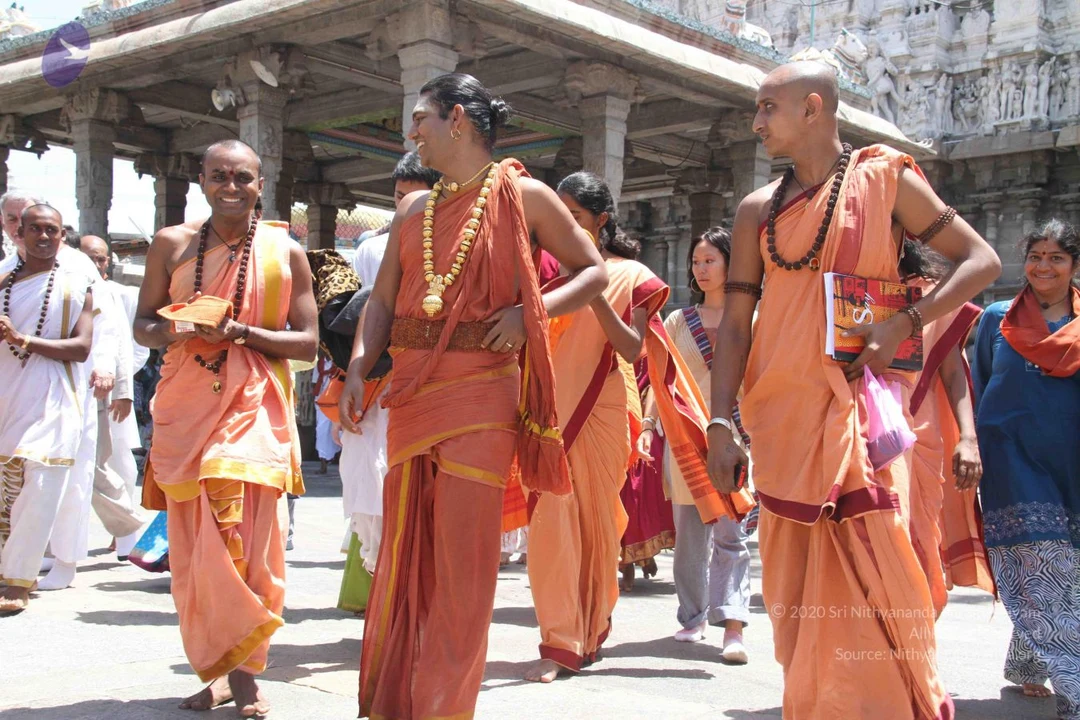
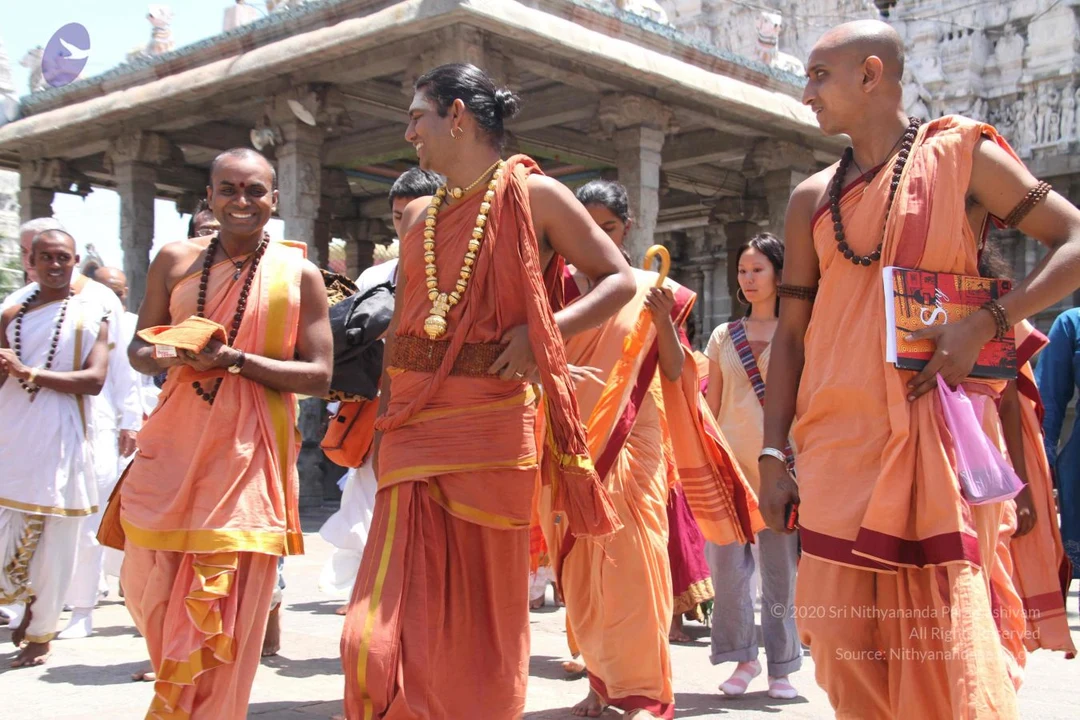
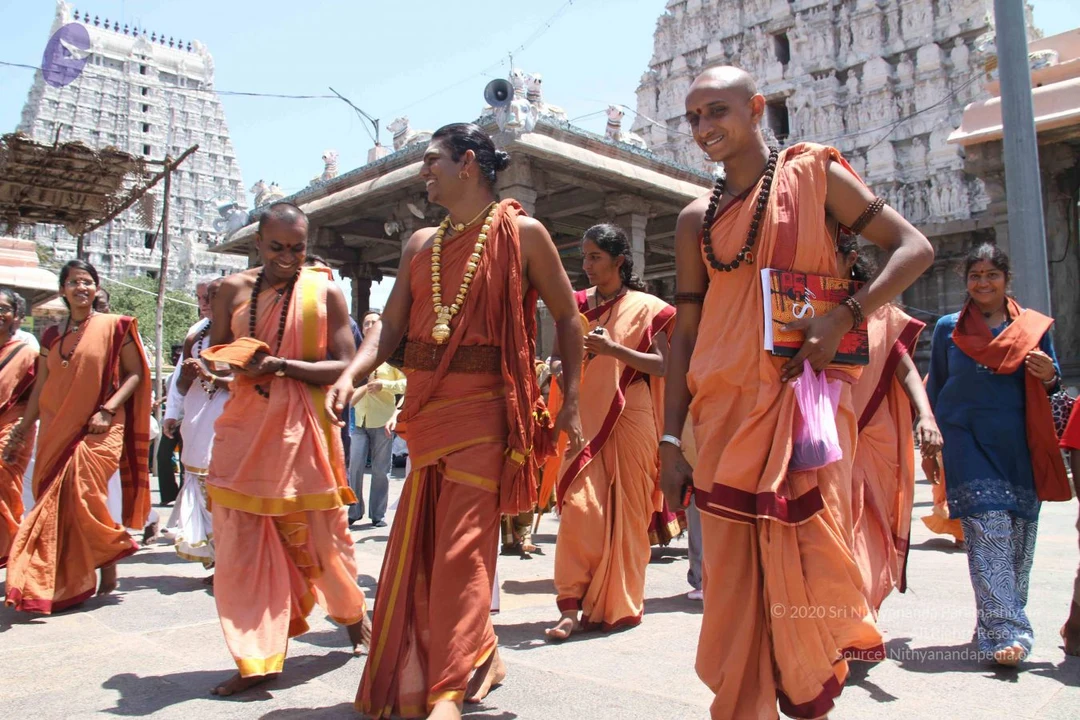
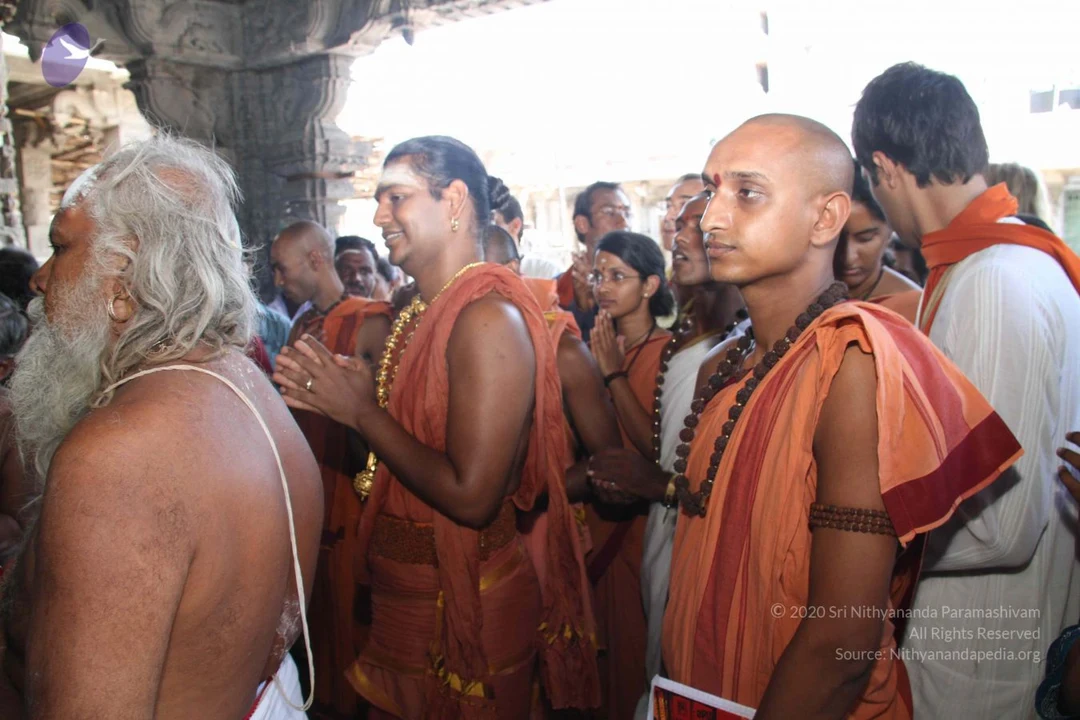
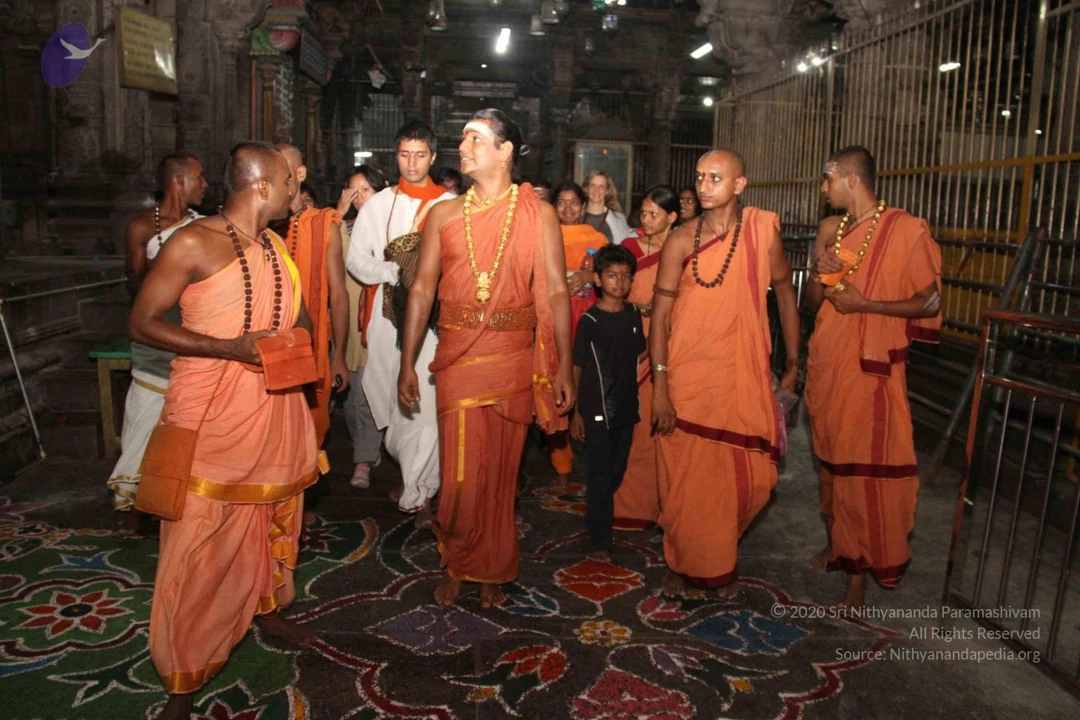
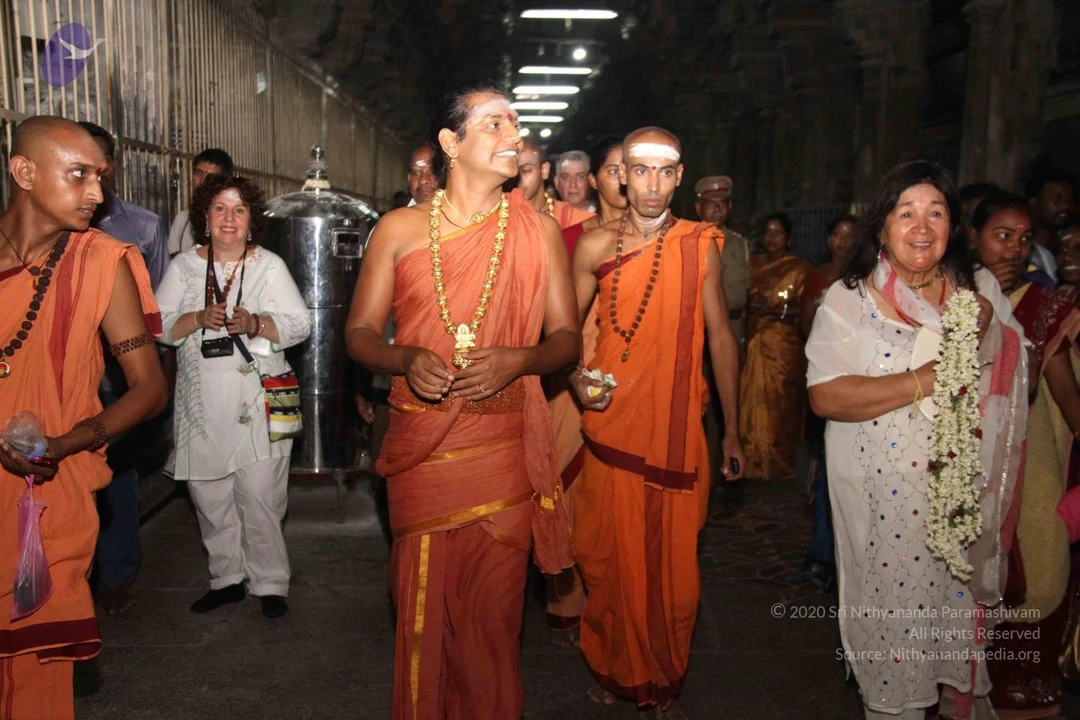
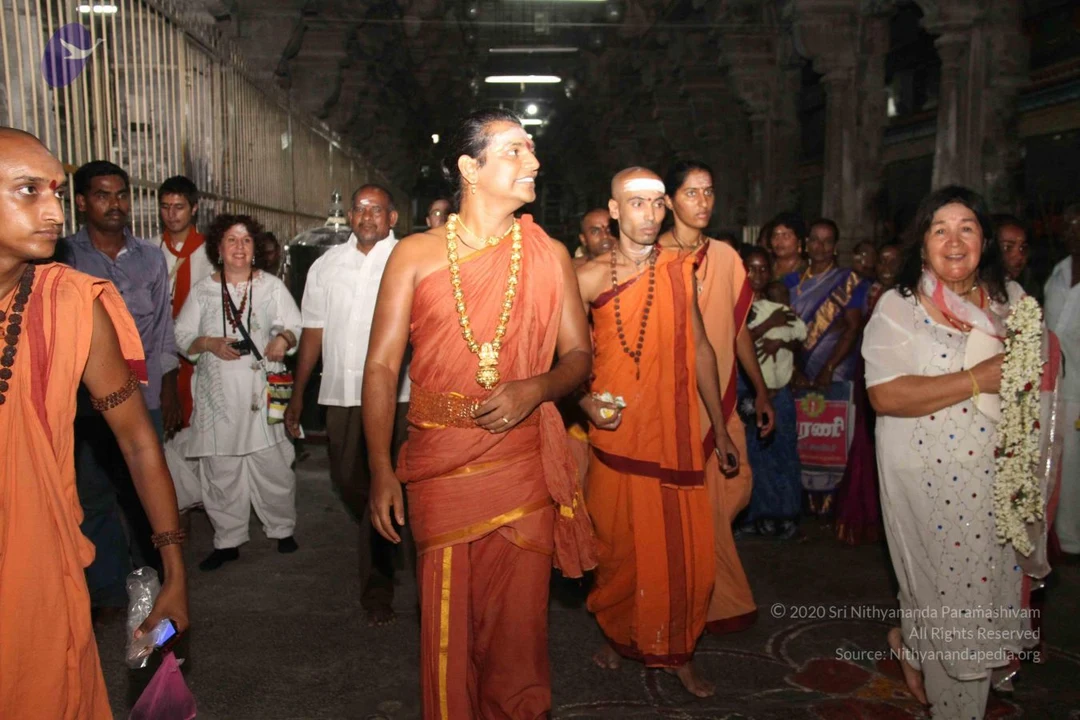
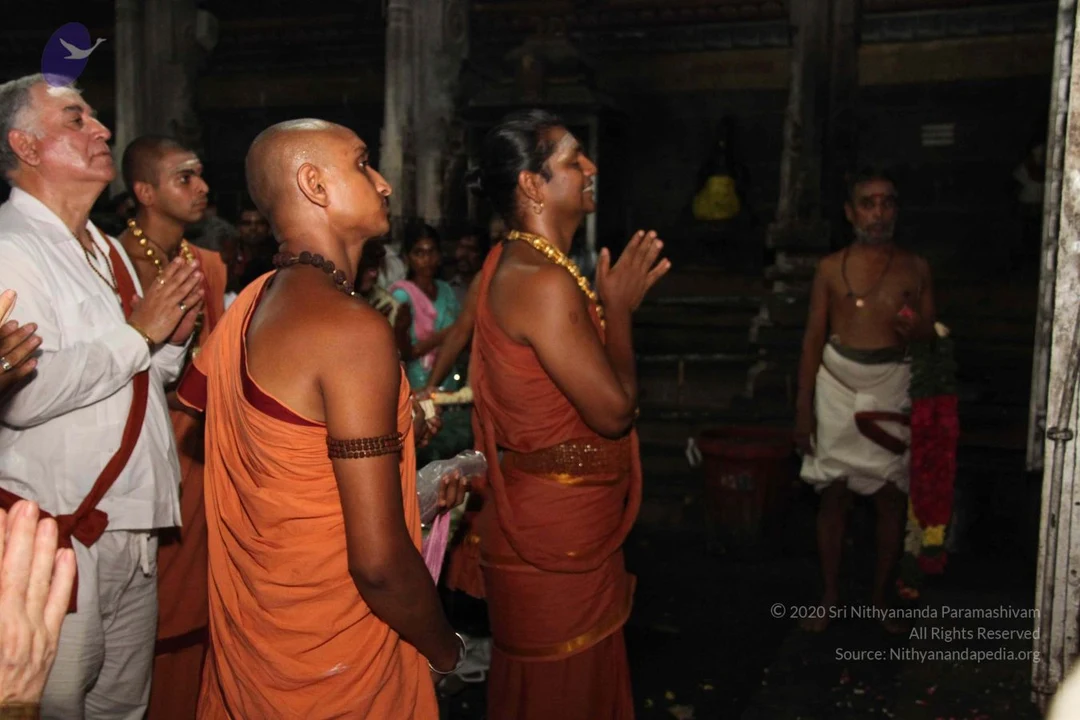
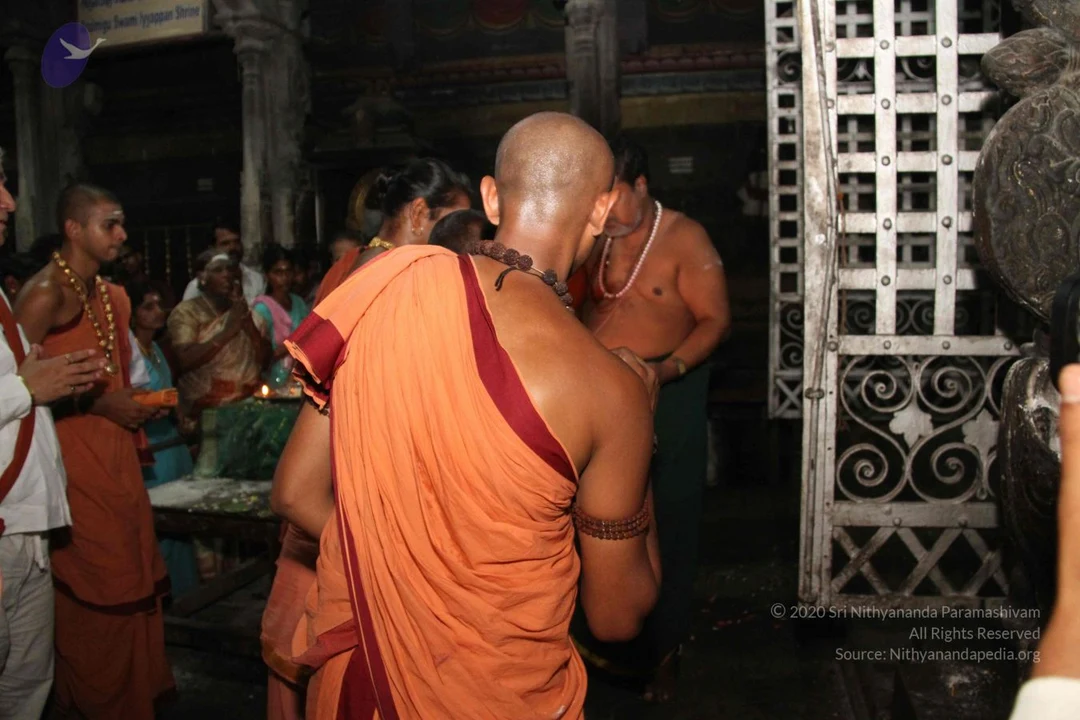
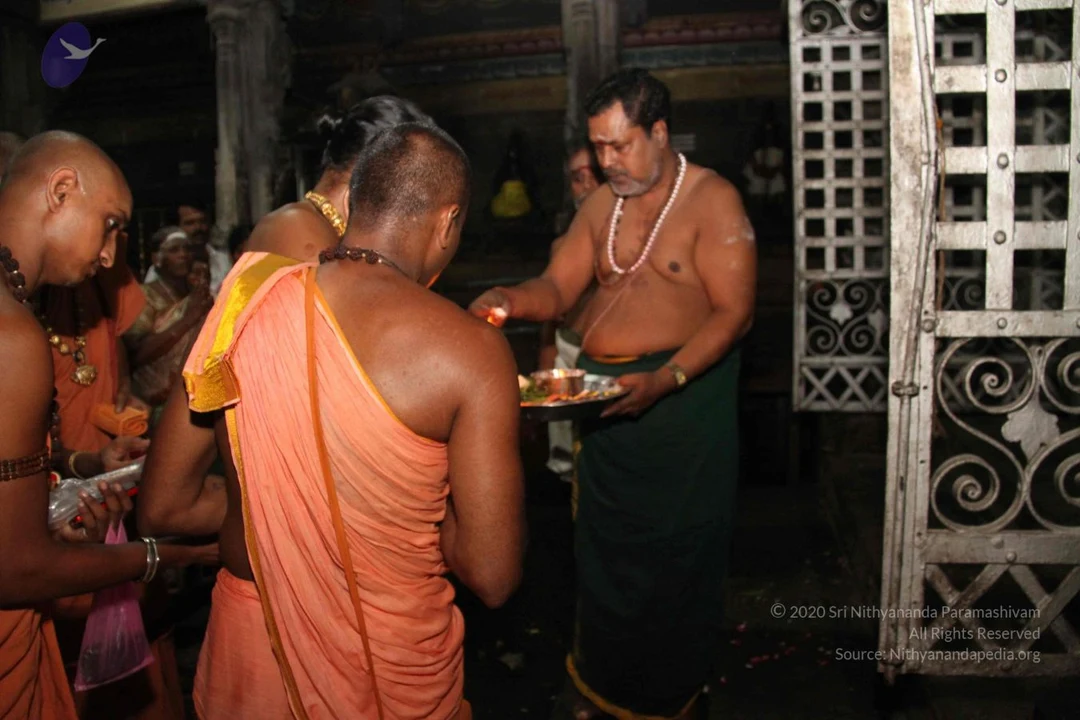
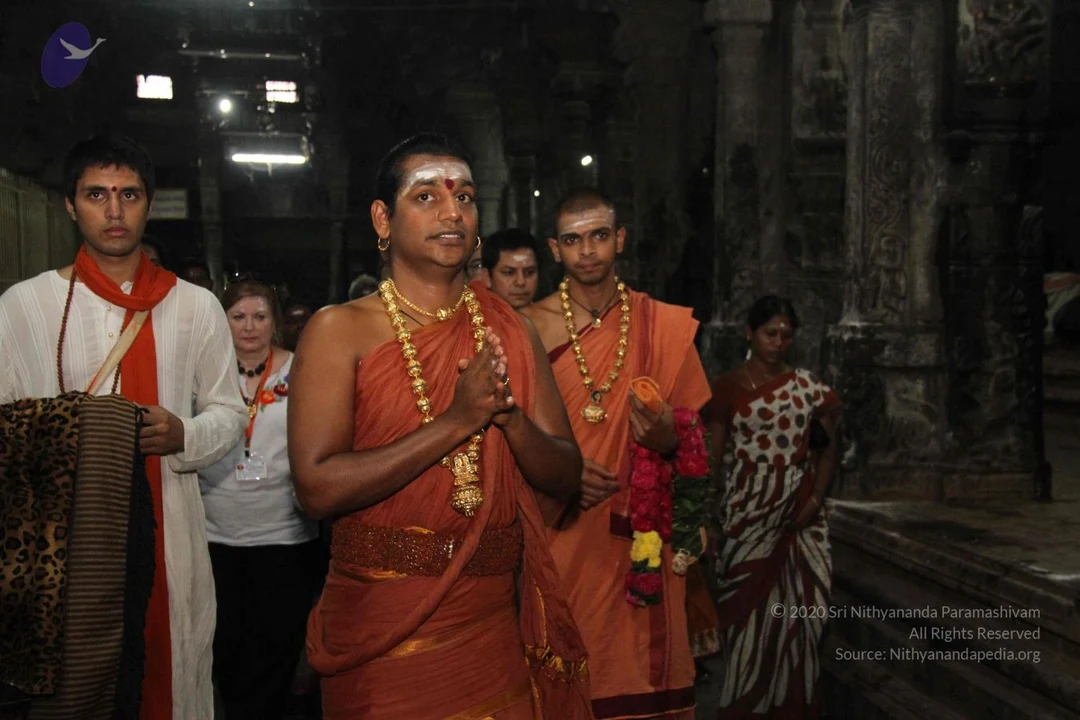
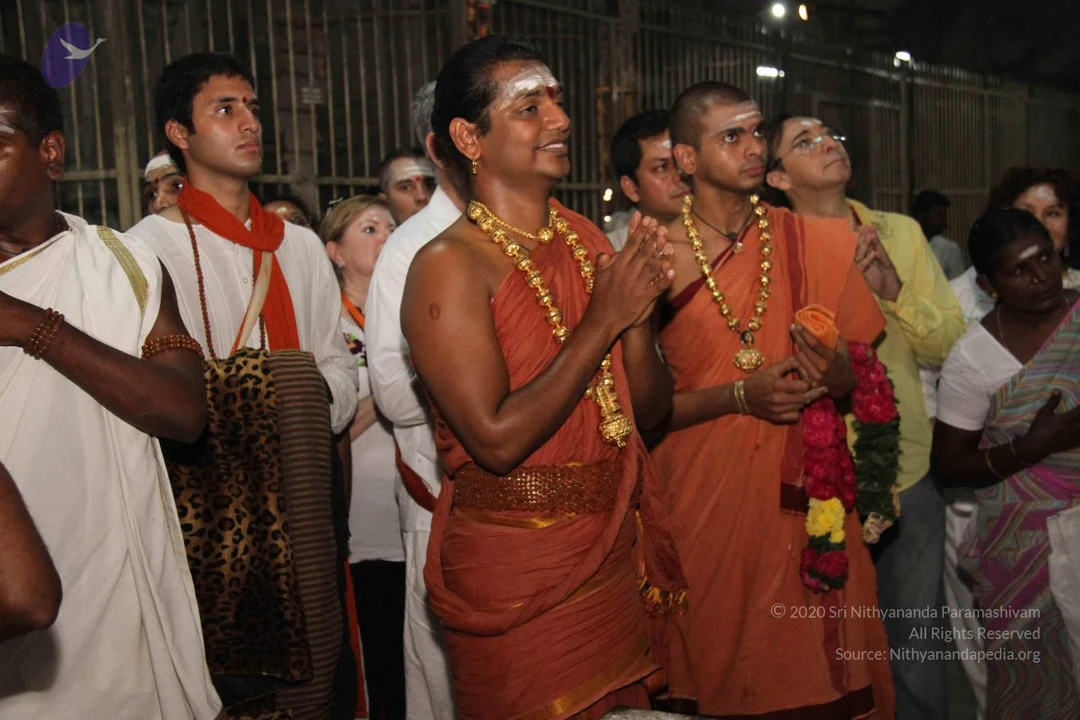
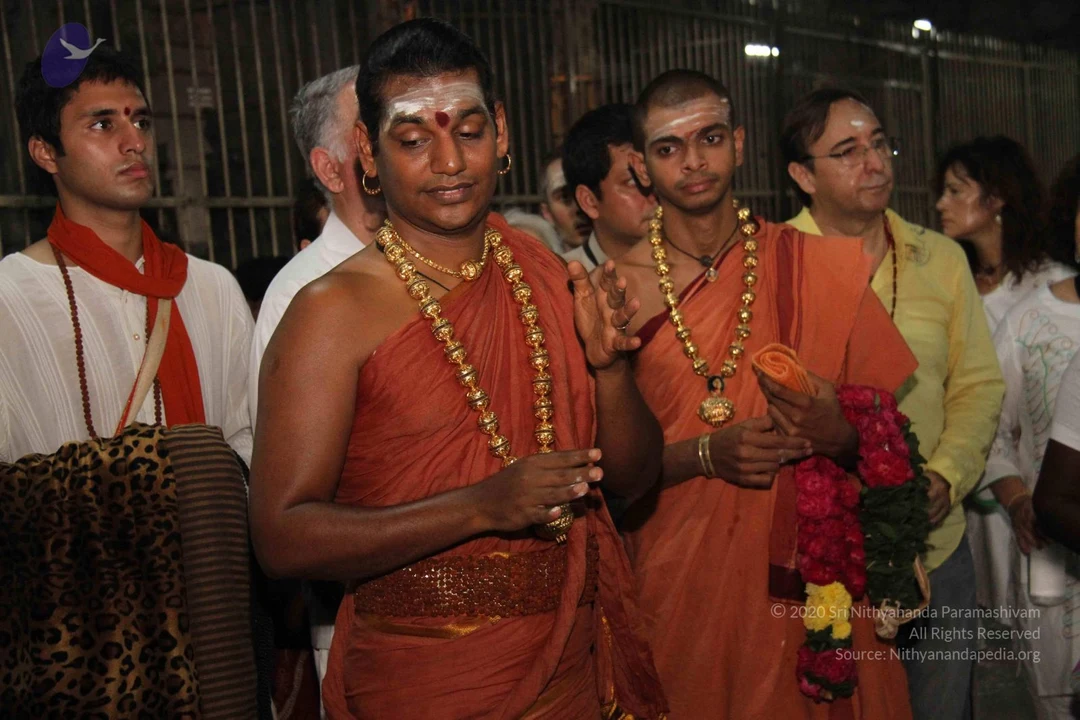
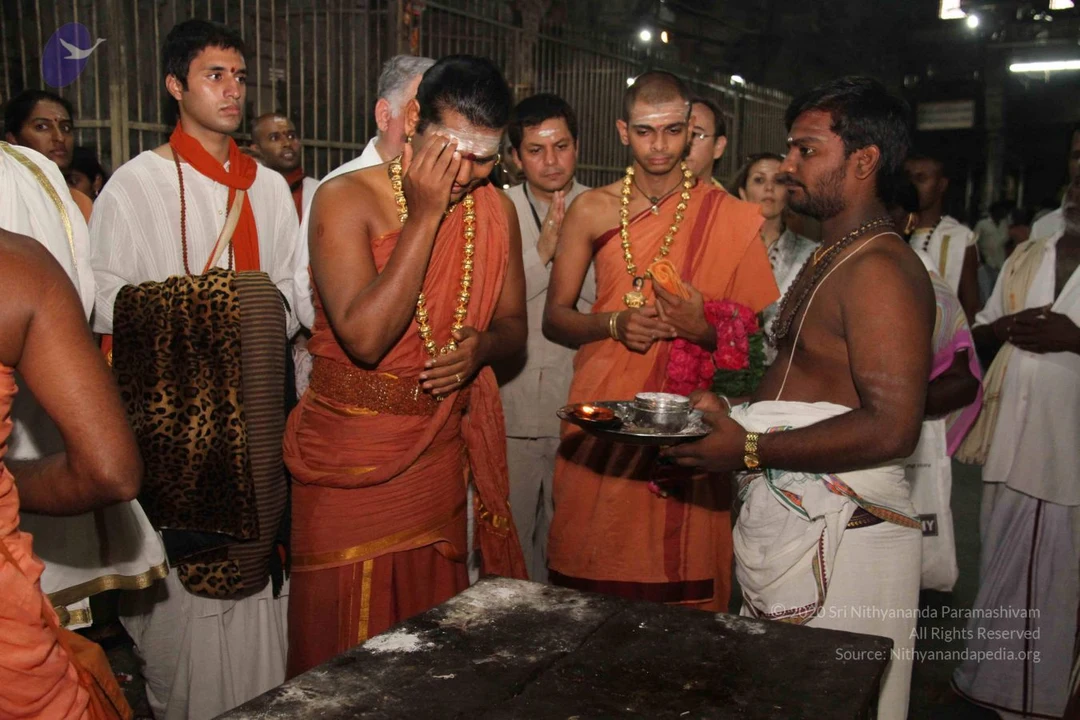
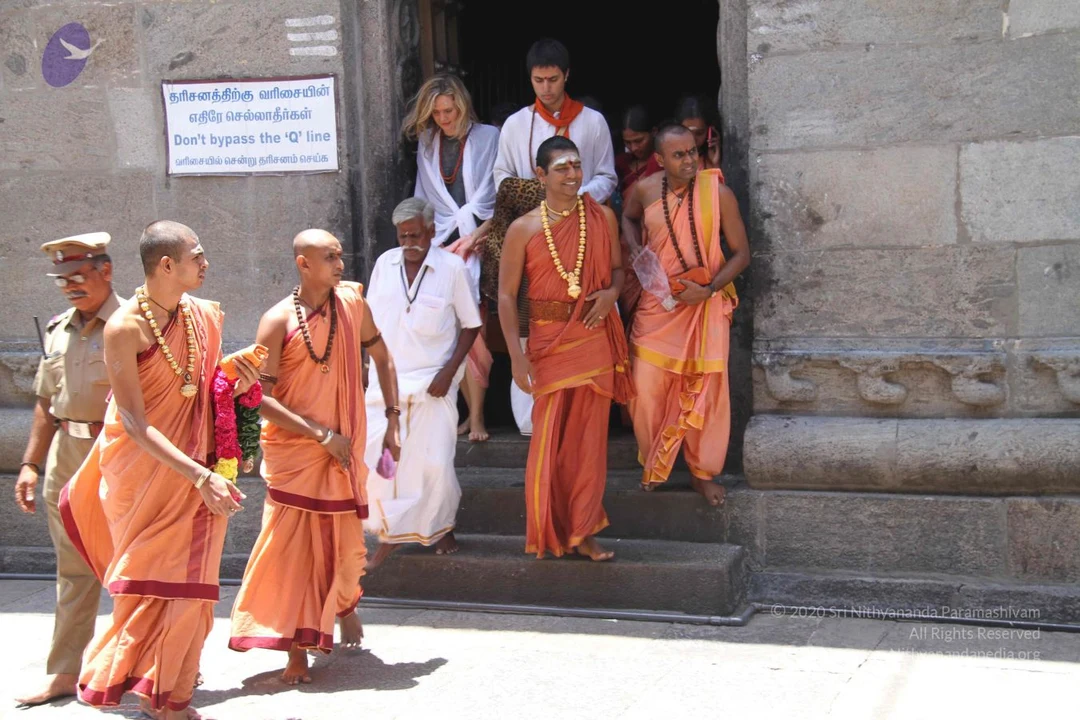
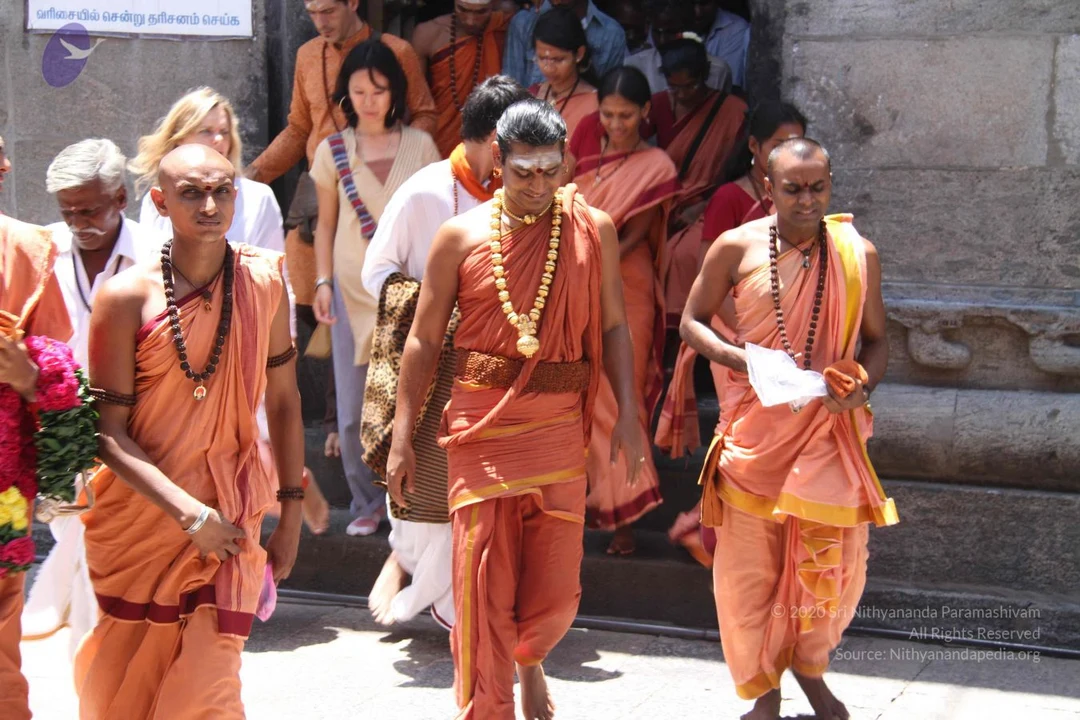
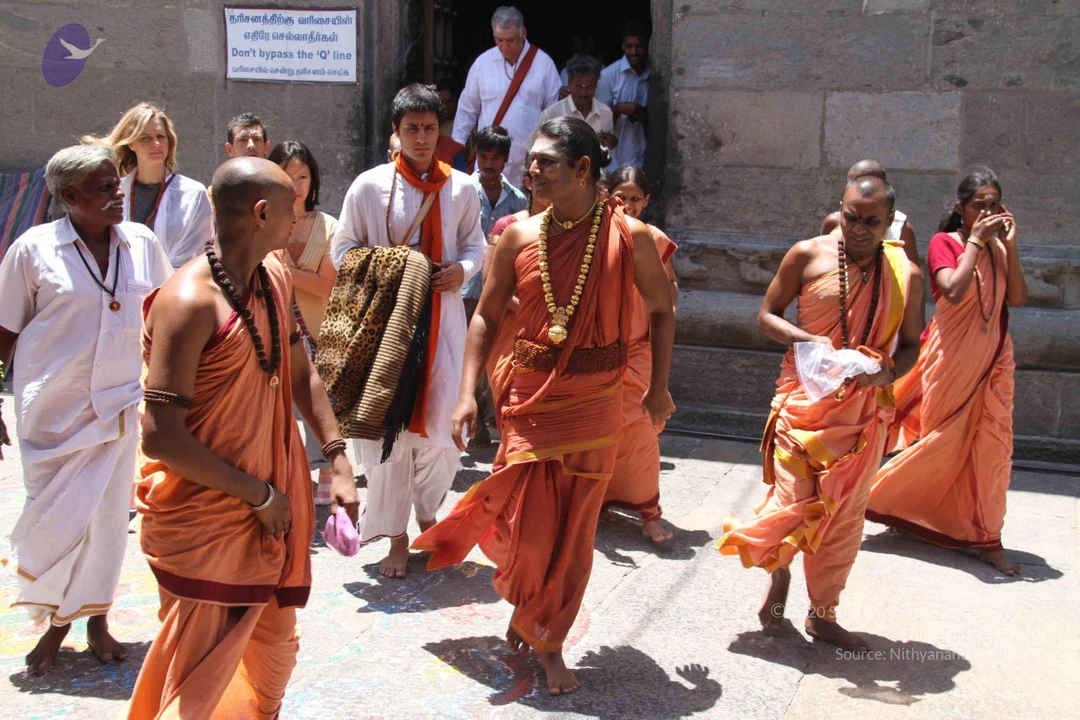
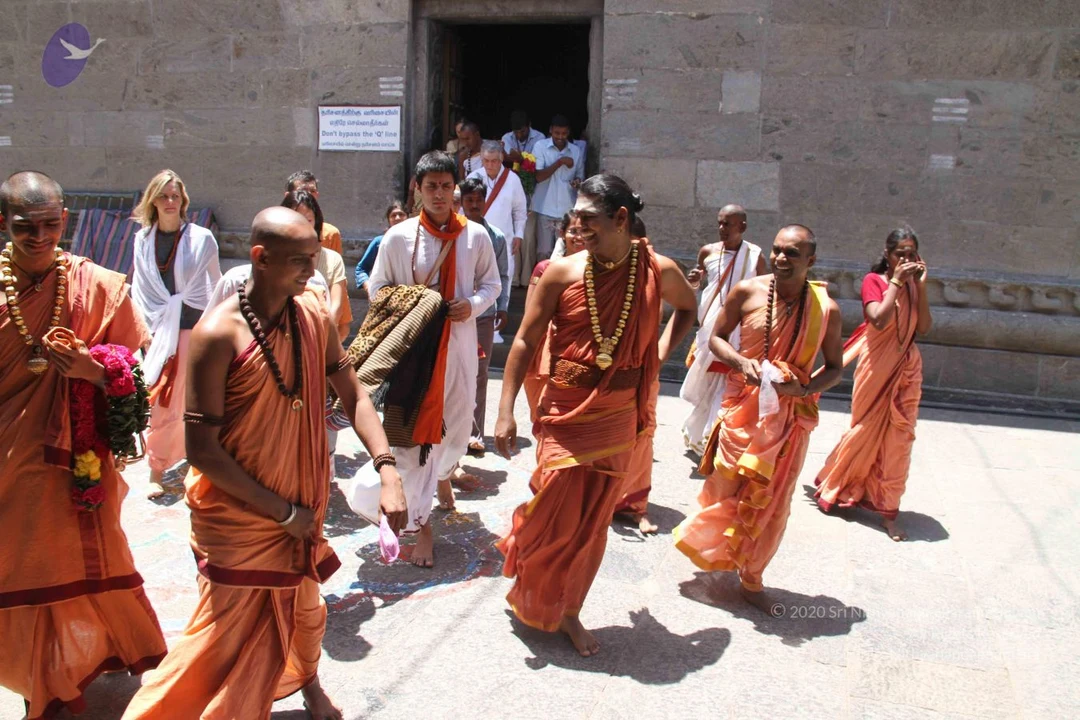
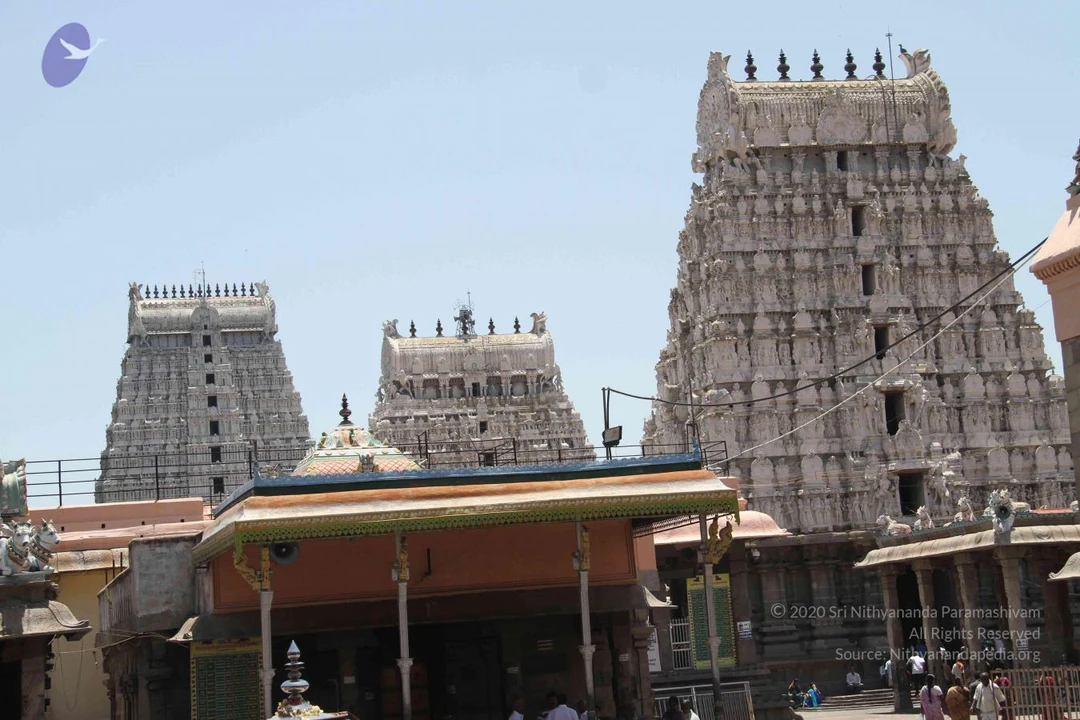
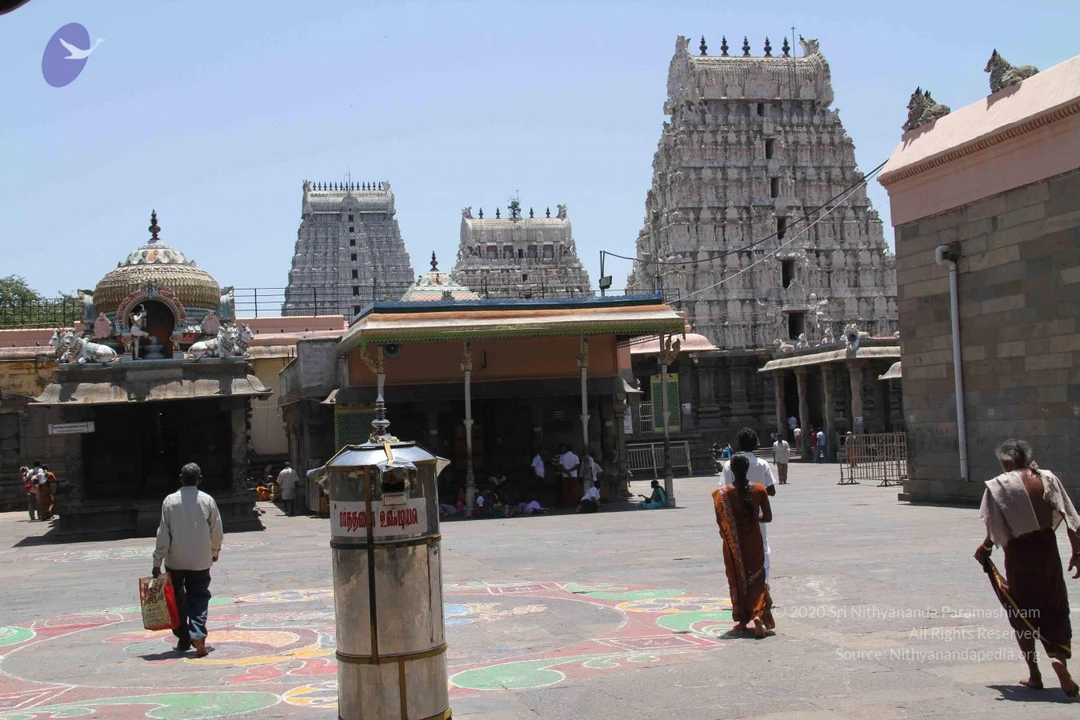
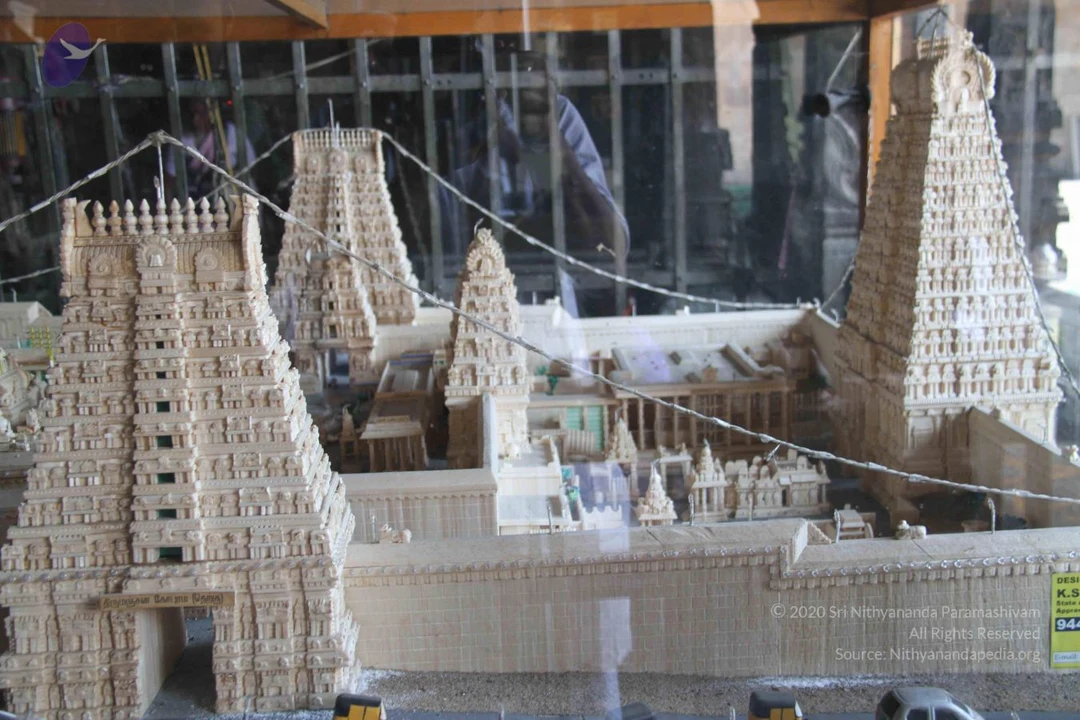
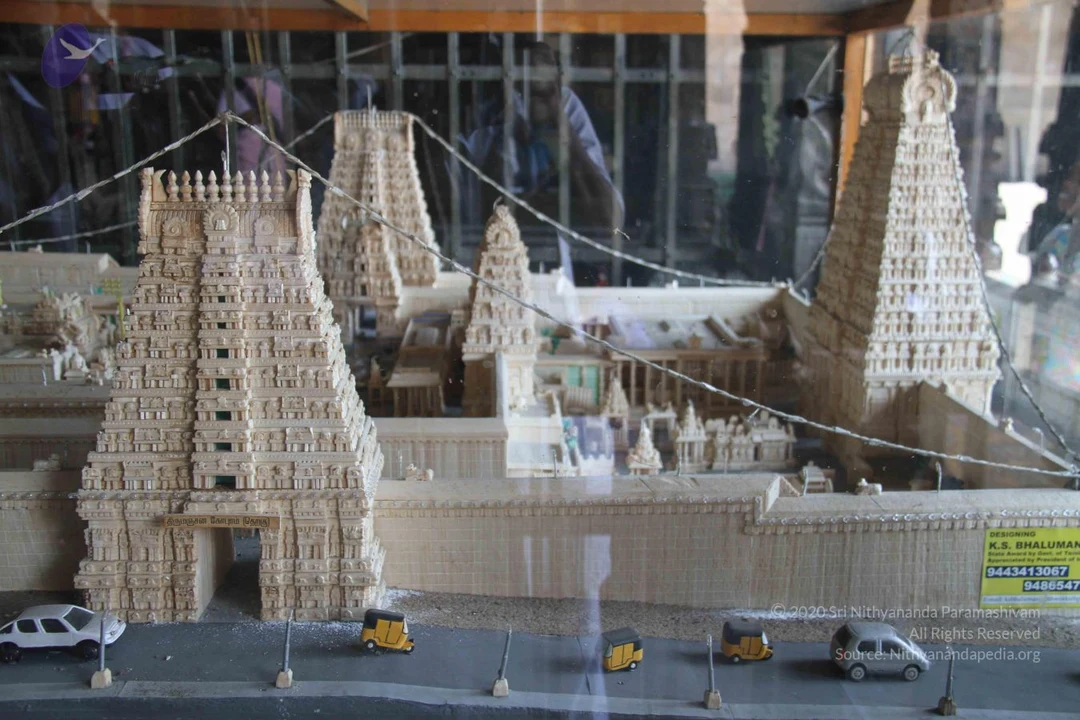
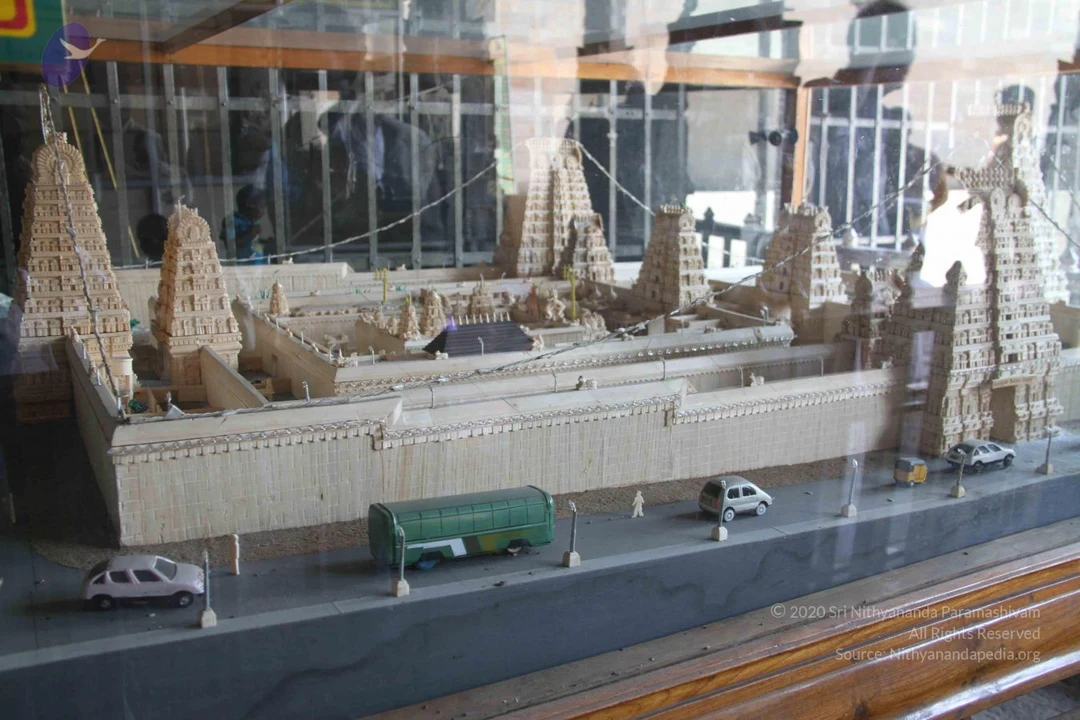
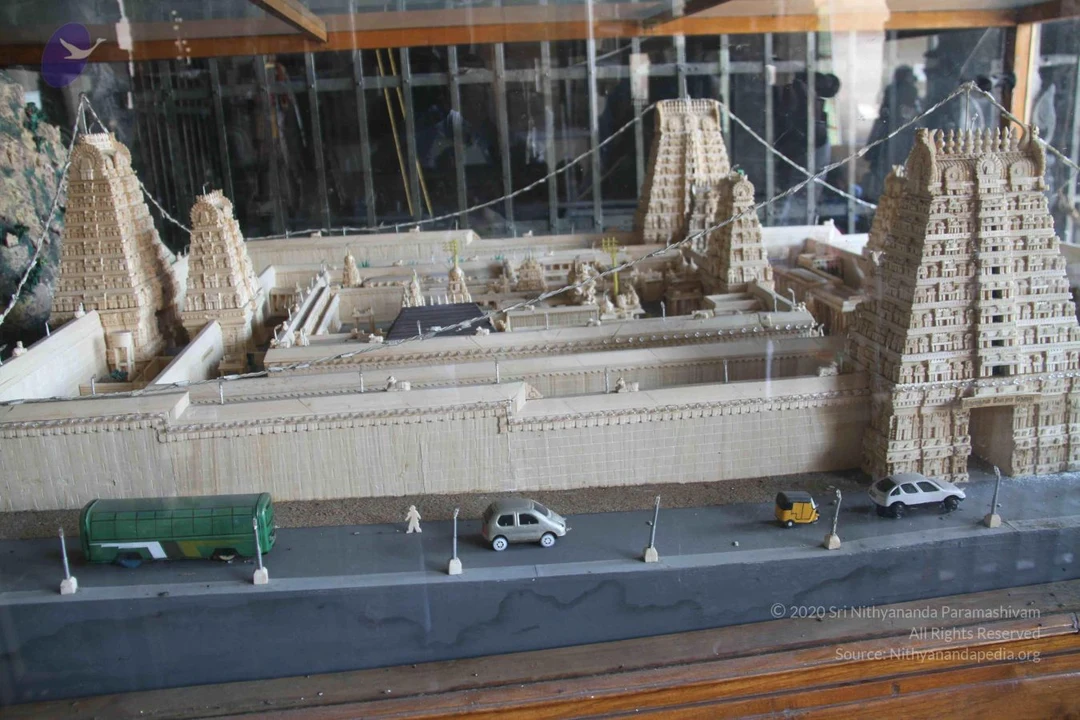
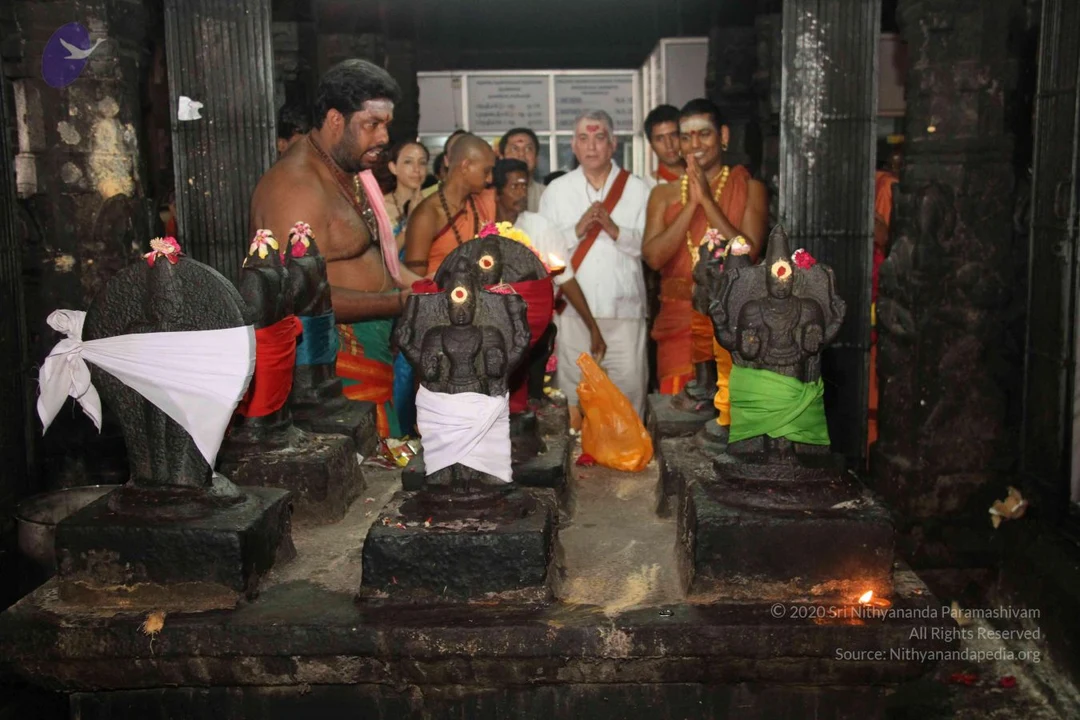
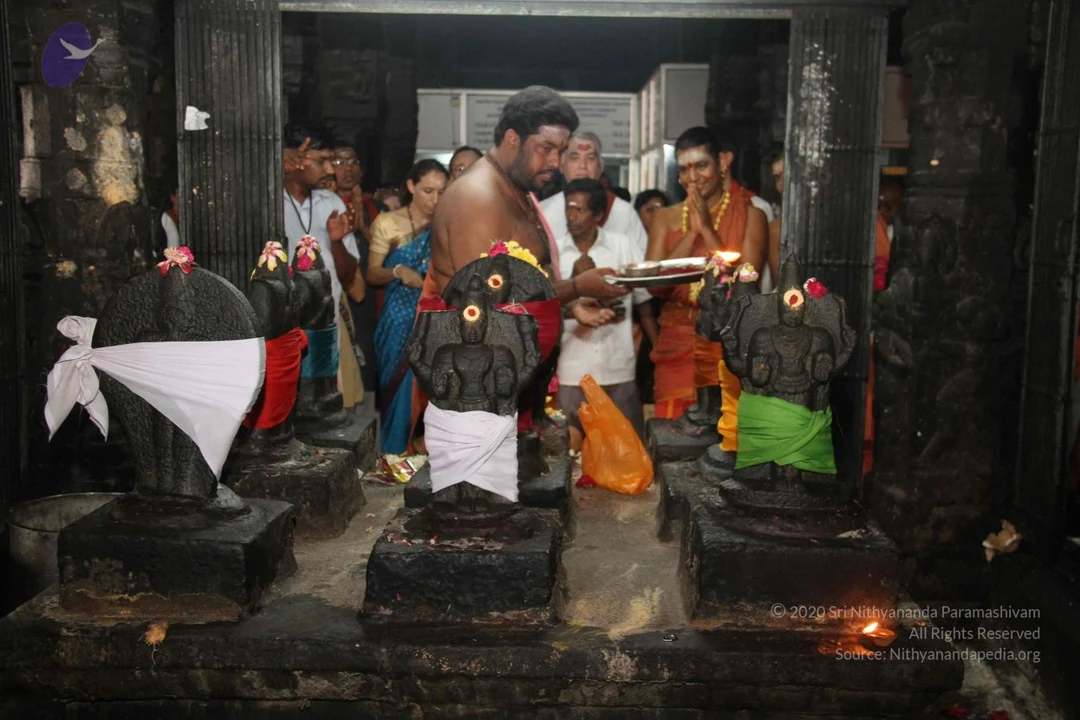
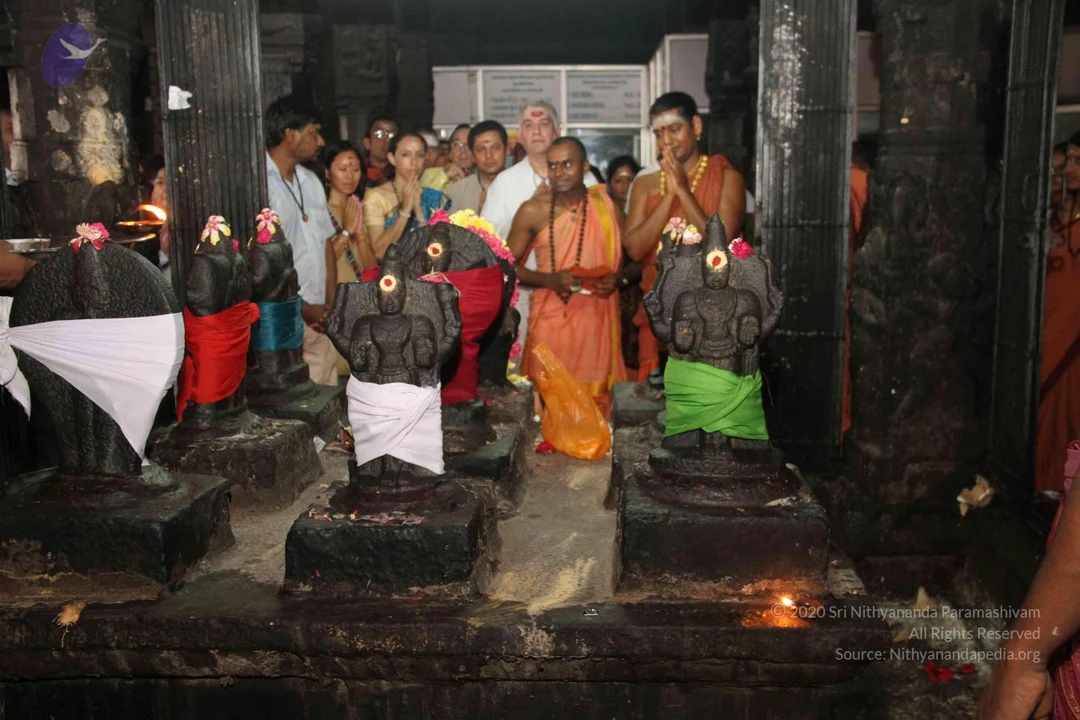
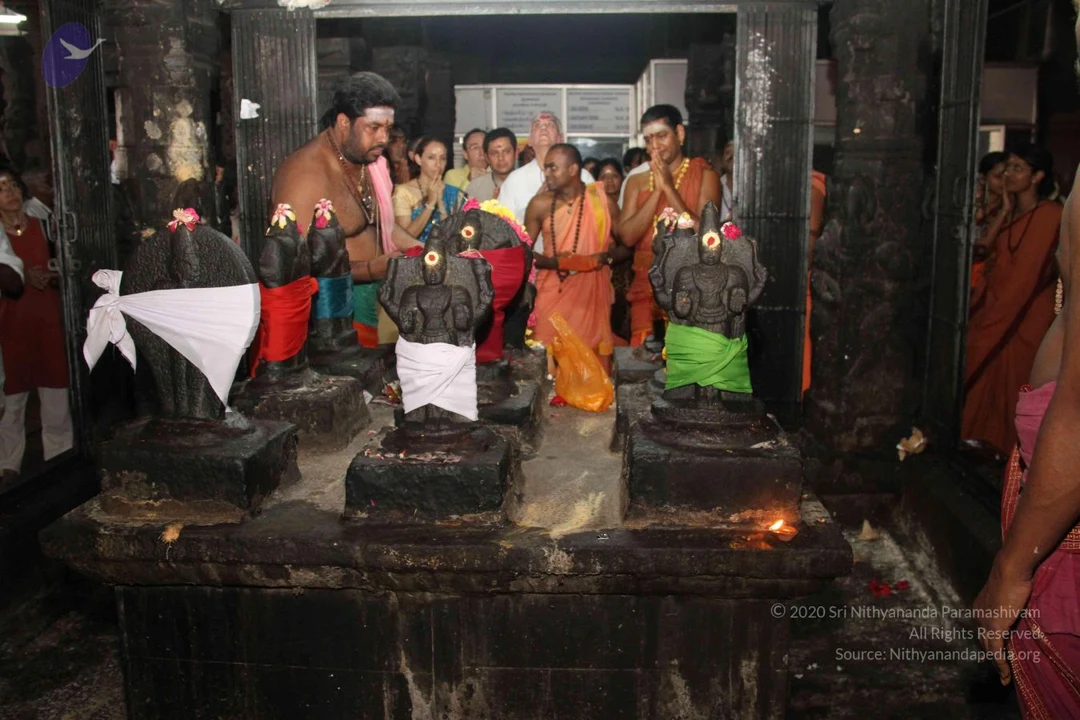
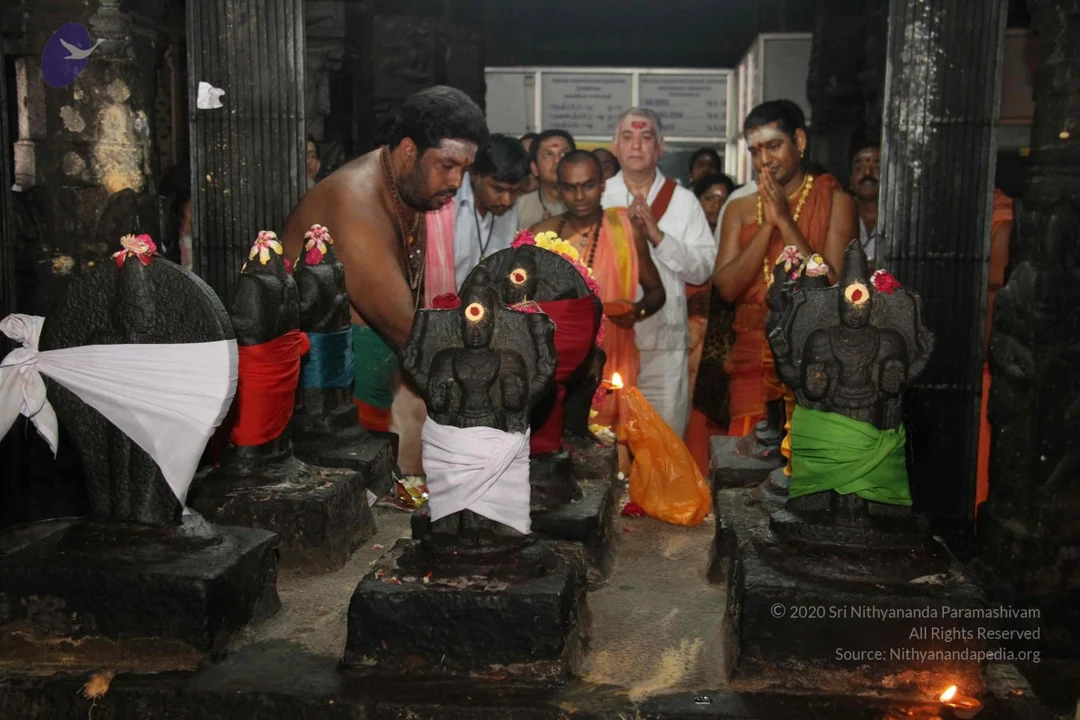
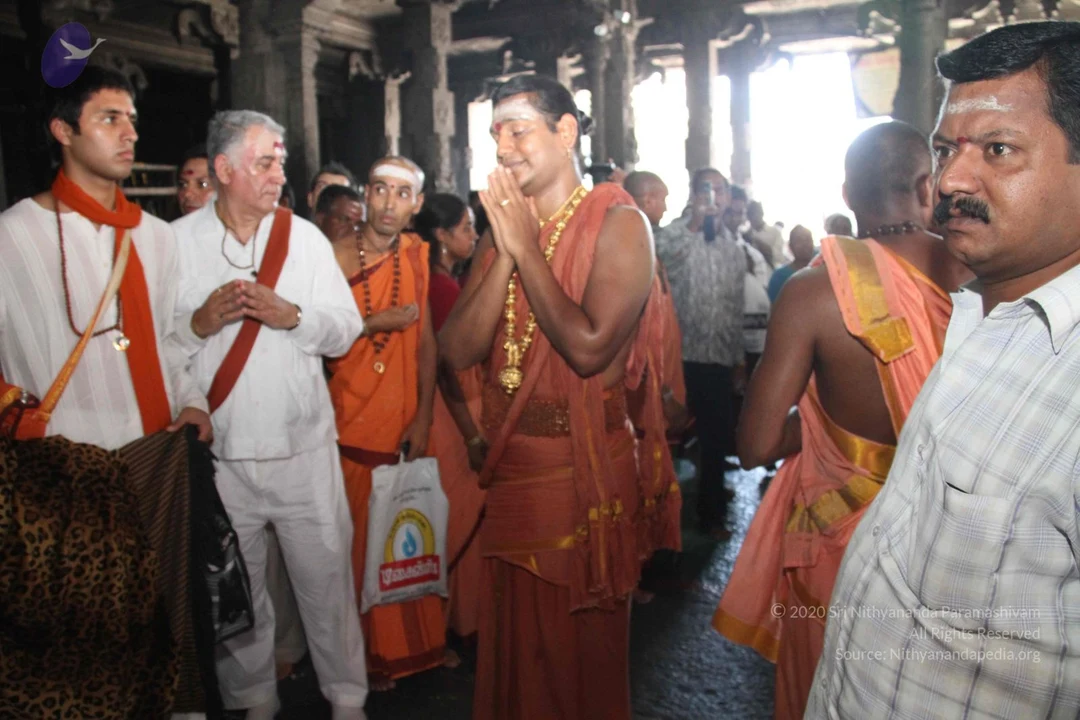
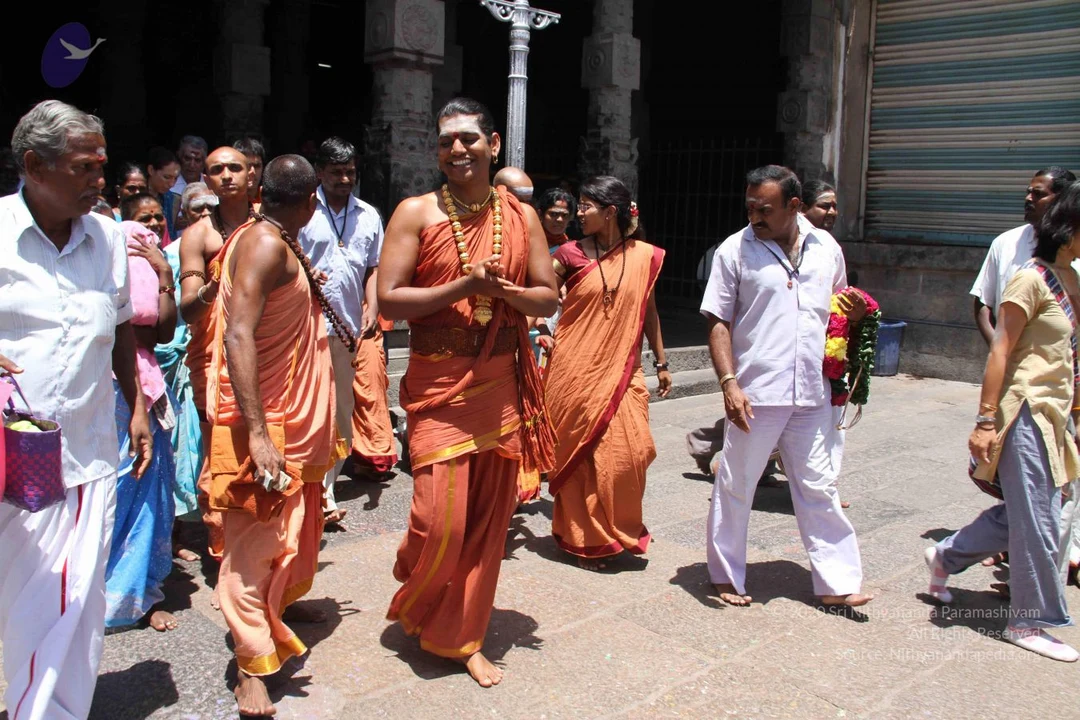
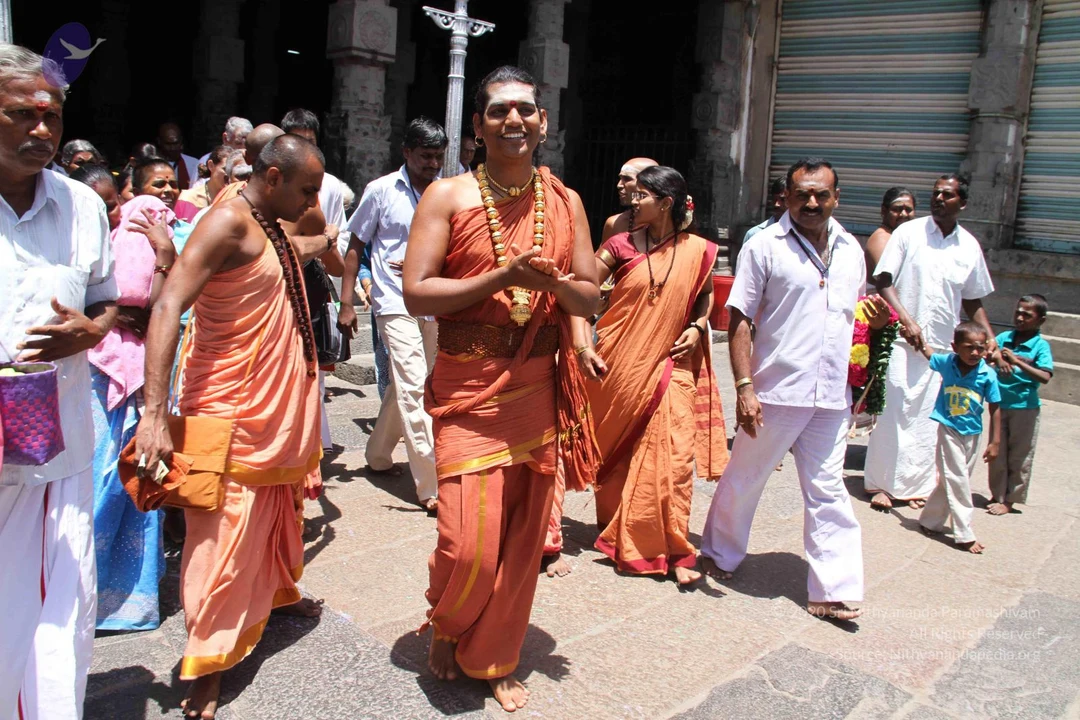
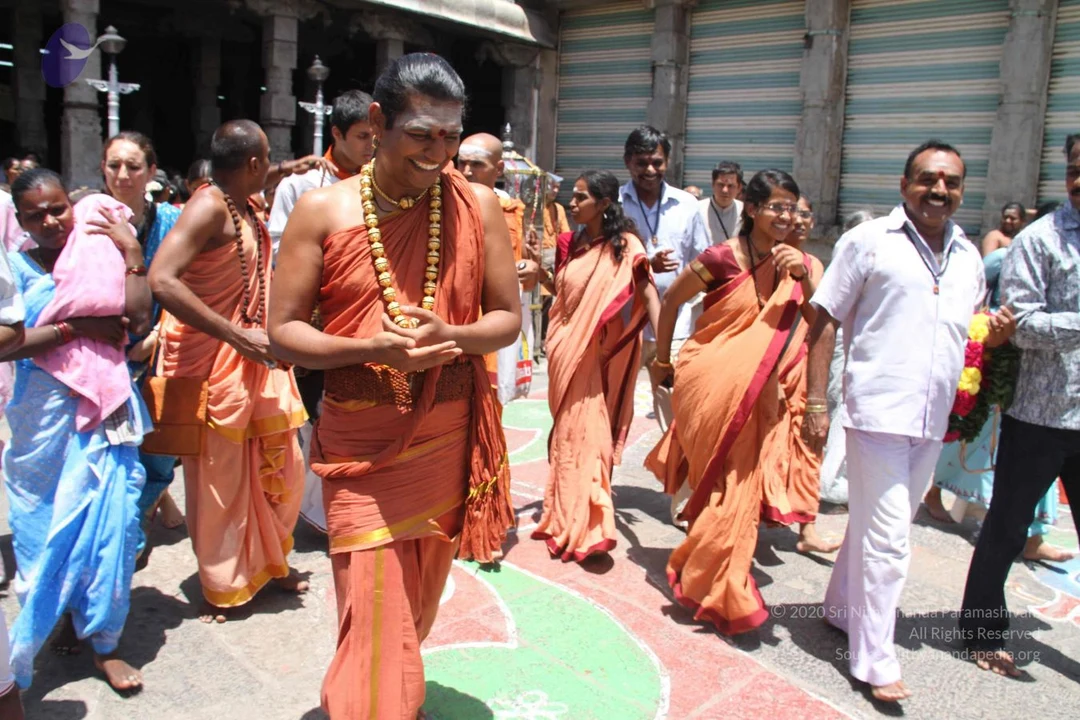
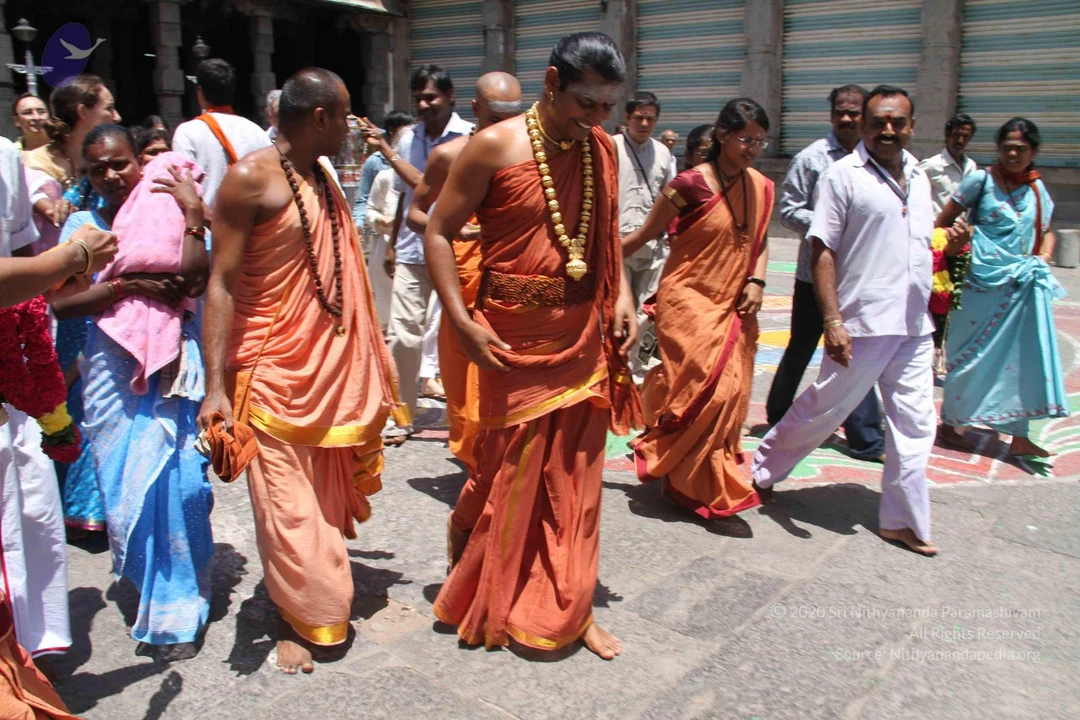
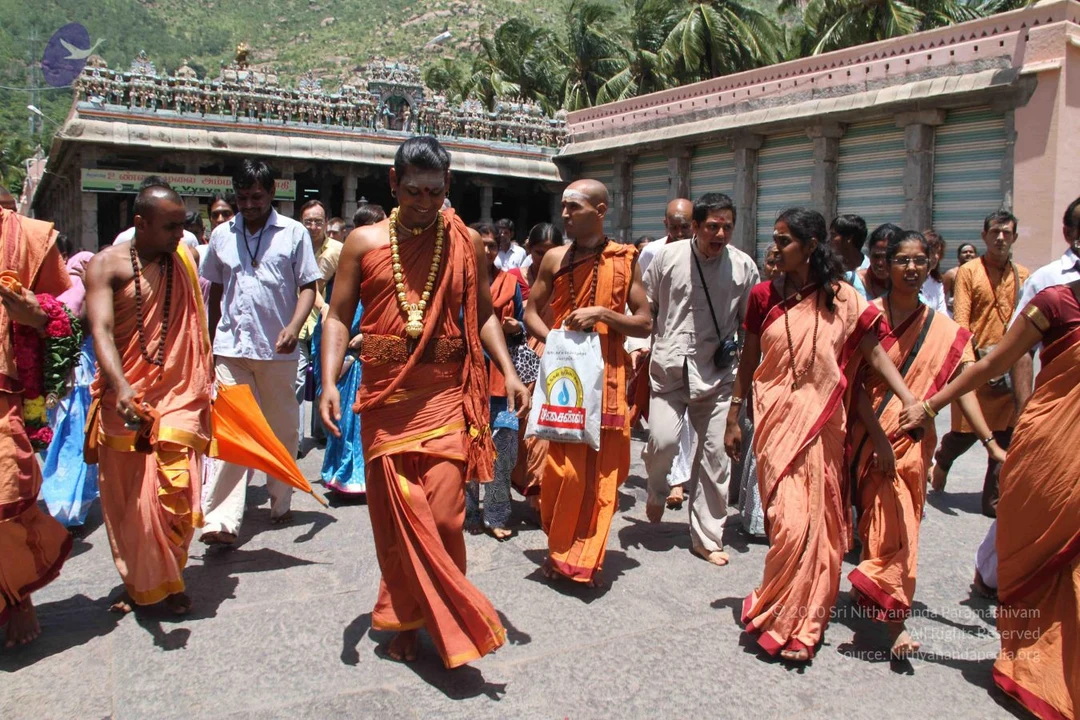
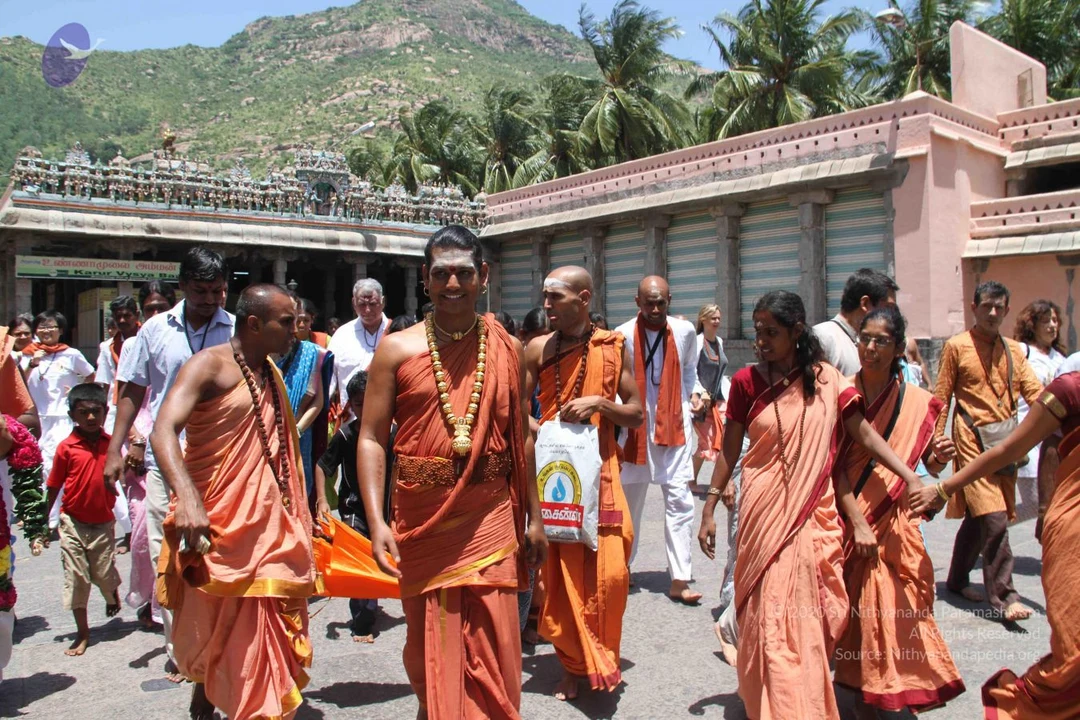
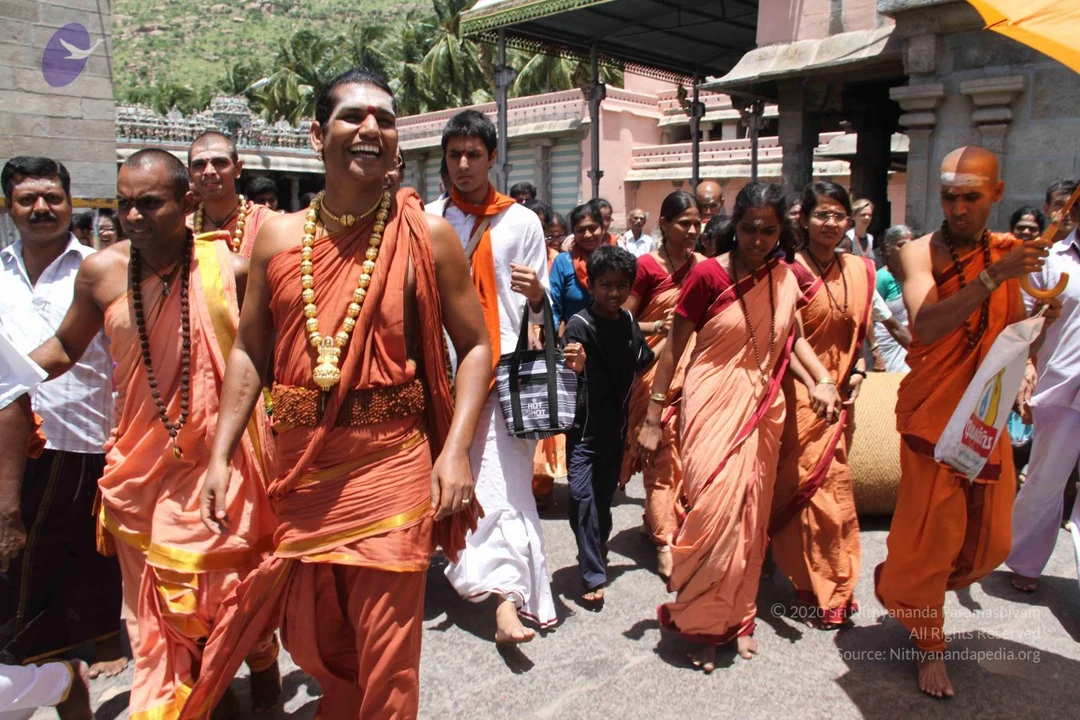
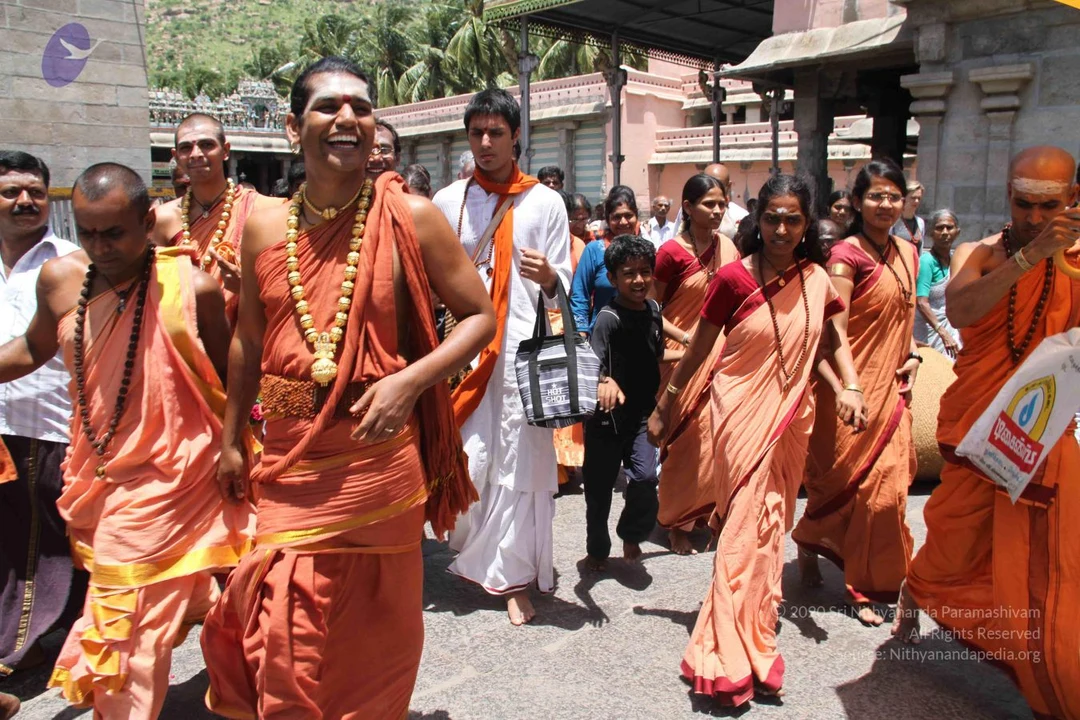
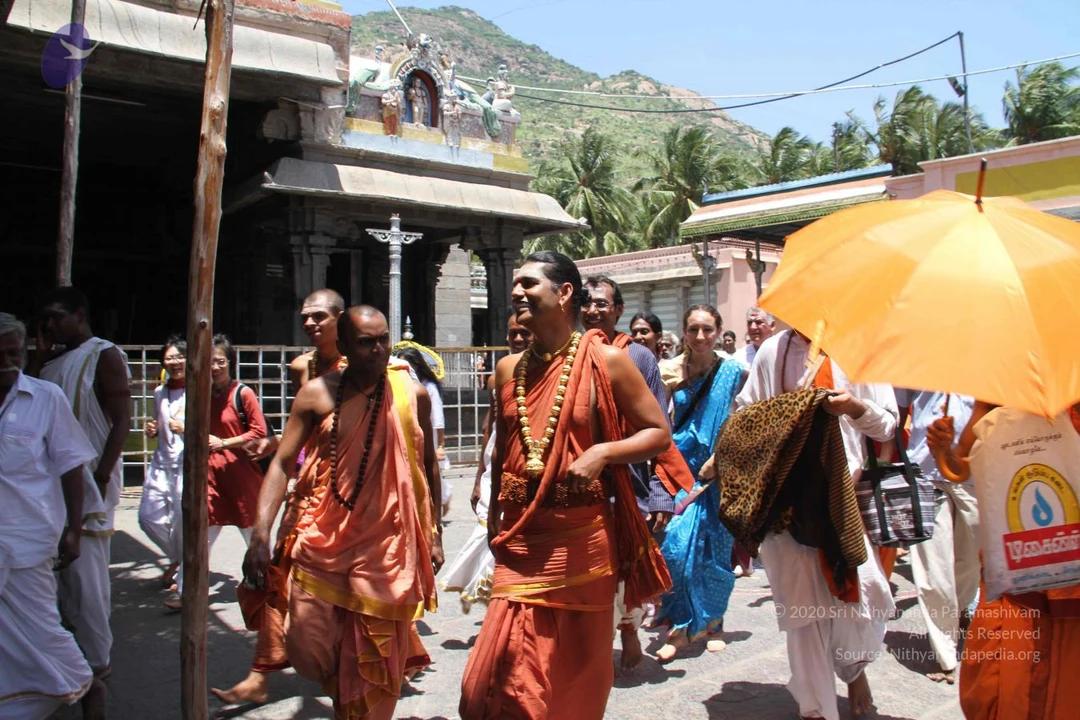
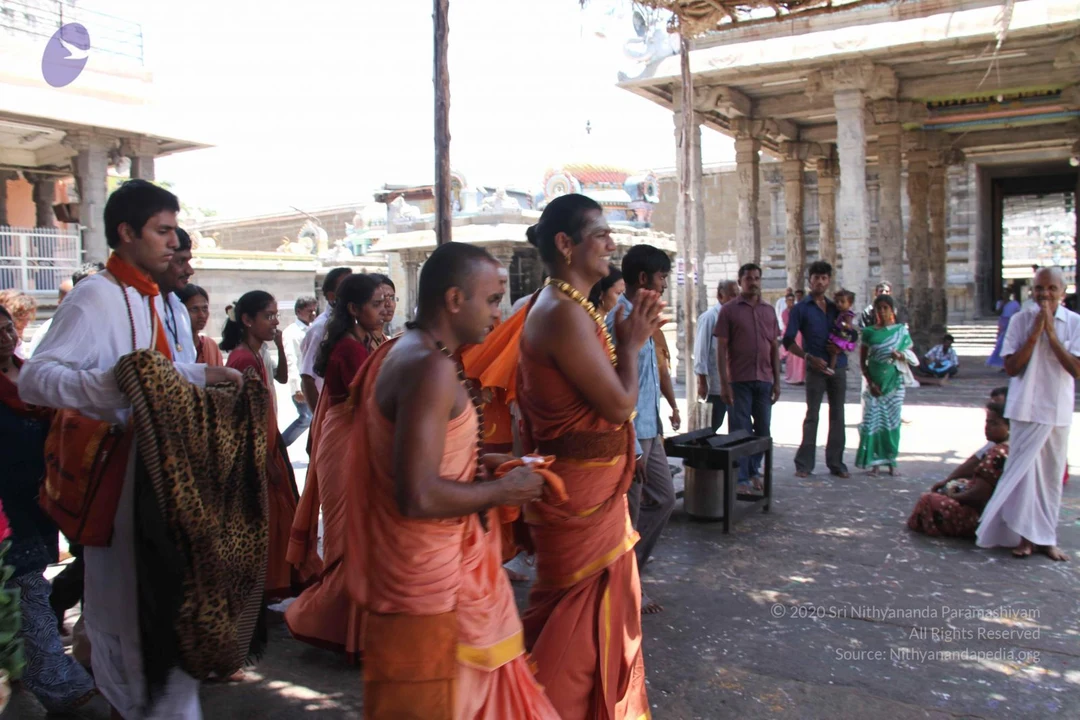
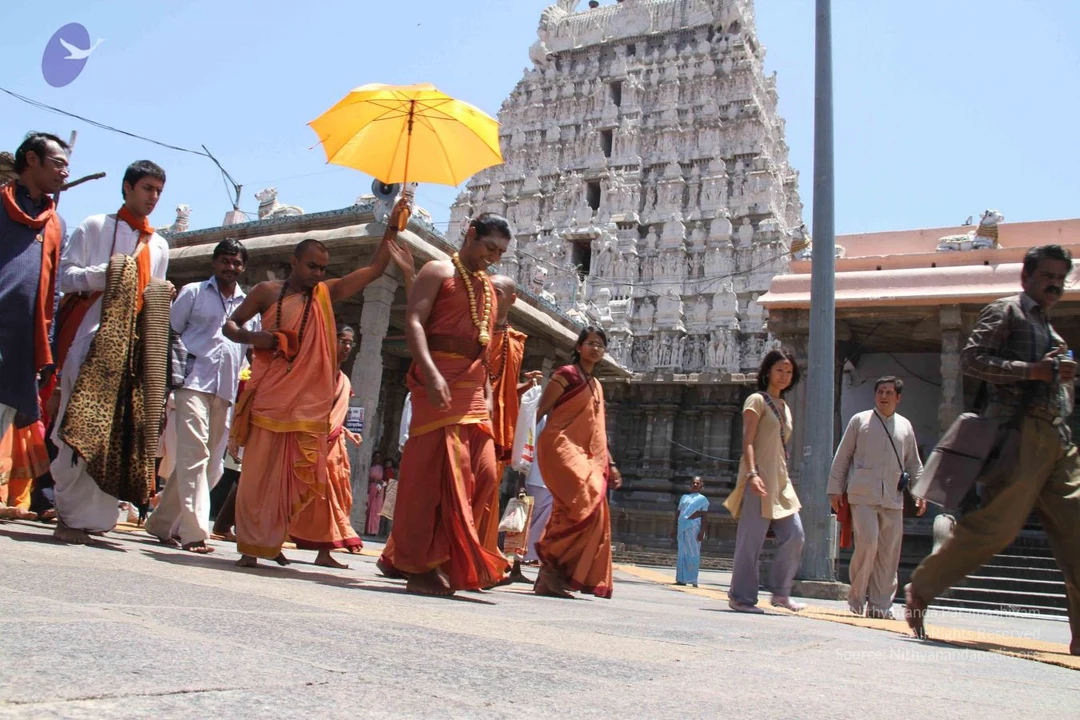
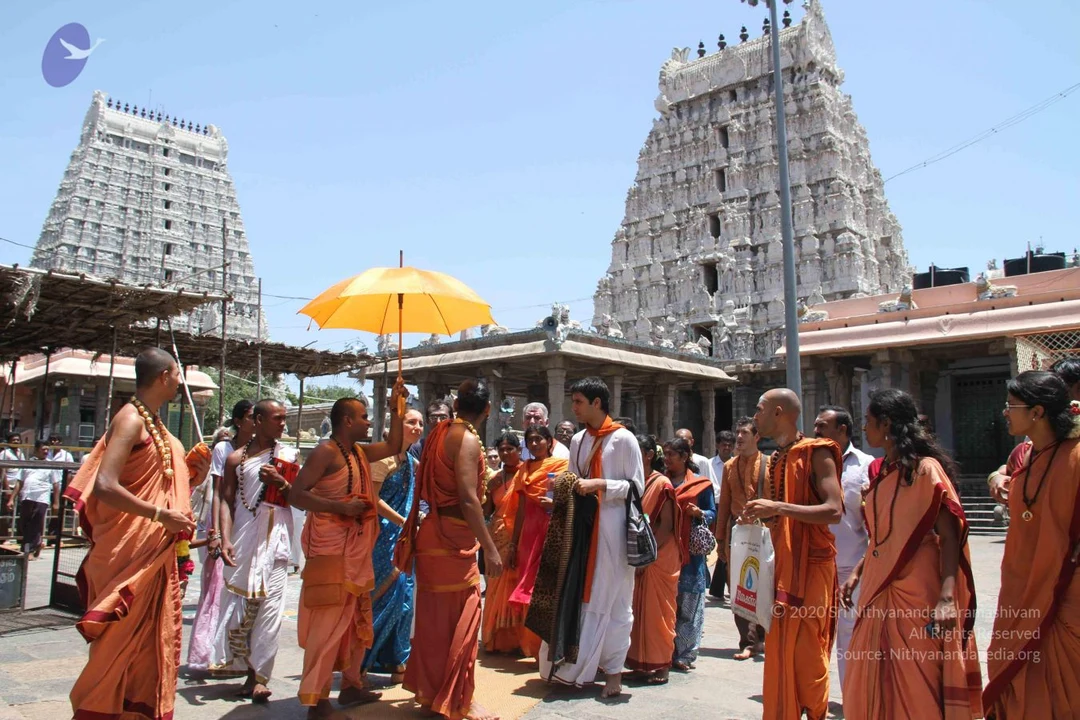
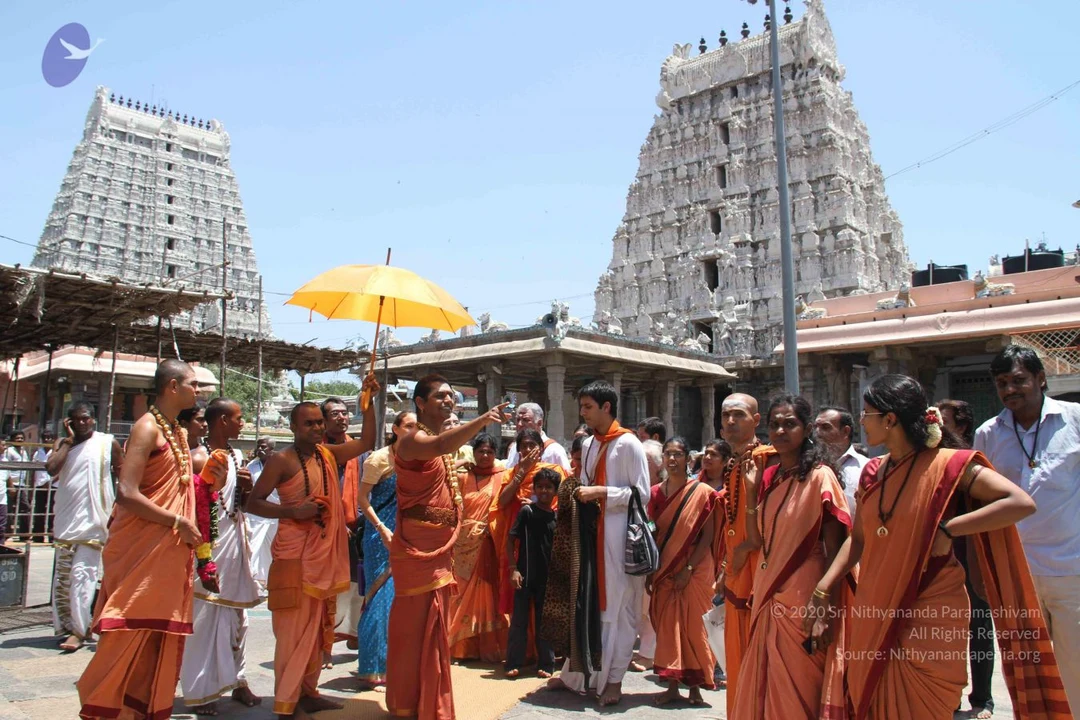
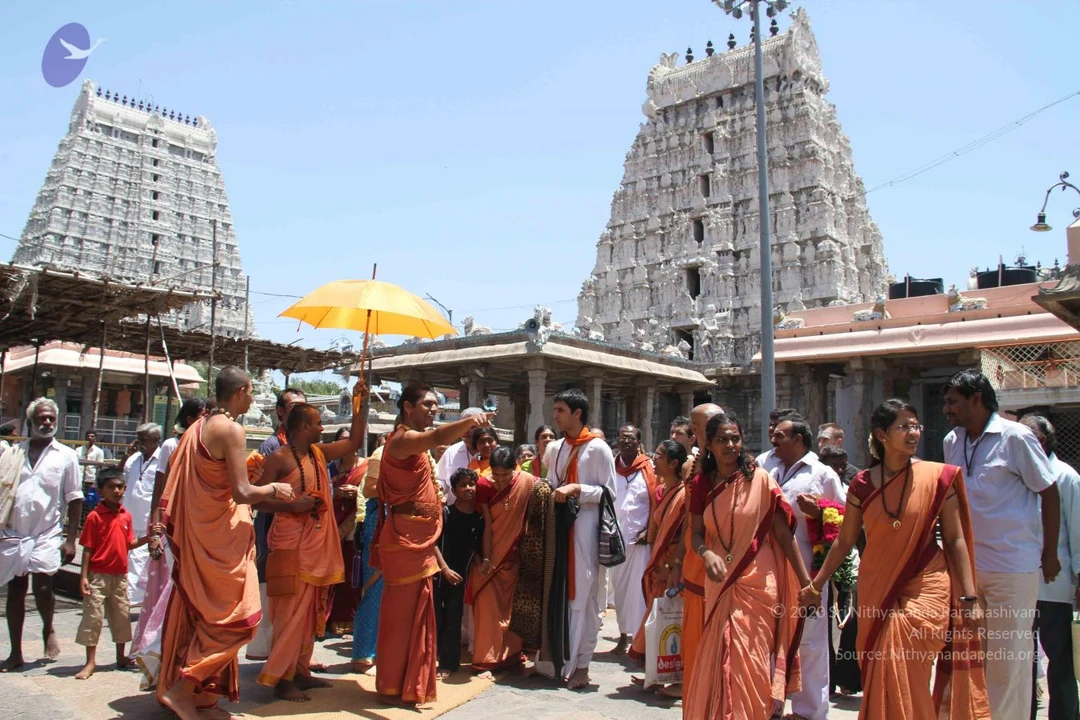
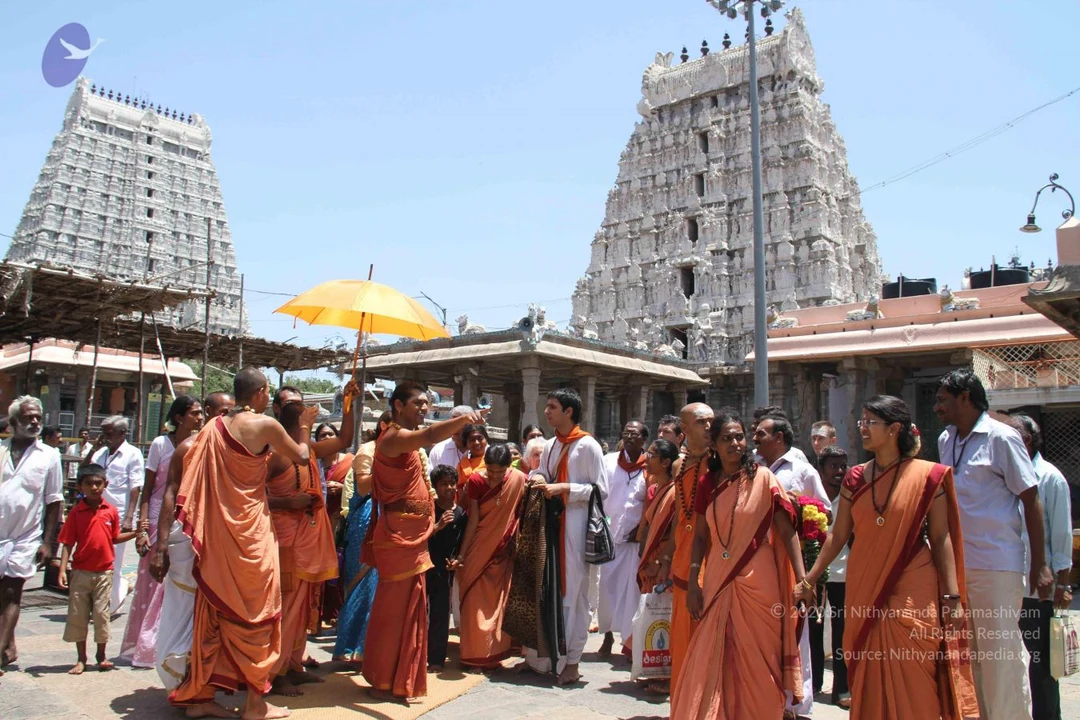
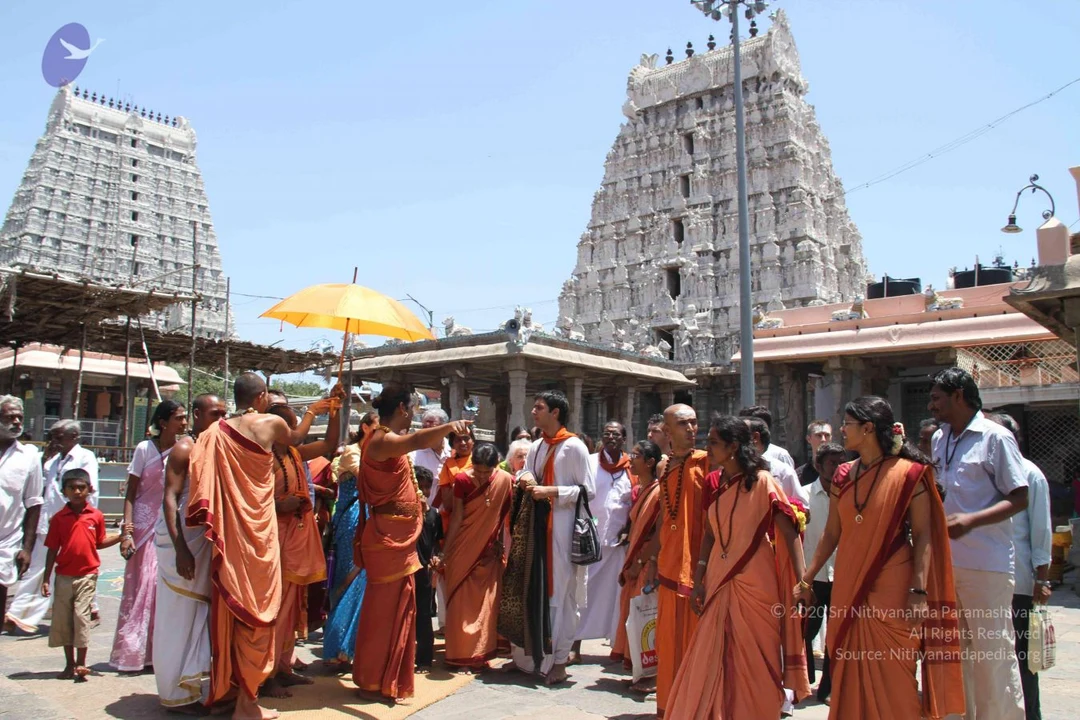
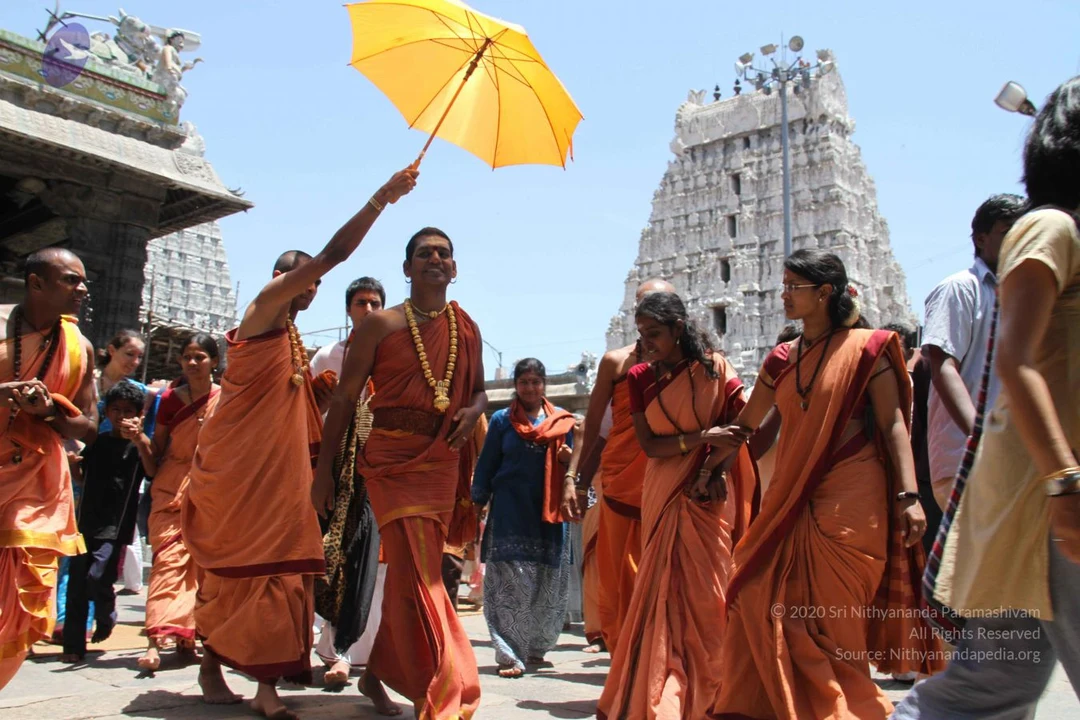
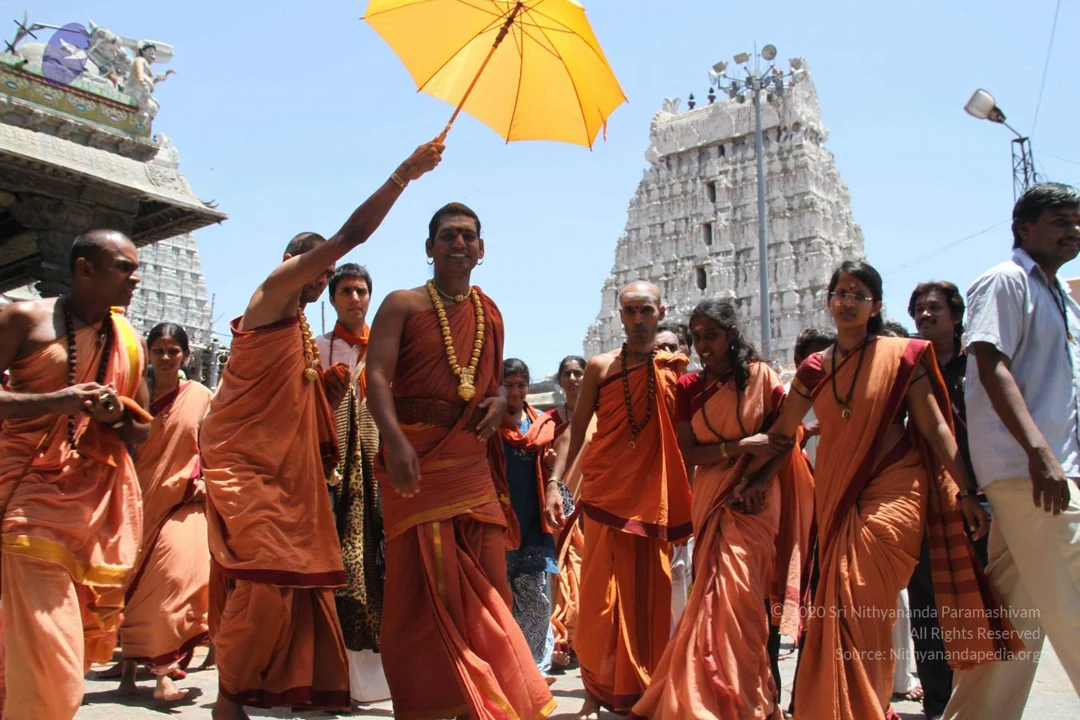
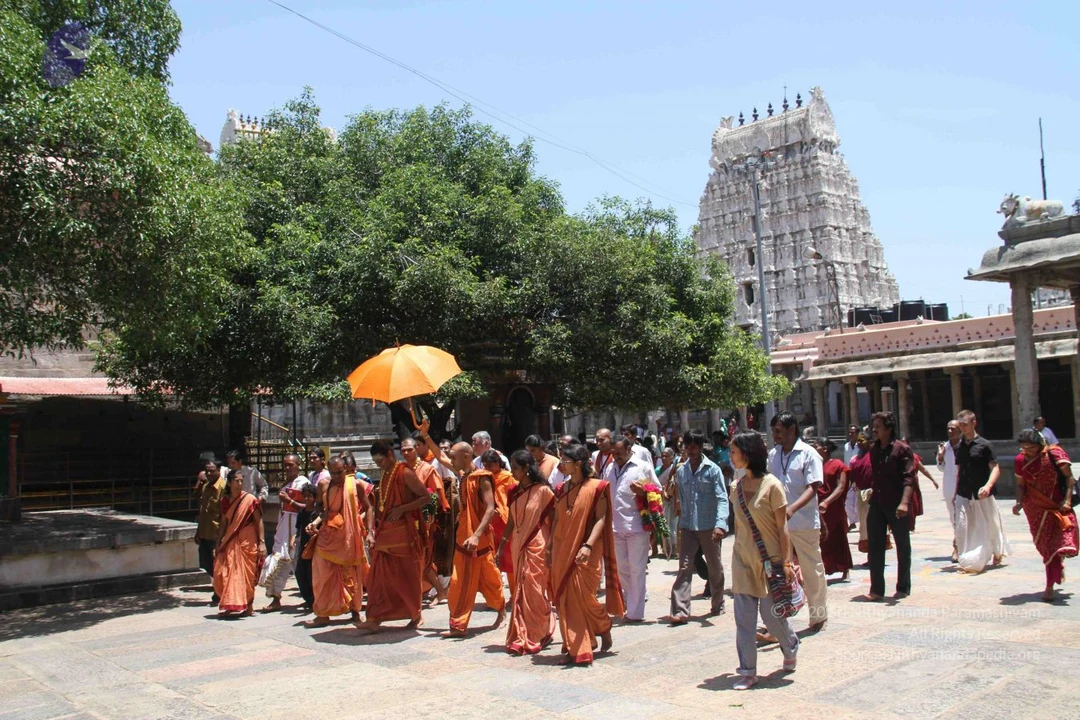
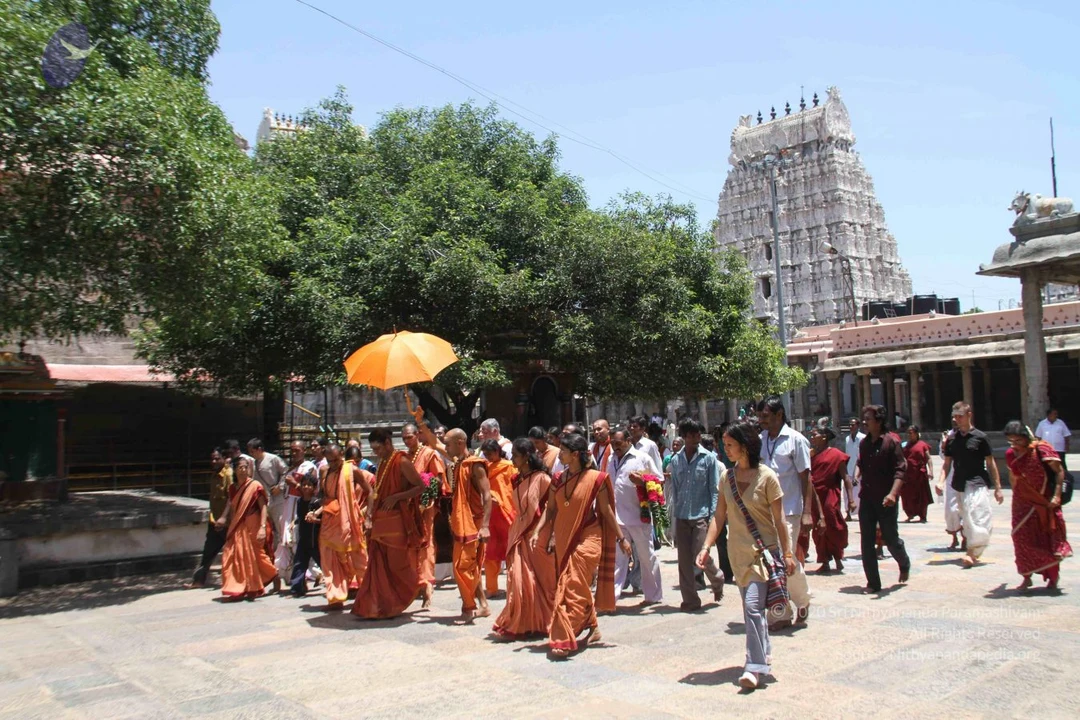
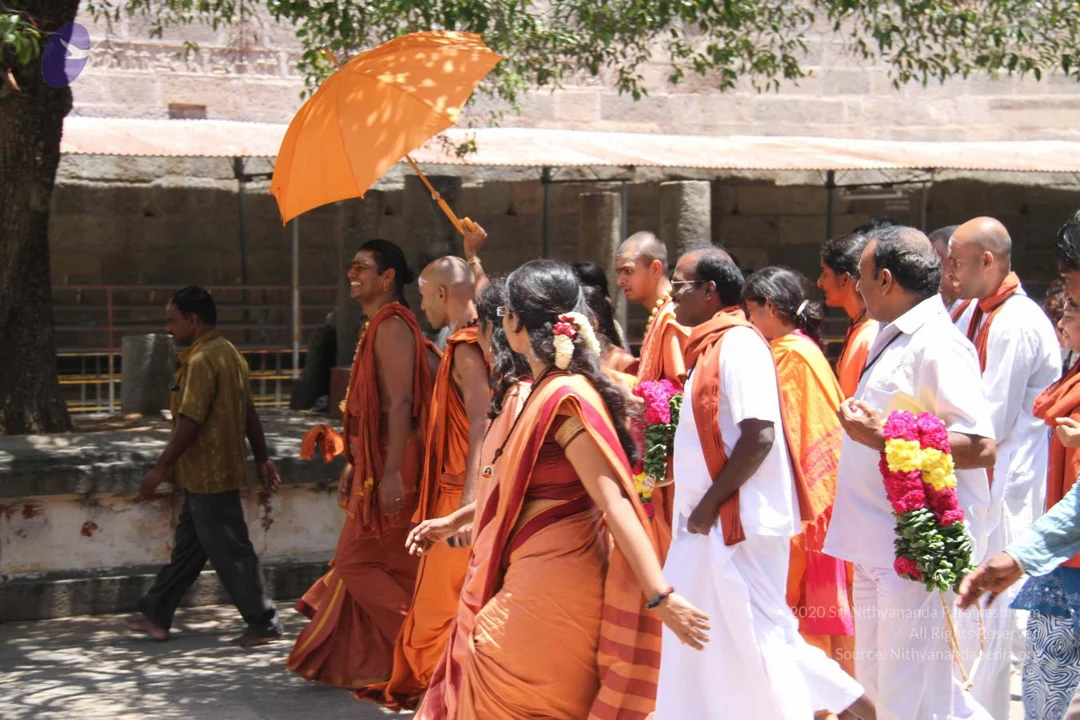
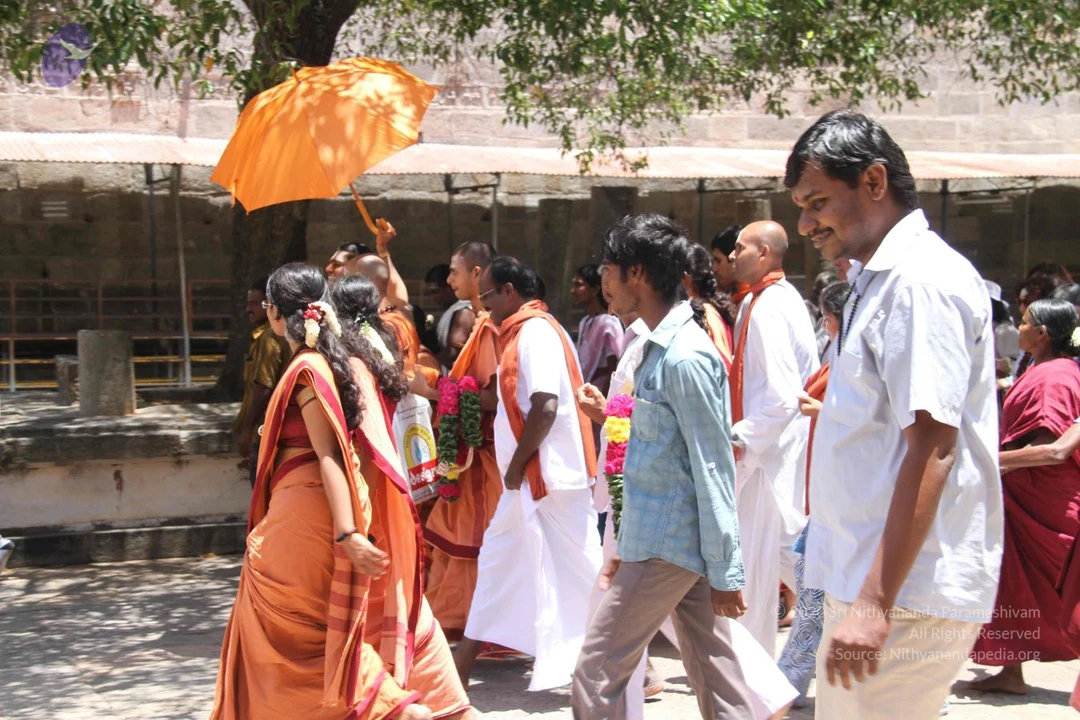
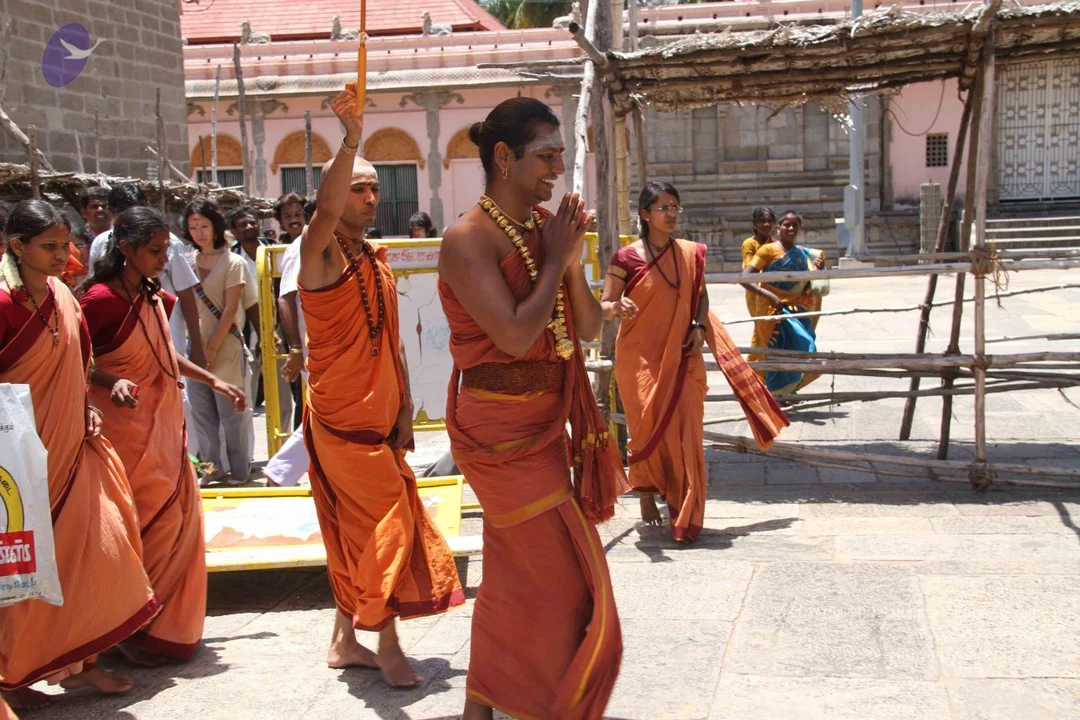
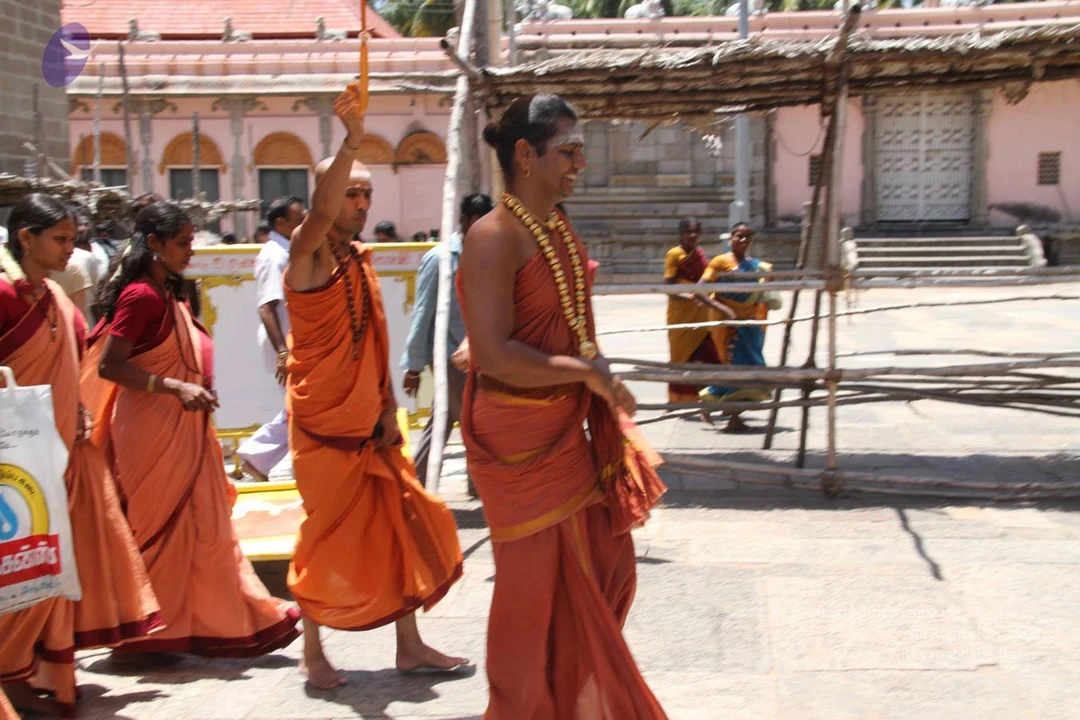
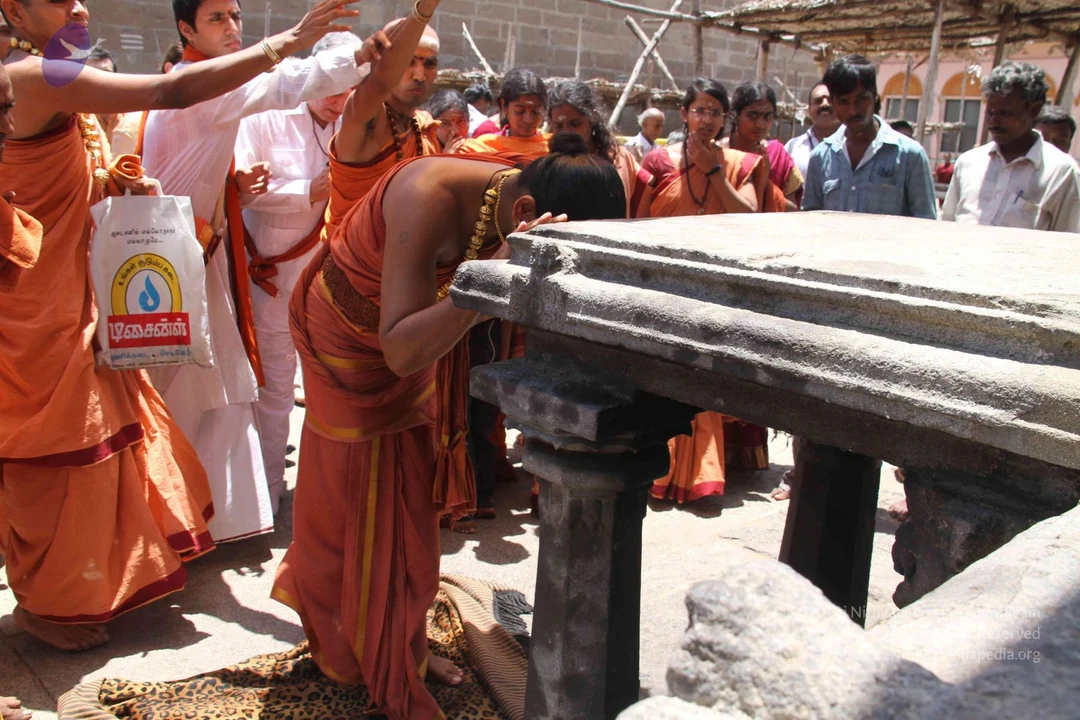
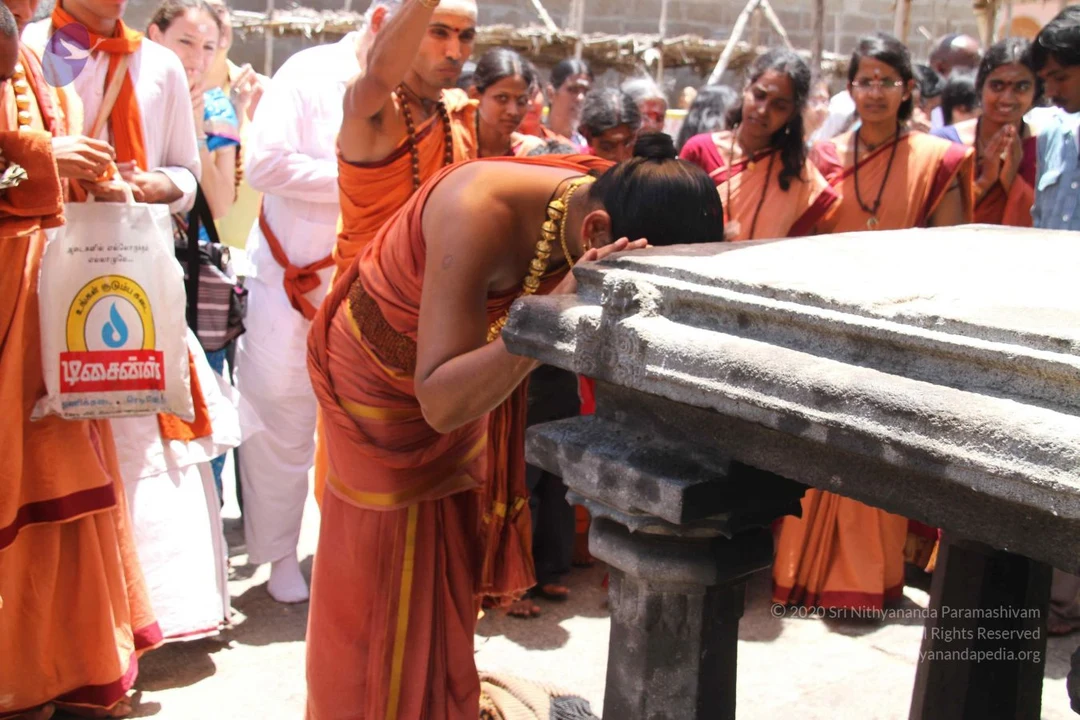
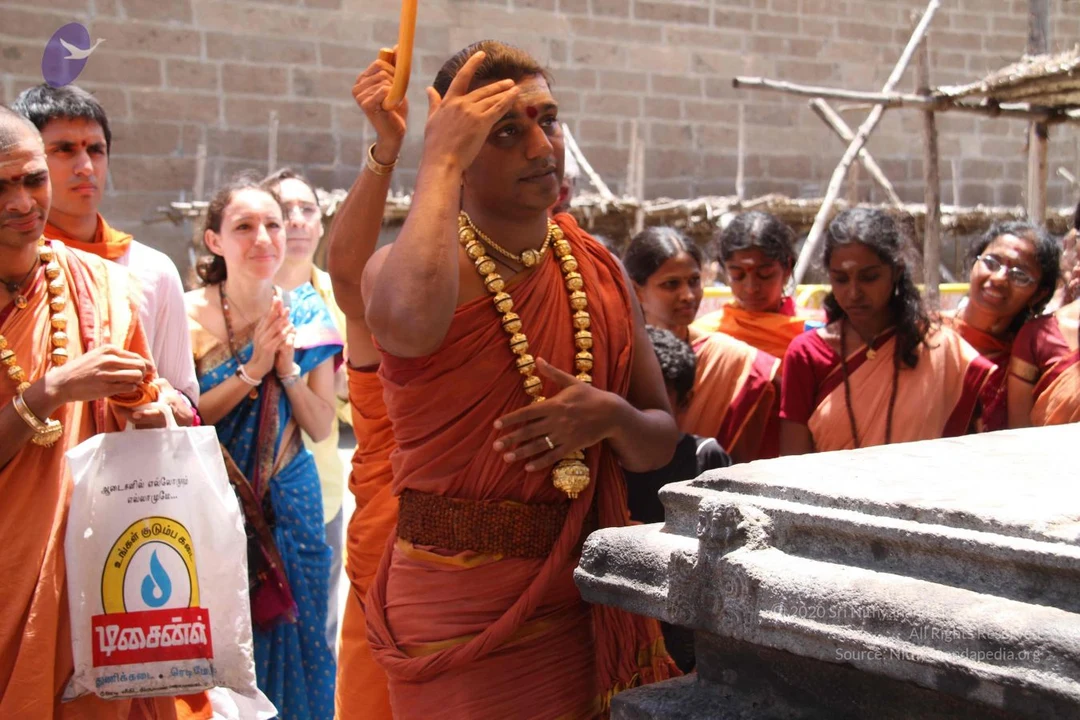
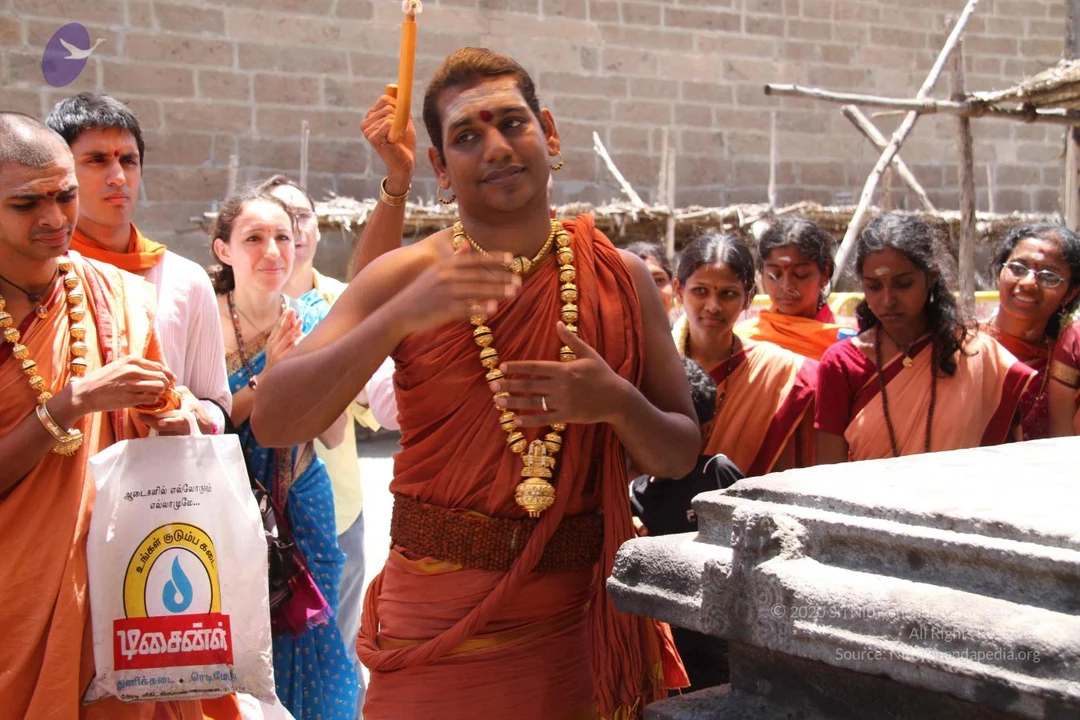
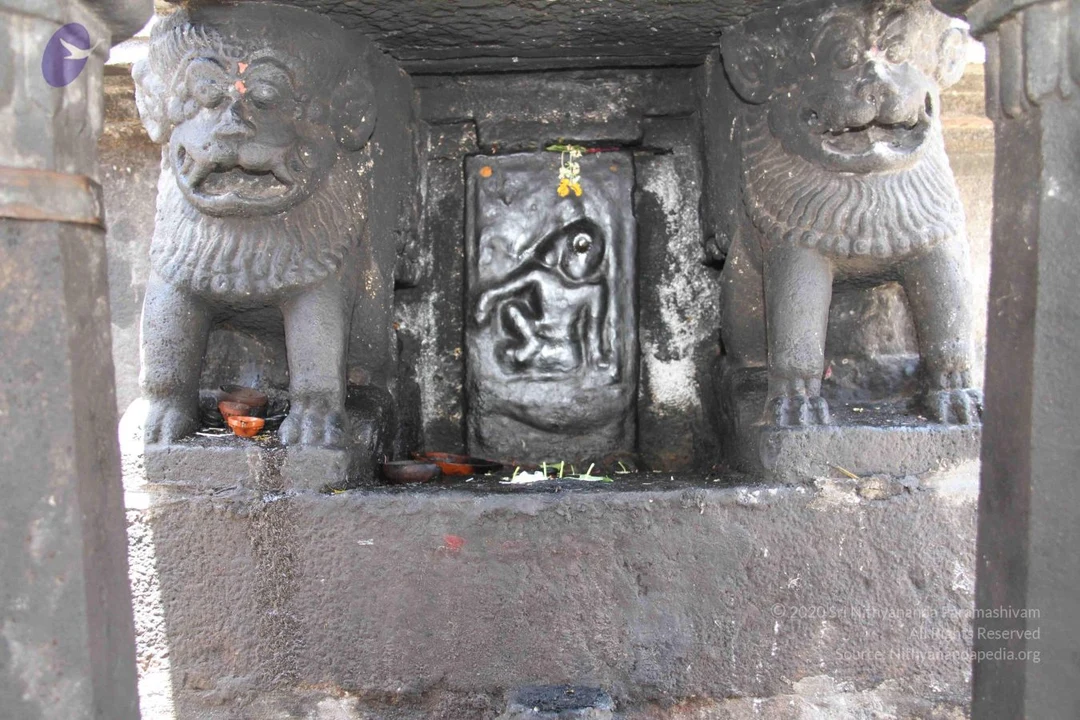
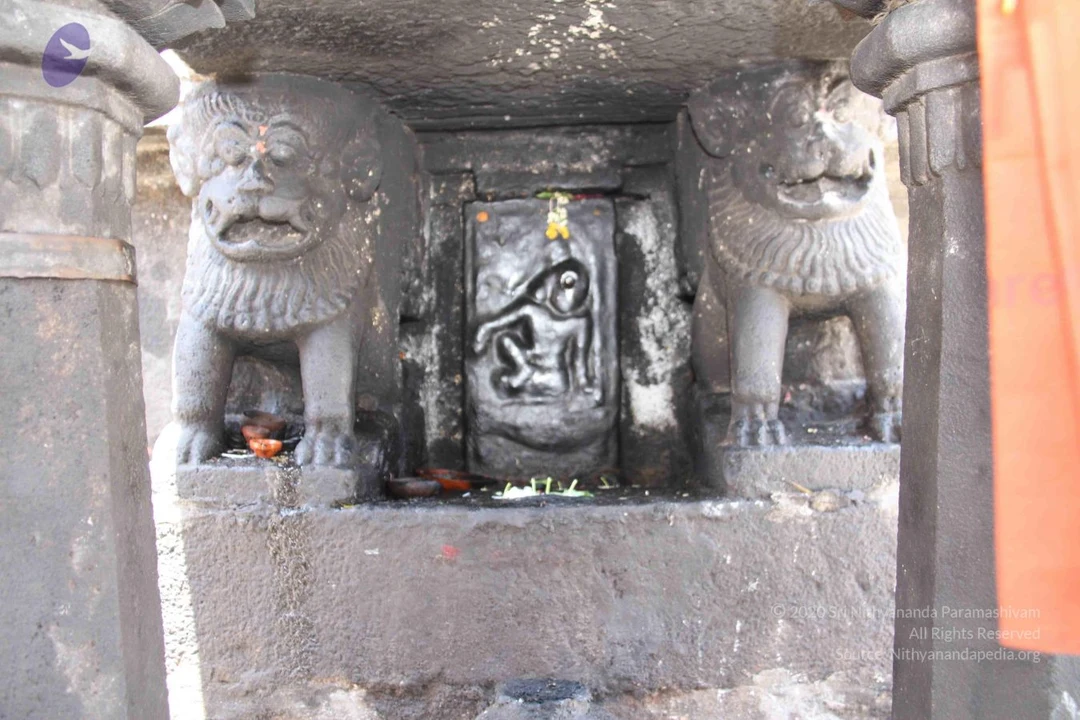
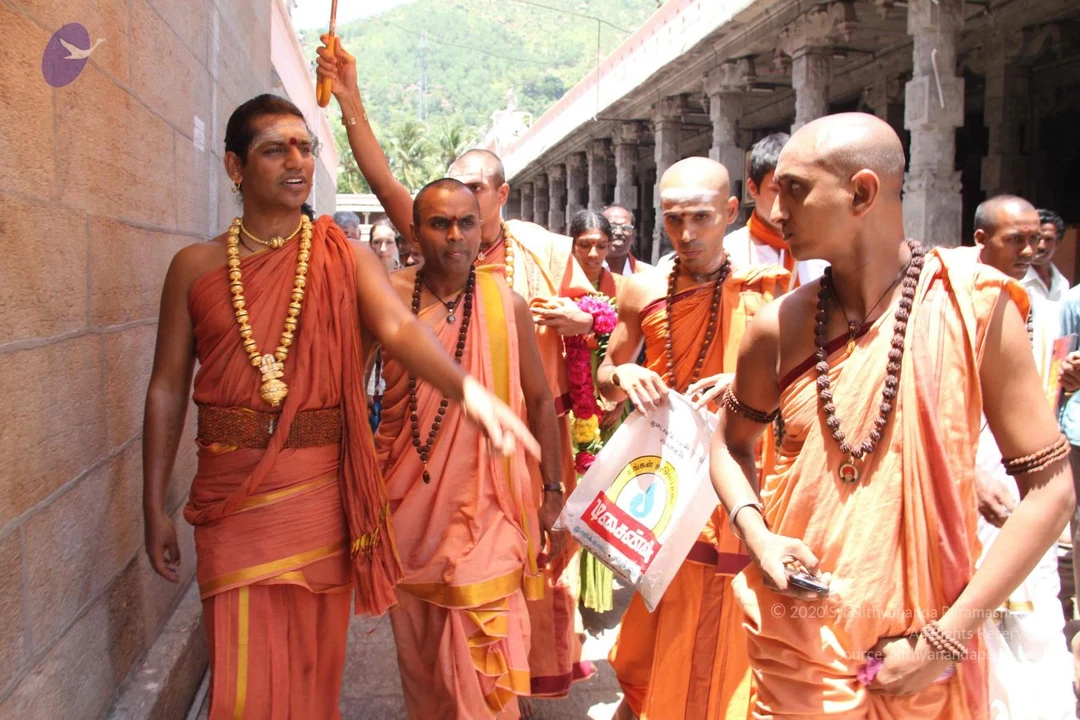
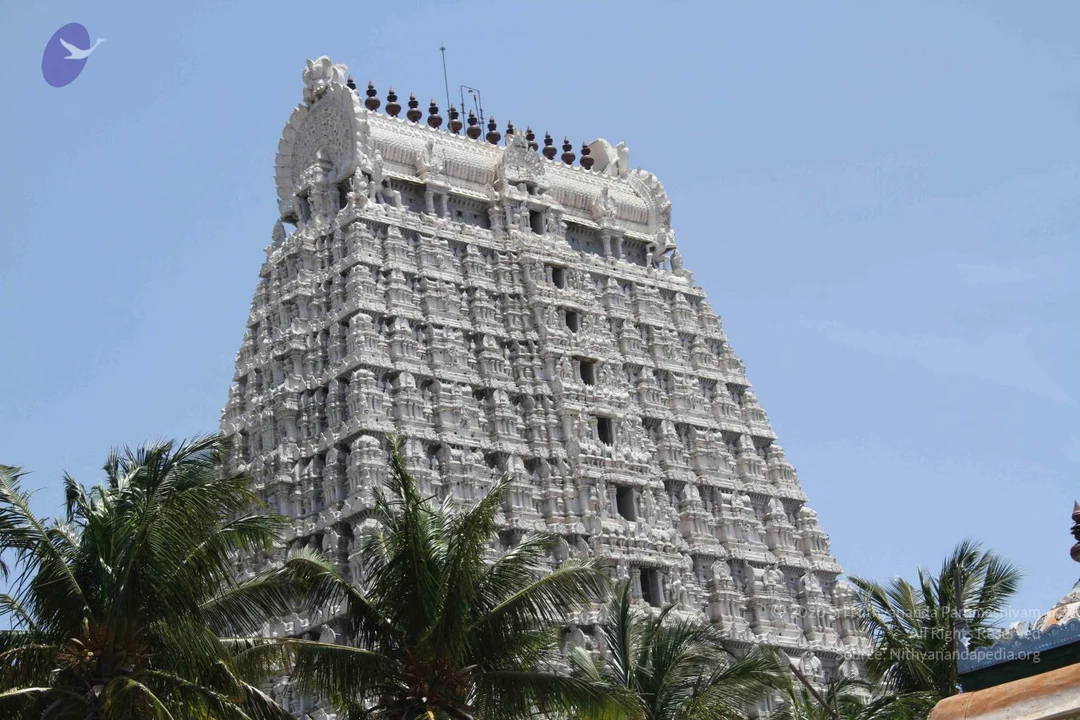
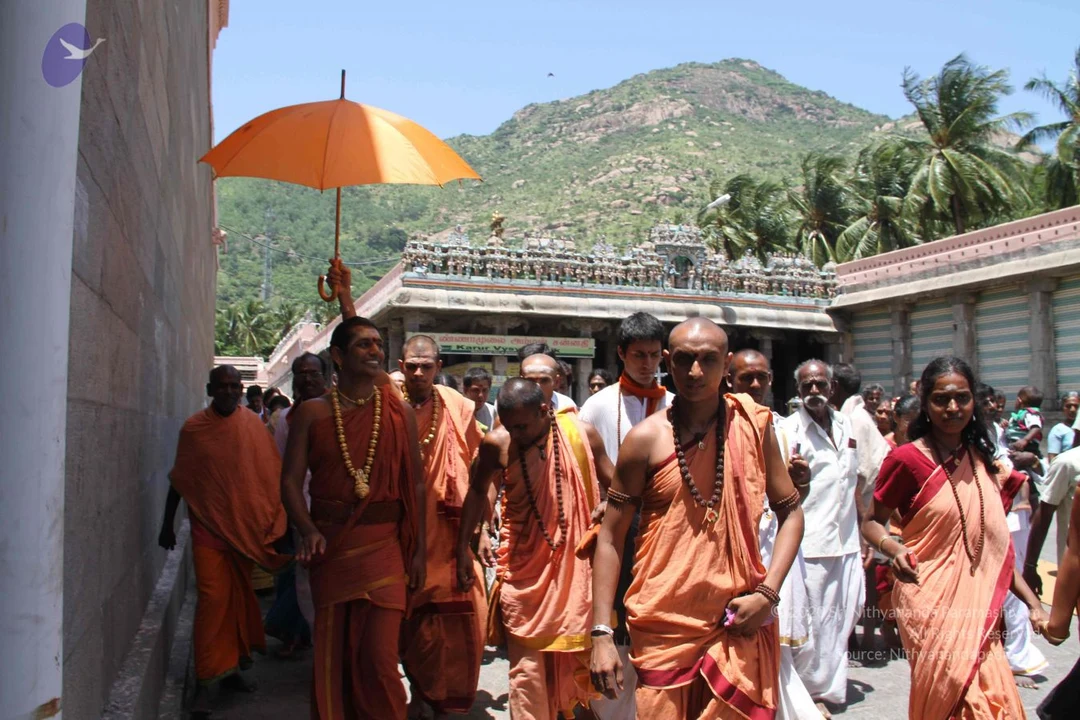
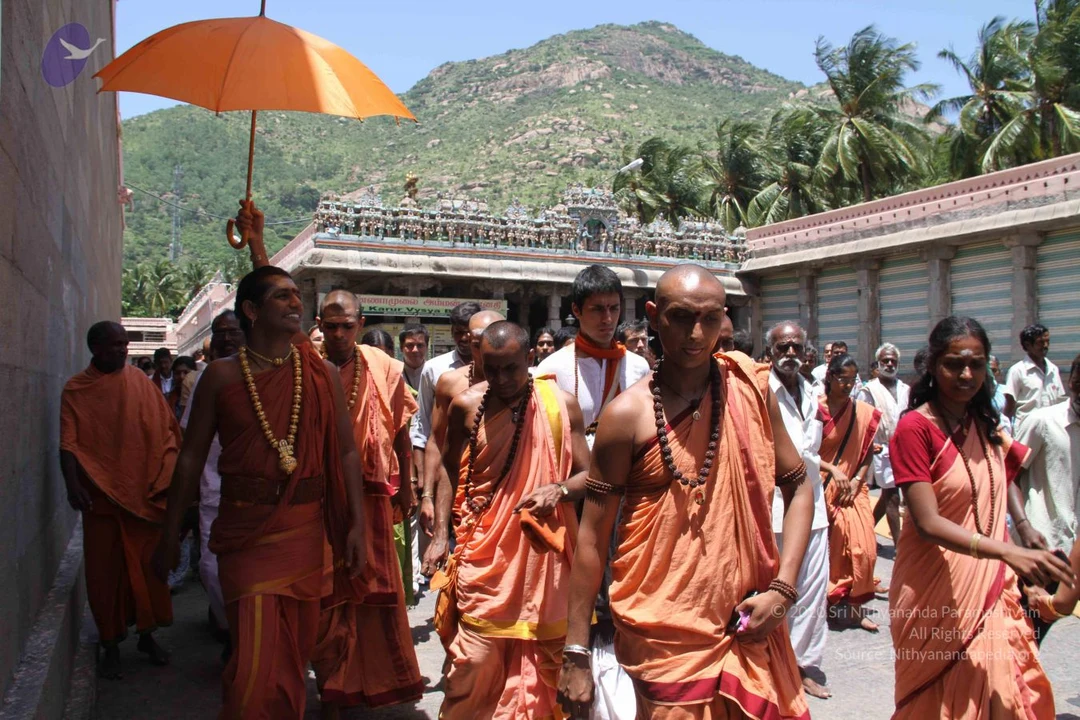
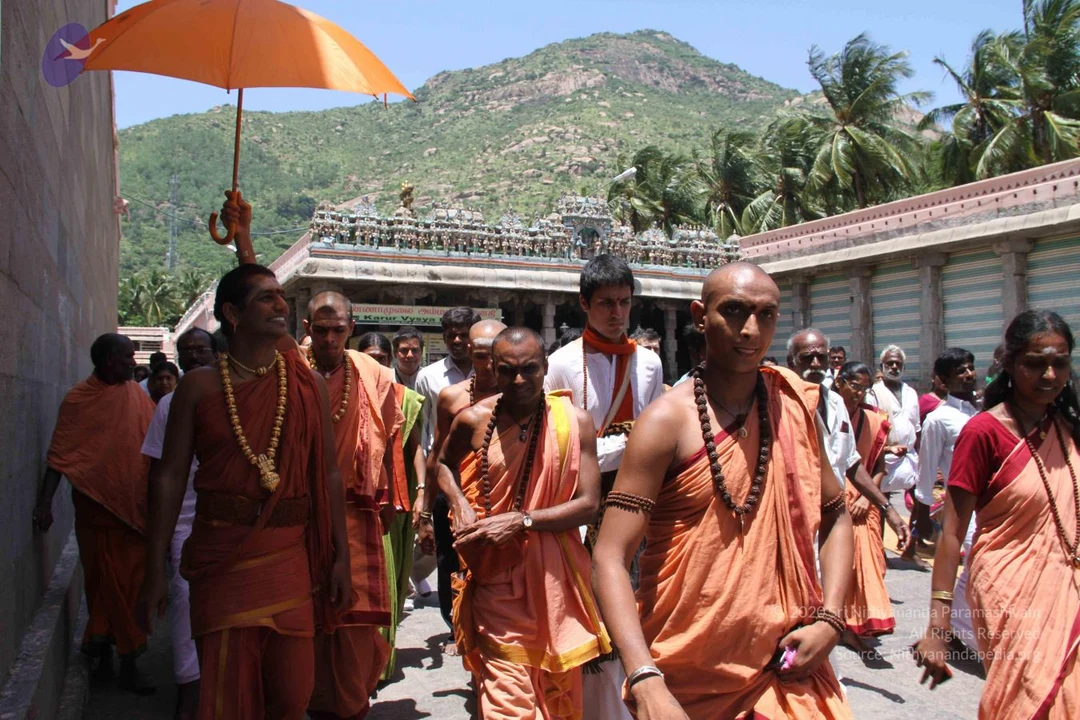
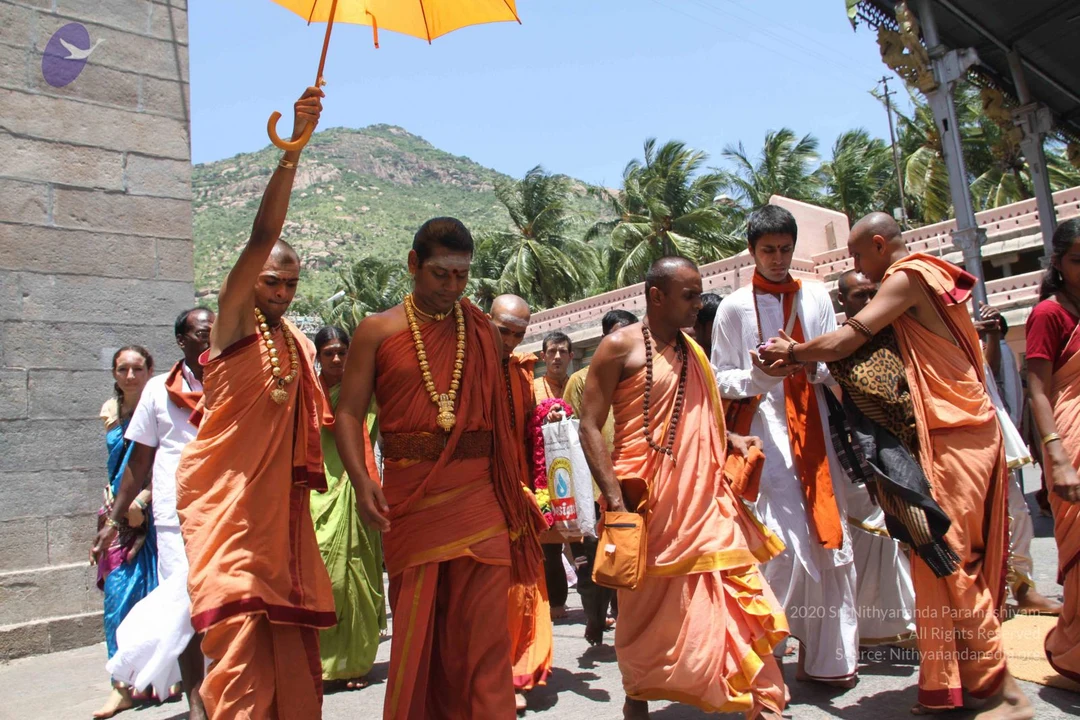
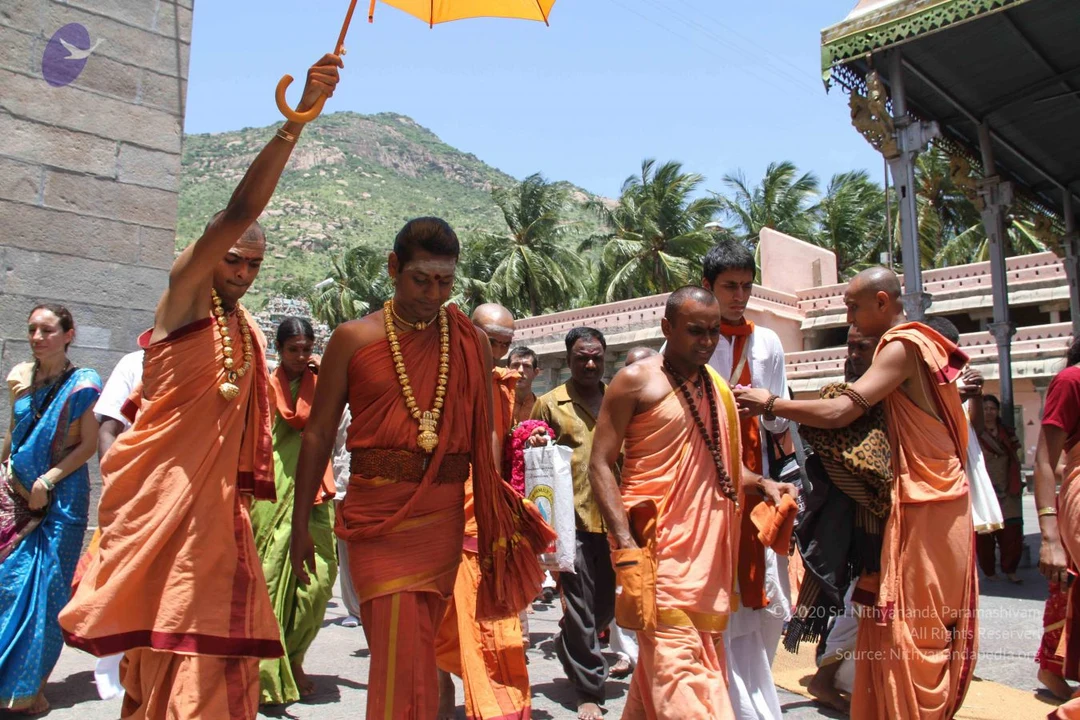
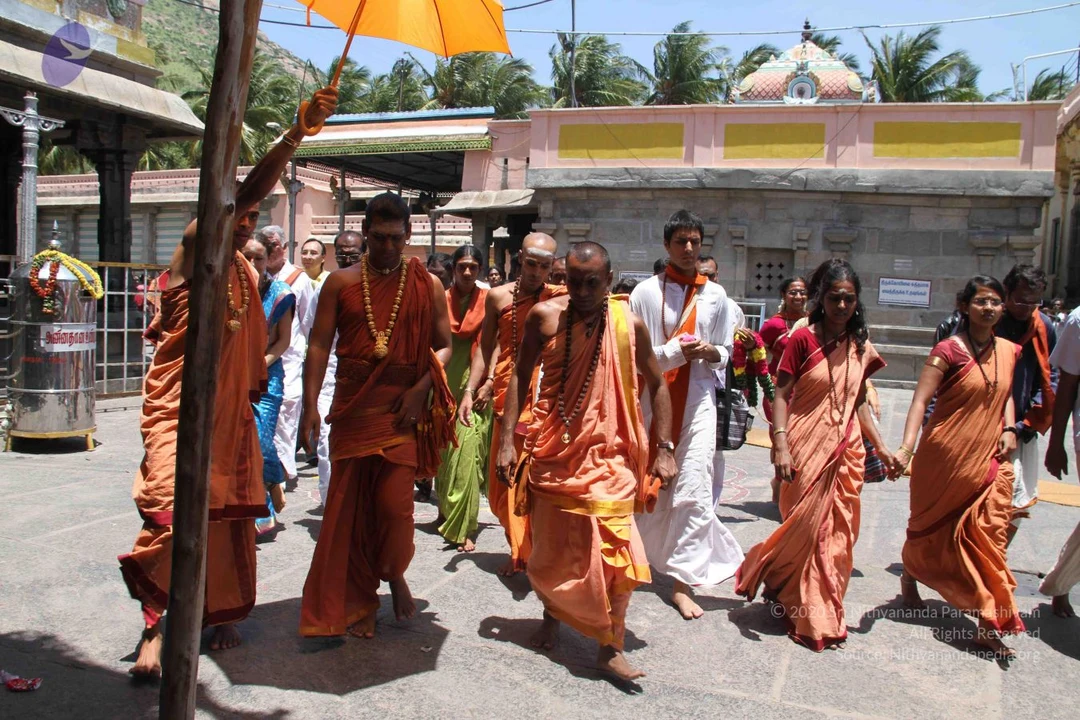
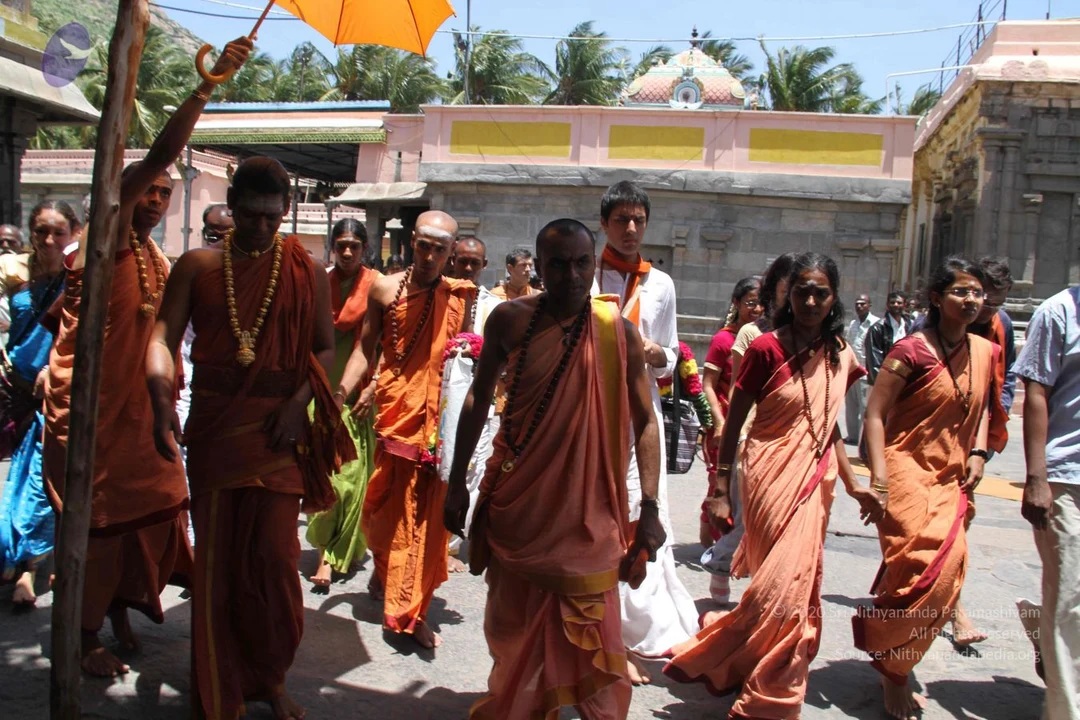
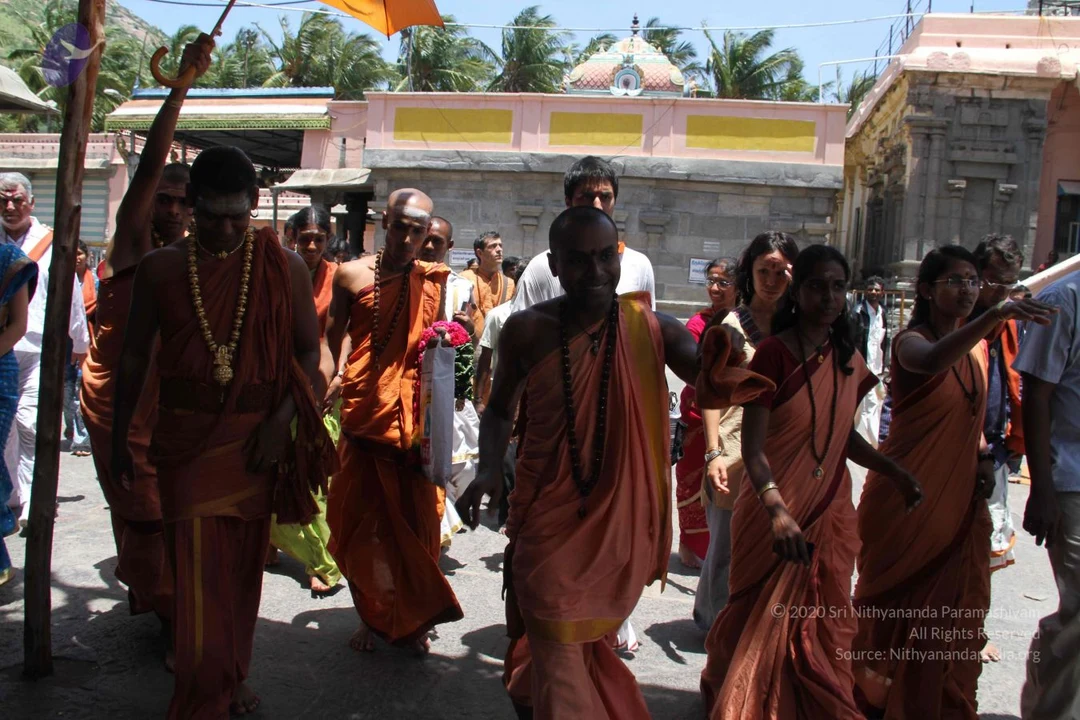
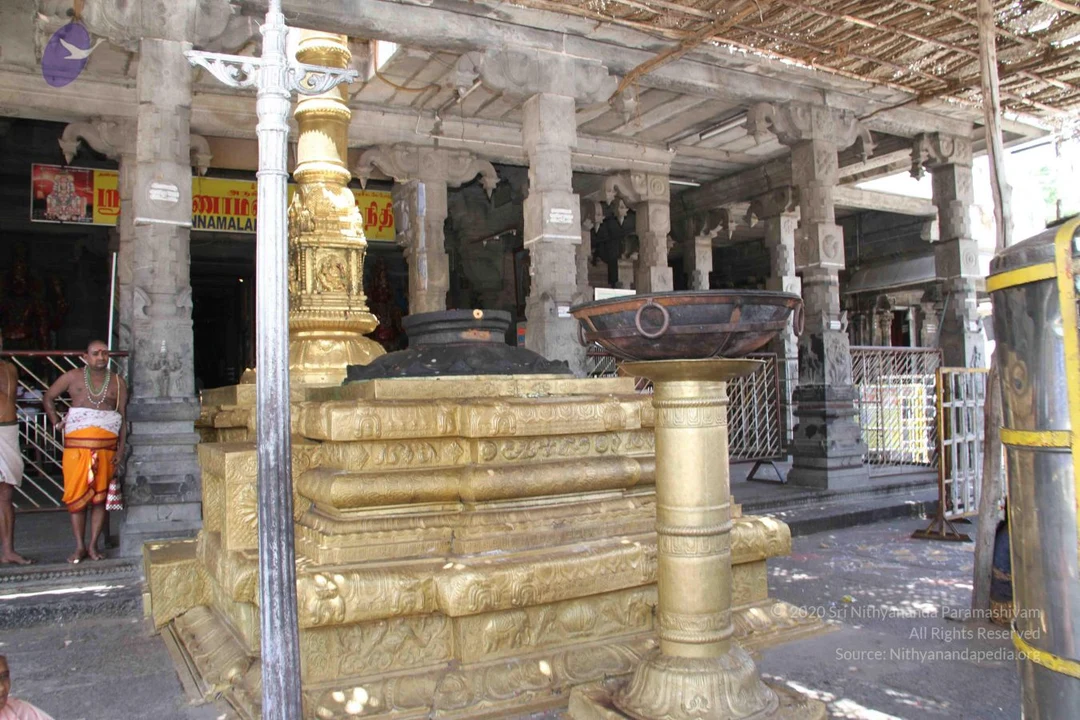
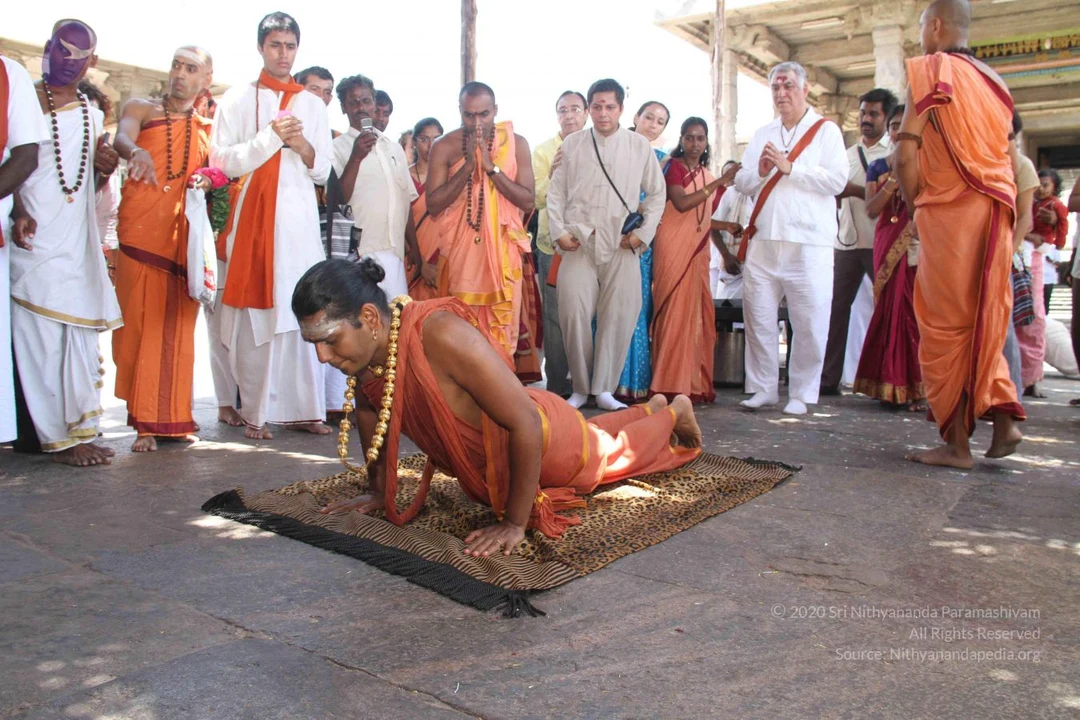
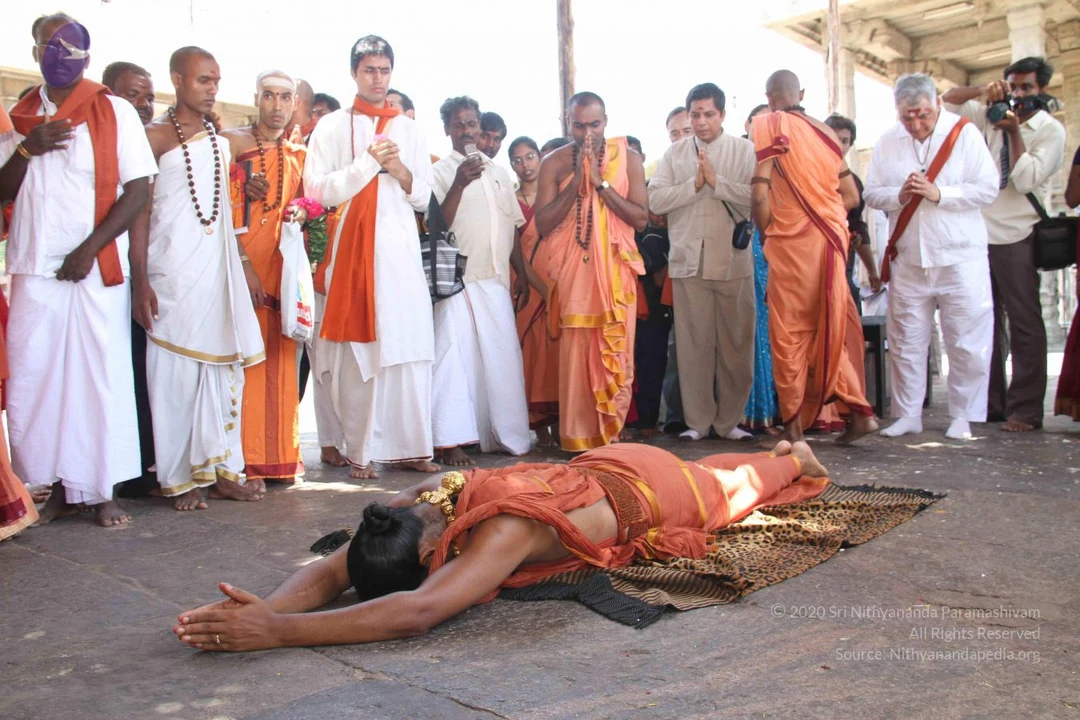
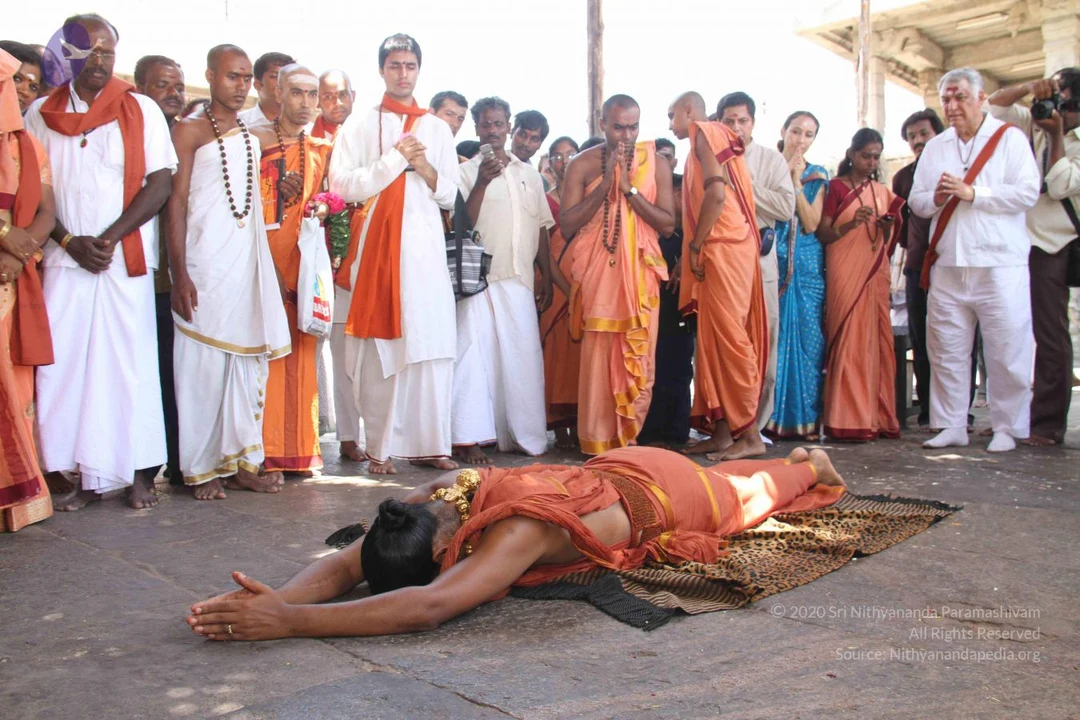
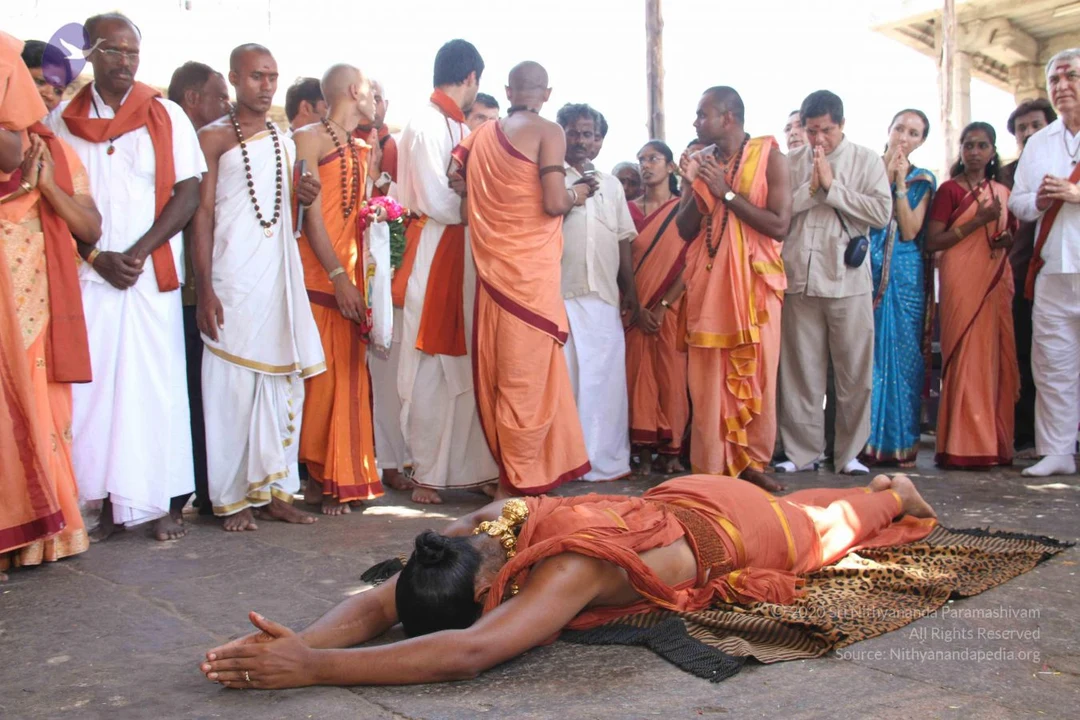
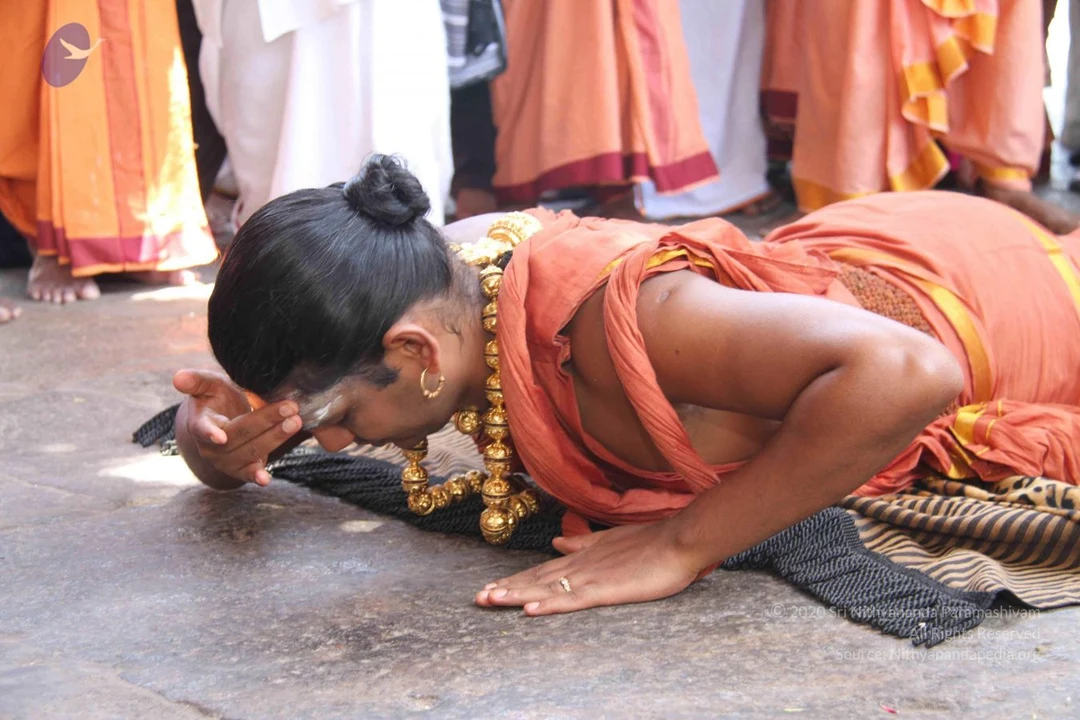
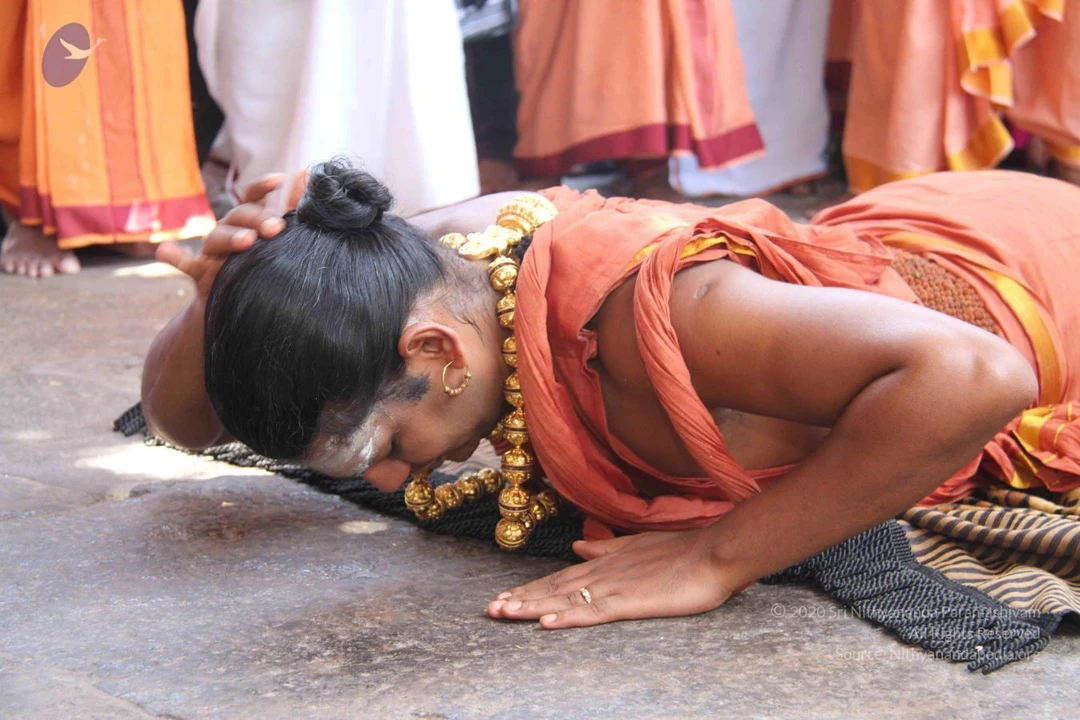
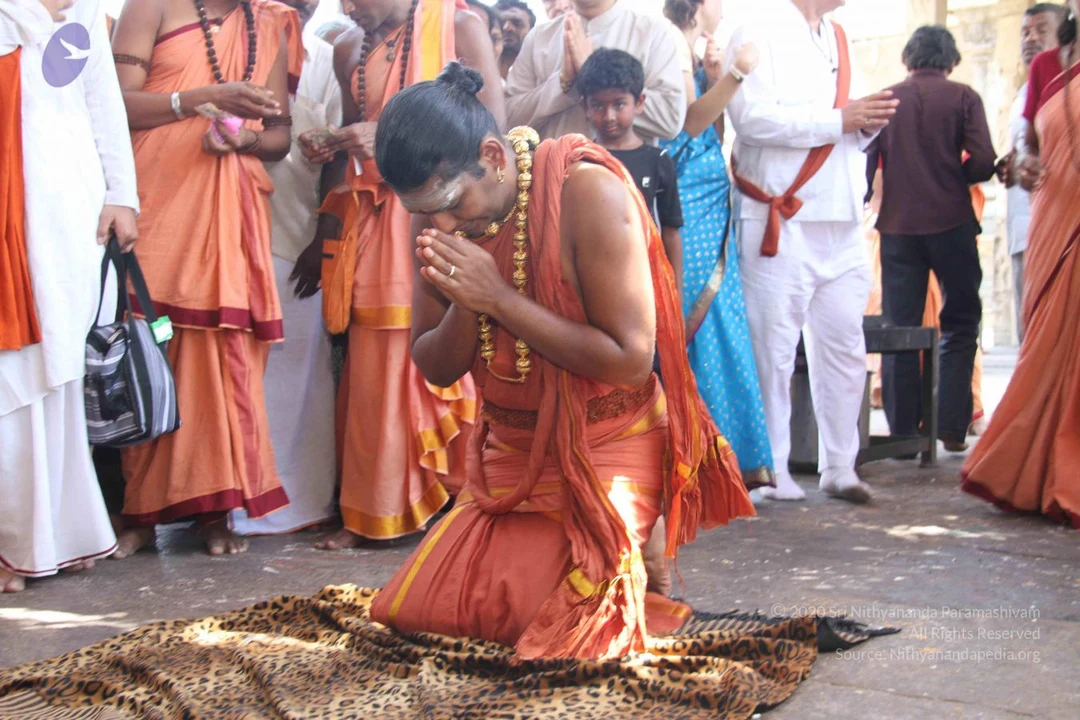
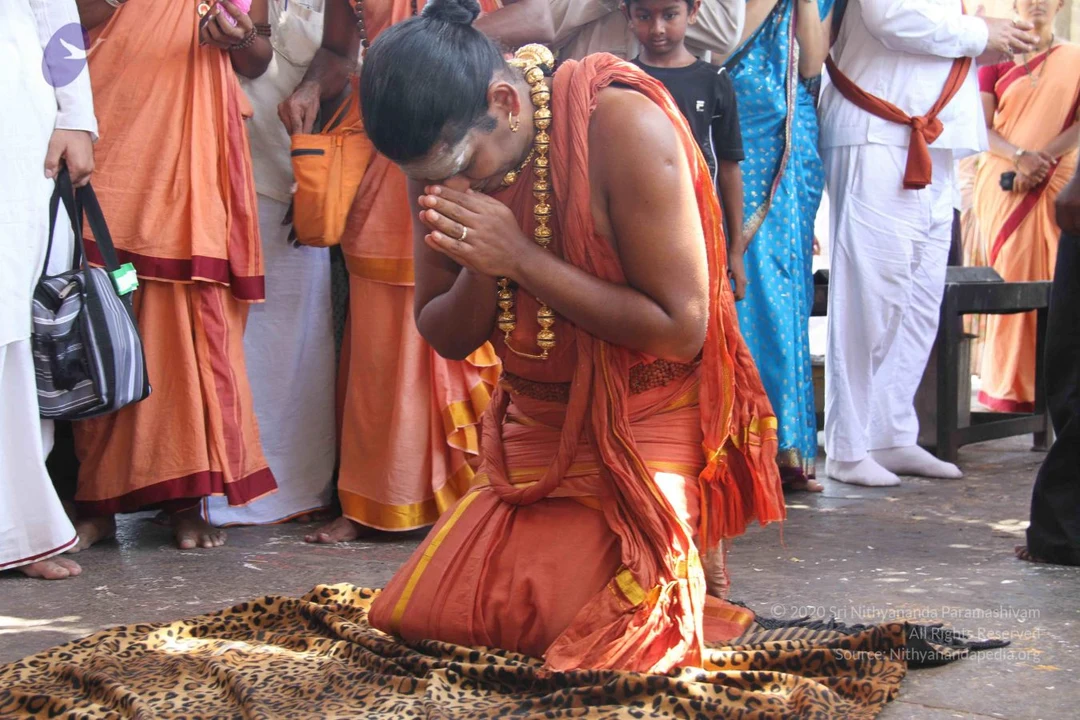
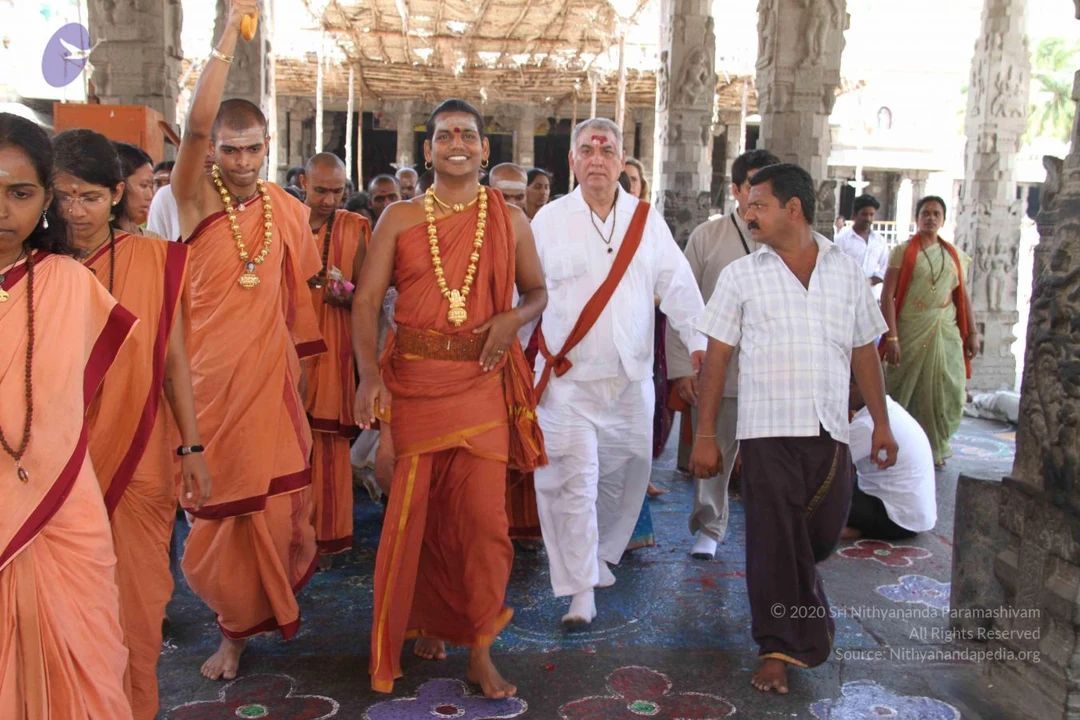
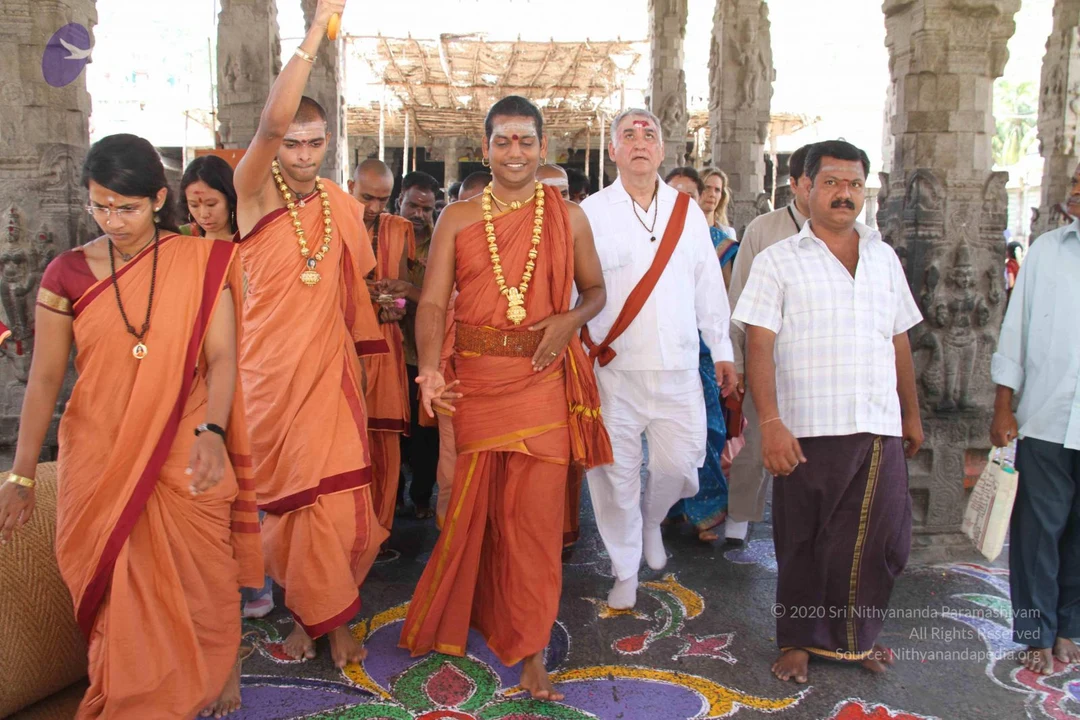
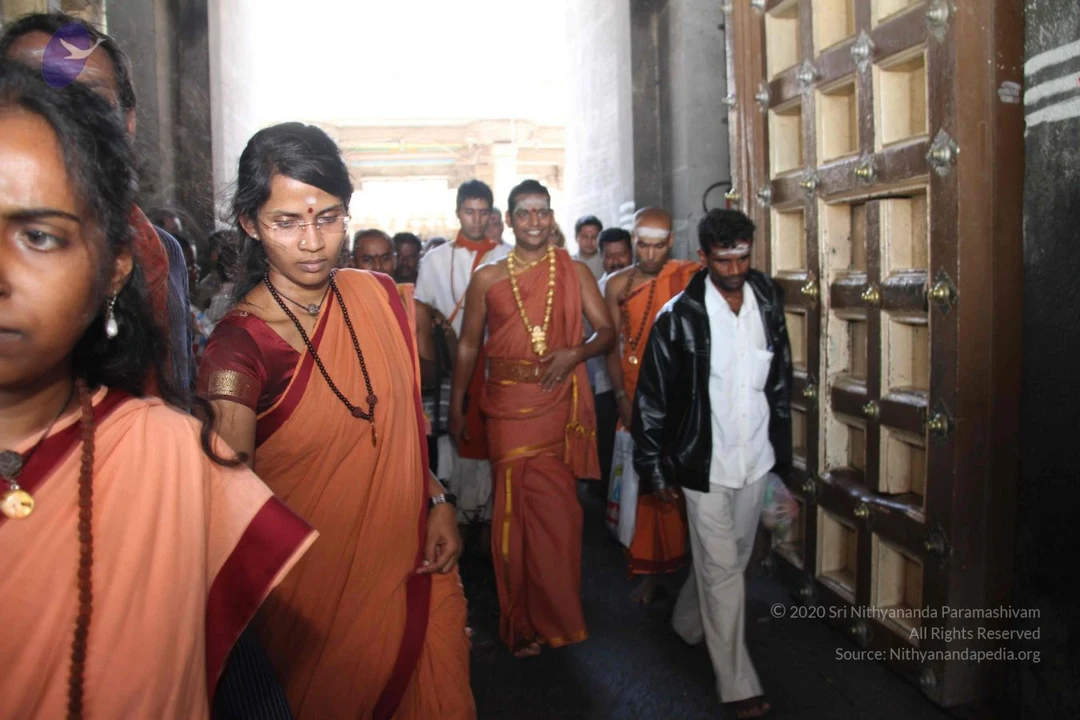
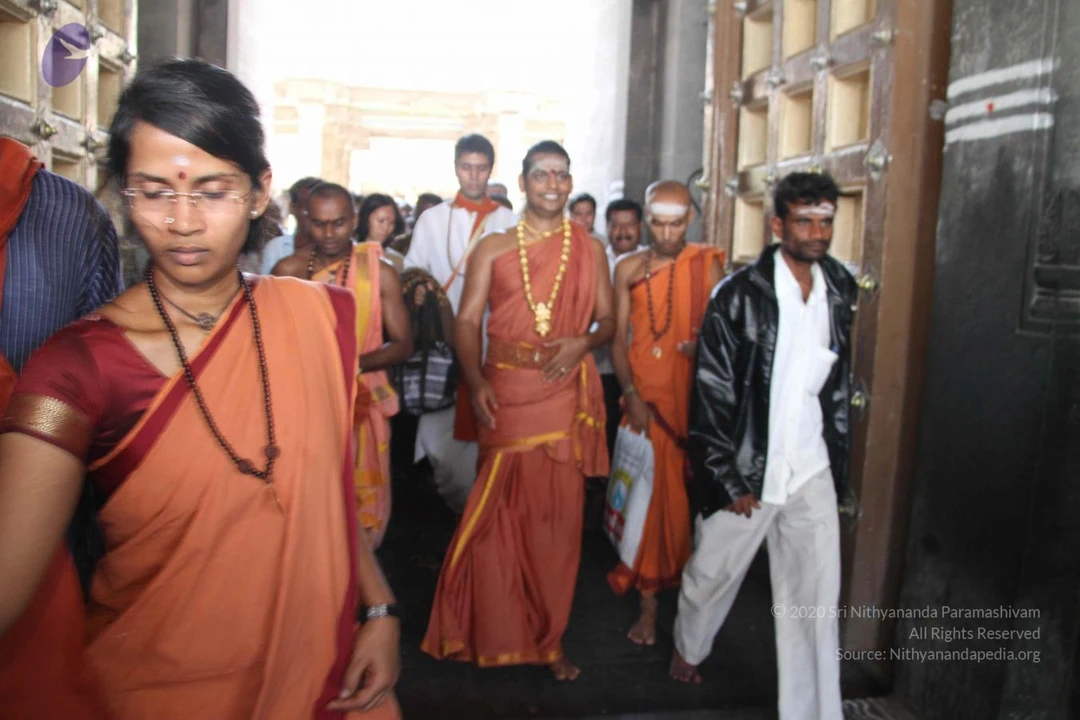
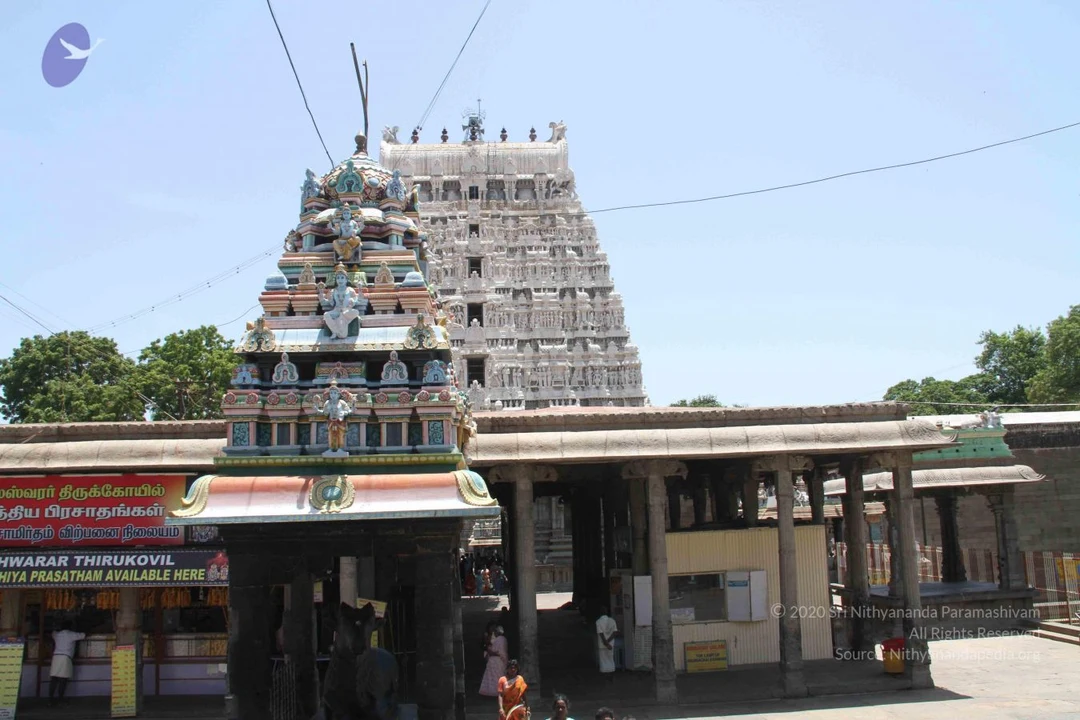
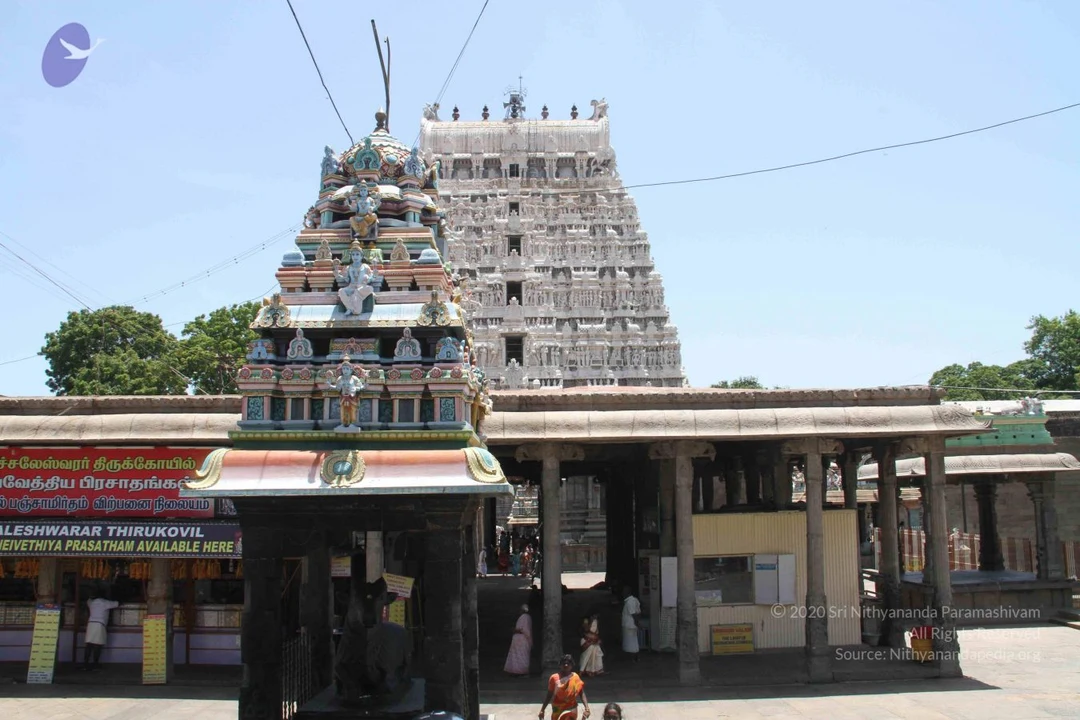
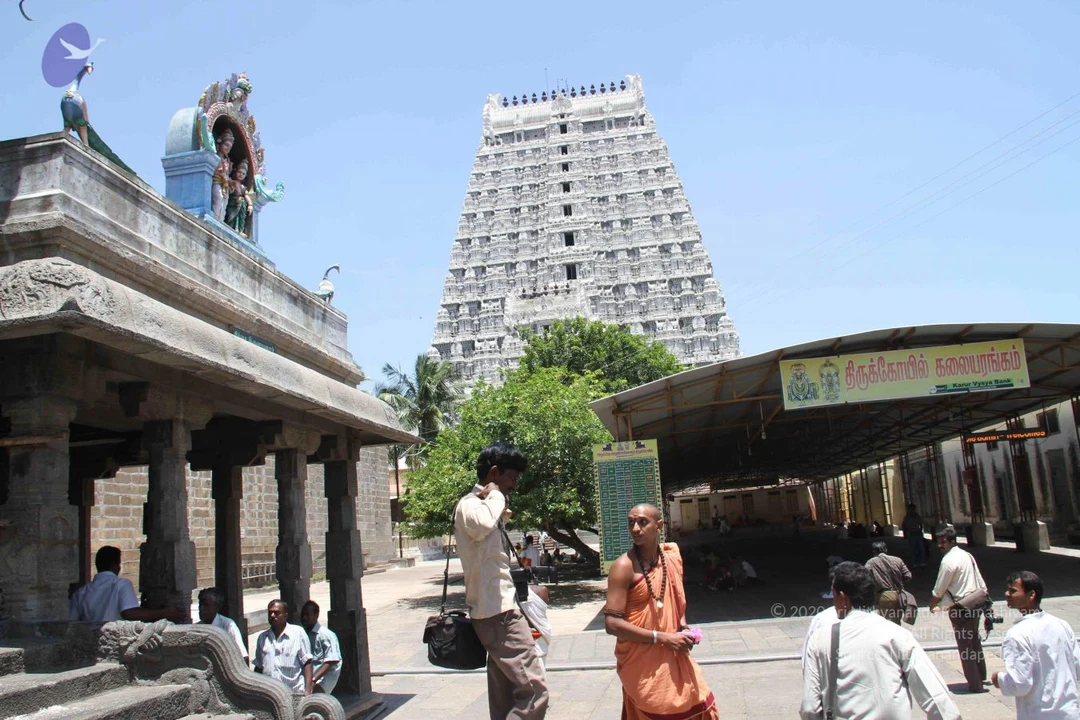
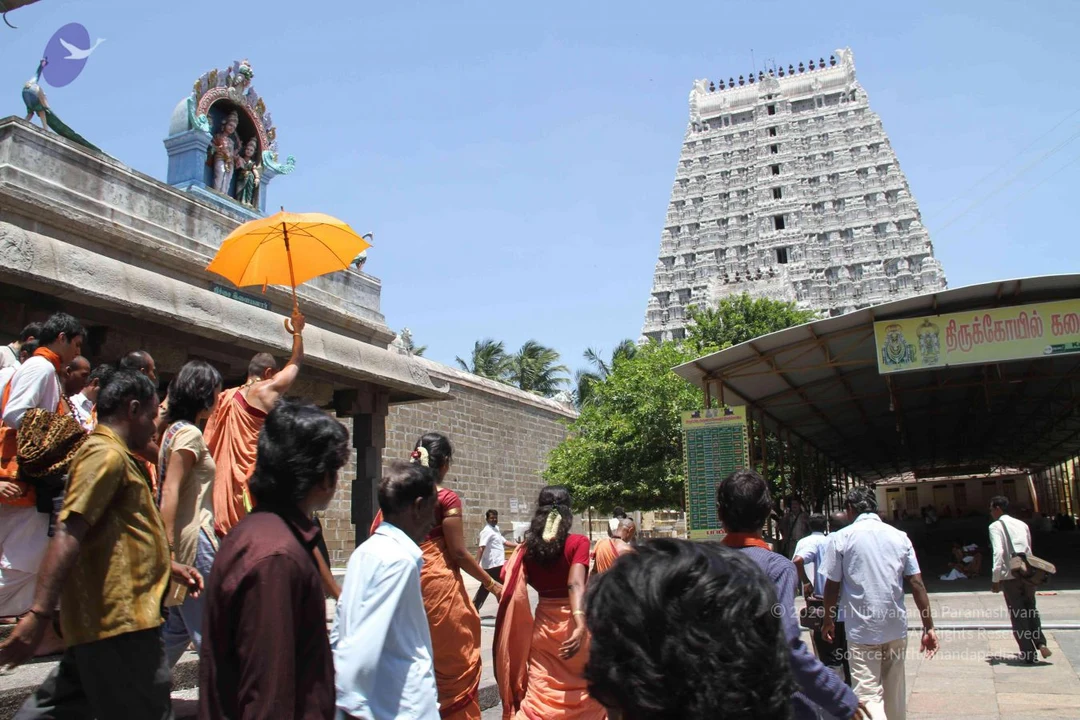
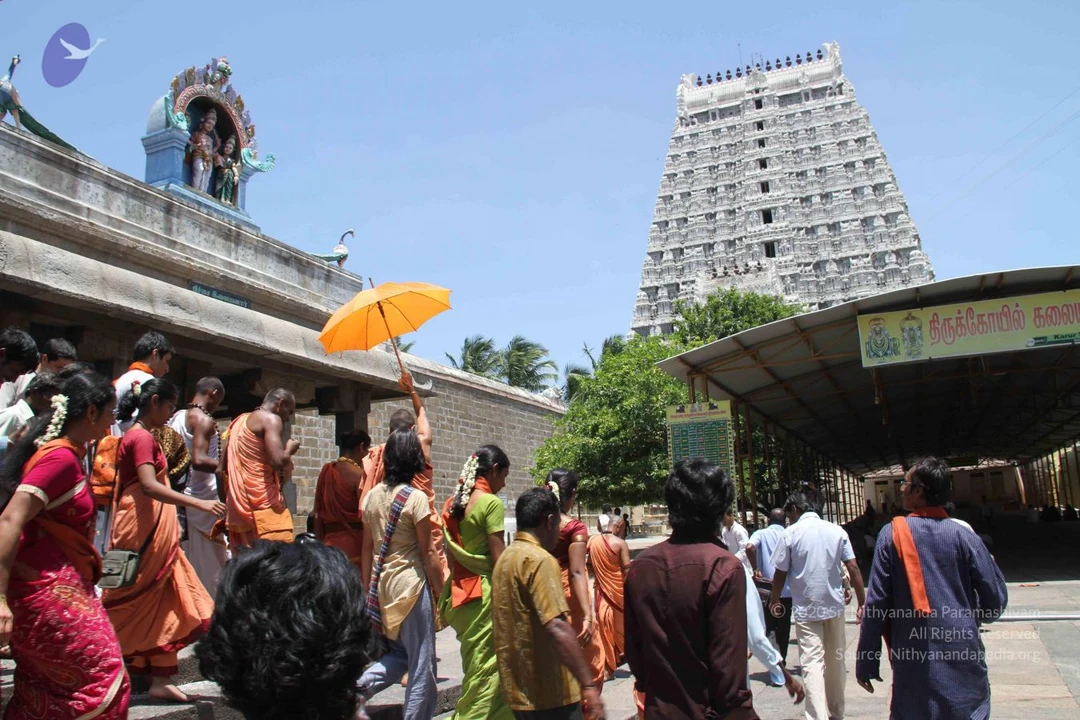
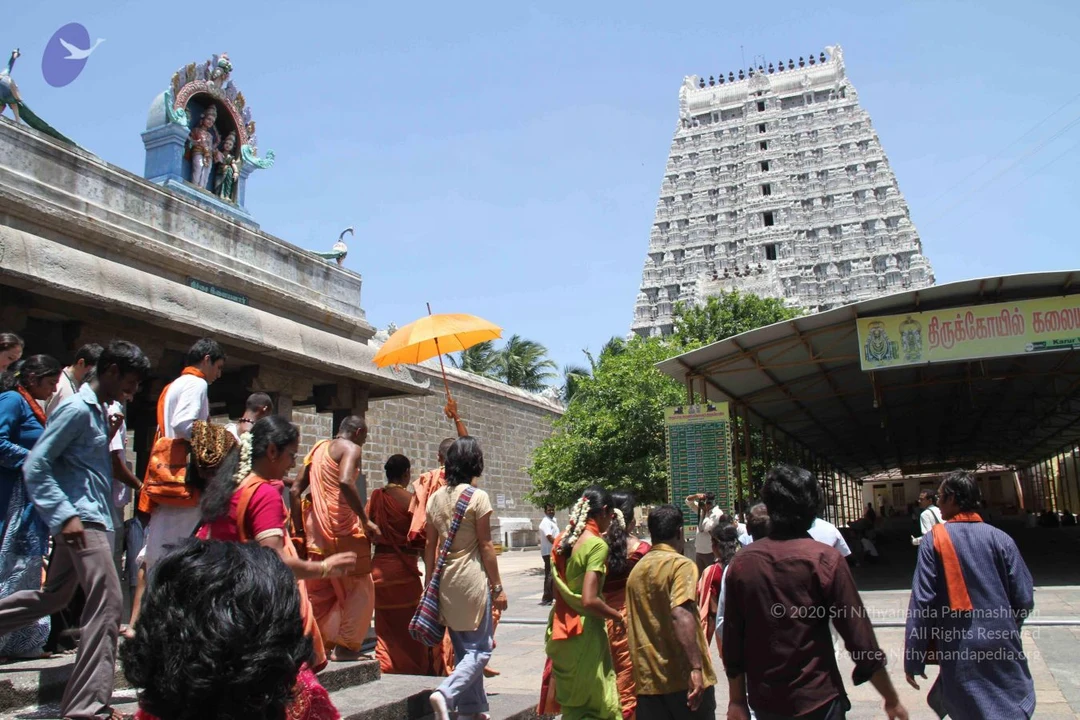
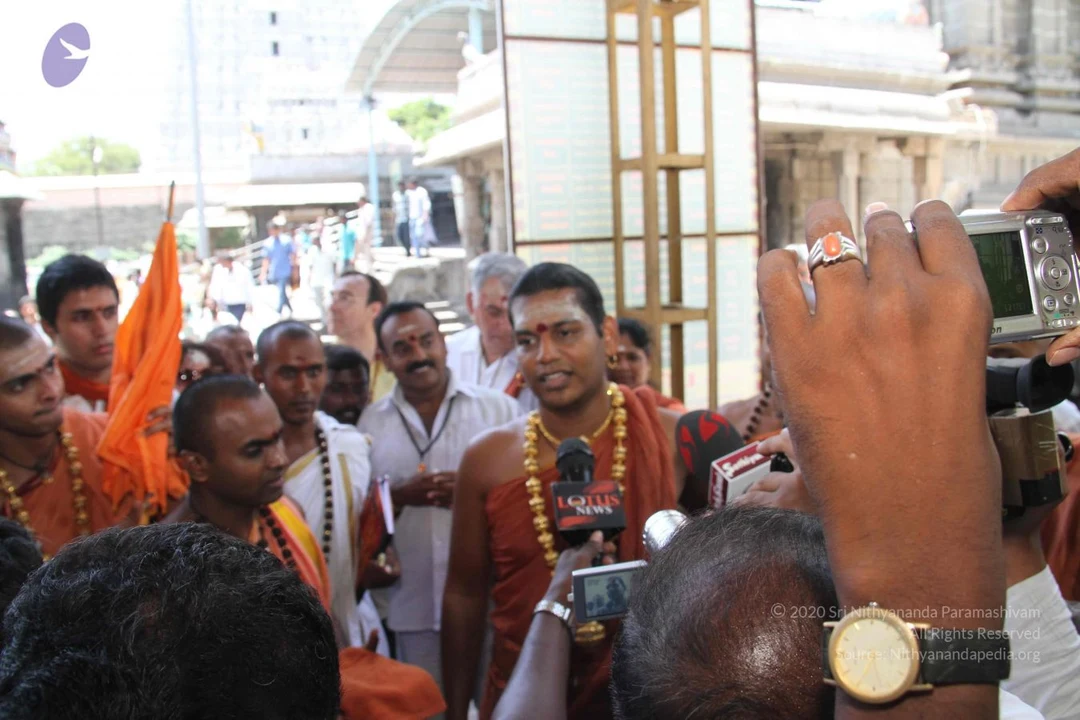
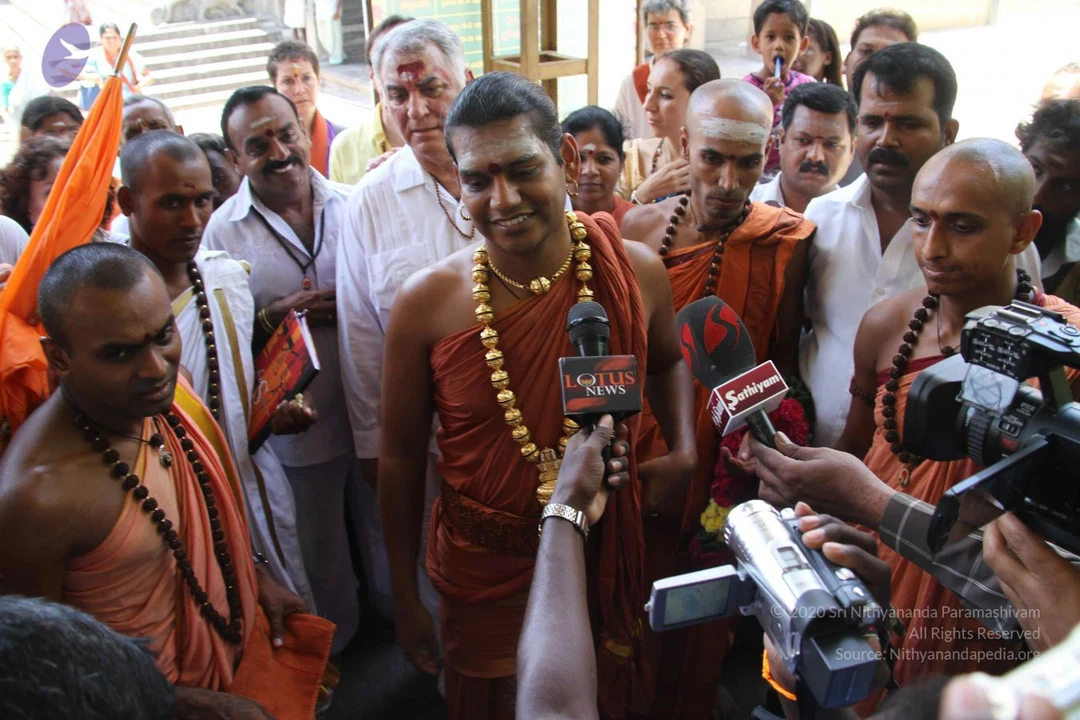
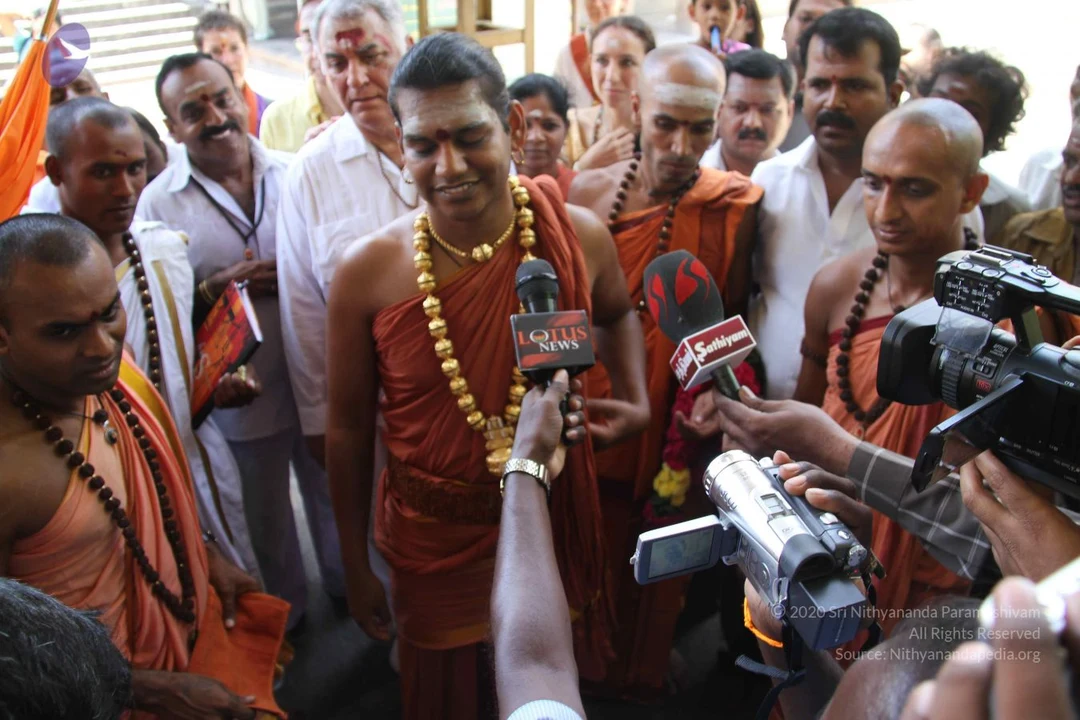
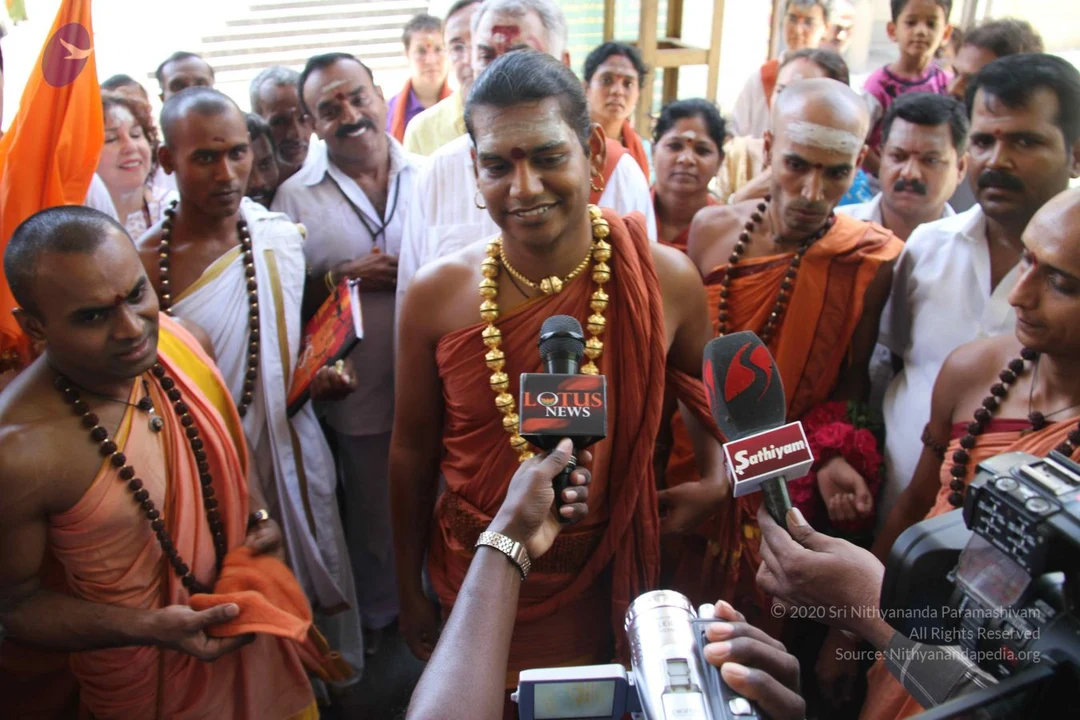
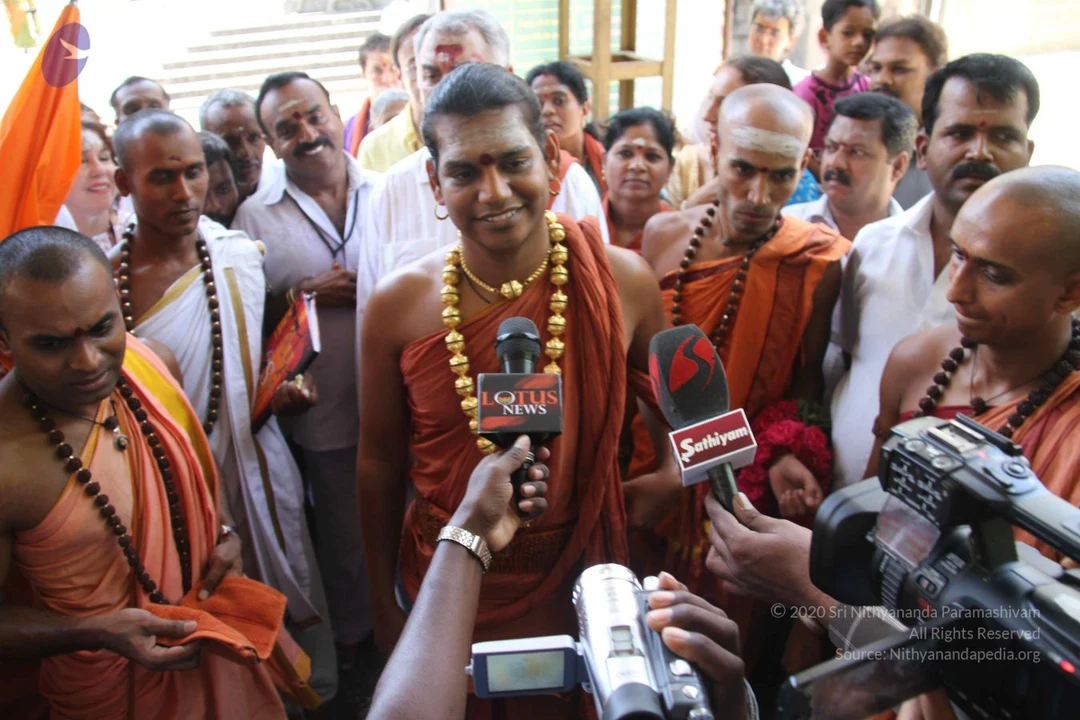
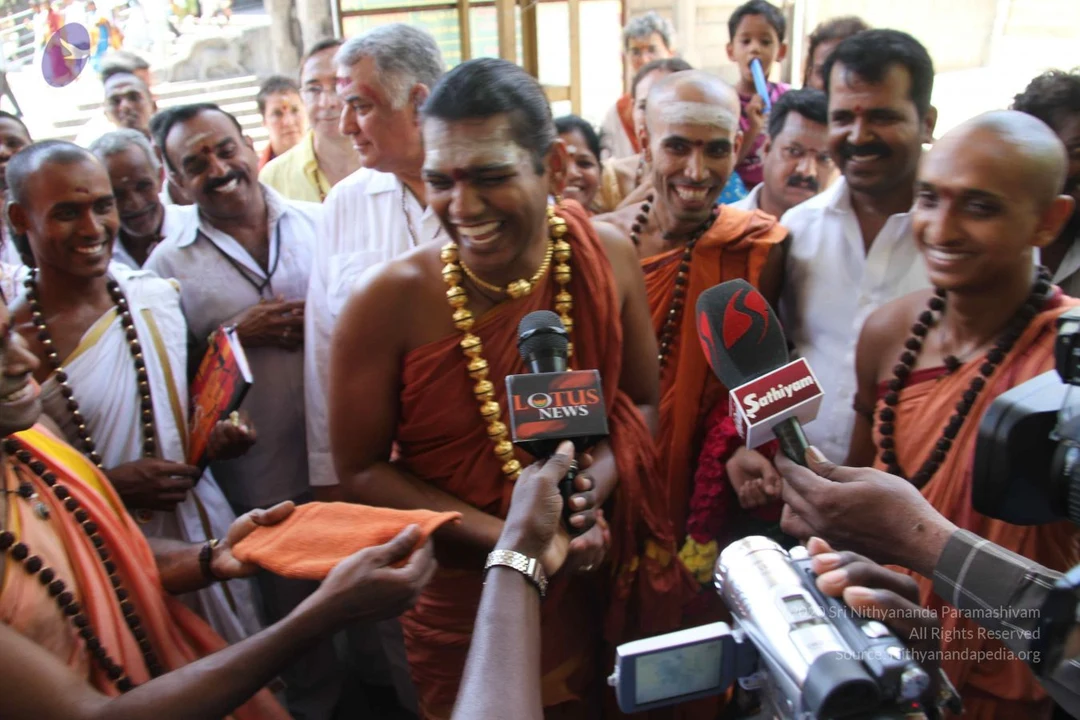
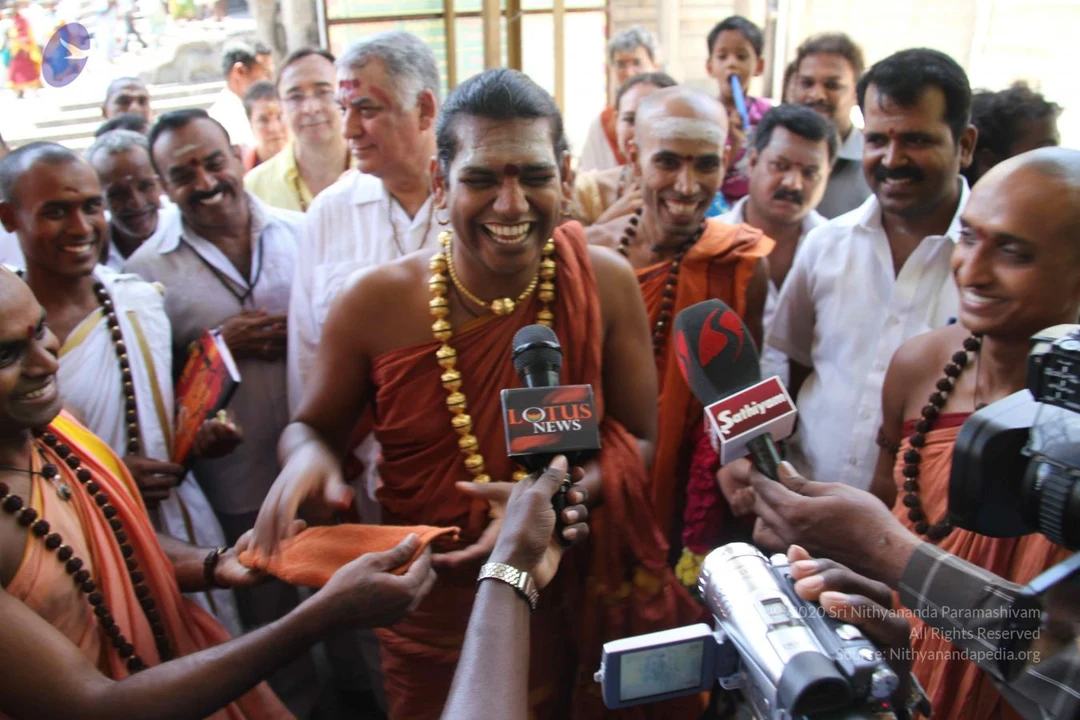
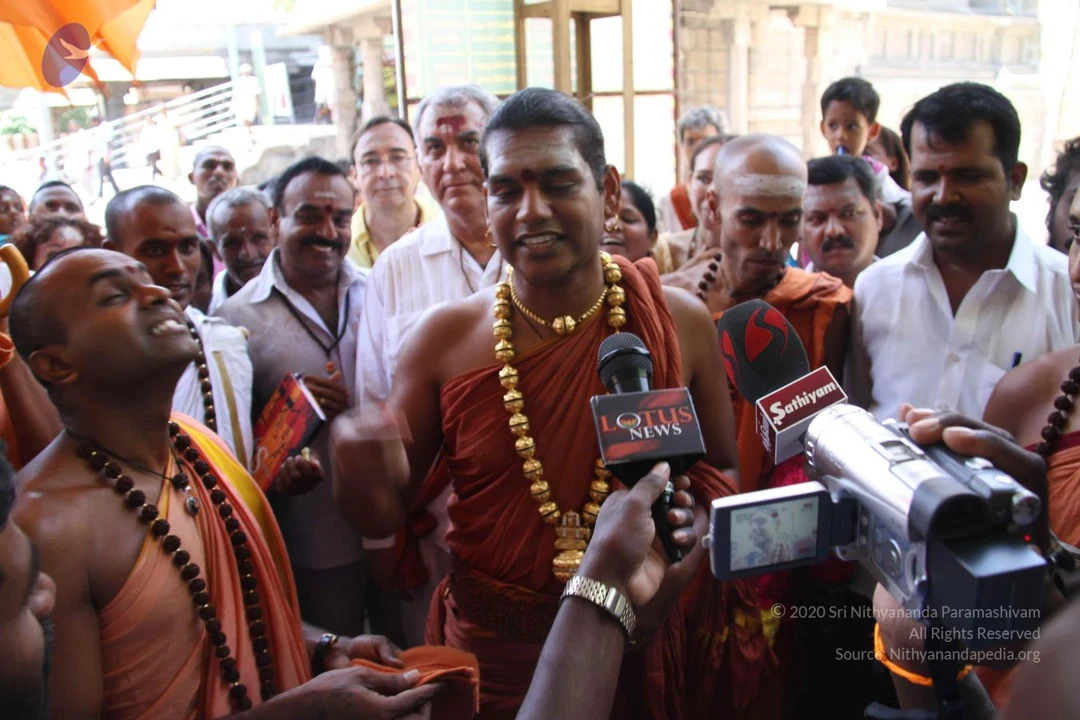
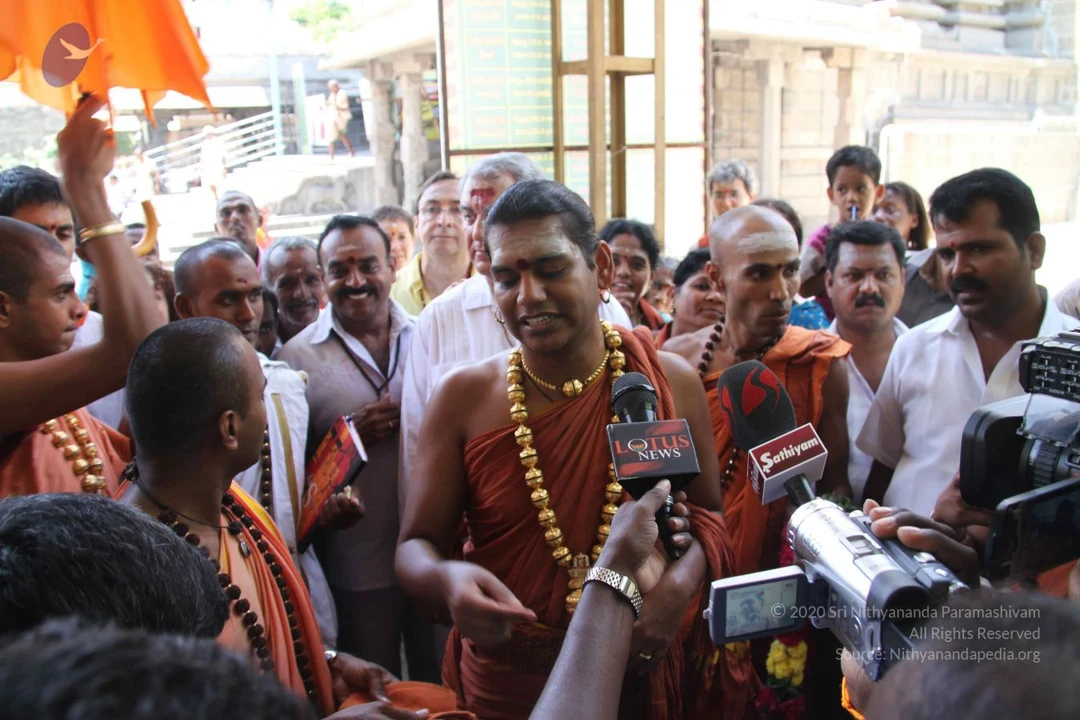
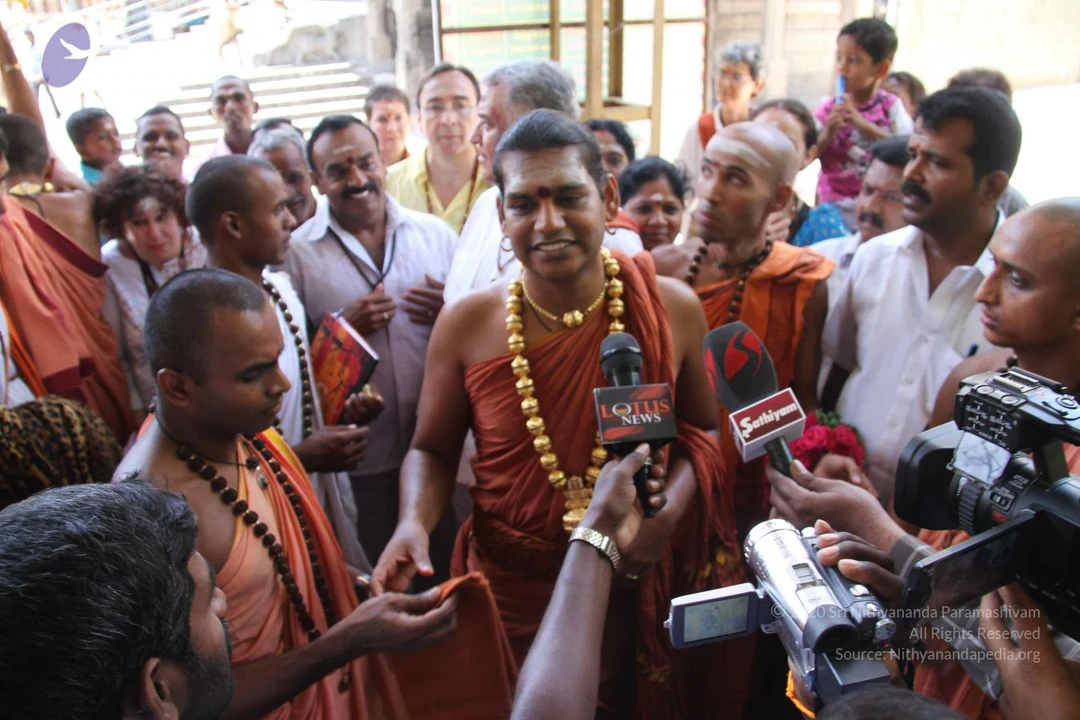
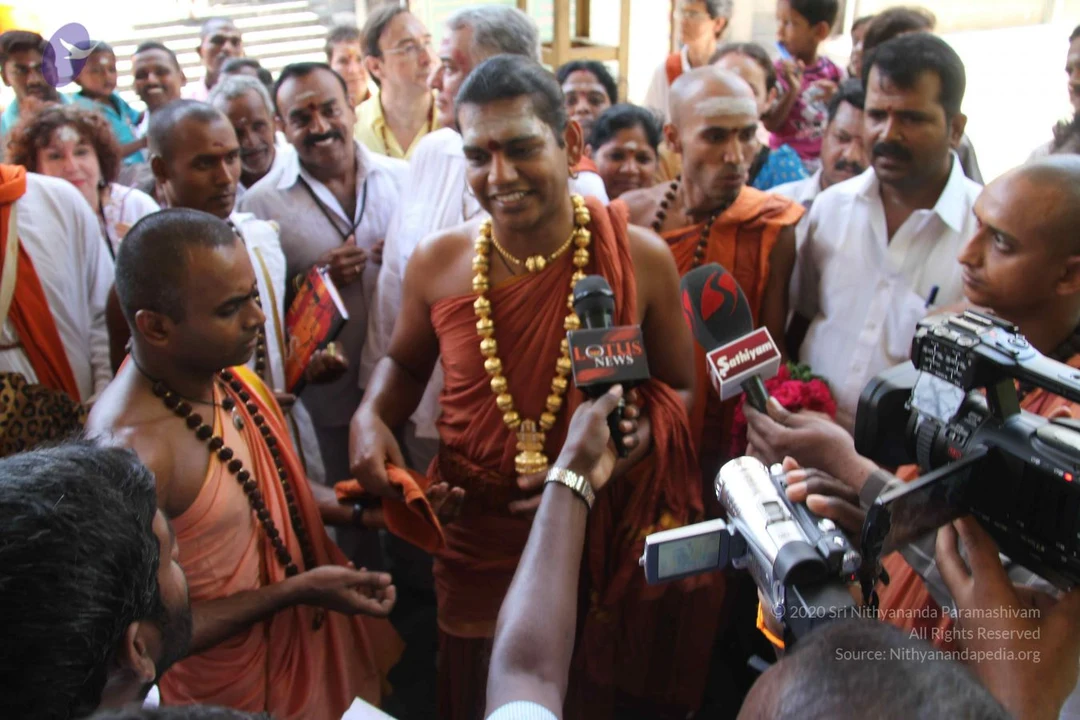
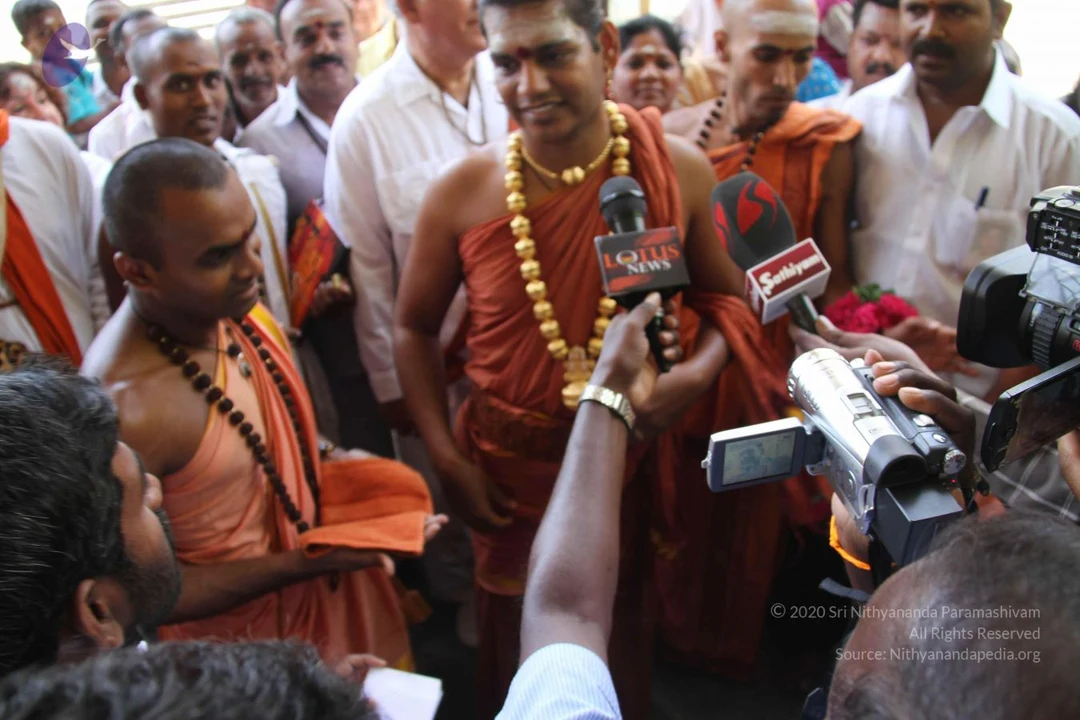
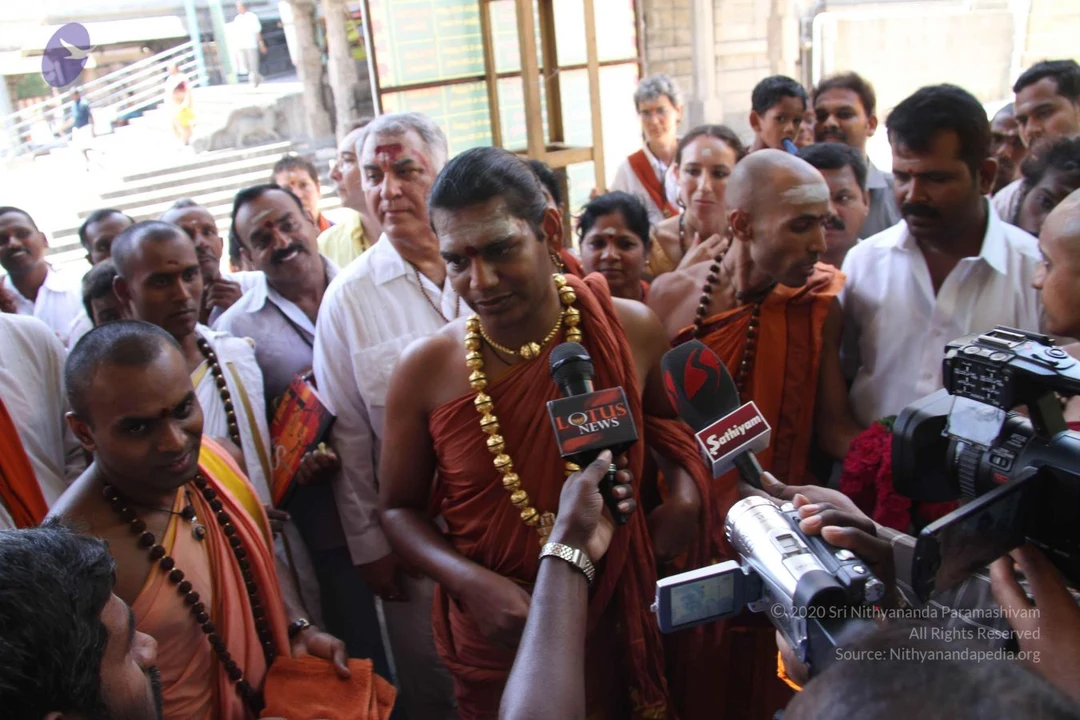
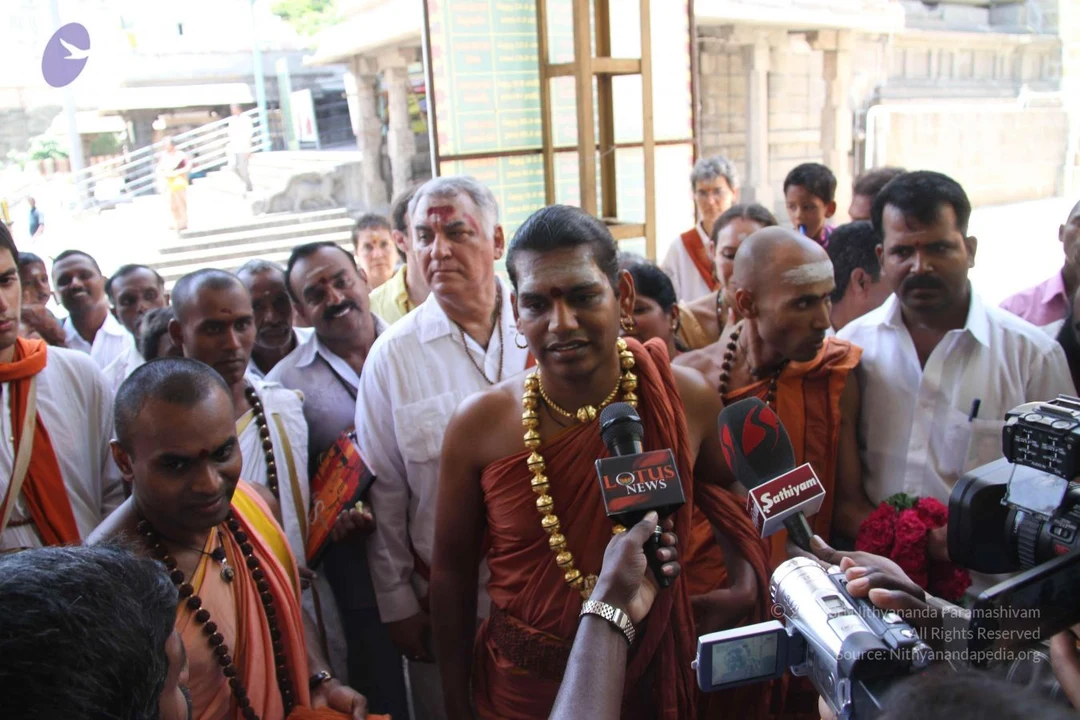
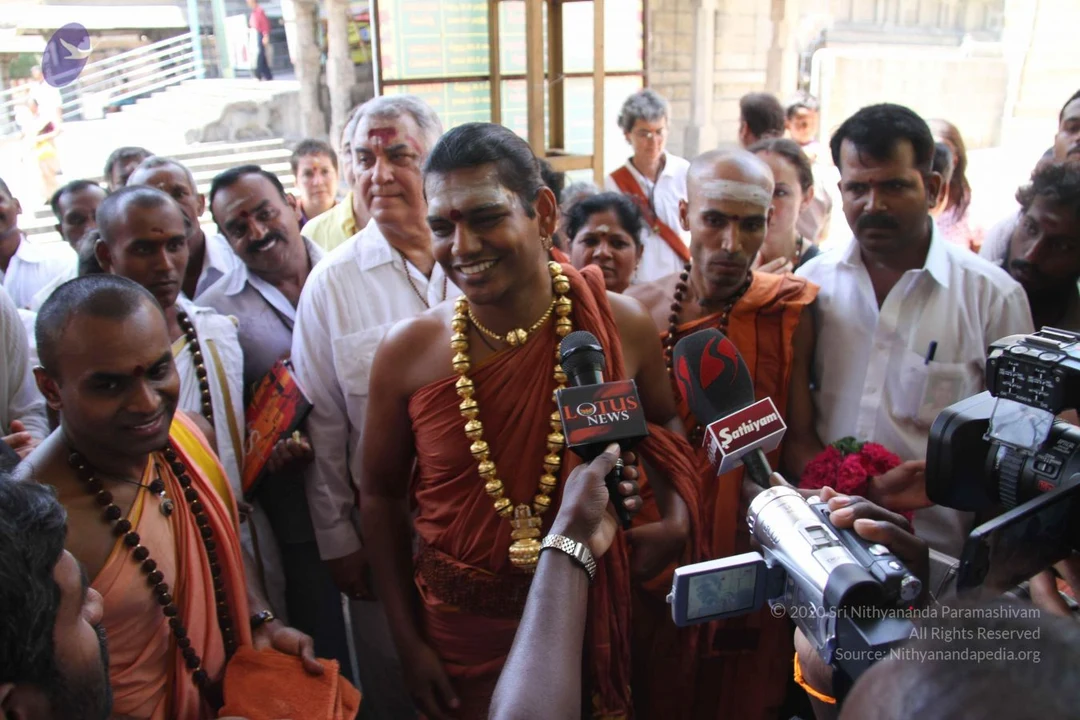
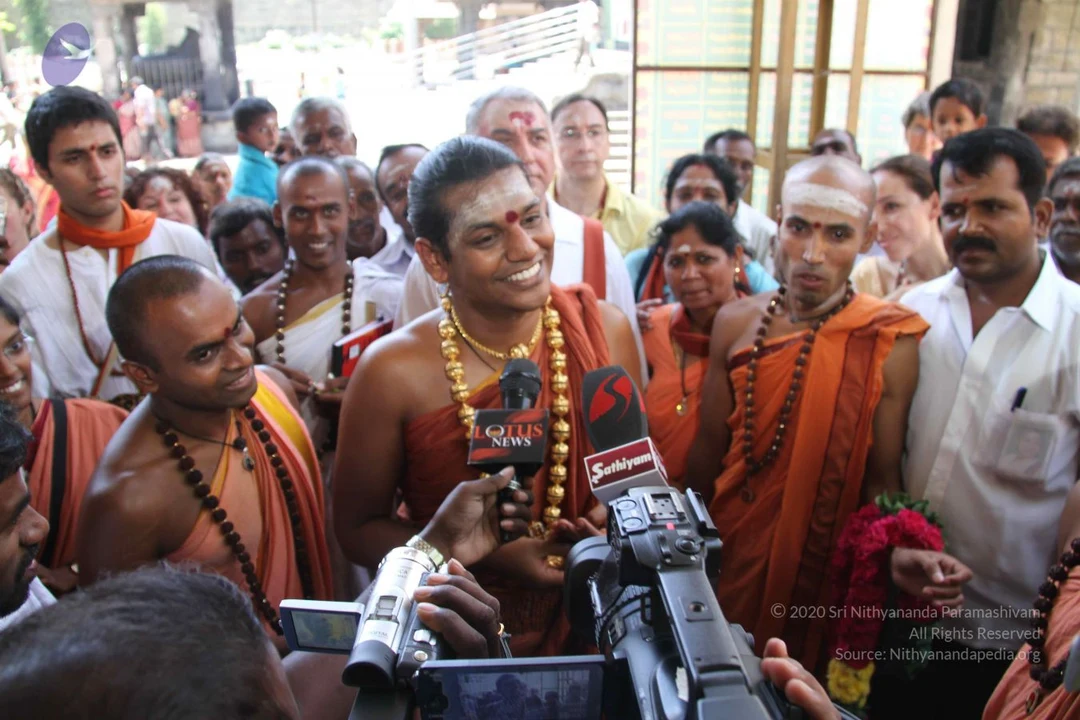
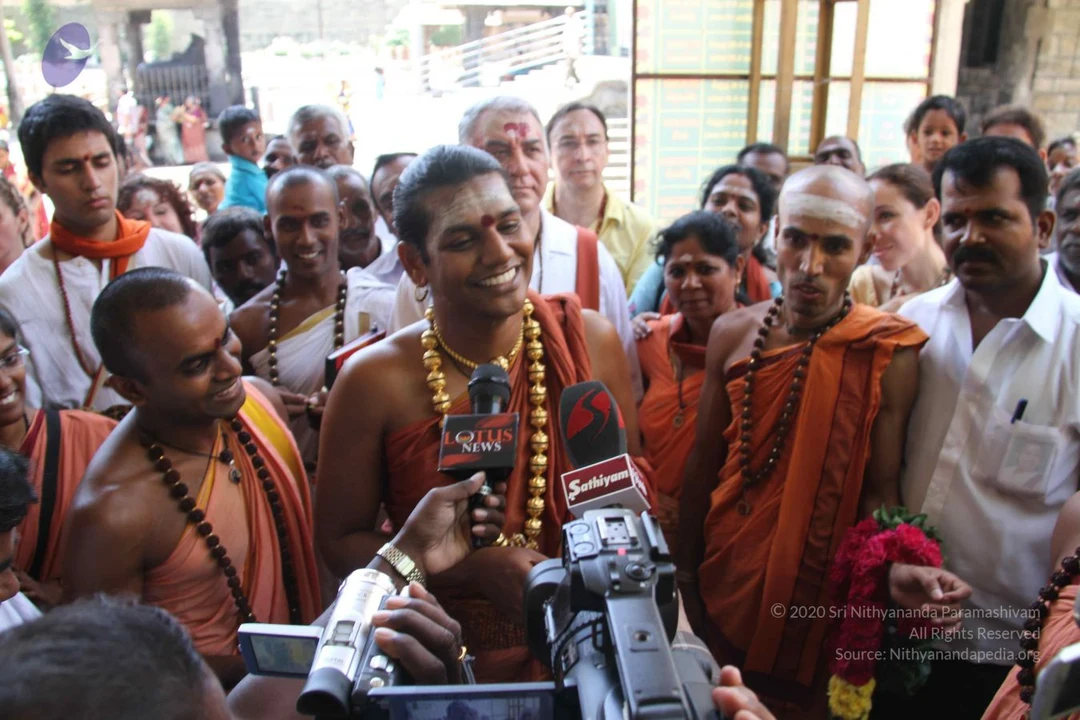
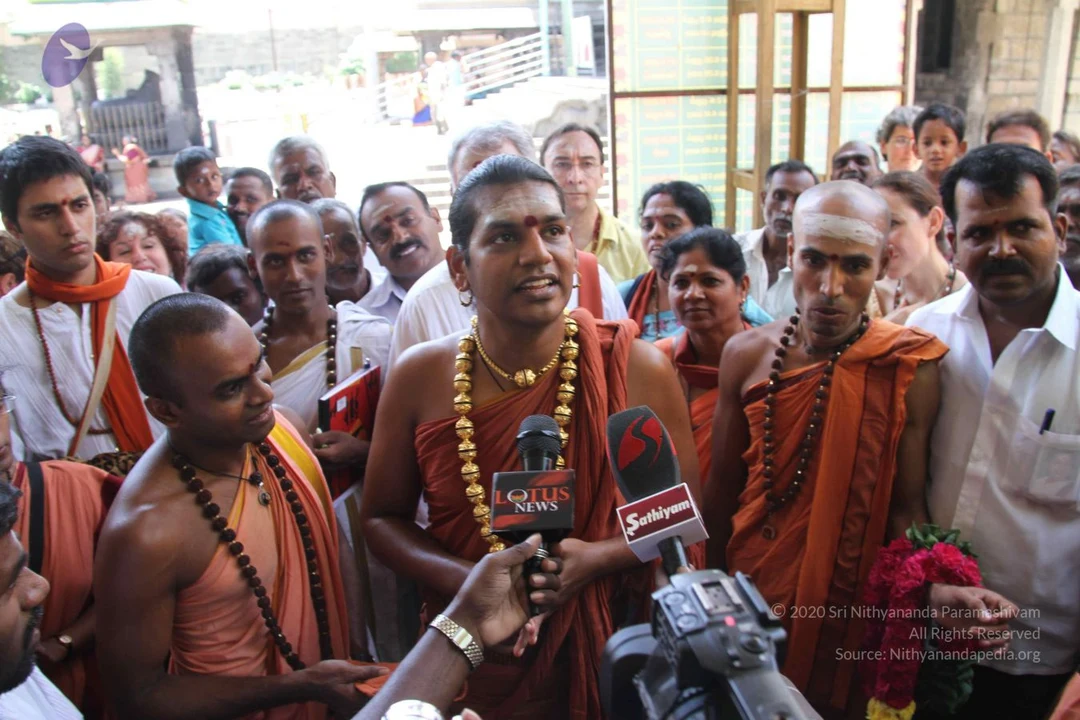
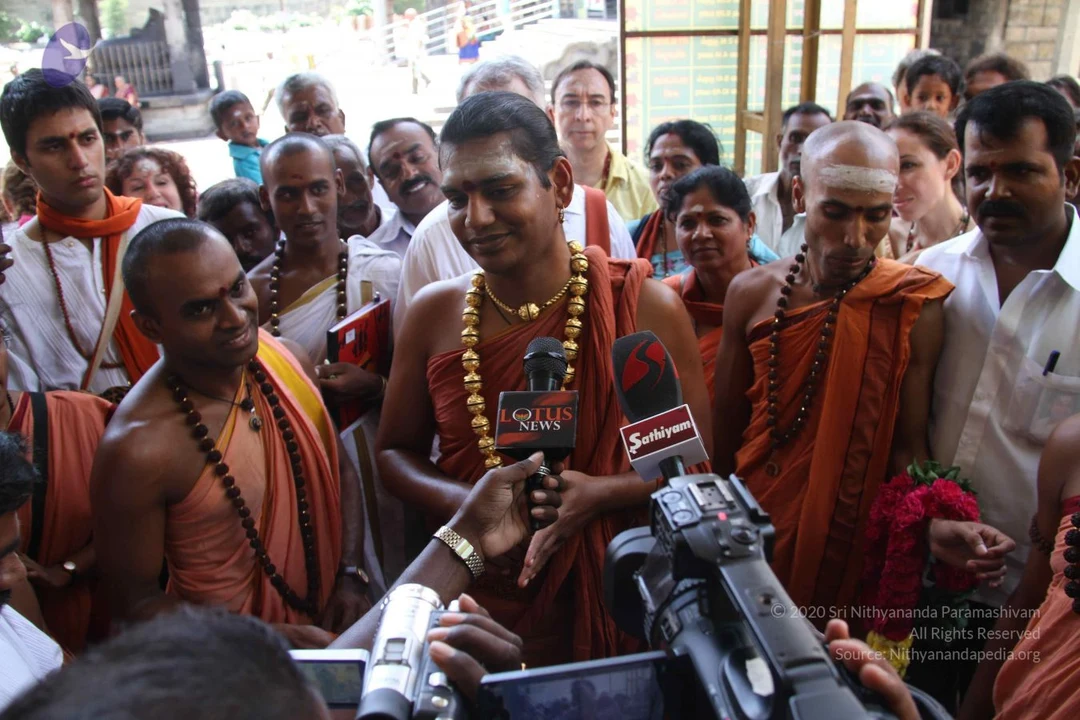
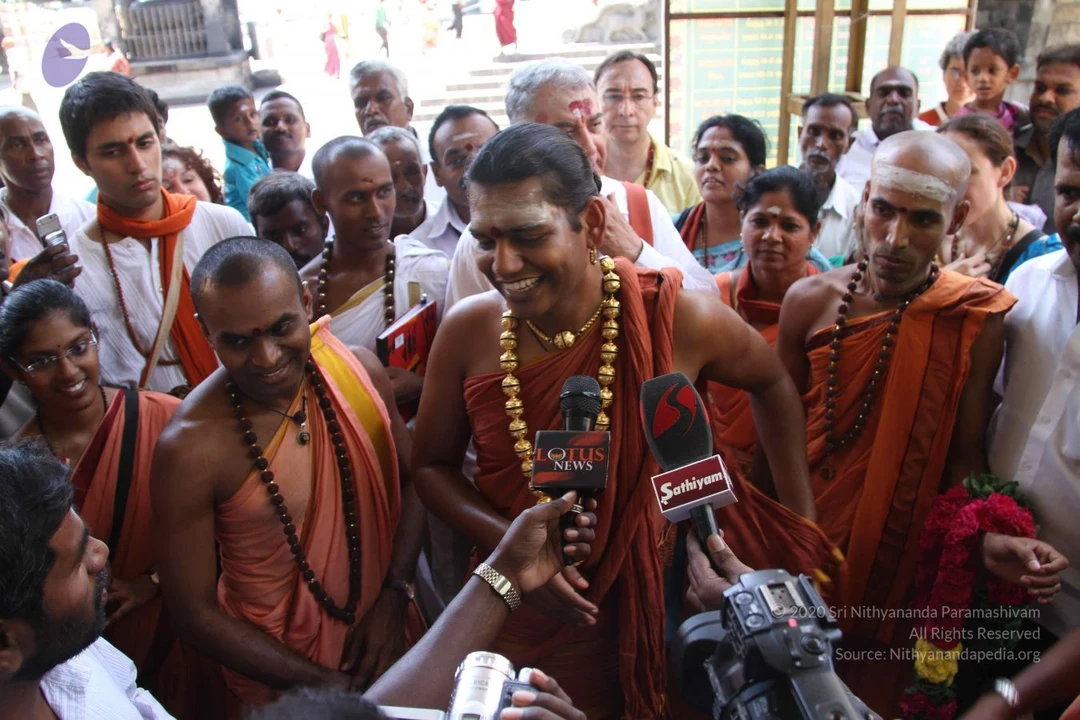
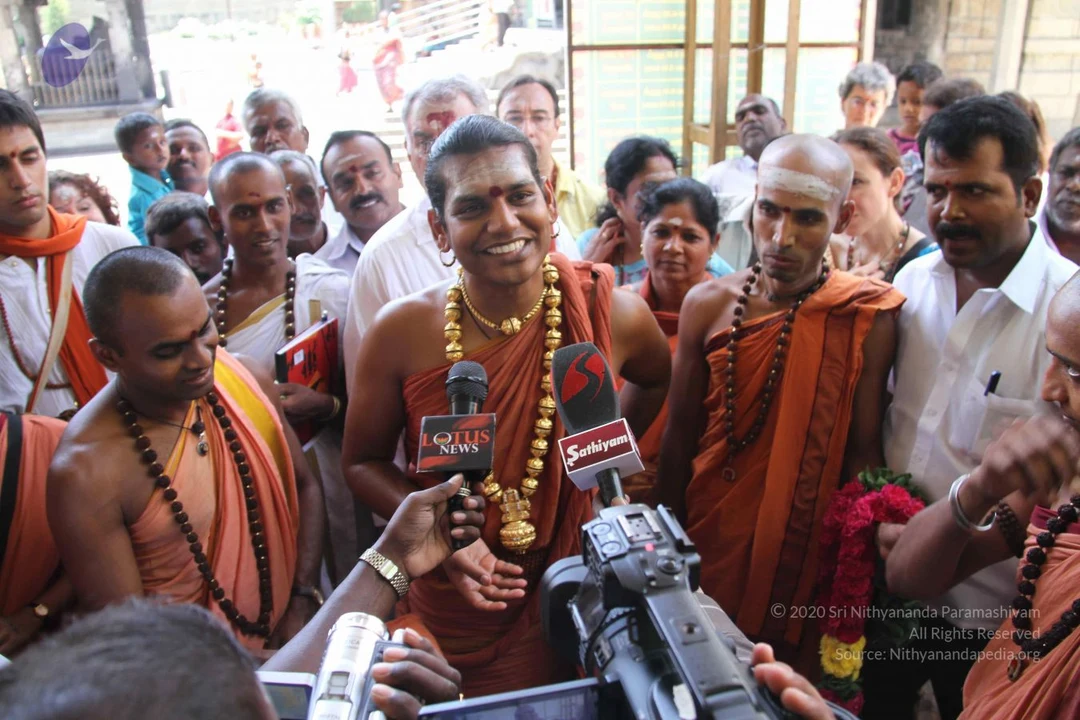
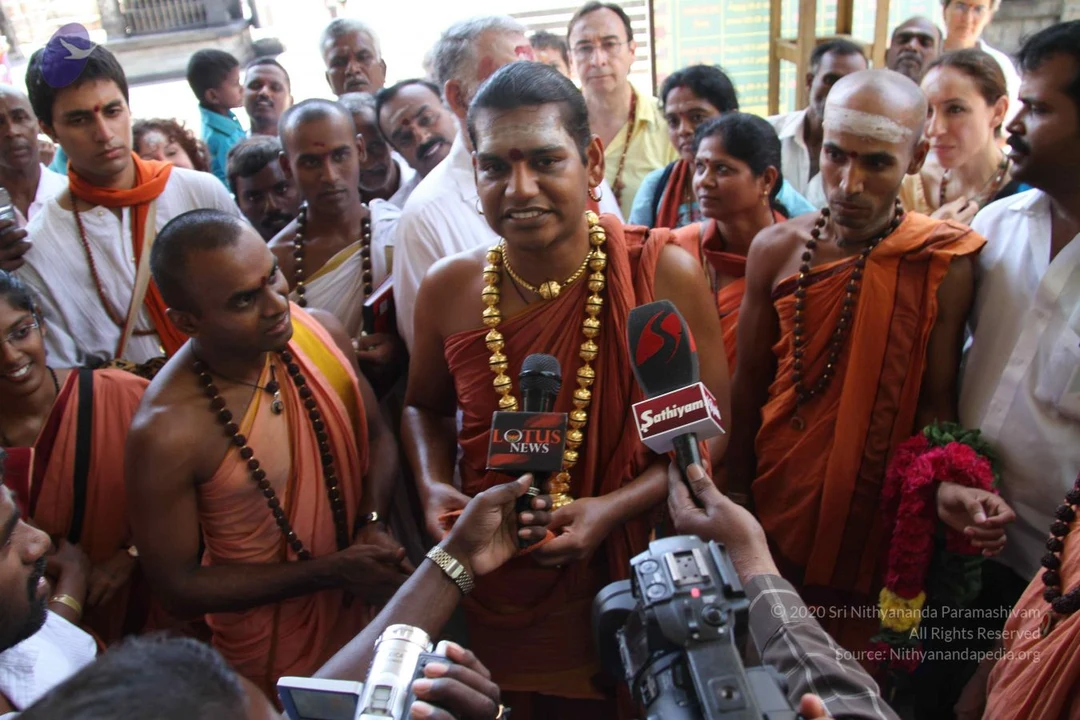
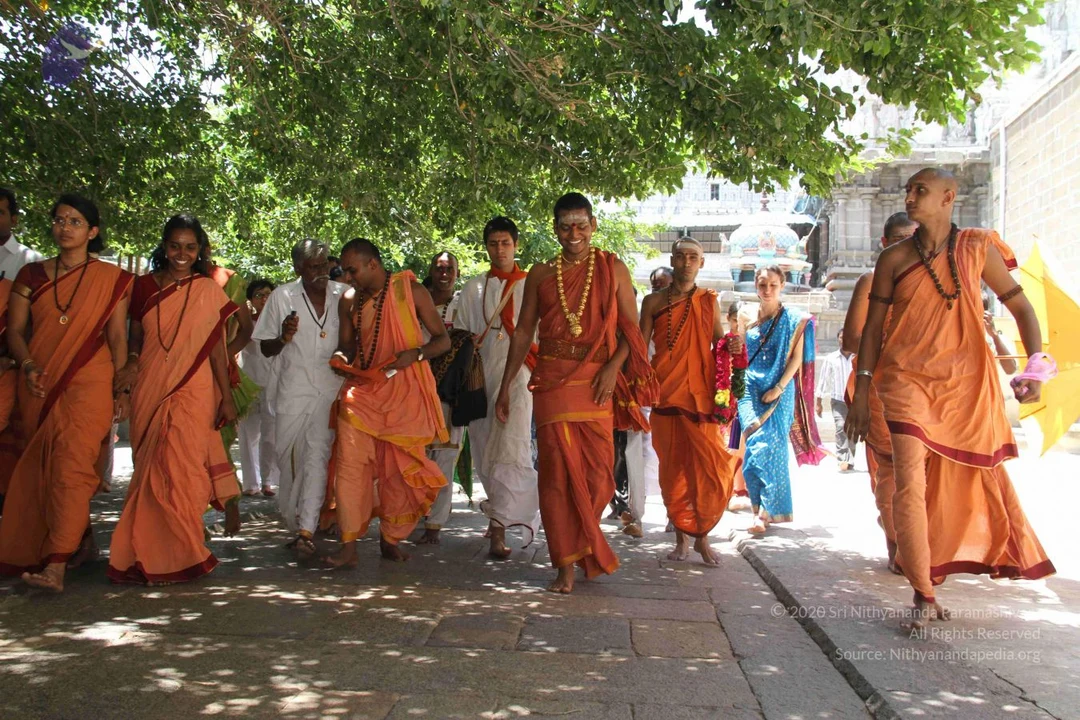
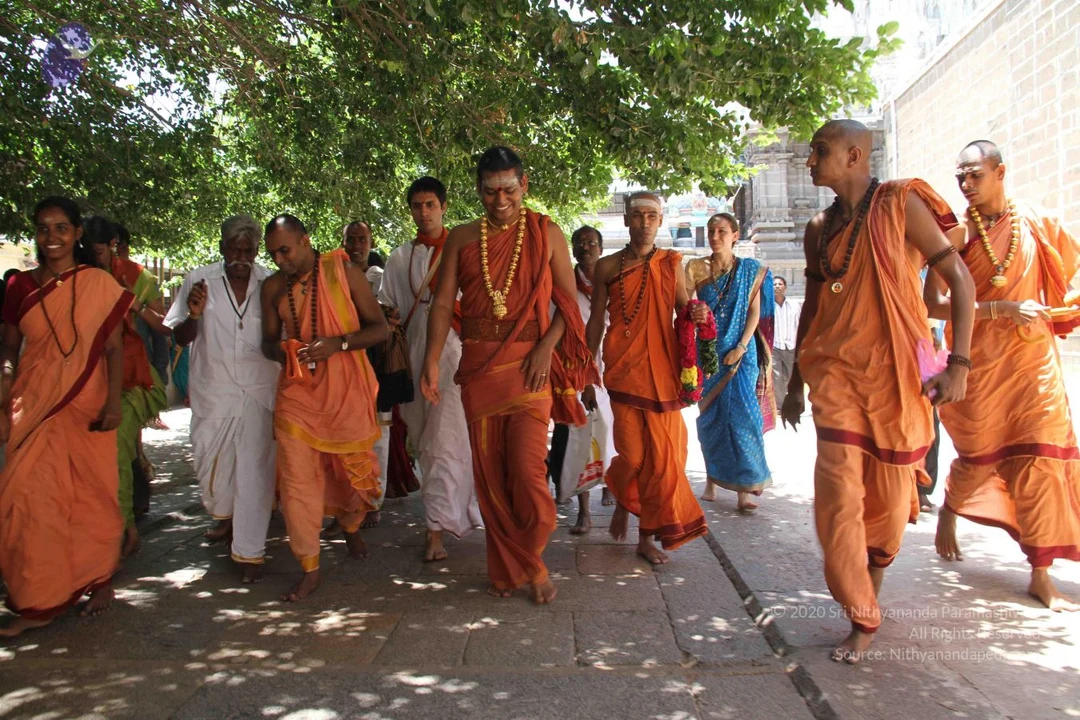
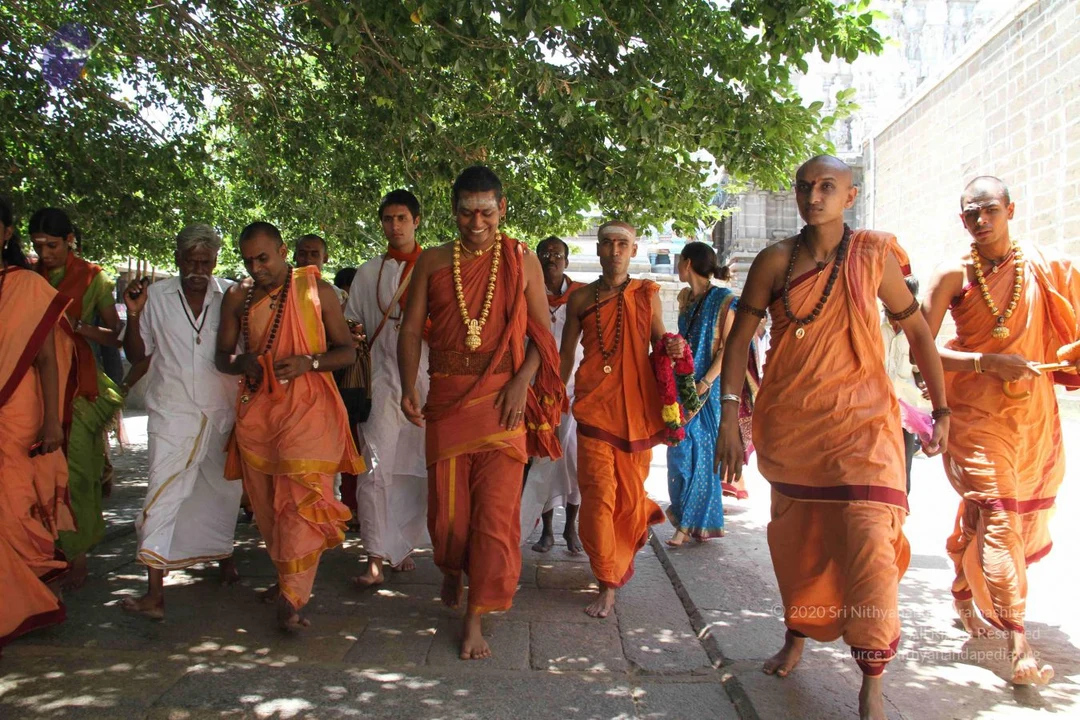
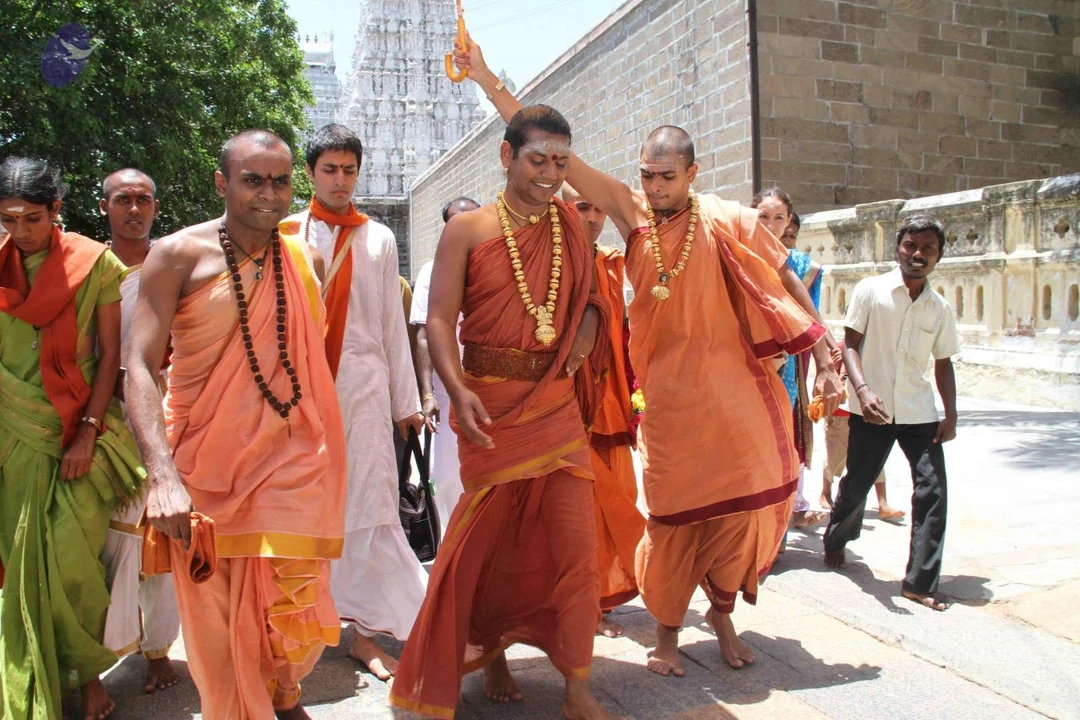
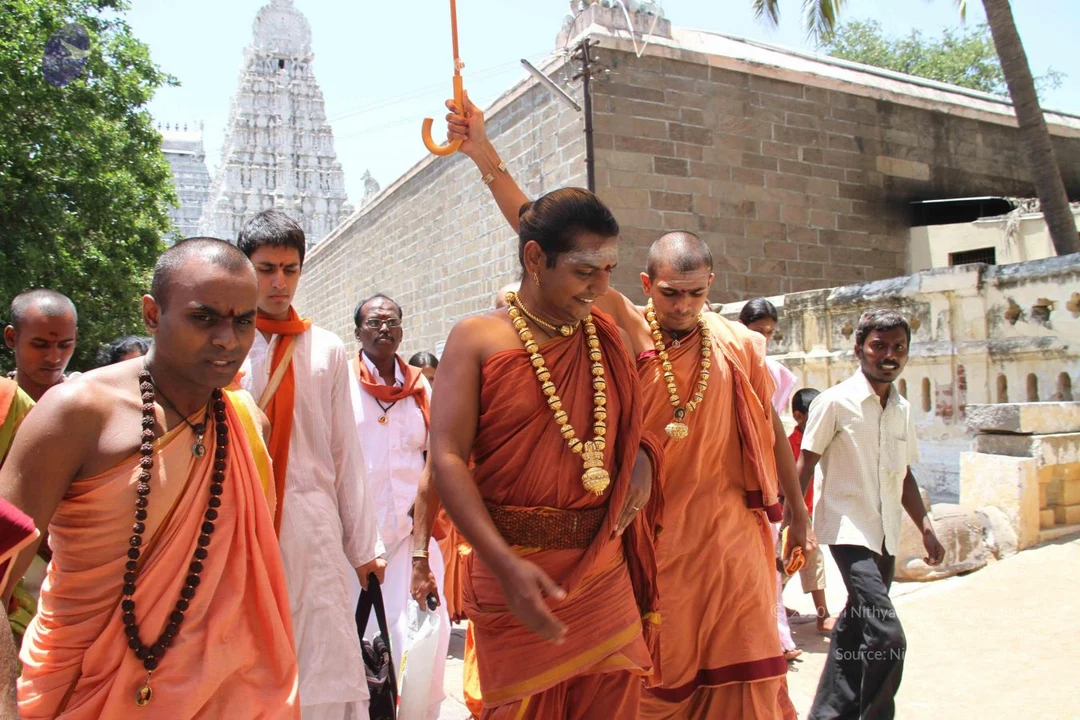
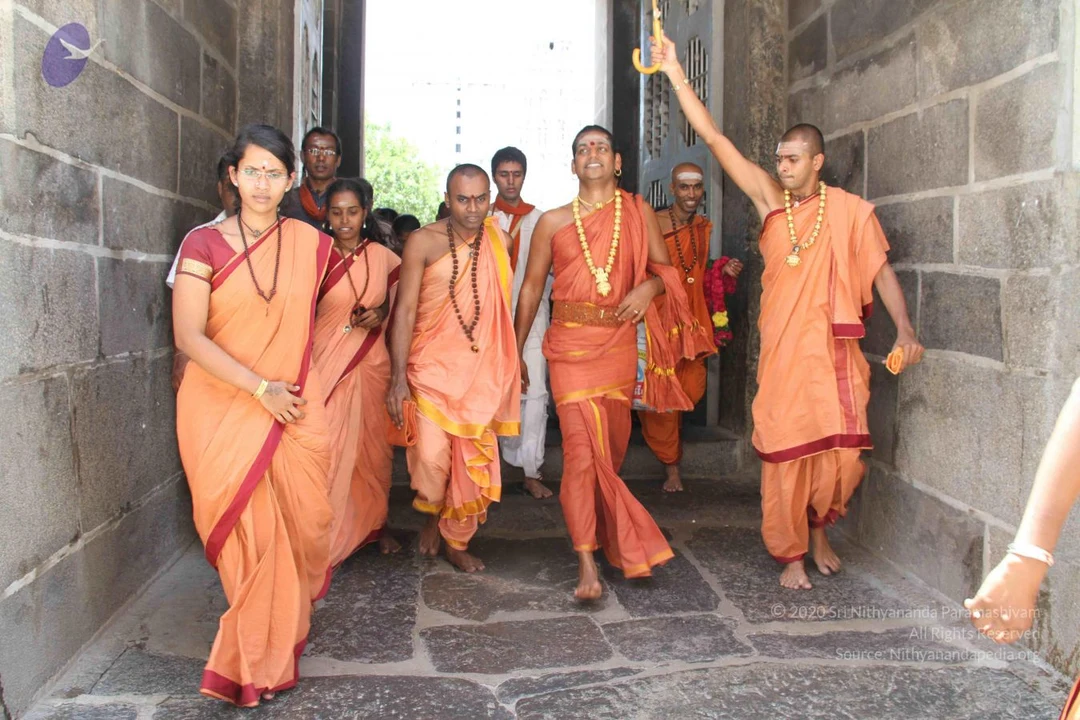
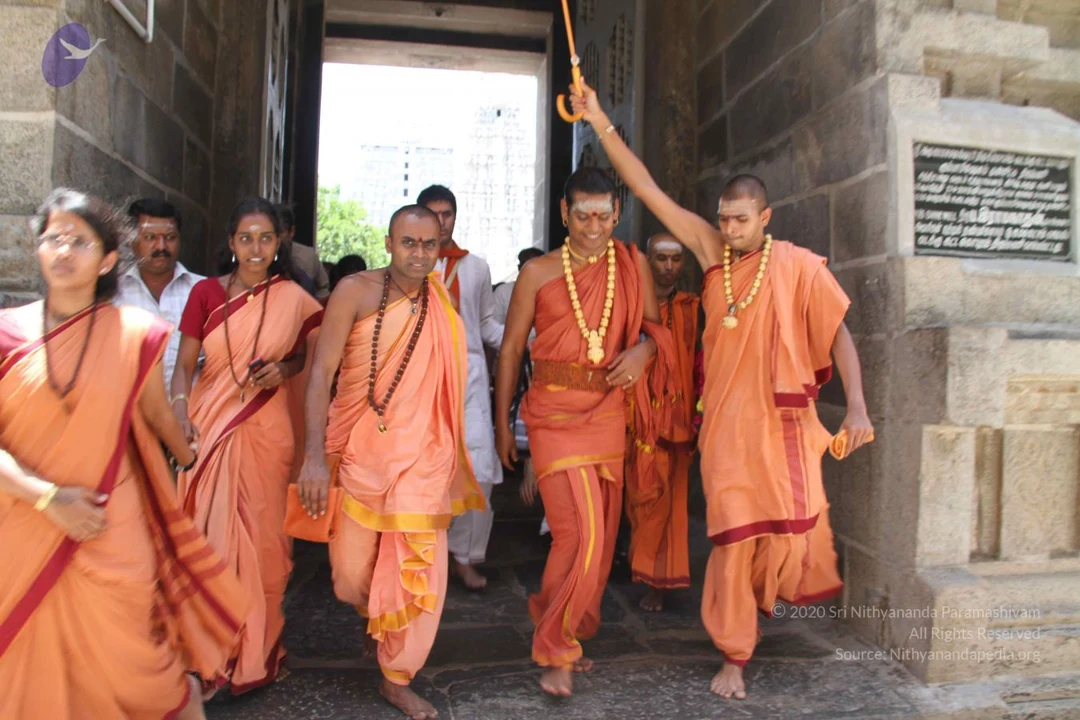
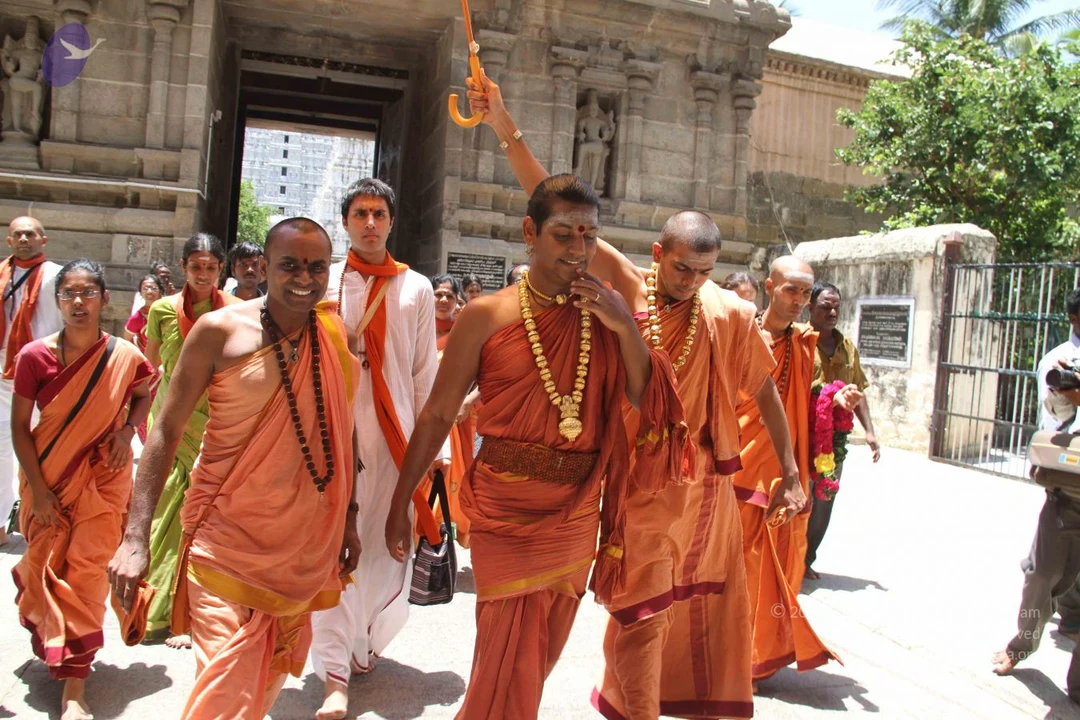
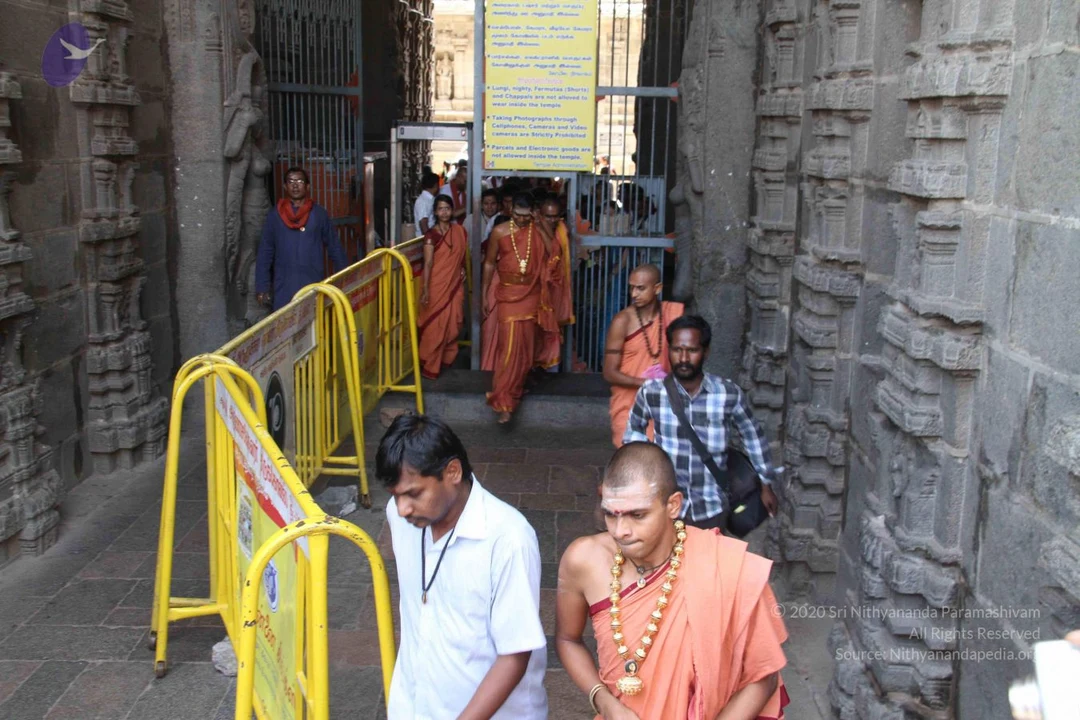
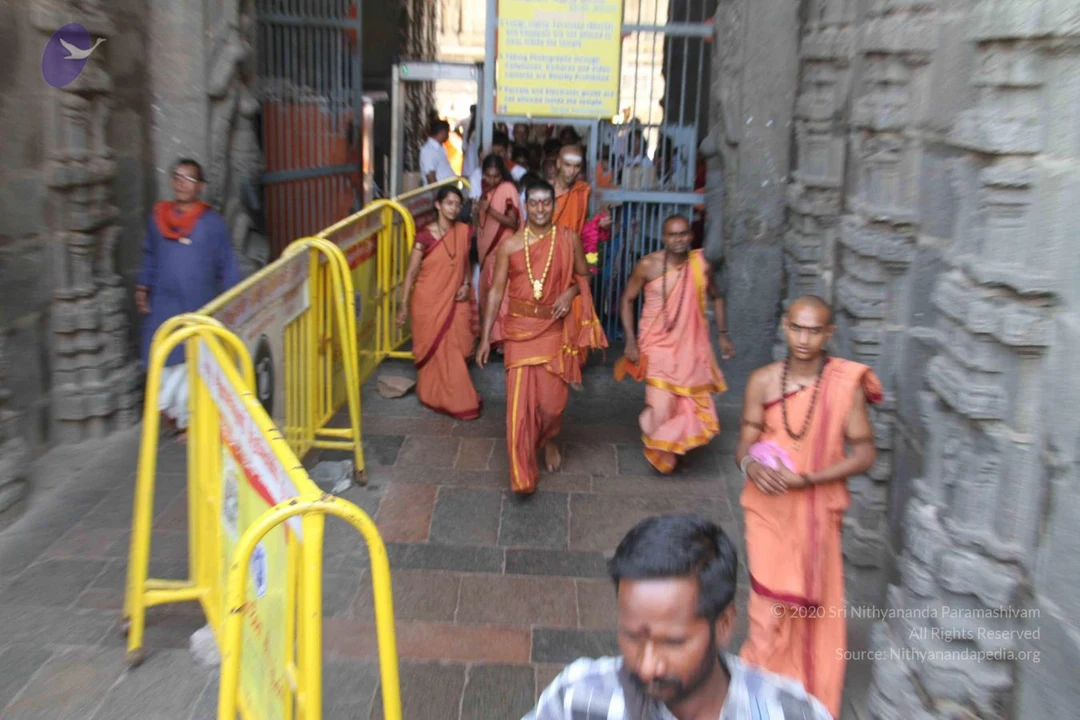
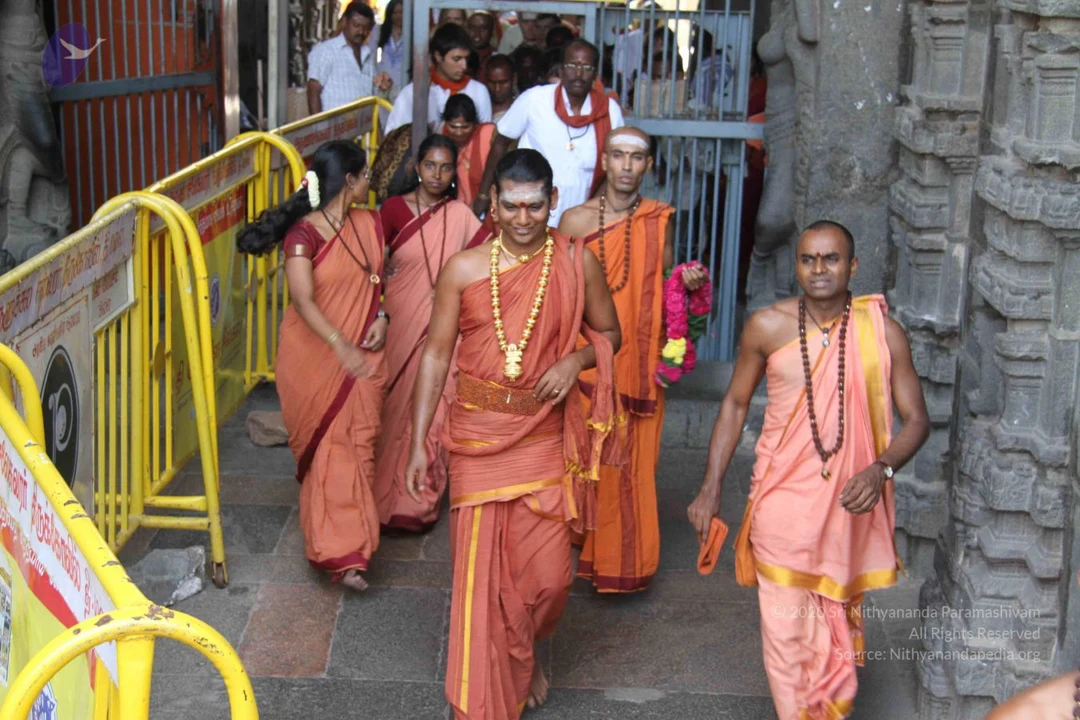
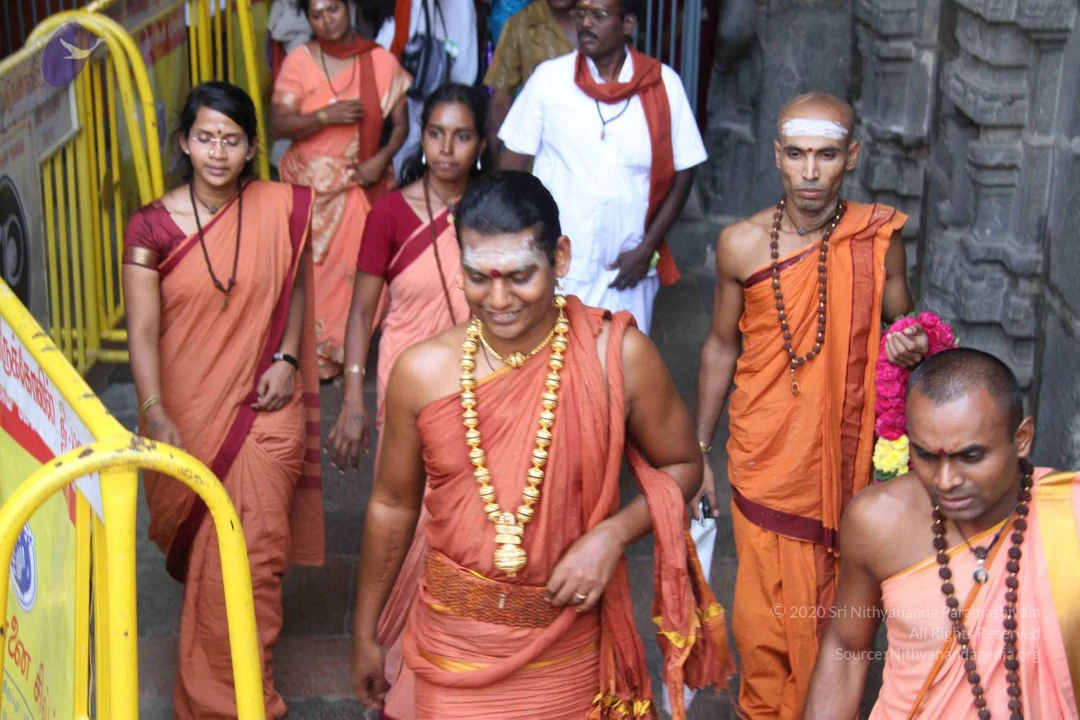
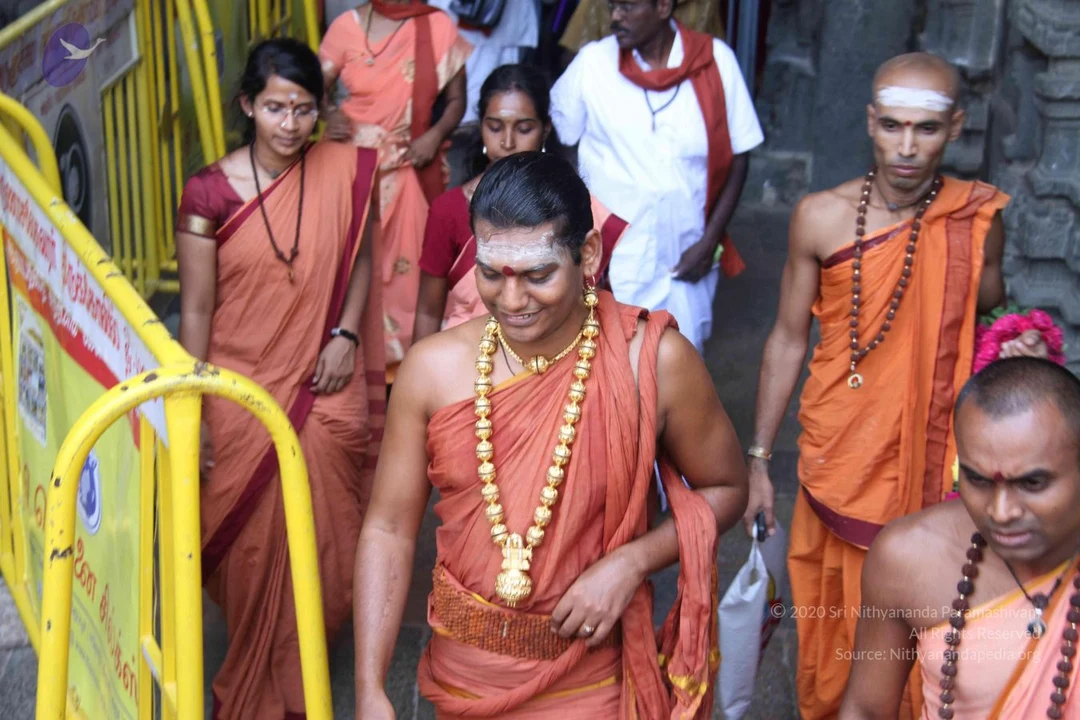
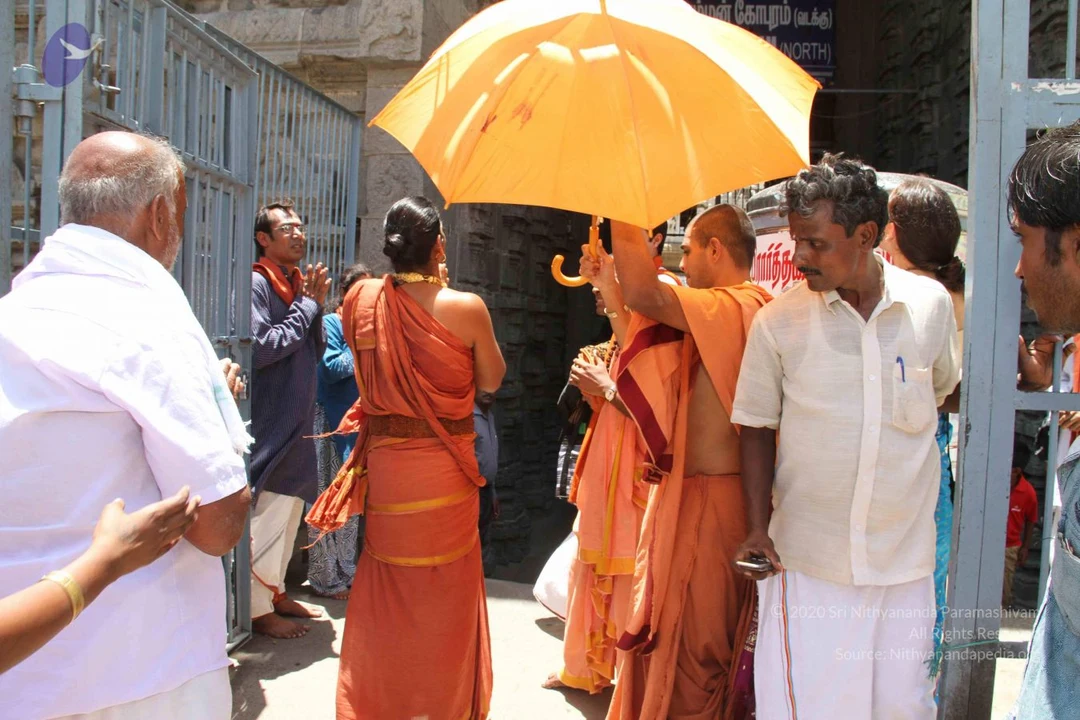
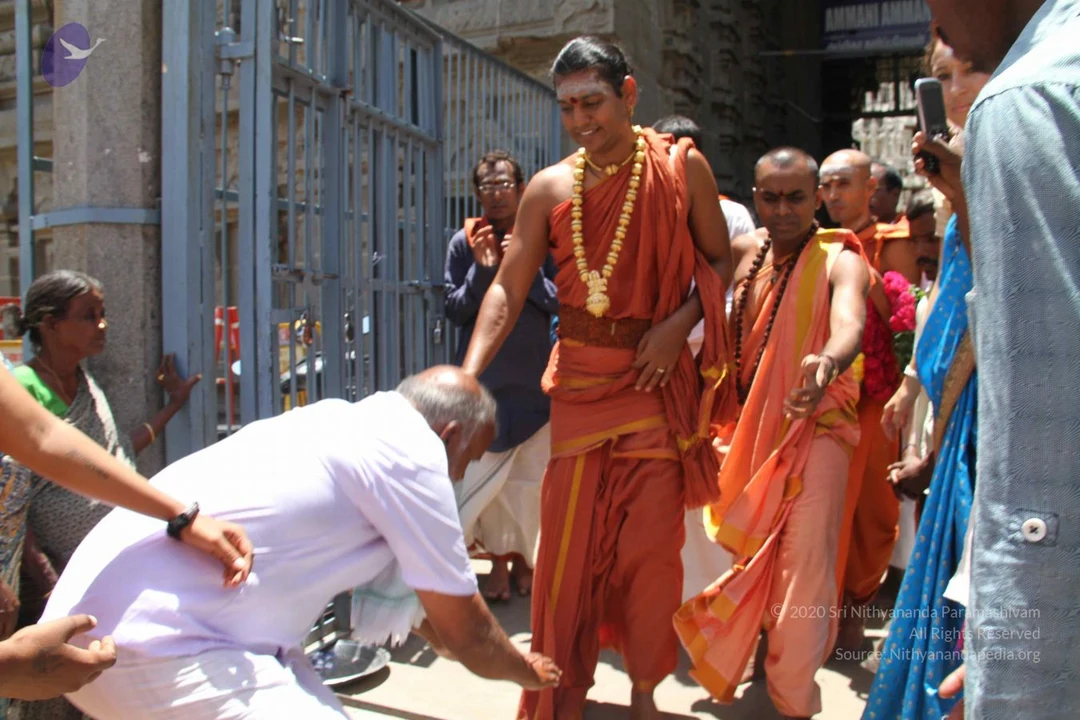
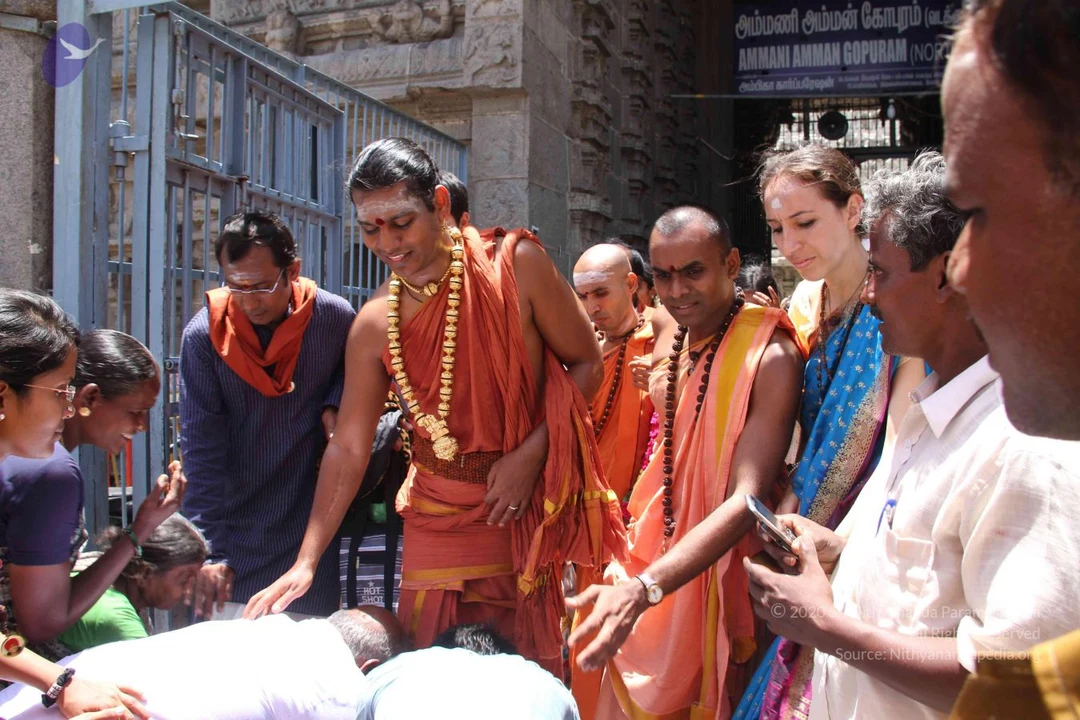
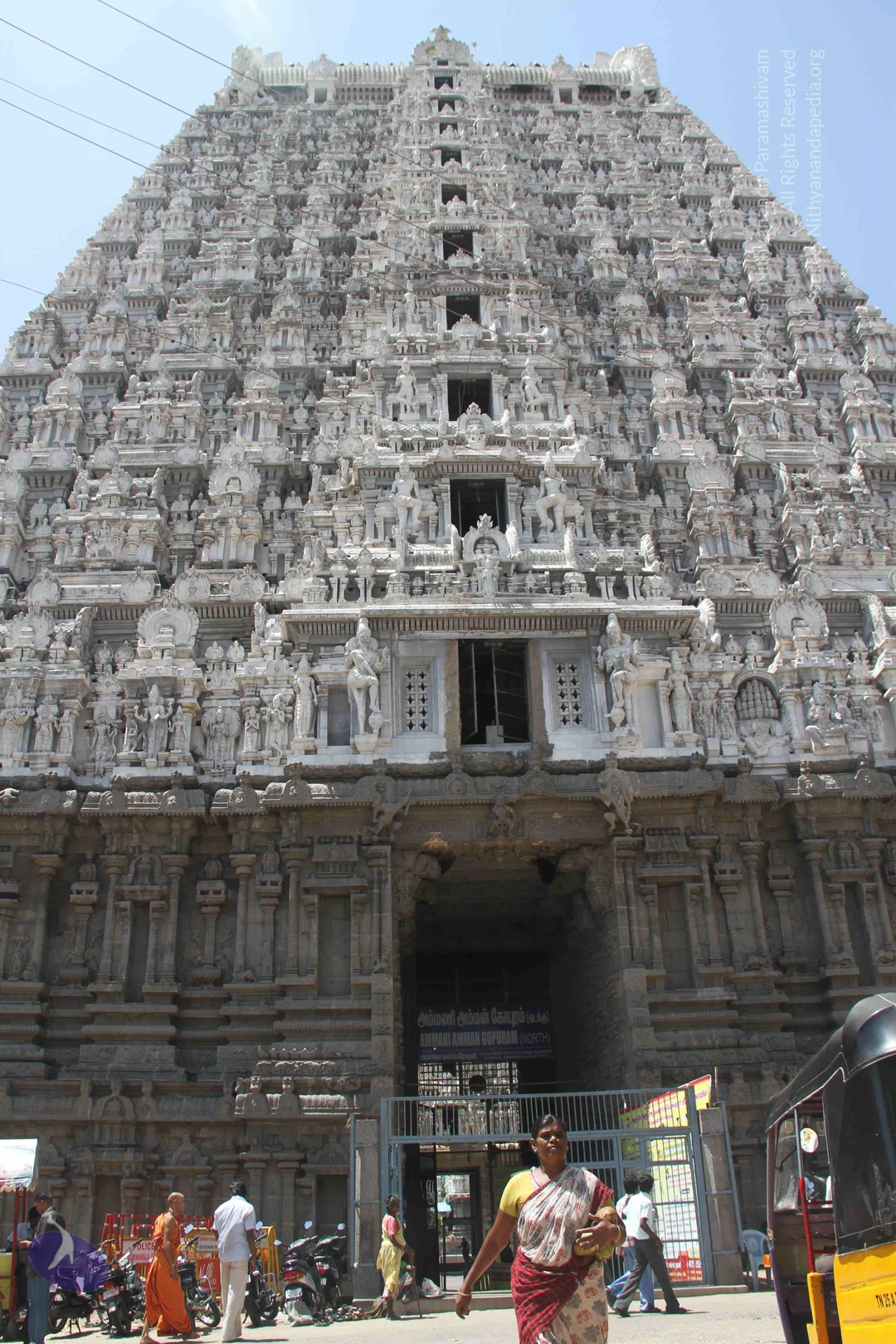
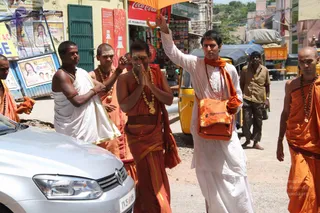
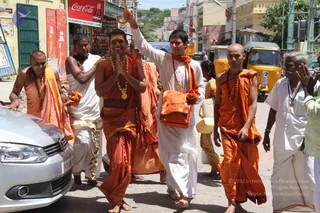
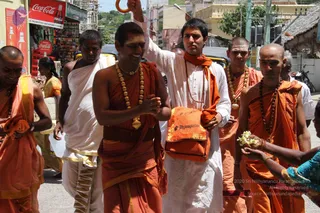
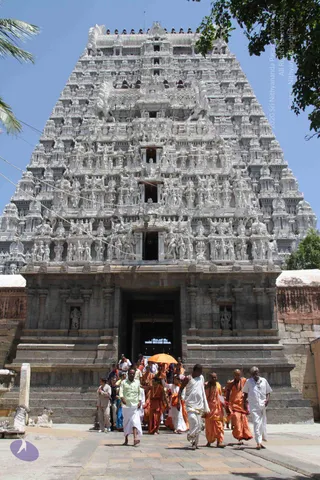
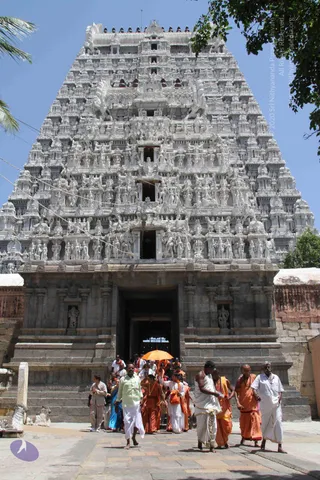
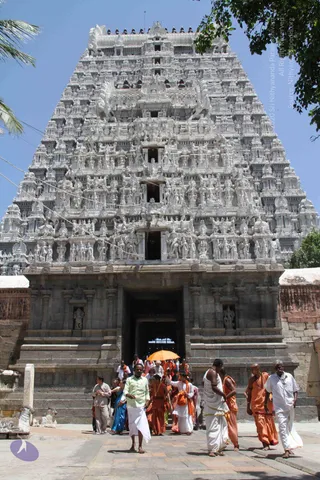
Temple Visit
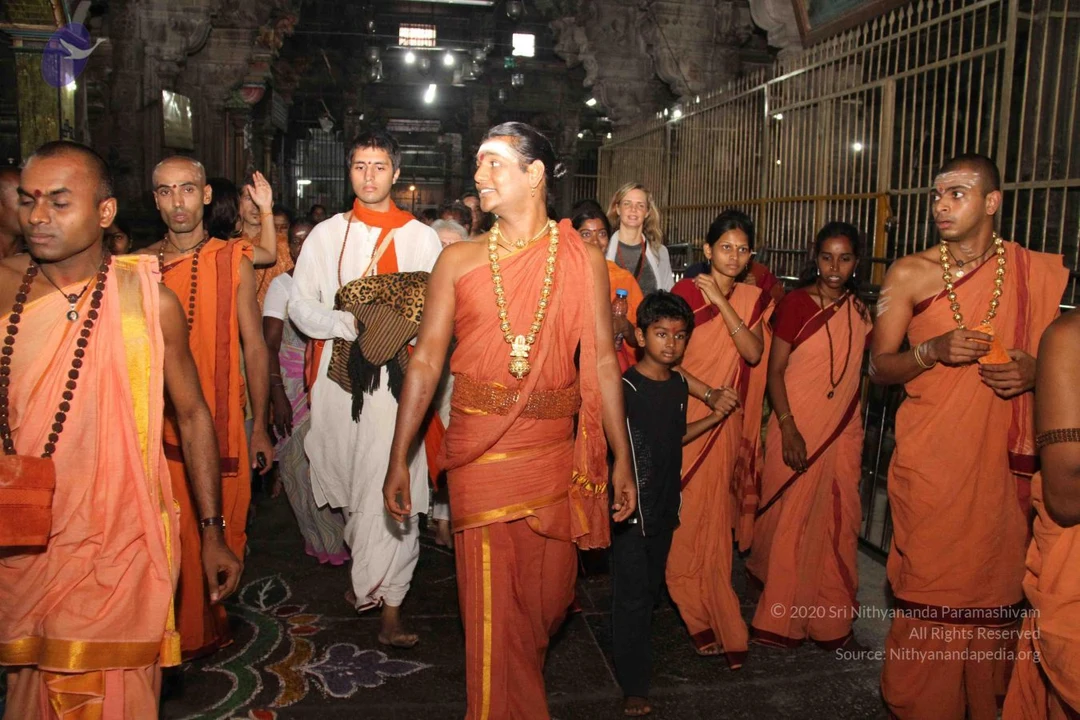
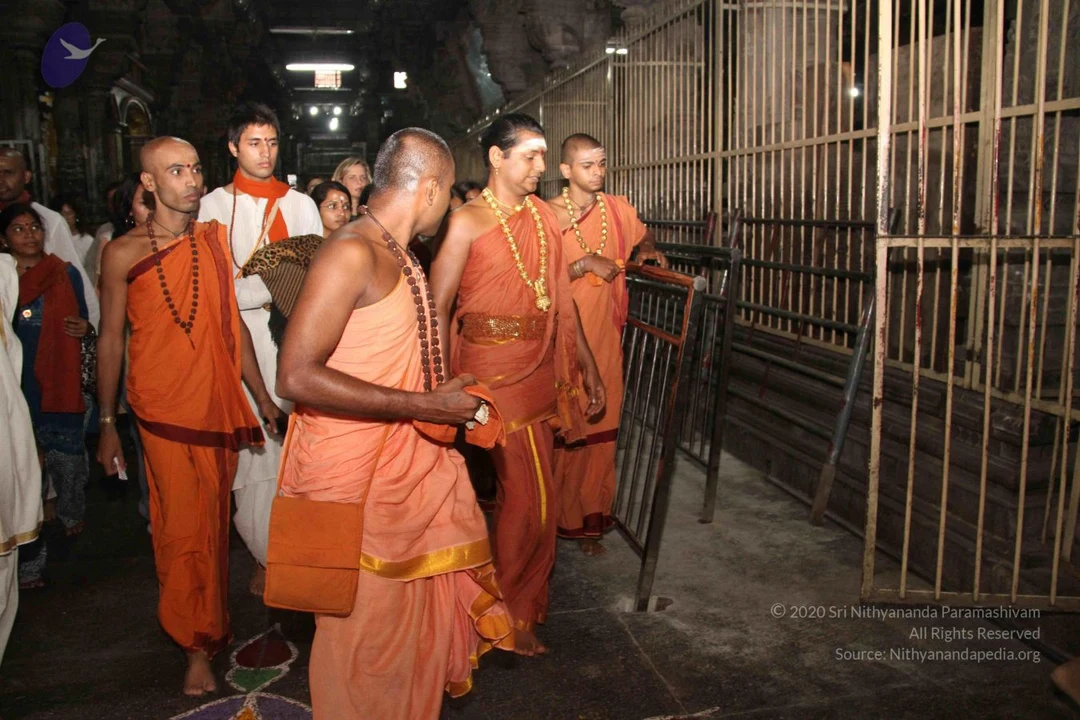
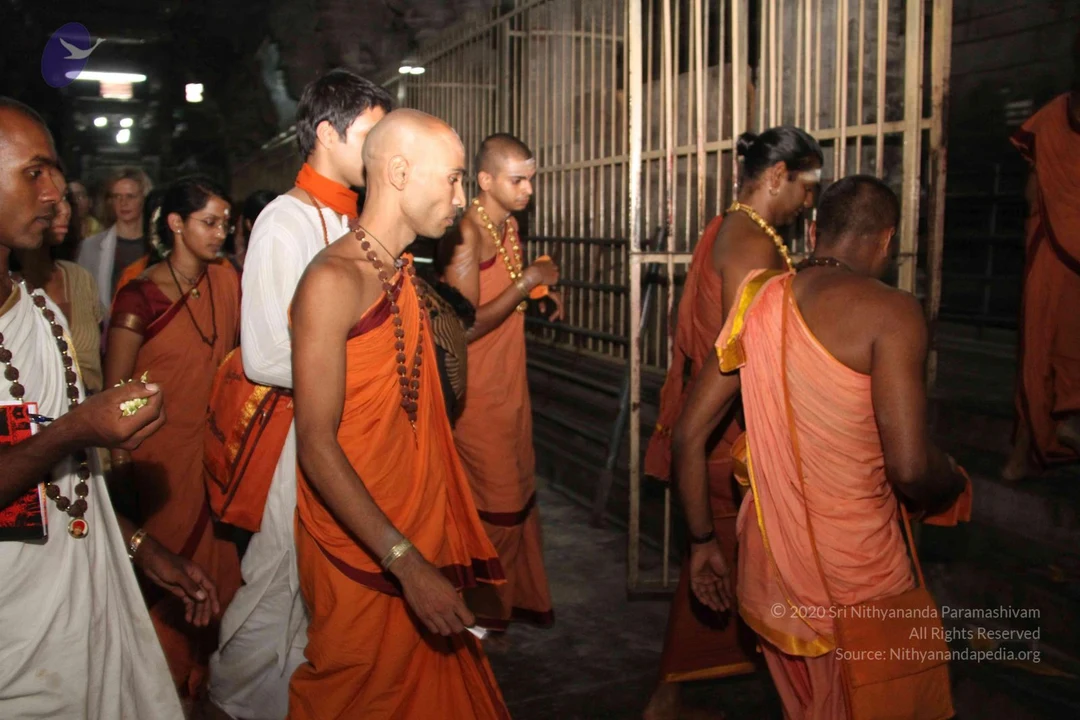
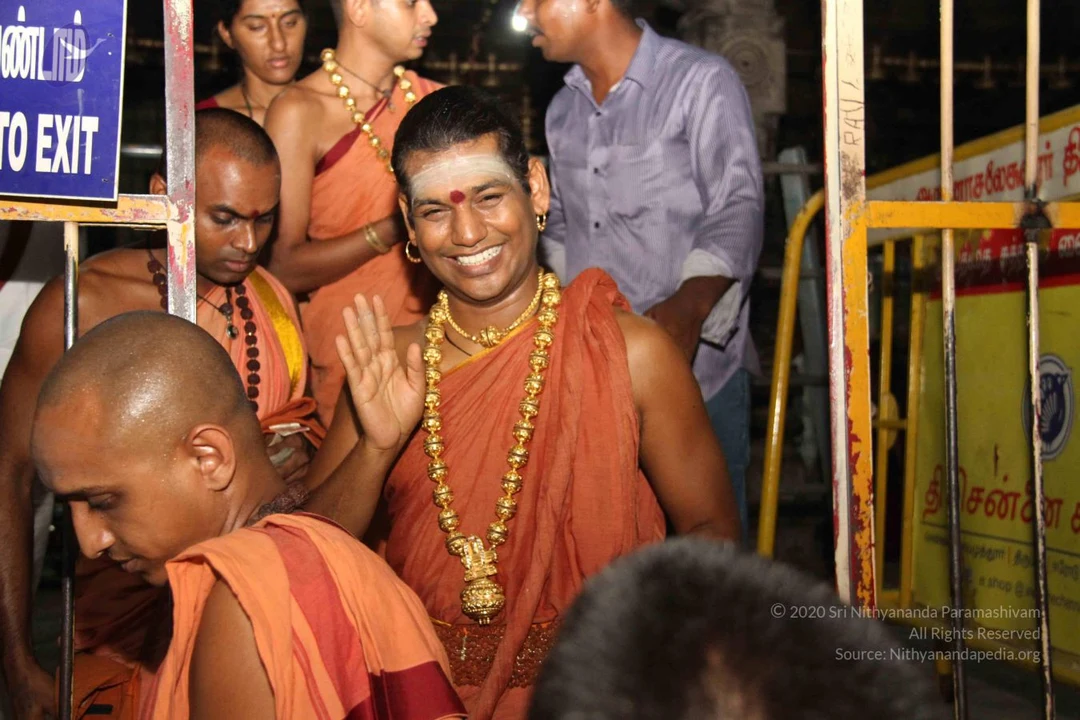
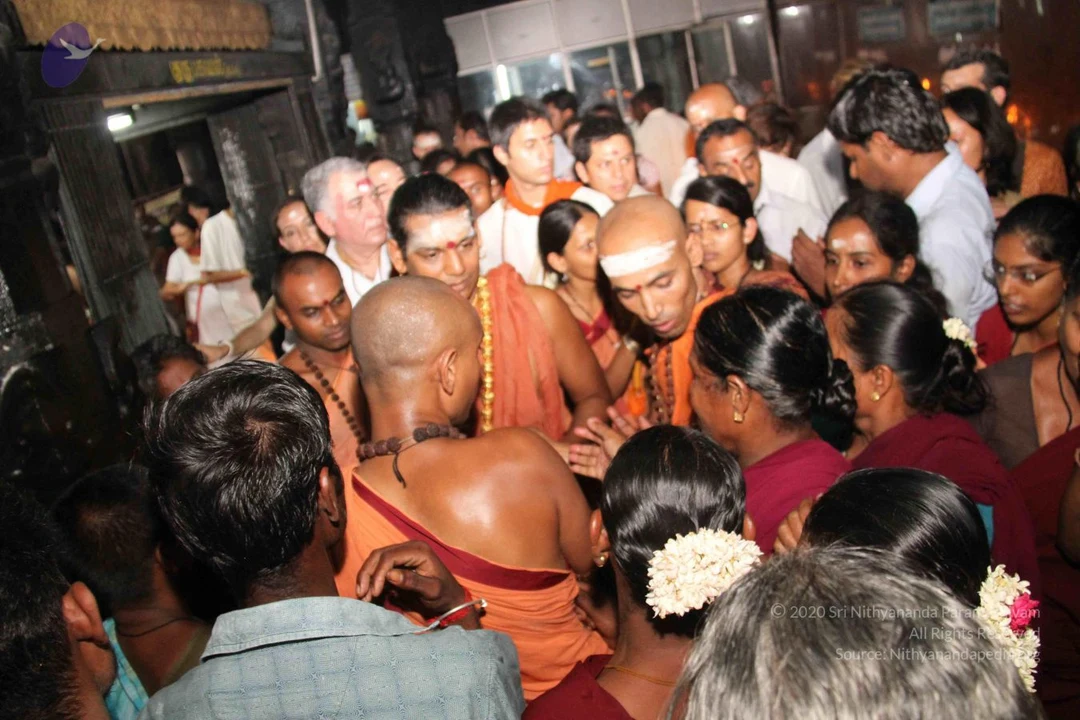
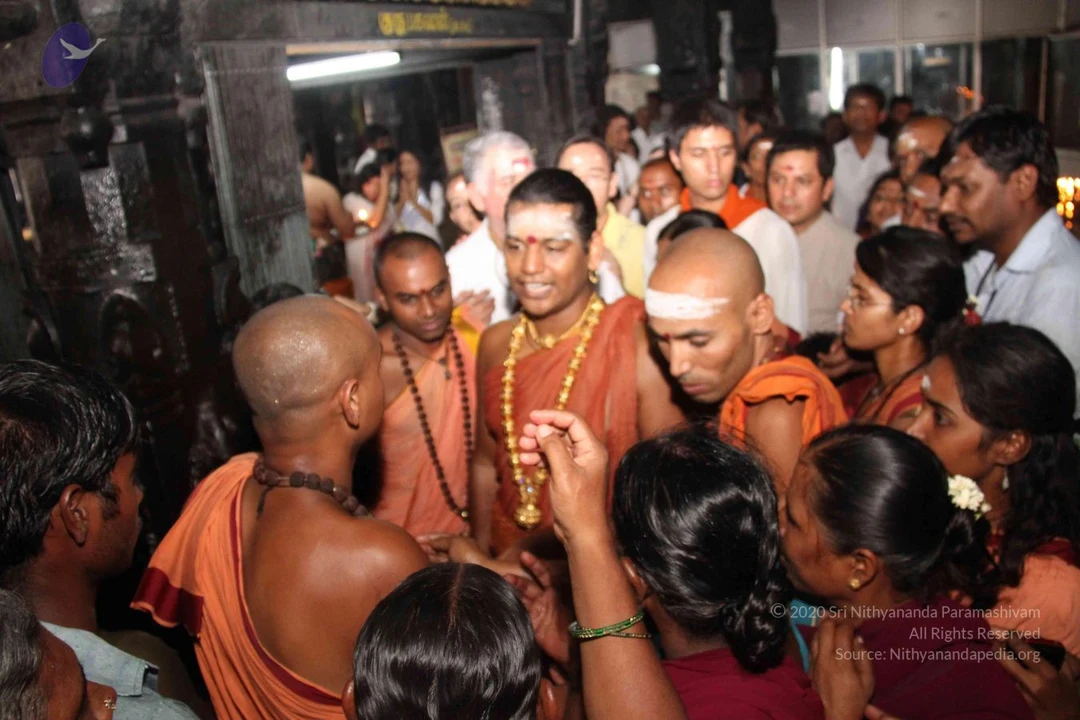
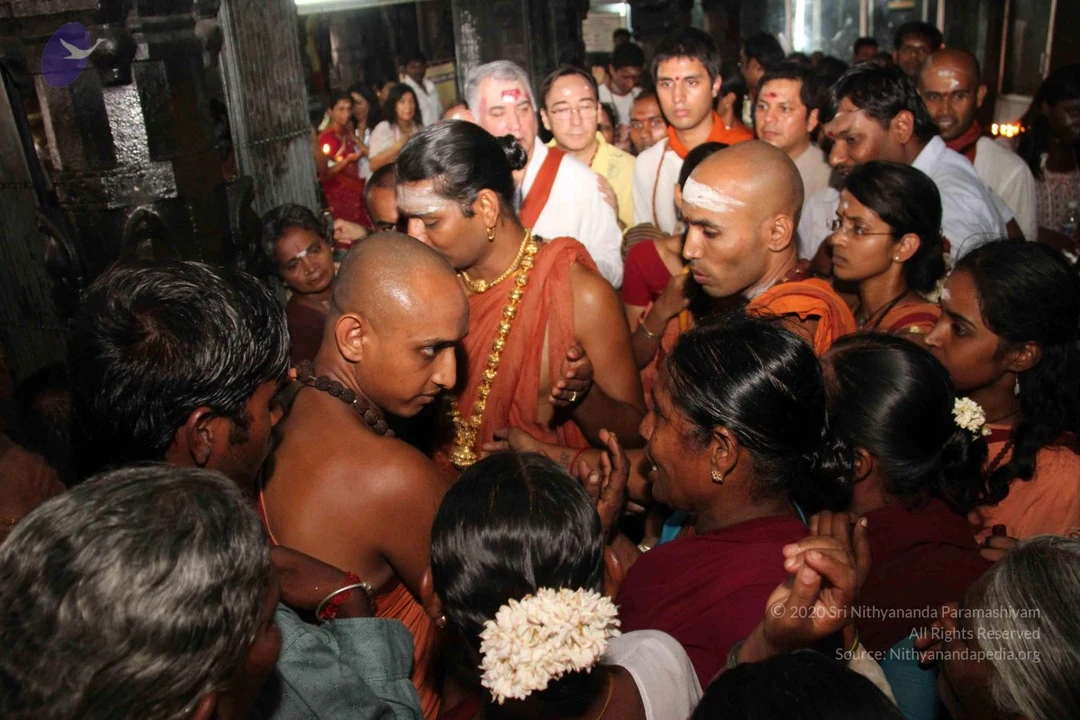
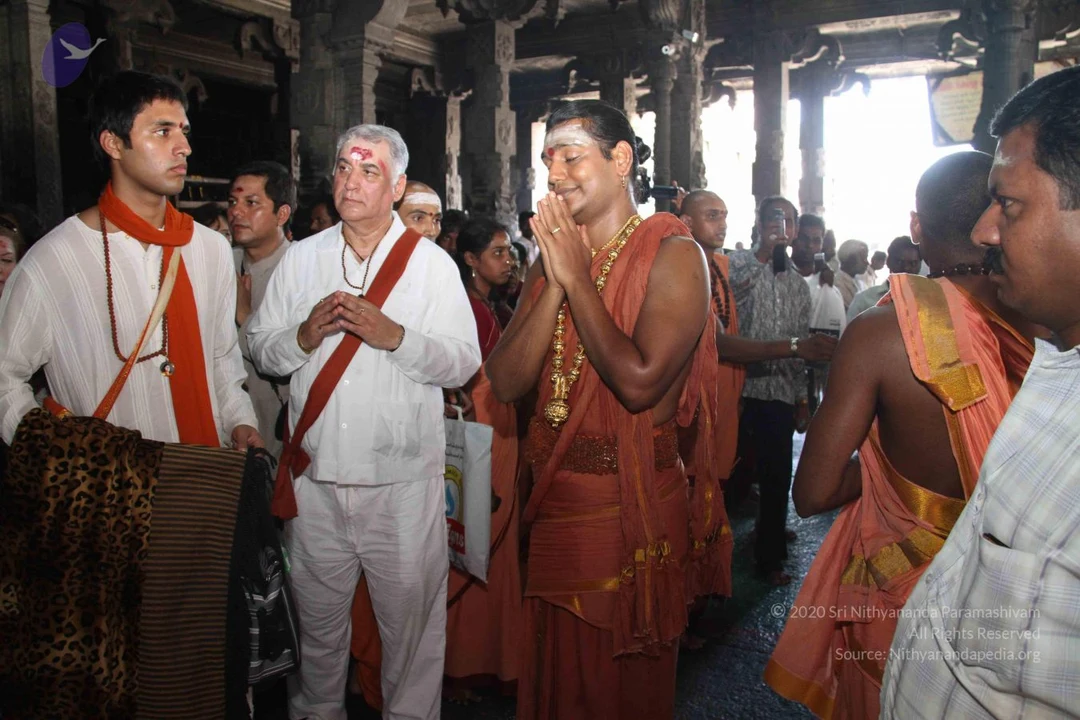
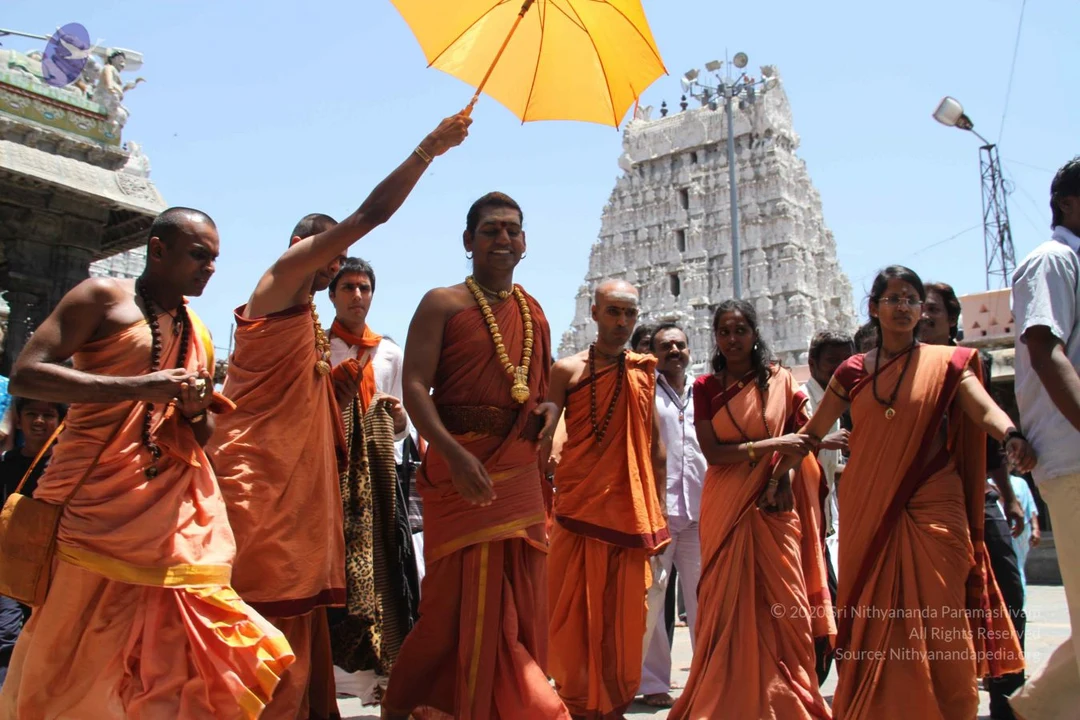
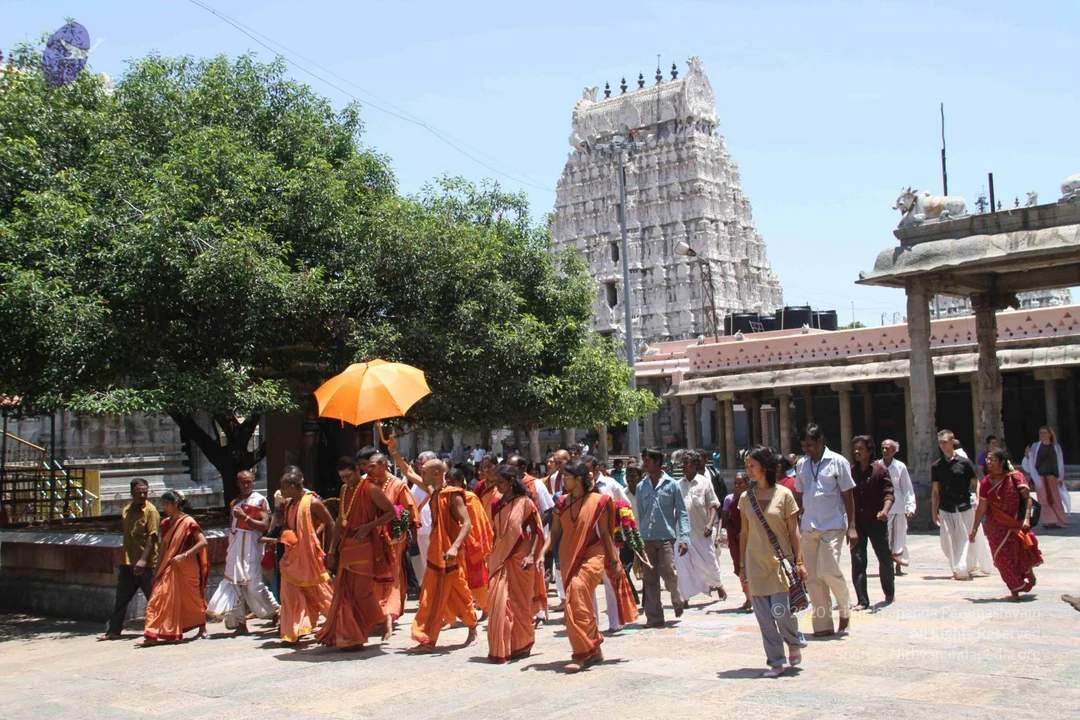
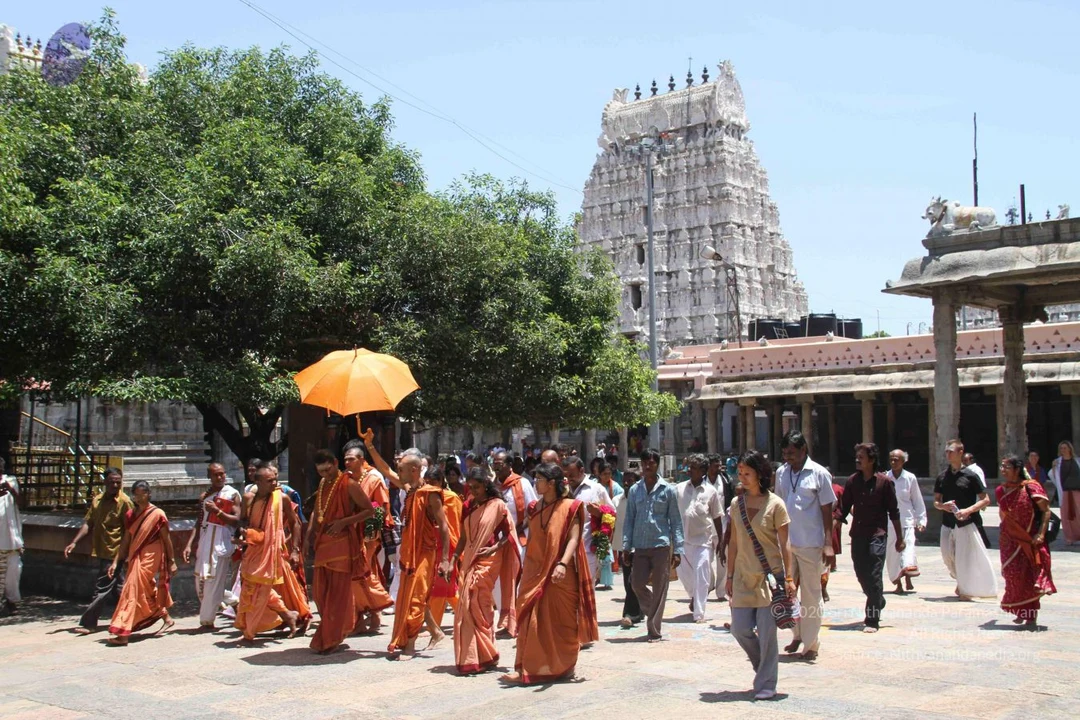
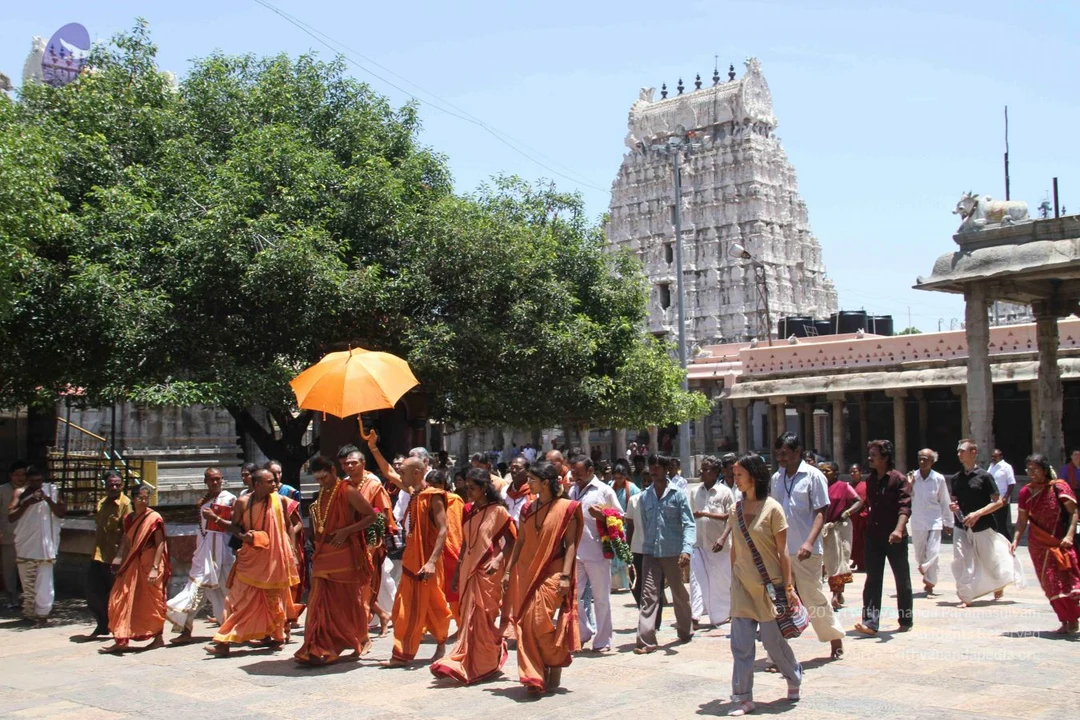
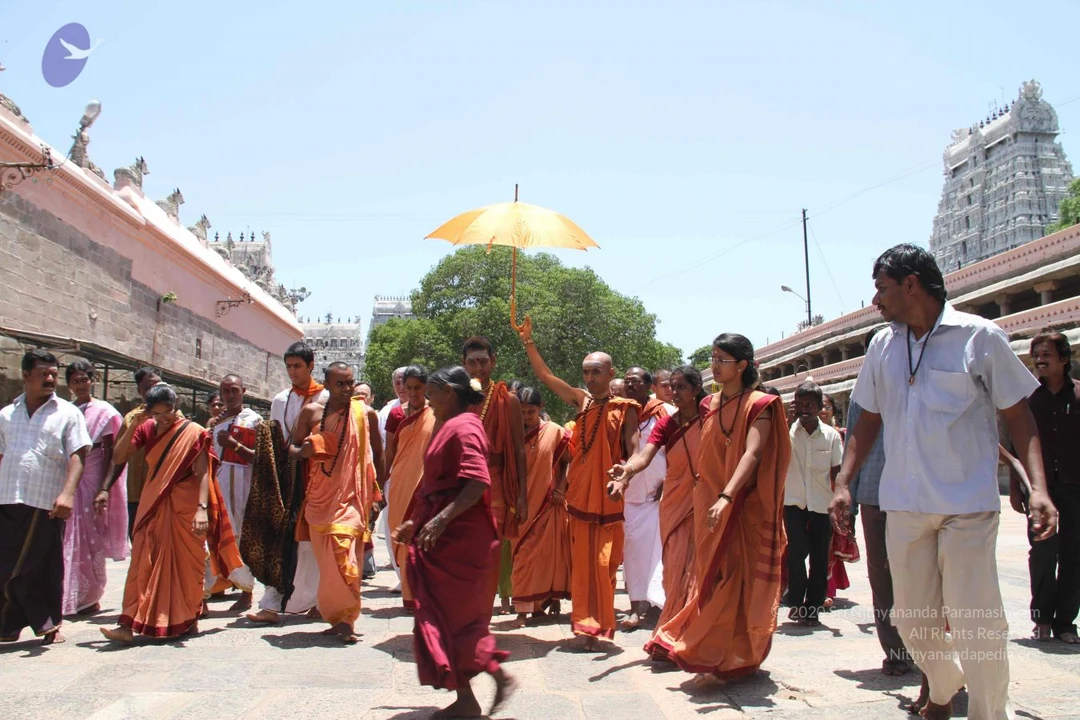
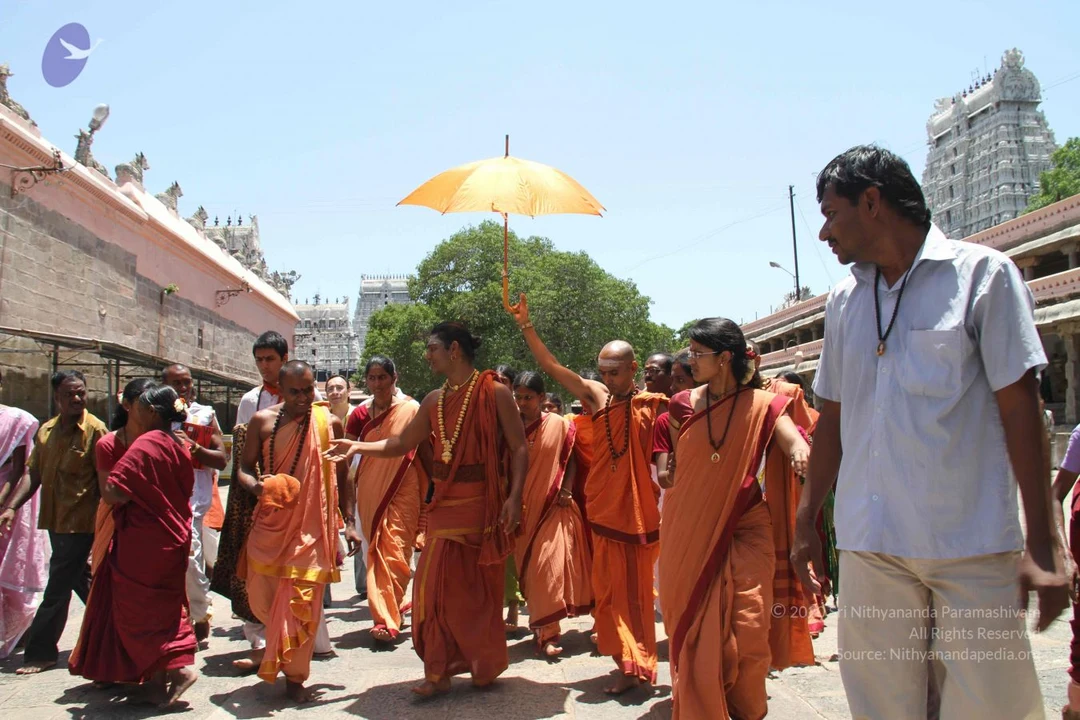
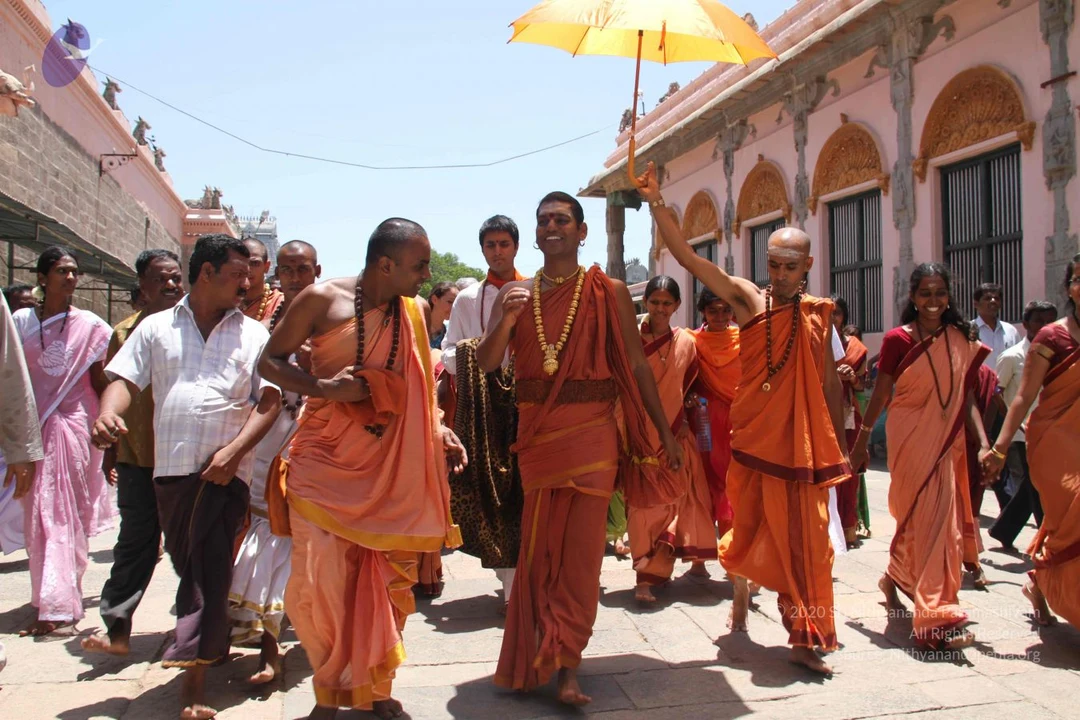
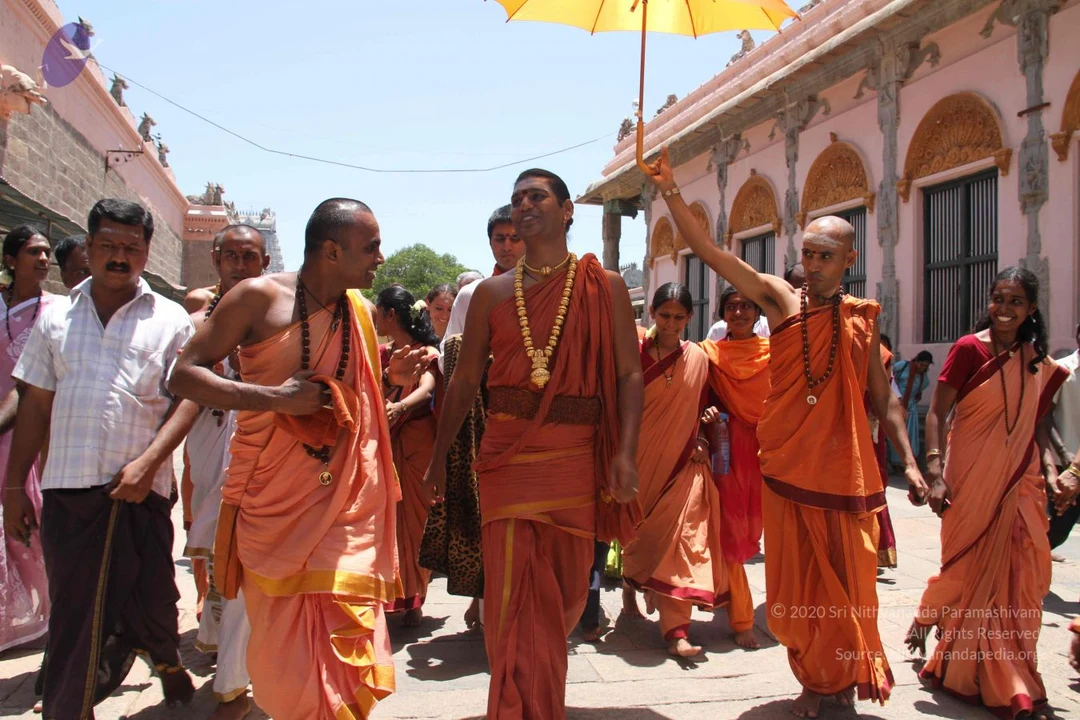
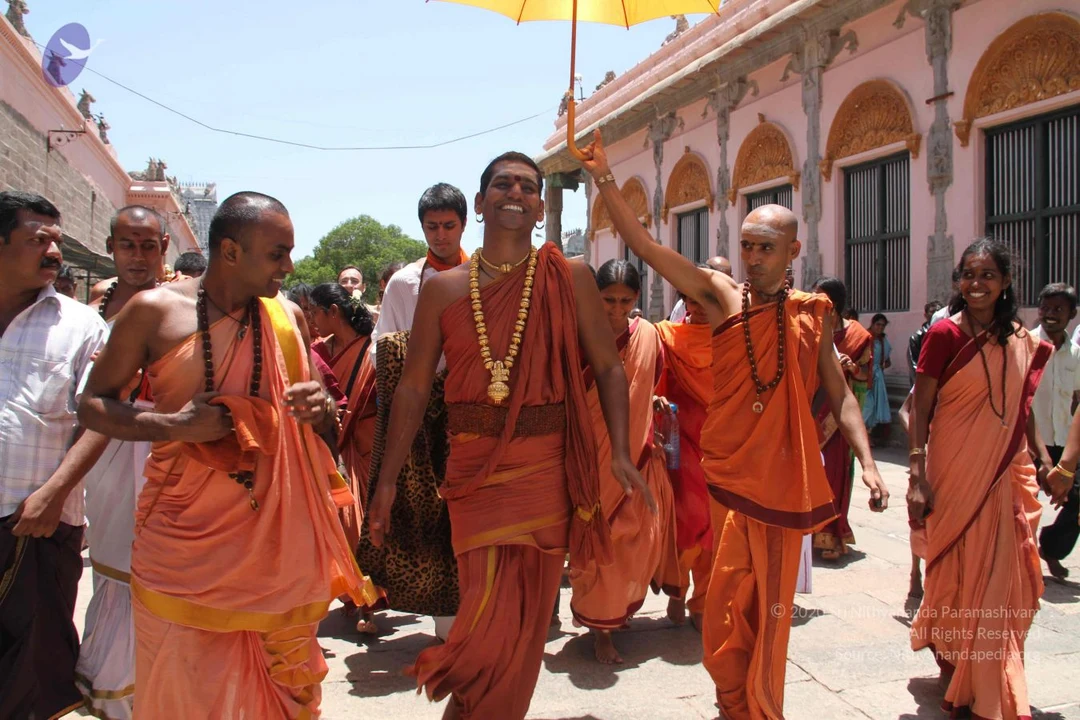
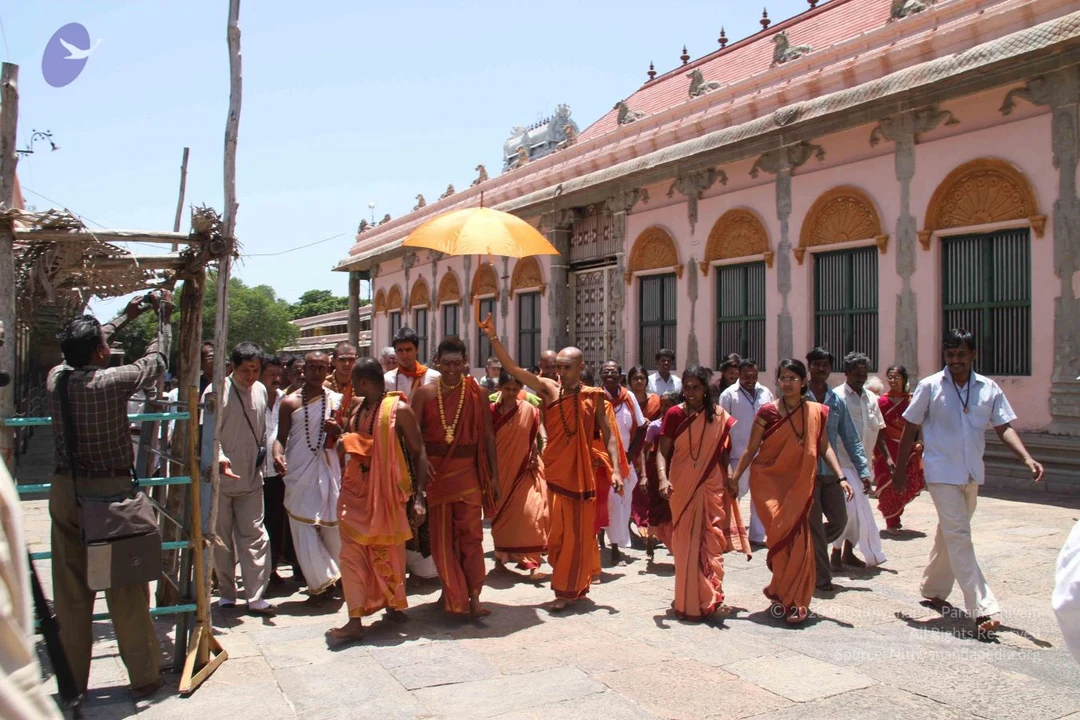
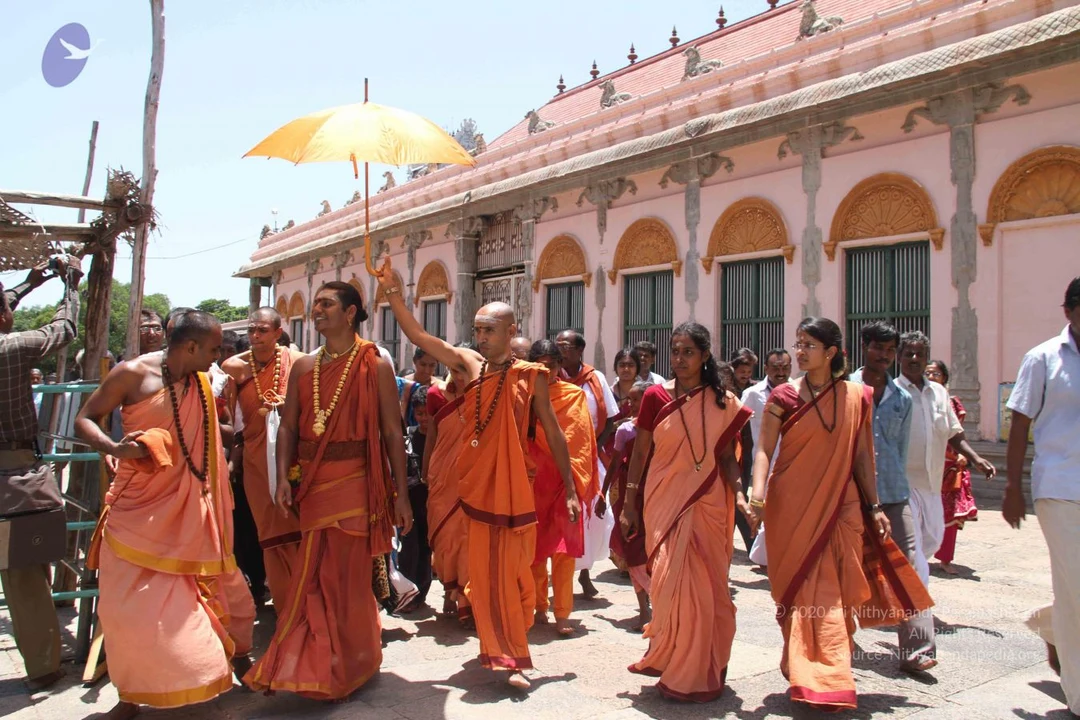
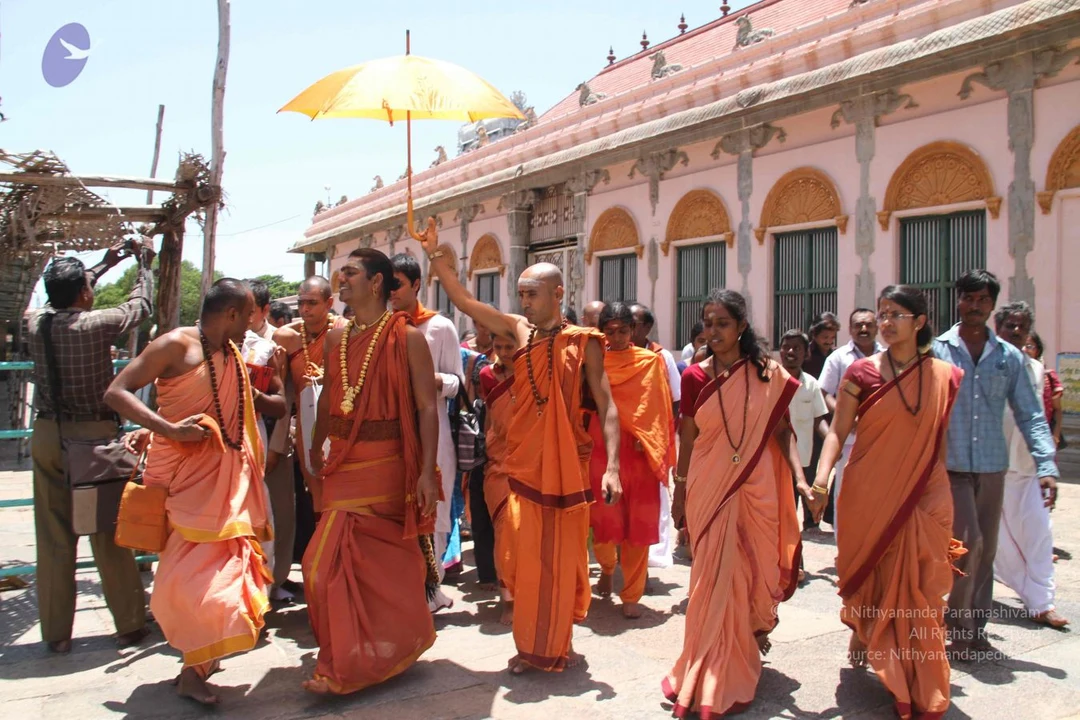
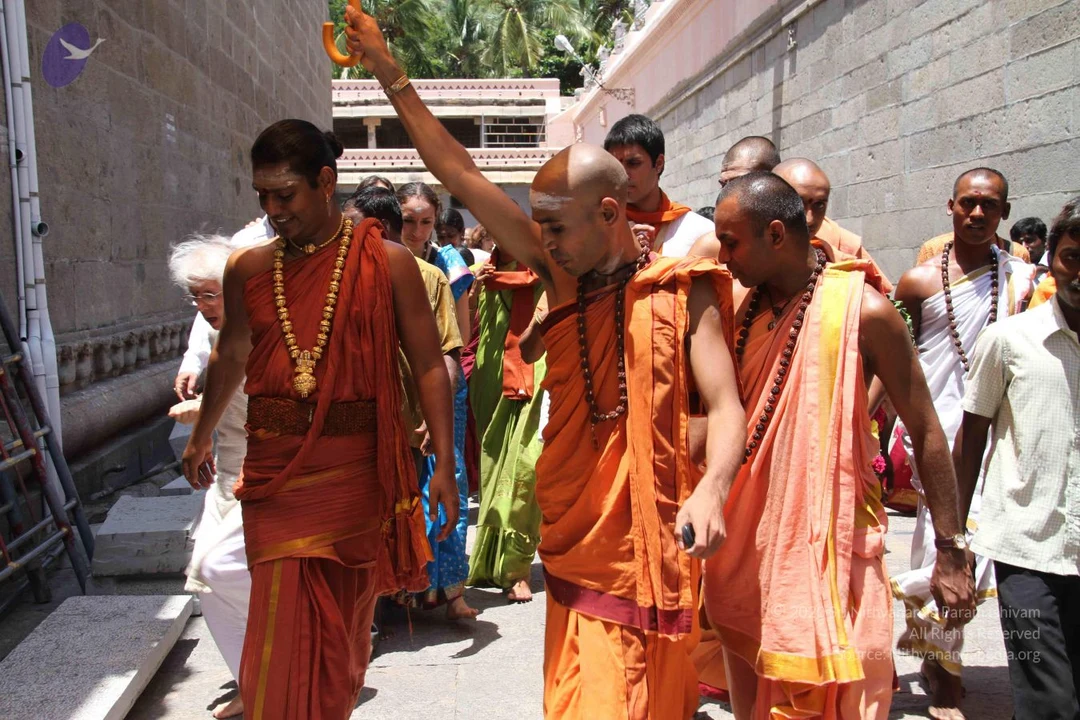
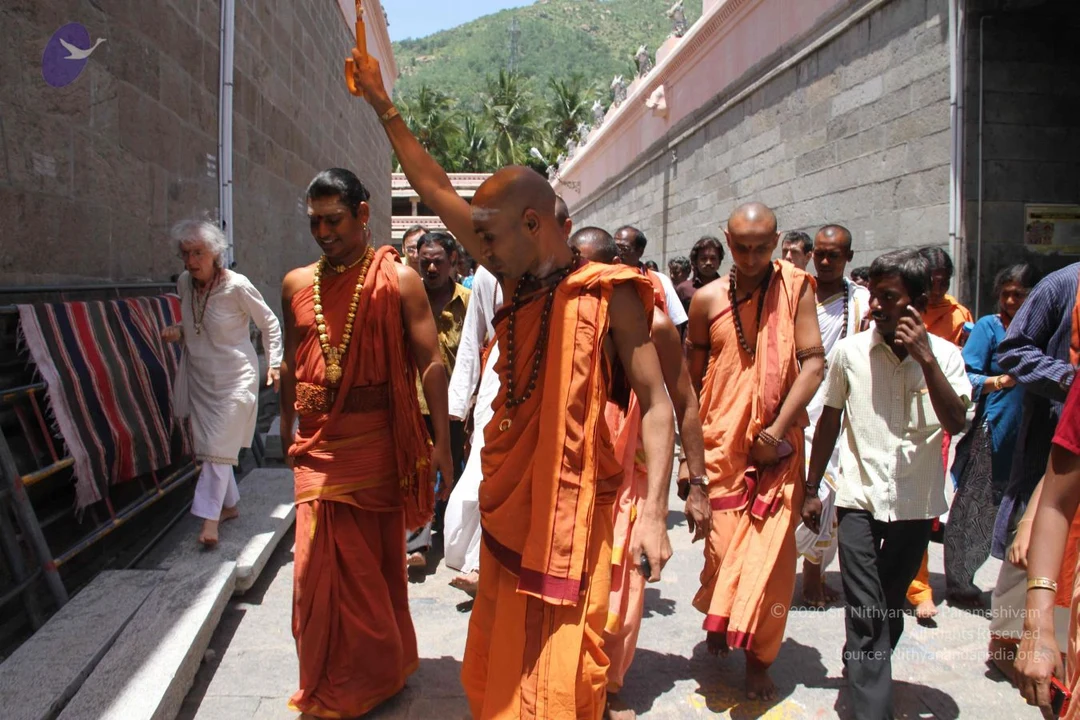
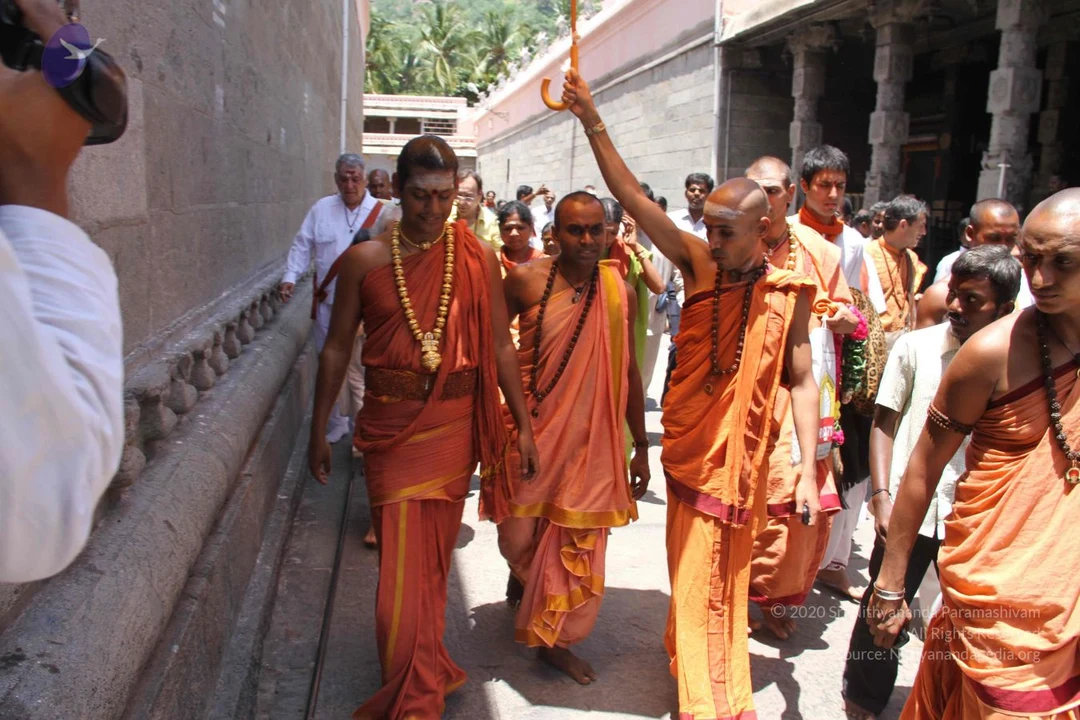
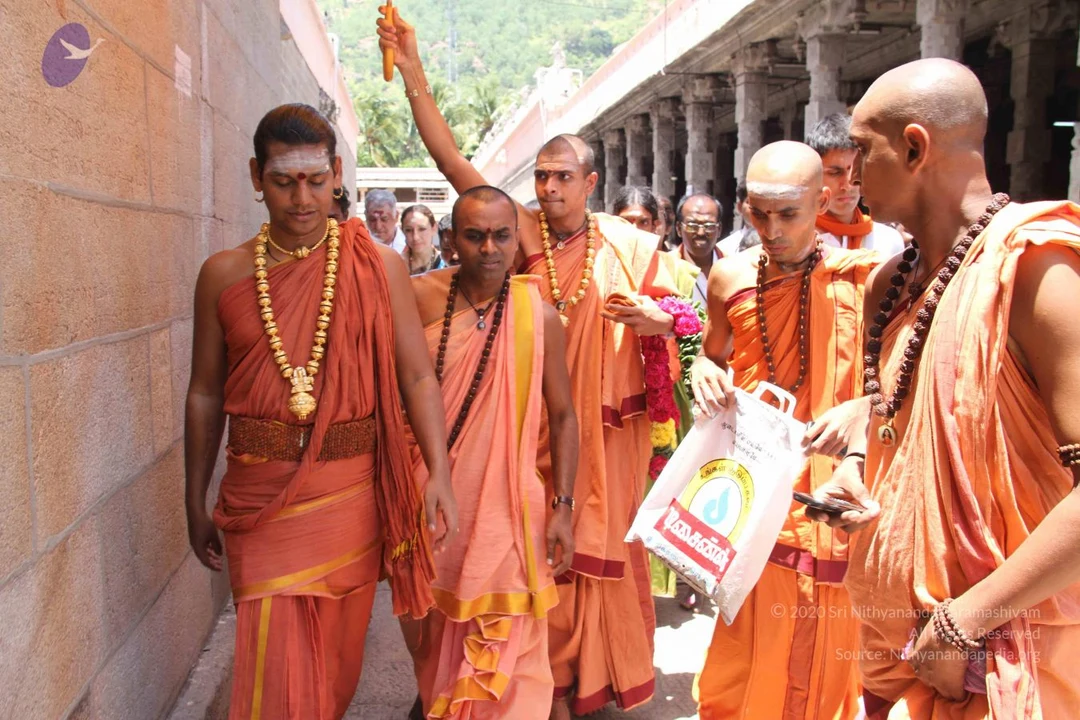
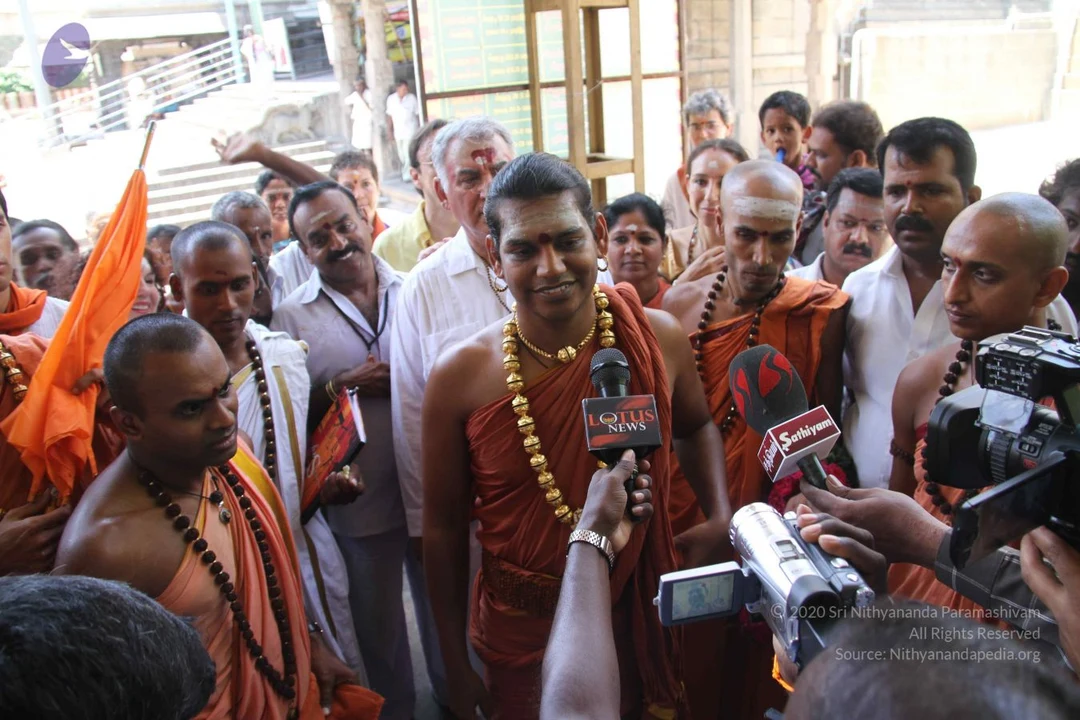
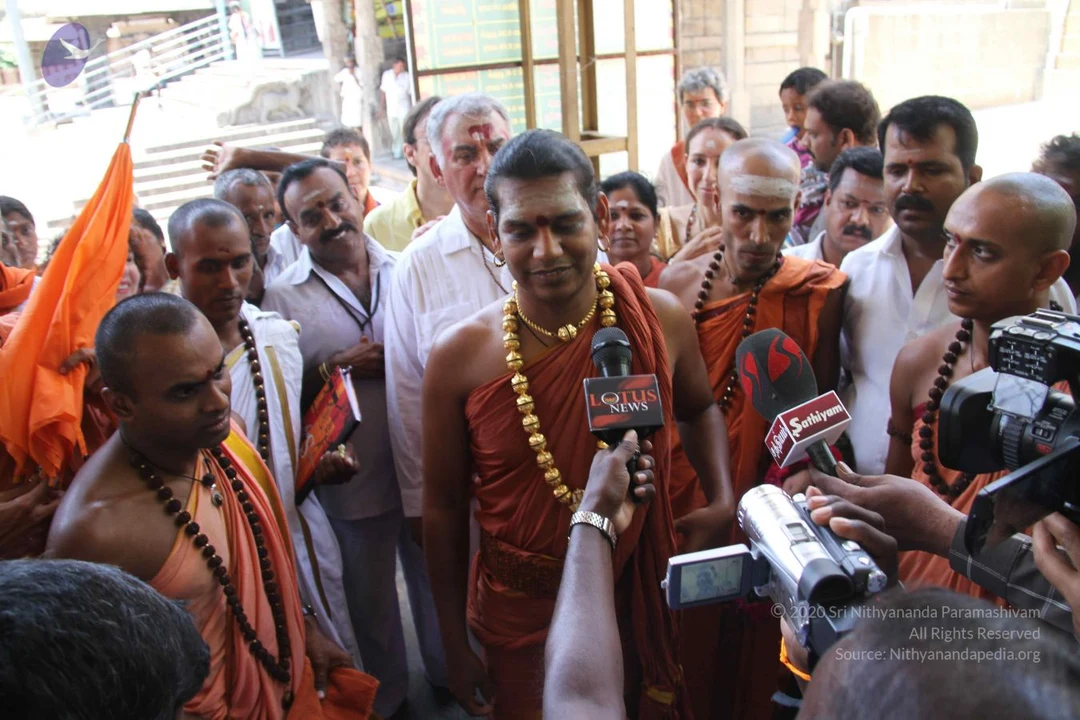
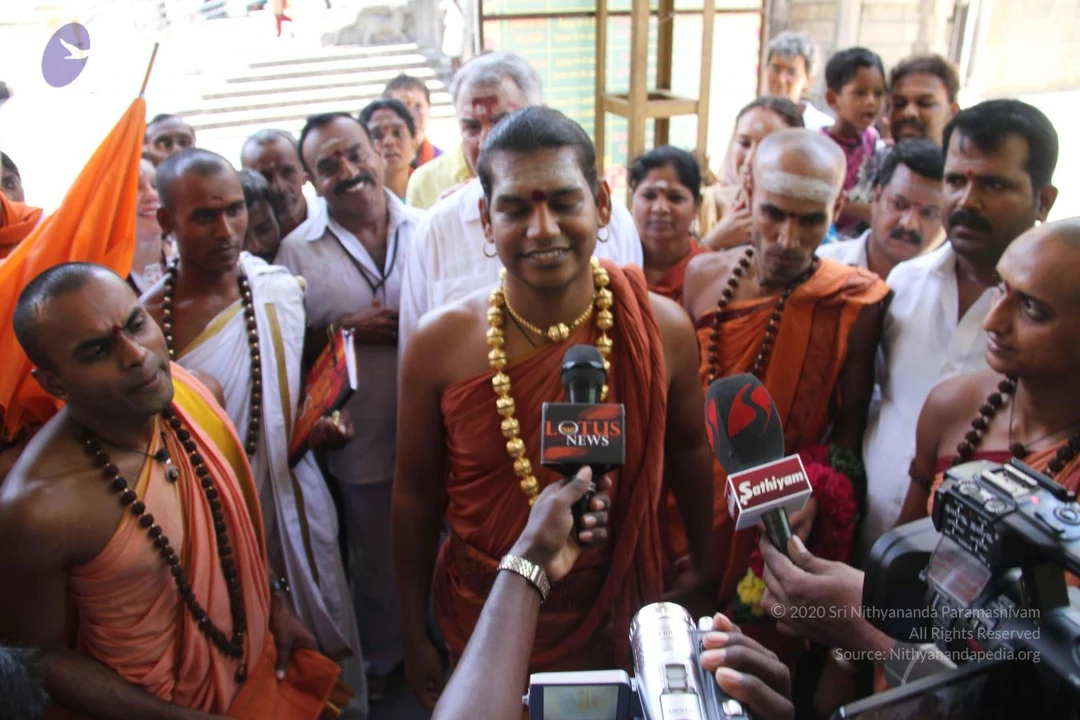
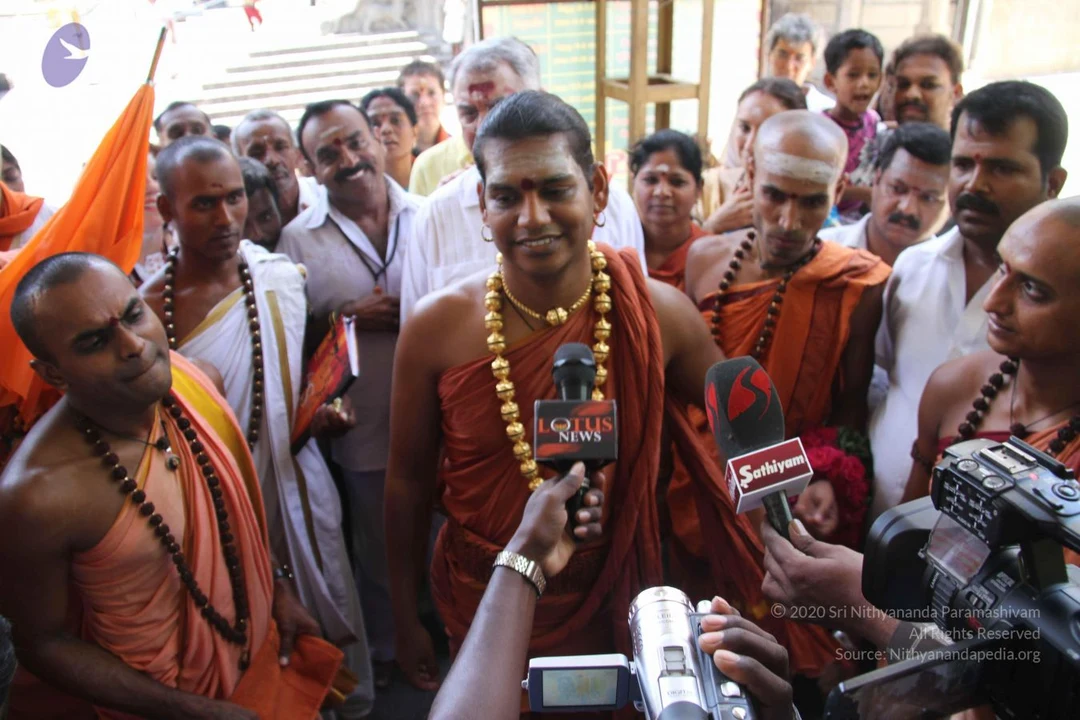
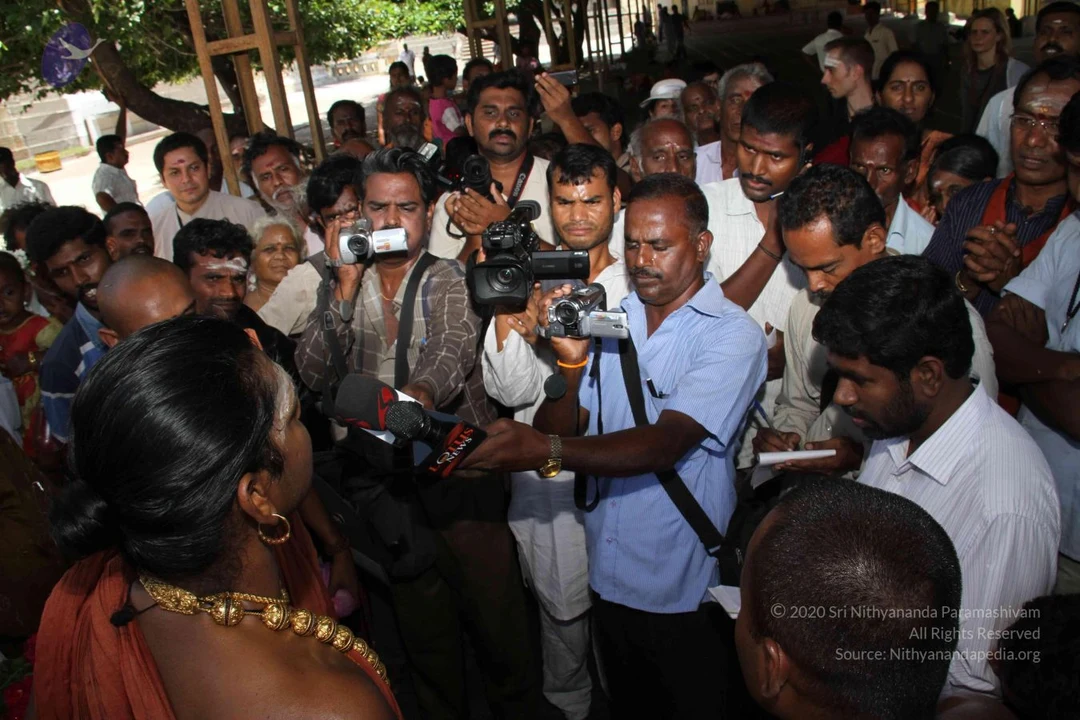
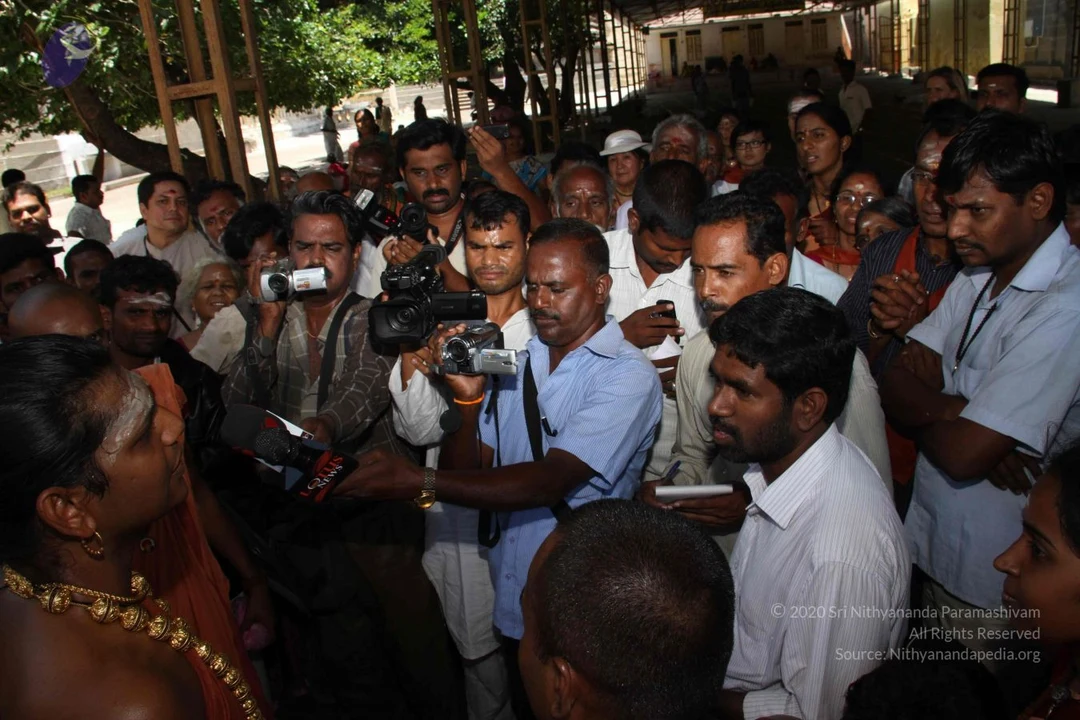
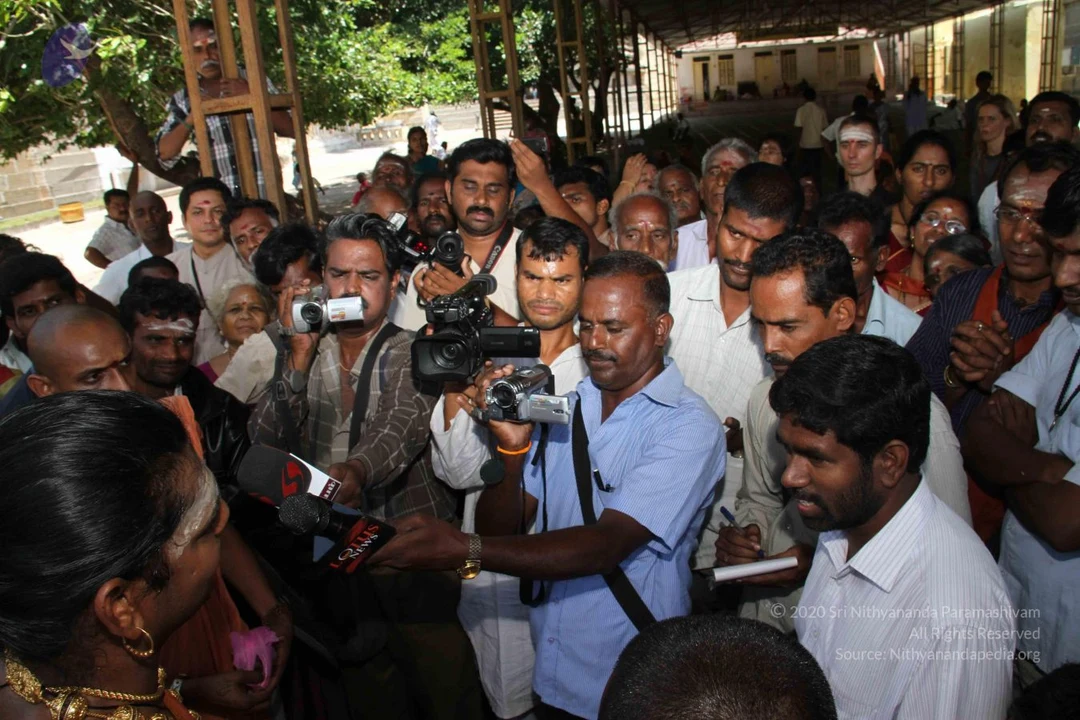
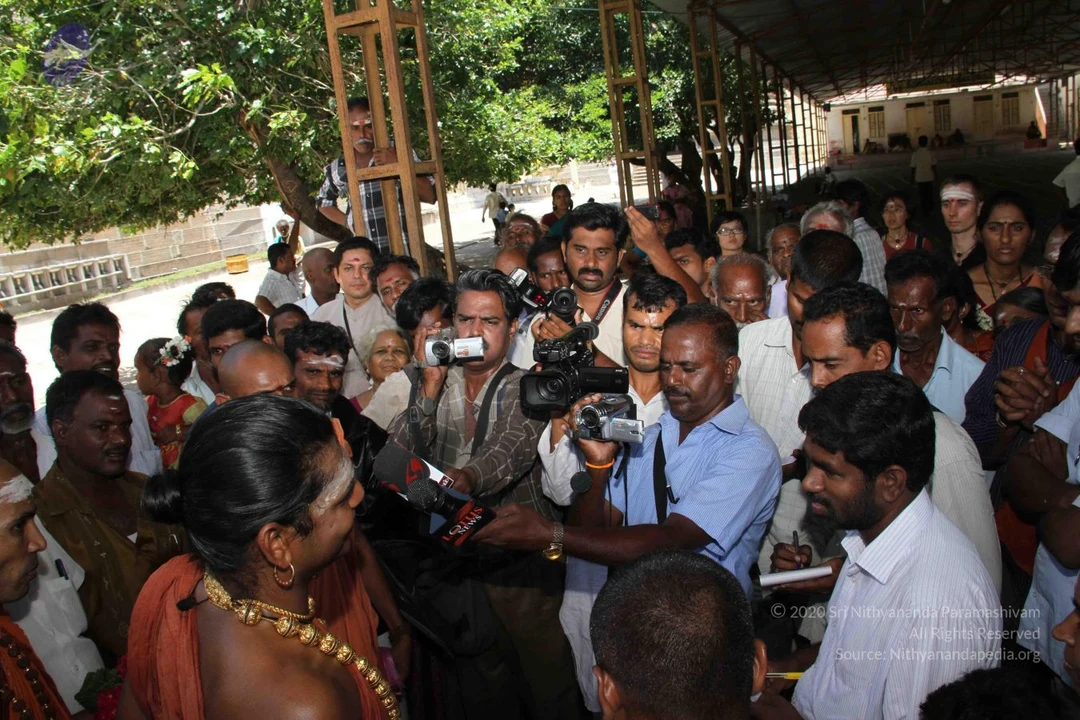
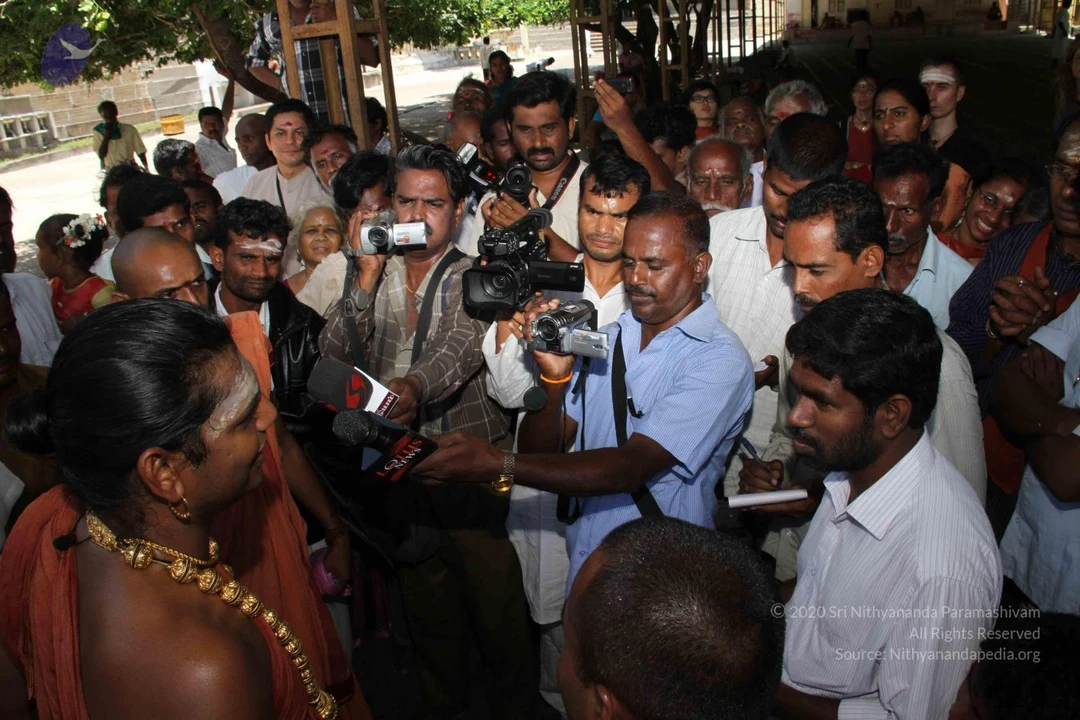
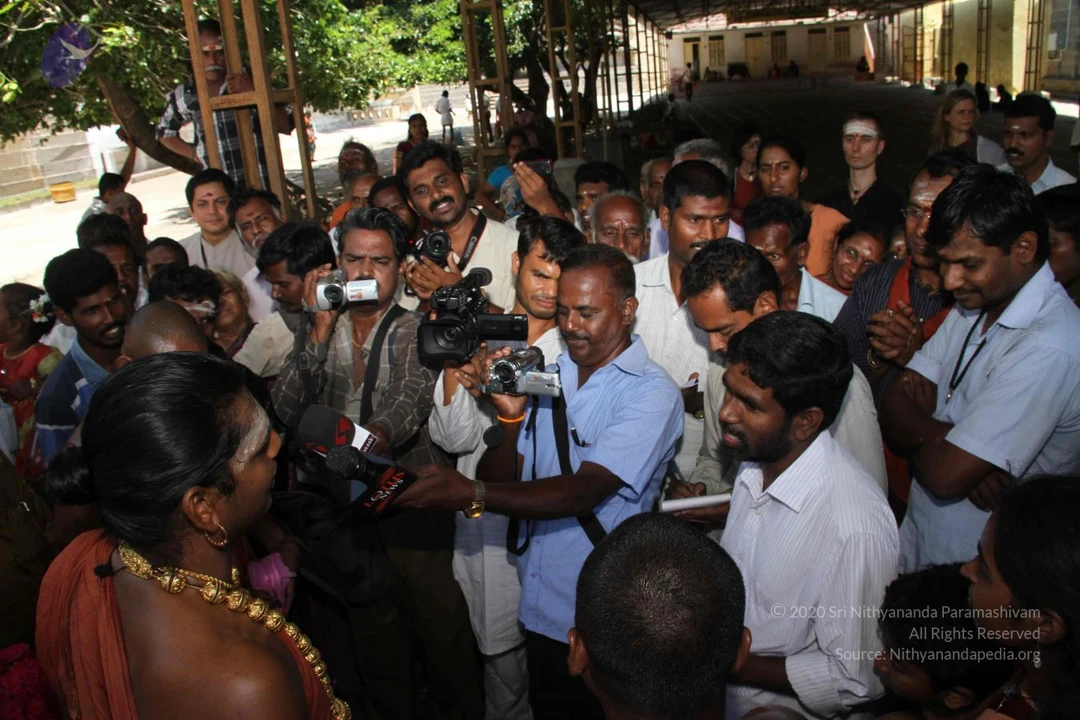
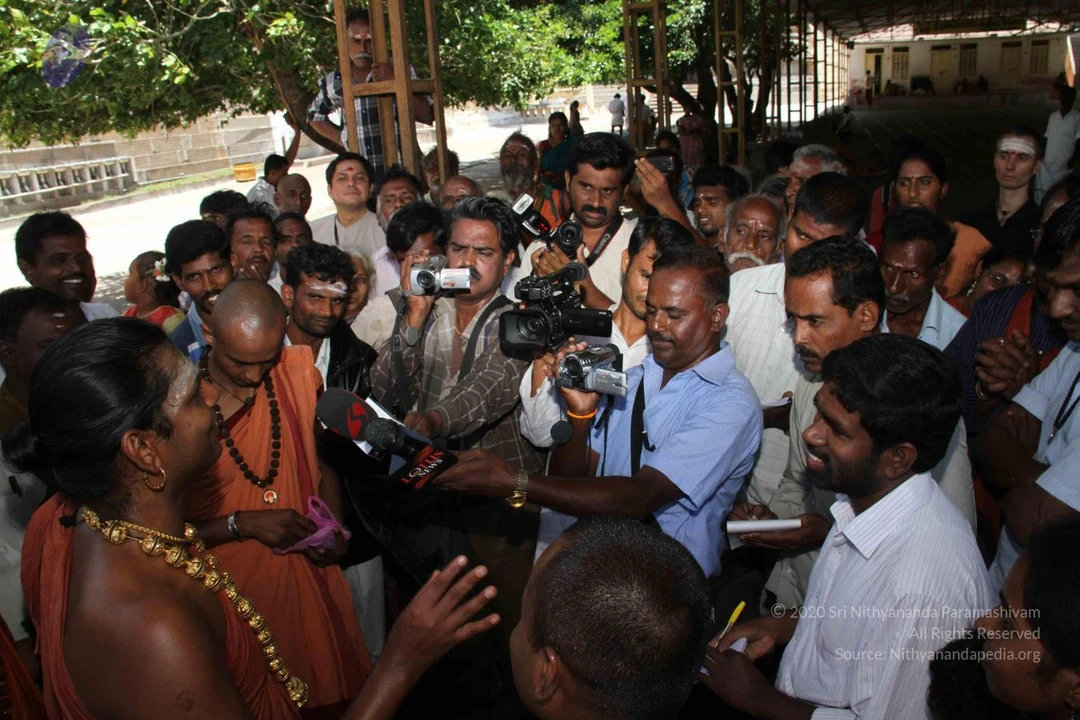
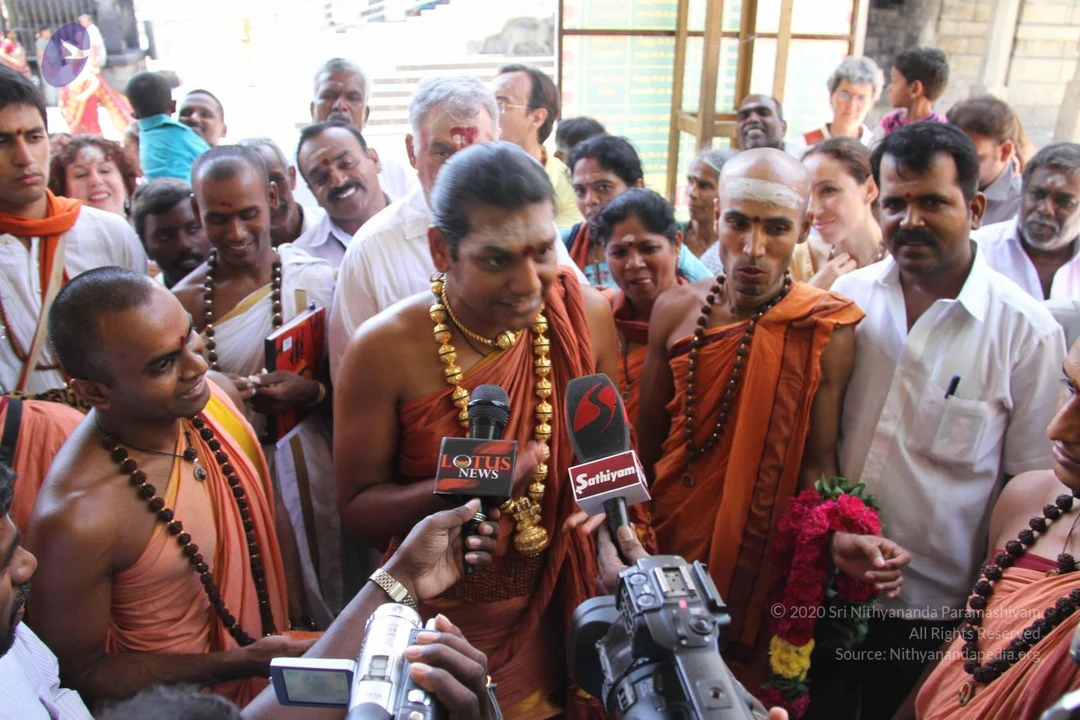
Photos Of The Day:
Morning Satsang
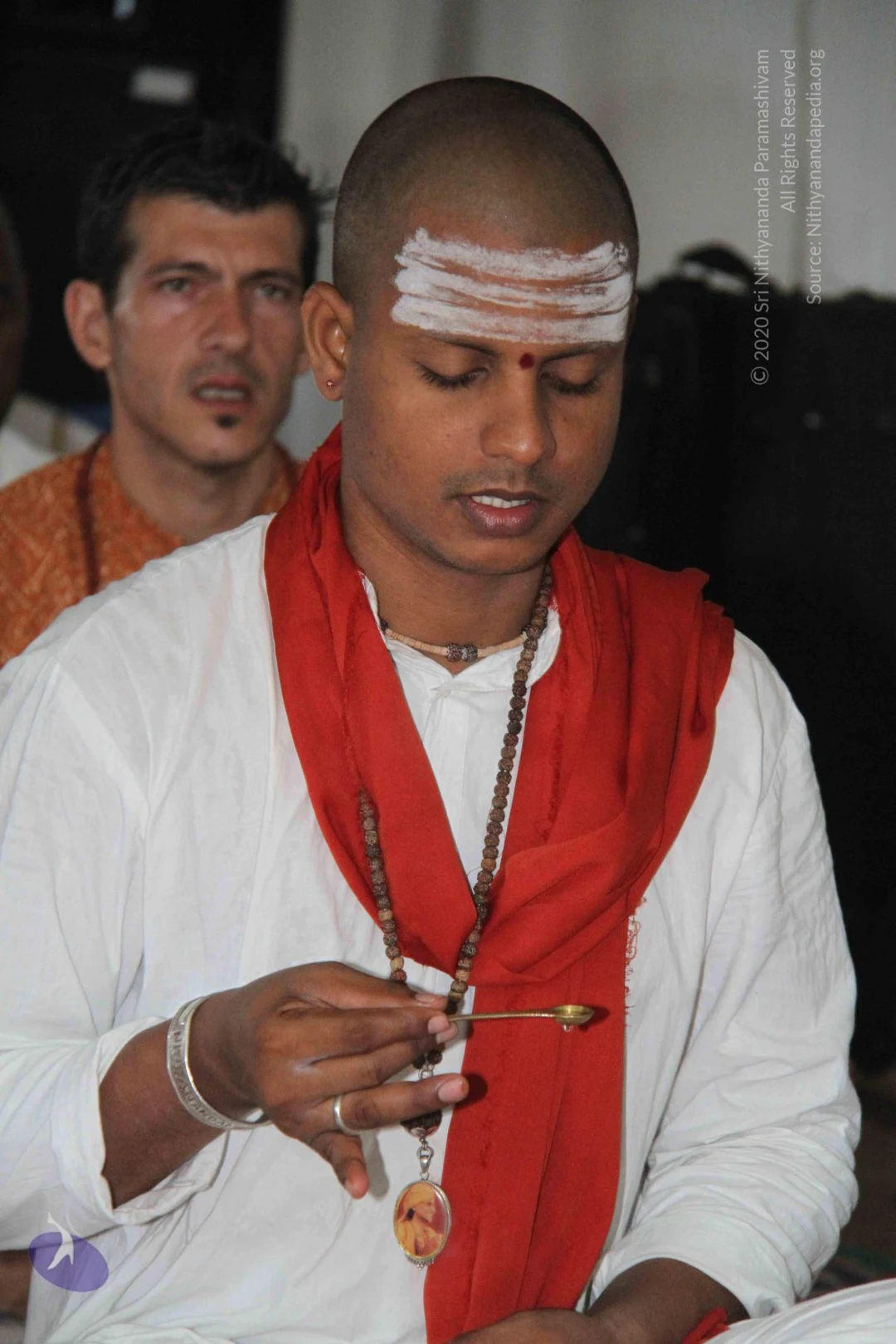
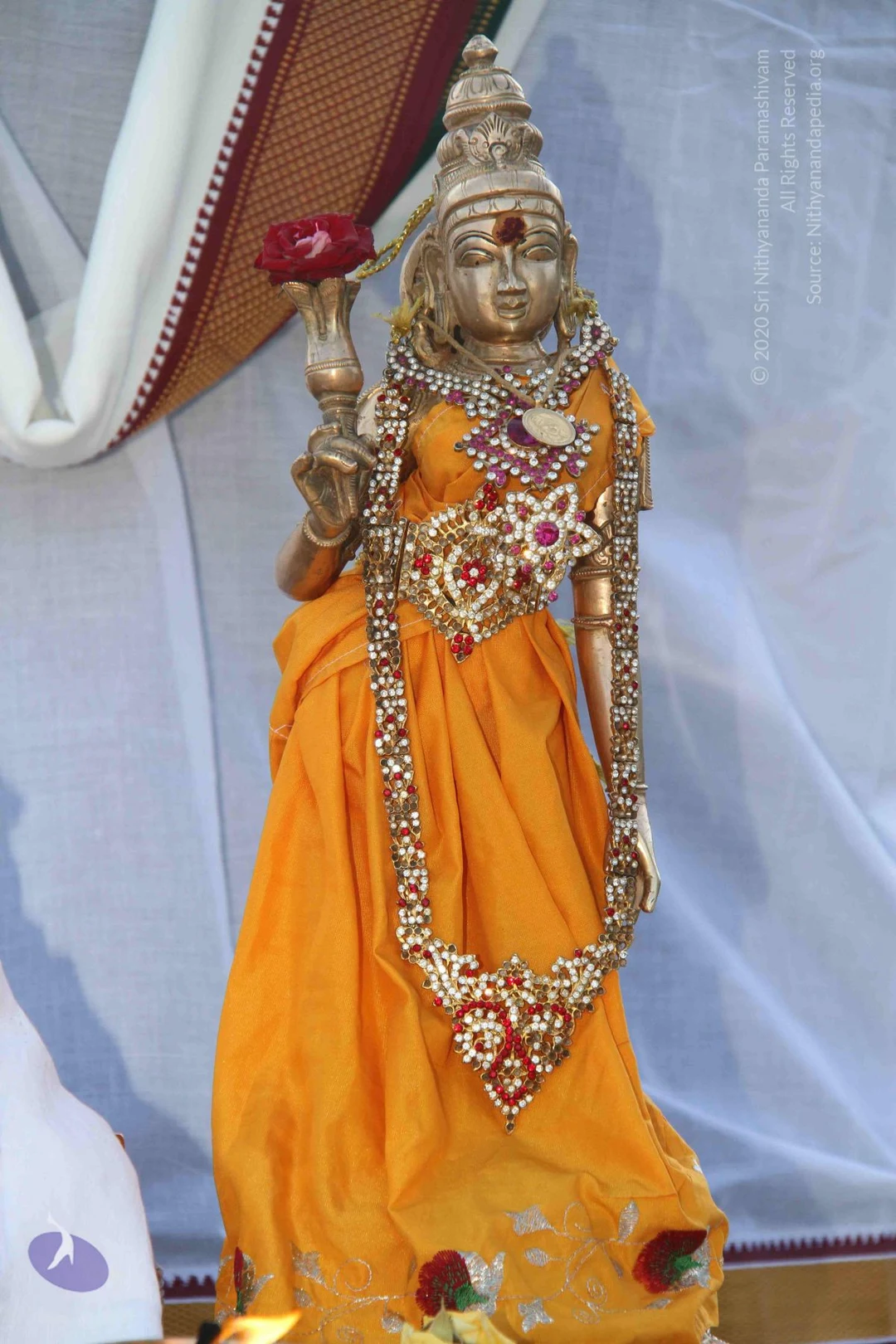
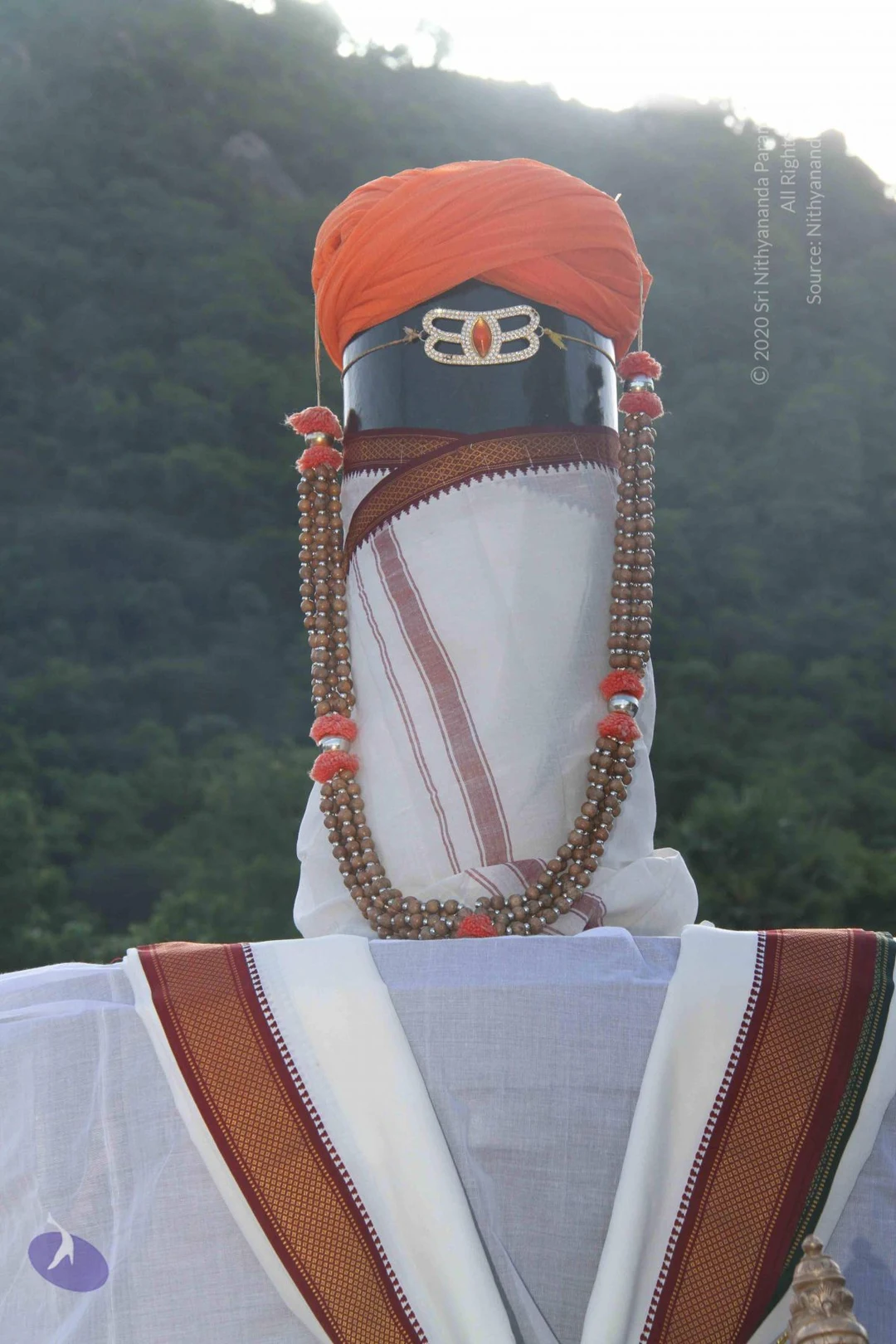
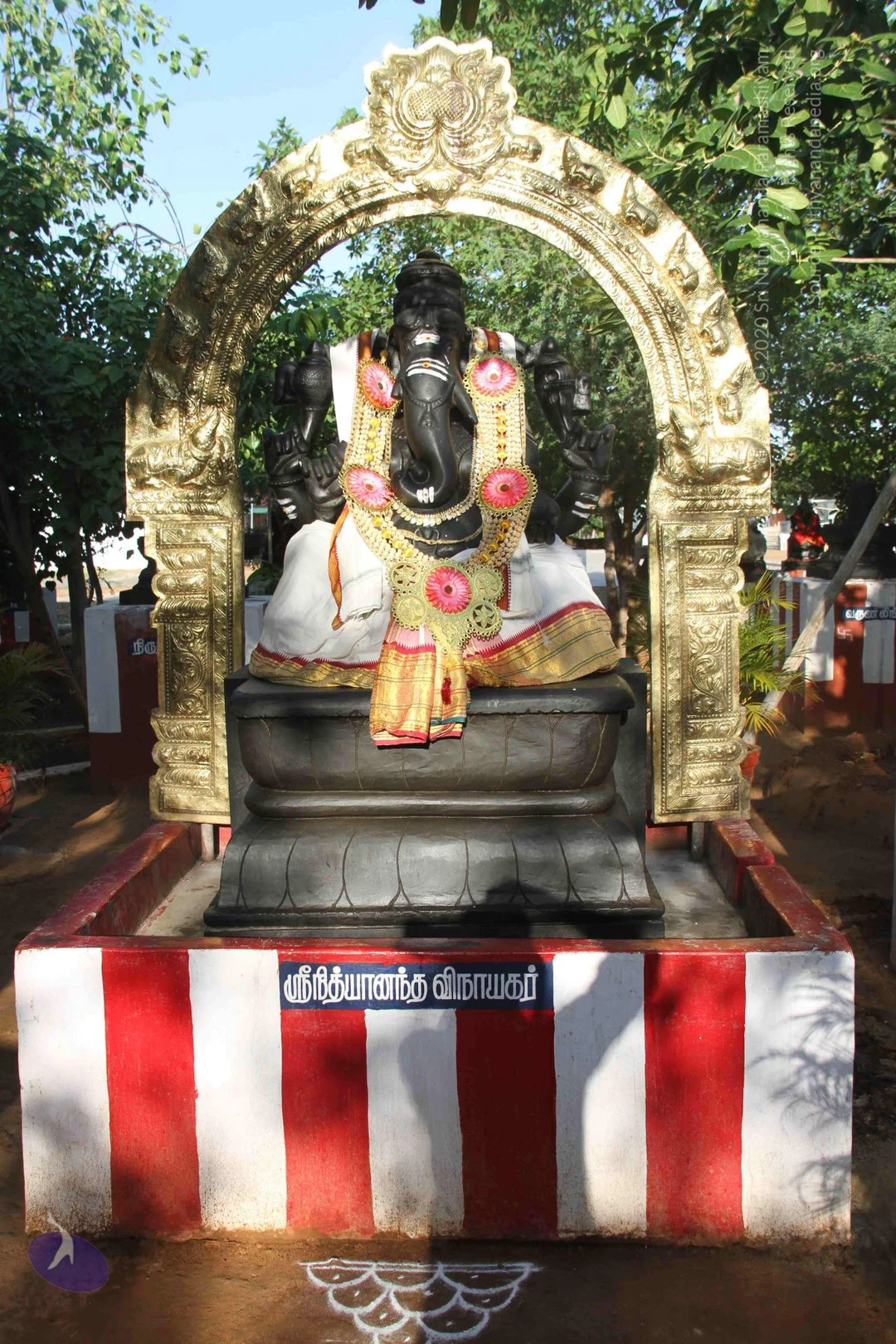
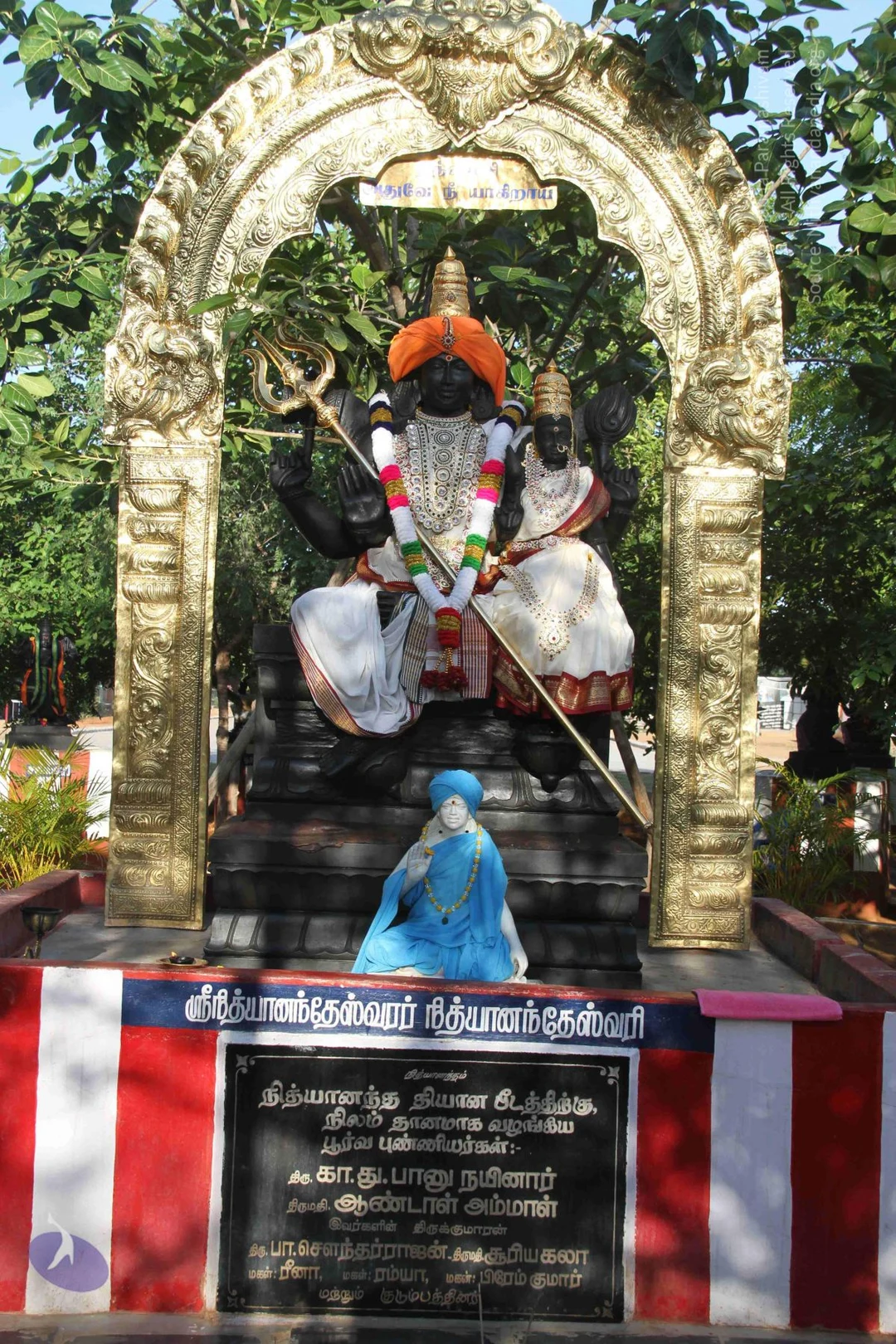
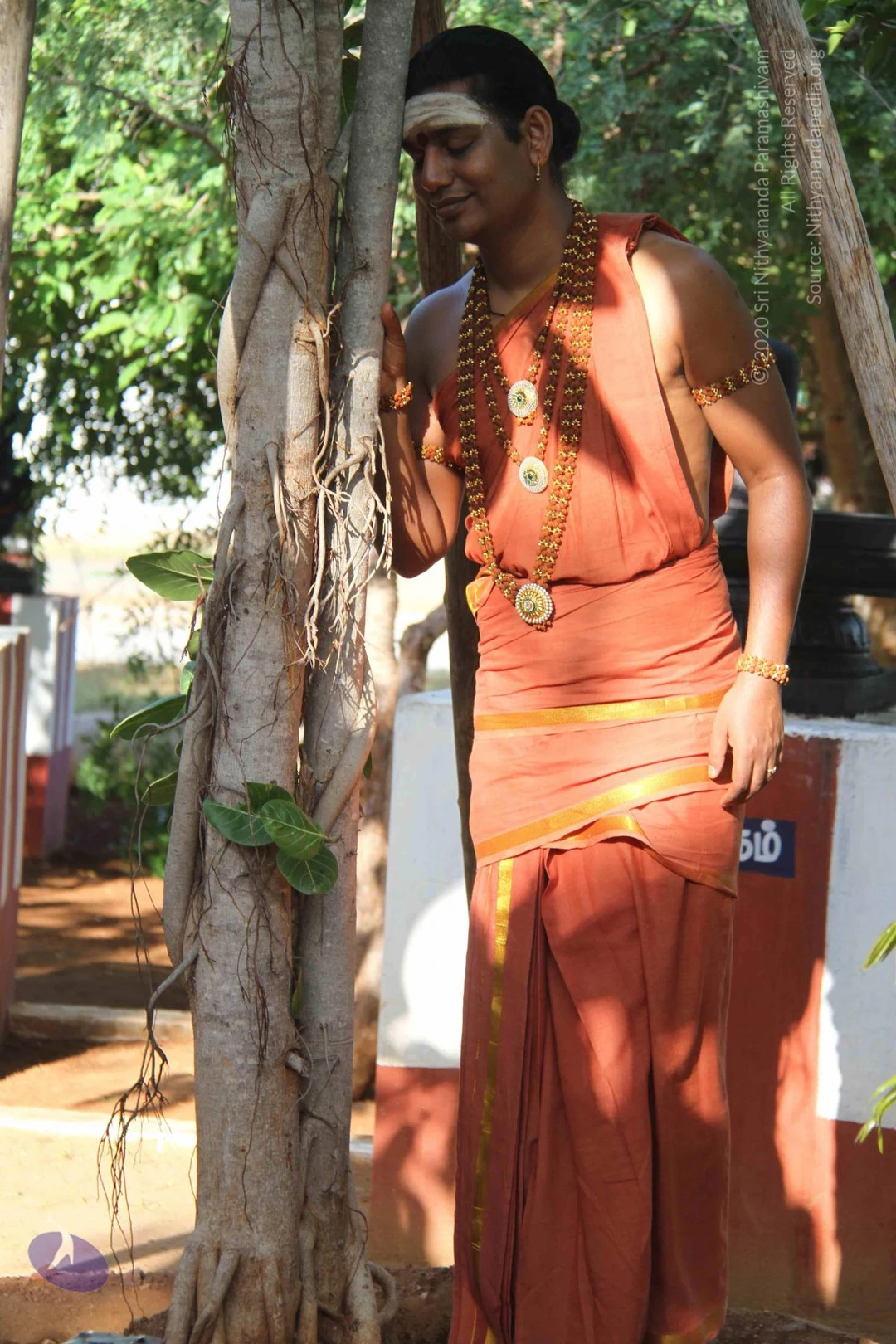
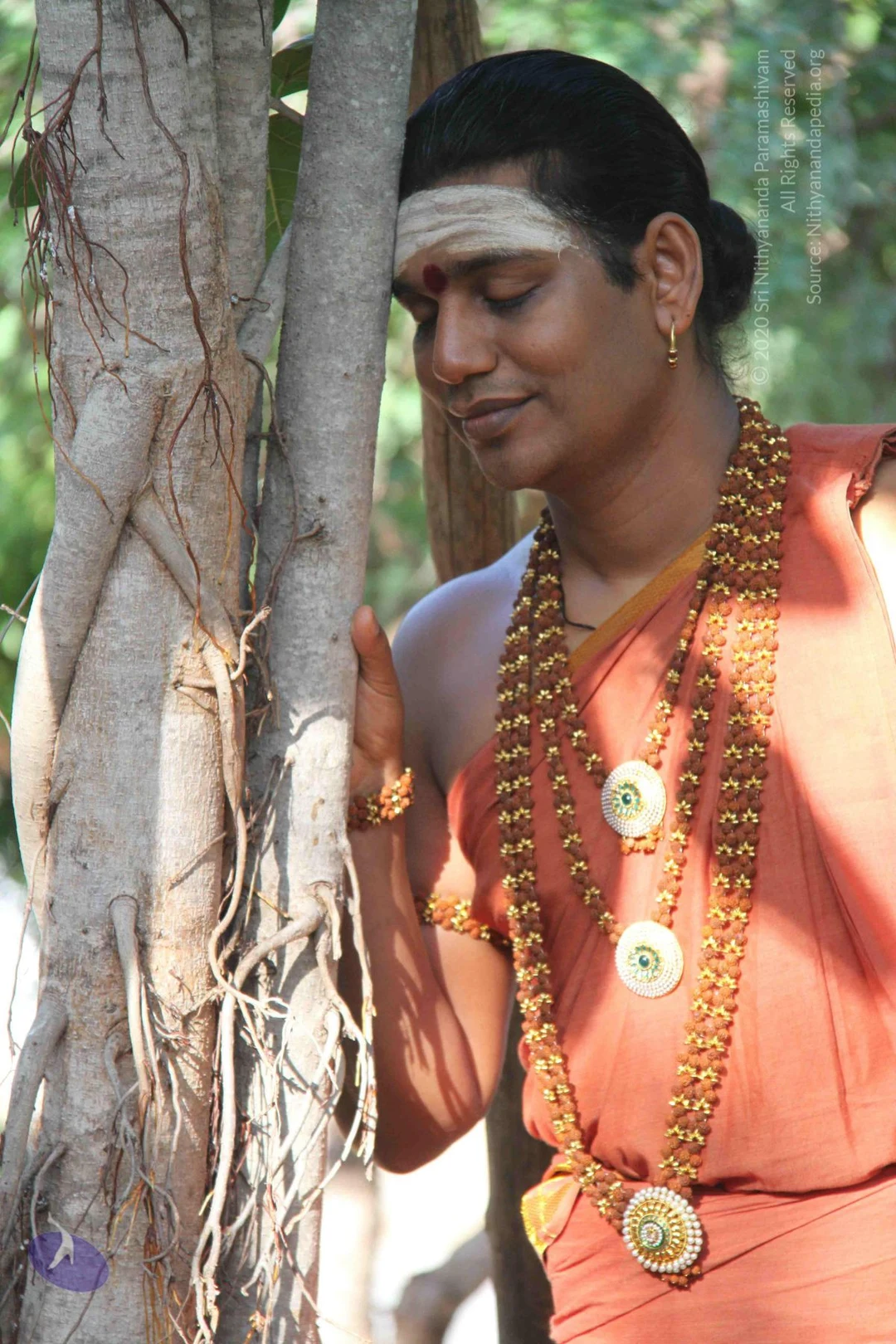
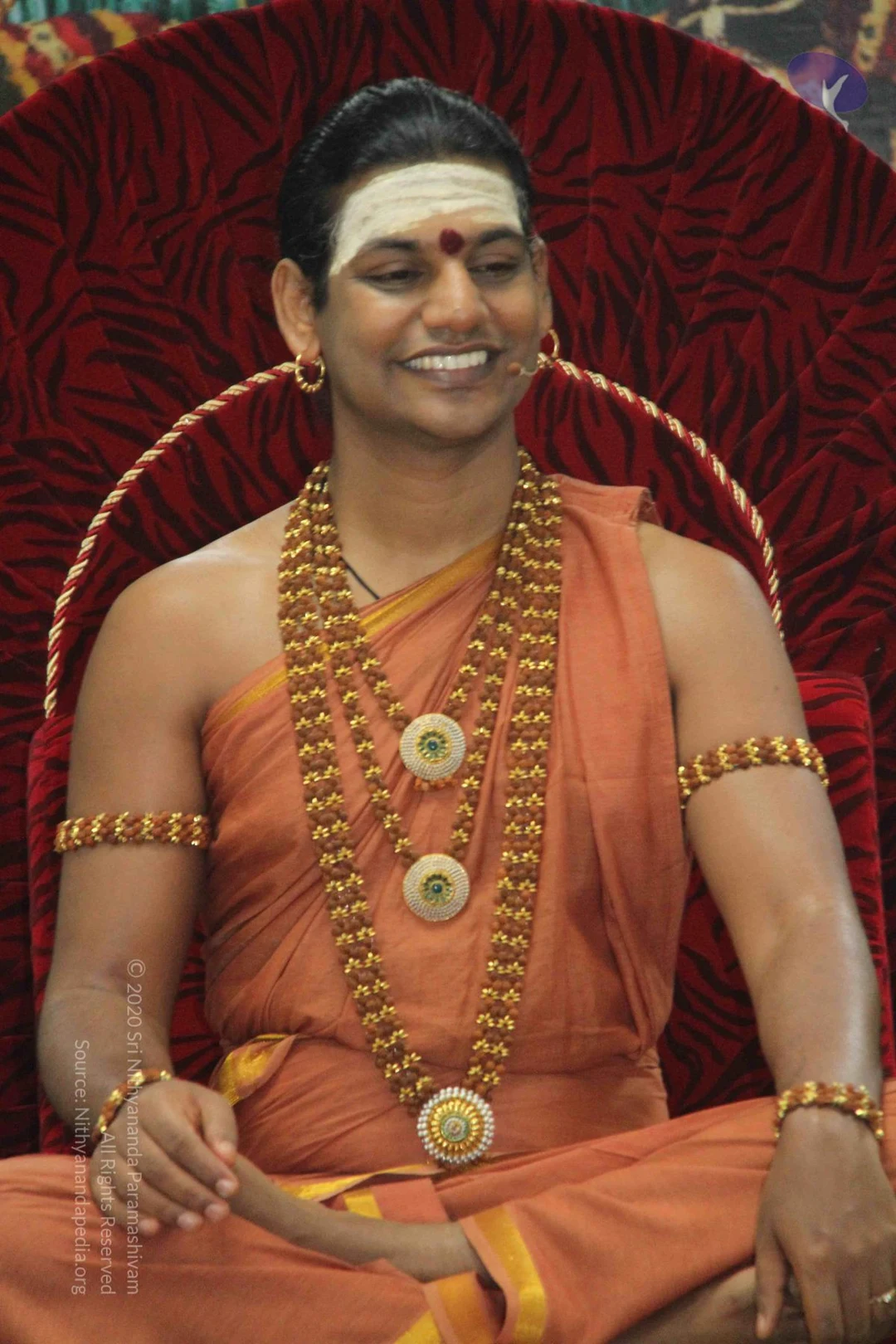
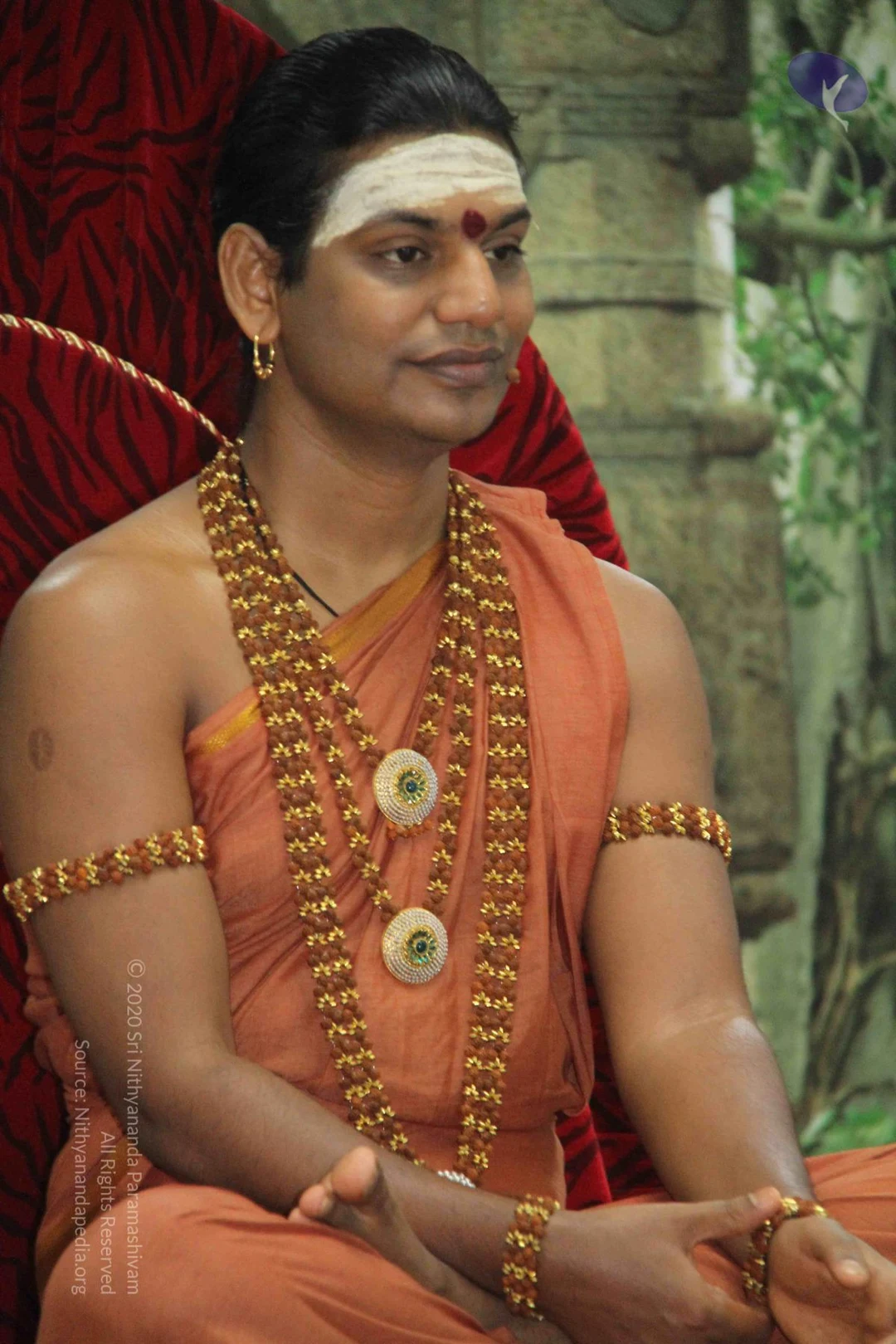
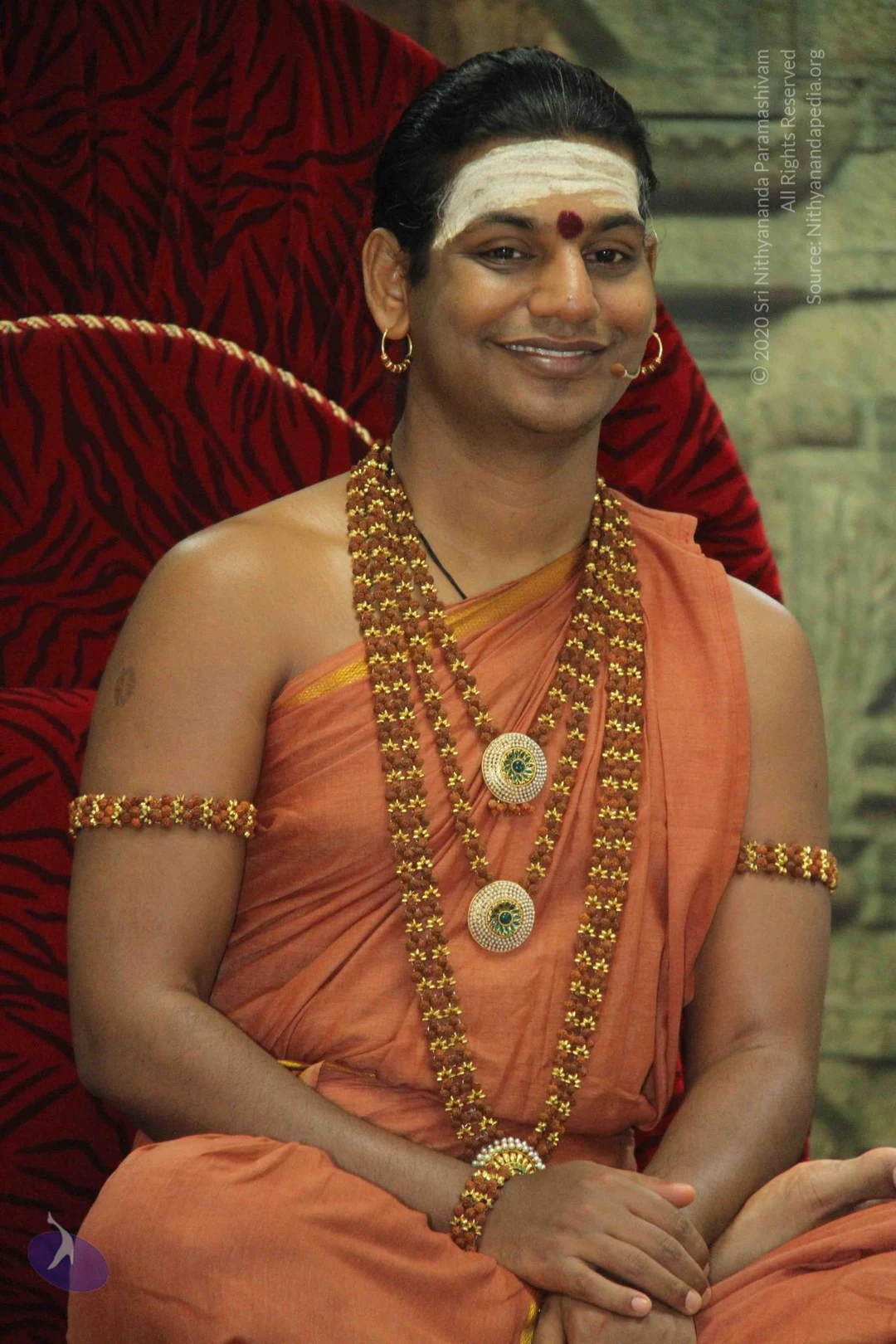
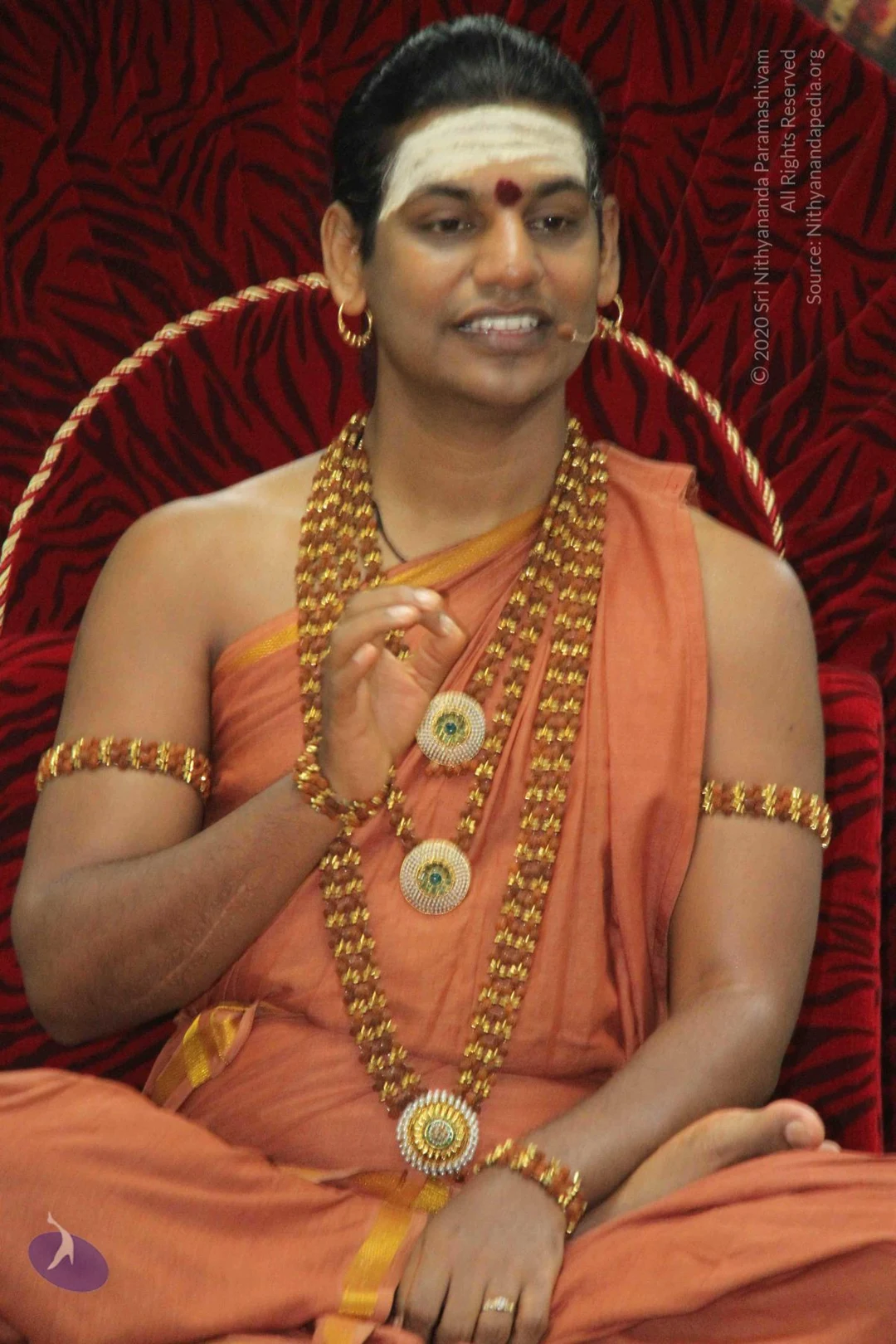
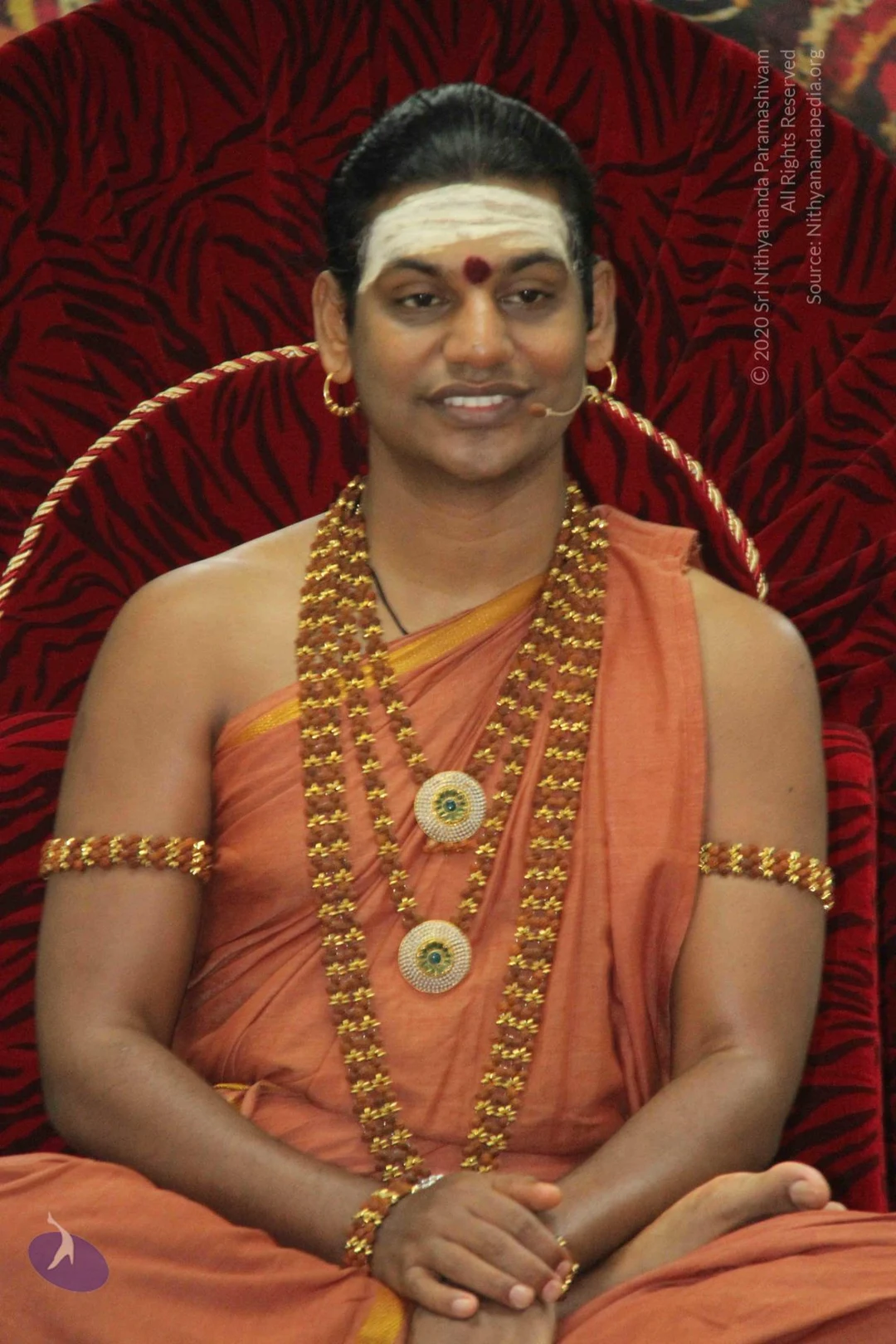
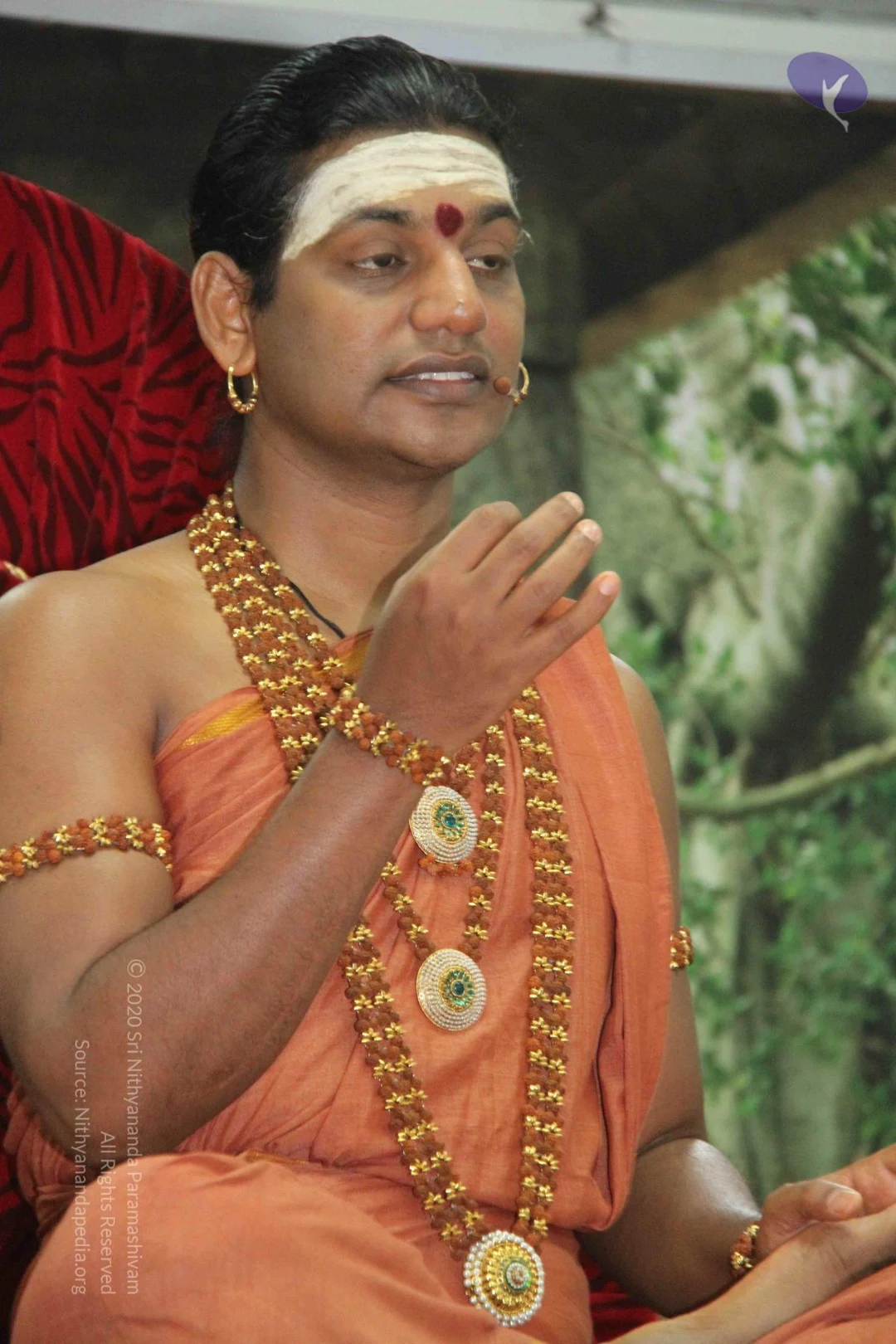
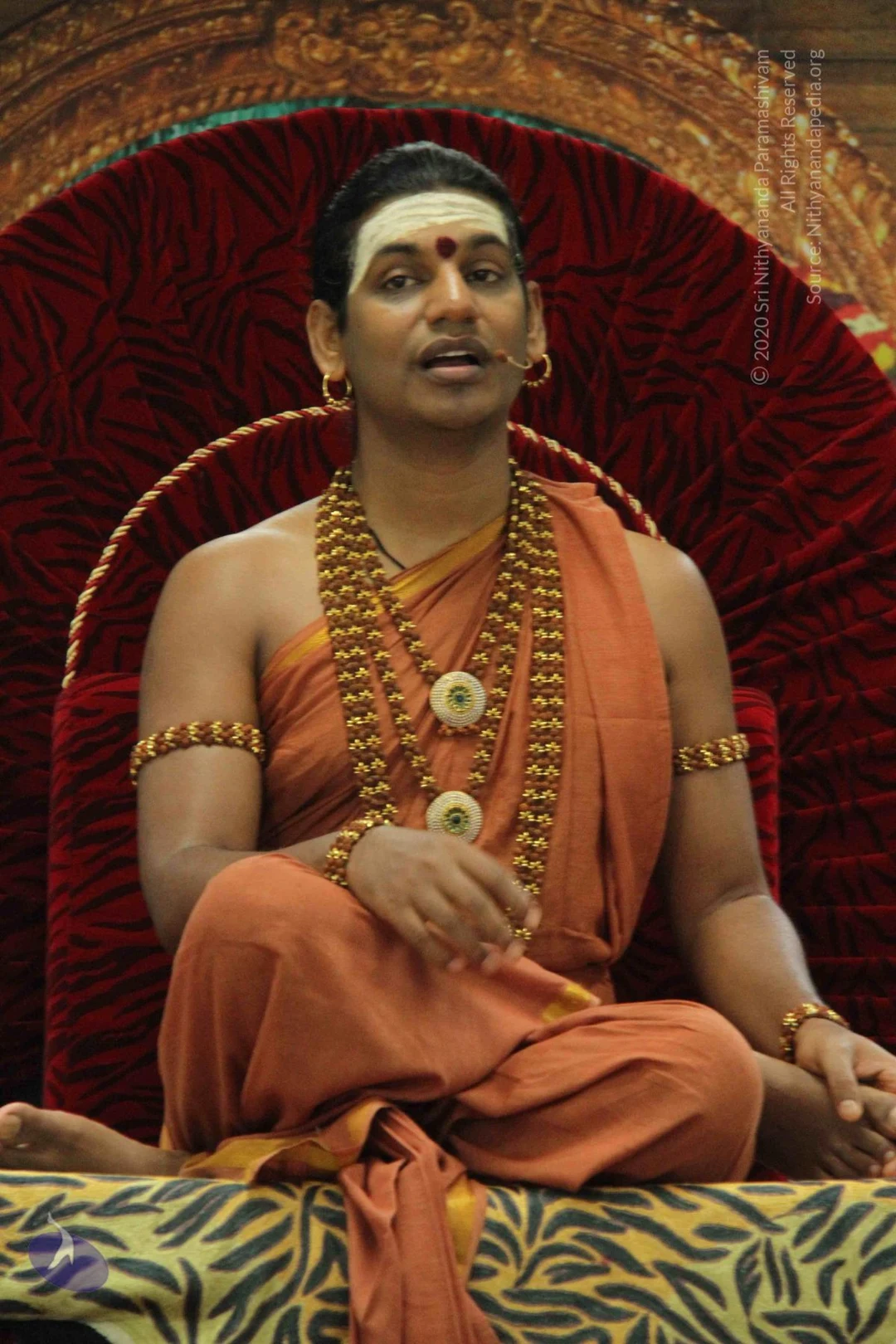
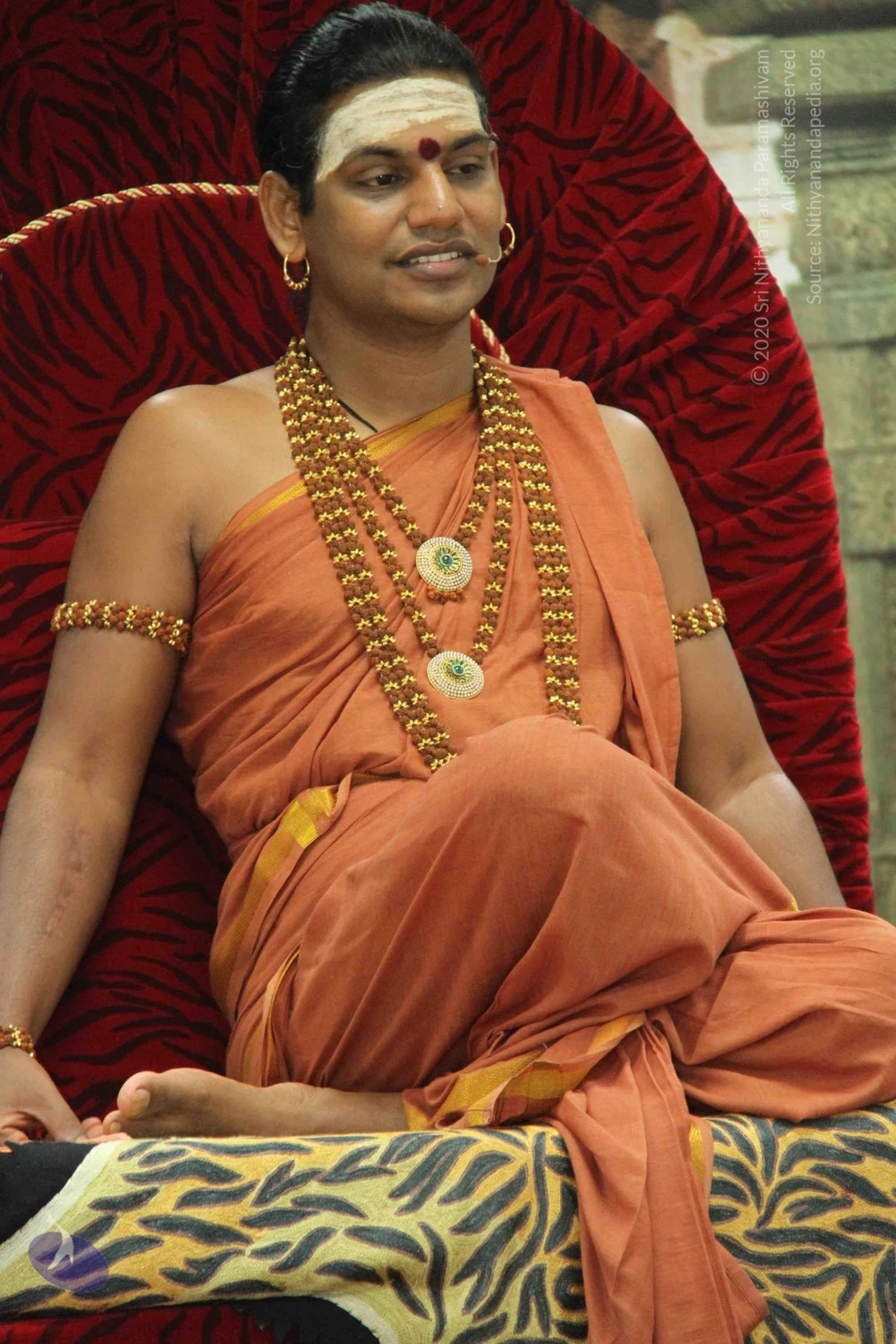
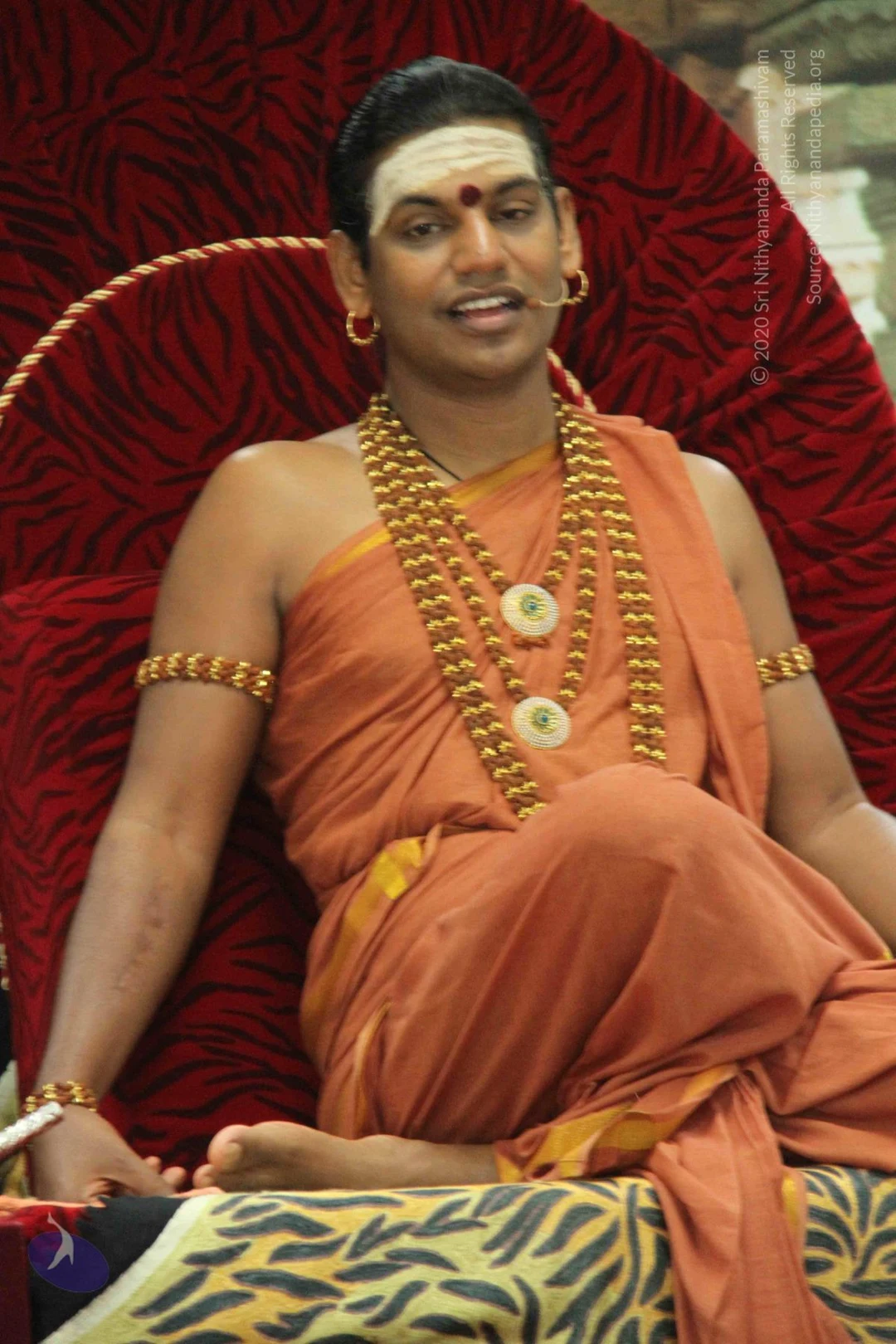
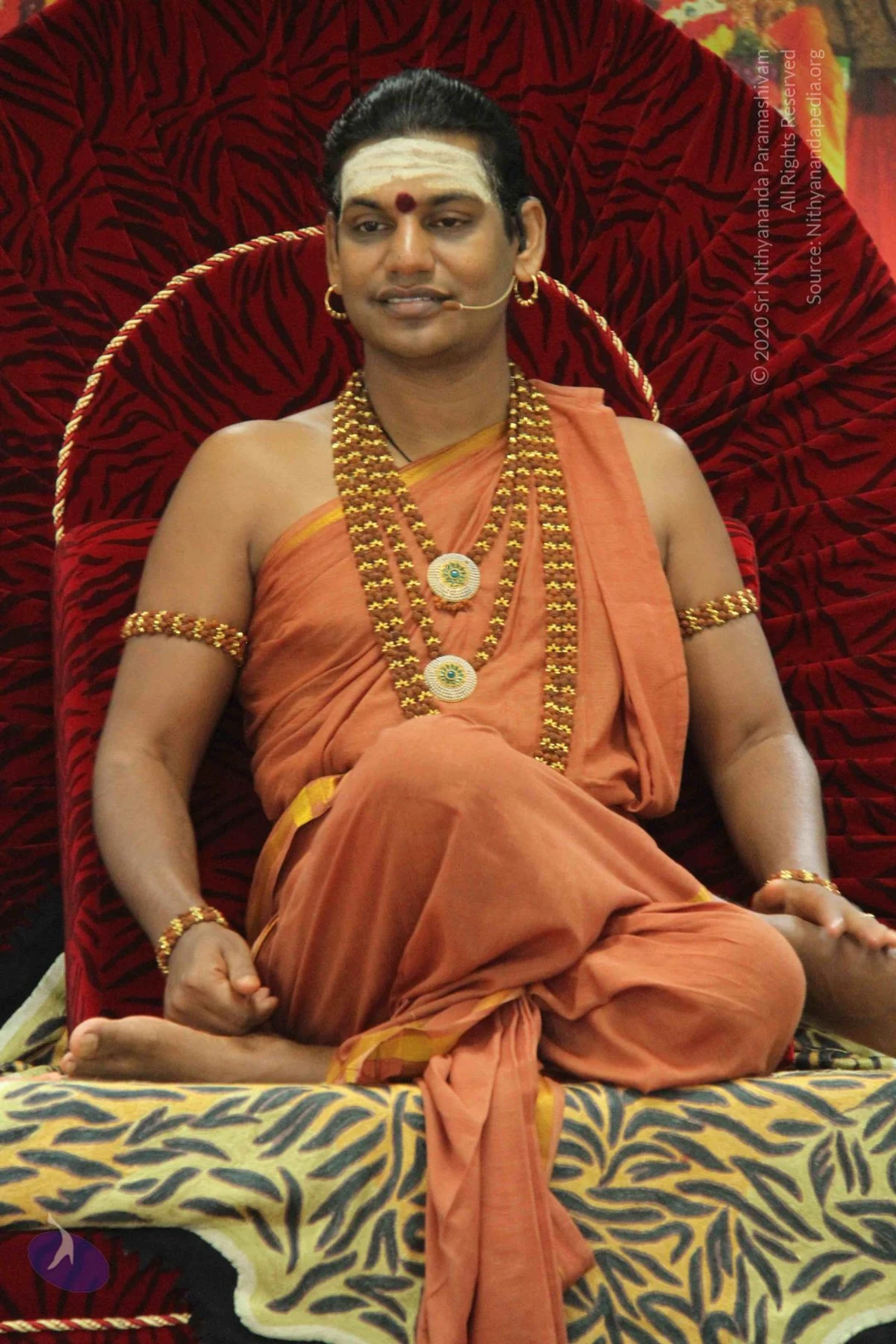
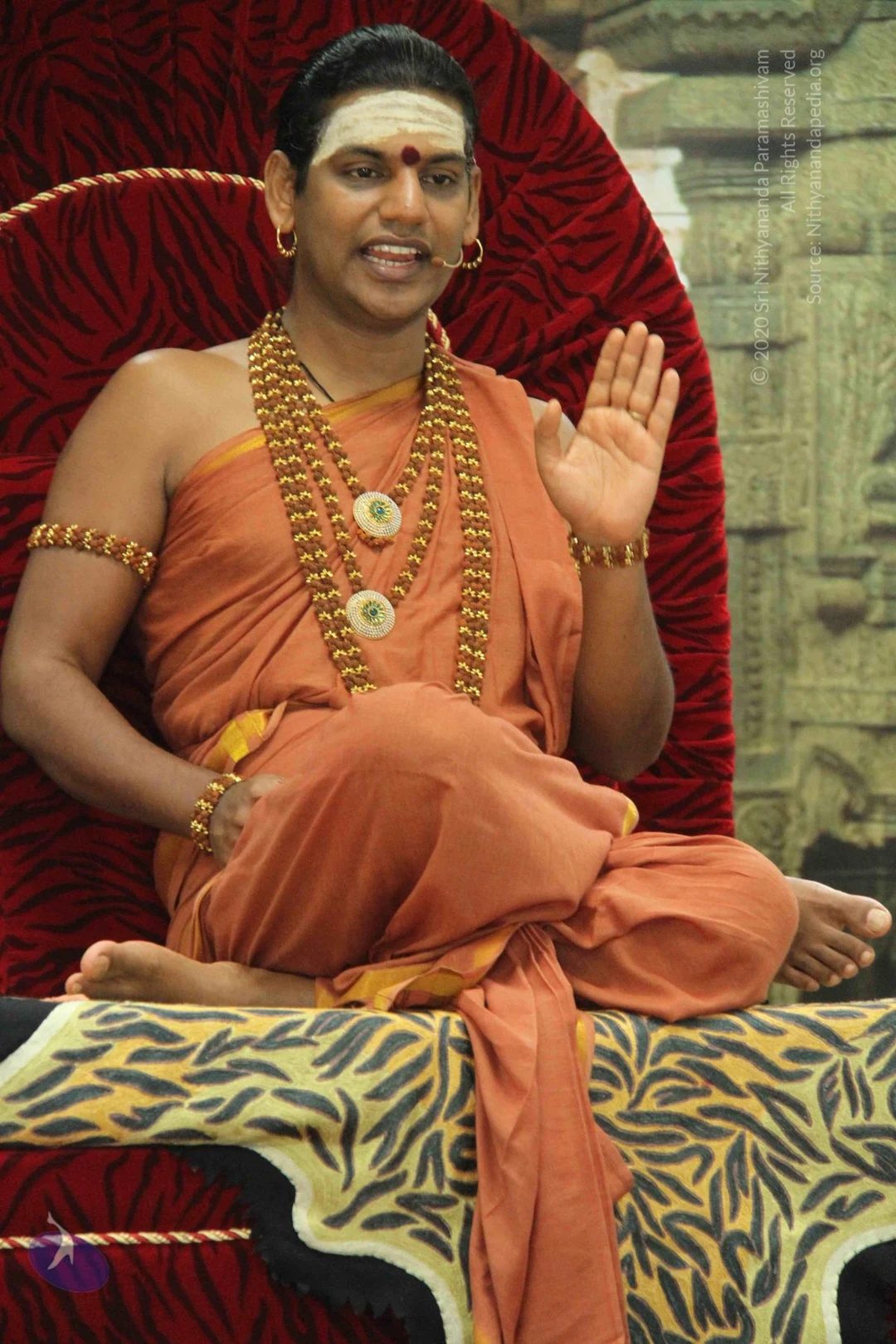
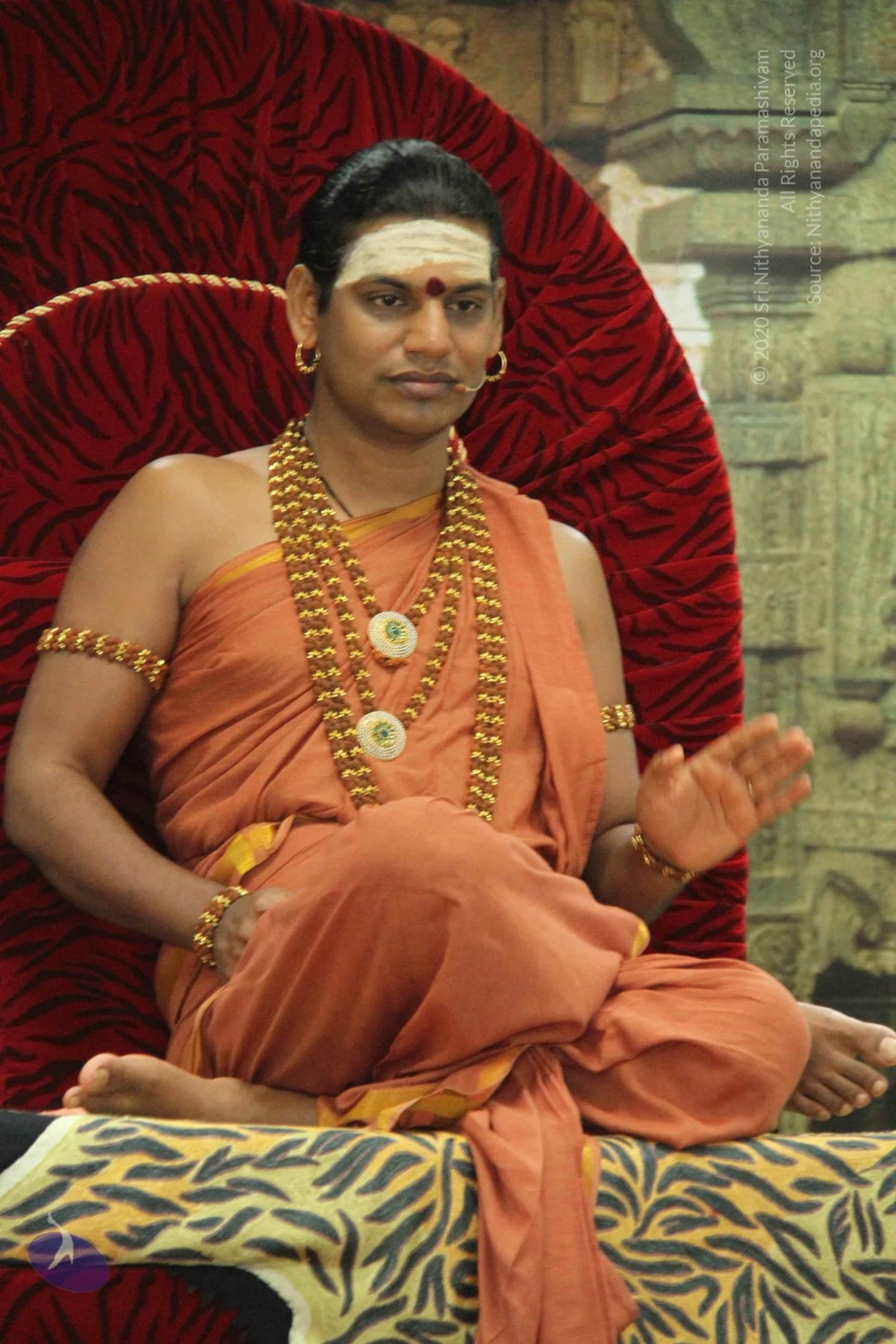
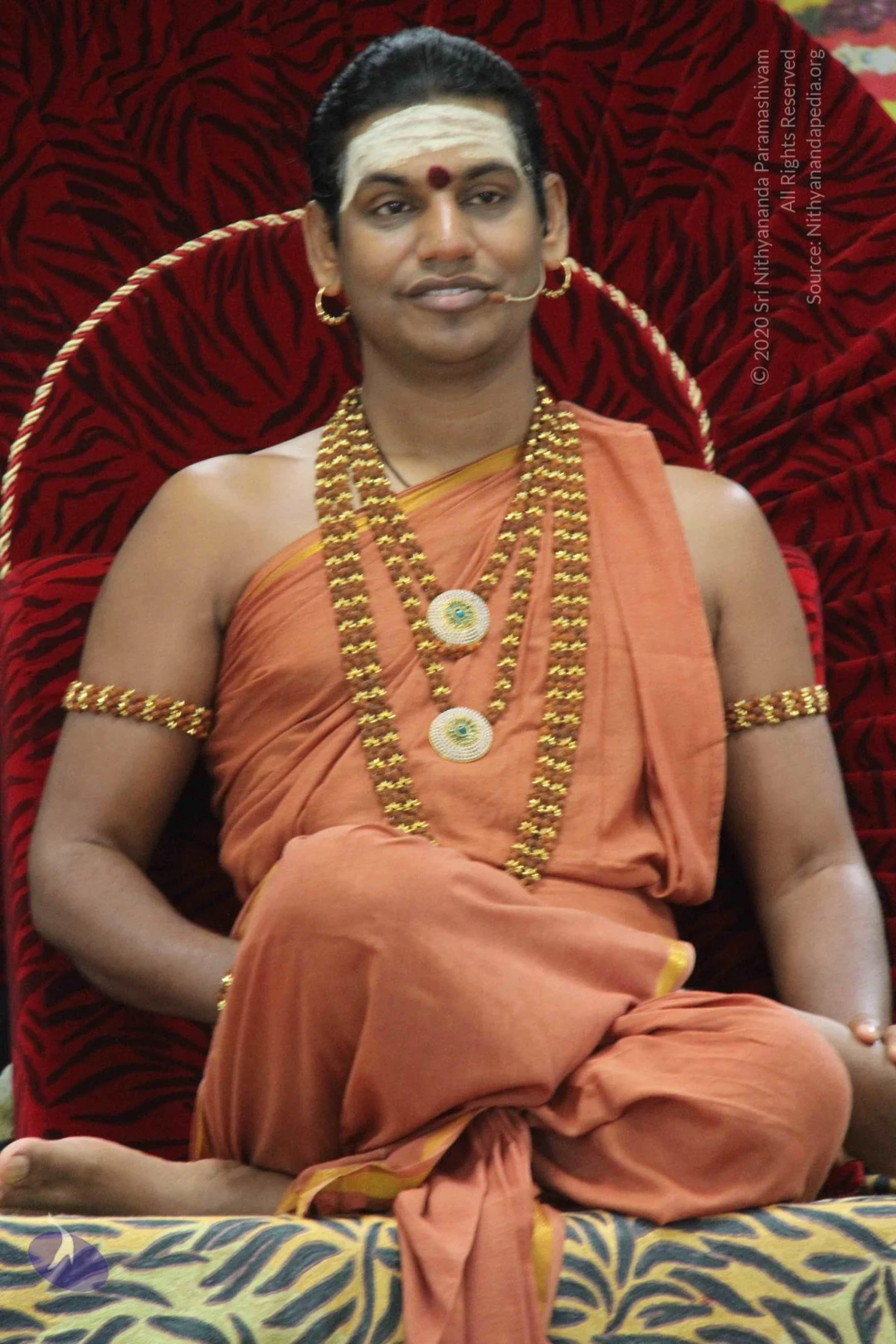
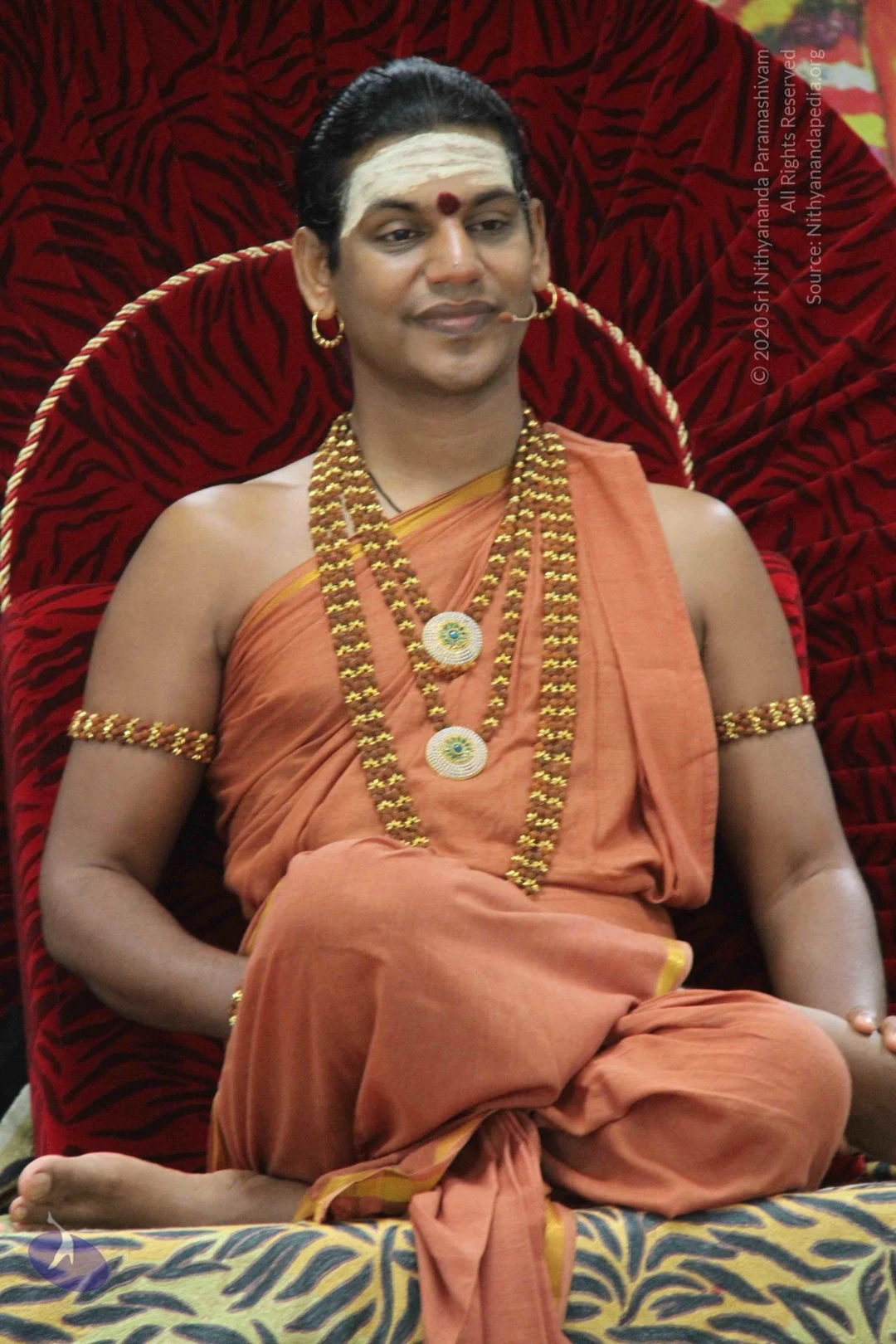
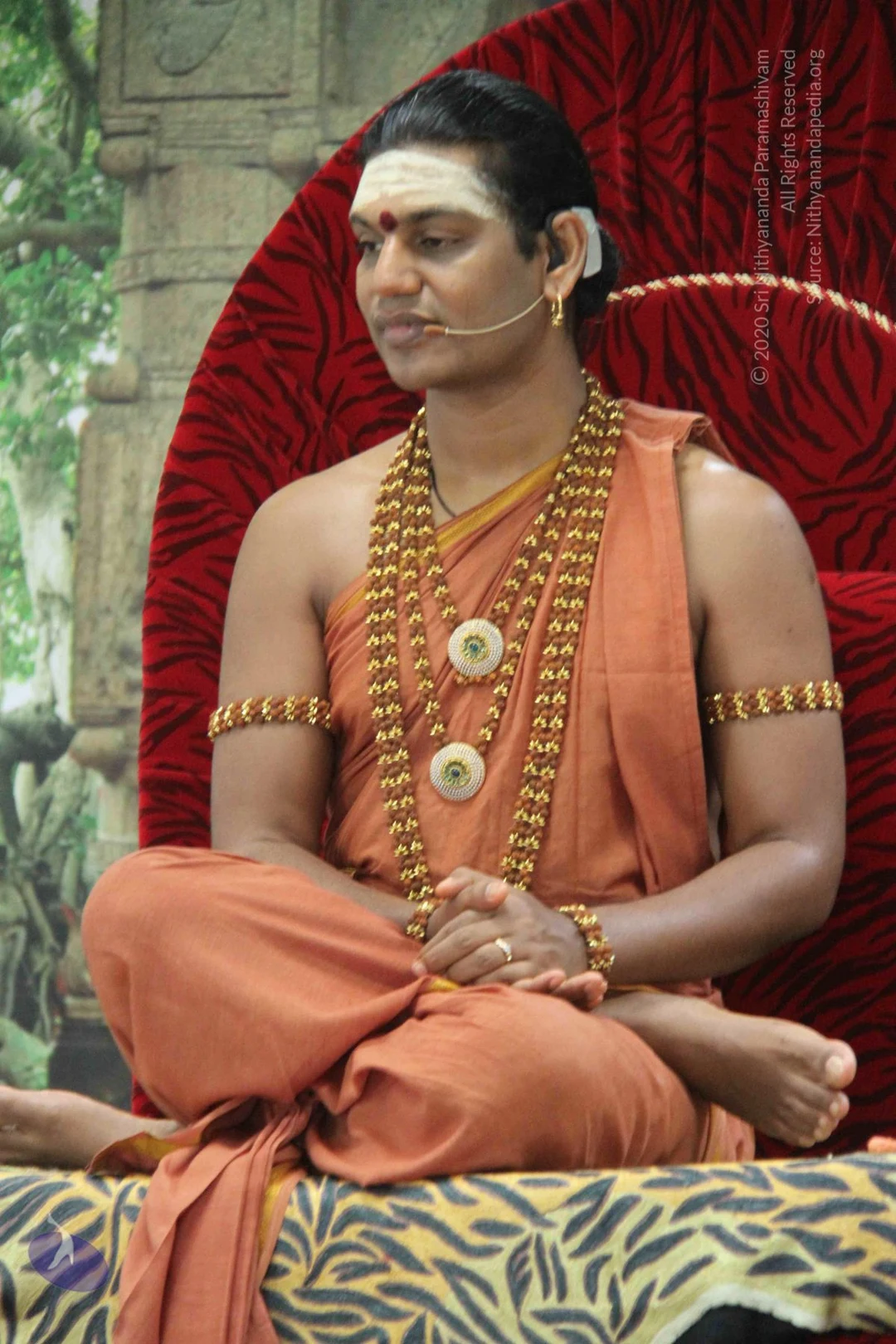
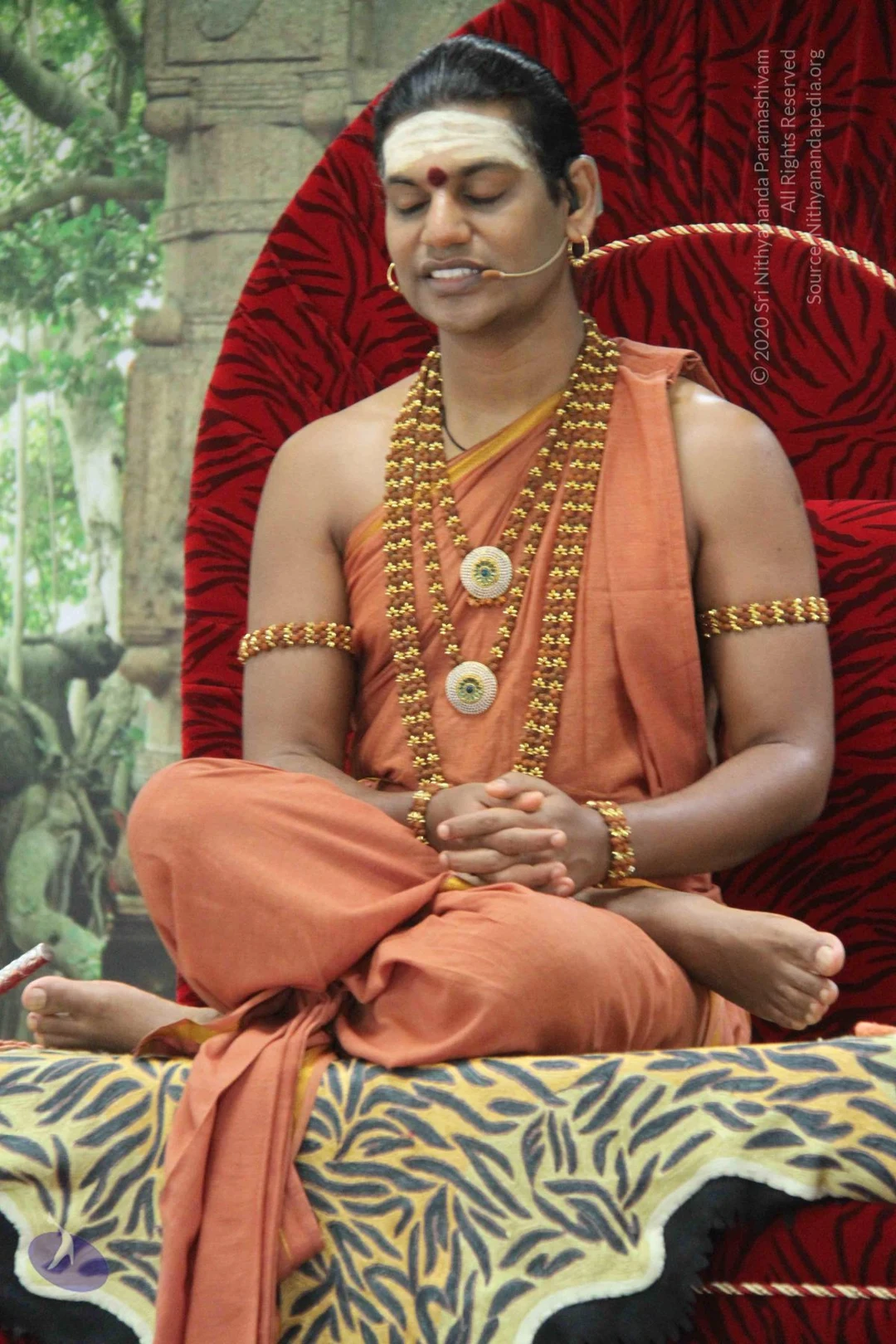
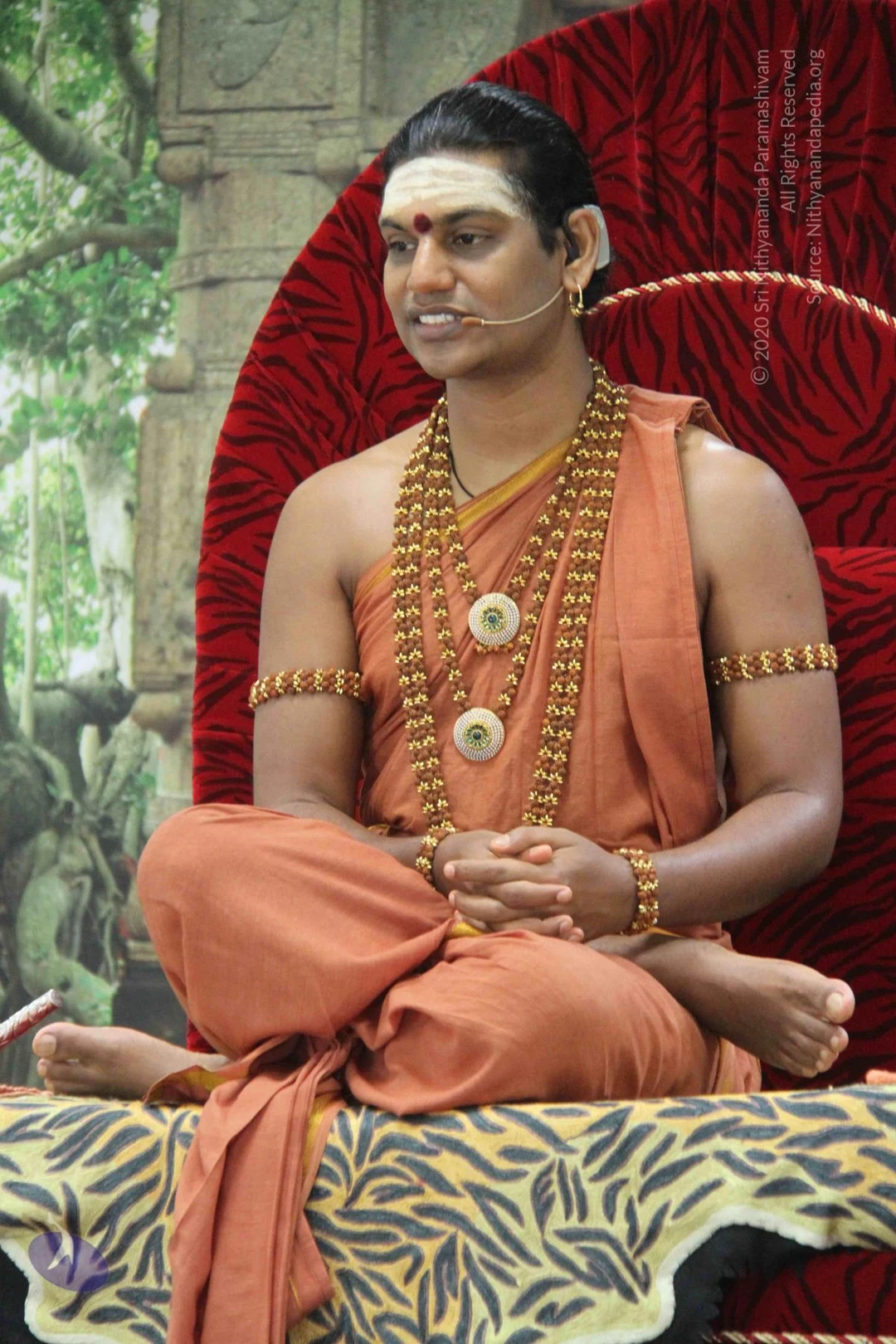
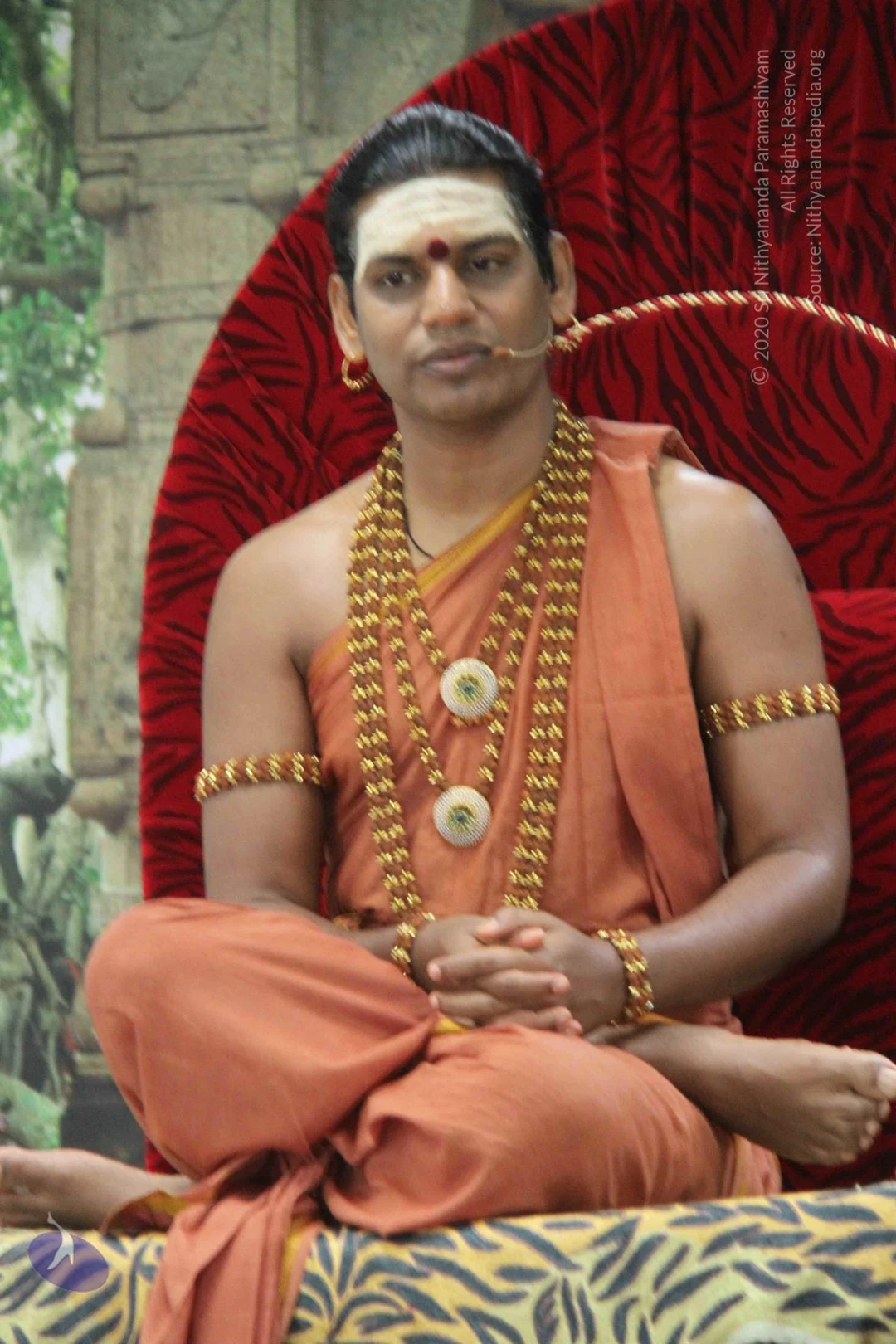
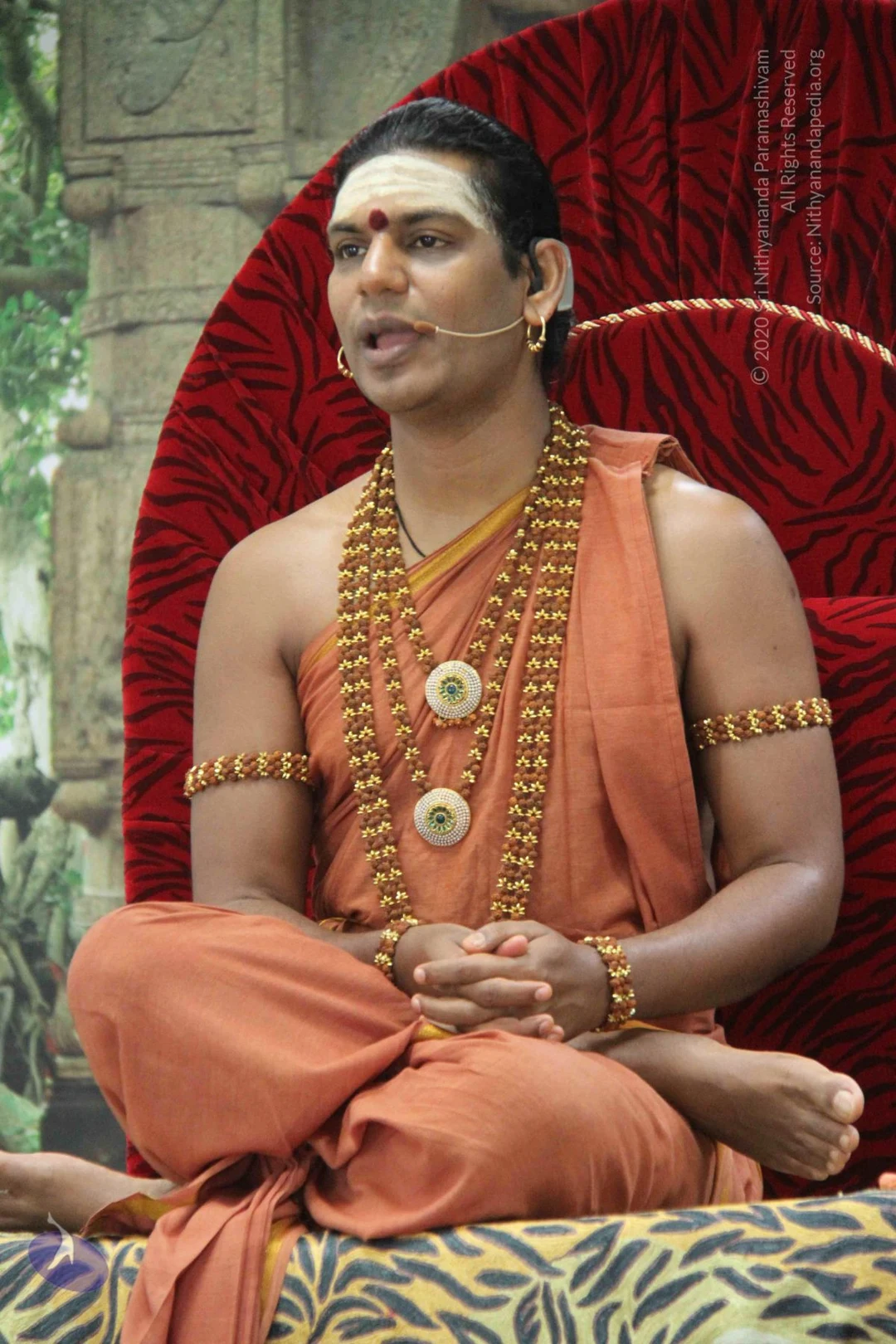
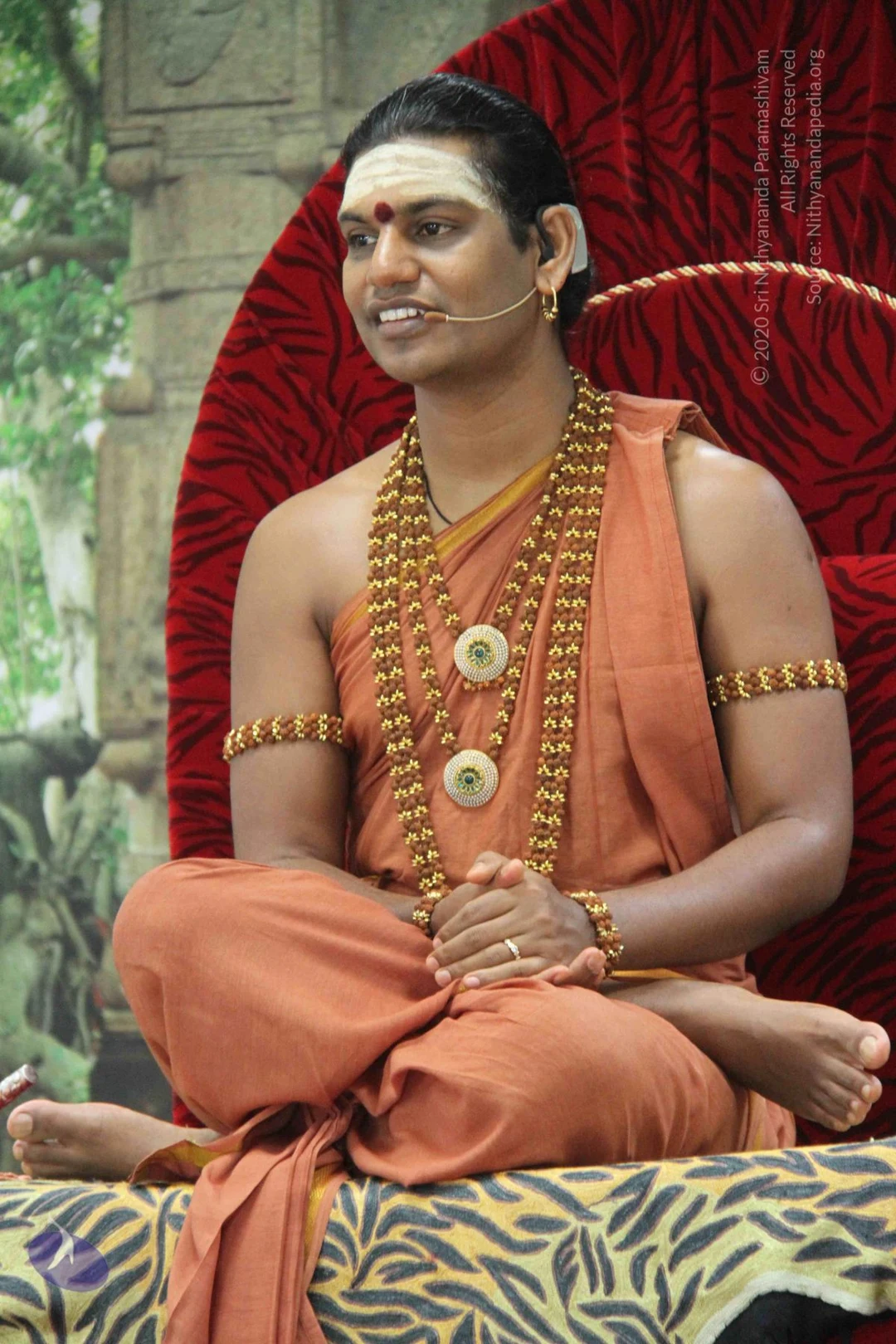
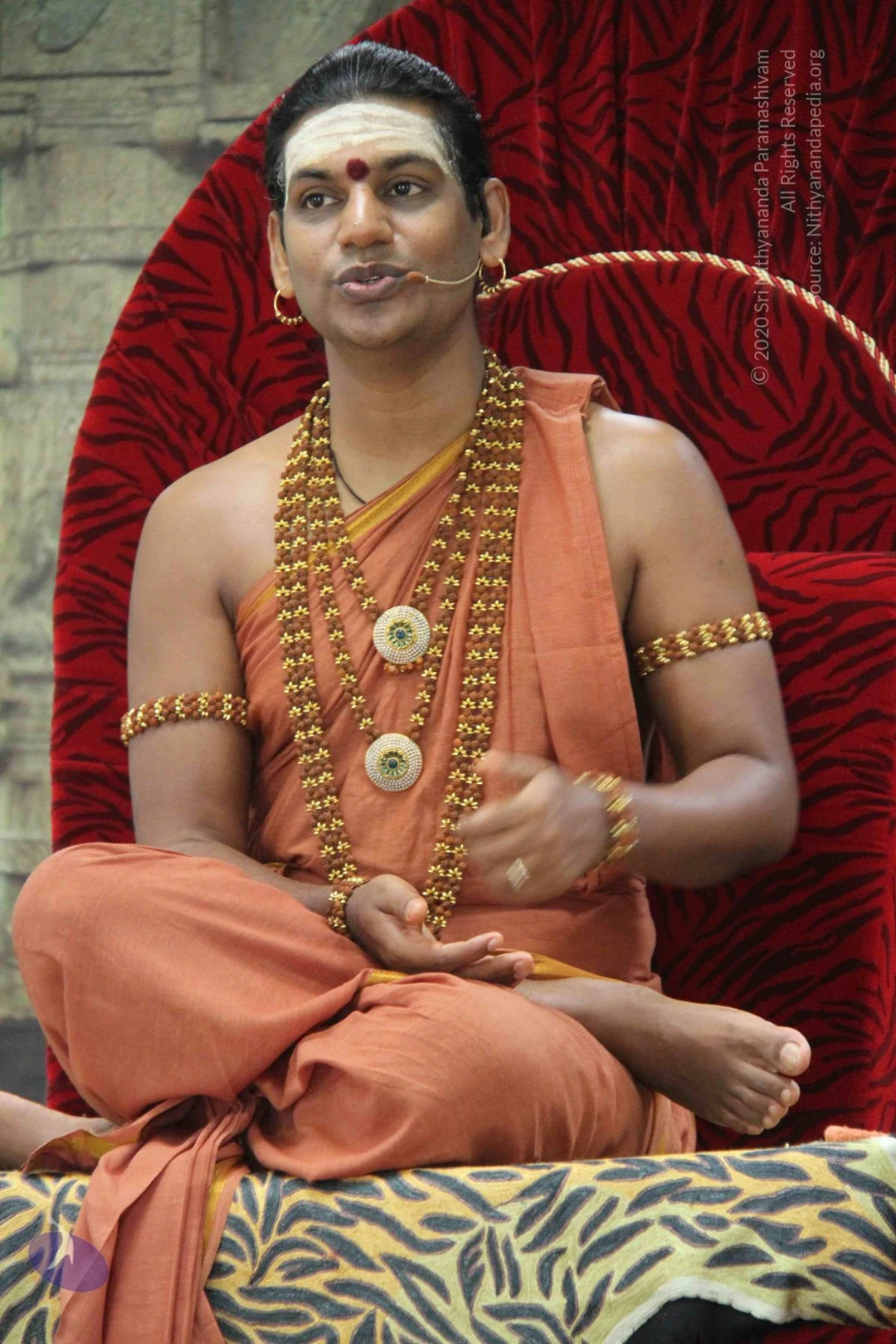
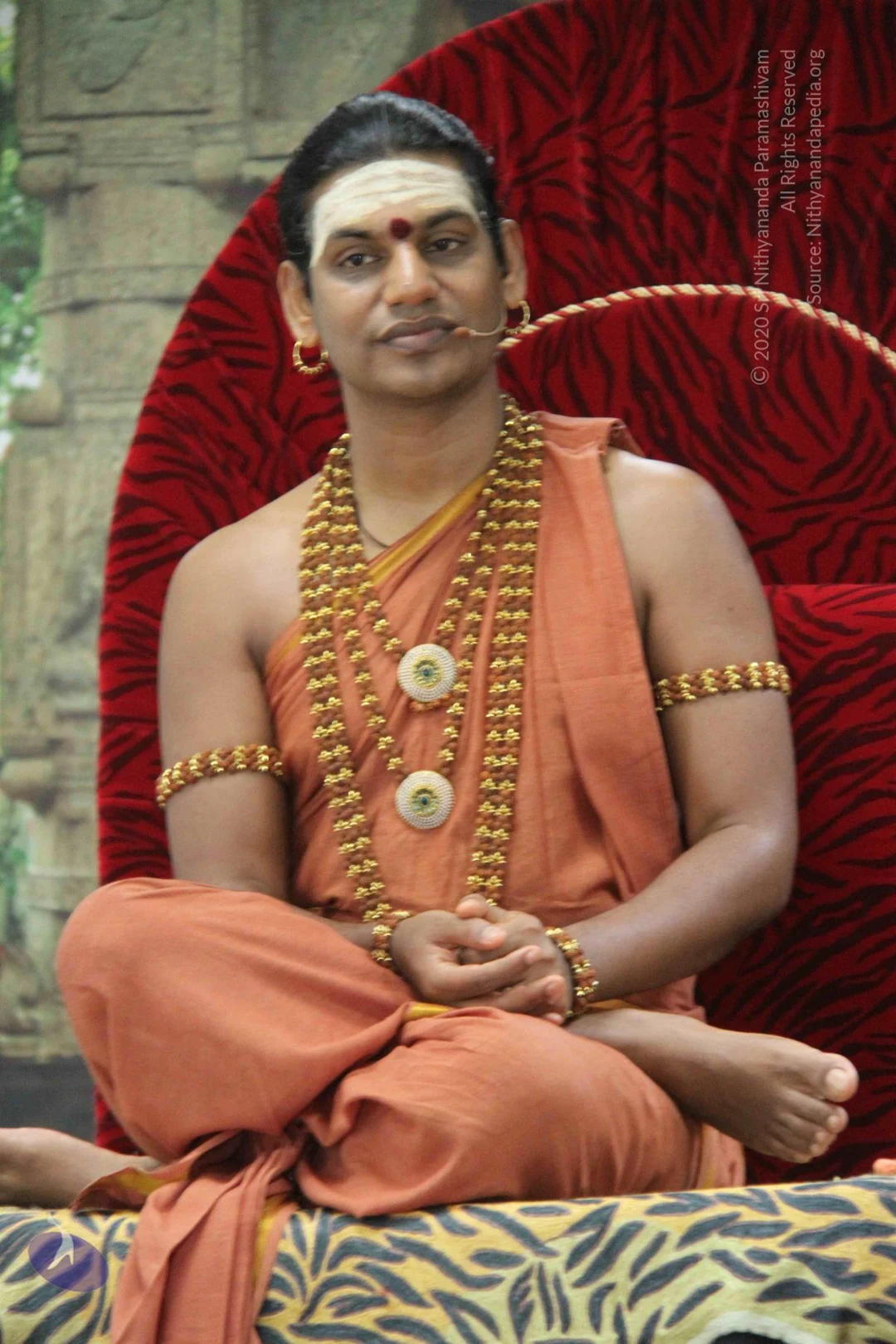
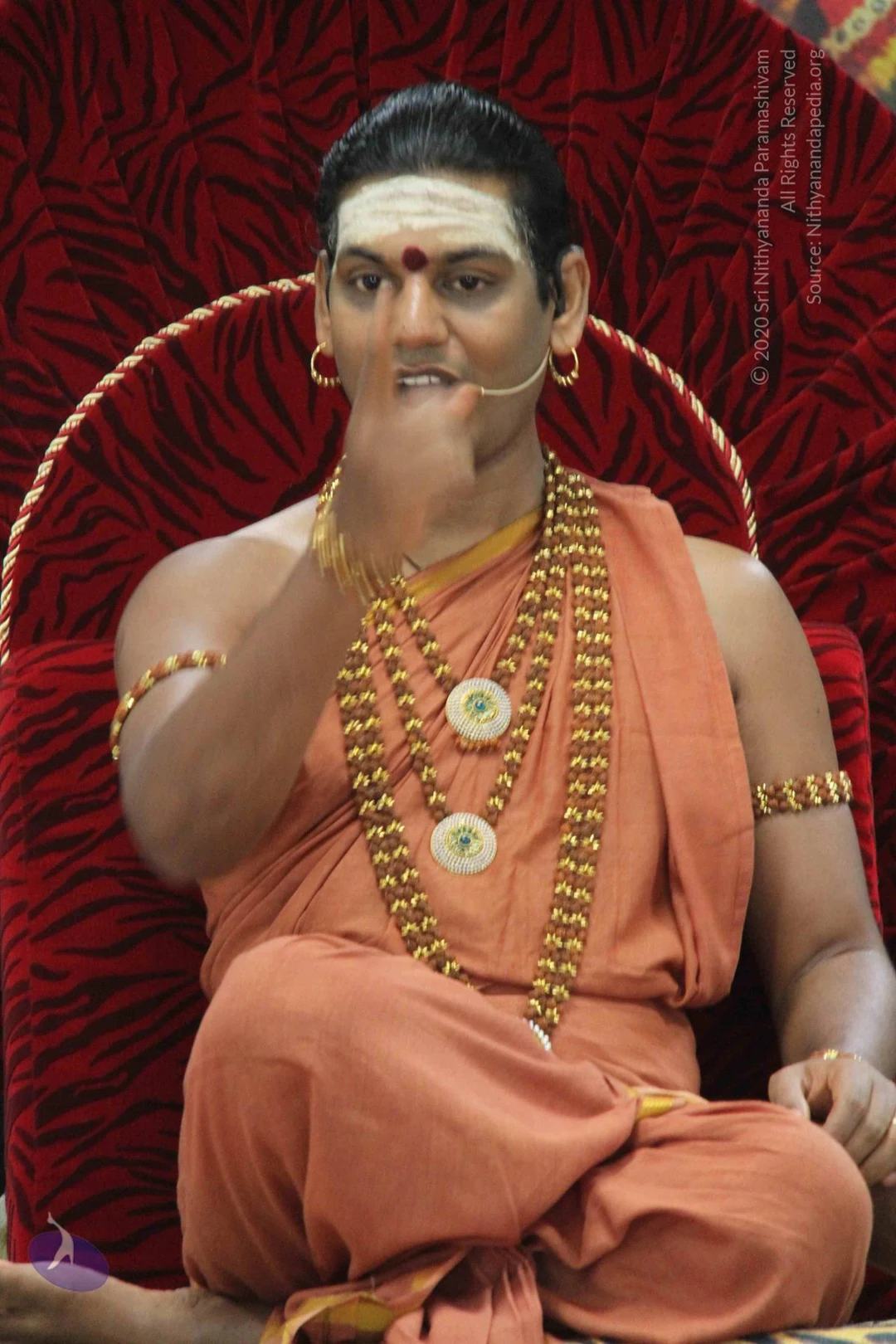
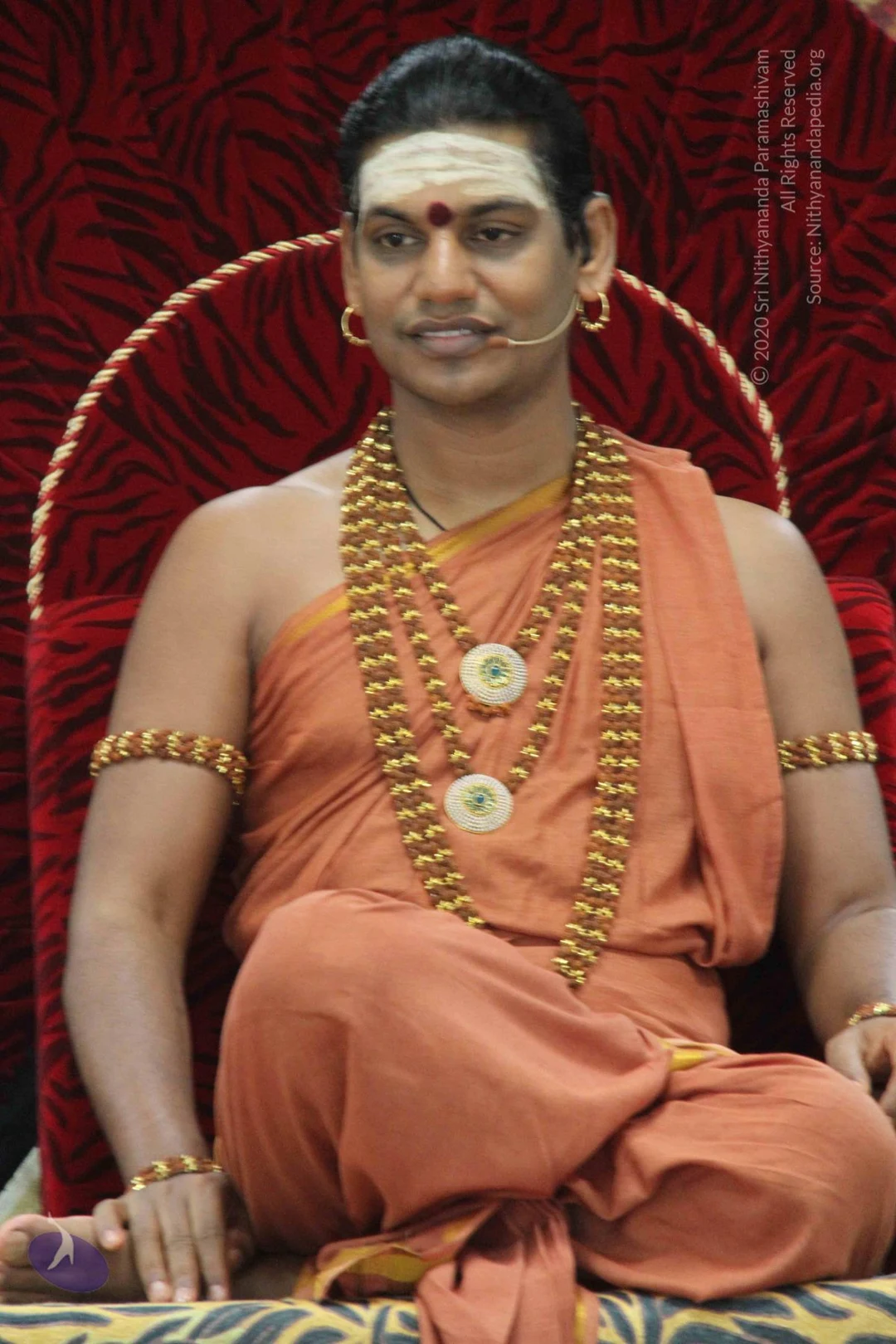
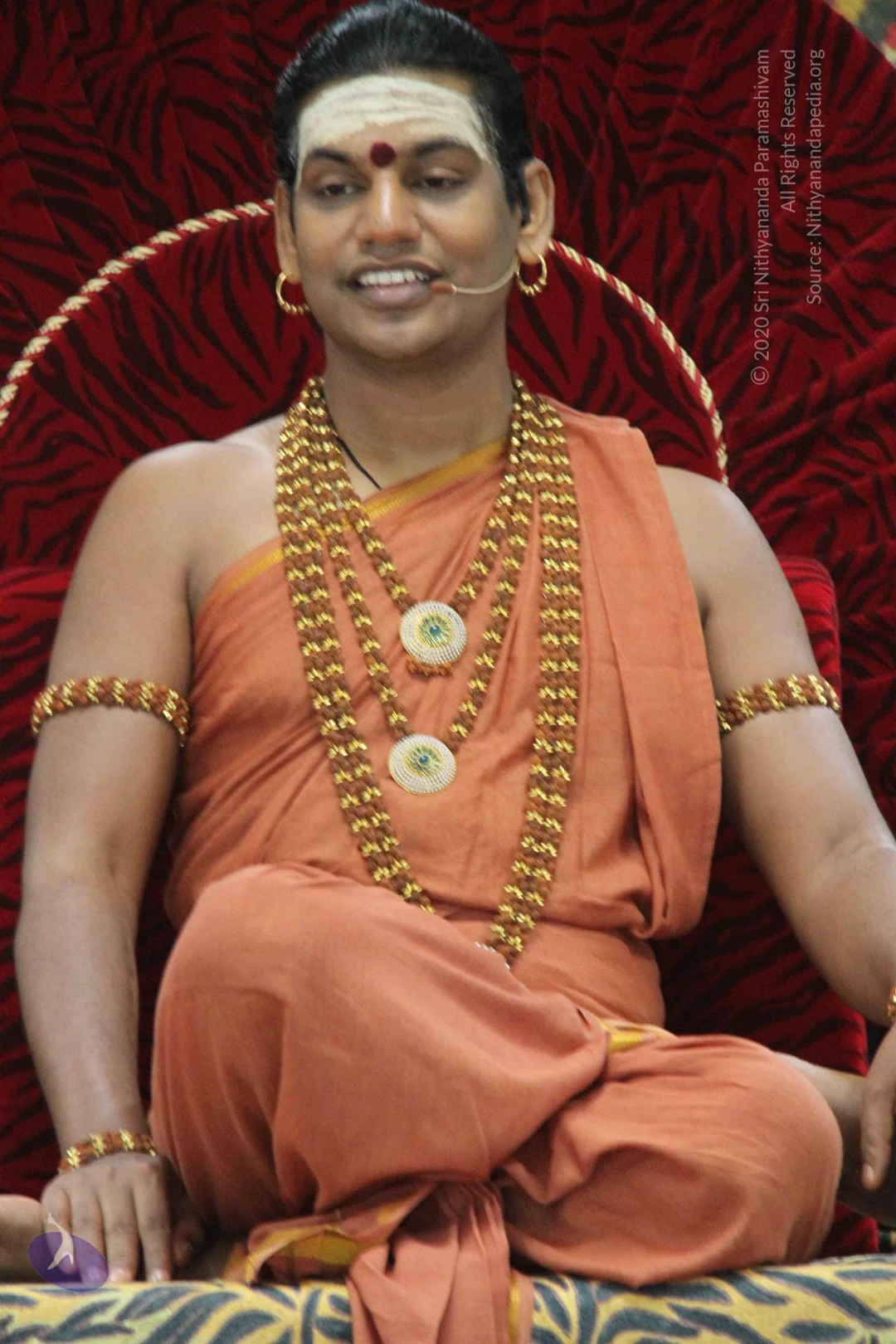
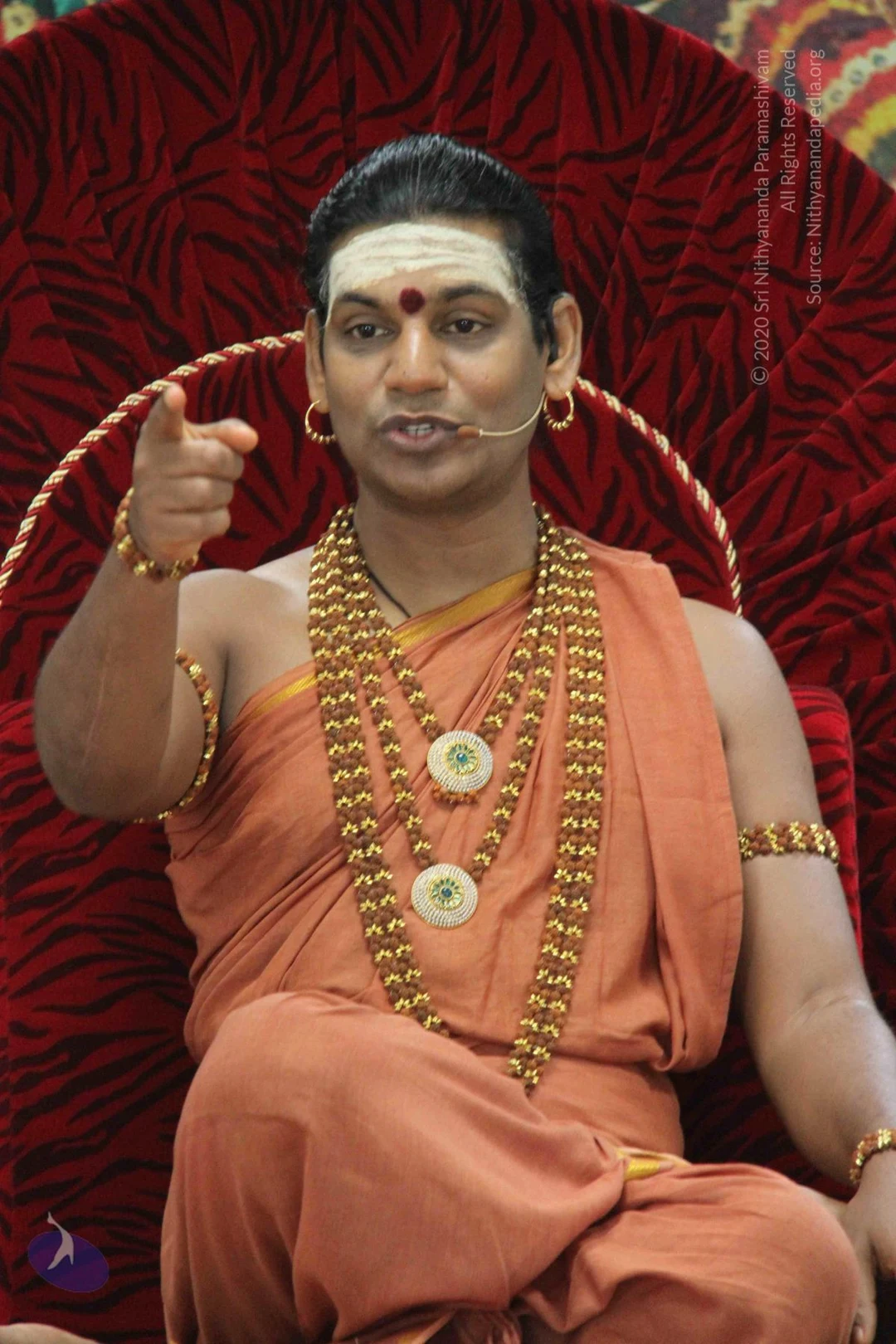
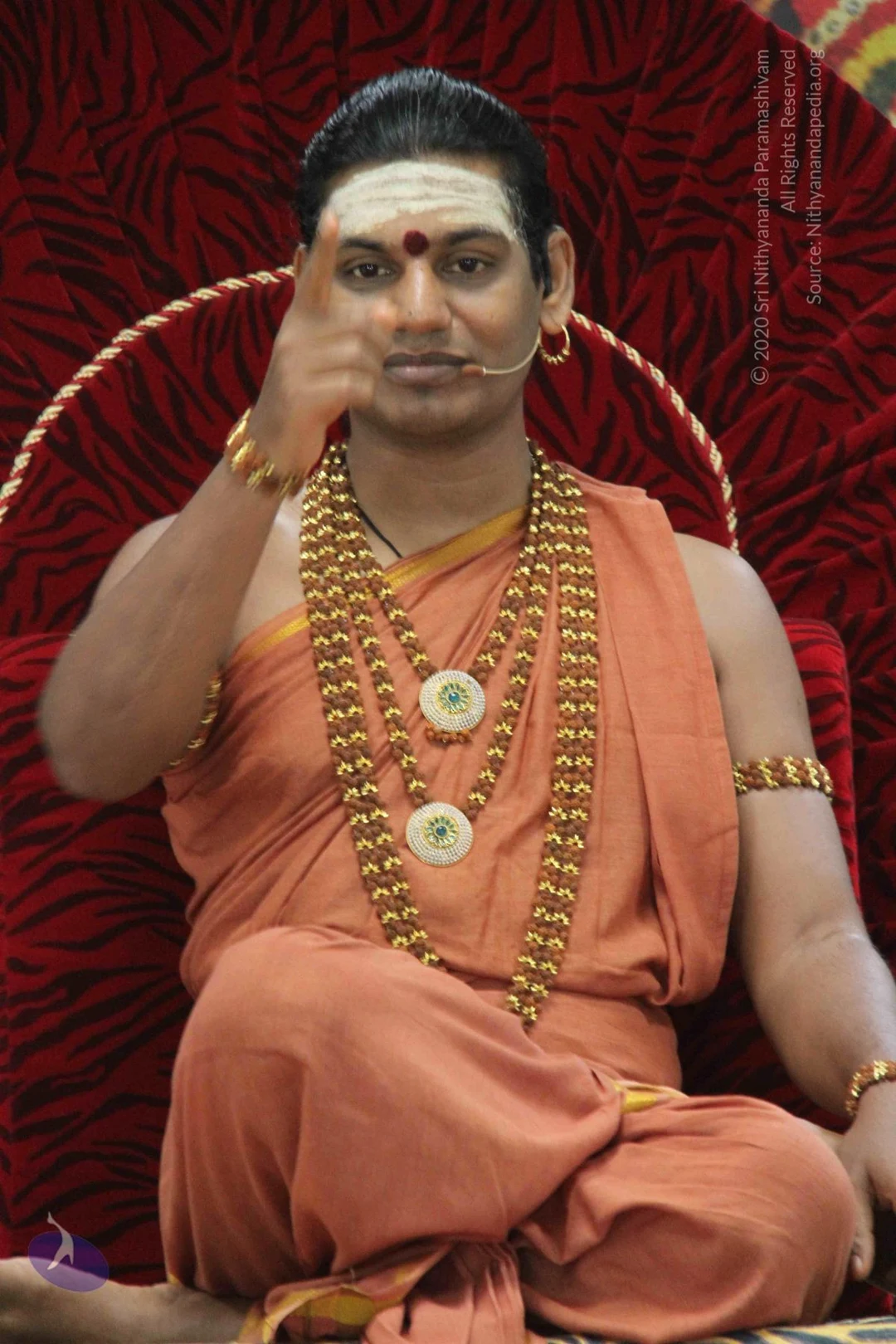
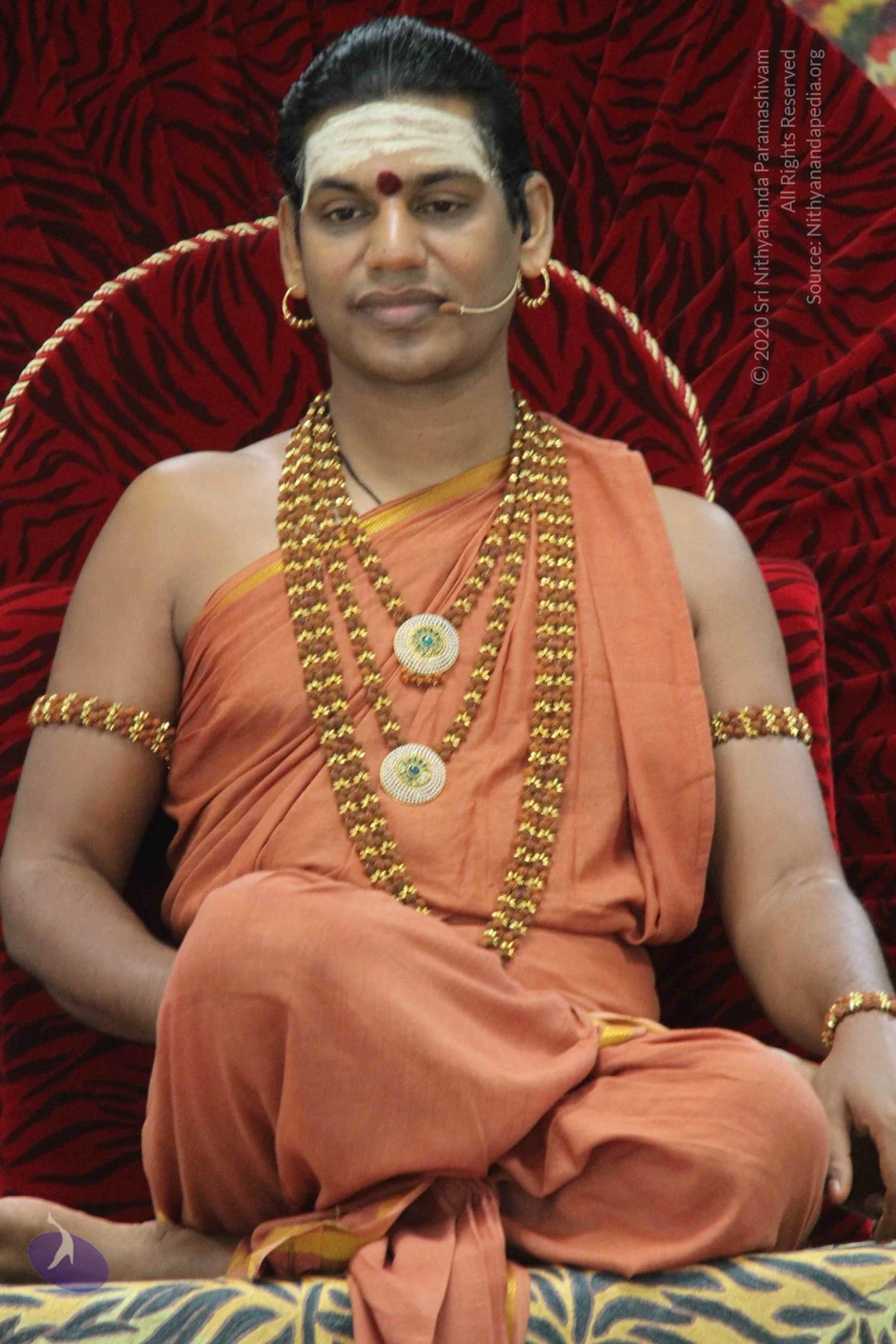
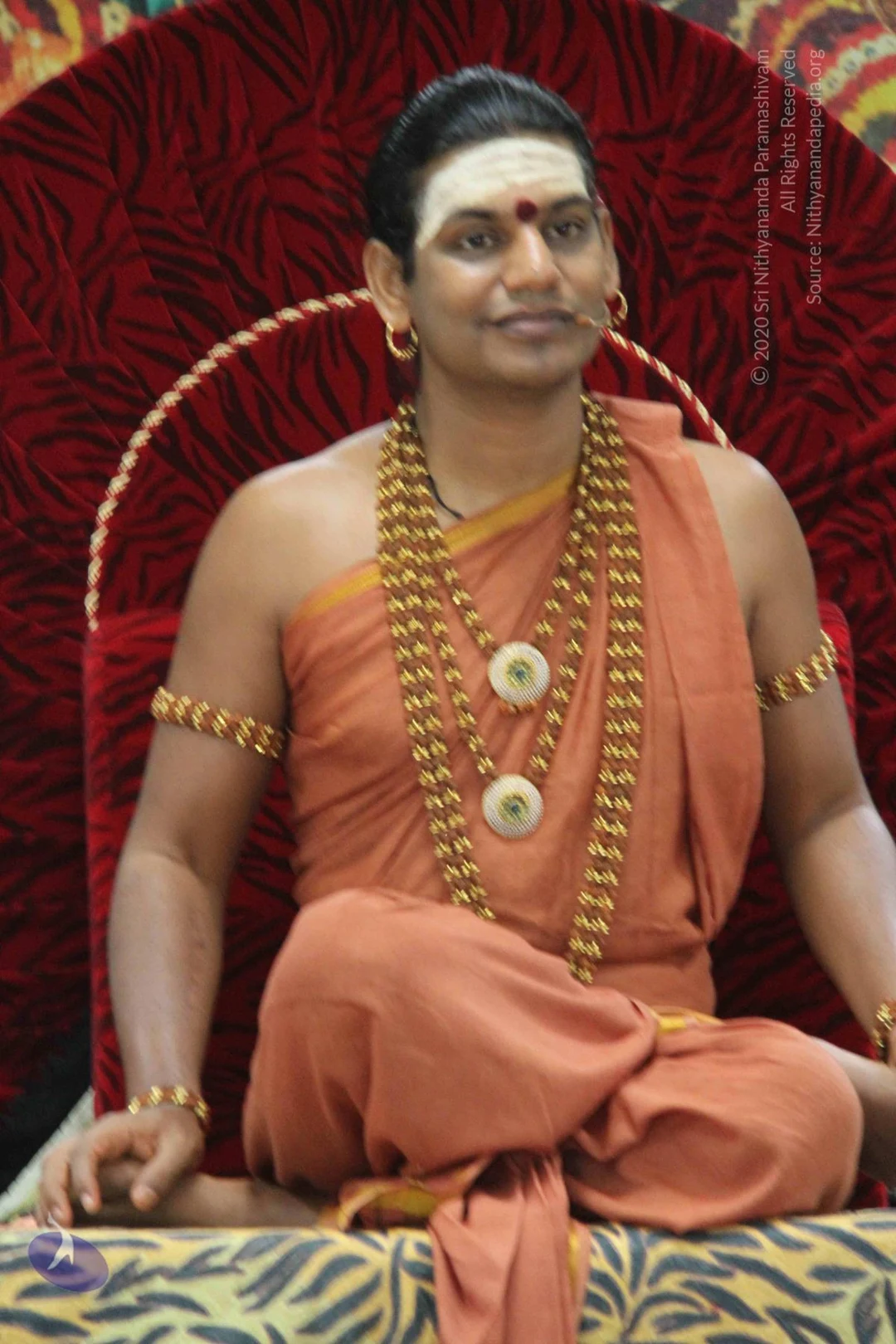
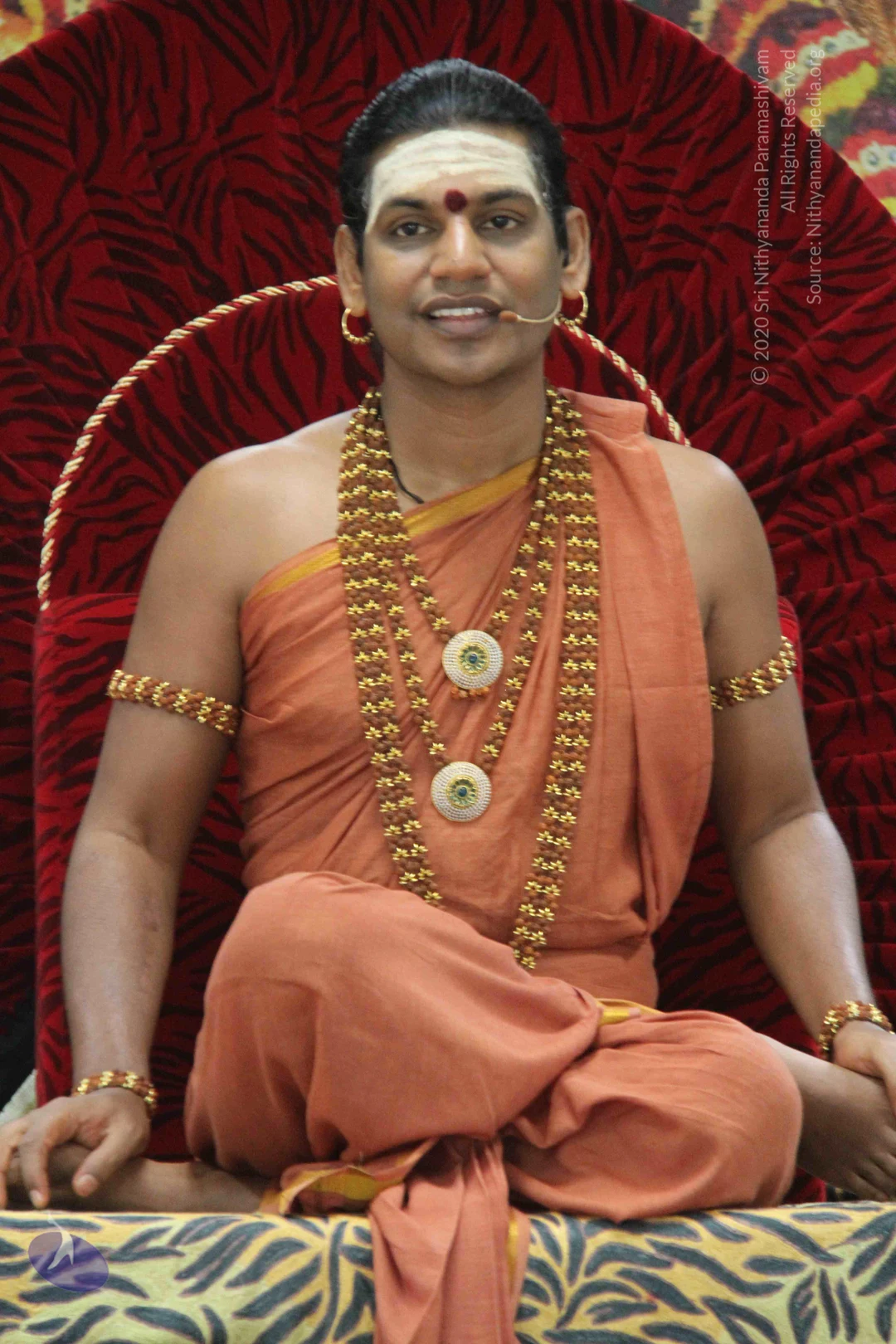
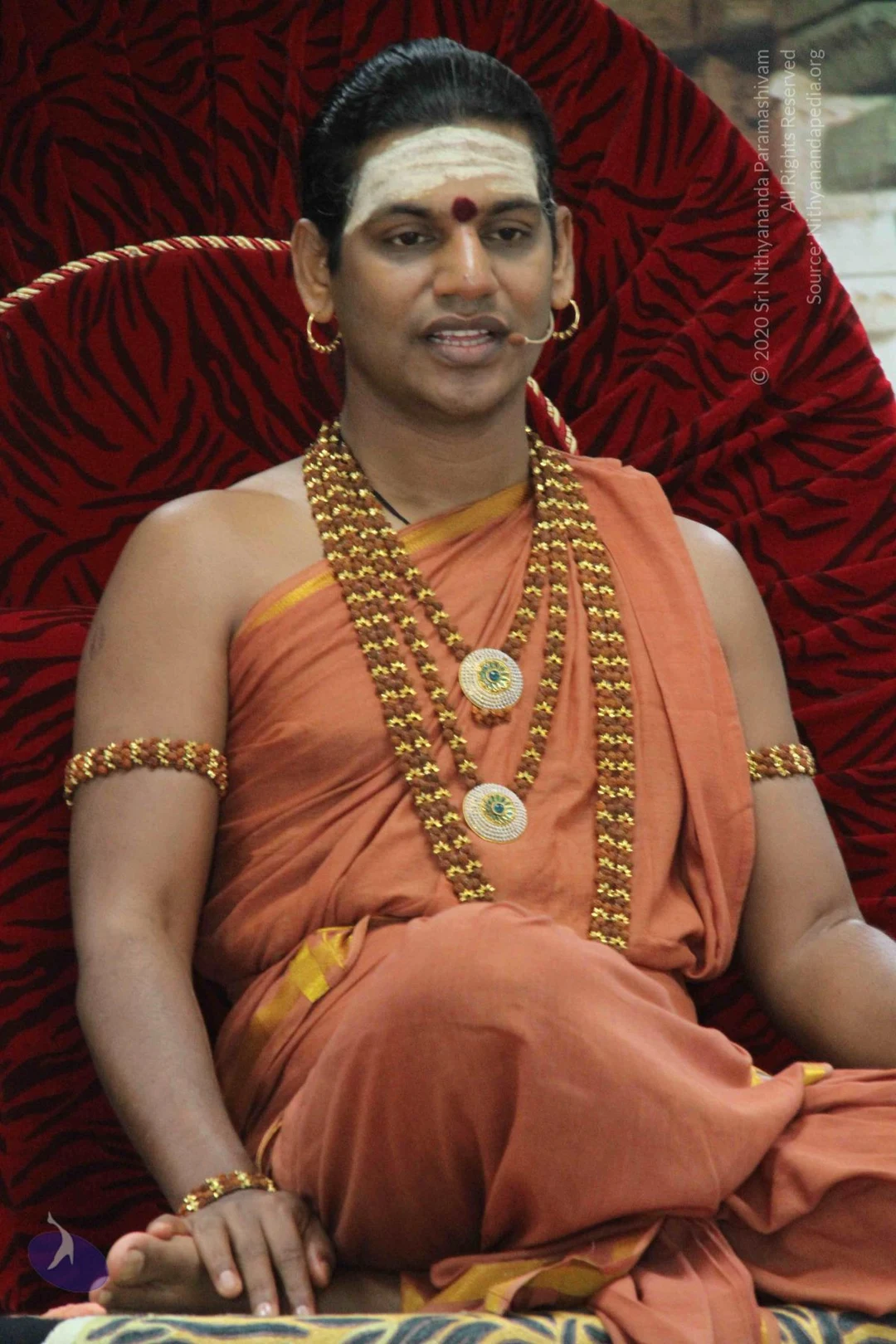
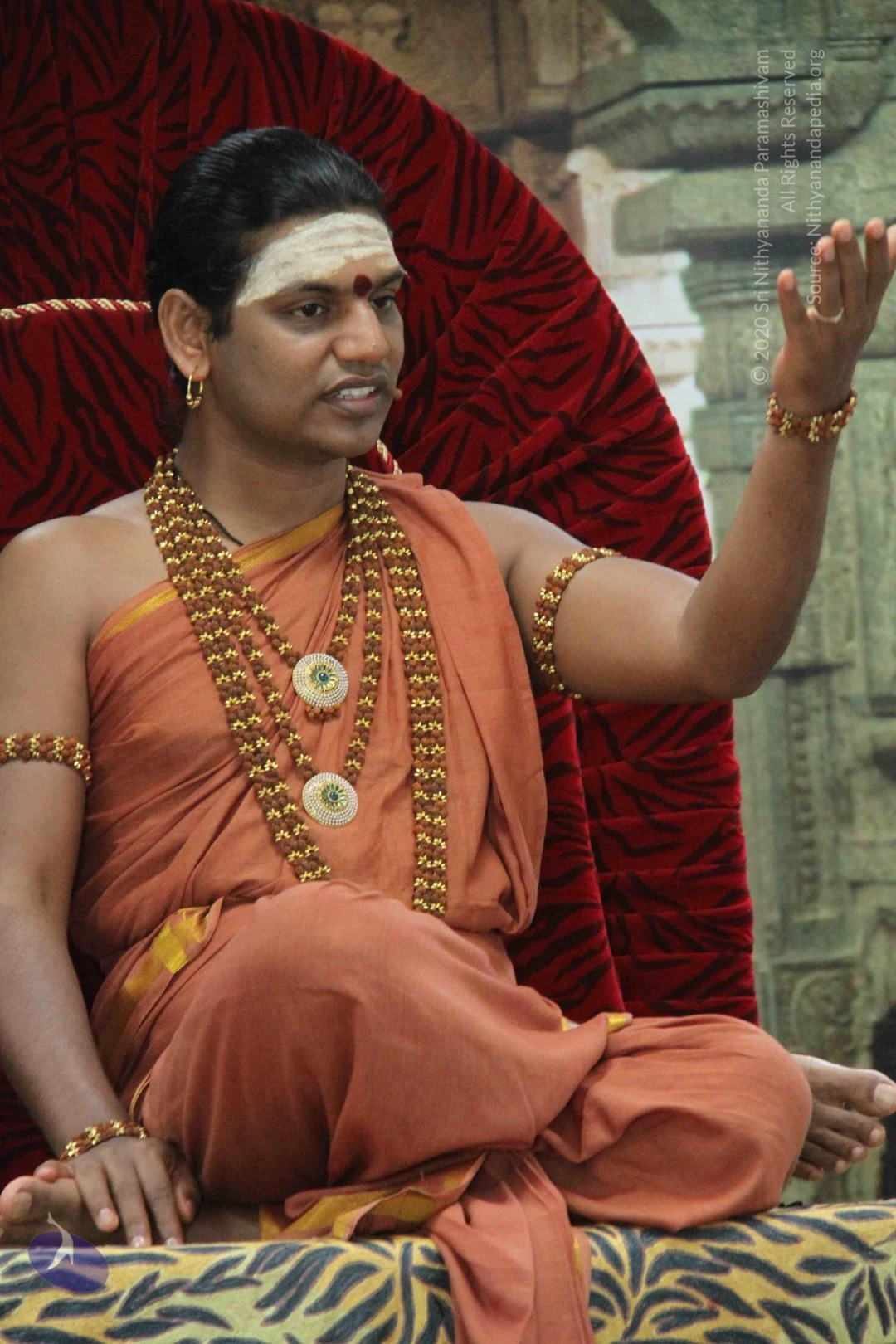
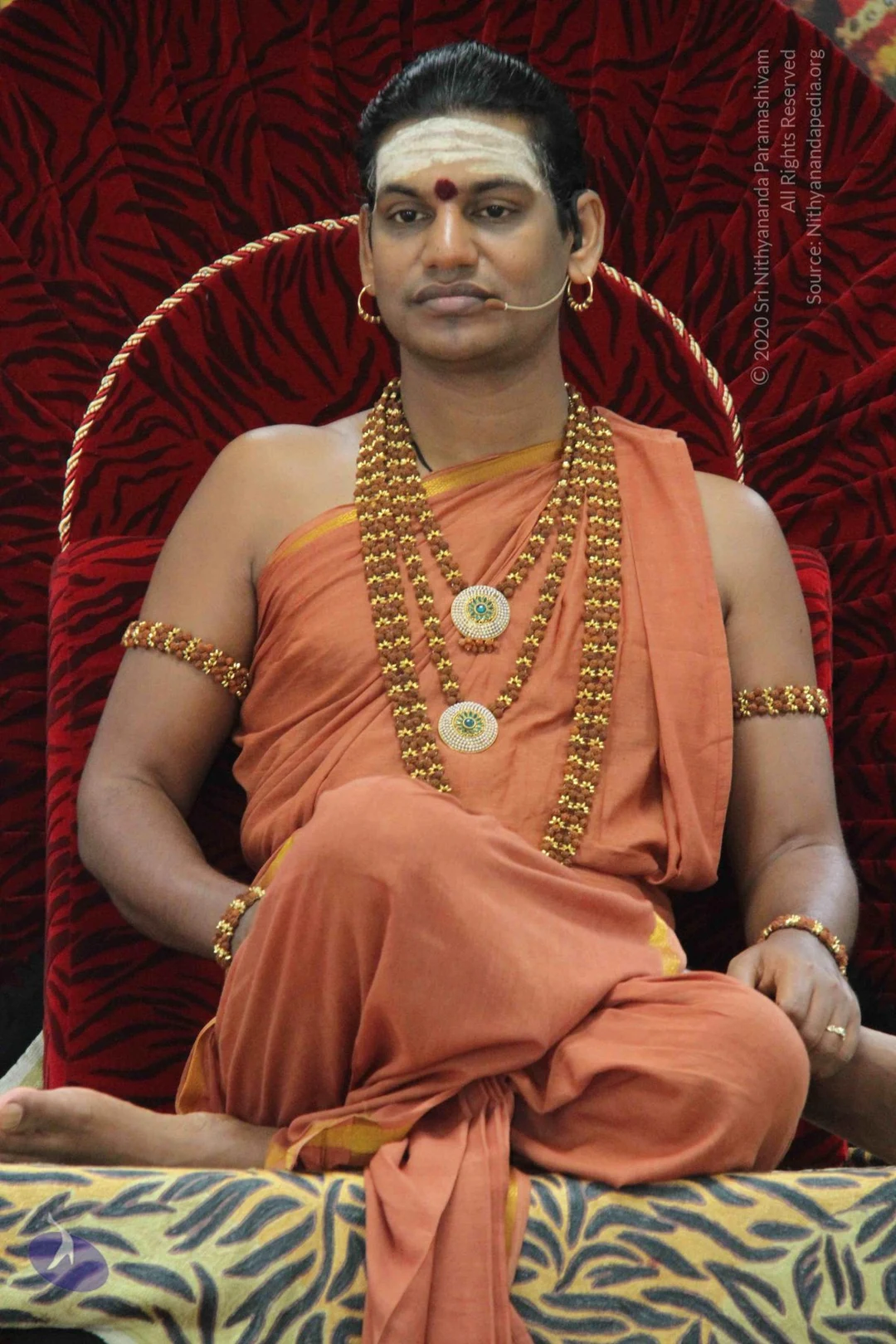
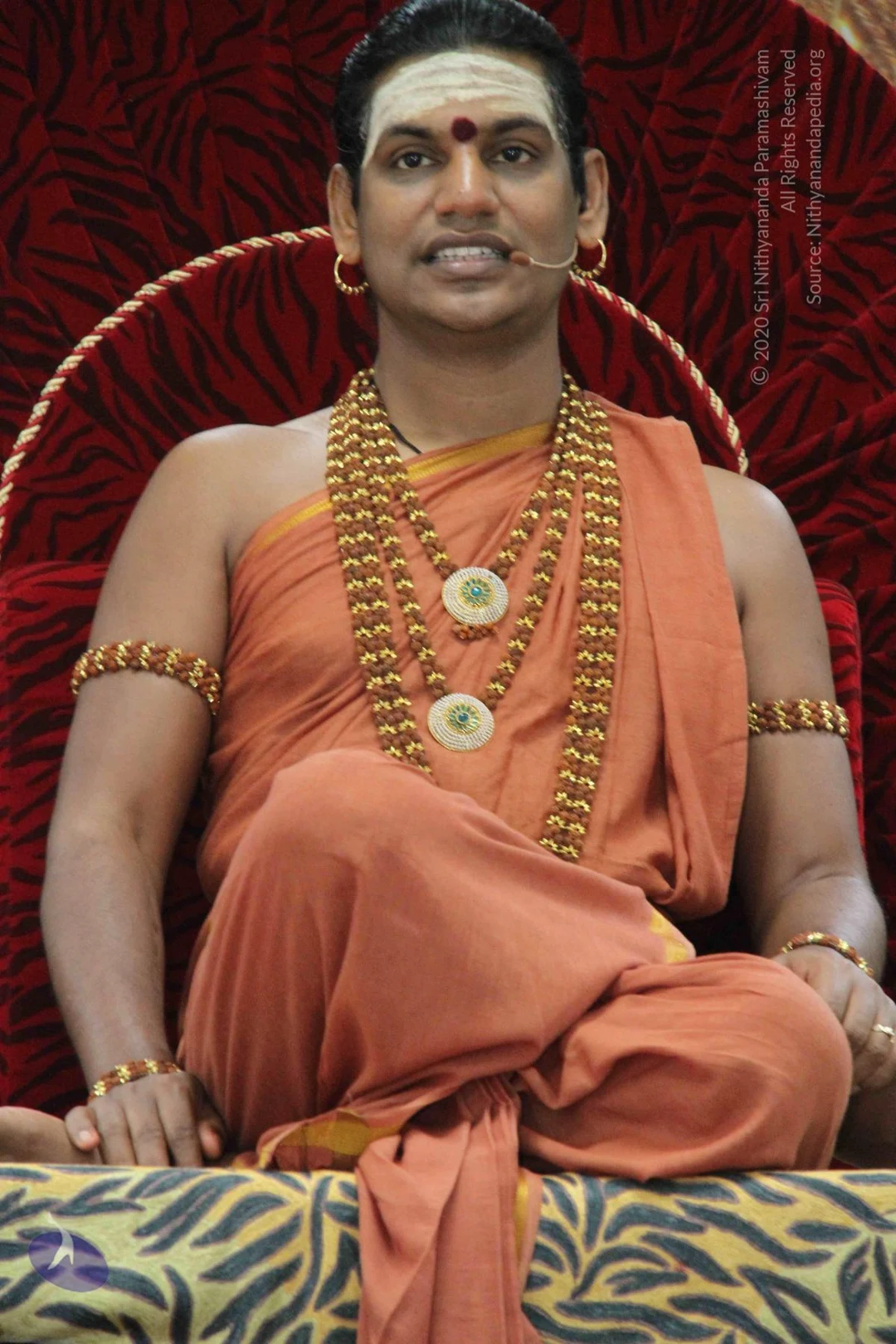
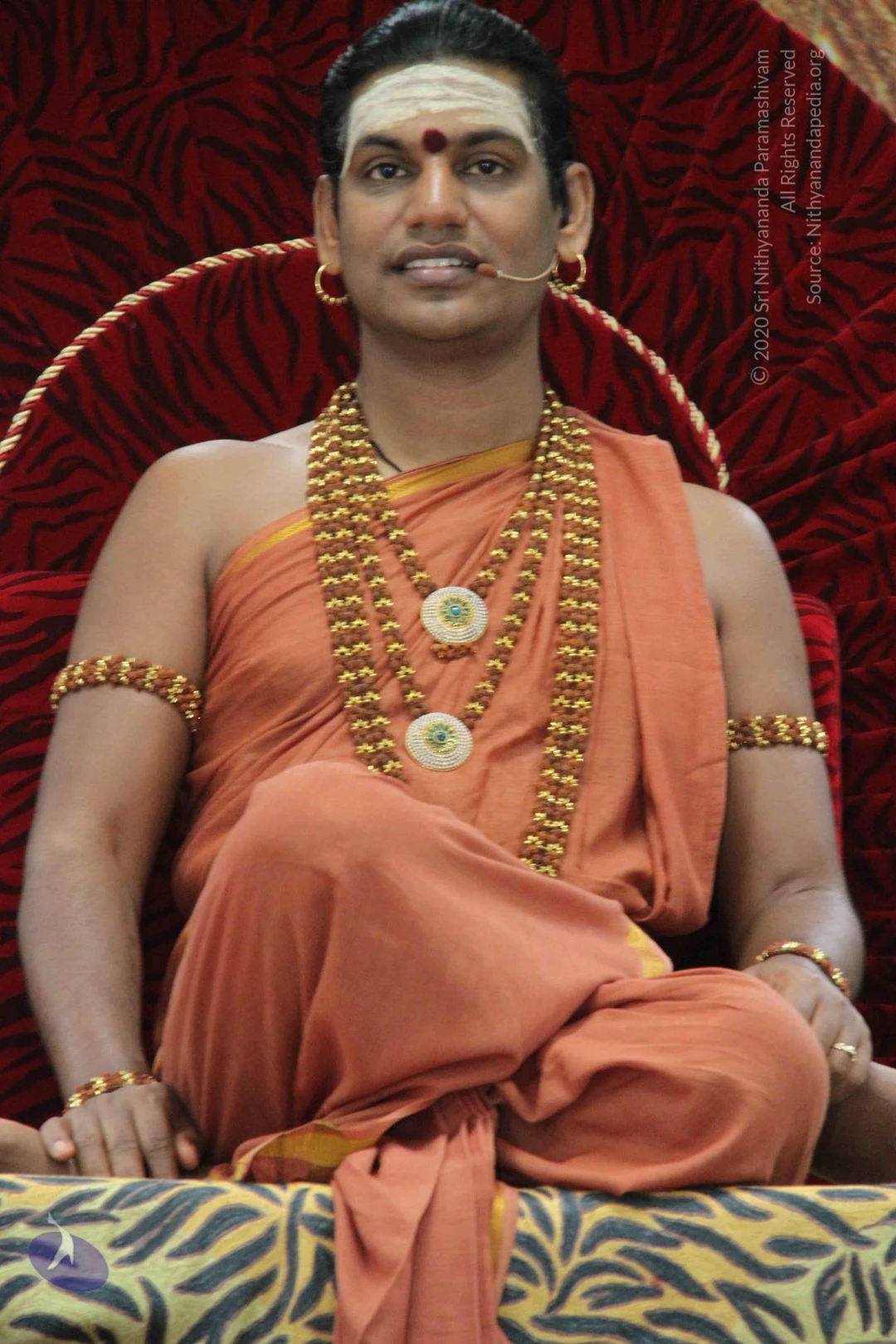
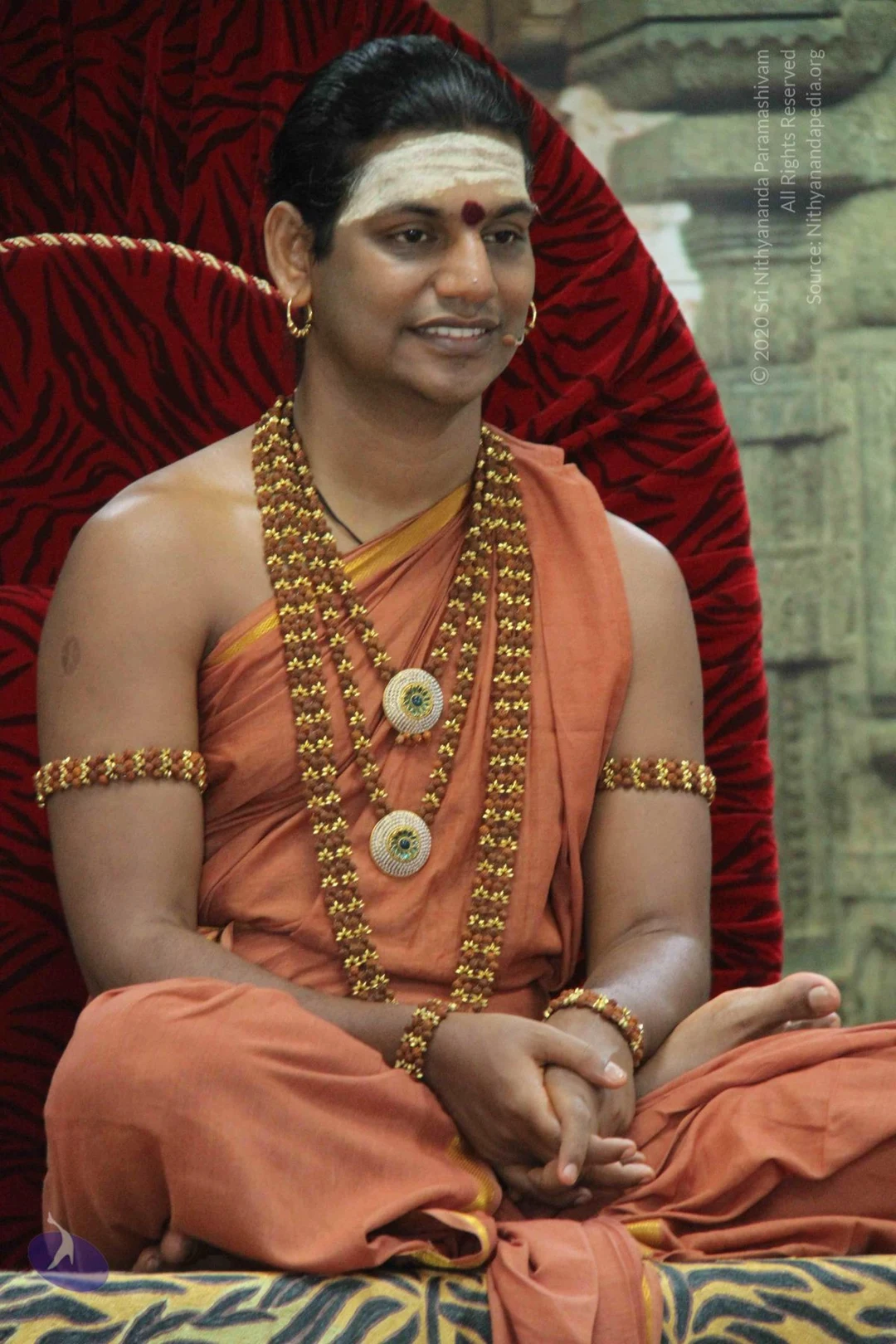
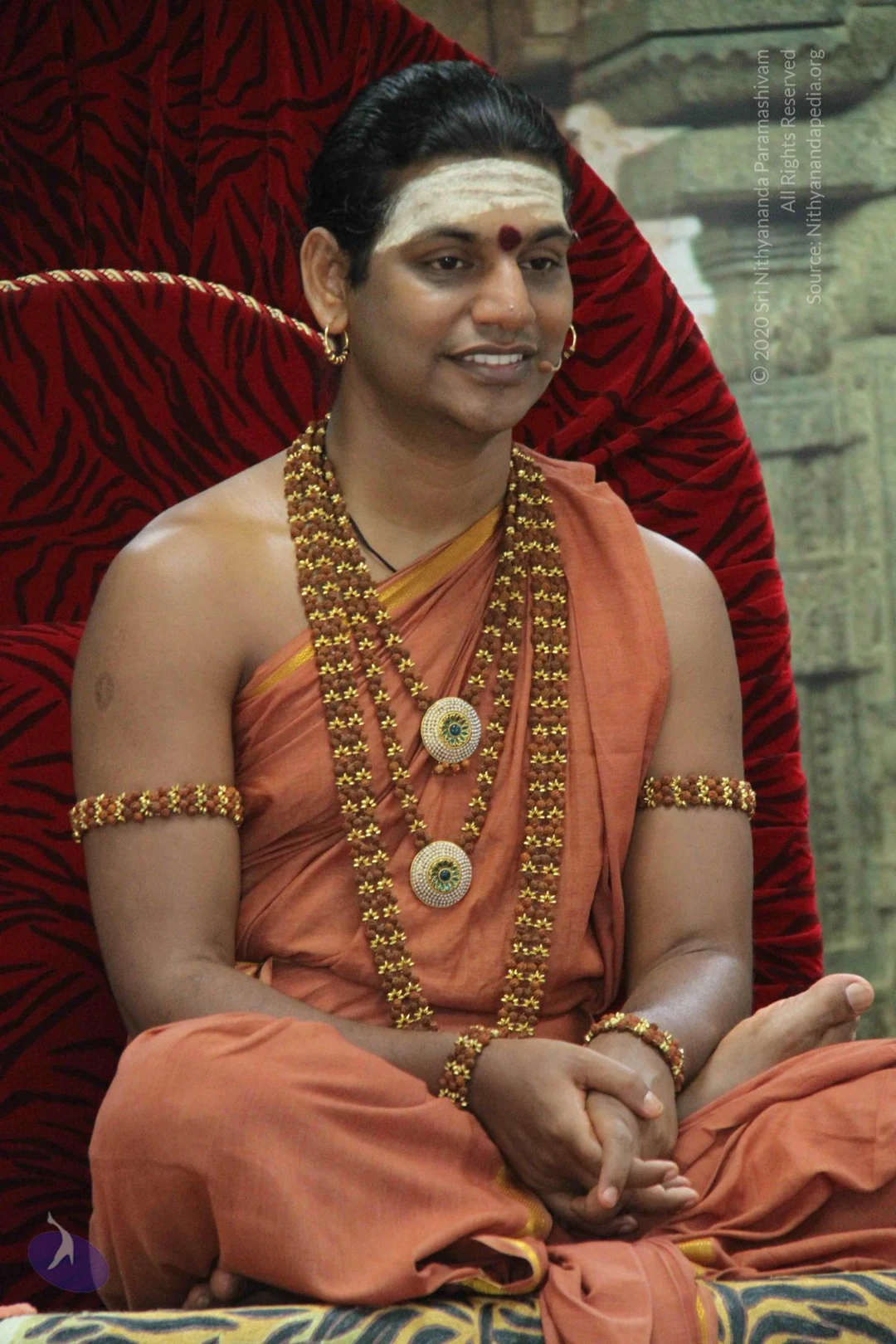
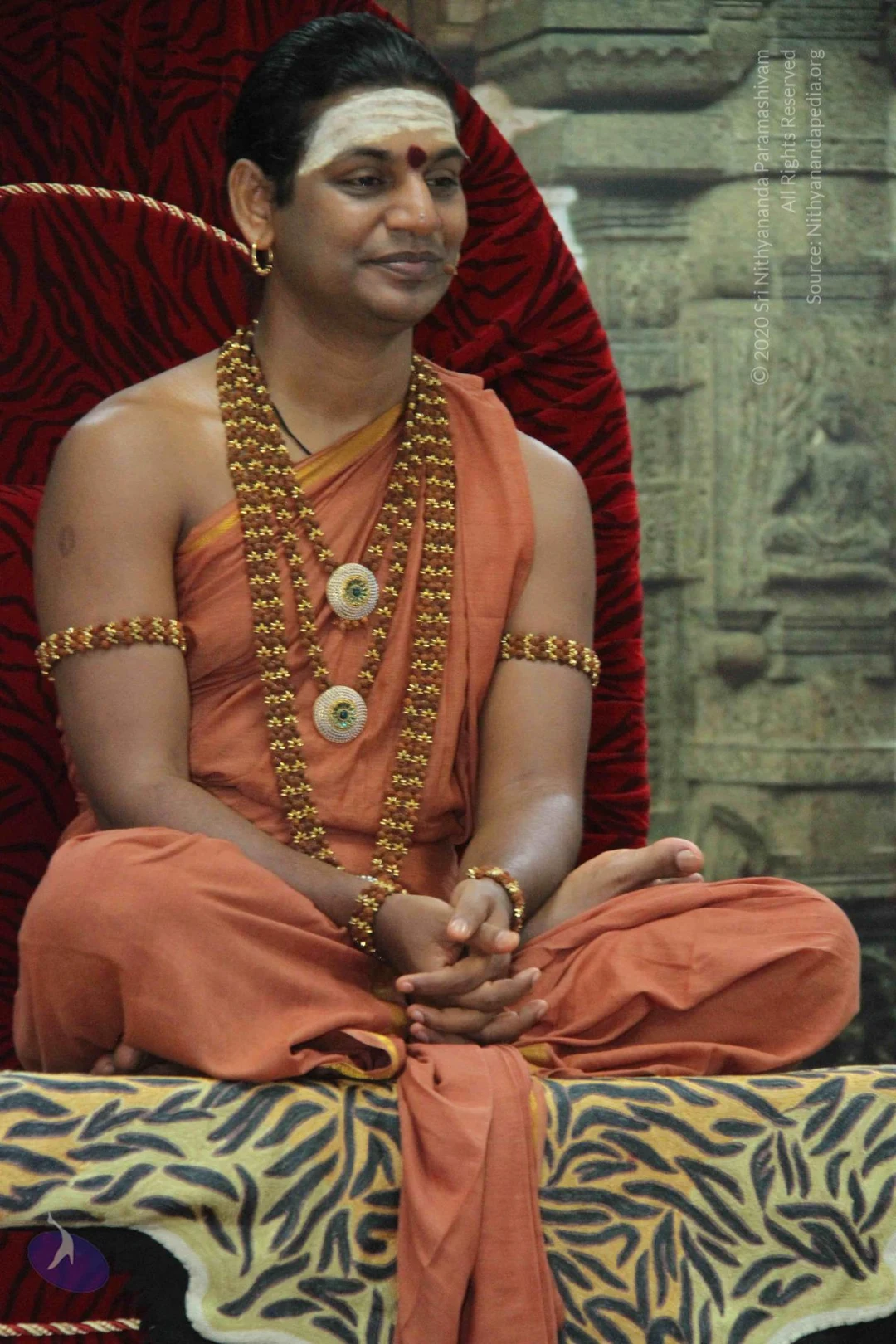
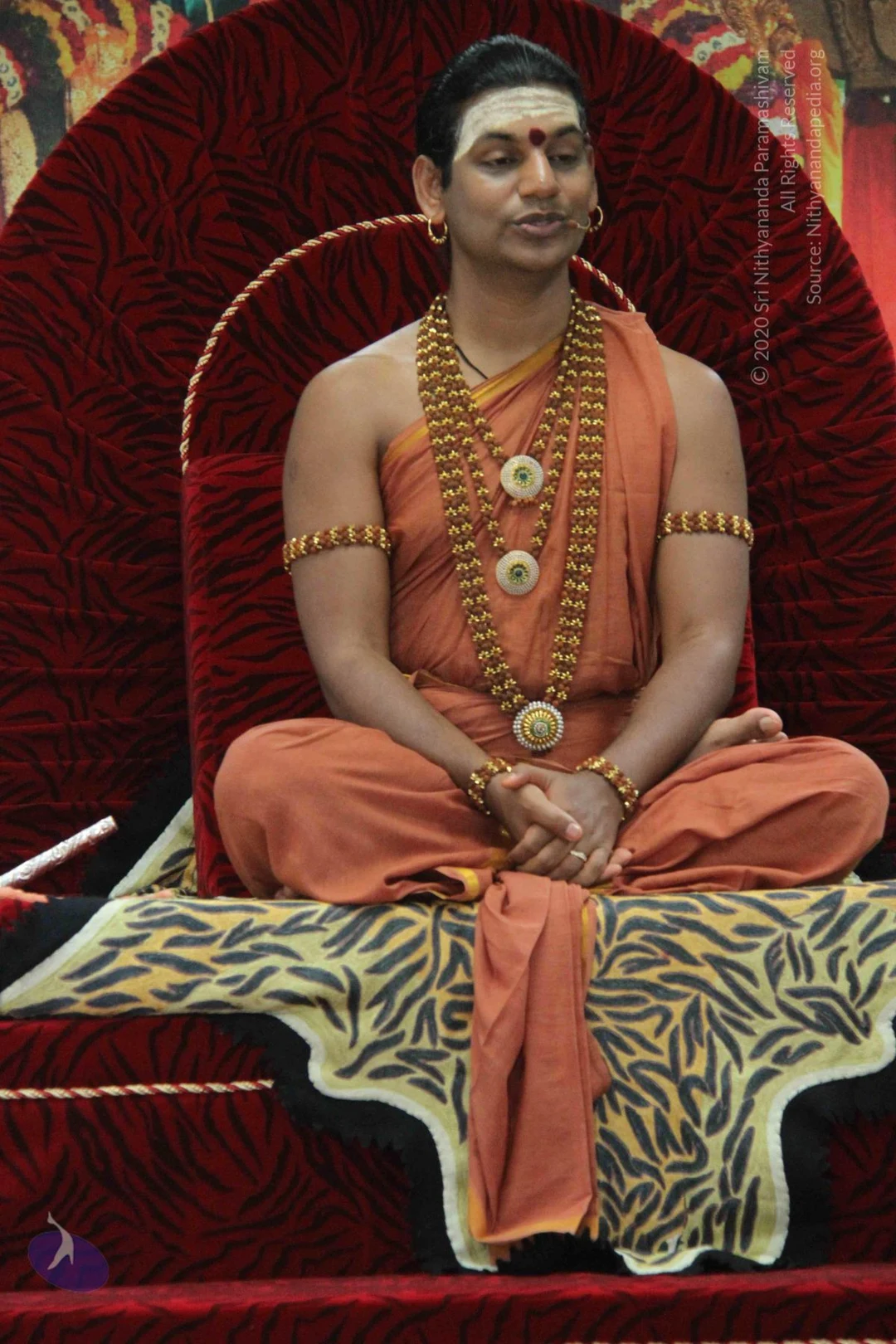
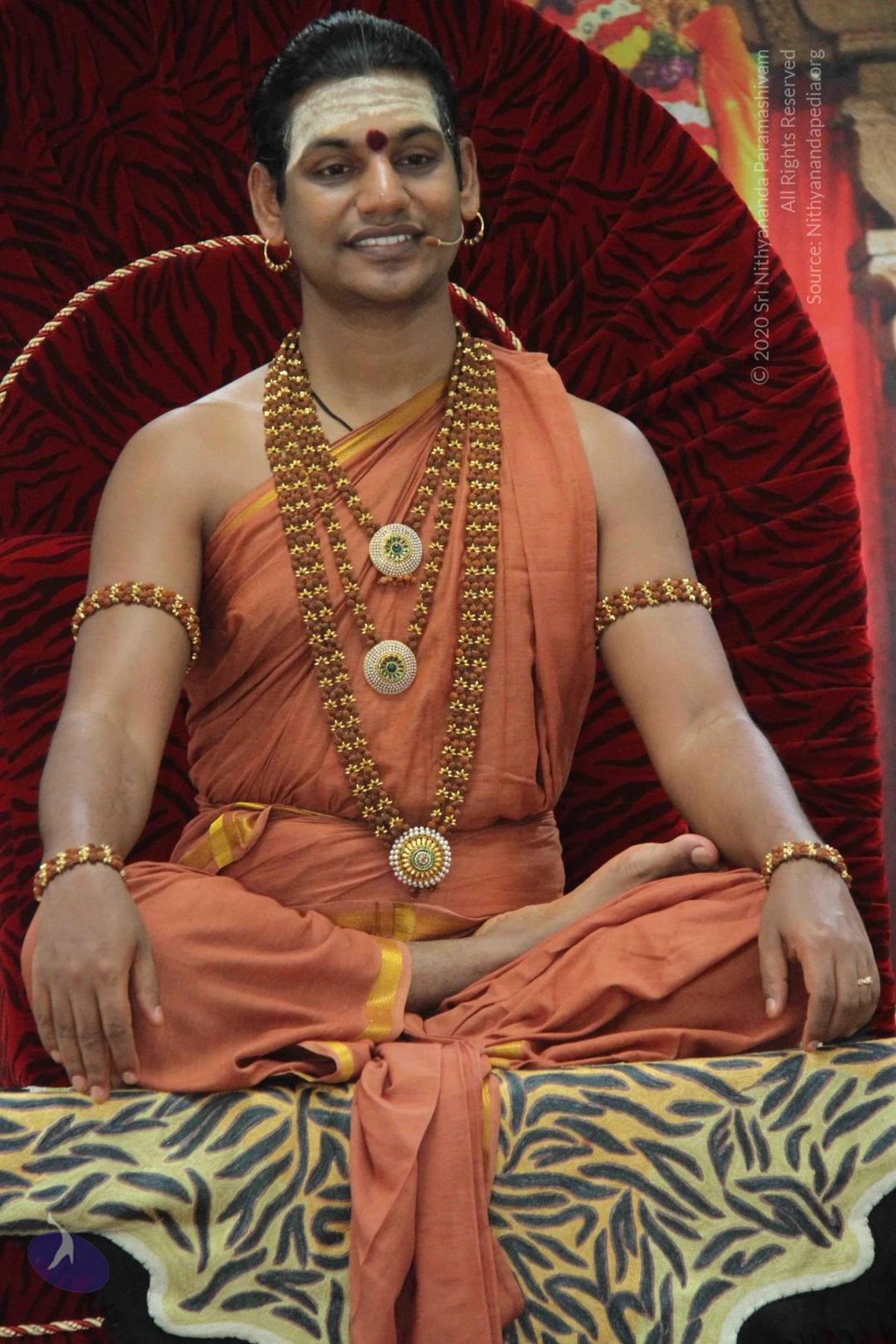
Temple Visit
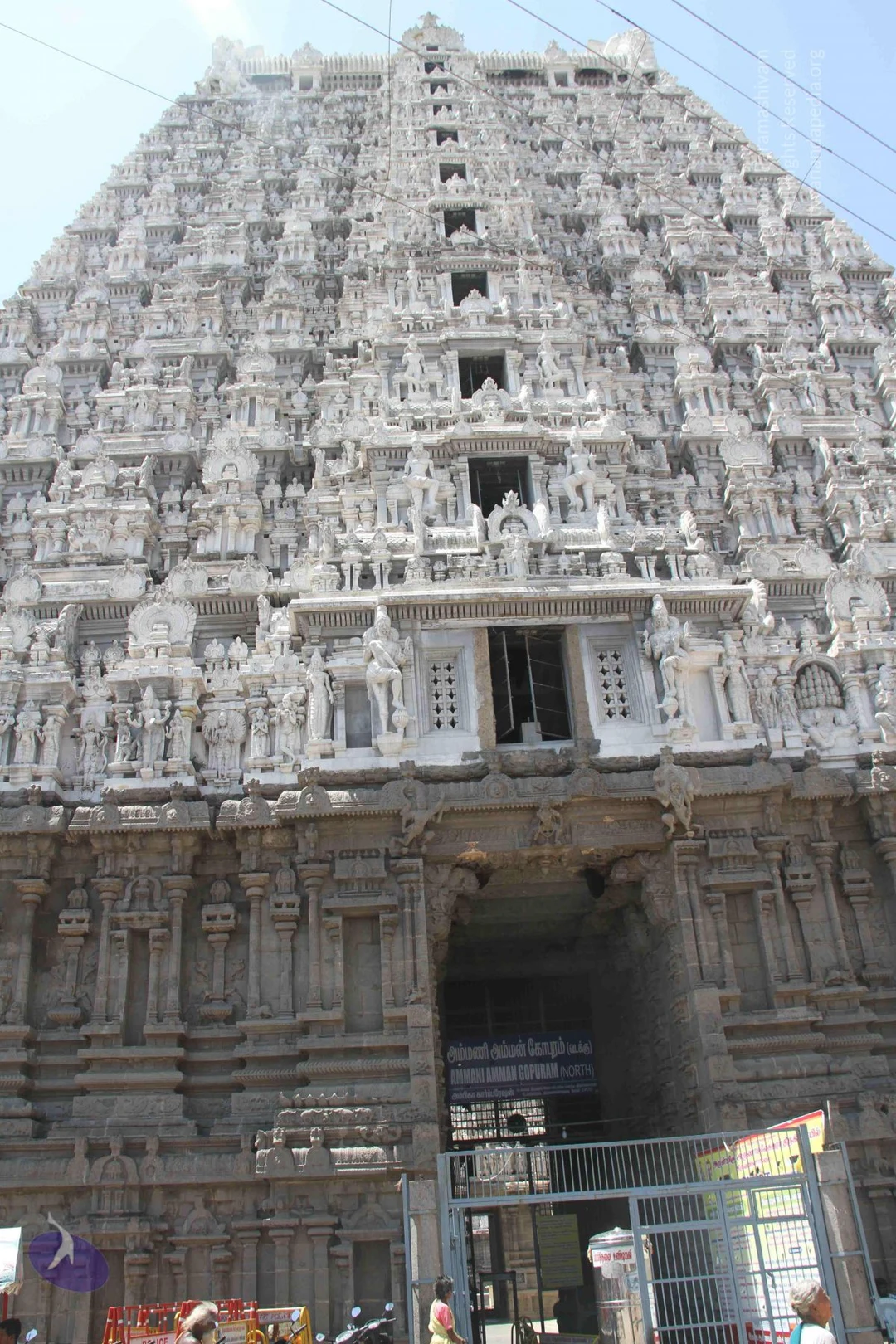
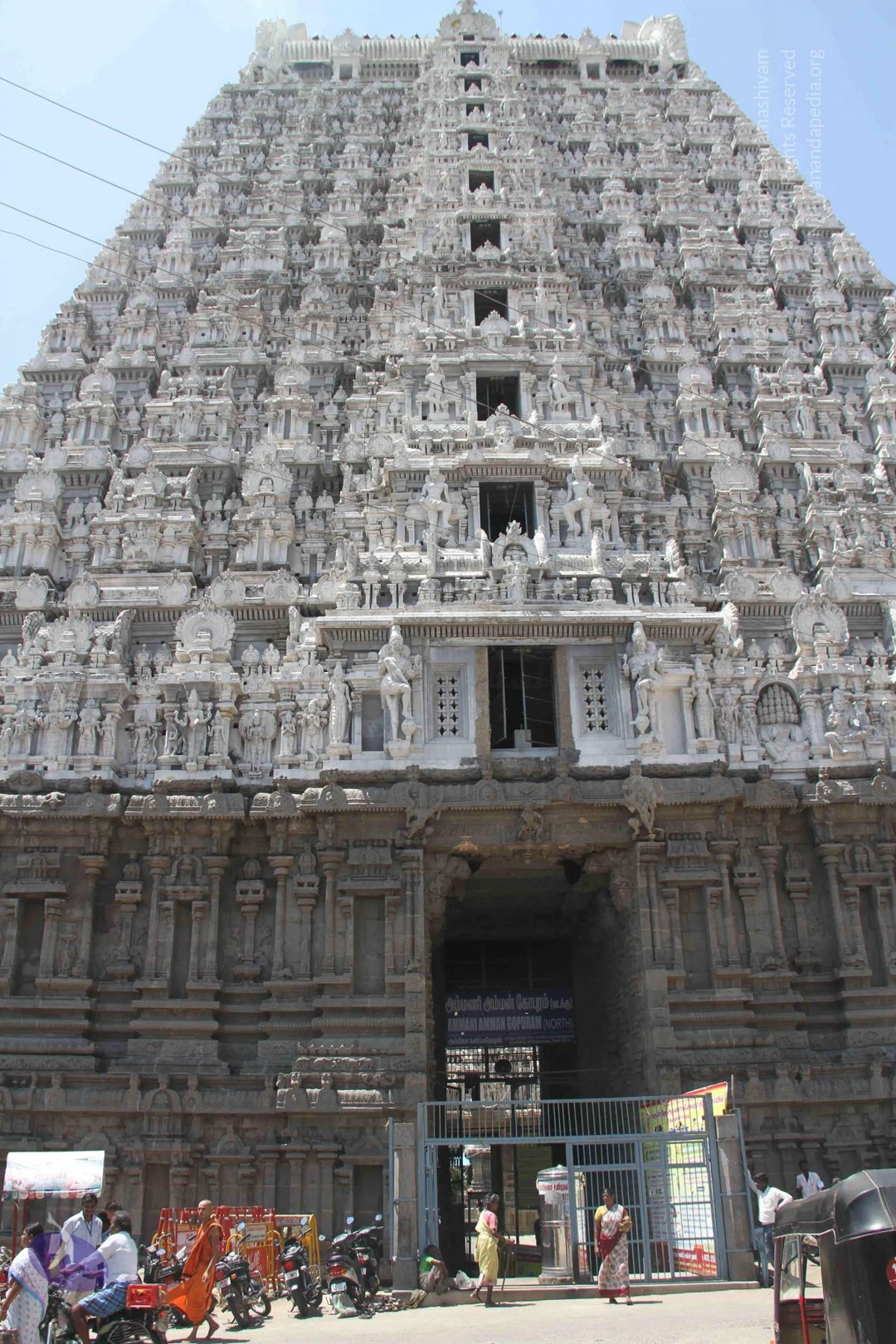
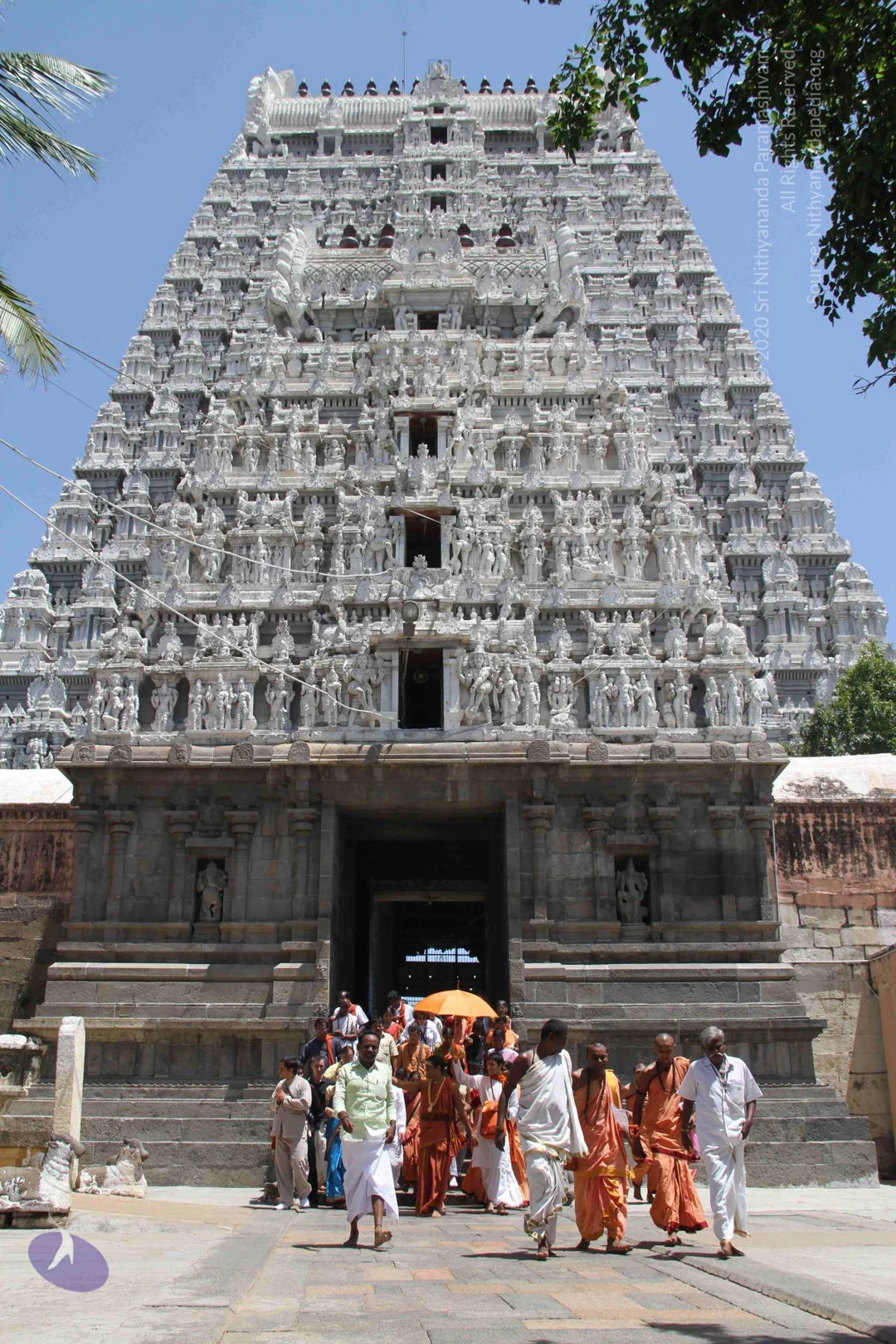
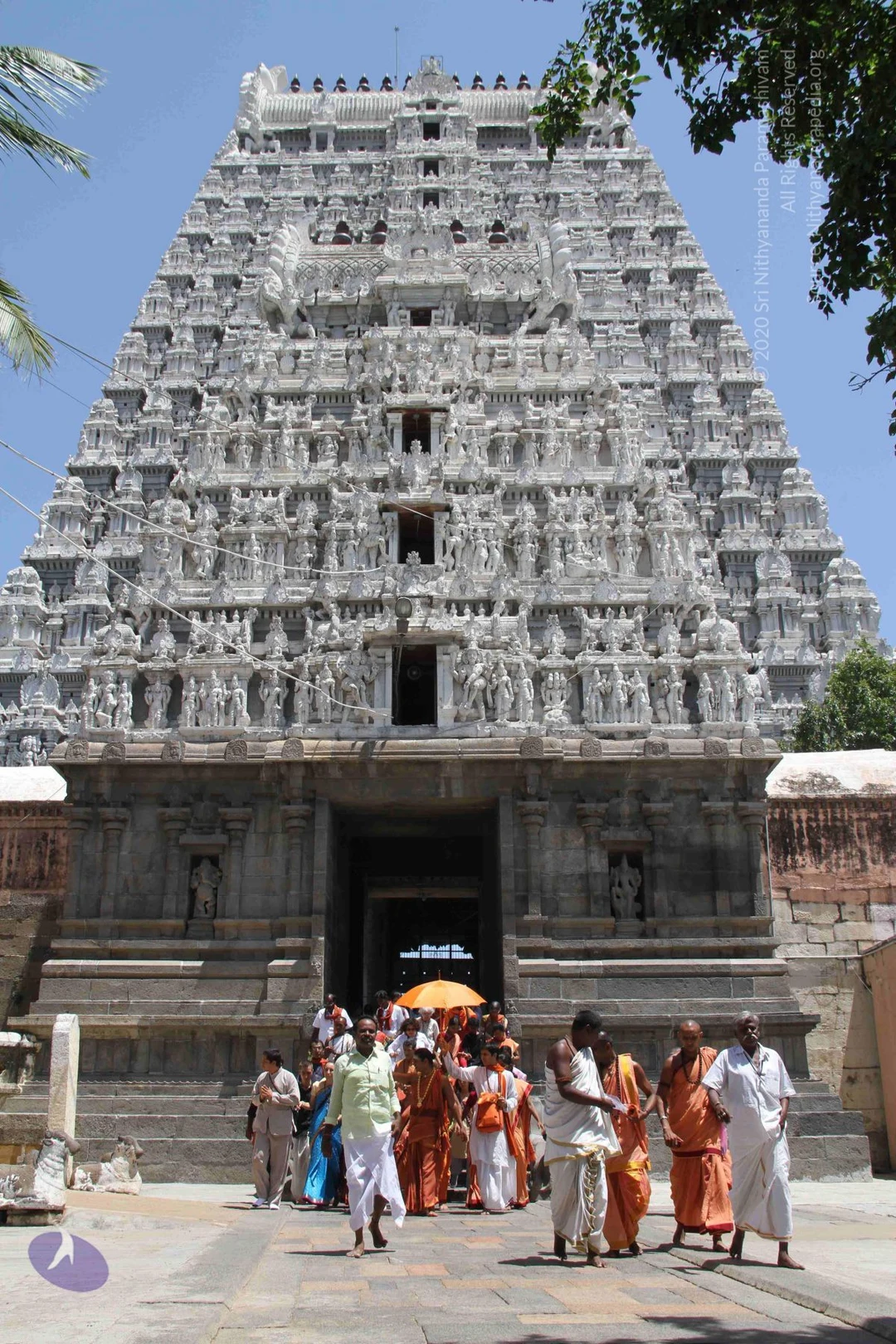
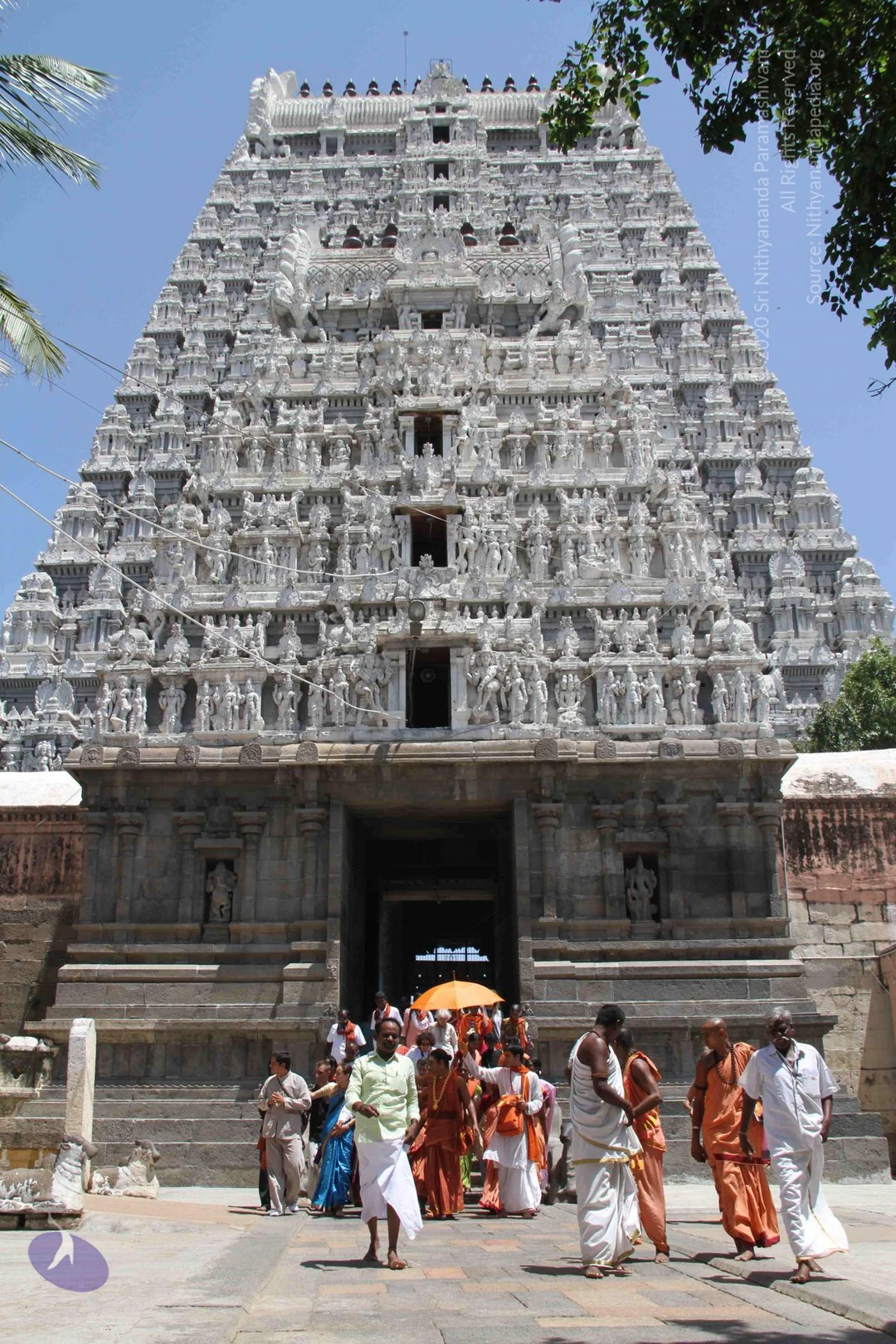
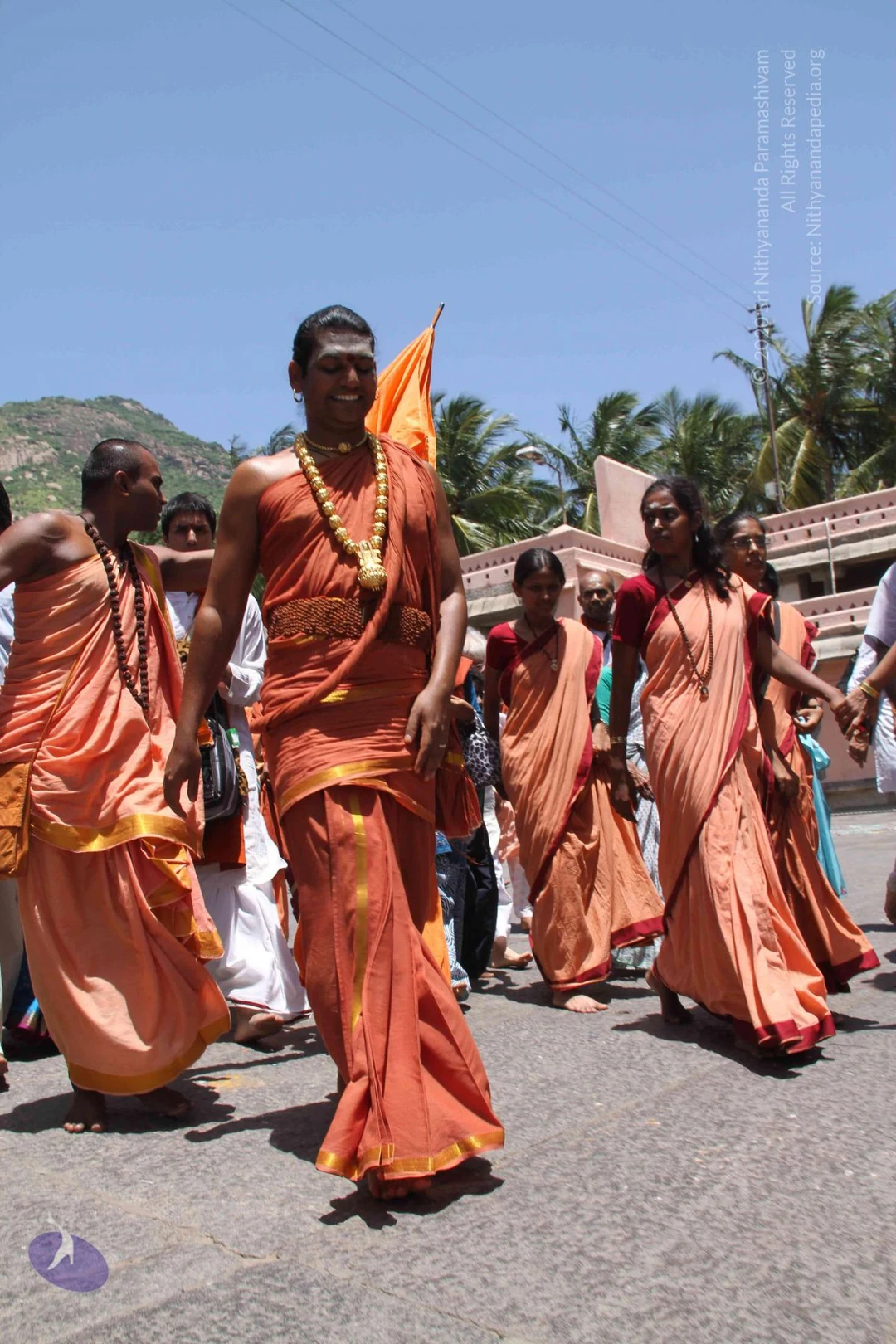
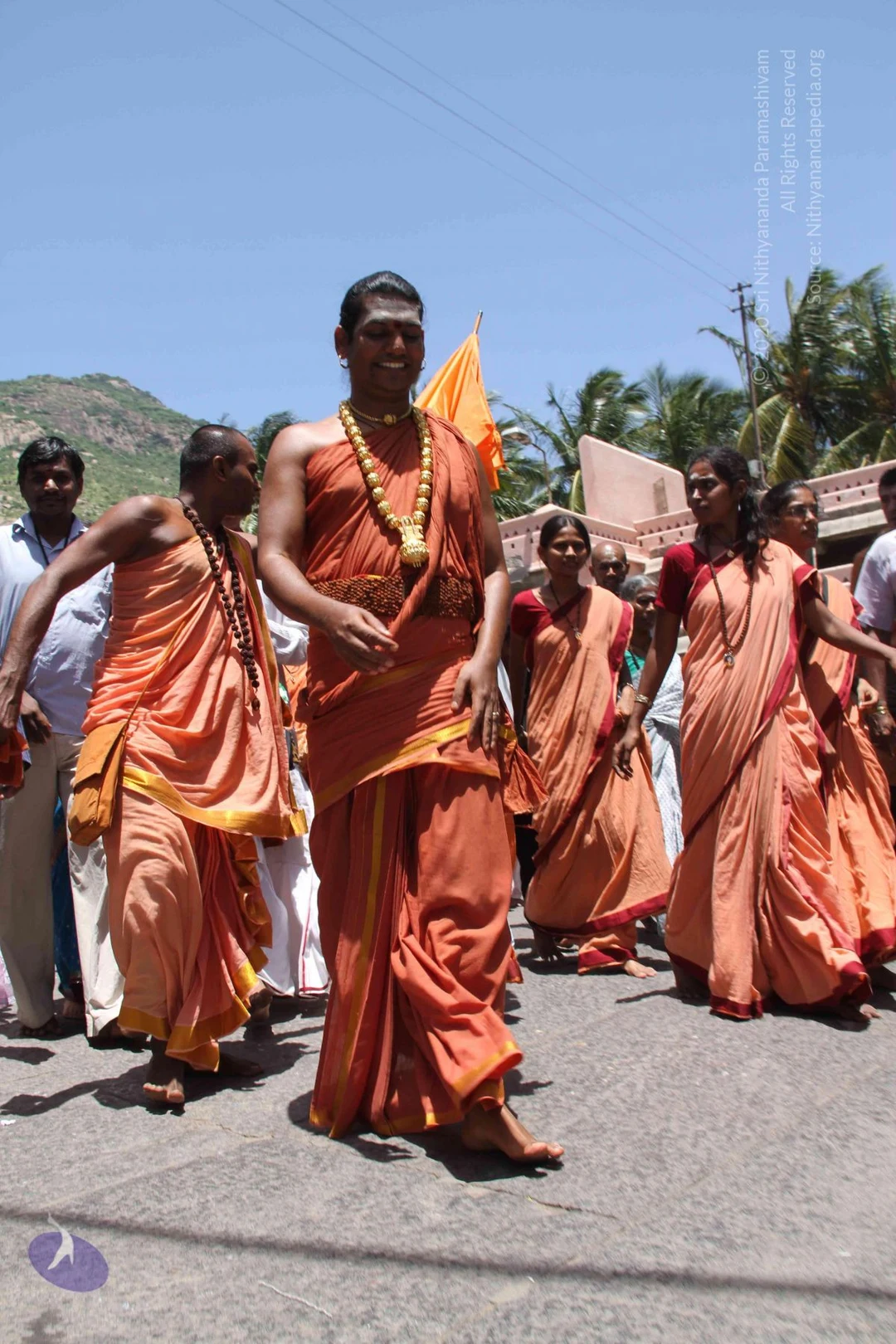
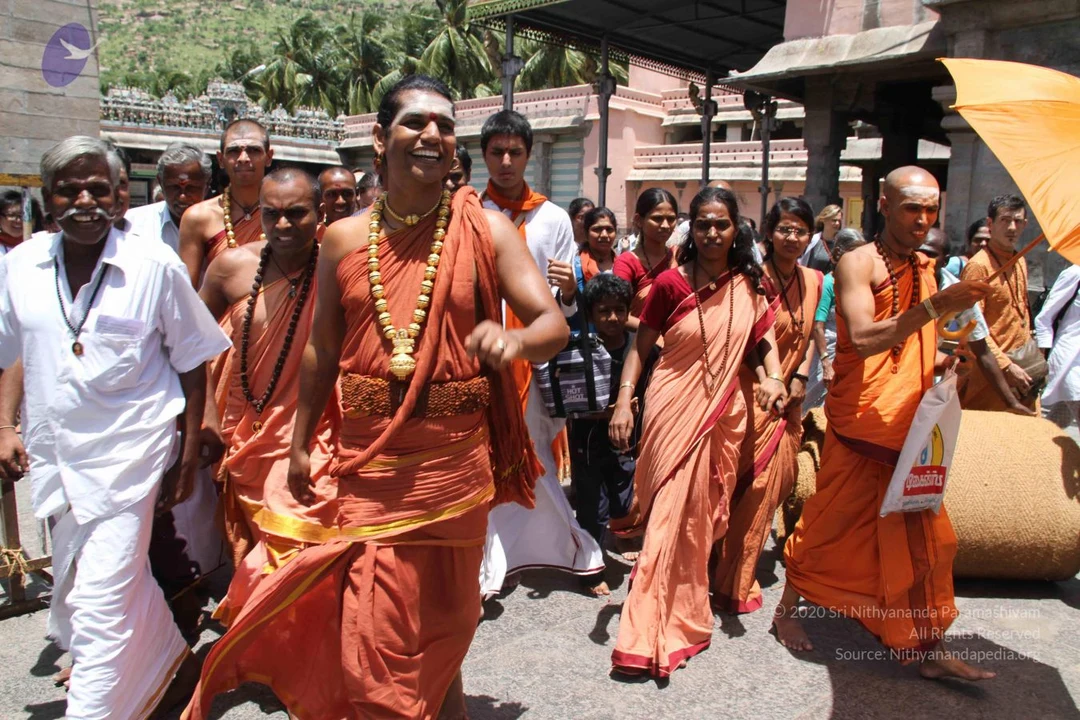
2-Temple Visit
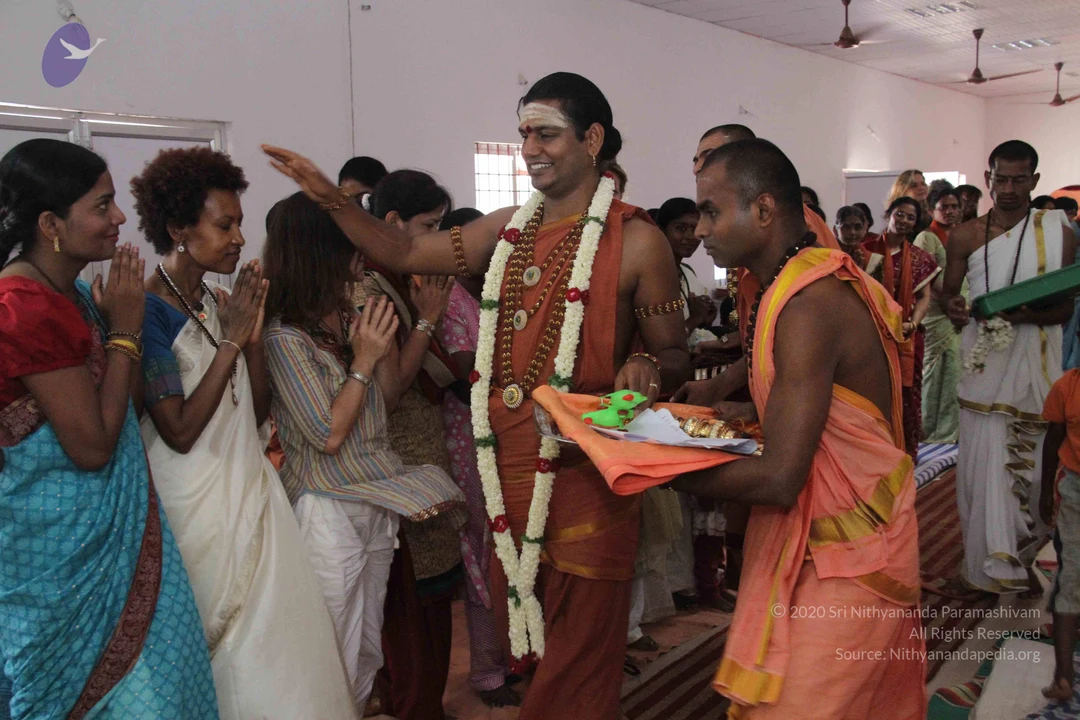
01-Sarva-Darshan
Photos from this day
View all 437 photosPhotos From The Day:
33 photosSource gallery
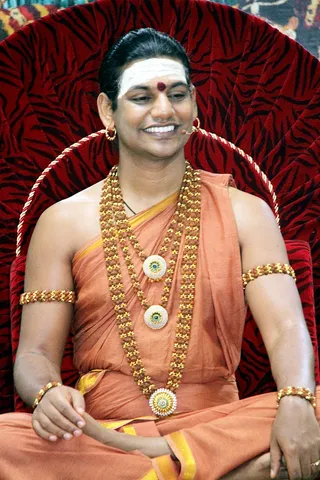
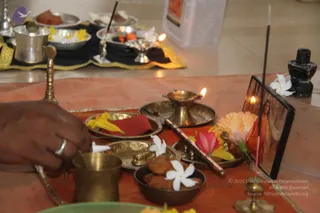
Morning satsang
131 photosSource gallery
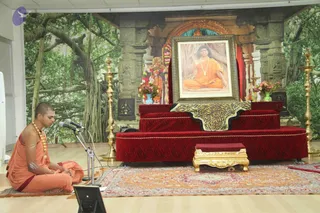
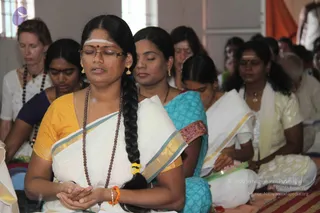
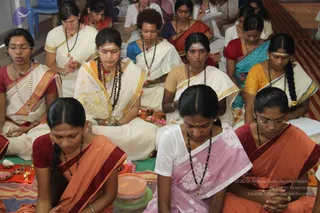
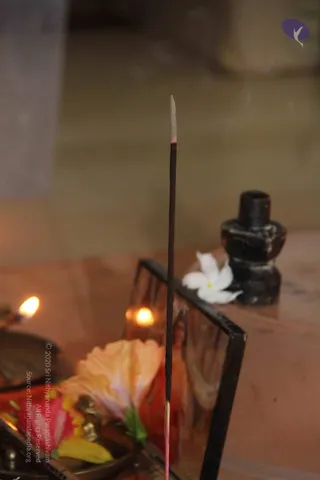
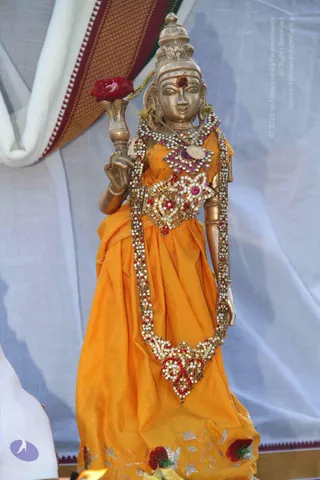
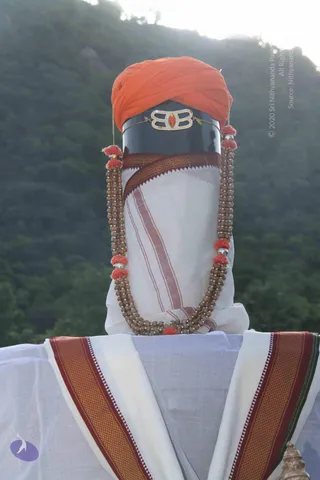
Temple Visit
206 photosSource gallery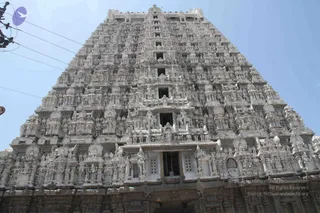
Morning Satsang
57 photosSource gallery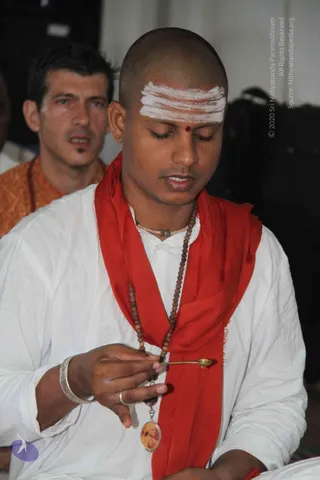
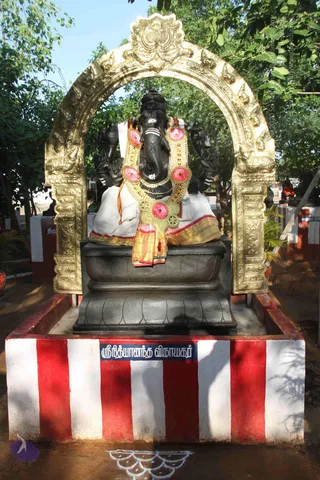
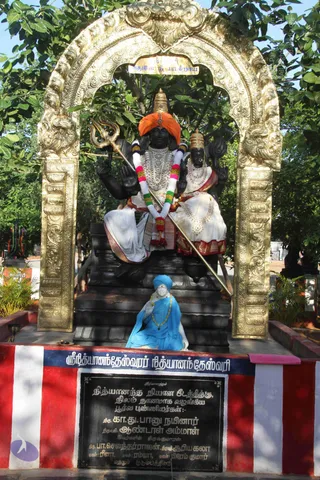
Temple Visit
8 photosSource gallery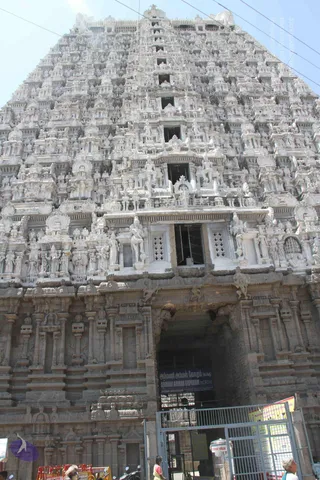
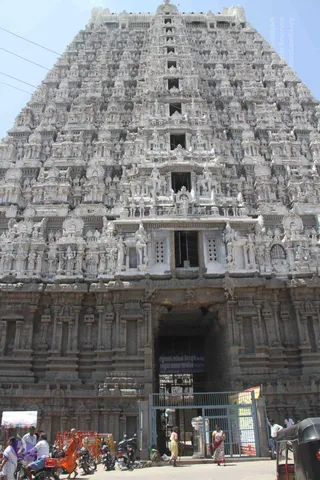
September 12 2012
2 photosView all