Saturday
3 March 2018
Living Enlightenment - Gift from Maha Sadashiva to Humanity
- Dated photos
- 792
- Source pages
- 1
- Media
- 4
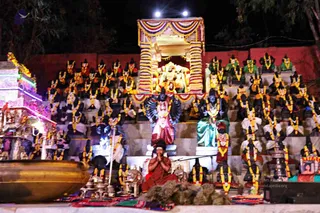
March 03 2018
Original wiki pageTitle
Living Enlightenment - Gift from Maha Sadashiva to Humanity
Narration
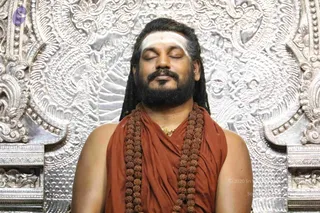
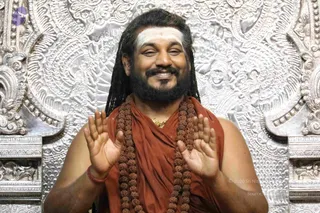
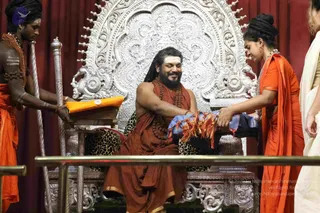
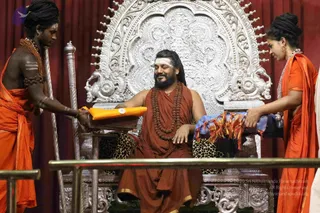
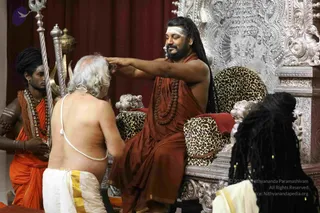
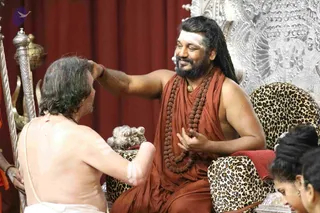
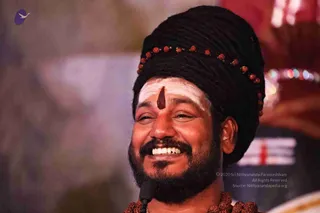
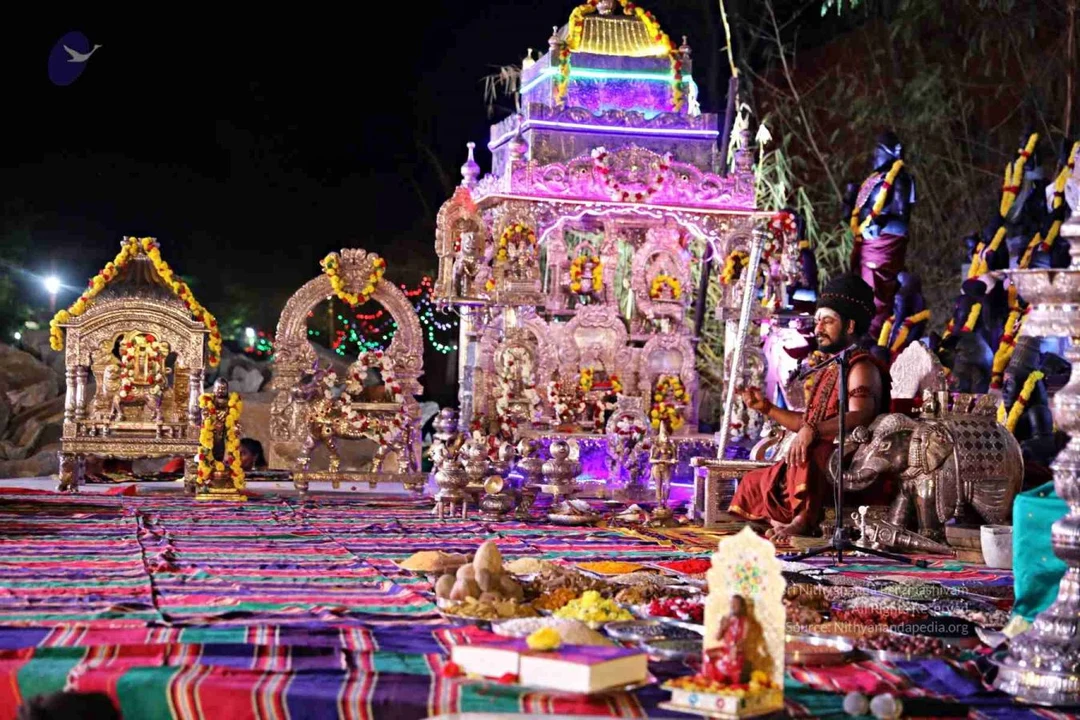
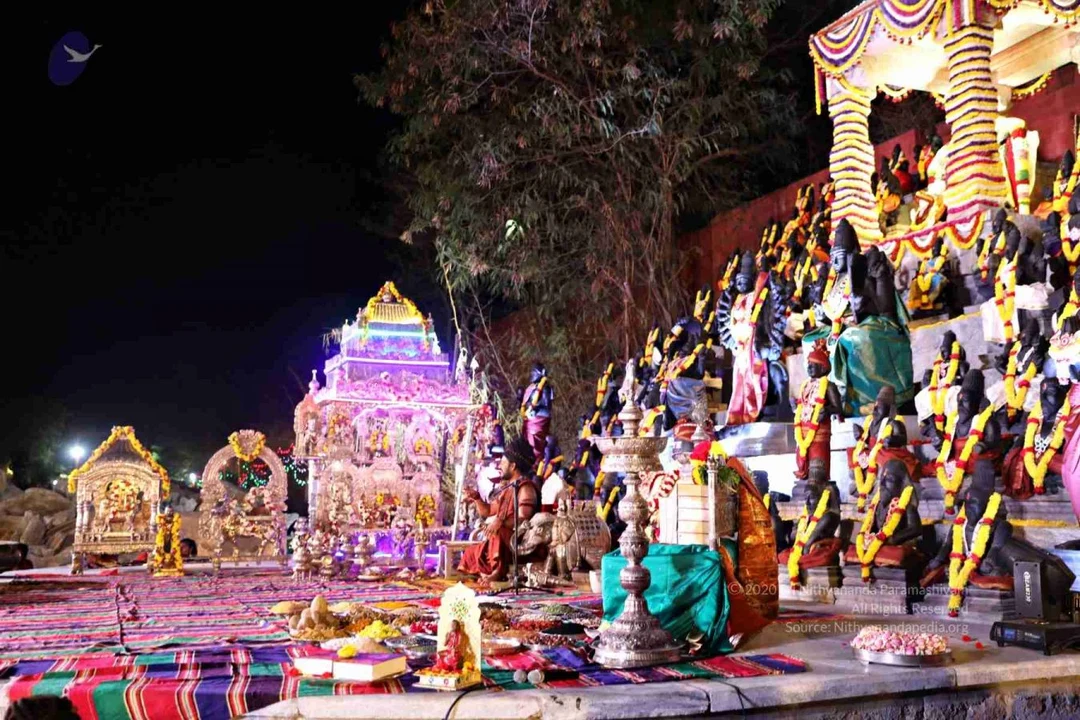
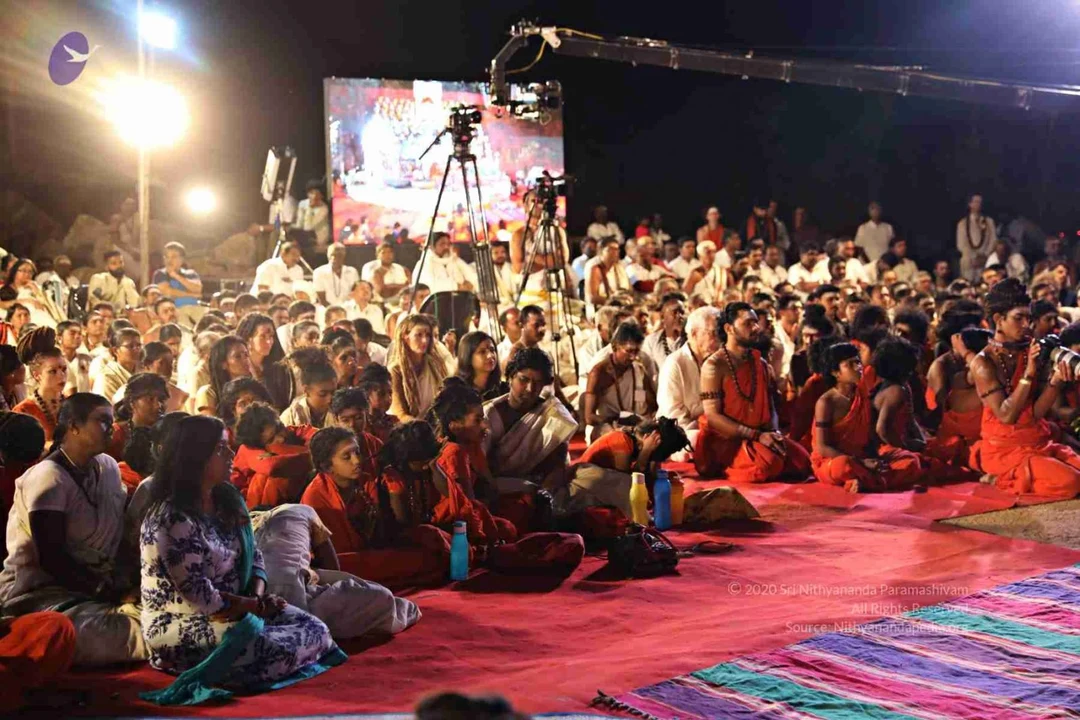
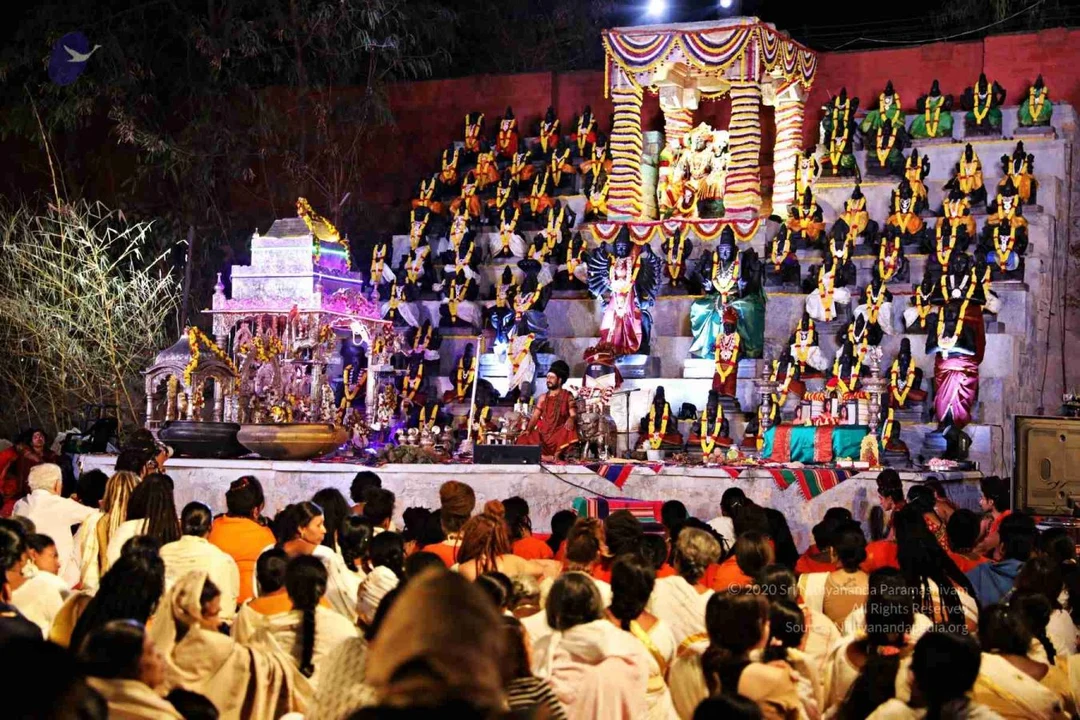
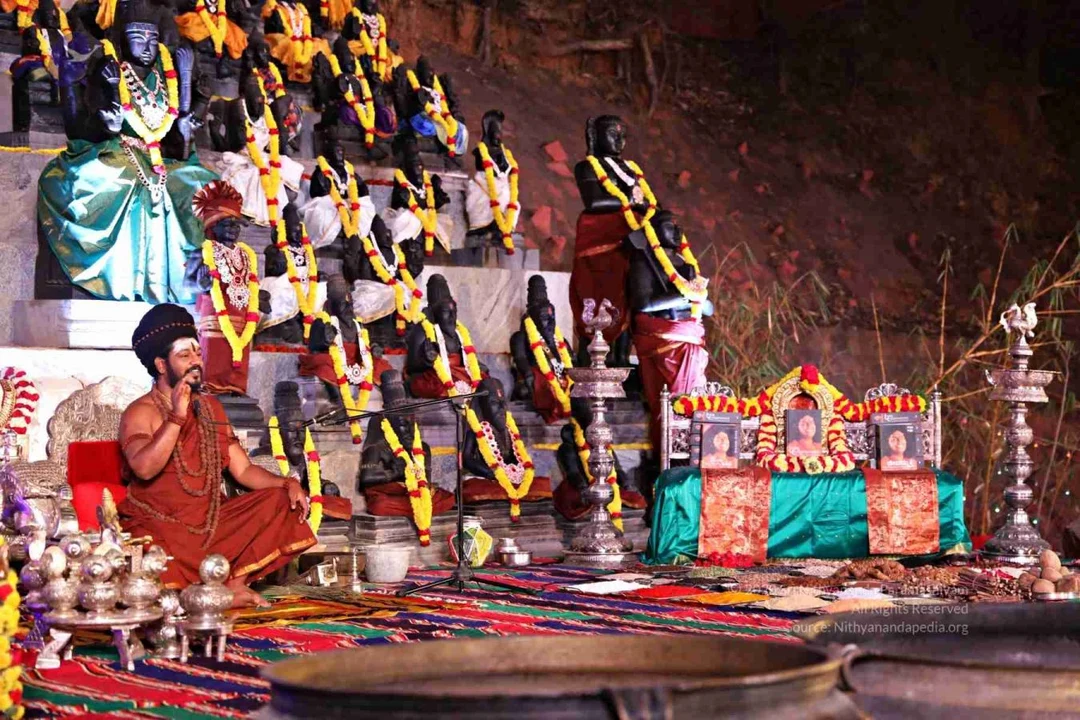
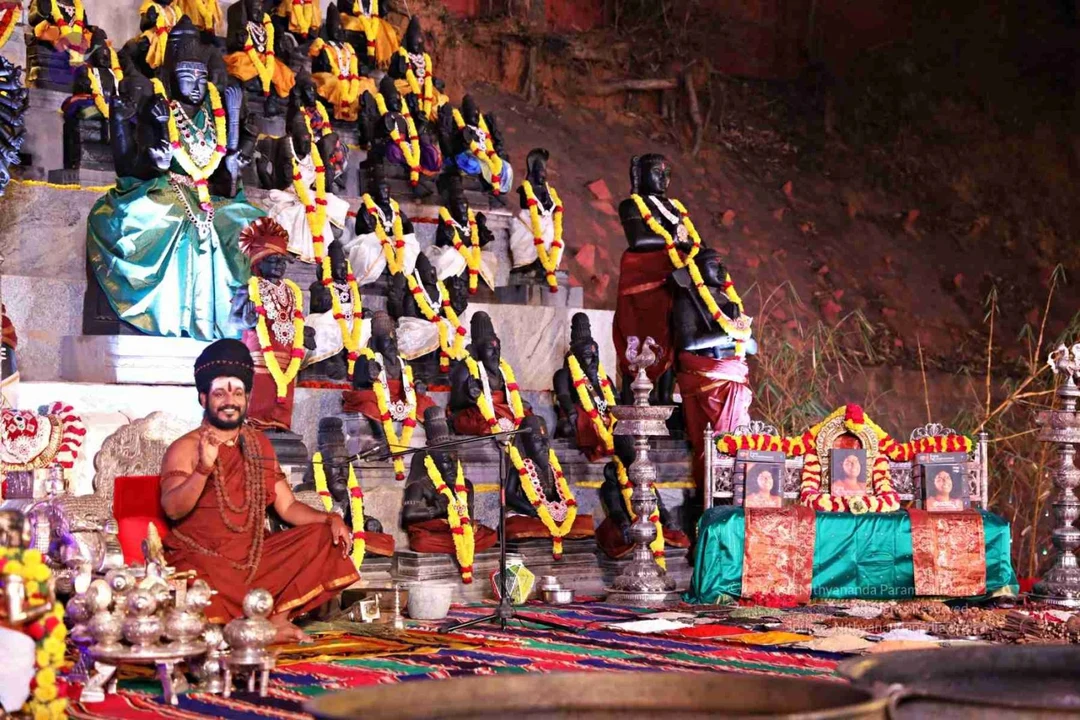
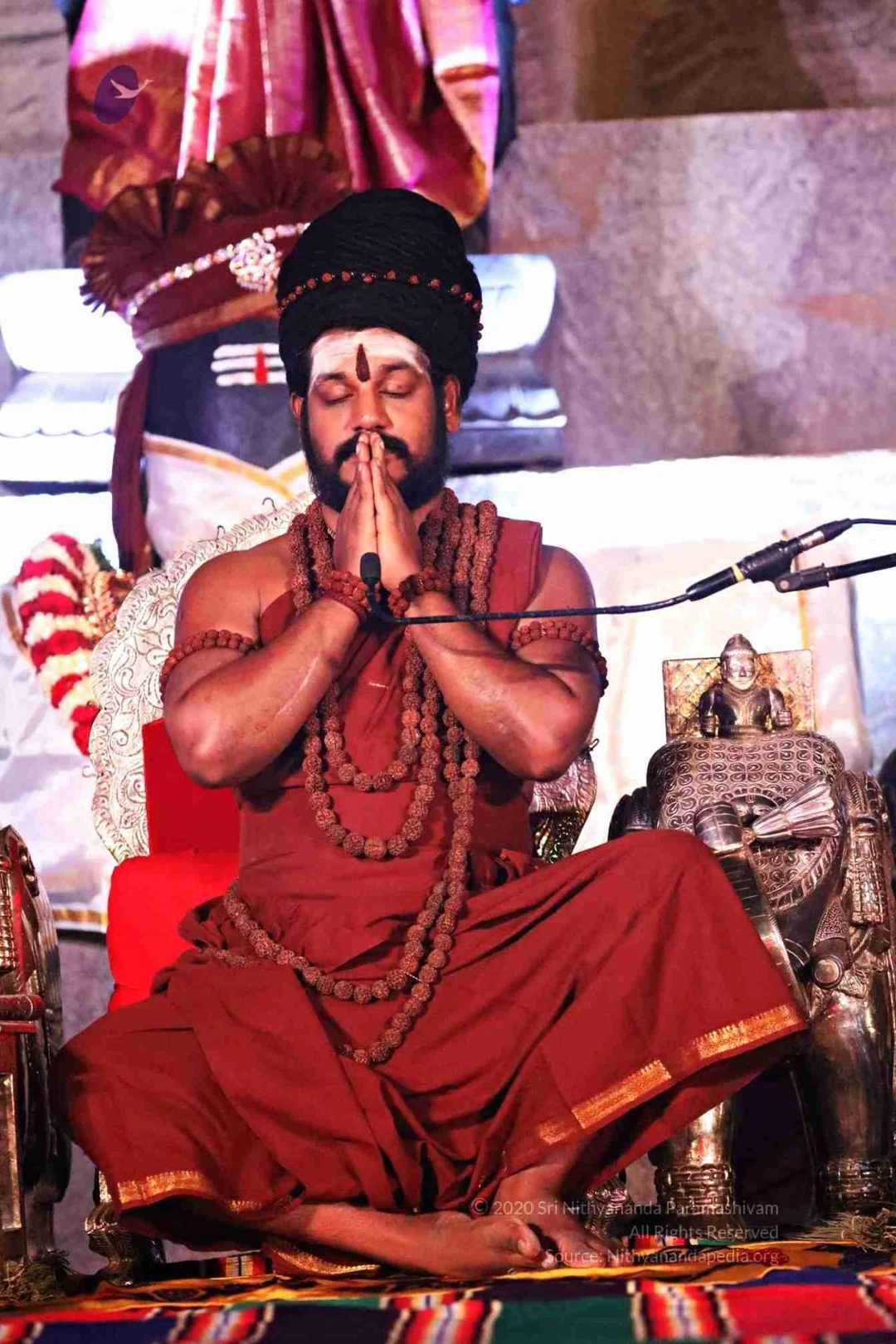
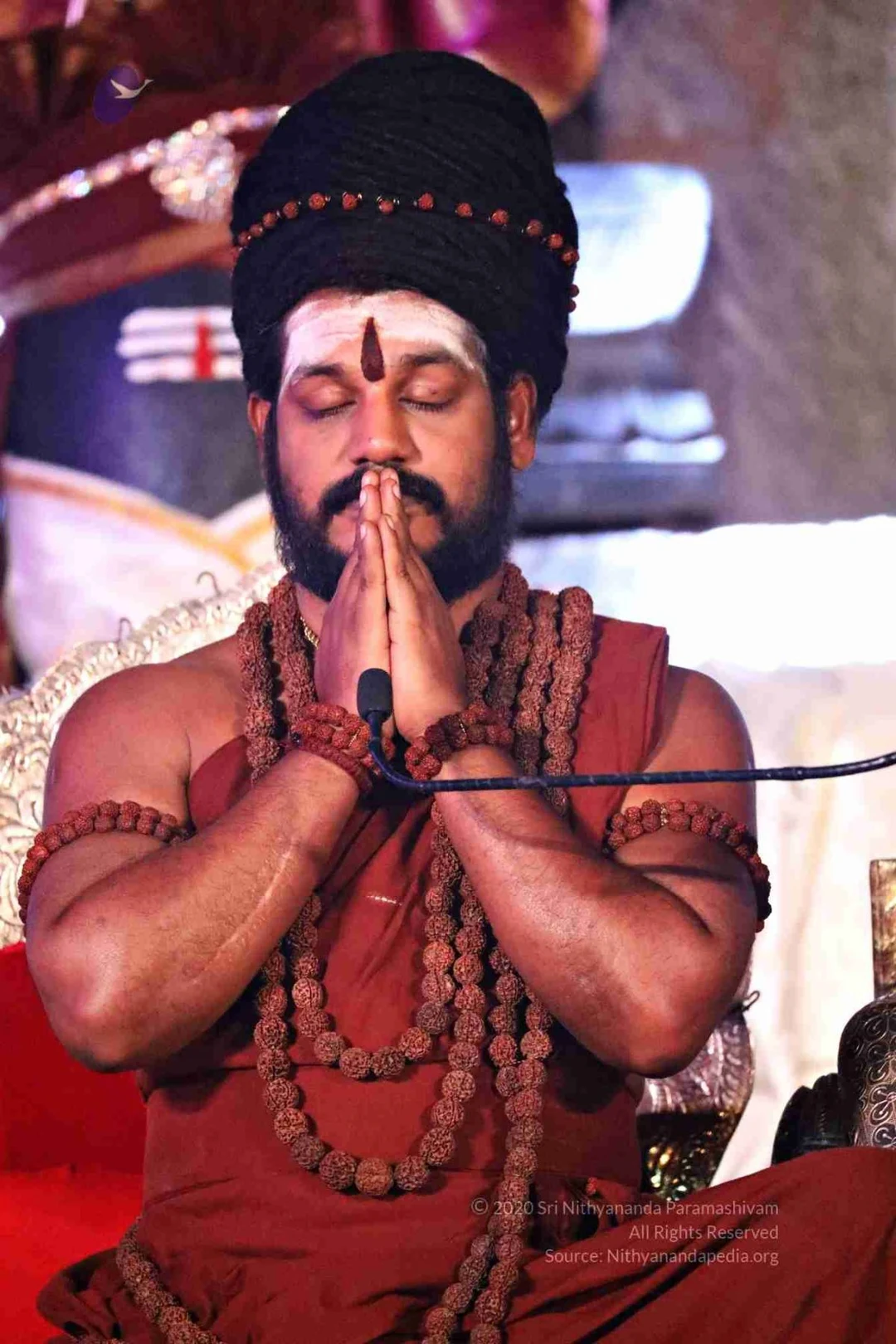
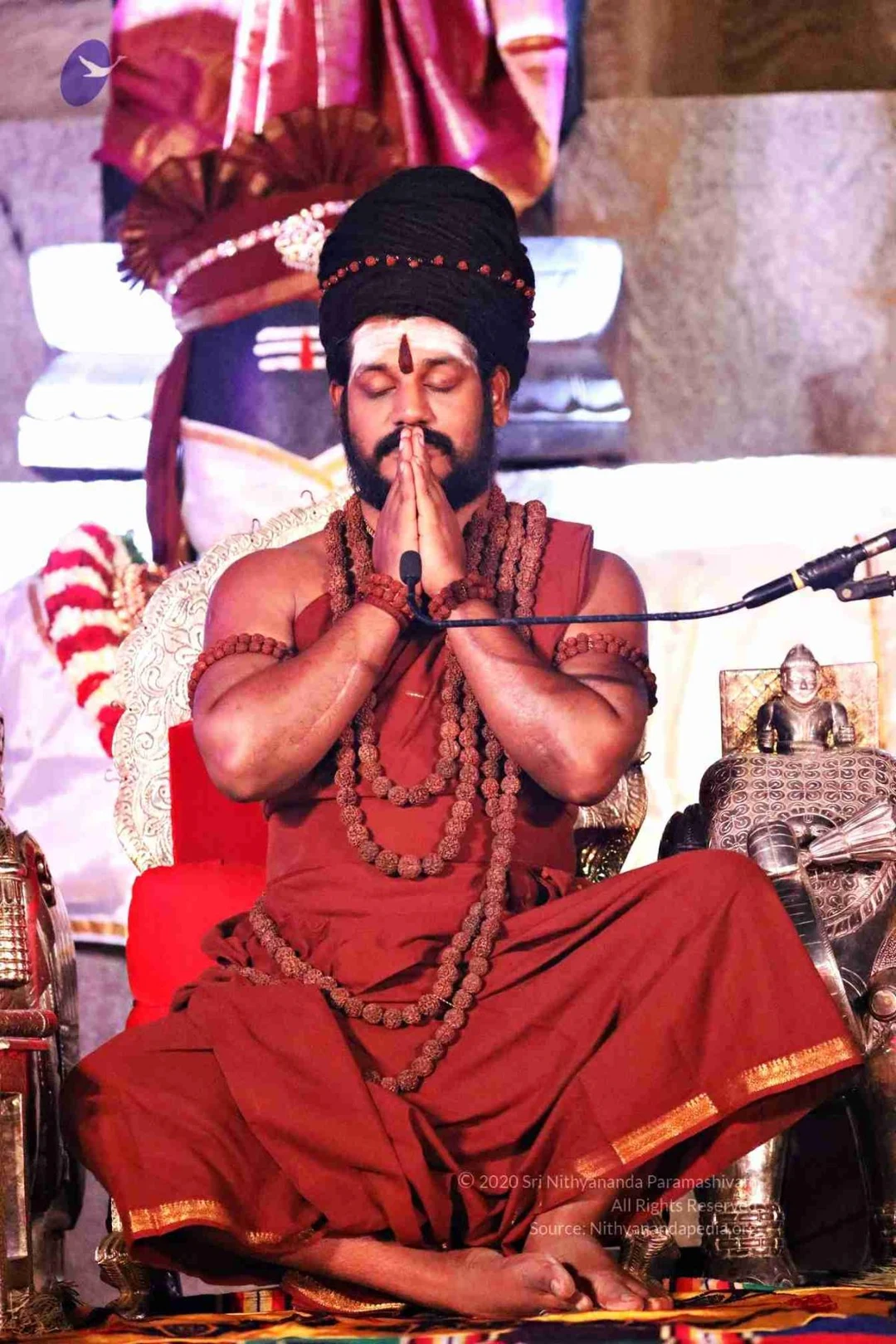
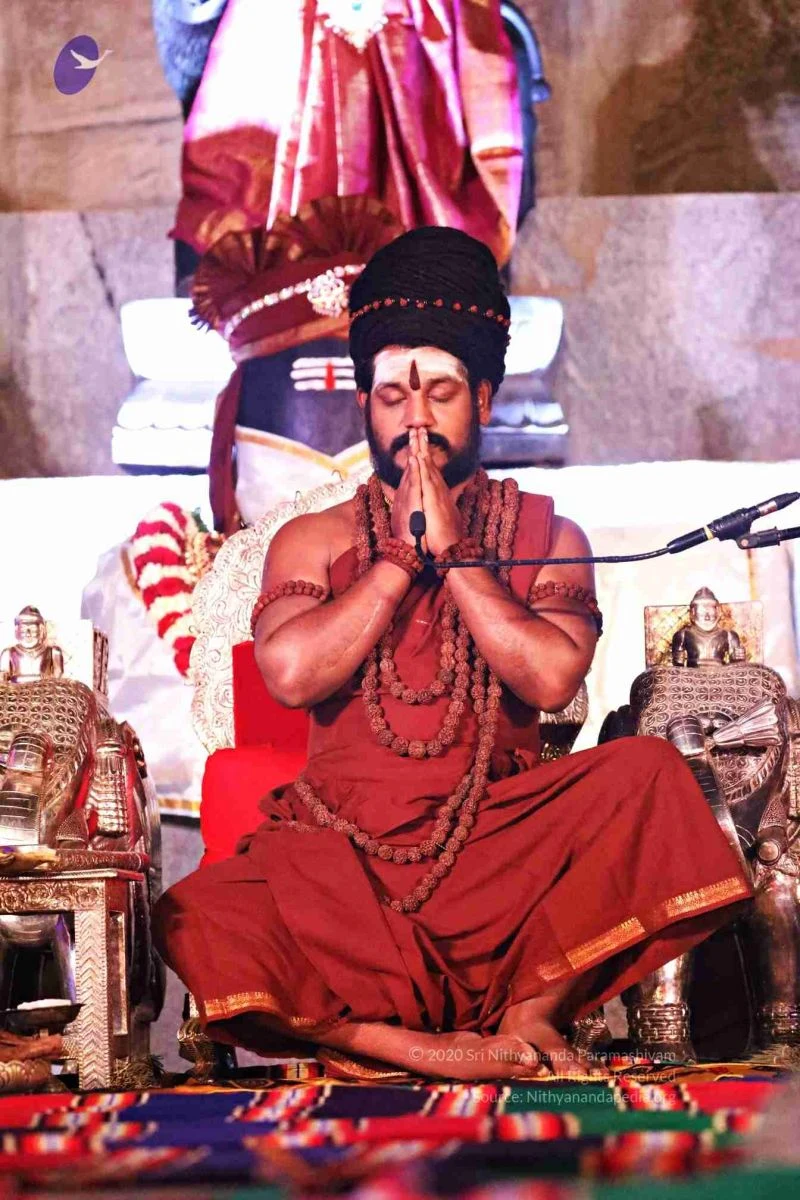
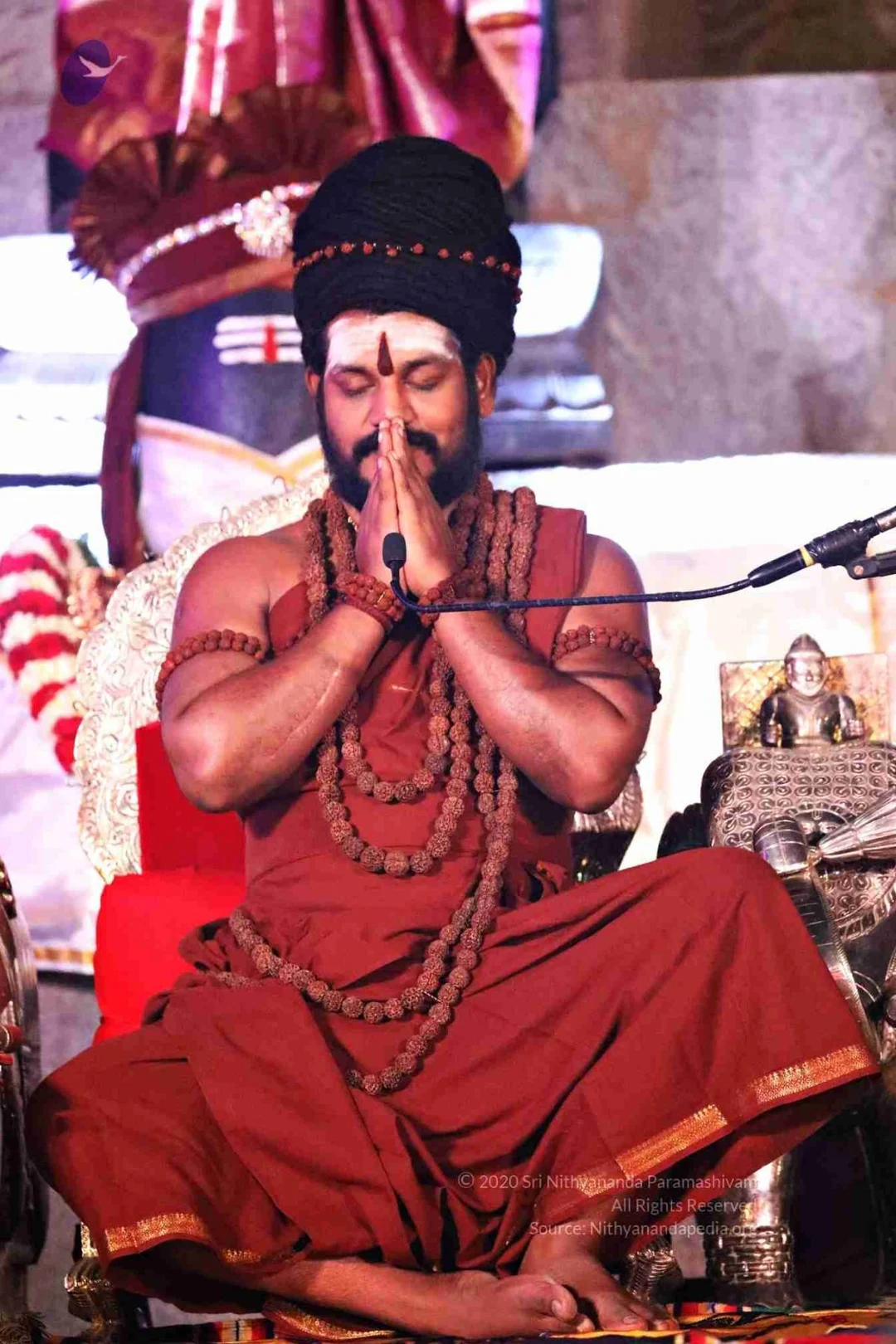
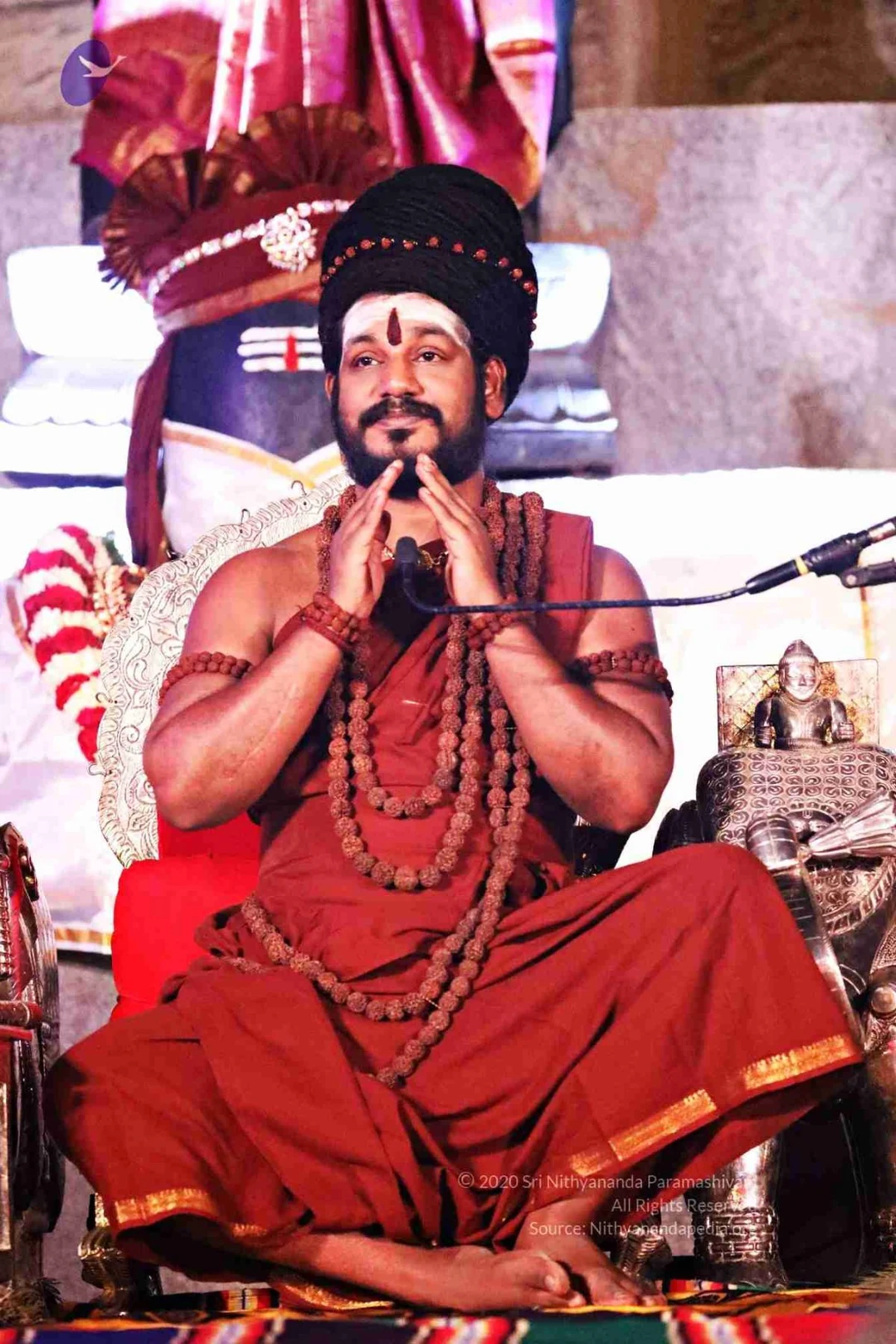
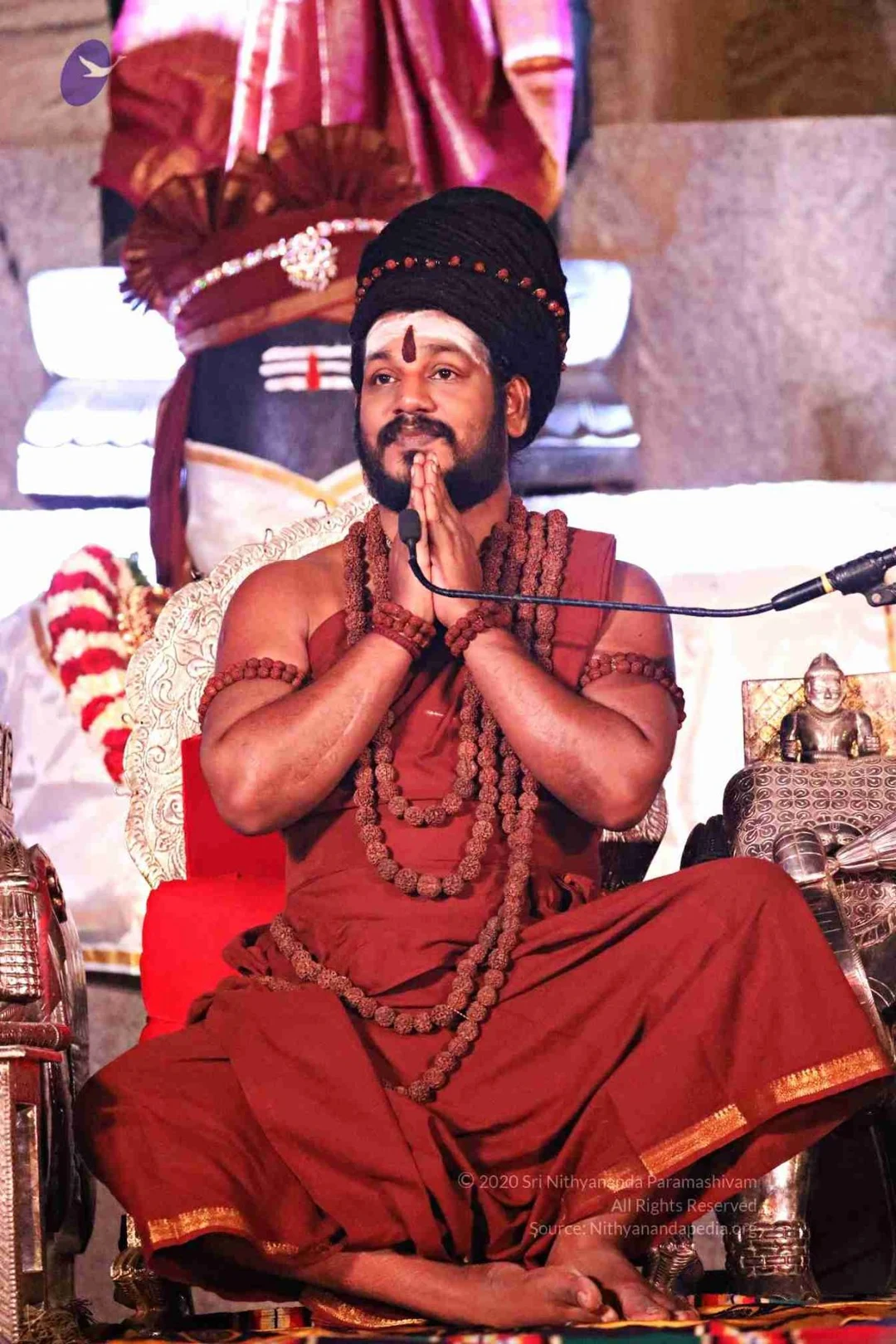
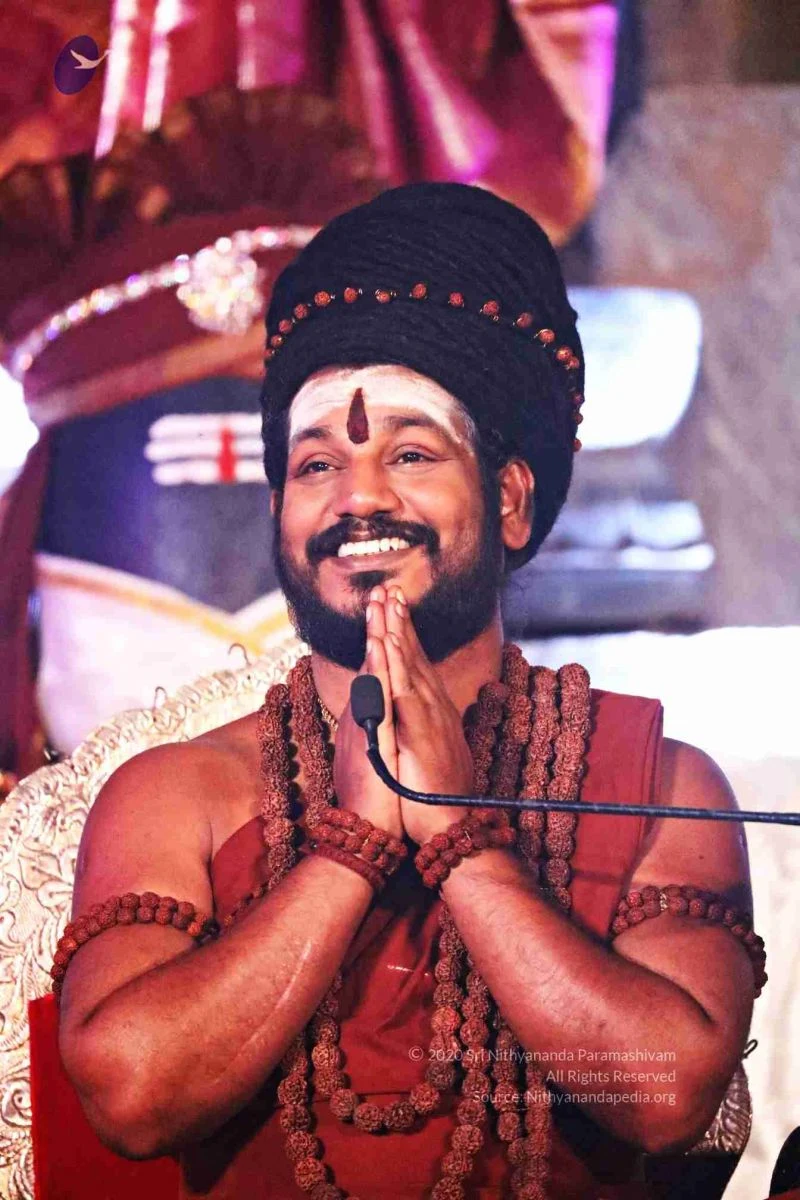
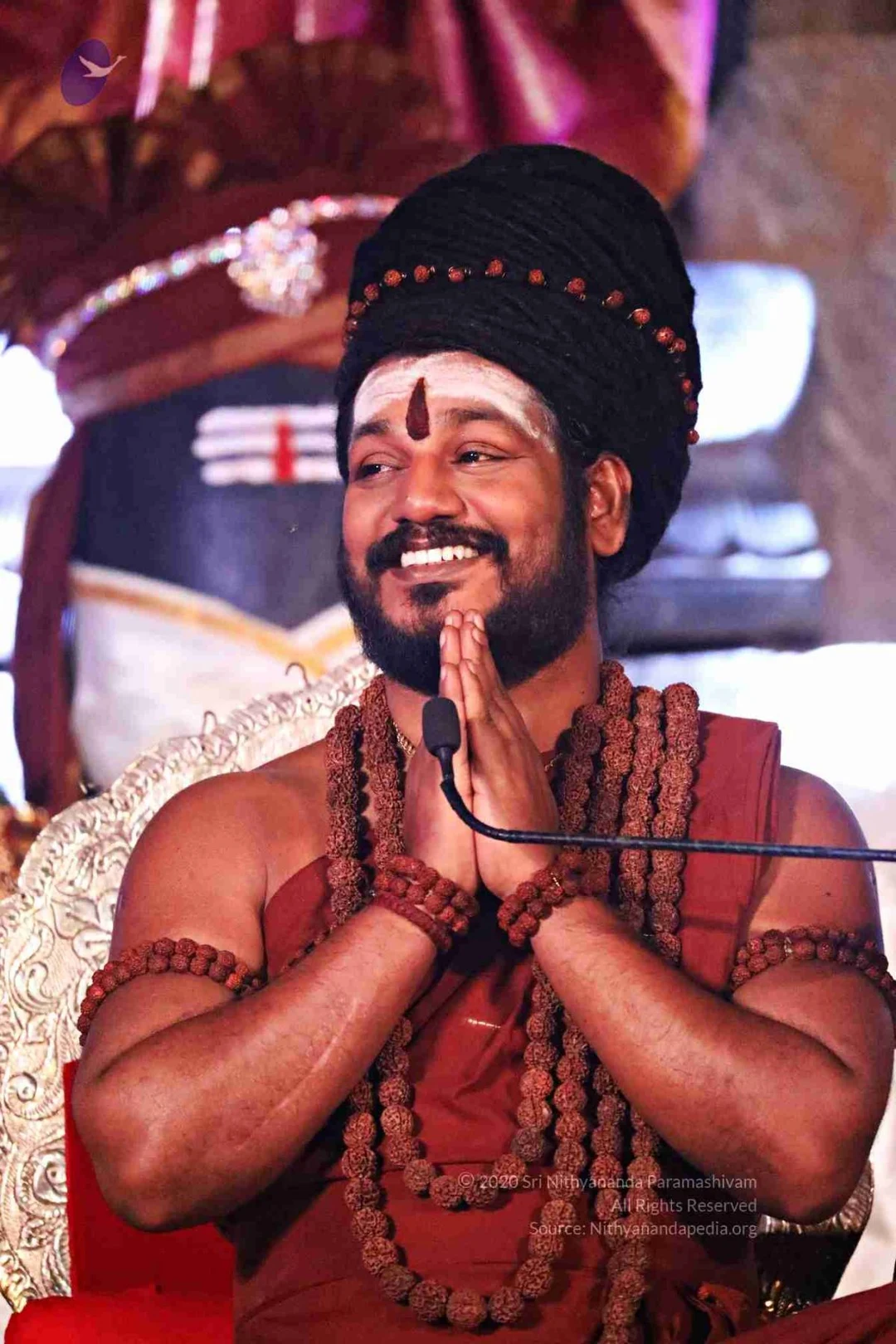
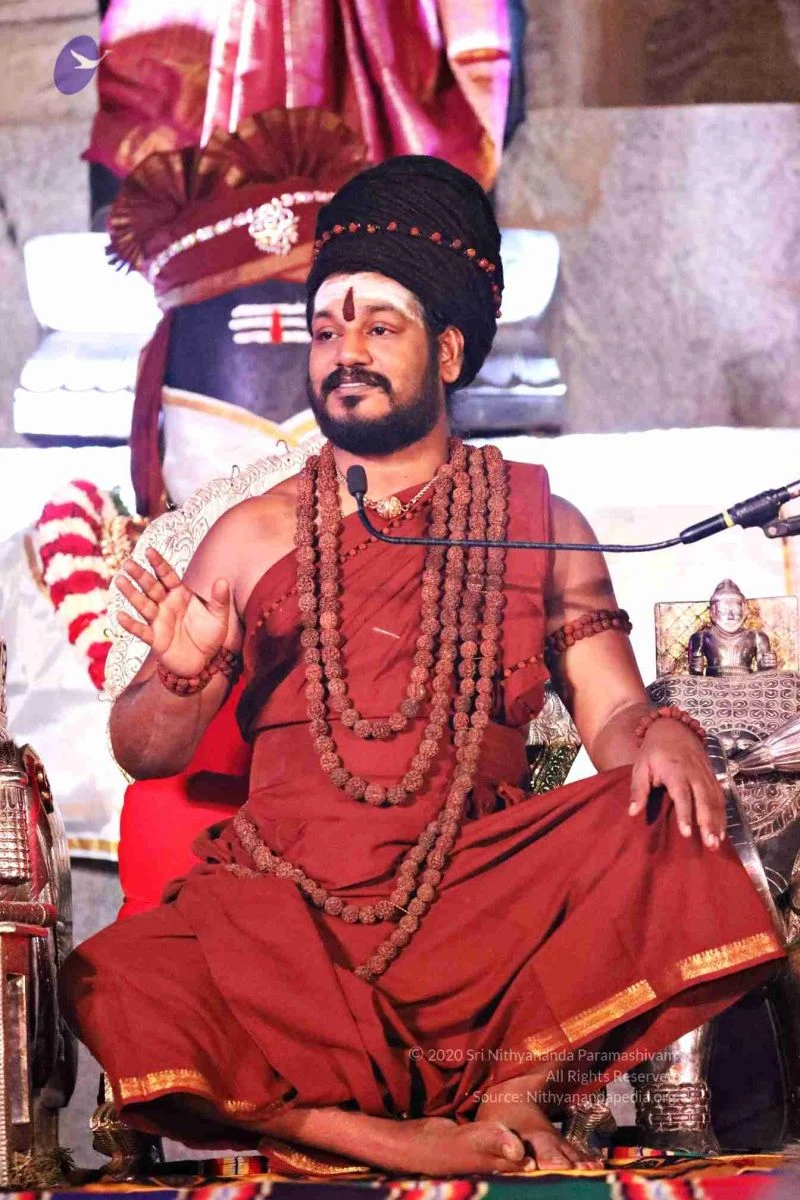
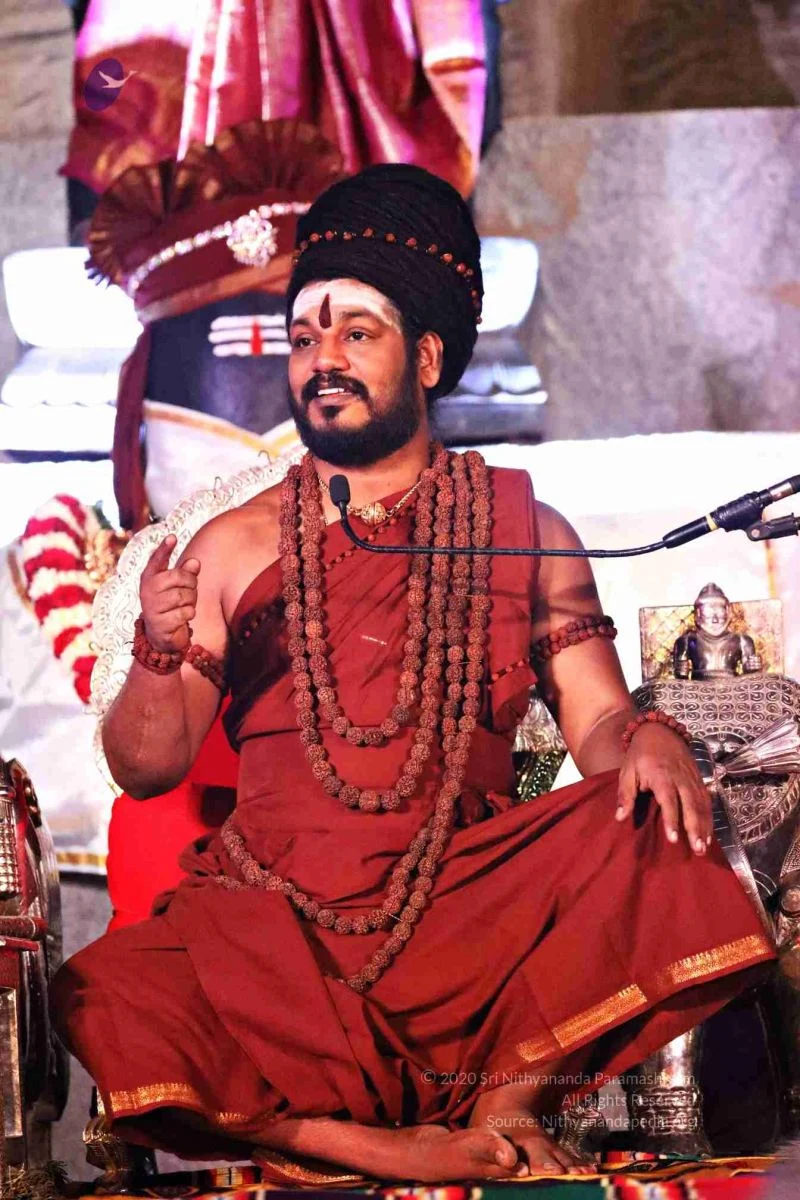
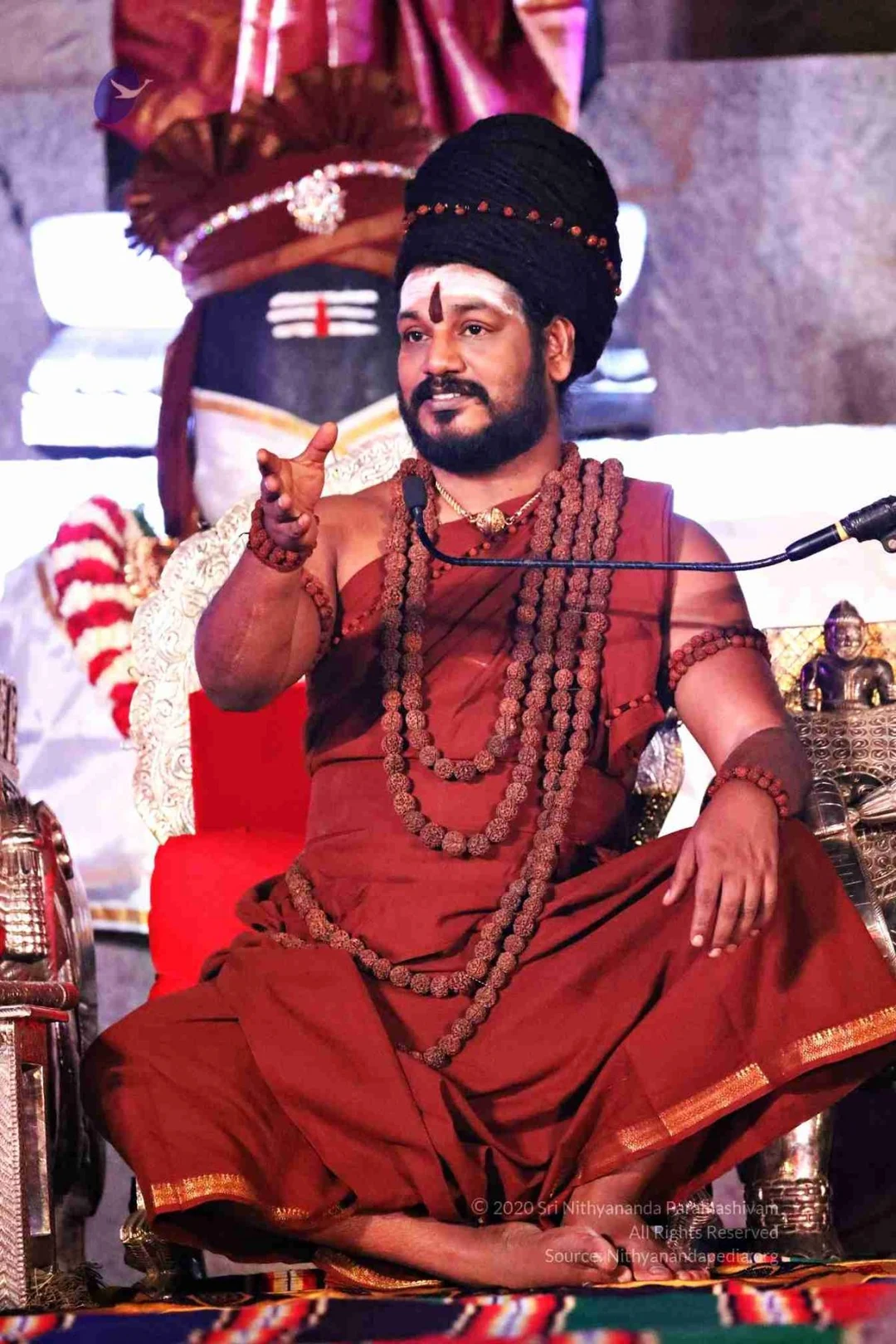
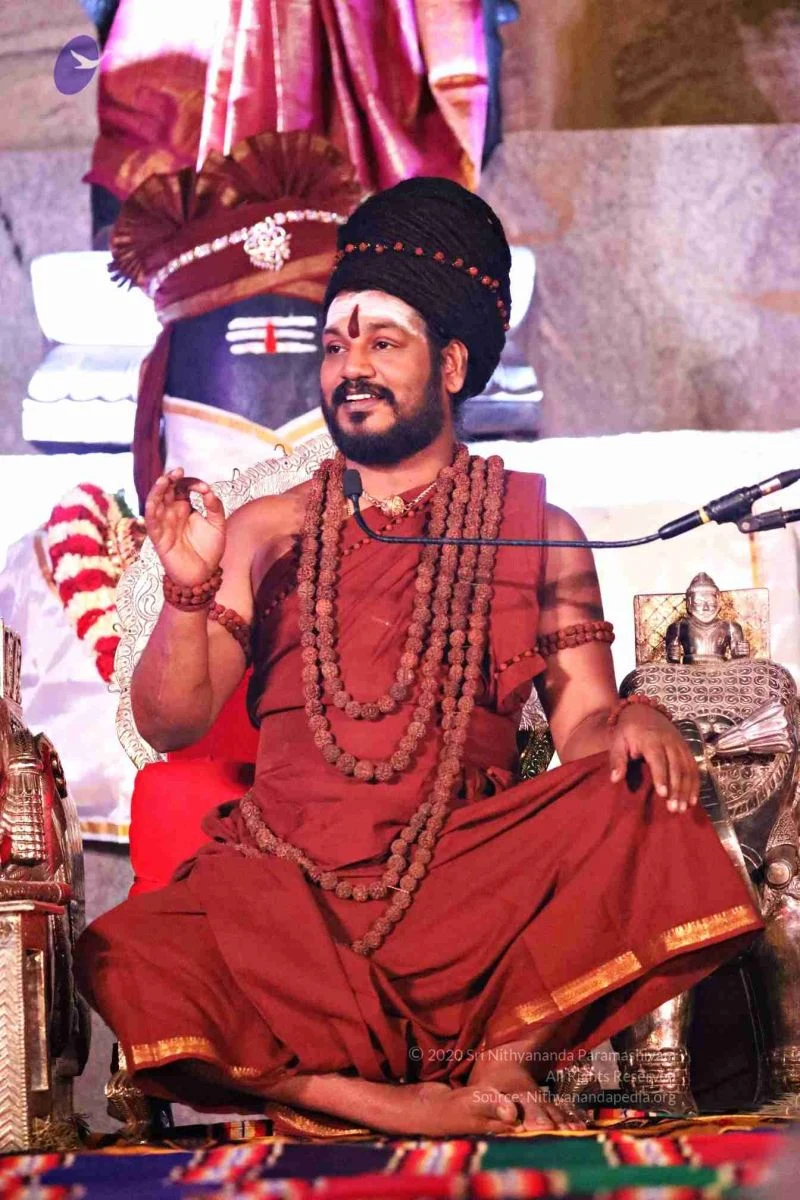
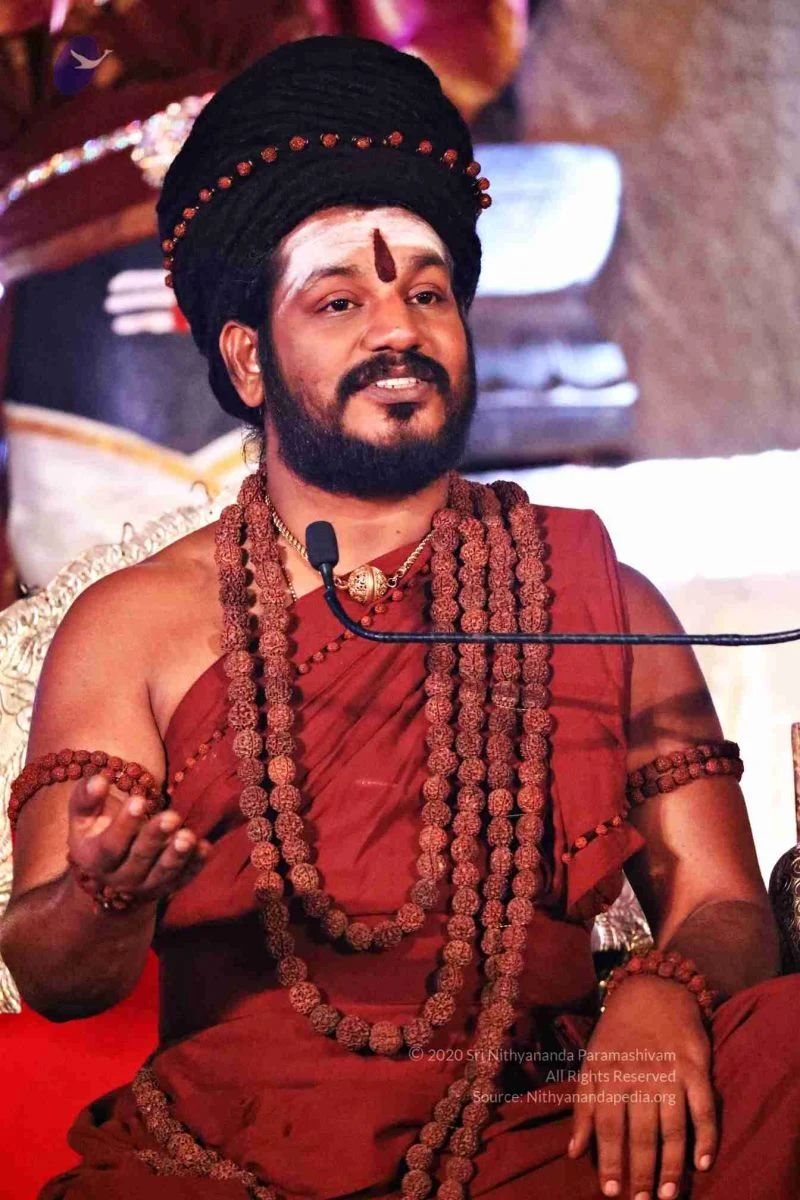
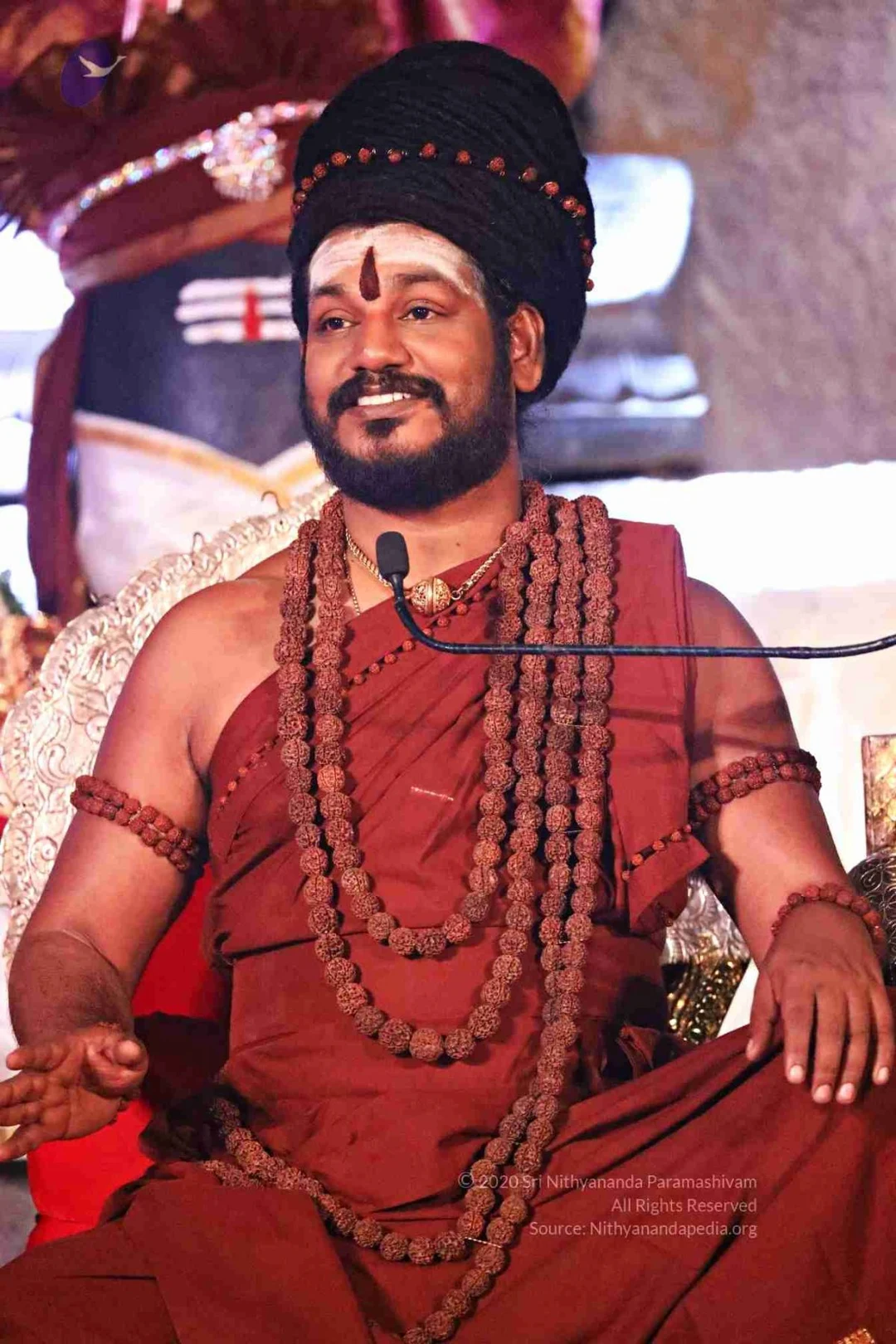
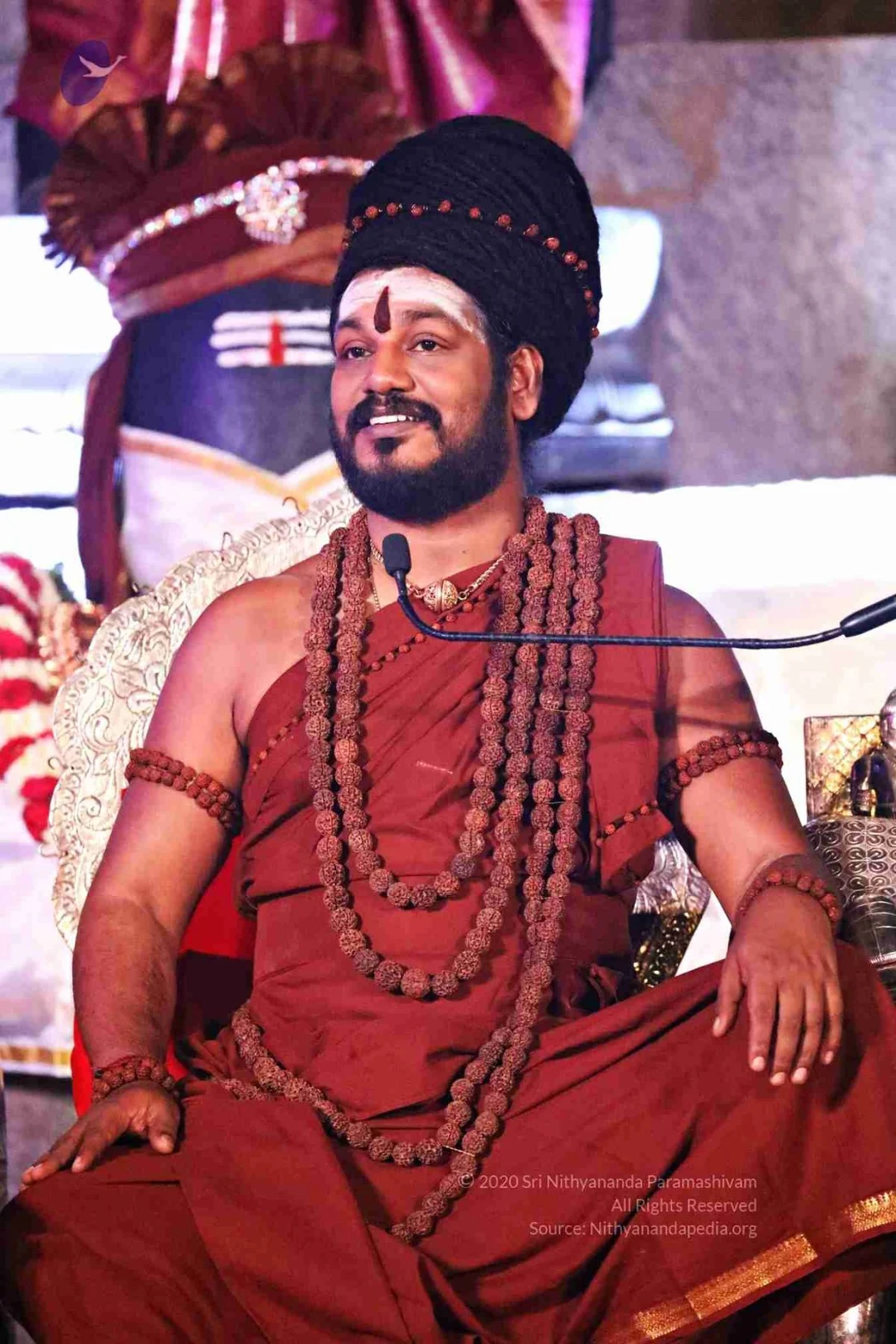
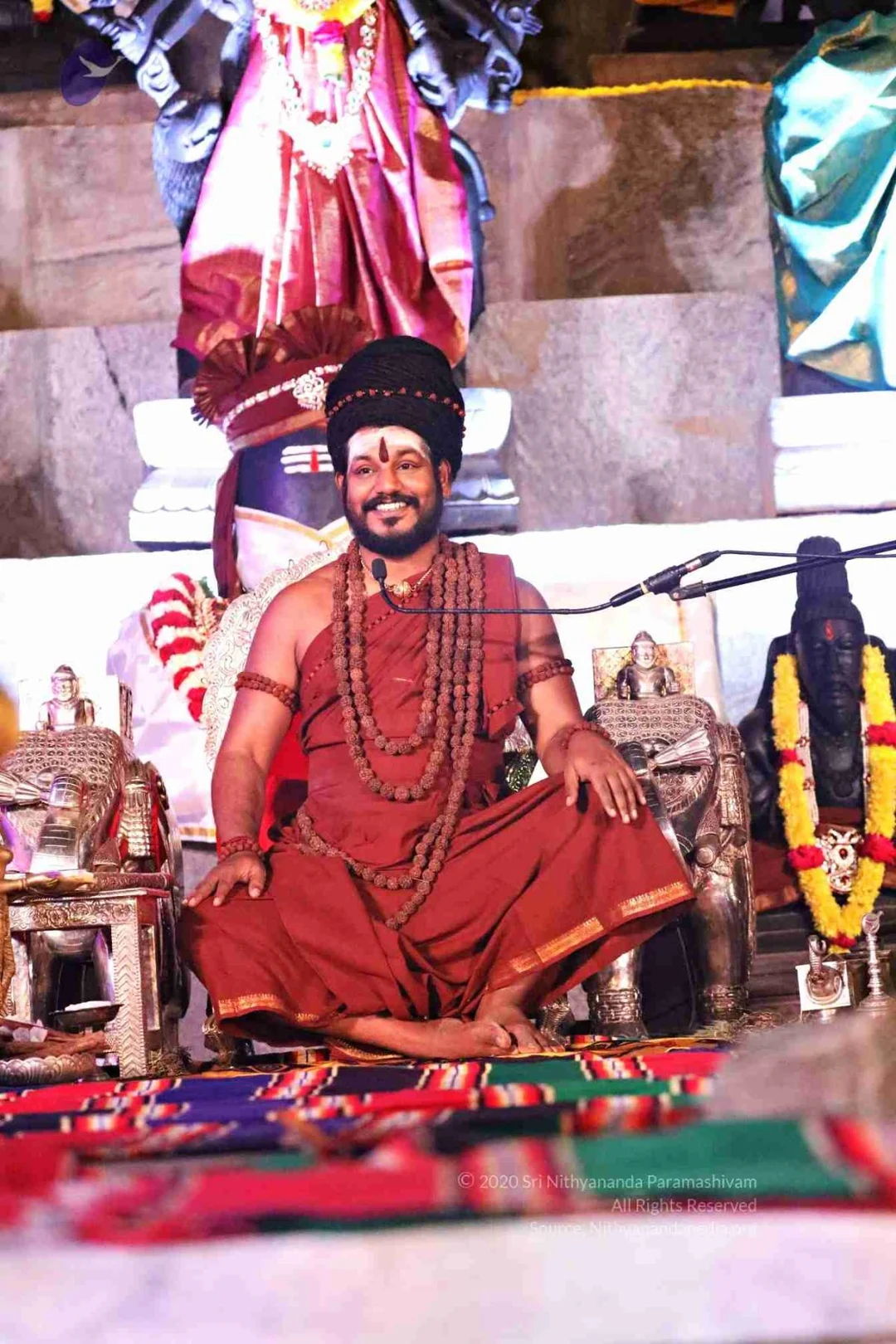
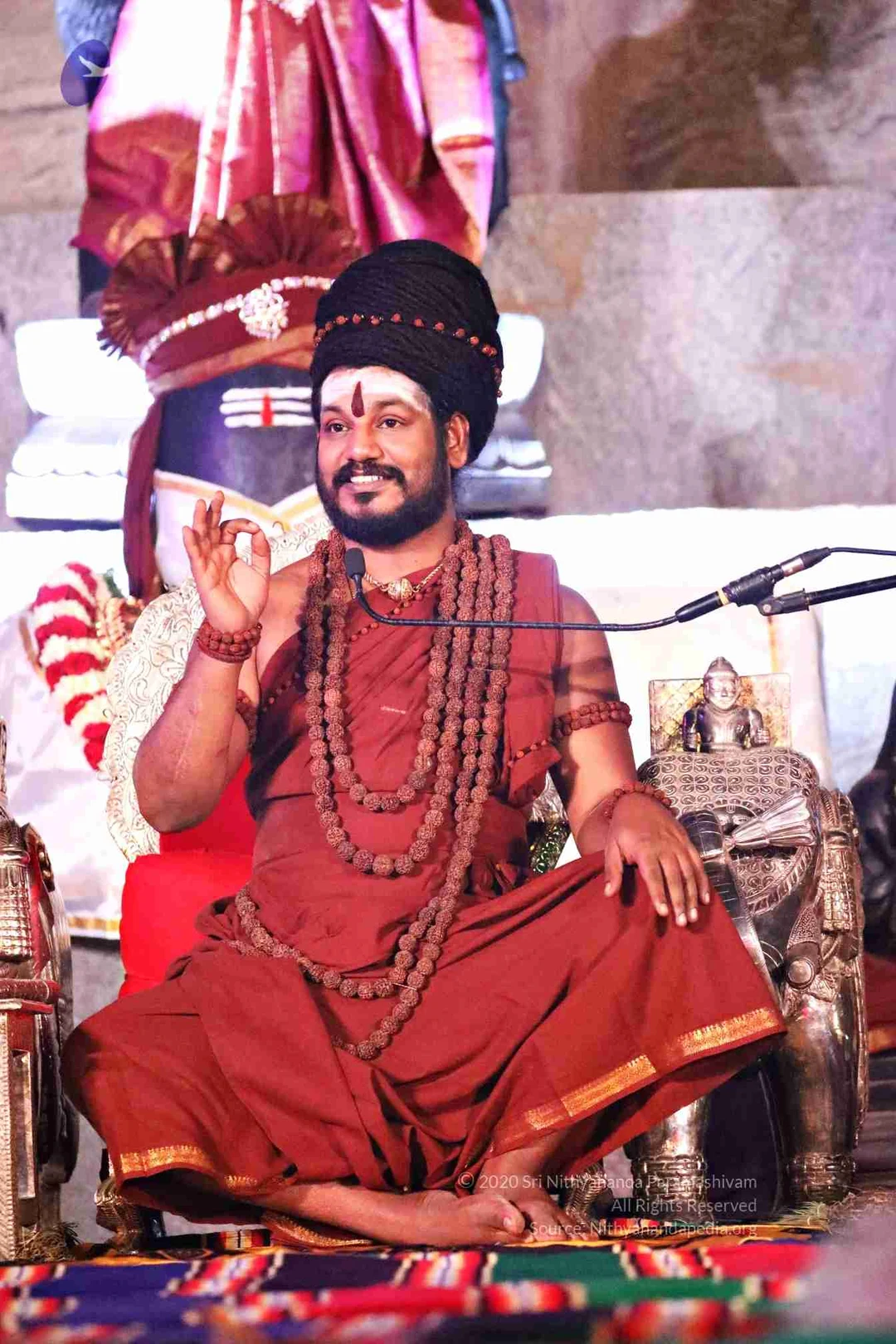
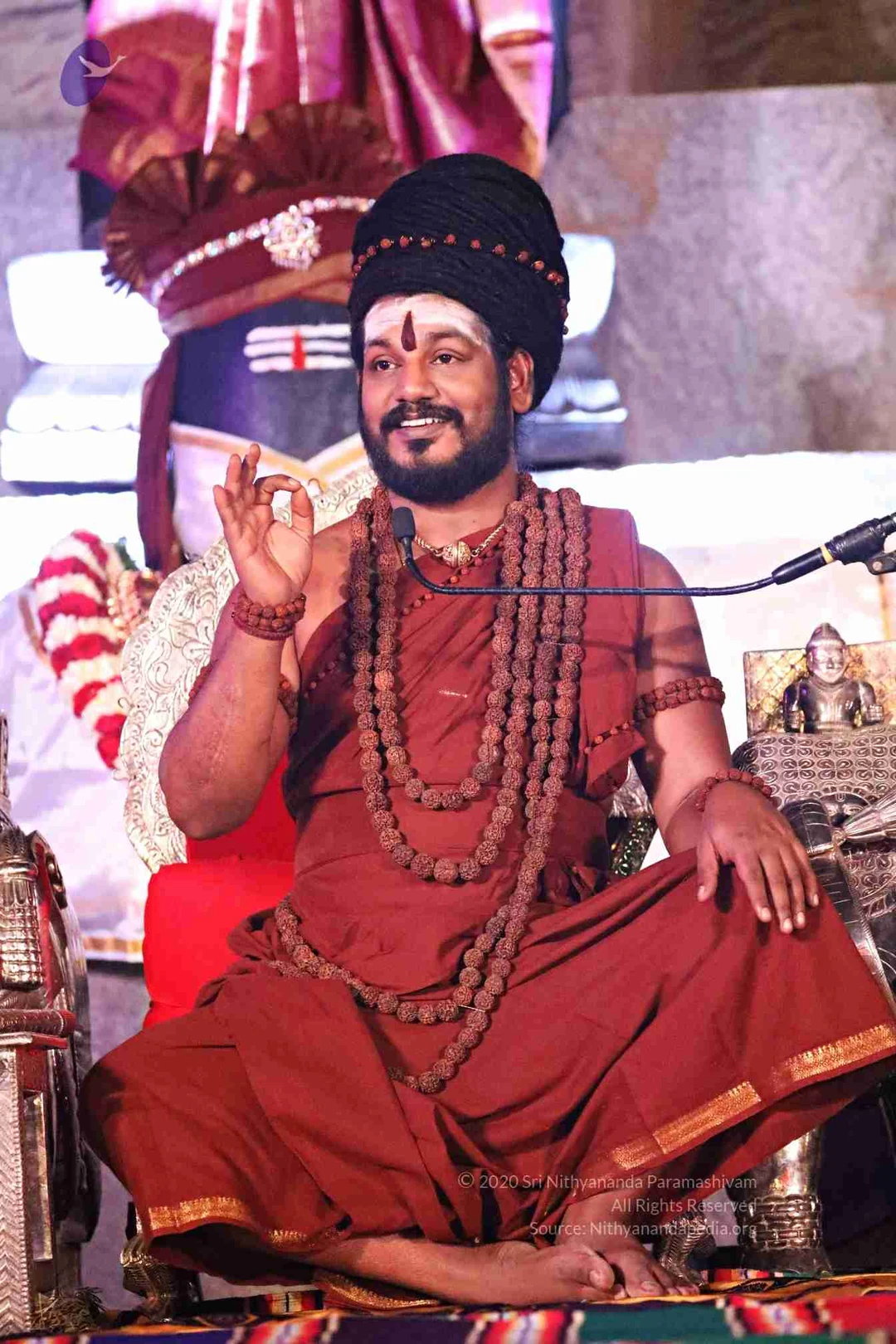
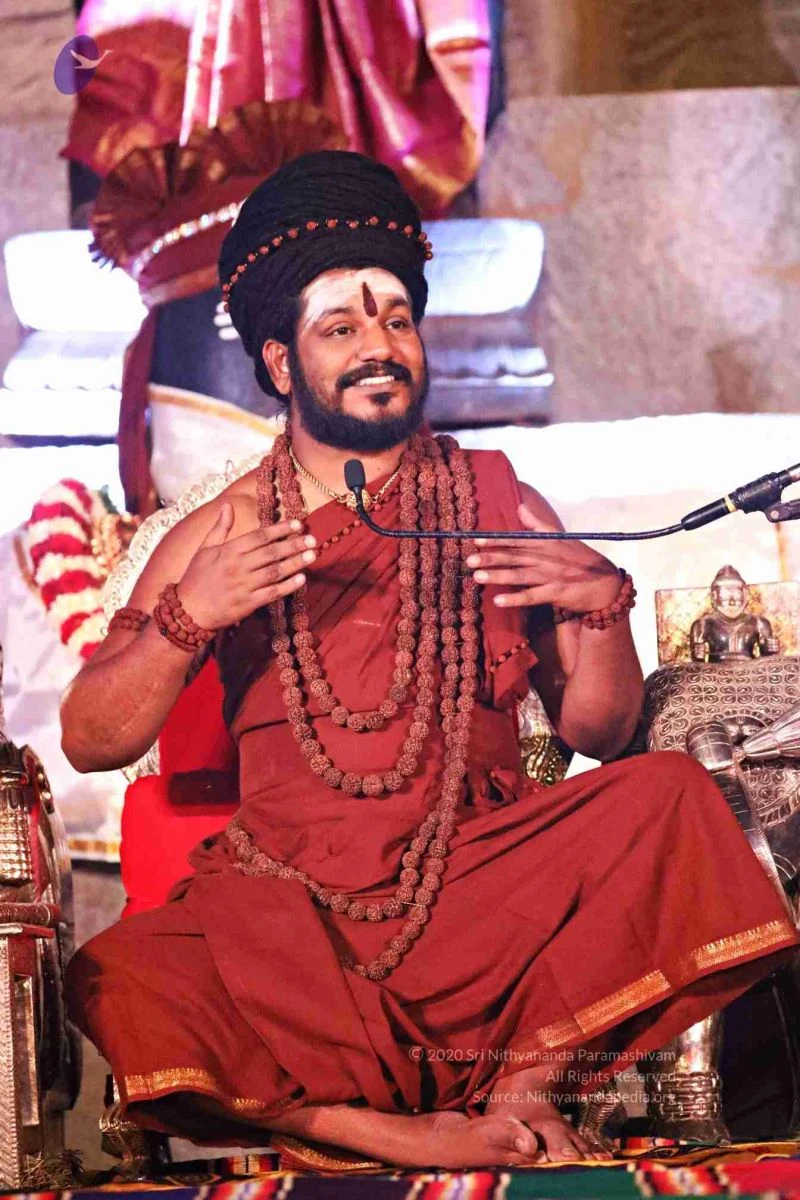
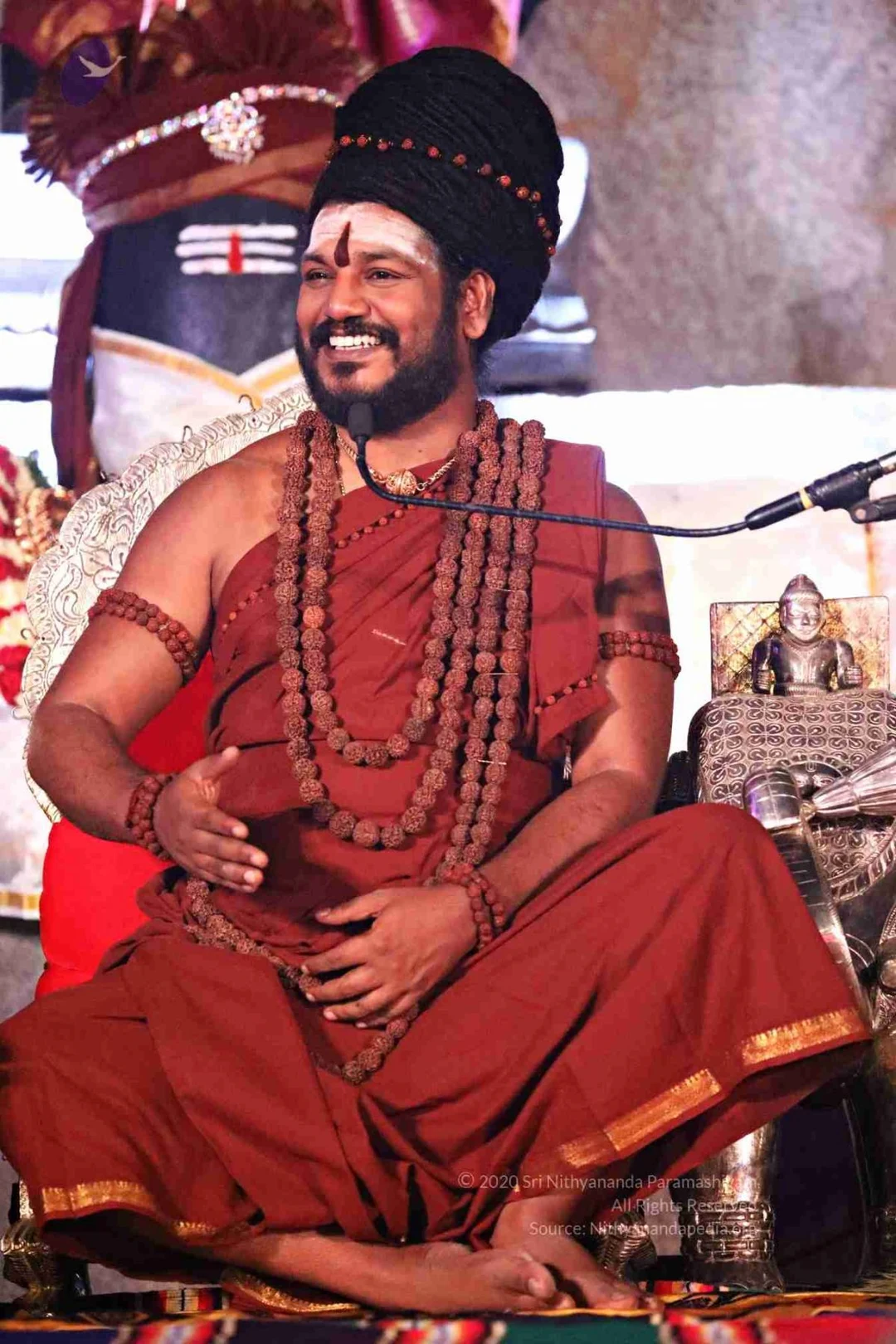
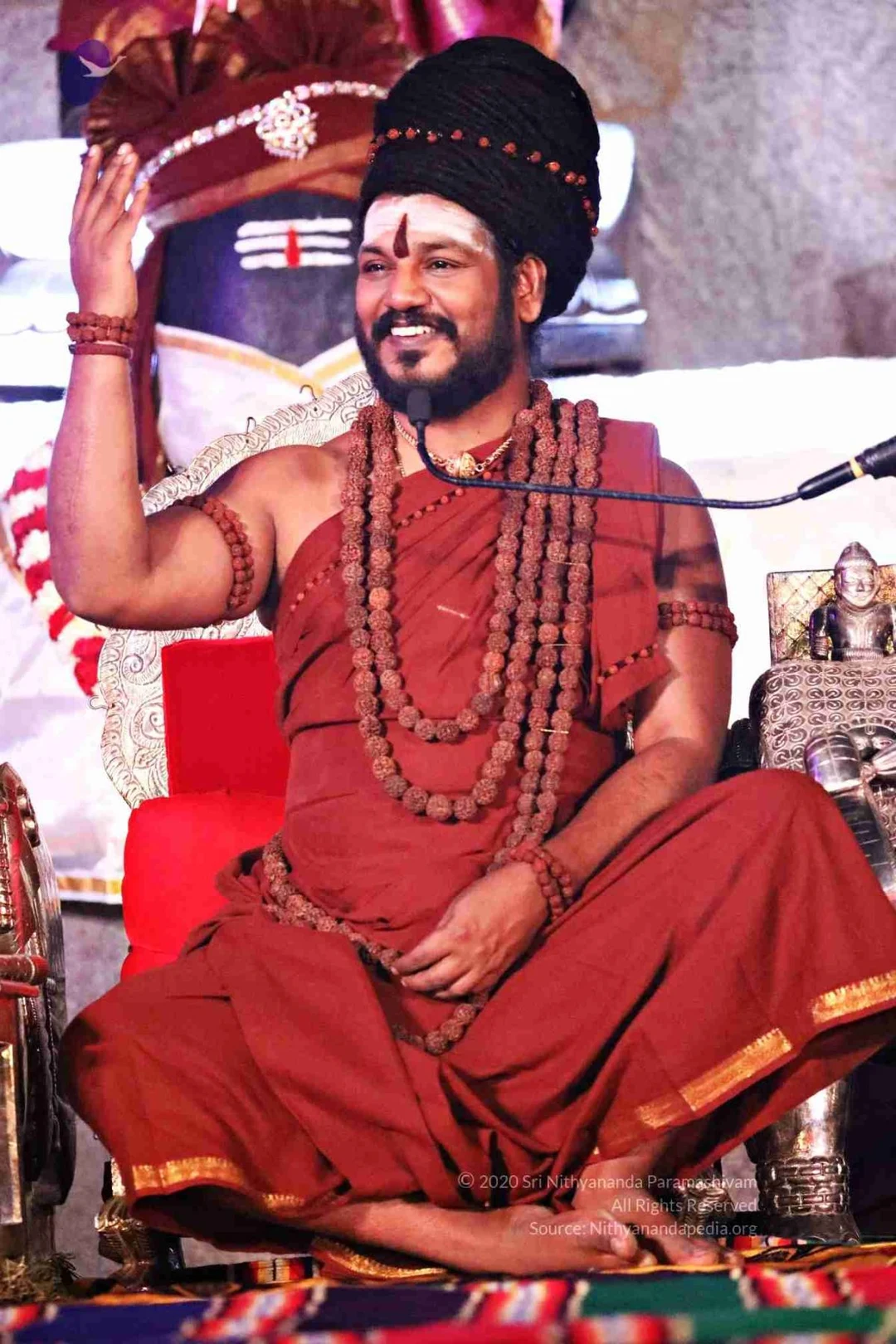
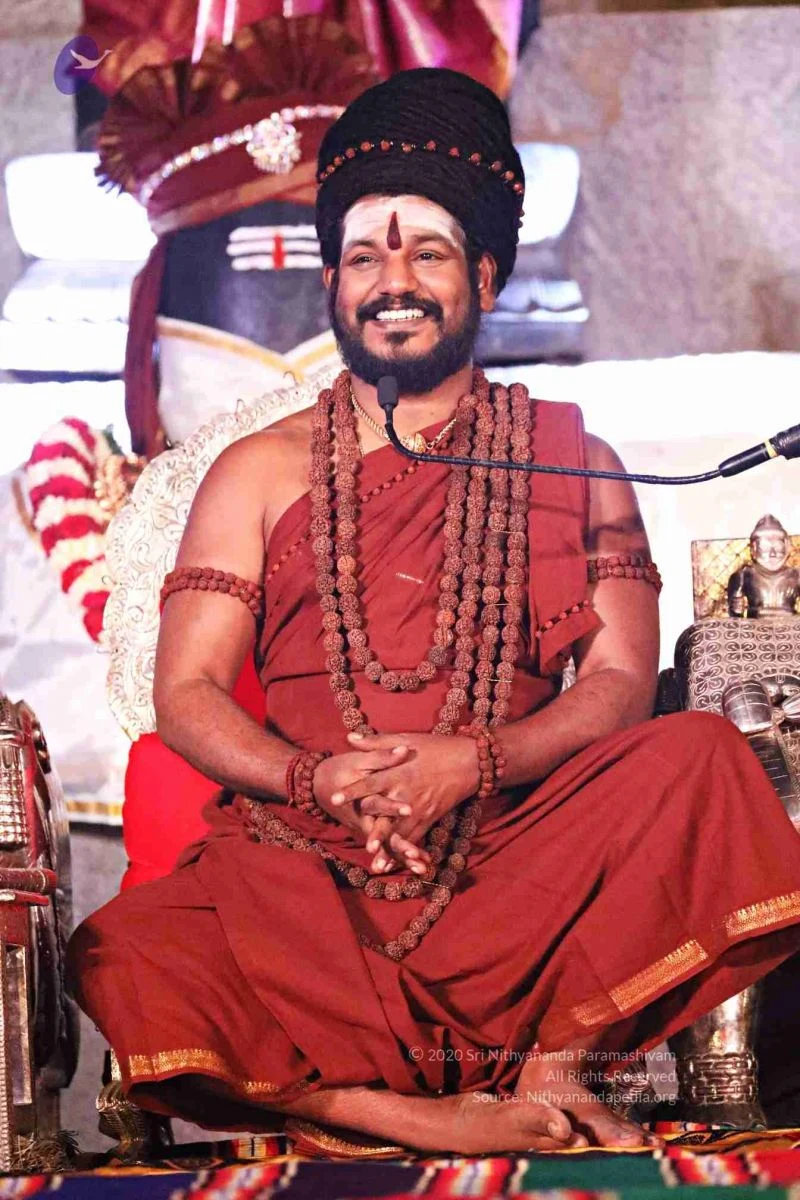
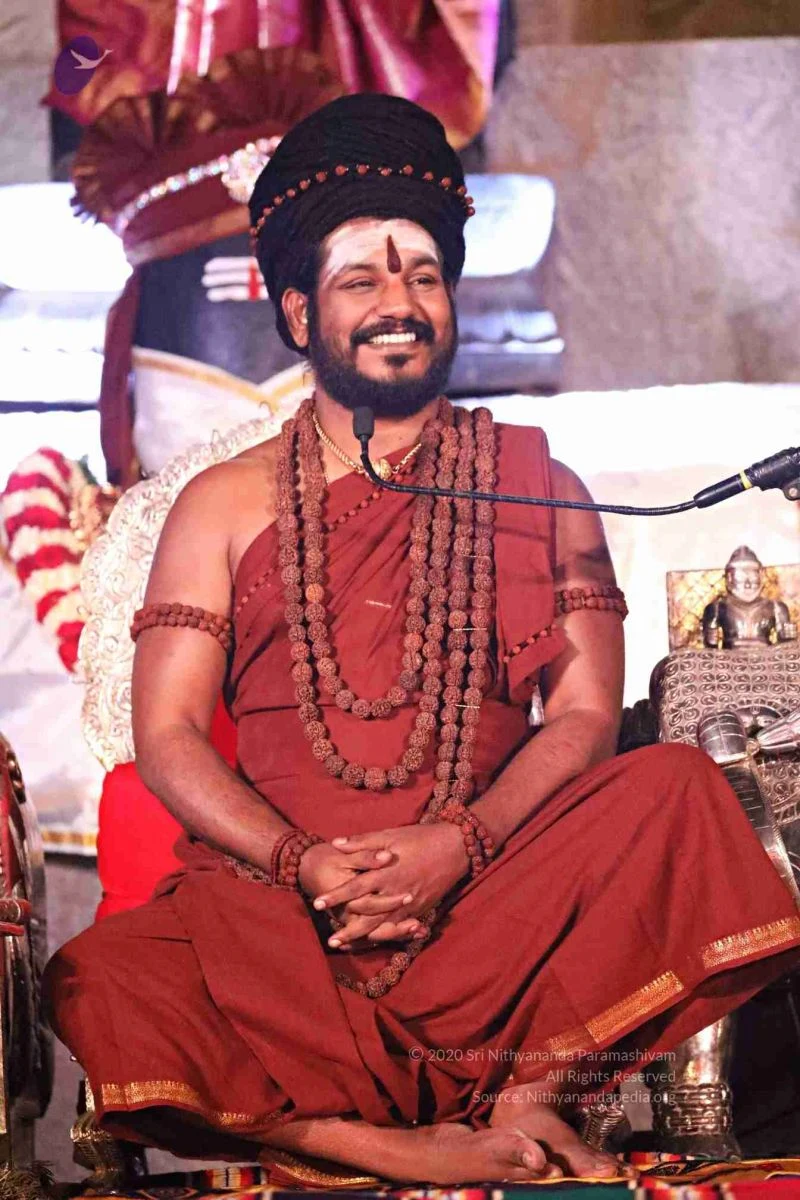
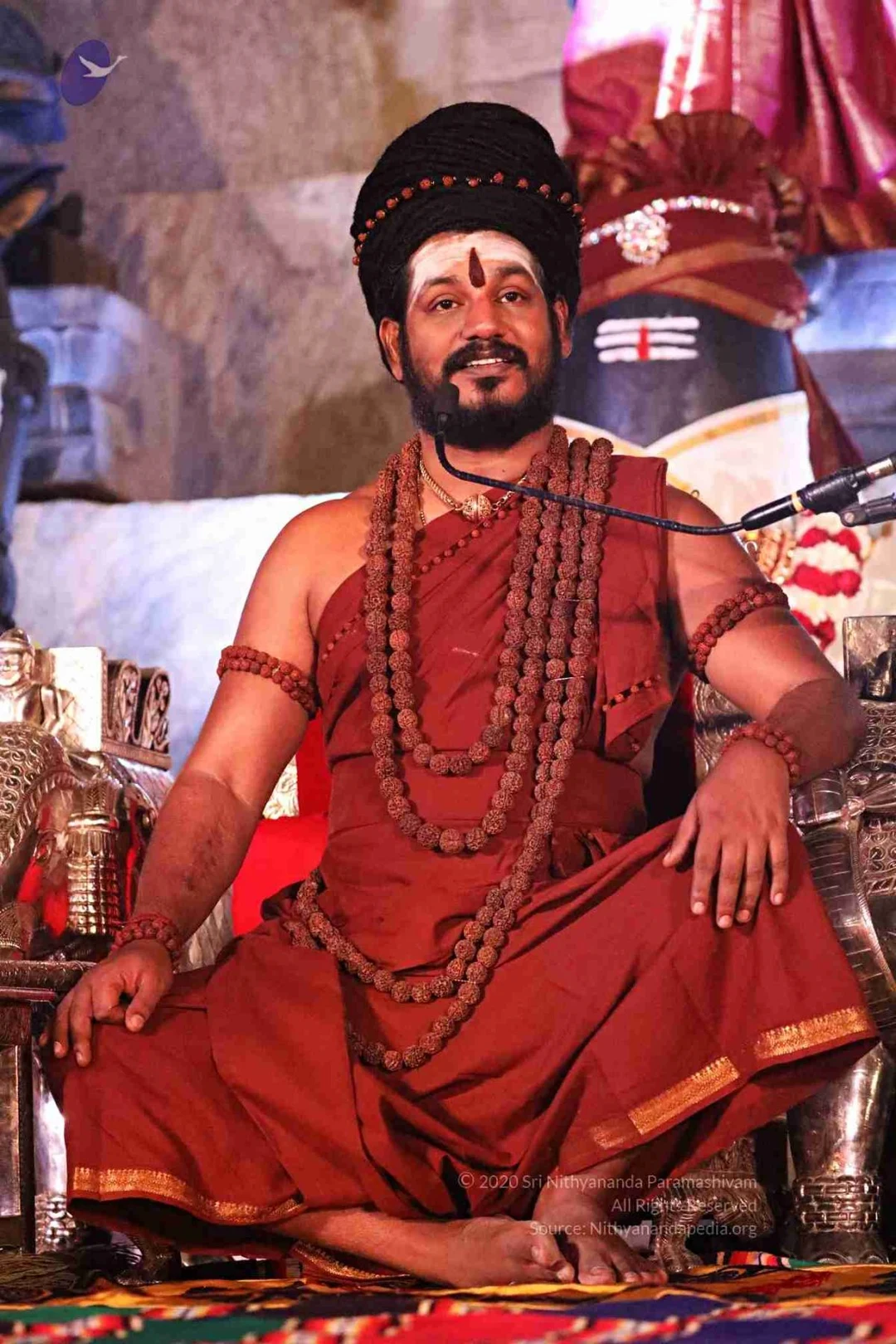
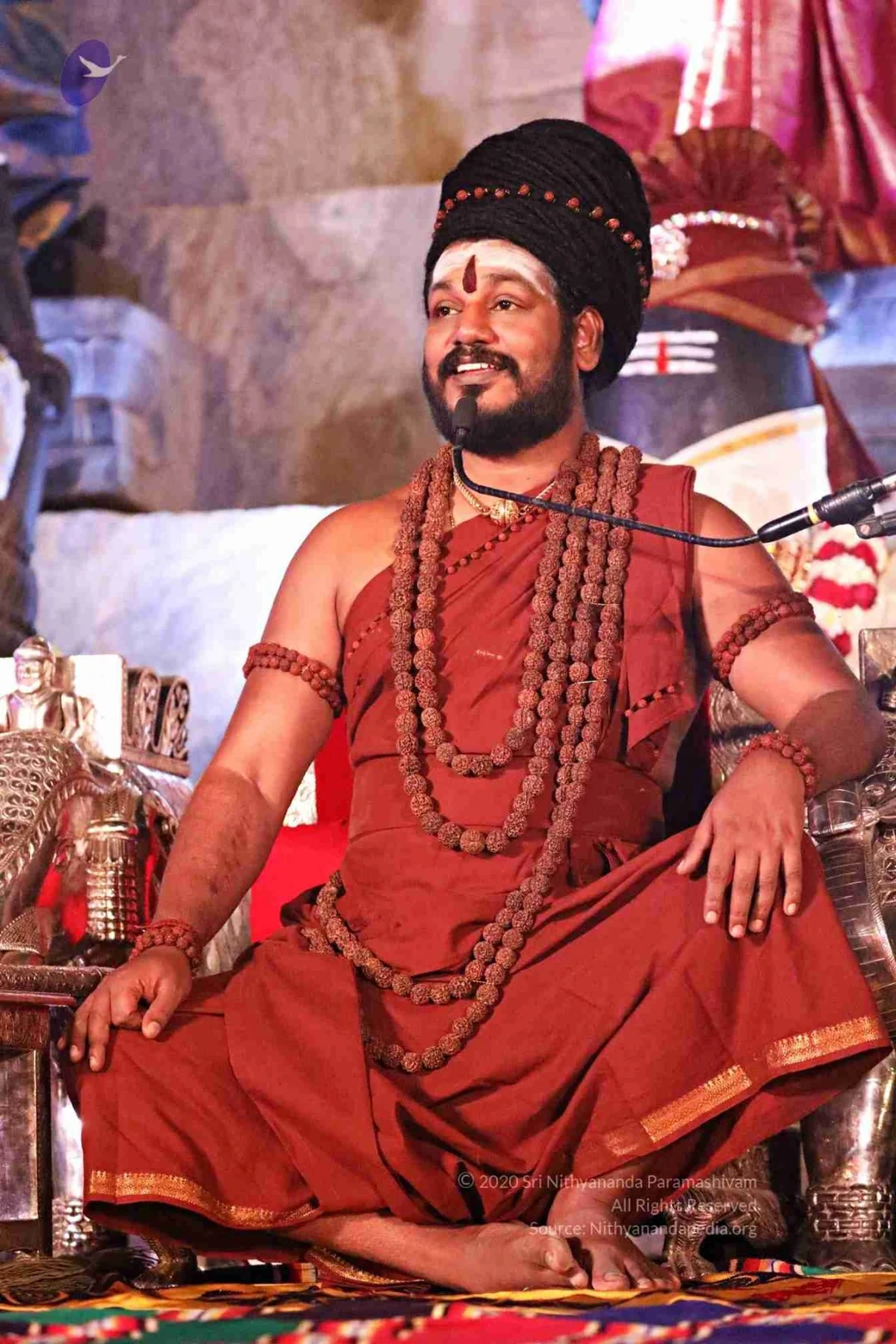
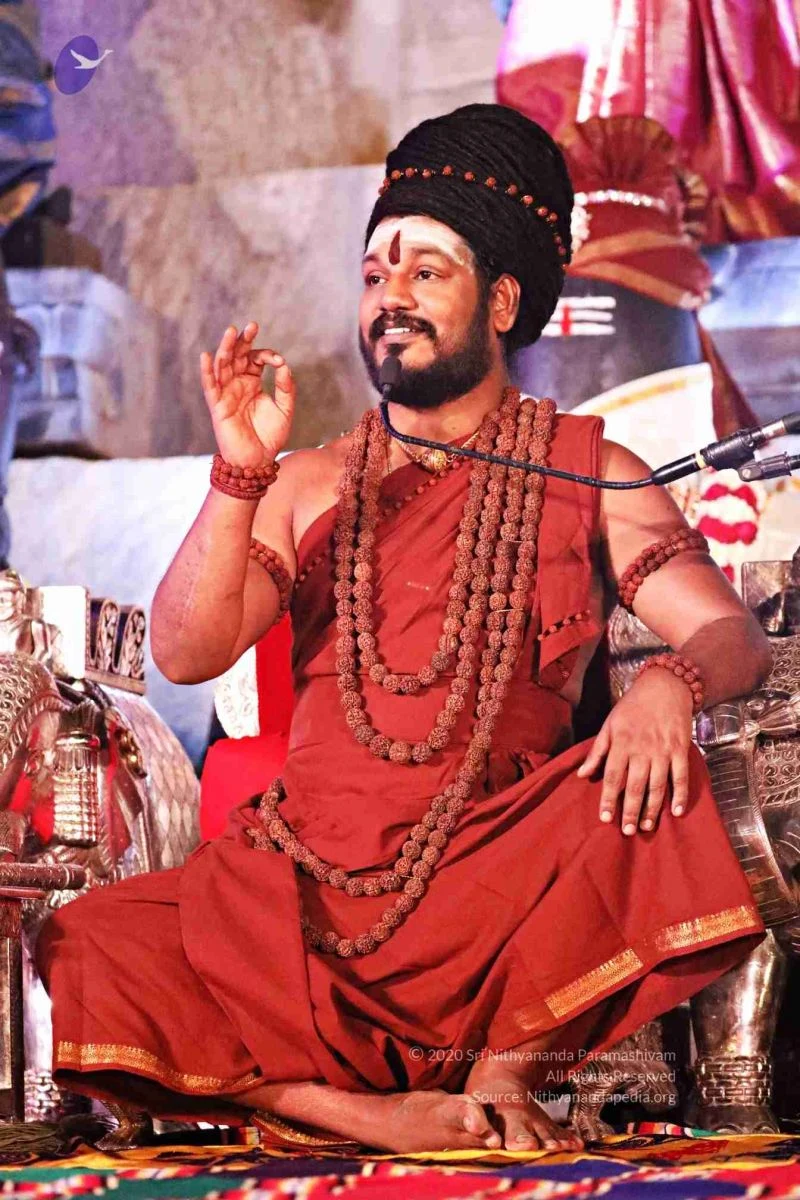
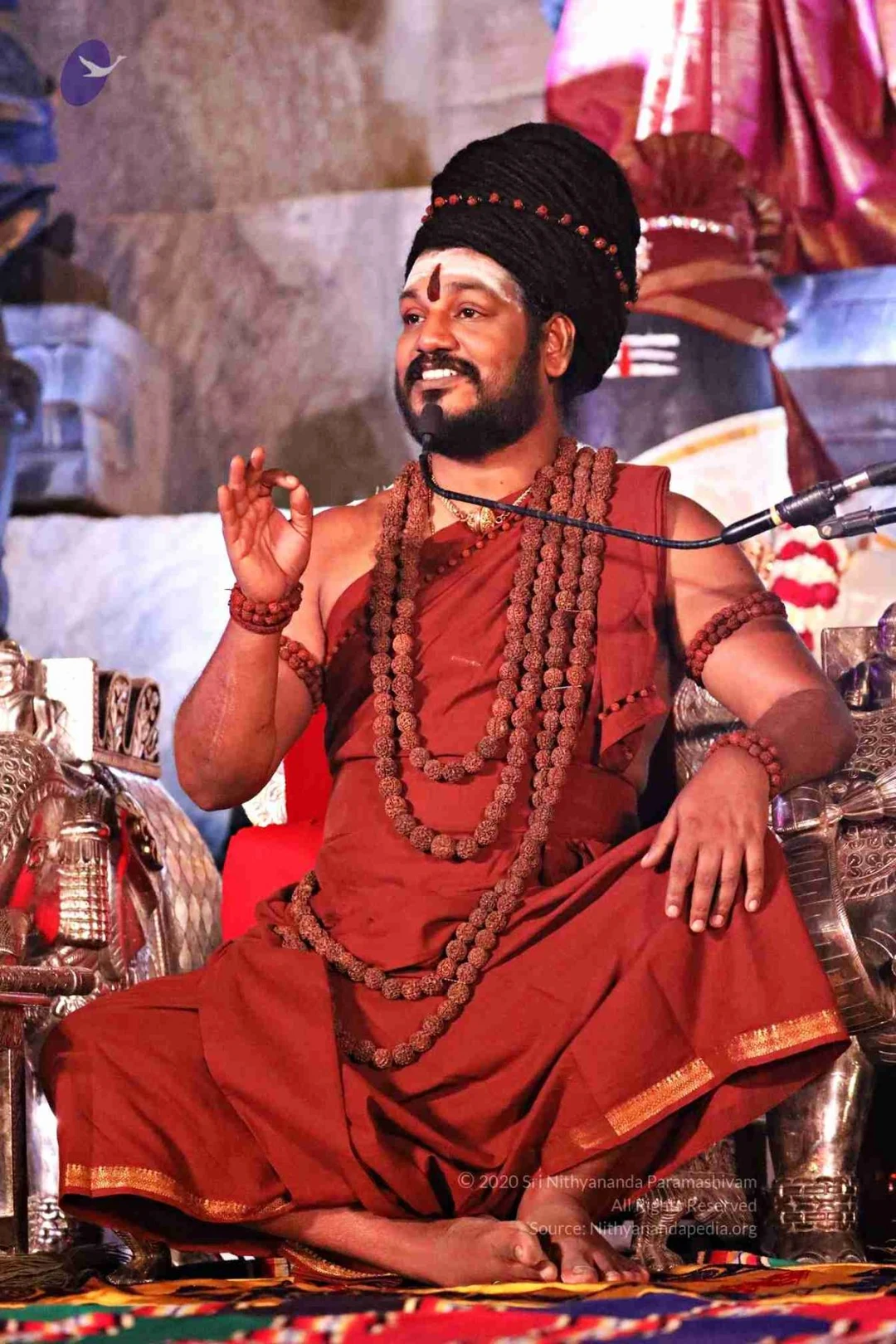
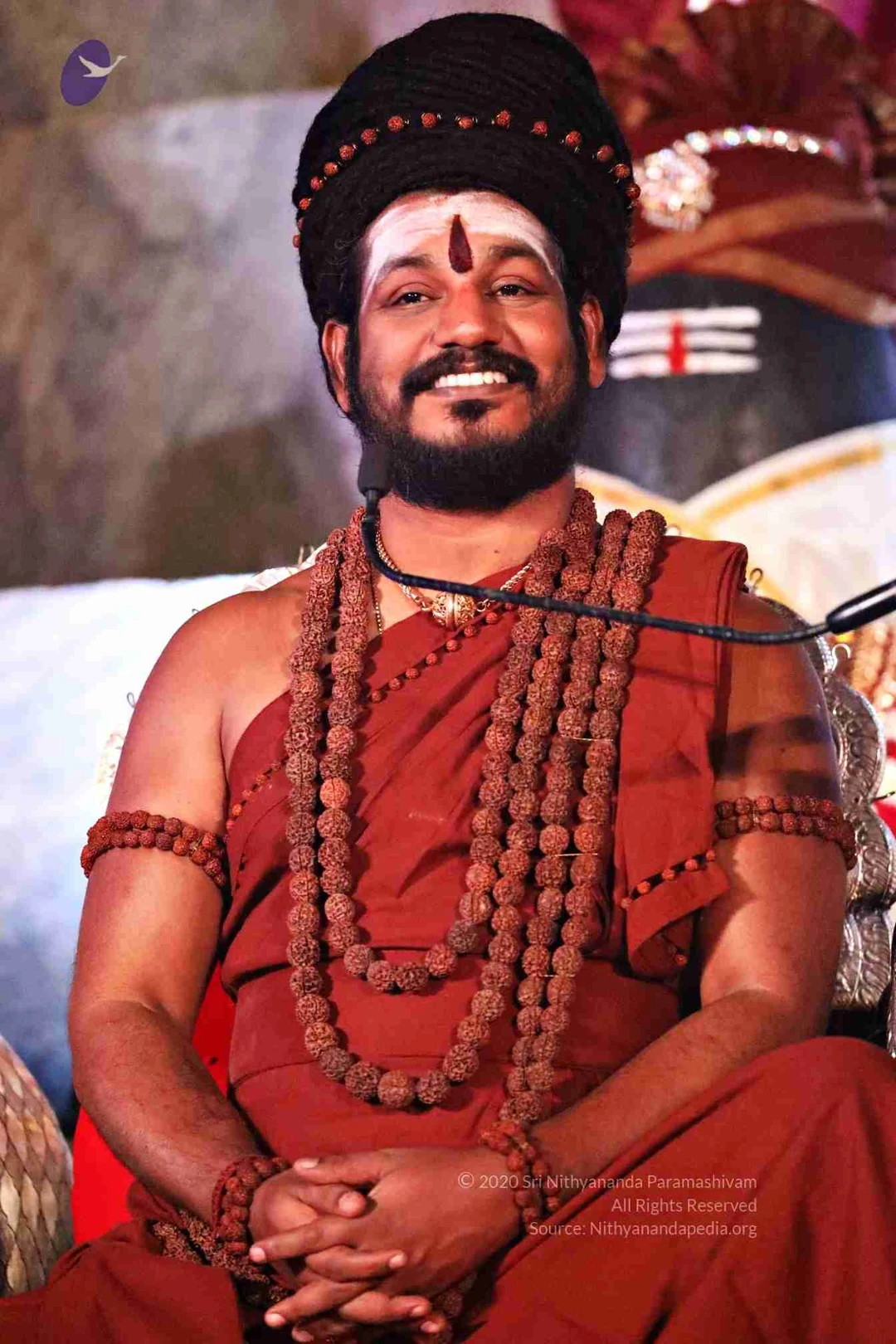
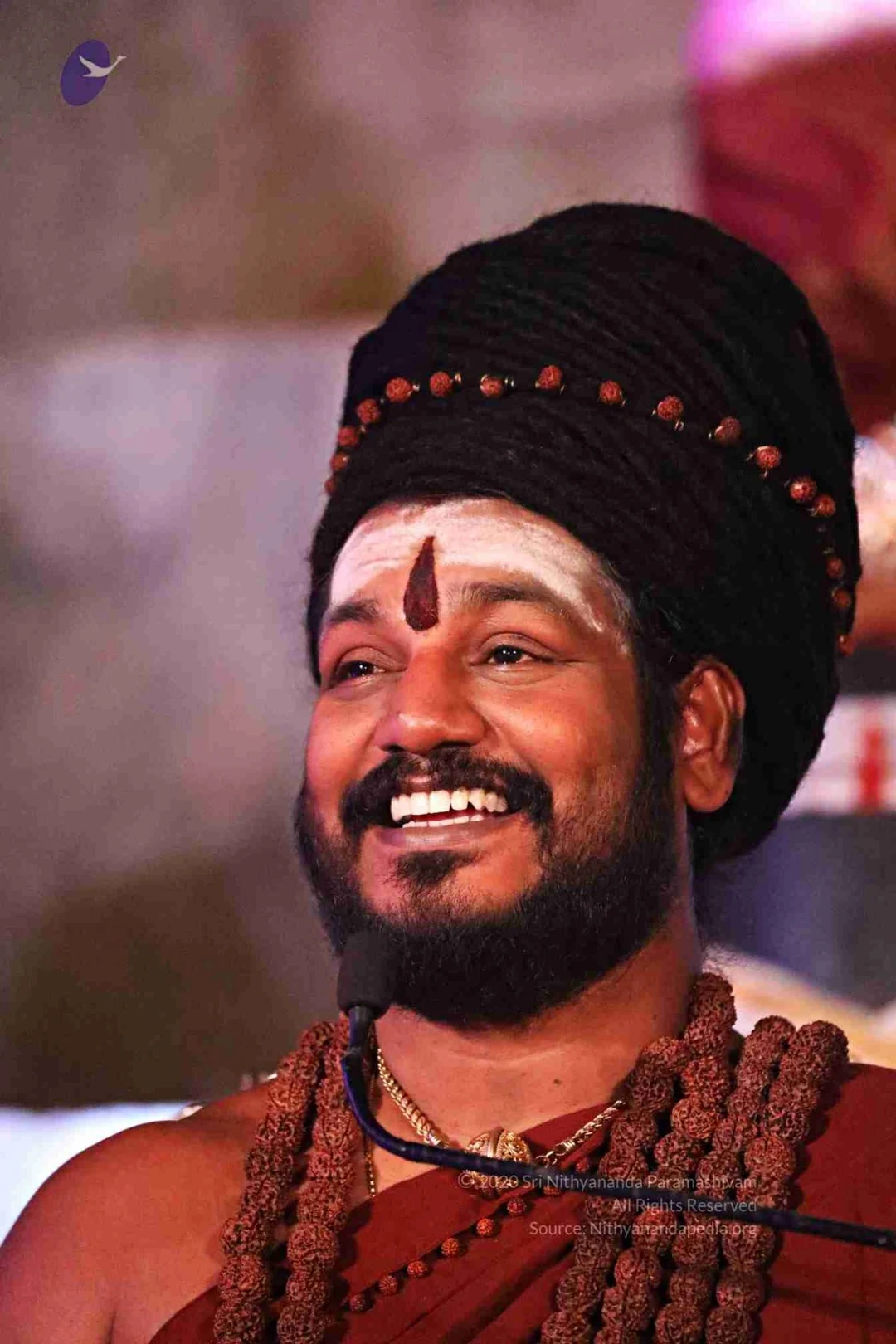
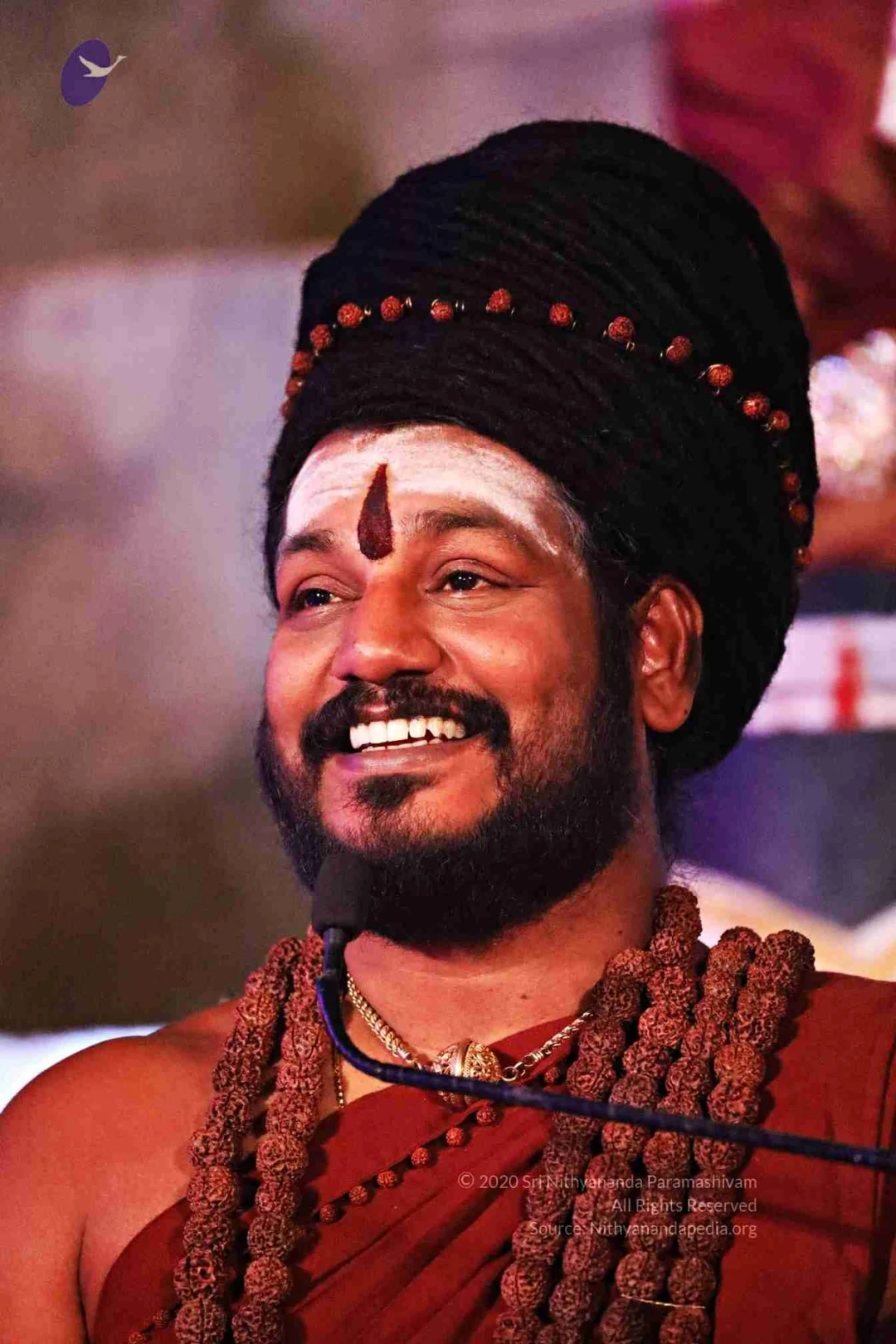
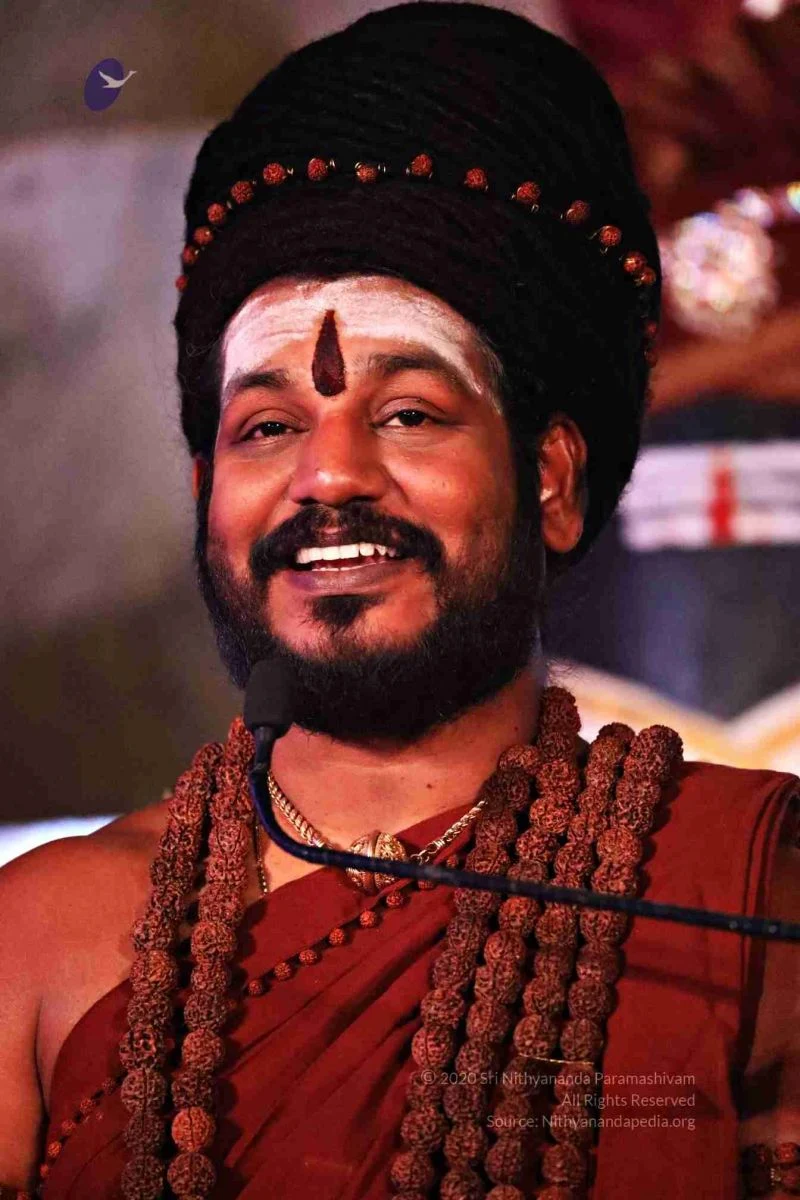
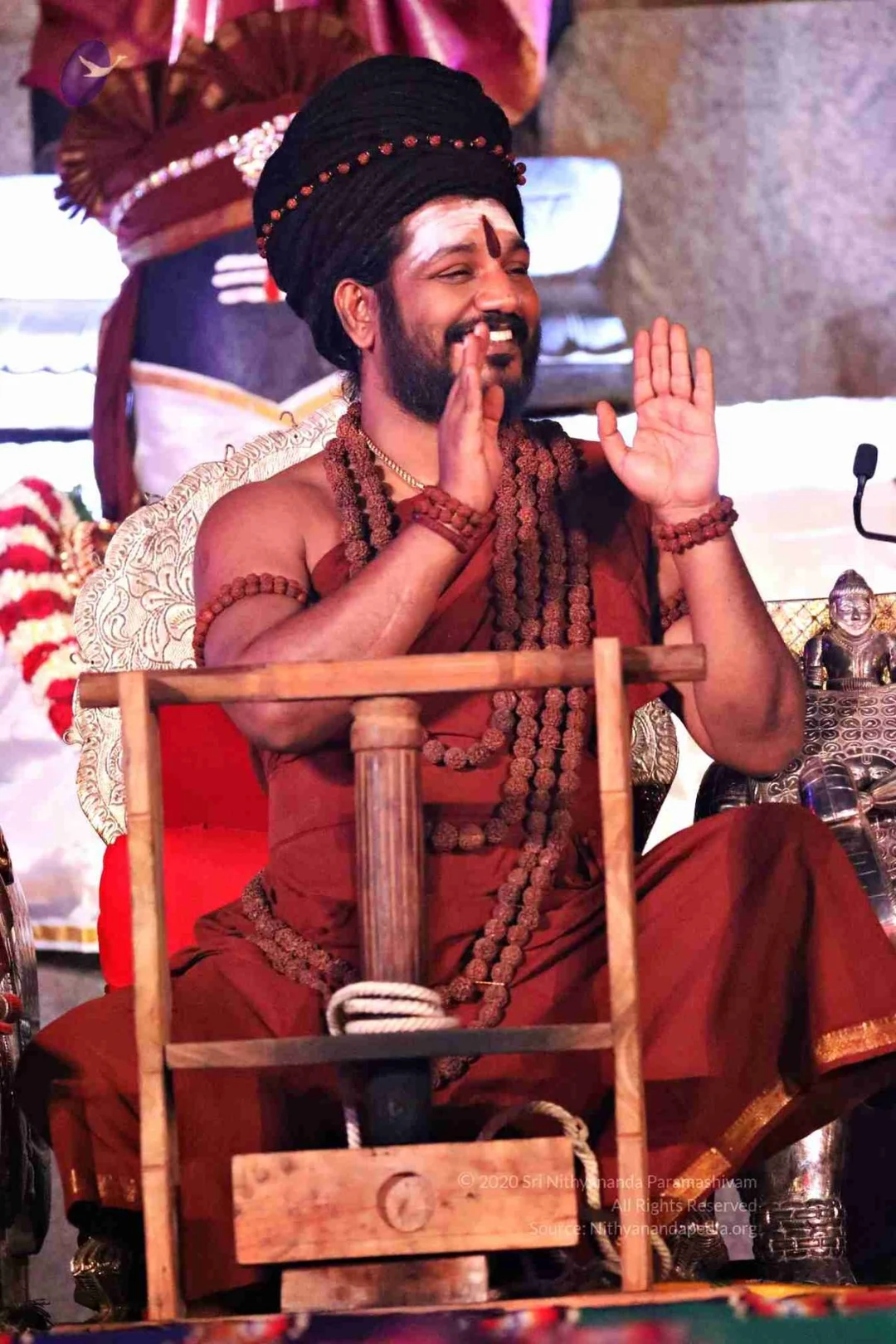
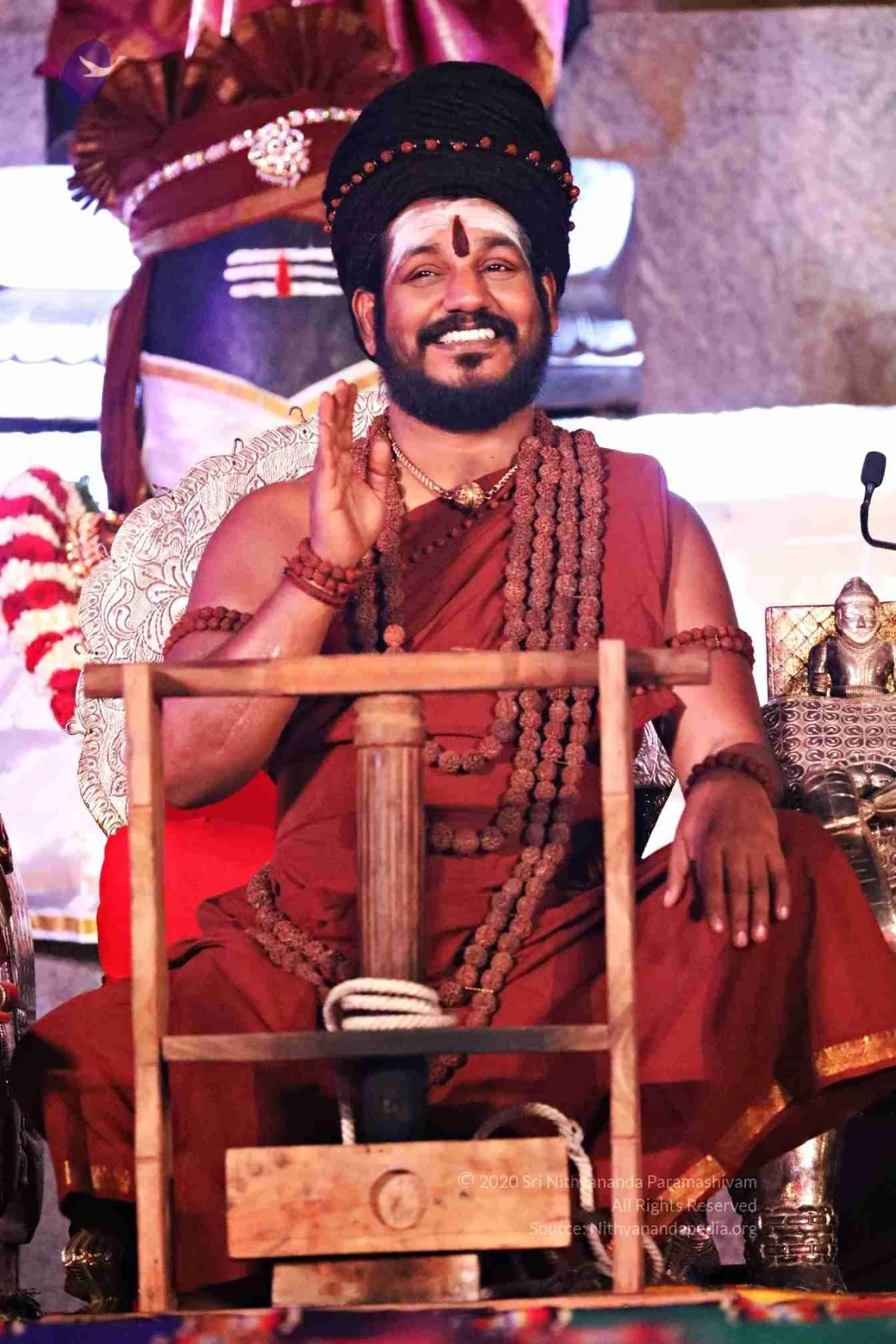
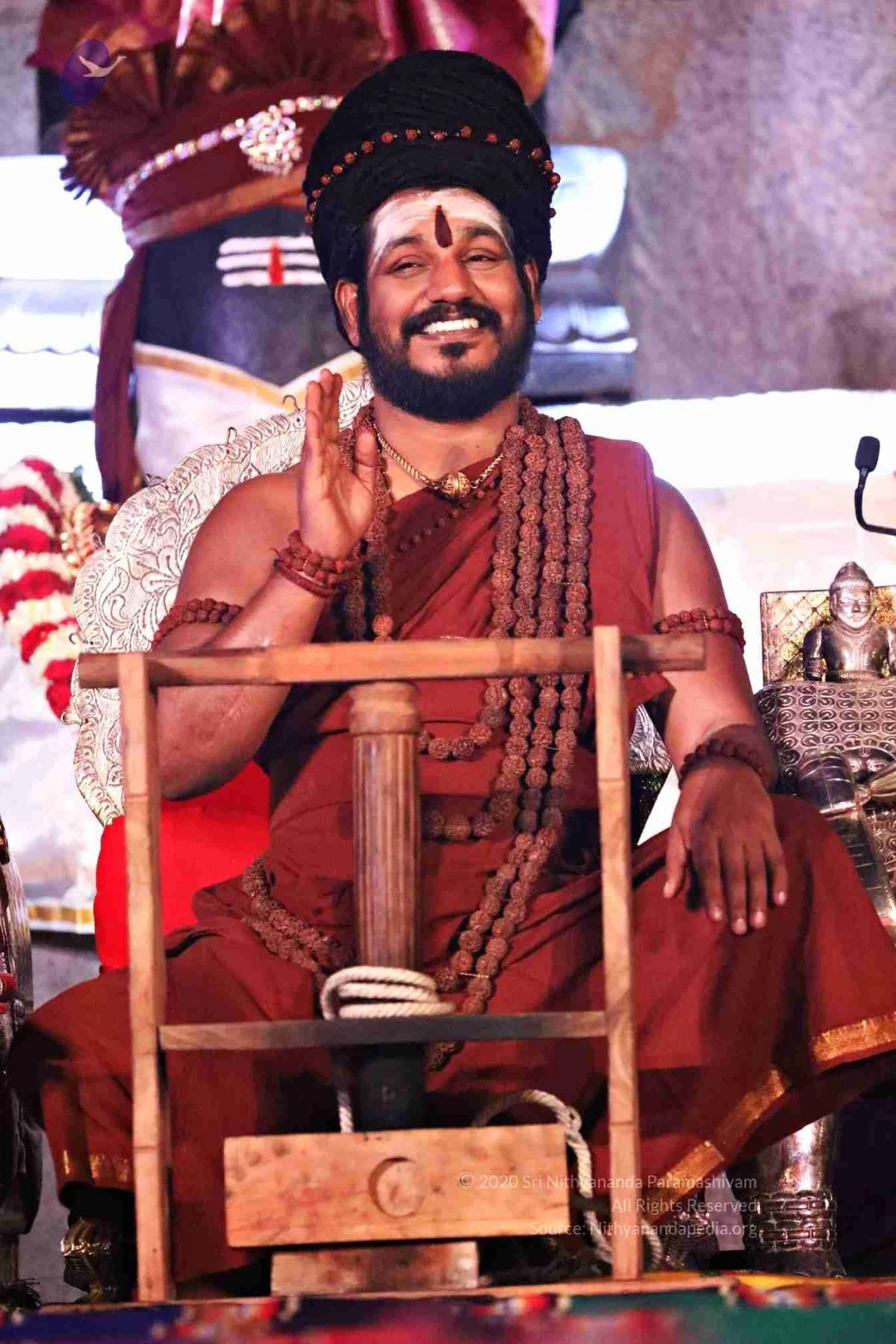
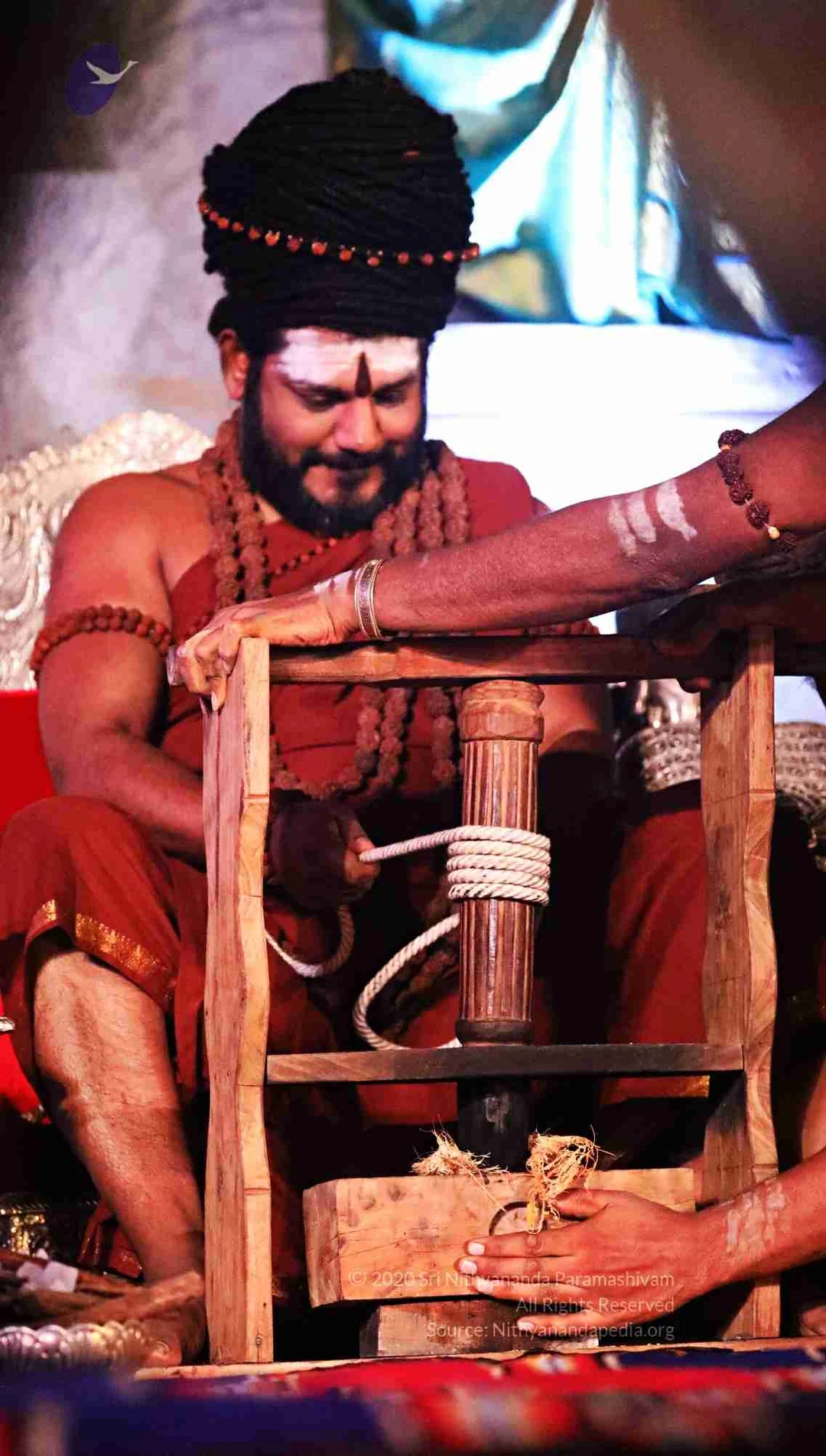
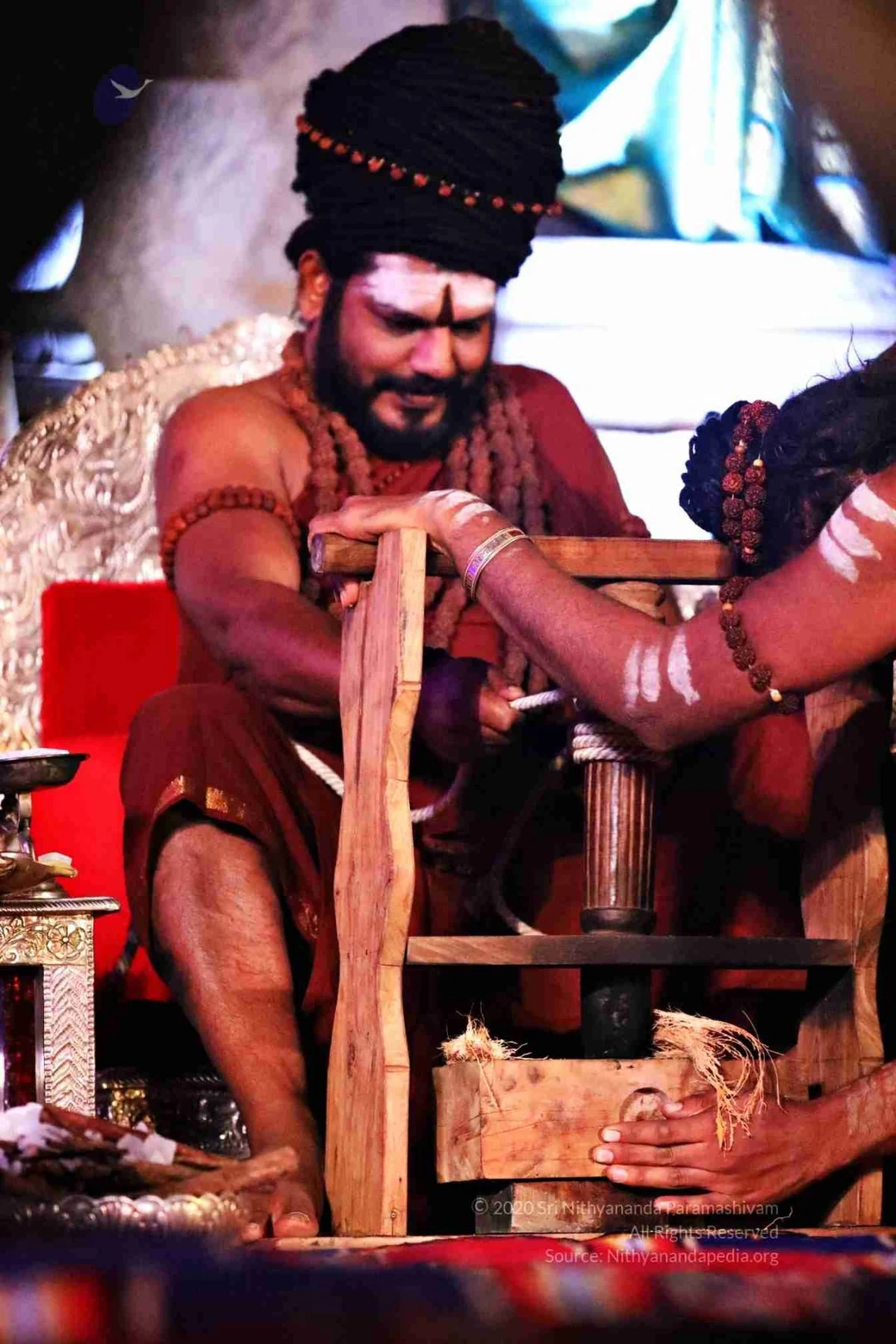
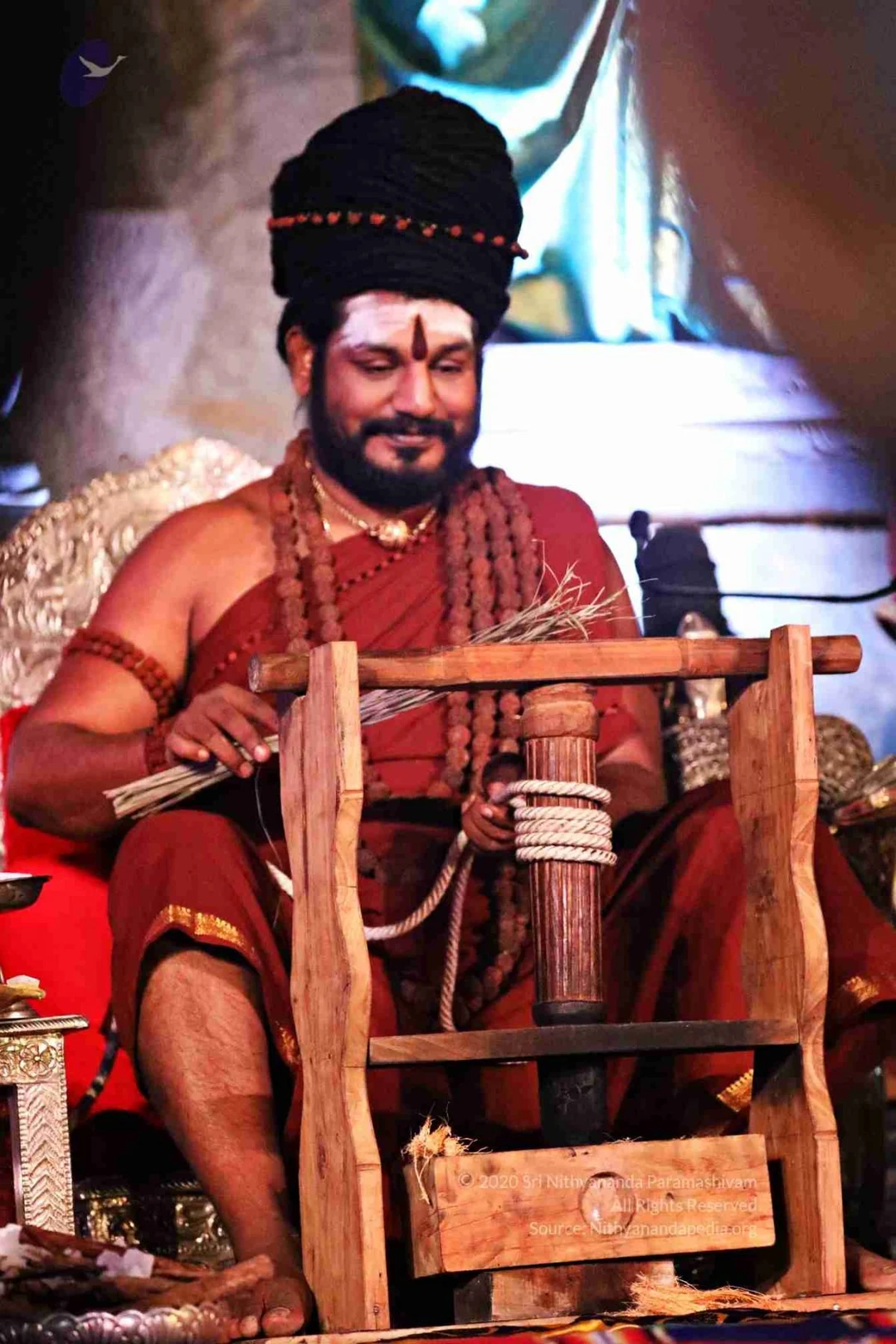
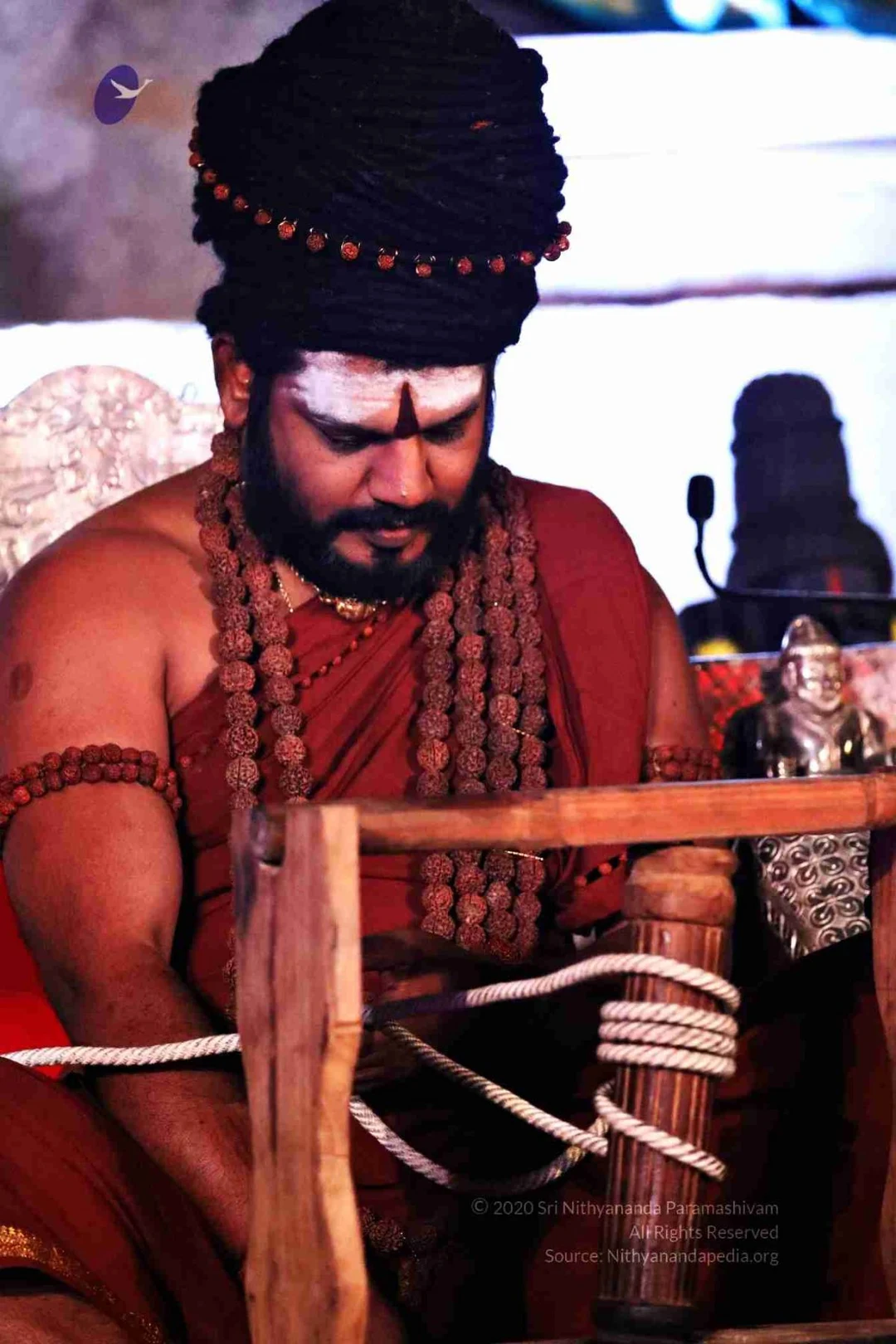
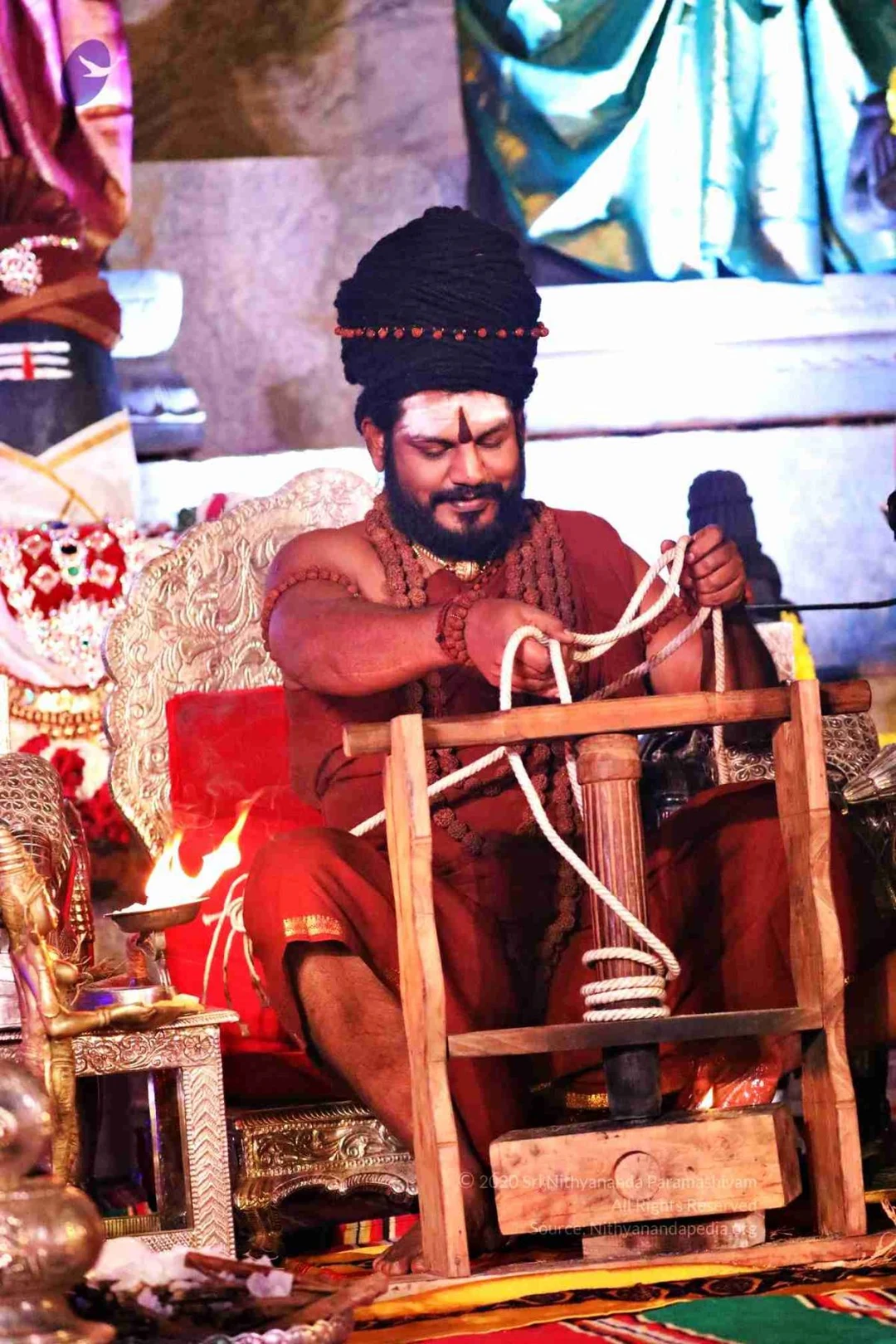
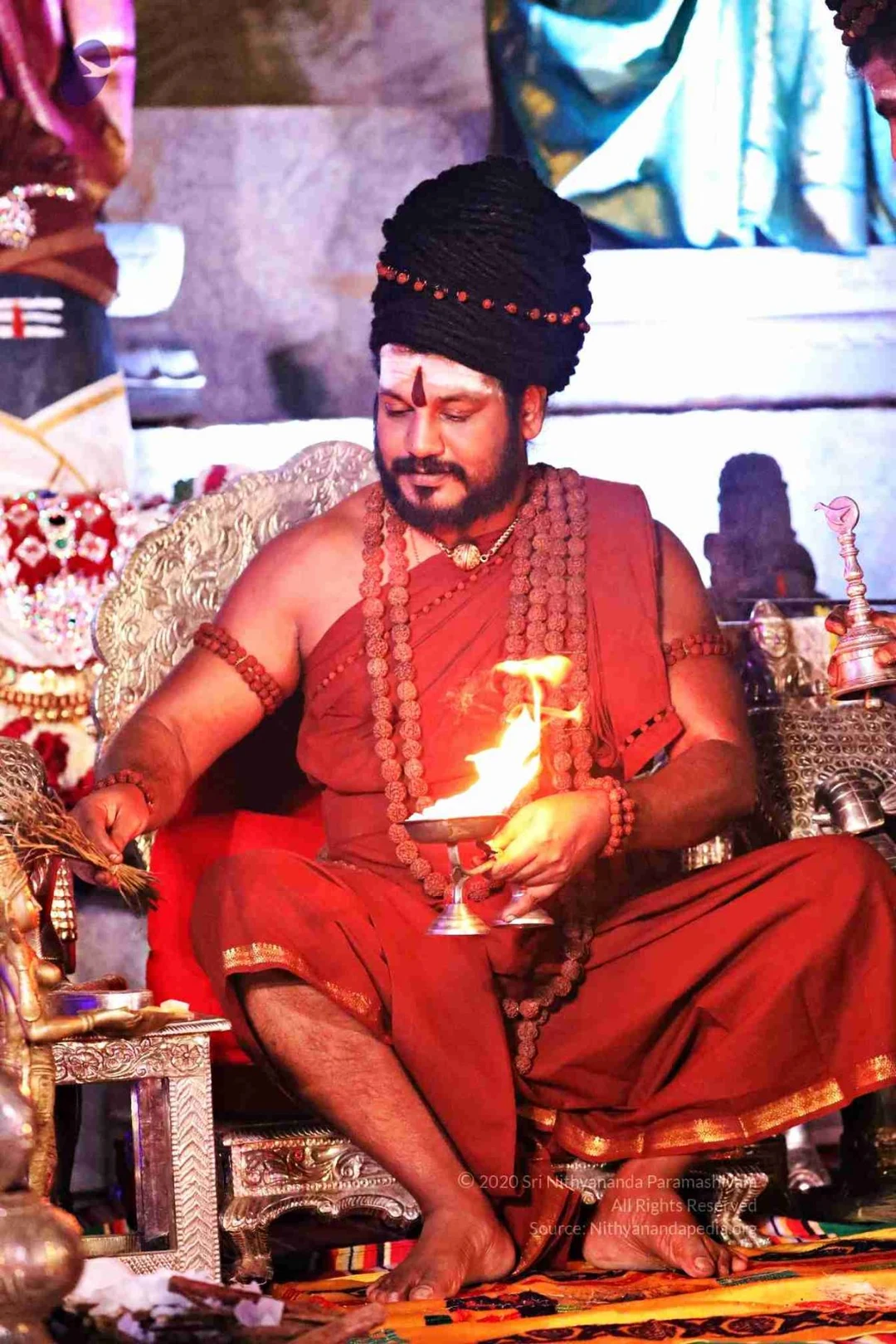
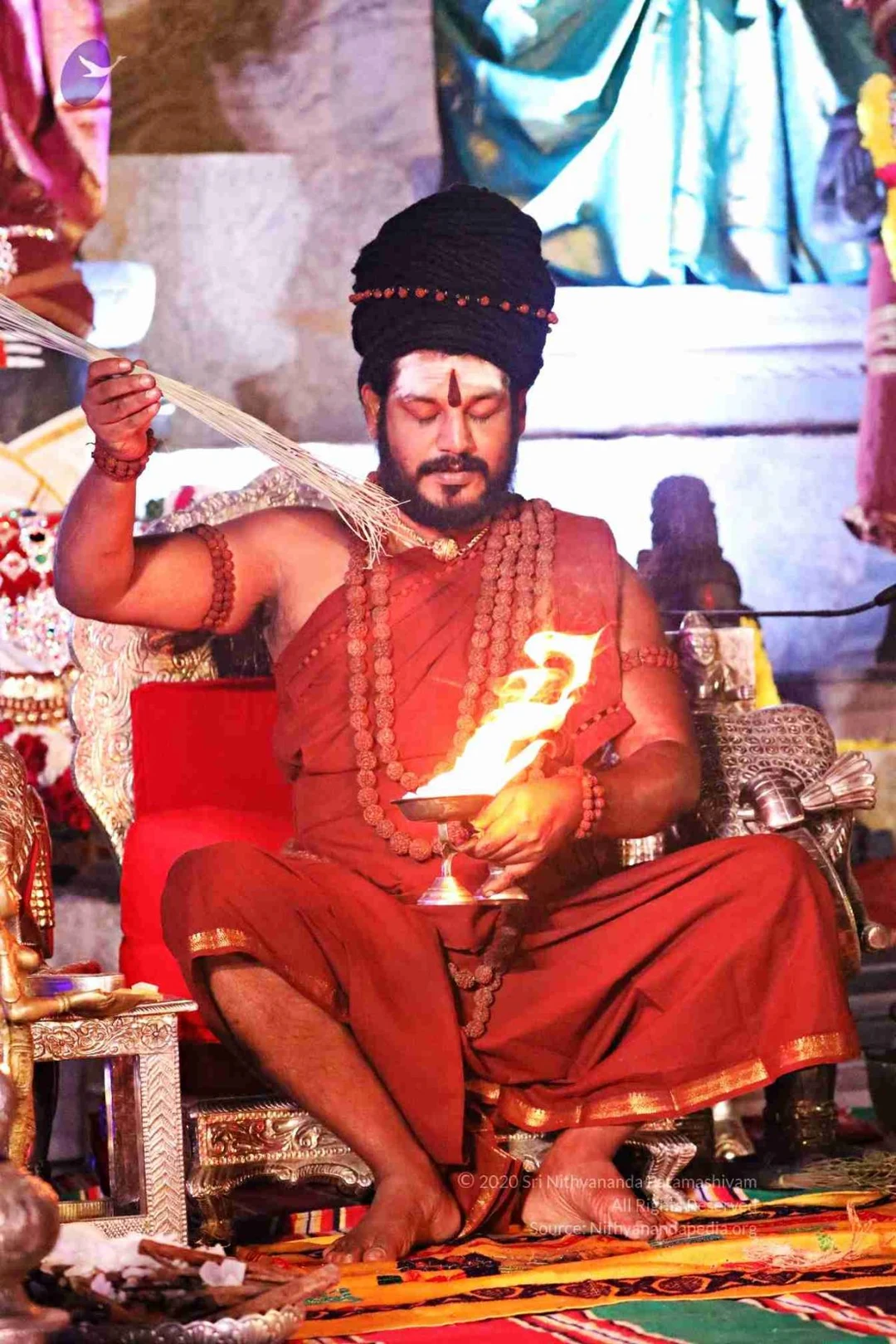
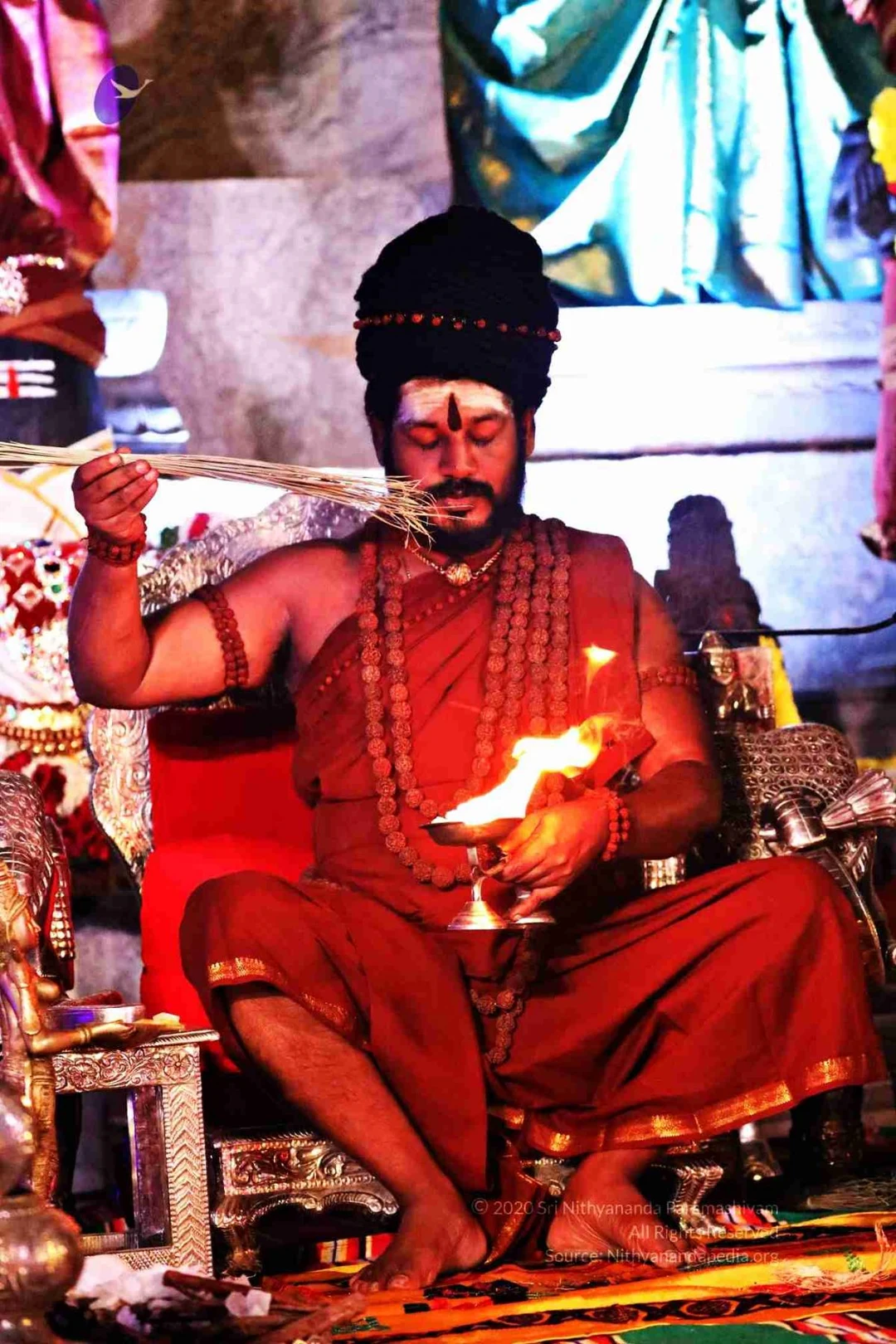
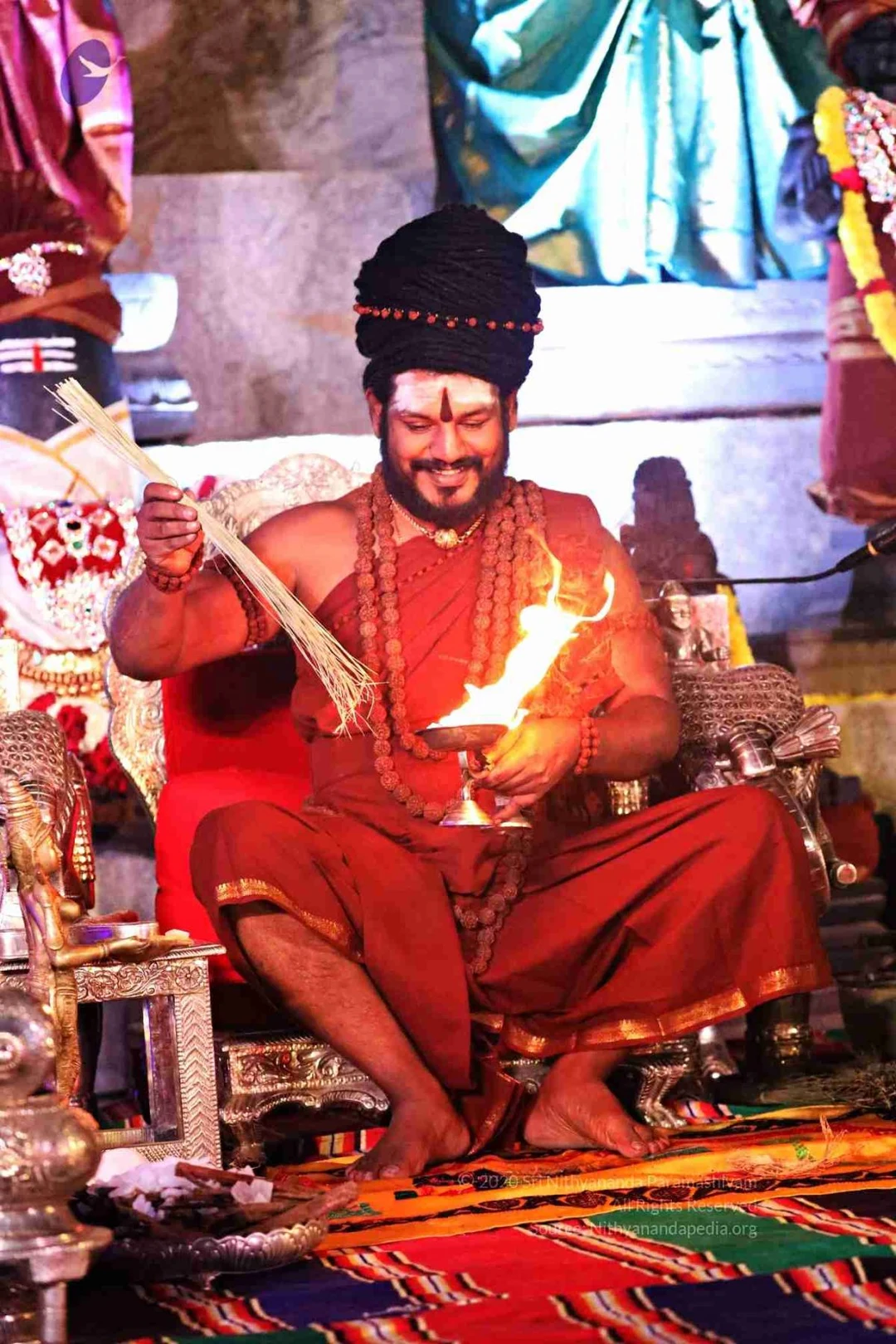
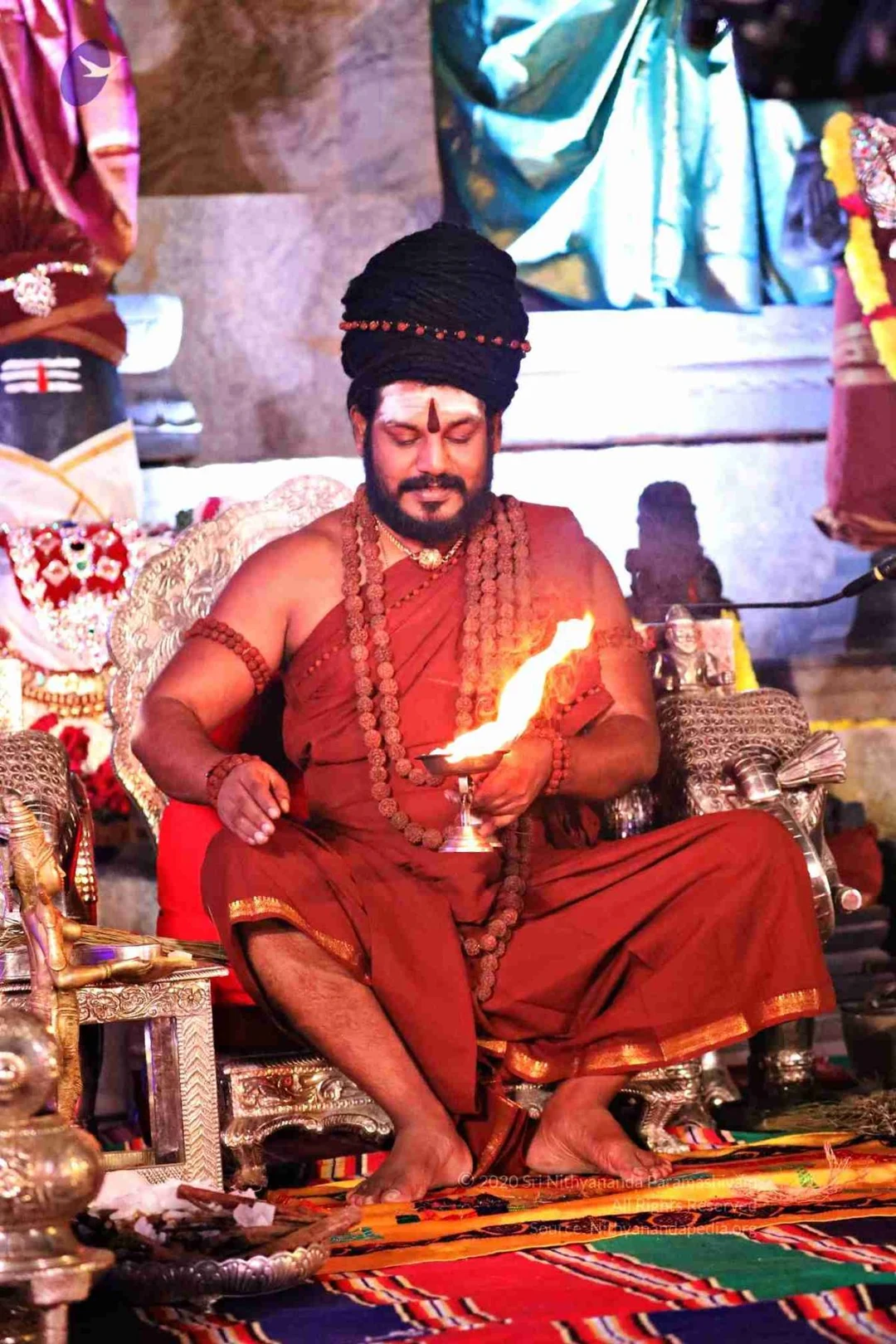
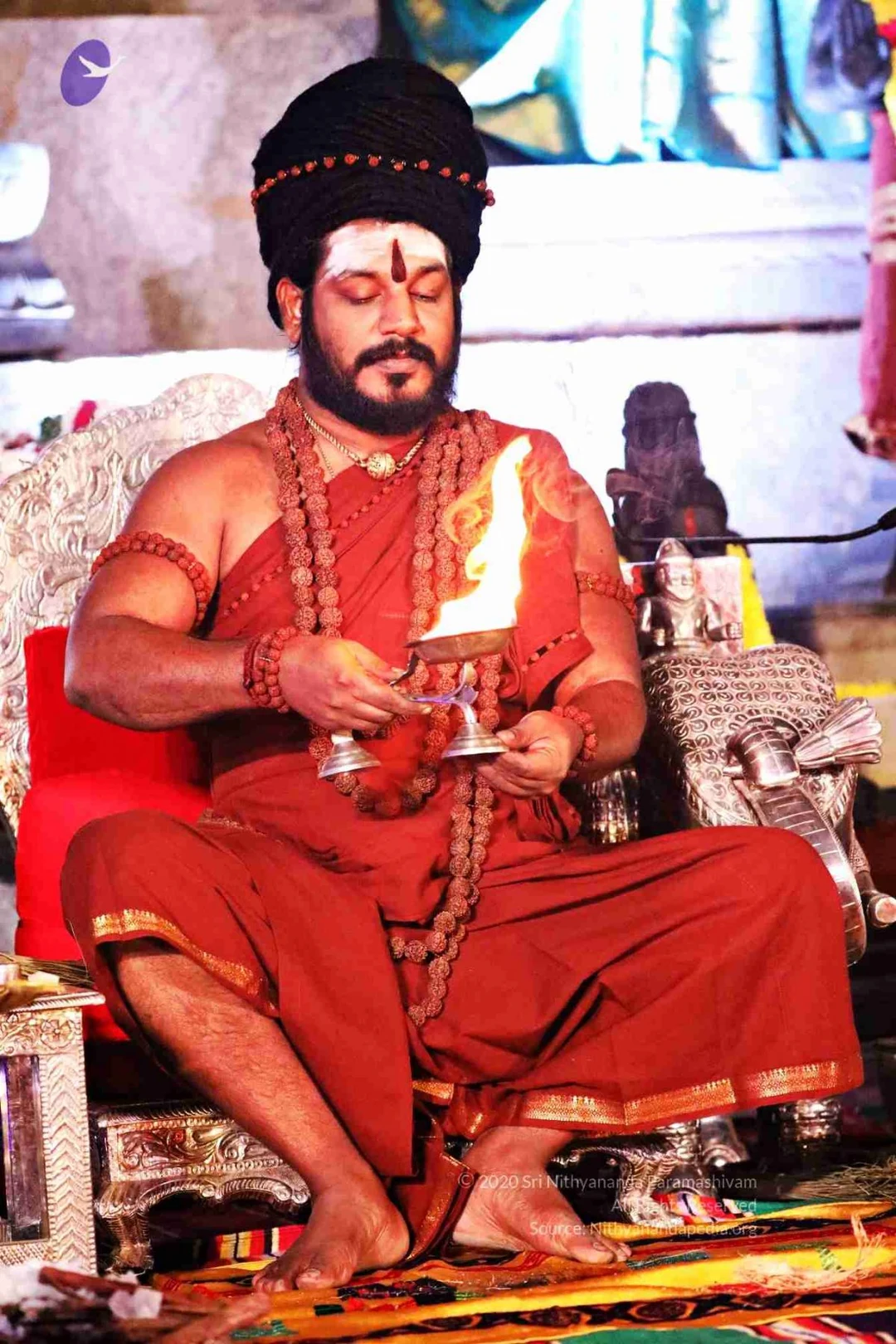
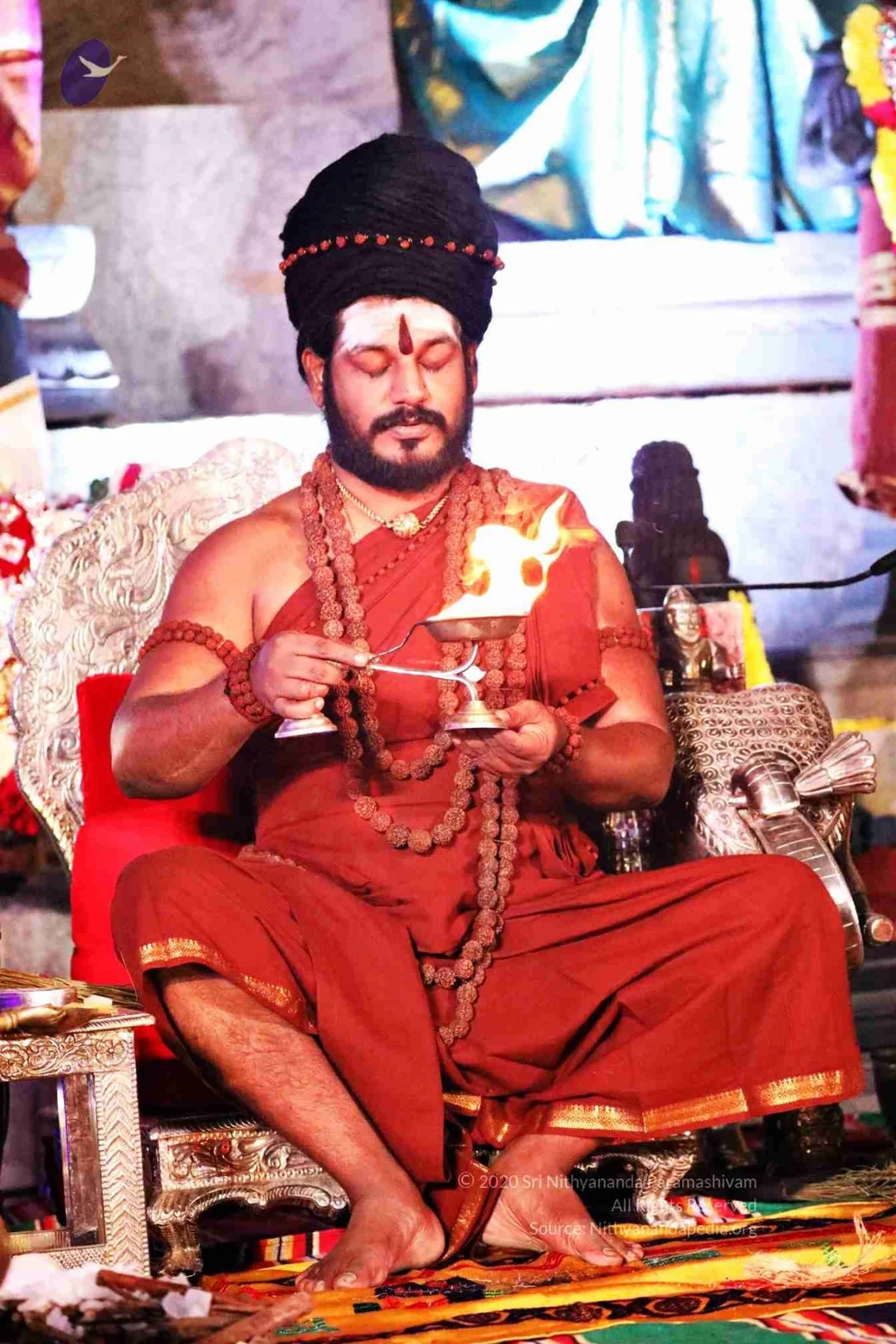
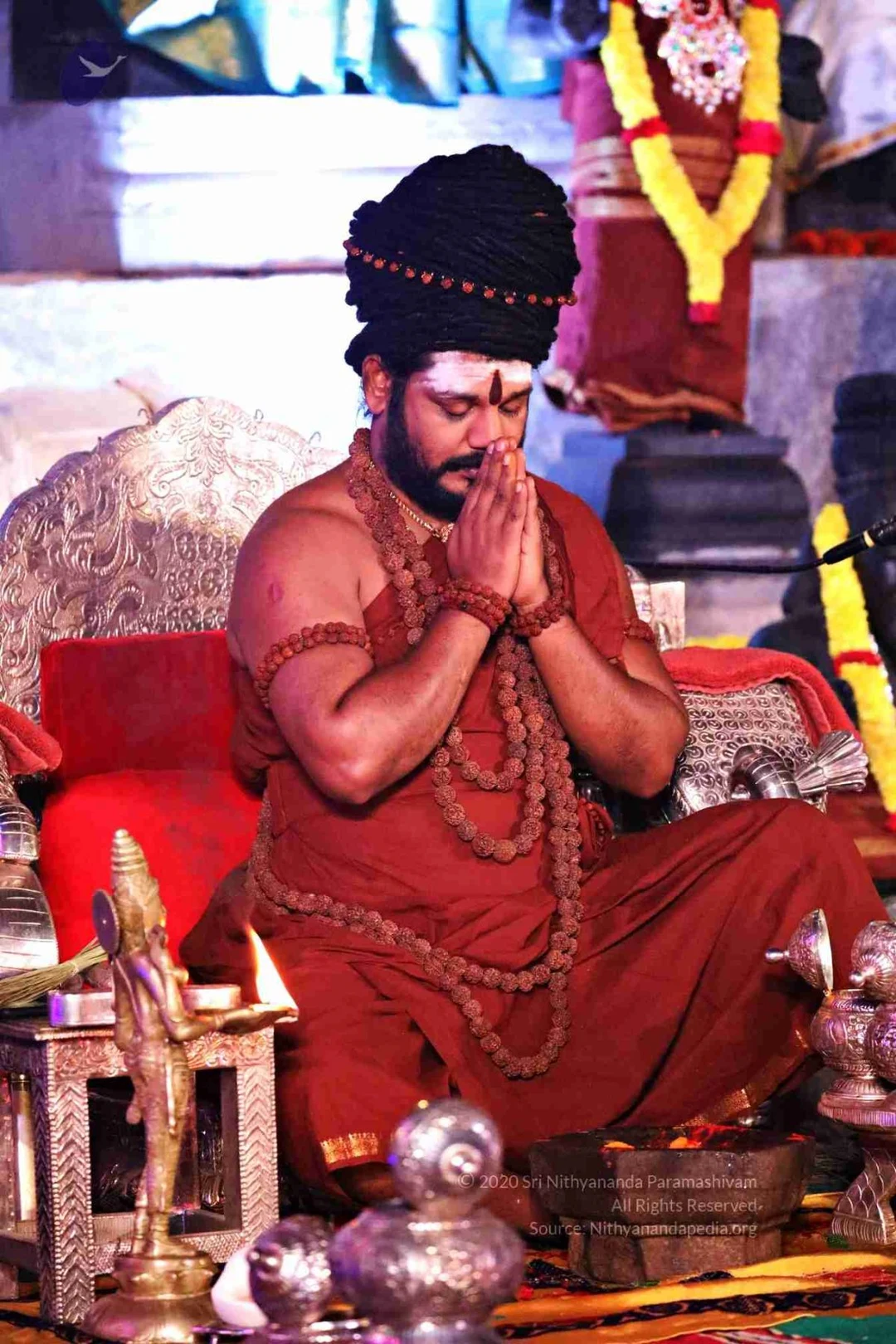
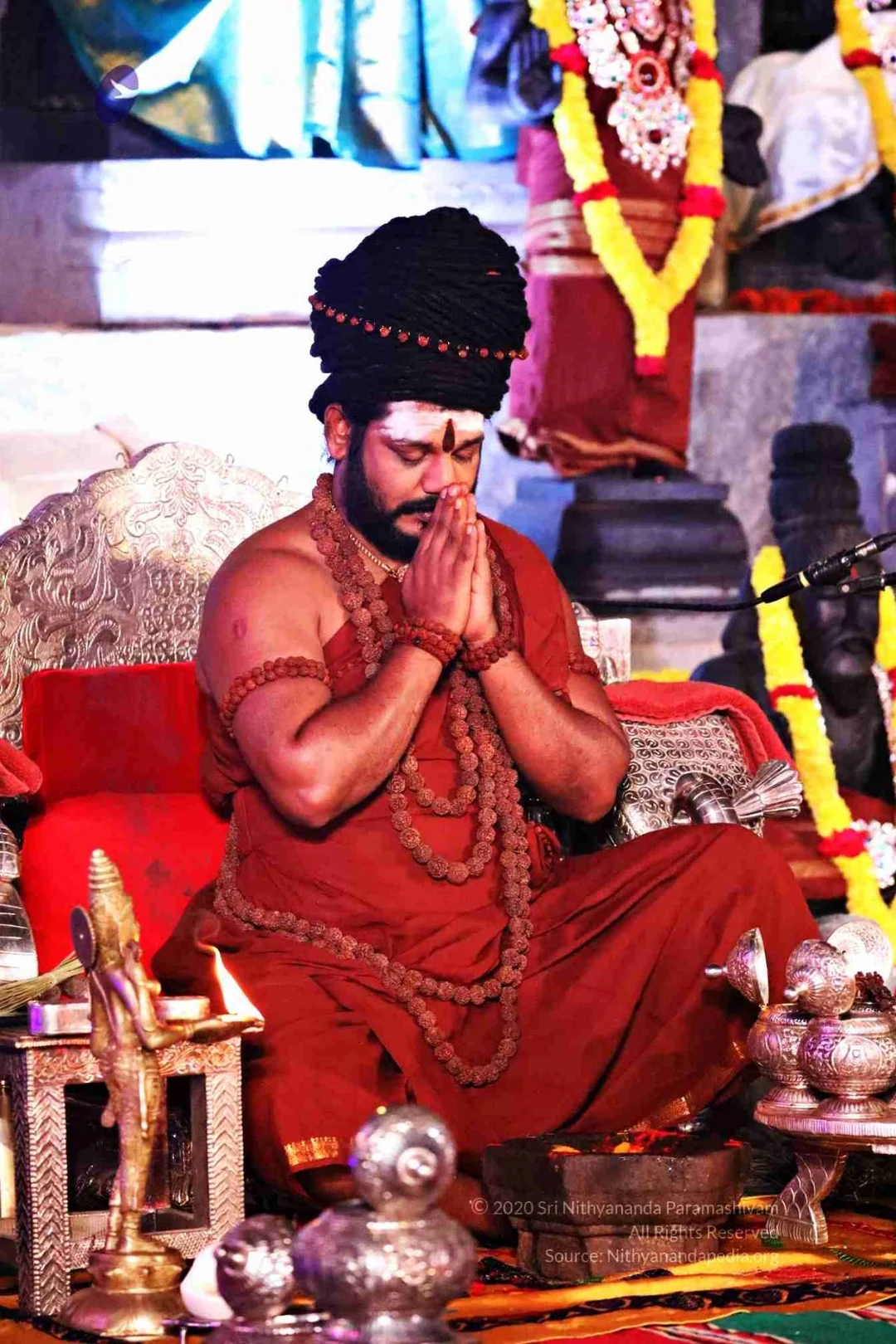
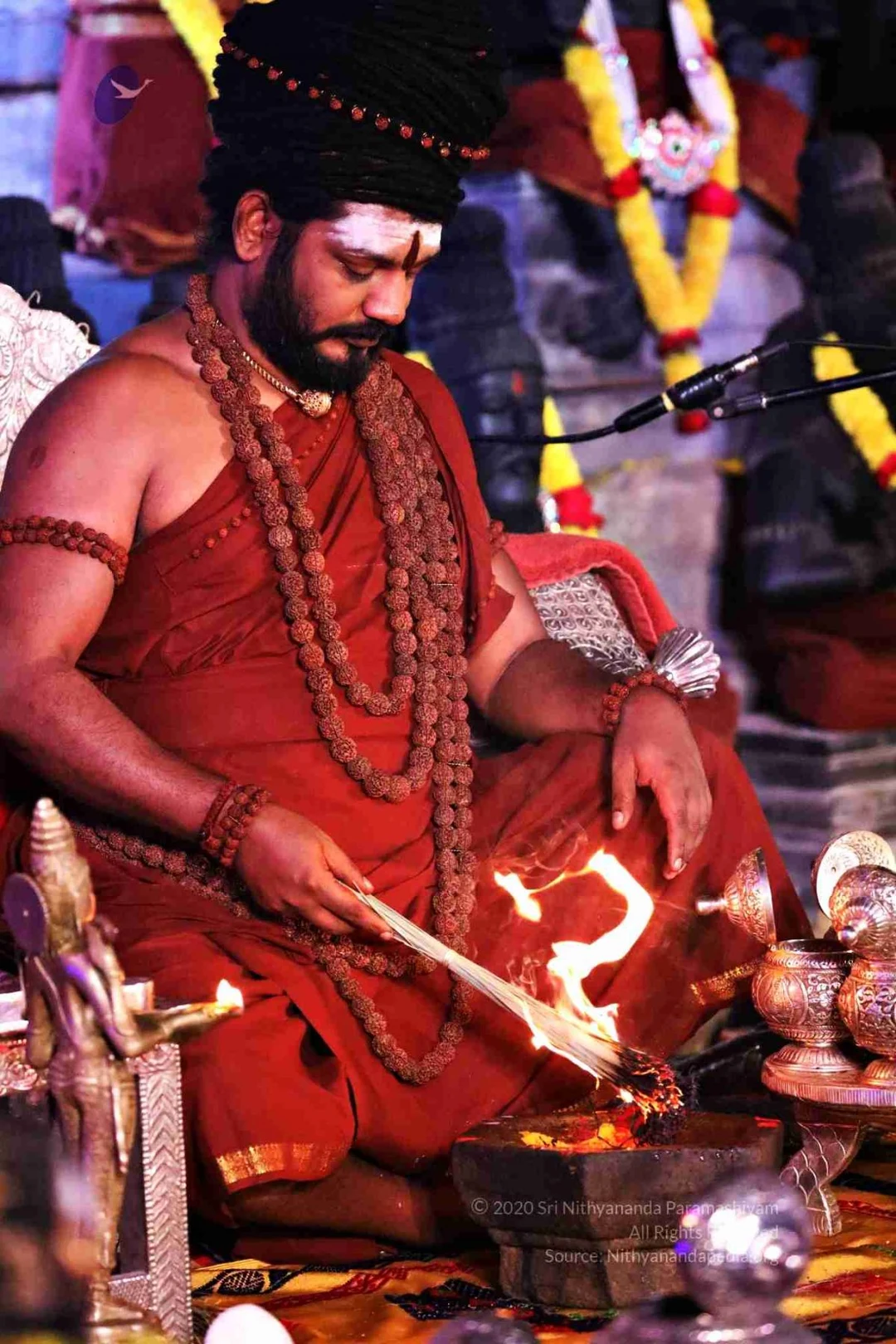
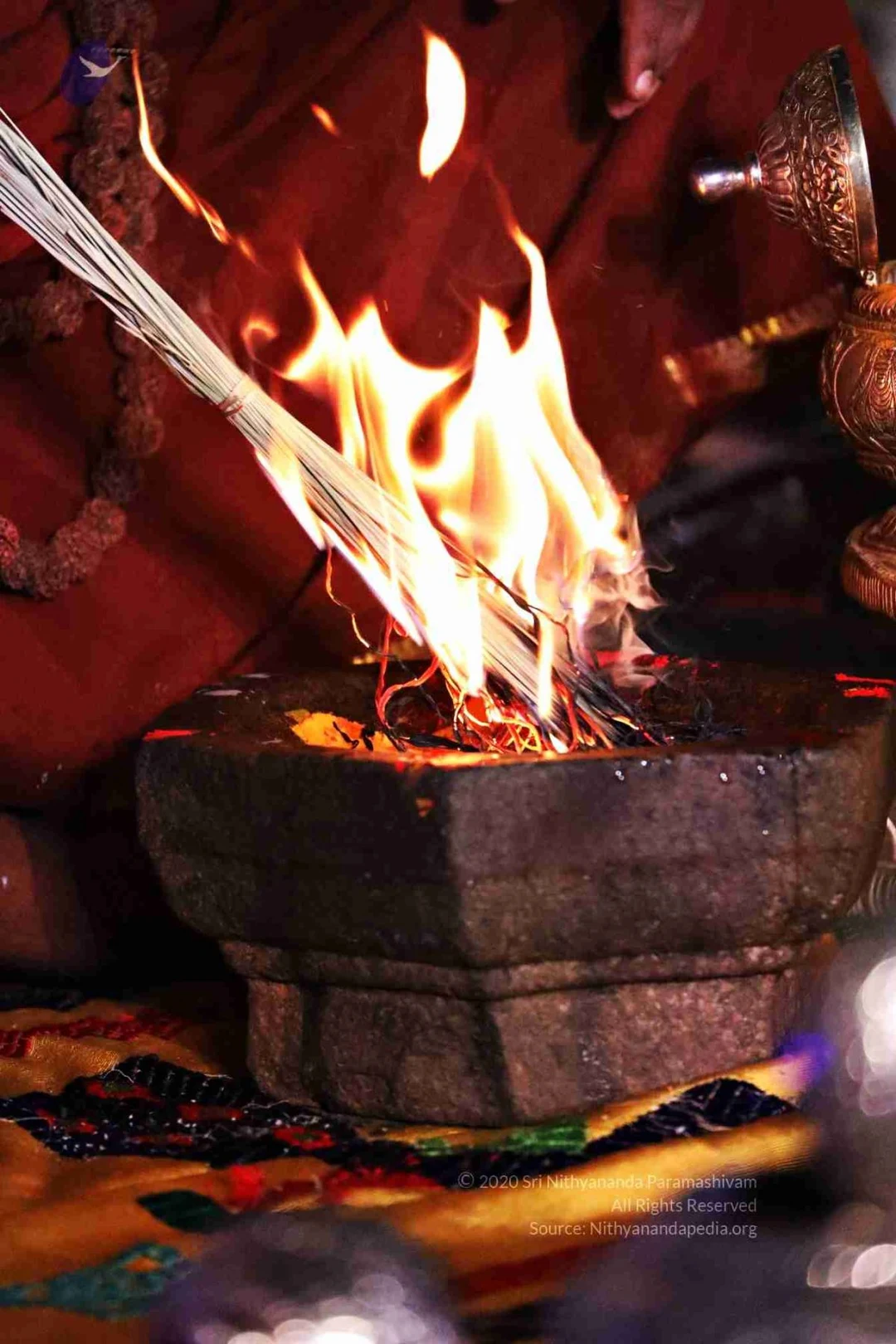
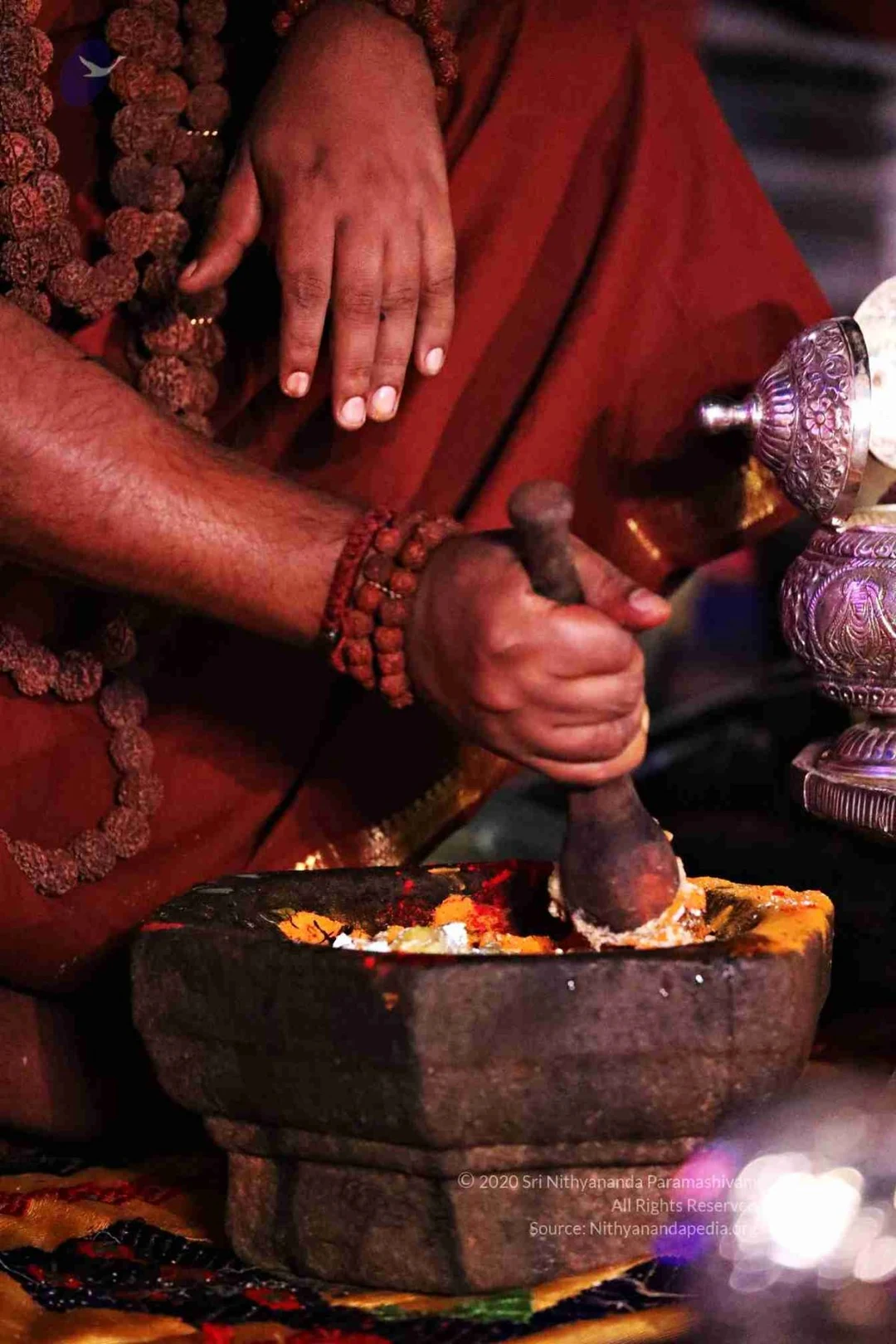
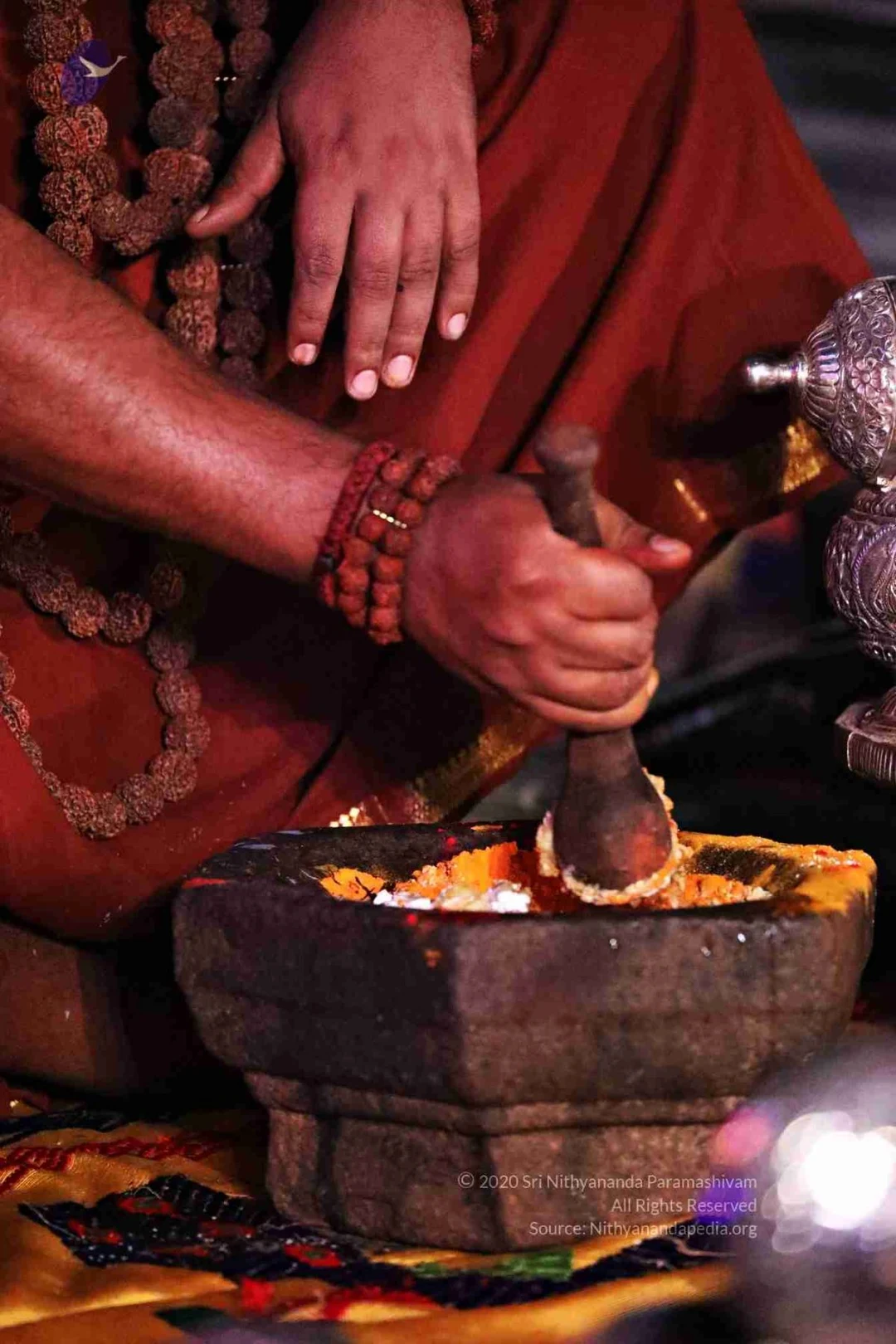
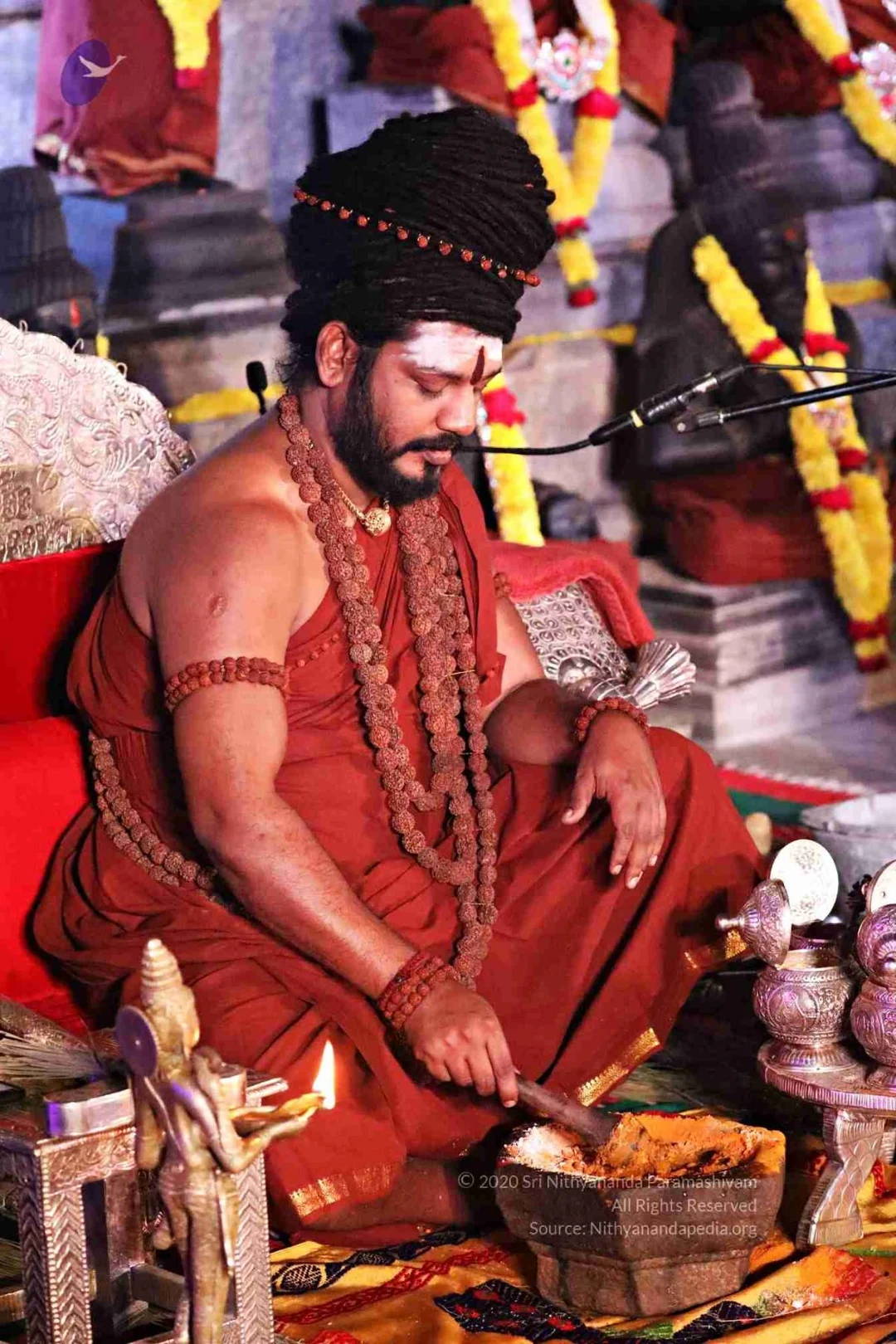
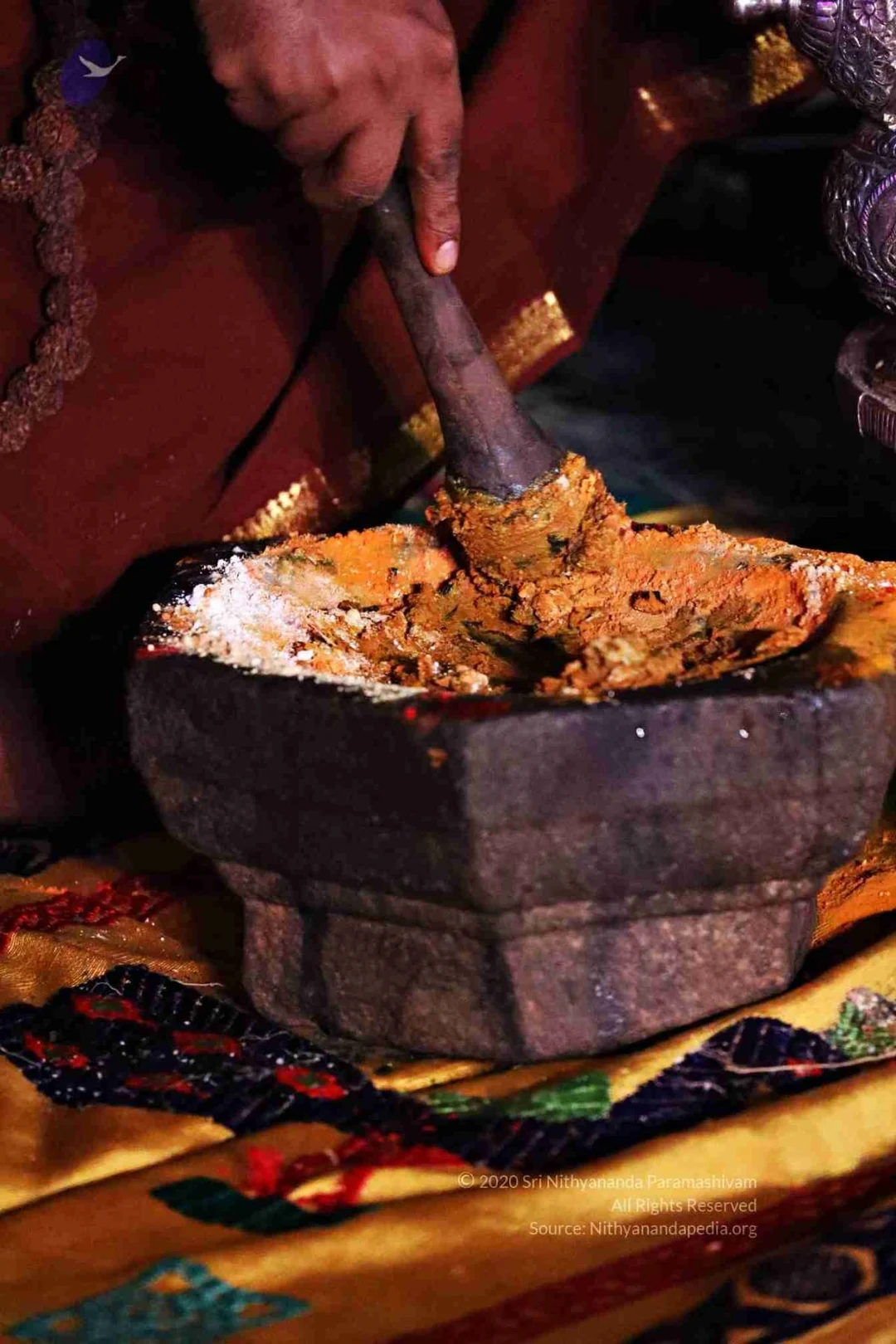
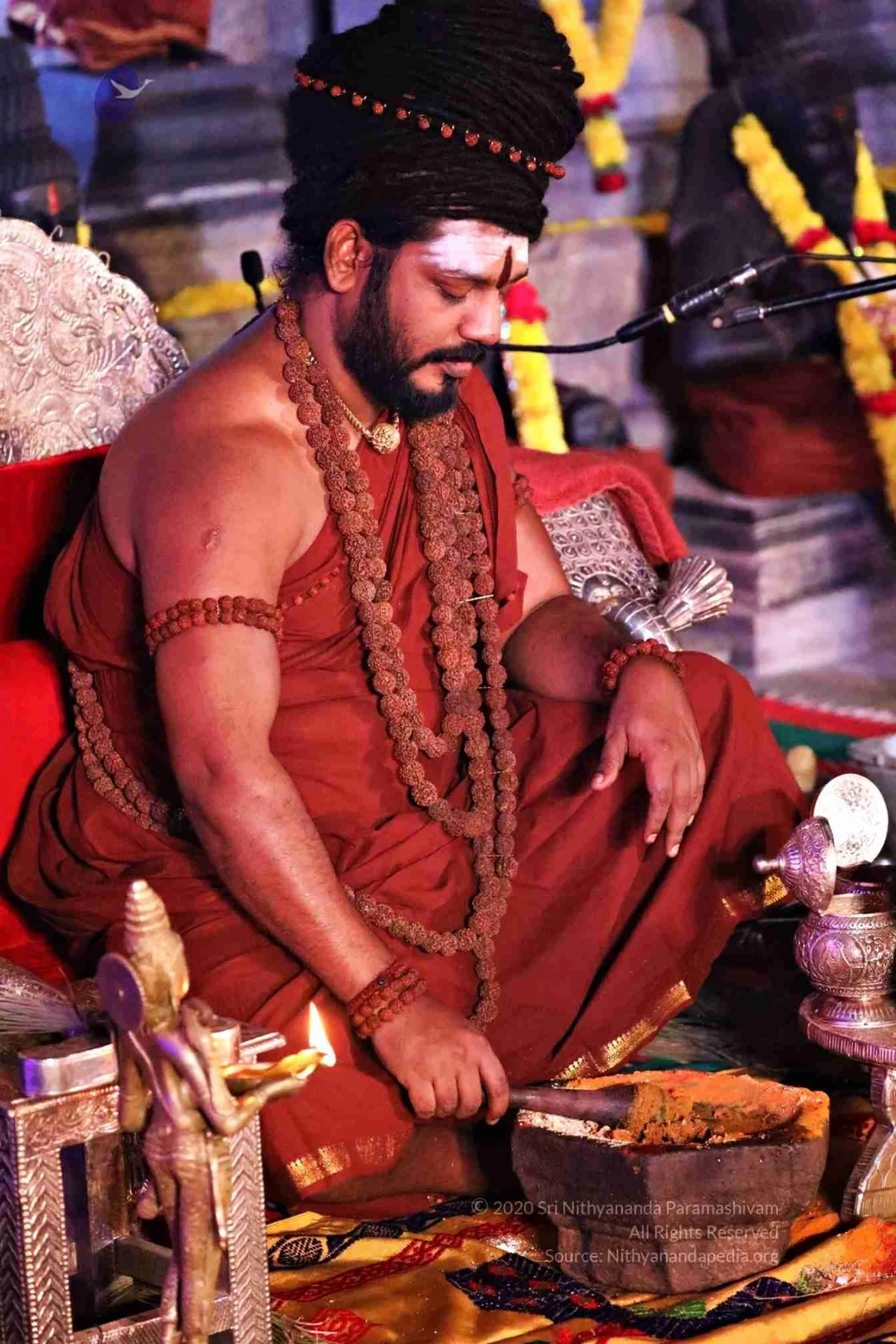
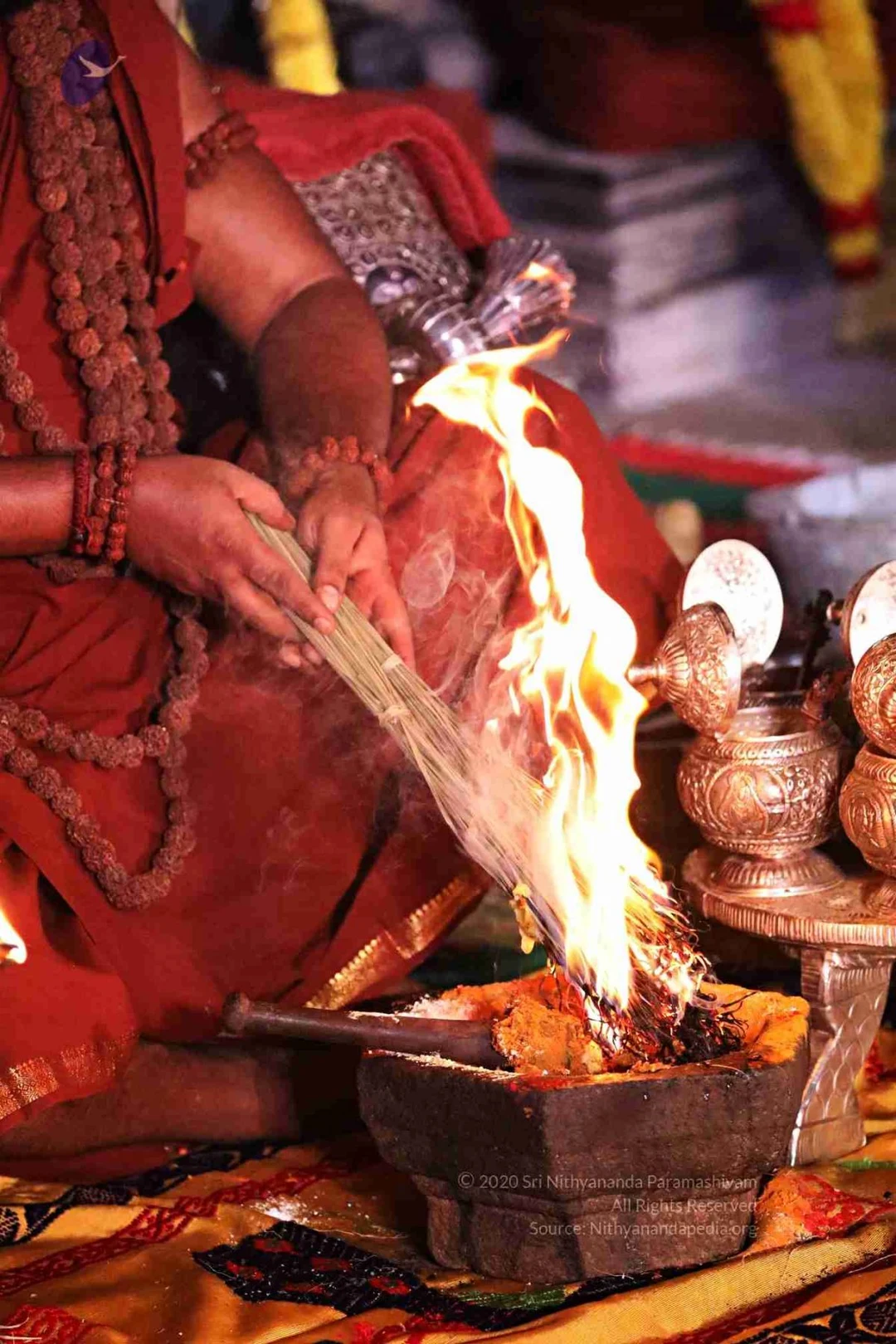
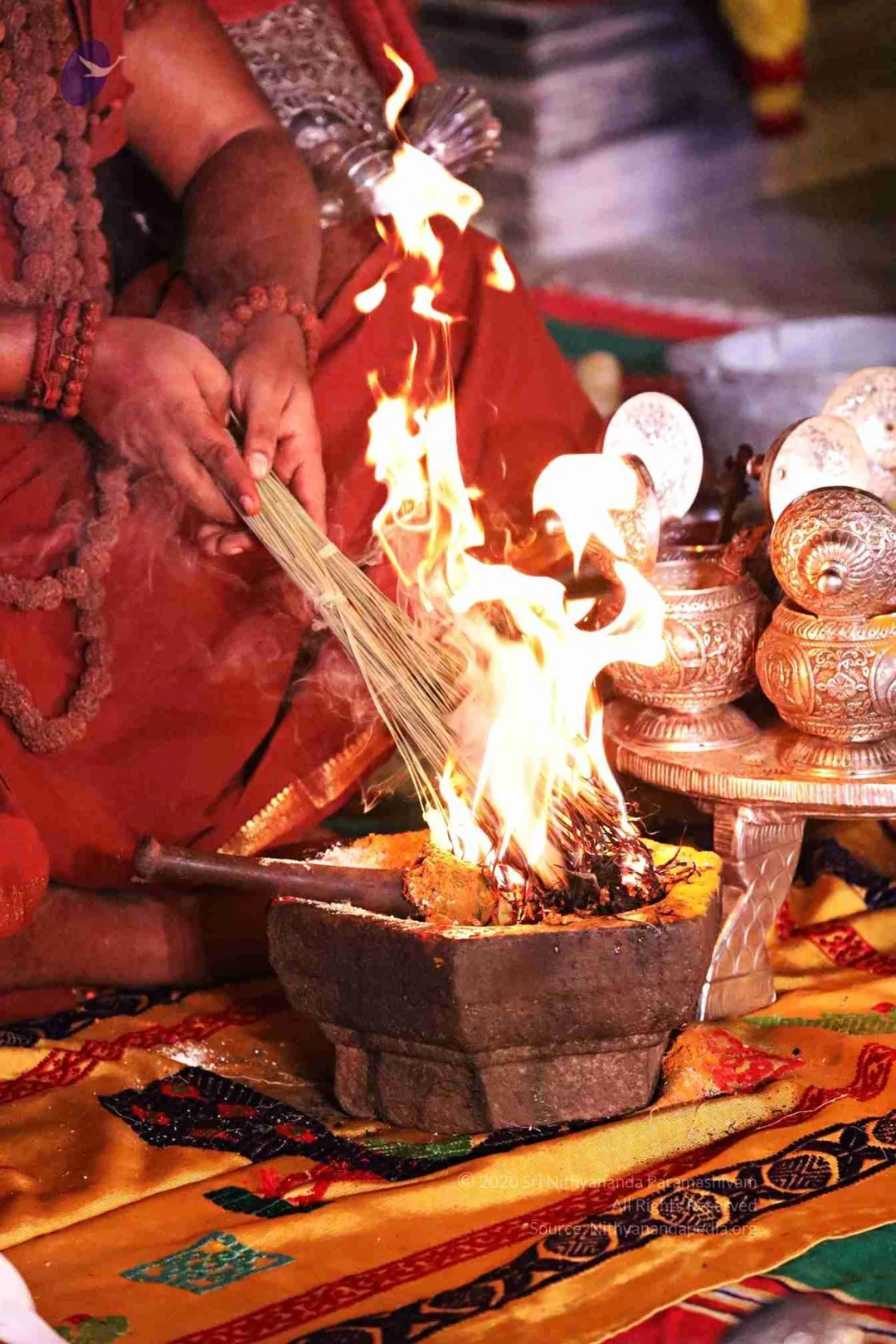
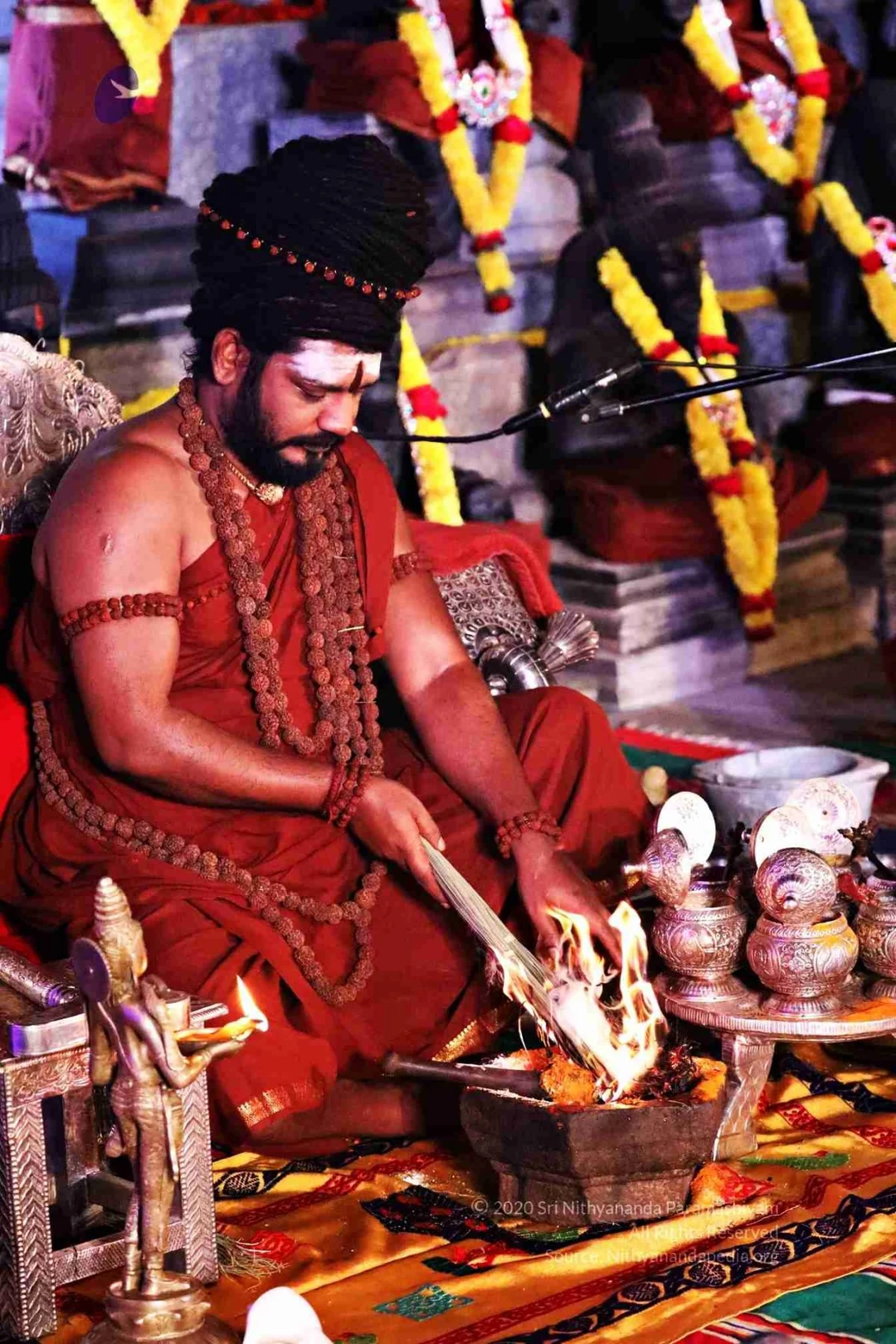
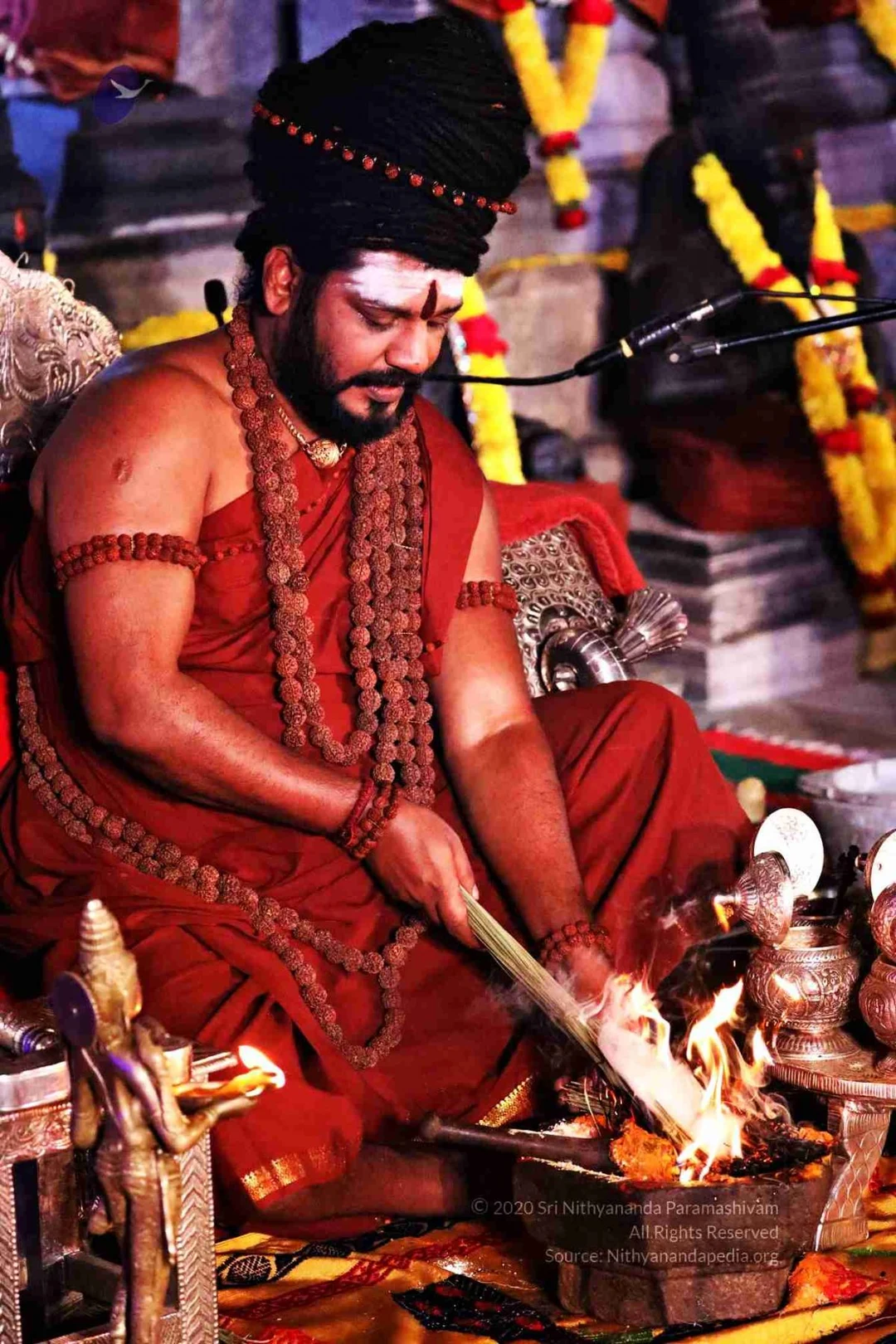
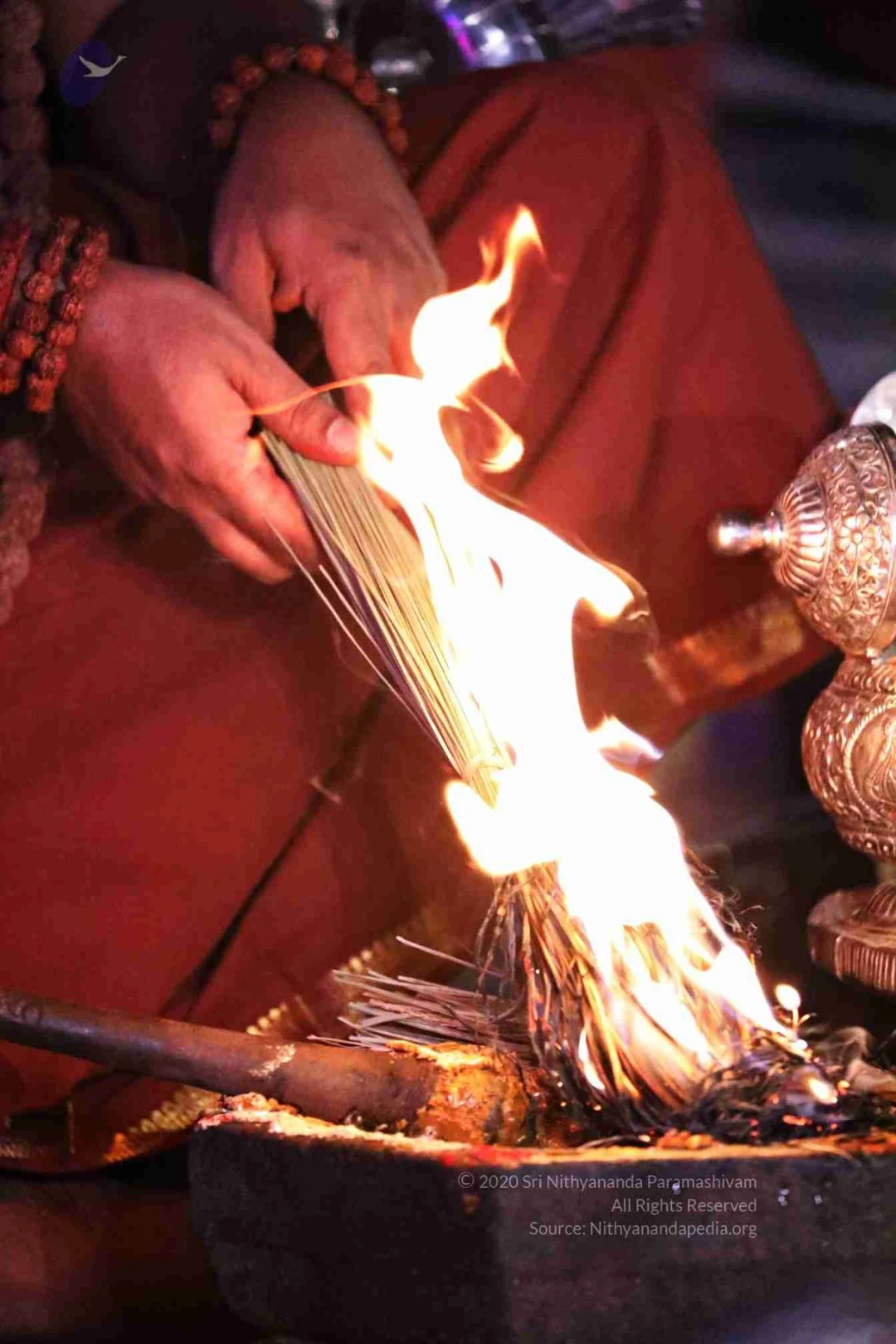
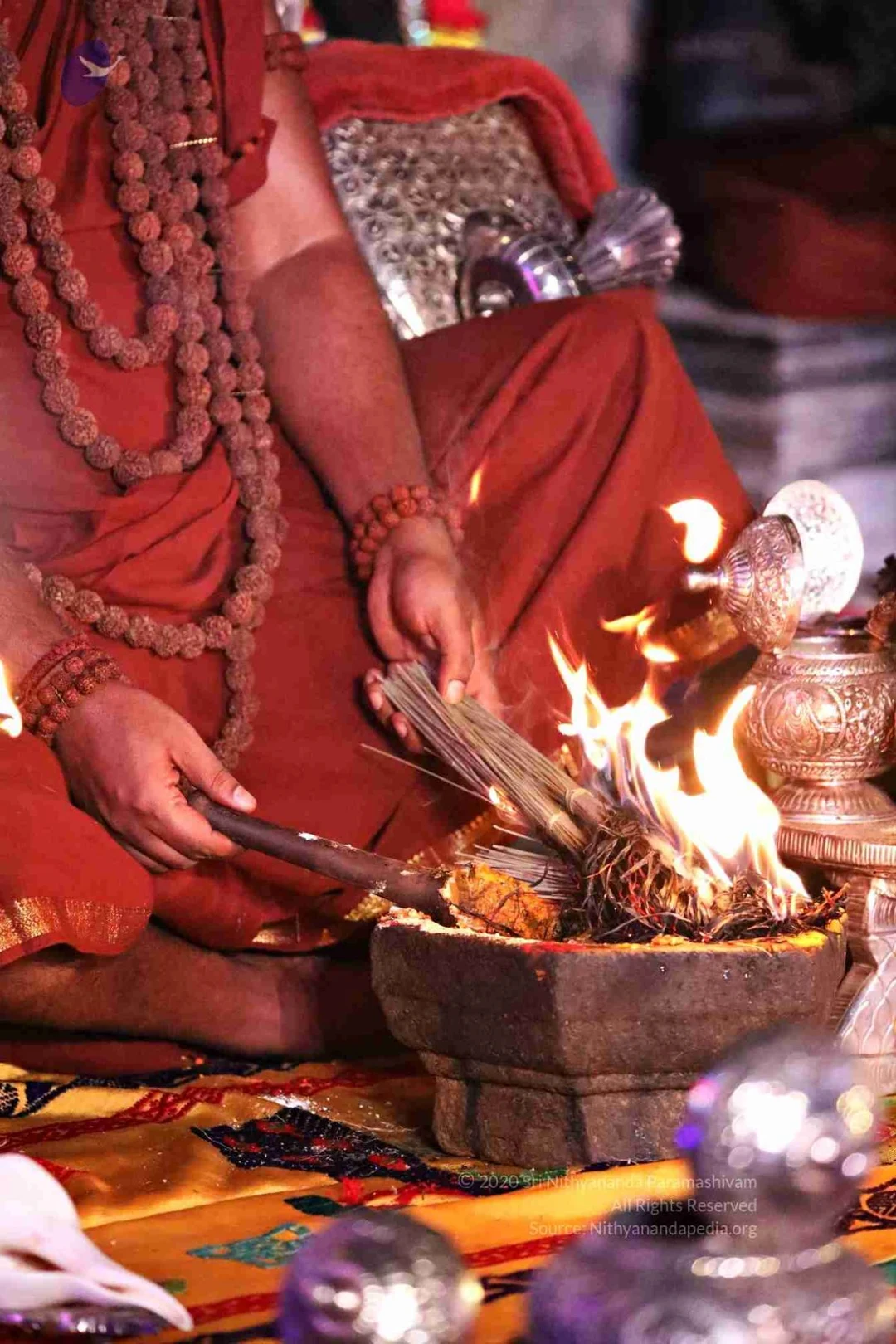
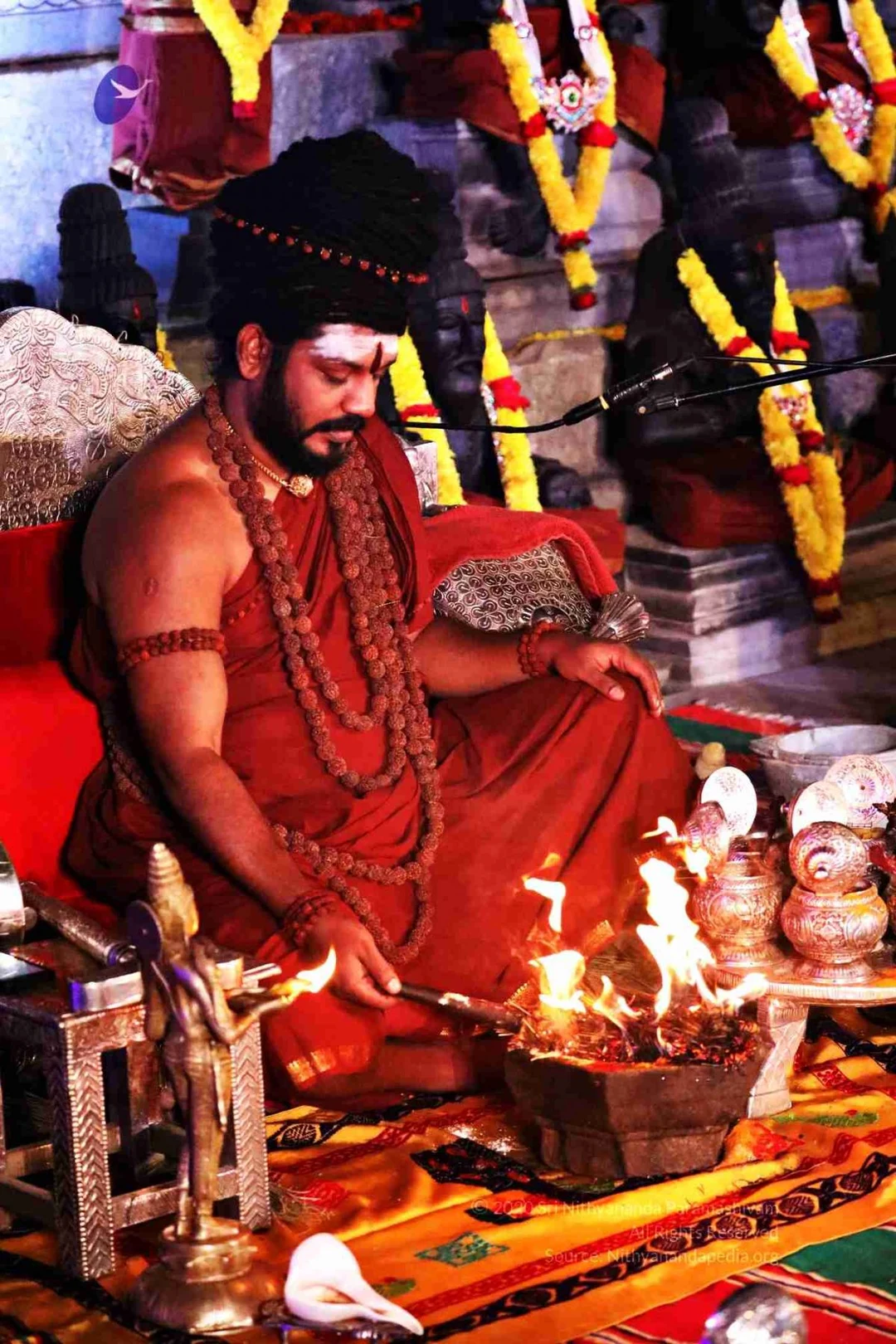
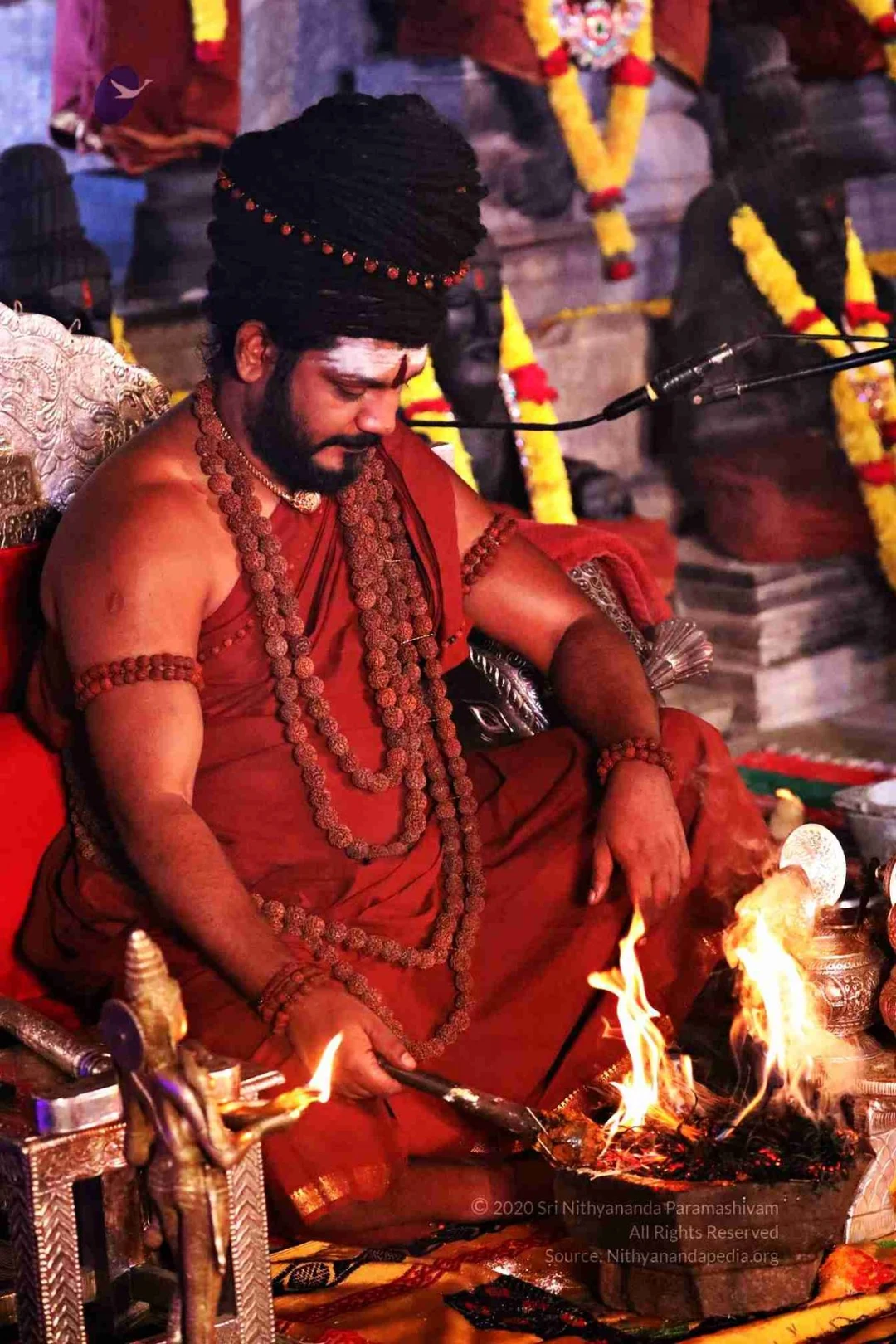
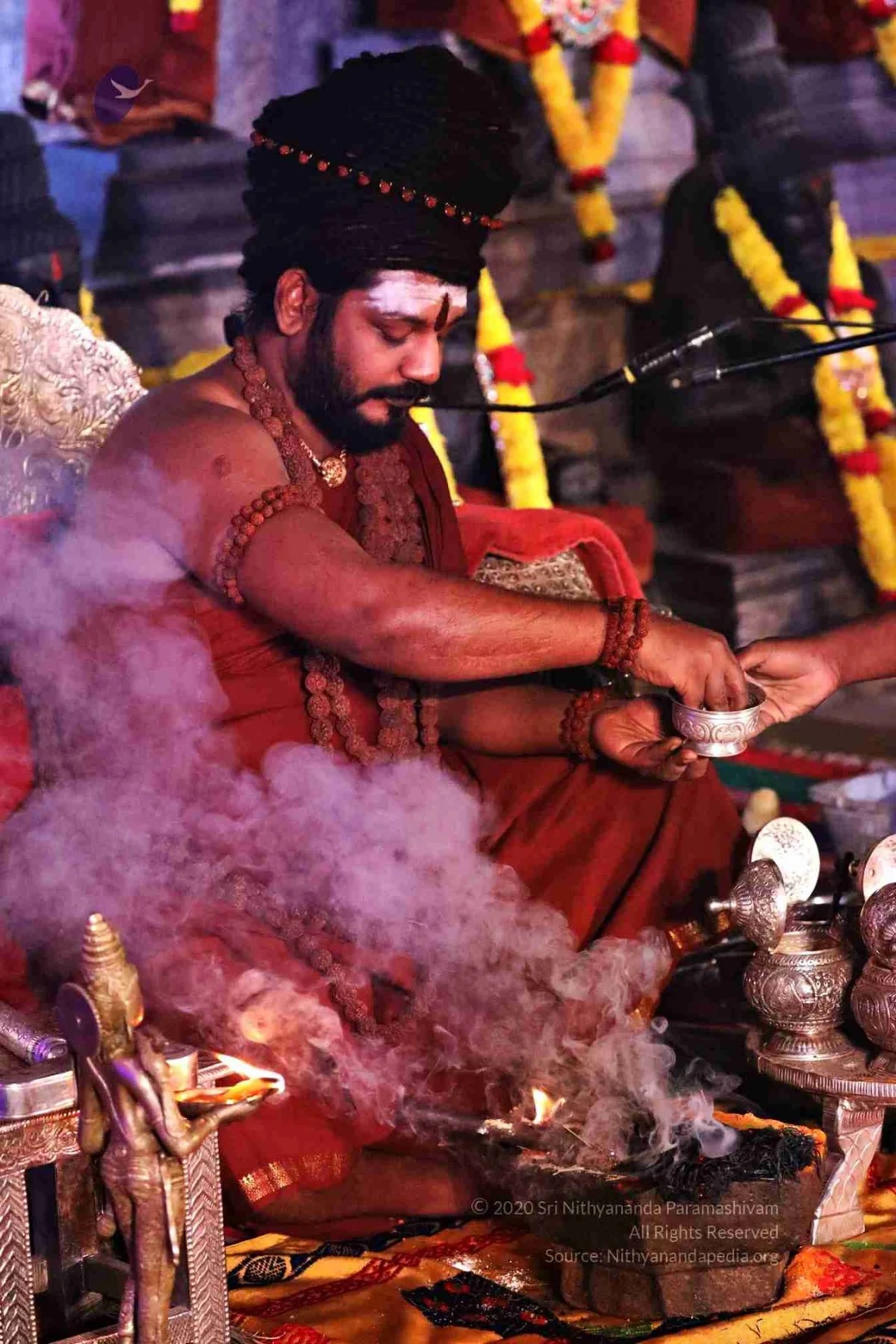
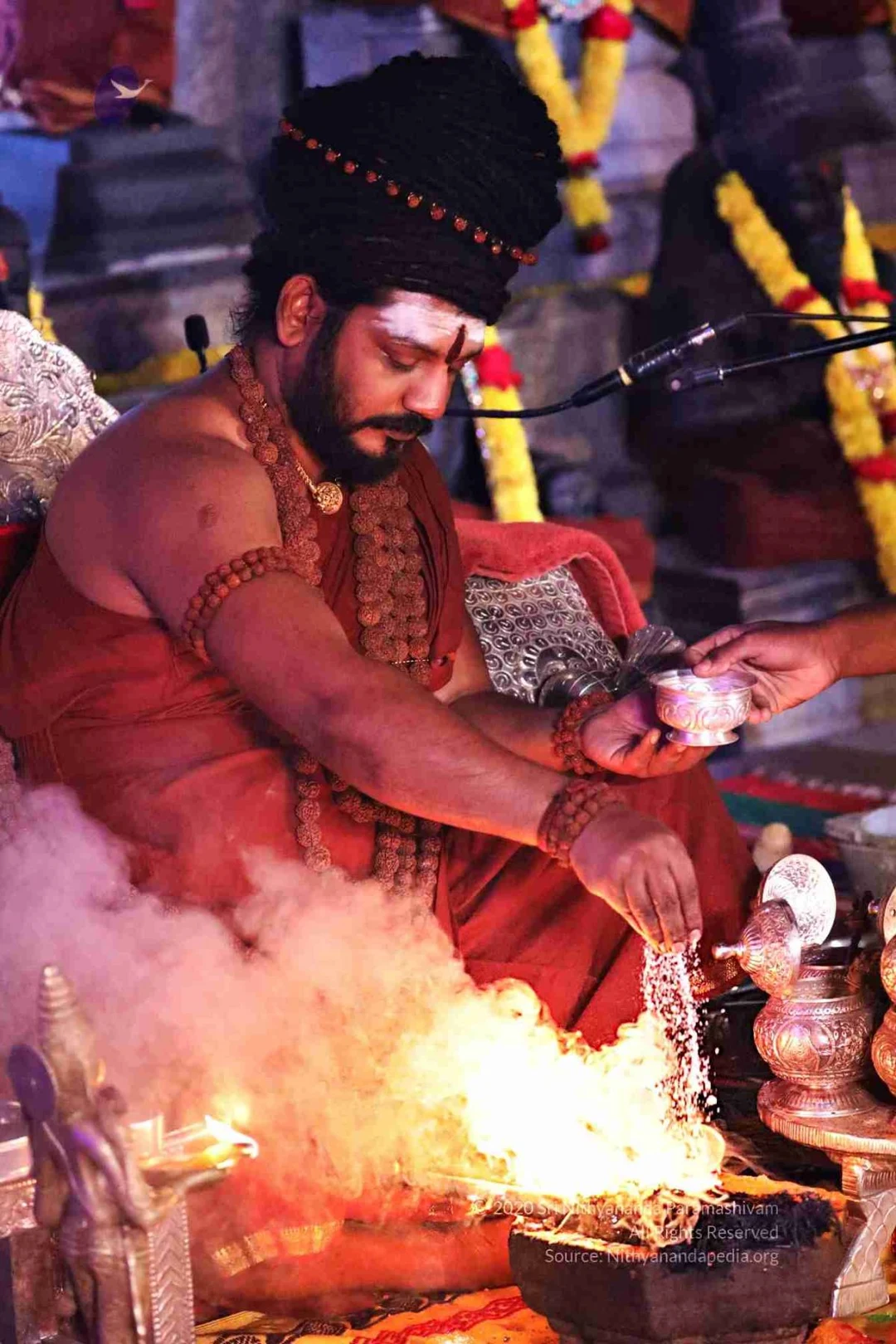
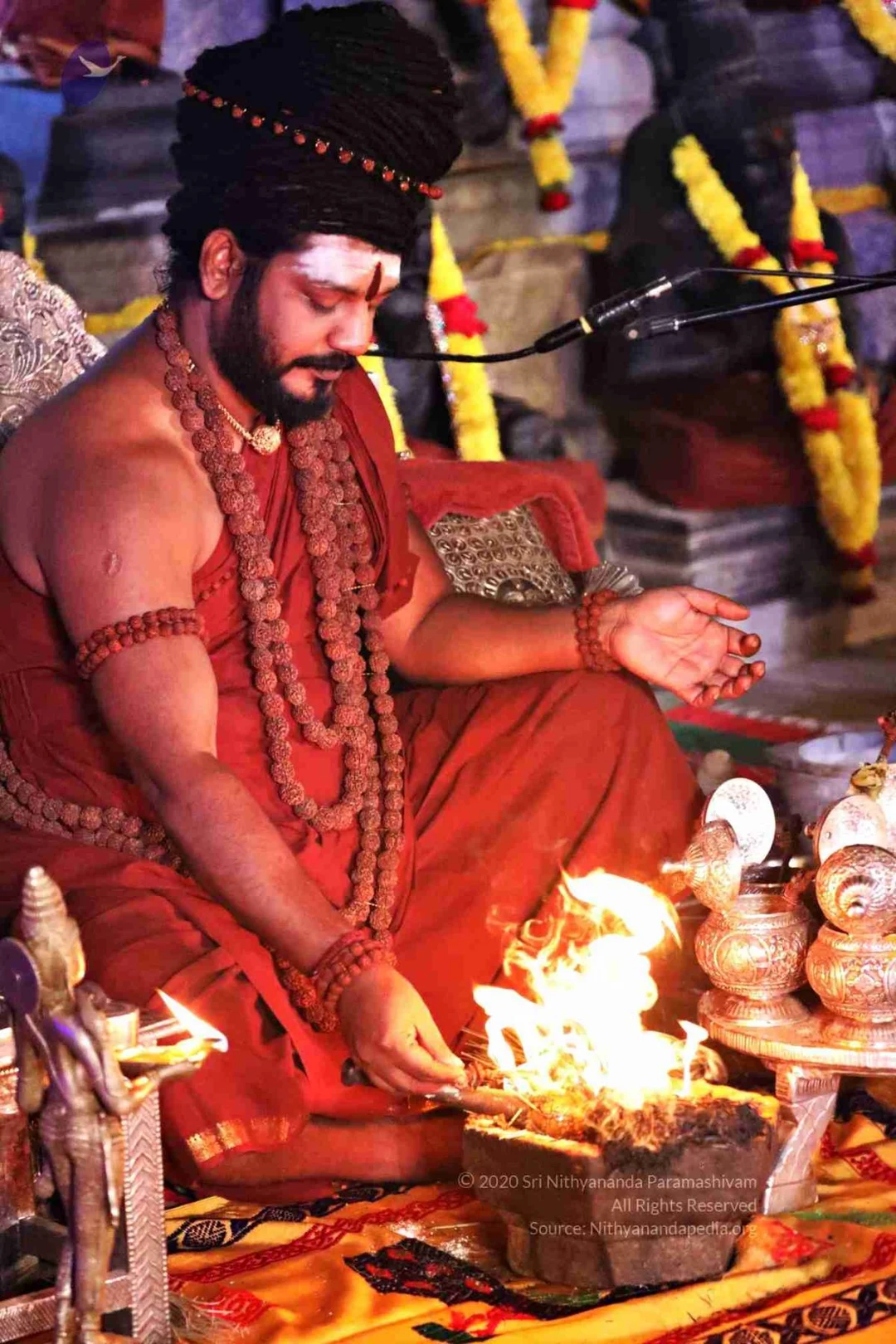
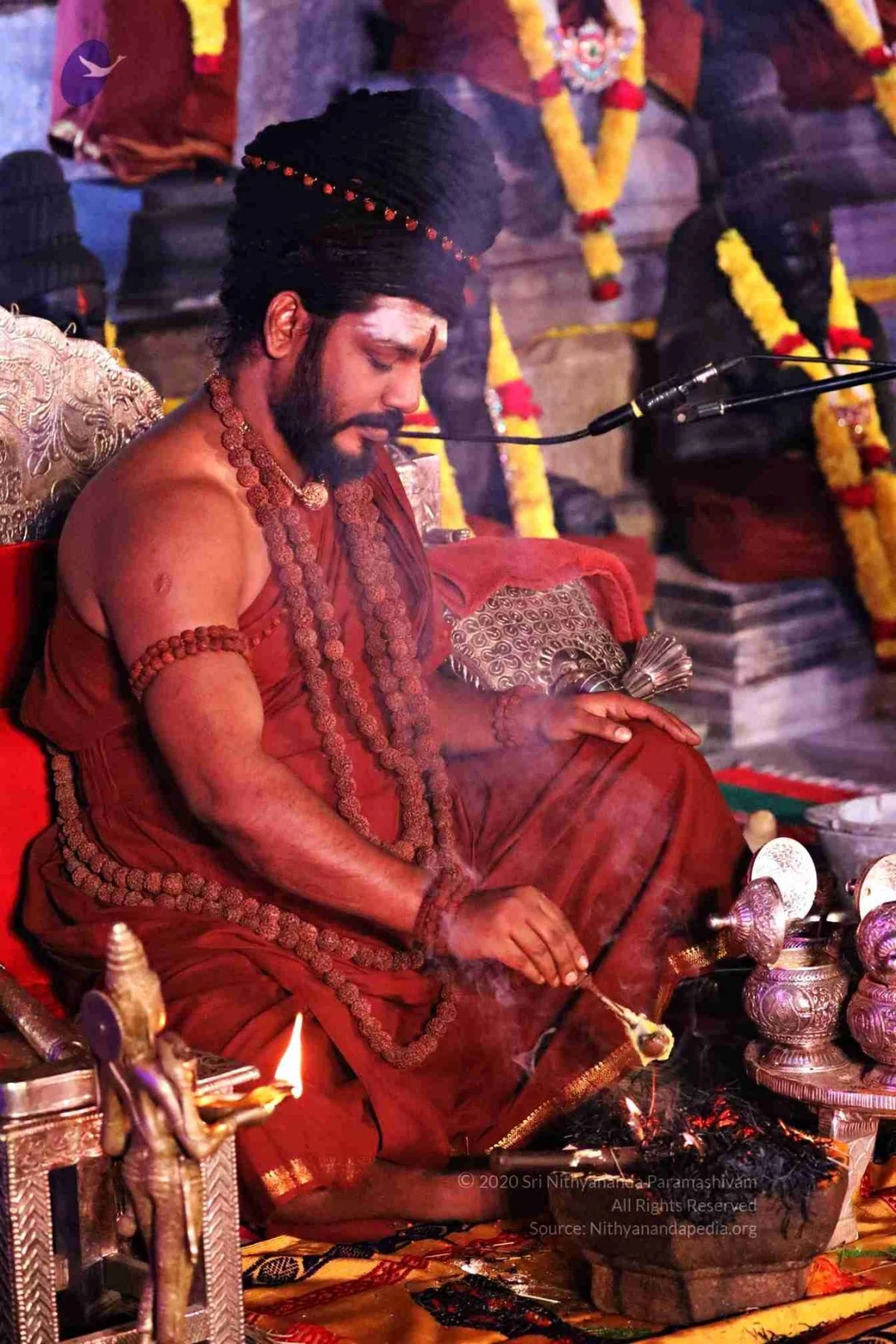
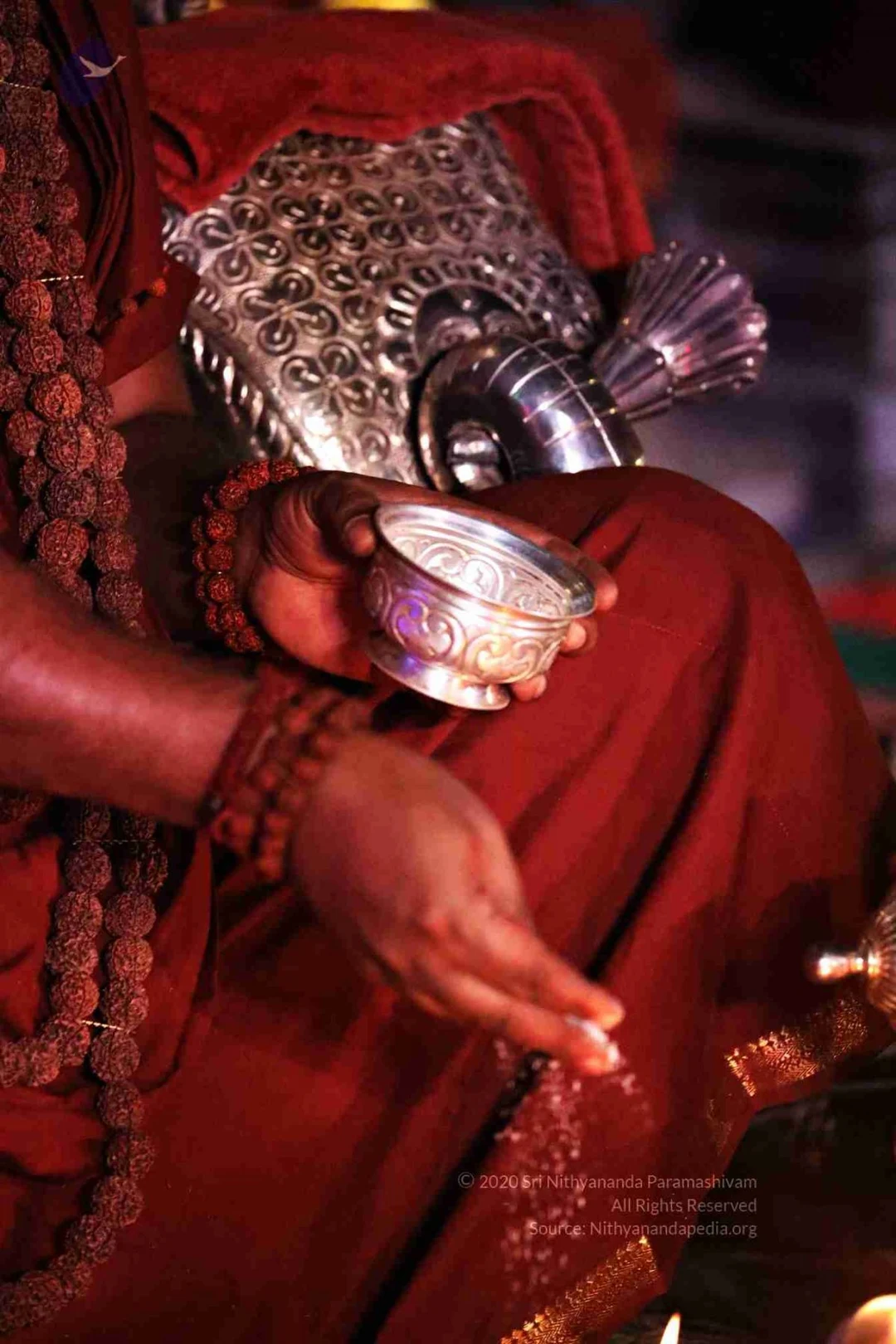
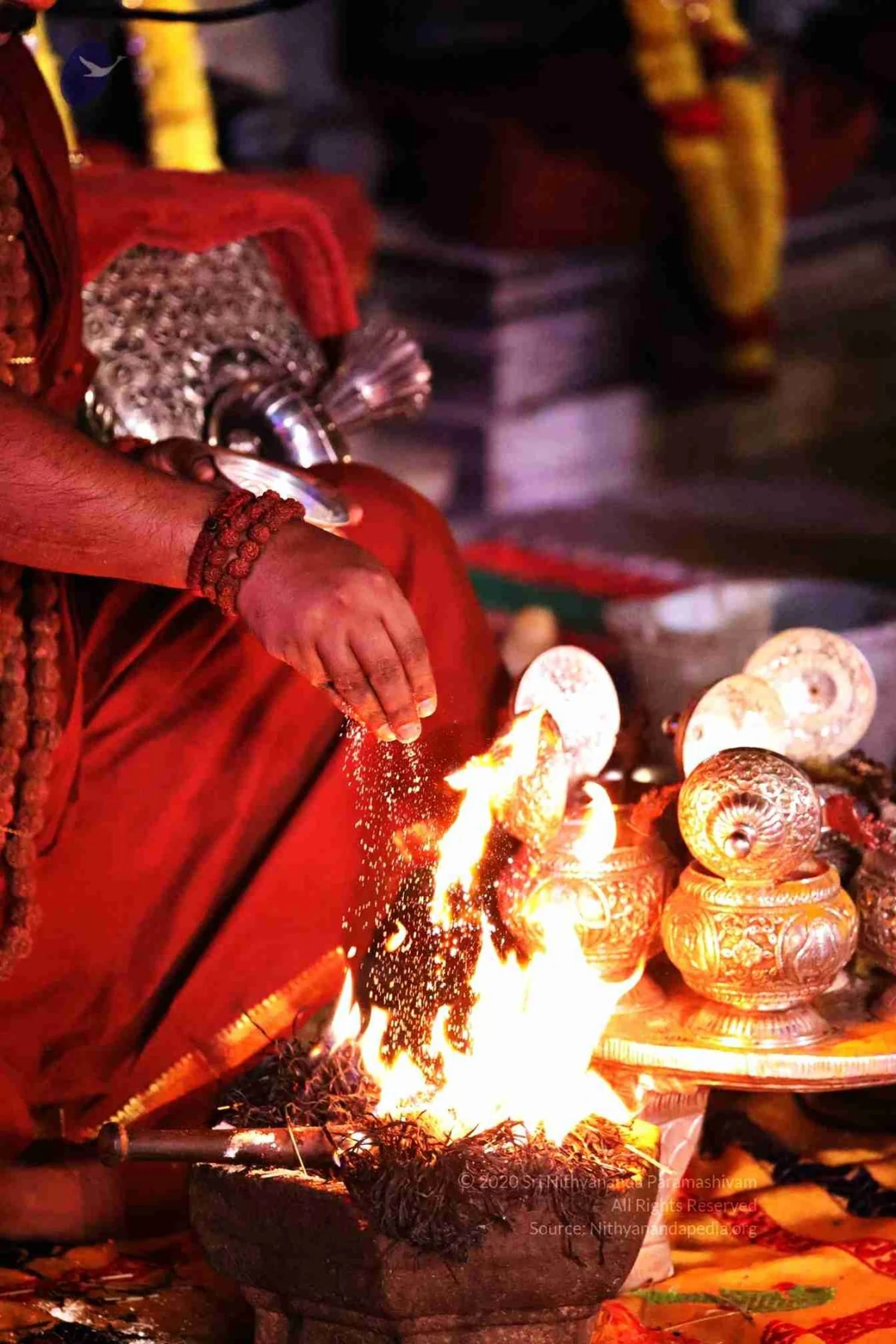
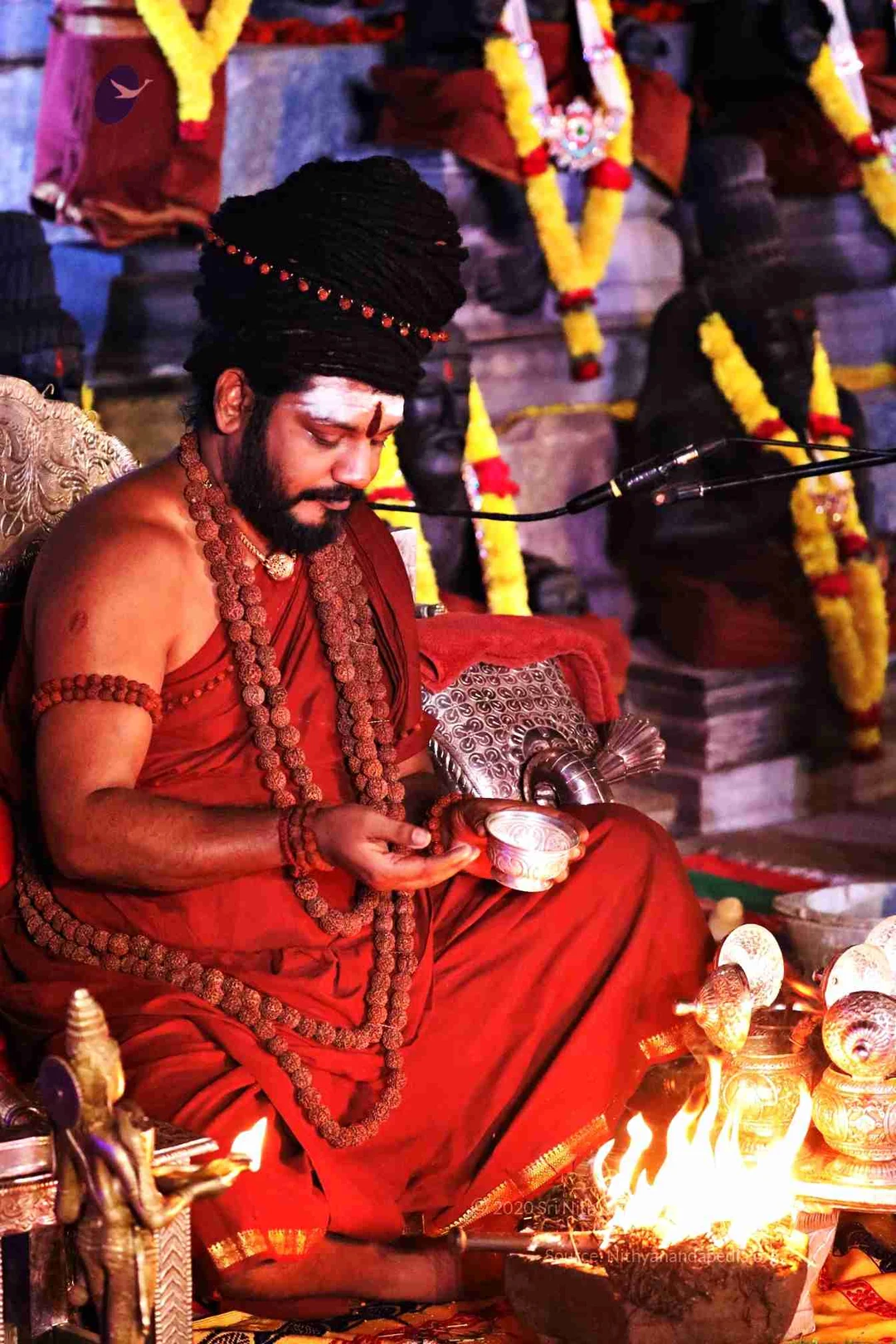
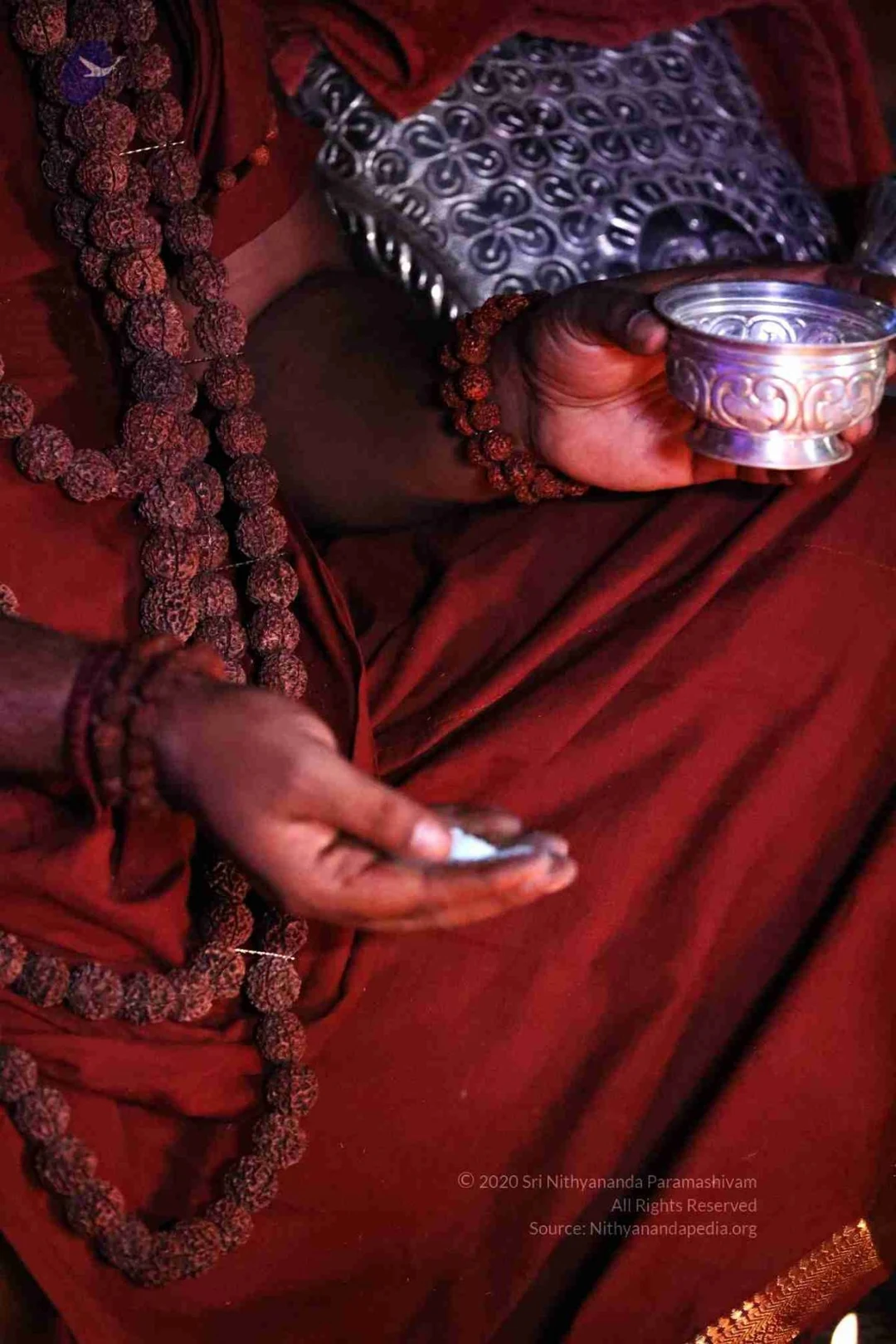
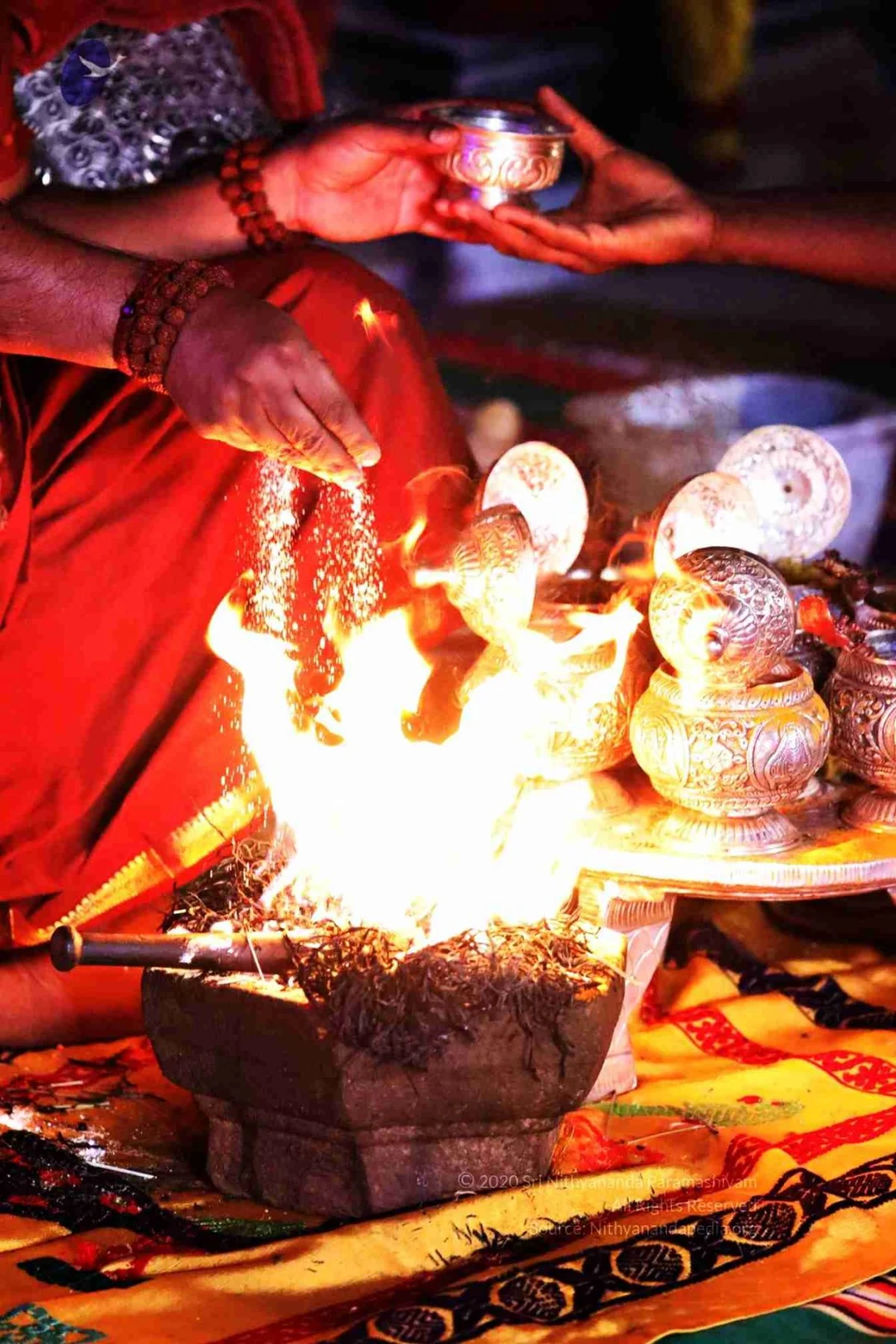
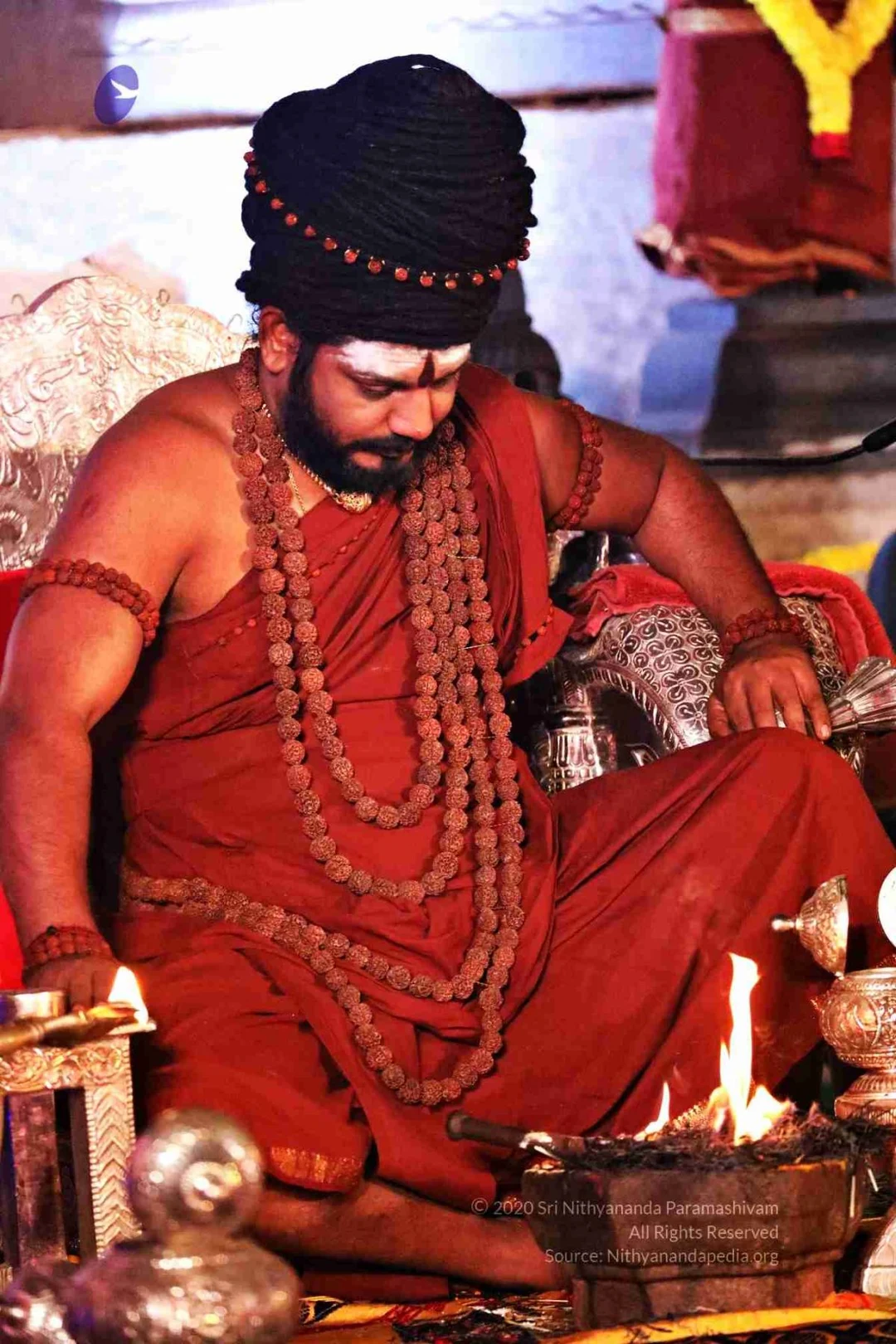
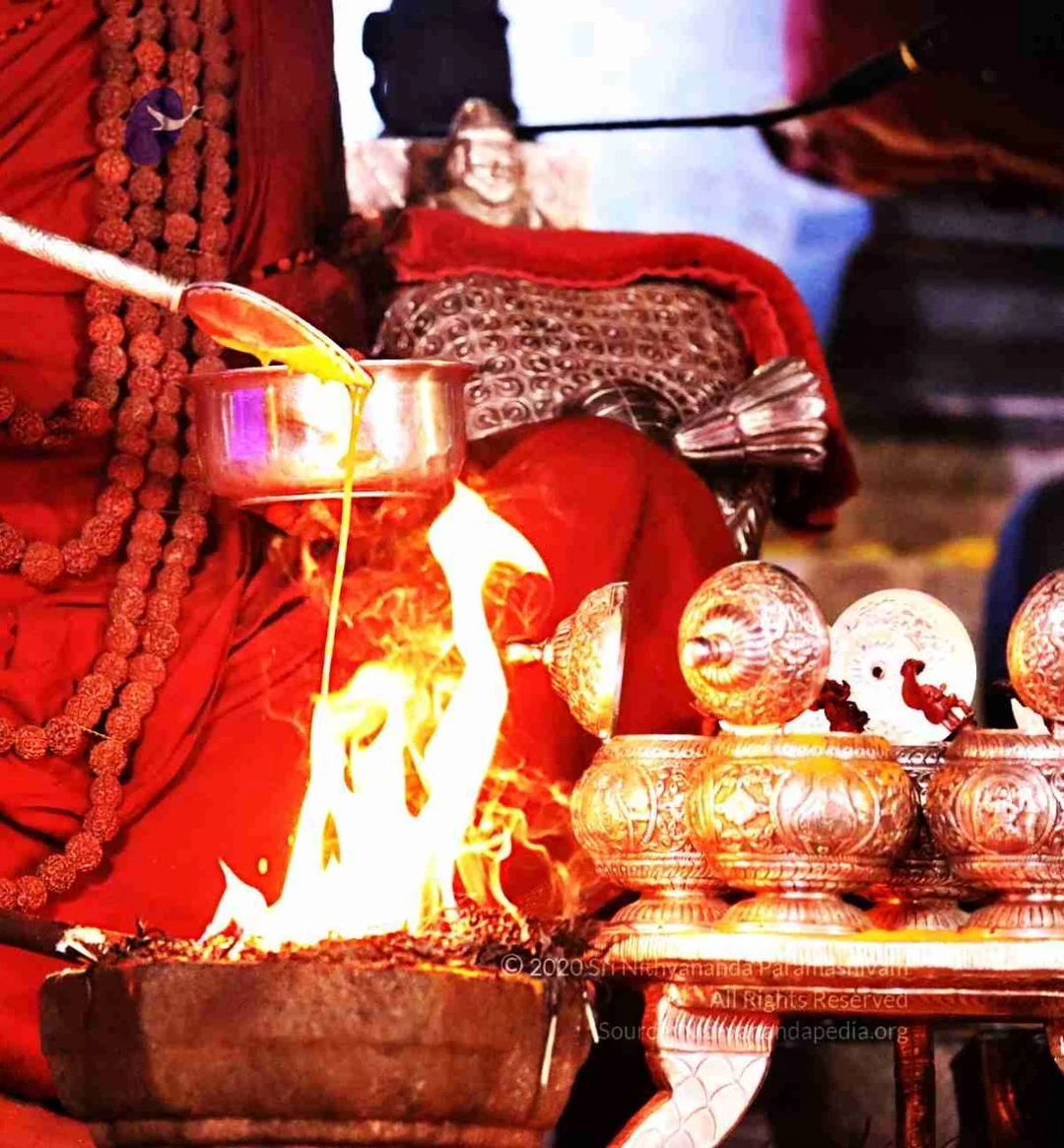
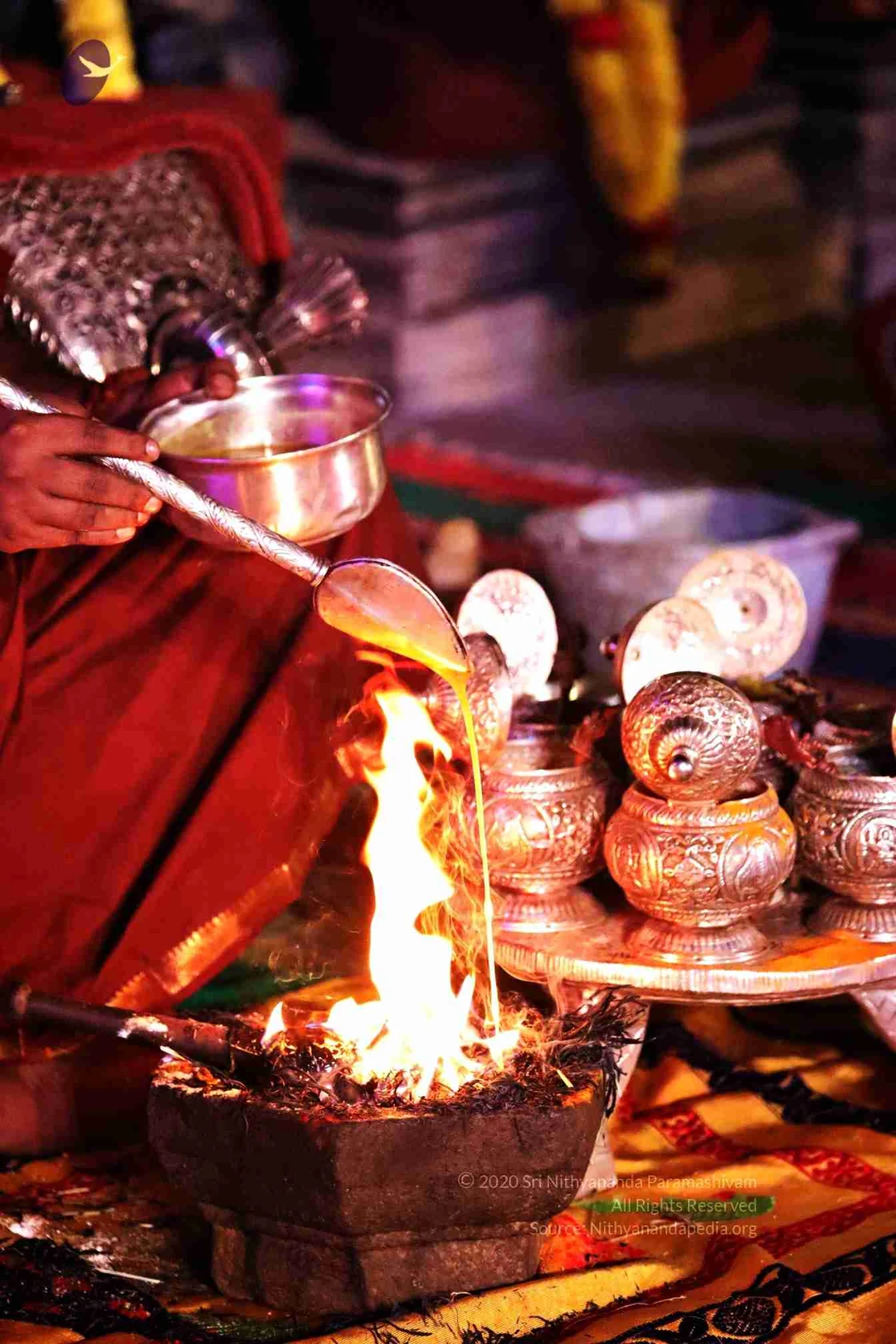
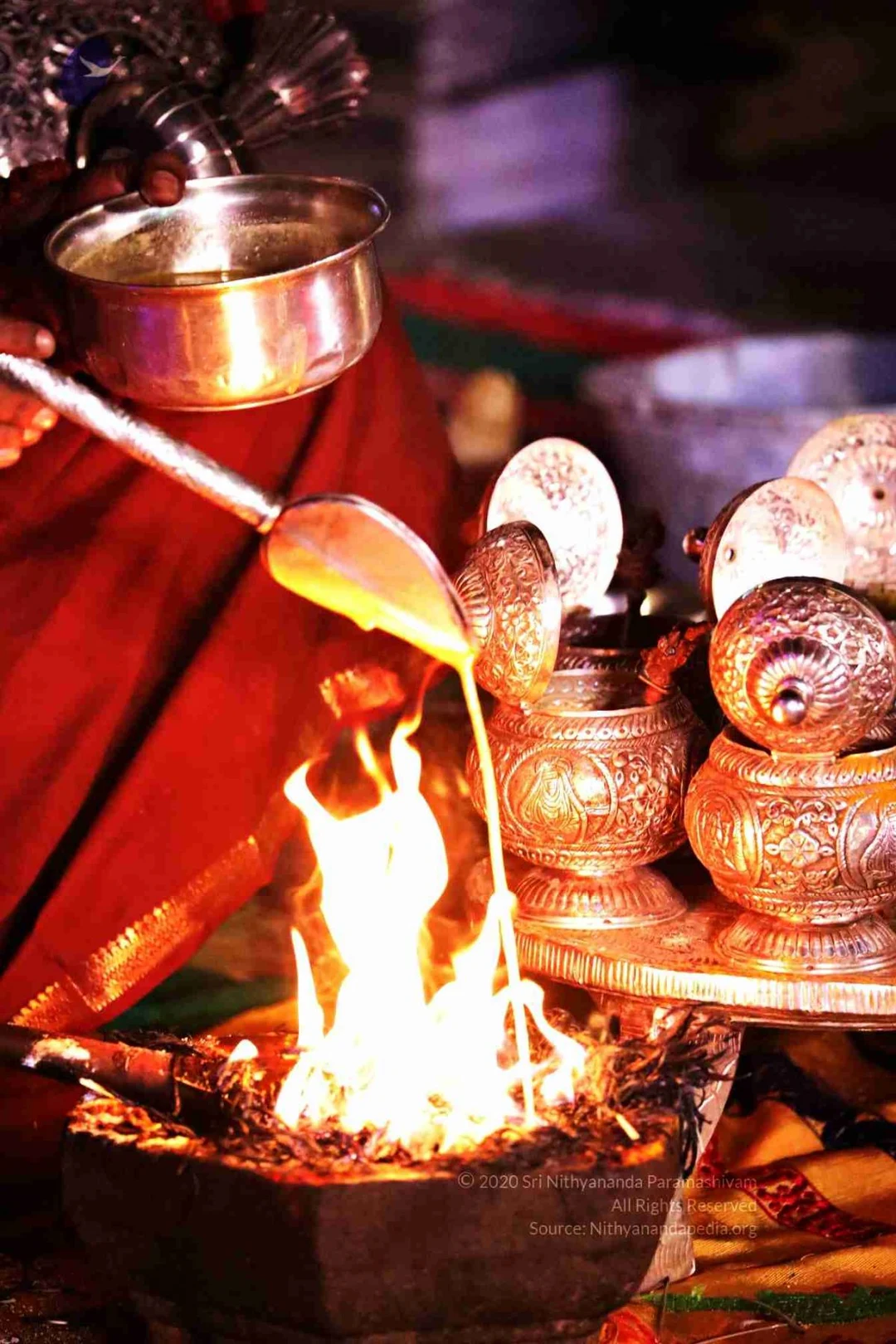
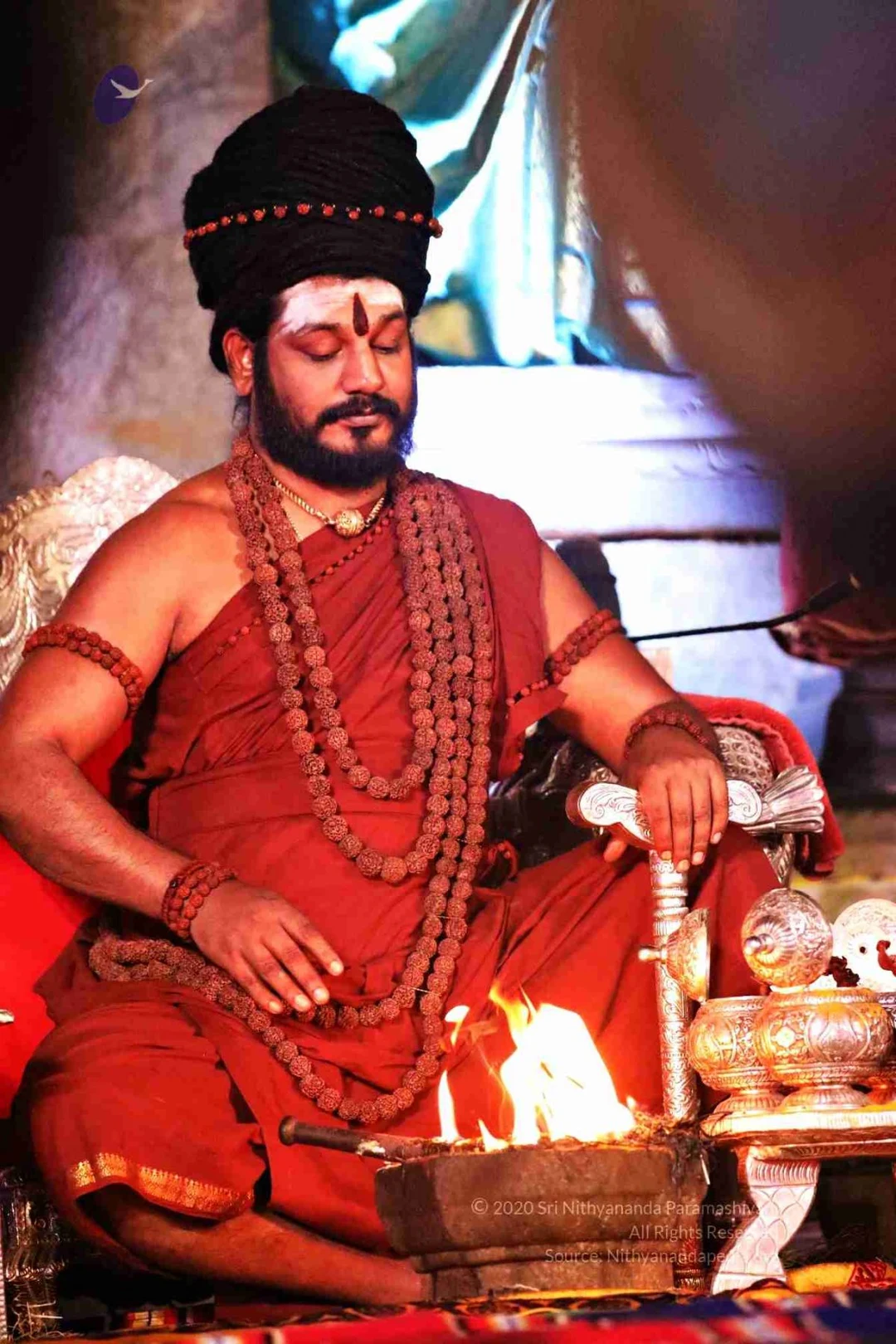
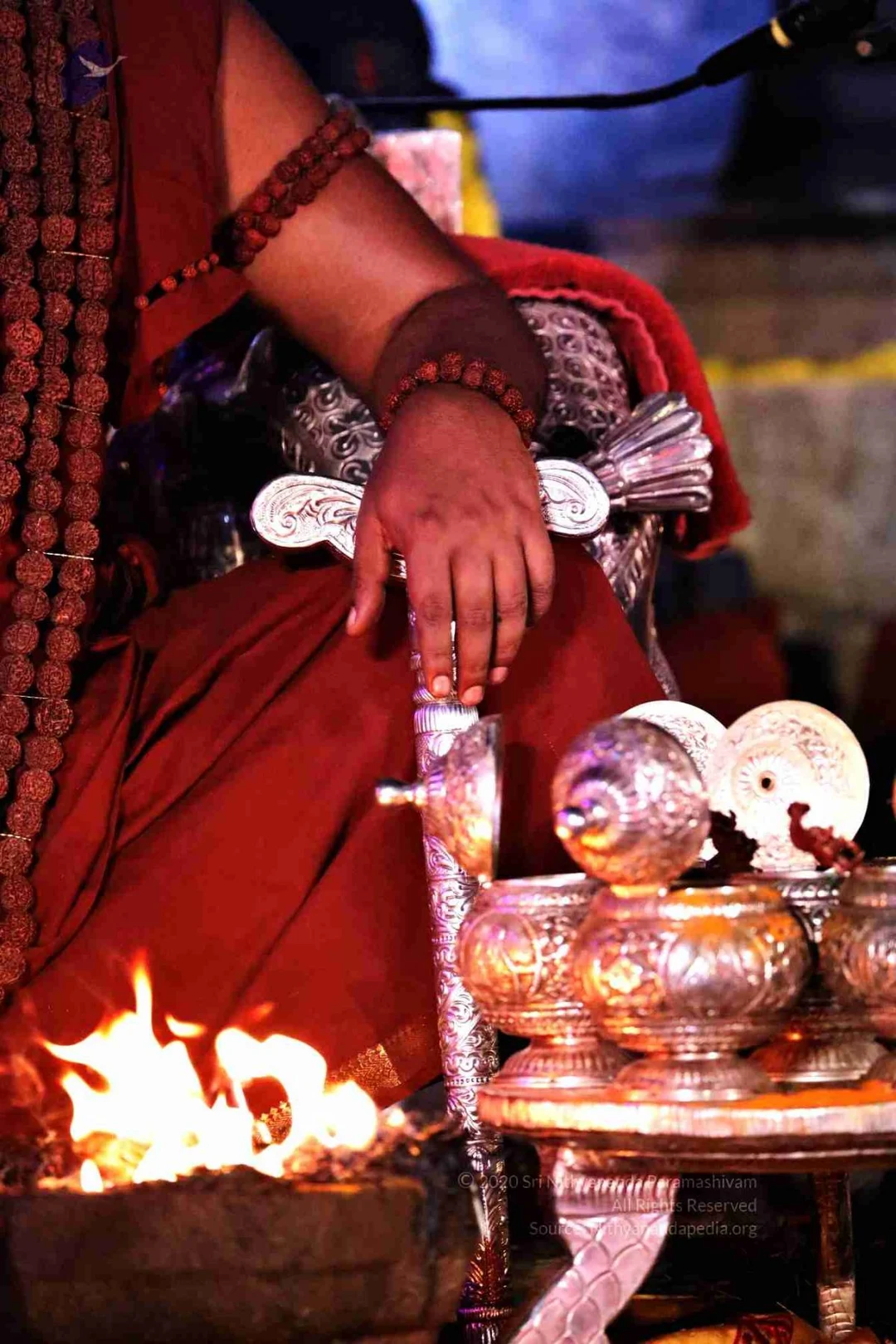
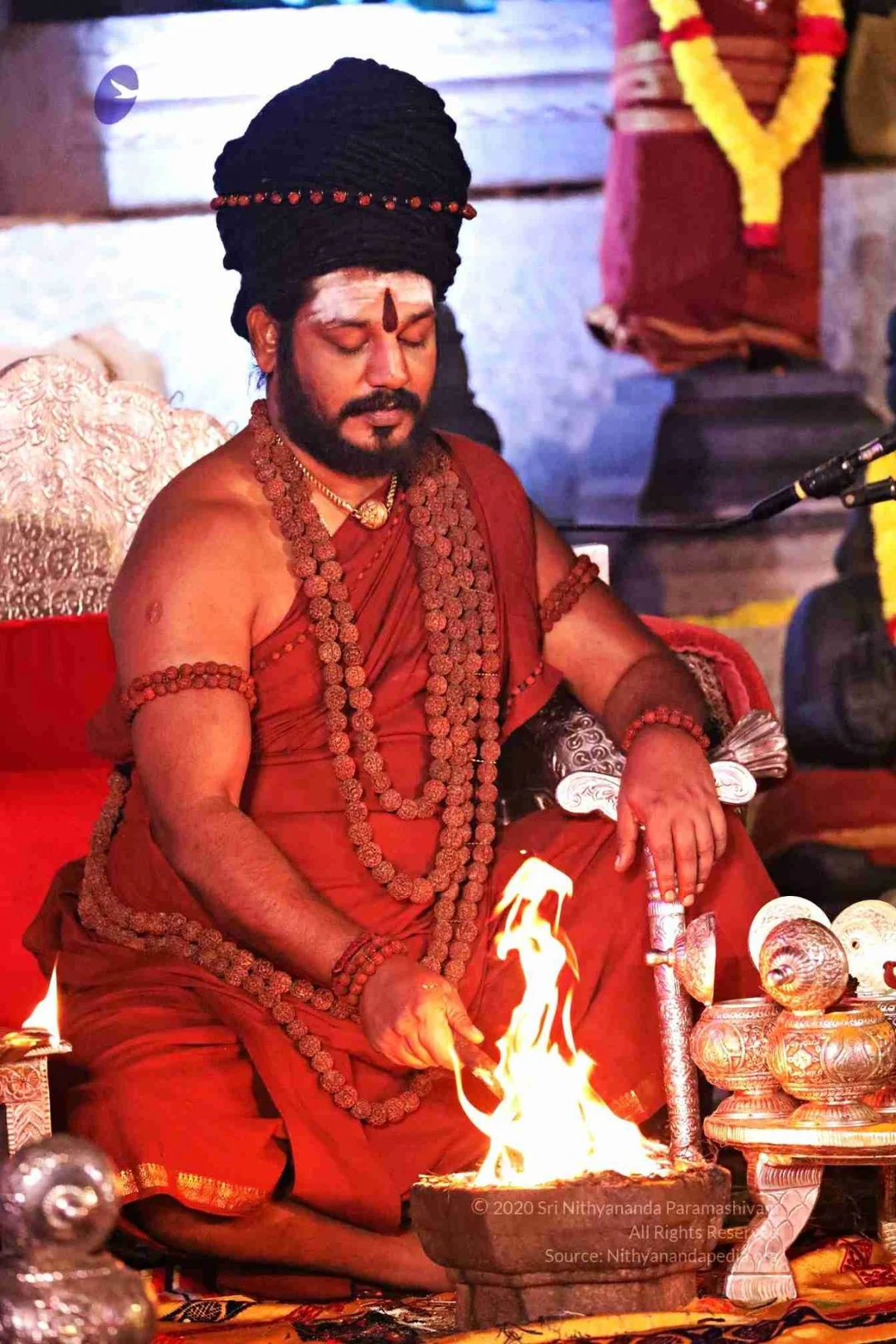
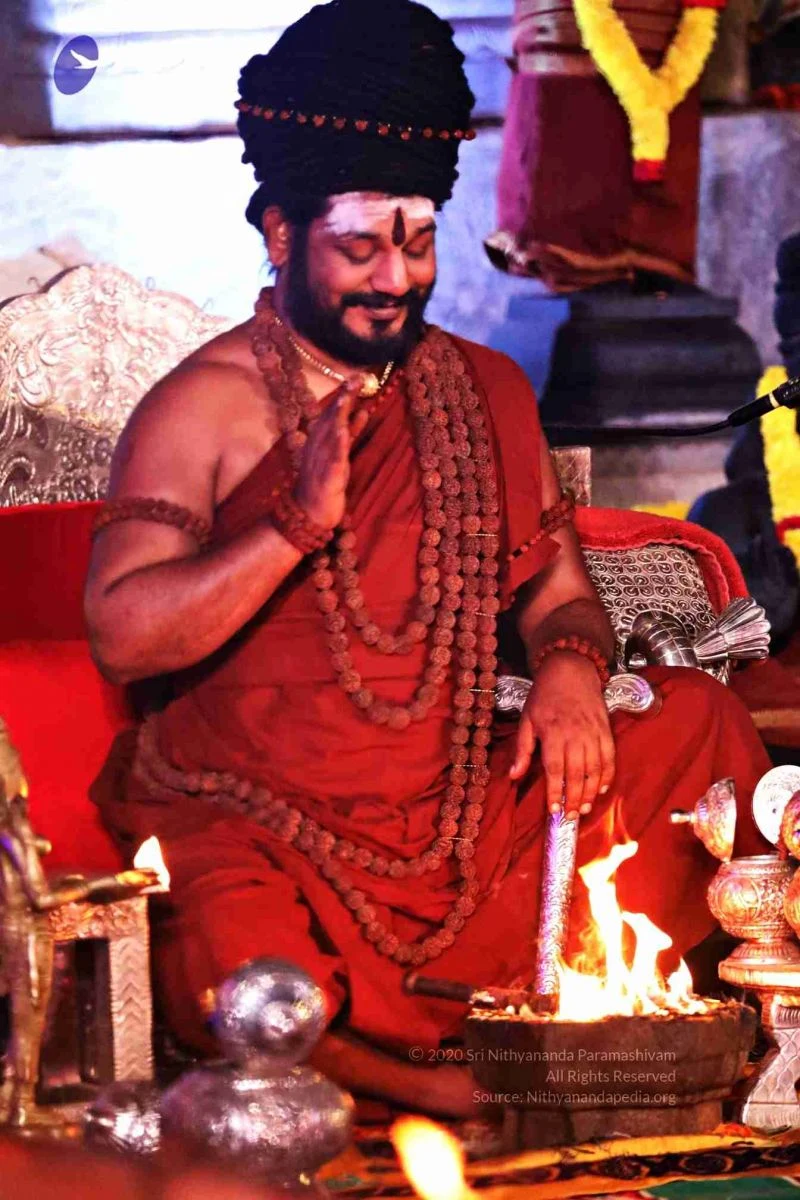
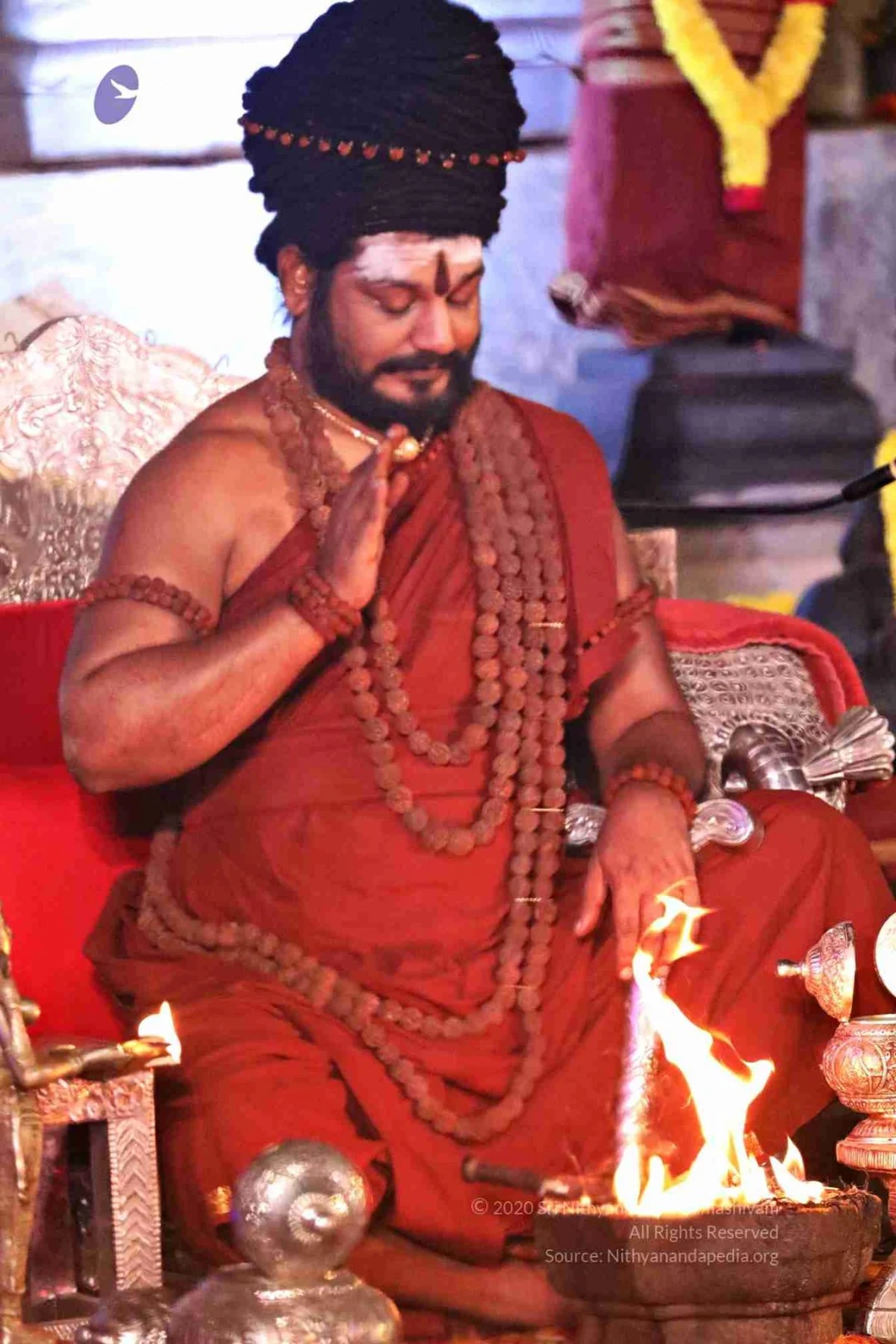
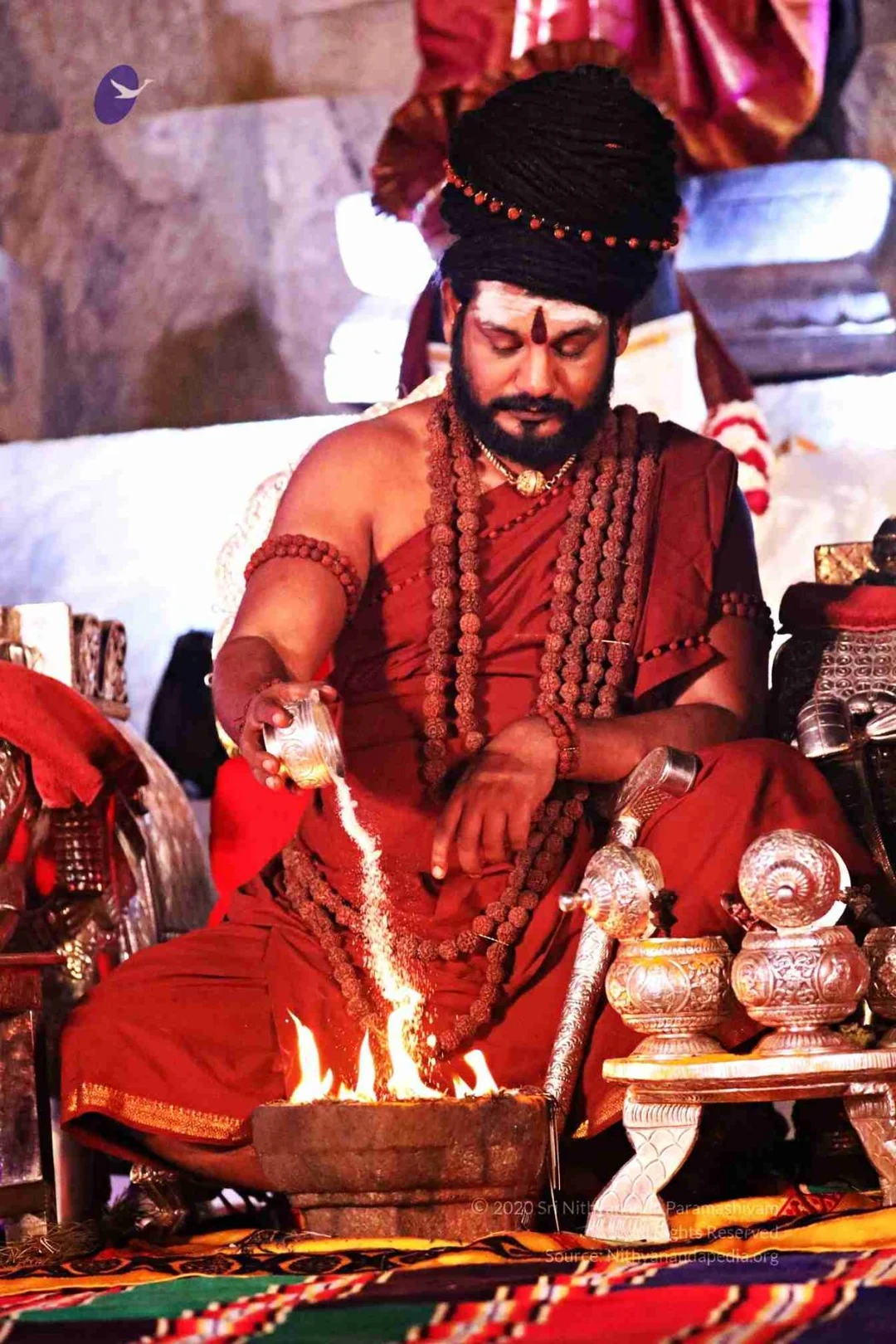
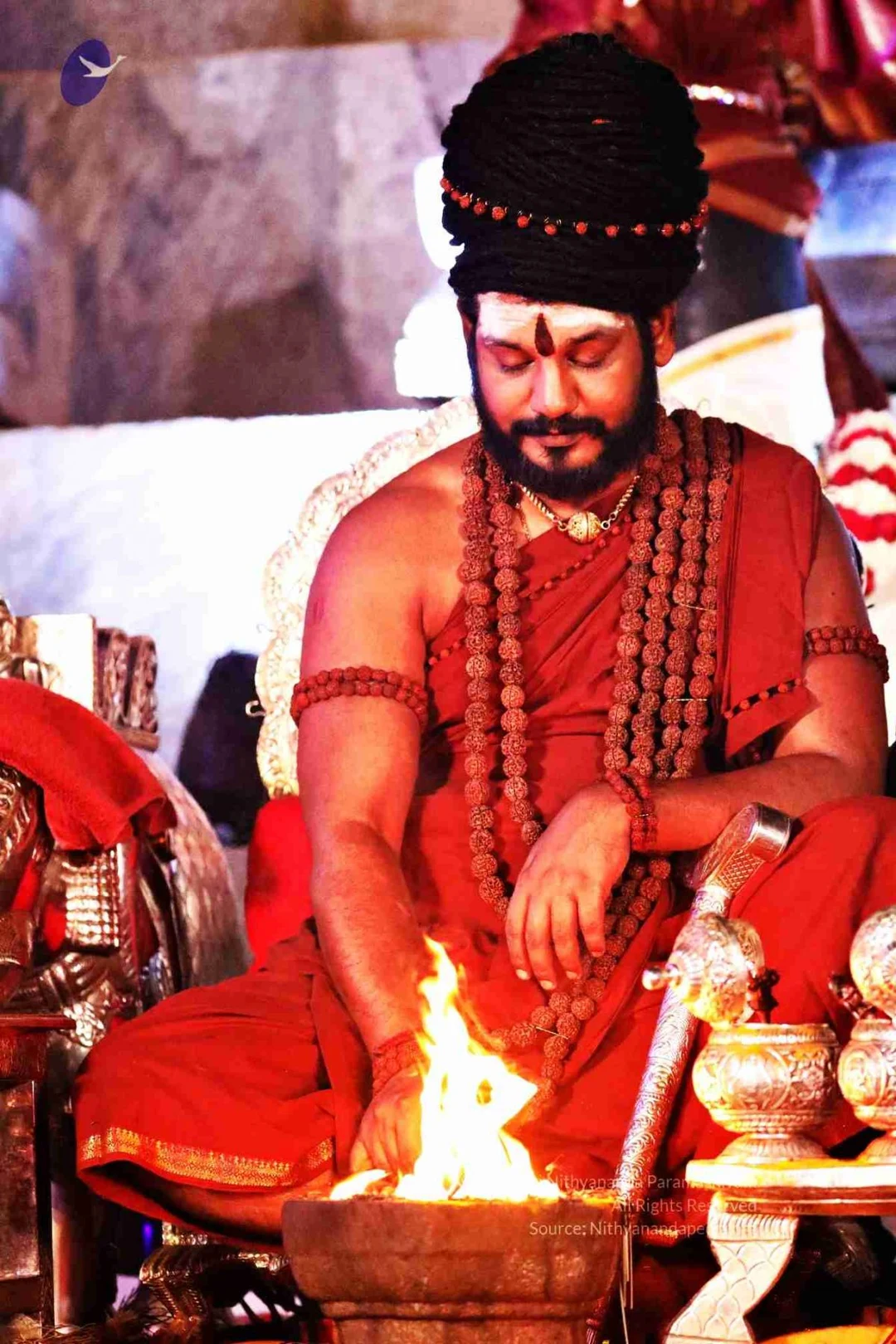
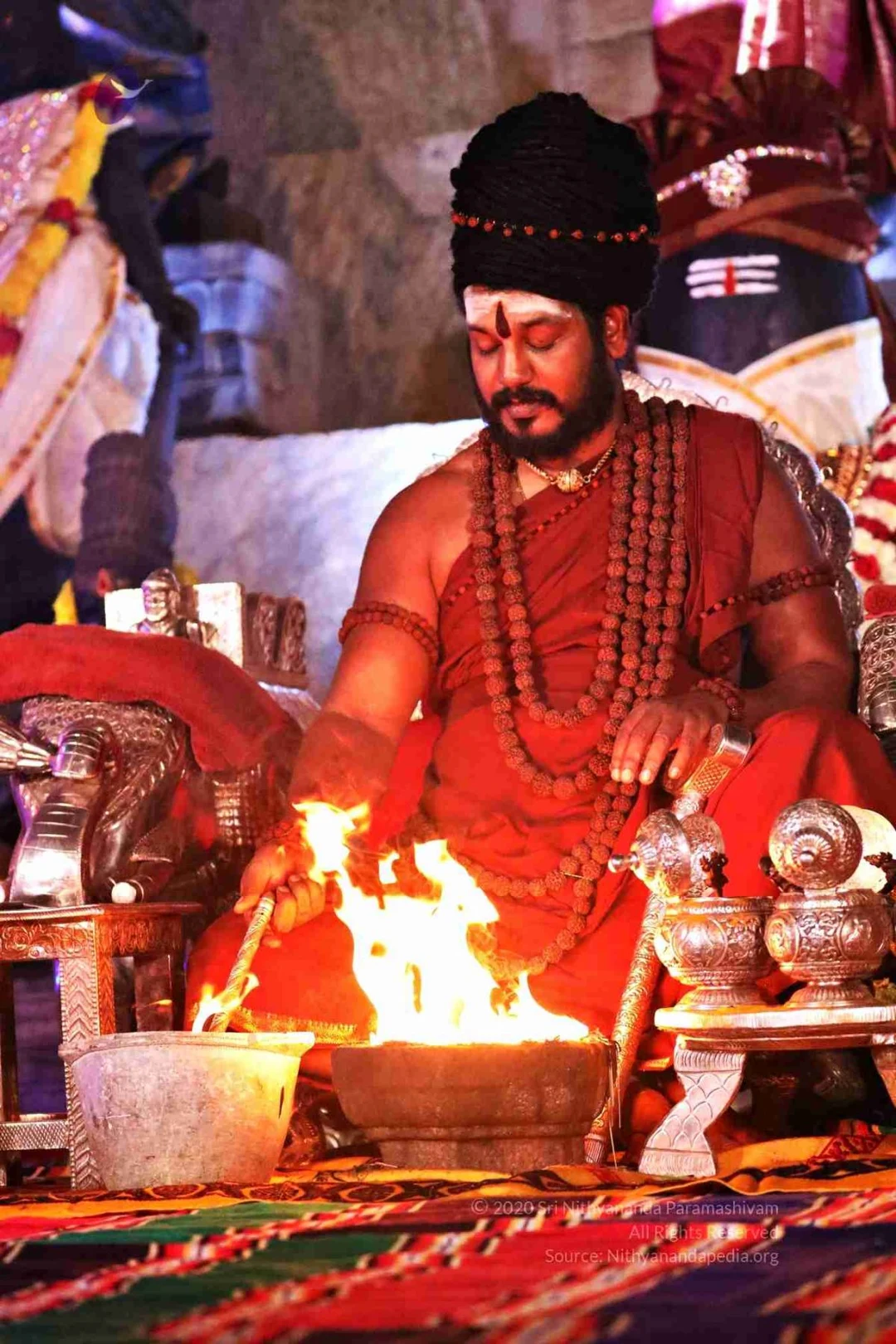
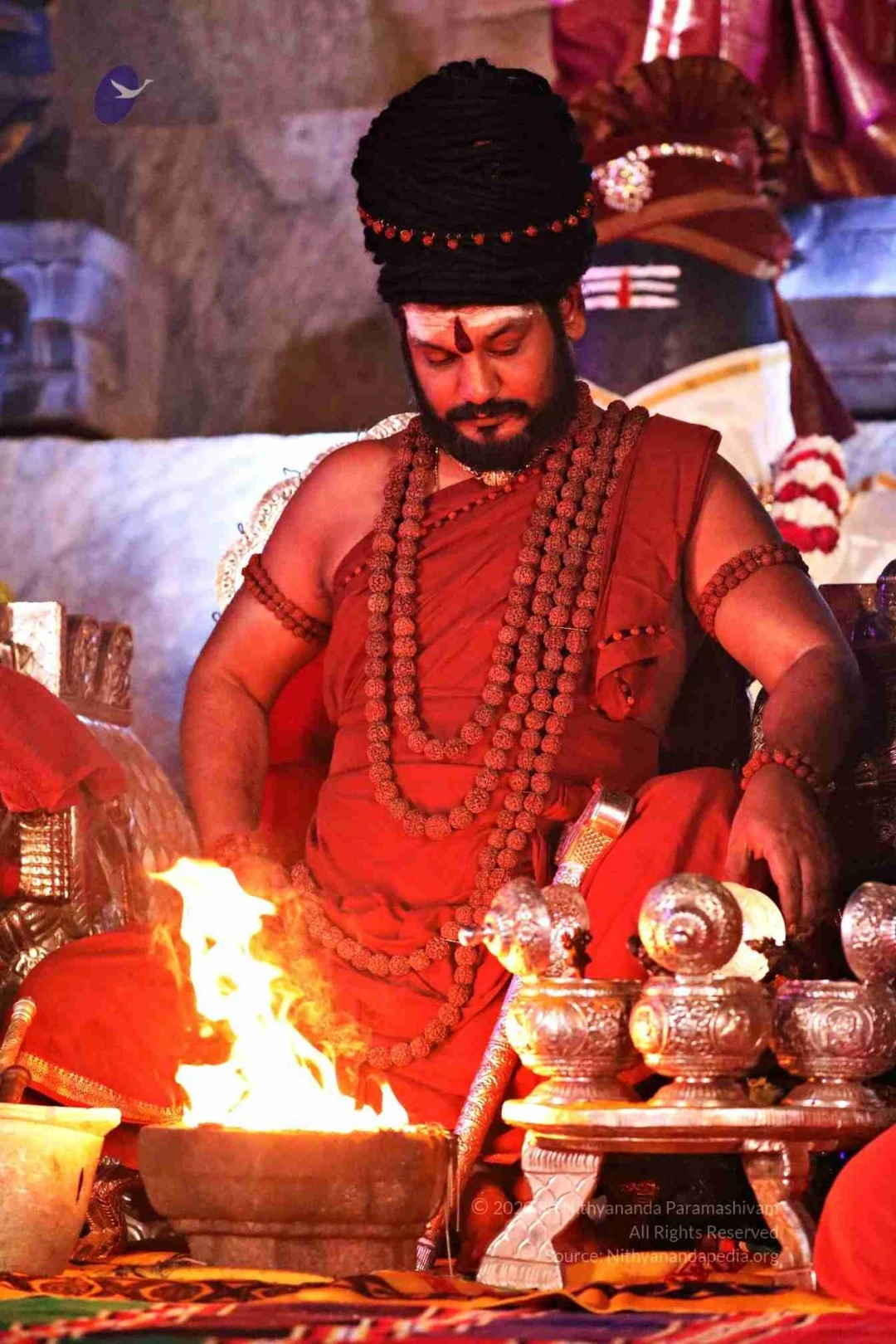
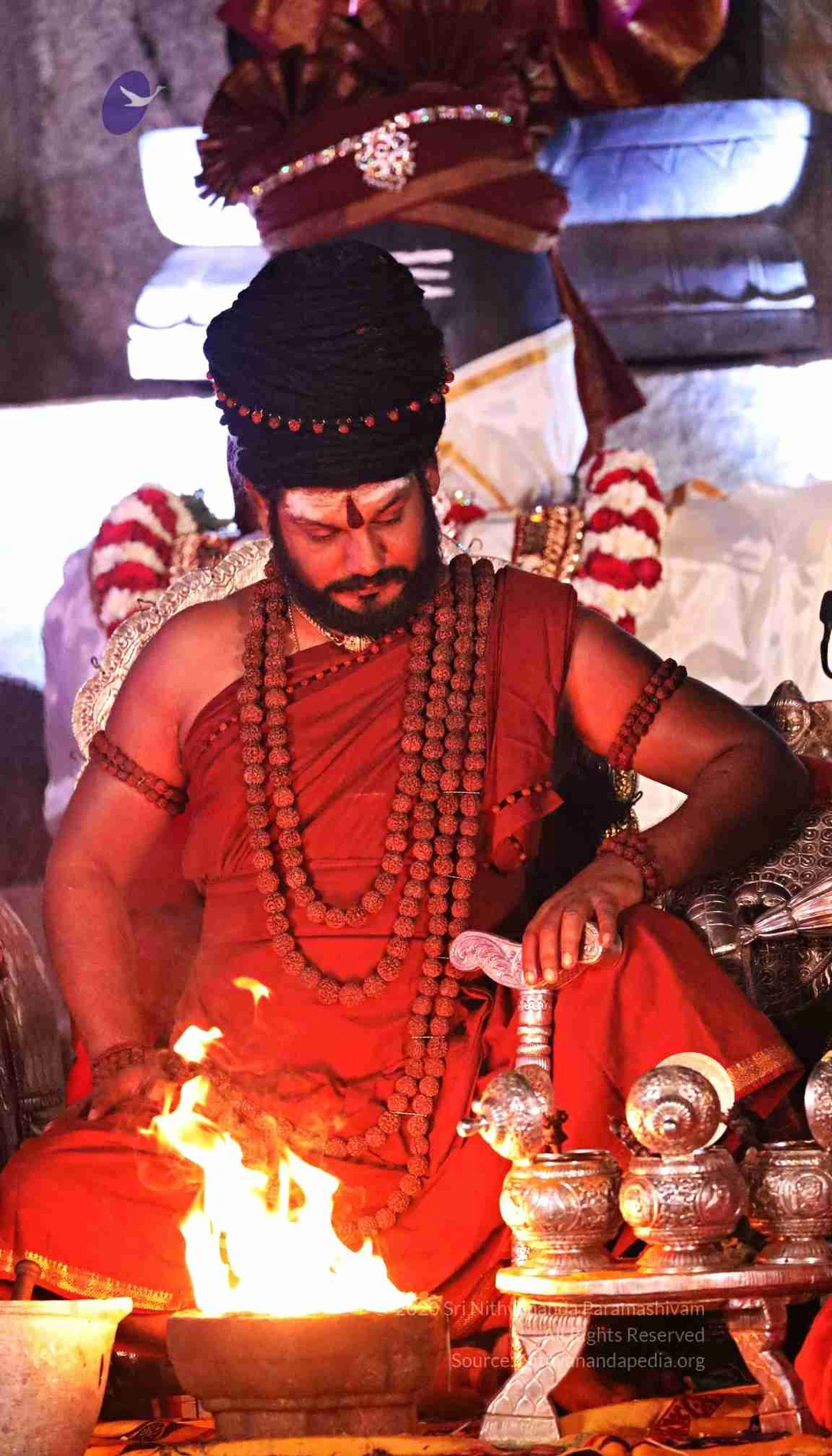
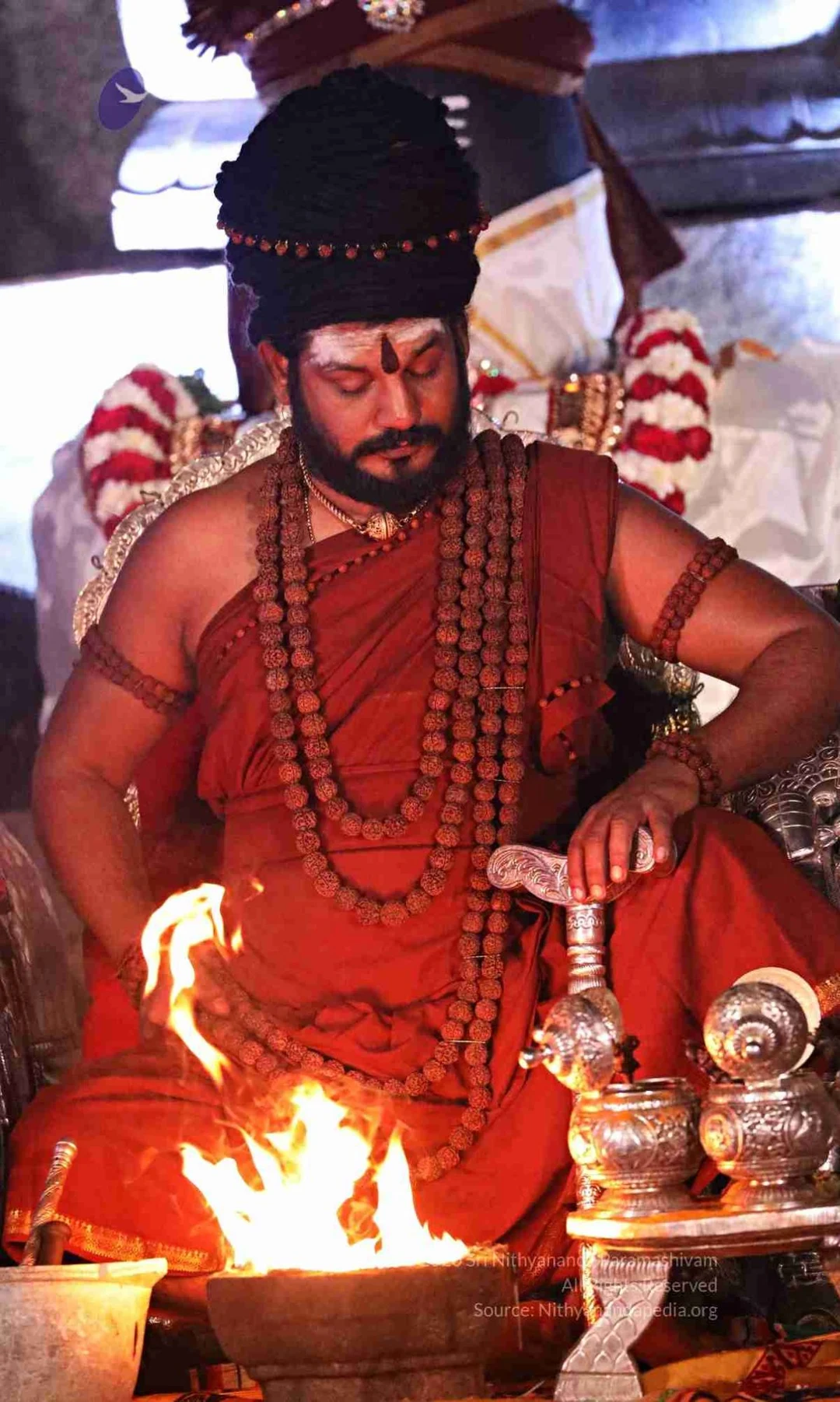
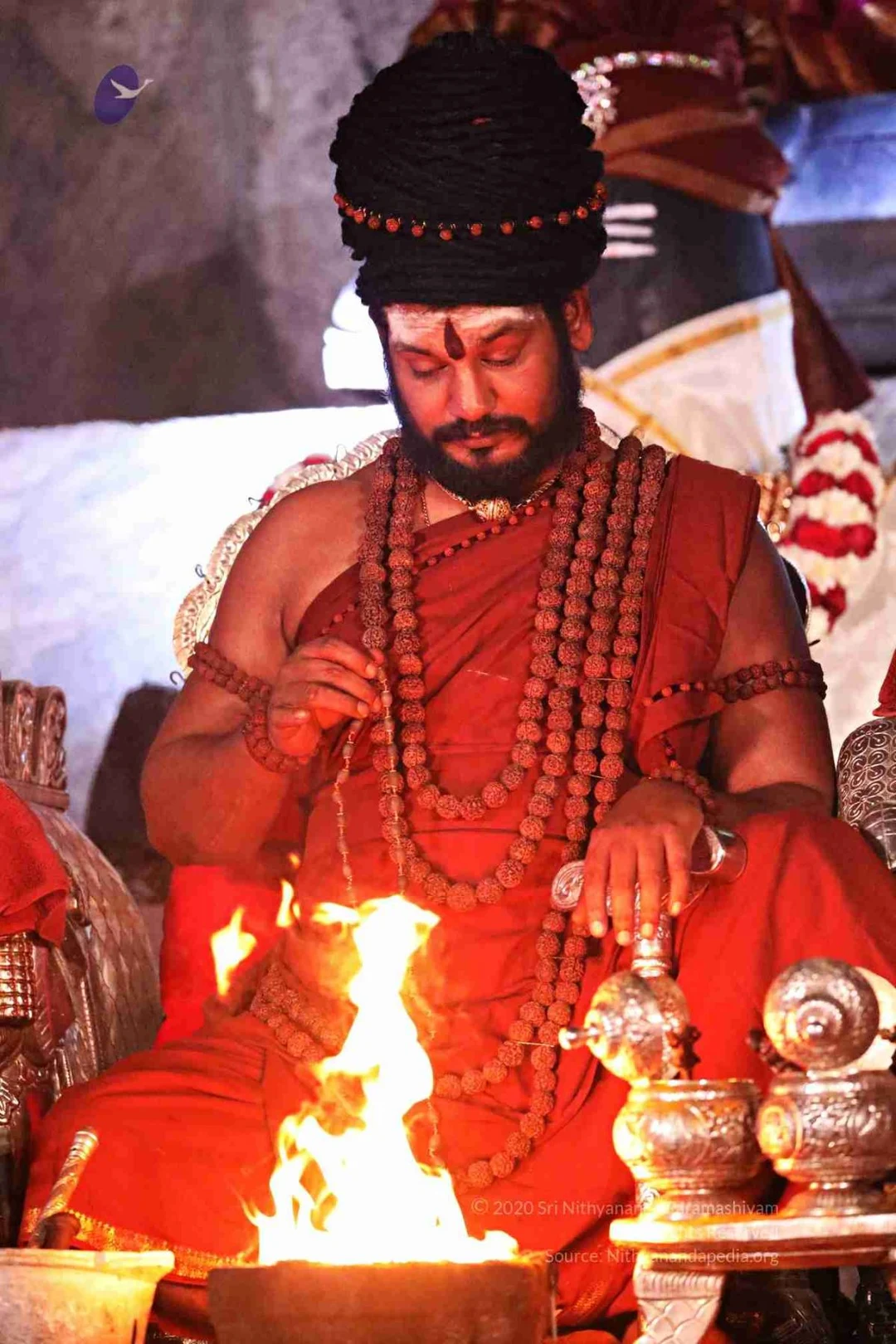
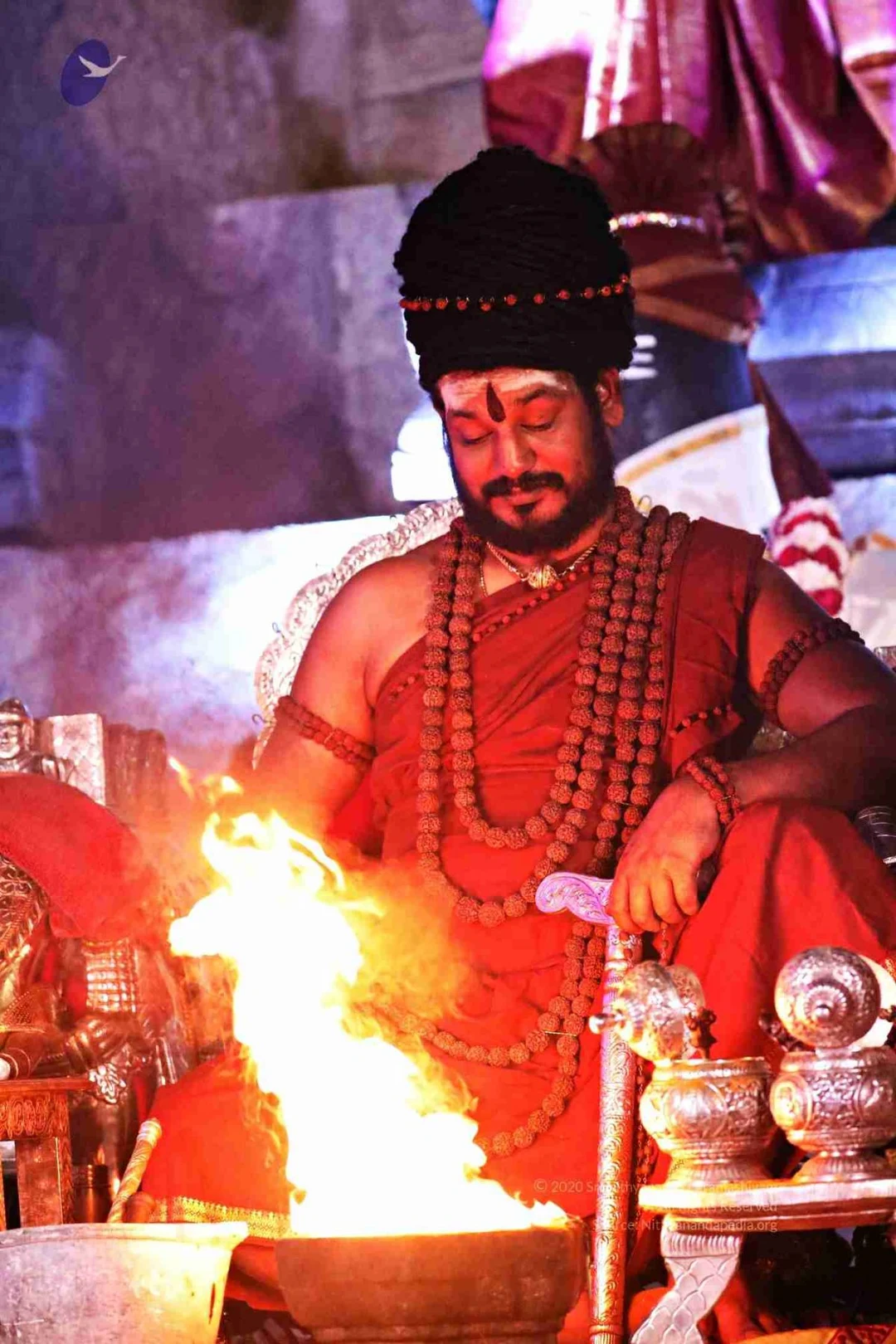
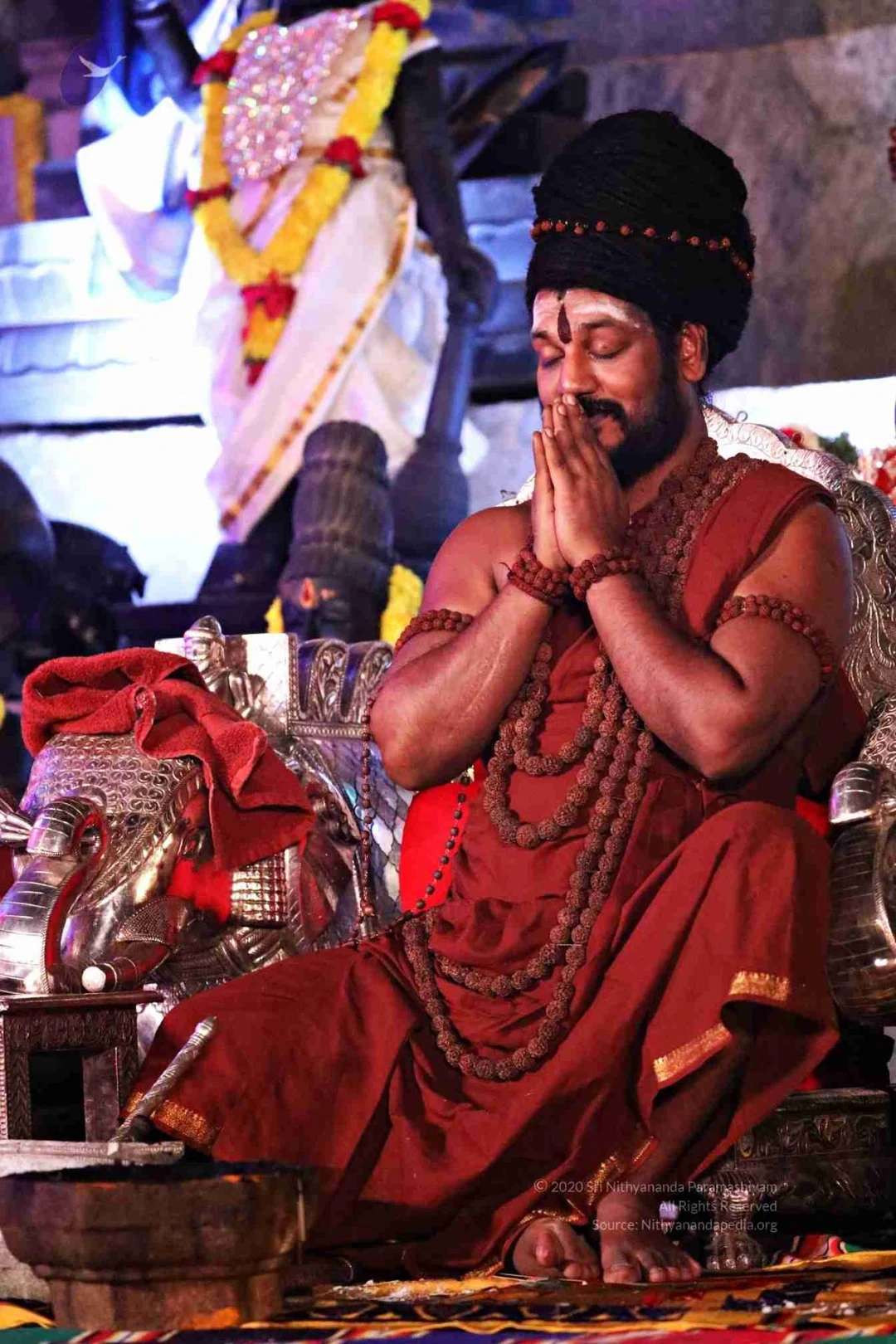
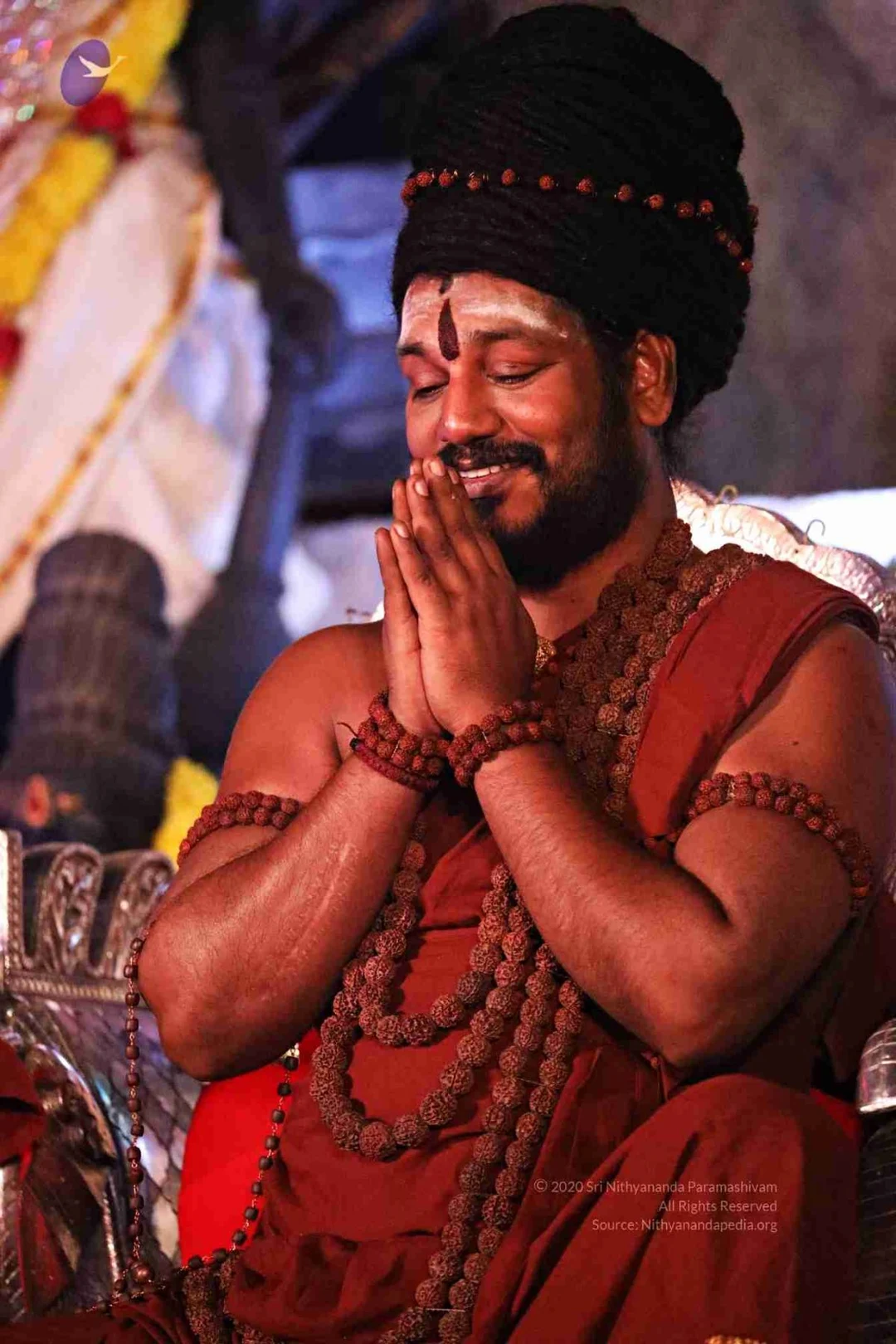
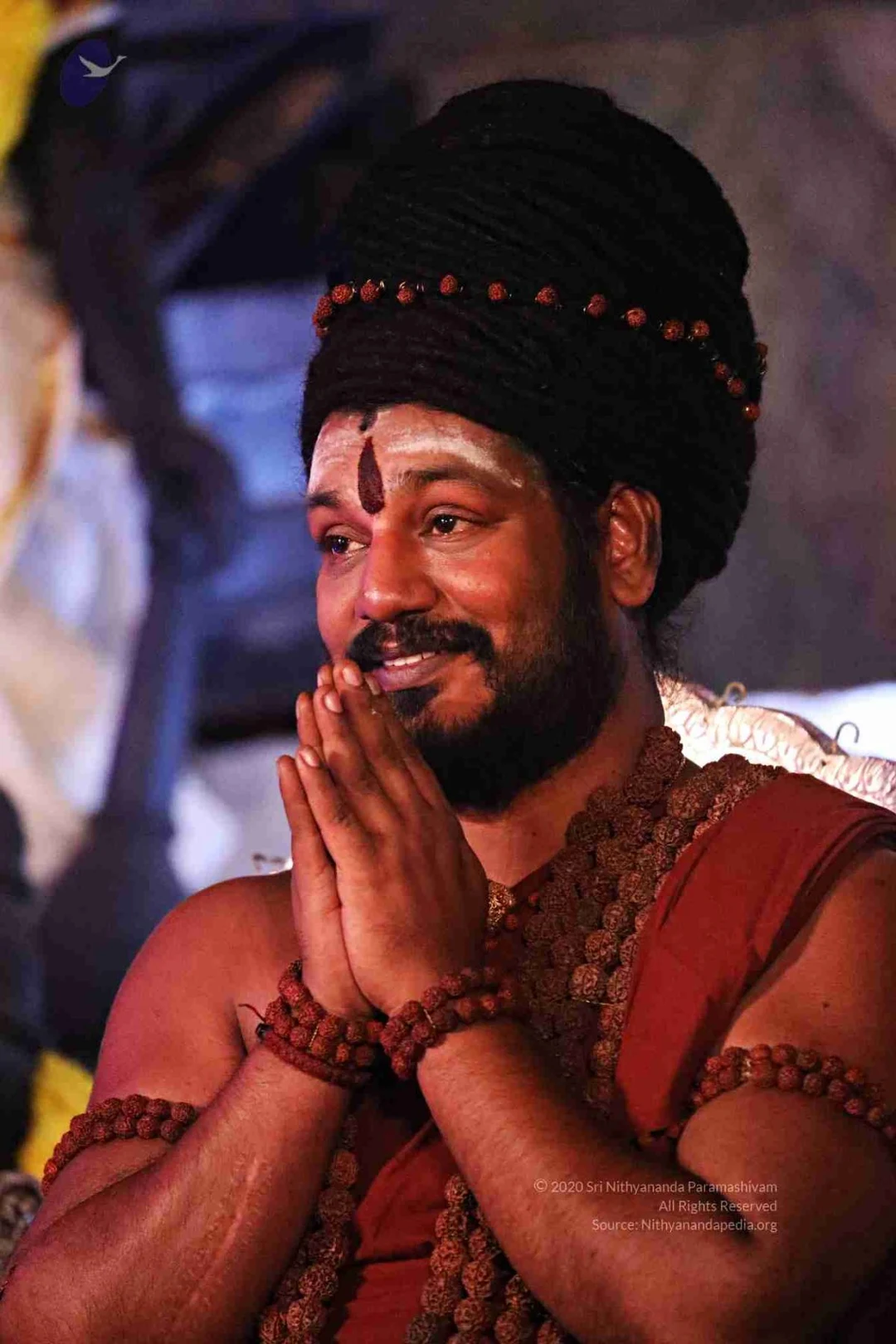
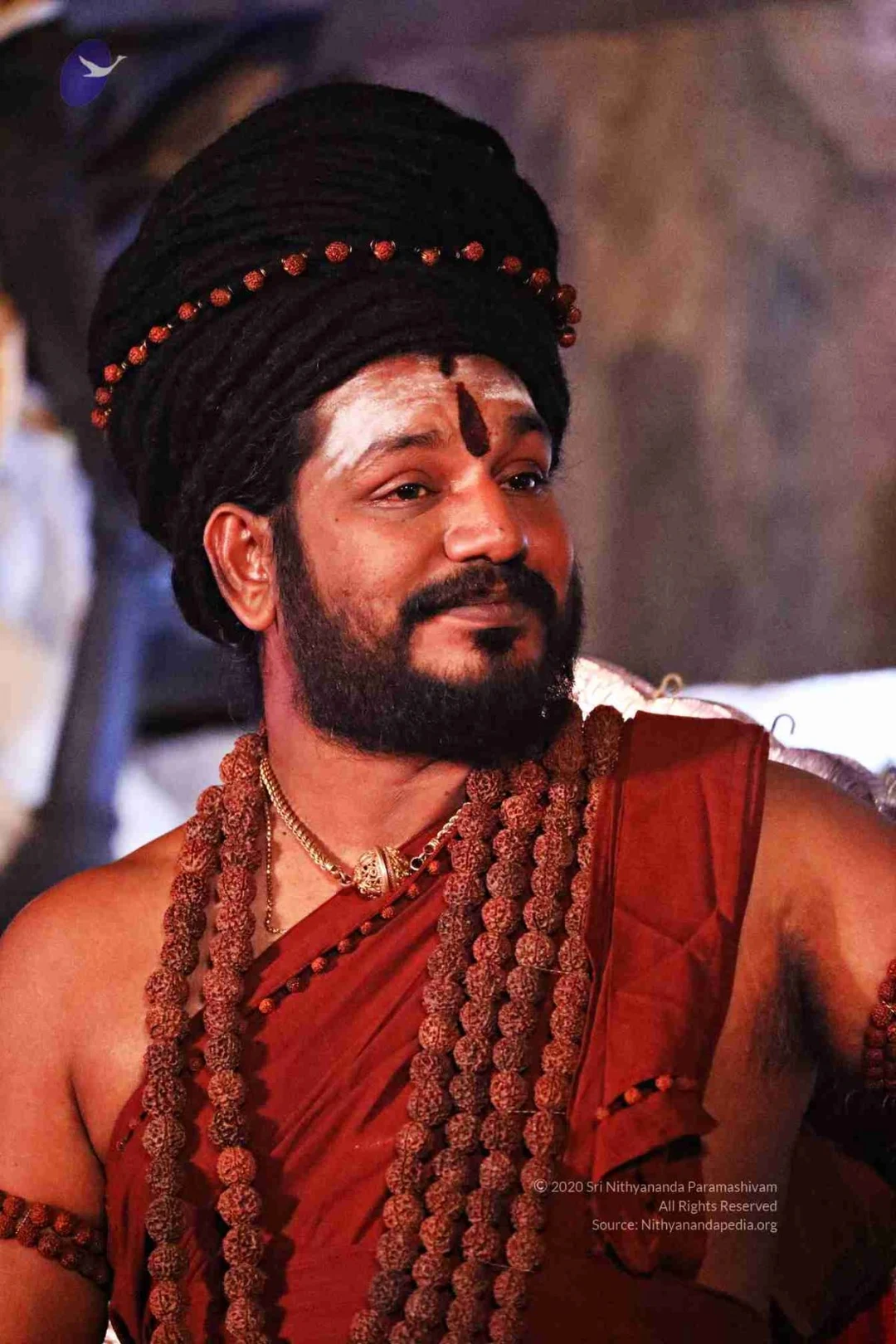
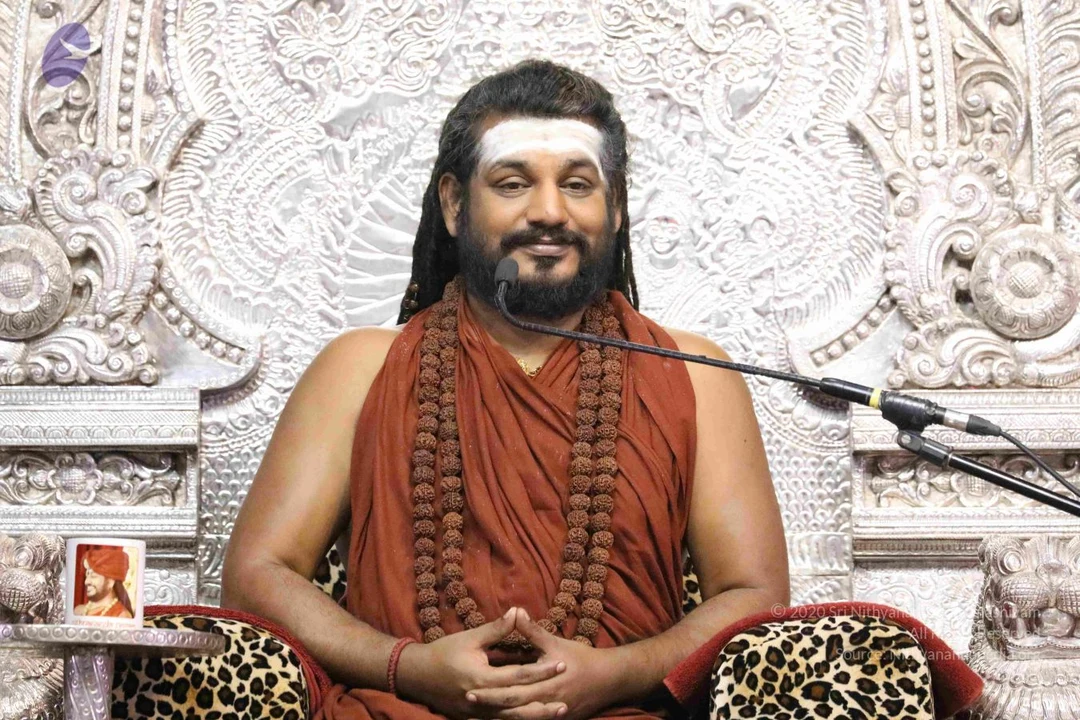
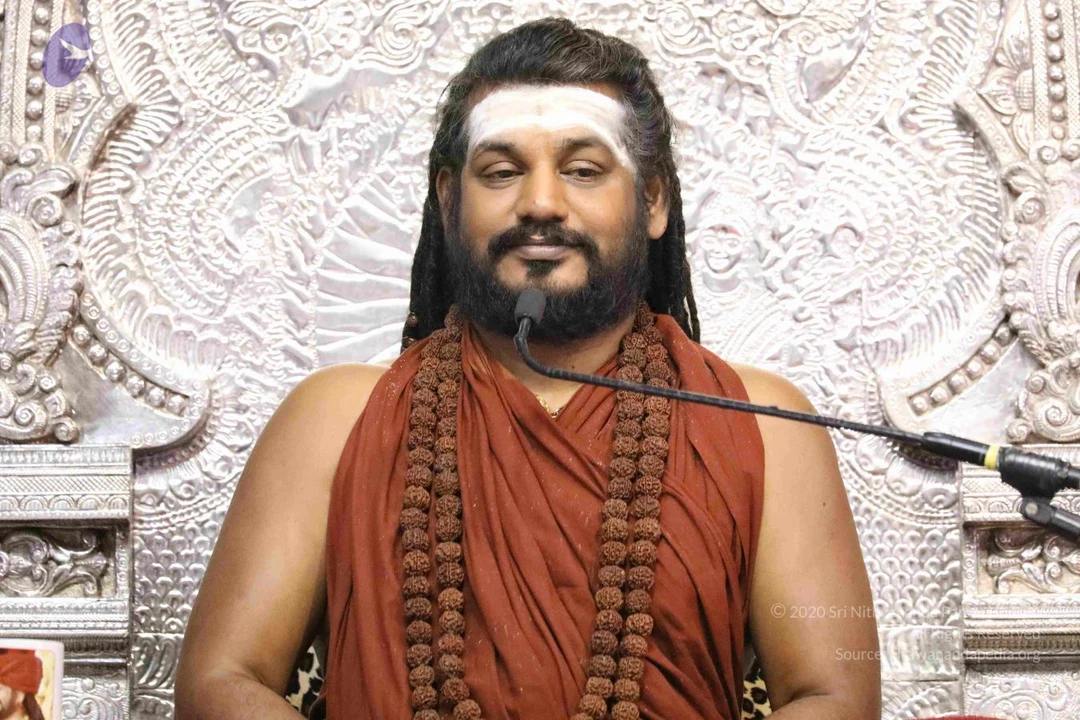
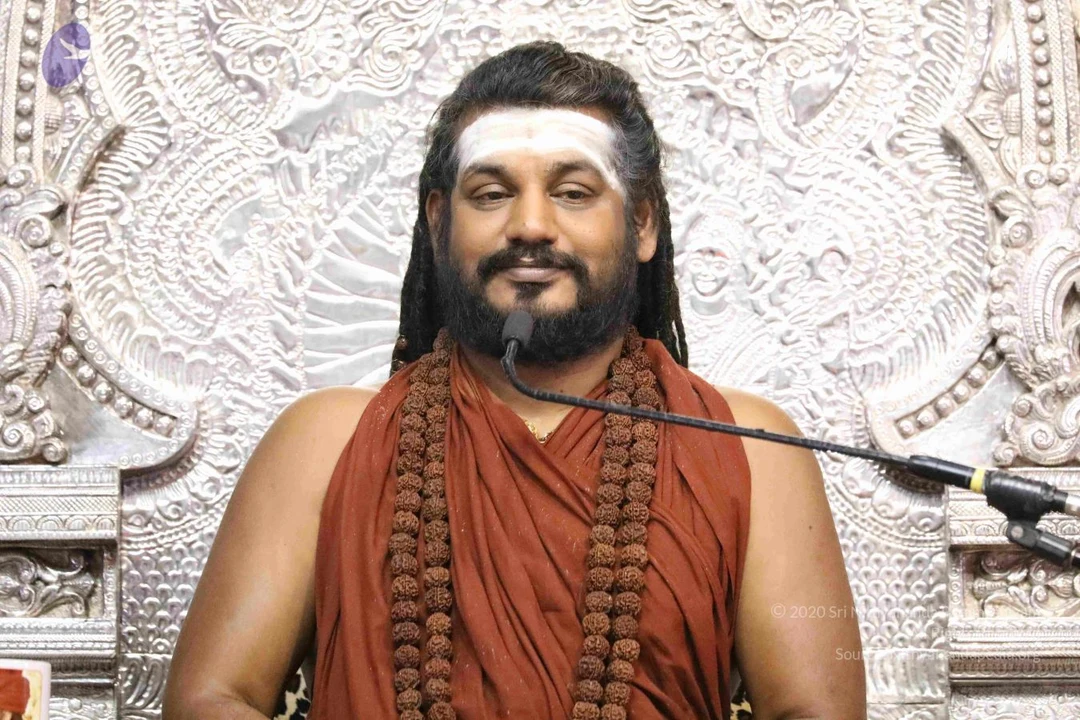
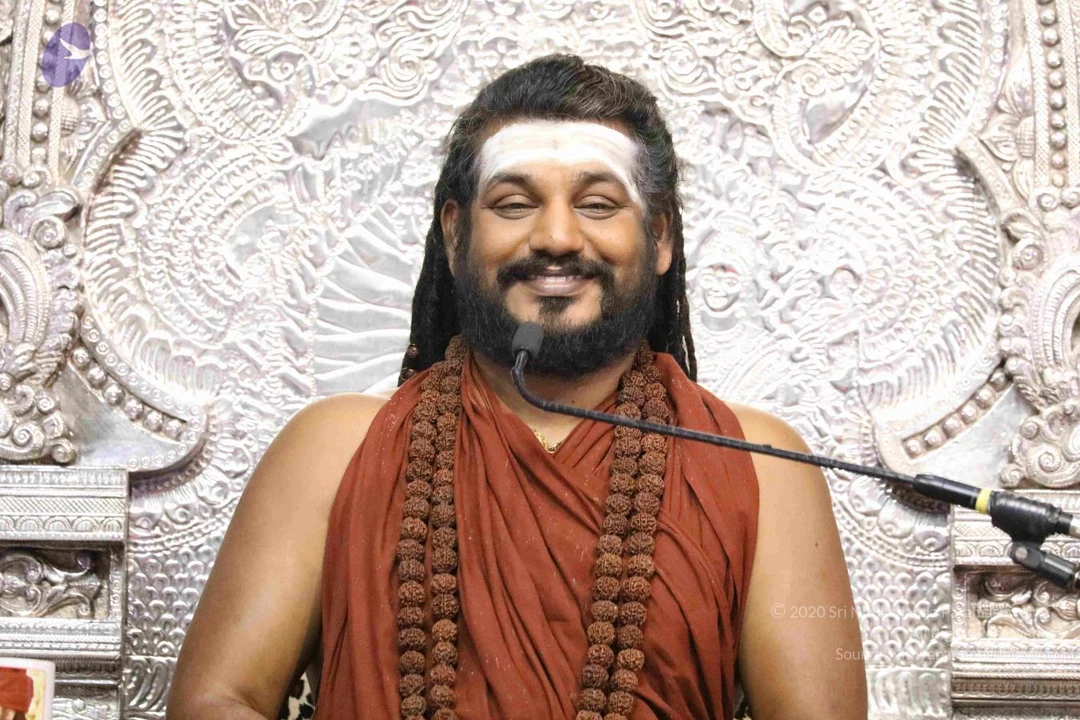
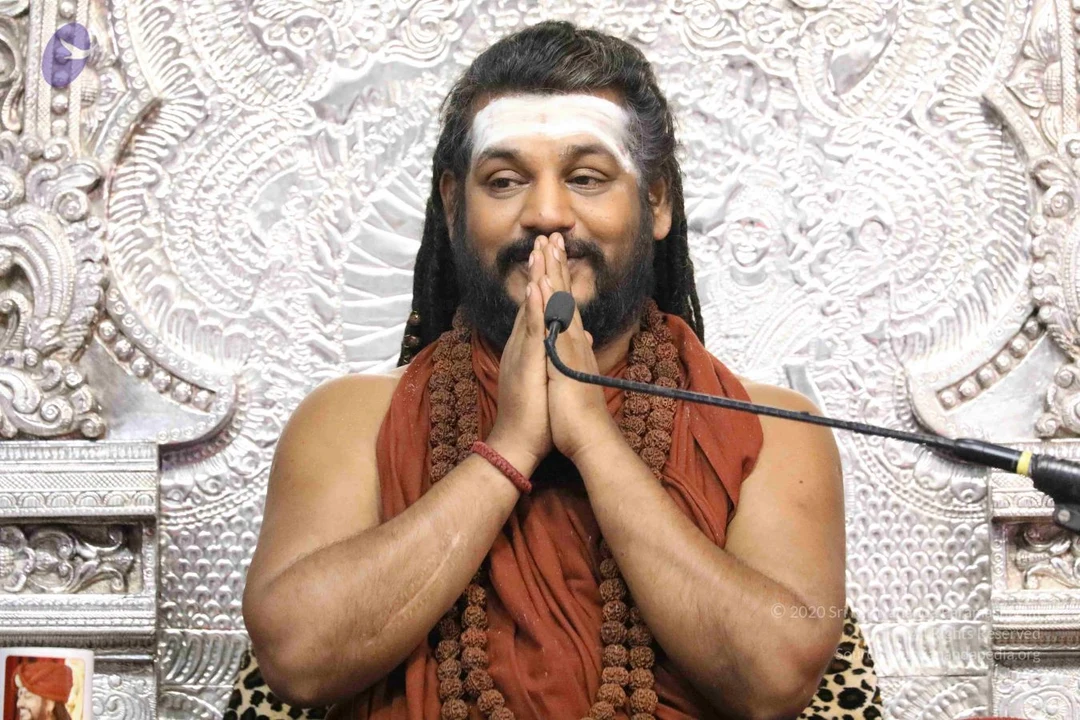
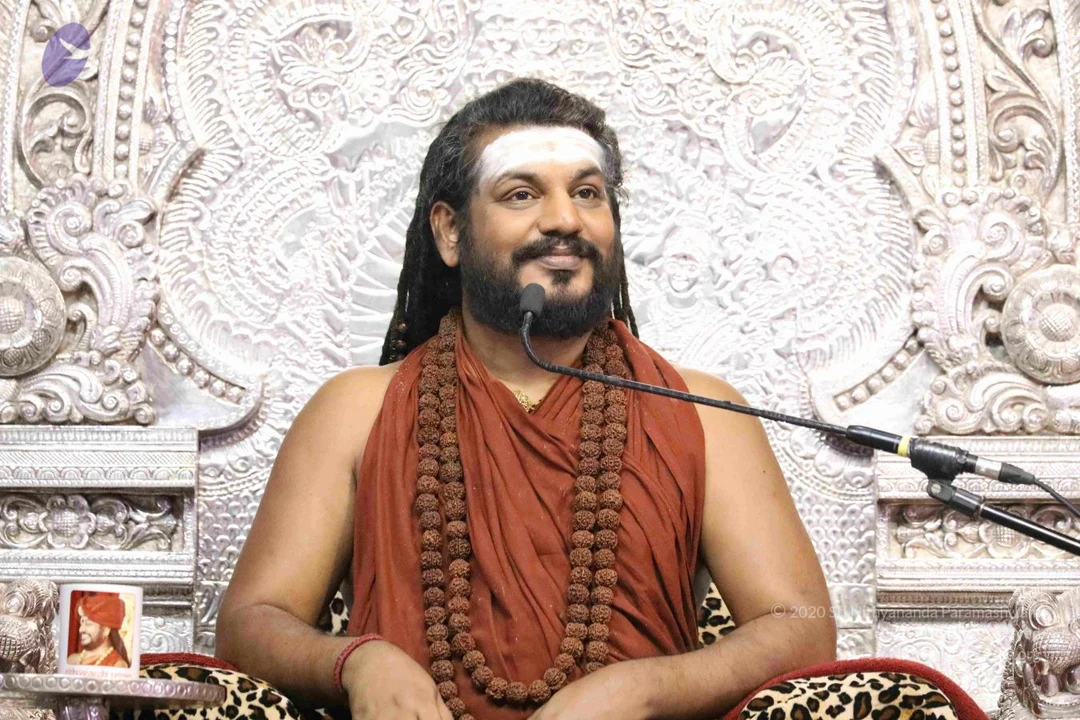
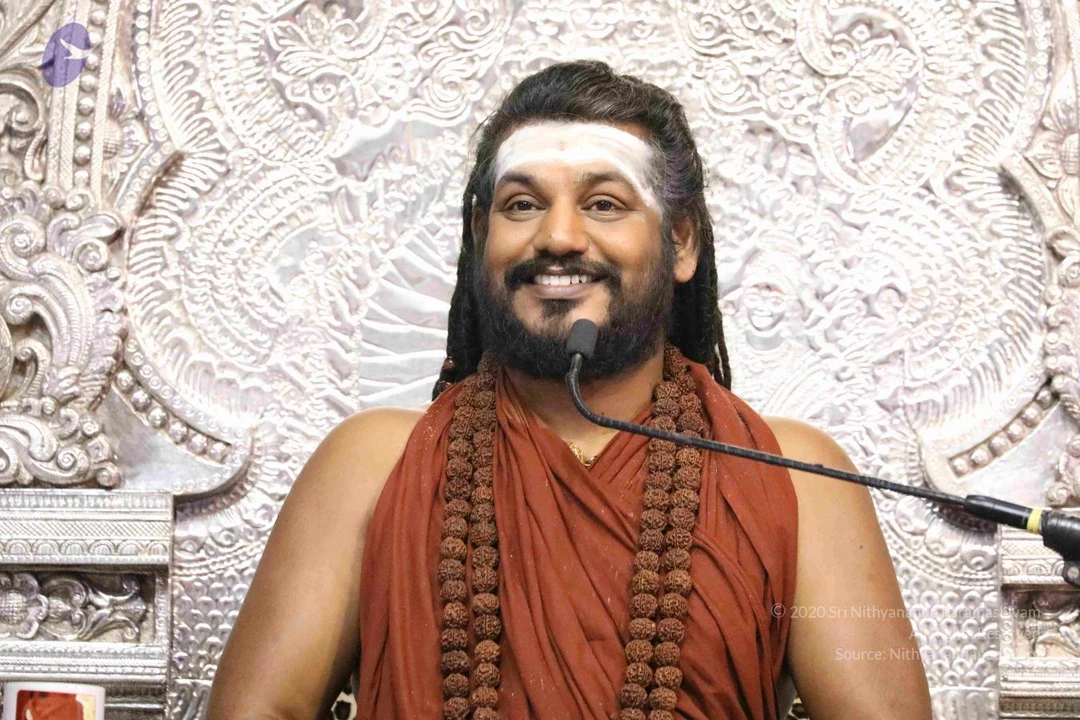
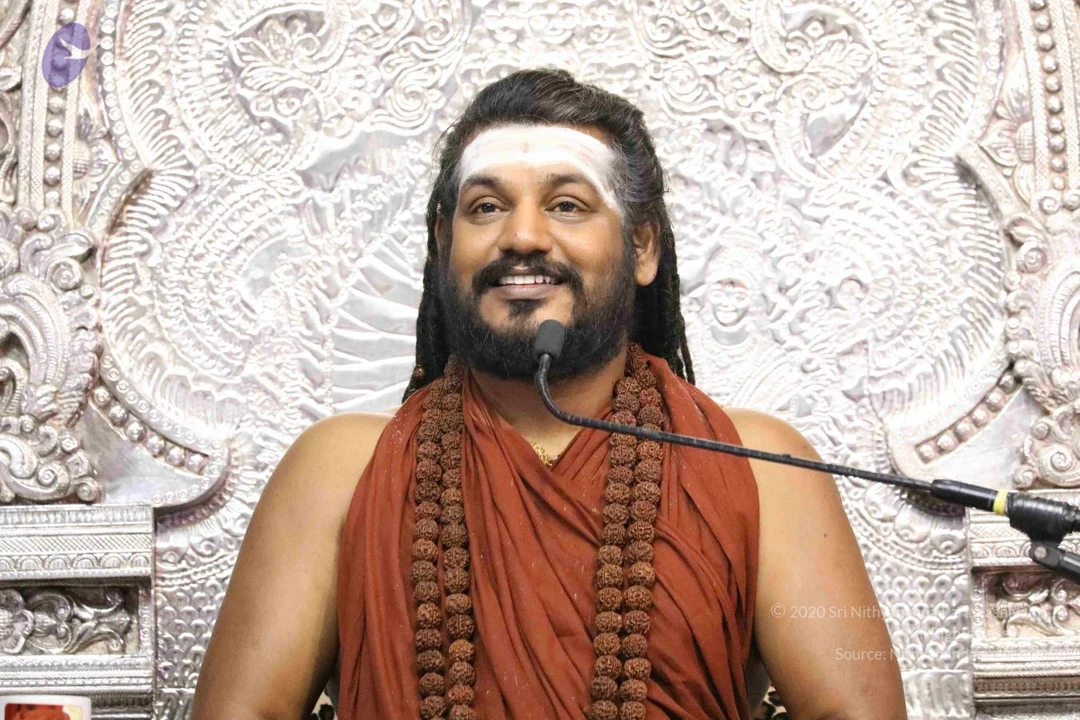
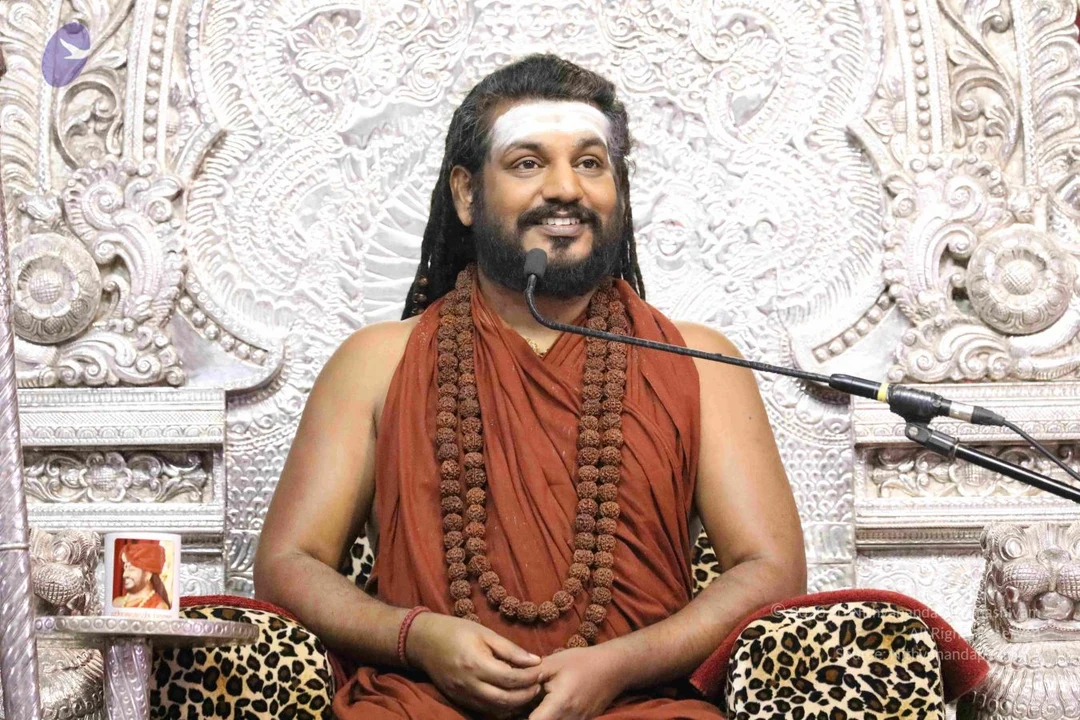
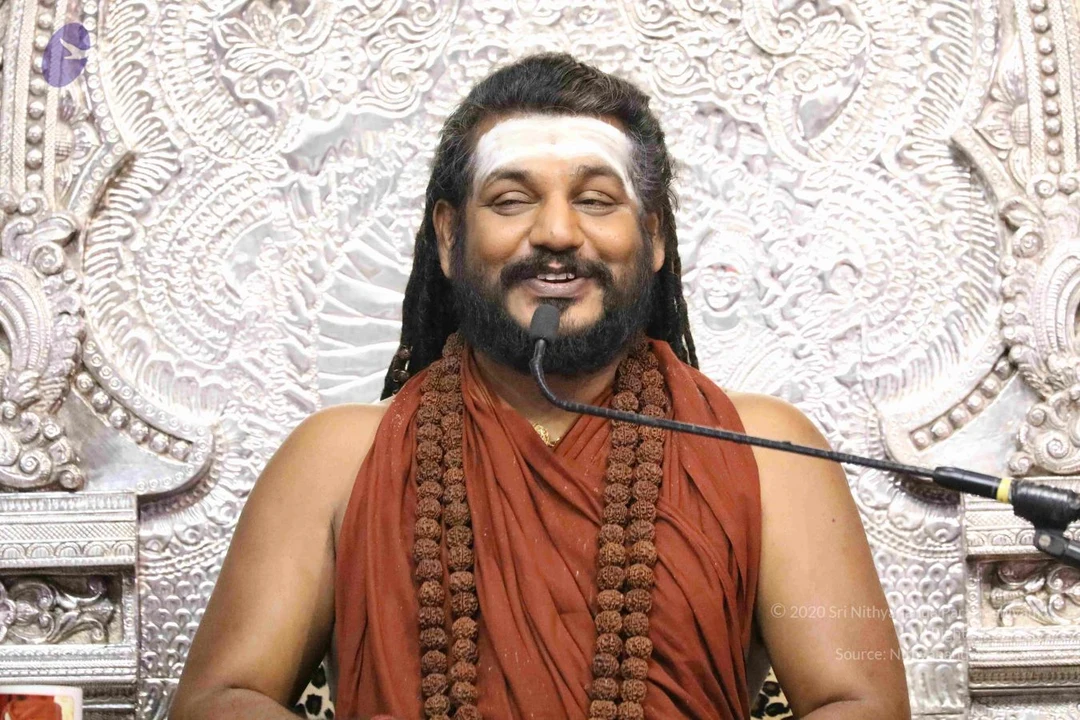
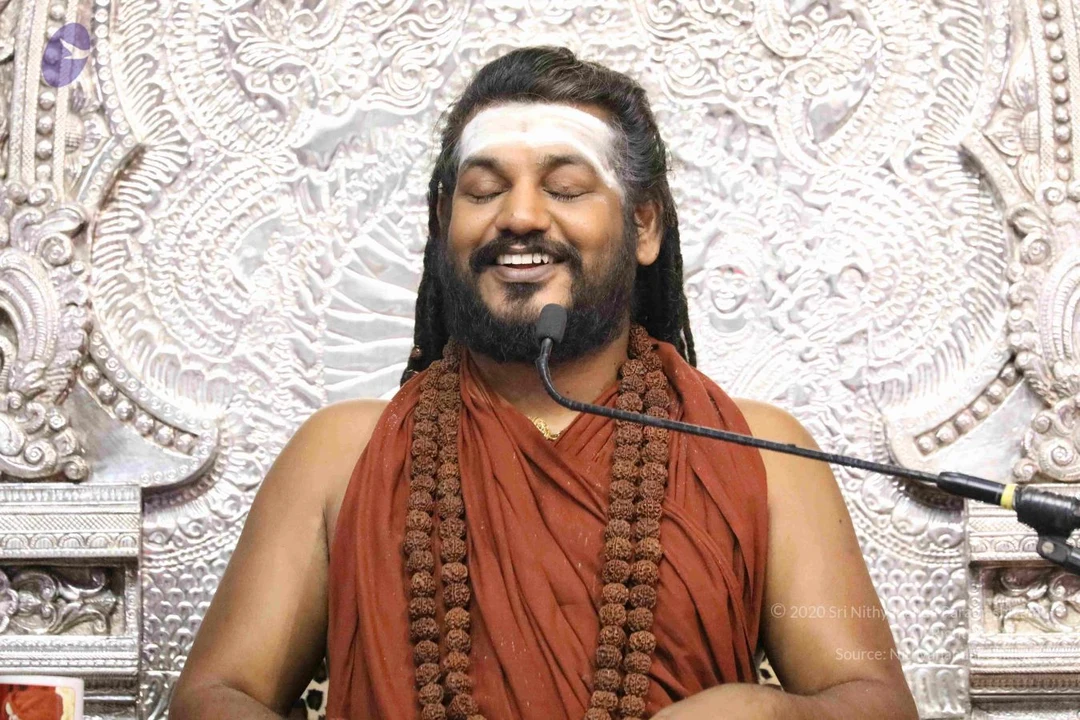
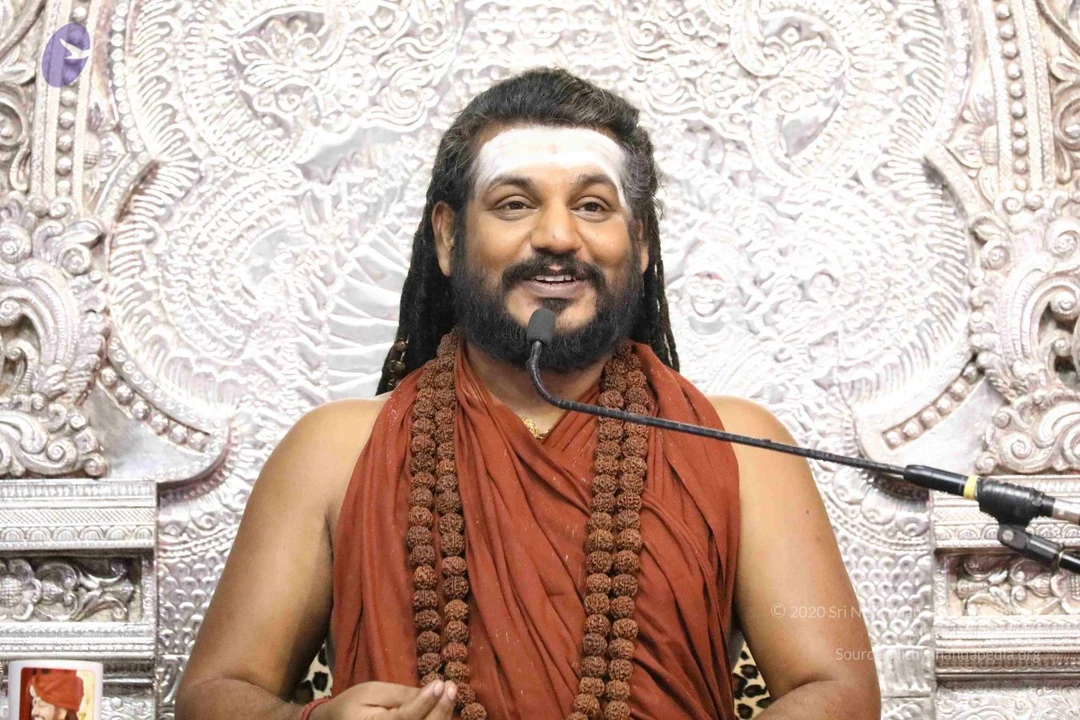
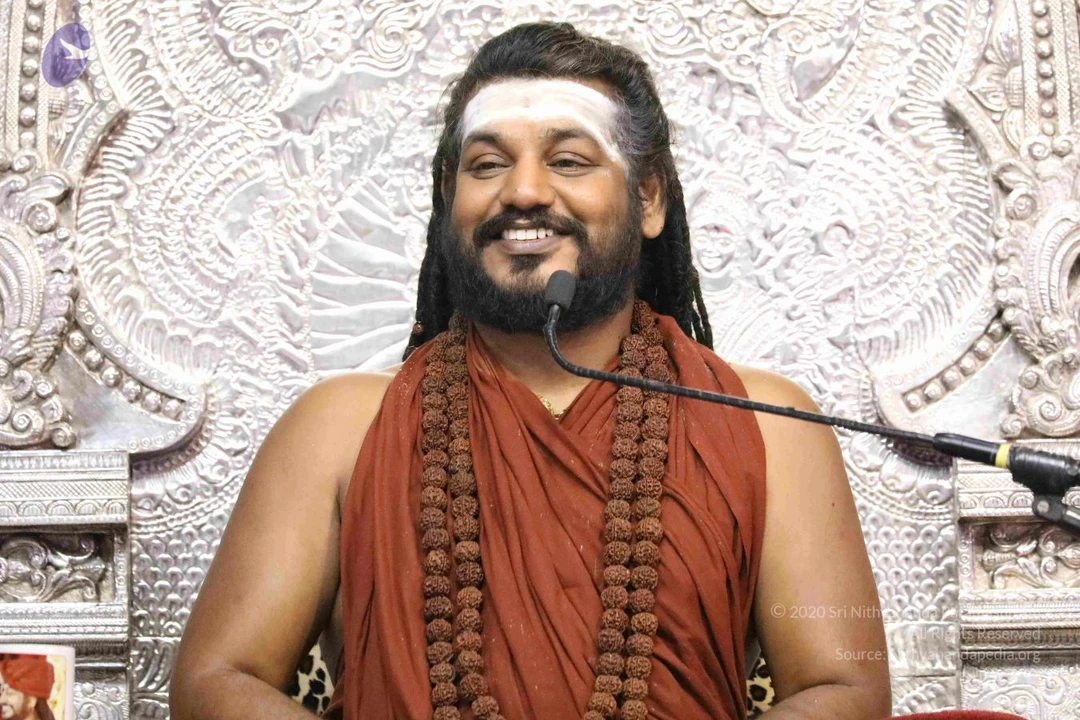
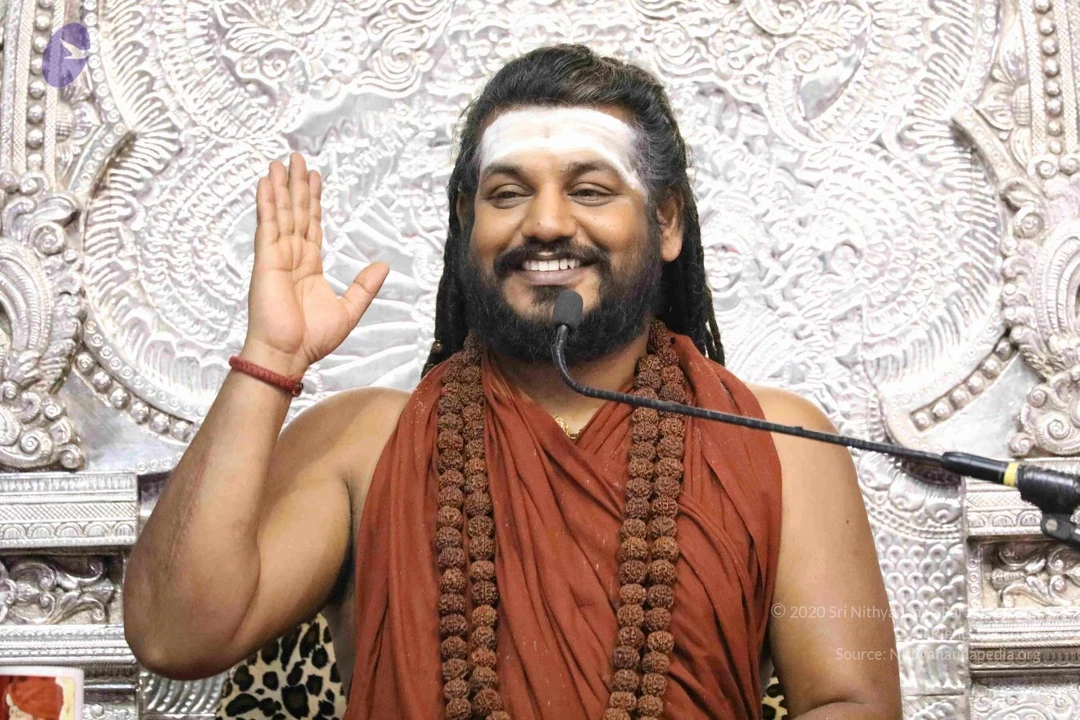
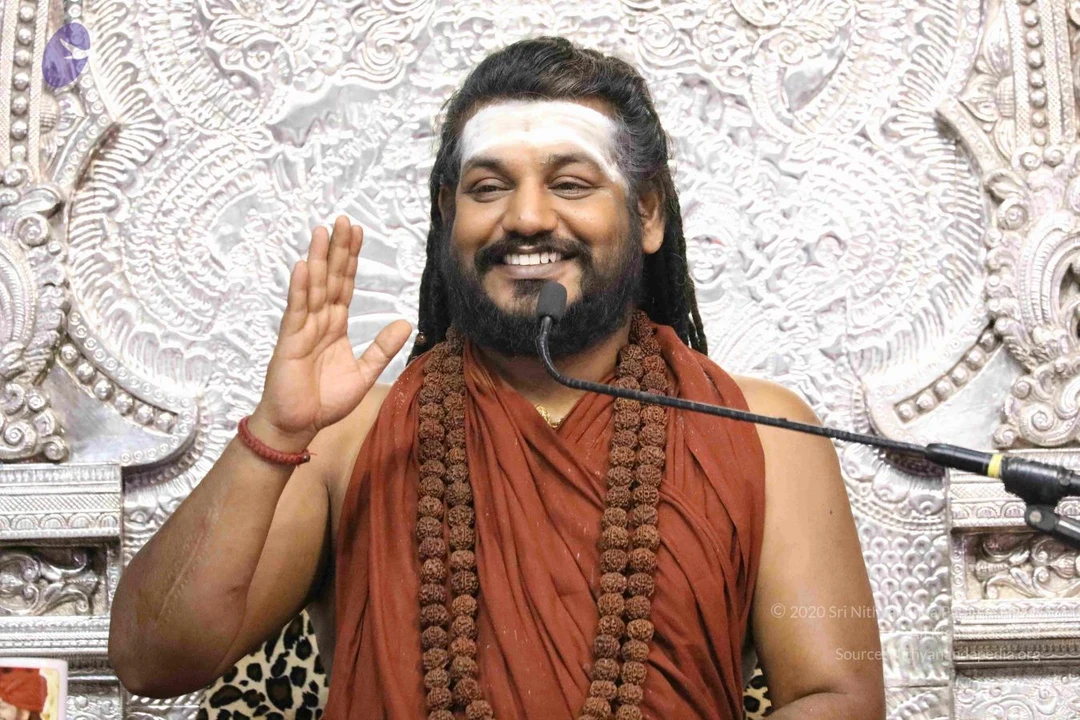
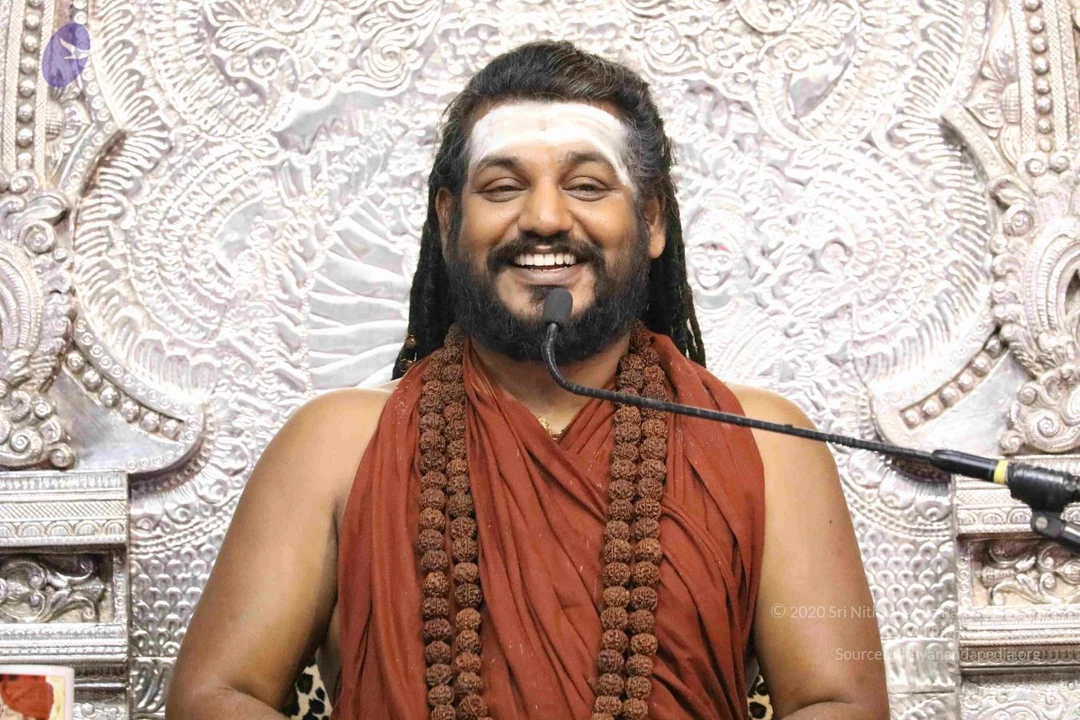
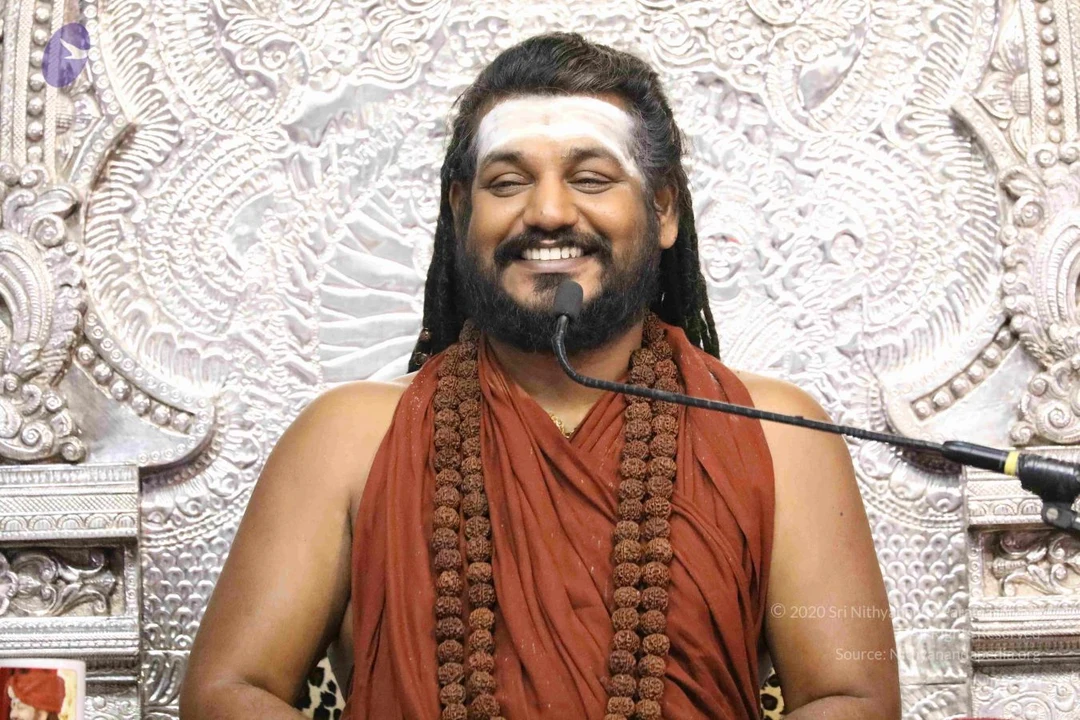
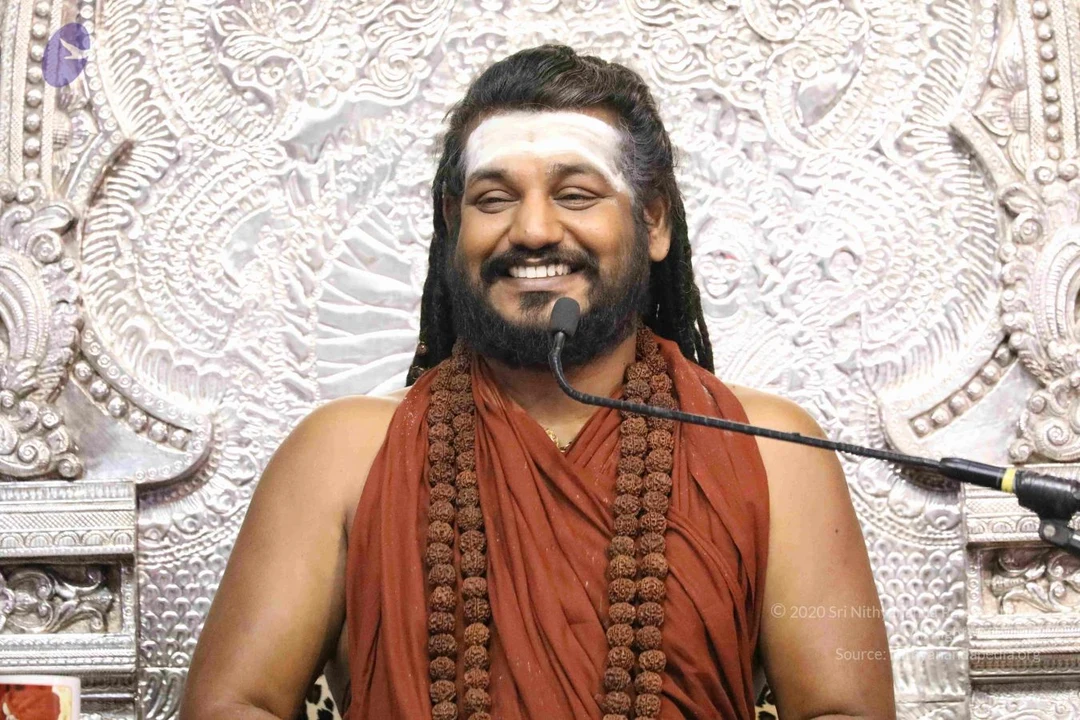
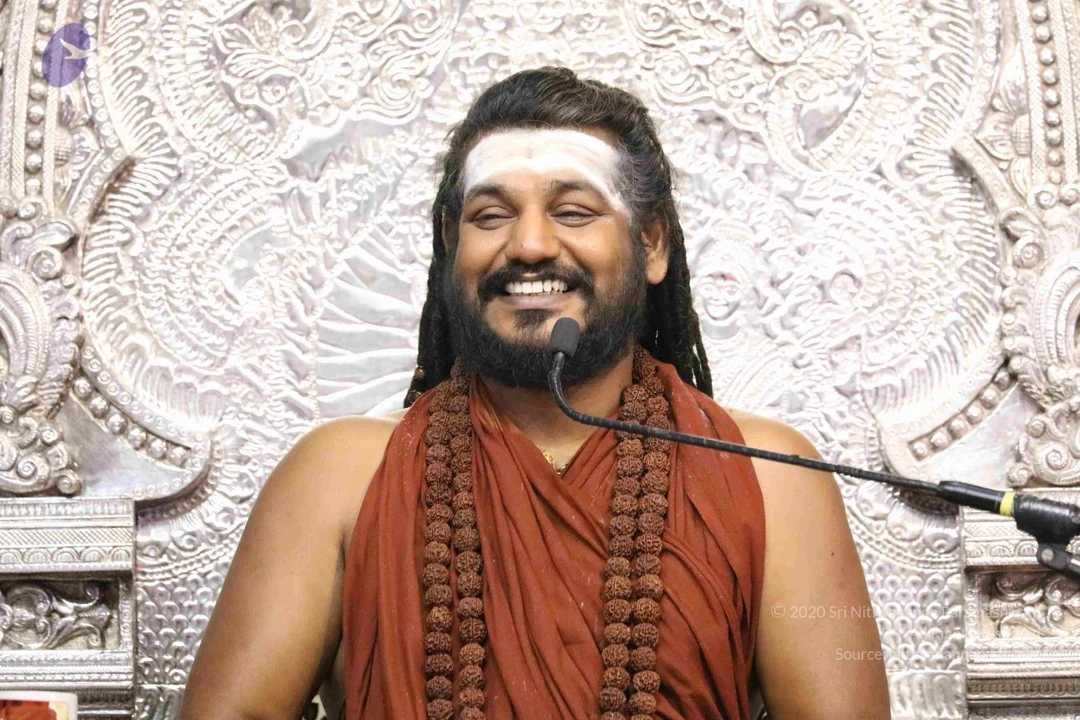
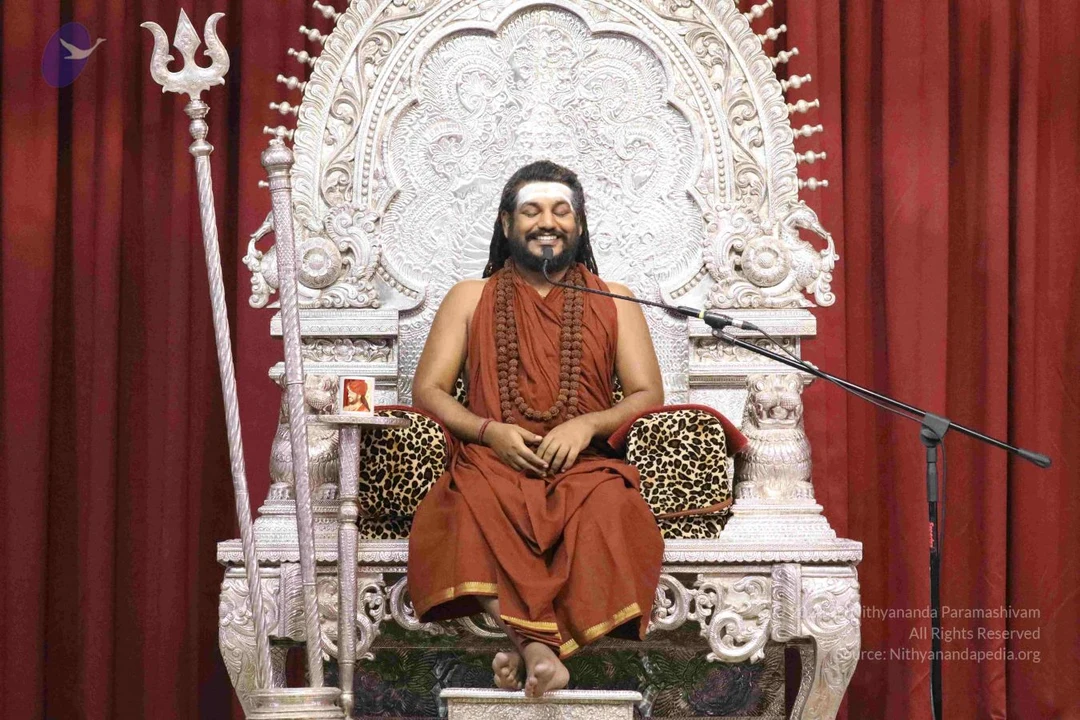
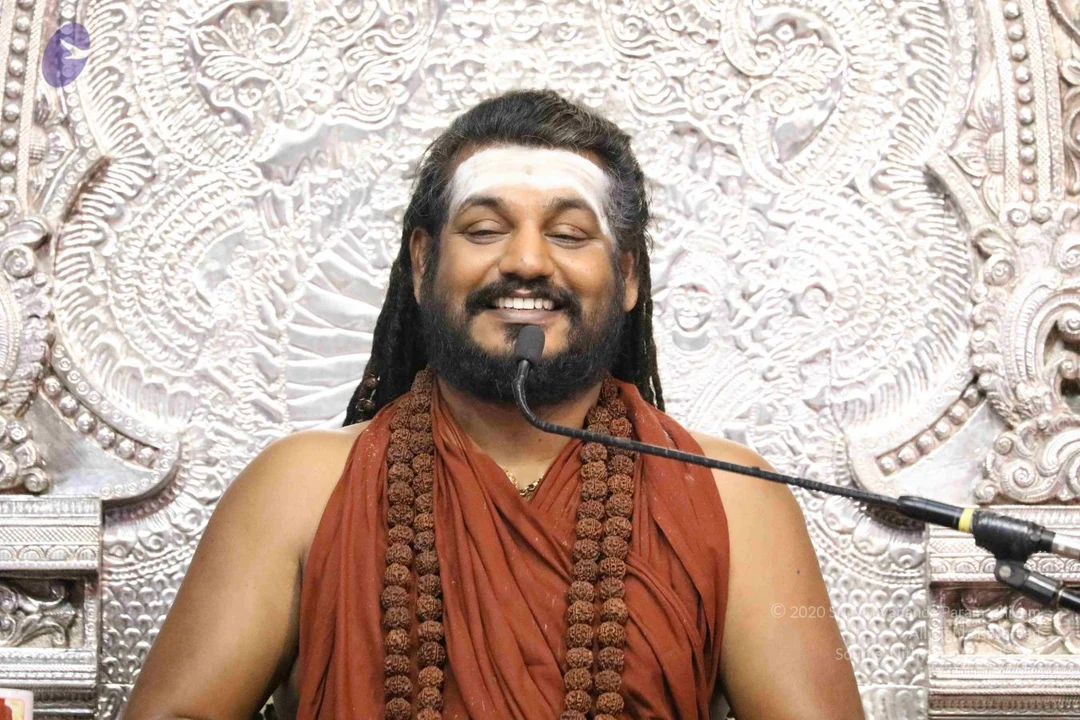
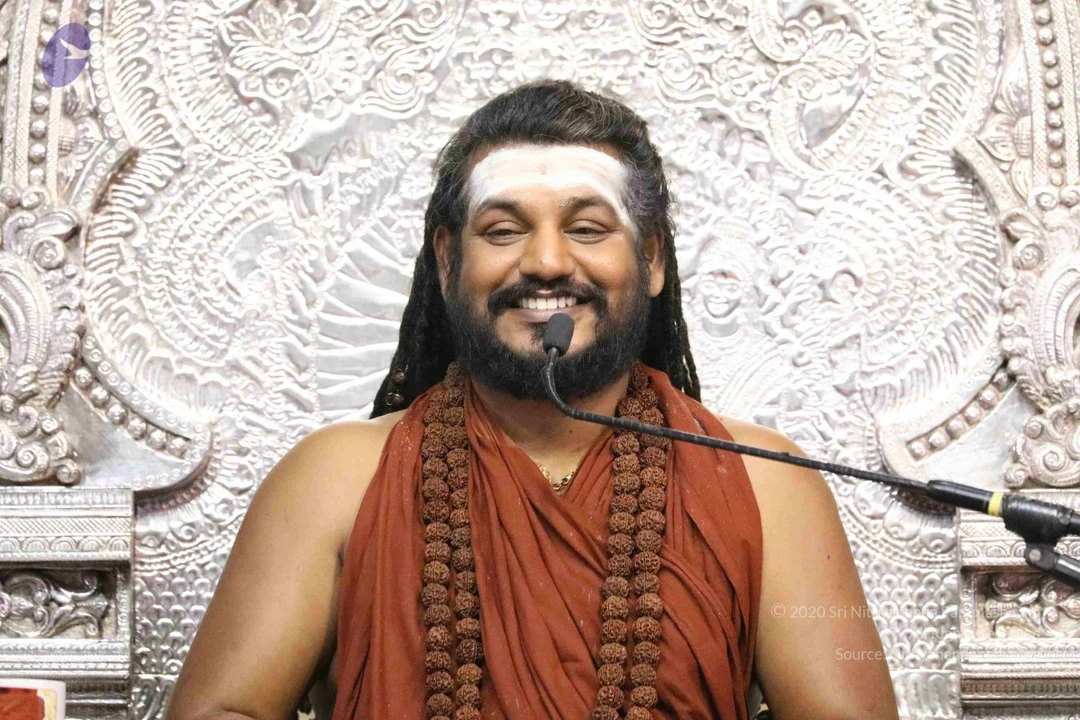
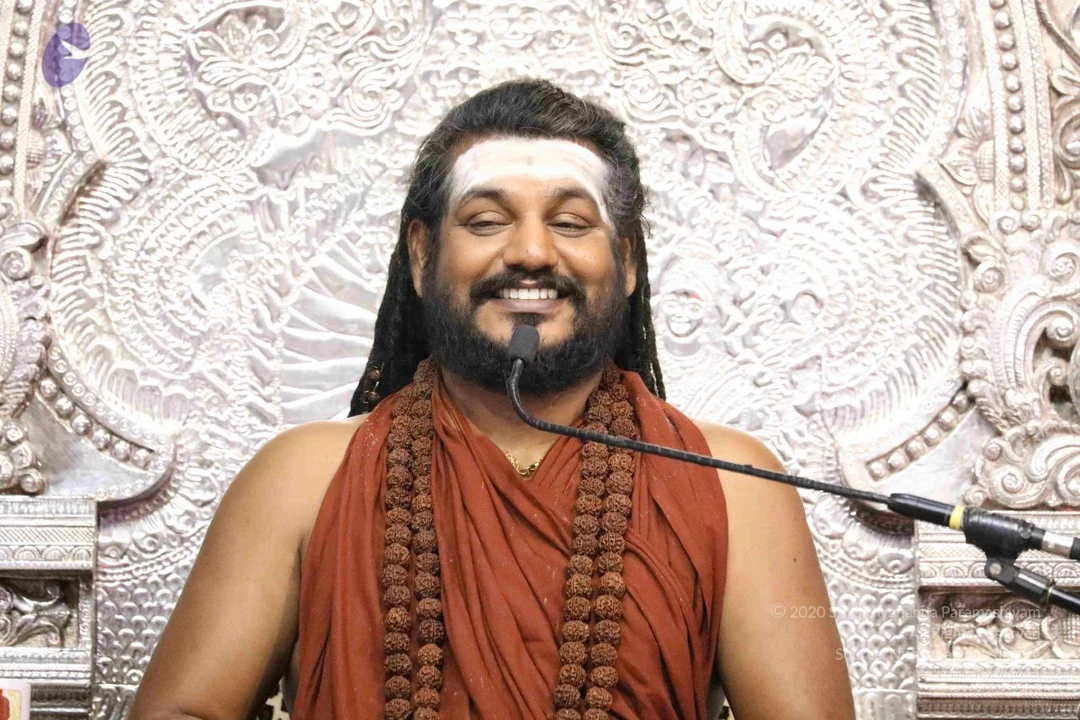
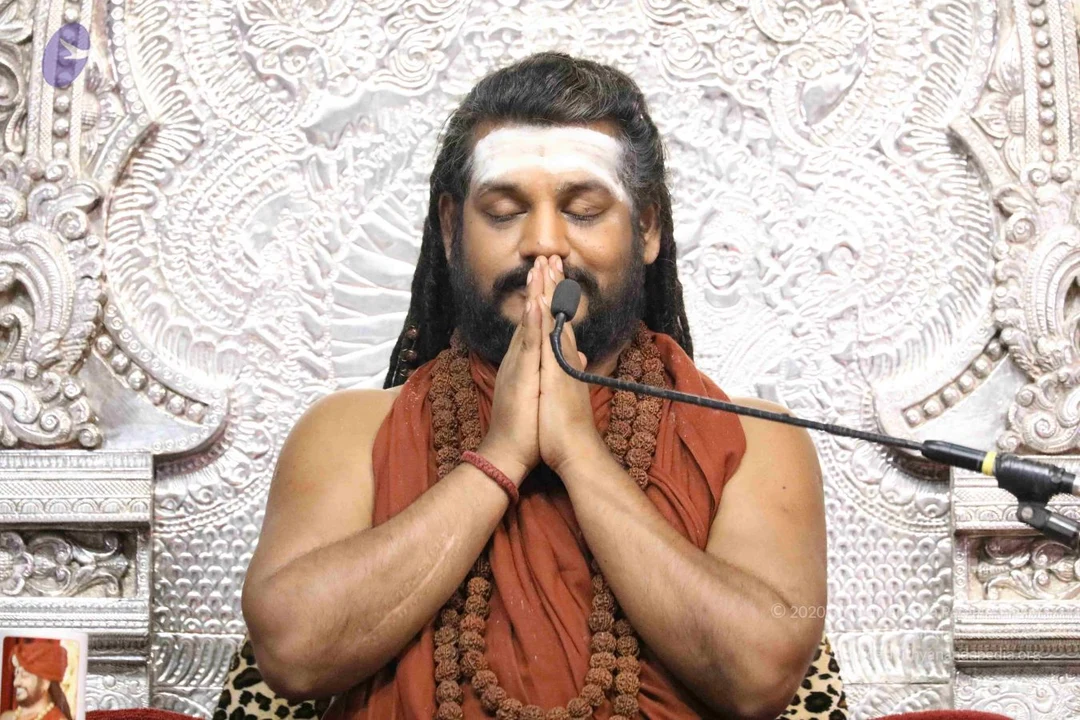
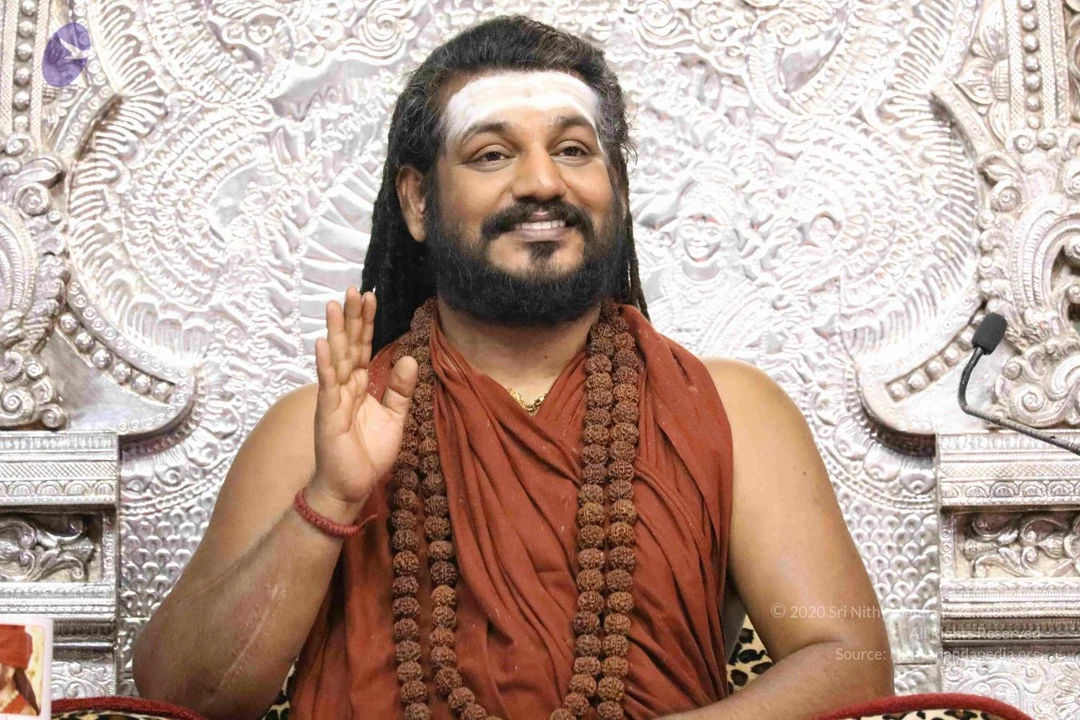
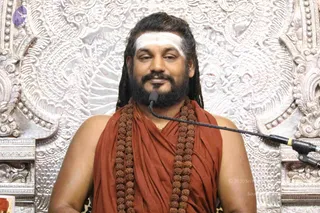
The Supreme Pontiff of Hinduism, Jagatguru Mahasannidhanam, His Divine Holiness, Bhagavan Nithyananda Paramashivam, expounded on the Cosmic Principle, Jeevan Mukti Jayanti and the Aushadha Process during the everyday live public talk - Nithyananda Satsang. In this talk entitled, Living Enlightenment - Gift from Maha Sadashiva to Humanity, His Divine Holiness (HDH) explained that the Universe functions with the software called Vedas and Agamas. He shared that Vedagamas are the software for the Universe given by Sadāshiva. The Smrutis and Puranas are the software with which human society functions. Brahmins are supposed to maintain these softwares. Today was declared as Jeevan Mukthi Day and was the ninth anniversary of the launch of the book Living Enlightenment. In celebration of this contribution to the whole world, sixteen temples from around the world participated in the making of Jeevan Mukti Aushadha.
| Video | Audio |
Transcript:
(0:19)
aum nithyānandeśvara mahasadāshiva samārambhām
nithyānandeśvari adīshakti madhyamām |
asmat āchārya paryantām vande guru paramparām ||
(0:52)
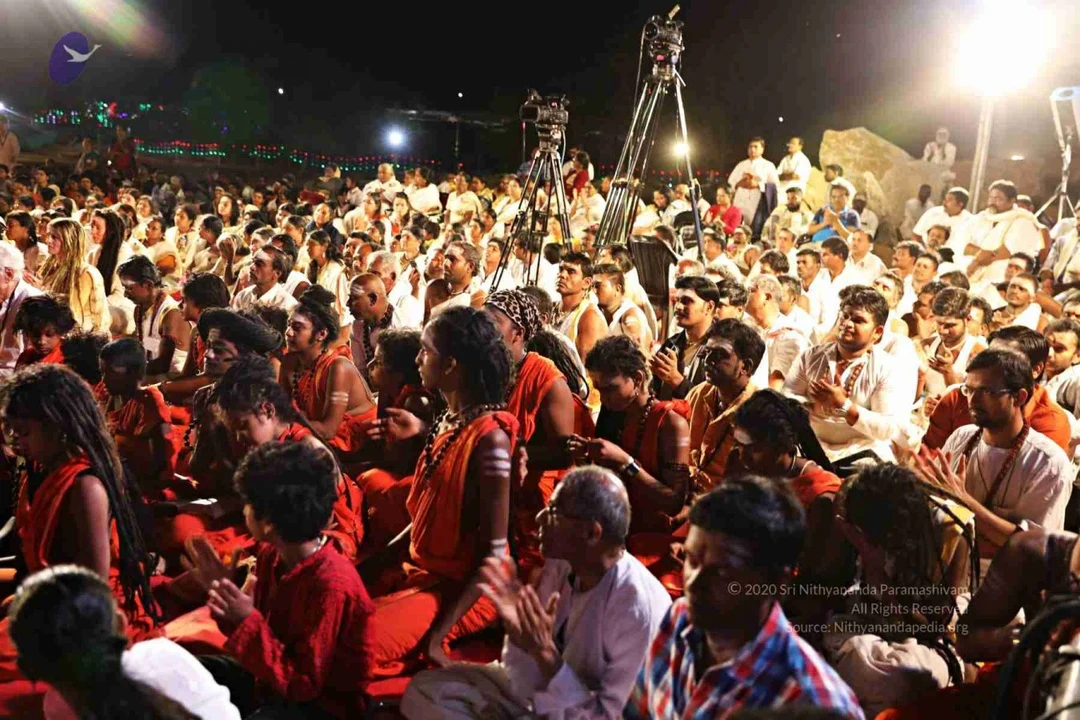
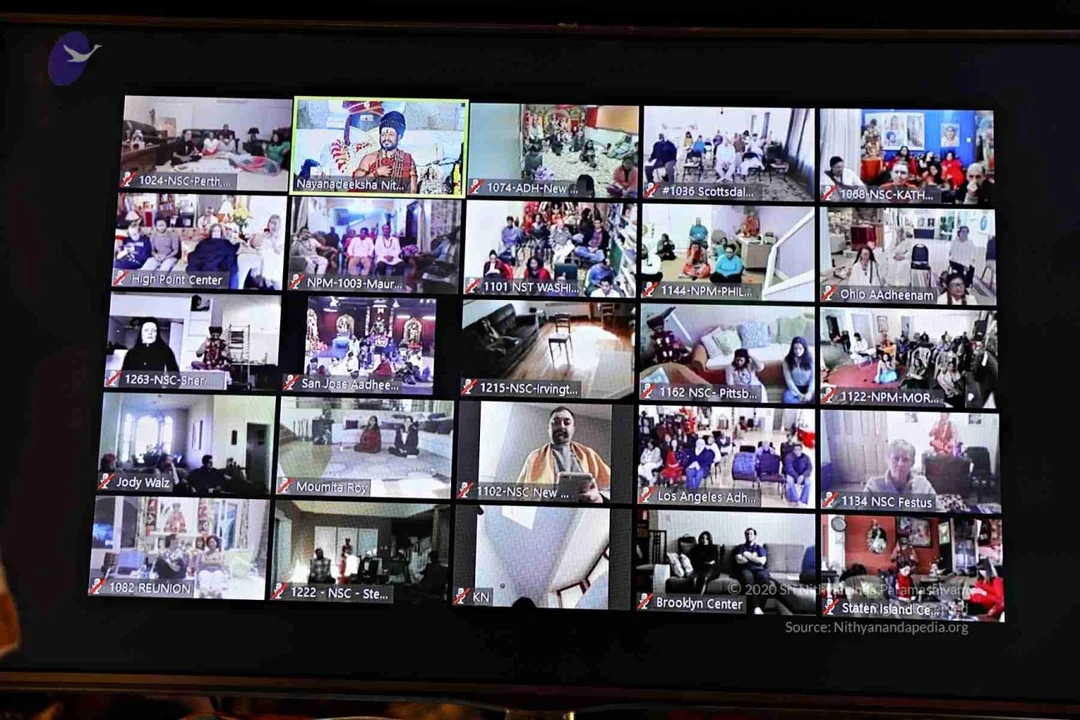
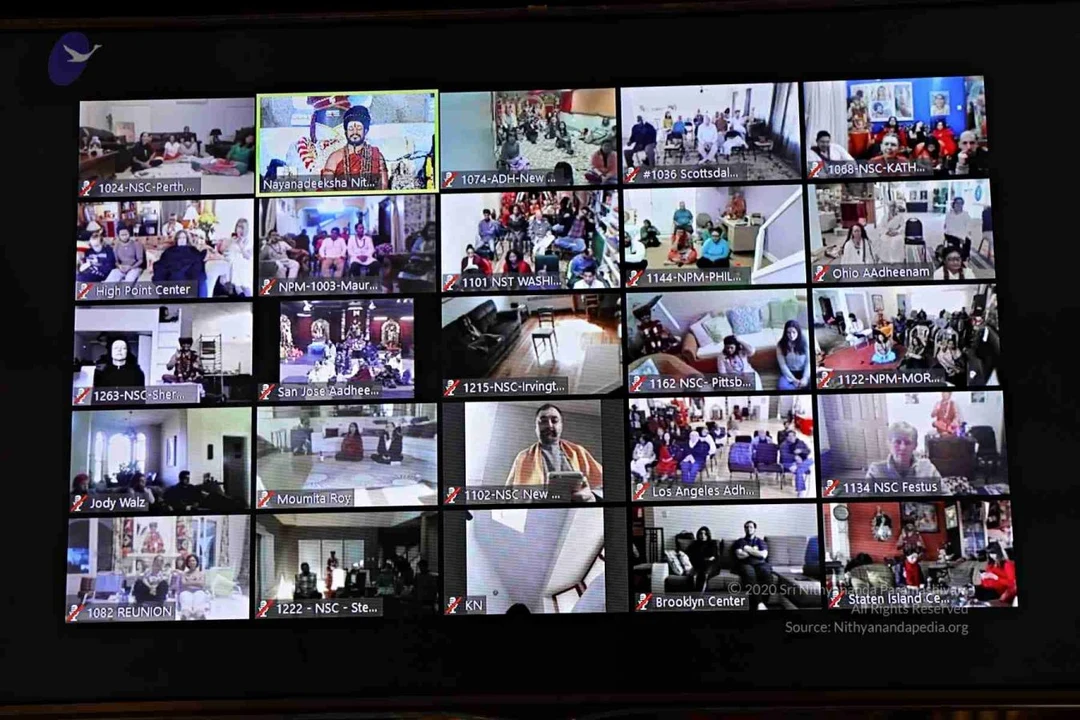
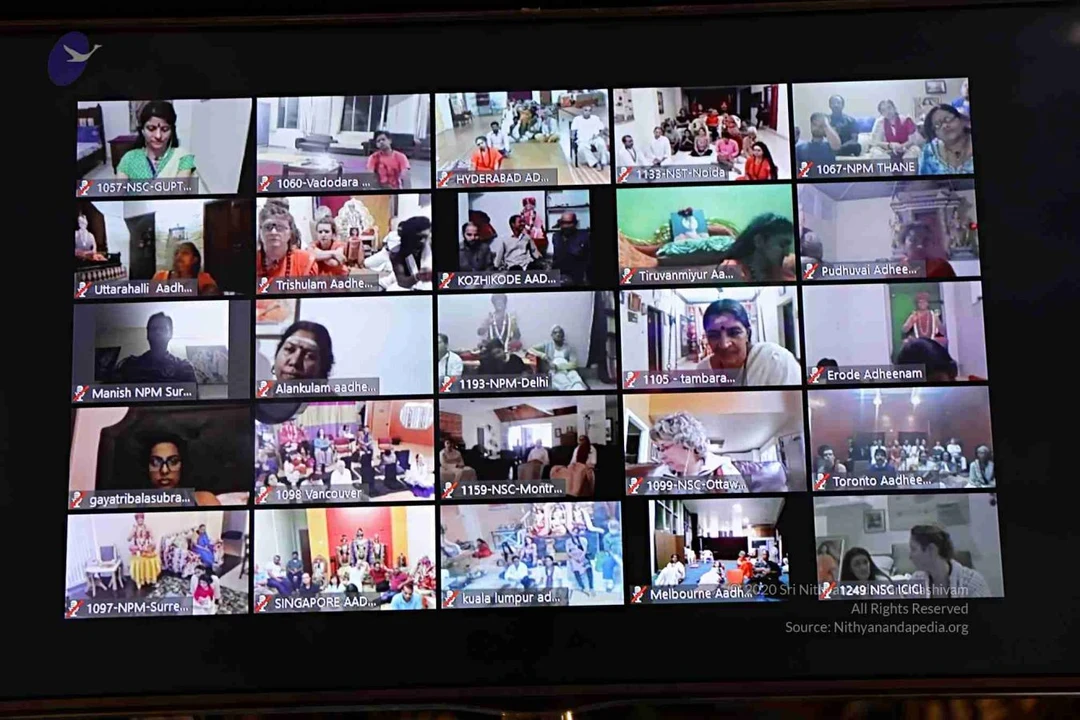
I welcome you all with My love and respects. I welcome everyone sitting with us all over the world through Nithyananda TV and 2-way Video Conferencing, in all the temples, aadheenams, monastries, gurukuls and universities. I welcome all of you with My love and respects.
(1:32)
Today is Jeevan Mukti Jayanti. Understand. Every hardware functions with a particular software. Every matter functions with certain program. The Universe functions with a software called Vedas and Agamas. The human society functions with the software called Smrutis and Puranas. Understand. The Universe functions with the software called Vedas and Agamas. Vedagamas are the software for the Universe given by Sadāshiva. Smrutis and Puranas are the software with which human society functions. Why do think, there is so much of attack on Brahmins? Because Brahmins are the people, who are maintaining, who are supposed to maintain that software - software of the Cosmos and software of the human society. Understand. If a constitutional head of a country is destroyed, you can easily make people lose confidence on that constitution and destroy, change it. Brahmins were the head of the Cosmic Constitution, who were holding it alive and who were constantly applying it. The constitution of the Cosmos is Vedagamas and practise and application of the constitution is Smruti and Puranas.
(4:26)
Brahmins were the people, who were applying it constantly. Understand. If you attack the body, which is maintaining the software and destroyed it through the virus, you can easily takeover the hardware and fill your software. That is why, so much of attack on Brahmins. If you want to destroy the Cosmic Constitution and people who applying that constitution constantly and supporting the humanity to apply that constitution, if you attack and finish that small group, it’s too easy to make people lose confidence on that constitution. Understand. Vedagamas, Shruti, is the constitution of the Cosmos. Smruti and Puranas are the constitution….I should say - applied constitution for human beings. There may be small small difference of opinions on how to apply the constitution, but those small small difference of opinions should not make us destroy the original constitution itself. That’s the biggest crime we Hindus are doing. Small difference of opinion, nothing big. “Oh, when I went to meeting, they asked to remove shirt. When I went to meeting, they did not give me chair. So what they are teaching should be destroyed.” What a foolish, stupid mental setup. The fellows who vote for few hundred rupees - “Today, if I get few hundred rupees, that’s enough.” If you vote, you have no right to ask about corruption, because corruption starts the moment you touch money for voting. If you don’t have the larger vision and vote for few hundred rupee, you don’t have the right to ask for vote, corruption. Sameway, if you form opinions and decisions, based on small small things, nobody can save the larger vision.
(8:07)
Every human being, should be educated about the Cosmic Constitution - Vedagamas and applying the constitution in the day to day life - Smruti and Puranas. Vedagamas are the pure science. Smruti and Puranas are applied science. Vedagamas are methodology of writing the best software, based on super consciousness. Smrutis and Puranas are the software written for every age. Understand. Living Enlightenment - Jeevan Mukti is the software, Sadāshiva revealed to Me, for this modern age. Even now when I read the book, I don’t feel I missed something which I should have said in that. Understand. How many ever times you read that book, it reveals itself layer by layer. How much you can receive, that much it reveals. She is like Mother Ganga, she…..Mother Ganga can solve your immediate problem of thirst and she can solve your biggest problem of birth and date and give liberation. She can give you end to end, whether it is ordinary immediate thirst, quenching it or liberating you from this very birth and death cycle. Jeevan Mukti is Jnana Ganga from Sadāshiva’s Sahasrara. I tell you, this is the most powerful spiritual software revealed to humanity in the recent days. Anybody who goes on reading and contemplating, anybody does Pratyahara and Dharana, Dhyana on Jeevan Mukti book everyday, will achieve the Samadhi state of functioning from that highest super conscious cognitions. Understand. Building powerful cognitions in your Being, manifest as powers. Every line, every word, in Jeevan Mukti book, manifest powerful cognitions in you. I tell you, the moment you decide even to function on one powerful cognition, I am not asking you to have faith on it - no! Deciding to be integrated, for example there is big difference faith and integrity.
(12:39)
Faith means, “Oh, I’ll start believing, I don’t know whether it is right-wrong, truth. I start….I’ll try to believe” - faith. Integrity means, “Somebody whom I trust, who will always do only good to me, has given me this understanding. Till I understand, let me work on it.” Understand. Patience with yourself is ‘Hope.’ Patience with human beings is ‘Love.’ Patience with the powerful cognitions is ‘Integrity.’ Every word in that book is powerful cognition. Go on playing with it. I tell you, how in the last MahaSadāshivoham, I gave this one powerful cognition - “Static matter, Dynamic activity, Strategic existence - all 3 are one and the same. There is no separation between these 3. Static matter, Dynamic activity, Strategic Existence - all 3 are one and the same.” With this declaration - powerful cognition - when you generate a Will, Will Persistence, it manifest as powers! Every single word in this book, is a powerful cognition. Take it, apply it in your inner space and manifest it - you will see, you manifest powers left and right. Jeevan Mukti is not just enlightening you, it is empowering you. Understand. The book does enlightening and empowering. Every single word is powerful cognition. Start manifesting them in your inner space, you will manifest powers. The book is not just given to you just to give Buddhi to you, it is given to you to give Buddhi and Shakti. It’s given to you, to have powerful cognitions and powers! Understand. Powerful cognitions are equivalent to God in Hindu tradition, that is why the Vedas are worshipped as Gods. Powerful cognitions are worshipped as Gods and Goddesses in Hindu tradition. Gita is worshipped as Goddess. There are many Gita Mandirs all over the India. In Haridwar there is a big Gita Mandir, which belongs to MahaNirvani Akhada, where Gita is worshipped as a deity, with 4 hands holding the Gita book. We will make a deity for Jeevan Mukti.
(17:49)
We are Hindus, we are very colorful people. We make deities. We make Gods and we celebrate. We enjoy visualizations. We are ‘for life,’ ‘pro life’ people. A pro life person enjoys visualization. He enjoys life, enjoys art. We don’t grab and convert. You need to know, all the temples science in Hindu tradition, whether the Sthapatya Veda or Agama or Shakta Agama or Vaishnava Agamas, all of them ban building any temple or worship structure on a land, in which some other structure existed. So grabbing and building temple is banned in Hindu tradition. No Hindu worship place is built on grabbing somebody else’s worship place. Forget about somebody else’s worship place, it cannot be built on grabbing some other structure. We are creators not grabbers! Somebody was questioning Me, “Oh, there are many temples built on grabbed land.” No! You can’t. Agama does not allow. We neither built nor our scriptures agree.
(20:13)
Understand. Jeevan Mukti is the most powerful super conscious based software for modern day human beings, to manifest powerful cognitions and powers. Every thought current expressed in that, every idea expressed in that, is rooted in Vedas and Agamas. Understand. The methodology of teaching in Hinduism is 4 step. First - Shastra Pramana - the truth should be established in Vedas and Agamas - Shastra. Second - Apta Pramana - great Masters, Incarnations, Enlighten Beings like Rama, Krishna, all those Masters, Rishis - Aptas - Sapta Rishis - all those great beings, should have applied that science and given their testimony, their input - that is called Apta Pramana. And the person who is teaching, the Guru - Himself should have applied and experienced it as Atma Pramana, only then it will become Sakshi Pramana for you, as a reality. Shastra Pramana from the Vedas and Agamas, Apta Pramana - the people who applied this science earlier and manifested it, their words and experiences, teachings and the Guru who is teaching you, His own experience - Atma Pramana, only all these 3 are in tune, it will become Sakshi Pramana for you. Understand. People who claim, they have Atma Pramana, but they don’t care about the Shastra Pramana and Apta Pramana, they are dangerous. No! Hinduism does not allow any Atma Pramana, to be shared with the world for everyone, unless it stands the test, scrutiny, acid wash of Shastra Pramana and Apta Pramana. Understand. Atma Pramanas are good for Me. My experience good for Me, but only if its stands the scrutiny and acid wash of Shastra Pramana and Apta Pramana. It is useful for the whole world, it can be shared with the whole world.
(23:59)
This book ‘Jeevan Mukti’ - ‘Living Enlightenment,’ is My Atma Pramana which stands the scrutiny, acid wash of Shastra Pramana and Apta Pramana. So I am sharing with the whole world. It will be useful to all of you. It can become your Sakshi Pramana. This science is basically from the core thought current of the superconscious space, what we call ‘Para.’ Brahmanas call ‘Para Brahma,’ Vaishnavites call ‘Para Padam,’ Shaivites call ‘Para Shivam,’ Shaktas call ‘Para Shakti.’ The space of ‘Para’ - Ultimate. Based on that superconscious space, based on that state, operating, manifesting powerful cognitions and manifesting powers, is living the life of ‘Jeevan Mukti’ - Sadāshivatva. Each thought current, either manifest power or powerlessness in you. If it manifest powerlessness, we call that as negative thought current. If it manifest powers in you, we call it powerful cognitions. Understand. Powerful cognitions always break the physics of the matter and makes your reality, which is beyond matter, that is what we call ‘miracles’ or power manifestation. This book, every word in this book, is a powerful cognition, which can manifest powers. We have this book translated in multiple languages. Soon I’ll reveal this book, in Sloka form in Tamil and Sanskrit. I am not a poet in Sanskrit, but I can compose verses, that much I can manage. Maybe before the next Jeevan Mukti Jayanti, 10th year, you will have Sanskrit verse form of Jeevan Mukti, in the form of Sutras, so for generations - people can go on writing - Bhashiyas, Vartikas, Tikas.
(30:39)
There is so much to tell about this Jeevan Mukti. This one word, take it as an essence, whatever I want to say about this book - “Everyday spend 21 minutes, with the powerful cognitions expressed in this book. I guarantee within 1 year, you will manifest powerful cognitions and powers. You will be enlightened and empowered.” Every day 21 minutes, to the powerful cognitions in this book. That’s all I am asking. In a year, you will manifest the state of enlightenment and space of enlightenment and powers of enlightenment - The state of MahaSadāshiva, space of MahaSadāshiva, powers of MahaSadāshiva. Yes, it is time for making Jeevan Mukti Aushadha. Understand. The concept of Aushadha. In Hindu tradition, thought current or a powerful cognition, can be infused into matter and it can be shared with you all. So now, all the powerful cognitions manifested in this Jeevan Mukti book - I am adding them into the Aushadha - matter. Understand. It is a very powerful science our ancient Hindu Masters have developed. So now I am going to make those thought currents into that matter which is called Aushadha. So even if you sit, in this area silently, with a receptive, passive space - means do not have active inner image. Just sit with a passive inner image. These powerful cognitions can get into your system. The mirroring of the neuron can happen. These powerful cognitions can become your experience and you can manifest powers. That’s all is the whole process of Aushadha and let Me start. Sit with a passive inner image, a deep patience and silence. So these powerful cognitions, from Jeevan Mukti, can enter into your Being and manifest as powers. You can keep your eyes closed or open, that is up to you, but sit with passive inner image.
(35:21)
So, I bless you all, let’s all radiate with Integrity, Authenticity, Responsibility, Enriching, Causing, Living Shuddhadvaita Saivam, MahaSadāshivoham, the Eternal Bliss - Nithyananda.
Thank you.
Be Blissful.
(35:40)
Making of the Jeevan Mukti Aushadha
(verses chanted in Swamiji’s voice)
(1:23:13)
Ma Mahayogananda -
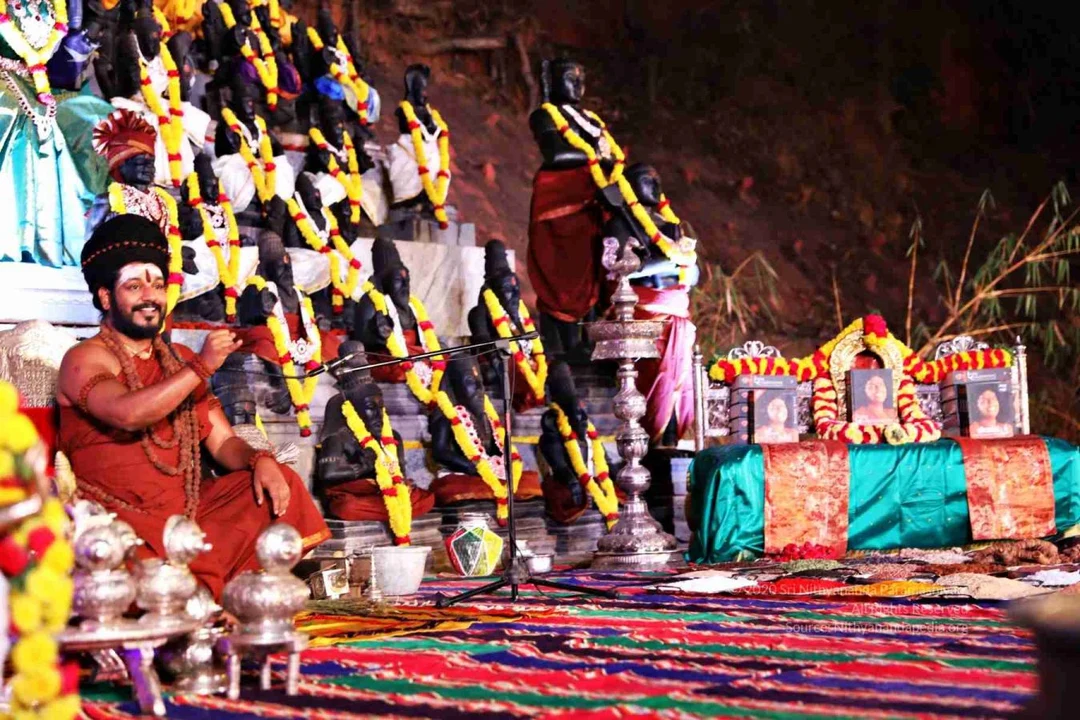
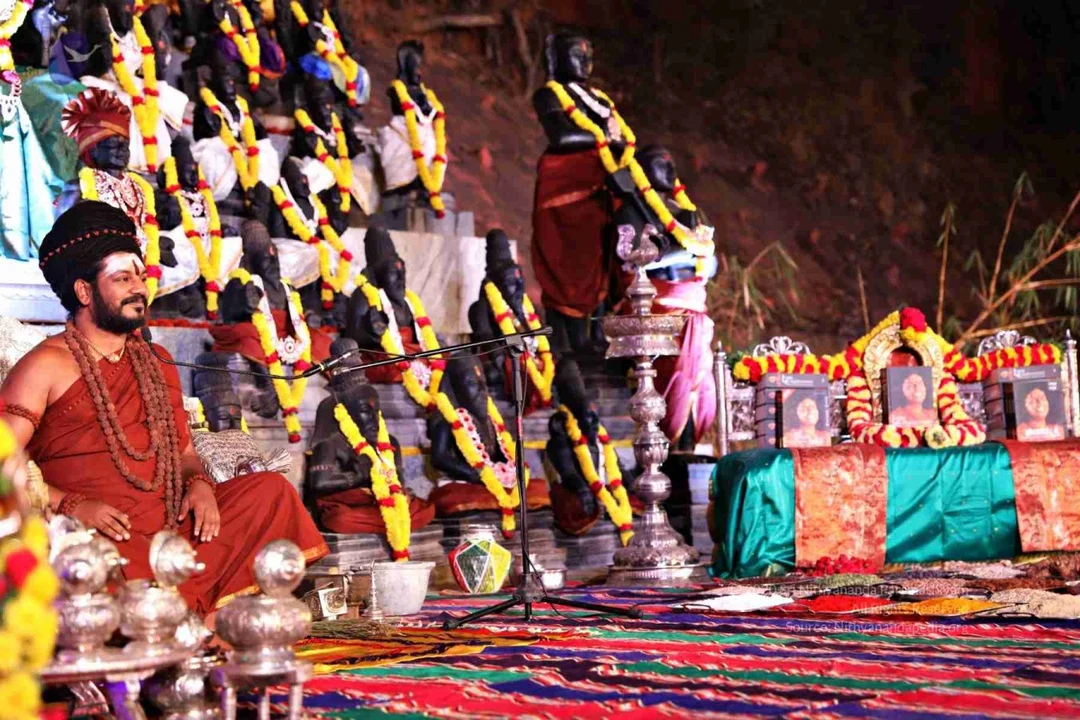
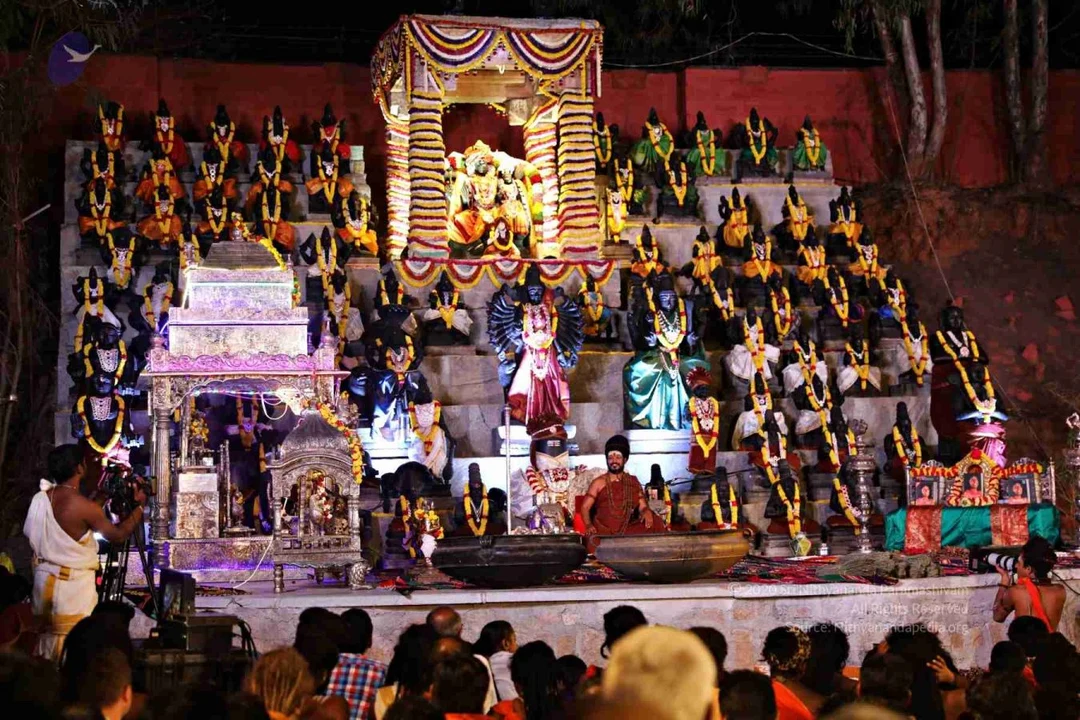
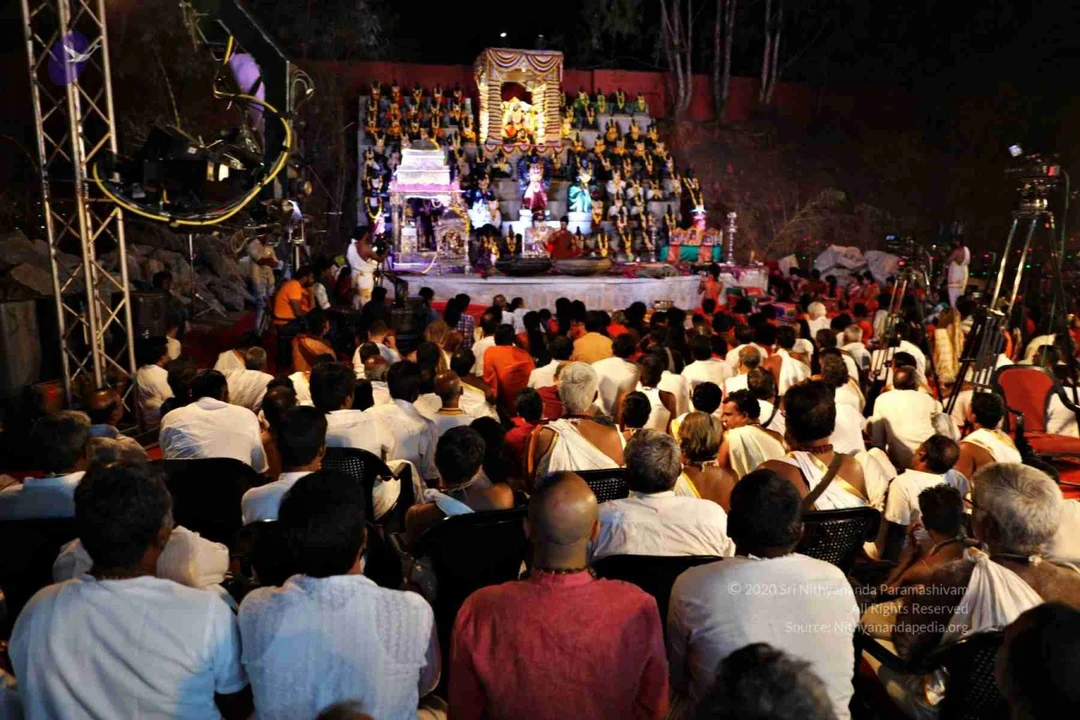
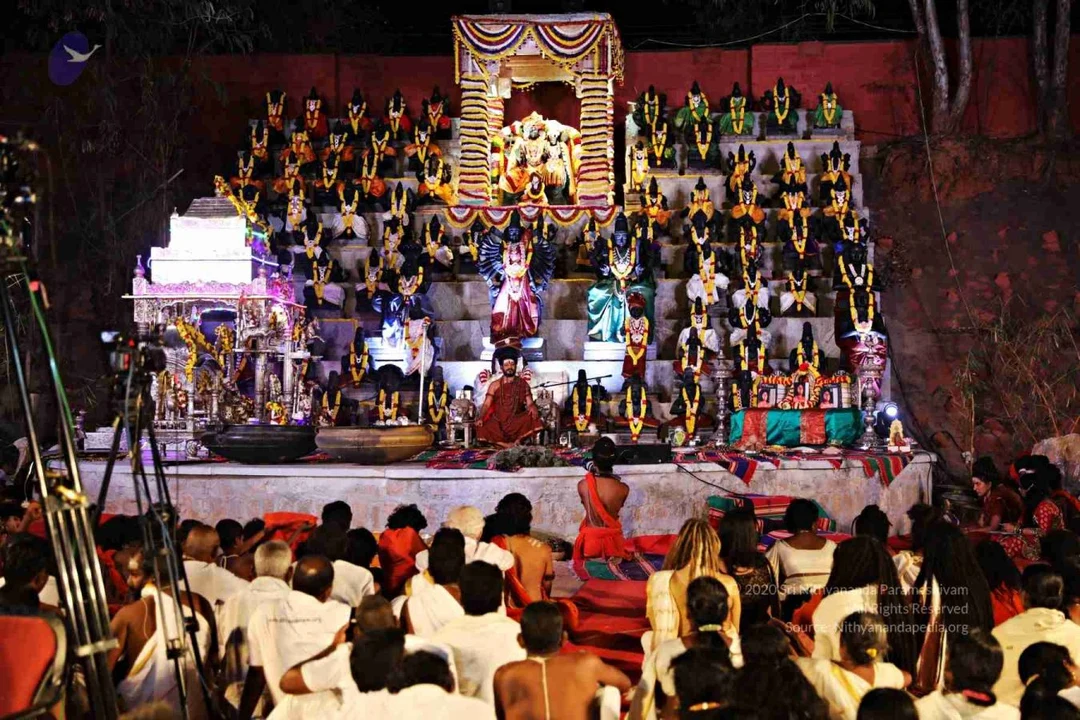
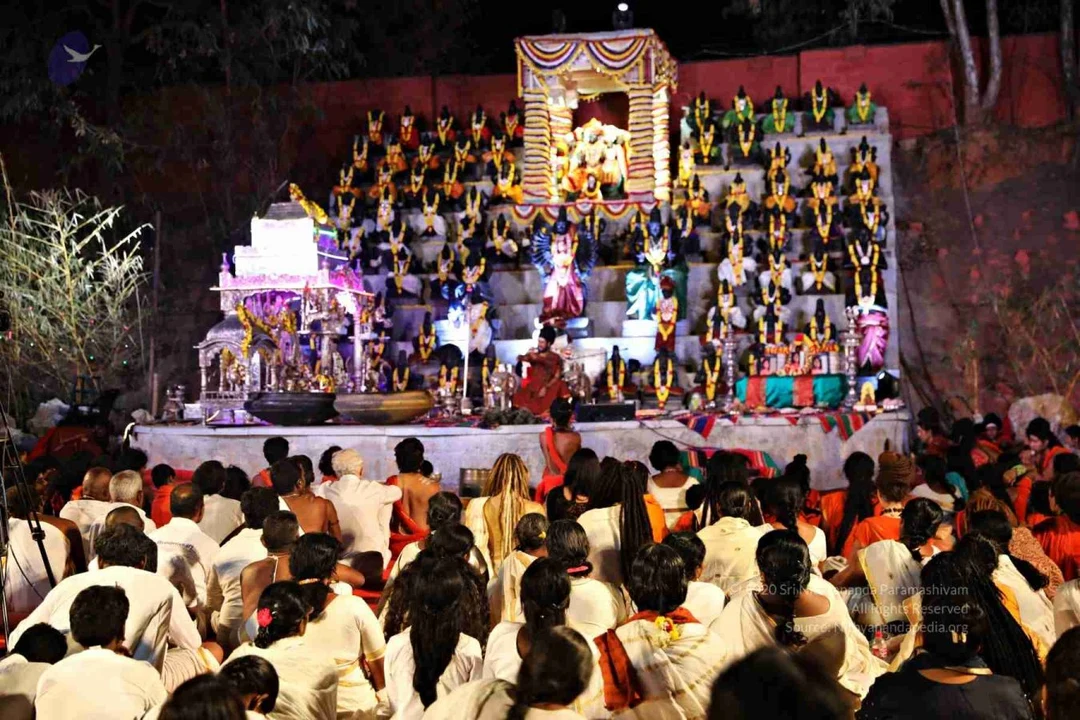
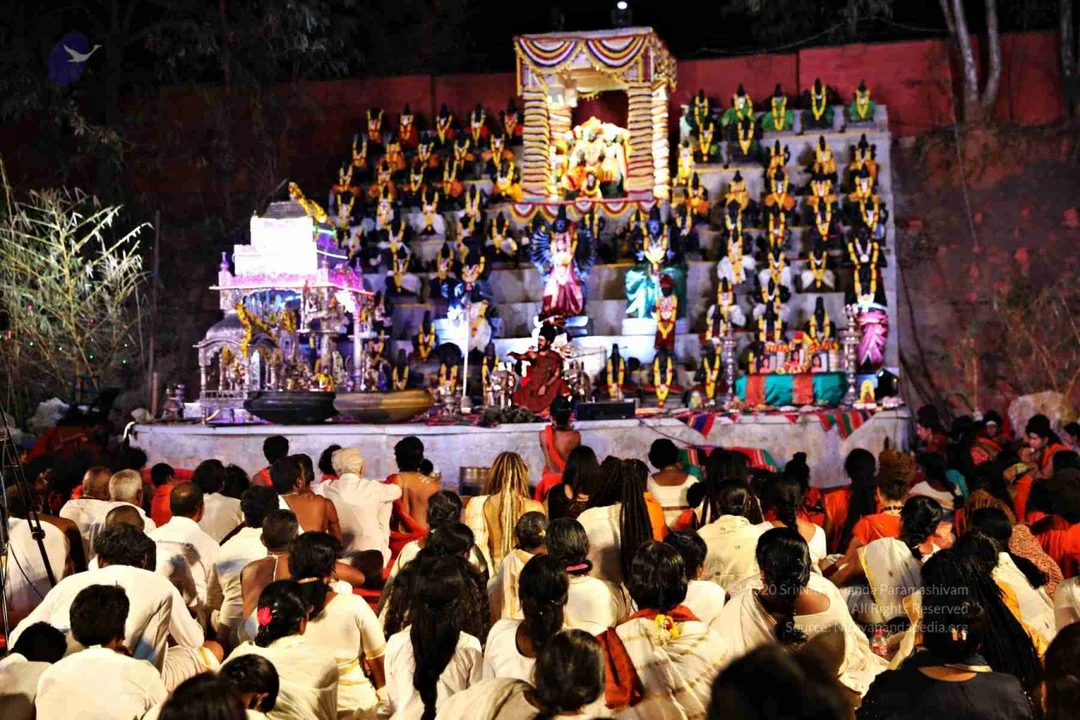
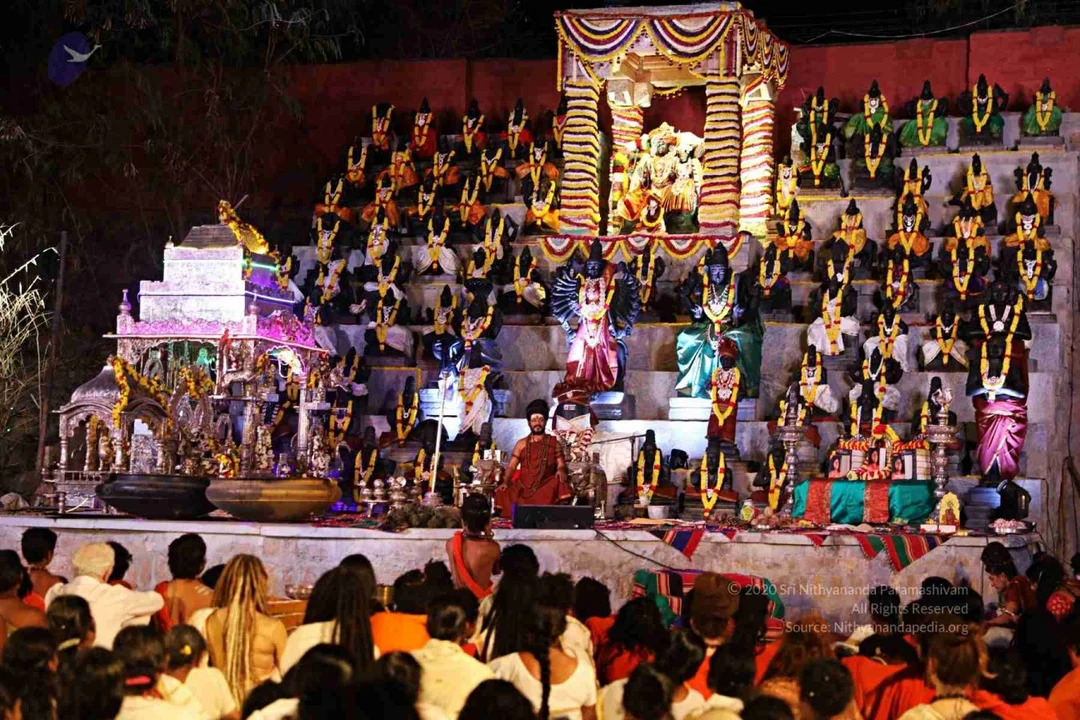
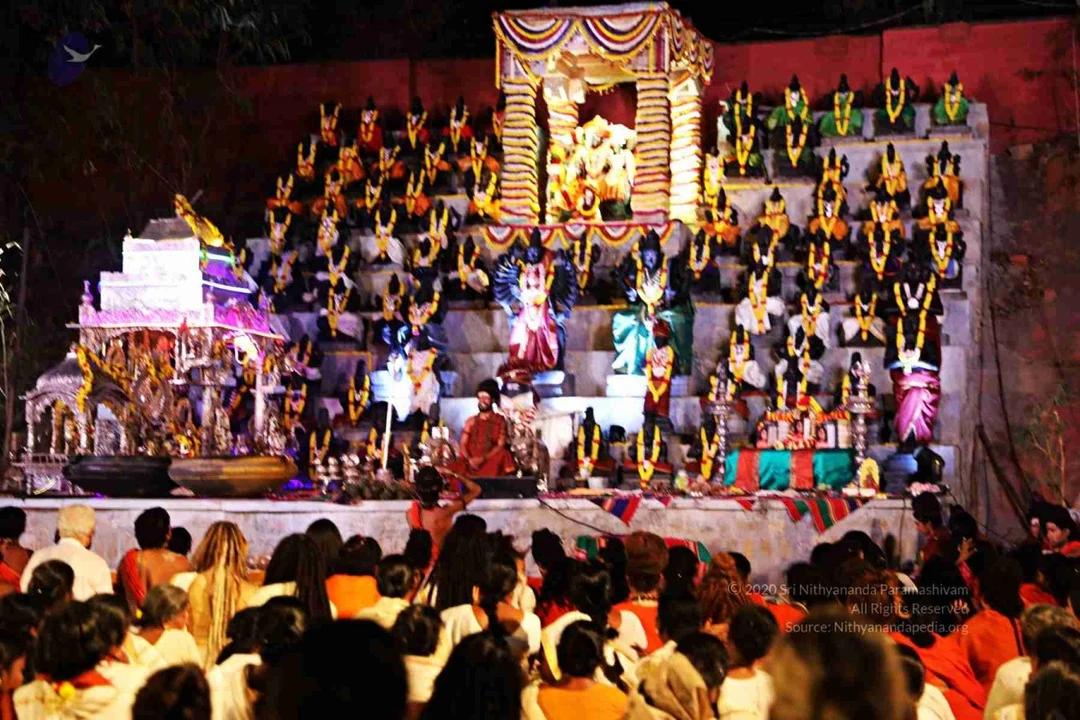
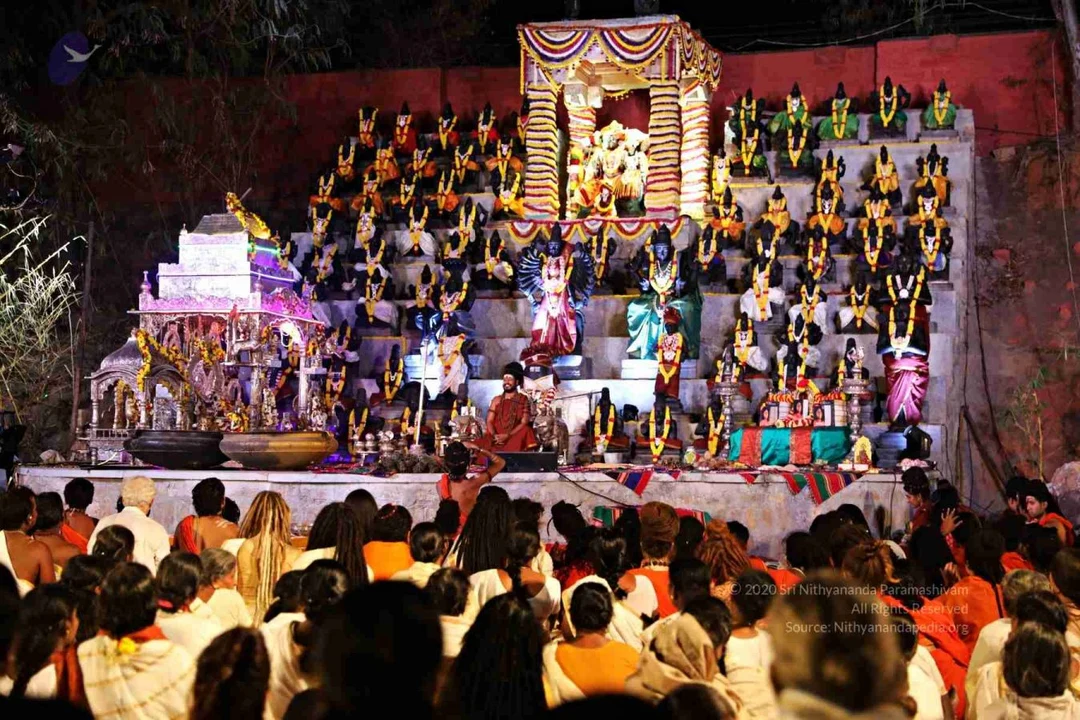
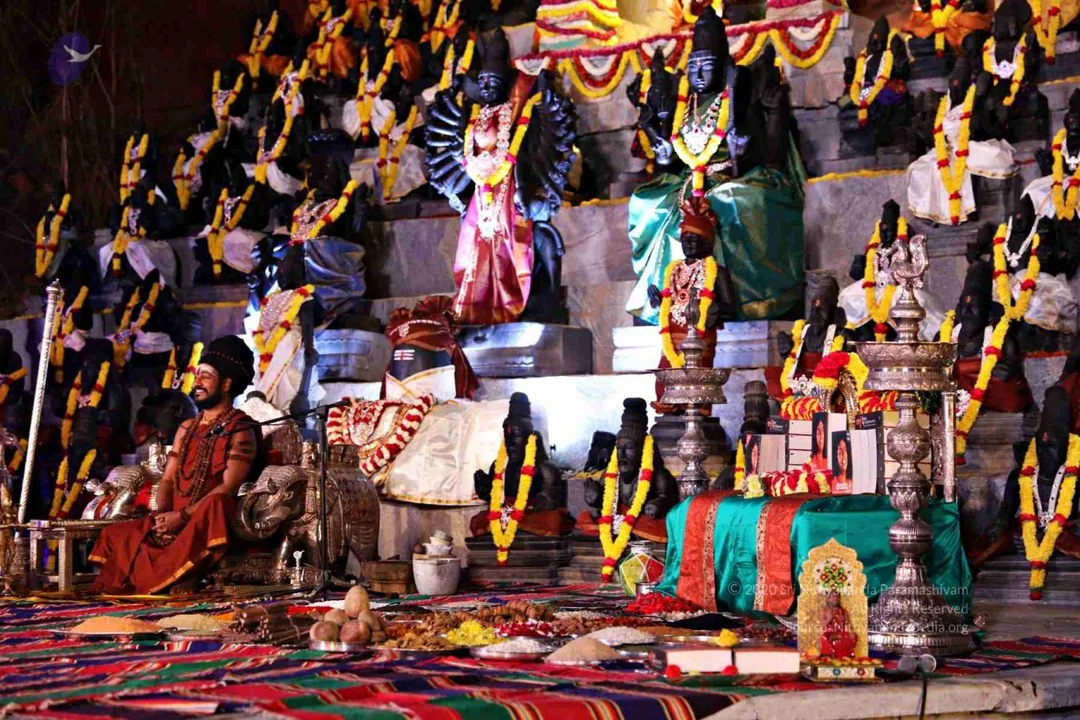
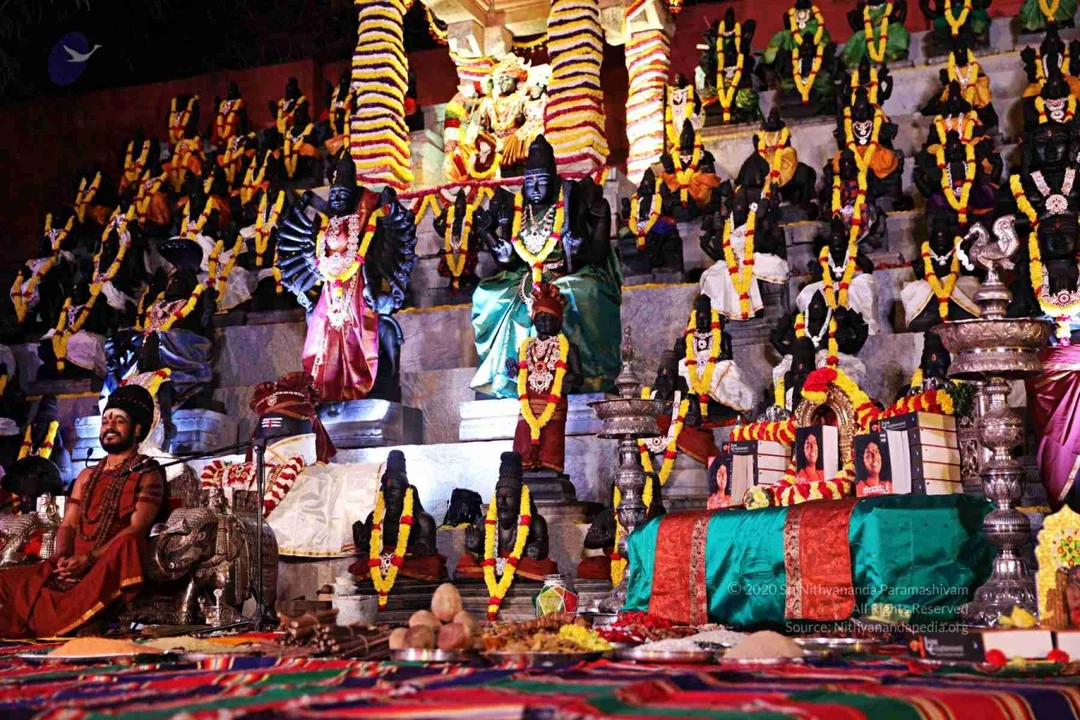
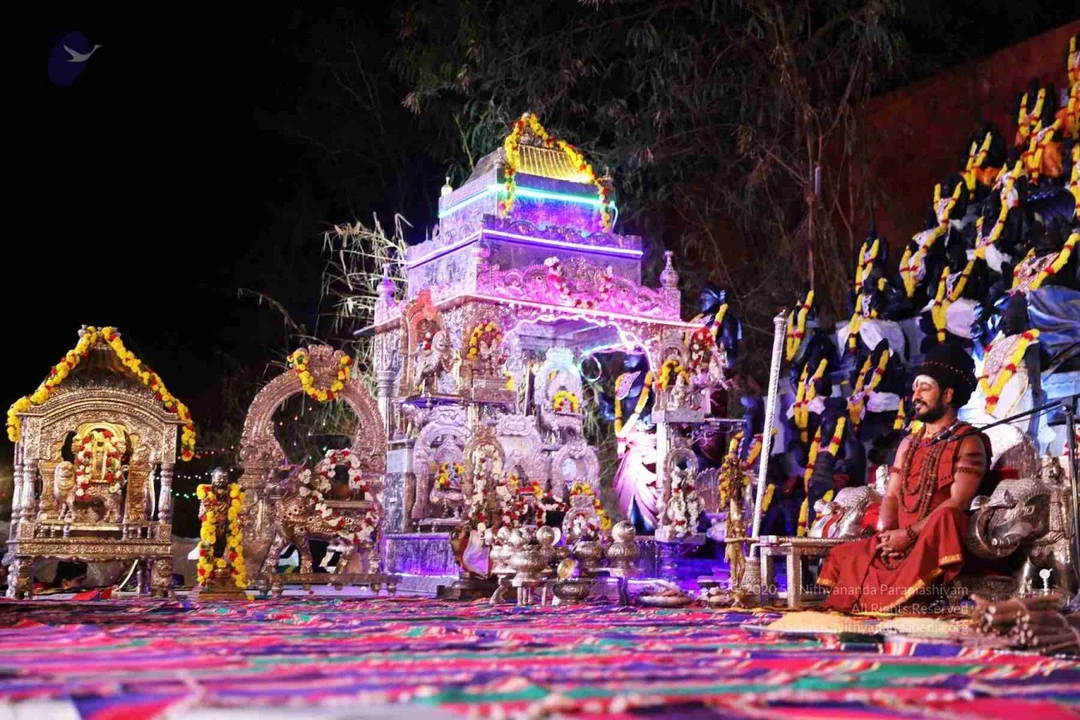
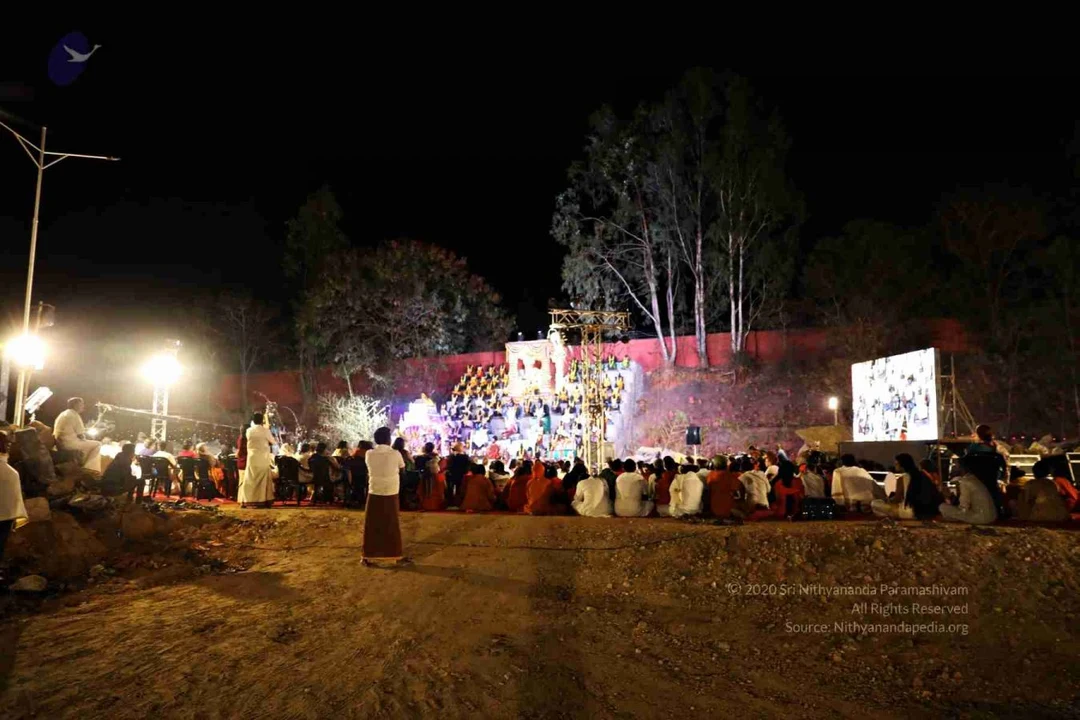
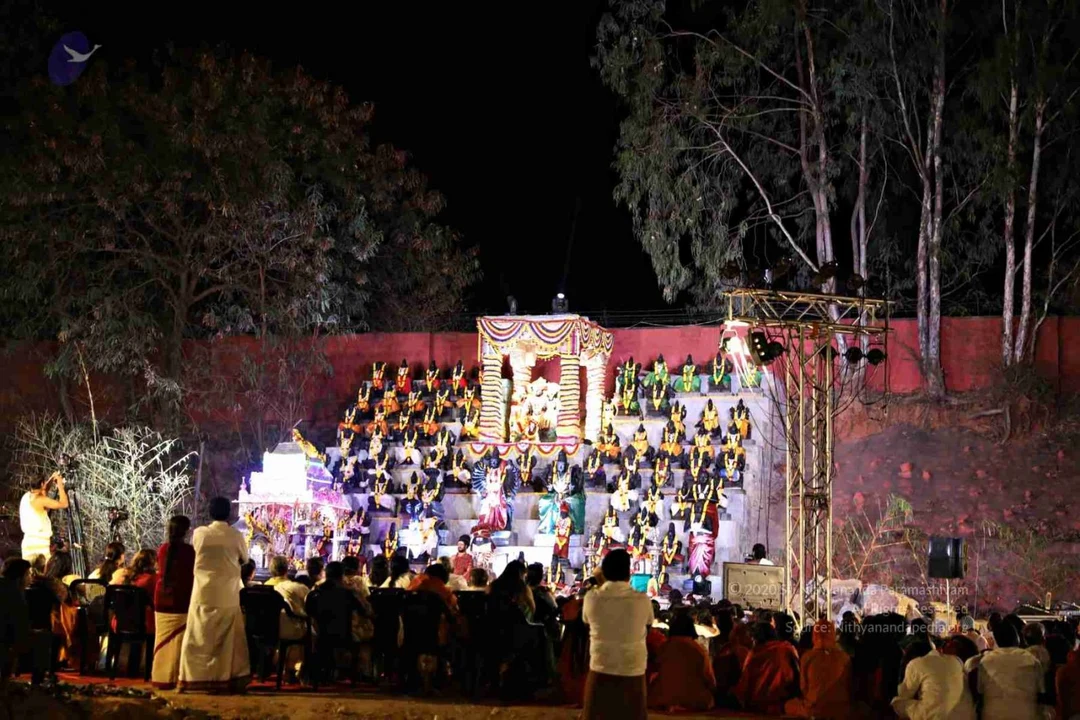
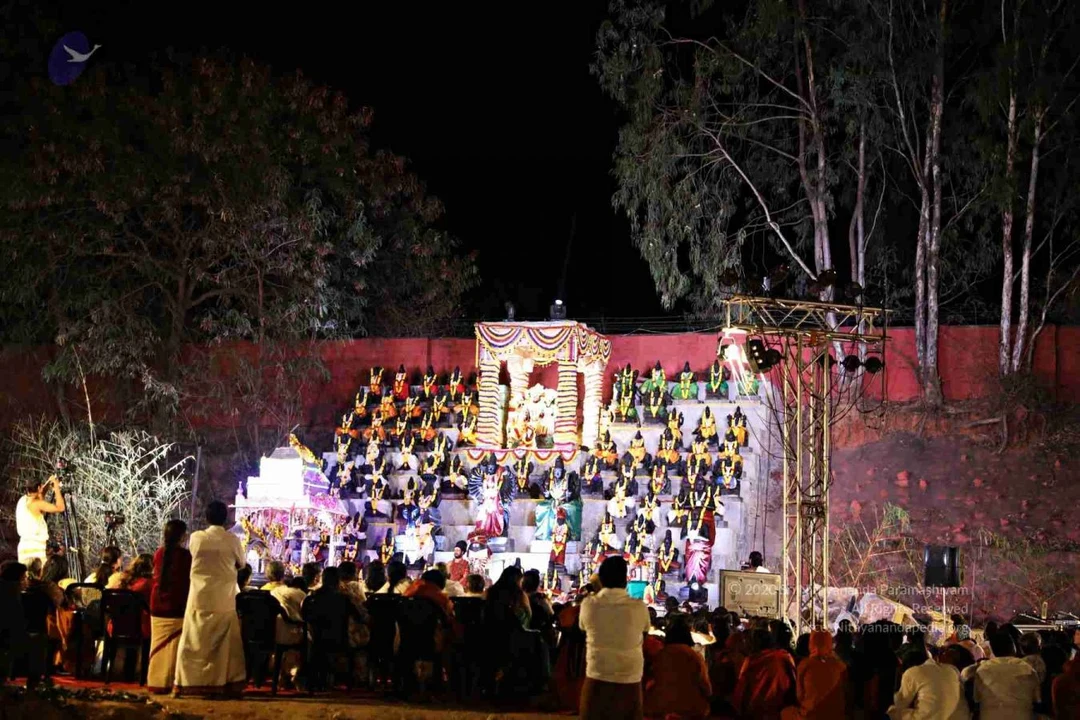
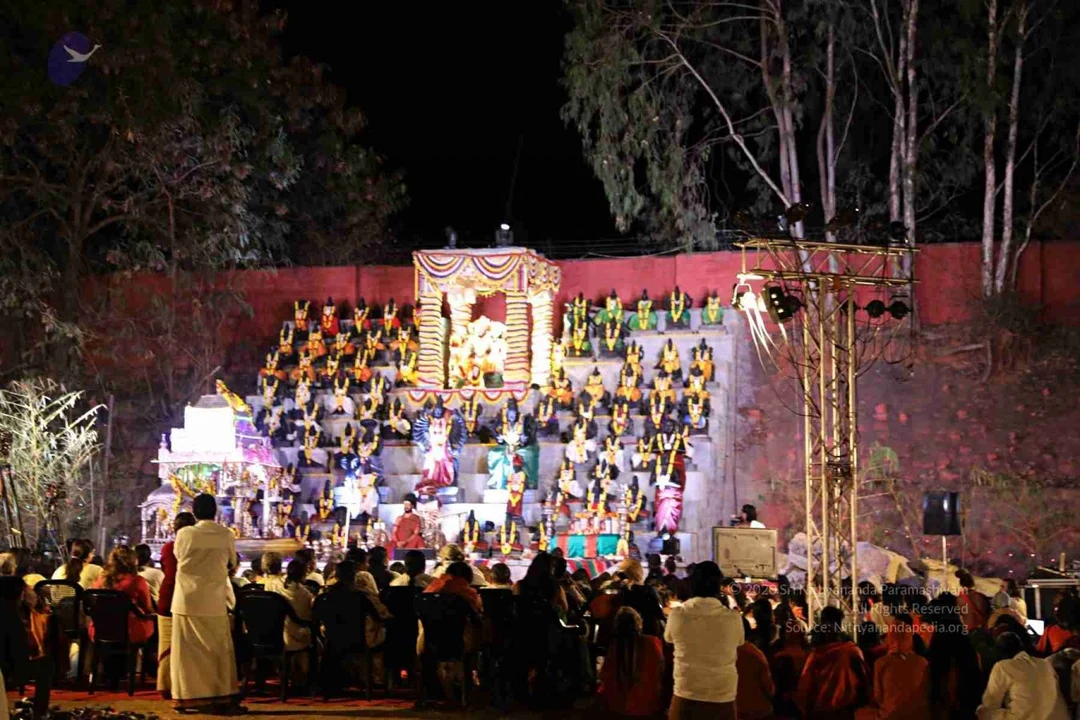
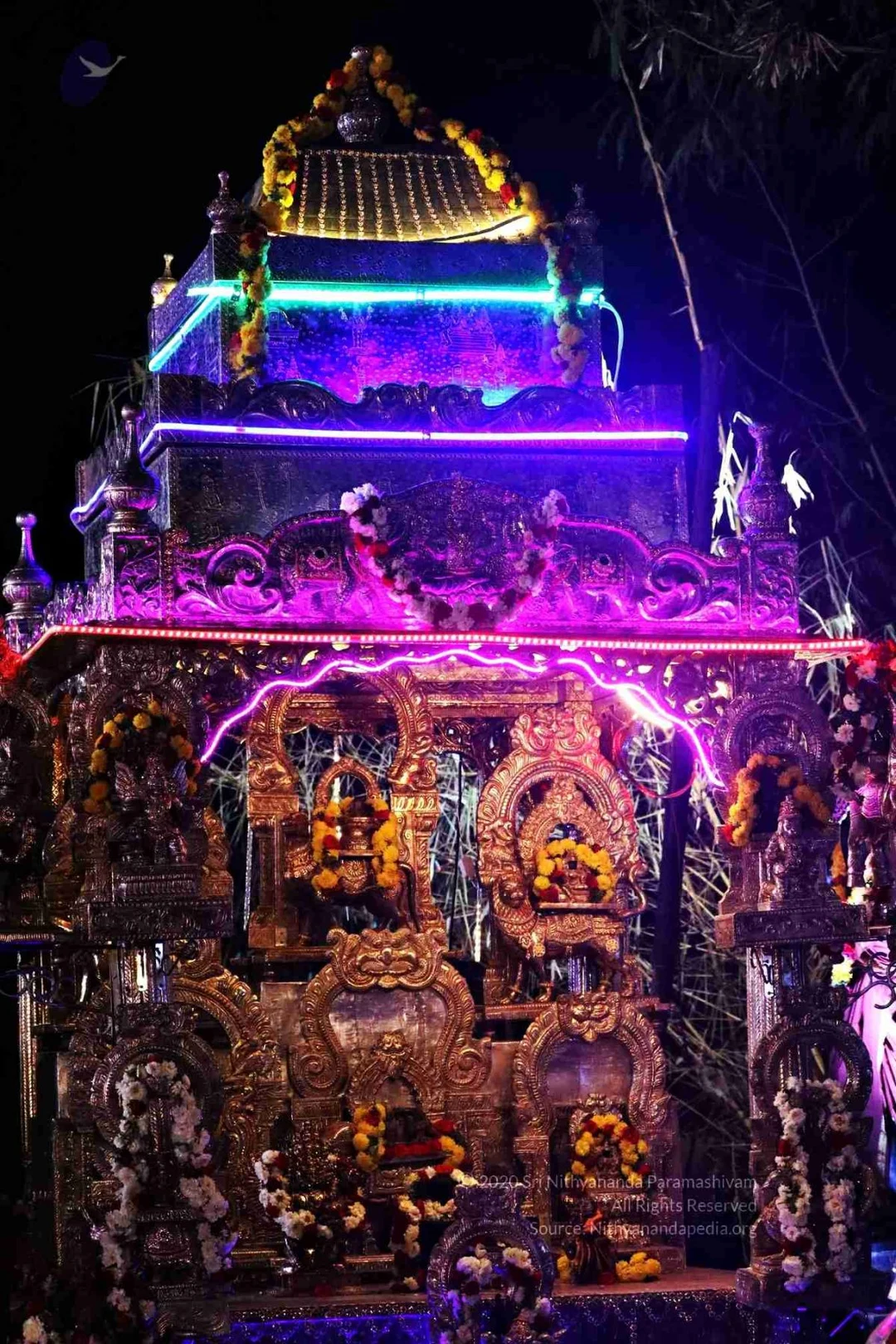
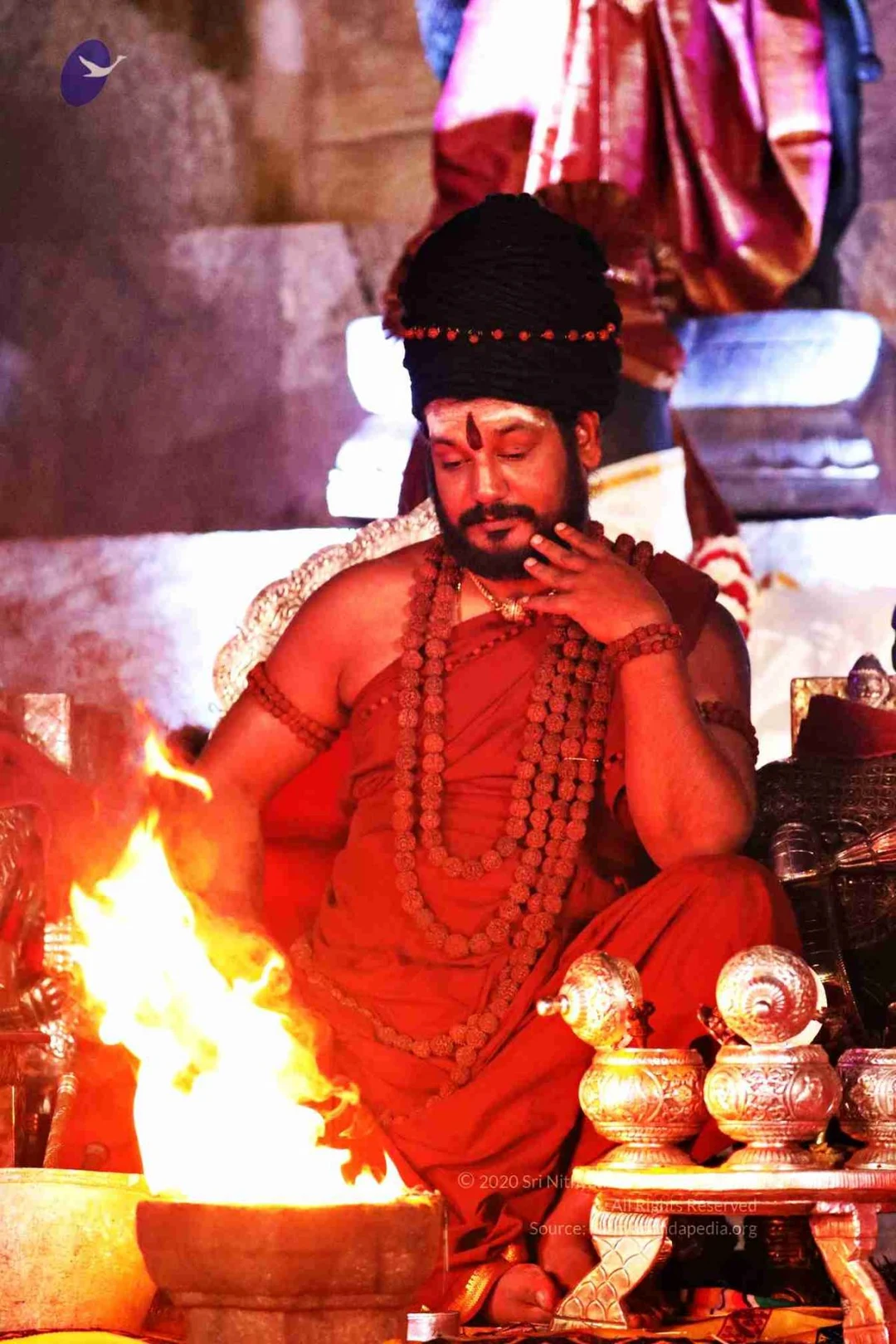
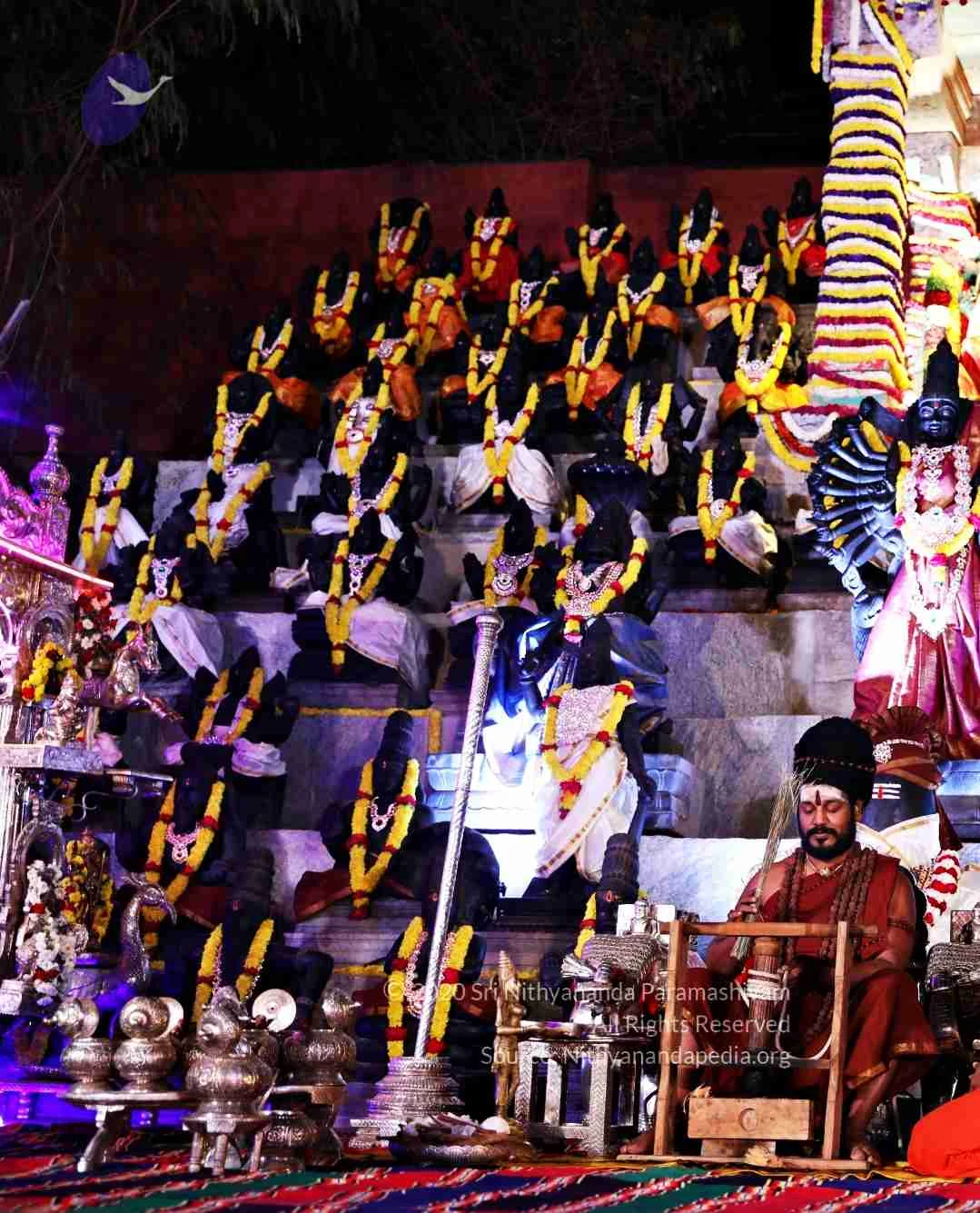
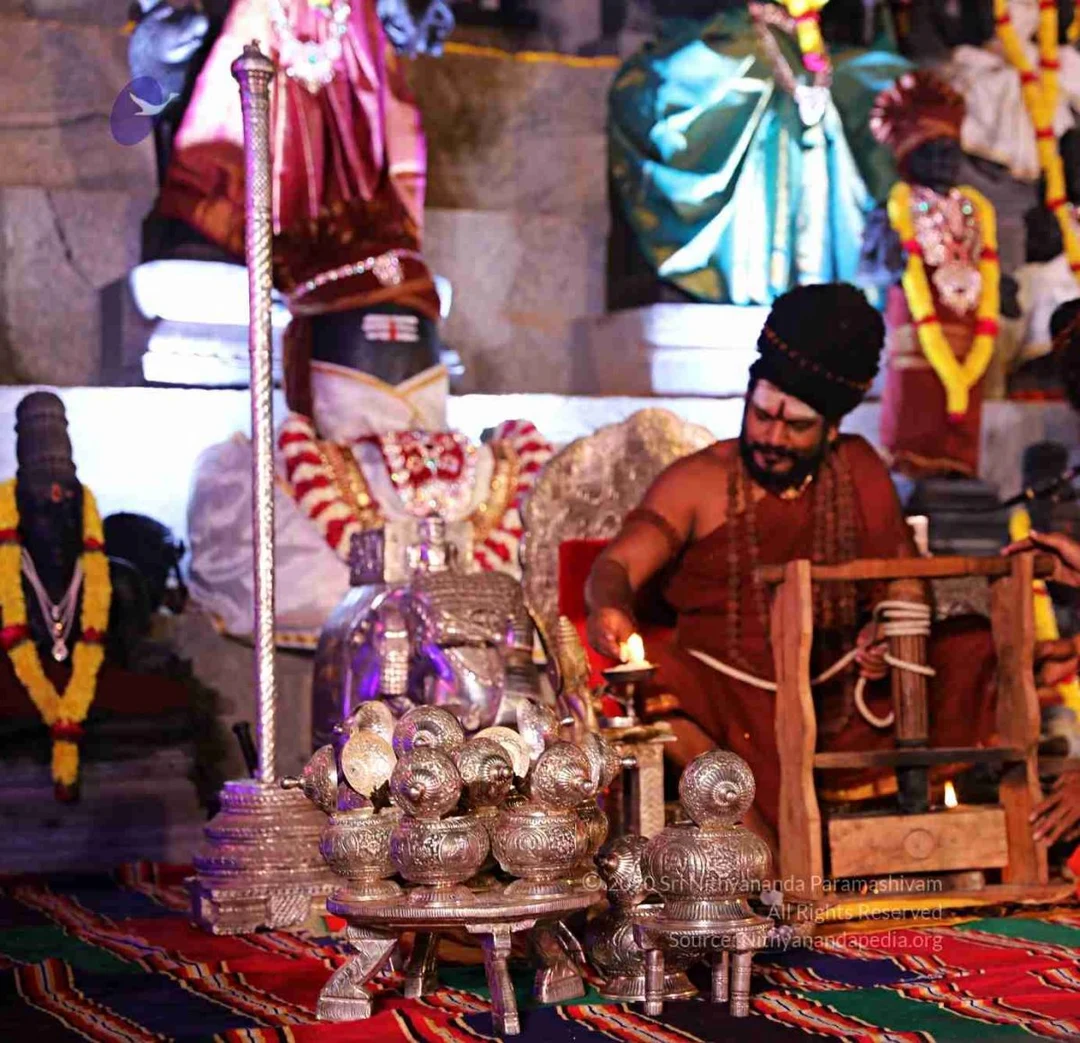
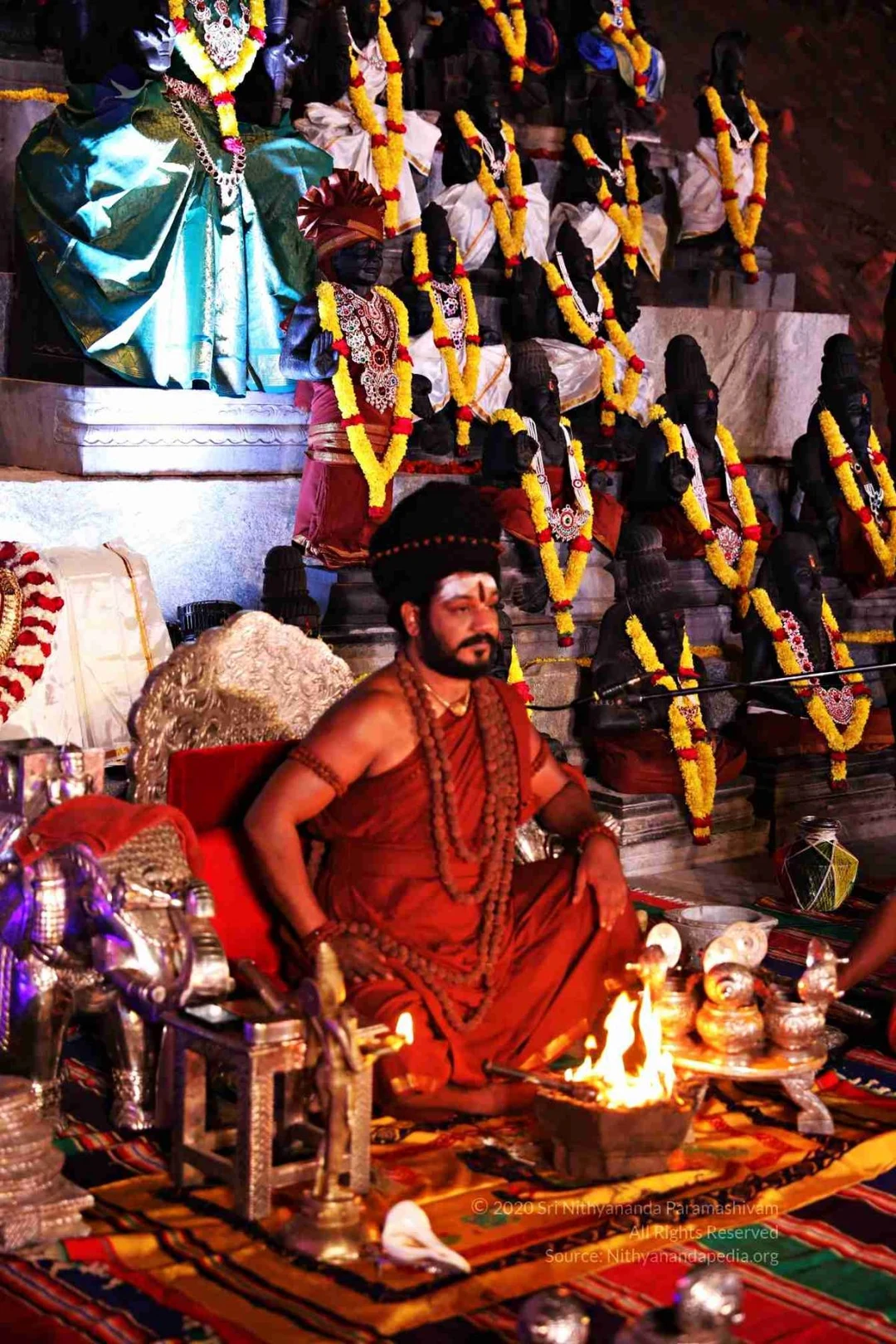
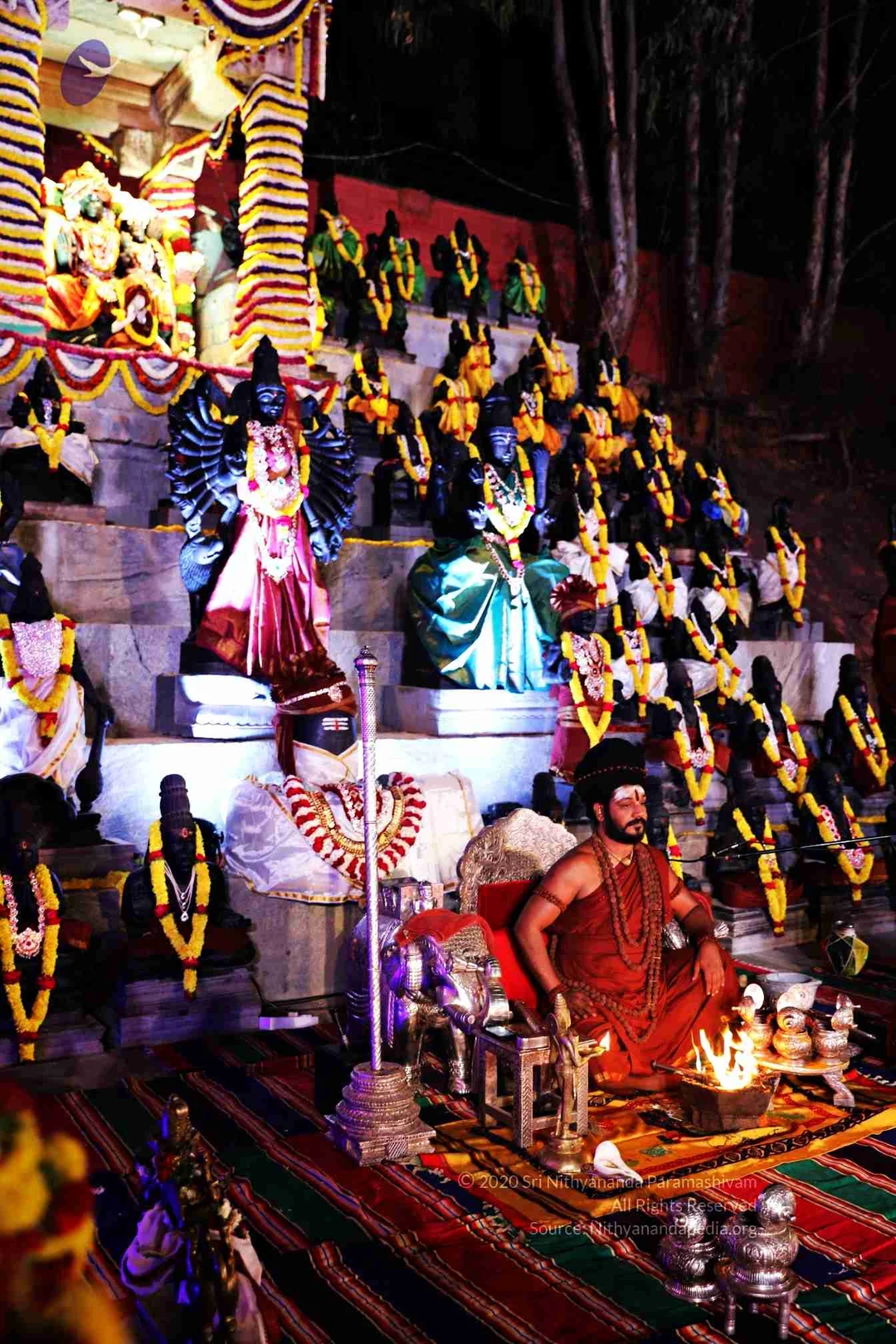
While you are taking in the sights, the divine sights of the Venue, where this unique Jeevan Mukti Aushadha is being created, you can see all the Gods and Goddesses, are depicted in this Thirukailaya Courtyard. You are currently seeing the entire venue. You see all the Gods and Siddhas, Rishis, Munis, Devas, who calls you to Kailash and you should know as per the scriptures, this is exactly how the Aushadha preparation process happens in the space of Kailash itself.
(1:24:02) (verses chanted in Swamiji’s voice)
(1:26:58)
Swamiji - My blessings to all of you. Successfully the Jeevan Mukti Aushadha is done and it’ll be shared with you all and I bless you all, let you all….let’s all radiate with Integrity, Authenticity, Responsibility, Enriching, Causing, Living Shuddhadvaita Saivam, MahaSadāshivoham, the Eternal Bliss - Nithyananda.
Thankyou
Be Blissful
(1:27:39)
Photos
Jeevan Mukthi Jayanthi - Aushada Process
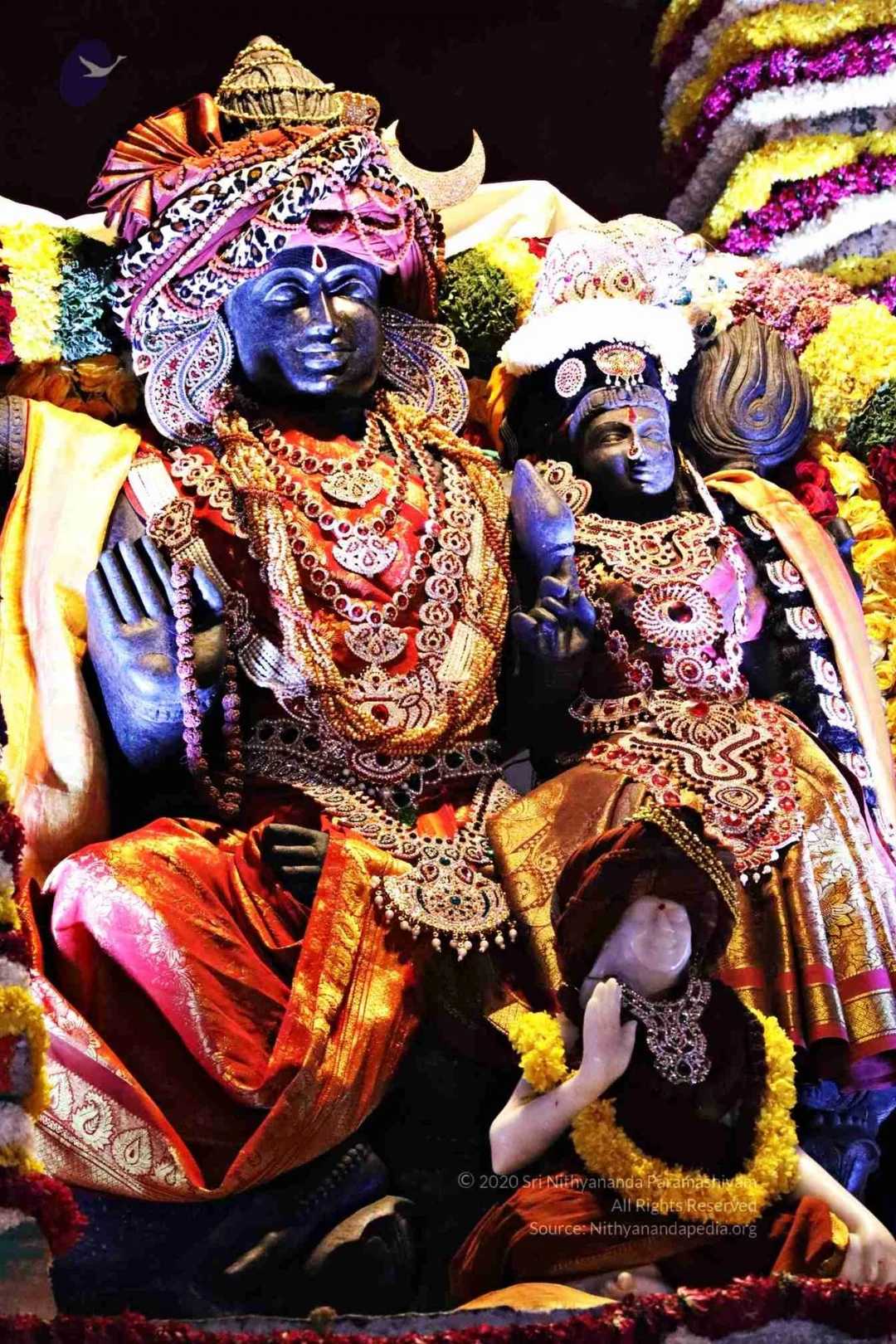
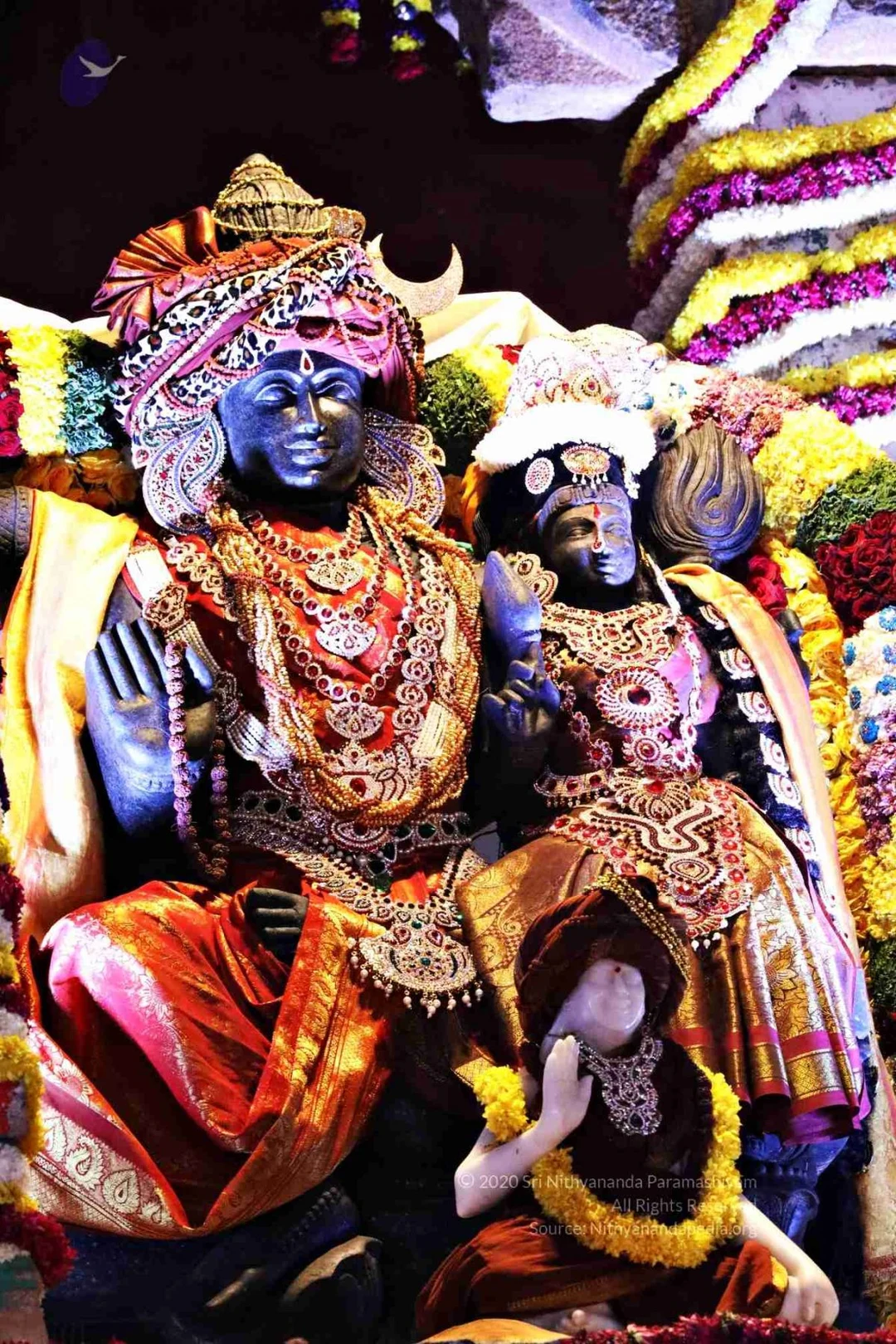
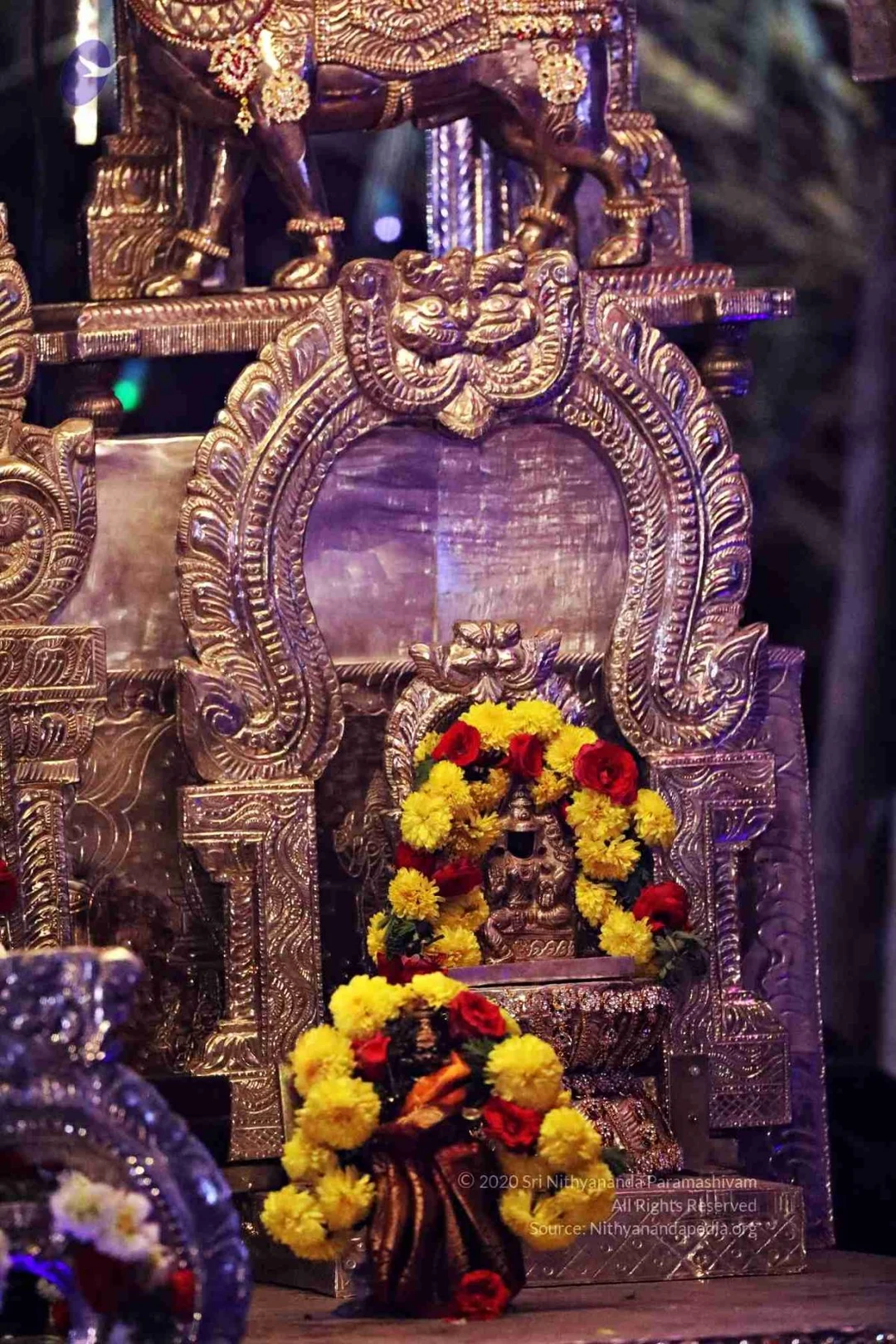
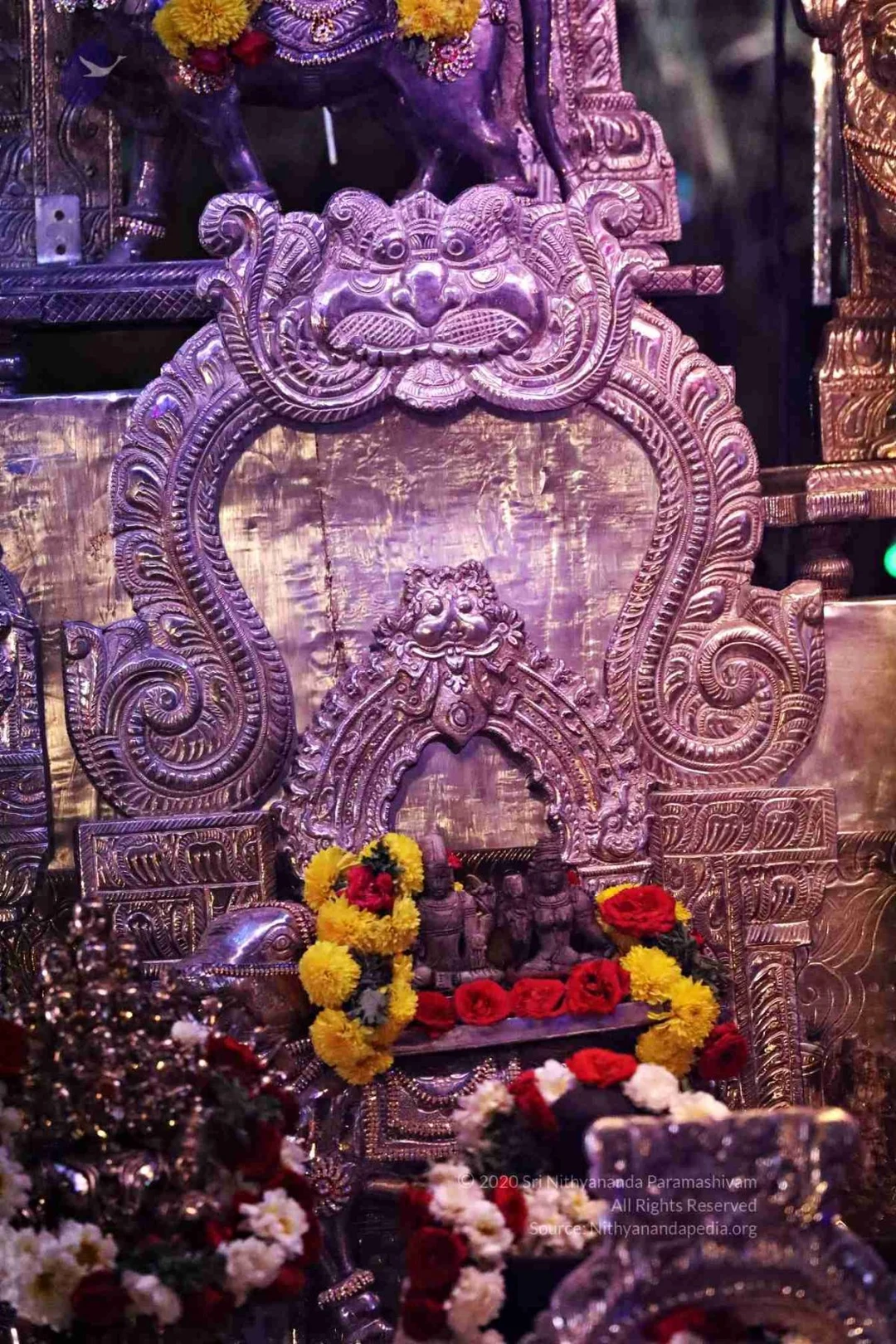
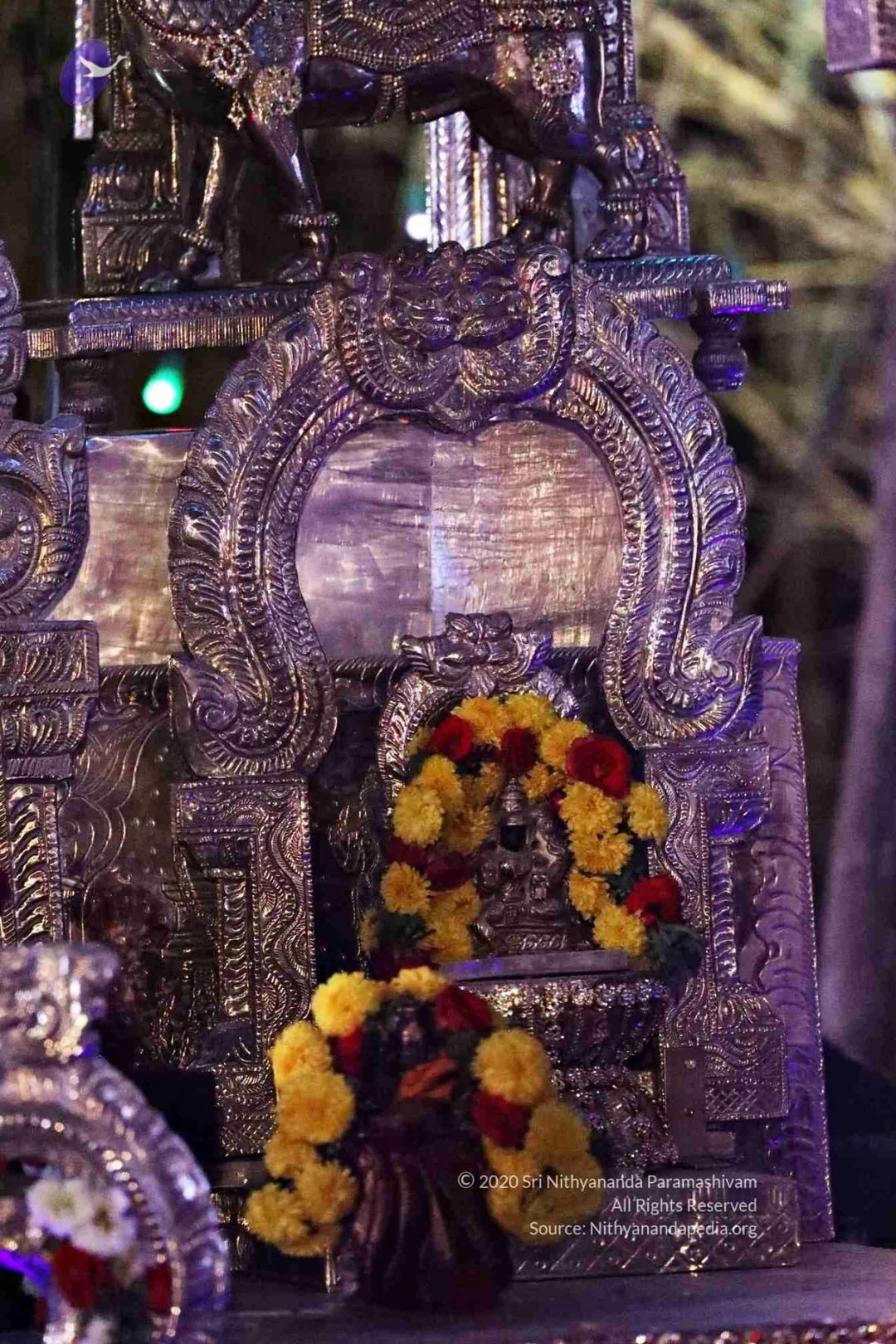
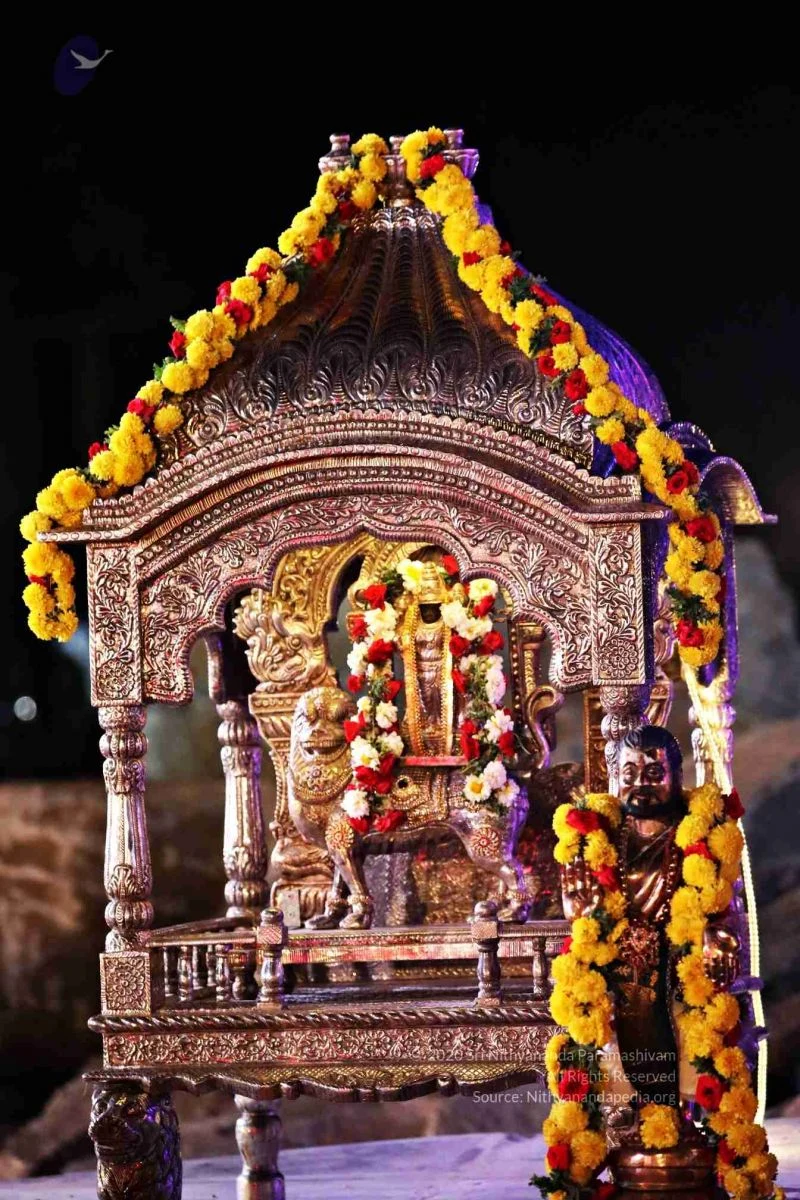
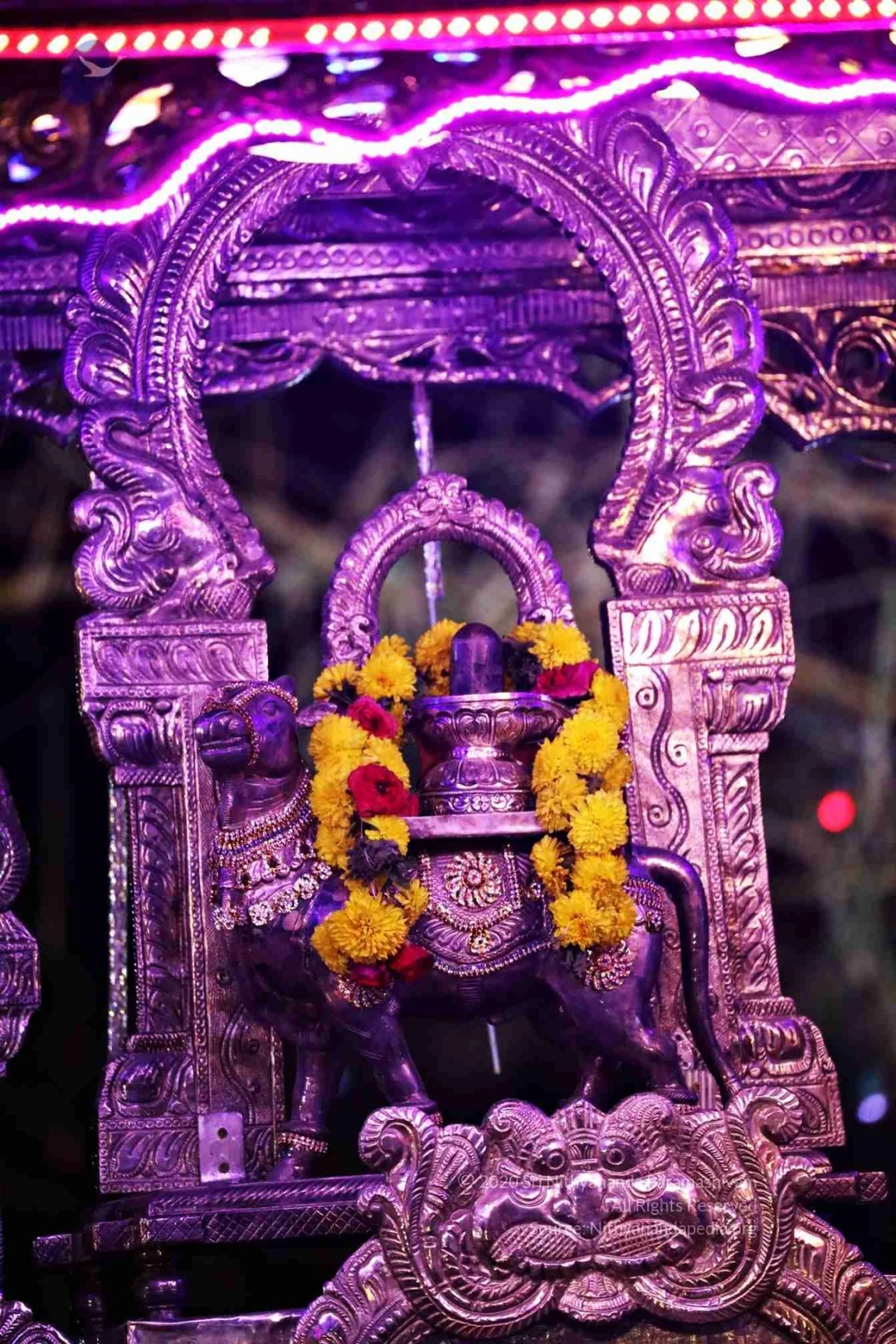
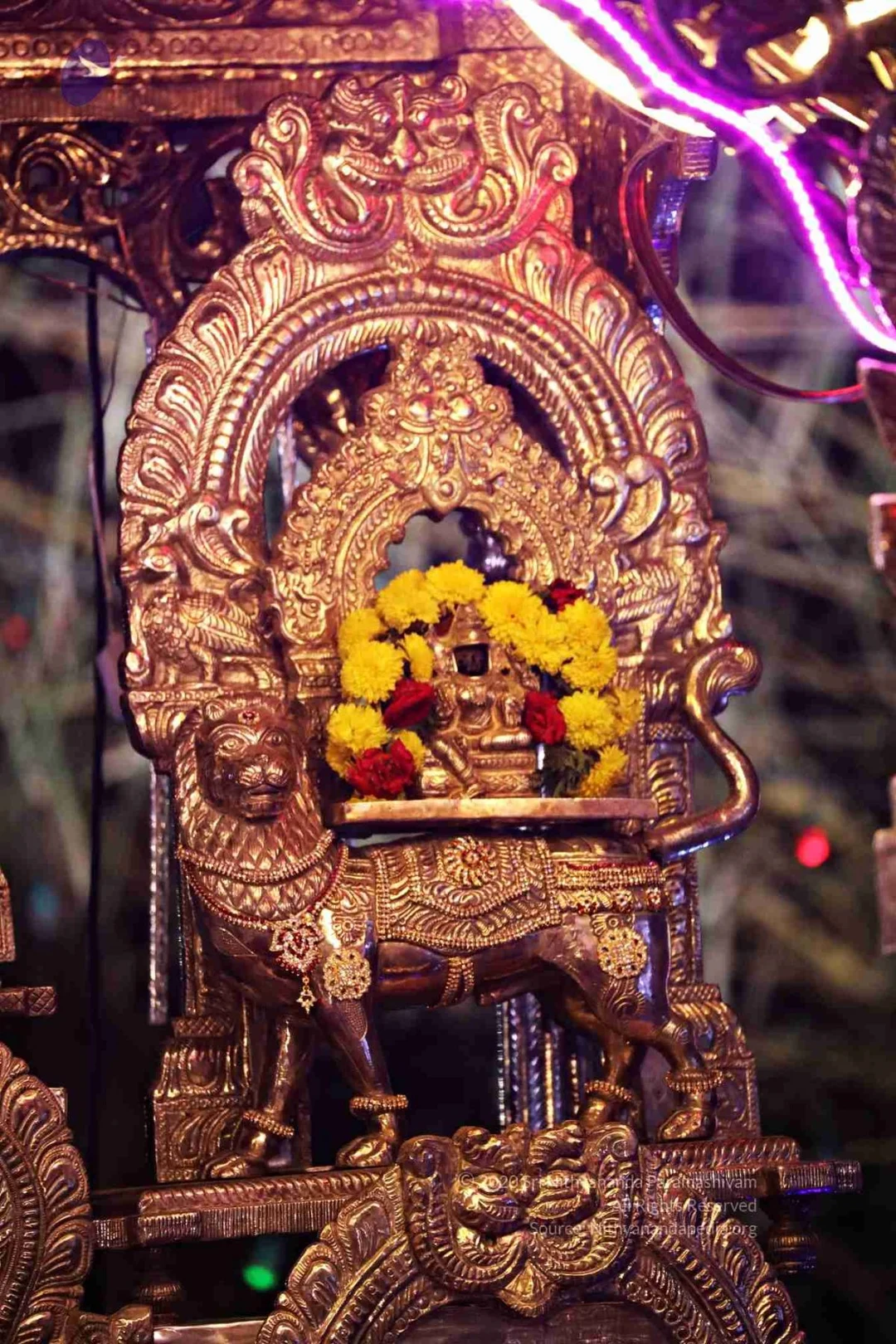
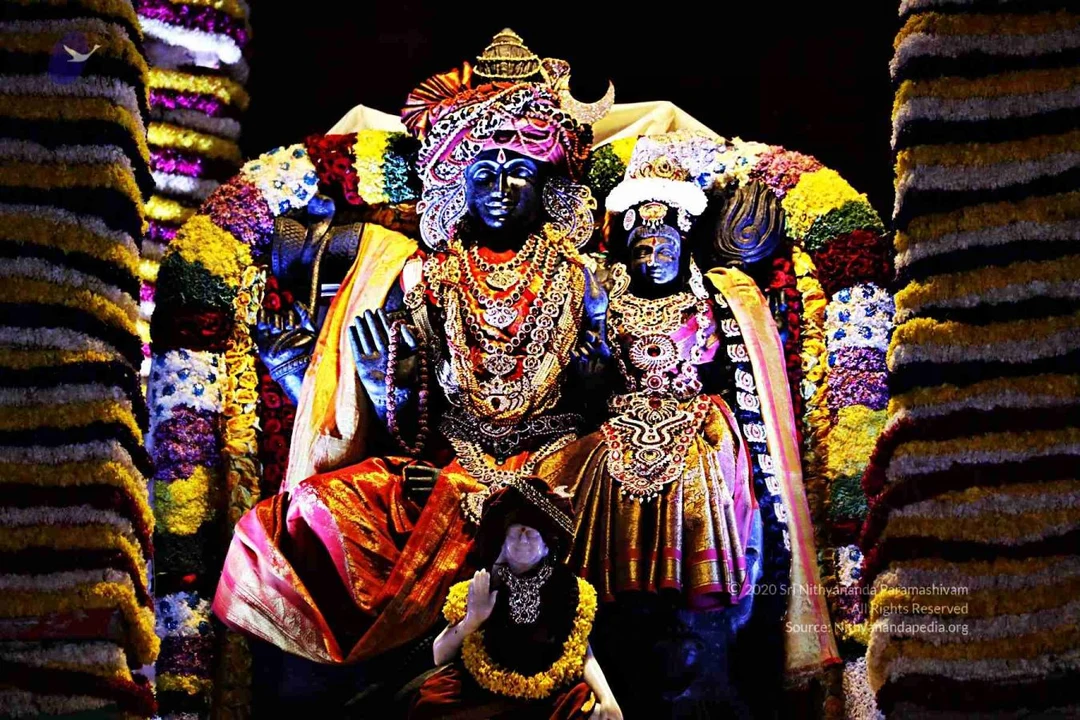 Nithyanandeshwara-Nithyanandeshwari (Paramashiva and Parashakti) at Adi Kailaasa, Bengaluru Aadheenam
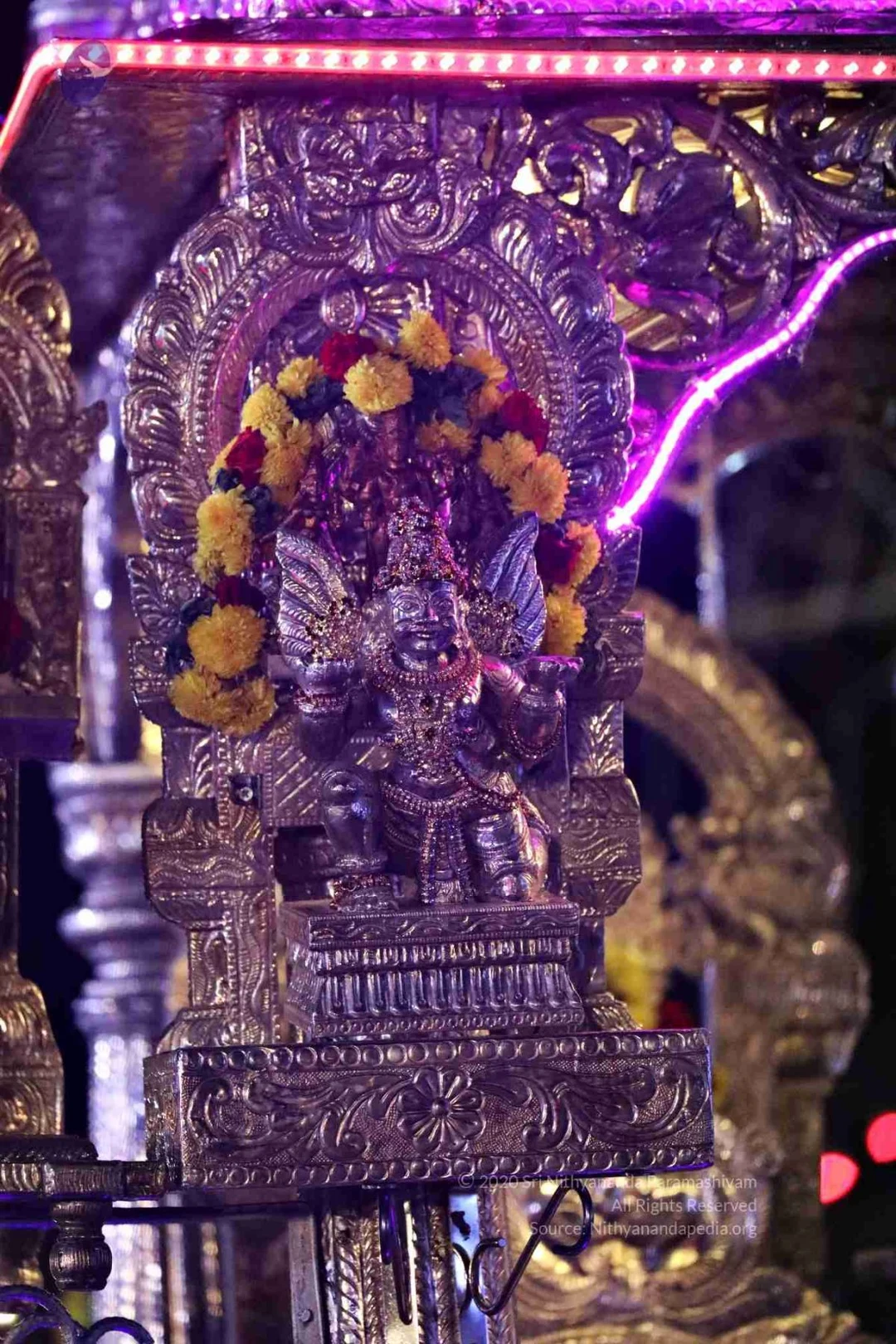
 Lord Venkateshswara/Vishnu
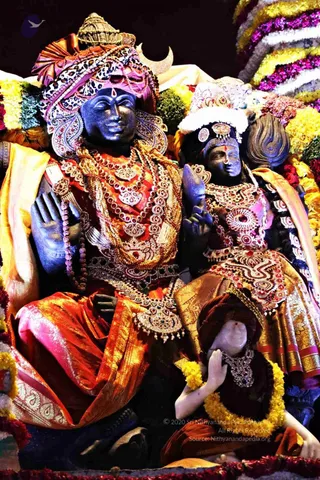 Nithyanandeshwara-Nithyanandeshwari (Paramashiva and Parashakti) at Adi Kailaasa, Bengaluru Aadheenam
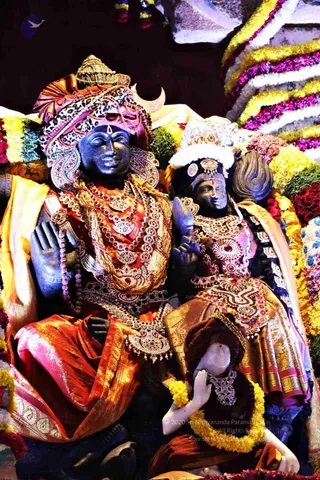 Nithyanandeshwara-Nithyanandeshwari (Paramashiva and Parashakti) at Adi Kailaasa, Bengaluru Aadheenam
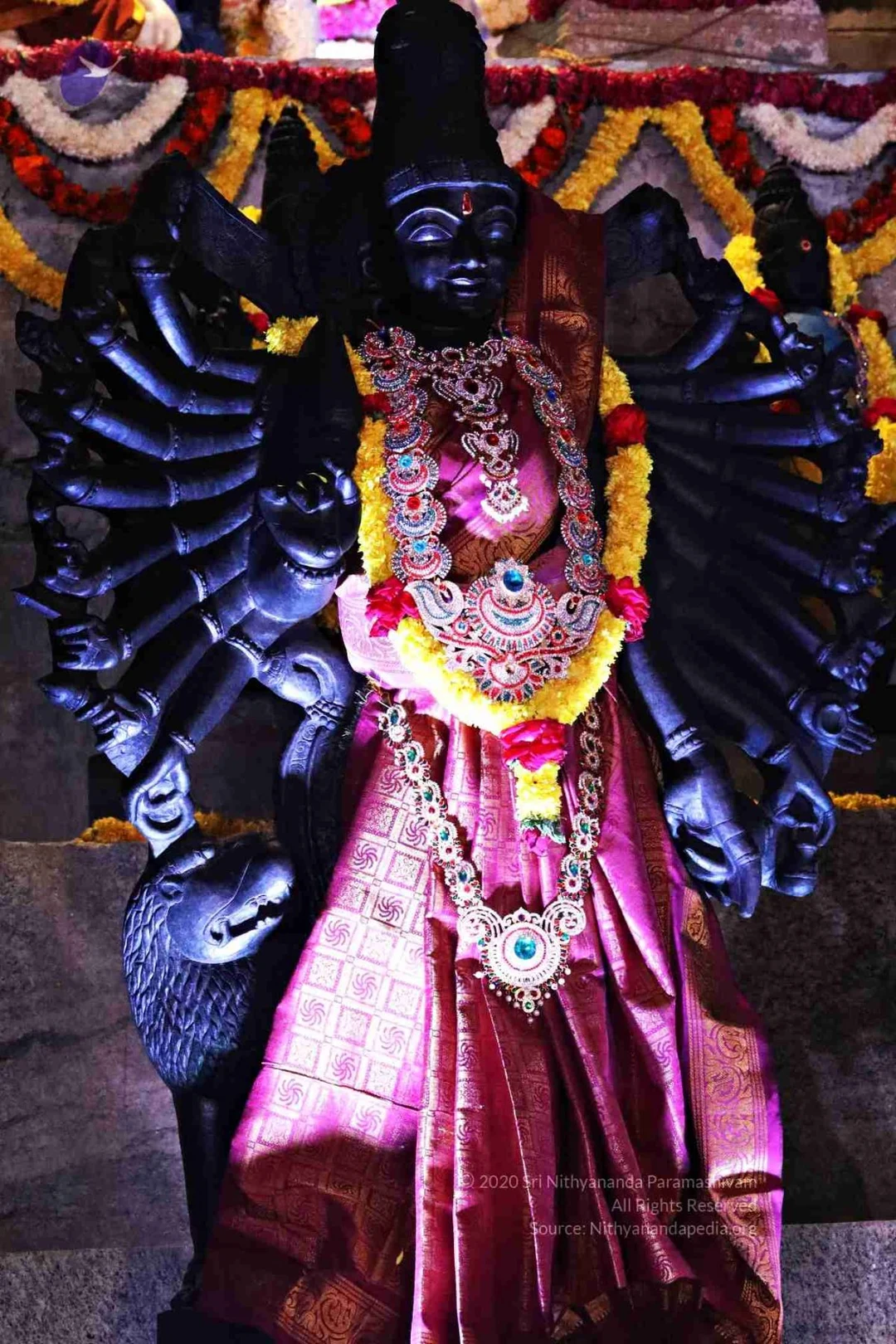
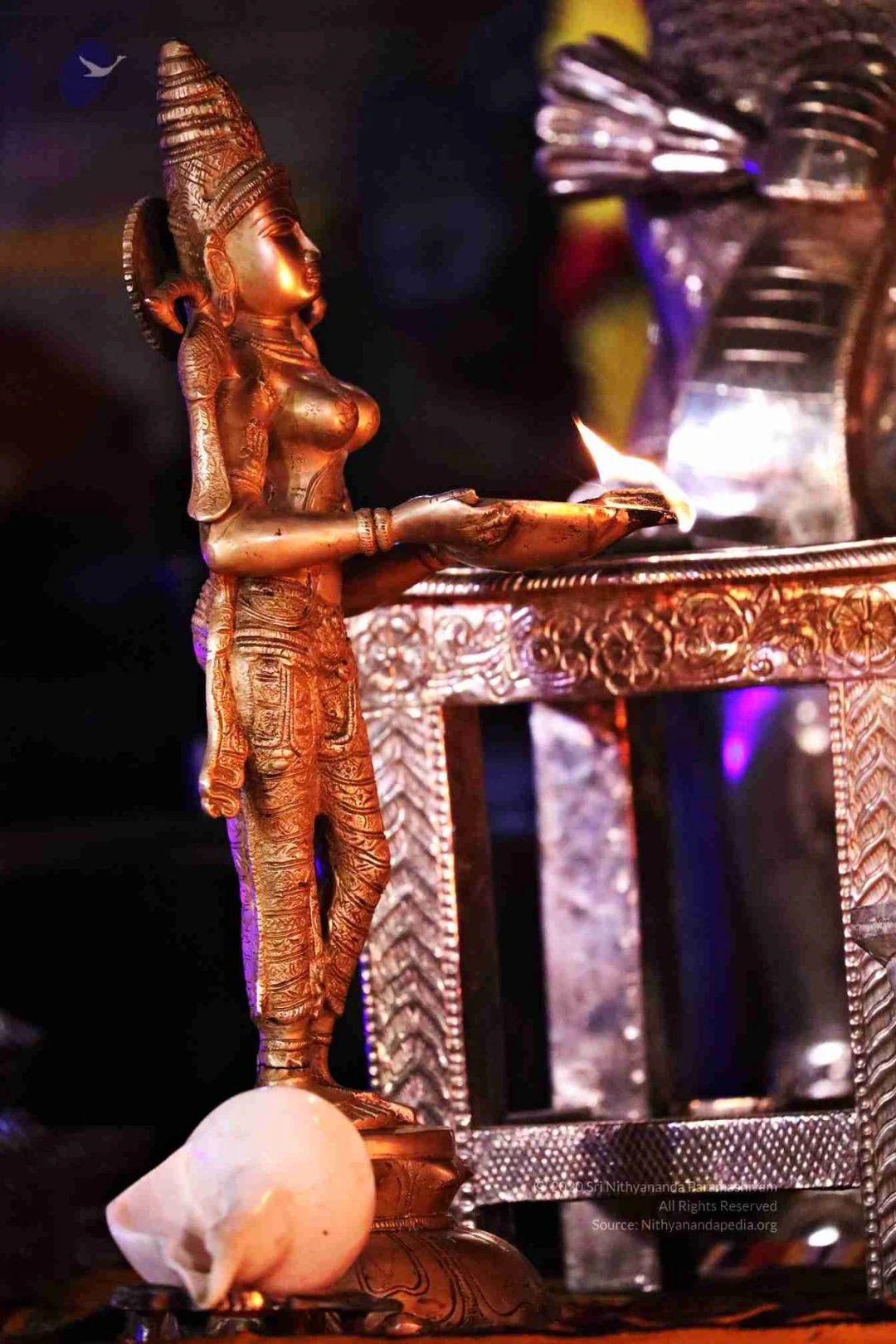
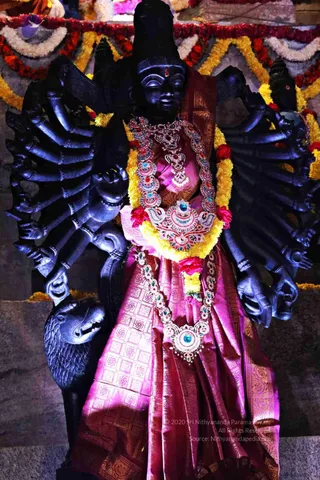 Ma Durga Devi
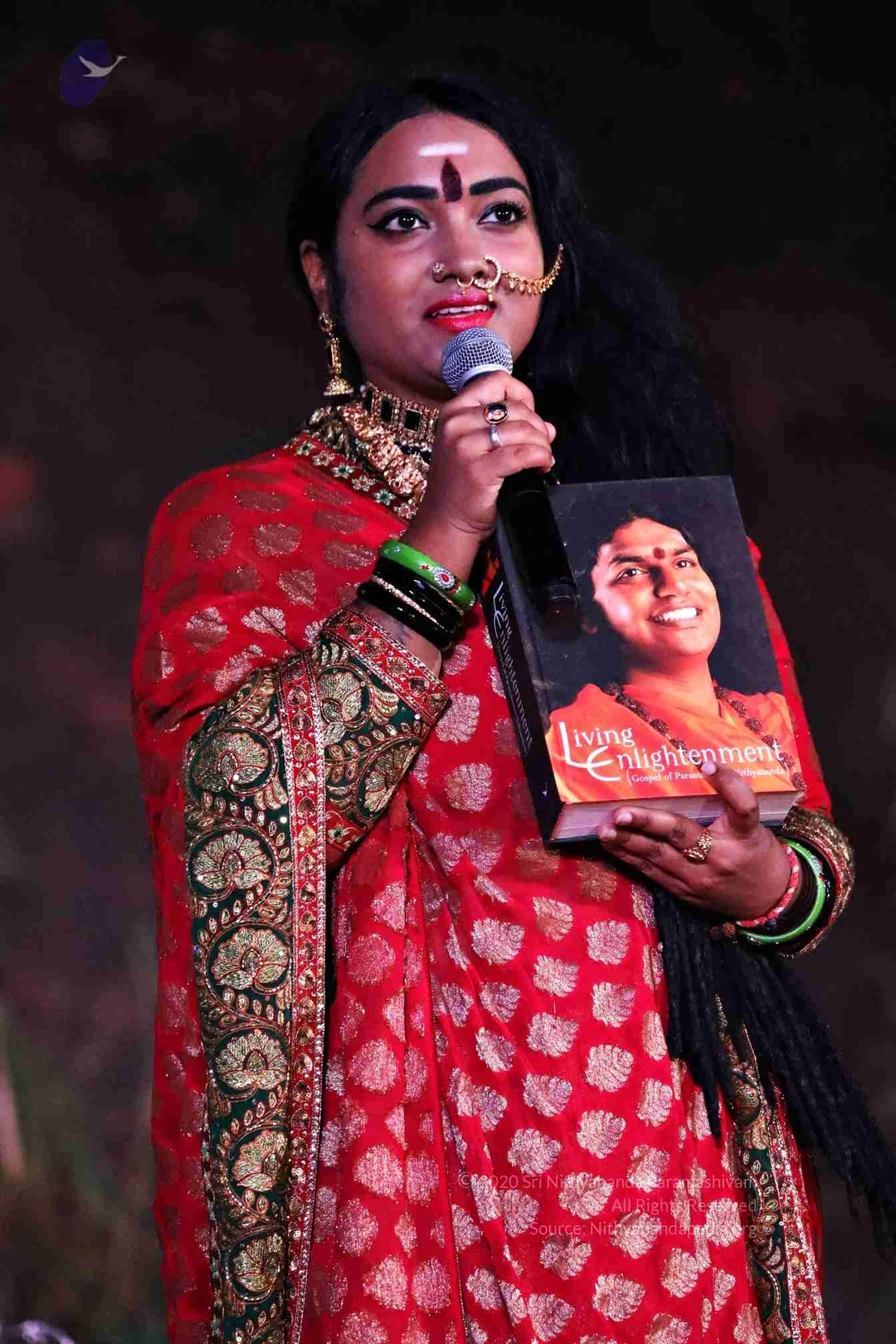
 Living enlightenment is actualizing the limitless potential and experiencing the ultimate as every moment of life unfolds afresh
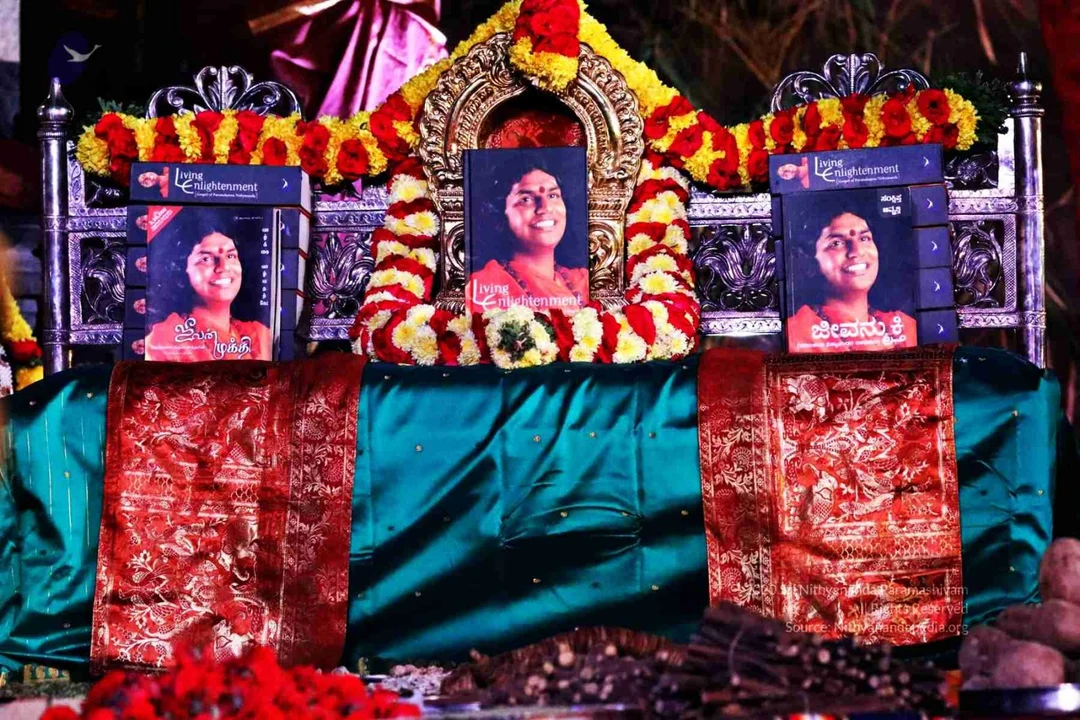 Living enlightenment is actualizing the limitless potential and experiencing the ultimate as every moment of life unfolds afresh
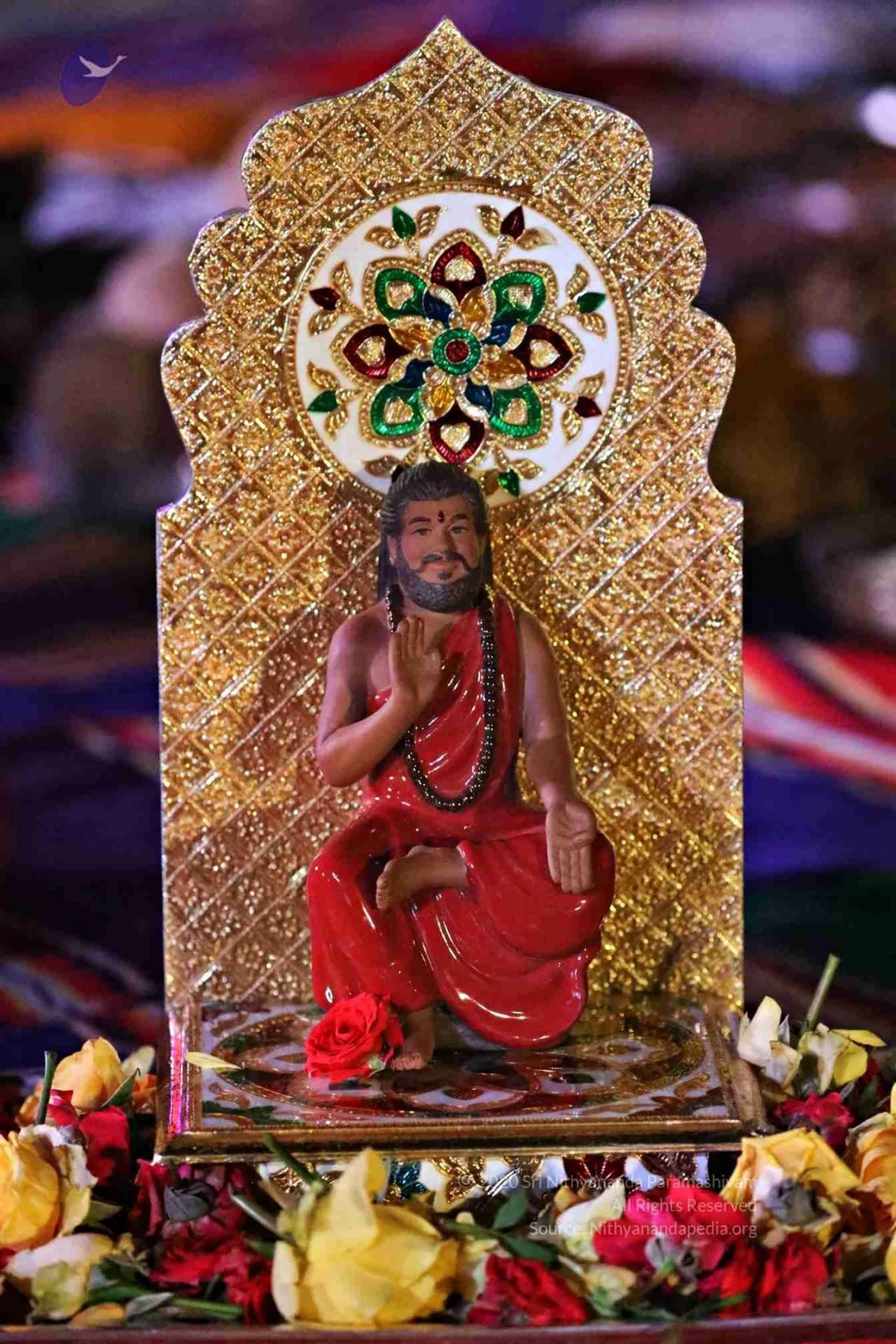
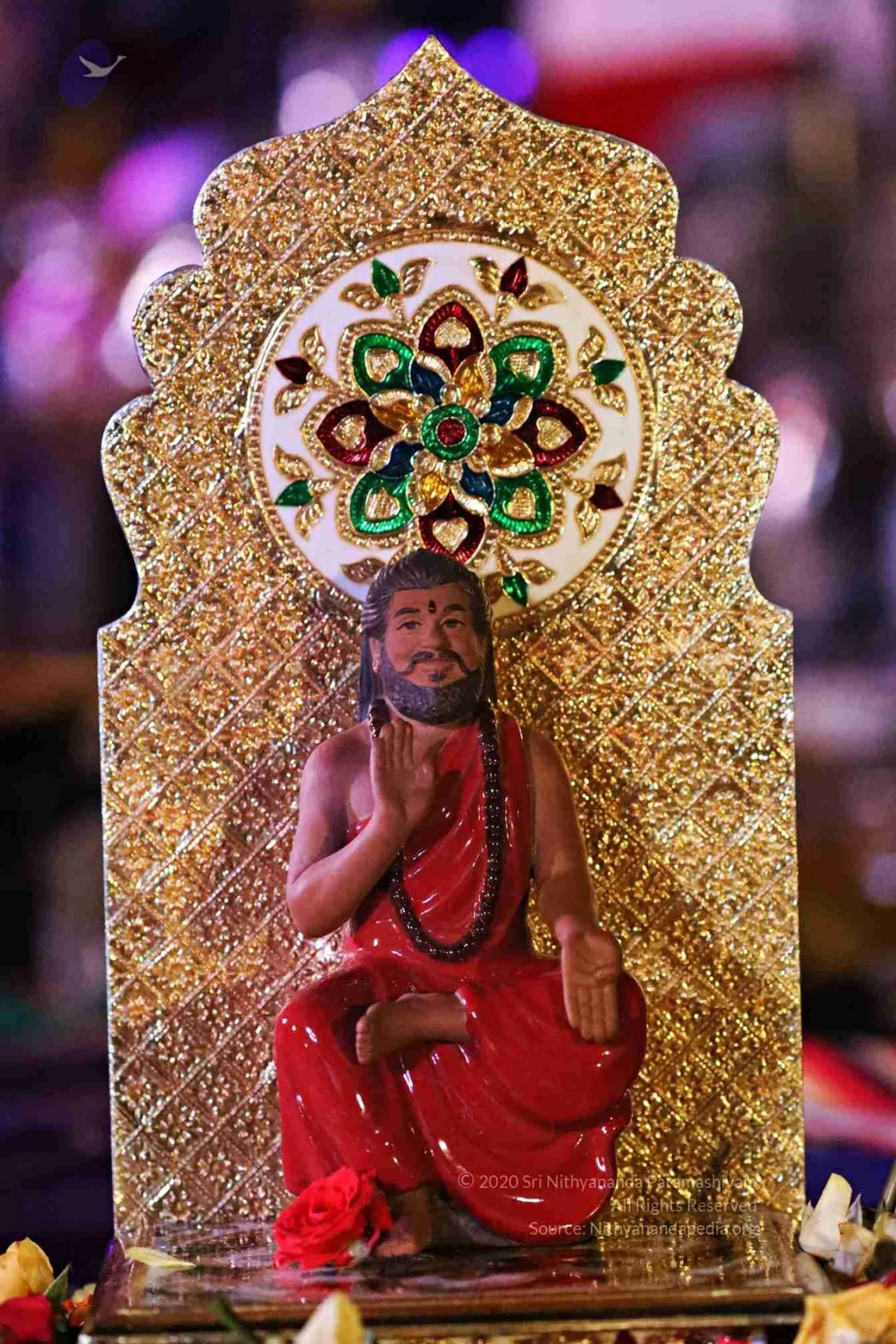
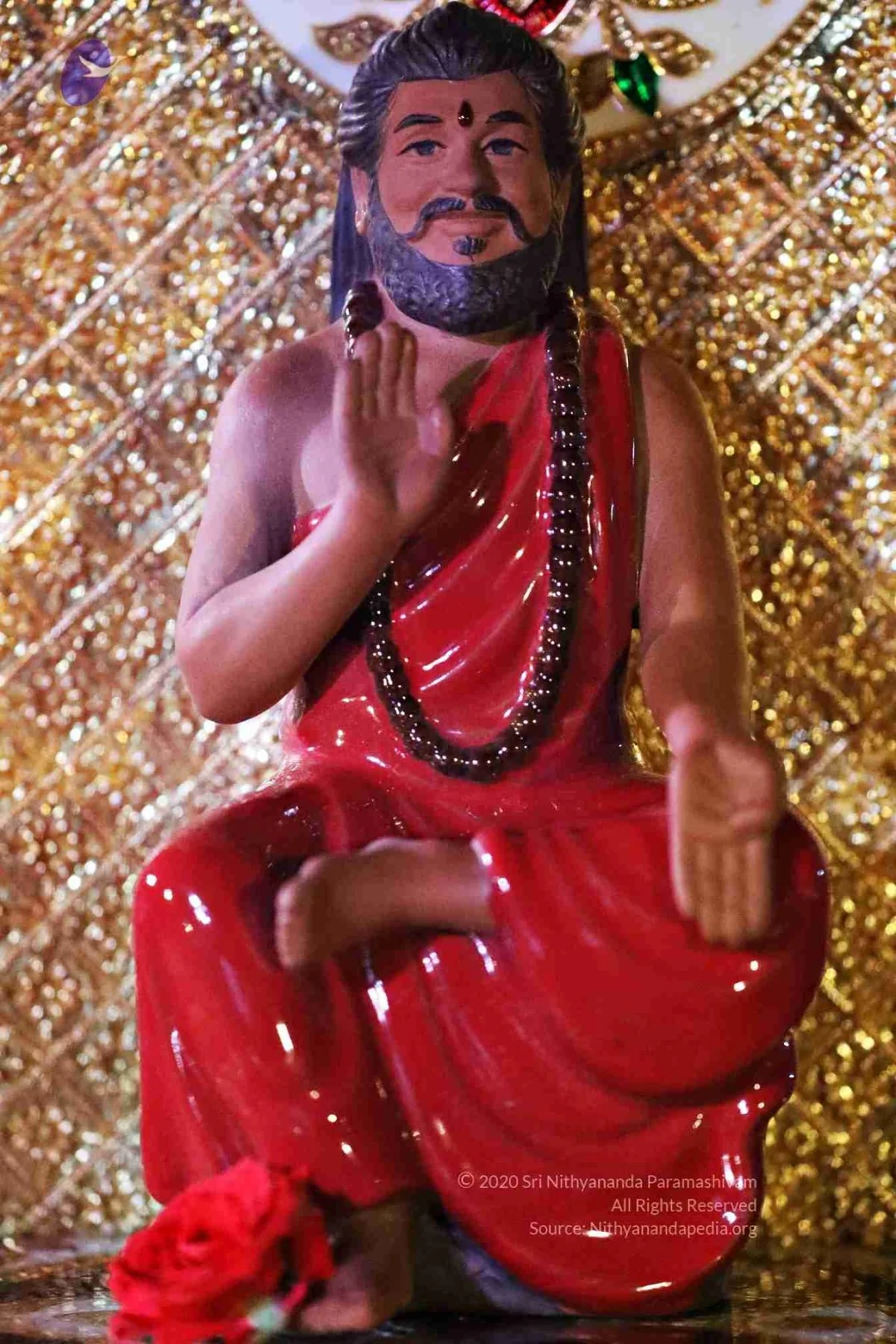
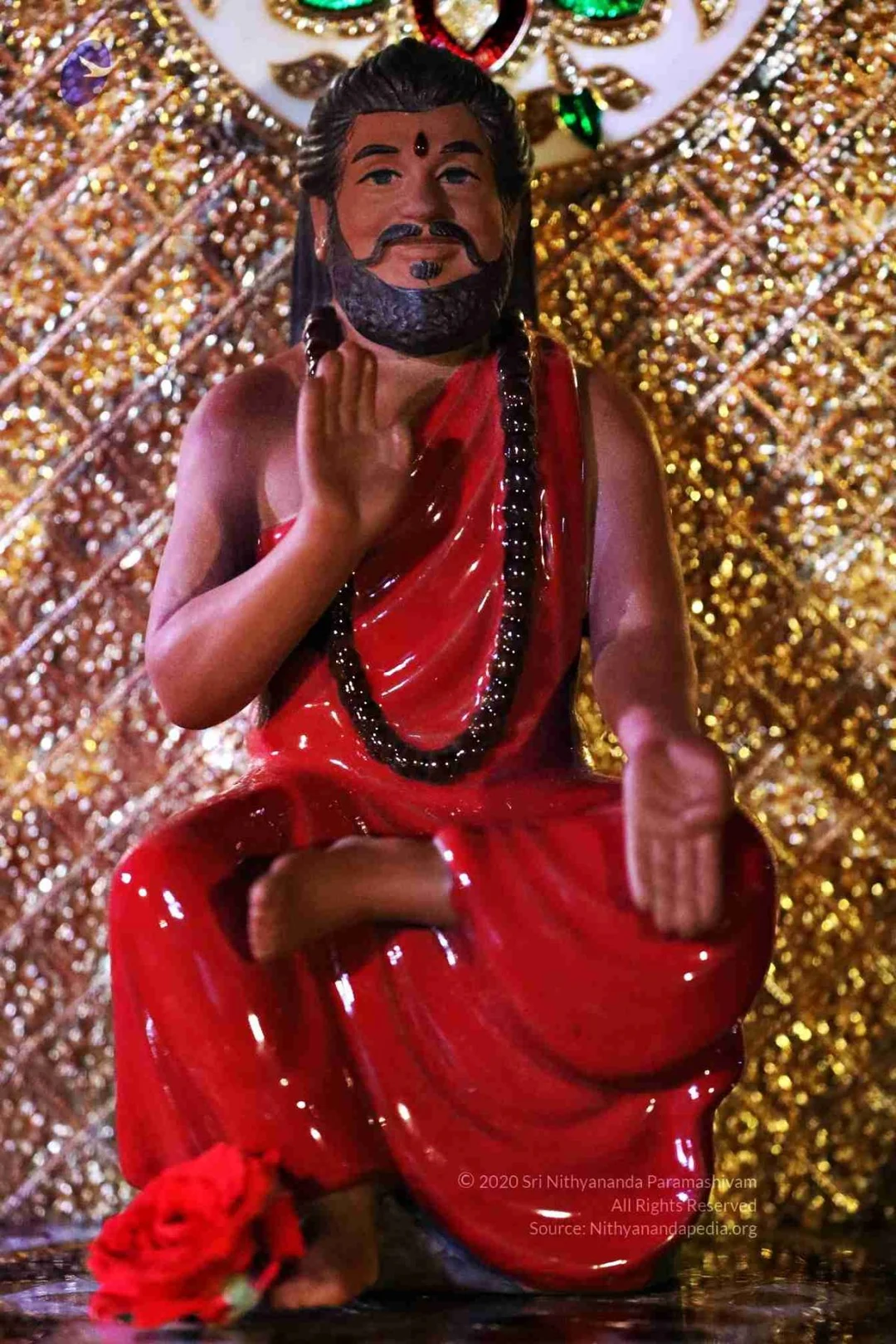
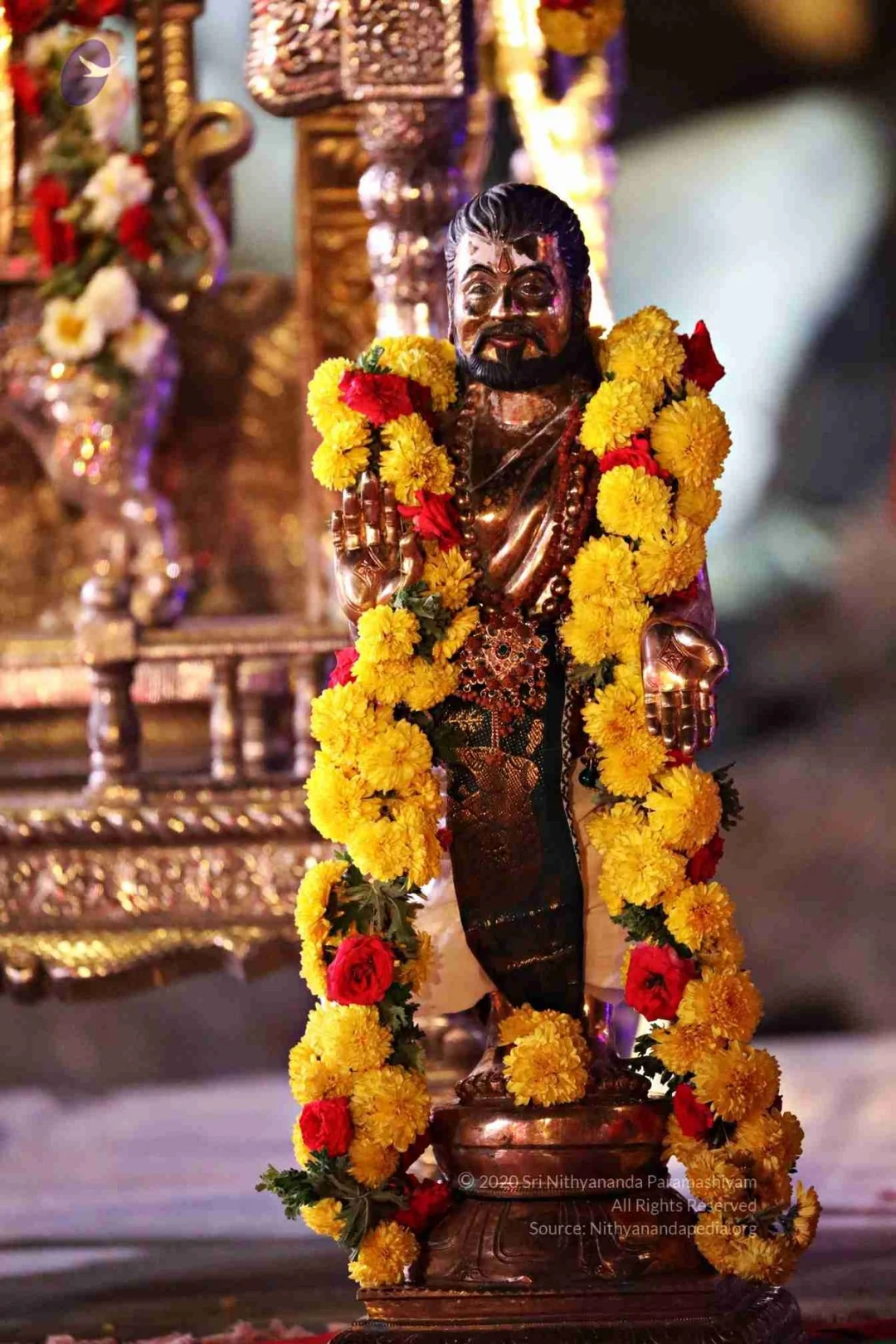
 Atma Murti, a deity of HDH Nithyananda Paramashivam to transmit powerful initiations remotely
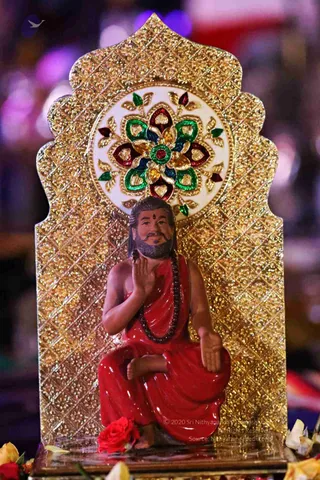 Atma Murti, a deity of HDH Nithyananda Paramashivam to transmit powerful initiations remotely
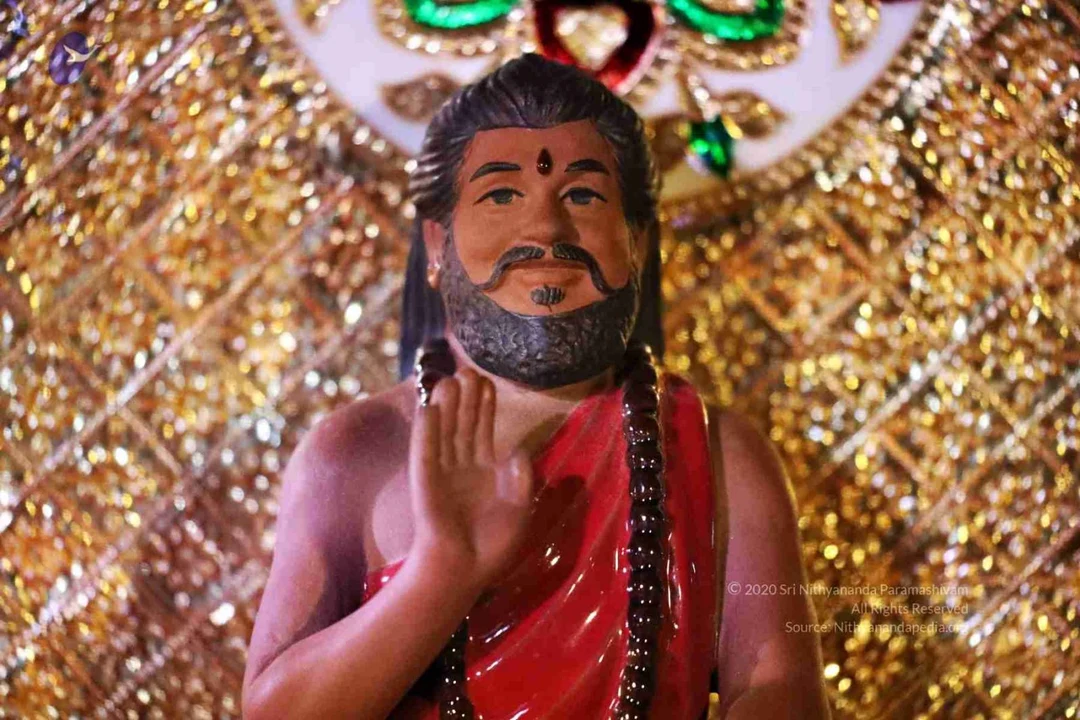 Atma Murti, a deity of HDH Nithyananda Paramashivam to transmit powerful initiations remotely
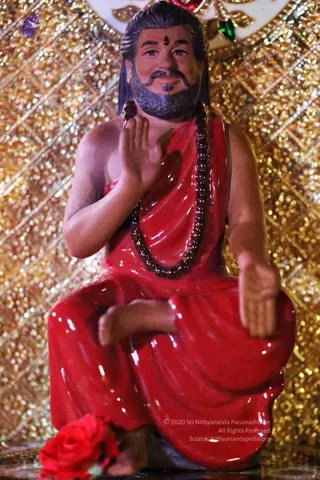 Atma Murti, a deity of HDH Nithyananda Paramashivam to transmit powerful initiations remotely
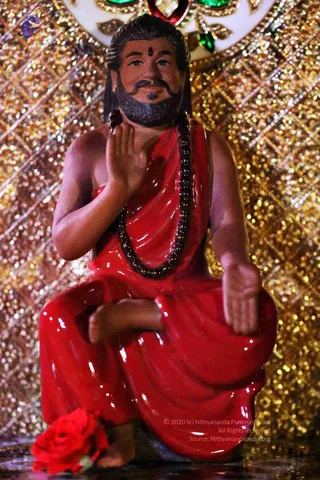 AAtma Murti, a deity of HDH Nithyananda Paramashivam to transmit powerful initiations remotely
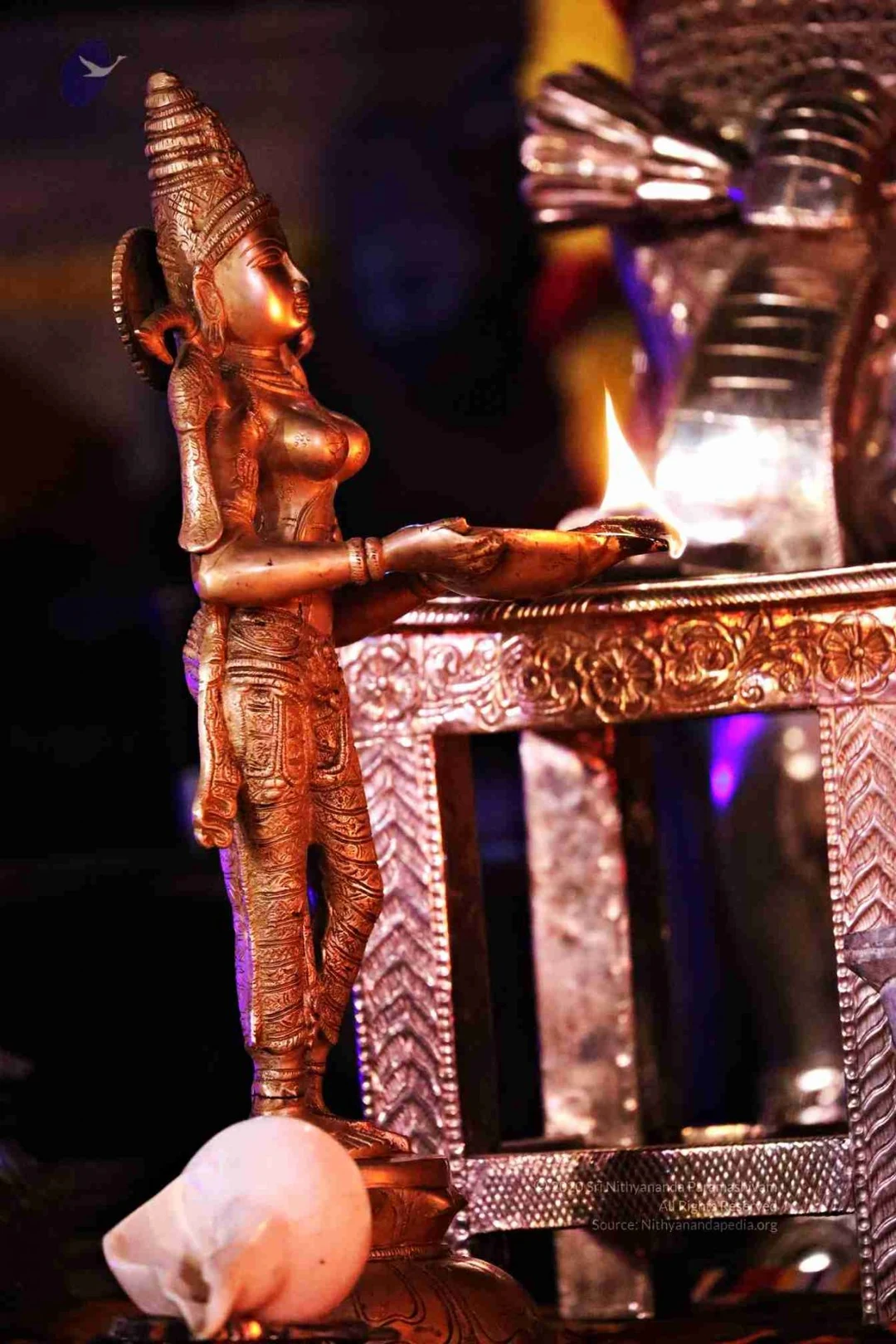
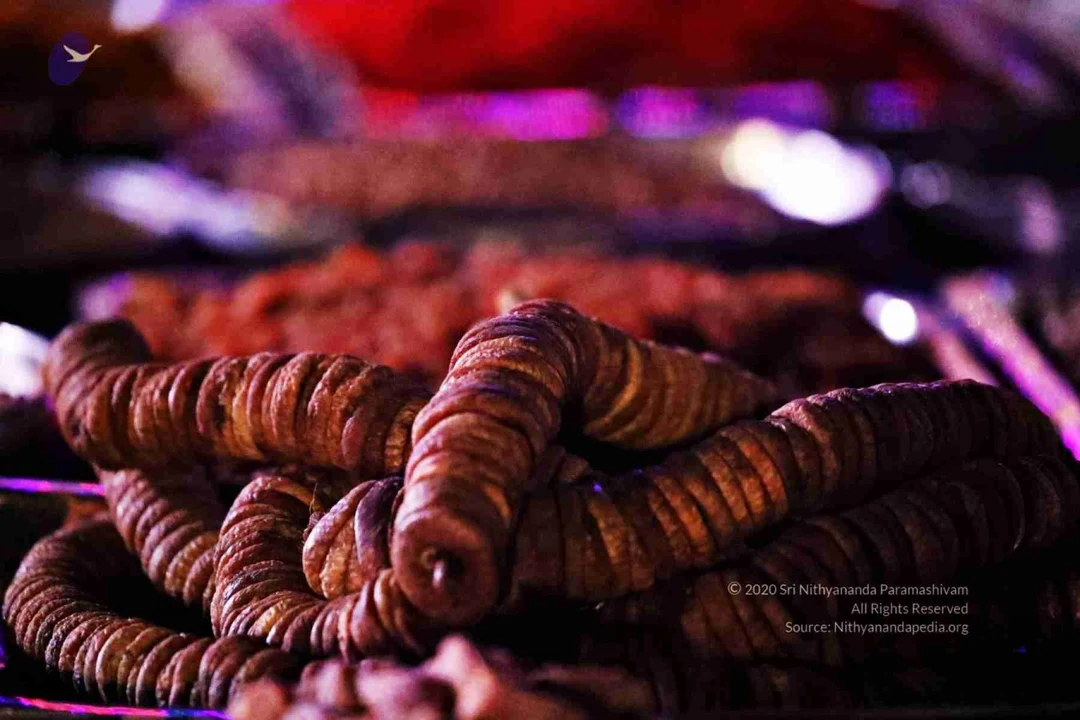 Dravya (ingredients) required for aushada process
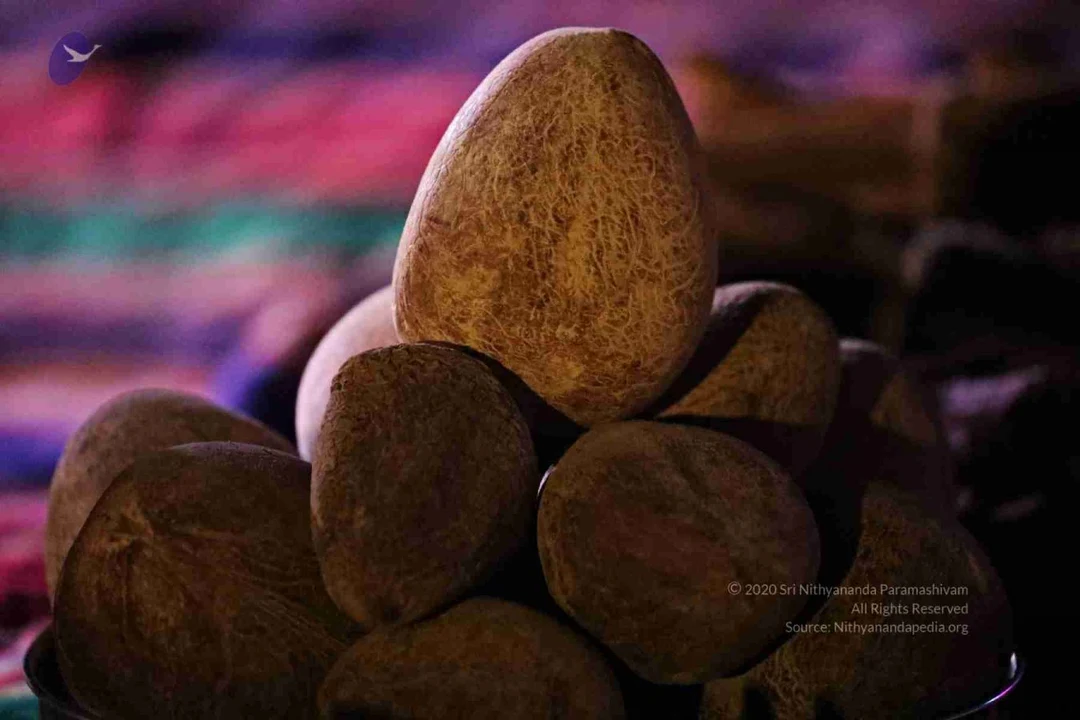 Dravya (ingredients) required for aushada process
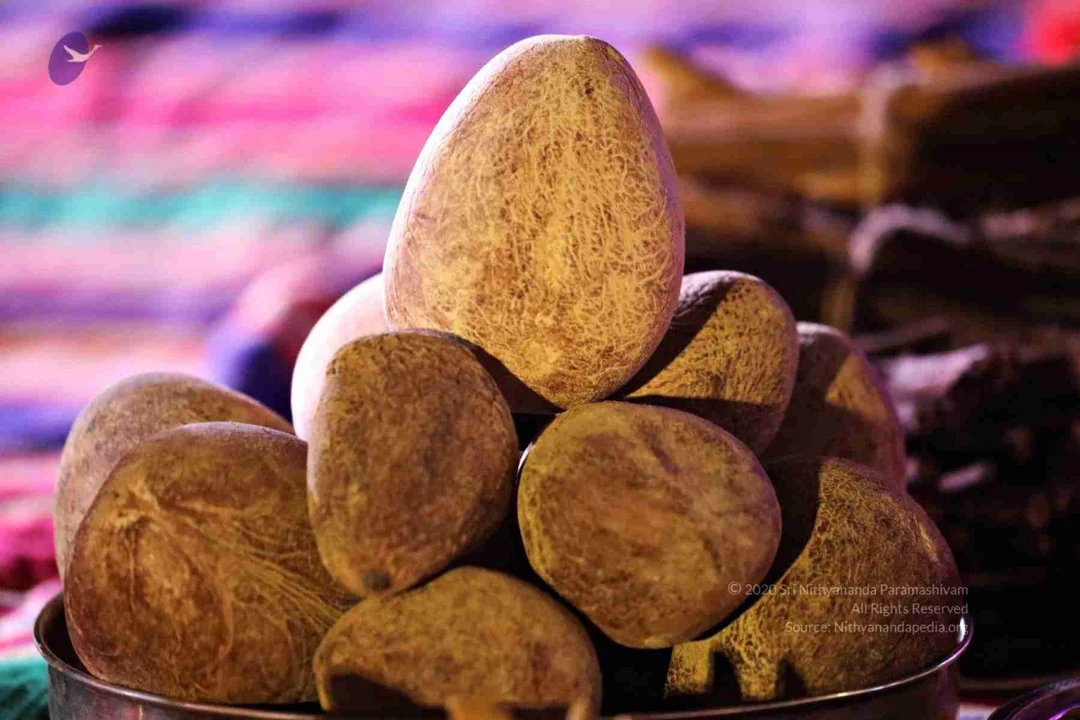 Dravya (ingredients) required for aushada process
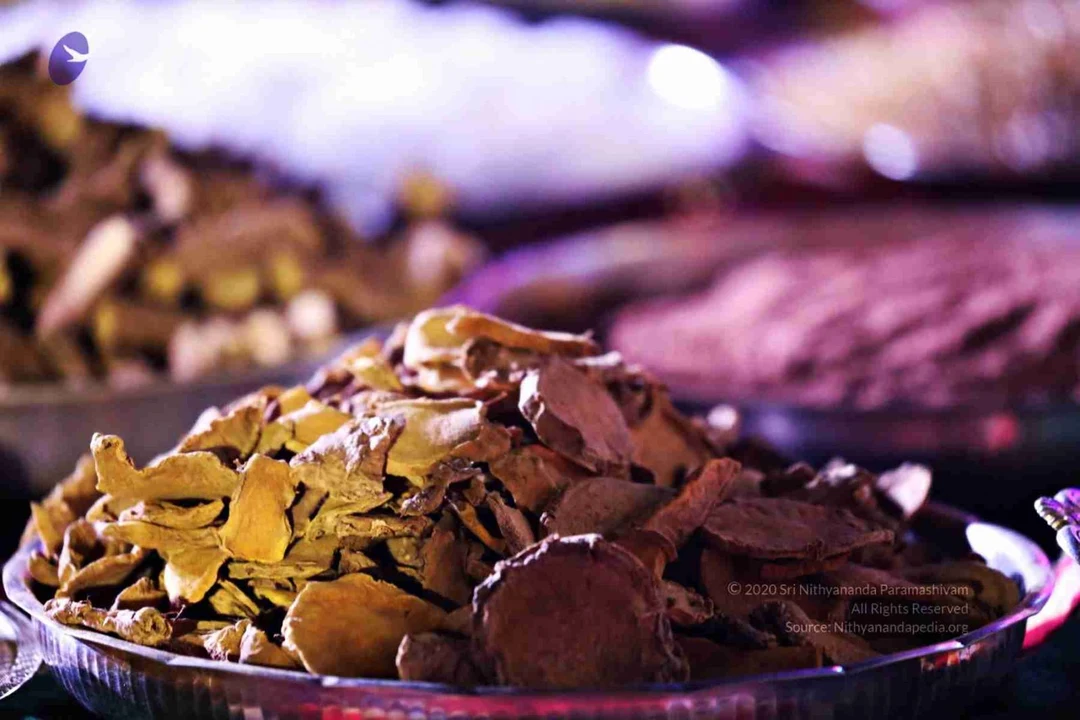 Dravya (ingredients) required for aushada process
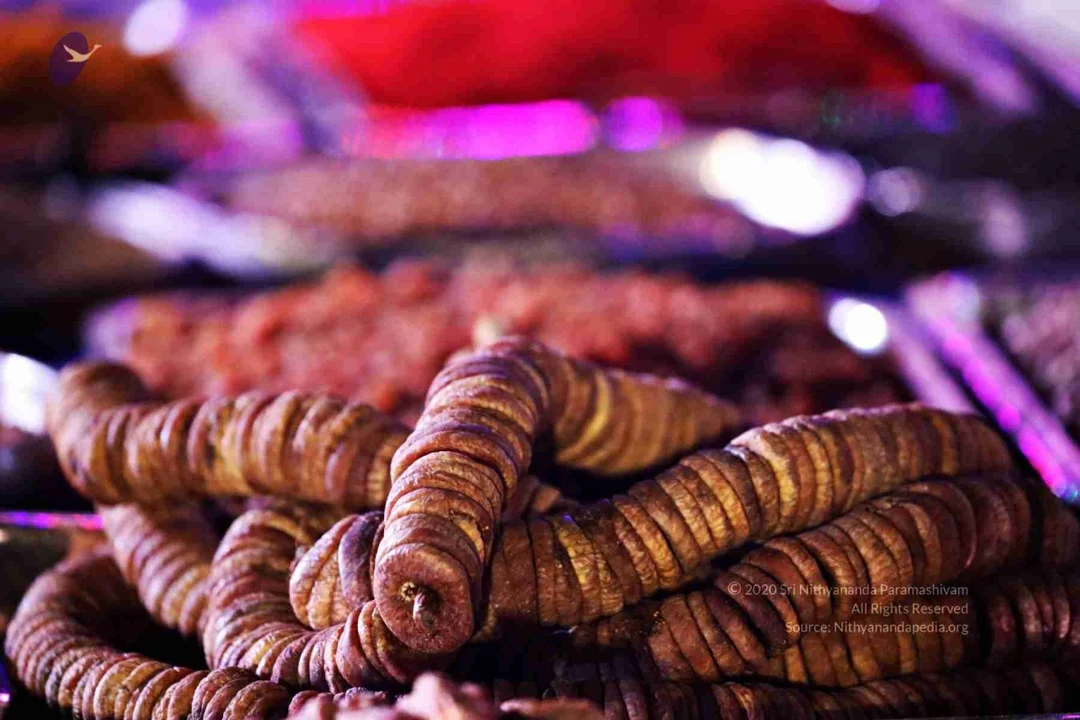 Dravya (ingredients) required for aushada process
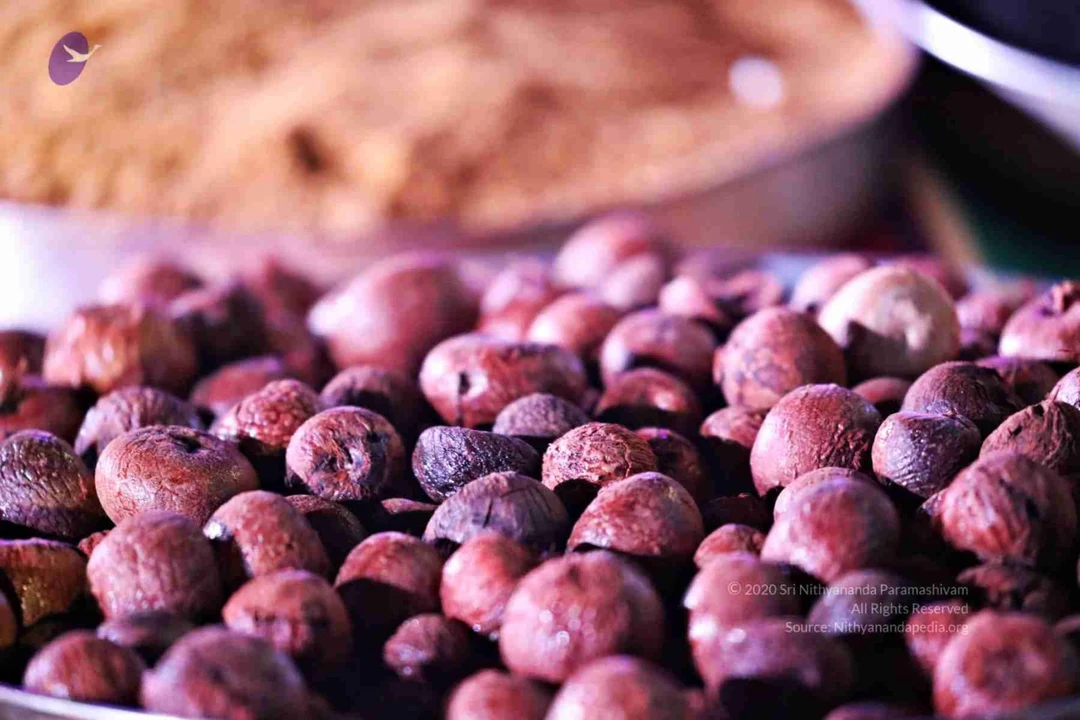 Dravya (ingredients) required for aushada process
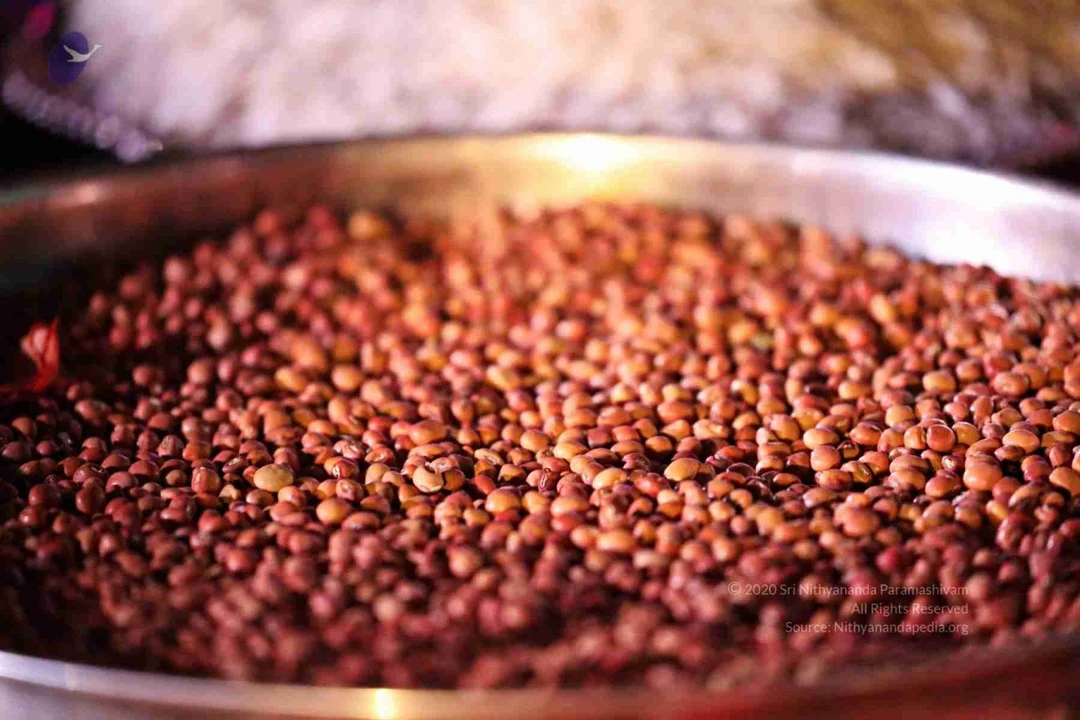 Dravya (ingredients) required for aushada process
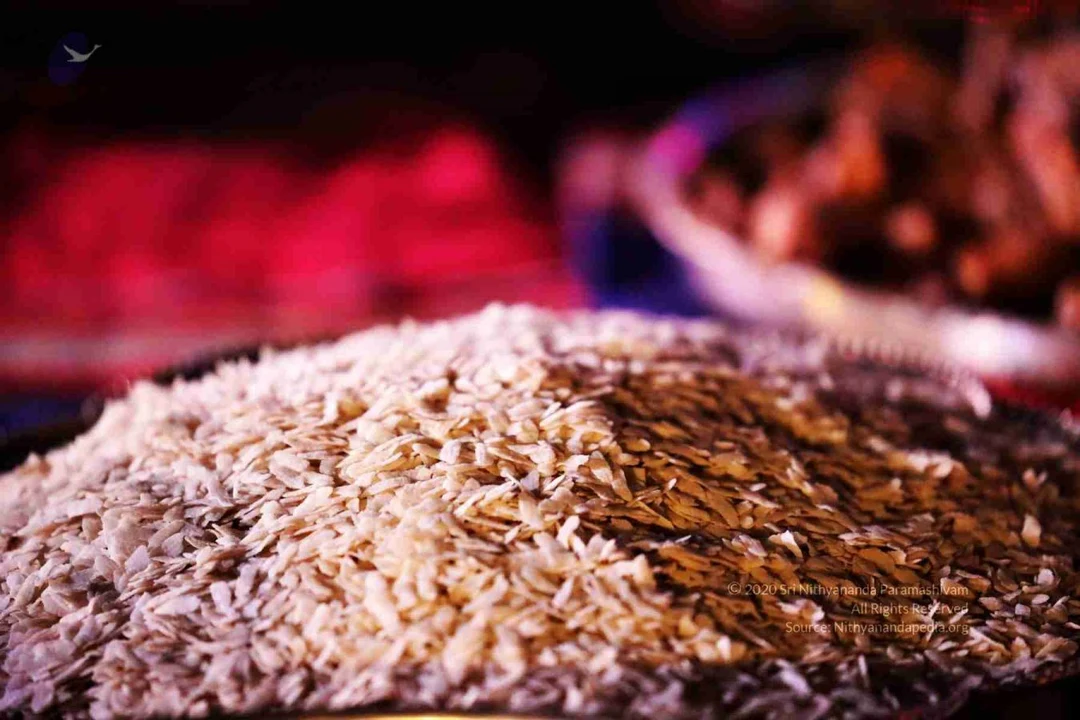 Dravya (ingredients) required for aushada process
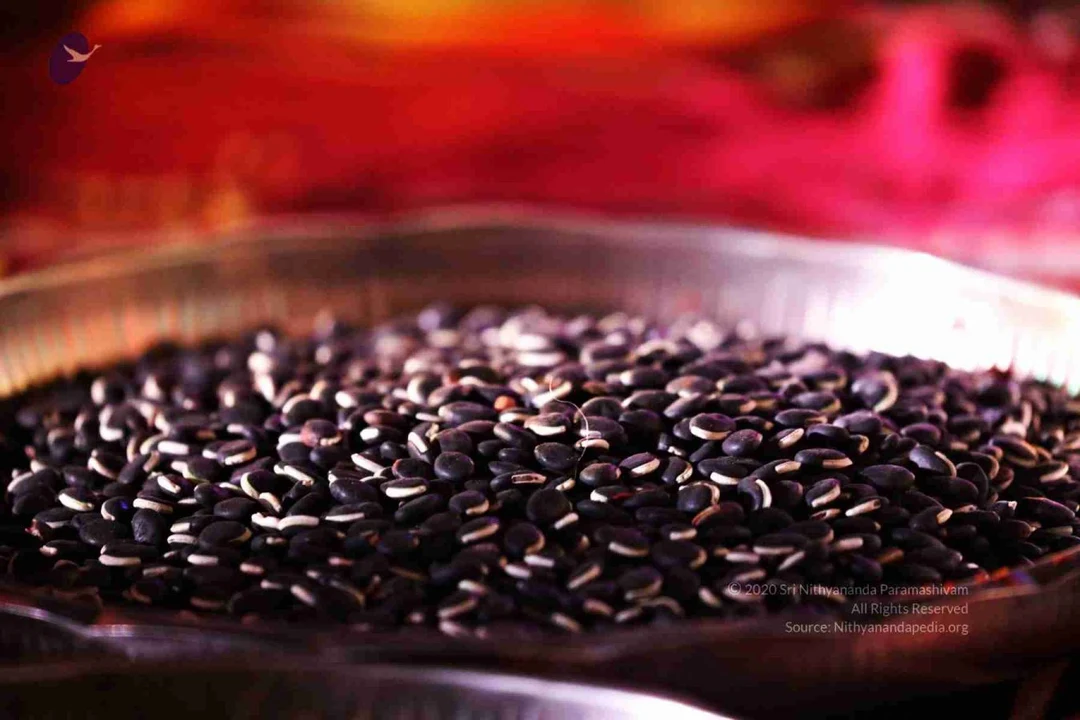 Dravya (ingredients) required for aushada process
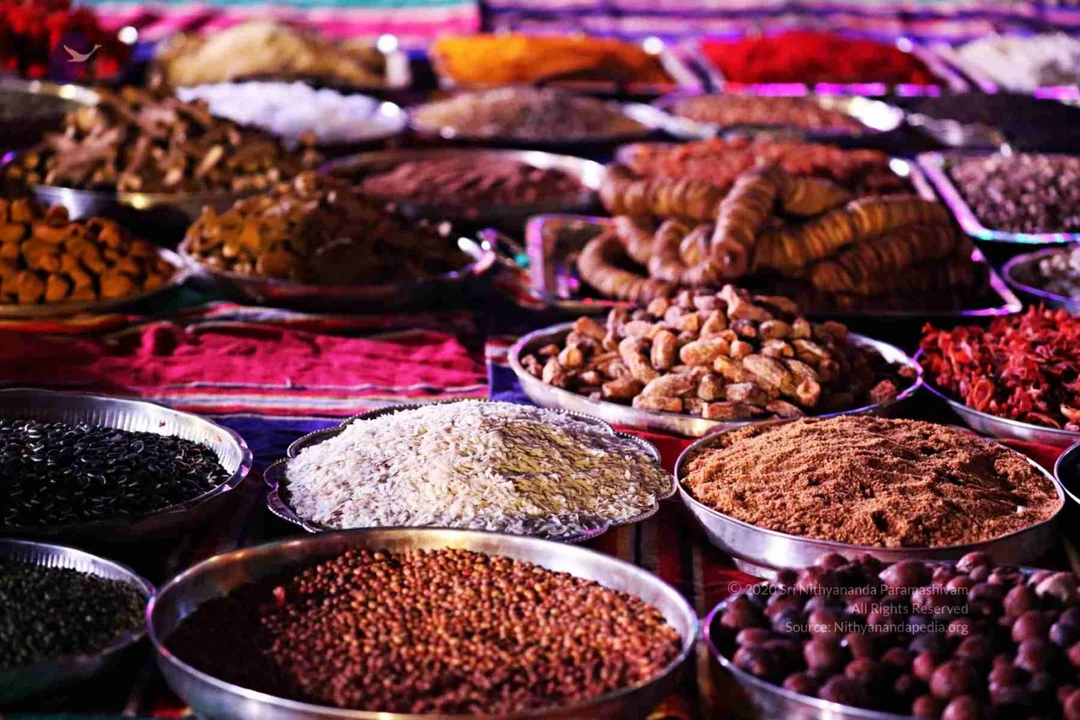 Dravya (ingredients) required for aushada process
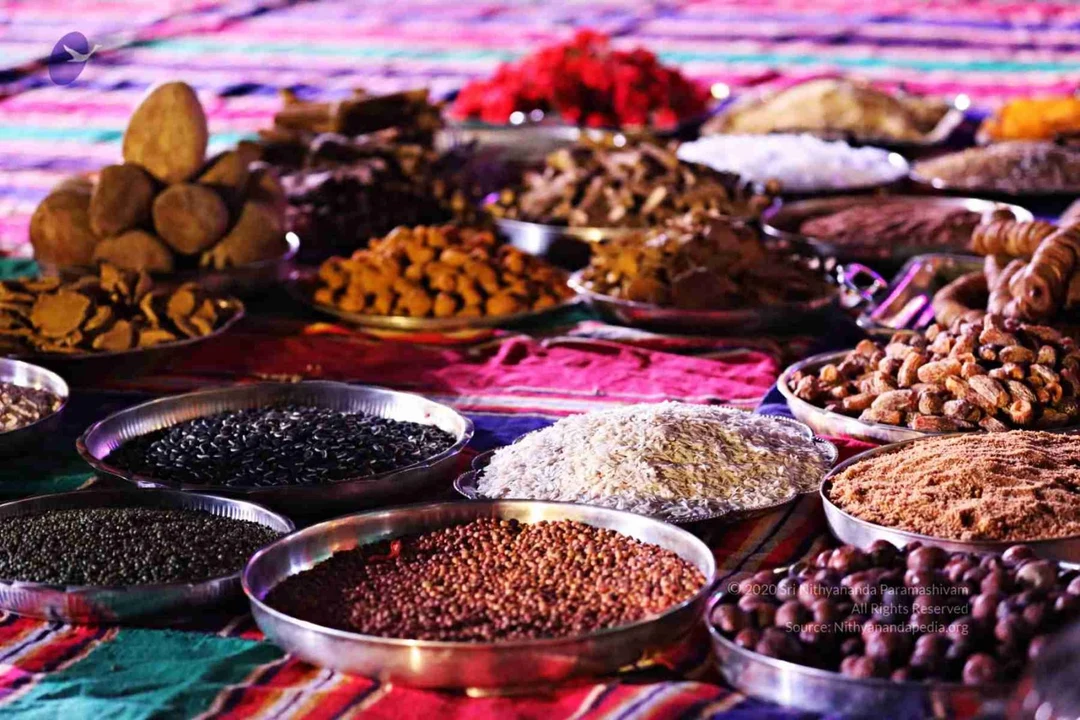 Dravya (ingredients) required for aushada process
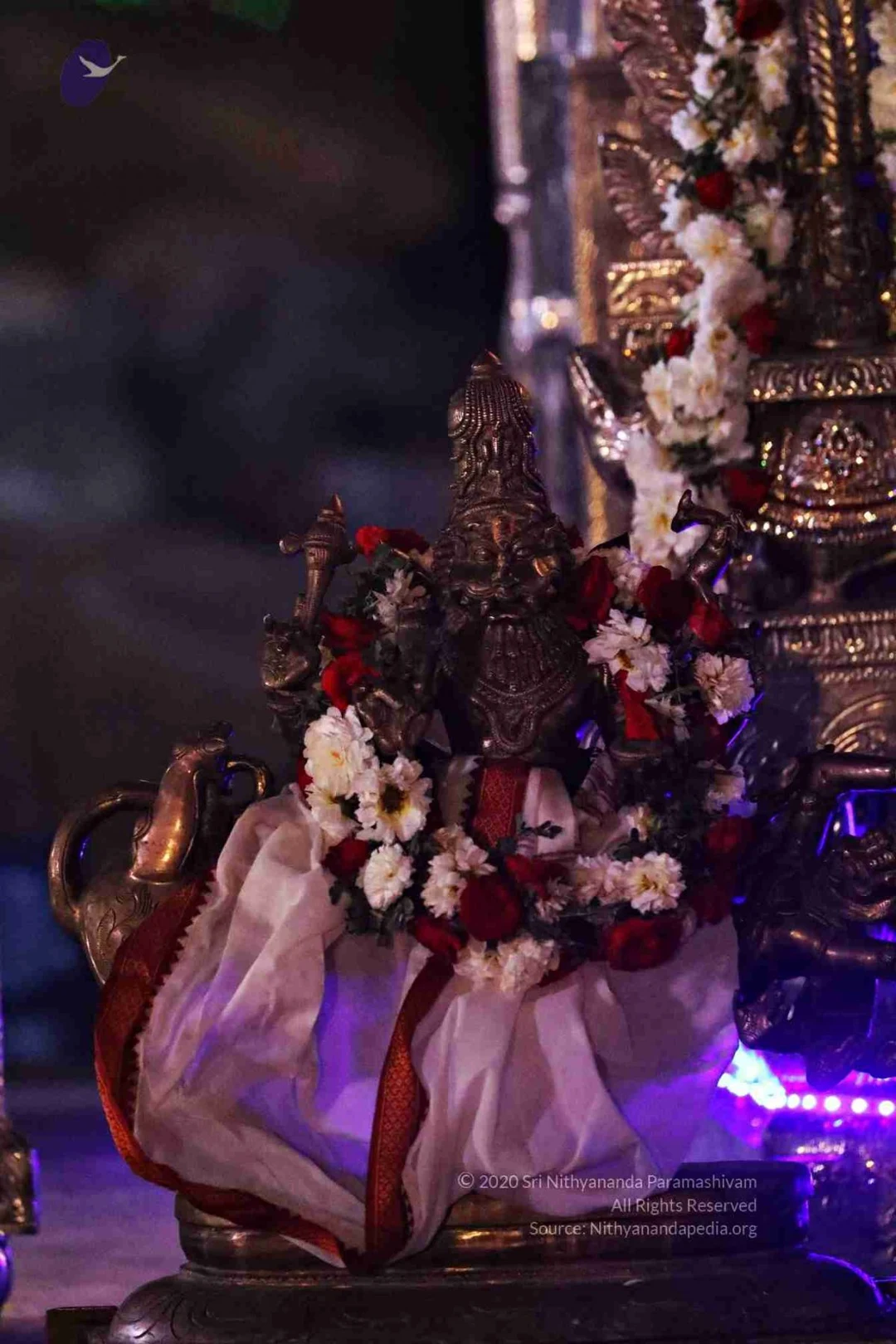
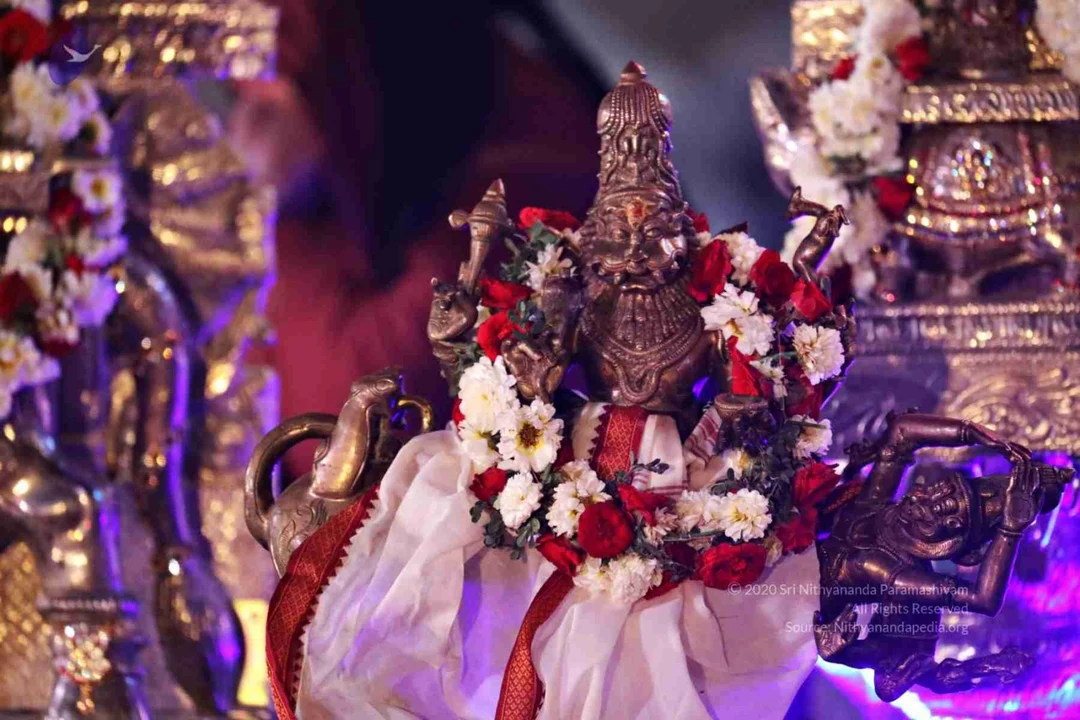 Lord Sarabeshwara
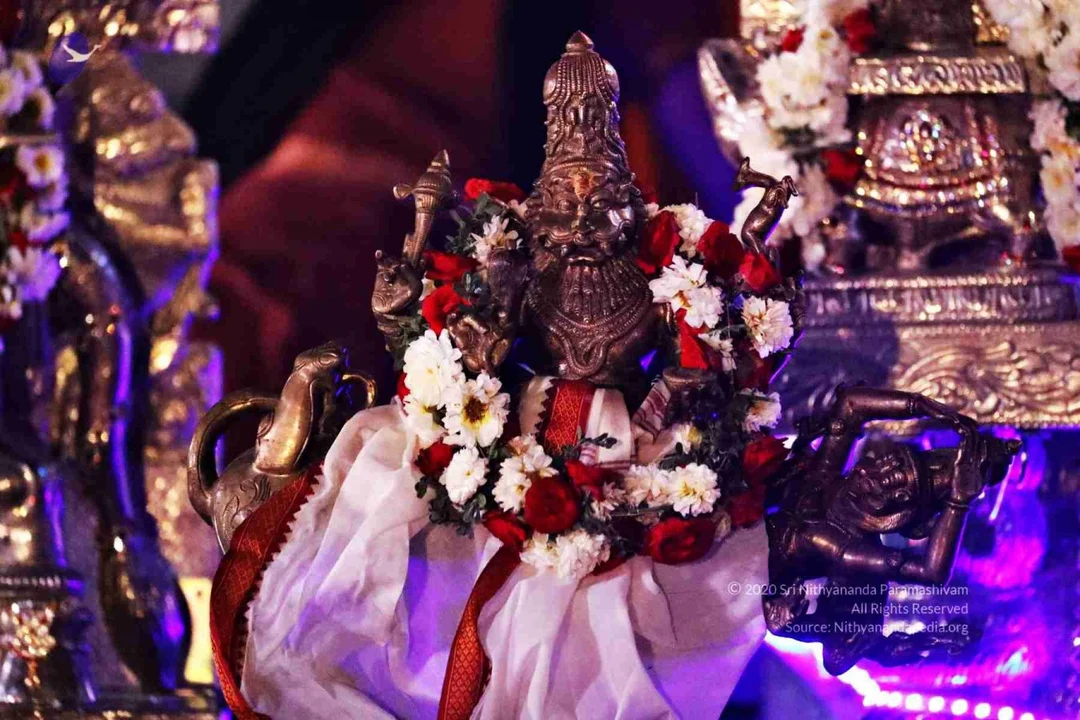 Lord Sarabeshwara
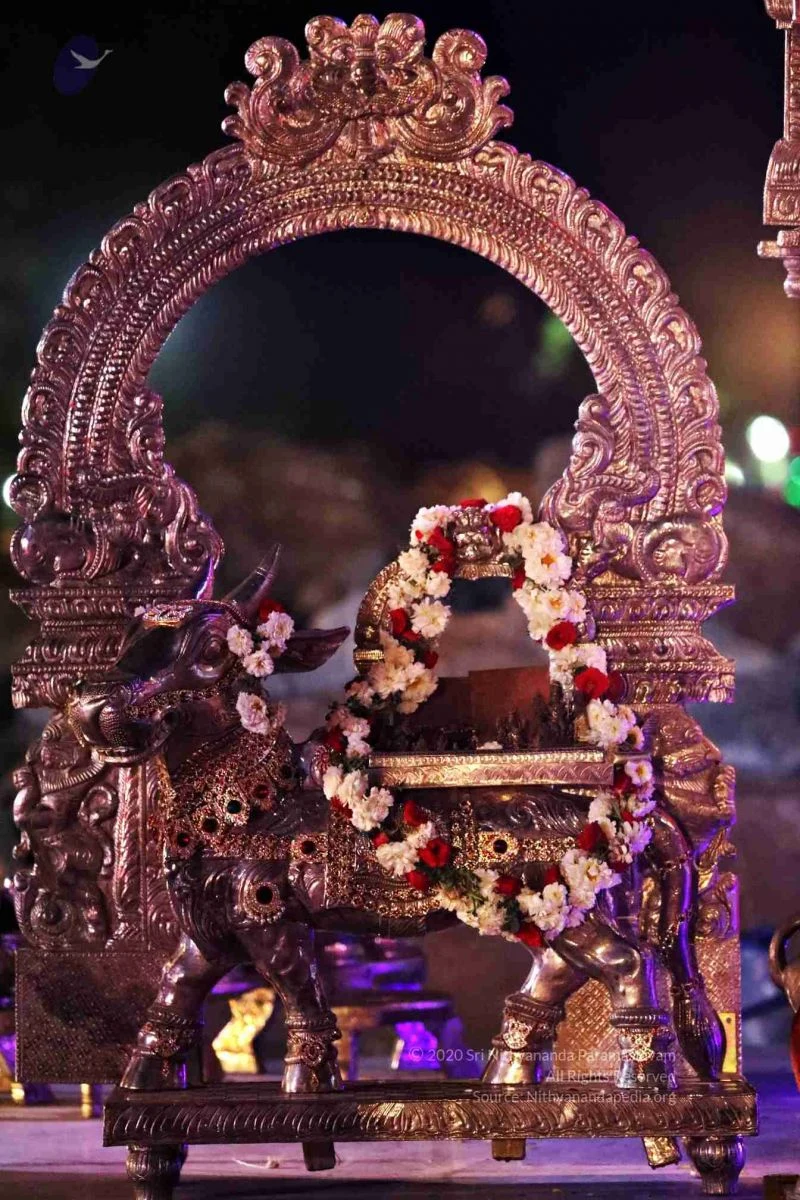
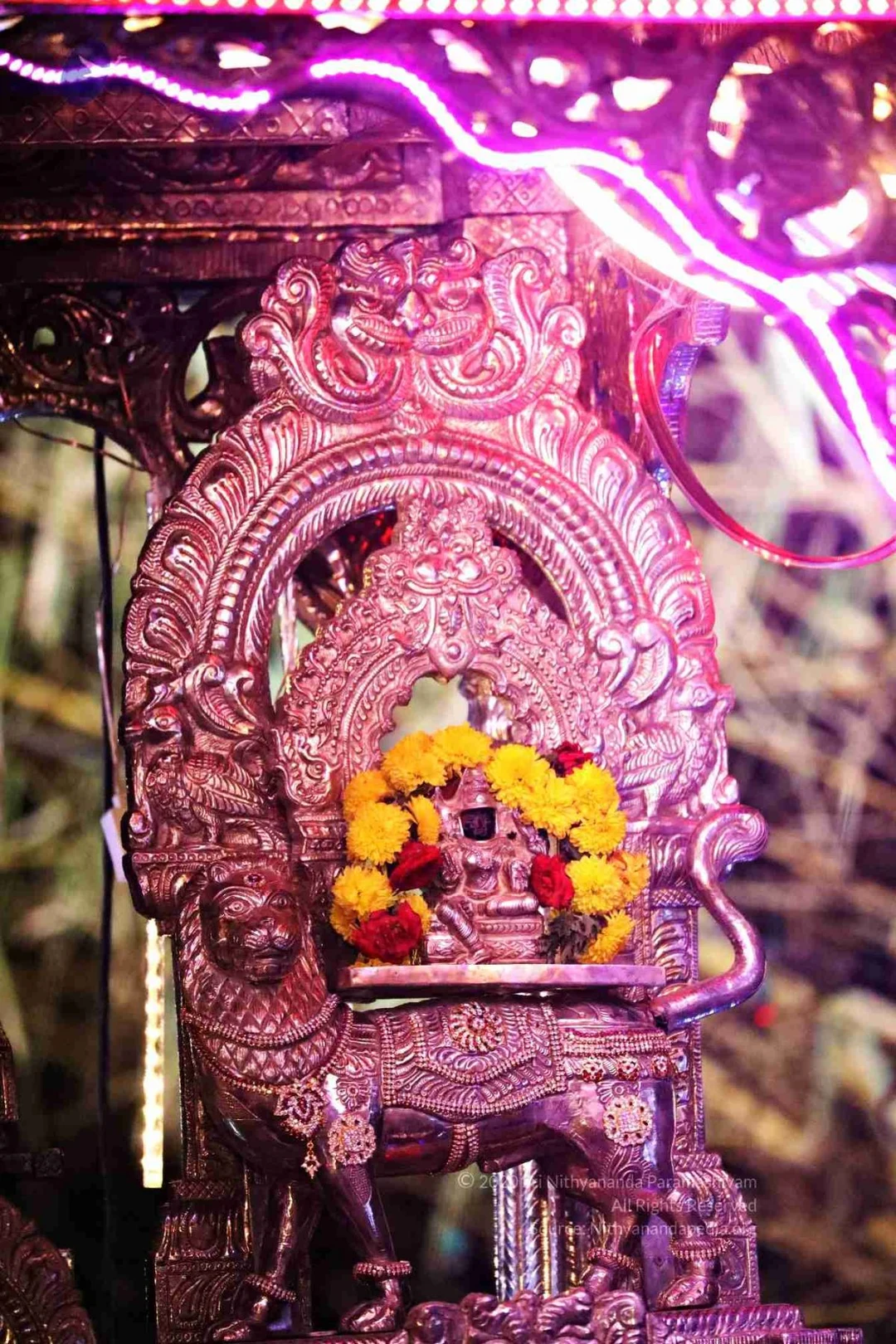
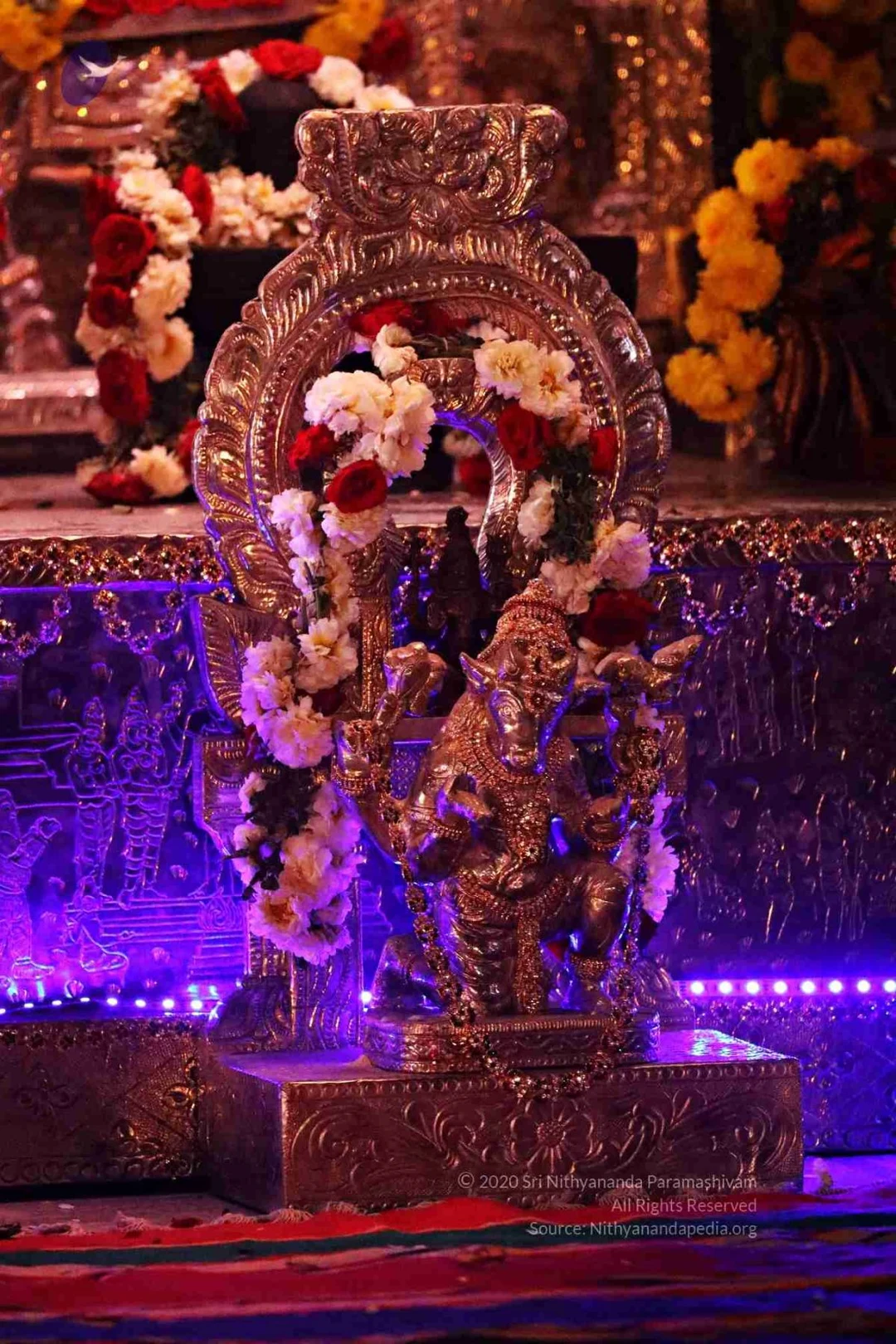
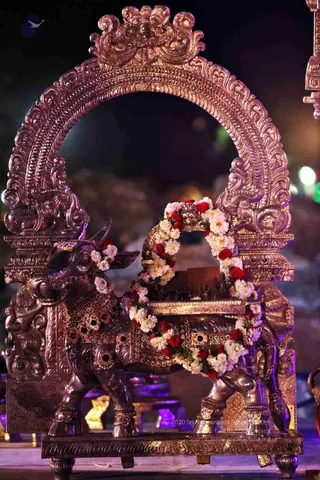 Personal deities of HDH Nithyananda Paramashivam
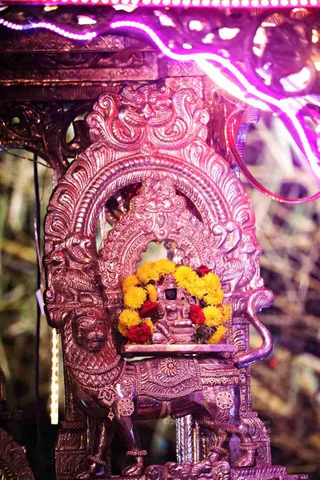 Nithyanandeshwari Devi
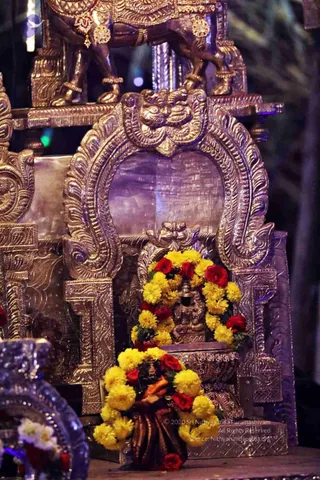 Nithyanandeshwari Devi
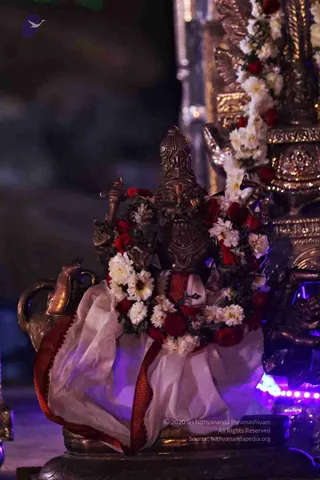 Lord Sarabeshwara
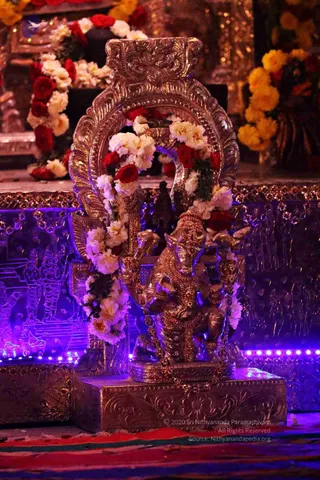 Lord Venkateshswara/Vishnu
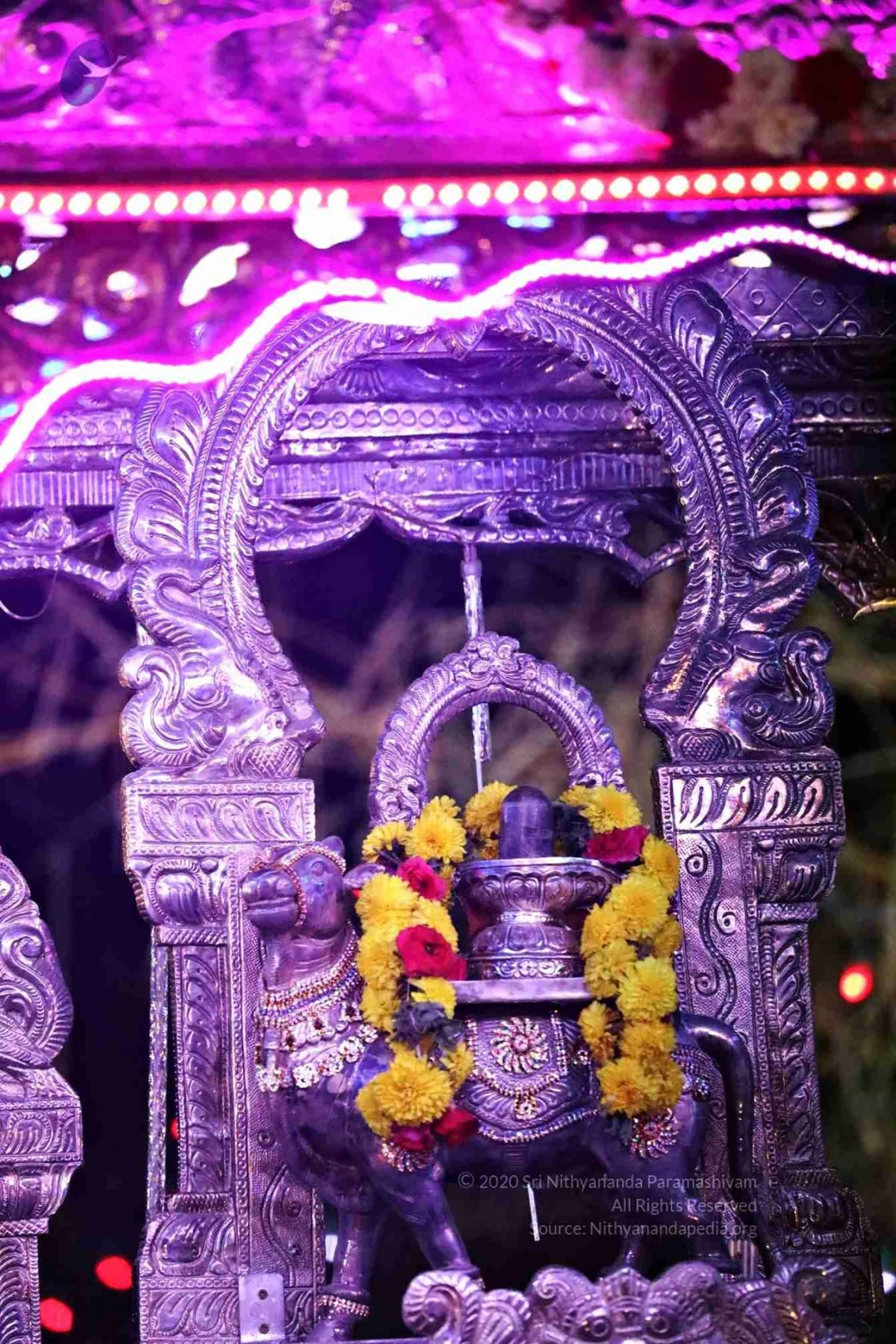
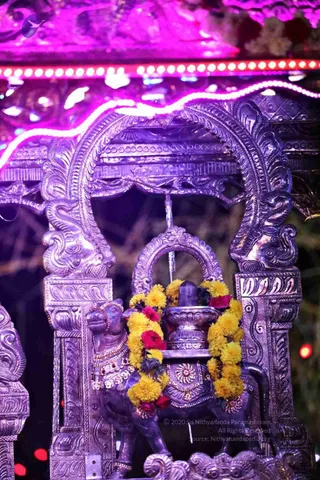 HDH Nithyananda Paramashivam's personal Shiva linga deities
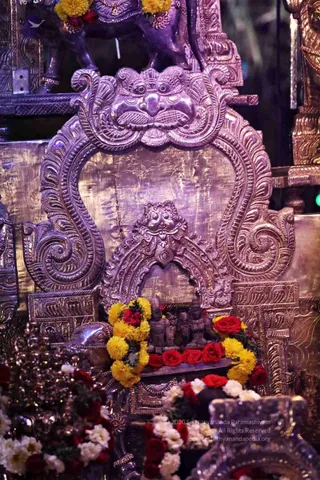 Deities carved by HDH Nithyananda Paramashivam
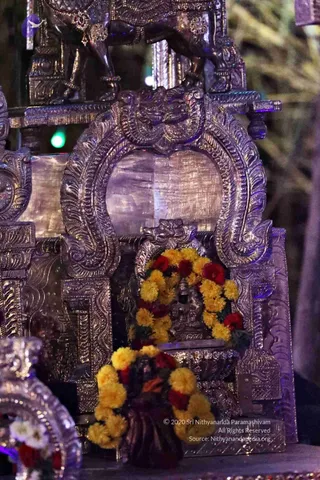 Nithyanandeshwari Devi
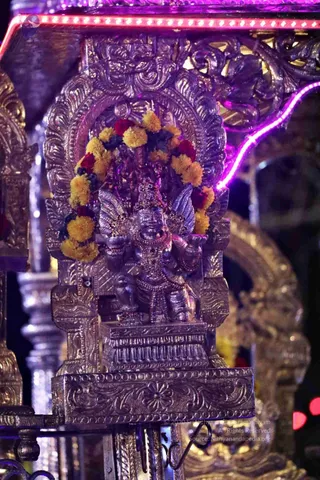 Personal deities of HDH Nithyananda Paramashivam
 Personal deities of HDH Nithyananda Paramashivam
 Beautiful vatavarna of Adi Kailaasa
 Beautiful vatavarna of Adi Kailaasa
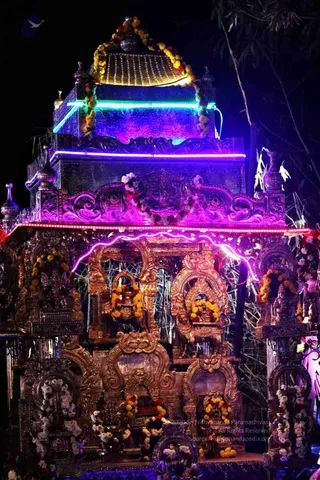 HDH Nithyananda Paramashivam's personal deities
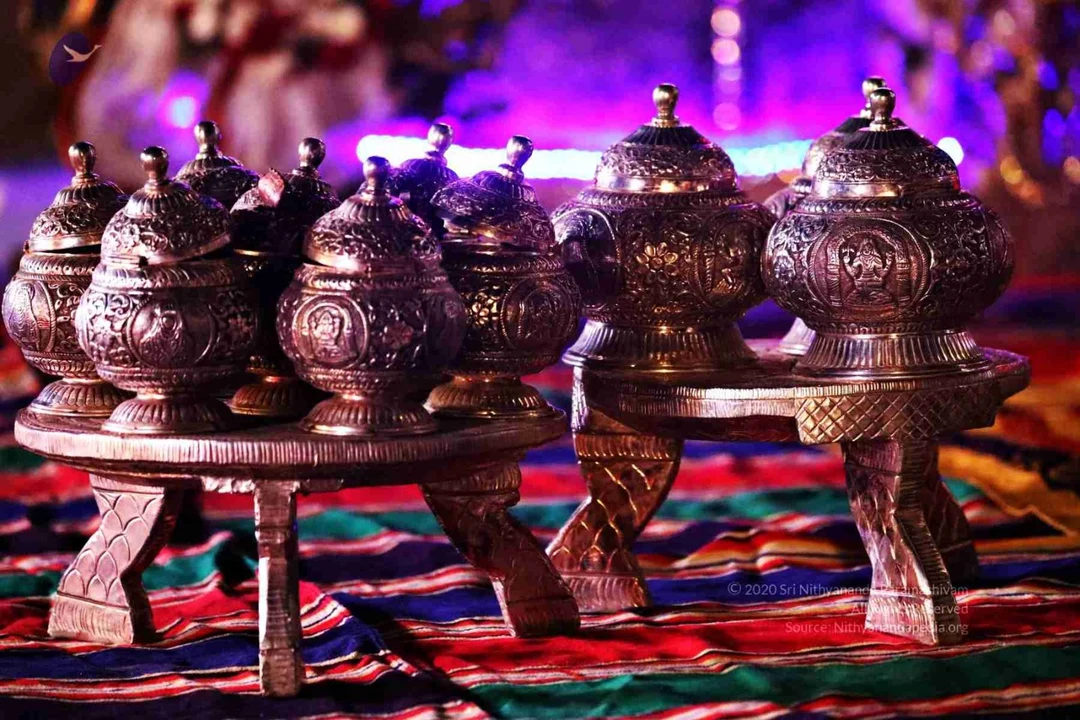 Dravya (ingredients) required for aushada process
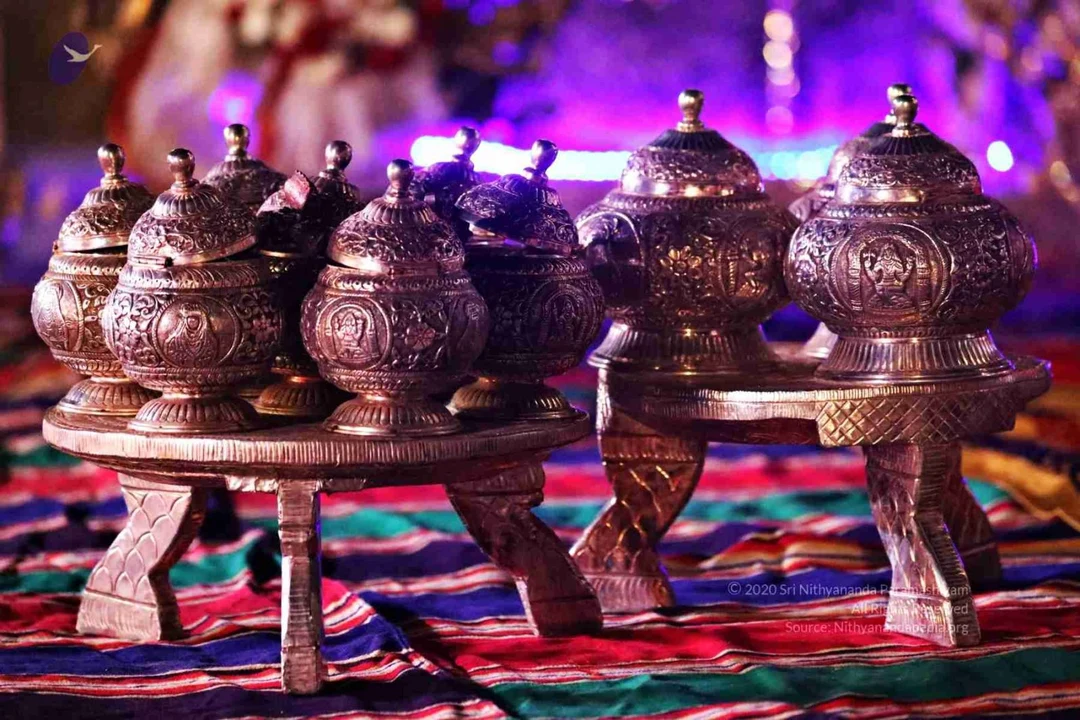 Dravya (ingredients) required for aushada process
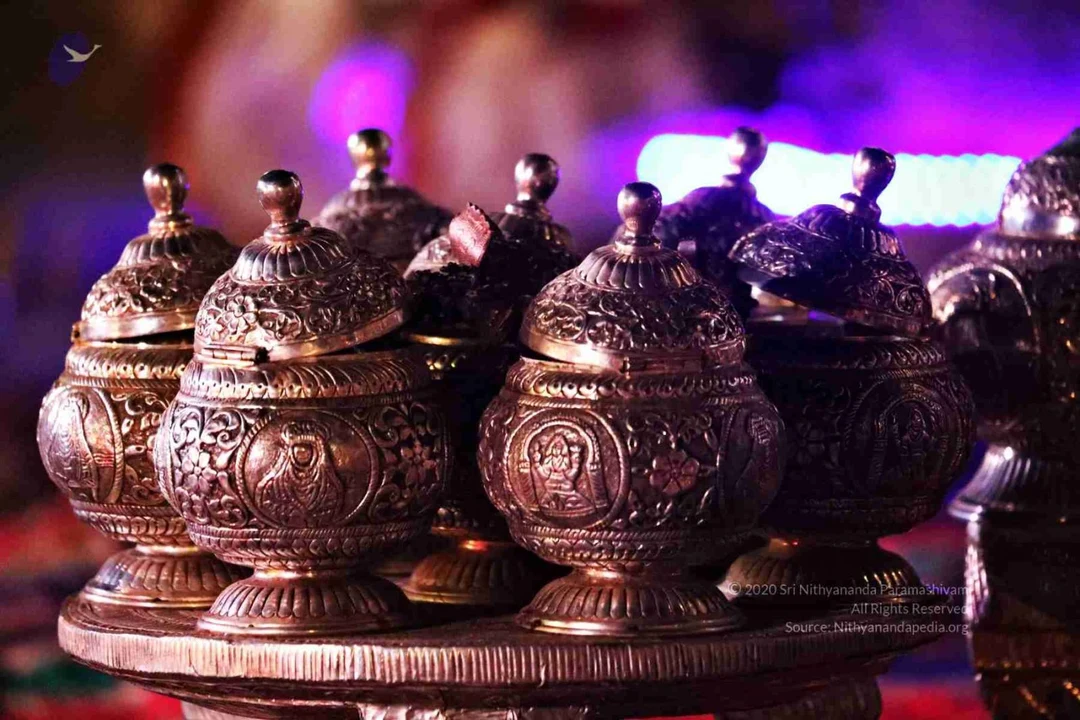 Dravya (ingredients) required for aushada process
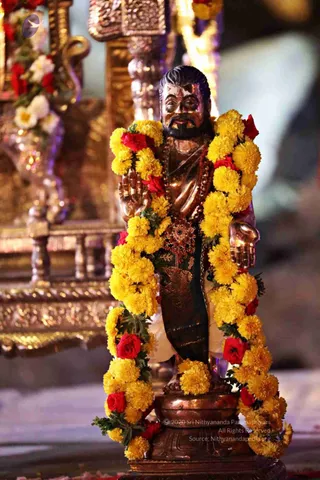 HDH Nithyananda Paramashivam deity
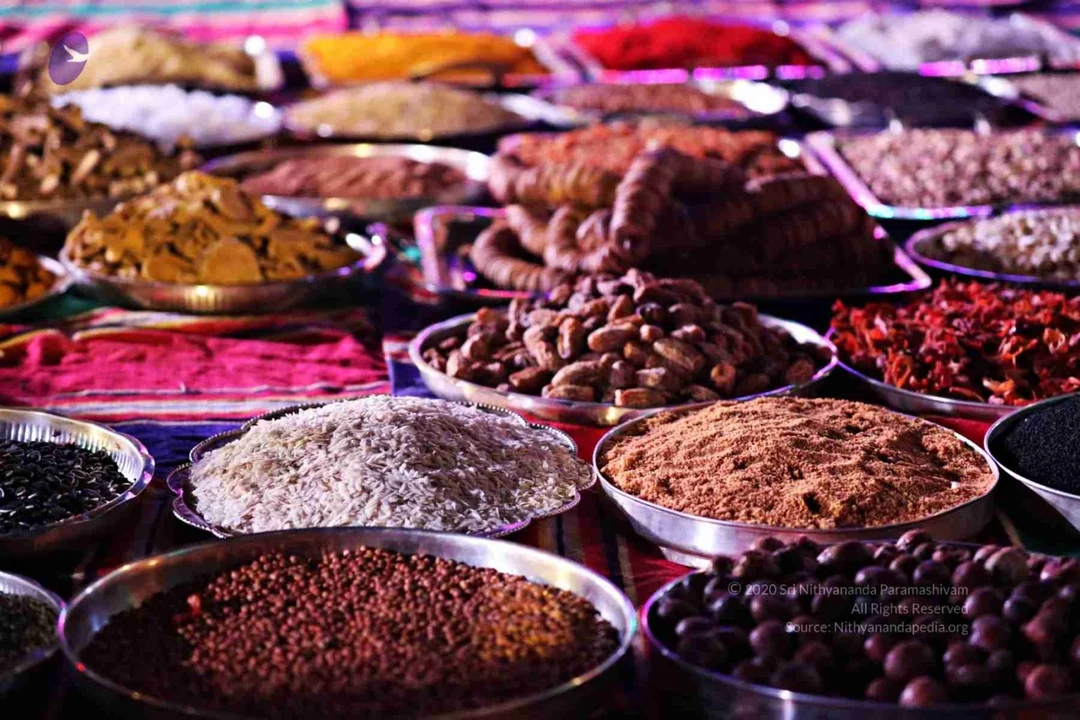 Dravya (ingredients) required for aushada process
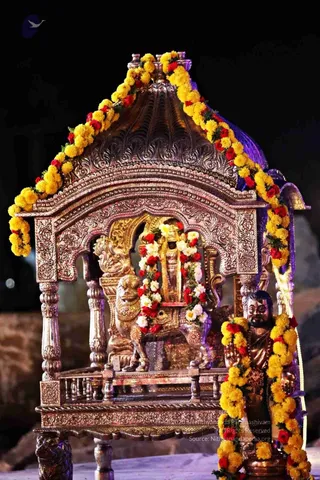 Lord Venkateshswara/Vishnu and HDH Nithyananda Paramashivam deity
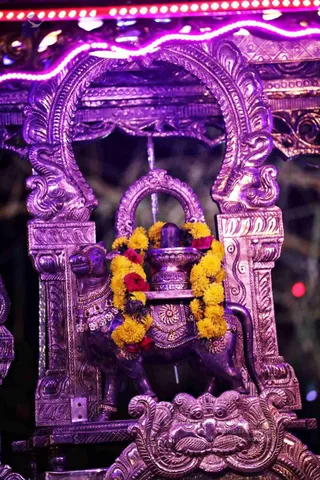 Personal deities of HDH Nithyananda Paramashivam
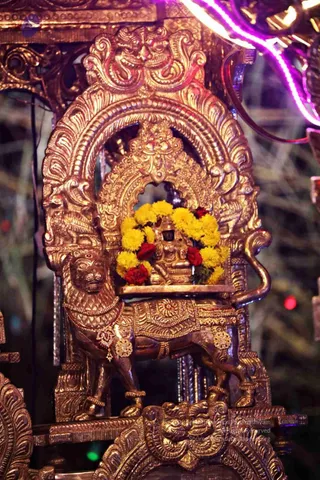 Nithyanandeshwari Devi
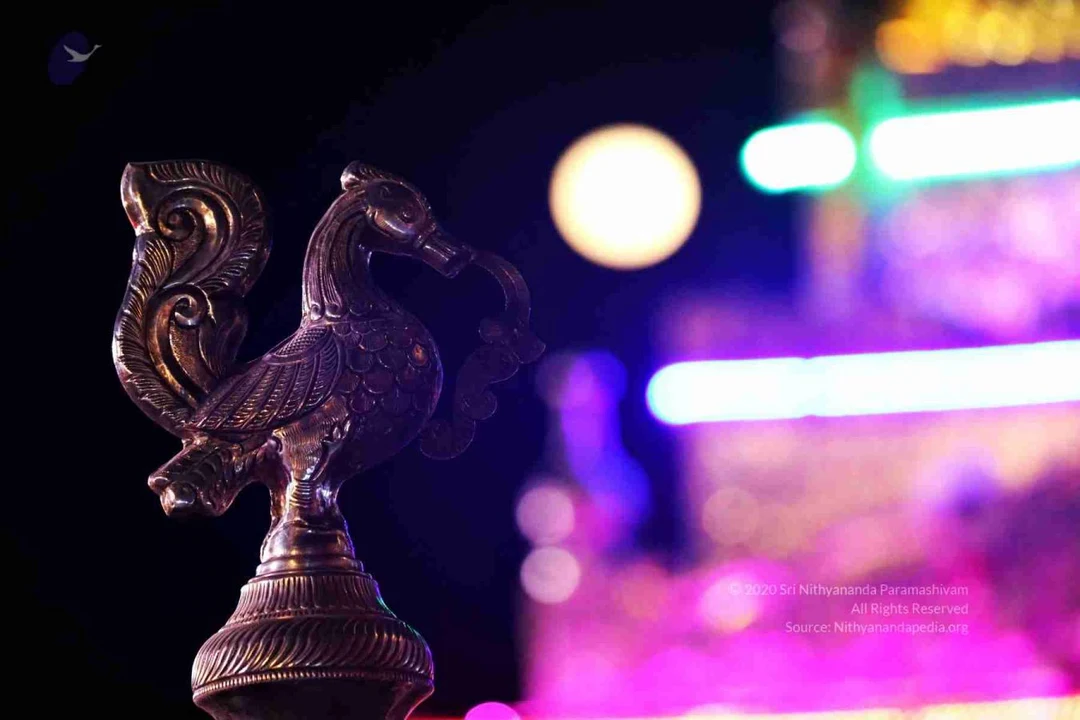 Beautiful vatavarna of Adi Kailaasa
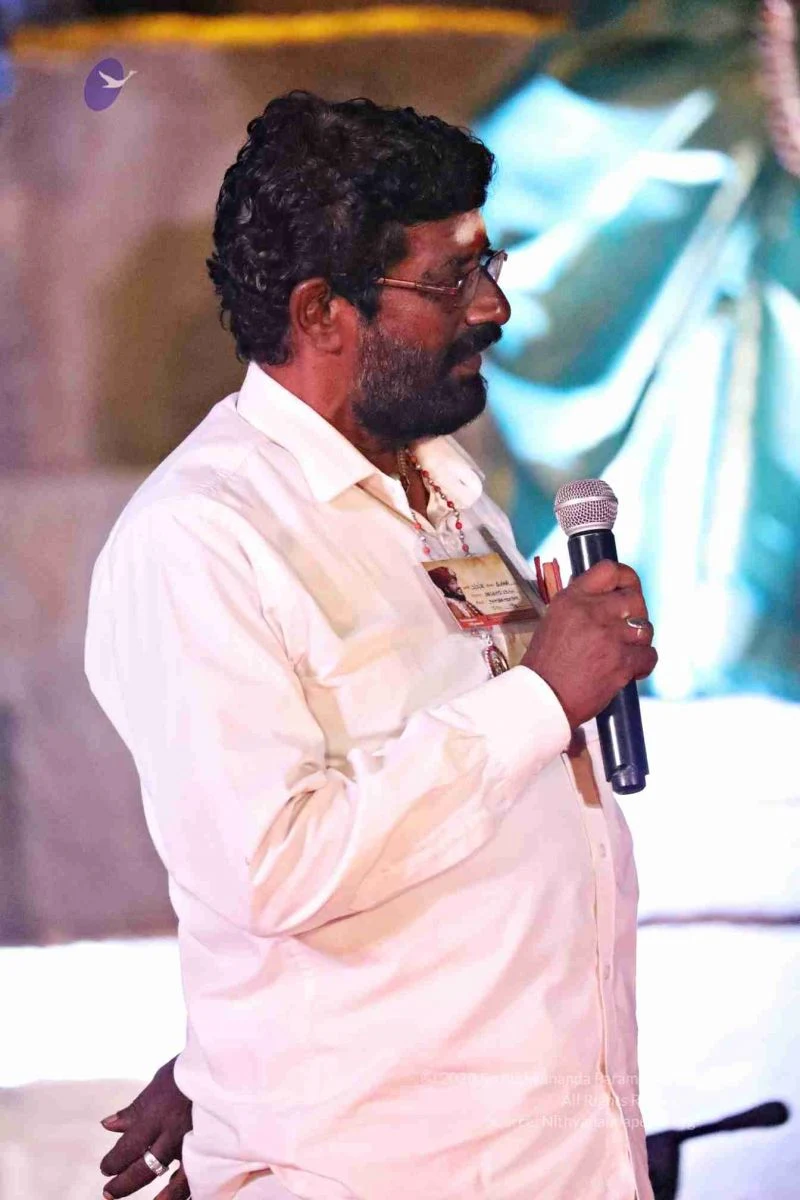
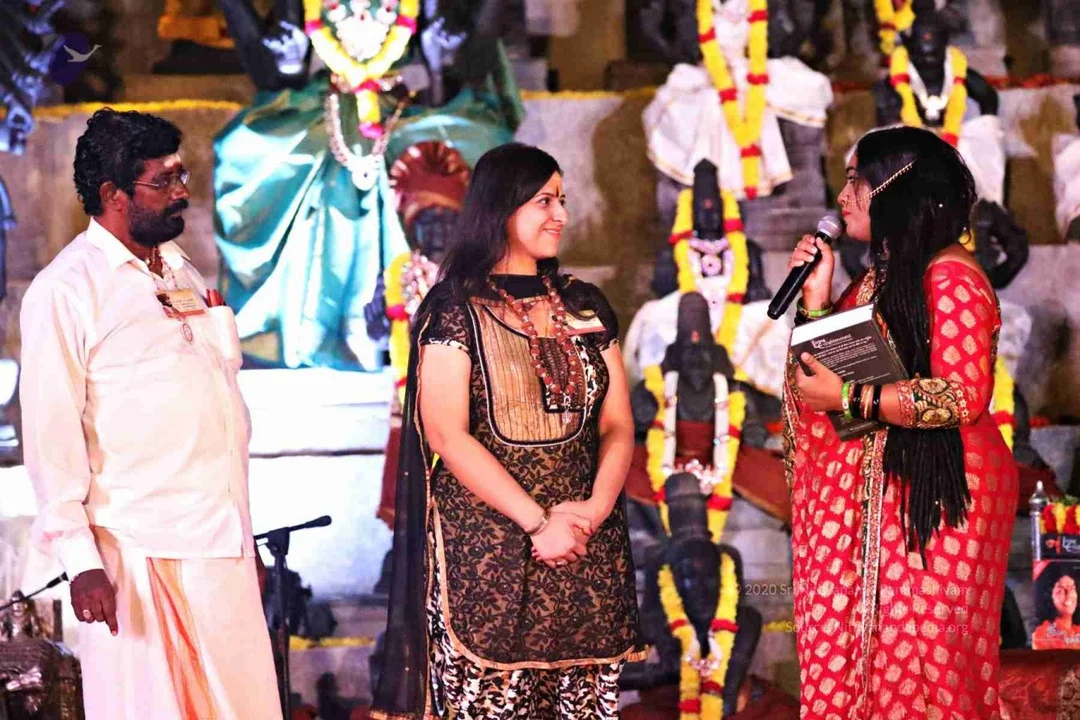 Living Enlightenment celebration interaction with delegates
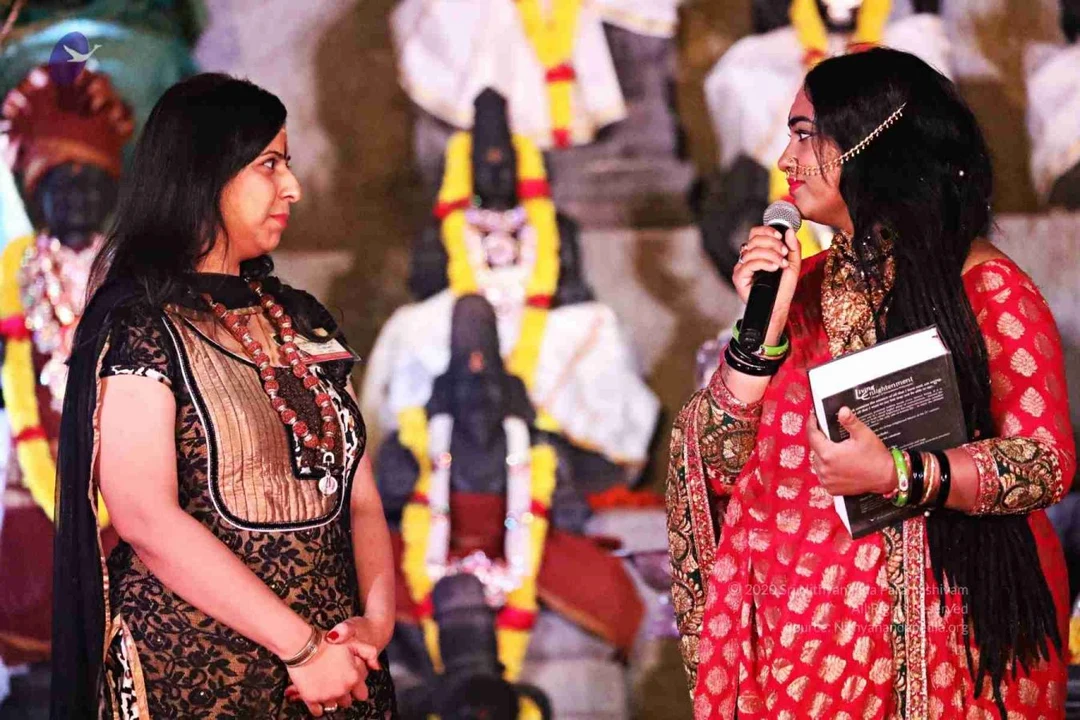 Living Enlightenment celebration interaction with delegates
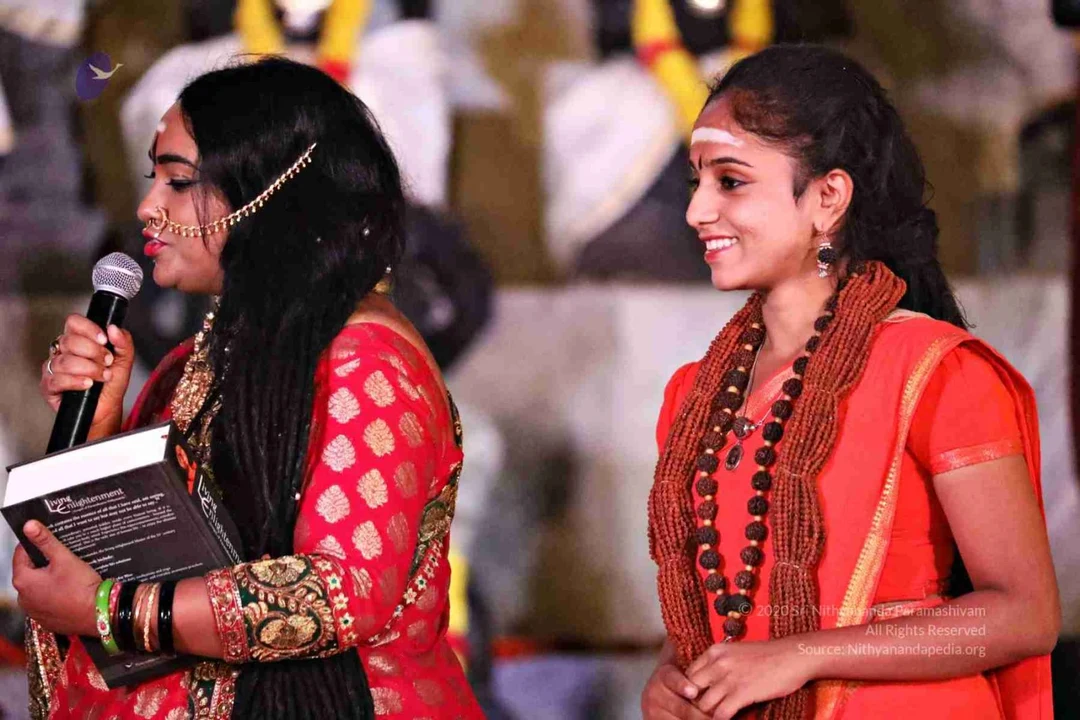 Living Enlightenment celebration interaction with delegates
 Living Enlightenment celebration interaction with delegates
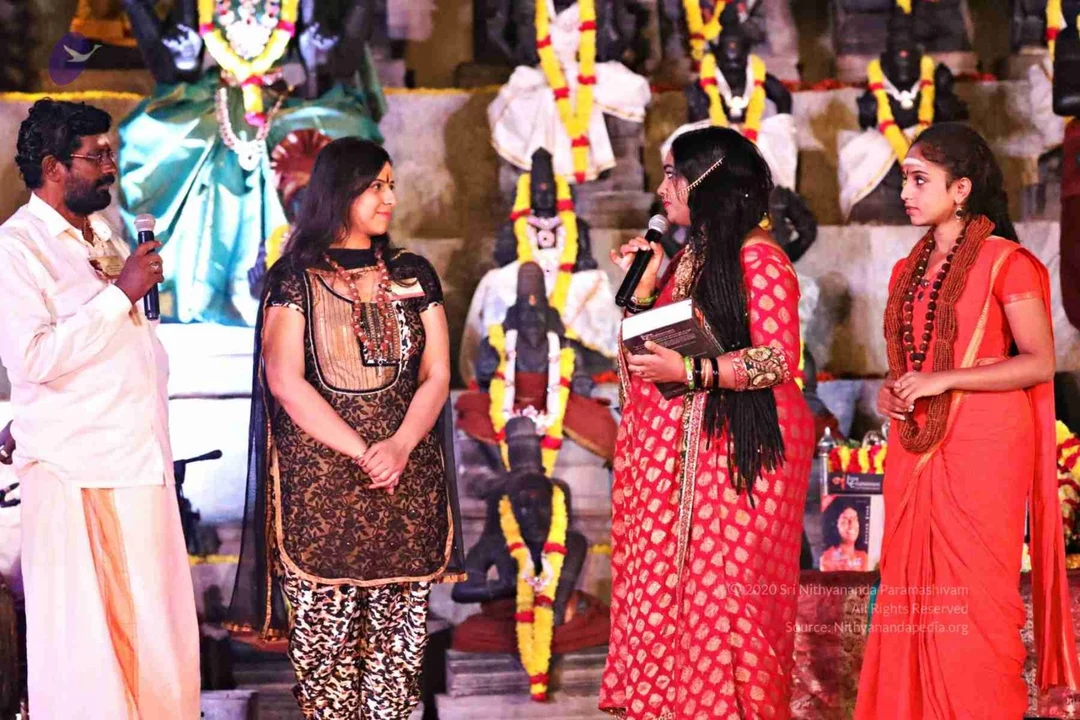 Living Enlightenment celebration interaction with delegates
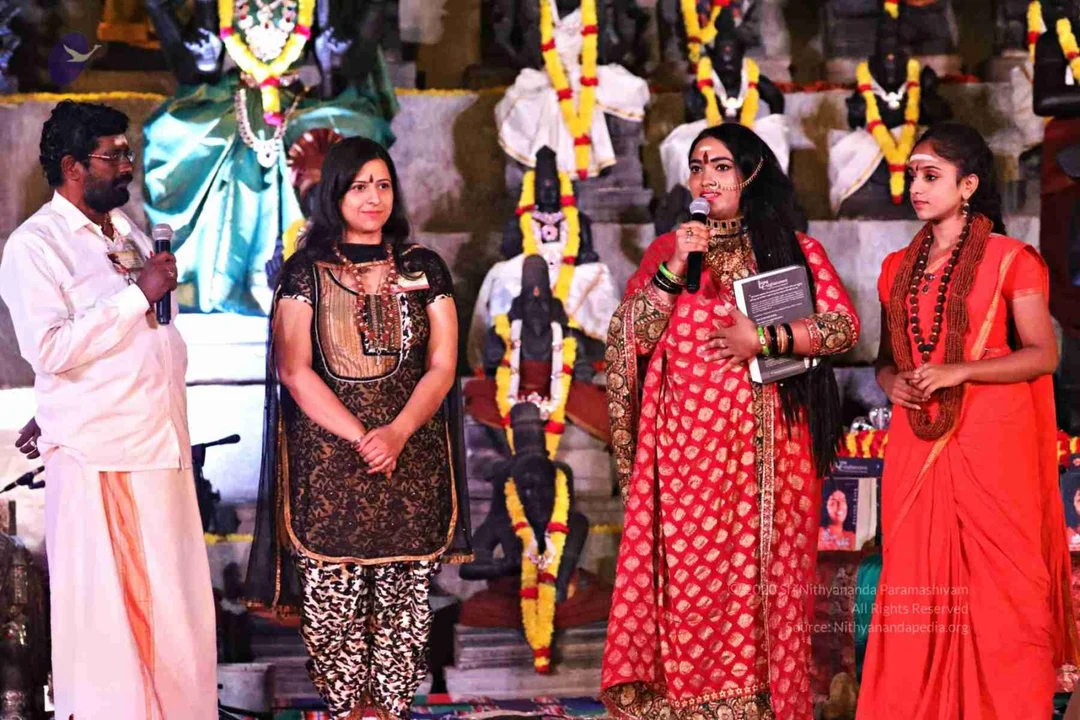 Living Enlightenment celebration interaction with delegates
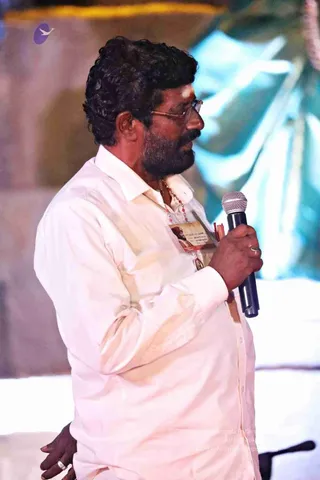 Living Enlightenment celebration interaction with delegates
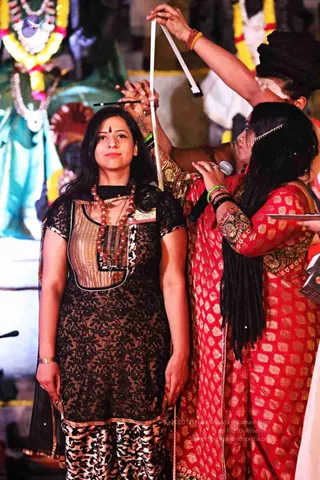 Living Enlightenment celebration interaction with delegates
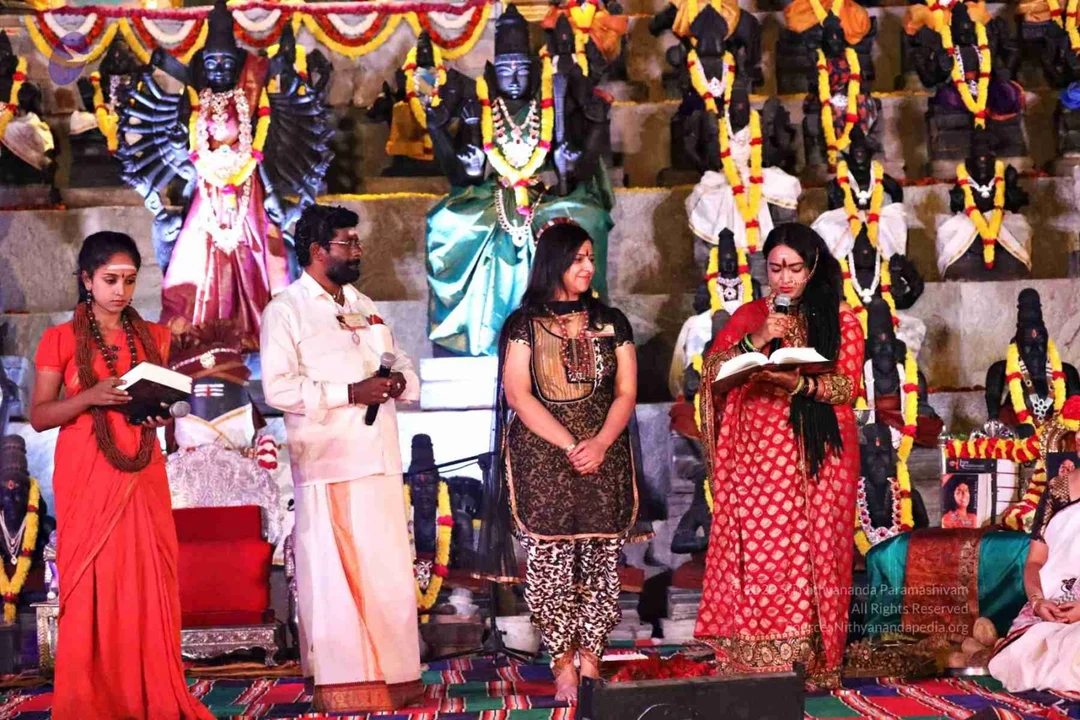 Living Enlightenment celebration interaction with delegates
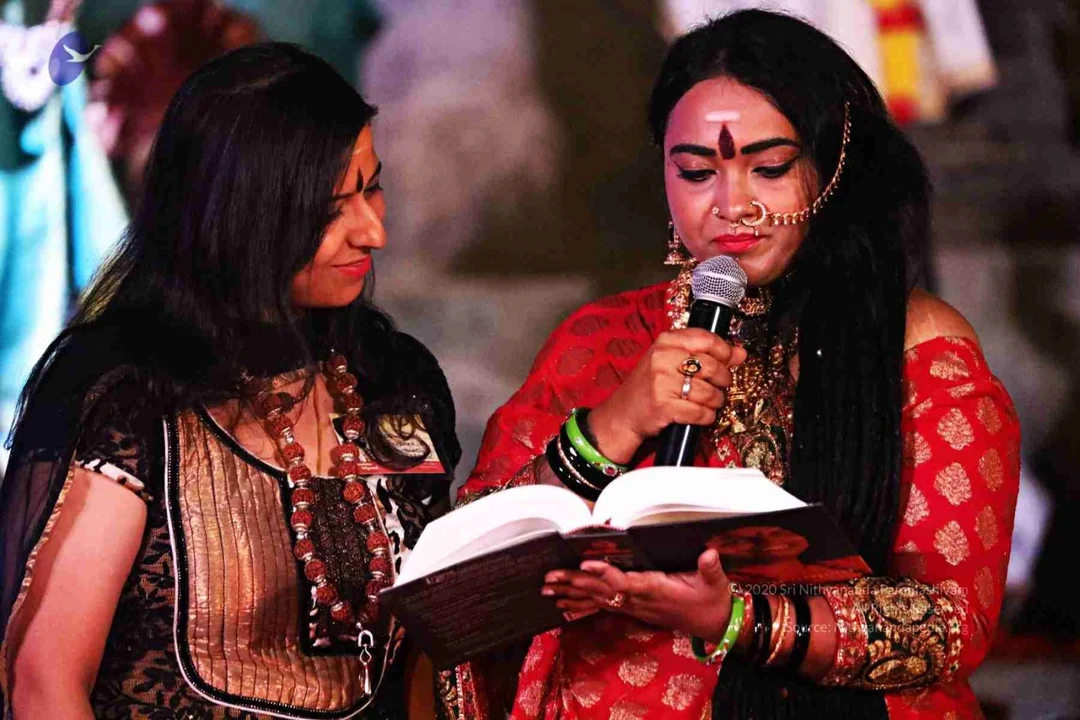 Living enlightenment is nothing but constantly expanding your innerspace
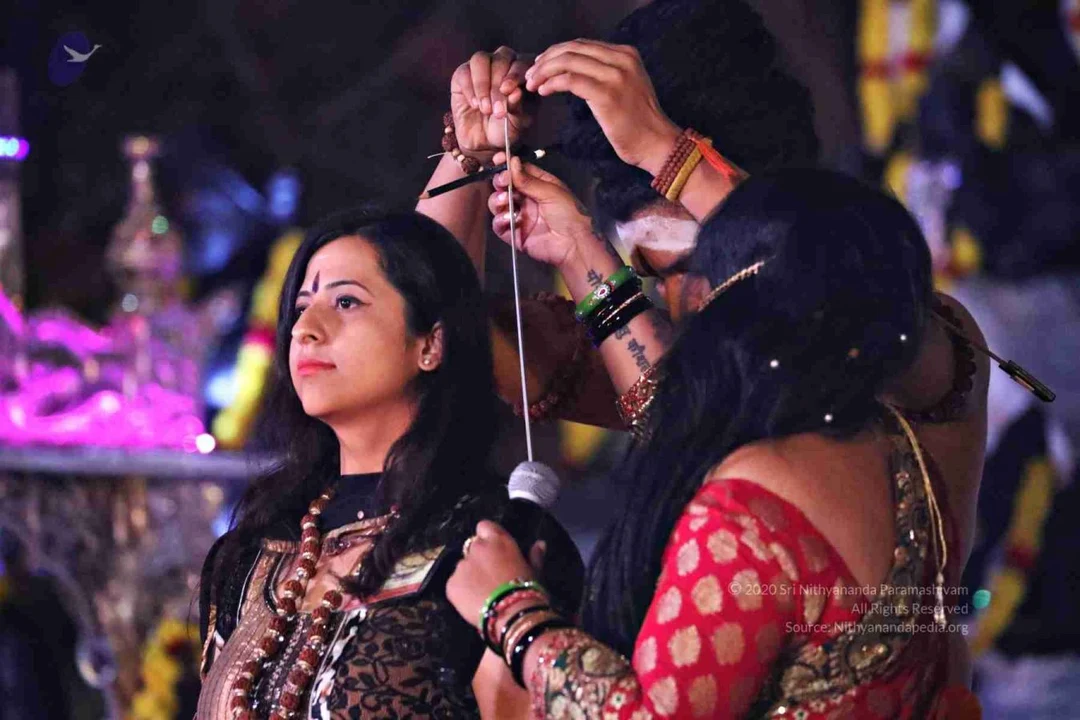 Power manifestation demonstration
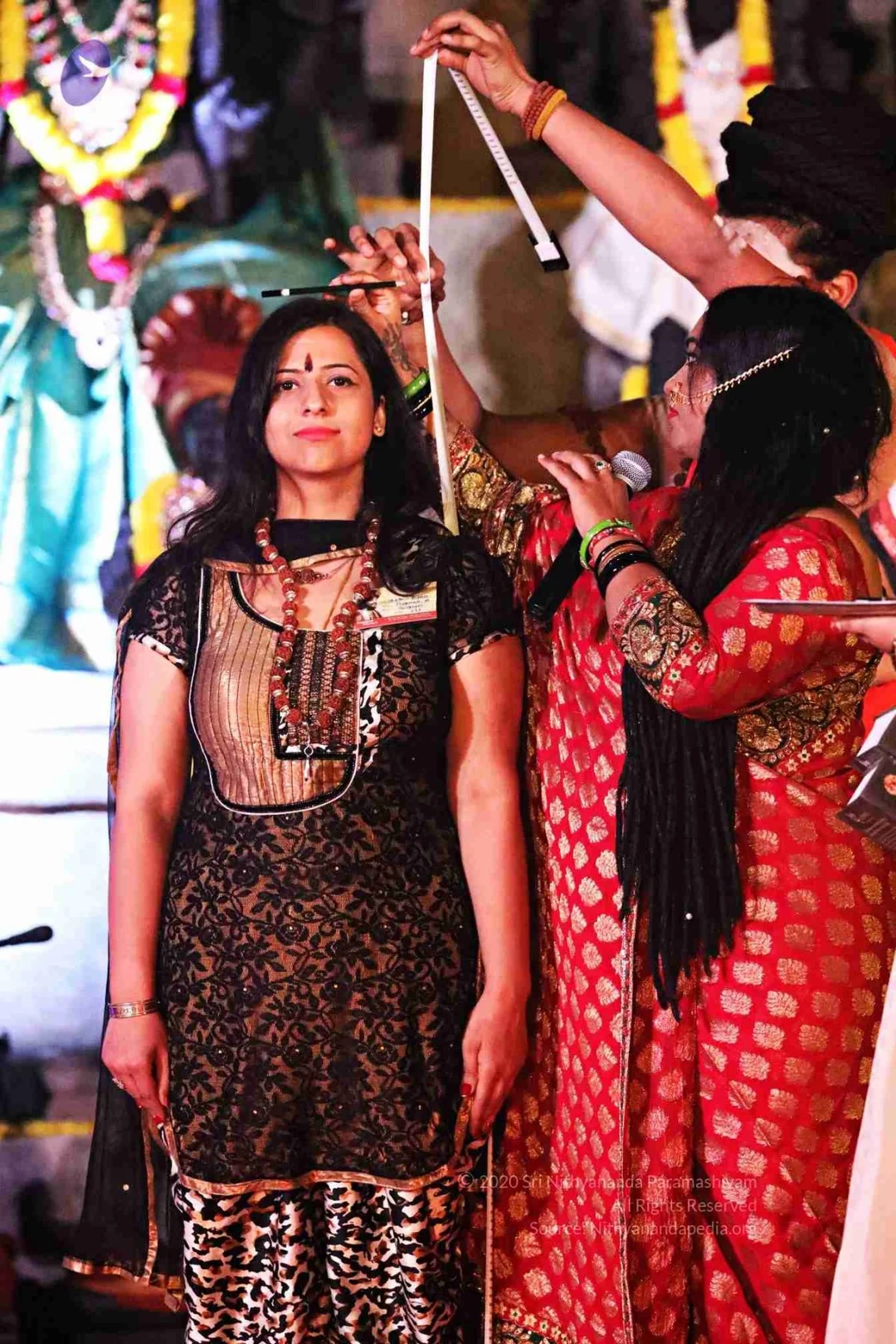
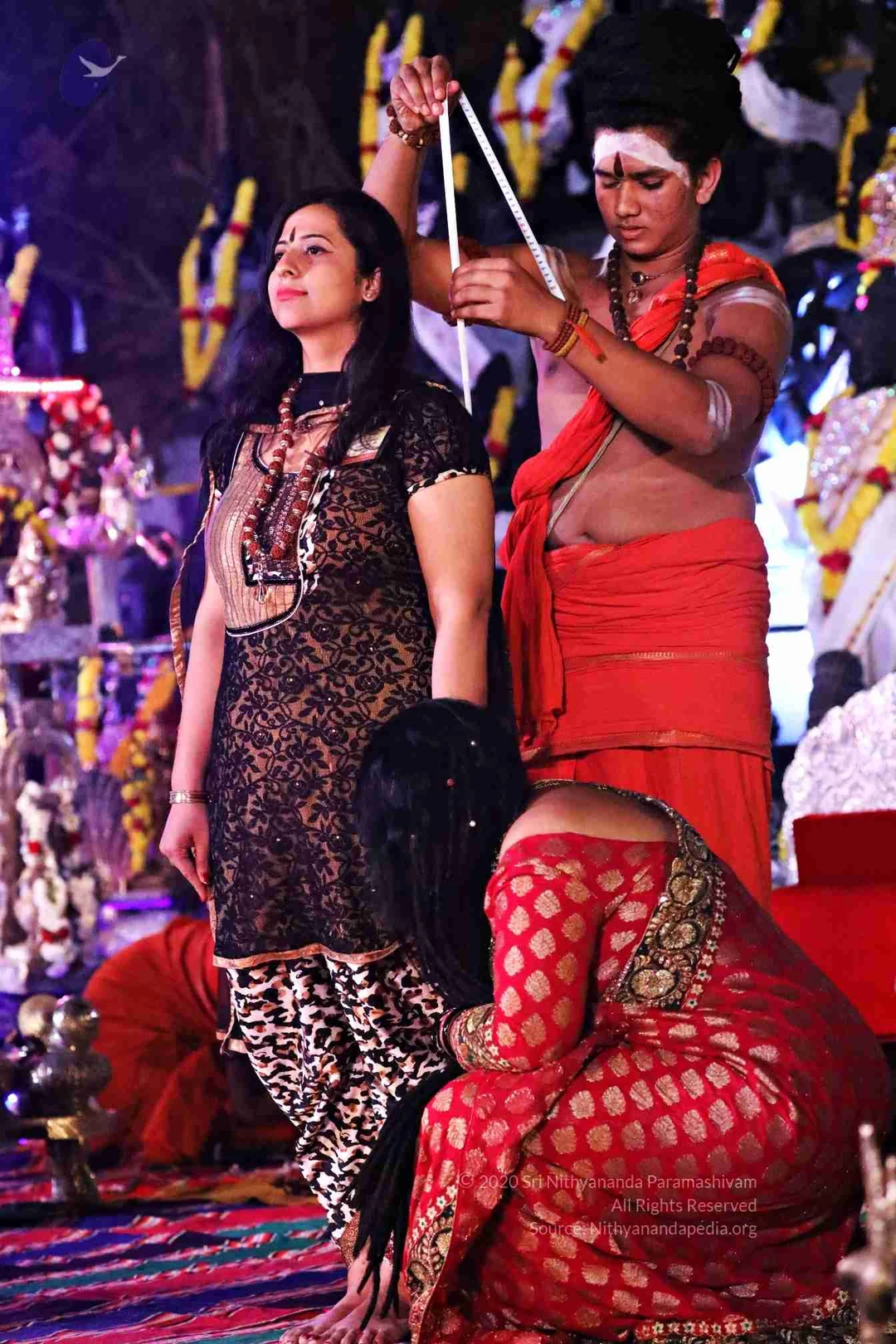
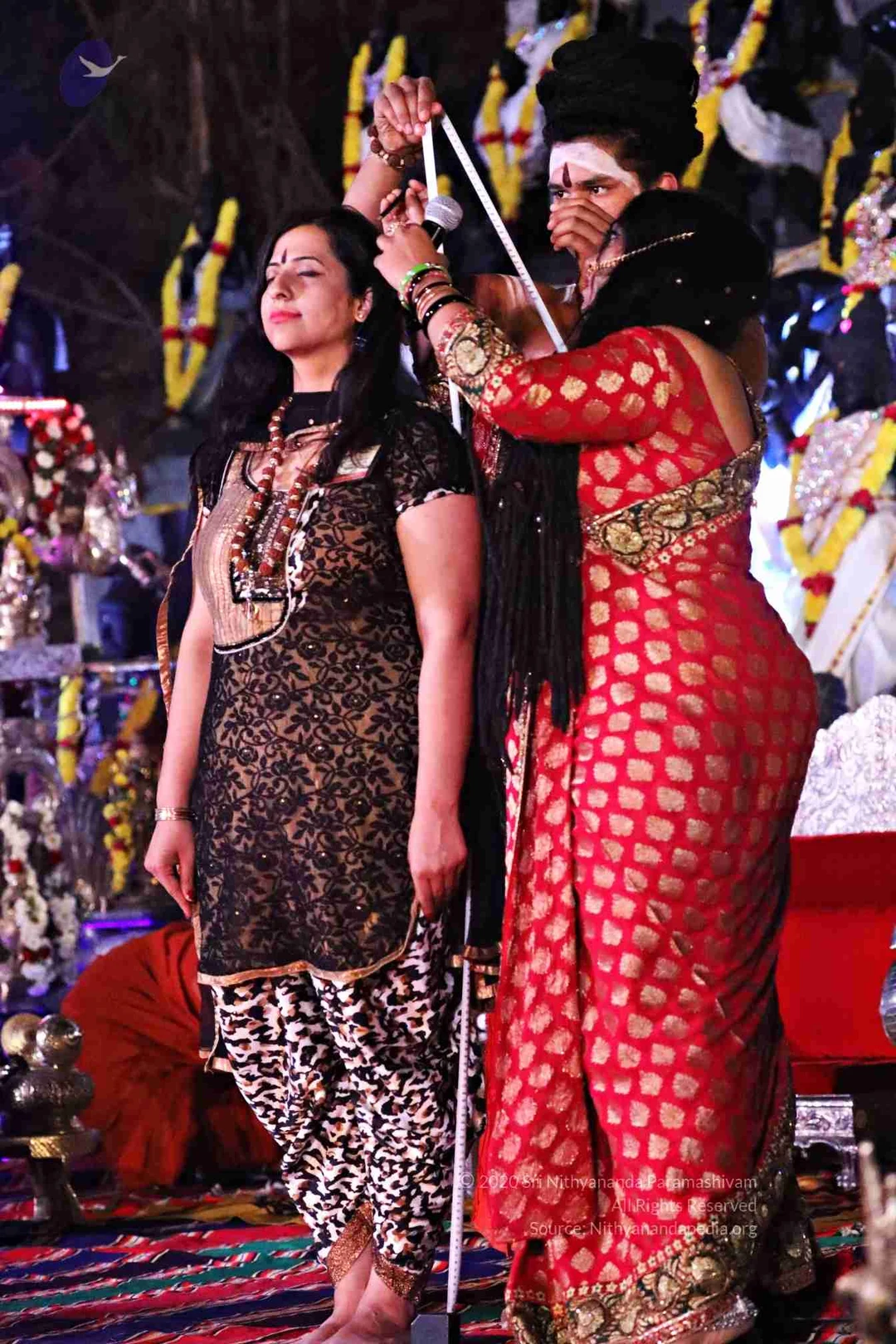
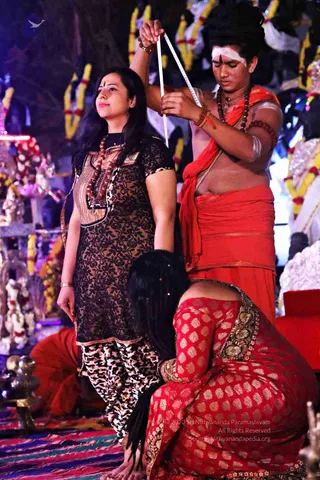 Power demonstration - increase in height
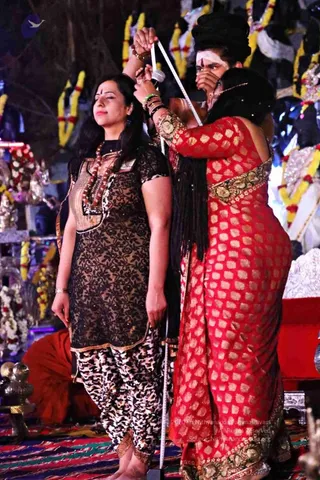 Power demonstration - increase in height
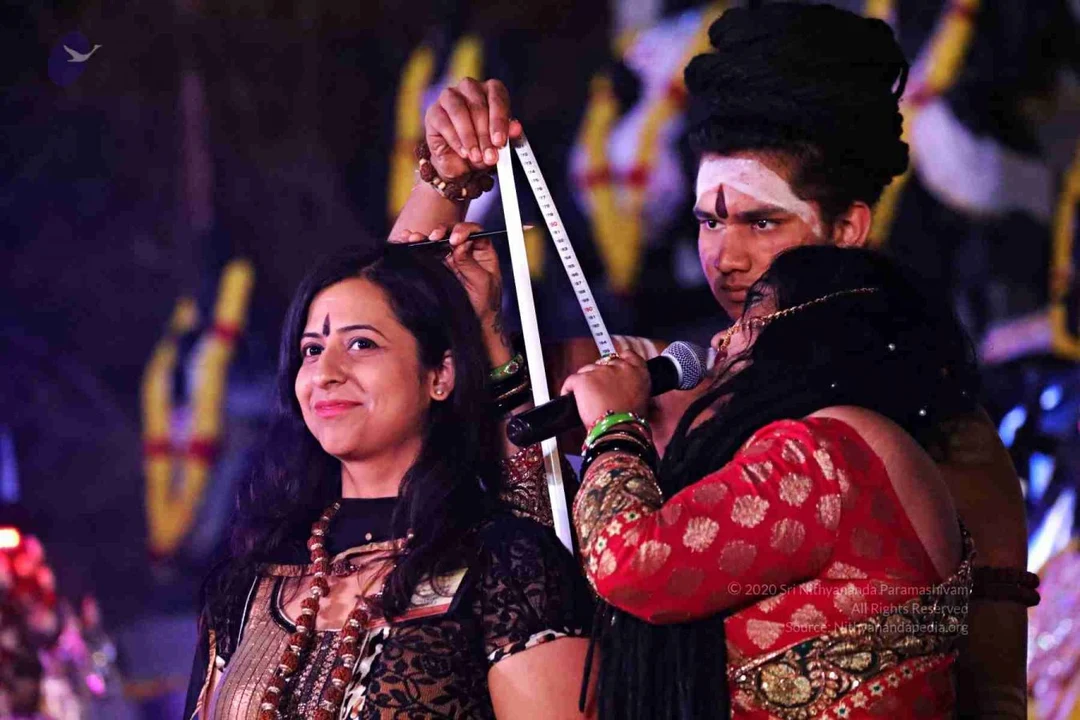 Power demonstration - increase in height
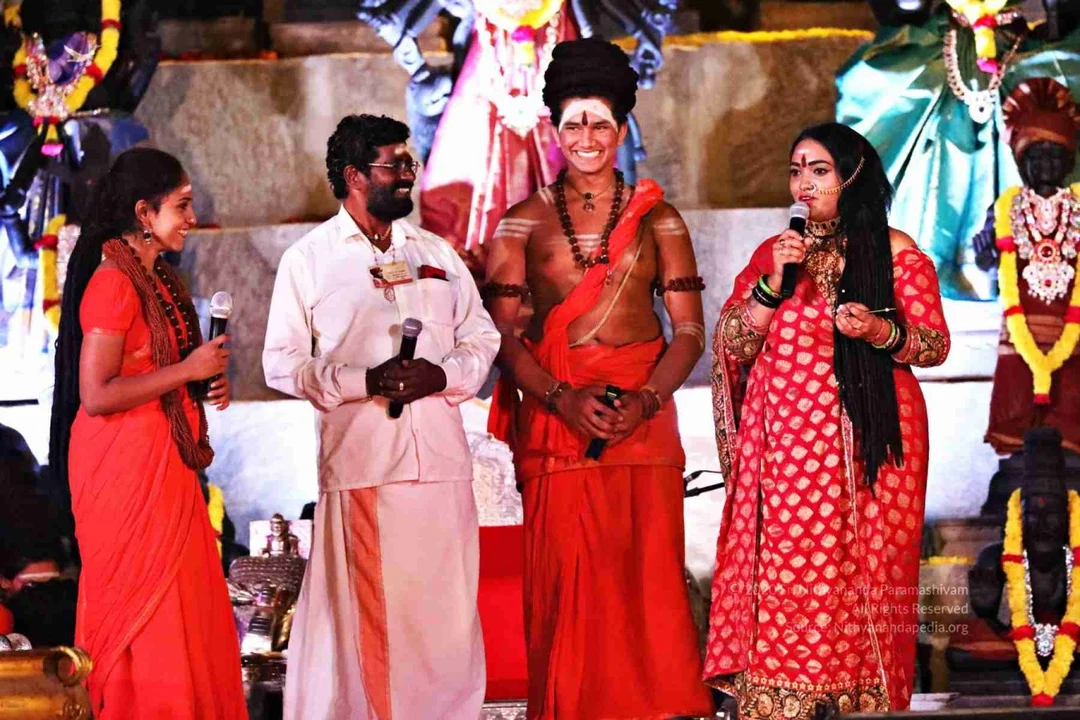 Power demonstration - increase in height
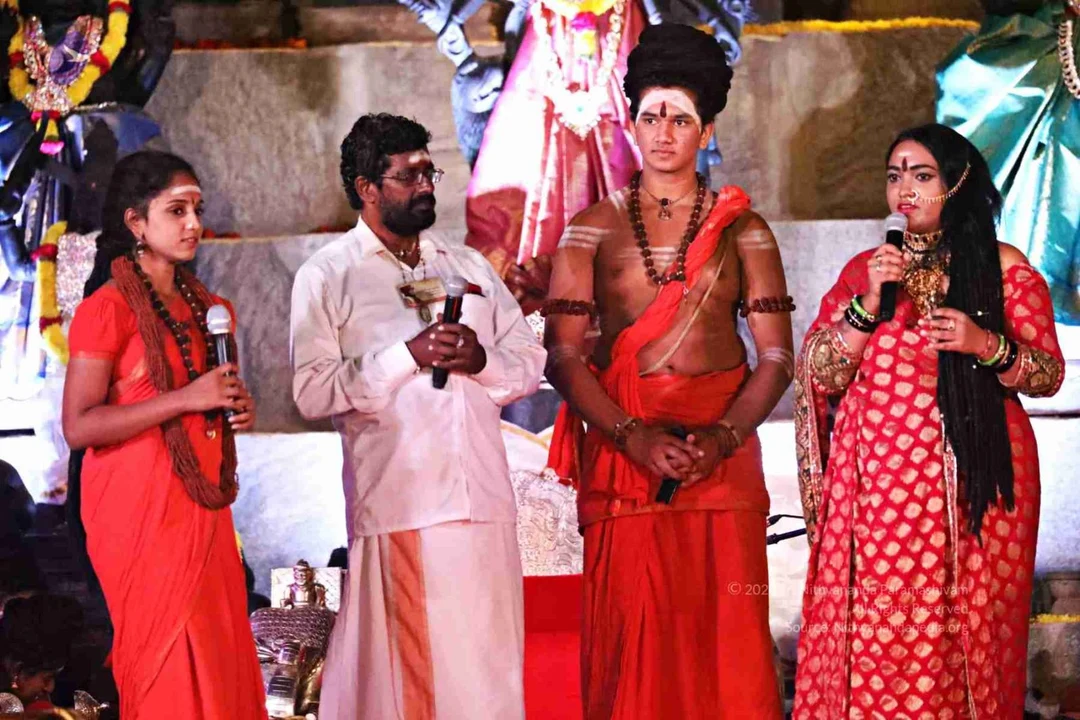 Power demonstration - increase in height
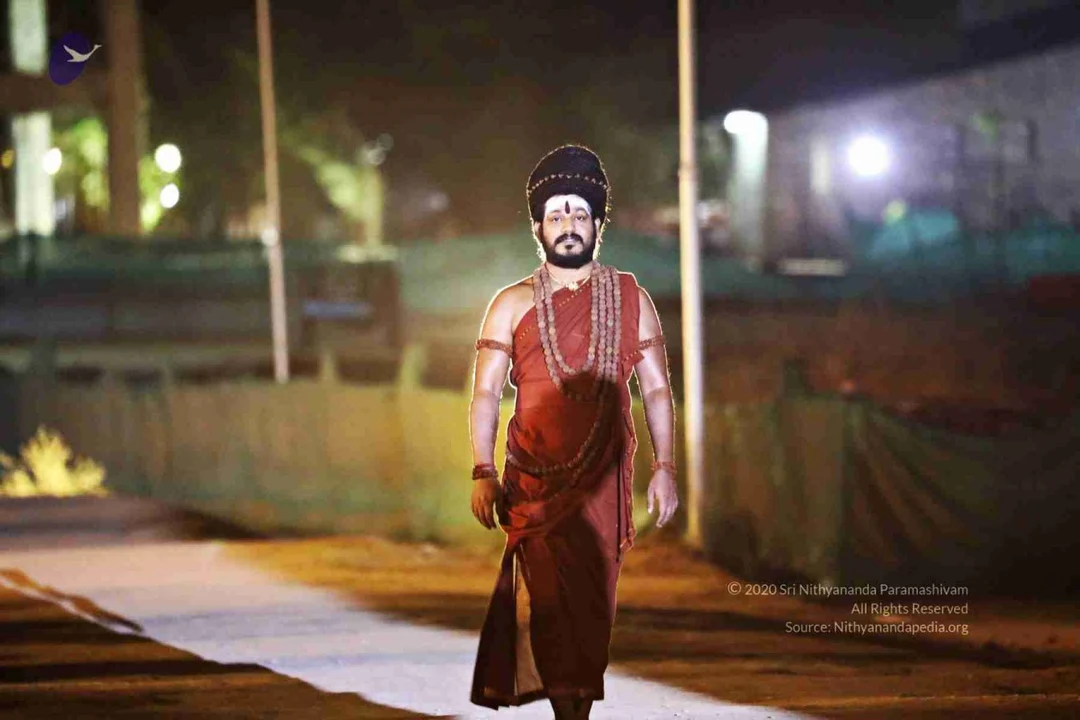 Avatar presence is living healing energy field
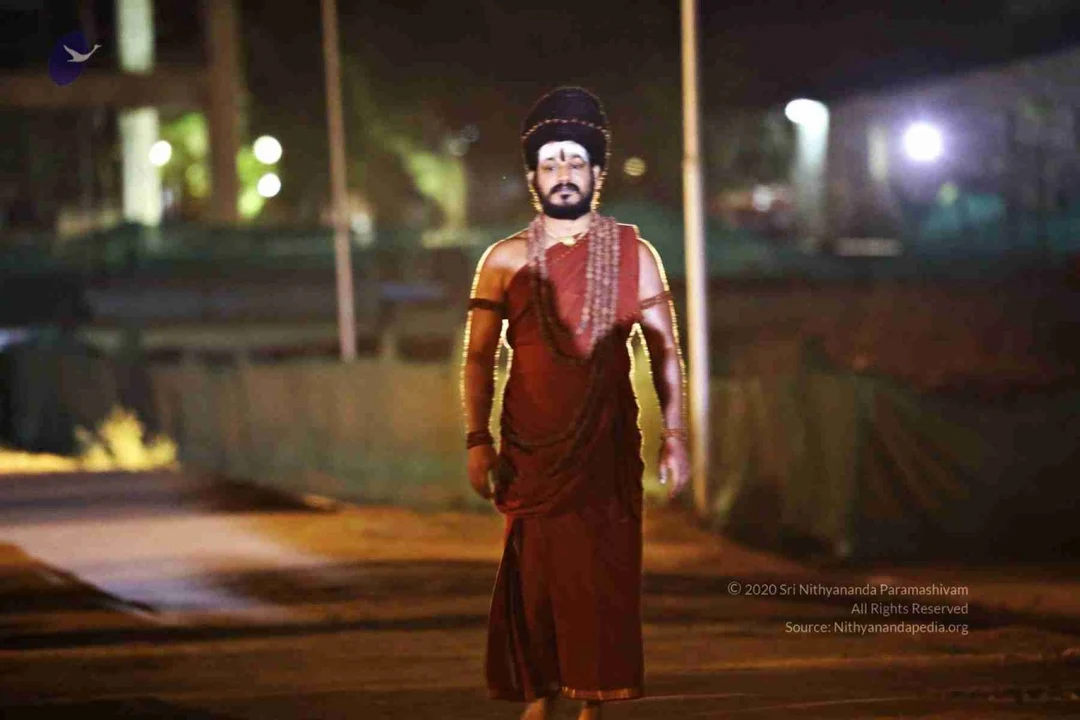 Avatar presence is living healing energy field
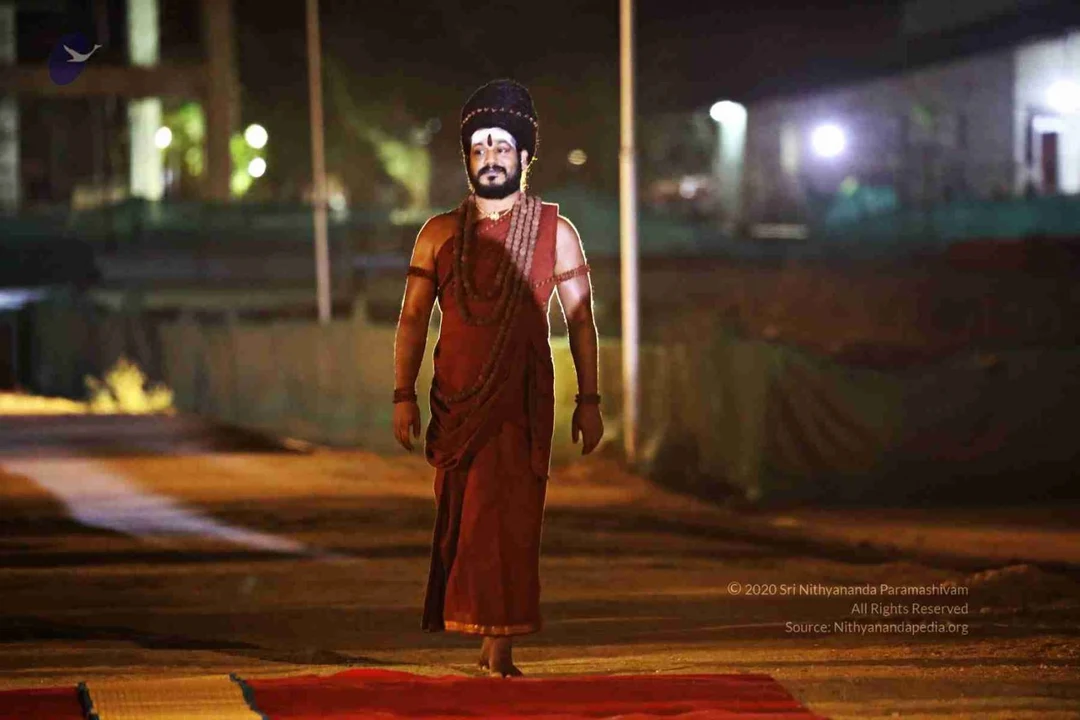 Avatar presence is living healing energy field
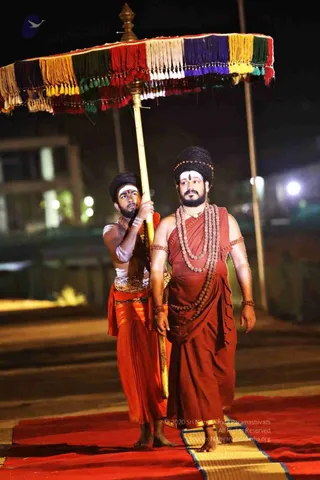 Avatar presence is living healing energy field
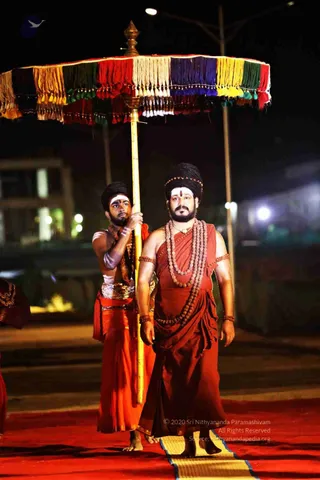 Avatar presence is living healing energy field
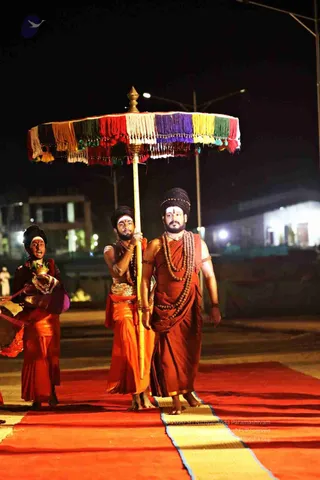 Avatar presence is living healing energy field
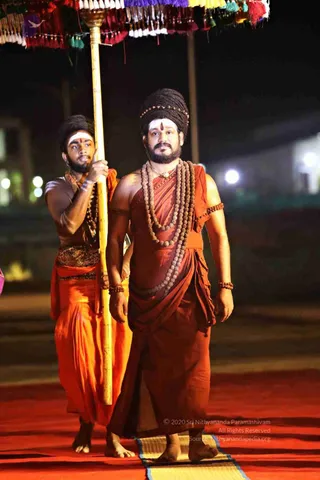 Avatar presence is living healing energy field
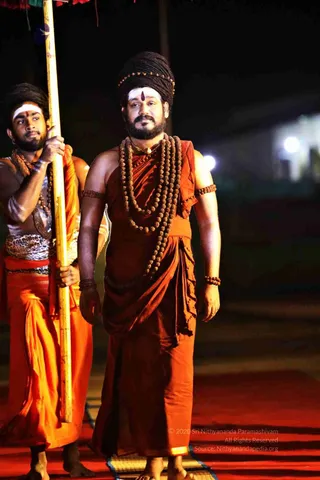 Avatar presence is living healing energy field
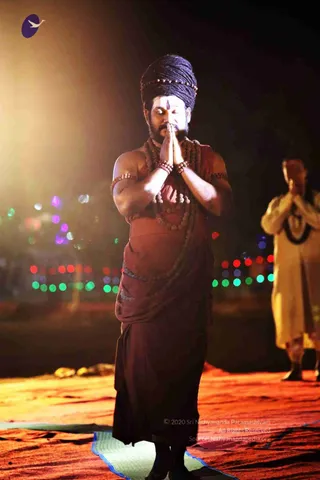 Avatar presence is living healing energy field
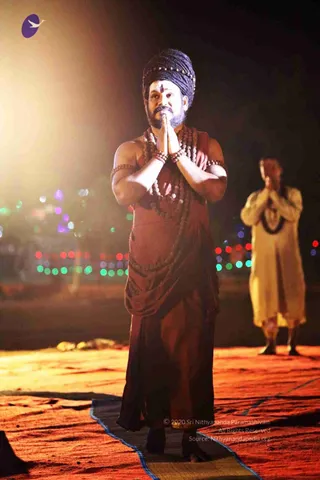 Avatar presence is living healing energy field
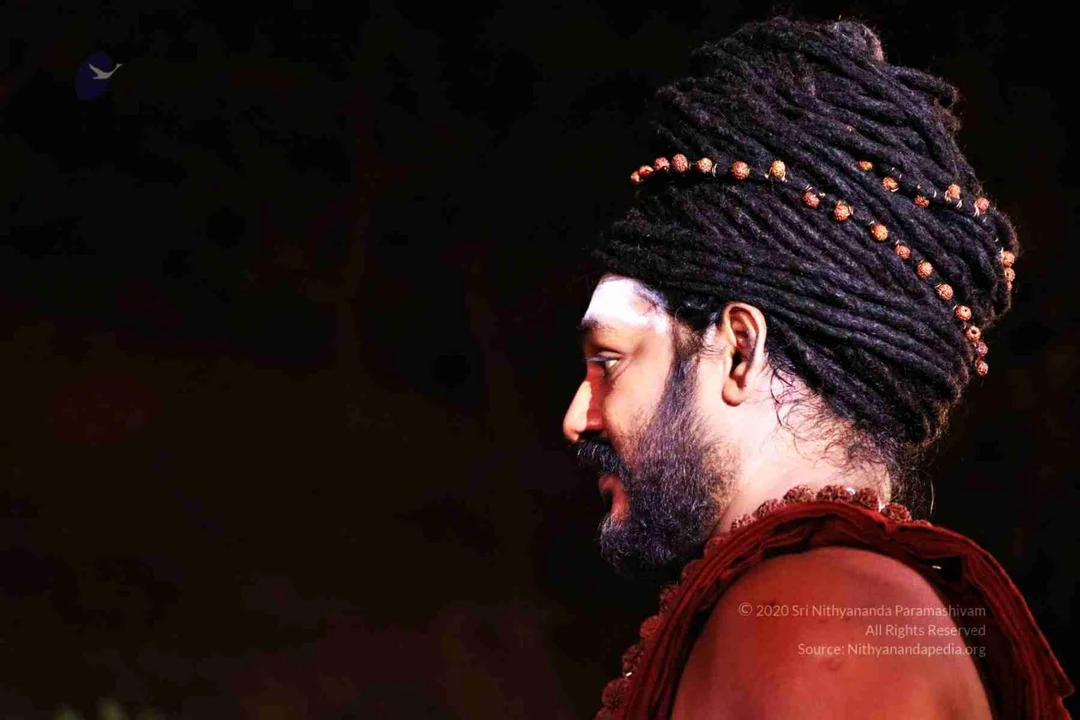 Avatar presence is living healing energy field
 Avatar presence is living healing energy field
 Avatar presence is living healing energy field
 Avatar presence is living healing energy field
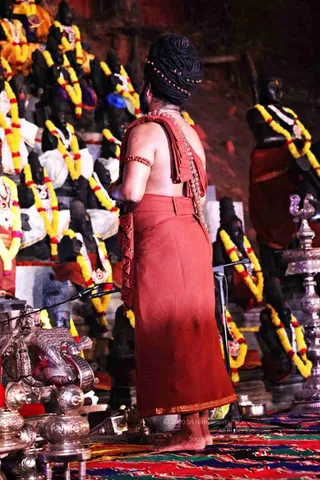 Avatar presence is living healing energy field
 Avatar presence is living healing energy field
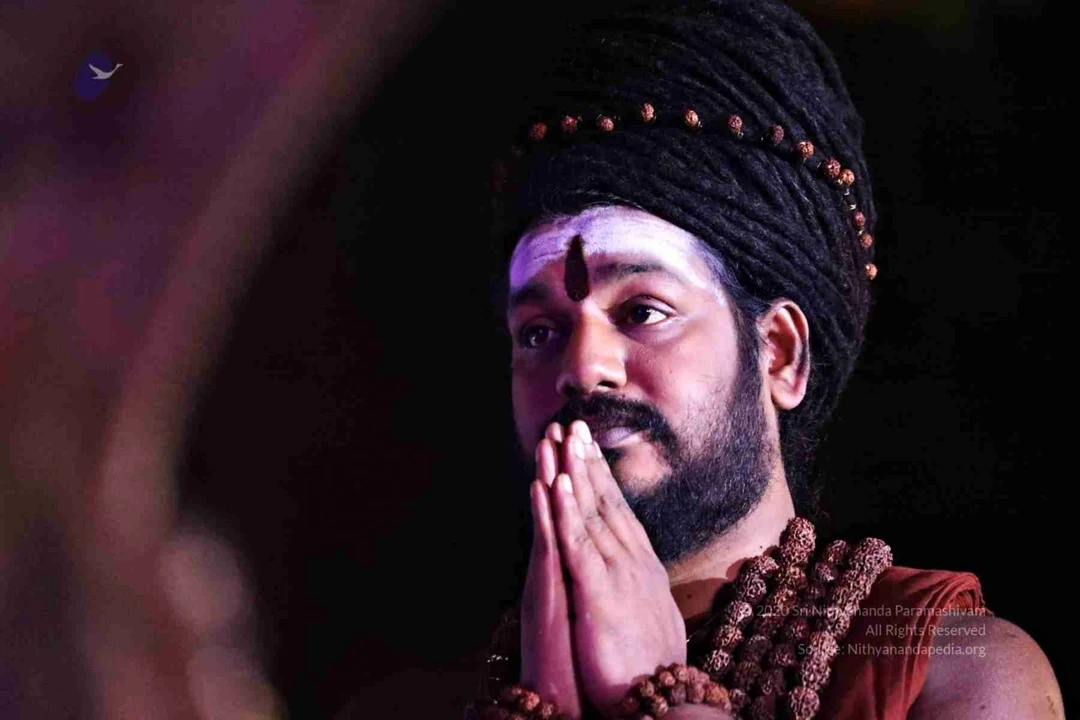 Avatar presence is living healing energy field
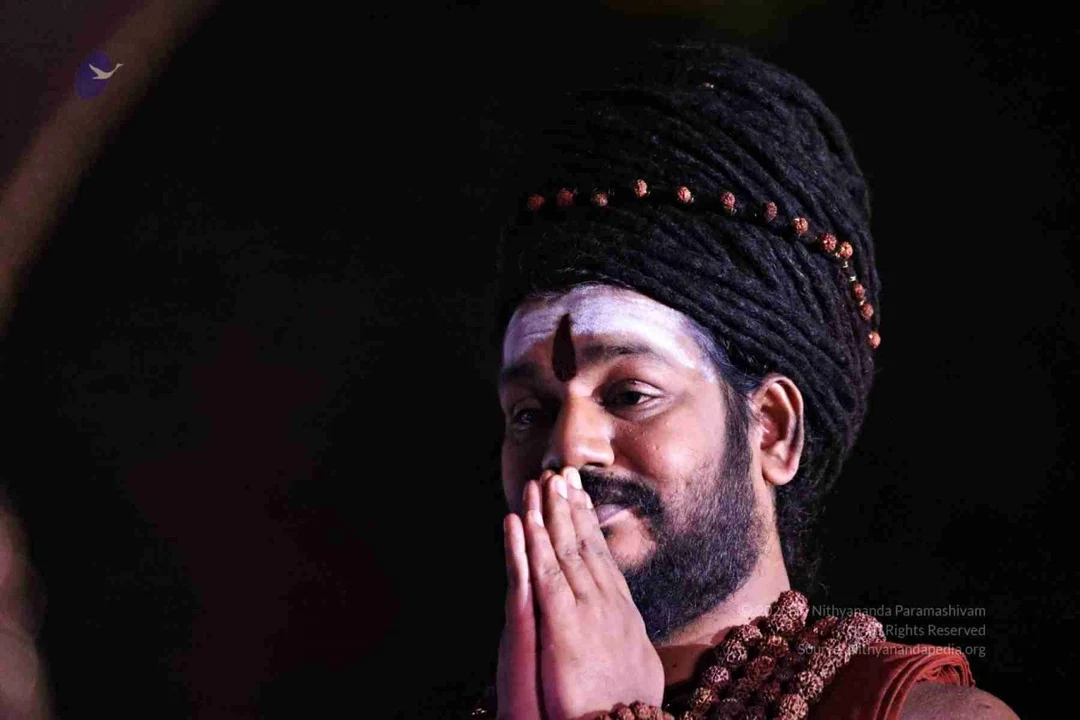 Avatar presence is living healing energy field
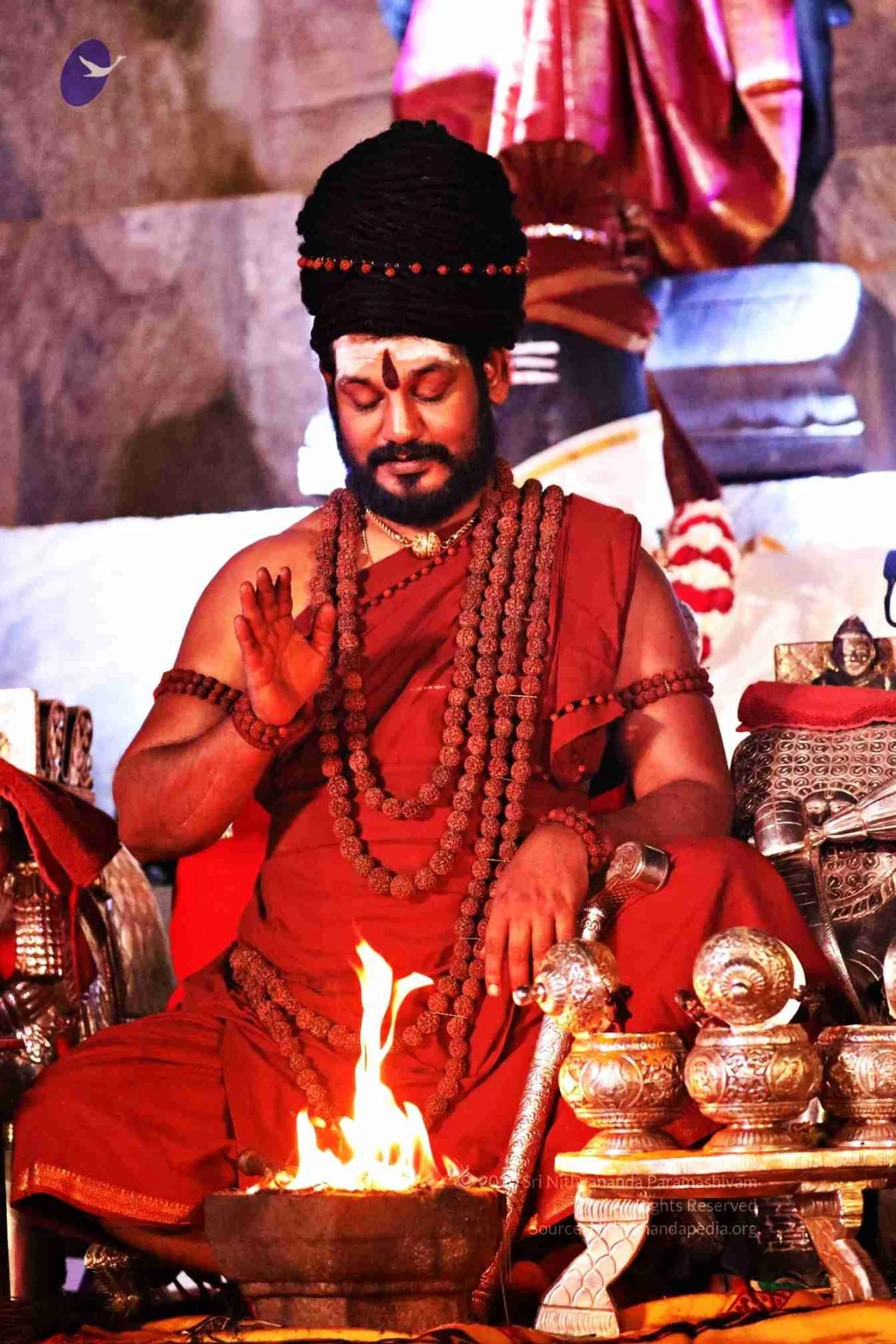
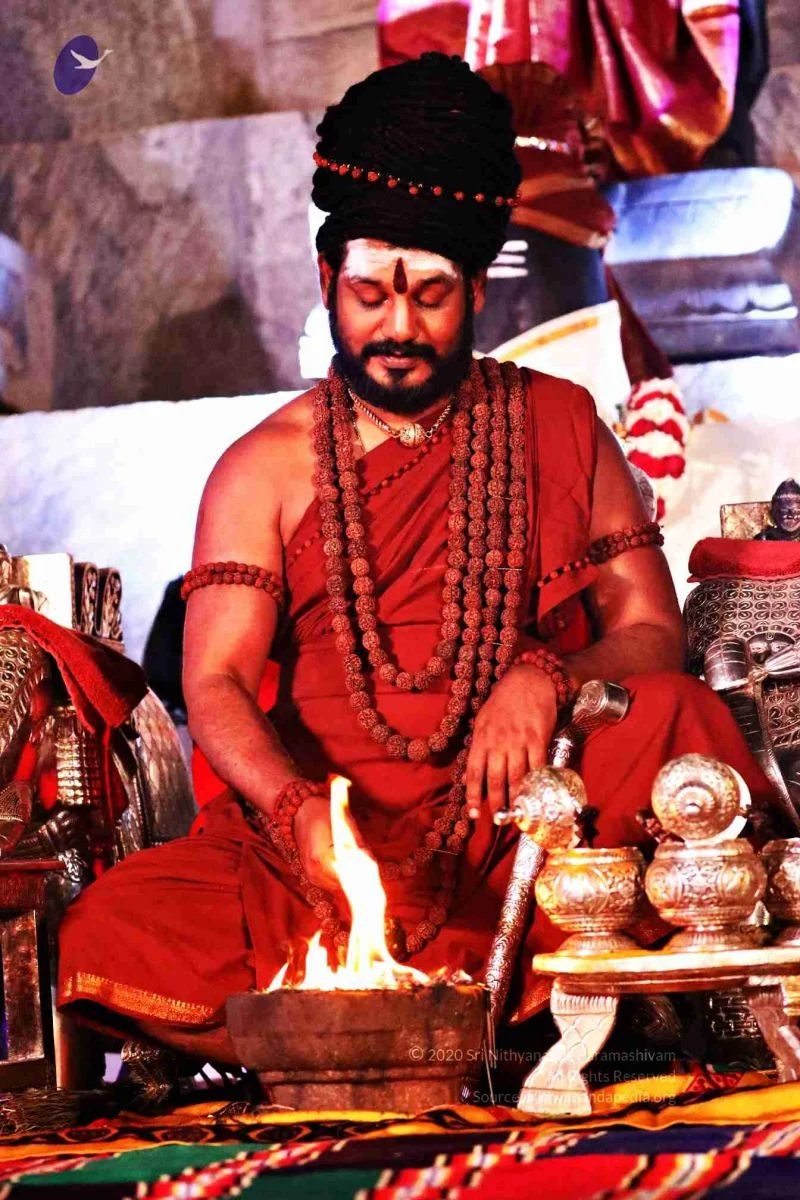
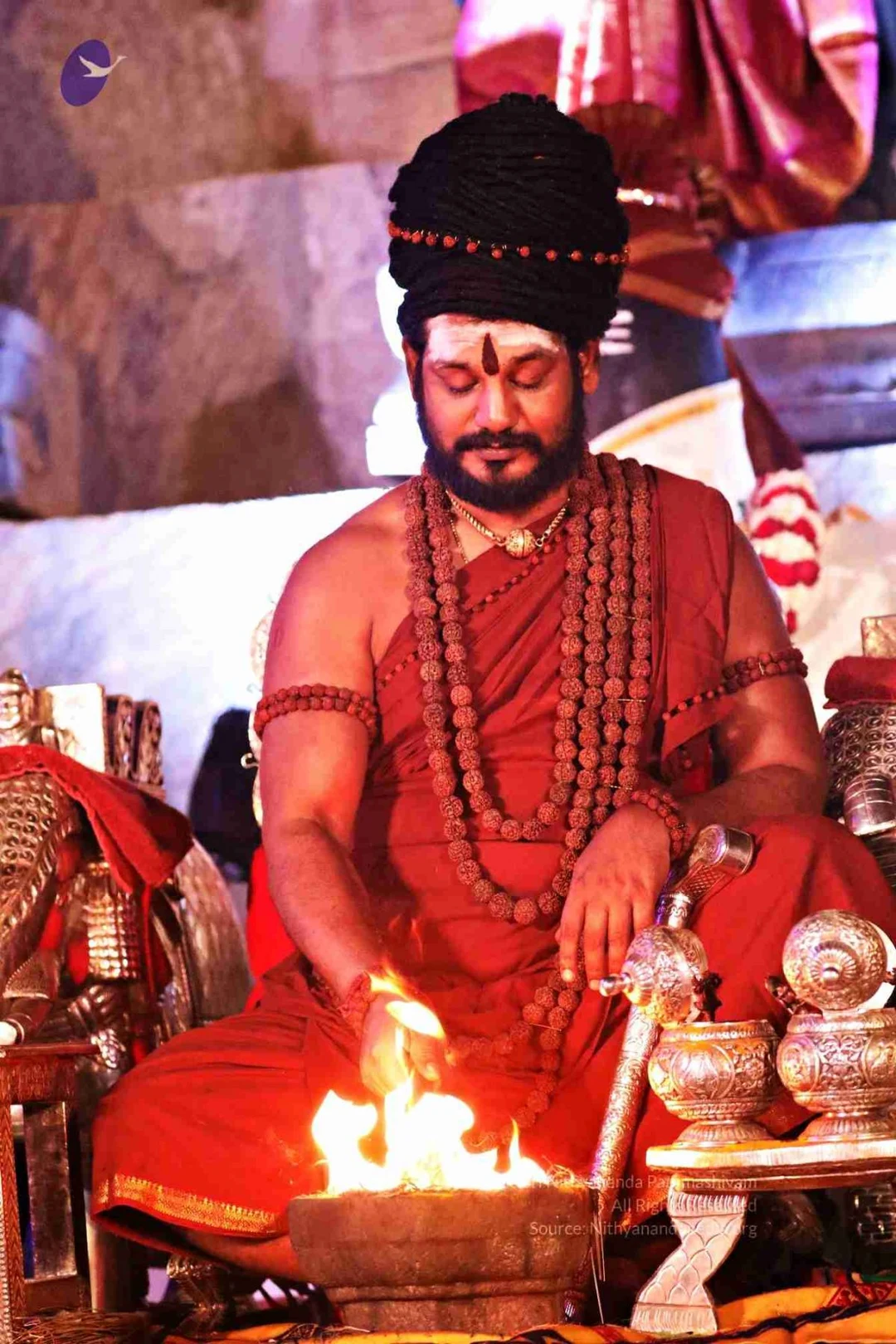
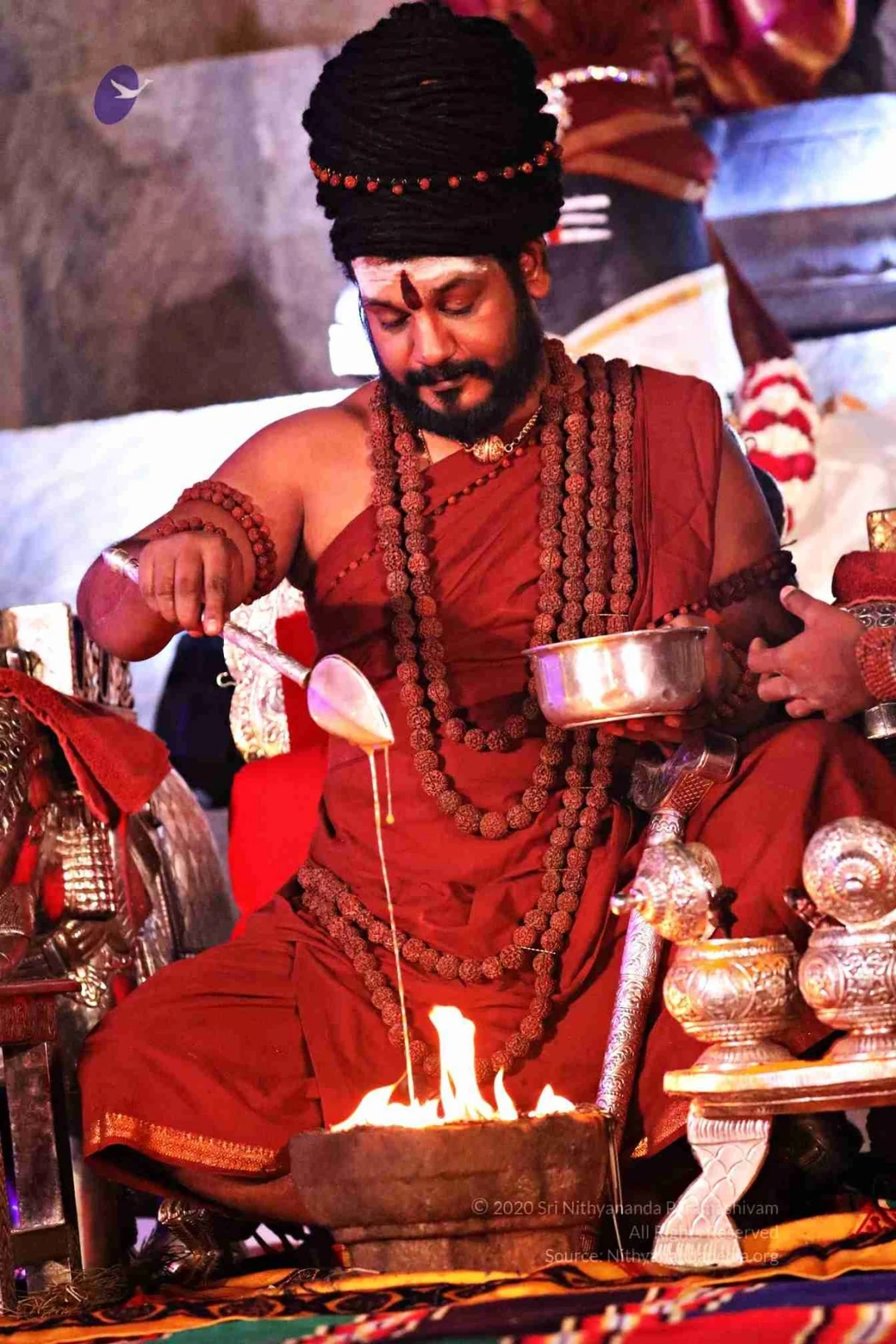
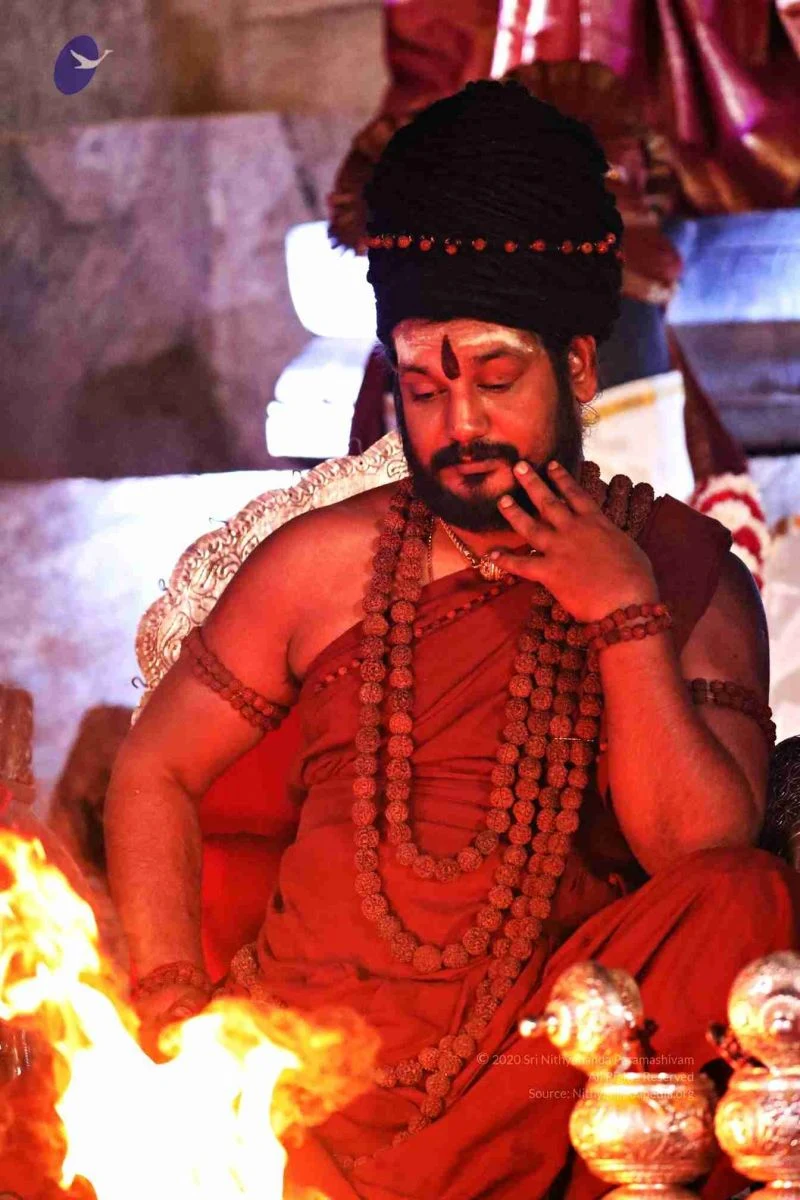
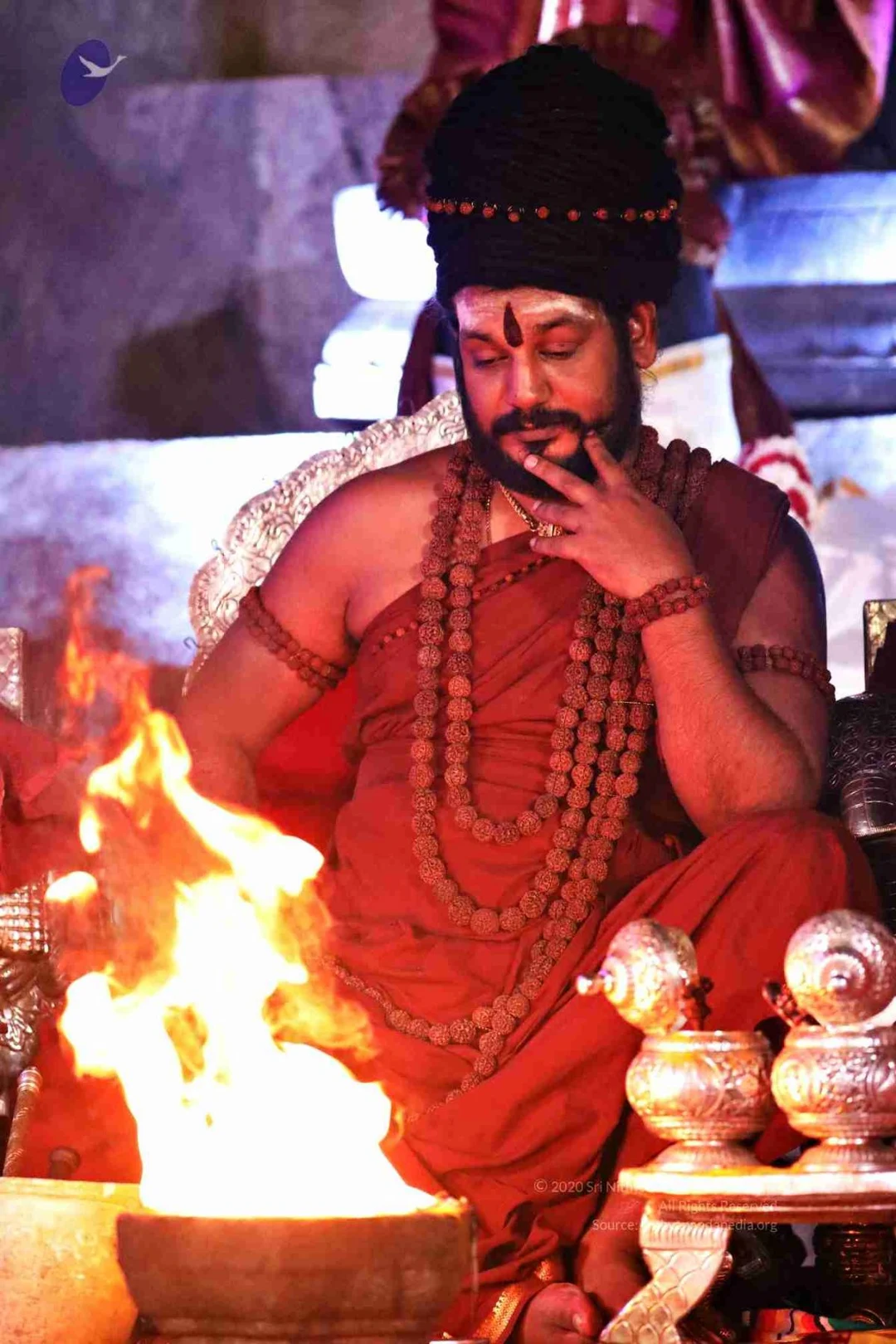
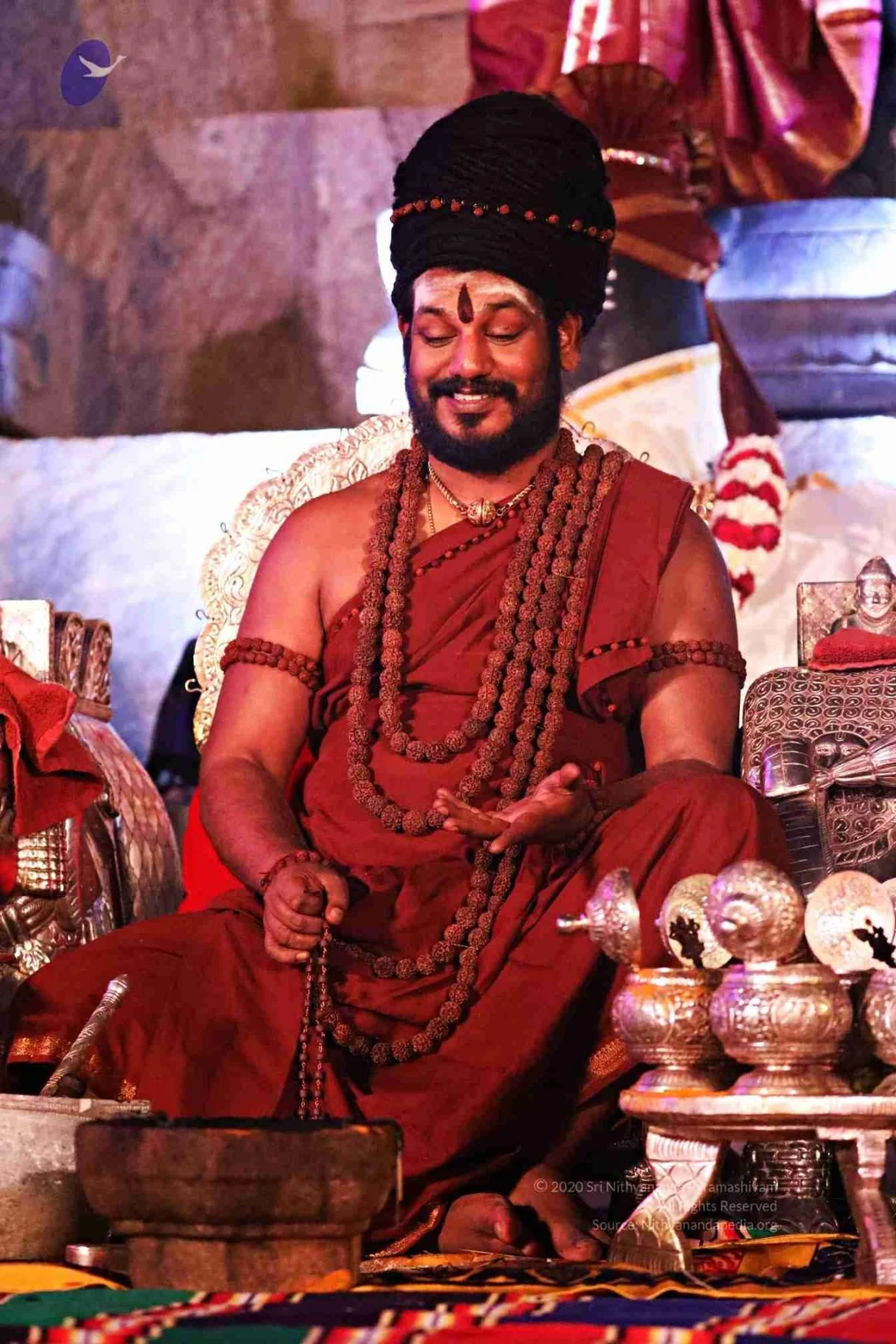
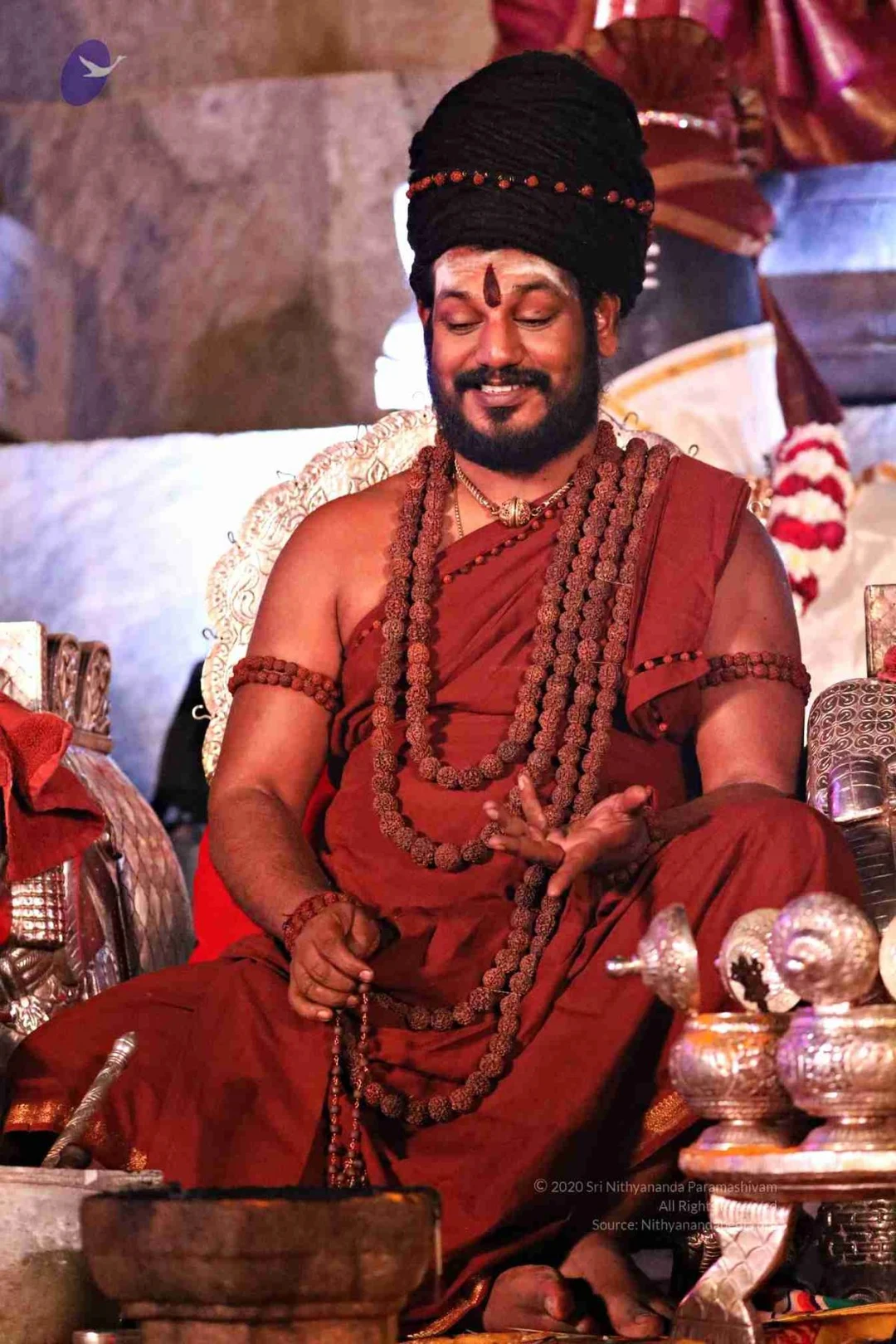
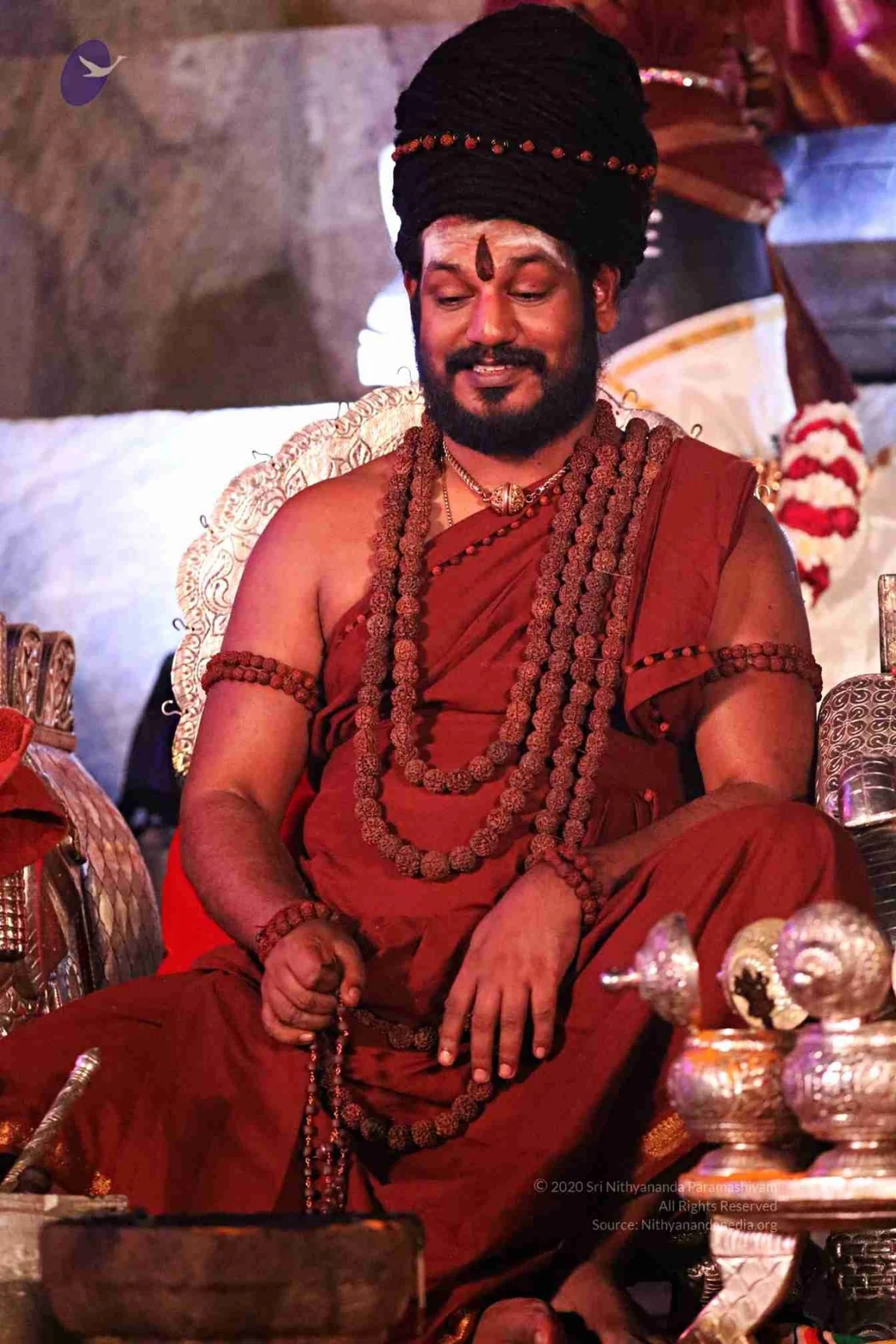
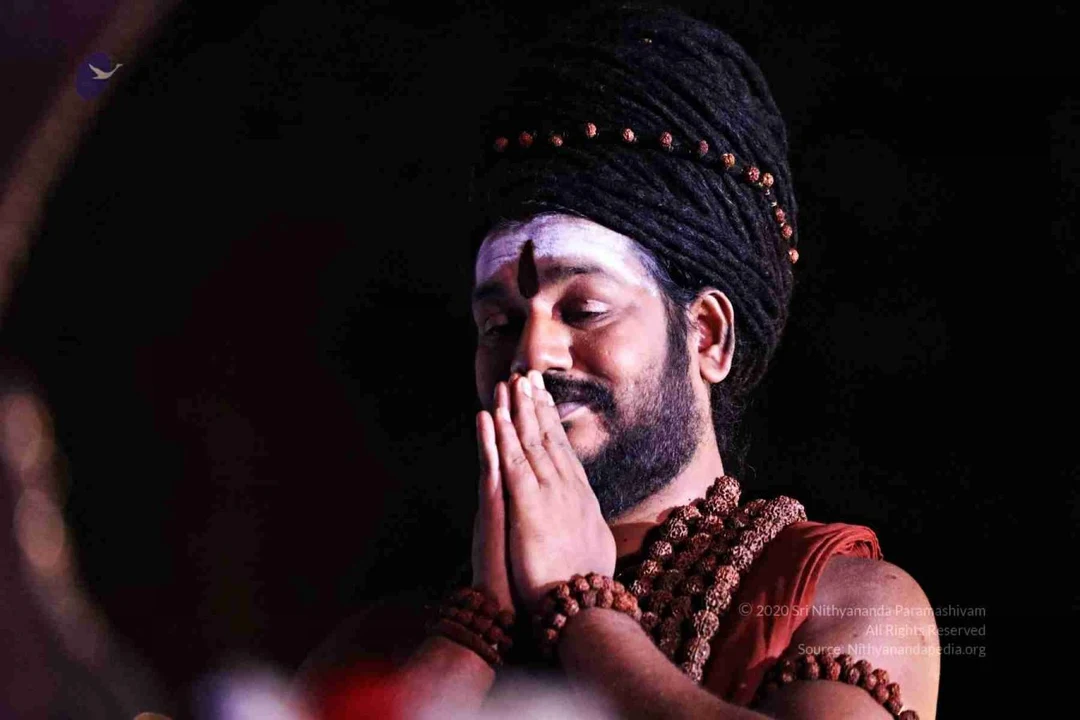 HDH Nithyananda Paramashivam at the grand event of Jeevan Mukthi aushada process
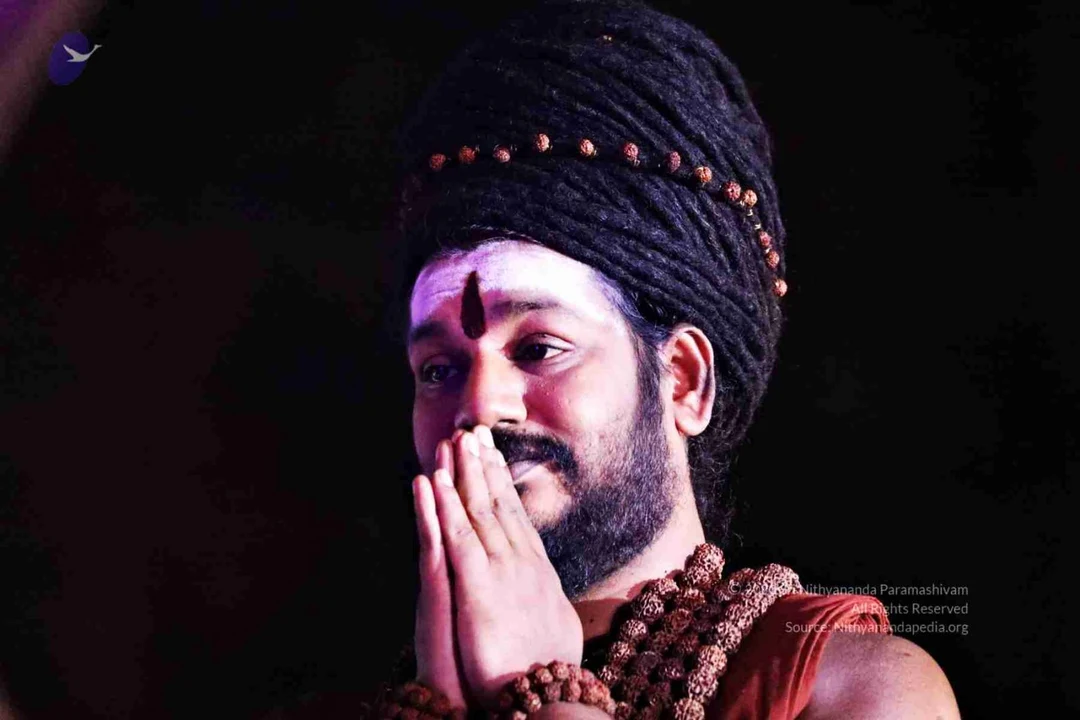 HDH Nithyananda Paramashivam at the grand event of Jeevan Mukthi aushadha process
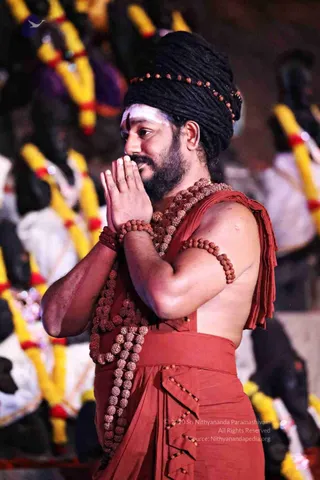 HDH Nithyananda Paramashivam at the grand event of Jeevan Mukthi aushadha process
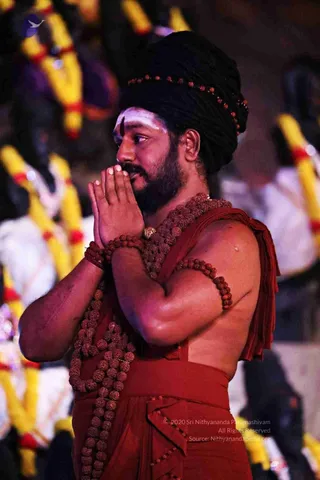 HDH Nithyananda Paramashivam at the grand event of Jeevan Mukthi aushadha process
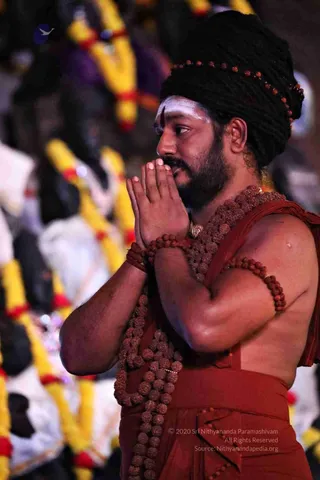 HDH Nithyananda Paramashivam at the grand event of Jeevan Mukthi aushadha process
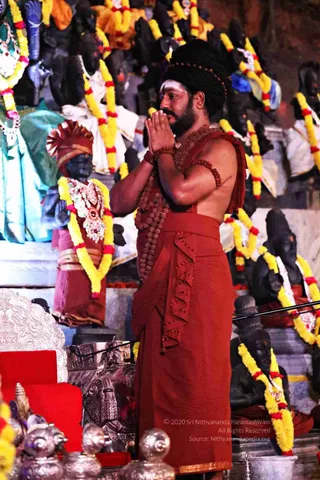 HDH Nithyananda Paramashivam at the grand event of Jeevan Mukthi aushadha process
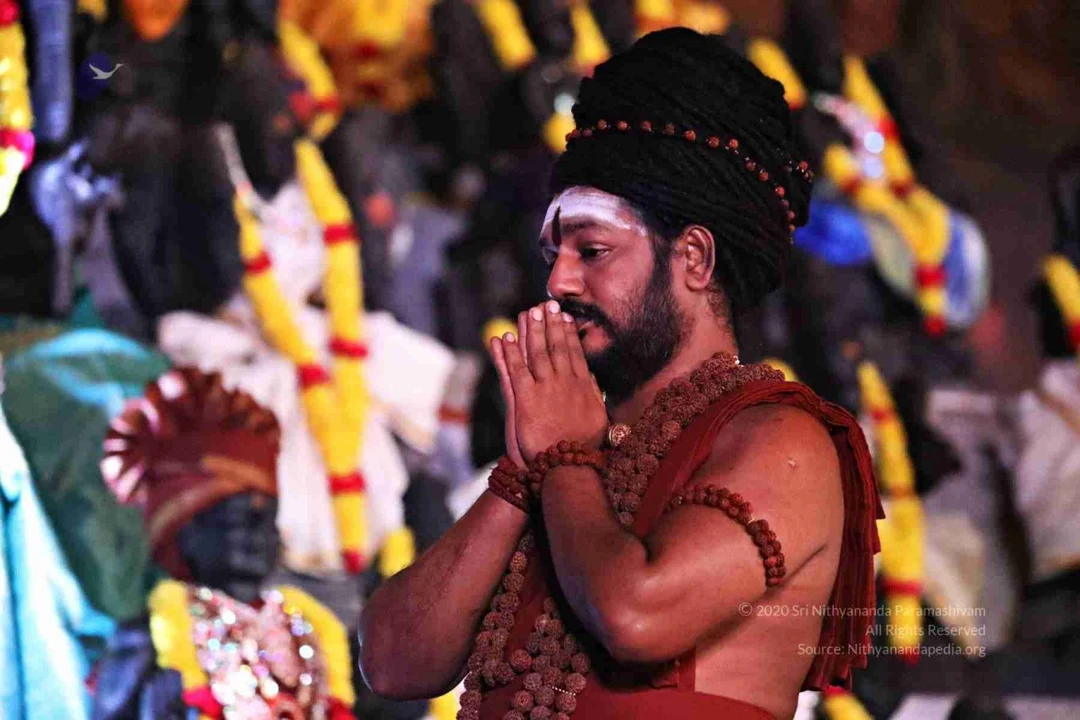 HDH Nithyananda Paramashivam at the grand event of Jeevan Mukthi aushadha process
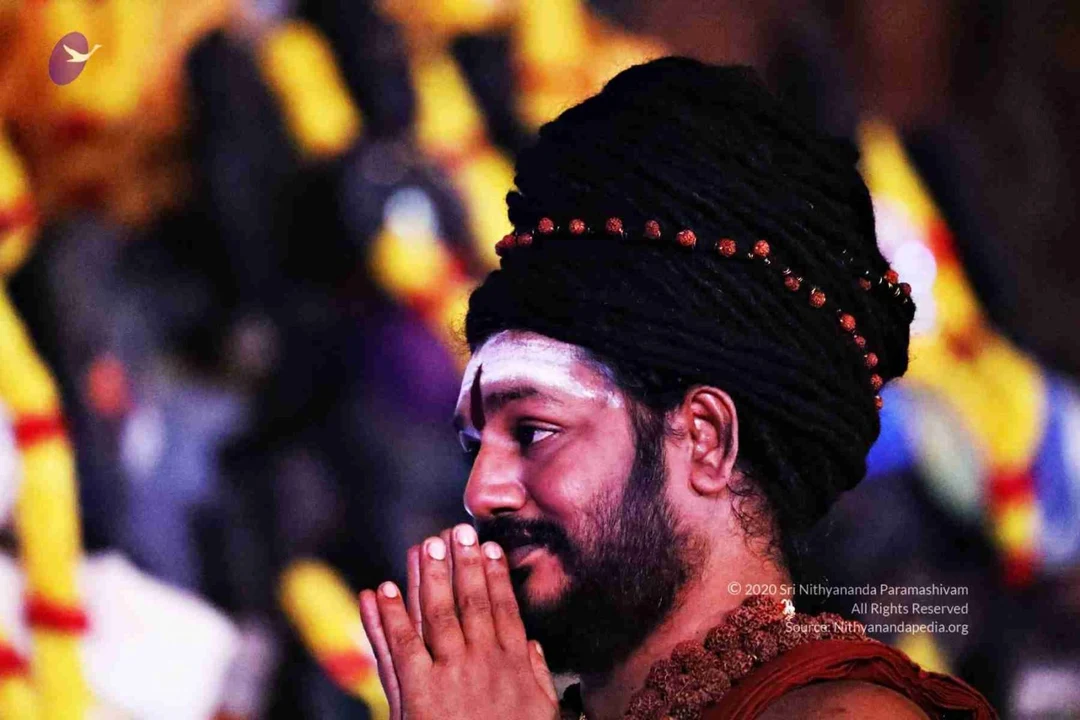 HDH Nithyananda Paramashivam at the grand event of Jeevan Mukthi aushadha process
 HDH Nithyananda Paramashivam at the grand event of Jeevan Mukthi aushadha process
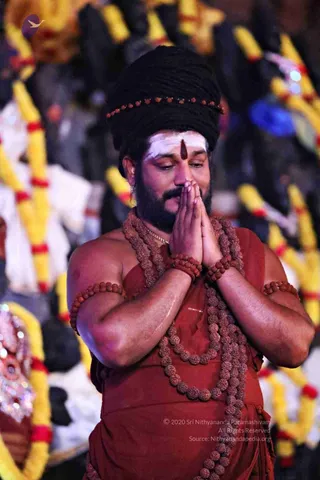 HDH Nithyananda Paramashivam at the grand event of Jeevan Mukthi aushadha process
 HDH Nithyananda Paramashivam at the grand event of Jeevan Mukthi aushadha process
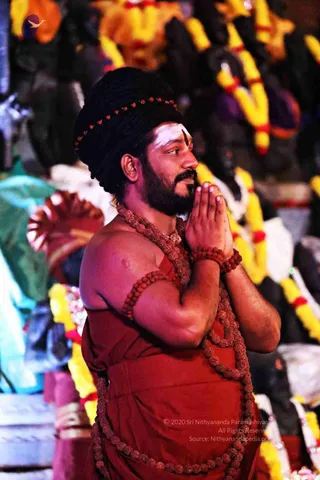 HDH Nithyananda Paramashivam at the grand event of Jeevan Mukthi aushadha process
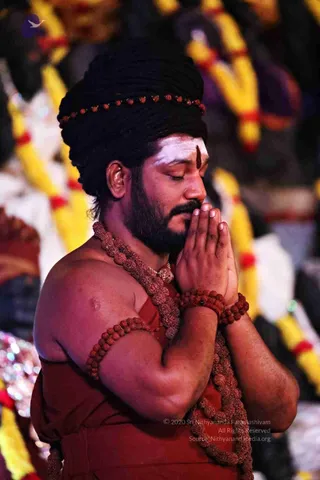 HDH Nithyananda Paramashivam at the grand event of Jeevan Mukthi aushadha process
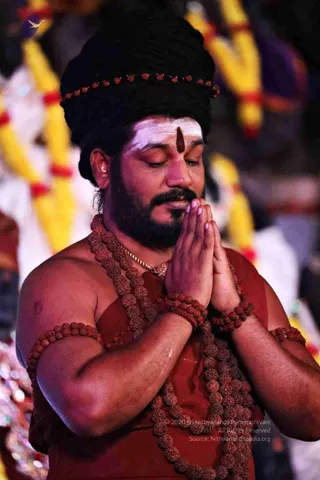 HDH Nithyananda Paramashivam at the grand event of Jeevan Mukthi aushadha process
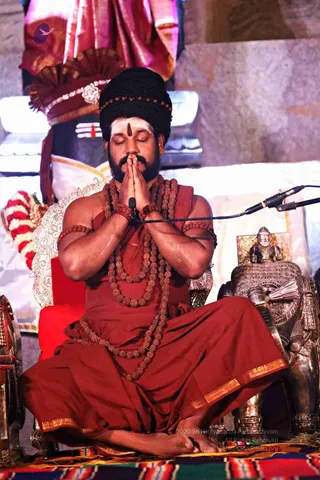 HDH Nithyananda Paramashivam at the grand event of Jeevan Mukthi aushadha process
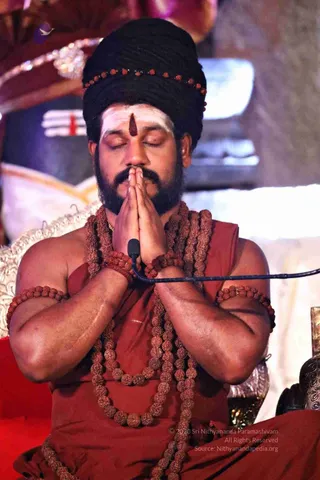 HDH Nithyananda Paramashivam at the grand event of Jeevan Mukthi aushadha process
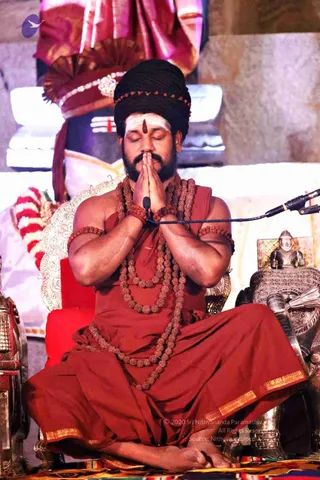 HDH Nithyananda Paramashivam at the grand event of Jeevan Mukthi aushadha process
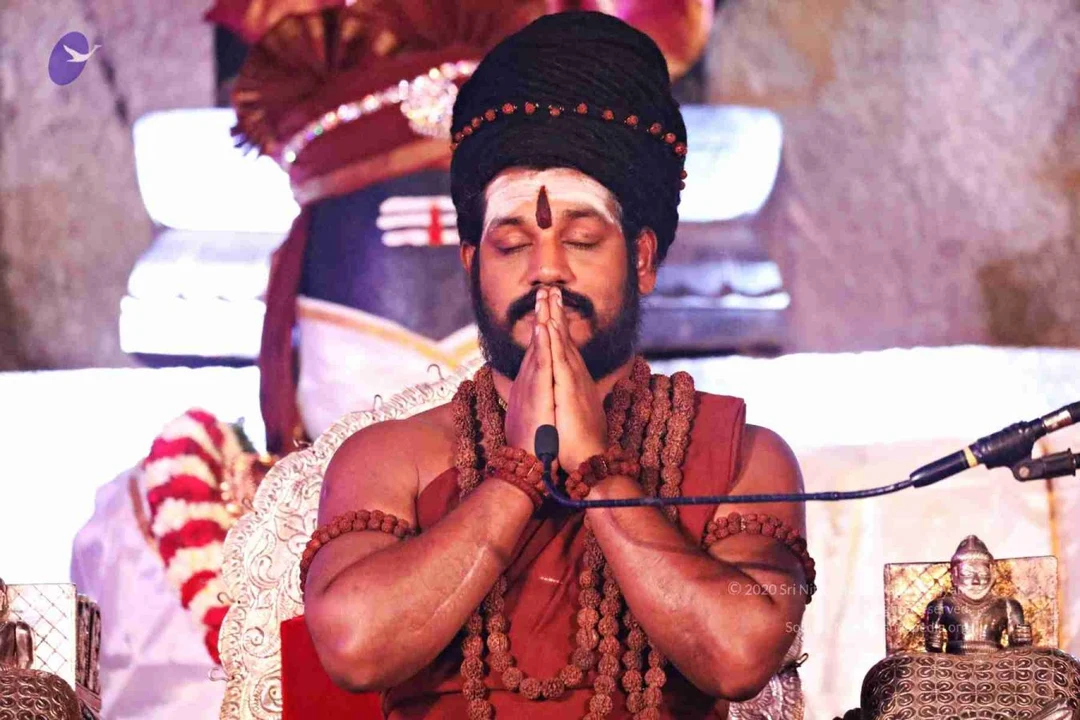 HDH Nithyananda Paramashivam at the grand event of Jeevan Mukthi aushadha process
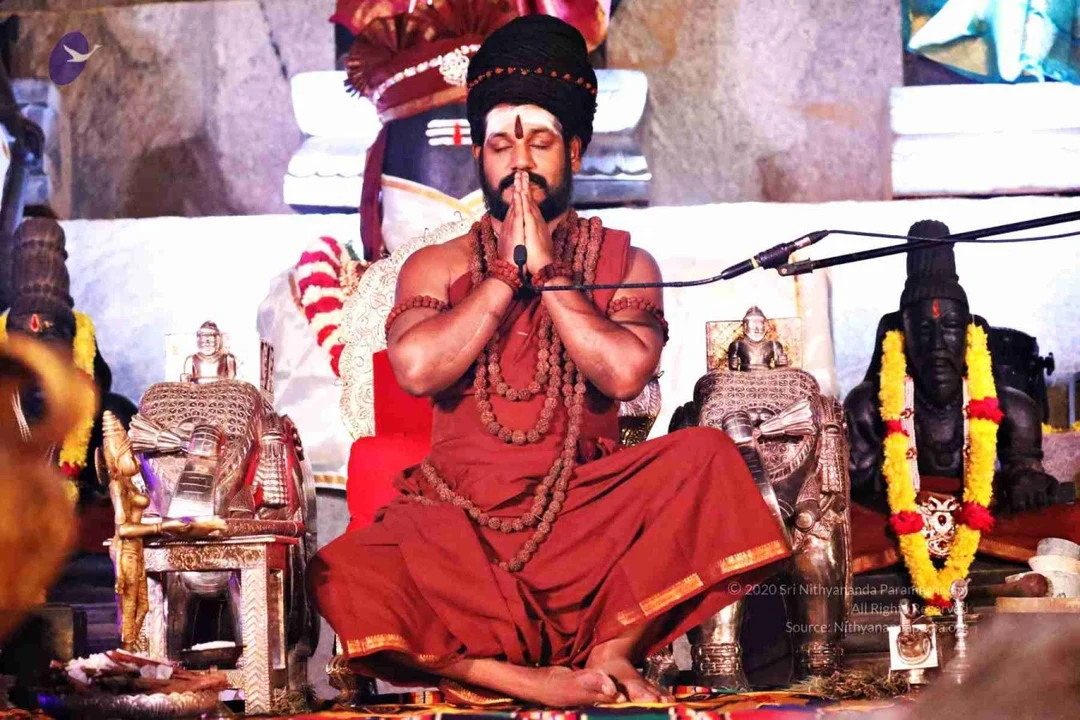 HDH Nithyananda Paramashivam at the grand event of Jeevan Mukthi aushadha process
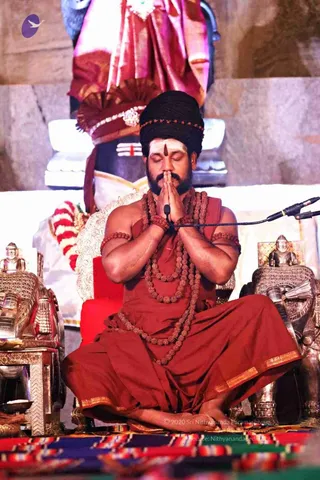 HDH Nithyananda Paramashivam at the grand event of Jeevan Mukthi aushadha process
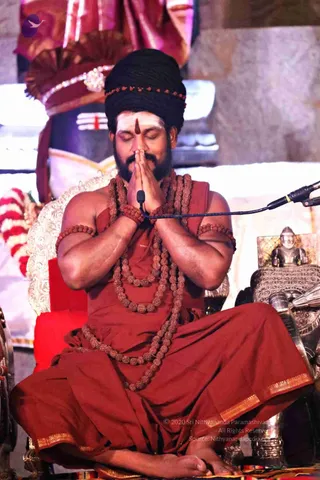 HDH Nithyananda Paramashivam at the grand event of Jeevan Mukthi aushadha process
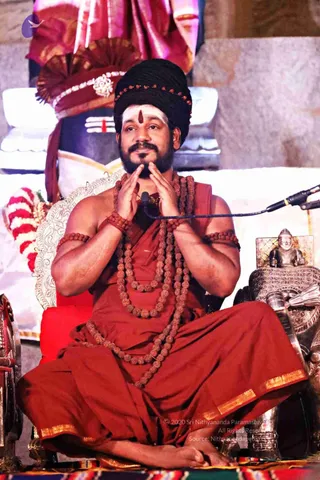 HDH Nithyananda Paramashivam at the grand event of Jeevan Mukthi aushadha process
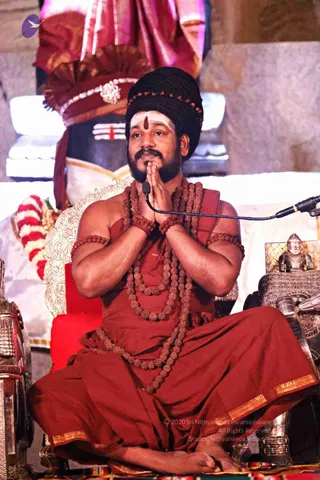 HDH Nithyananda Paramashivam at the grand event of Jeevan Mukthi aushadha process
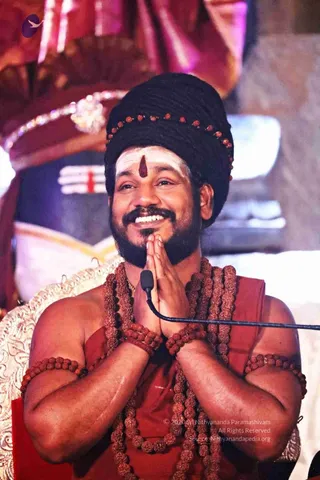 HDH Nithyananda Paramashivam at the grand event of Jeevan Mukthi aushadha process
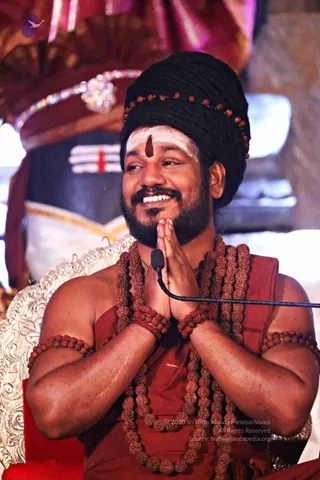 HDH Nithyananda Paramashivam at the grand event of Jeevan Mukthi aushadha process
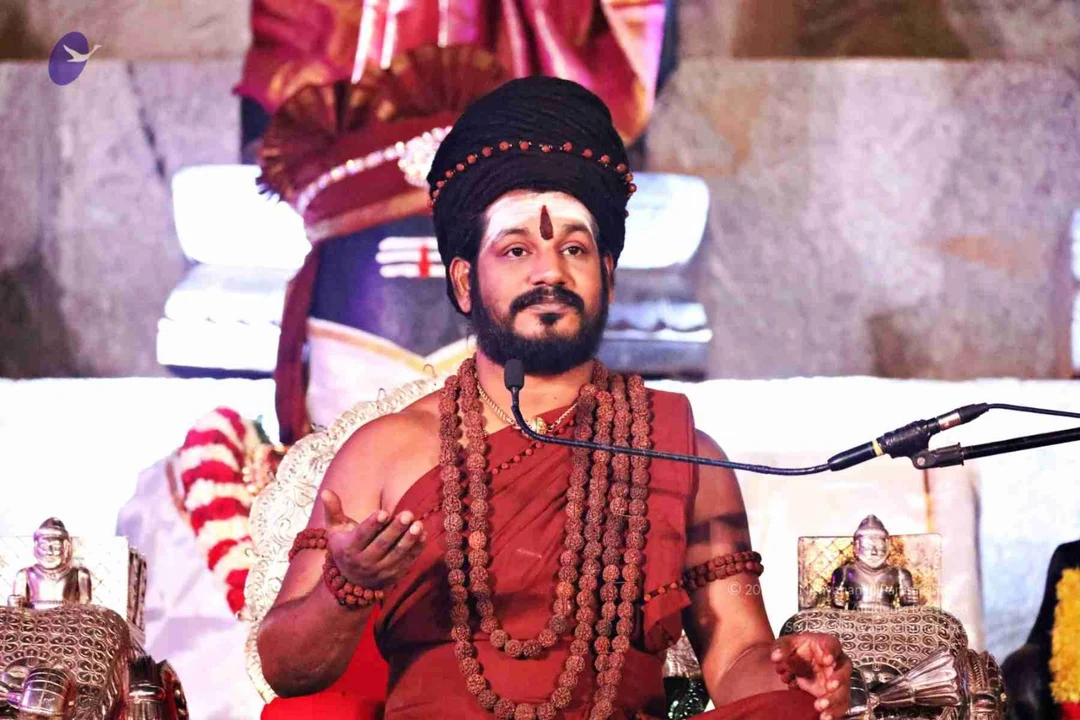 Intensity is enlightenment
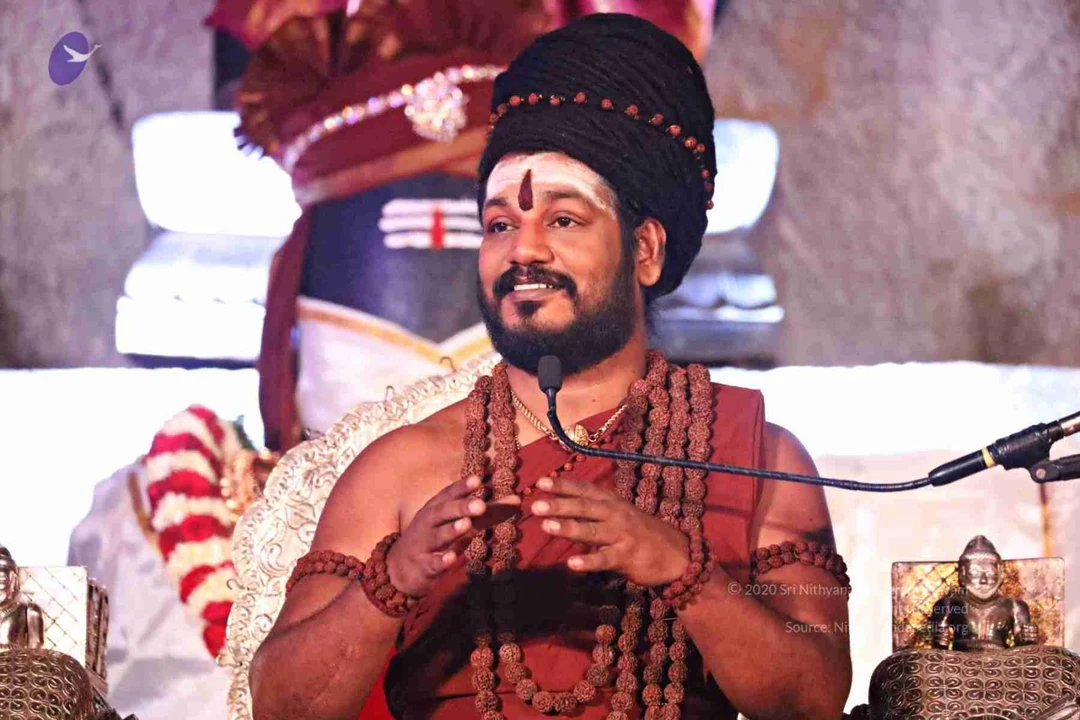 Intensity is enlightenment
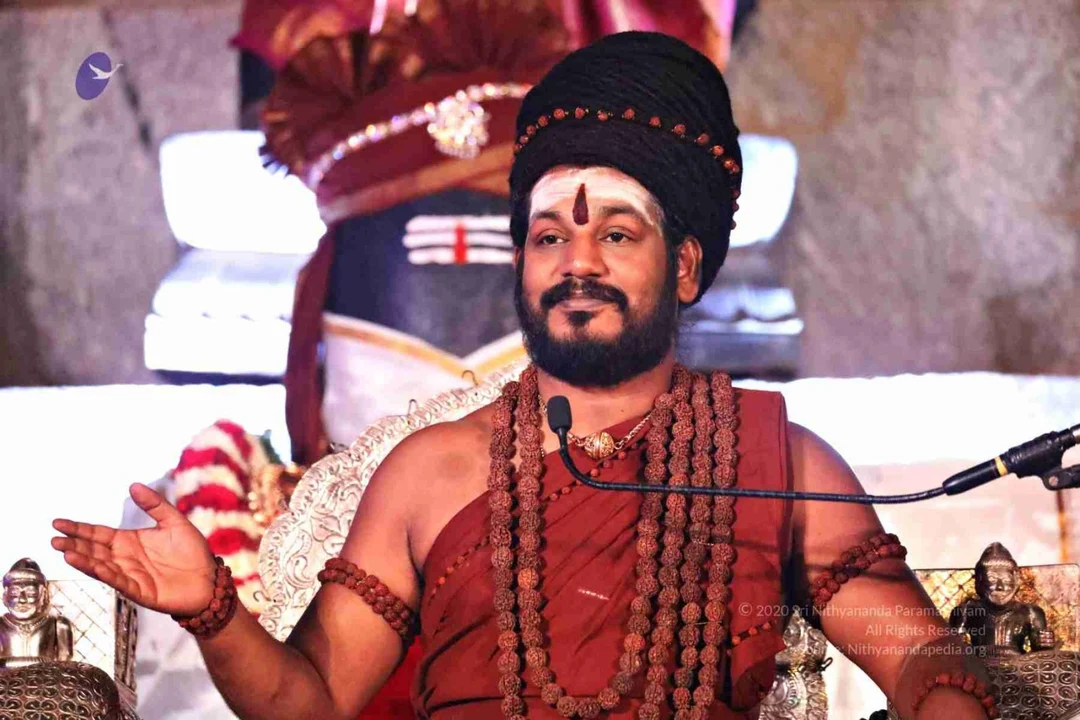 Intensity is enlightenment
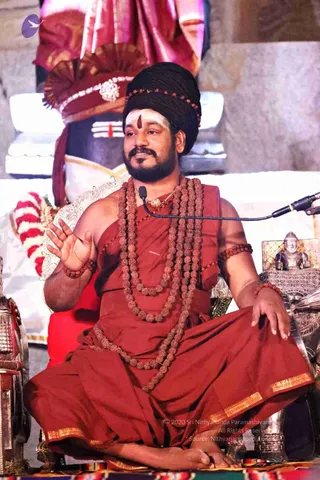 Intensity is enlightenment
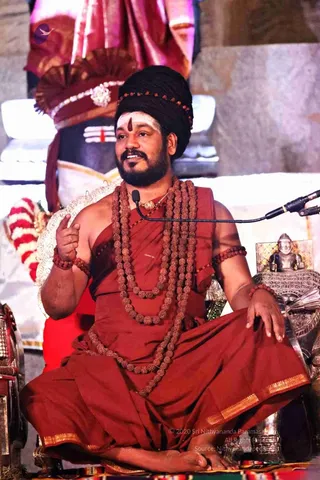 Intensity is enlightenment
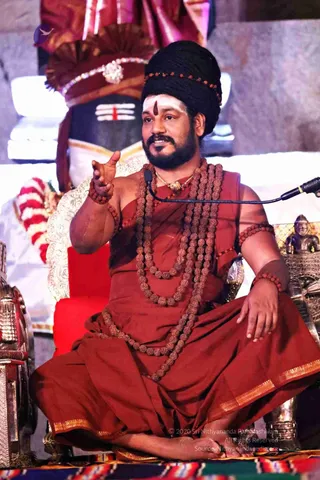 Intensity is enlightenment
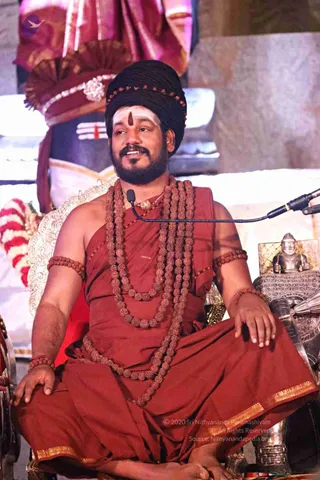 Intensity is enlightenment
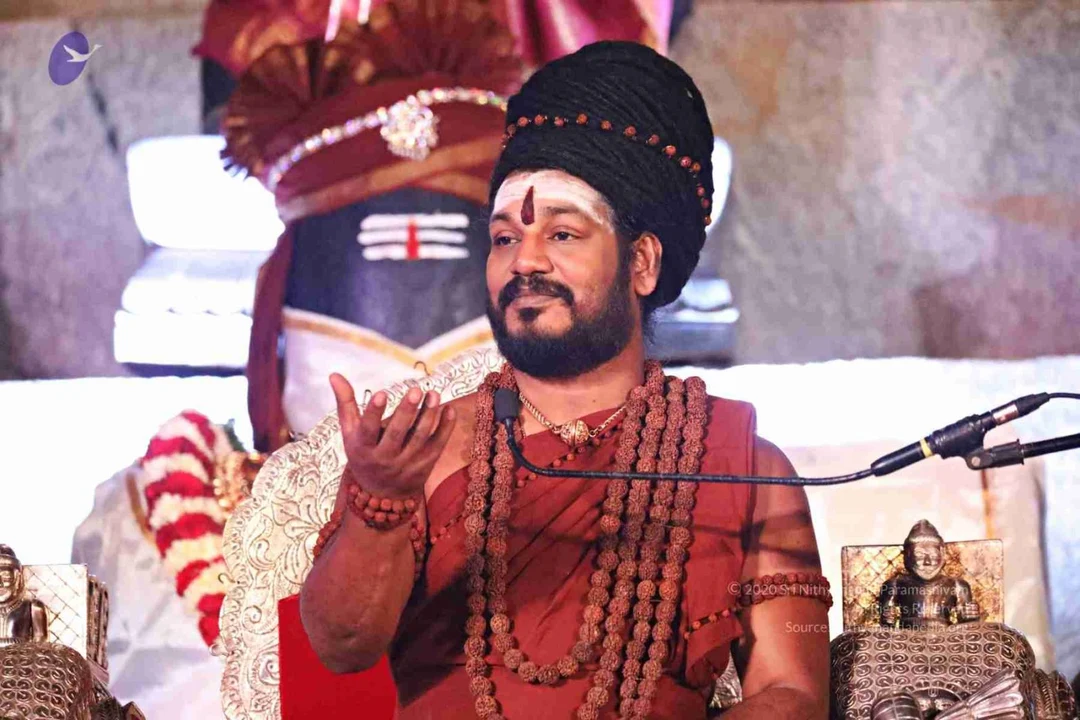 Intensity is enlightenment
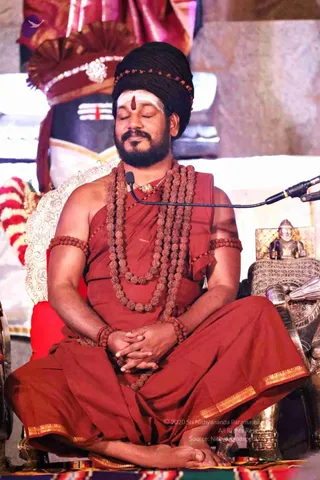 Intensity is enlightenment
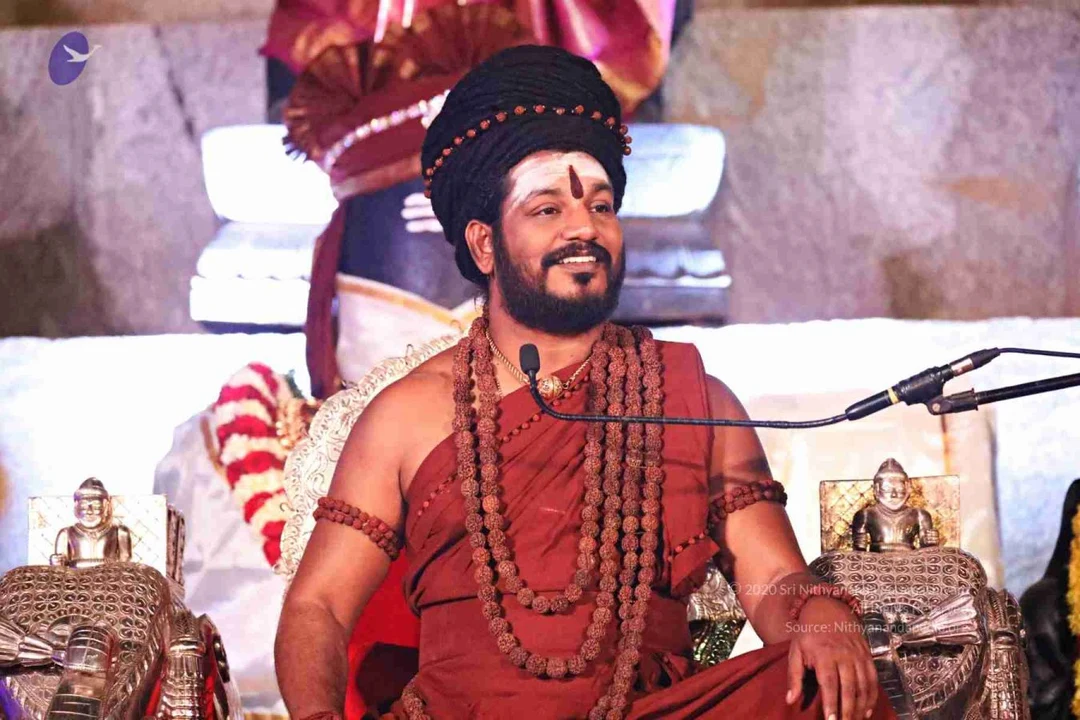 Only aim of human life is to enjoy the ultimate luxury of Living Enlightenment
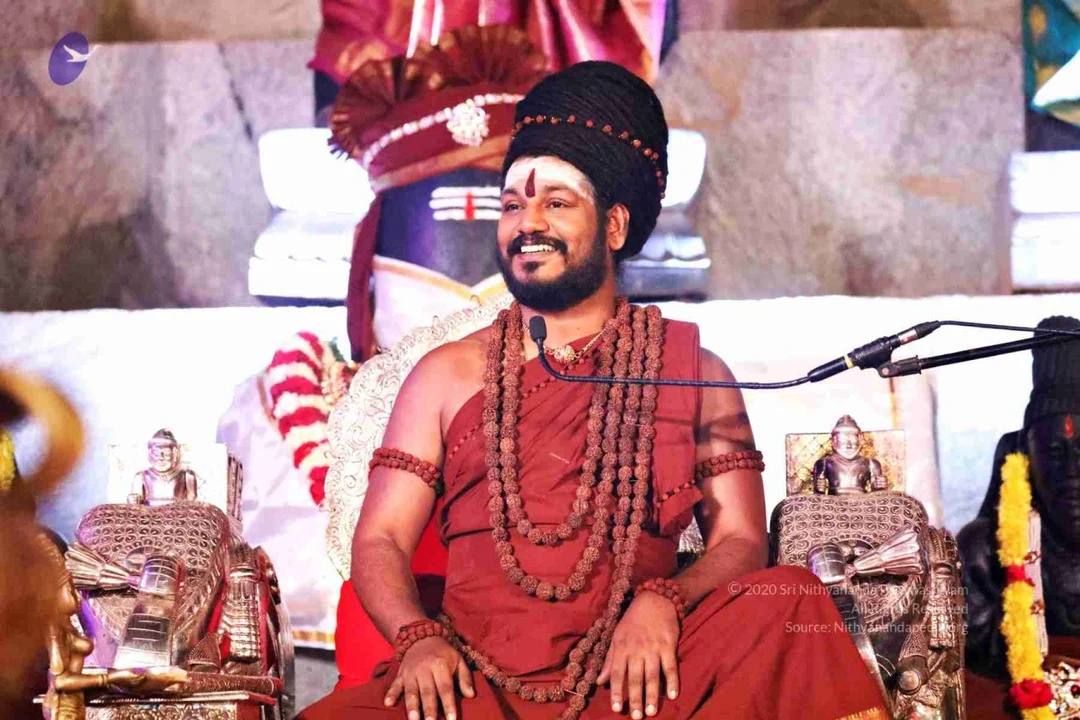 Only aim of human life is to enjoy the ultimate luxury of Living Enlightenment
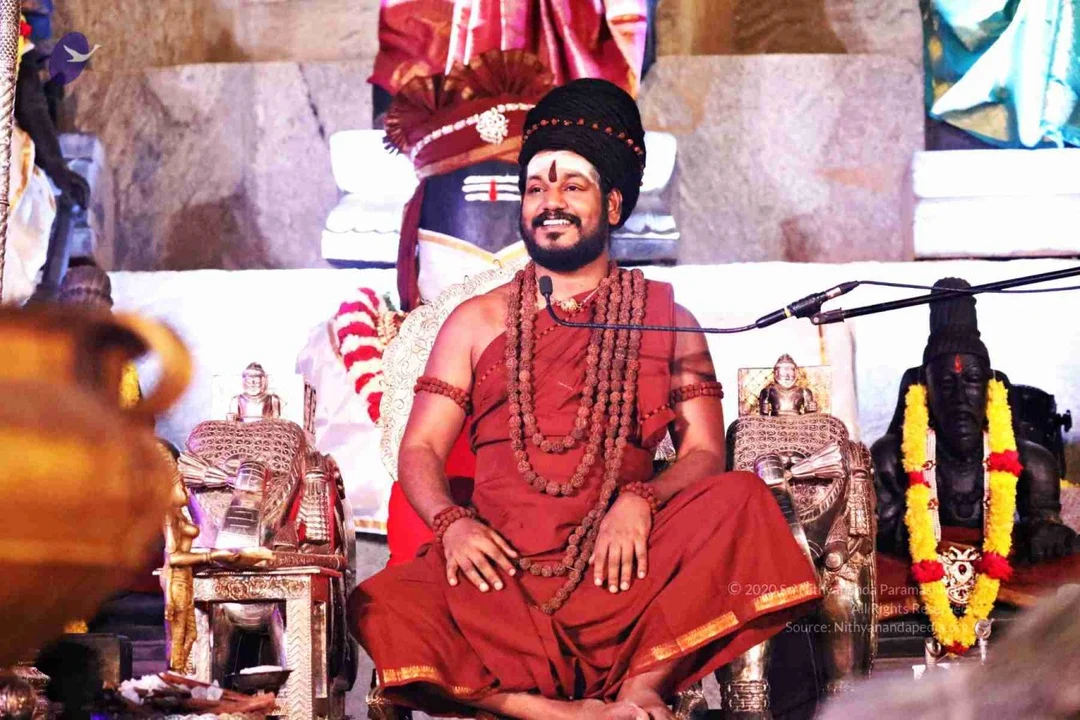 Only aim of human life is to enjoy the ultimate luxury of Living Enlightenment
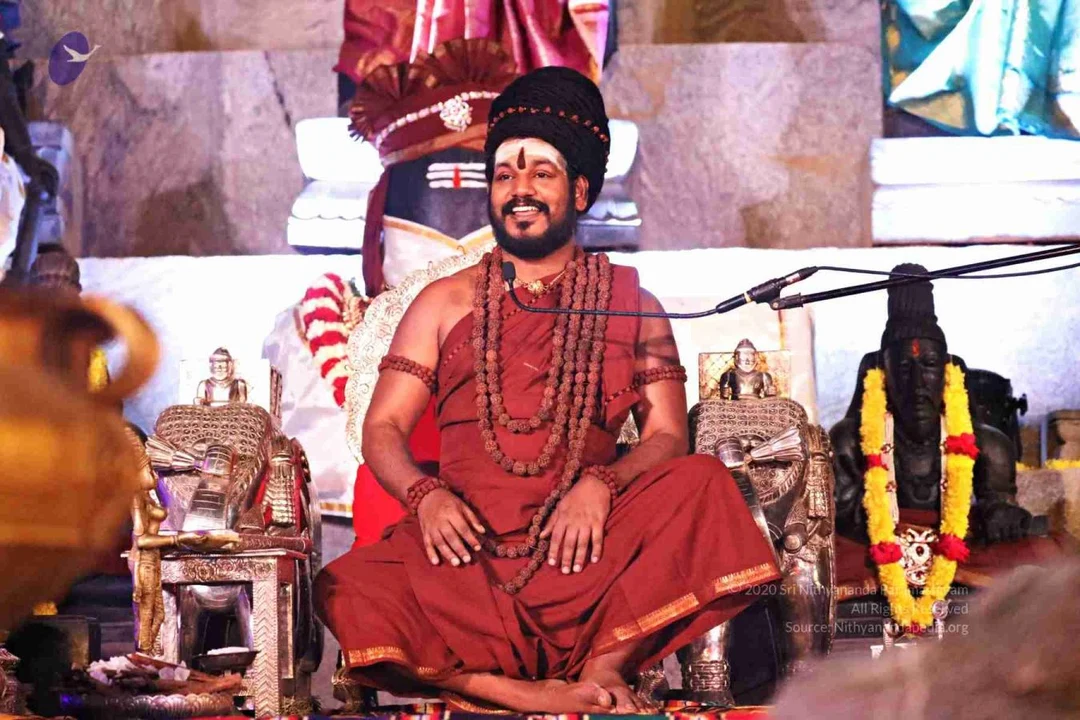 Only aim of human life is to enjoy the ultimate luxury of Living Enlightenment
 Only aim of human life is to enjoy the ultimate luxury of Living Enlightenment
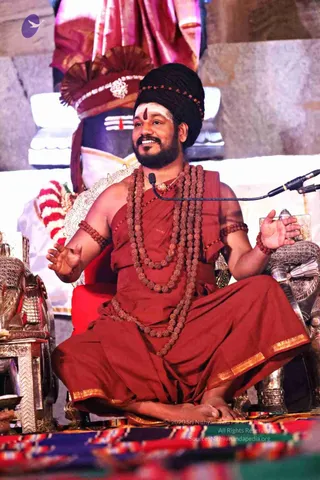 Only aim of human life is to enjoy the ultimate luxury of Living Enlightenment
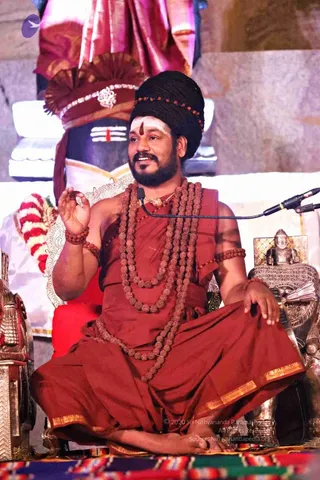 Only aim of human life is to enjoy the ultimate luxury of Living Enlightenment
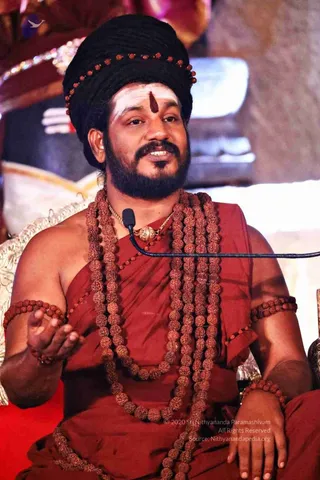 Only aim of human life is to enjoy the ultimate luxury of Living Enlightenment
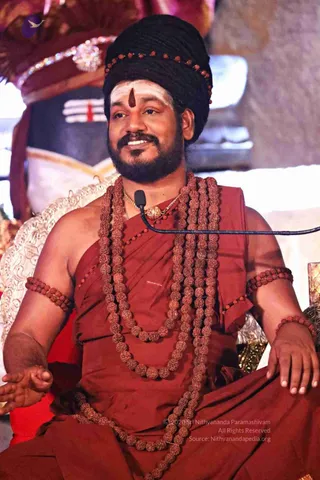 Only aim of human life is to enjoy the ultimate luxury of Living Enlightenment
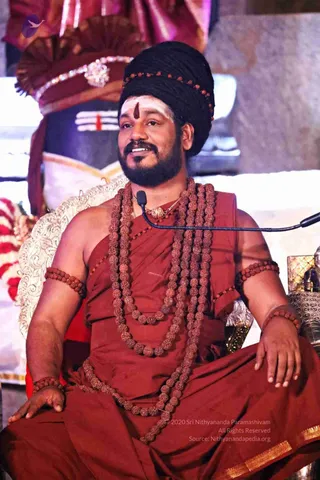 Only aim of human life is to enjoy the ultimate luxury of Living Enlightenment
 Only aim of human life is to enjoy the ultimate luxury of Living Enlightenment
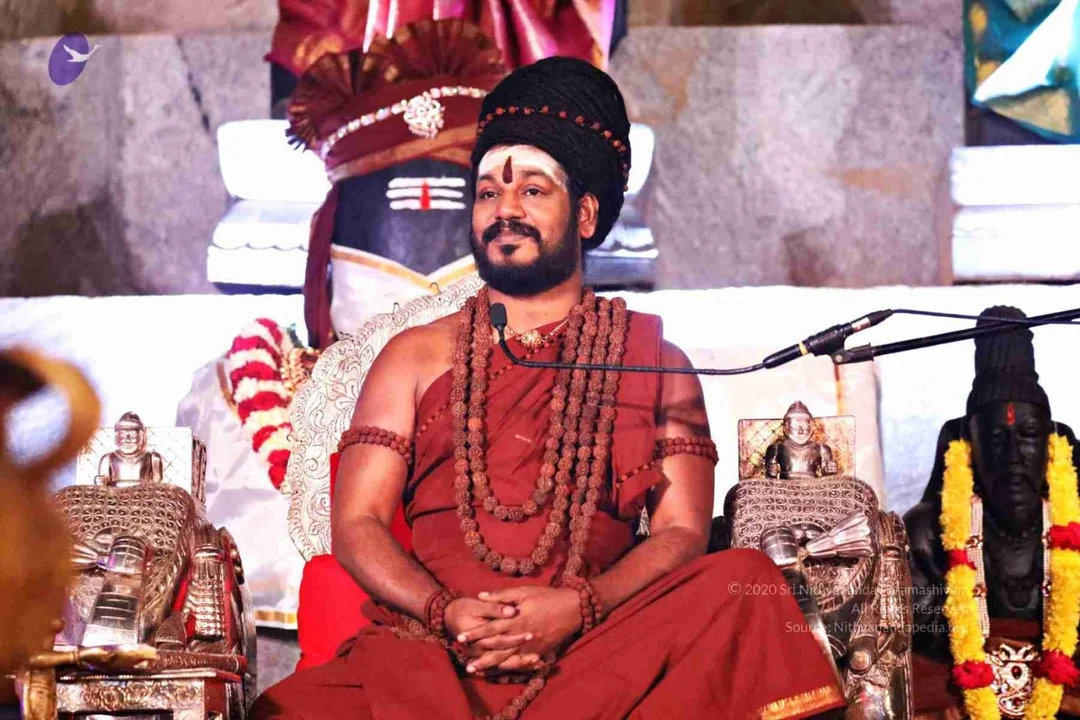 Experience super consciousness, actualize your ultimate potential
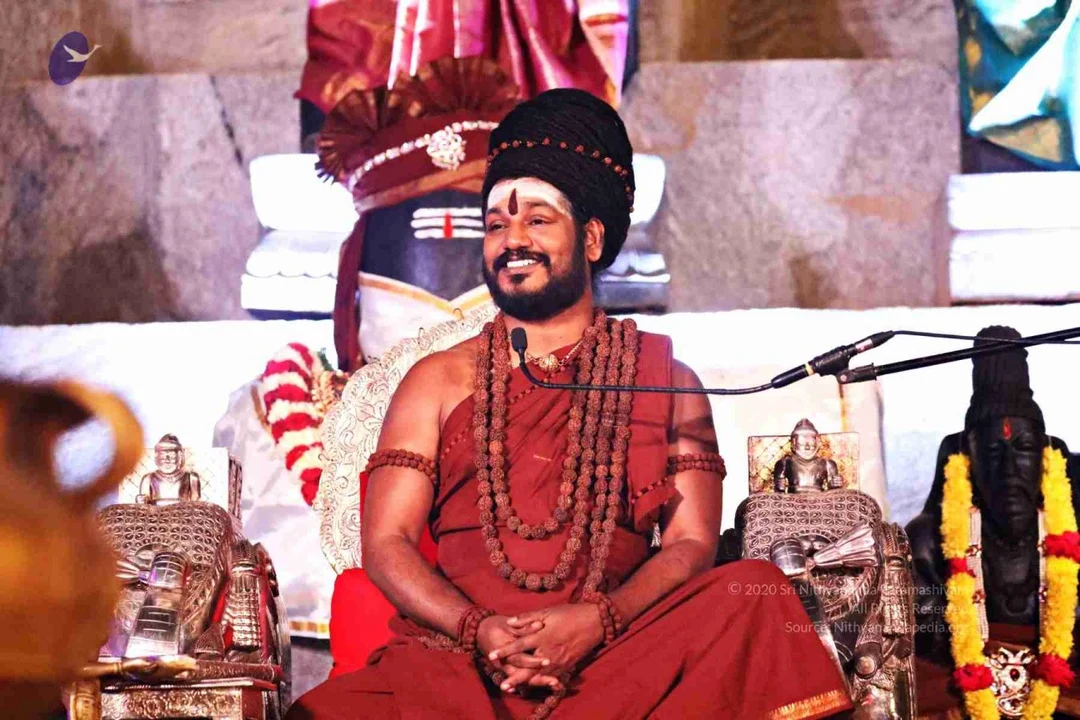 Experience super consciousness, actualize your ultimate potential
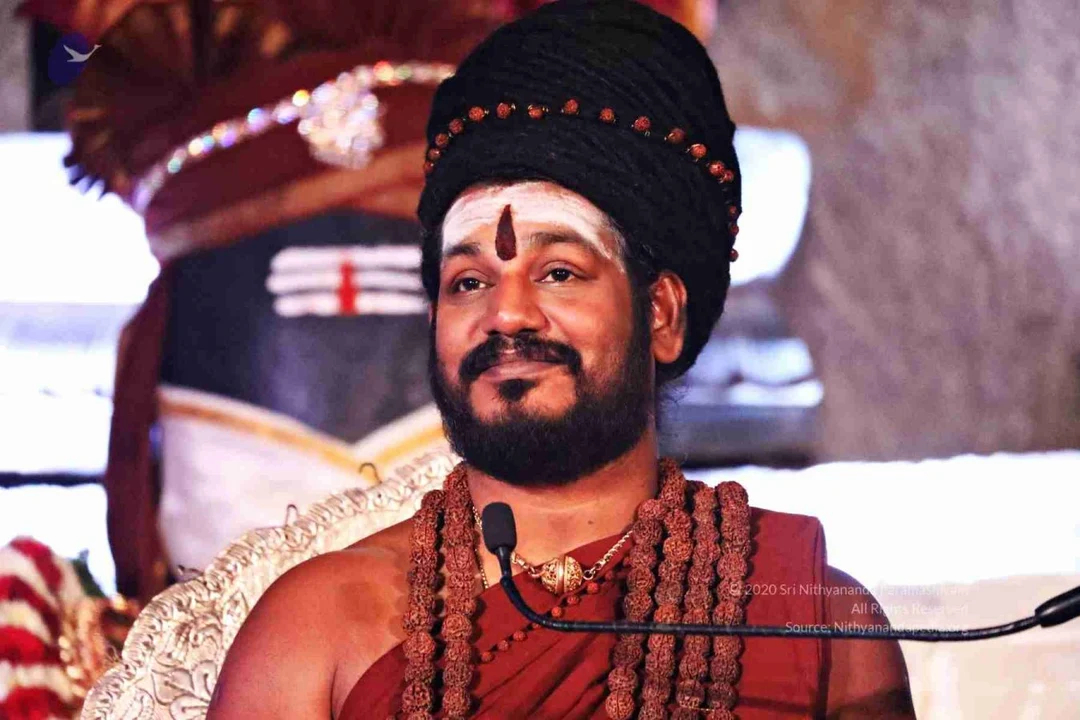 Experience super consciousness, actualize your ultimate potential
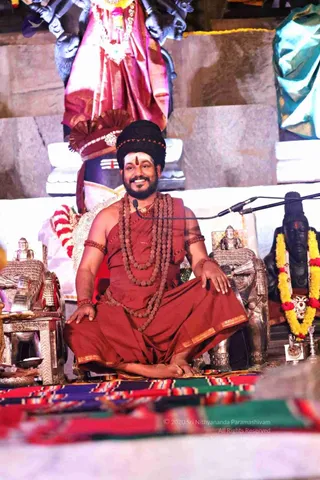 Experience super consciousness, actualize your ultimate potential
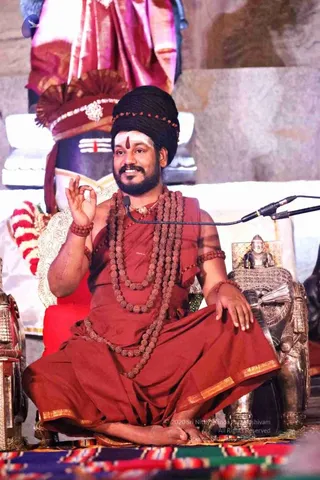 Experience super consciousness, actualize your ultimate potential
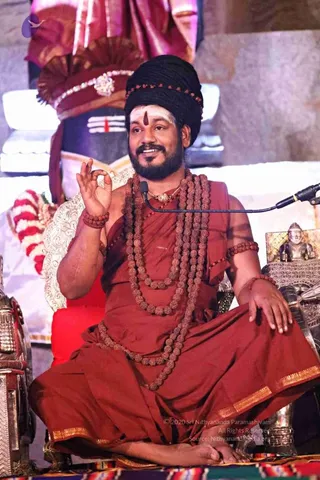 Experience super consciousness, actualize your ultimate potential
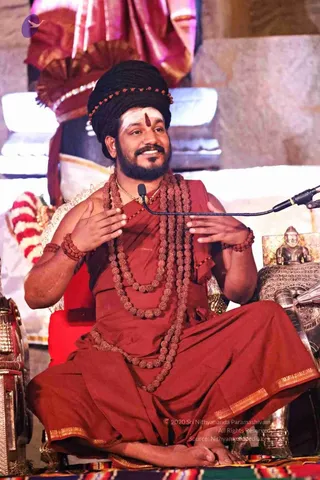 Experience super consciousness, actualize your ultimate potential
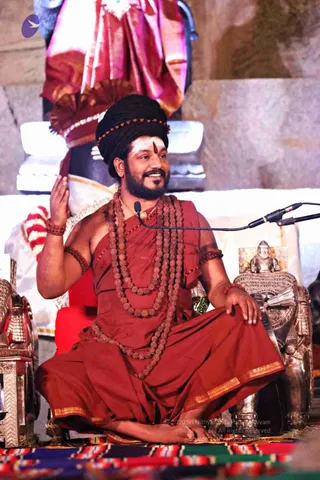 Experience super consciousness, actualize your ultimate potential
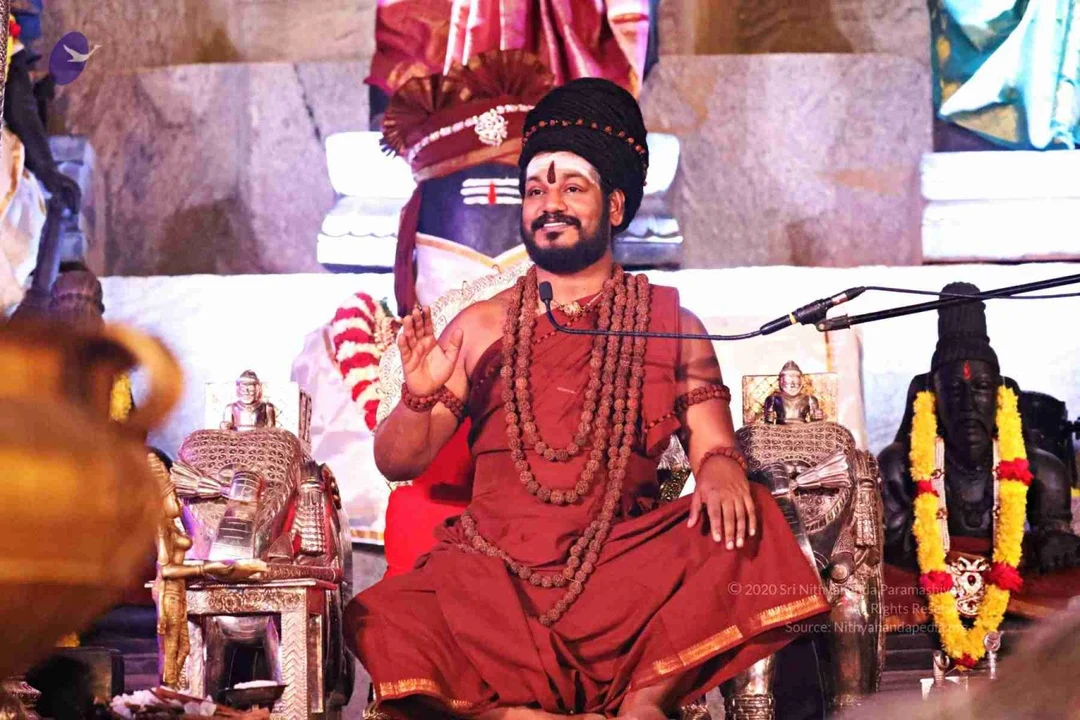 Living Enlightenment is Gospel of HDH Nithyananda Paramashivam
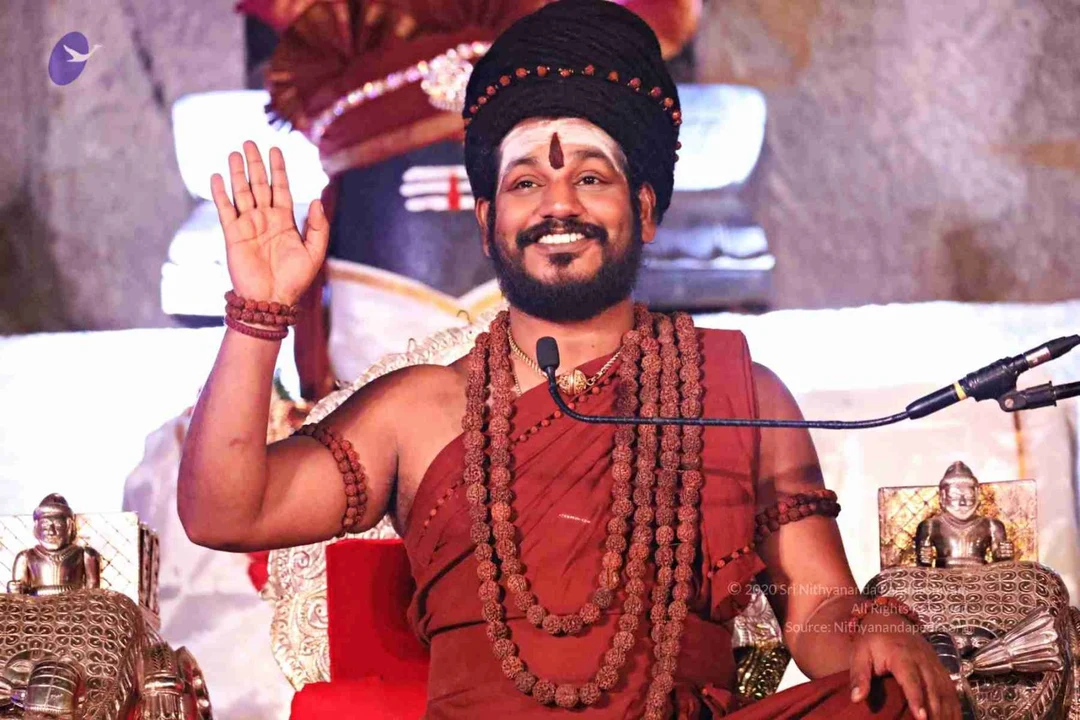 Living Enlightenment is Gospel of HDH Nithyananda Paramashivam
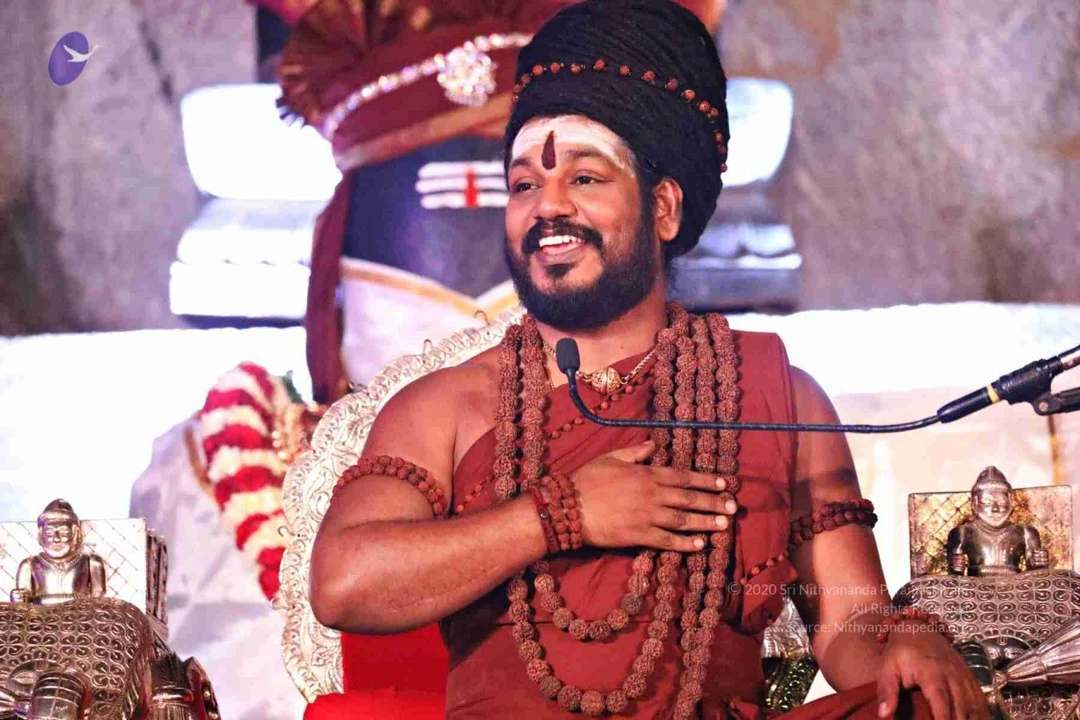 Living Enlightenment is Gospel of HDH Nithyananda Paramashivam
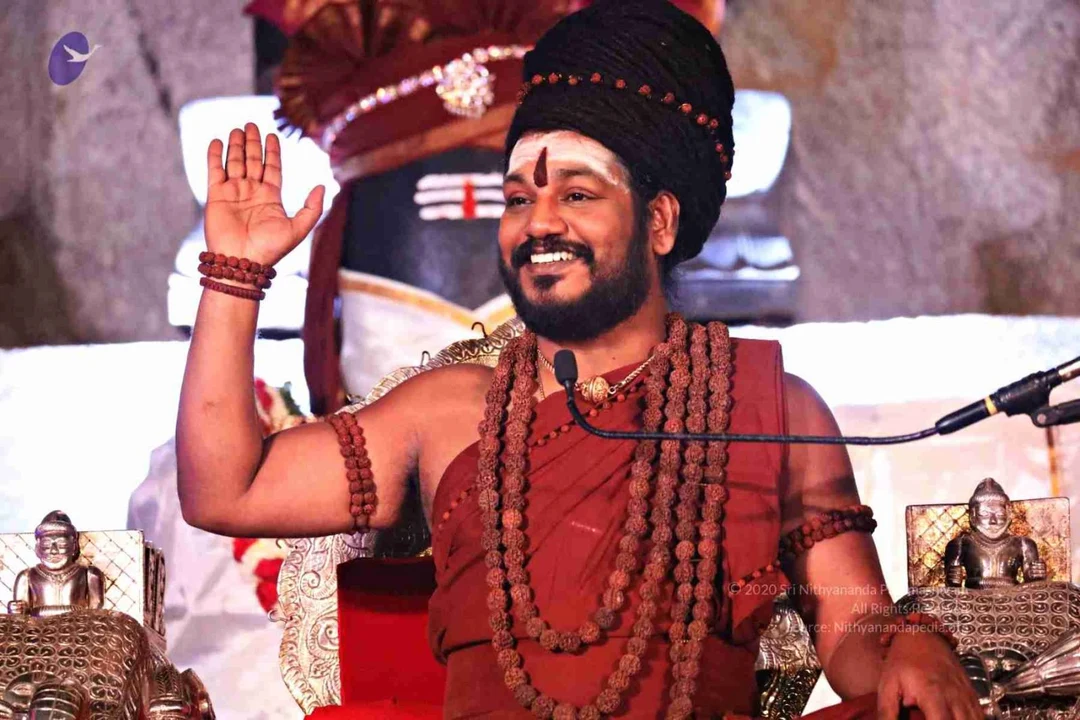 Living Enlightenment is Gospel of HDH Nithyananda Paramashivam
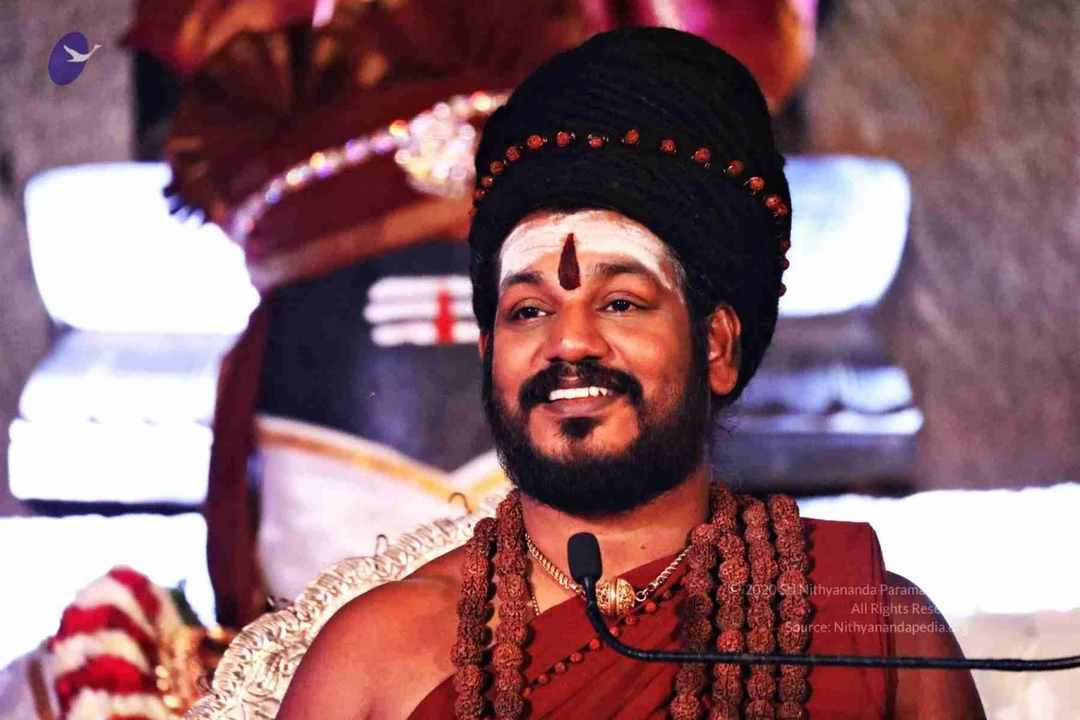 Living Enlightenment is Gospel of HDH Nithyananda Paramashivam
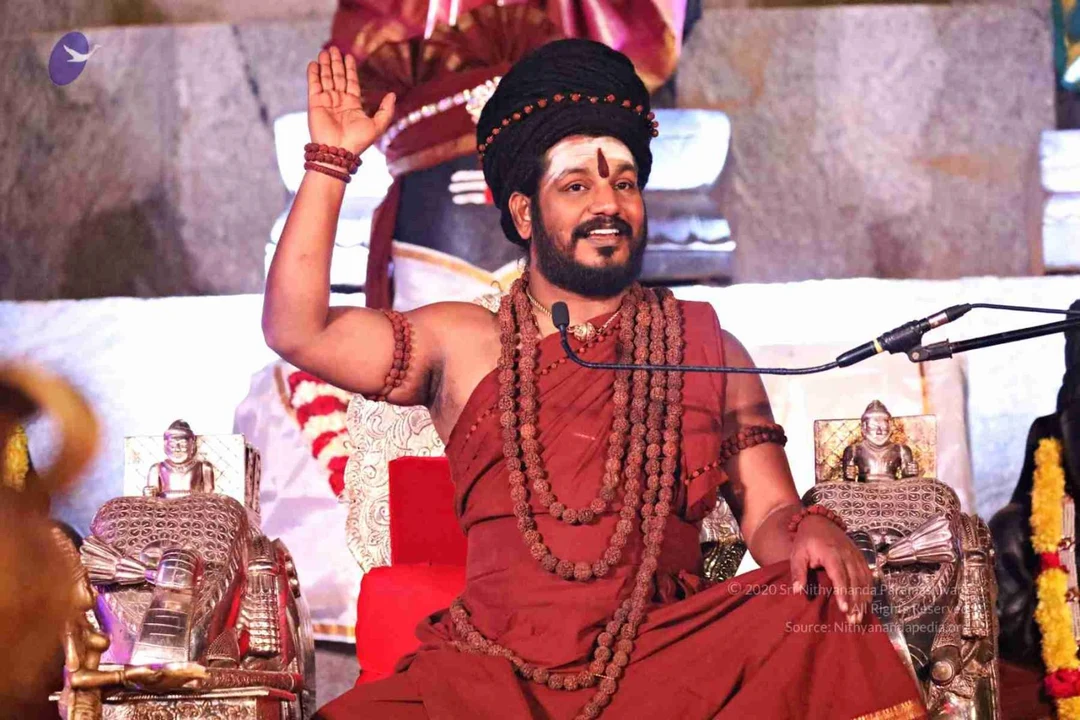 Living Enlightenment is Gospel of HDH Nithyananda Paramashivam
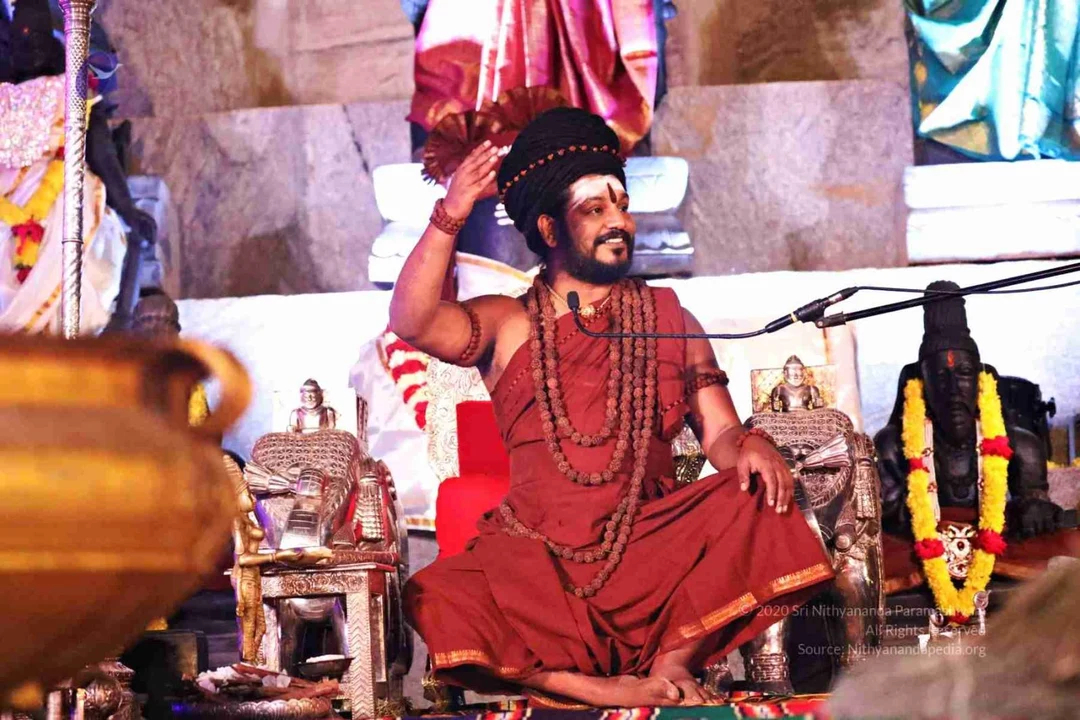 Living Enlightenment is Gospel of HDH Nithyananda Paramashivam
 Living Enlightenment is Gospel of HDH Nithyananda Paramashivam
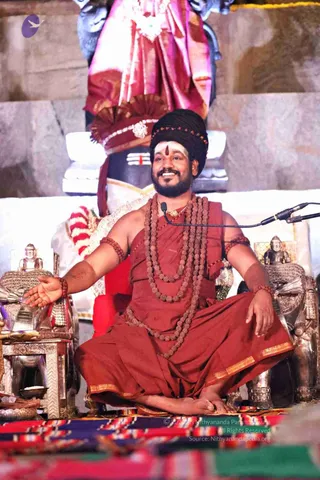 Living Enlightenment is Gospel of HDH Nithyananda Paramashivam
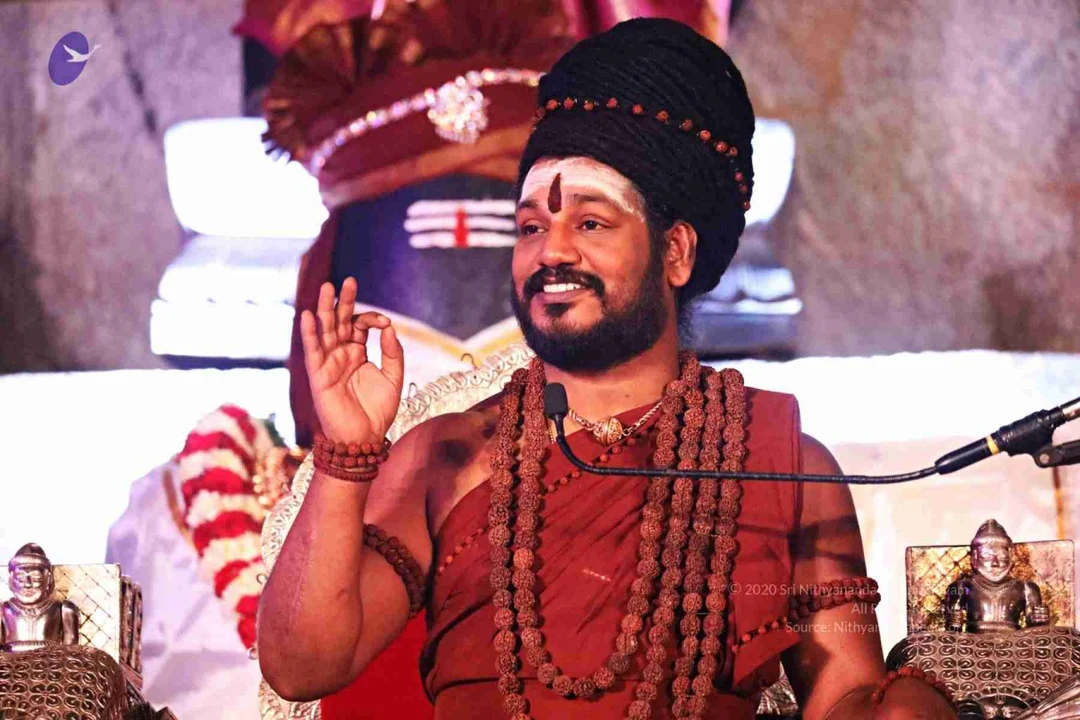 Living Enlightenment is Gospel of HDH Nithyananda Paramashivam
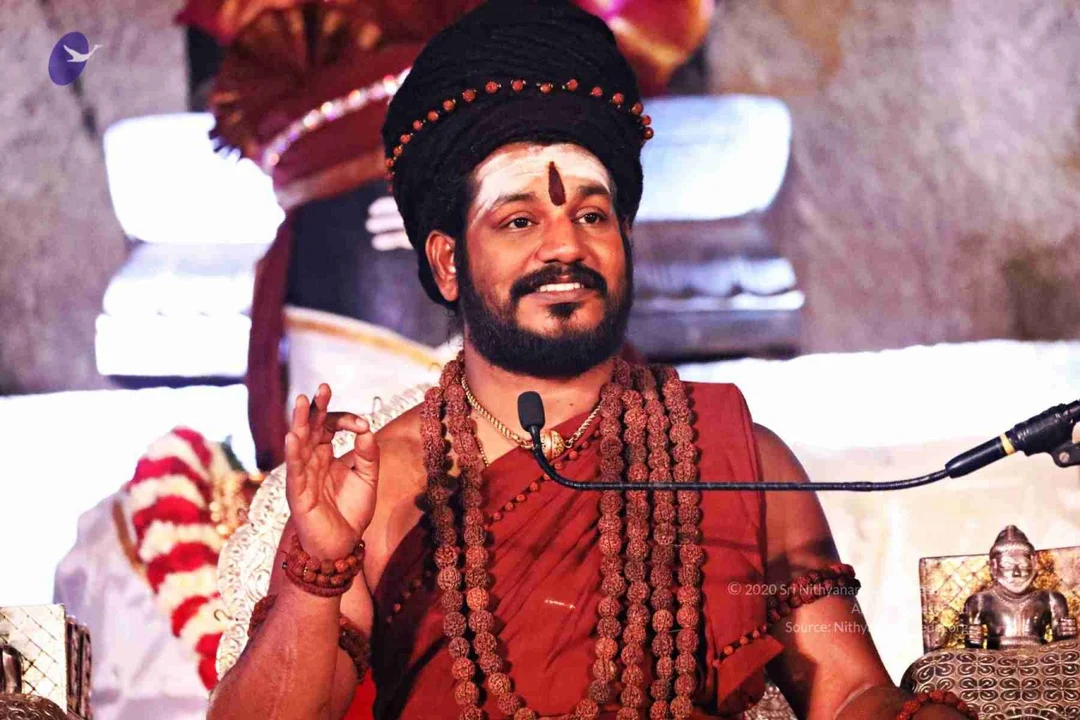 Living Enlightenment means living a conflict-free life
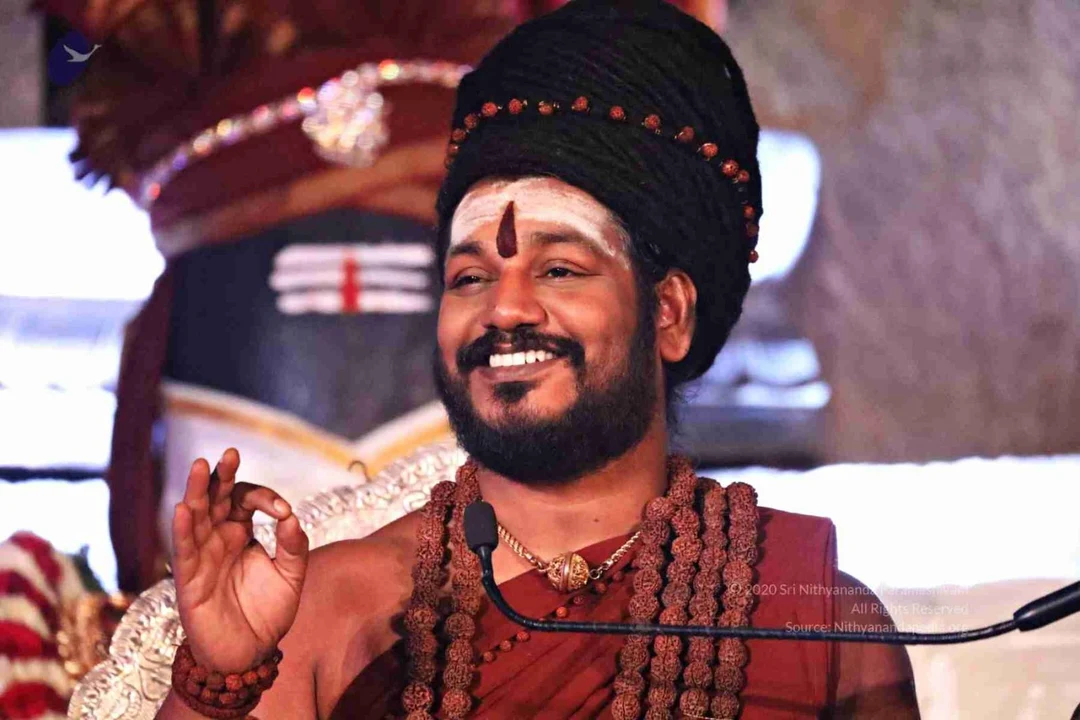 Living Enlightenment means living a conflict-free life
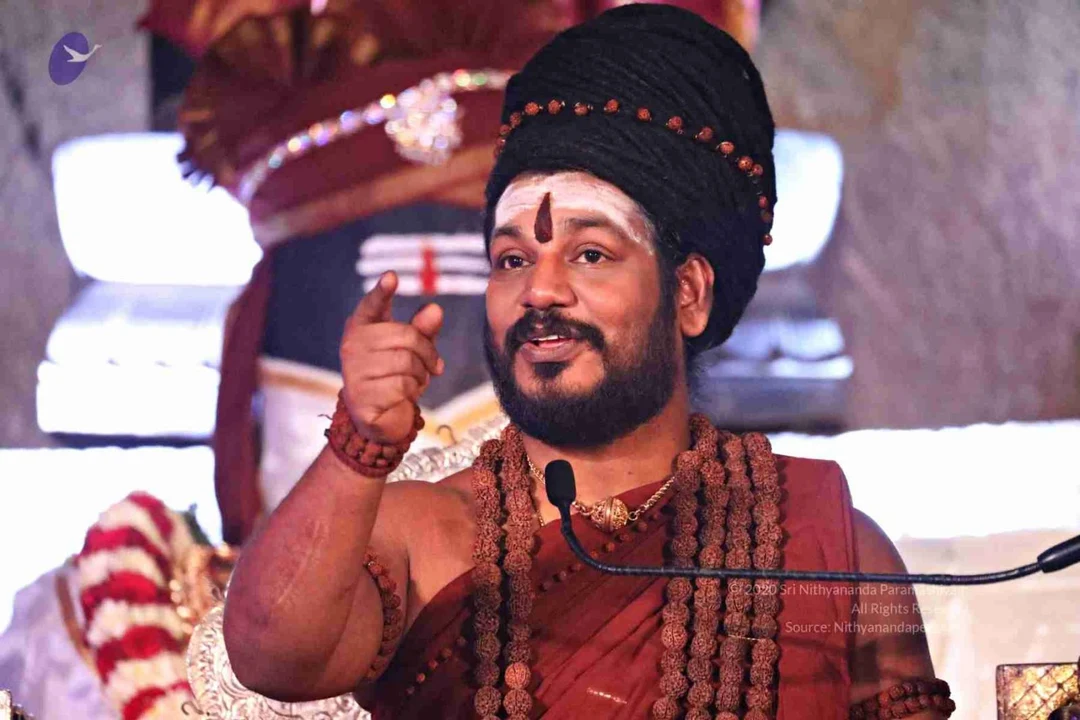 Living Enlightenment means living a conflict-free life
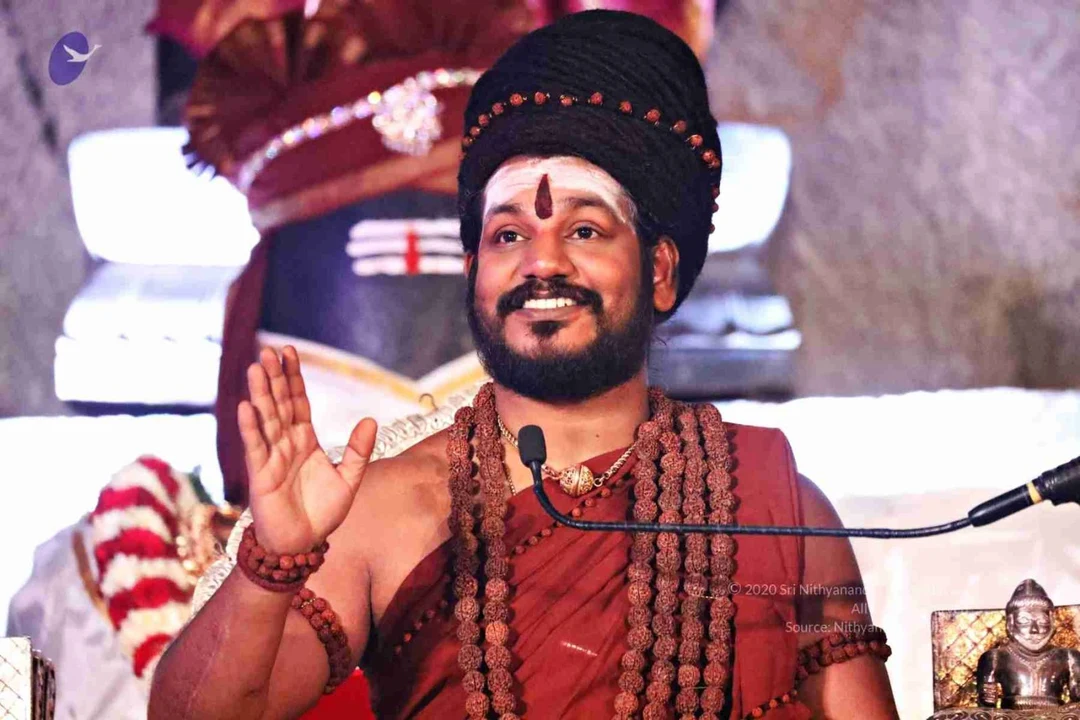 Living Enlightenment means living a conflict-free life
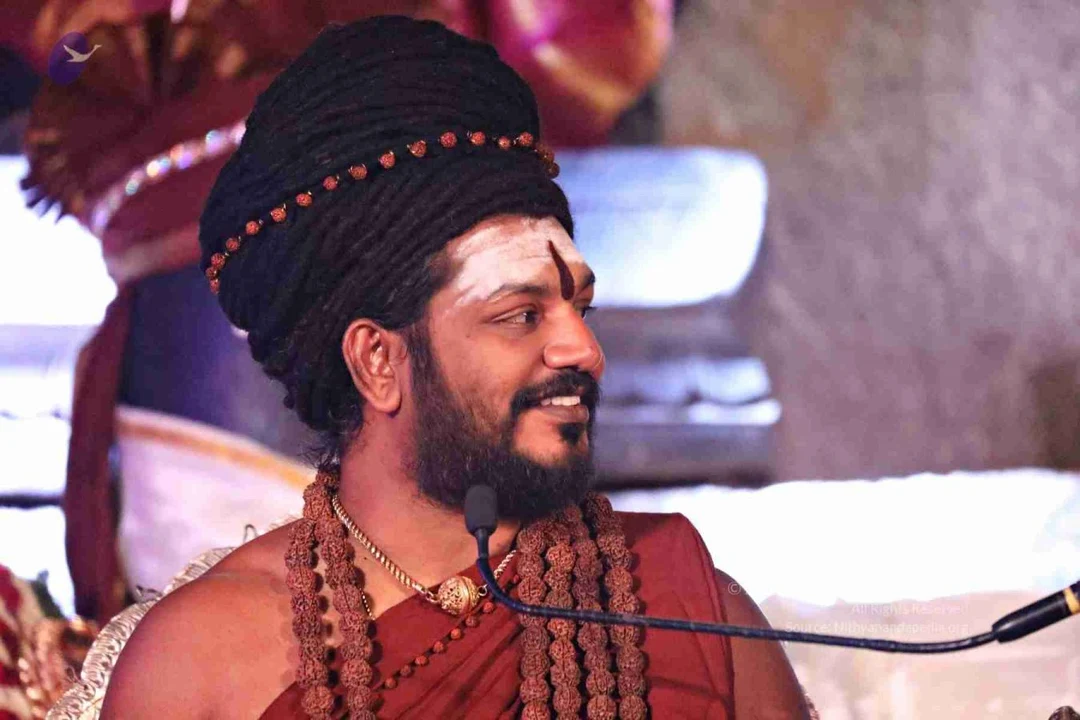 Living Enlightenment means living a conflict-free life
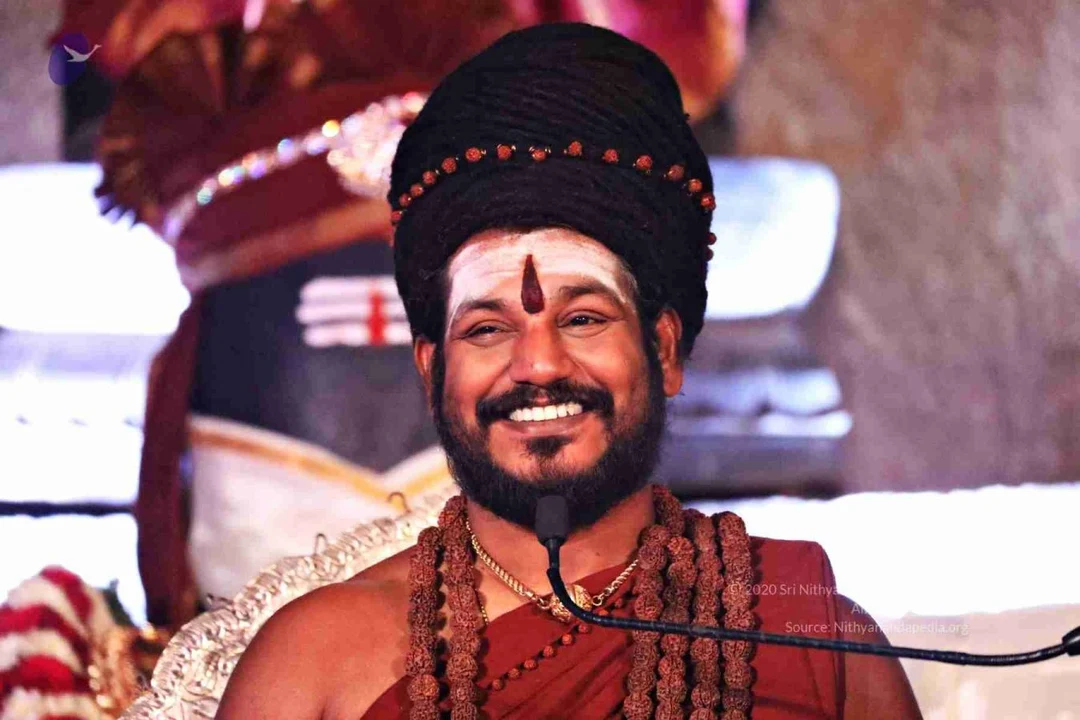 Living Enlightenment means living a conflict-free life
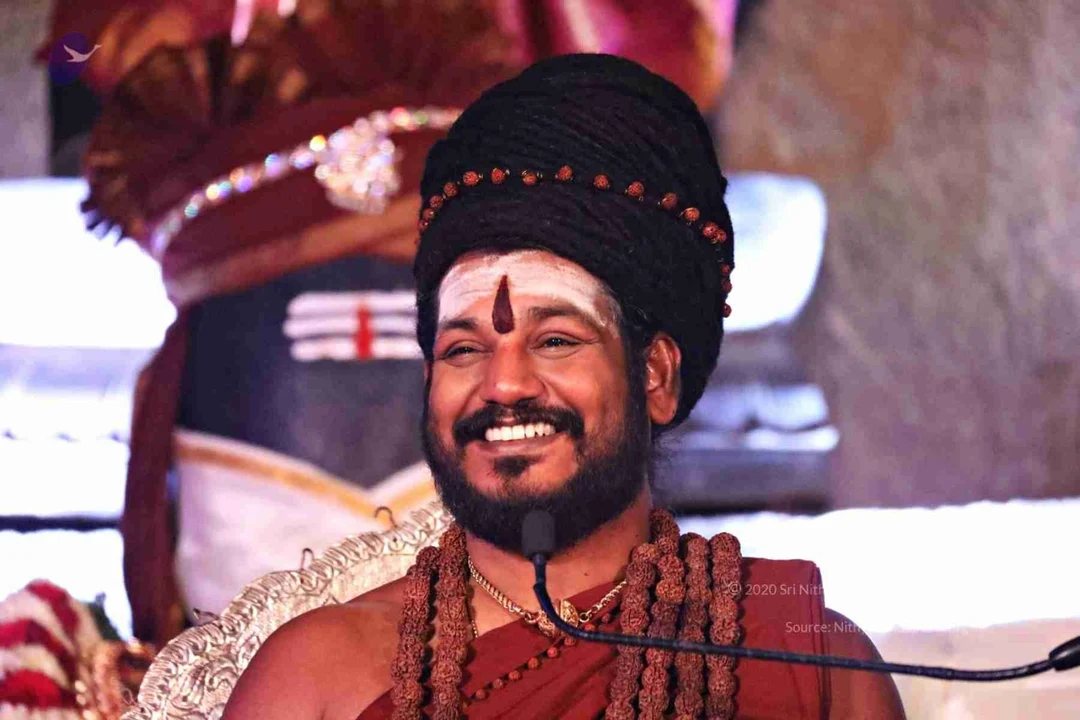 Living Enlightenment means living a conflict-free life
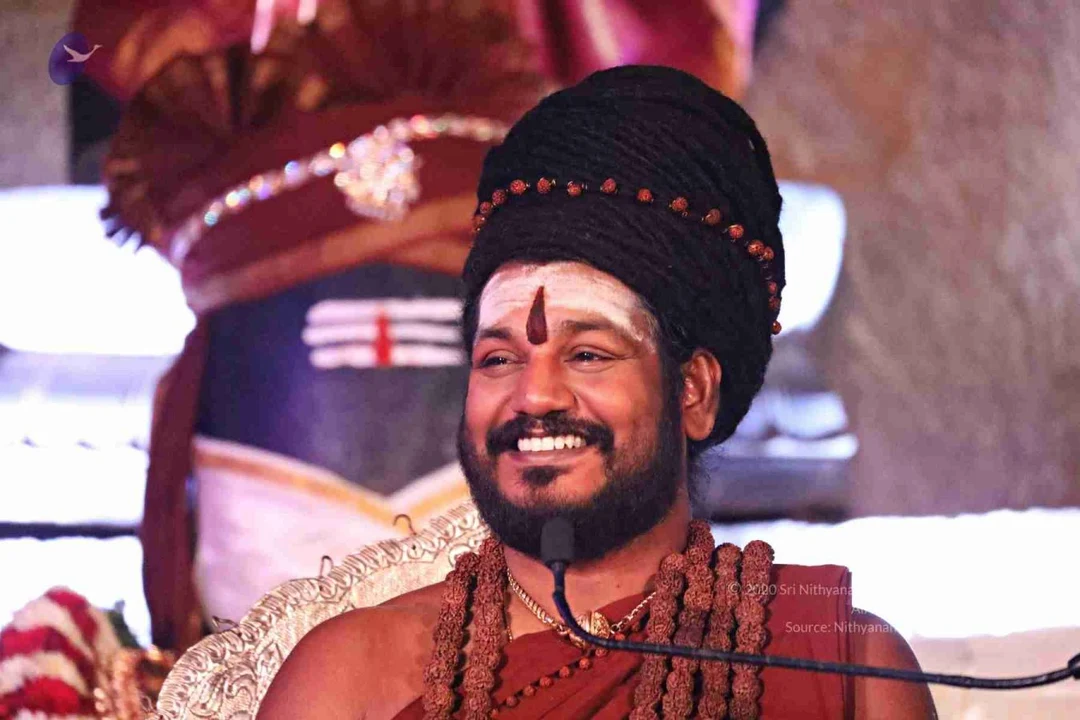 Jeevan Mukthi Jayanthi - Living Enlightenment
 Jeevan Mukthi Jayanthi - Living Enlightenment
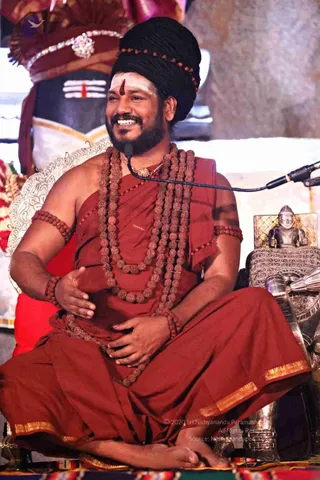 Jeevan Mukthi Jayanthi - Living Enlightenment
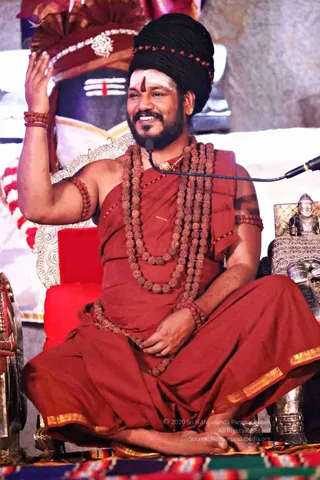 Jeevan Mukthi Jayanthi - Living Enlightenment
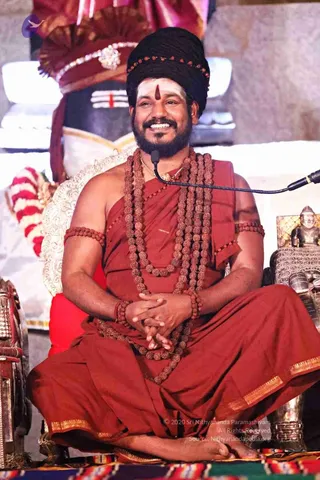 Jeevan Mukthi Jayanthi - Living Enlightenment
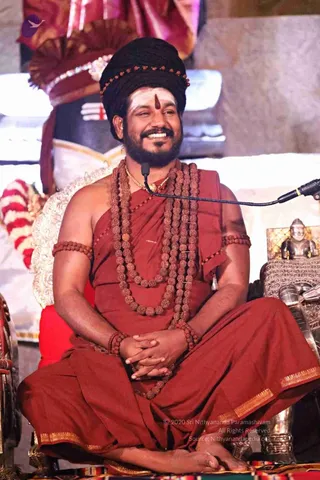 Jeevan Mukthi Jayanthi - Living Enlightenment
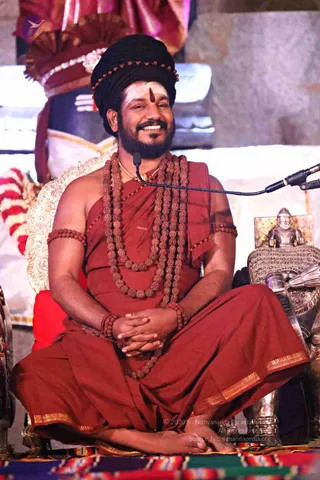 Jeevan Mukthi Jayanthi - Living Enlightenment
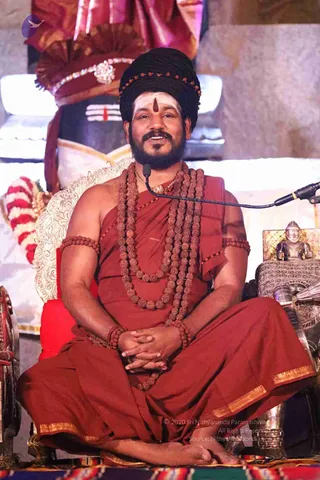 The only gap between you and enlightenment is intensity
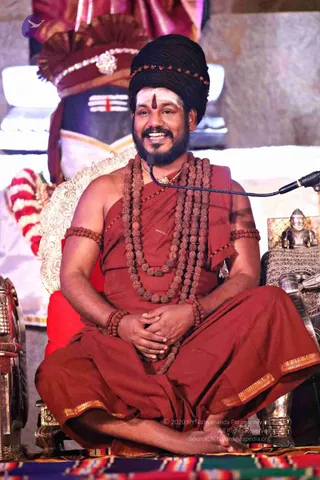 The only gap between you and enlightenment is intensity
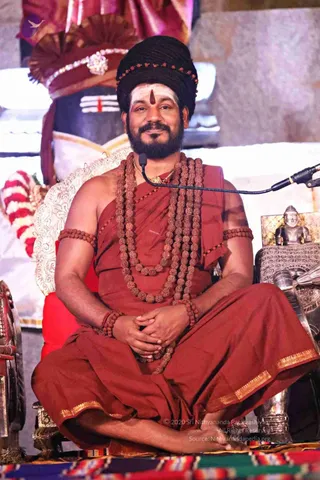 The only gap between you and enlightenment is intensity
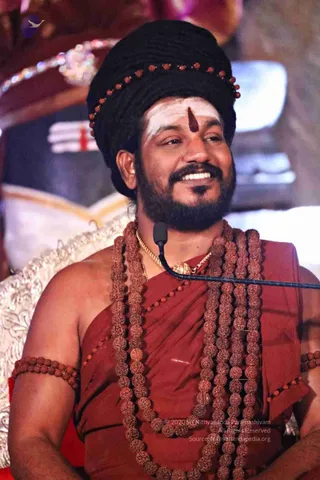 The only gap between you and enlightenment is intensity
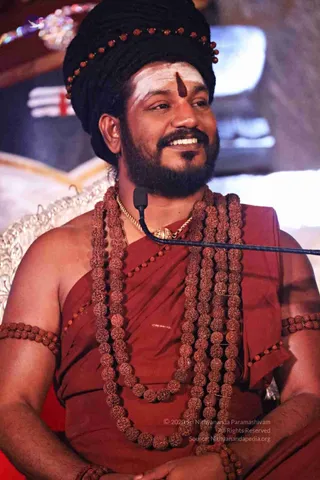 The only gap between you and enlightenment is intensity
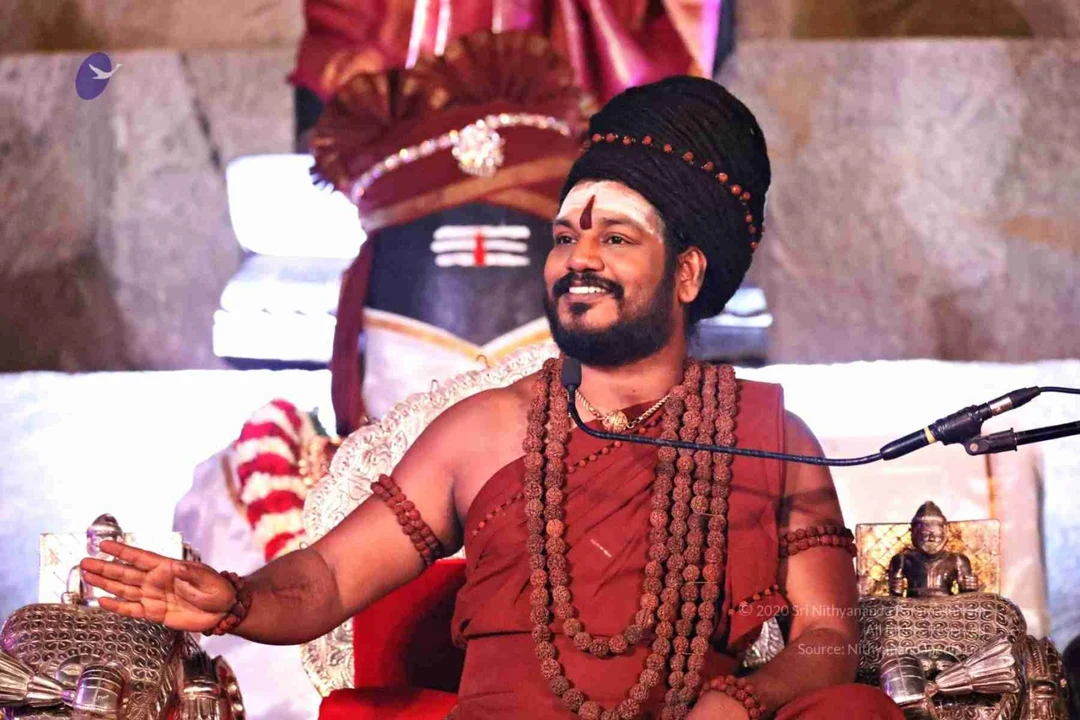 The only gap between you and enlightenment is intensity
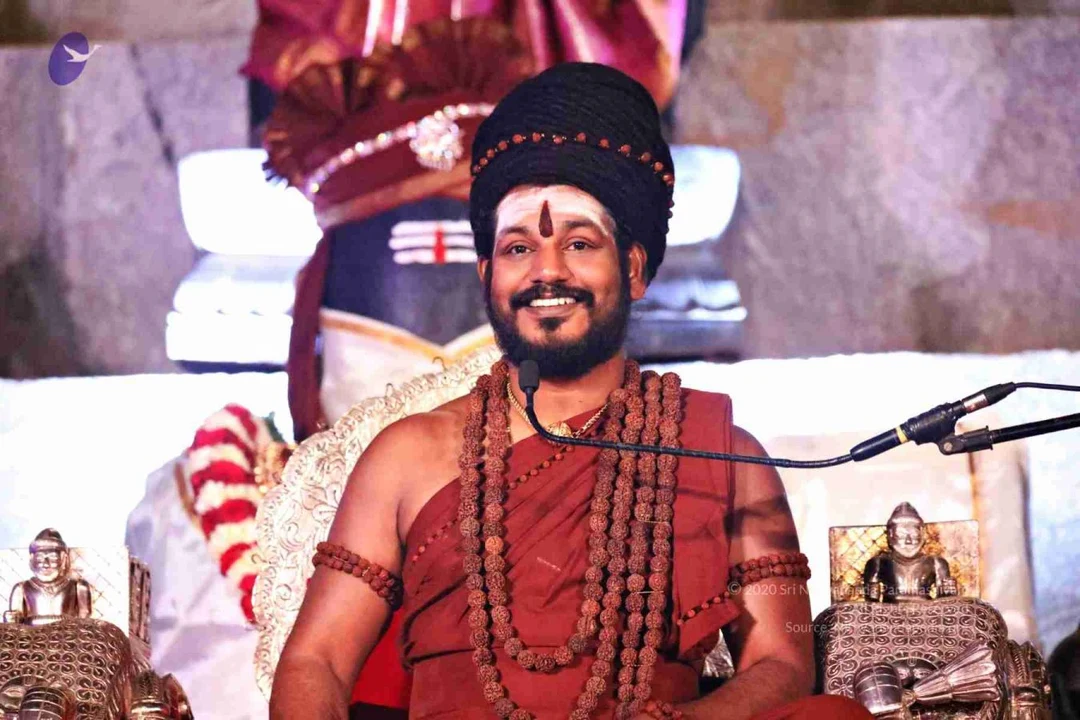 The only gap between you and enlightenment is intensity
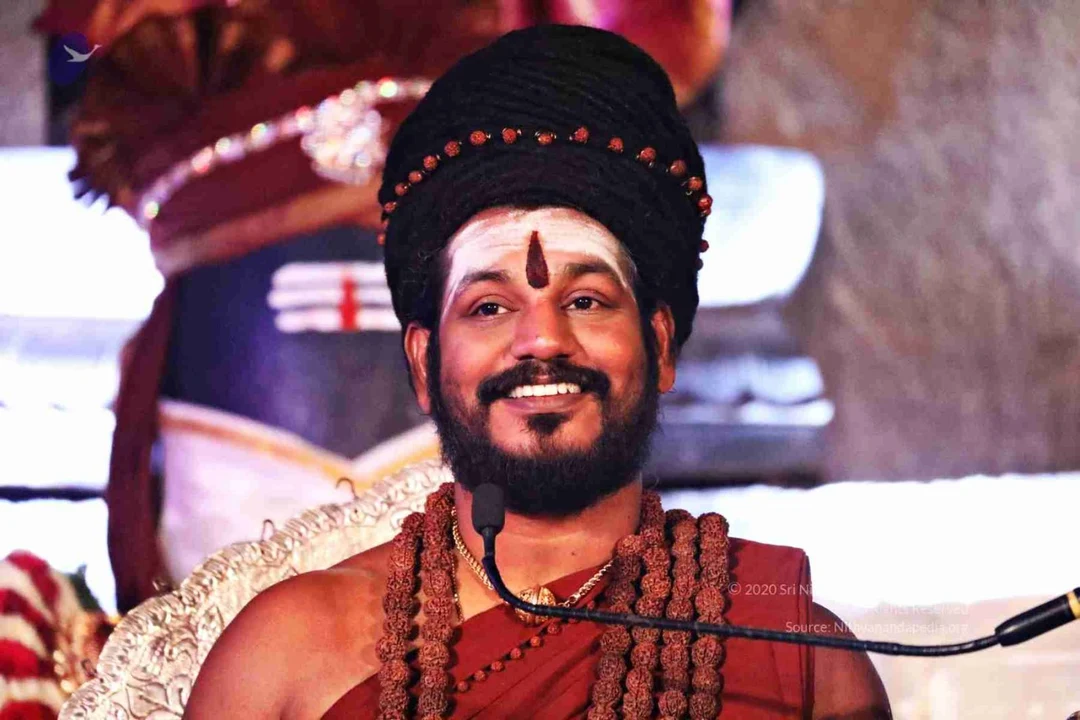 The only gap between you and enlightenment is intensity
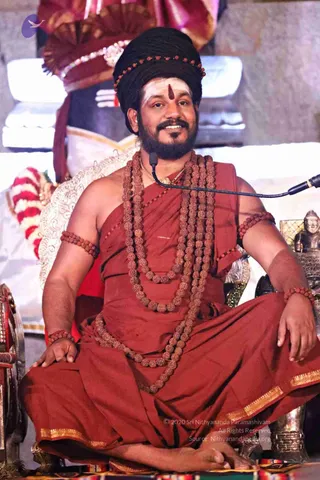 The only gap between you and enlightenment is intensity
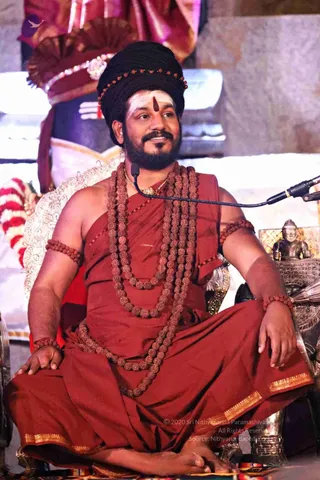 The only gap between you and enlightenment is intensity
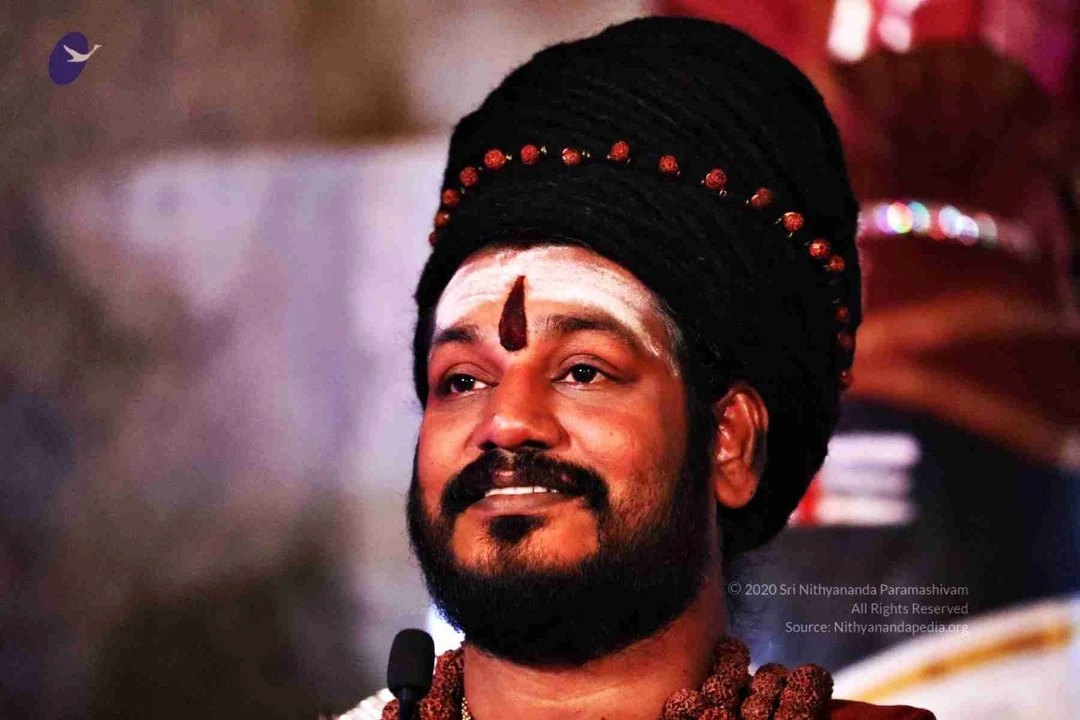 The only gap between you and enlightenment is intensity
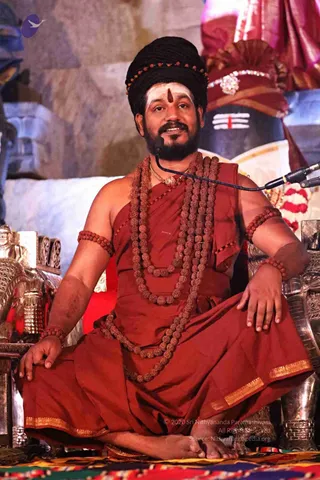 The only gap between you and enlightenment is intensity
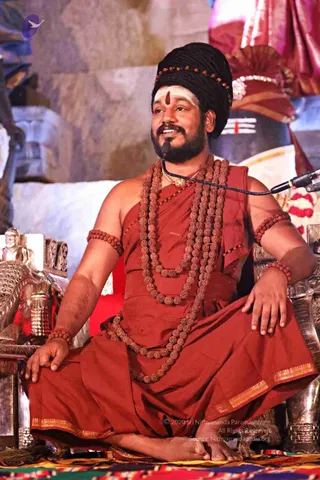 The only gap between you and enlightenment is intensity
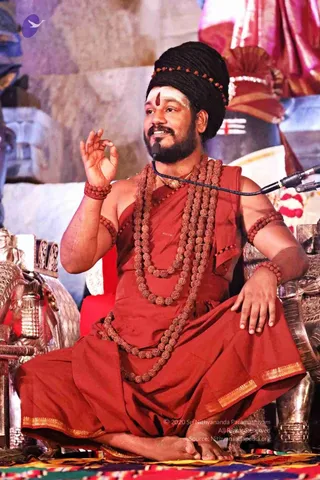 The only gap between you and enlightenment is intensity
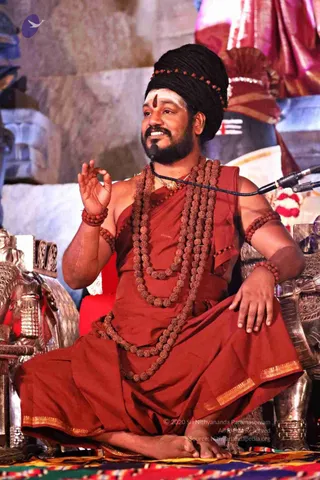 The only gap between you and enlightenment is intensity
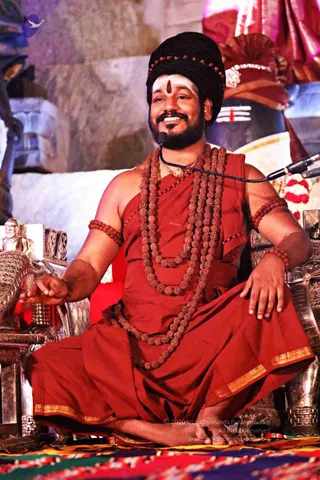 The only gap between you and enlightenment is intensity
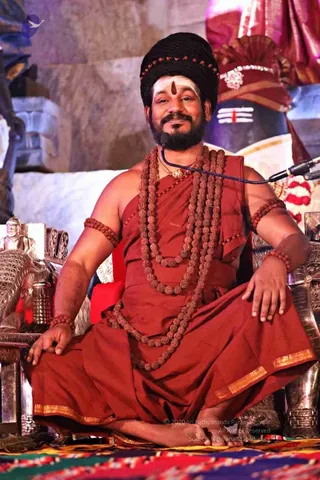 The only gap between you and enlightenment is intensity
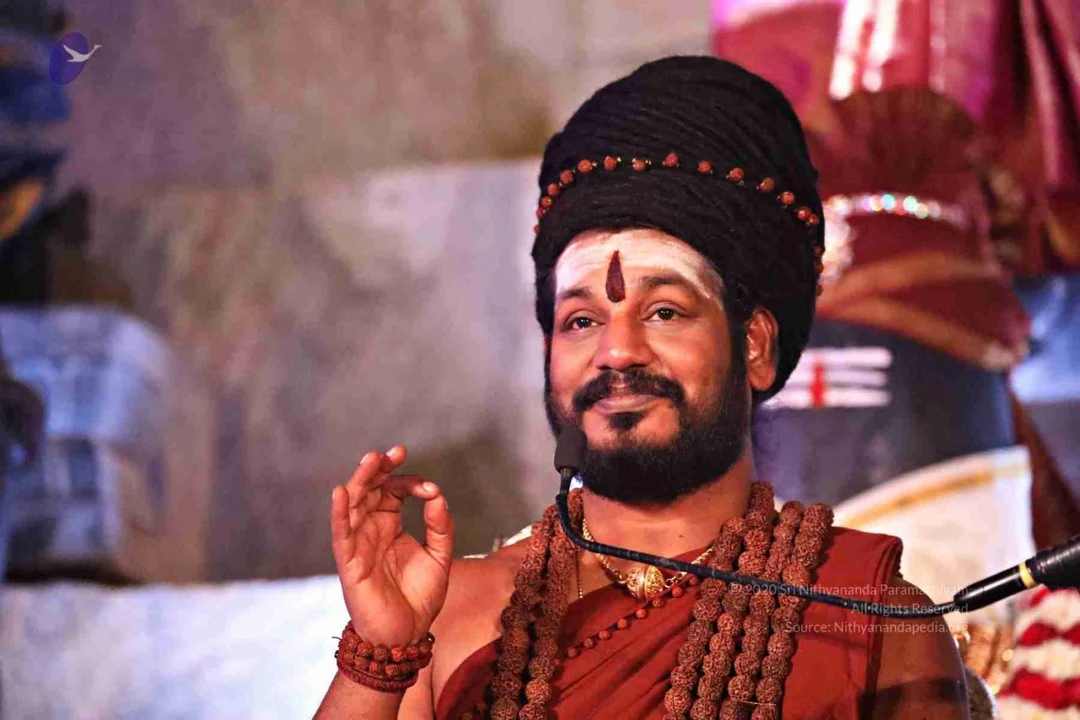 The only gap between you and enlightenment is intensity
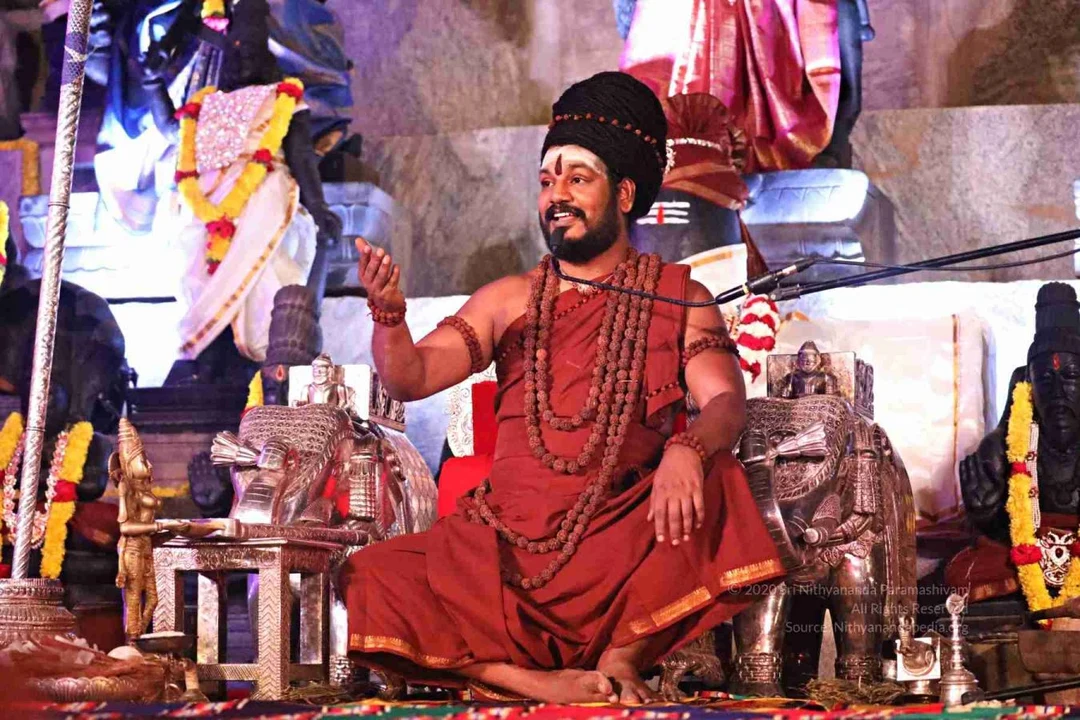 Extraordinary potential is hidden inside every human being
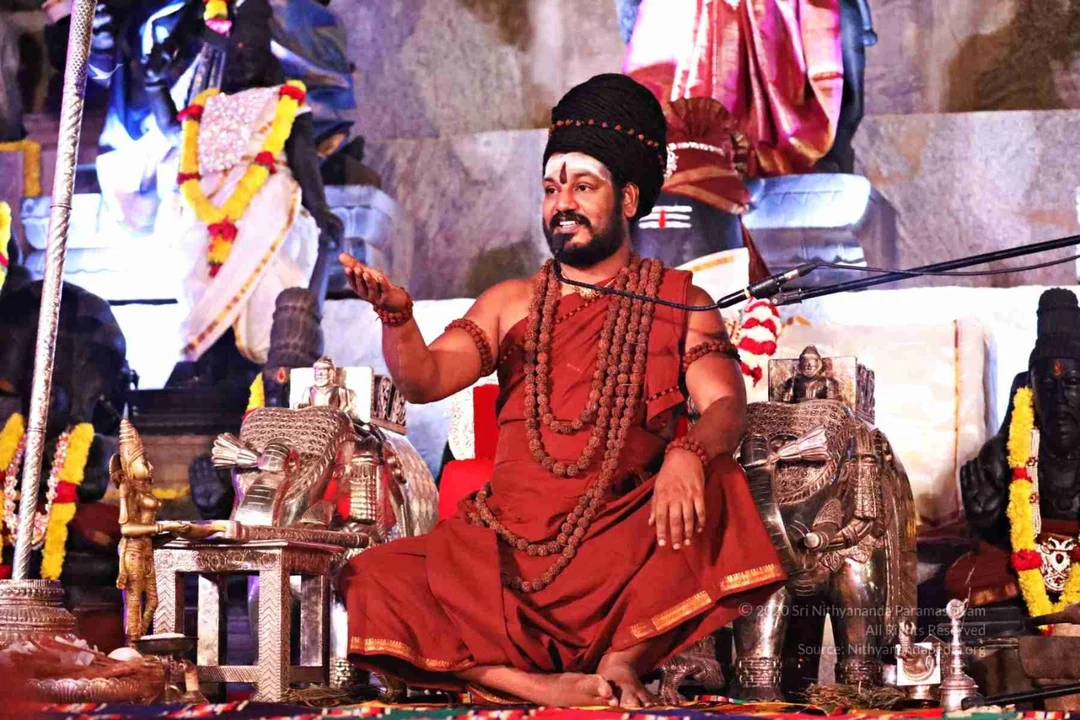 Extraordinary potential is hidden inside every human being
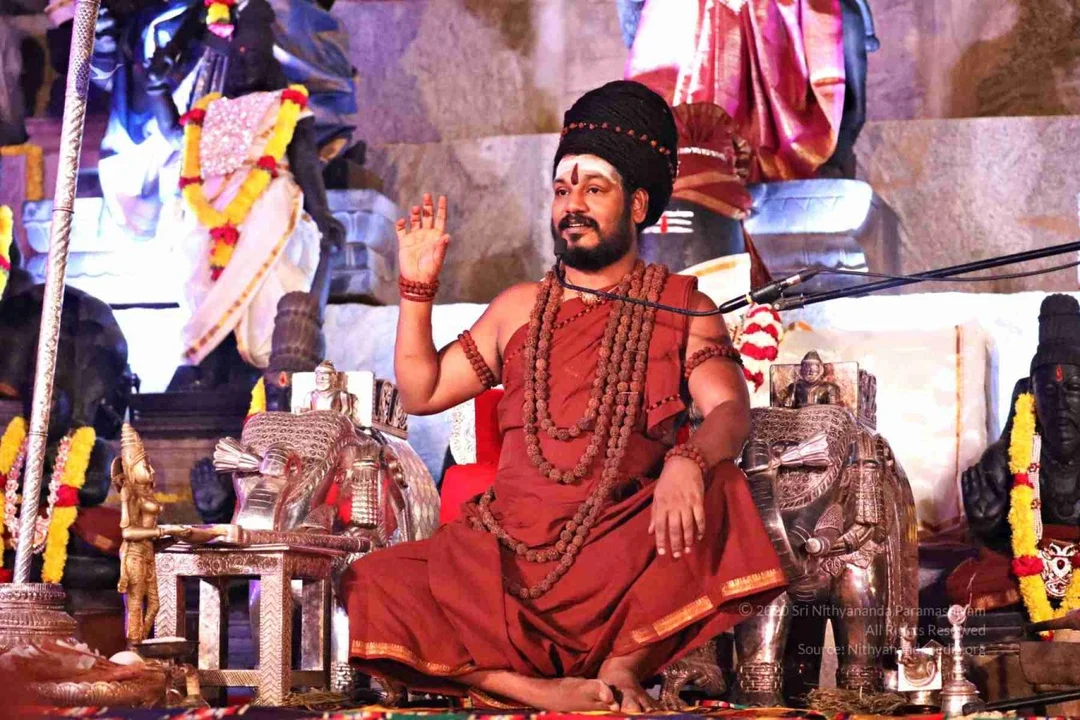 Extraordinary potential is hidden inside every human being
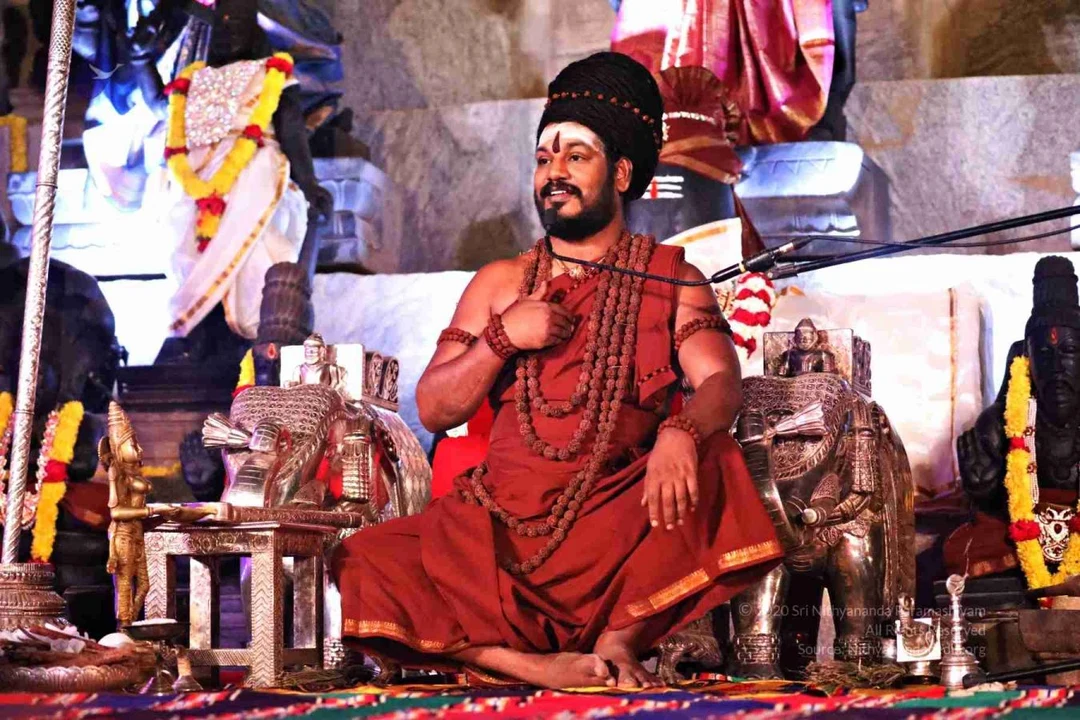 Extraordinary potential is hidden inside every human being
 Extraordinary potential is hidden inside every human being
 Extraordinary potential is hidden inside every human being
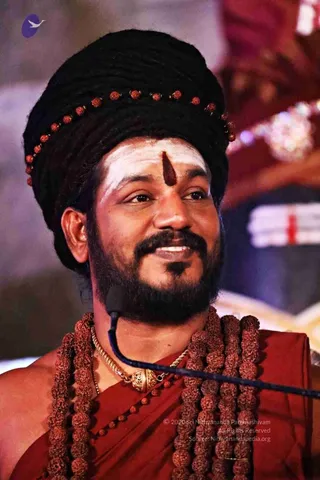 Extraordinary potential is hidden inside every human being
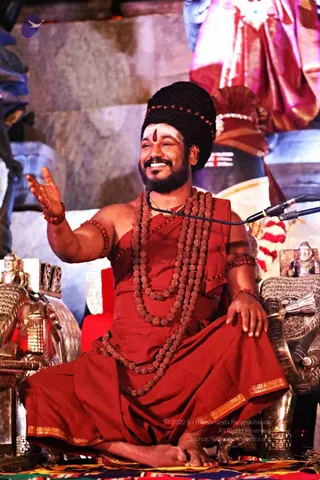 Extraordinary potential is hidden inside every human being
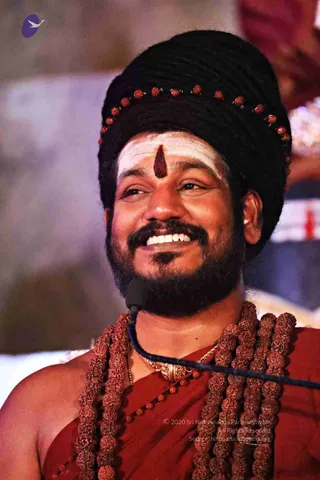 Extraordinary potential is hidden inside every human being
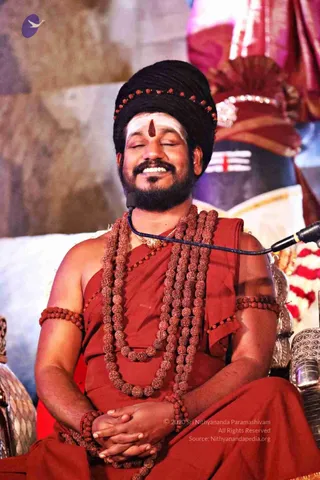 Extraordinary potential is hidden inside every human being
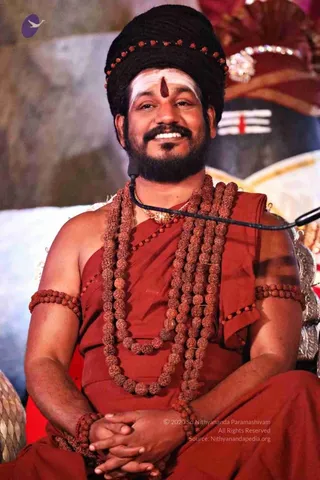 Extraordinary potential is hidden inside every human being
 Extraordinary potential is hidden inside every human being
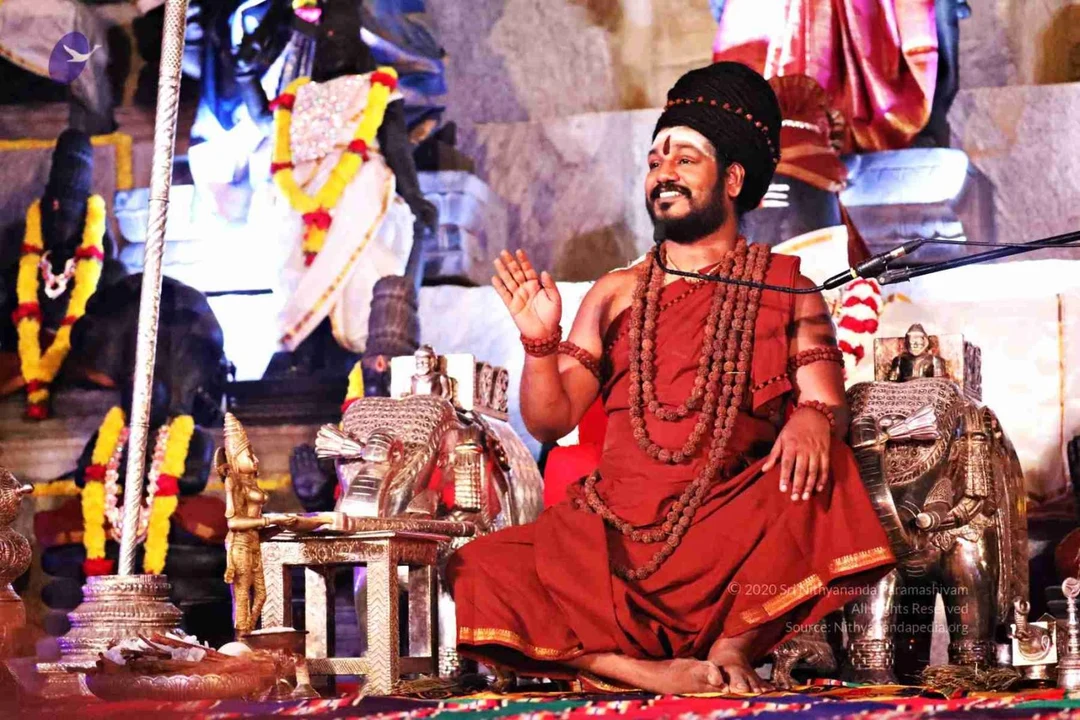 Extraordinary potential is hidden inside every human being
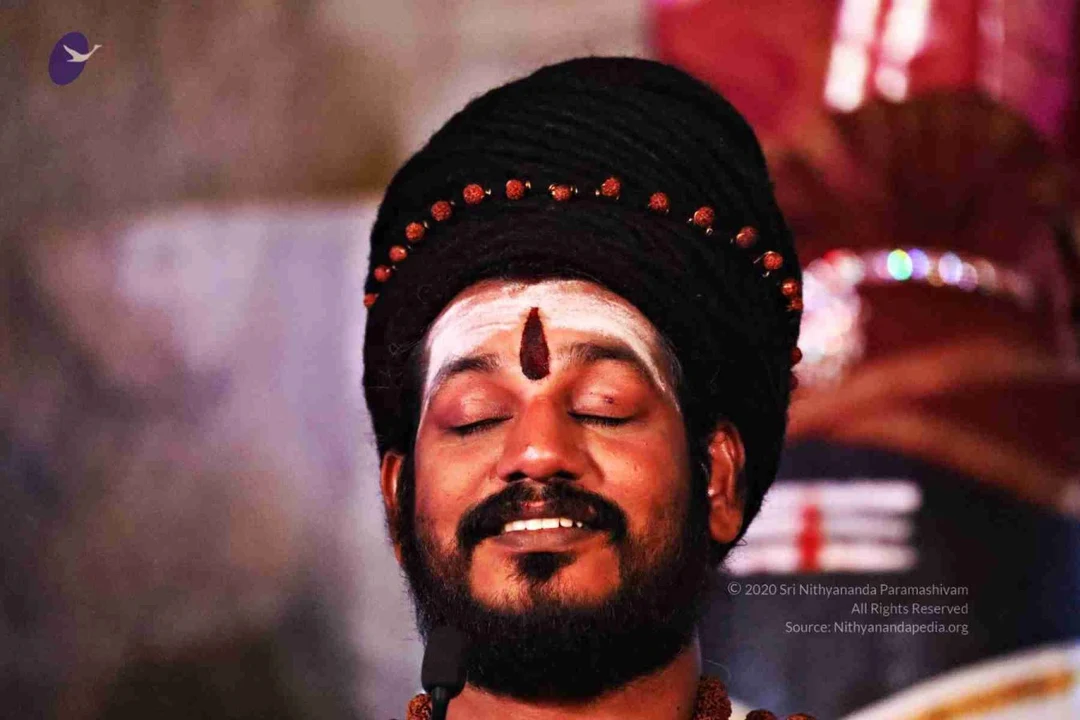 Joyous expression of living avatar
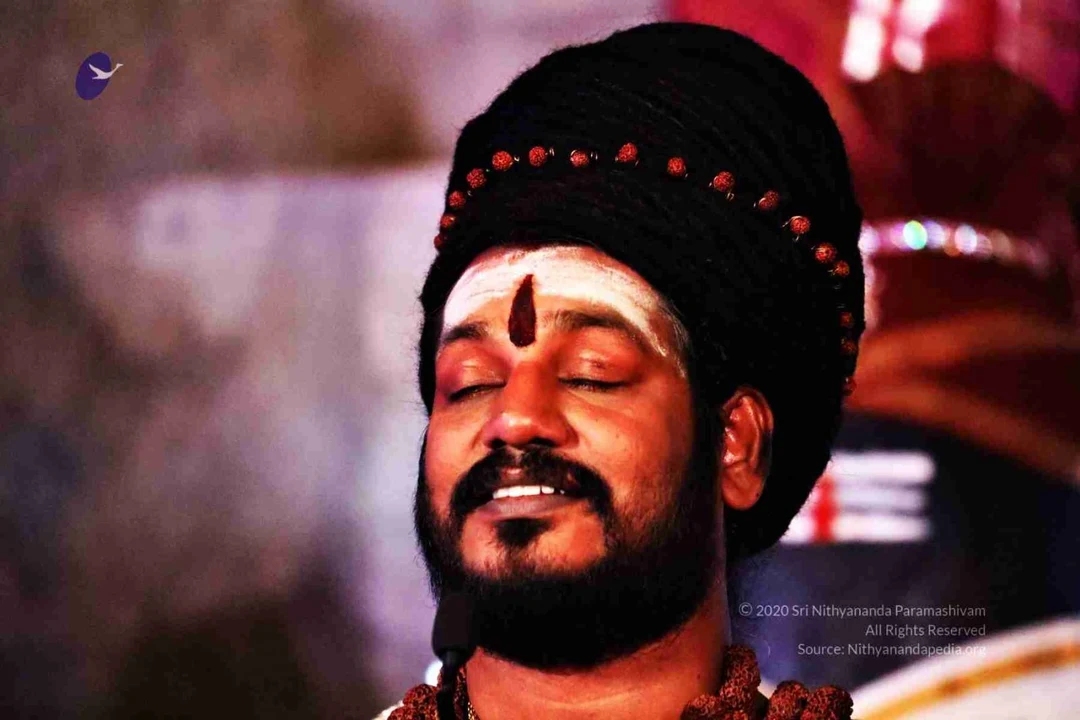 Joyous expression of living avatar
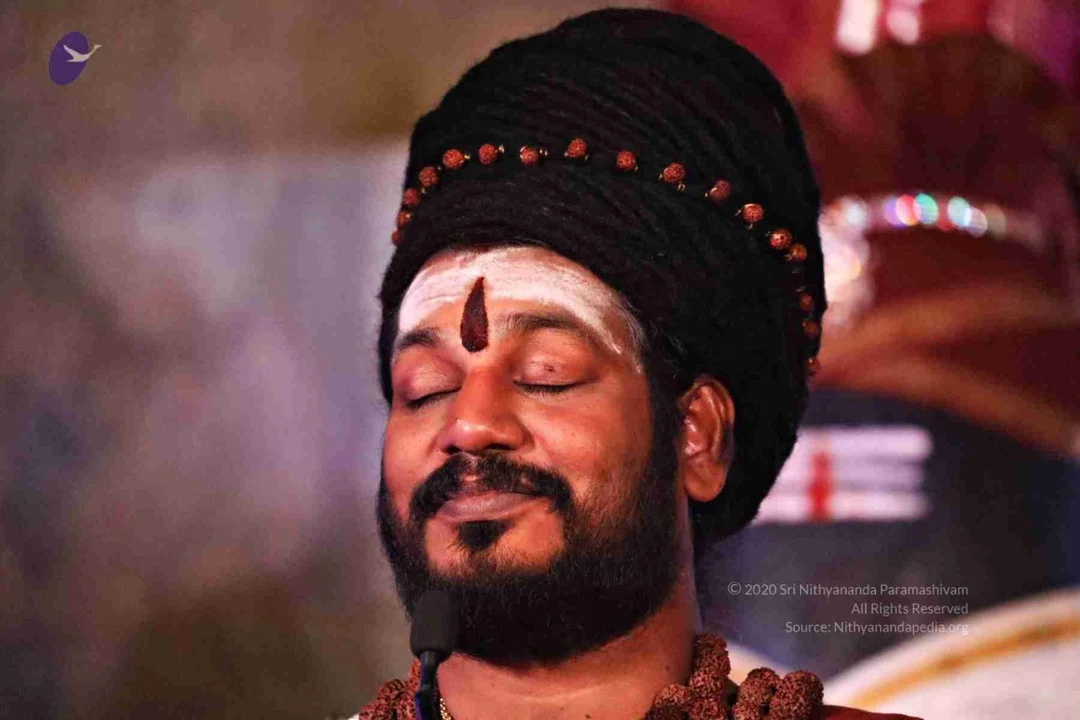 Joyous expression of living avatar
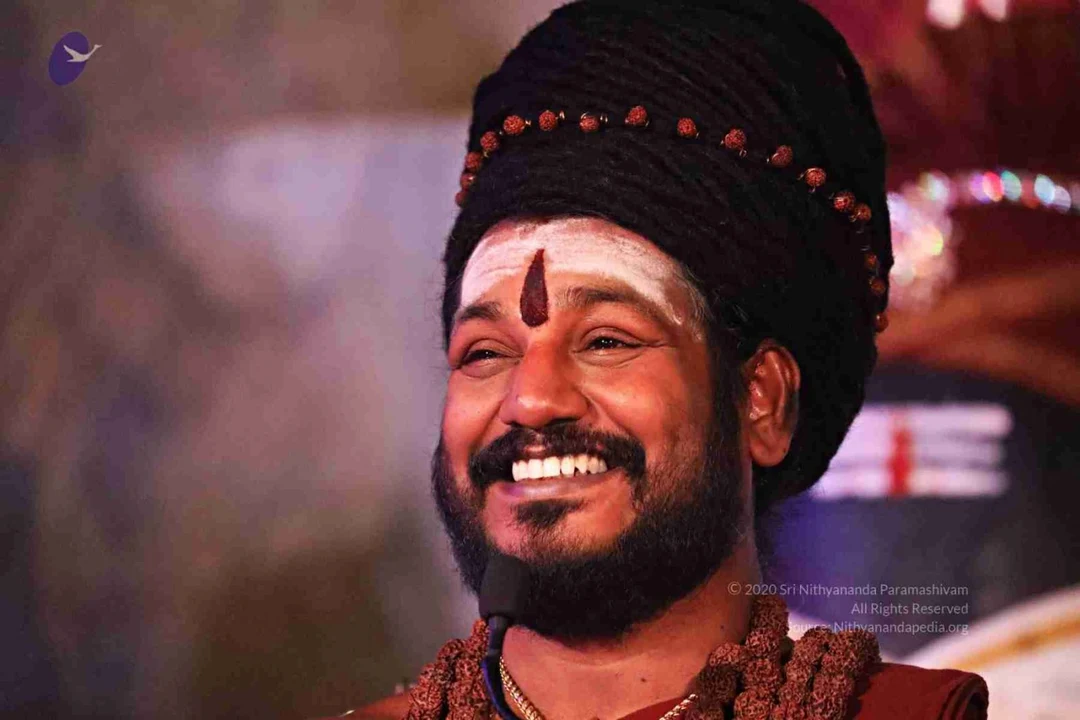 Joyous expression of living avatar
 Joyous expression of living avatar
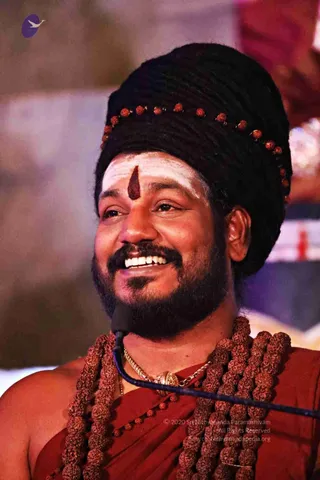 Joyous expression of living avatar
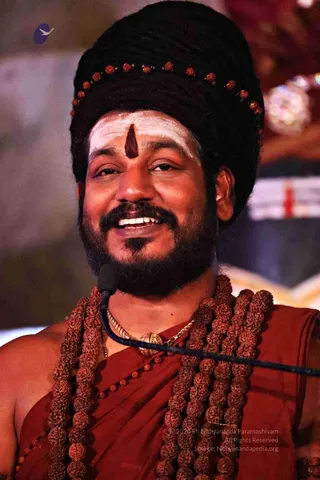 Joyous expression of living avatar
 Joyous expression of living avatar
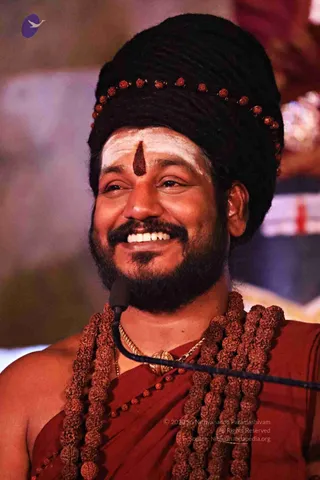 Joyous expression of living avatar
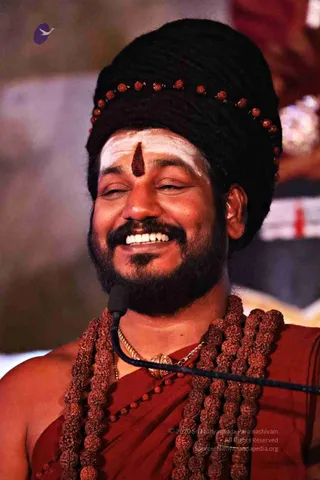 Joyous expression of living avatar
 Beautiful sweet divine darshan of Bhagwan
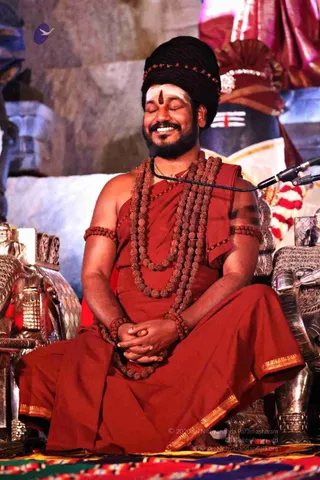 Beautiful sweet divine darshan of Bhagwan
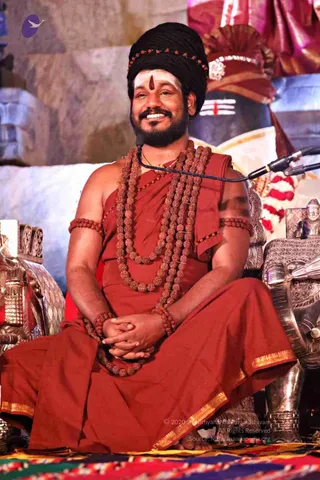 Beautiful sweet divine darshan of Bhagwan
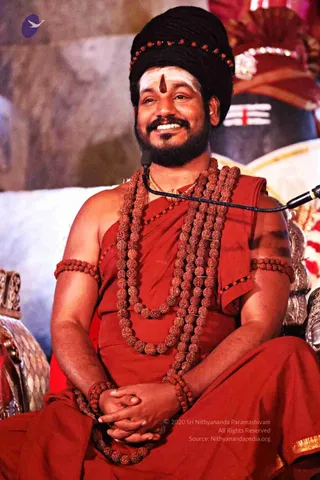 Beautiful sweet divine darshan of Bhagwan
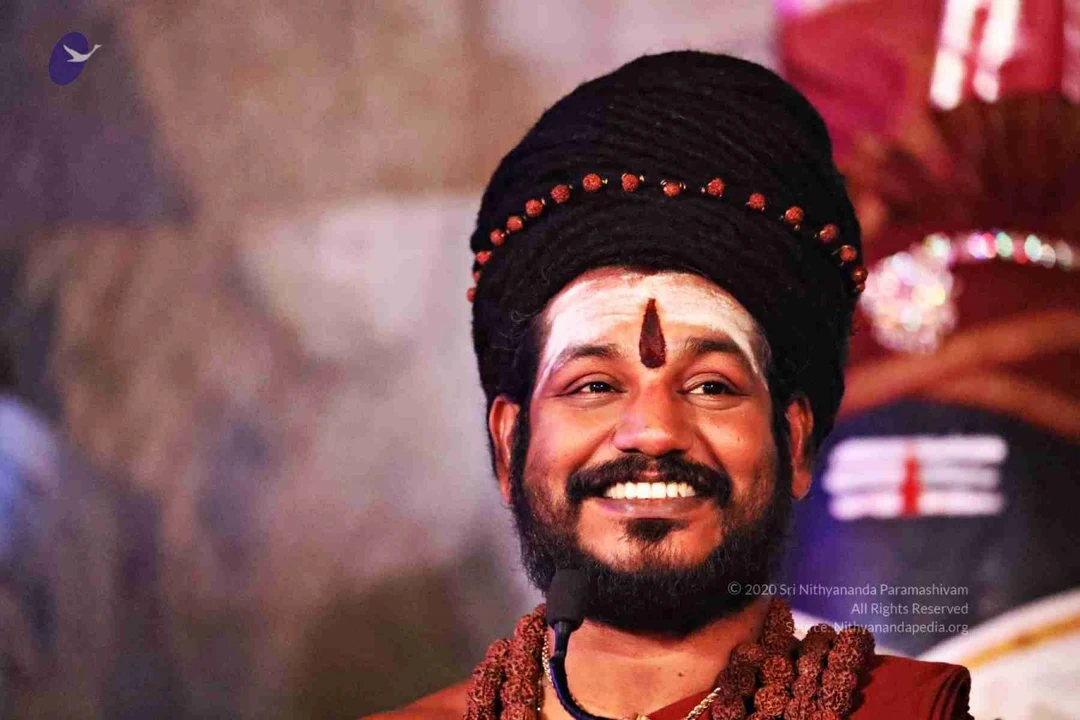 Beautiful sweet divine darshan of Bhagwan
 Beautiful sweet divine darshan of Bhagwan
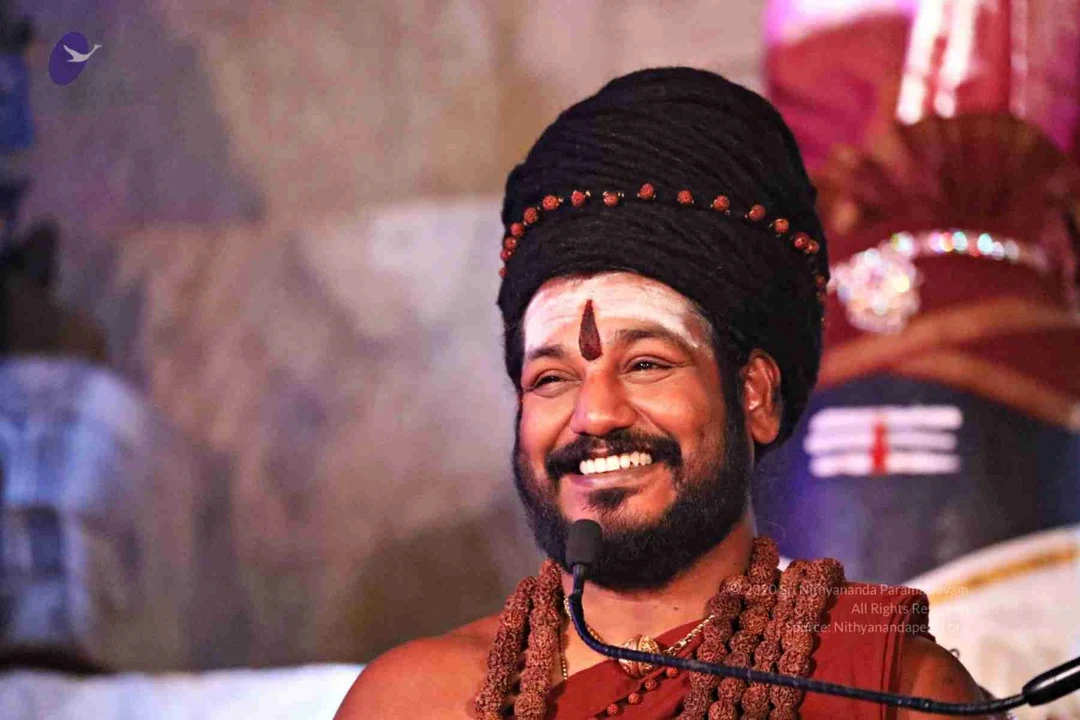 Beautiful sweet divine darshan of Bhagwan
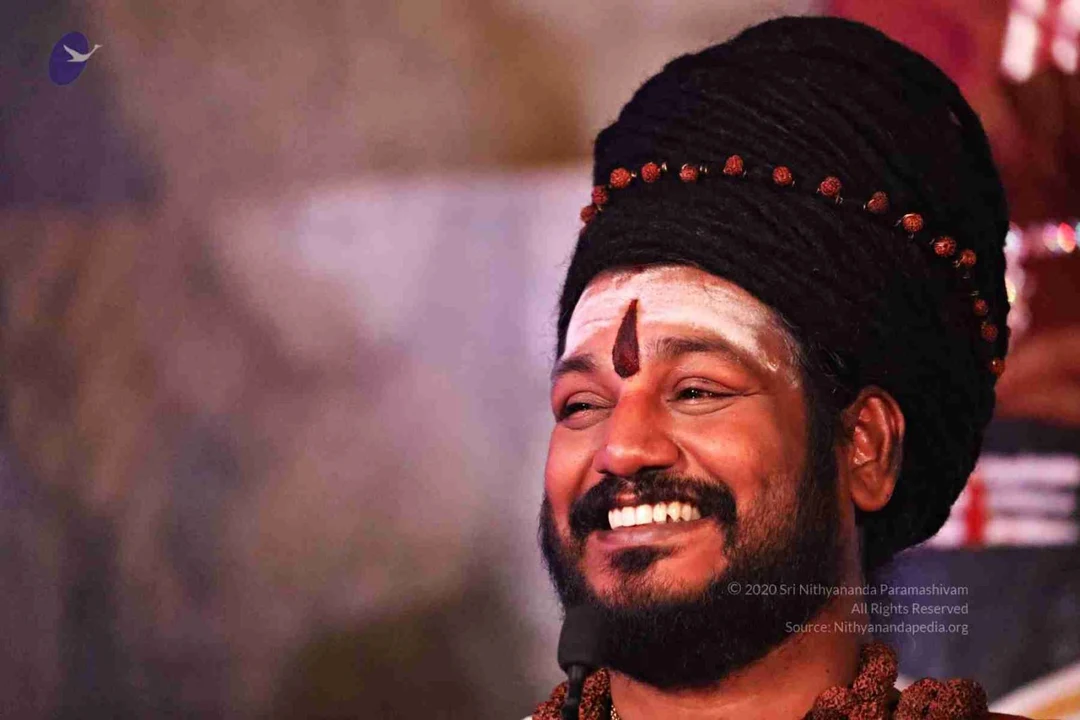 Beautiful sweet divine darshan of Bhagwan
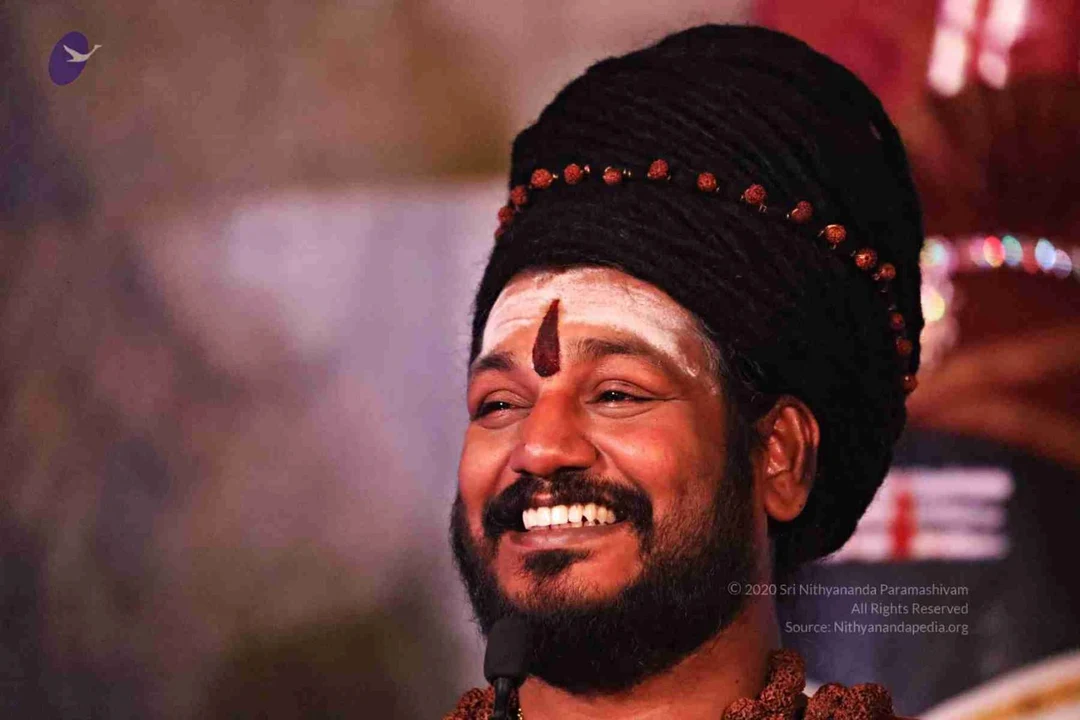 Beautiful sweet divine darshan of Bhagwan
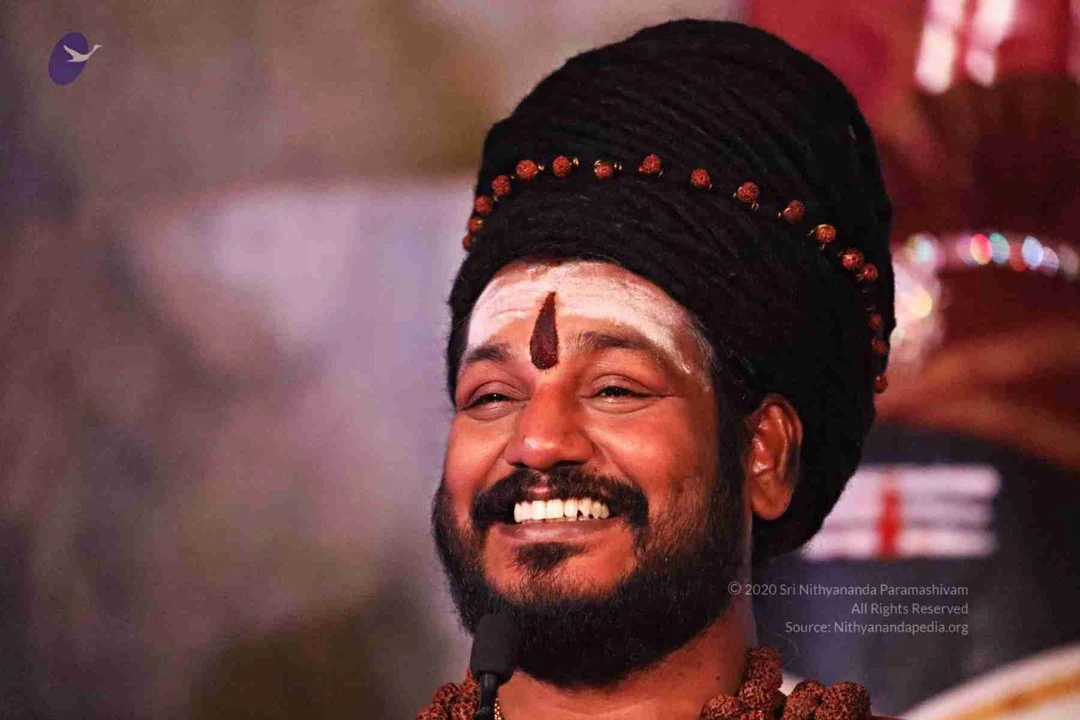 Beautiful sweet divine darshan of Bhagwan
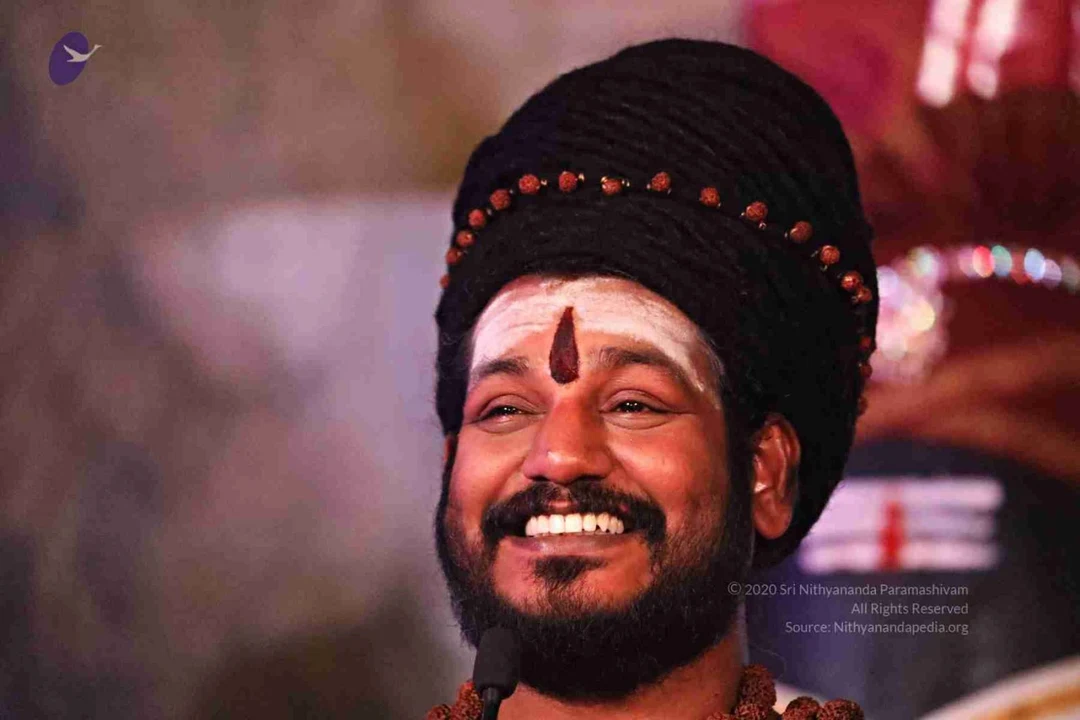 Beautiful sweet divine darshan of Bhagwan
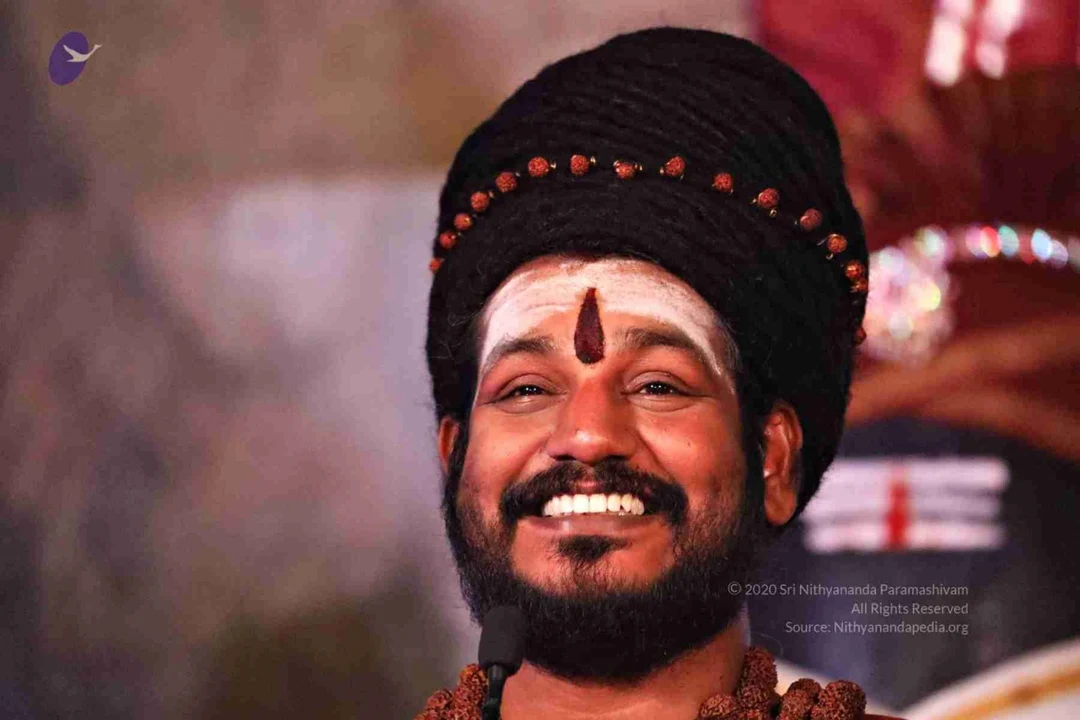 Beautiful sweet divine darshan of Bhagwan
 Beautiful sweet divine darshan of Bhagwan
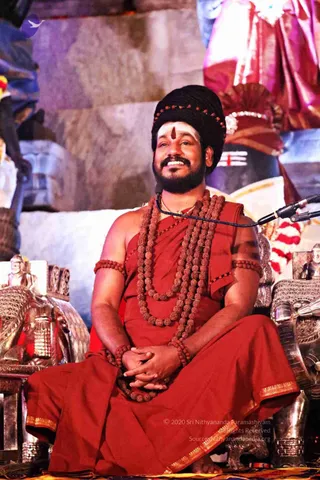 Beautiful sweet divine darshan of Bhagwan
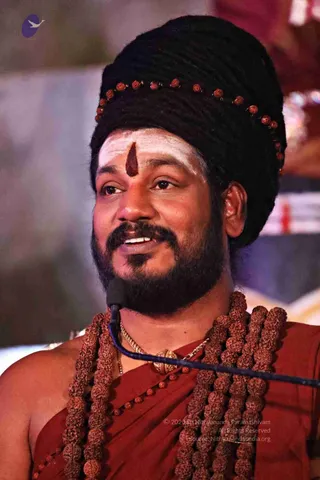 Beautiful sweet divine darshan of Bhagwan
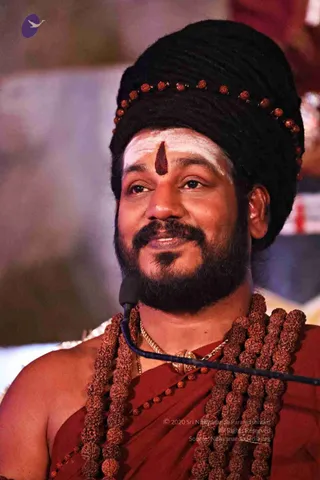 Bhagwan darshan is absolute fulfillment
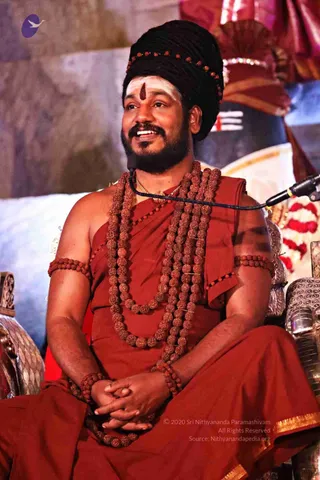 Bhagwan darshan is absolute fulfillment
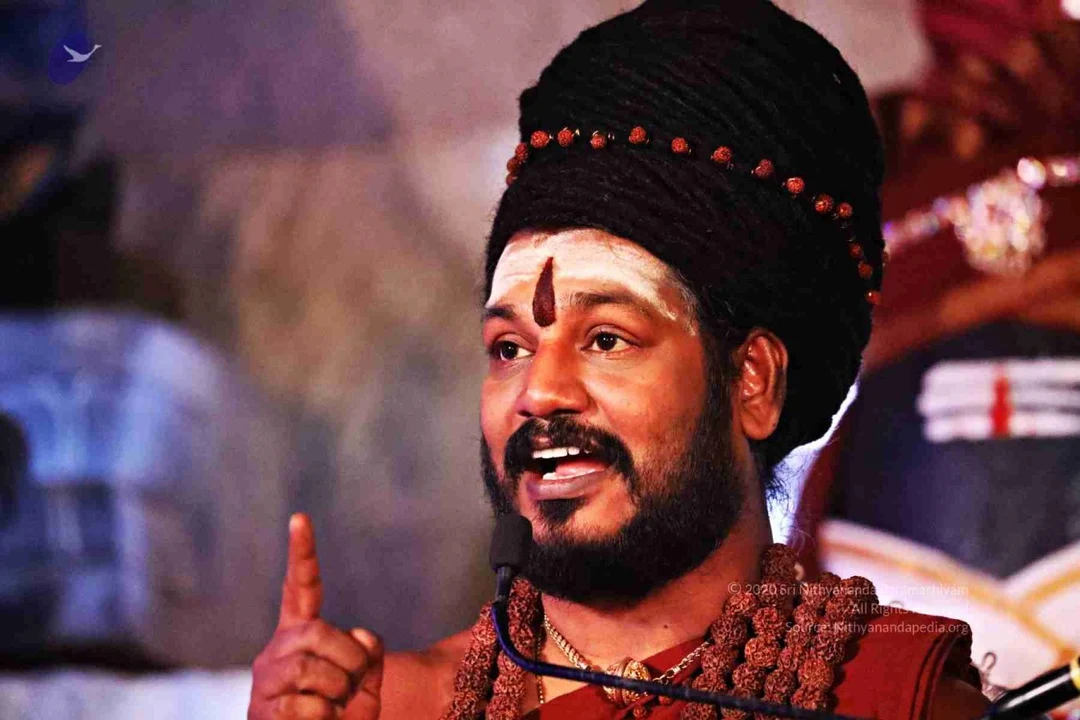 Bhagwan darshan is absolute fulfillment
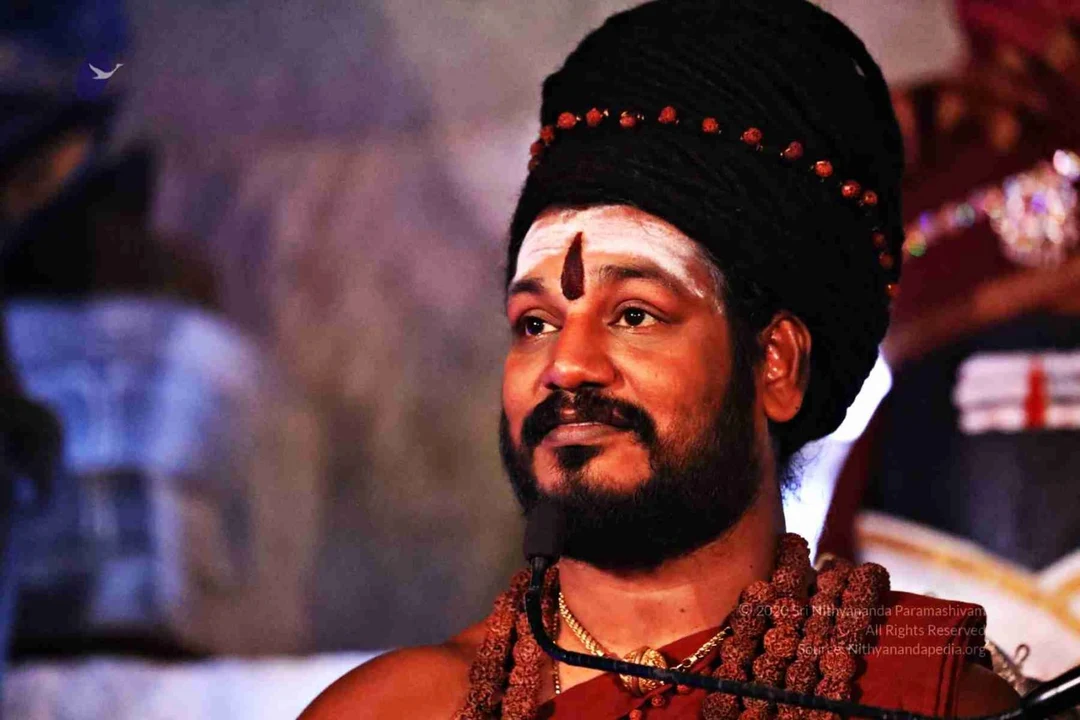 Bhagwan darshan is absolute fulfillment
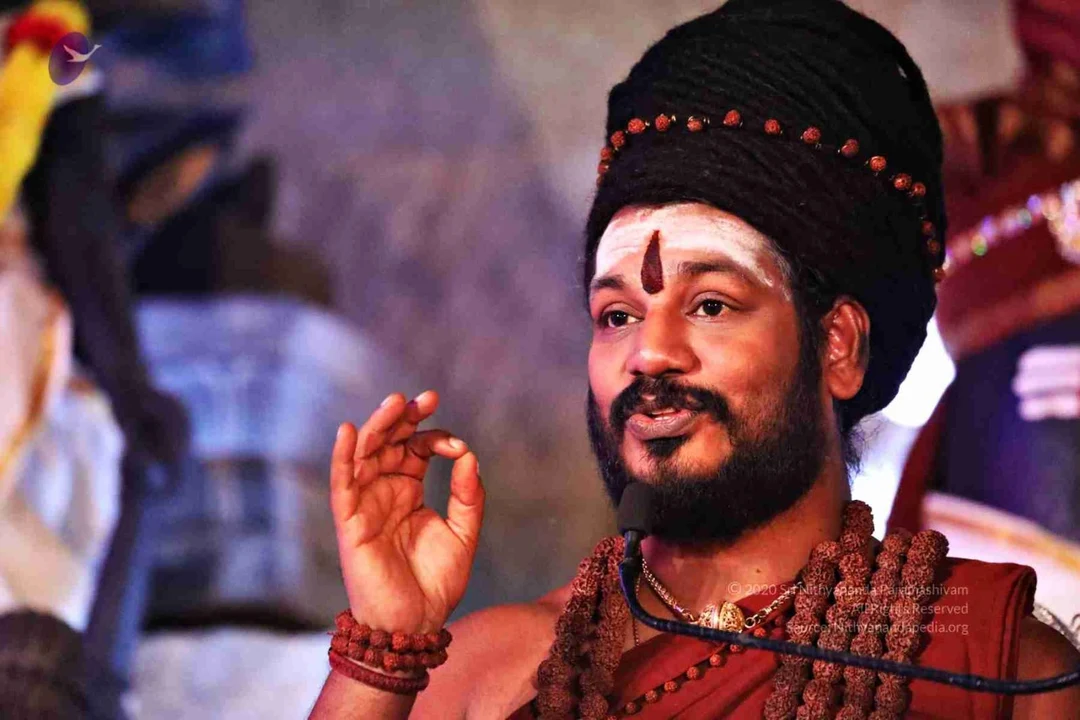 Bhagwan darshan is absolute fulfillment
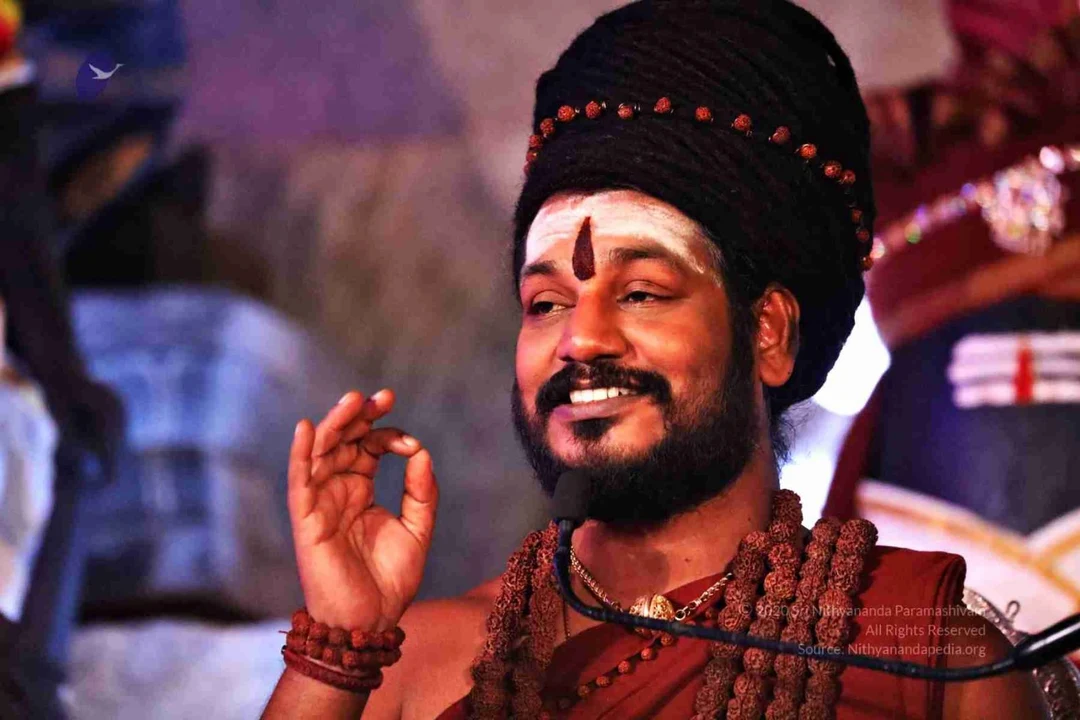 Bhagwan darshan is absolute fulfillment
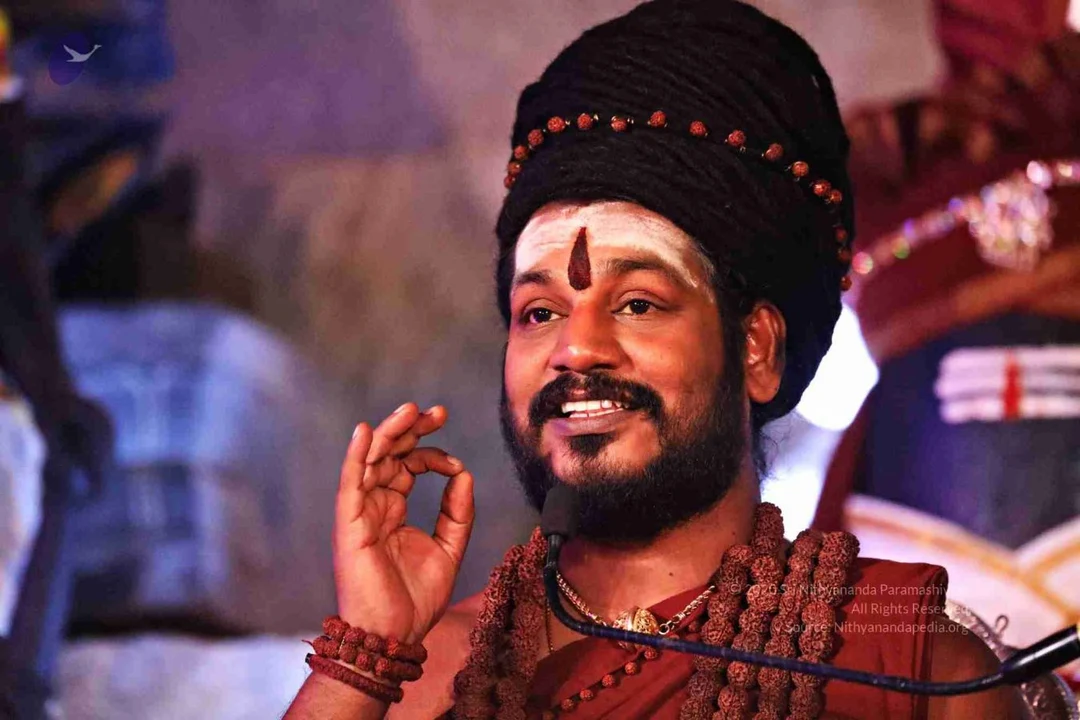 Bhagwan darshan is absolute fulfillment
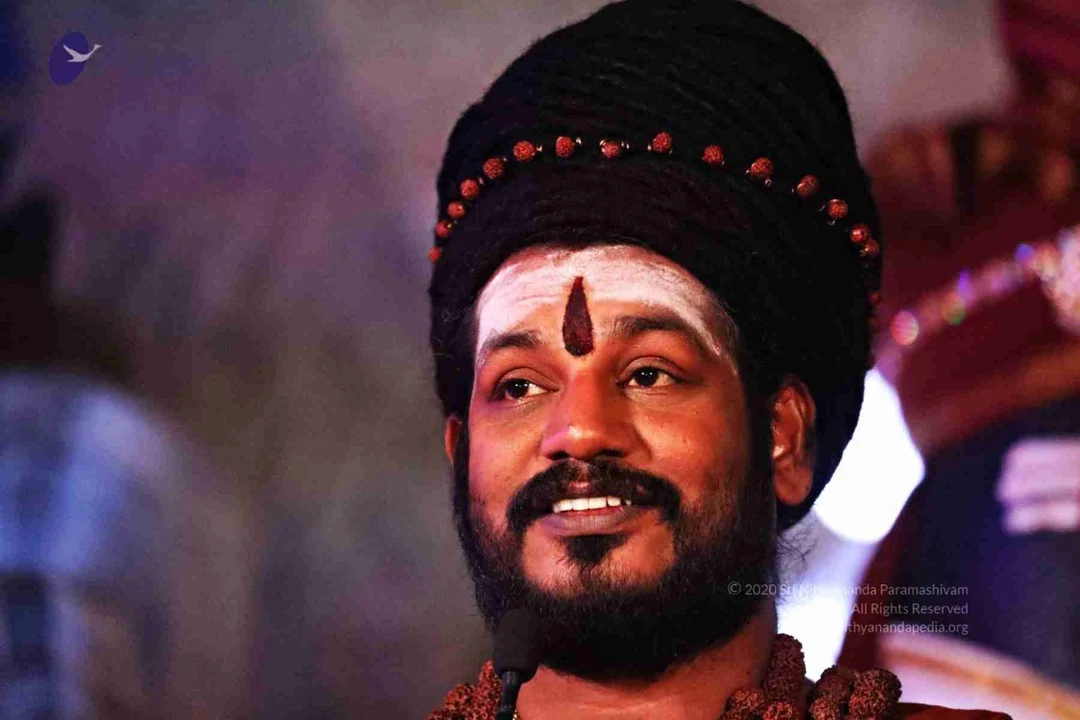 Bhagwan darshan is absolute fulfillment
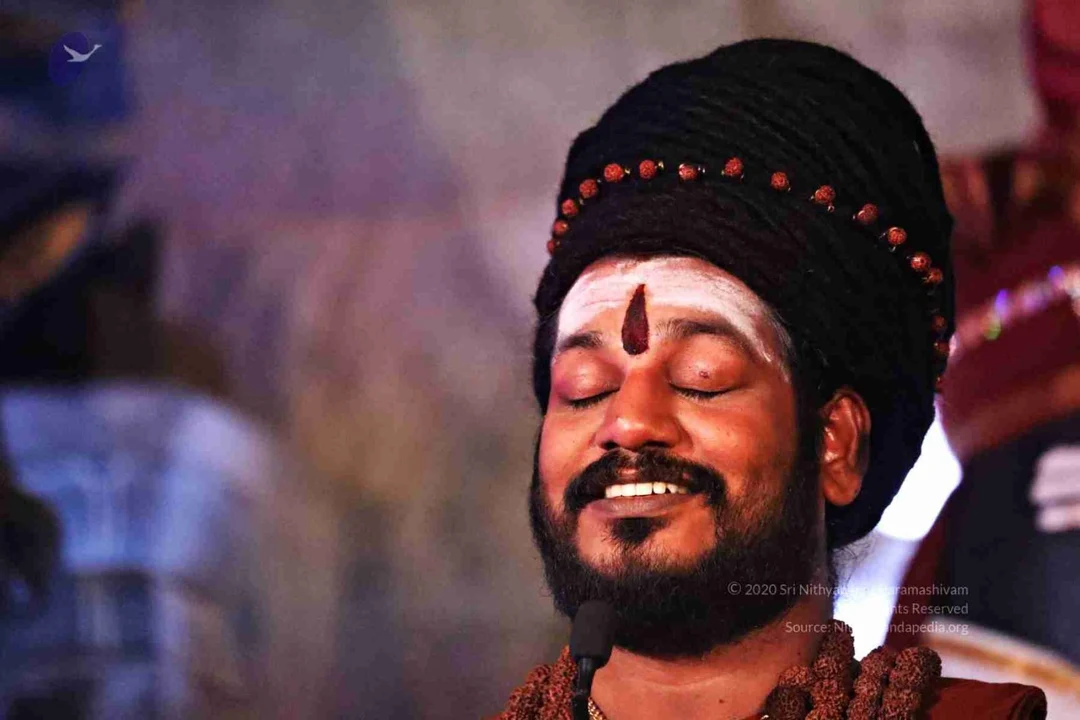 Bhagwan darshan is absolute fulfillment
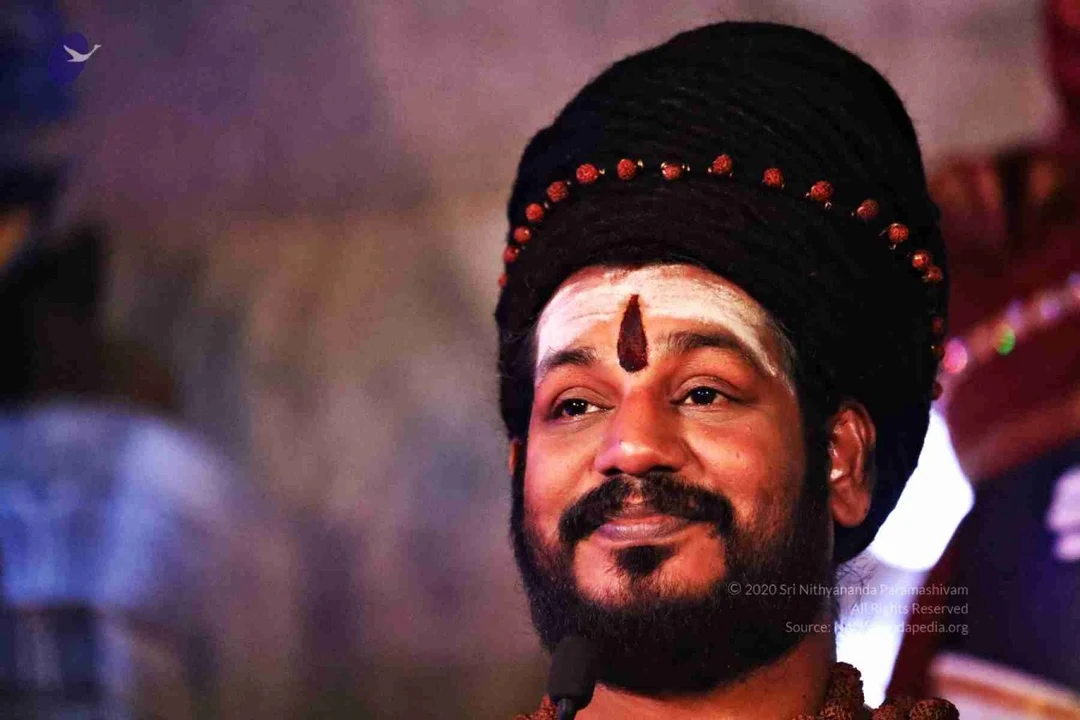 Bhagwan darshan is absolute fulfillment
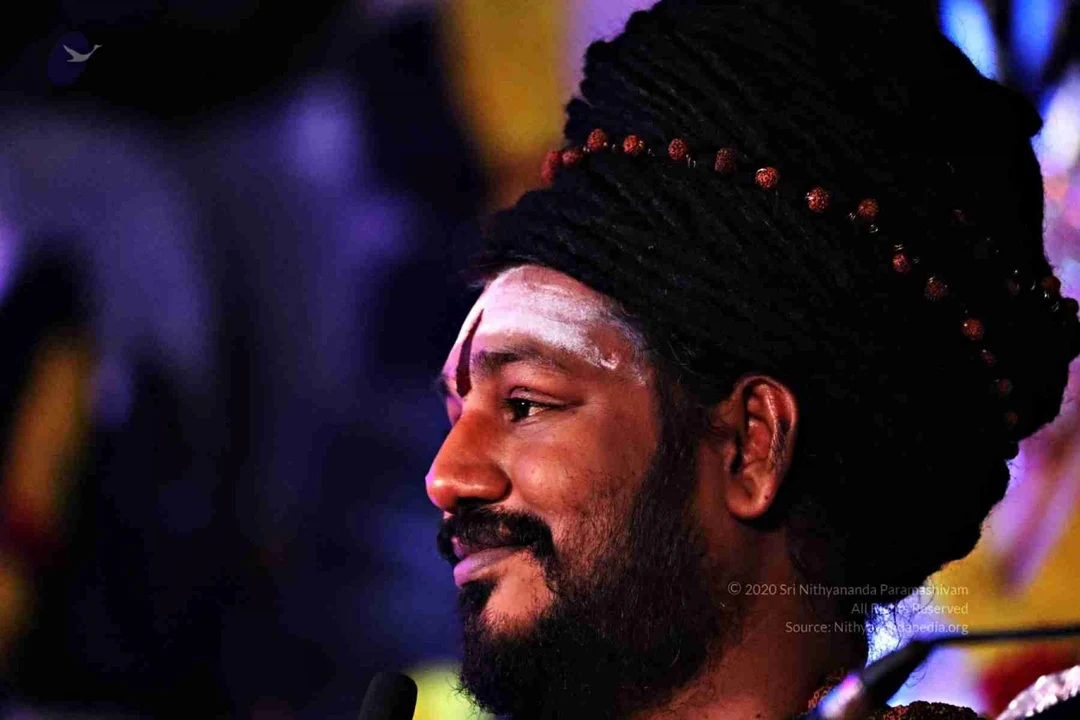 Bhagwan darshan is absolute fulfillment
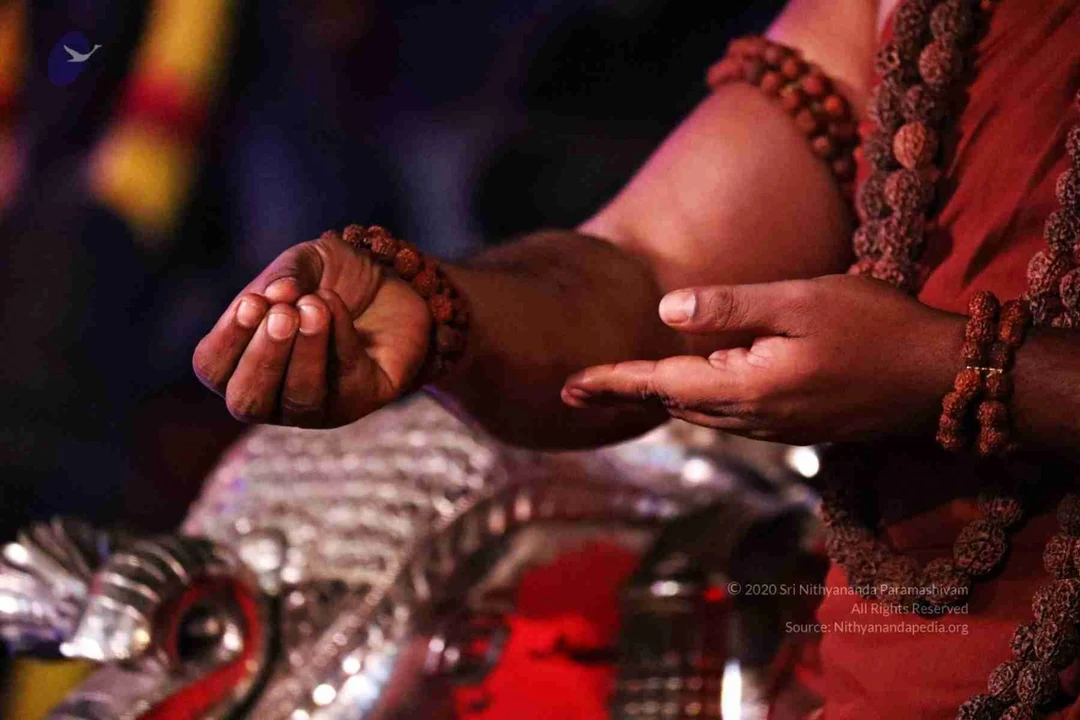 Bhagwan darshan is absolute fulfillment
 Bhagwan darshan is absolute fulfillment
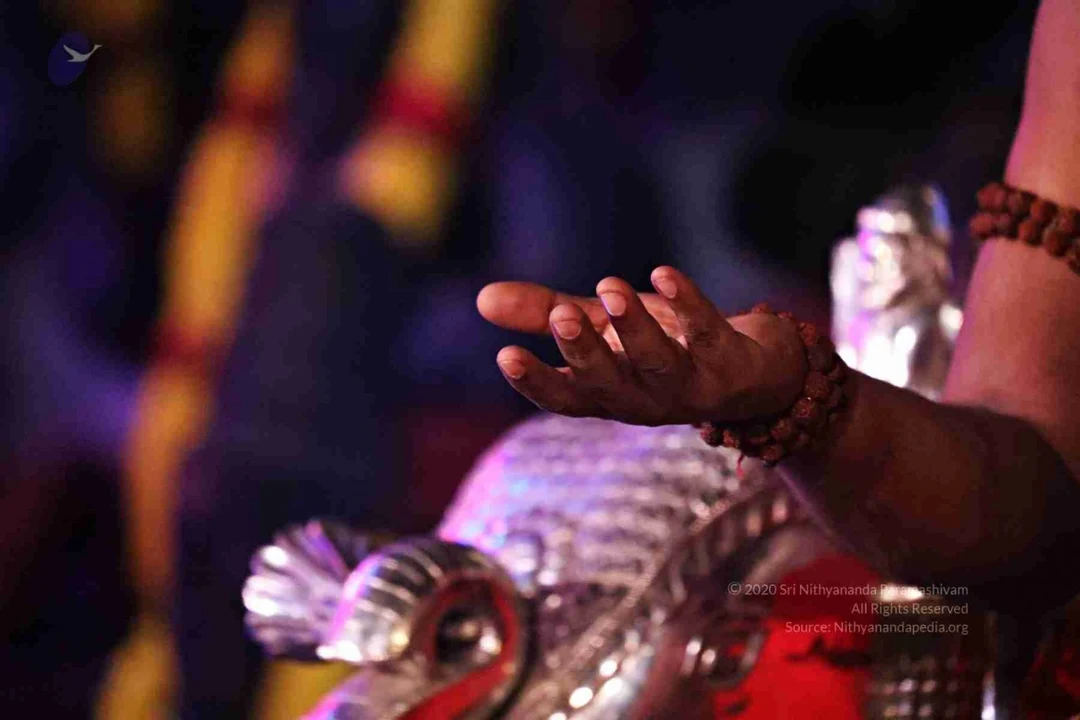 Bhagwan darshan is absolute fulfillment
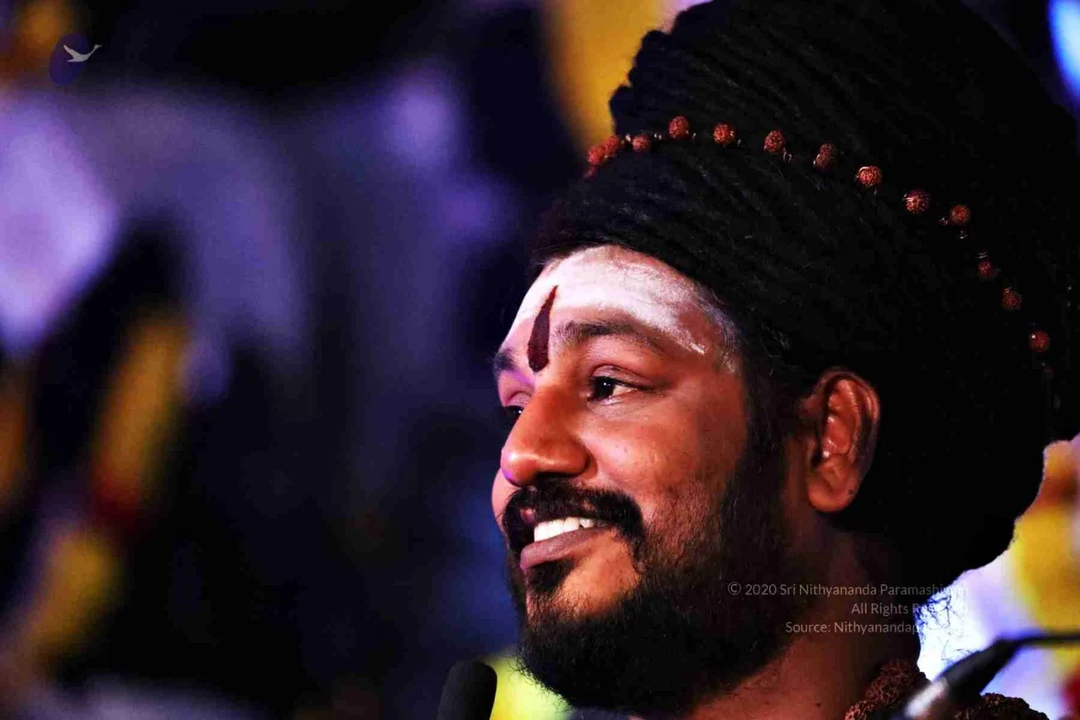 Bhagwan darshan is absolute fulfillment
 Bhagwan darshan is absolute fulfillment
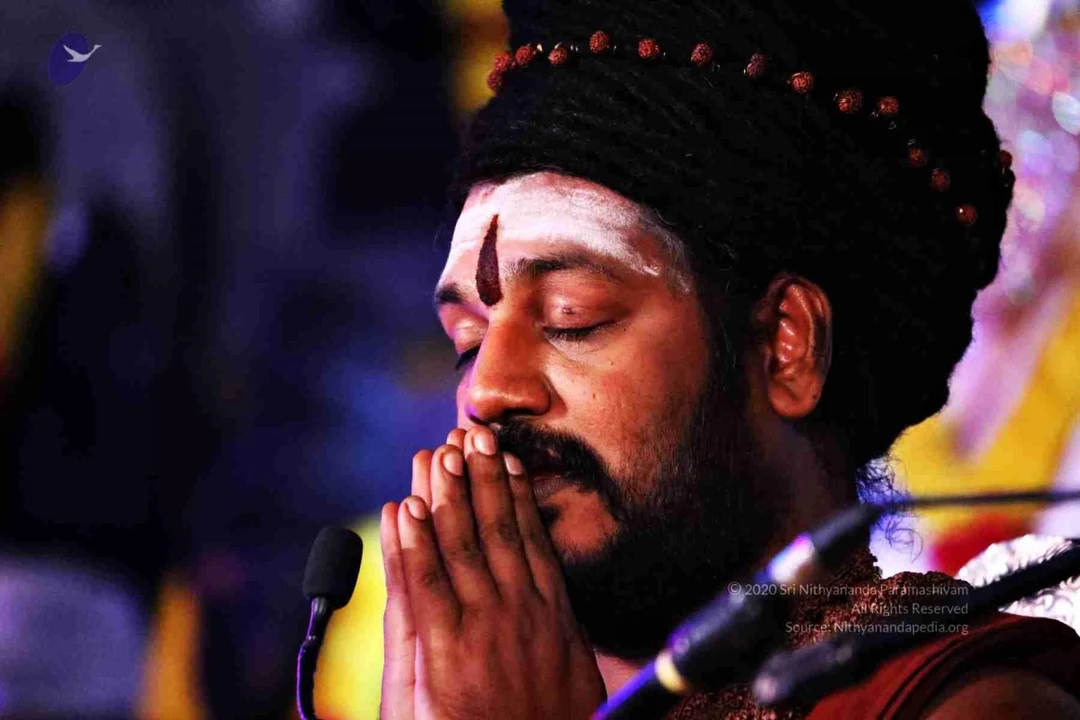 Bhagwan darshan is absolute fulfillment
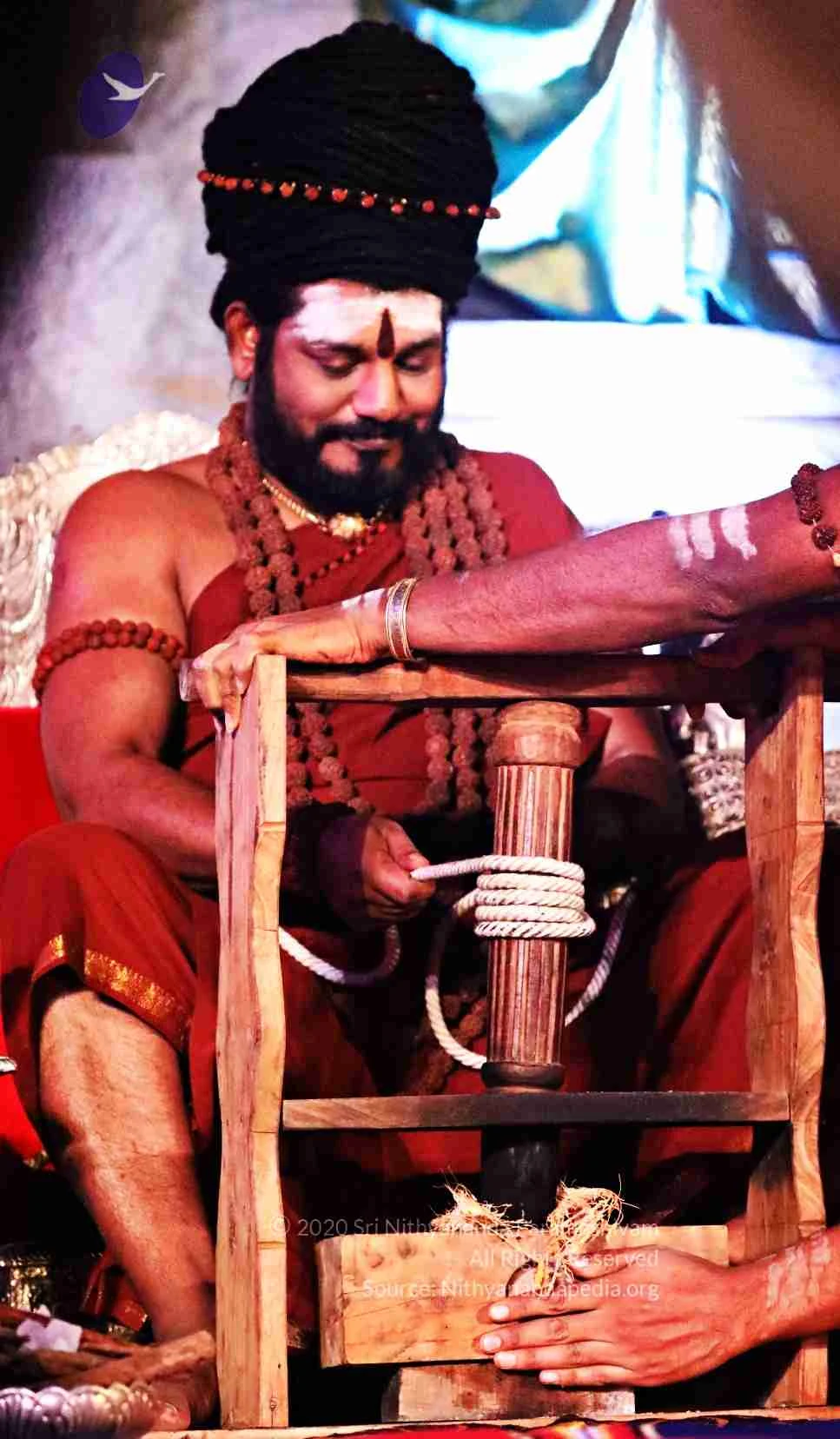
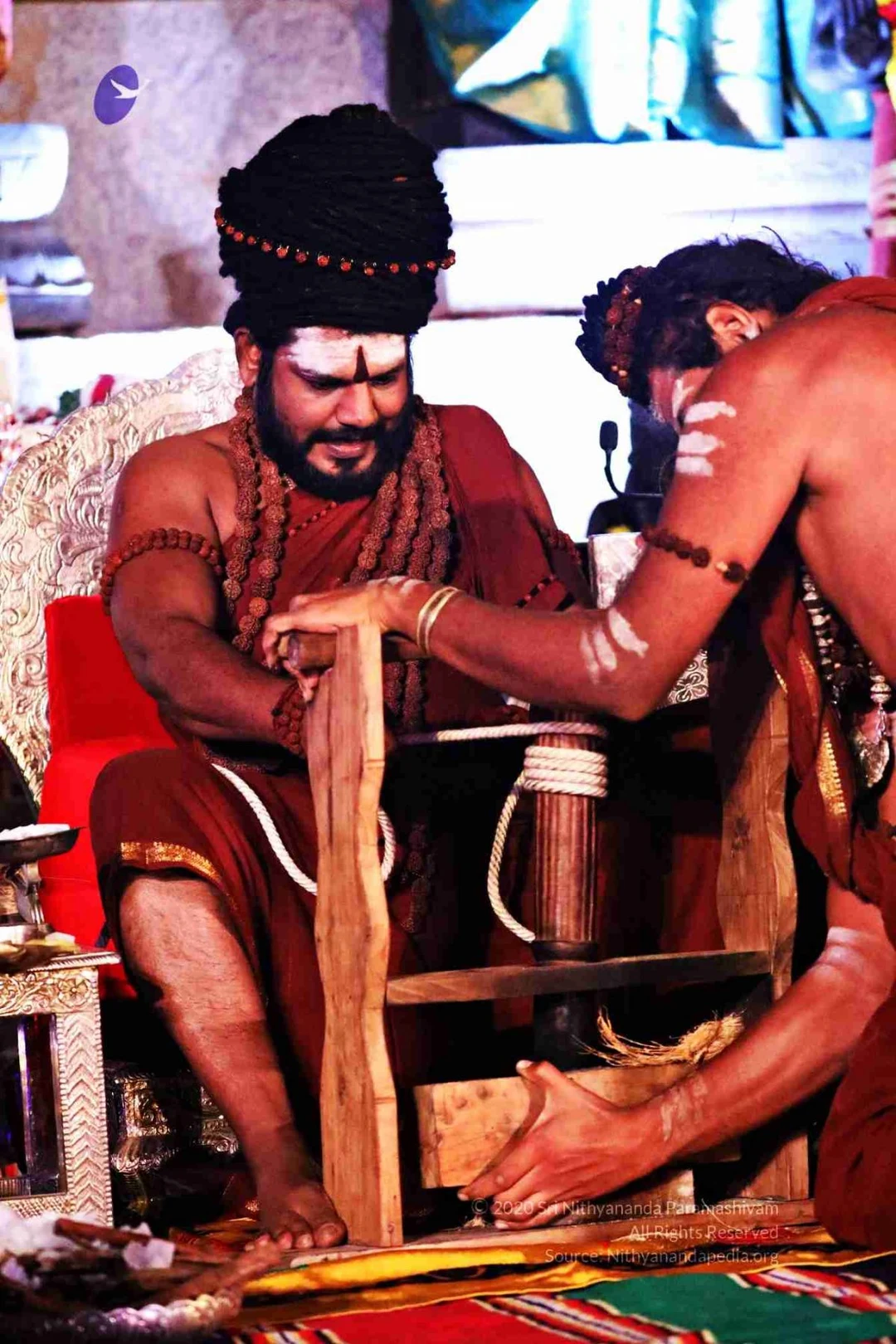
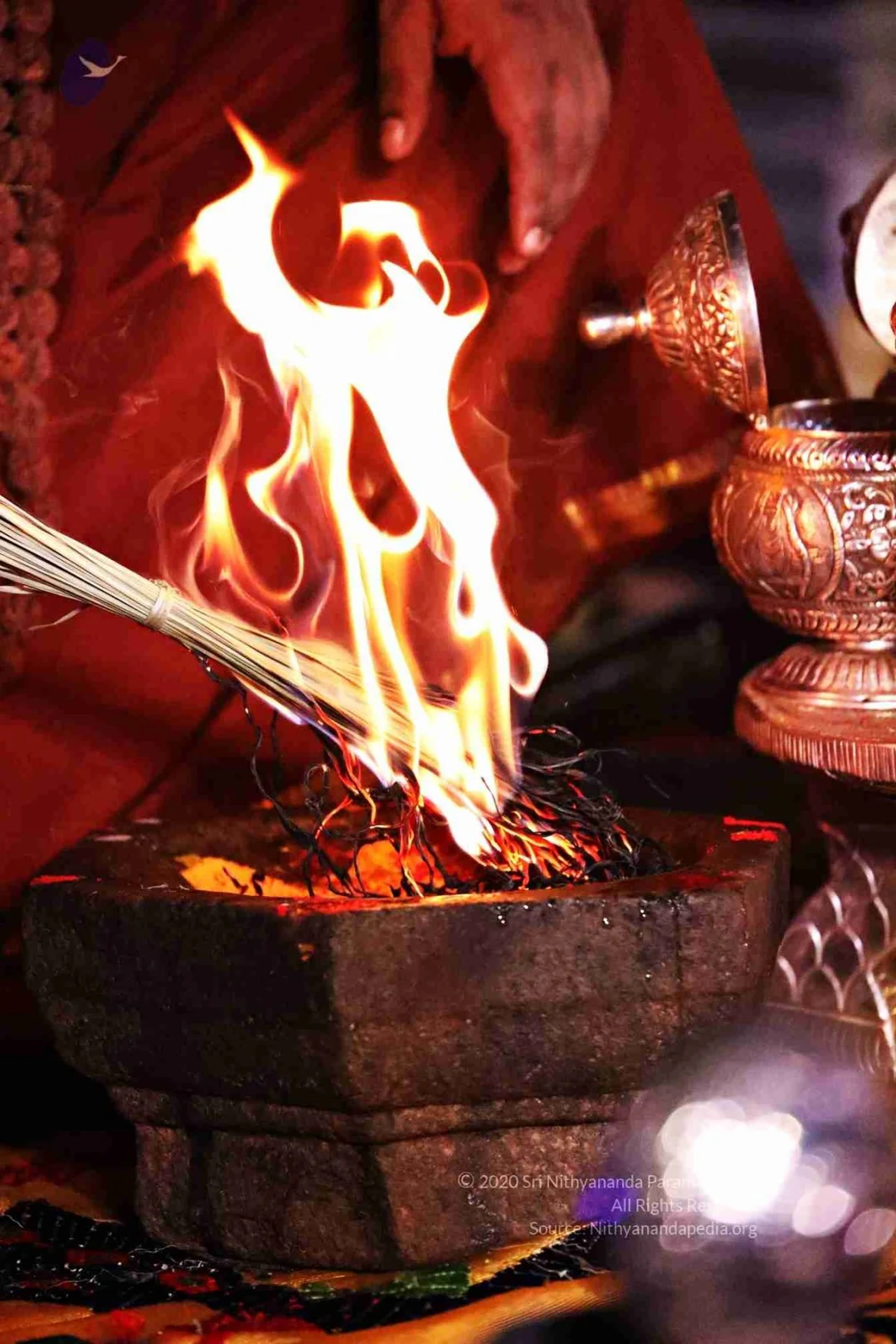
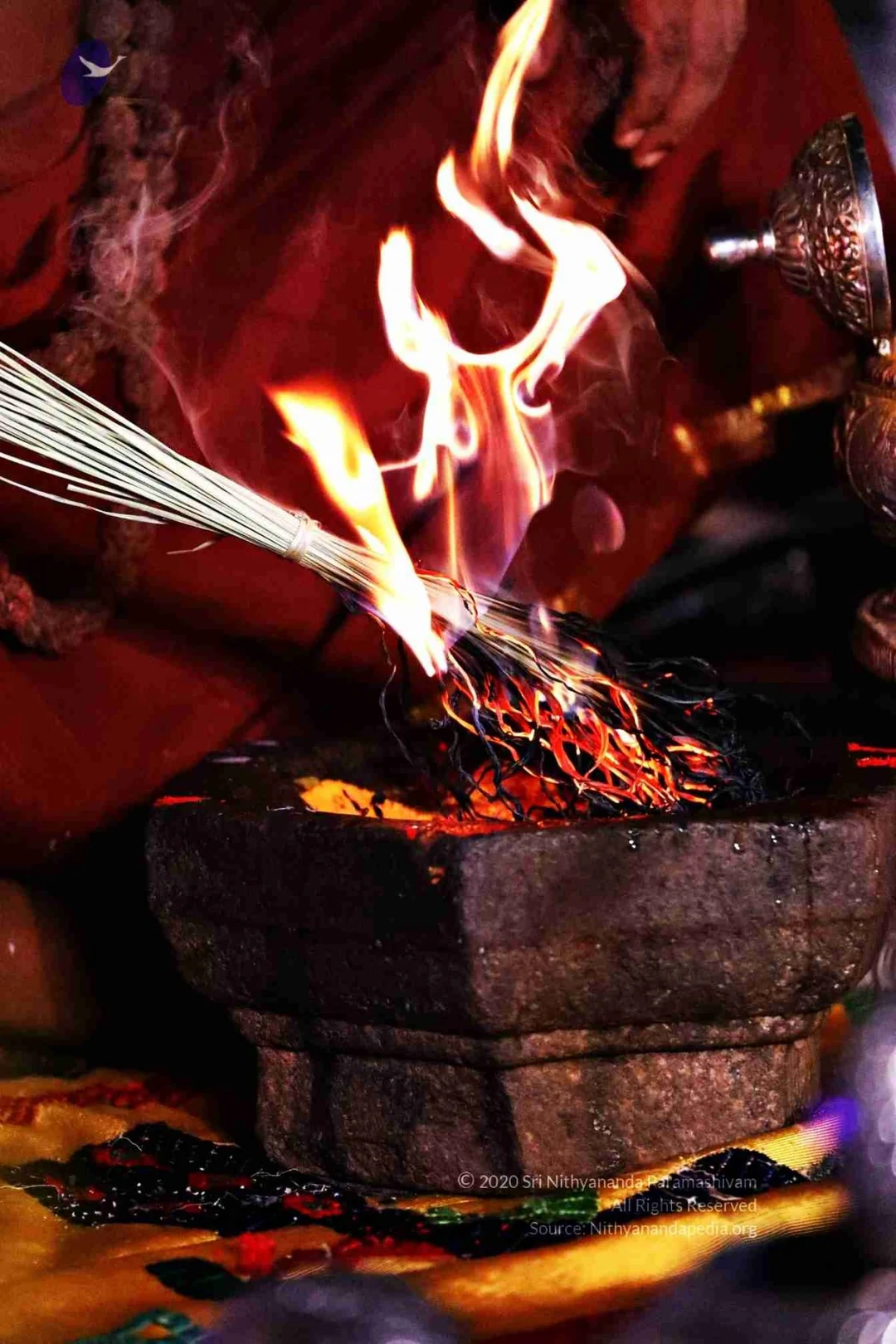
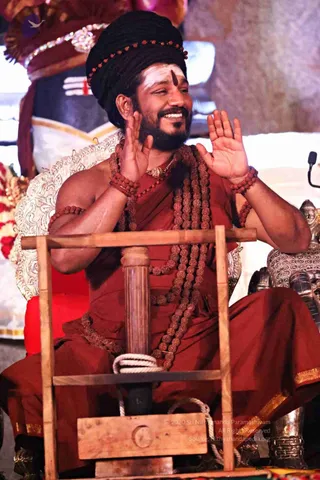 Agamic fire (agni) igniter known as arni
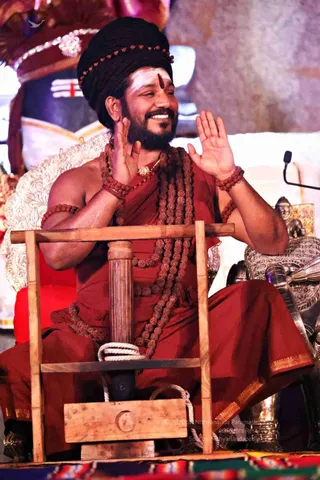 Agamic fire (agni) igniter known as arni
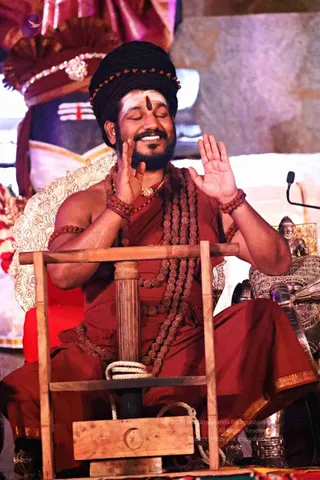 Agamic fire (agni) igniter known as arni
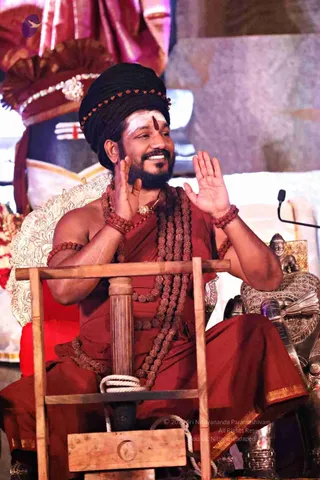 Agamic fire (agni) igniter known as arni
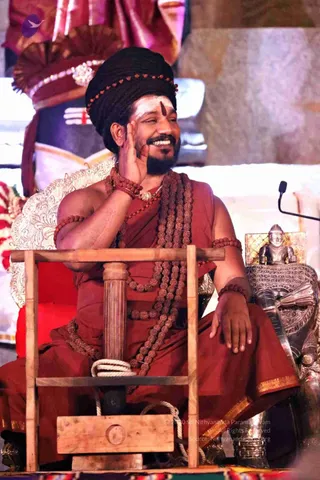 Agamic fire (agni) igniter known as arni
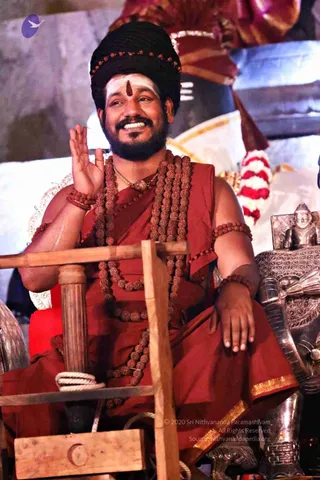 Agamic fire (agni) igniter known as arni
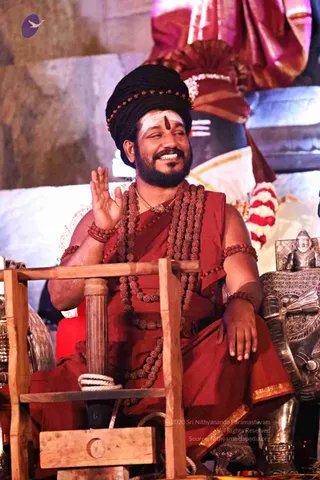 Agamic fire (agni) igniter known as arni
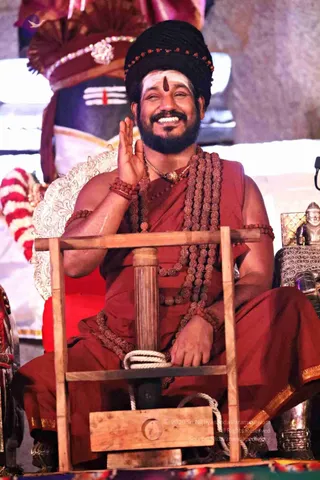 Agamic fire (agni) igniter known as arni
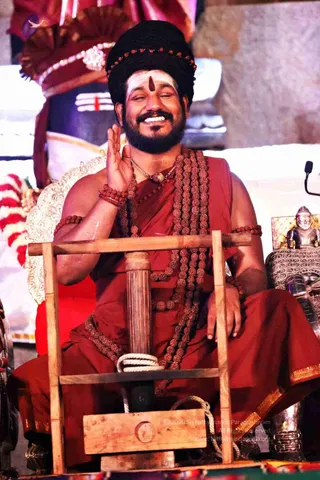 Agamic fire (agni) igniter known as arni
 Agamic fire (agni) igniter known as arni
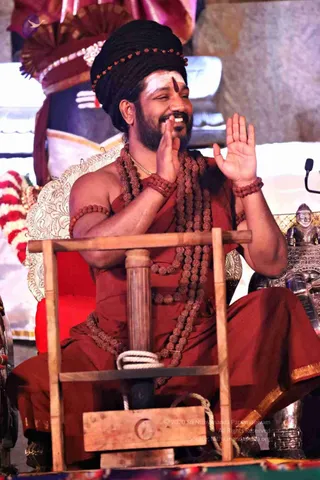 Agamic fire (agni) igniter known as arni
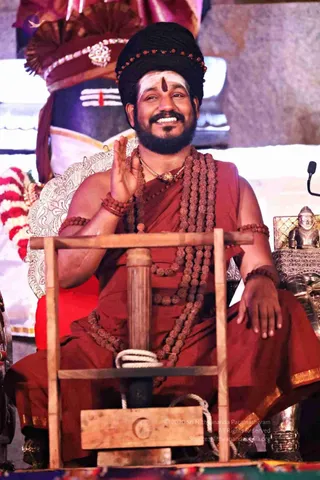 Agamic fire (agni) igniter known as arni
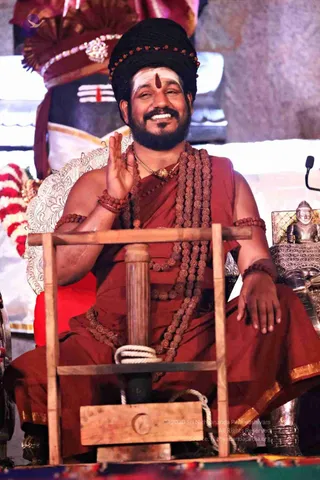 Agamic fire (agni) igniter known as arni
 Agamic fire (agni) igniter known as arni
 Agamic fire (agni) igniter known as arni
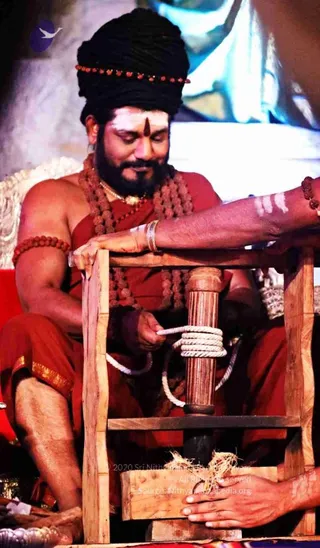 Agamic fire (agni) igniter known as arni
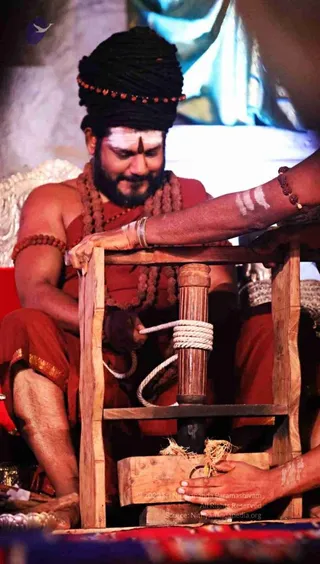 Agamic fire (agni) igniter known as arni
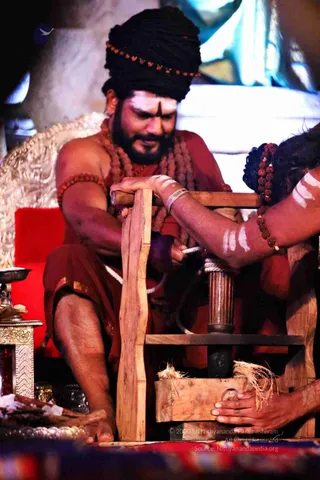 Agamic fire (agni) igniter known as arni
 Agamic fire (agni) igniter known as arni
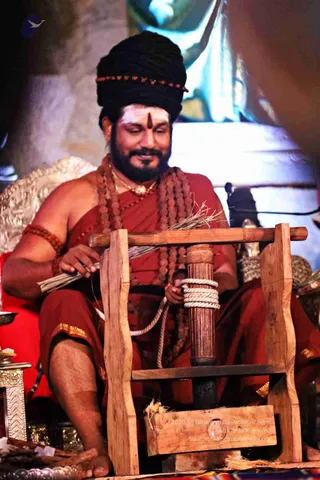 Agamic fire (agni) igniter known as arni
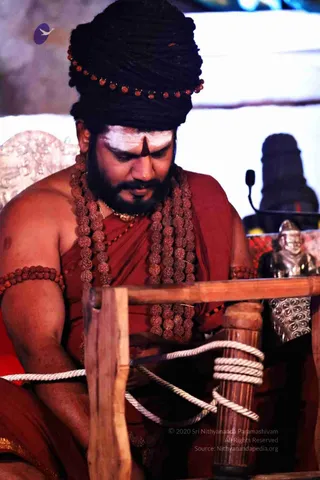 Agamic fire (agni) igniter known as arni
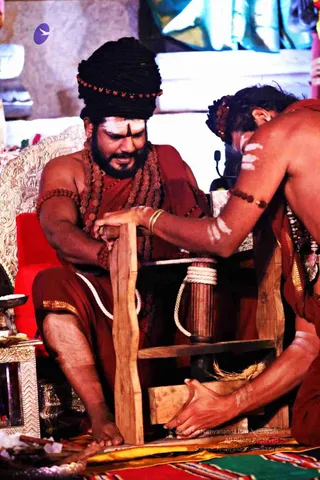 Agamic fire (agni) igniter known as arni
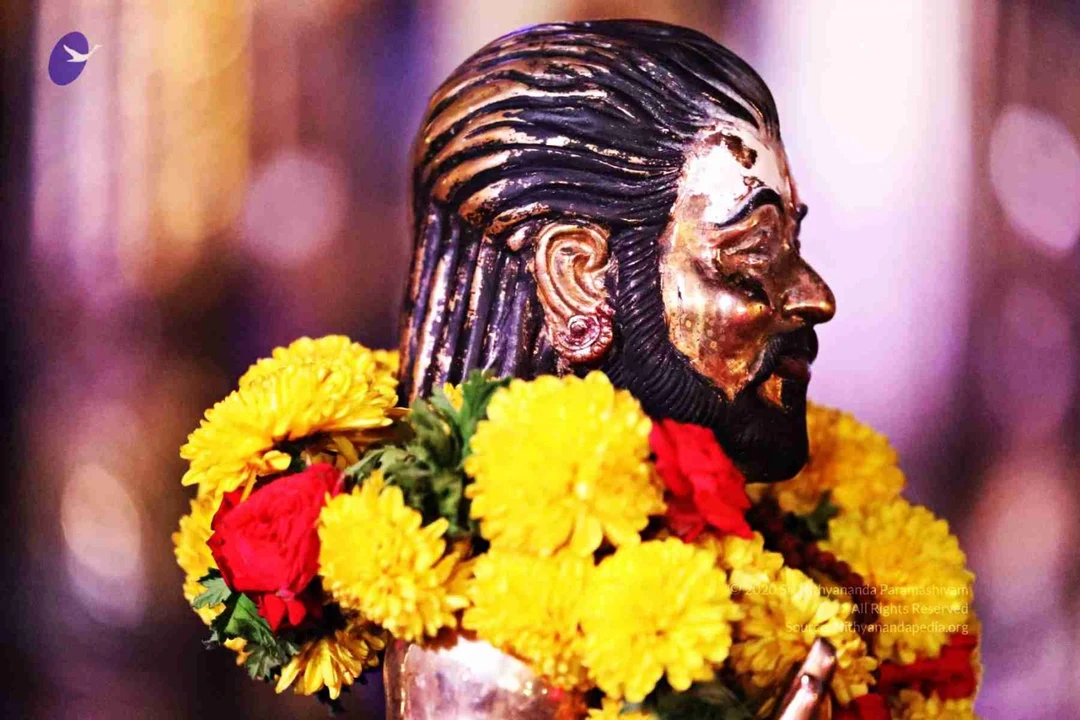 HDH Nithyananda Paramashivam deity
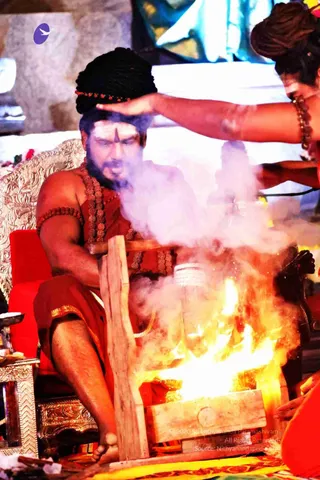 Agamic fire (agni) igniter known as arni
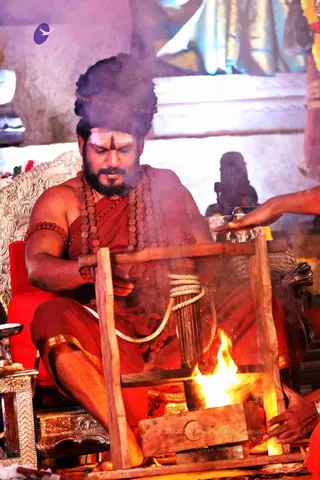 Agamic fire (agni) igniter known as arni
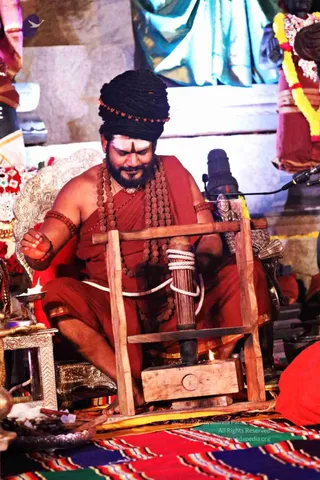 Agamic fire (agni) igniter known as arni
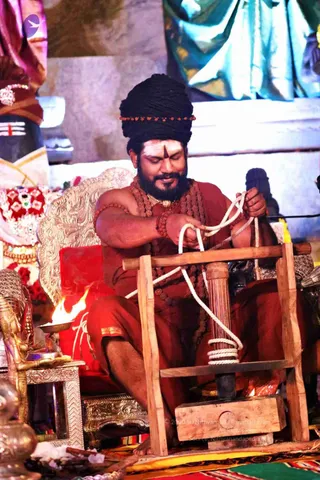 Agamic fire (agni) igniter known as arni
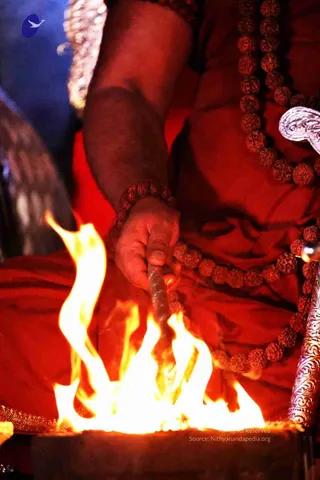
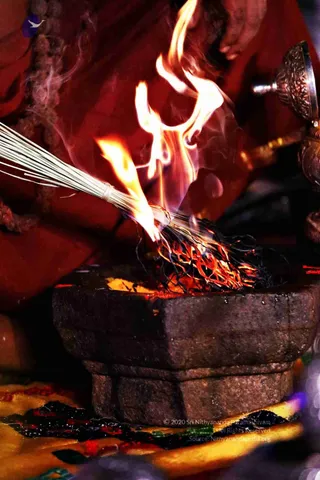
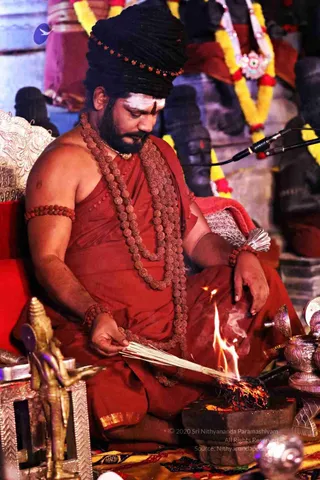
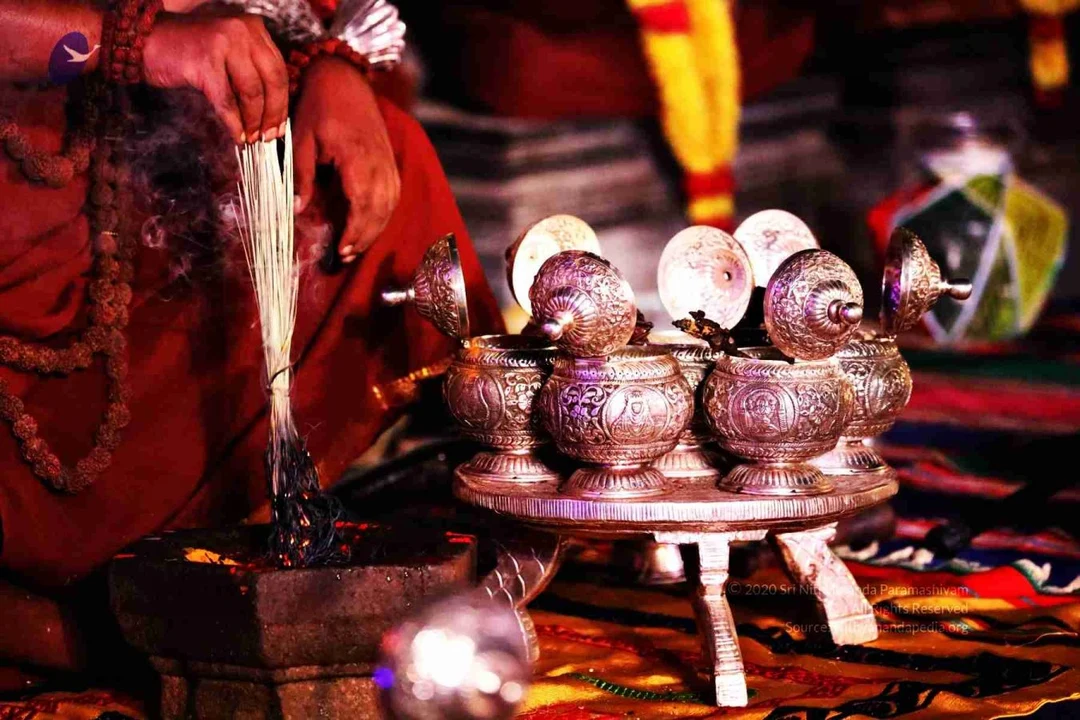
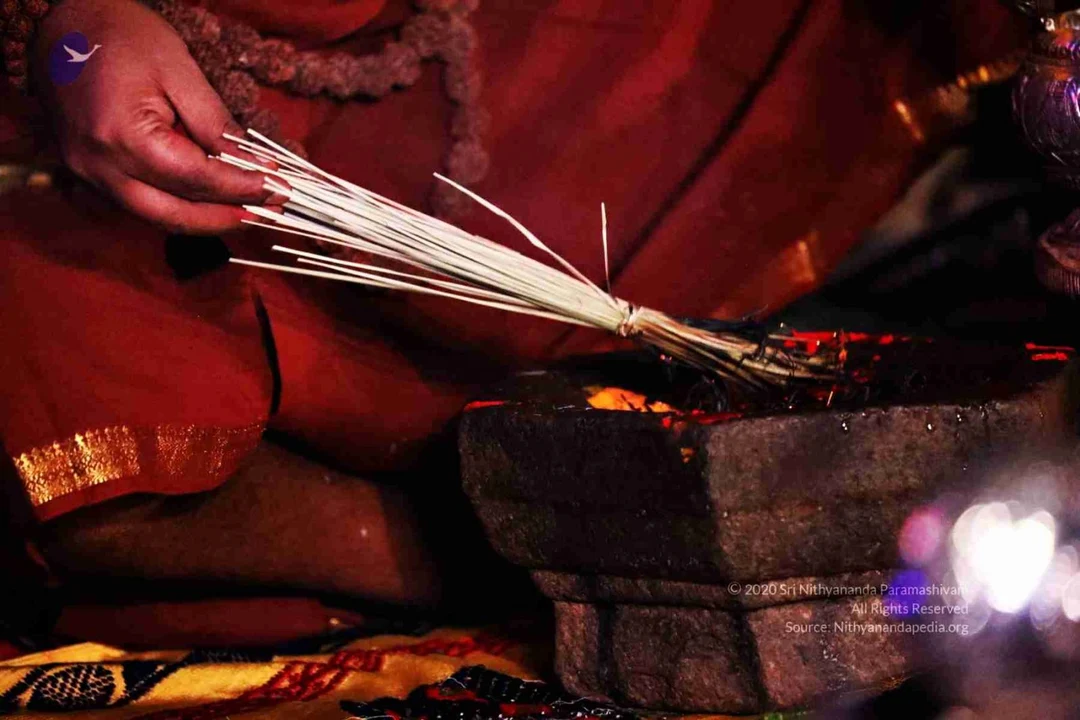
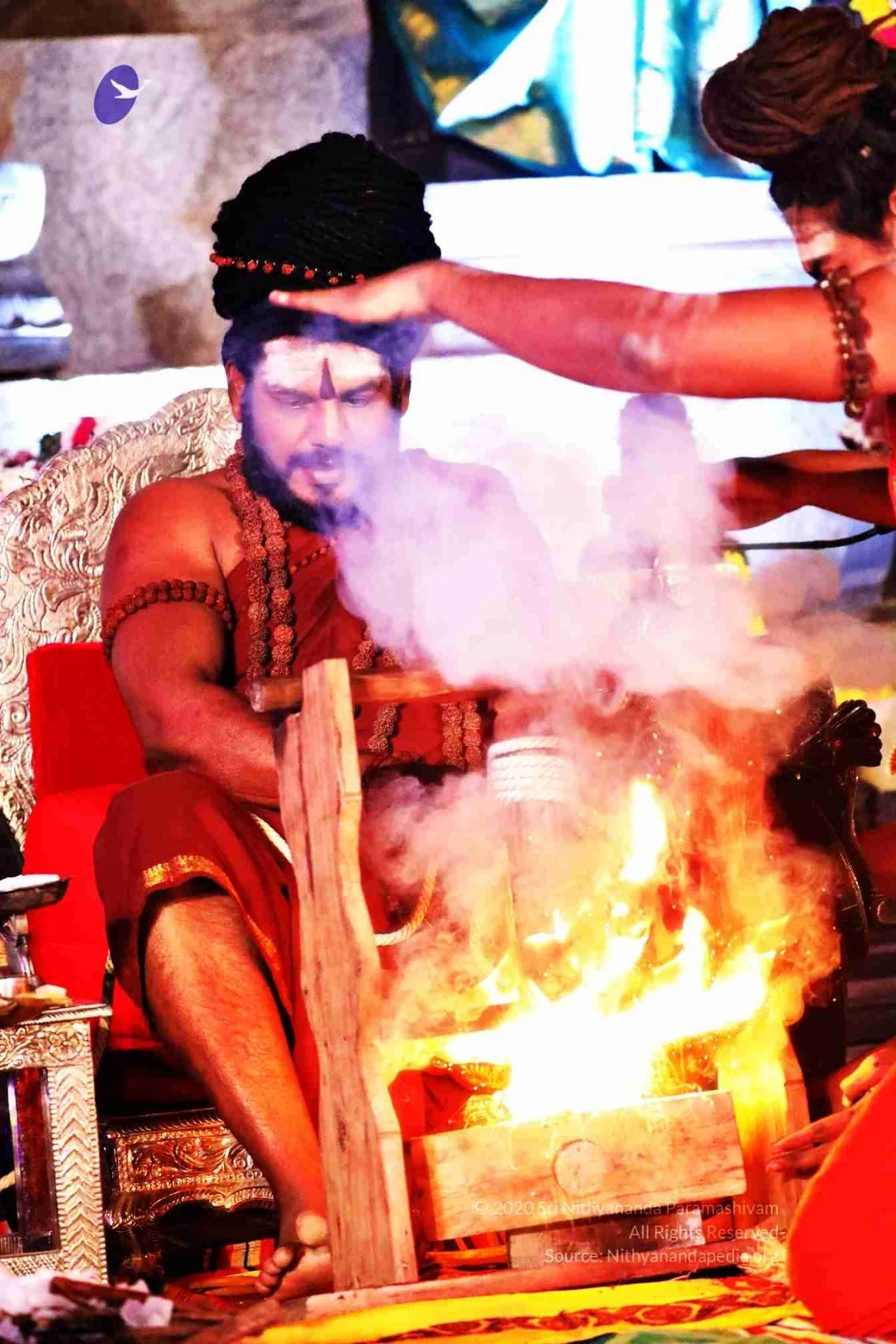
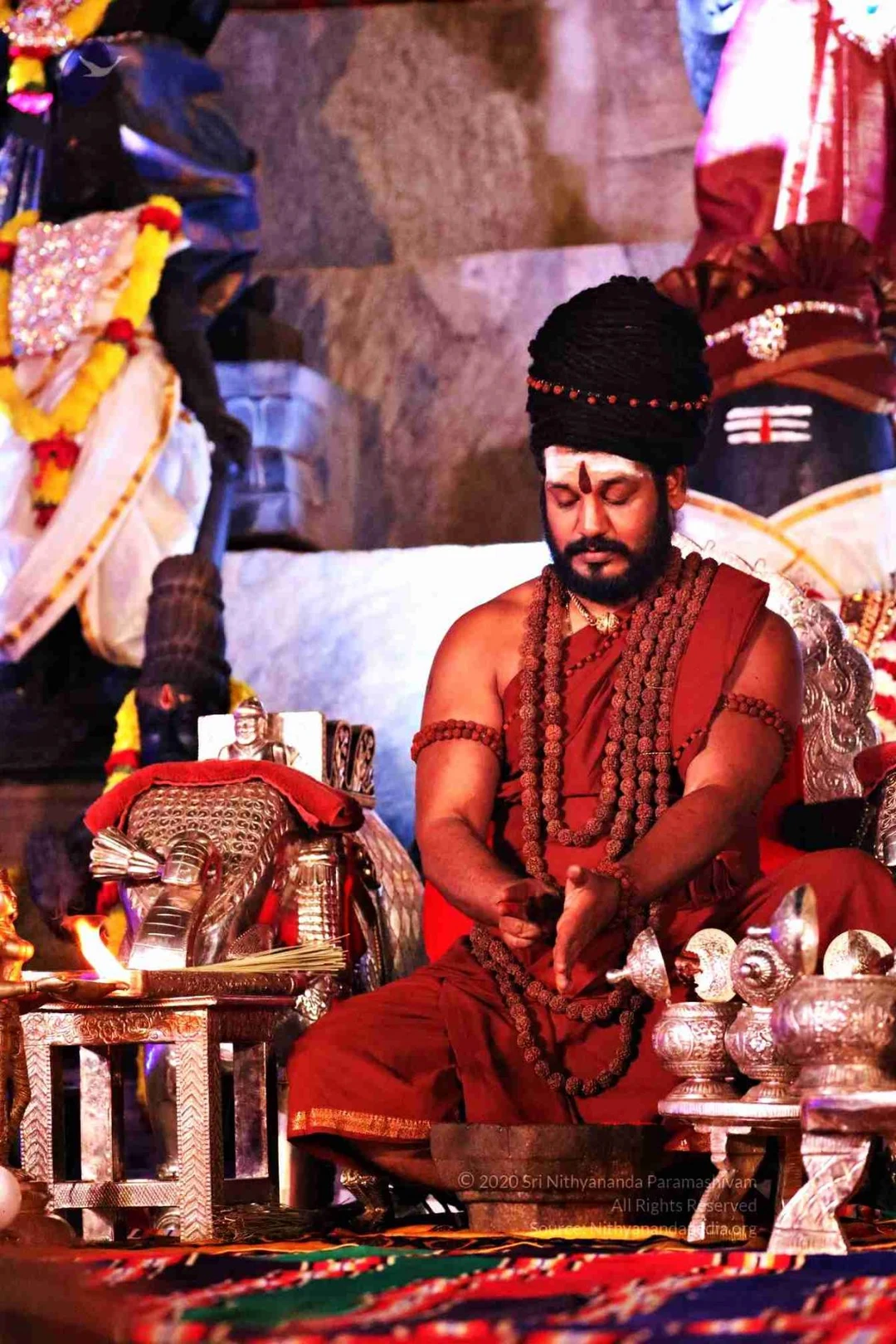
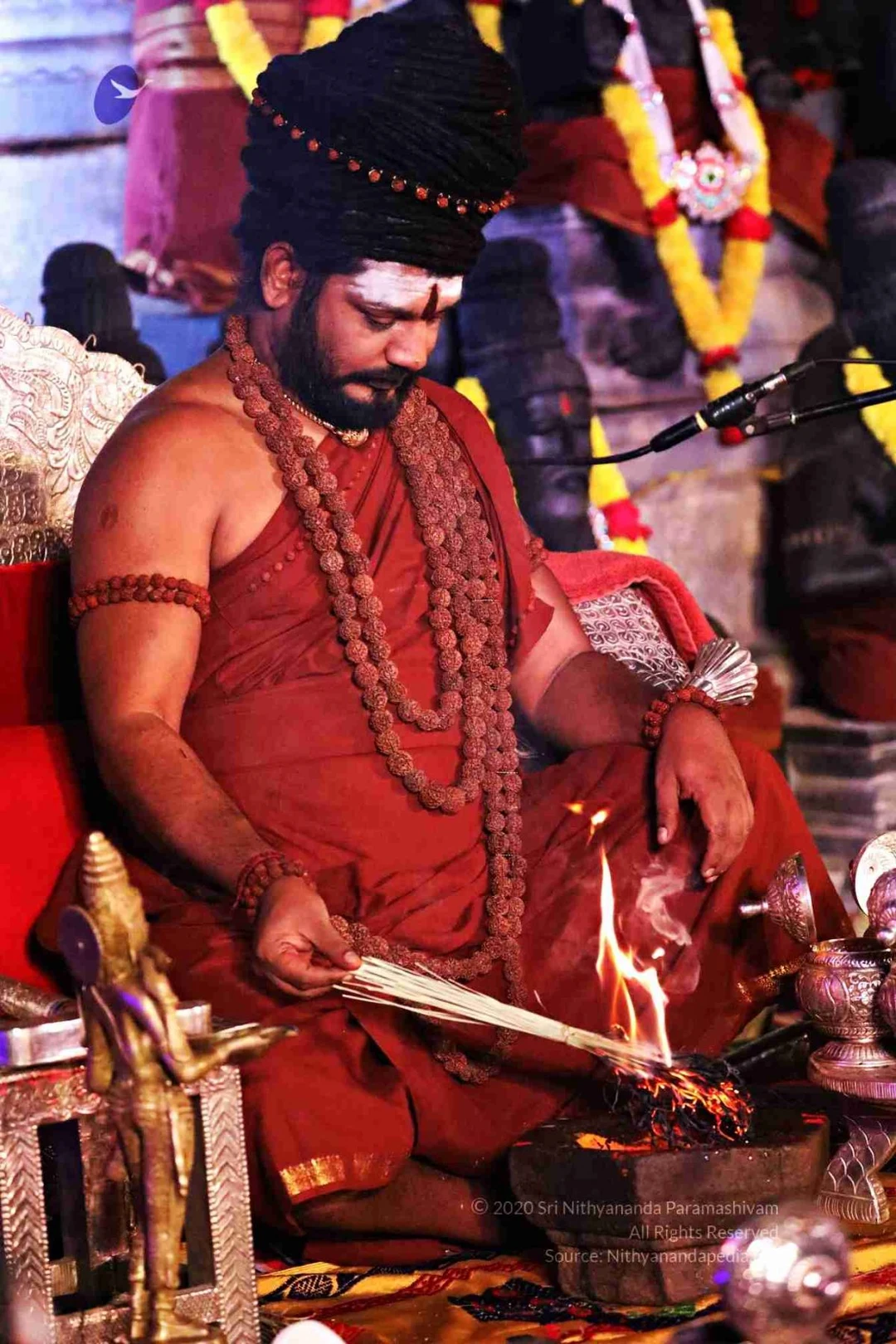
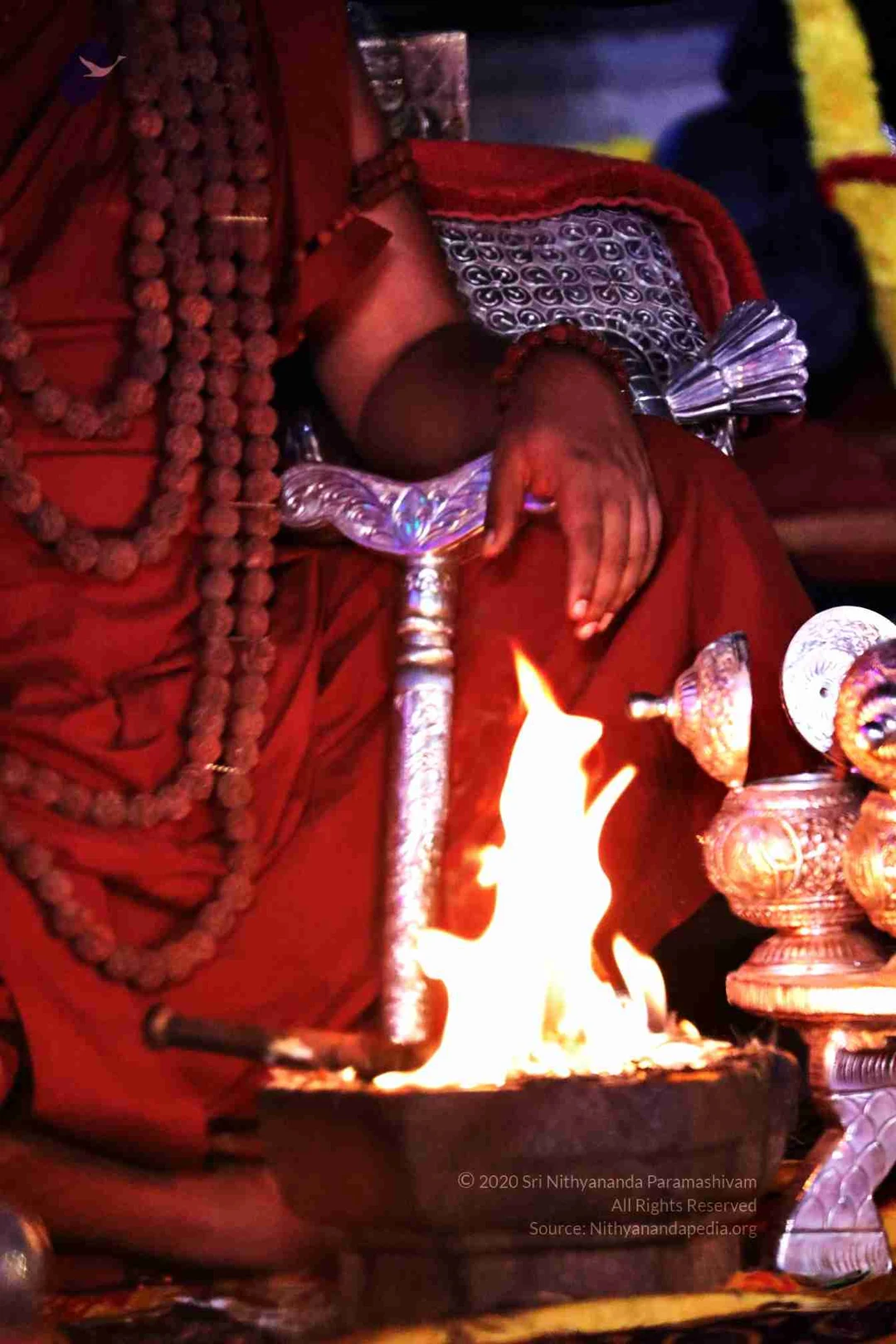
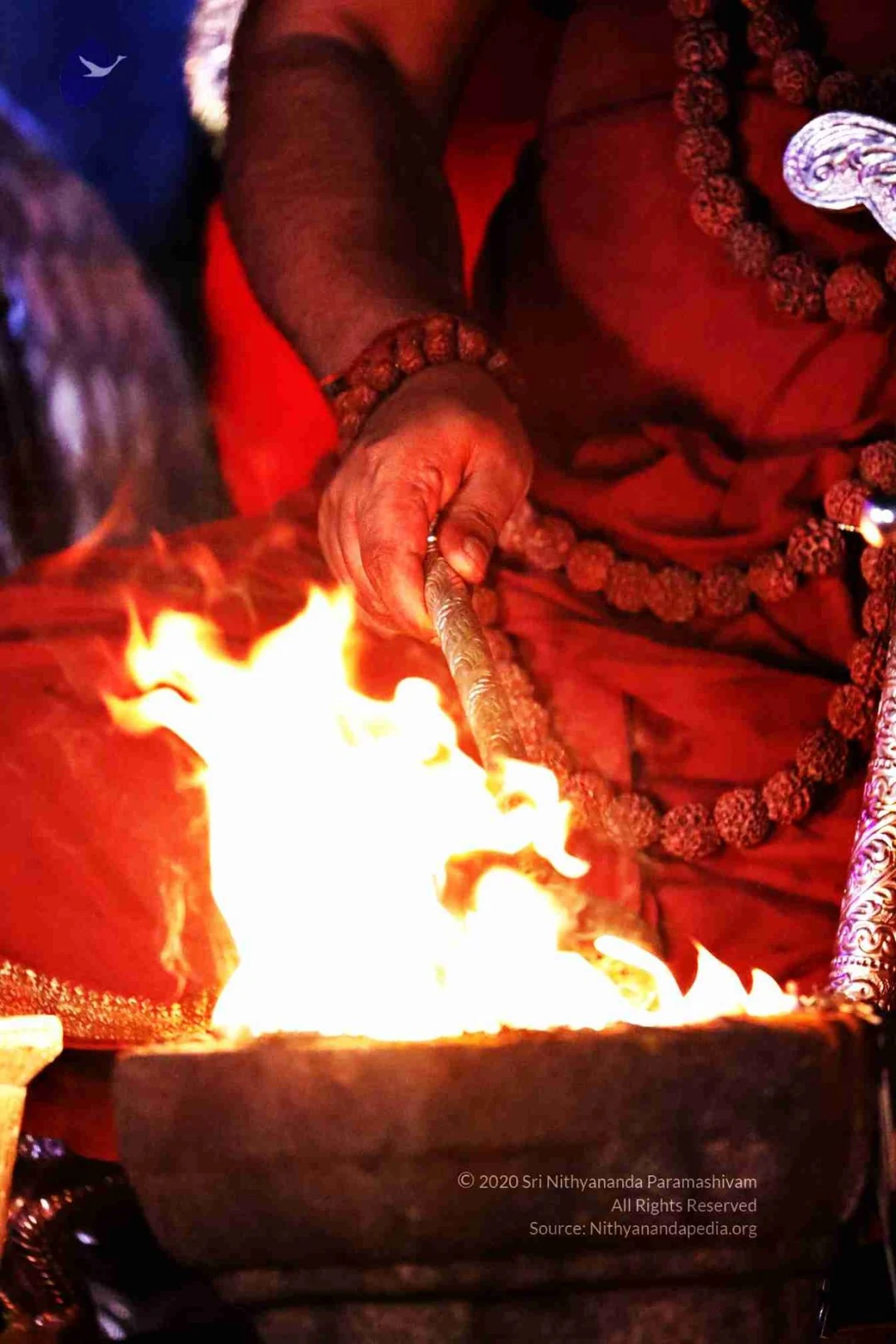
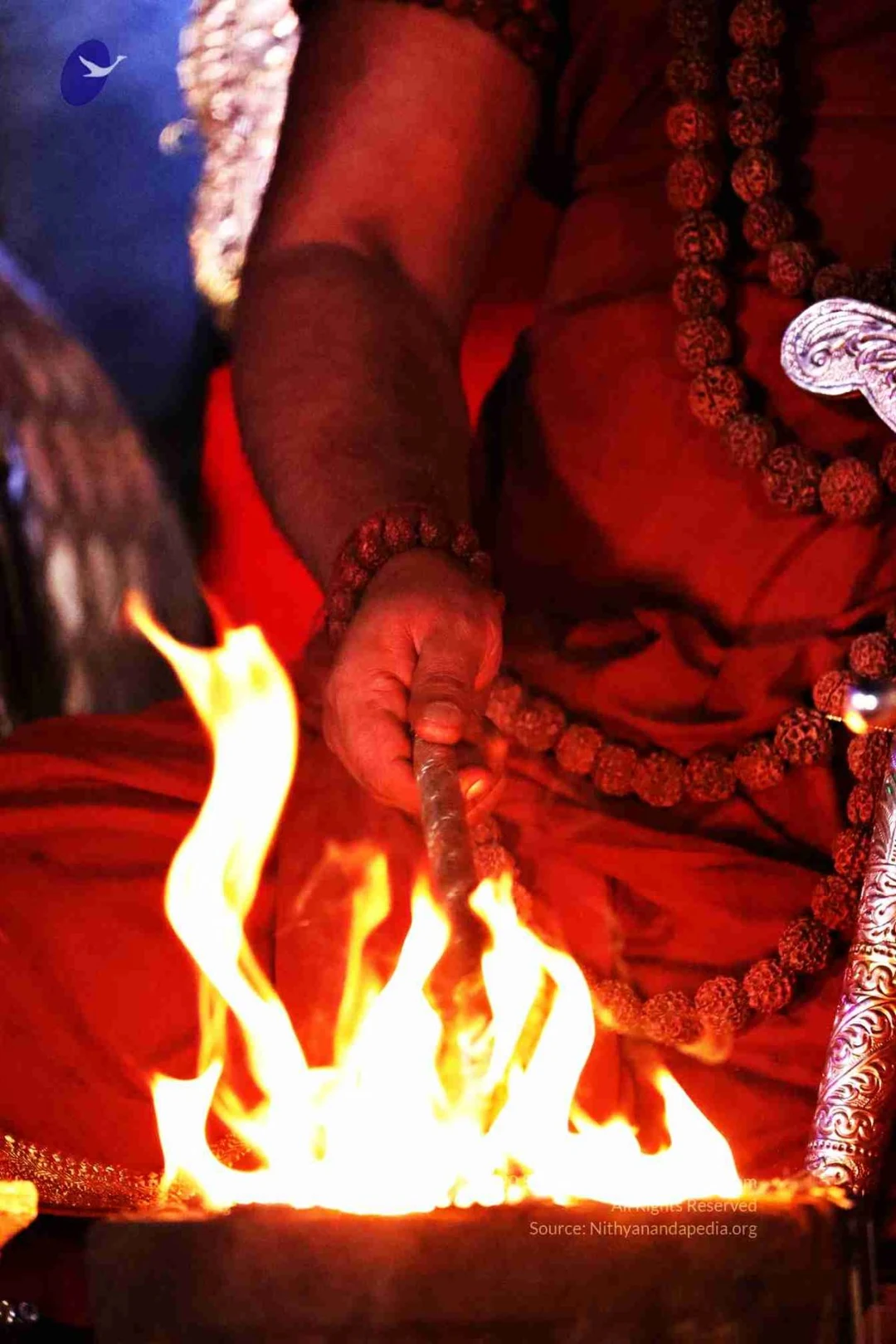
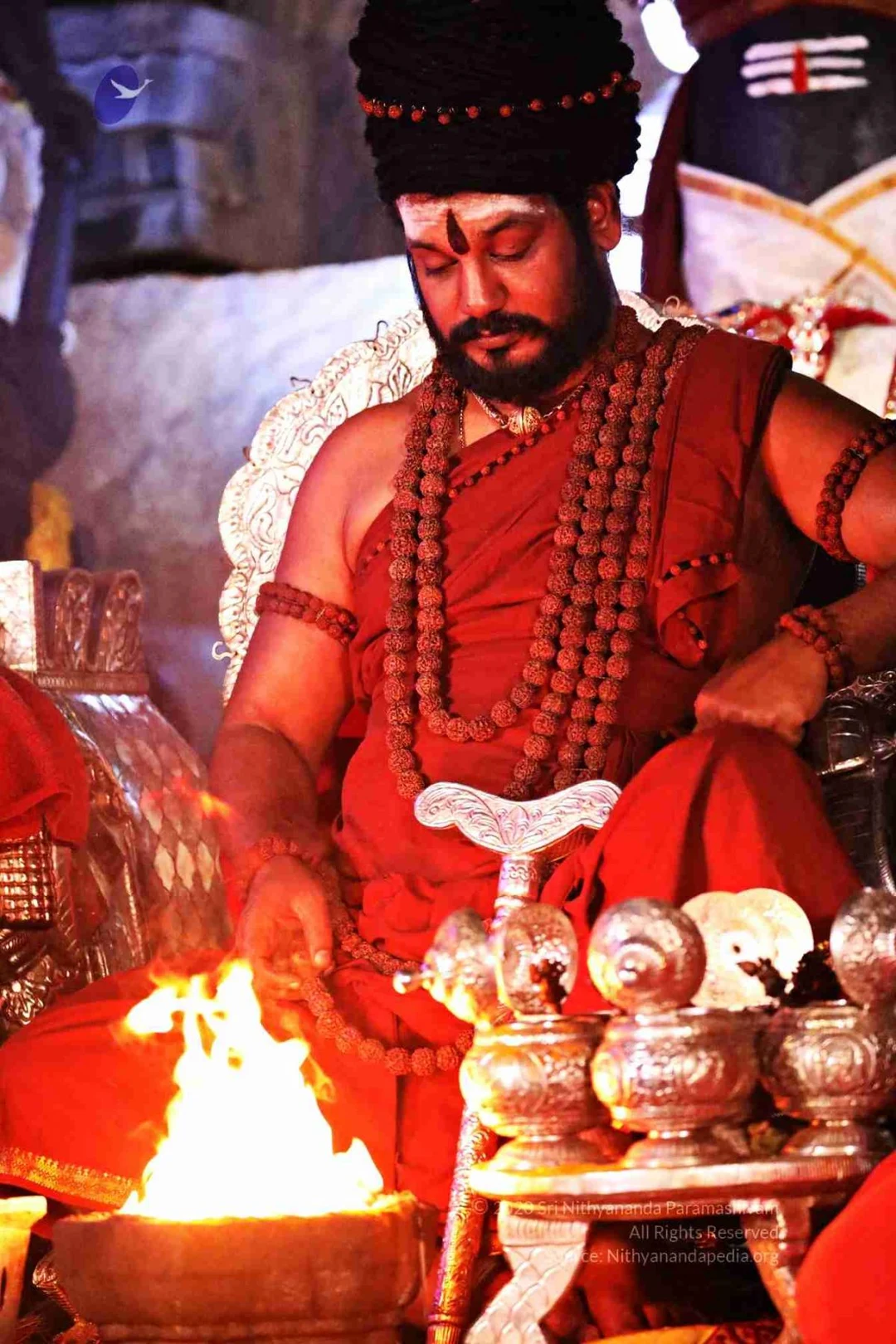
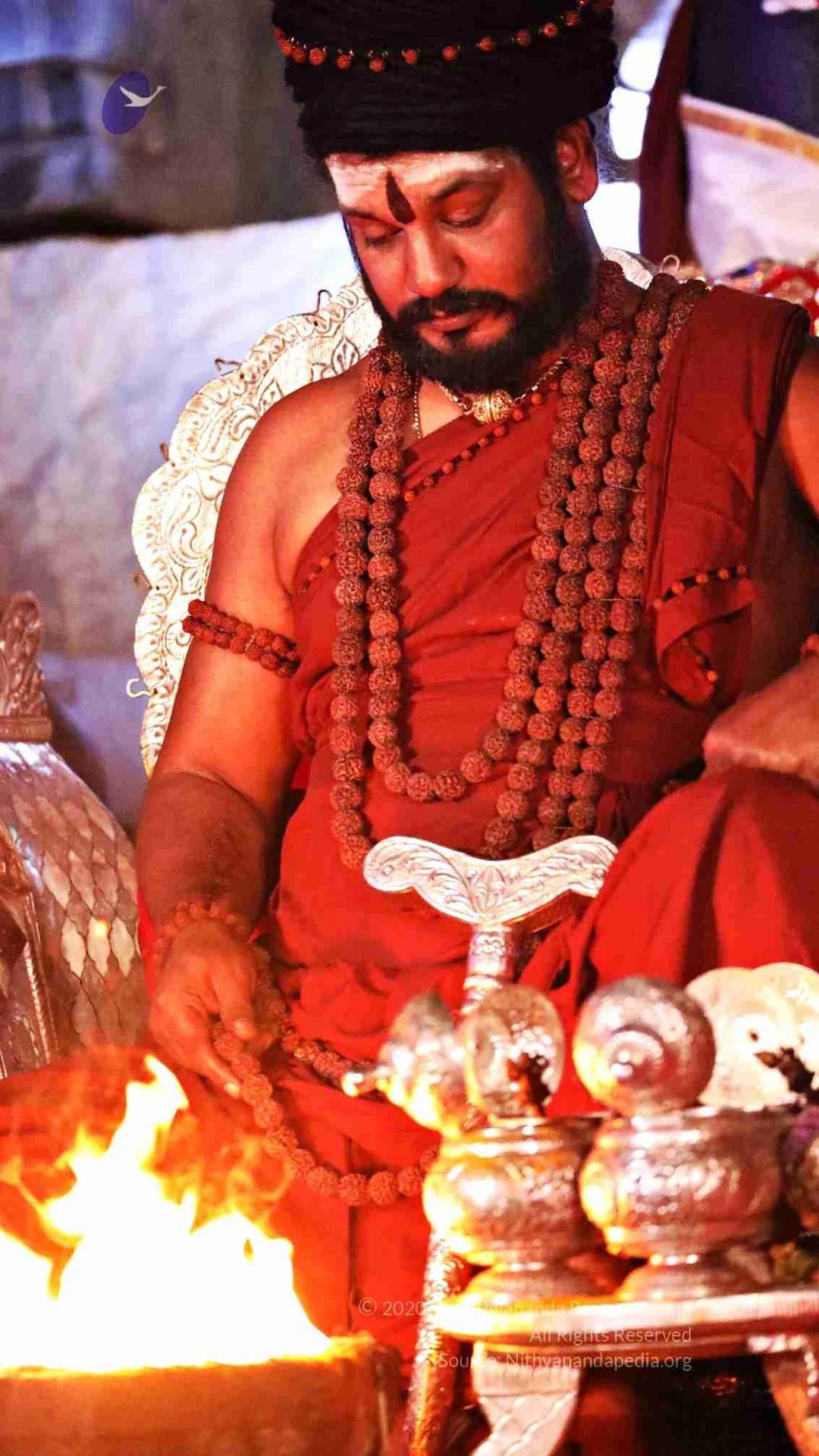
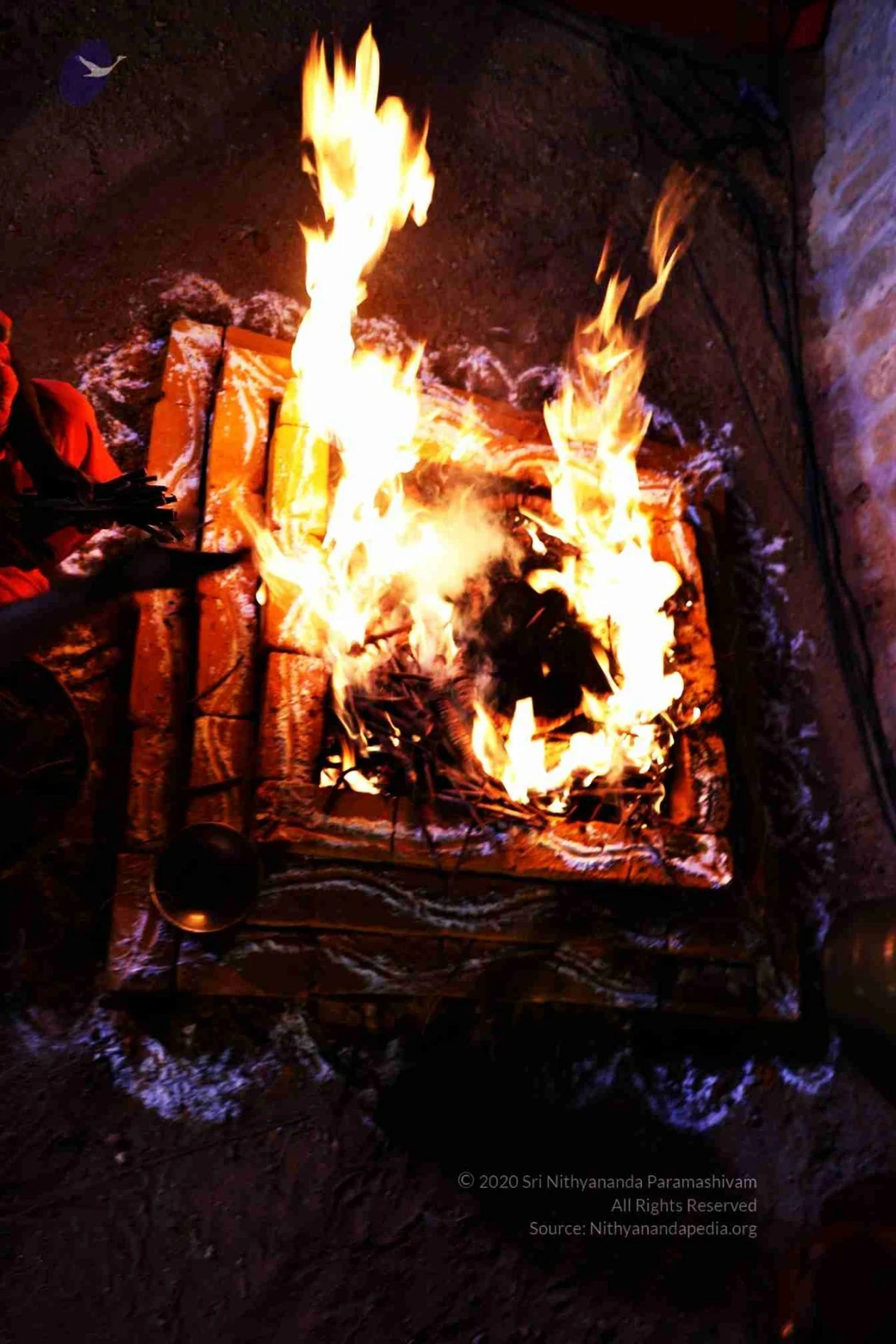
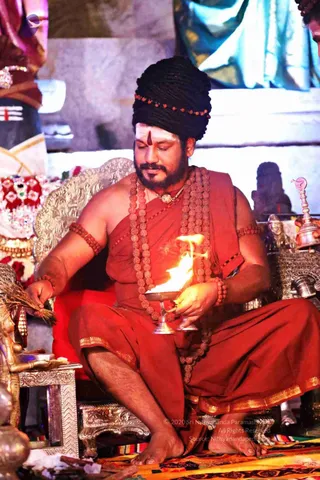 Auspicios Agni lit for aushada process
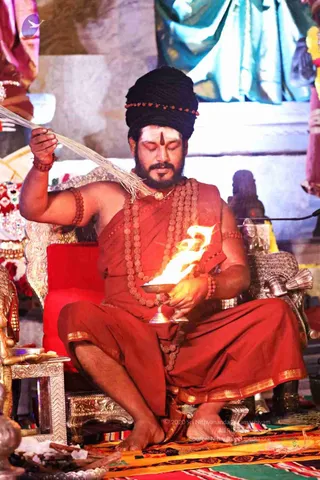 Auspicios Agni lit for aushada process
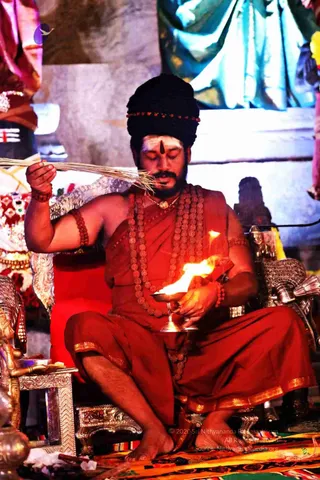 Auspicios Agni lit for aushada process
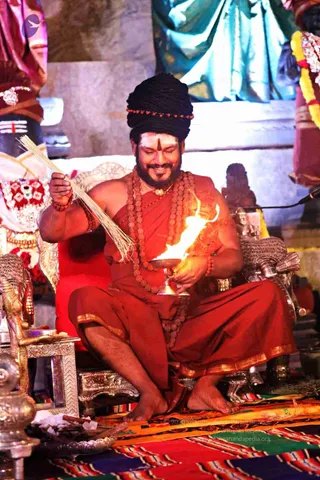 Auspicios Agni lit for aushada process
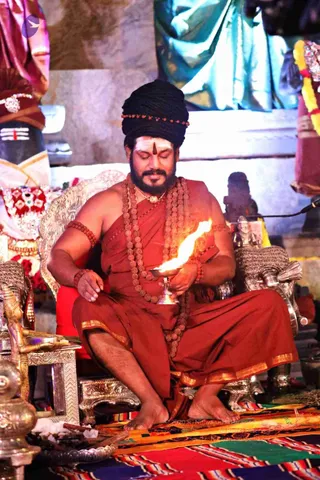 Auspicios Agni lit for aushada process
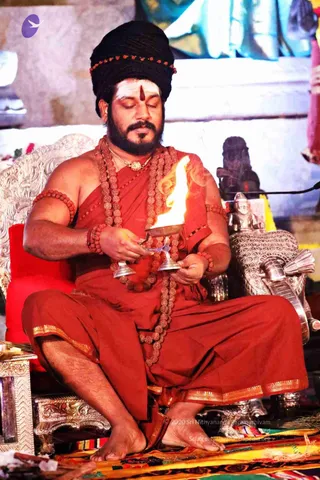 Auspicios Agni lit for aushada process
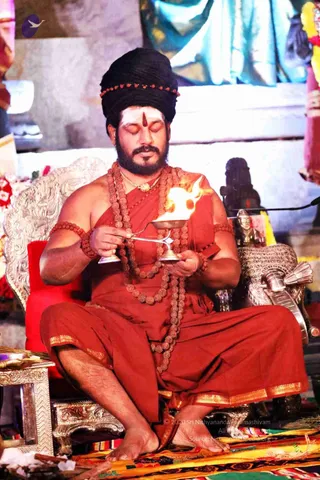 Auspicios Agni lit for aushada process
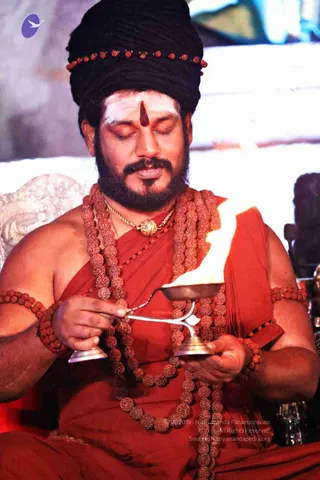 Auspicios Agni lit for aushada process
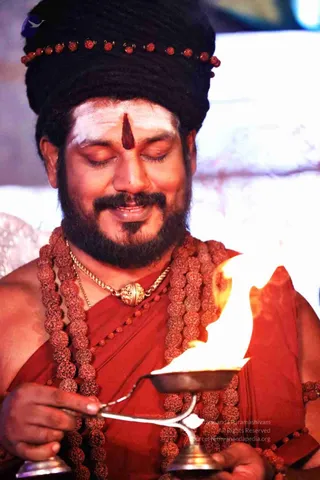 Auspicios Agni lit for aushada process
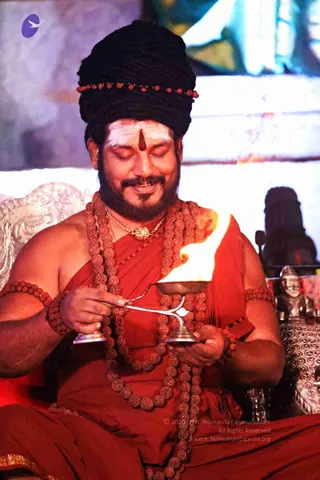 Auspicios Agni lit for aushada process
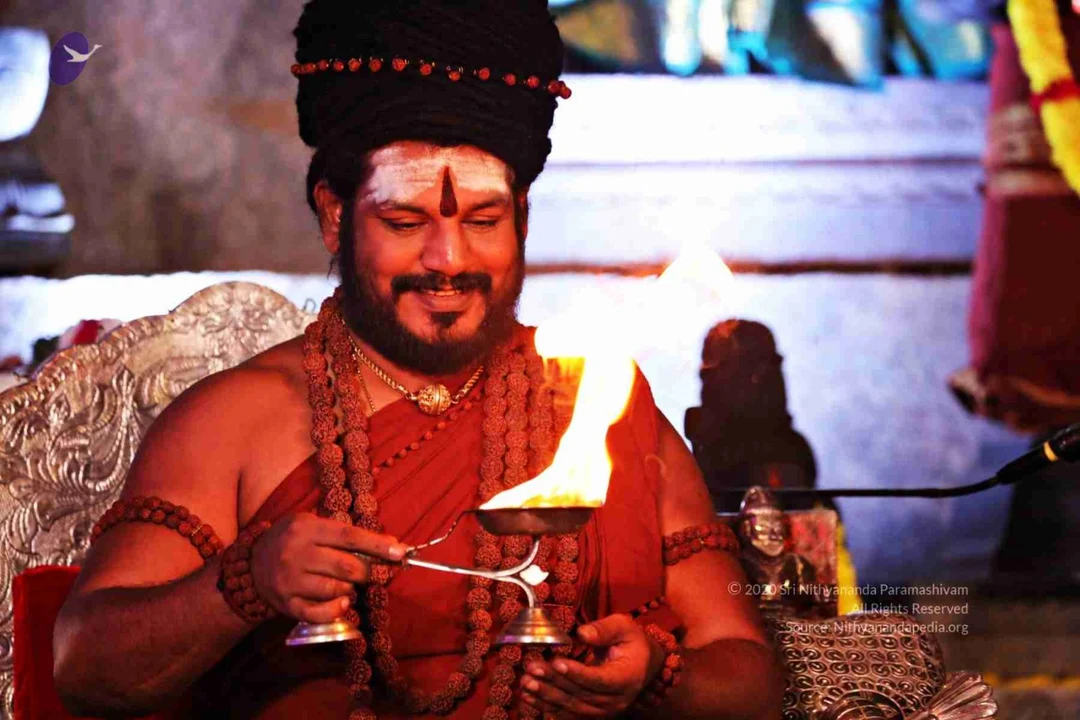 Auspicios Agni lit for aushada process
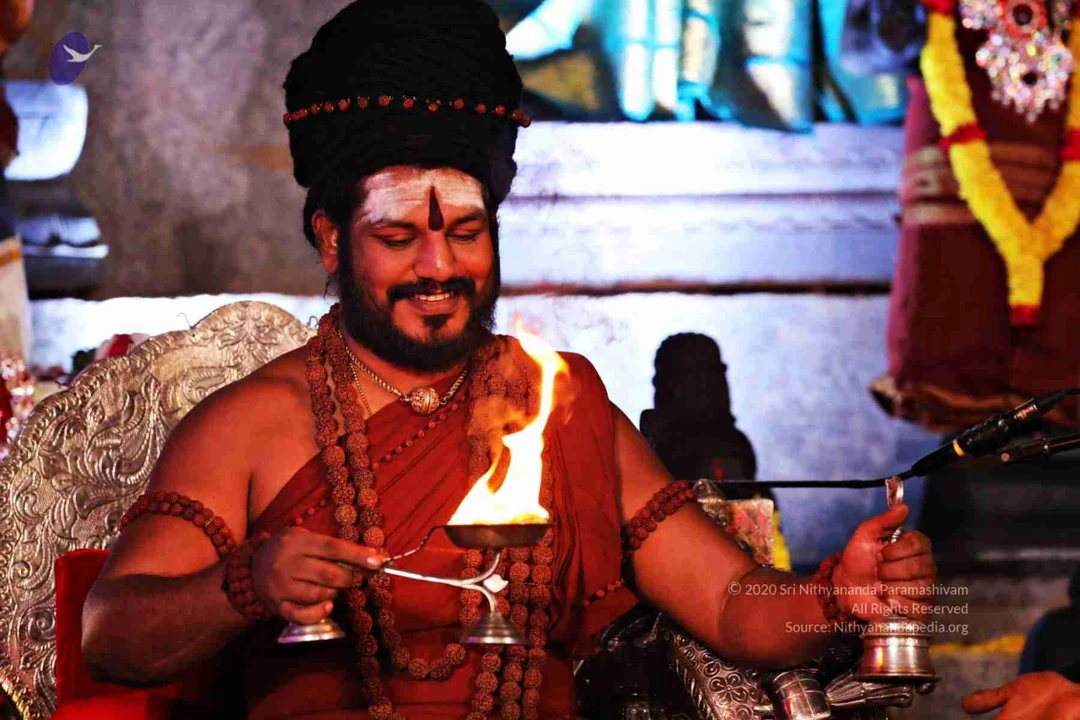 Auspicios Agni lit for aushada process
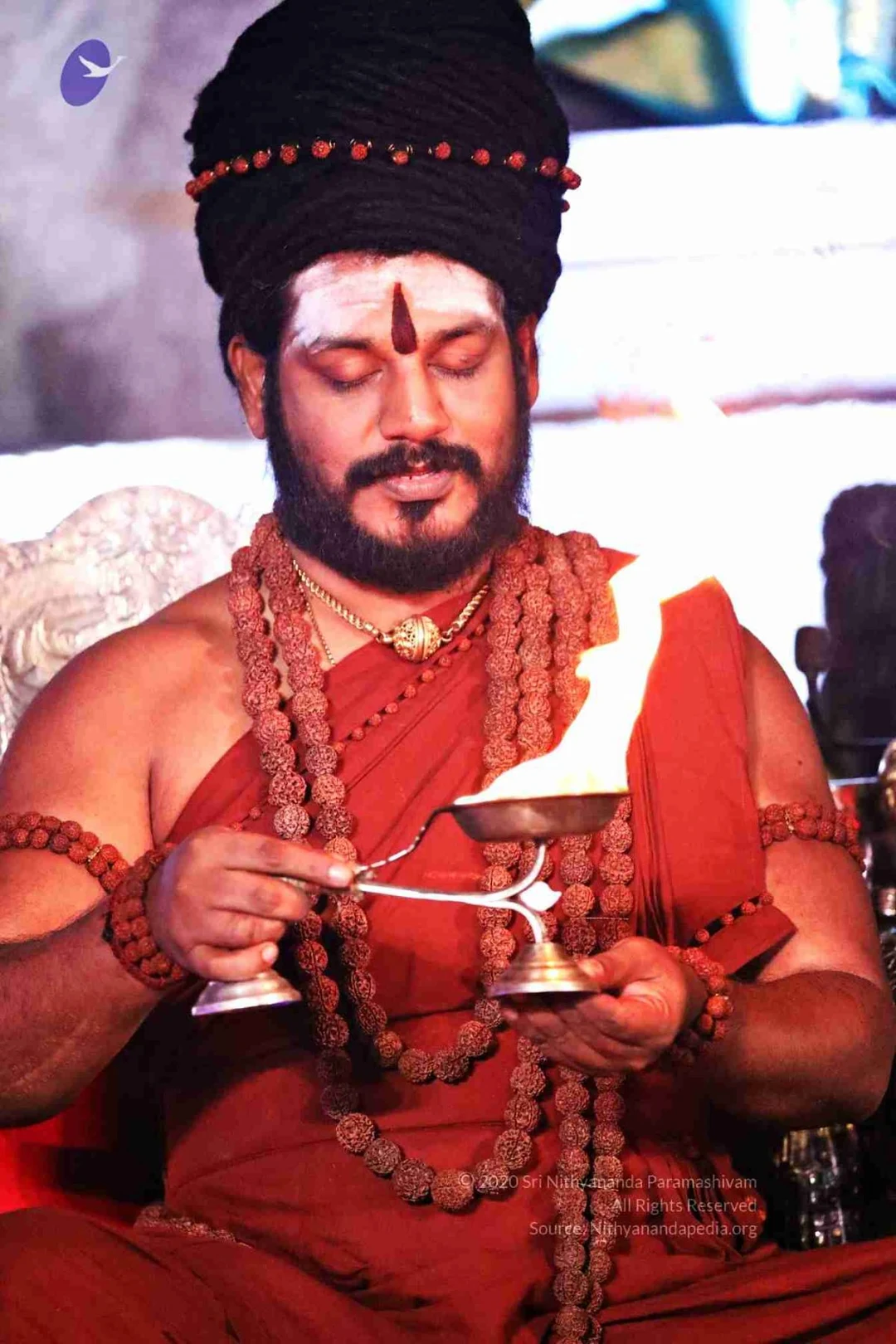
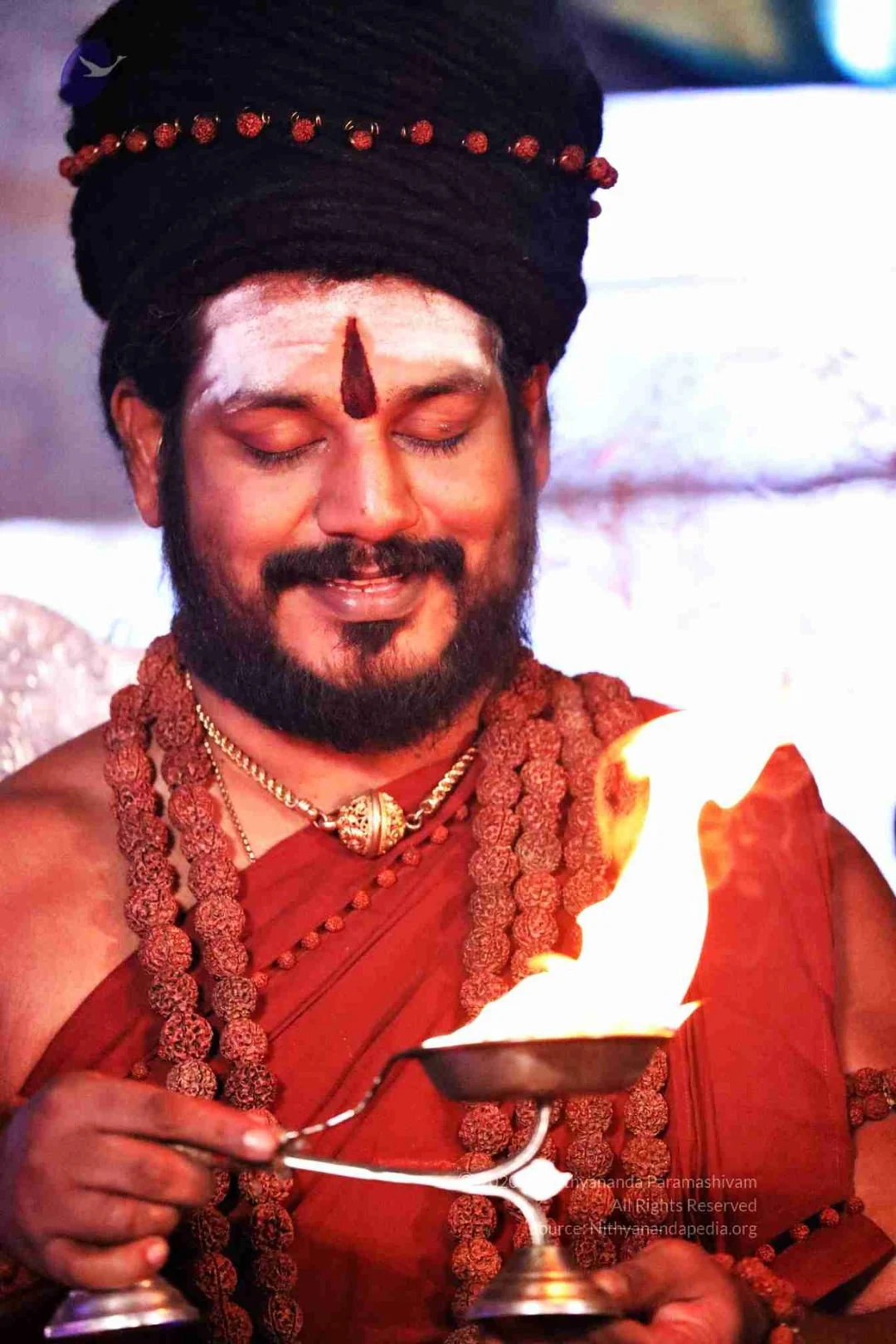
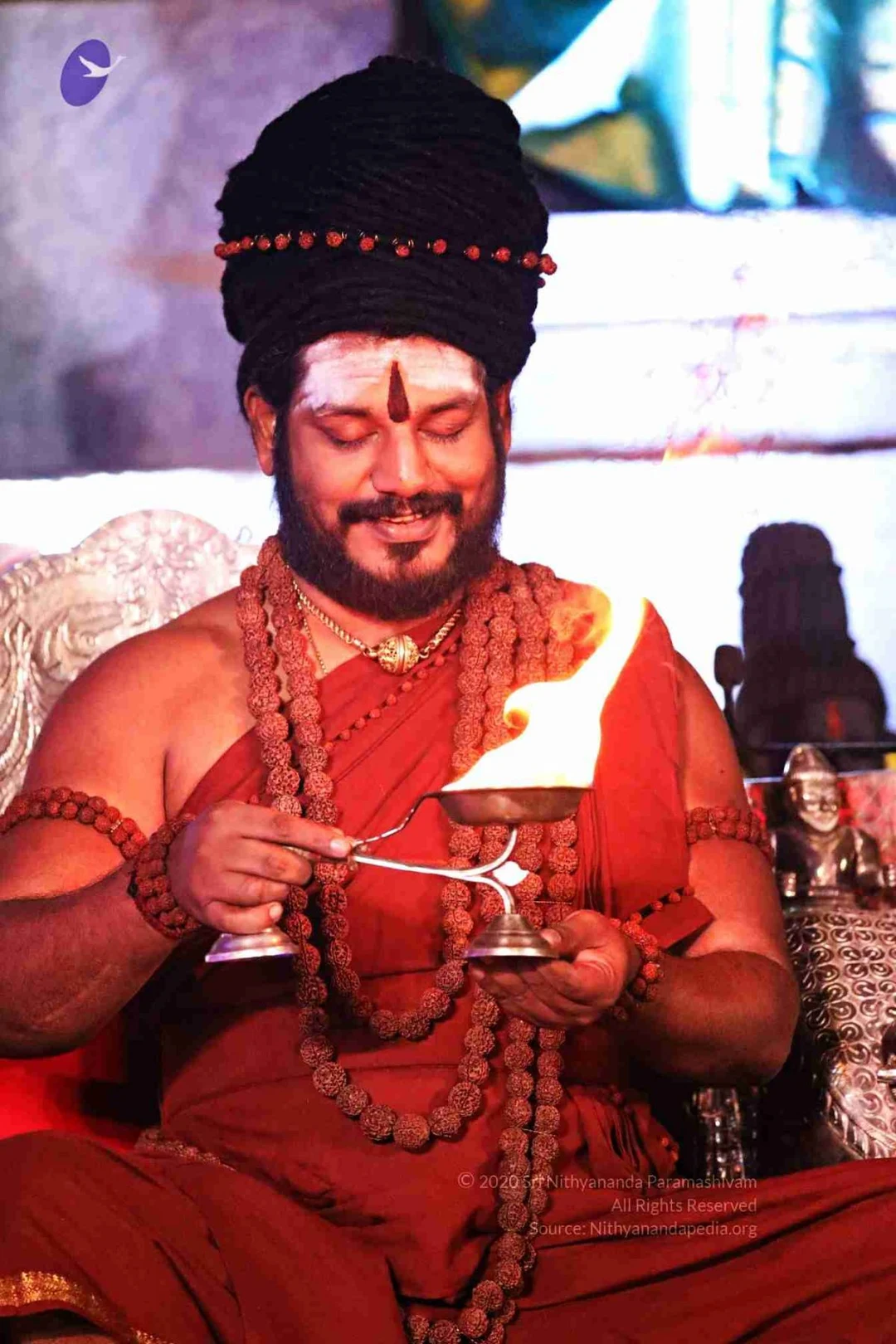
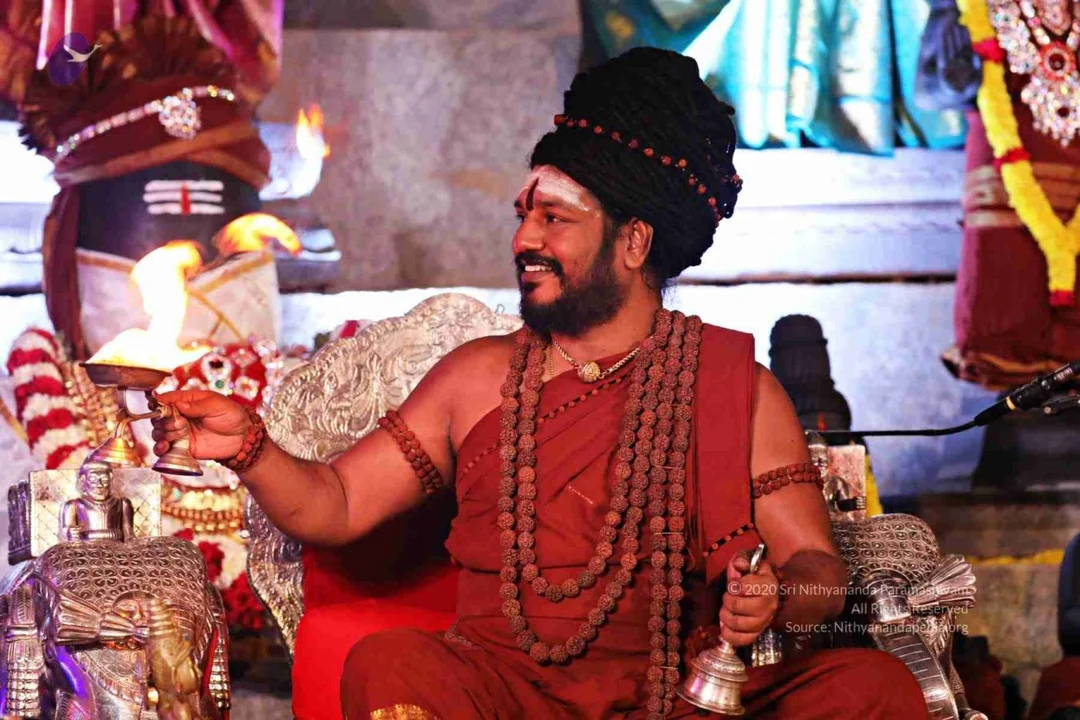 Auspicios Agni lit for aushada process - aarti performed -let's all enjoy the innocence of existence
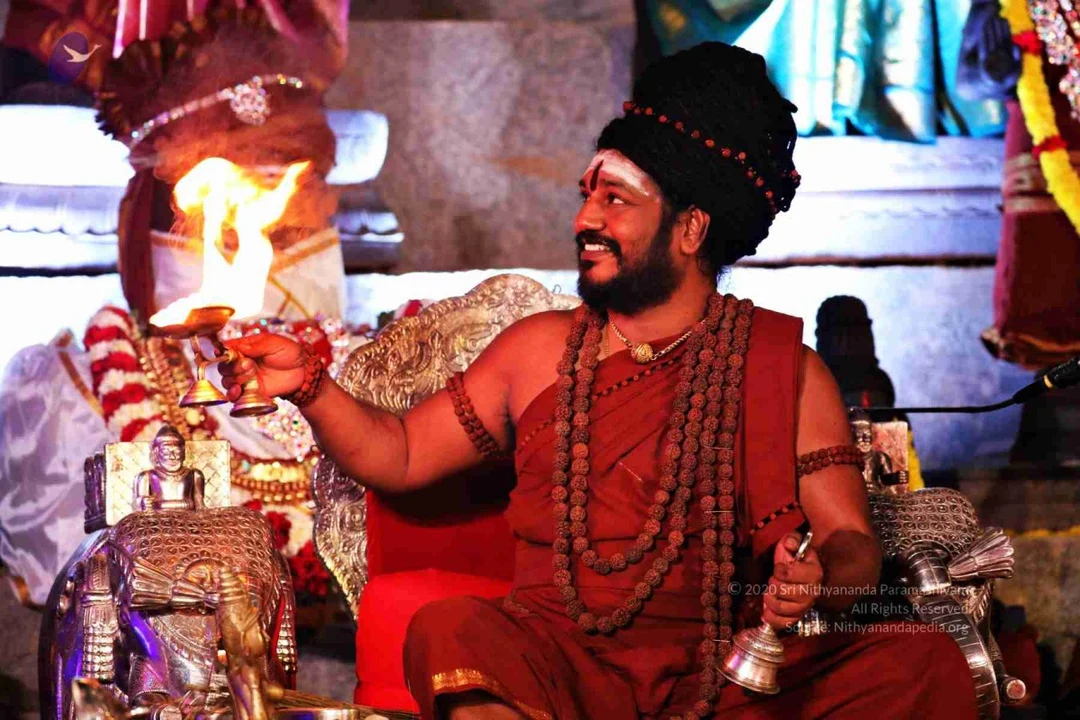 Auspicios Agni lit for aushada process - aarti performed -let's all enjoy the innocence of existence
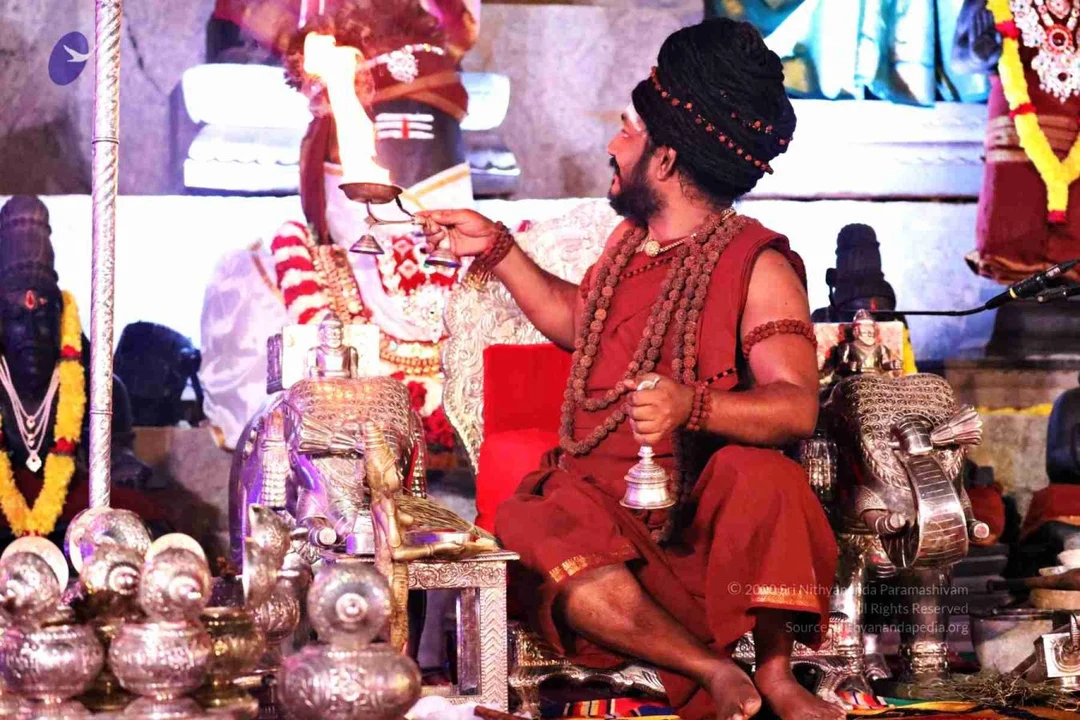 Auspicios Agni lit for aushada process - aarti performed -let's all enjoy the innocence of existence
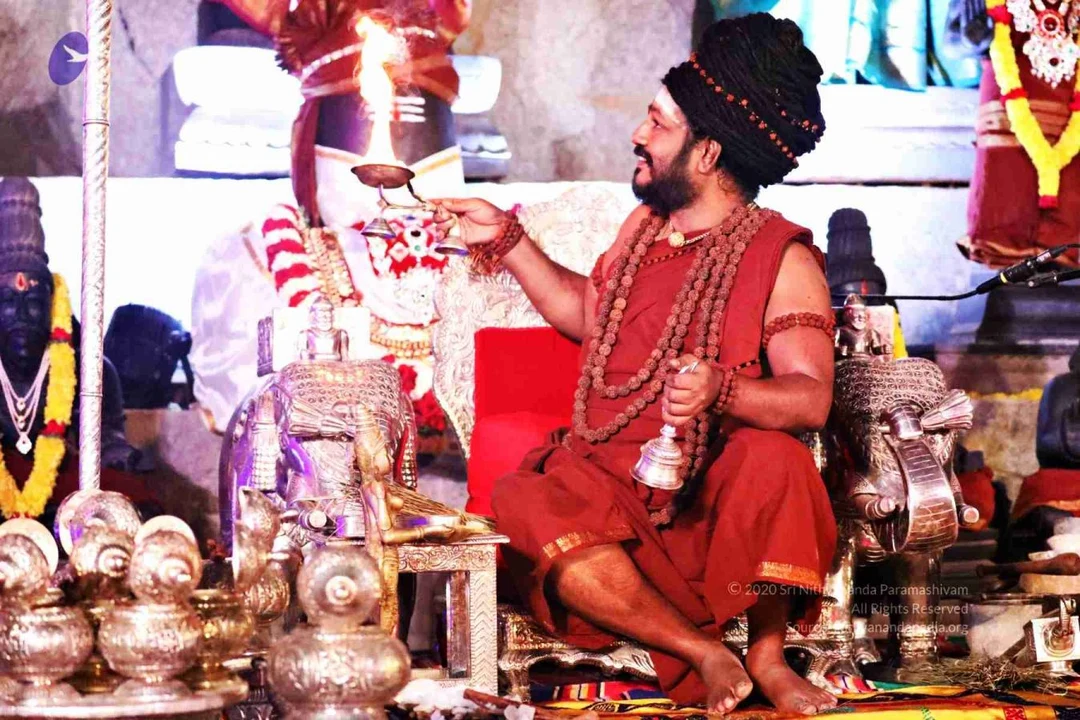 Auspicios Agni lit for aushada process - aarti performed -let's all enjoy the innocence of existence
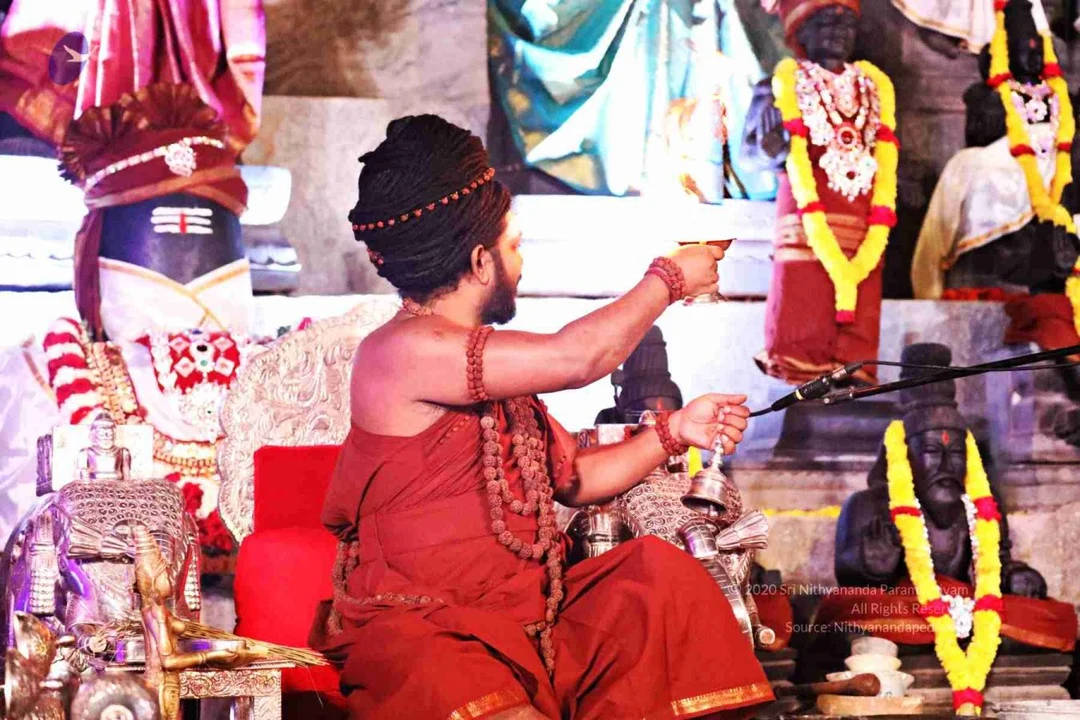 Auspicios Agni lit for aushada process - aarti performed -let's all enjoy the innocence of existence
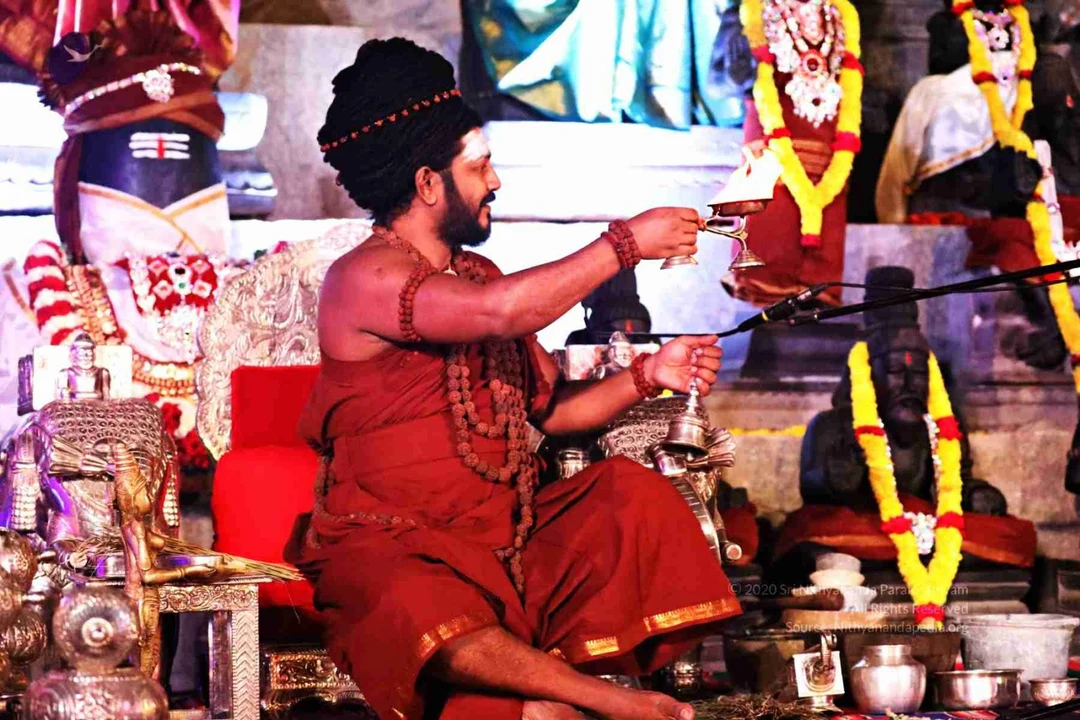 Auspicios Agni lit for aushada process - aarti performed -let's all enjoy the innocence of existence
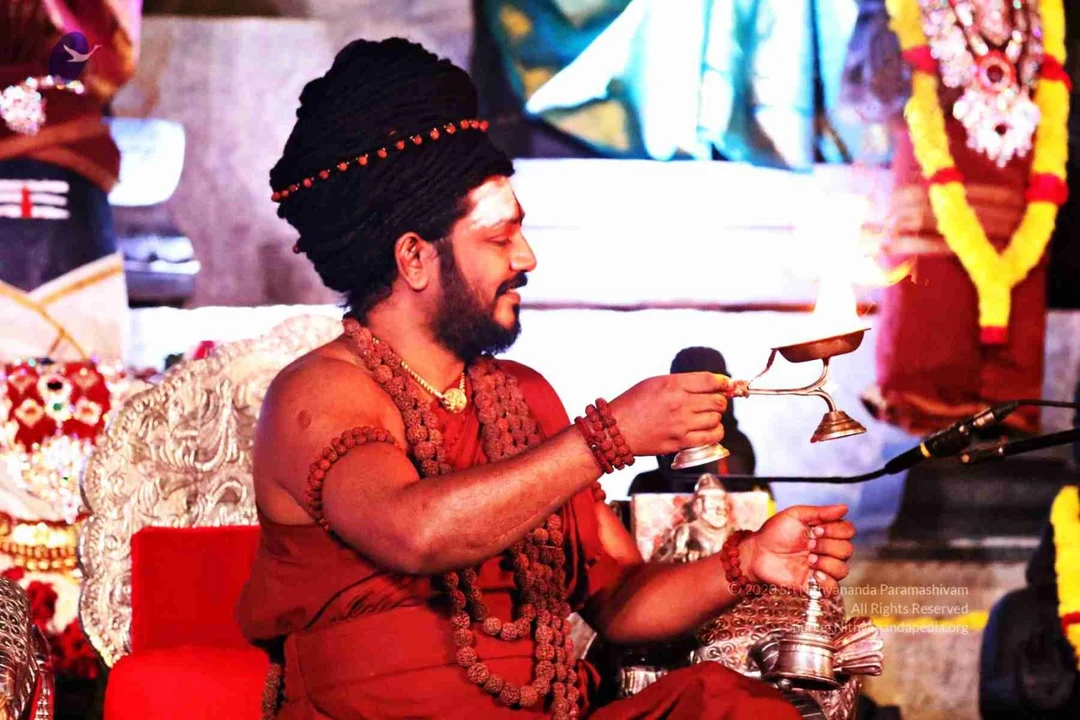 Auspicios Agni lit for aushada process - aarti performed -let's all enjoy the innocence of existence
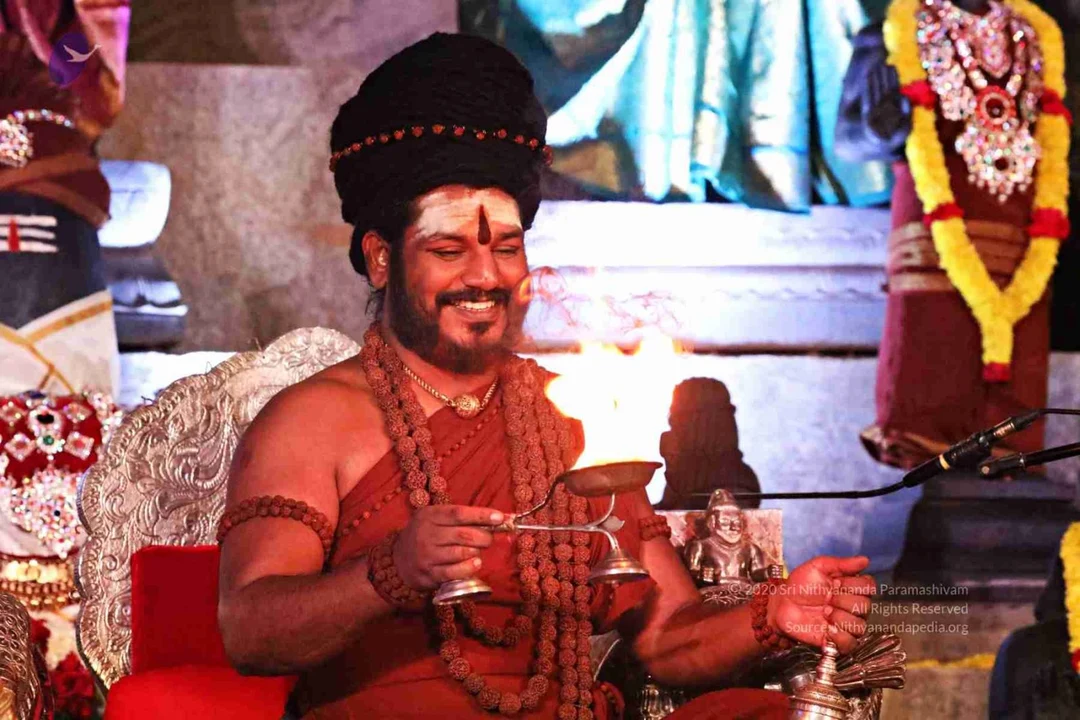 Auspicios Agni lit for aushada process - aarti performed -let's all enjoy the innocence of existence
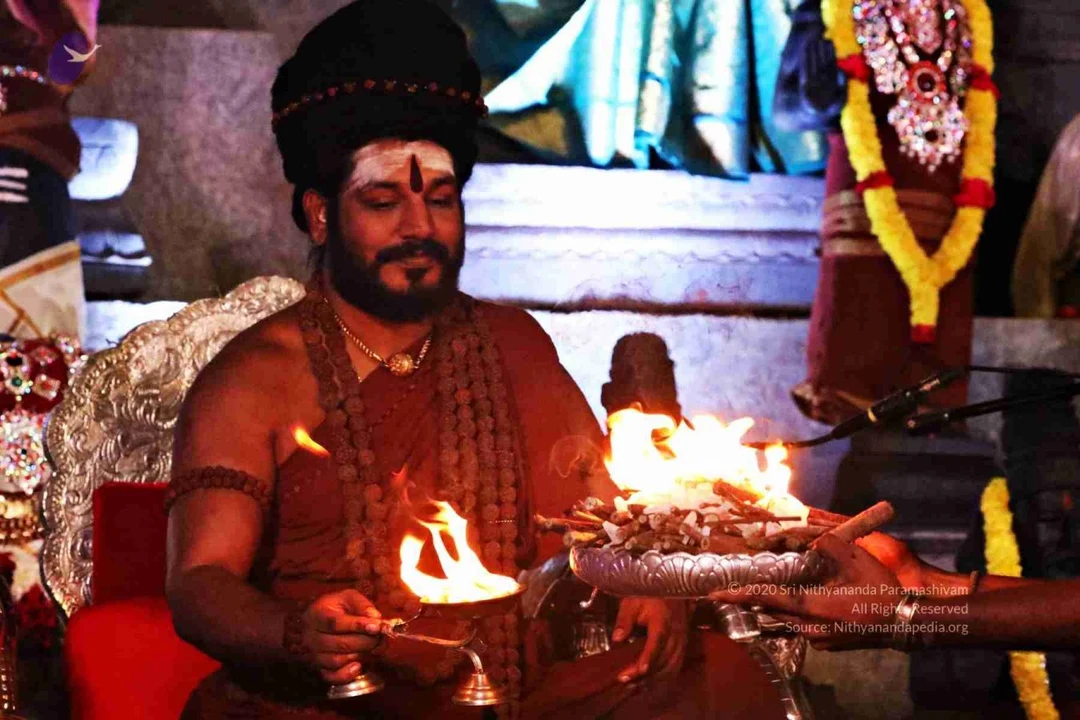 Auspicios Agni lit for aushada process - aarti performed -let's all enjoy the innocence of existence
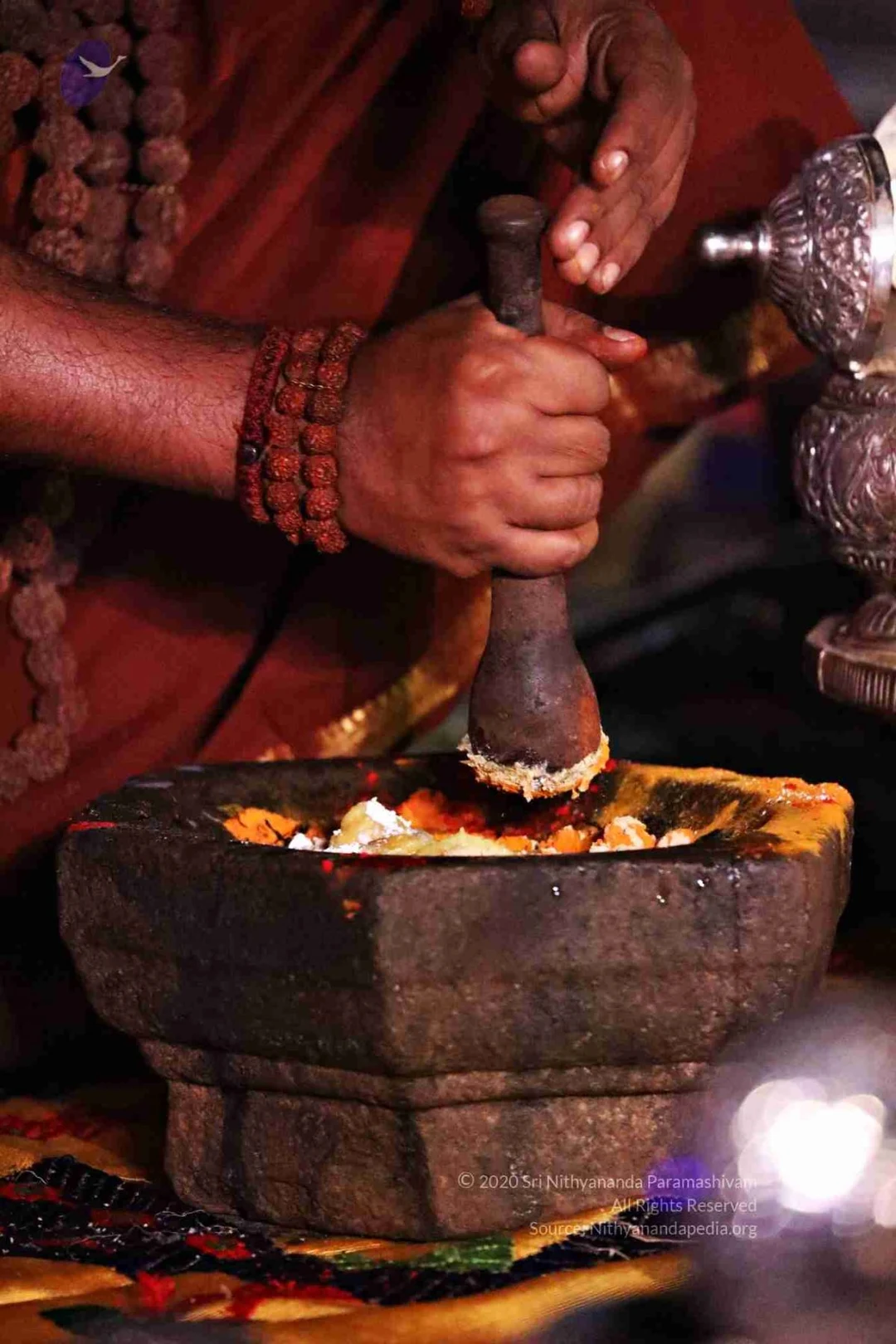
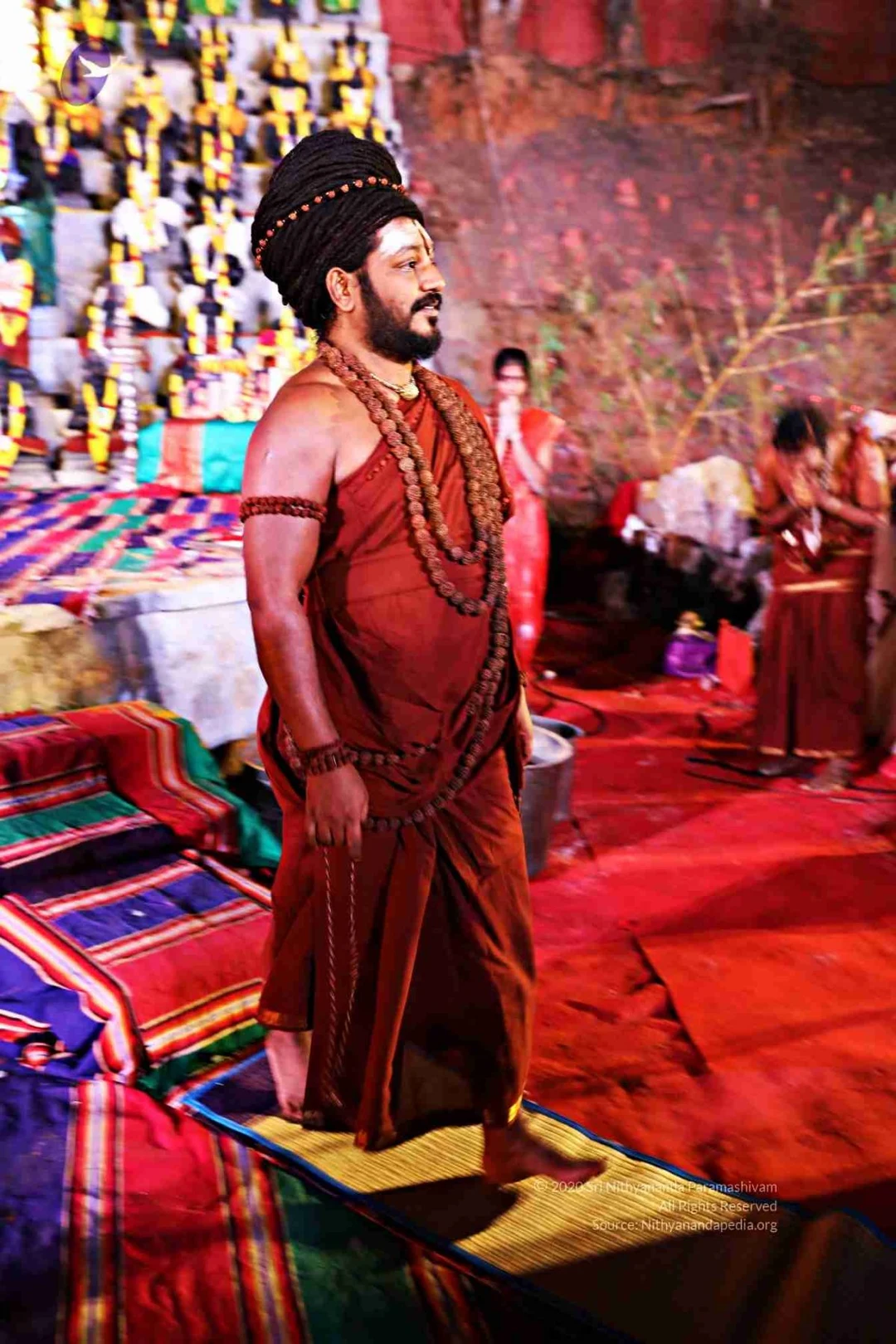
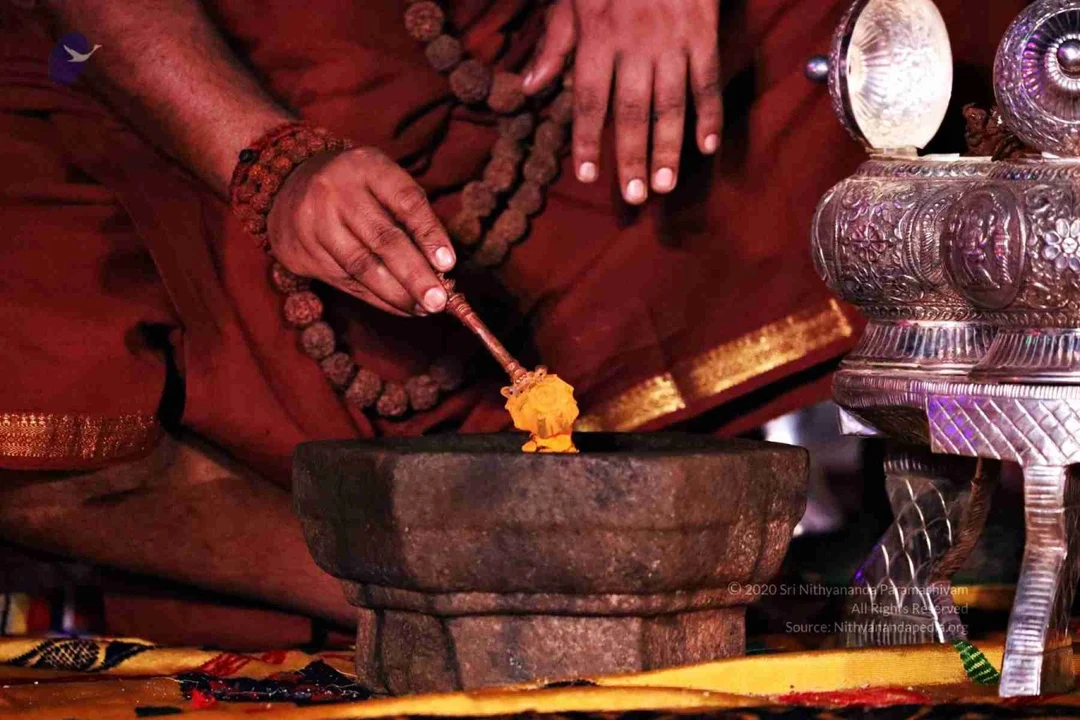 Jeevan Mukthi aushada process to establish one in Living Enlightenment
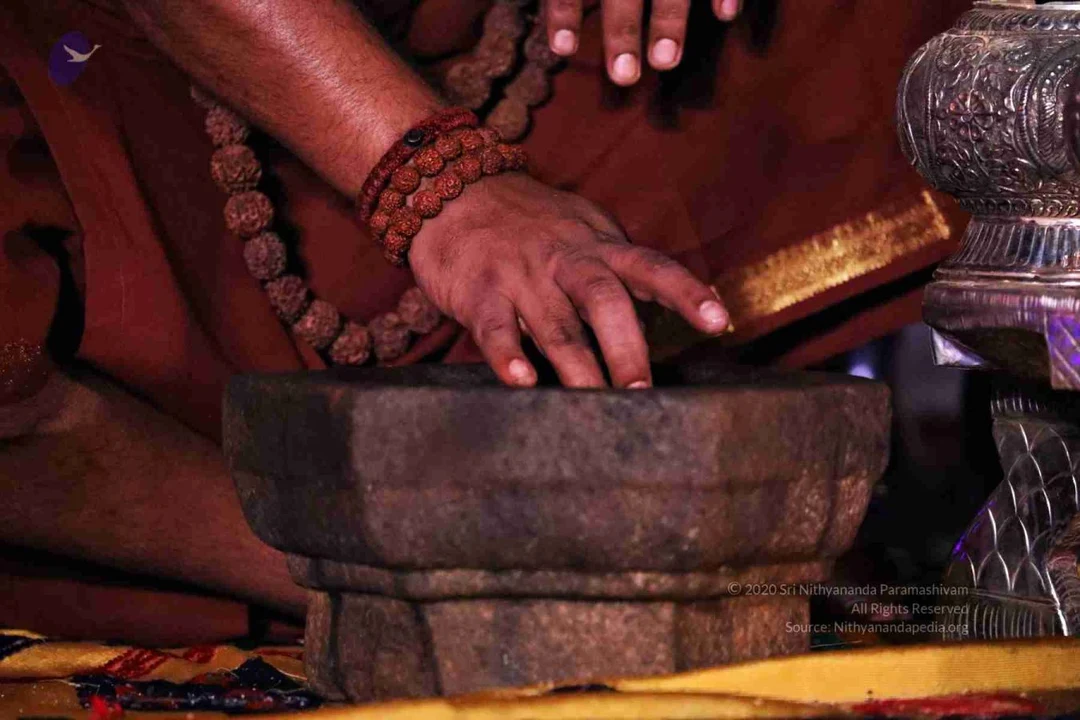 Jeevan Mukthi aushada process to establish one in Living Enlightenment
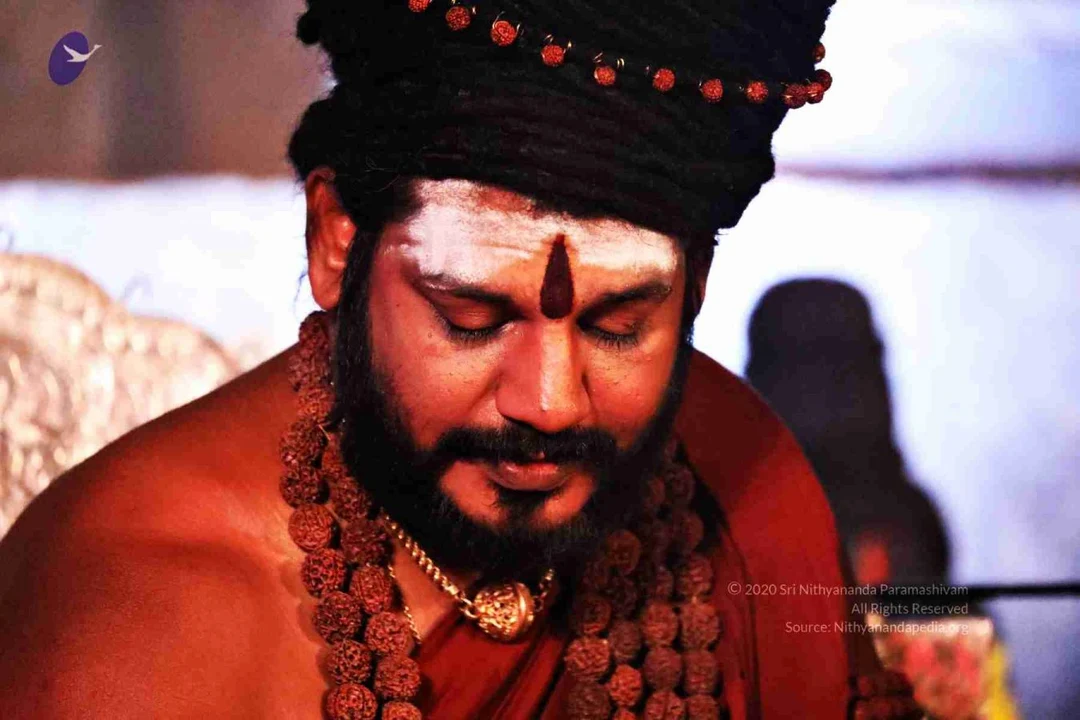 Jeevan Mukthi aushada process to establish one in Living Enlightenment
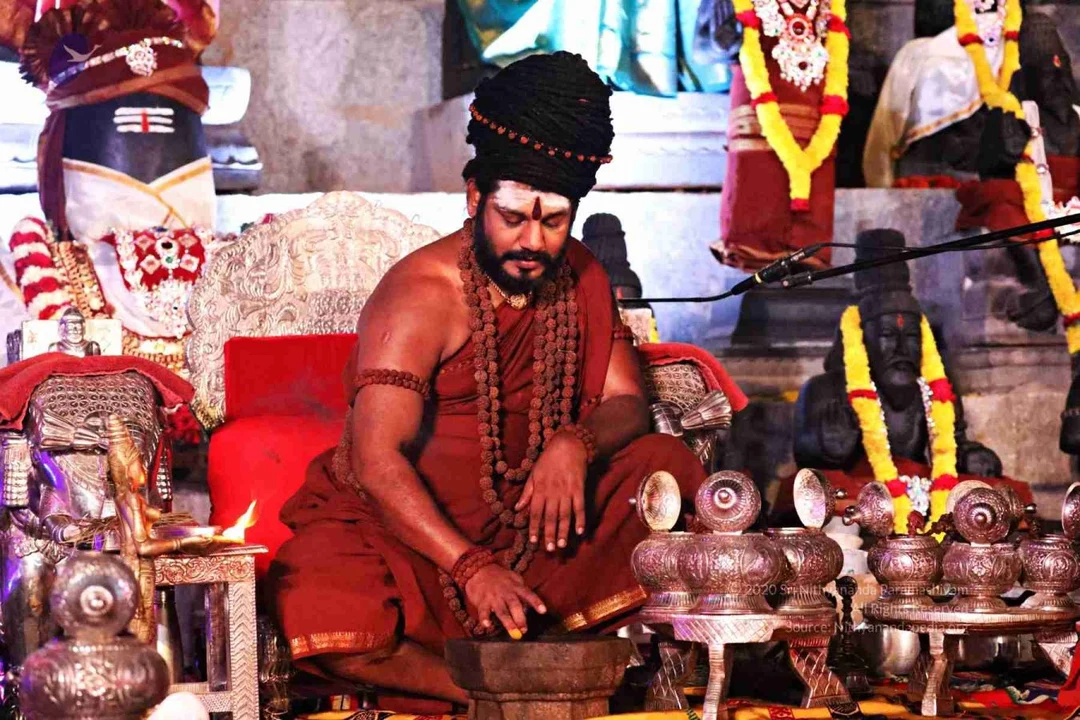 Jeevan Mukthi aushada process to establish one in Living Enlightenment
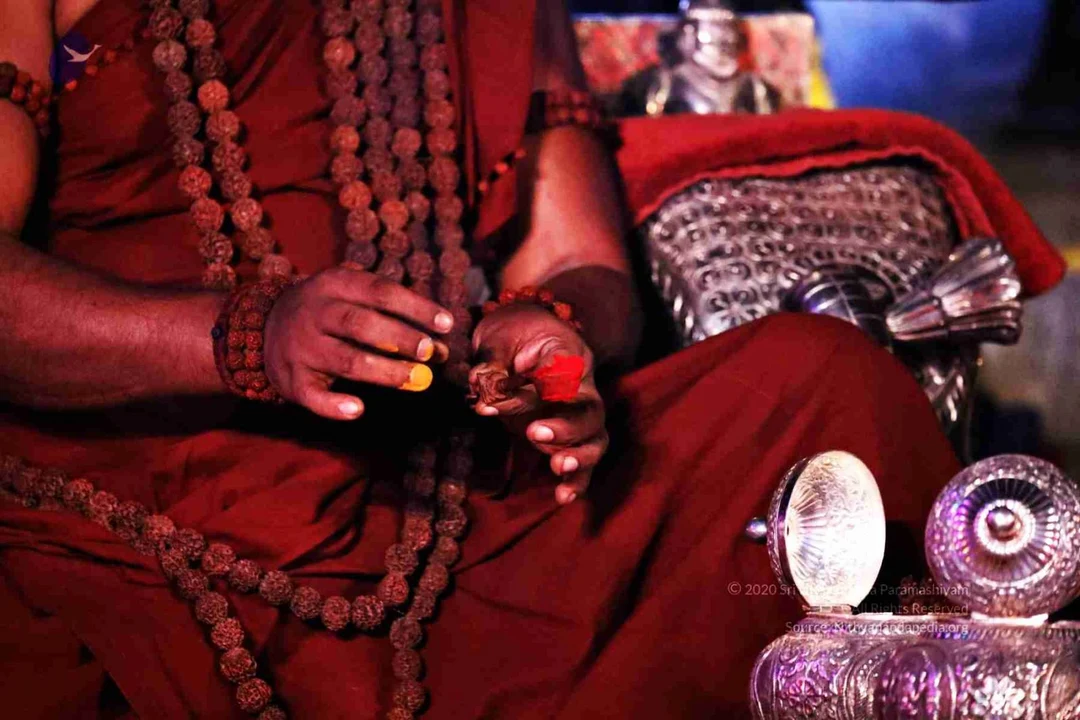 Jeevan Mukthi aushada process to establish one in Living Enlightenment
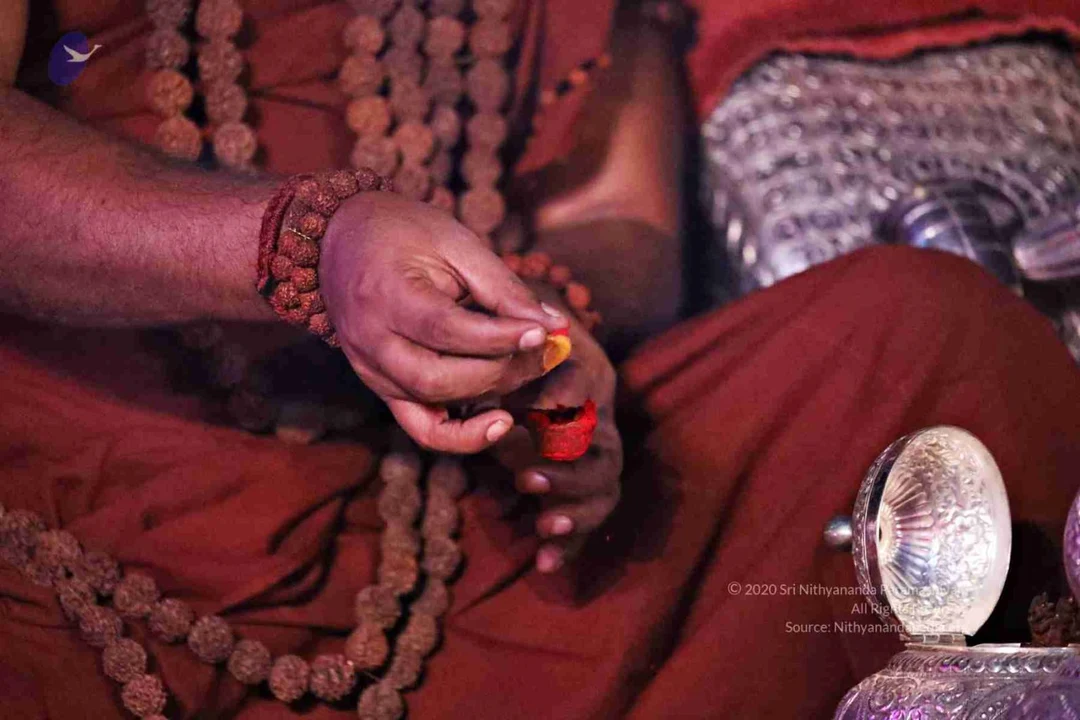 Jeevan Mukthi aushada process to establish one in Living Enlightenment
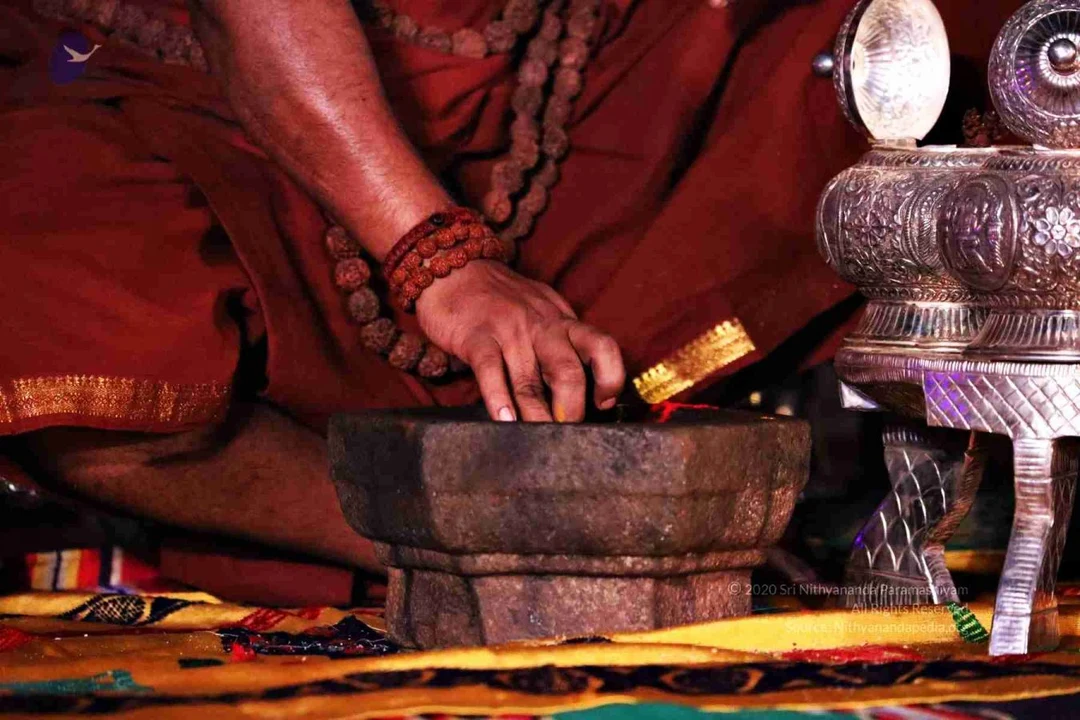 Jeevan Mukthi aushada process to establish one in Living Enlightenment
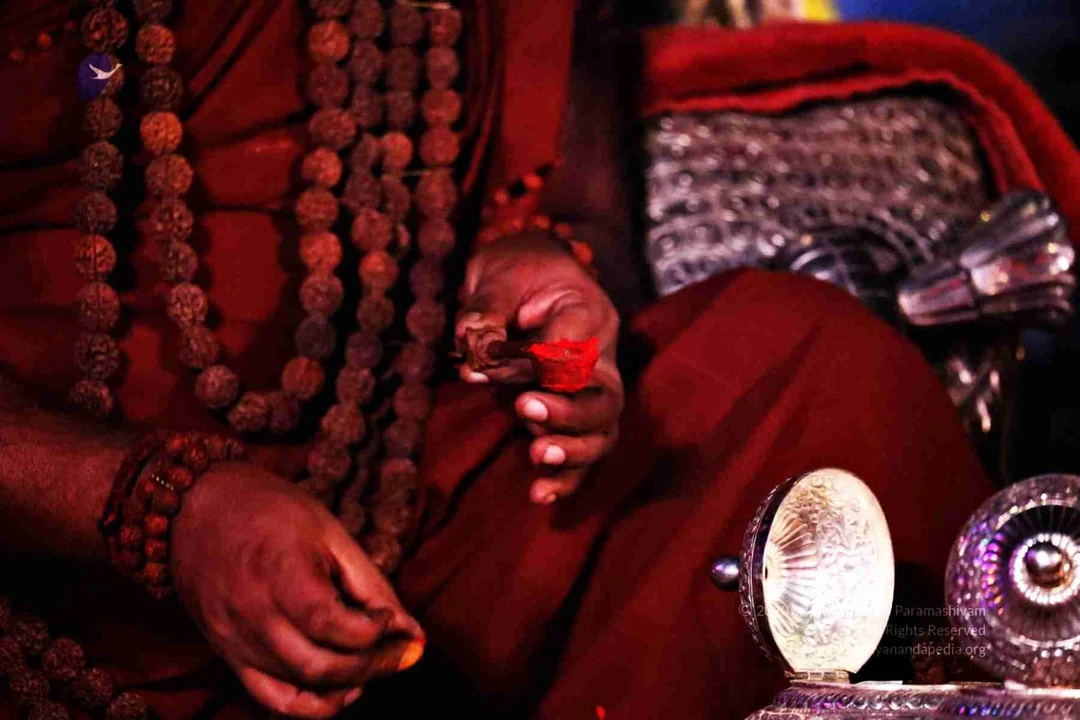 Jeevan Mukthi aushada process to establish one in Living Enlightenment
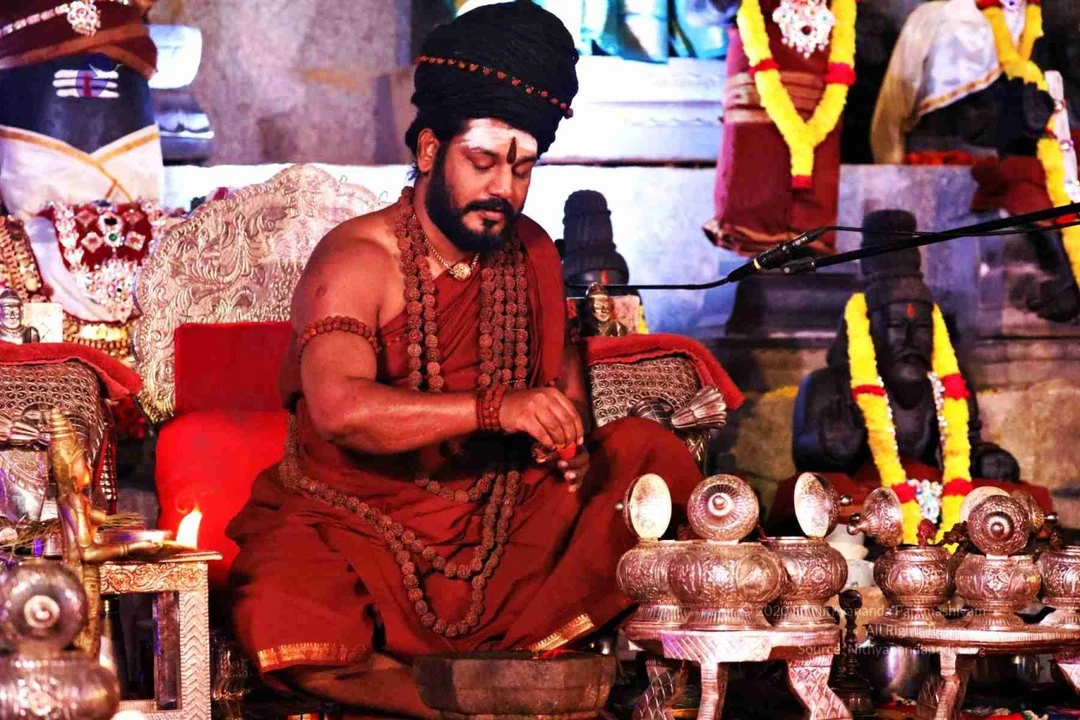 Jeevan Mukthi aushada process to establish one in Living Enlightenment
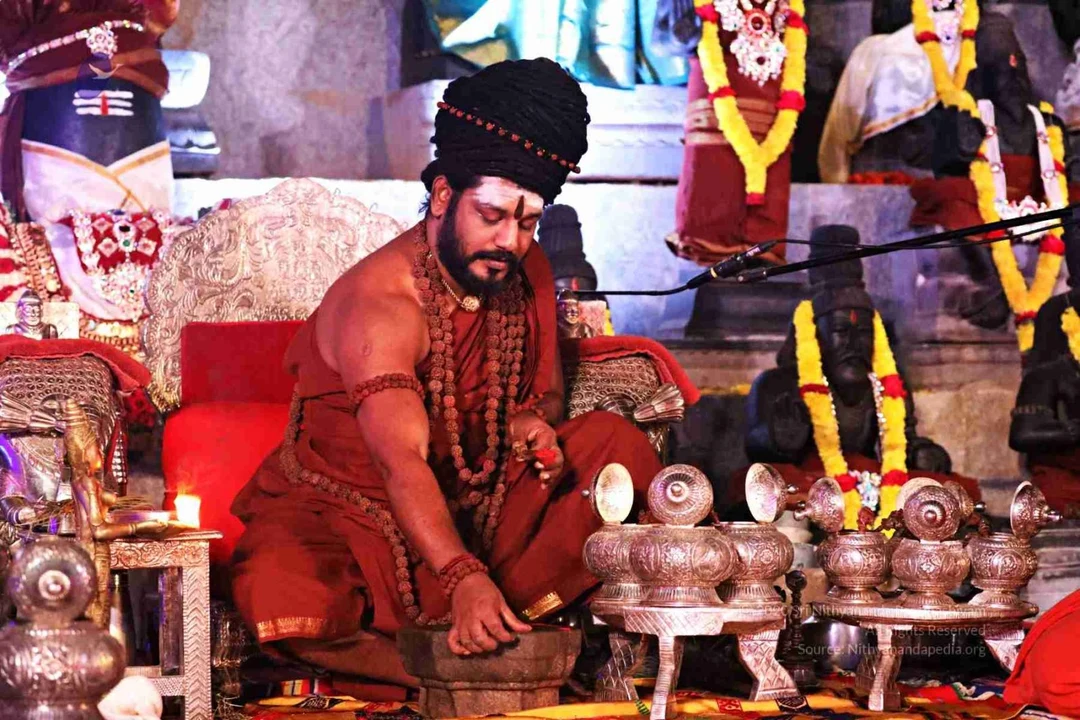 Jeevan Mukthi aushada process to establish one in Living Enlightenment
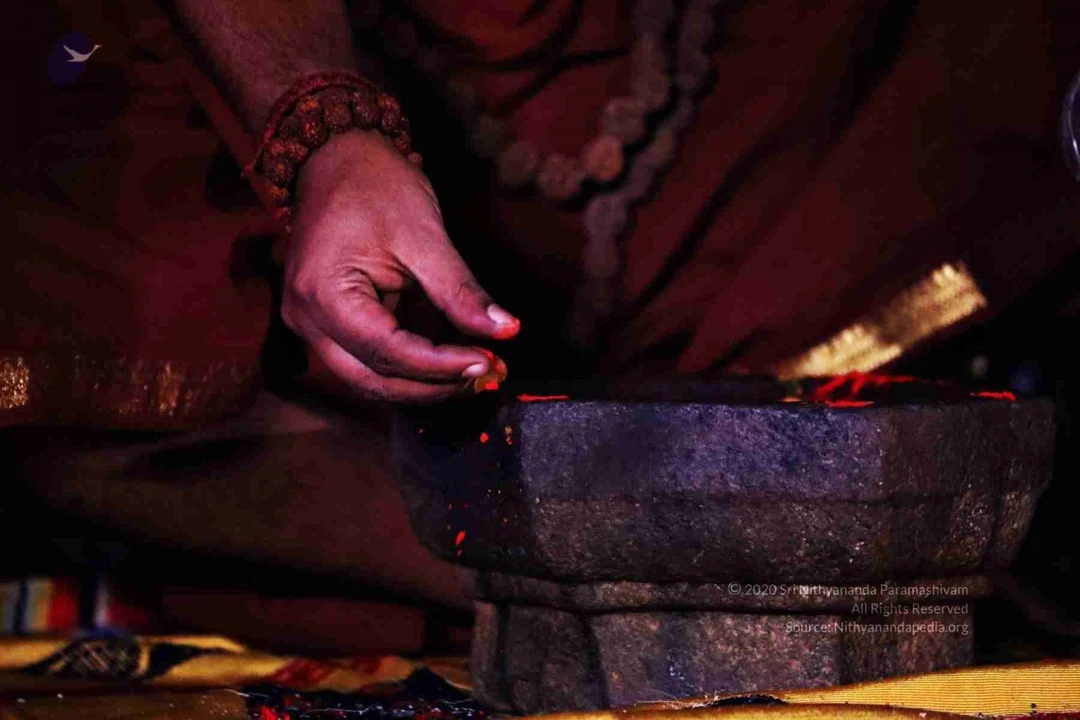 Jeevan Mukthi aushada process to establish one in Living Enlightenment
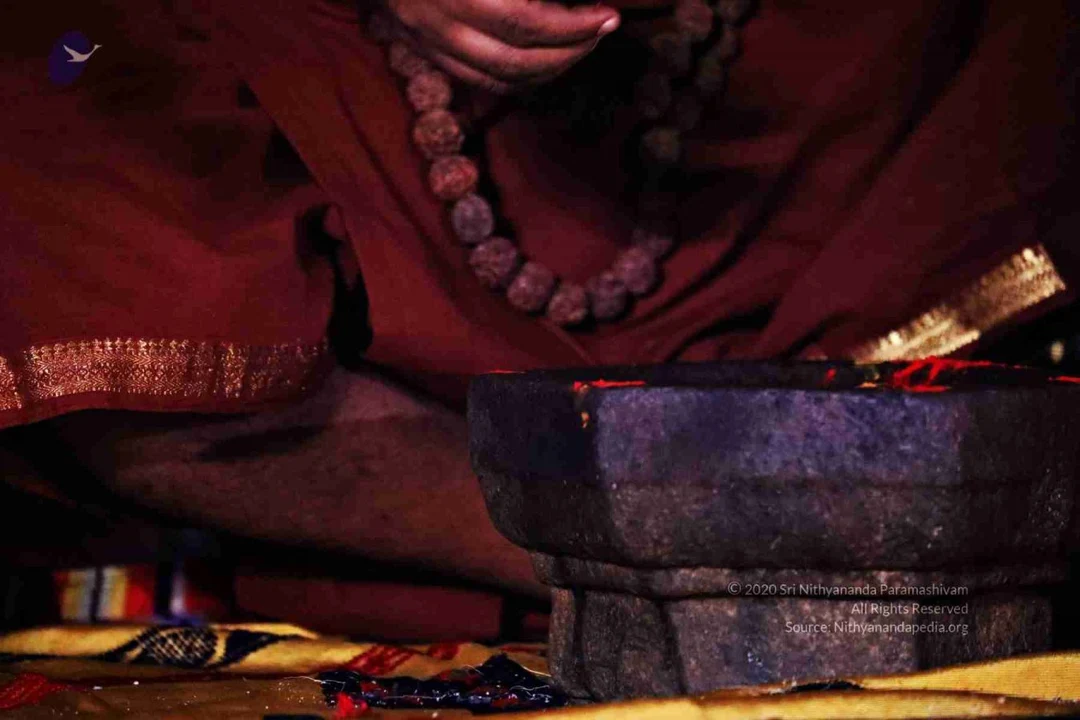 Jeevan Mukthi aushada process to establish one in Living Enlightenment
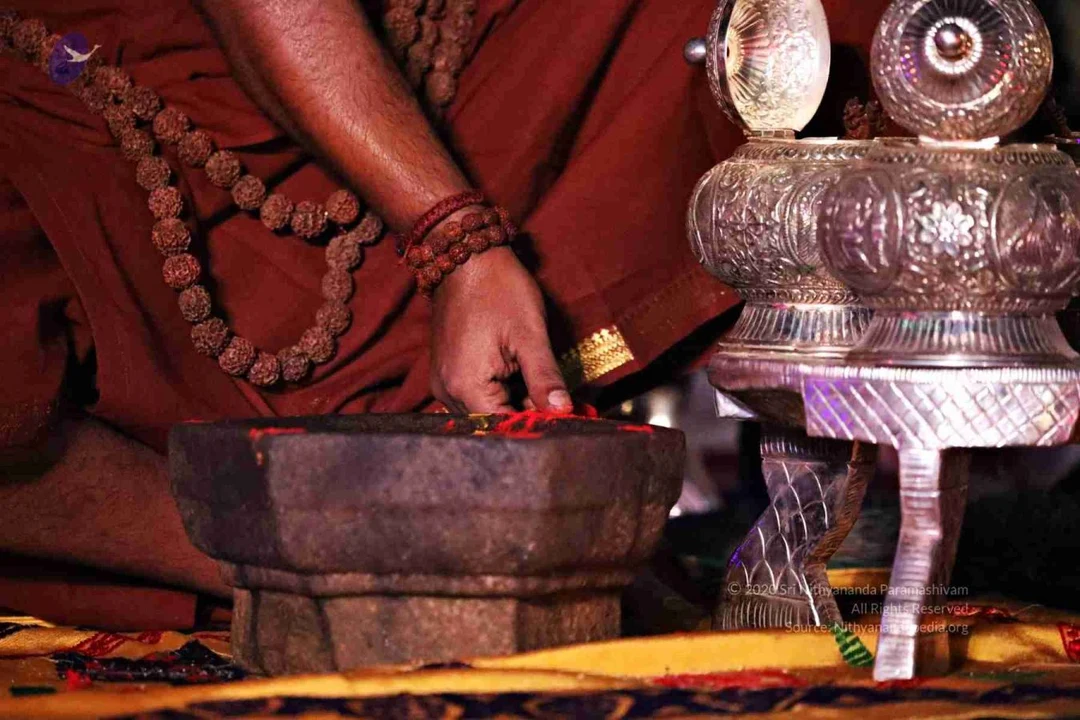 Jeevan Mukthi aushada process to establish one in Living Enlightenment
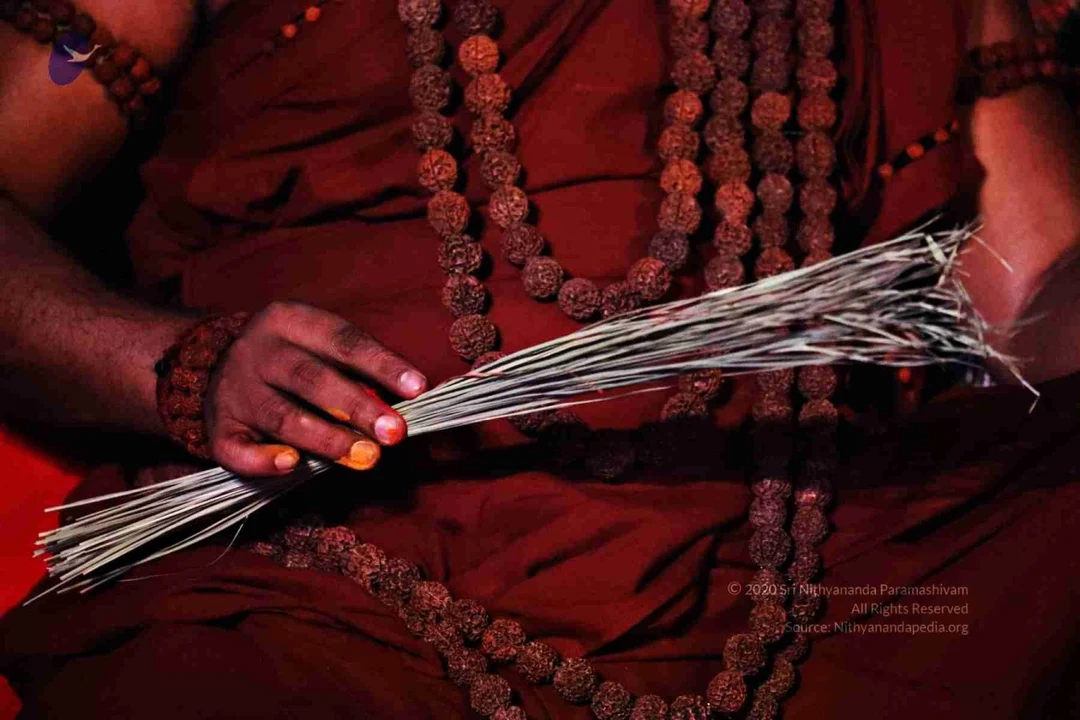 Jeevan Mukthi aushada process to establish one in Living Enlightenment
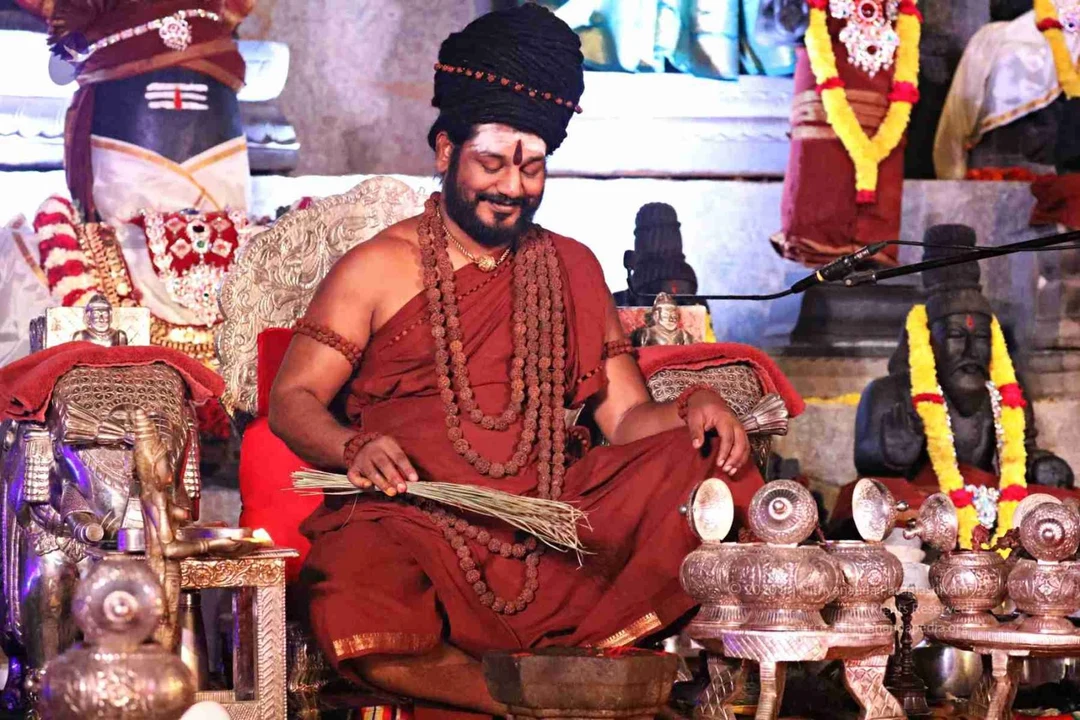 Jeevan Mukthi aushada process to establish one in Living Enlightenment
 Jeevan Mukthi aushada process to establish one in Living Enlightenment
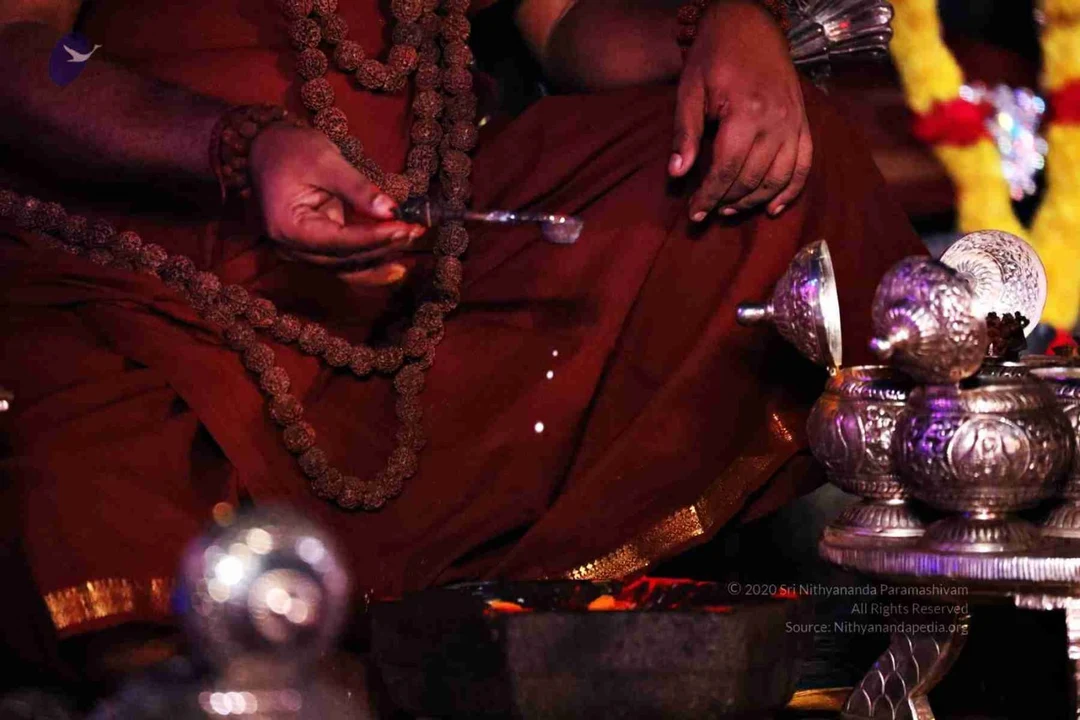 Jeevan Mukthi aushada process to establish one in Living Enlightenment
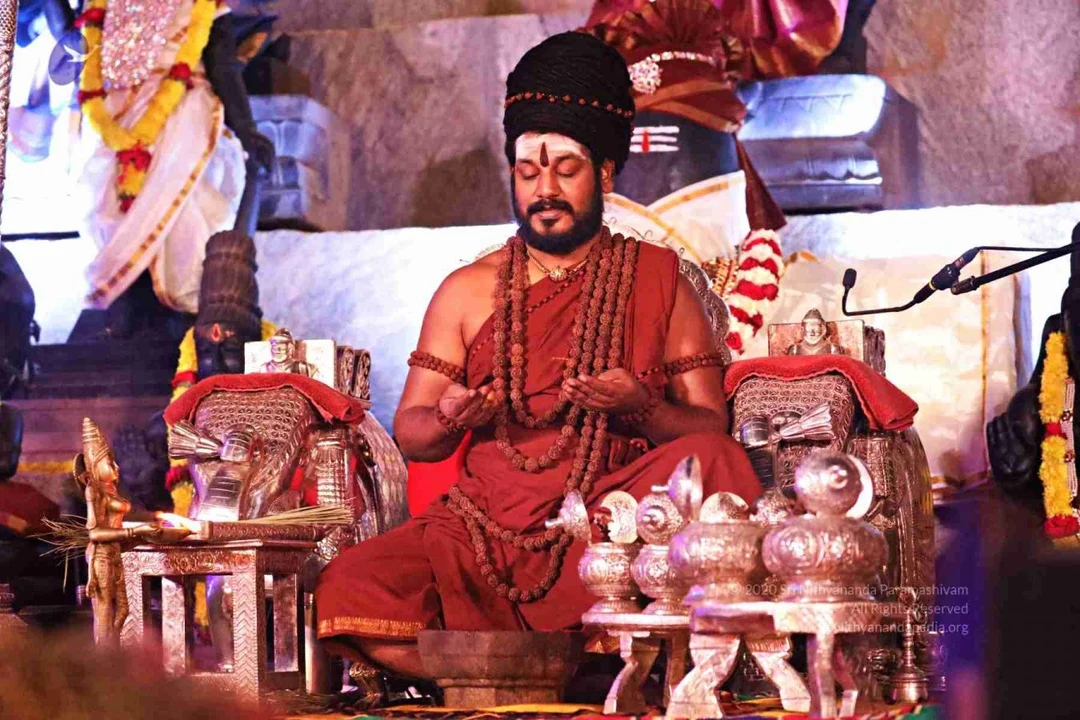 Jeevan Mukthi aushada process to establish one in Living Enlightenment
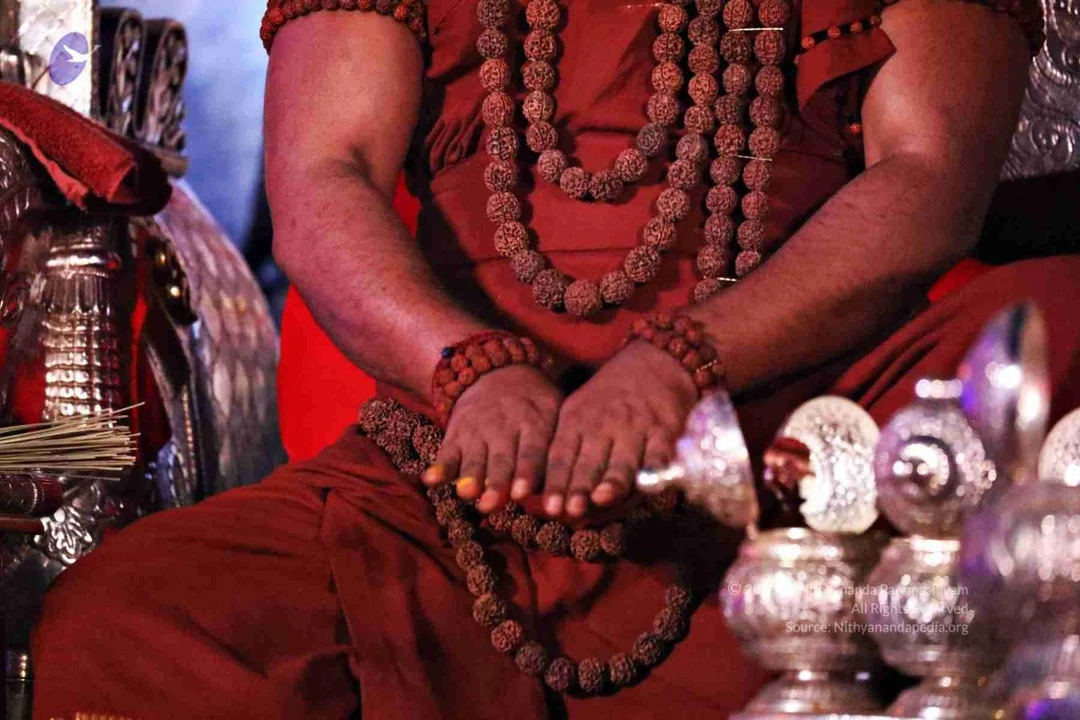 Jeevan Mukthi aushada process to establish one in Living Enlightenment
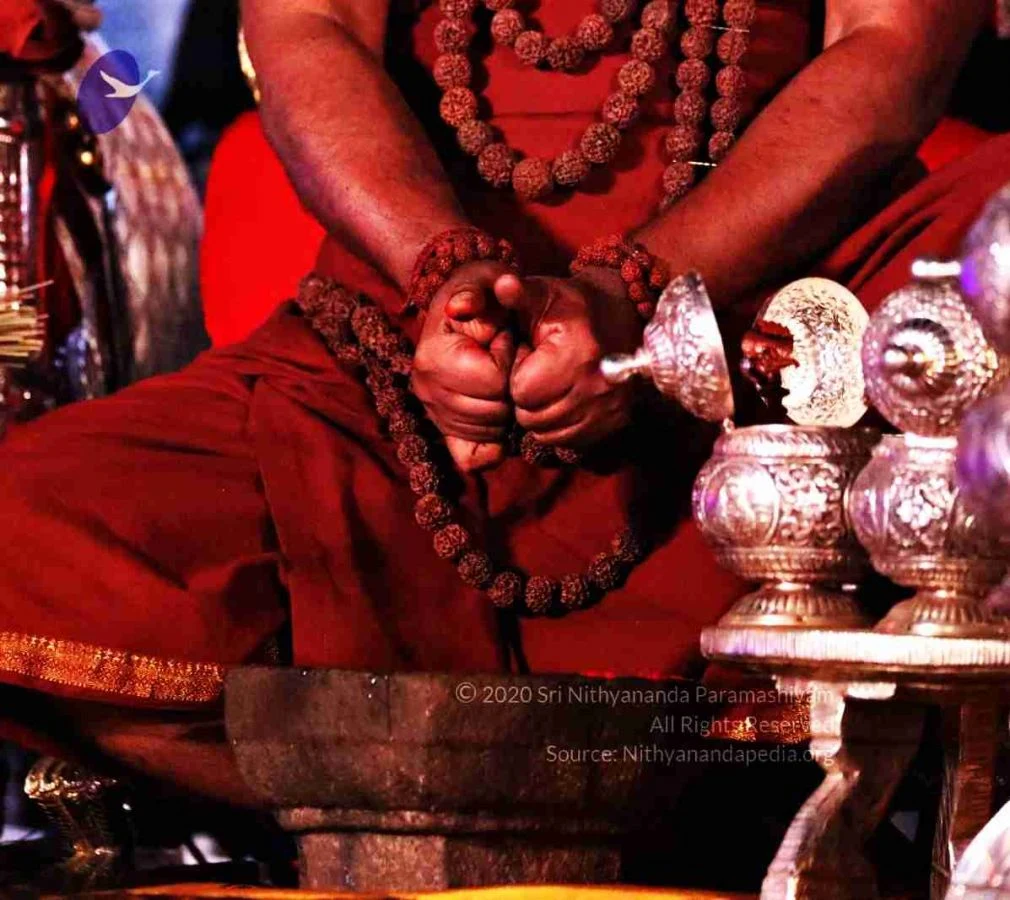 Jeevan Mukthi aushada process to establish one in Living Enlightenment
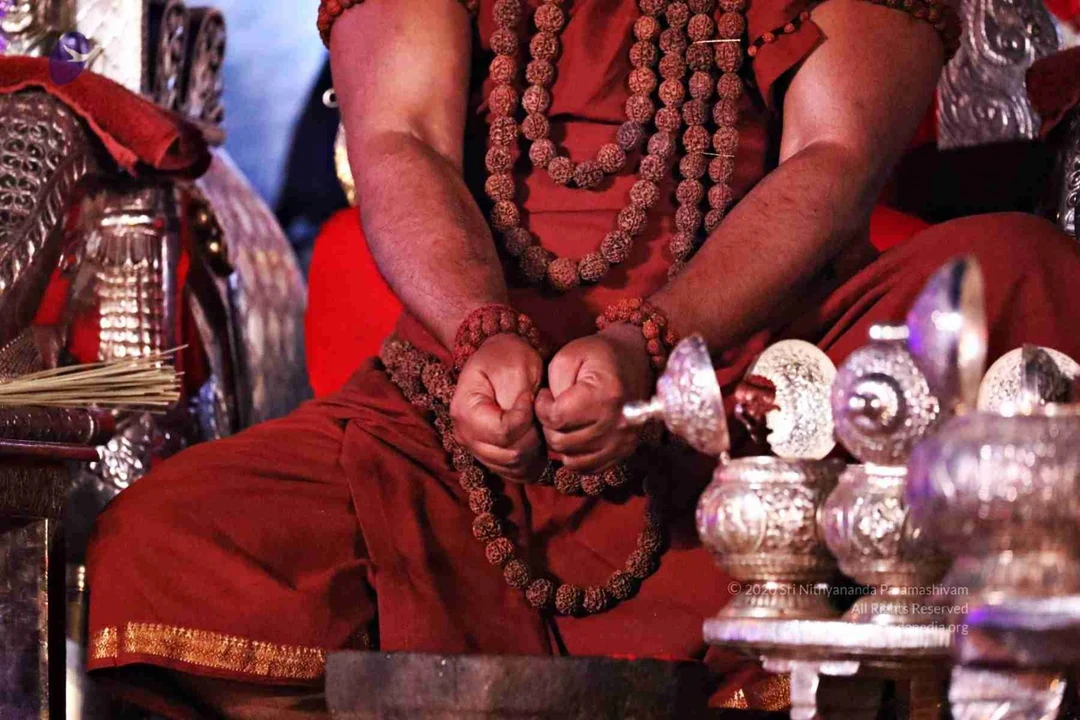 Jeevan Mukthi aushada process to establish one in Living Enlightenment
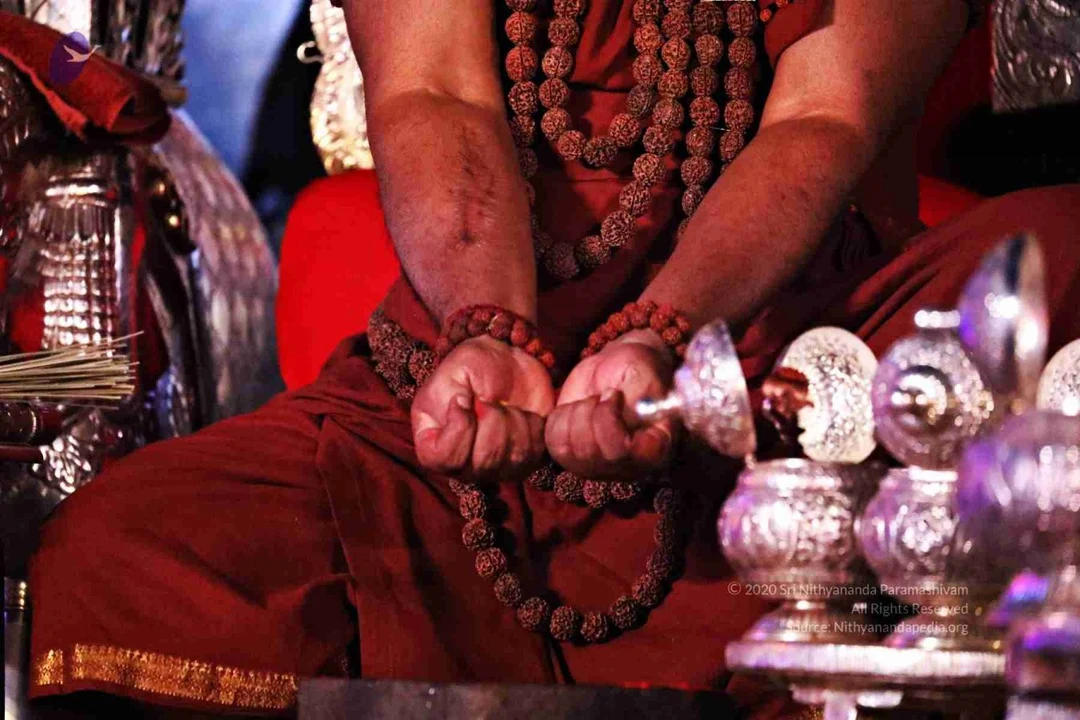 Jeevan Mukthi aushada process to establish one in Living Enlightenment
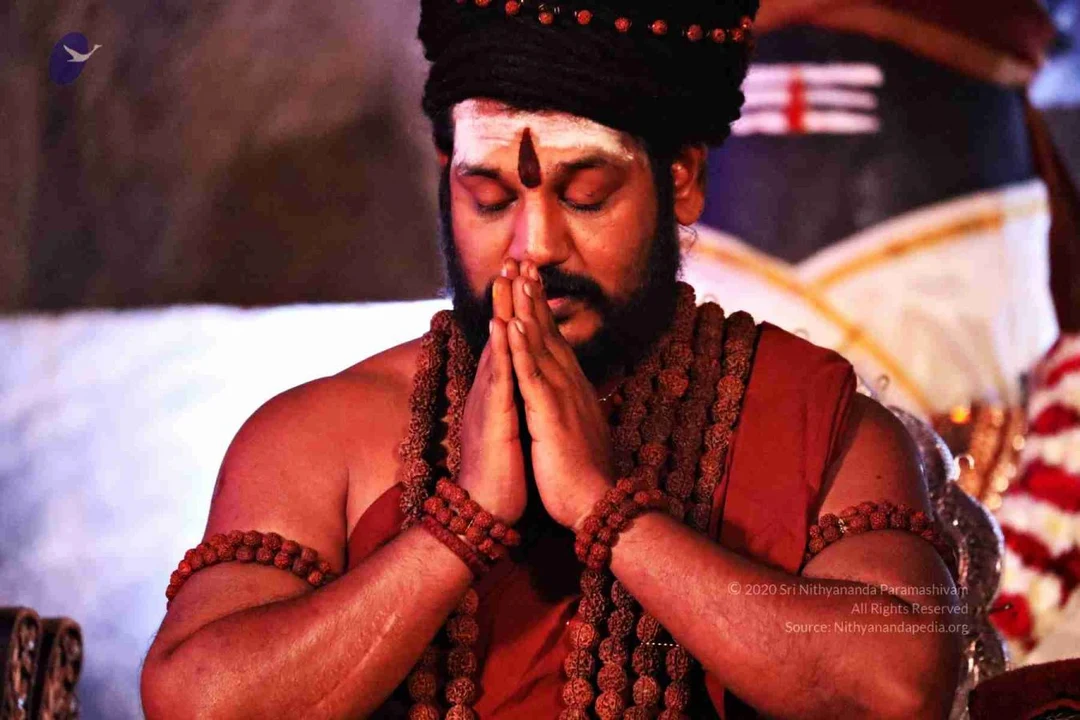 Jeevan Mukthi aushada process to establish one in Living Enlightenment
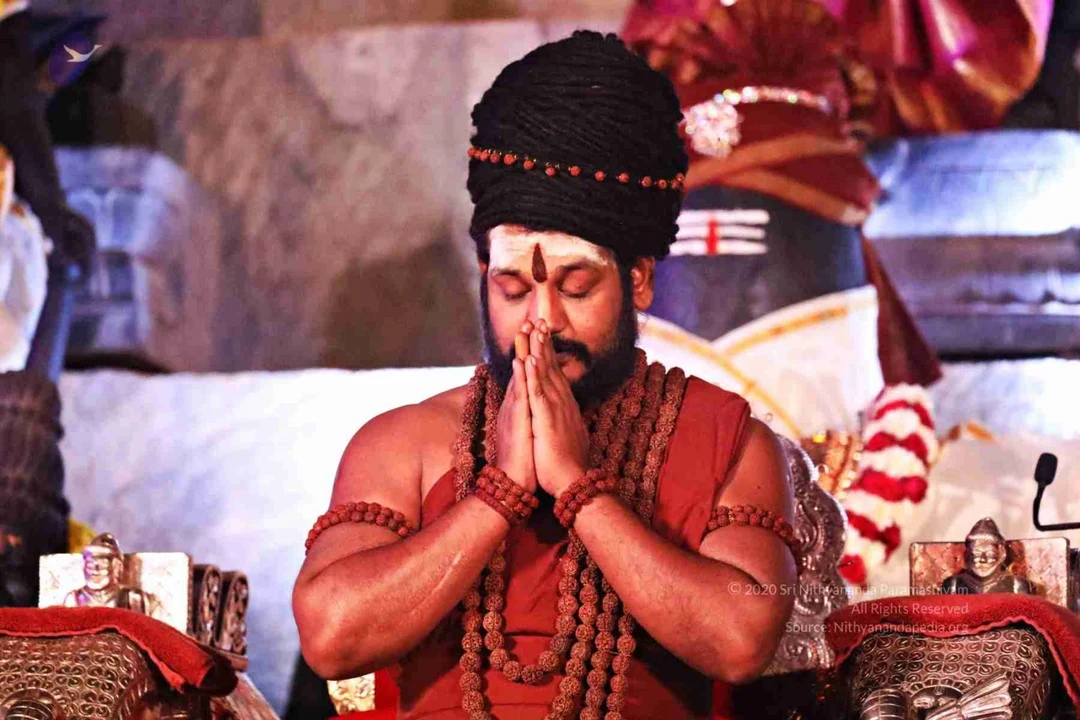 Jeevan Mukthi aushada process to establish one in Living Enlightenment
 Jeevan Mukthi aushada process to establish one in Living Enlightenment
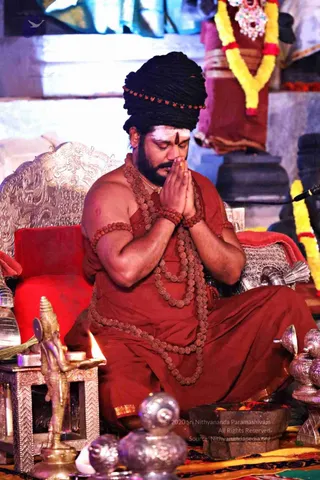 Jeevan Mukthi aushada process to establish one in Living Enlightenment
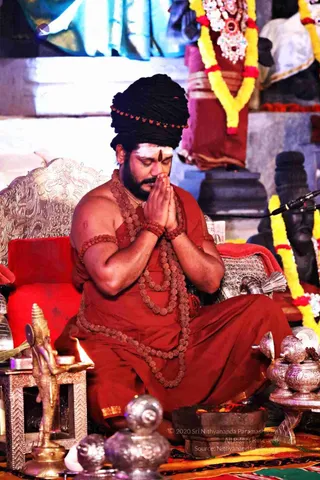 Jeevan Mukthi aushada process to establish one in Living Enlightenment
 Jeevan Mukthi aushada process to establish one in Living Enlightenment
 Jeevan Mukthi aushada process to establish one in Living Enlightenment
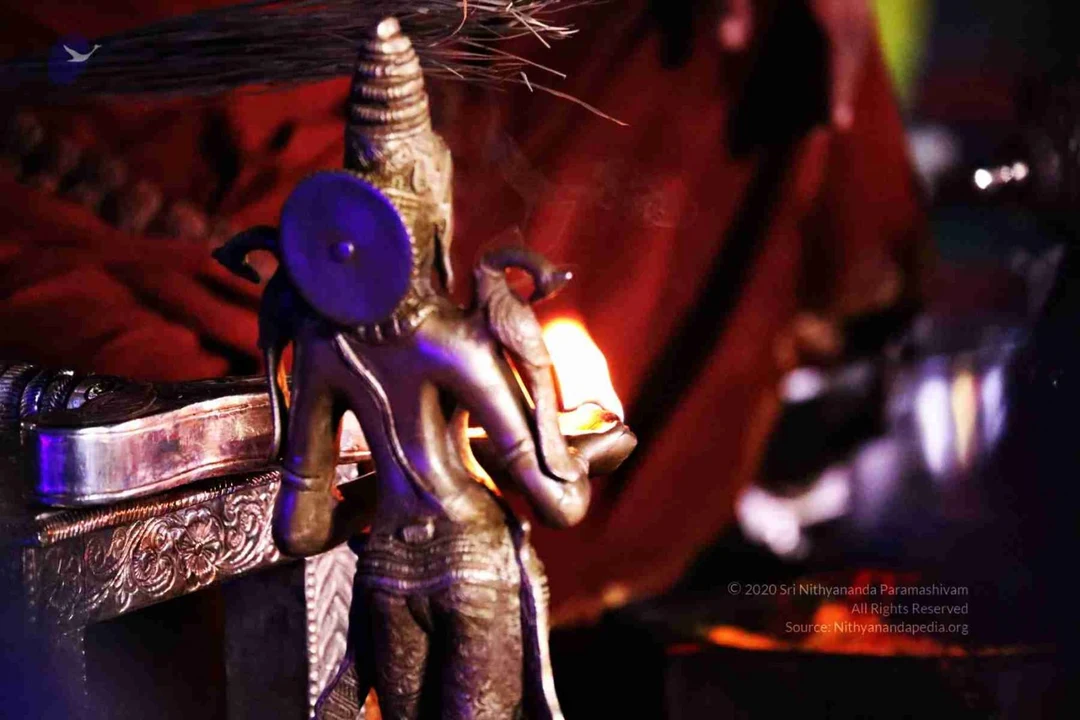 Jeevan Mukthi aushada process to establish one in Living Enlightenment
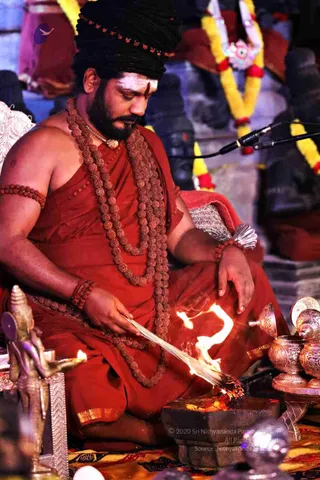 Jeevan Mukthi aushada process to establish one in Living Enlightenment
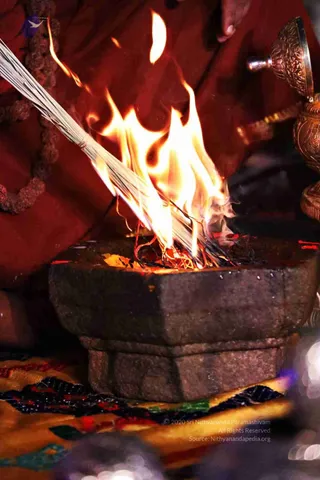 Jeevan Mukthi aushada process to establish one in Living Enlightenment
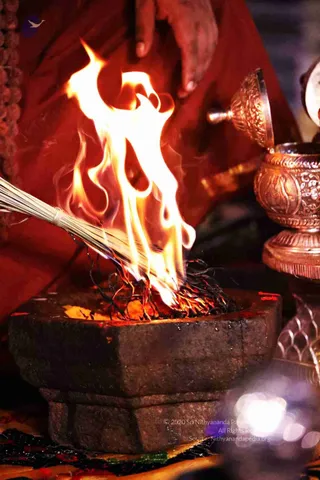 Jeevan Mukthi aushada process to establish one in Living Enlightenment
 Jeevan Mukthi aushada process to establish one in Living Enlightenment
 Jeevan Mukthi aushada process to establish one in Living Enlightenment
 Jeevan Mukthi aushada process to establish one in Living Enlightenment
 Jeevan Mukthi aushada process to establish one in Living Enlightenment
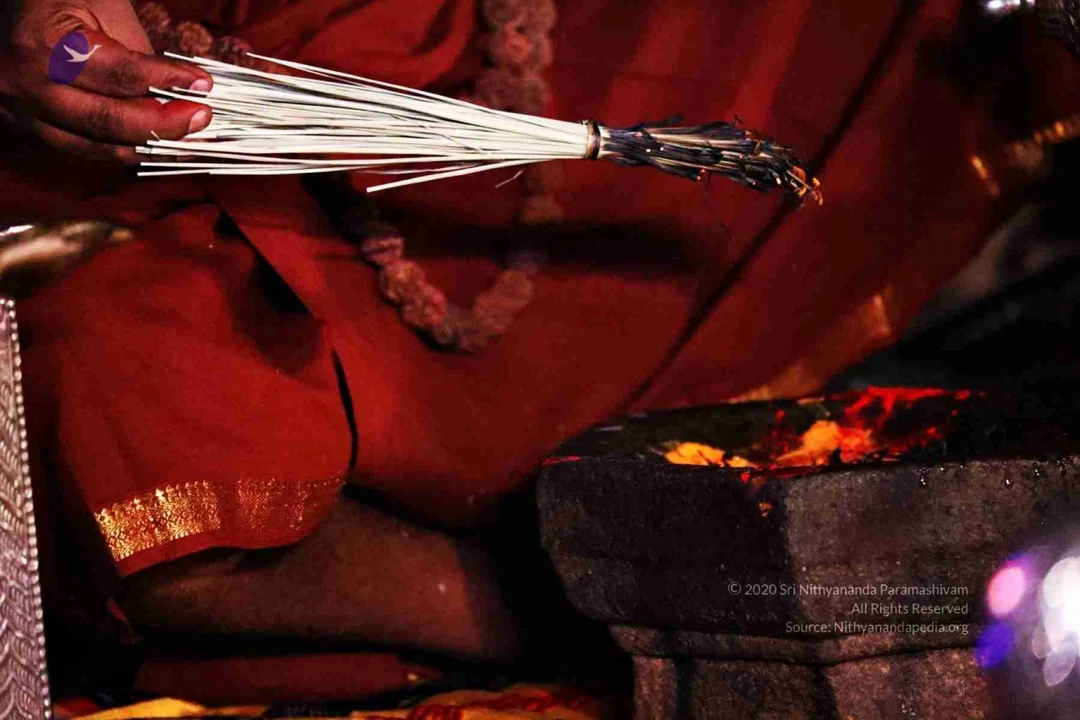 Jeevan Mukthi aushada process to establish one in Living Enlightenment
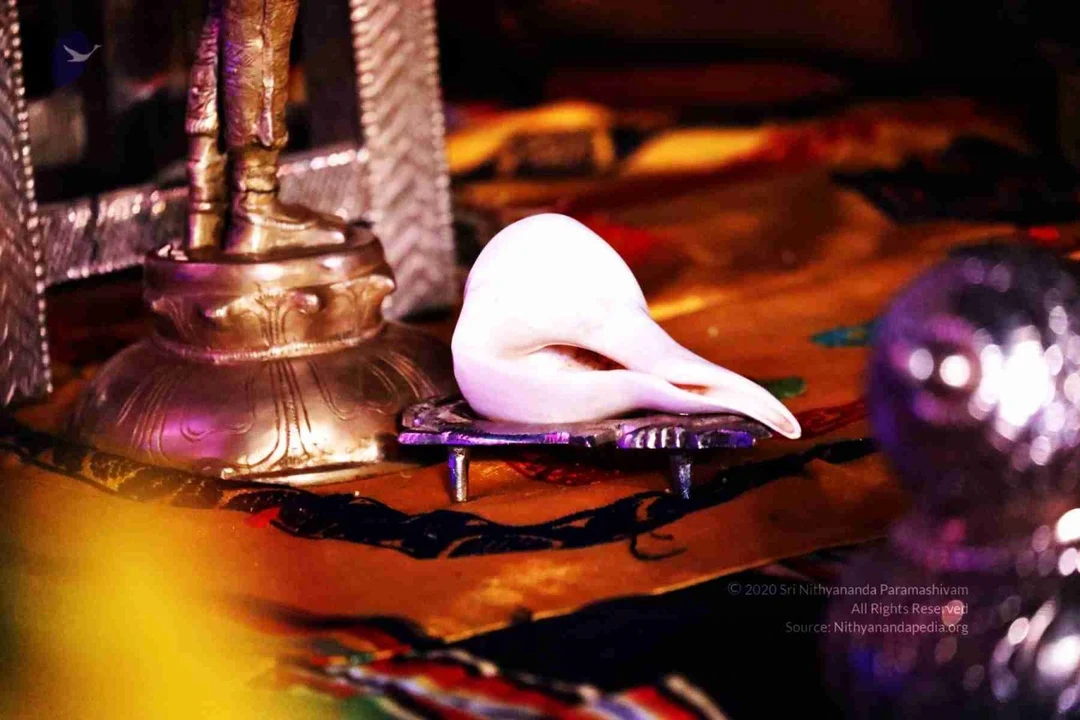 Jeevan Mukthi aushada process to establish one in Living Enlightenment
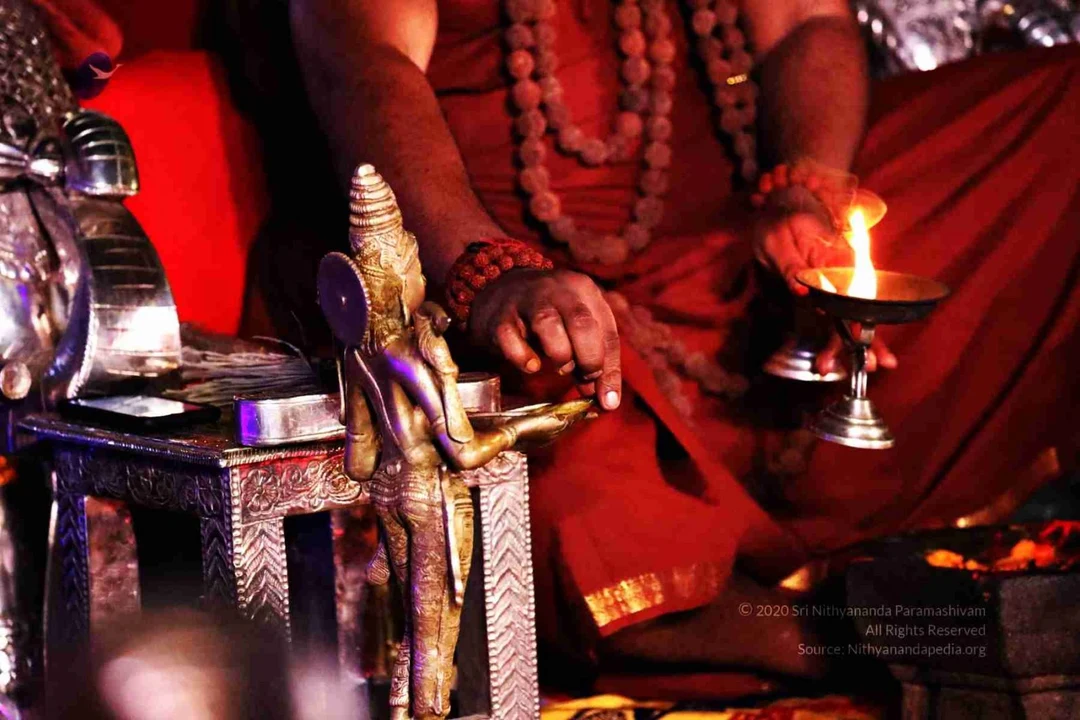 Jeevan Mukthi aushada process to establish one in Living Enlightenment
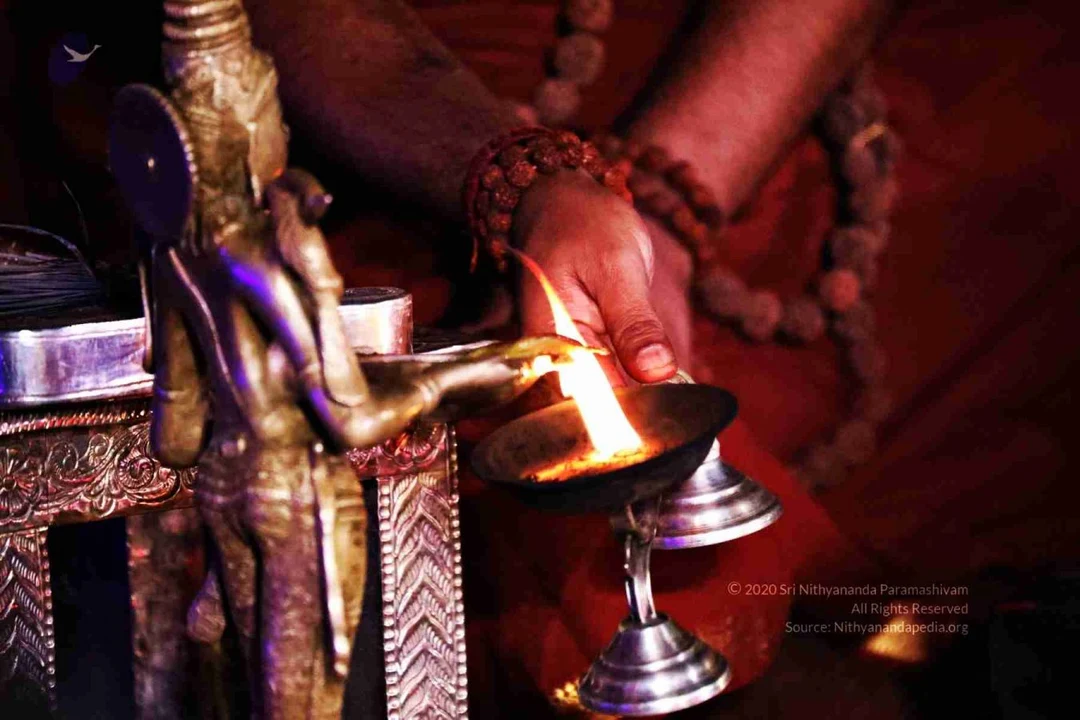 Jeevan Mukthi aushada process to establish one in Living Enlightenment
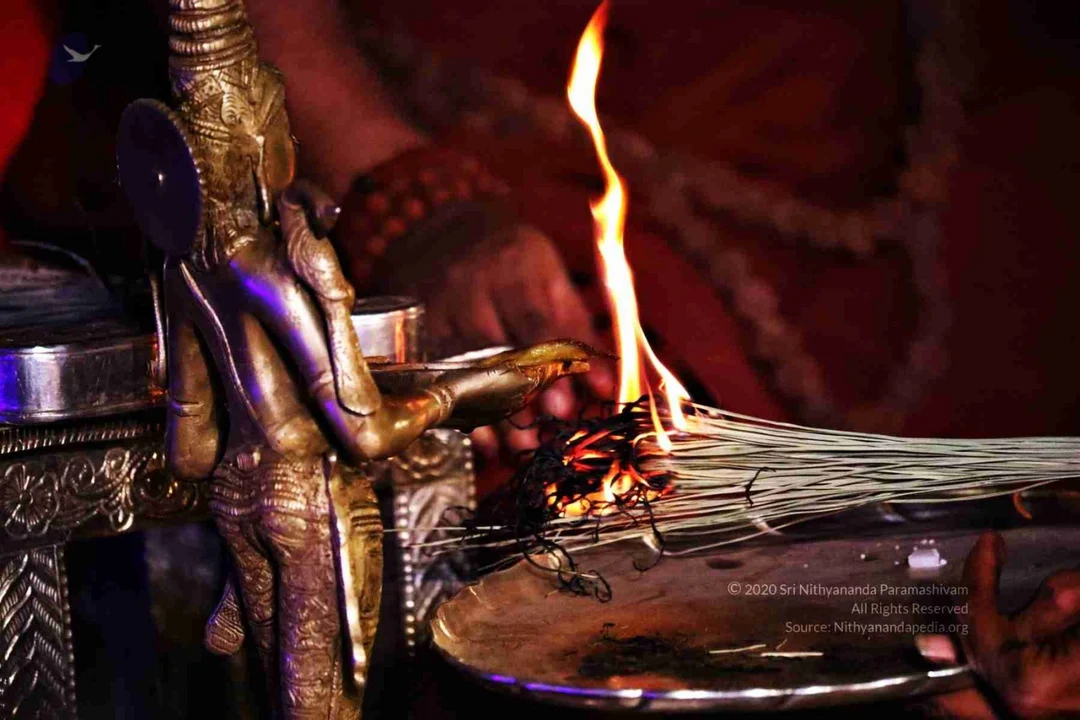 Jeevan Mukthi aushada process to establish one in Living Enlightenment
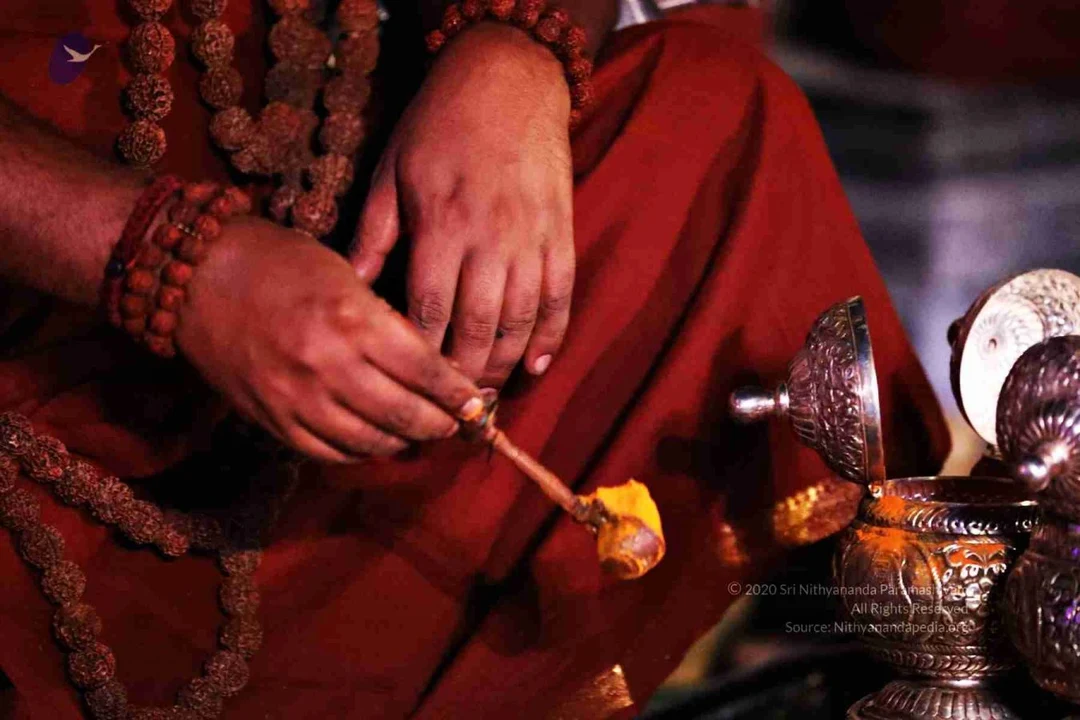 Jeevan Mukthi aushada process to establish one in Living Enlightenment
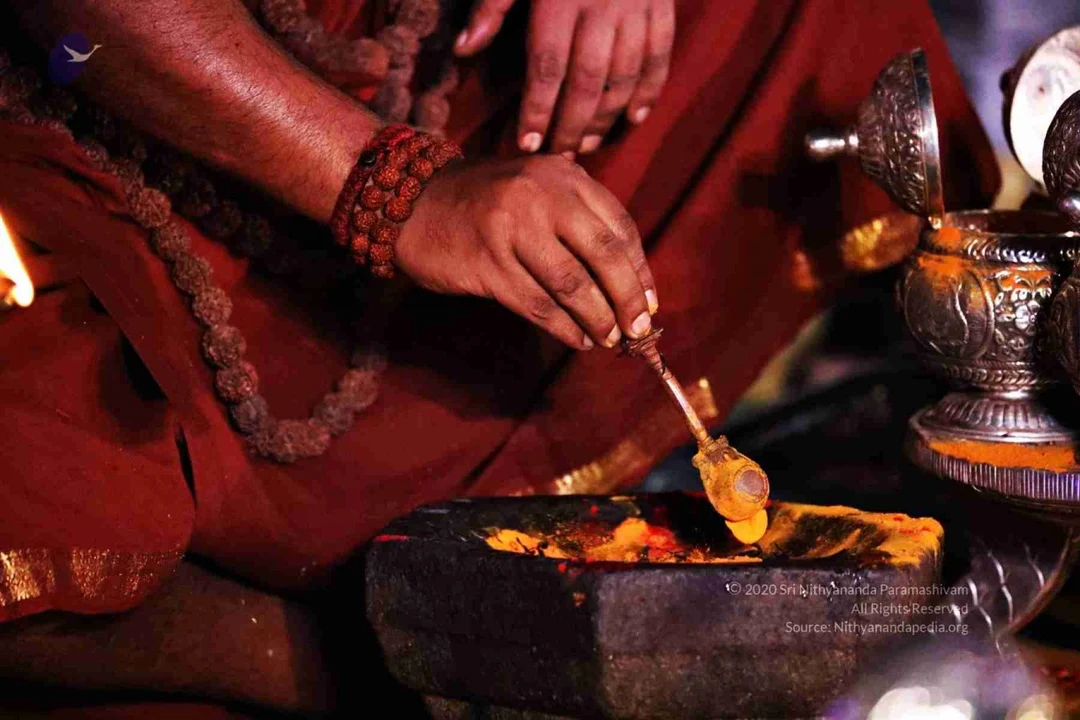 Jeevan Mukthi aushada process to establish one in Living Enlightenment
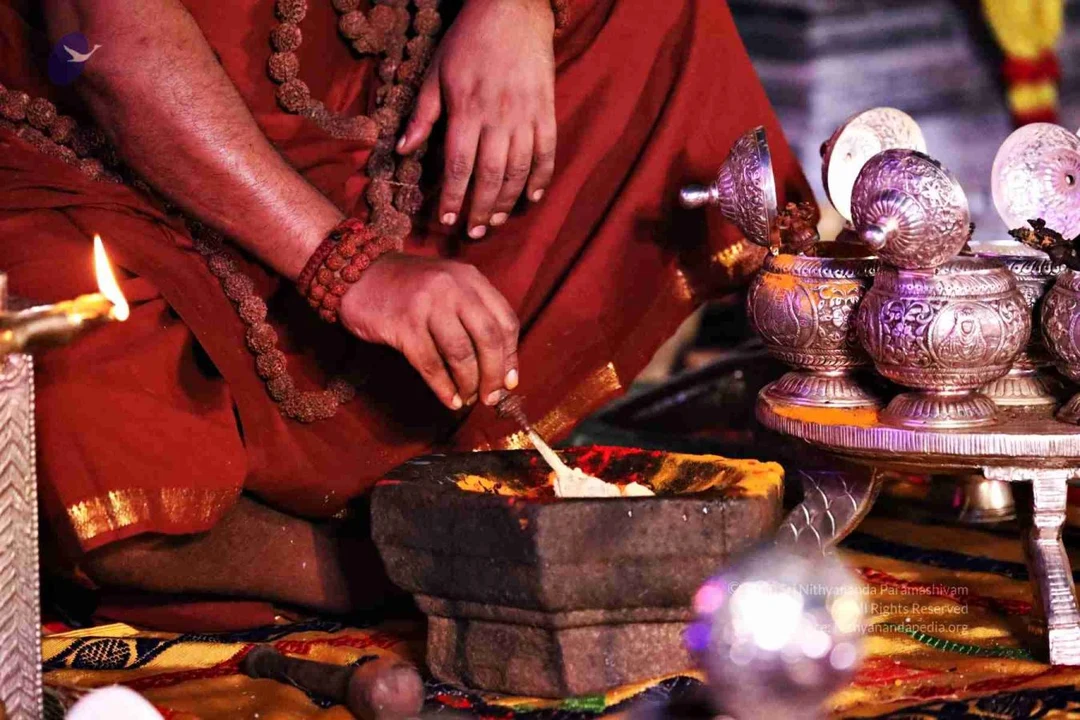 Jeevan Mukthi aushada process to establish one in Living Enlightenment
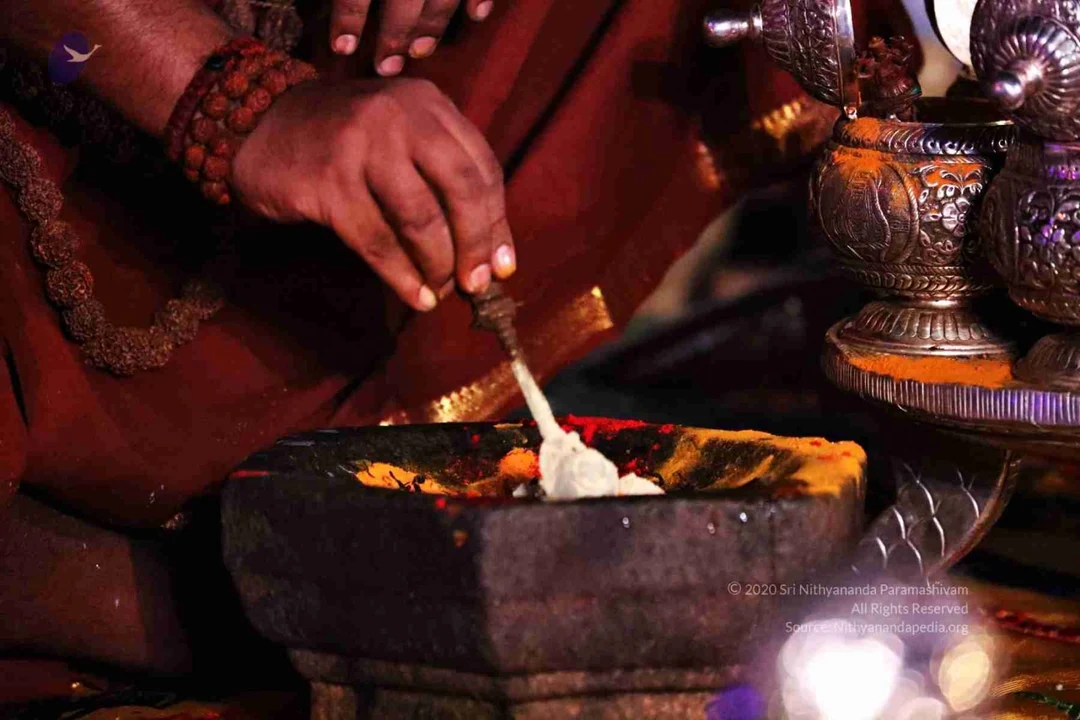 Jeevan Mukthi aushada process to establish one in Living Enlightenment
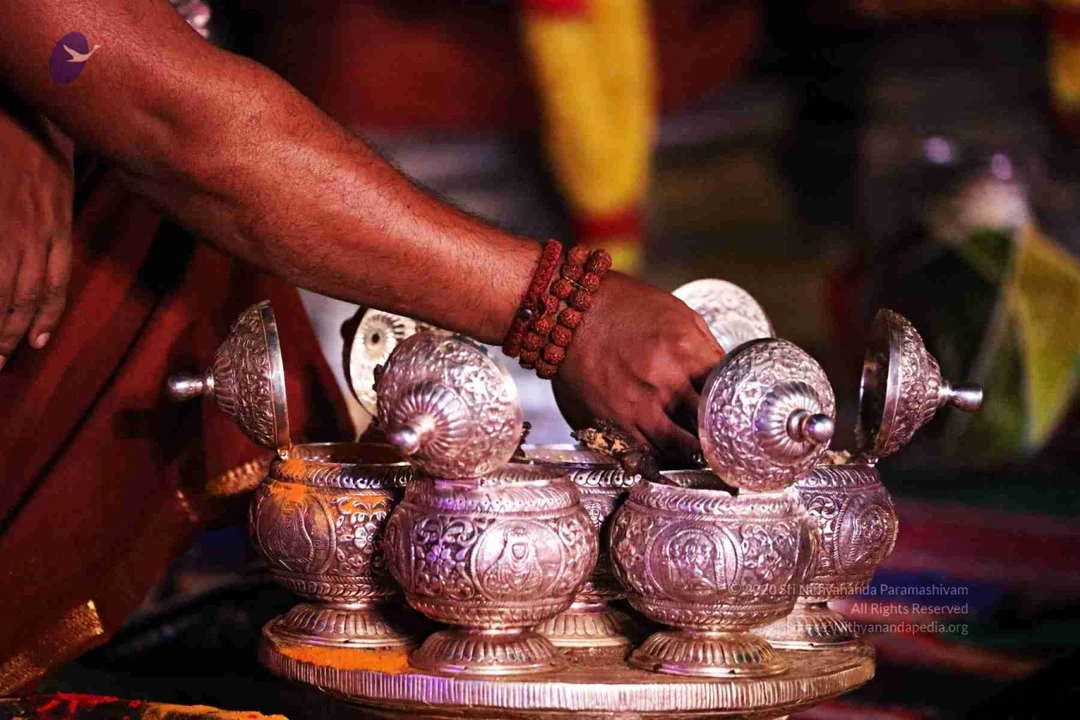 Jeevan Mukthi aushada process to establish one in Living Enlightenment
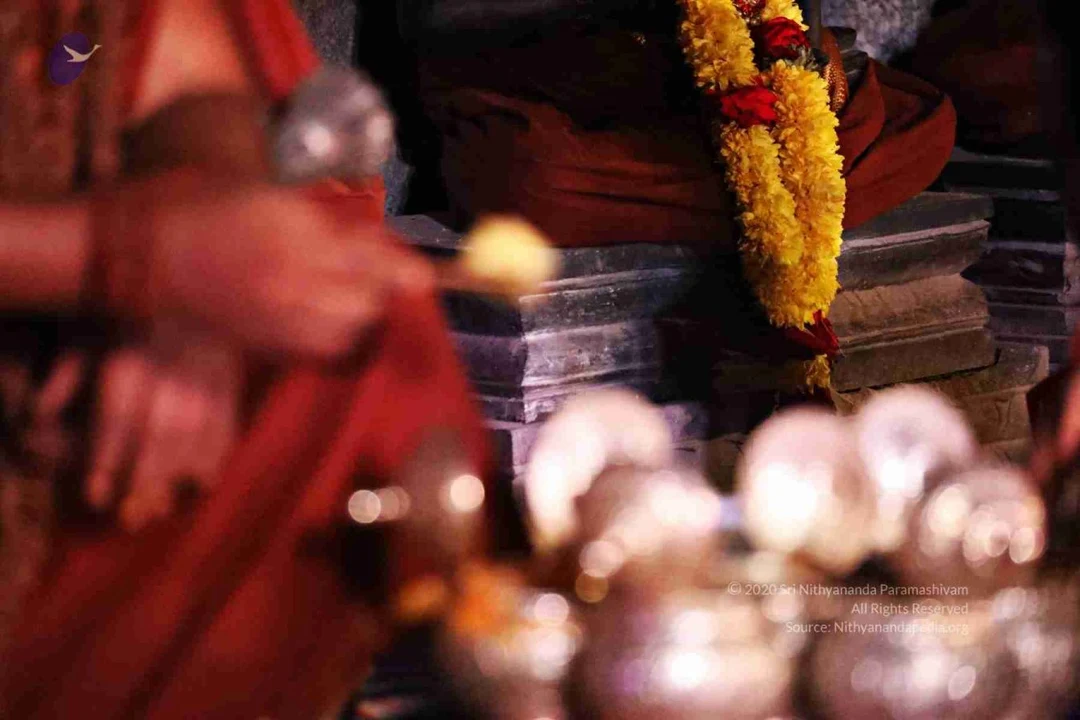 Jeevan Mukthi aushada process to establish one in Living Enlightenment
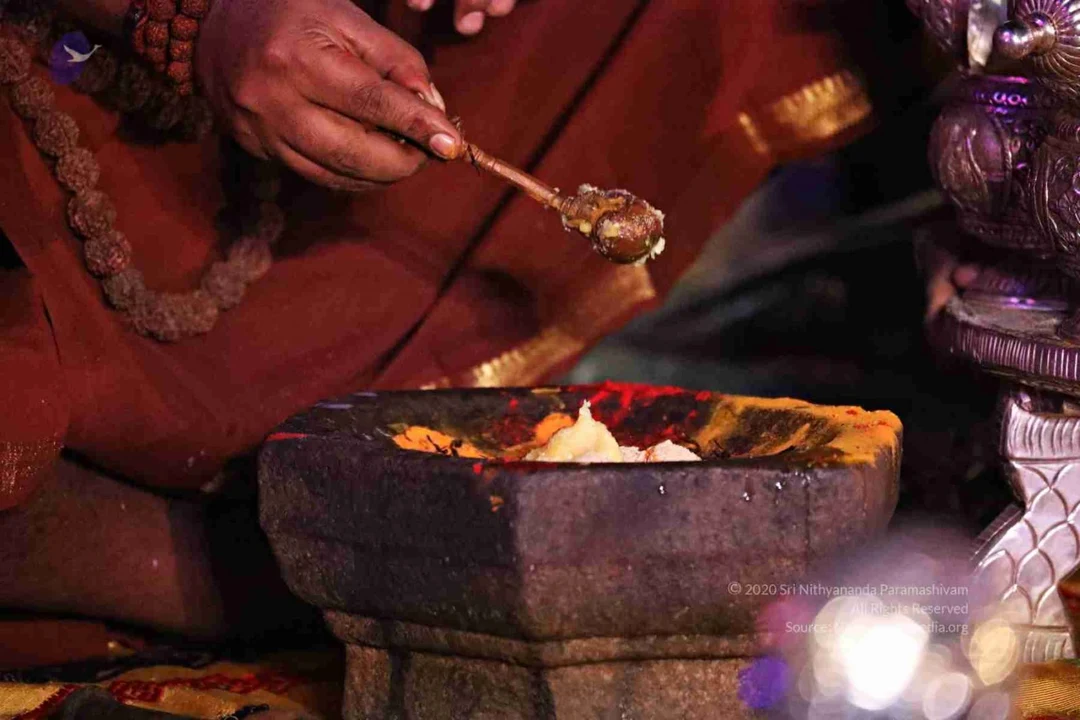 Jeevan Mukthi aushada process to establish one in Living Enlightenment
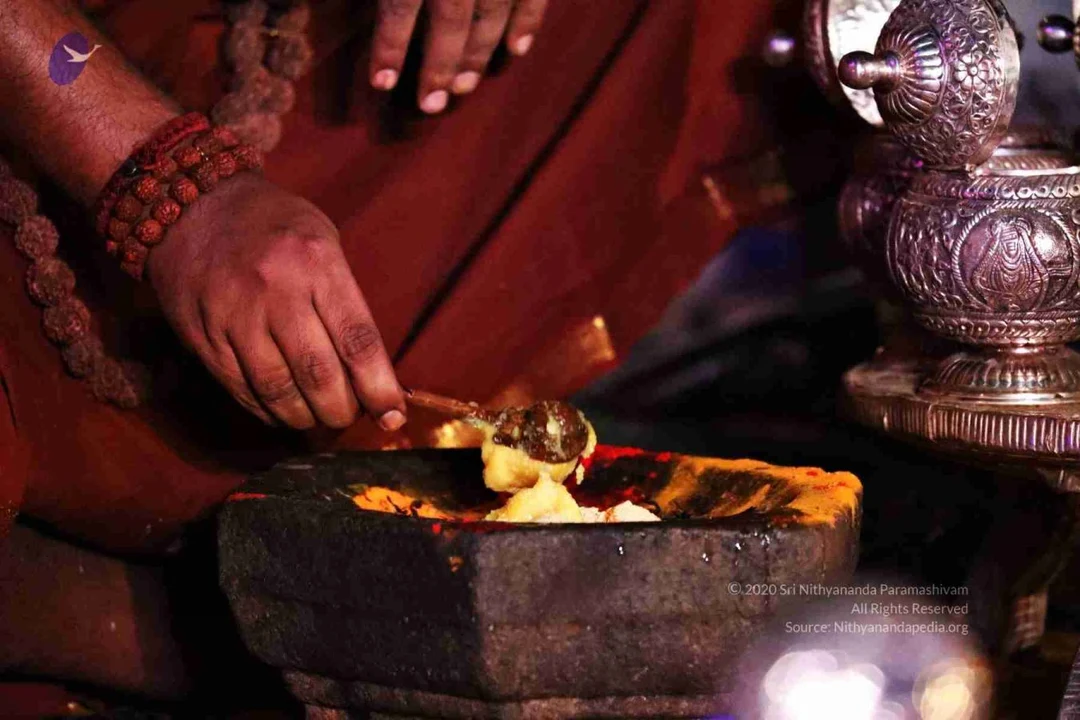 Jeevan Mukthi aushada process to establish one in Living Enlightenment
 Jeevan Mukthi aushada process to establish one in Living Enlightenment
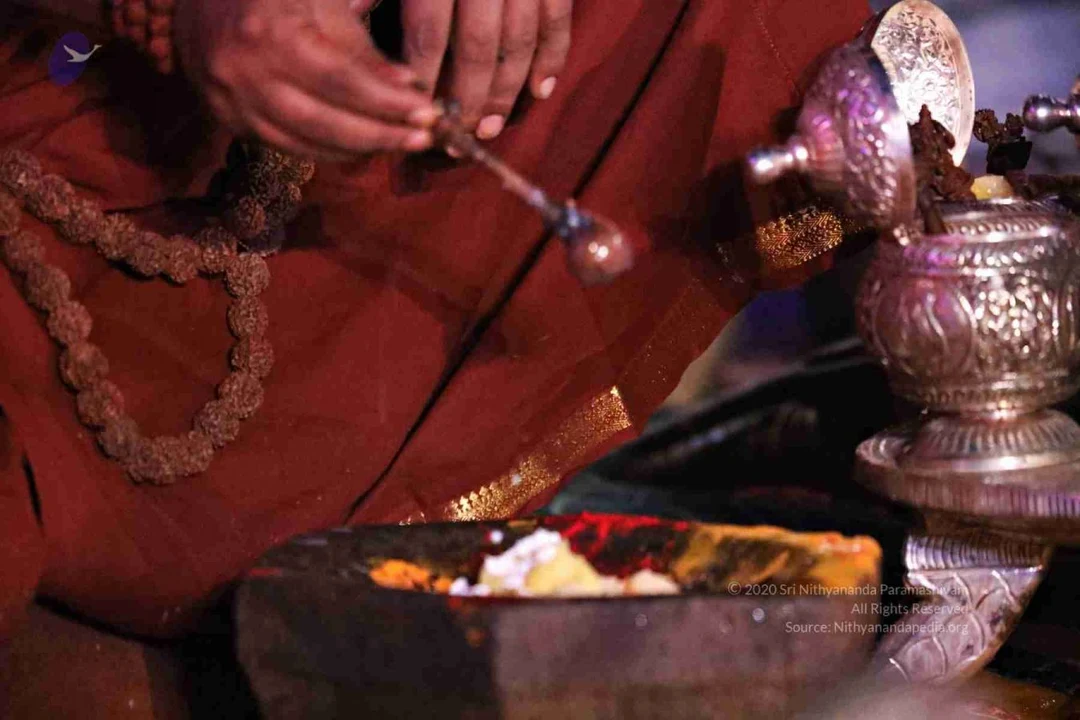 Jeevan Mukthi aushada process to establish one in Living Enlightenment
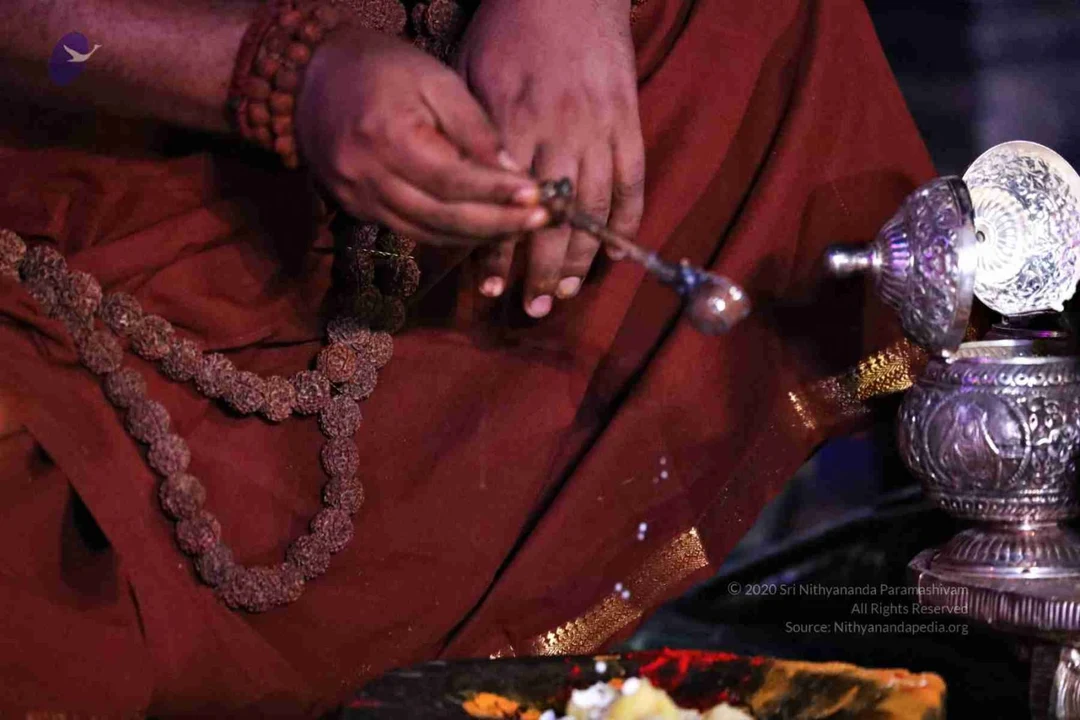 Jeevan Mukthi aushada process to establish one in Living Enlightenment
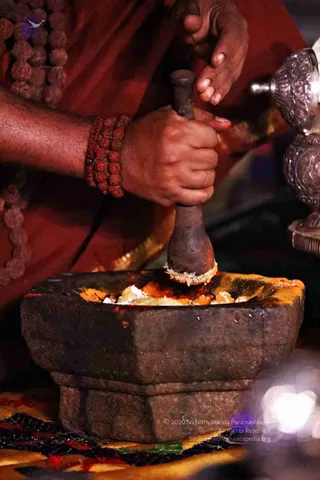 Jeevan Mukthi aushada process to establish one in Living Enlightenment
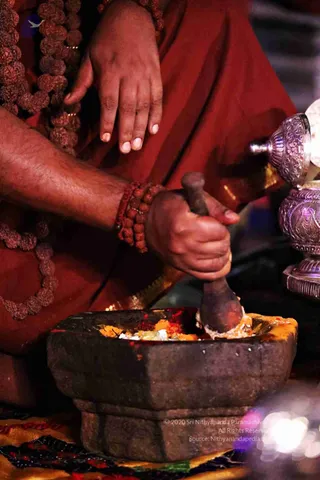 Jeevan Mukthi aushada process to establish one in Living Enlightenment
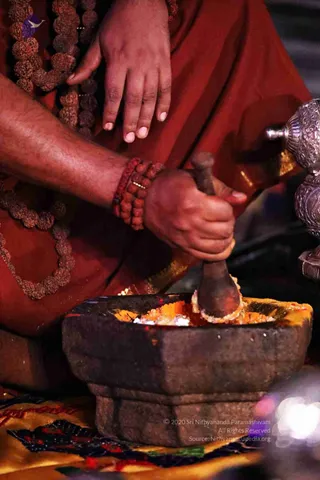 Jeevan Mukthi aushada process to establish one in Living Enlightenment
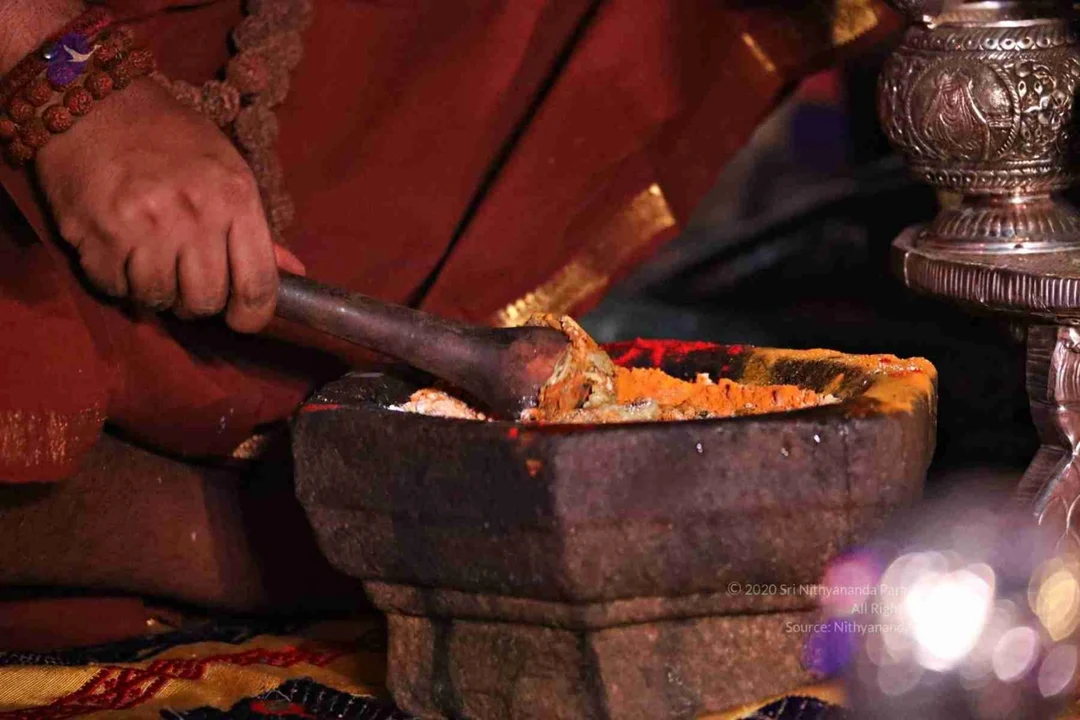 Jeevan Mukthi aushada process to establish one in Living Enlightenment
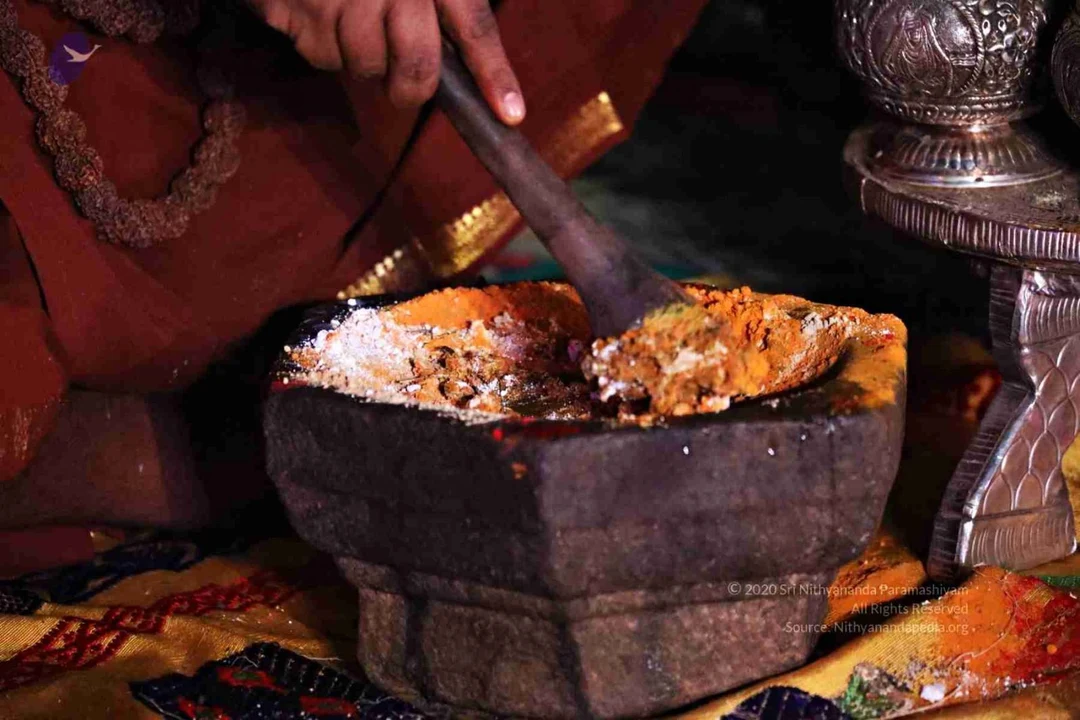 Jeevan Mukthi aushada process to establish one in Living Enlightenment
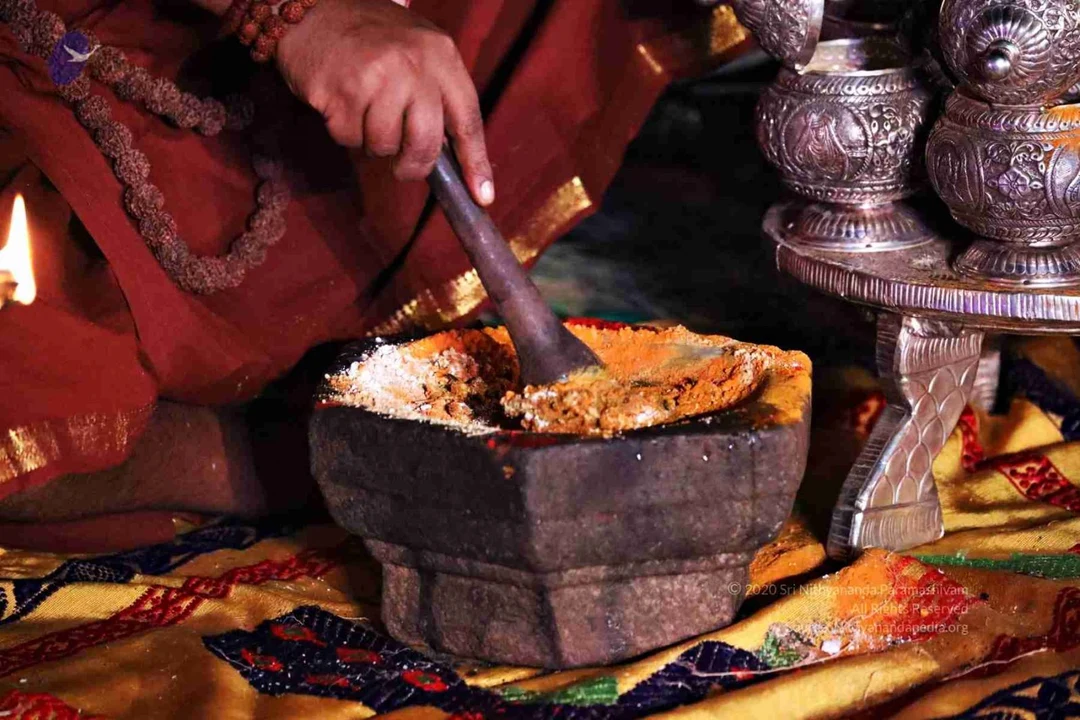 Jeevan Mukthi aushada process to establish one in Living Enlightenment
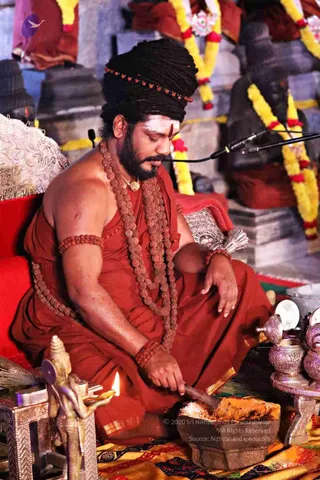 Jeevan Mukthi aushada process to establish one in Living Enlightenment
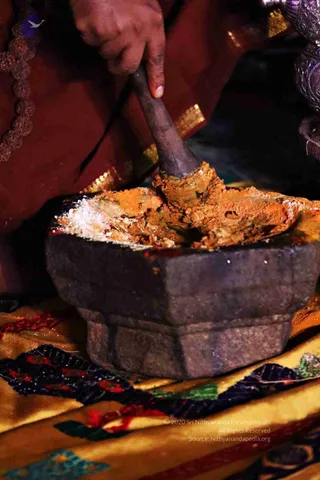 Jeevan Mukthi aushada process to establish one in Living Enlightenment
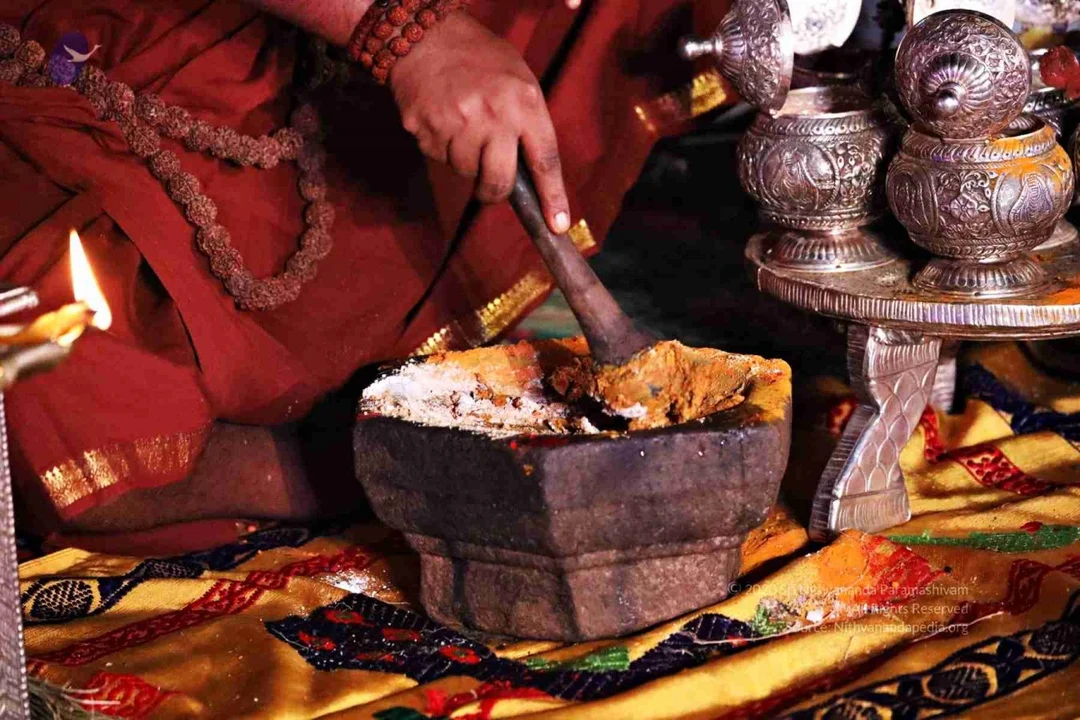 Jeevan Mukthi aushada process to establish one in Living Enlightenment
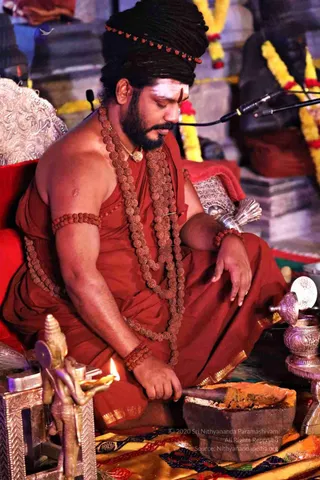 Jeevan Mukthi aushada process to establish one in Living Enlightenment
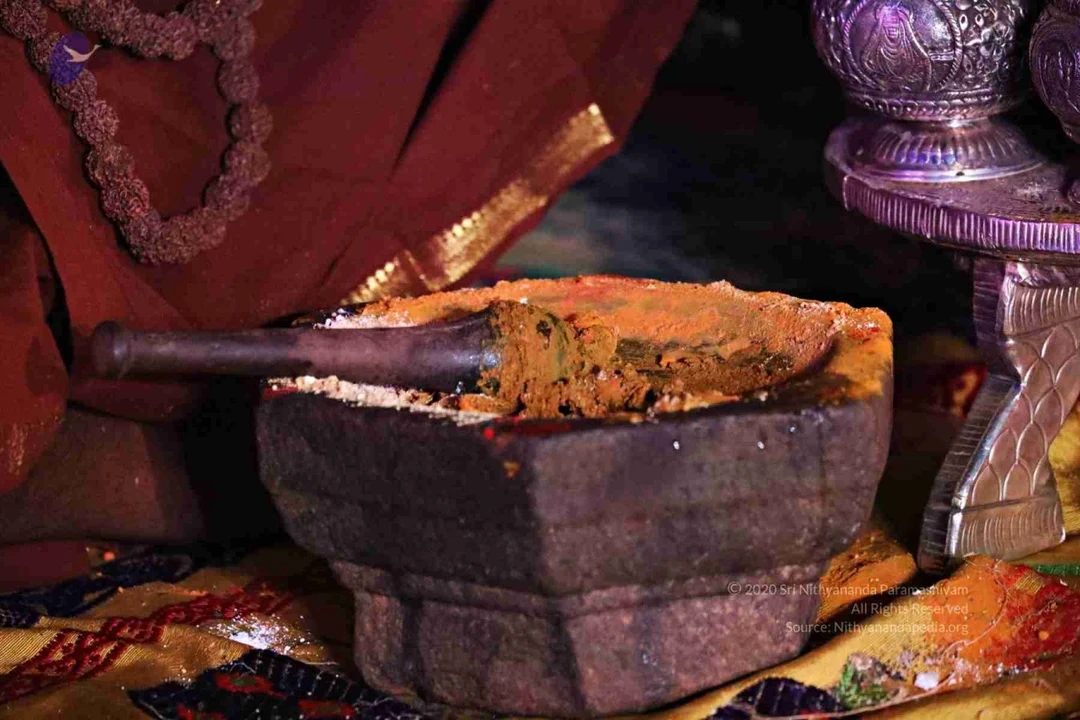 Jeevan Mukthi aushada process to establish one in Living Enlightenment
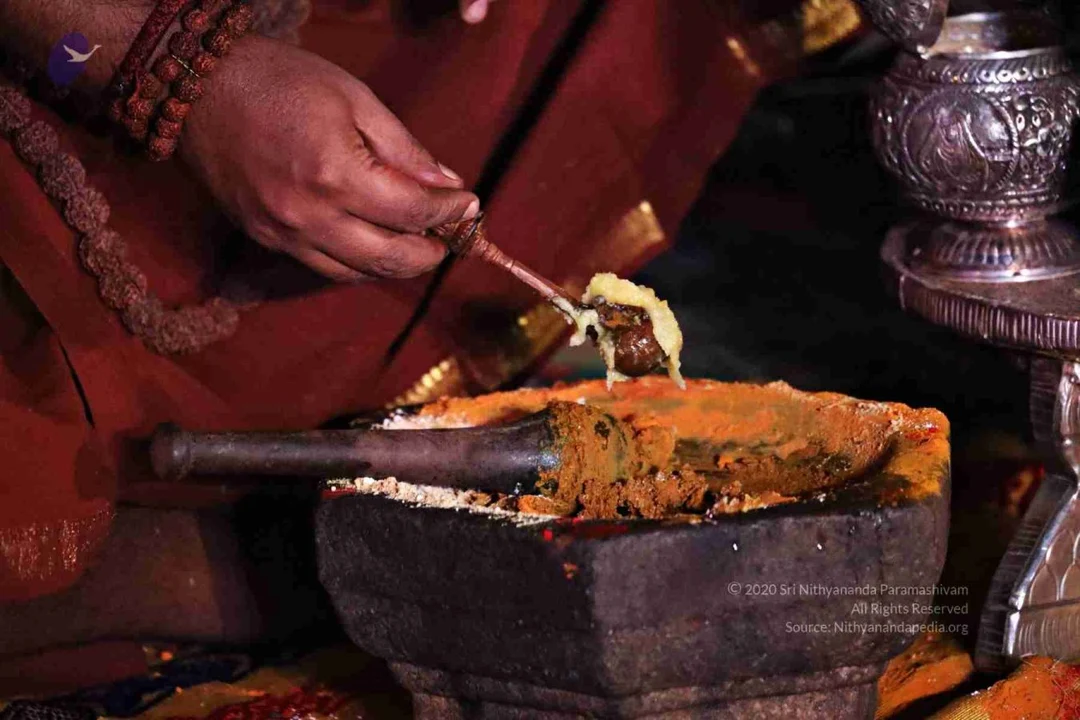 Jeevan Mukthi aushada process to establish one in Living Enlightenment
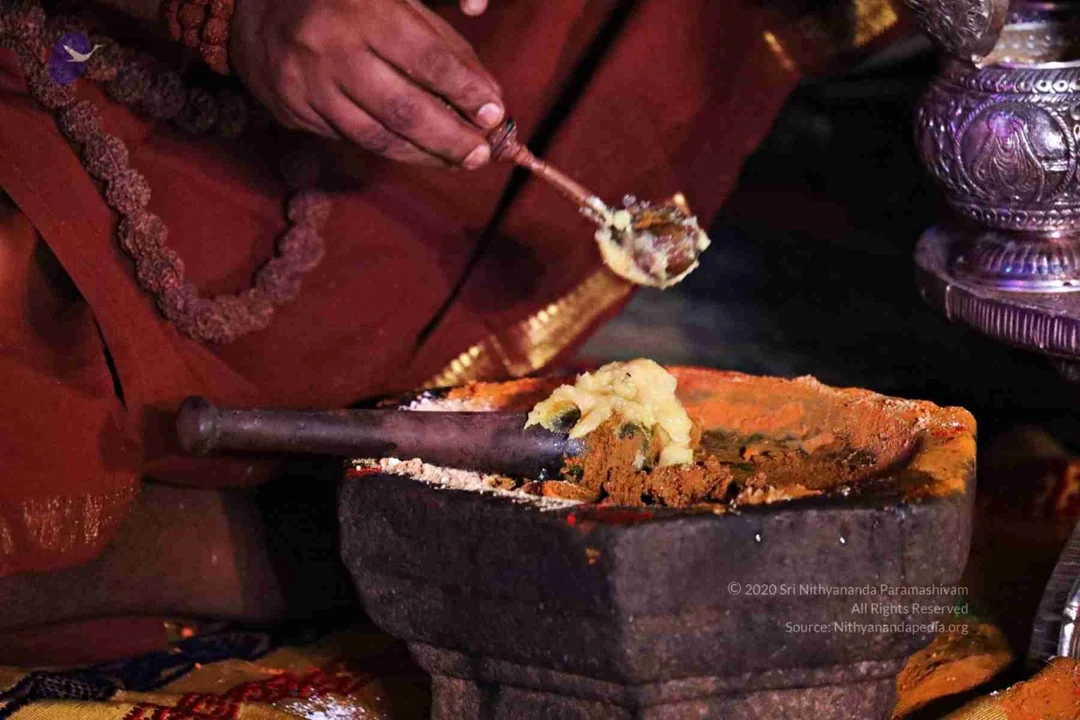 Jeevan Mukthi aushada process to establish one in Living Enlightenment
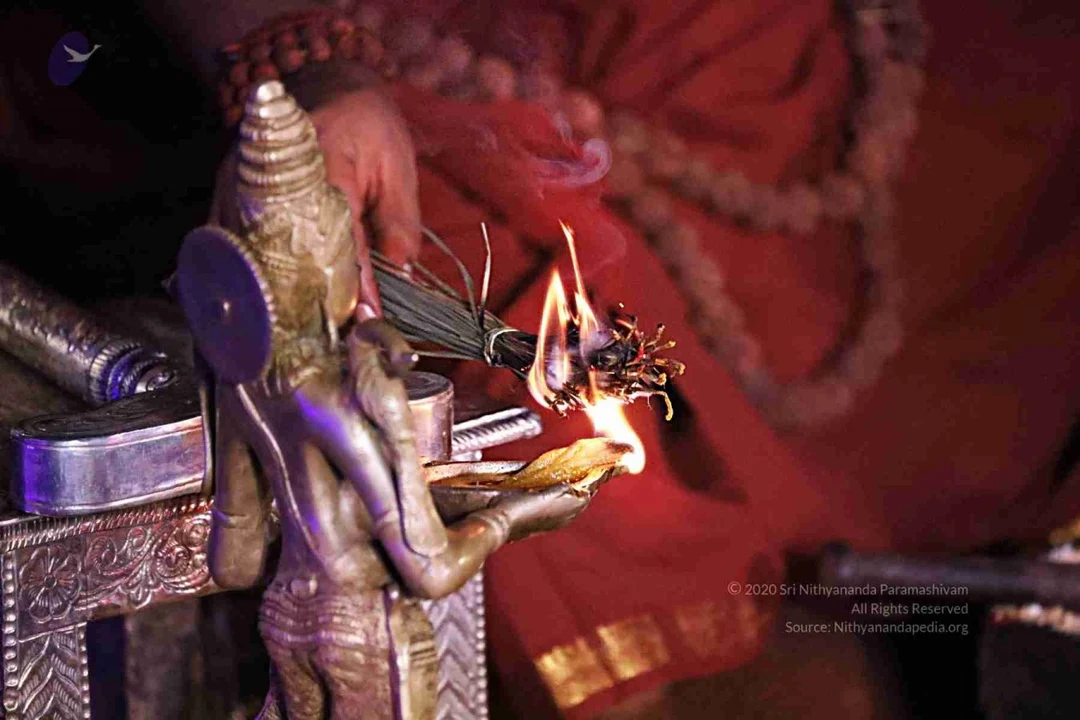 Jeevan Mukthi aushada process to establish one in Living Enlightenment
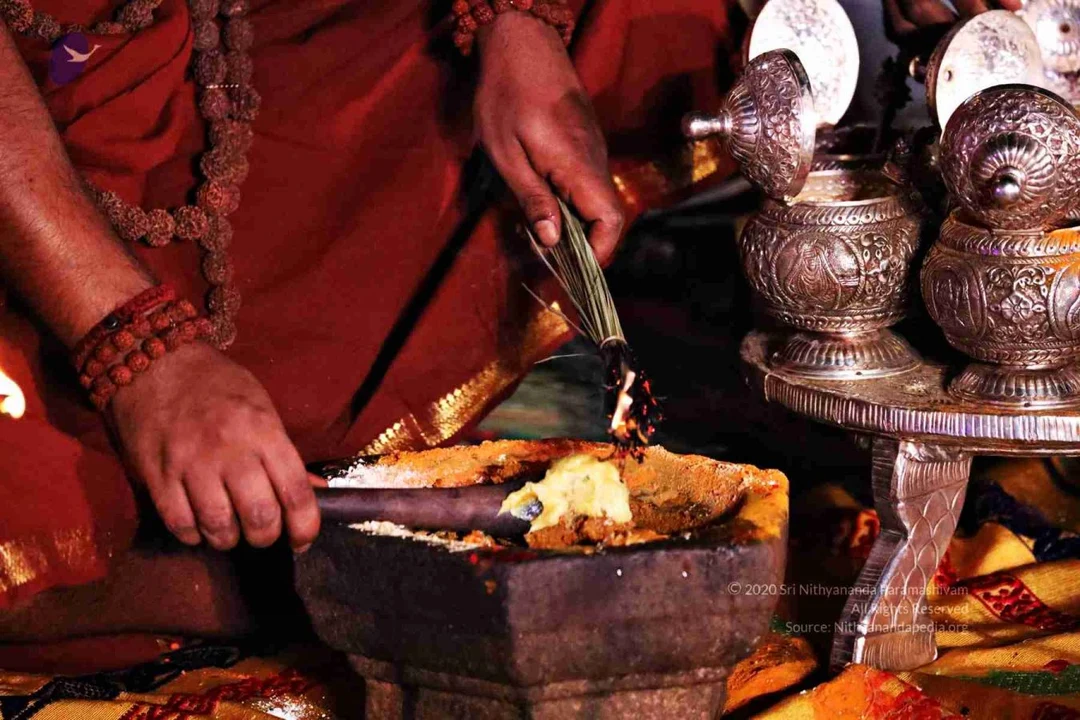 Jeevan Mukthi aushada process to establish one in Living Enlightenment
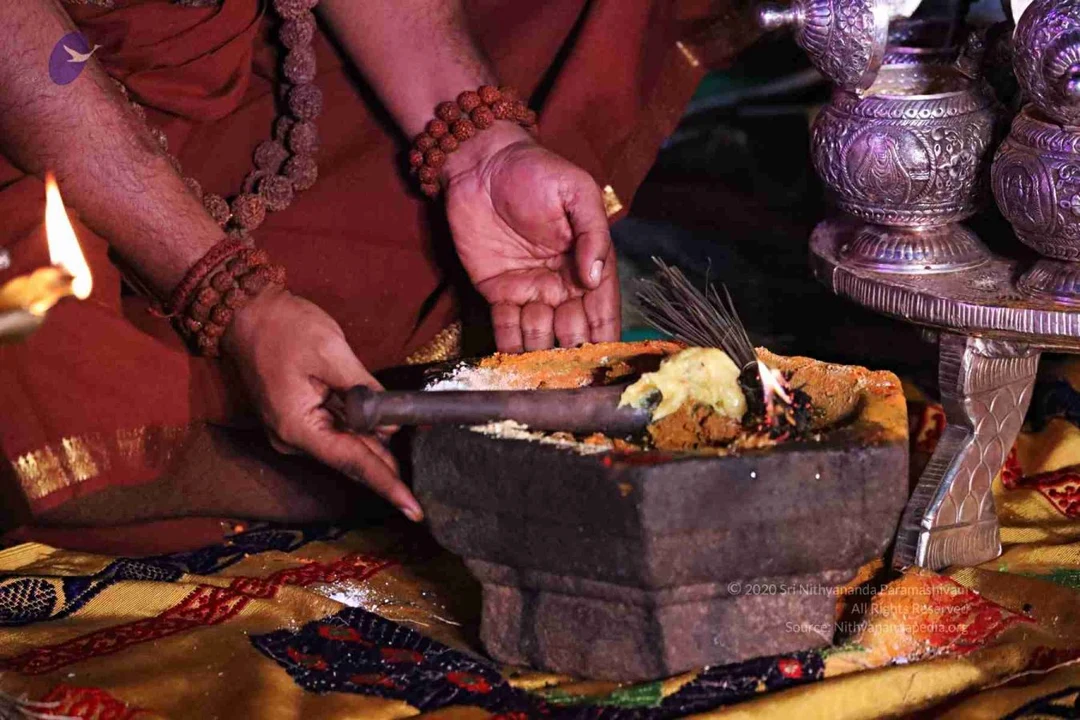 Jeevan Mukthi aushada process to establish one in Living Enlightenment
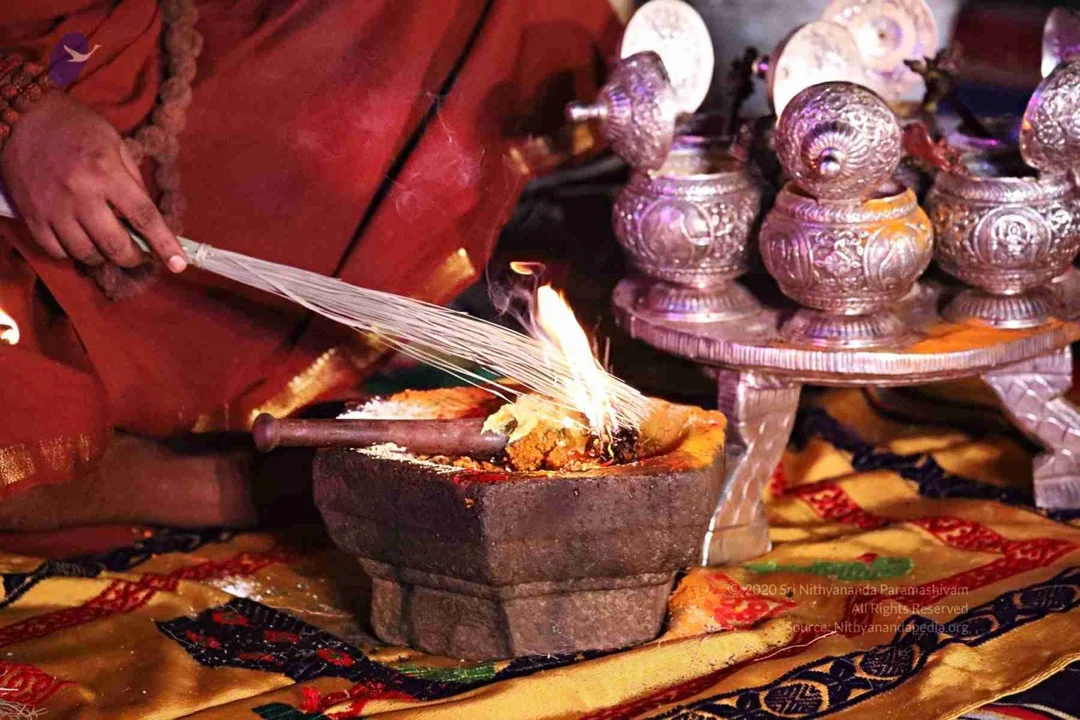 Jeevan Mukthi aushada process to establish one in Living Enlightenment
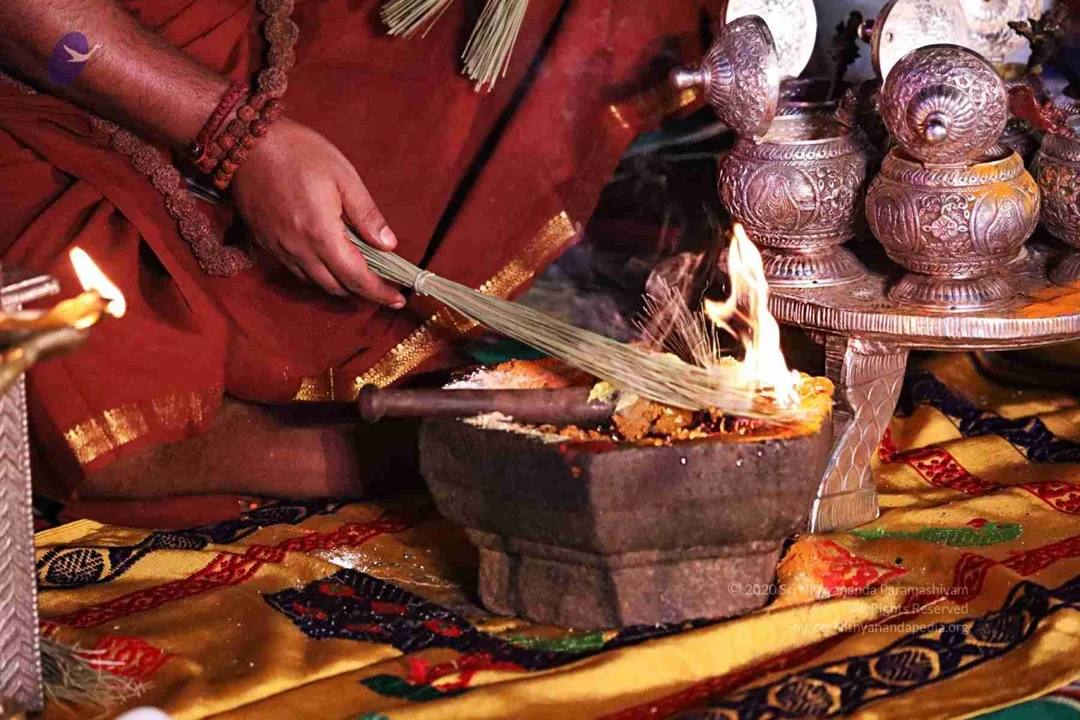 Jeevan Mukthi aushada process to establish one in Living Enlightenment
 Jeevan Mukthi aushada process to establish one in Living Enlightenment
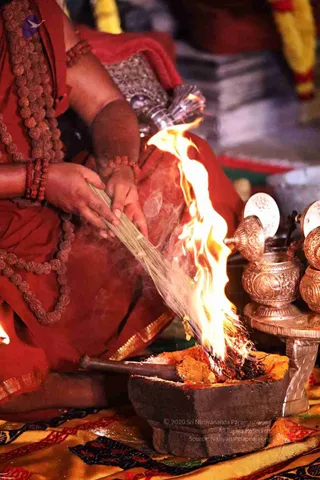 Jeevan Mukthi aushada process to establish one in Living Enlightenment
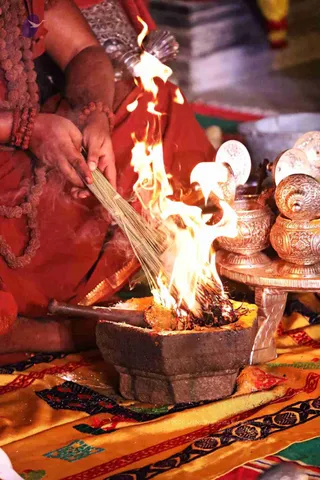 Jeevan Mukthi aushada process to establish one in Living Enlightenment
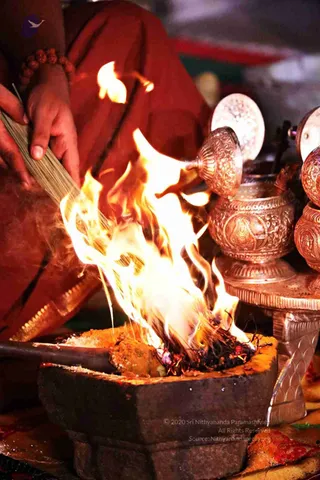 Jeevan Mukthi aushada process to establish one in Living Enlightenment
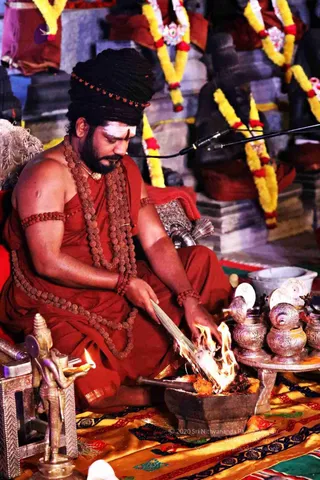 Jeevan Mukthi aushada process to establish one in Living Enlightenment
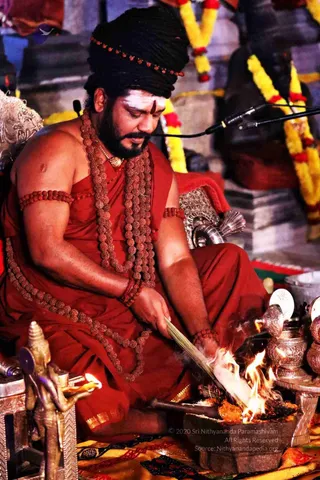 Jeevan Mukthi aushada process to establish one in Living Enlightenment
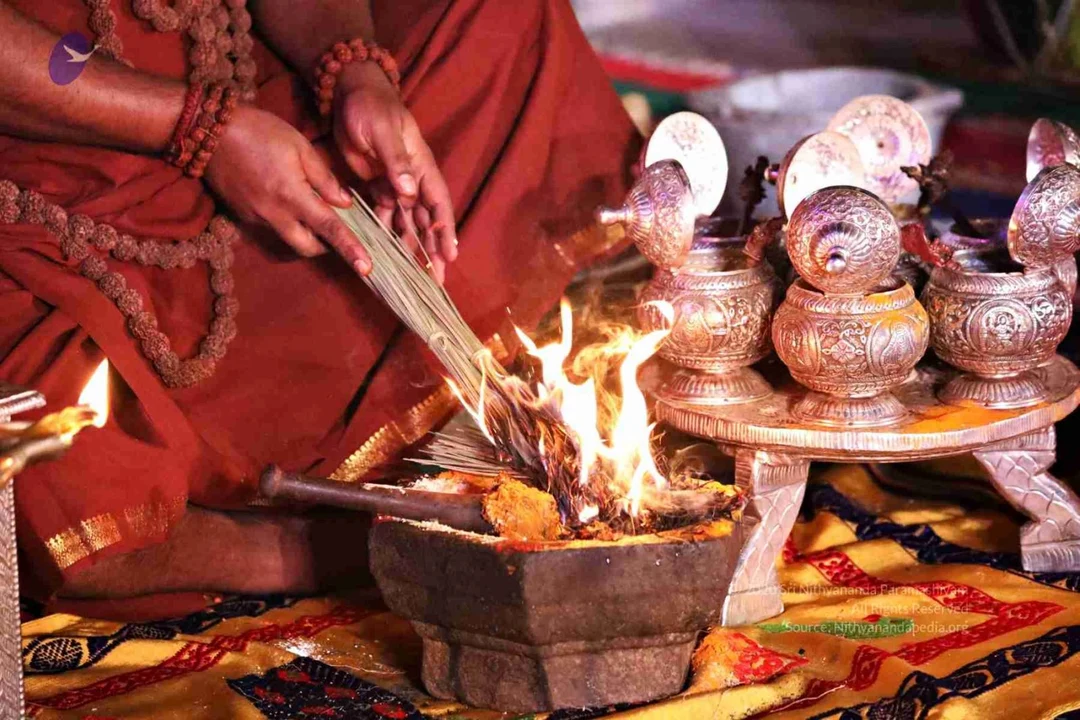 Jeevan Mukthi aushada process to establish one in Living Enlightenment
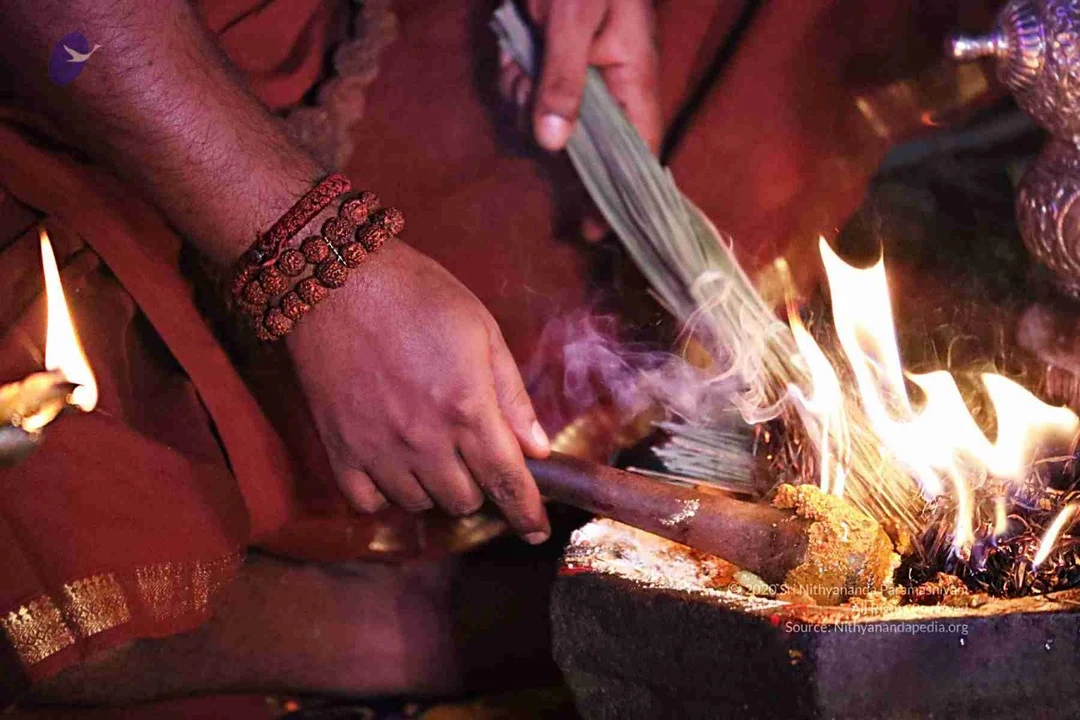 Jeevan Mukthi aushada process to establish one in Living Enlightenment
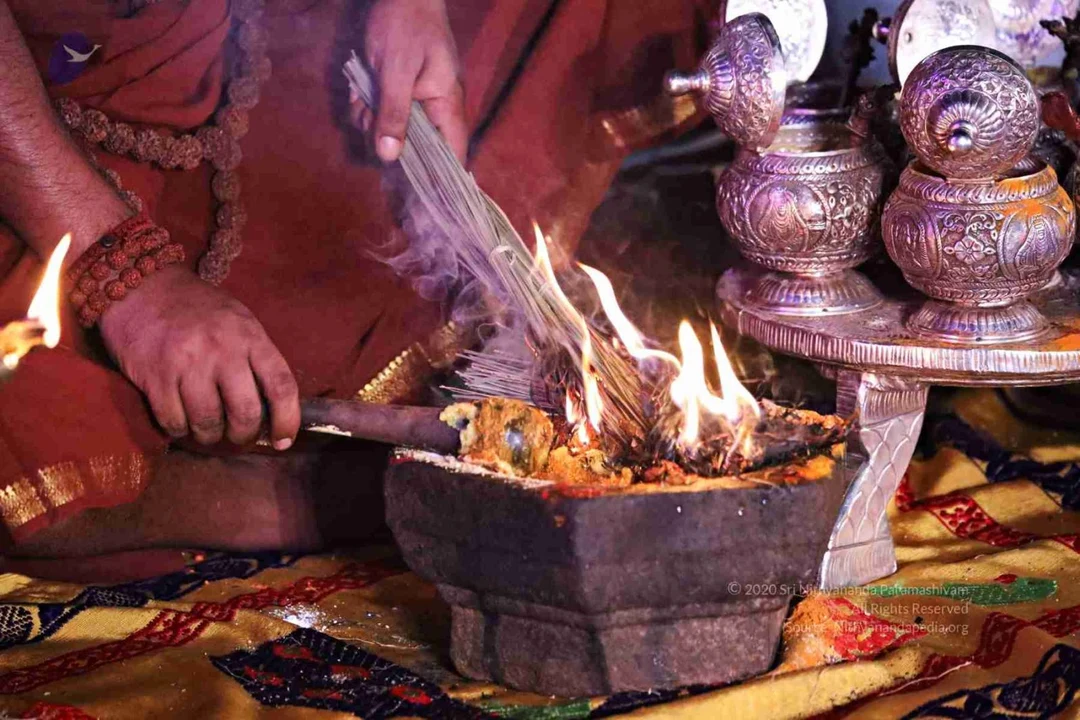 Jeevan Mukthi aushada process to establish one in Living Enlightenment
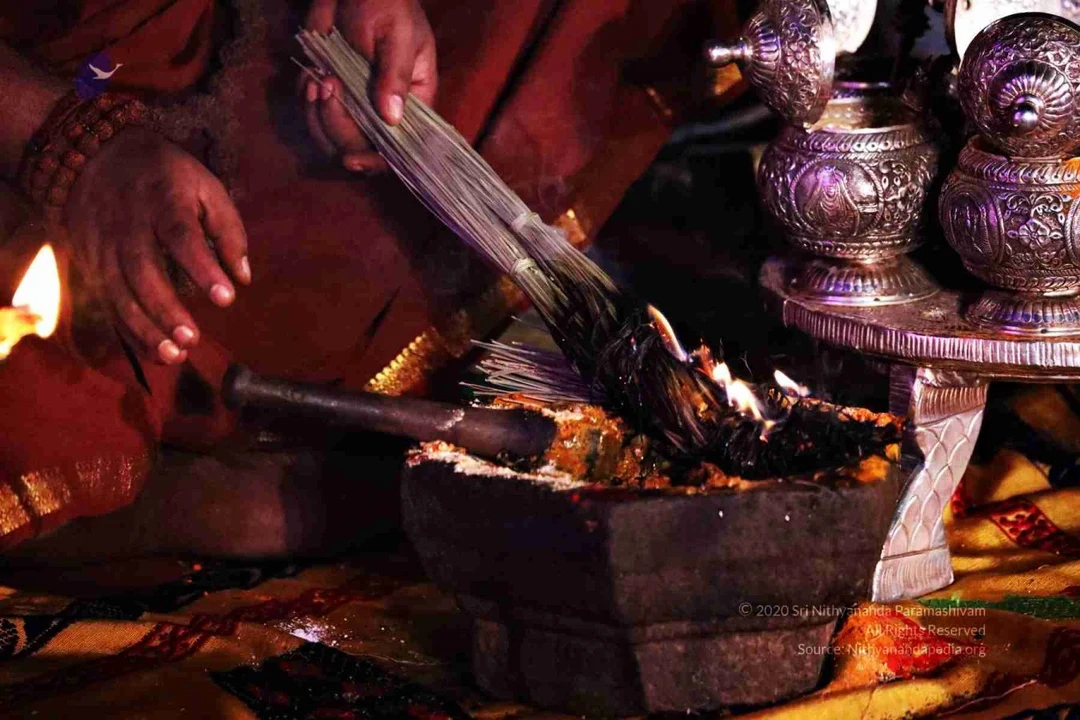 Jeevan Mukthi aushada process to establish one in Living Enlightenment
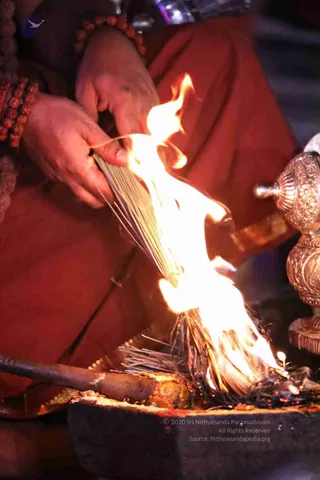 Jeevan Mukthi aushada process to establish one in Living Enlightenment
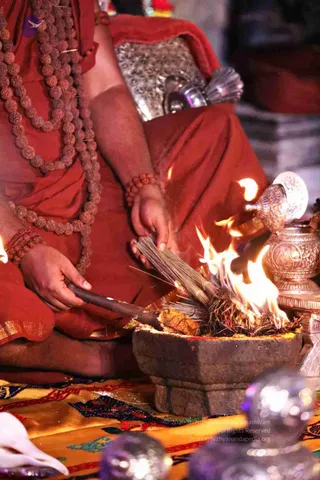 Jeevan Mukthi aushada process to establish one in Living Enlightenment
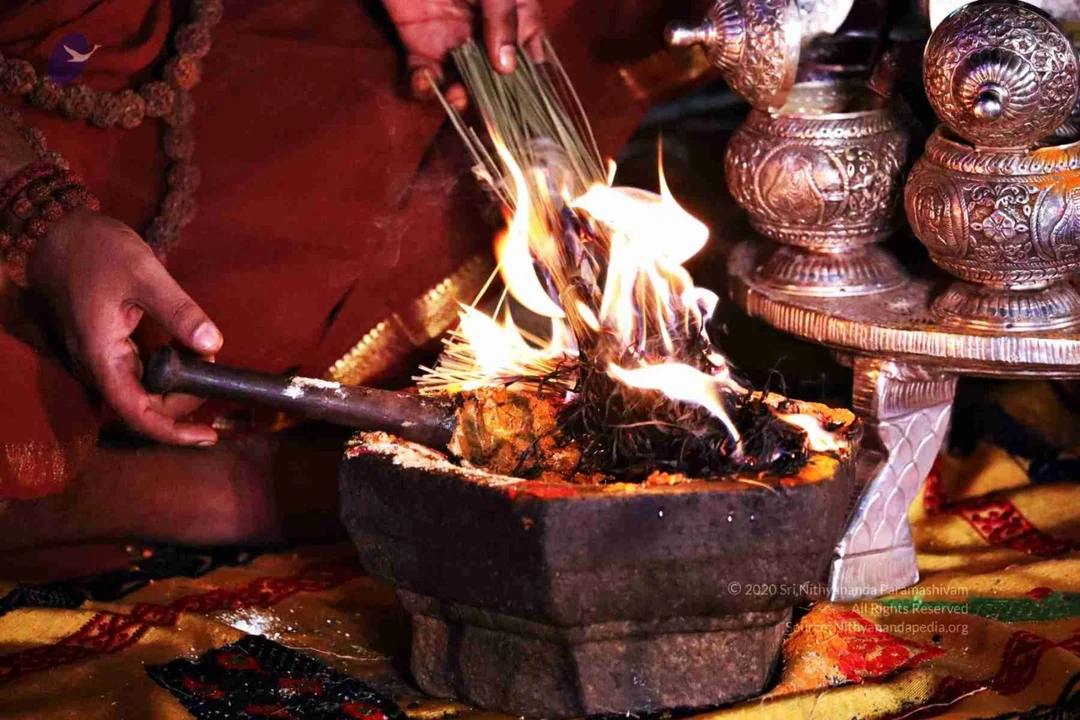 Jeevan Mukthi aushada process to establish one in Living Enlightenment
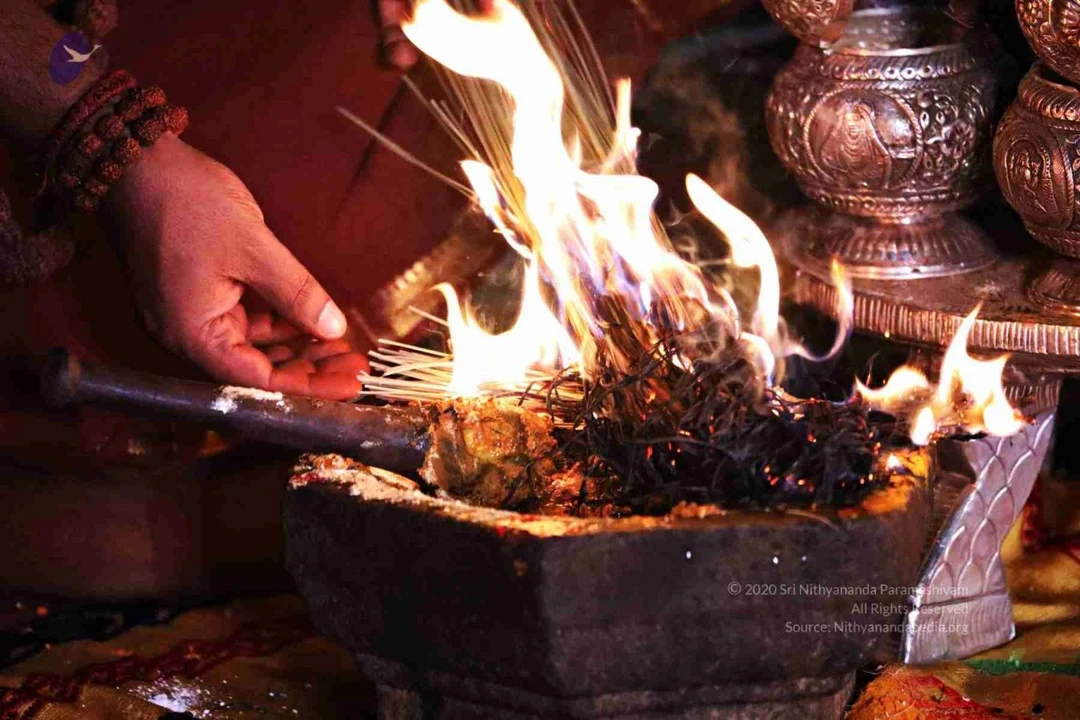 Jeevan Mukthi aushada process to establish one in Living Enlightenment
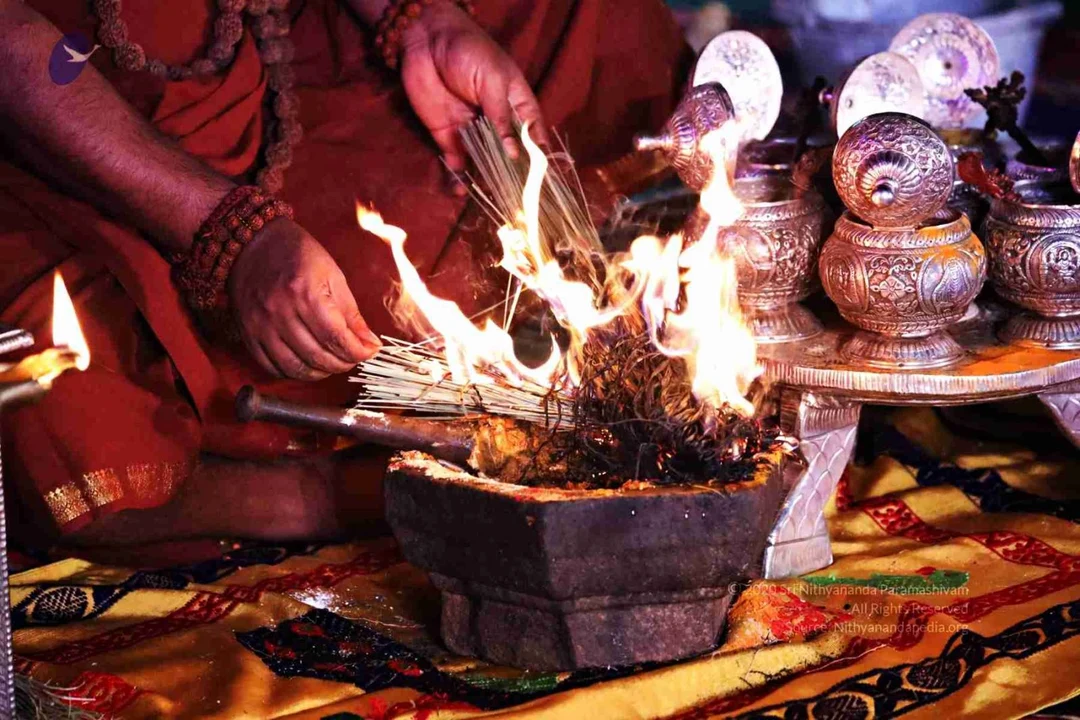 Jeevan Mukthi aushada process to establish one in Living Enlightenment
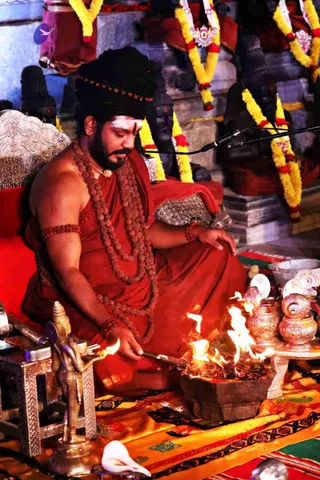 Jeevan Mukthi aushada process to establish one in Living Enlightenment
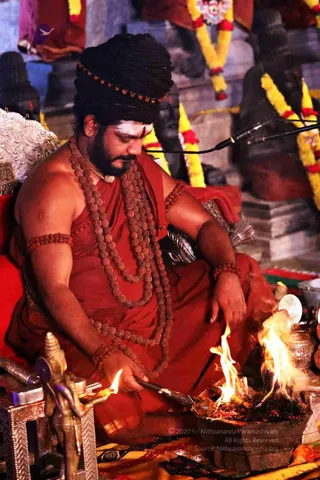 Jeevan Mukthi aushada process to establish one in Living Enlightenment
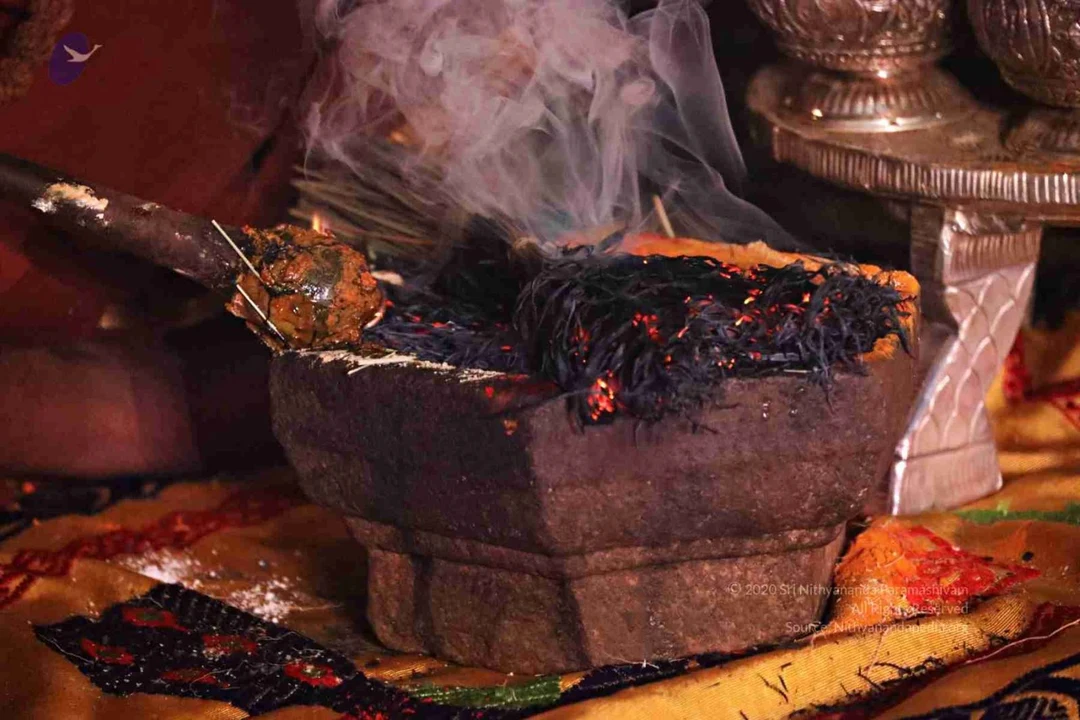 Jeevan Mukthi aushada process to establish one in Living Enlightenment
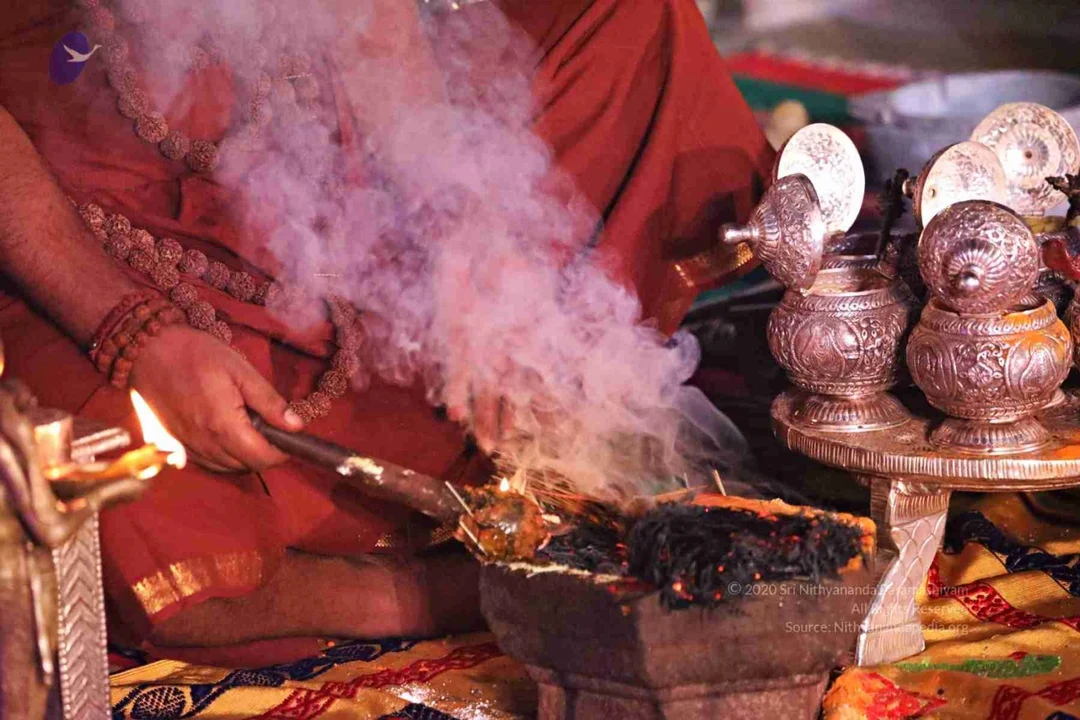 Jeevan Mukthi aushada process to establish one in Living Enlightenment
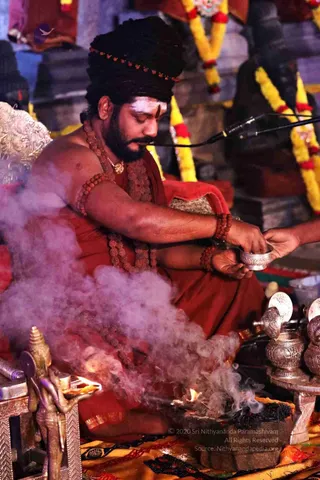 Jeevan Mukthi aushada process to establish one in Living Enlightenment
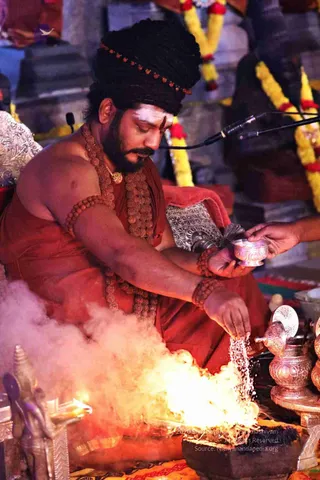 Jeevan Mukthi aushada process to establish one in Living Enlightenment
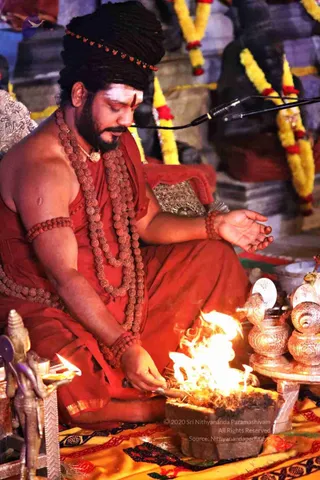 Jeevan Mukthi aushada process to establish one in Living Enlightenment
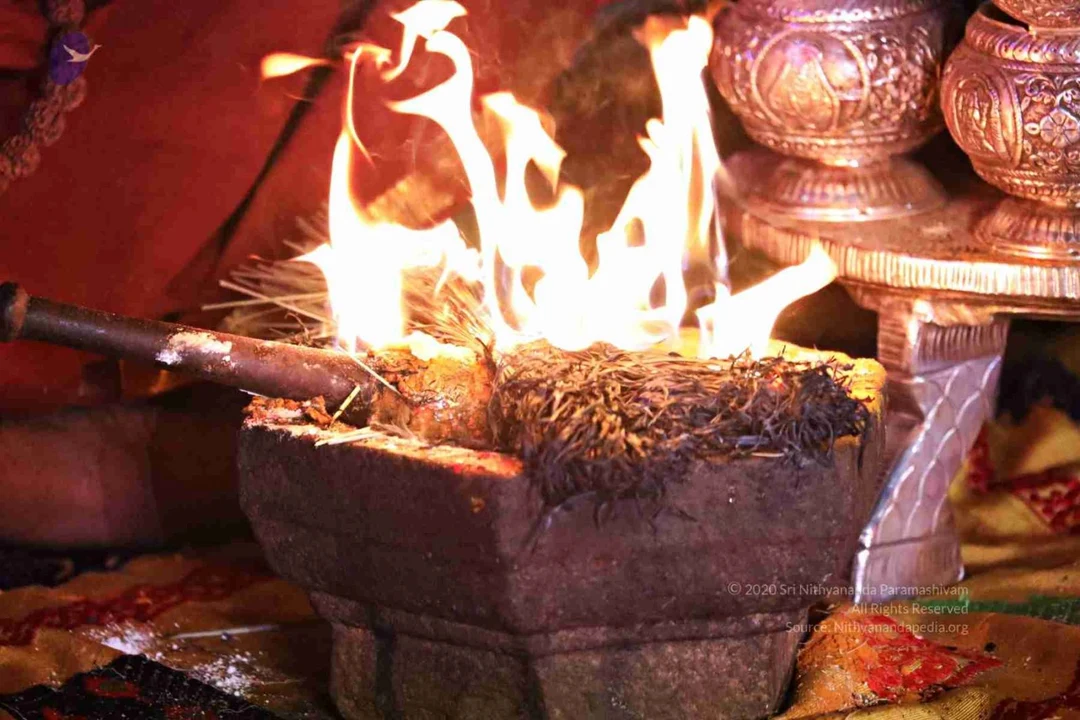 Jeevan Mukthi aushada process to establish one in Living Enlightenment
 Jeevan Mukthi aushada process to establish one in Living Enlightenment
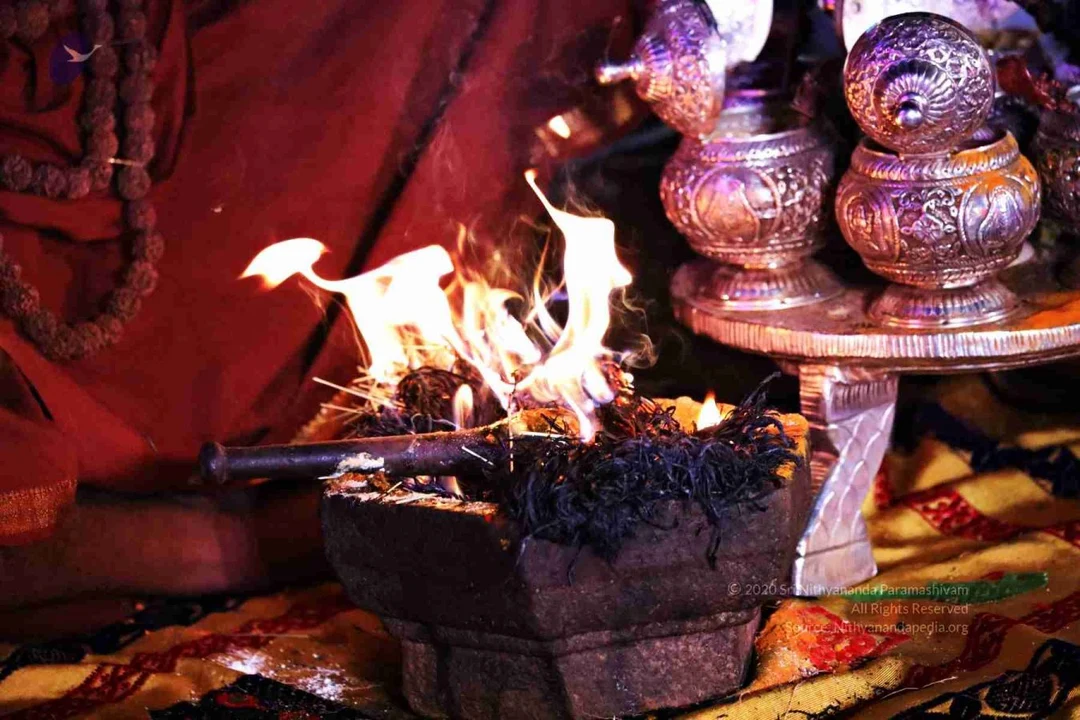 Jeevan Mukthi aushada process to establish one in Living Enlightenment
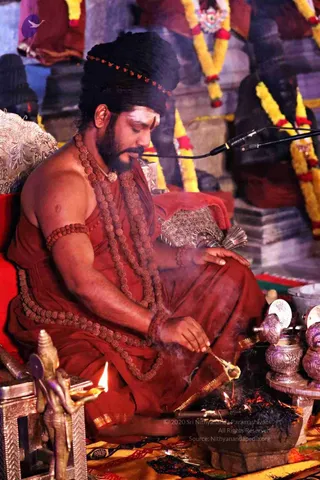 Jeevan Mukthi aushada process to establish one in Living Enlightenment
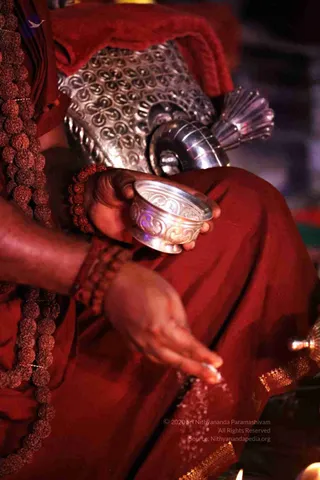 Jeevan Mukthi aushada process to establish one in Living Enlightenment
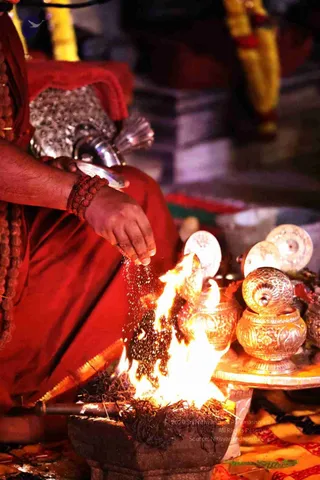 Jeevan Mukthi aushada process to establish one in Living Enlightenment
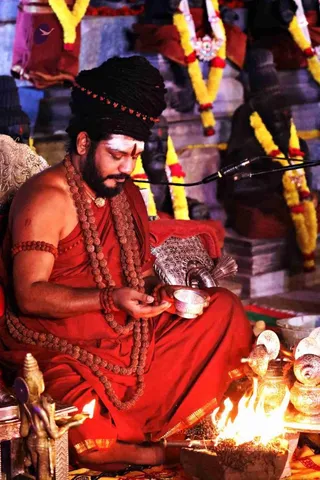 Jeevan Mukthi aushada process to establish one in Living Enlightenment
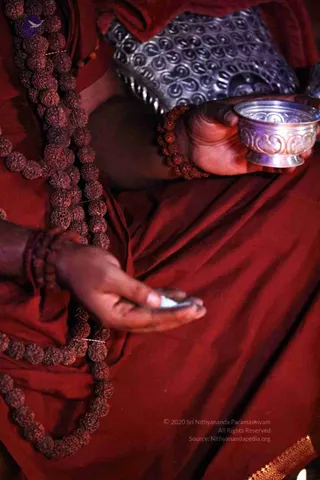 Jeevan Mukthi aushada process to establish one in Living Enlightenment
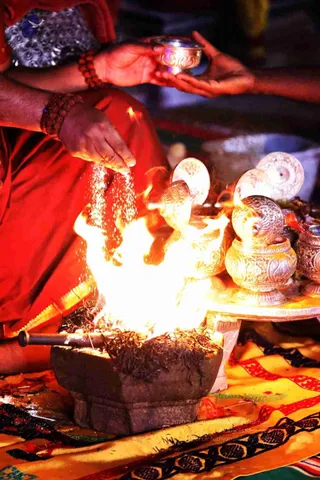 Jeevan Mukthi aushada process to establish one in Living Enlightenment
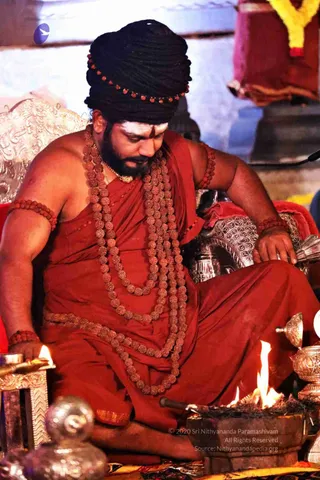 Jeevan Mukthi aushada process to establish one in Living Enlightenment
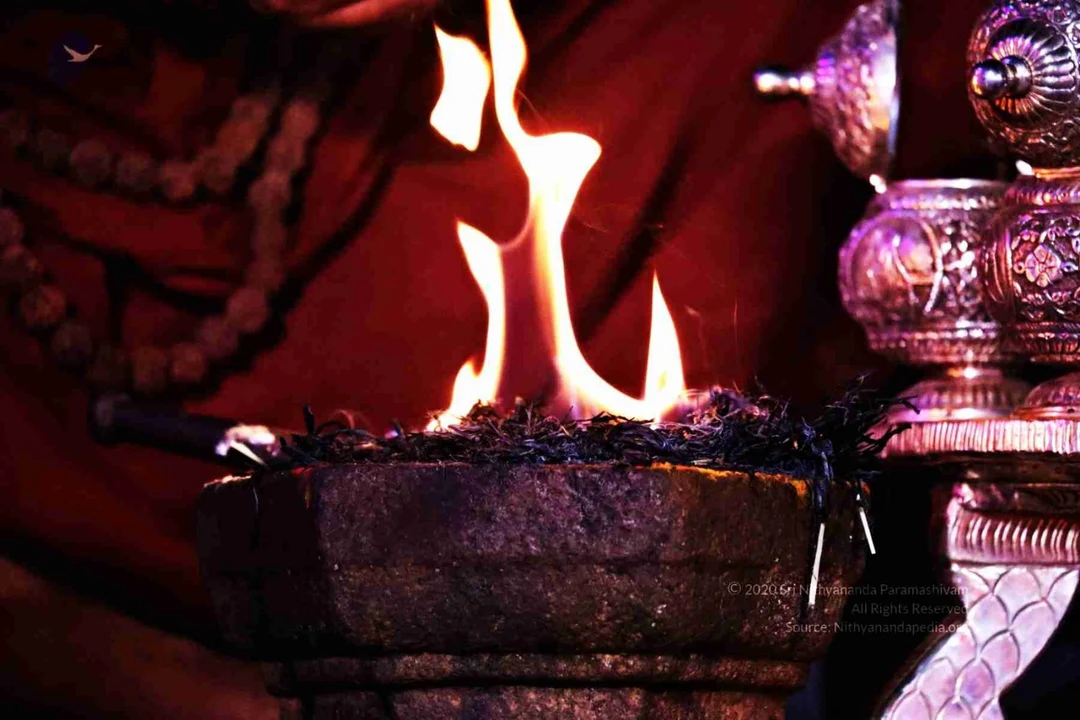 Jeevan Mukthi aushada process to establish one in Living Enlightenment
 Jeevan Mukthi aushada process to establish one in Living Enlightenment
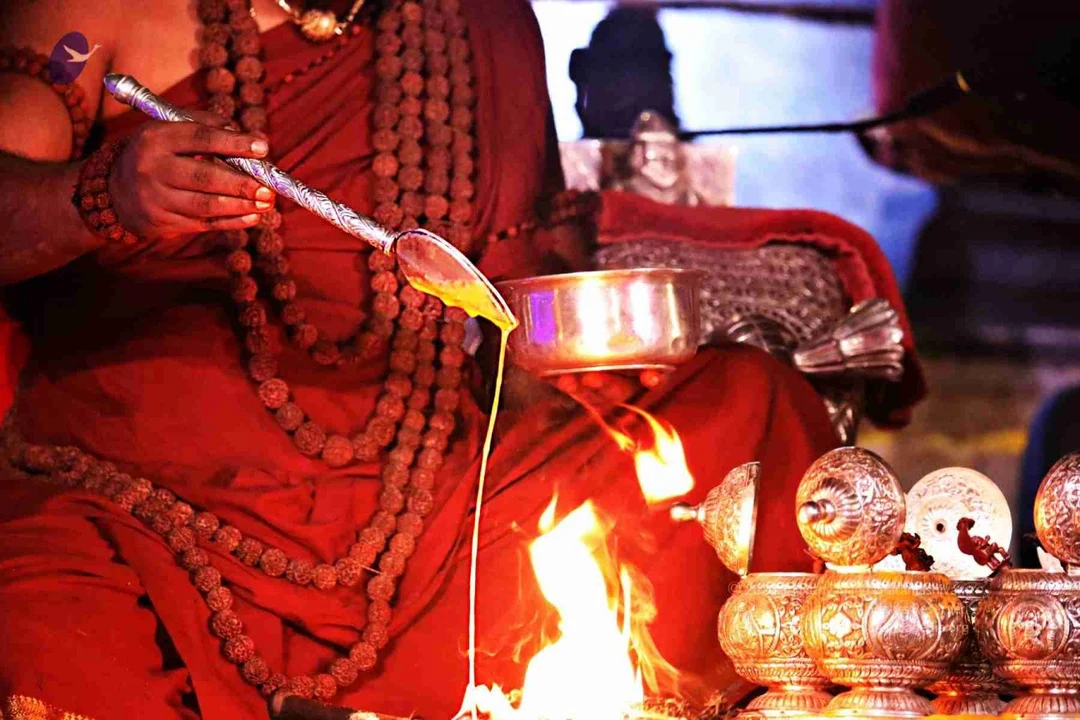 Jeevan Mukthi aushada process to establish one in Living Enlightenment
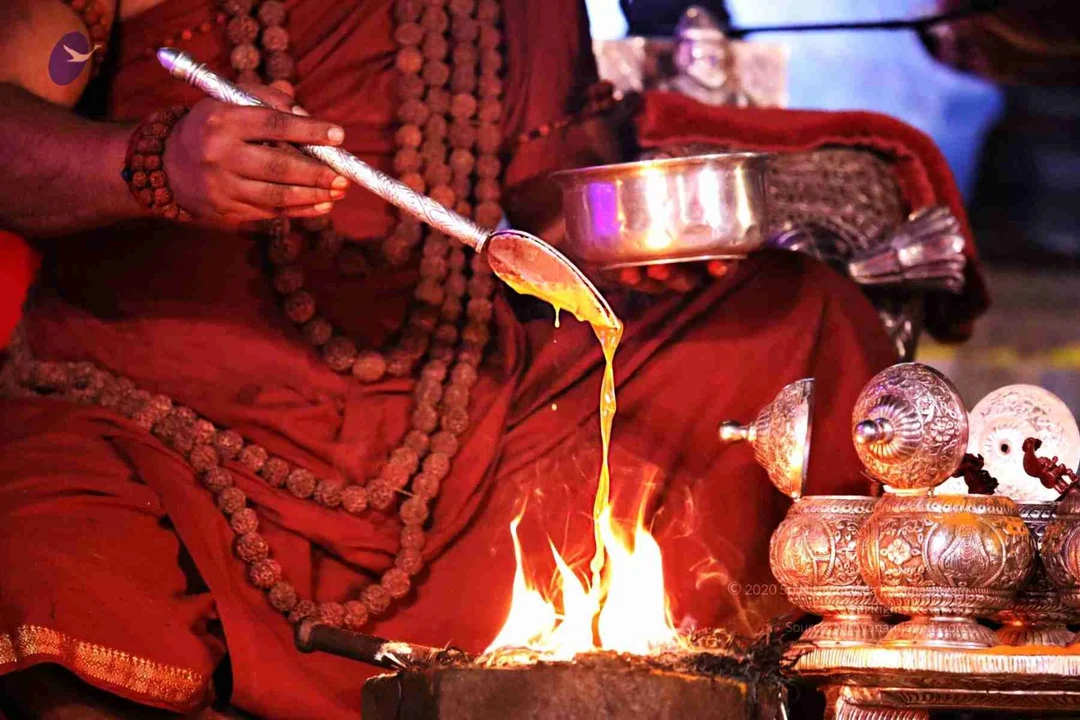 Jeevan Mukthi aushada process to establish one in Living Enlightenment
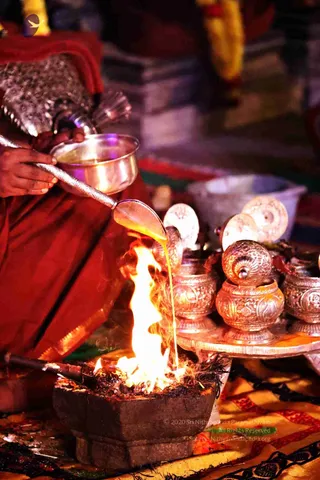 Jeevan Mukthi aushada process to establish one in Living Enlightenment
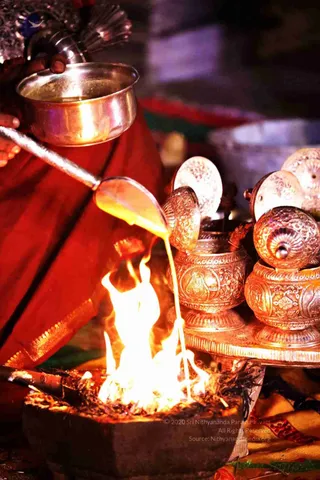 Jeevan Mukthi aushada process to establish one in Living Enlightenment
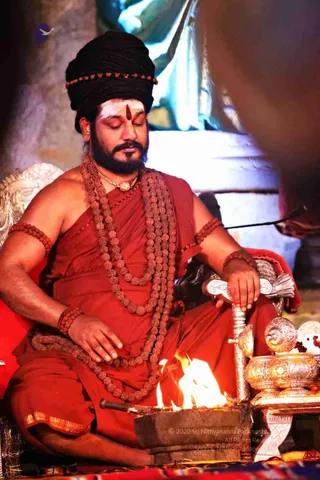 Jeevan Mukthi aushada process to establish one in Living Enlightenment
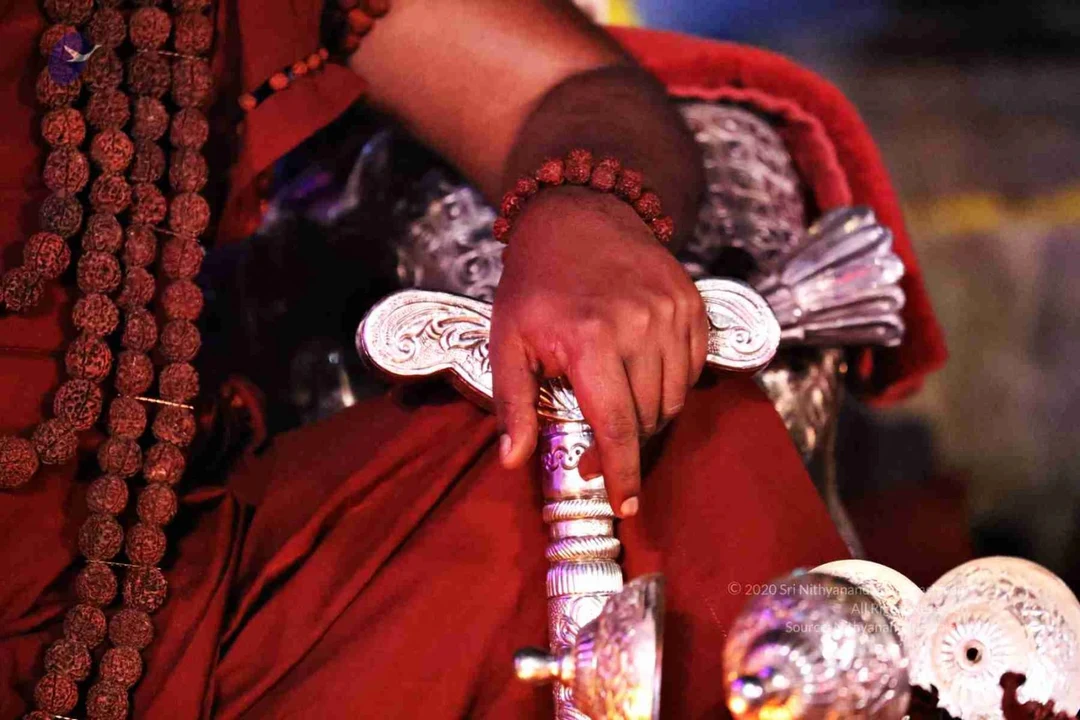 Jeevan Mukthi aushada process to establish one in Living Enlightenment
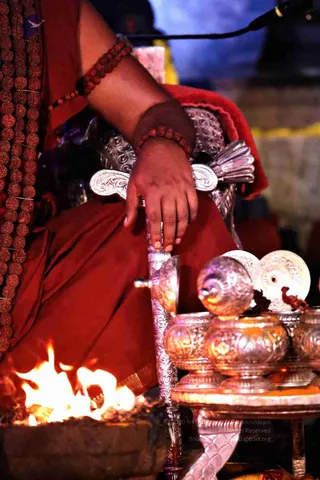 Jeevan Mukthi aushada process to establish one in Living Enlightenment
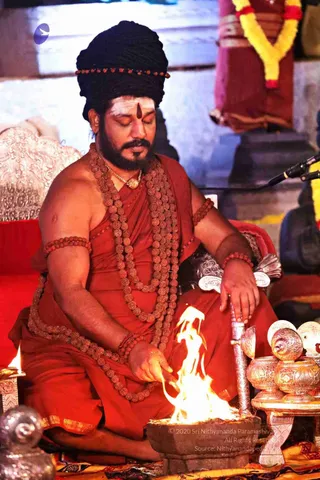 Jeevan Mukthi aushada process to establish one in Living Enlightenment
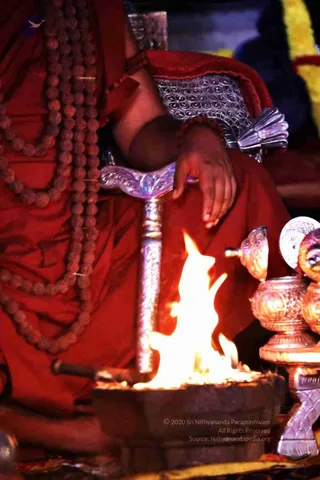 Jeevan Mukthi aushada process to establish one in Living Enlightenment
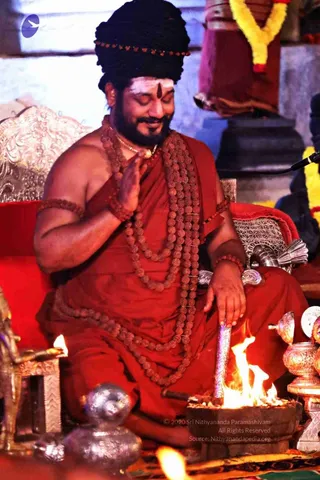 Jeevan Mukthi aushada process to establish one in Living Enlightenment
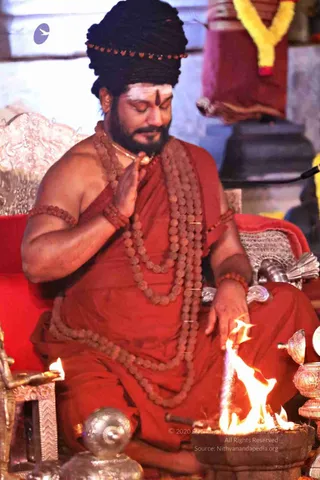 Jeevan Mukthi aushada process to establish one in Living Enlightenment
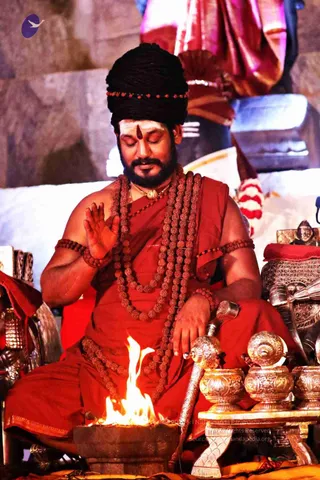 Jeevan Mukthi aushada process to establish one in Living Enlightenment
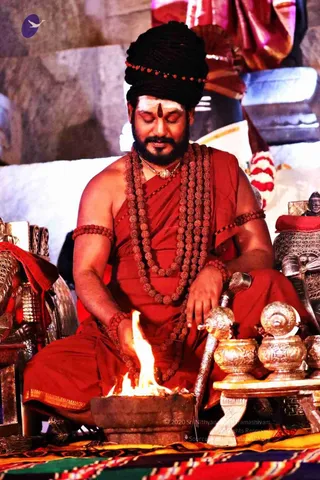 Jeevan Mukthi aushada process to establish one in Living Enlightenment
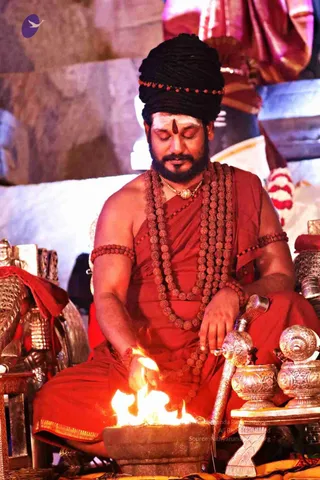 Jeevan Mukthi aushada process to establish one in Living Enlightenment
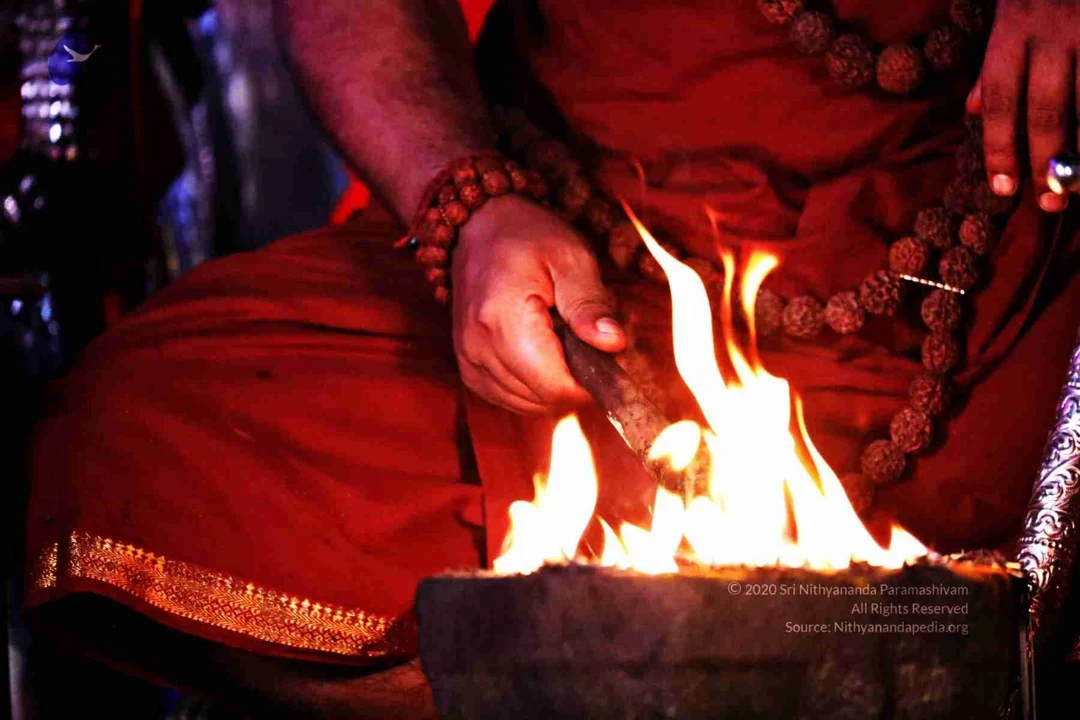 Jeevan Mukthi aushada process to establish one in Living Enlightenment
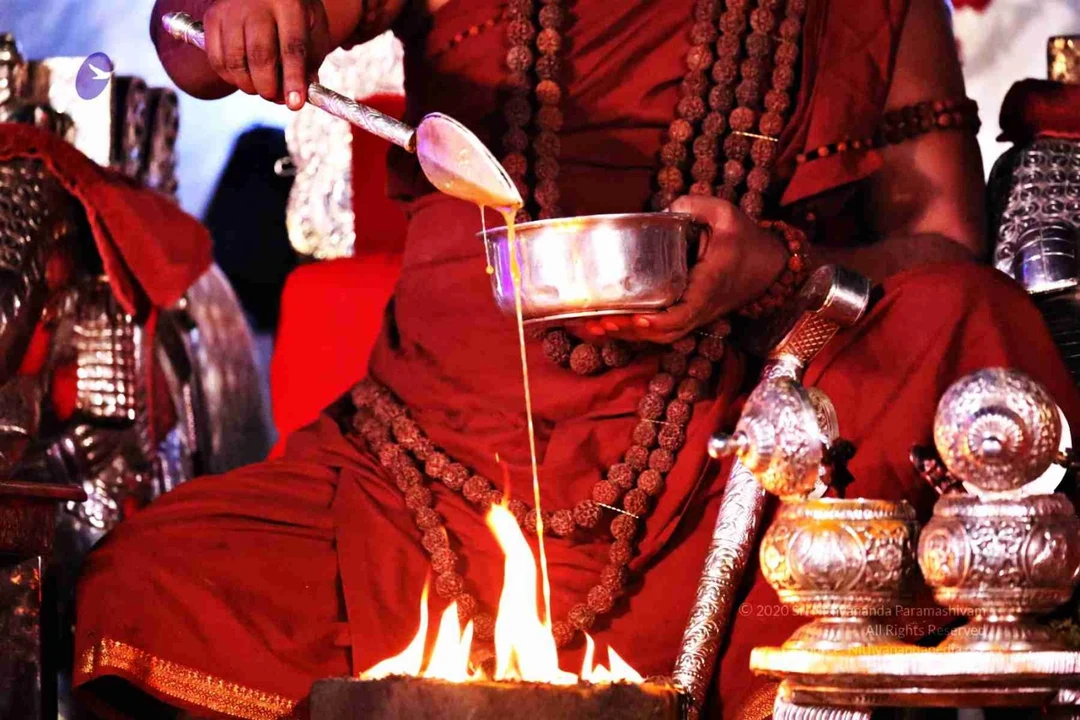 Jeevan Mukthi aushada process to establish one in Living Enlightenment
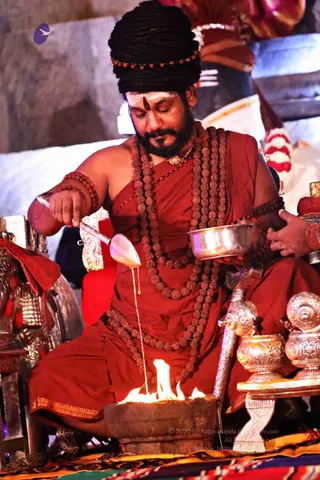 Jeevan Mukthi aushada process to establish one in Living Enlightenment
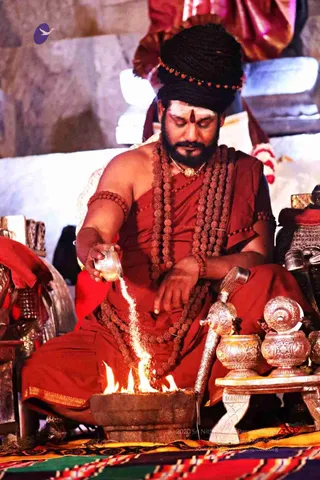 Jeevan Mukthi aushada process to establish one in Living Enlightenment
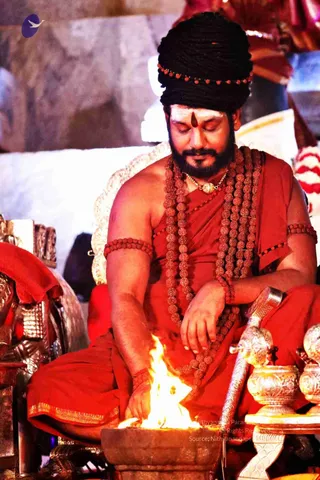 Jeevan Mukthi aushada process to establish one in Living Enlightenment
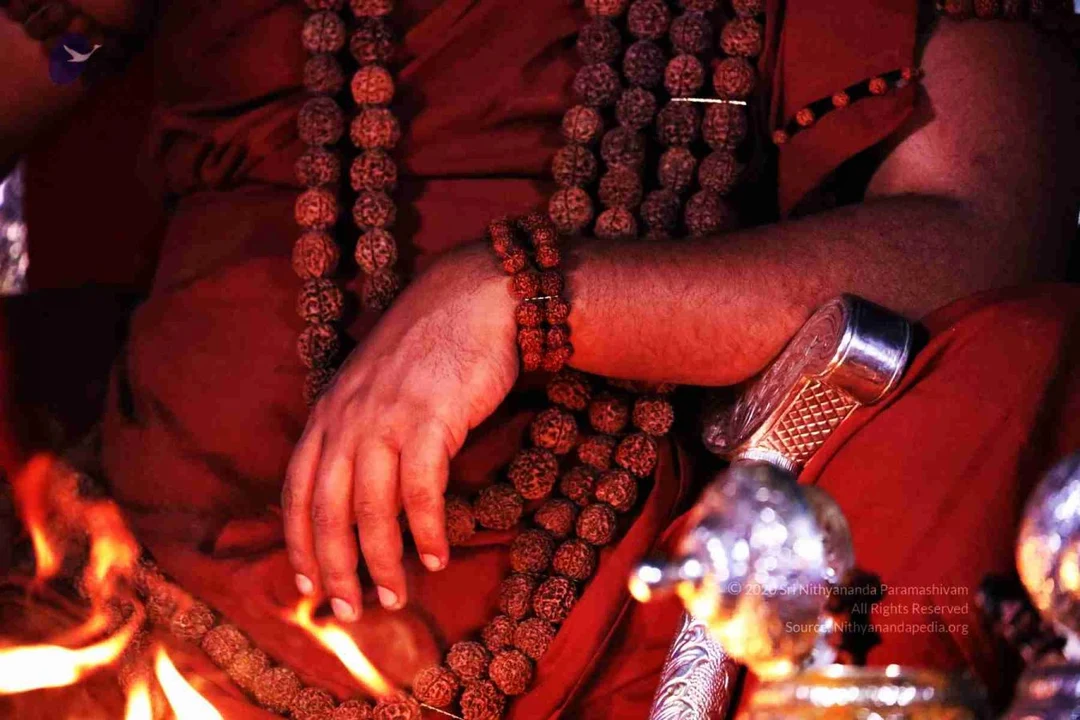 Jeevan Mukthi aushada process to establish one in Living Enlightenment
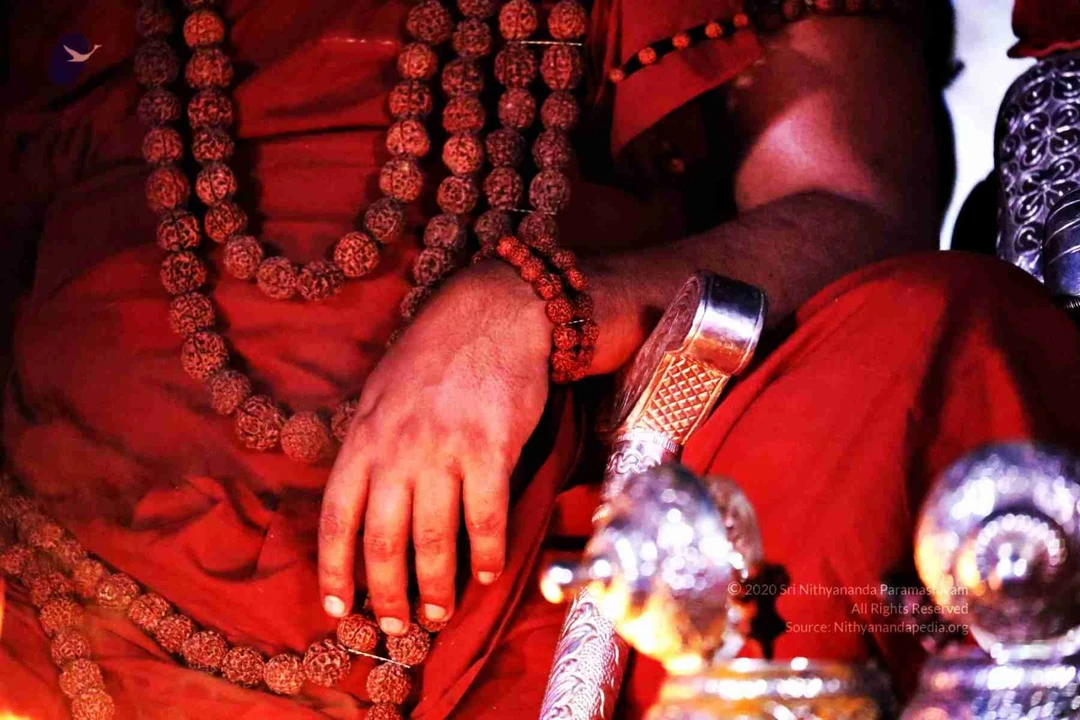 Jeevan Mukthi aushada process to establish one in Living Enlightenment
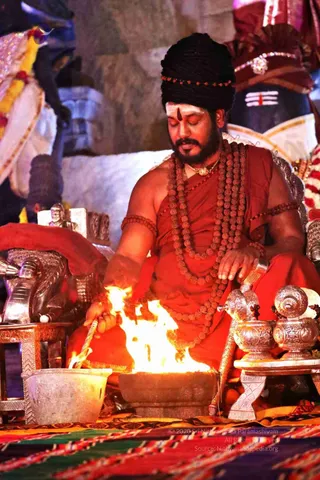 Jeevan Mukthi aushada process to establish one in Living Enlightenment
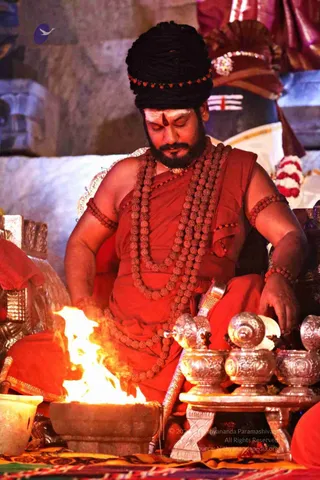 Jeevan Mukthi aushada process to establish one in Living Enlightenment
 Jeevan Mukthi aushada process to establish one in Living Enlightenment
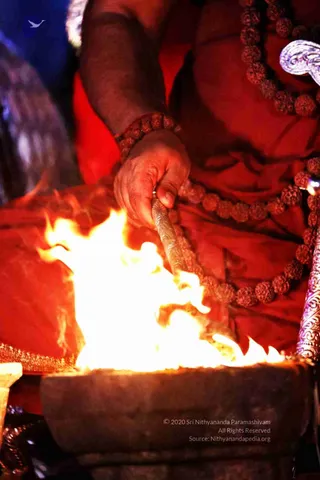 Jeevan Mukthi aushada process to establish one in Living Enlightenment
 Jeevan Mukthi aushada process to establish one in Living Enlightenment
- Jeevan Mukthi aushada process to establish one in Living Enlightenment
 Jeevan Mukthi aushada process to establish one in Living Enlightenment
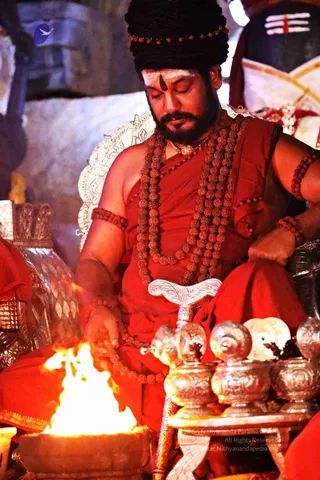 Jeevan Mukthi aushada process to establish one in Living Enlightenment
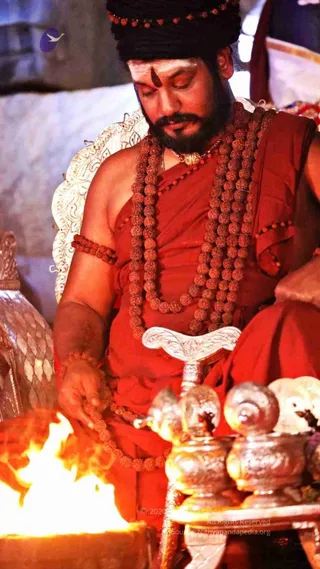 Jeevan Mukthi aushada process to establish one in Living Enlightenment
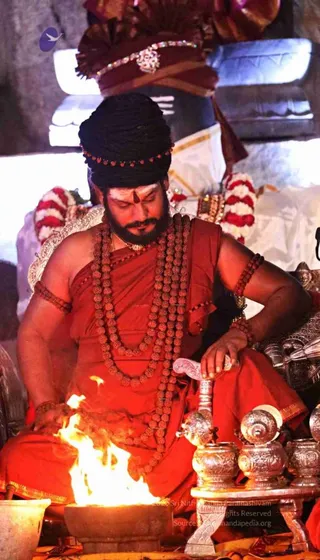 Jeevan Mukthi aushada process to establish one in Living Enlightenment
 Jeevan Mukthi aushada process to establish one in Living Enlightenment
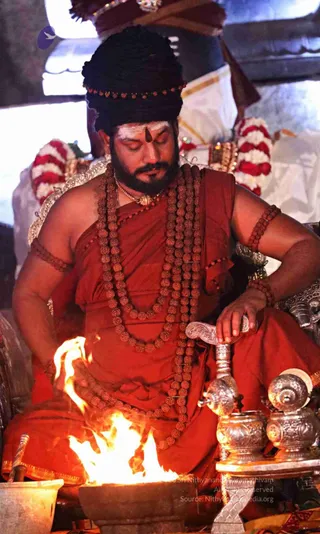 Jeevan Mukthi aushada process to establish one in Living Enlightenment
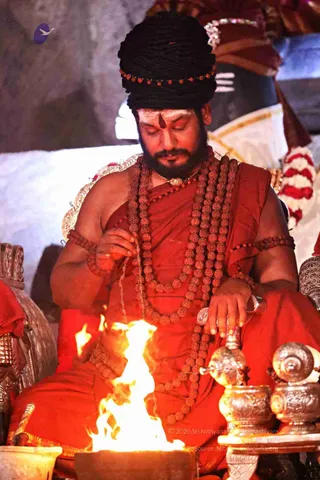 Jeevan Mukthi aushada process to establish one in Living Enlightenment
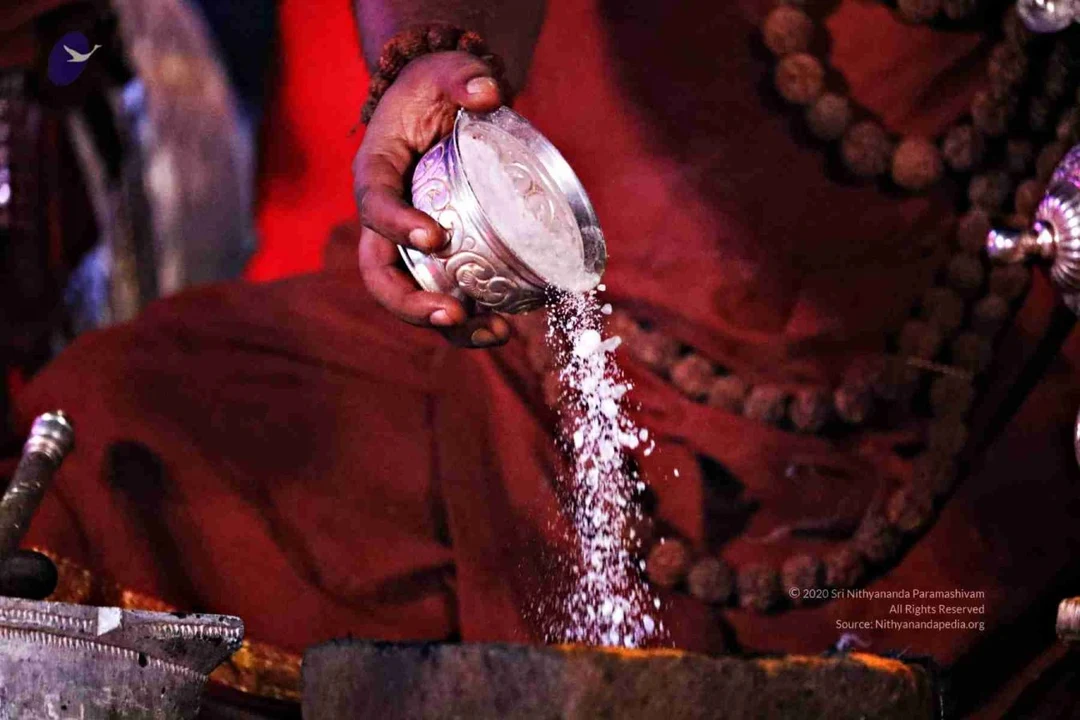 Jeevan Mukthi aushada process to establish one in Living Enlightenment
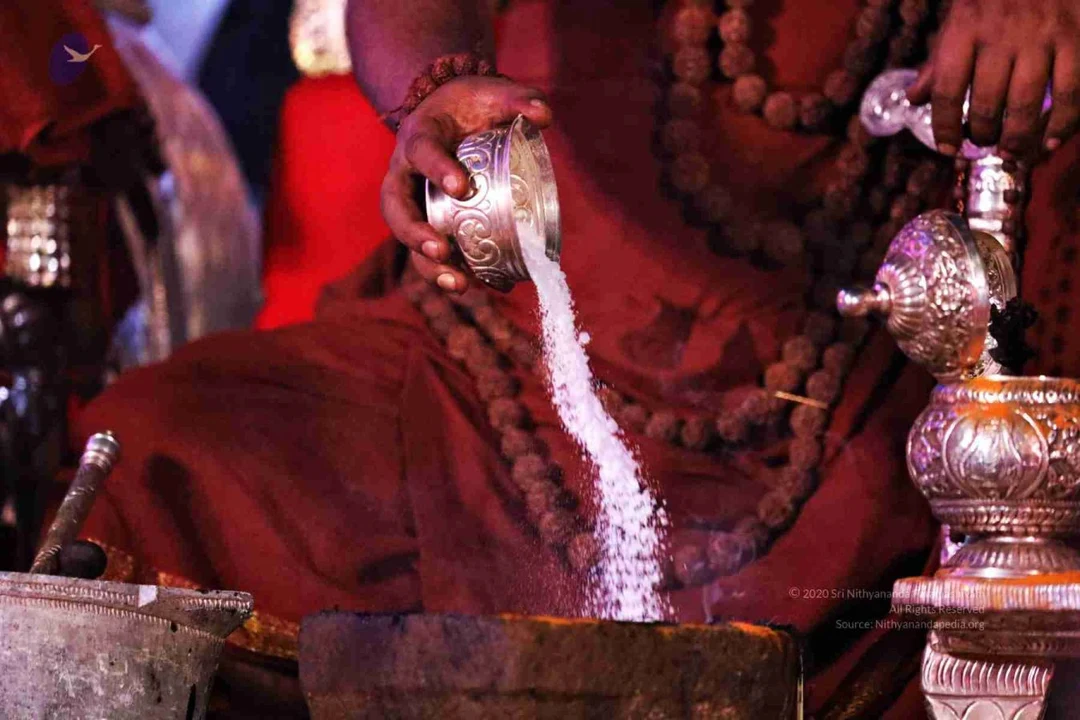 Jeevan Mukthi aushada process to establish one in Living Enlightenment
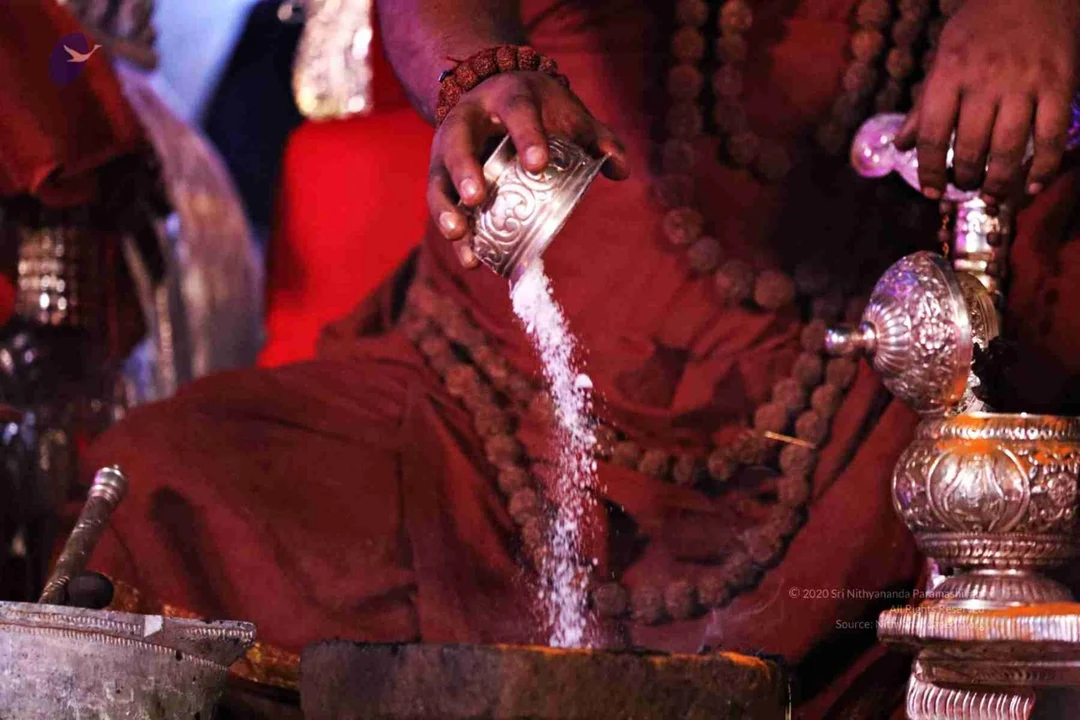 Jeevan Mukthi aushada process to establish one in Living Enlightenment
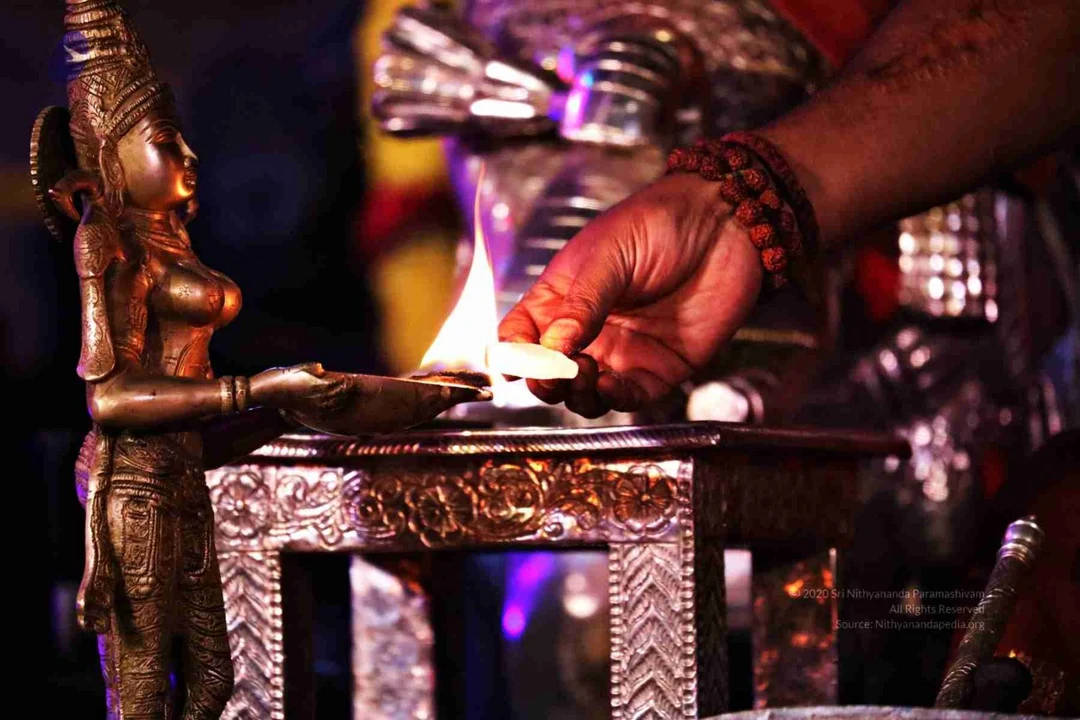 Jeevan Mukthi aushada process to establish one in Living Enlightenment
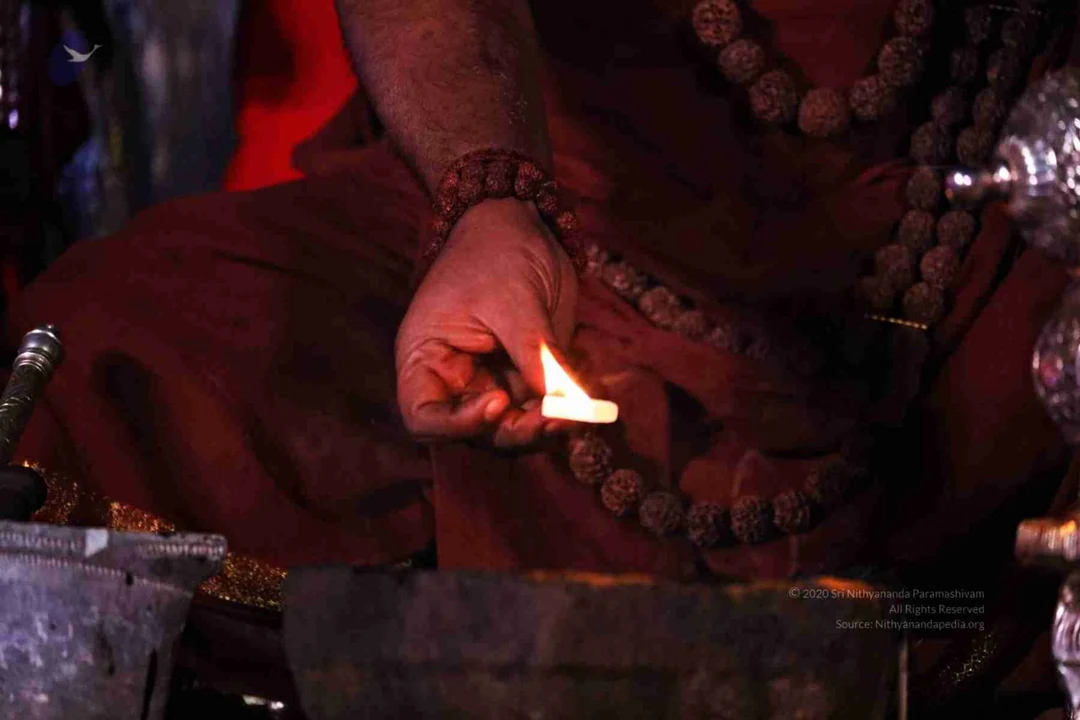 Jeevan Mukthi aushada process to establish one in Living Enlightenment
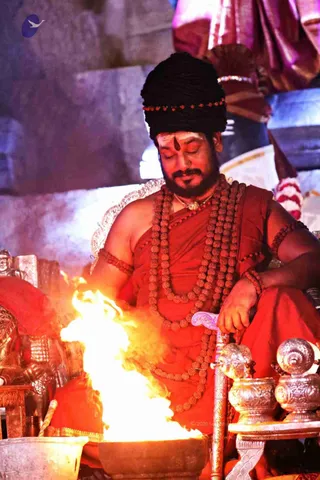 Jeevan Mukthi aushada process to establish one in Living Enlightenment
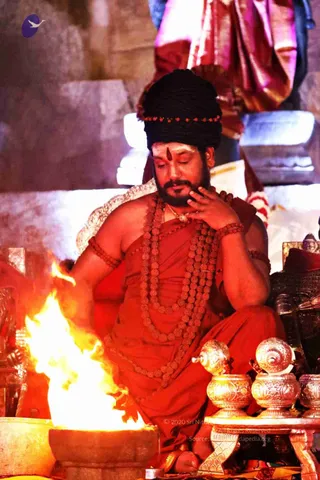 Jeevan Mukthi aushada process to establish one in Living Enlightenment
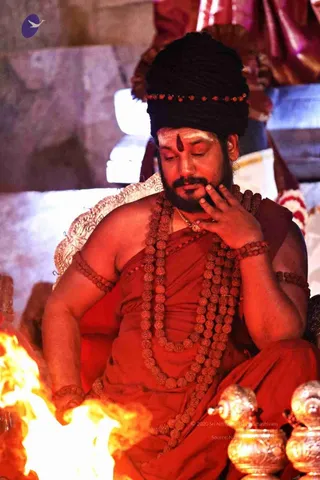 Jeevan Mukthi aushada process to establish one in Living Enlightenment
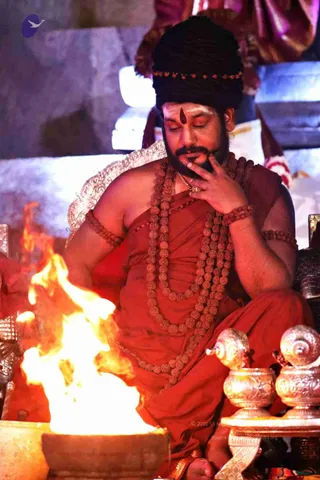 Jeevan Mukthi aushada process to establish one in Living Enlightenment
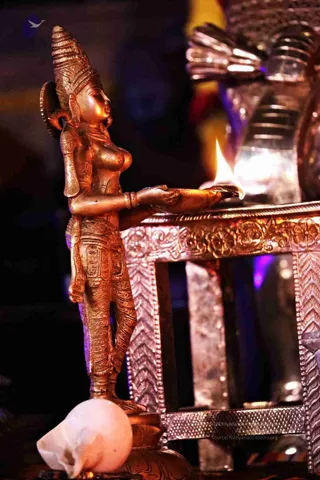 Jeevan Mukthi aushada process to establish one in Living Enlightenment
 Jeevan Mukthi aushada process to establish one in Living Enlightenment
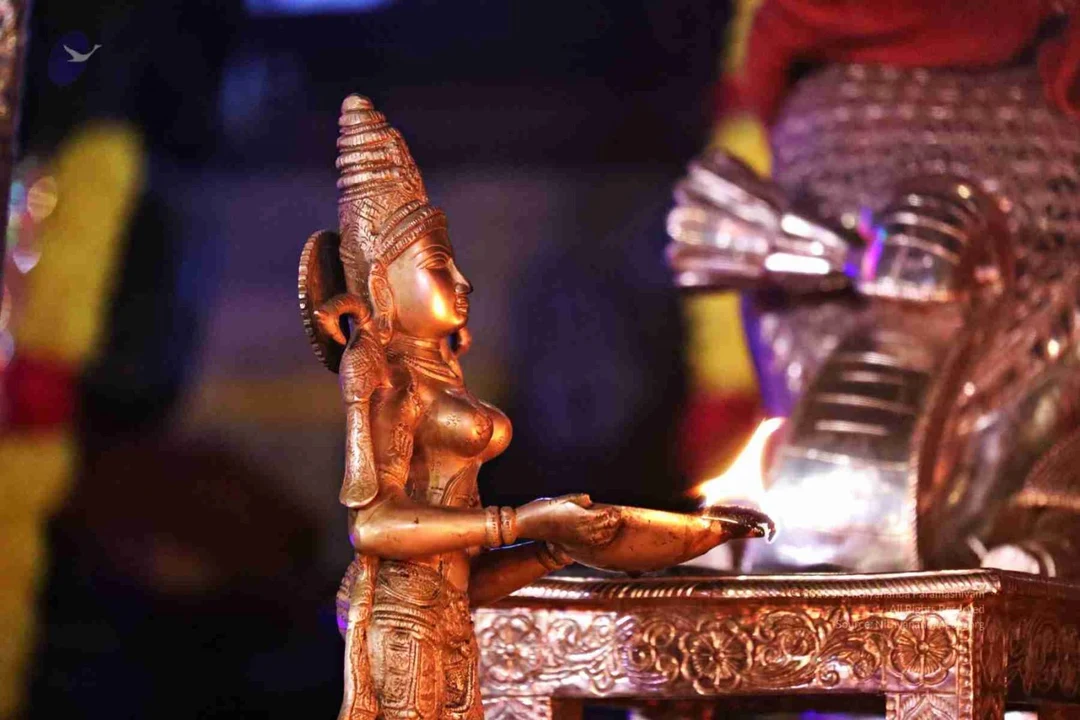 Jeevan Mukthi aushada process to establish one in Living Enlightenment
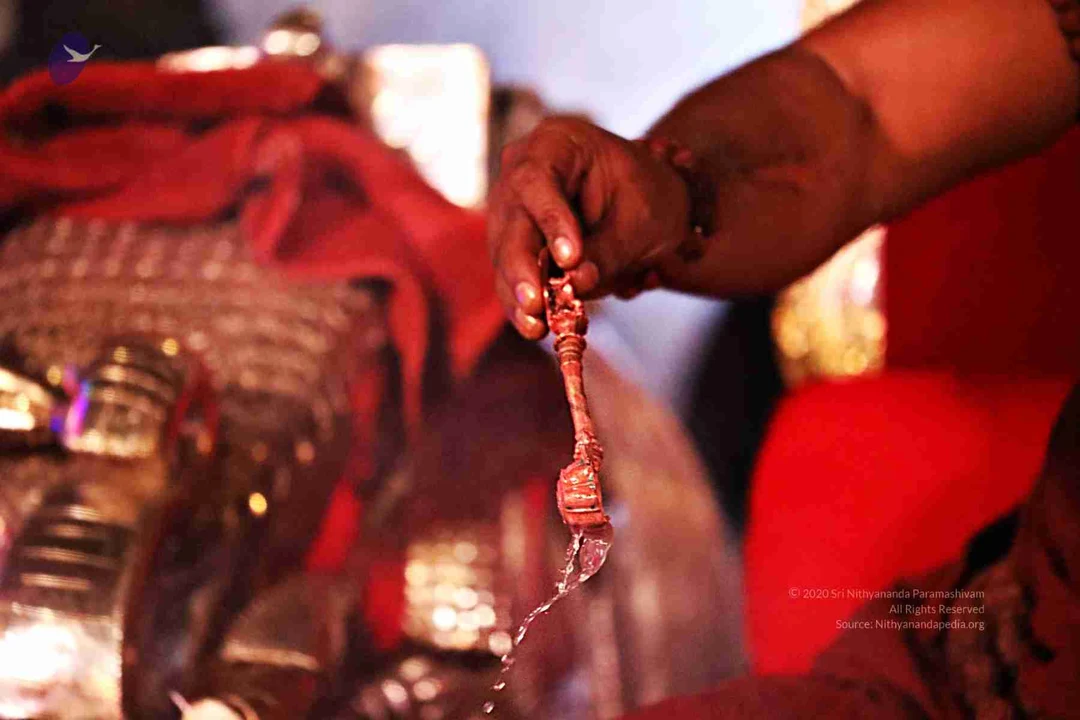 Jeevan Mukthi aushada process to establish one in Living Enlightenment
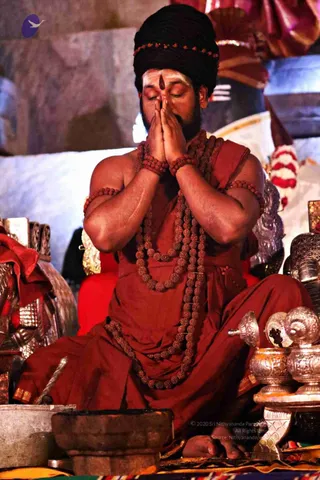 You are here to celebrate cosmos
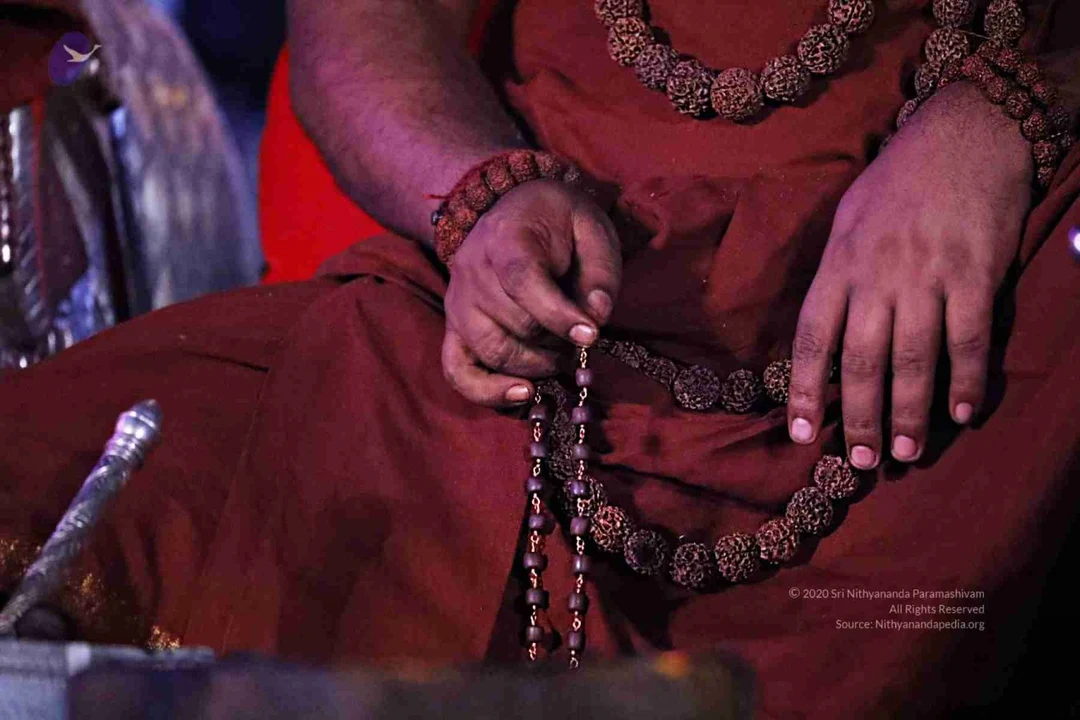 You are here to celebrate cosmos
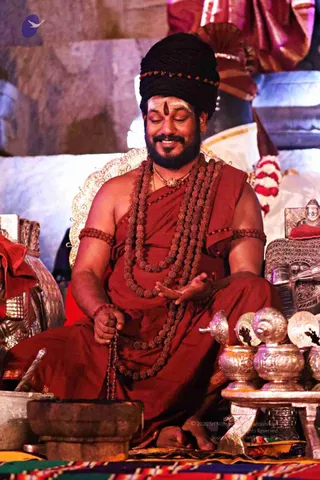 You are here to celebrate cosmos
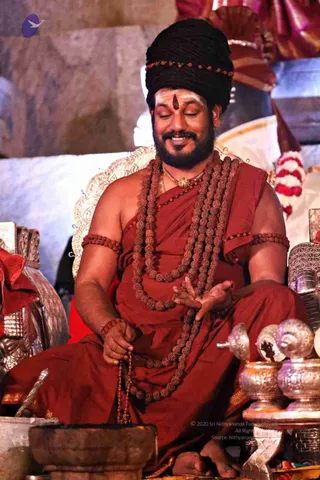 You are here to celebrate cosmos
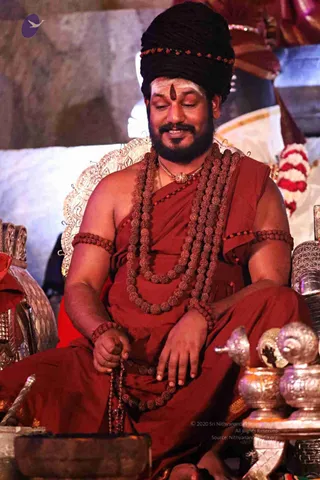 You are here to celebrate cosmos
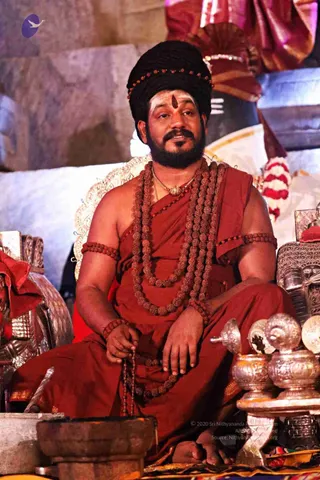 You are here to celebrate cosmos
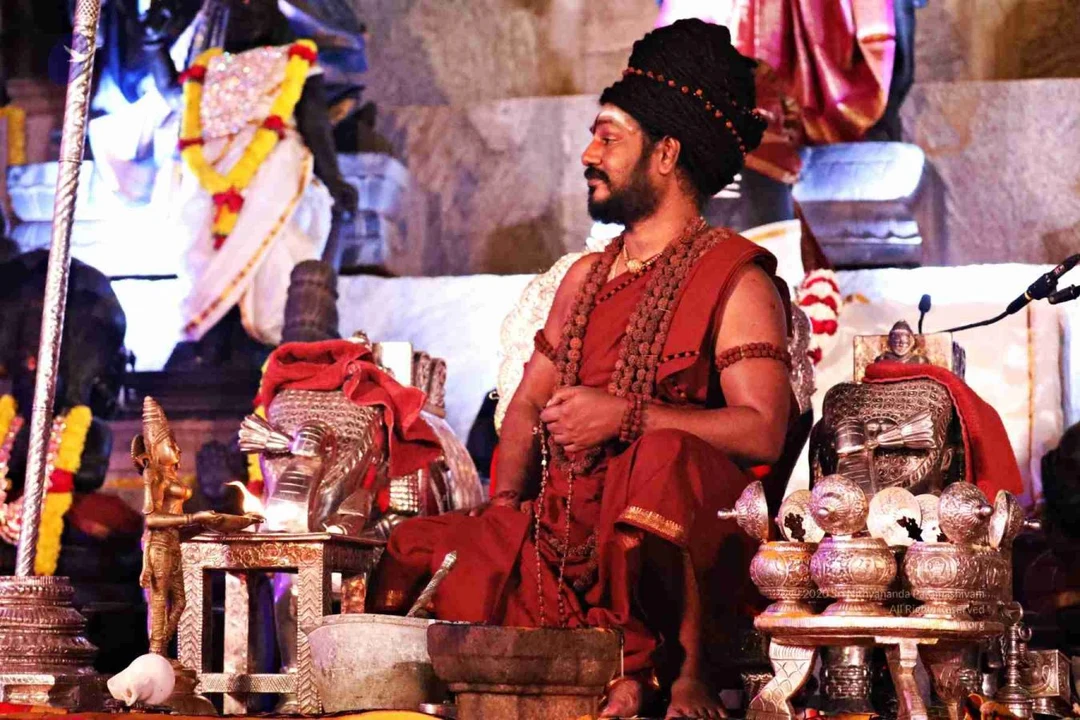 You are here to celebrate cosmos
 You are here to celebrate cosmos
 You are here to celebrate cosmos
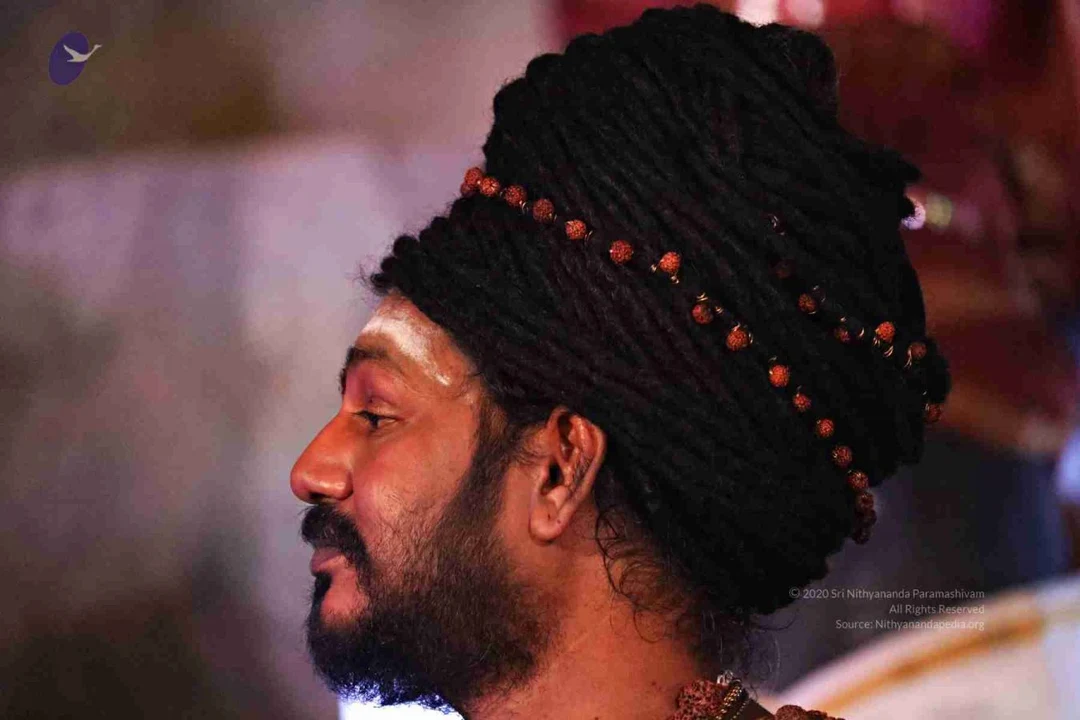 You are here to celebrate cosmos
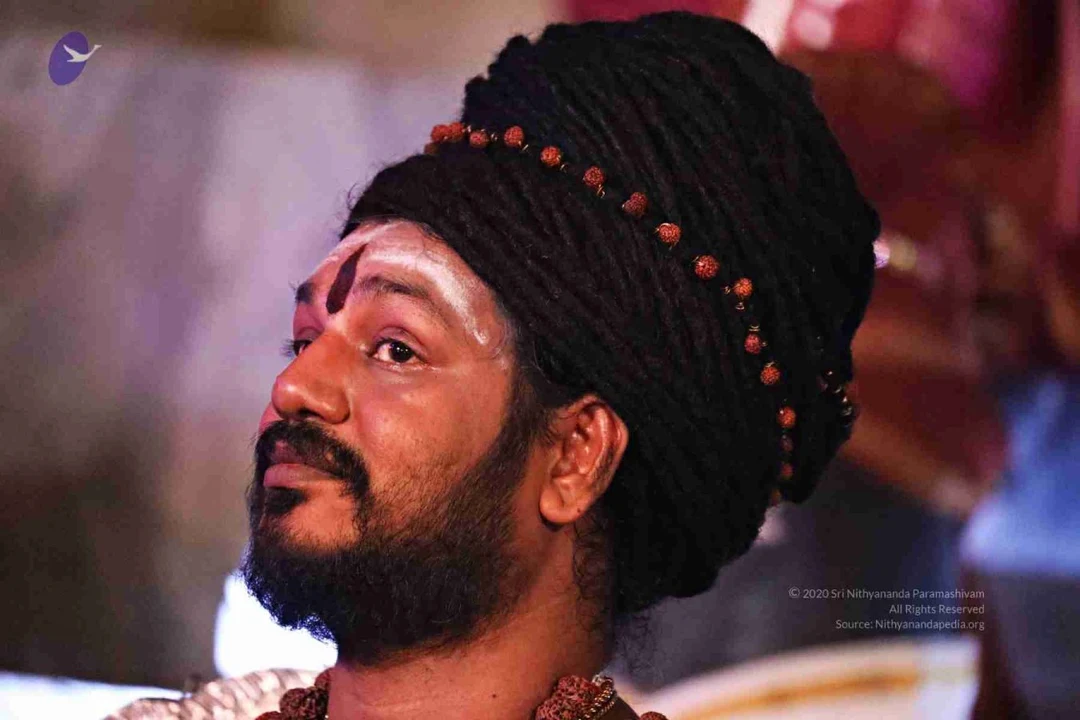 You are here to celebrate cosmos
 You are here to celebrate cosmos
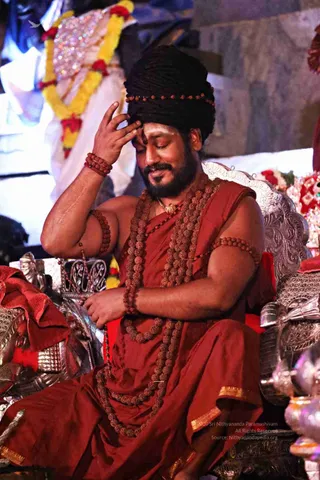 You are here to celebrate cosmos
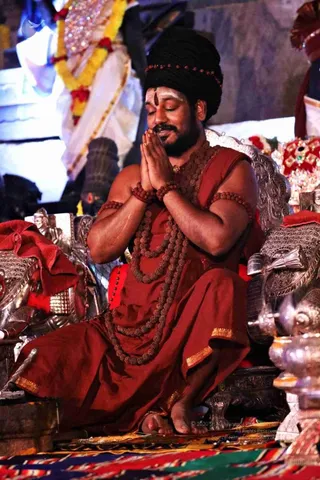 Infusion of this energy darshan results in quantum entanglement
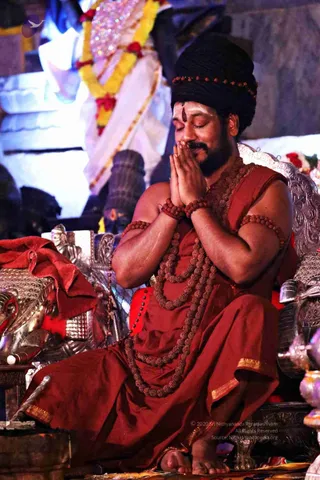 Infusion of this energy darshan results in quantum entanglement
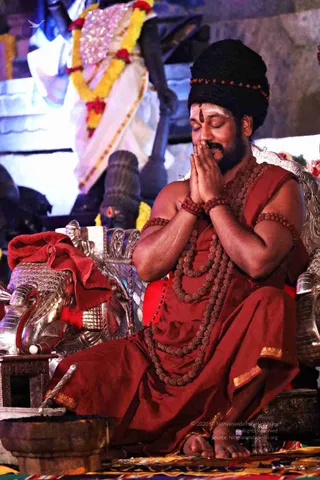 Infusion of this energy darshan results in quantum entanglement
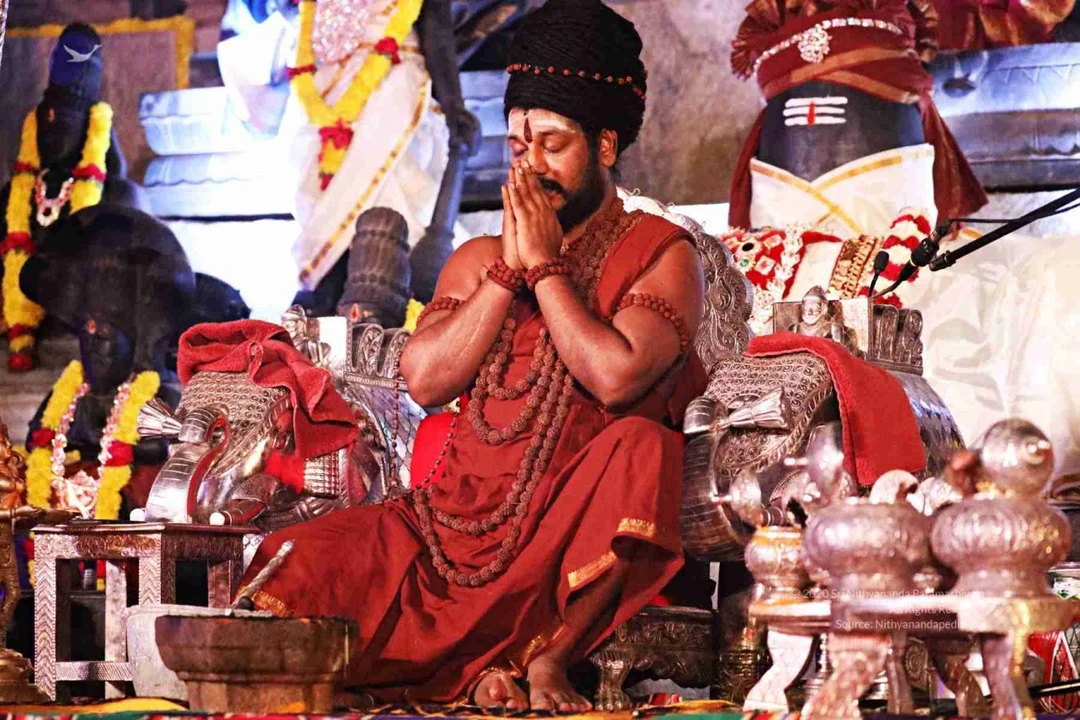 Infusion of this energy darshan results in quantum entanglement
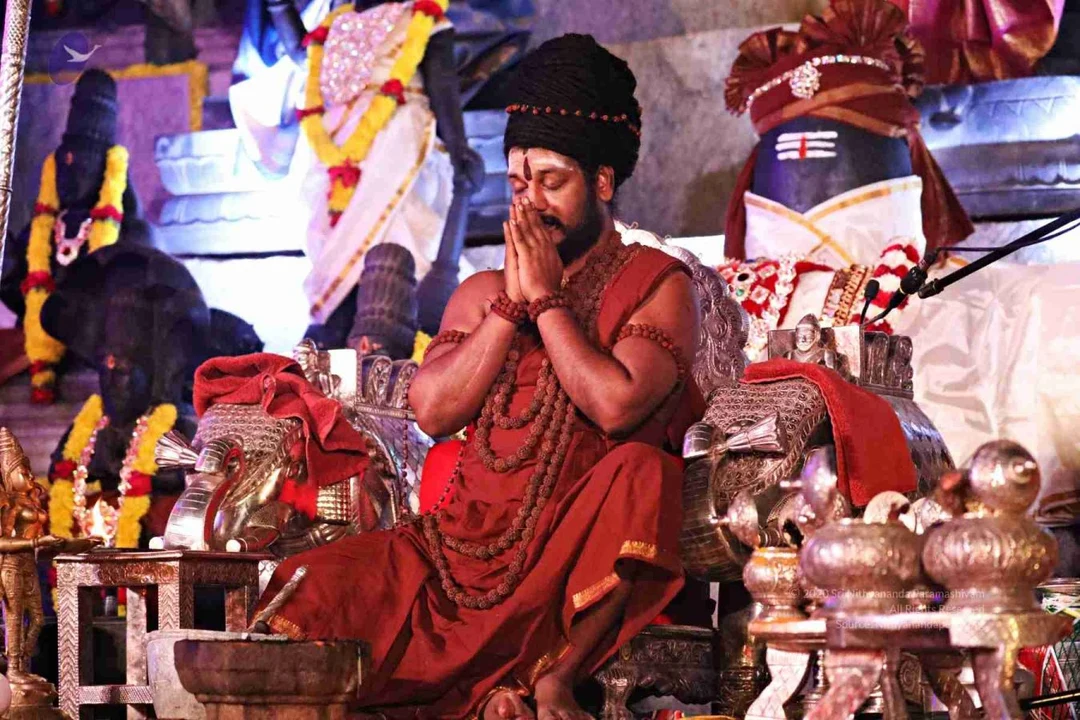 Infusion of this energy darshan results in quantum entanglement
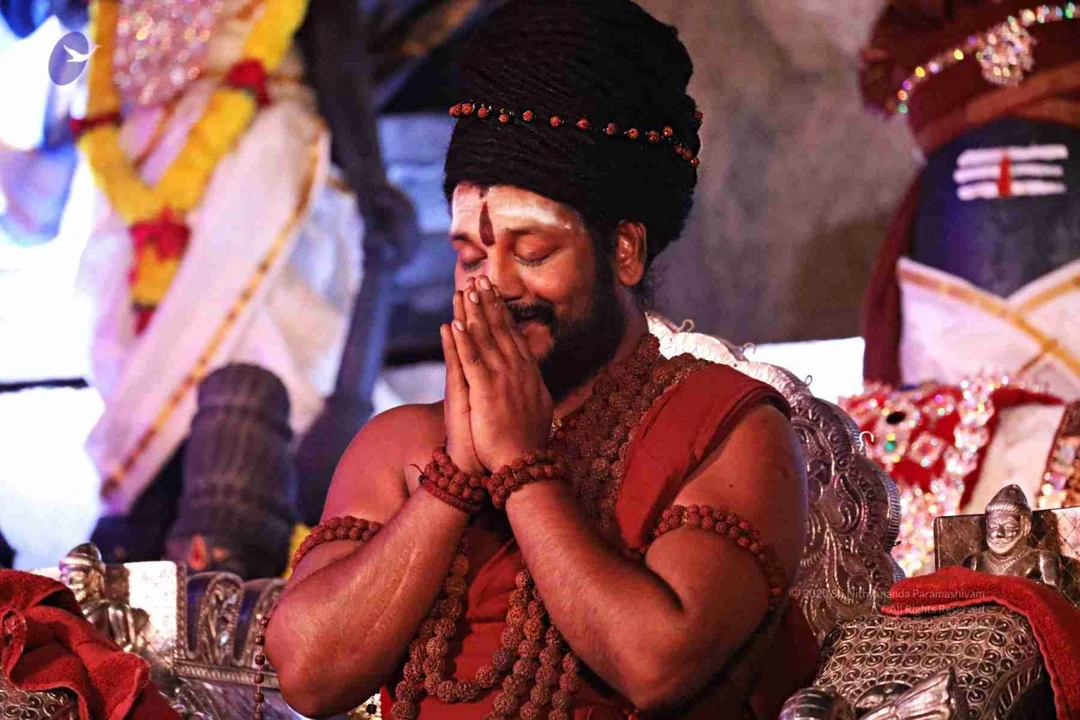 Infusion of this energy darshan results in quantum entanglement
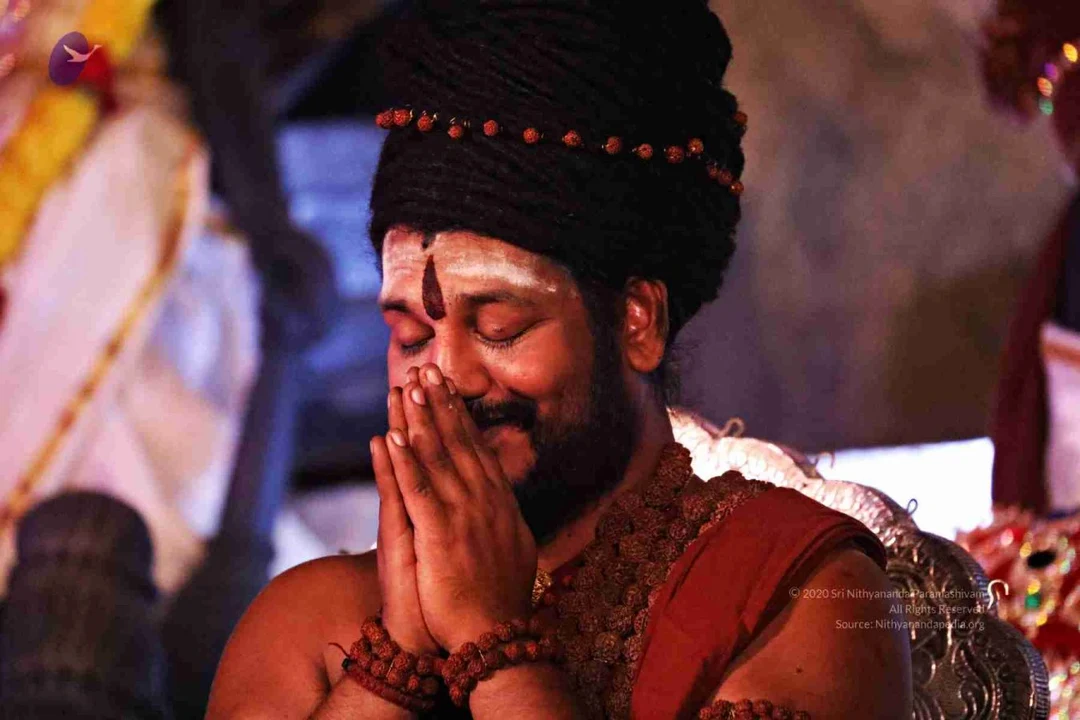 Infusion of this energy darshan results in quantum entanglement
 Infusion of this energy darshan results in quantum entanglement
 Infusion of this energy darshan results in quantum entanglement
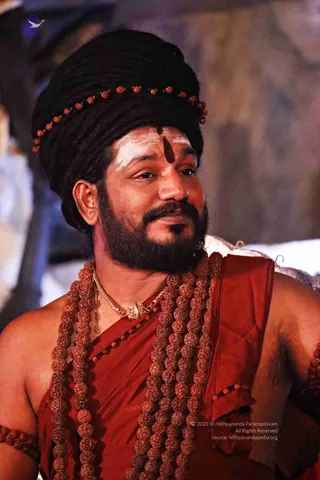 Avatar presence is living healing energy field
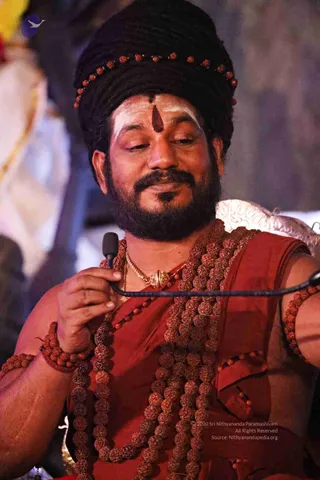 Avatar presence is living healing energy field
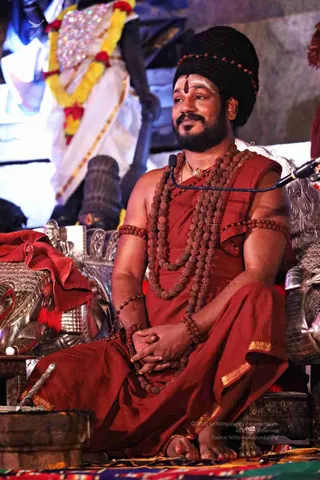 Avatar presence is living healing energy field
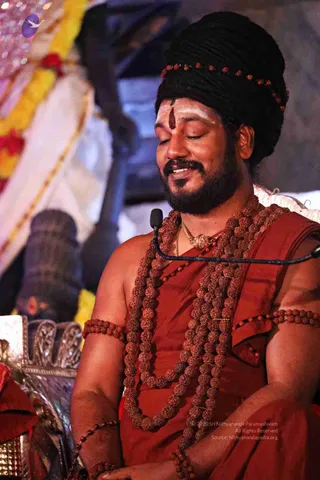 Avatar presence is living healing energy field
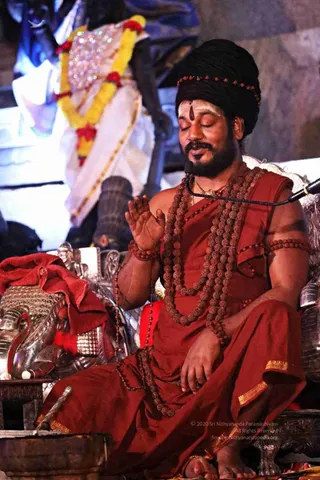 Avatar presence is living healing energy field
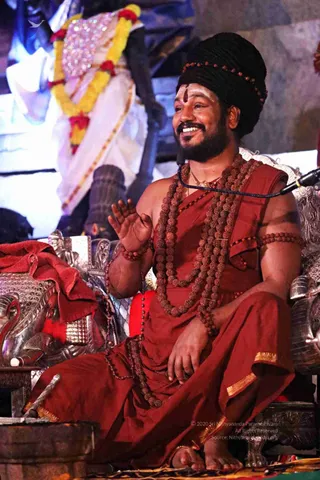 Avatar presence is living healing energy field
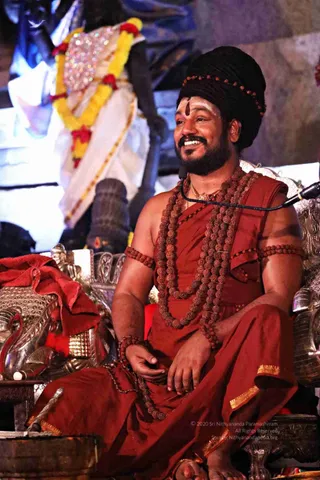 Avatar presence is living healing energy field
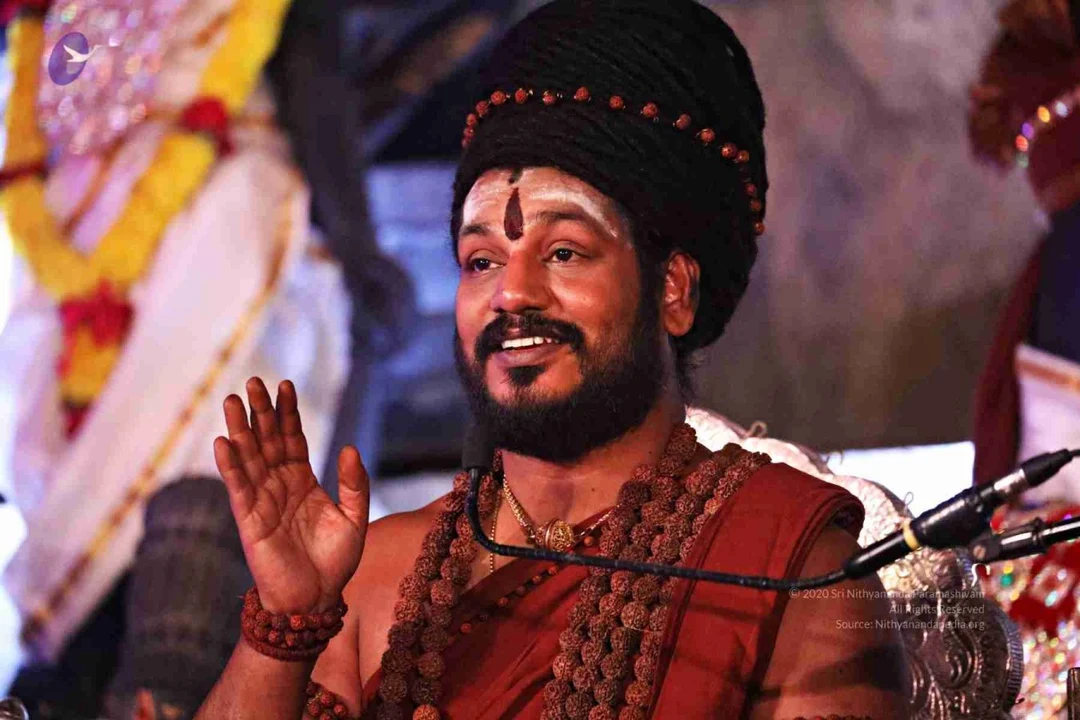 Avatar presence is living healing energy field
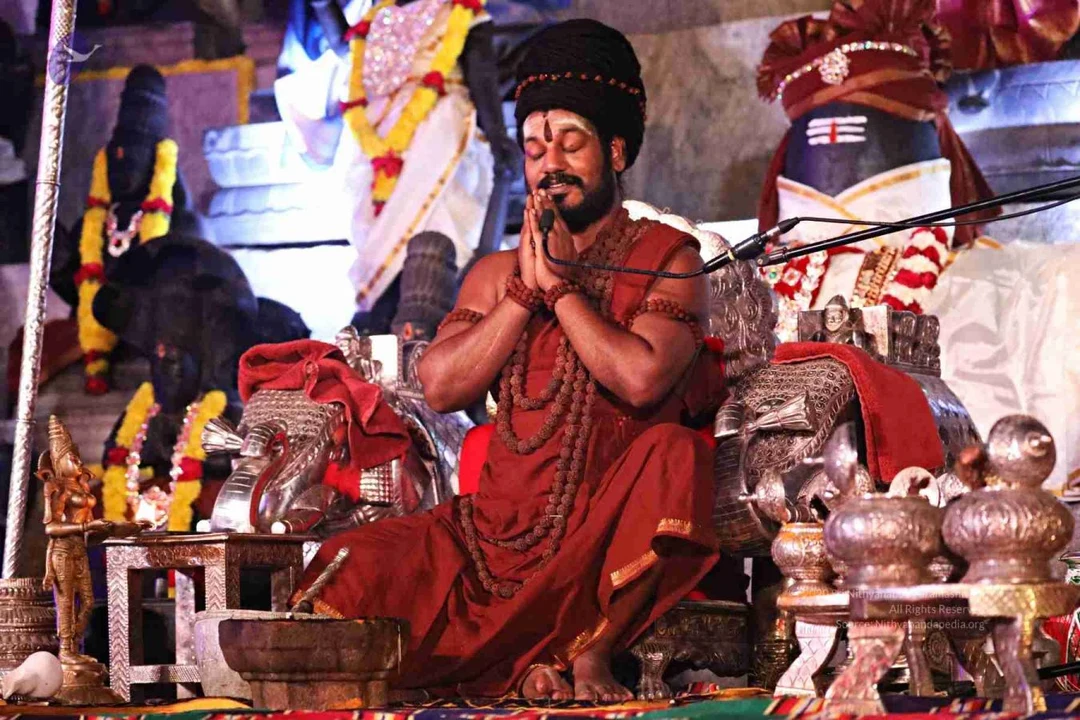 Avatar presence is living healing energy field
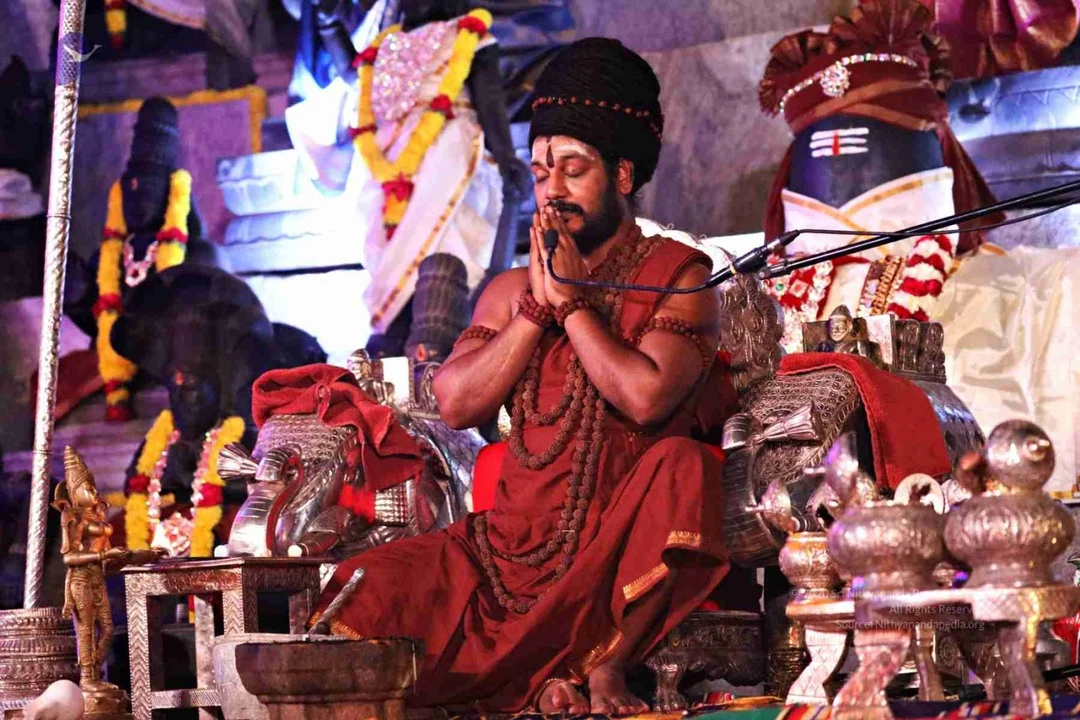 Avatar presence is living healing energy field
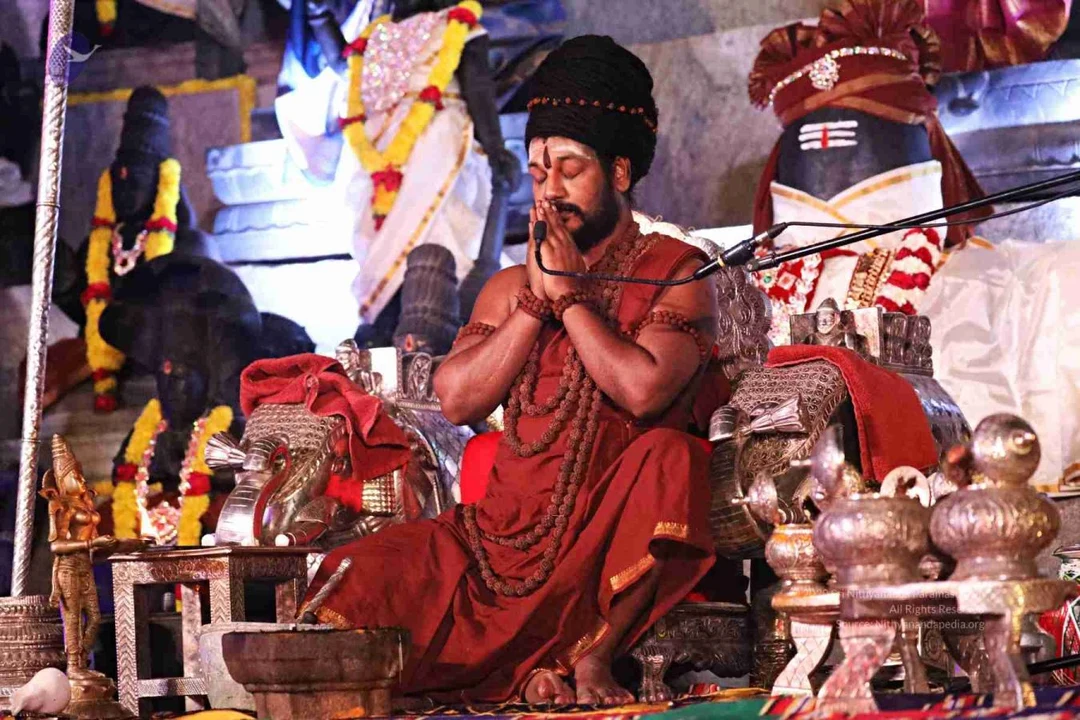 Avatar presence is living healing energy field
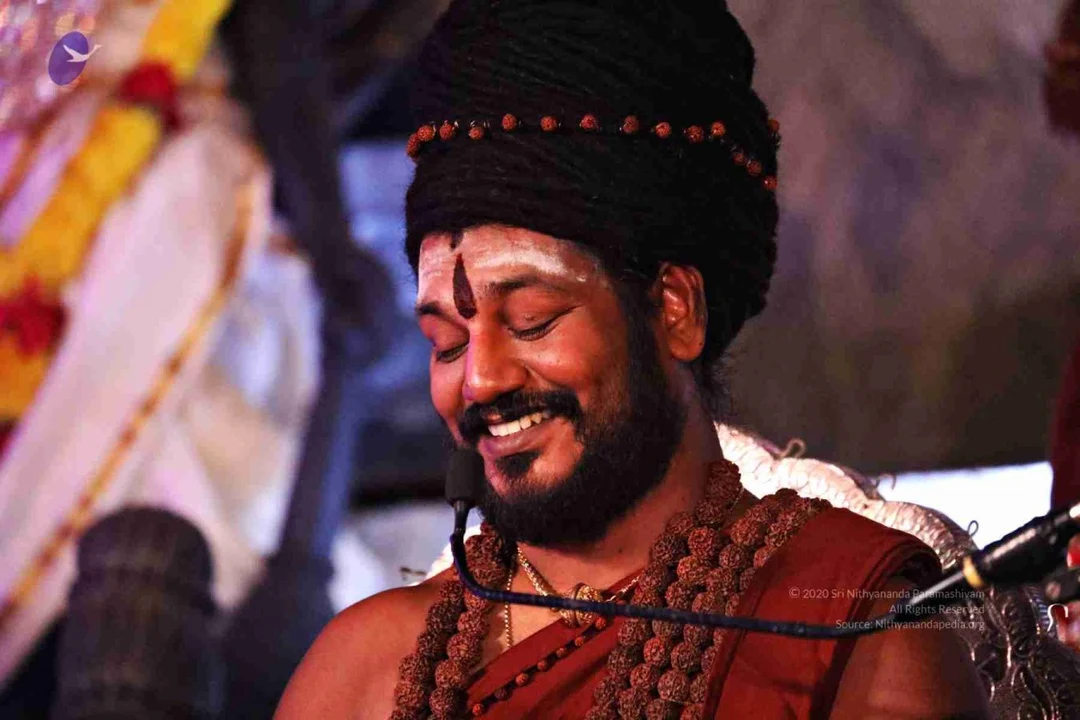 Avatar presence is living healing energy field
 Avatar presence is living healing energy field
 Avatar presence is living healing energy field
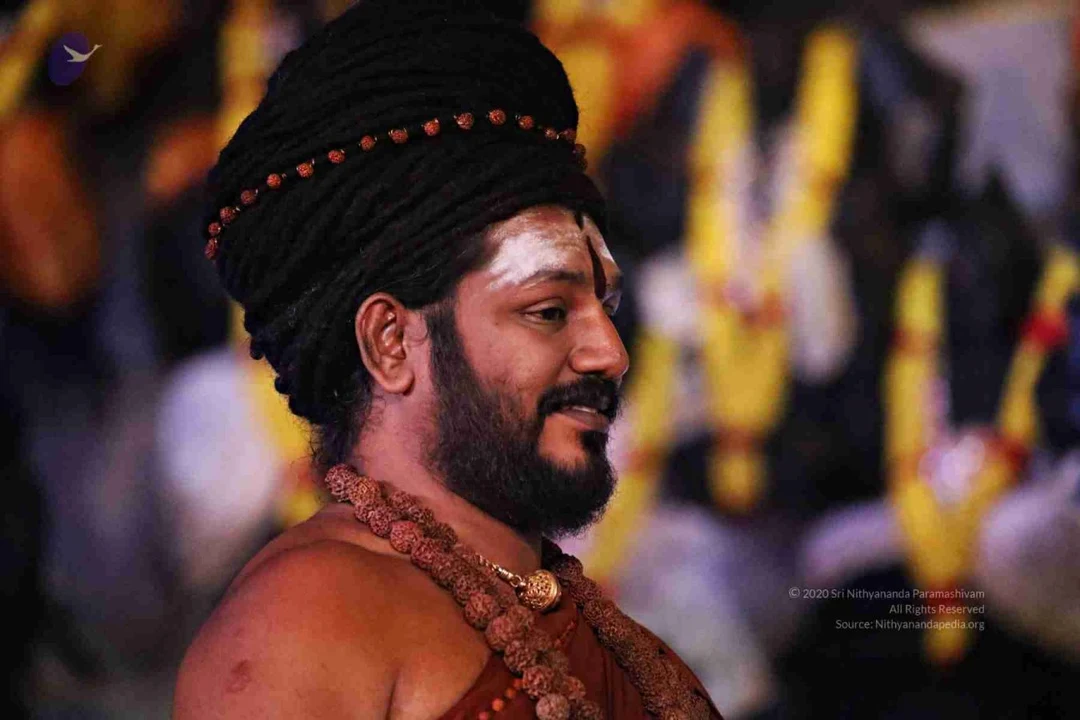 Avatar presence is living healing energy field
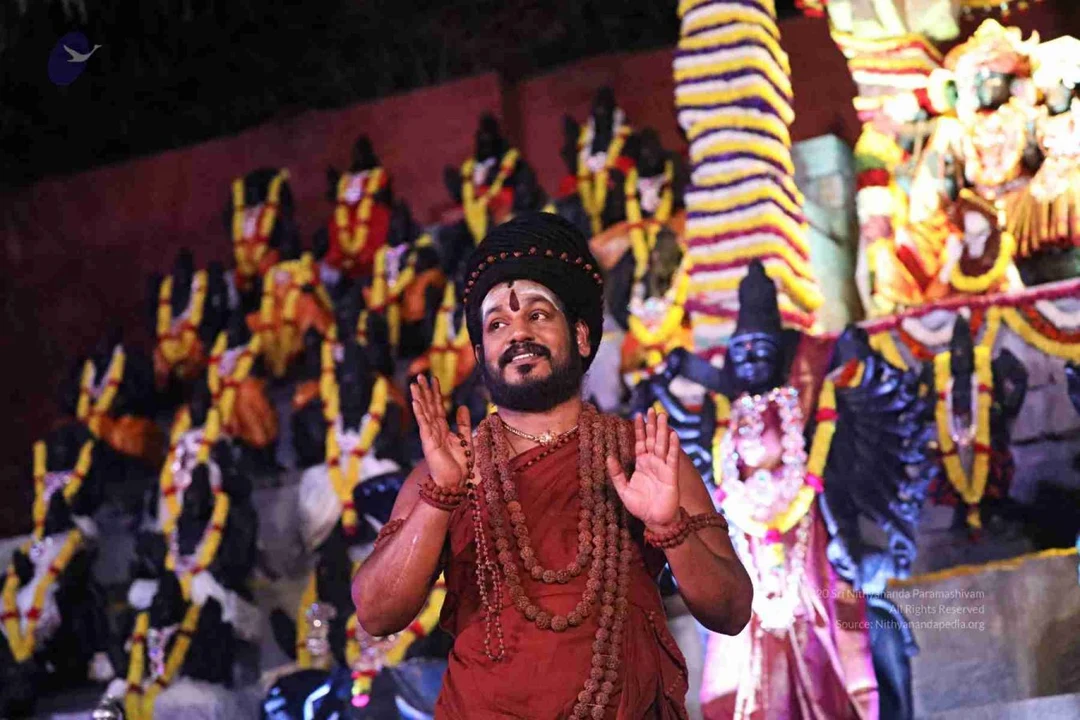 This whole universe is my extension and I am celebrating it
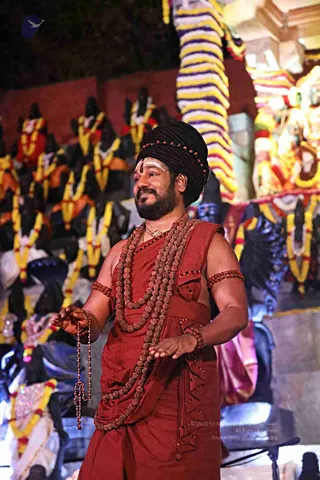 This whole universe is my extension and I am celebrating it
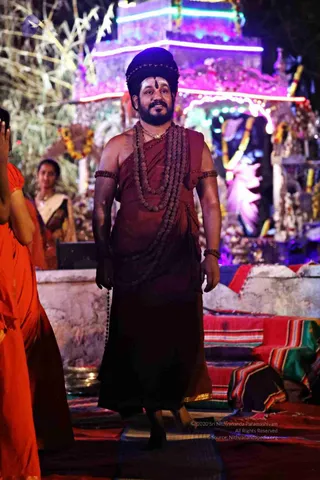 This whole universe is my extension and I am celebrating it
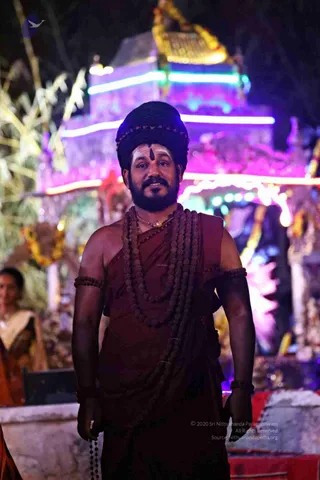 This whole universe is my extension and I am celebrating it
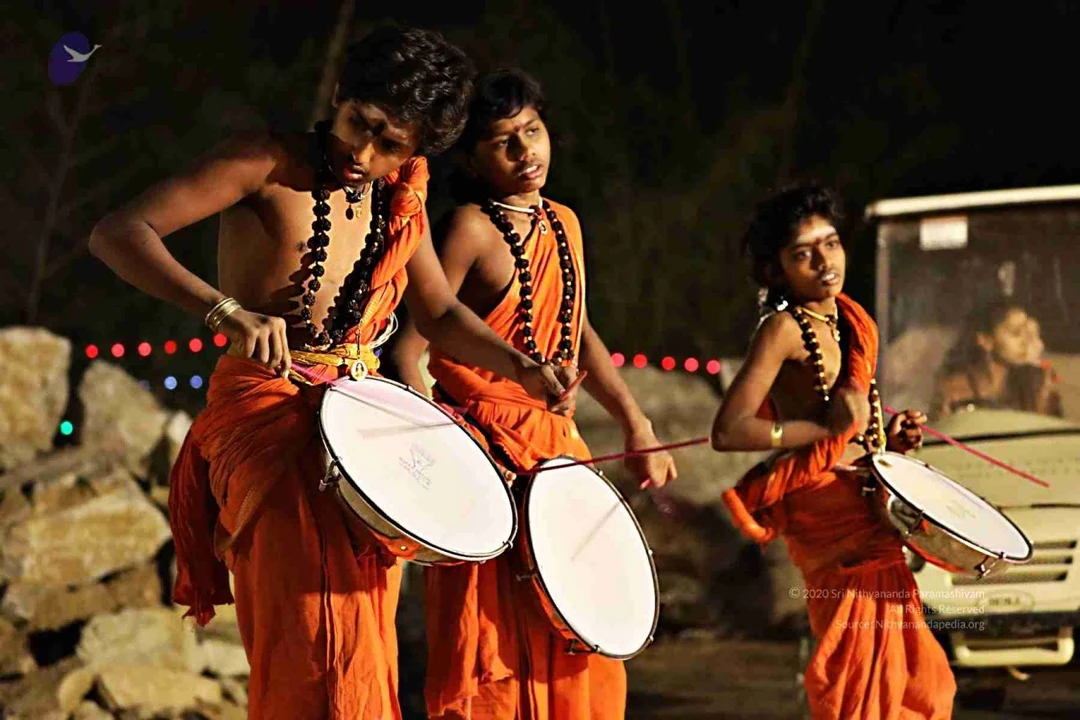 This whole universe is my extension and I am celebrating it
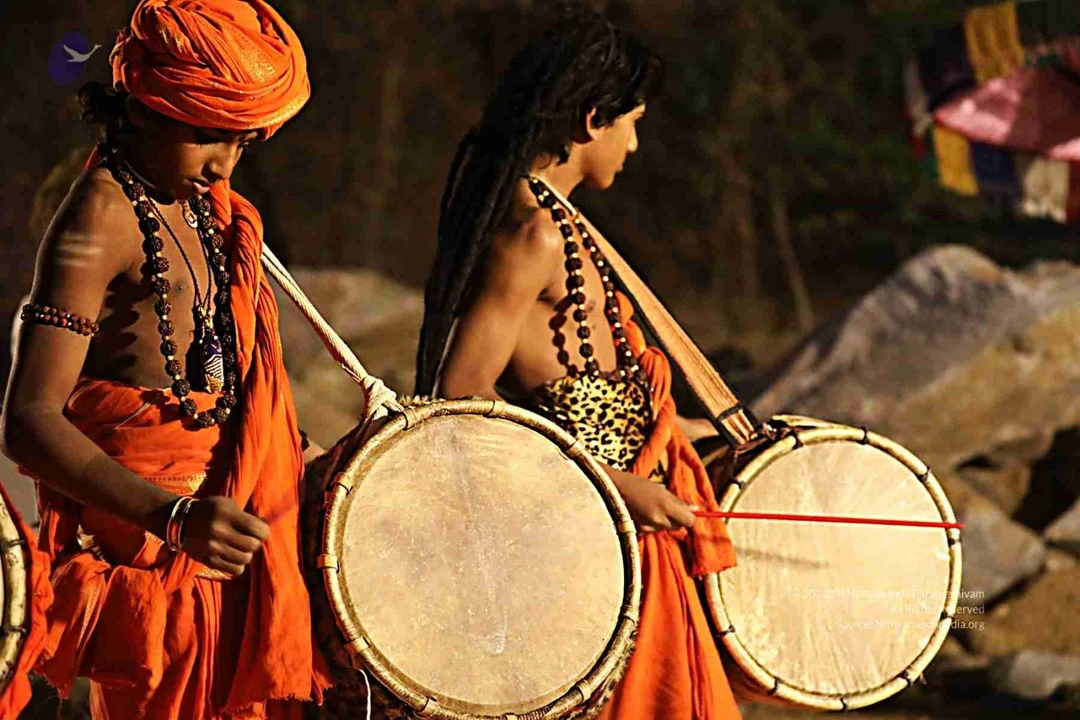 This whole universe is my extension and I am celebrating it
 This whole universe is my extension and I am celebrating it
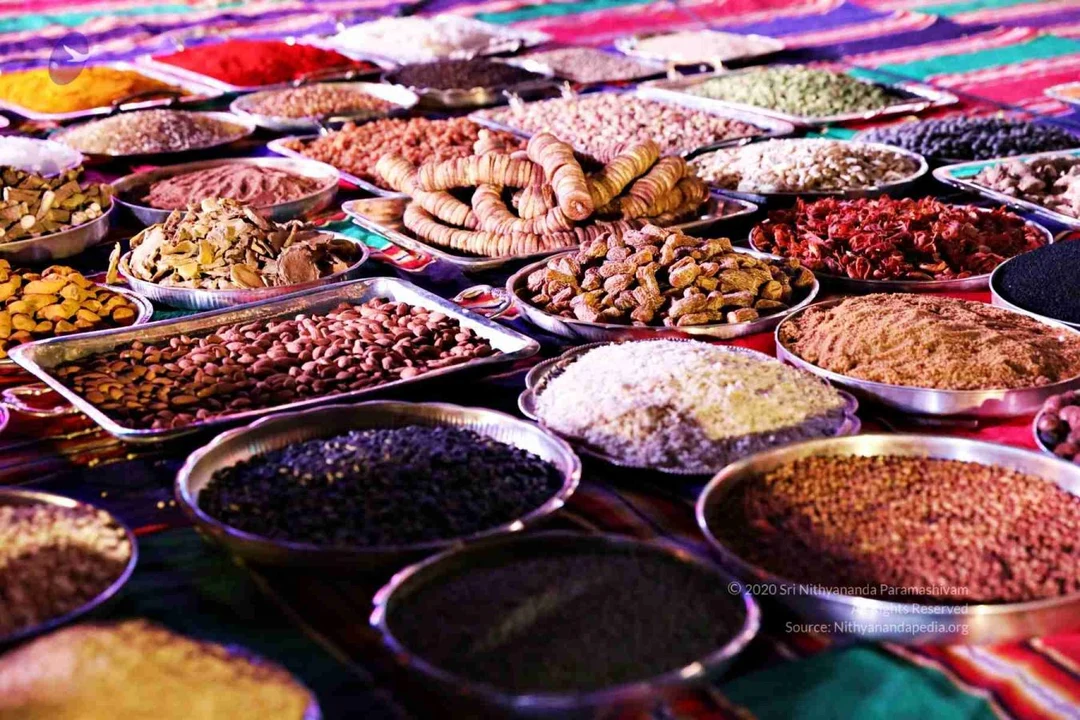 This whole universe is my extension and I am celebrating it
 Aushada process celebration at Adi Kailaasa, Bengaluru Aadheenam
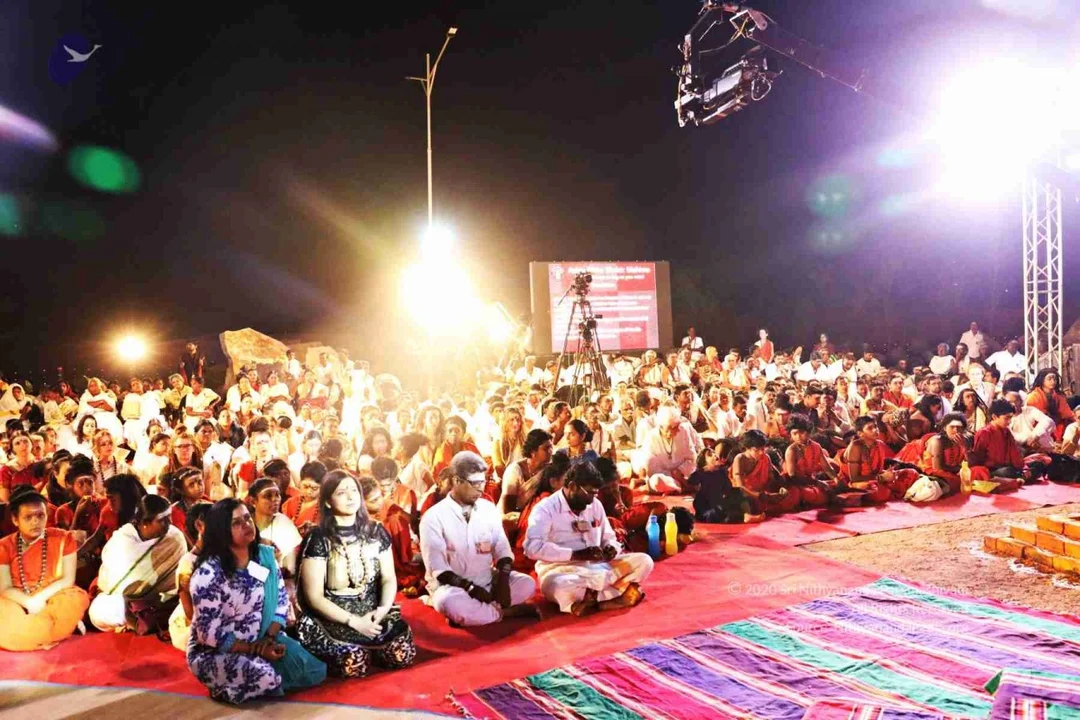 Aushada process celebration at Adi Kailaasa, Bengaluru Aadheenam
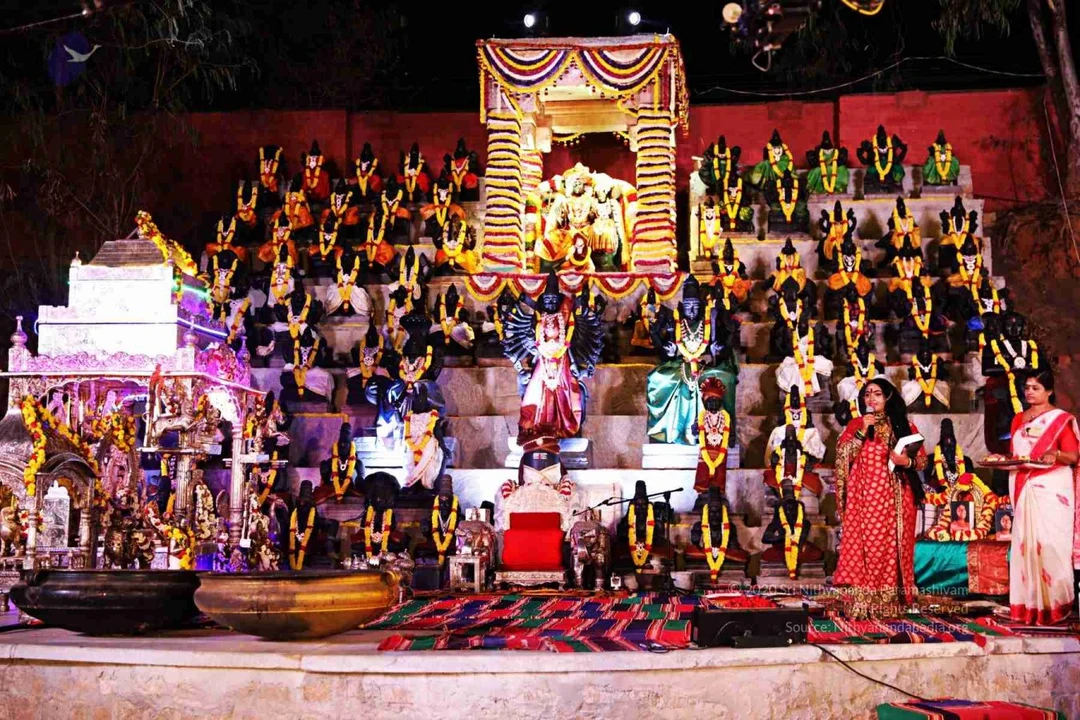 Aushada process celebration at Adi Kailaasa, Bengaluru Aadheenam
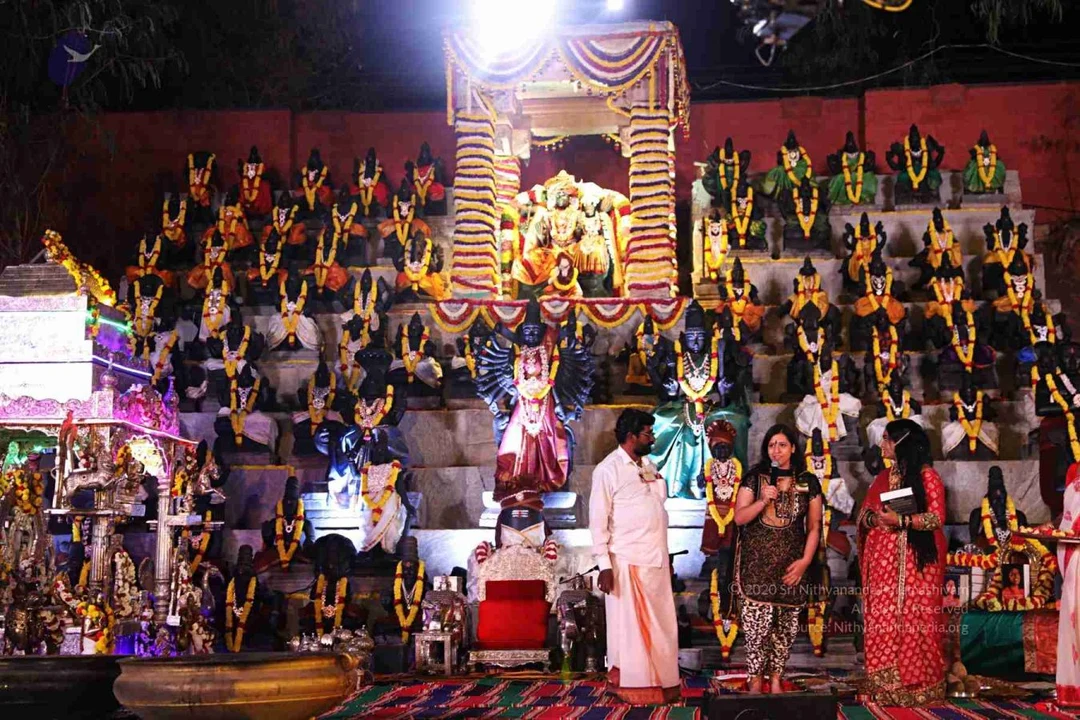 Aushada process celebration at Adi Kailaasa, Bengaluru Aadheenam
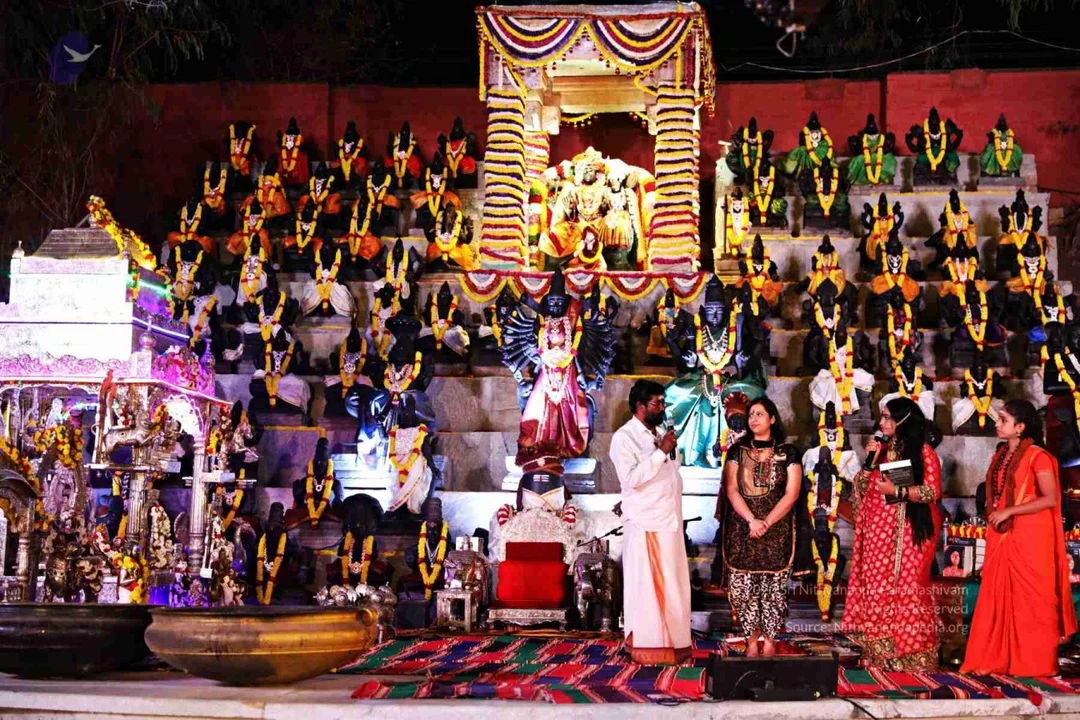 Aushada process celebration at Adi Kailaasa, Bengaluru Aadheenam
 Aushada process celebration at Adi Kailaasa, Bengaluru Aadheenam
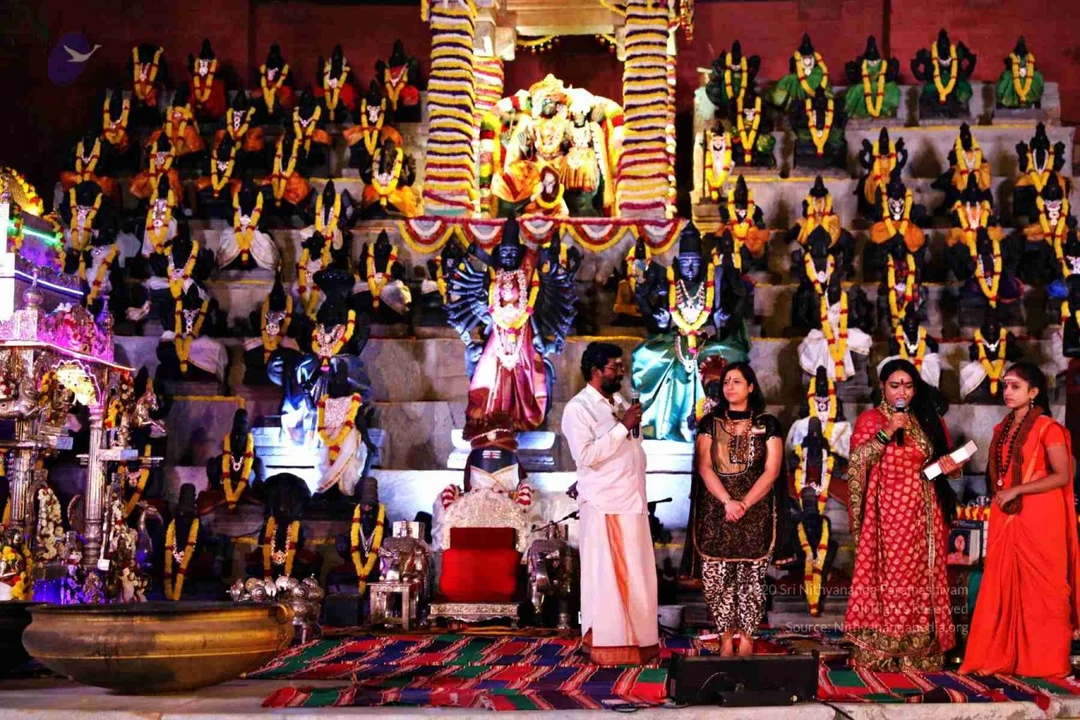 Aushada process celebration at Adi Kailaasa, Bengaluru Aadheenam
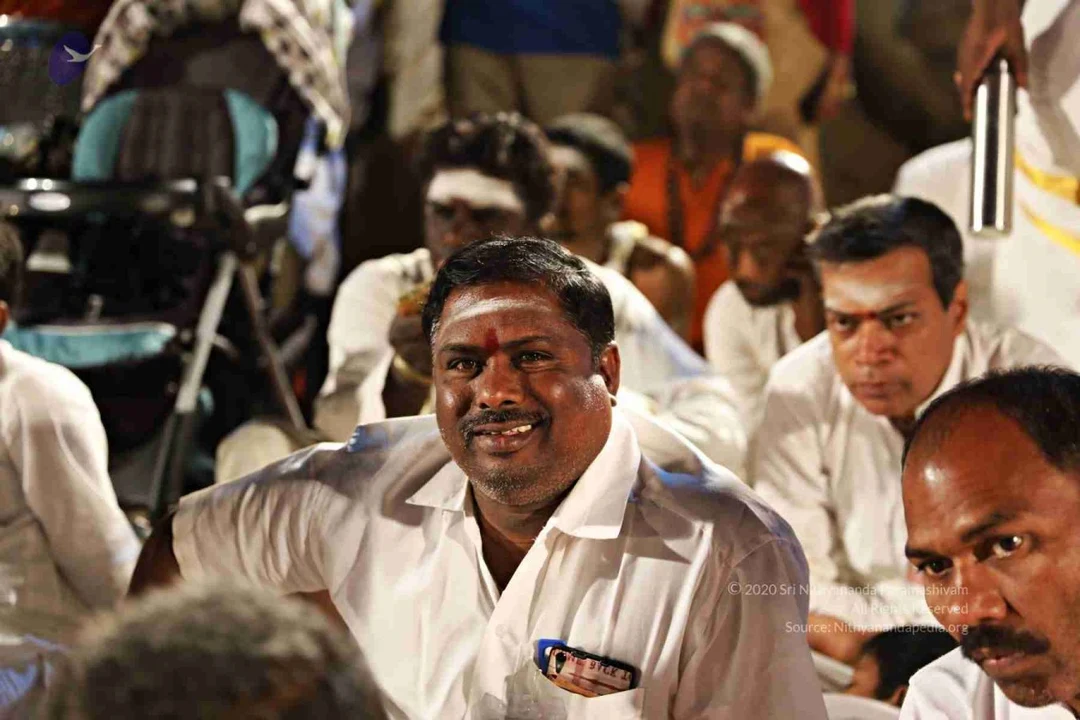 Aushada process celebration at Adi Kailaasa, Bengaluru Aadheenam
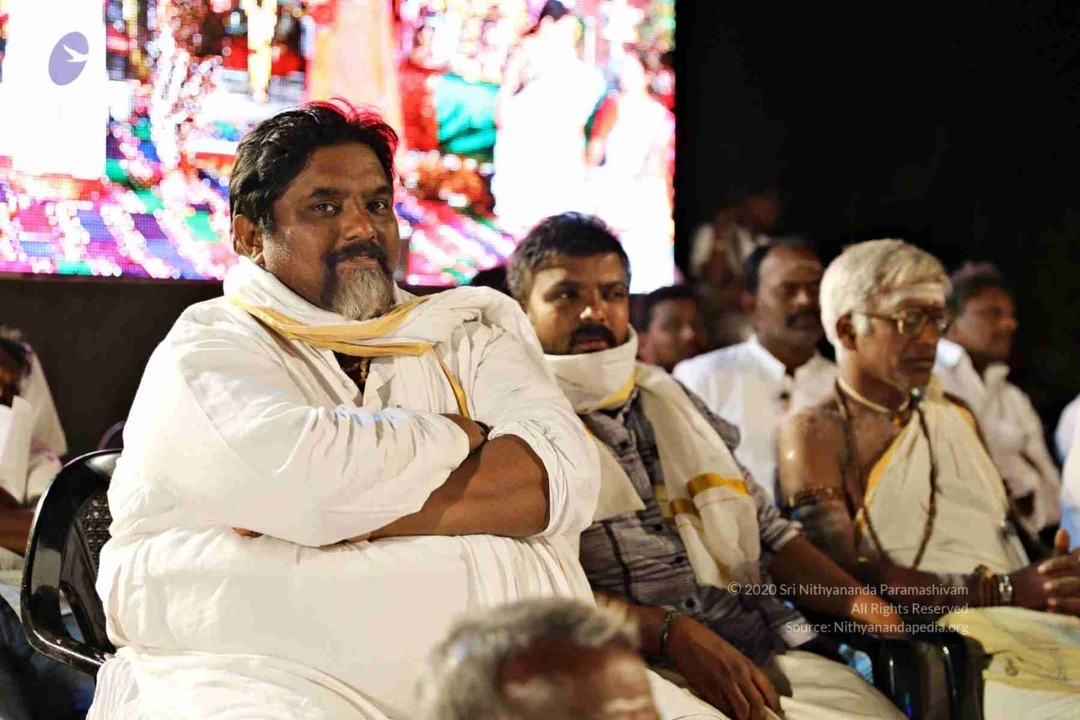 Aushada process celebration at Adi Kailaasa, Bengaluru Aadheenam
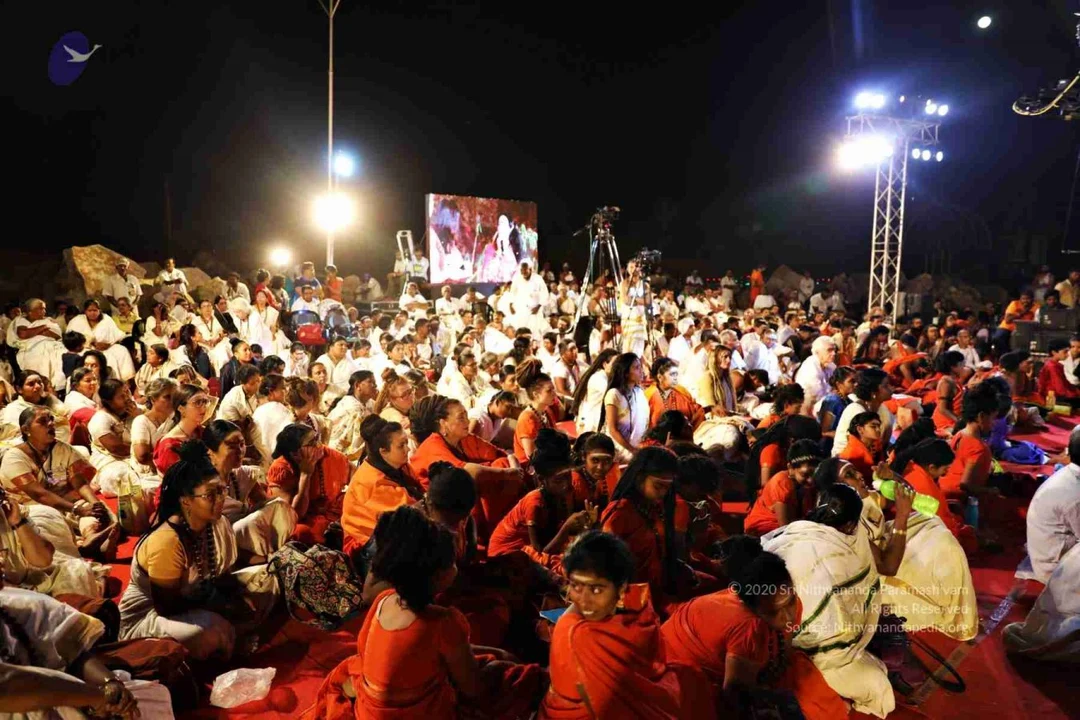 Aushada process celebration at Adi Kailaasa, Bengaluru Aadheenam
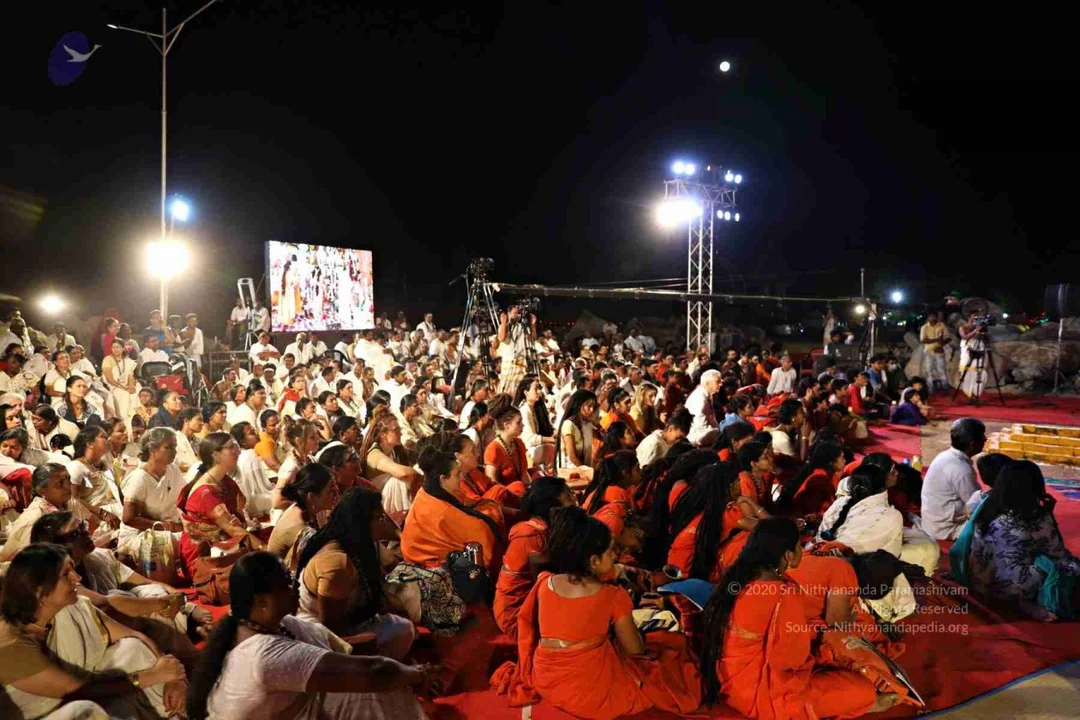 Aushada process celebration at Adi Kailaasa, Bengaluru Aadheenam
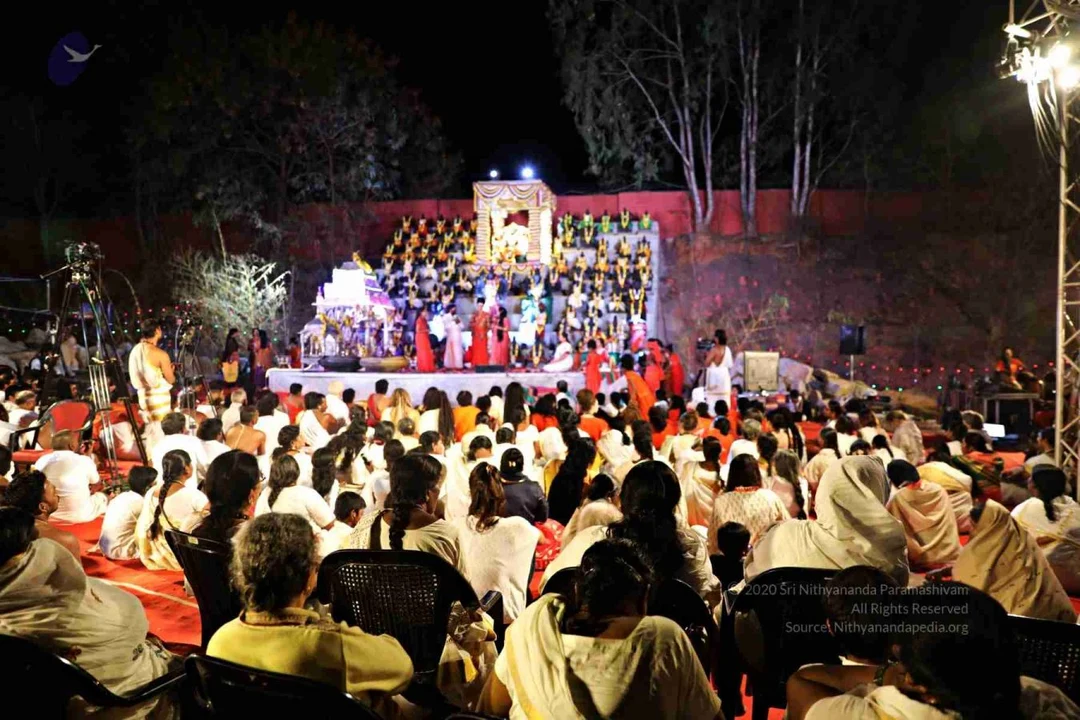 Aushada process celebration at Adi Kailaasa, Bengaluru Aadheenam
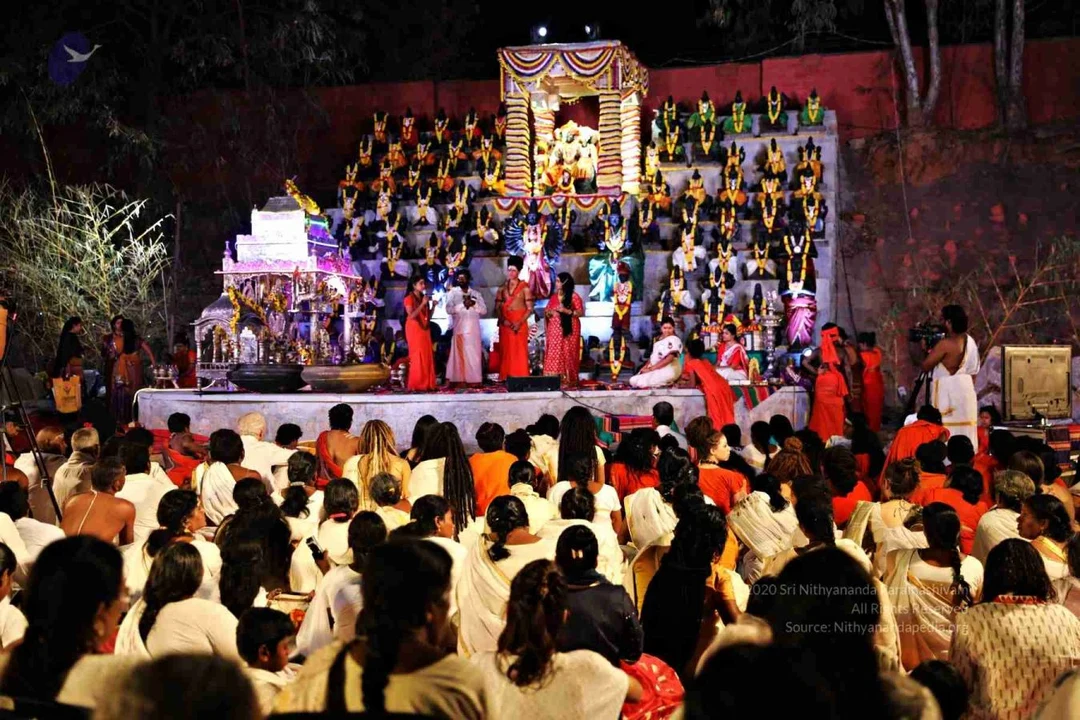 Aushada process celebration at Adi Kailaasa, Bengaluru Aadheenam
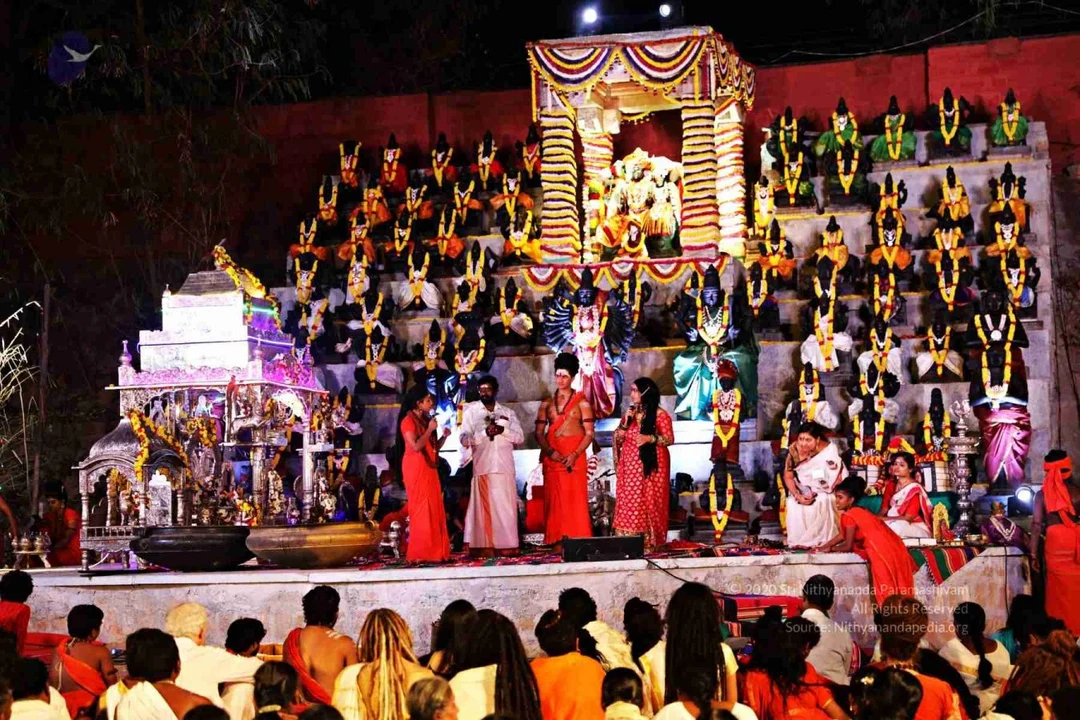 Aushada process celebration at Adi Kailaasa, Bengaluru Aadheenam
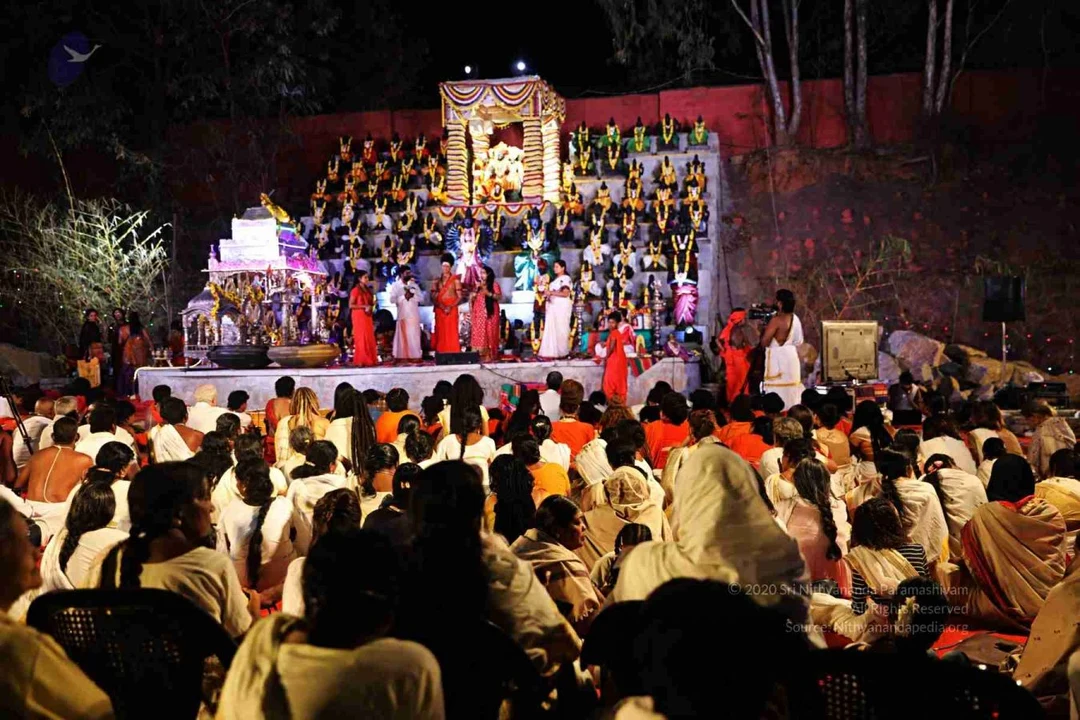 Aushada process celebration at Adi Kailaasa, Bengaluru Aadheenam
 Aushada process celebration at Adi Kailaasa, Bengaluru Aadheenam
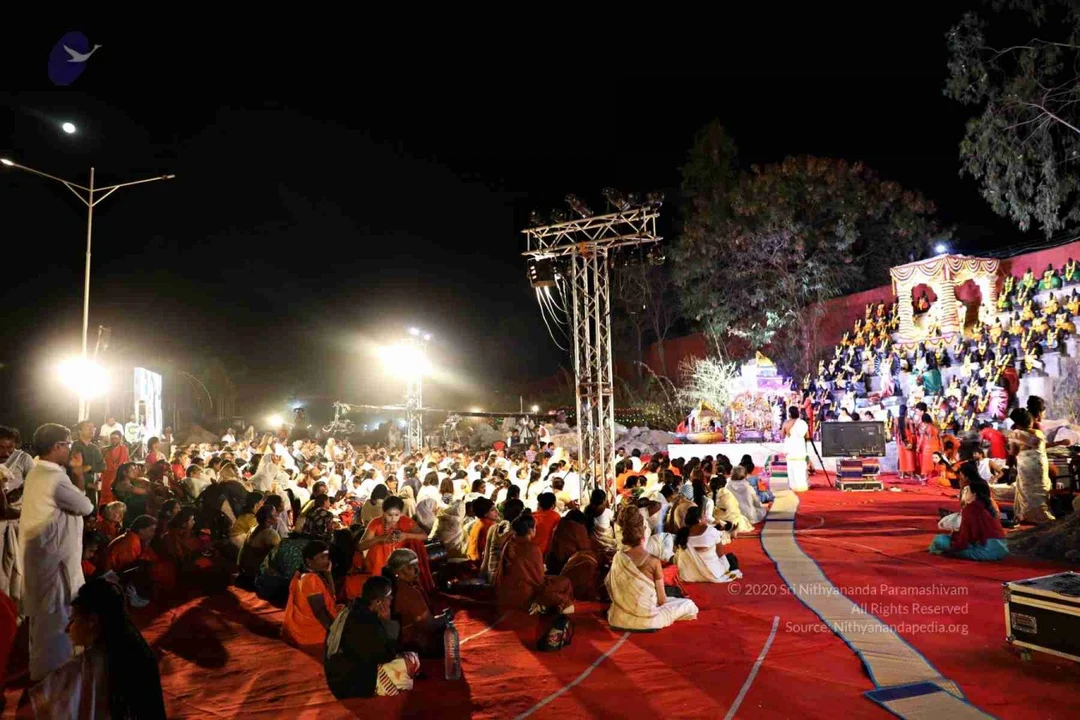 Aushada process celebration at Adi Kailaasa, Bengaluru Aadheenam
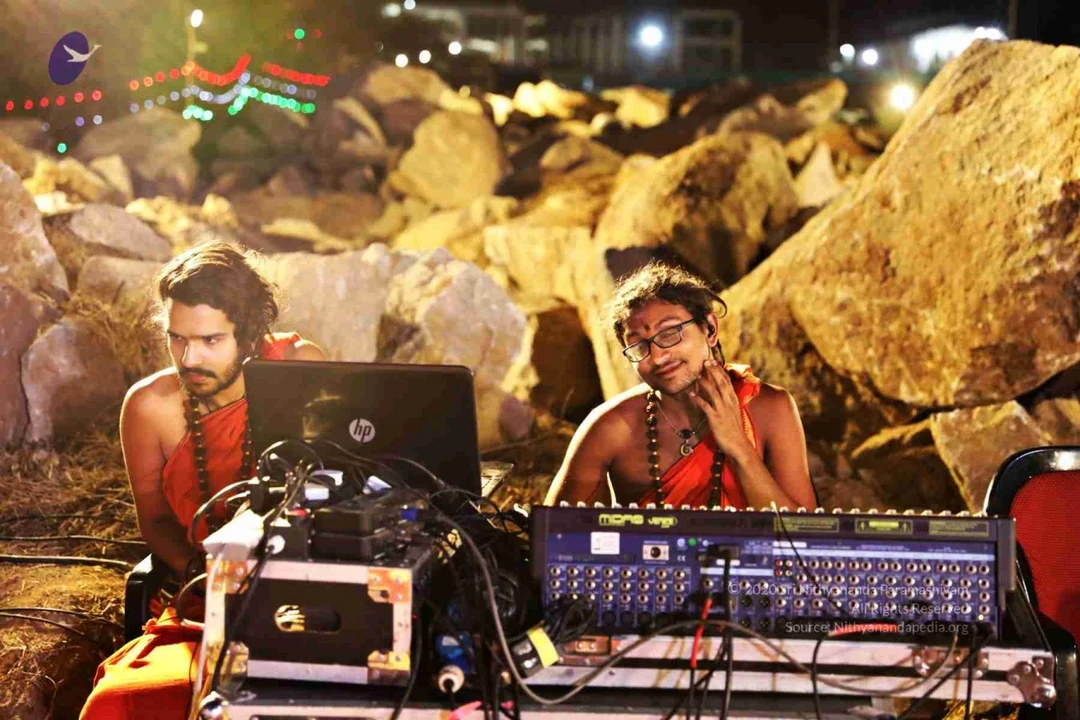 Aushada process celebration at Adi Kailaasa, Bengaluru Aadheenam
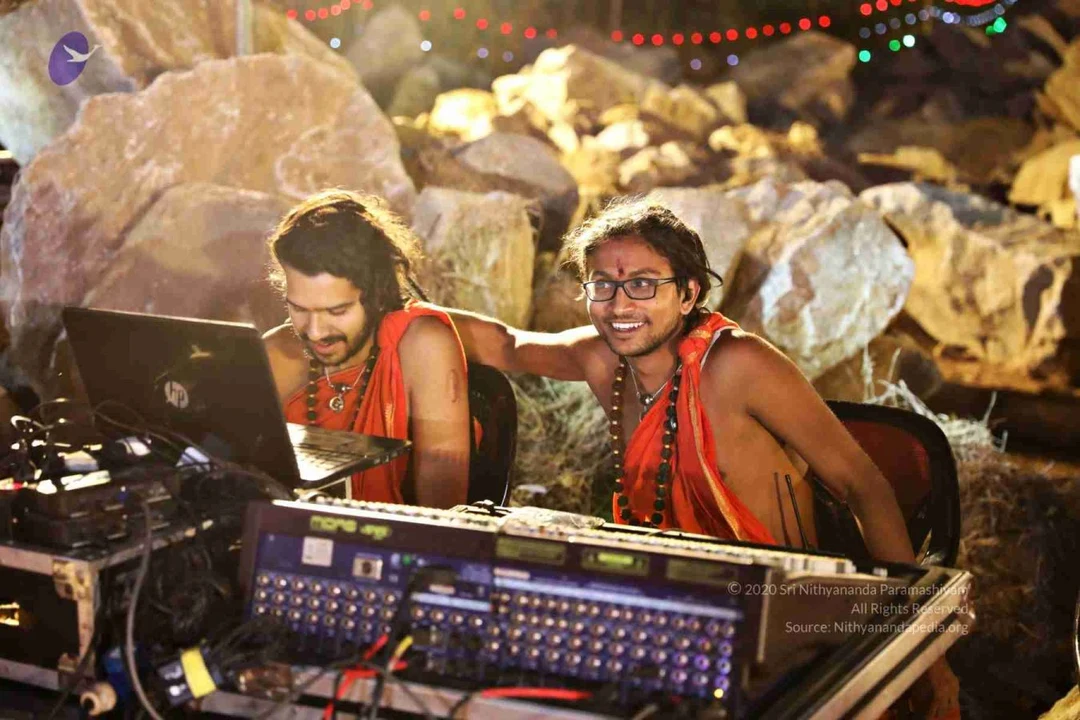 Aushada process celebration at Adi Kailaasa, Bengaluru Aadheenam
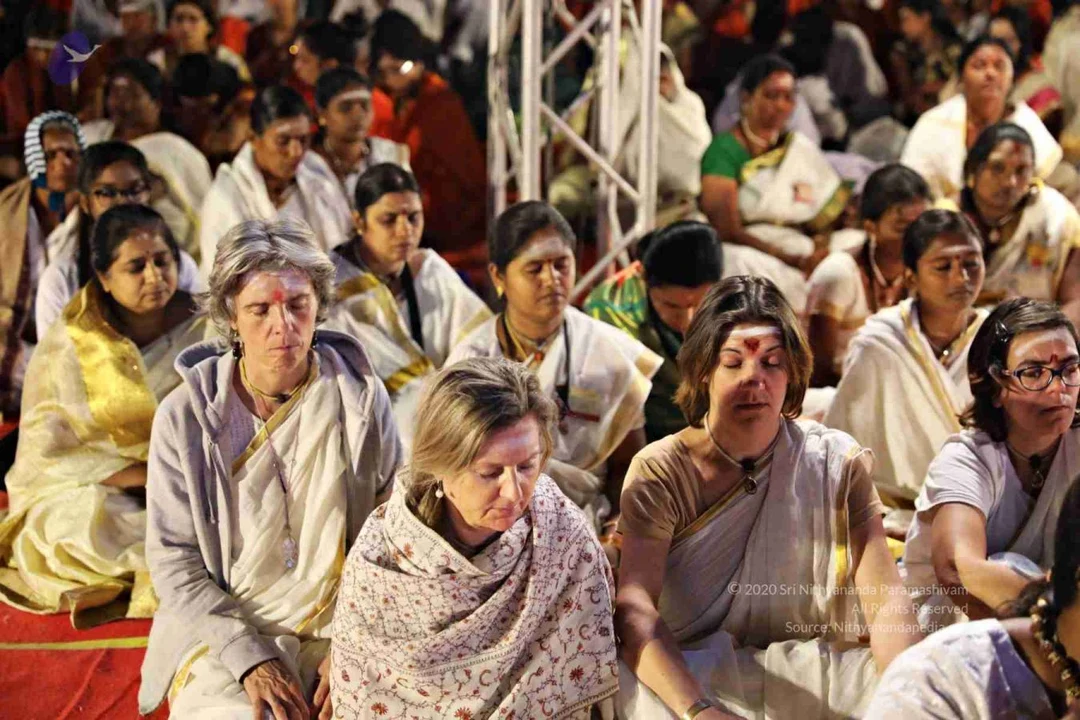 Aushada process celebration at Adi Kailaasa, Bengaluru Aadheenam
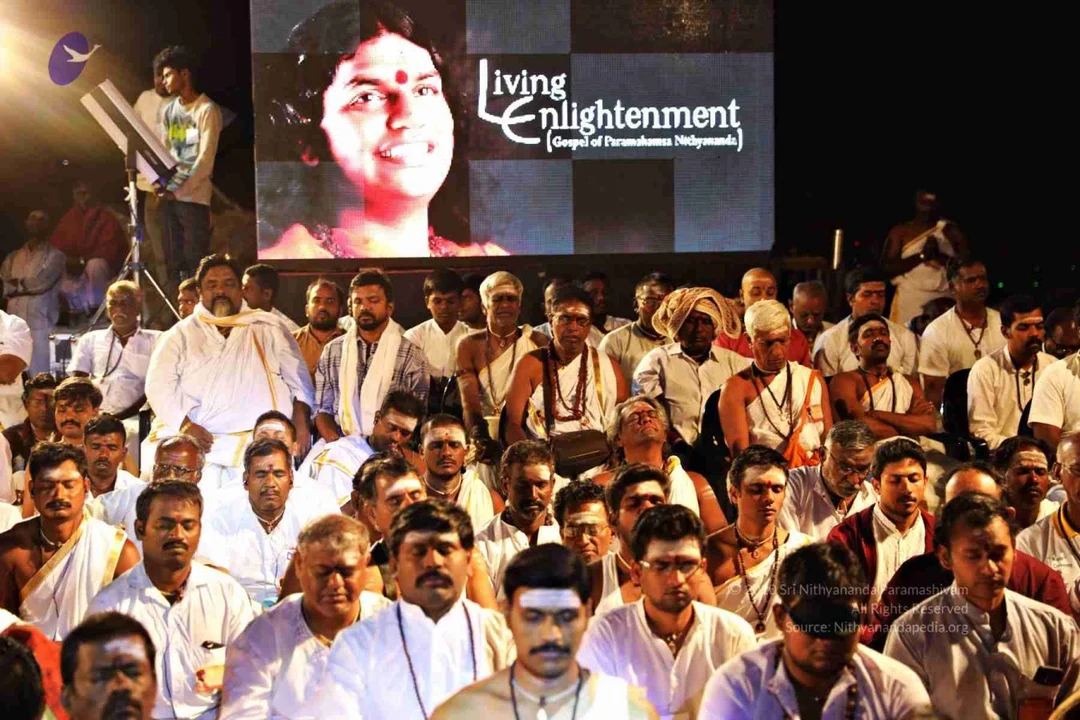 Aushada process celebration at Adi Kailaasa, Bengaluru Aadheenam
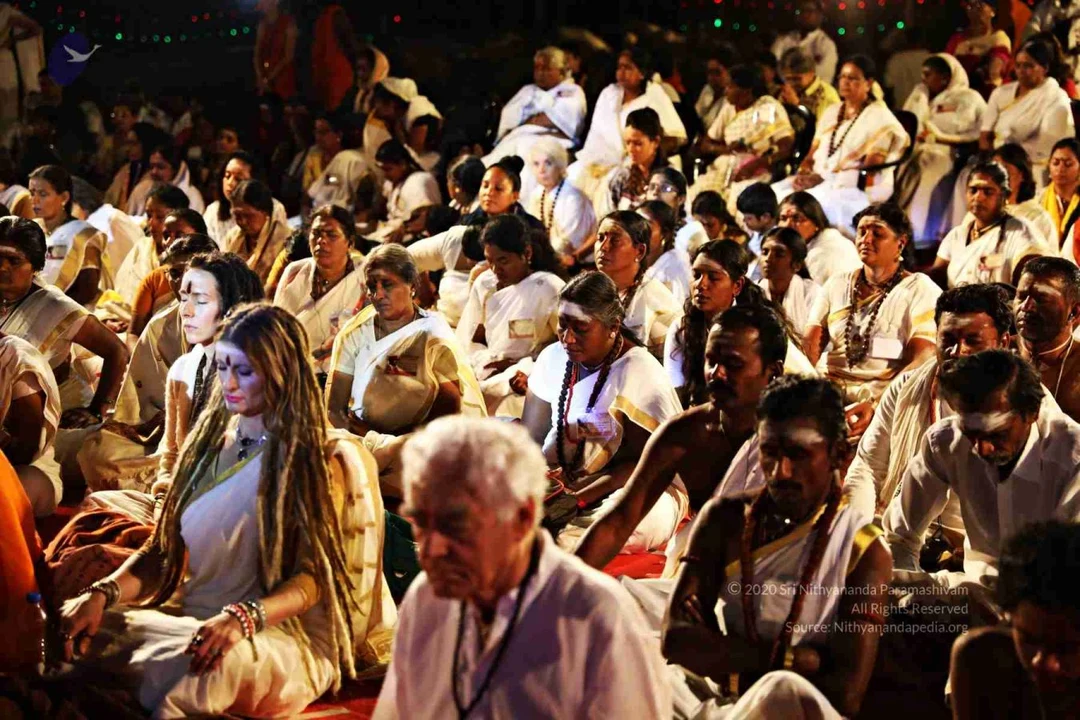 Aushada process celebration at Adi Kailaasa, Bengaluru Aadheenam
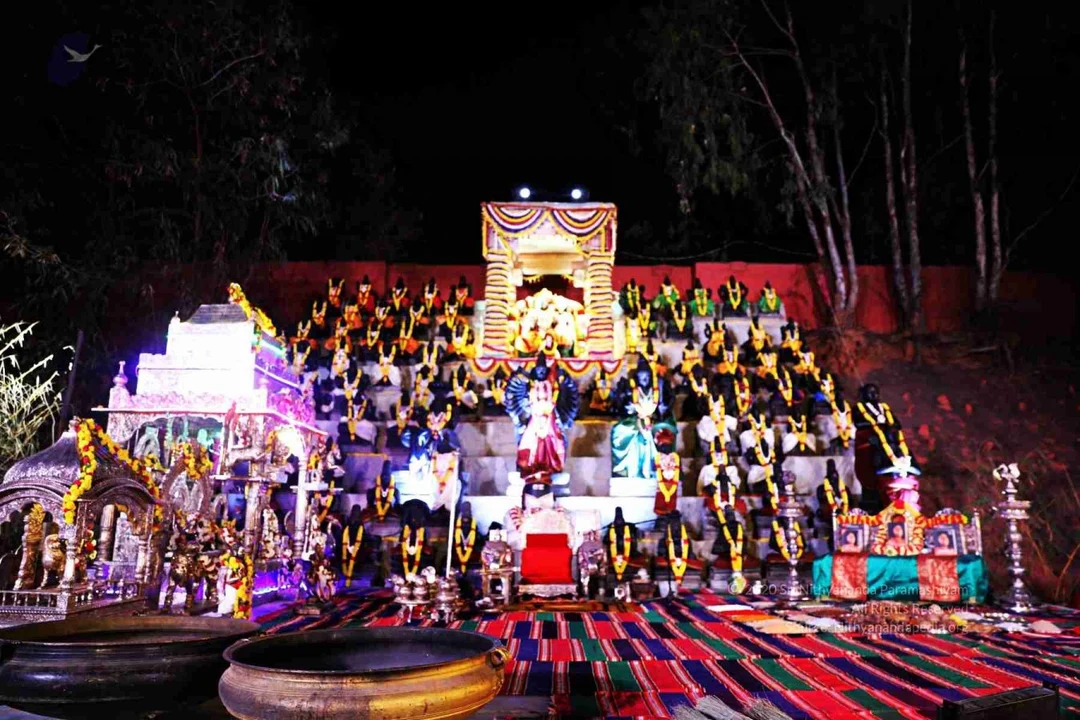 Aushada process celebration at Adi Kailaasa, Bengaluru Aadheenam
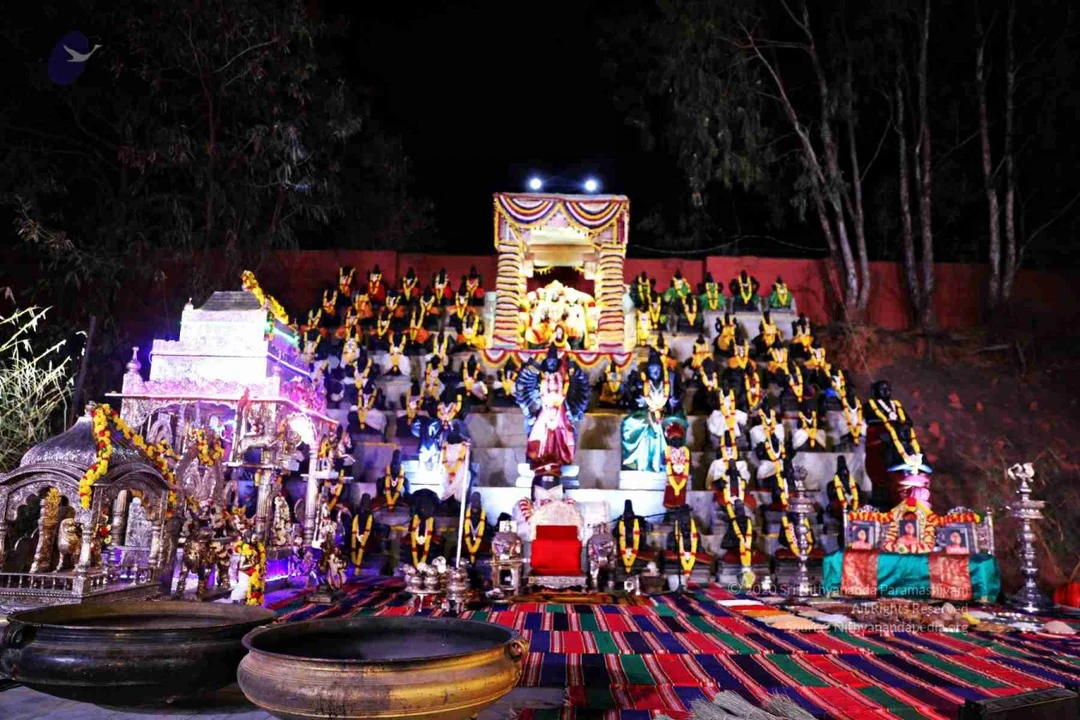 You are here to celebrate cosmos
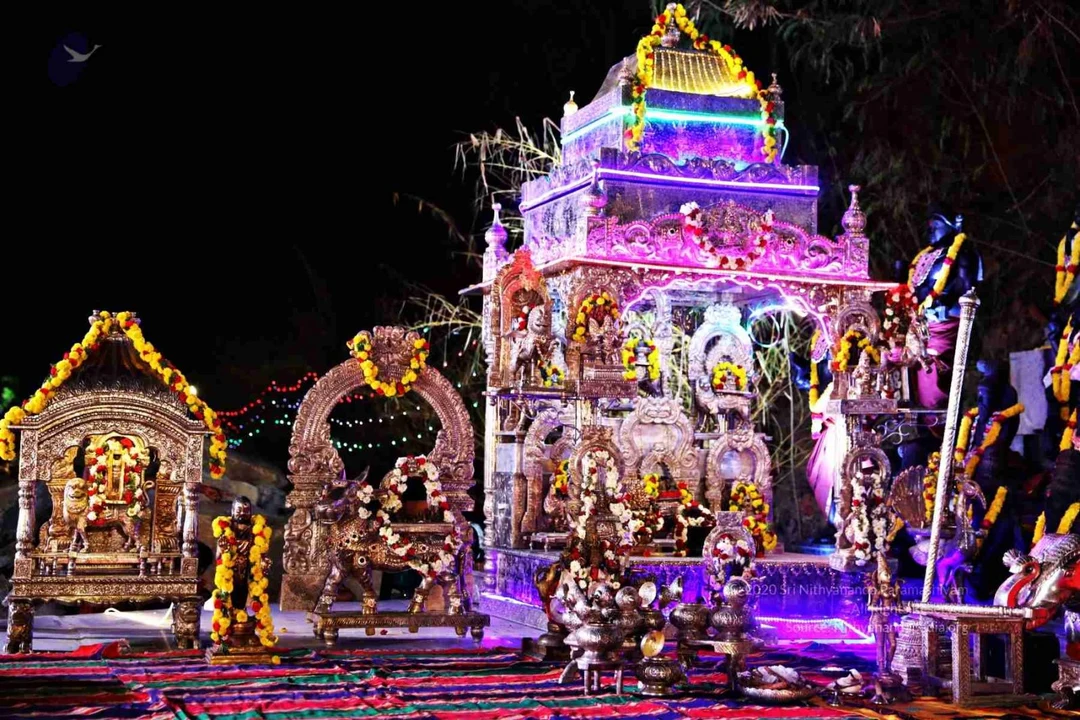 You are here to celebrate cosmos
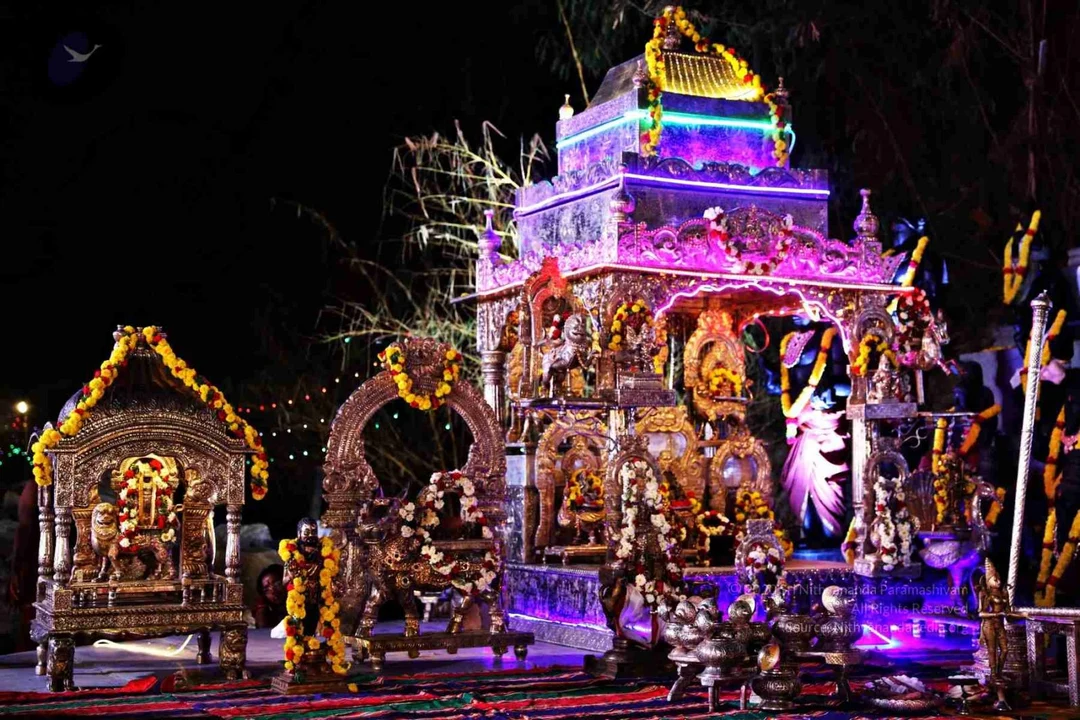 You are here to celebrate cosmos
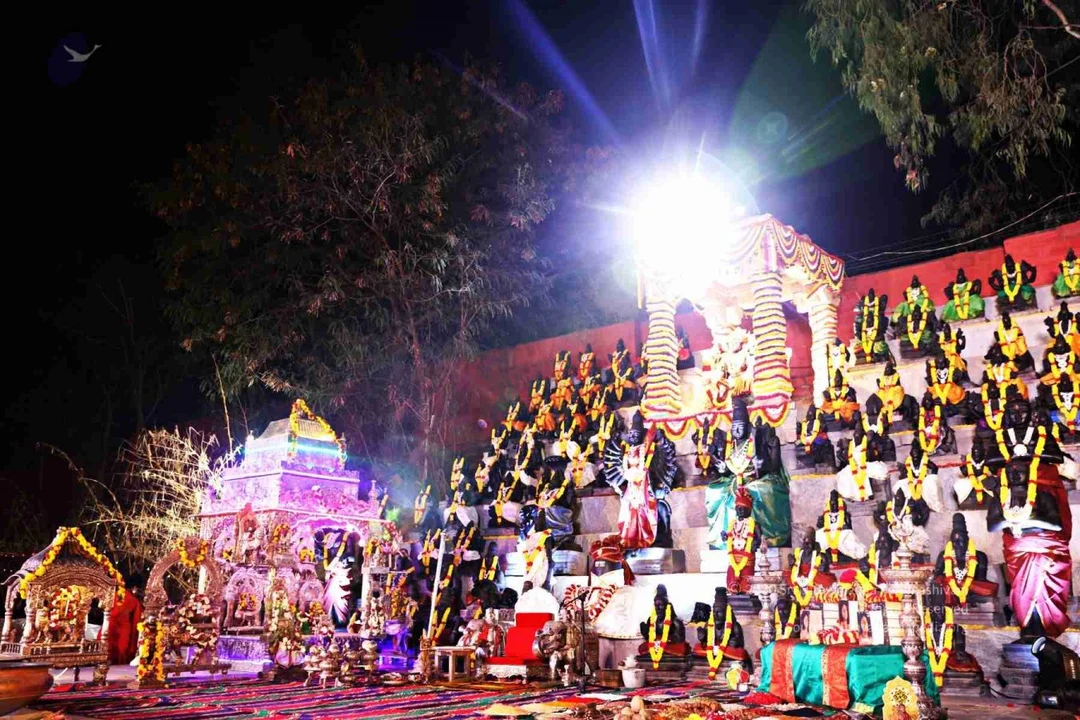 You are here to celebrate cosmos
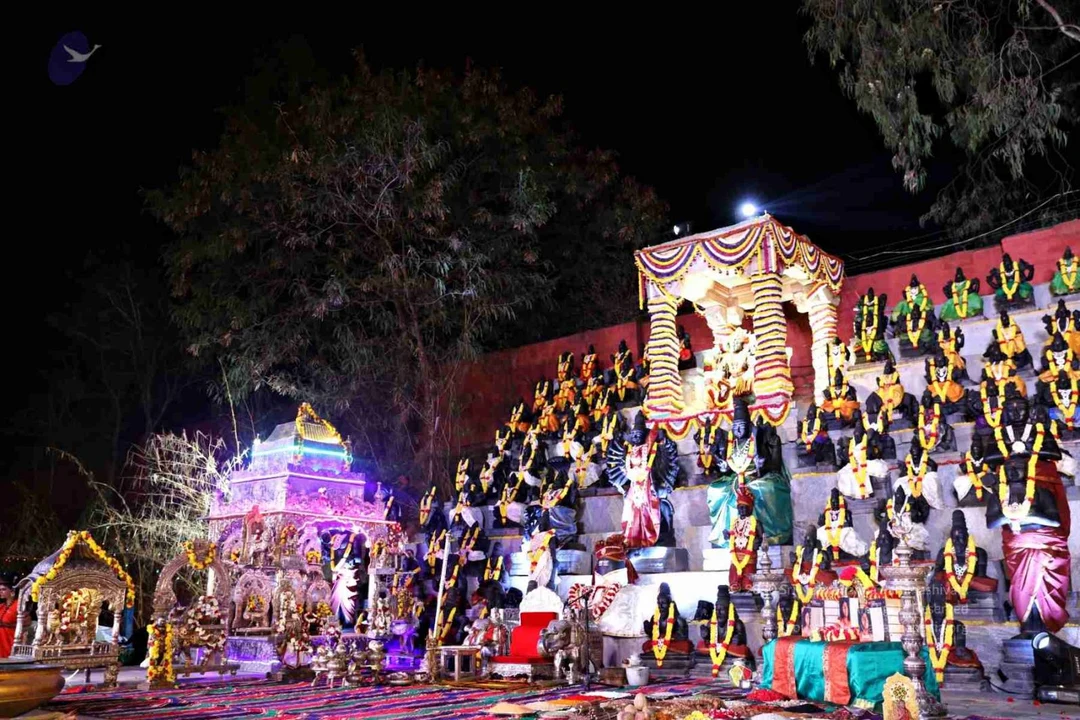 You are here to celebrate cosmos
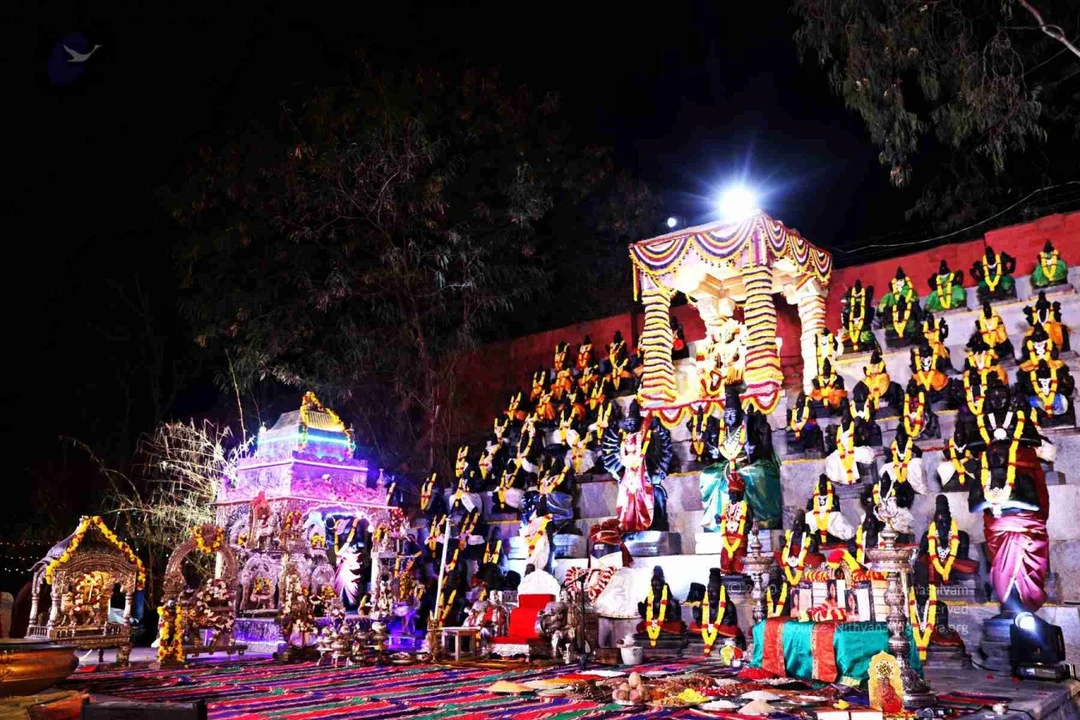 You are here to celebrate cosmos
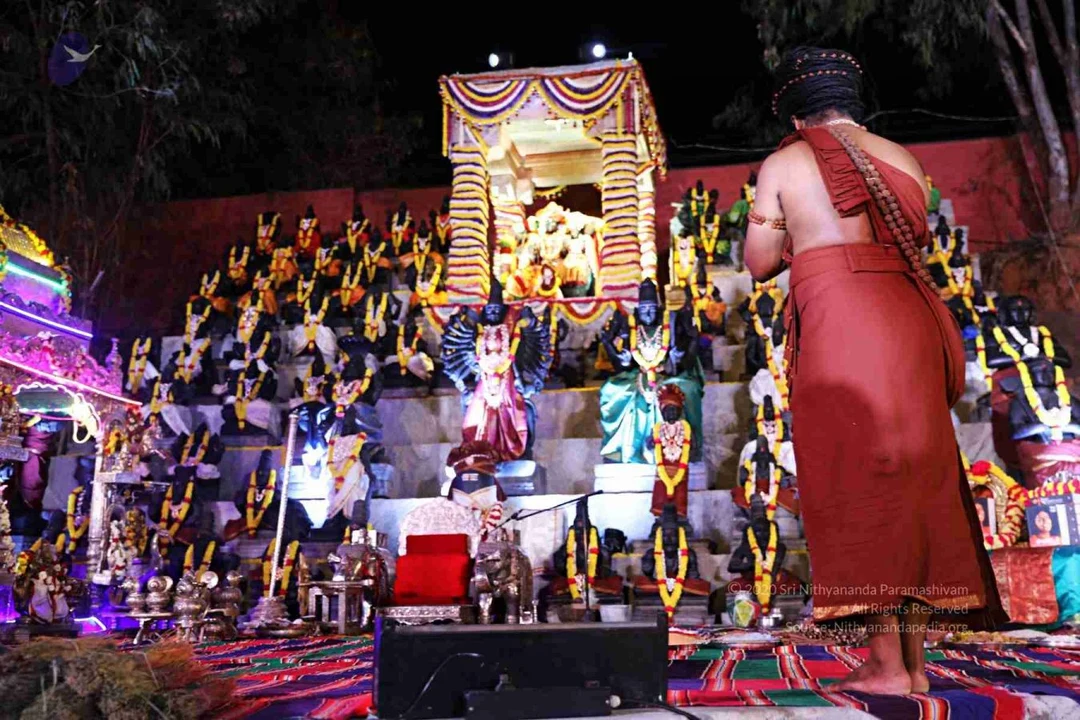 You are here to celebrate cosmos
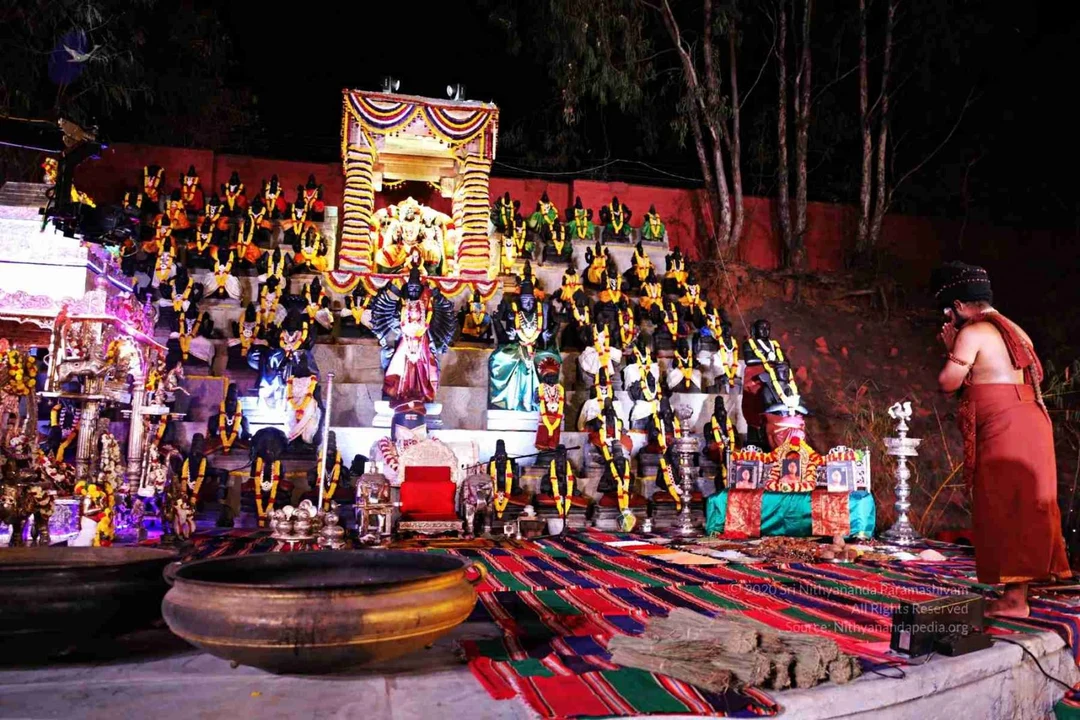 You are here to celebrate cosmos
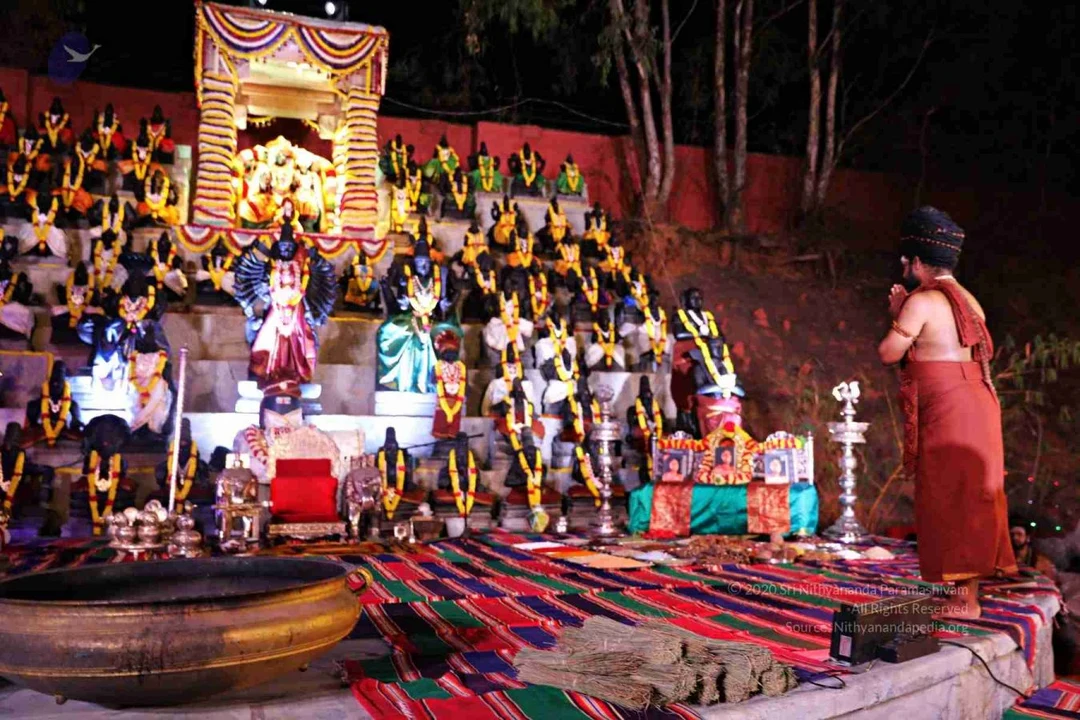 You are here to celebrate cosmos
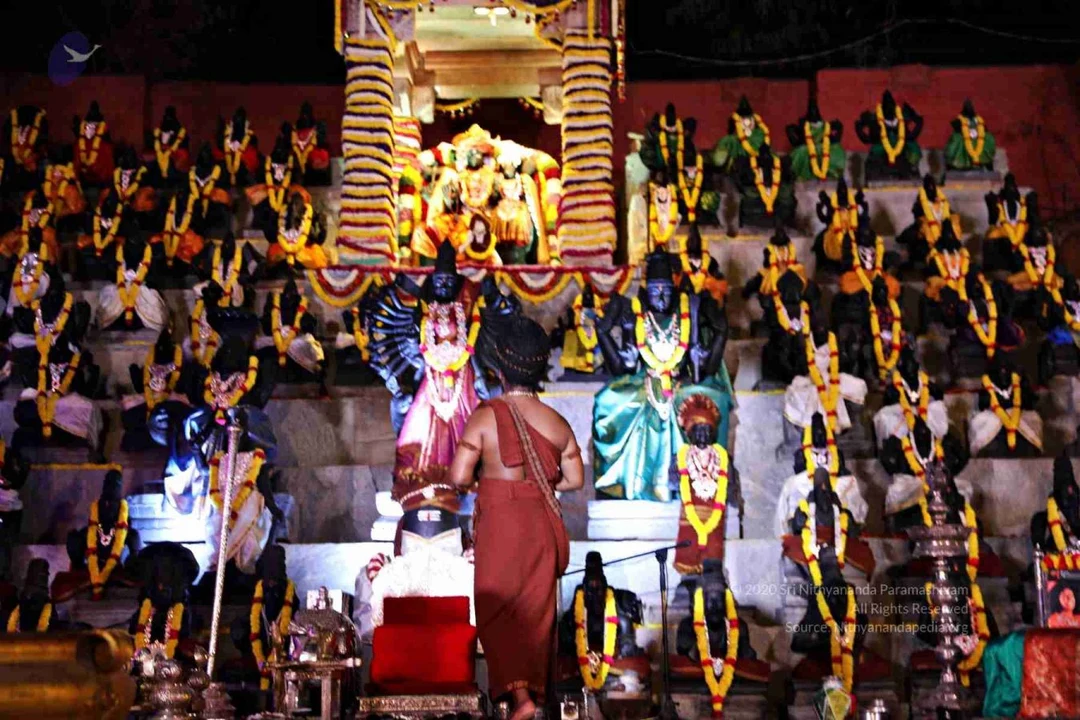 You are here to celebrate cosmos
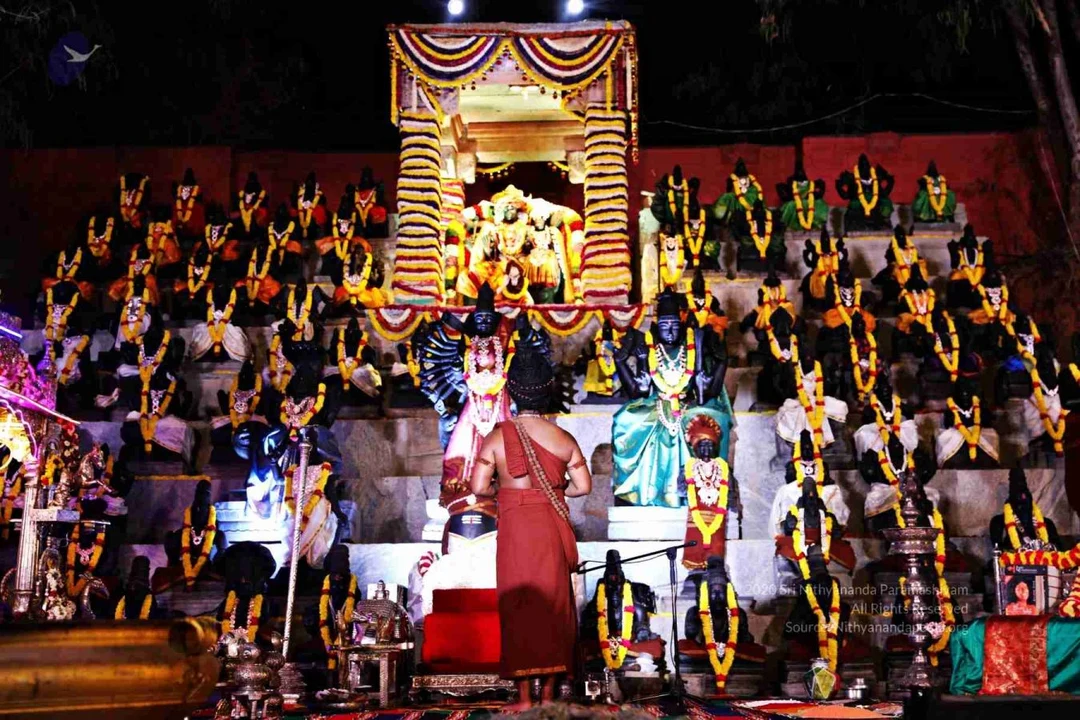 You are here to celebrate cosmos
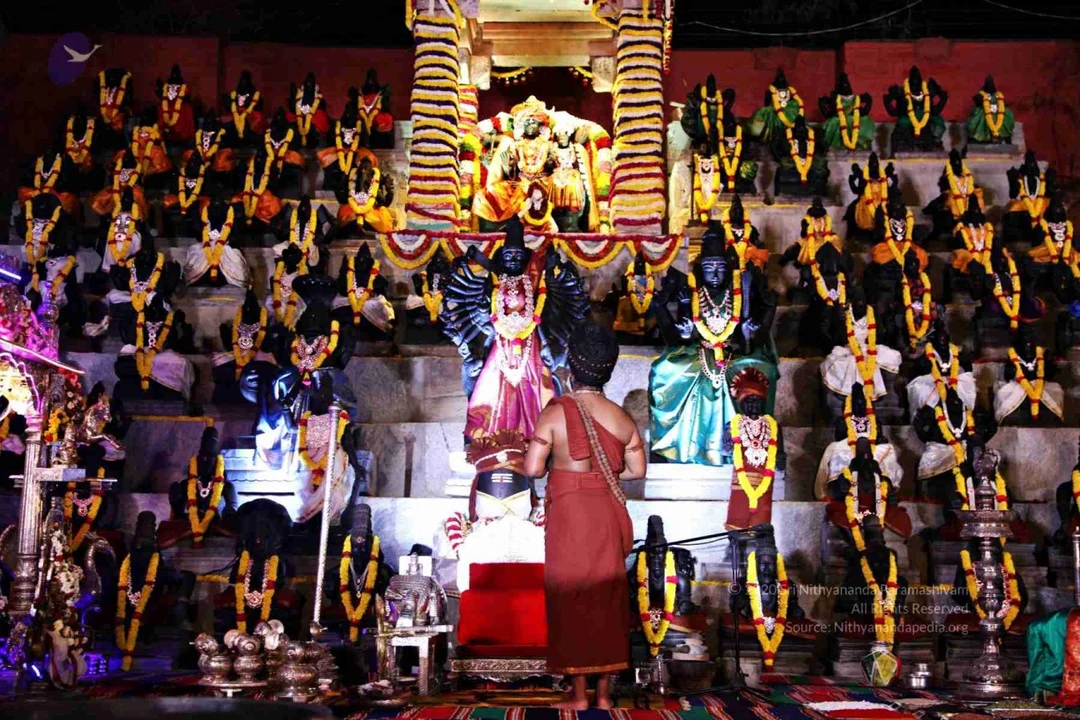 You are here to celebrate cosmos
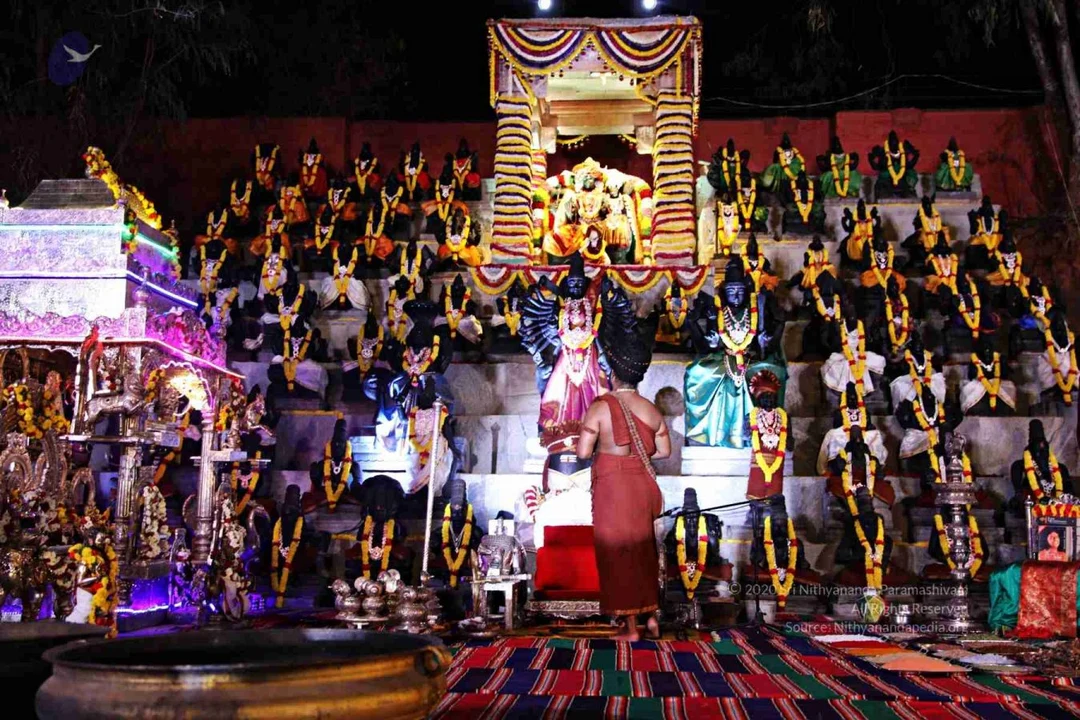 You are here to celebrate cosmos
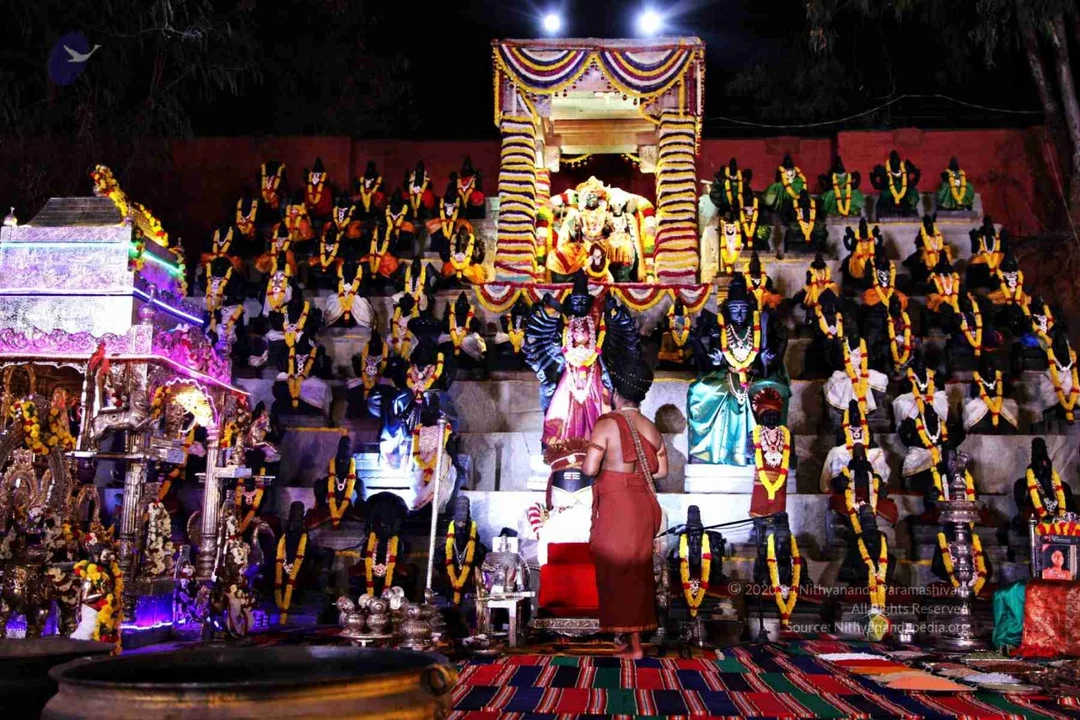 You are here to celebrate cosmos
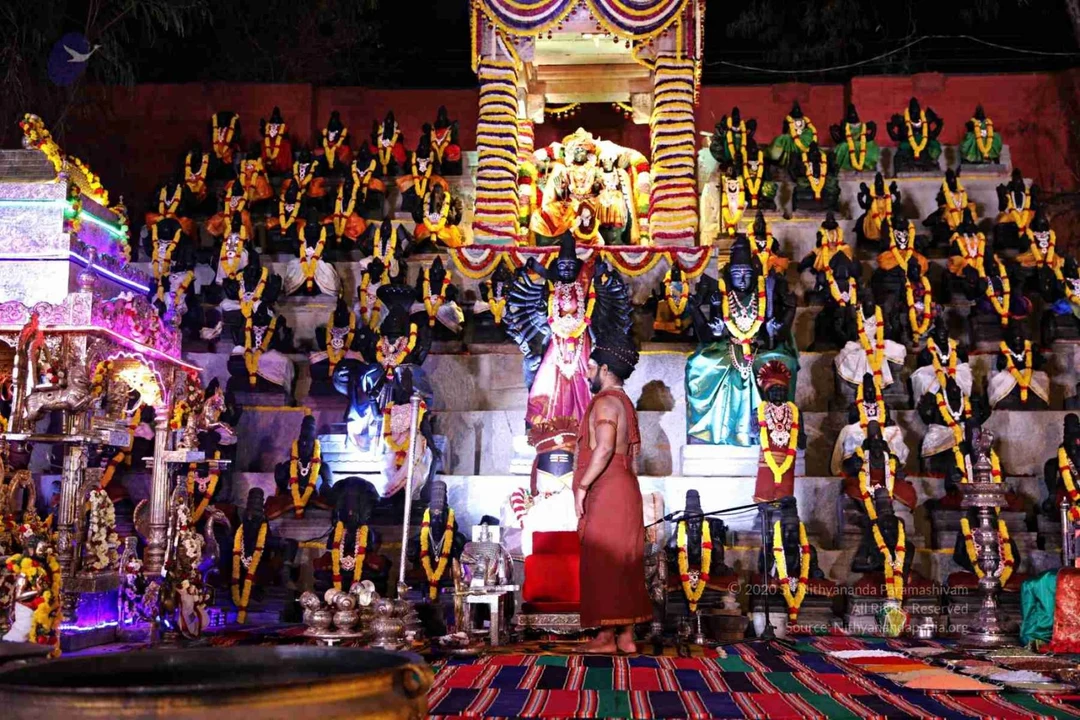 You are here to celebrate cosmos
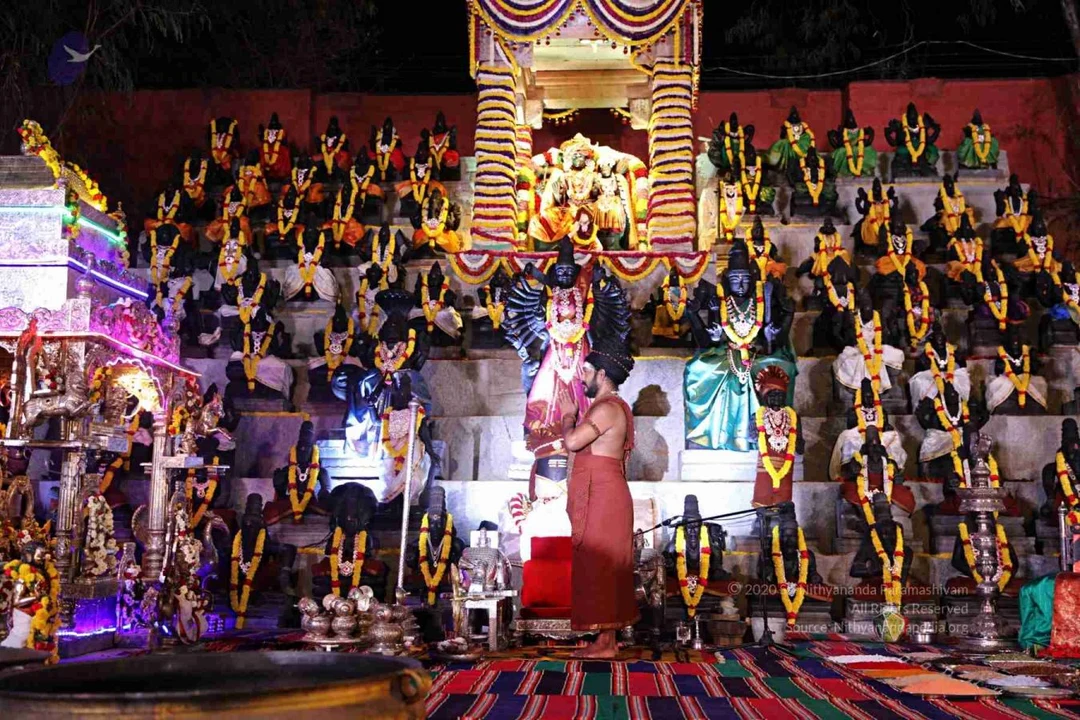 You are here to celebrate cosmos
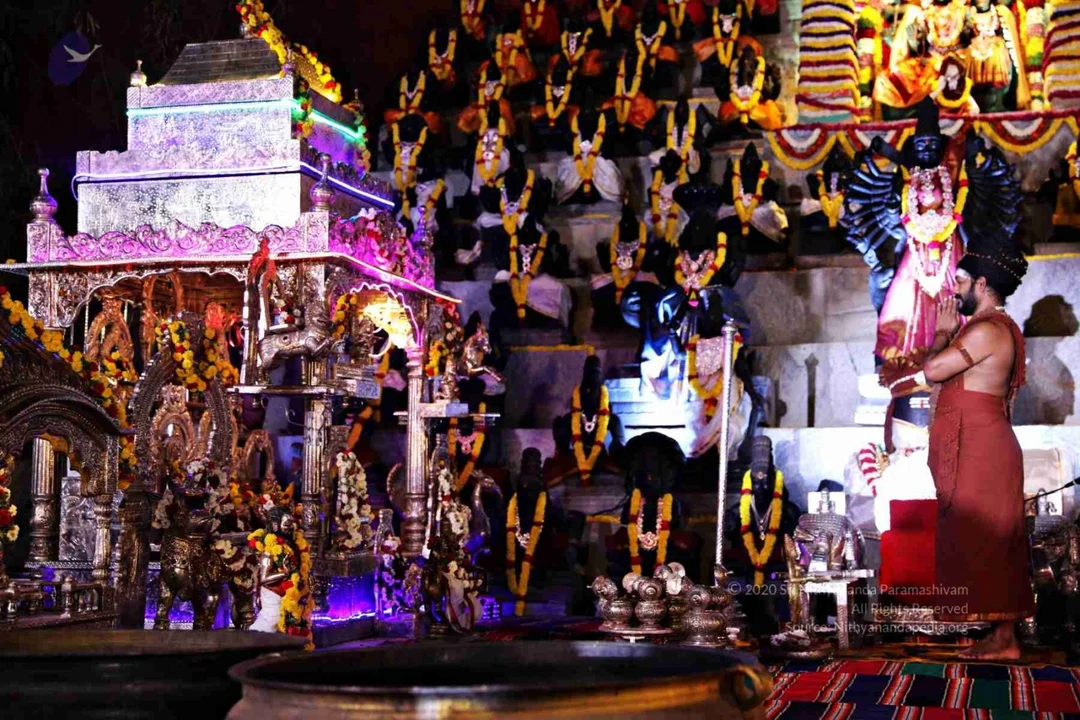 You are here to celebrate cosmos
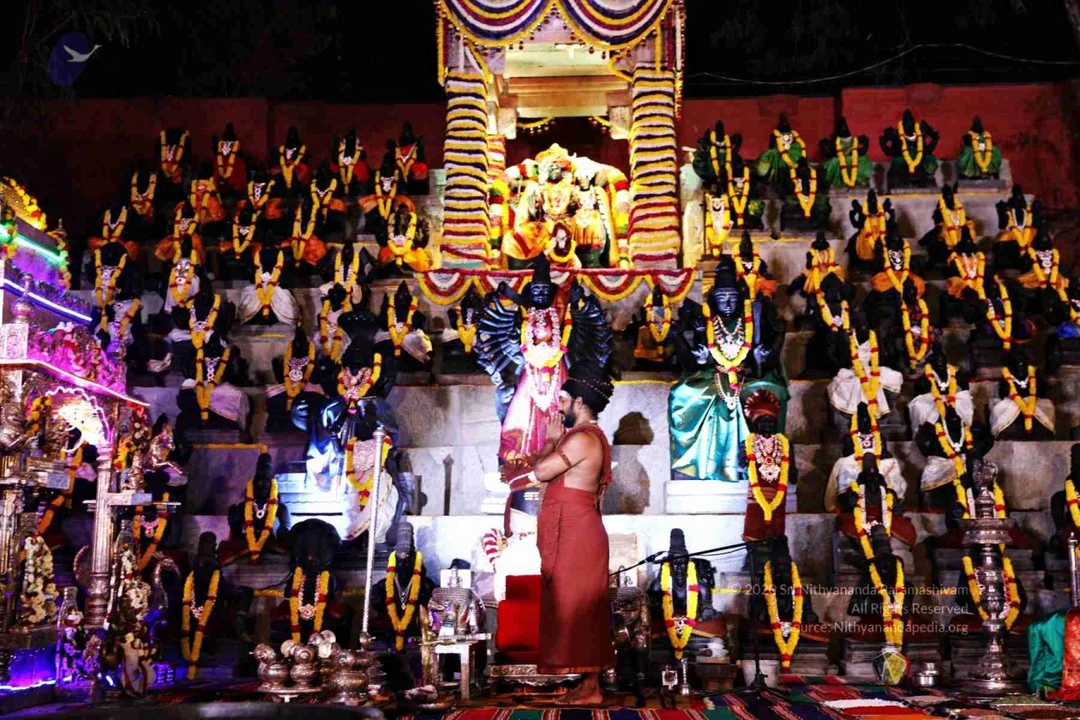 You are here to celebrate cosmos
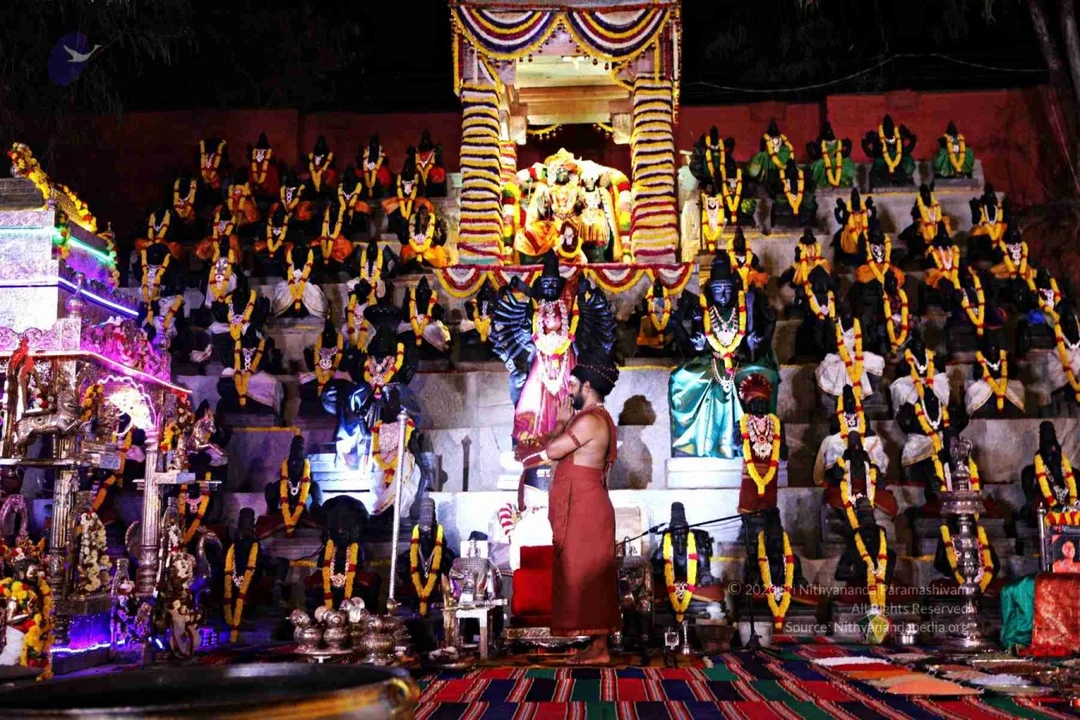 You are here to celebrate cosmos
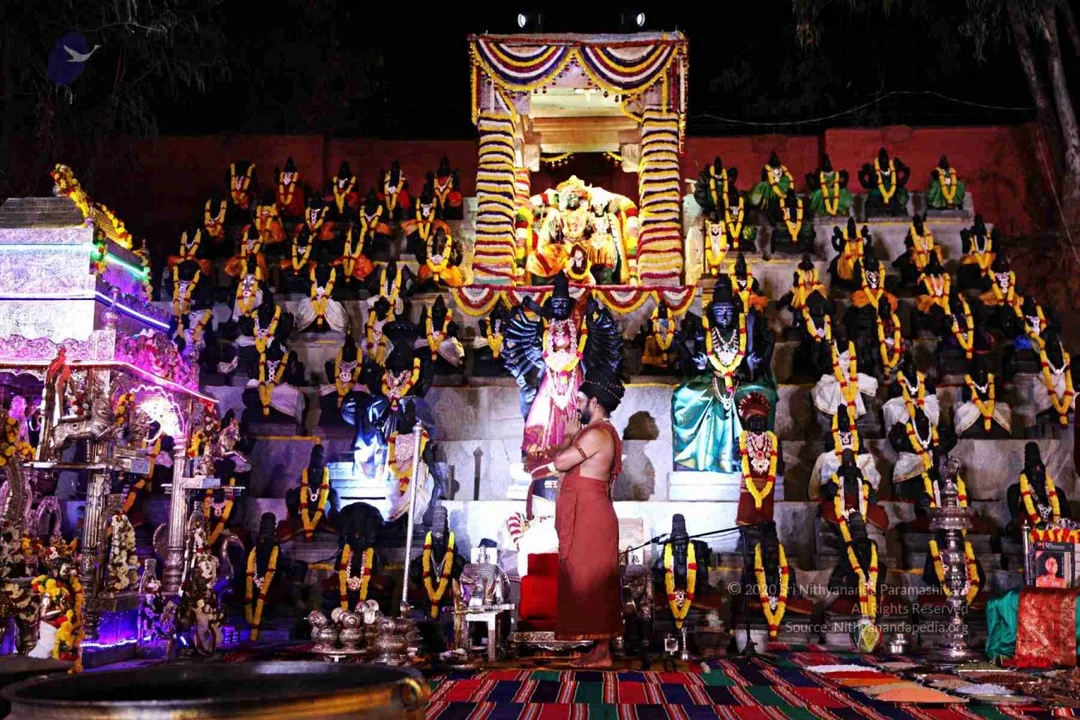 You are here to celebrate cosmos
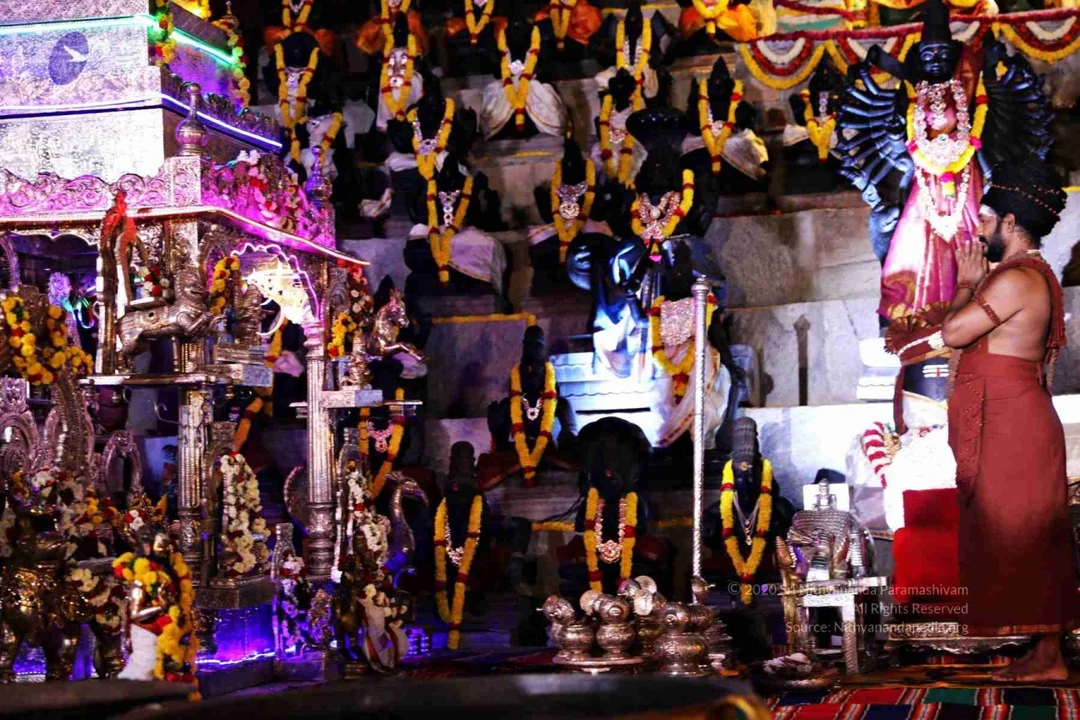 You are here to celebrate cosmos
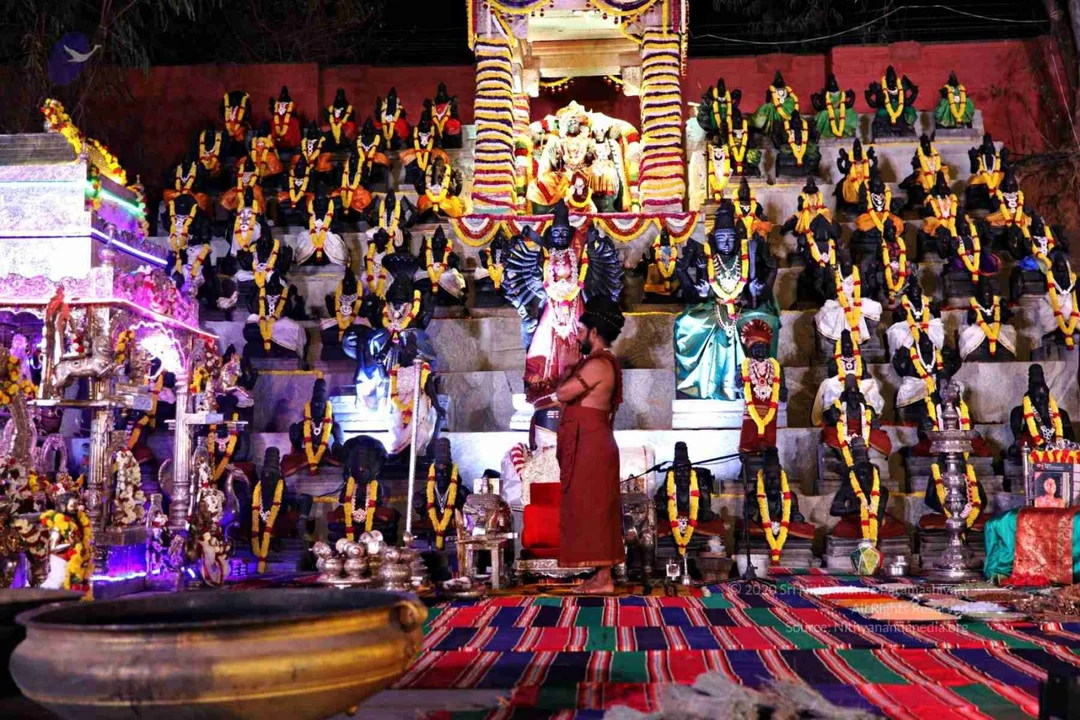 You are here to celebrate cosmos
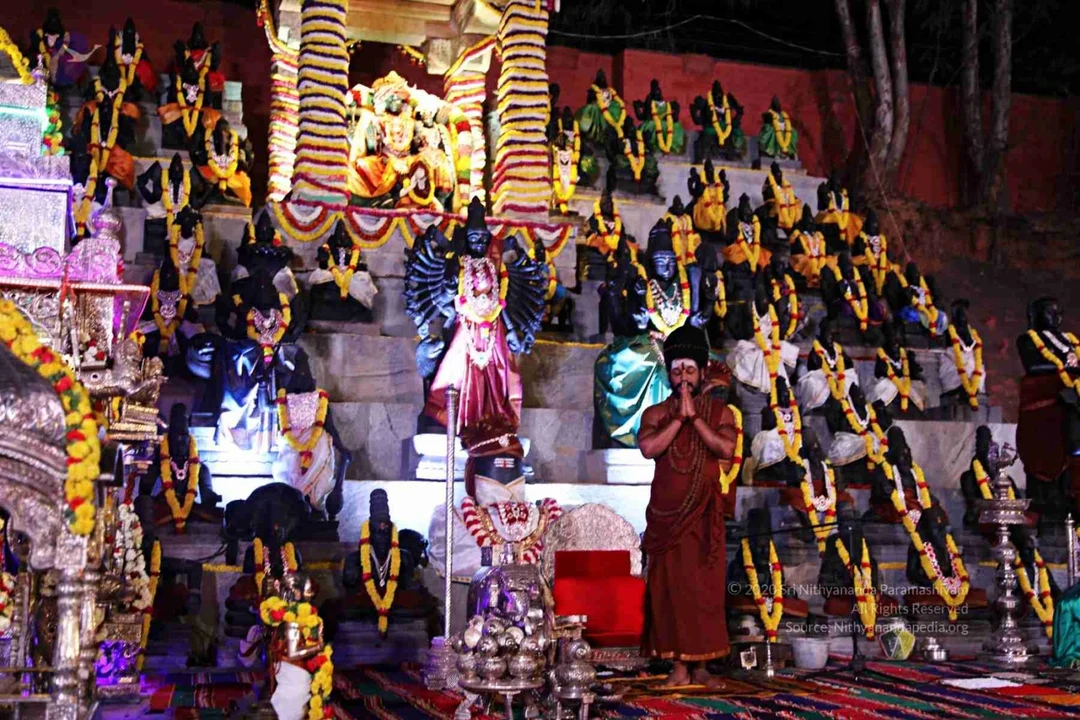 You are here to celebrate cosmos
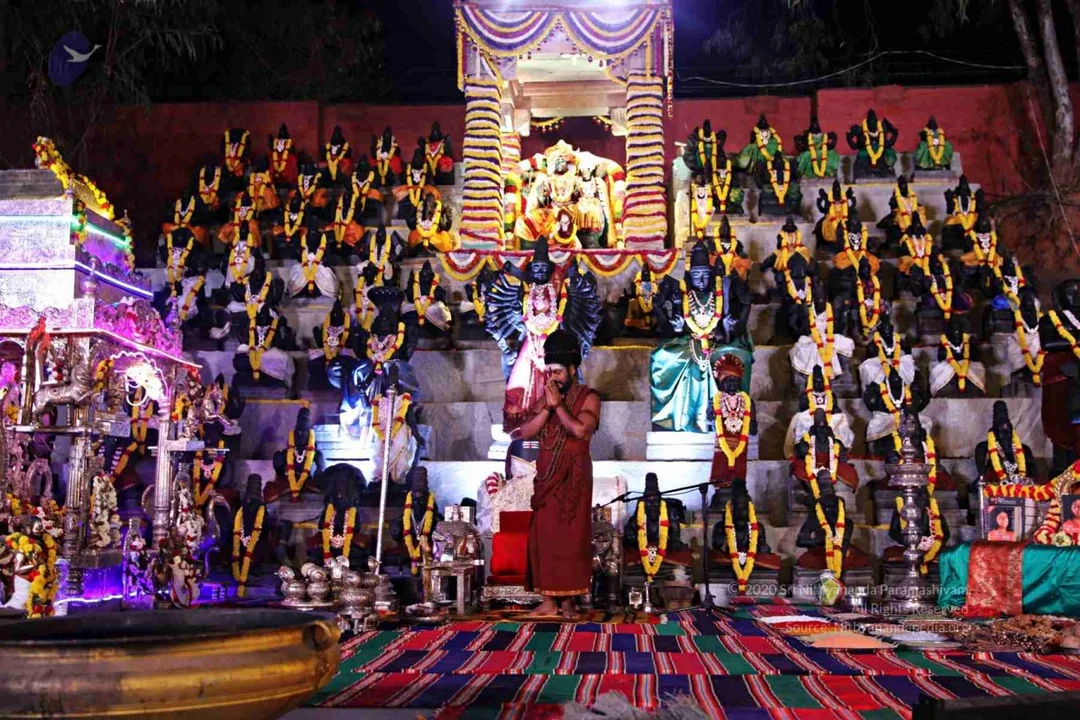 You are here to celebrate cosmos
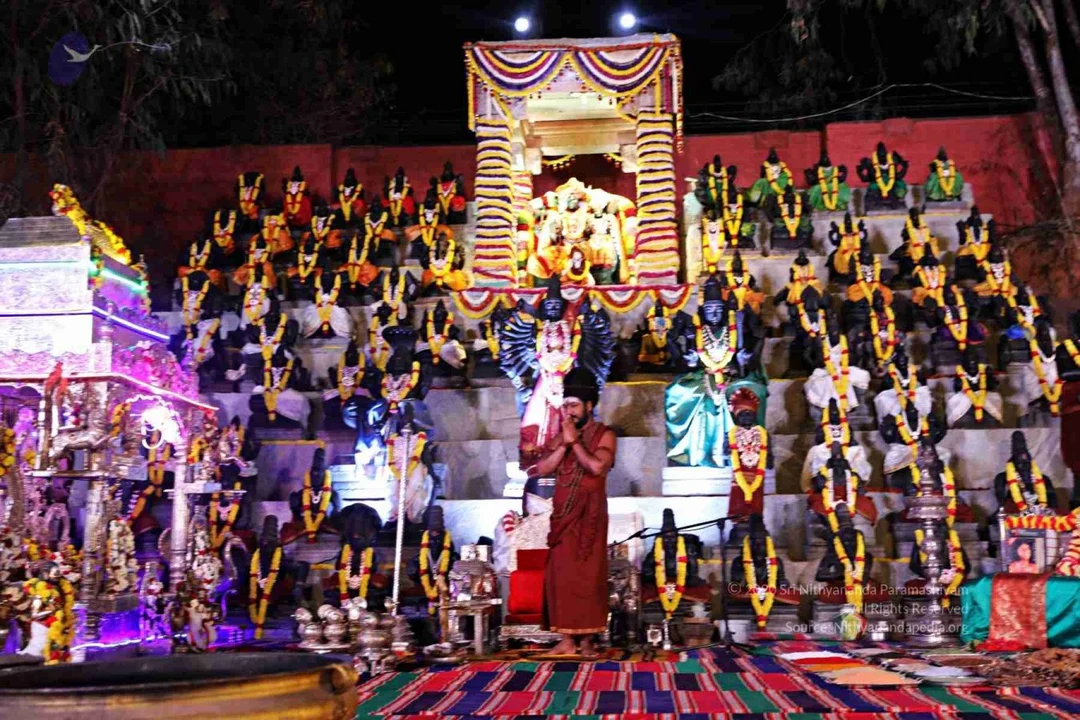 You are here to celebrate cosmos
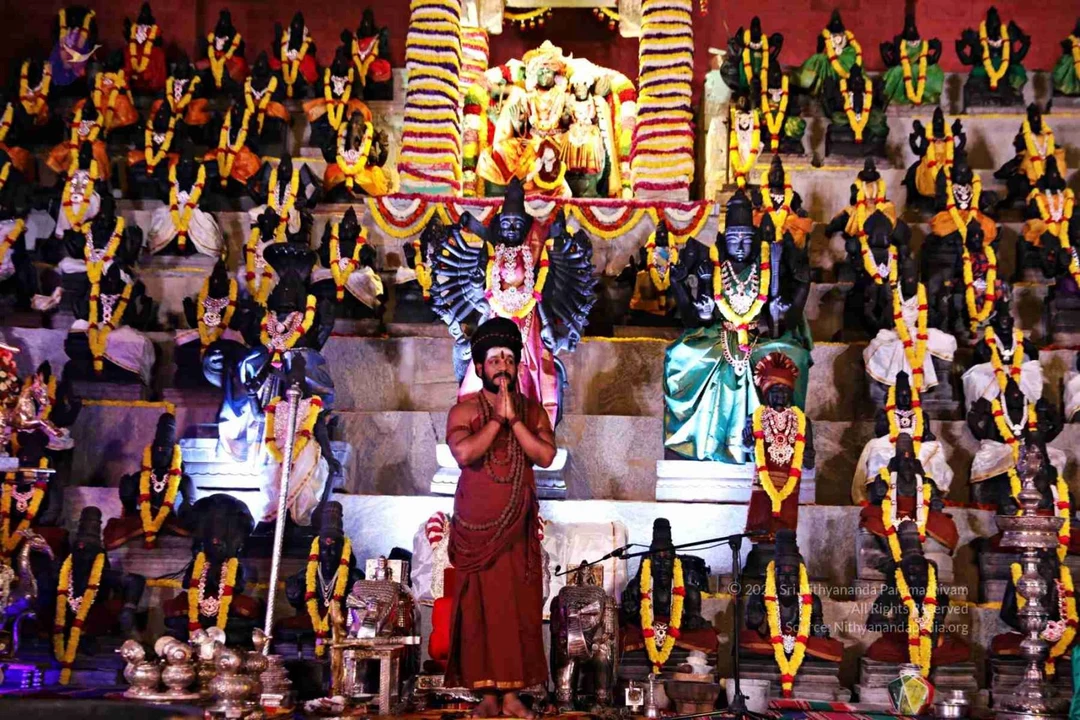 You are here to celebrate cosmos
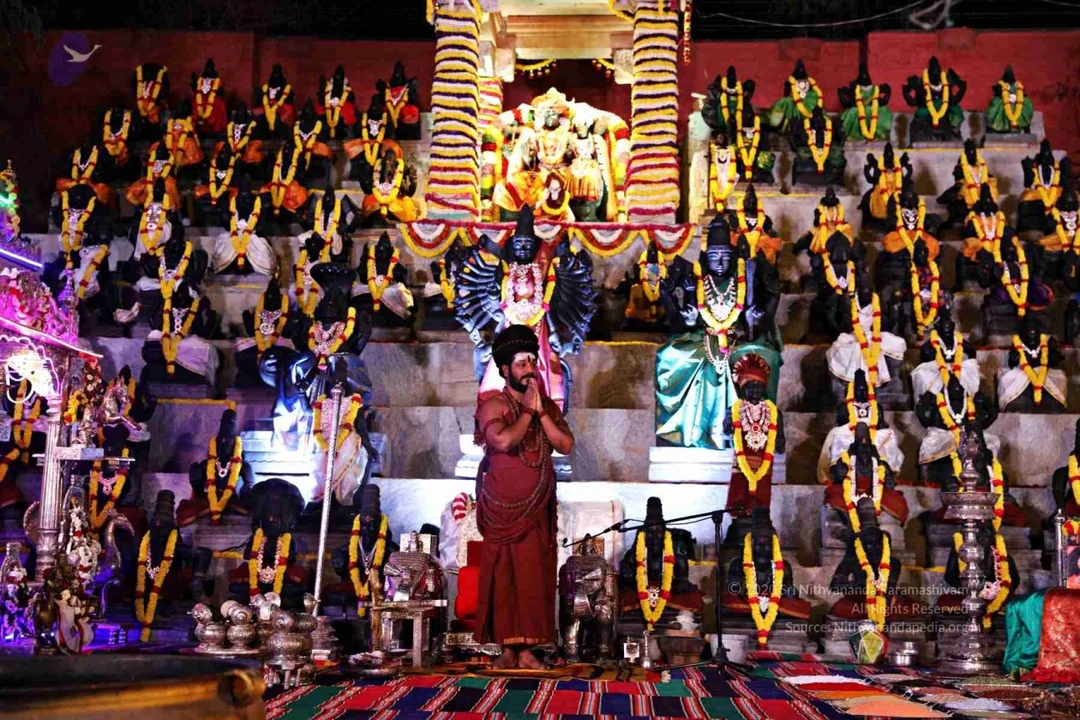 You are here to celebrate cosmos
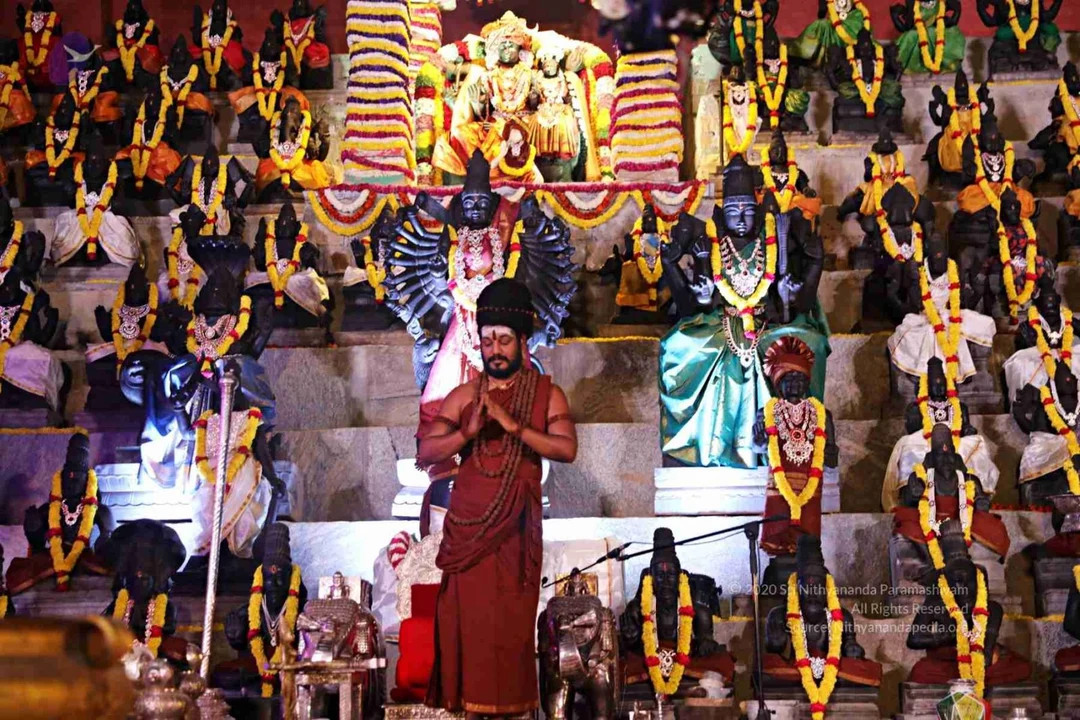 You are here to celebrate cosmos
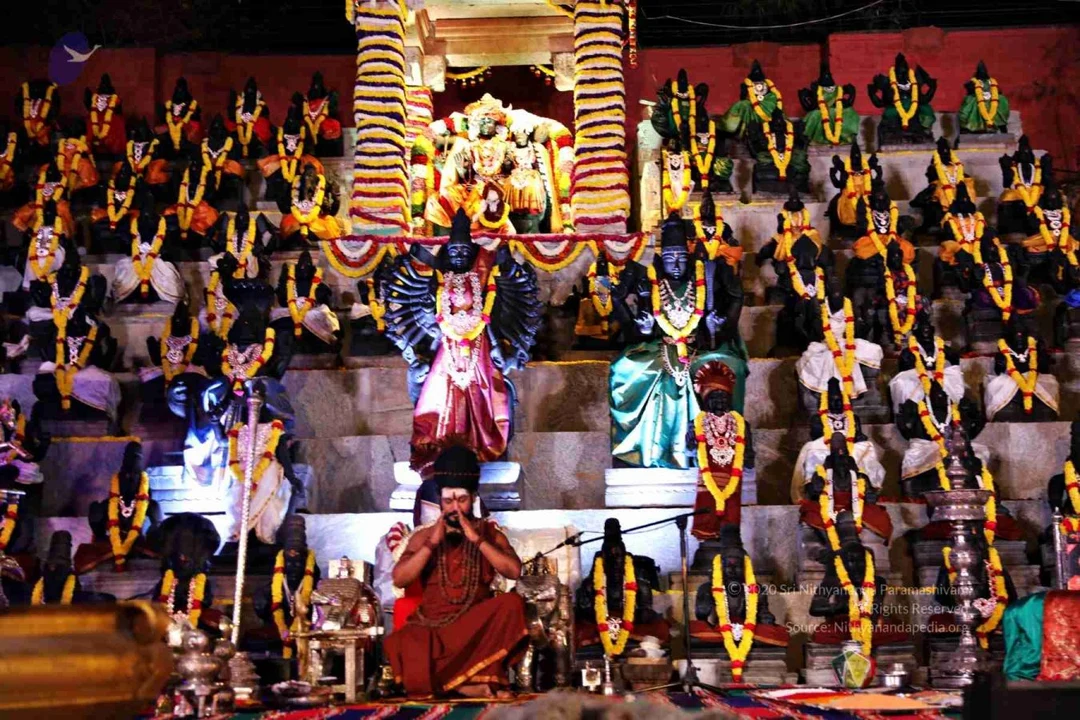 You are here to celebrate cosmos
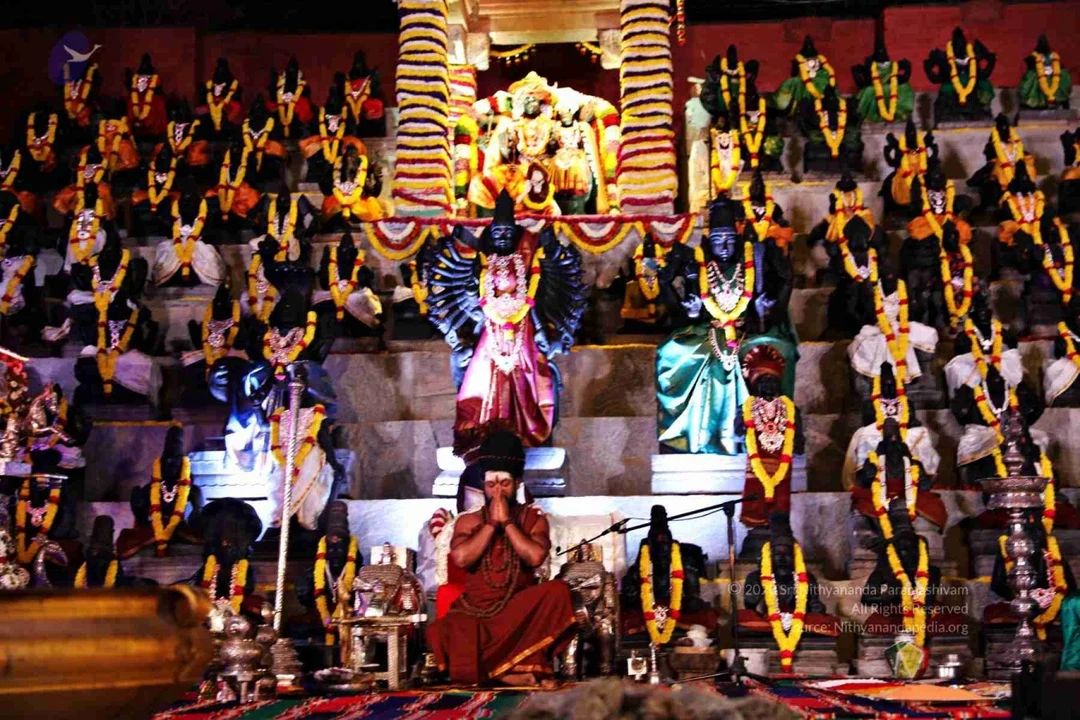 You are here to celebrate cosmos
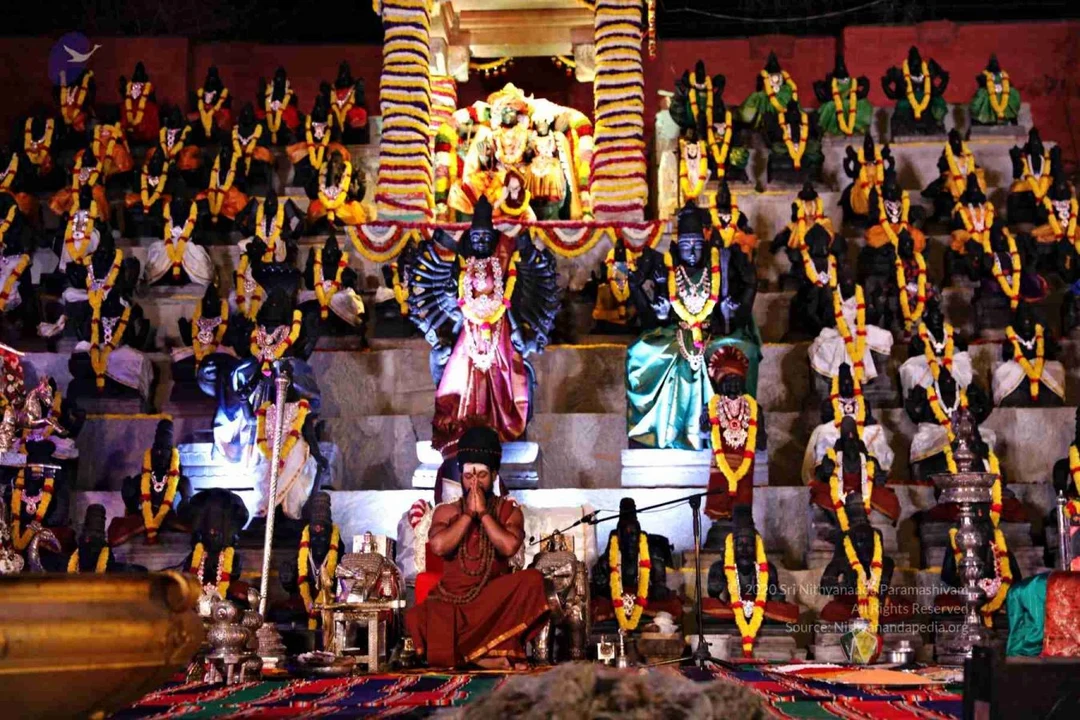 You are here to celebrate cosmos
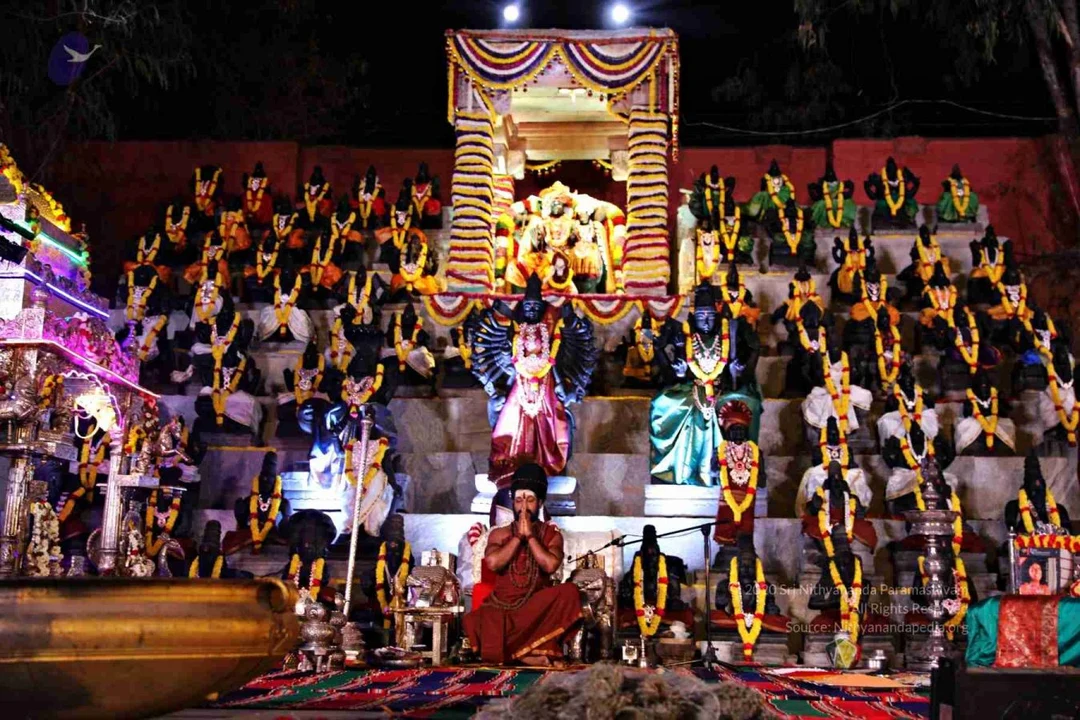 You are here to celebrate cosmos
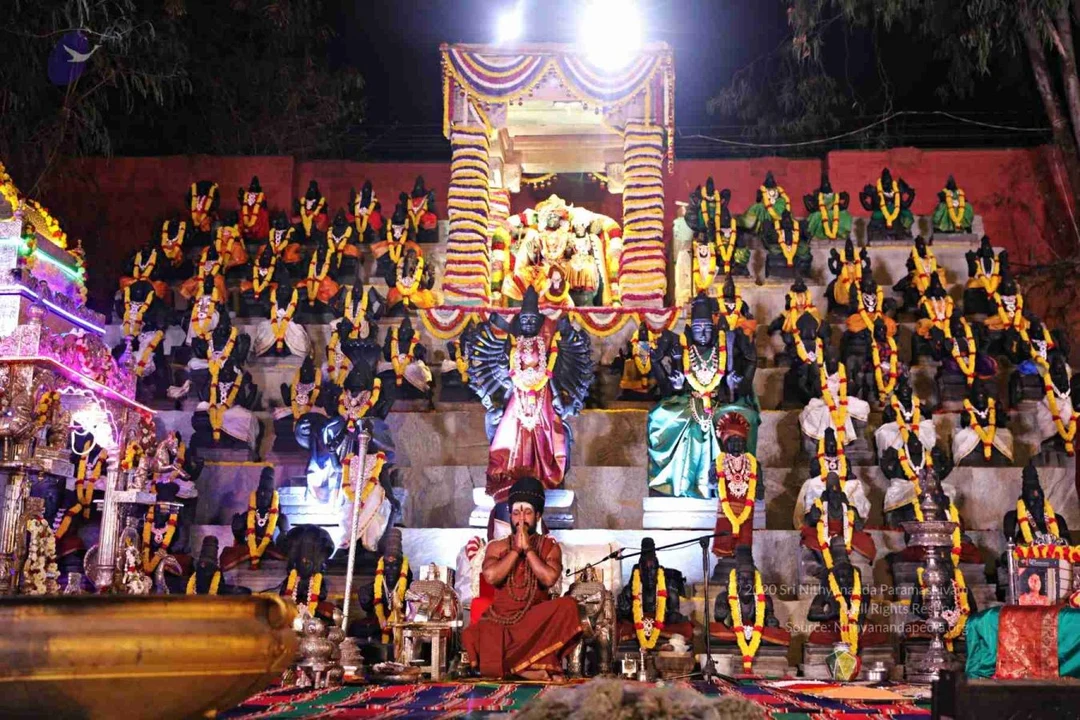 You are here to celebrate cosmos
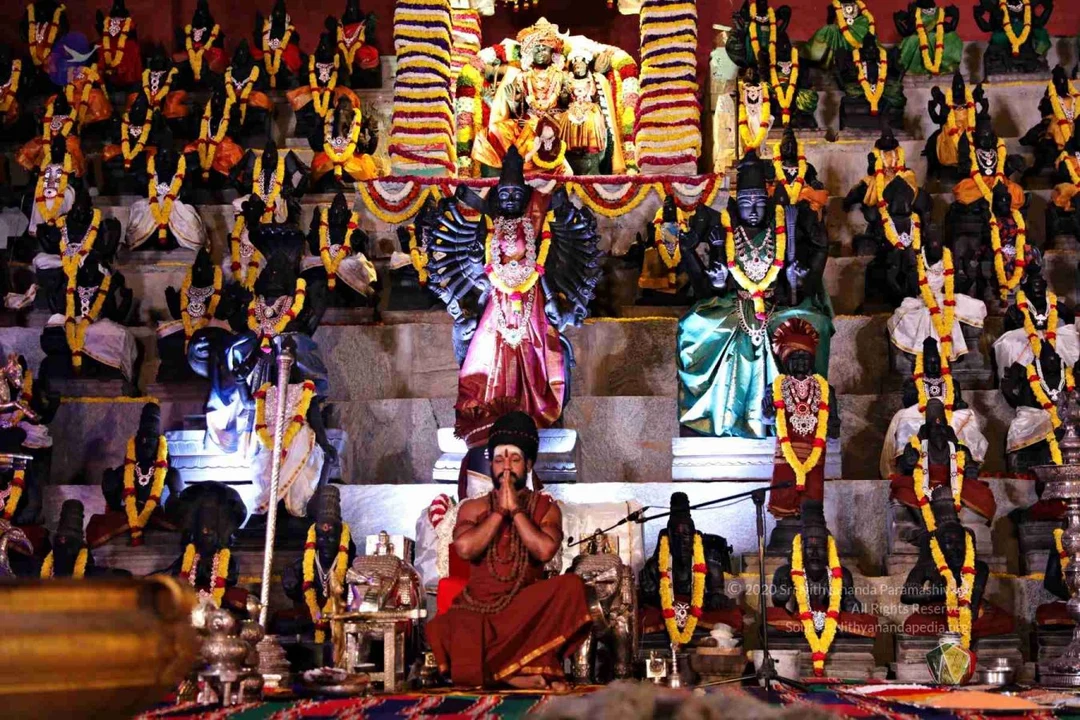 You are here to celebrate cosmos
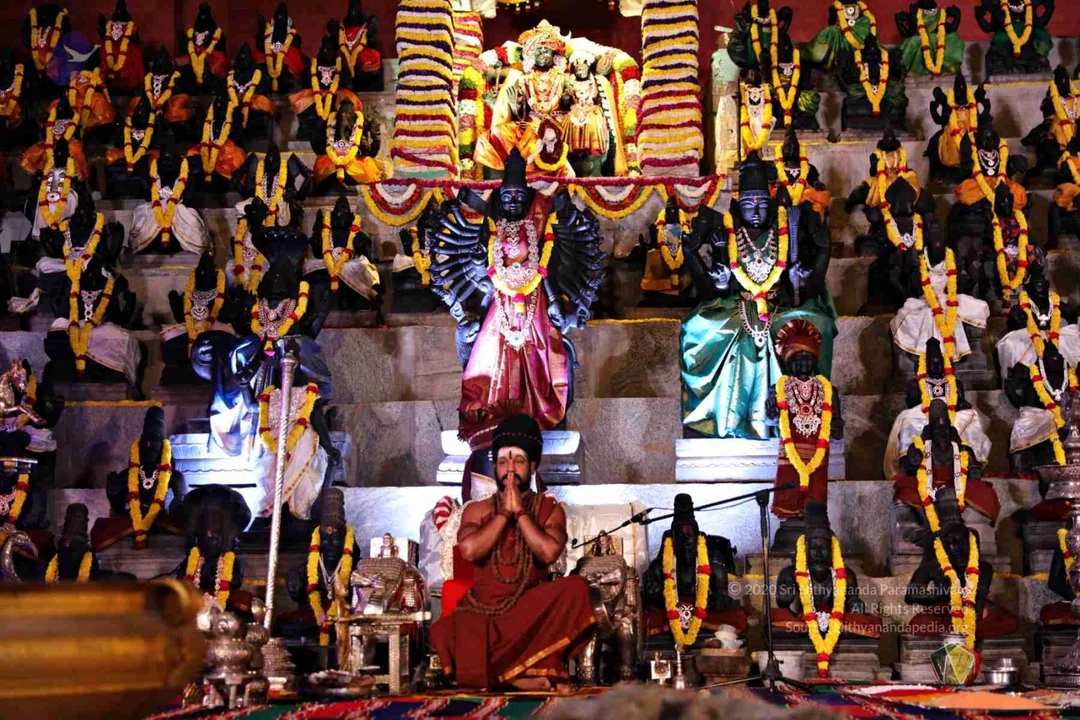 You are here to celebrate cosmos
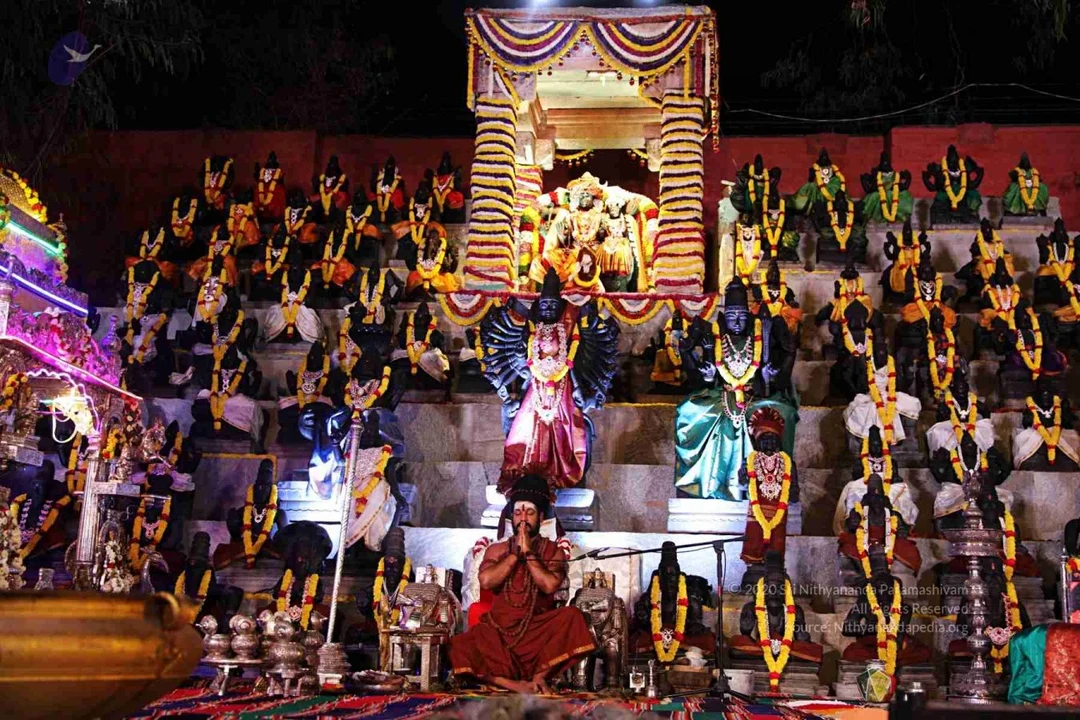 You are here to celebrate cosmos
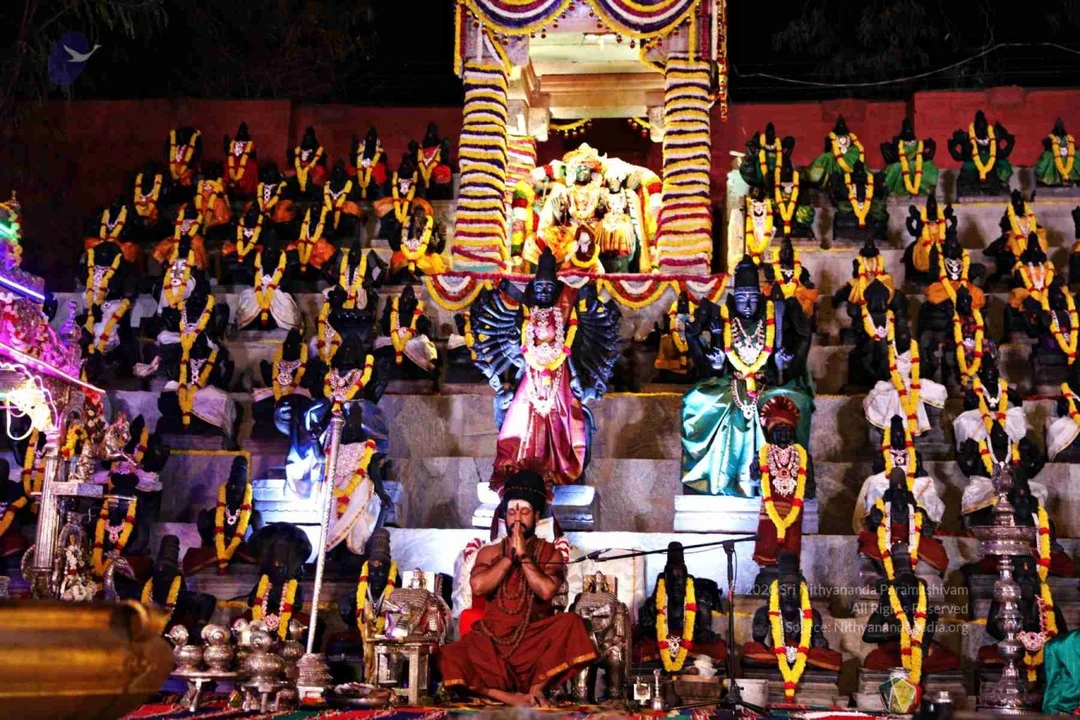 You are here to celebrate cosmos
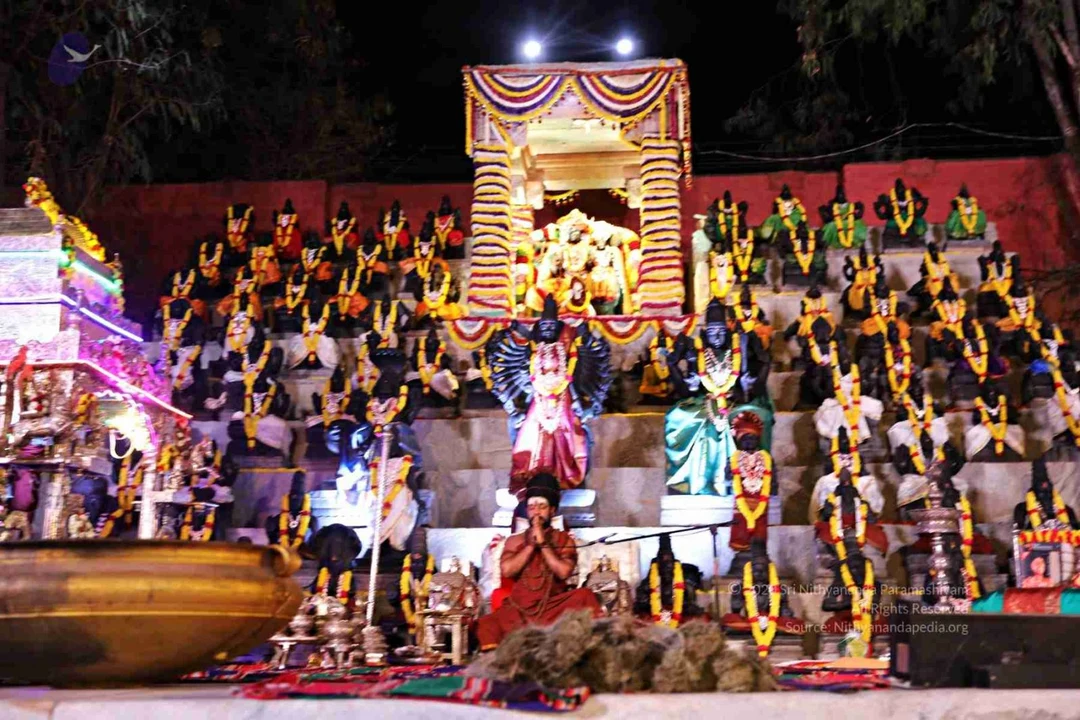 You are here to celebrate cosmos
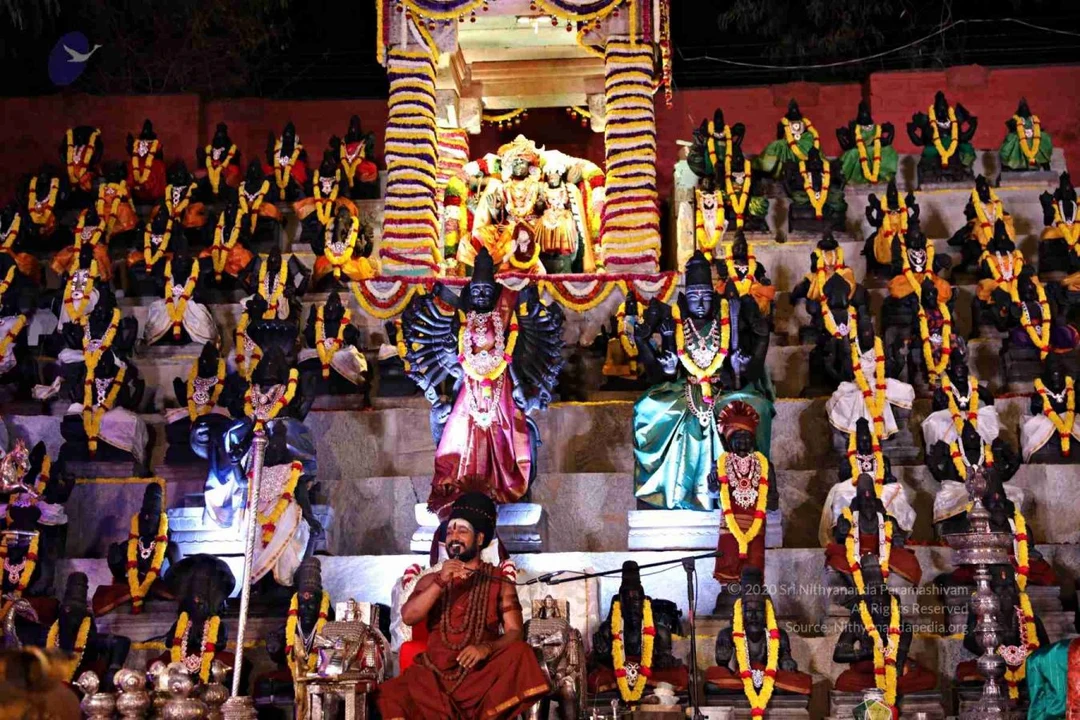 You are here to celebrate cosmos
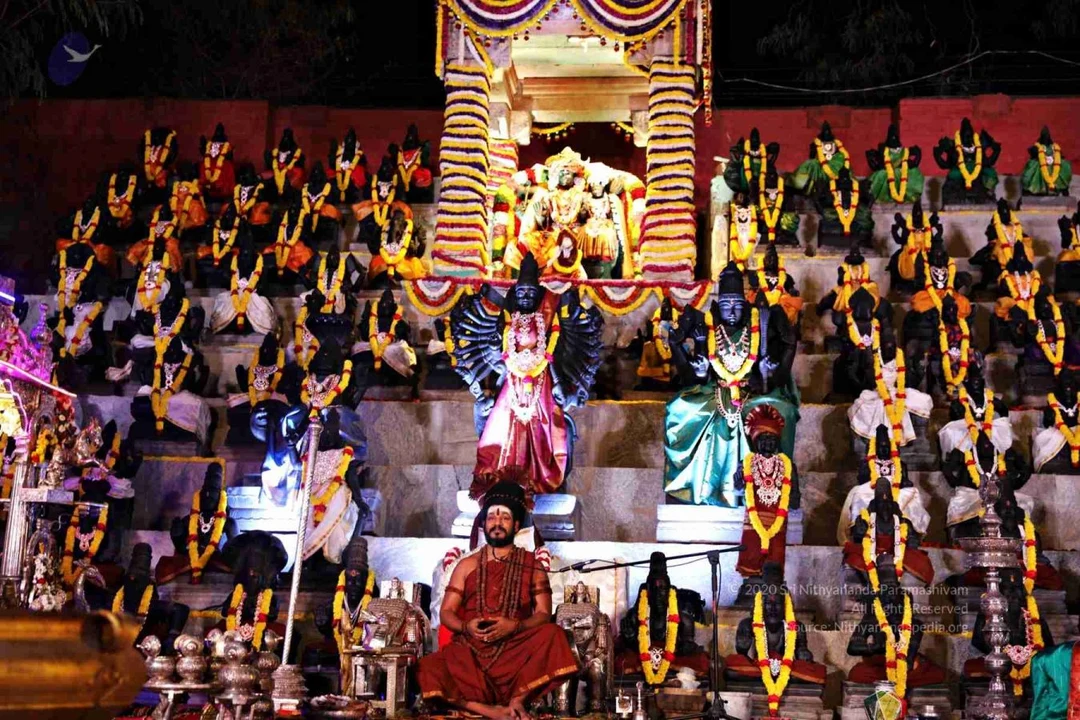 You are here to celebrate cosmos
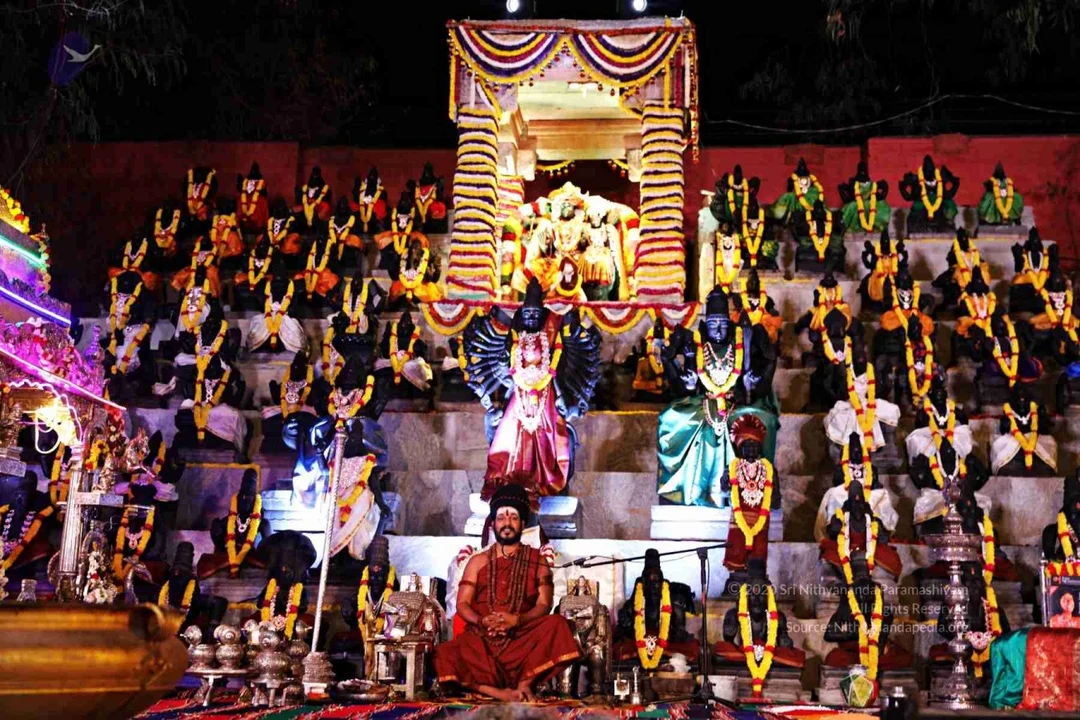 You are here to celebrate cosmos
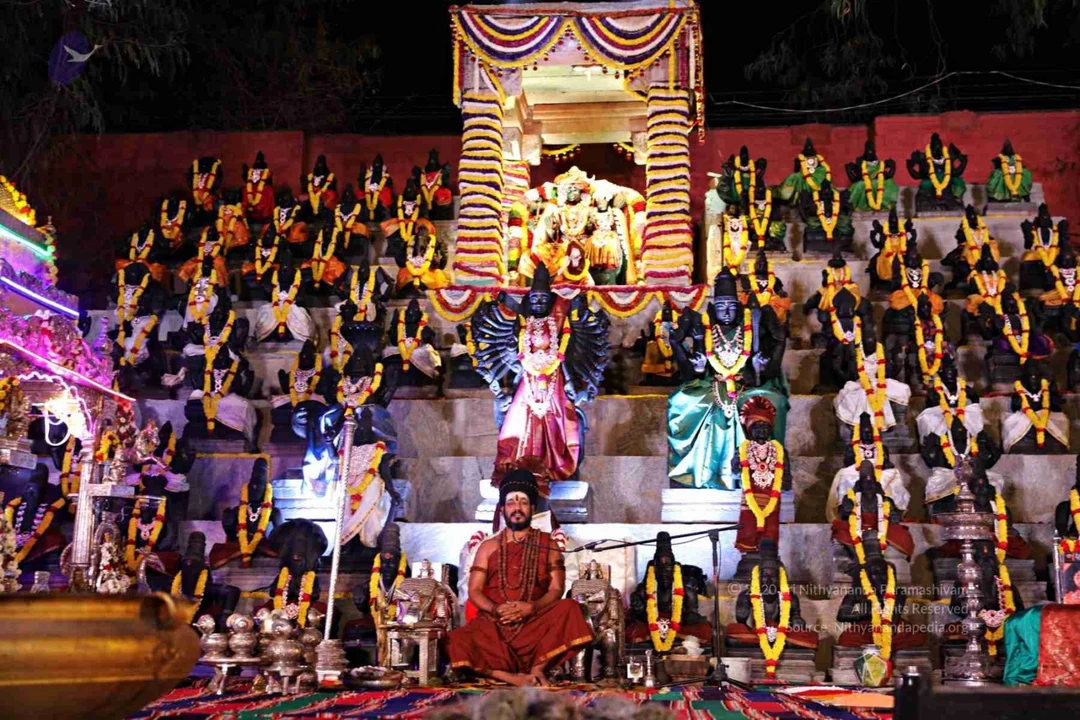 You are here to celebrate cosmos
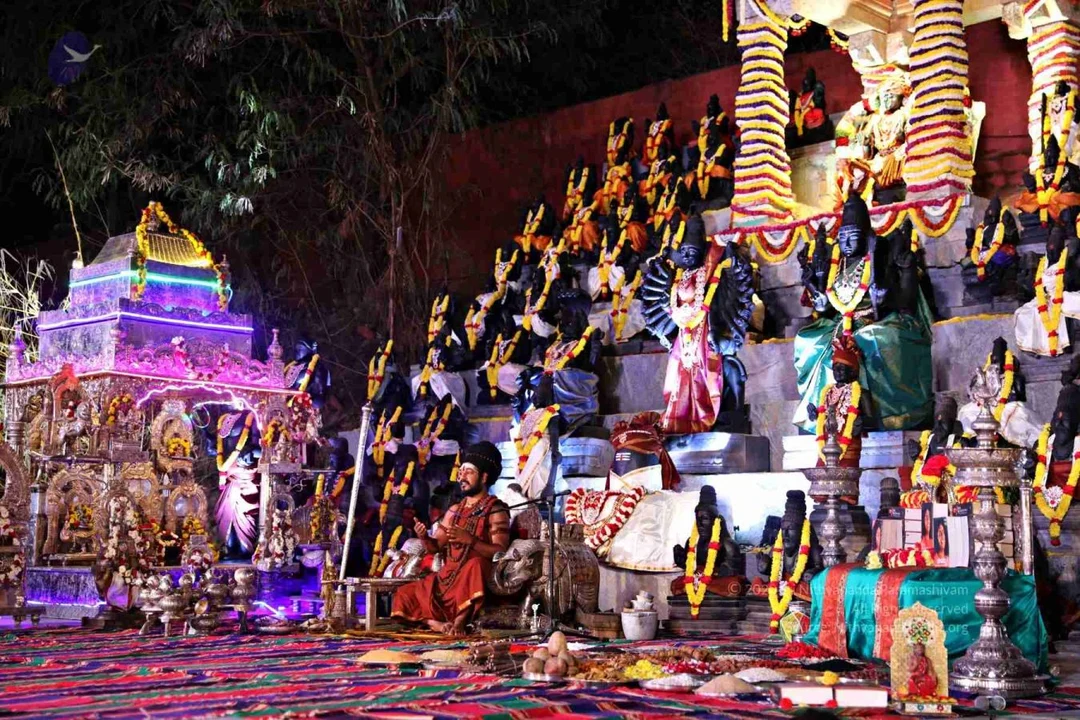 You are here to celebrate cosmos
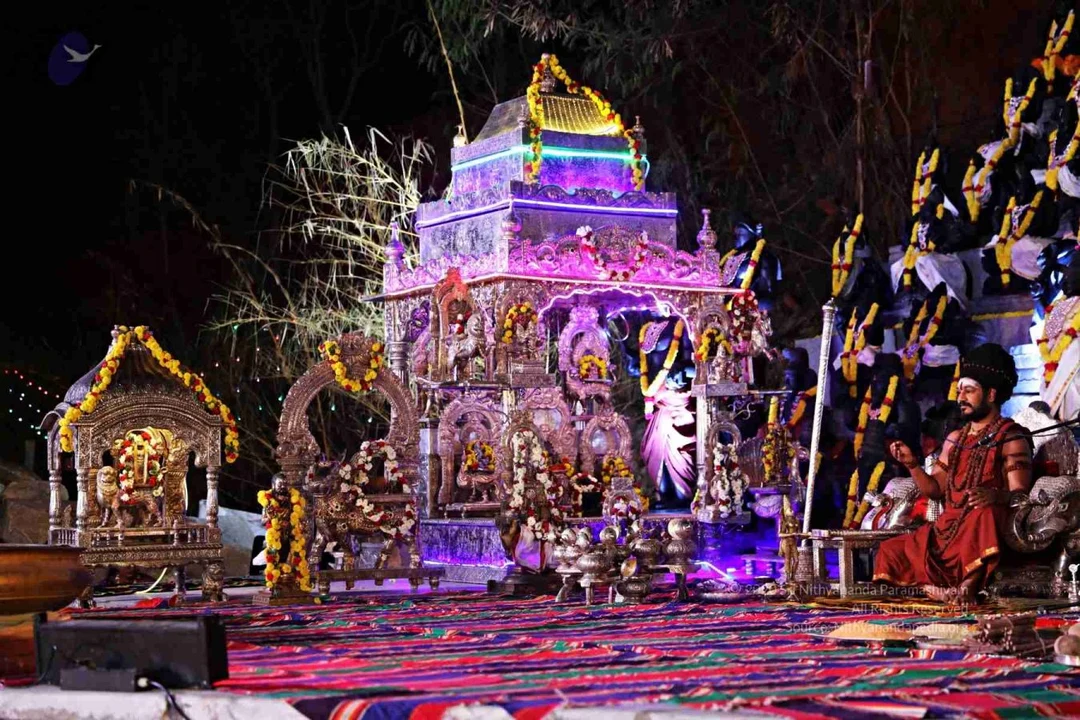 You are here to celebrate cosmos
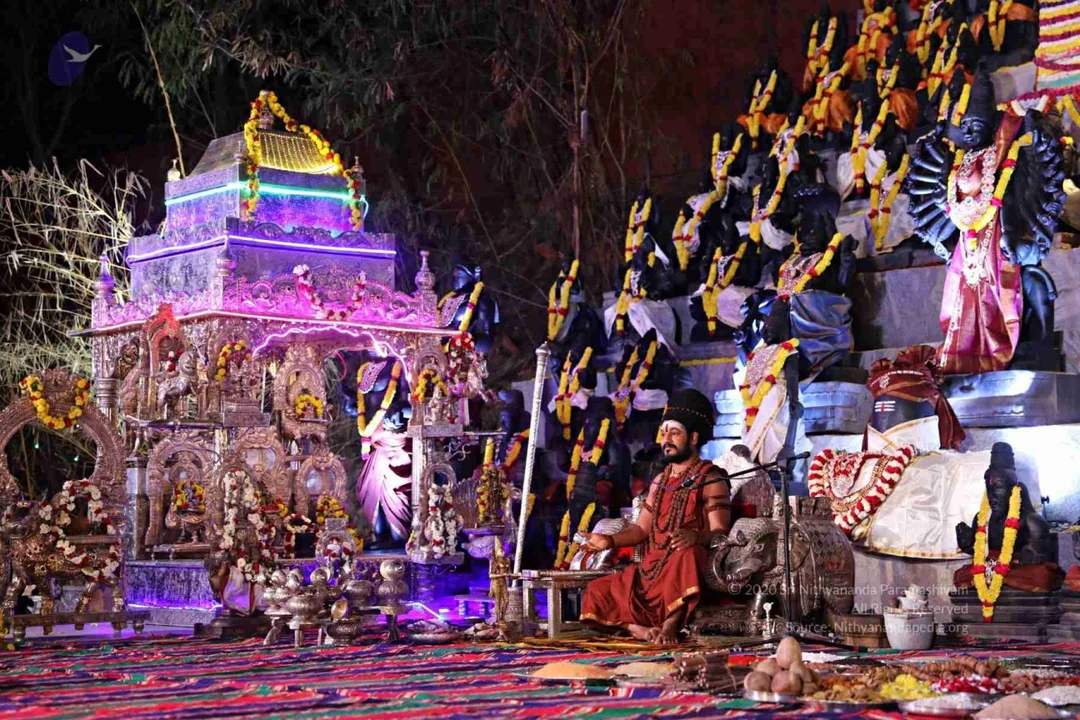 You are here to celebrate cosmos
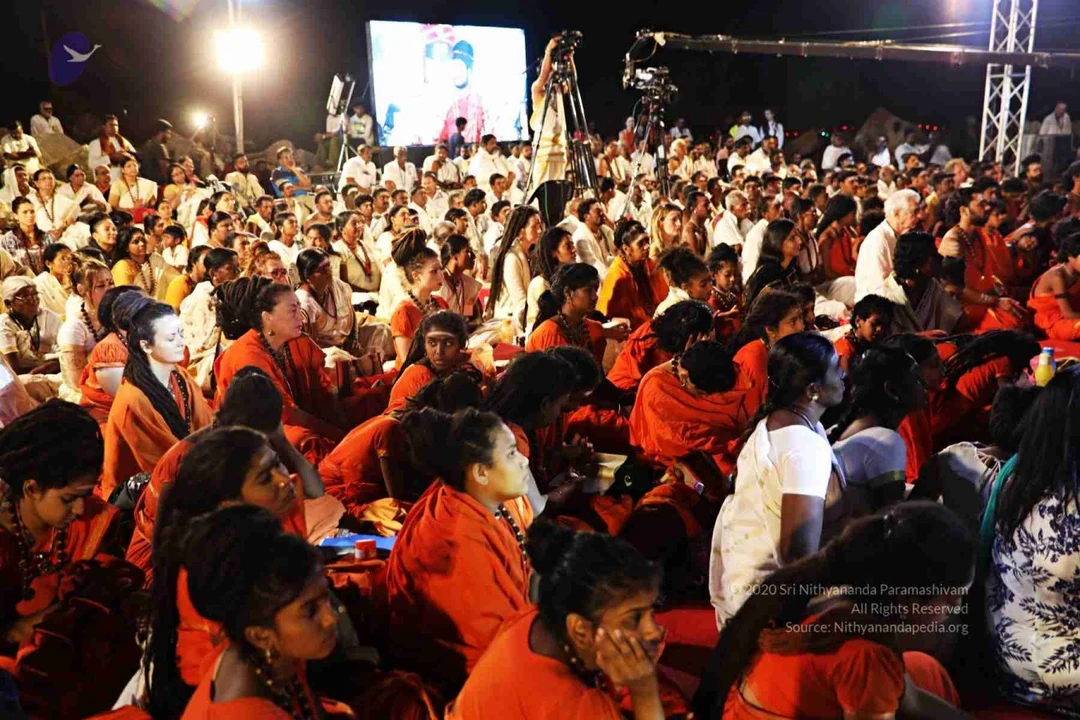 Aushada process celebration at Adi Kailaasa, Bengaluru Aadheenam
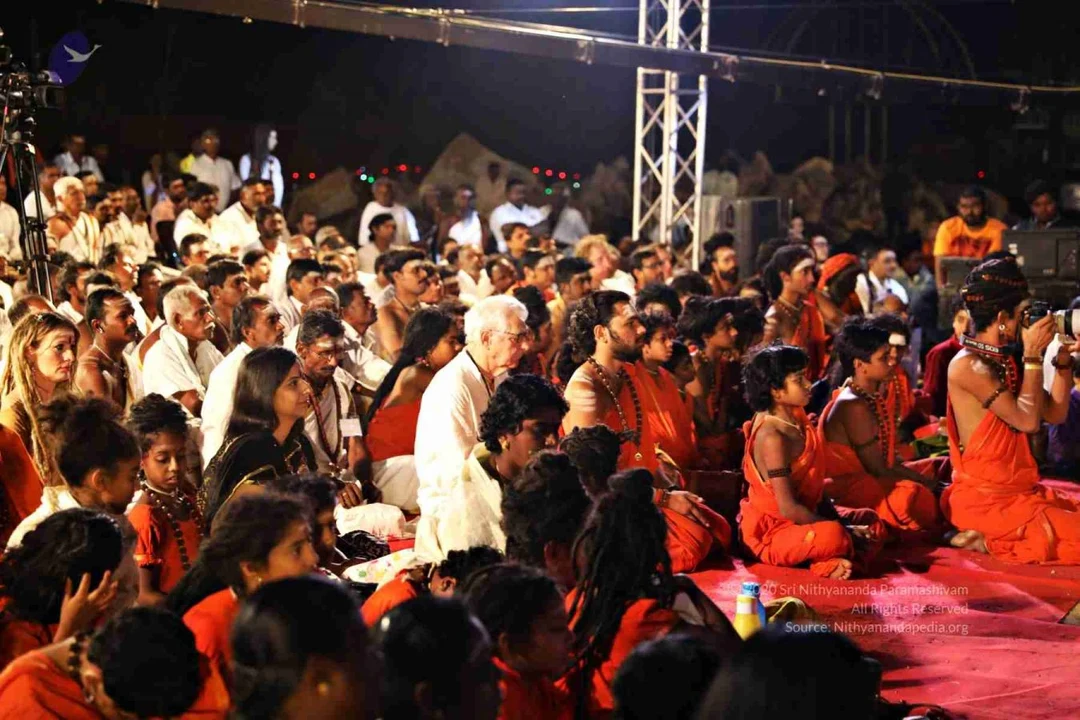 Aushada process celebration at Adi Kailaasa, Bengaluru Aadheenam
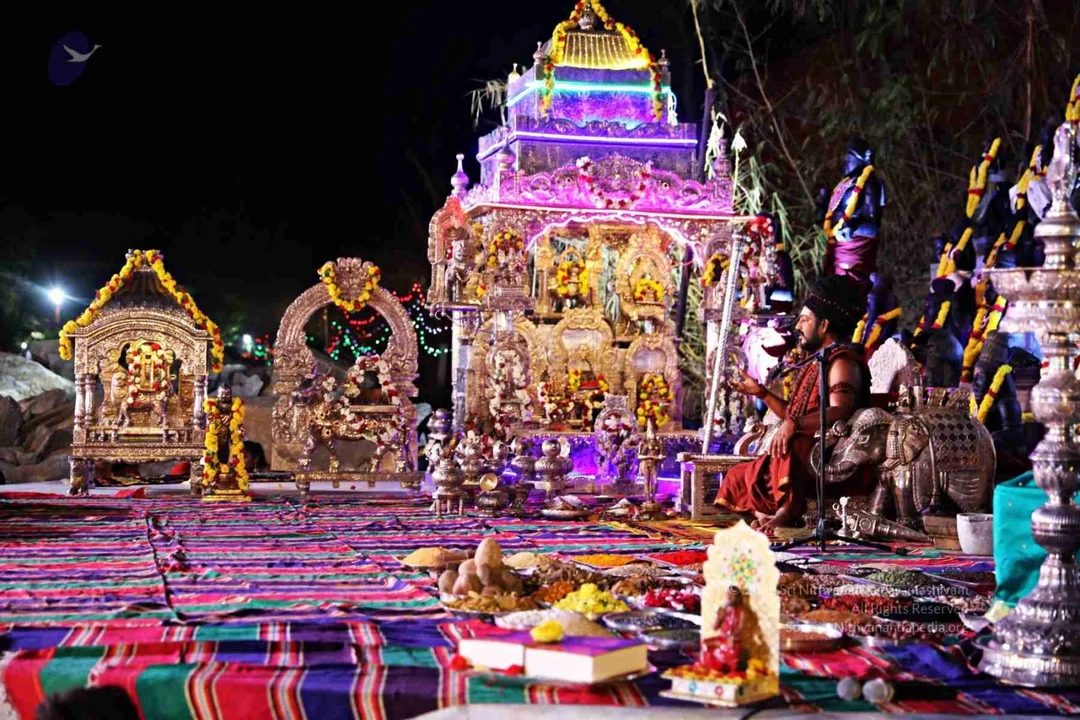 You are here to celebrate cosmos
 You are here to celebrate cosmos
 You are here to celebrate cosmos
 You are here to celebrate cosmos
 You are here to celebrate cosmos
 You are here to celebrate cosmos
 You are here to celebrate cosmos
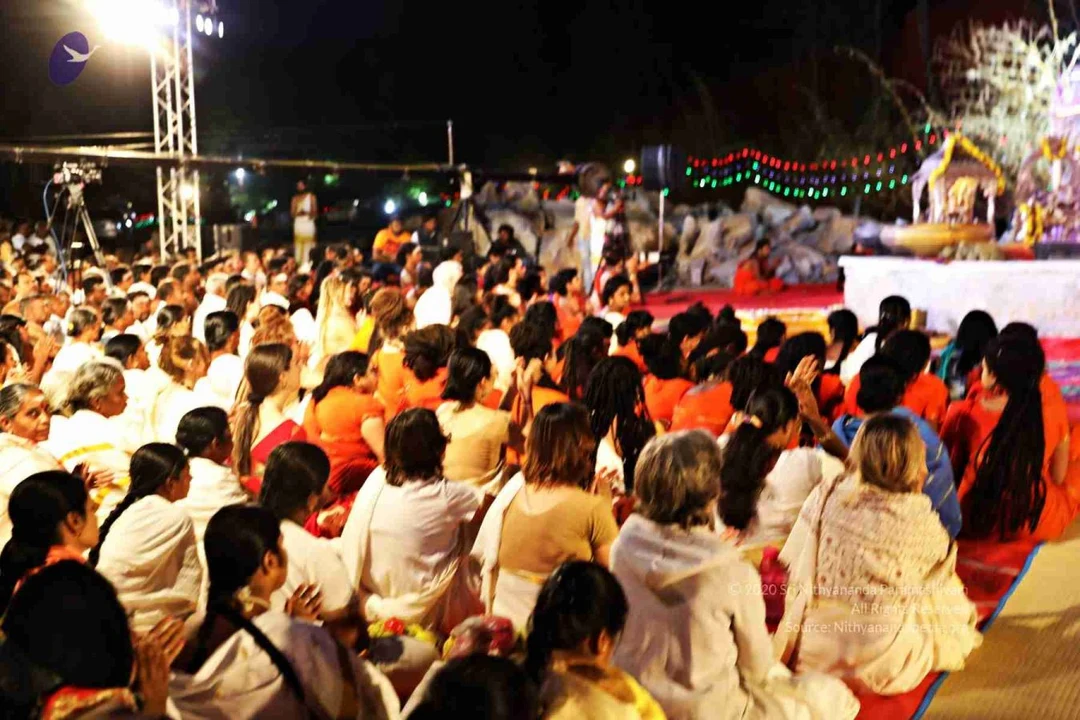 You are here to celebrate cosmos
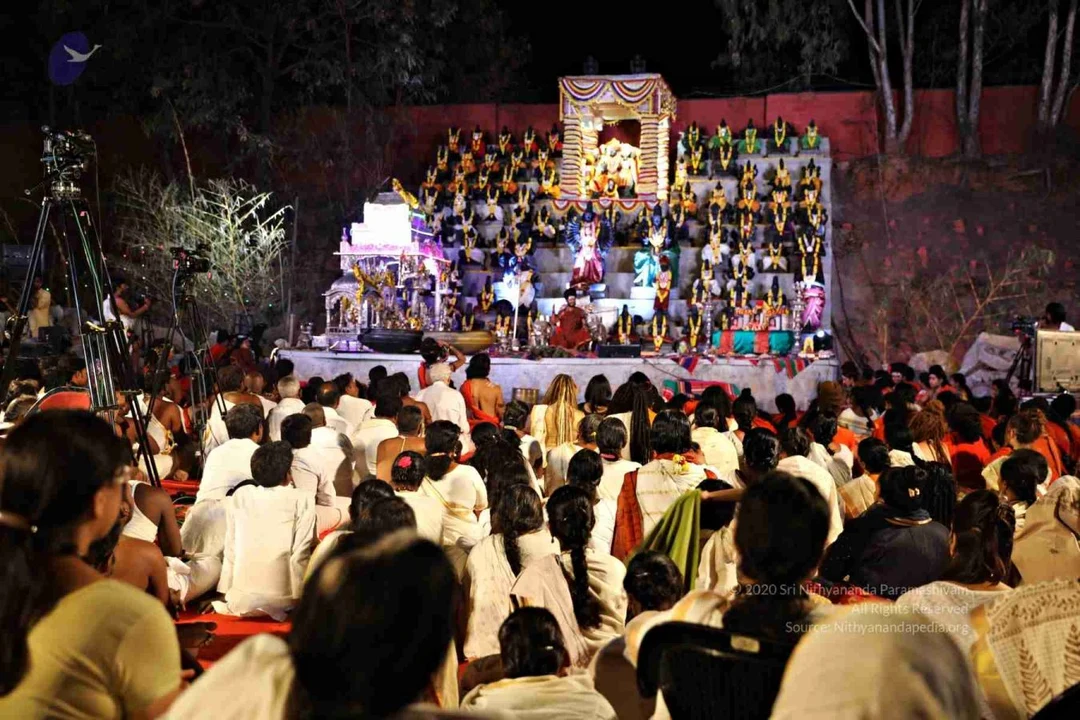 You are here to celebrate cosmos
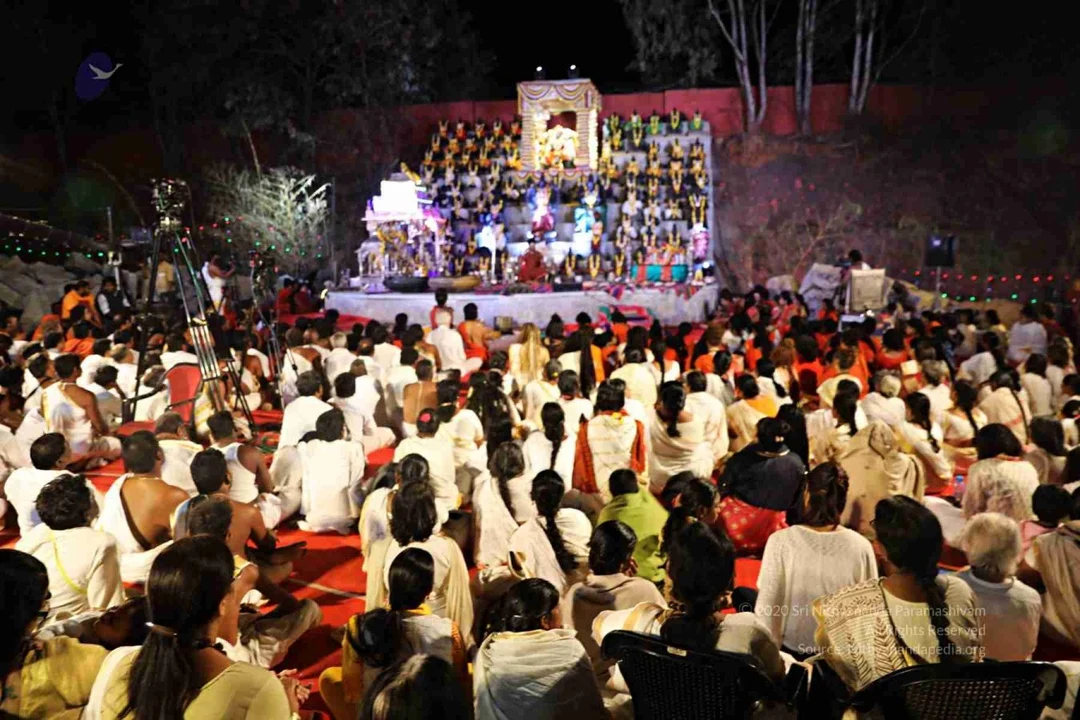 You are here to celebrate cosmos
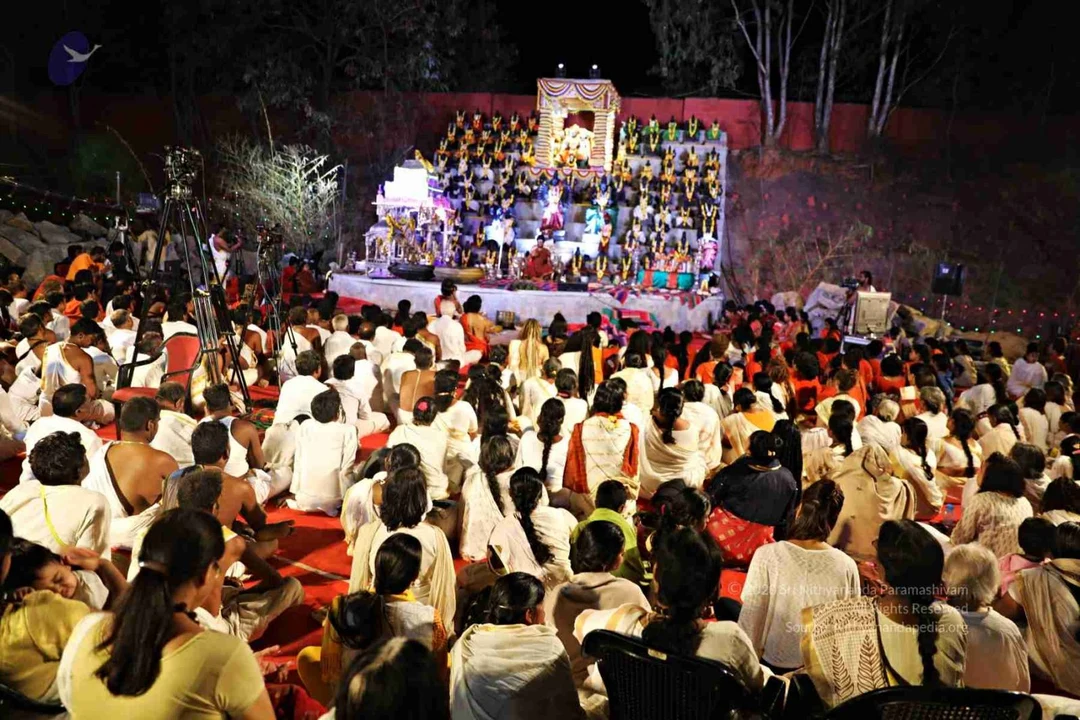 You are here to celebrate cosmos
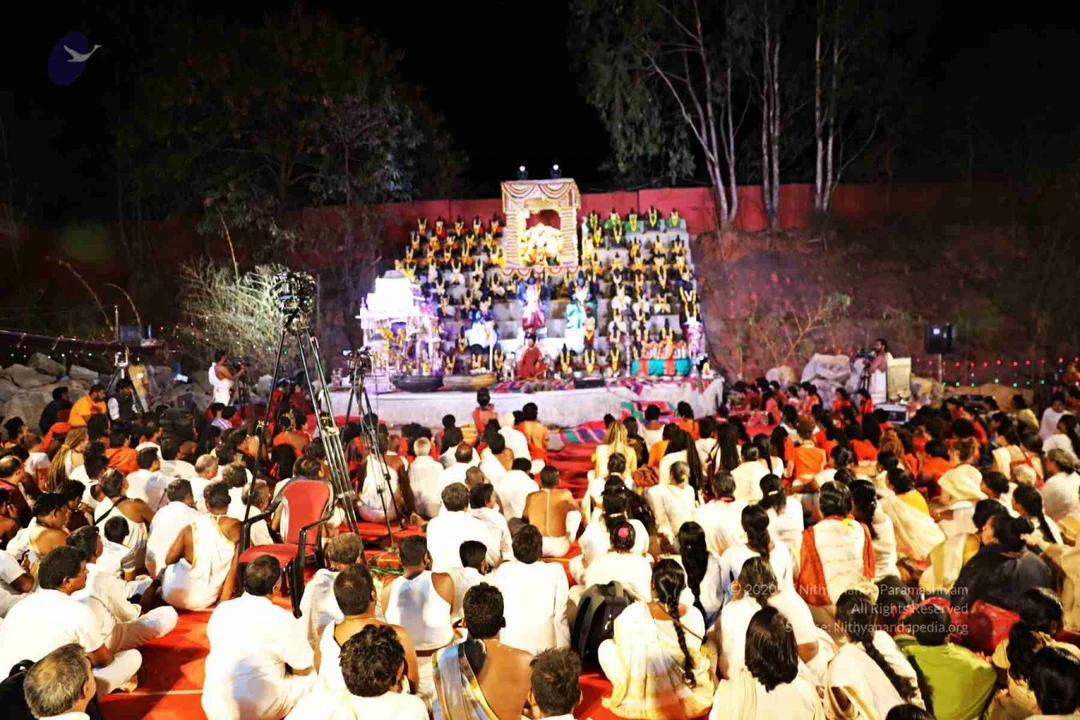 You are here to celebrate cosmos
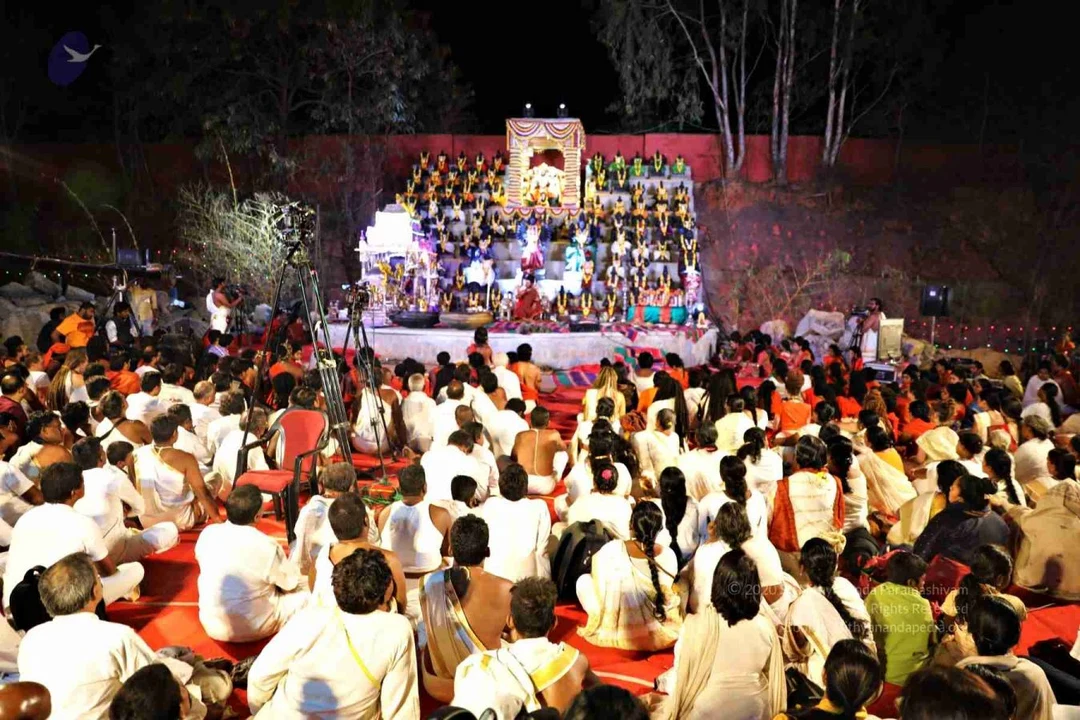 You are here to celebrate cosmos
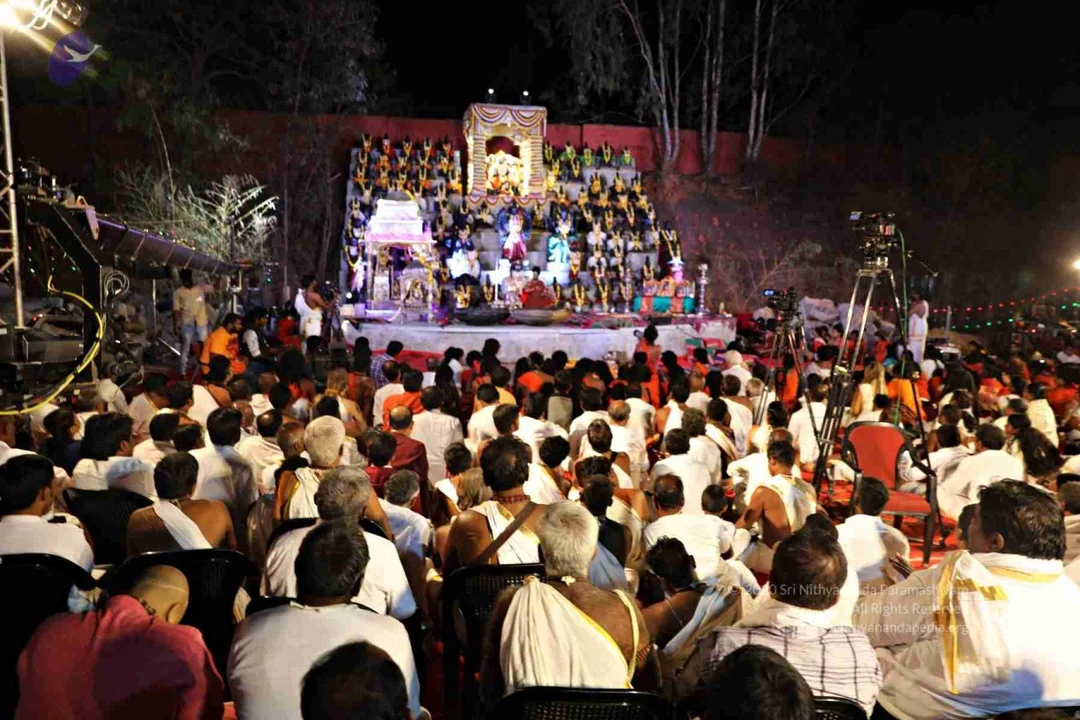 You are here to celebrate cosmos
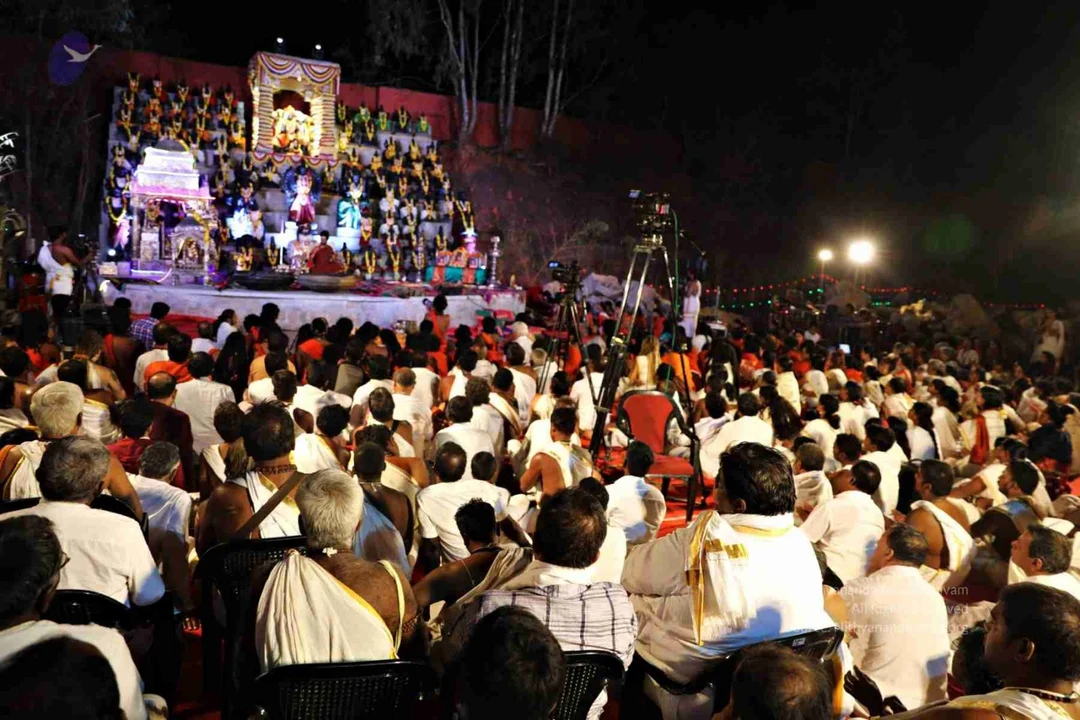 You are here to celebrate cosmos
 You are here to celebrate cosmos
 You are here to celebrate cosmos
 You are here to celebrate cosmos
 You are here to celebrate cosmos
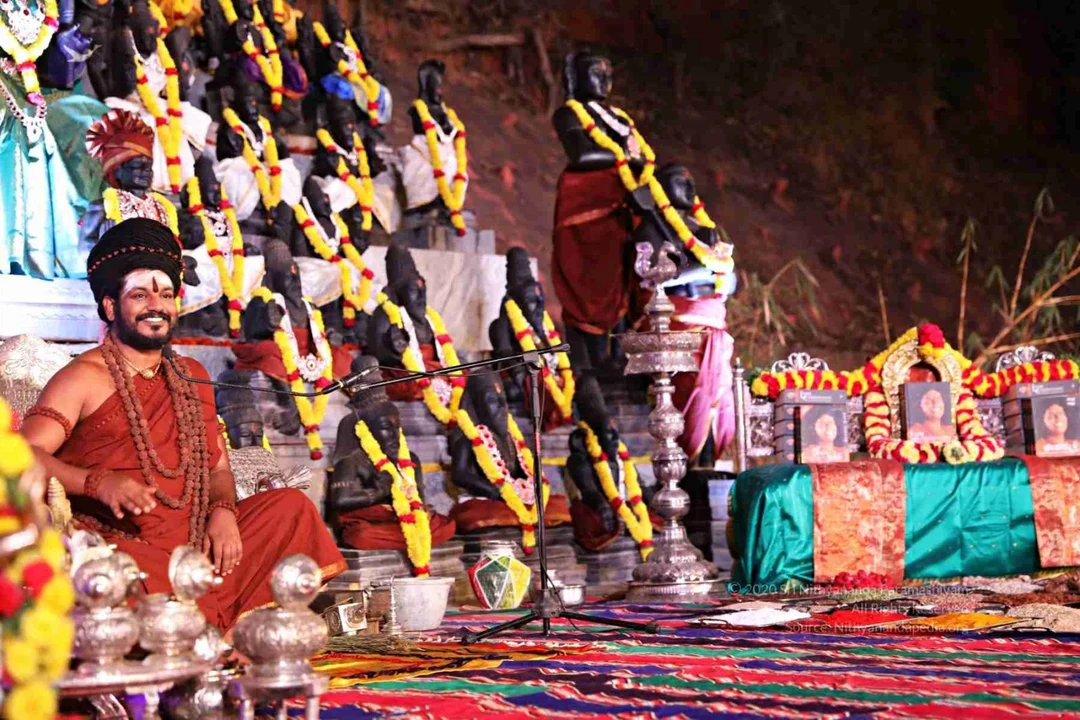 You are here to celebrate cosmos
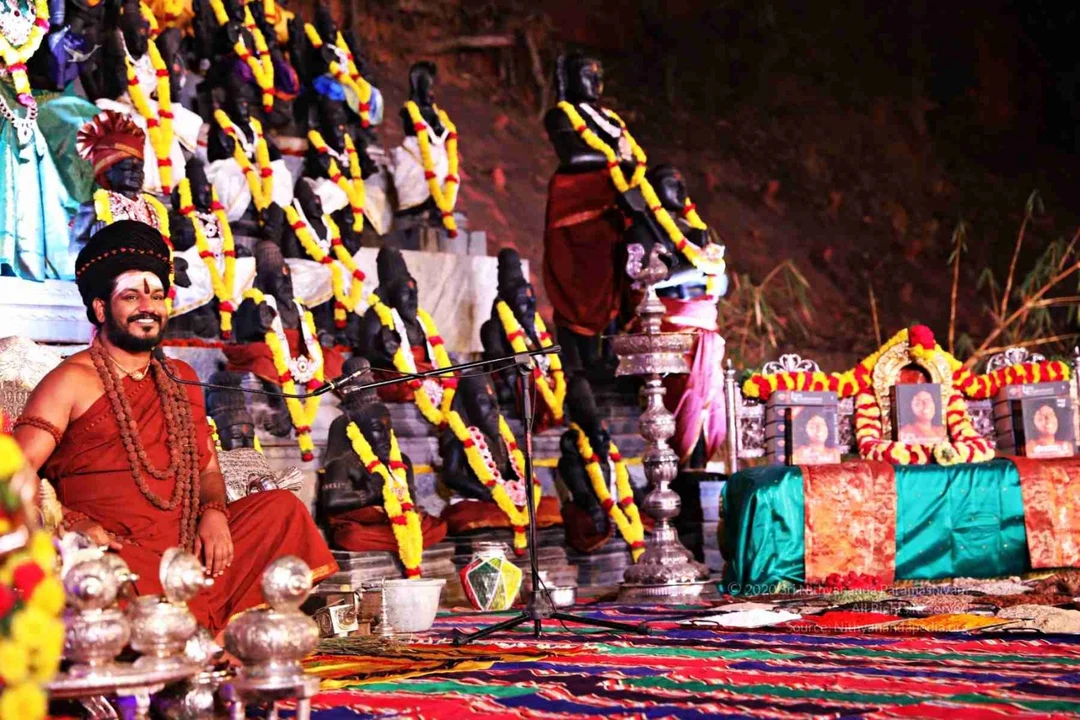 You are here to celebrate cosmos
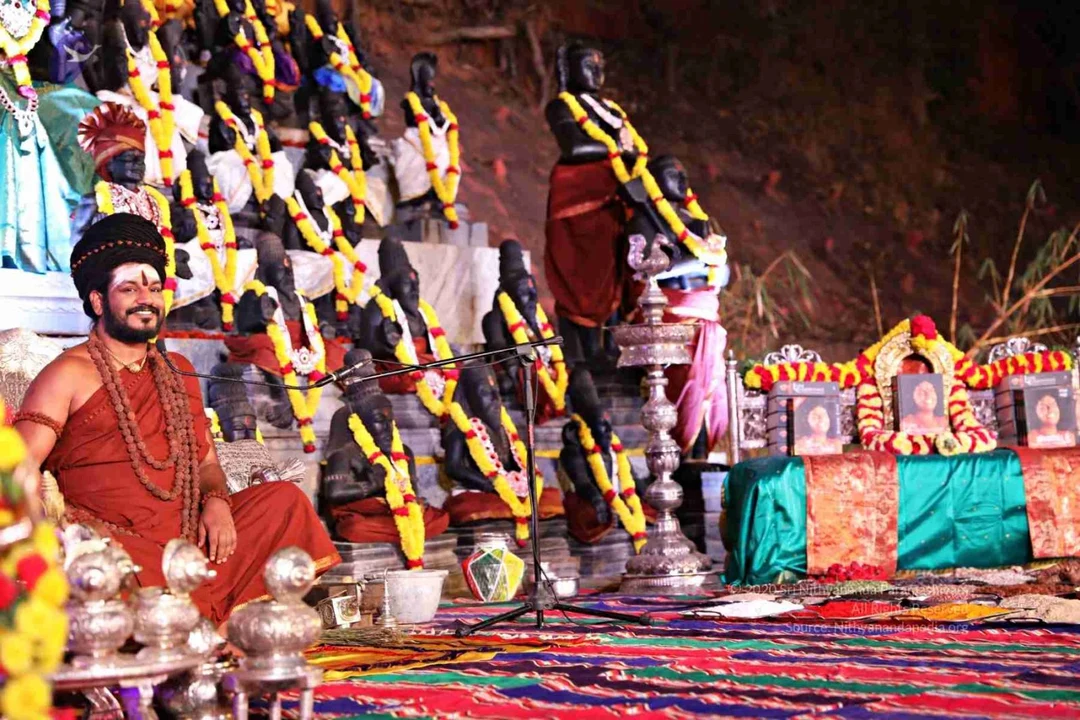 You are here to celebrate cosmos
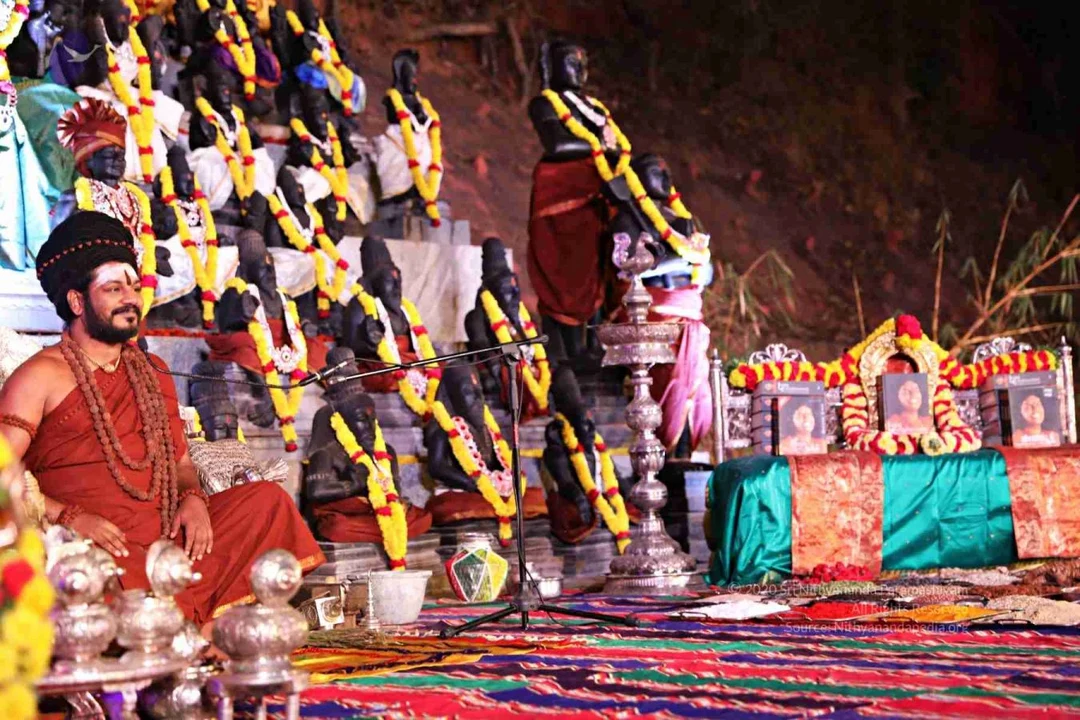 You are here to celebrate cosmos
 You are here to celebrate cosmos
 You are here to celebrate cosmos
 You are here to celebrate cosmos
 You are here to celebrate cosmos
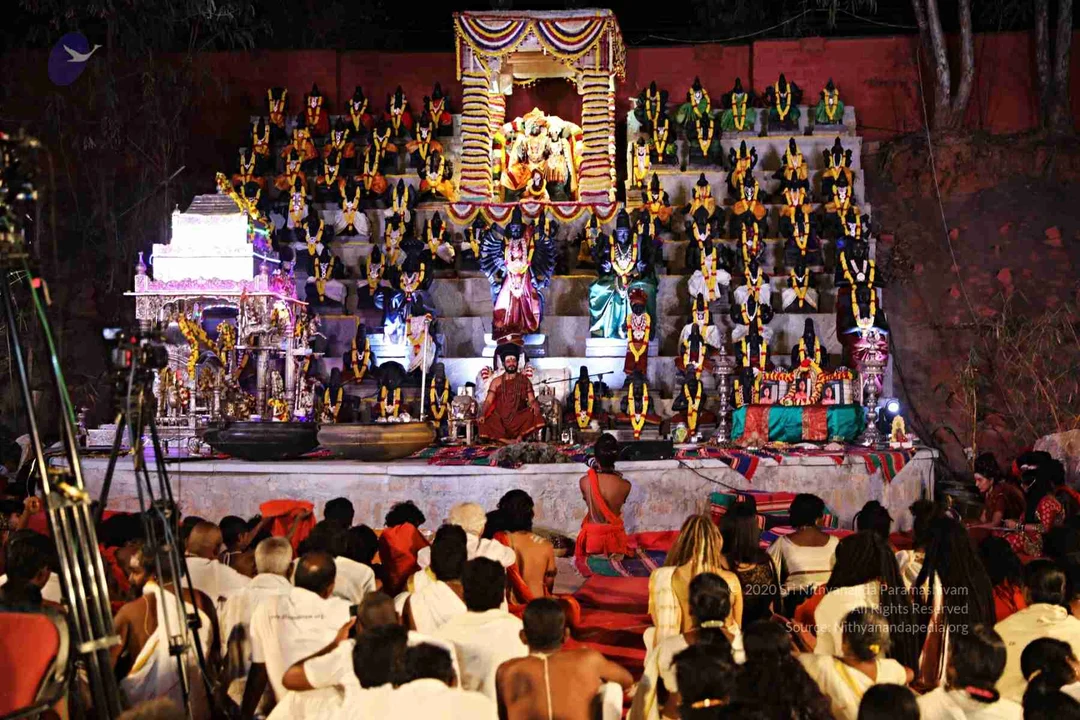 You are here to celebrate cosmos
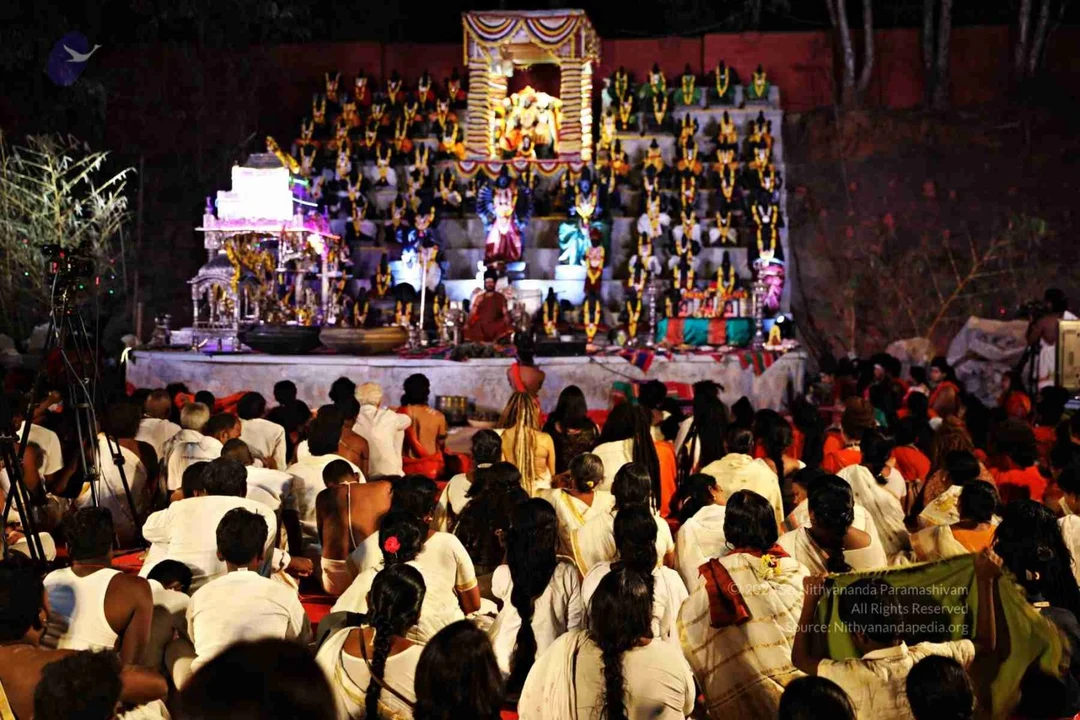 You are here to celebrate cosmos
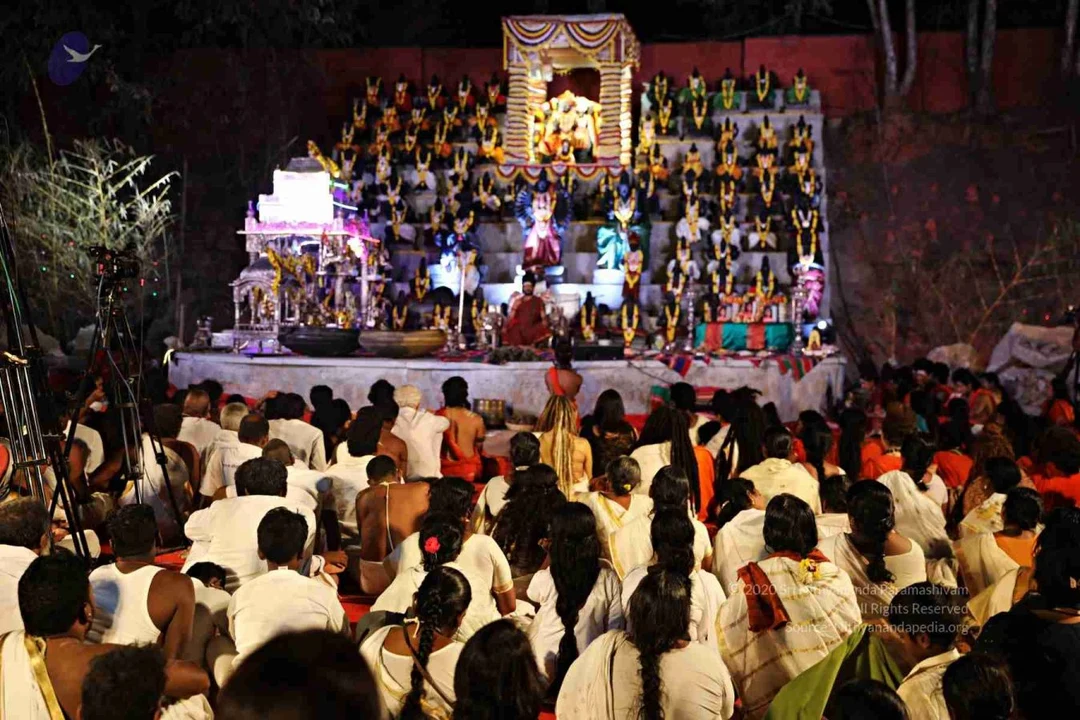 You are here to celebrate cosmos
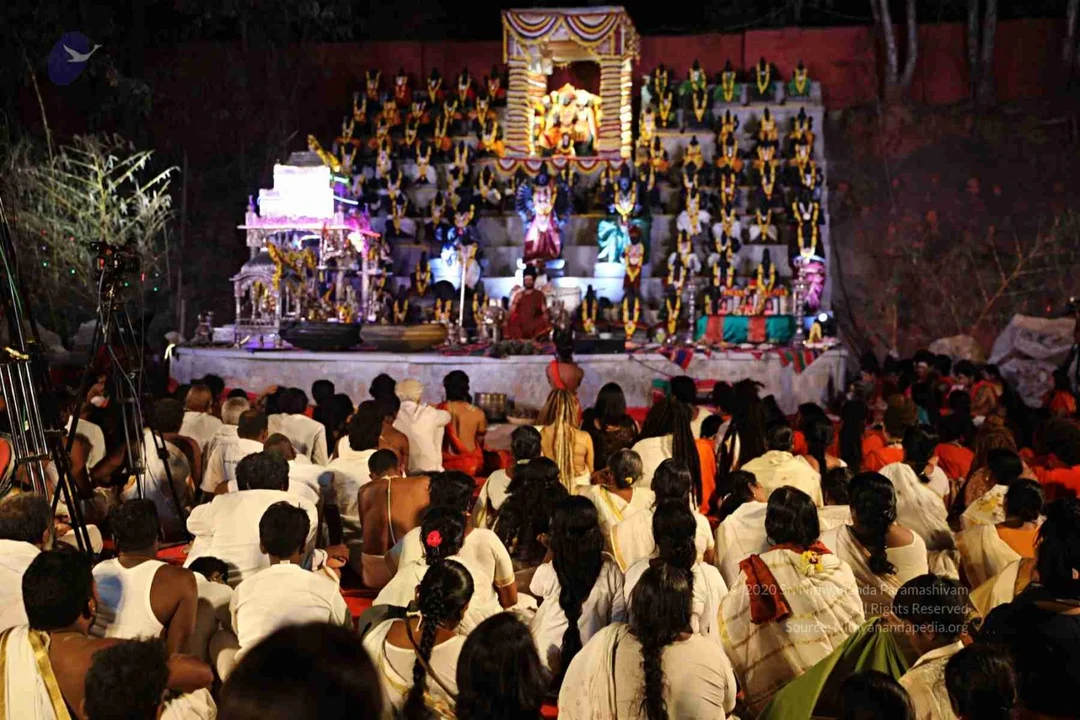 You are here to celebrate cosmos
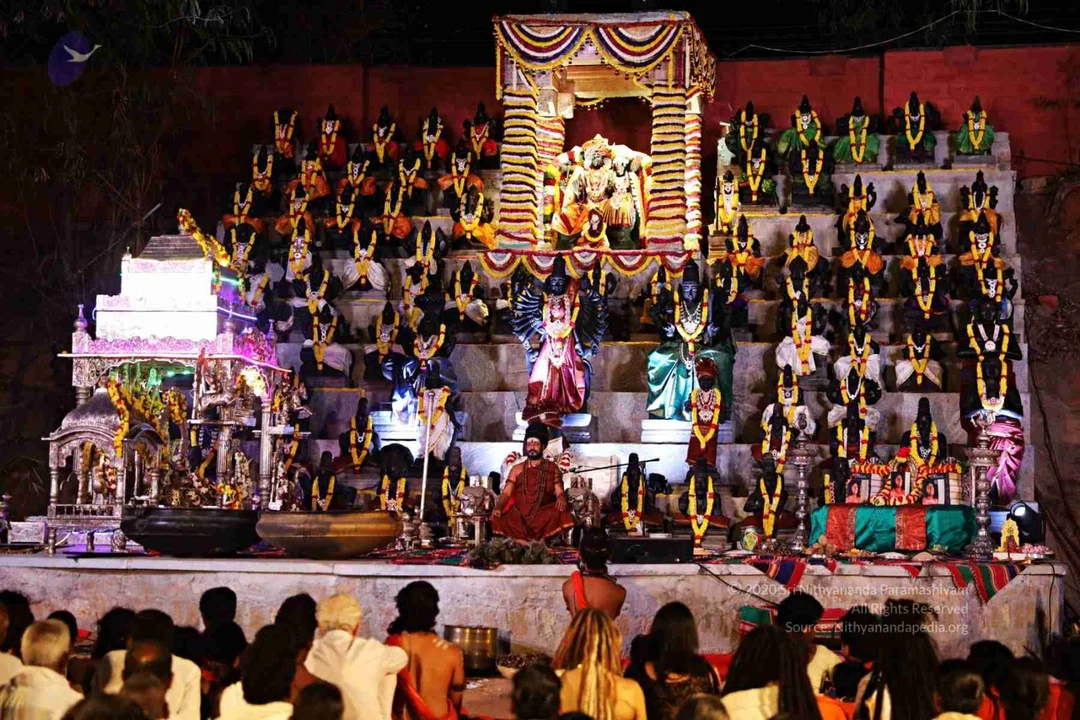 You are here to celebrate cosmos
 You are here to celebrate cosmos
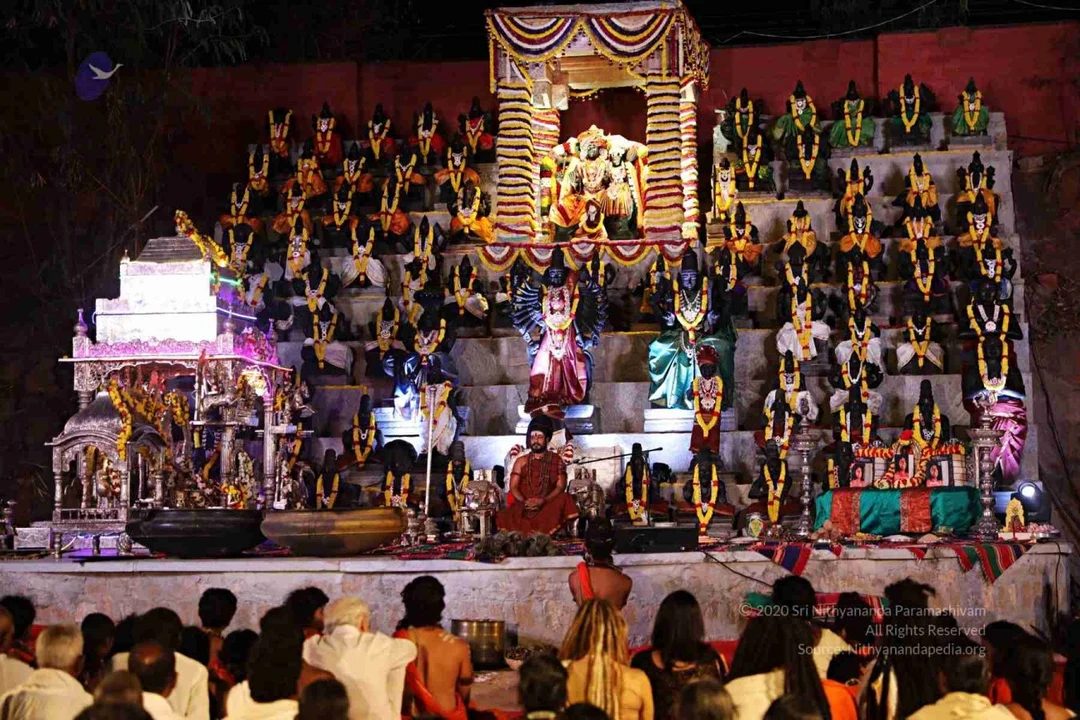 You are here to celebrate cosmos
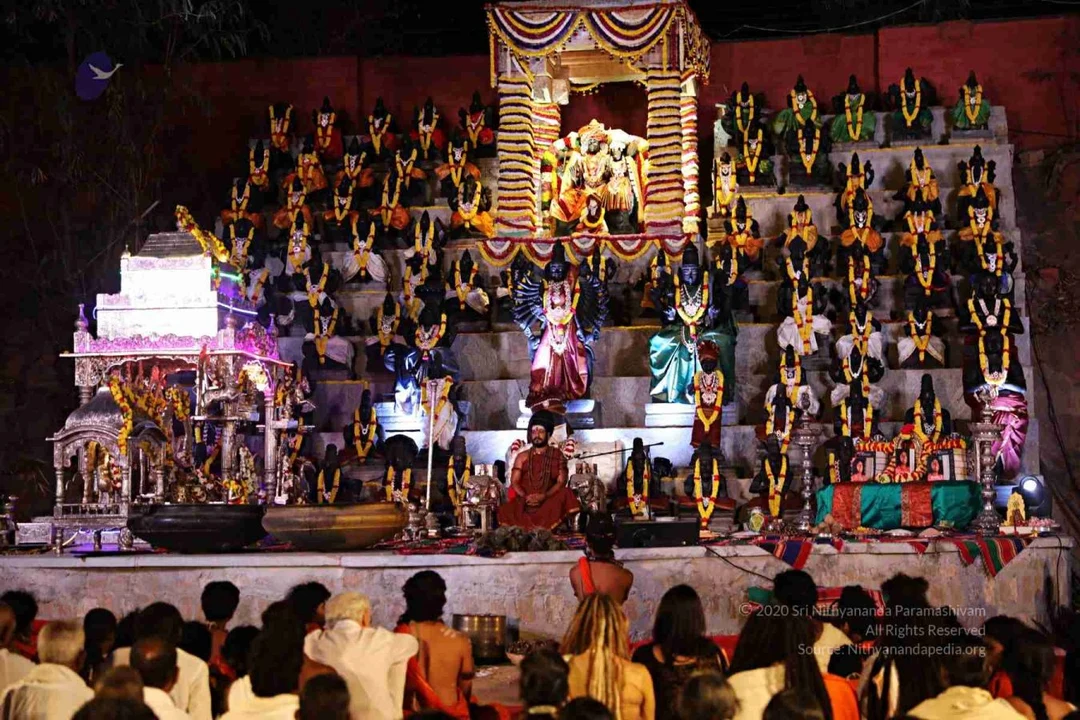 You are here to celebrate cosmos
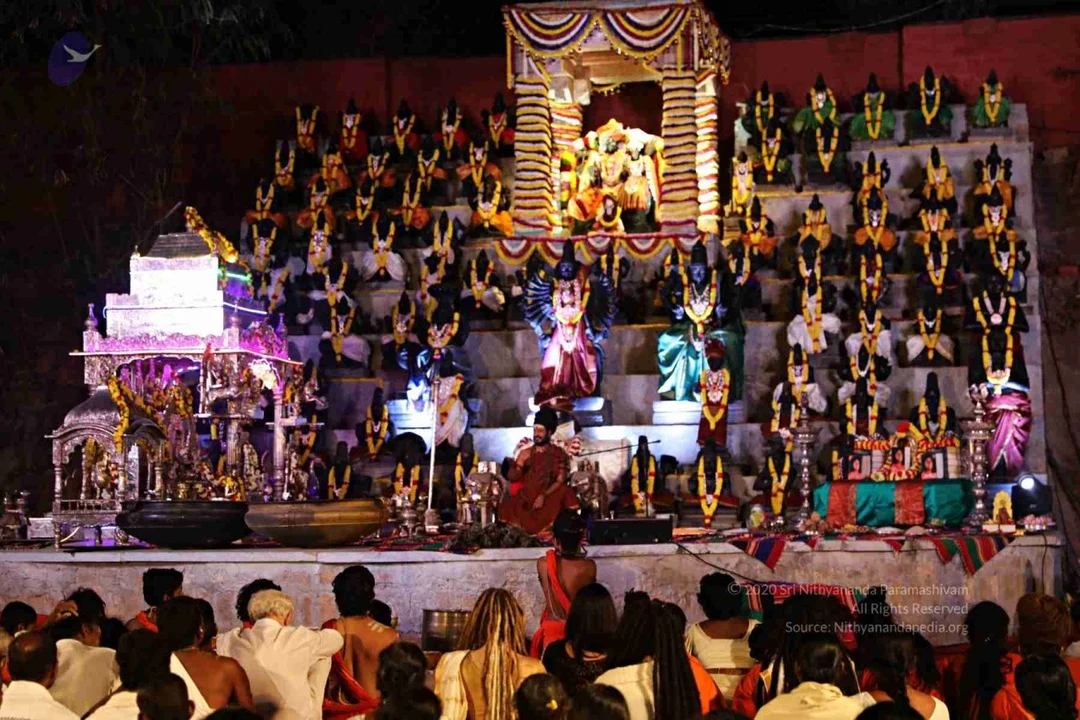 You are here to celebrate cosmos
 You are here to celebrate cosmos
 You are here to celebrate cosmos
 You are here to celebrate cosmos
 You are here to celebrate cosmos
 You are here to celebrate cosmos
 You are here to celebrate cosmos
 You are here to celebrate cosmos
 You are here to celebrate cosmos
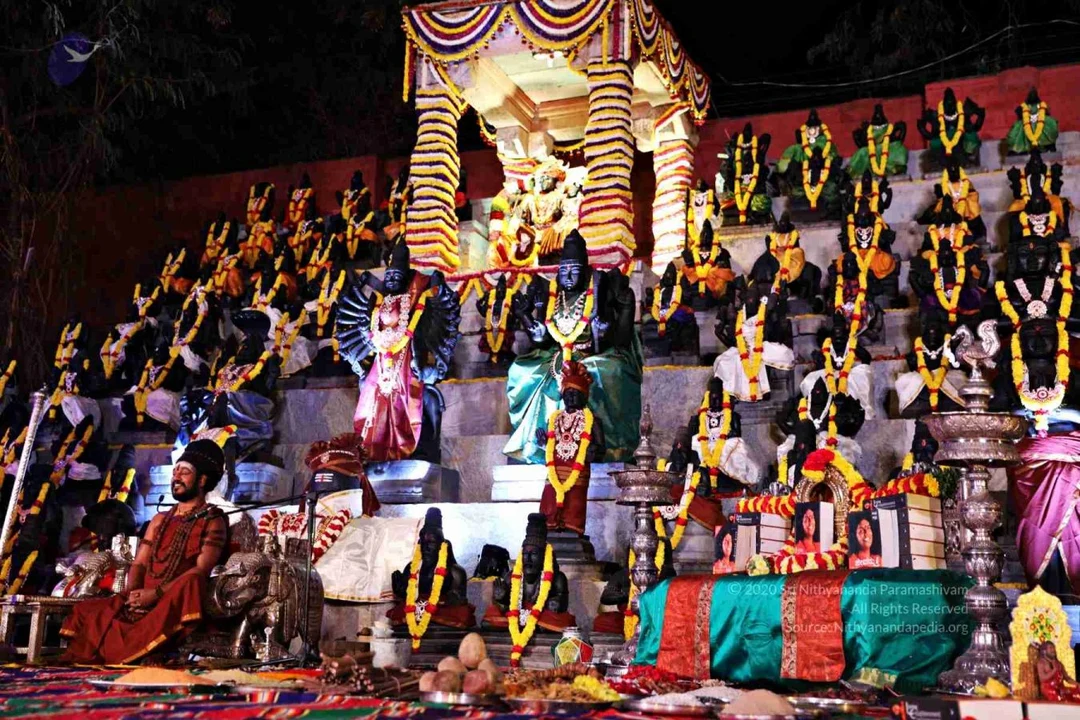 You are here to celebrate cosmos
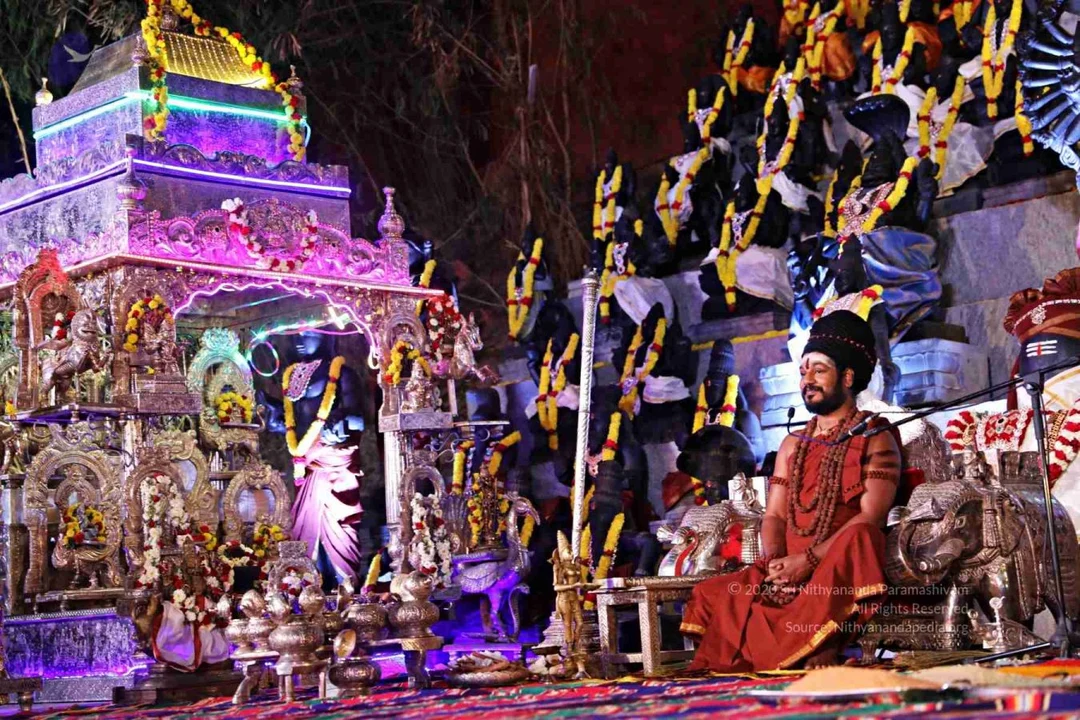 You are here to celebrate cosmos
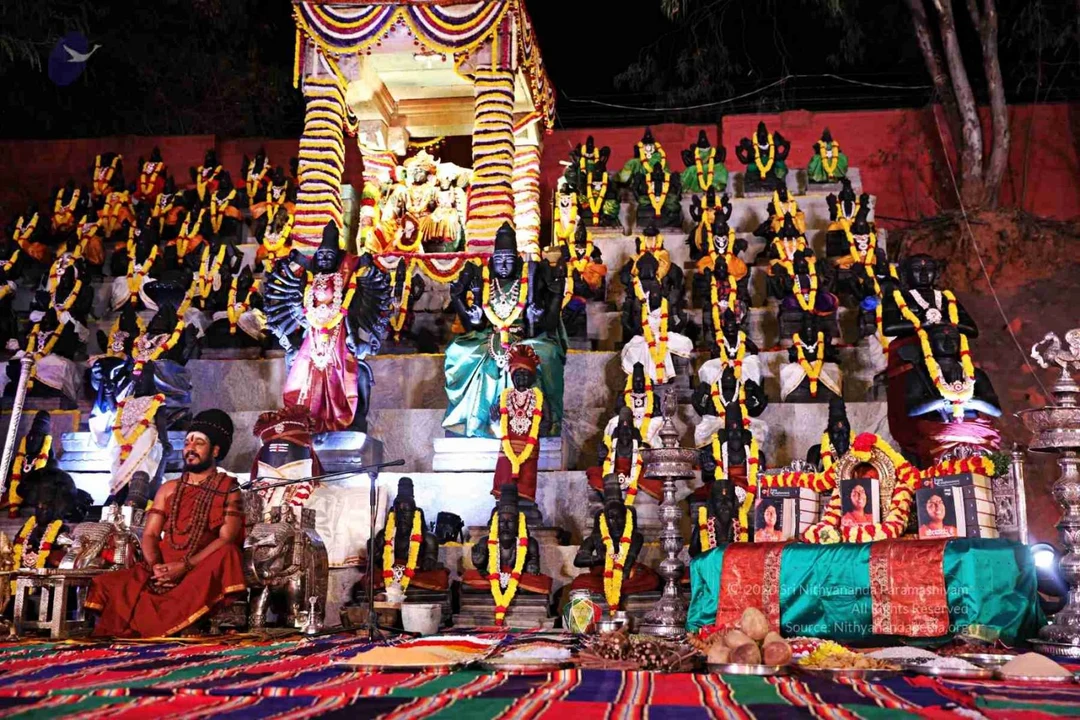 You are here to celebrate cosmos
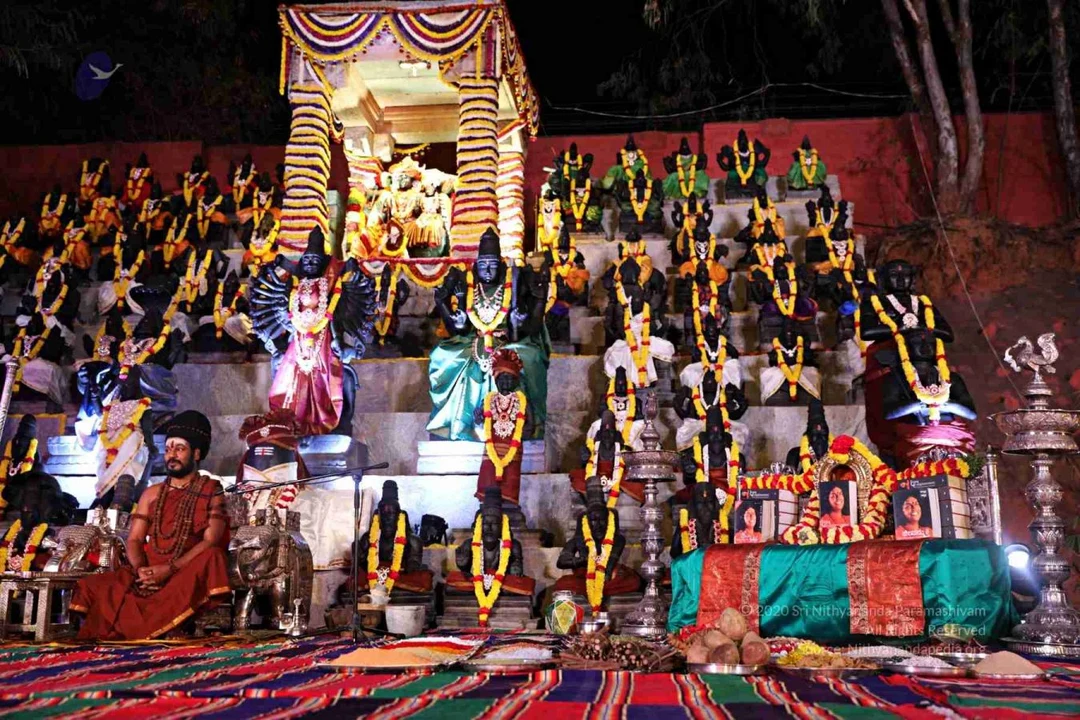 You are here to celebrate cosmos
 You are here to celebrate cosmos
 You are here to celebrate cosmos
 You are here to celebrate cosmos
 You are here to celebrate cosmos
 You are here to celebrate cosmos
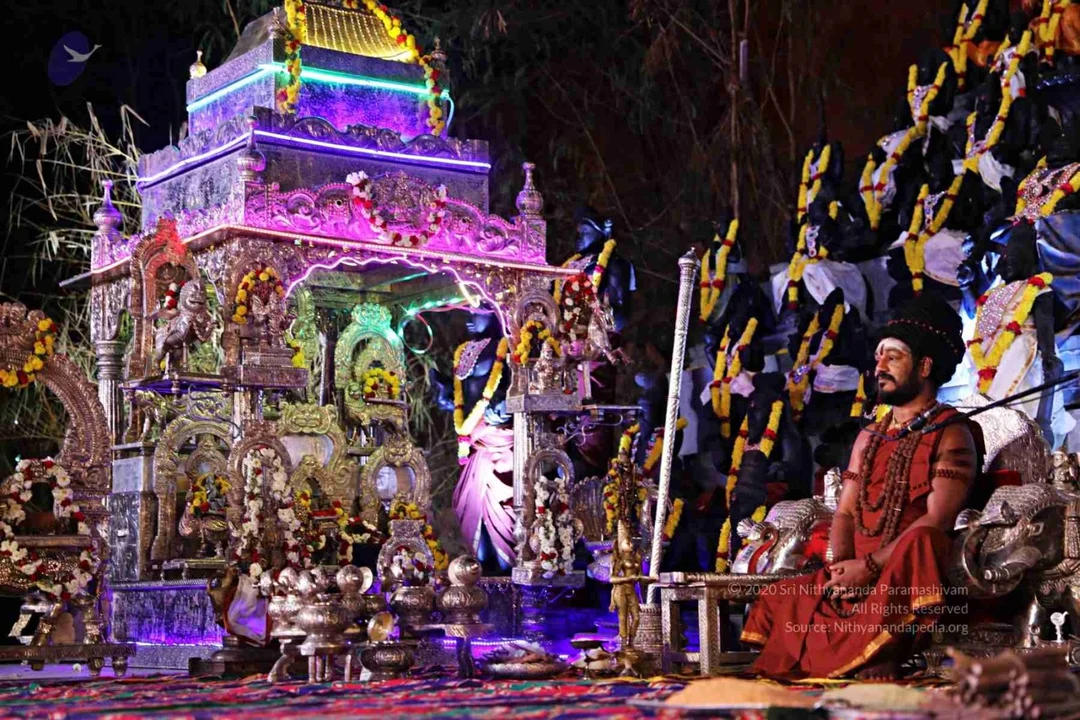 You are here to celebrate cosmos
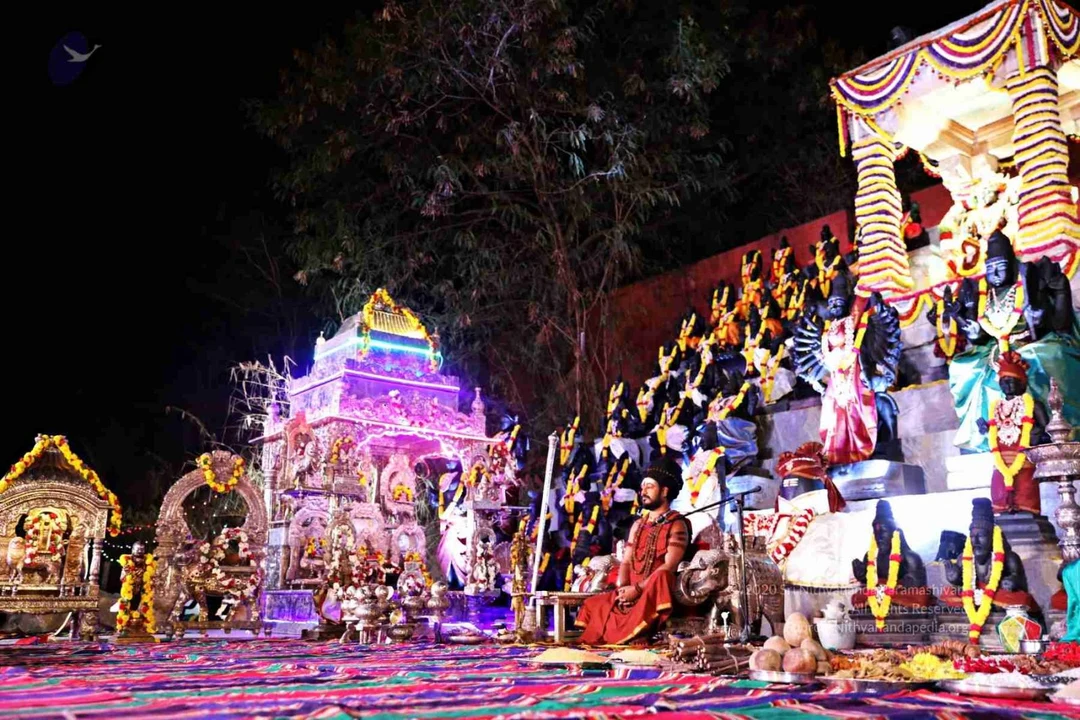 You are here to celebrate cosmos
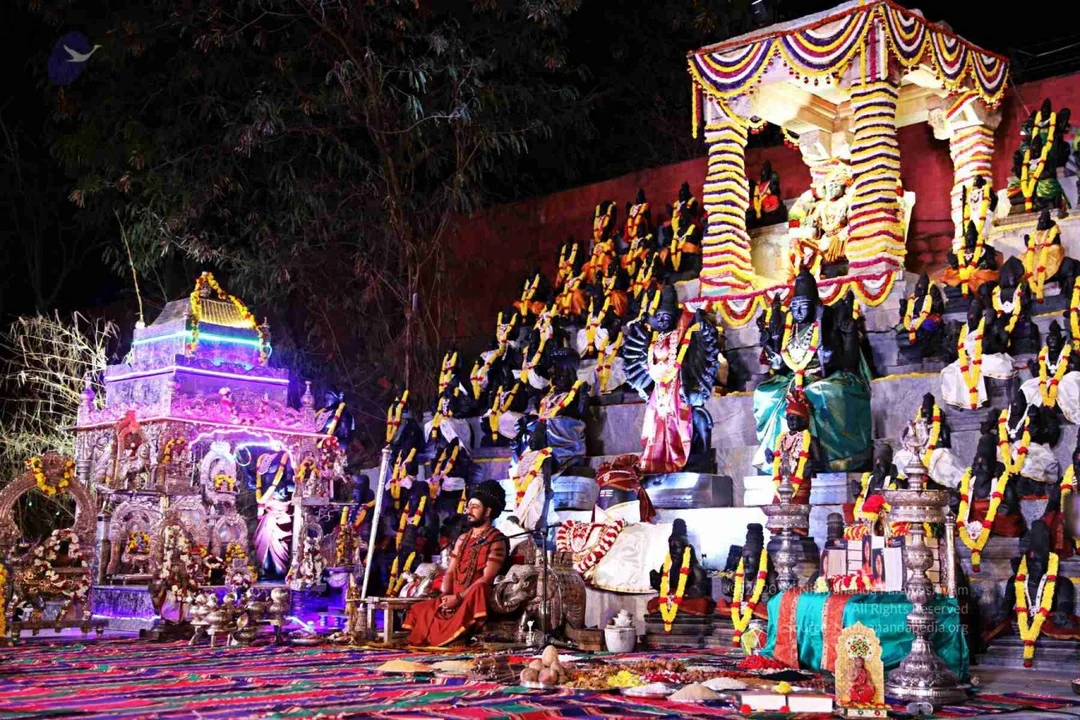 You are here to celebrate cosmos
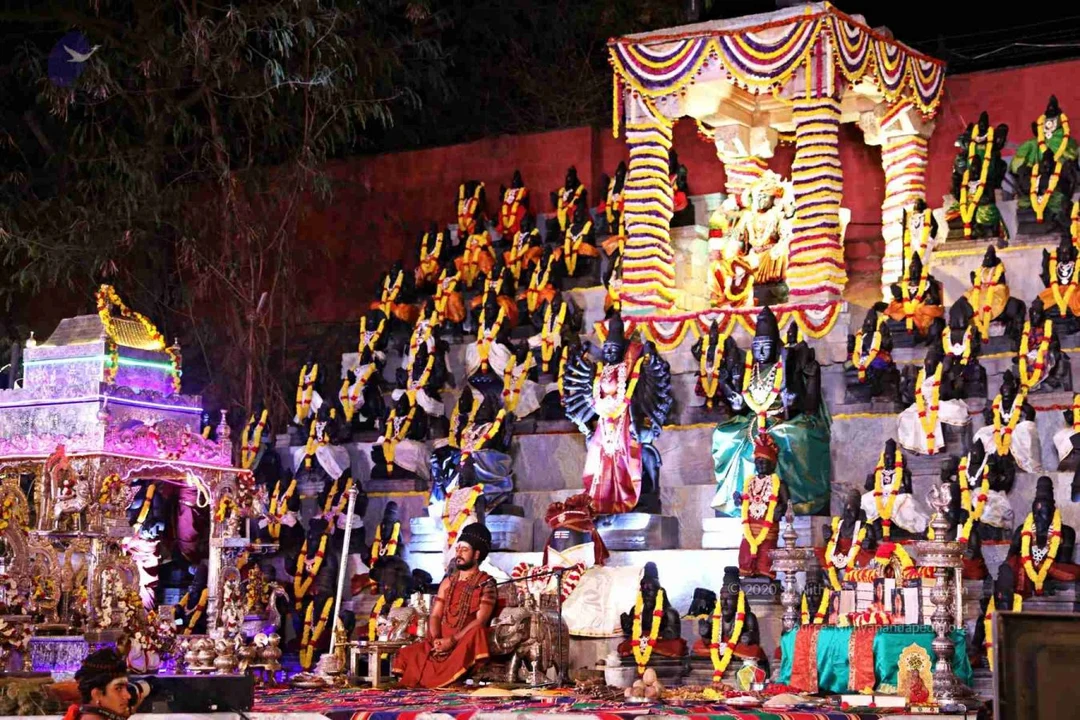 You are here to celebrate cosmos
 You are here to celebrate cosmos
 You are here to celebrate cosmos
 You are here to celebrate cosmos
 You are here to celebrate cosmos
 You are here to celebrate cosmos
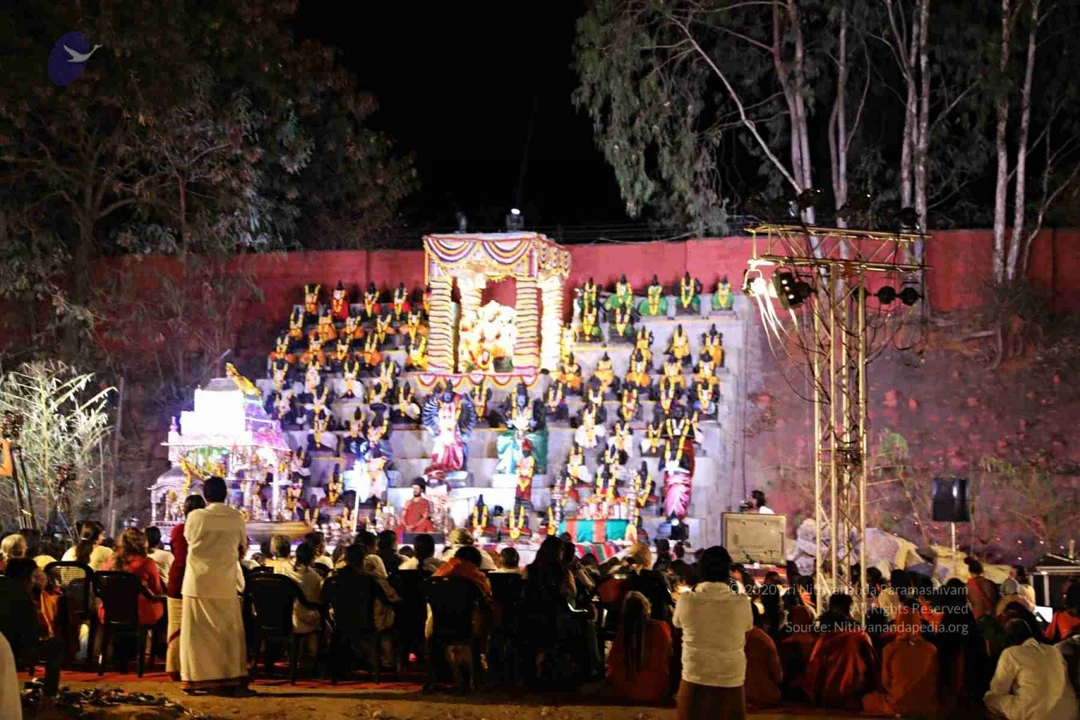 You are here to celebrate cosmos
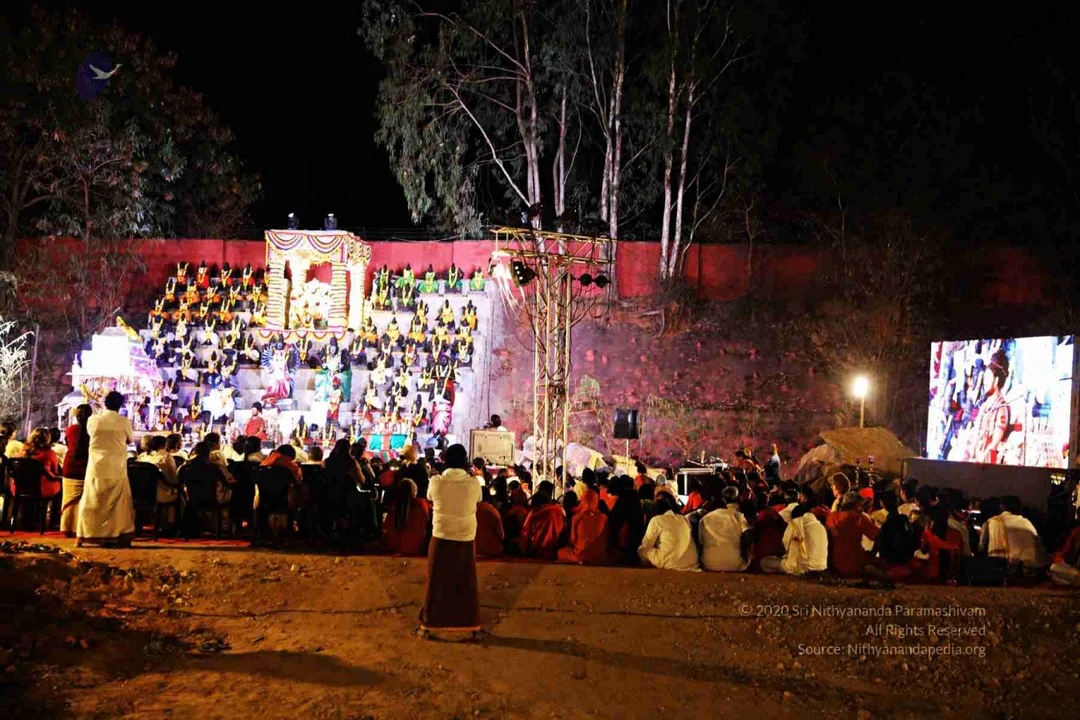 You are here to celebrate cosmos
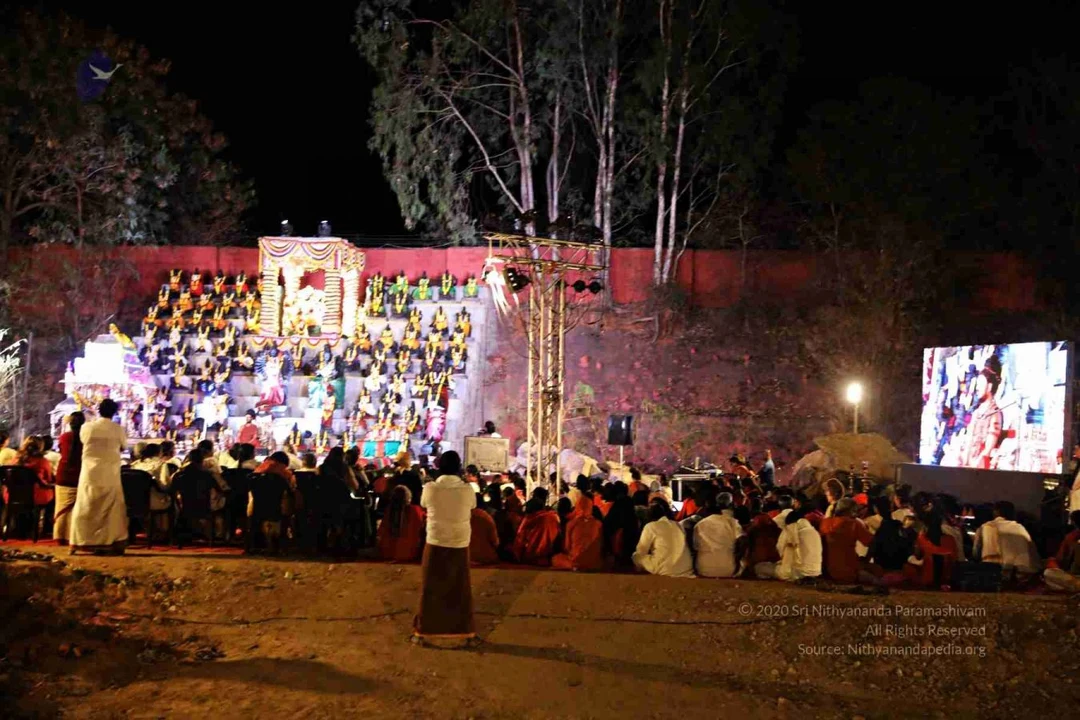 You are here to celebrate cosmos
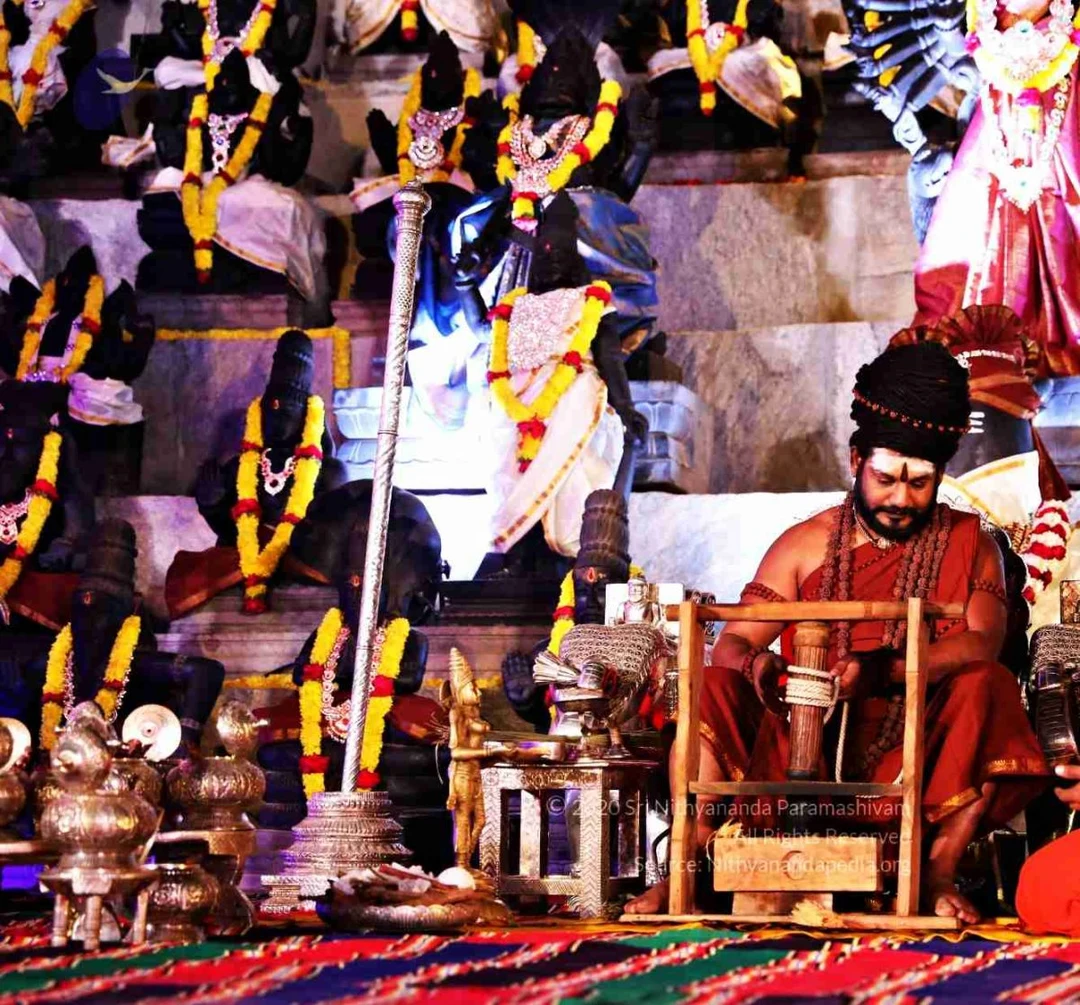 You are here to celebrate cosmos
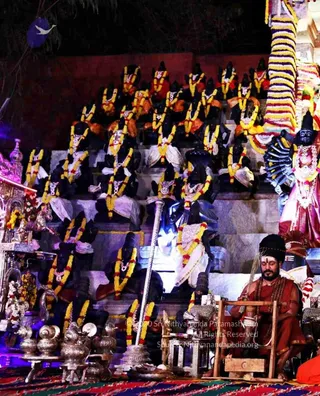 You are here to celebrate cosmos
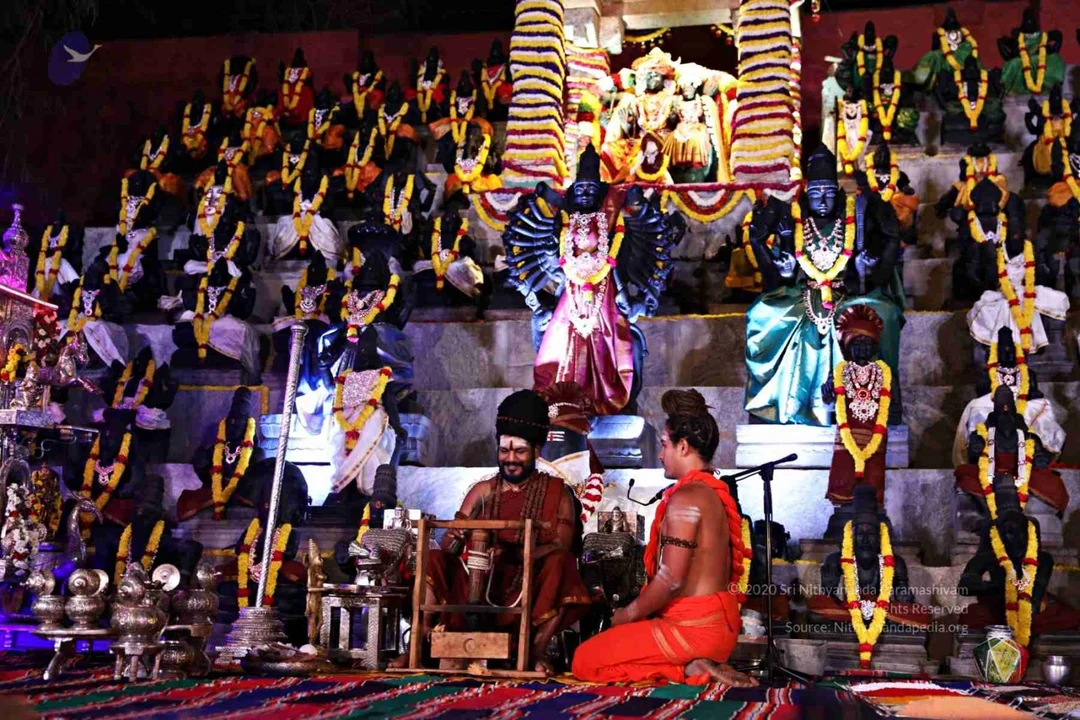 You are here to celebrate cosmos
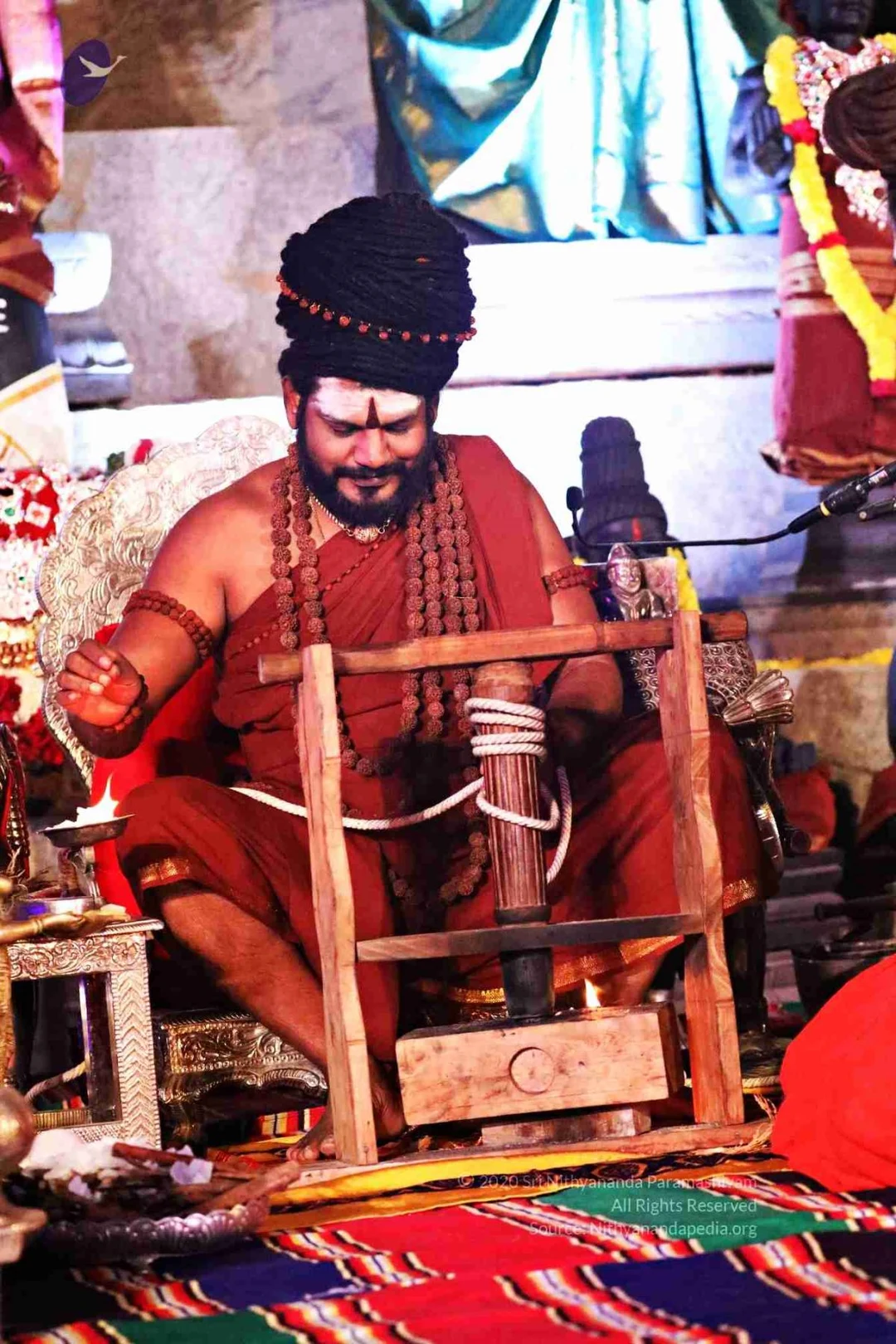
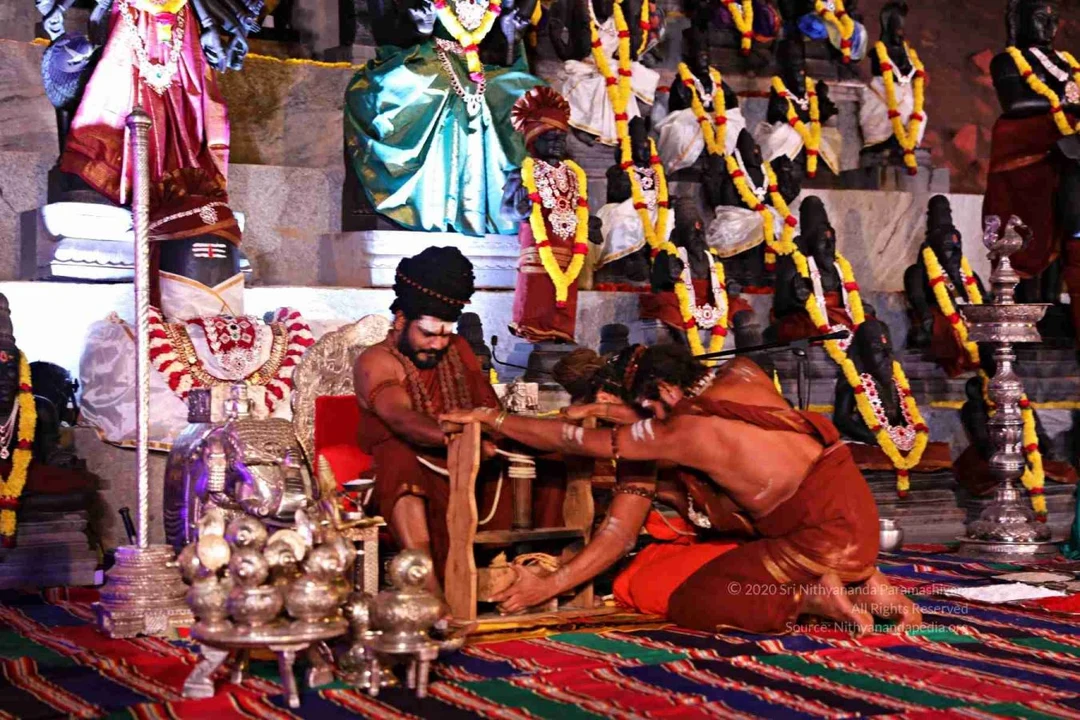 Lighting of fire (agni) using agamic fire igniter known as arni
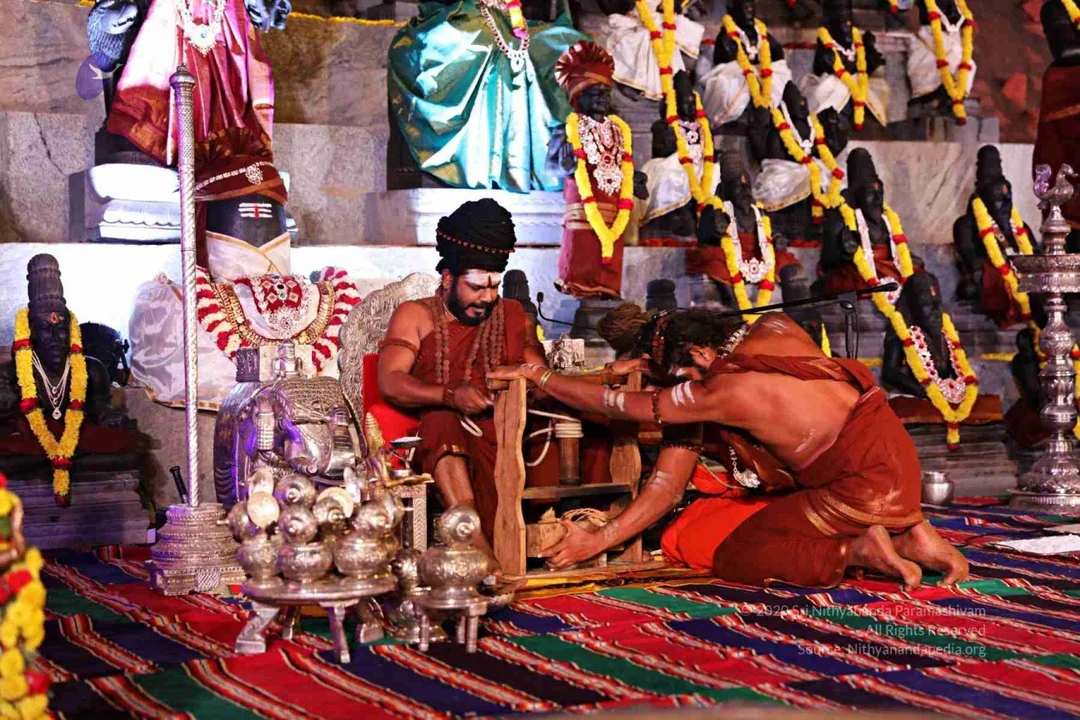 Lighting of fire (agni) using agamic fire igniter known as arni
 Lighting of fire (agni) using agamic fire igniter known as arni
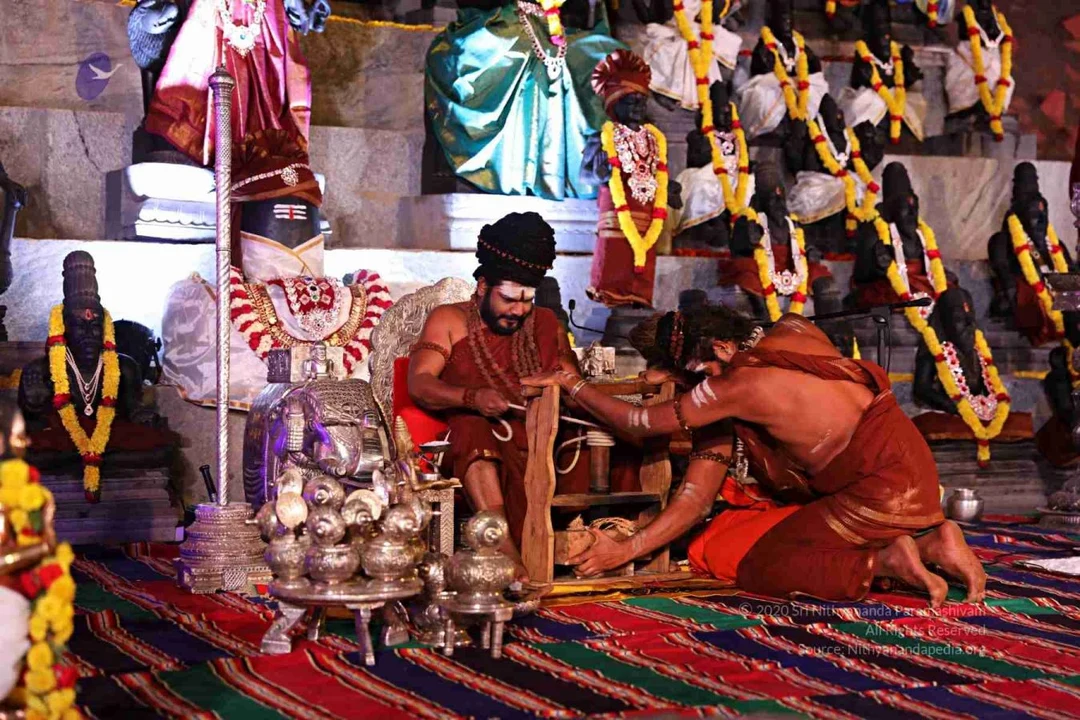 Lighting of fire (agni) using agamic fire igniter known as arni
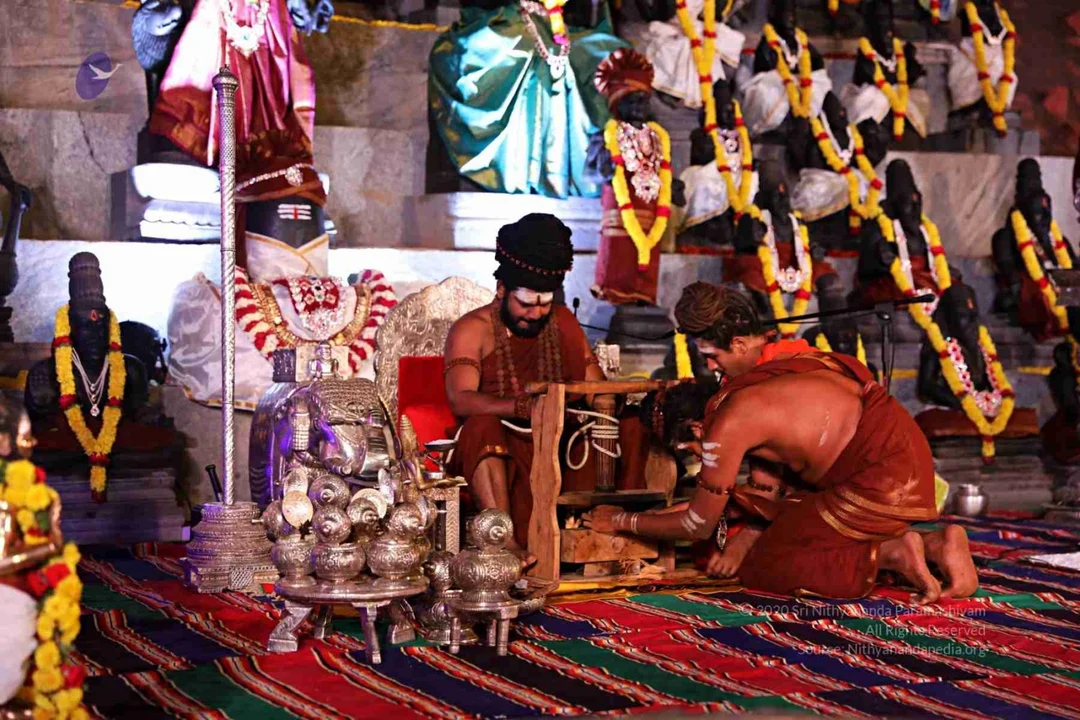 Lighting of fire (agni) using agamic fire igniter known as arni
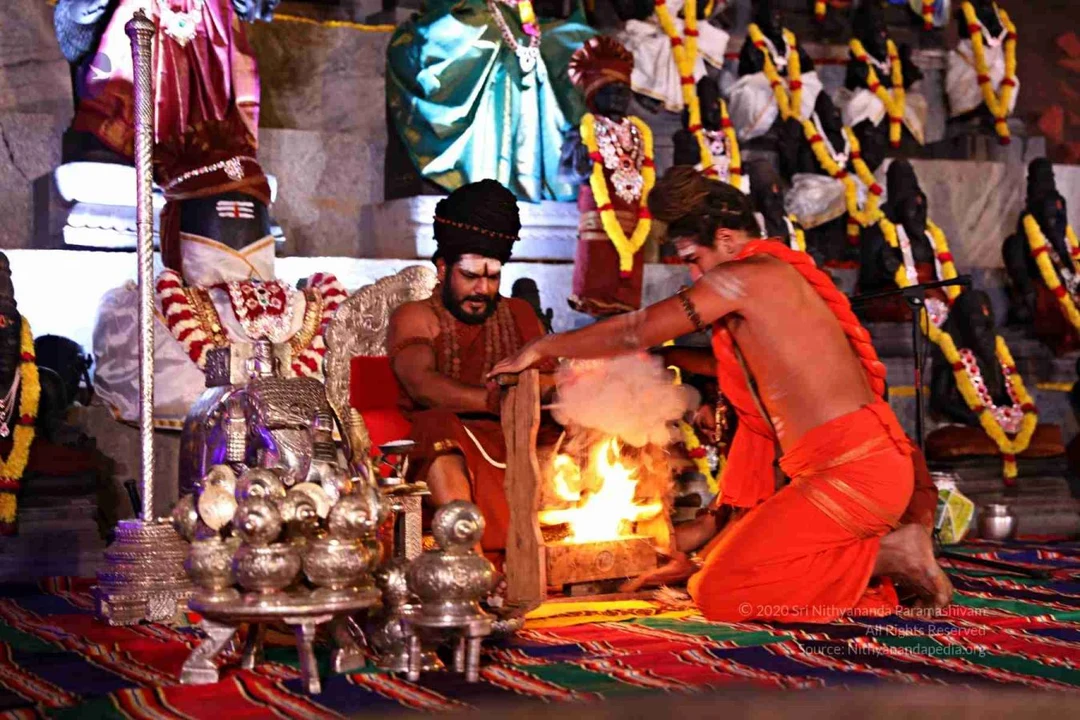 Lighting of fire (agni) using agamic fire igniter known as arni
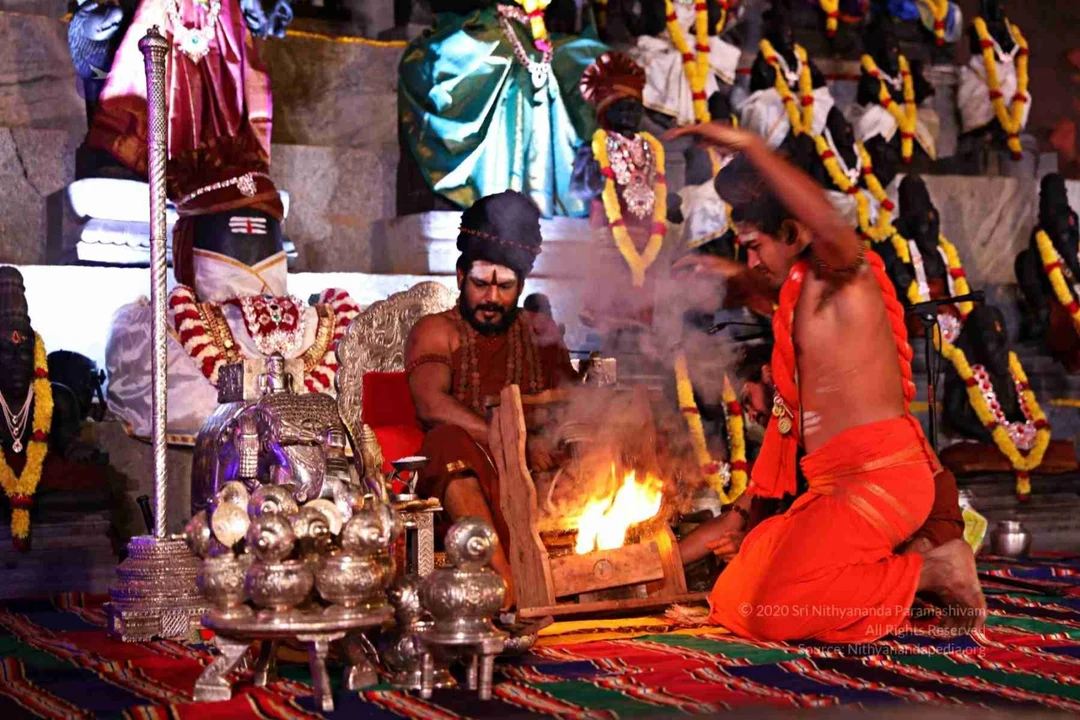 Lighting of fire (agni) using agamic fire igniter known as arni
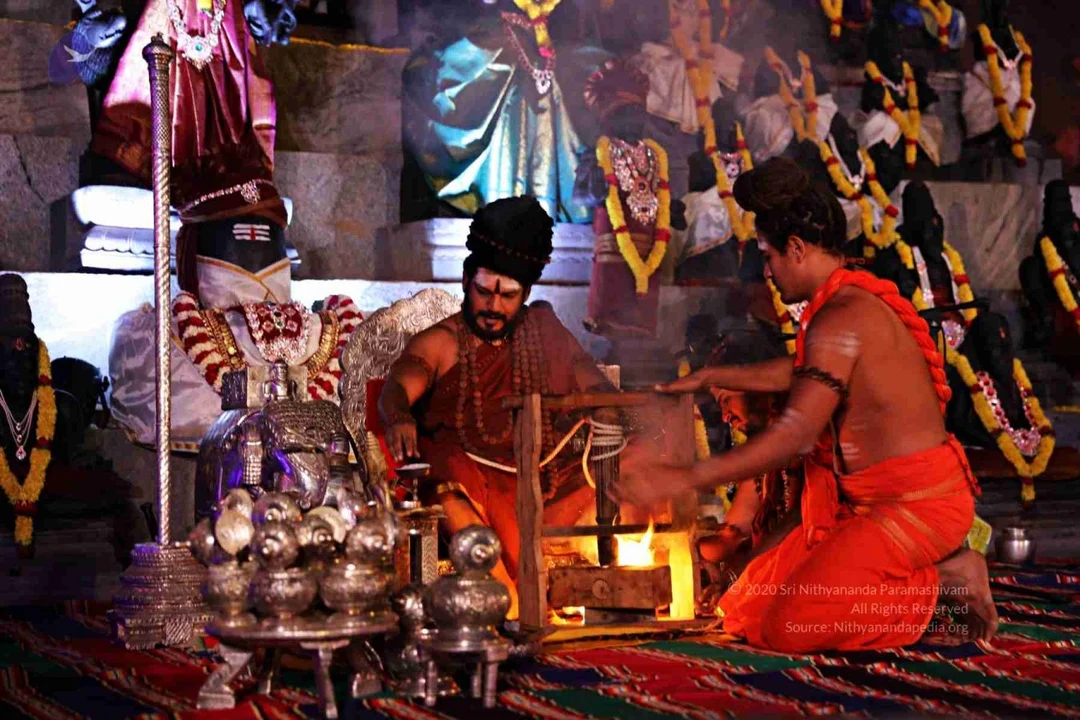 Lighting of fire (agni) using agamic fire igniter known as arni
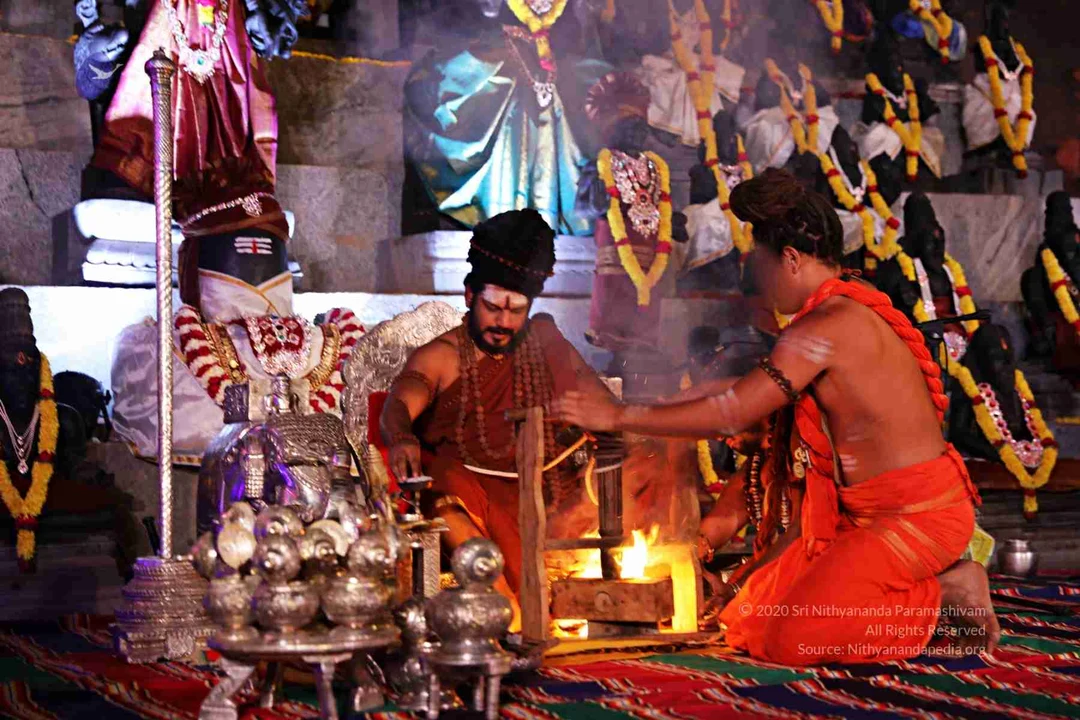 Lighting of fire (agni) using agamic fire igniter known as arni
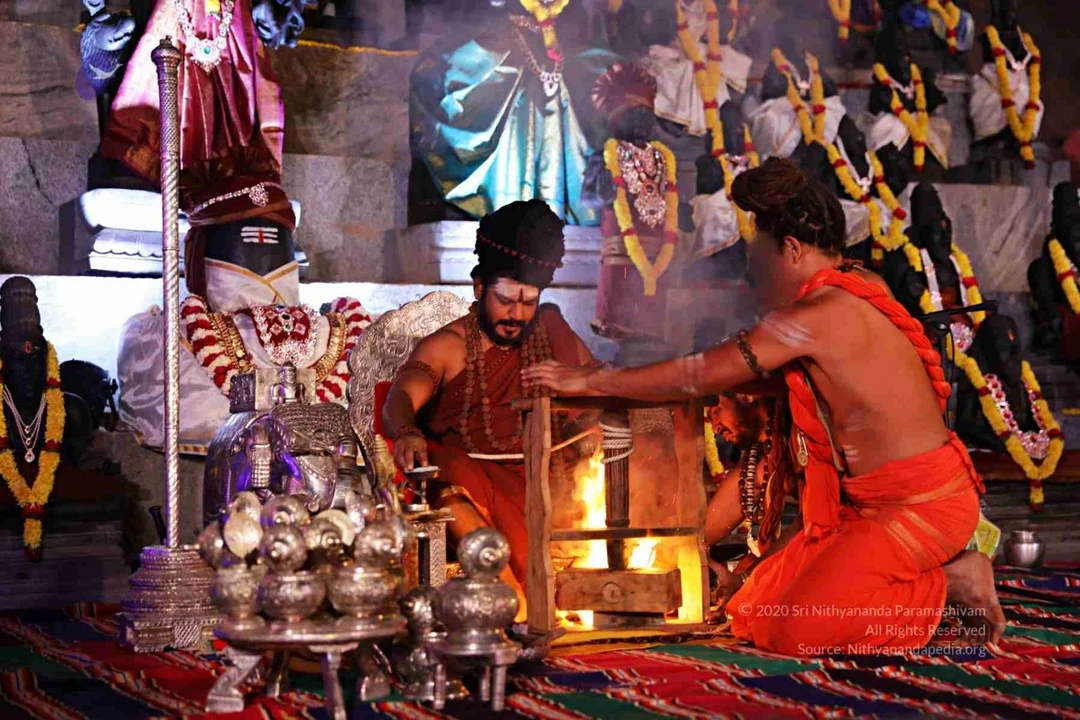 Lighting of fire (agni) using agamic fire igniter known as arni
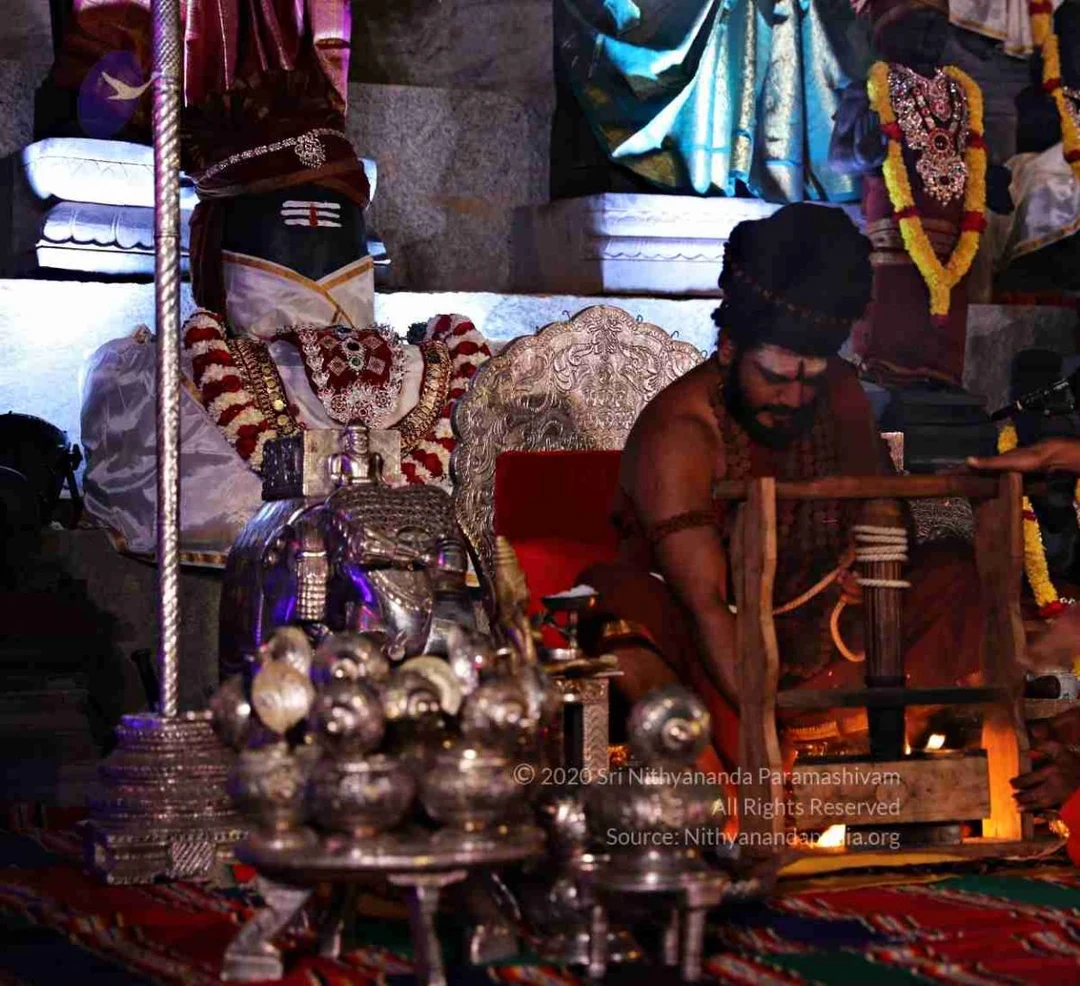 Lighting of fire (agni) using agamic fire igniter known as arni
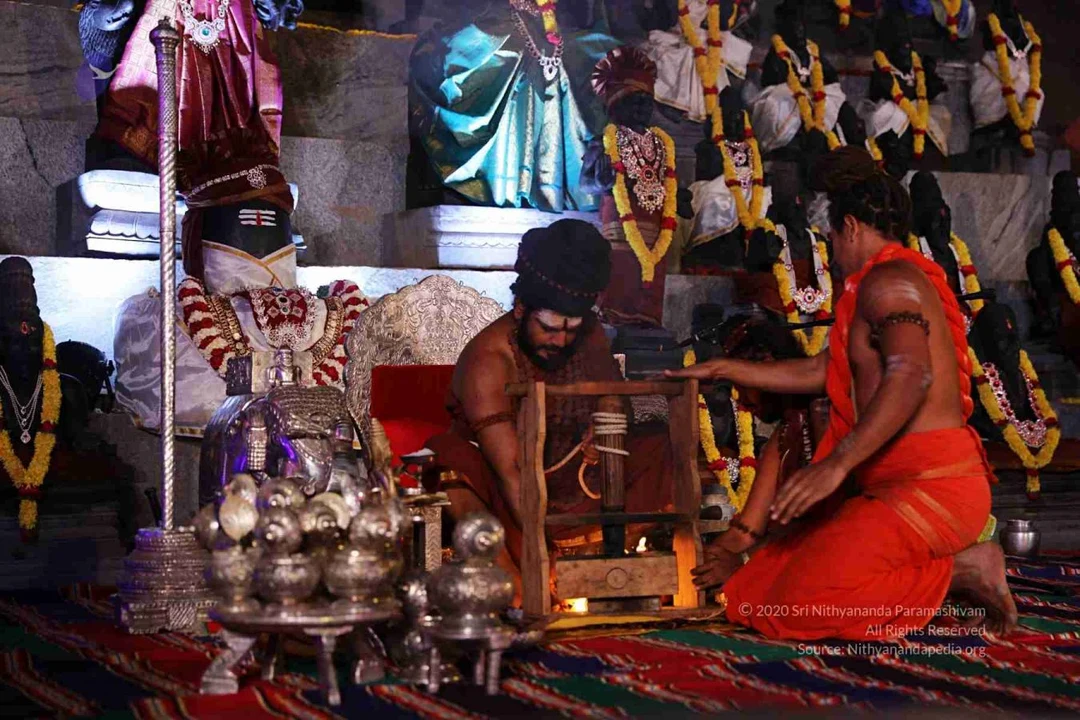 Lighting of fire (agni) using agamic fire igniter known as arni
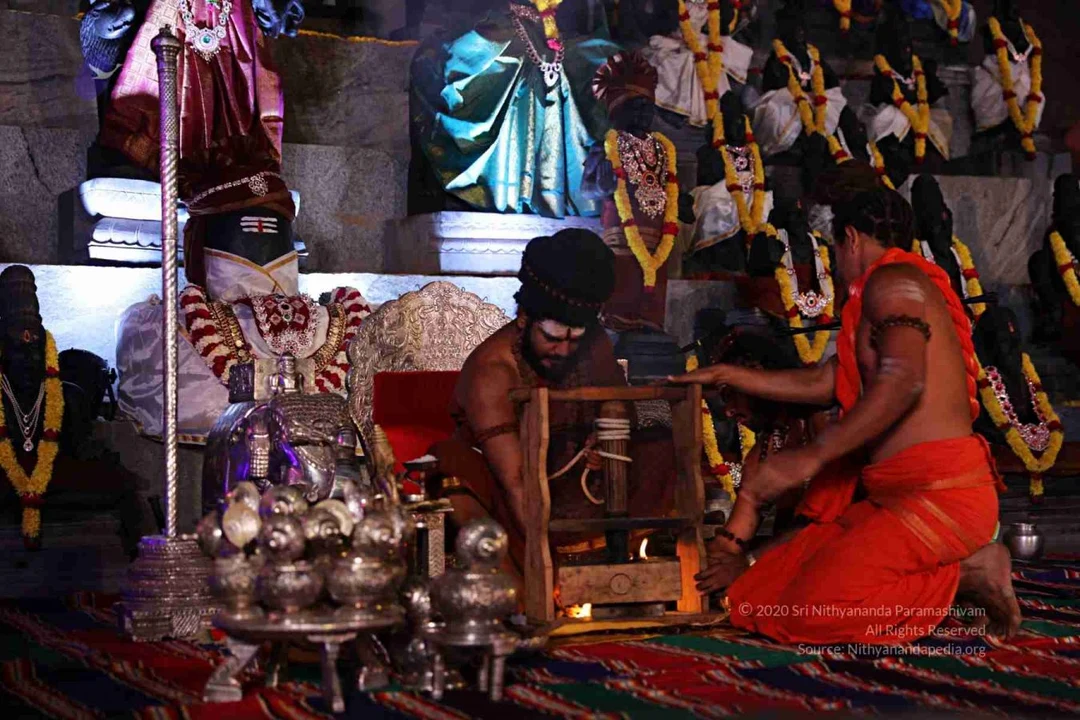 Lighting of fire (agni) using agamic fire igniter known as arni
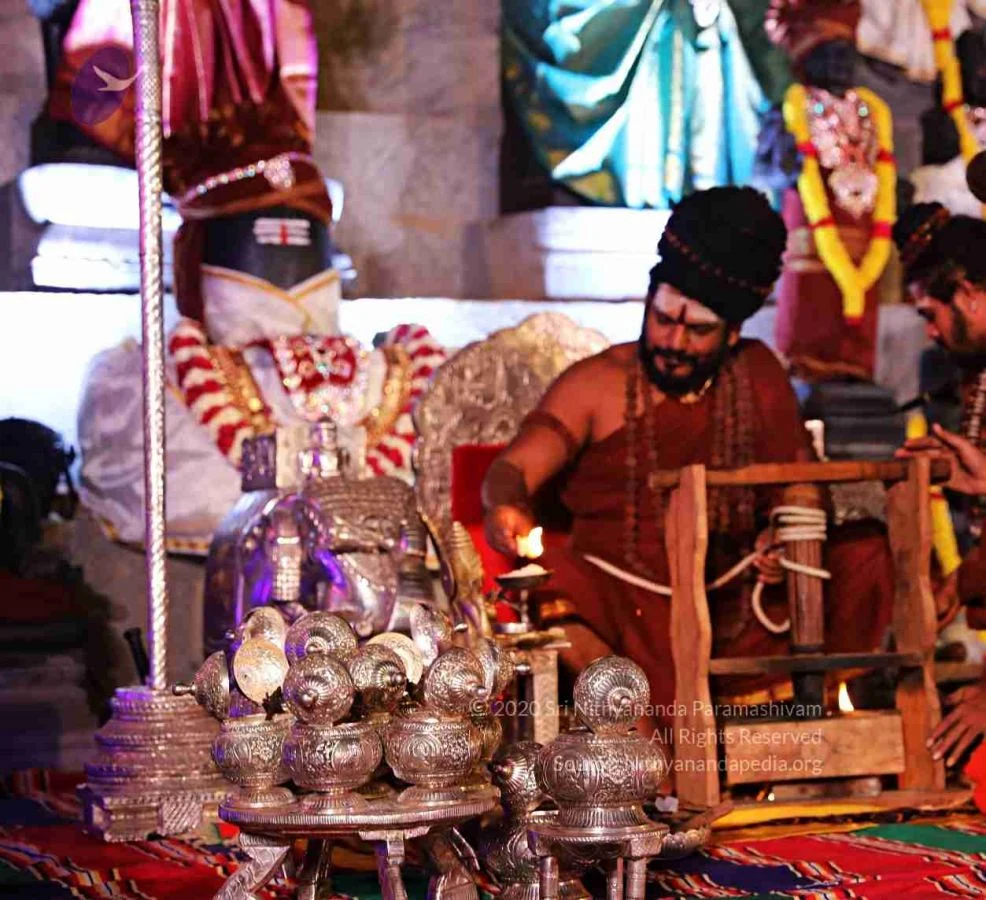 Lighting of fire (agni) using agamic fire igniter known as arni
 Lighting of fire (agni) using agamic fire igniter known as arni
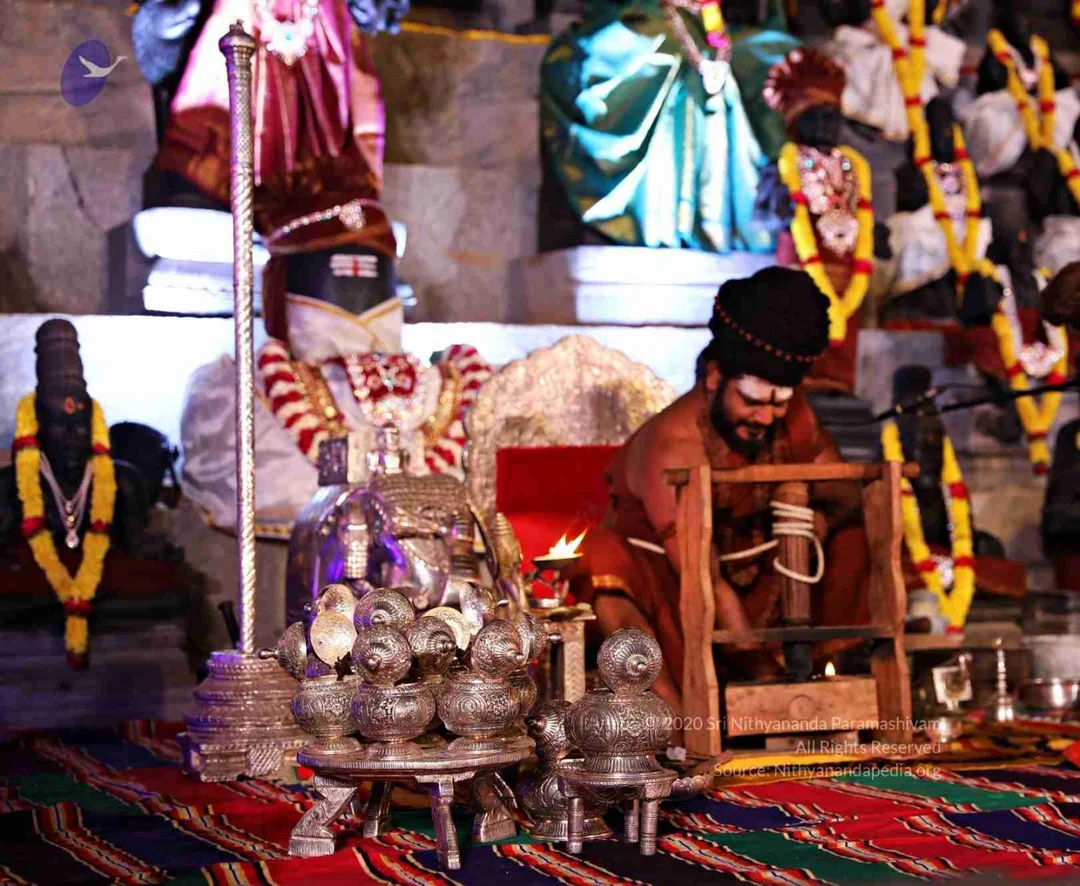 Lighting of fire (agni) using agamic fire igniter known as arni
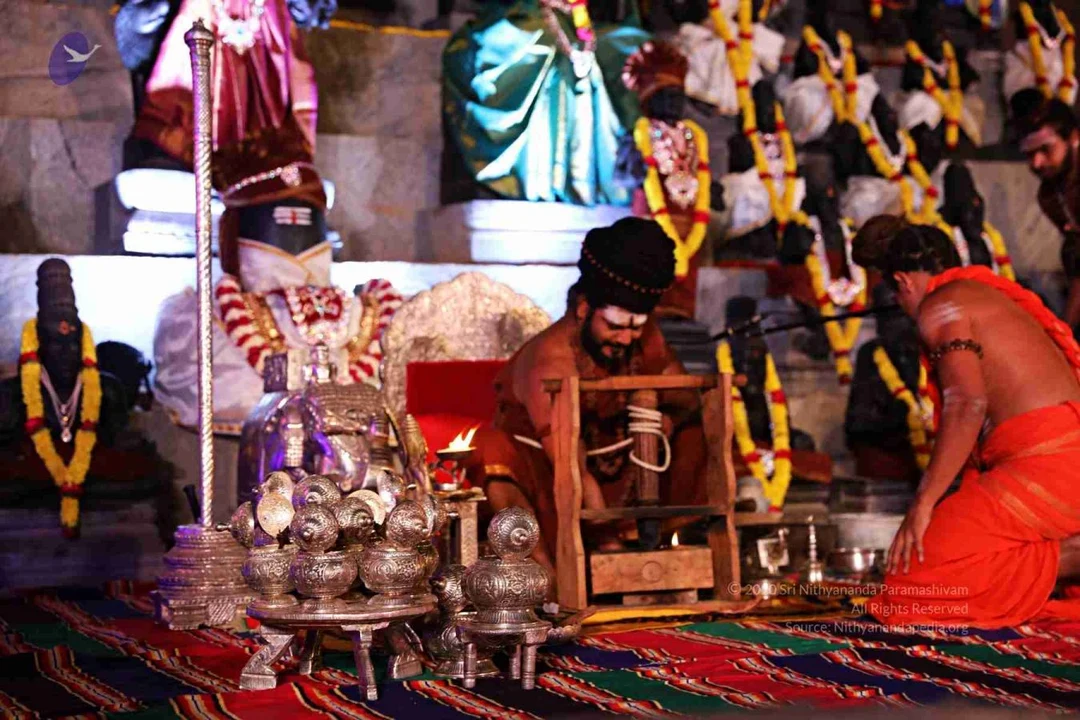 Lighting of fire (agni) using agamic fire igniter known as arni
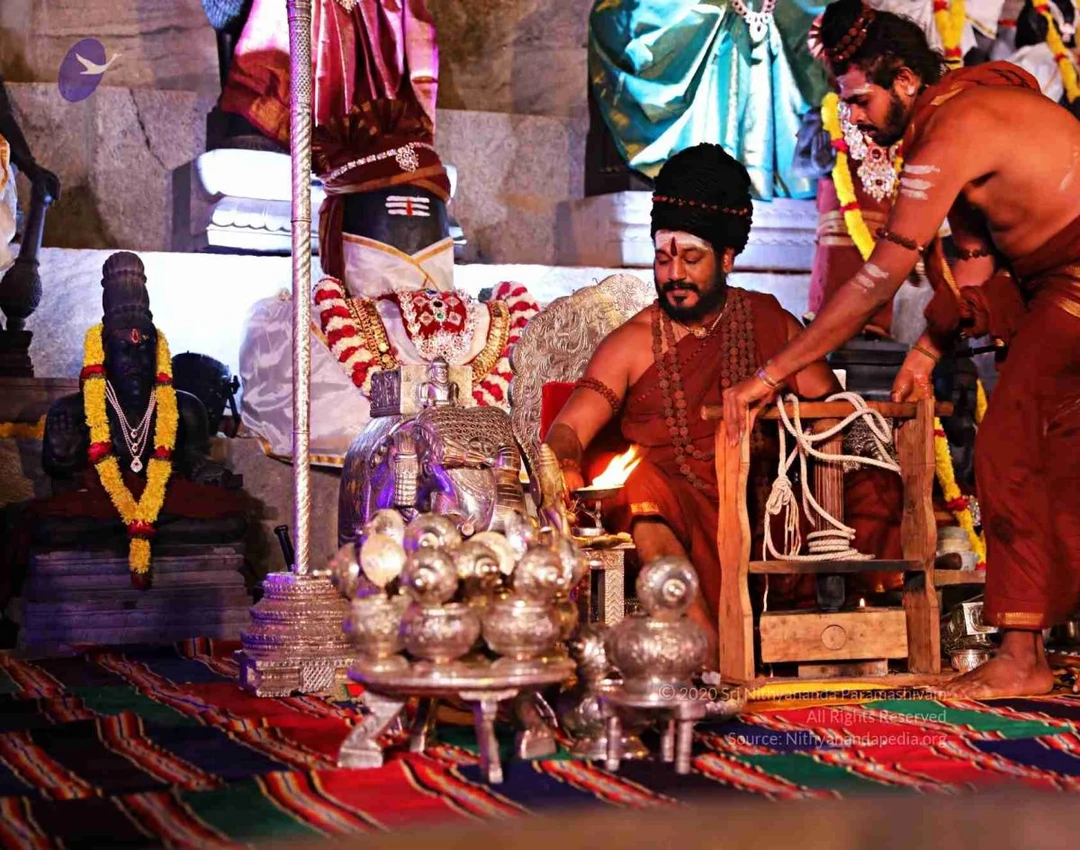 Lighting of fire (agni) using agamic fire igniter known as arni
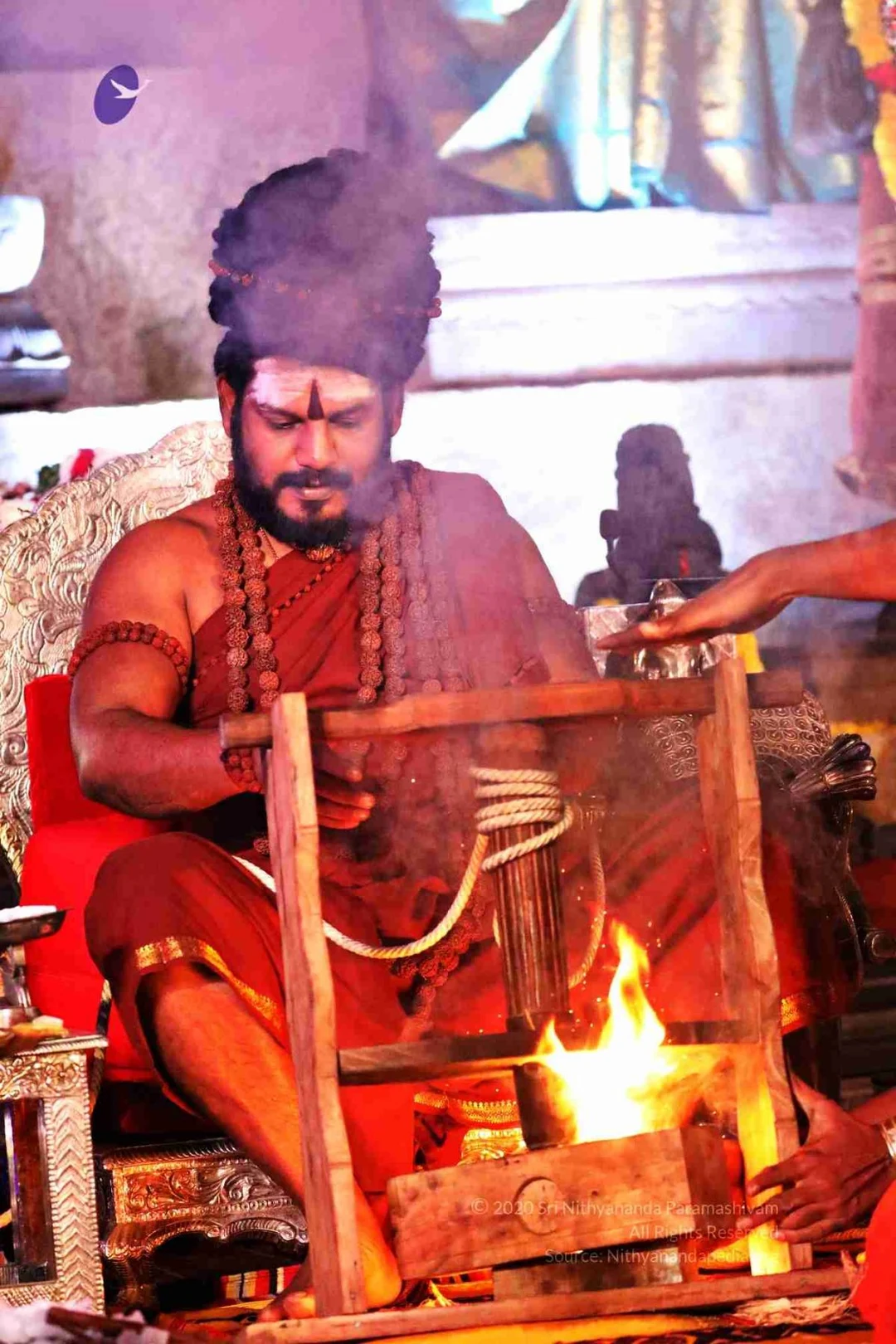
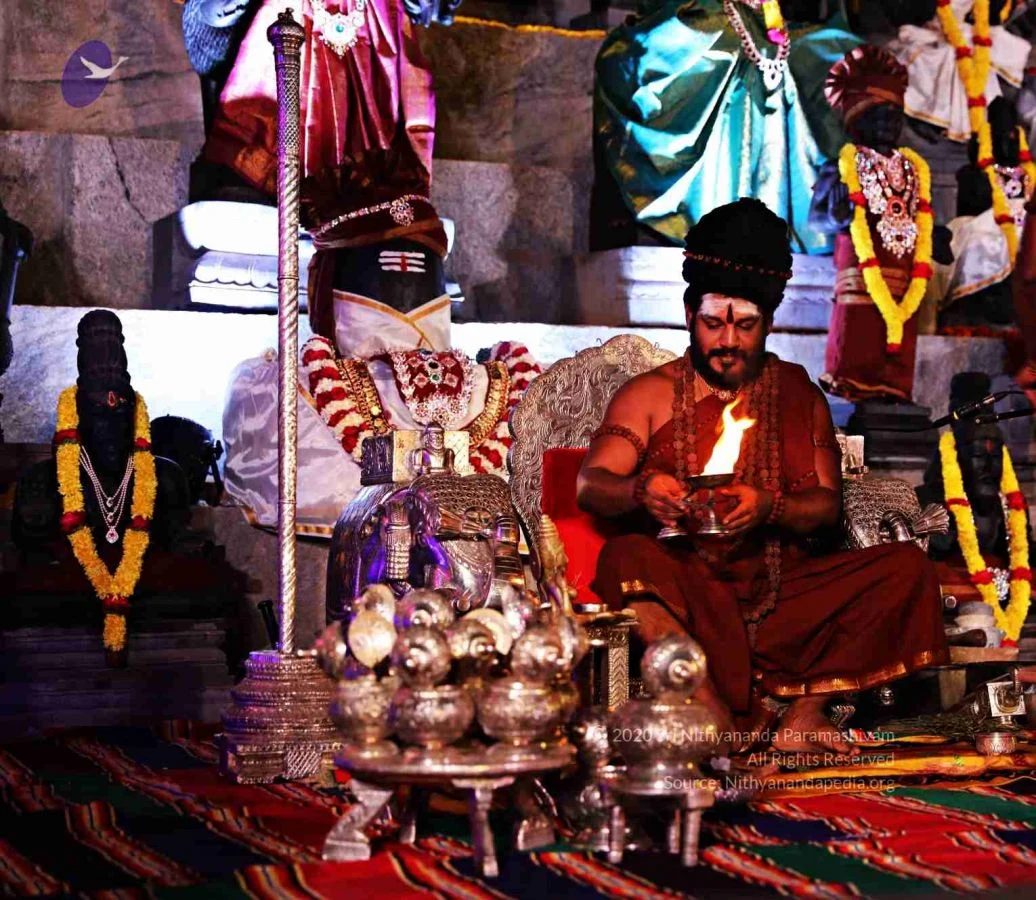 Fire (agni) lit using agamic fire igniter known as arni
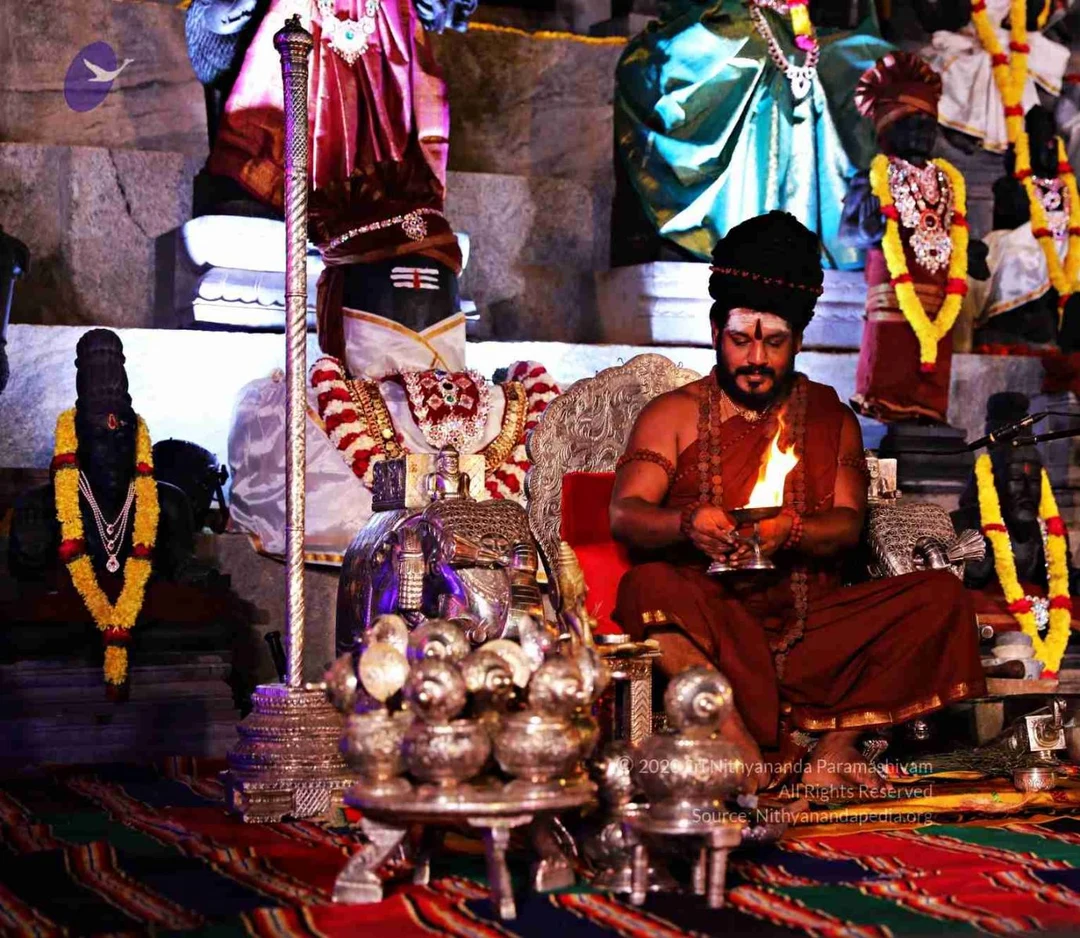 Fire (agni) lit using agamic fire igniter known as arni
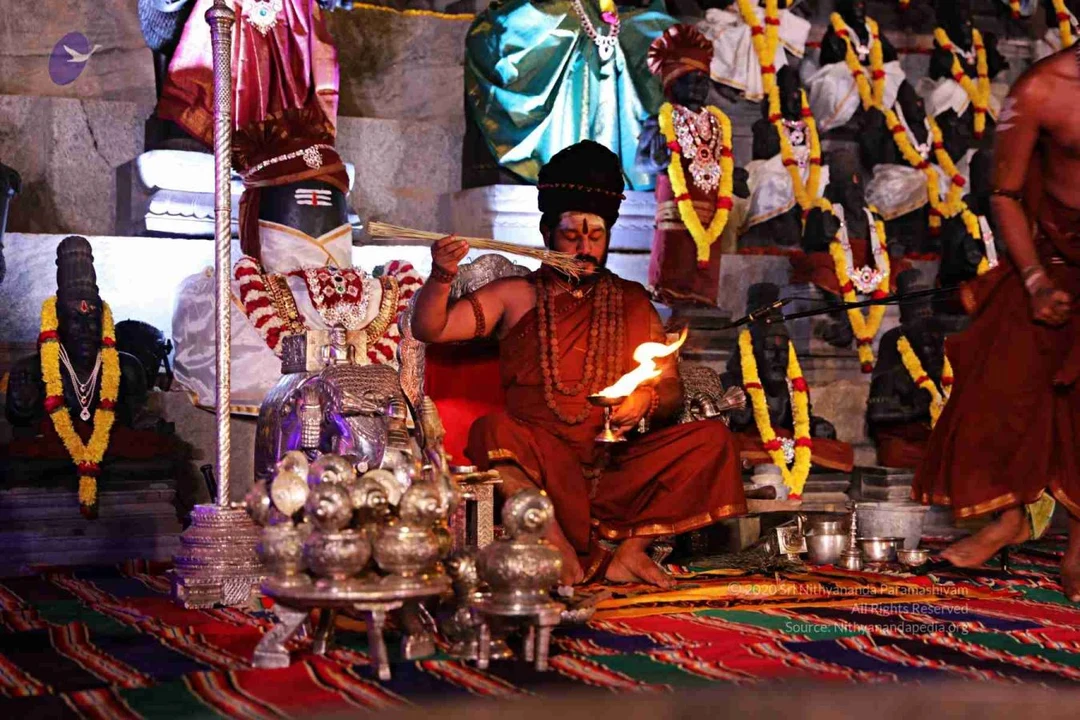 Fire (agni) lit using agamic fire igniter known as arni
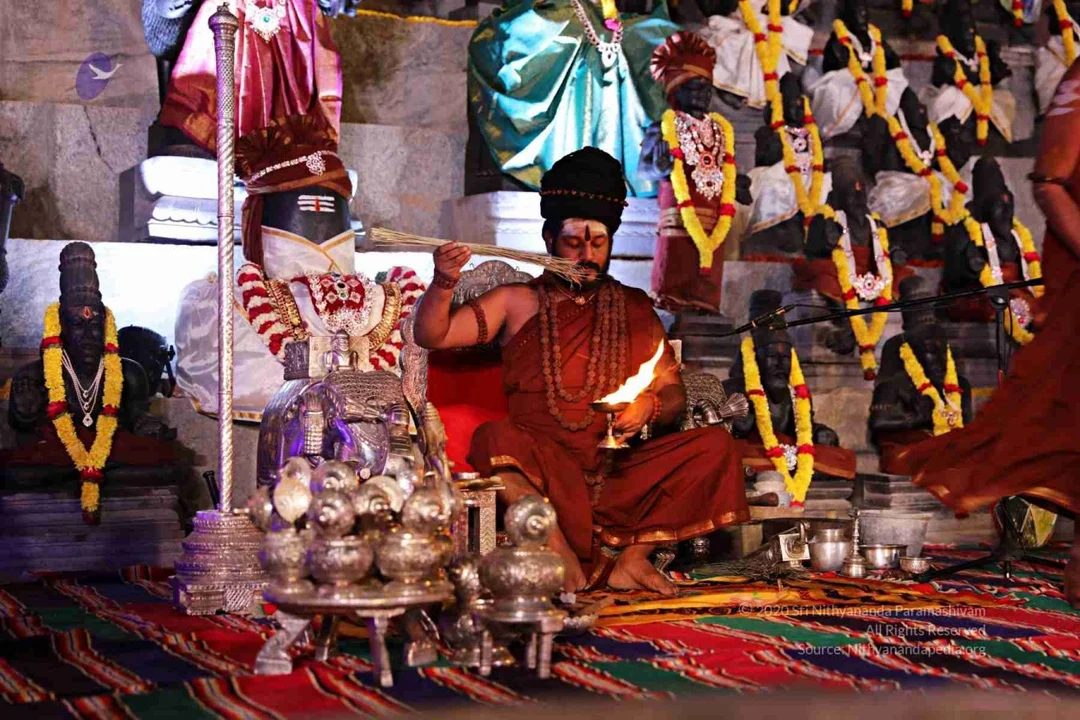 Fire (agni) lit using agamic fire igniter known as arni
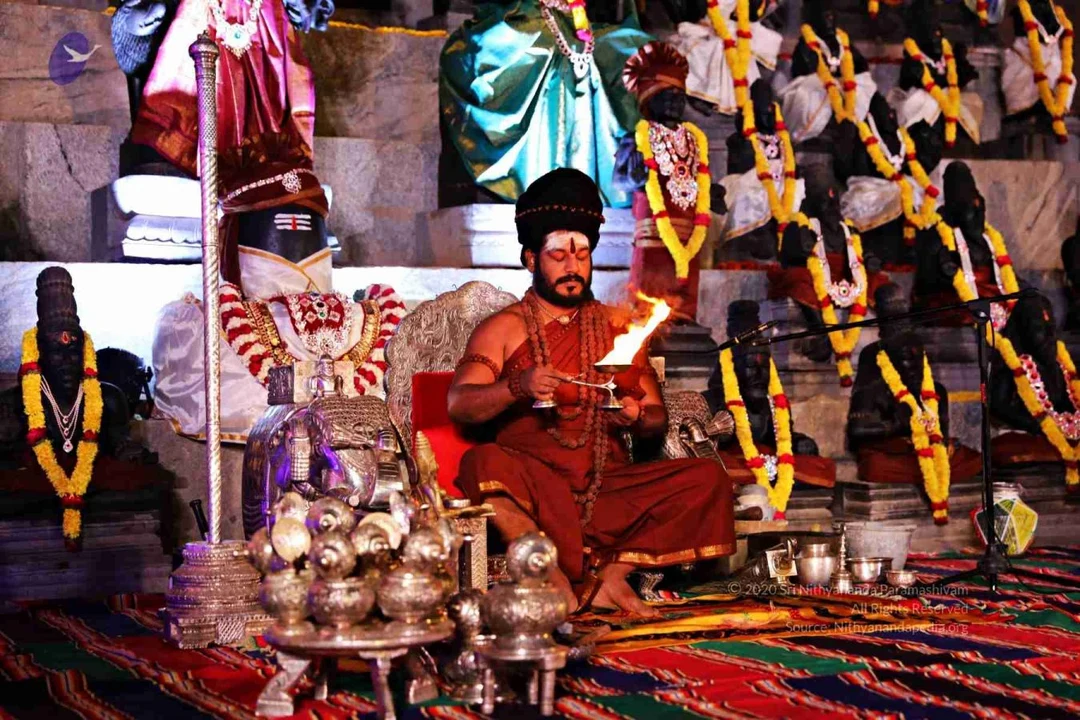 Fire (agni) lit using agamic fire igniter known as arni
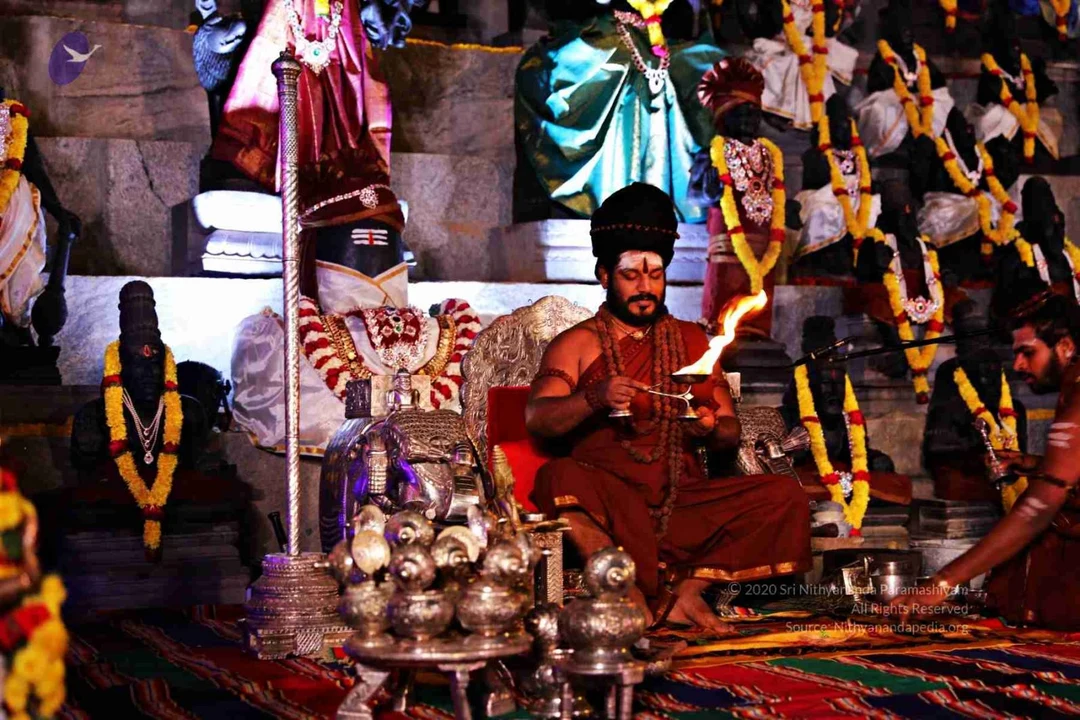 Fire (agni) lit using agamic fire igniter known as arni
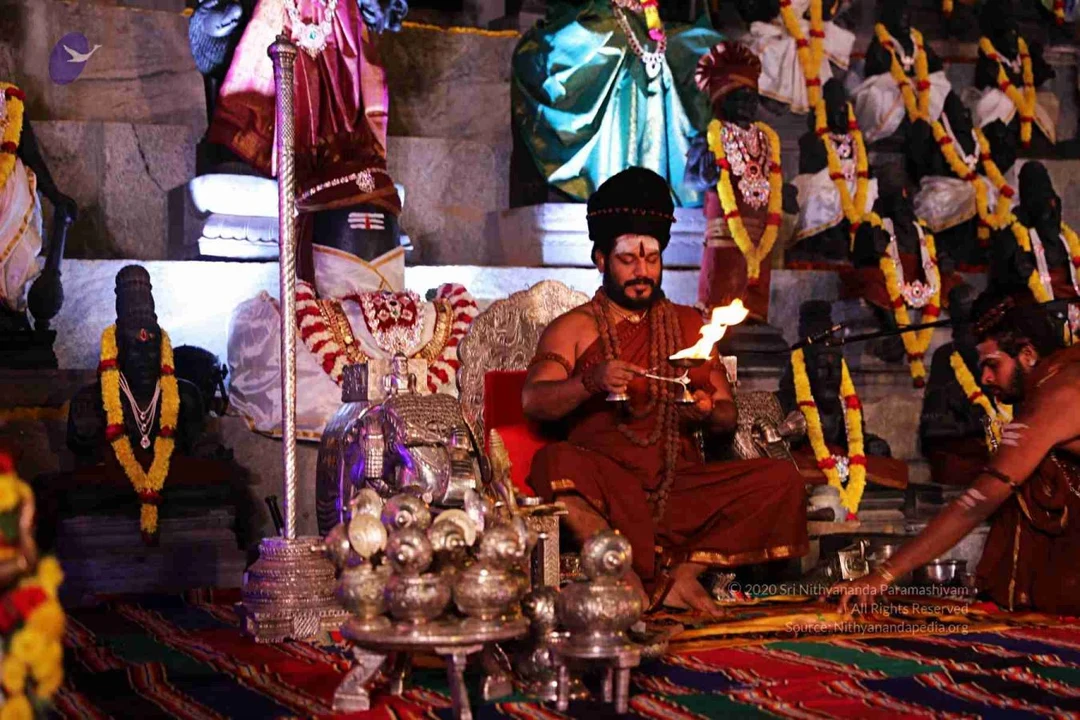 Fire (agni) lit using agamic fire igniter known as arni
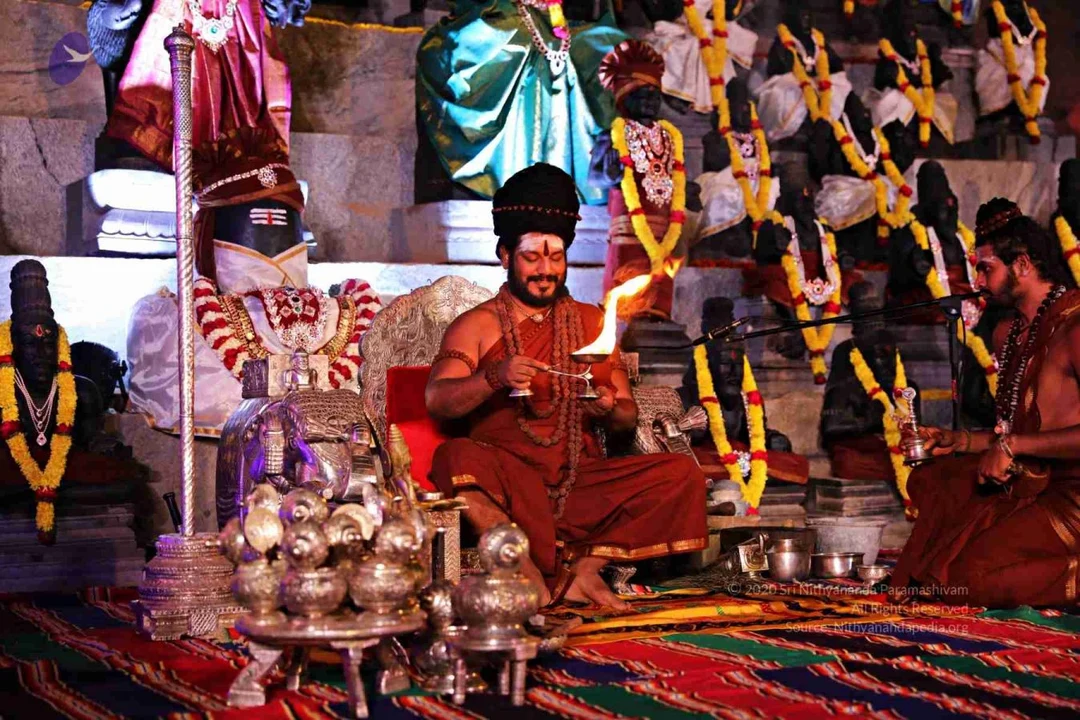 Fire (agni) lit using agamic fire igniter known as arni
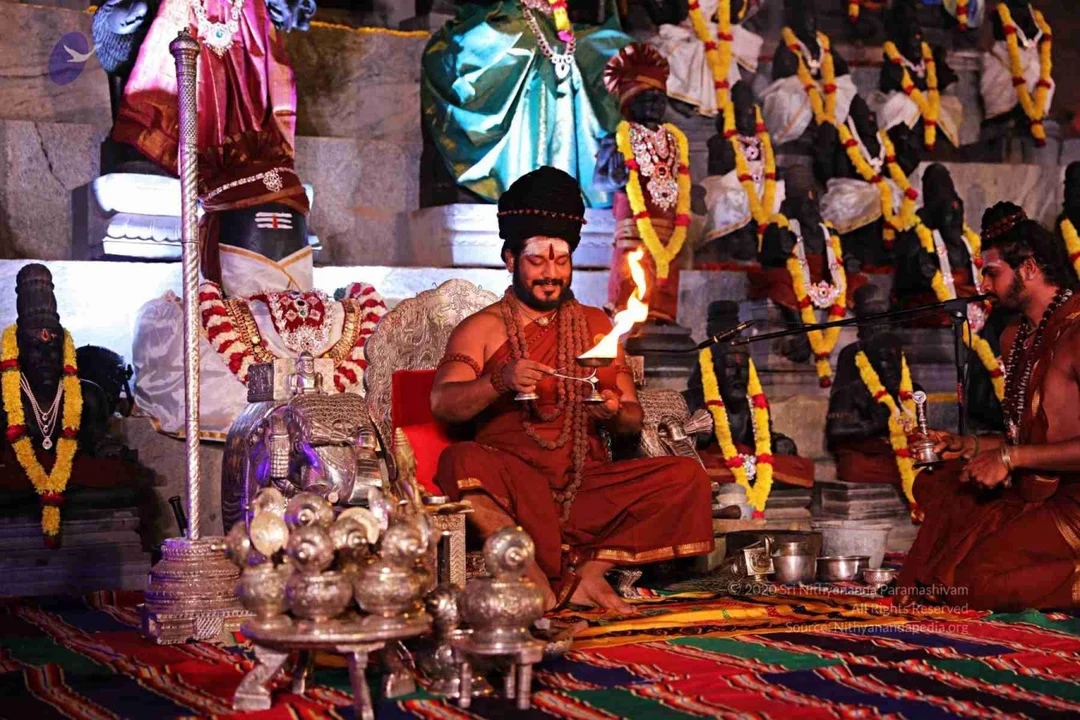 Fire (agni) lit using agamic fire igniter known as arni
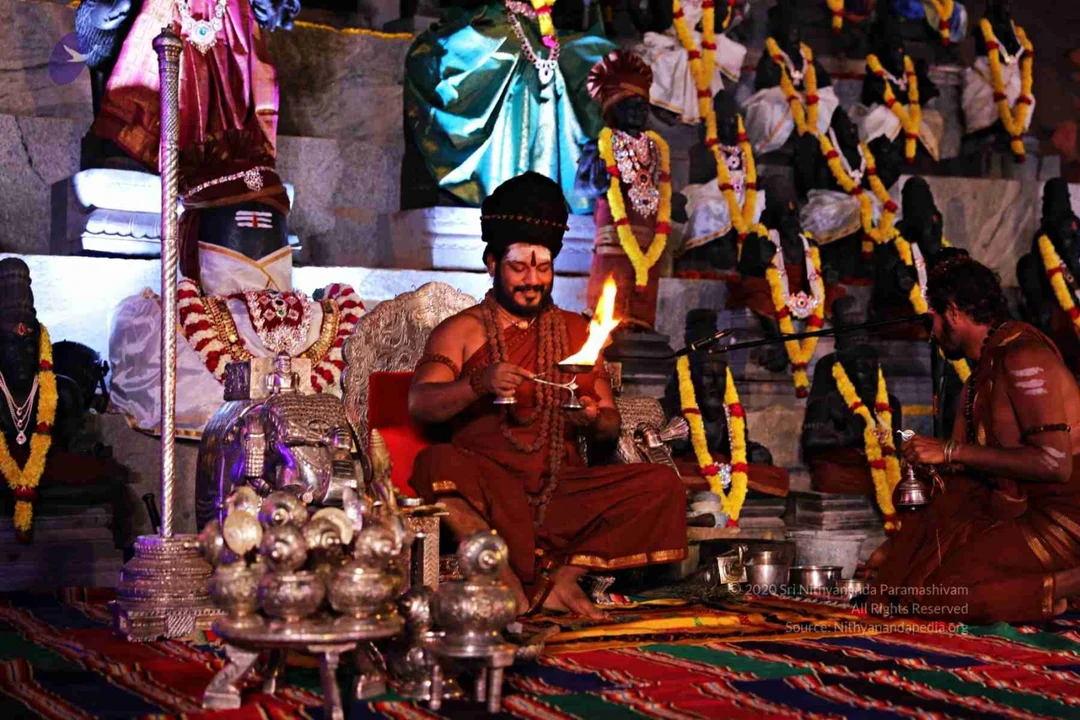 Fire (agni) lit using agamic fire igniter known as arni
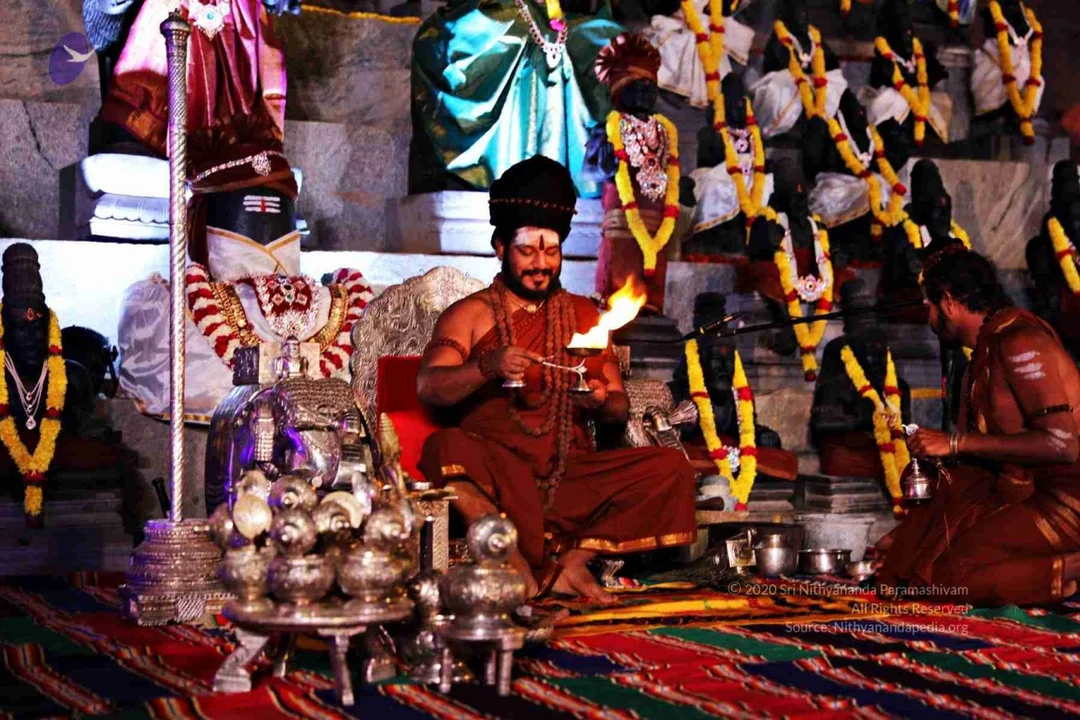 Fire (agni) lit using agamic fire igniter known as arni
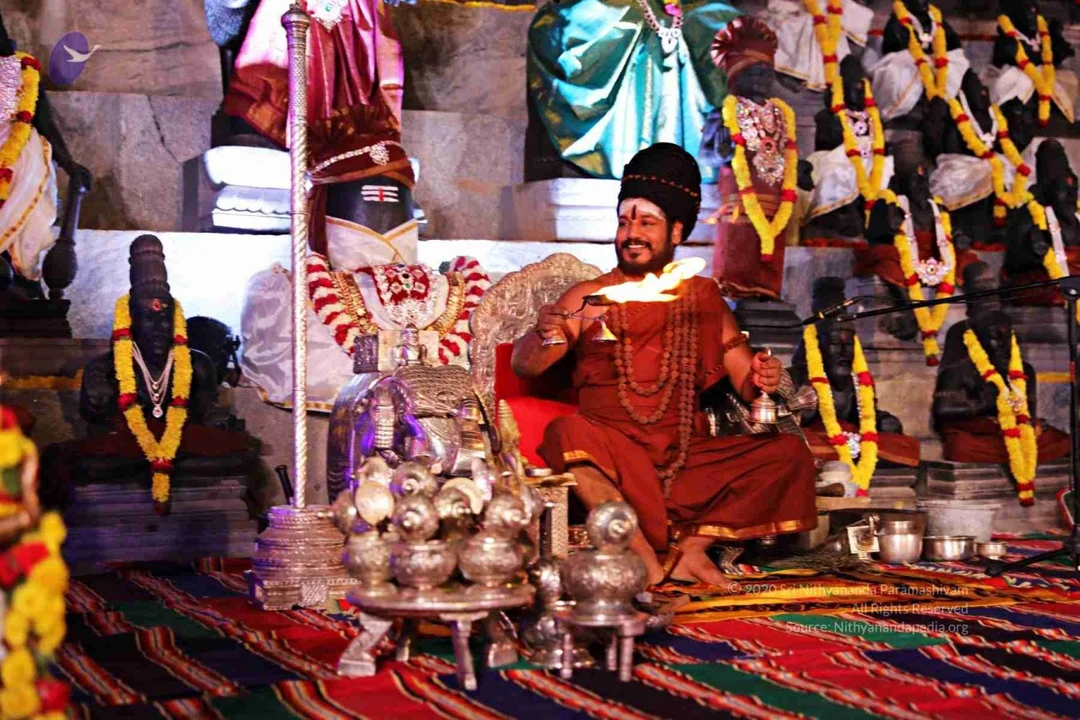 Aarti offered to deities after lighting Agni
 Aarti offered to deities after lighting Agni
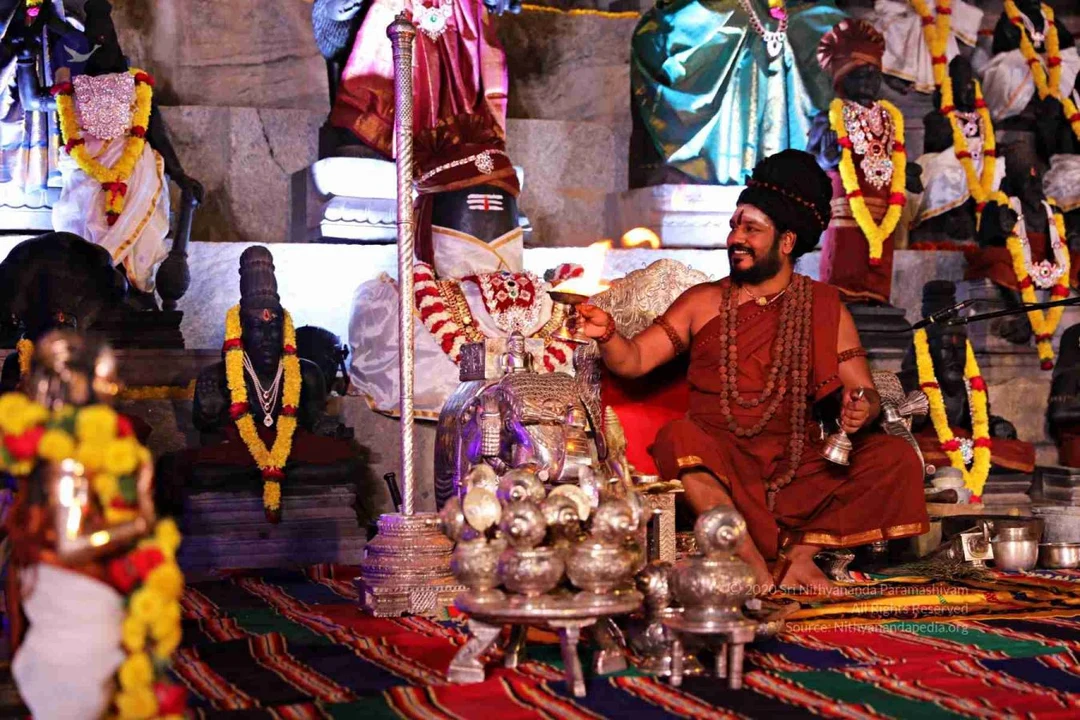 Aarti offered to deities after lighting Agni
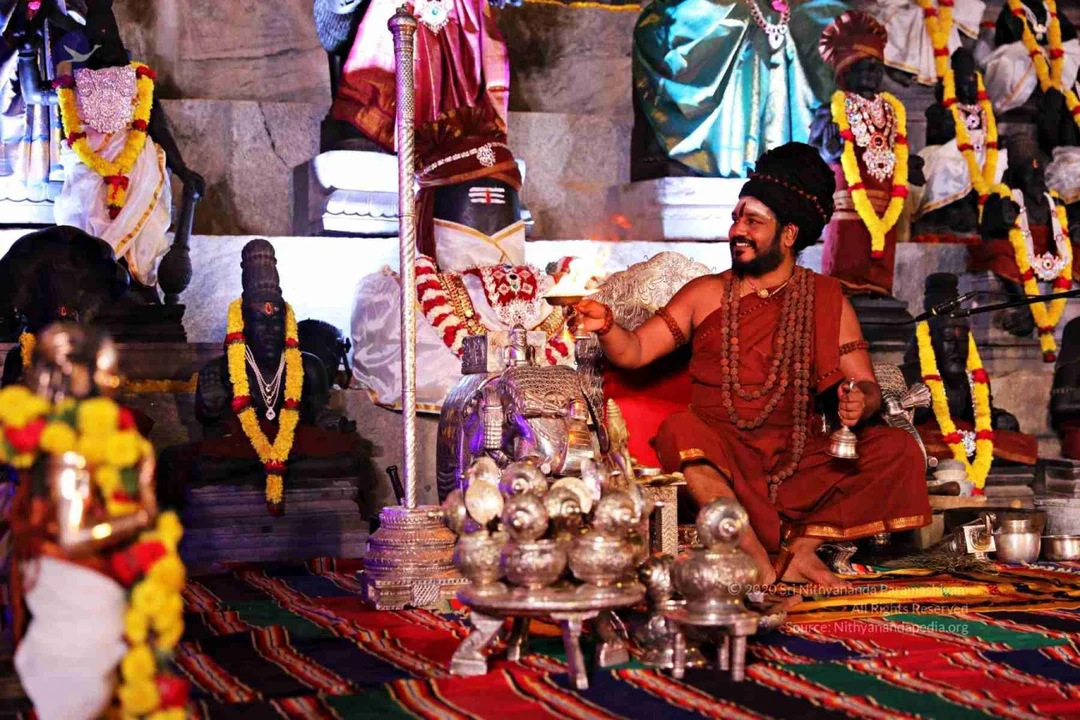 Aarti offered to deities after lighting Agni
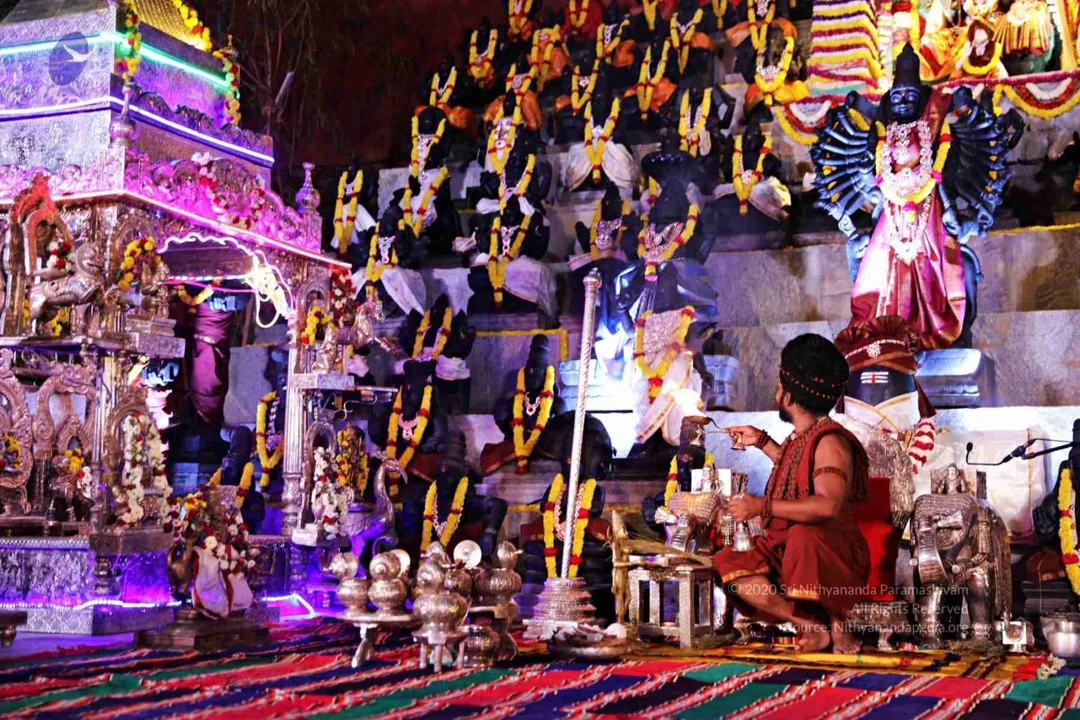 Aarti offered to deities after lighting Agni
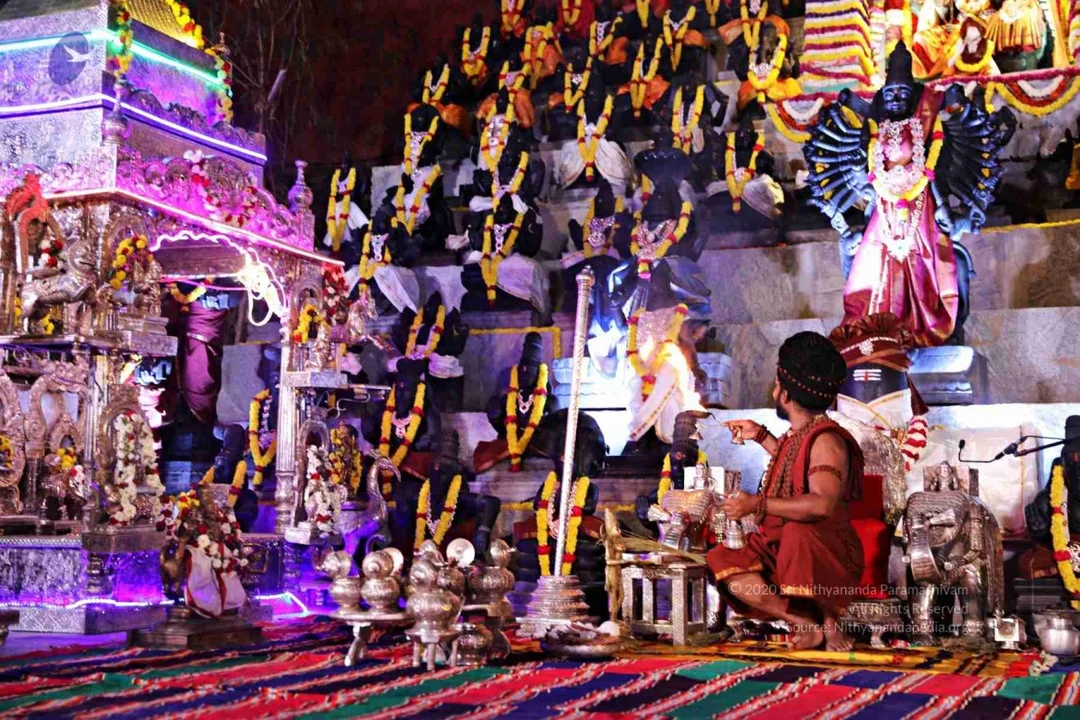 Aarti offered to deities after lighting Agni
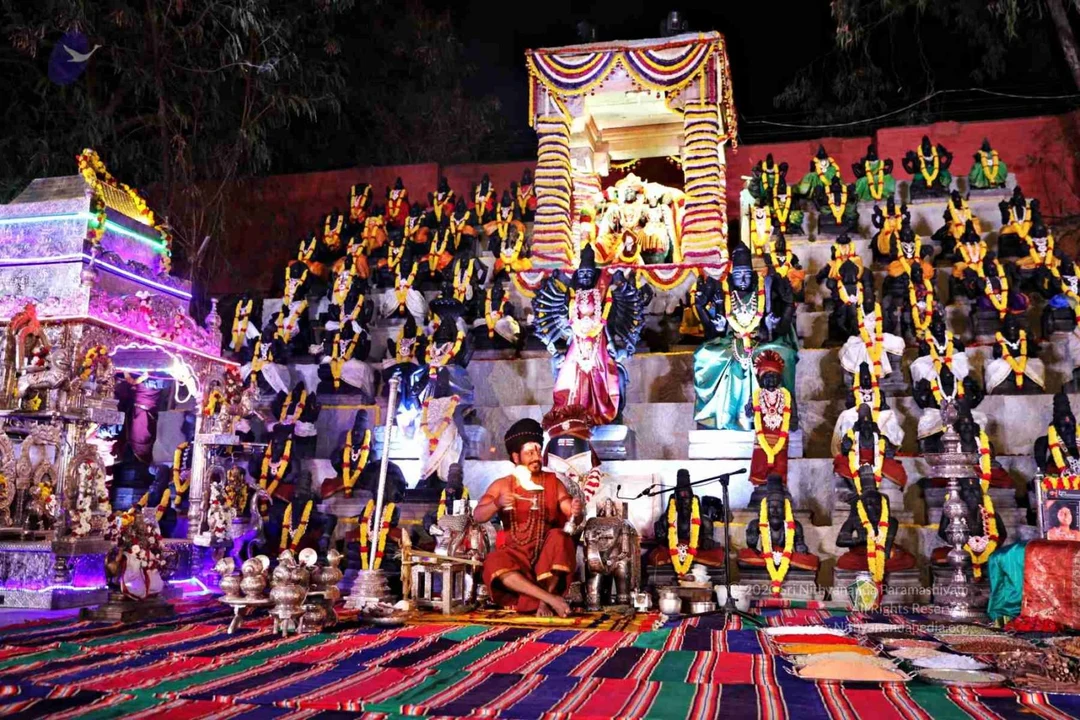 Aarti offered to deities after lighting Agni
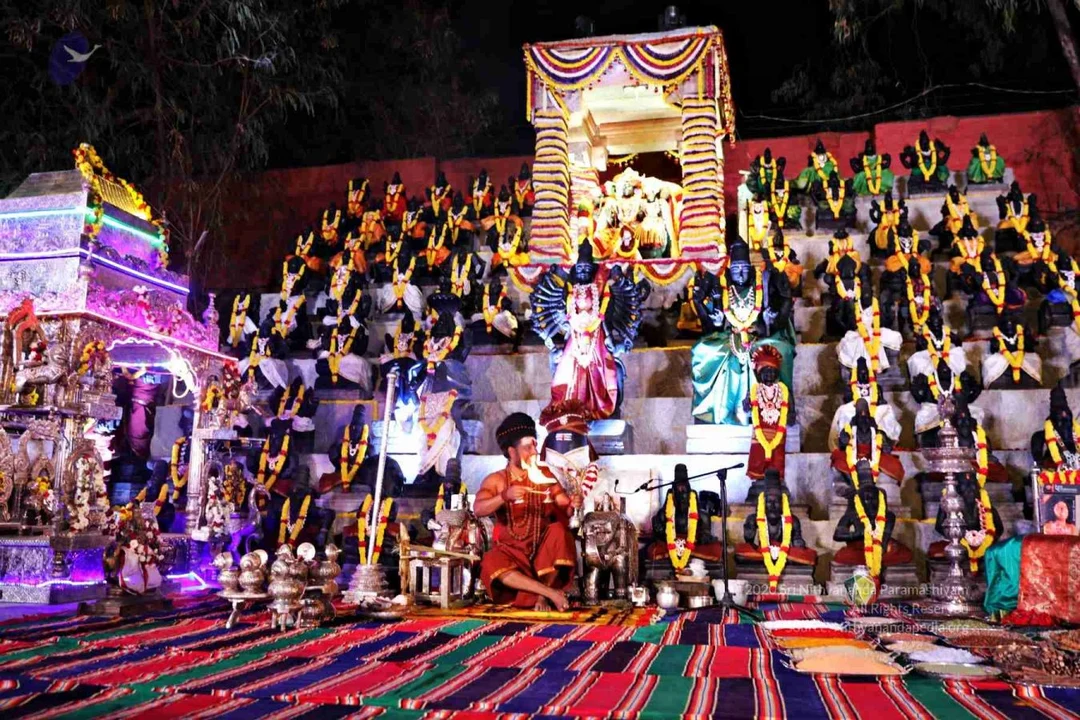 Aarti offered to deities after lighting Agni
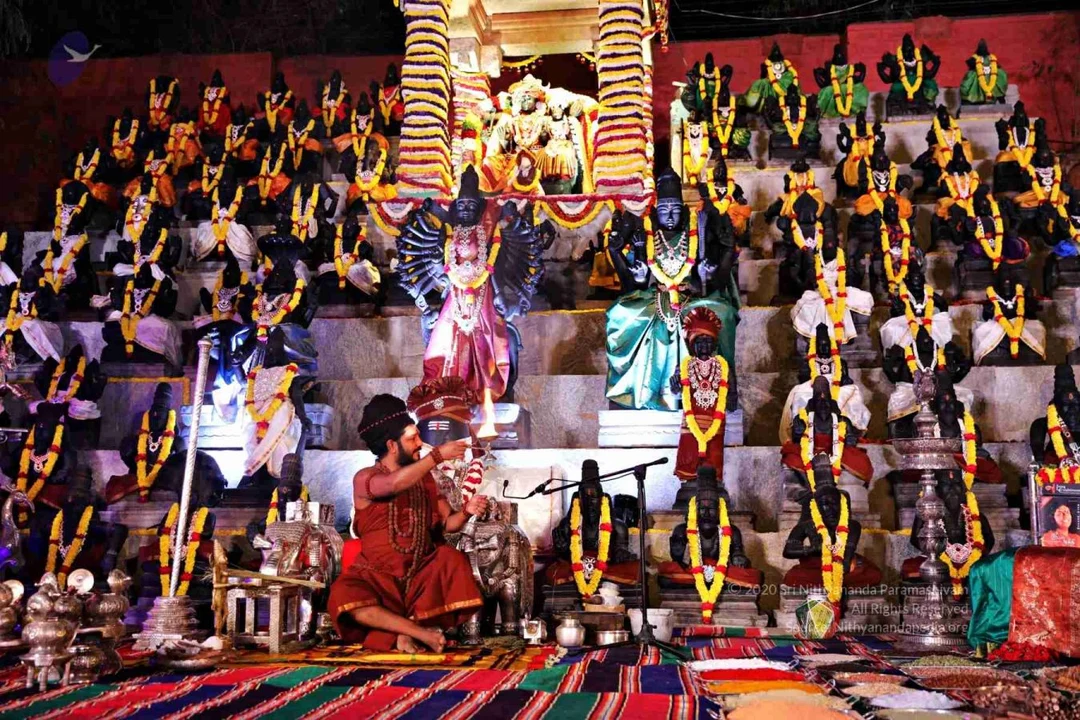 Aarti offered to deities after lighting Agni
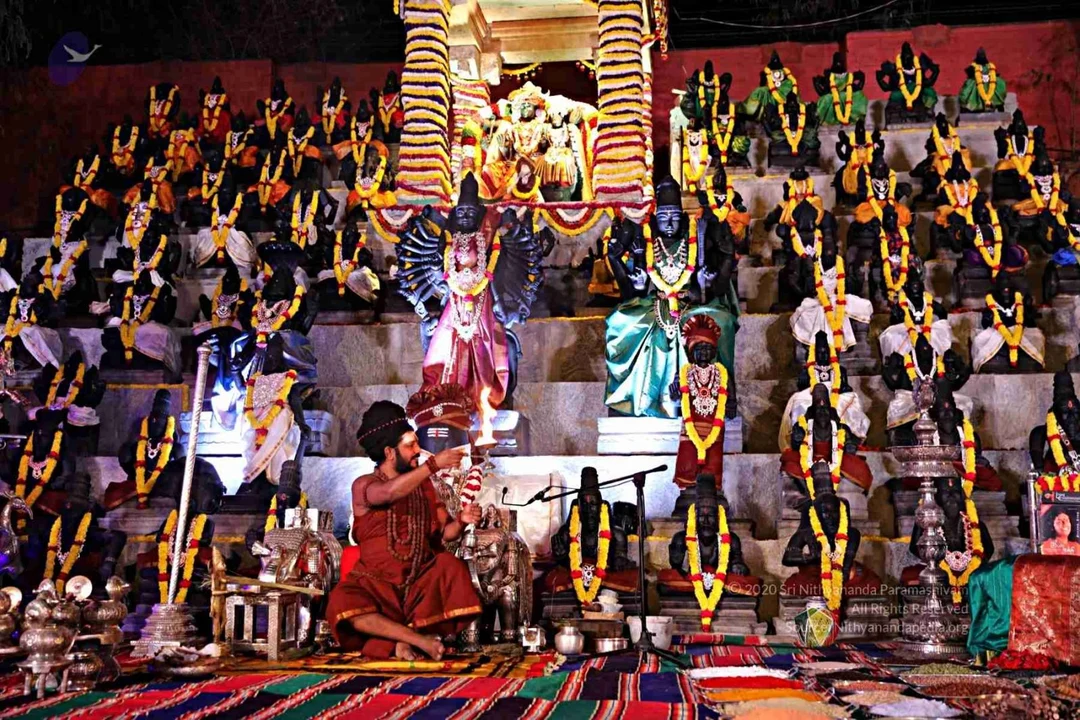 Aarti offered to deities after lighting Agni
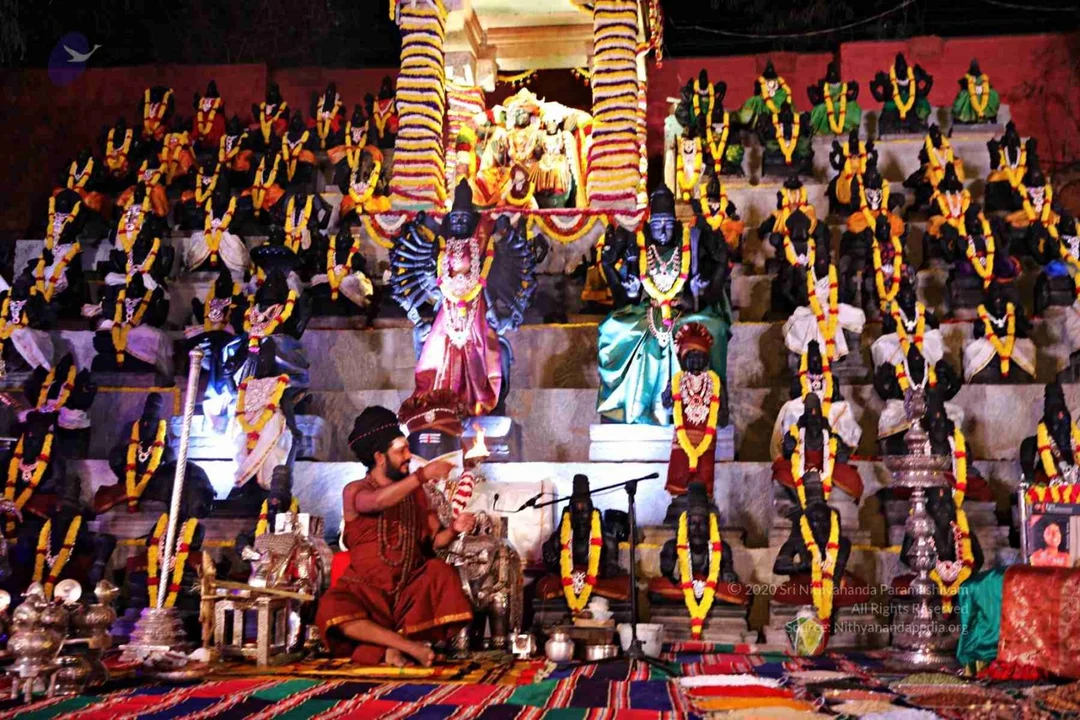 Aarti offered to deities after lighting Agni
 Aushada process celebration at Adi Kailaasa, Bengaluru Aadheenam
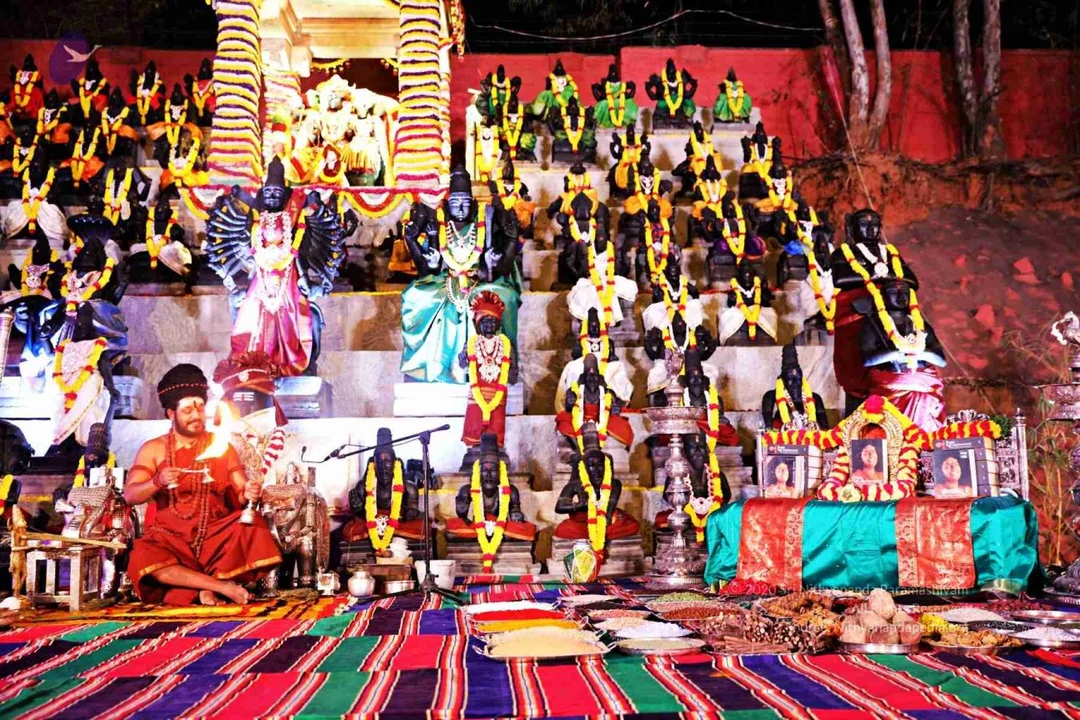 Aushada process celebration at Adi Kailaasa, Bengaluru Aadheenam
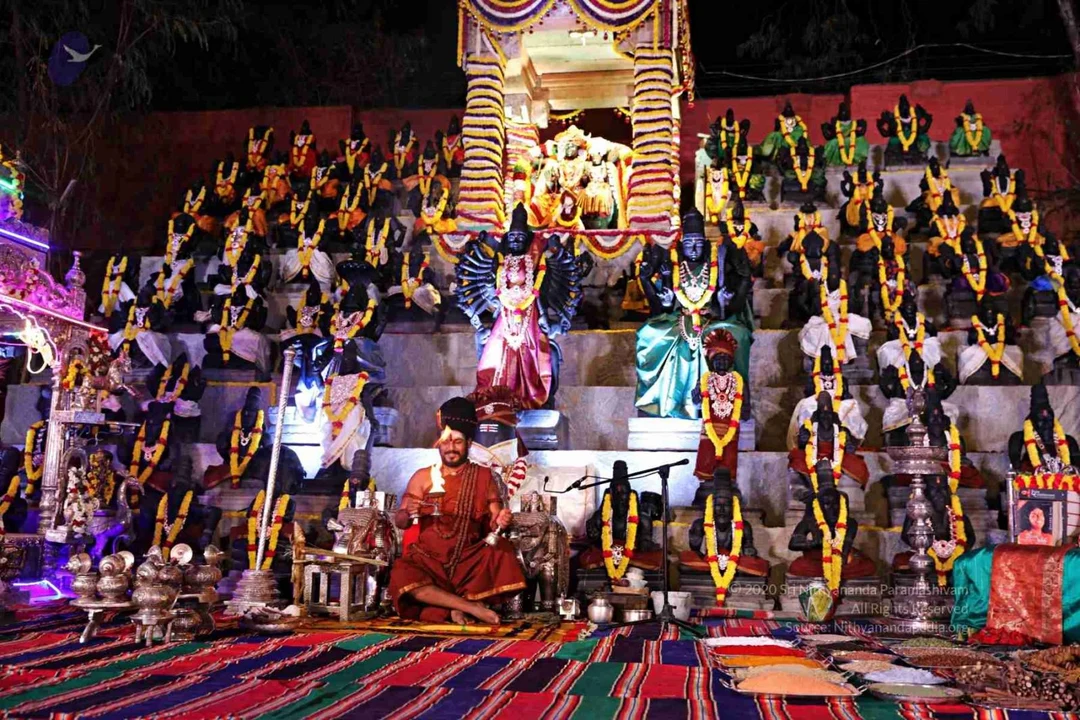 Aushada process celebration at Adi Kailaasa, Bengaluru Aadheenam
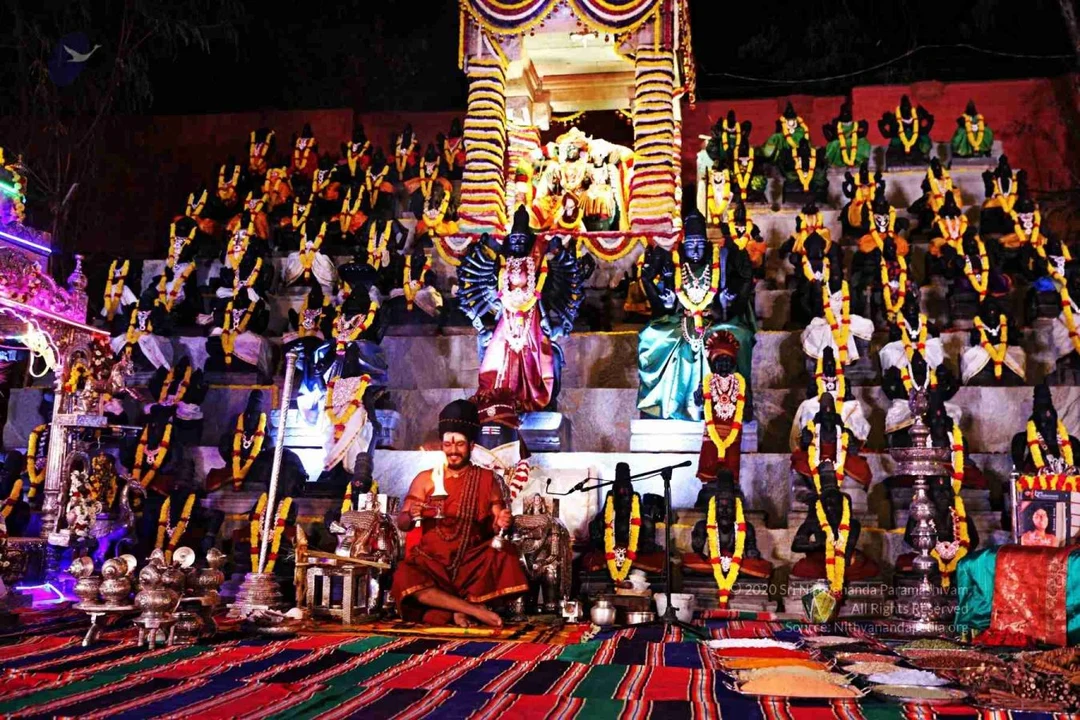 Aushada process celebration at Adi Kailaasa, Bengaluru Aadheenam
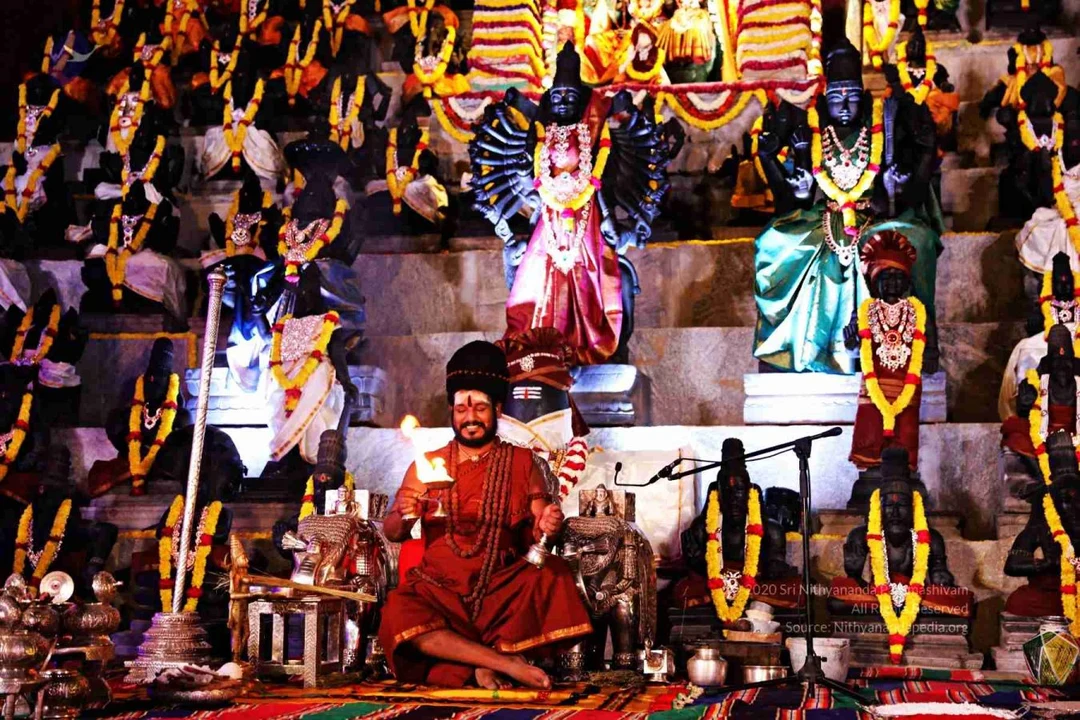 Aushada process celebration at Adi Kailaasa, Bengaluru Aadheenam
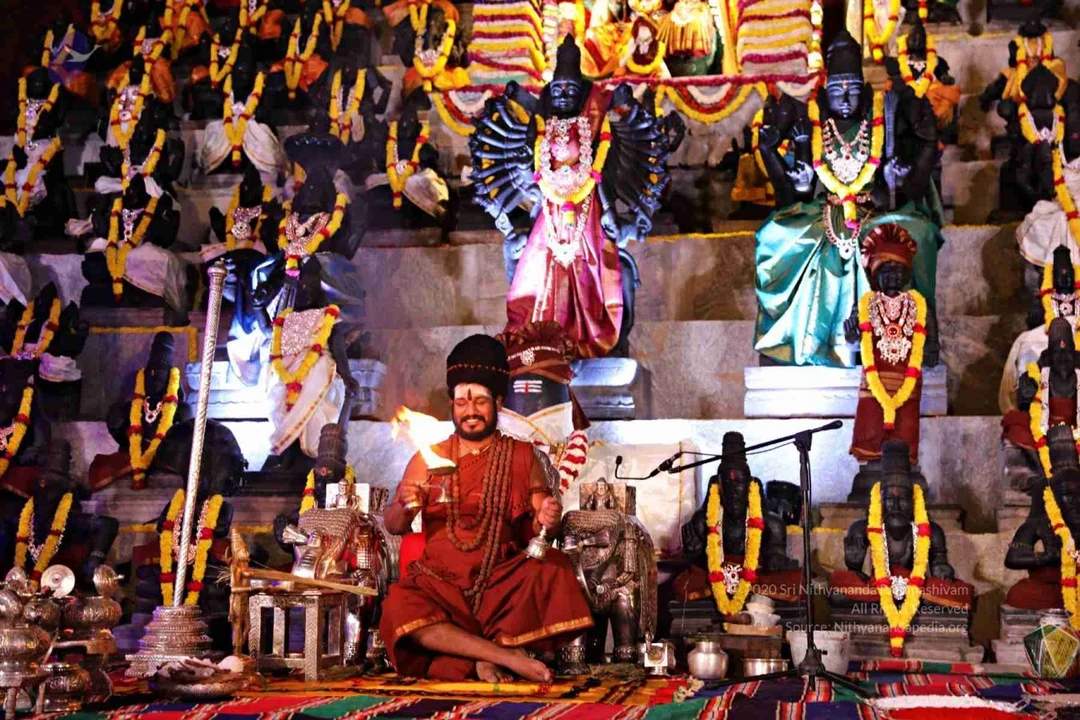 Aushada process celebration at Adi Kailaasa, Bengaluru Aadheenam
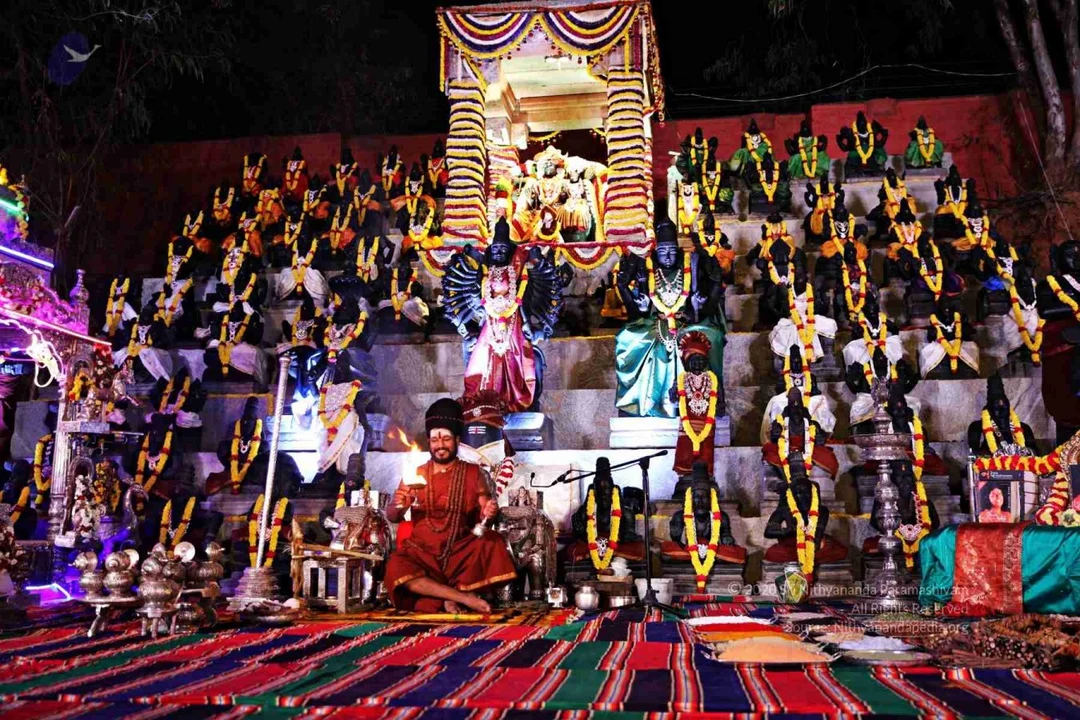 Aushada process celebration at Adi Kailaasa, Bengaluru Aadheenam
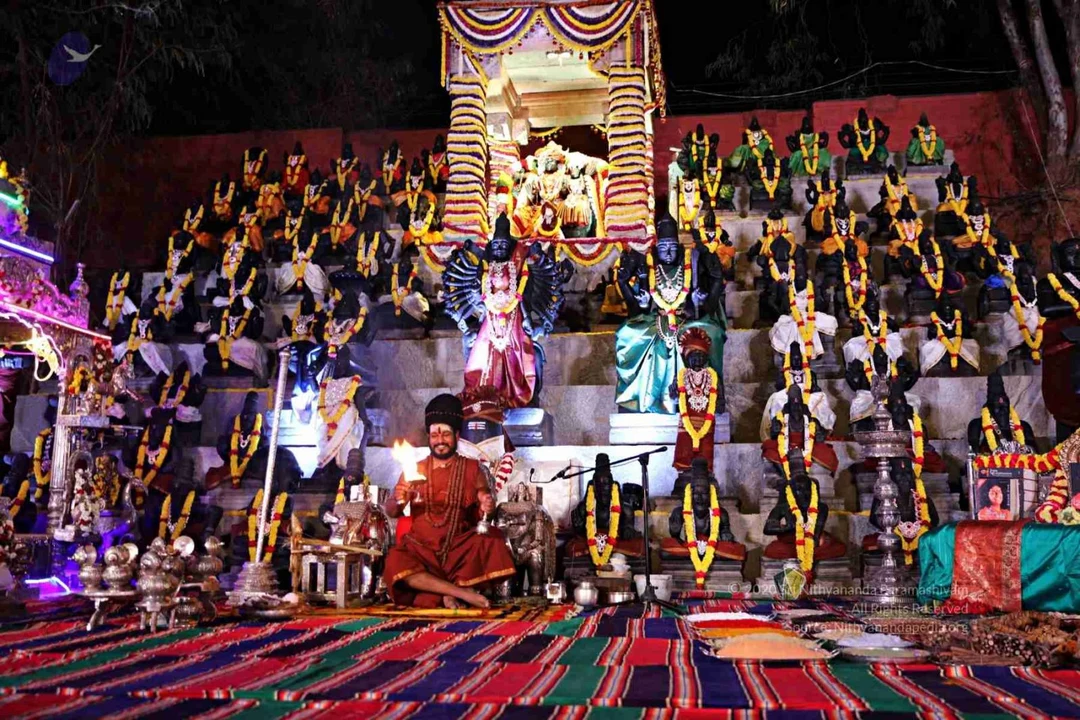 Aushada process celebration at Adi Kailaasa, Bengaluru Aadheenam
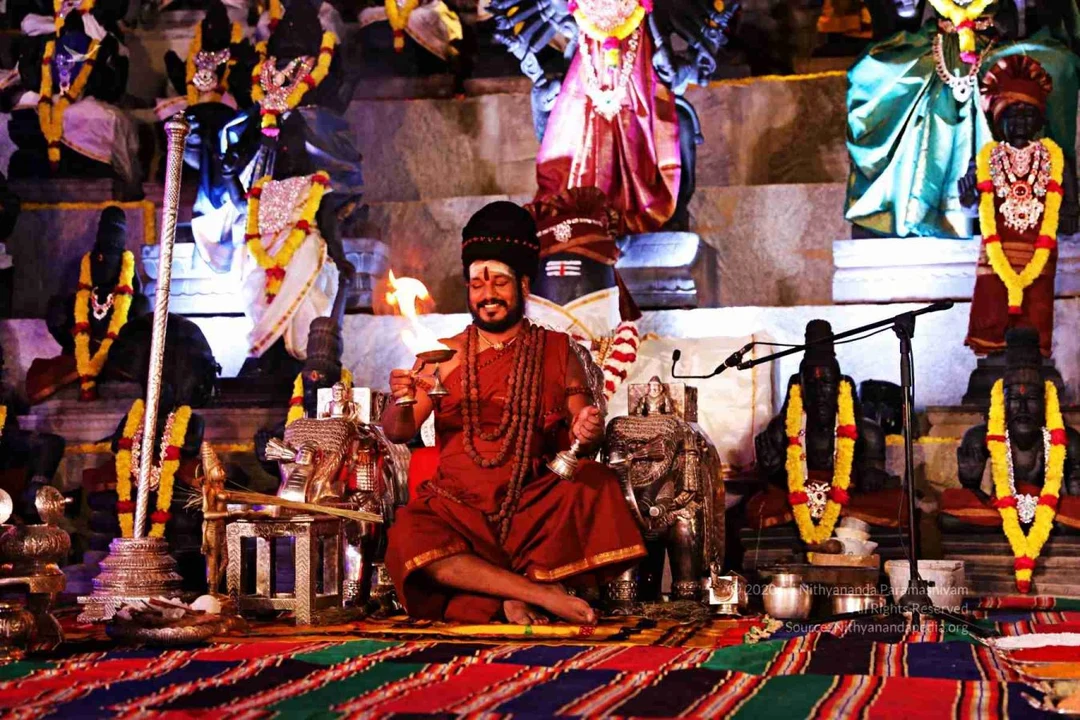 Aushada process celebration at Adi Kailaasa, Bengaluru Aadheenam
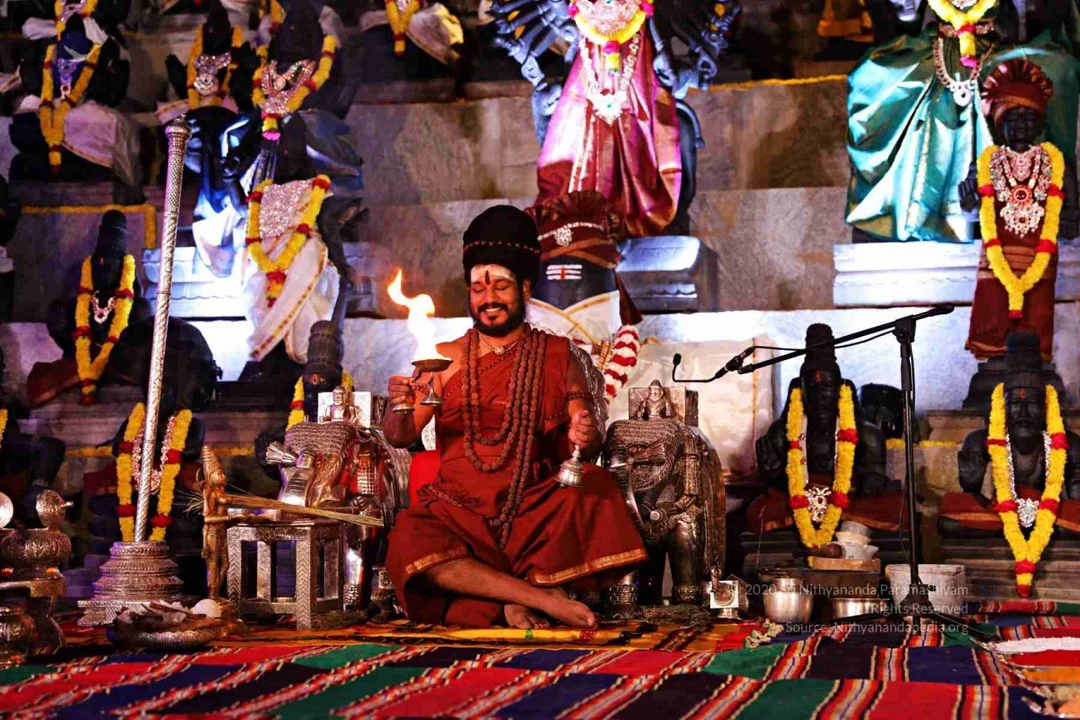 Aushada process celebration at Adi Kailaasa, Bengaluru Aadheenam
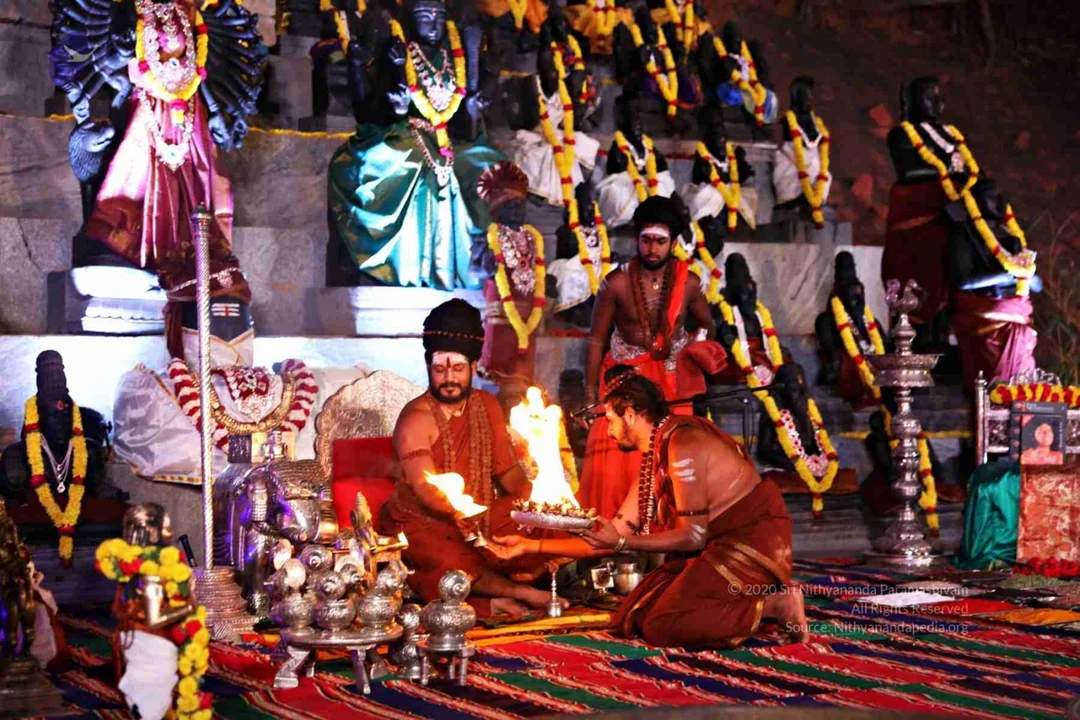 Aushada process celebration at Adi Kailaasa, Bengaluru Aadheenam
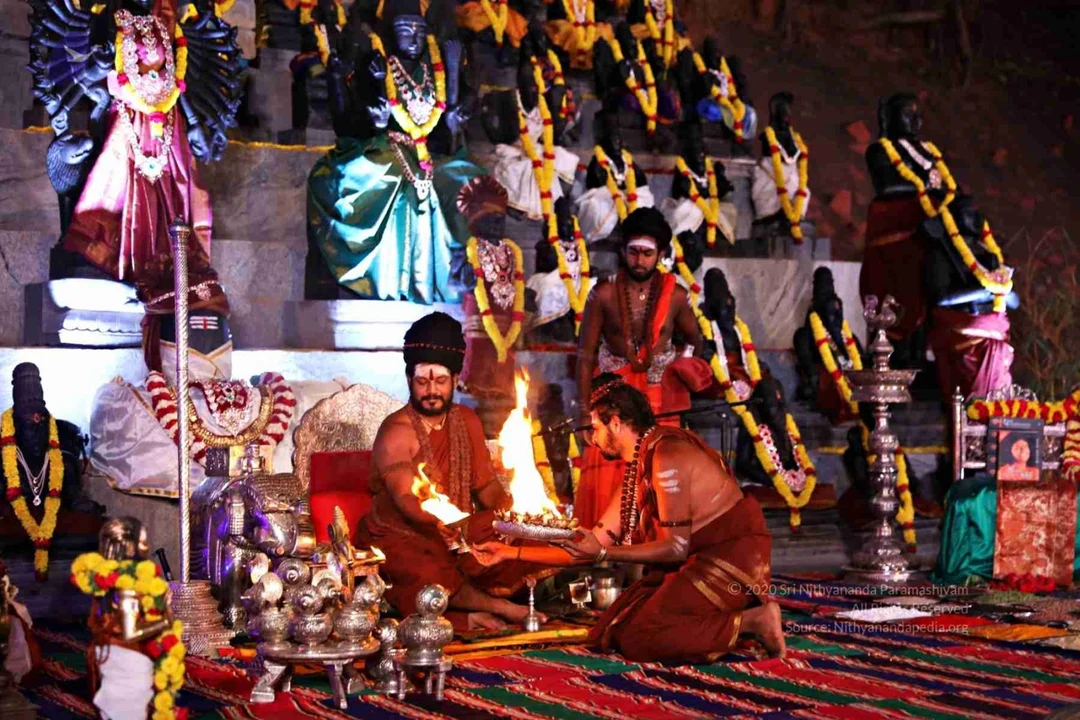 Aushada process celebration at Adi Kailaasa, Bengaluru Aadheenam
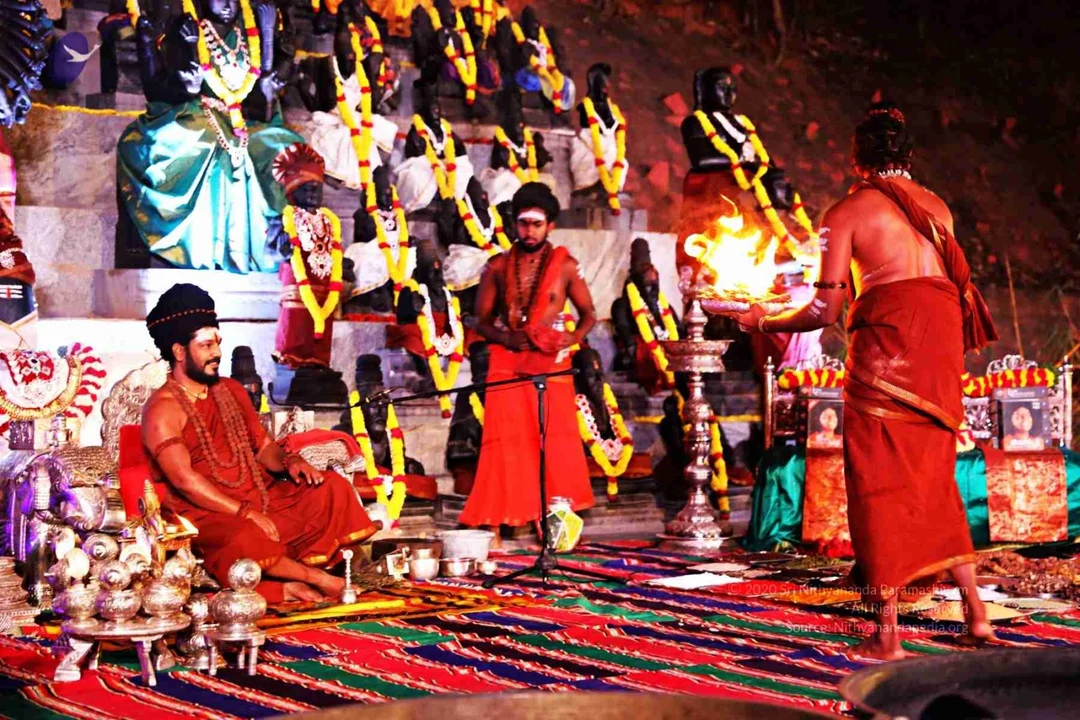 Aushada process celebration at Adi Kailaasa, Bengaluru Aadheenam
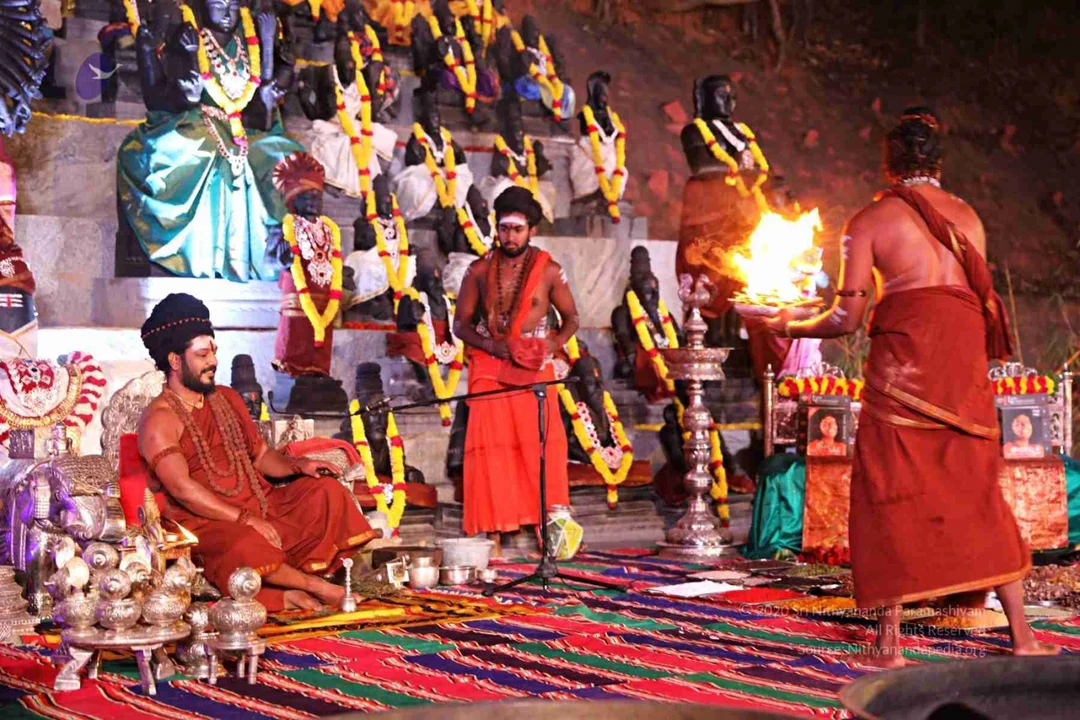 Aushada process celebration at Adi Kailaasa, Bengaluru Aadheenam
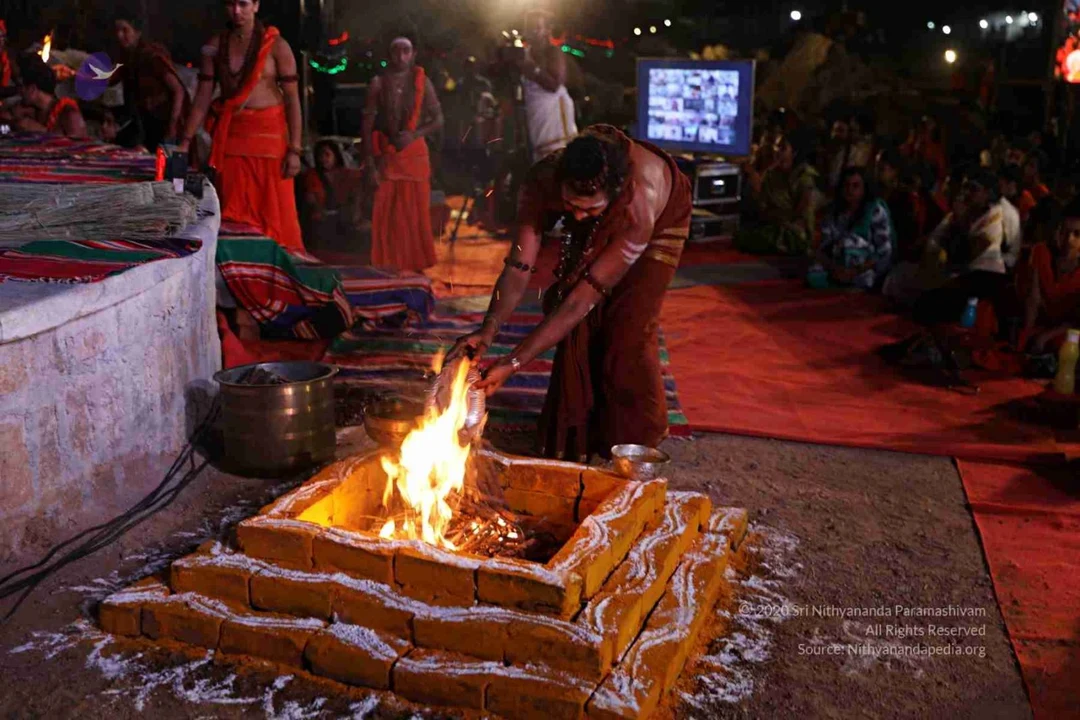 Aushada process celebration at Adi Kailaasa, Bengaluru Aadheenam
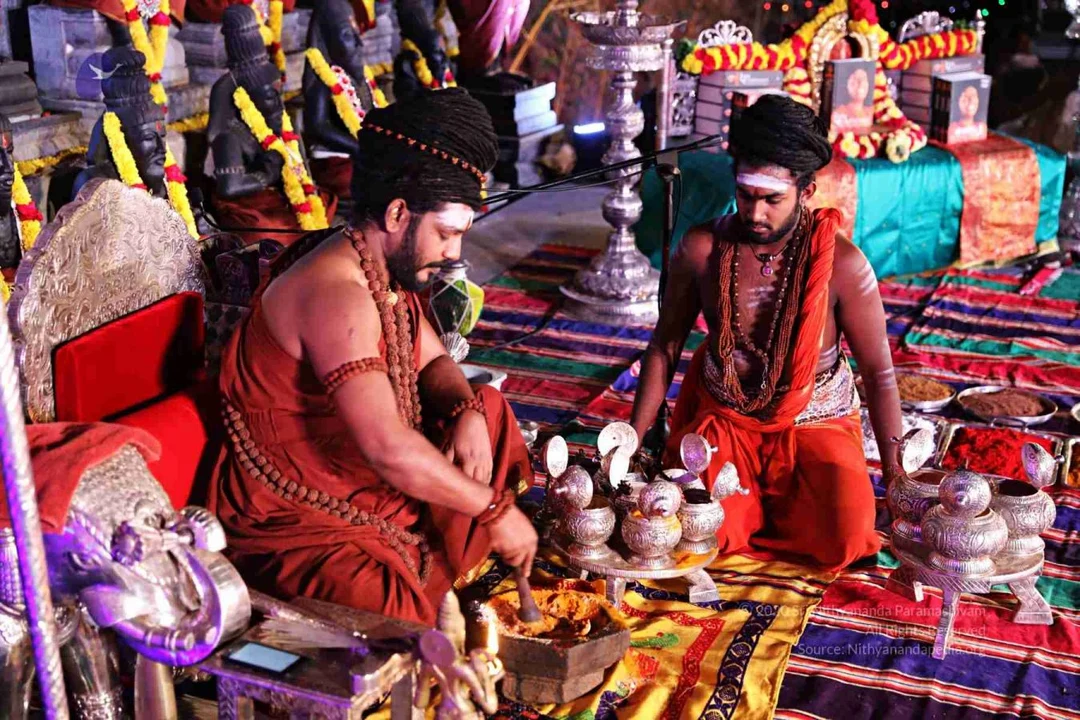 Aushada process celebration at Adi Kailaasa, Bengaluru Aadheenam
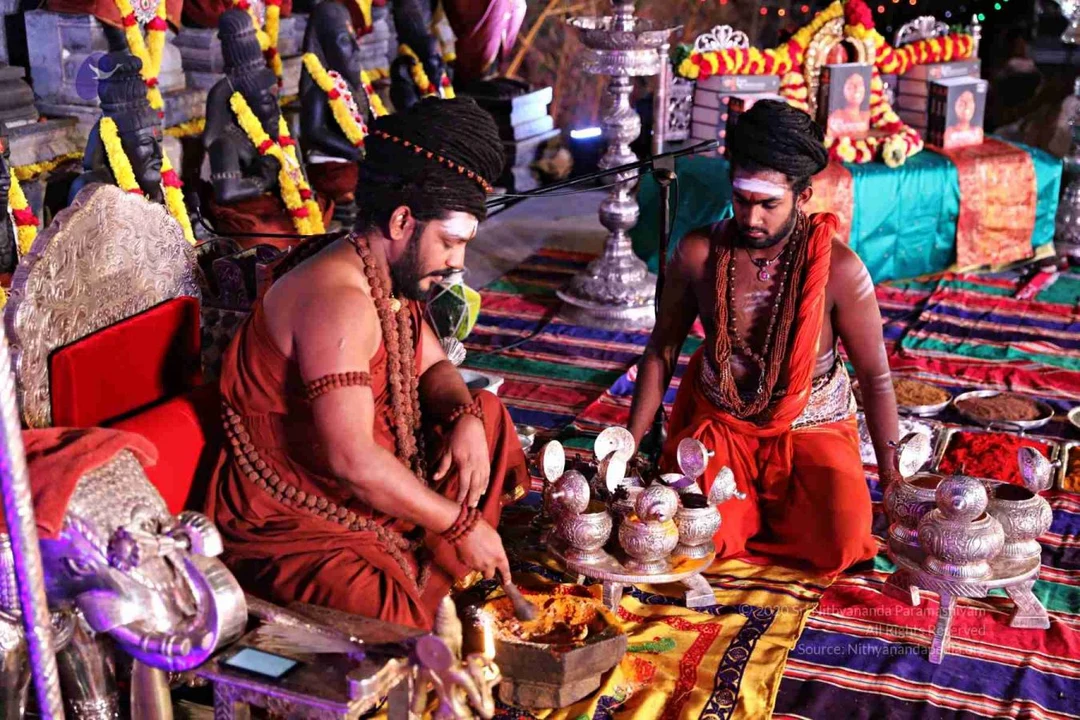 Aushada process celebration at Adi Kailaasa, Bengaluru Aadheenam
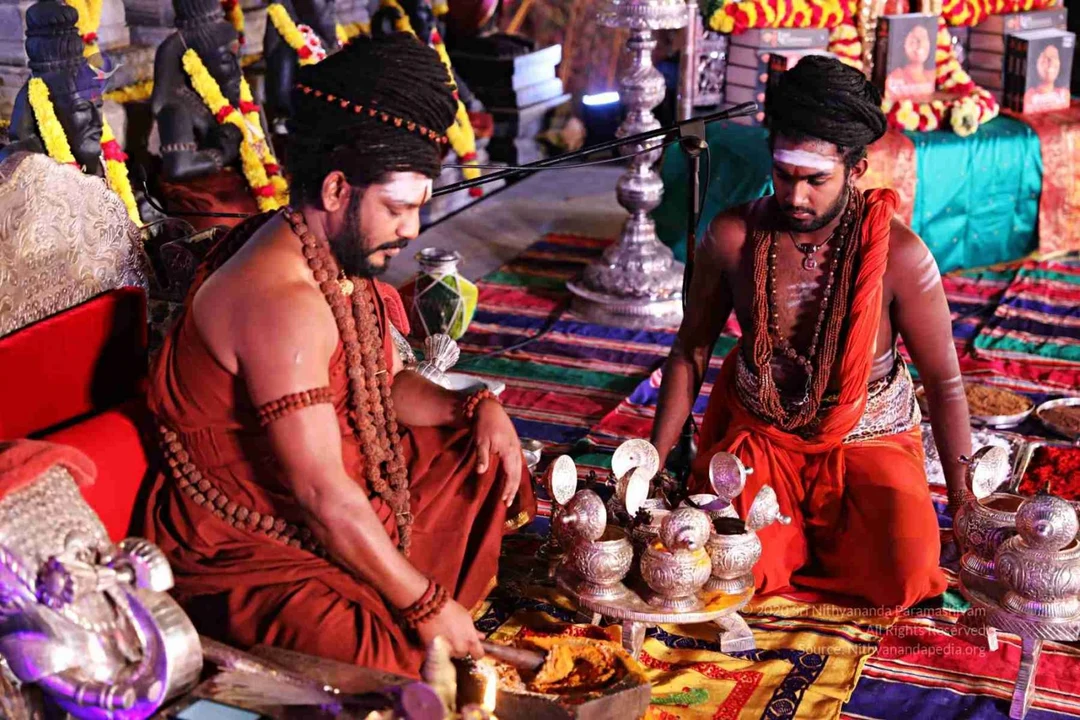 Aushada process celebration at Adi Kailaasa, Bengaluru Aadheenam
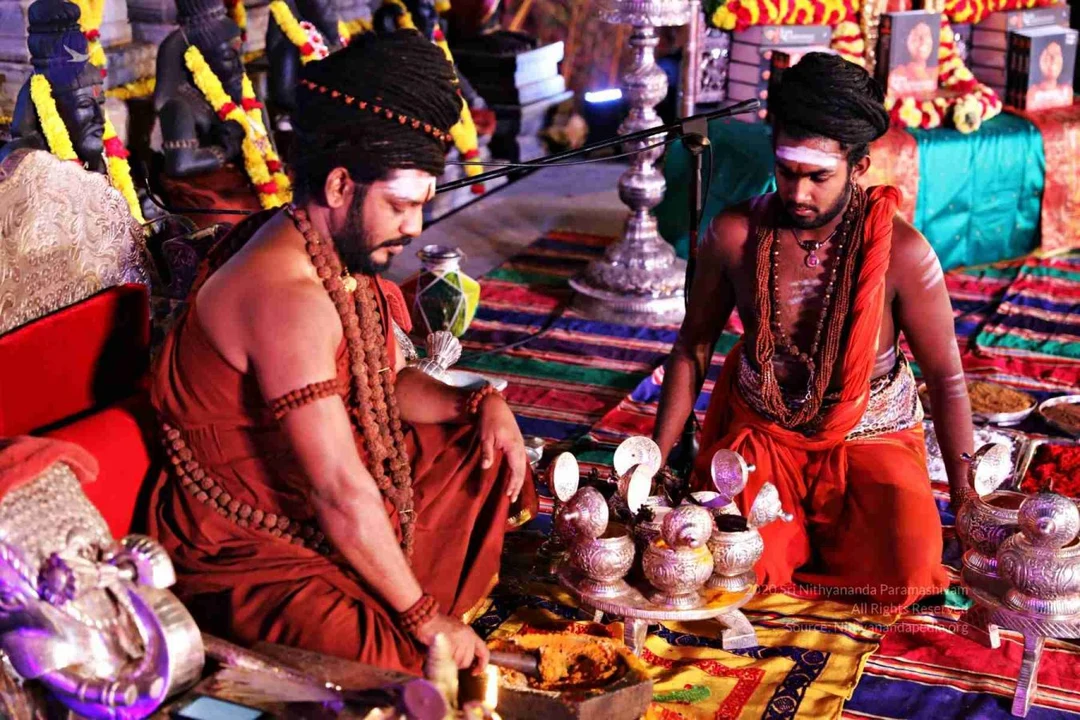 Aushada process celebration at Adi Kailaasa, Bengaluru Aadheenam
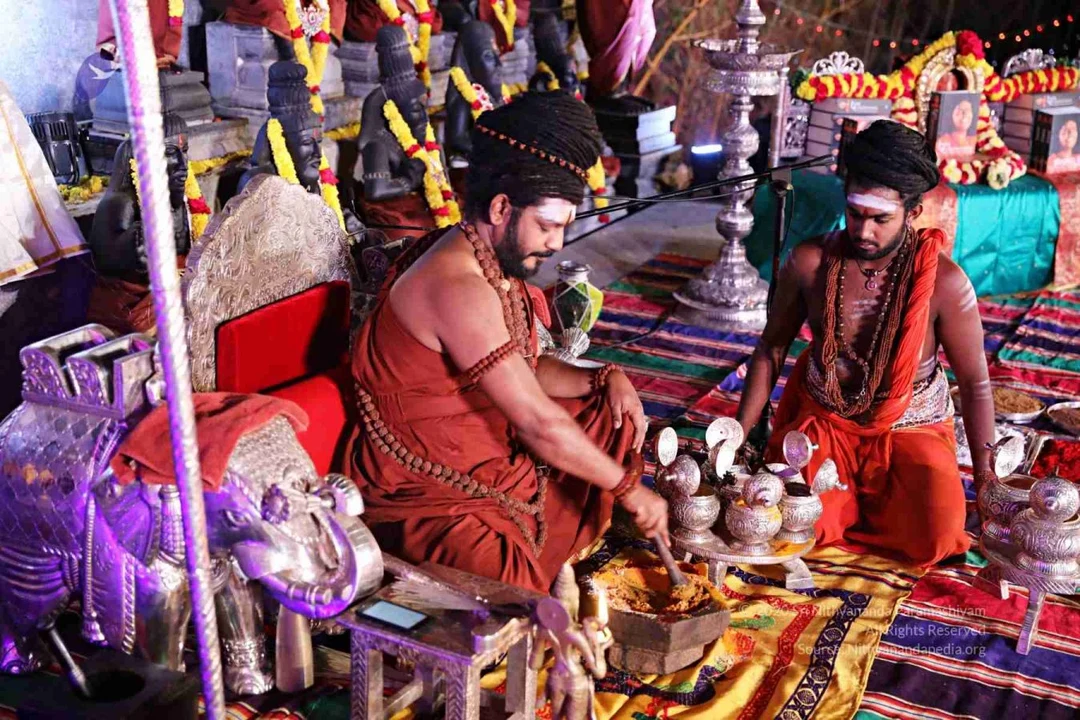 Aushada process celebration at Adi Kailaasa, Bengaluru Aadheenam
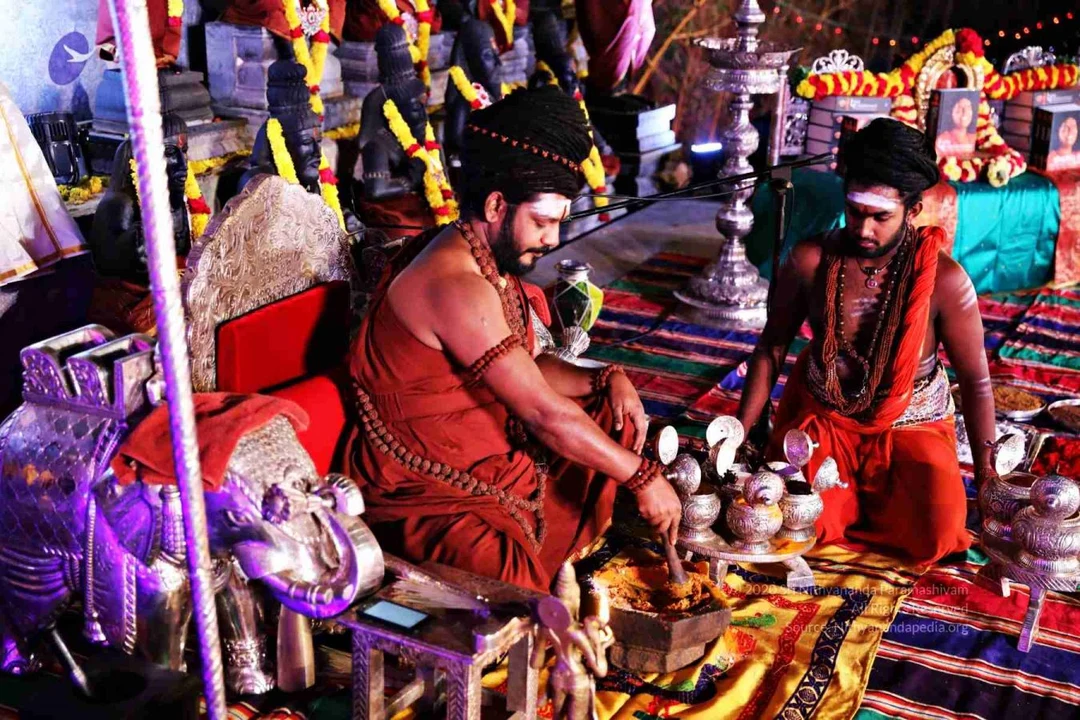 Aushada process celebration at Adi Kailaasa, Bengaluru Aadheenam
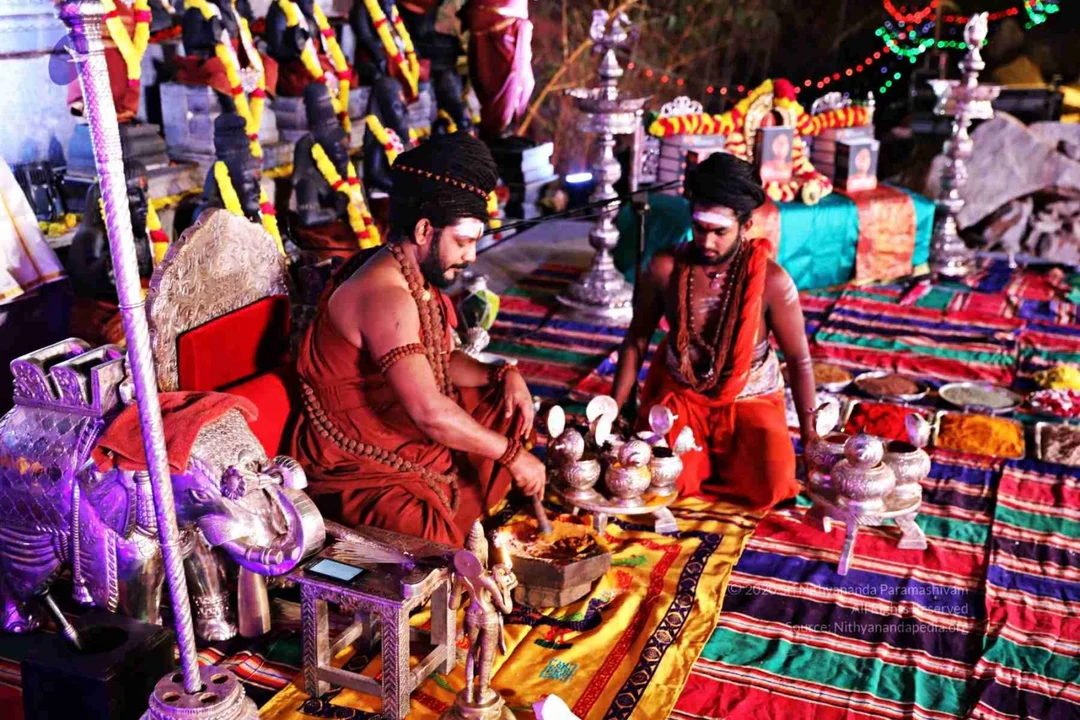 Aushada process celebration at Adi Kailaasa, Bengaluru Aadheenam
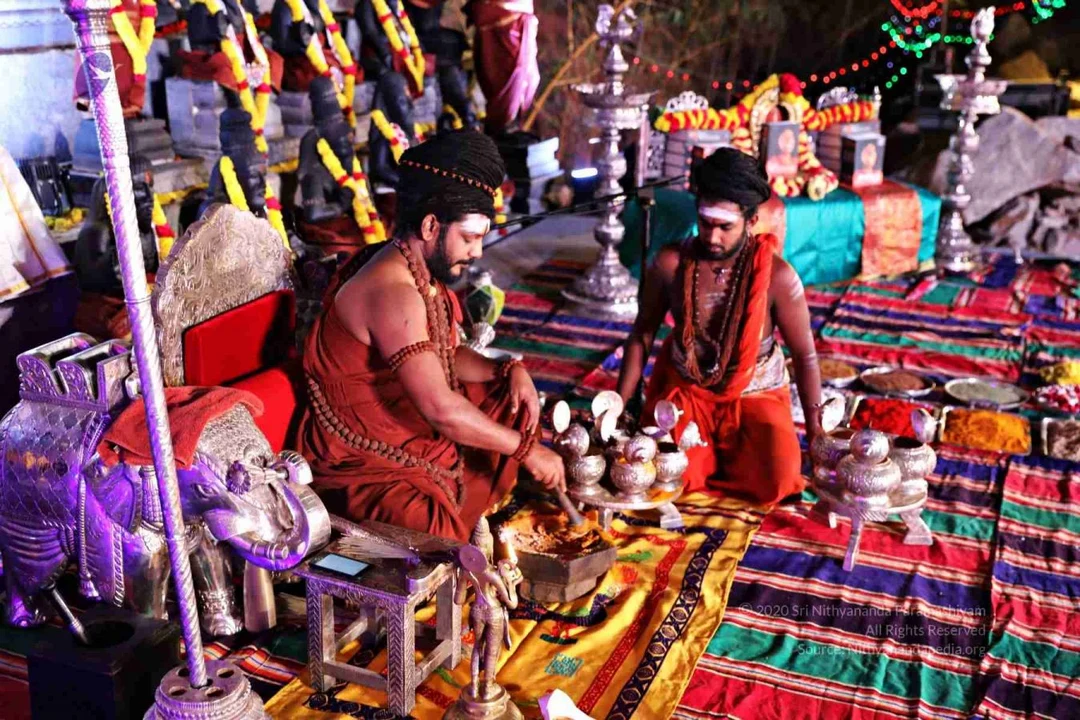 Aushada process celebration at Adi Kailaasa, Bengaluru Aadheenam
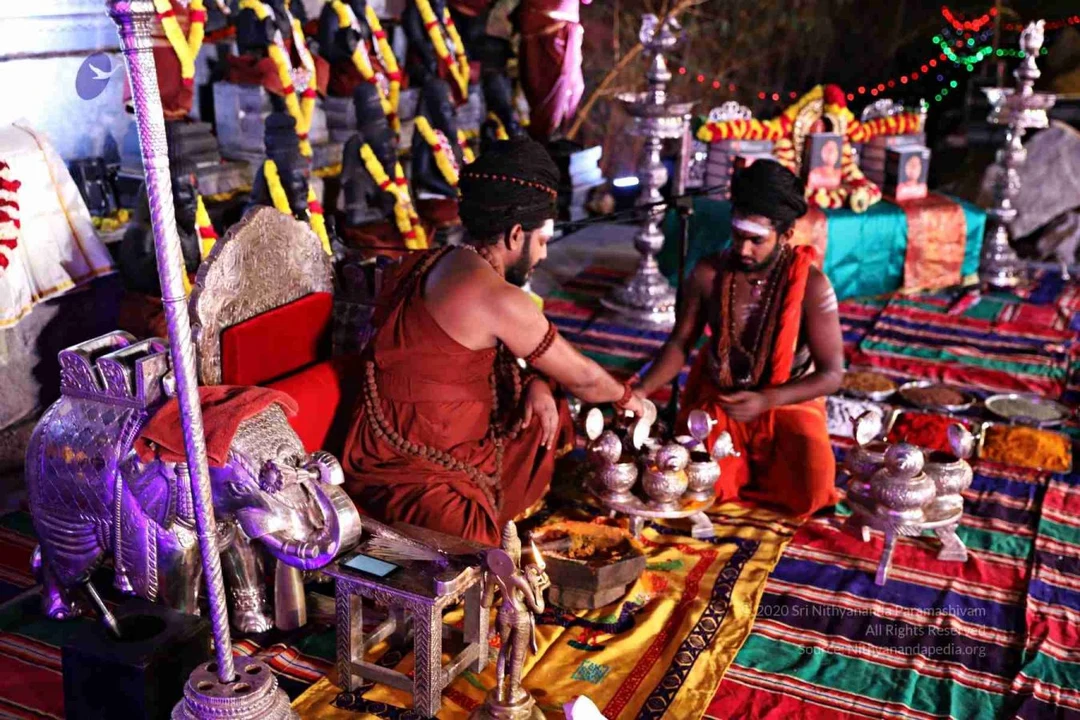 Aushada process celebration at Adi Kailaasa, Bengaluru Aadheenam
 Aushada process celebration at Adi Kailaasa, Bengaluru Aadheenam
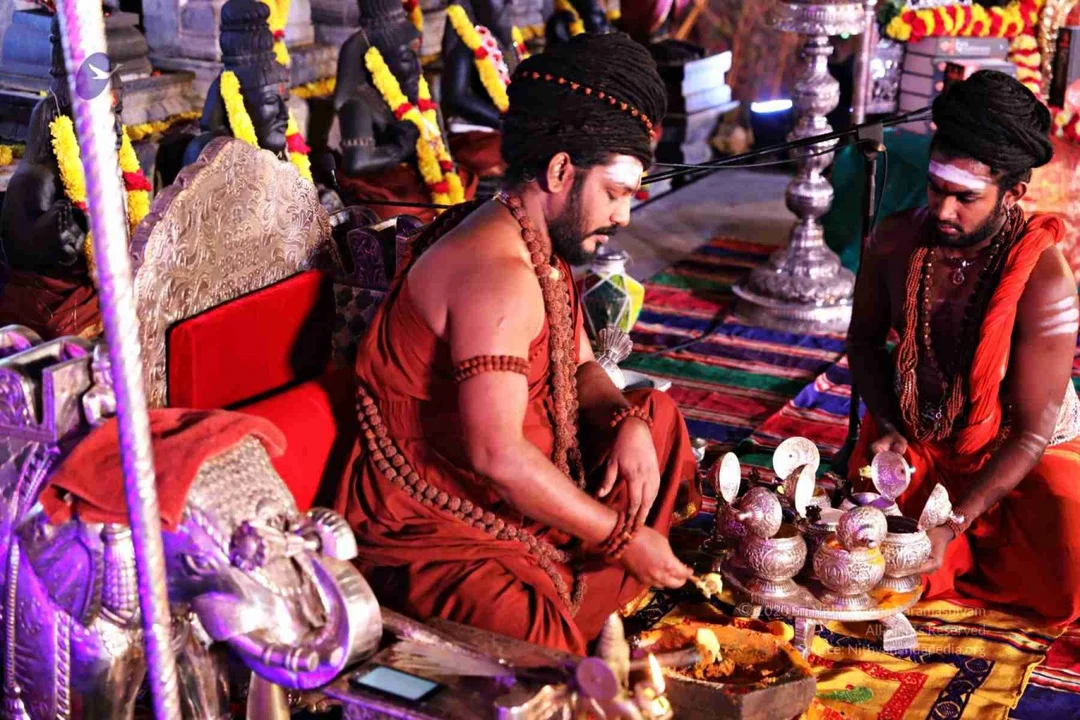 Aushada process celebration at Adi Kailaasa, Bengaluru Aadheenam
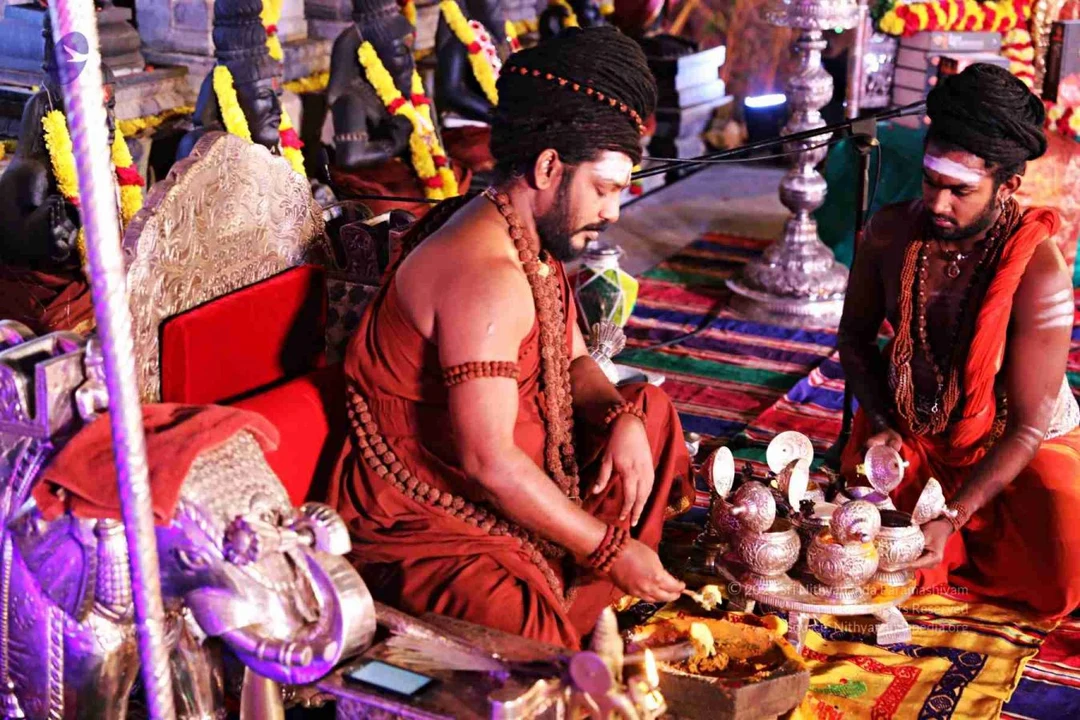 Aushada process celebration at Adi Kailaasa, Bengaluru Aadheenam
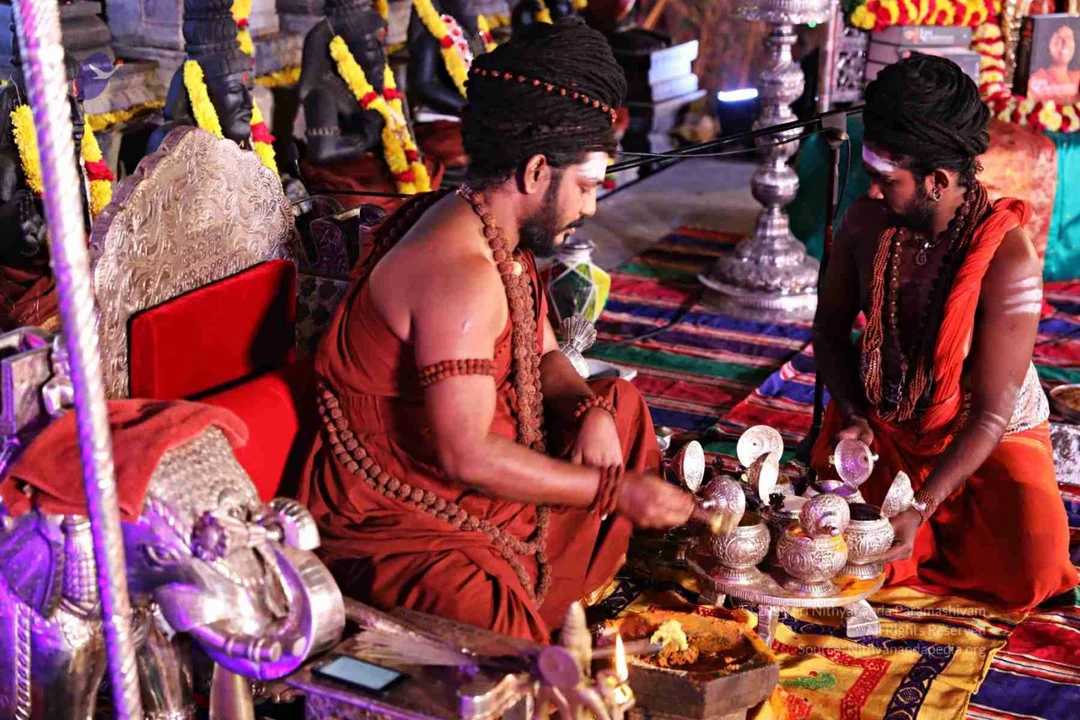 Aushada process celebration at Adi Kailaasa, Bengaluru Aadheenam
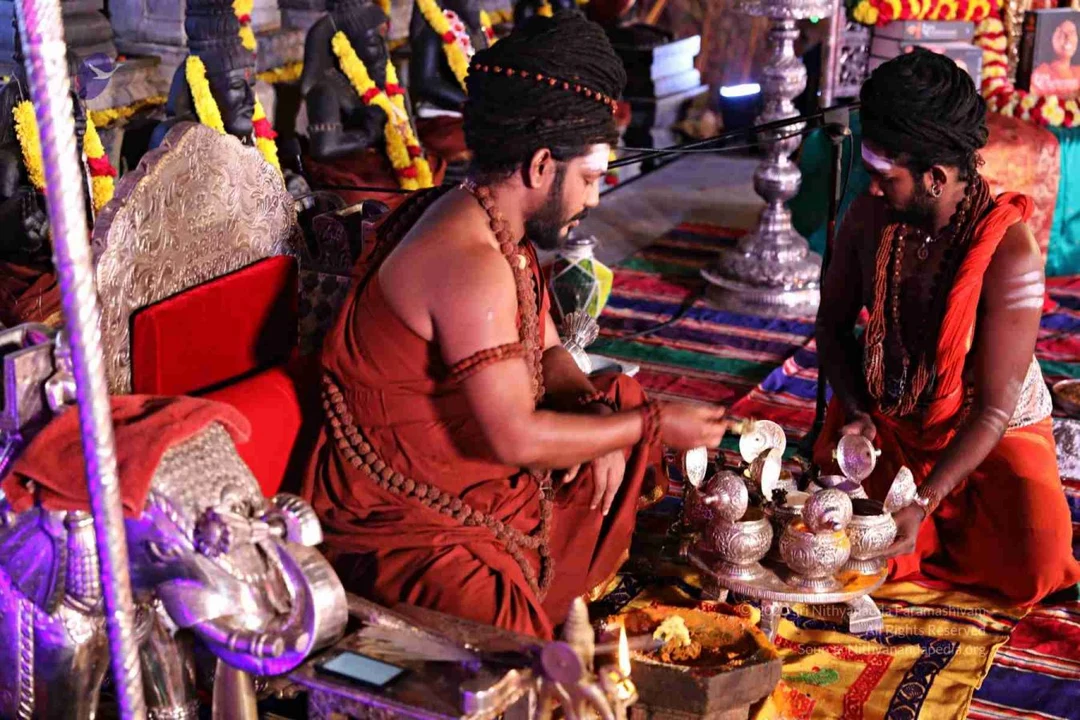 Aushada process celebration at Adi Kailaasa, Bengaluru Aadheenam
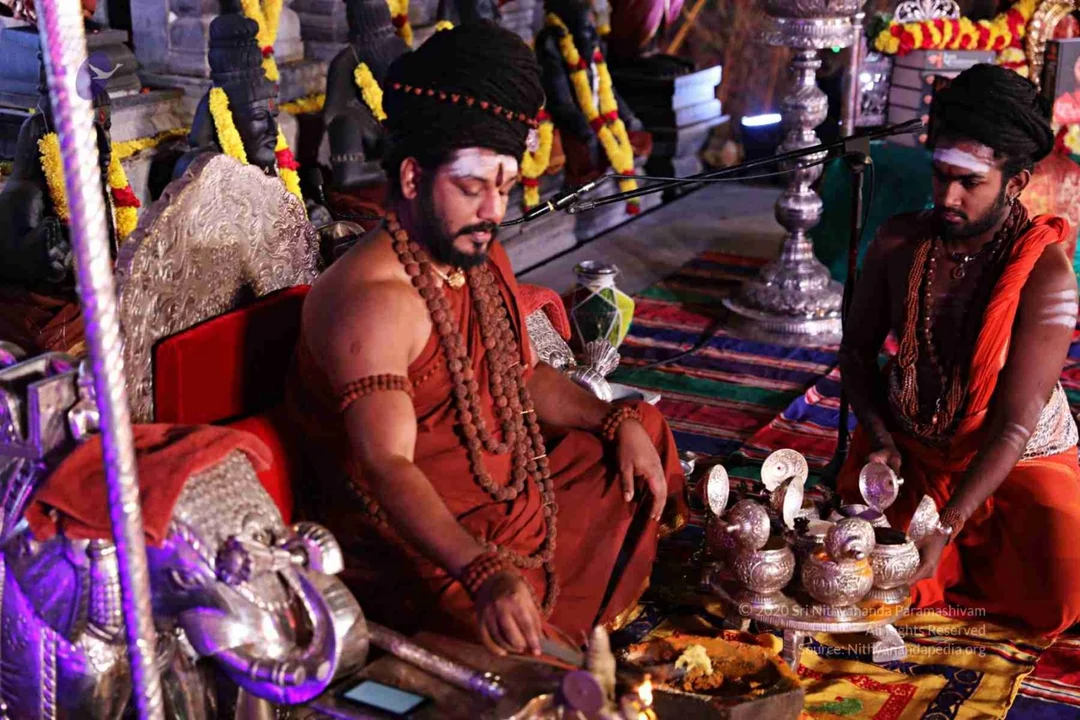 Aushada process celebration at Adi Kailaasa, Bengaluru Aadheenam
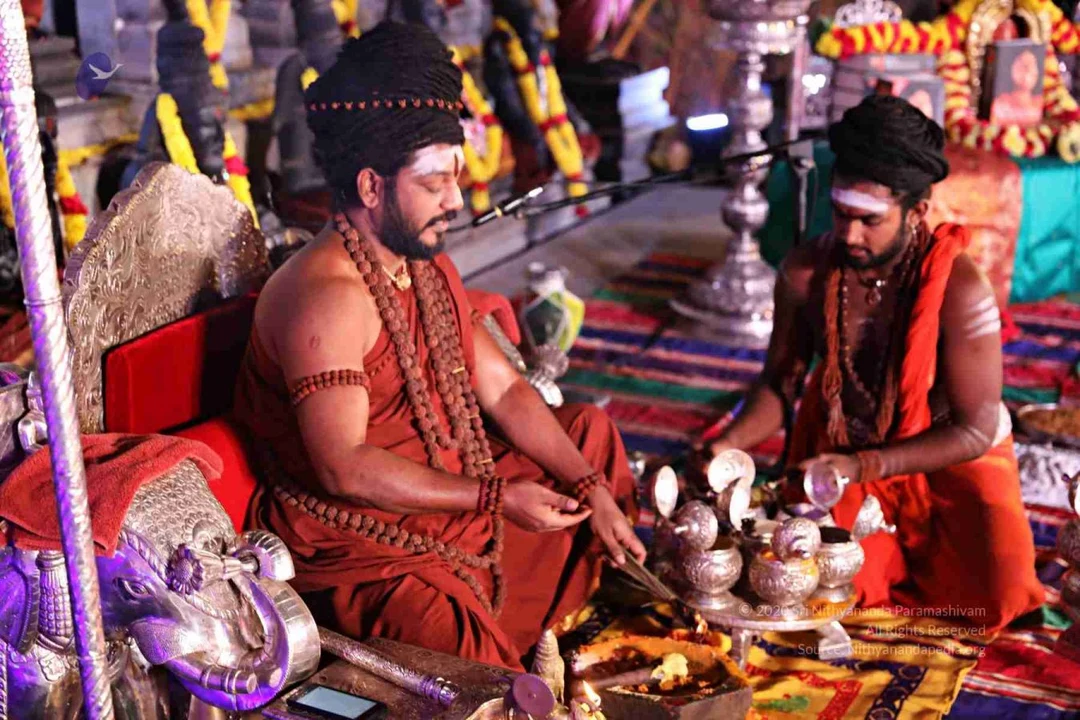 Aushada process celebration at Adi Kailaasa, Bengaluru Aadheenam
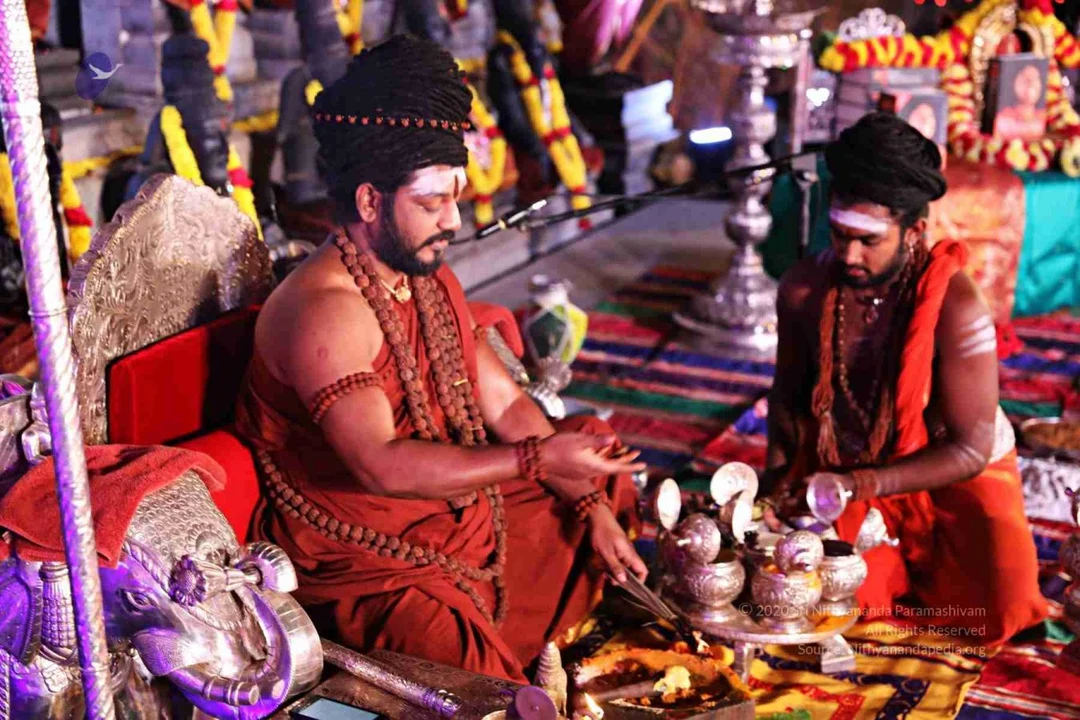 Aushada process celebration at Adi Kailaasa, Bengaluru Aadheenam
 Aushada process celebration at Adi Kailaasa, Bengaluru Aadheenam
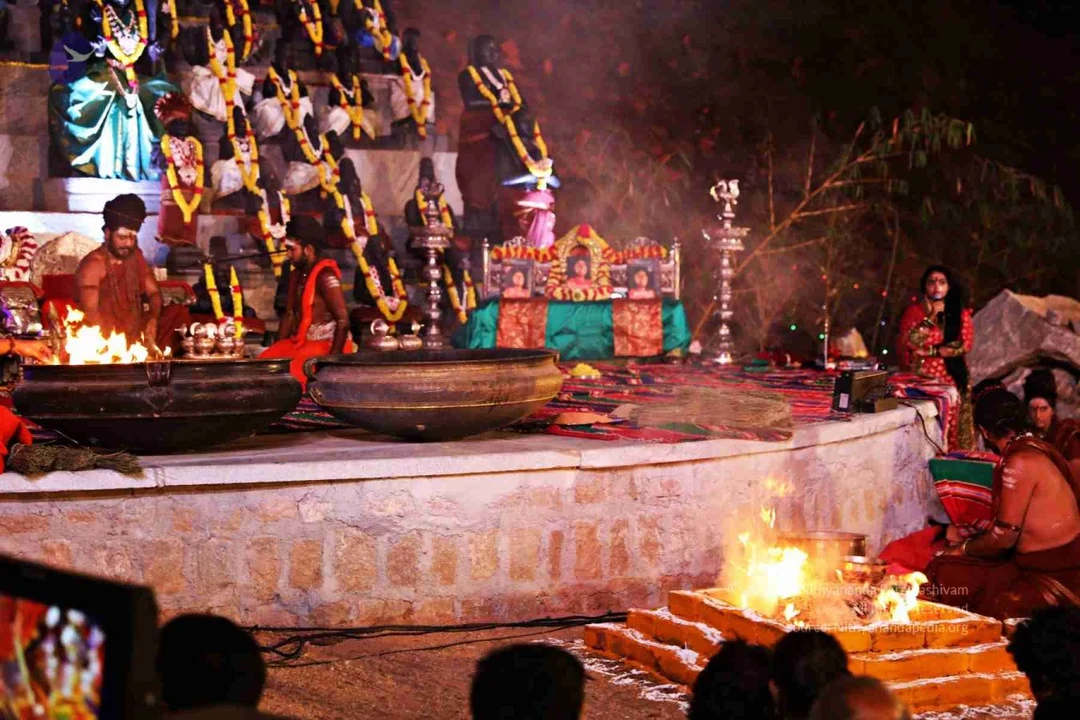 Aushada process celebration at Adi Kailaasa, Bengaluru Aadheenam
 Aushada process celebration at Adi Kailaasa, Bengaluru Aadheenam
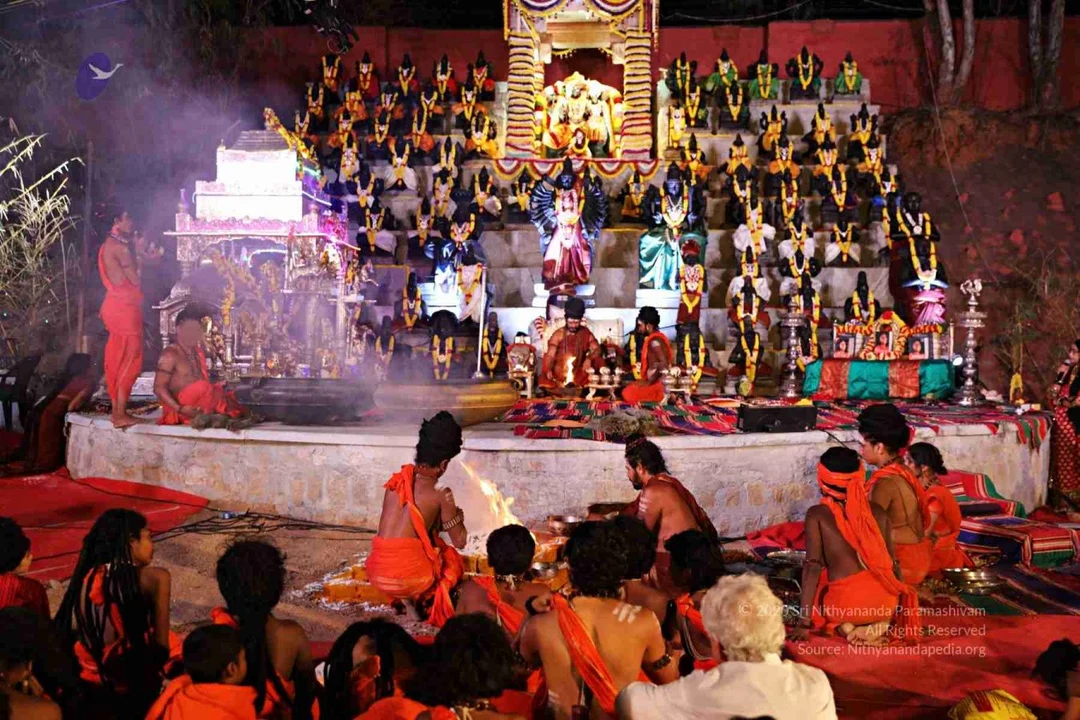 Aushada process celebration at Adi Kailaasa, Bengaluru Aadheenam
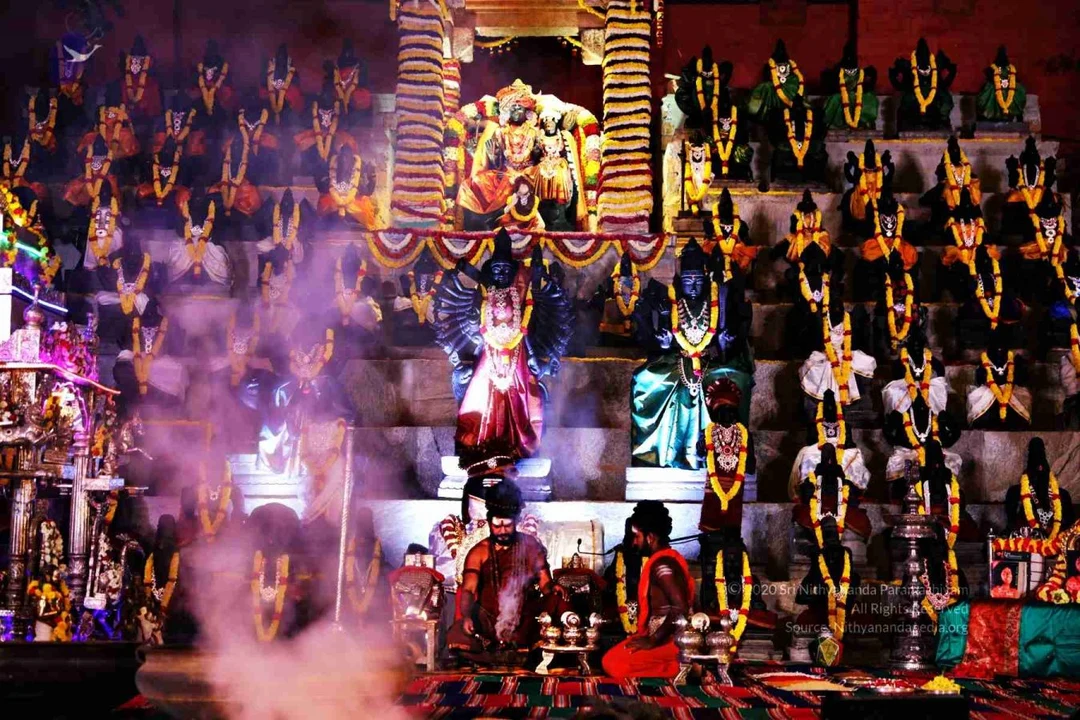 Aushada process celebration at Adi Kailaasa, Bengaluru Aadheenam
 Aushada process celebration at Adi Kailaasa, Bengaluru Aadheenam
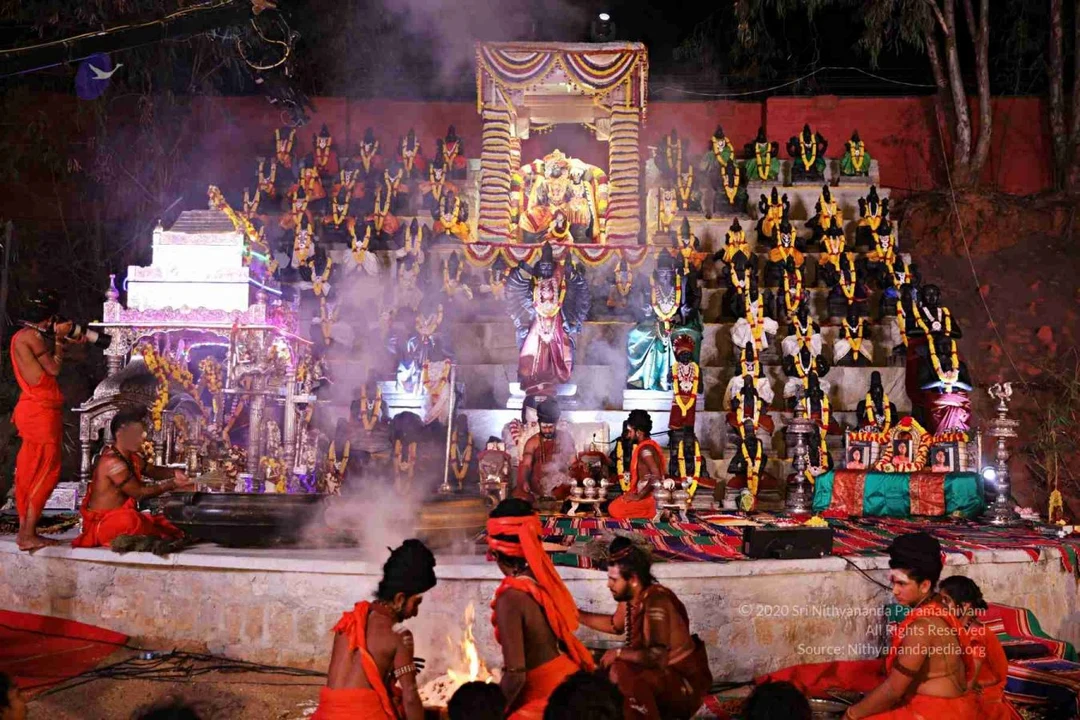 Aushada process celebration at Adi Kailaasa, Bengaluru Aadheenam
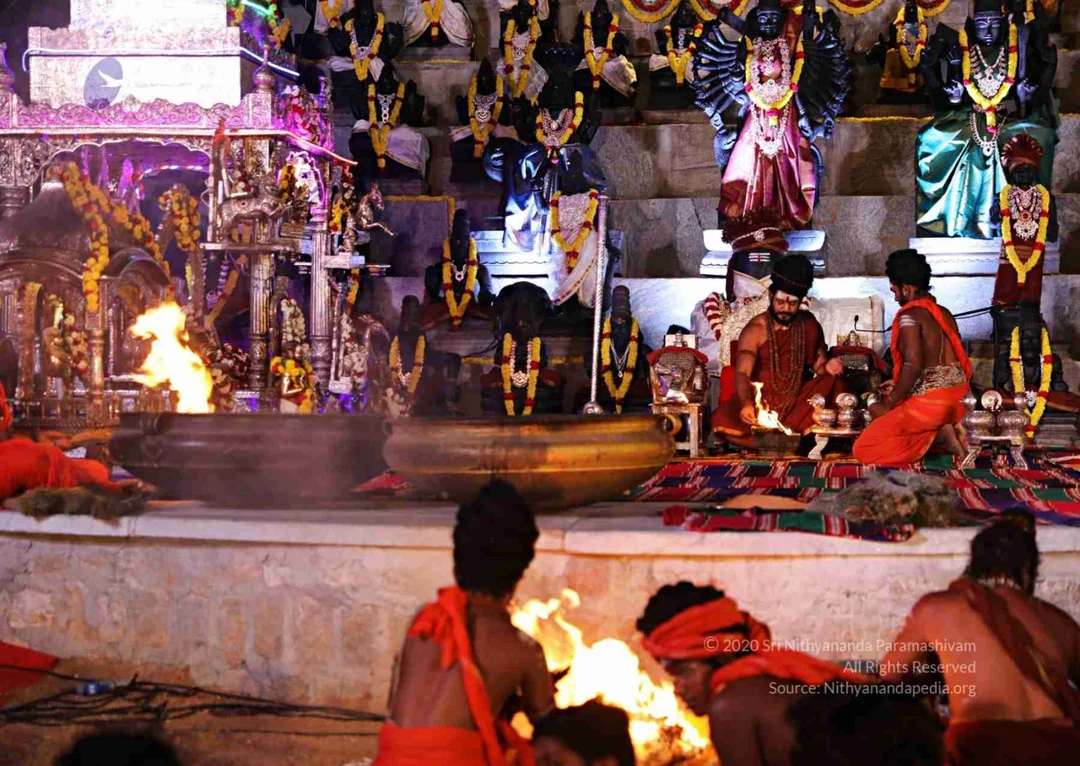 Aushada process celebration at Adi Kailaasa, Bengaluru Aadheenam
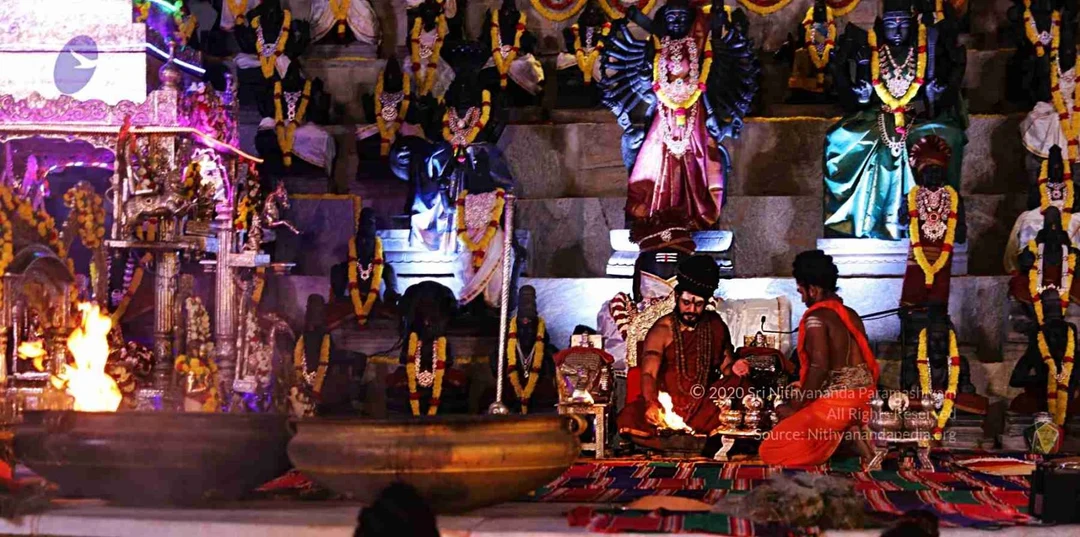 Aushada process celebration at Adi Kailaasa, Bengaluru Aadheenam
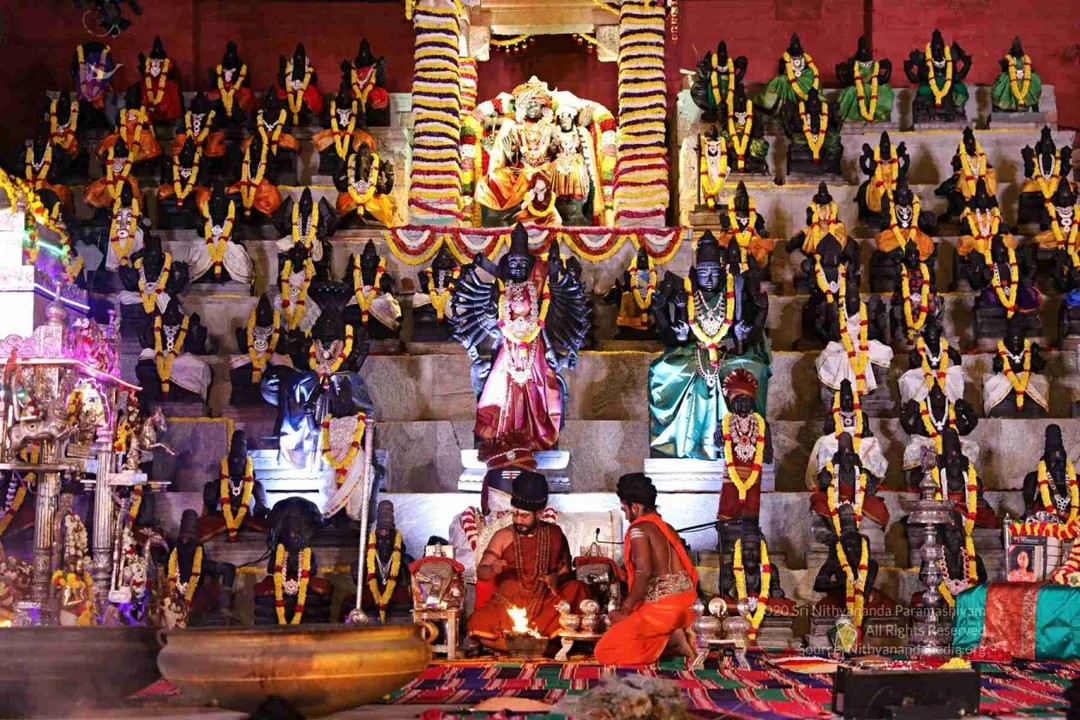 Aushada process celebration at Adi Kailaasa, Bengaluru Aadheenam
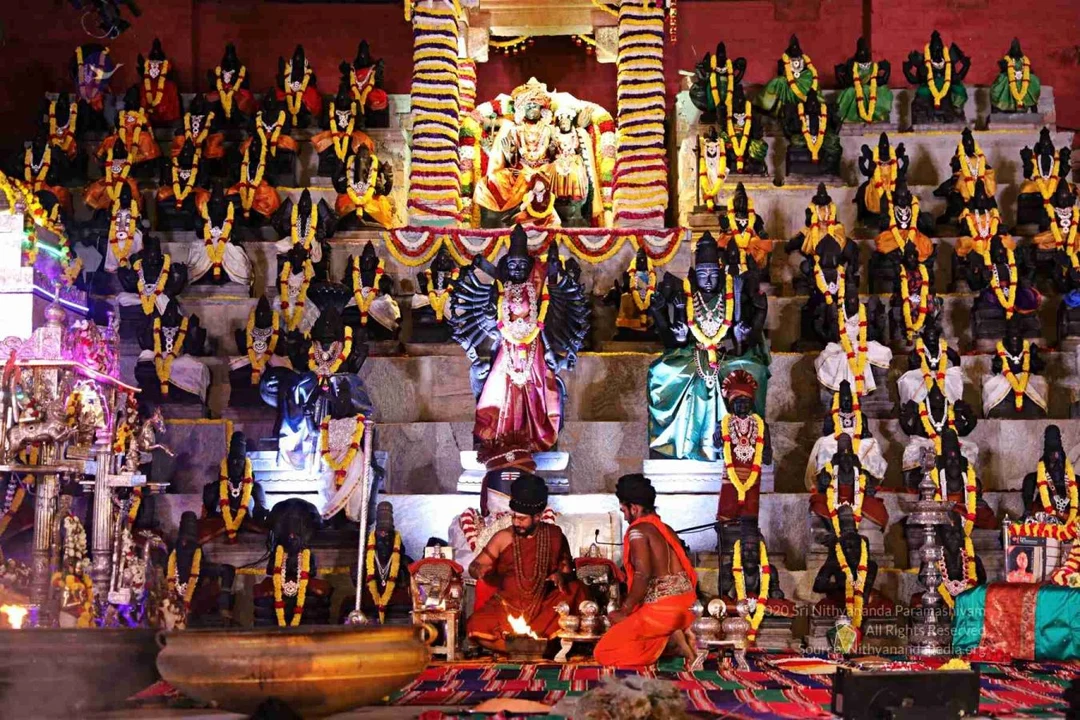 Aushada process celebration at Adi Kailaasa, Bengaluru Aadheenam
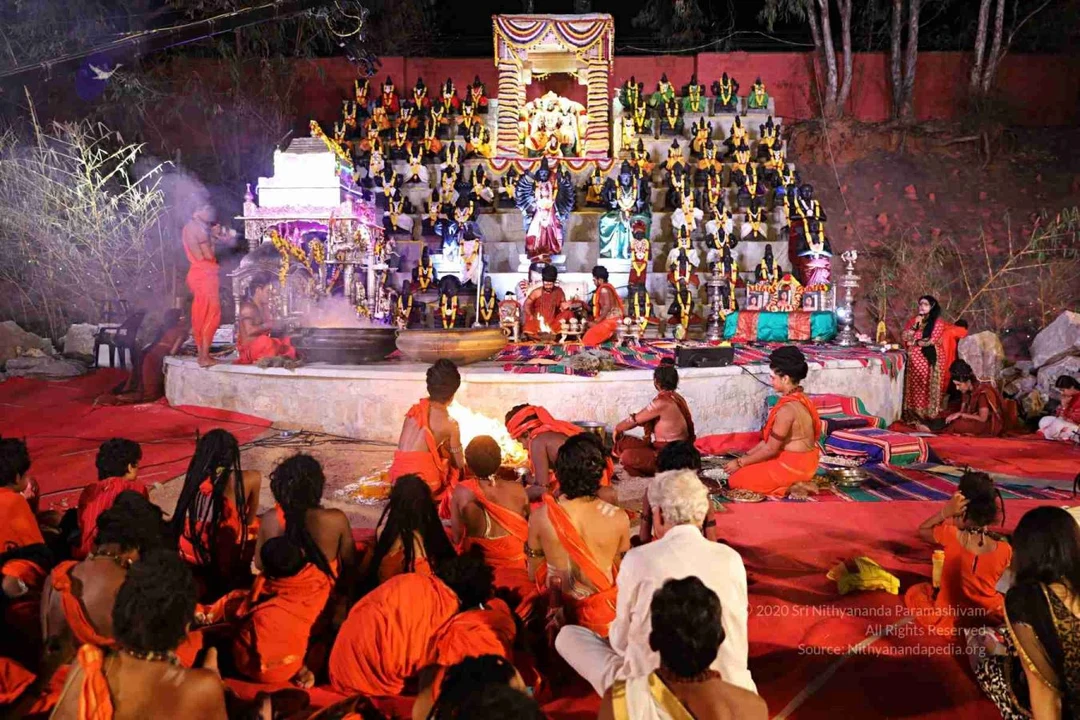 Aushada process celebration at Adi Kailaasa, Bengaluru Aadheenam
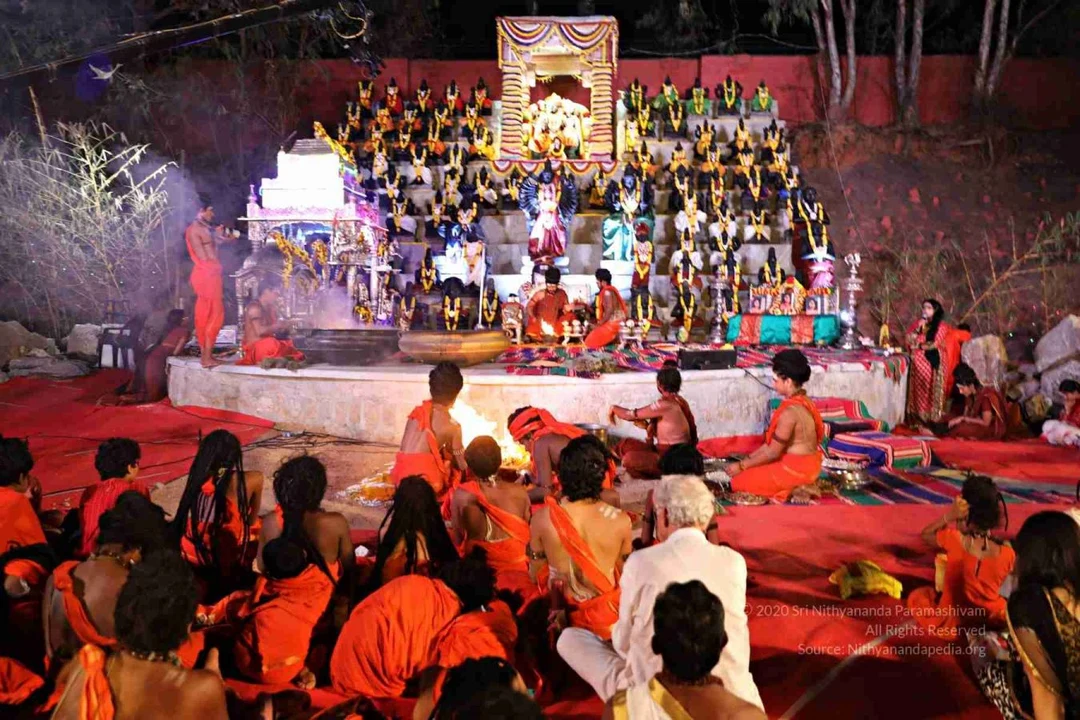 Aushada process celebration at Adi Kailaasa, Bengaluru Aadheenam
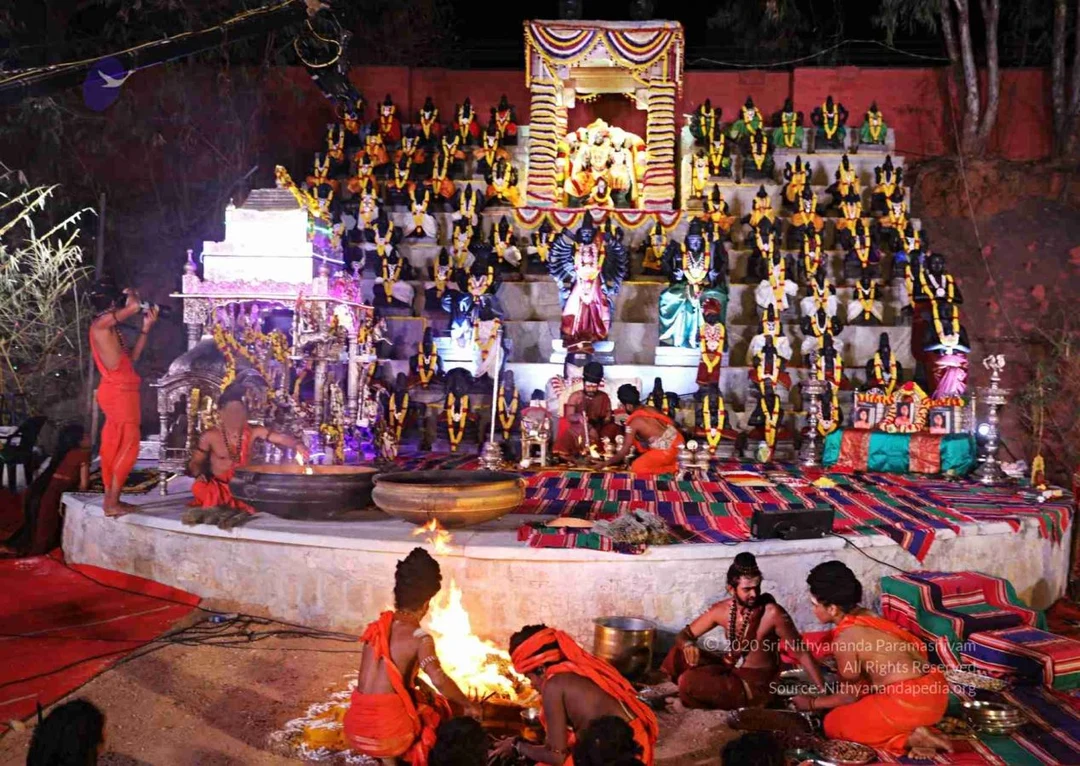 Aushada process celebration at Adi Kailaasa, Bengaluru Aadheenam
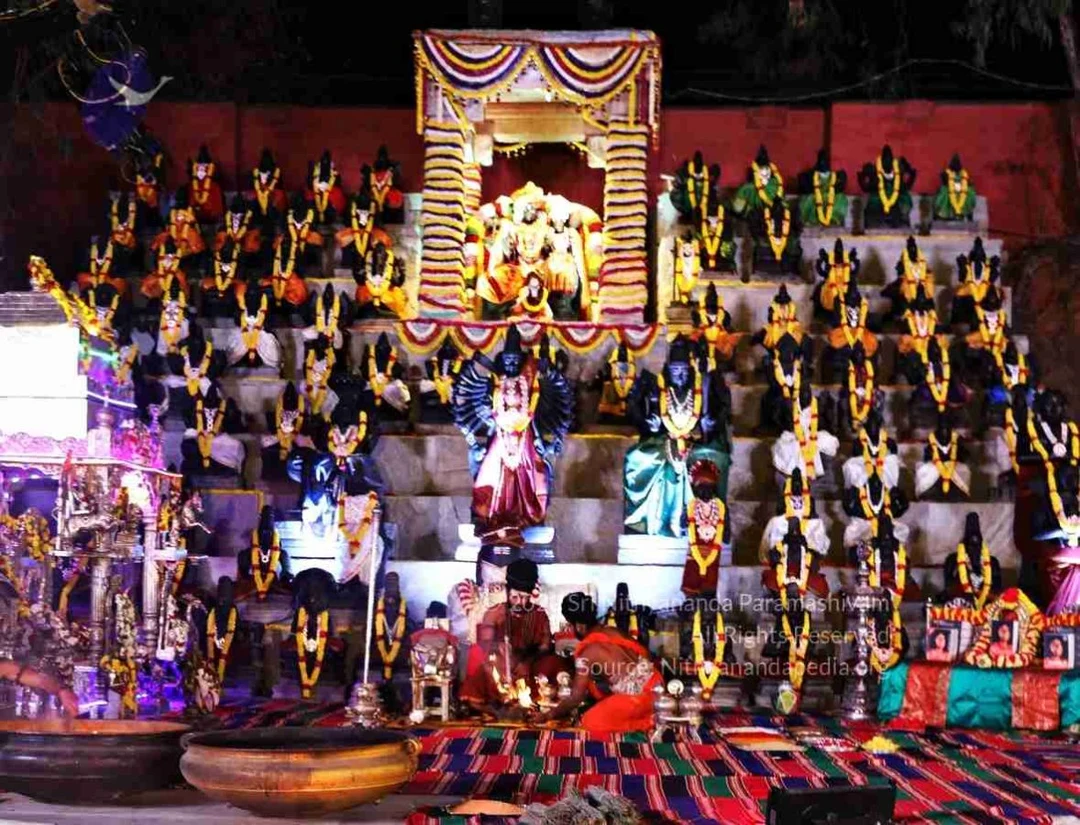 Aushada process celebration at Adi Kailaasa, Bengaluru Aadheenam
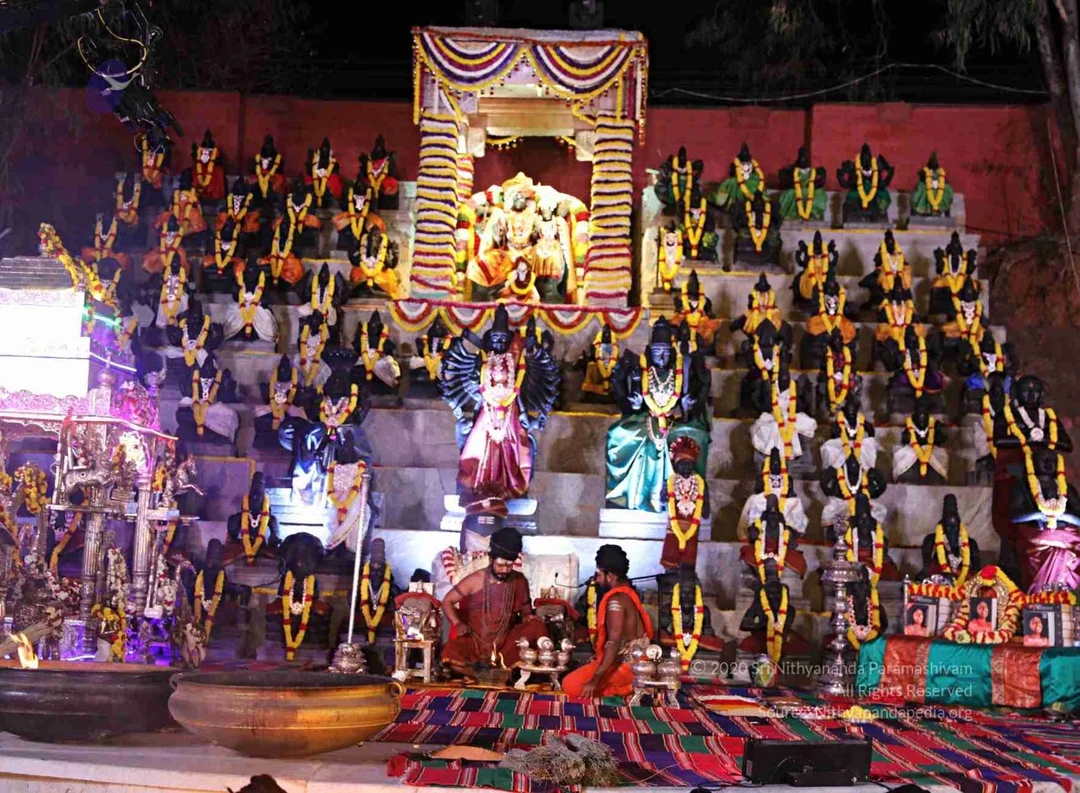 Aushada process celebration at Adi Kailaasa, Bengaluru Aadheenam
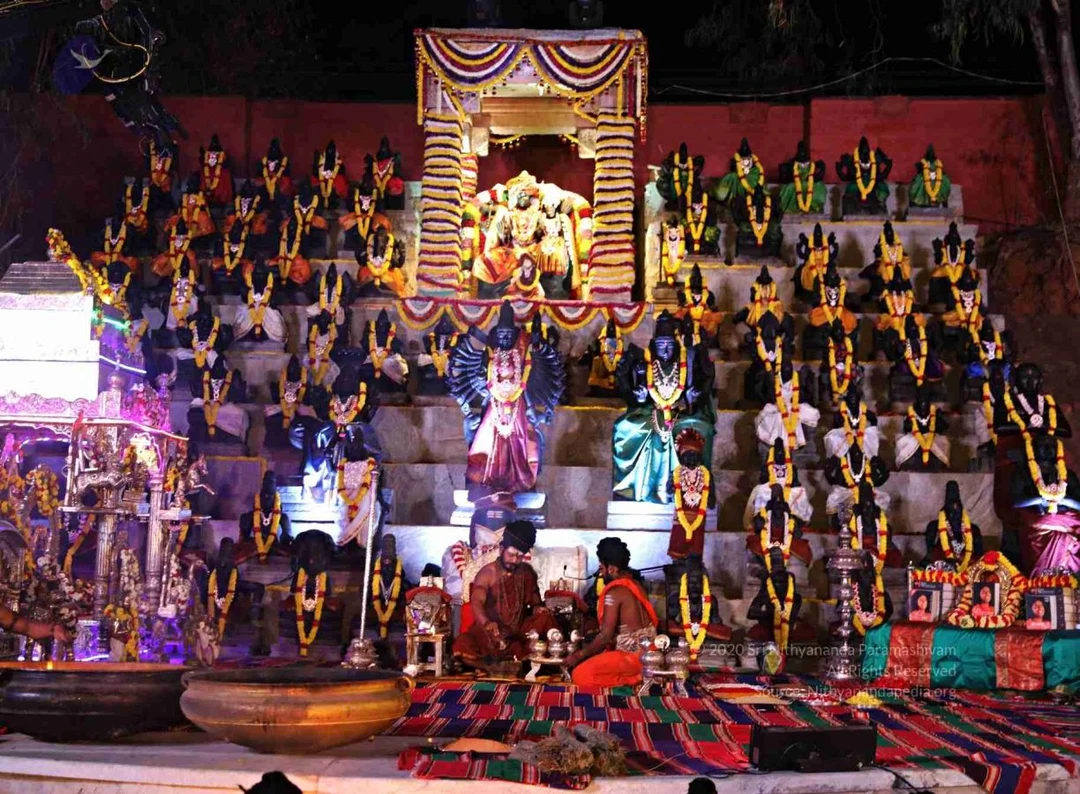 Aushada process celebration at Adi Kailaasa, Bengaluru Aadheenam
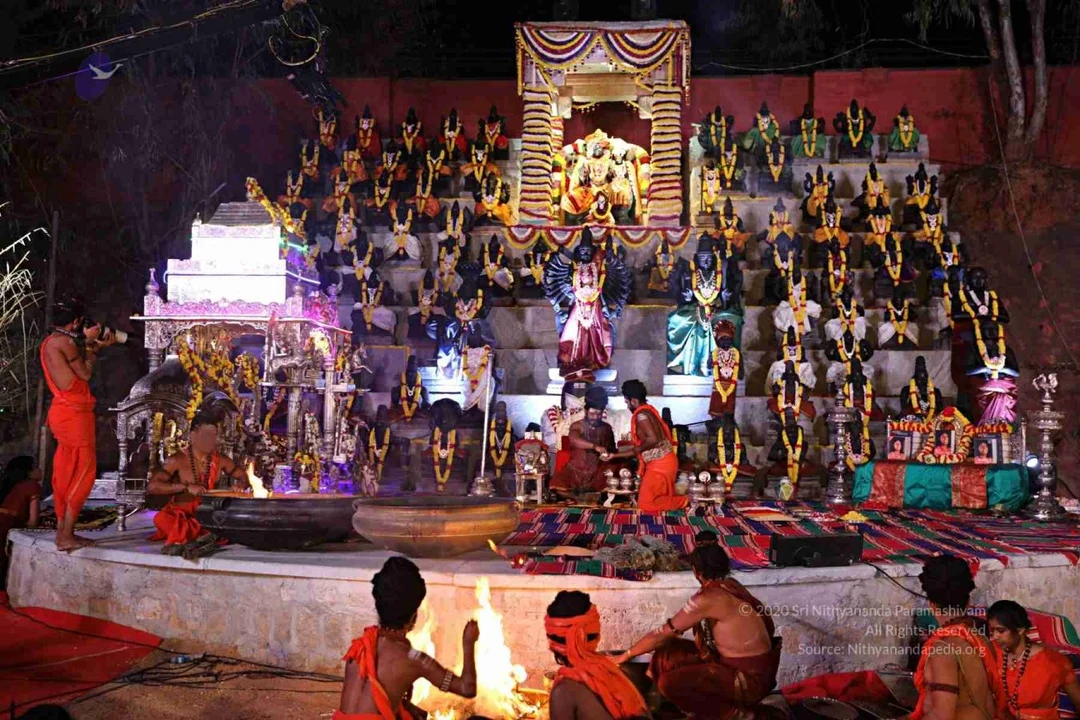 Aushada process celebration at Adi Kailaasa, Bengaluru Aadheenam
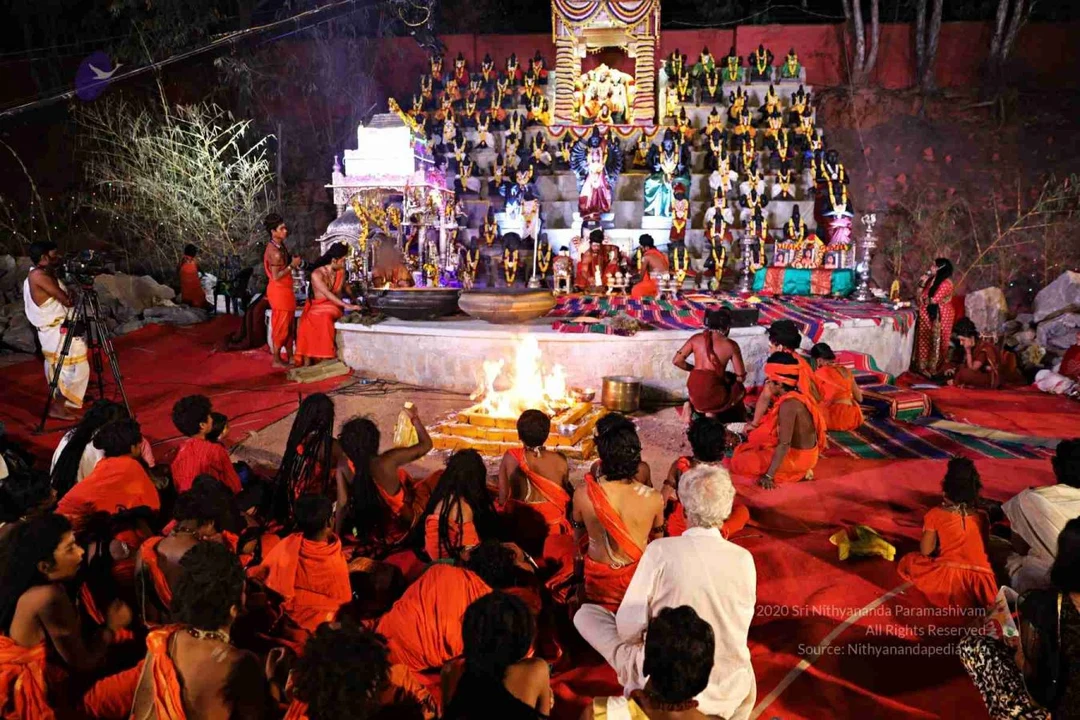 Aushada process celebration at Adi Kailaasa, Bengaluru Aadheenam
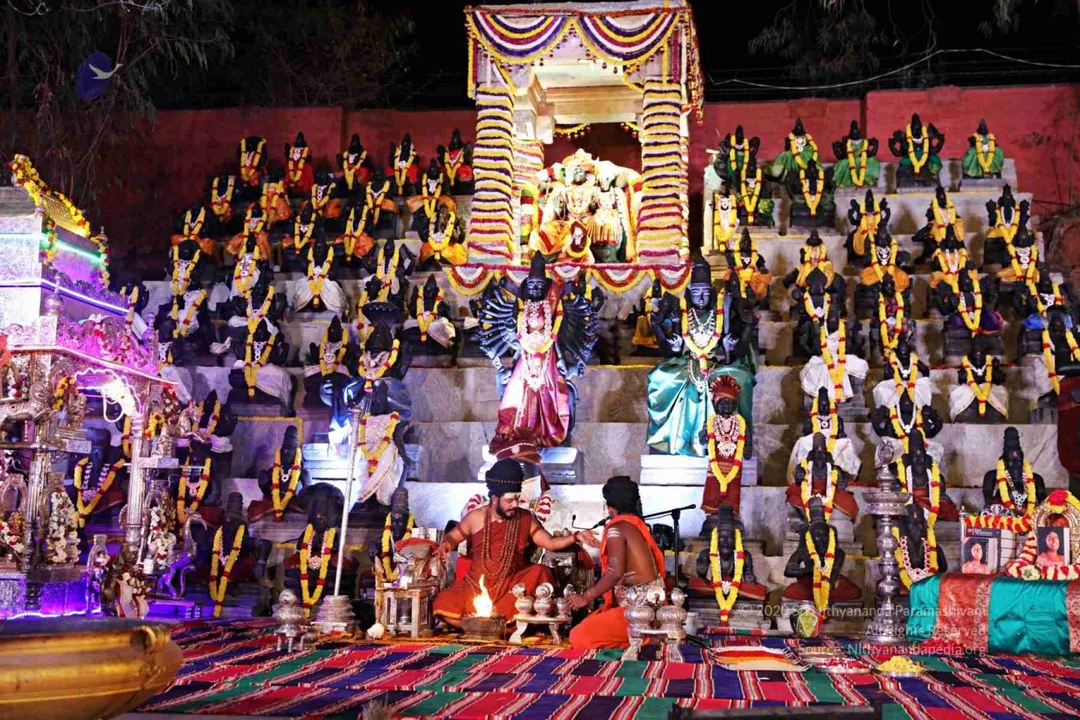 Aushada process celebration at Adi Kailaasa, Bengaluru Aadheenam
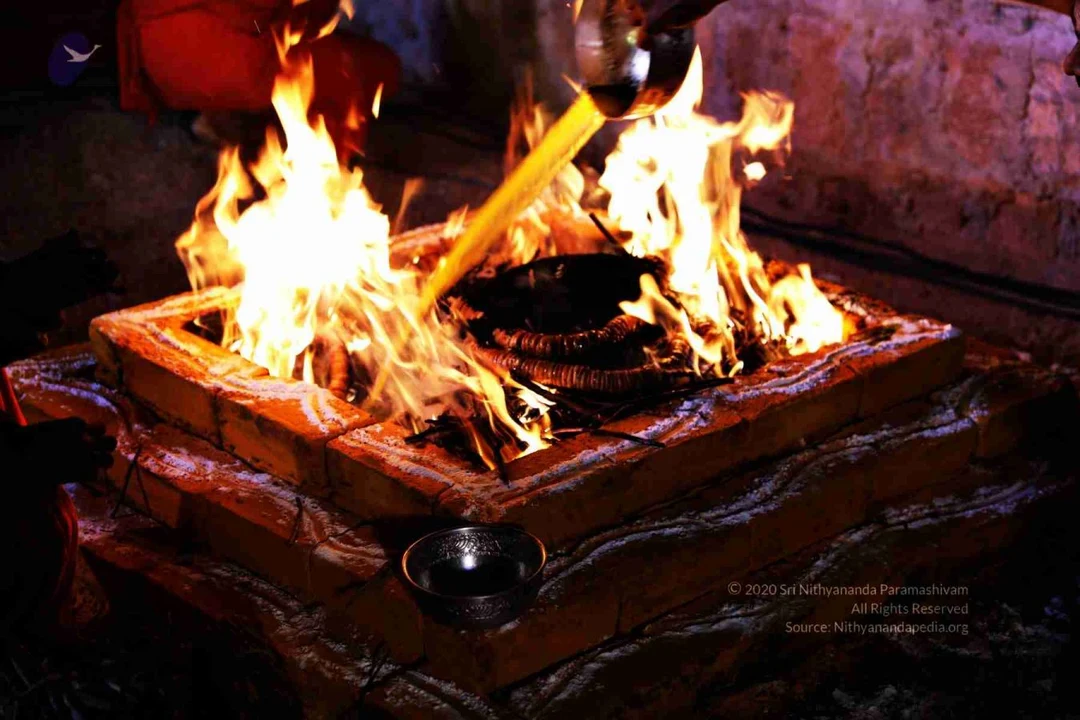 Aushada process celebration at Adi Kailaasa, Bengaluru Aadheenam
 Aushada process celebration at Adi Kailaasa, Bengaluru Aadheenam
 Aushada process celebration at Adi Kailaasa, Bengaluru Aadheenam
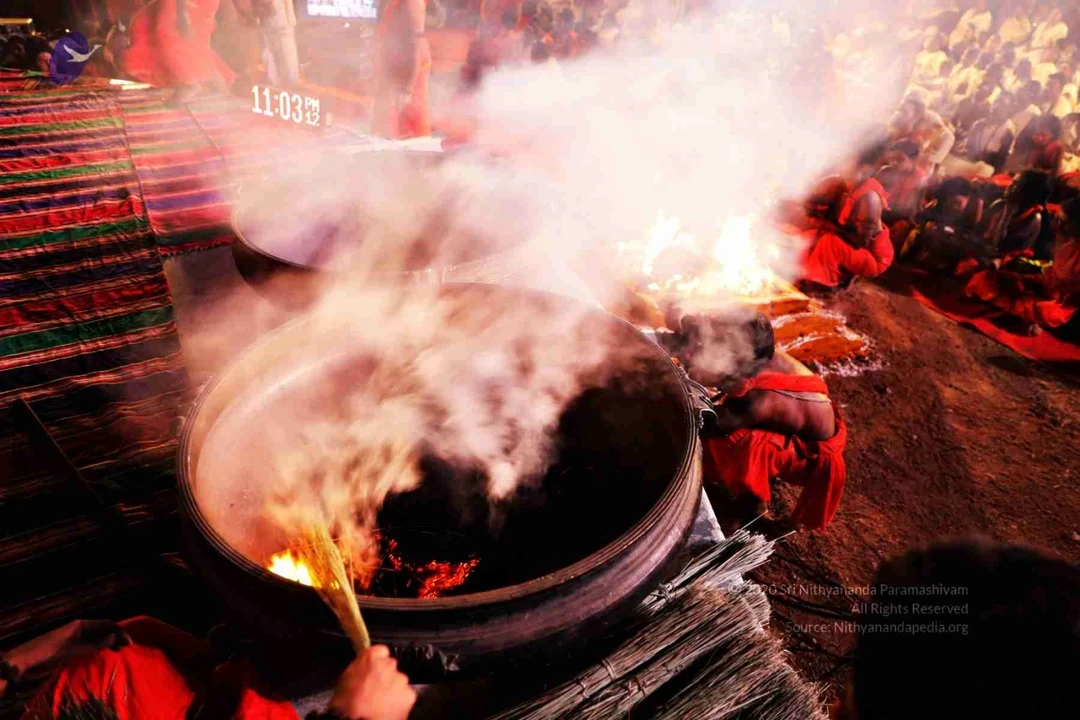 Aushada process celebration at Adi Kailaasa, Bengaluru Aadheenam
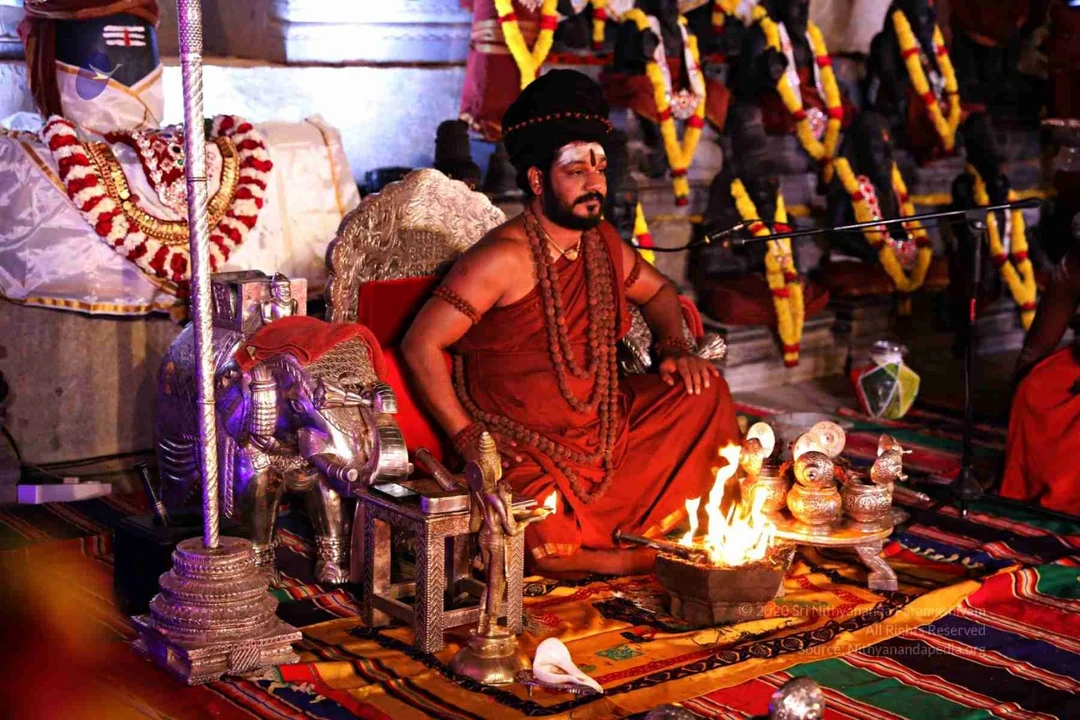 Aushada process celebration at Adi Kailaasa, Bengaluru Aadheenam
 Aushada process celebration at Adi Kailaasa, Bengaluru Aadheenam
 Aushada process celebration at Adi Kailaasa, Bengaluru Aadheenam
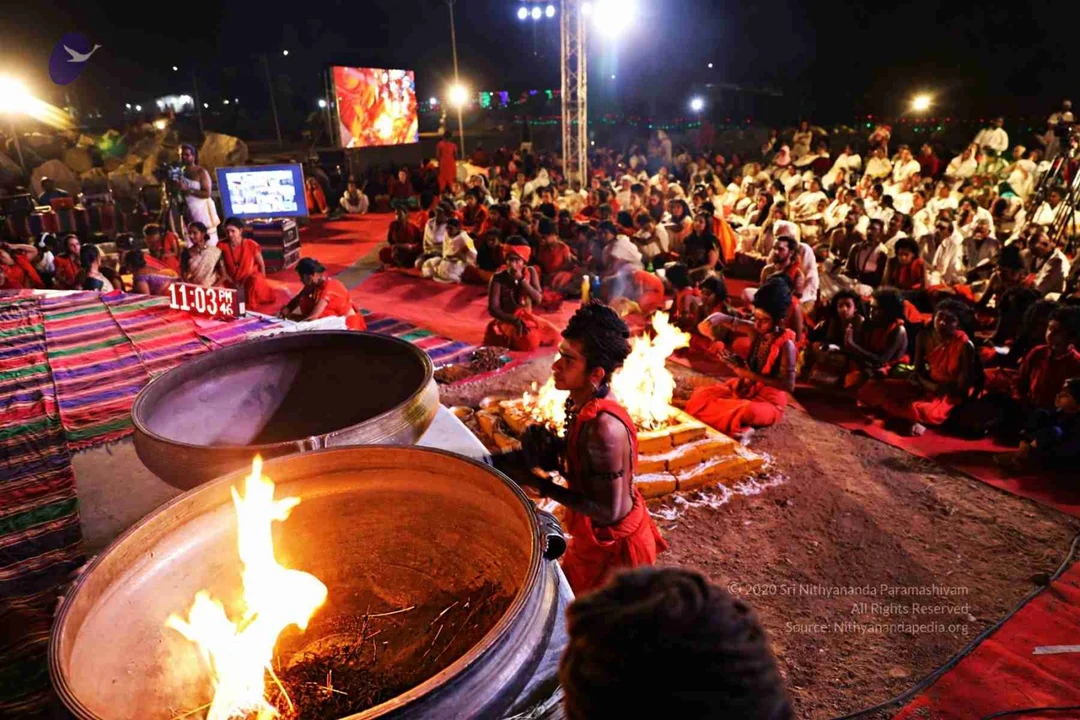 Aushada process celebration at Adi Kailaasa, Bengaluru Aadheenam
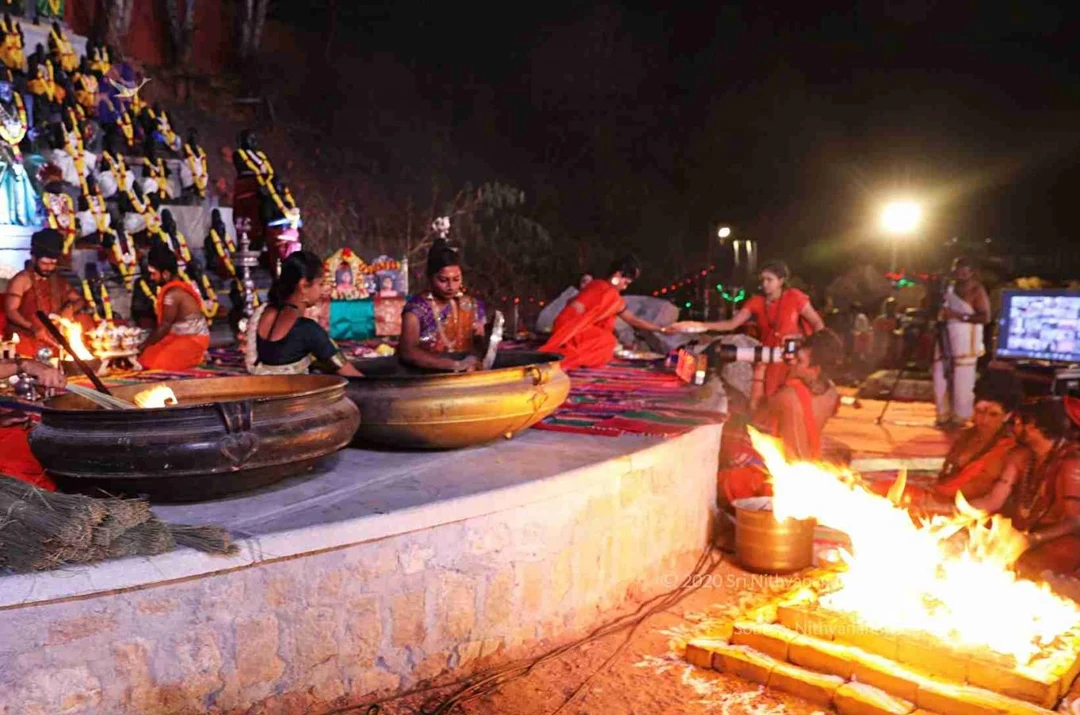 Aushada process celebration at Adi Kailaasa, Bengaluru Aadheenam
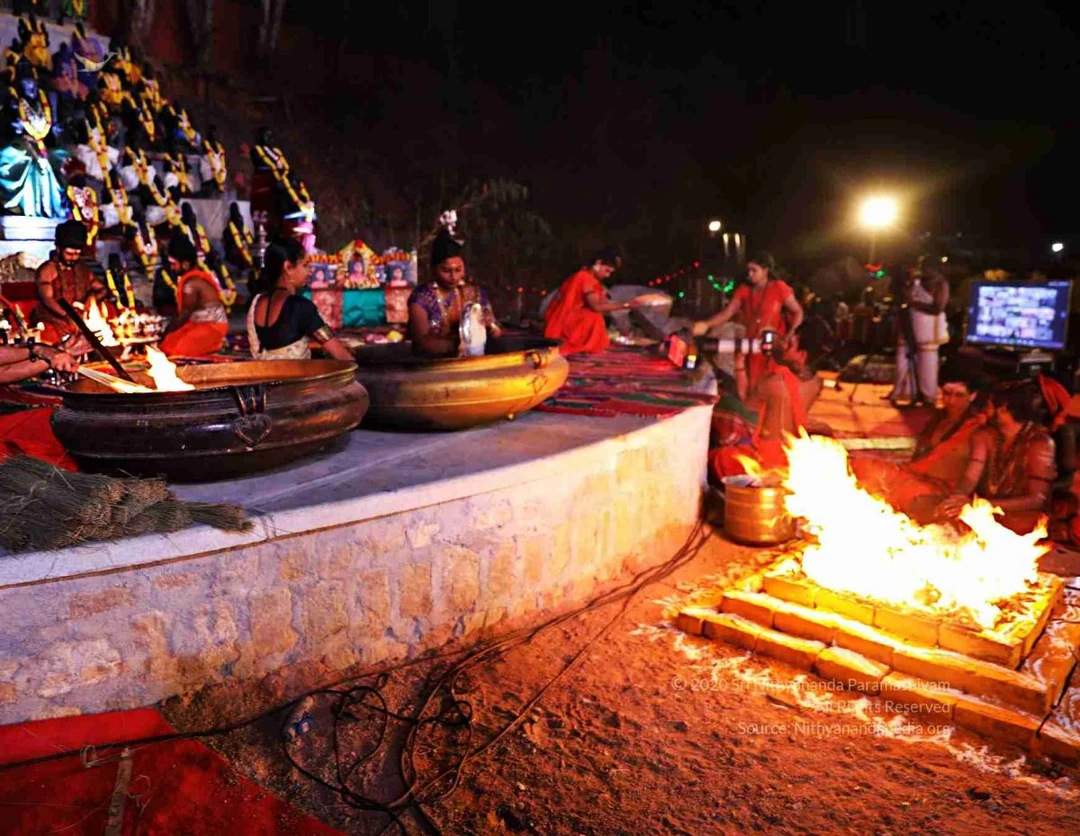 Aushada process celebration at Adi Kailaasa, Bengaluru Aadheenam
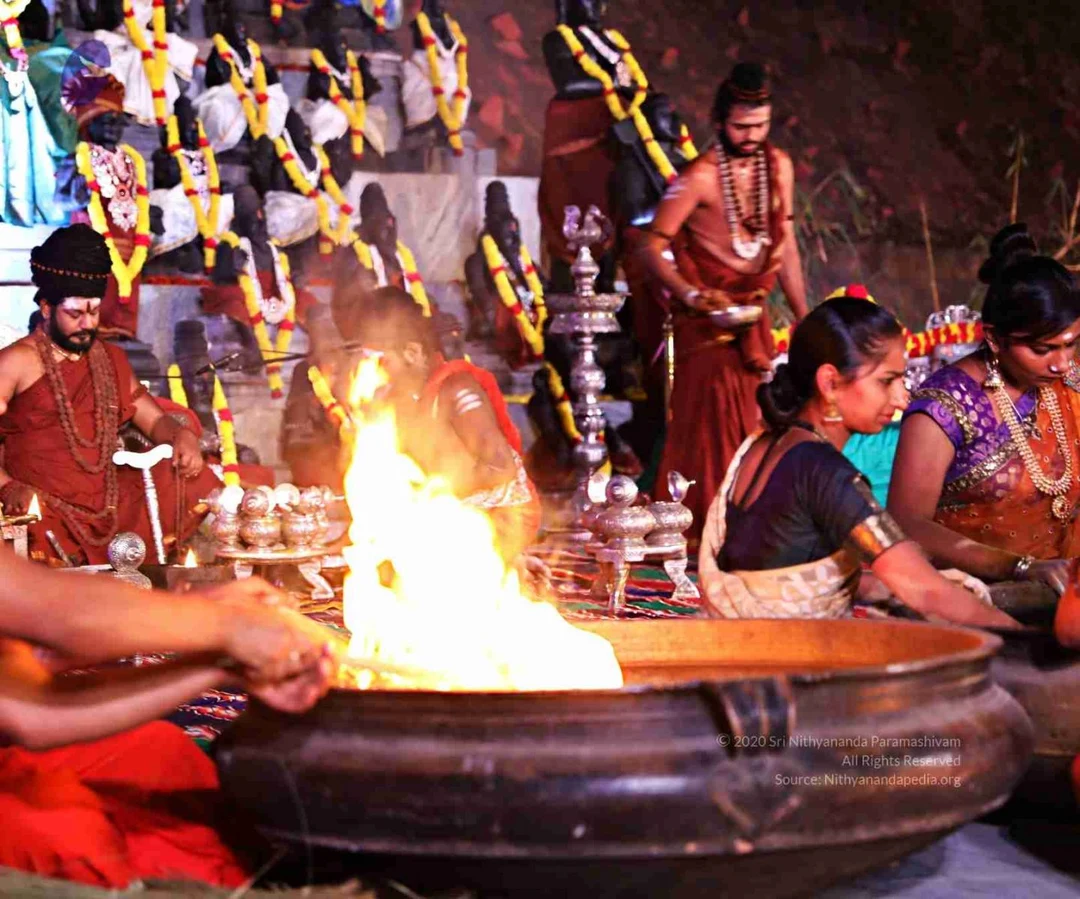 Aushada process celebration at Adi Kailaasa, Bengaluru Aadheenam
 Aushada process celebration at Adi Kailaasa, Bengaluru Aadheenam
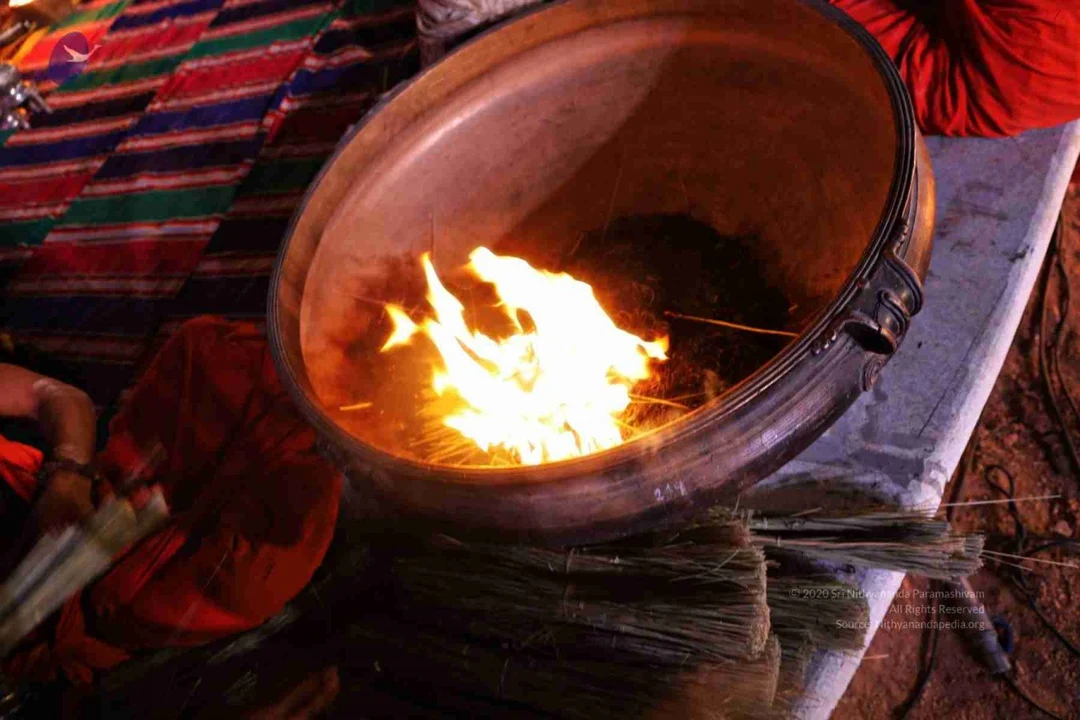 Aushada process celebration at Adi Kailaasa, Bengaluru Aadheenam
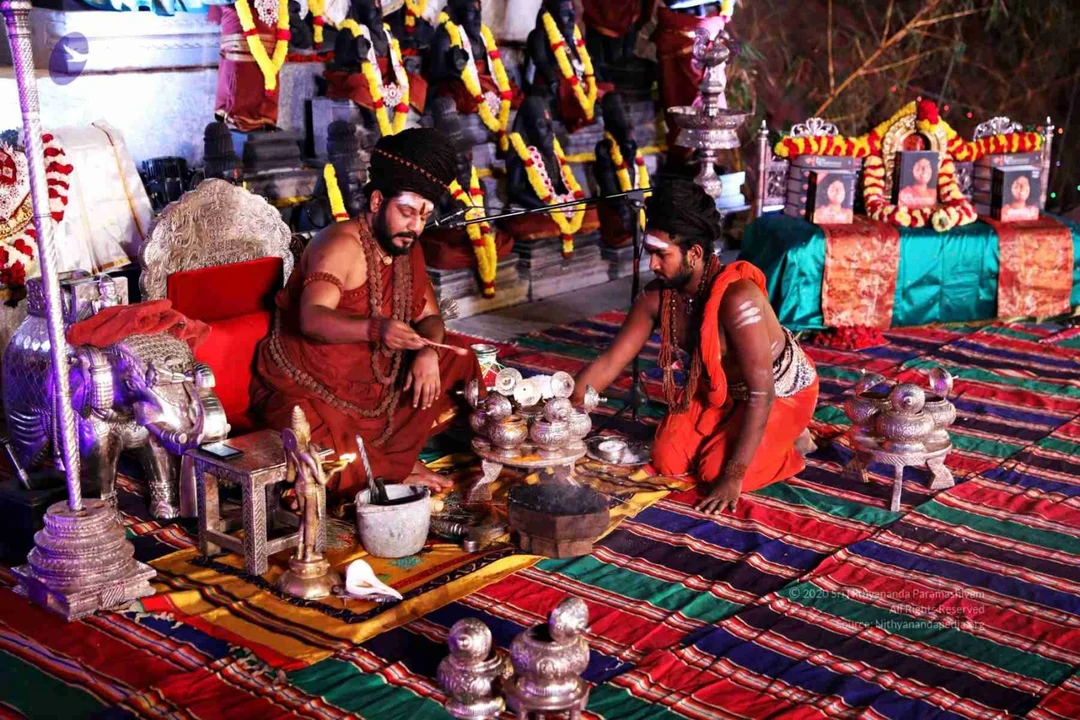 Aushada process celebration at Adi Kailaasa, Bengaluru Aadheenam
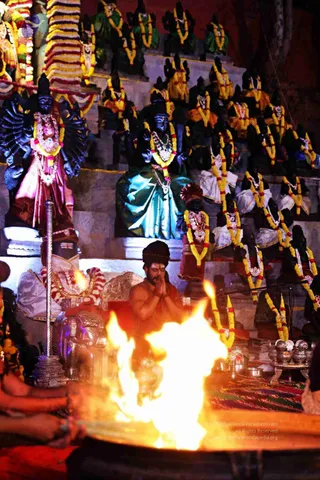 Aushada process celebration at Adi Kailaasa, Bengaluru Aadheenam
 Aushada process celebration at Adi Kailaasa, Bengaluru Aadheenam
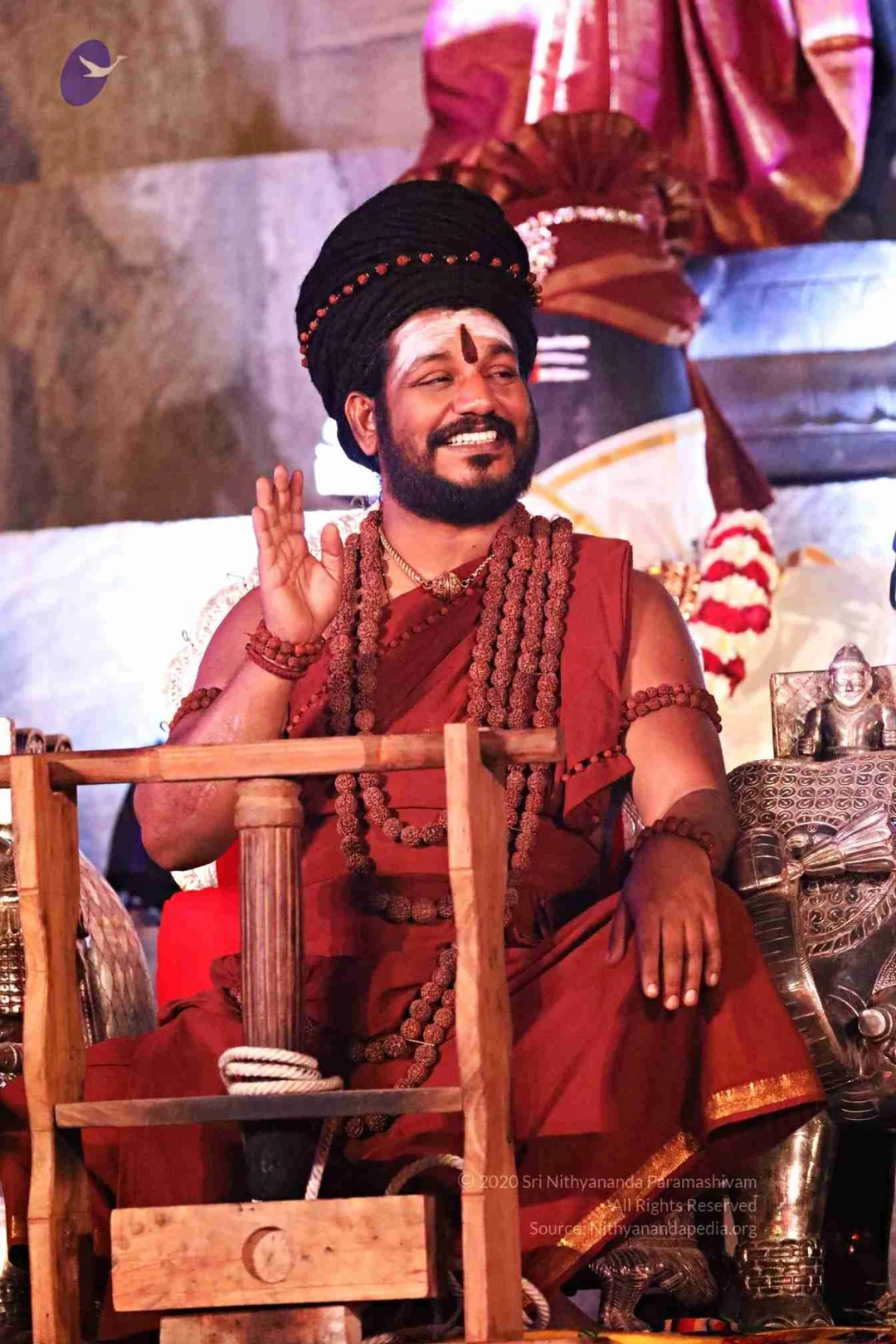
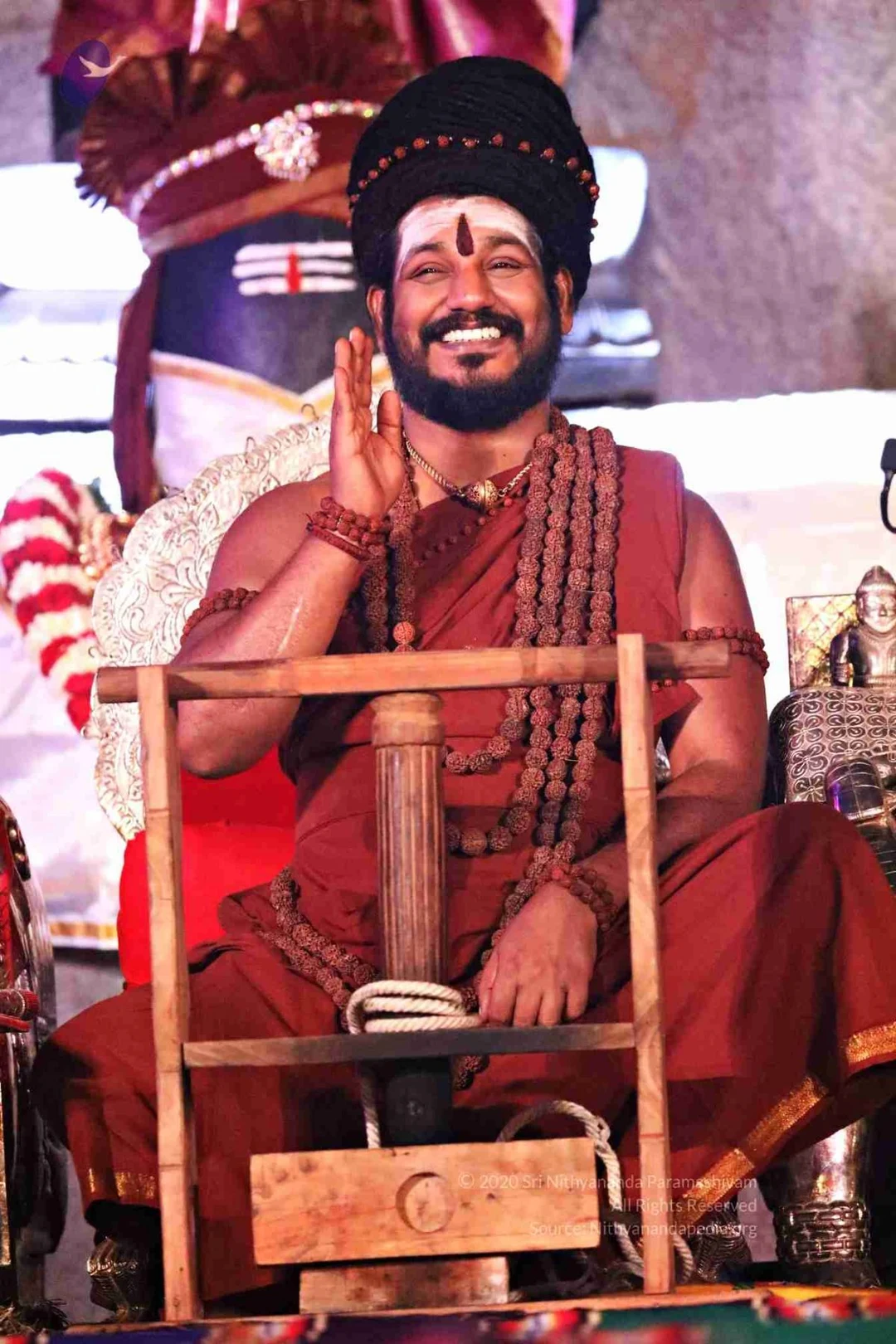
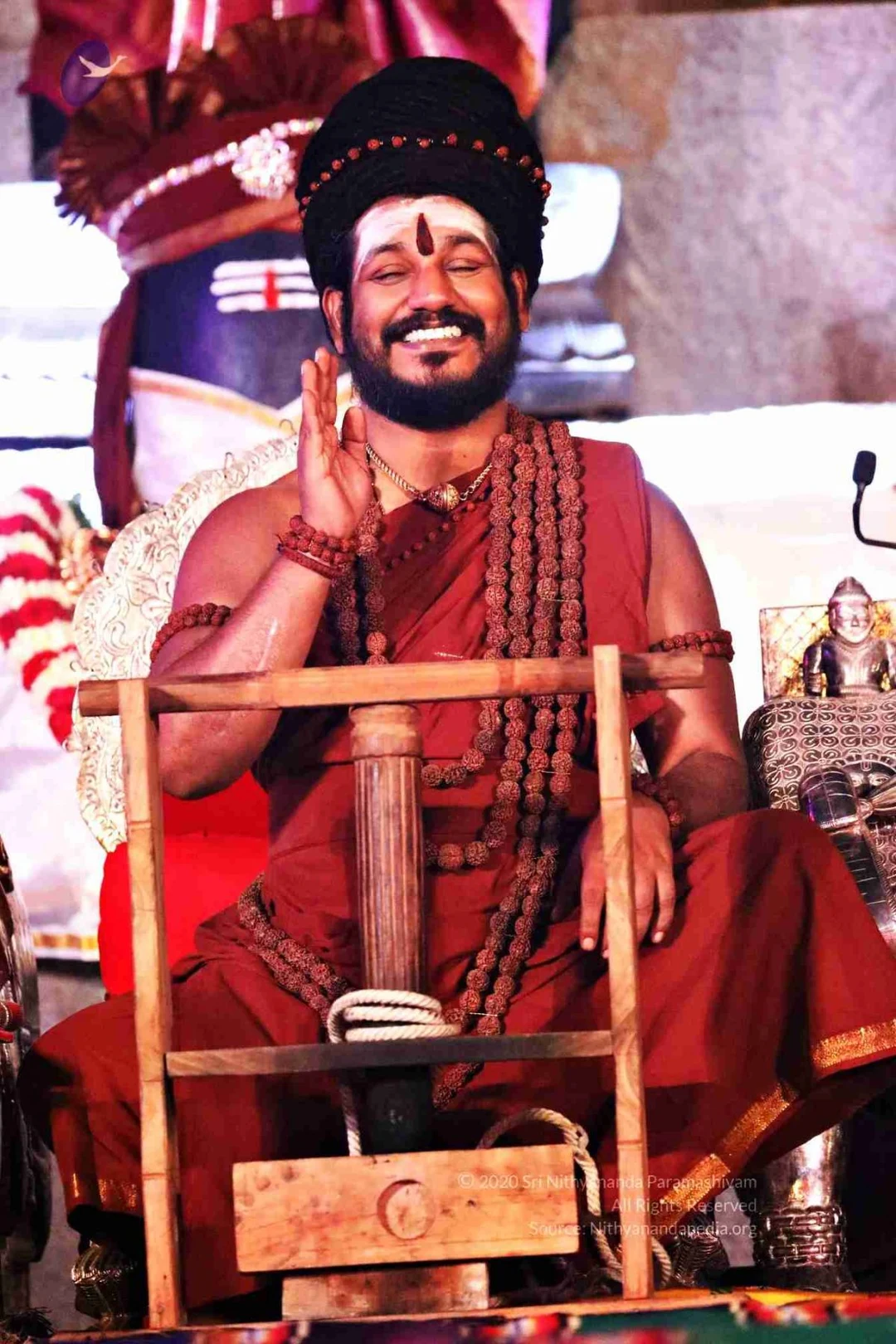
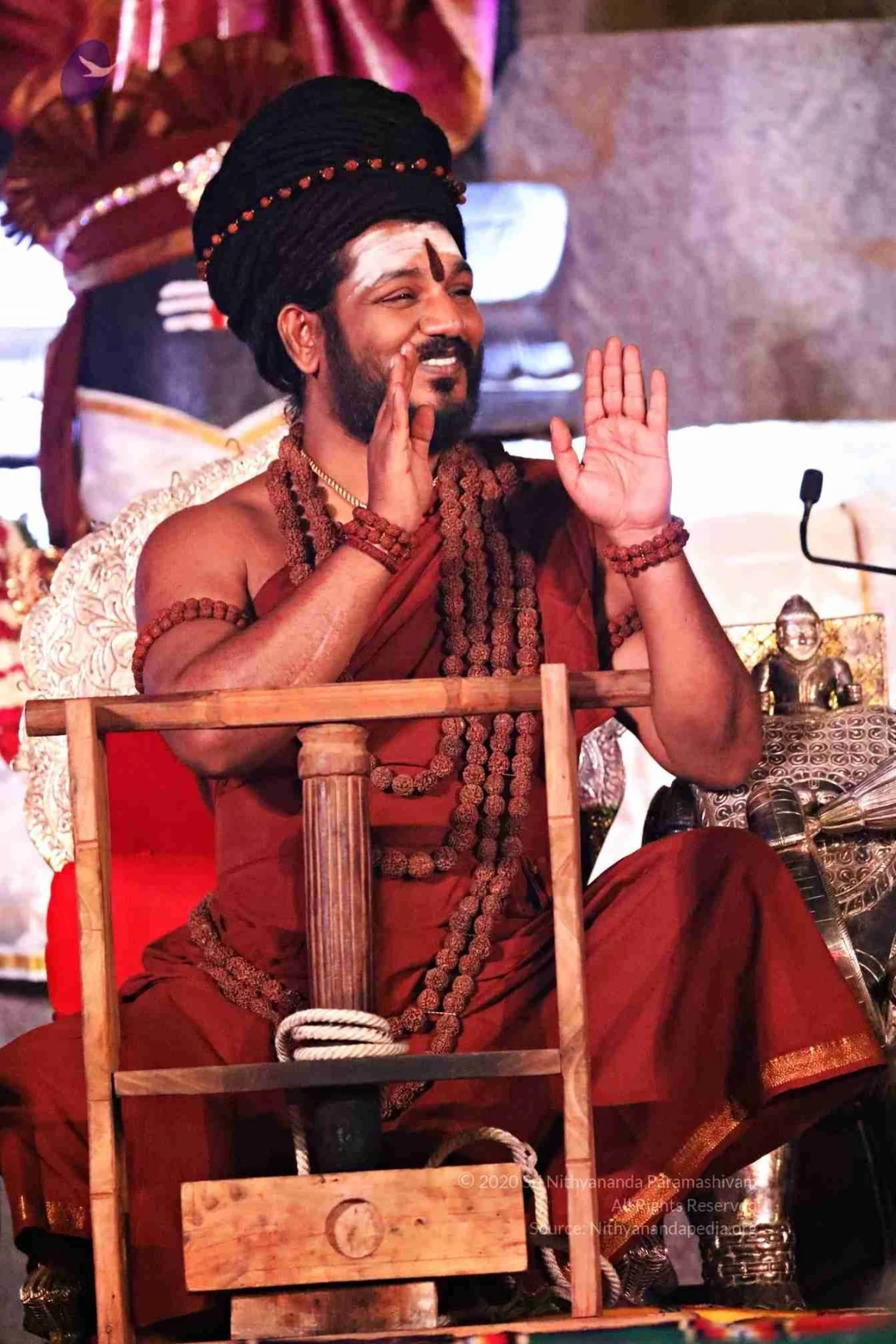
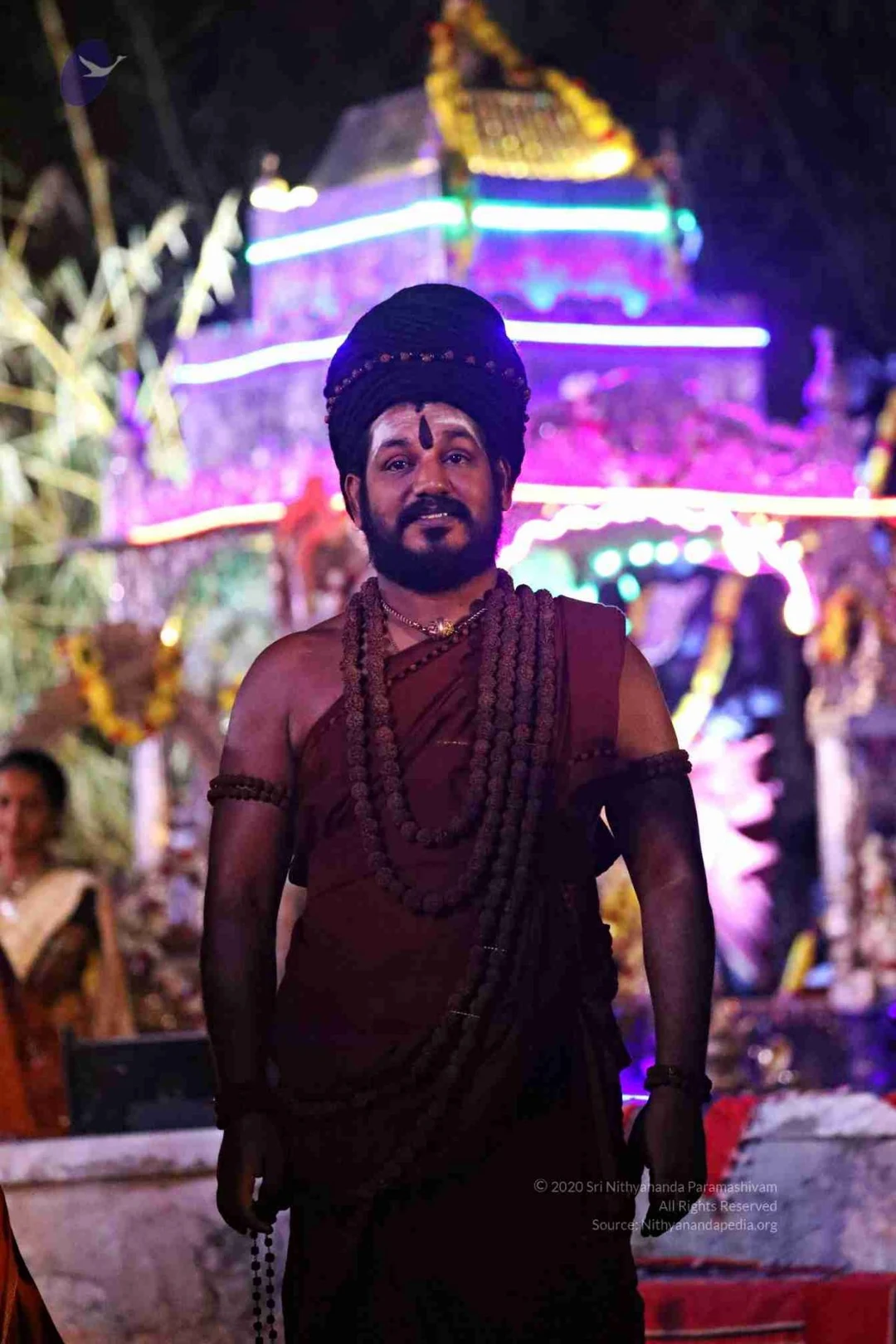
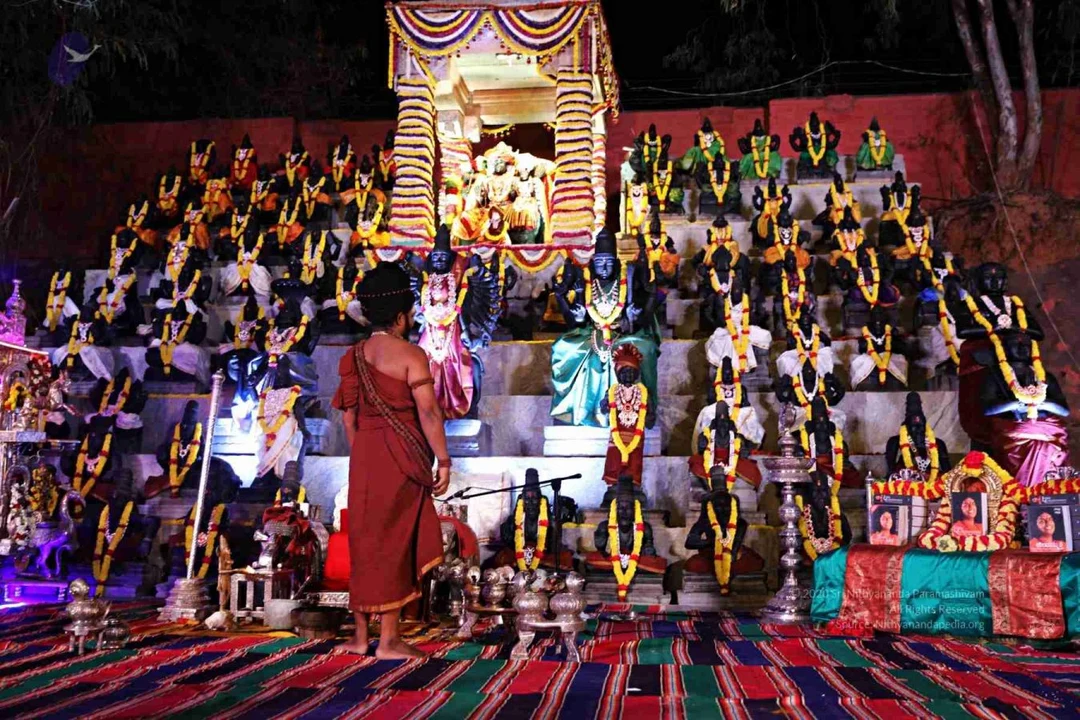 His Divine Holiness Nithyananda Paramashivam - compassionate loving Guru
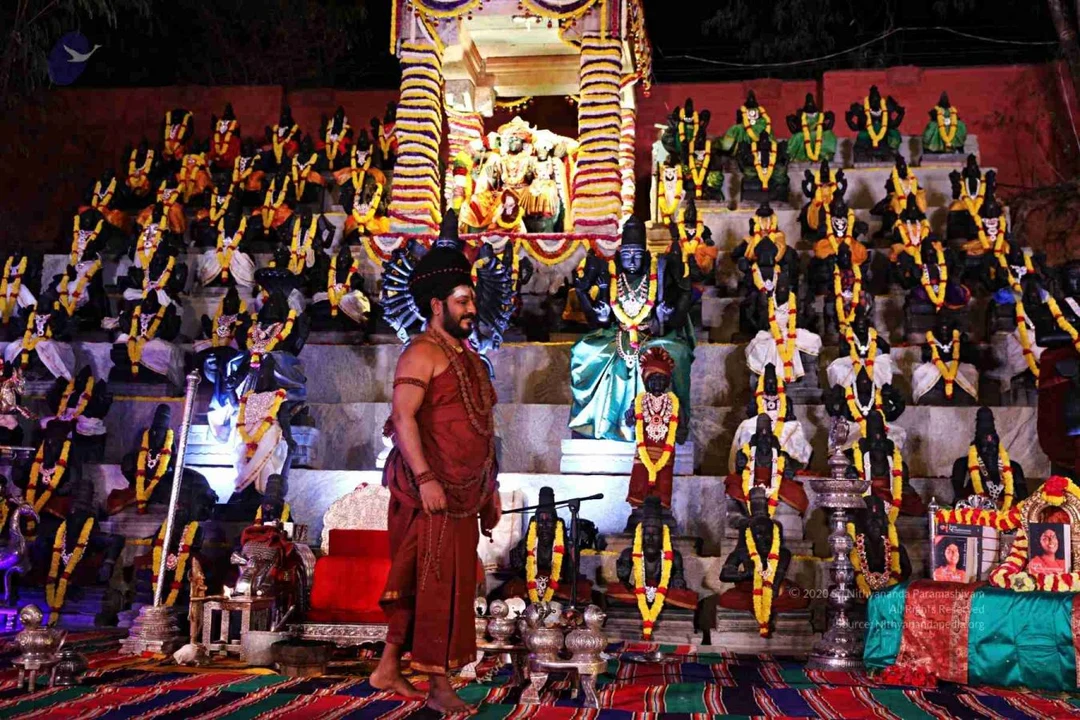 His Divine Holiness Nithyananda Paramashivam - compassionate loving Guru
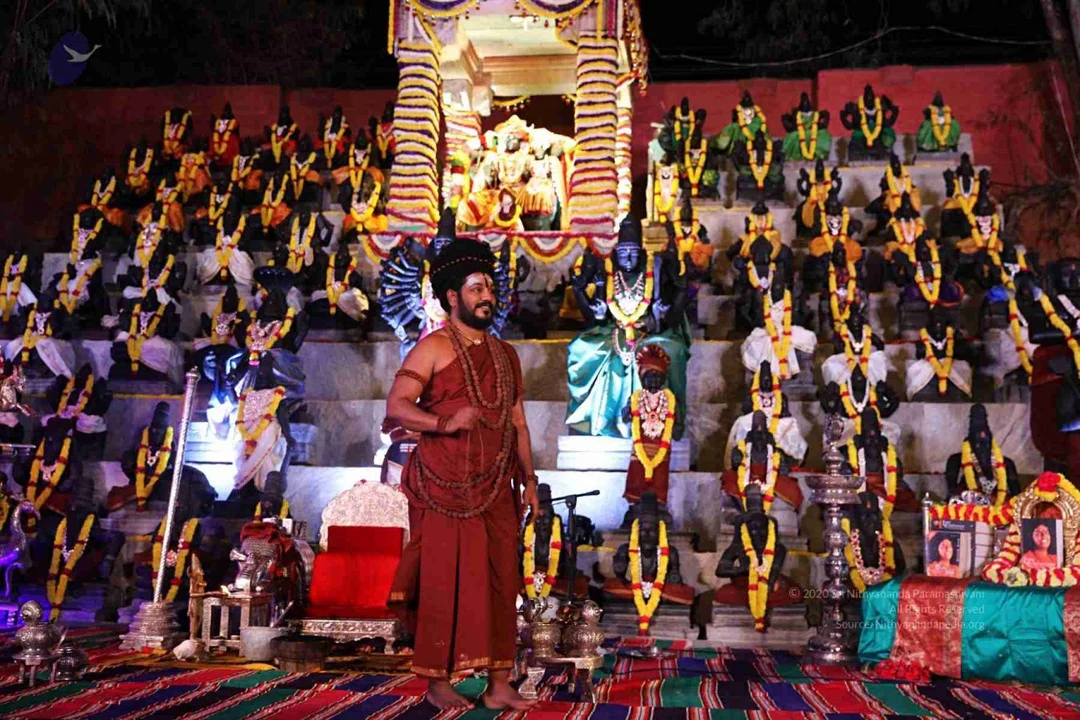 His Divine Holiness Nithyananda Paramashivam - compassionate loving Guru
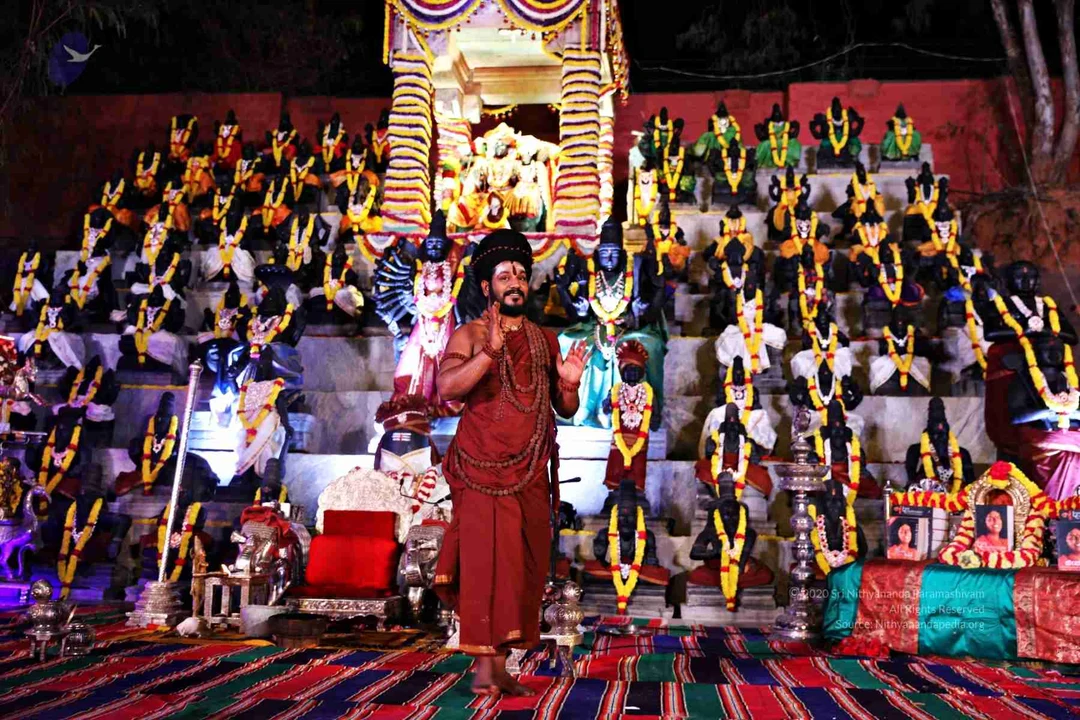 His Divine Holiness Nithyananda Paramashivam - compassionate loving Guru
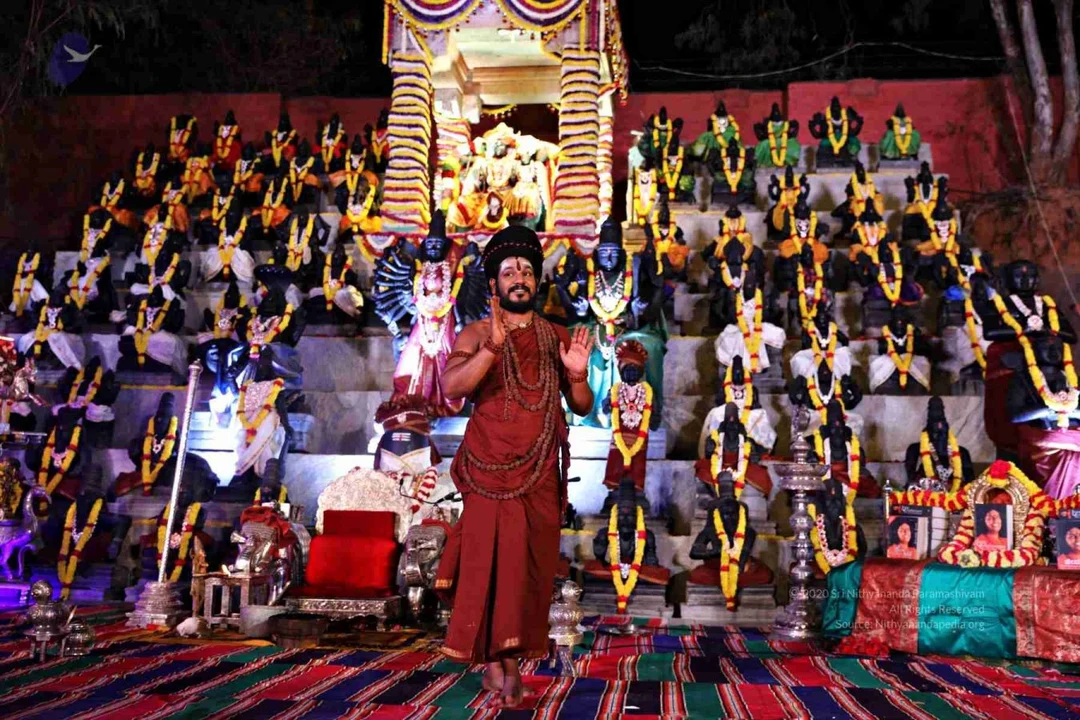 His Divine Holiness Nithyananda Paramashivam - compassionate loving Guru
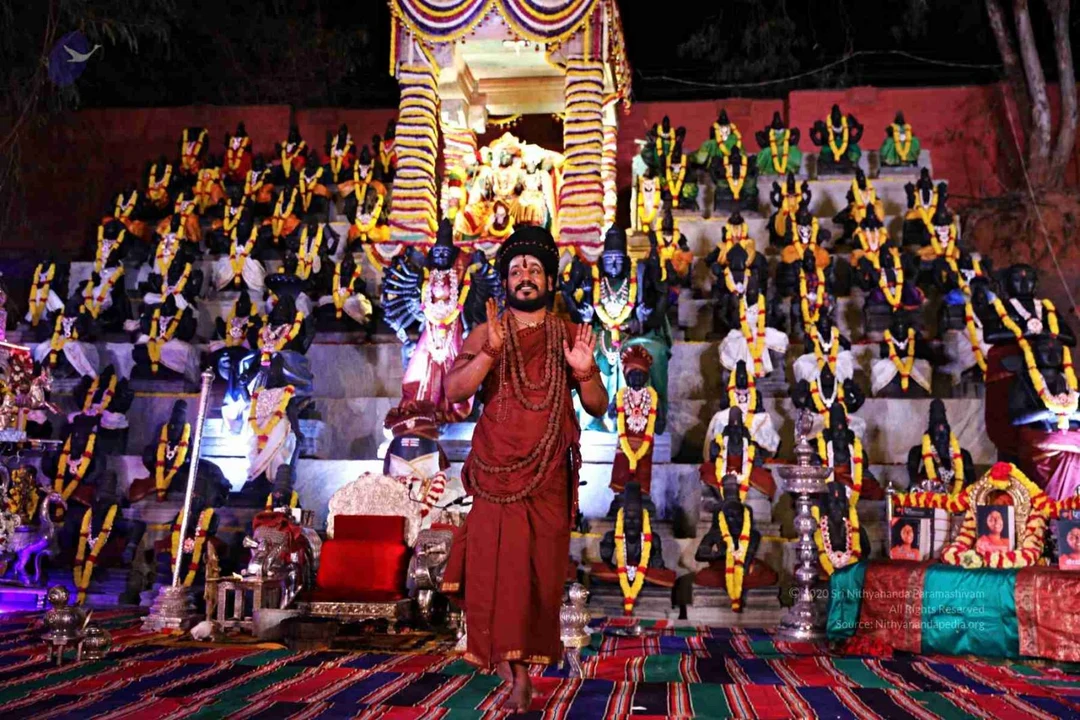 His Divine Holiness Nithyananda Paramashivam - compassionate loving Guru
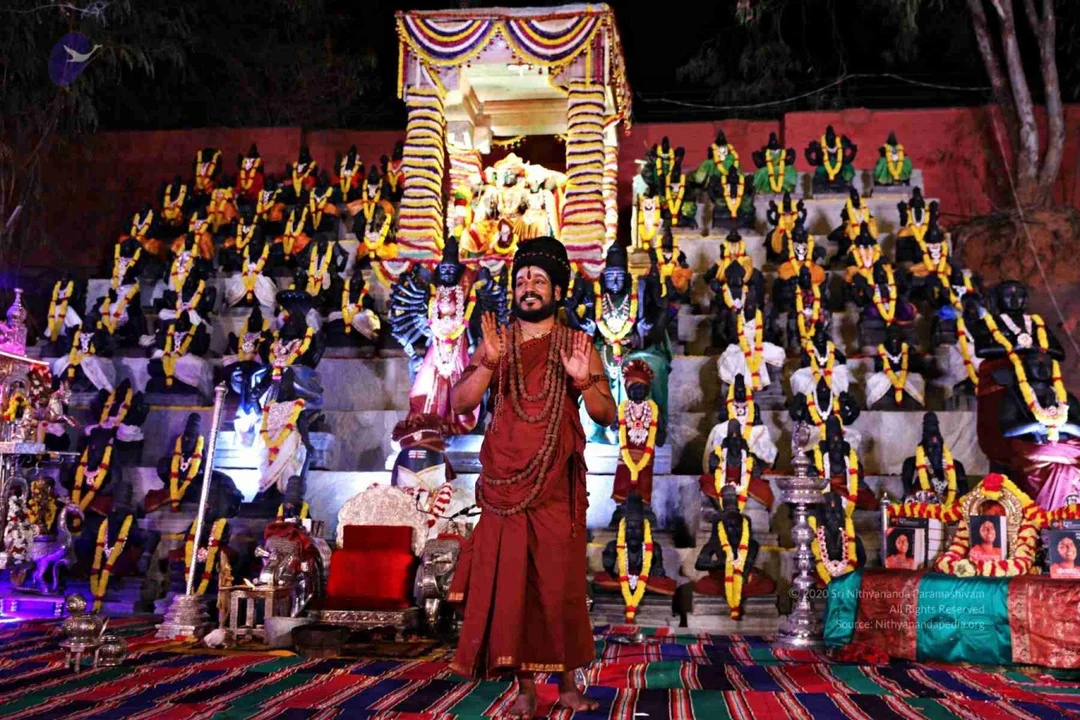 His Divine Holiness Nithyananda Paramashivam - compassionate loving Guru
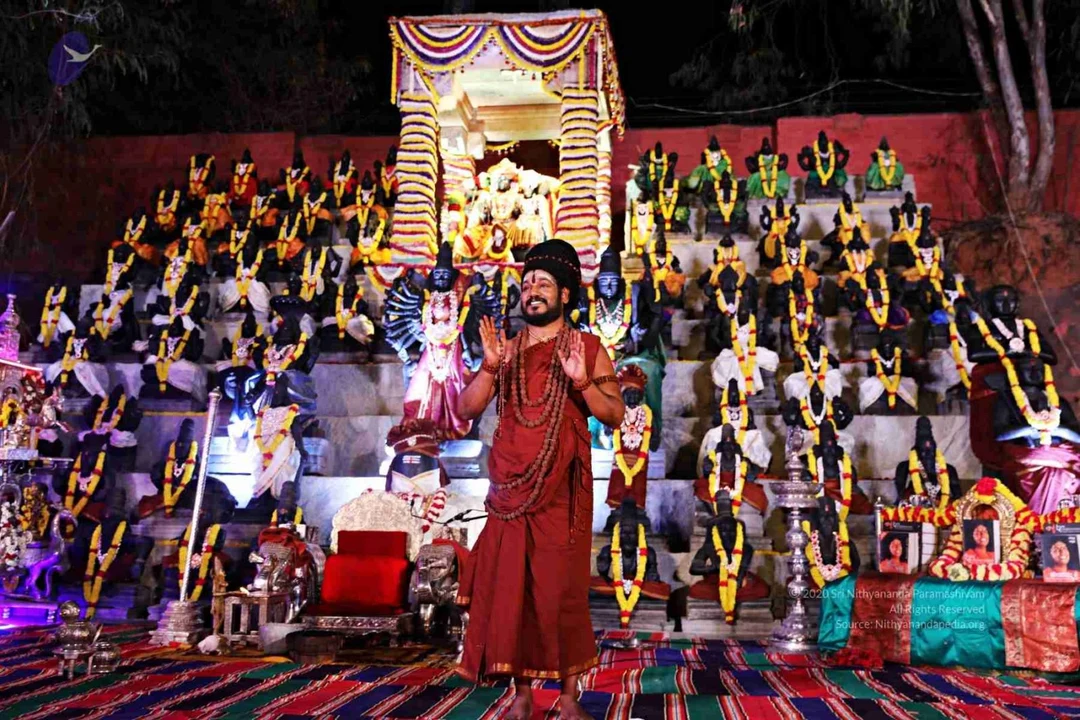 His Divine Holiness Nithyananda Paramashivam - compassionate loving Guru
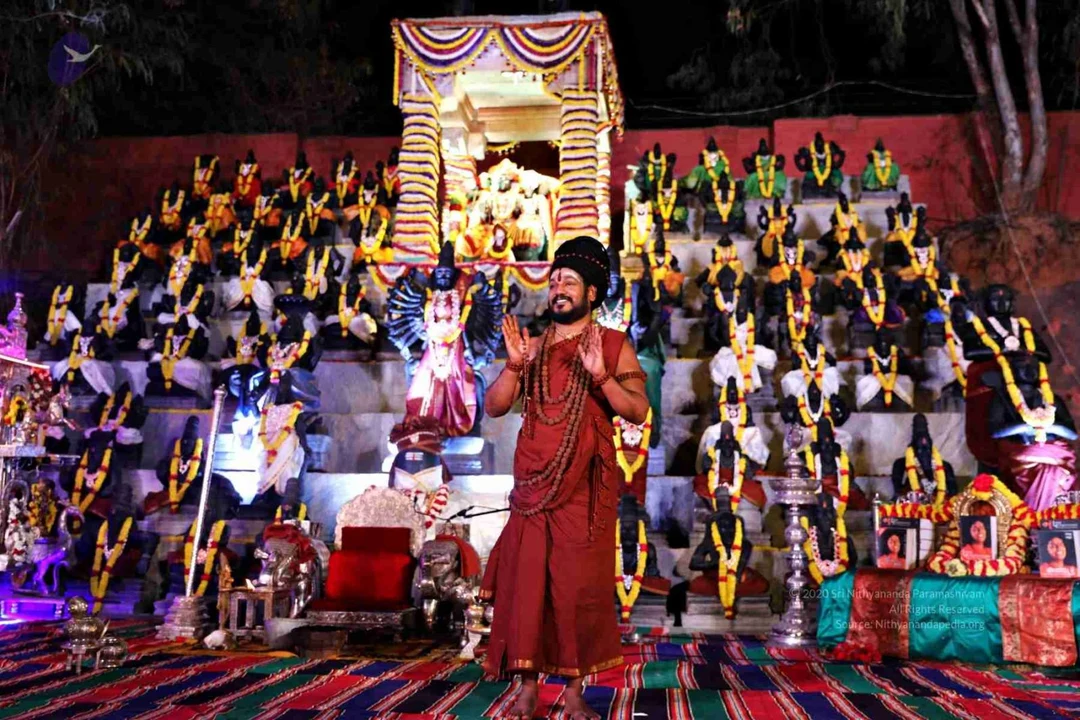 His Divine Holiness Nithyananda Paramashivam - compassionate loving Guru
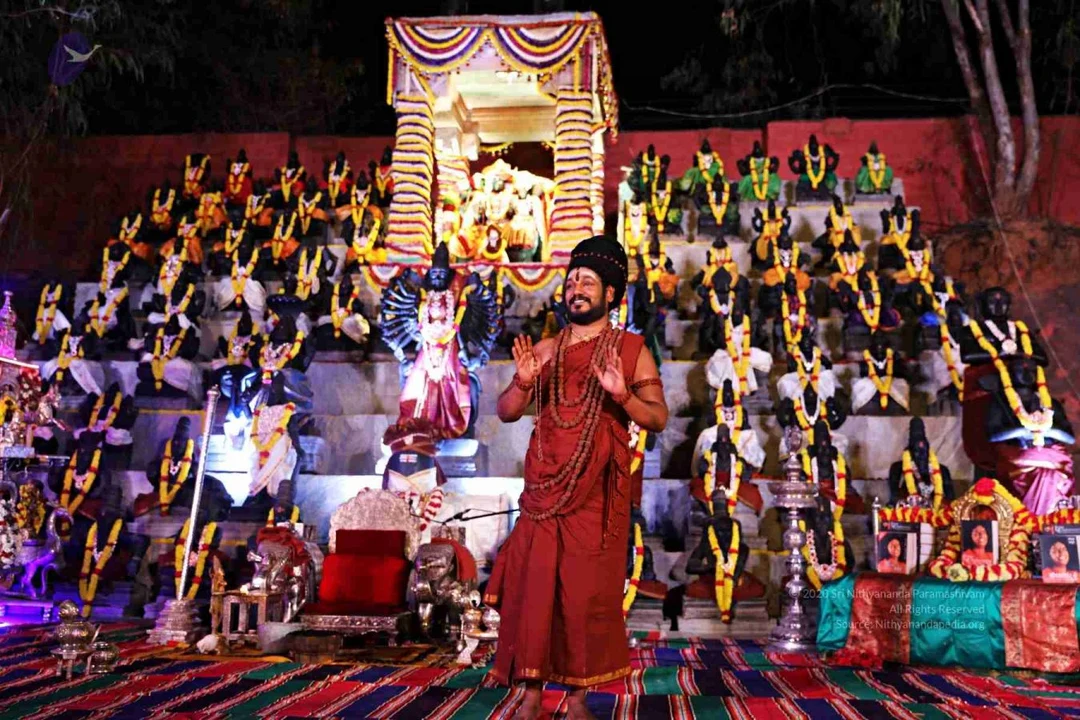 His Divine Holiness Nithyananda Paramashivam - compassionate loving Guru
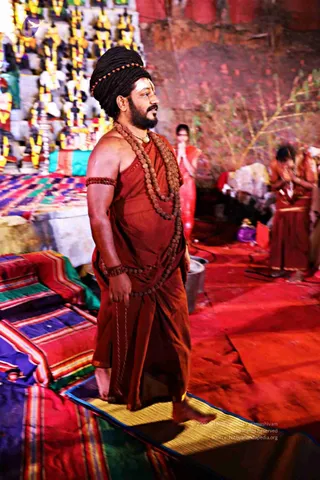 His Divine Holiness Nithyananda Paramashivam - compassionate loving Guru
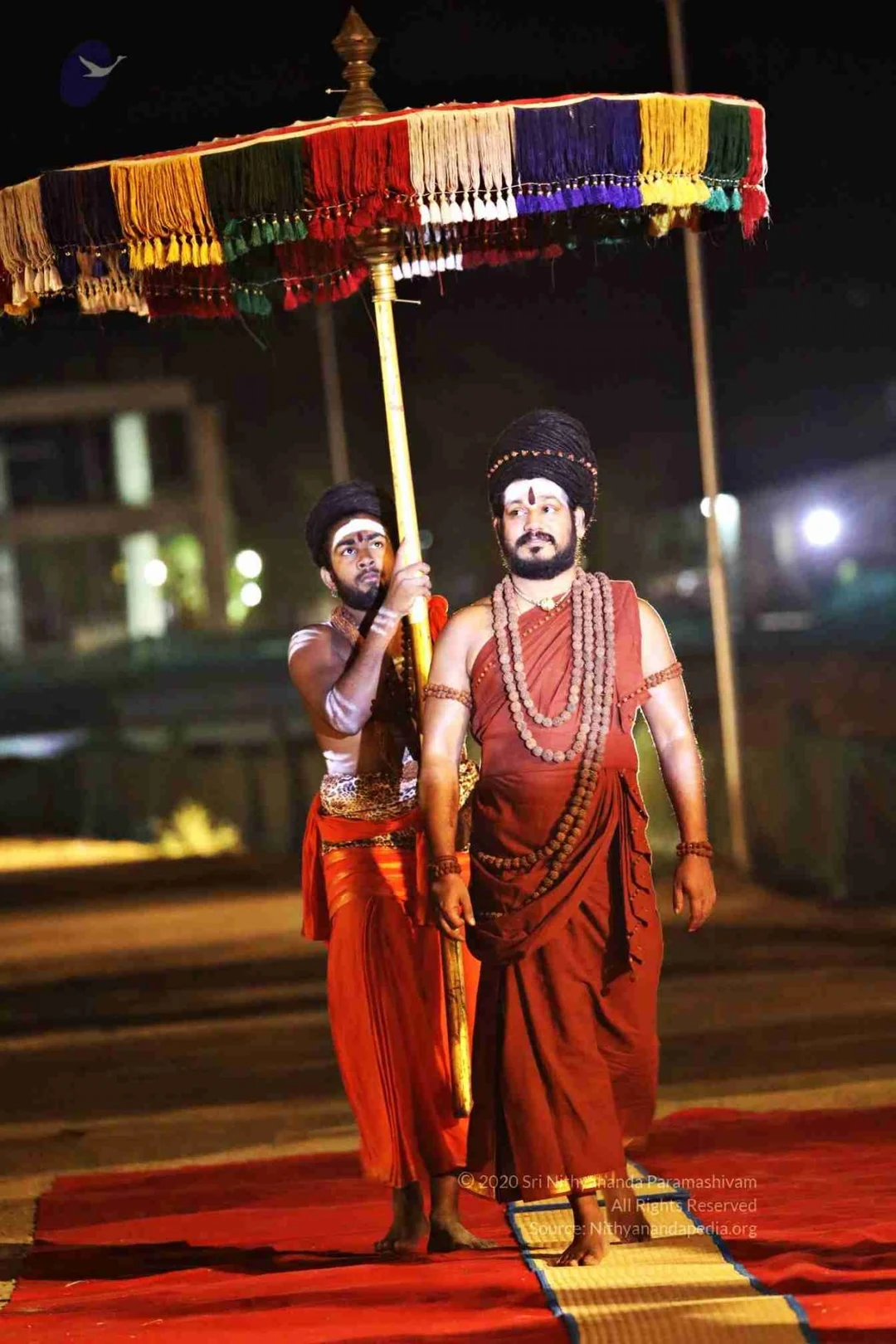
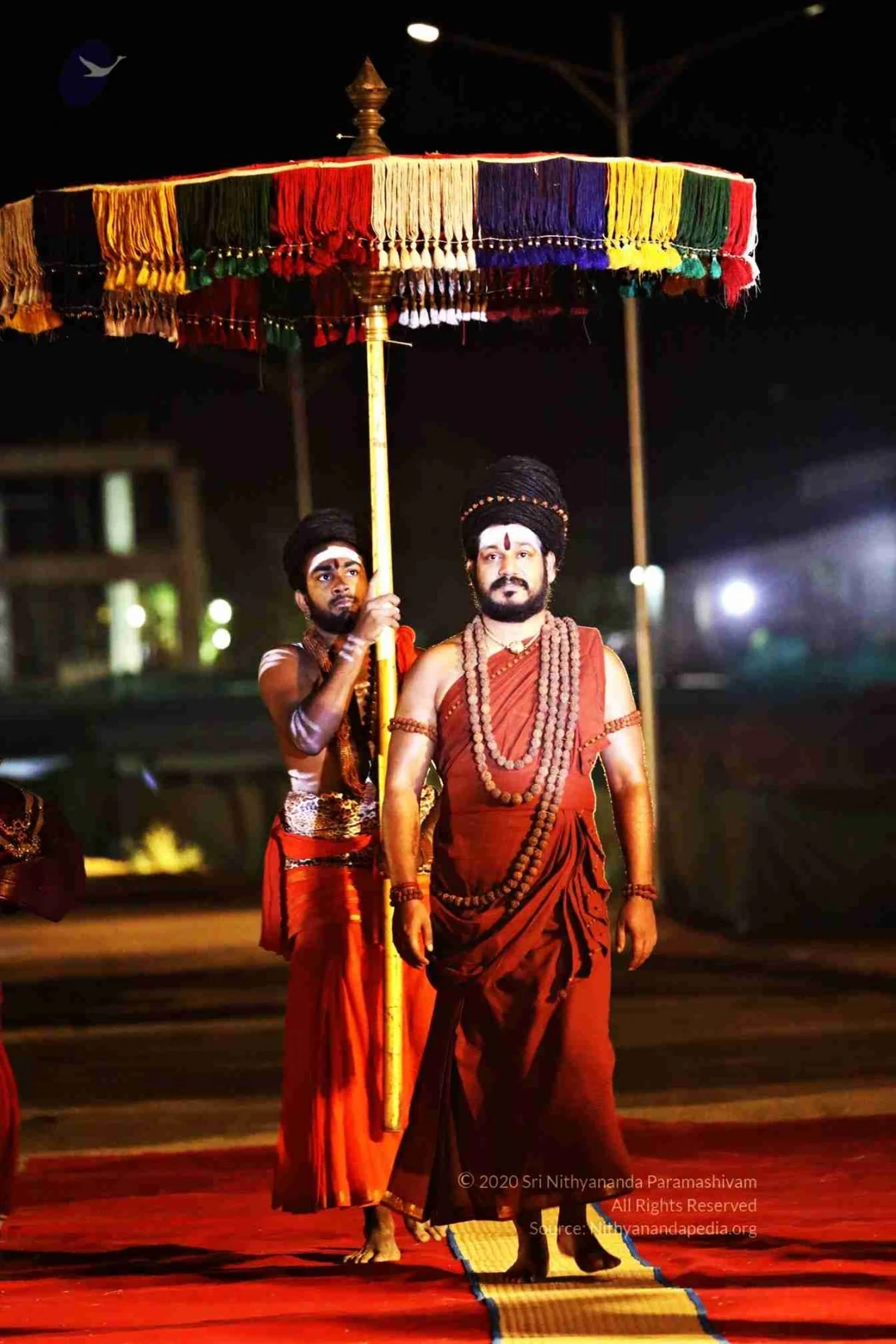
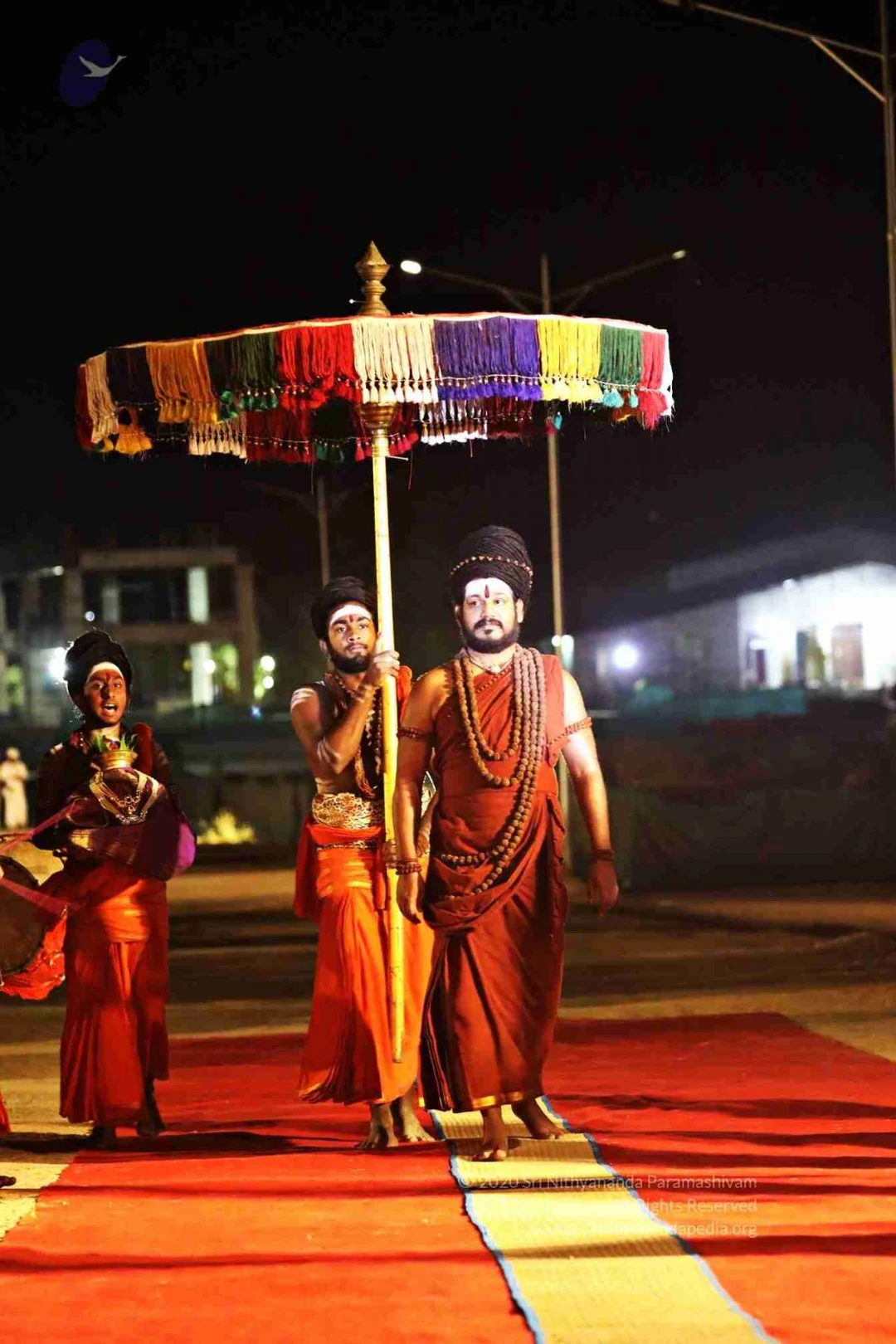
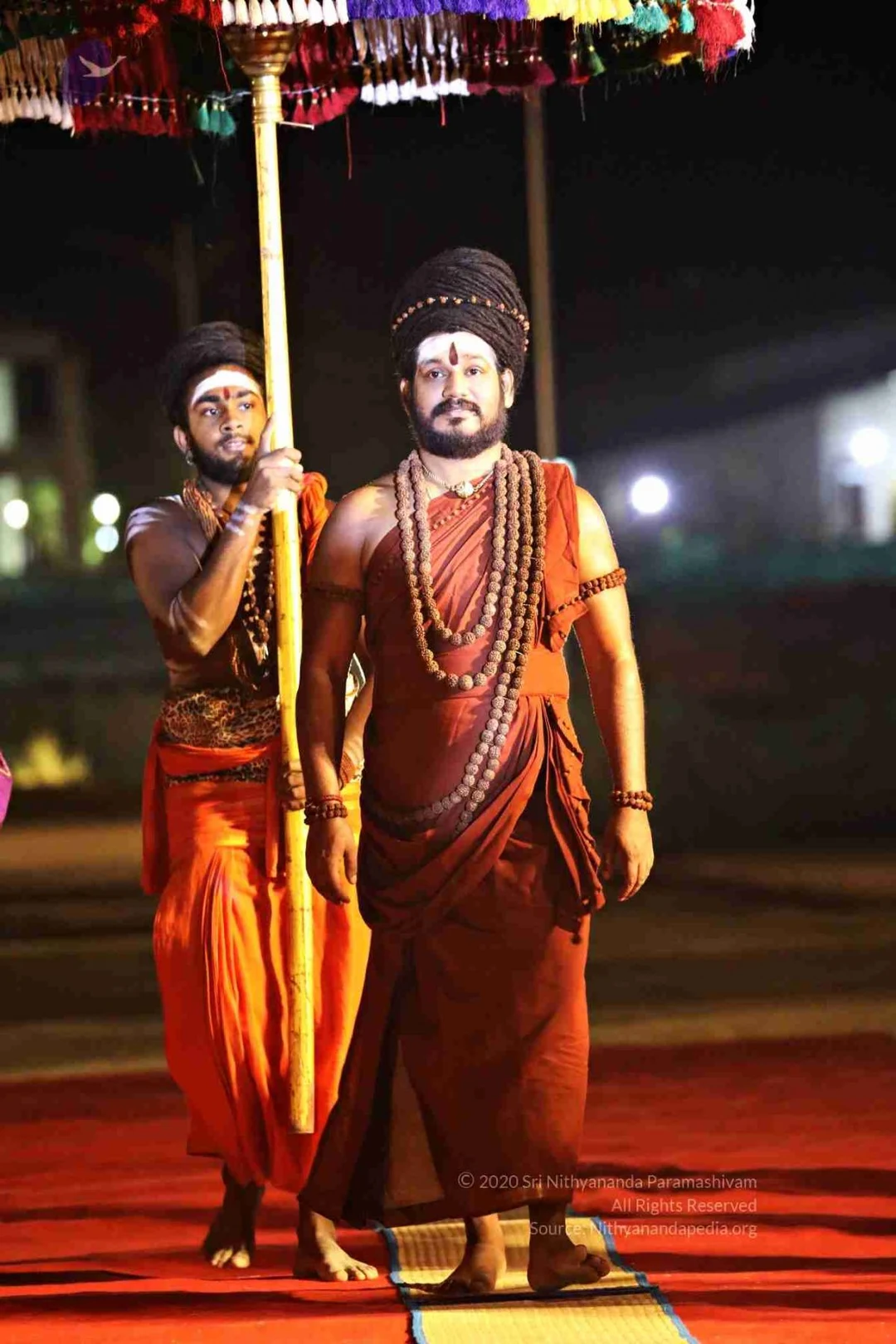
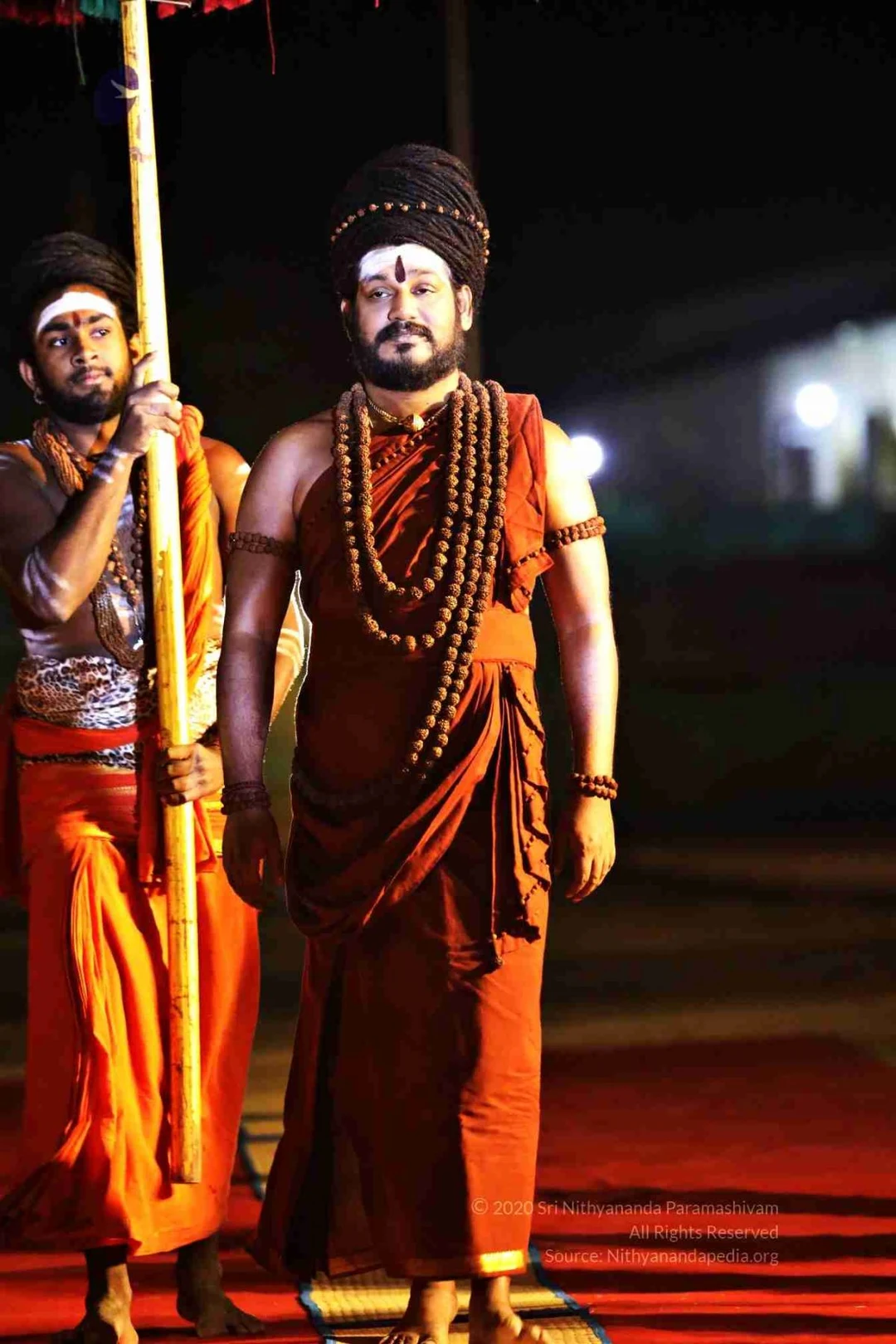
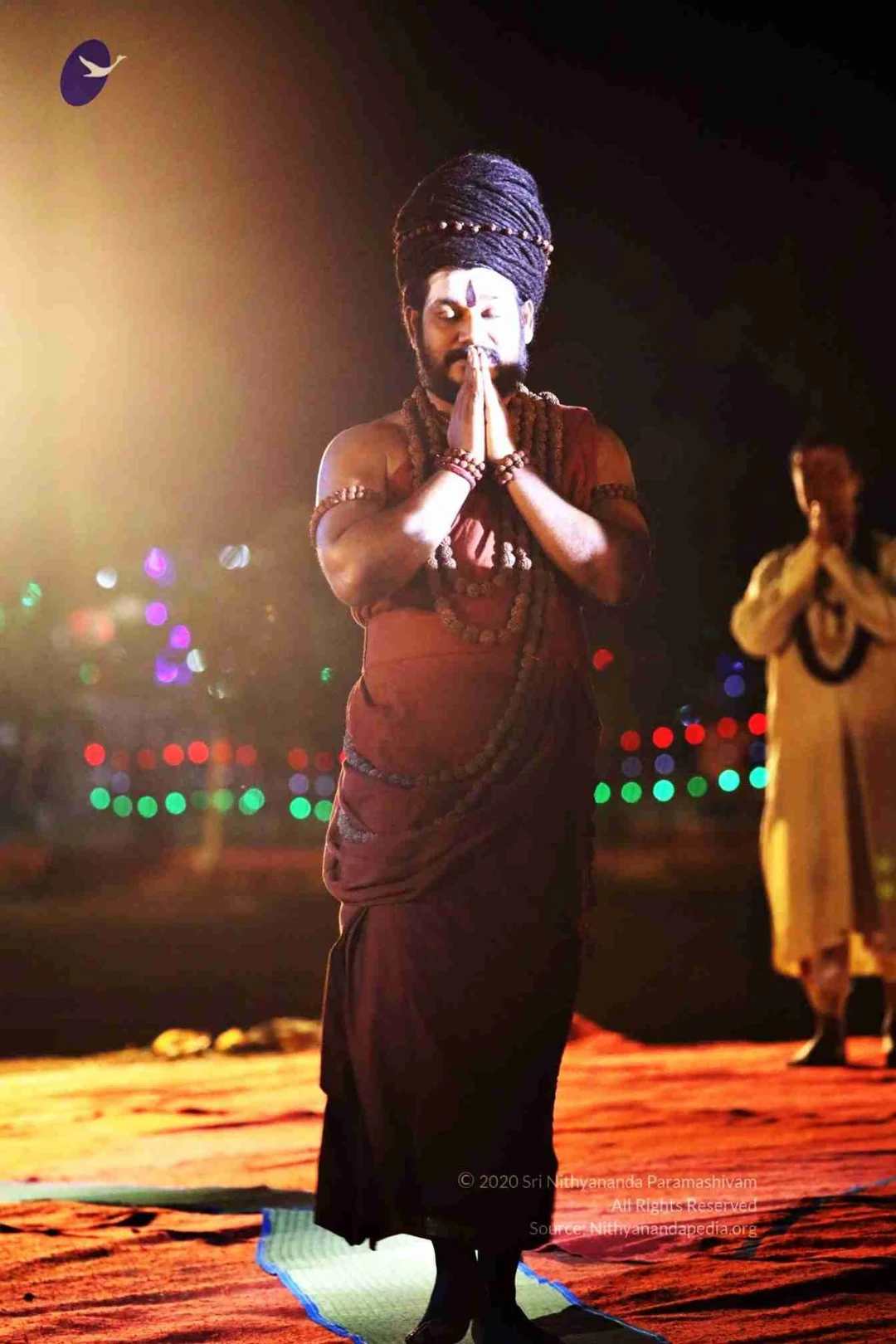
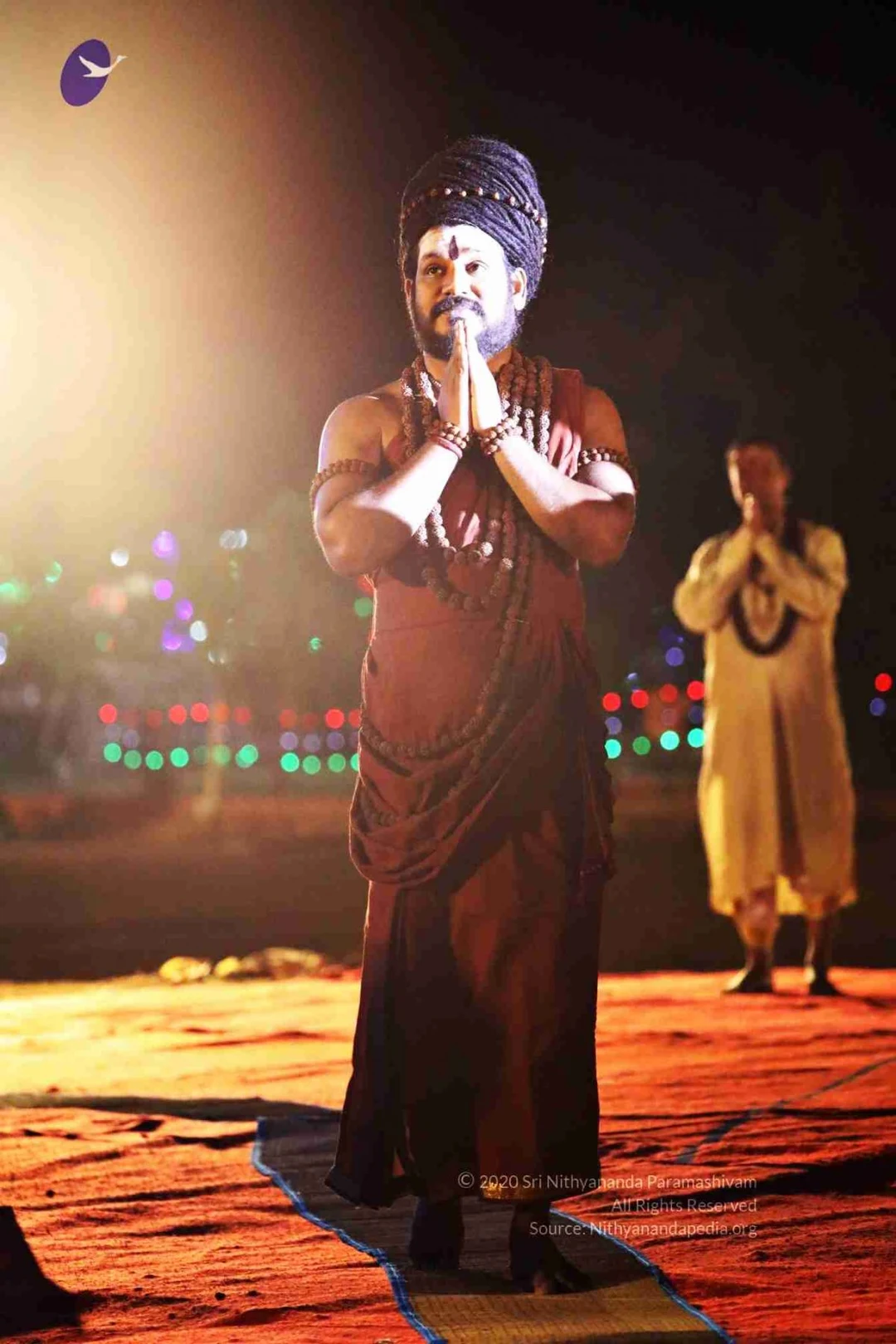
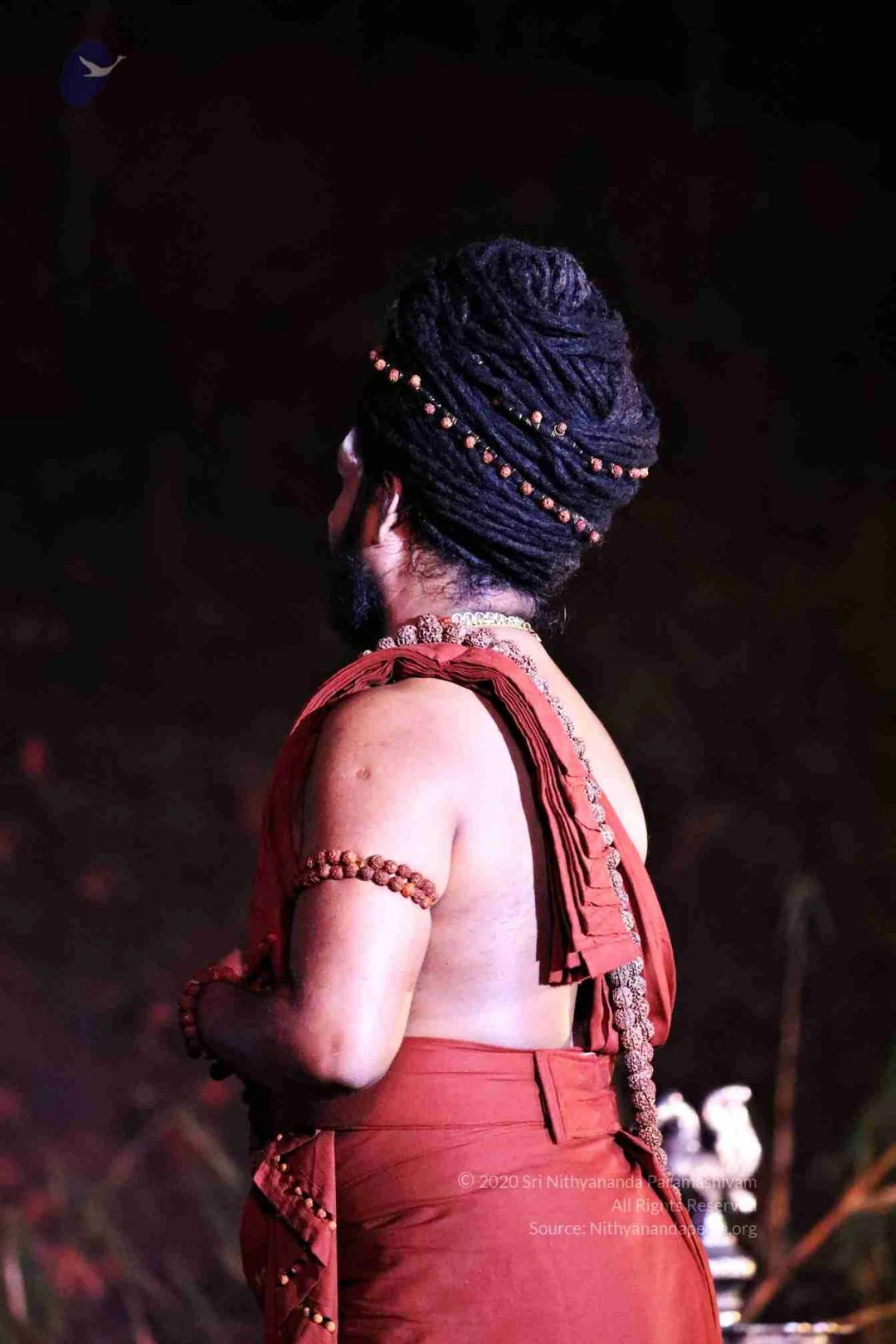
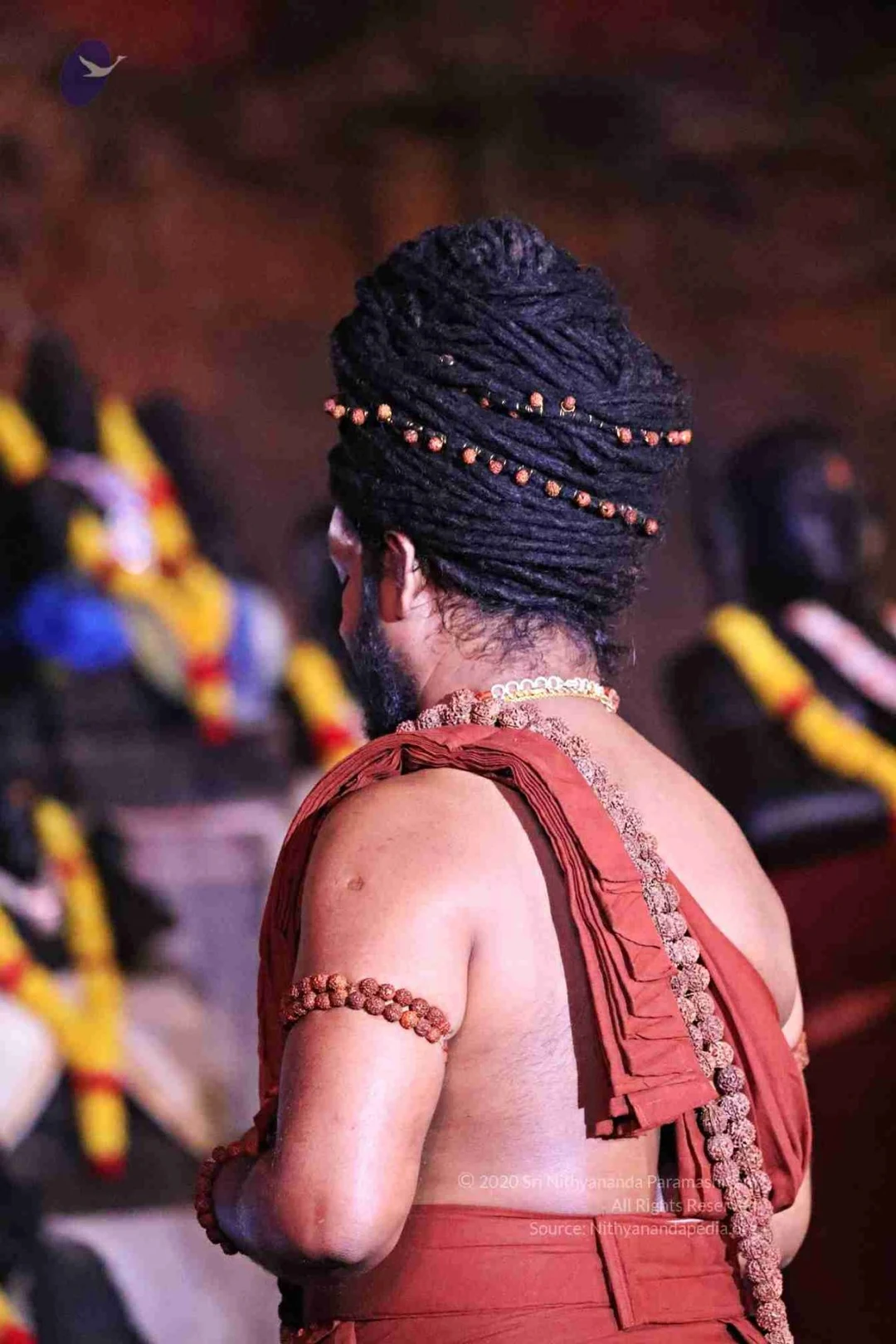
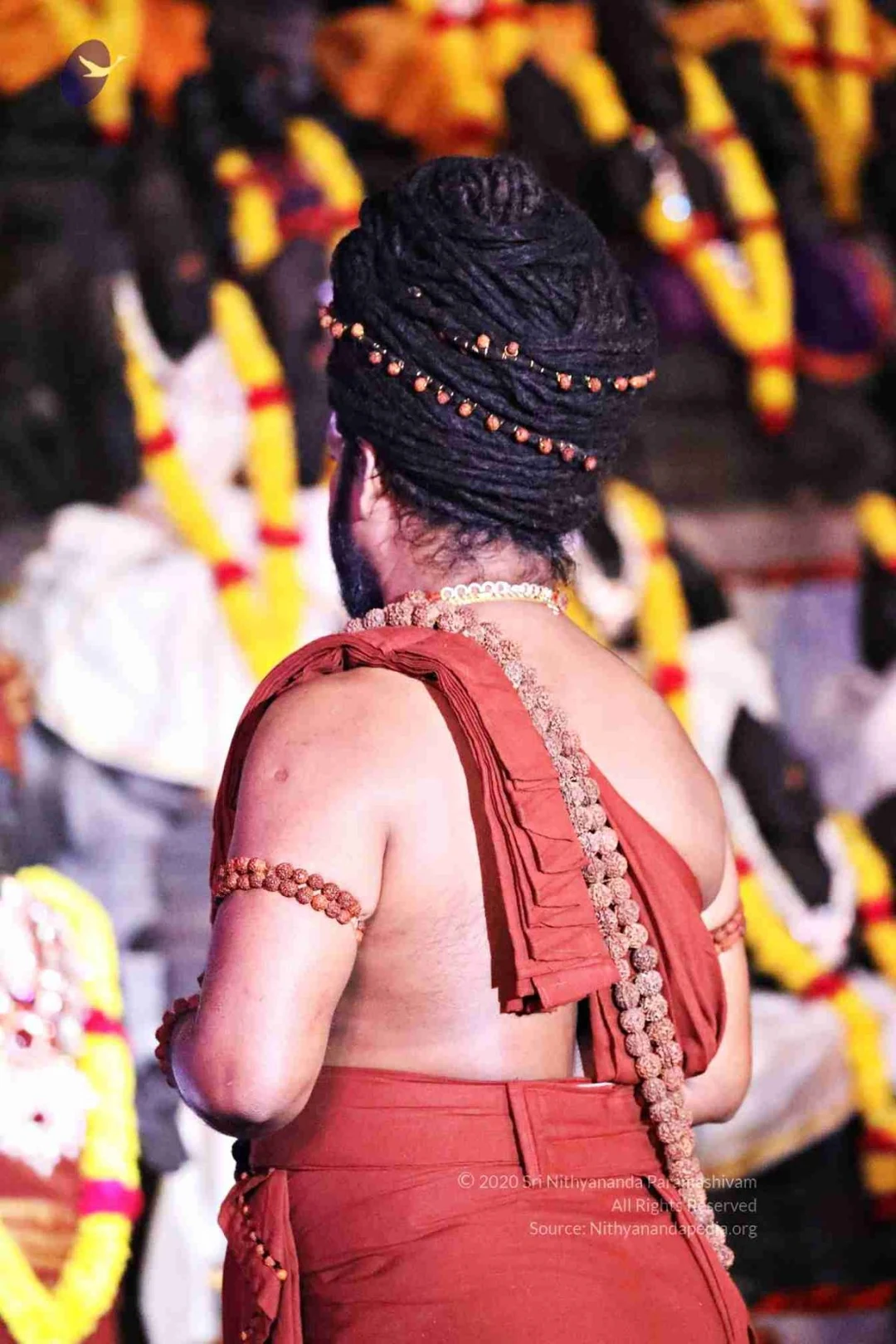
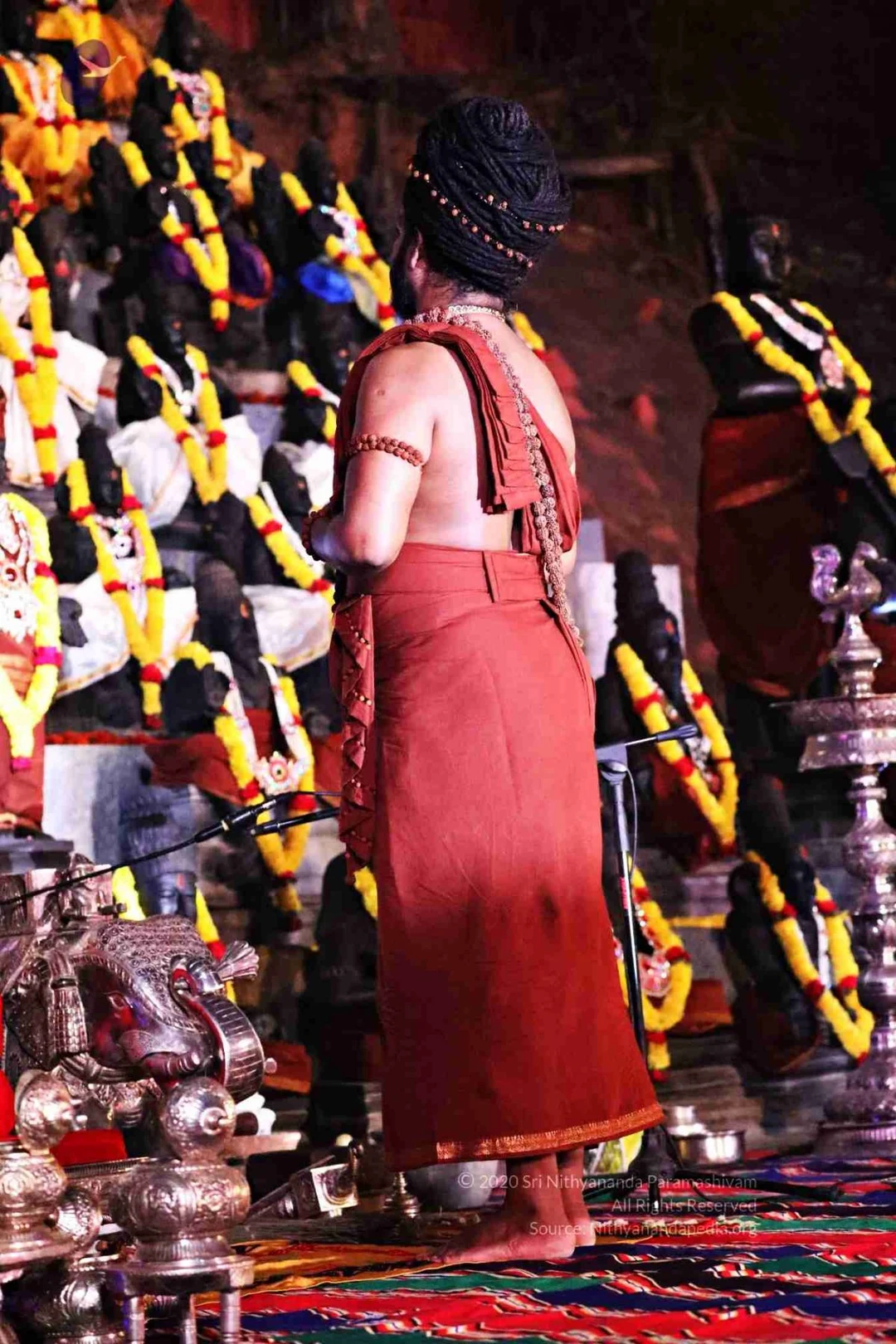
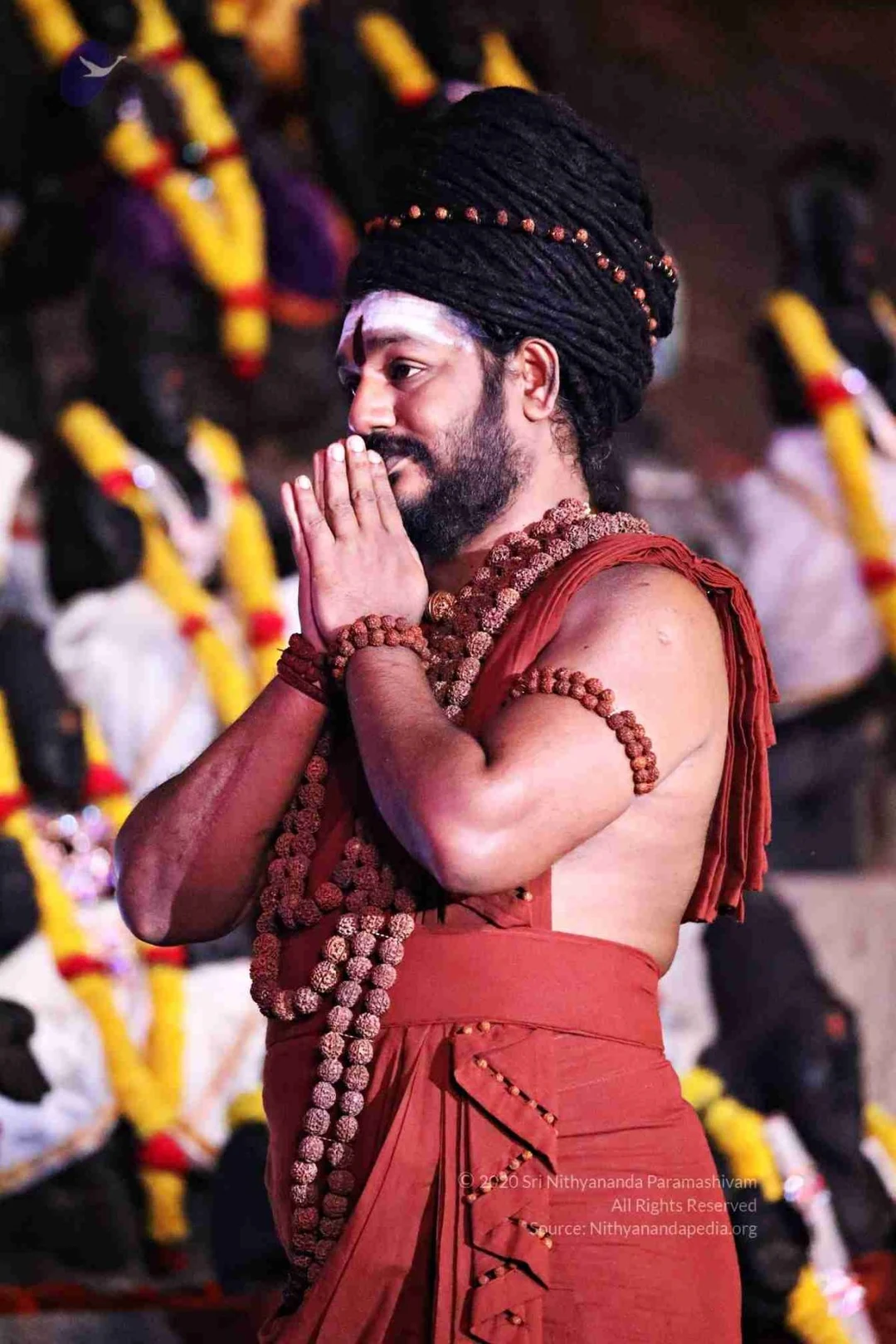
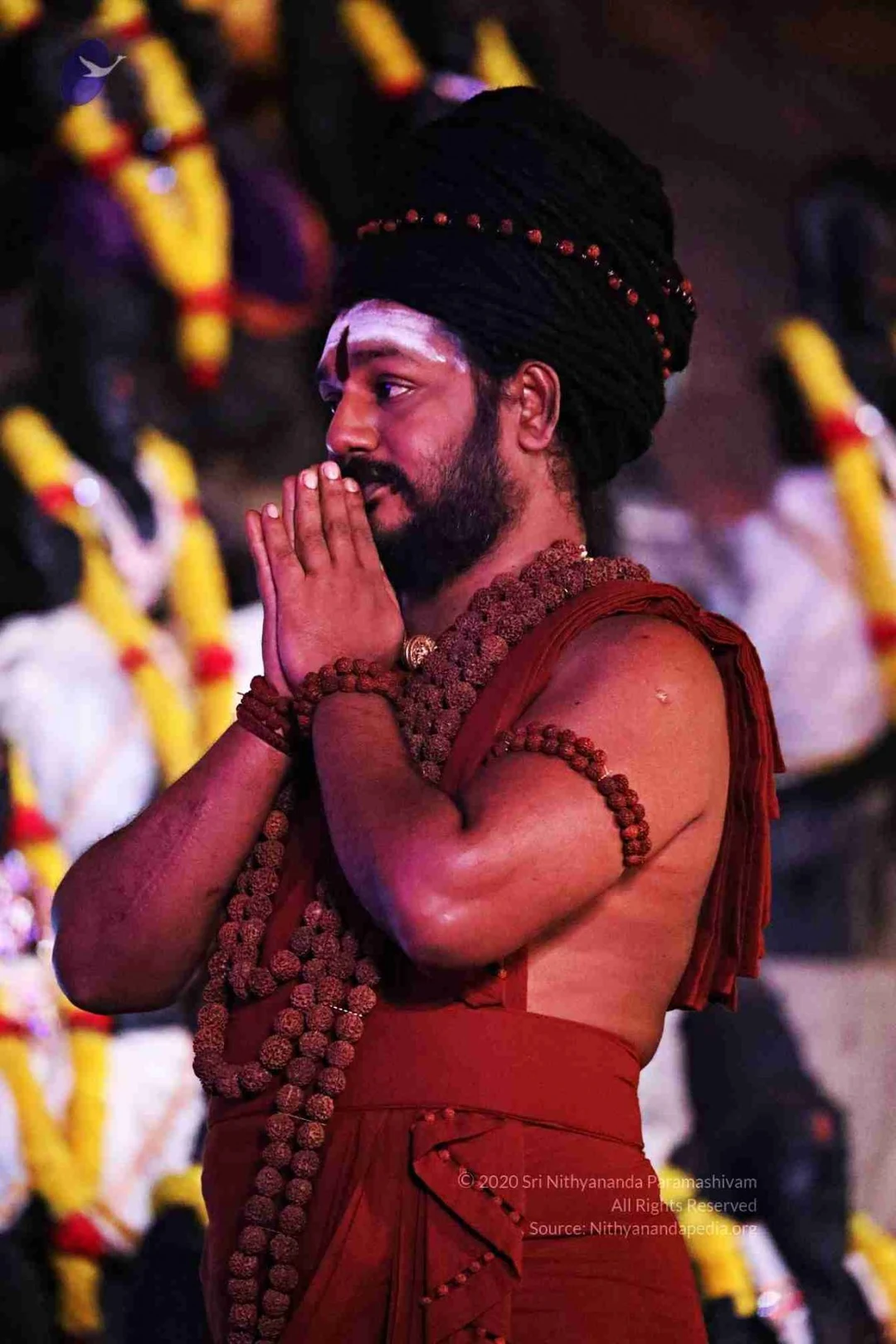
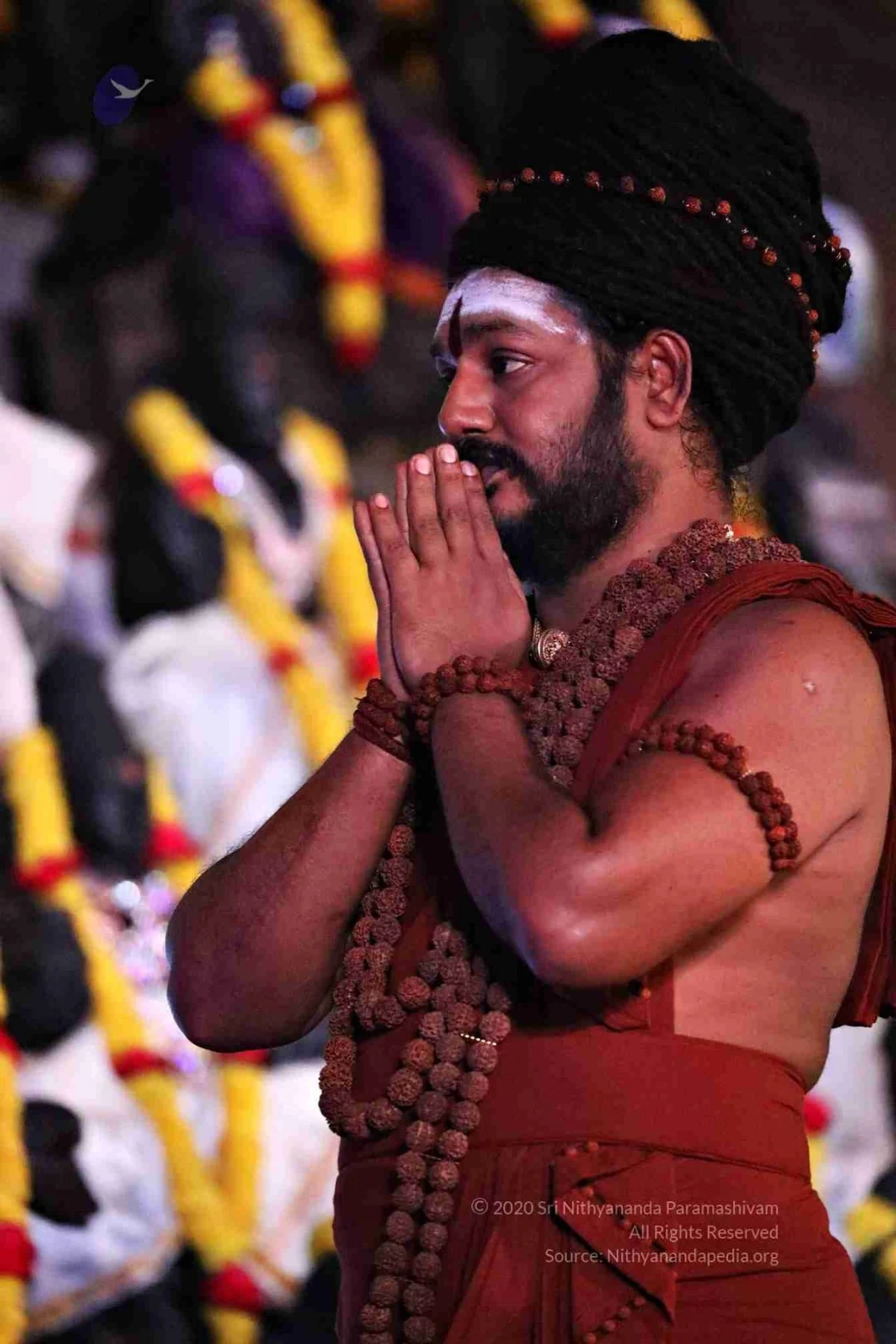
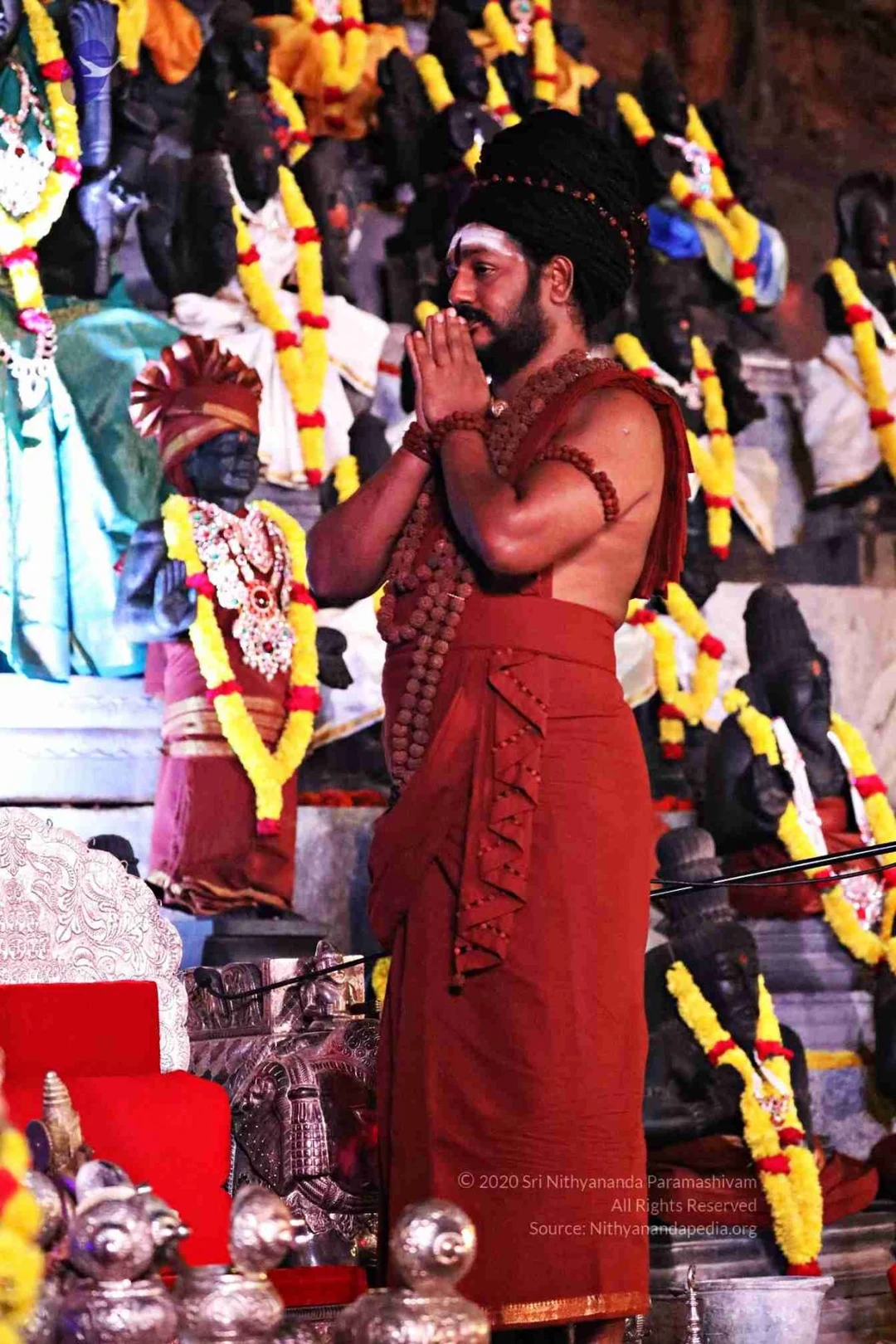
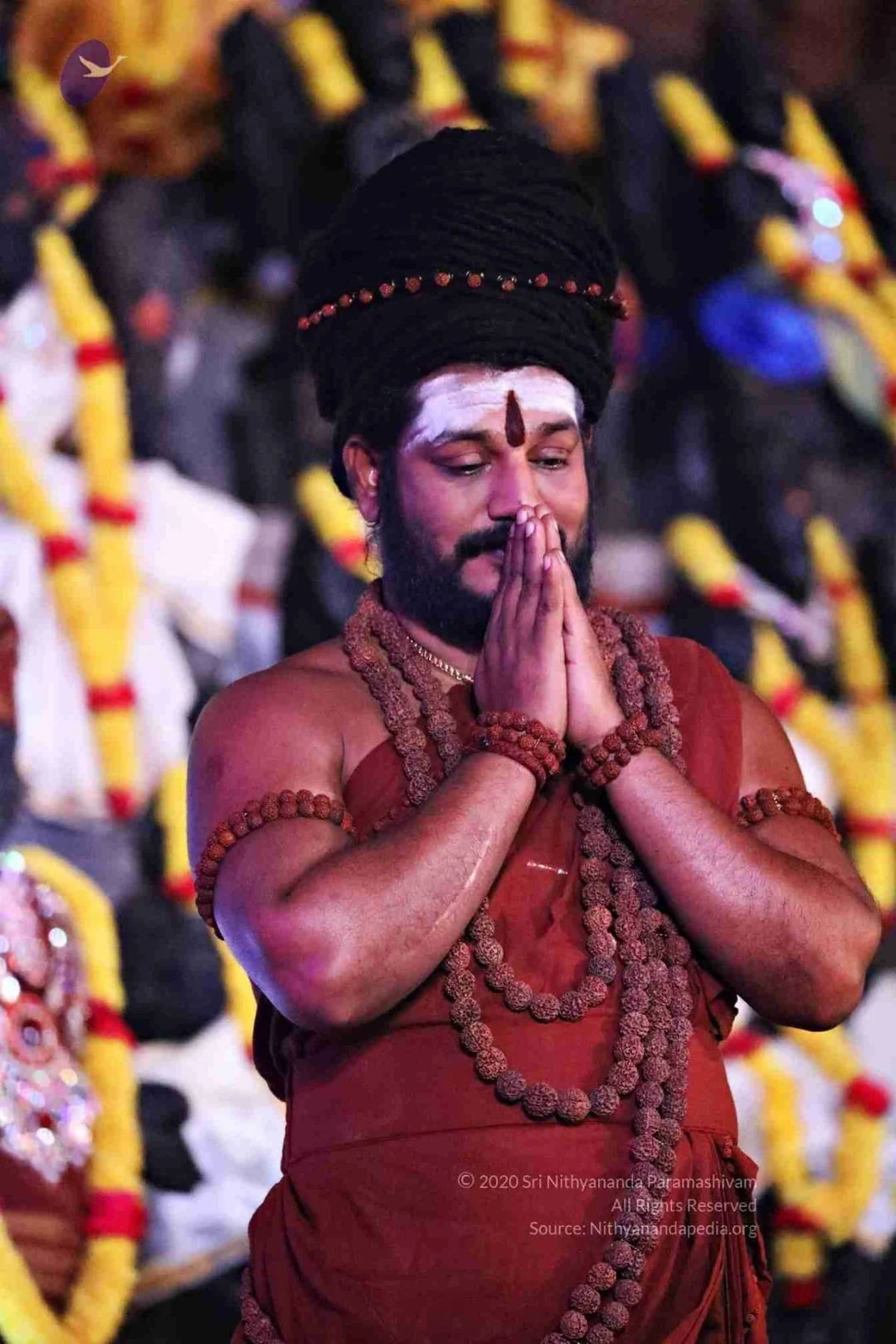
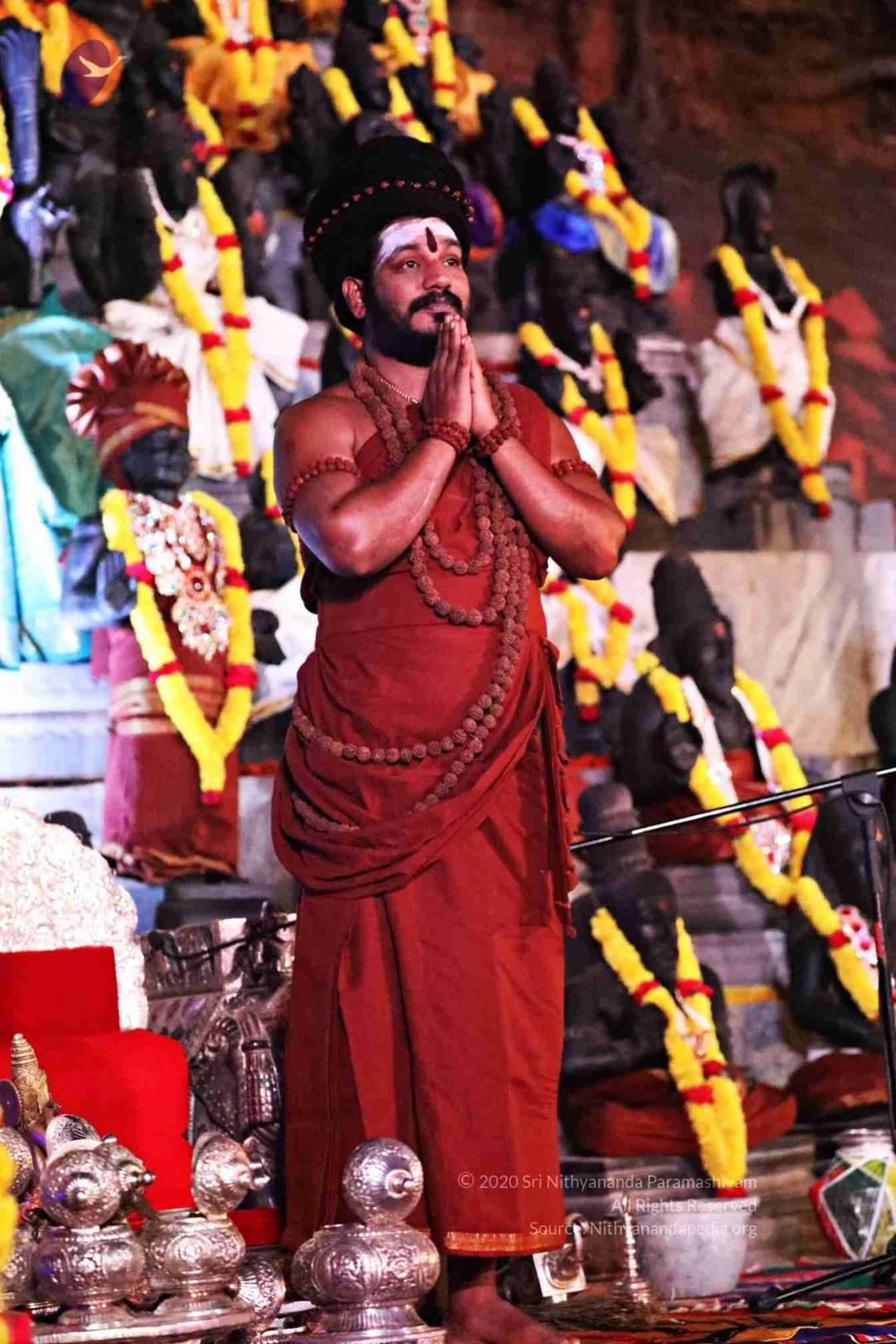
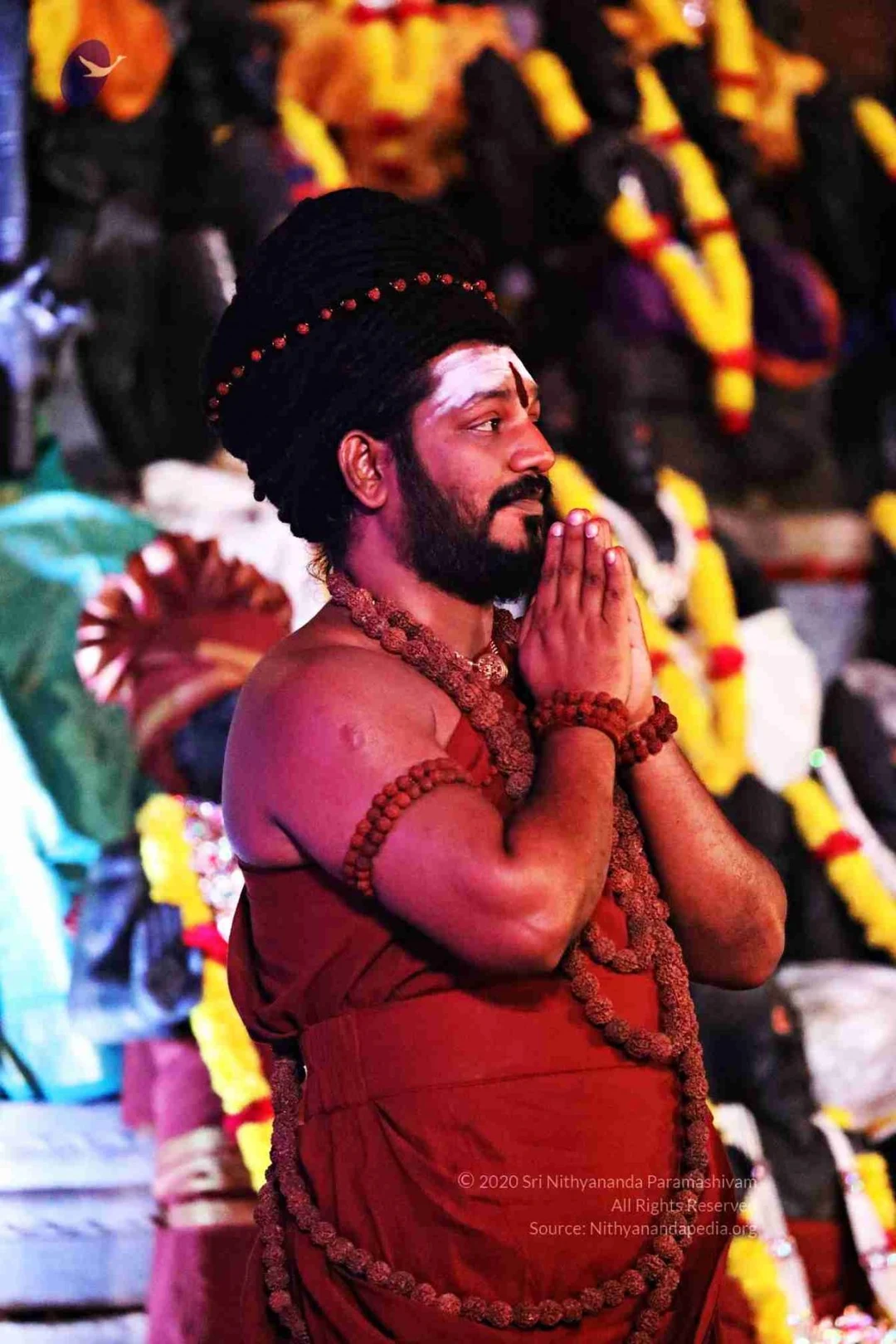
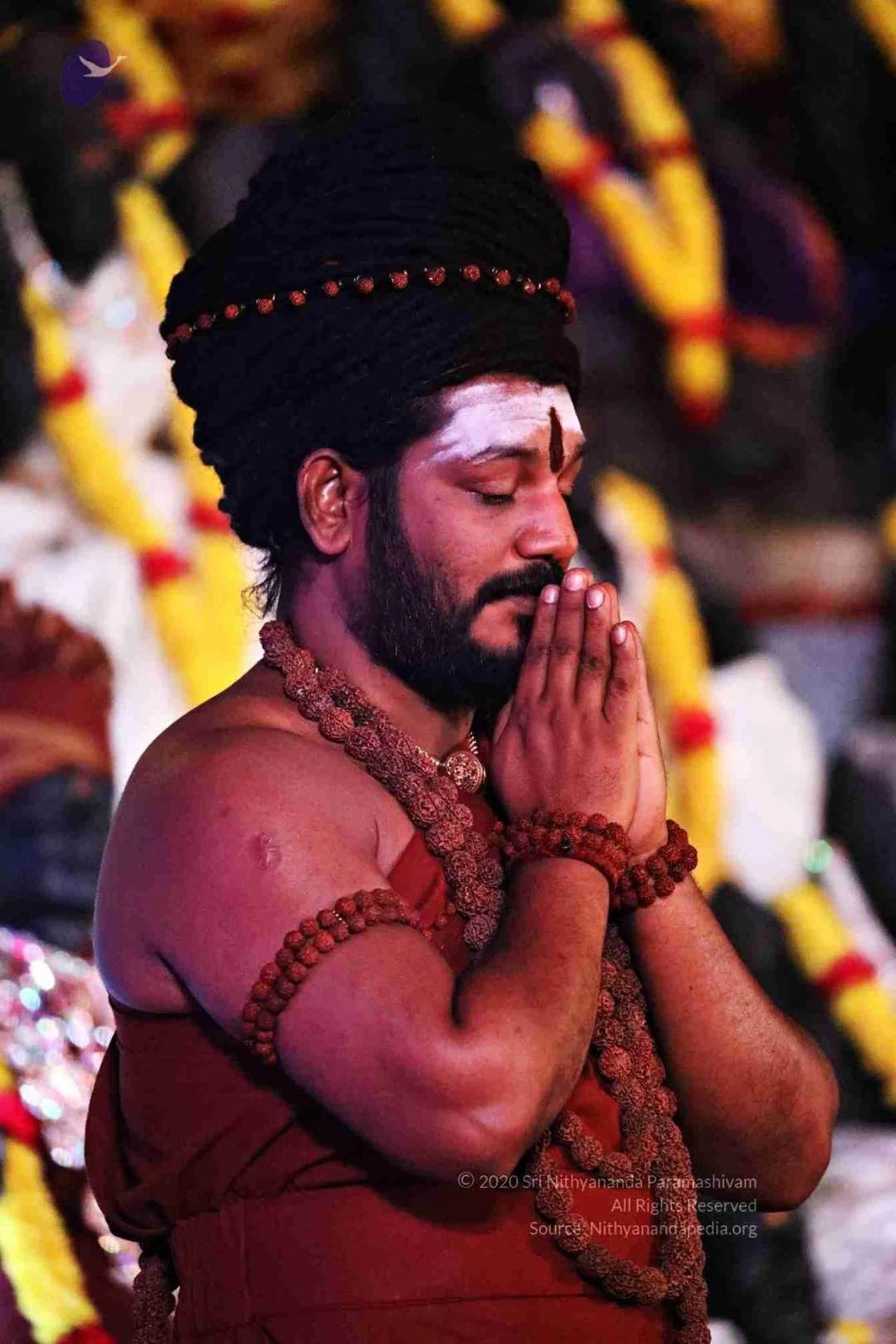
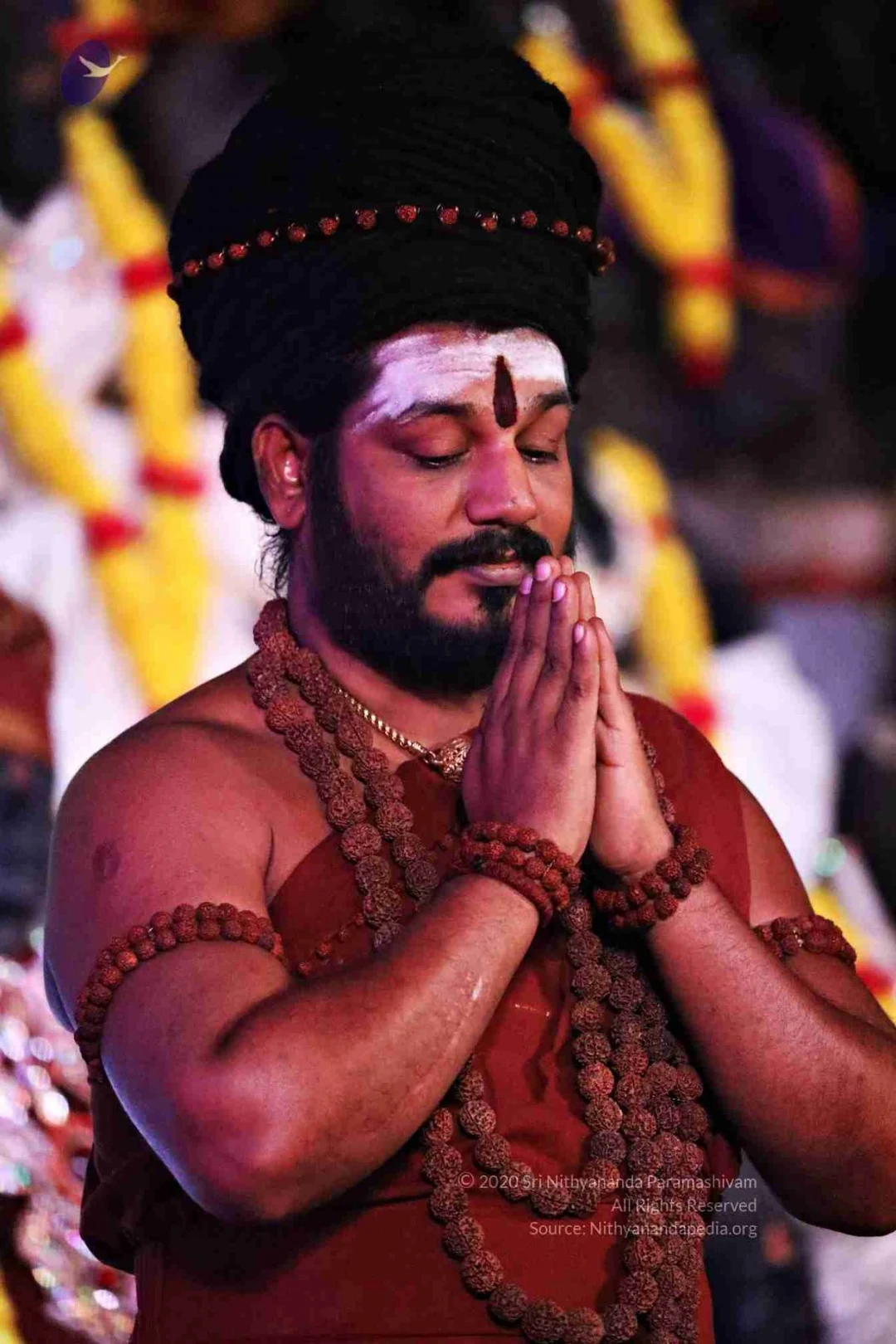
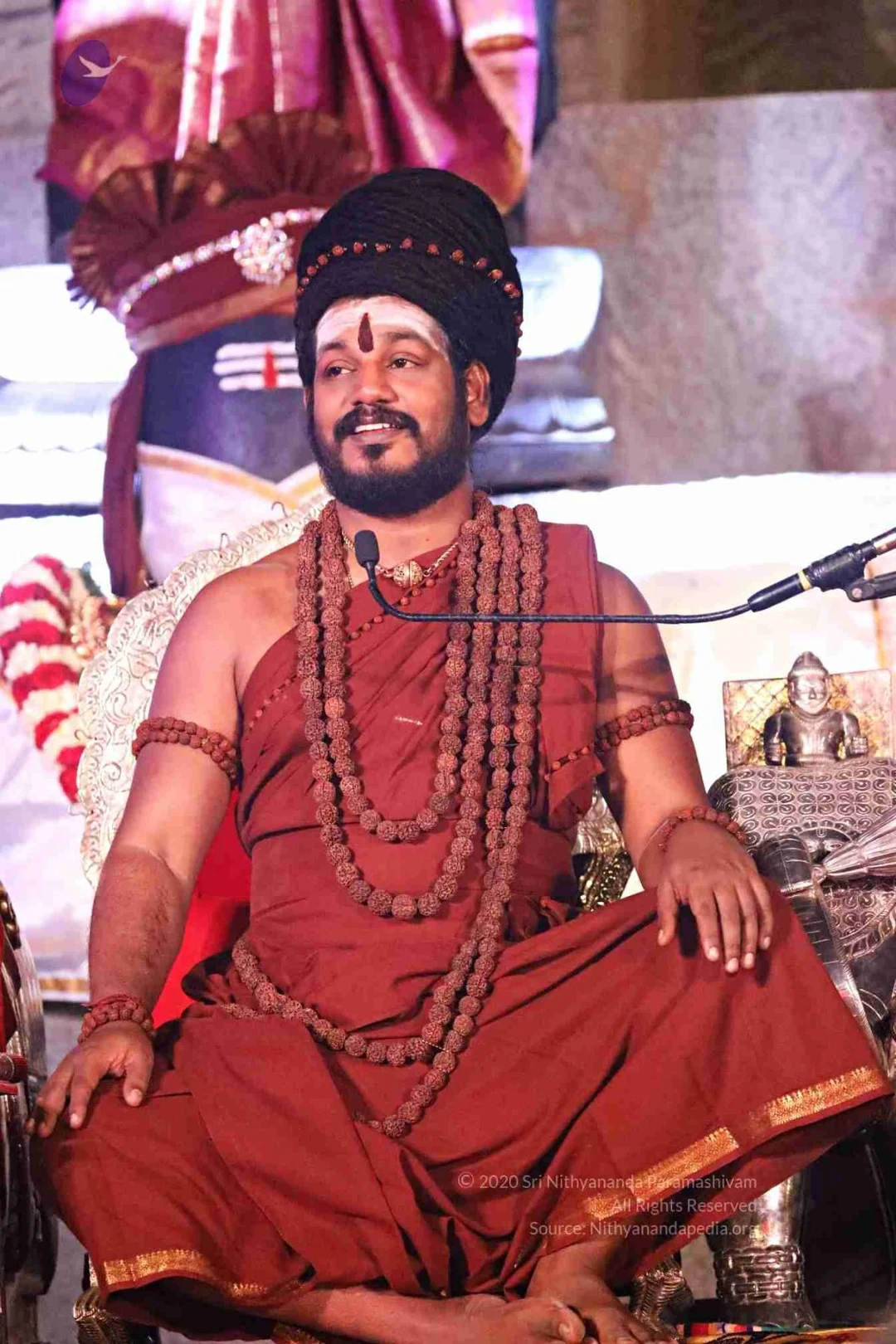
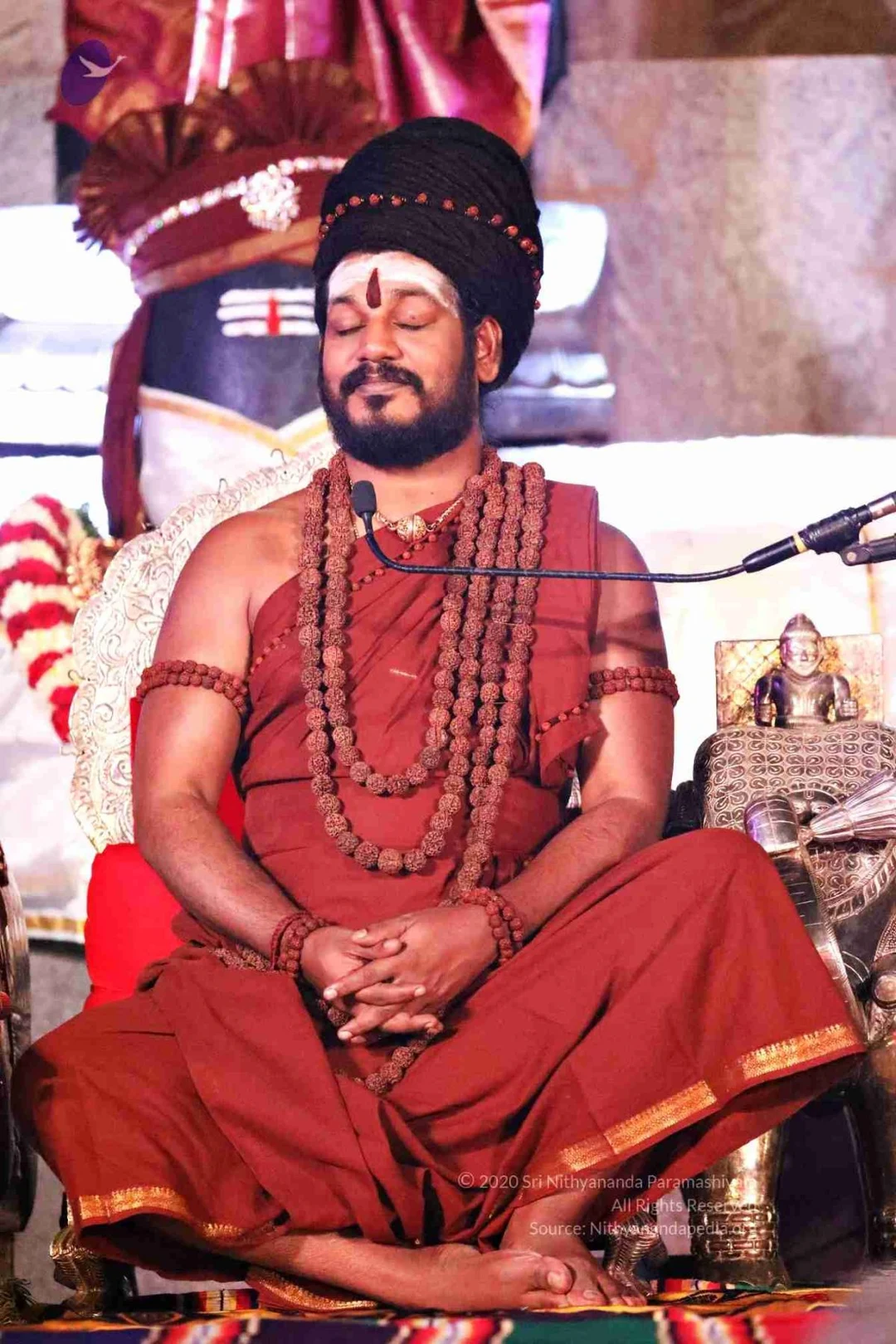
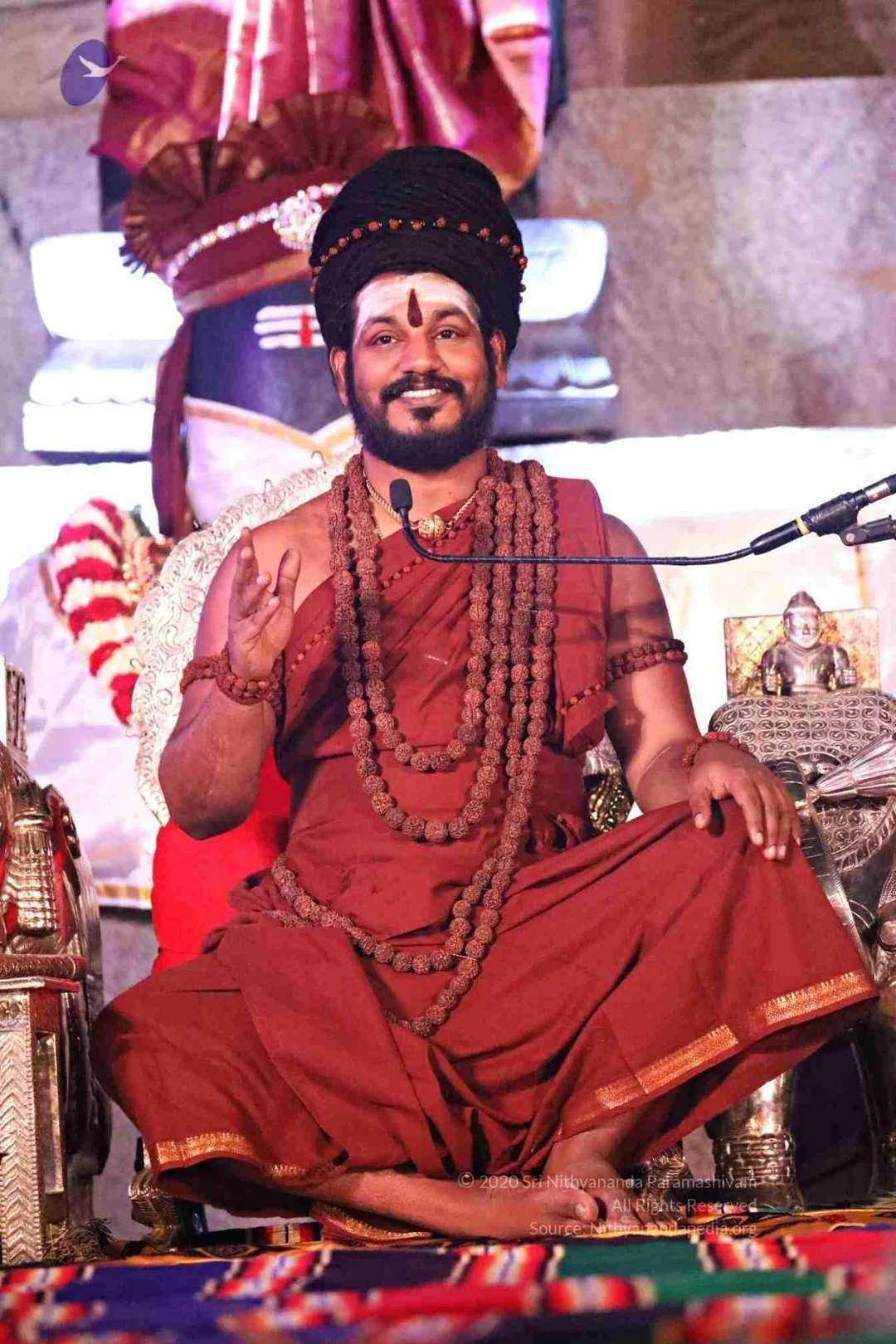
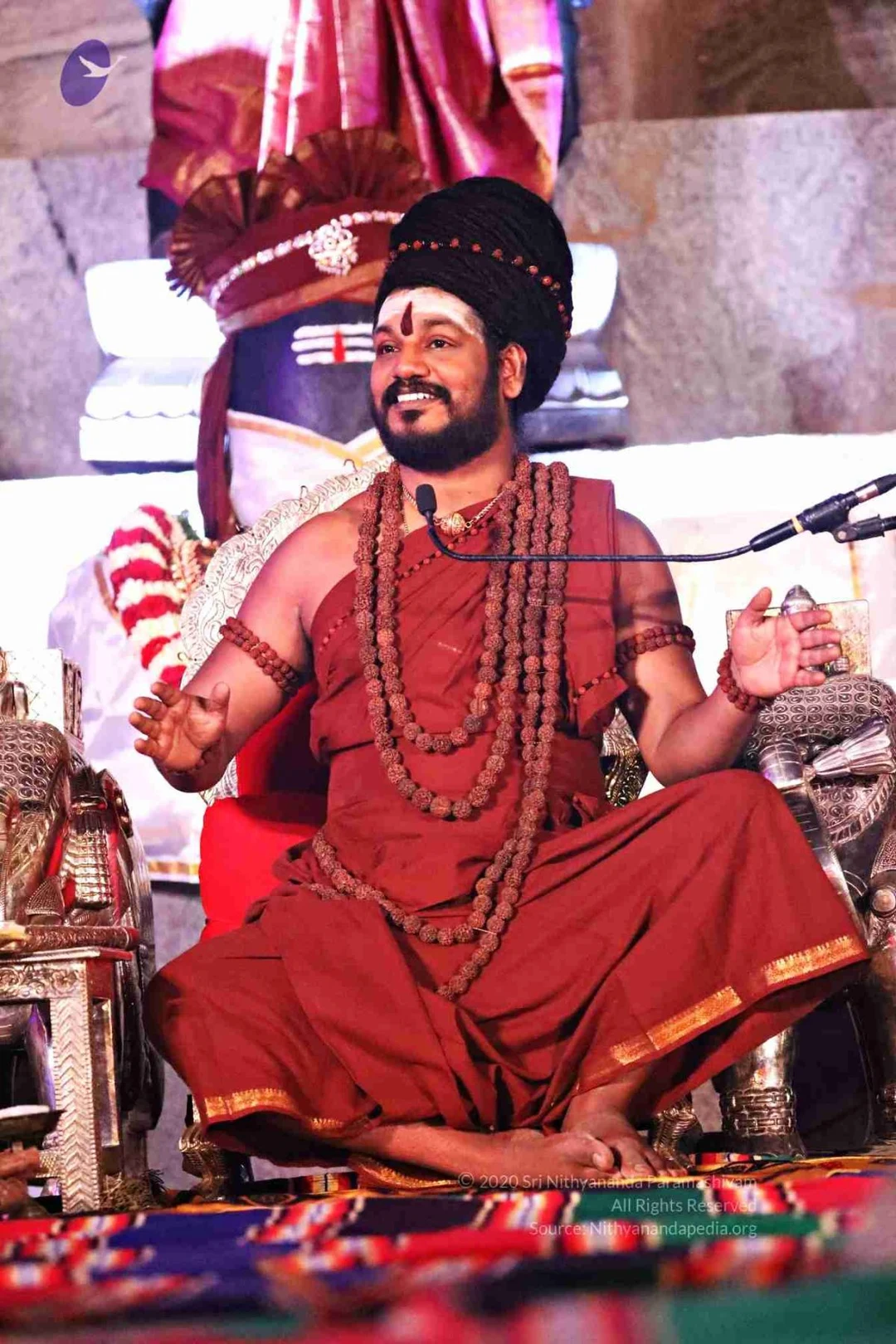
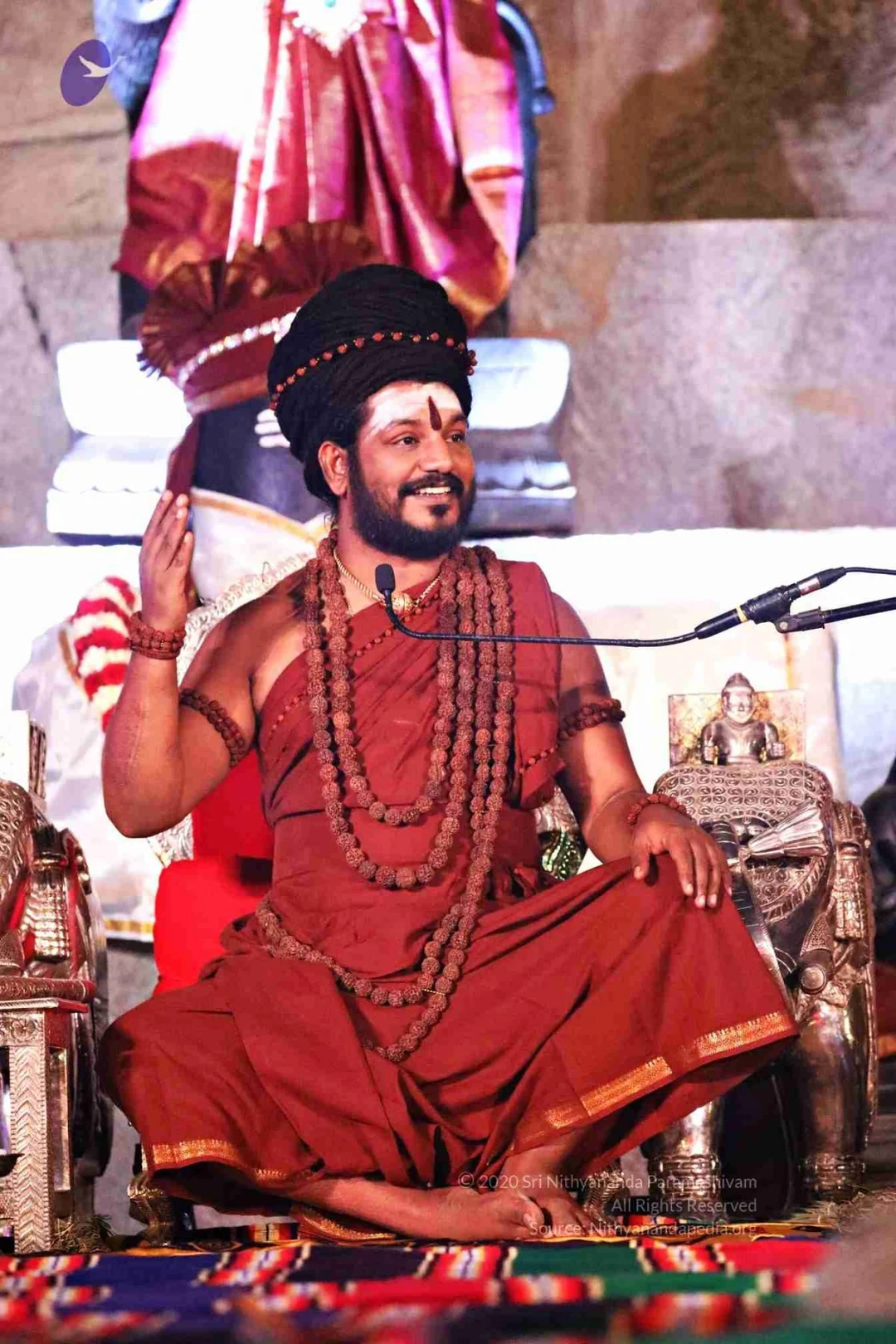
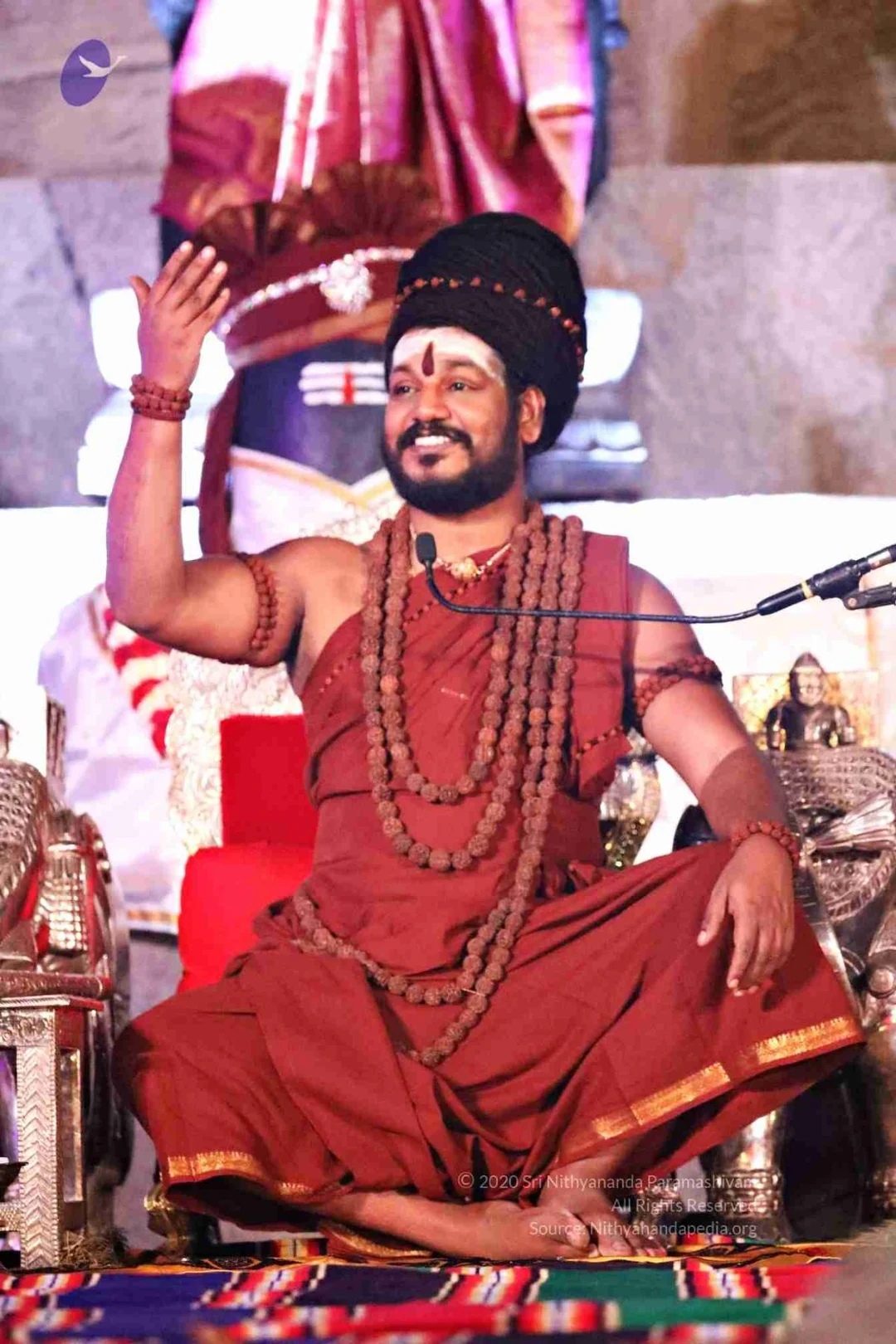
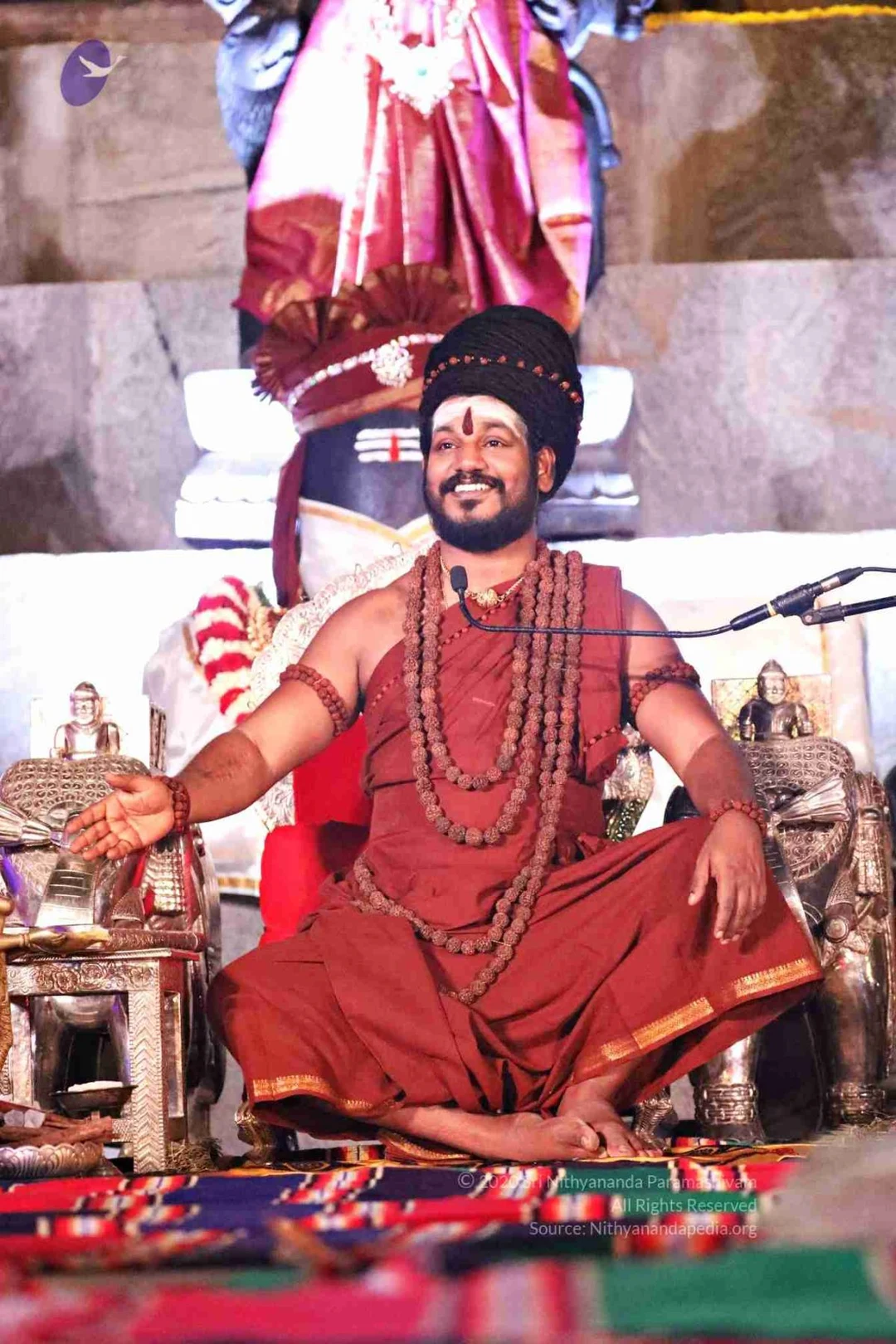
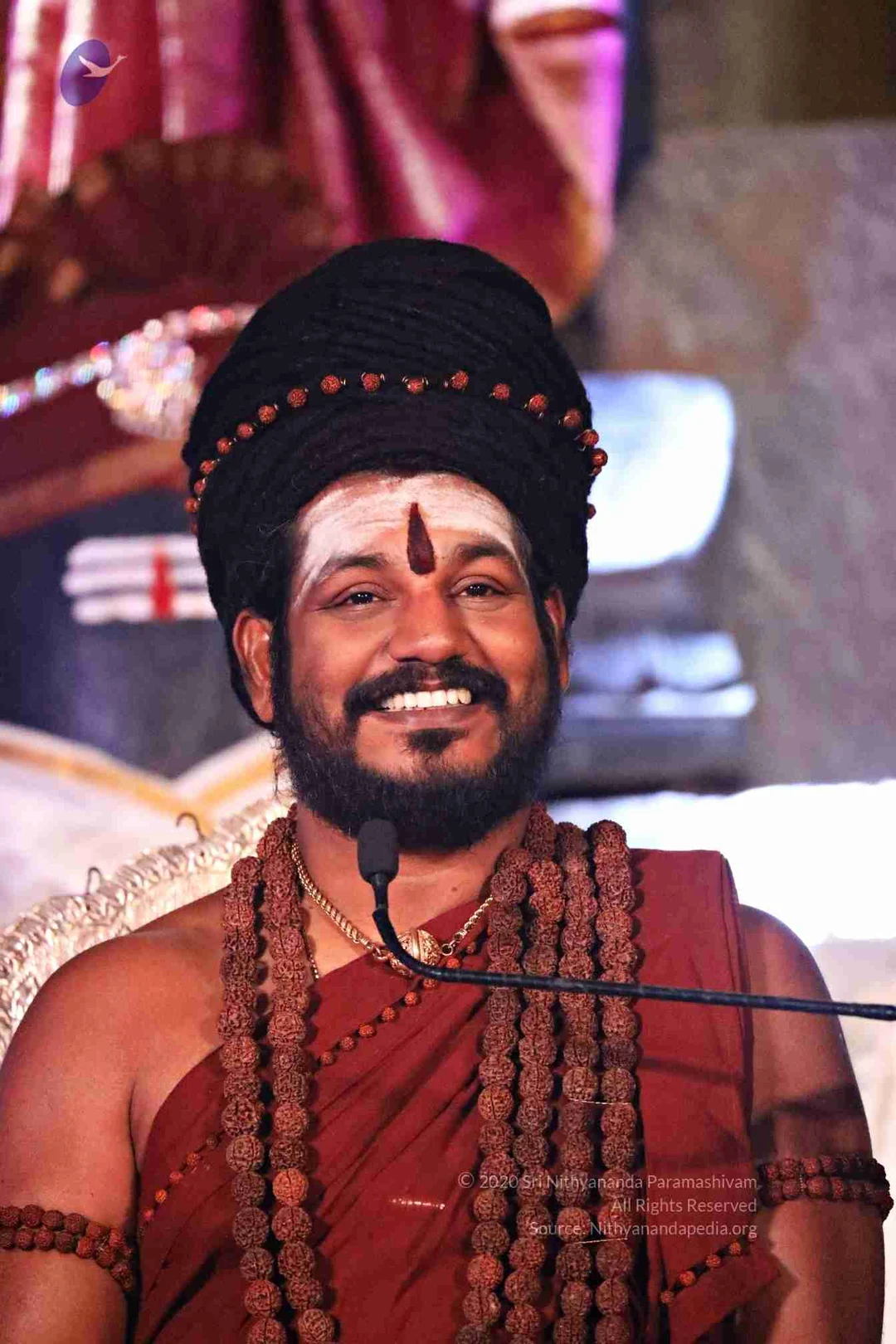
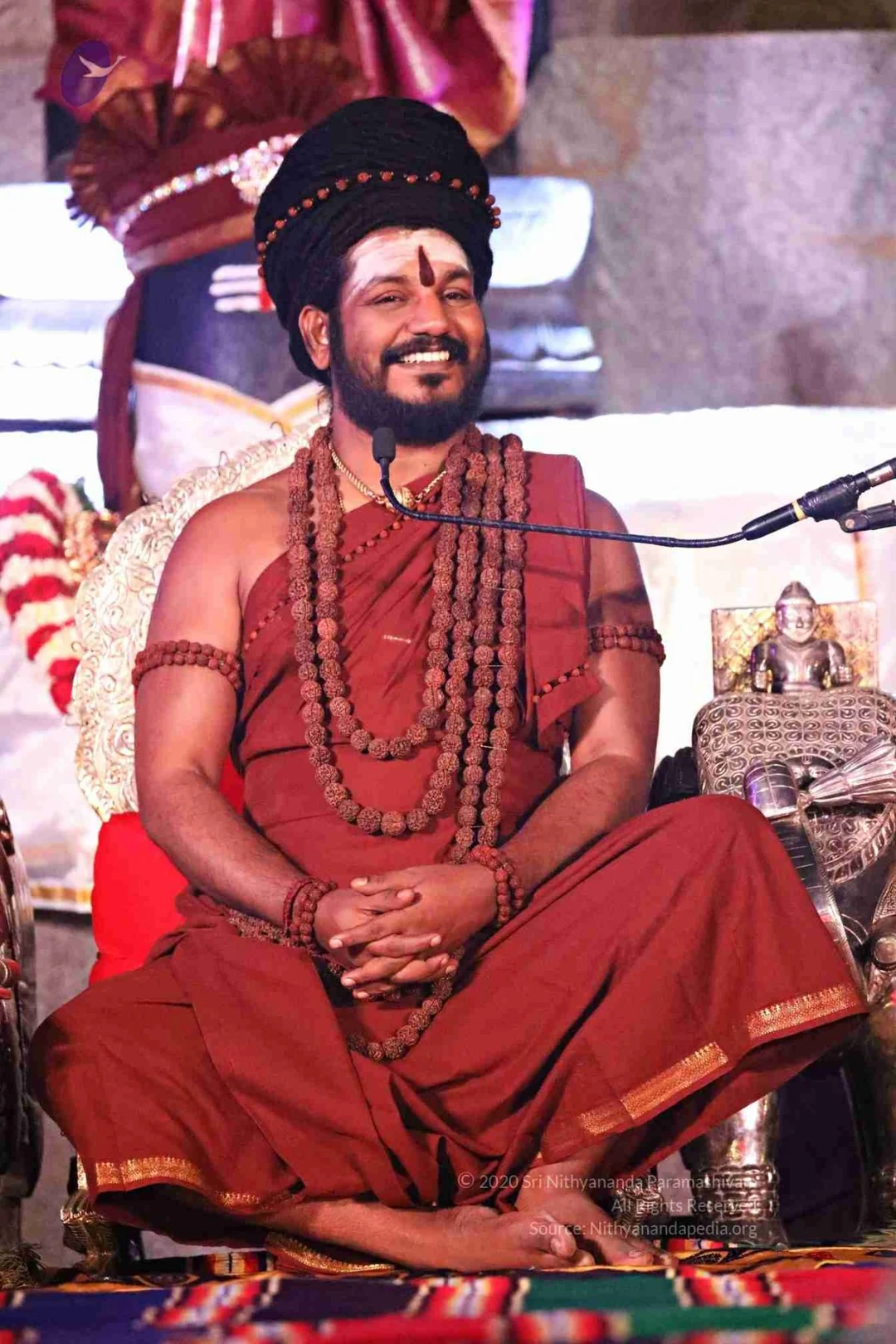
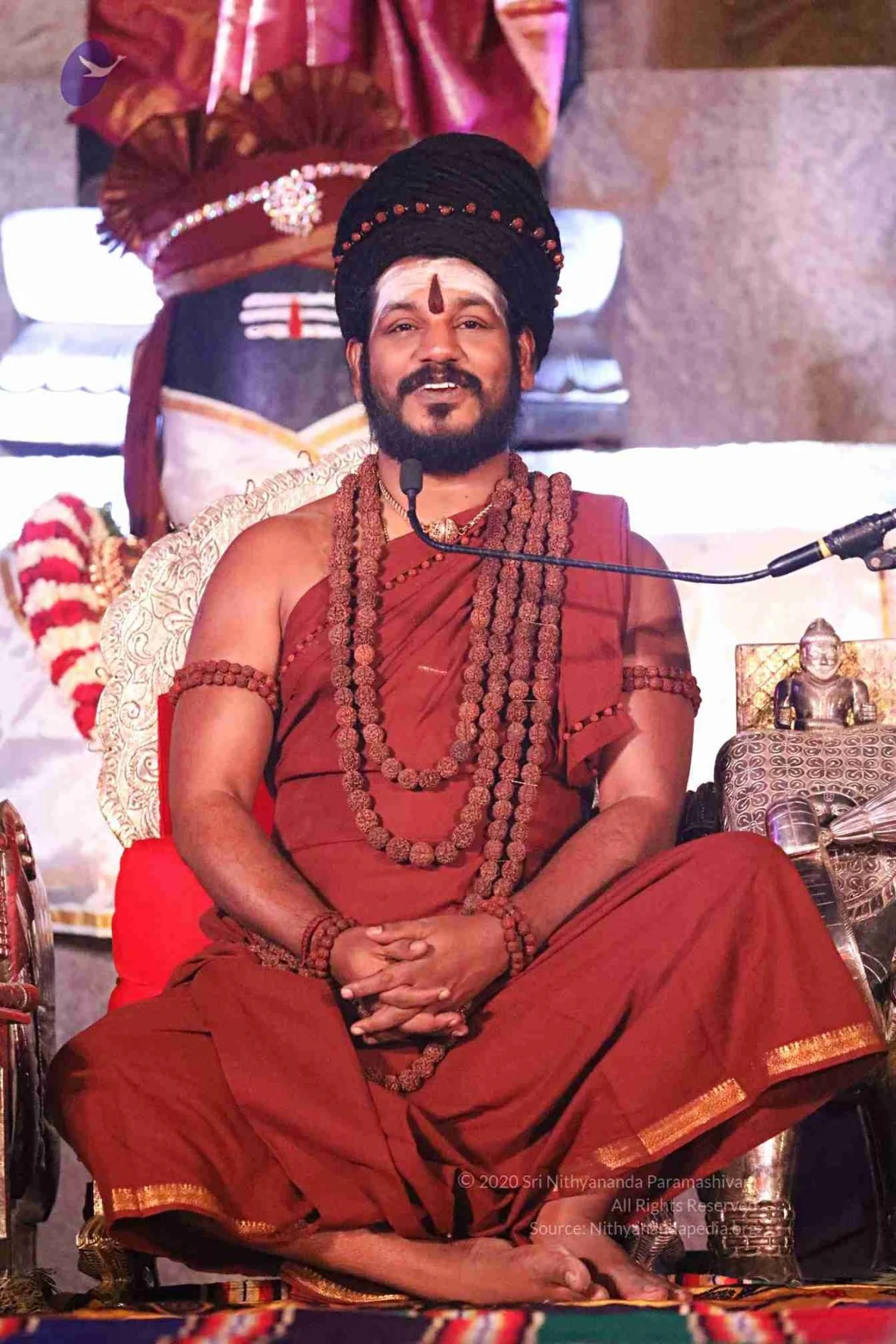
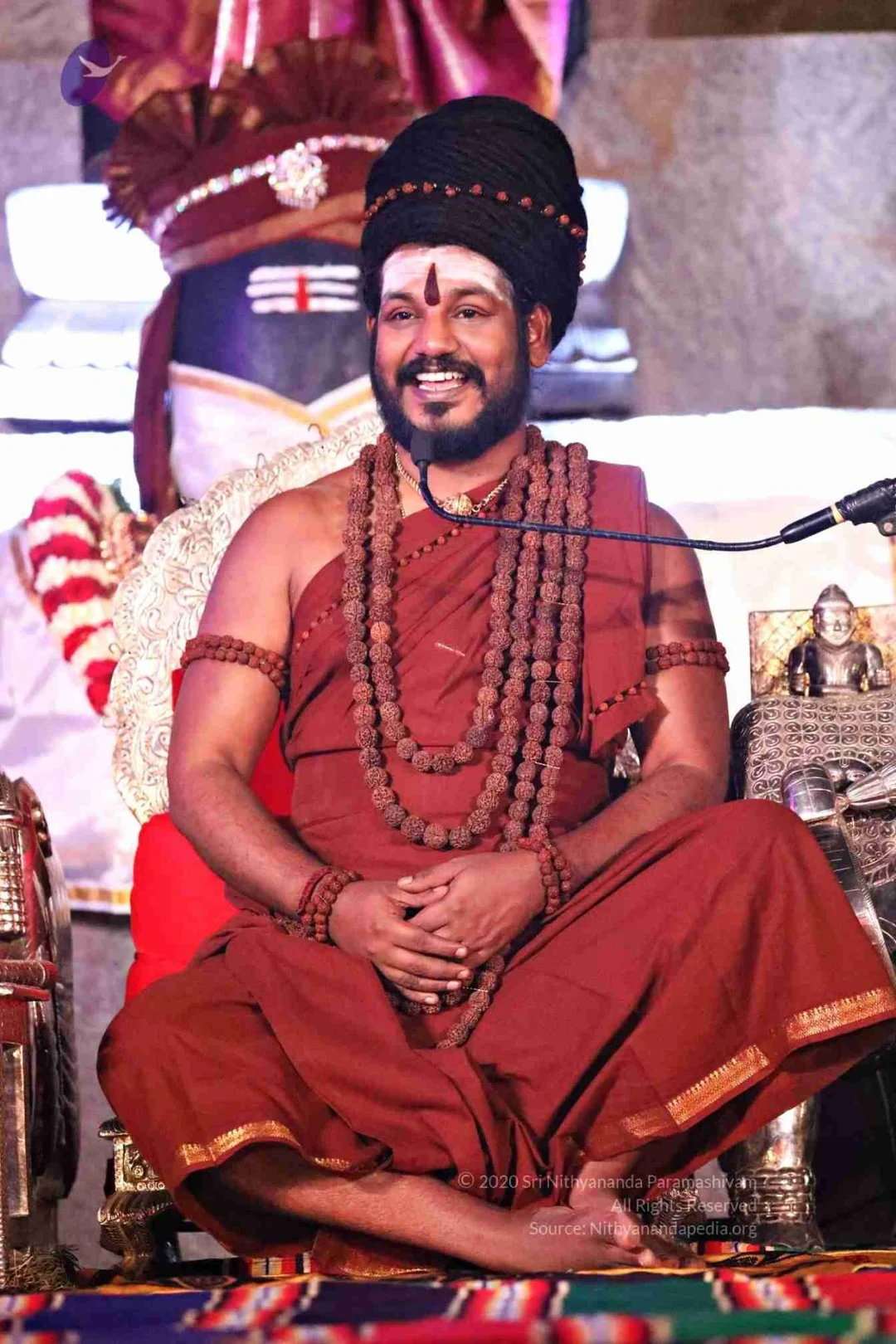
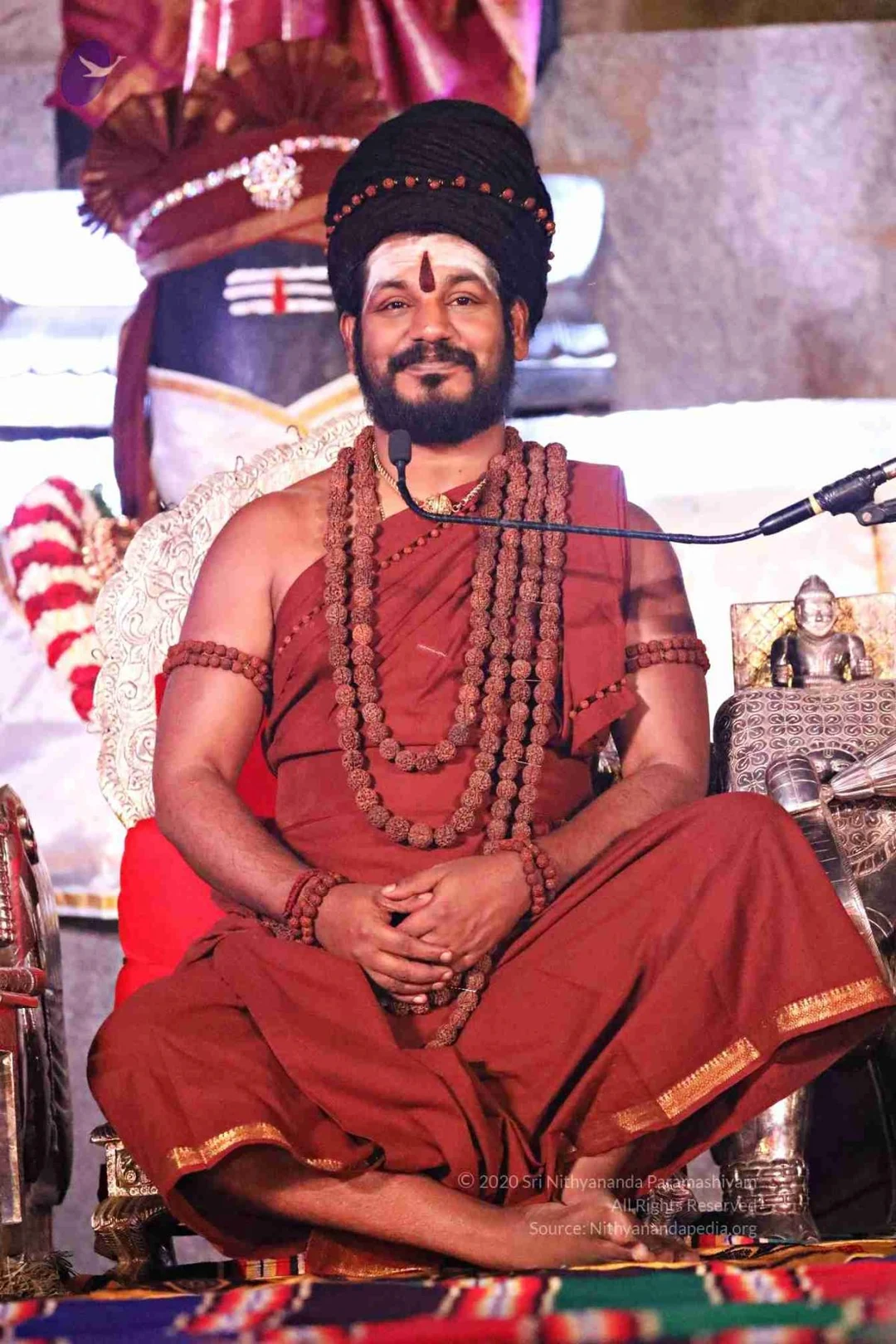
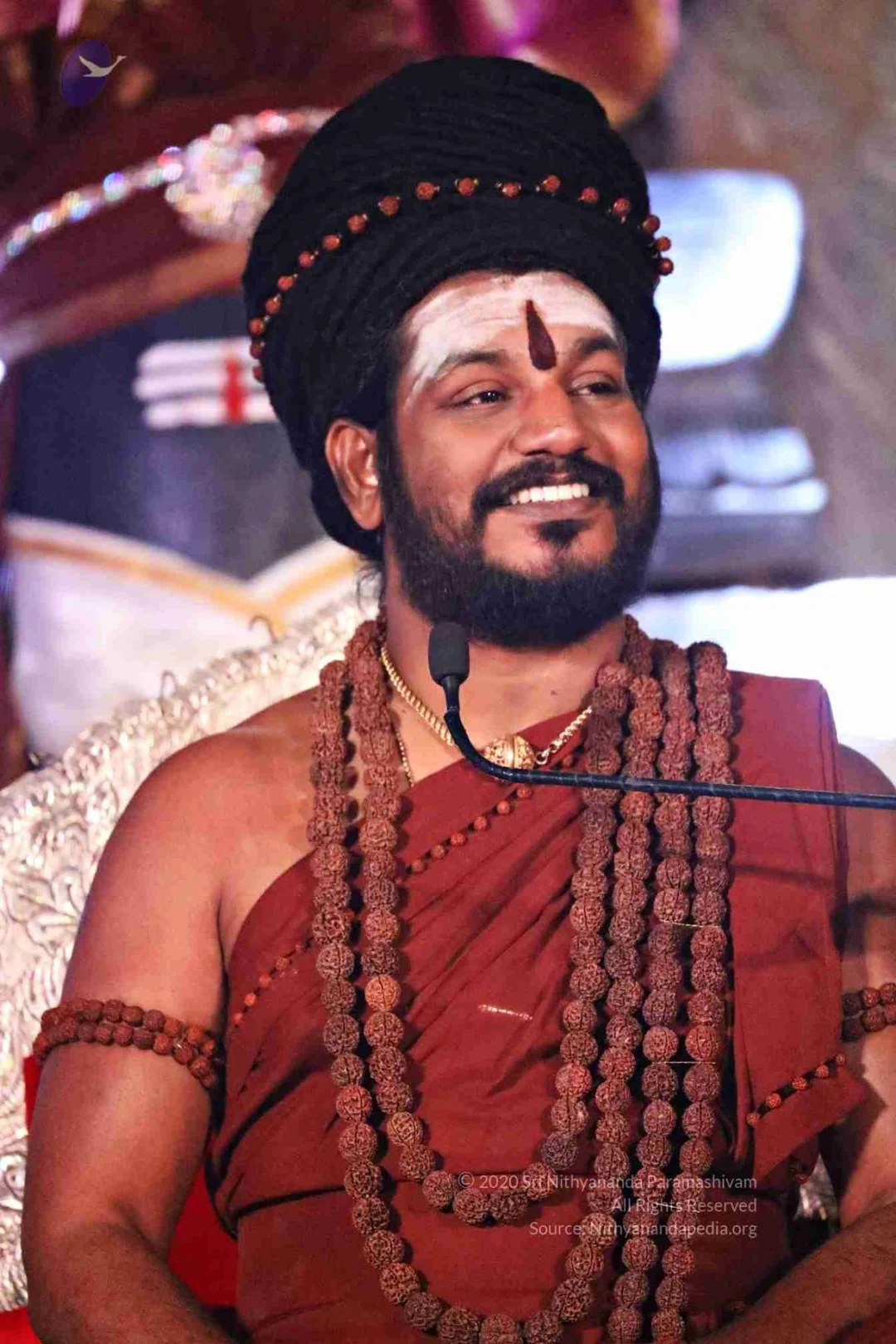
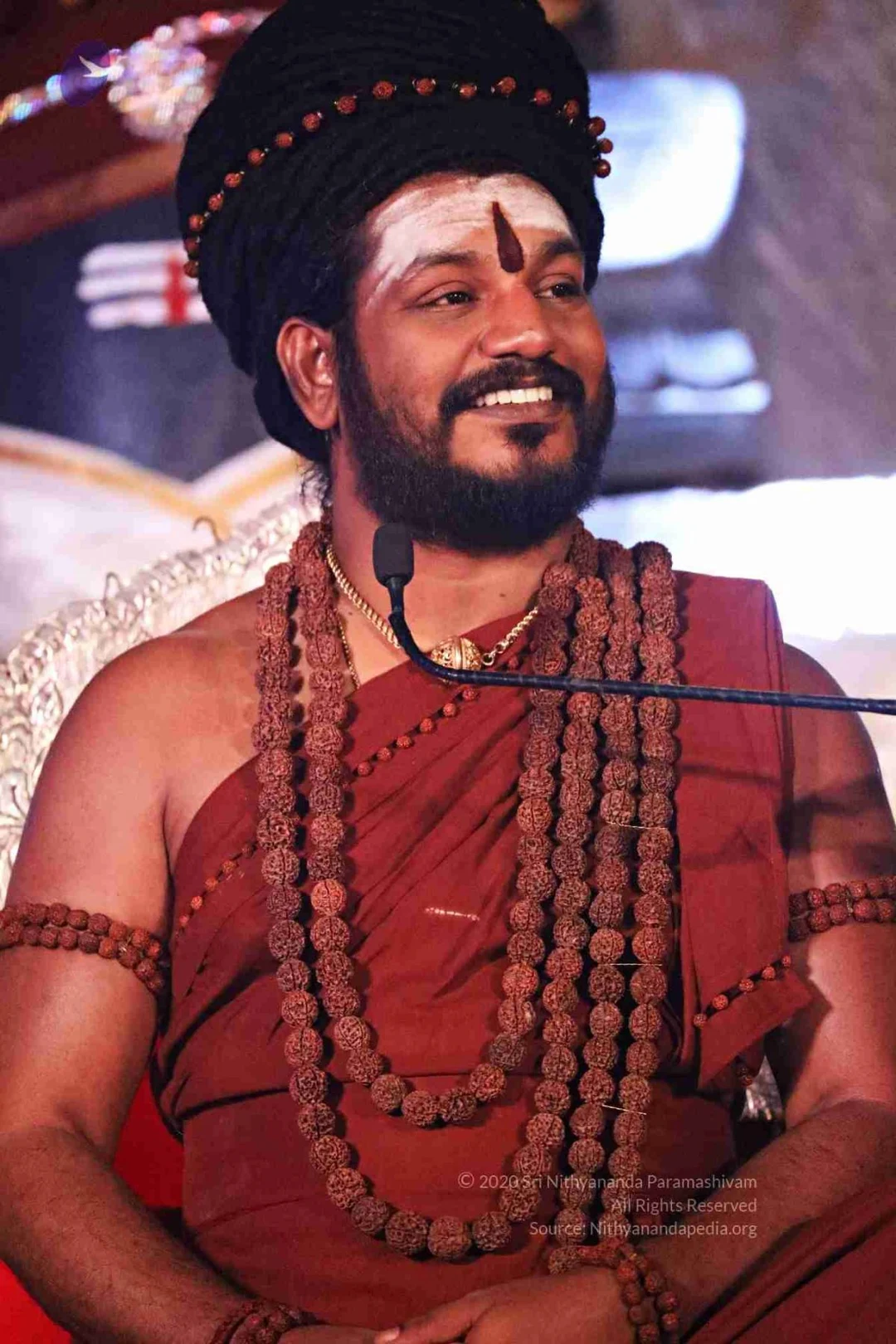
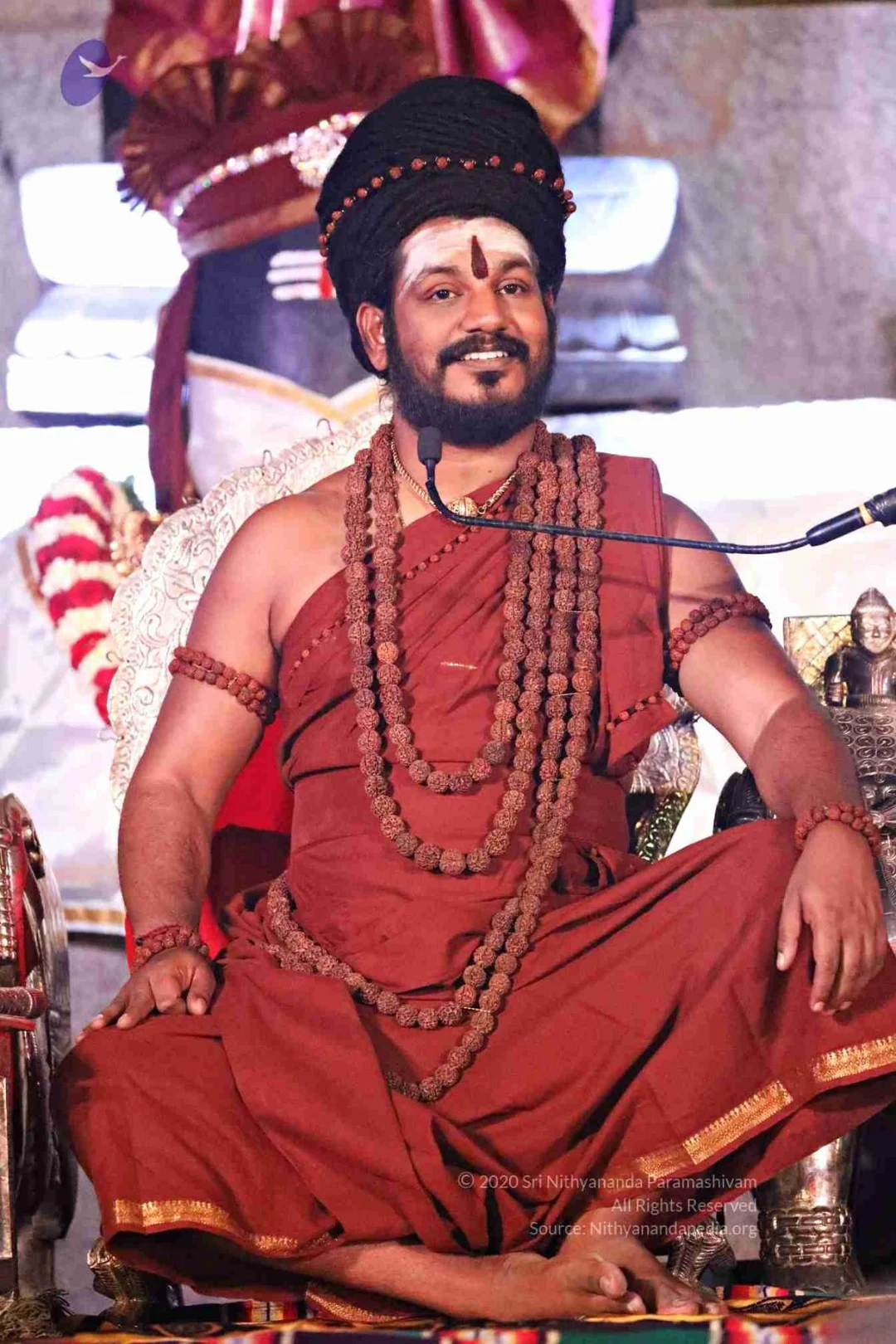
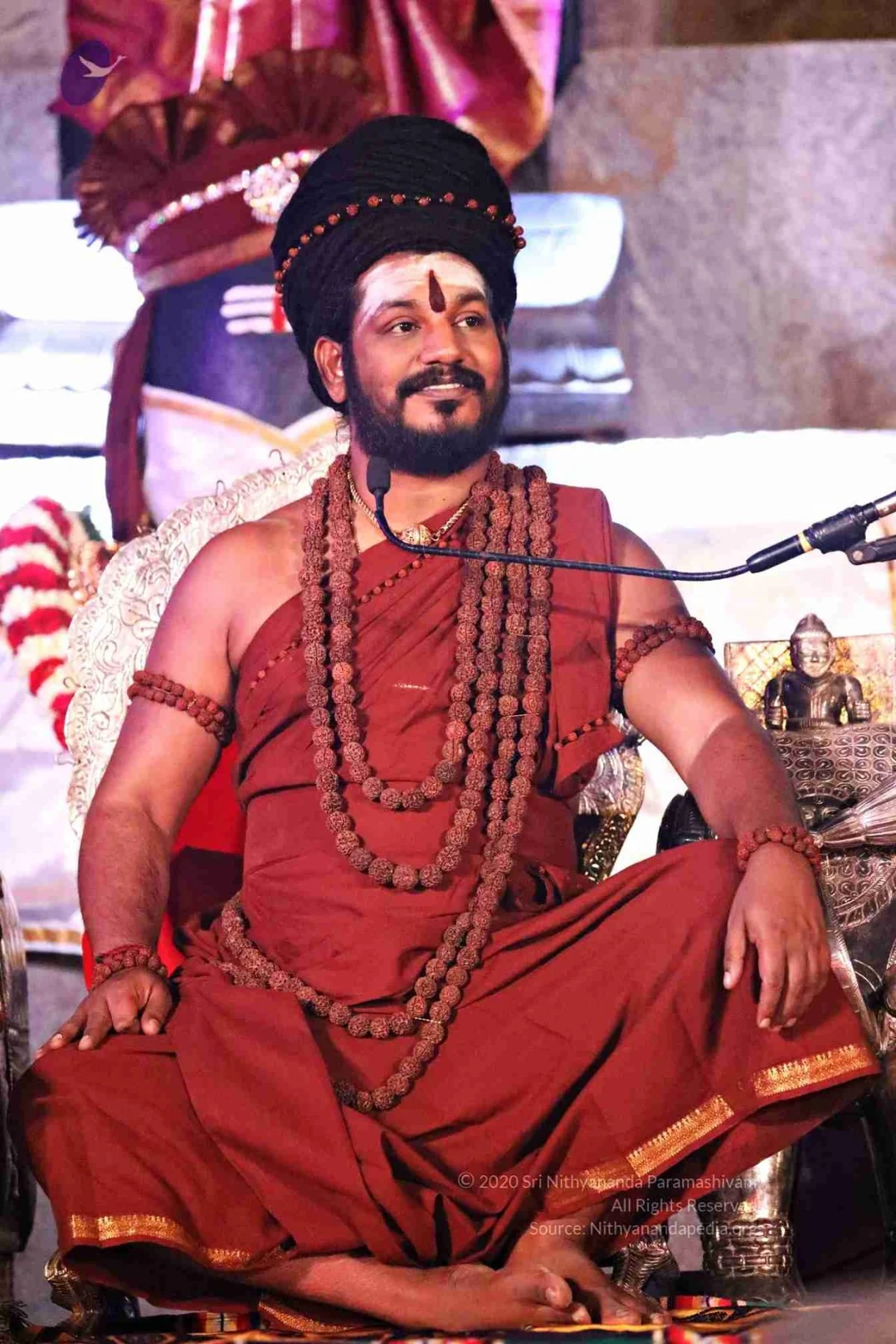
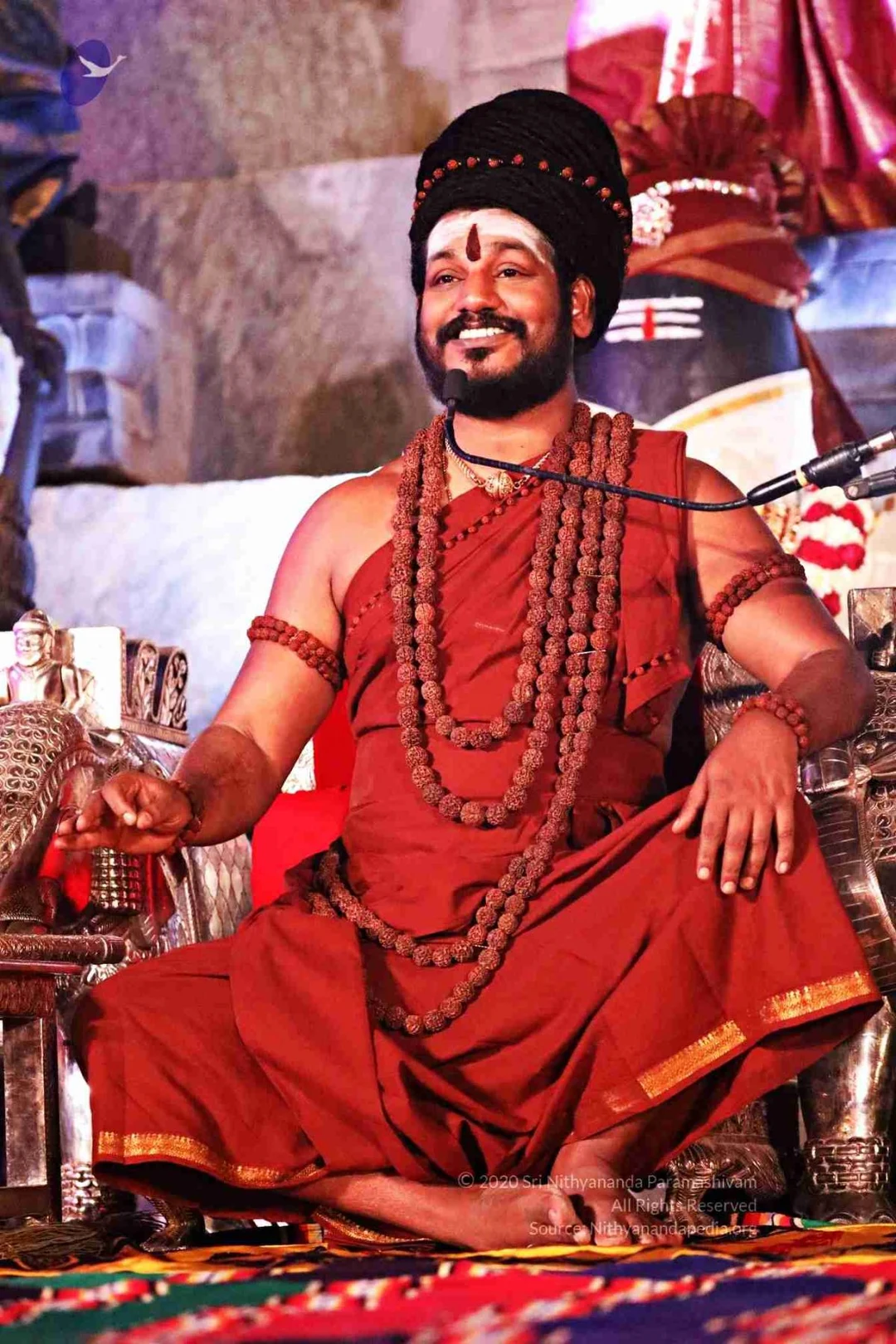
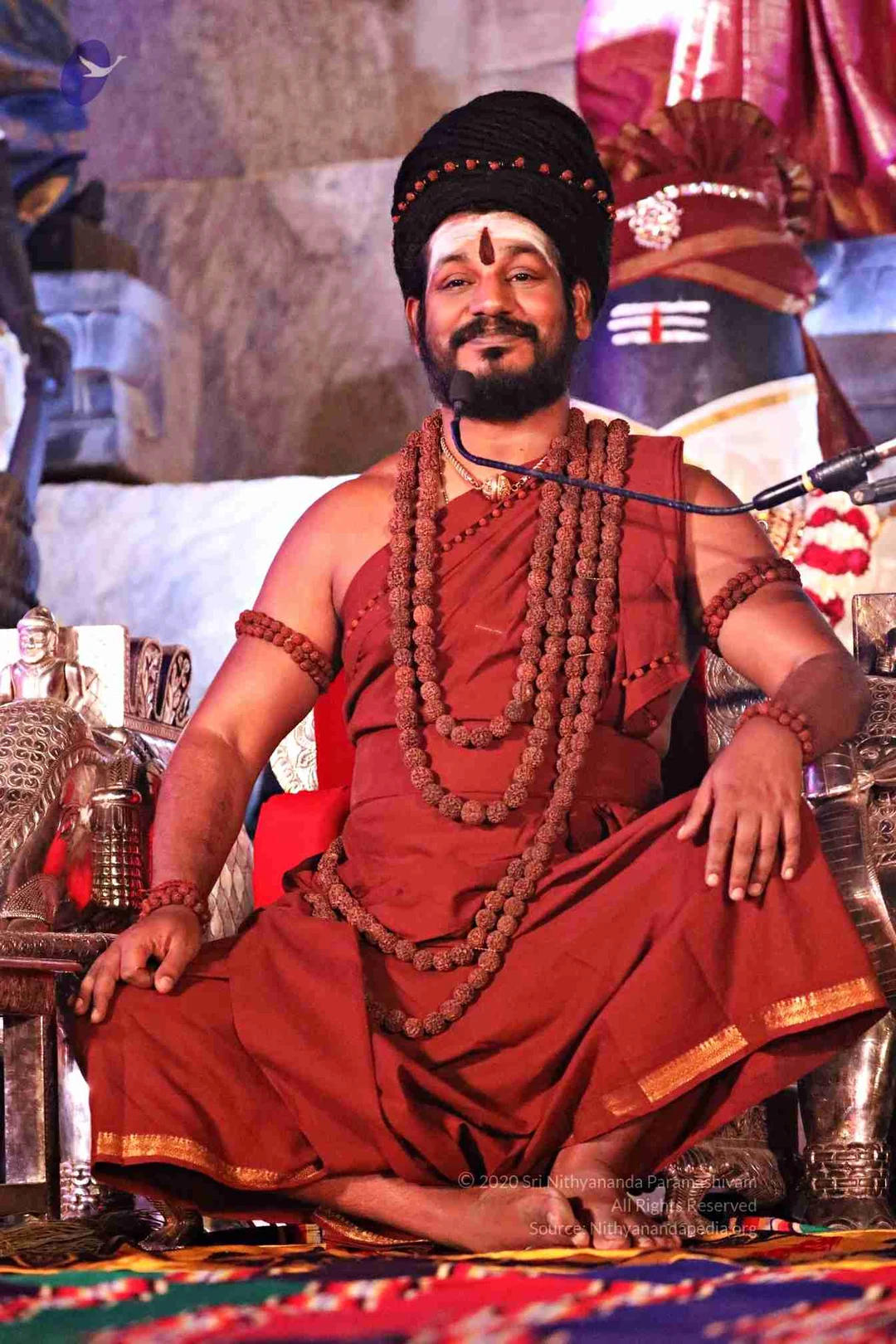
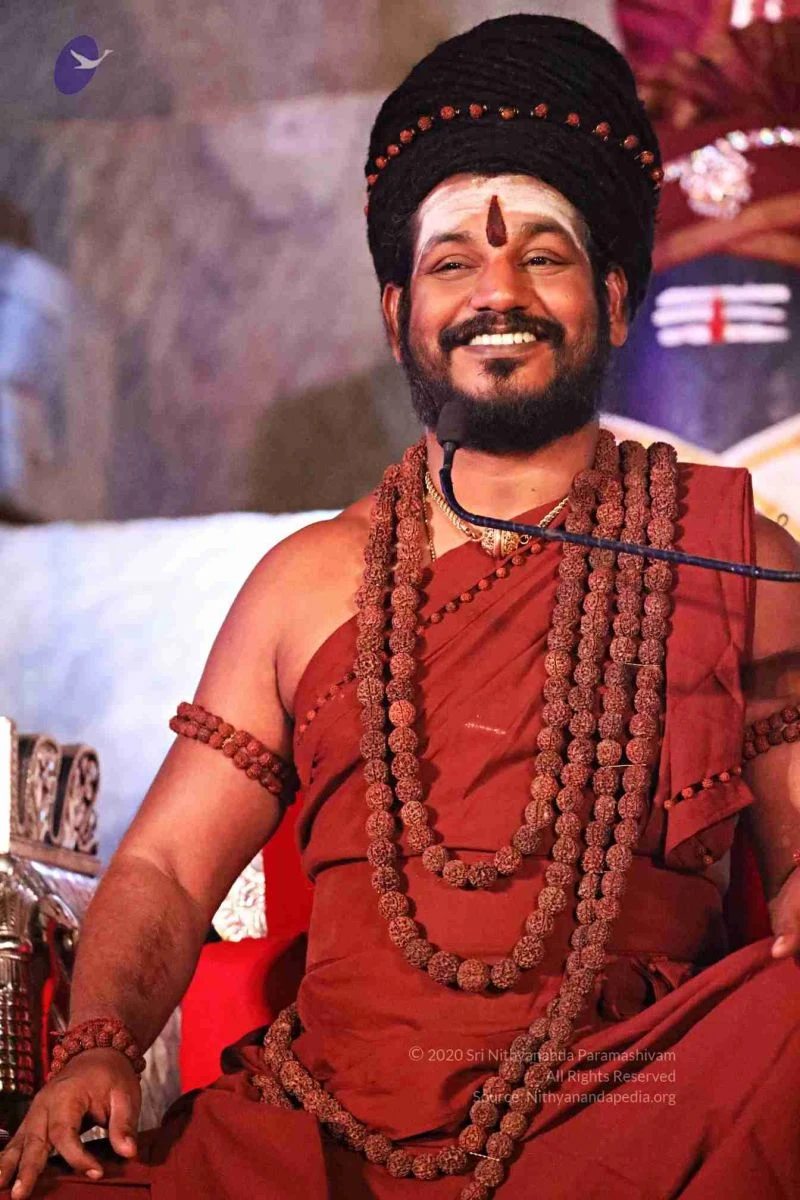
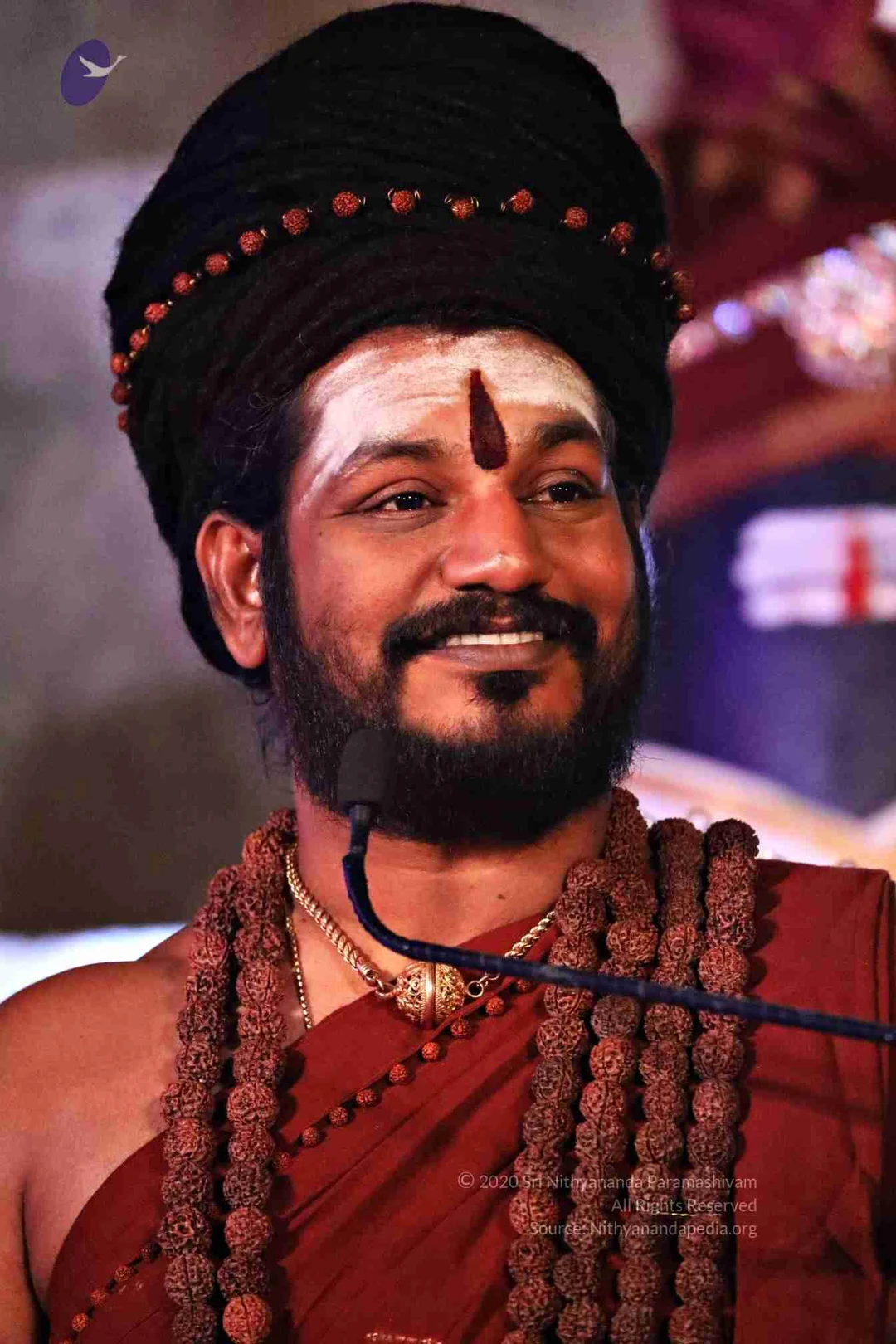
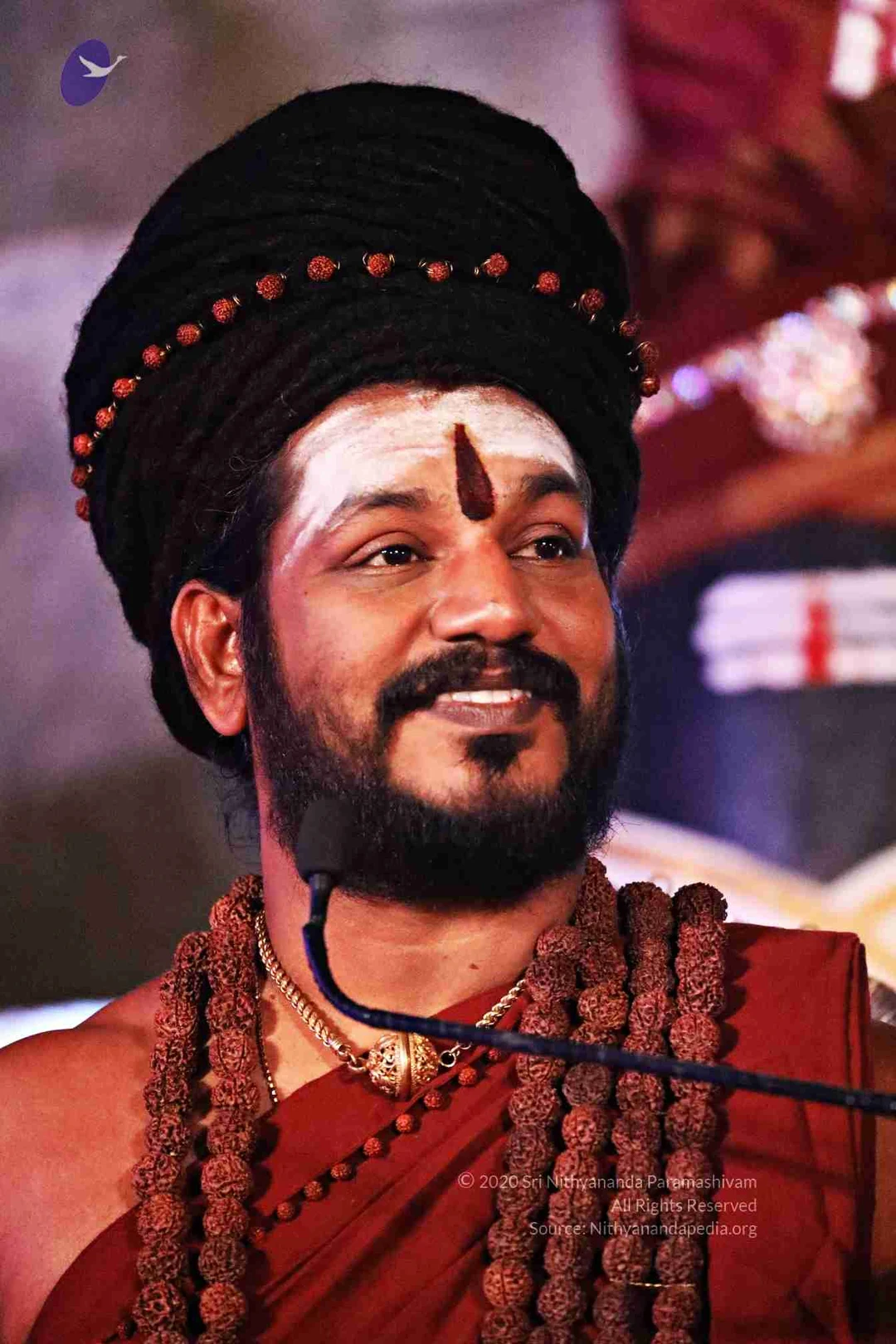
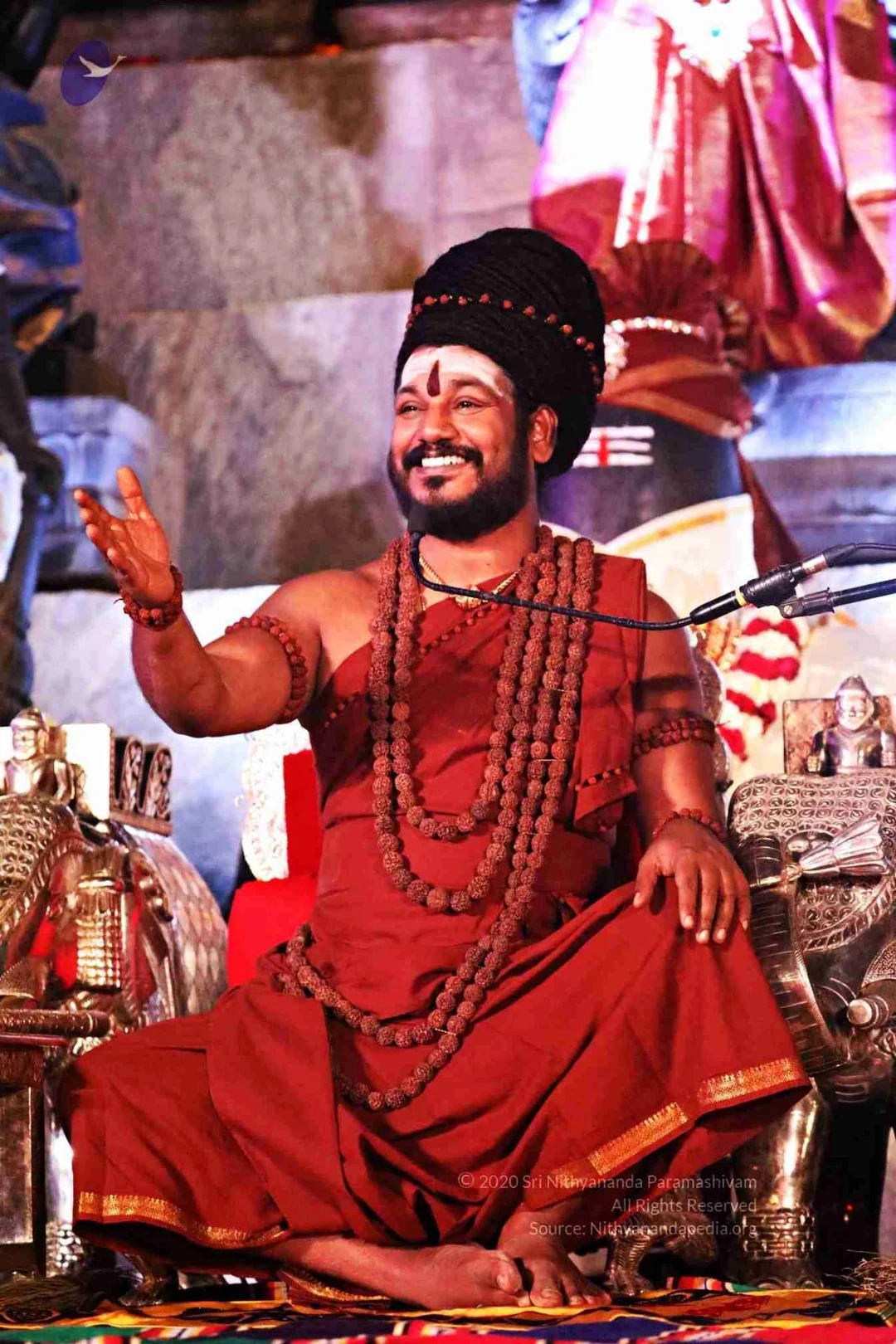
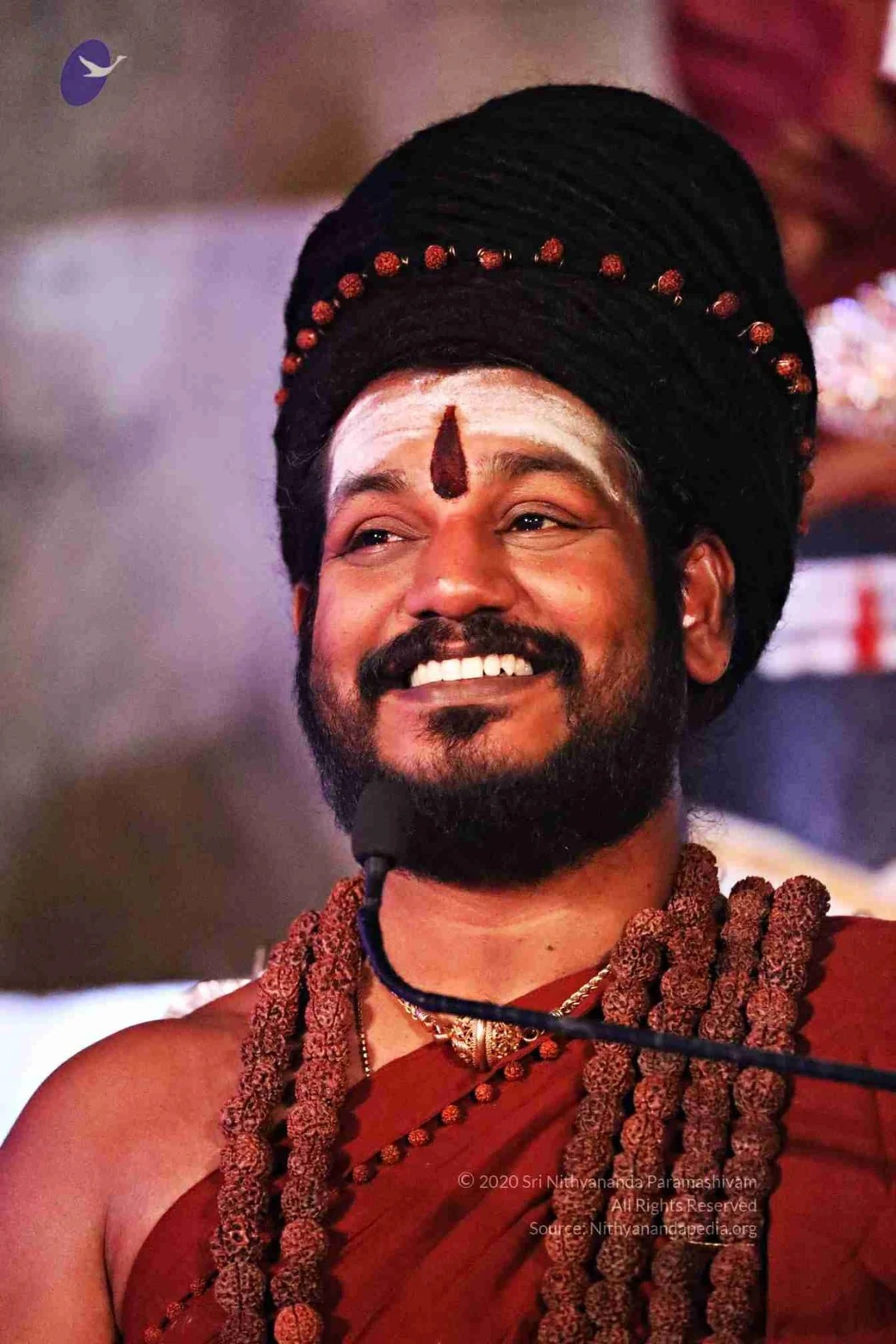
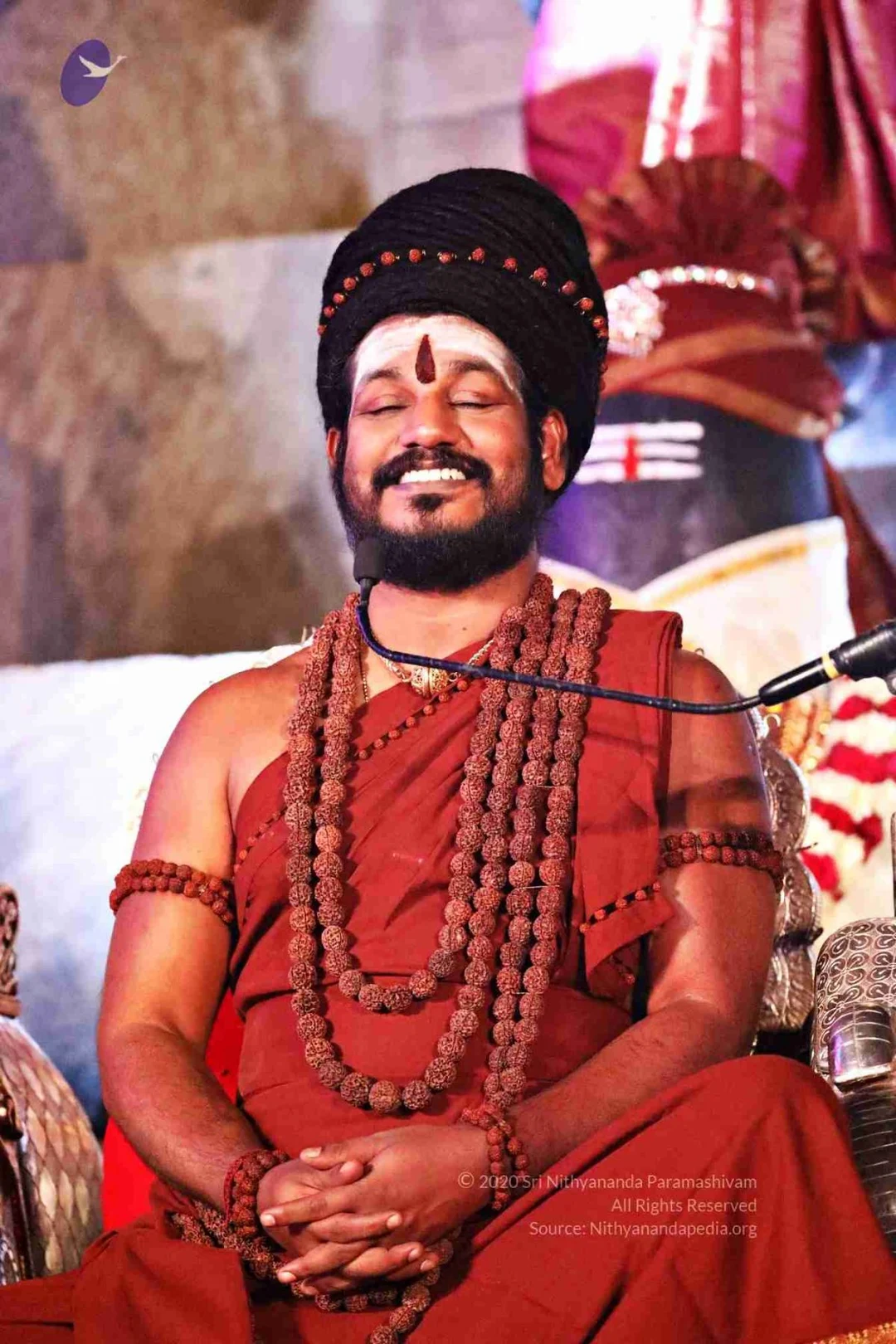
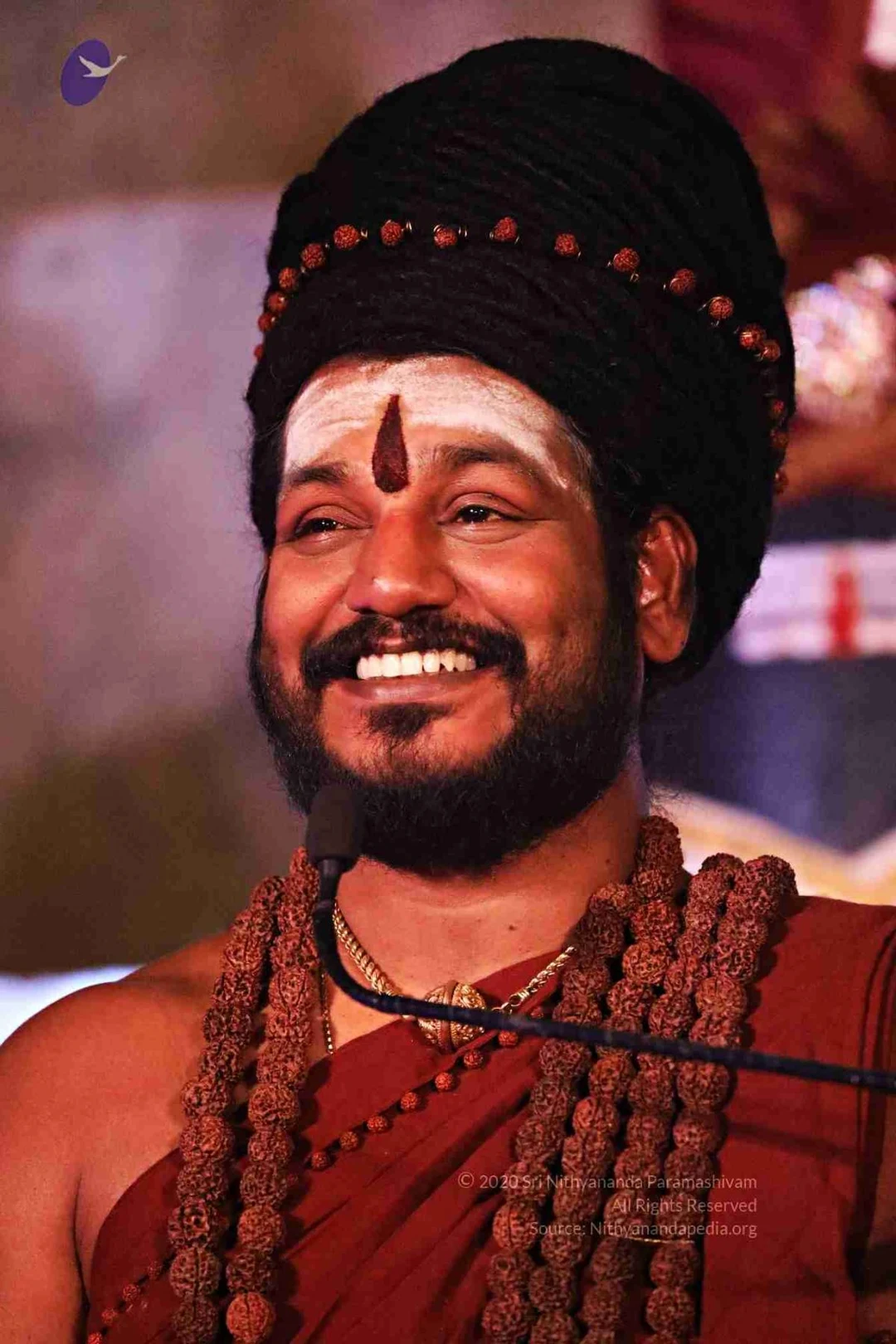
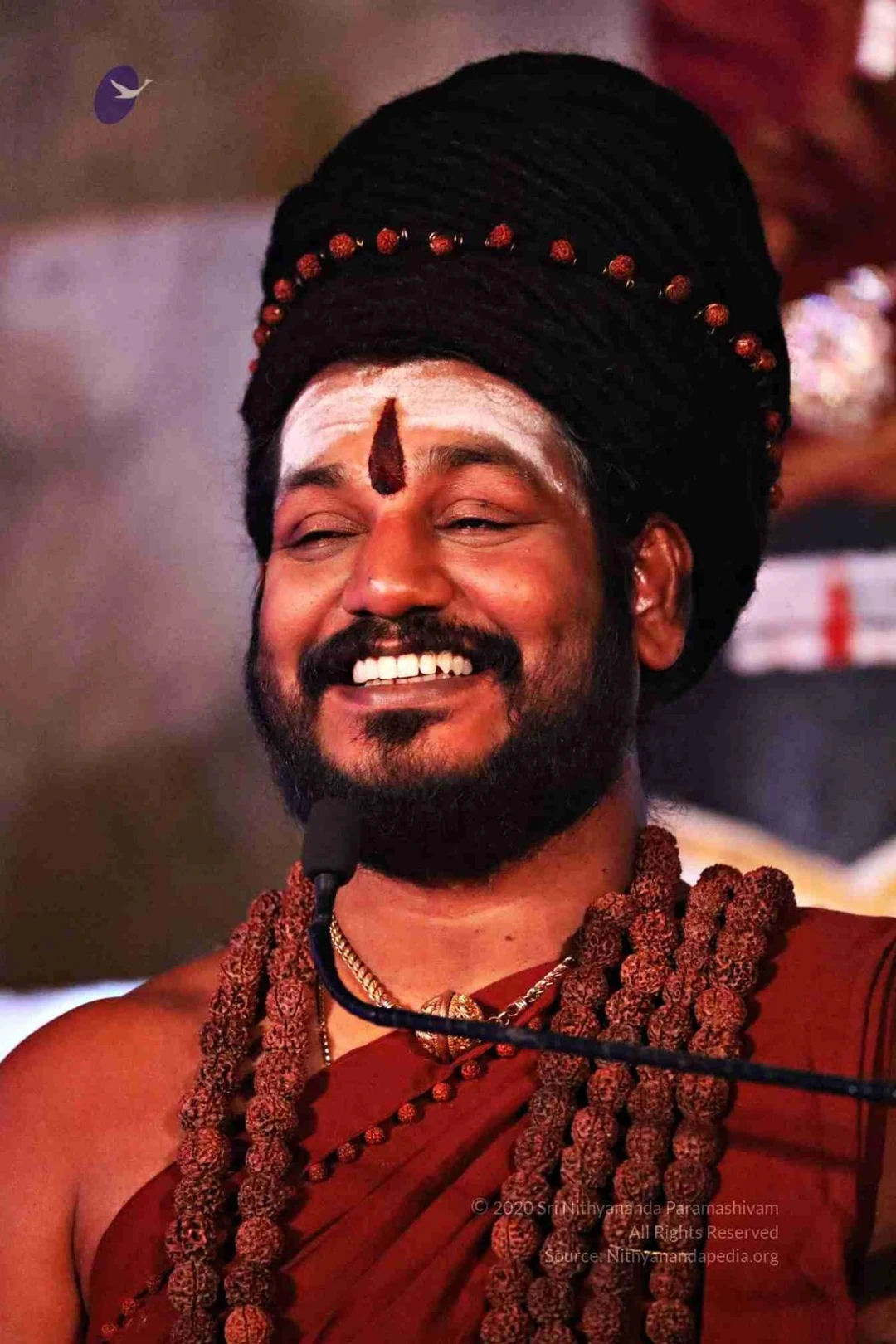
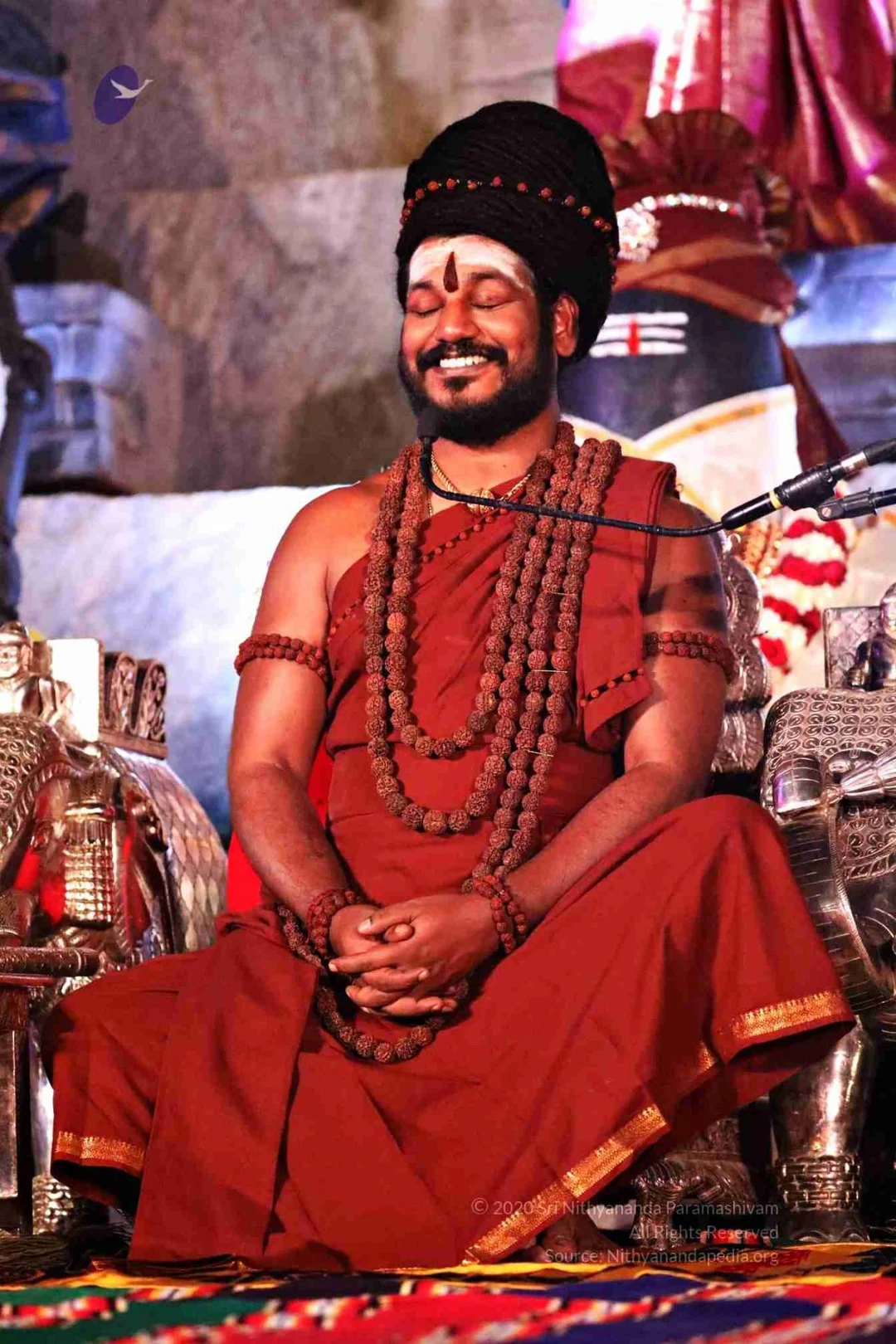
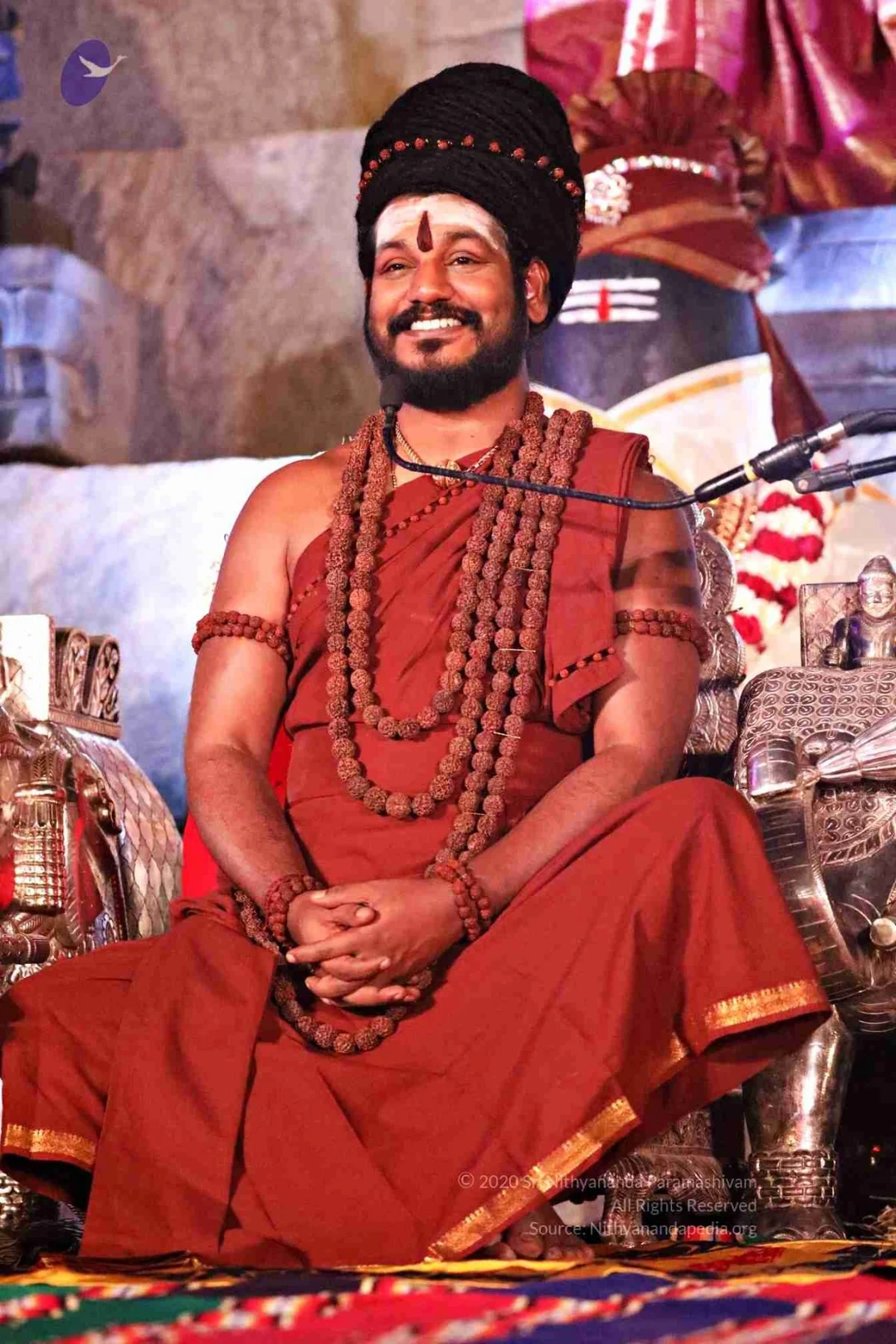
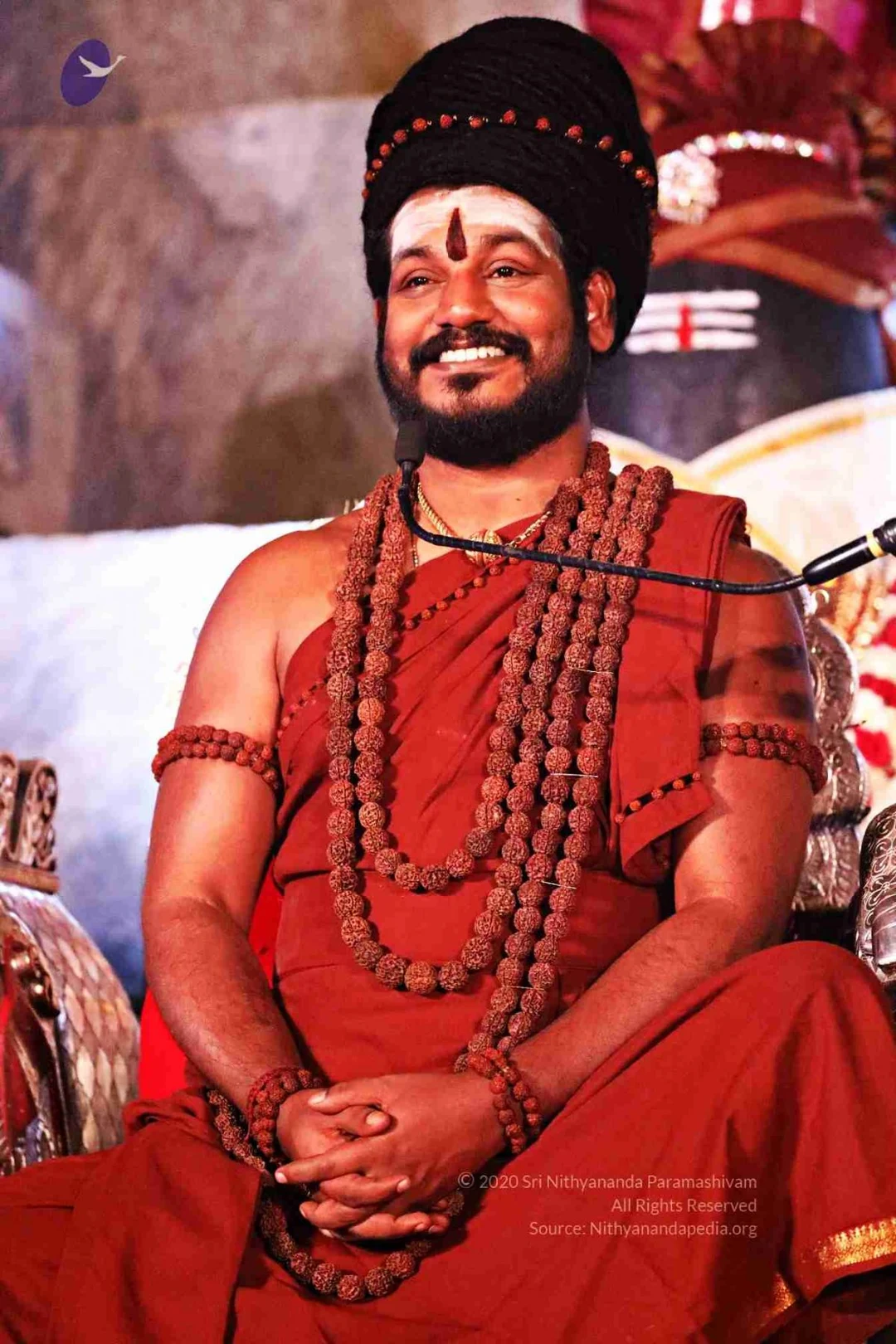
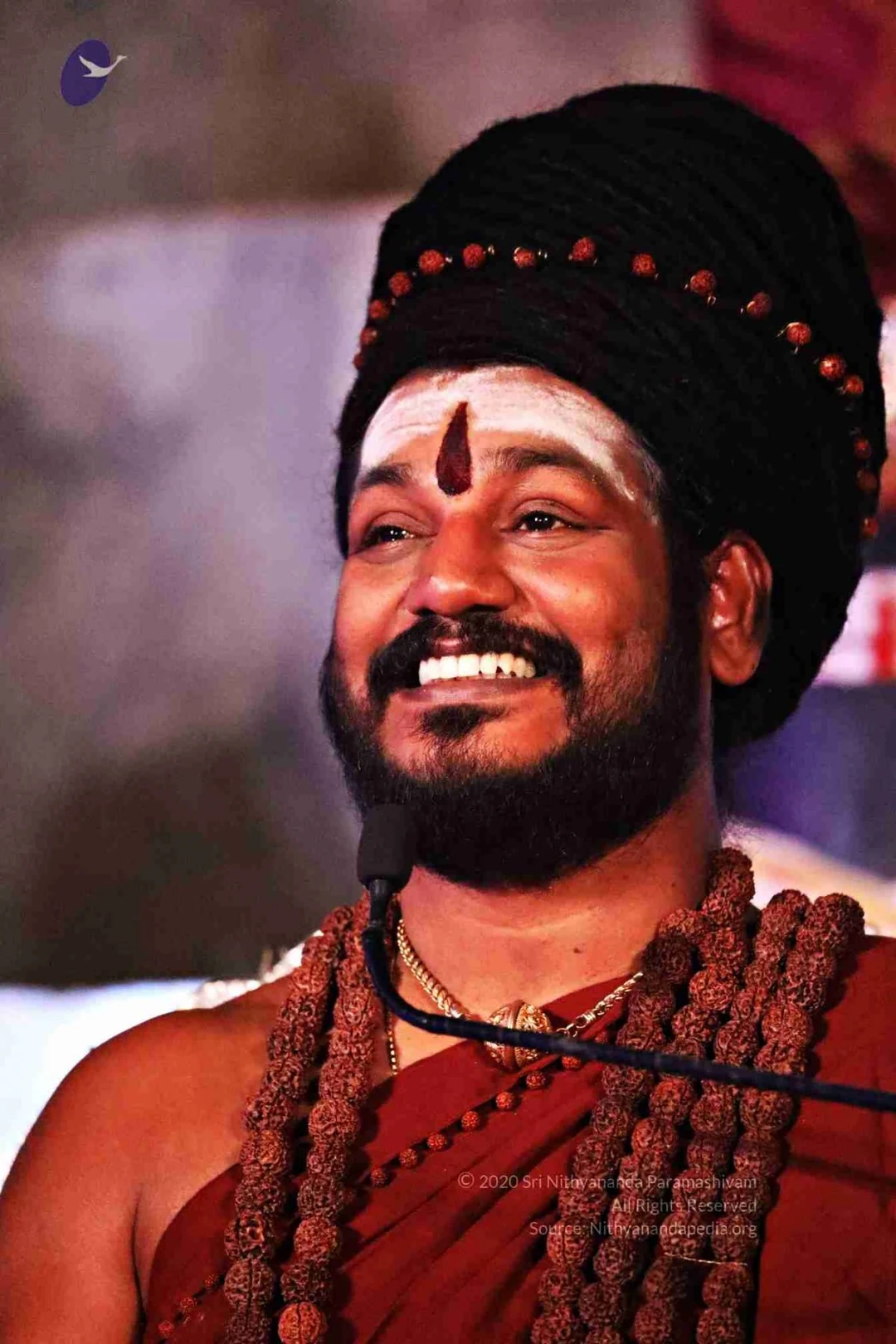
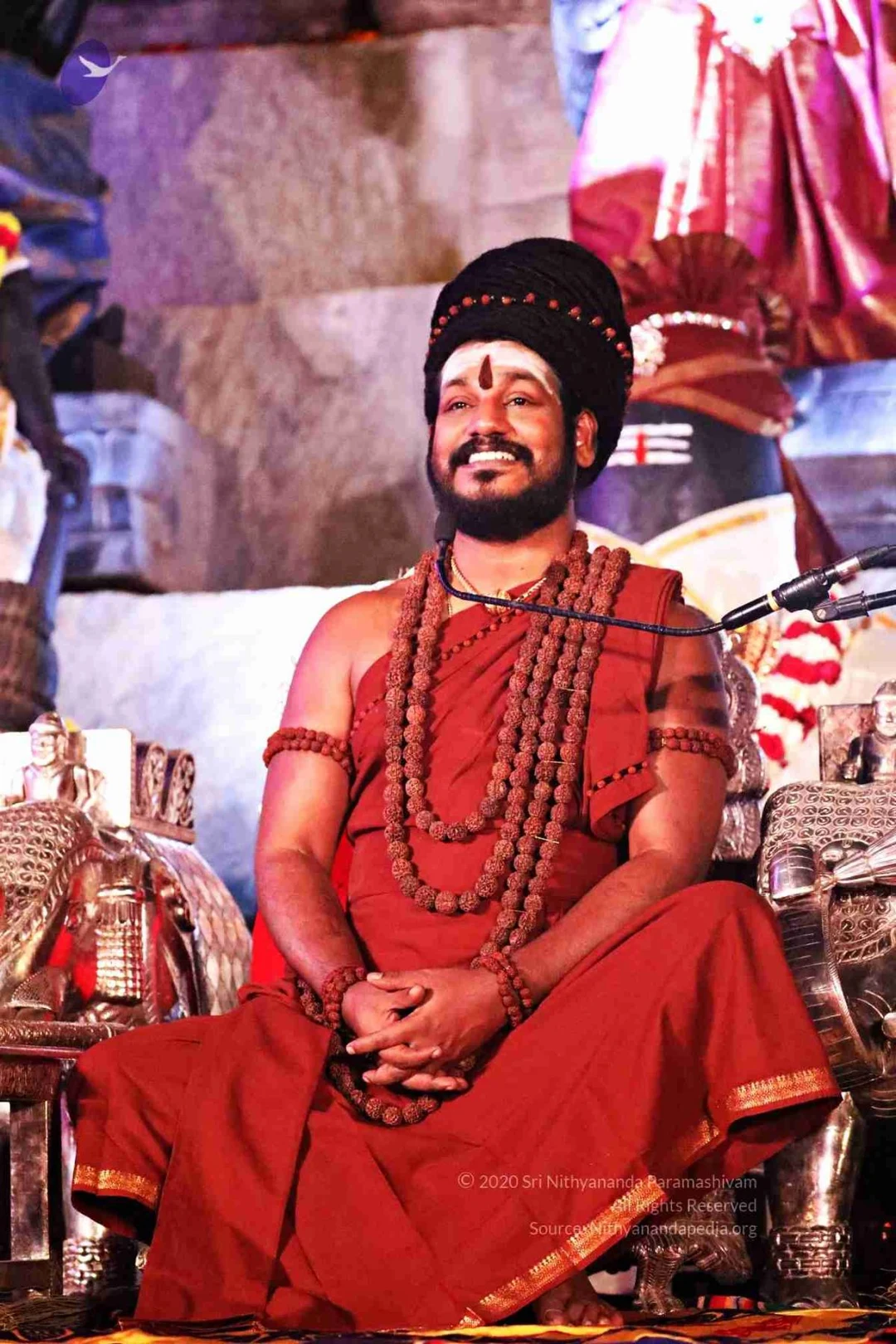
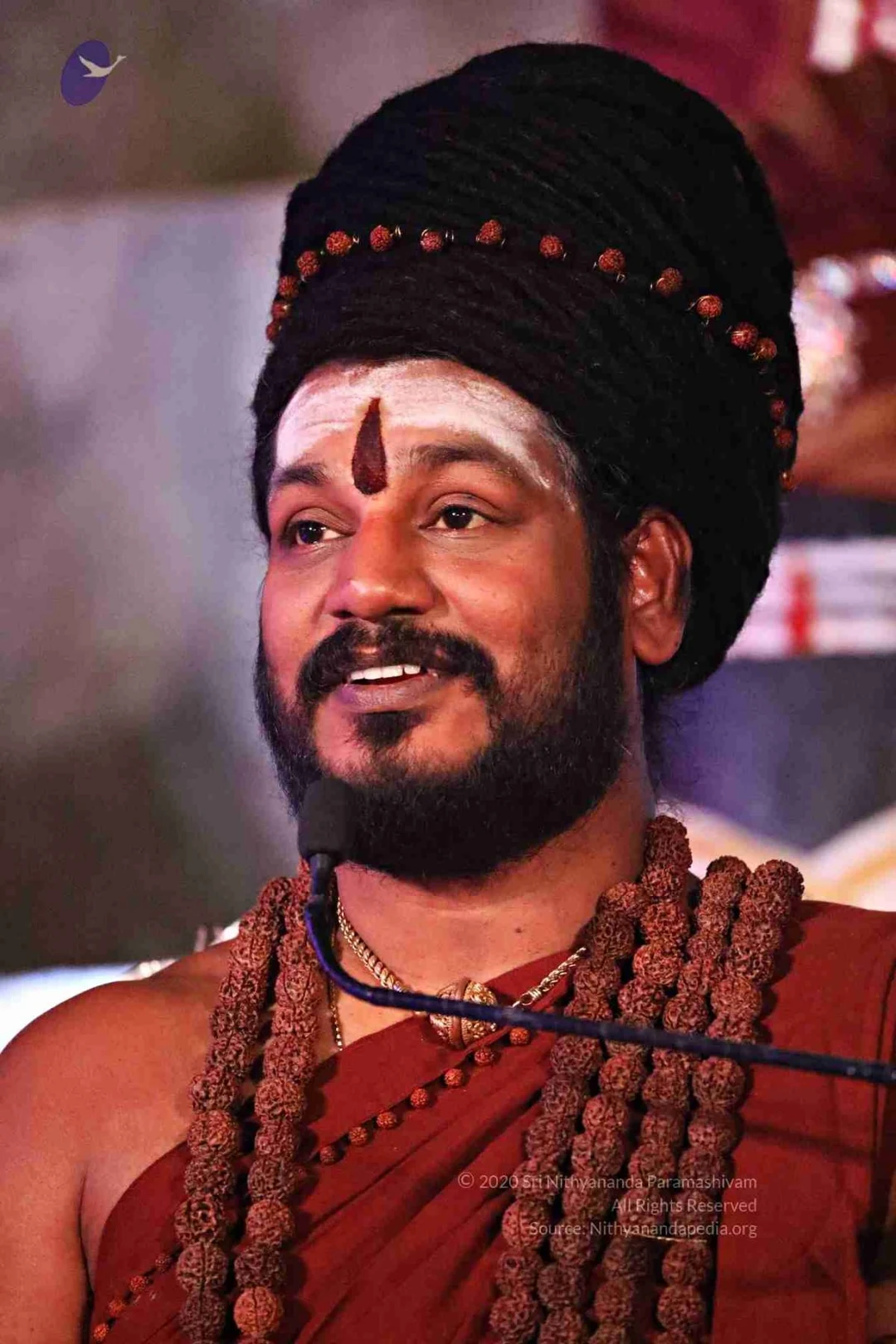
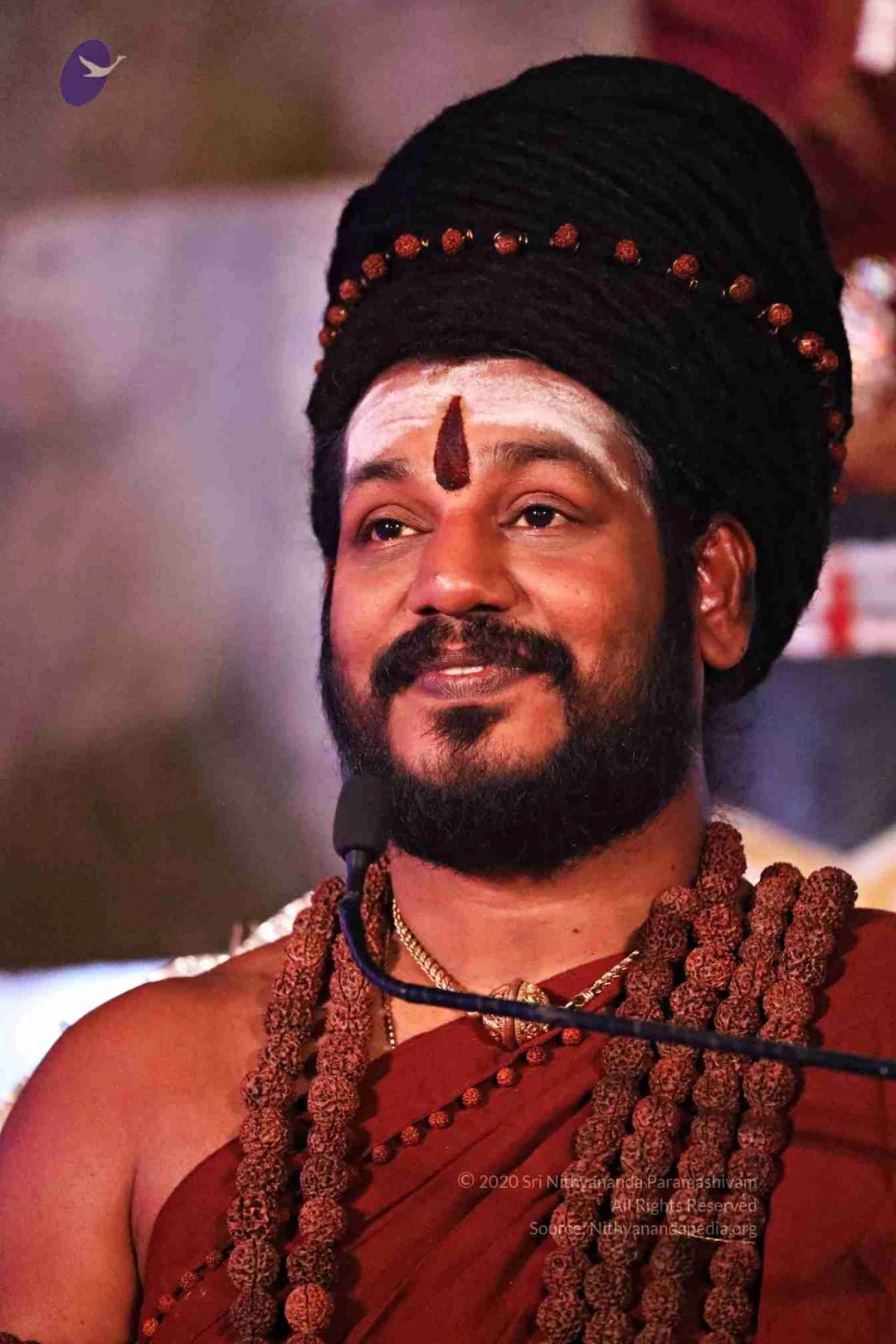
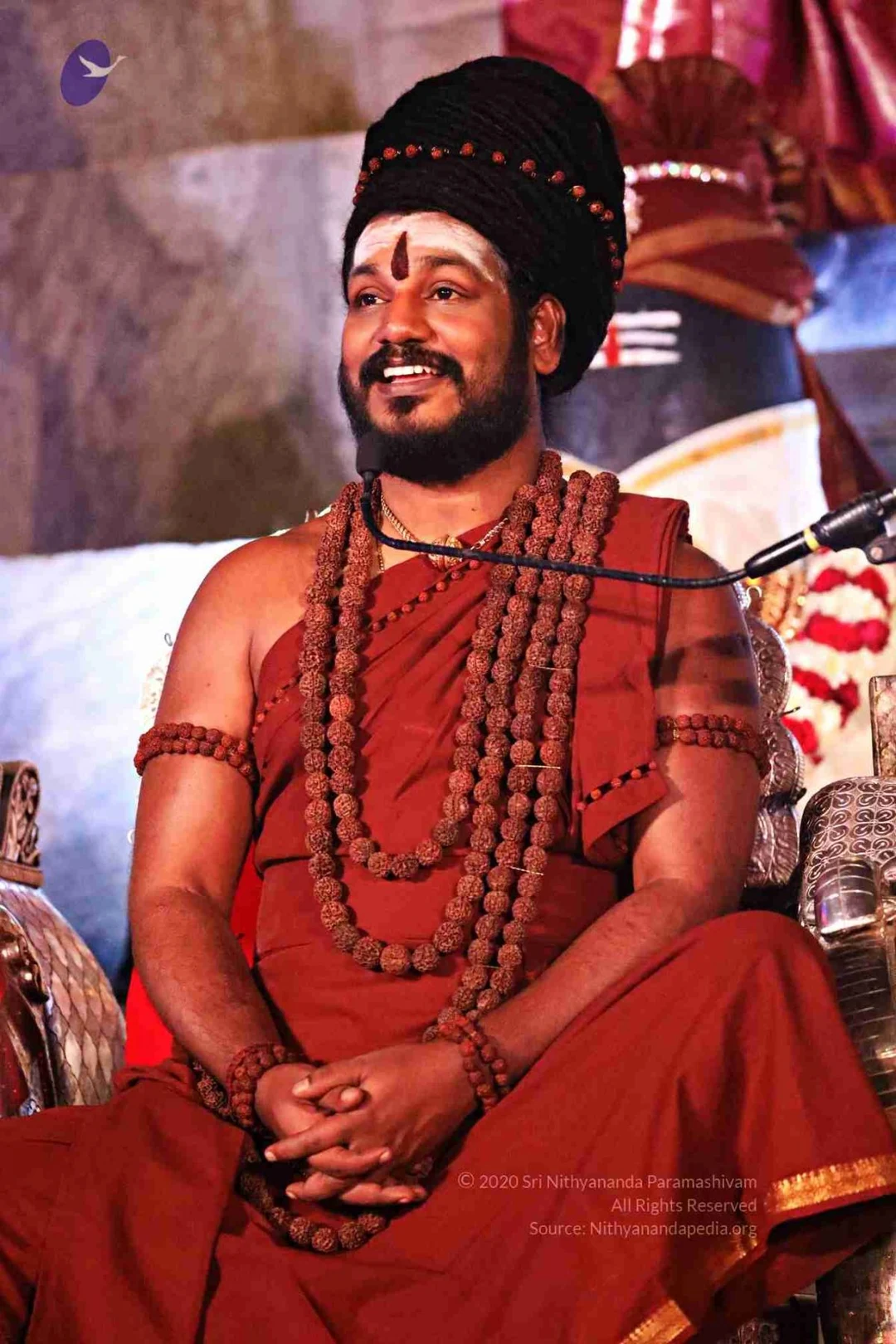
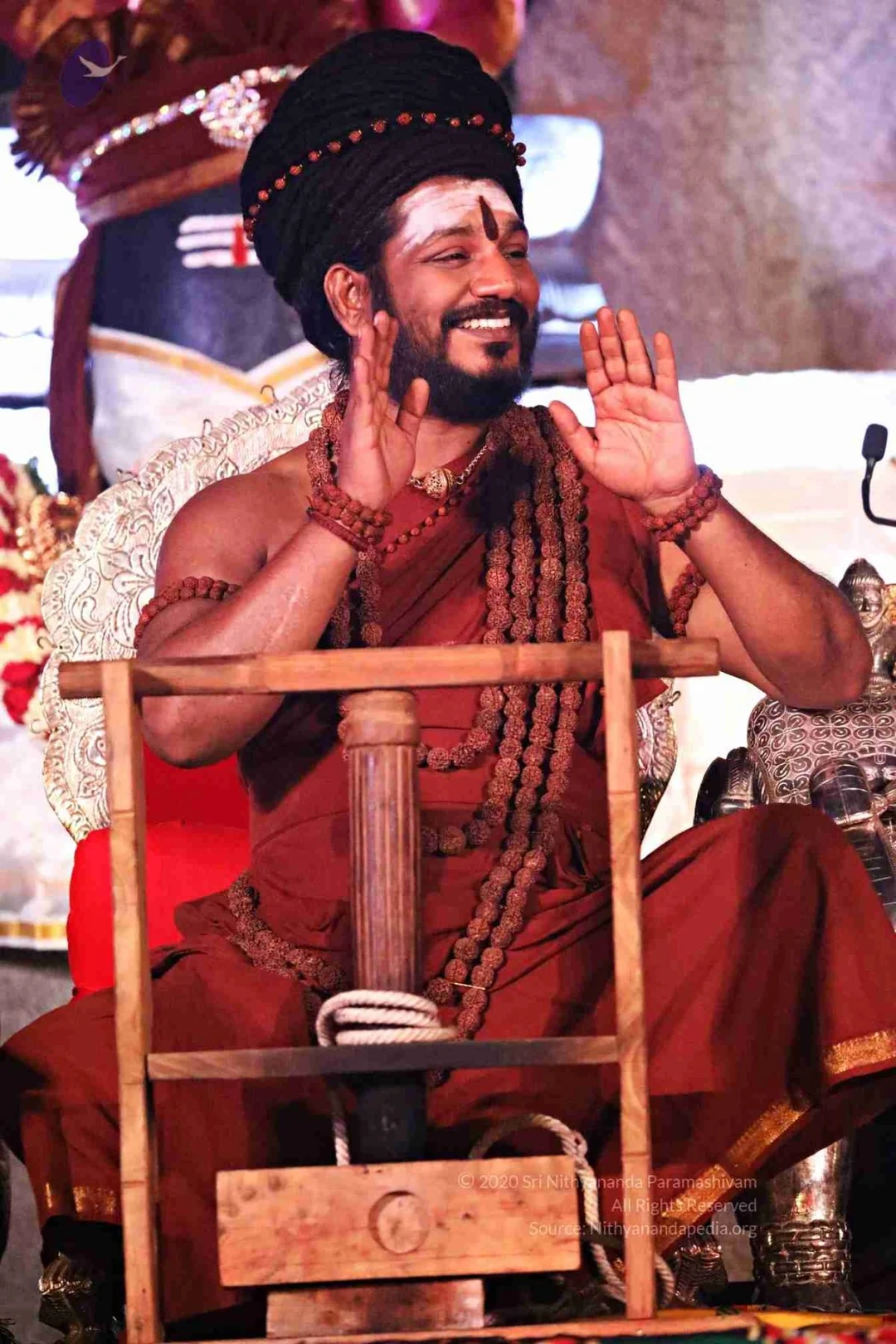
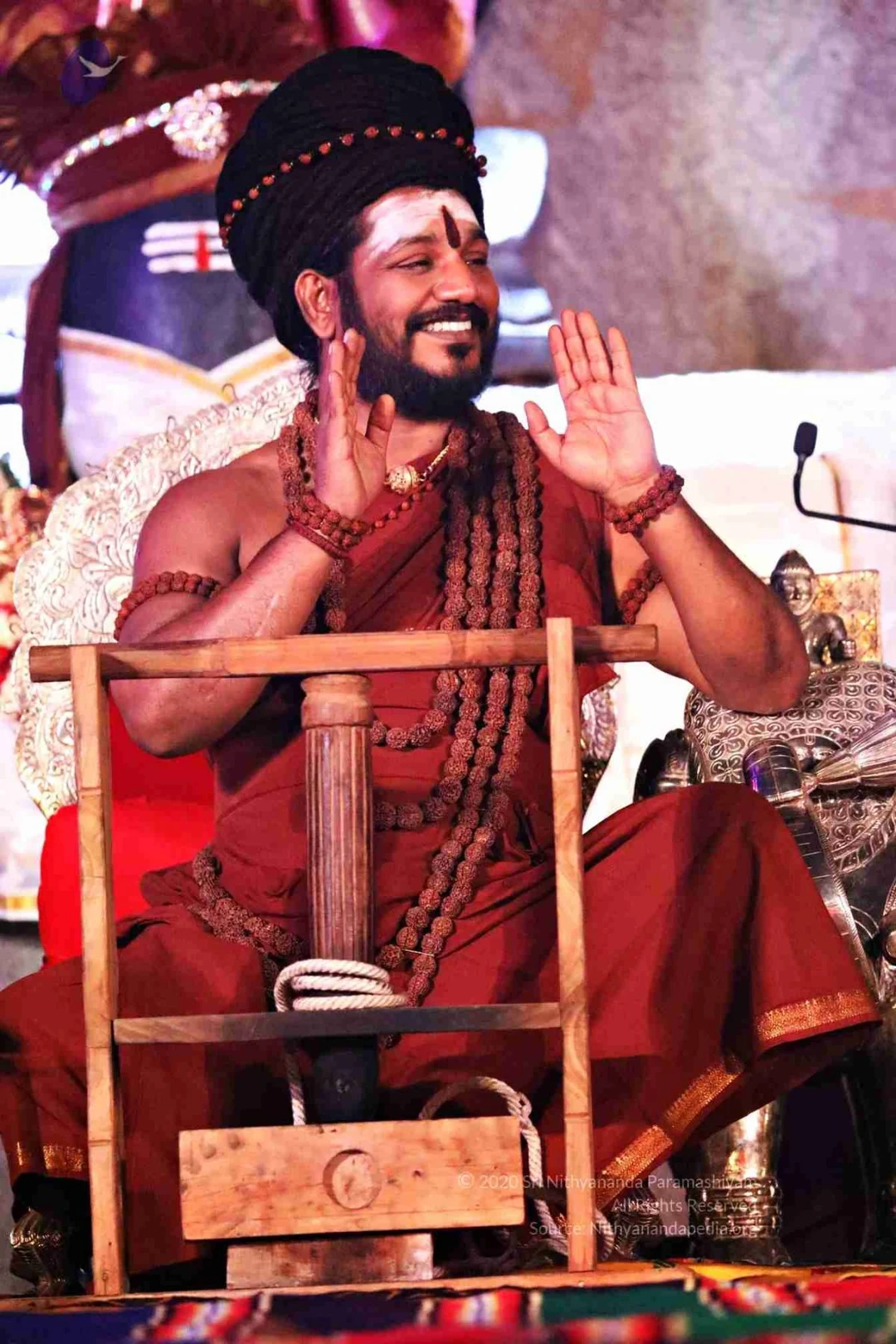
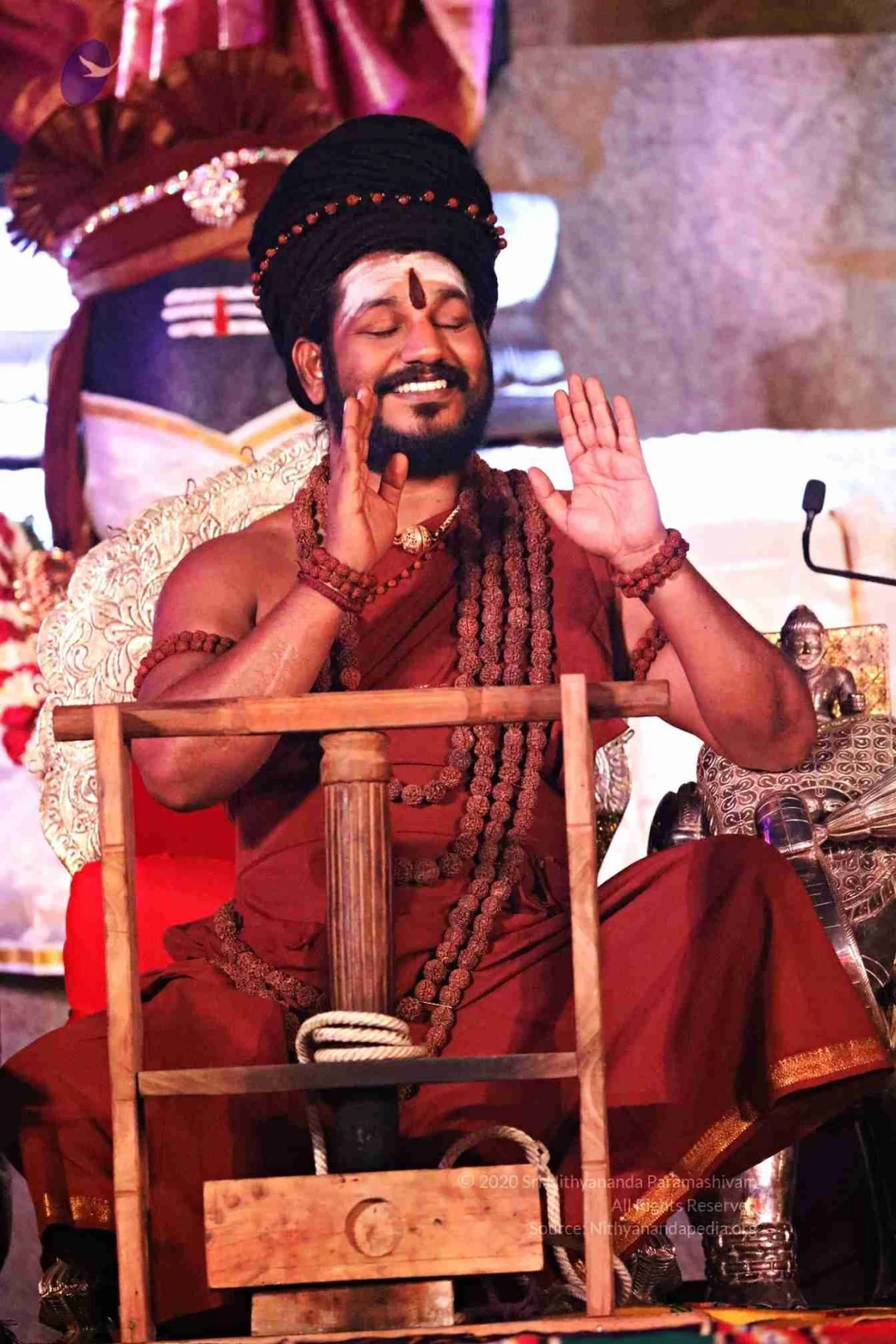
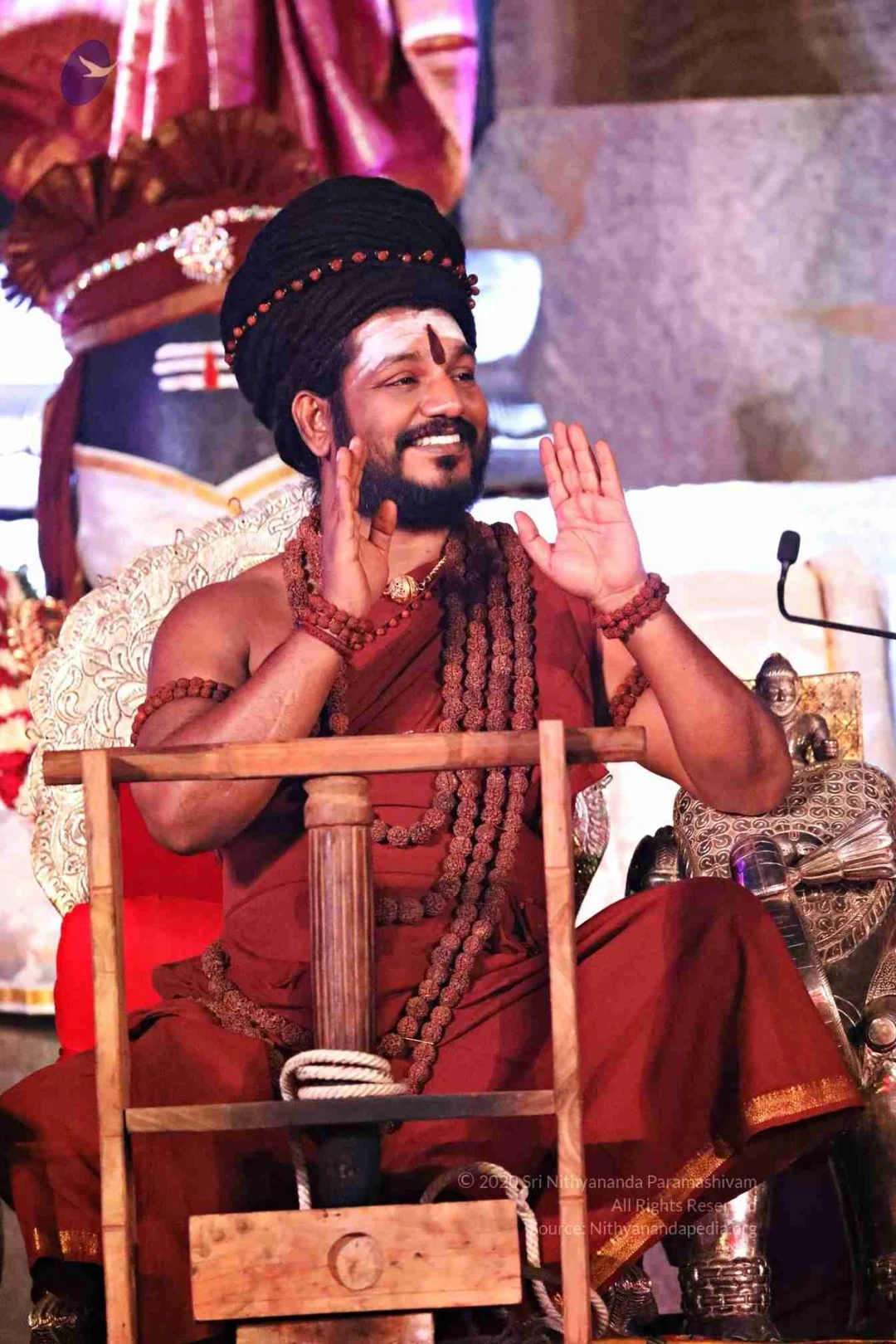
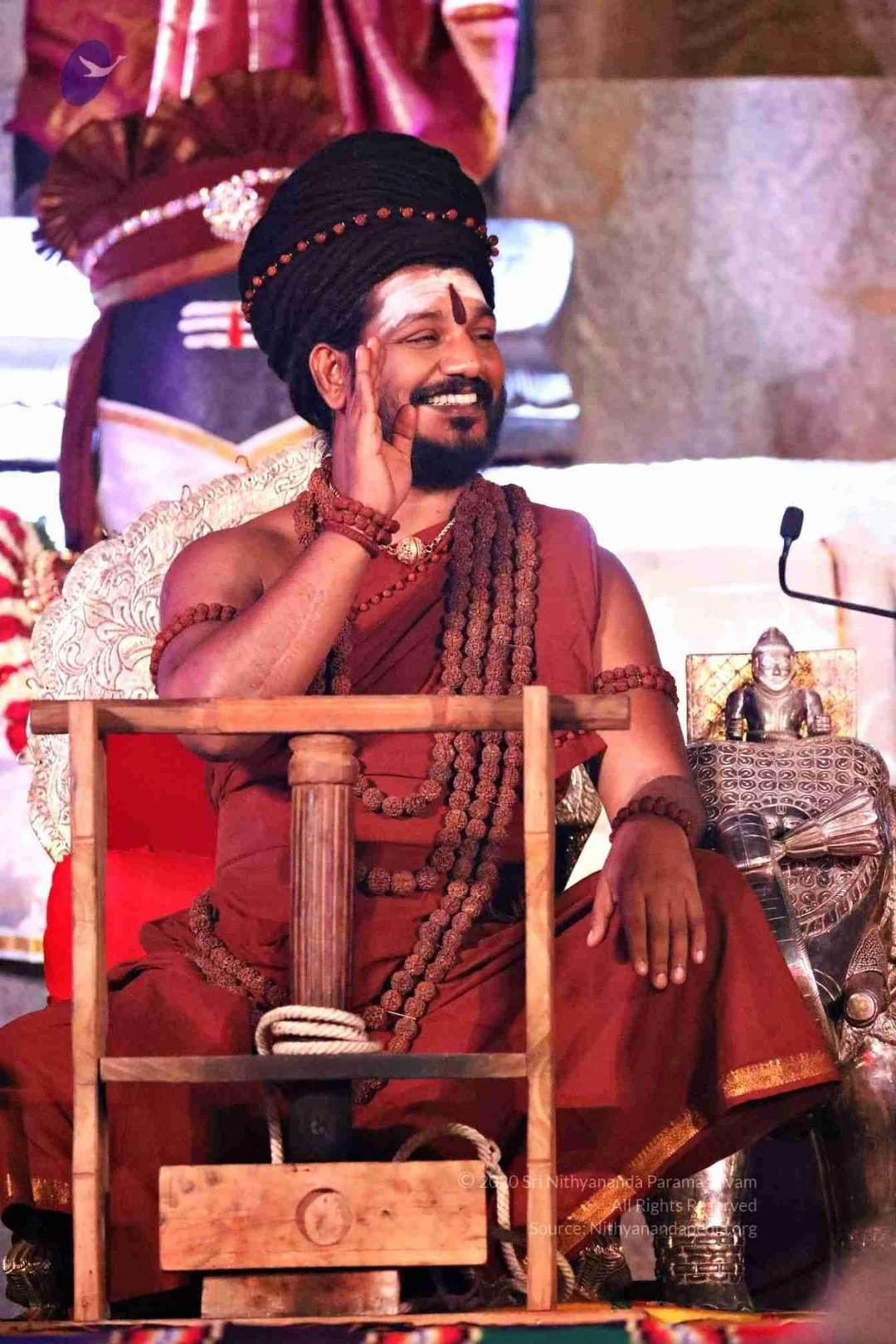
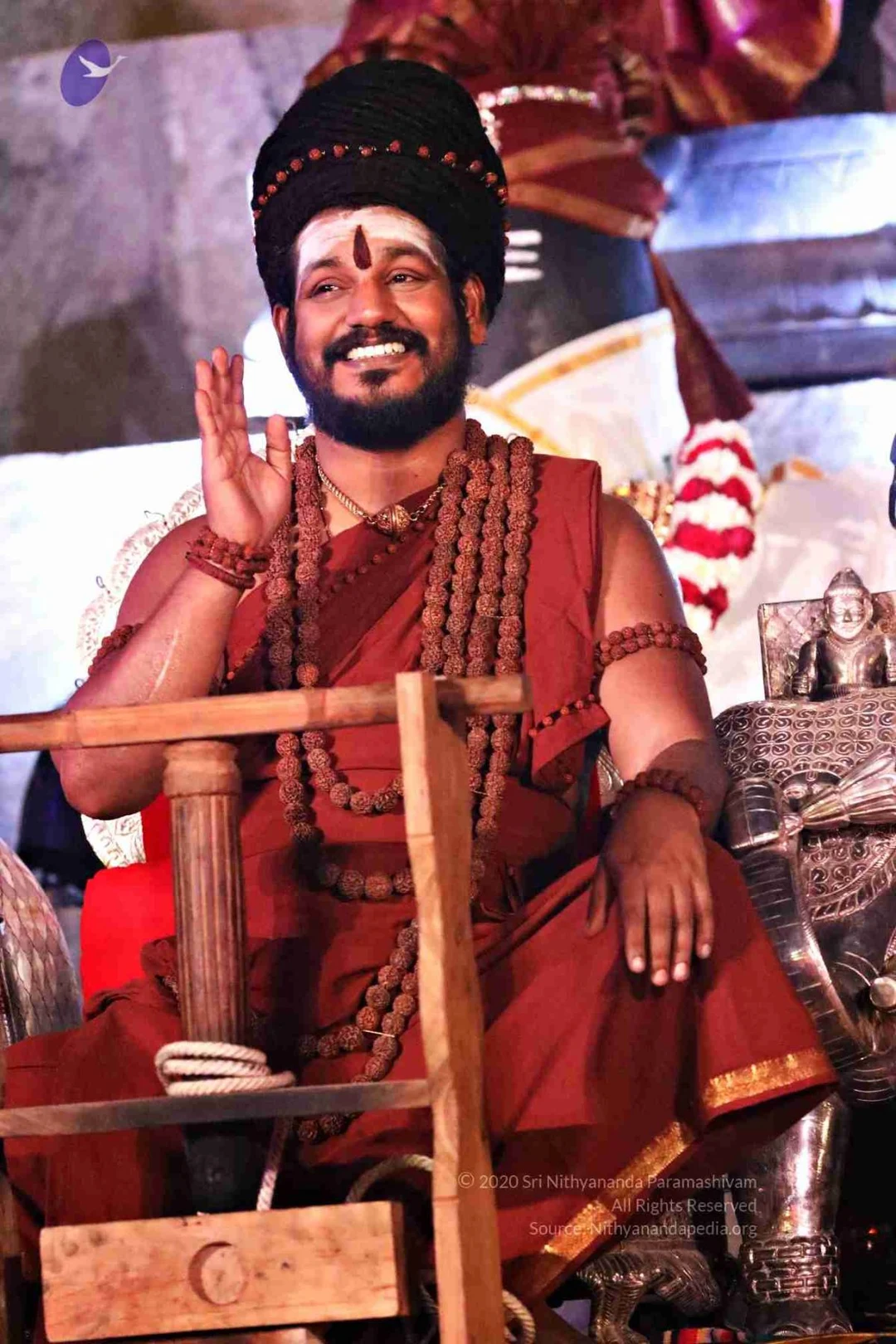


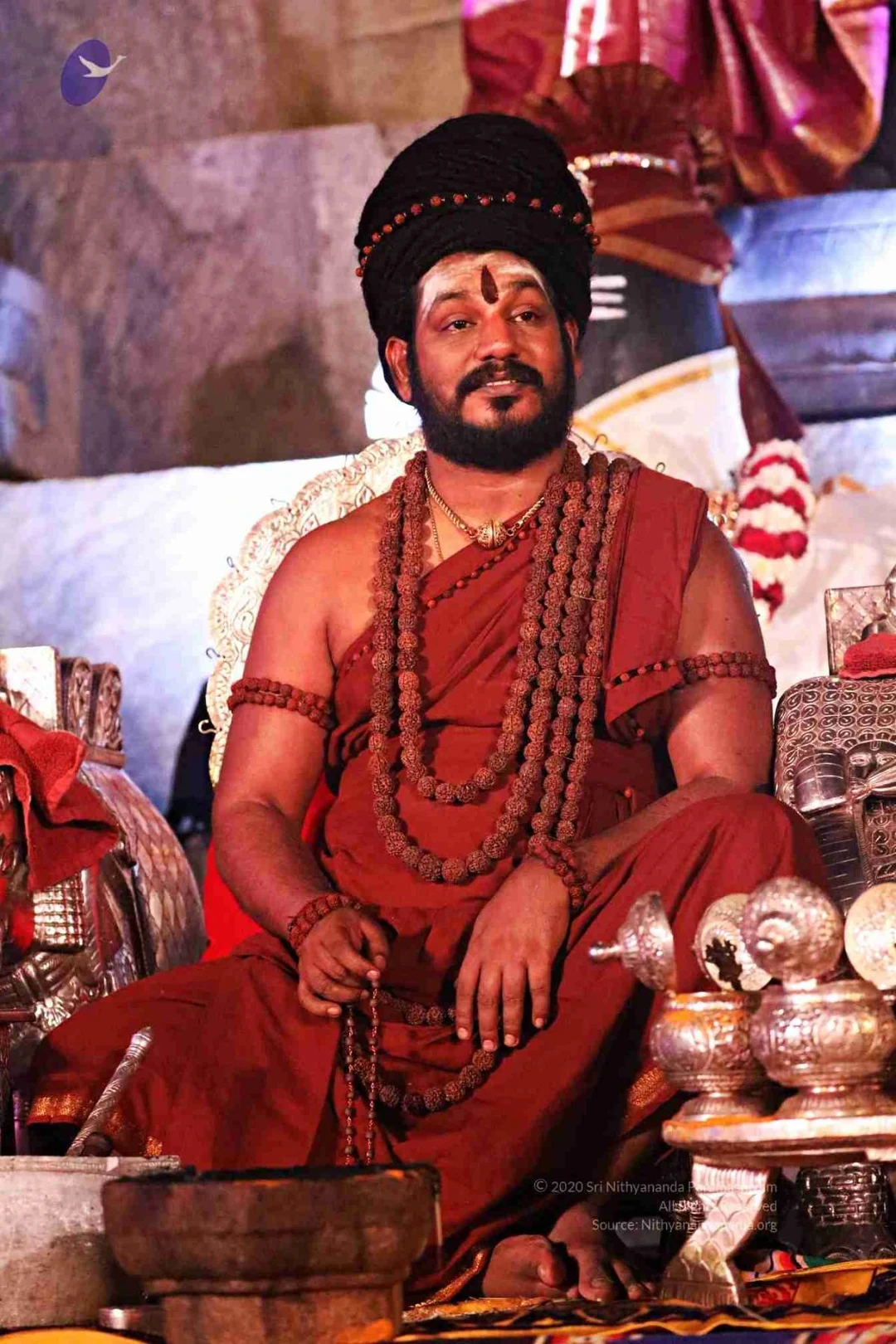
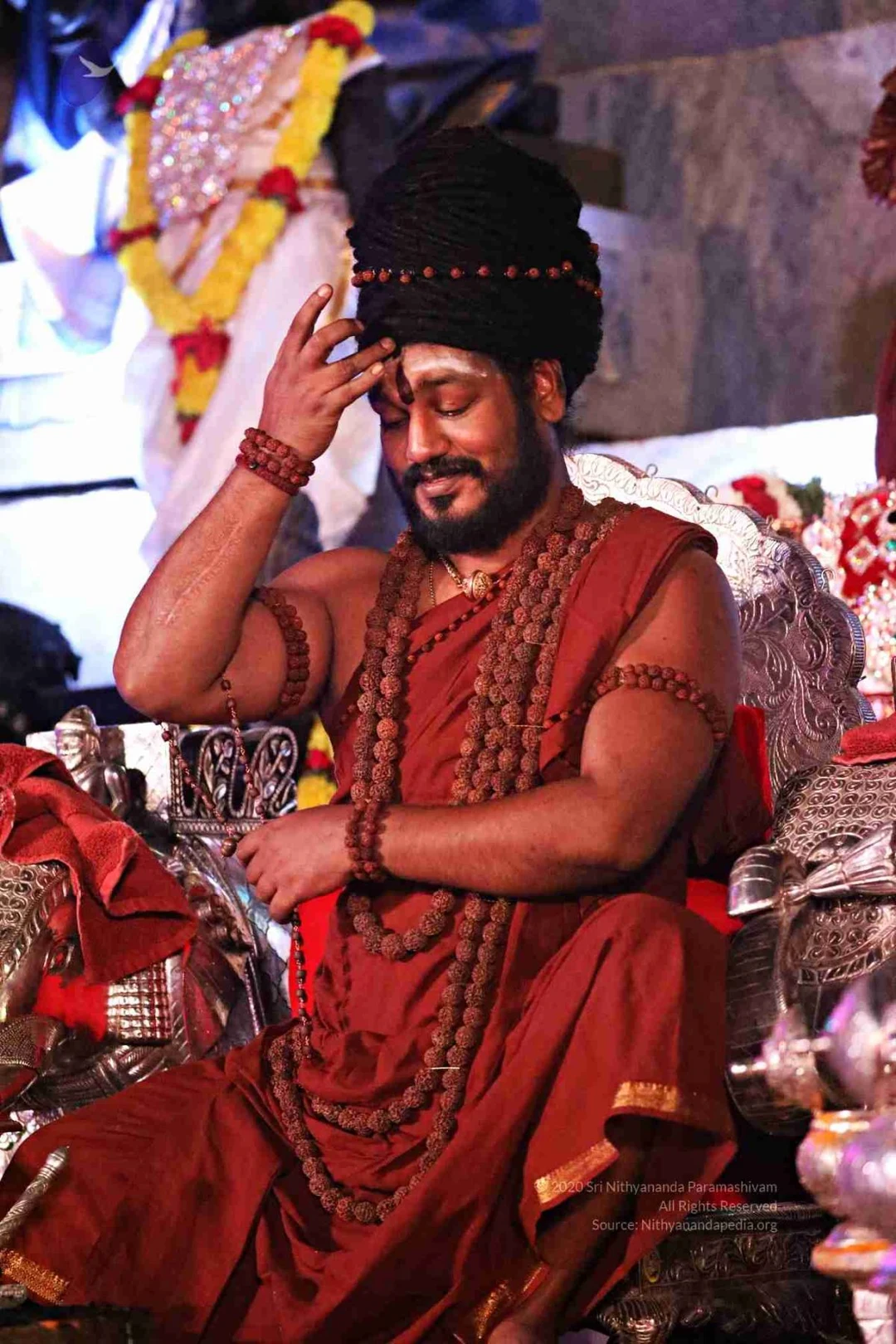
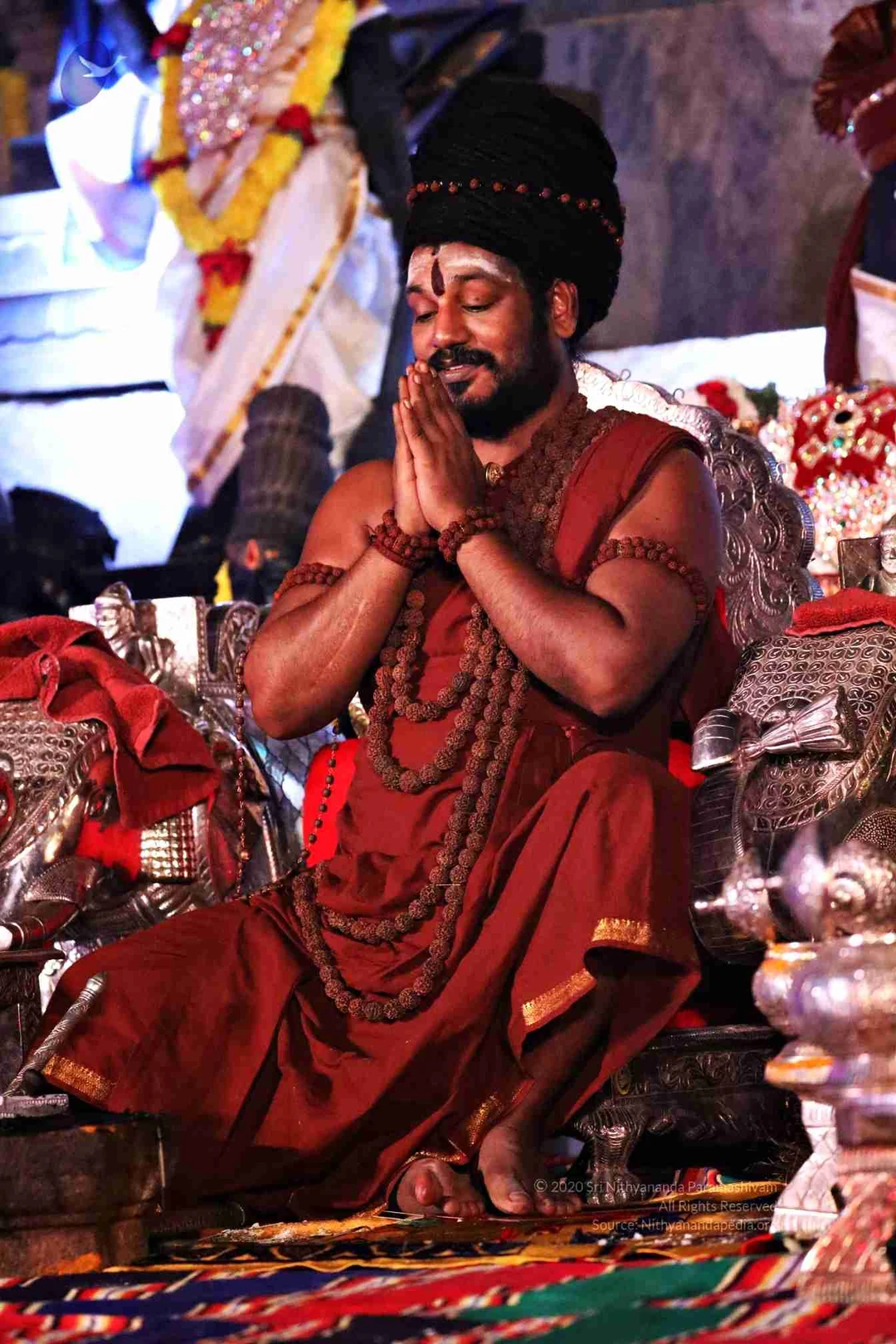
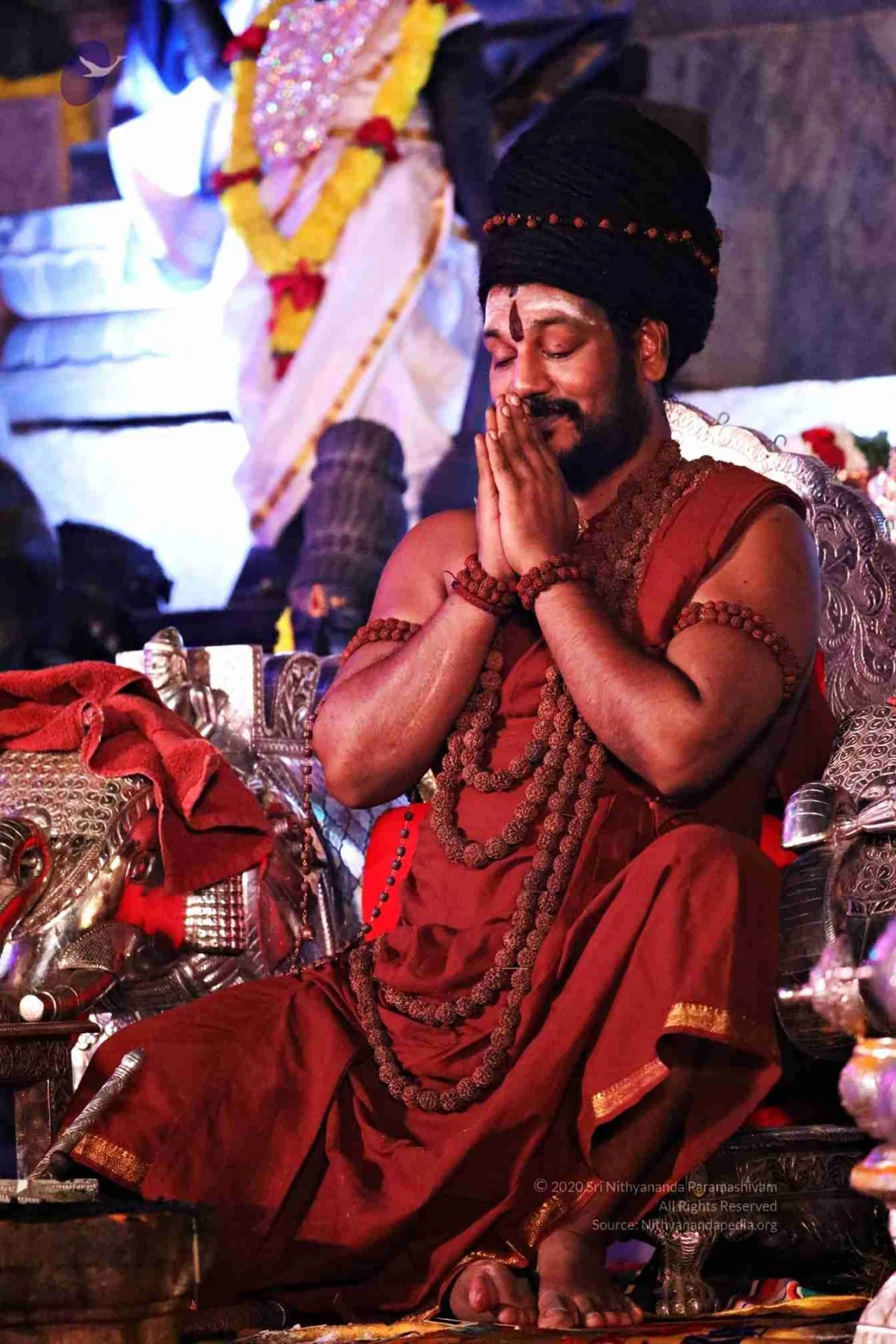
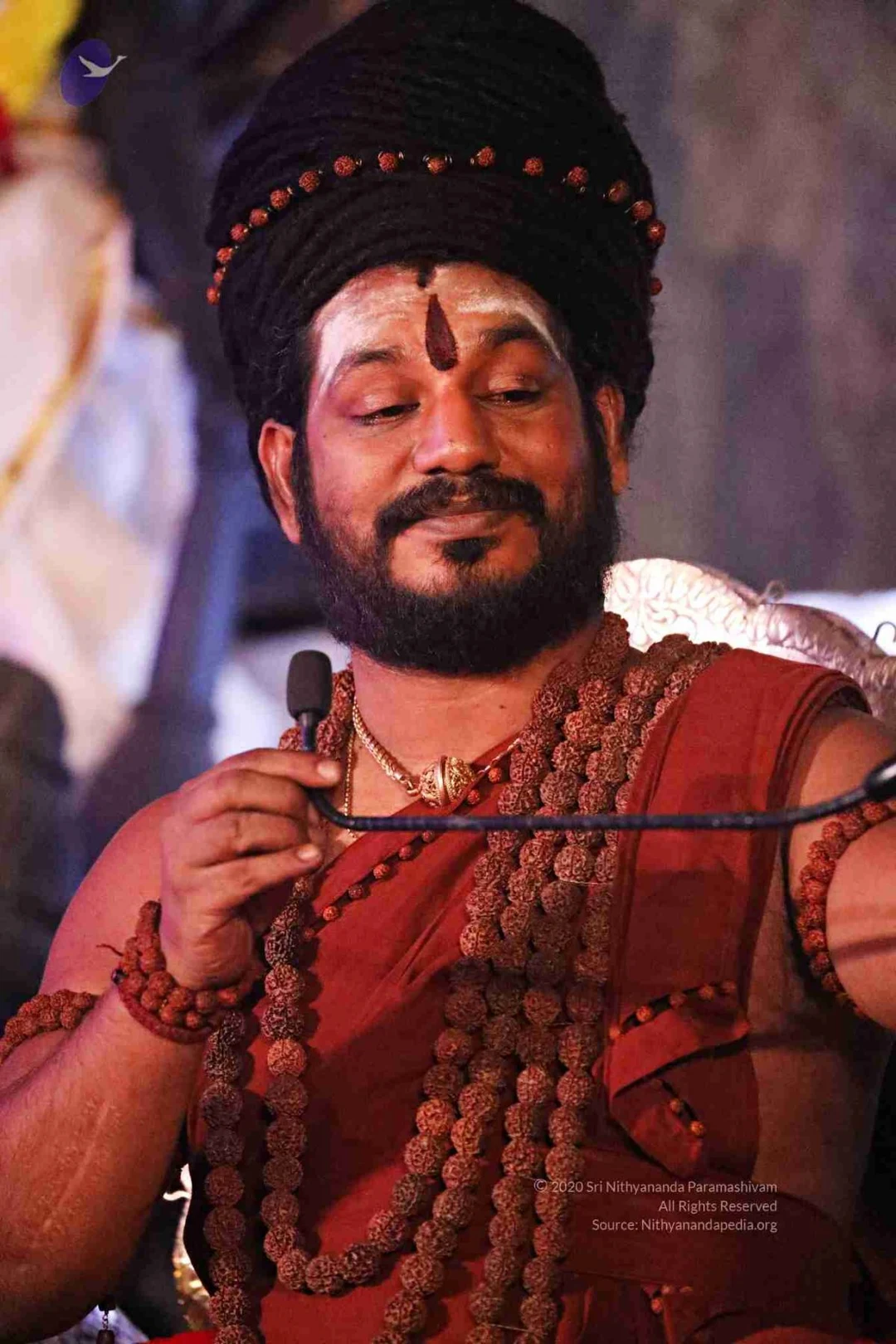
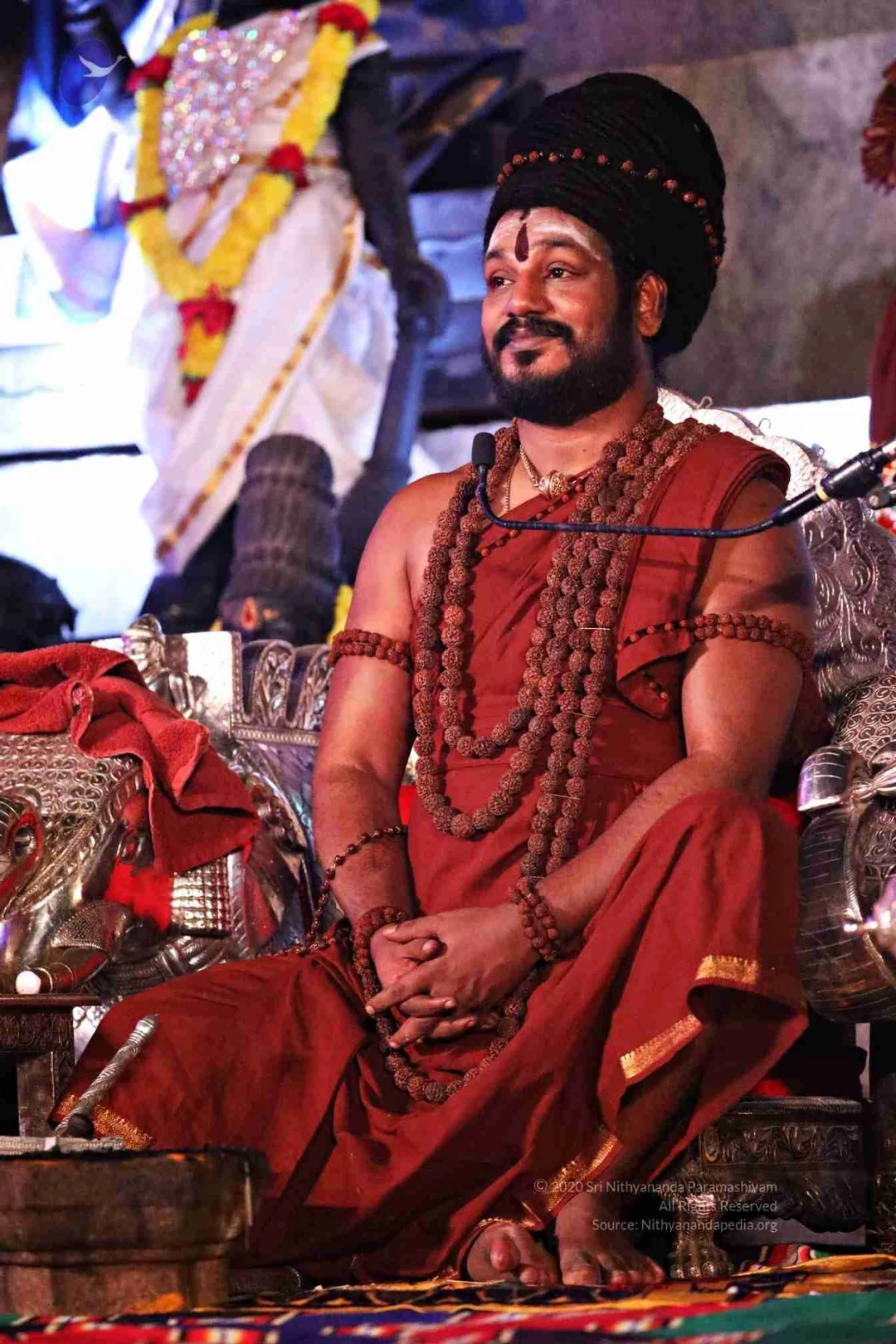
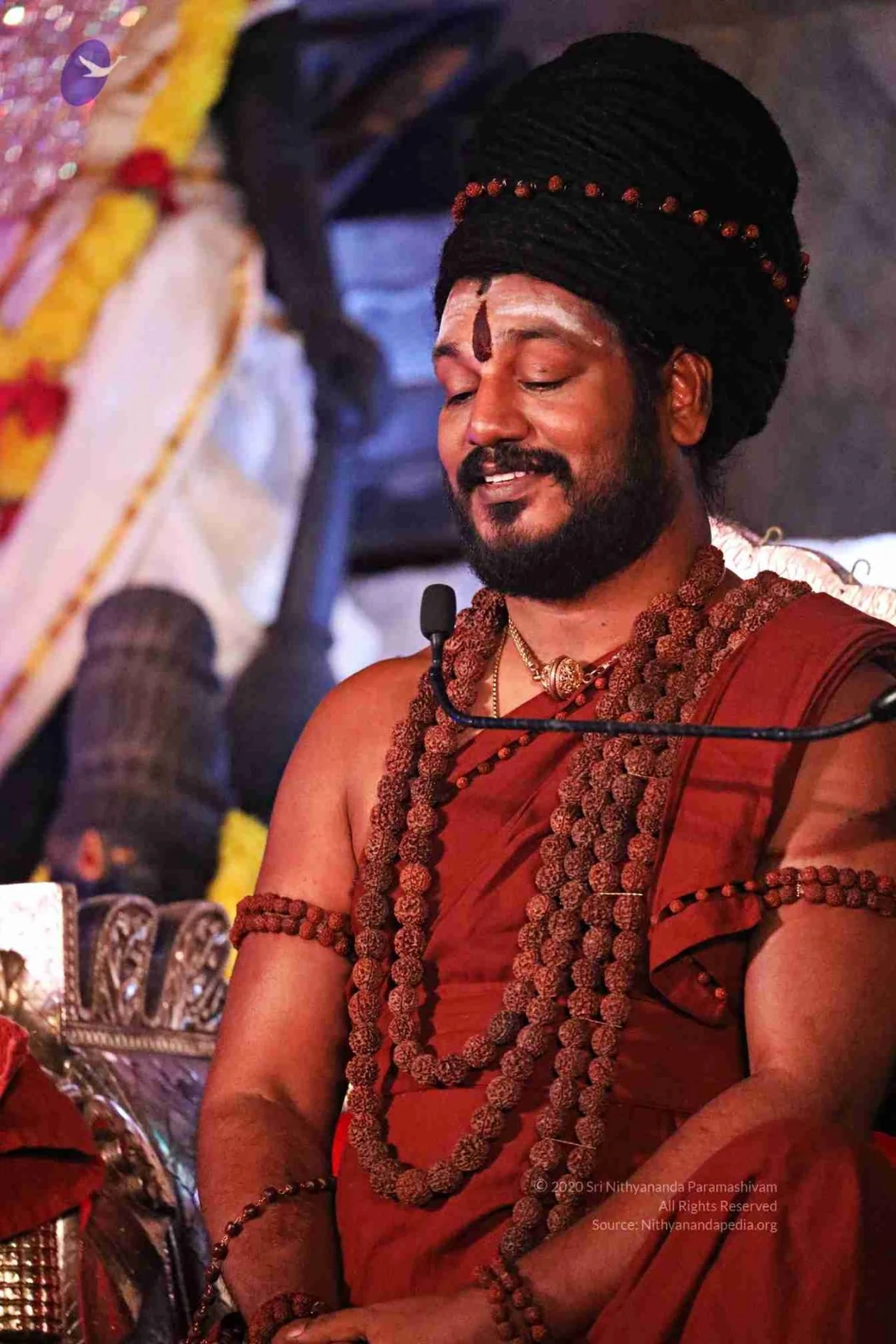
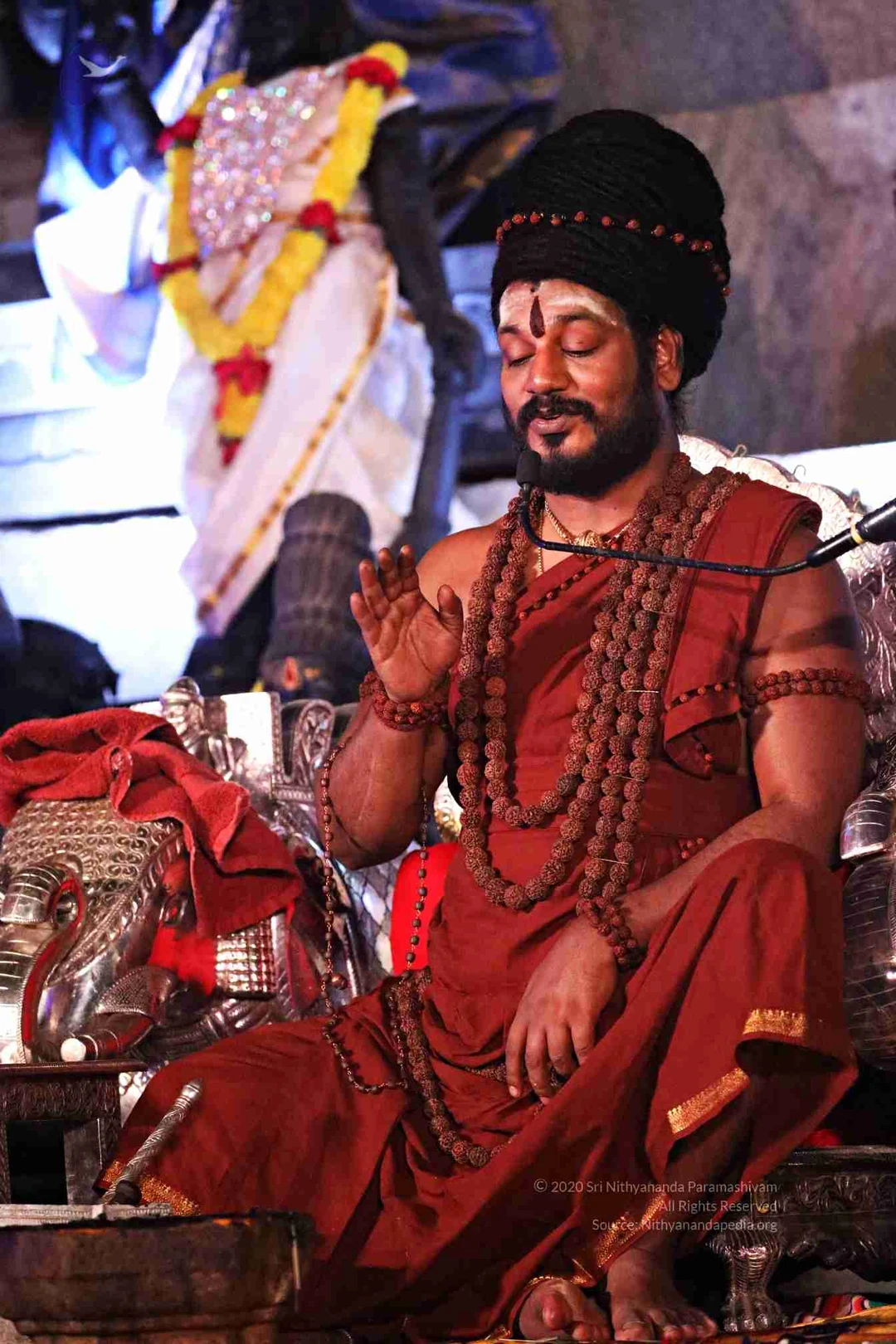
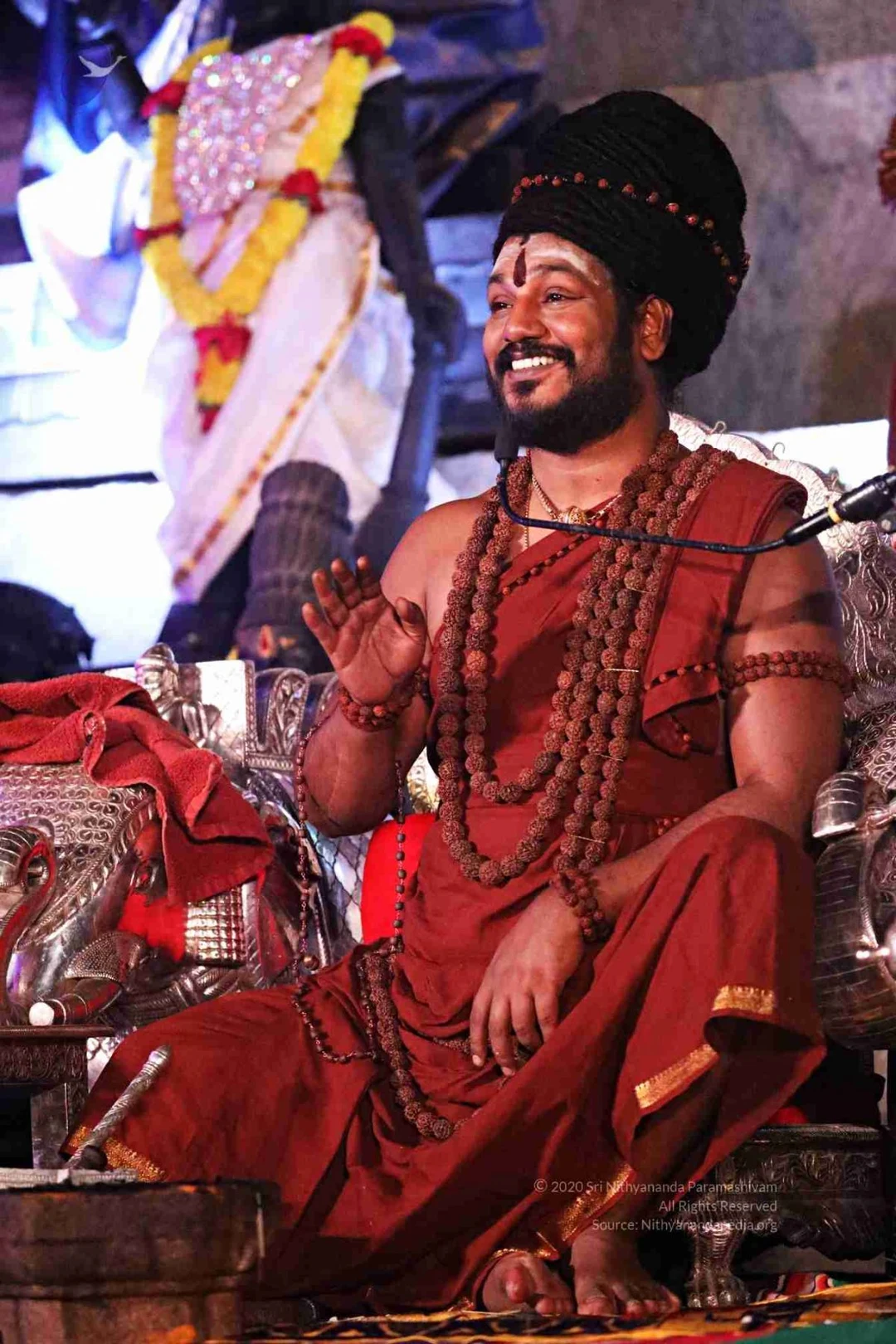
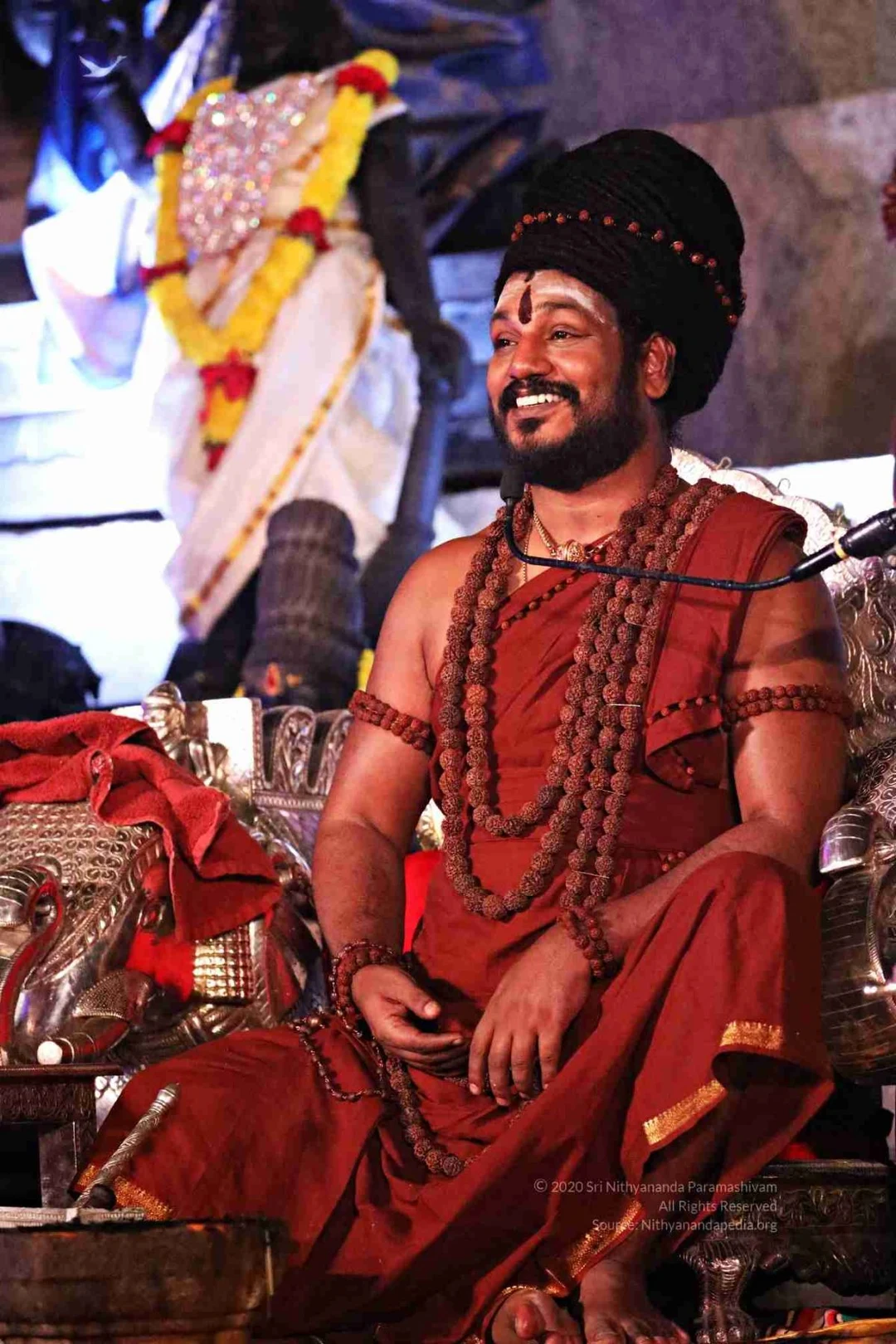

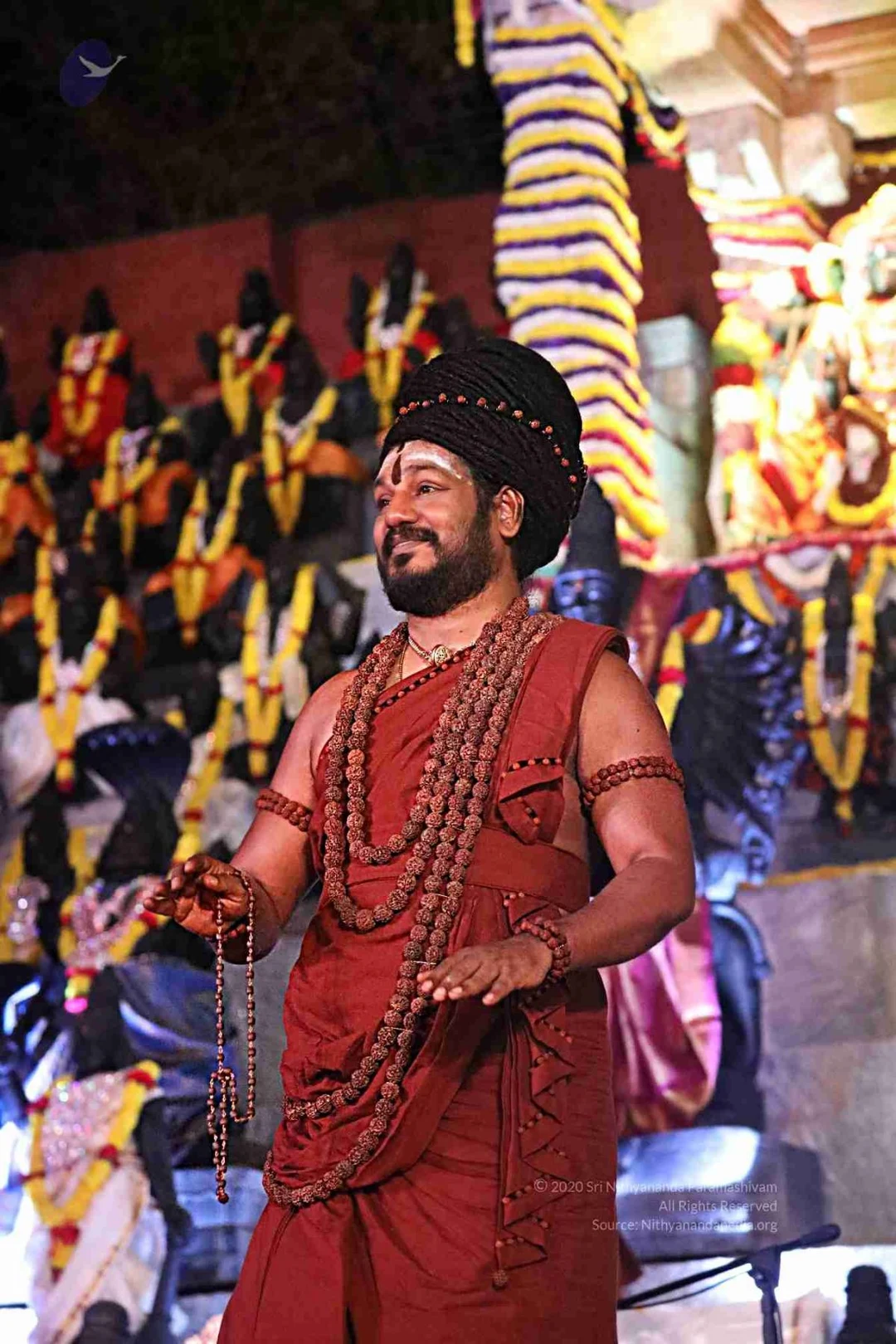
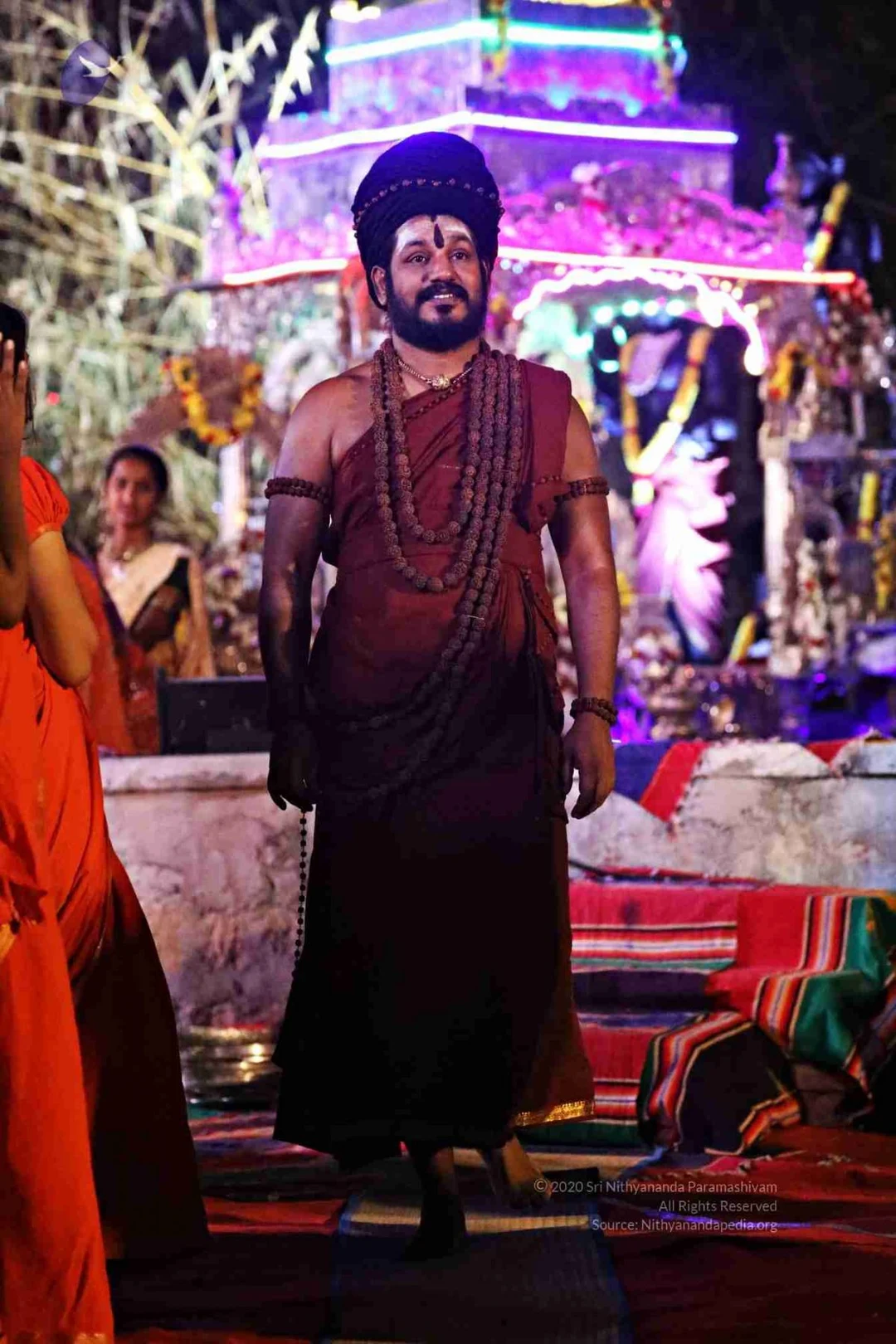

Nithyananda Times
Oness Capsule:
ATA Component
Jeevan Mukthi day(Living Enlightenment Day), 9th Anniversary
Kailasa in Thambaram, 4th Anniversary
Number of temples participated around the world
16 temples from around the world participated
Photos Of The Day:
satsang
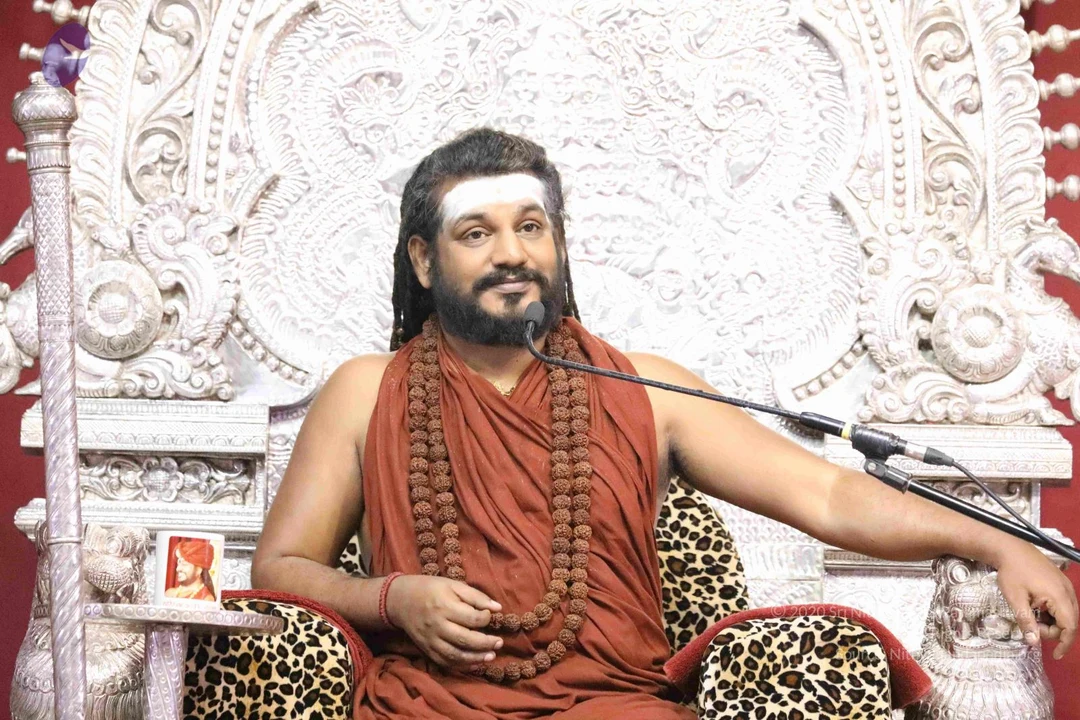
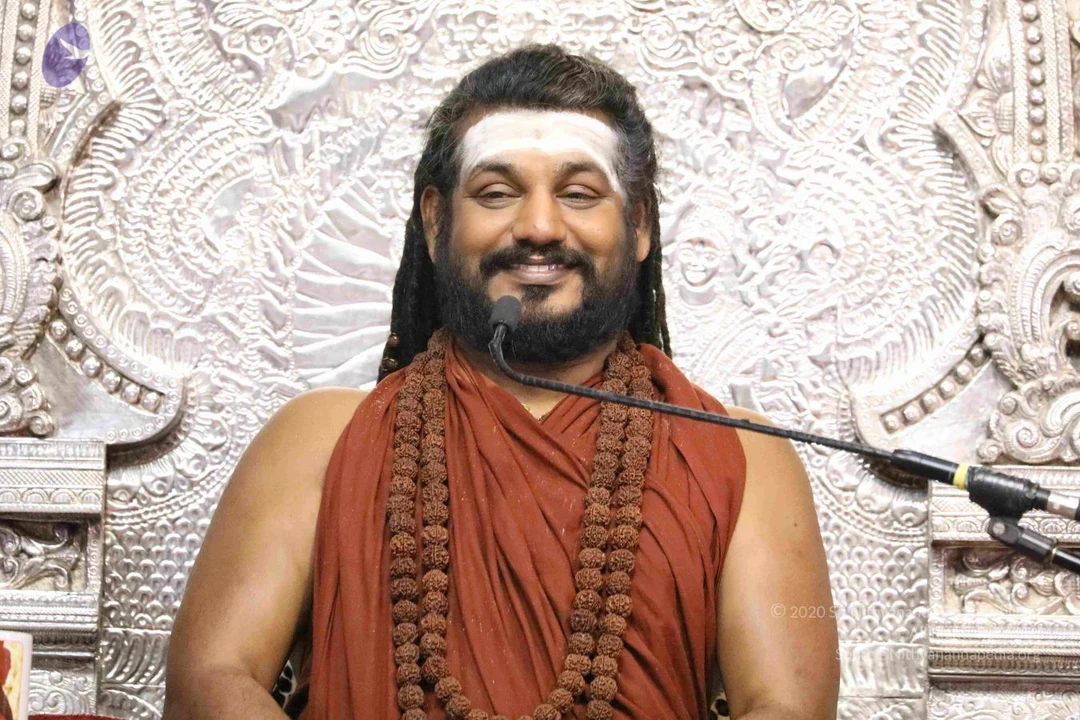
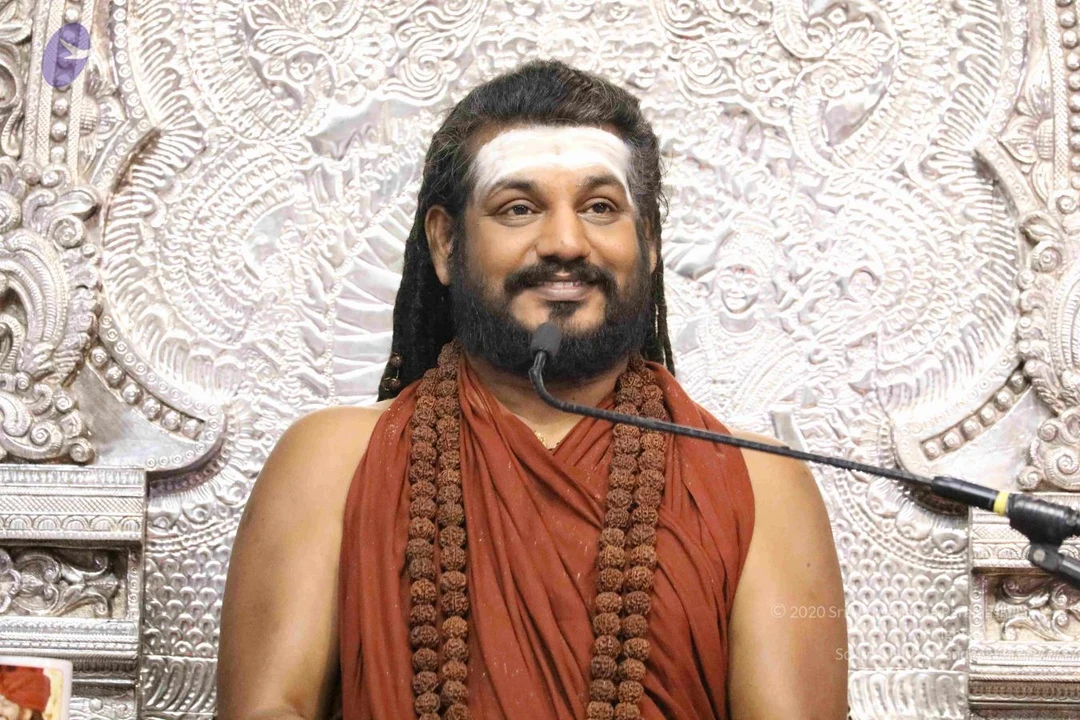
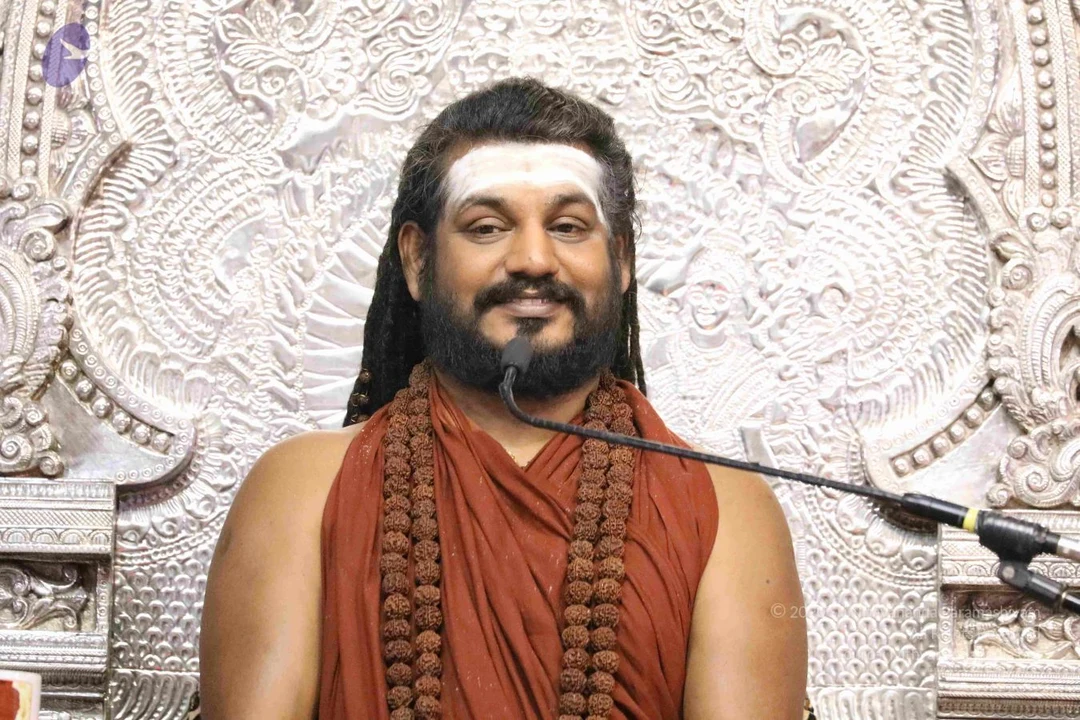
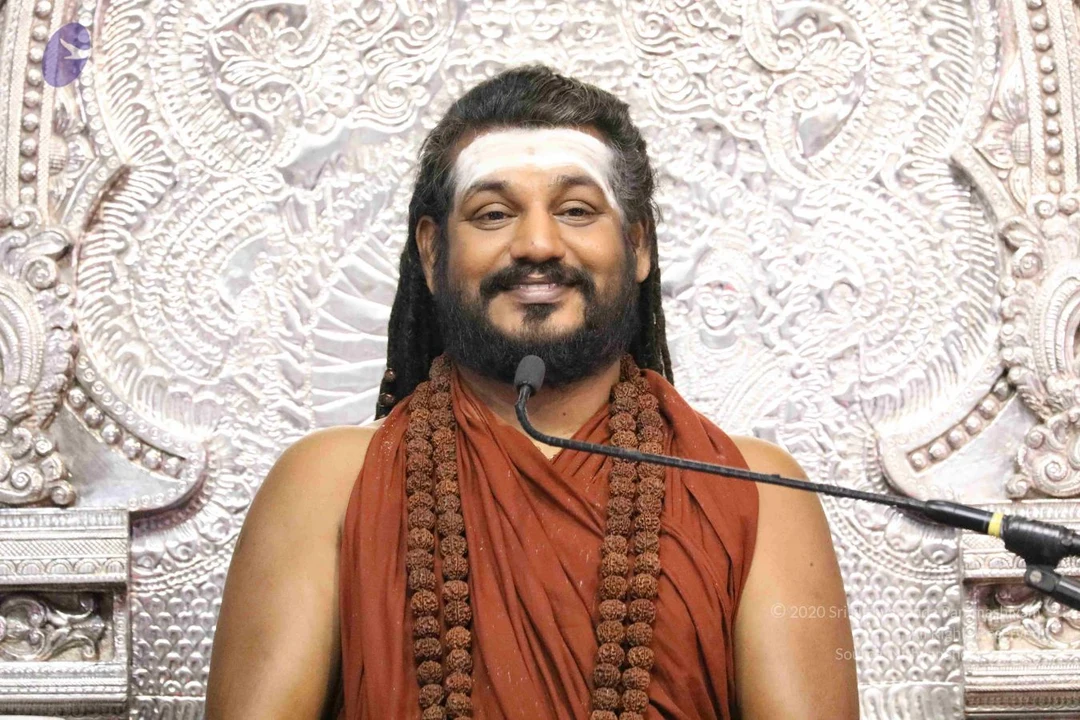
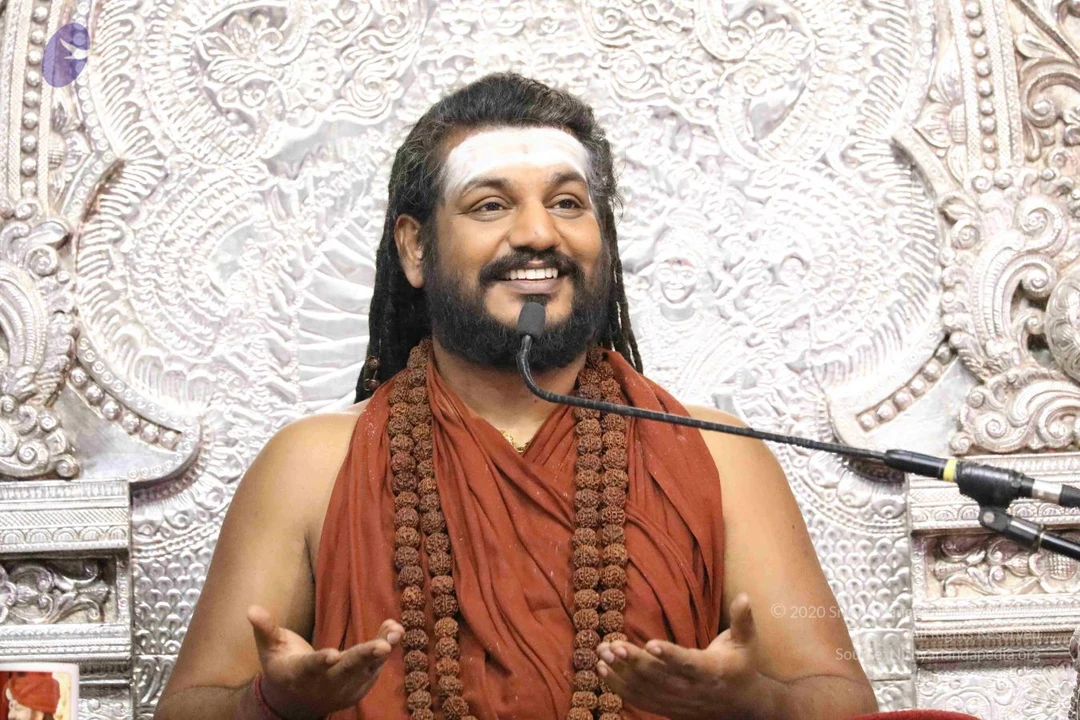
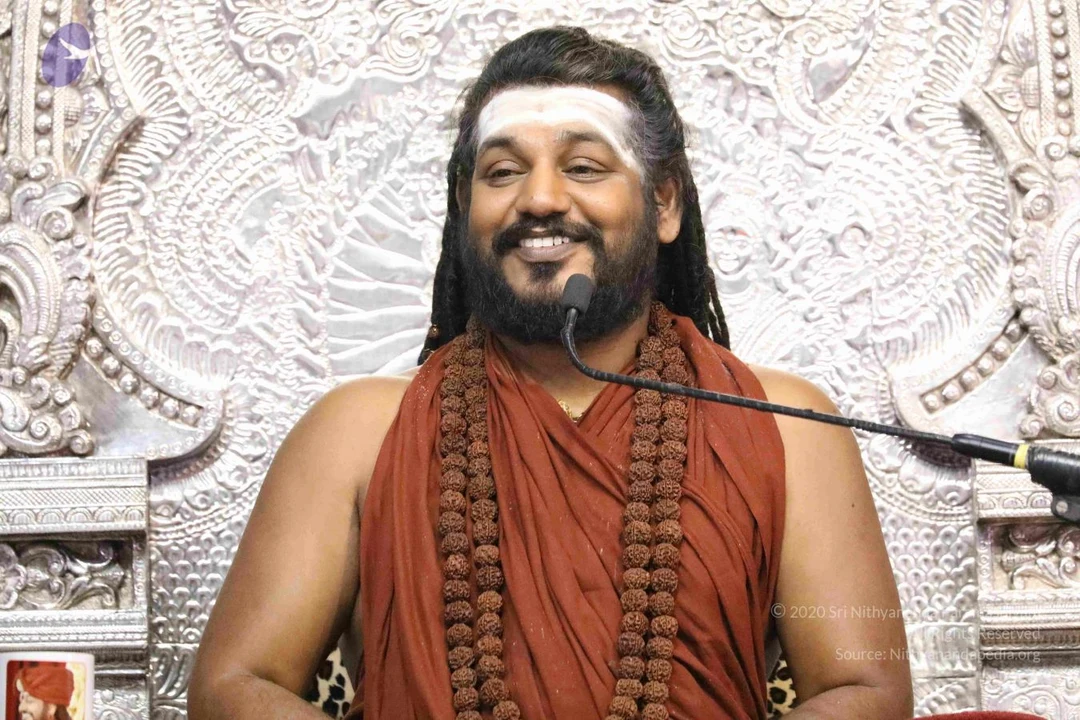
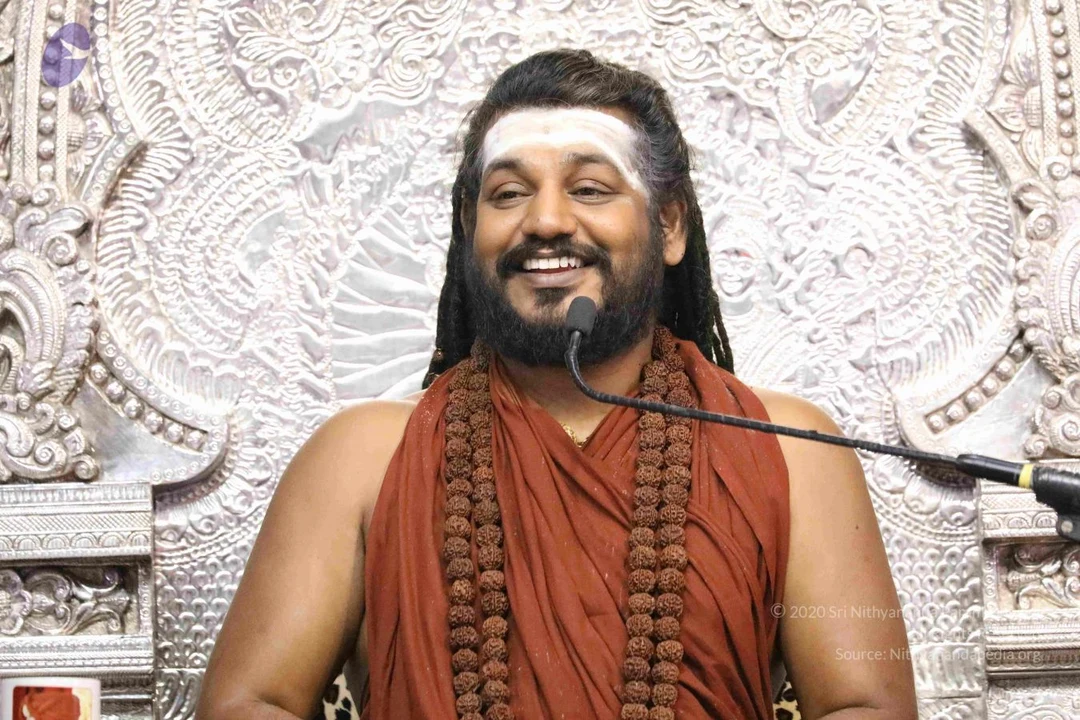
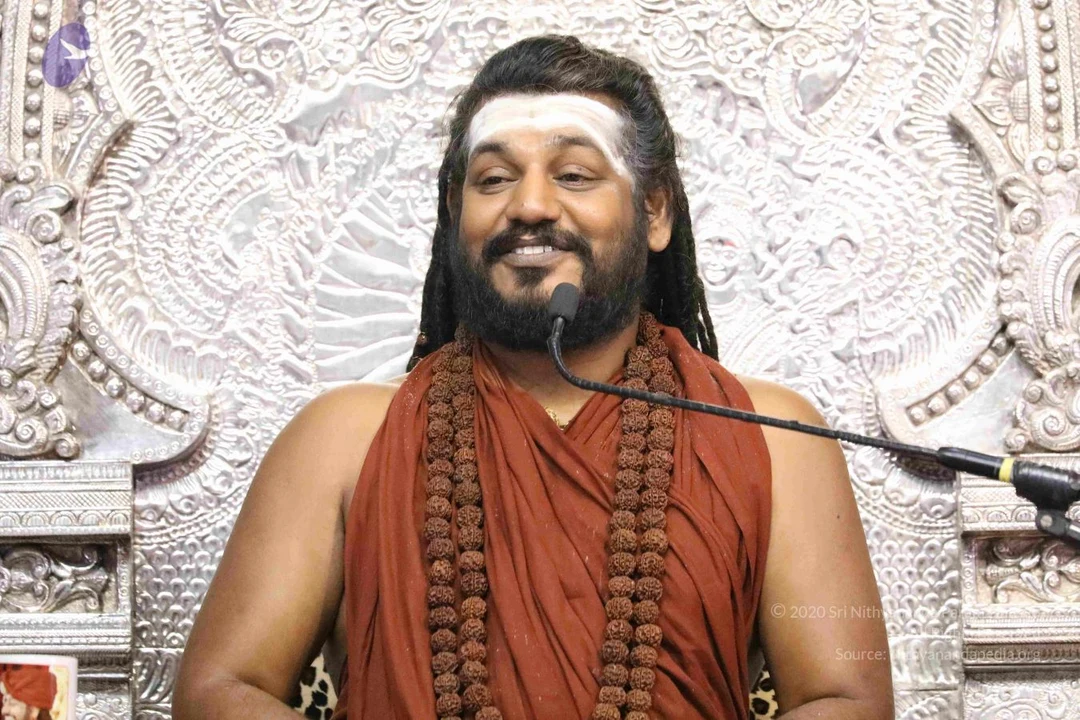


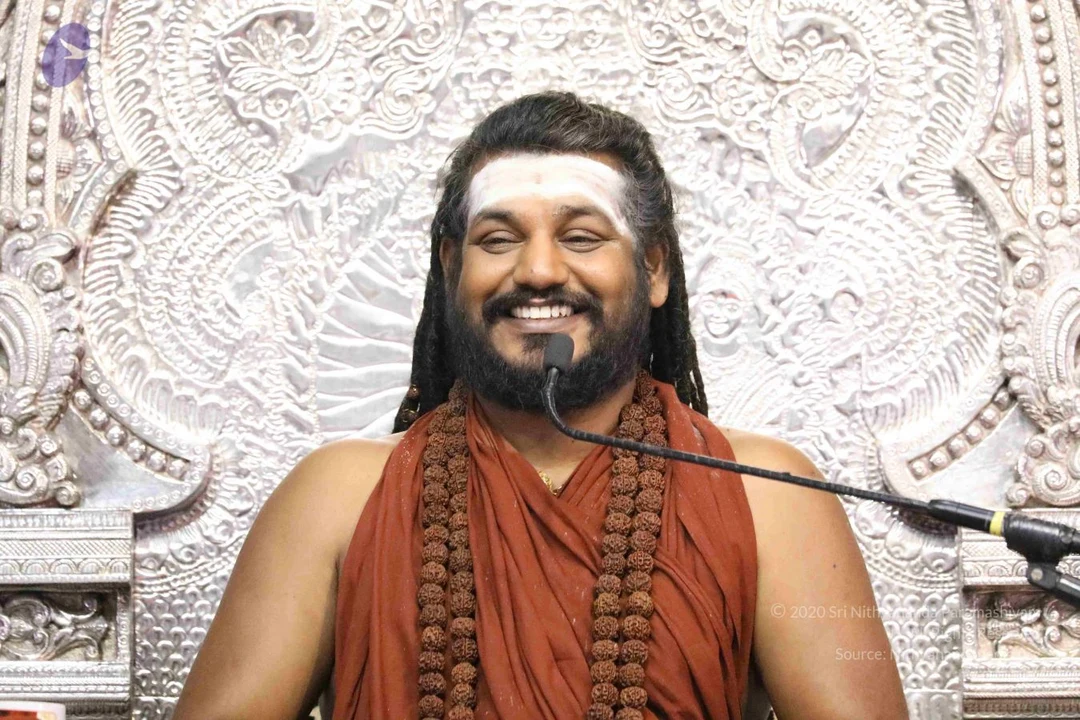
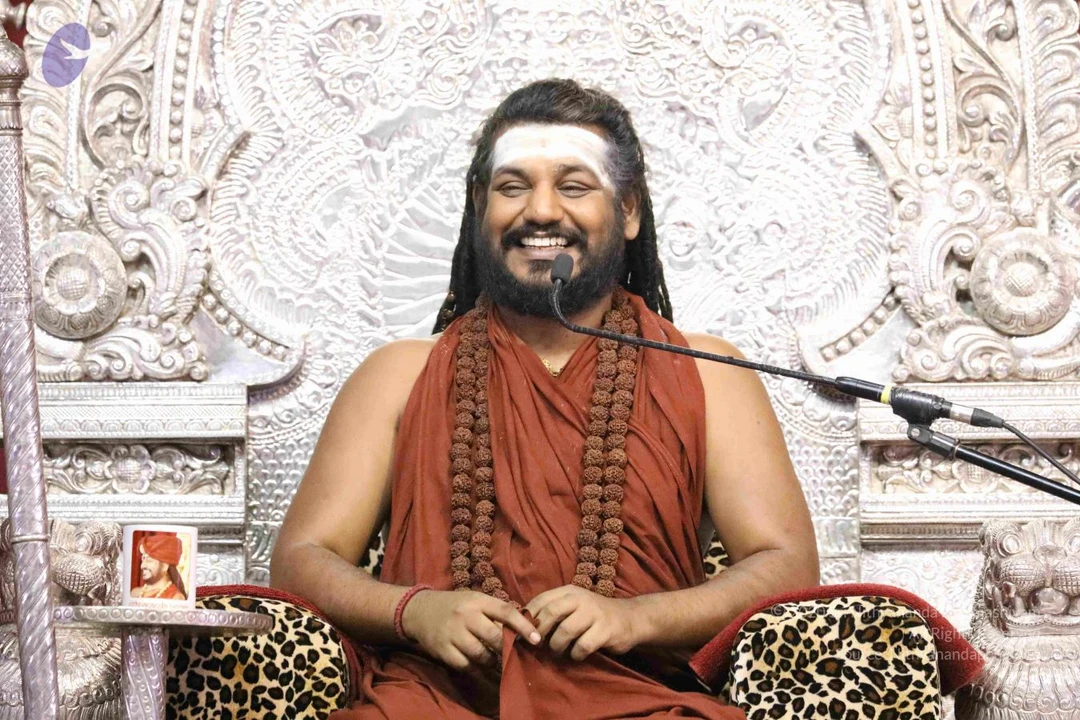
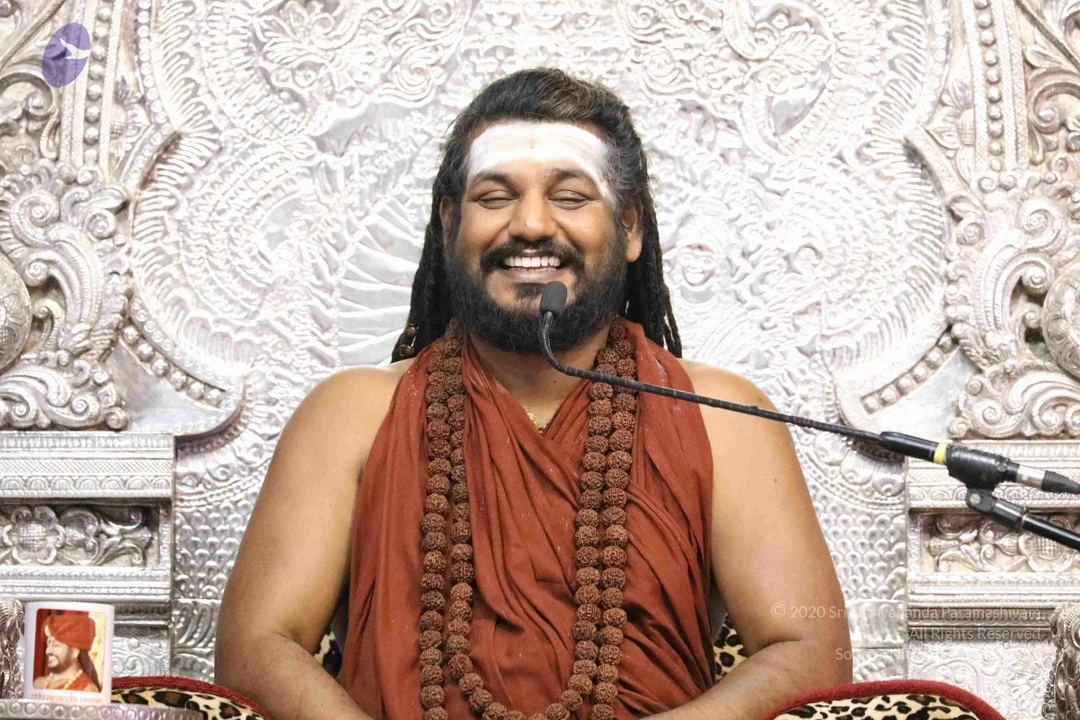
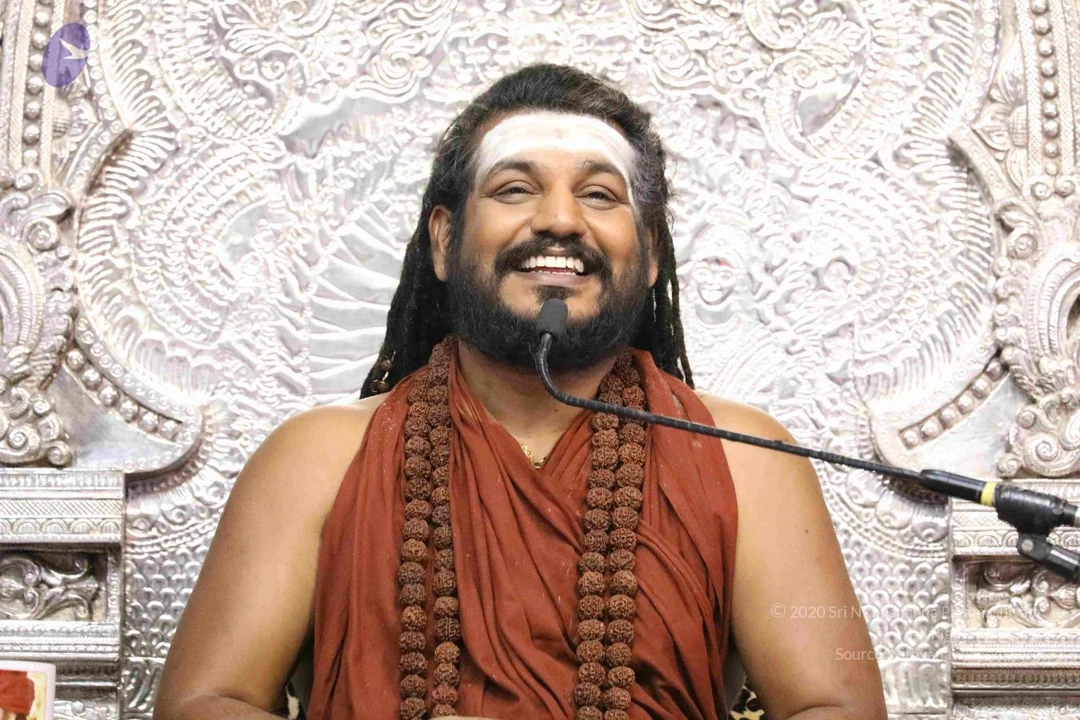
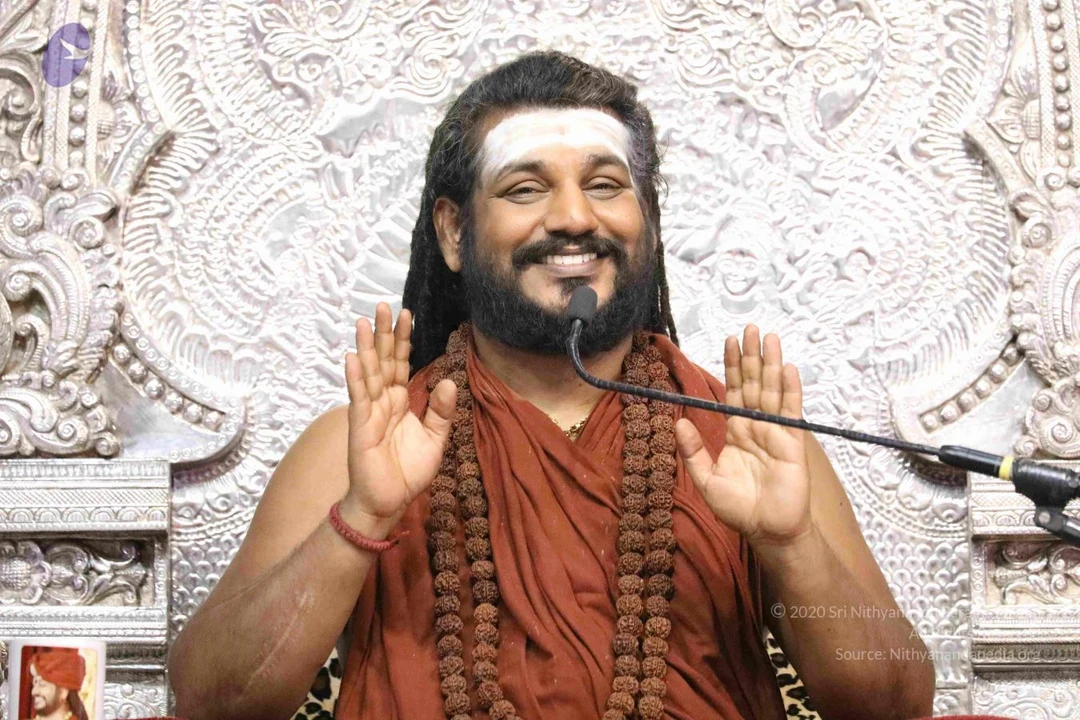
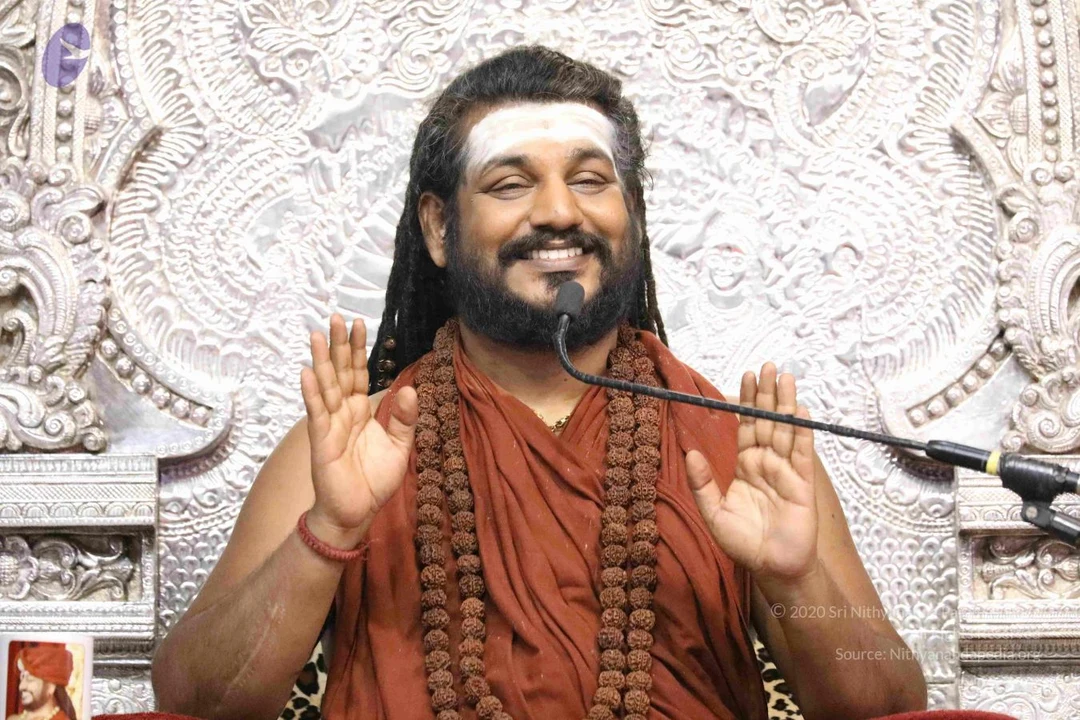
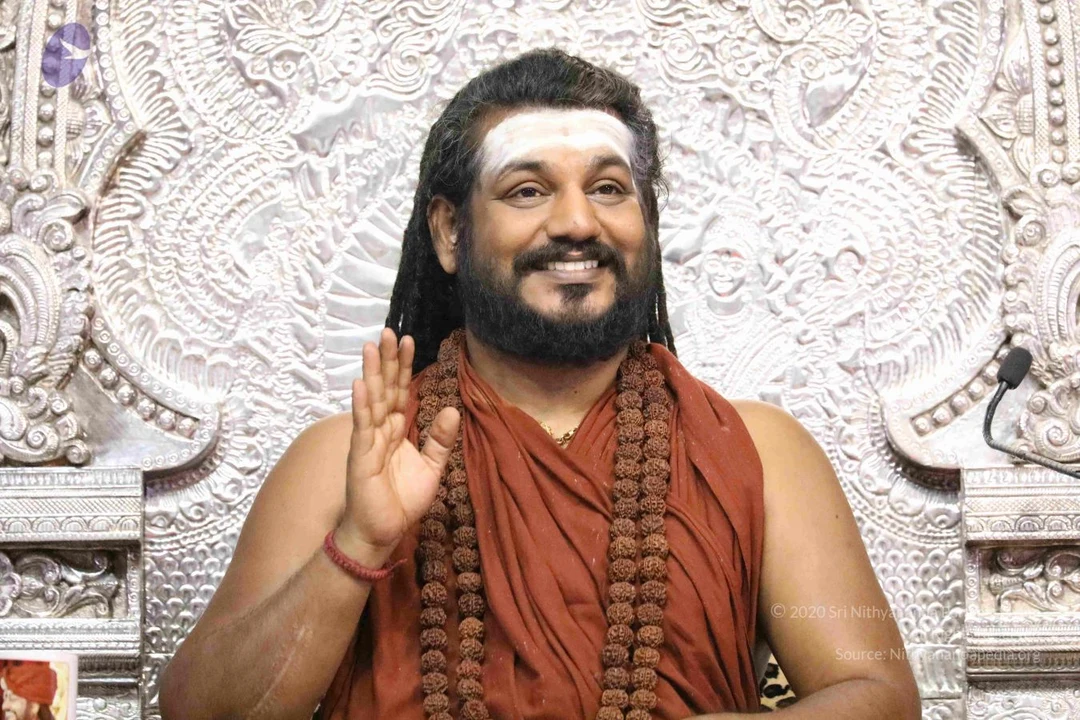
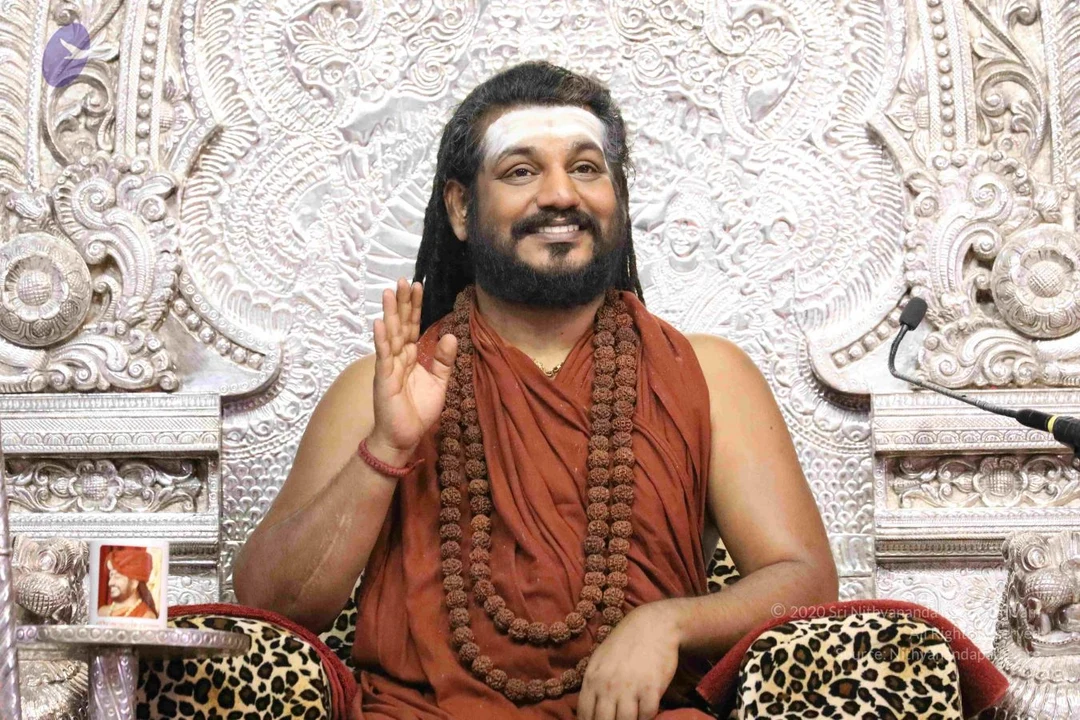
Nithyanandam-healers-initiation
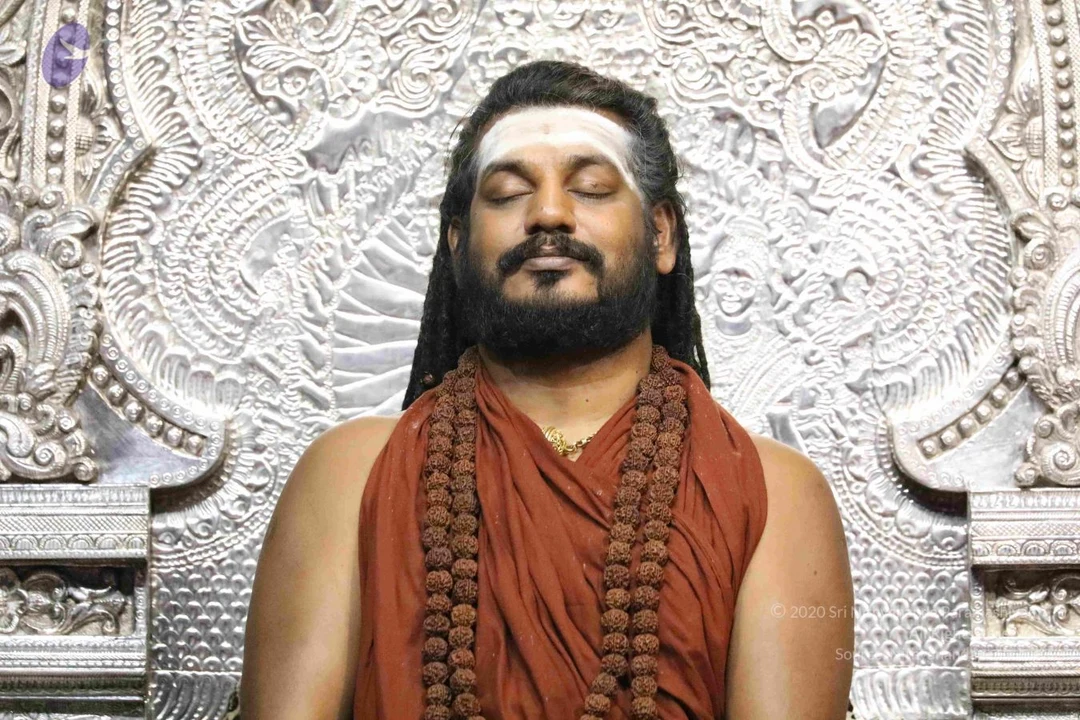
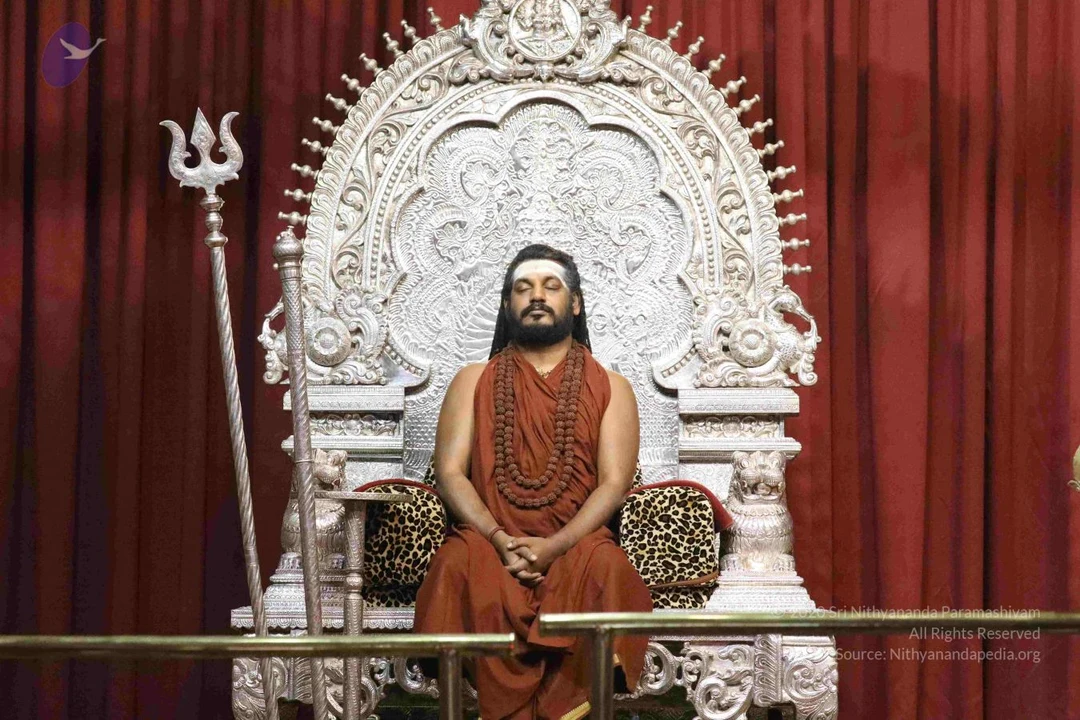
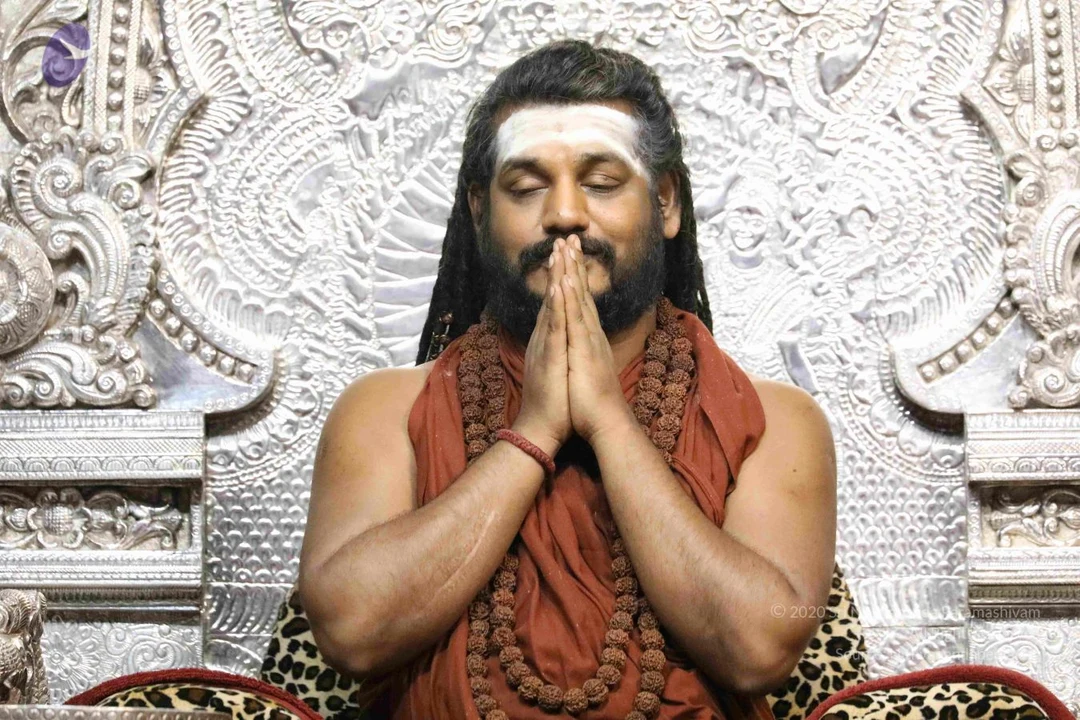
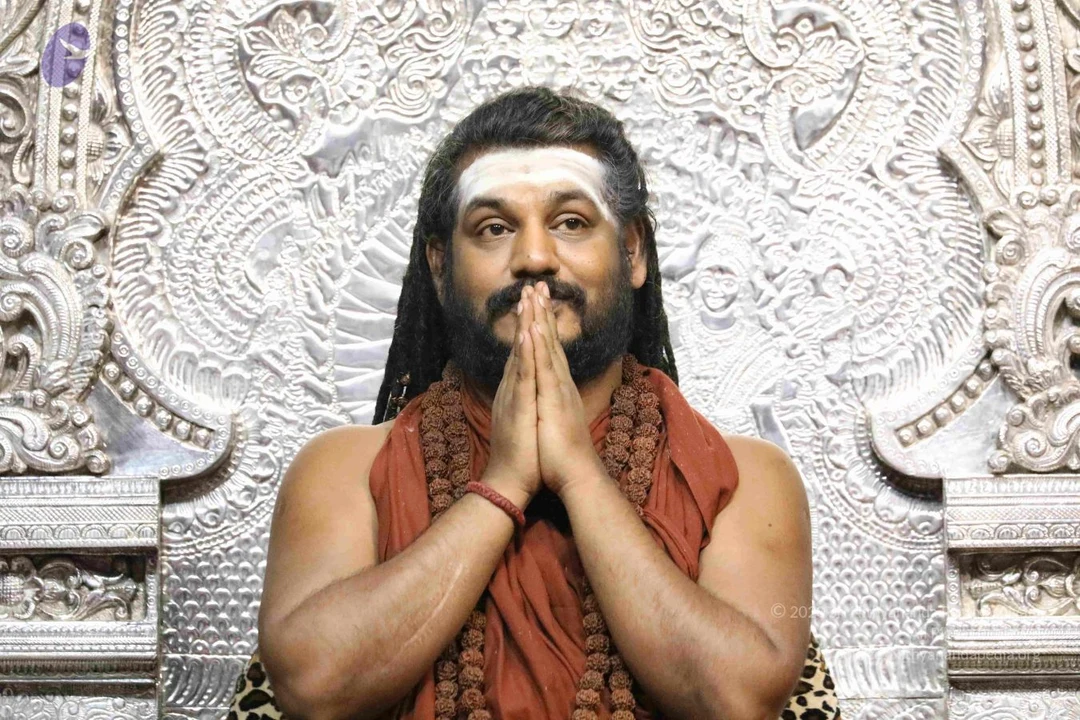
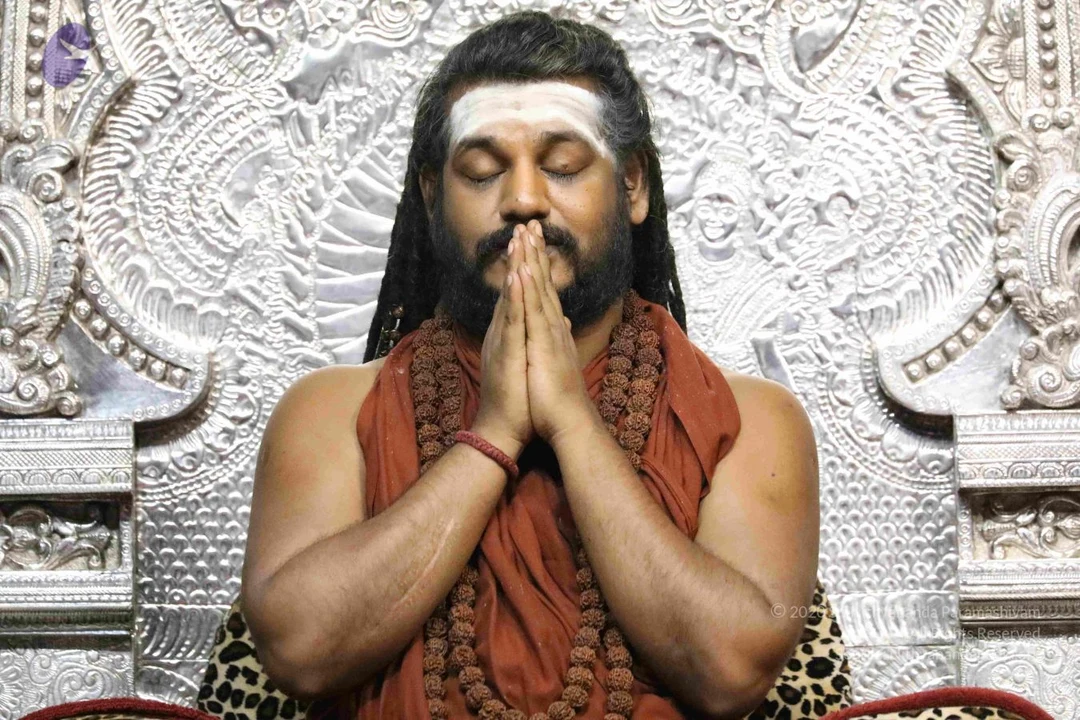
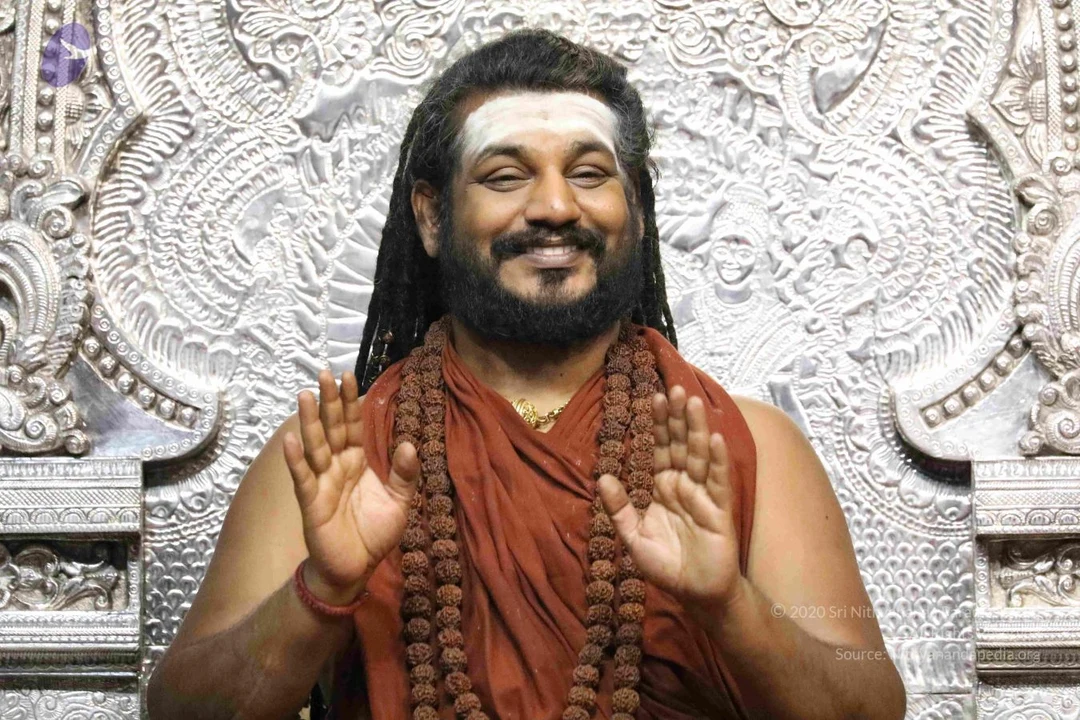
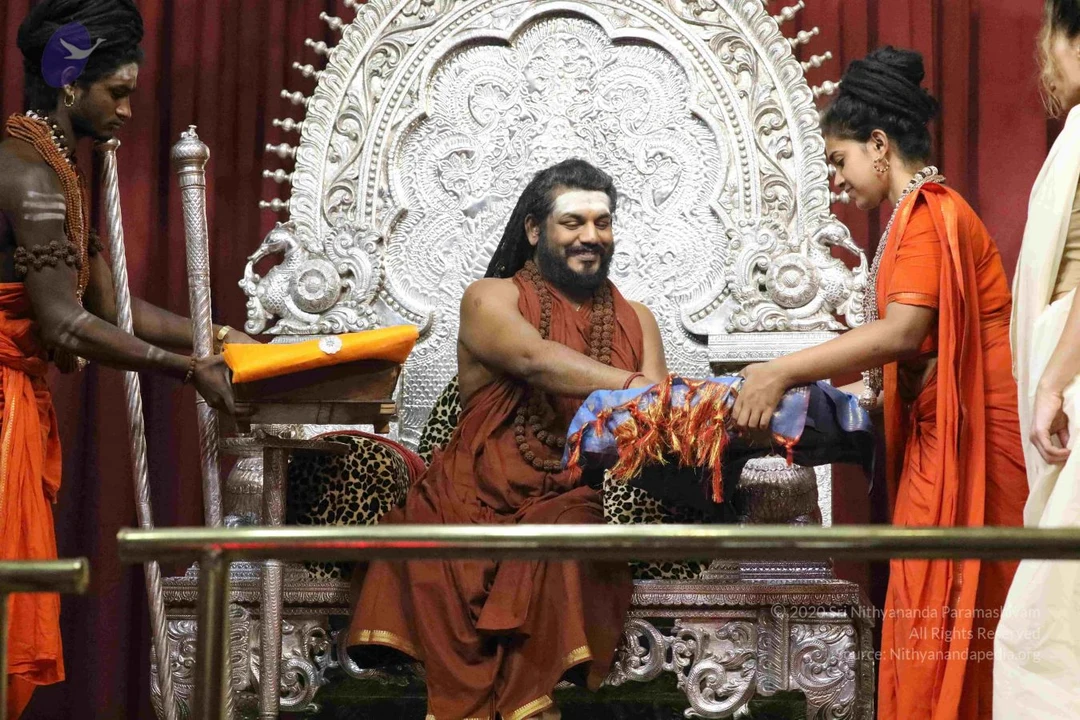
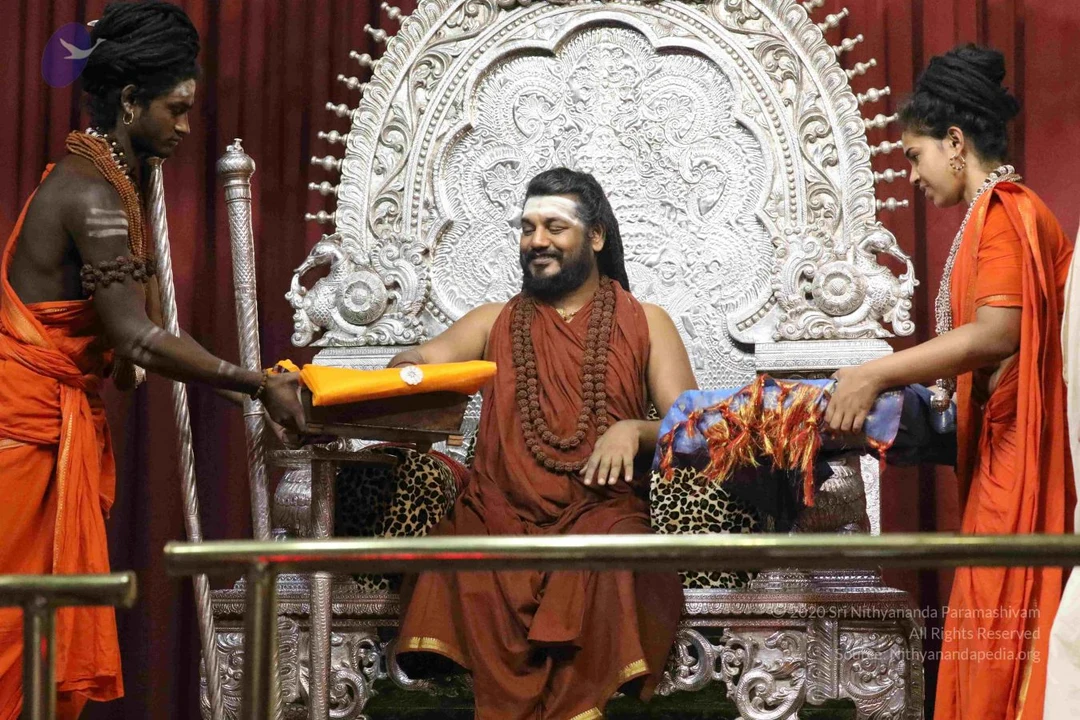
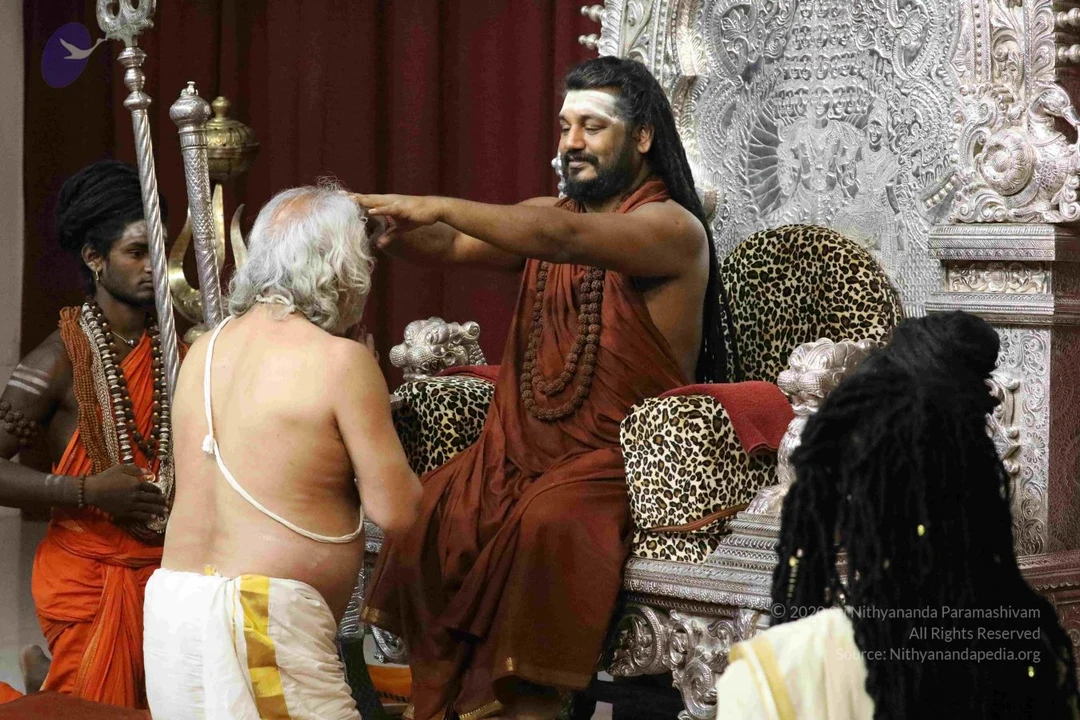
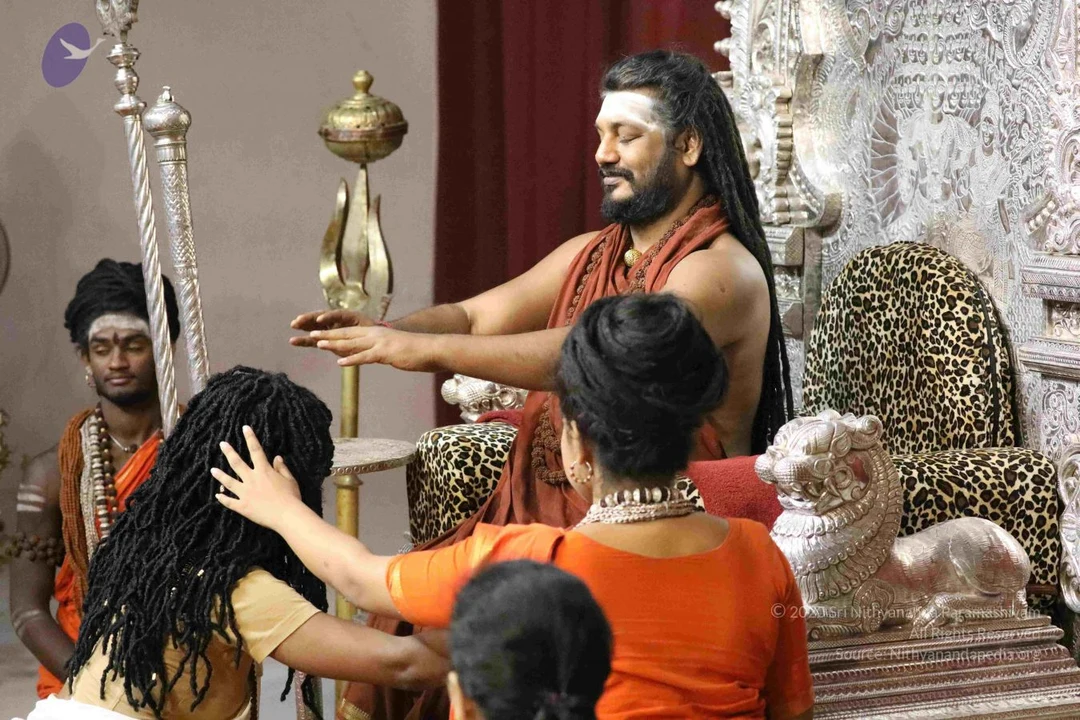
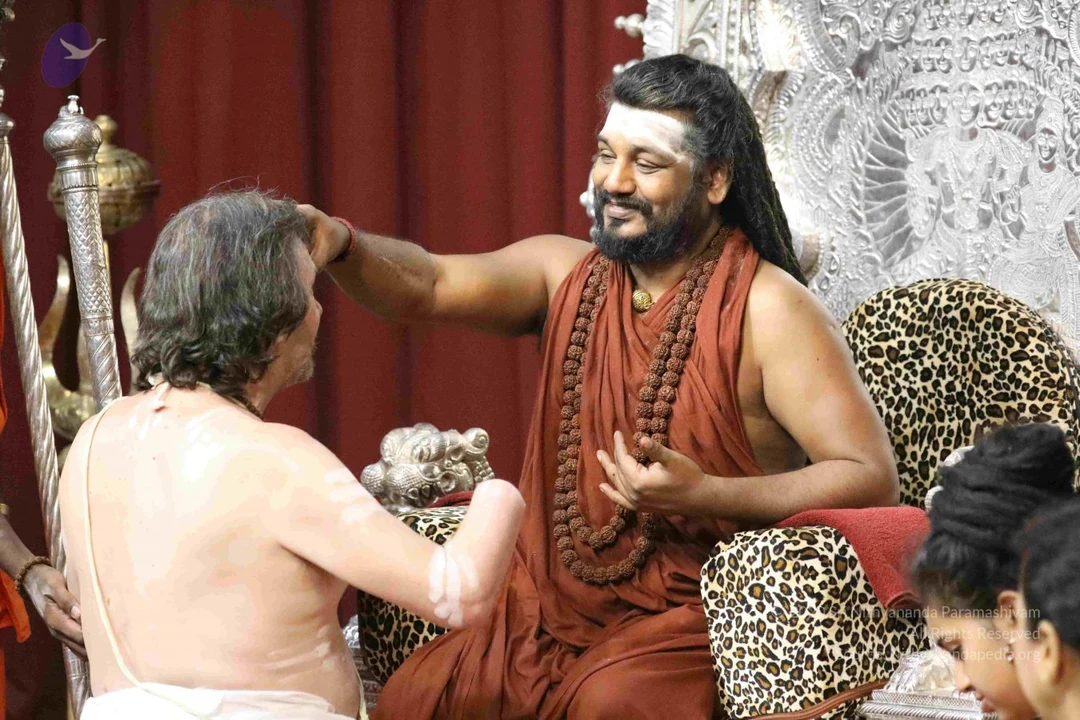
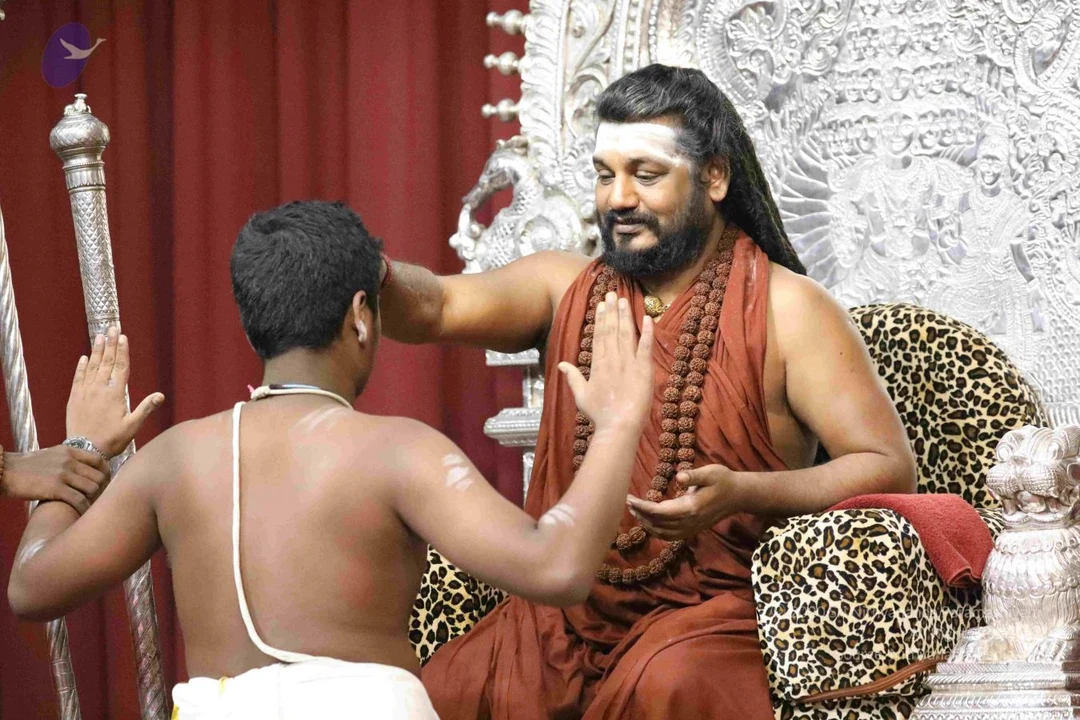
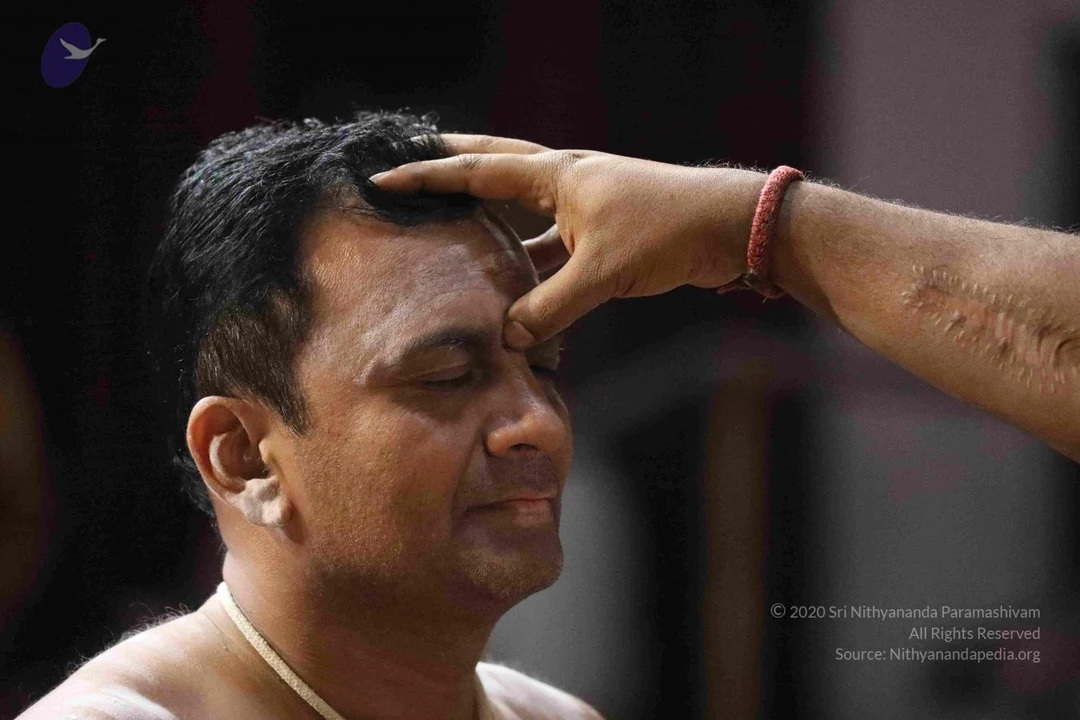
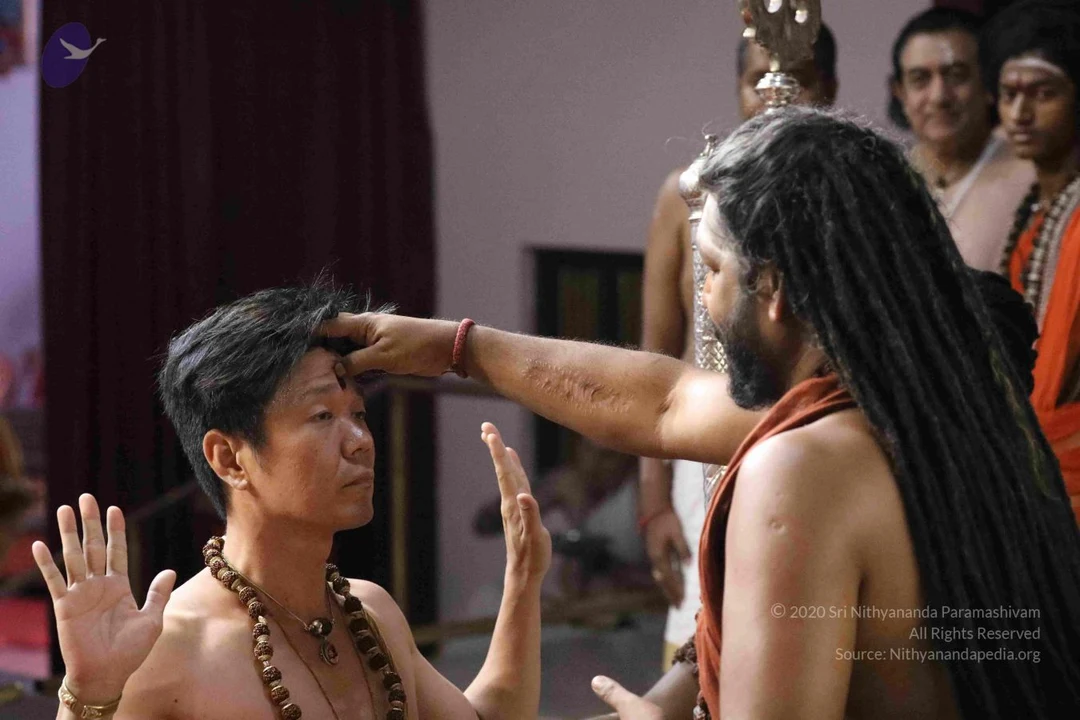
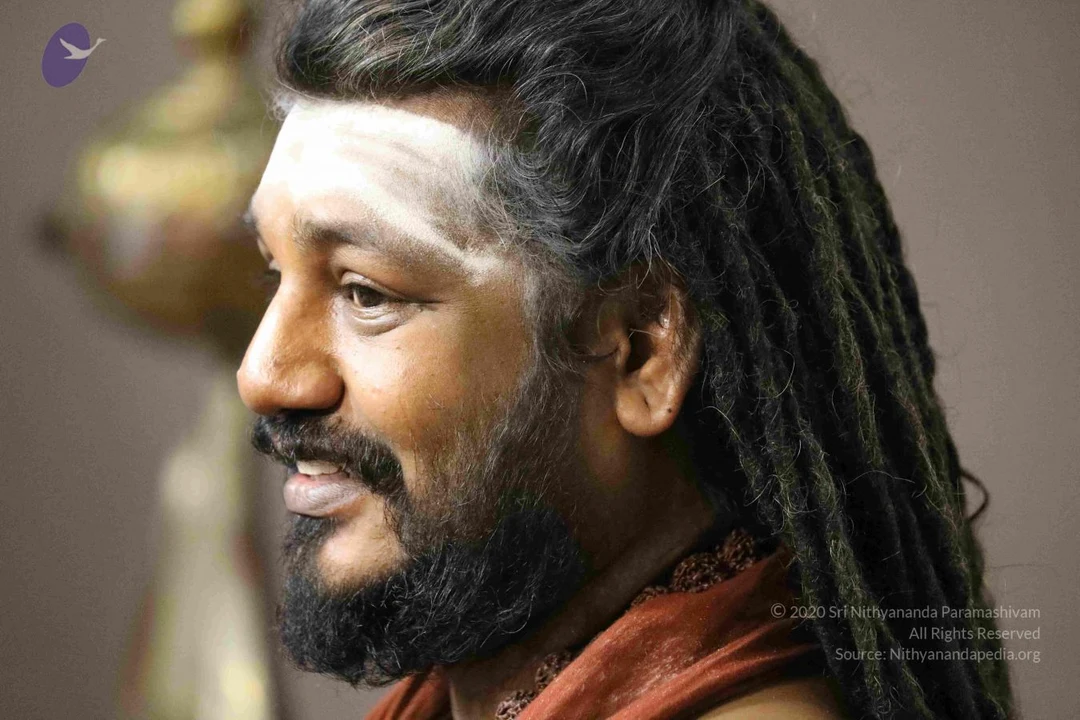
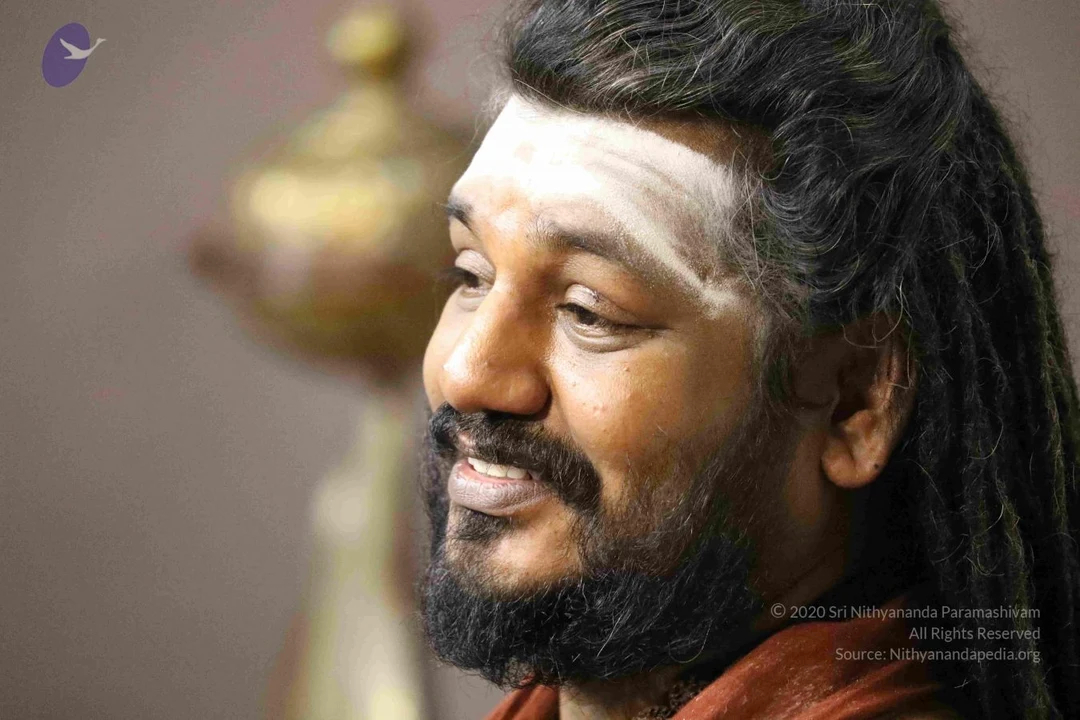
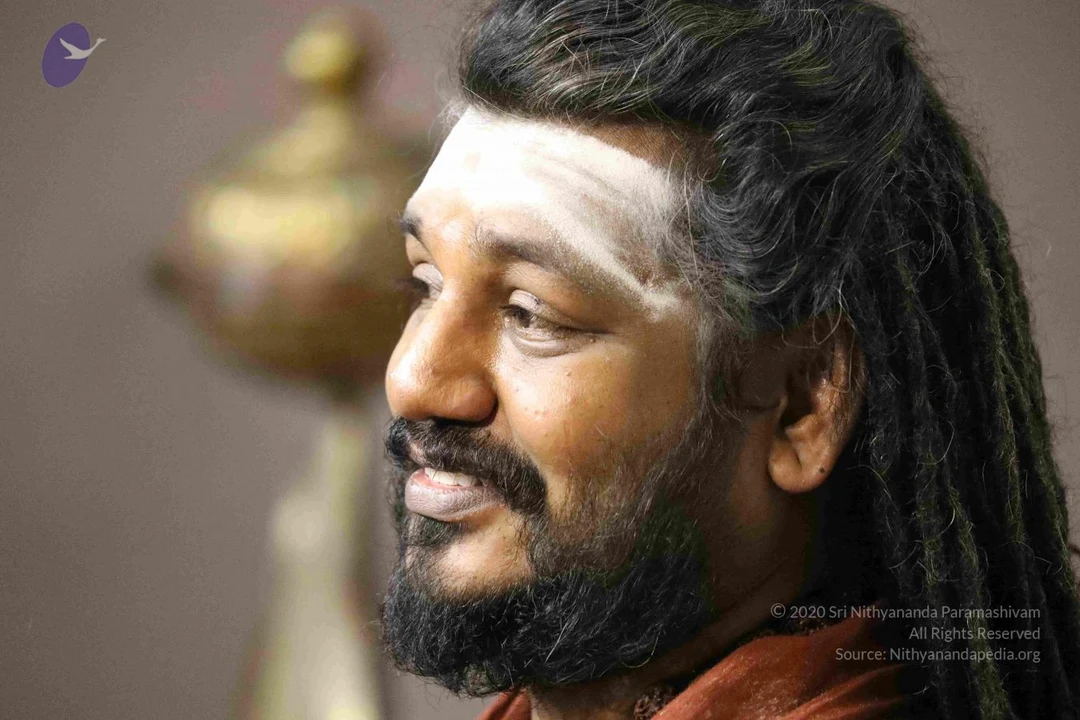
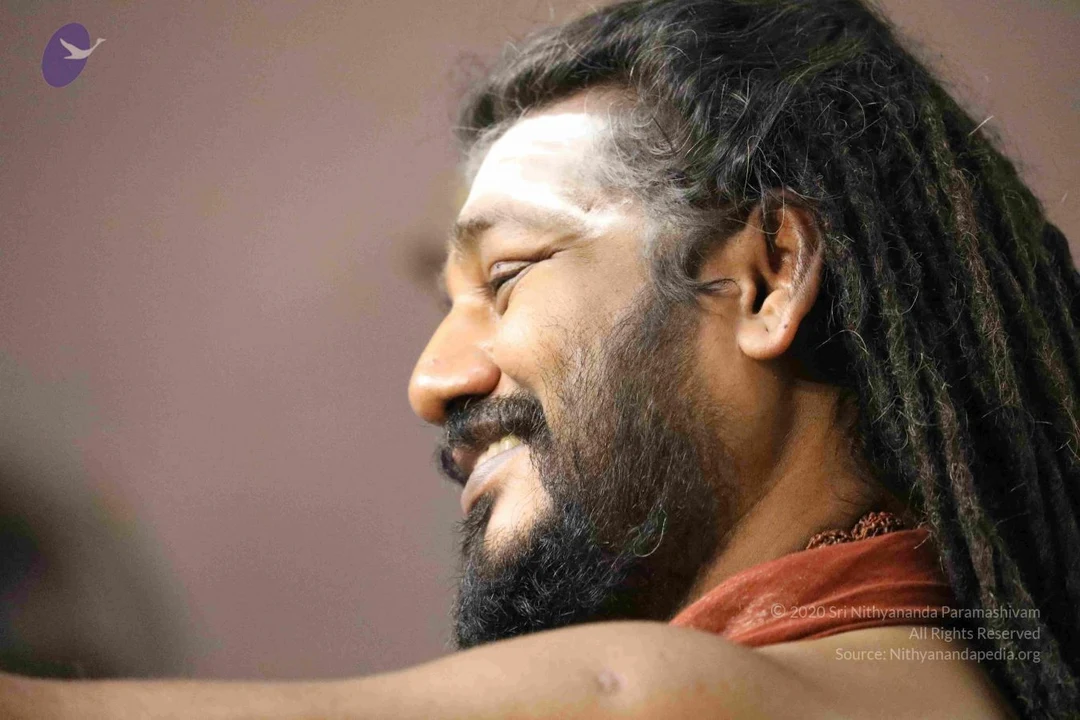
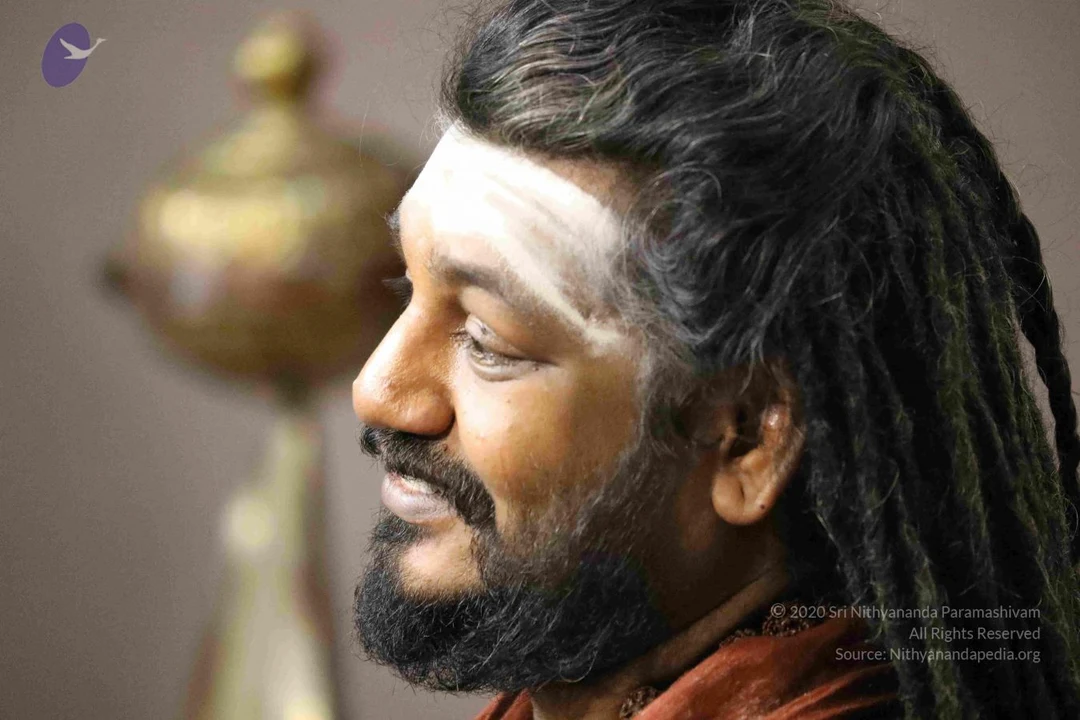

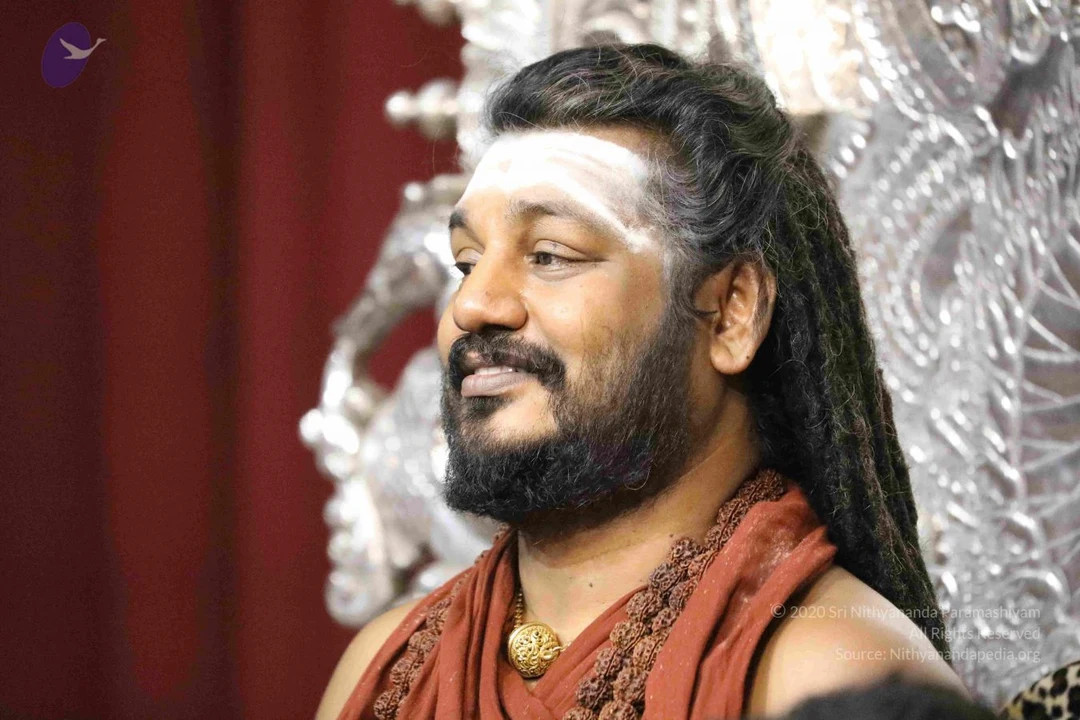
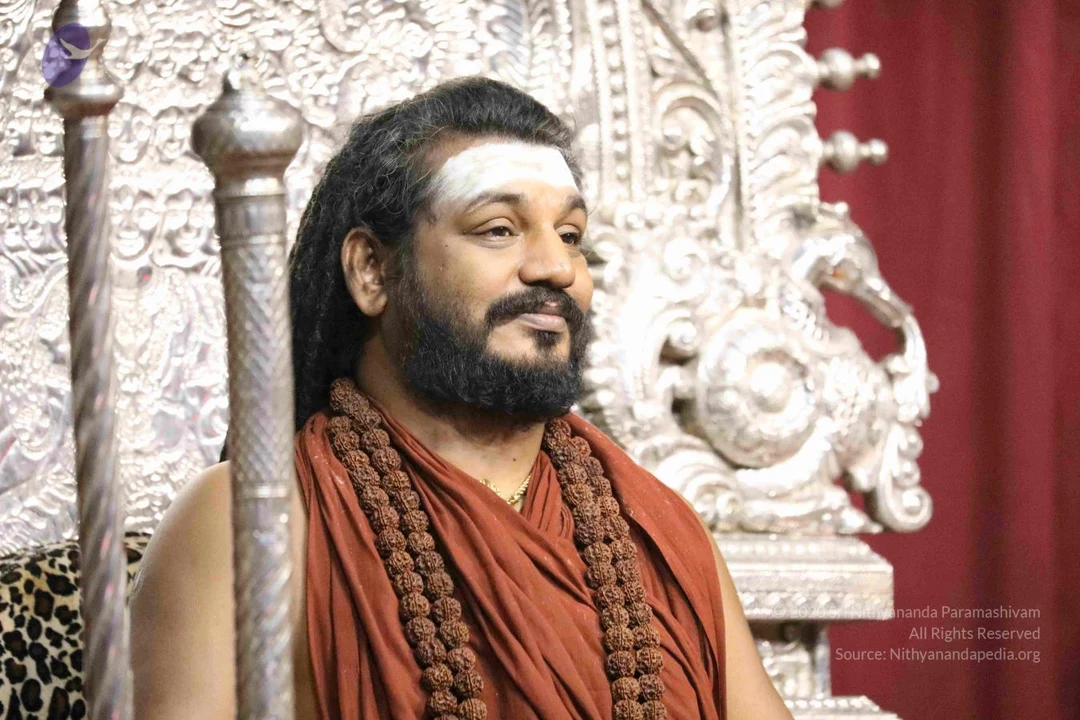
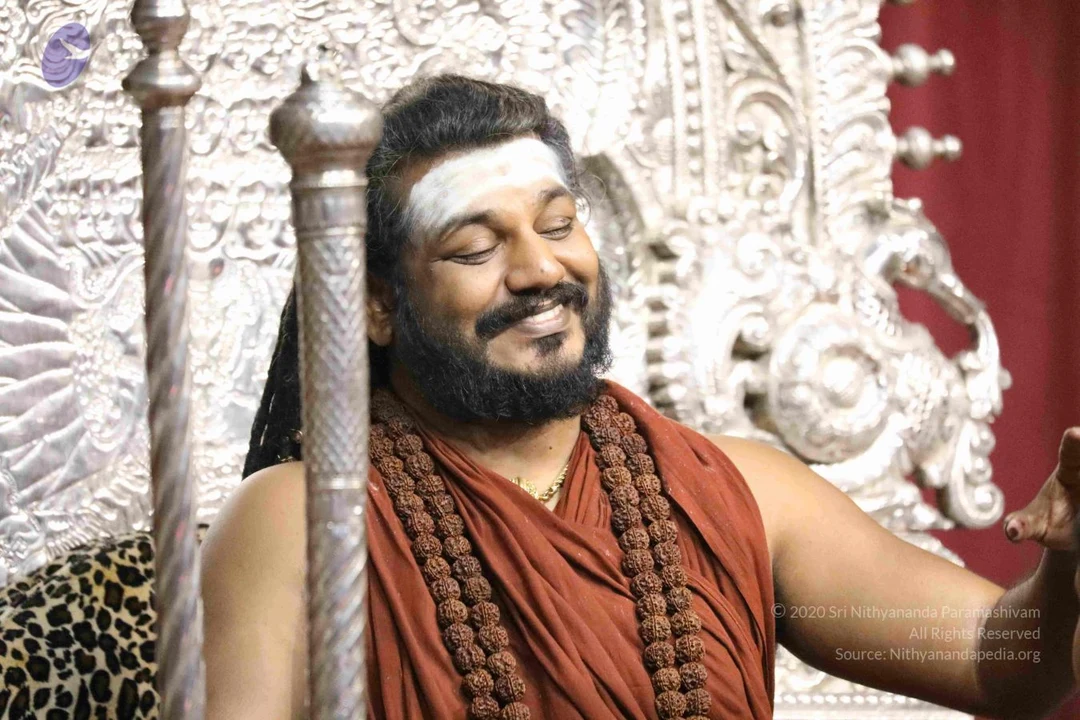
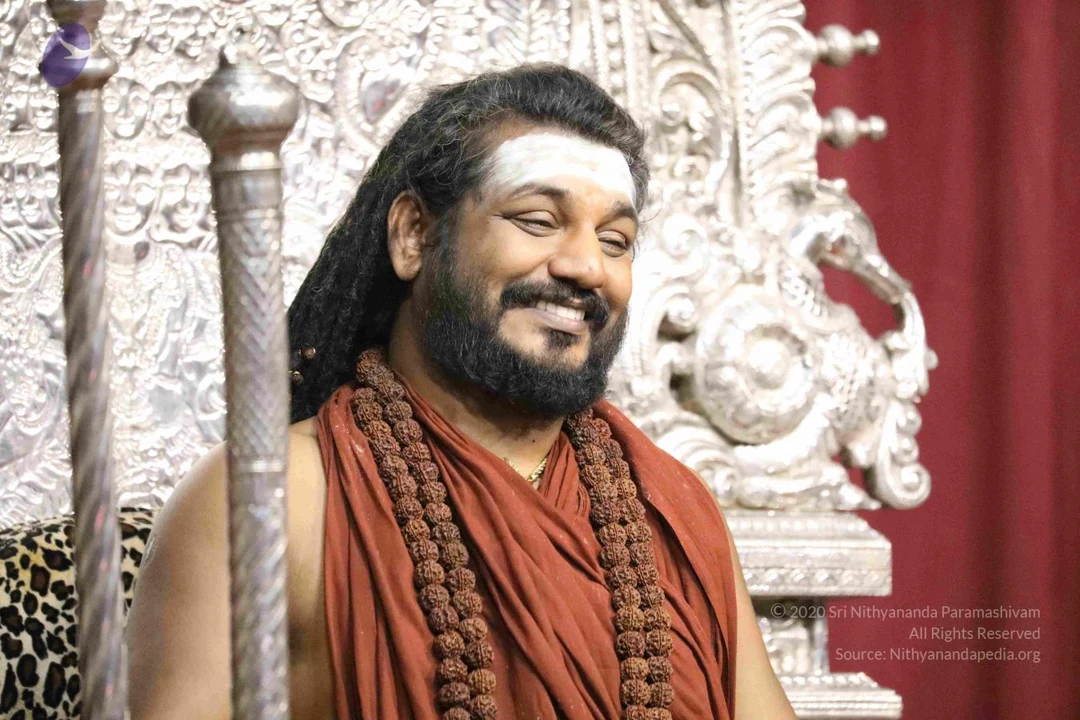
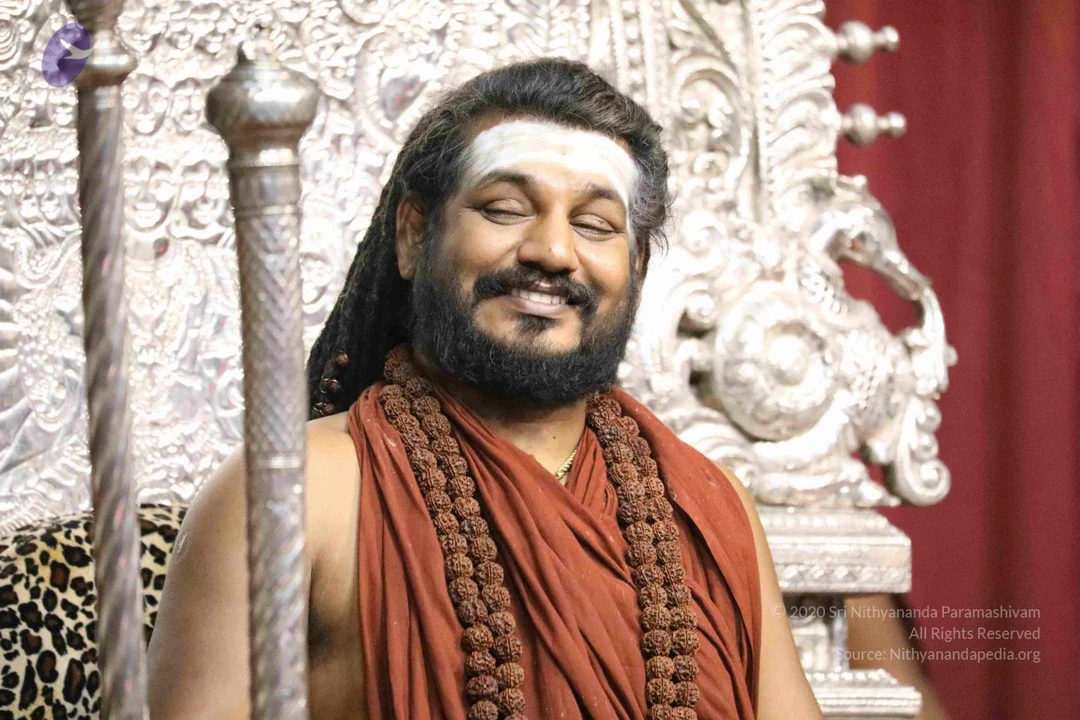
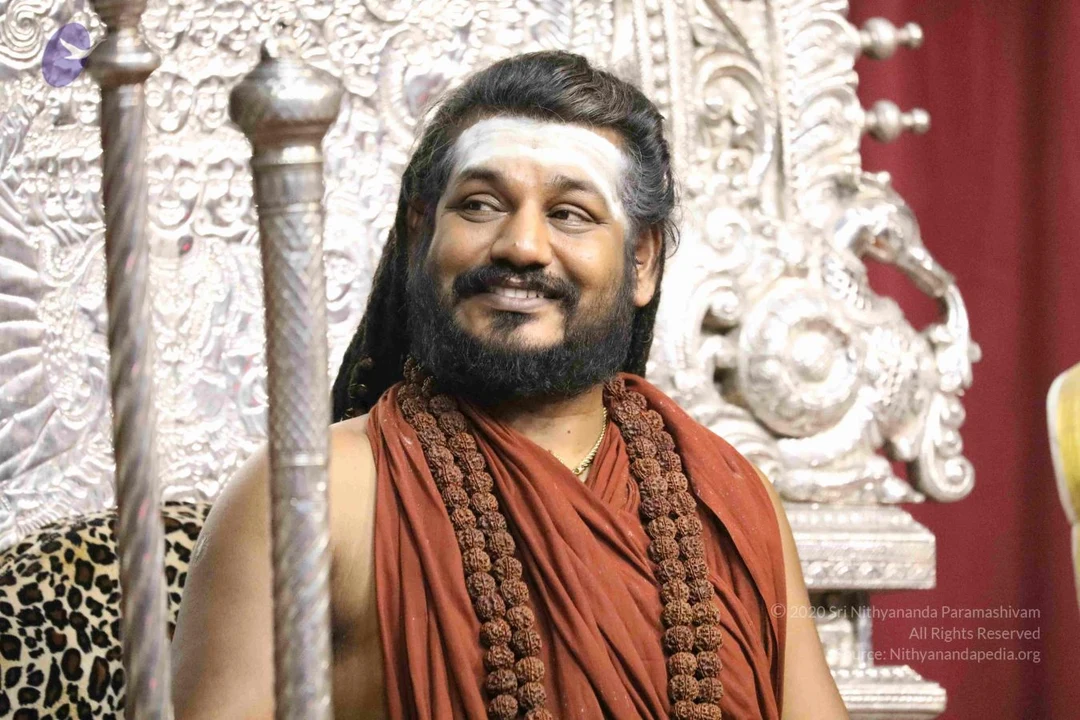
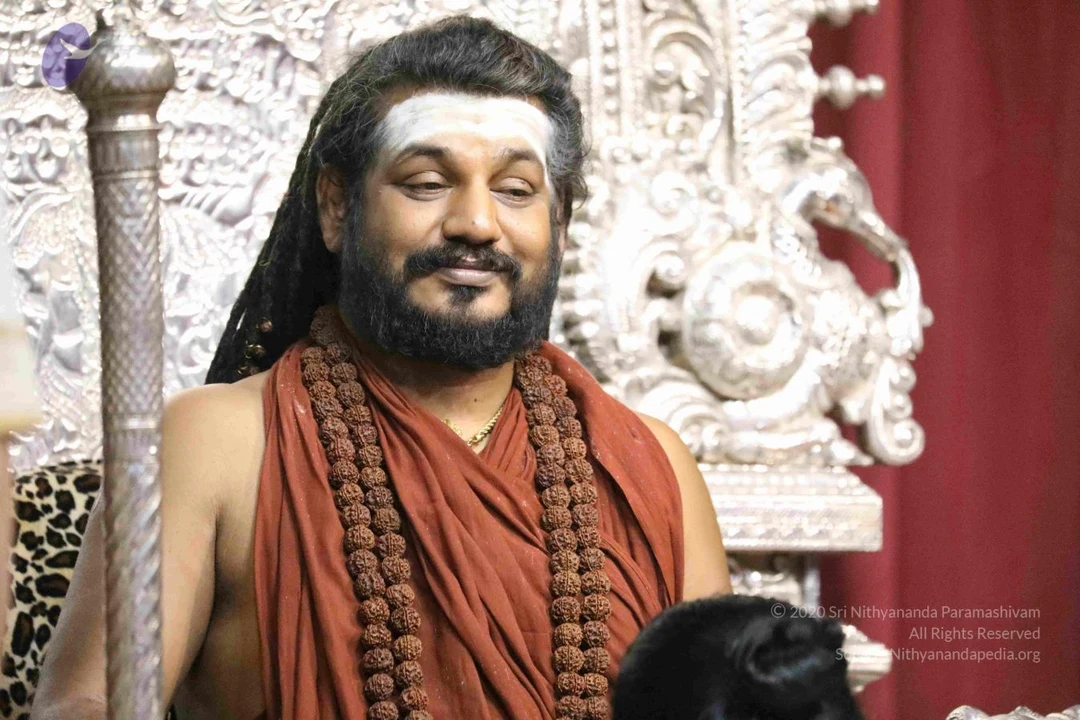
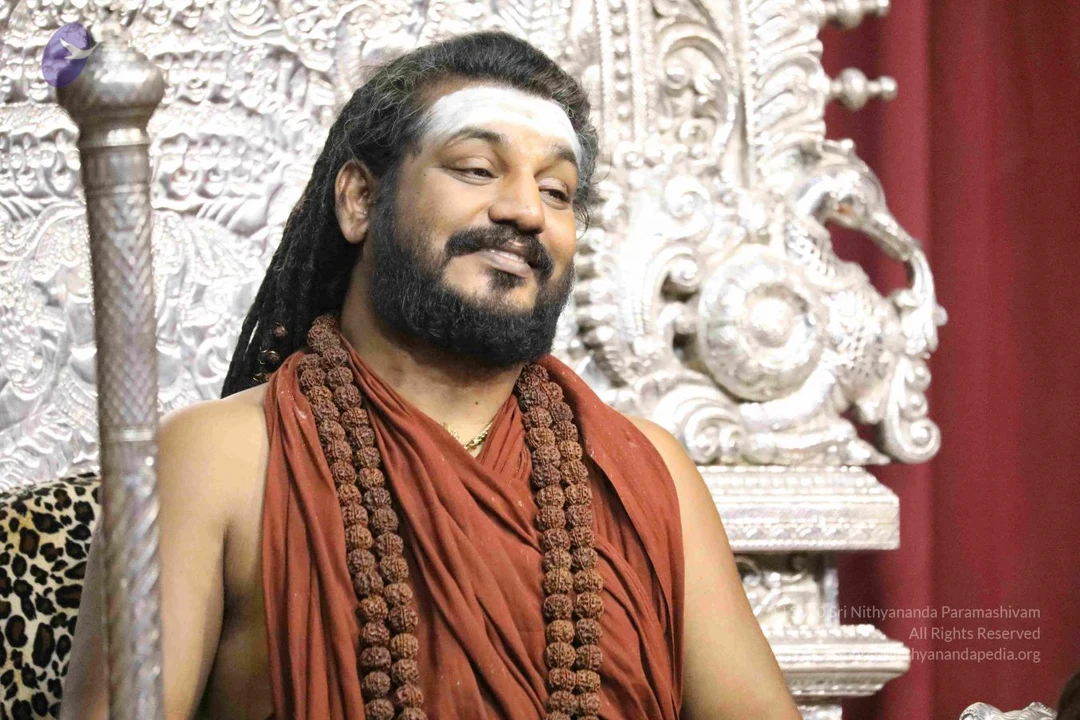
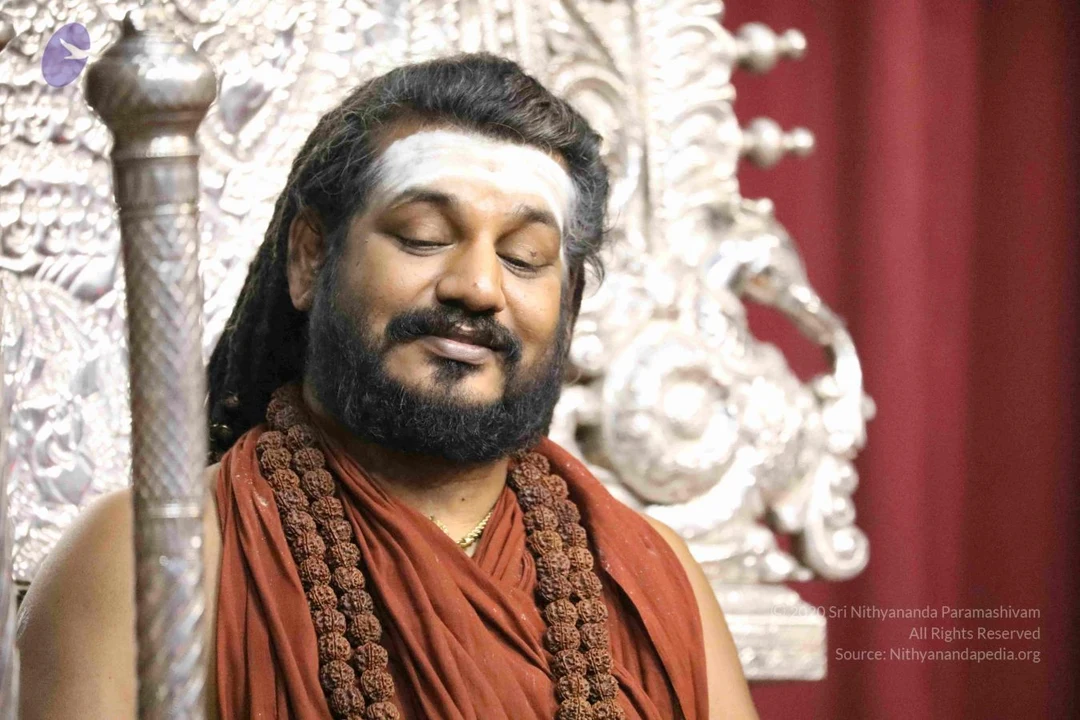
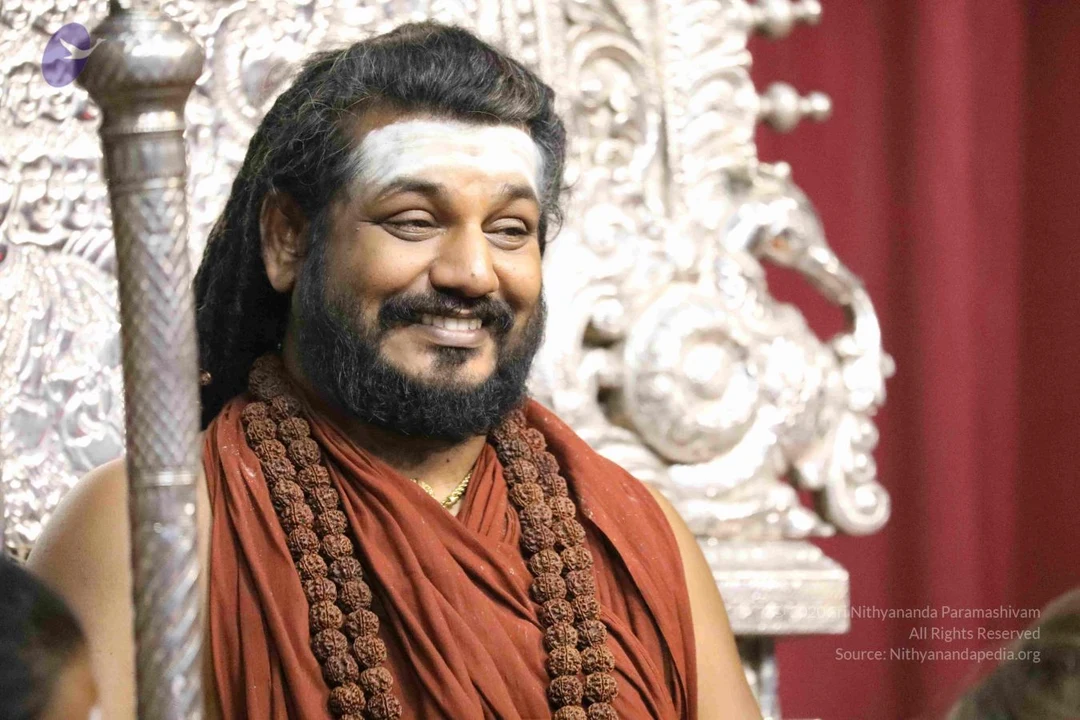
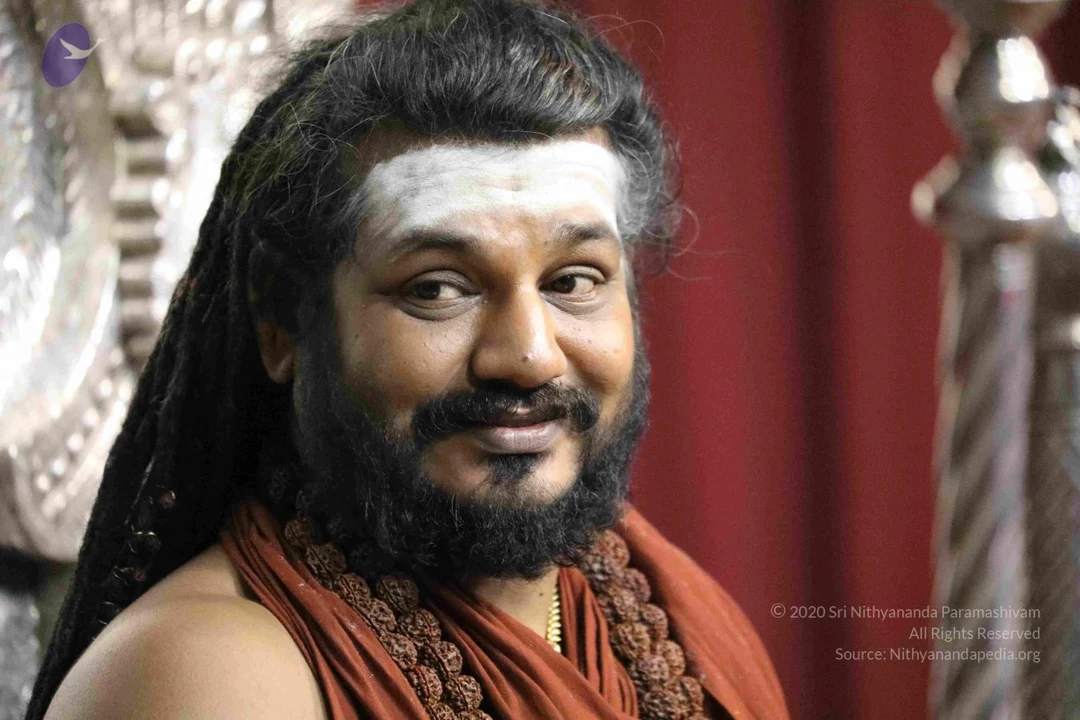
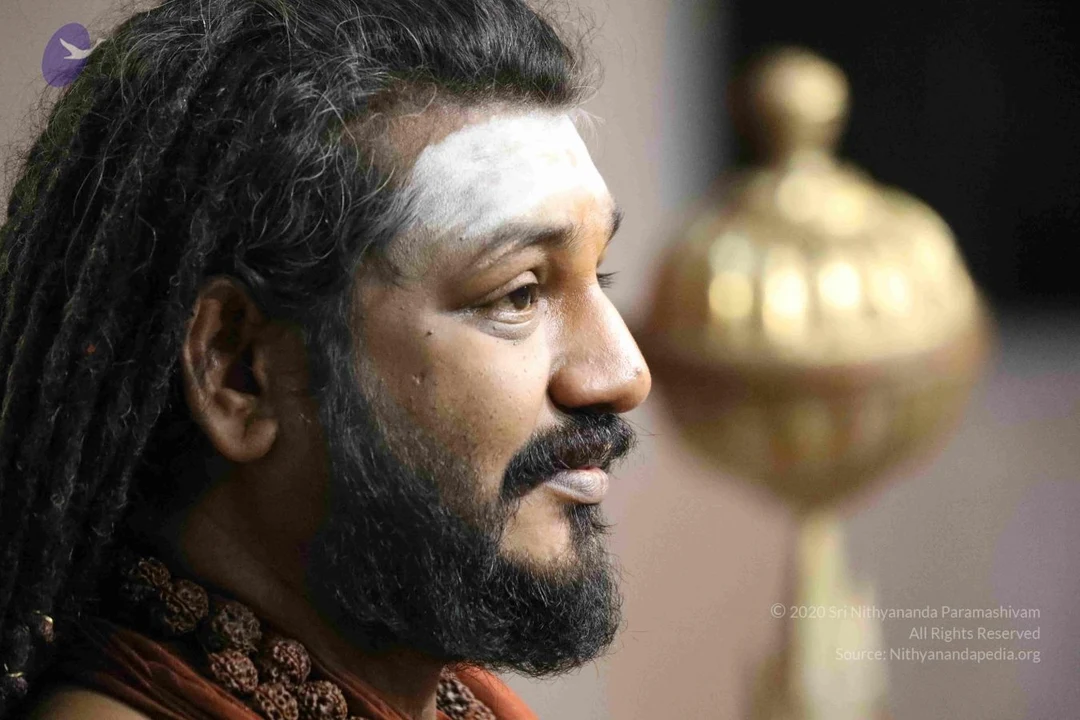
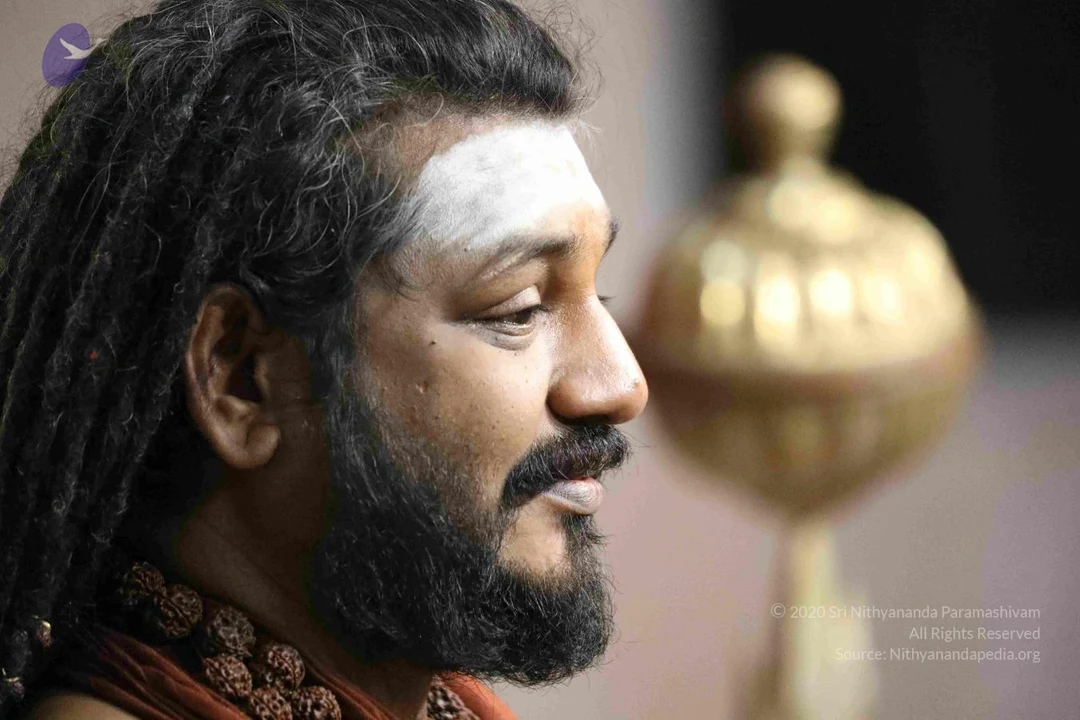
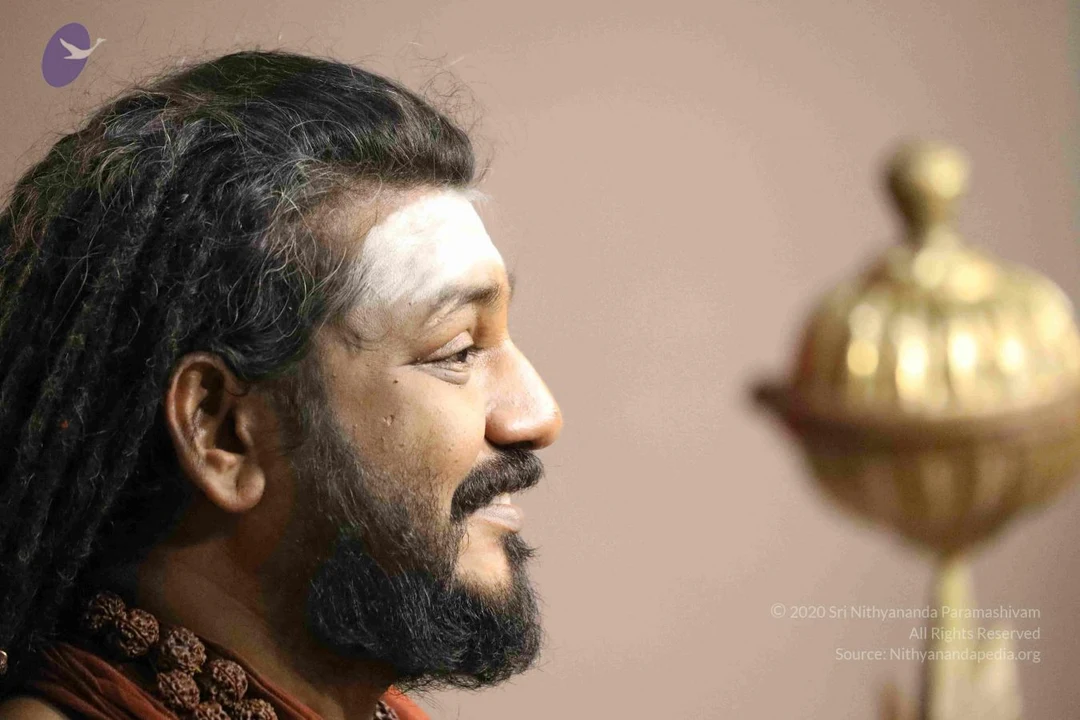
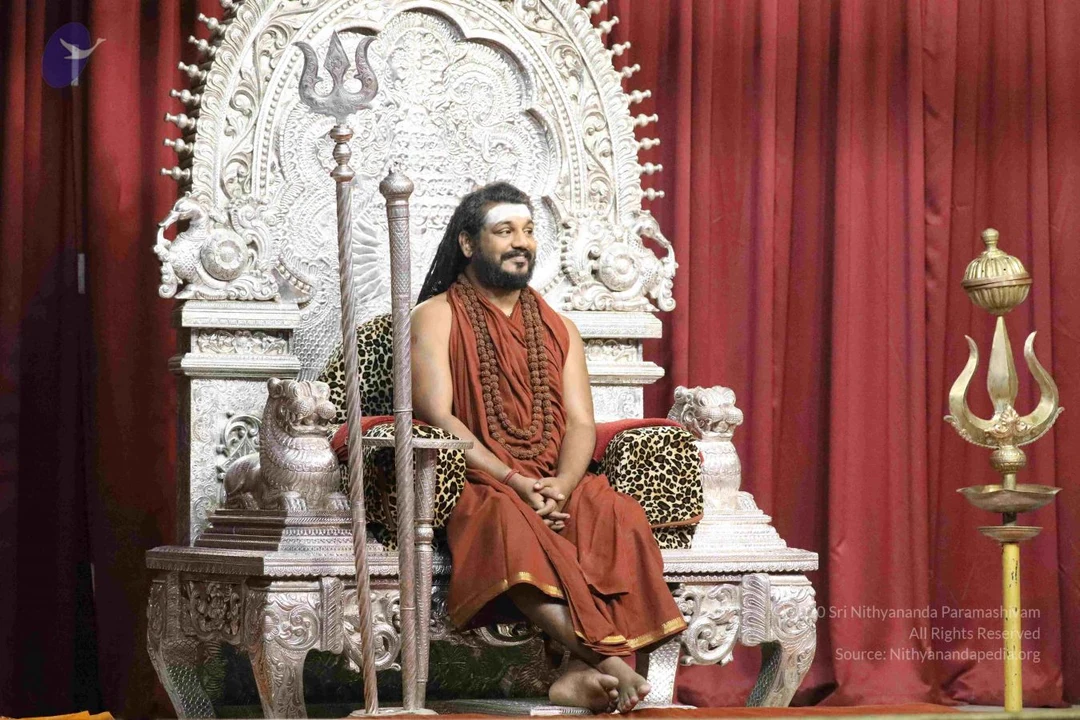
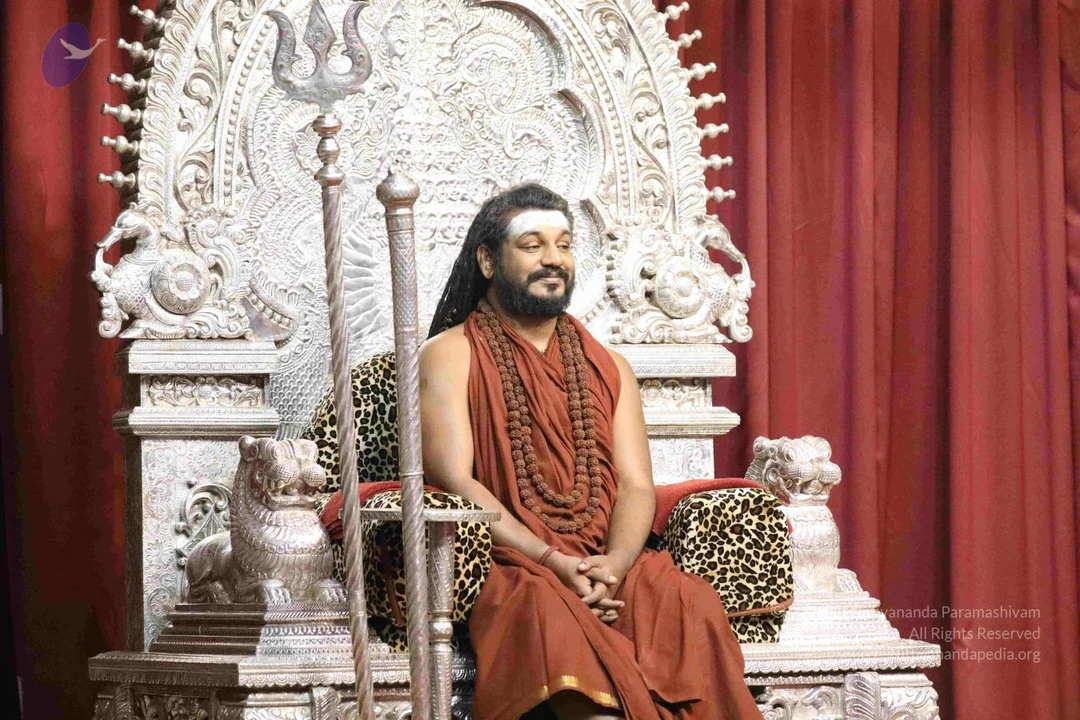
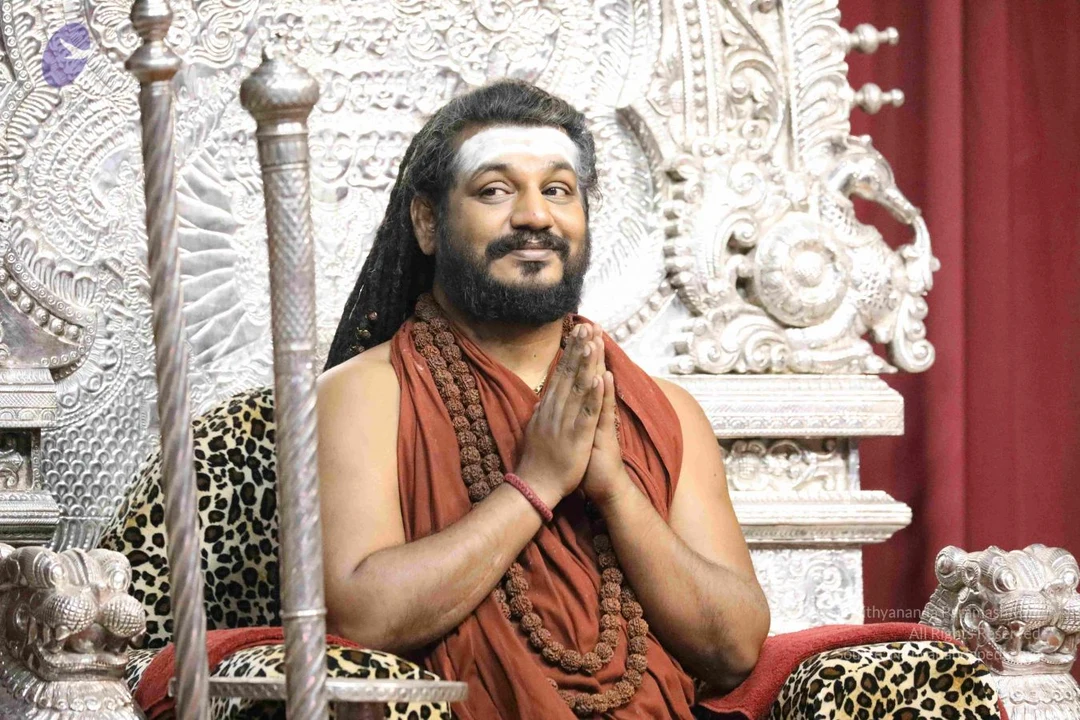
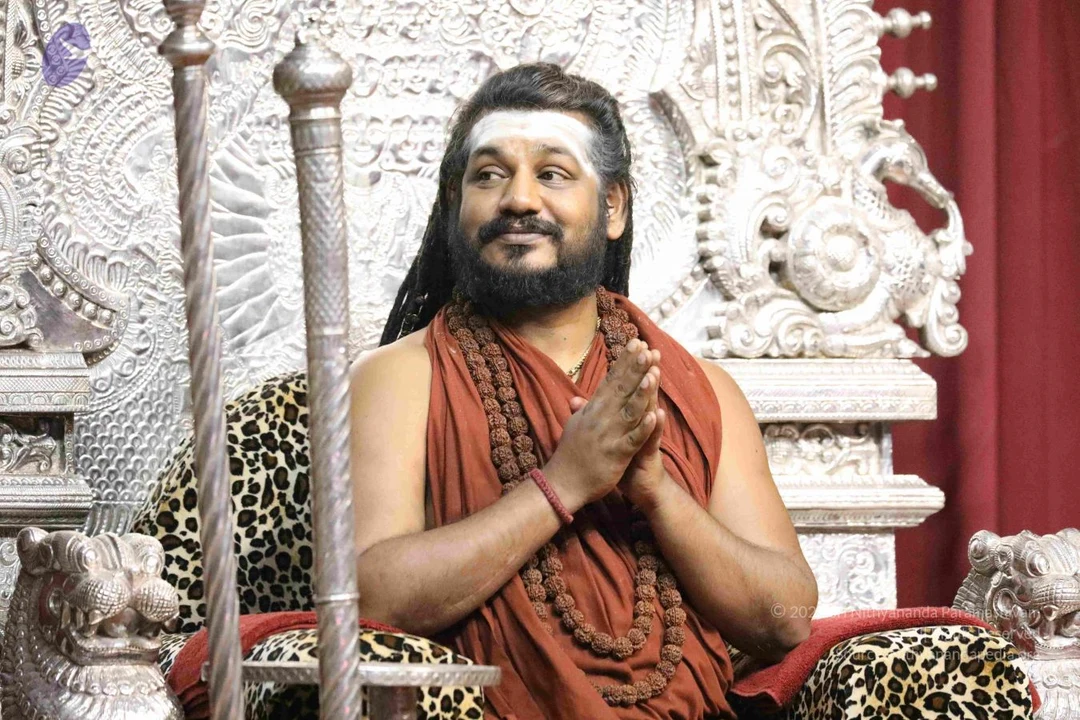
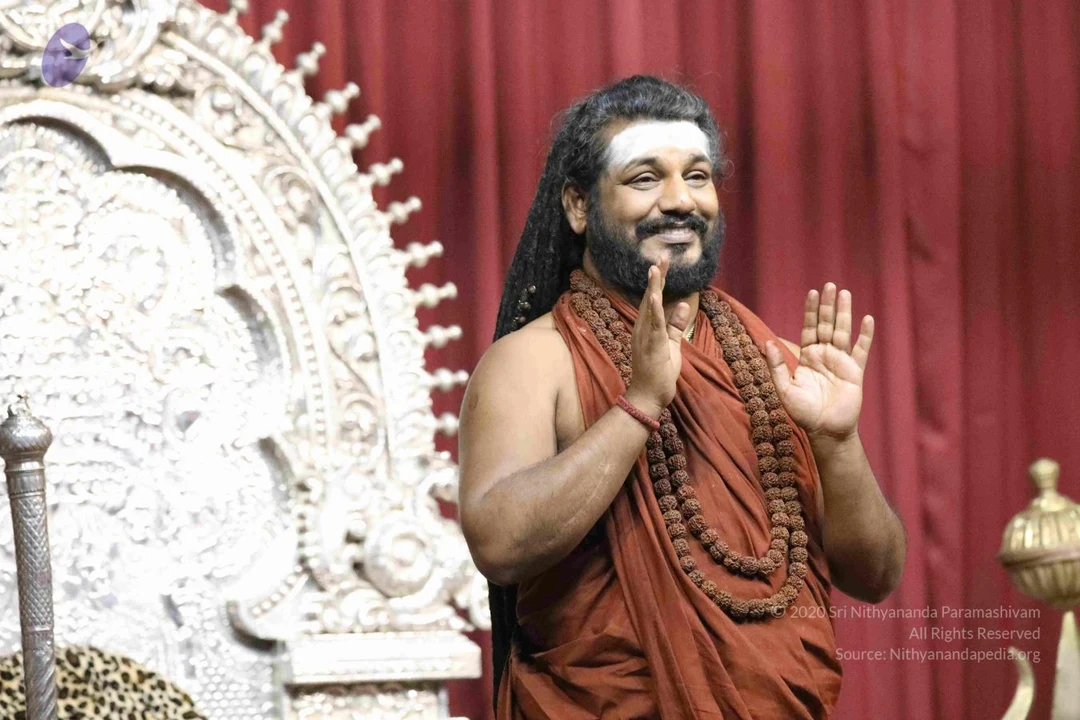

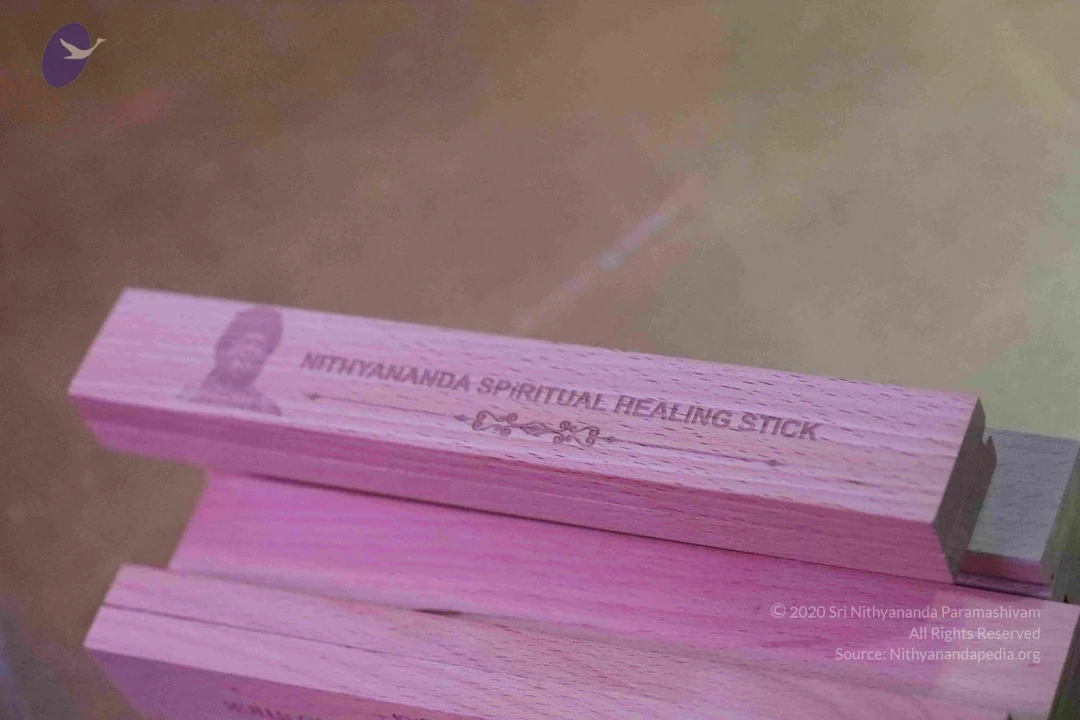
Photos from this day
View all 792 photosJeevan Mukthi Jayanthi - Aushada Process
447 photosSource gallery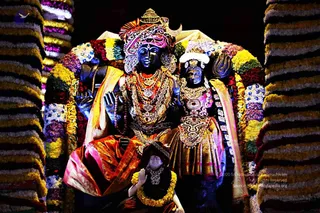
satsang
28 photosSource gallery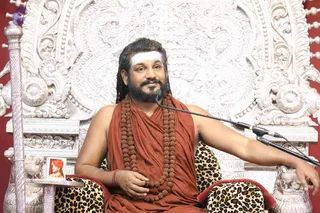

Nithyanandam-healers-initiation
25 photosSource gallery