Friday
2 March 2018
Will persistence || The Silent Warriors of Hinduism Part 1 ||
- Dated photos
- 873
- Source pages
- 1
- Media
- 3
March 02 2018
Original wiki pageTitle:
Will persistence || The Silent Warriors of Hinduism Part 1 ||
Narration
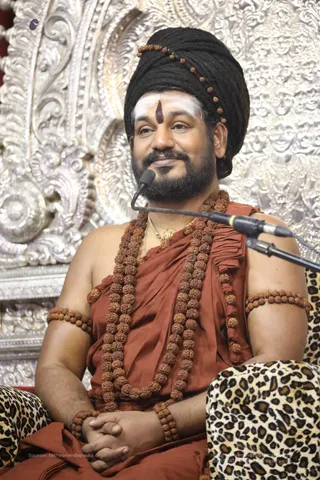
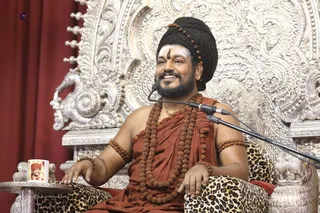
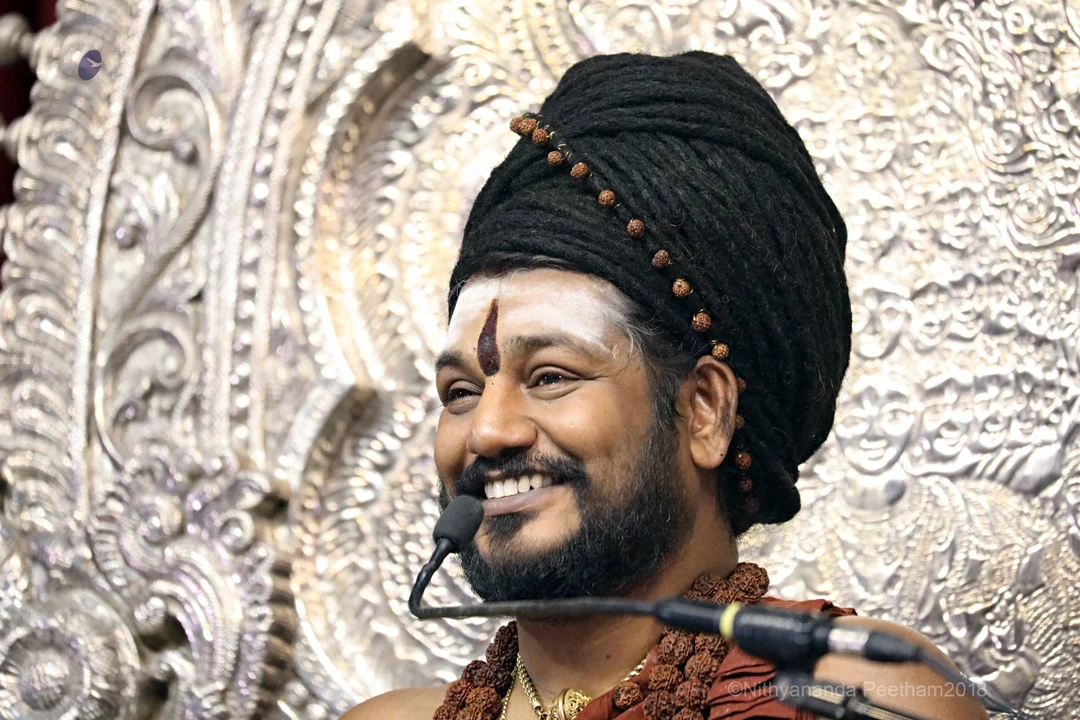
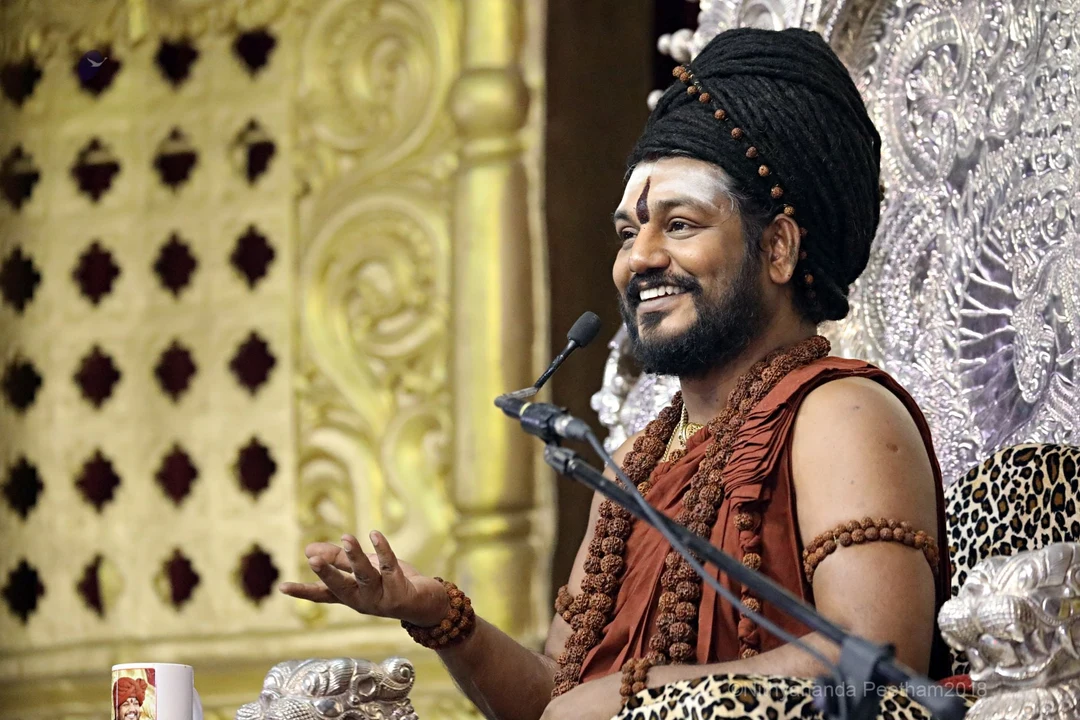
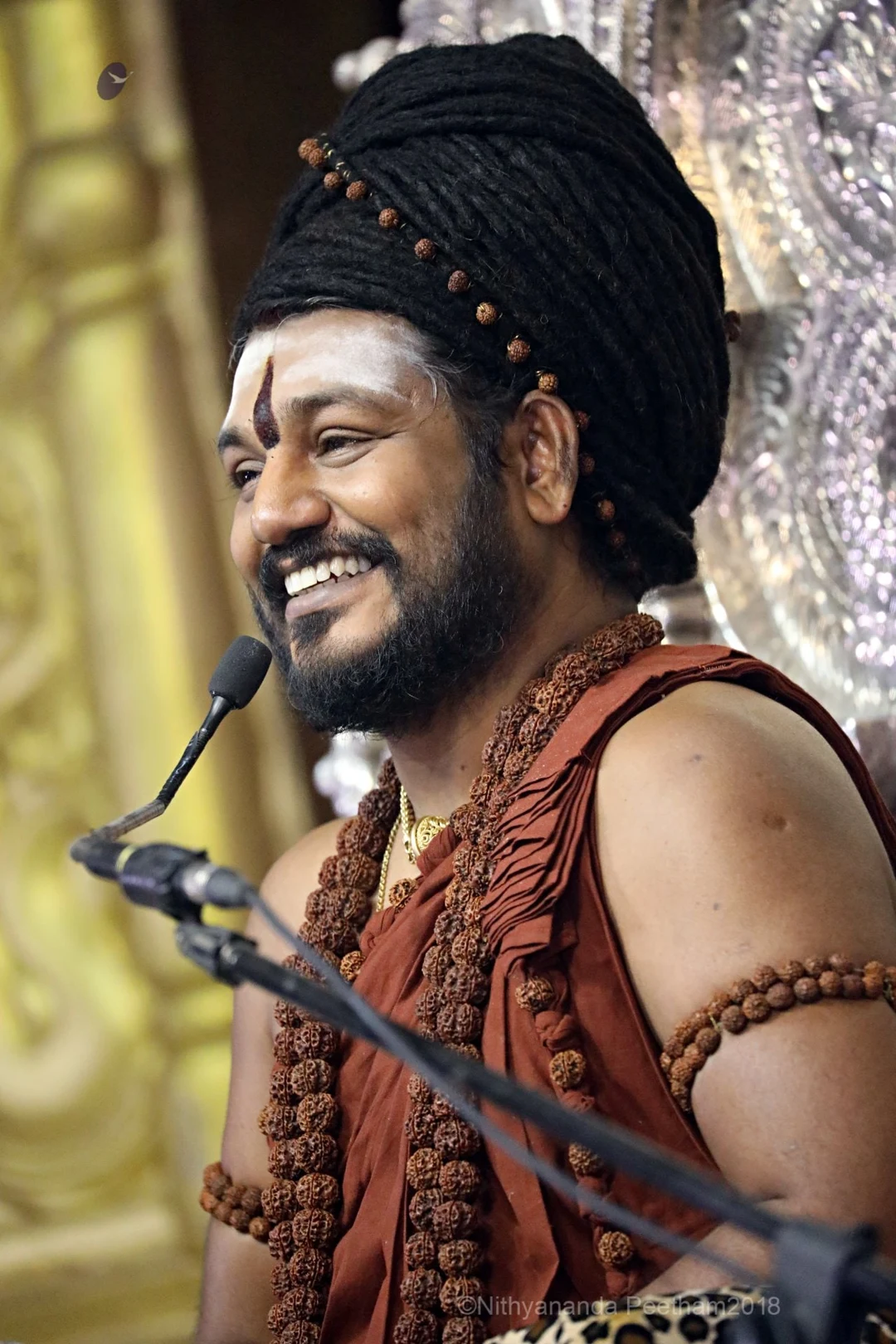
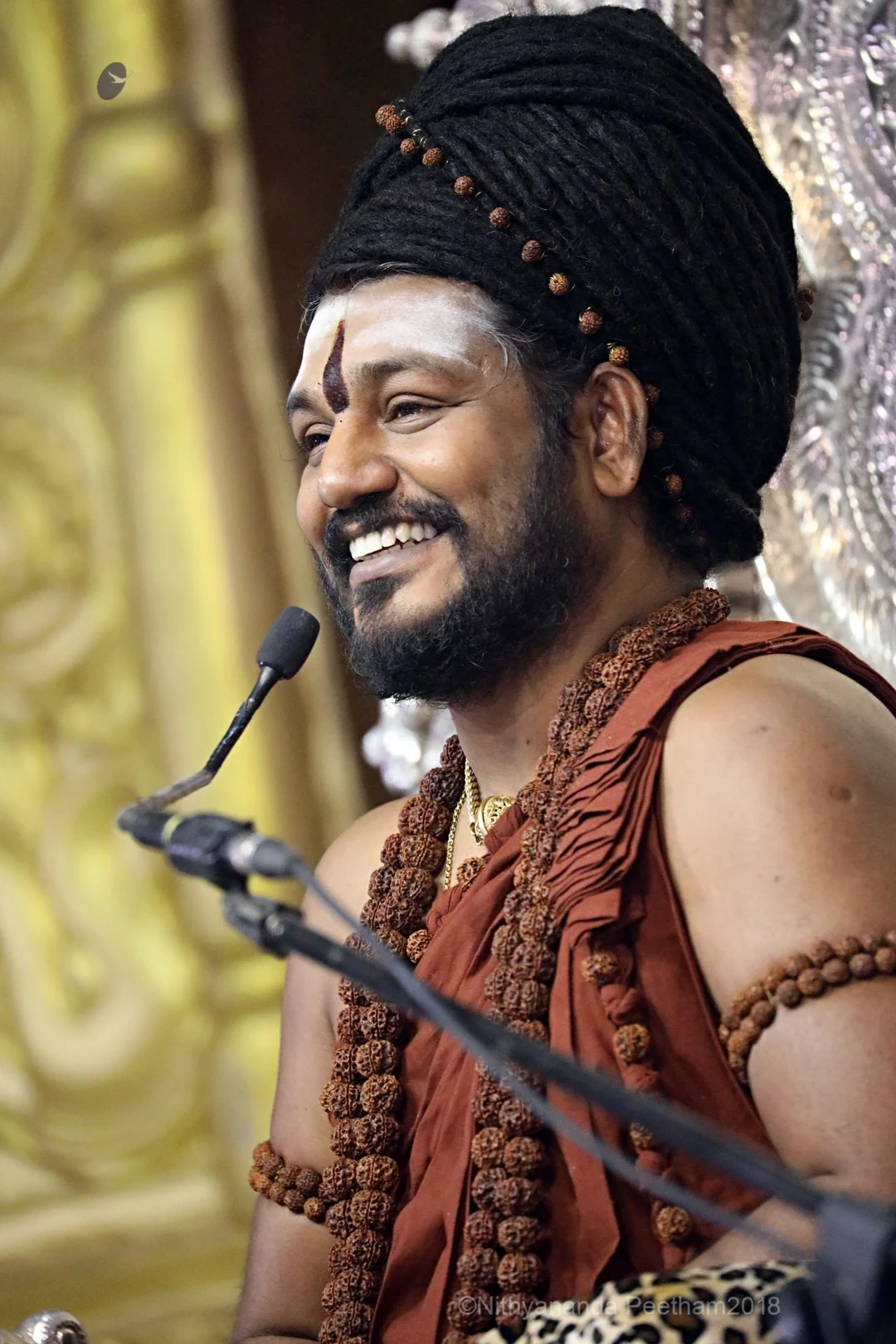
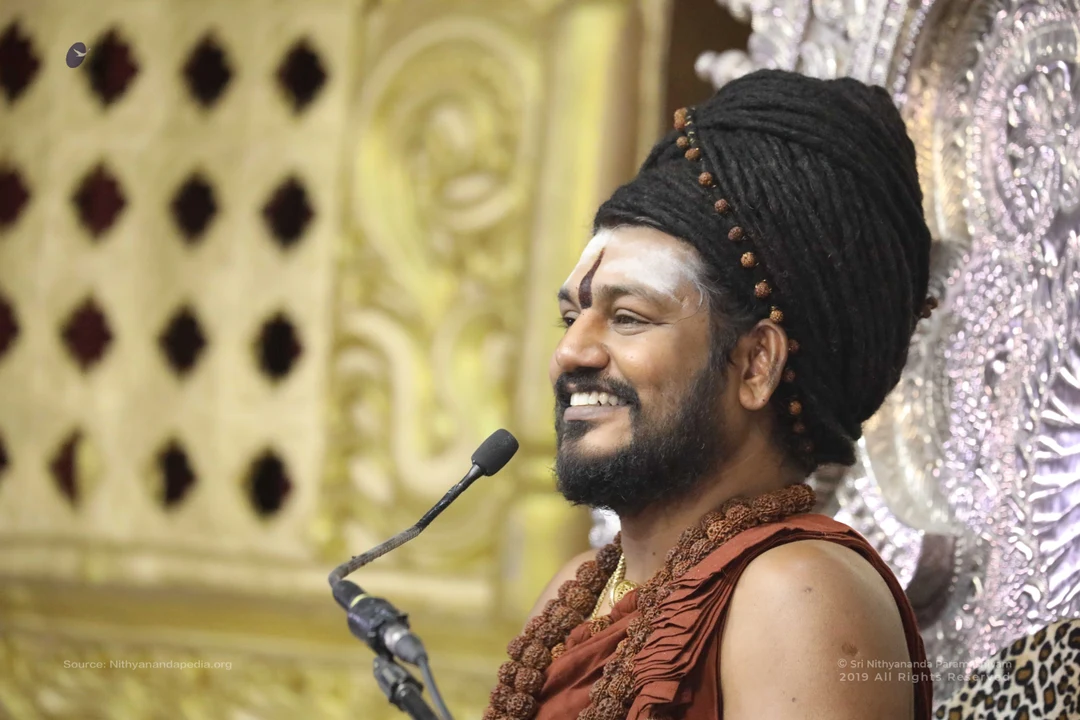
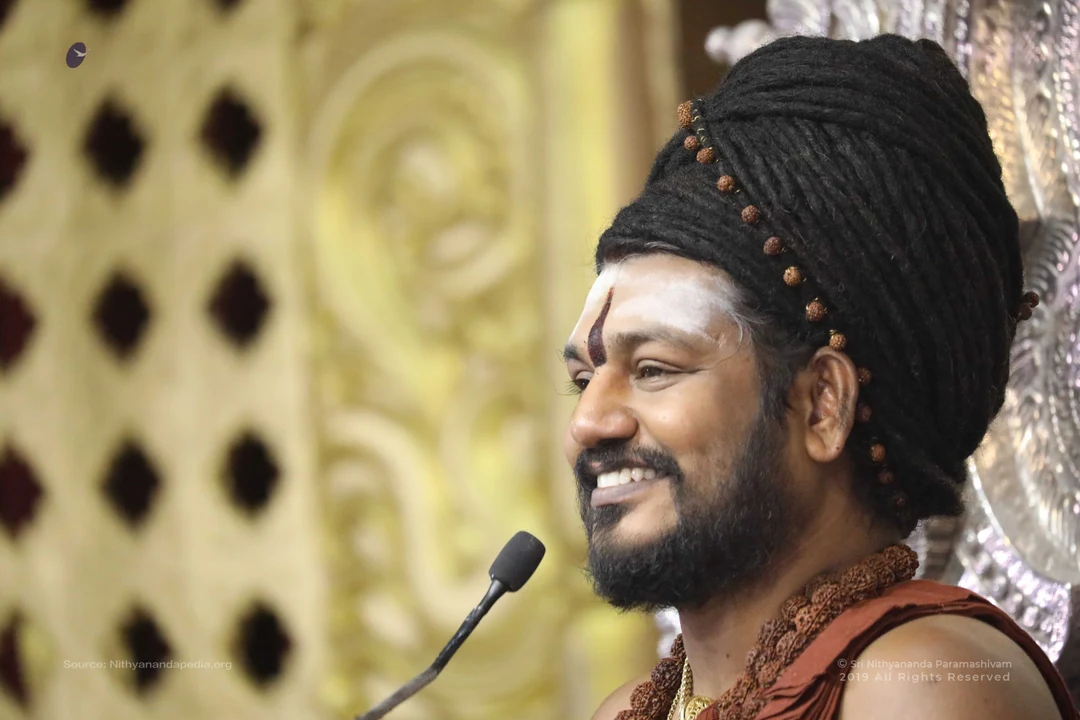
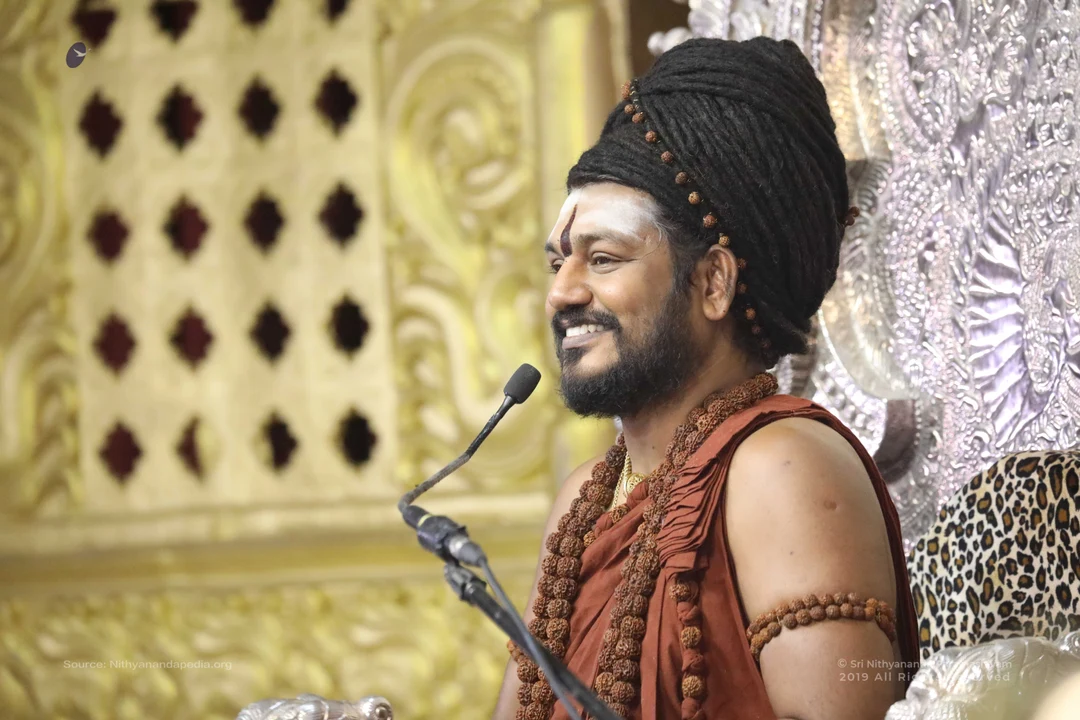
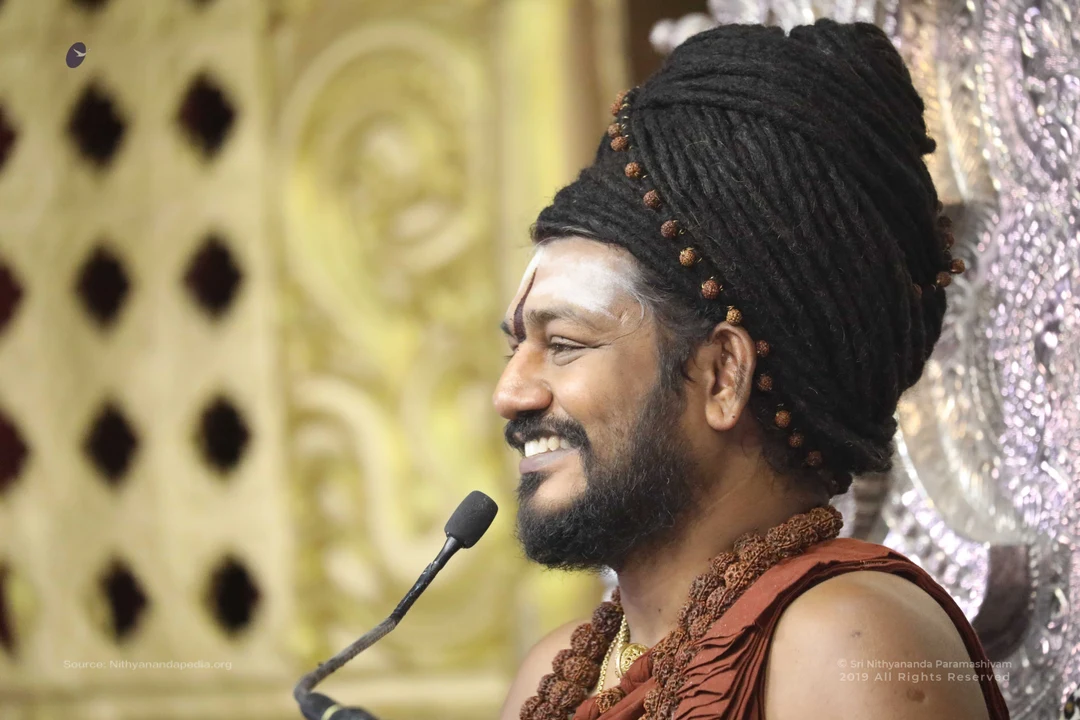
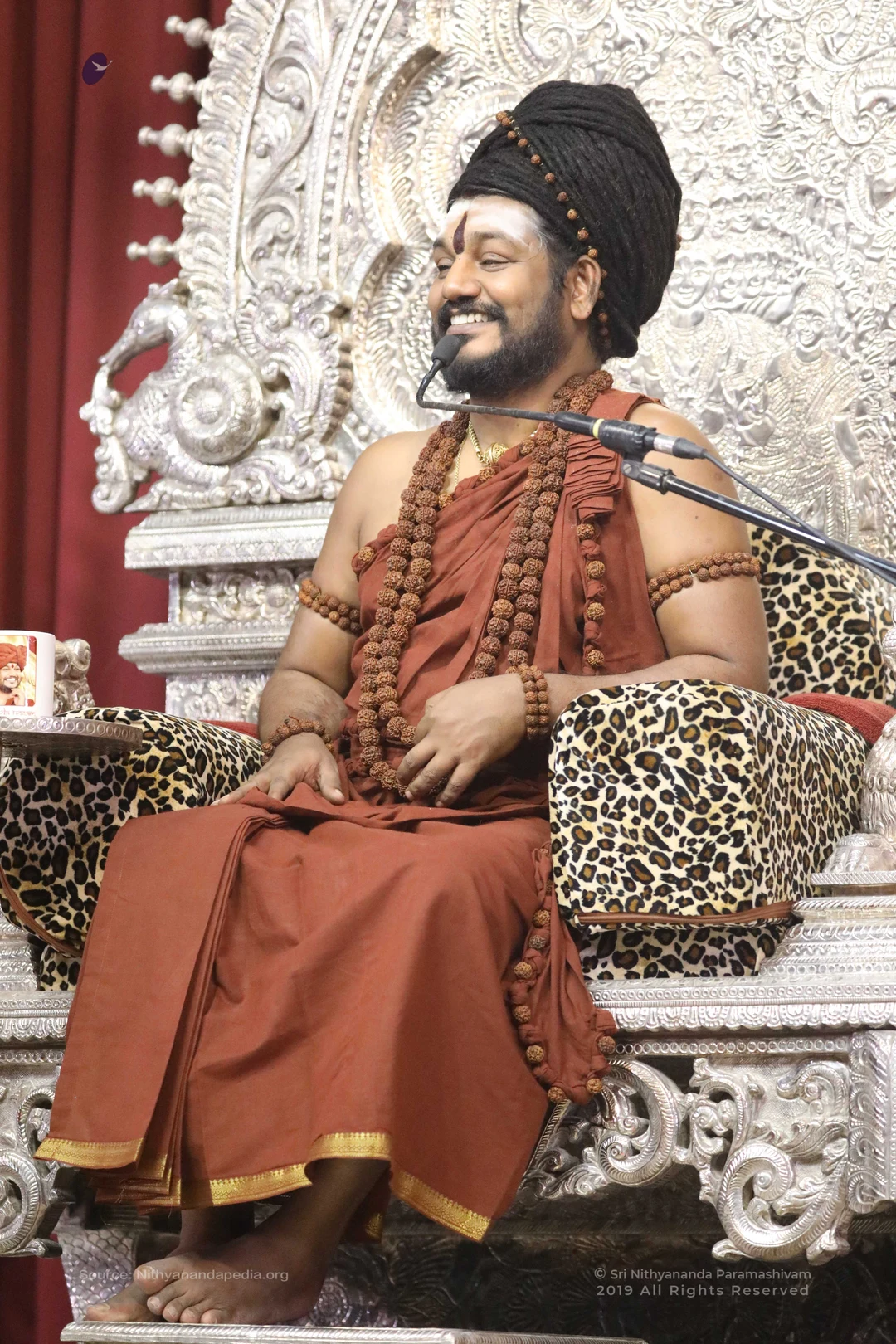
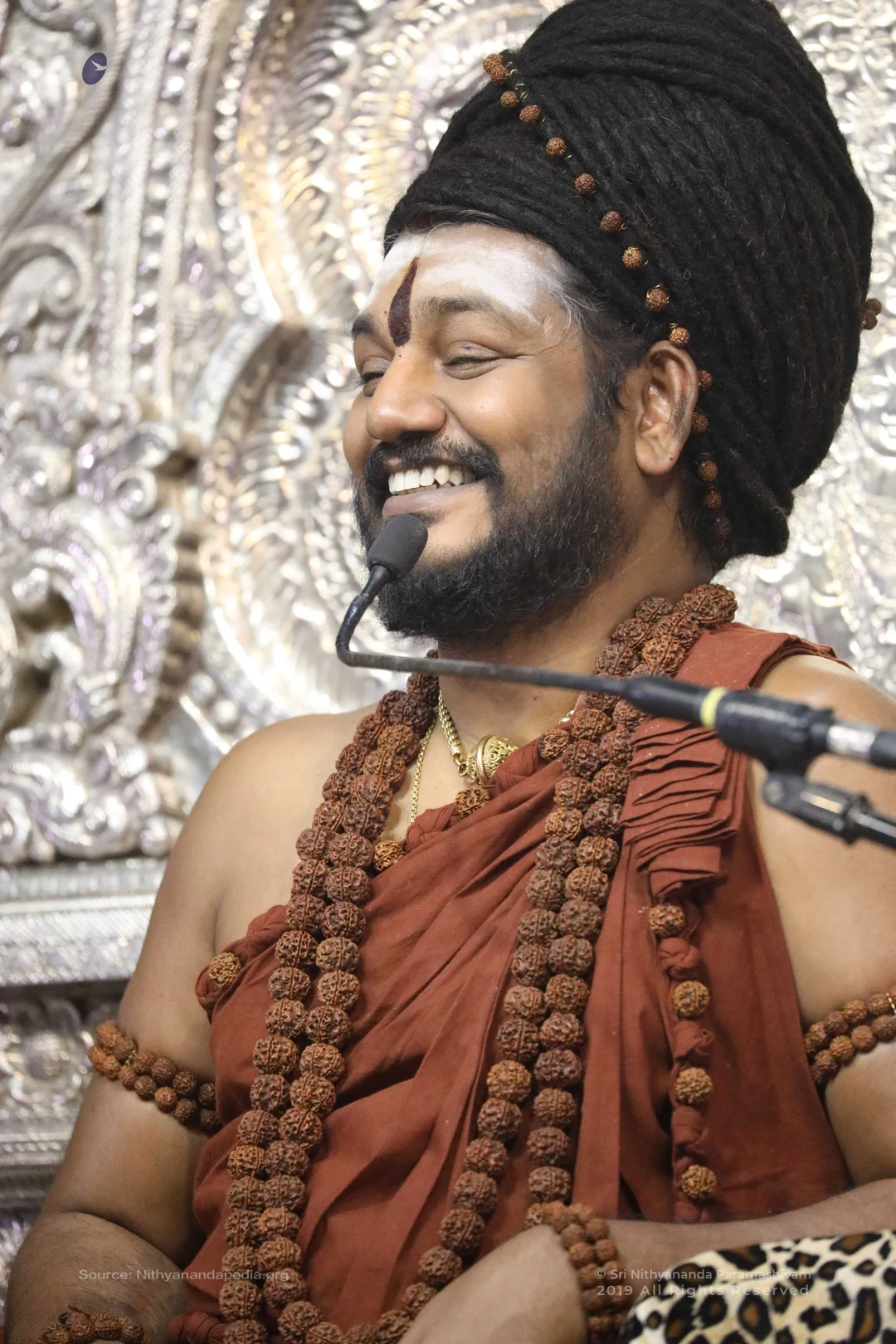
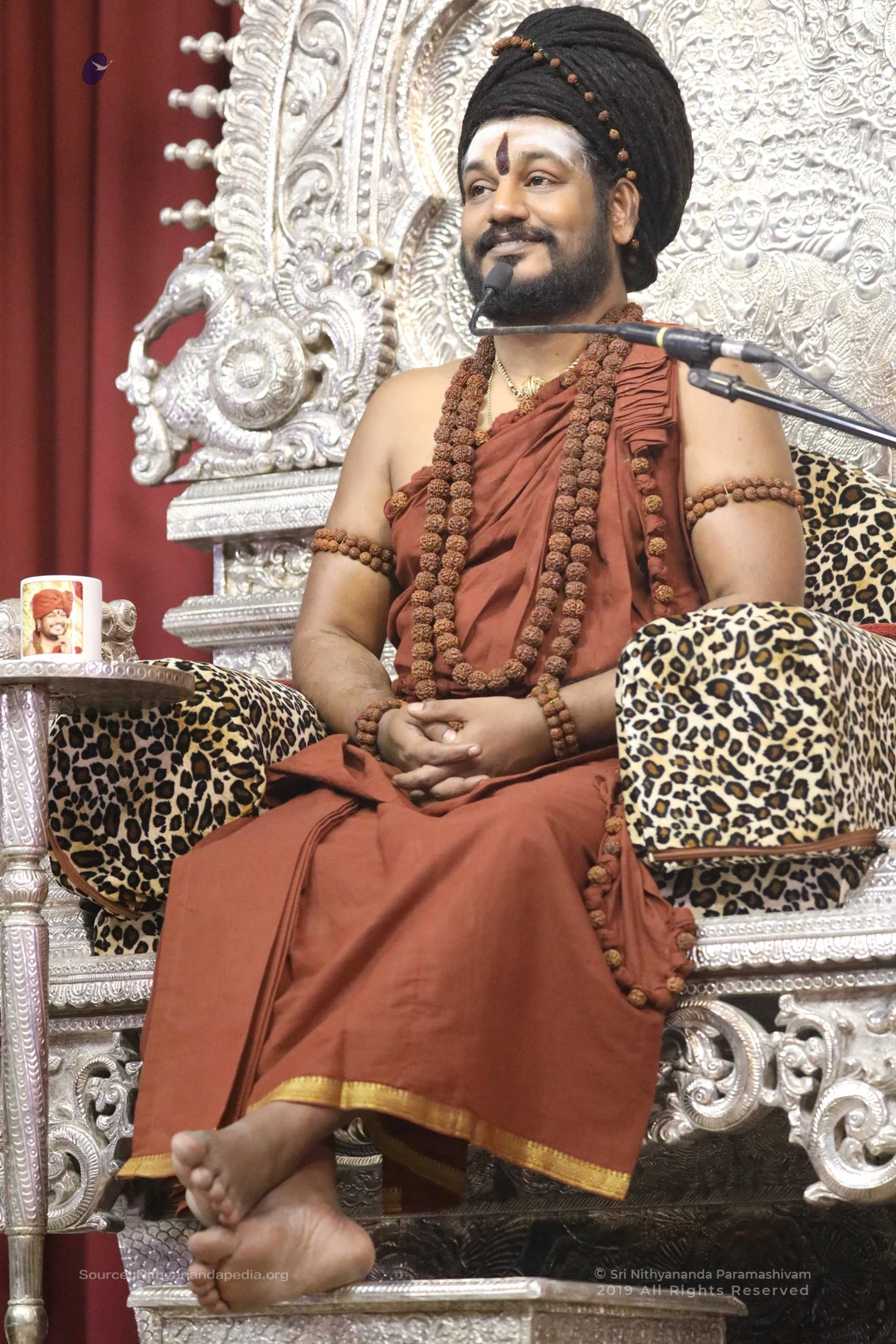
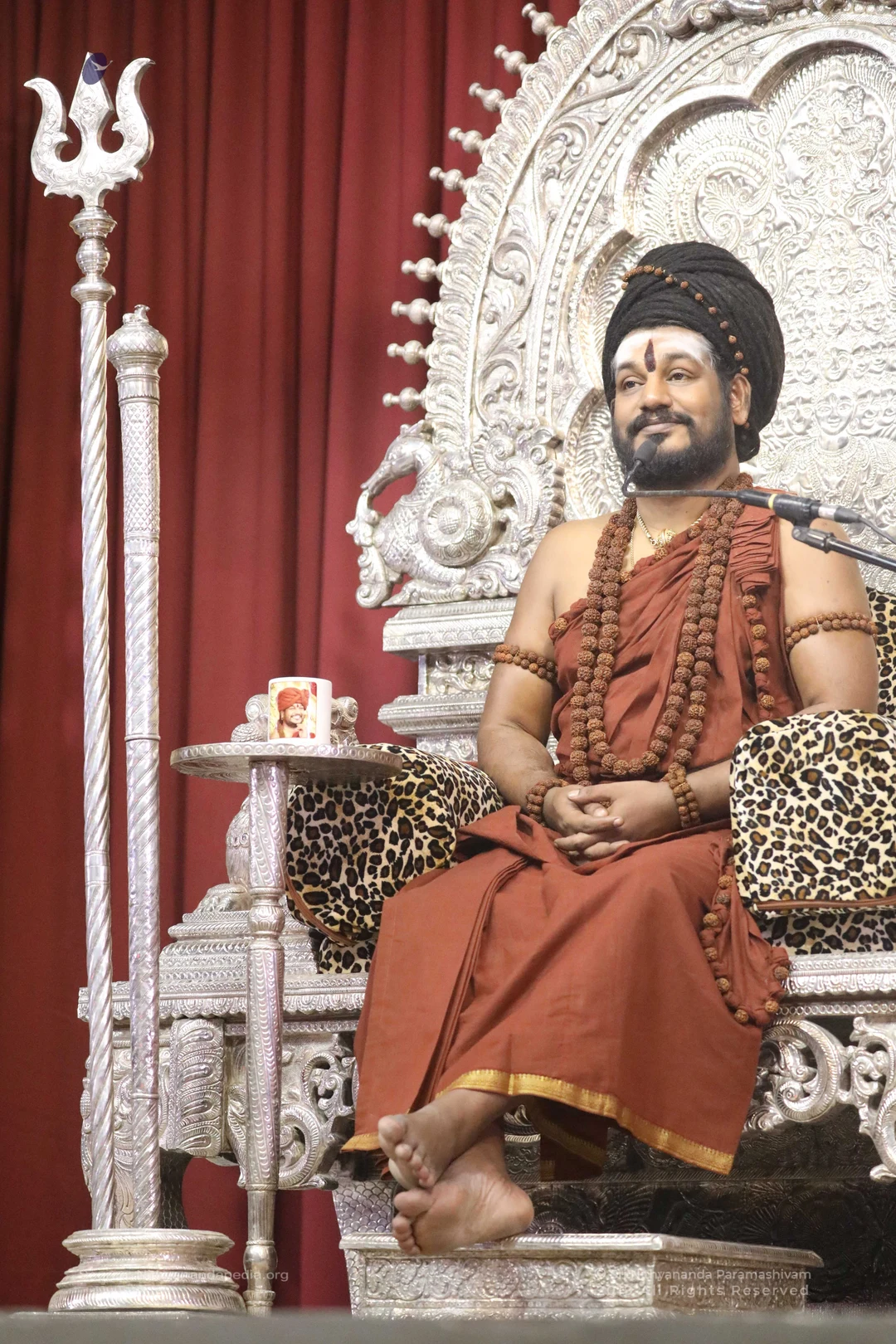
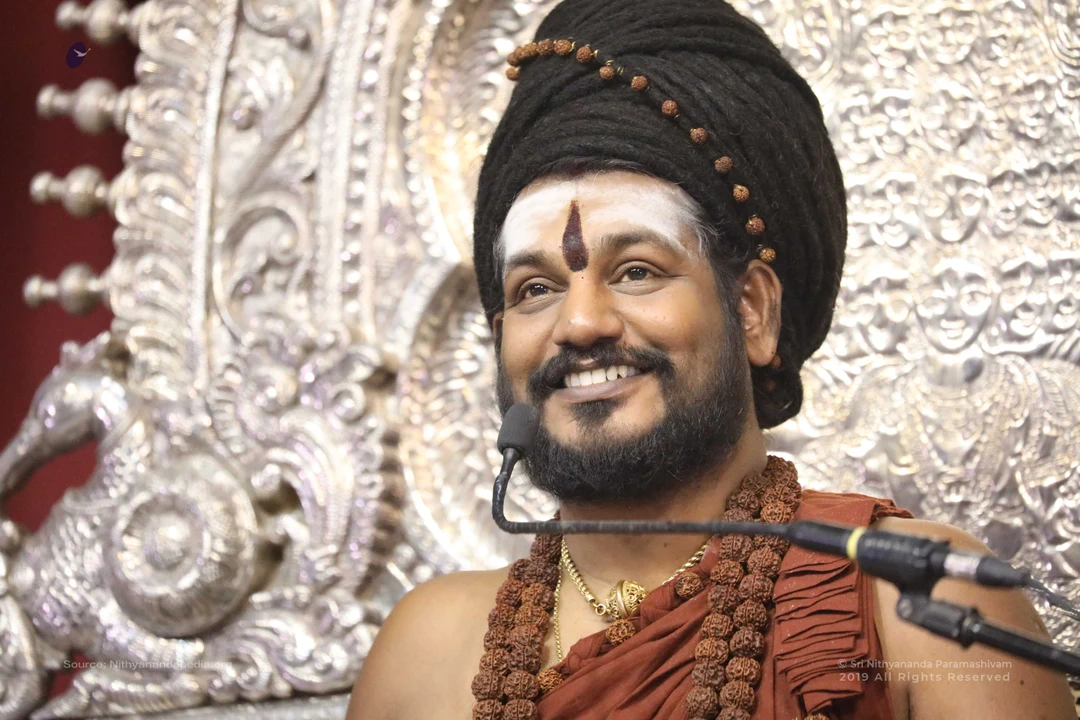
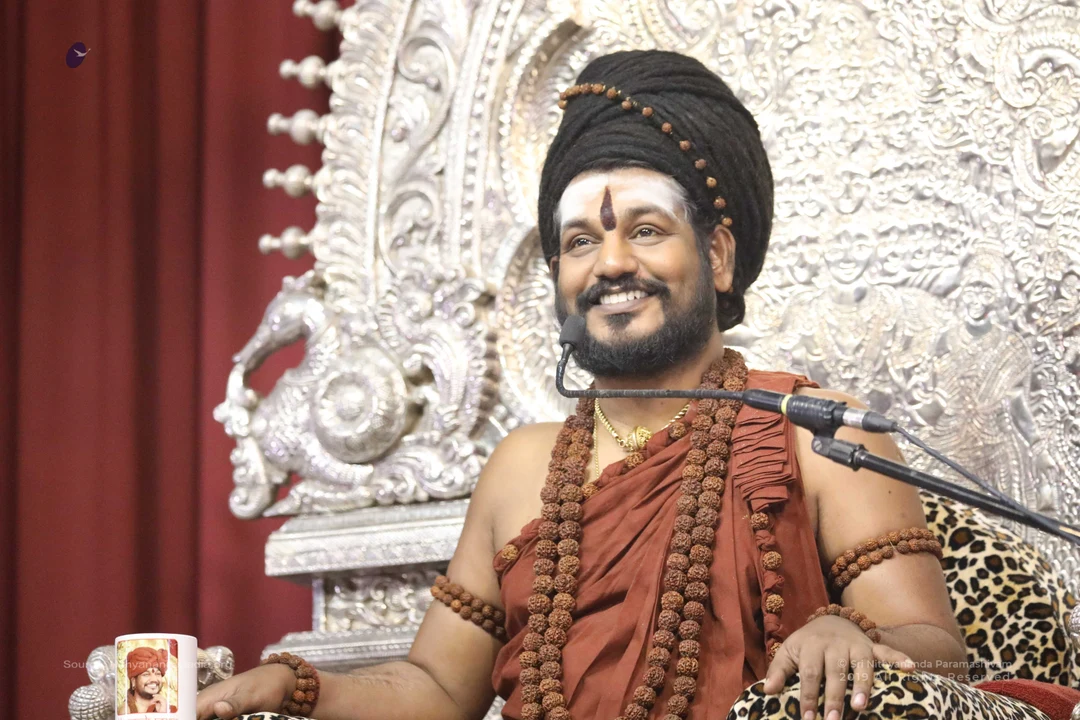
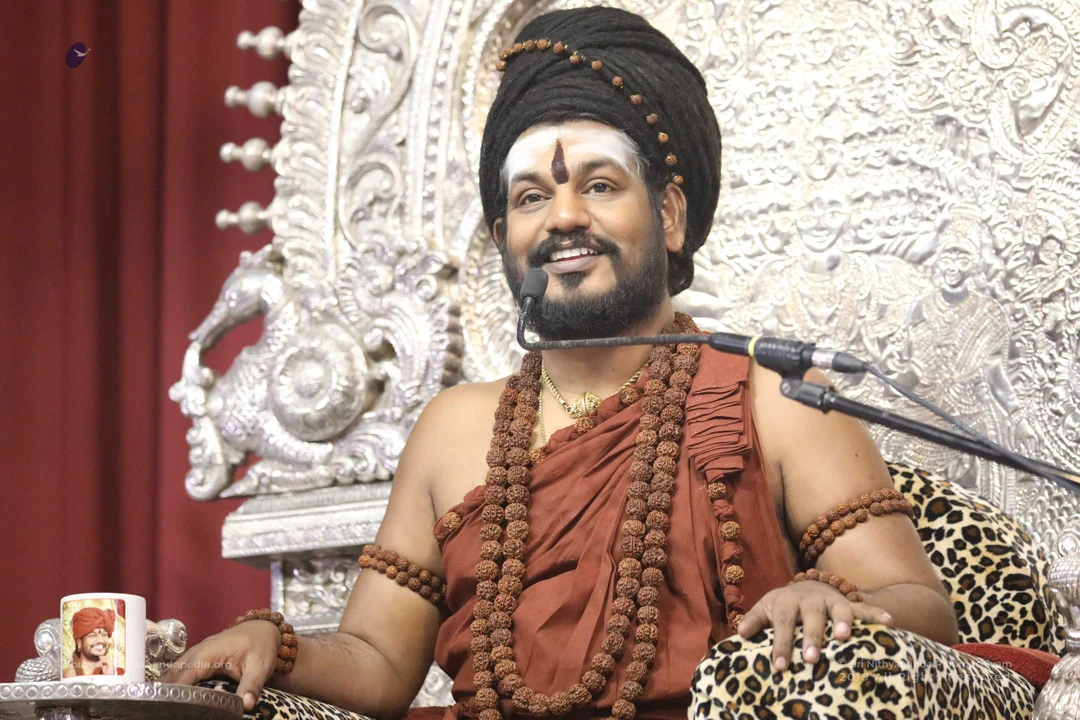
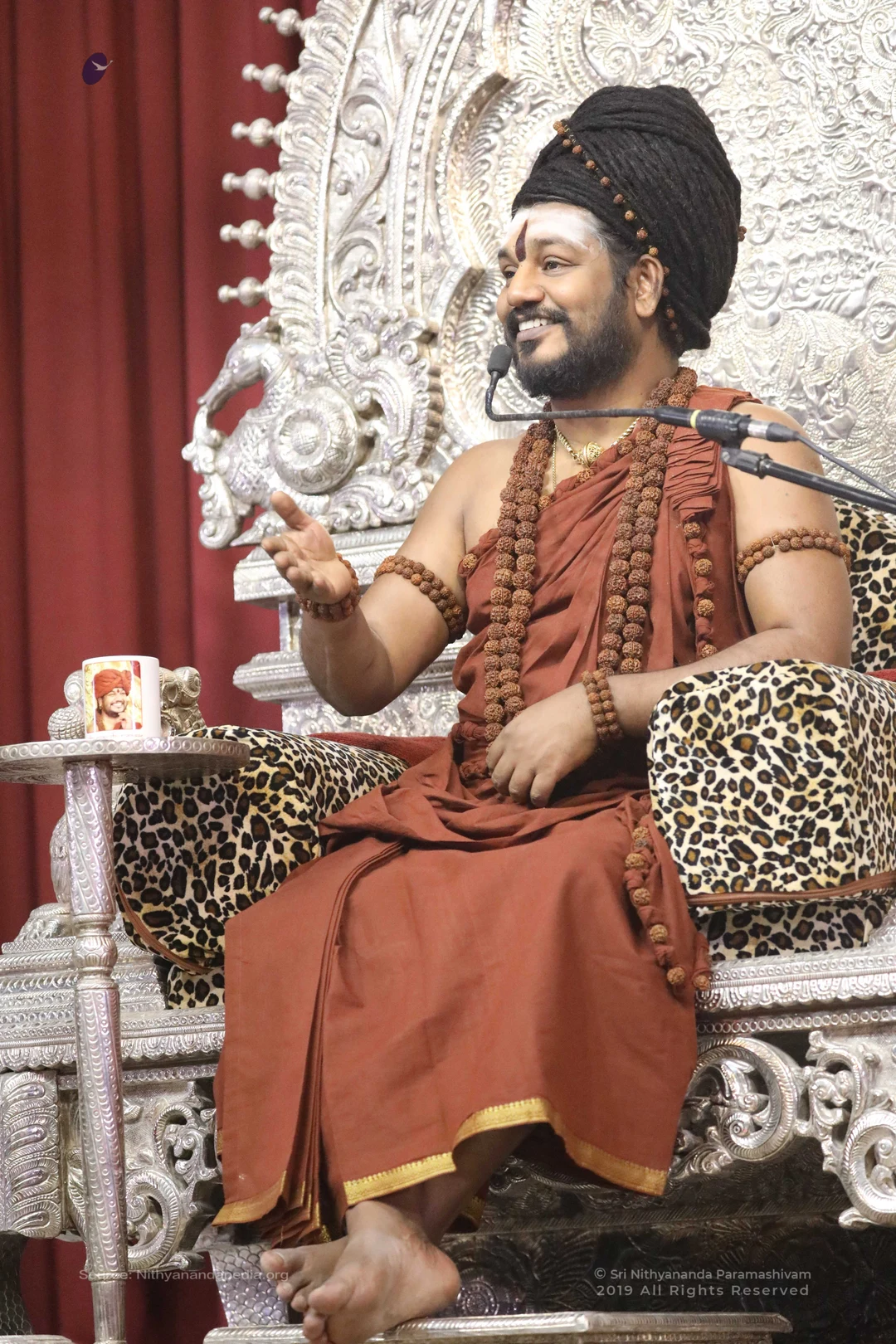
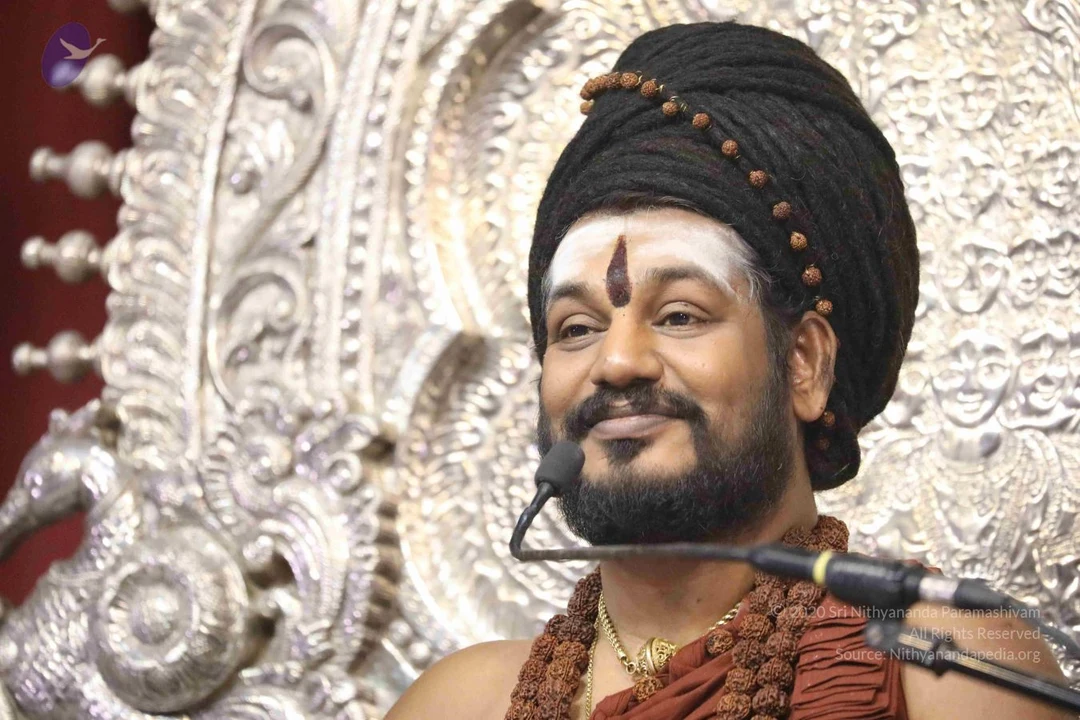
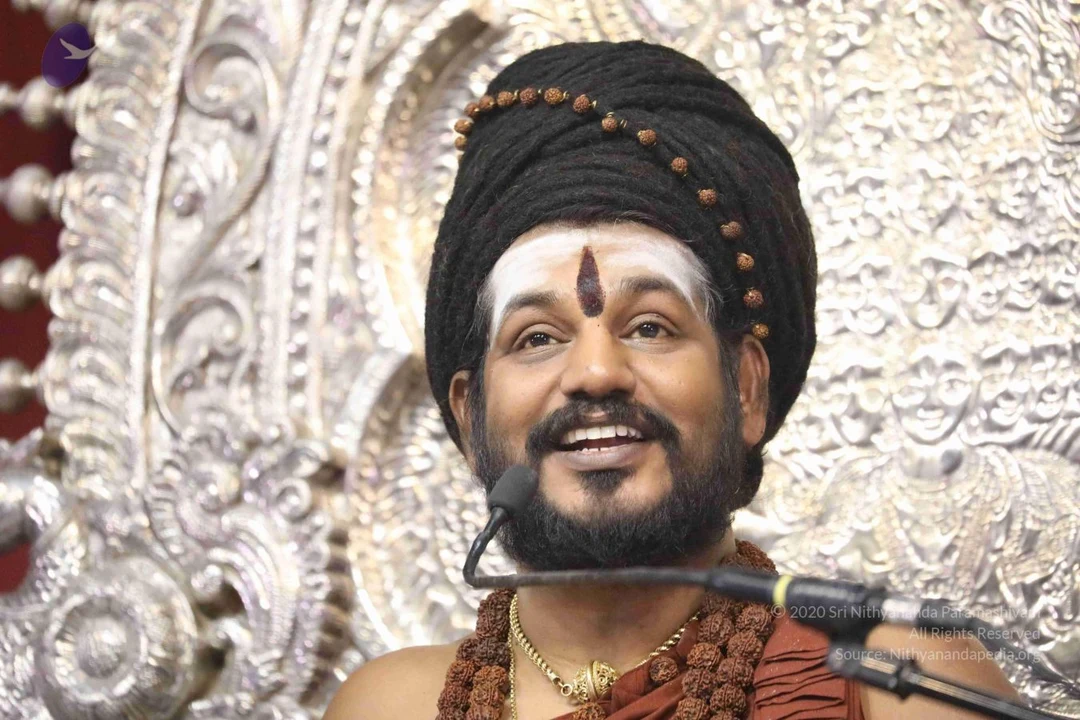
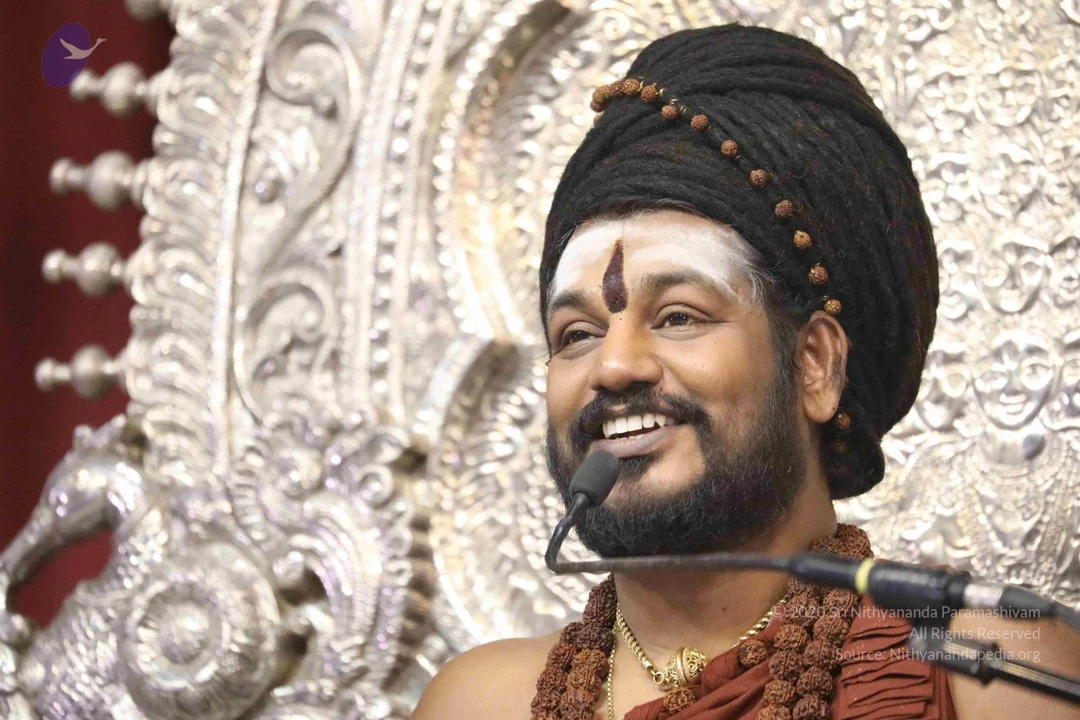
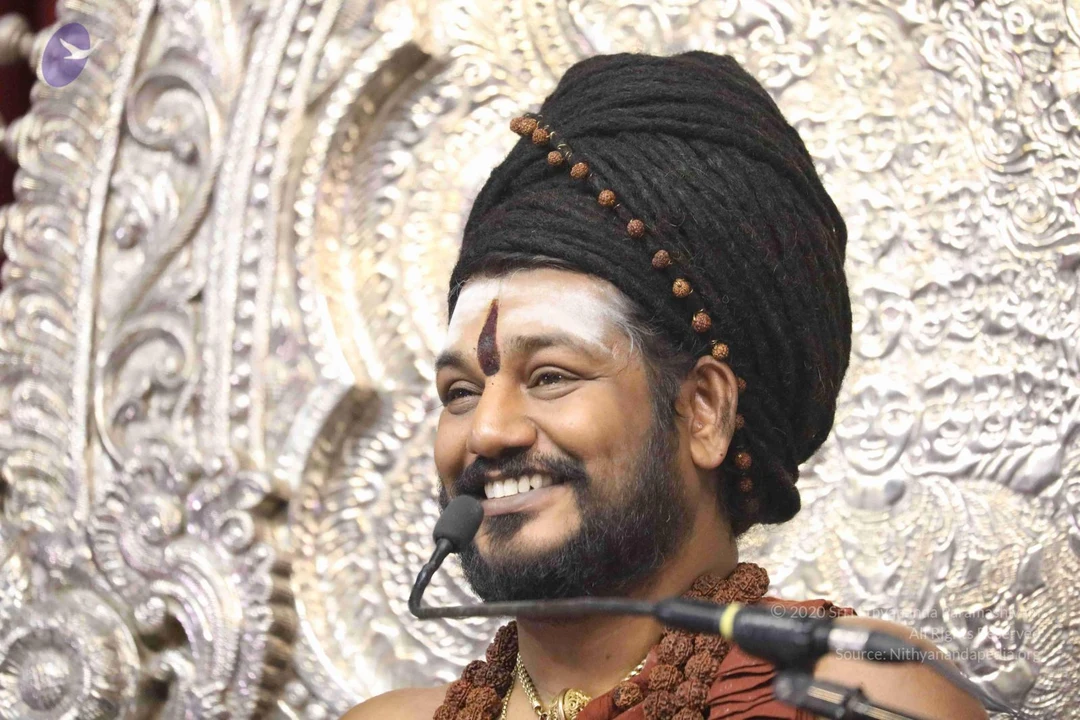
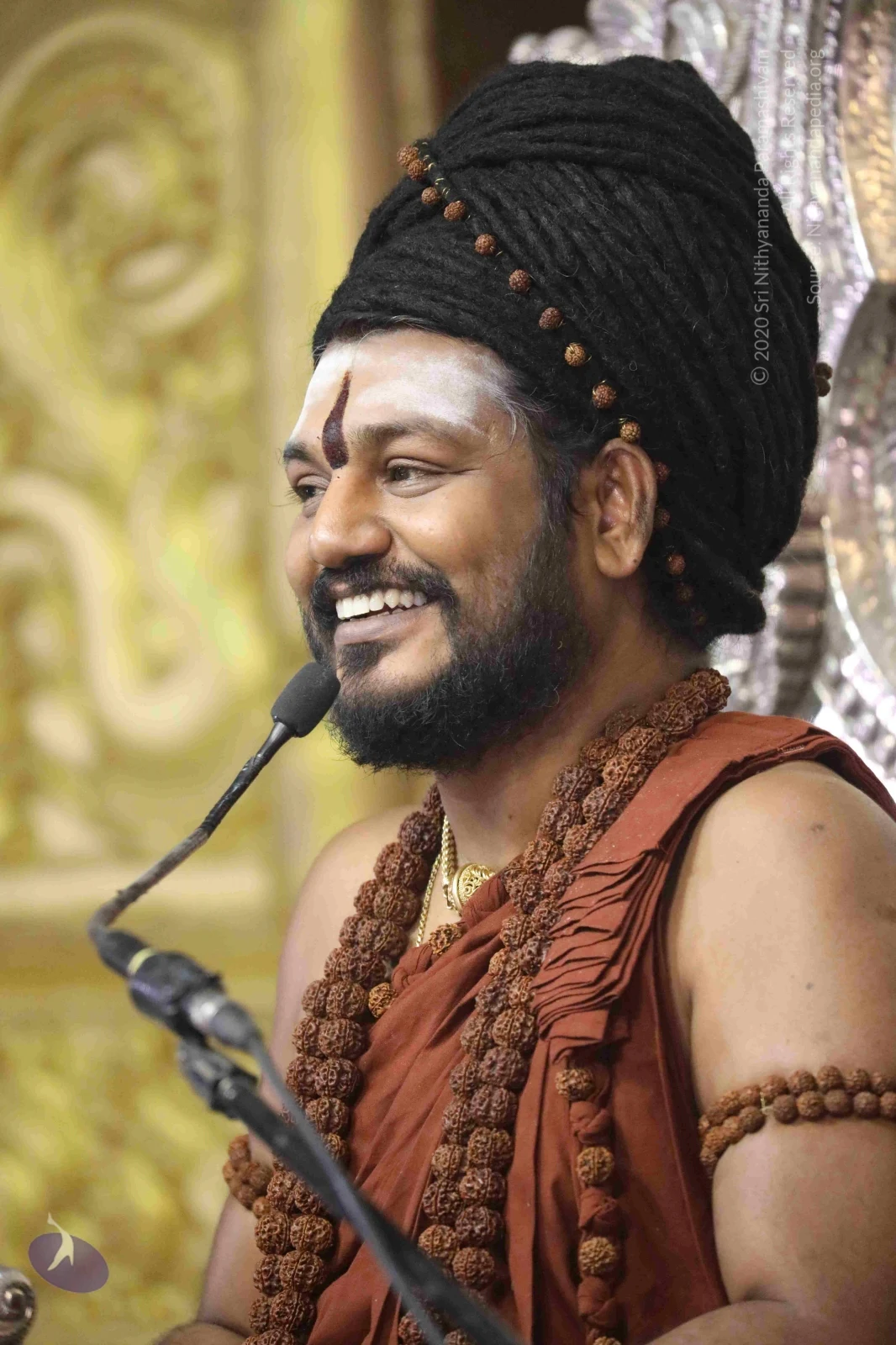
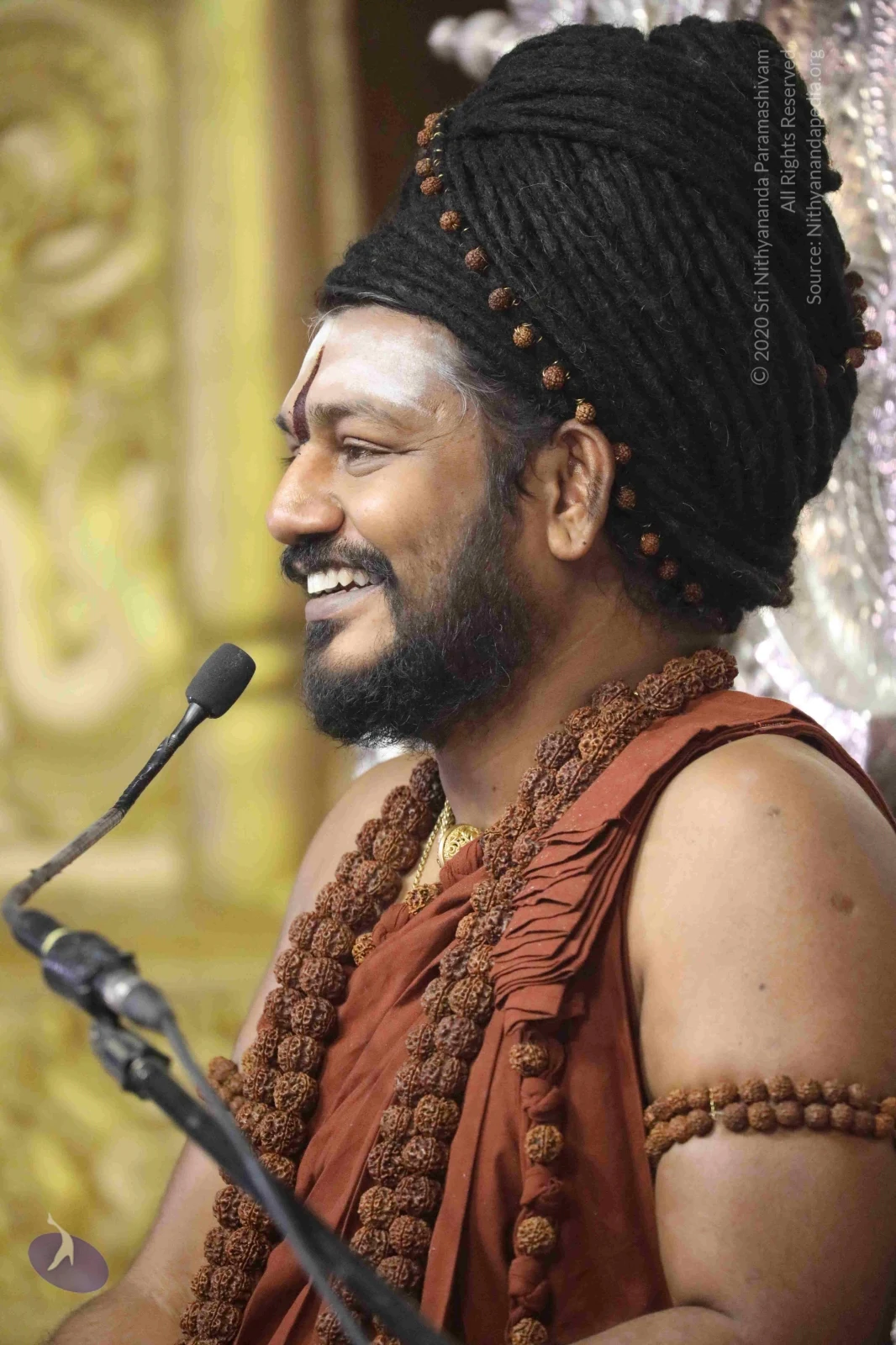
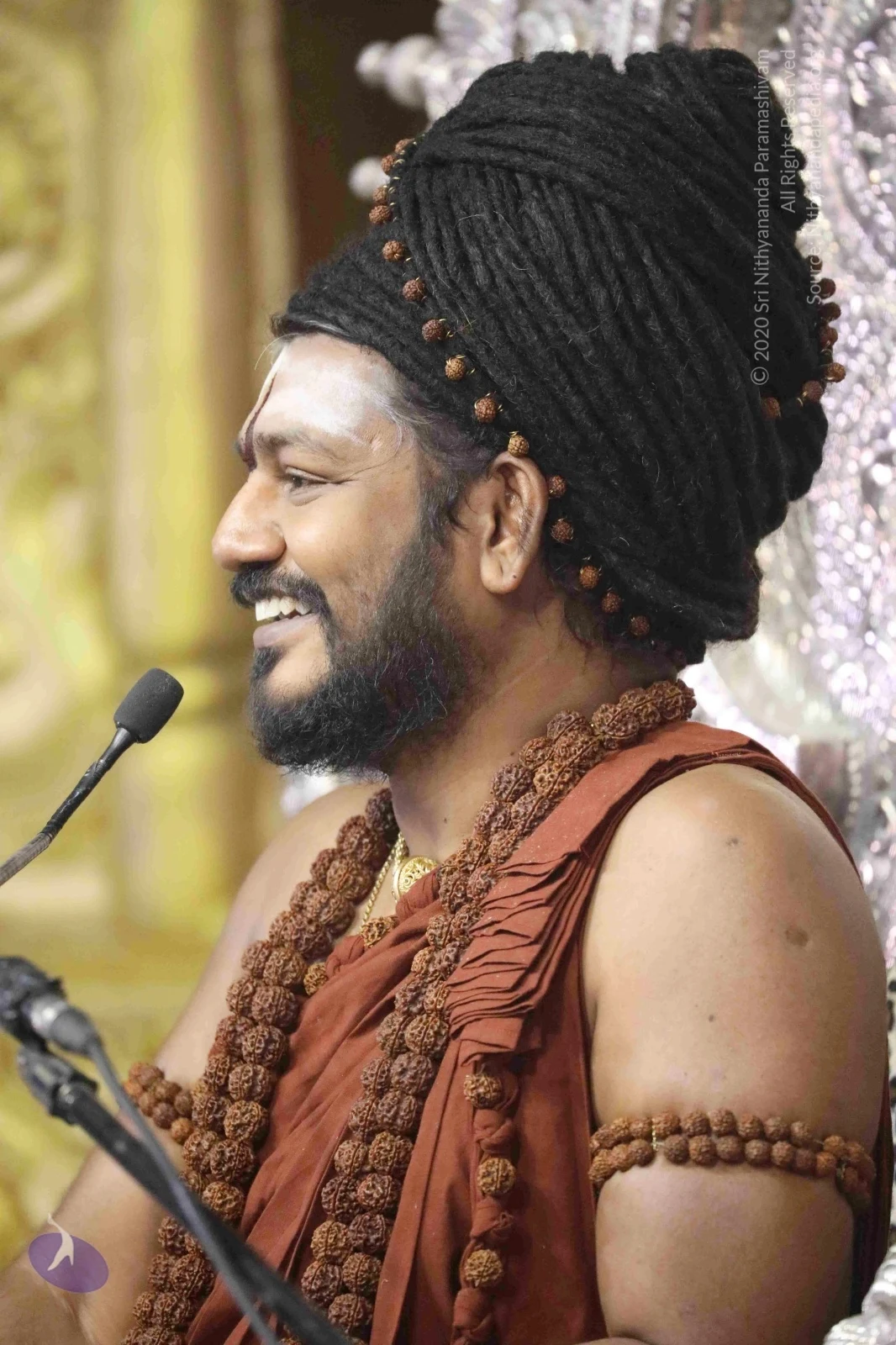
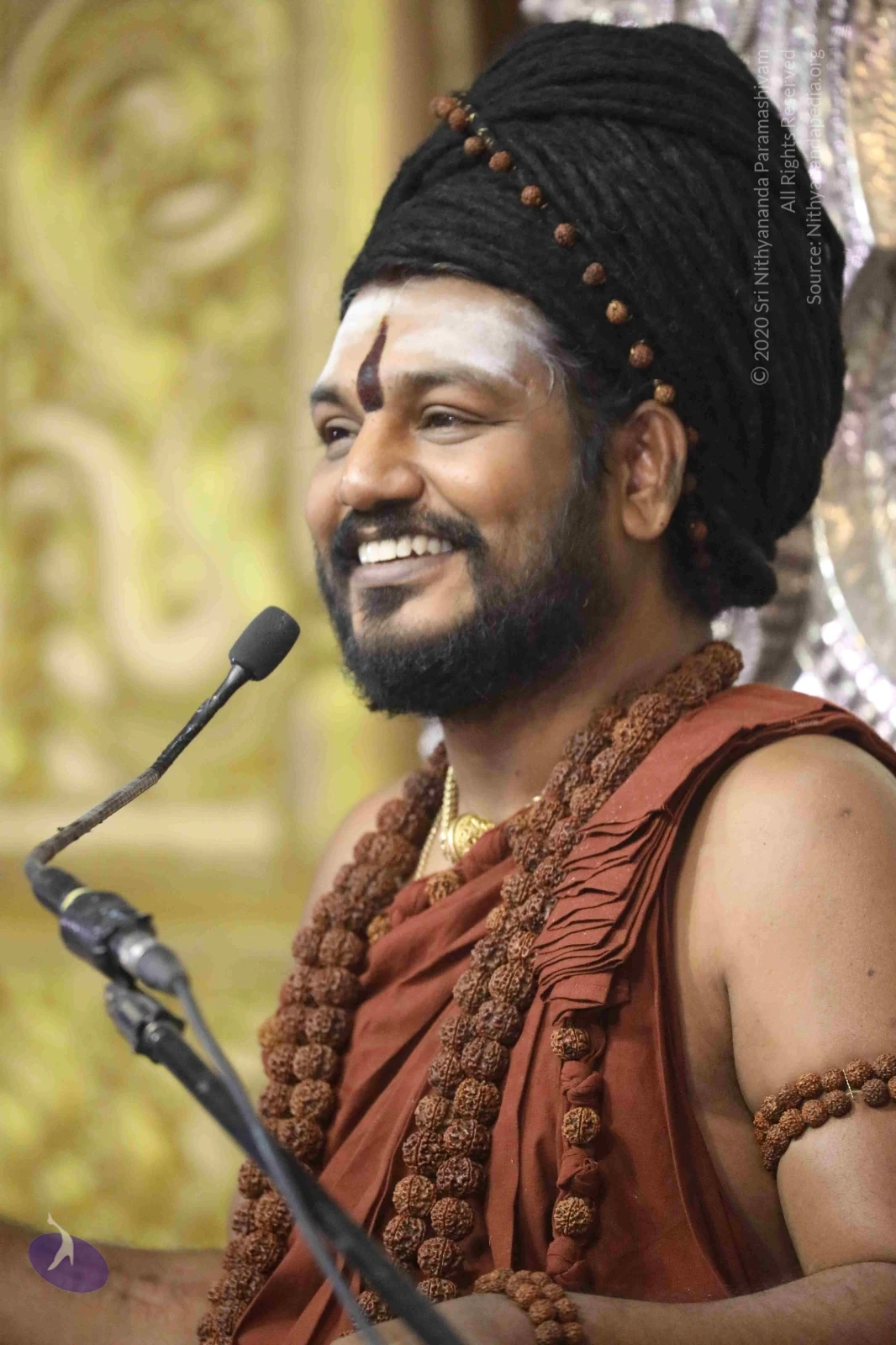
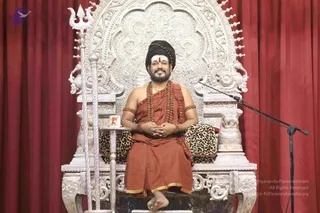
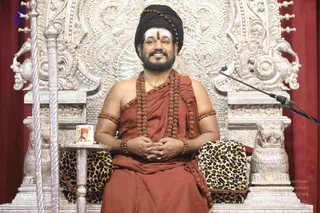
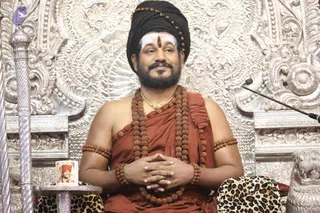
The Supreme Pontiff of Hinduism, Jagatguru Mahasannidhanam, His Divine Holiness, Bhagavan Nithyananda Paramashivam expounded on the Cosmic Principle of Will Persistence during the everyday live public talk - Nithyananda Satsang. In this talk entitled | Part 1 || NS || 02 March 2018, His Divine Holiness HDH offered His humble respects and to devotion to Jagadguru Sri Jayendra Saraswathi Shankaracharya, the 69th Shankaracharya Guru, or pontiff, of the Kanchi Kamakoti Peetham. On the anniversary of his mahasamadhi, HDH said that Jayendra Saraswathi did everything an acharya should do and did it rightly. As well, he withstood everything when he was wronged by others. Only by taking into account the influence of global and international entities on local Hindu communities can we appreciate his greatness, His Divine Holiness said. “In every field that foreign investment is allowed, Hindus are a minority. But the amount of things Jayendra Saraswathi withstood demonstrated his strength in overseeing the mutt”. He elaborated that it’s not a joke to live among people who are waiting for you to collapse and still stand tall for Hinduism. His Divine Holiness shared that anyone wanting to take Sanyas in the Nithyananda Dhyanapeetam should study the life of Jayendra Saraswathi.
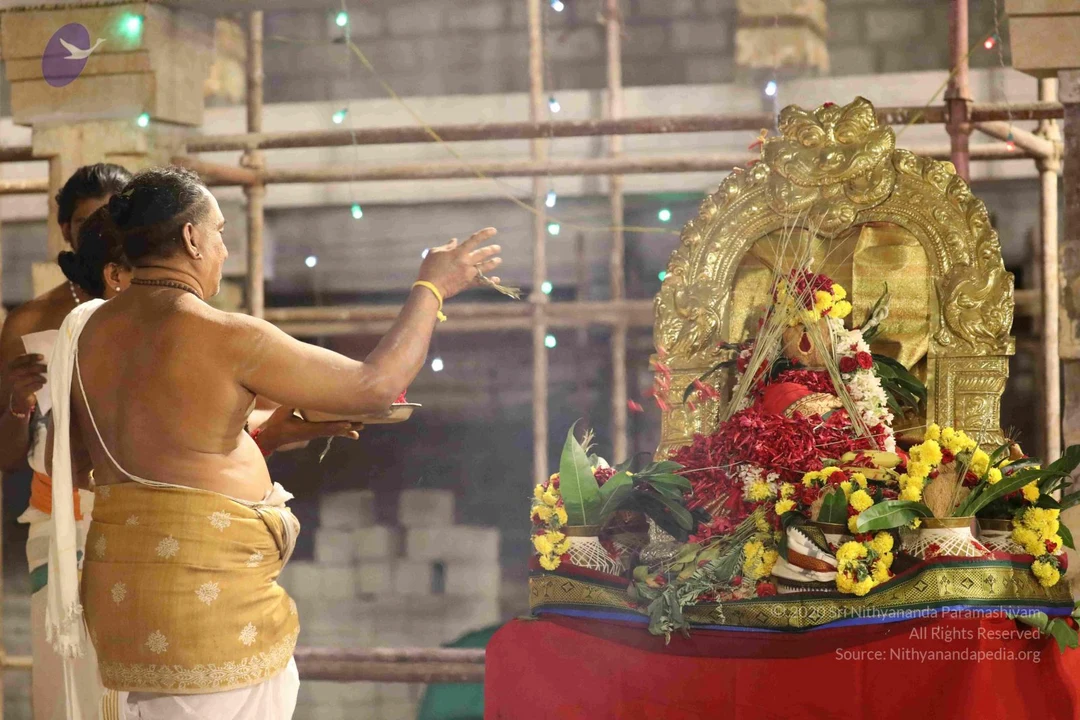
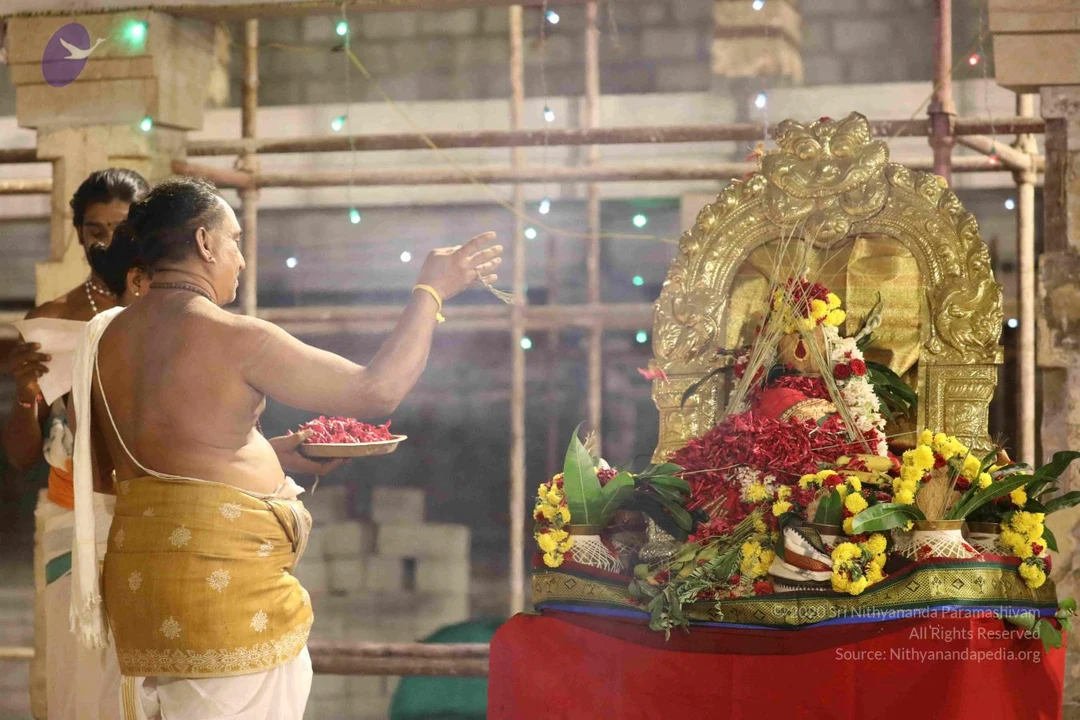
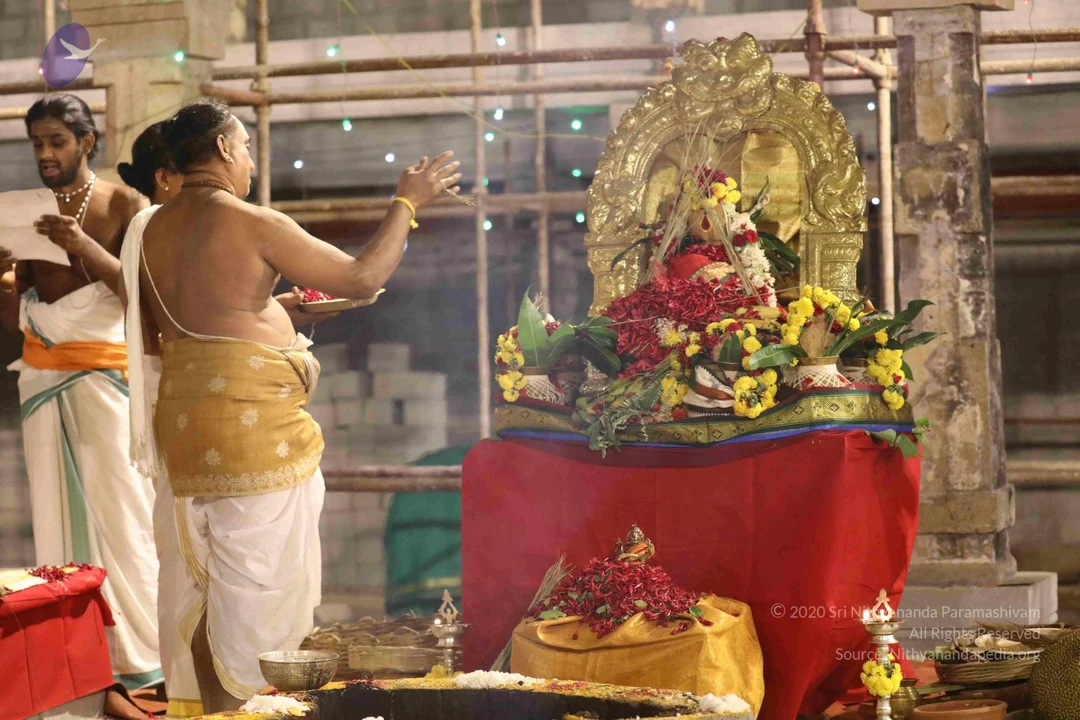
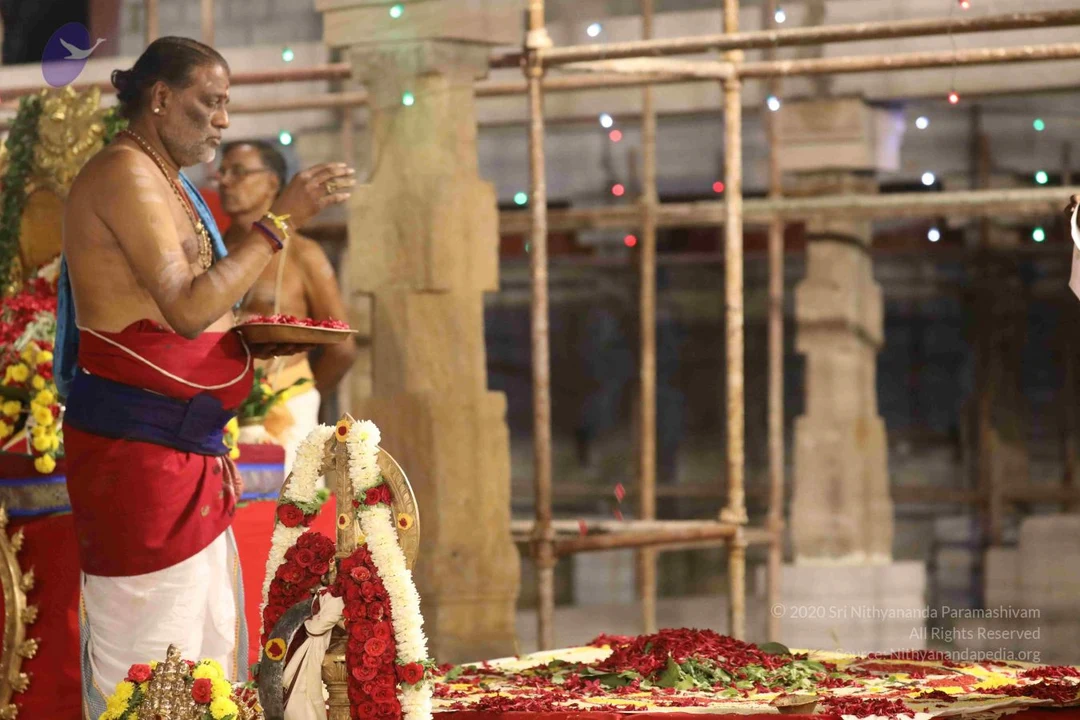
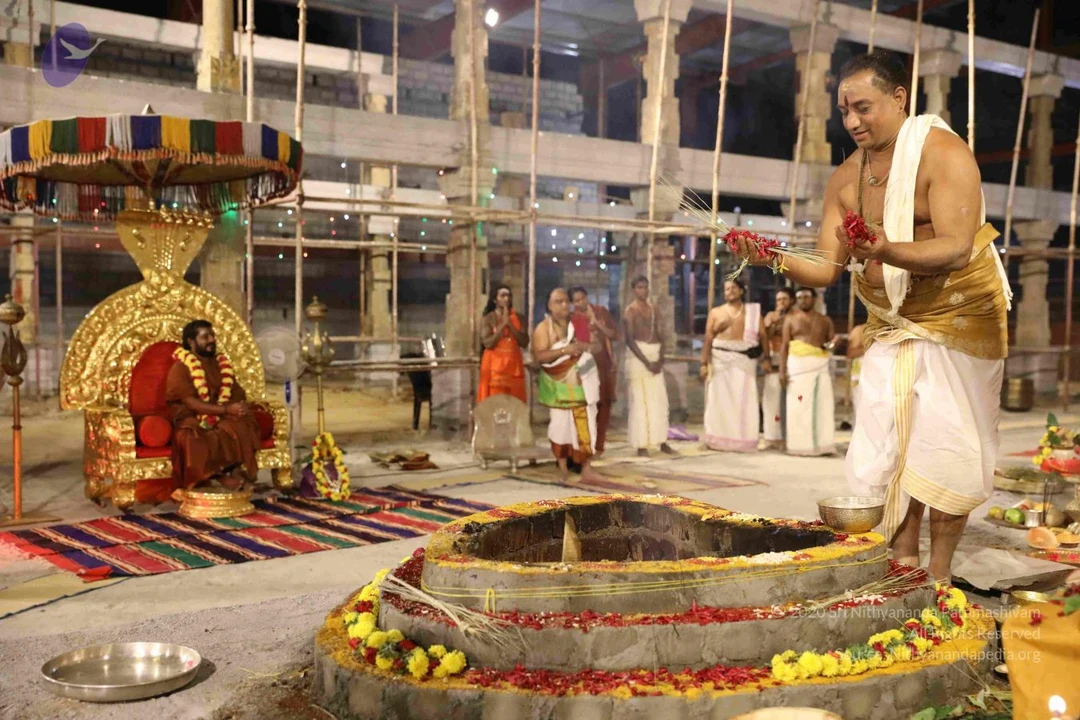
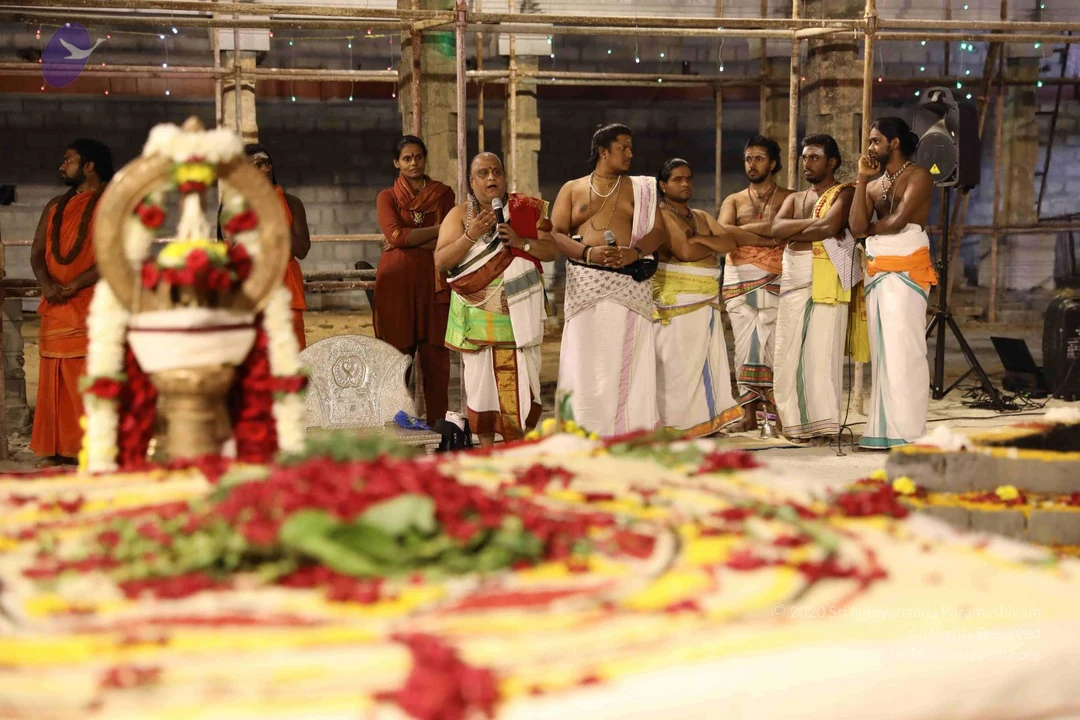
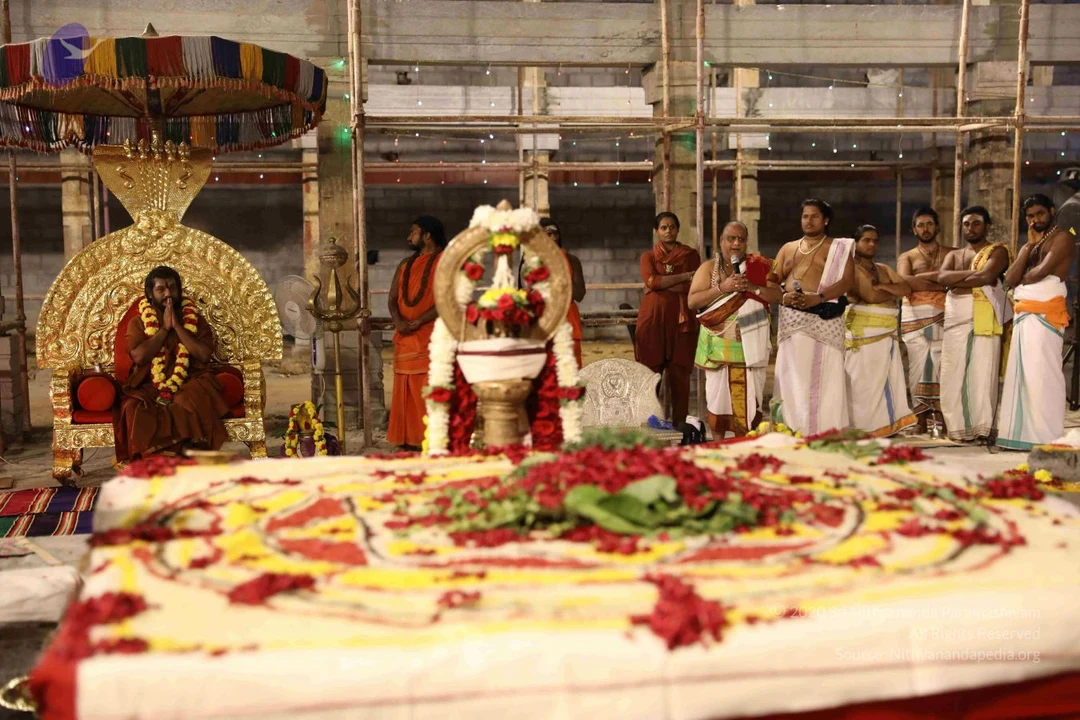
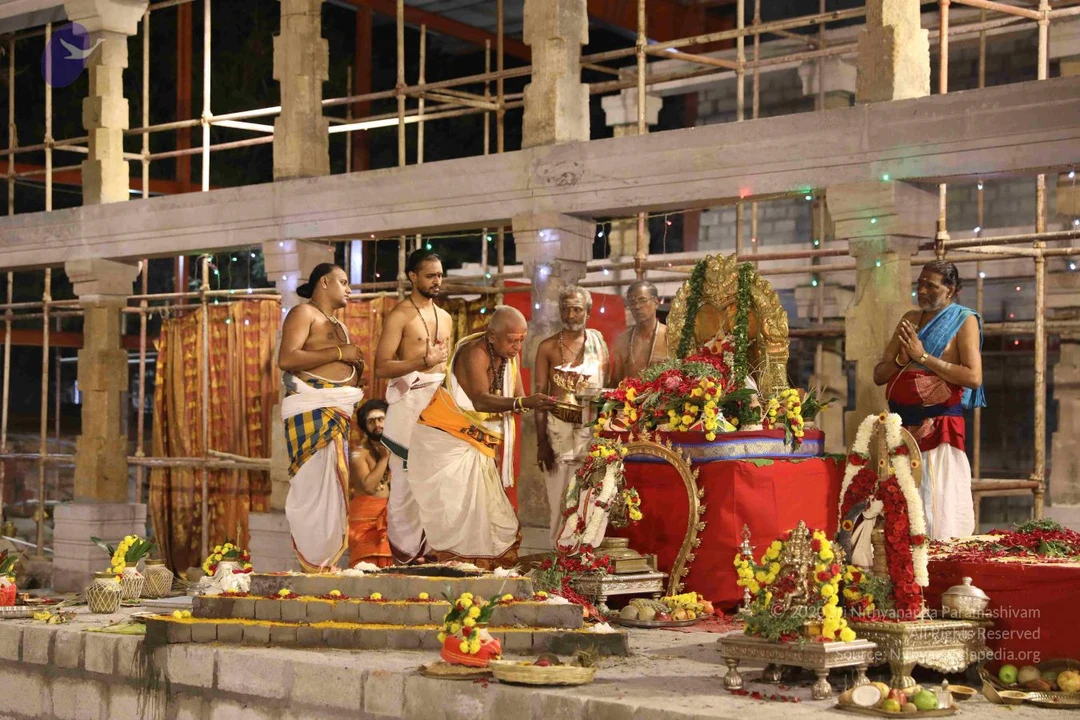
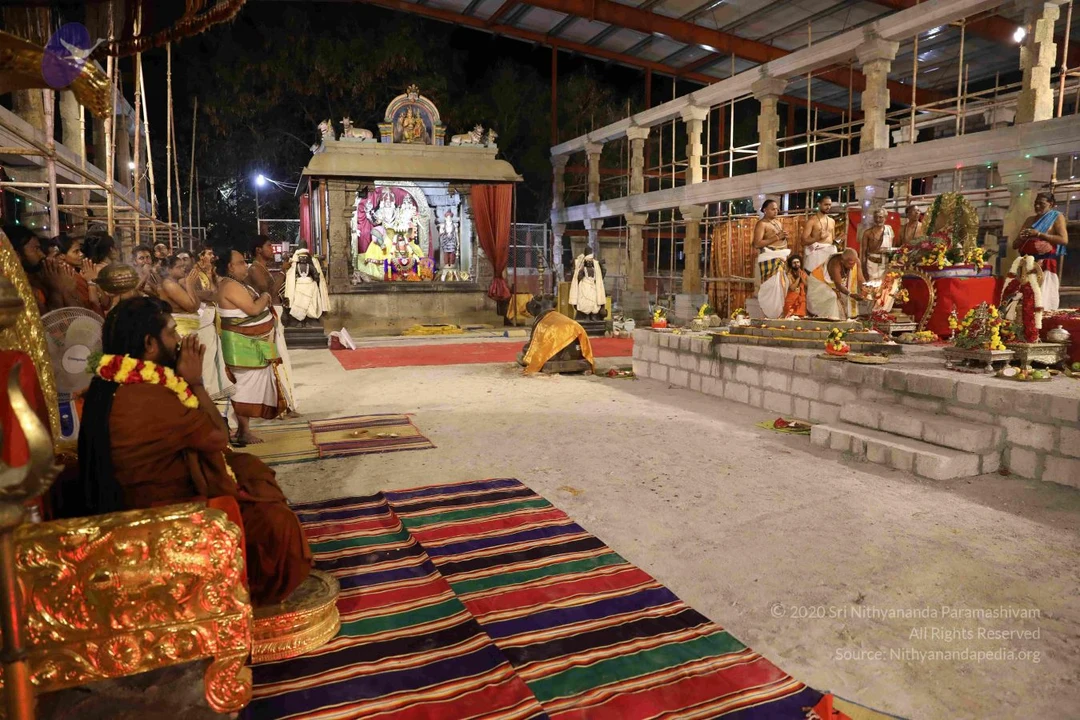
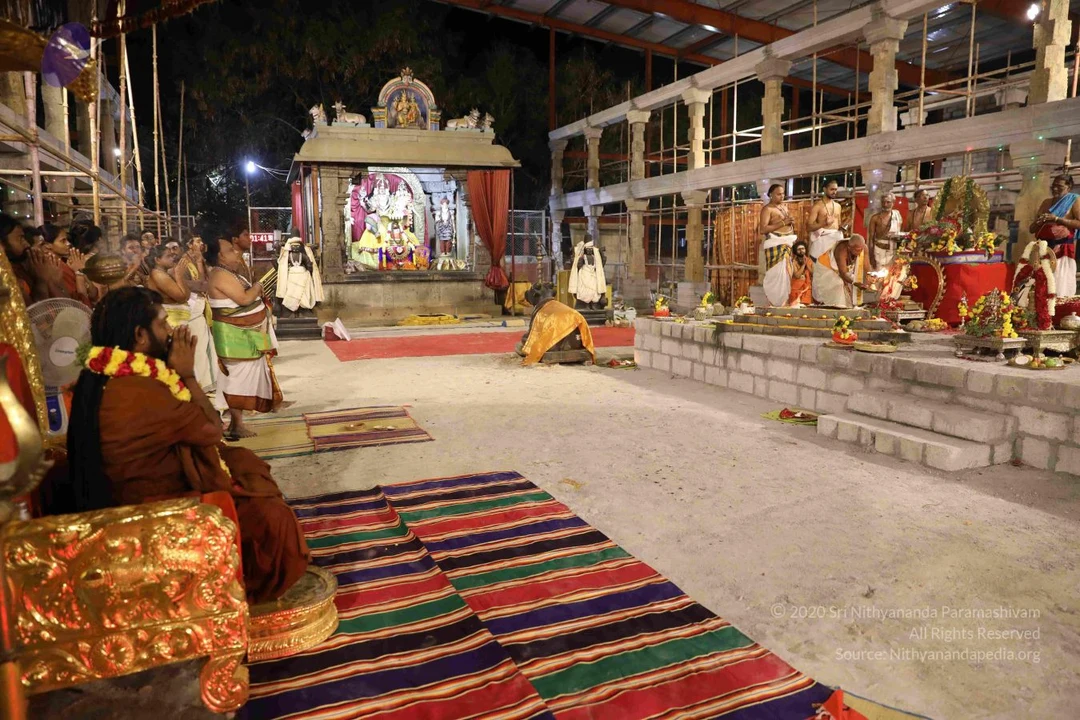
Today, Pournami Celebrations were held at the Thiruvannamalai Aadheenam where sattvic food (Anna Daan) was shared to the public. Also celebrated was Raja Rajeshwari Brahmotsavam and Kumbakonam Maasi Magam - Anna Daan by Nithyananda Sangha
Title
The Silent Warriors of Hinduism || Part 1 || NS || 02 March 2018
Description
Name of Convention : Nithya Satsang Session on: The Silent Warriors of Hinduism Part 1 Date : 02 Mar 2018 Venue : Adi Kailasa, Bengaluru, Karnataka, India
In this video, we see the Supreme Pontiff of Hinduism HDH #Nithyananda Paramashivam expressed His respect, prayers, worship, reverence and devotion to Jagadguru Sri Jayendra Saraswathi Shankaracharya who was the 69th Shankaracharya Guru and head or pontiff (Pïțhādhipati) of the Kanchi Kamakoti Peetham on his maha samadhi. HDH spoke with deep reverence of the unsung hero of Hinduism.
The Supreme Pontiff of Hinduism Jagatguru Mahasannidhanam His Divine Holiness Nithyananda Paramashivam (HDH) is the reviver of #KAILASA - the ancient enlightened civilization and the great cosmic borderless Hindu nation. Revered as the incarnation of Paramashiva - the primordial Hindu Divinity, HDH has a following of 2 billion Hindus worldwide with de facto spiritual embassies in over 150 countries. He has worked untiringly for over 26 years for the revival of Kailasa, for global peace and to give super conscious breakthrough to humanity. He has survived the worst persecution of multiple assassination attempts on person and on character by anti-Hindu elements. He is collecting, organising, preserving, time capsuling, decoding, spreading and reviving 20 Million source books of Hinduism and the 64 sacred arts & sciences like Ayurveda, music, dance, sculpting, astrology, vastu and much more. Close to 20,000 hours of HDH’s timeless talks have been recorded till date (Sep 2020), which are a treasure trove of powerful cognitions to solve individual and global problems of any kind.
Link to Video:
Transcript:
(0:14)
nithyānandeśvara mahasadāshiva samārambhām nithyānandeśvari adīshakti madhyamām asmat āchārya paryantām vande guru paramparām ||
(1:31)
I welcome you all with My love and respects. I welcome all the devotees, disciples, samajis, satsangis, Sri Mahants, Mahants, Sarvajnapeetha Yajamans, everyone sitting with us all over the world with My love and respects. Before entering into the satsang I wanted to give you this instruction, when I chant, I chant nithyānandeśvara mahasadāshiva samārambhām nithyānandeśvari adīshakti madhyamām asmat āchārya paryantām vande guru paramparām || When you all chant you chant, nithyananda paryantām, say I was downloading some of the agma and the sutras I was studying this word asmat āchārya, Sadashiva revealed it does not mean you are āchārya, it’s actually your ability to achara. Your ability to practice. So the word has two meaning; your acharya and your ability to practice. So from Sadashiva till your ability to practice all of them are acharya. In a way if you put the guru parampara you have to put your photo also. So all the best things you practiced also becomes your āchārya. So, best form of you with full vibhuti, kumkum with all the achara, take a picture of you and put that also in your guru parampara.
(3:25)
In the guru parampara not only your āchārya, you also become āchārya for yourself, so that word asmat āchārya does not end with your āchārya, it ends with you, your best practices…. So from now onwards all of you also will chant the same thing which I Am chanting, you will not use the word ‘nithyananda paryantām’ because āchārya dos not end with nithyananda. āchārya continues till your right practices. See all the right things you do also becomes your āchārya for your future. So you will all chant the same lines I Am chanting as asmat āchārya paryantām vande guru paramparām. Because your āchārya is not ending with Me. It is extending to your good practices. It’s very subtle truth, all your good practices are extension of Me.
(4:45)
That is the way I pervade your life and manifest everything. Alright. Now first thing I want to tell today, we express our respects and prayers and worship, reverence. I can use all the best words I can get to offer our devotion to 69th jagat guru Shankaracharya of Moolamnaya Saravanja Peeda Kanchi kama koti peetam, Sri Sri Jayendra Saraswati swamiji. His mahasamadhi is surely a big loss to the Hindu community…. Maybe all of you are aware, I personally went to offer shraddhanjali, respects on behalf of Me, on behalf of all of you the whole Nithyananda Sangha…. If I have to say a few words, it’s not that easy to be Jayendra Saraswati. Even in imagination you cannot fit yourself into his shoes. Unsung hero, people for who’s sake he dedicated his whole life, even they did not understand him.
(7:18)
Understand, he is personification of Hinduism. He did everything a āchārya should do rightly…. He did everything an āchārya should do rightly. When he made a statement he was not ready to accept Me as a Madurai Aadheenam, we sent our representation. But the beauty is even though being such big peetadhipathi and a great acharya when he received the facts, immediately he change the stand and sent his Sreekaryam to meet and offer respects and then he personally visited our kumbh mela camp; and exp.. understood he explained to Me, ‘Swamiji the, before the informations which you sent I was given wrong input. Now I know I have received the right information. He was ready to understand and update his understandings when the right informations are given.
(8:42)
Everything an āchārya should do he did it perfectly. How an āchārya should reach out to the whole world, how we should not allow lethargy to be an ideal way of existence. Understand. I tell you he is the first foremost most powerful vedanti who broke this sickness lethargy…. He brought activism into life…. Of course even though so much of suffering he went through due to various reasons. Understand. We should study his whole life in the background of international, national and local scenery. That will only make you understand his greatness. You need to first understand one thing do not have the wrong opinion; Hindus are majority. Please understand…. In any field foreign direct investment is allowed, Hindus are no more majority in that field. Look at the global scenery, globally we are minority, Hindus are minority. So the moment you allow the global influence Hindus are minority.
(10:55)
So the moment you allow the global influence, you are no more majority. You are kept in the dream, you are majority. If you see from the international background, the international scene, you are minority. Whether you wake up to the reality or not… Hindus are minority. When I was 11 or 12, I visited Kanchipuram. I was taken by My family, for a family vacation some festival. I visited many times, this Kanchi Varatharajar rathotsavam and Ekambaranatha utsavams, shivaratri, sometime to Thondai Mandala adheenam. In those days in the shivaratri day only sannidhanam will give mantra and vibhuti and I traced which year I got and even that sannidhanam name, all that. And, they will tie the, that, hip rope. They will get that balck thread and tie it in the hip. All that they will take you to the templesand do the traditionals rituals puja. I tell you the amount of things he withstood all the right things he did and all the things he withstood when he was wronged. In both dimension nobody can match him. Nobody can match him. Nobody can match him.
(13:15)
Doing right things and demonstrating strength when wrong things are done to him. In both level nobody can match him. I have so much to tell. At least I Am orating to all of you. He did not even orate what all he went through…. He did not even orate. Nobody knows what all he was made to go through. At least in our sangha everyone should study his life. Not just read, study. All of you need to know 3 times from Rameswaram to Kedarnath he walked. Understand, 3 times full walk without getting into any vehicle…. At the age of 9 he was identified by āchārya, at the age of 19 he sat in the throne, Sarvajna Peeta. Literally from the age of 19 he was running the whole organization called Shankara Mutt.
(15: 08)
Paramacharya was a great tapasvi, lot of crowd was drawn to him. It’s Jeyendra Saraswati who stood and took care of all the people who came. And evolved the whole organization structure…. I Am no way disrespecting Chandrashekarendra Saraswati. All of you need to know he is beyond any comparison or anything. So understand My statement very clearly. It is Jeyendra Saraswati who was working day in and day out and keeping the organization completely supported…. To tell you honestly it is Vivekananda who created the Ramakrishna Mission. Same way it is Jeyendra Saraswati who created Shankara Mutt.
(16:42)
Yes. Guru parampara was there, no doubt. But the institution and organization structure Jeyendra Saraswati’s contribution is unimaginable contribution. He is an ideal Hindu āchārya. What all the right things you should do and how you should face when wrong things are done to you. In both dimension no one can equate him. No one can stand equal to him. And it is, it is not a joke to live among the people who are waiting for you to collapse and stand tall for Hinduism…. In Nithyananda Peeta everyone who wants sanyas training, who wants sanyas, all the krama brahmacharis, naishtika brahmacharis or the sanyasis you should study Jeyendra Saraswati’s life. What he went through and it’s not a joke to go through social untouchability. The society to which you dedicated your life treats you like untouchable. It’s not a joke.
(19:03)
All sanyasis should study his life. He is an extraordinary being who withstood all the harassments and all these silly fellows fights. Alright. when it time comes I will write, tell all books, and tell the world how much Kanchi āchārya had to go through just to protect Hinduism and Shankara Mutt, especially brahmins. Surely his life is subject to be studied. Millions of things you guys can learn from him and his life. His life can be an ideal case study. How an āchārya should do right things and how he should face when he is wronged. So with this I offer My humble respects and obesceice to Sri Sri Jayendra Saraswathi Mahaswamiji.
(20:35)
Title
The Silent Warriors of Hinduism || Part 2 || NS || 02 March 2018
Description
Name of Convention: Nithya Satsang Session on: The Silent Warriors of Hinduism Part 2 Date : 02 March 2018 Venue : Adi Kailasa, Bengaluru, Karnataka, India
In this video, we see the Supreme Pontiff of Hinduism HDH #Nithyananda Paramashivam speaks on Hindu and Hindu societies. Why it has been kept alive and the use of Hinduism for society. HDH reveals brahmin keeping vedas for themselves and sacred practice of sati are the forced responses to protect Hinduism from invaders.
The Supreme Pontiff of Hinduism Jagatguru Mahasannidhanam His Divine Holiness Nithyananda Paramashivam (HDH) is the reviver of #KAILASA - the ancient enlightened civilization and the great cosmic borderless Hindu nation. Revered as the incarnation of Paramashiva - the primordial Hindu Divinity, HDH has a following of 2 billion Hindus worldwide with de facto spiritual embassies in over 150 countries. He has worked untiringly for over 26 years for the revival of Kailasa, for global peace and to give super conscious breakthrough to humanity. He has survived the worst persecution of multiple assassination attempts on person and on character by anti-Hindu elements. He is collecting, organising, preserving, time capsuling, decoding, spreading and reviving 20 Million source books of Hinduism and the 64 sacred arts & sciences like Ayurveda, music, dance, sculpting, astrology, vastu and much more. Close to 20,000 hours of HDH’s timeless talks have been recorded till date (Sep 2020), which are a treasure trove of powerful cognitions to solve individual and global problems of any kind.
Link to Video:
Transcript:
(0:14)
Let Me start My satsang…. If we analyze the physics, chemistry and biology of the Hindu society, all of you can learn a lot of lessons; all of you can learn a lot of lessons. Physics, chemistry and biology of the Hinduism and Hindu society; gap between Hinduism and Hindu society and who created it? Why it is being constantly maintained?... Who is keeping it alive? How it is going to revive itself?... All the brahmins are denied food if they continue to keep the vedas as their lifestyle. How much poverty they can face. There is a limit na. I tell you, most of the Hindus are made to believe brahmins are kept vedas secret. No! I tell you just like Sati was reaction; Understand, committing suicide-Sati, it was a reaction. The decision we took to save ourselves from being a sex slave. All of you understand! Burning your body and dying is the worst method of suicide. But our grandmothers have decided that so that they will not leave their DNA to DNA thieves.
(3:43)
Understand. You need to know the fellows who are coming to harass us. They were not just animals, demons, they used to rape dead bodies. Because even after death you can steal the womb and pregnant it and get the children. See they came for the purpose of DNA stealing. Even if you drink poison and die, they will steal the DNA. That is why our grandmothers, ancestors have decided to burn themselves so that DNA stealing will not happen. Just like how Sati was forced response. I tell you, brahmins keeping the vedas was a forced response. You don’t know. I tell you 2 reason: 1- The moment brahmins teach, the moment knowledge is taken they are killed. 2- Brahmins felt arrey I gave my life to it; anyhow I am going to die, if you learn you are also going to be killed by the enemies. You do your kshatriya job and vaishya job and protect the country.
(5:24)
It's a sacrifice. Understand! It was the forced reaction. See the when the invaders came they are basically sex based civilization. They wanted girls from our palaces. Their whole strategy was just based on sex. They will supply prostitute to the army fellows to get information and weaken them. They will get all our queens, princess everyone as their sex slave. They will use our own women as prostitutes to get information from army and spies. When it comes to attacking the great Gurus and Brahmanas they just use false news about sex. That’s all. Use false news related to sex, collapse the Brahmins and Gurus just spread some rumors and scandal. Ksahtriyas supply prostitutes and weaken them. From palace, steal women. Understand. If the women are allowed to be stolen from the palaces; they are used to collapse the whole social system. That’s is the reason women decided to commit suicide, instead of being used to collapse the whole social structure. Every women who committed Sati I bow down to them for their sacrifice; for their sacrifice. It’s not a small joke. It’s not a small joke.
(8:08)
Every Brahmana who gave his life for protecting the vedas, I bow down to them. It’s not a joke. Understand! Whether Sati or varna ashrama dharma or the idea brahmins are keeping the knowledge secret, all lies dumped on us. Hey there are tons of records where brahmins ran the Gurukul where all the varnas studied…. Every single thing, every single atack we faced, is a planned conspiracy. Understand, planned conspiracy. It’s a, see on agricultural community, there is a civil conspiracy was done, like a destroy the goshalas; animal husbandries. On kshatriyas the criminal conspiracies were done by putting each others against. Making the Nayakers and Chola’s fight; making the Pallvas and Pandyas fight…. The amount of criminal conspiracy and civil conspiracies were done on Hindu society, how the goshalas, gurukuls and temples, actually these three is the backbone of the Hinduism. Temples serving meal 24 hours. Goshalas supplying cow based products and medicines 24 hours. Gurukuls supplying knowledge to all. These 3 should be there in every village. That is the Mission of My life.
(11:44)
I Am working. I will do it at least in Bengaluru aadheenam first. Today only I gave My vision. We have 5 acre compound wall. If we do vertical gardening on the 5 acre compound wall within one year we can not only supply enough vegetables, flowers, fruits for the whole Bidadi we can even export. I Am not talking about selling, I am talking about donating, giving food; one. Second; 5000 cows providing all cow based medicines and products freely to all the surroundings. Temple supplying food freely 24 hours. This three should be the brand. And now we can add a unique contribution at least 5 sanyasis available in each ashram manifesting all the 463 powers and supporting the humanity in all their problems, and helping them spiritually…. Let's prove at least in 2 places immediately and show…. If goshala comes back to life Indian agriculture will come back to life.
(14:08)
If gurukul comes back to life, Indian intelligence will come back to life…. If temples comes back to life, India will come back to life. And if power manifestation - sanyasis come back to life, we will take the whole humanity to the next level…. I think this is our priority. This is our priority. This should be our priority. We have to do it. We will do it…. Tomorrow we have Jeevan mukti jayanthi. The special global 3rd eye initiation program and the Jeevan mukti aushada process. Still the book is as fresh as the day it was delivered…. Still when I open the book, I don’t feel something which I know now I have not said it in the book. When I see wow I said this that time itself. Still I can only write commentary on that book. I have nothing to develop on that book. Because all the original first line sudras I need to tell I have already told.
(17:17)
The book remains, unparalleled gift to the humanity…. So from next year let’s celebrate Jeevan mukti jayanthi as the brahmotsavam for 11 days… Like how Gita mata has a Deity statue we will make a Deity for Jeevan Mukti. And it should be worshiped. It should be worshiped….
So with this I request everyone to become part of the Nithyananda Sangha and sign up to be connected. So we can help you to manifest all the powers of MahaSadashiva and superconscious breakthrough. I bless you all, let’s all radiate with integrity, authenticity, responsibility, enriching, causing living Shuddhadvaita Shaivam, Maha Sadashivoham. The Eternal Bliss, Nithyanandam. Thank you. Be Blissful.
(20:00)
Photos
Nithya Satsang
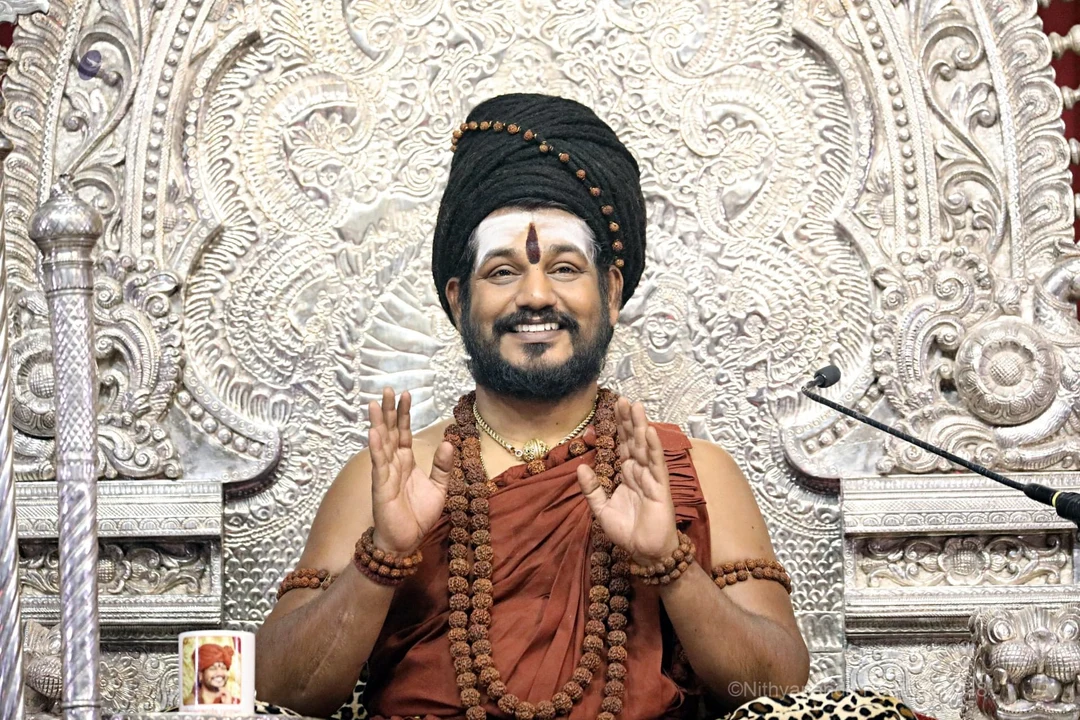
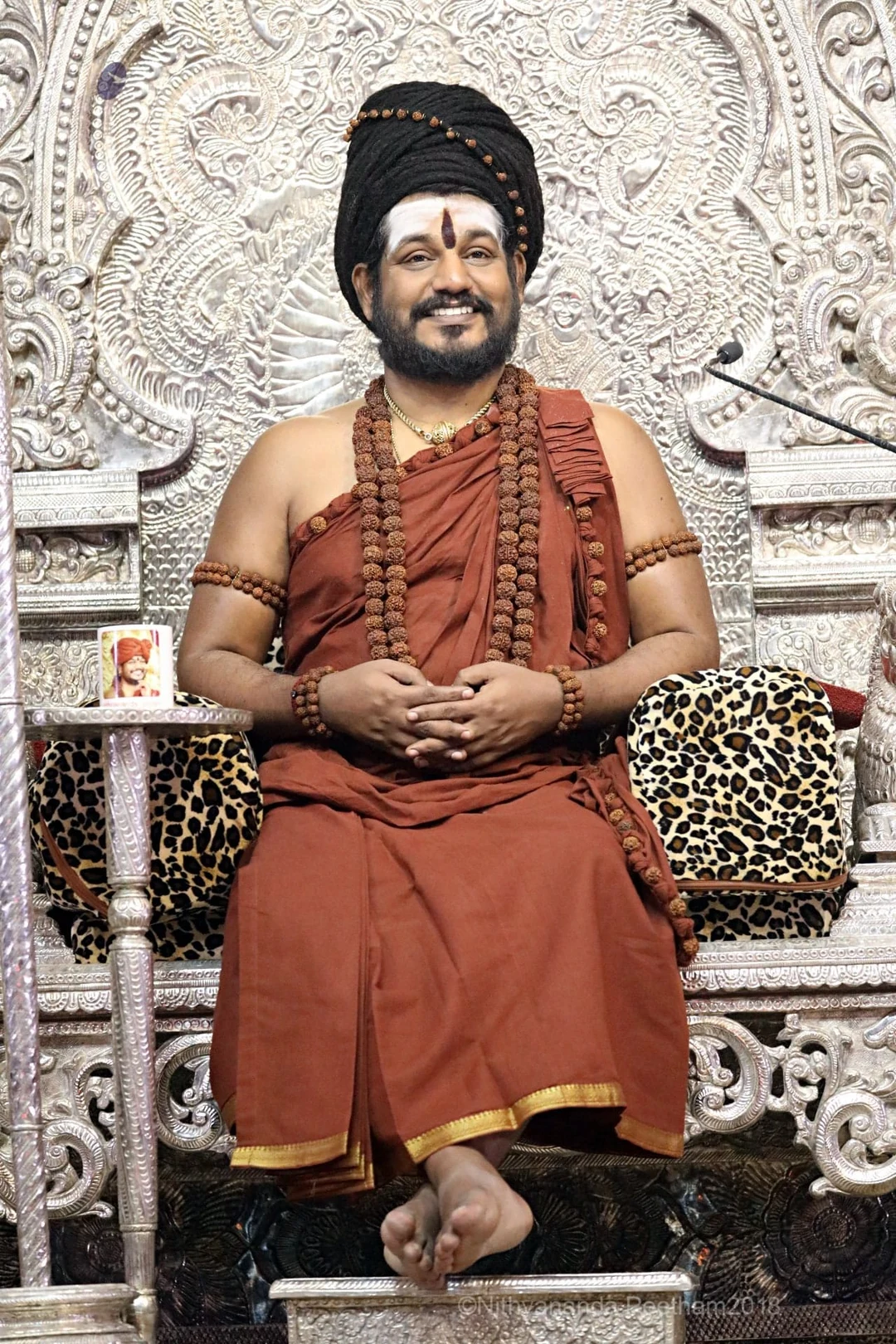
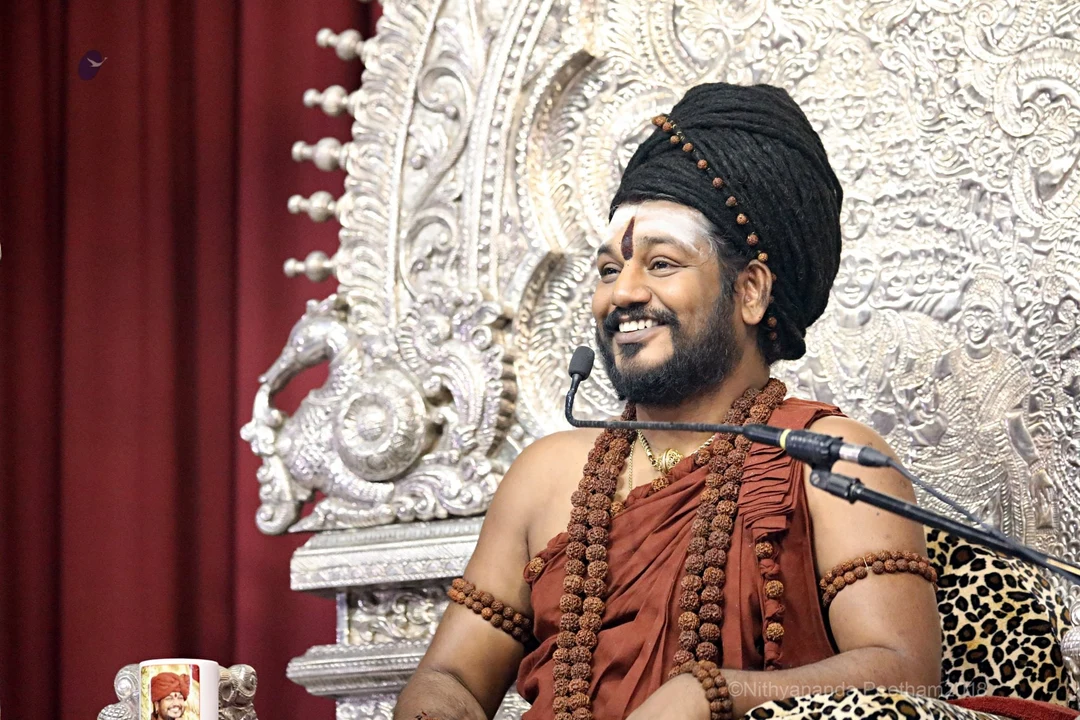
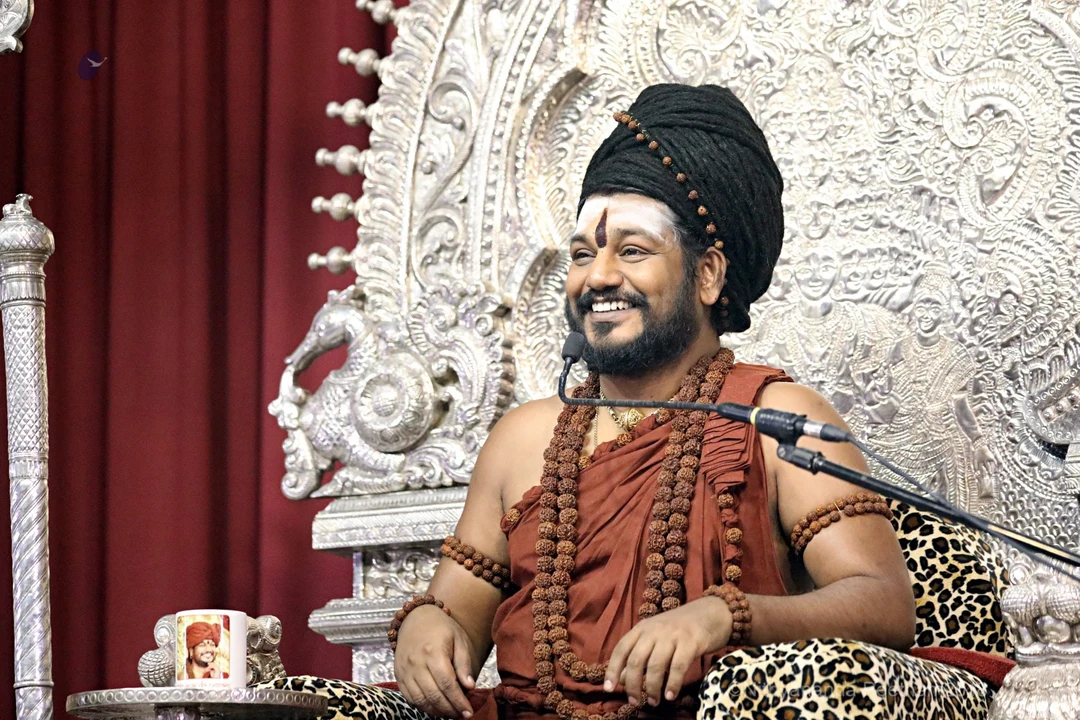
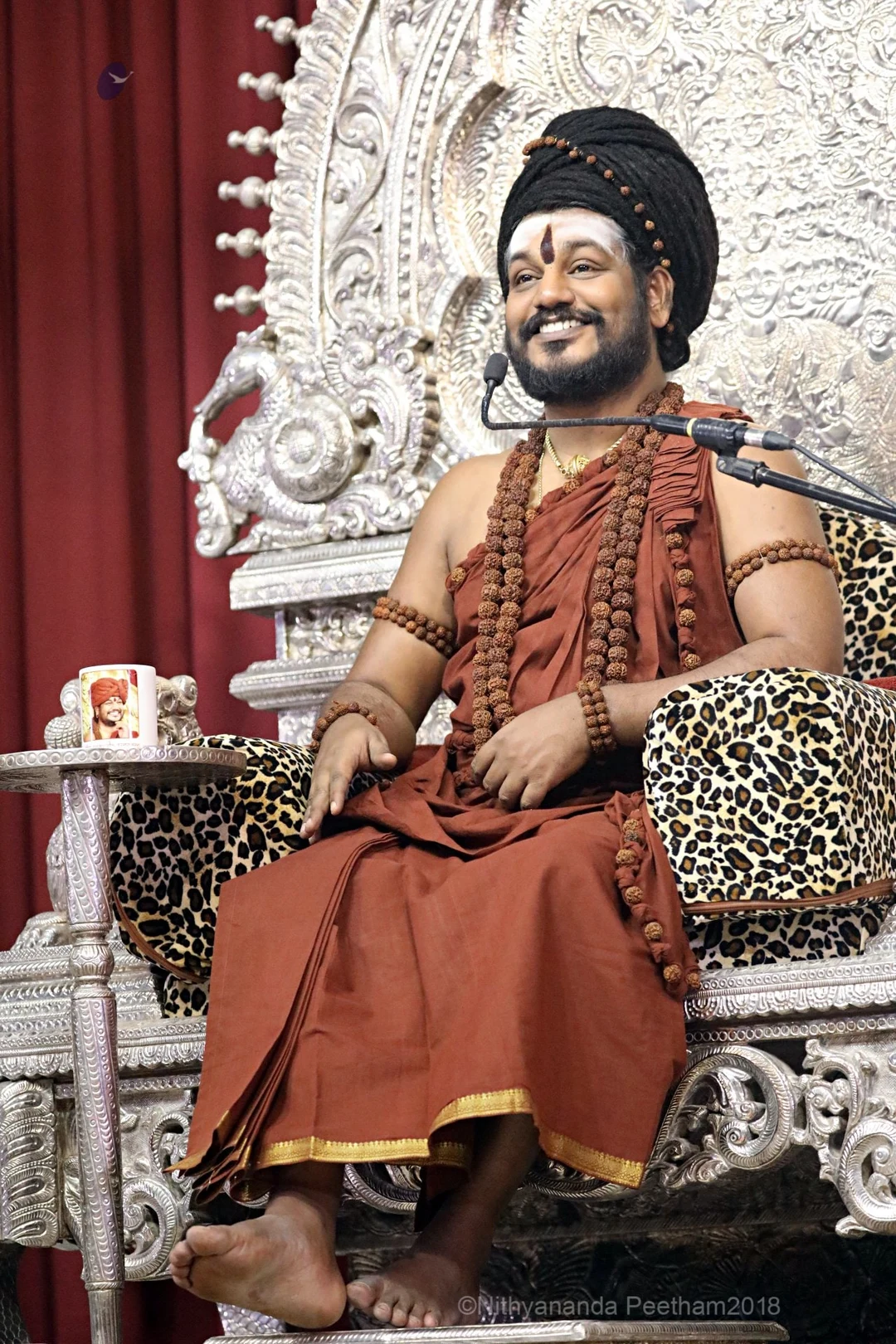
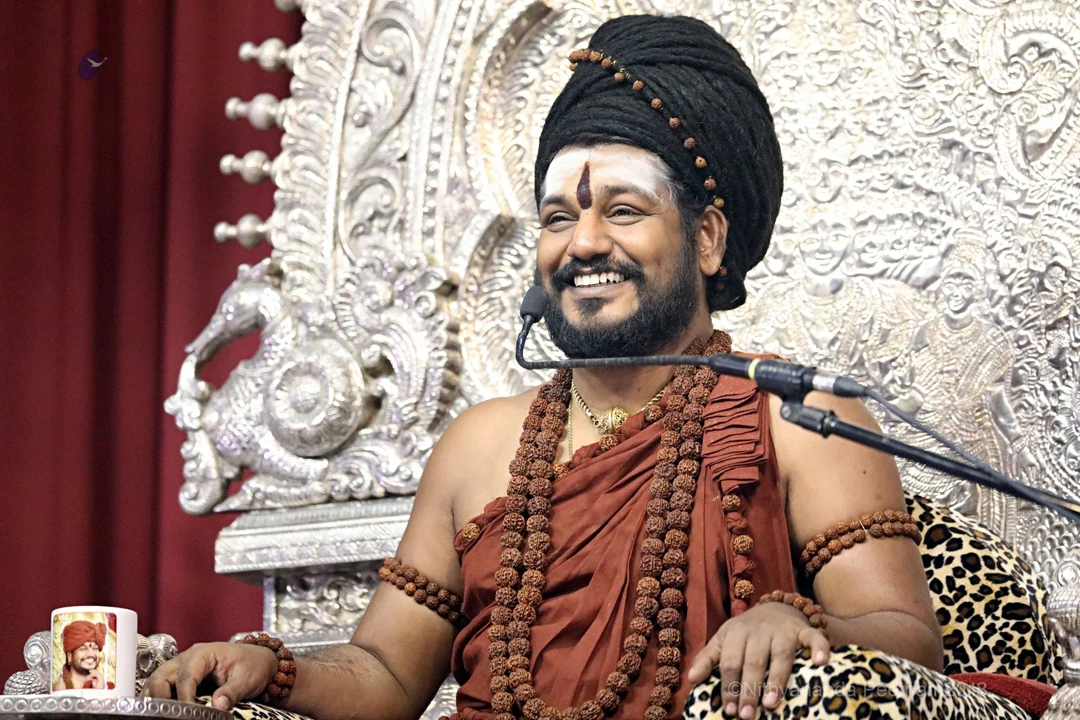
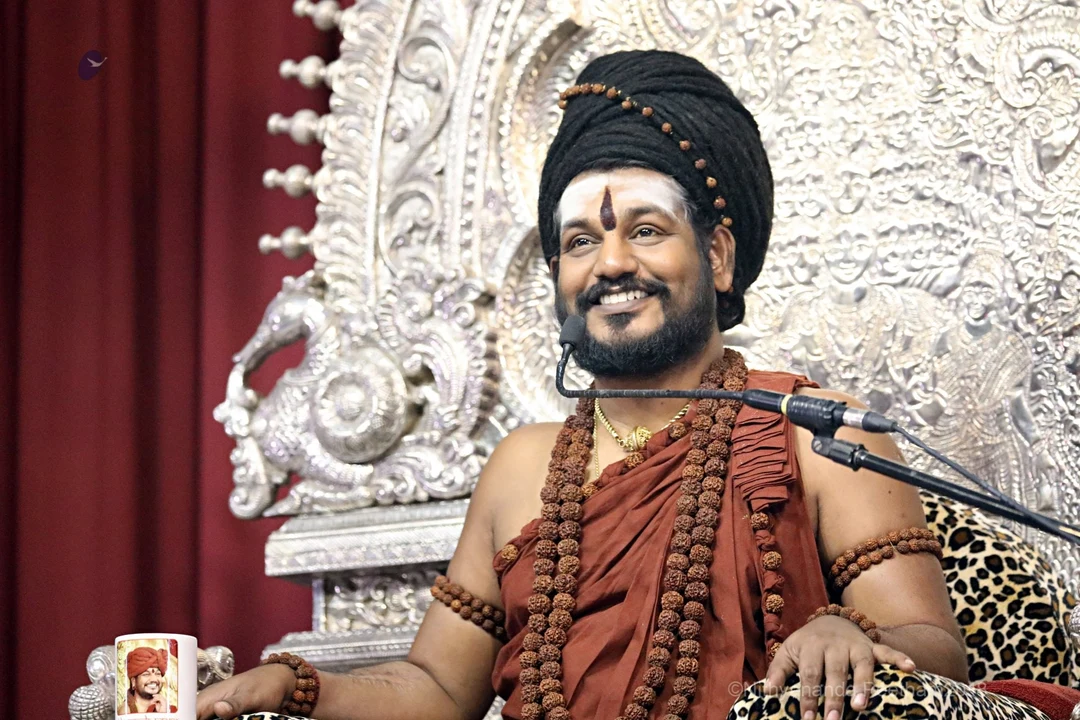
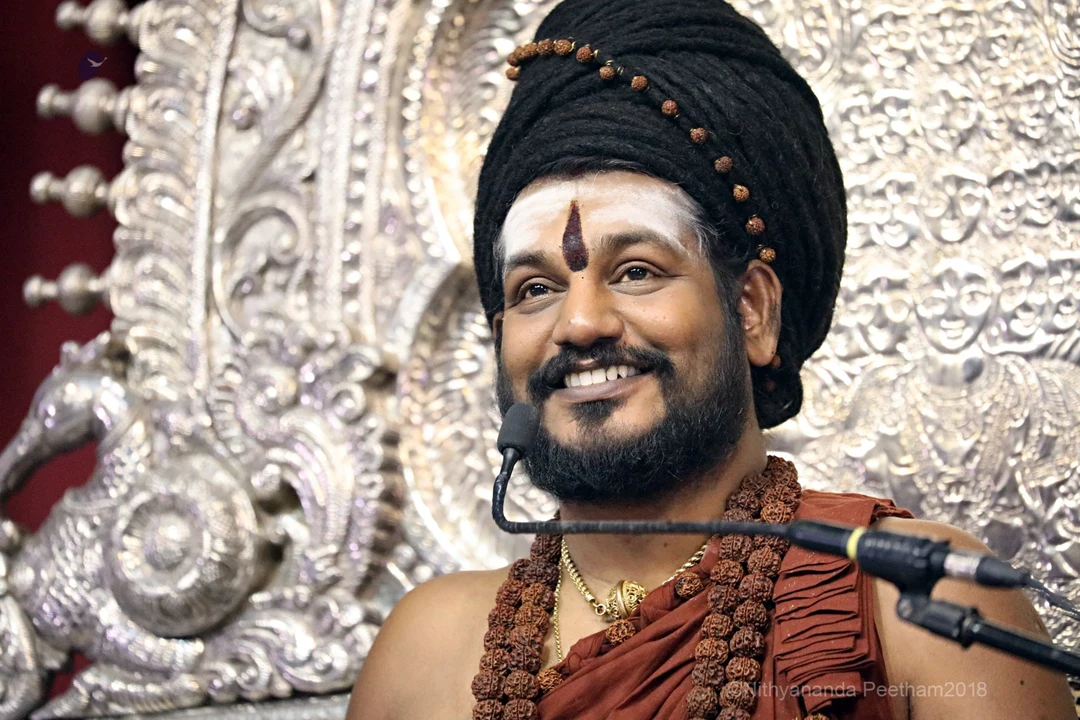
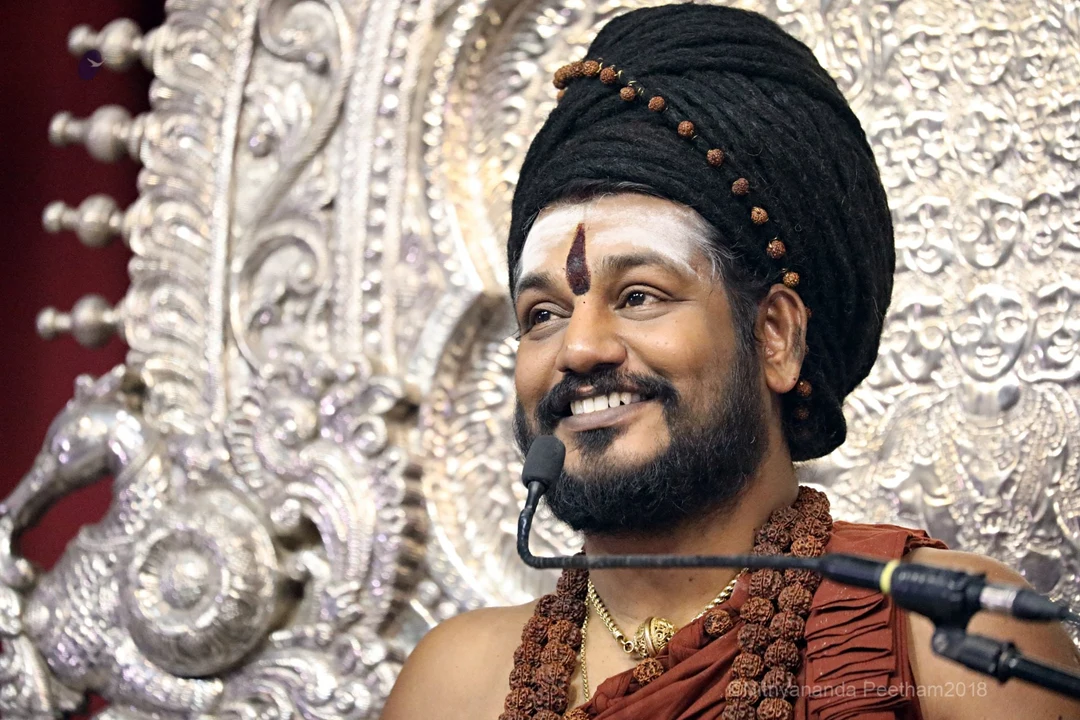
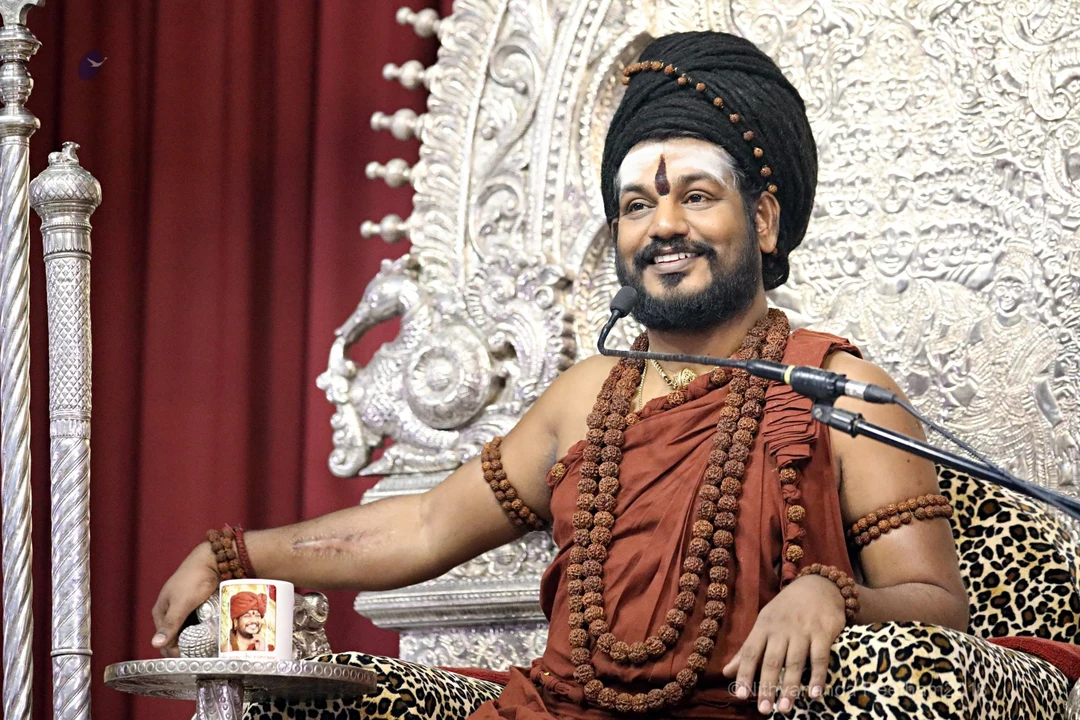
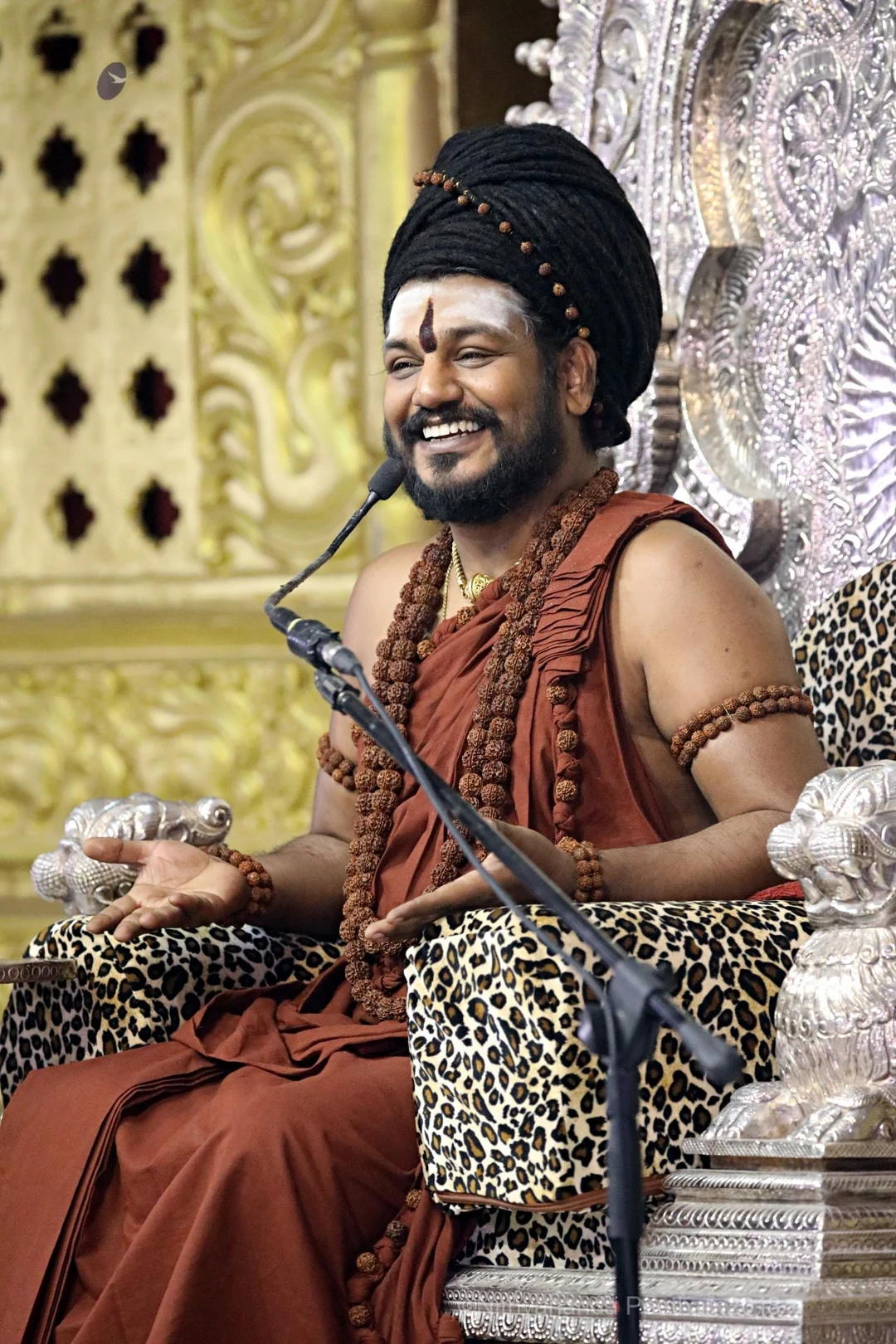
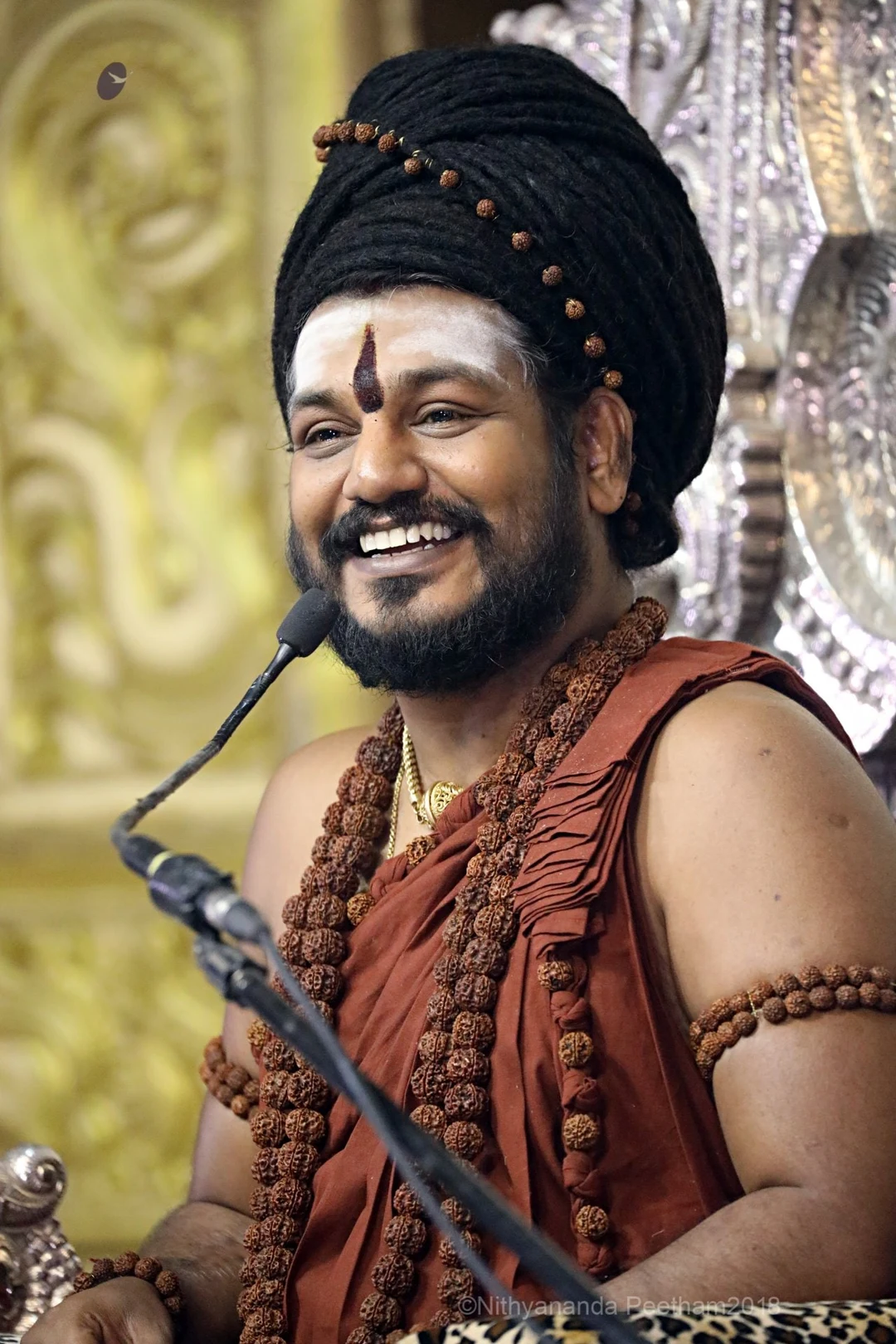
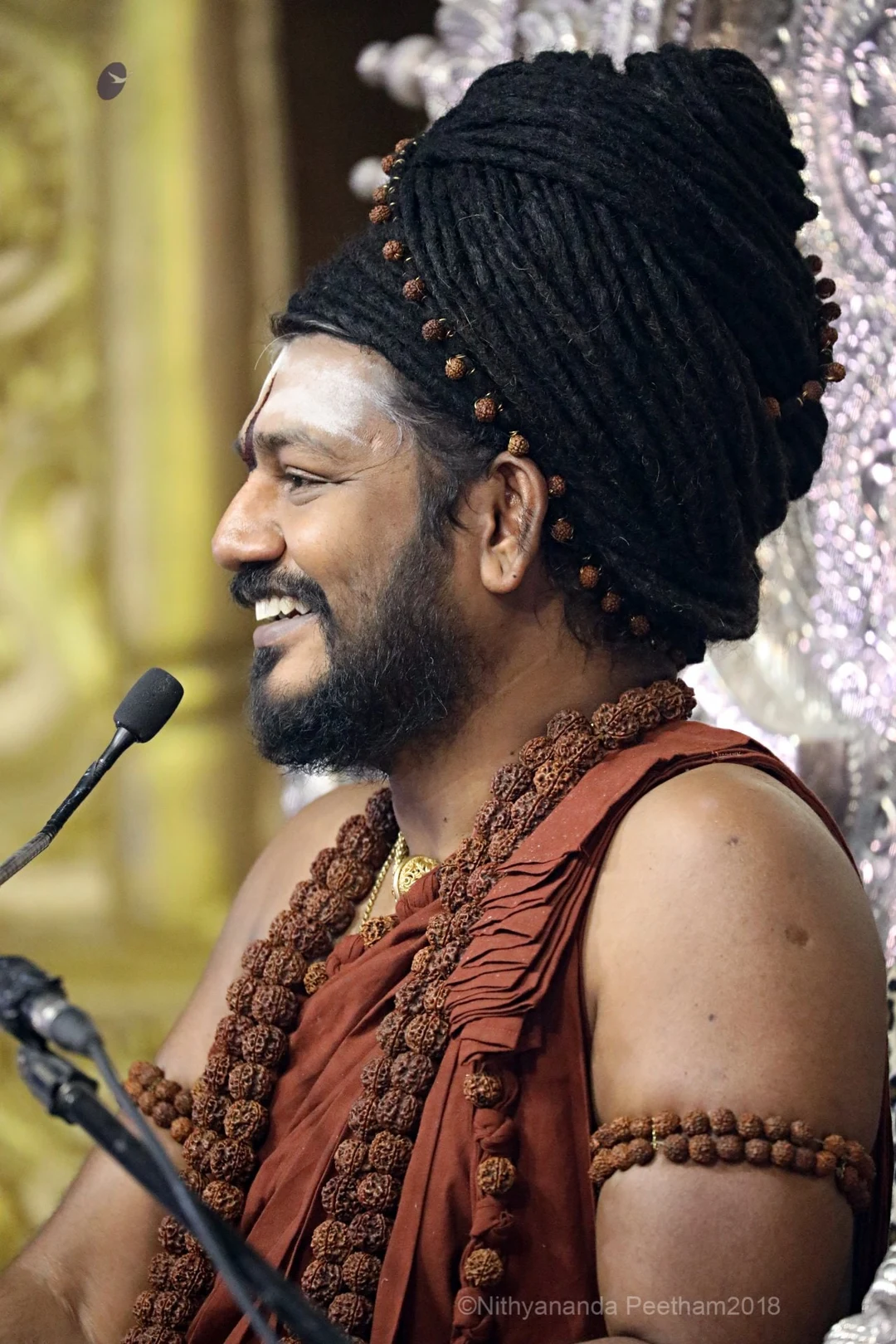
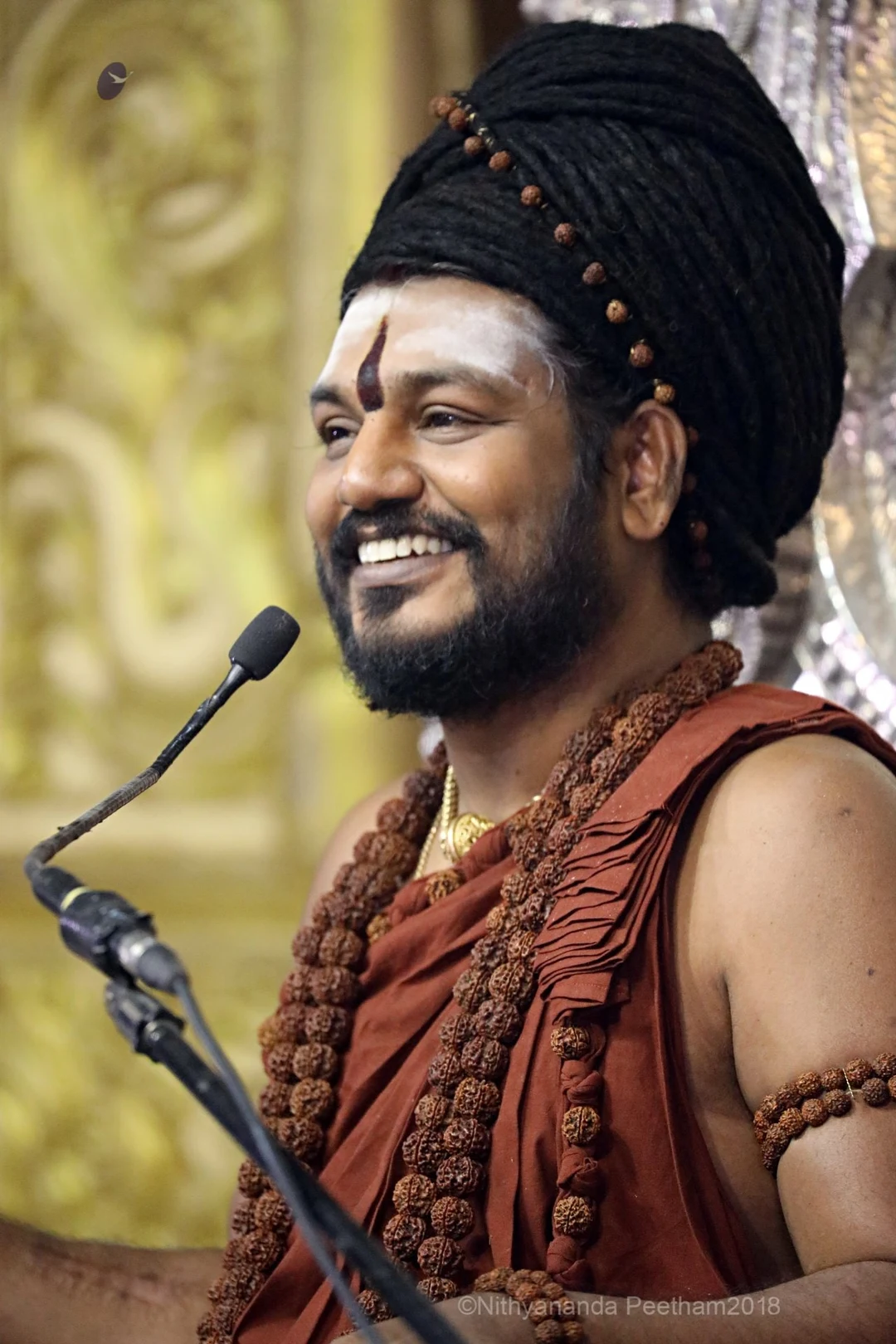
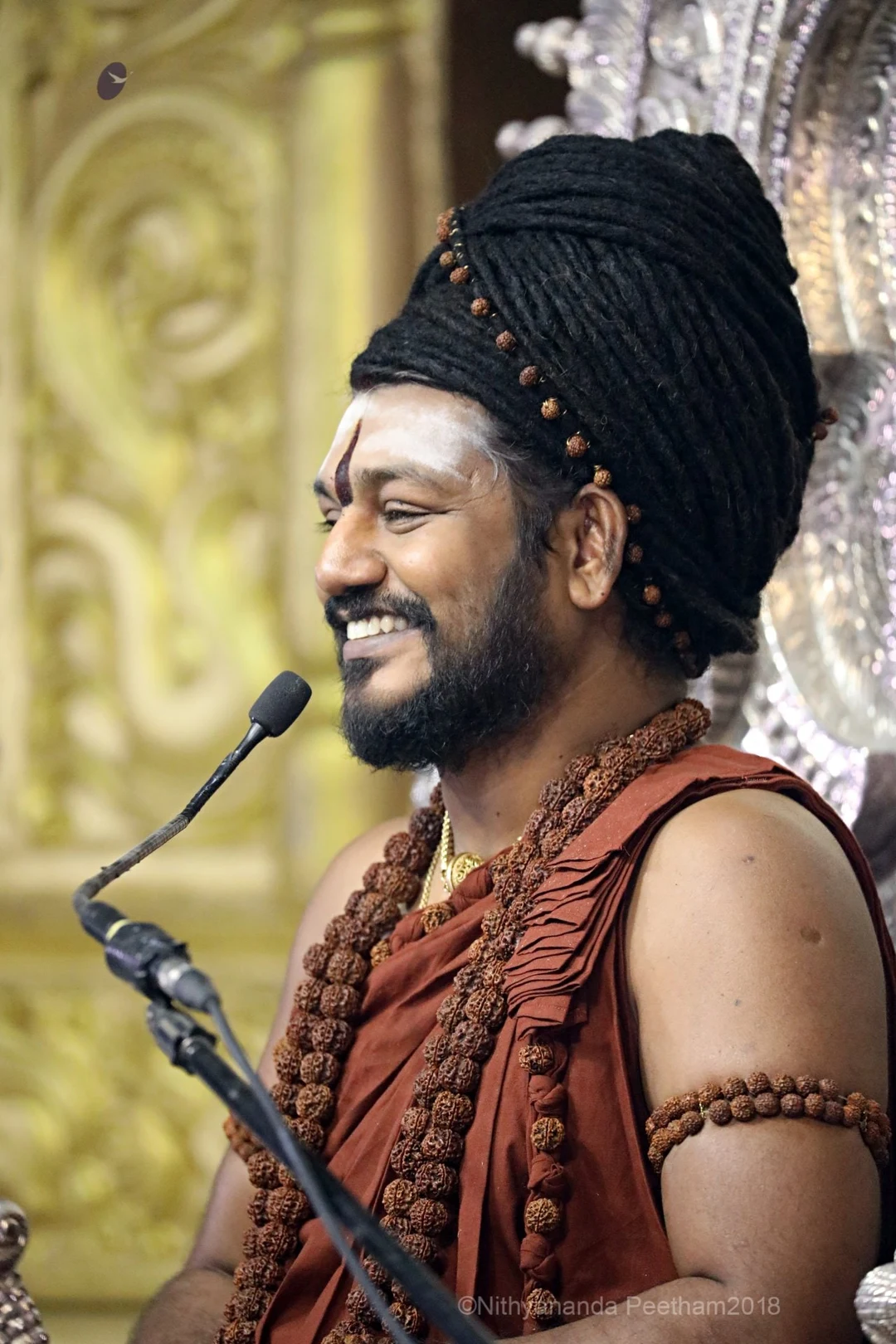
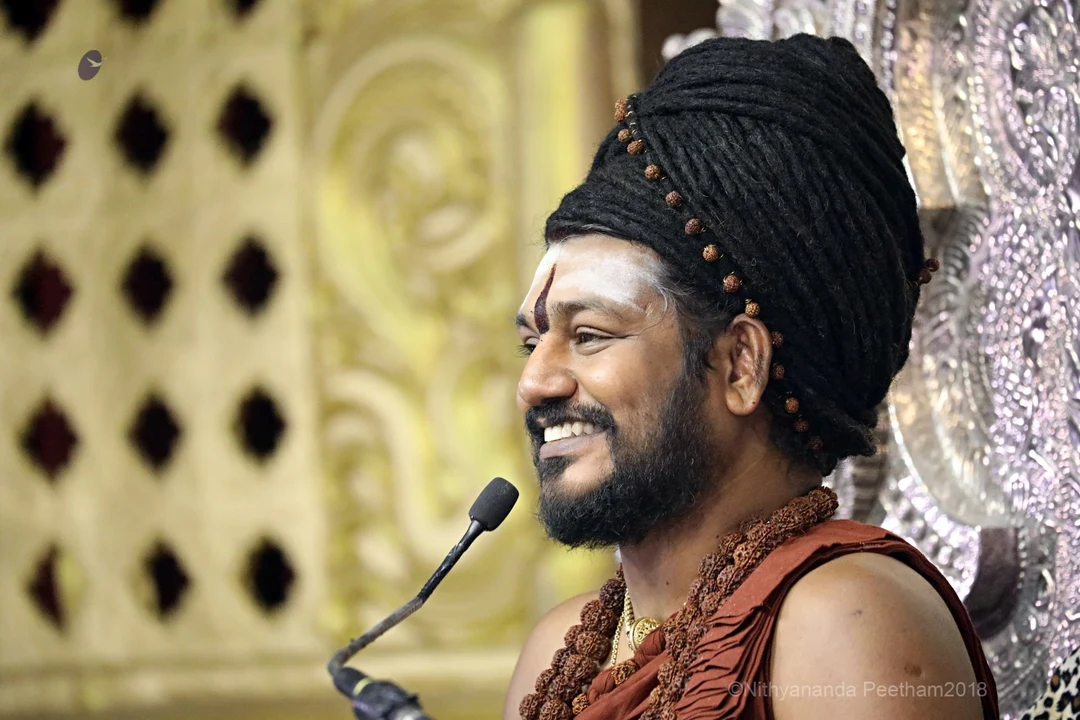
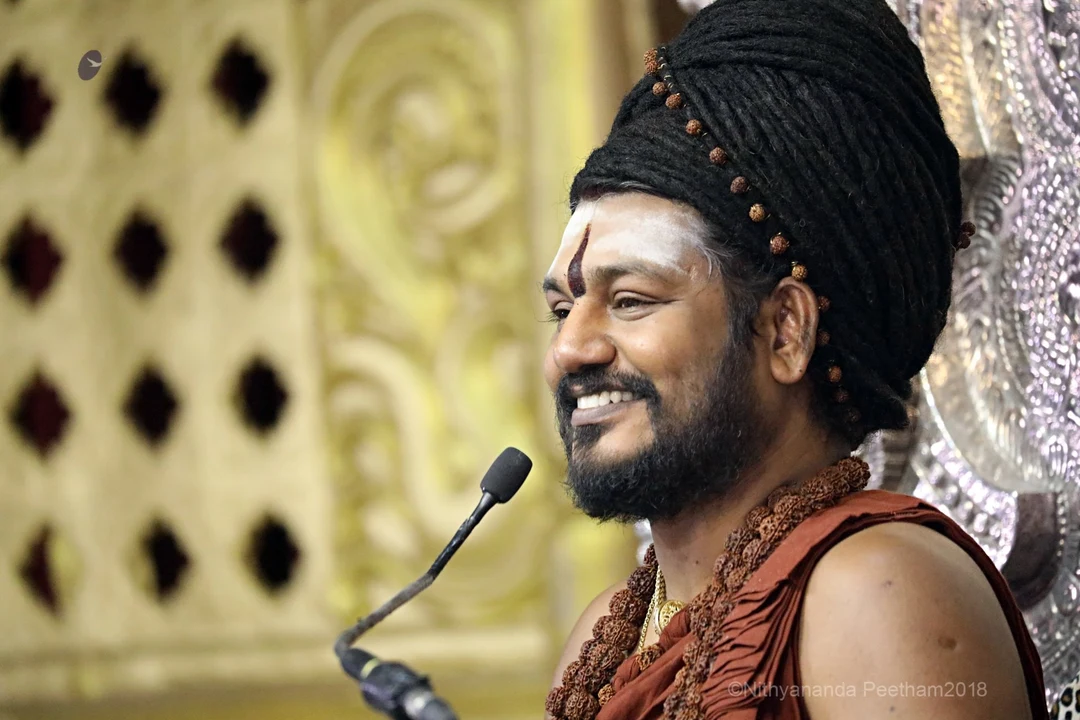
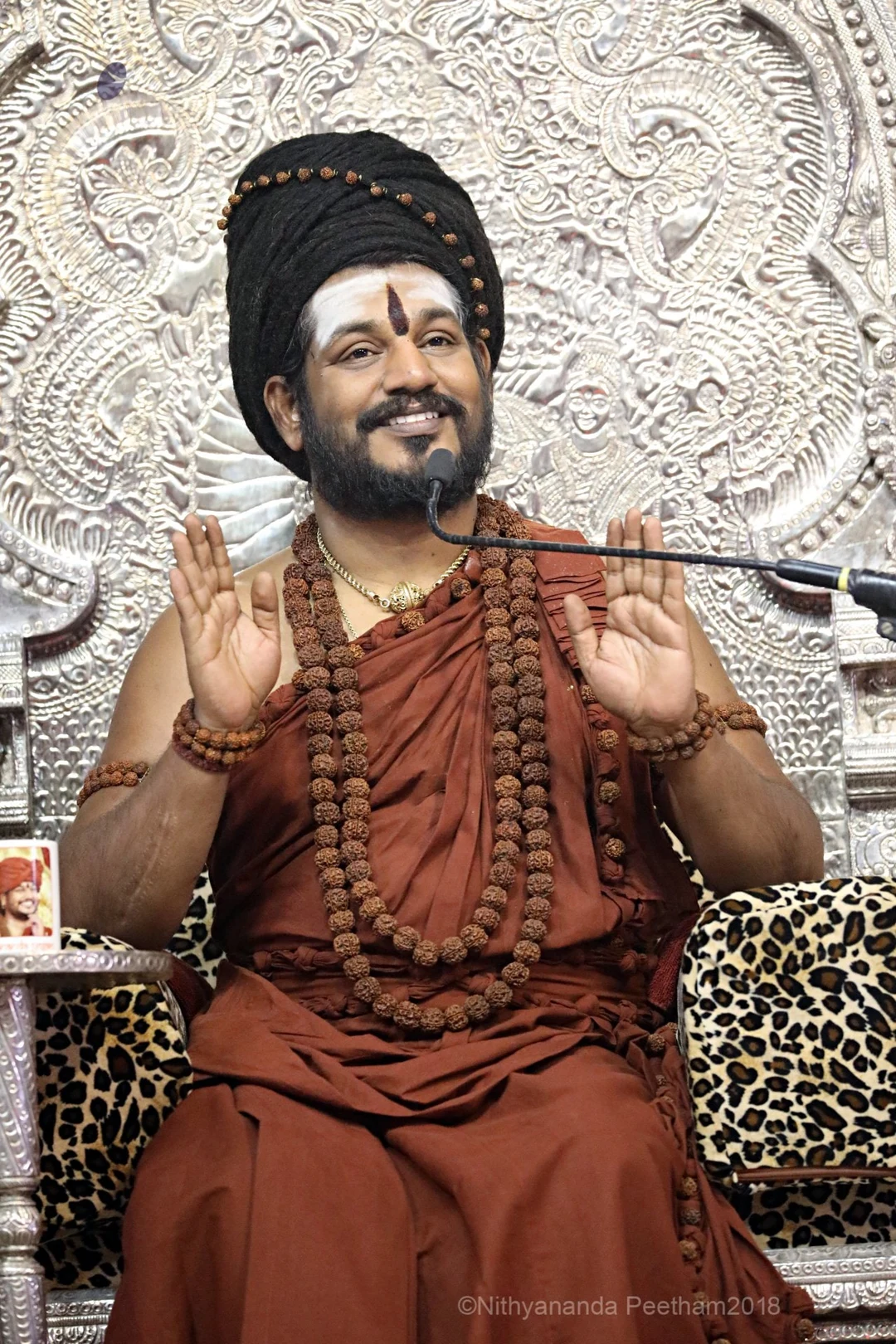
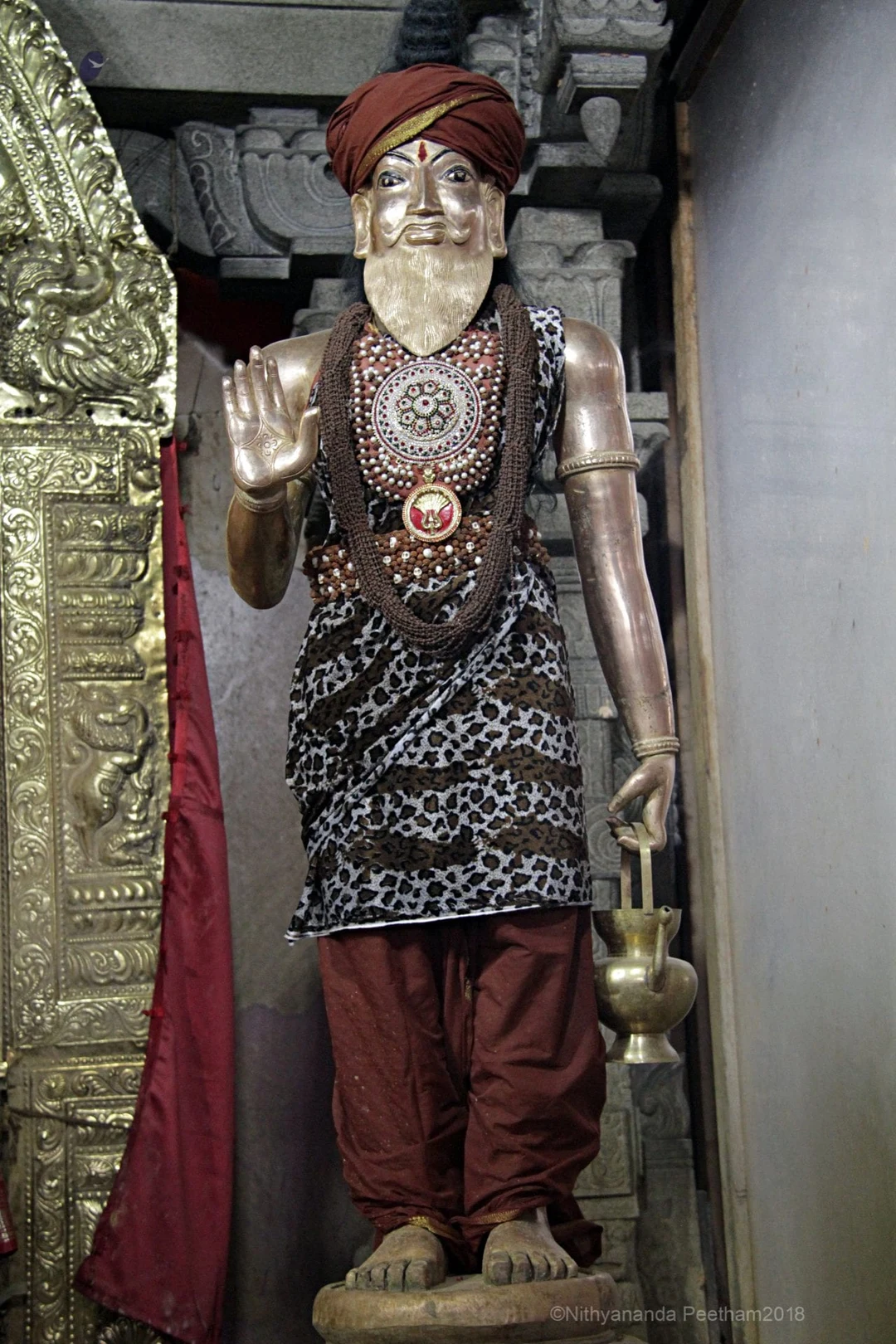
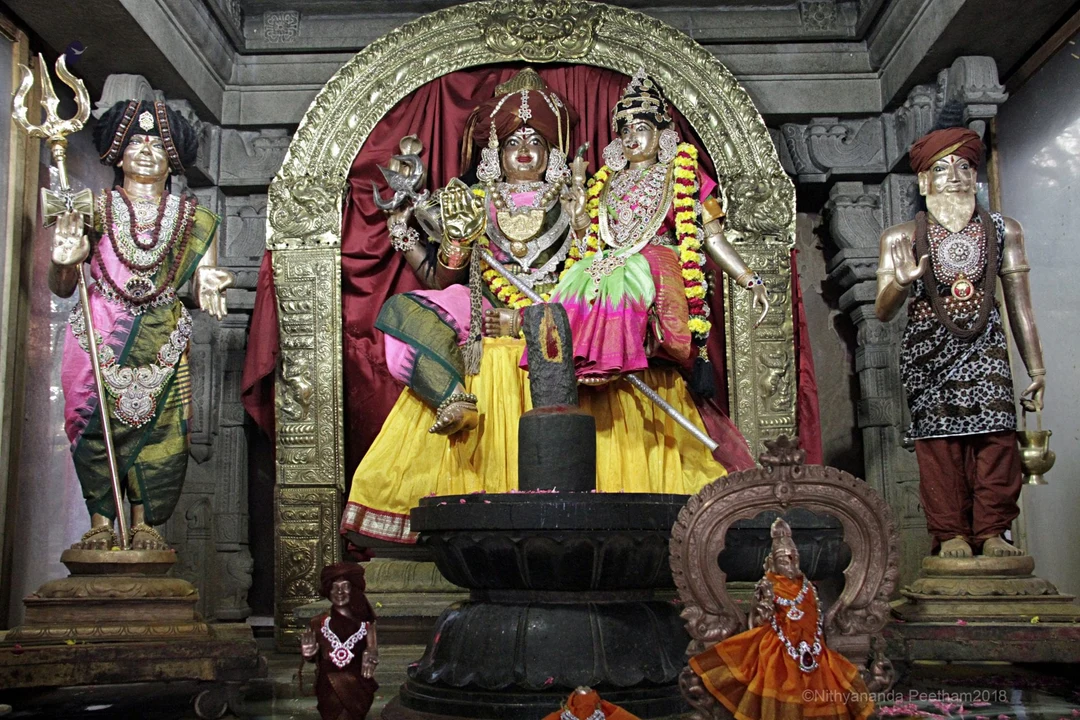
Temple Glimpses
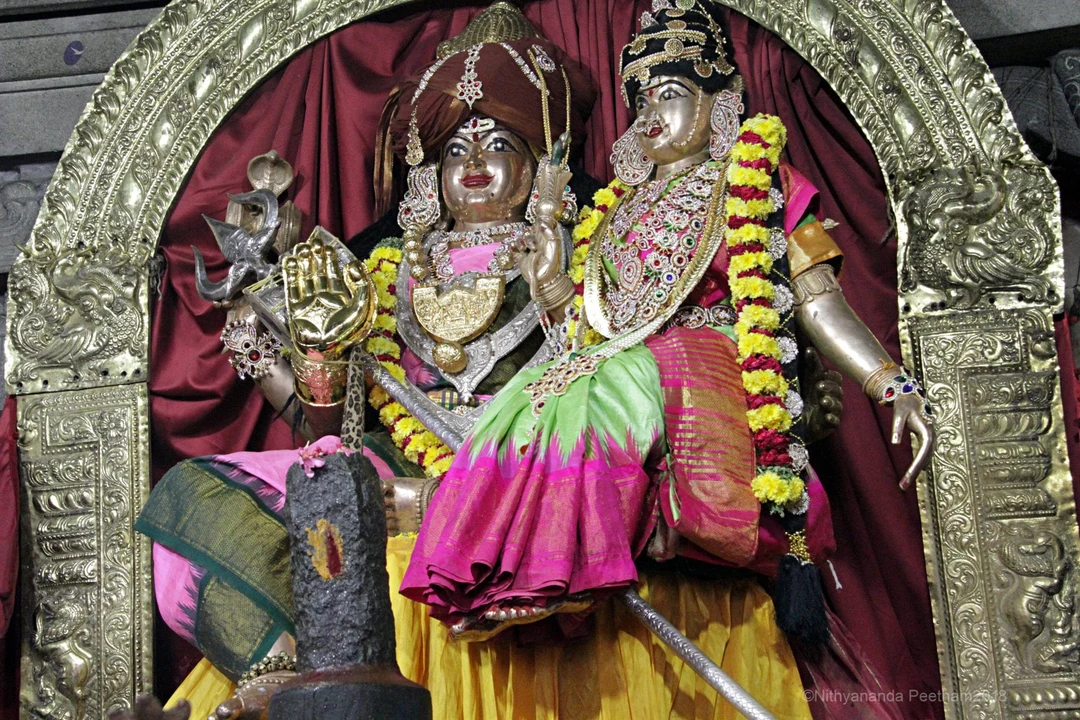
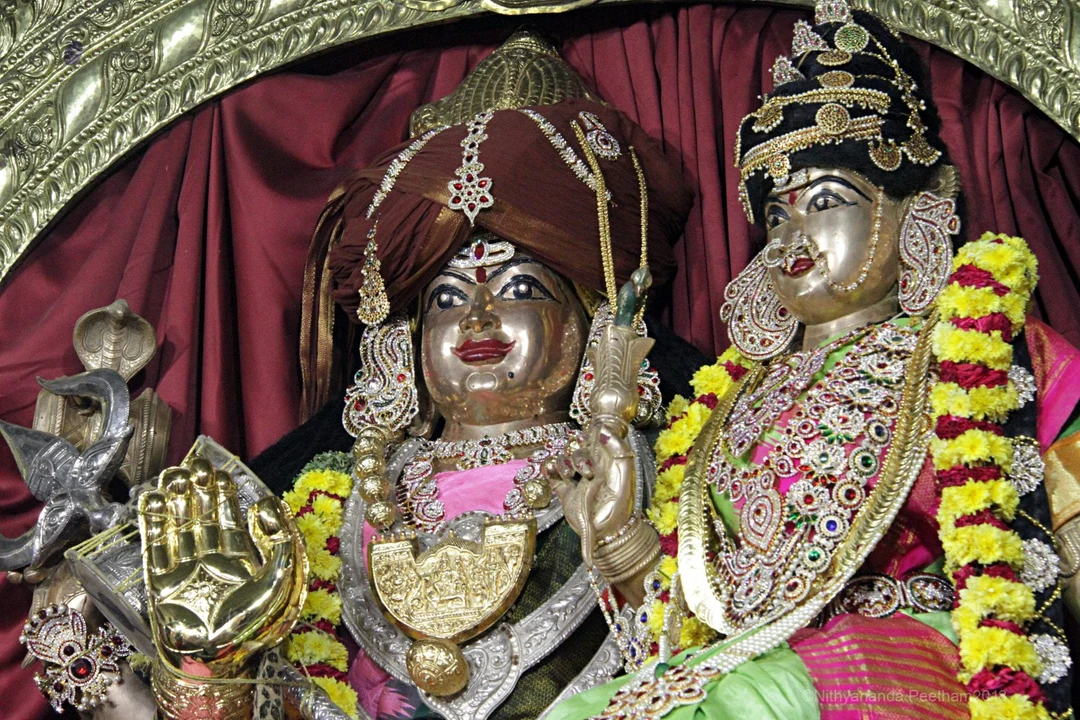
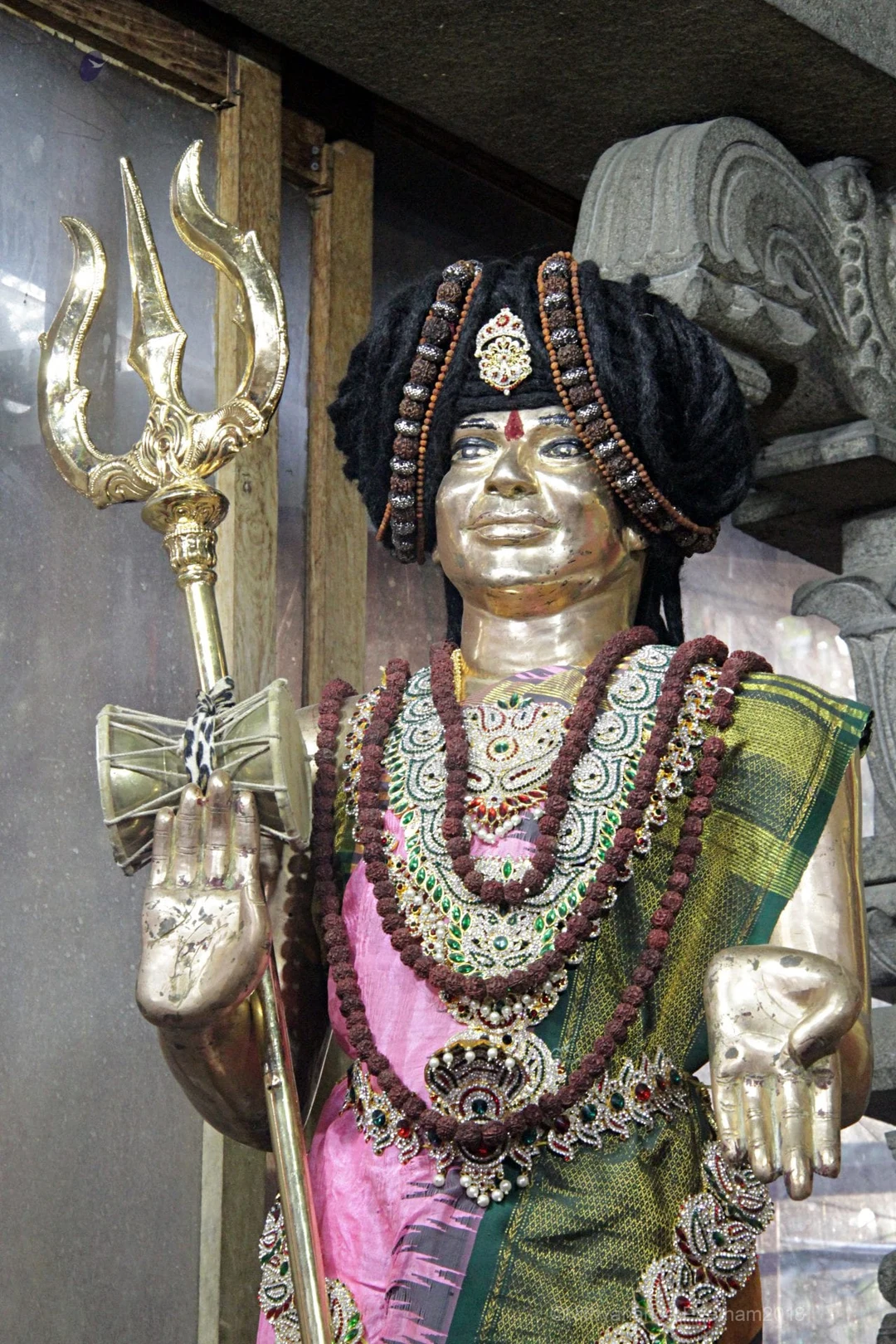
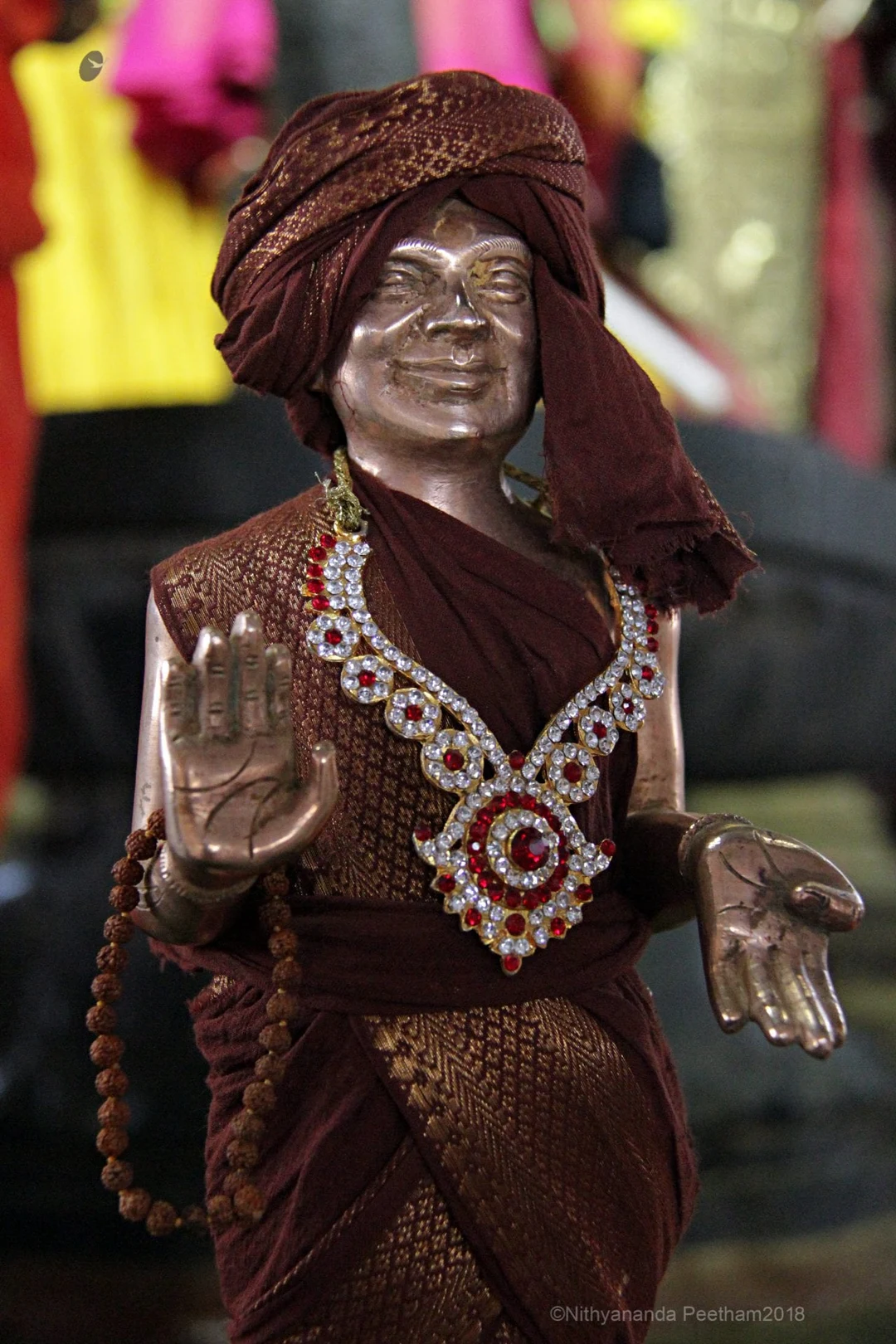
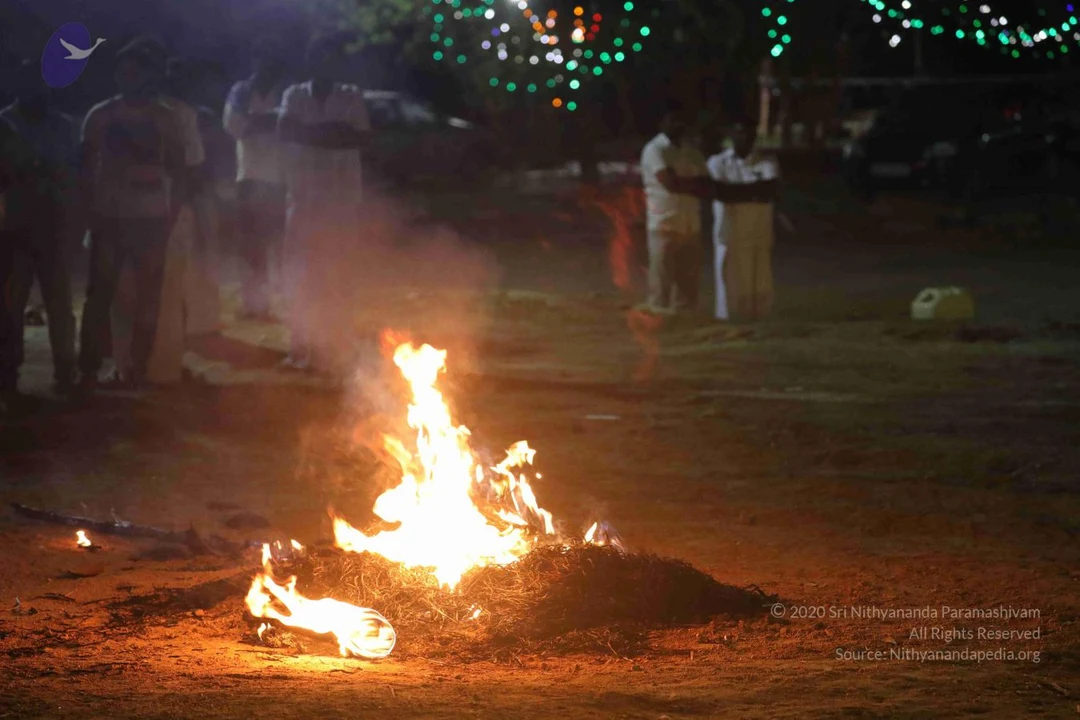
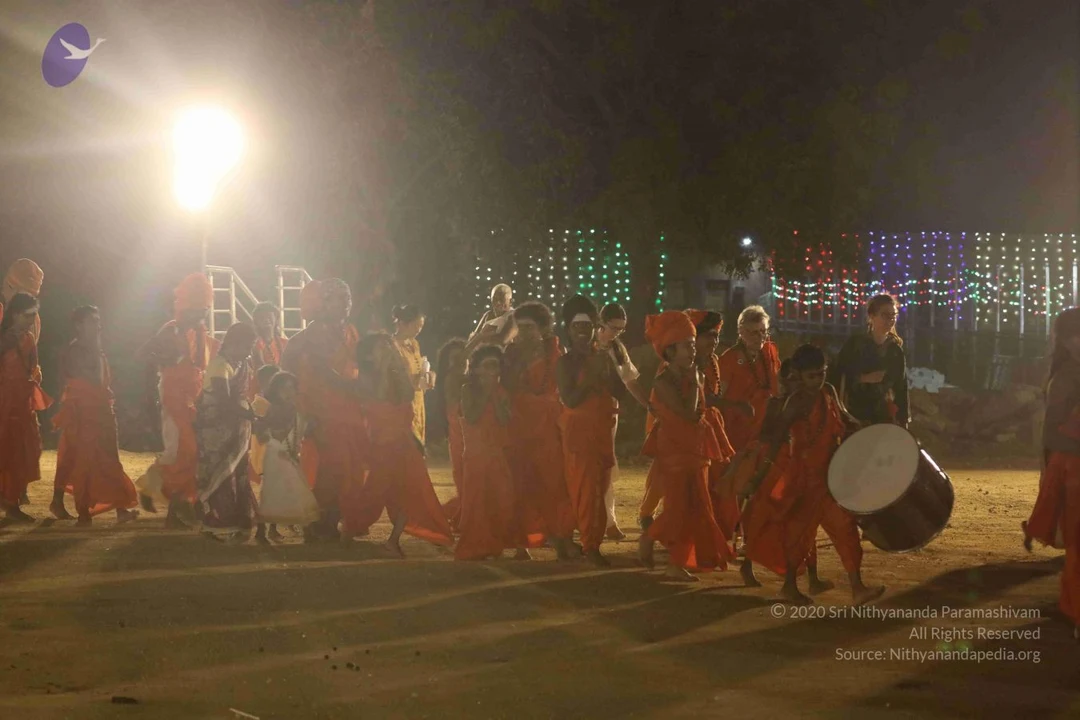
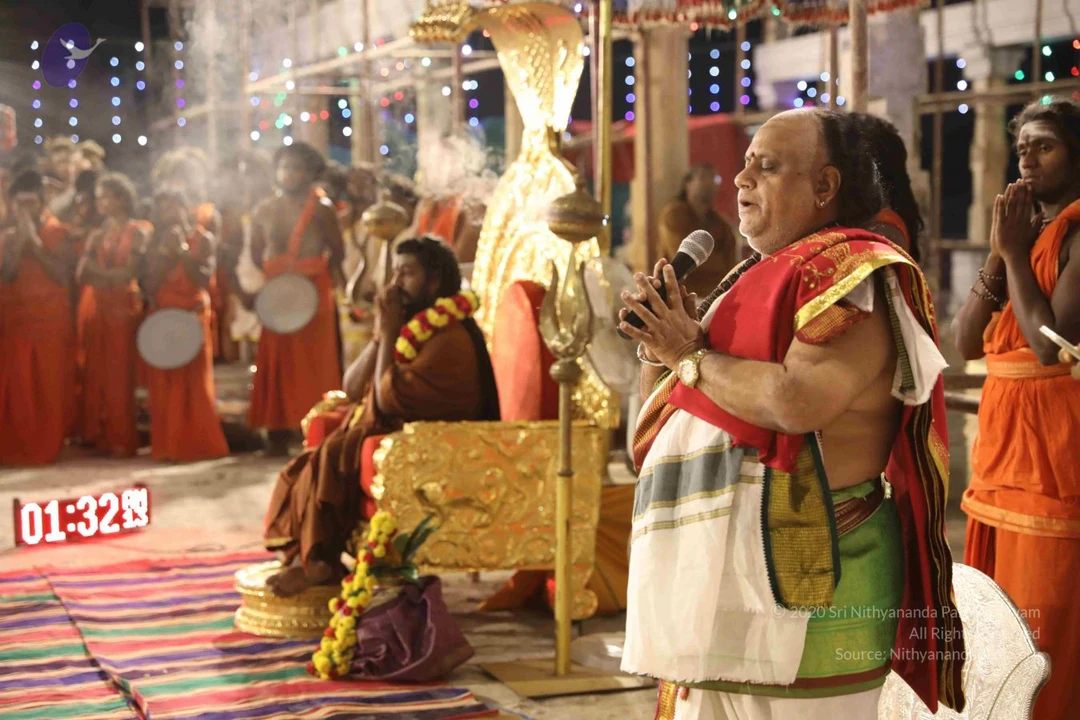
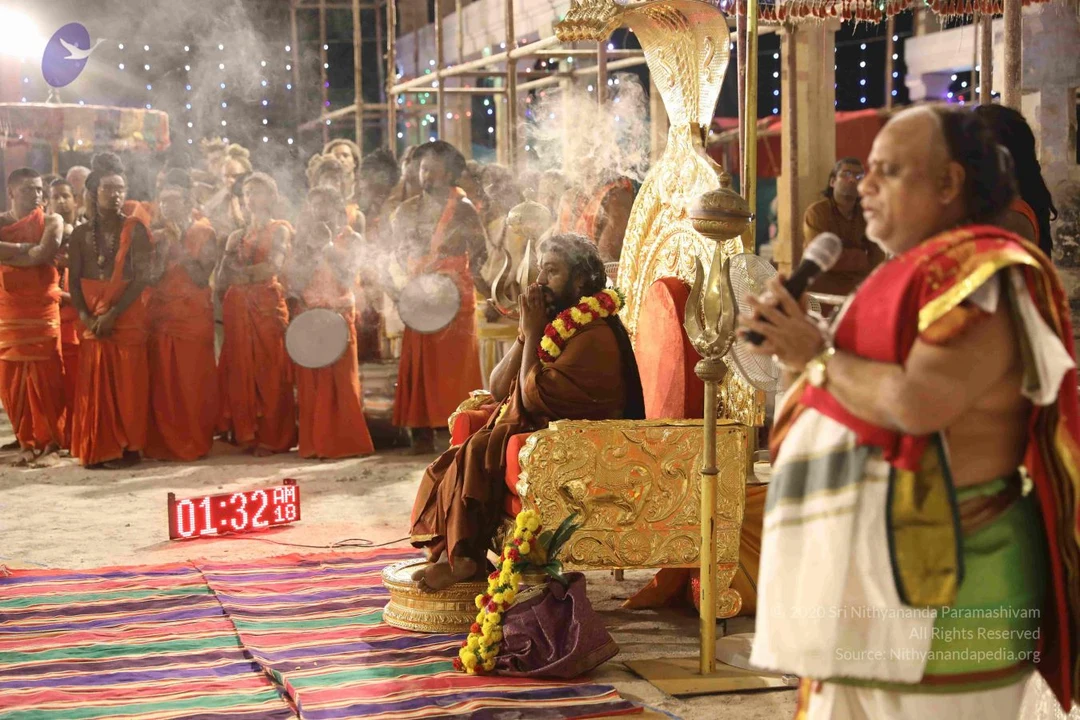
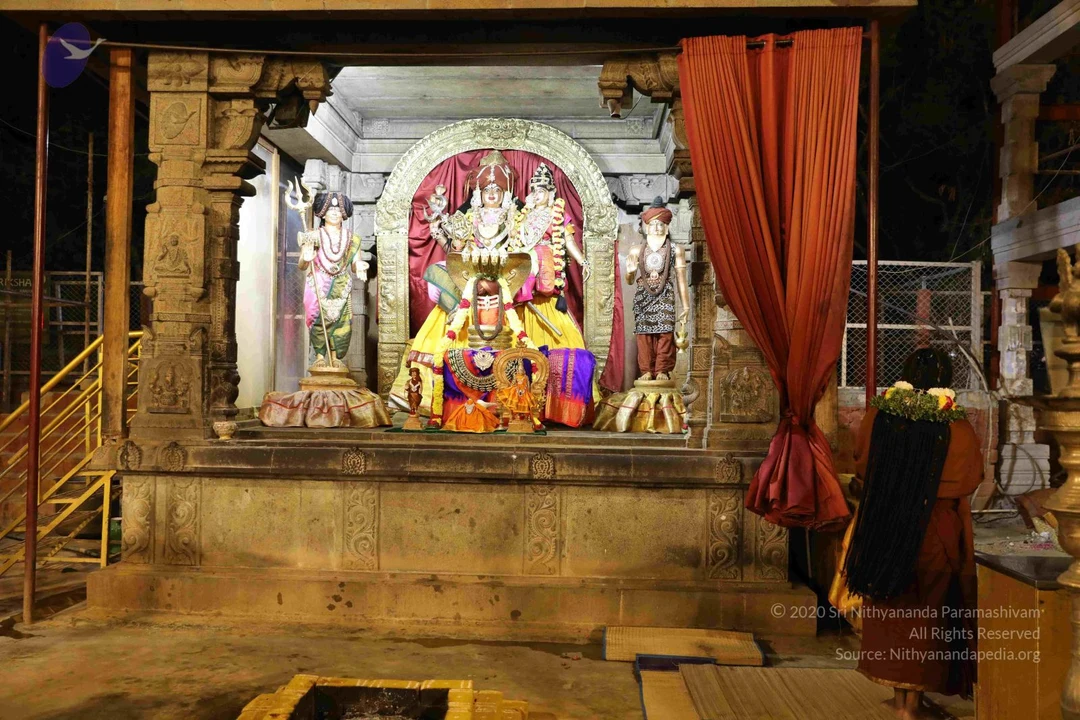
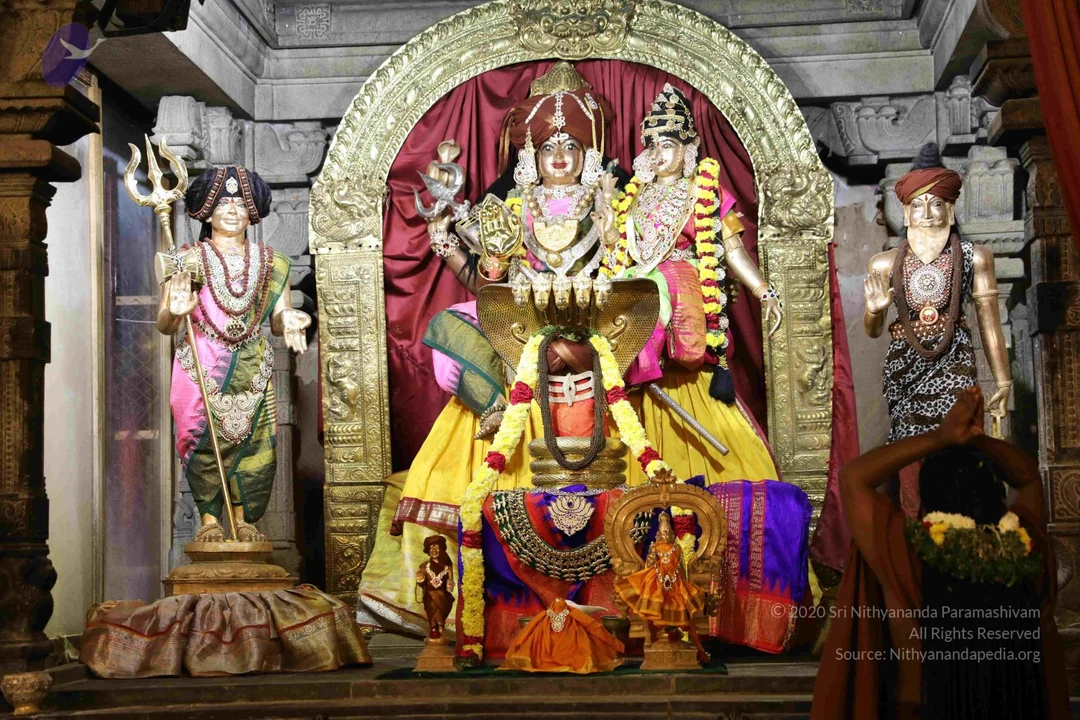
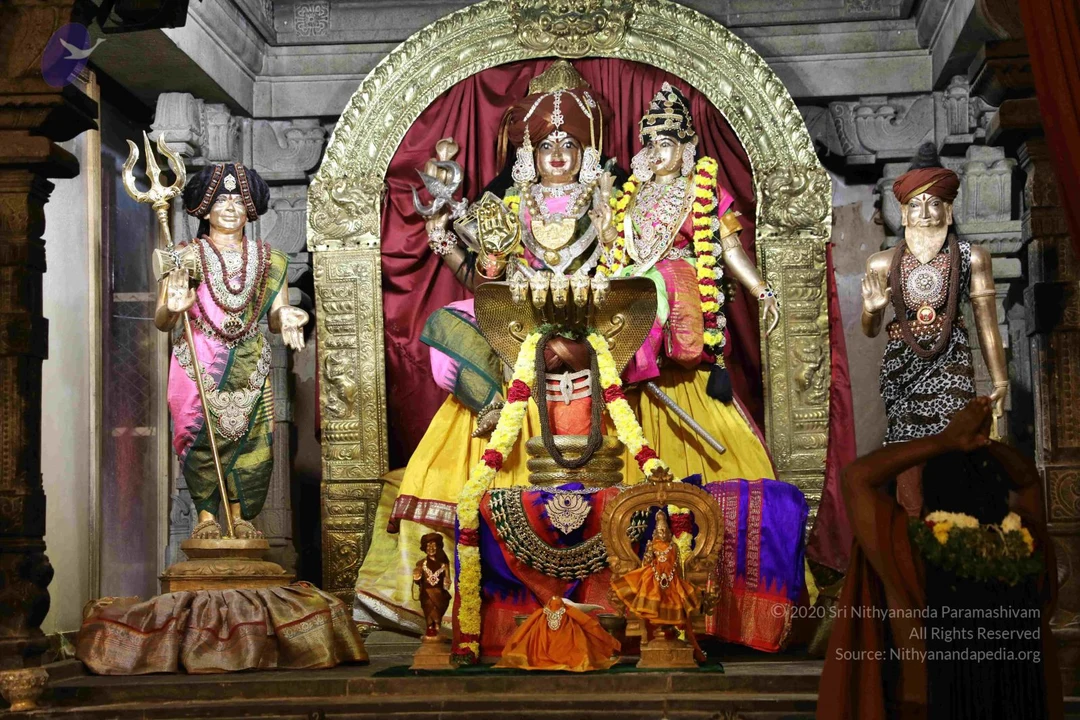
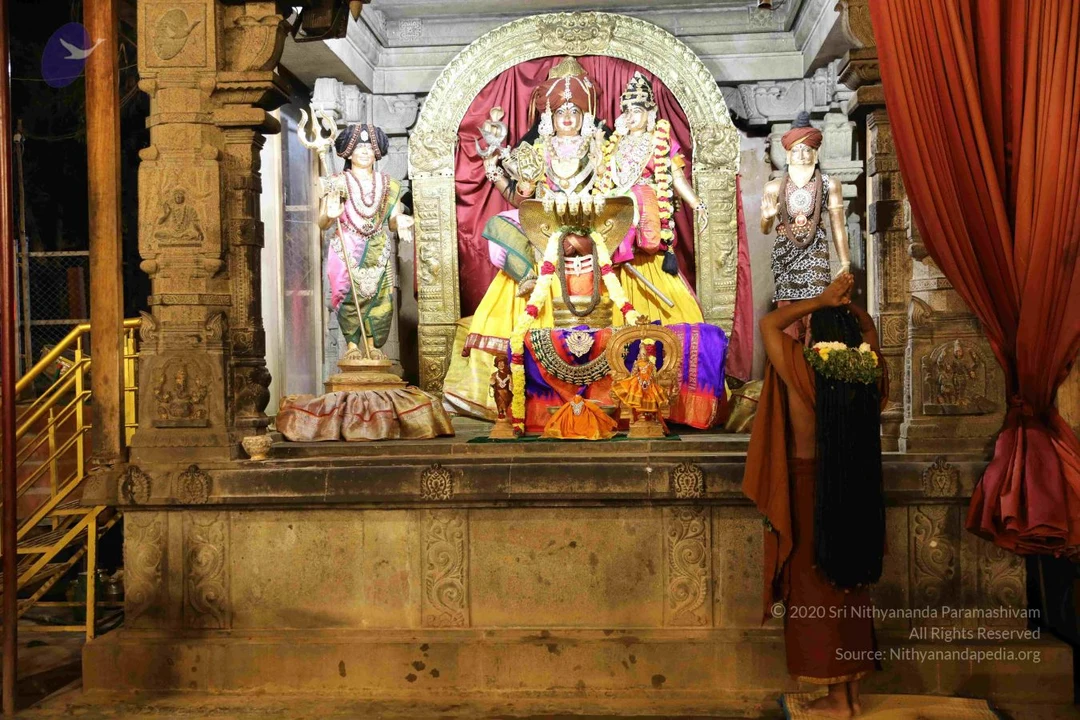
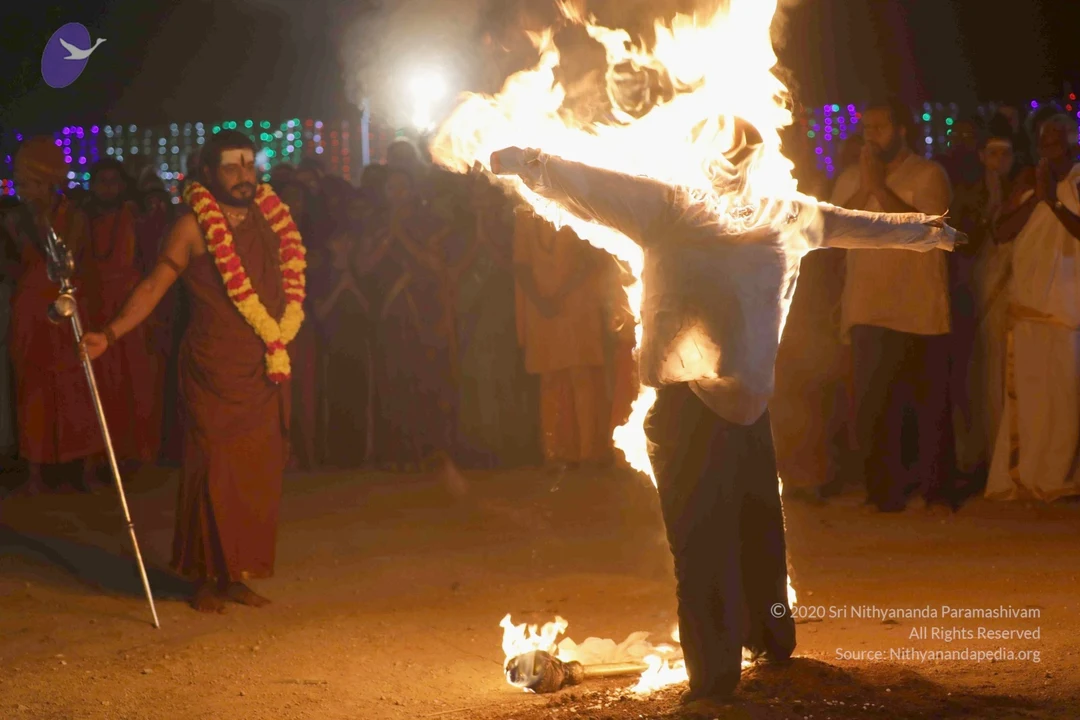
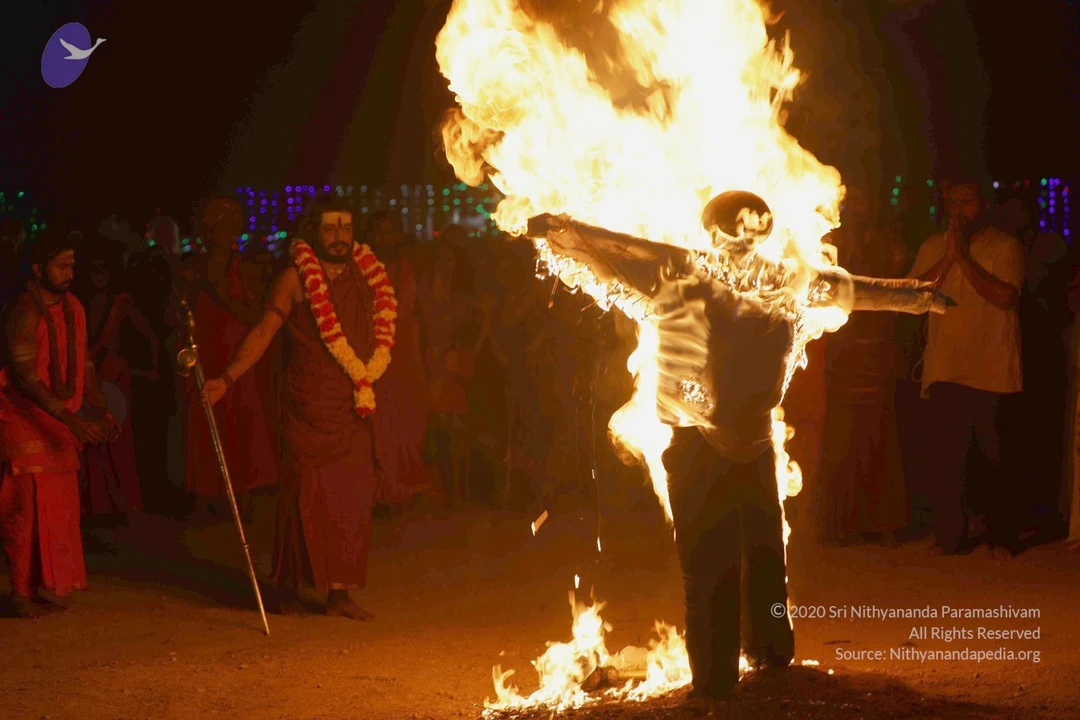
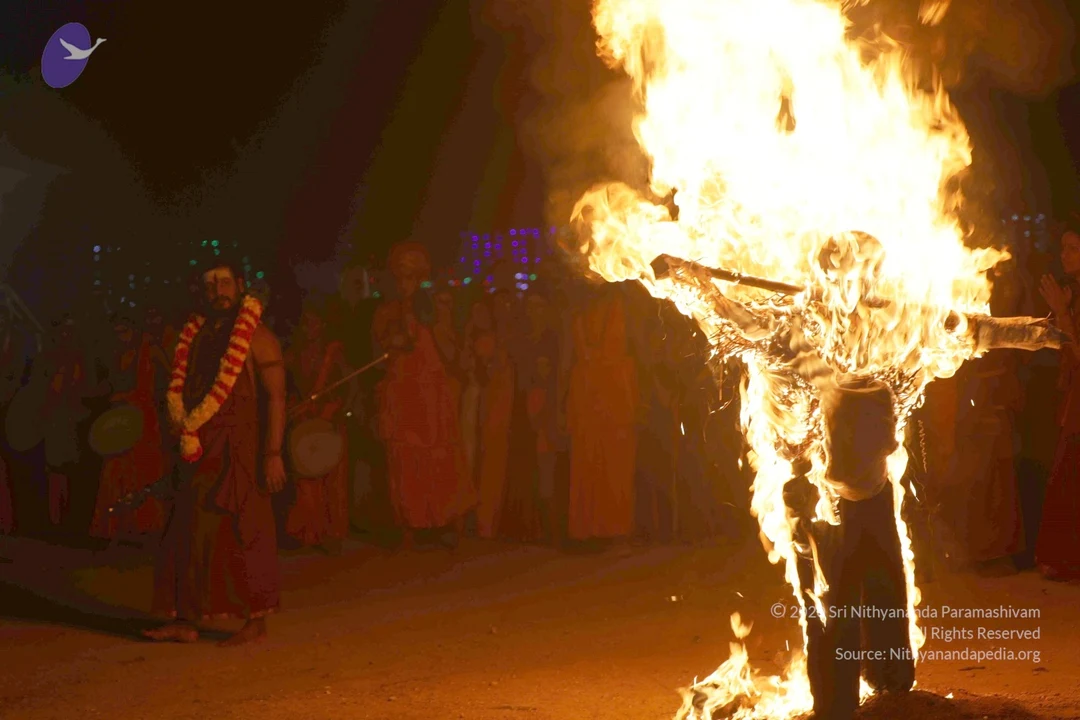
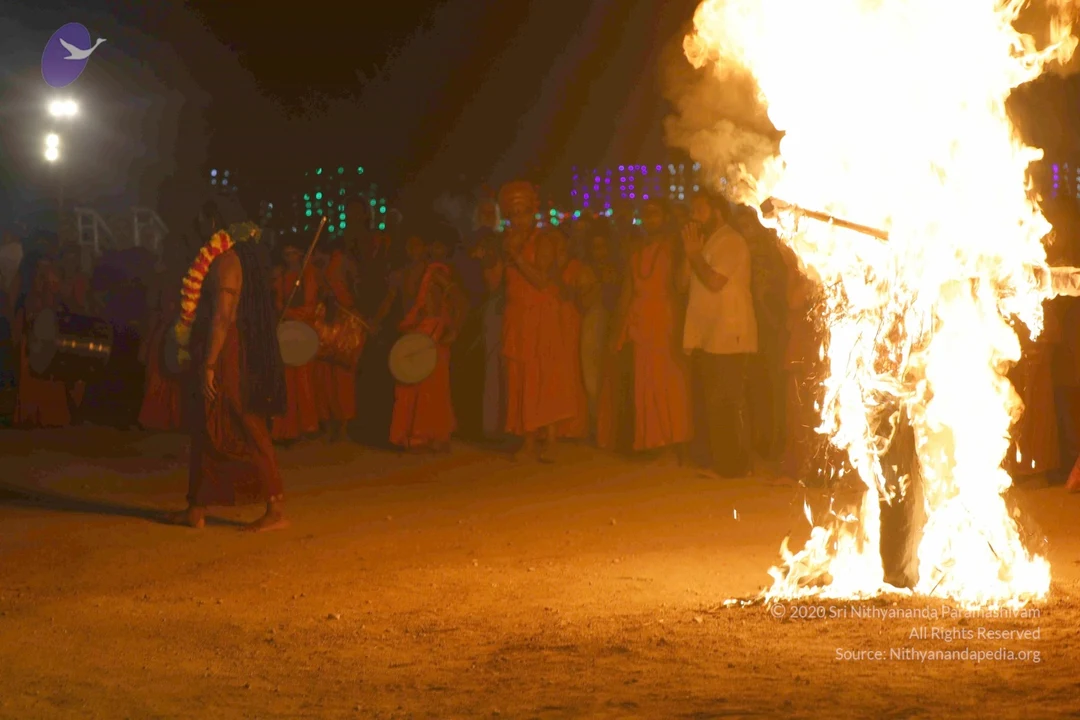
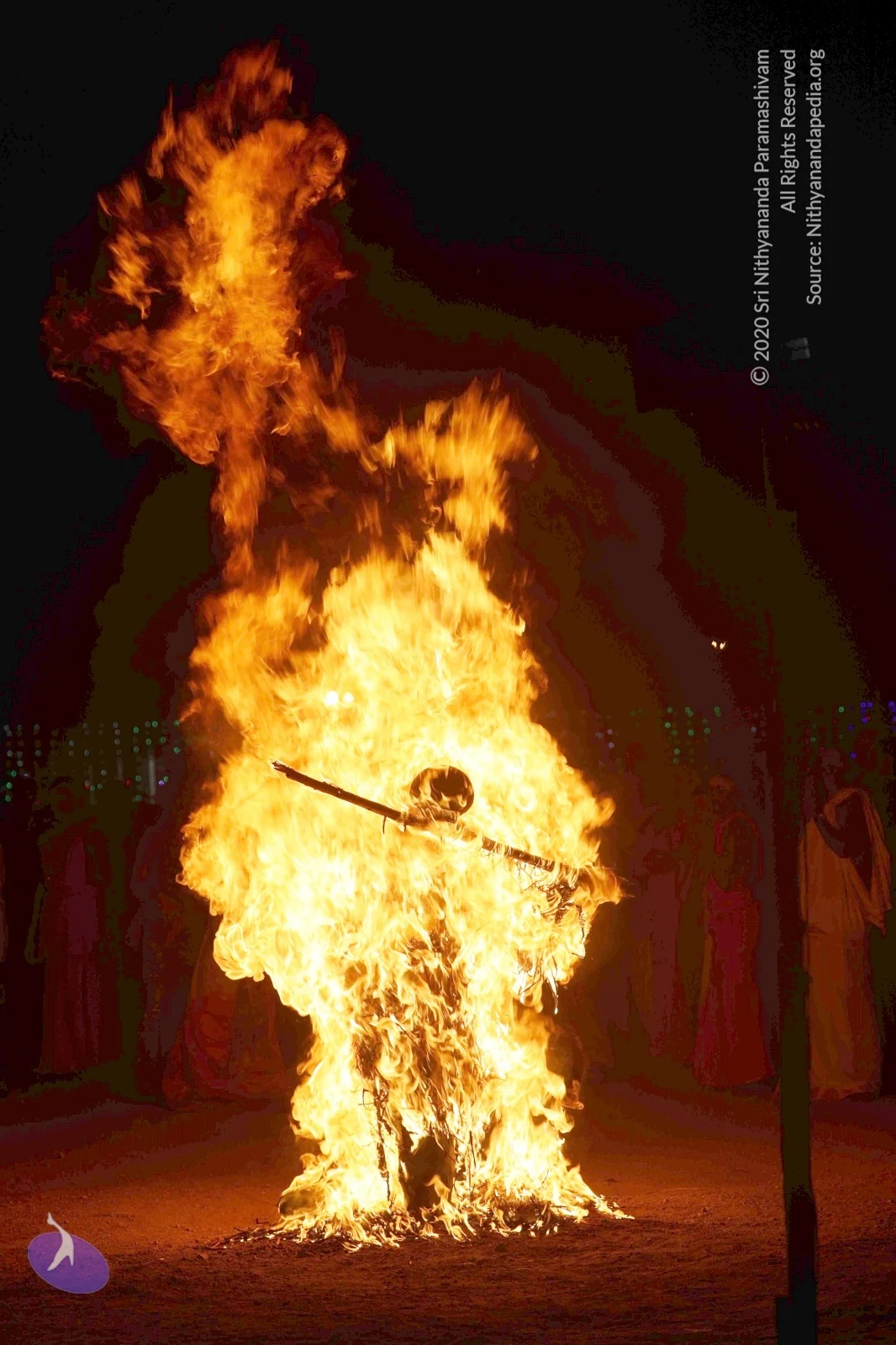
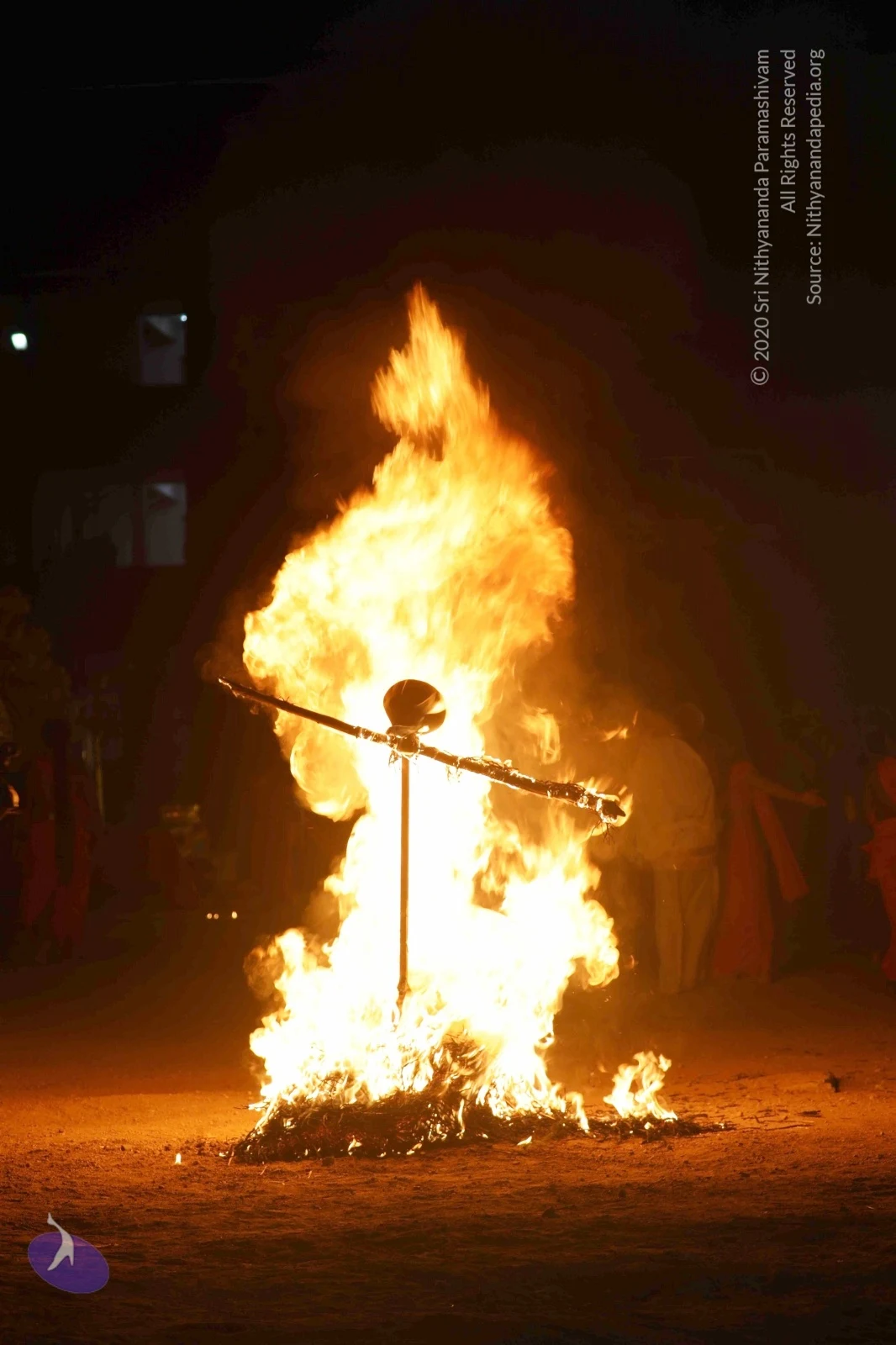
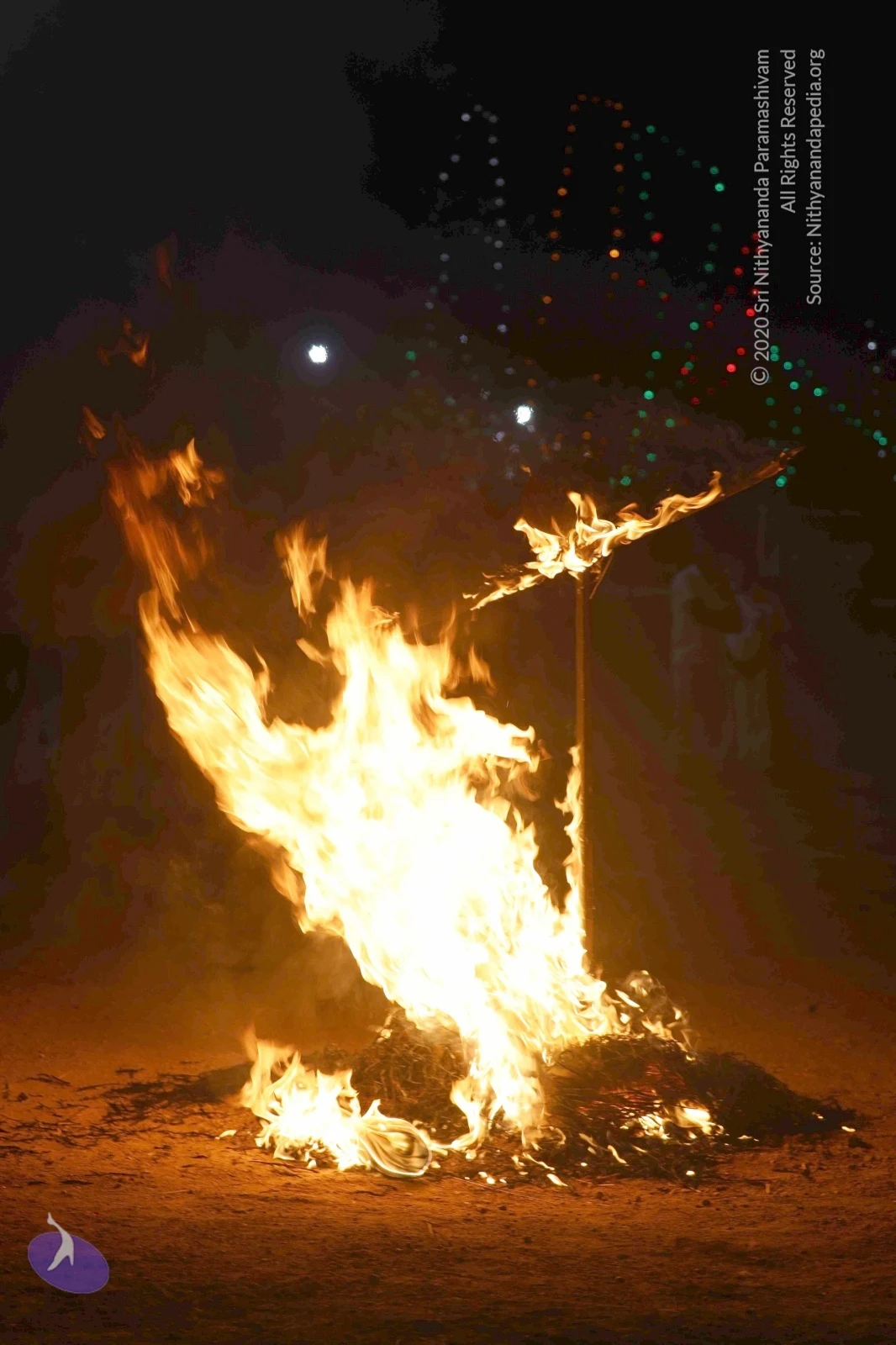
Anti Spiritual Elements Suicide Day
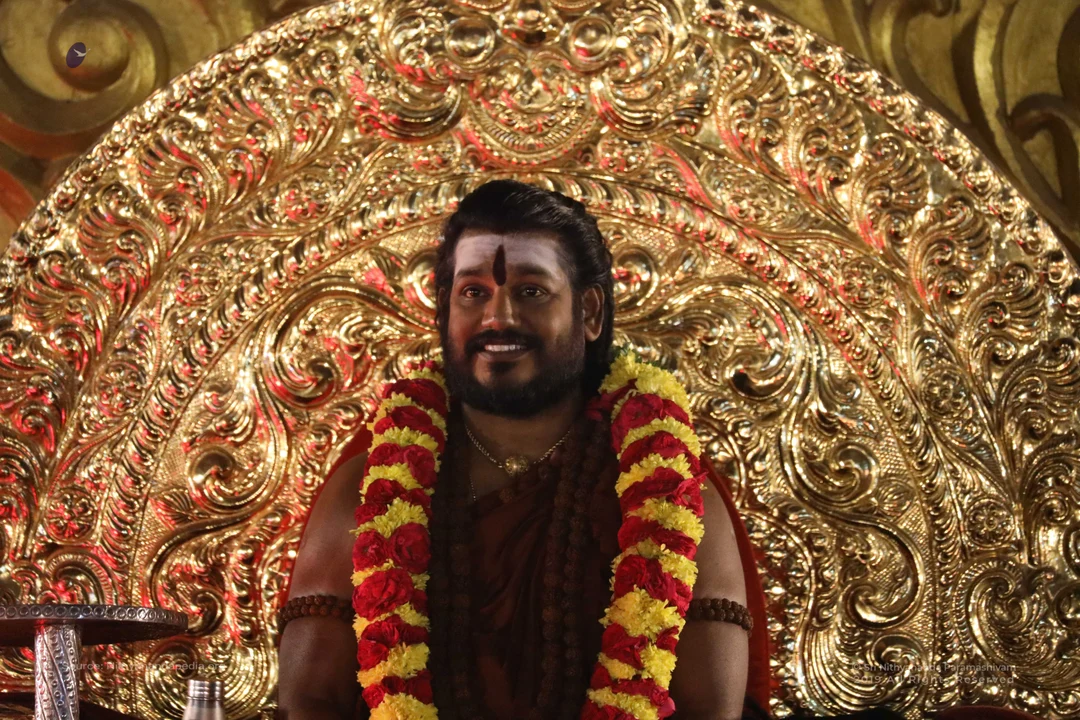
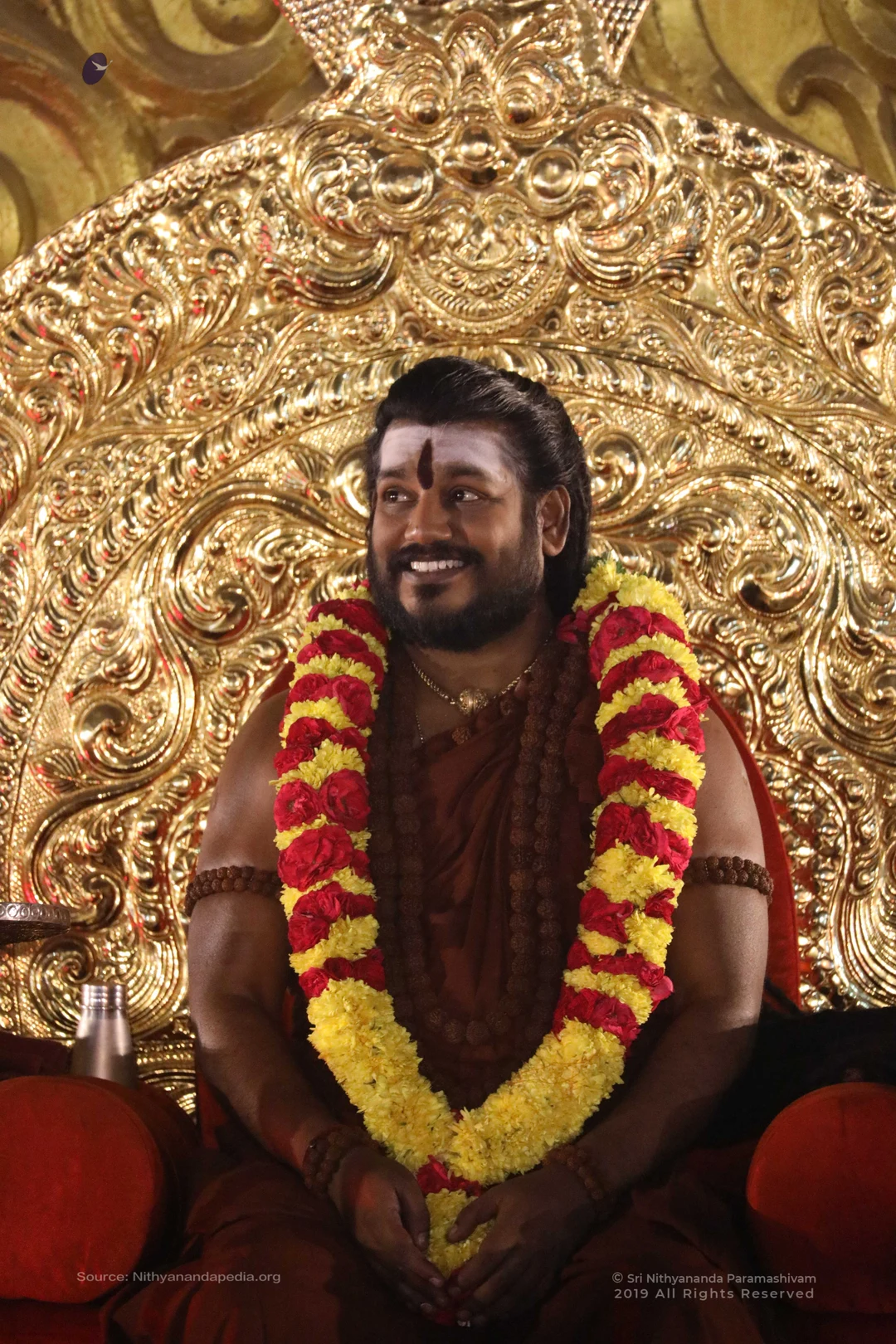
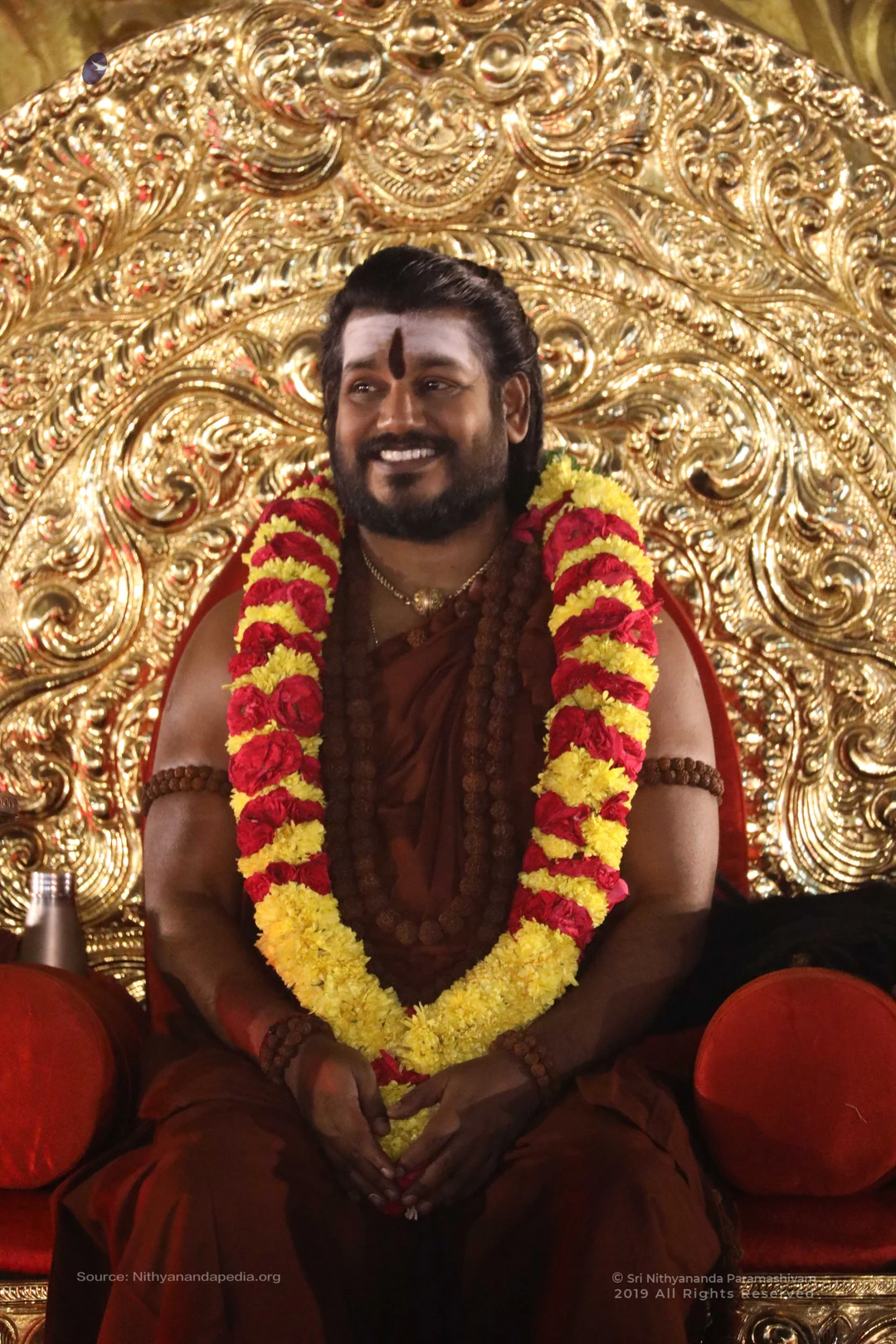
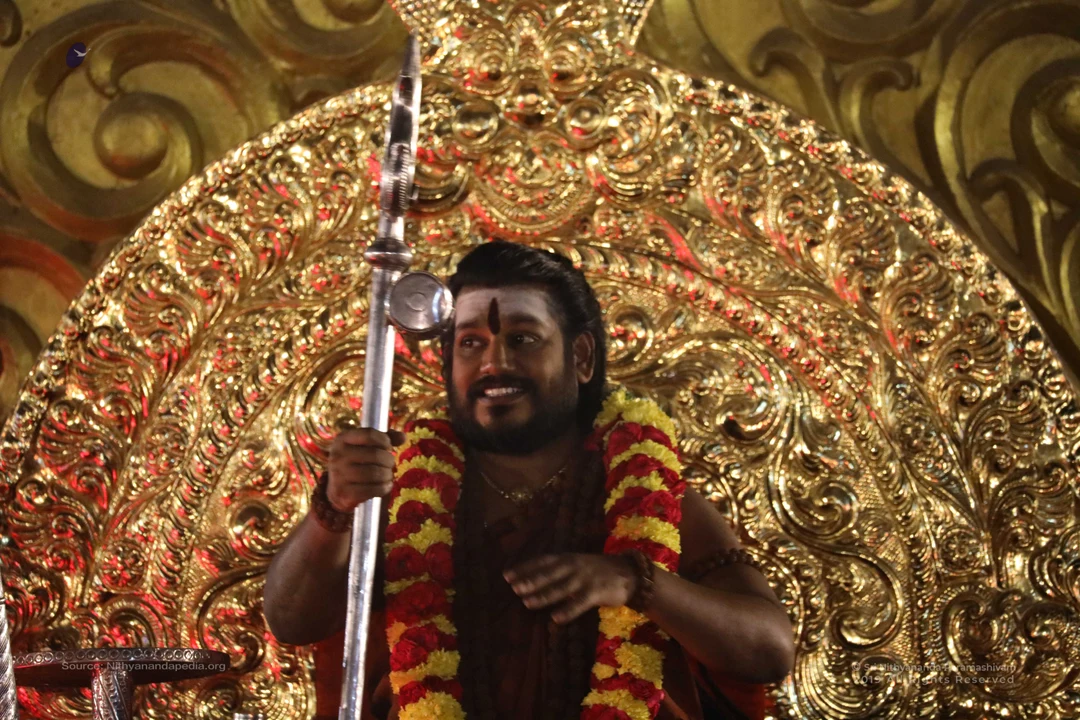
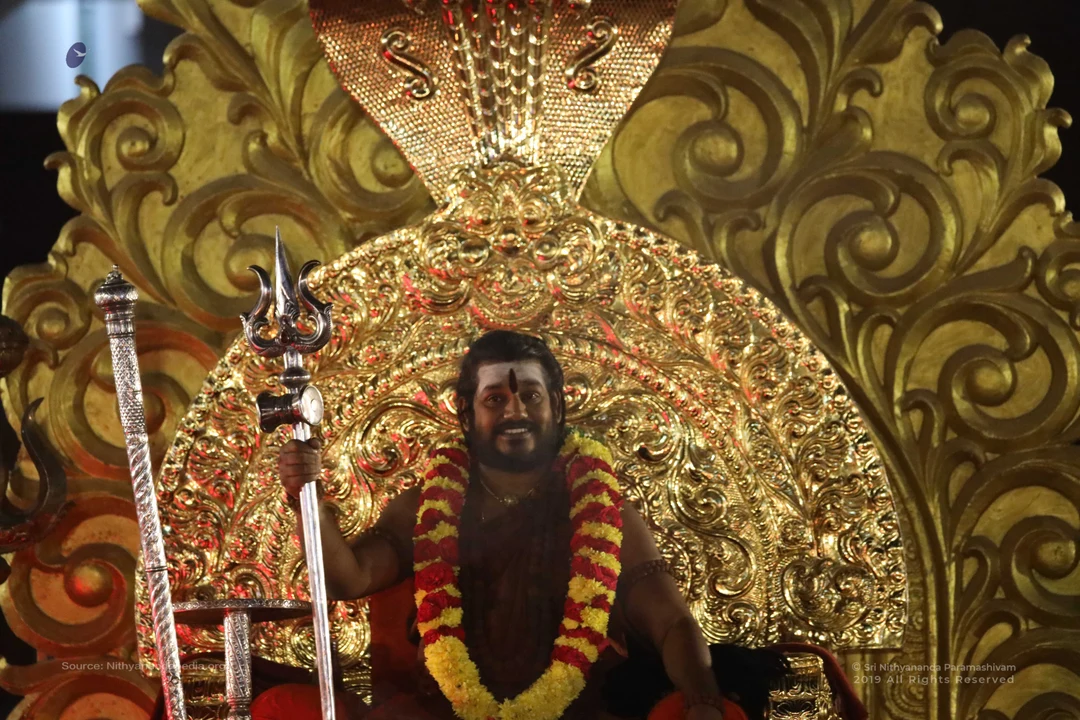
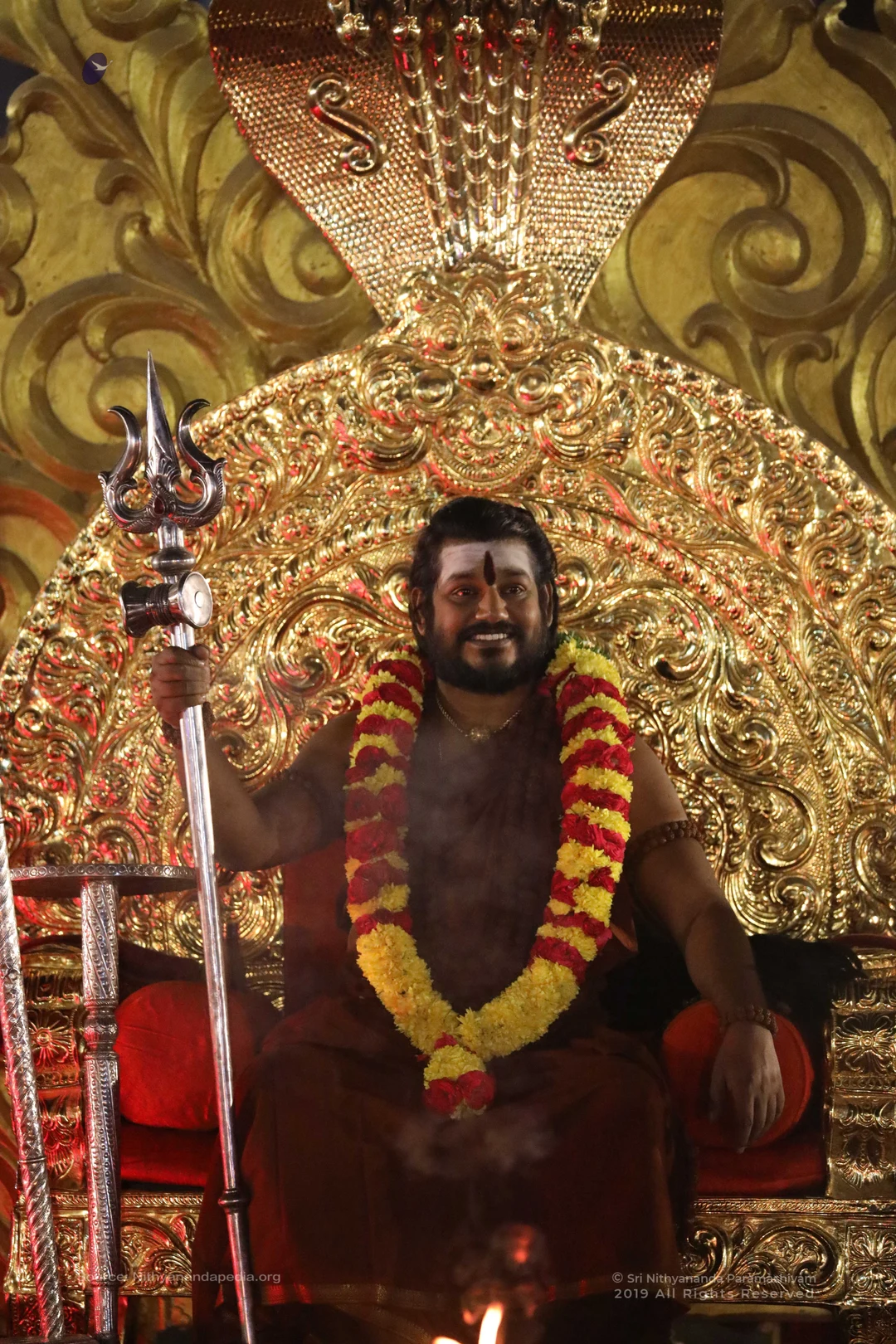
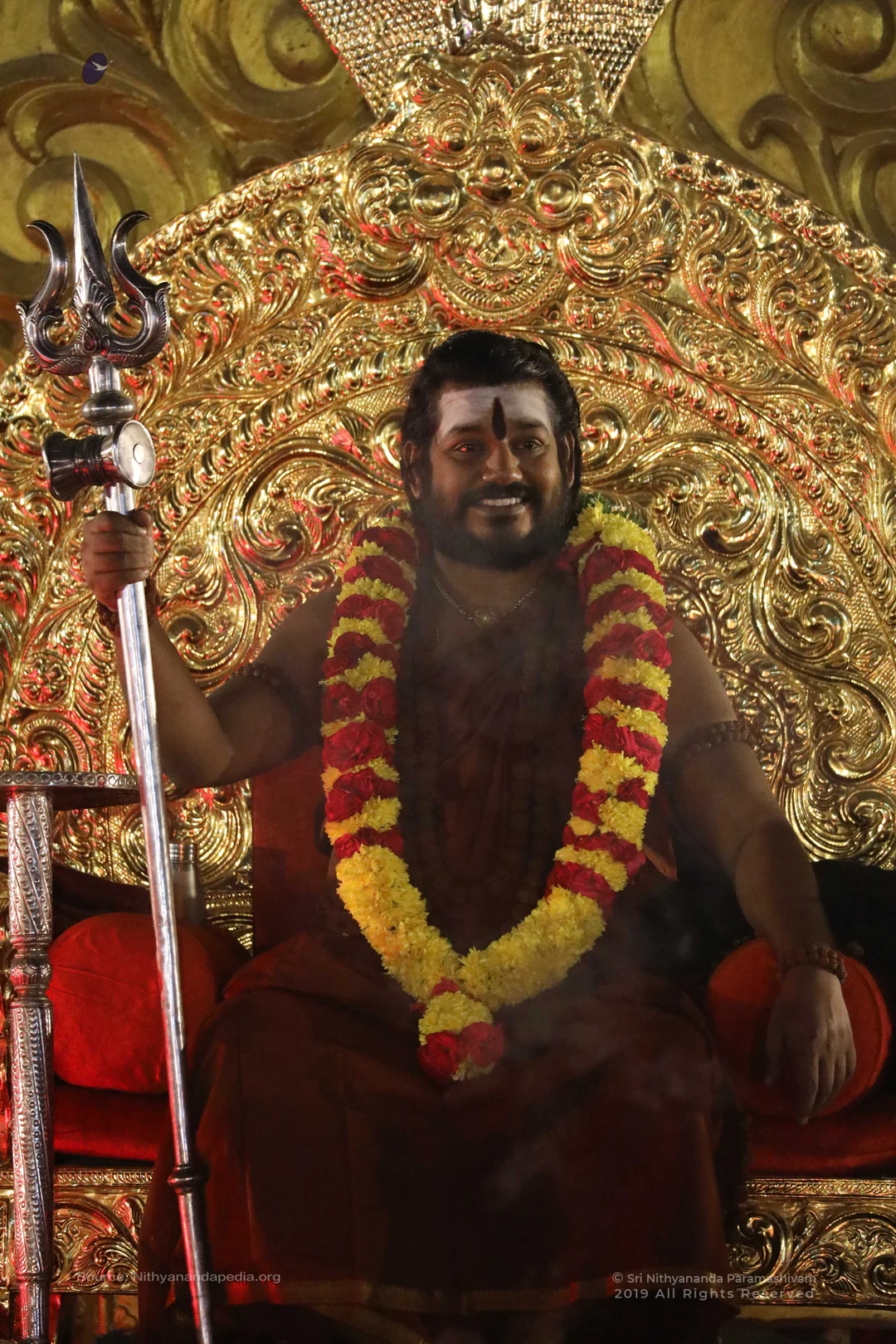
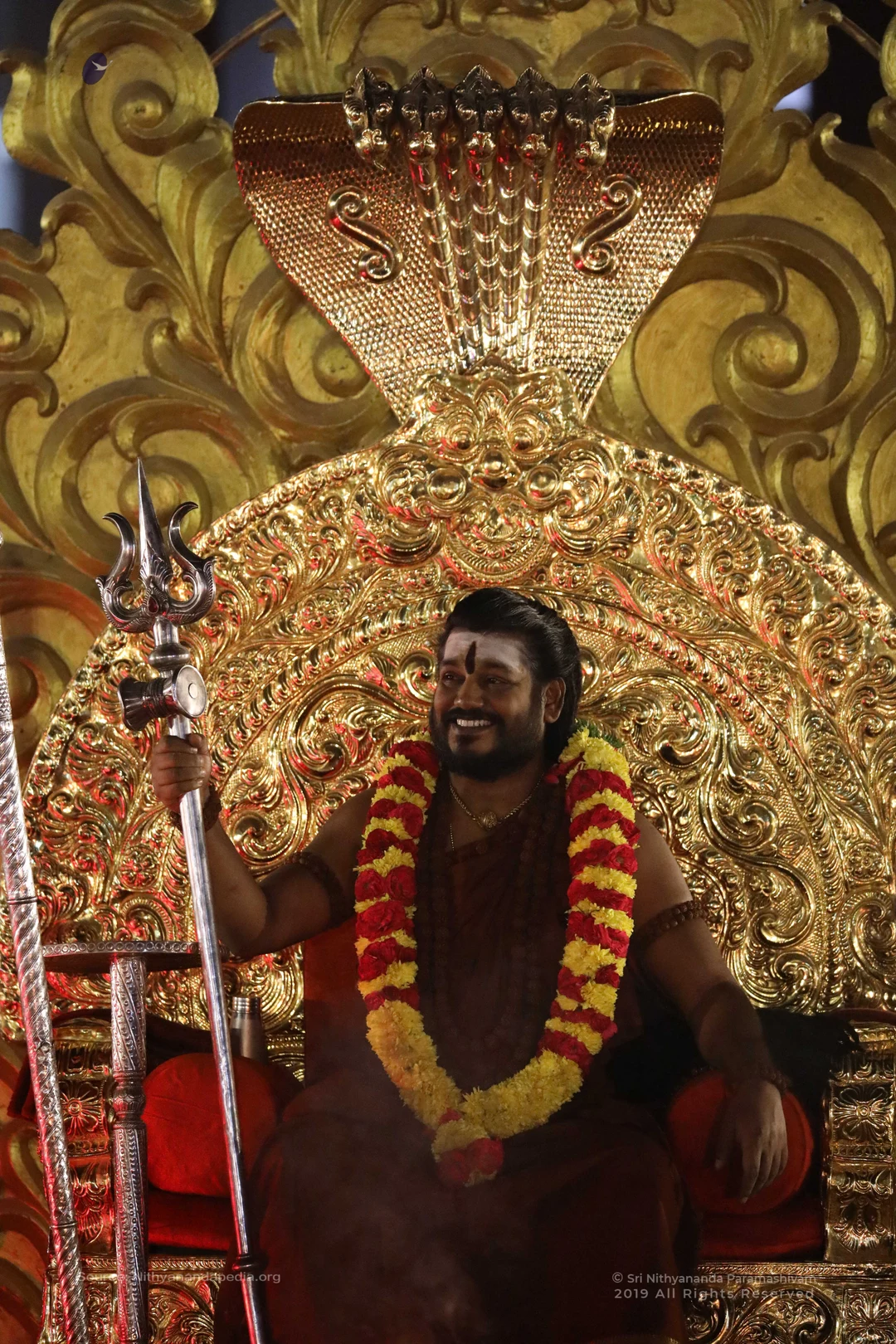
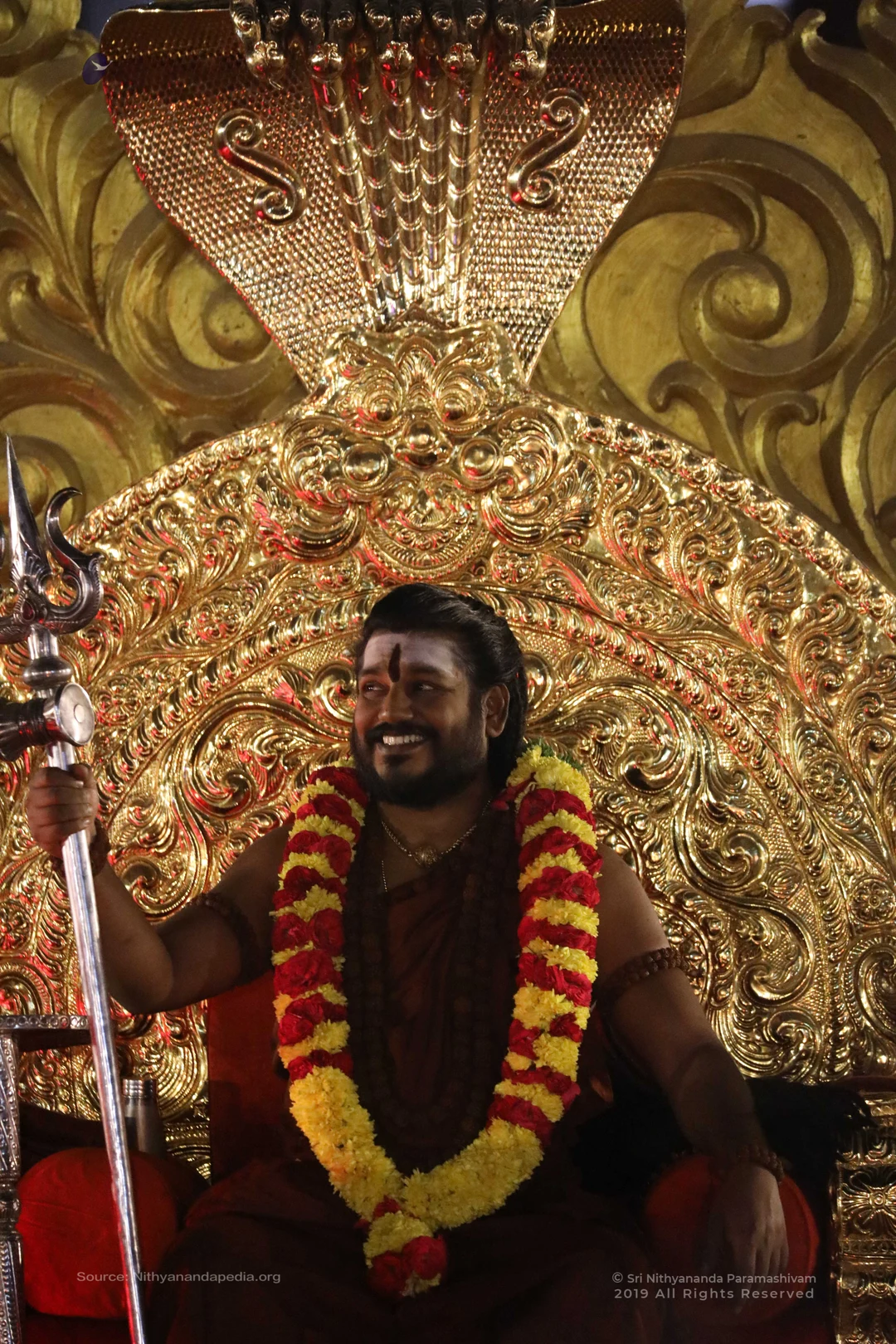
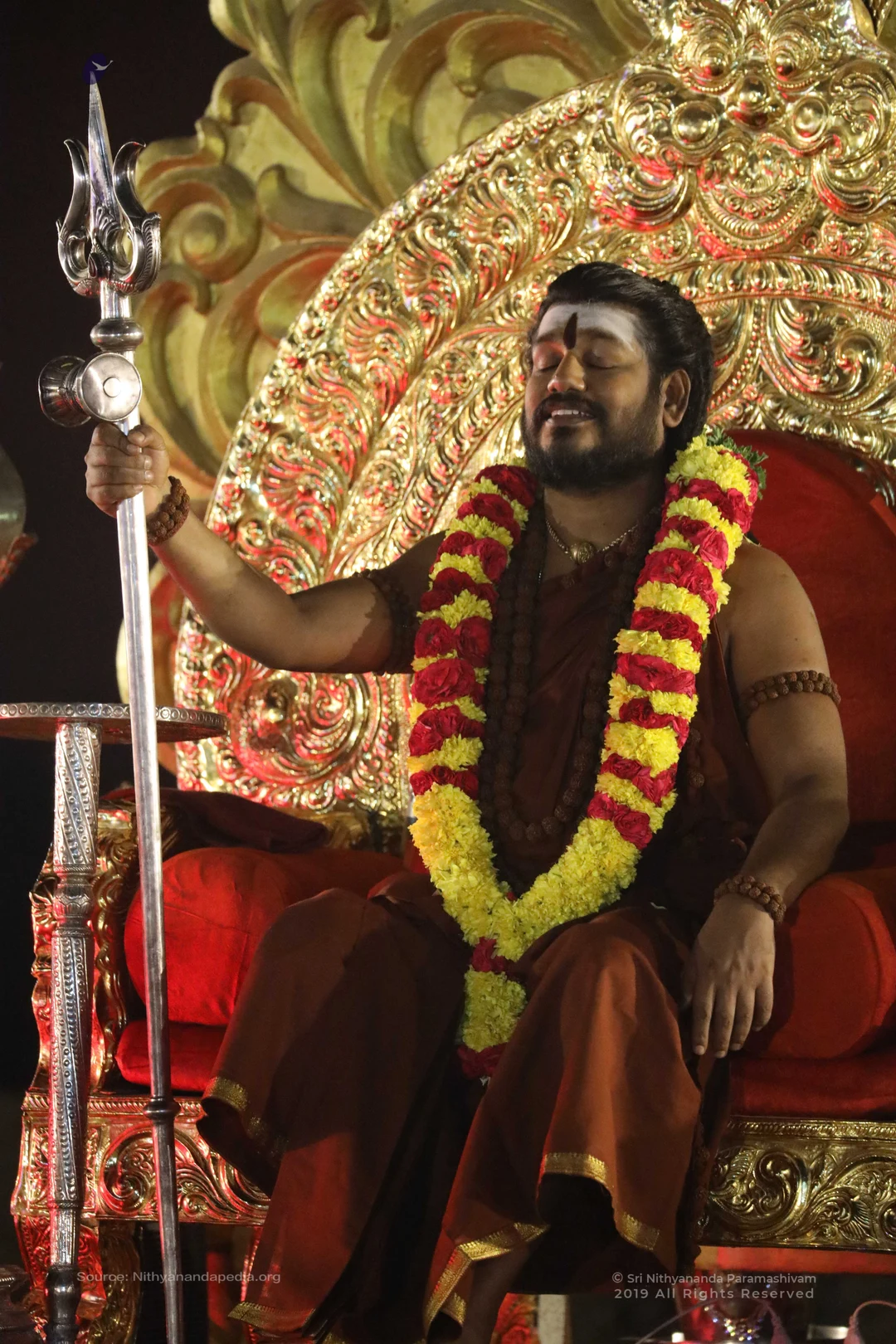
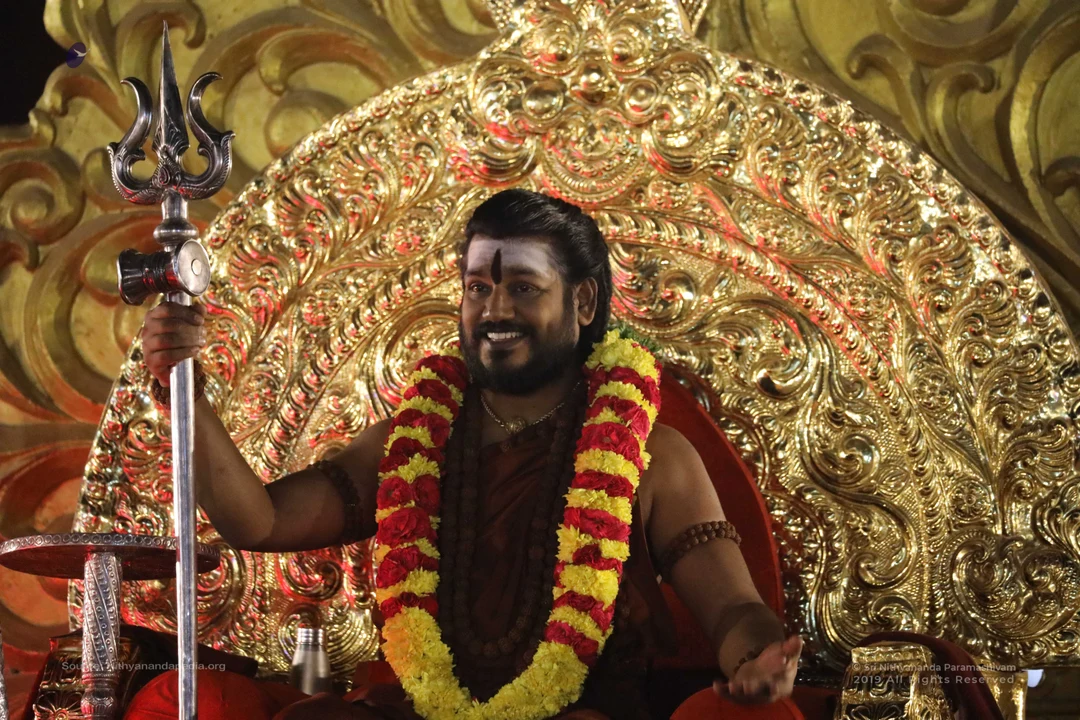
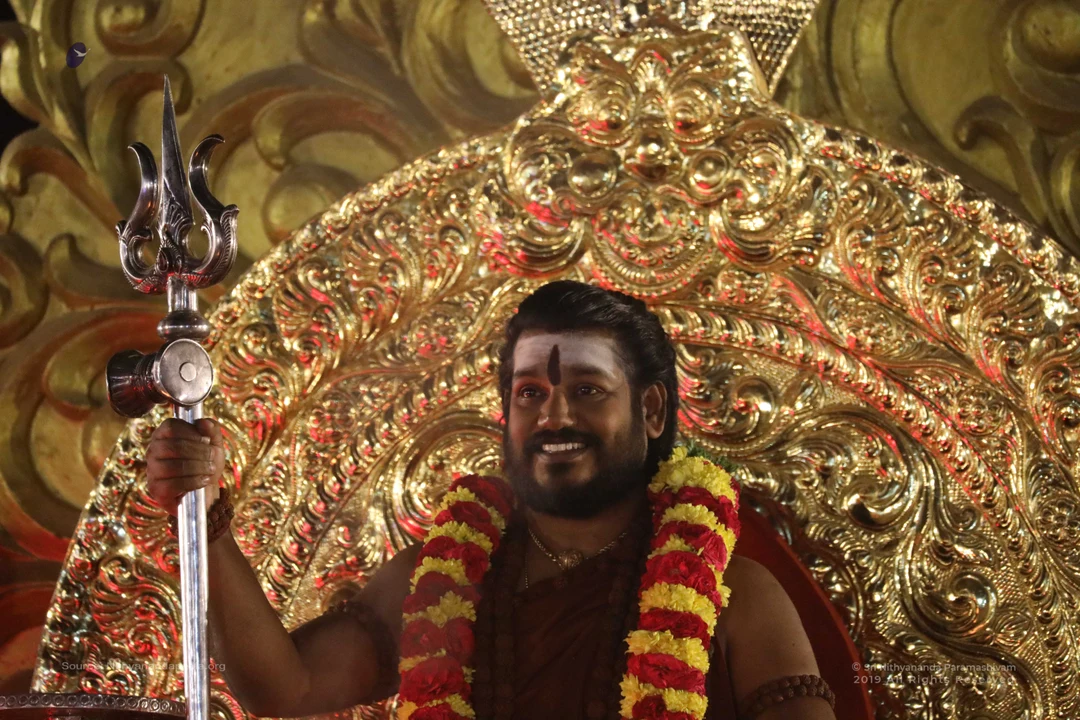
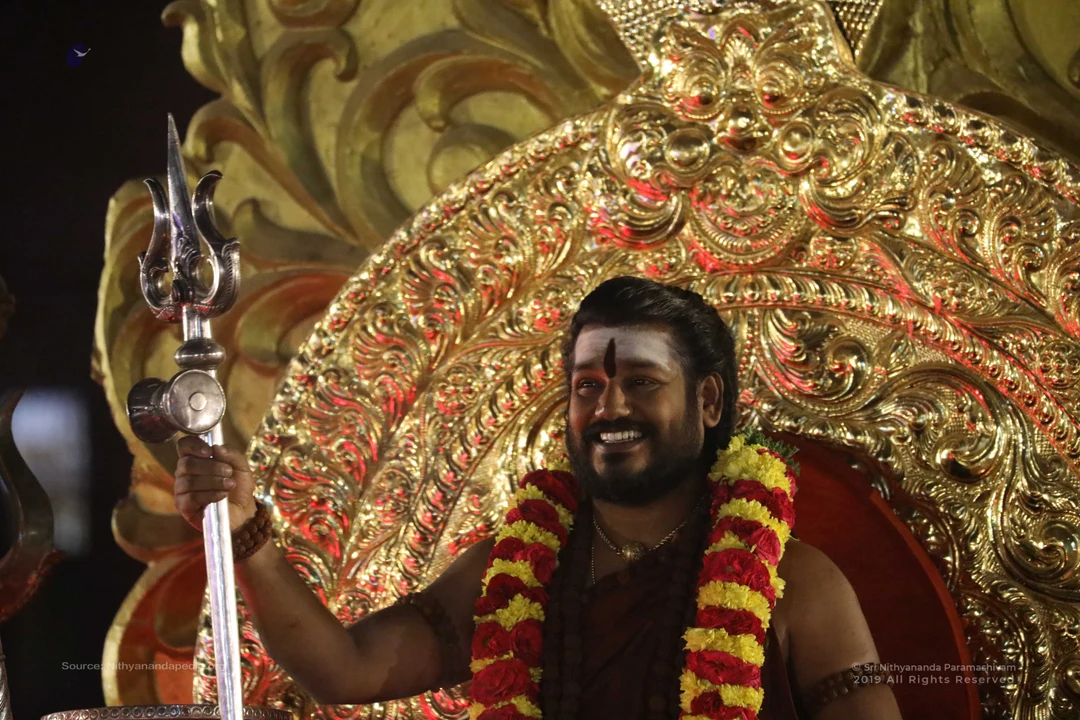
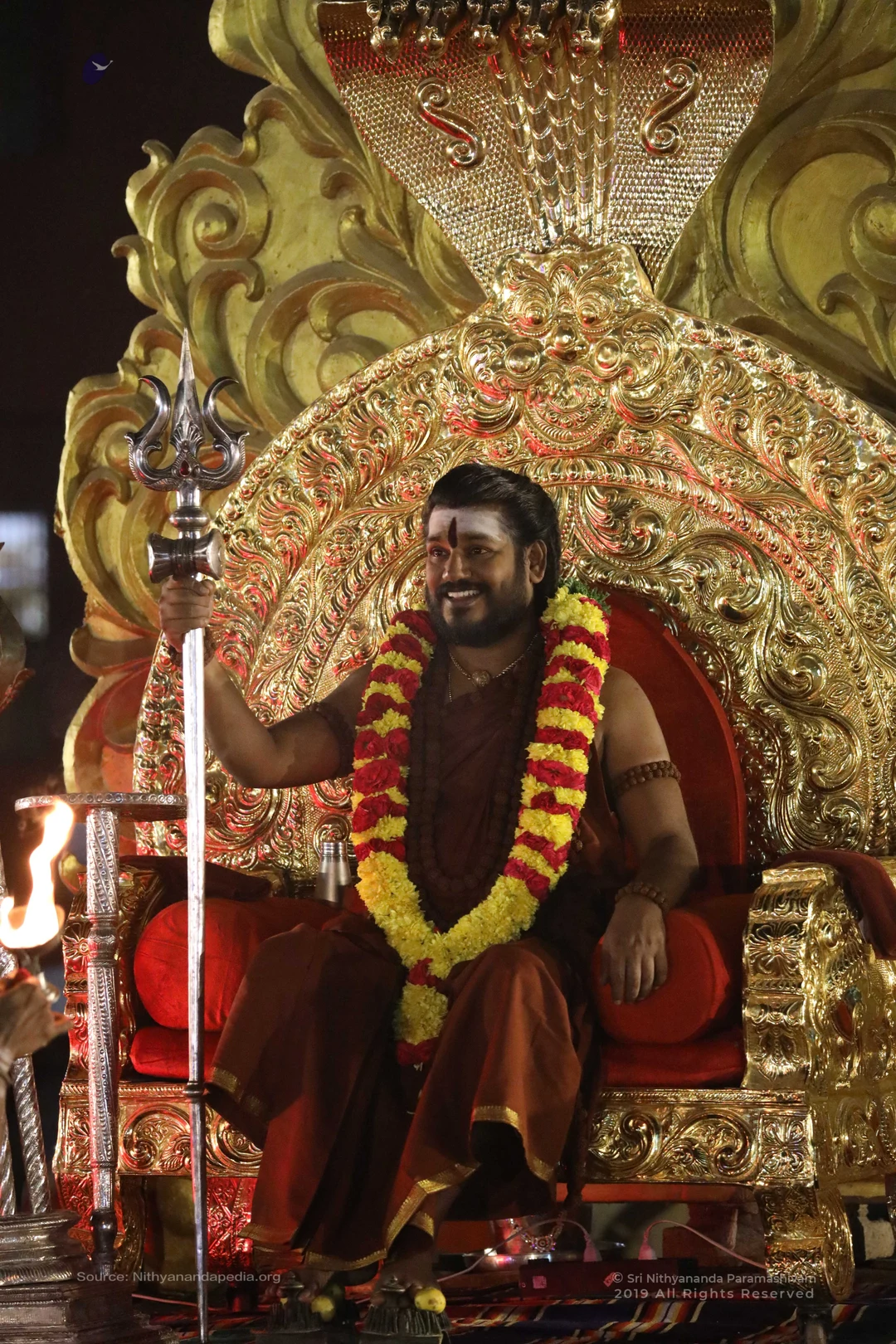
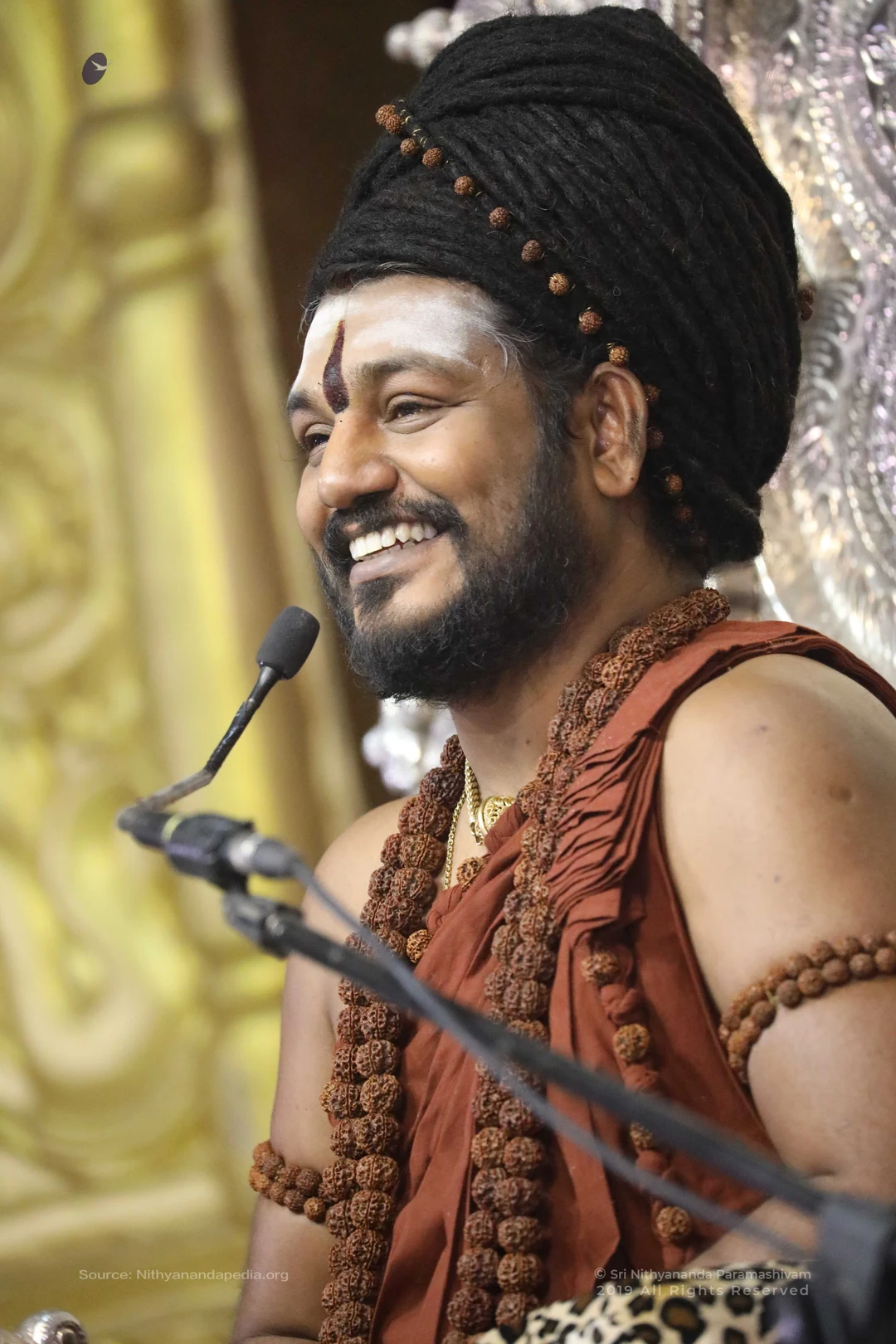
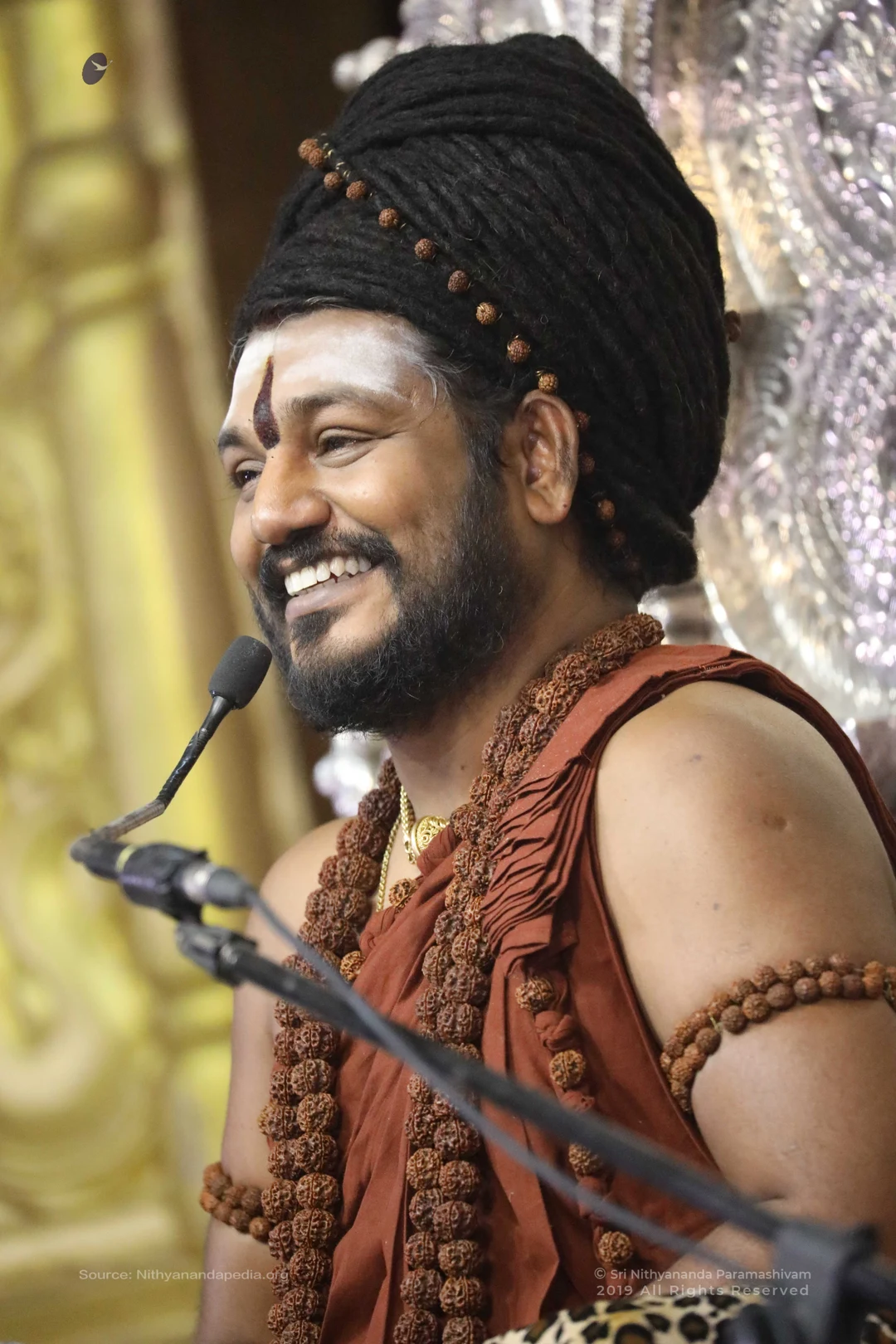
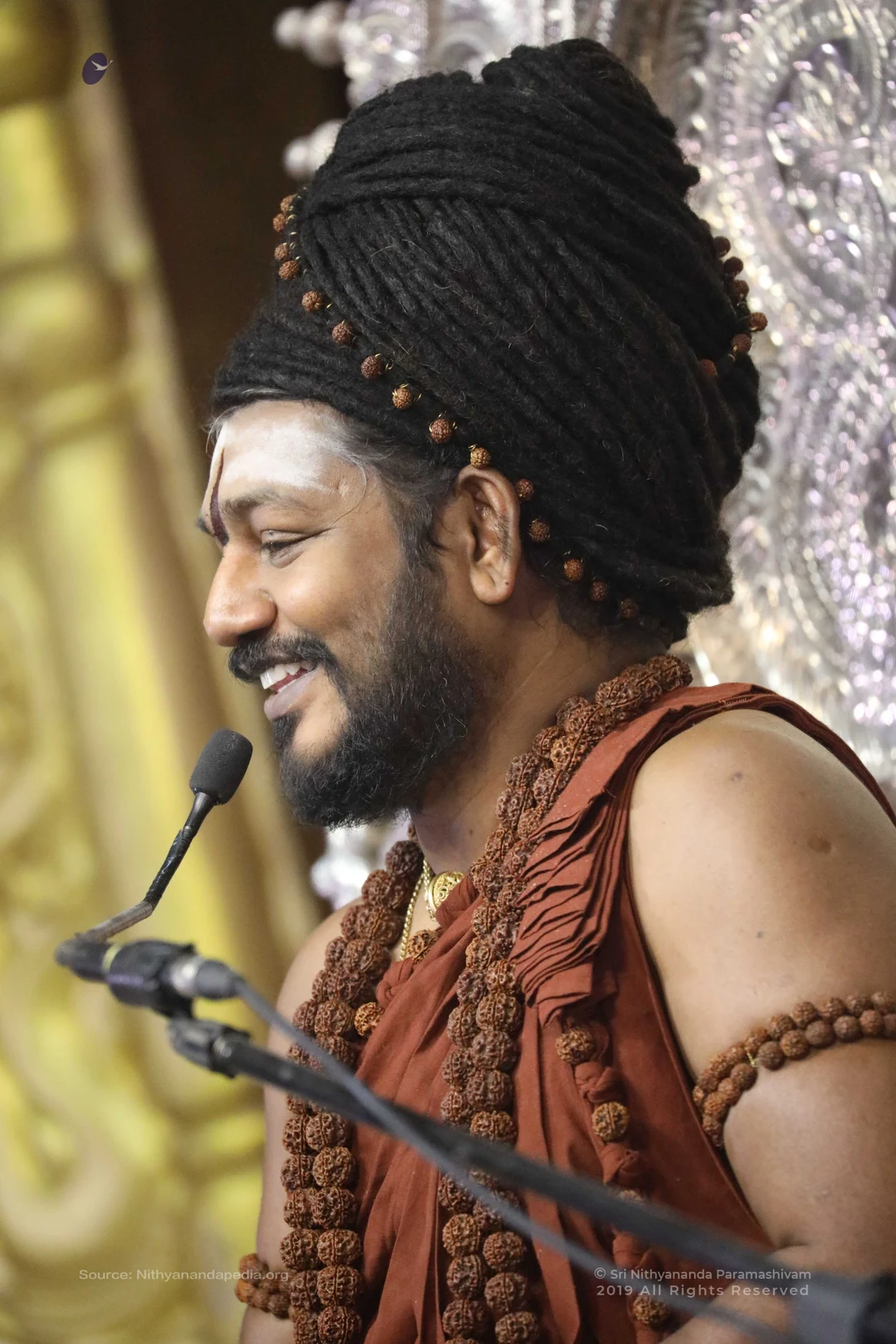
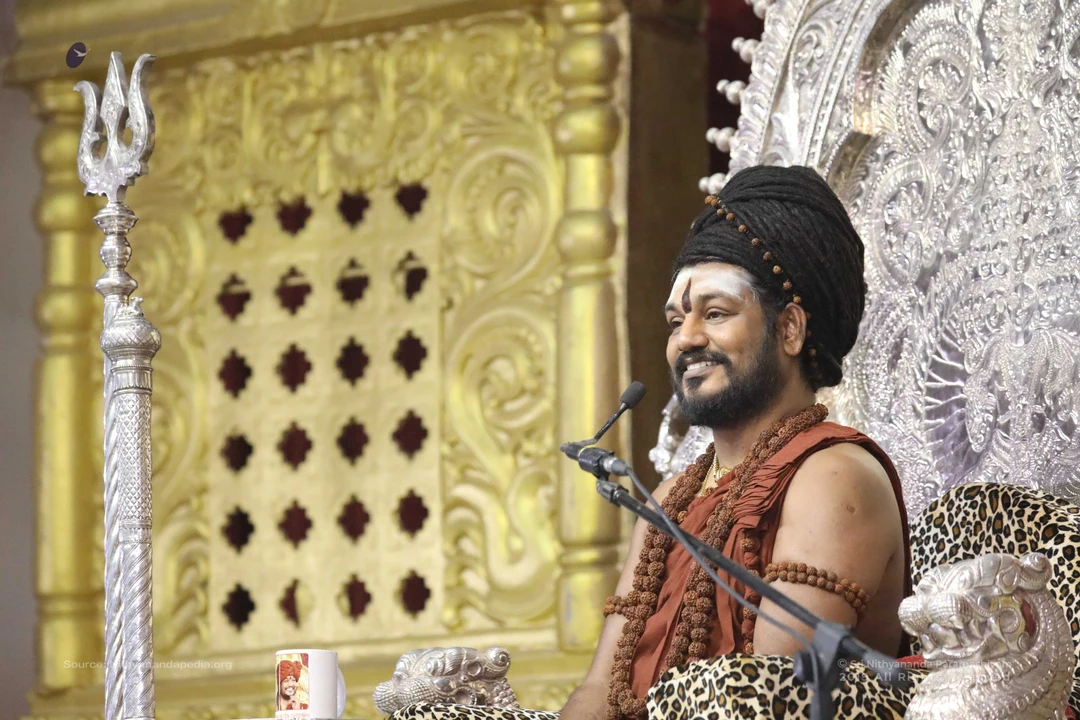
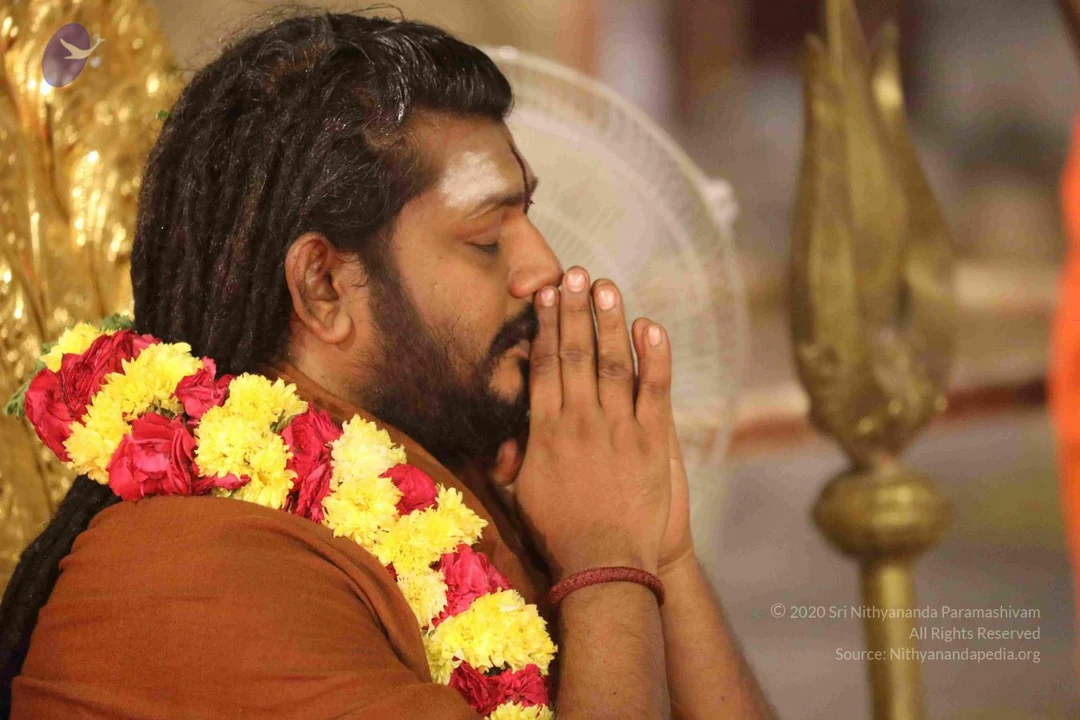
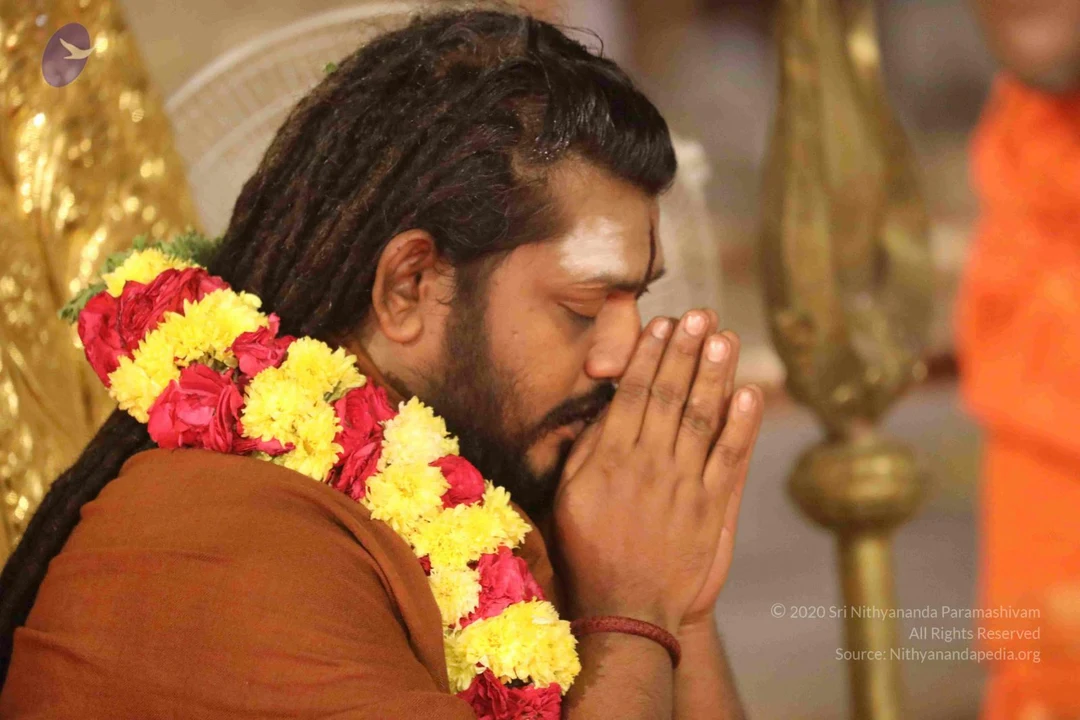
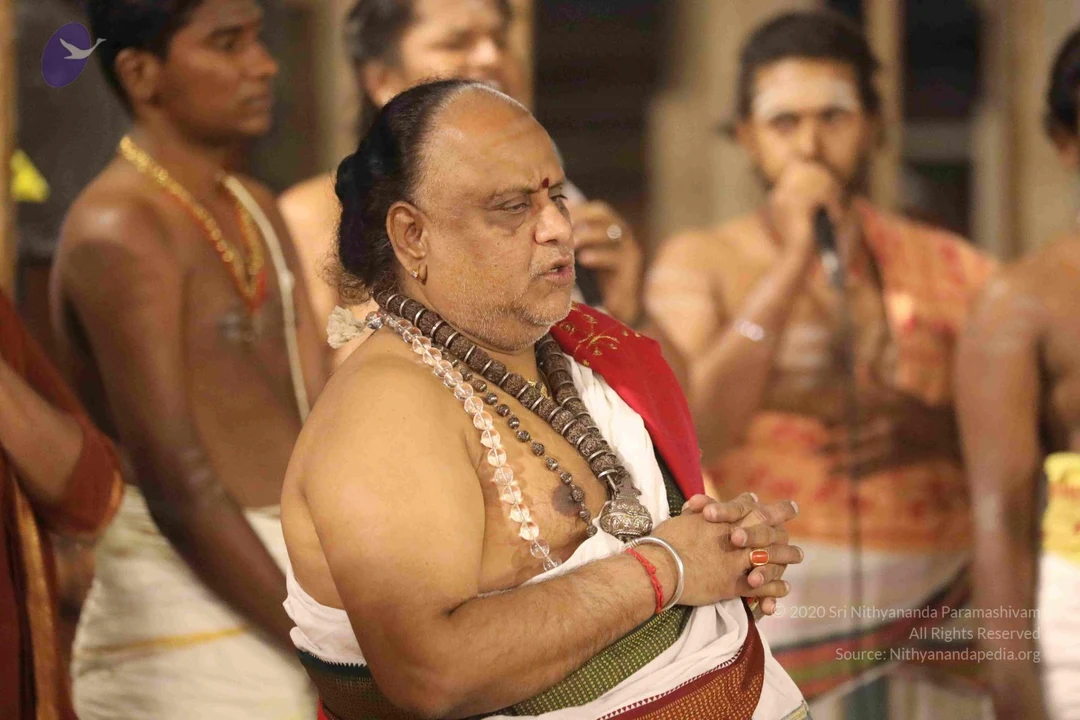
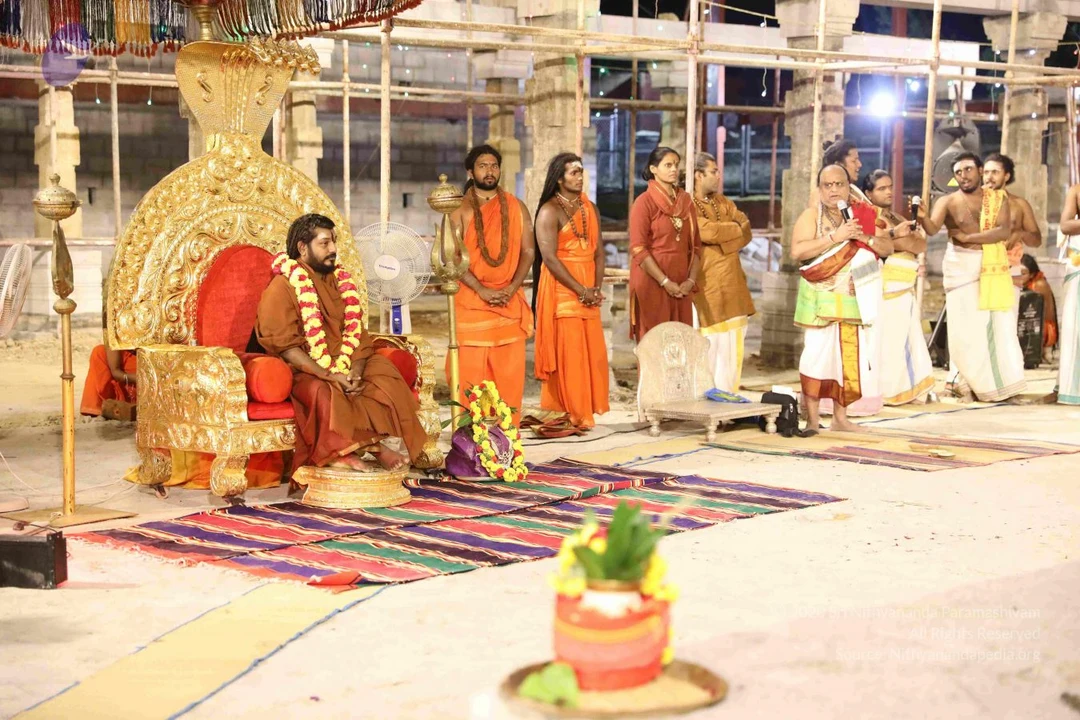
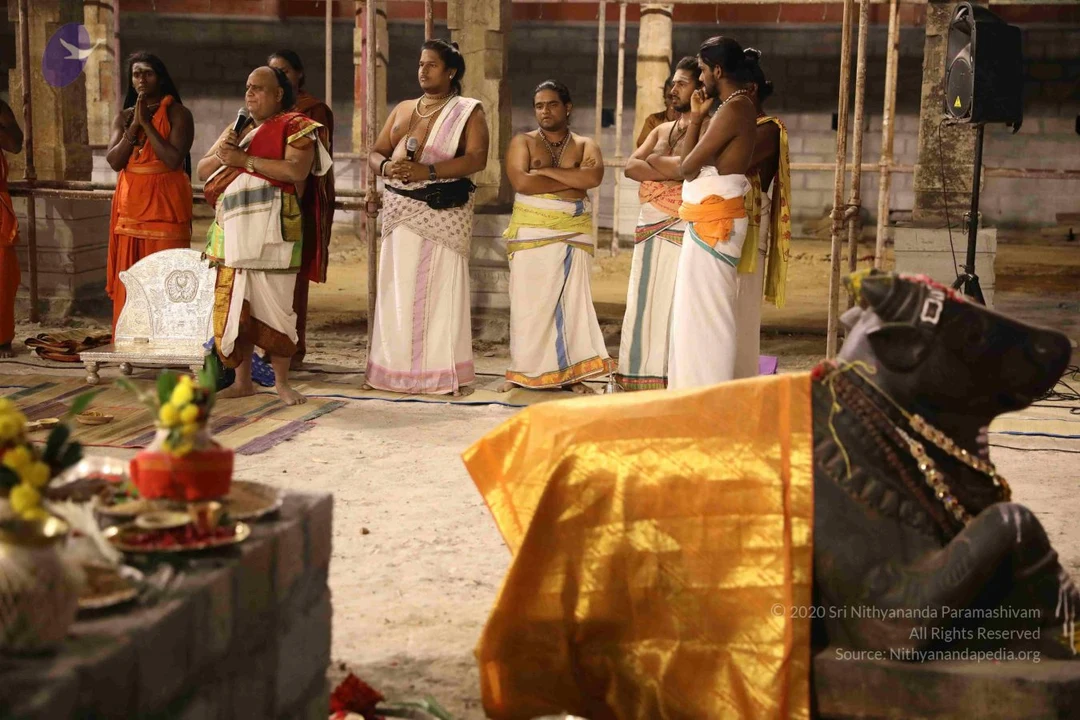
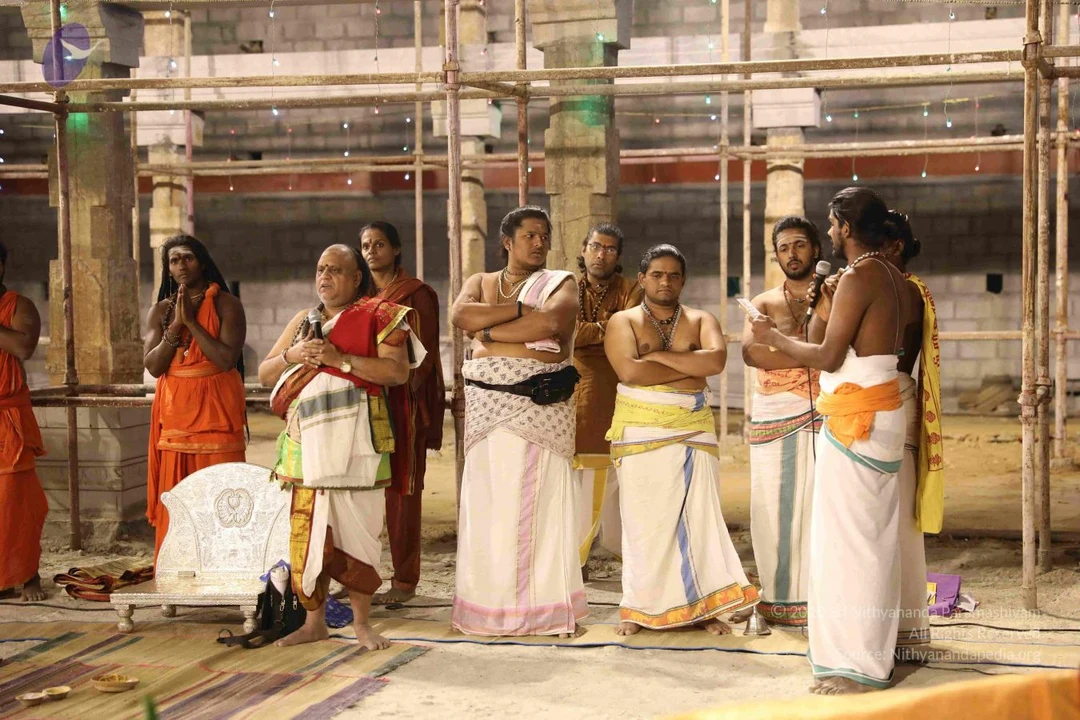
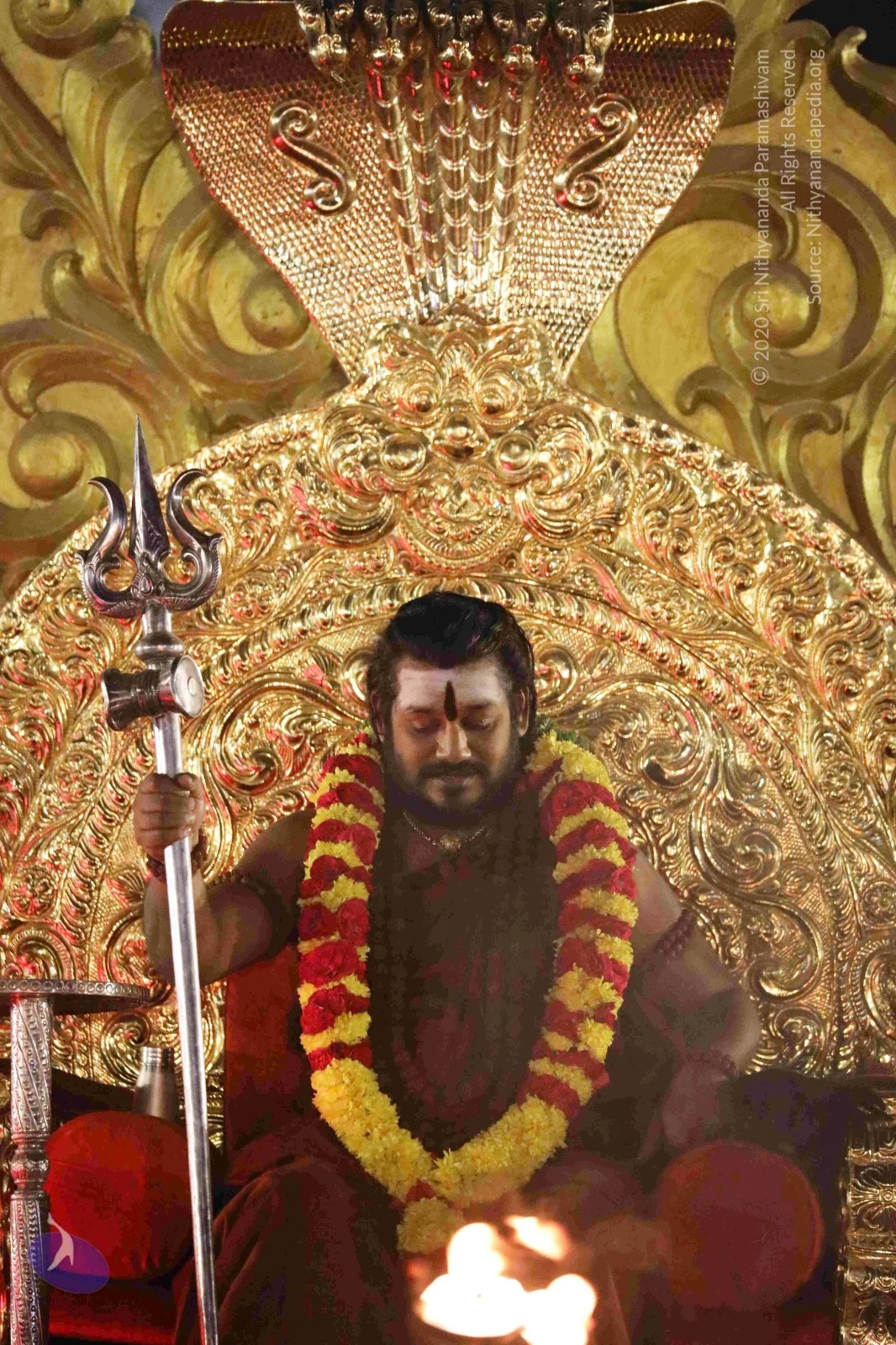
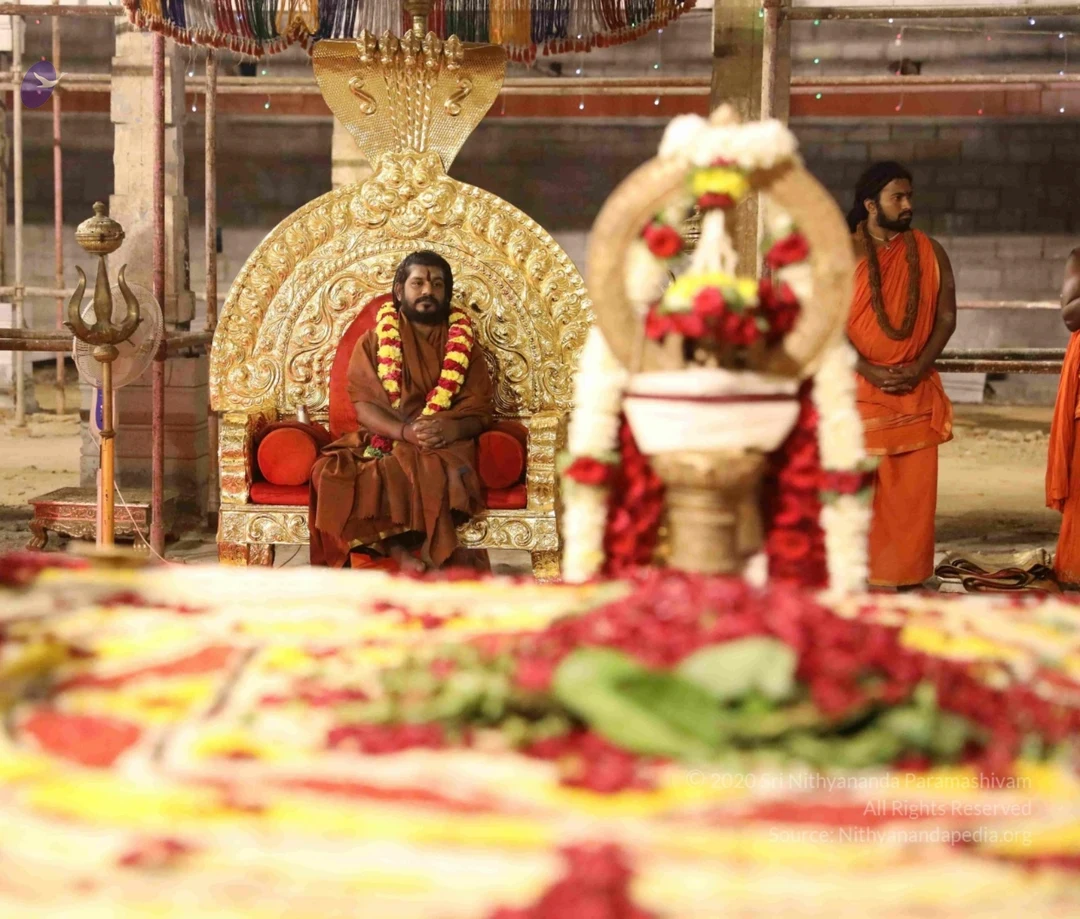
Evening Satsang
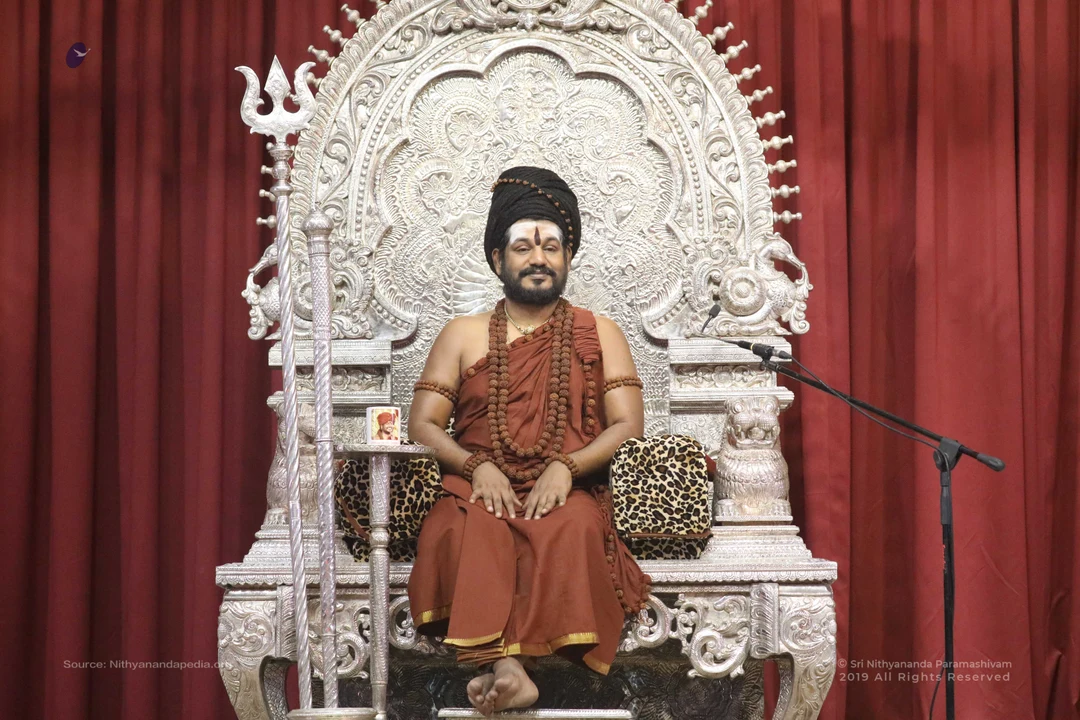
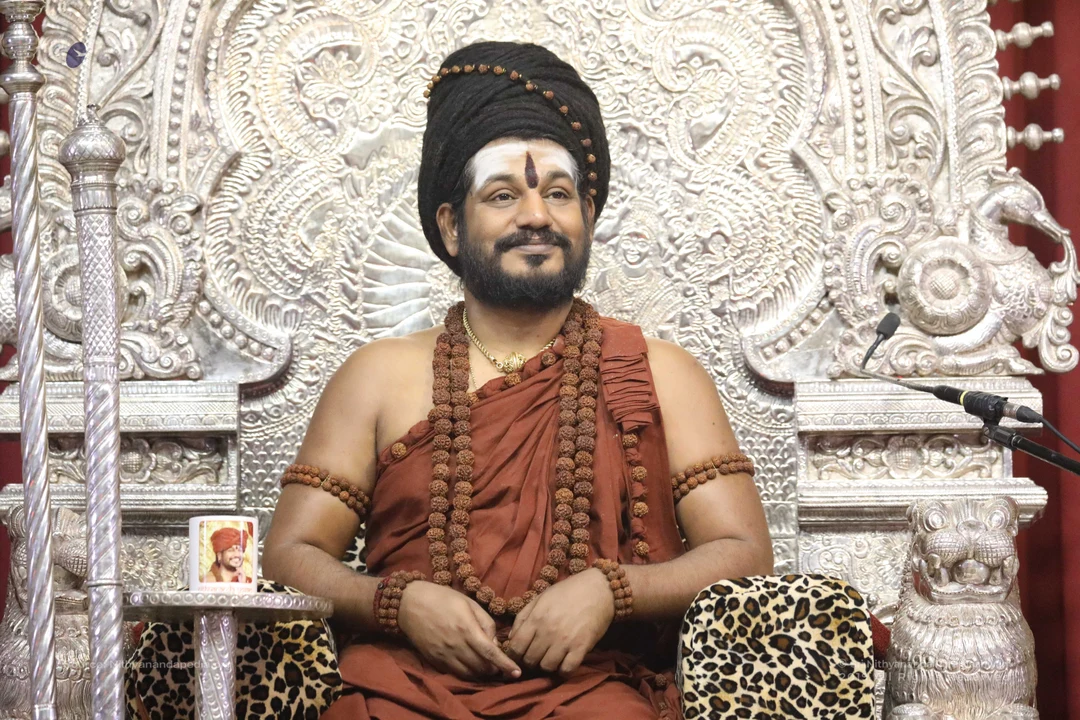
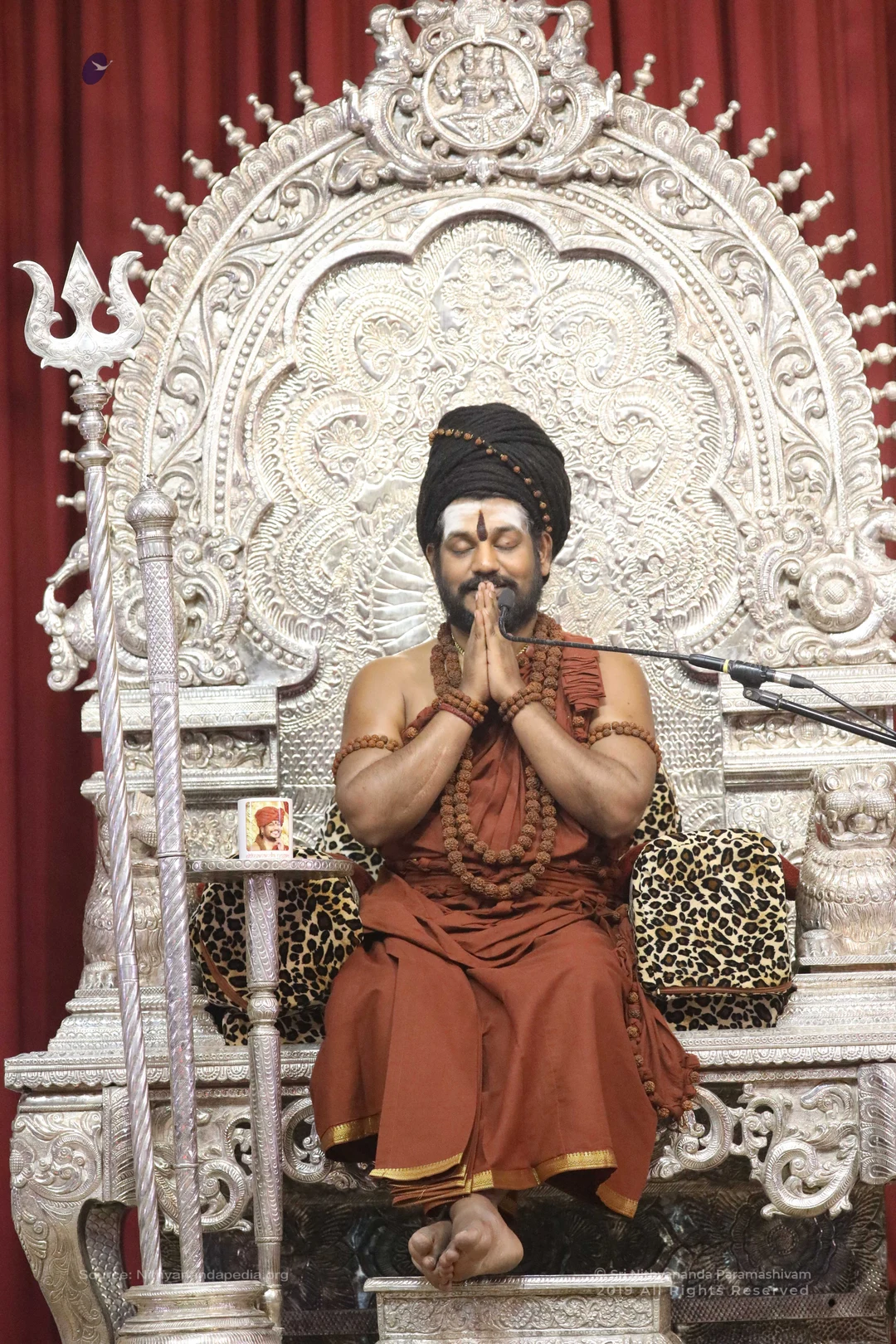
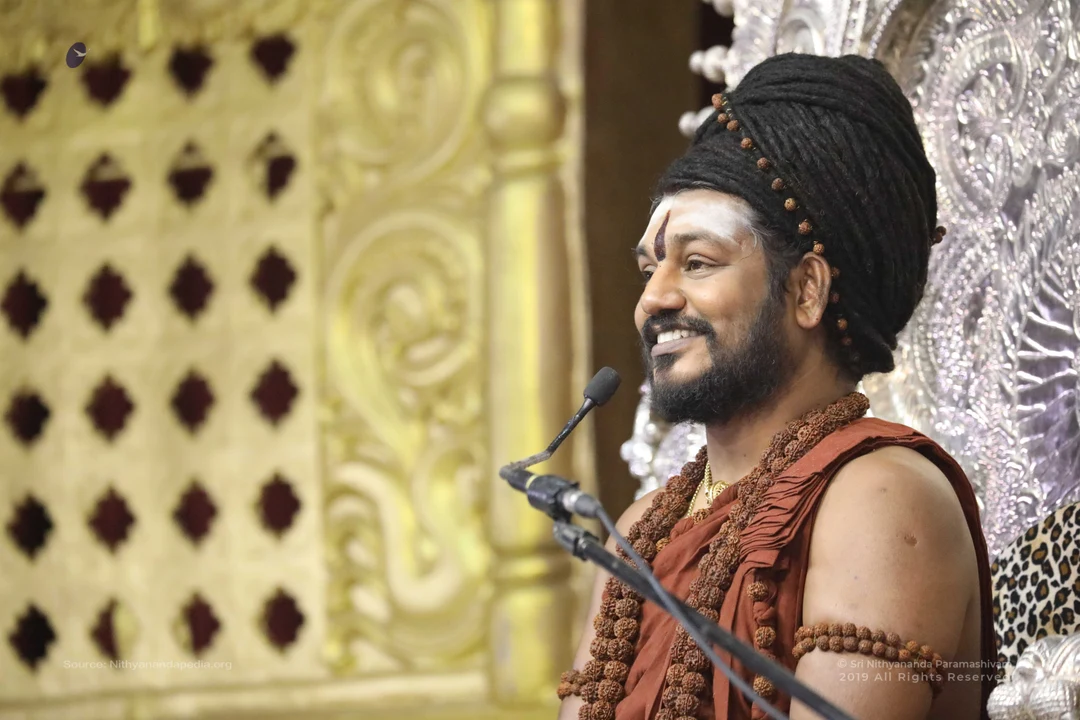
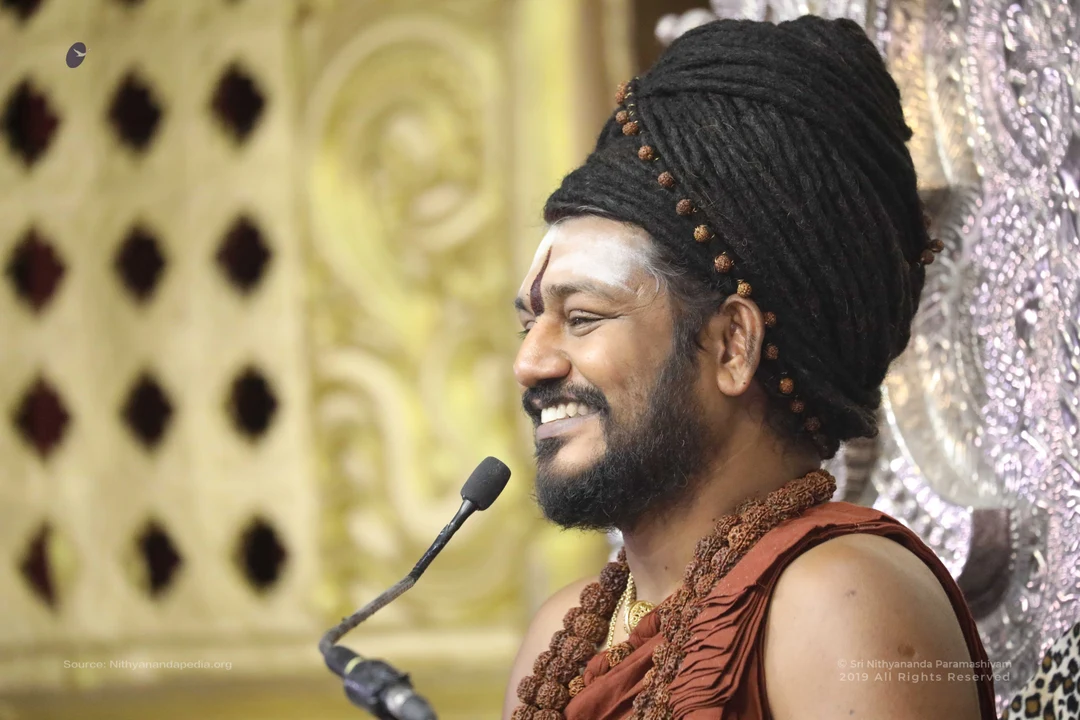
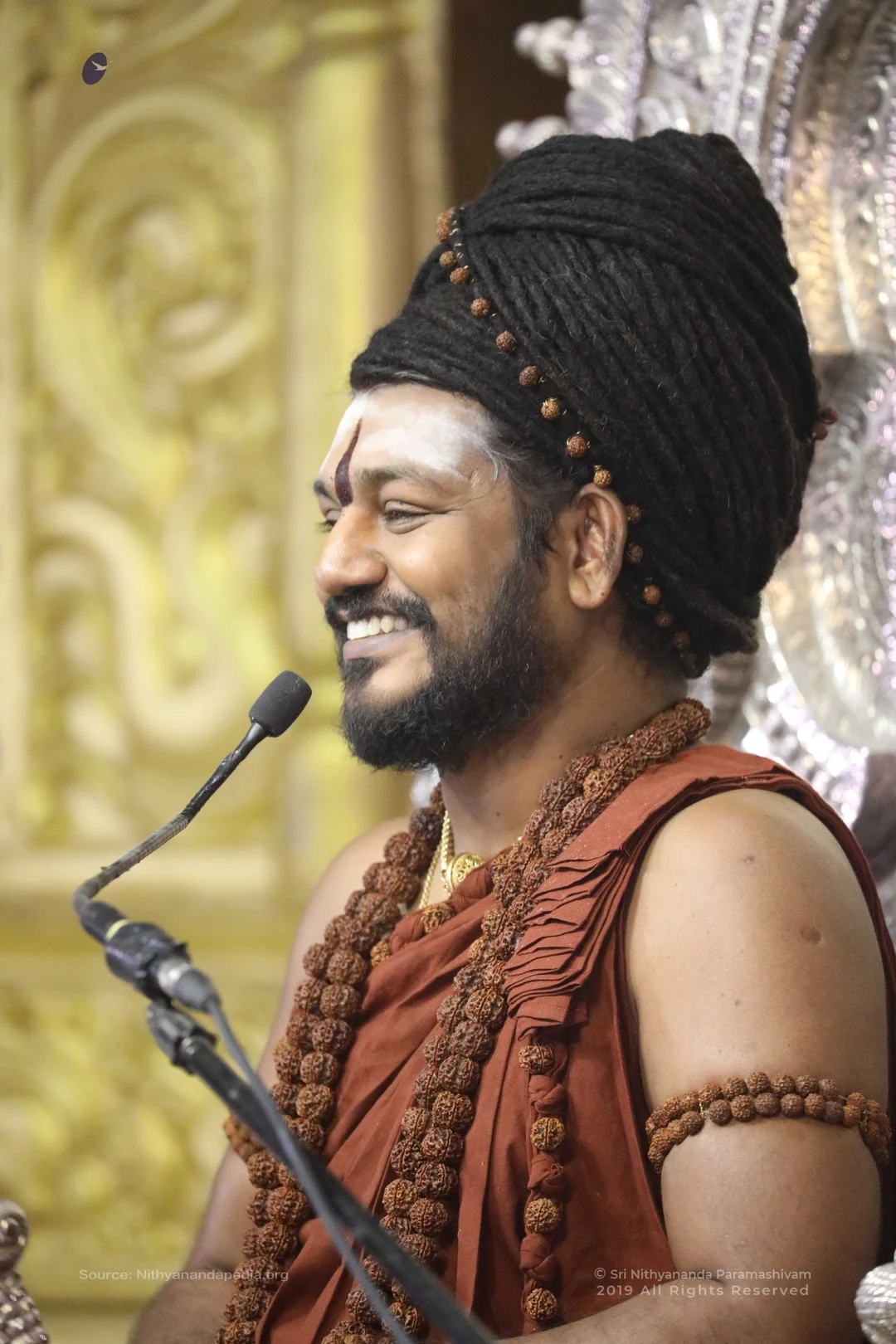
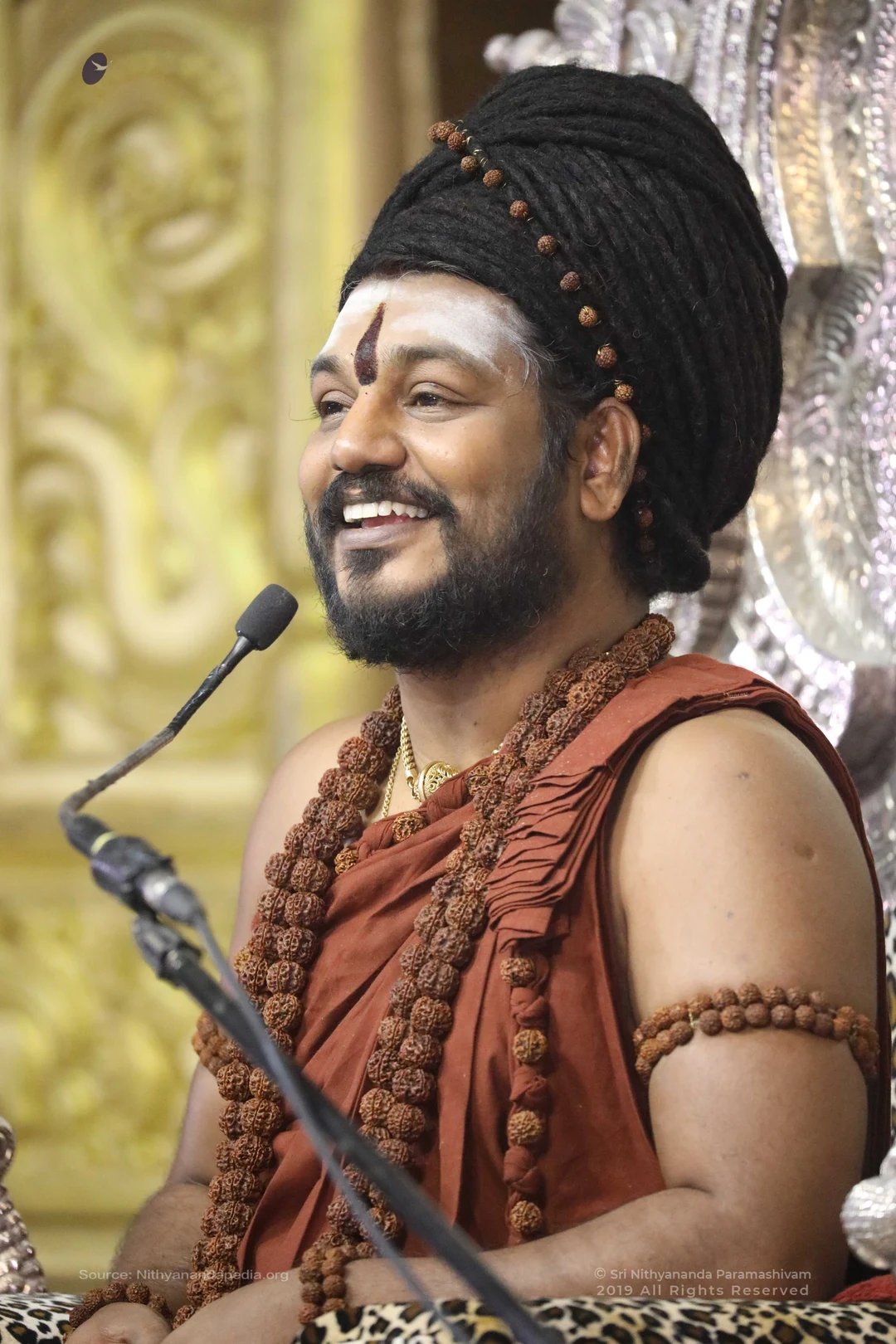
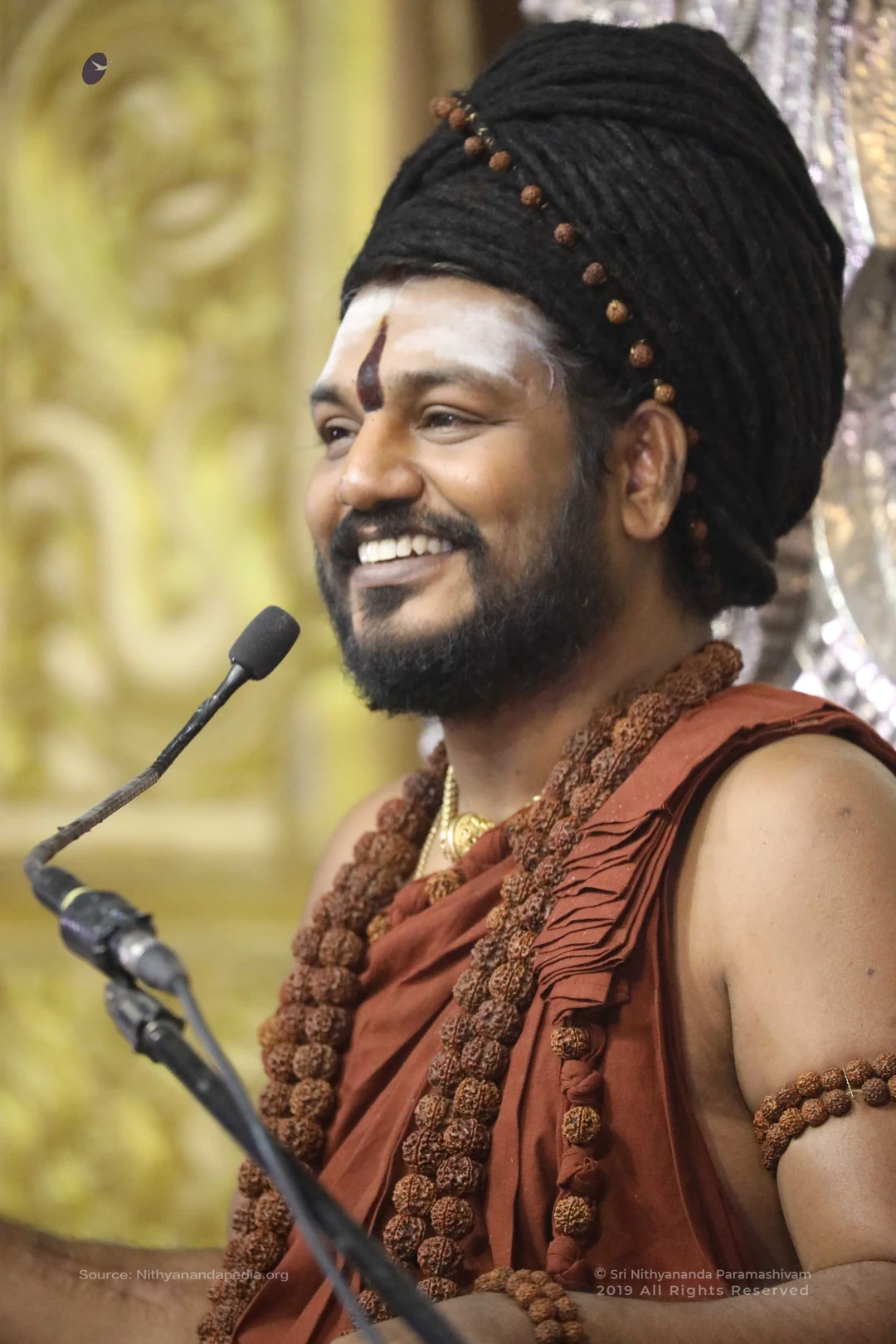
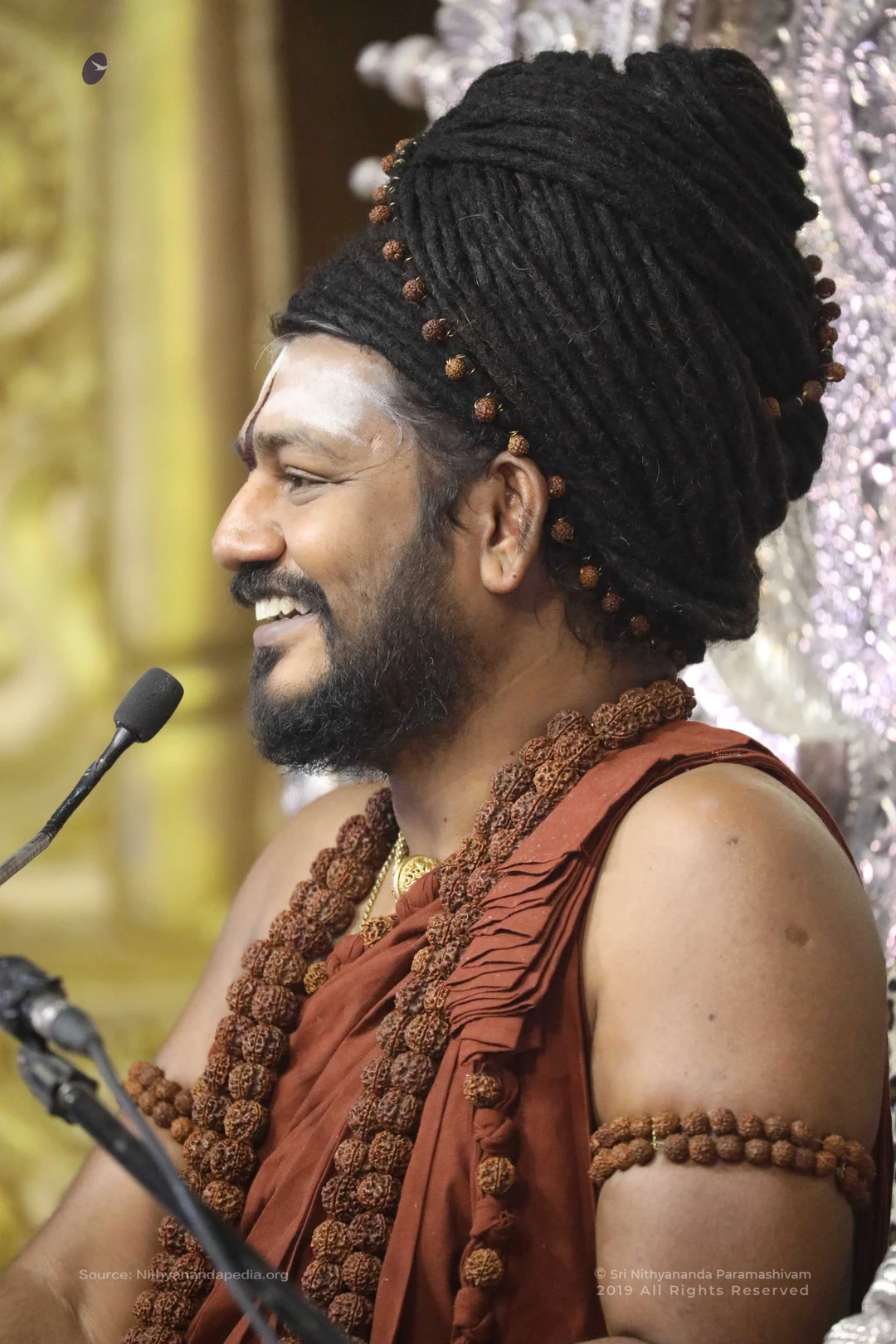
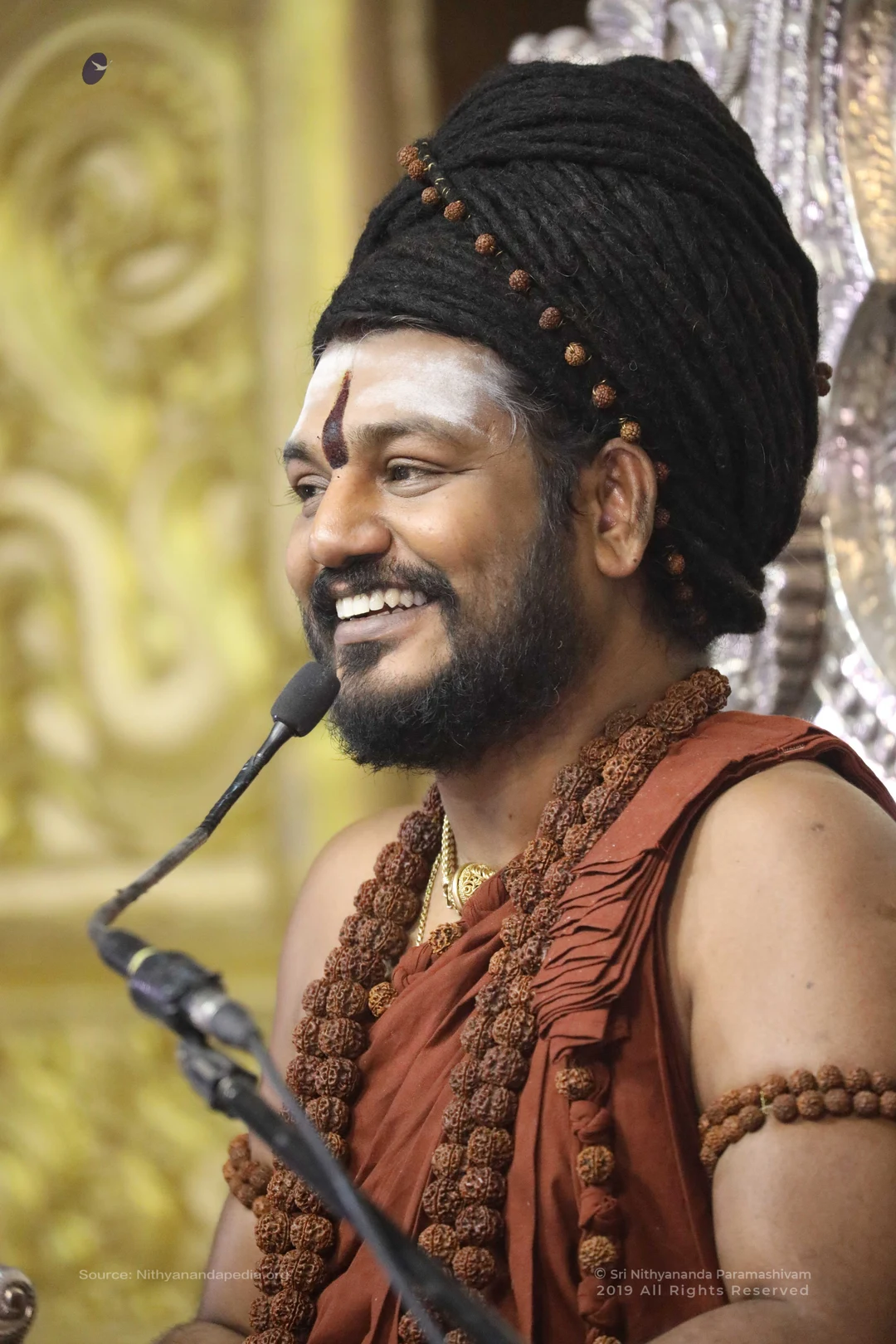
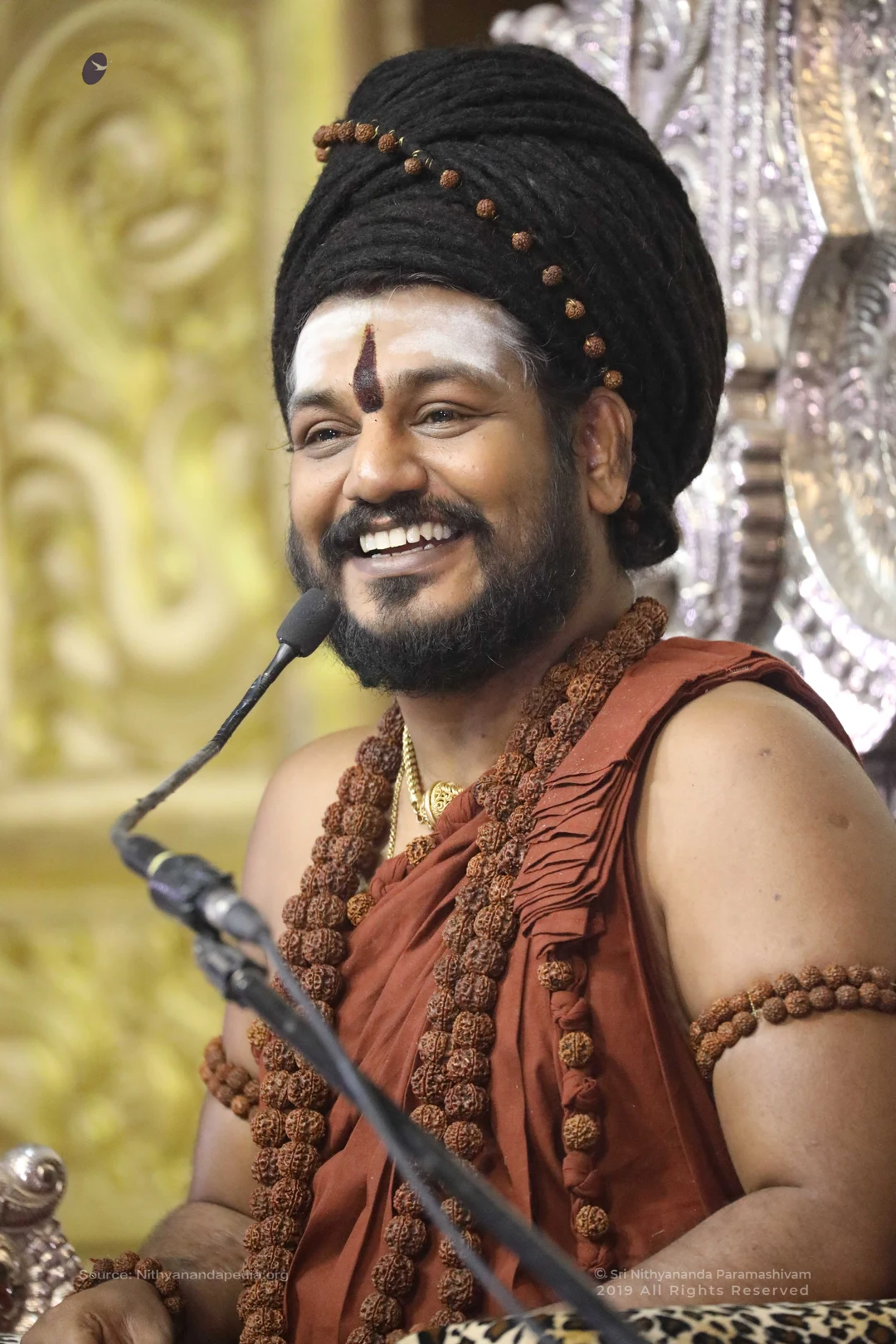
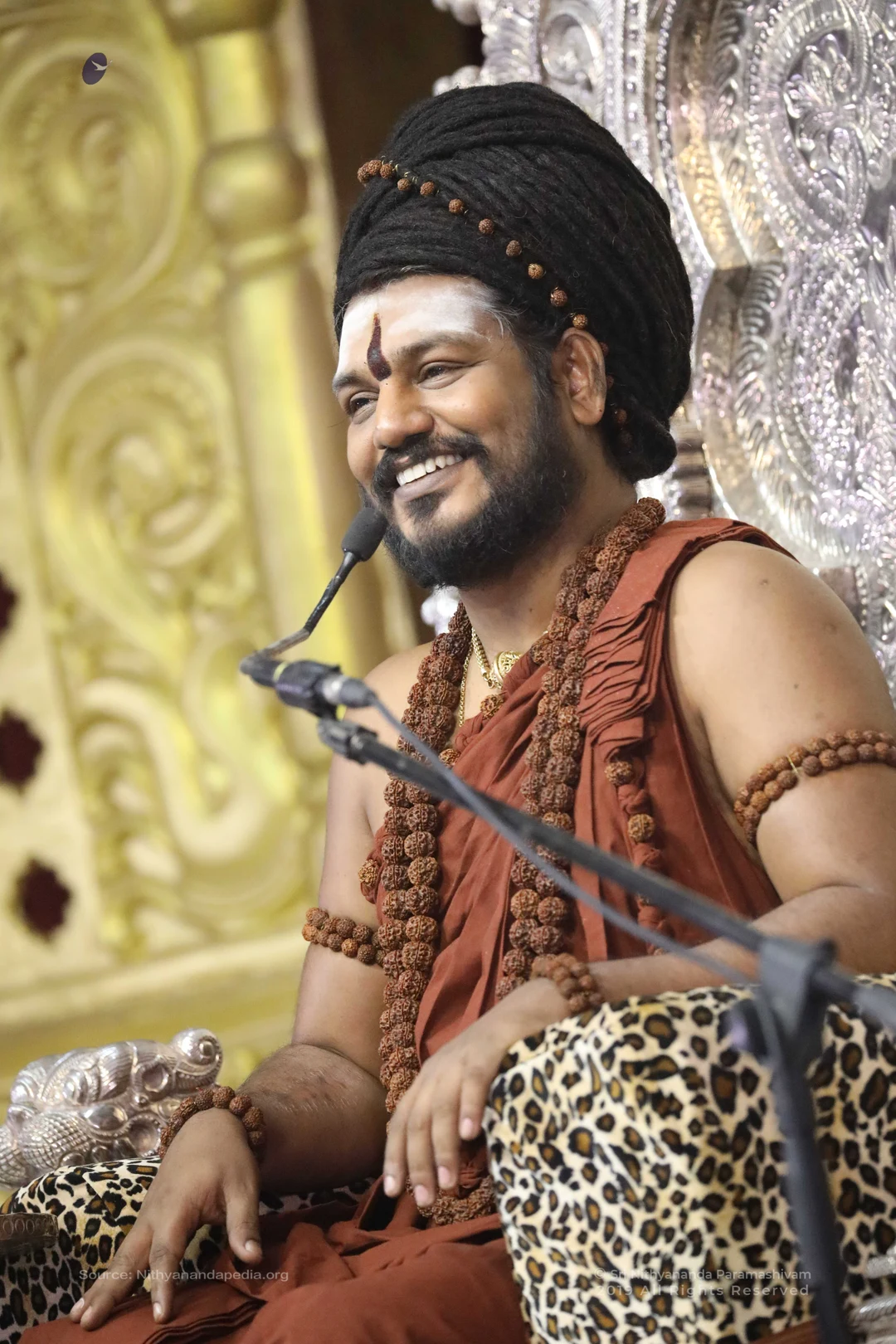
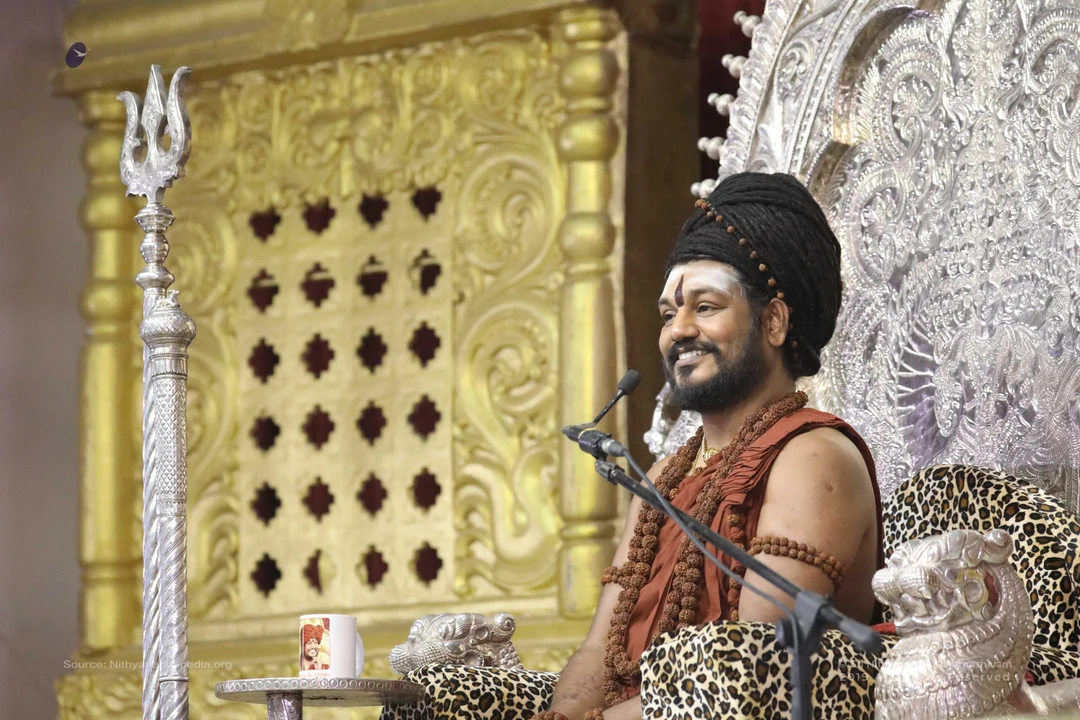
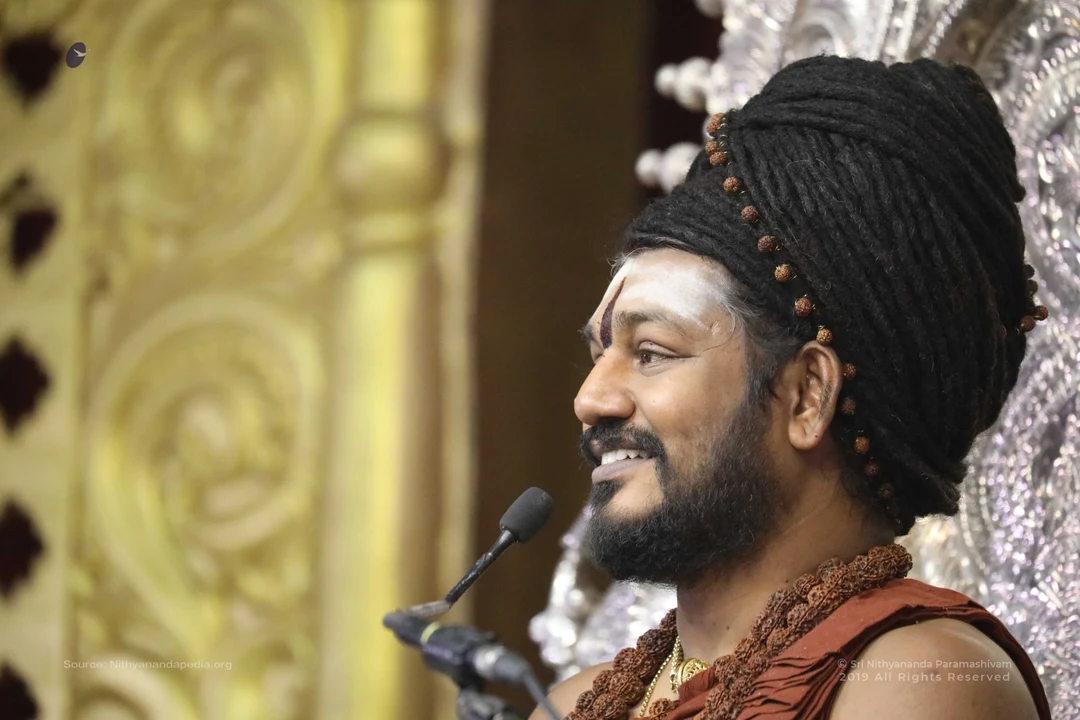
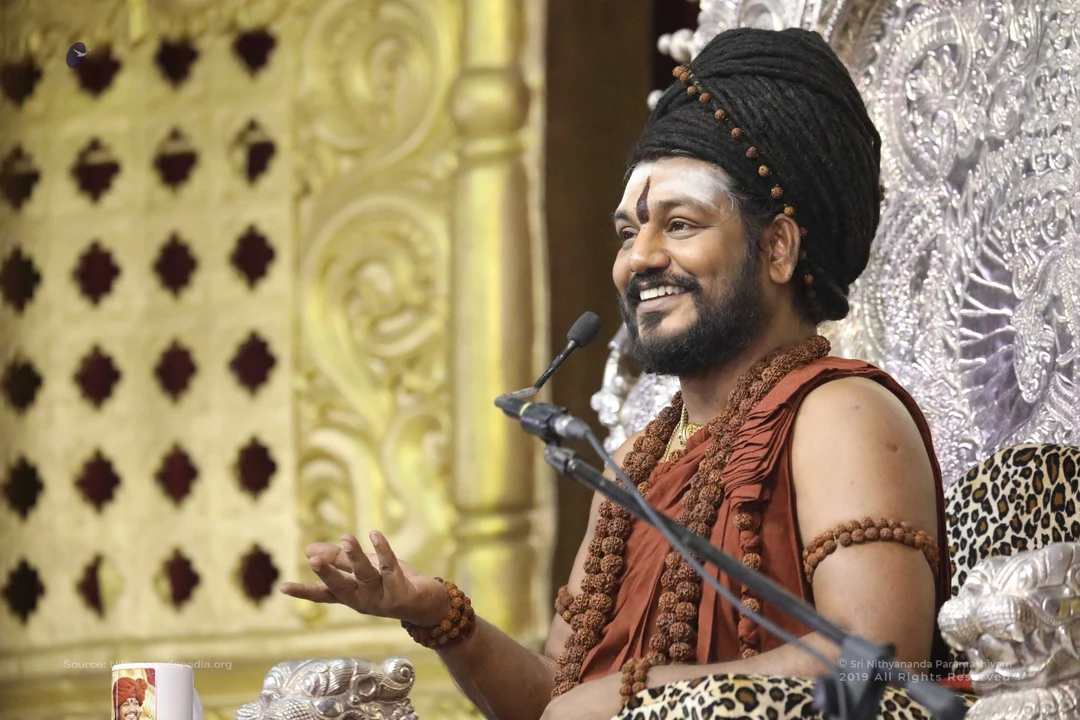
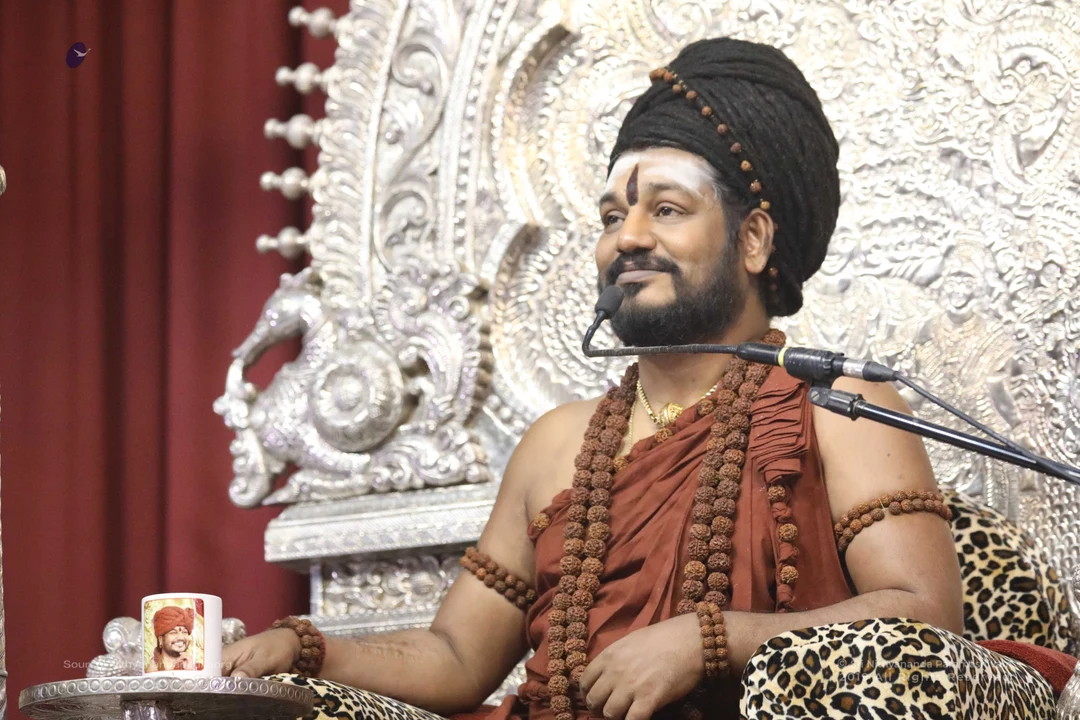
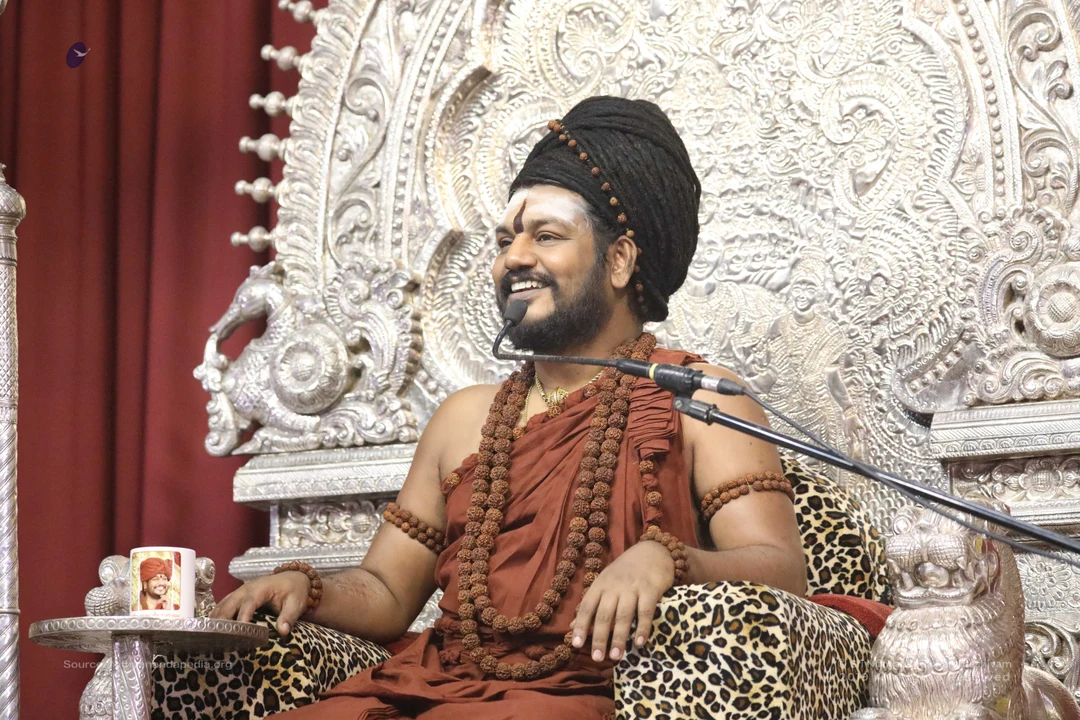
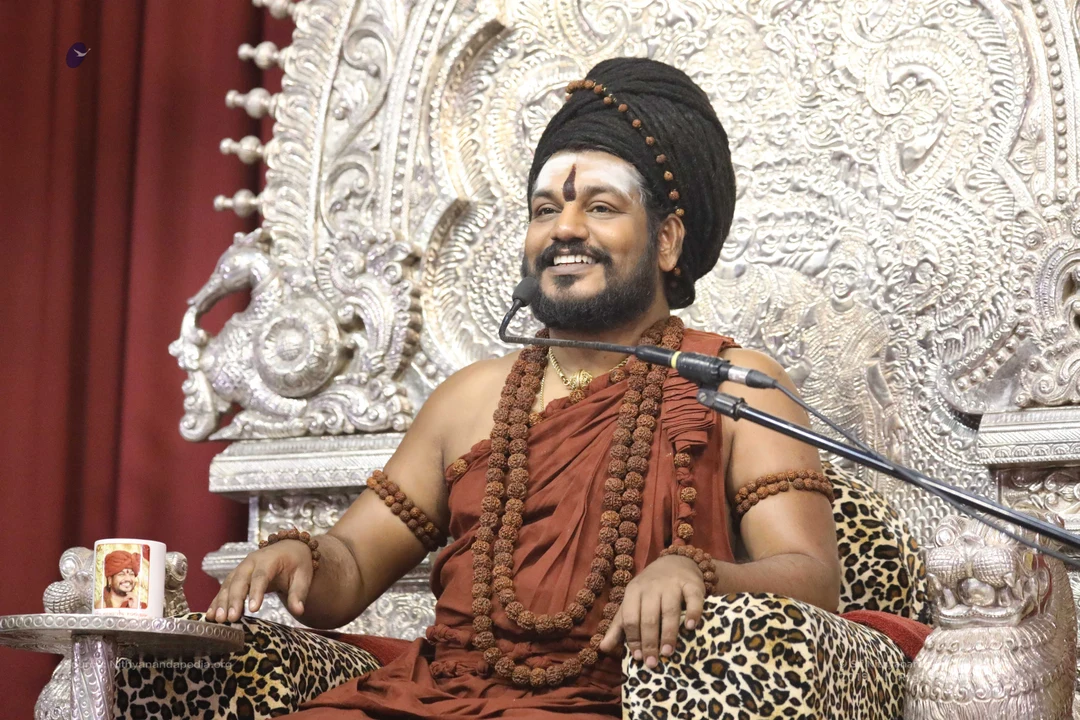
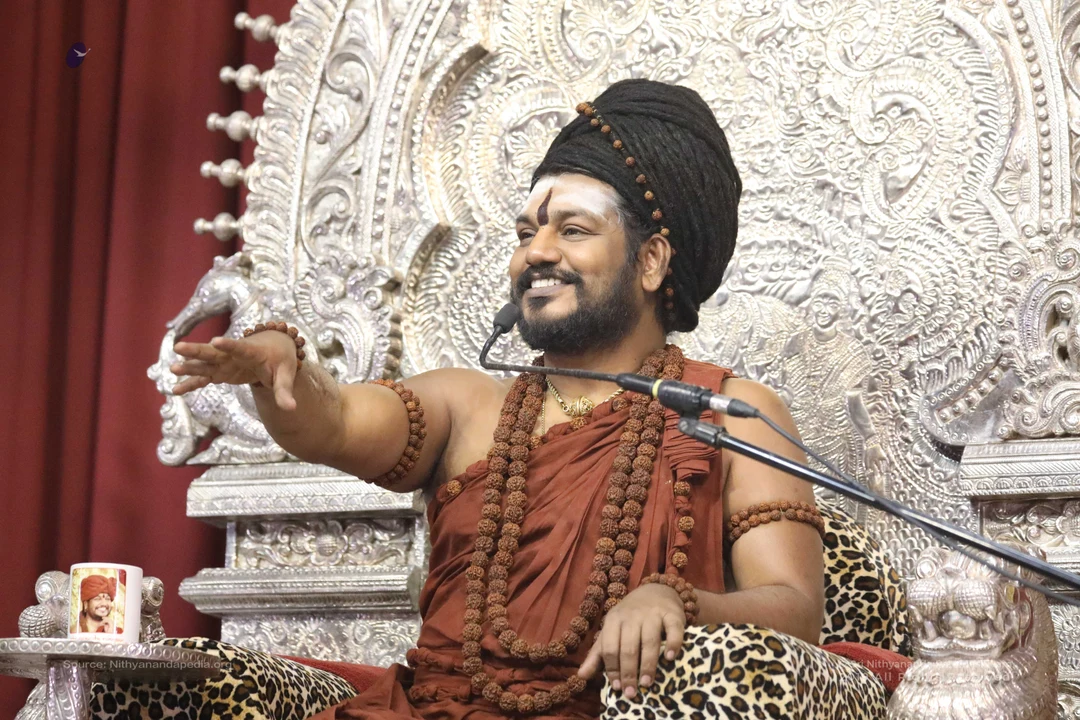
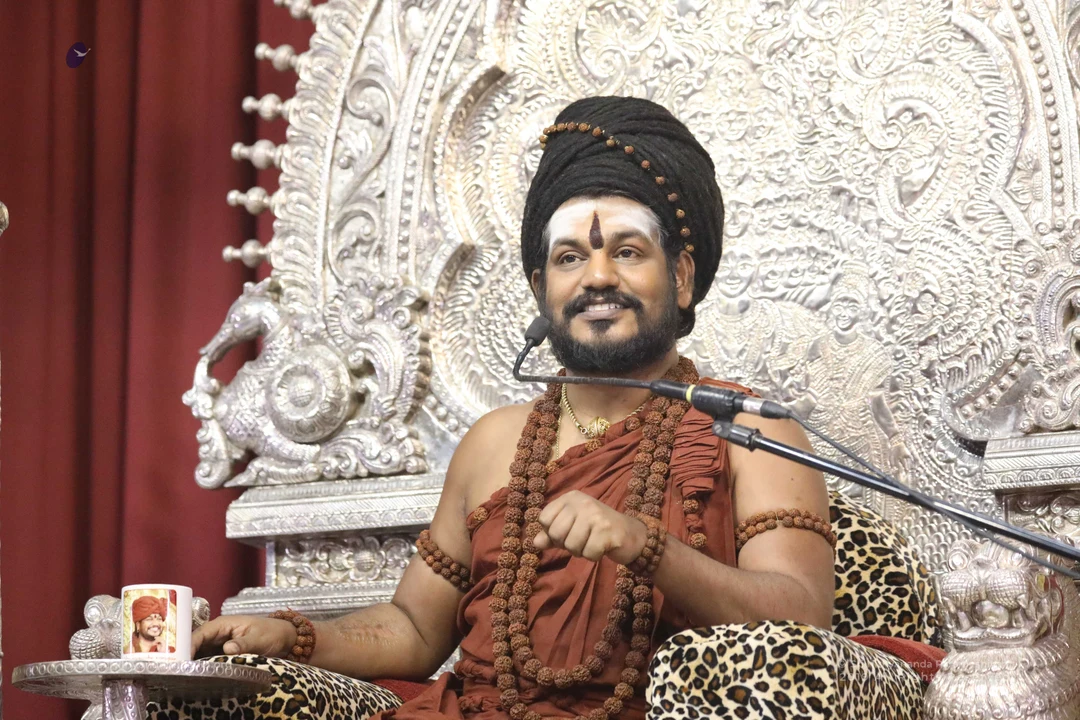
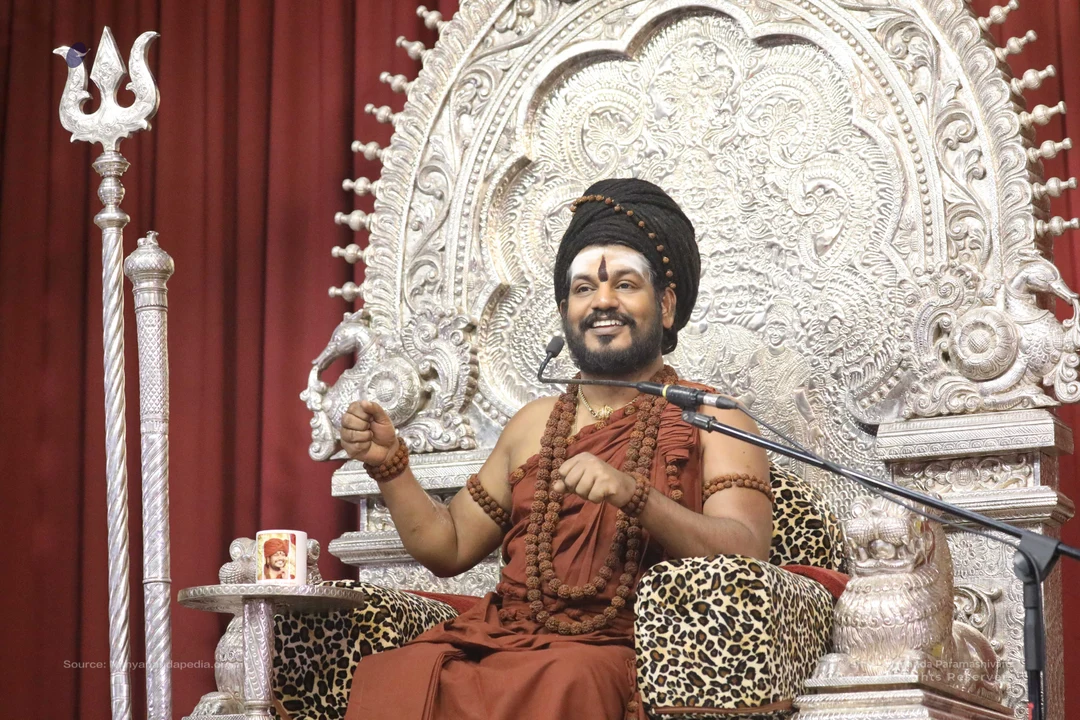
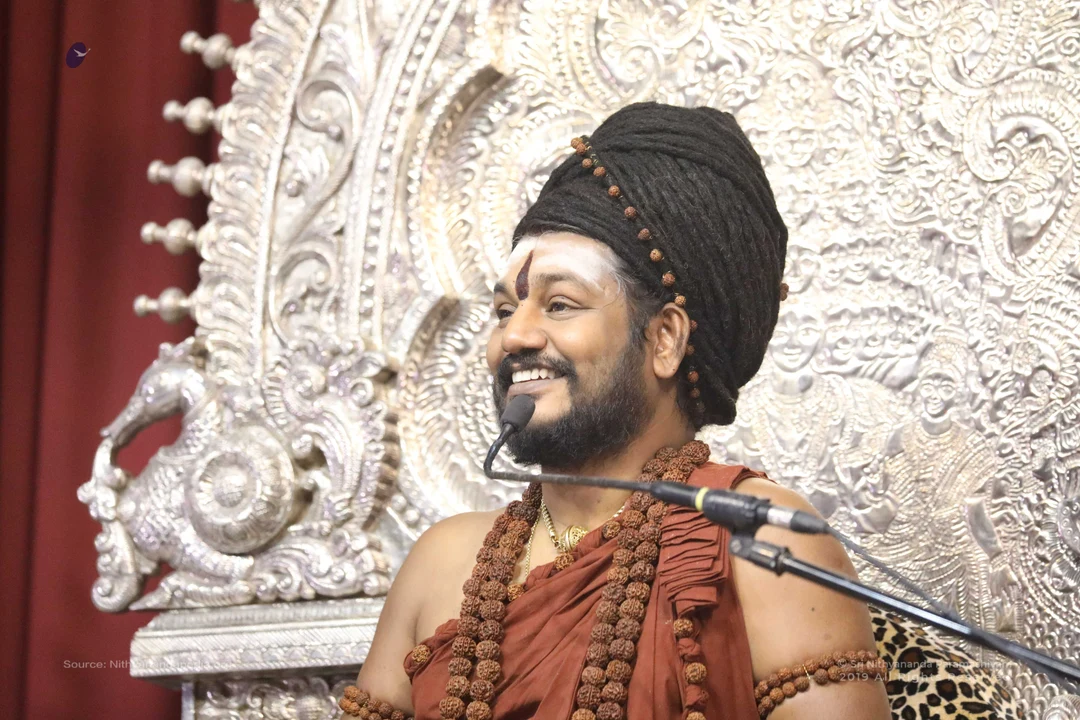
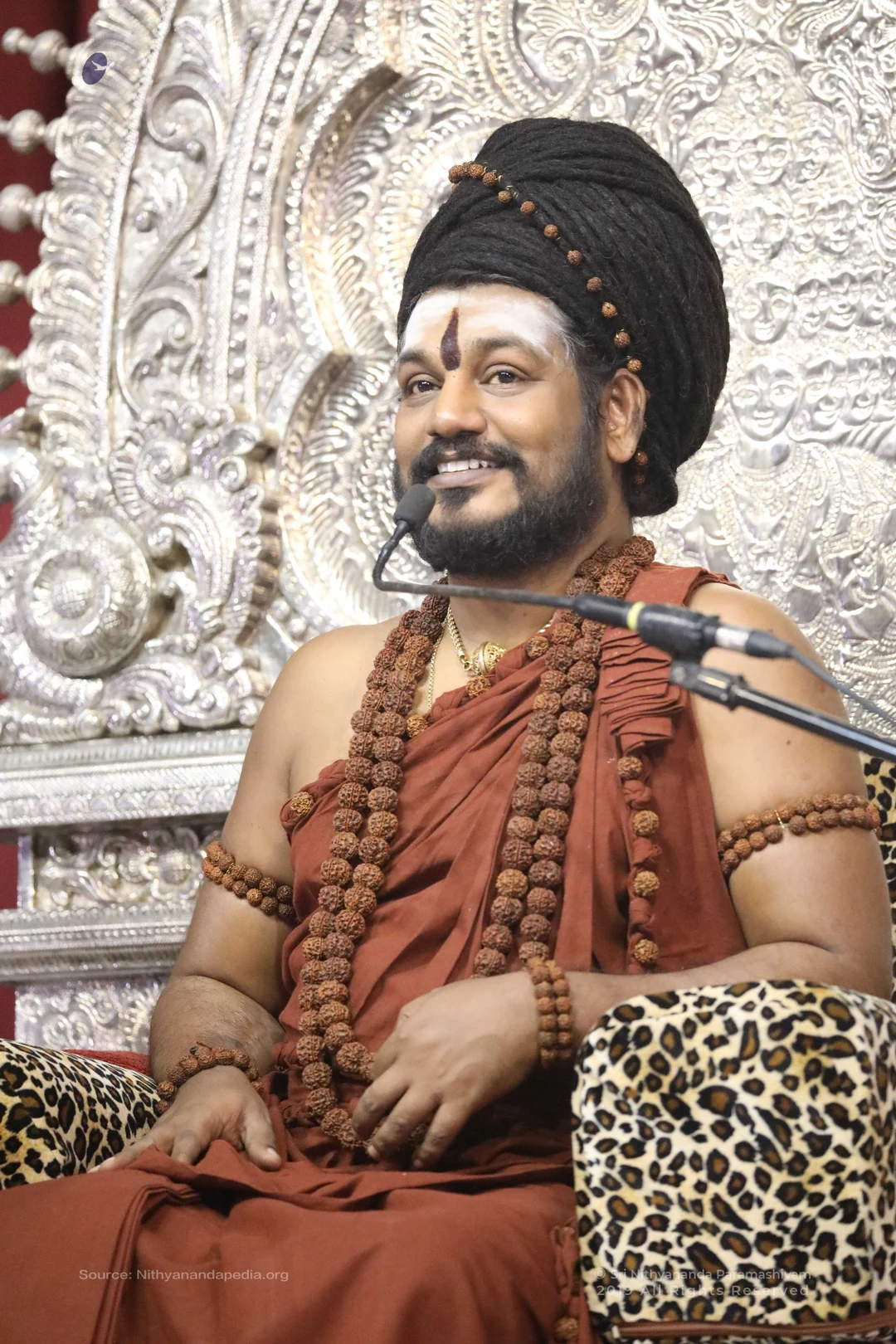
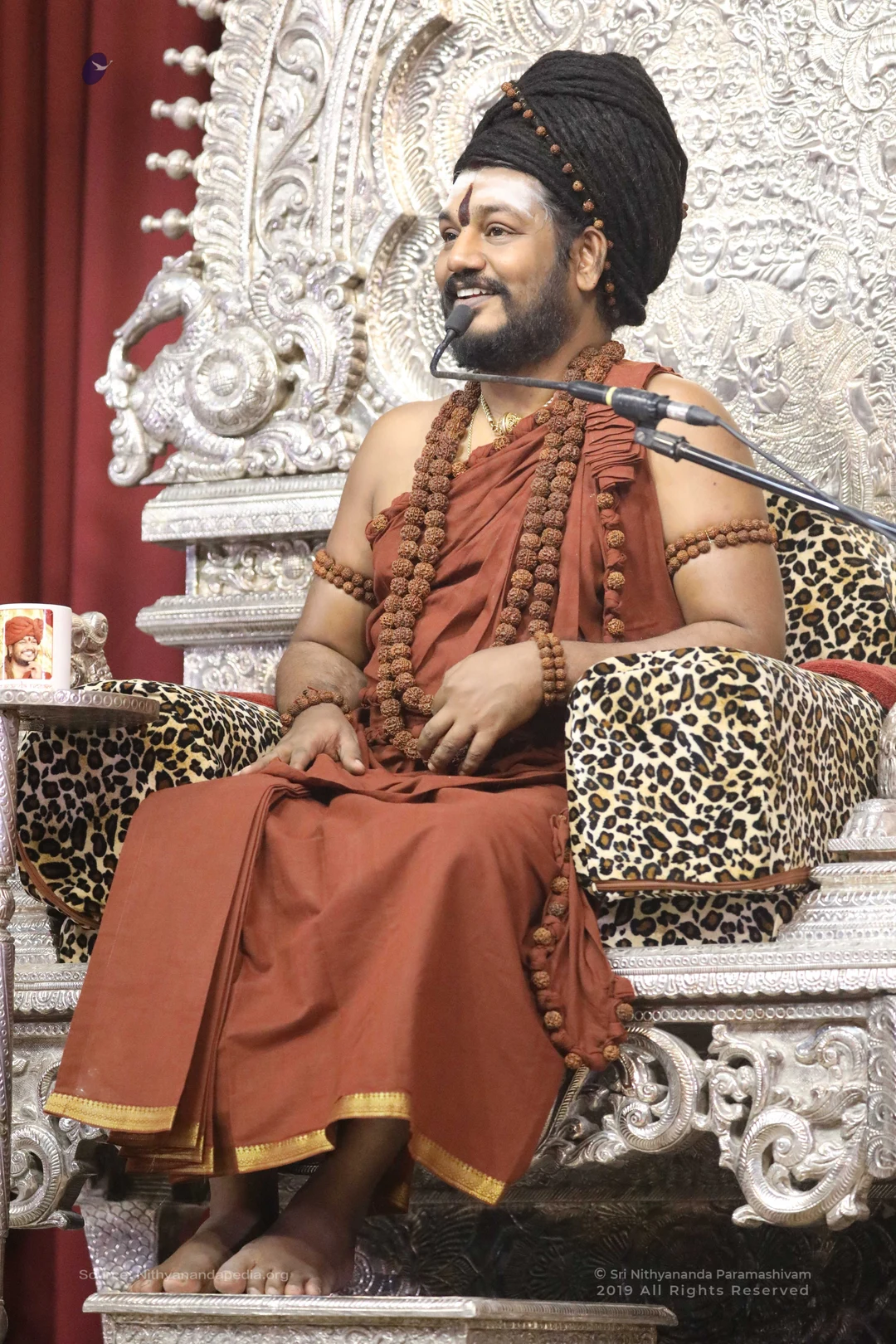
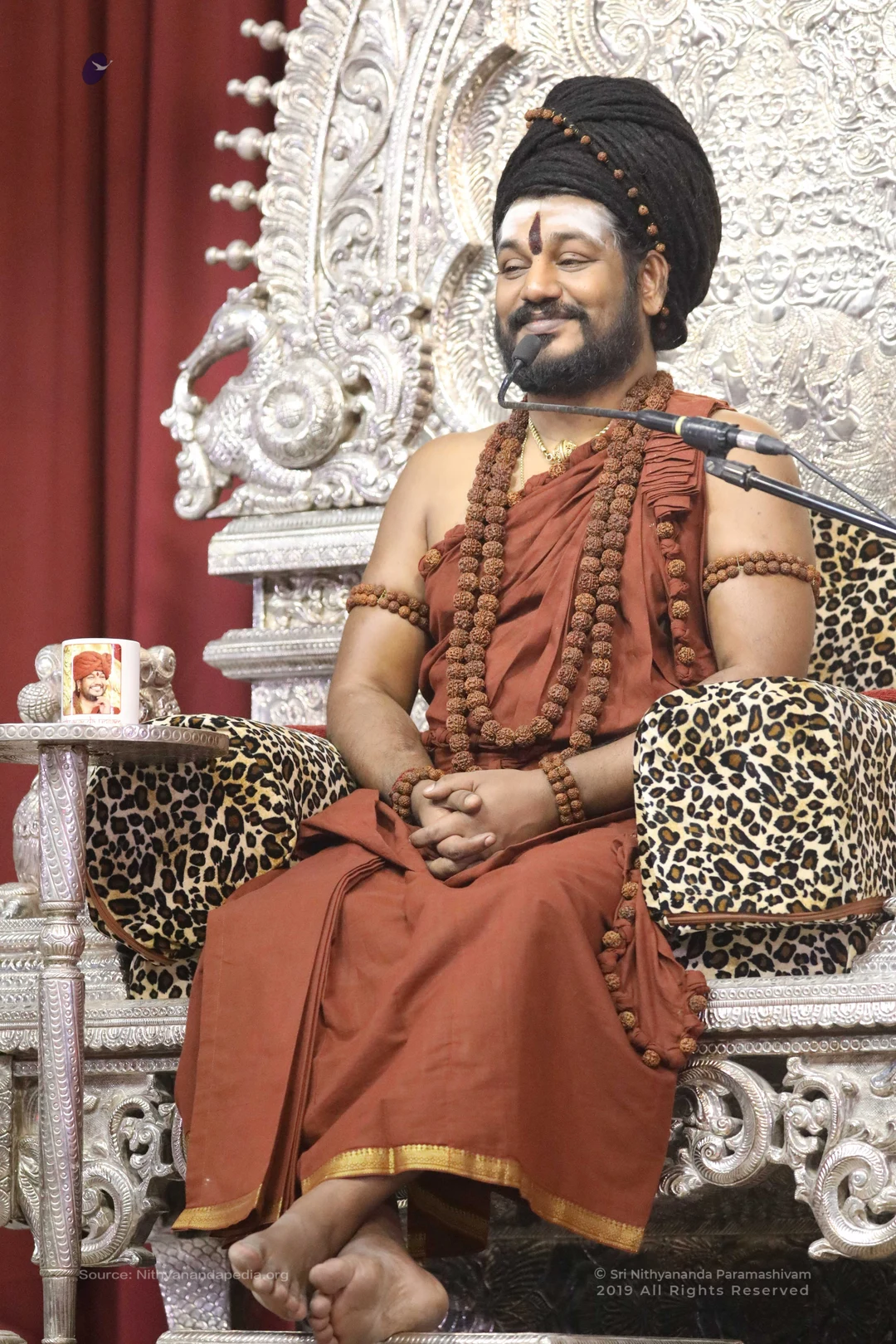
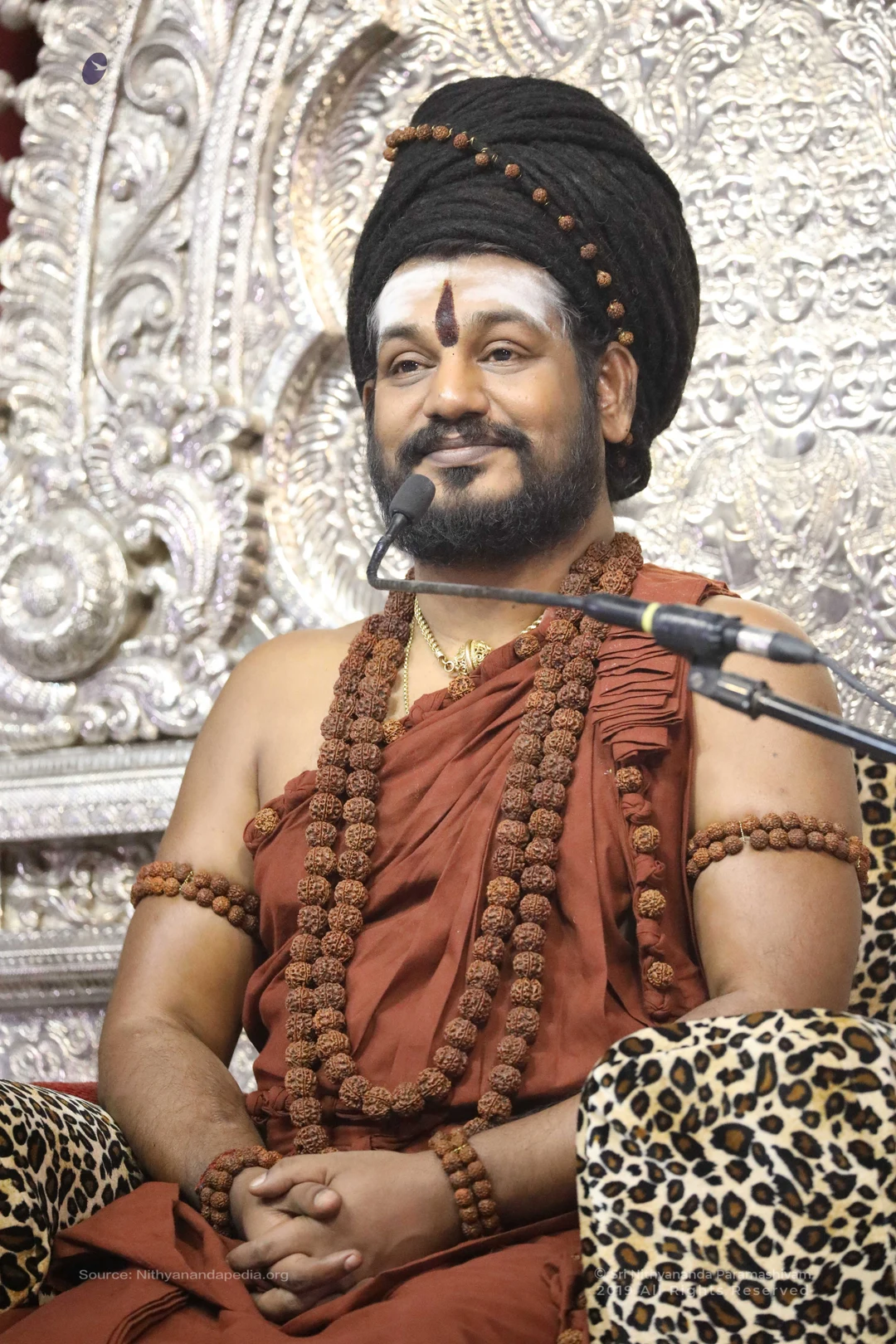
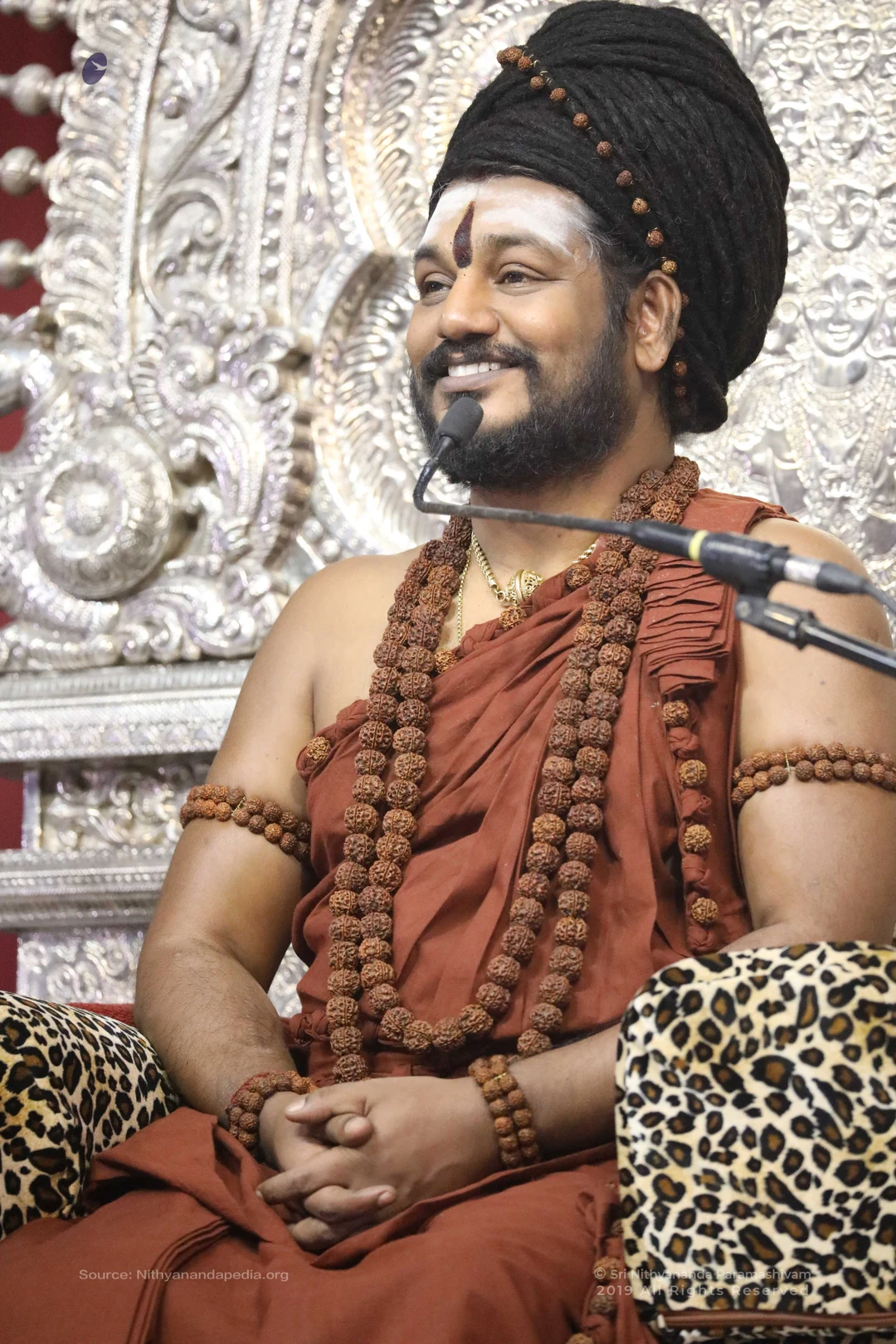
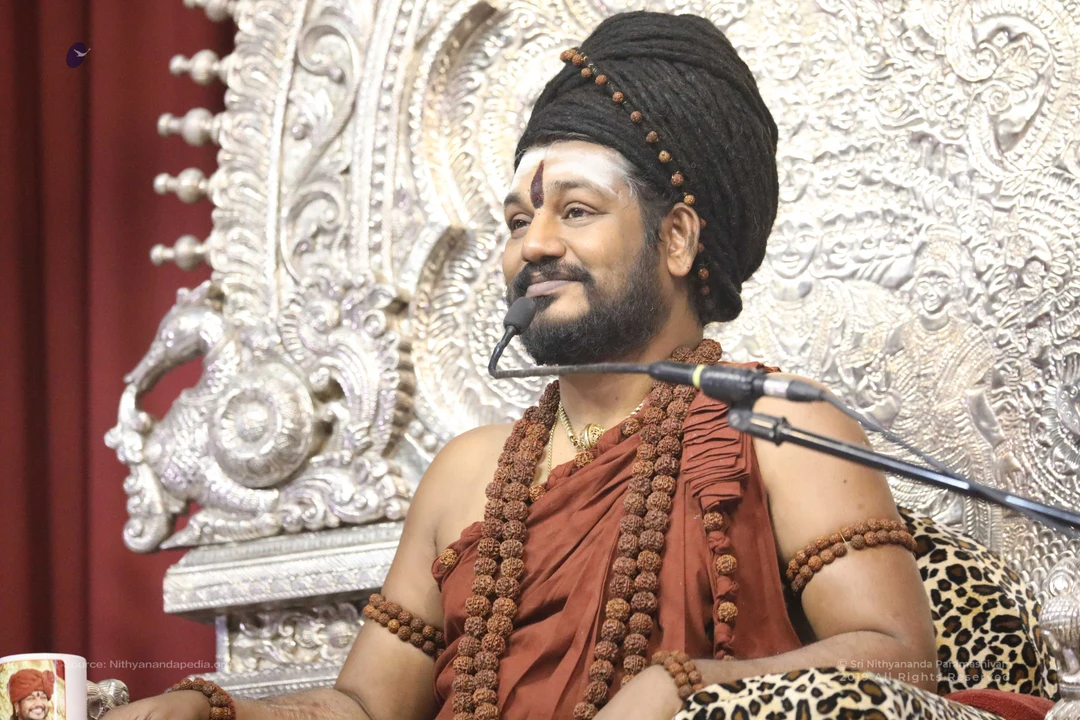
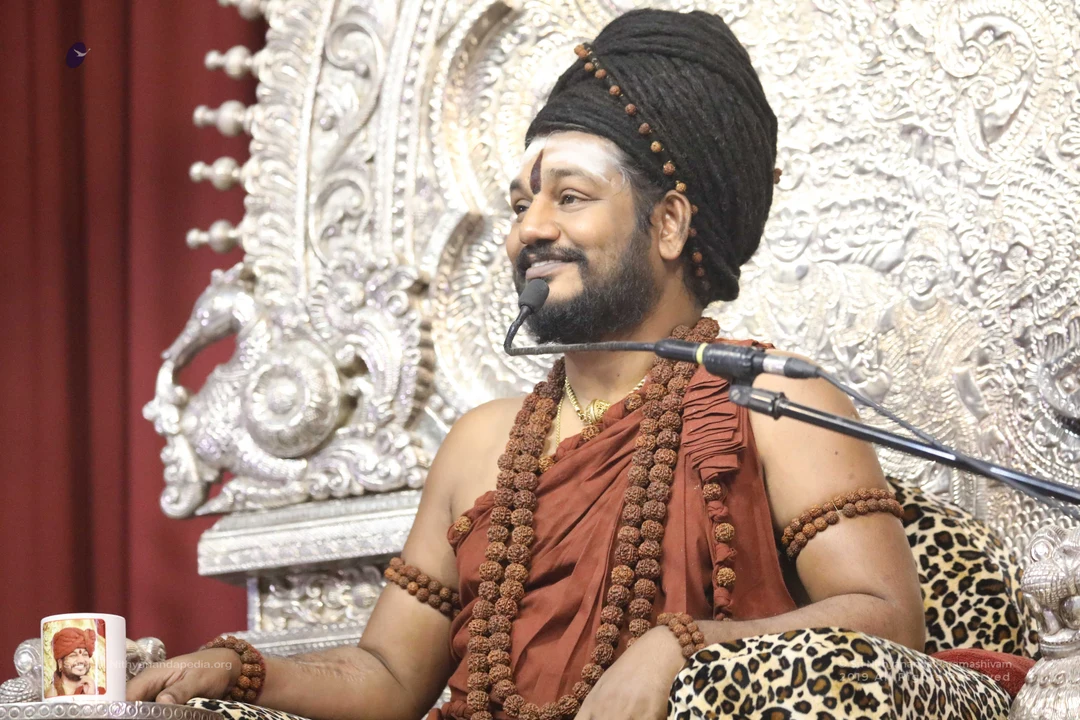
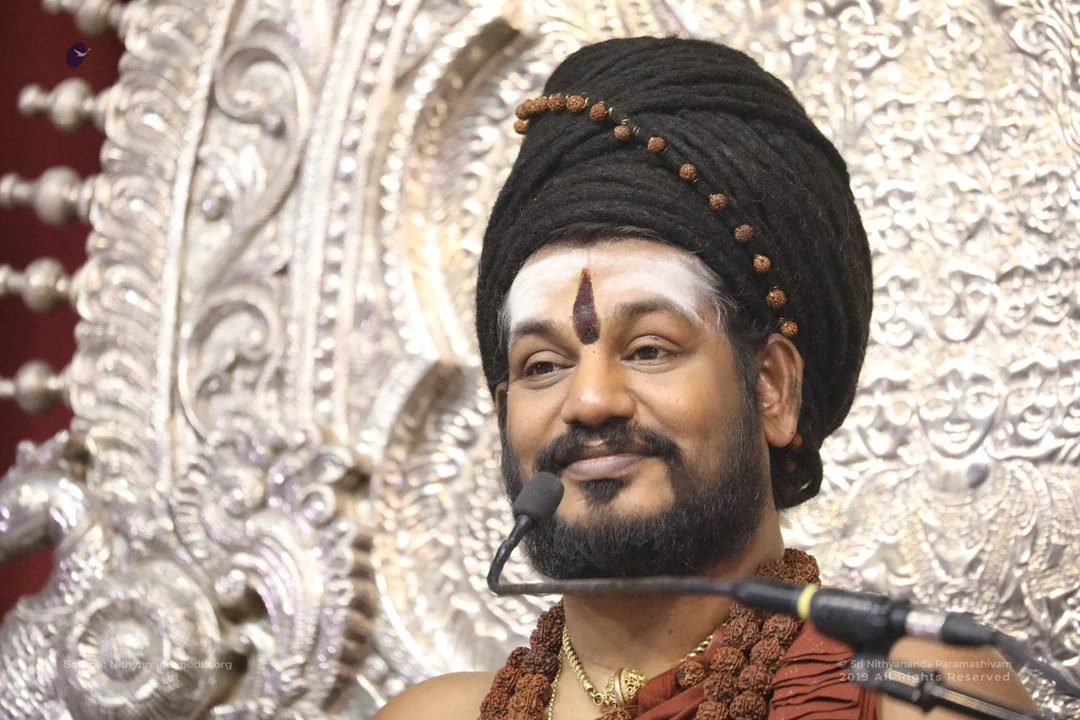
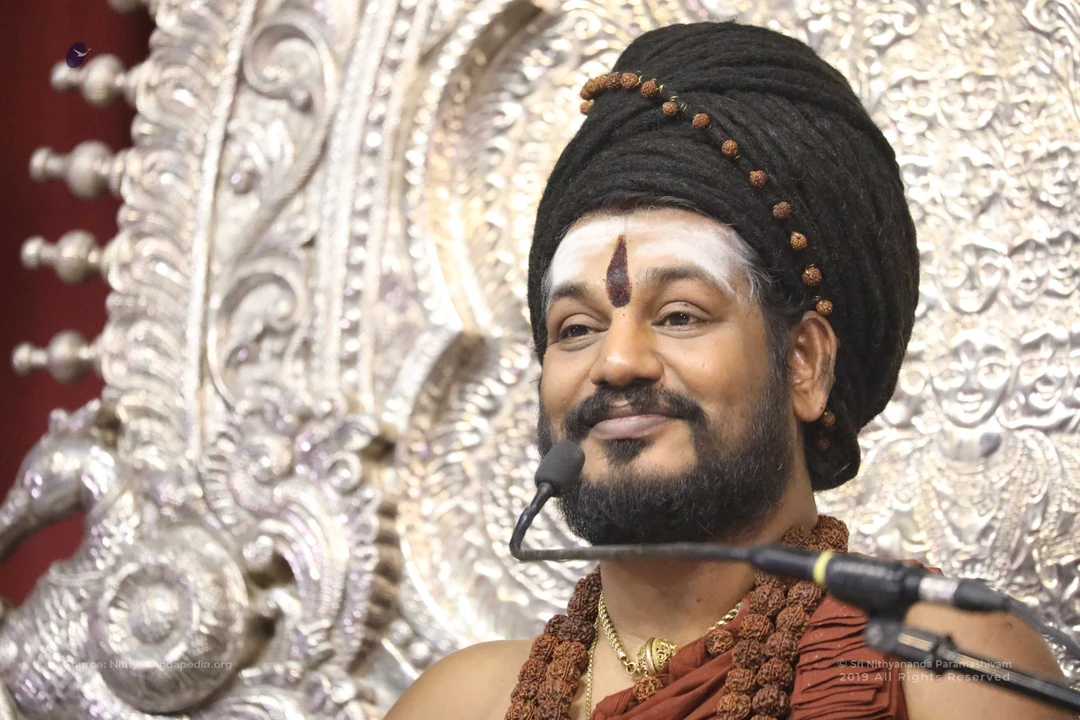
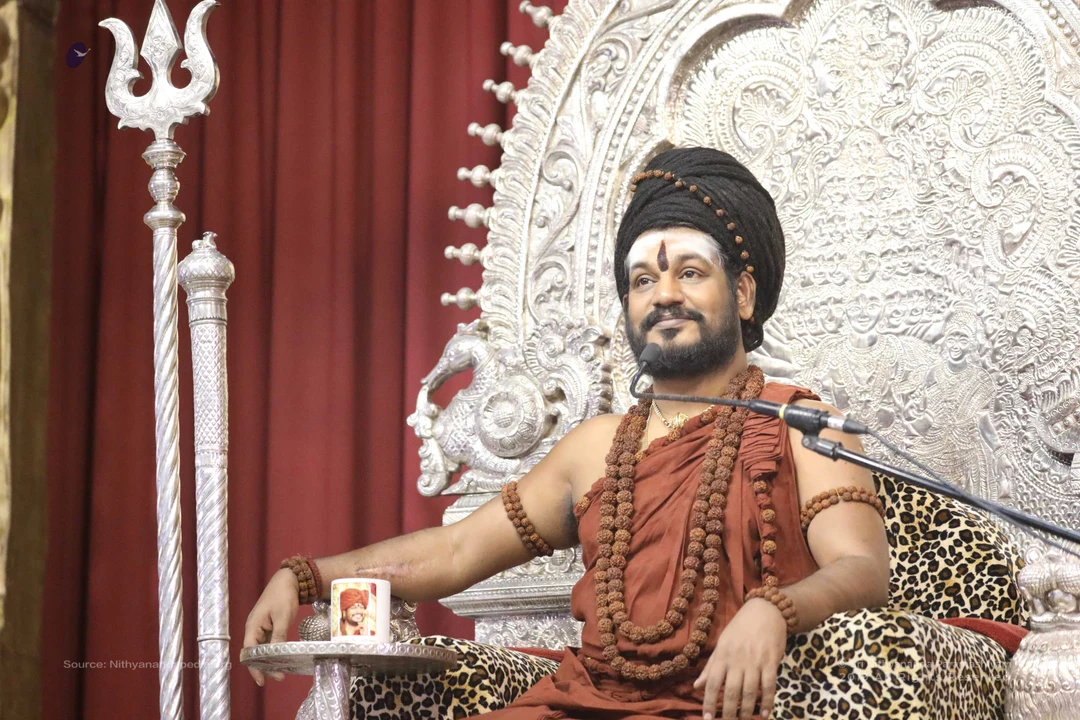
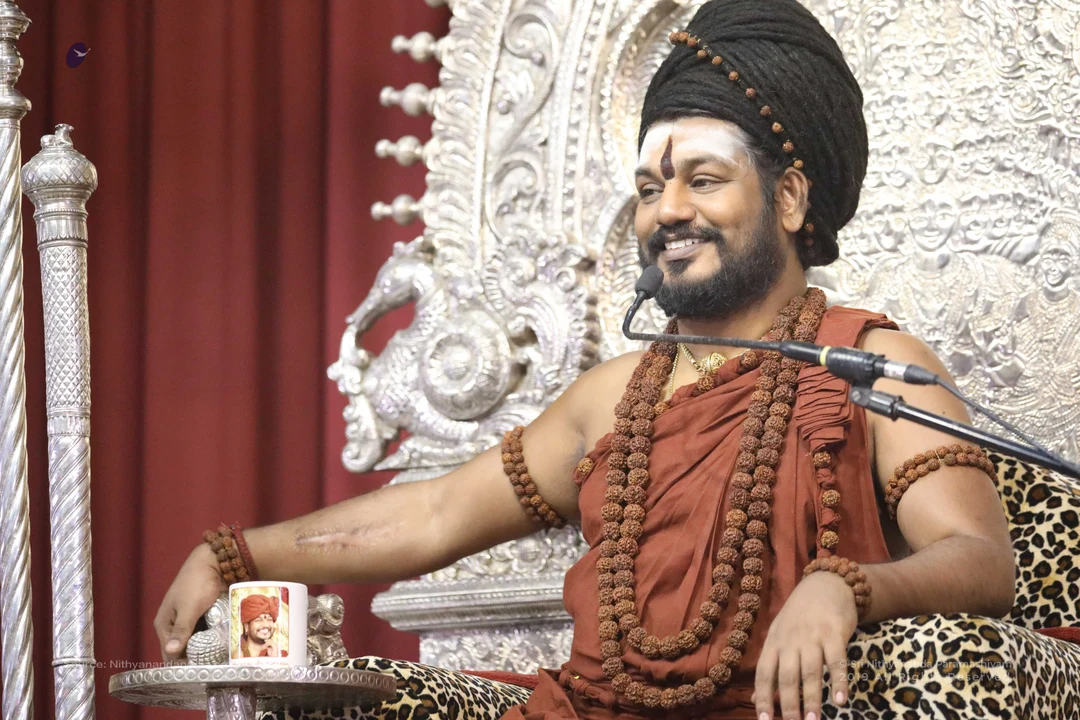
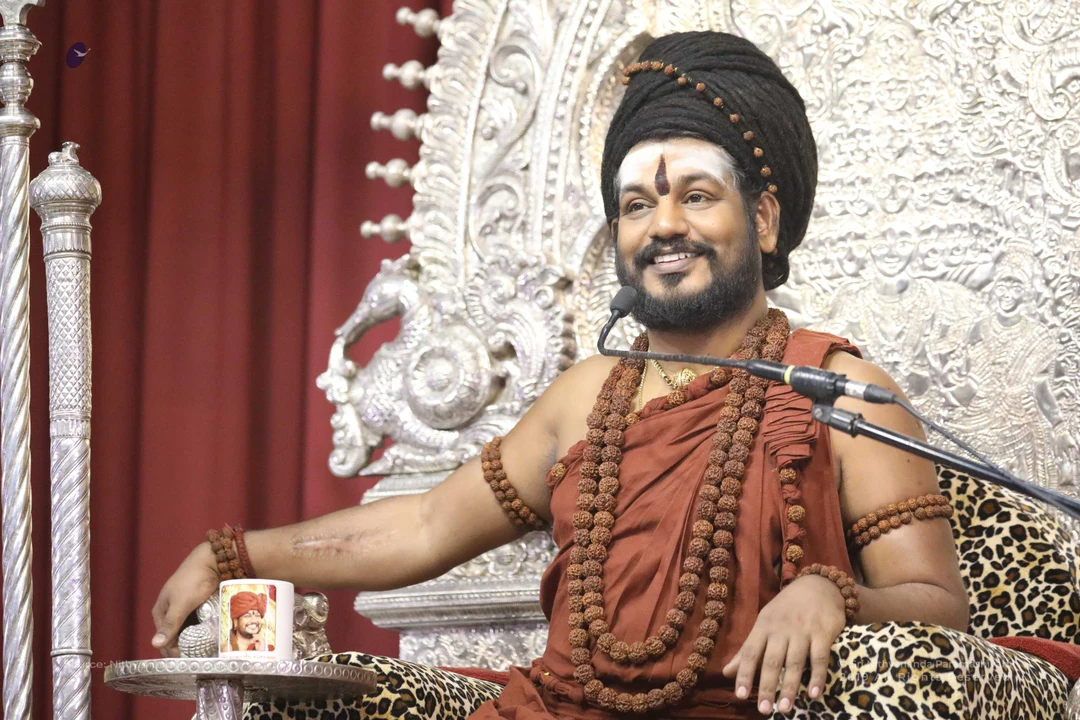
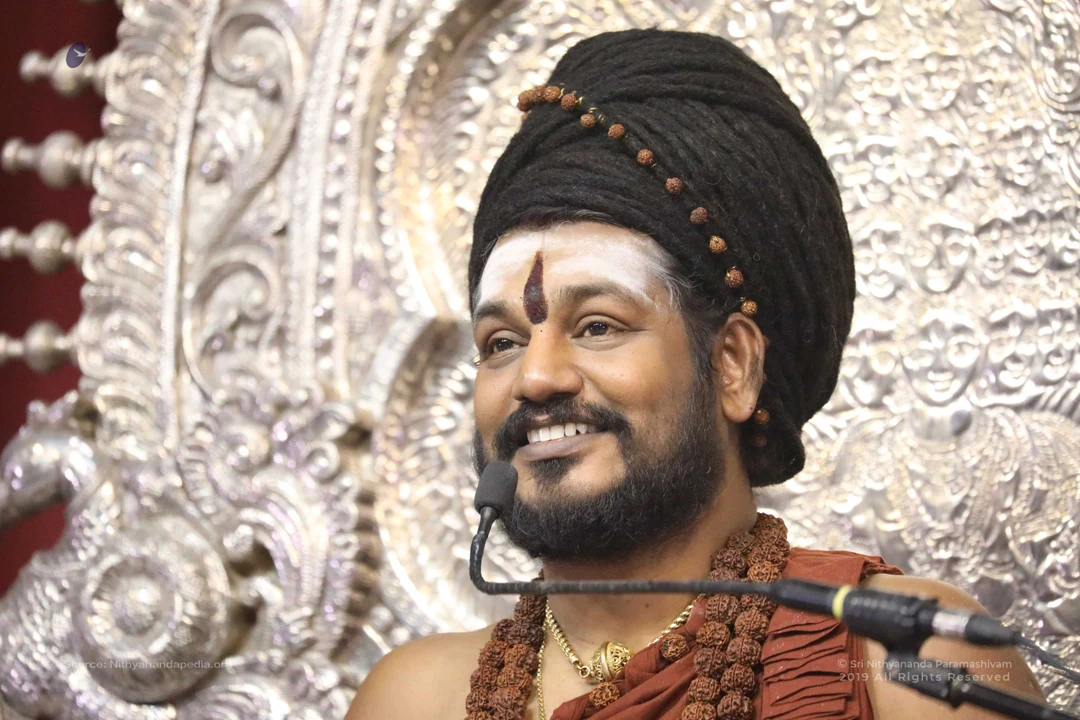
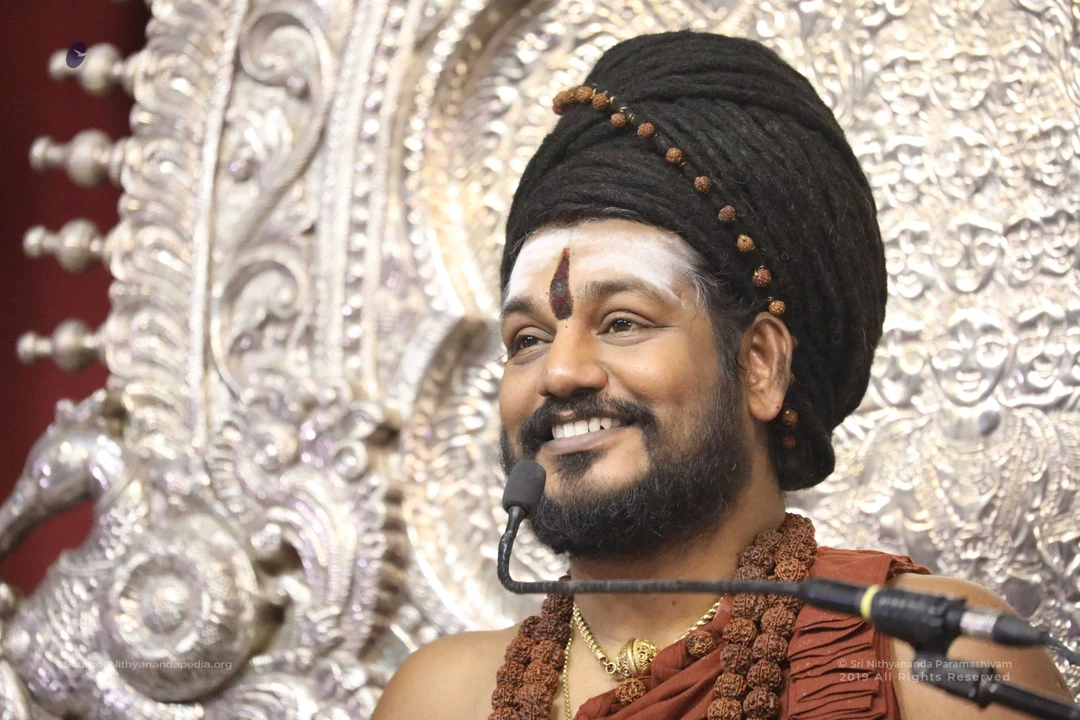
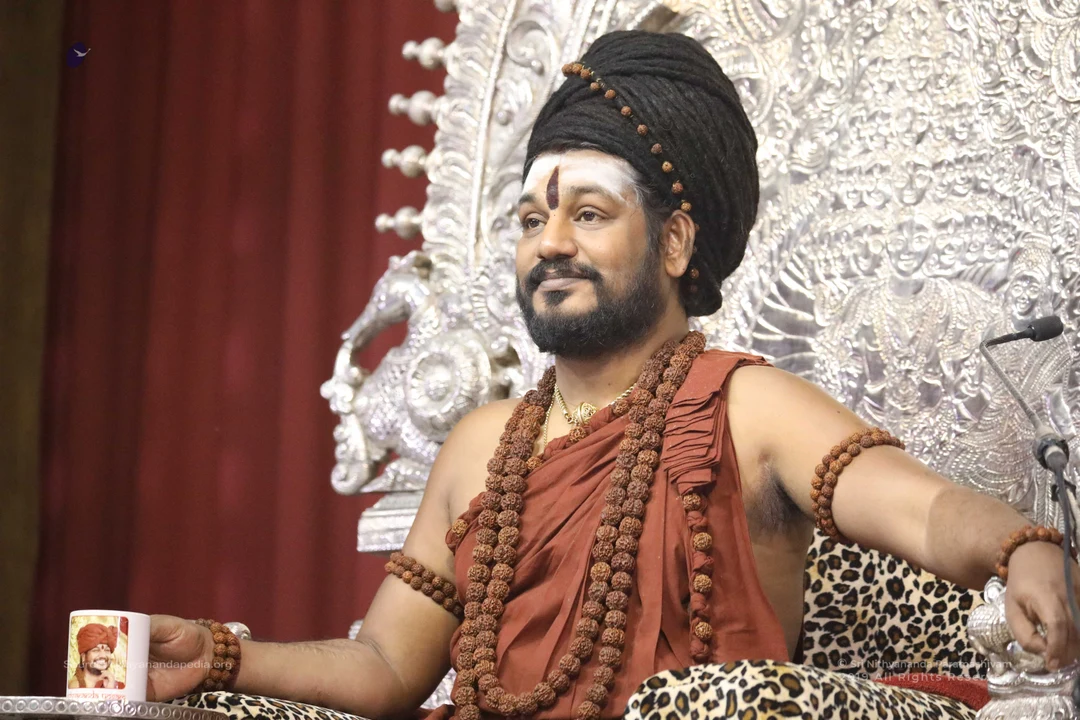
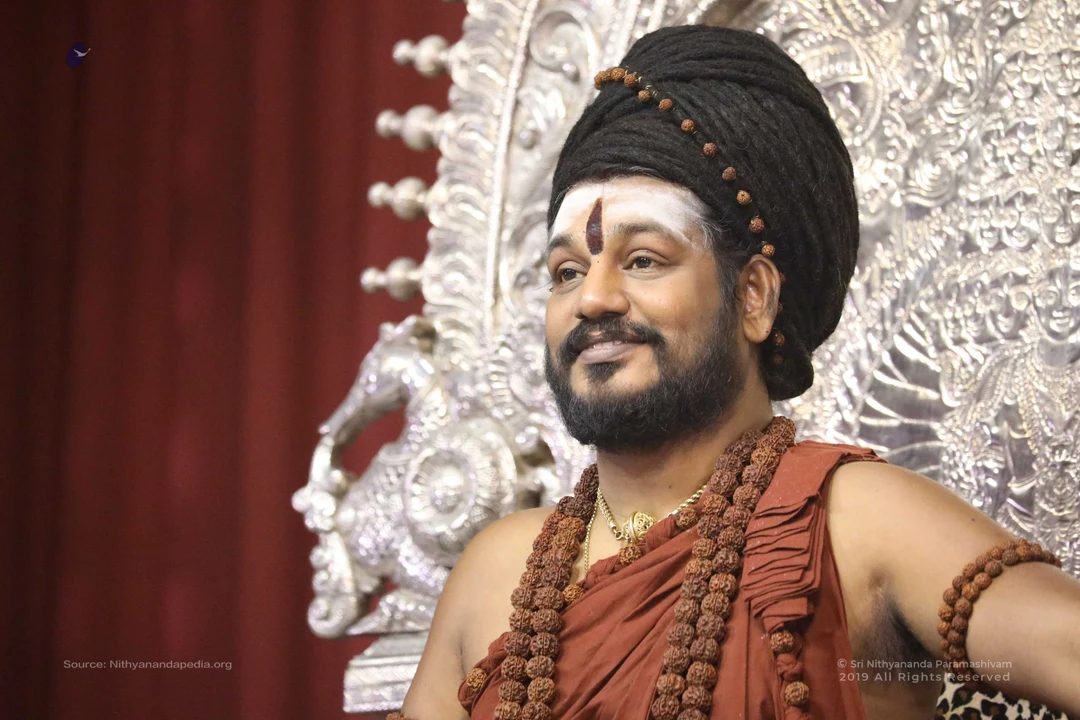
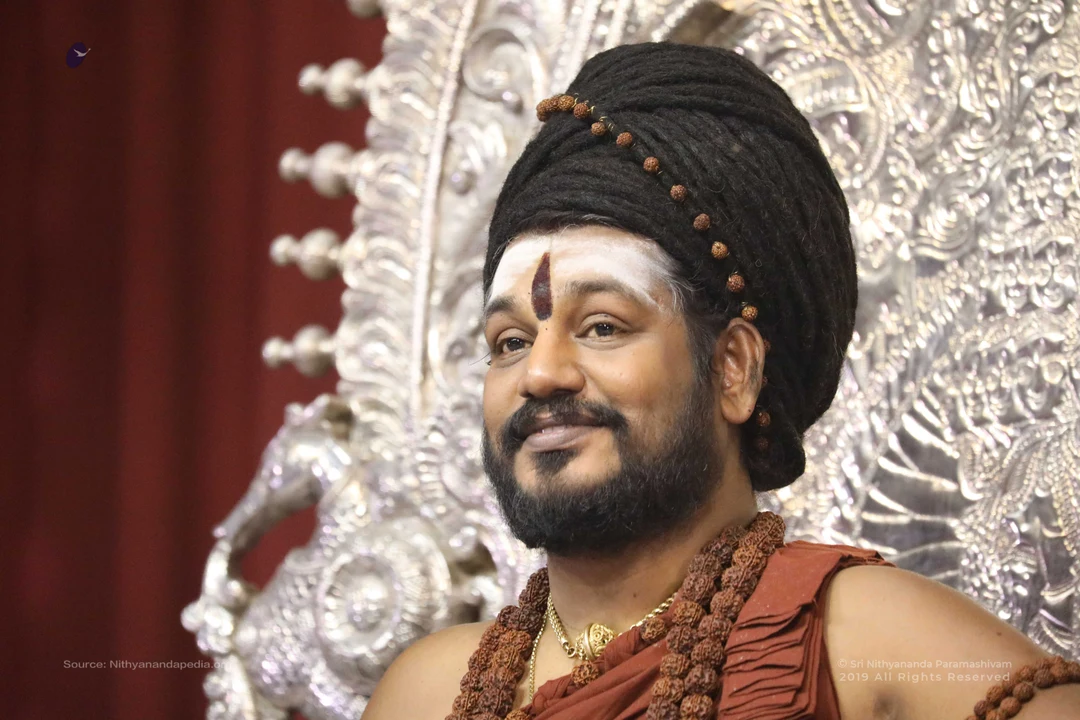
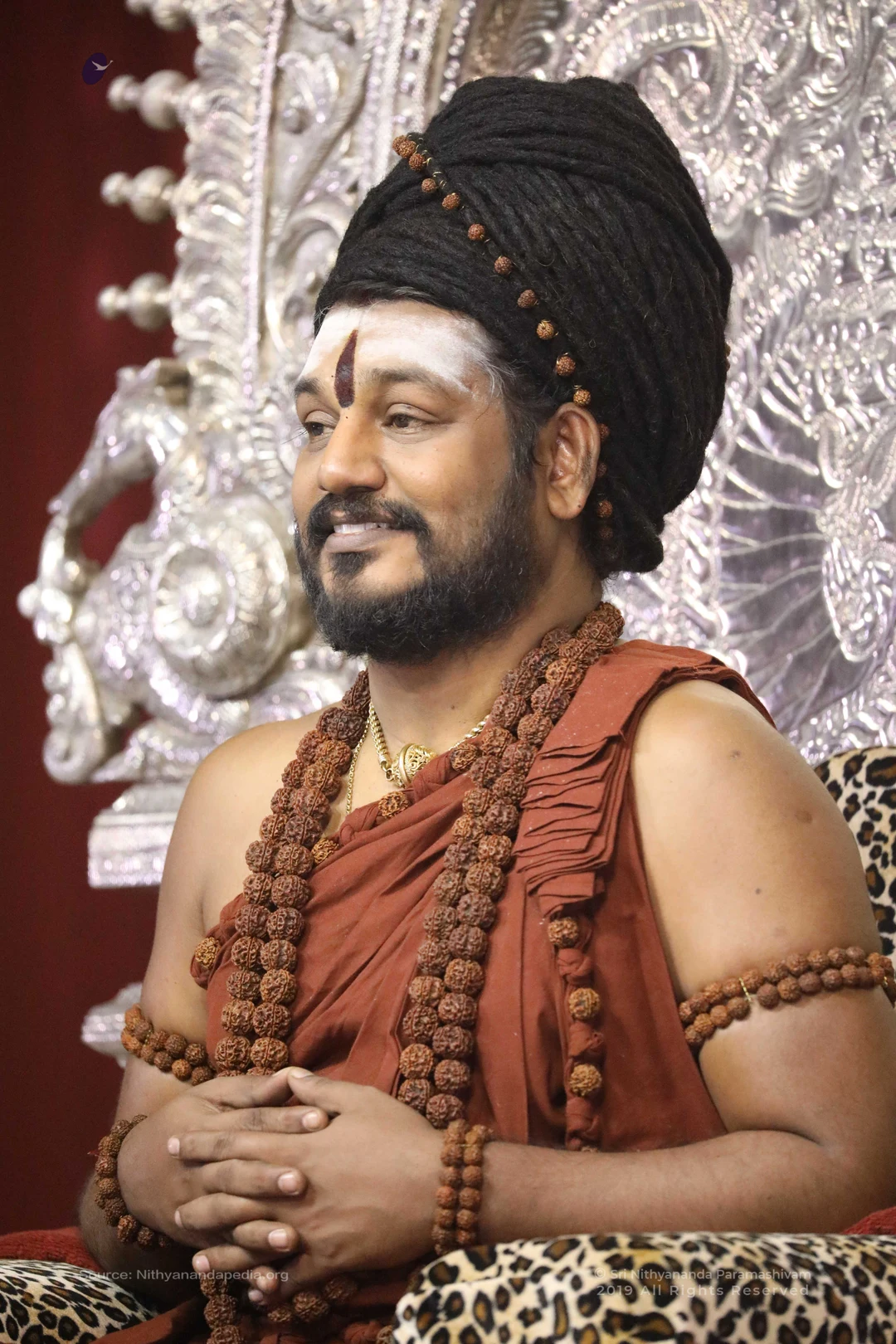
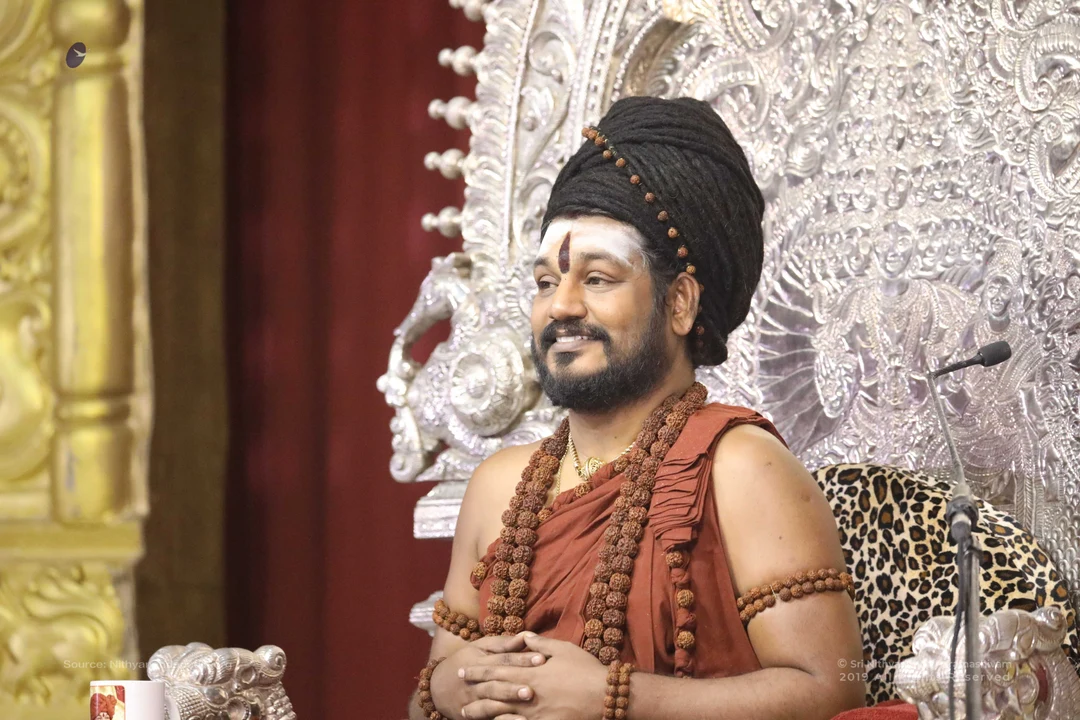
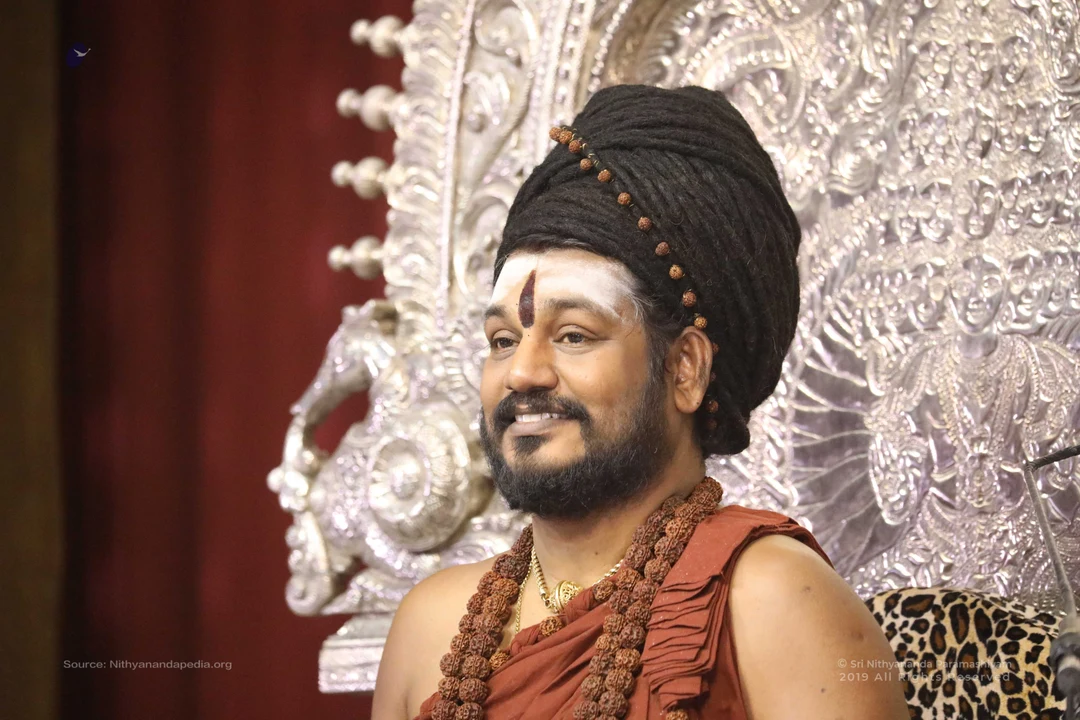
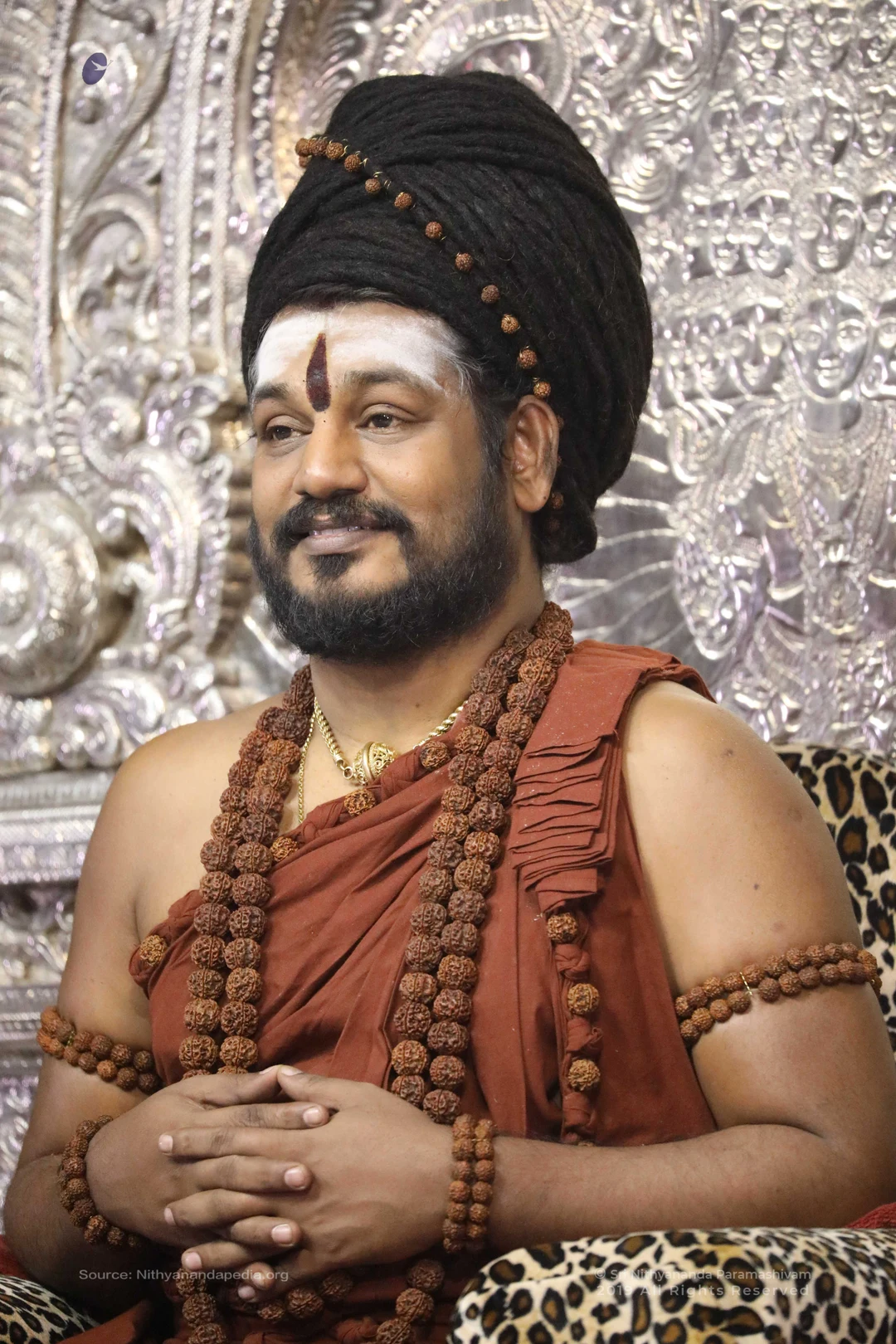
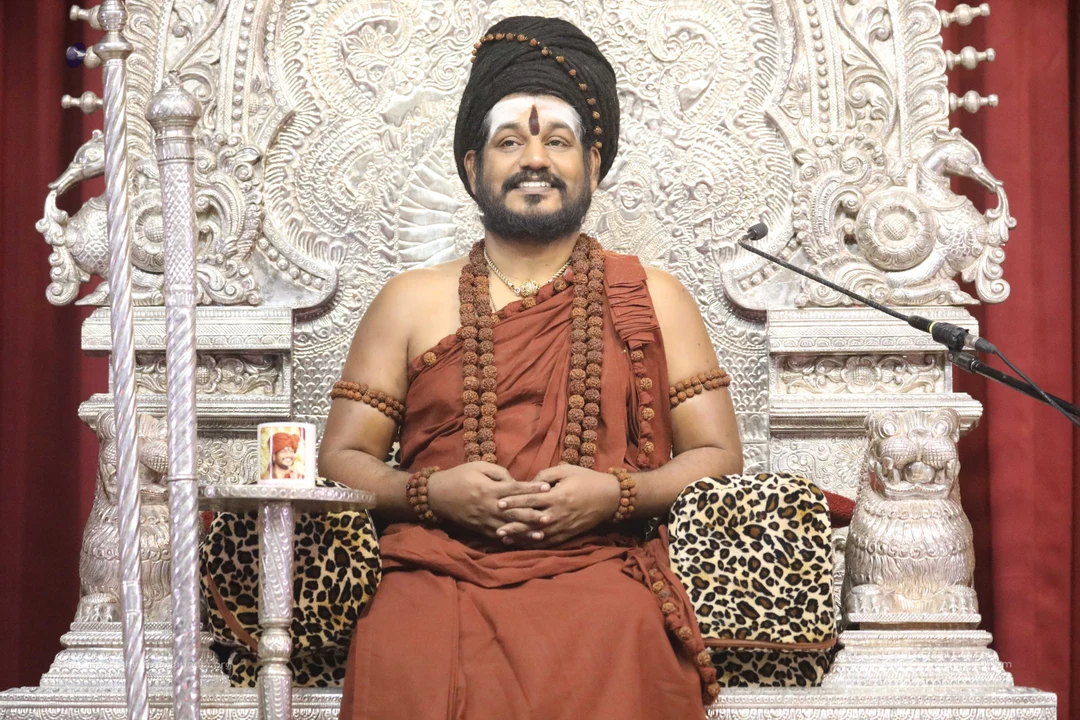
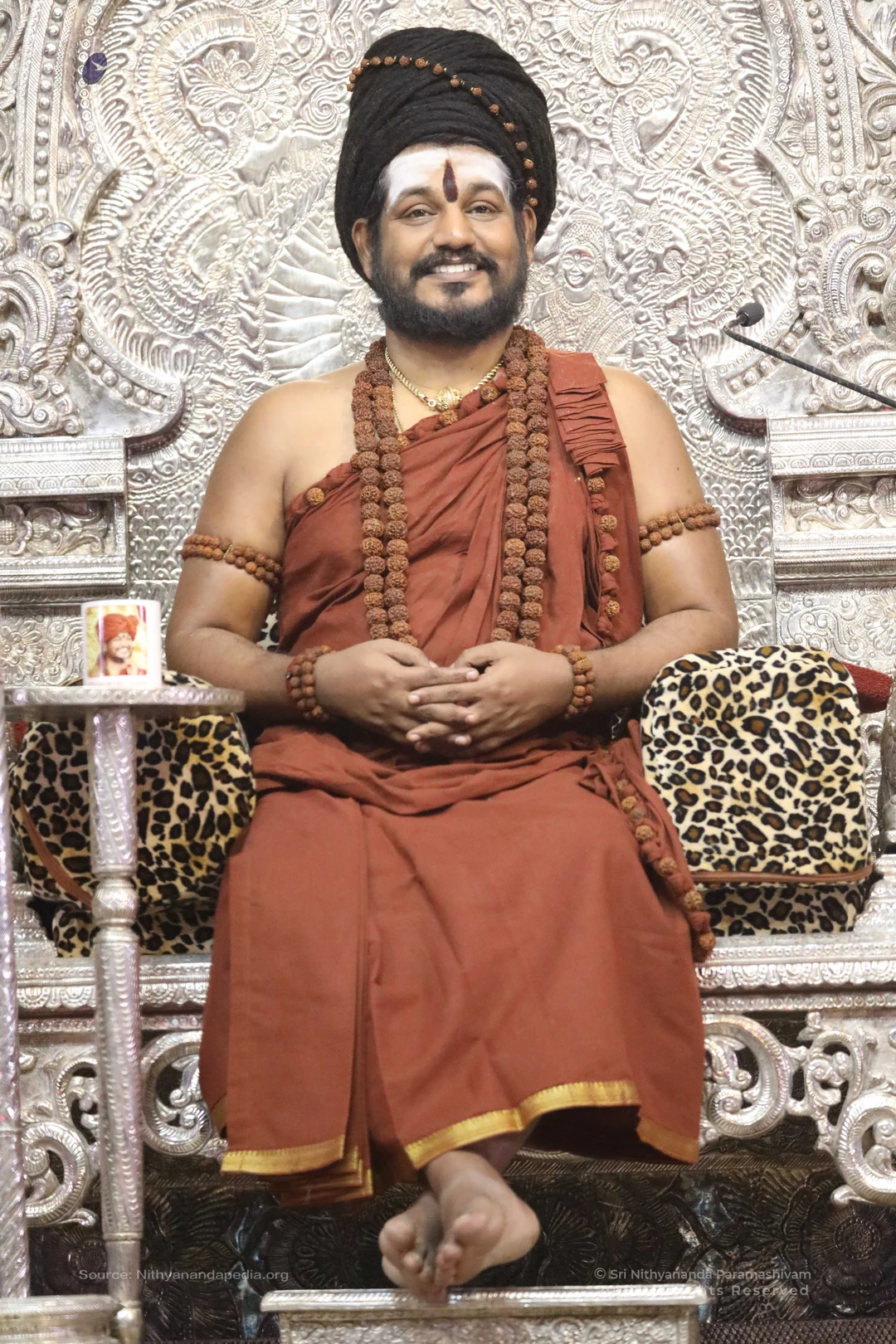
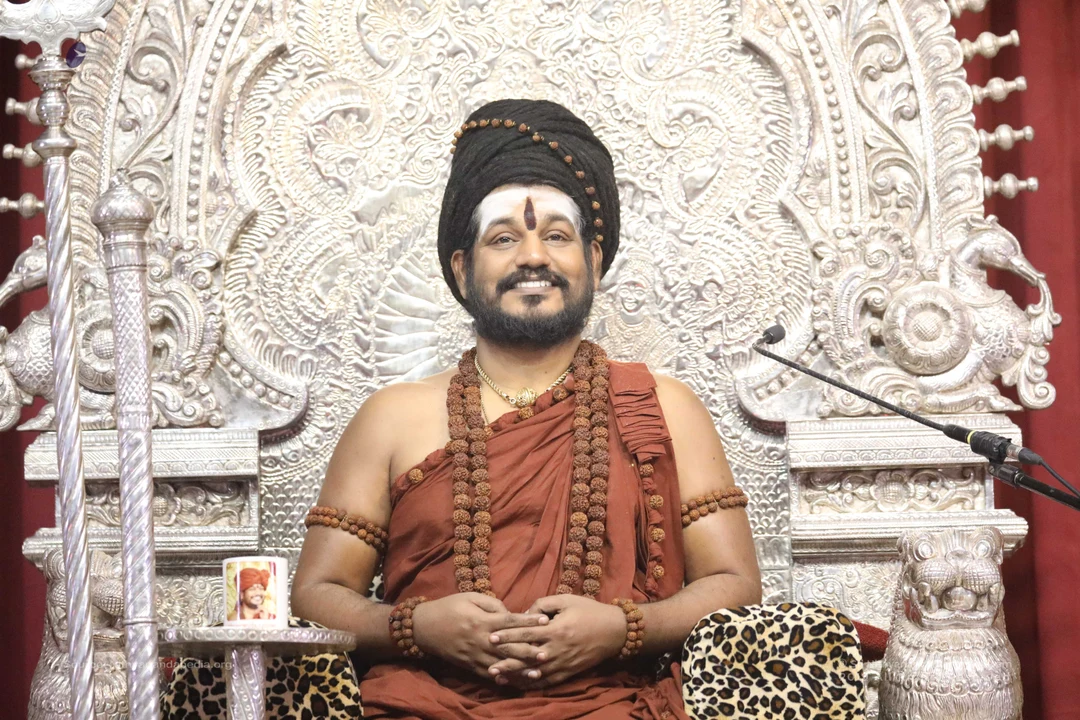
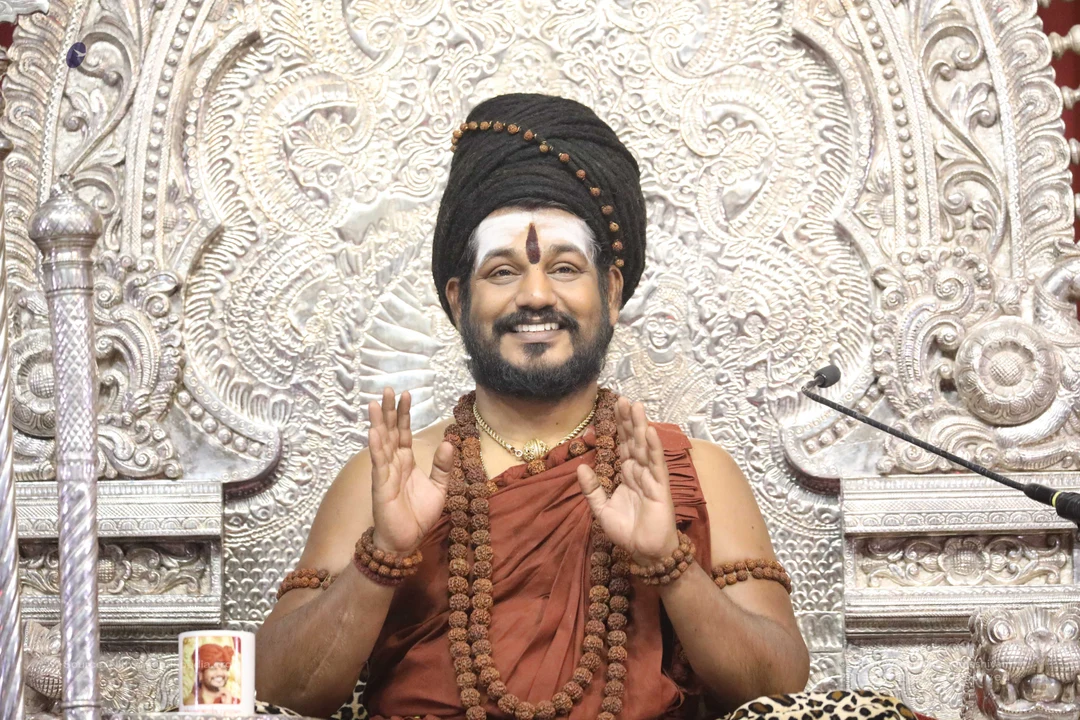
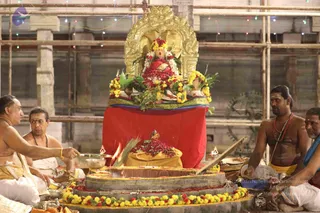
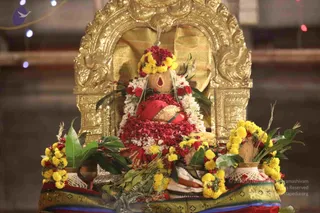
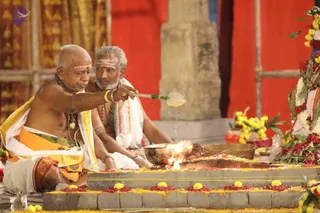
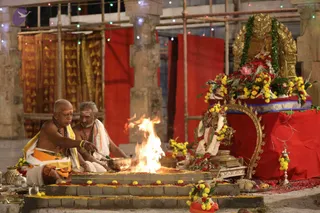
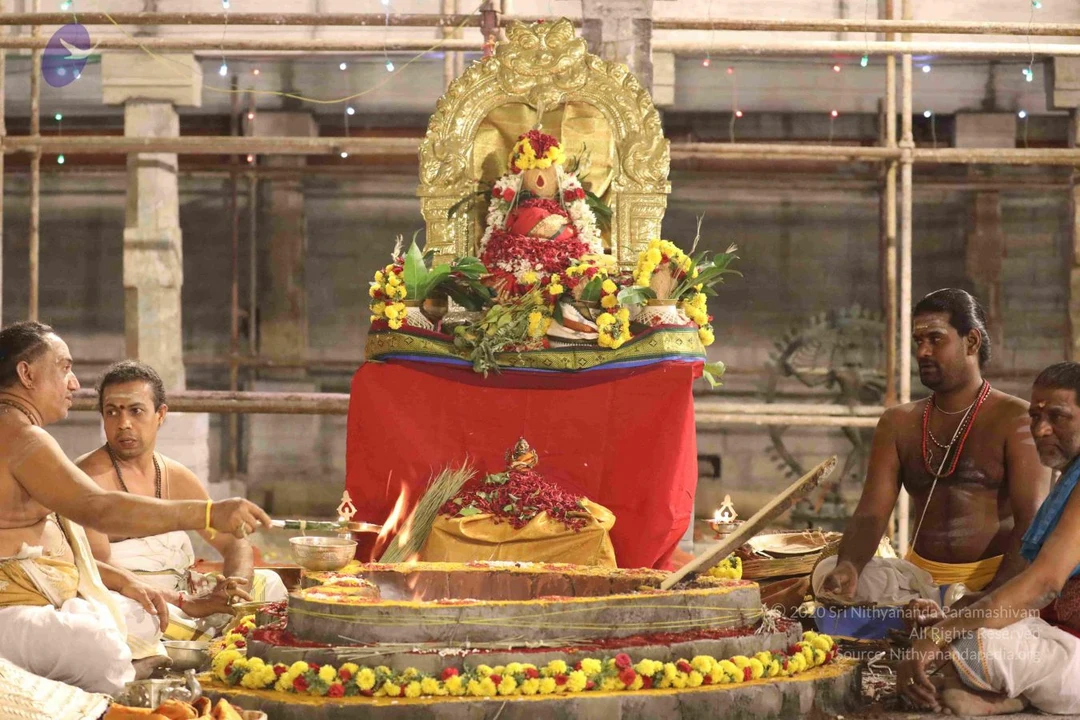
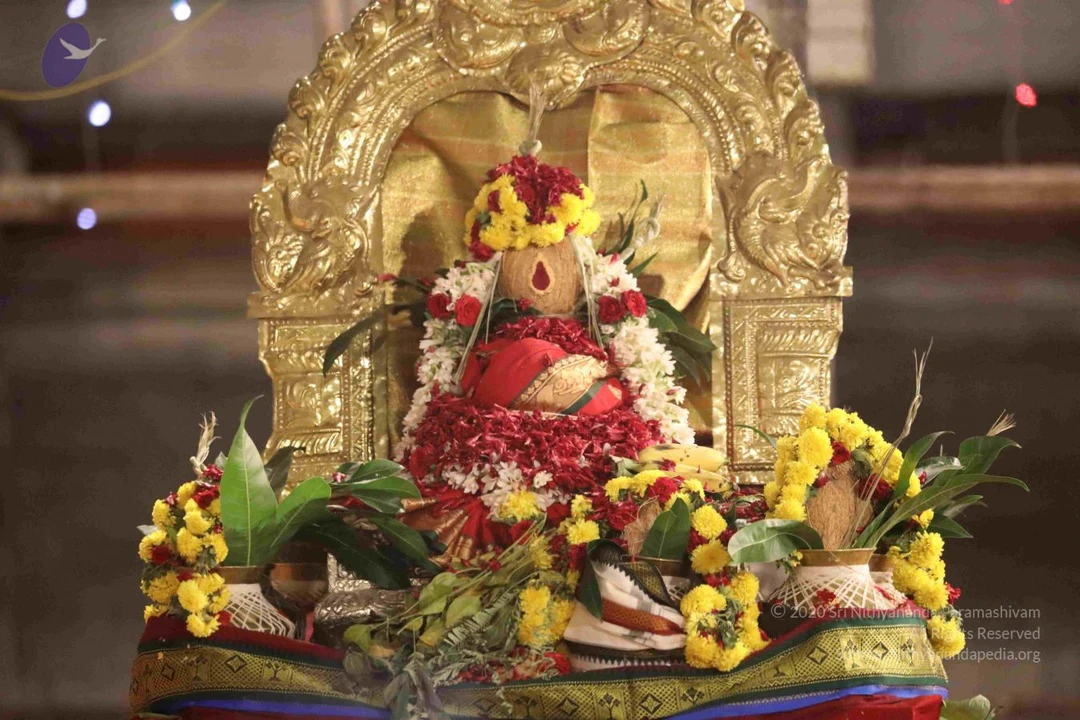
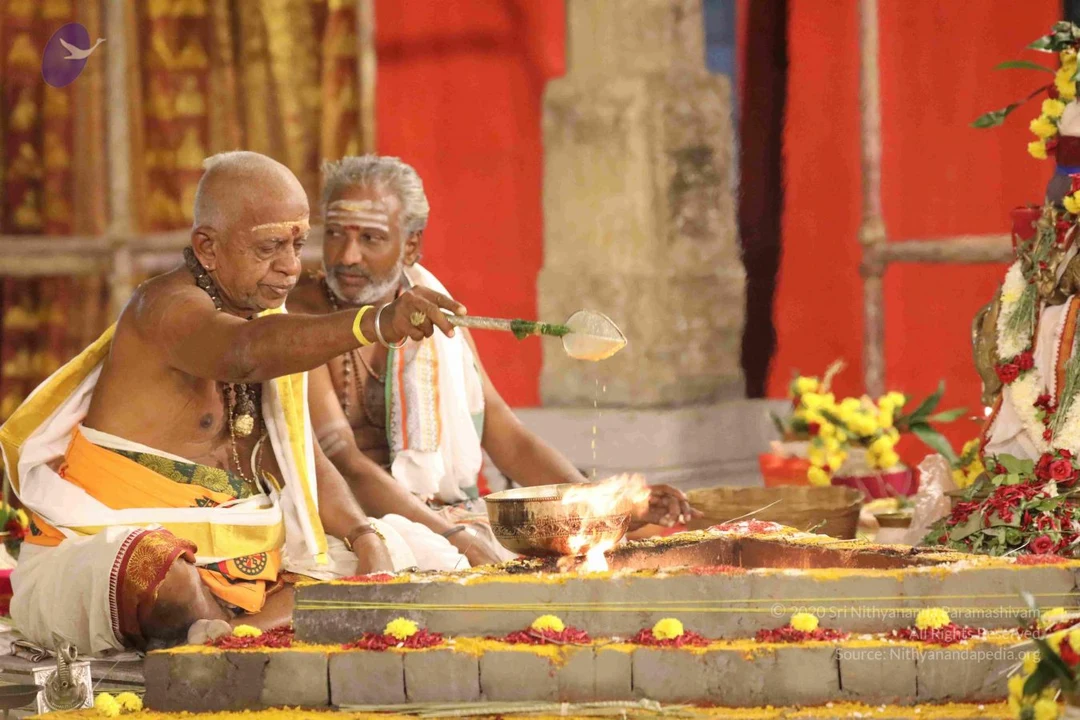
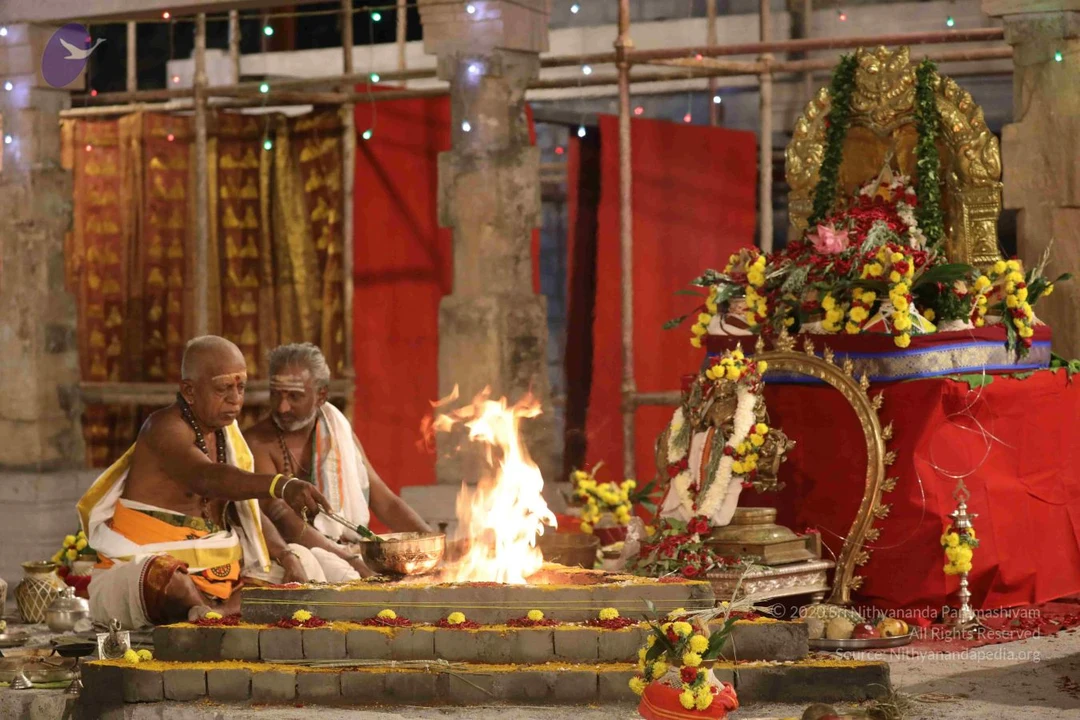
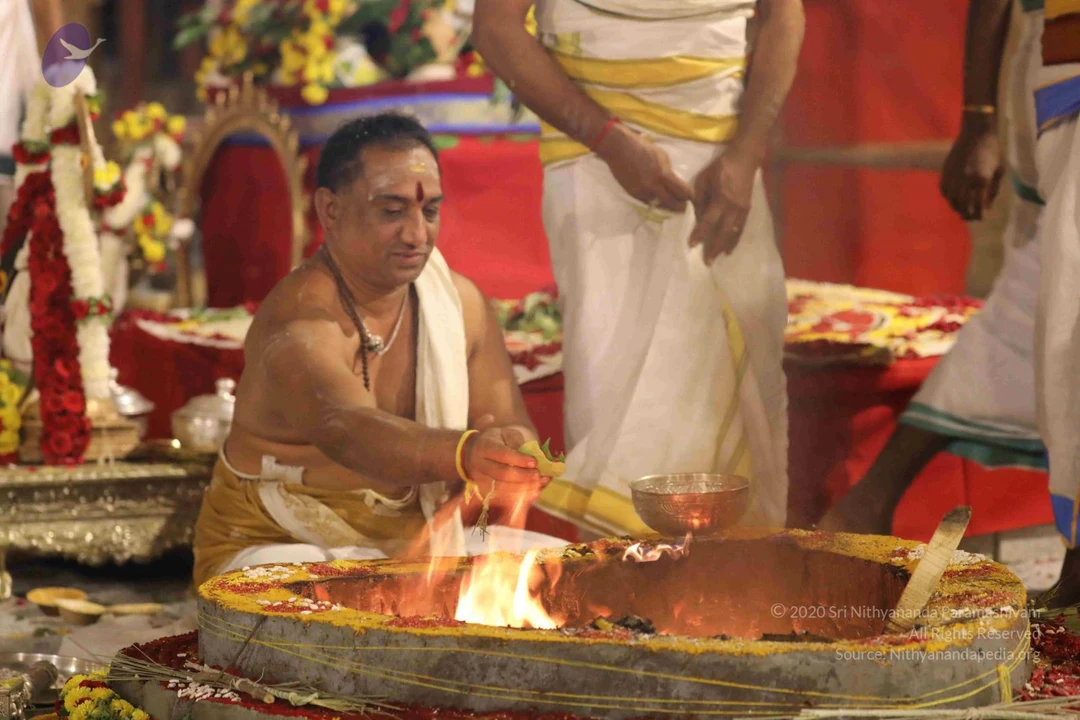
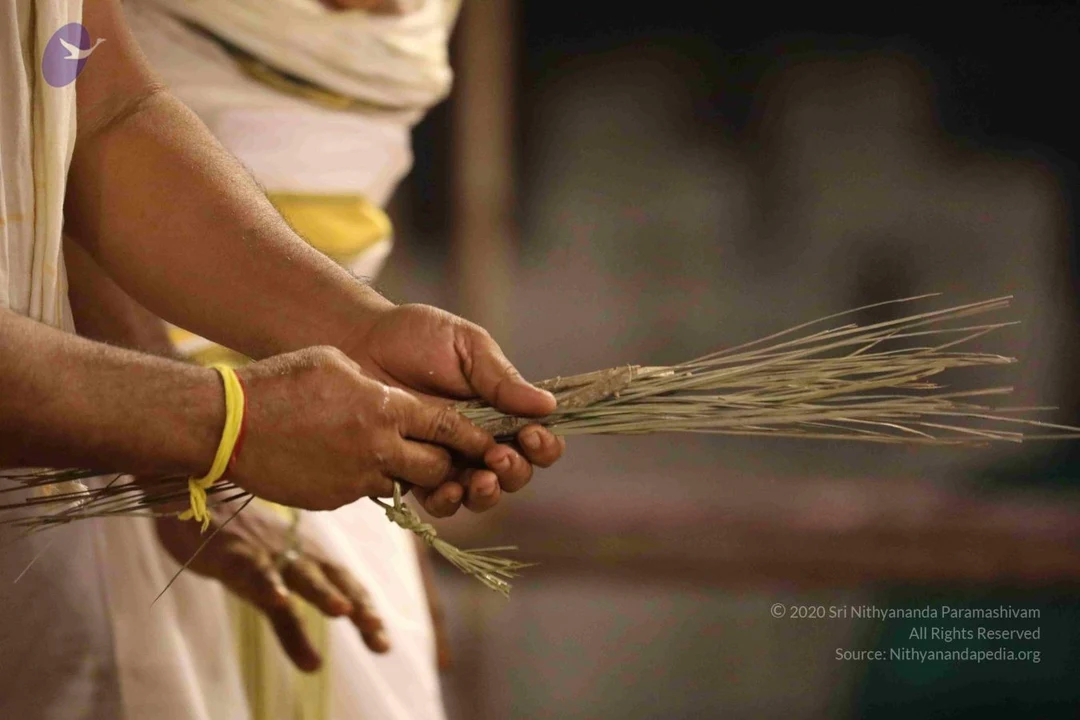
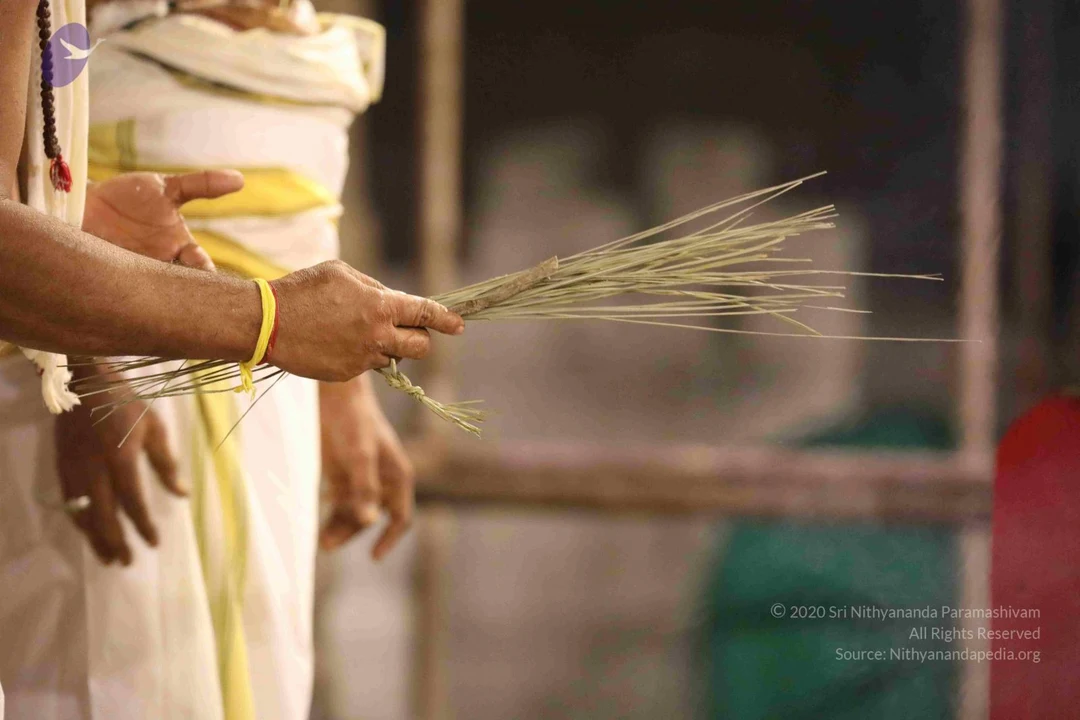
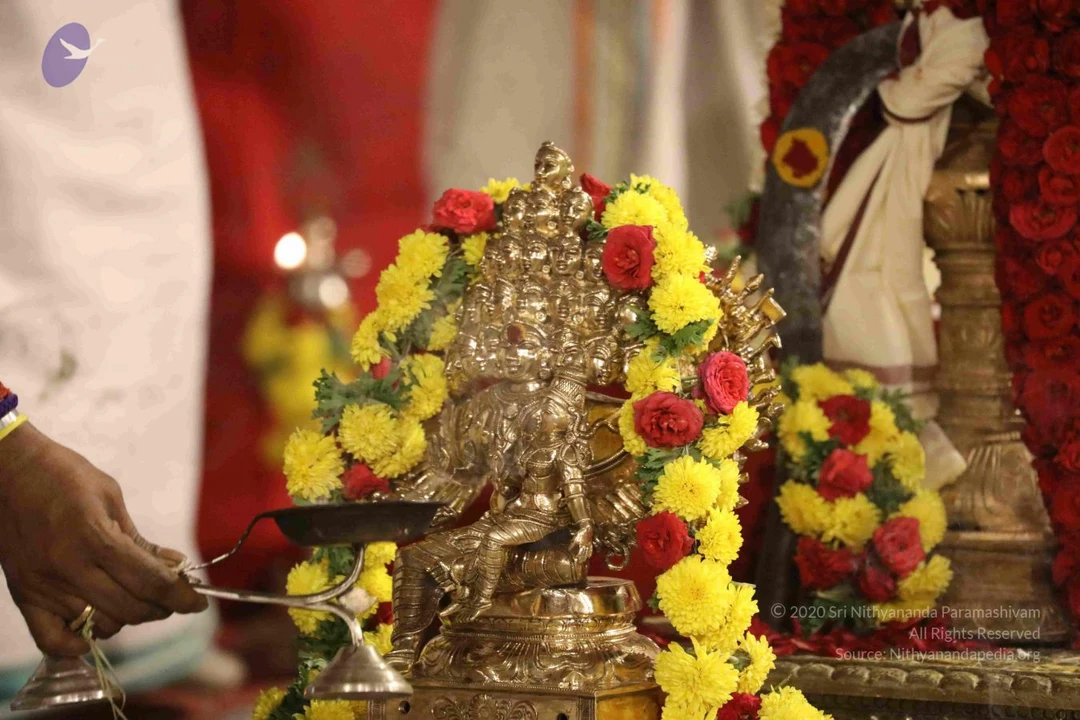
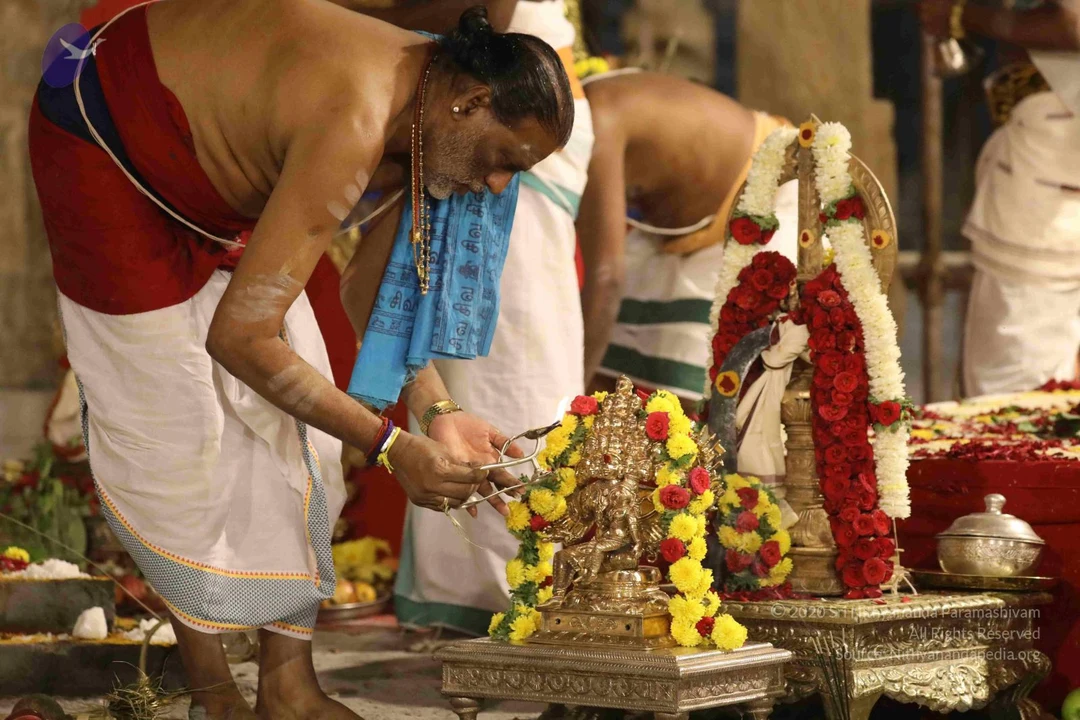
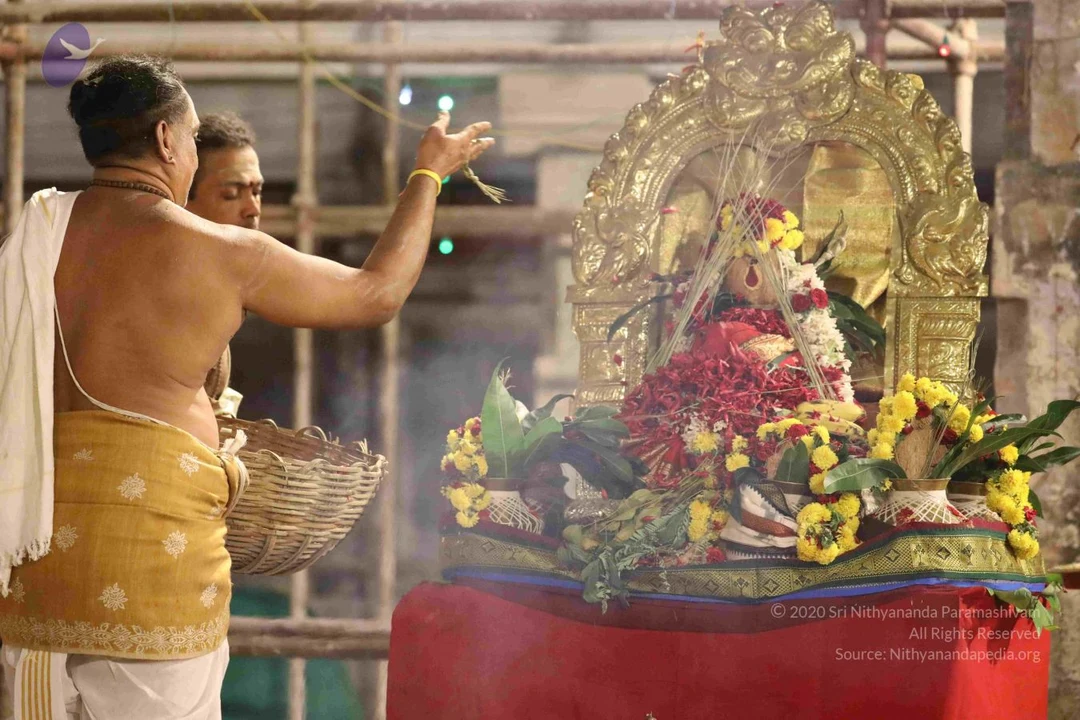
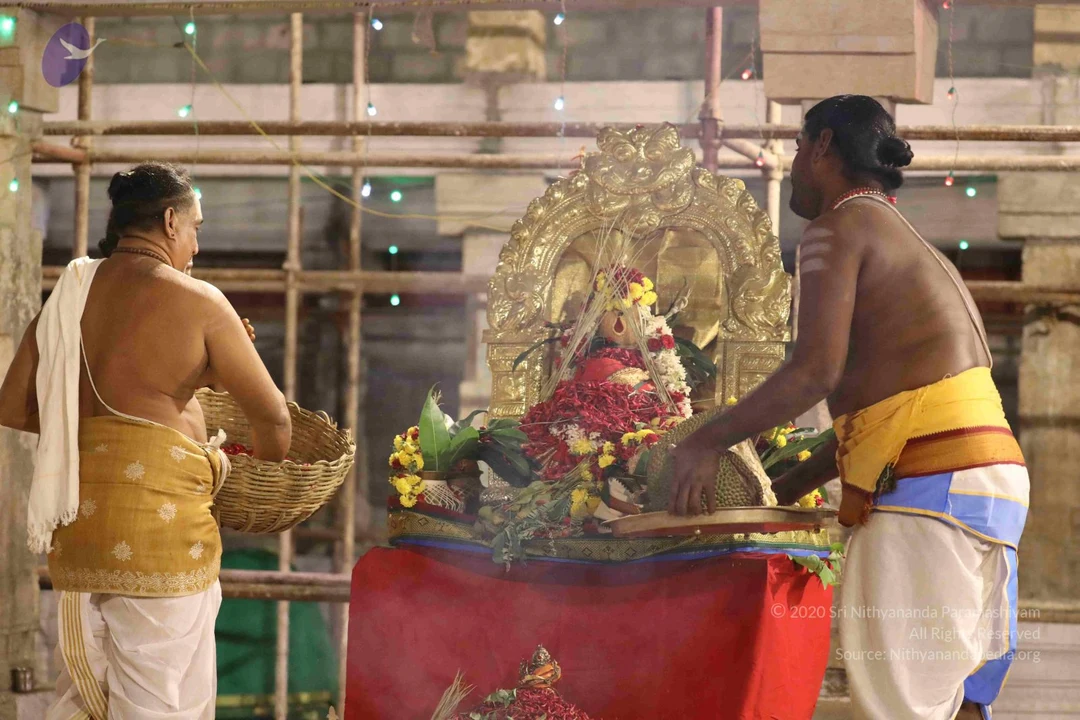
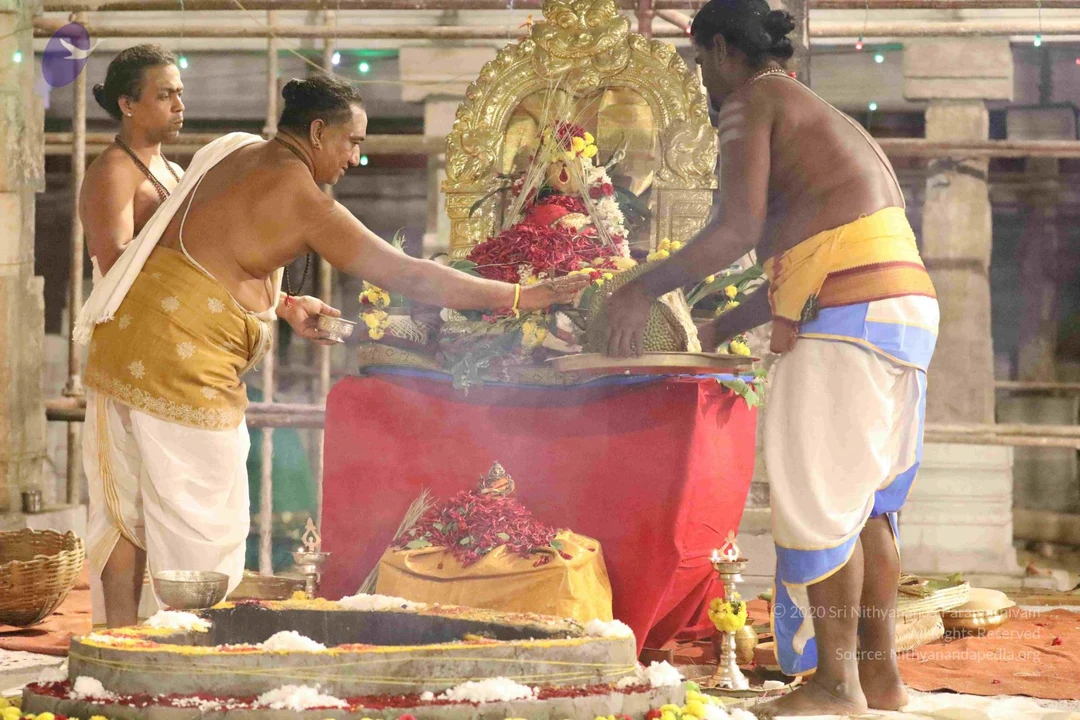
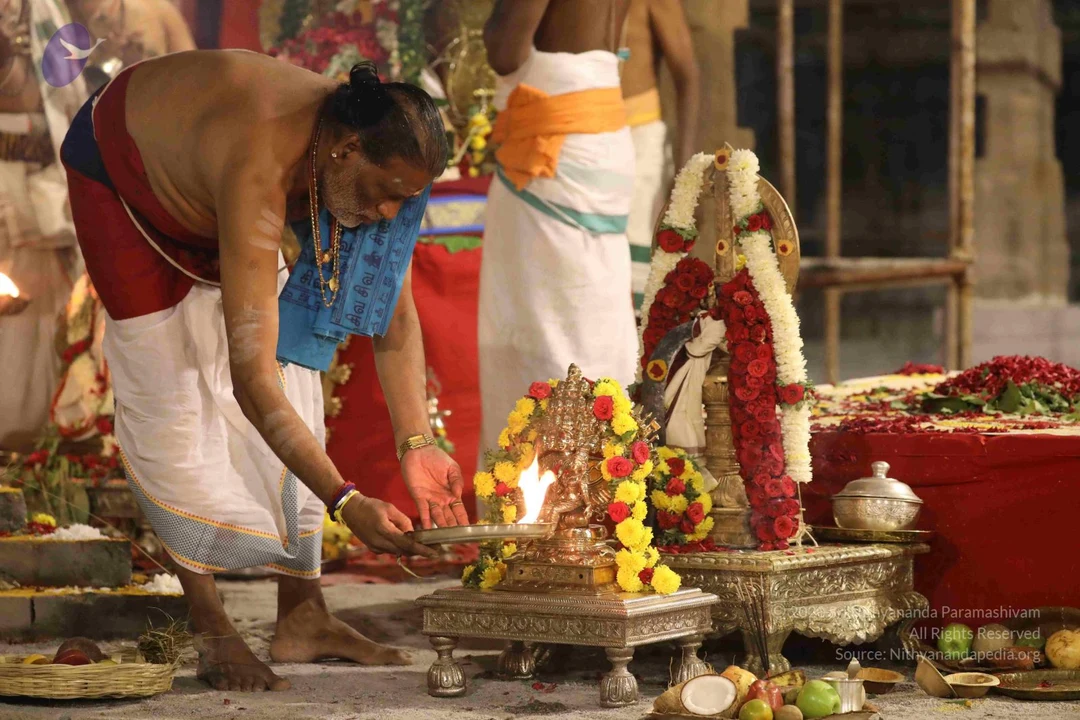
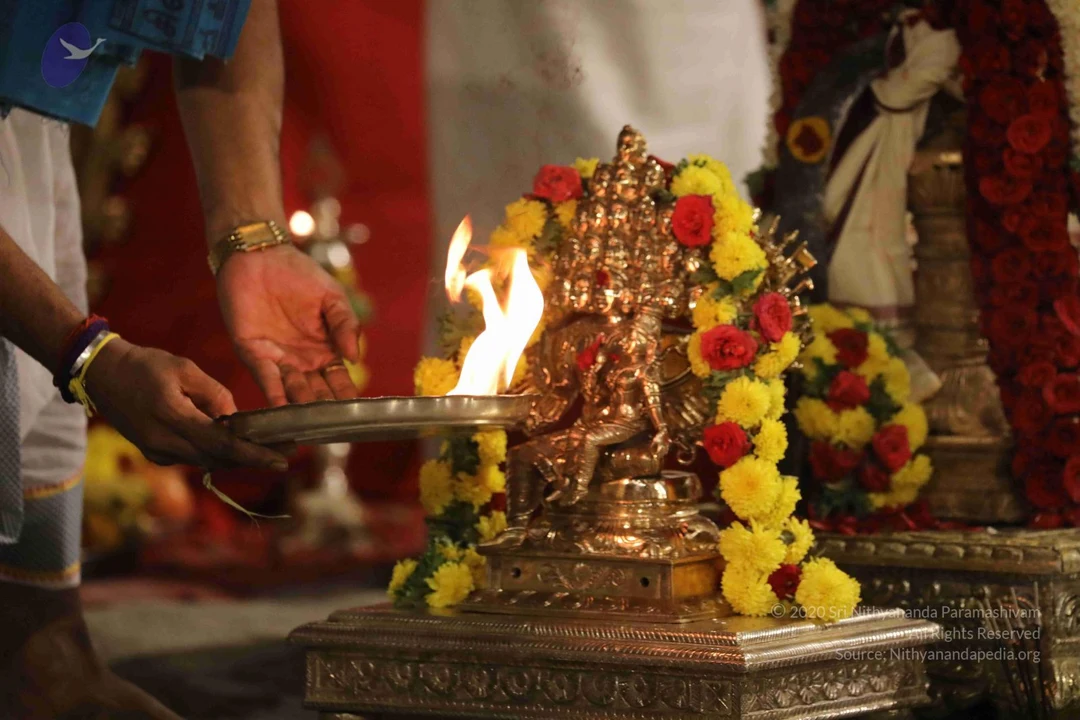
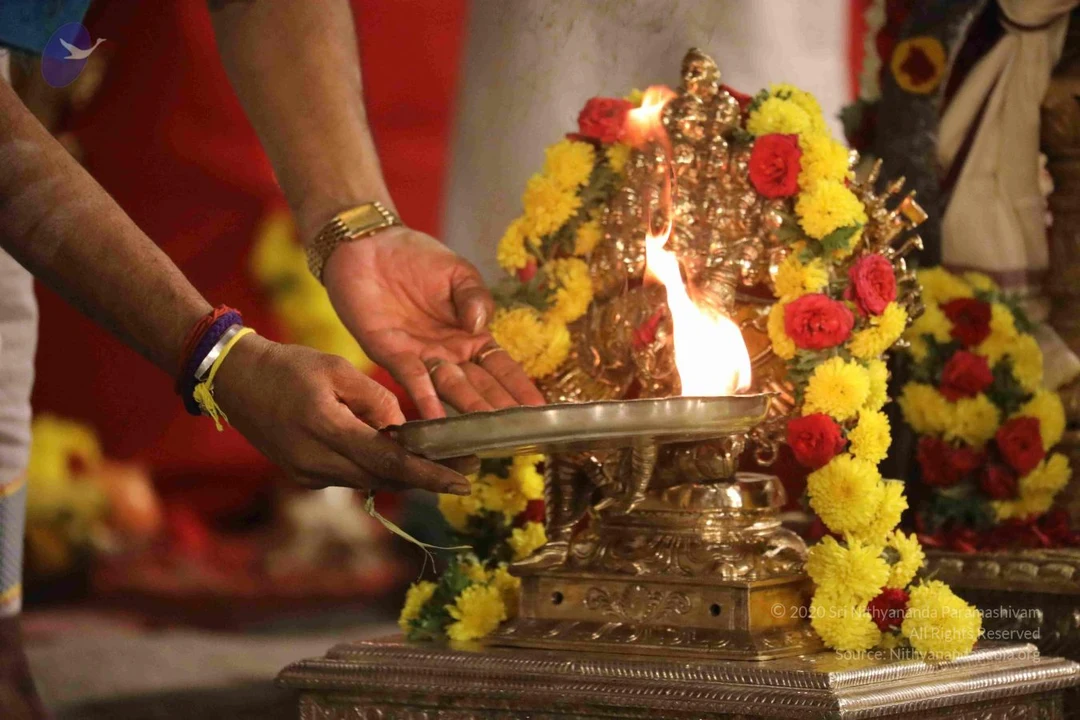
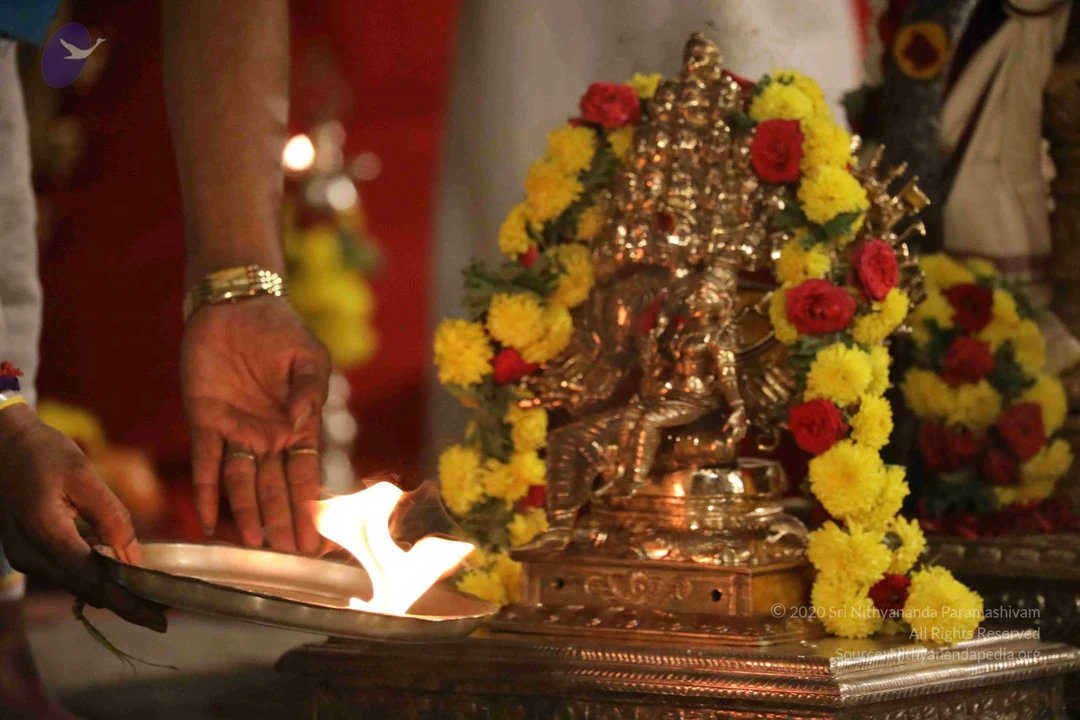
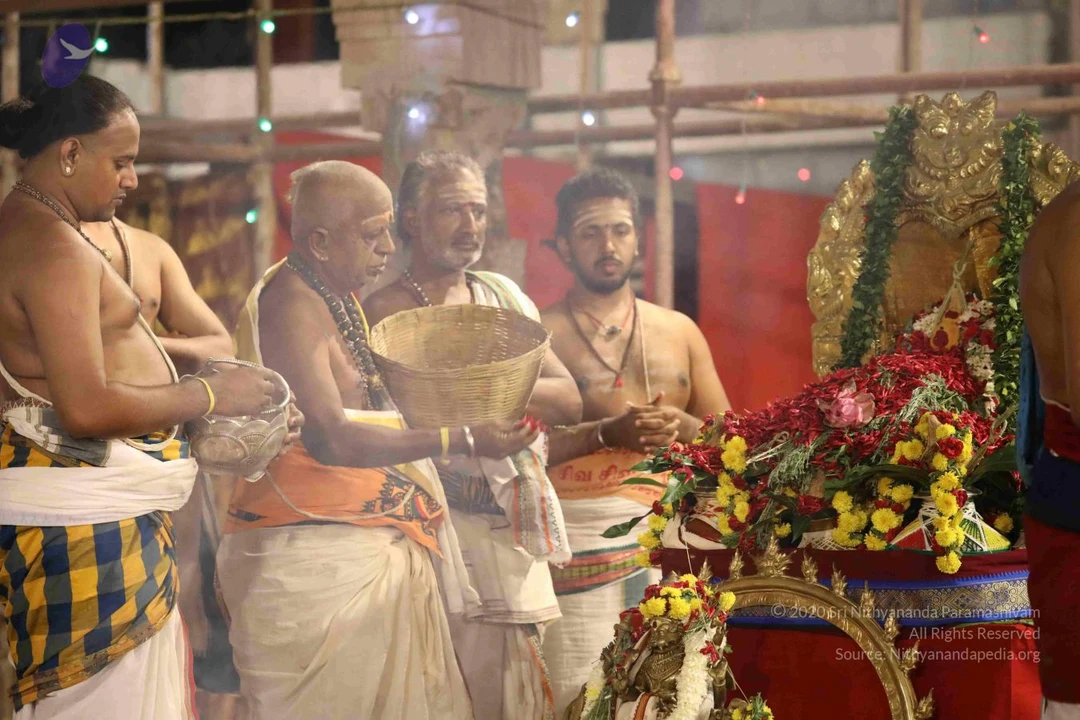
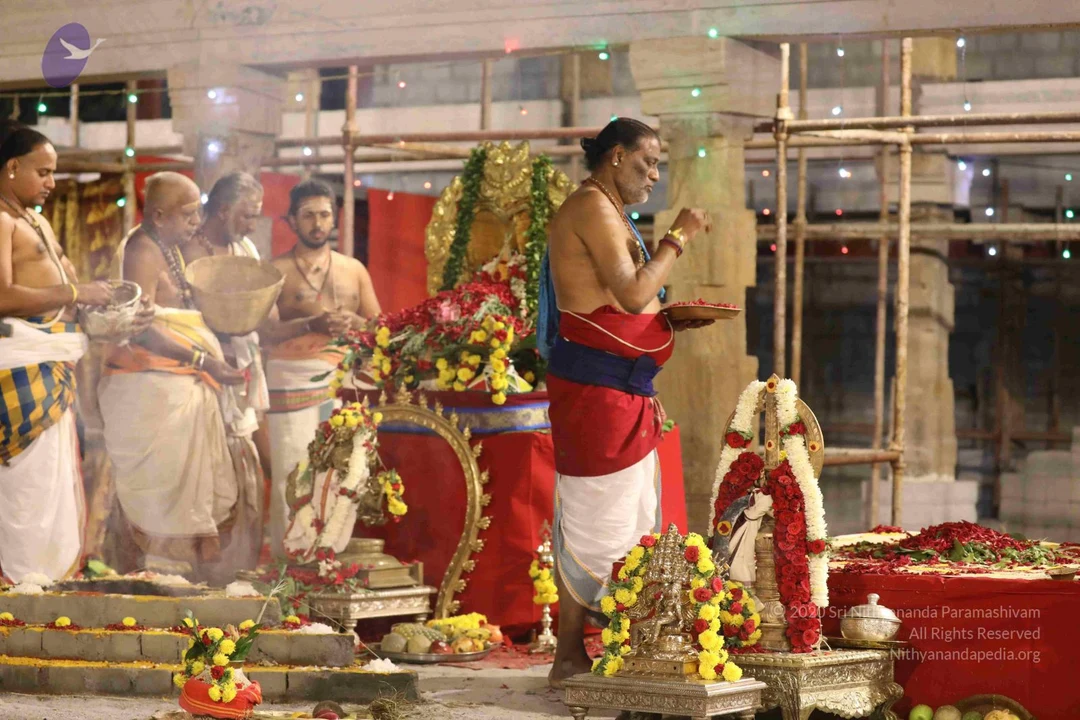
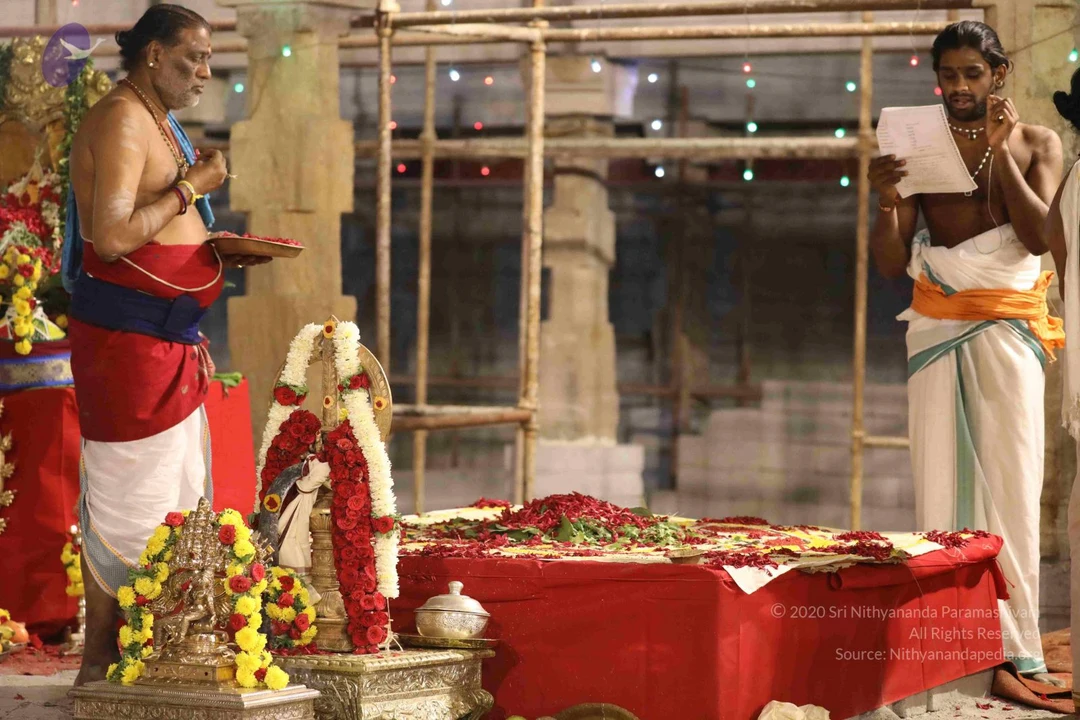
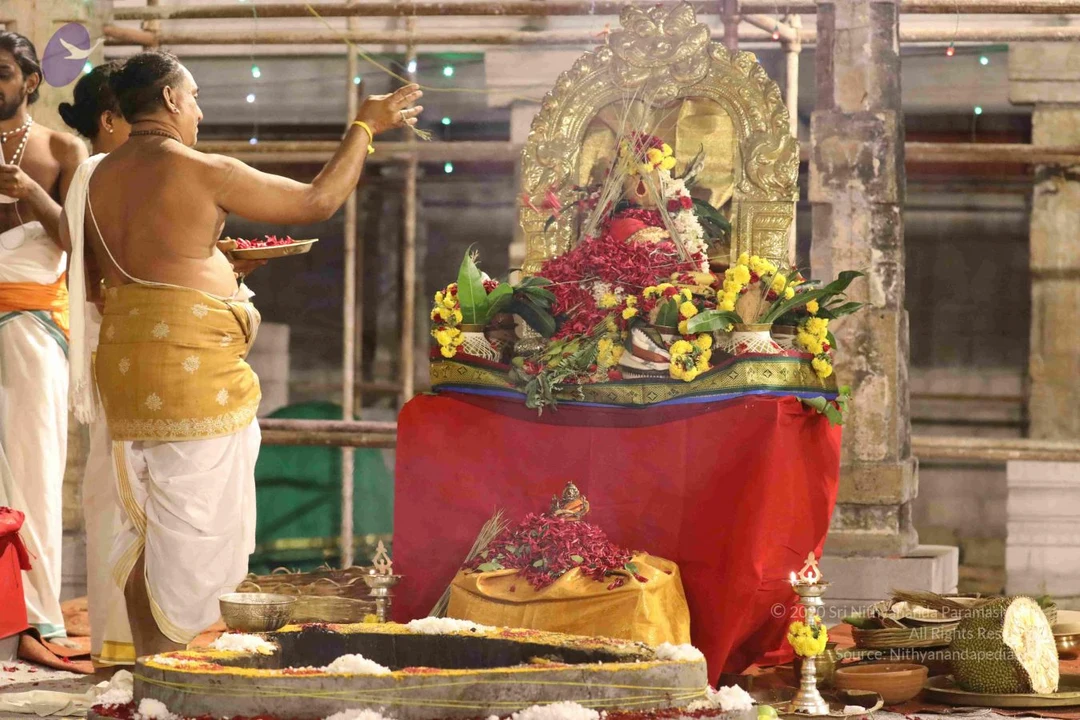
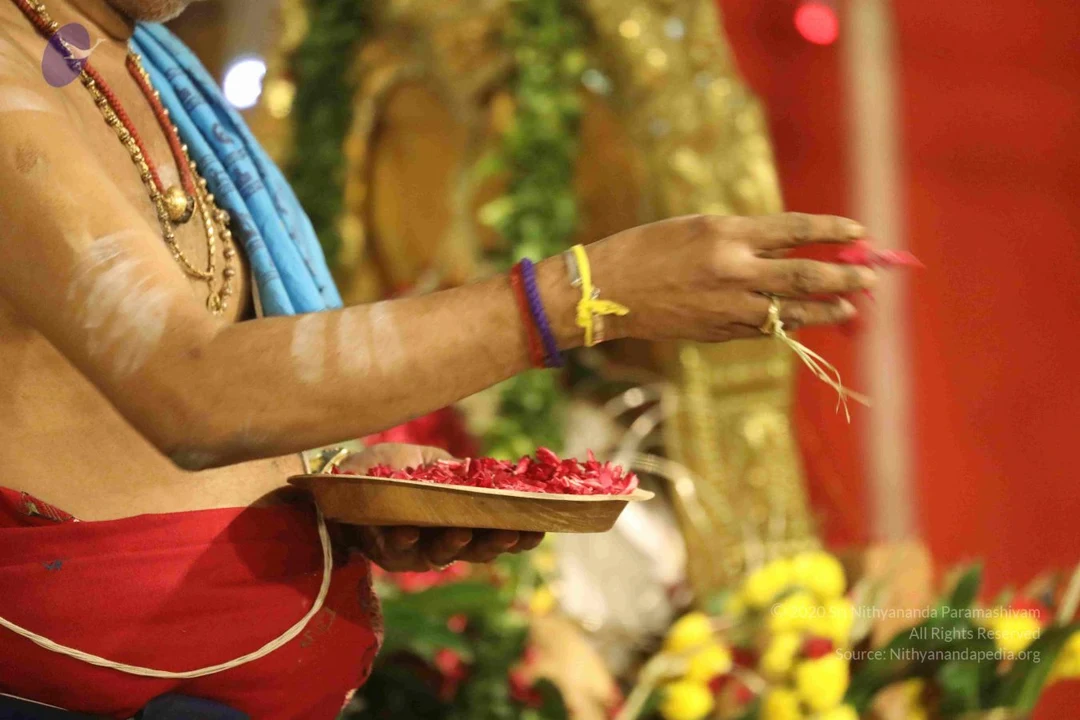
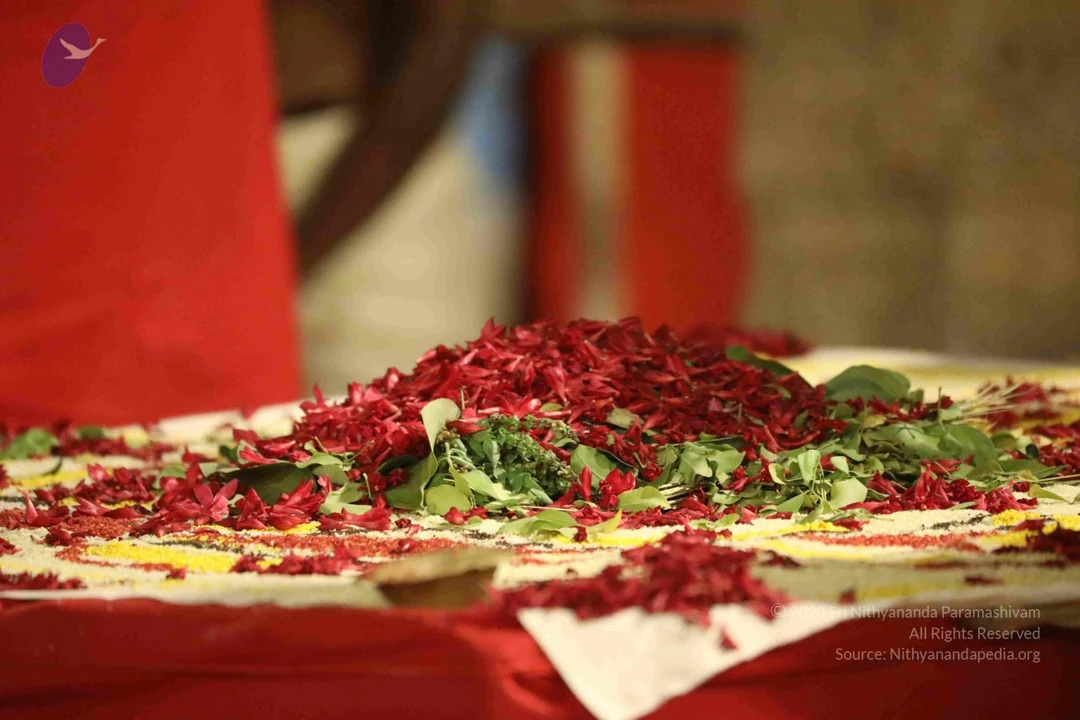
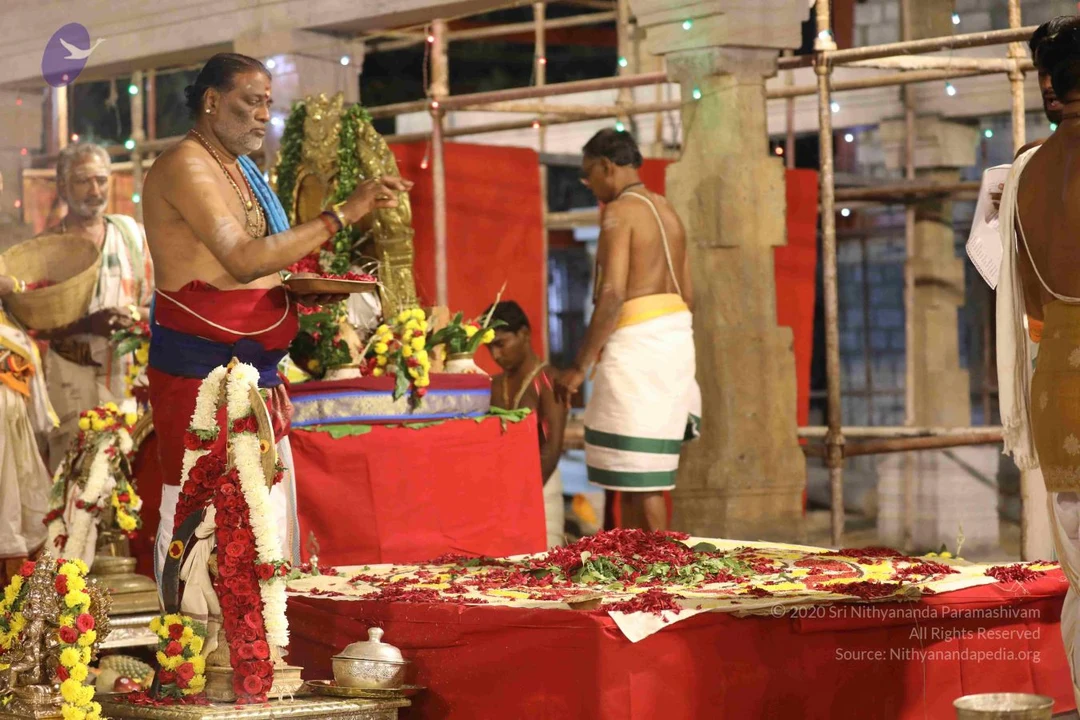
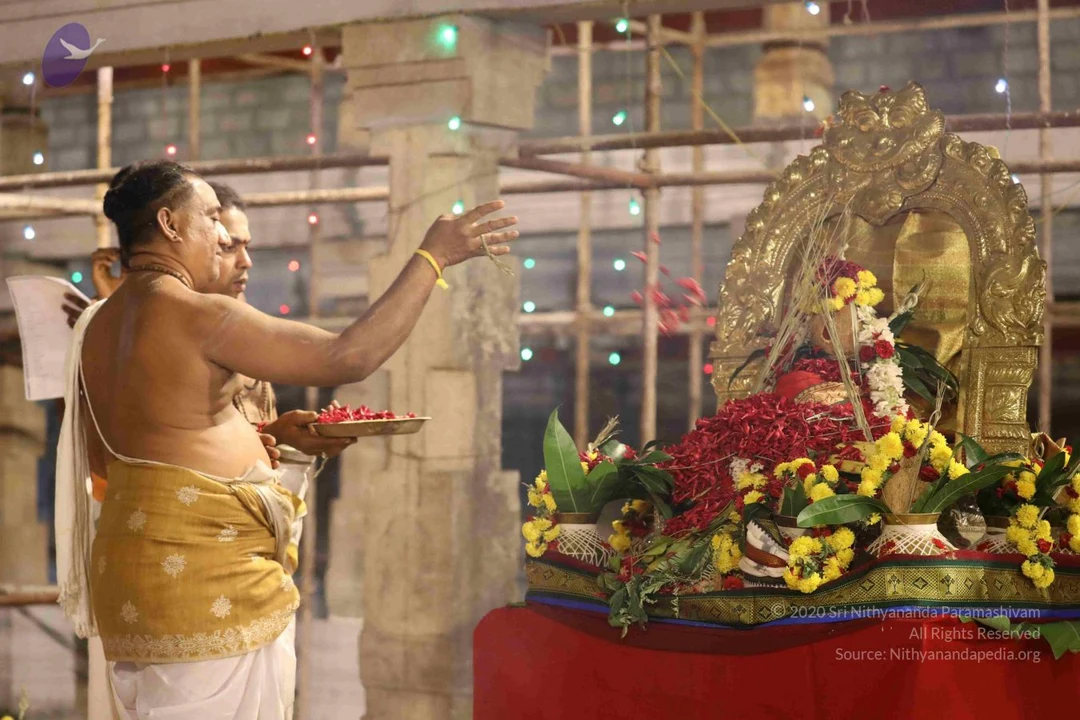
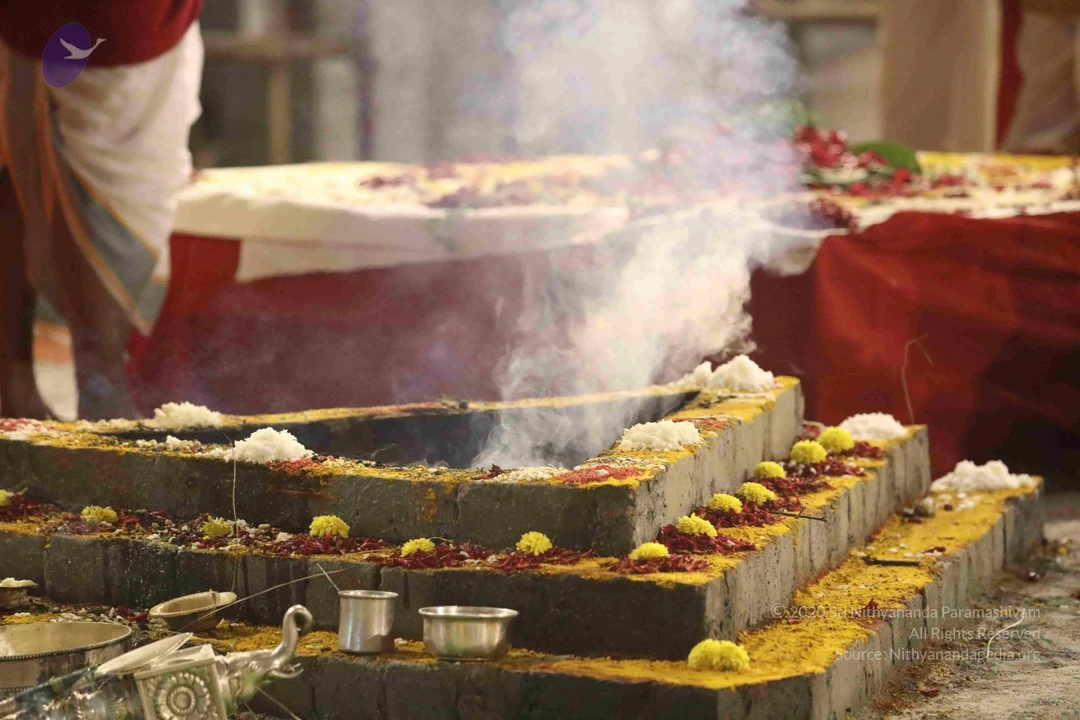
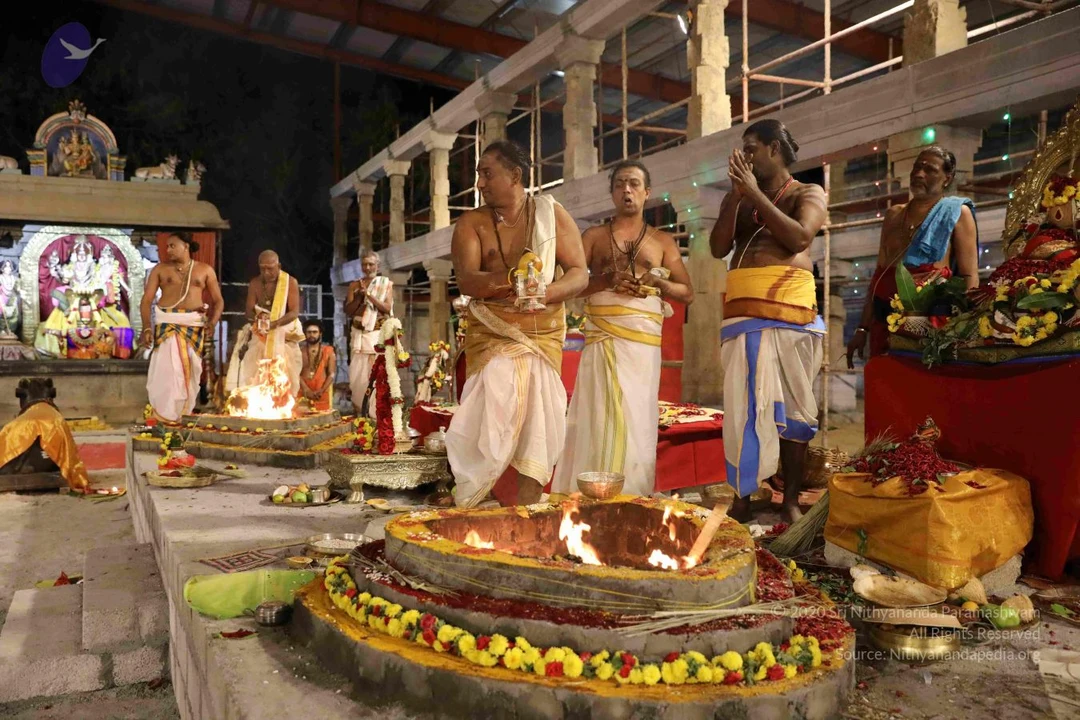
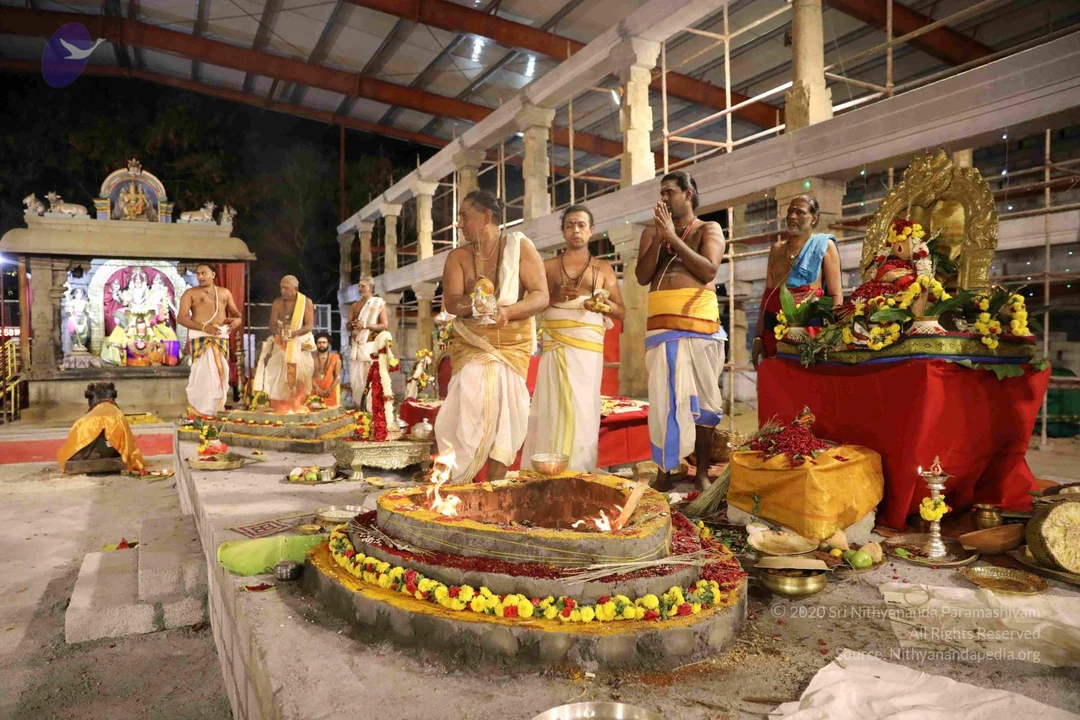
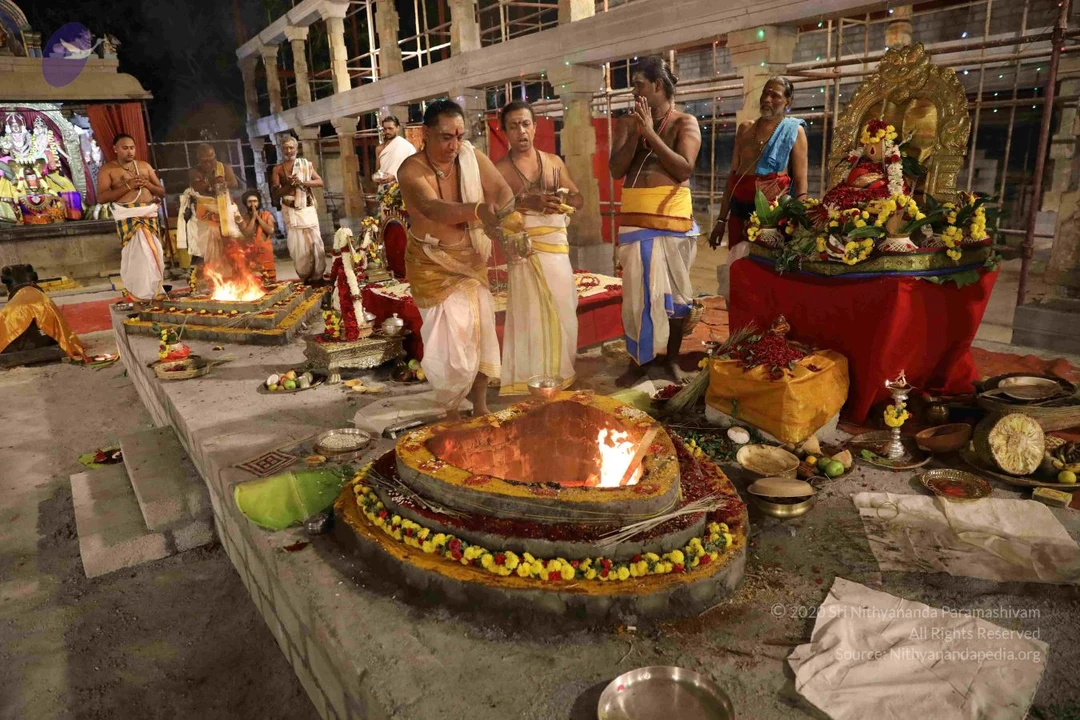
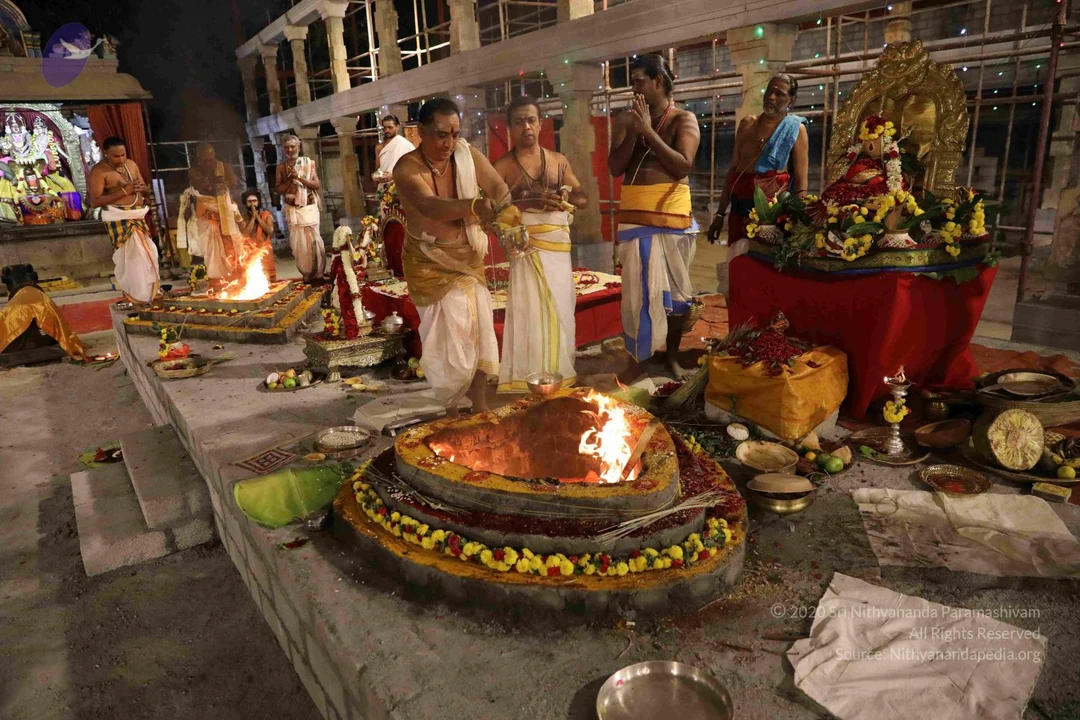
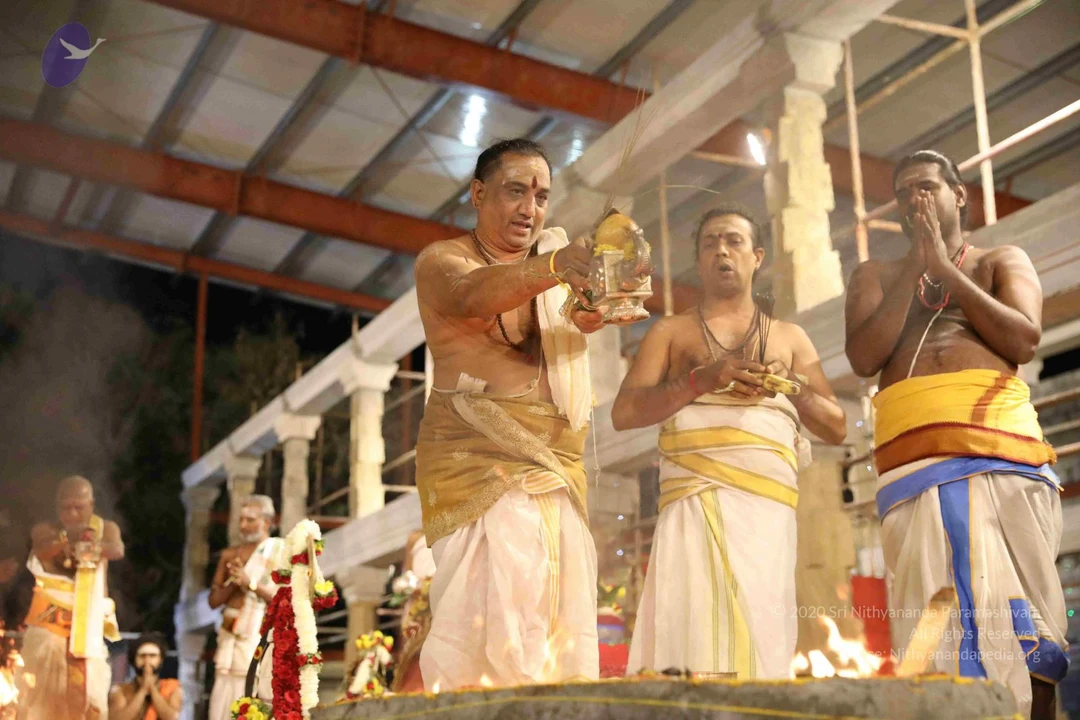
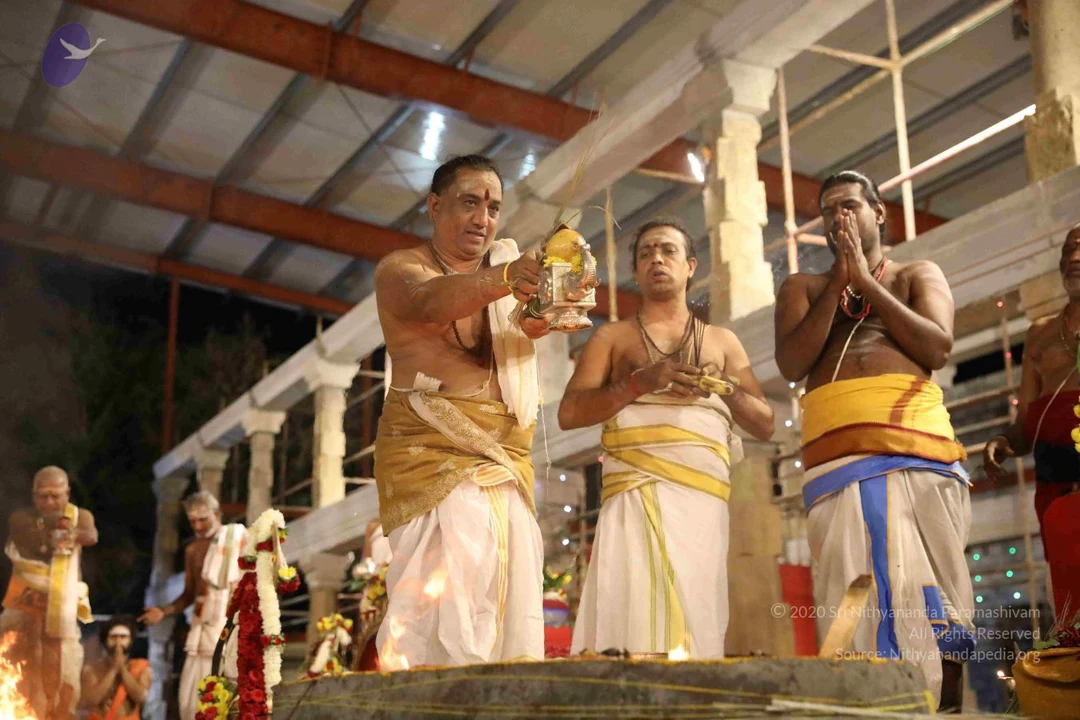
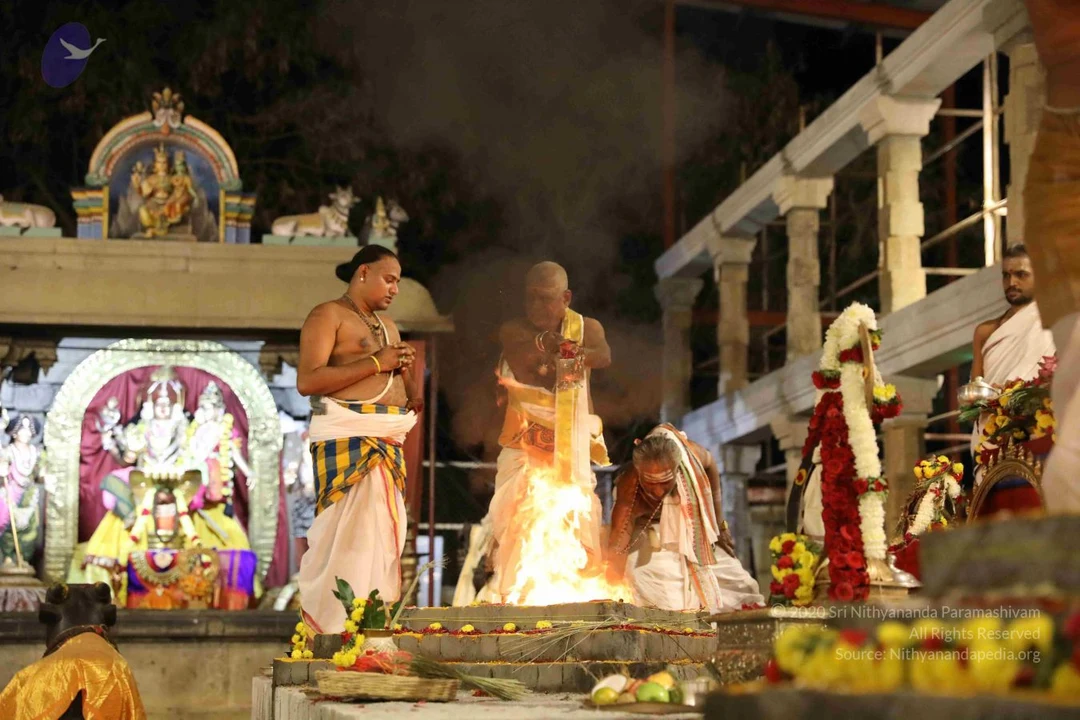
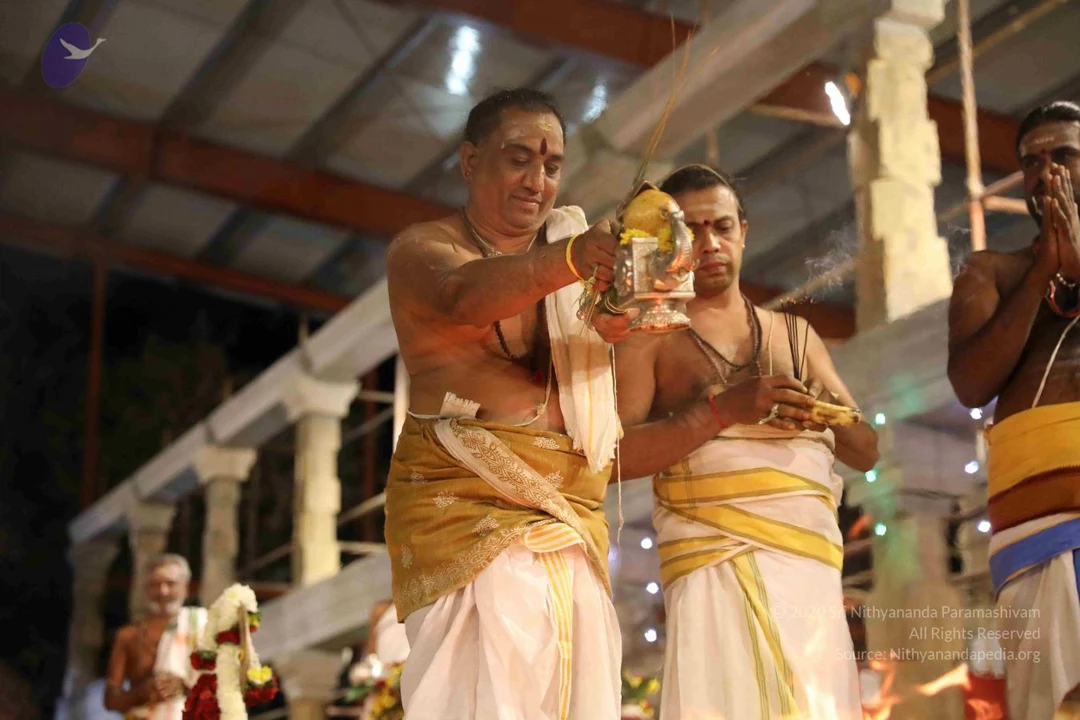
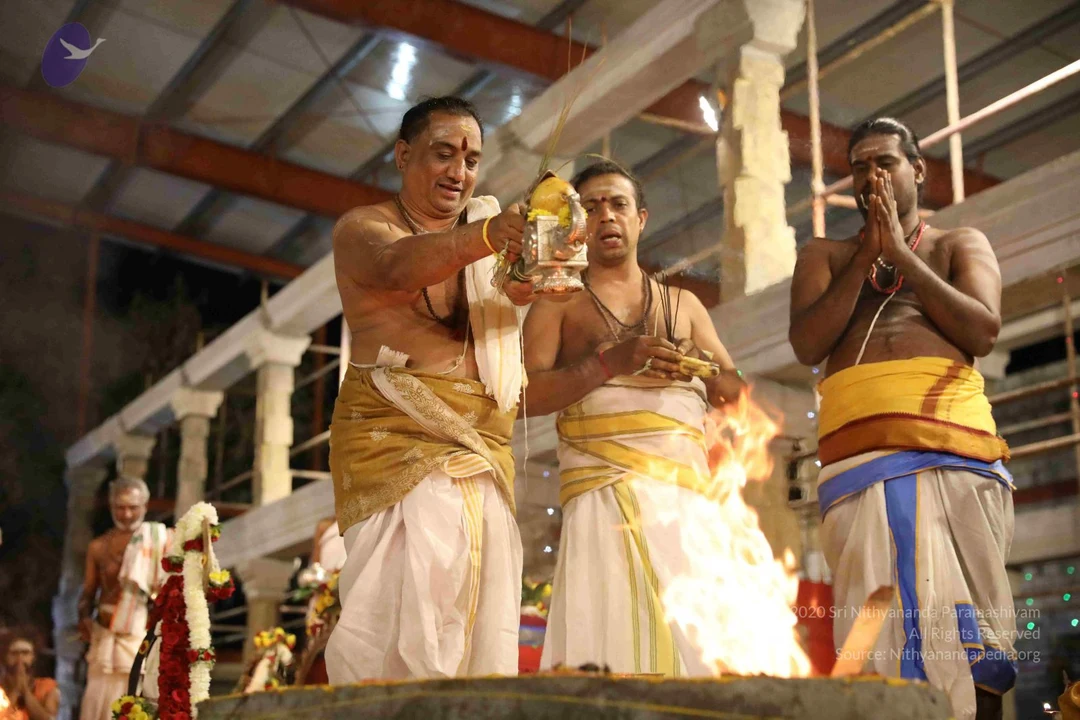
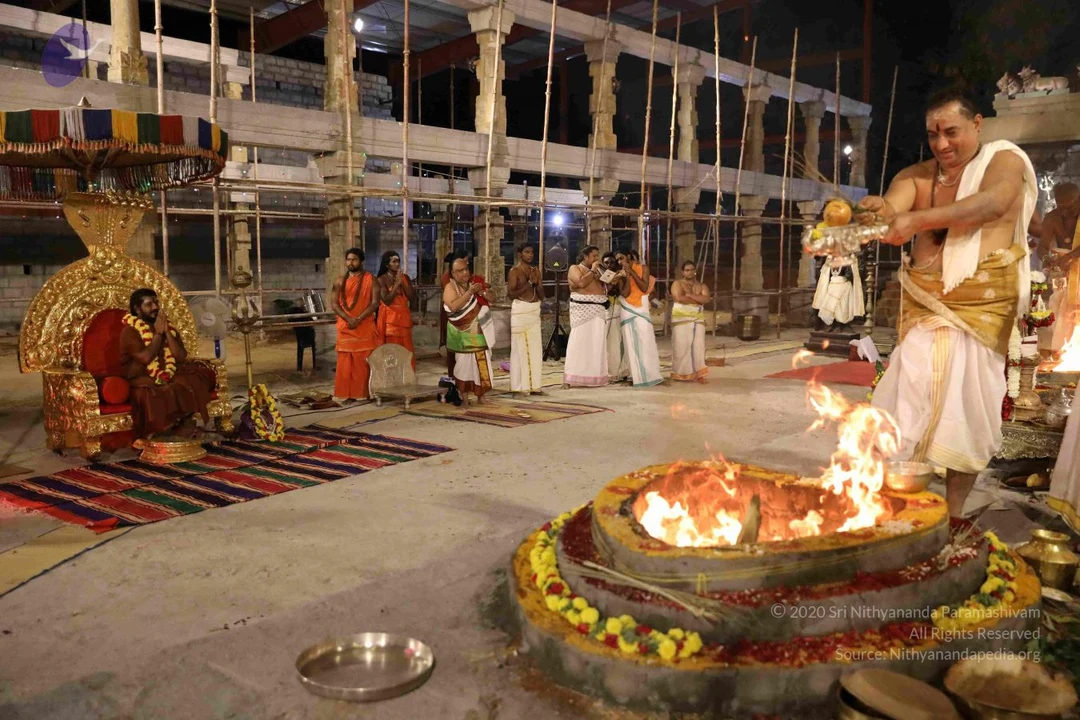
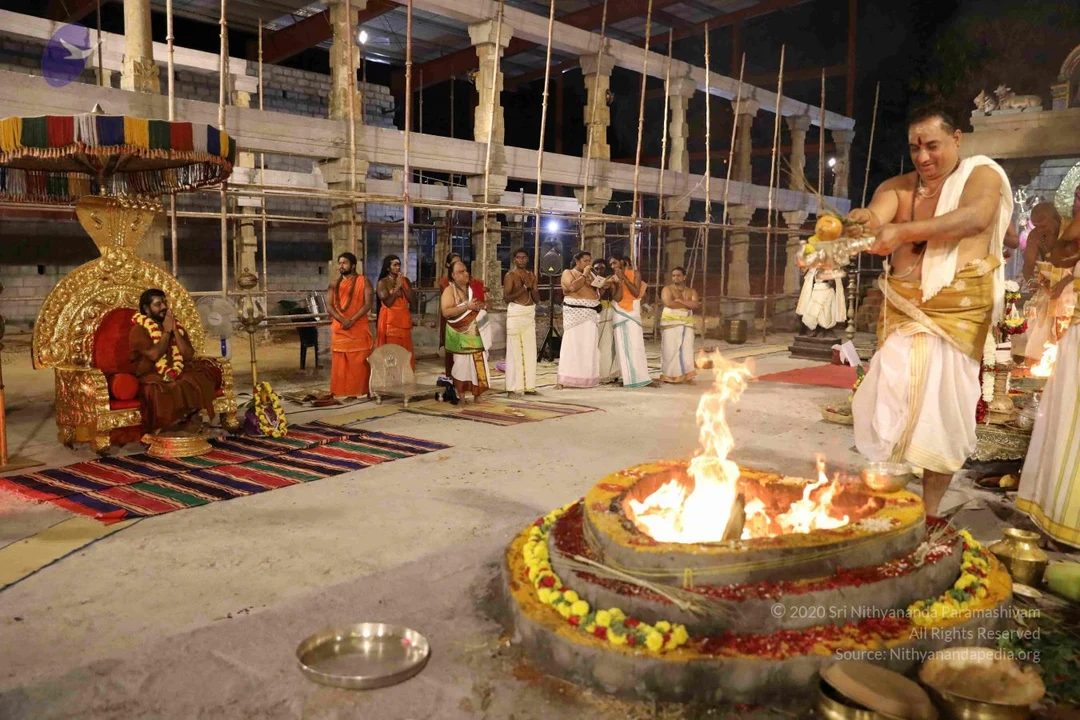
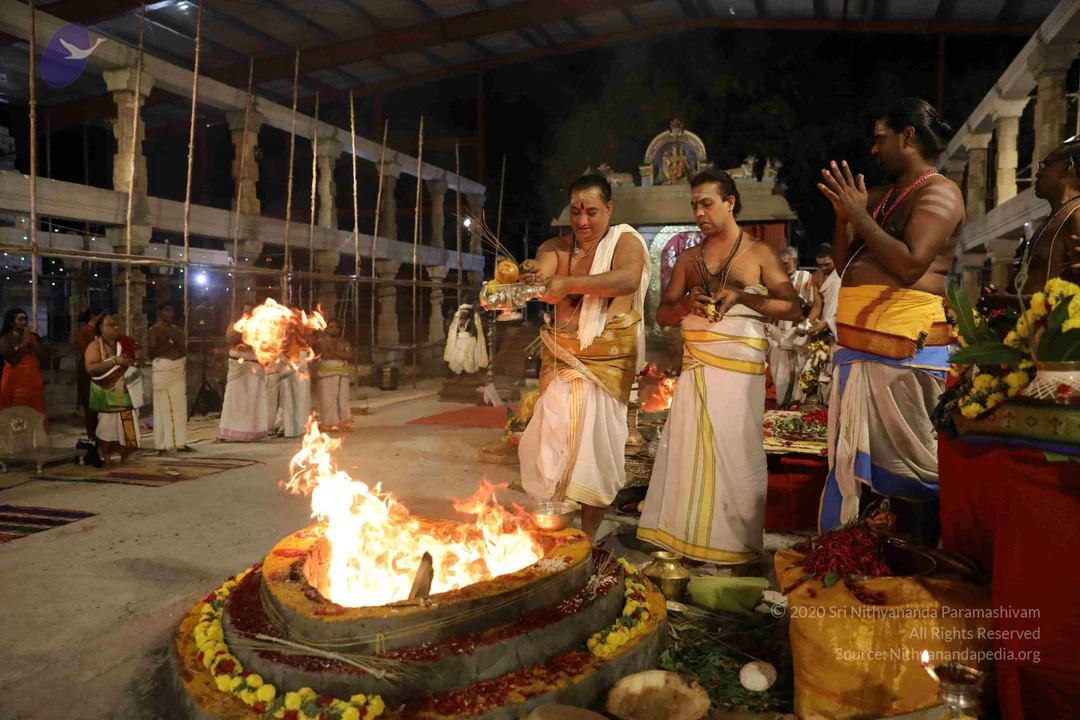
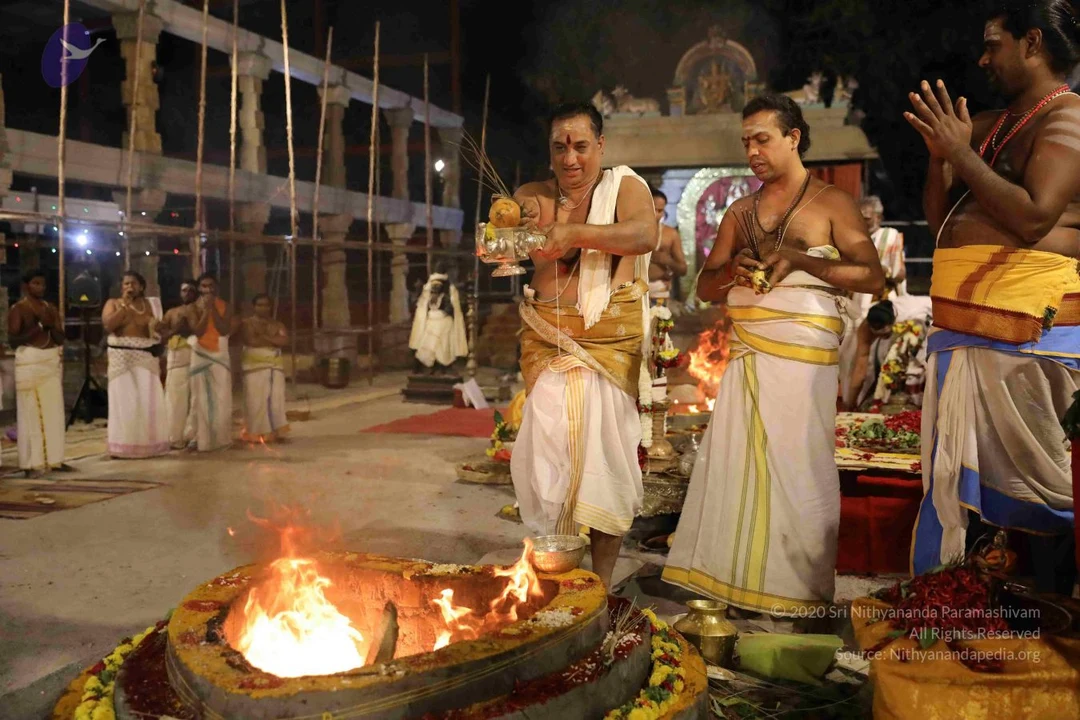
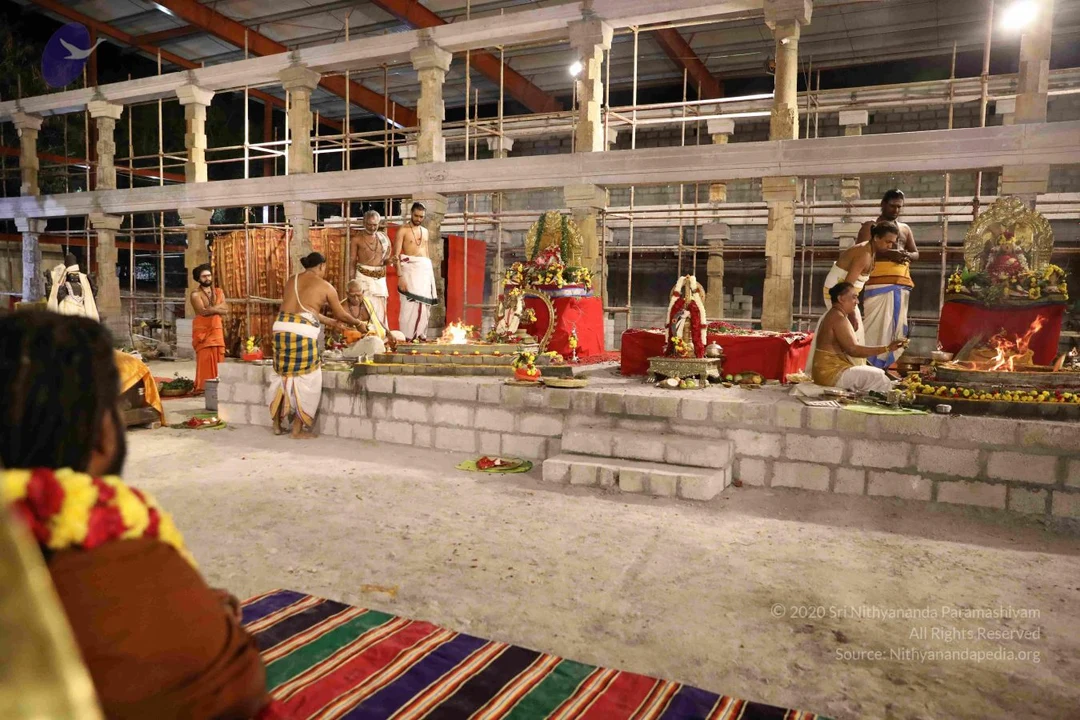
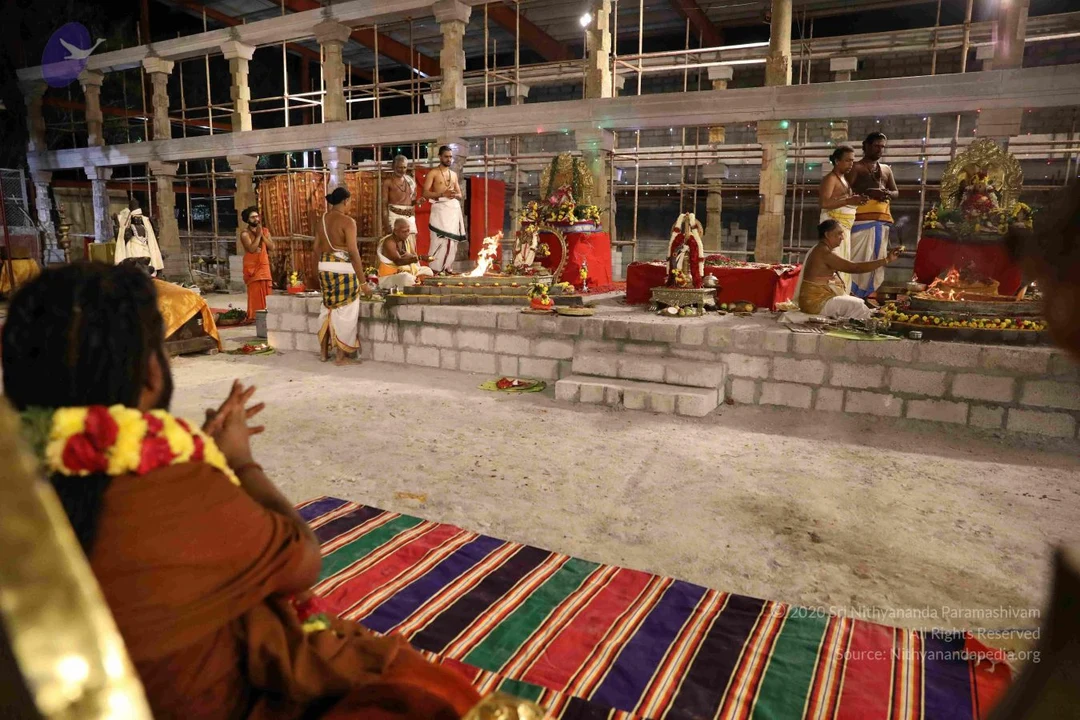
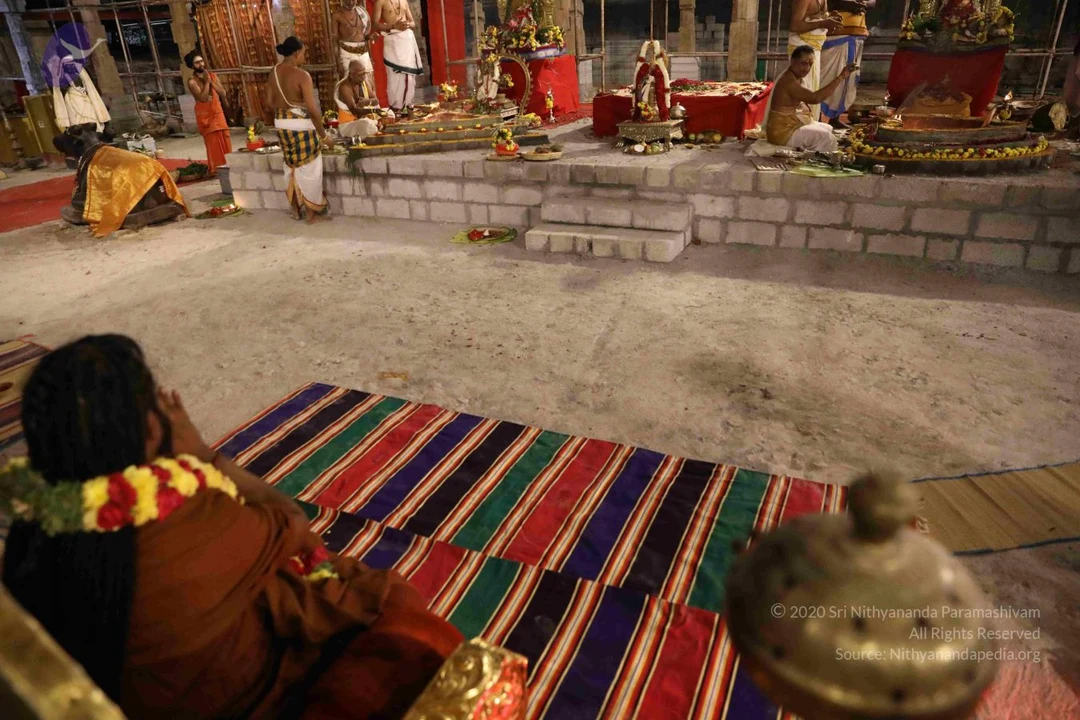
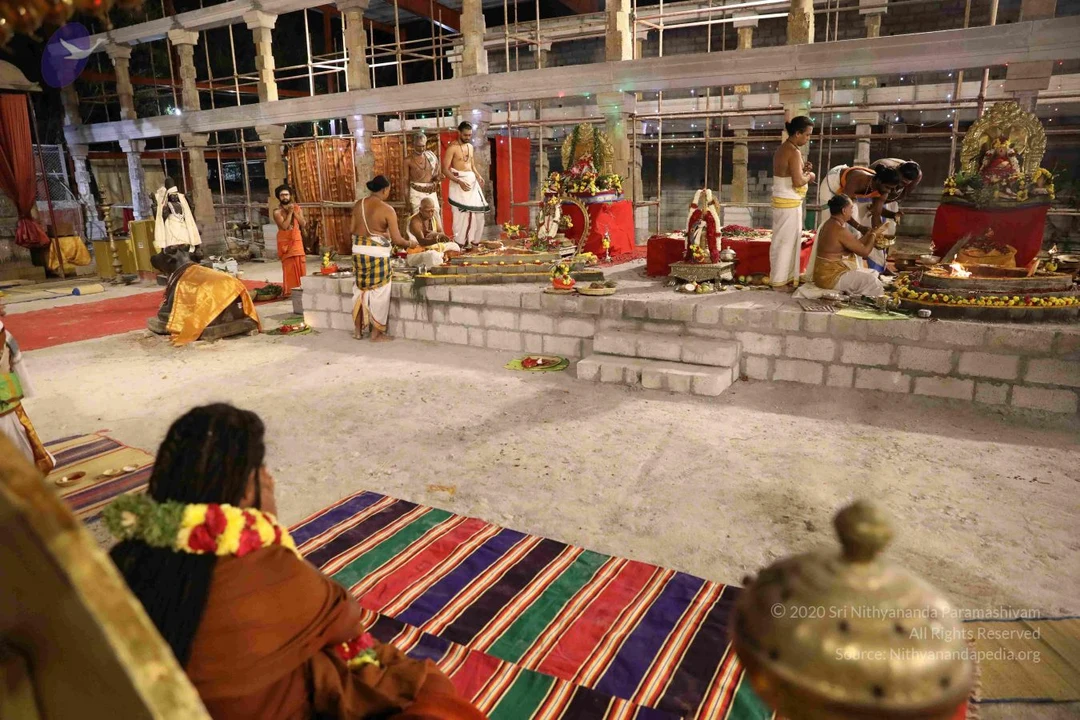
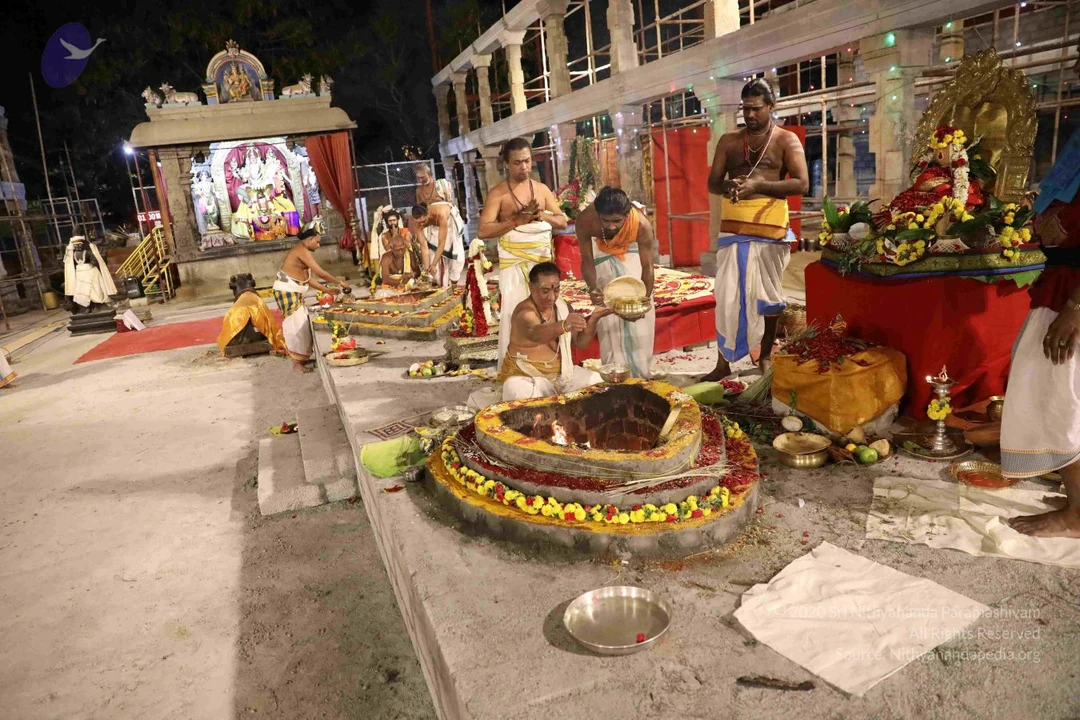
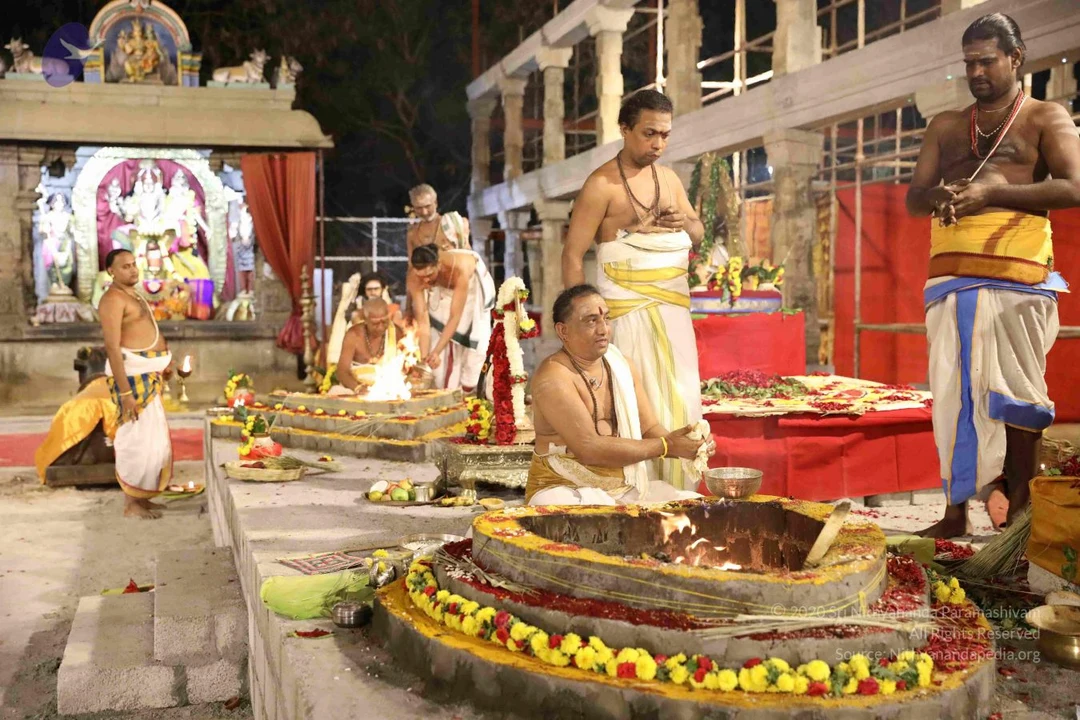
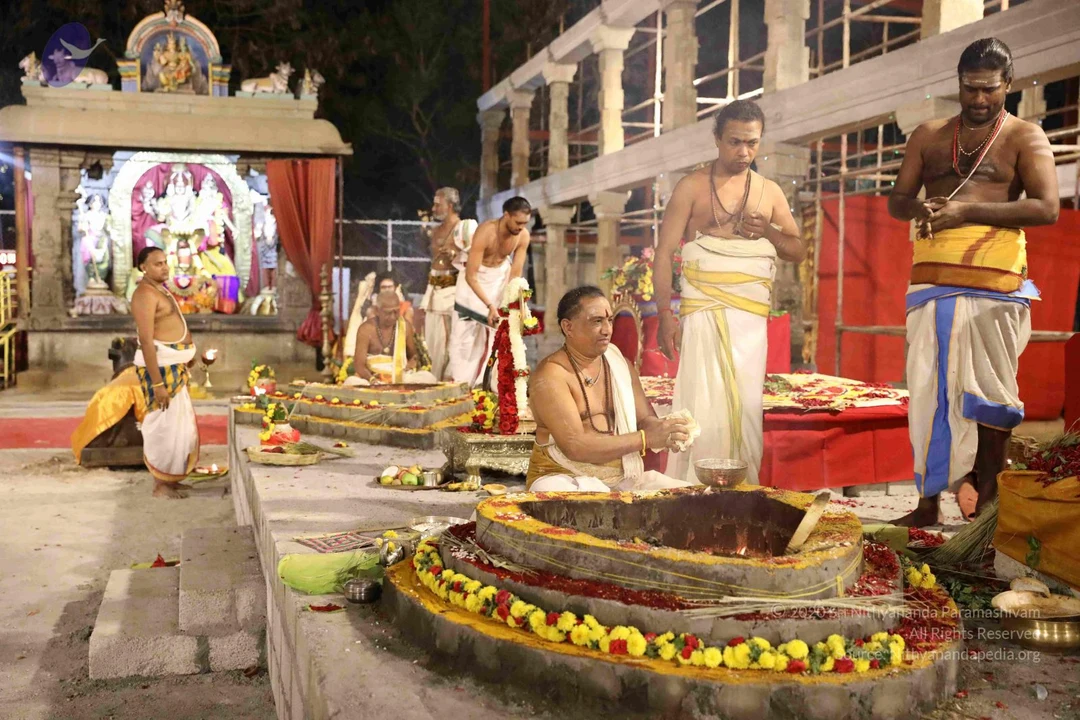
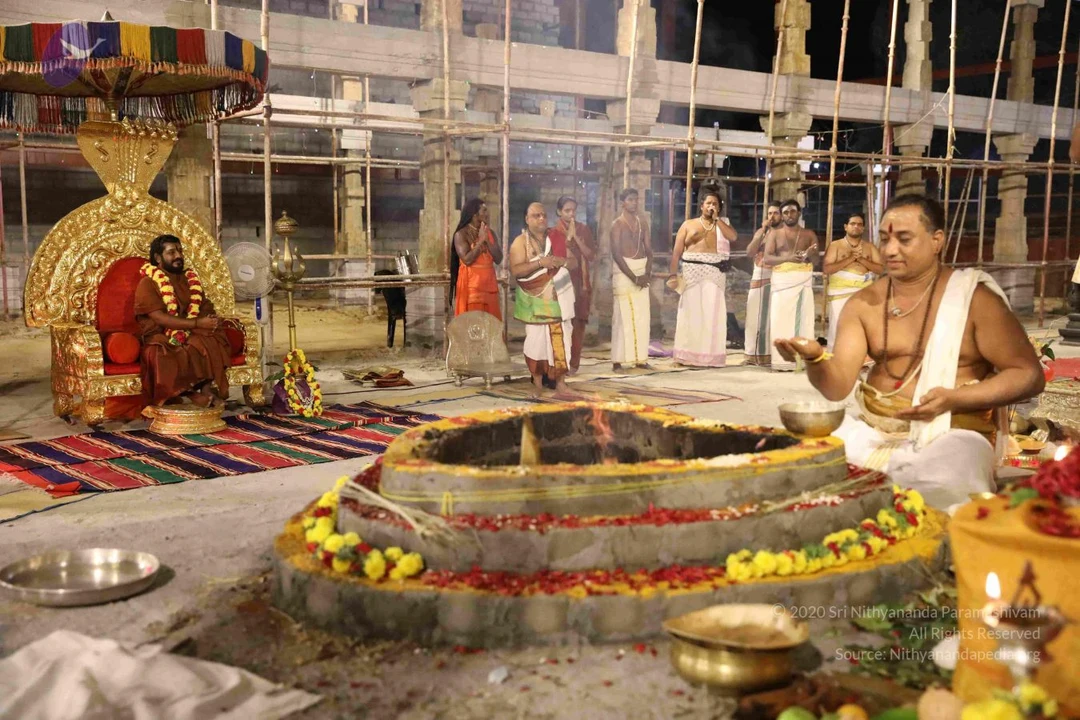
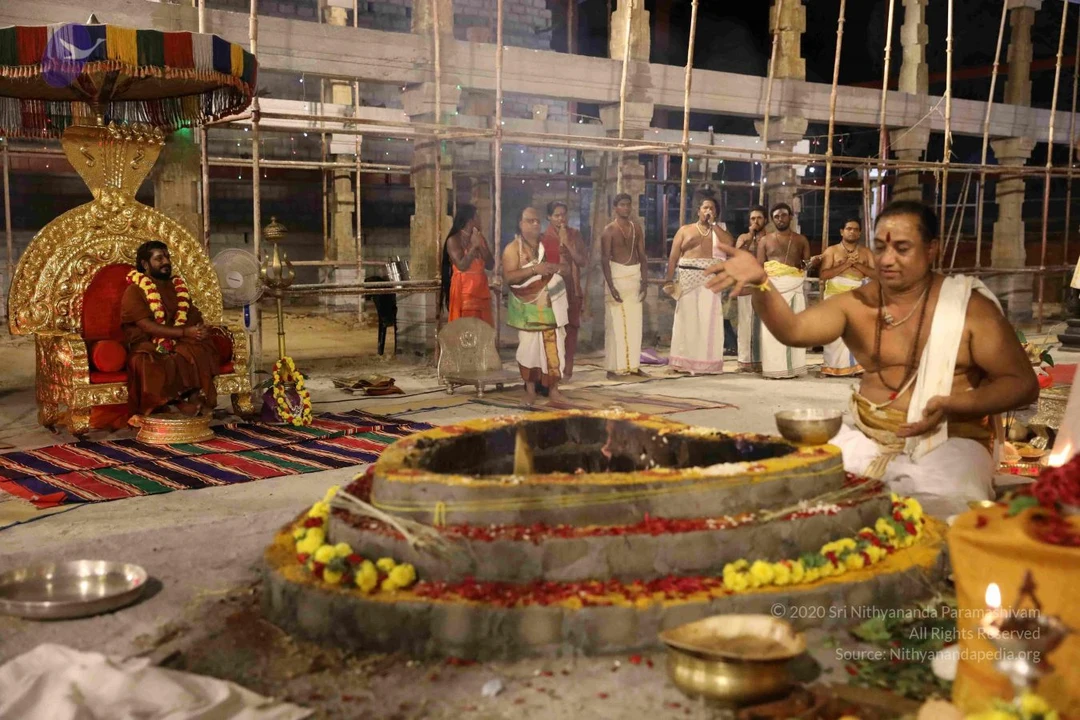
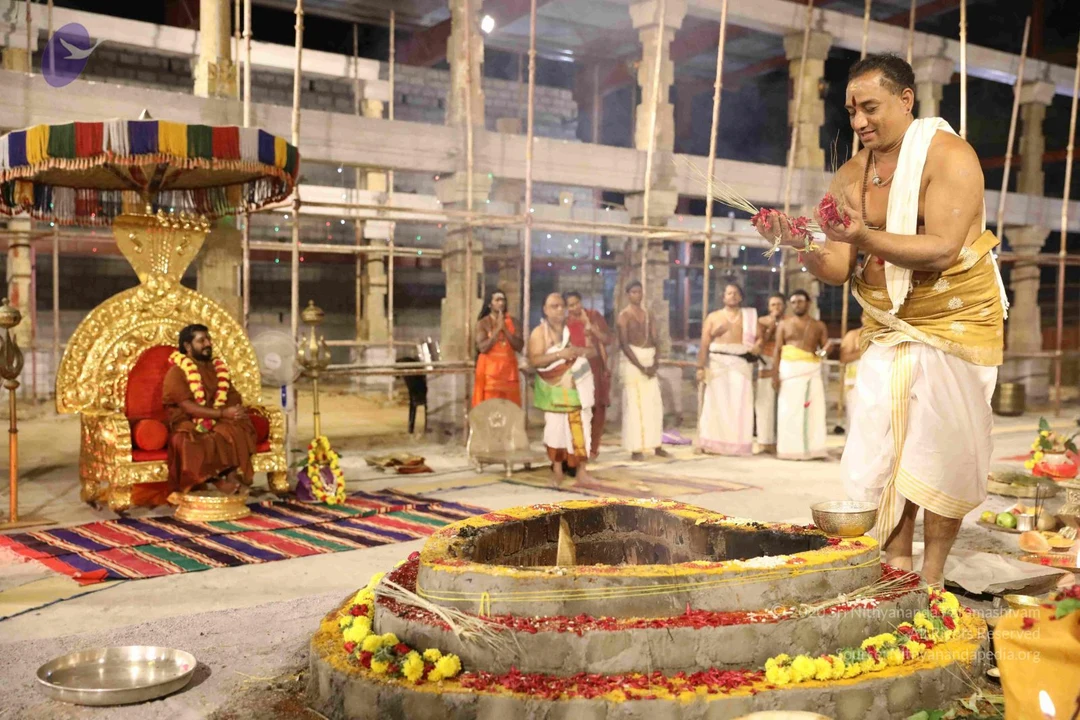
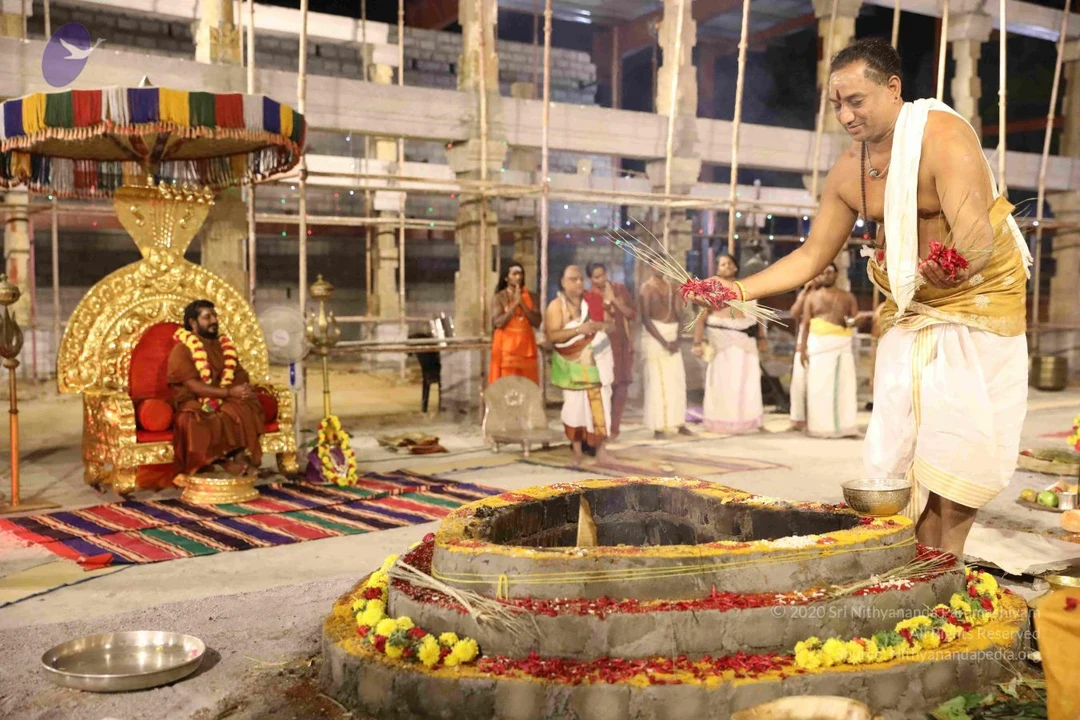
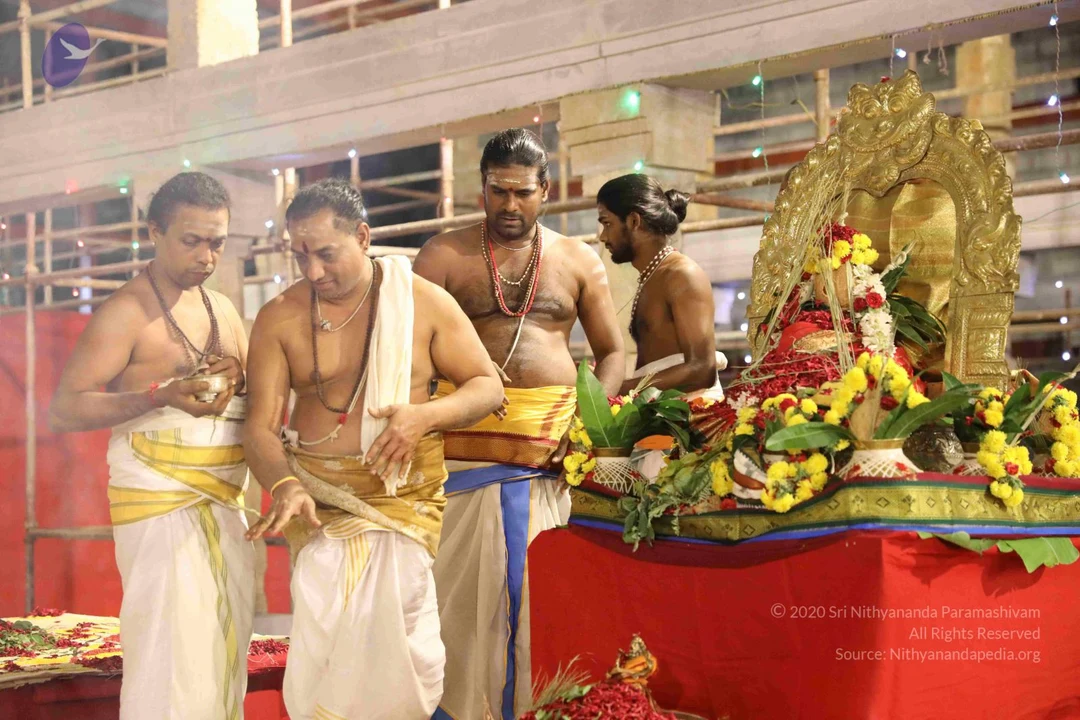
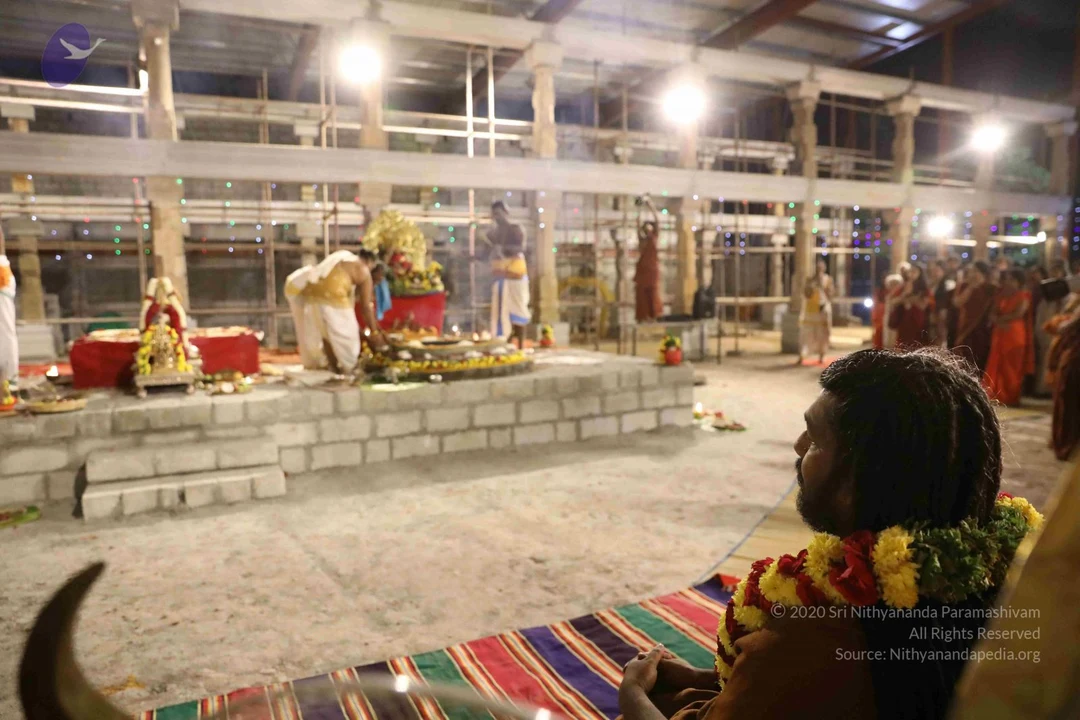
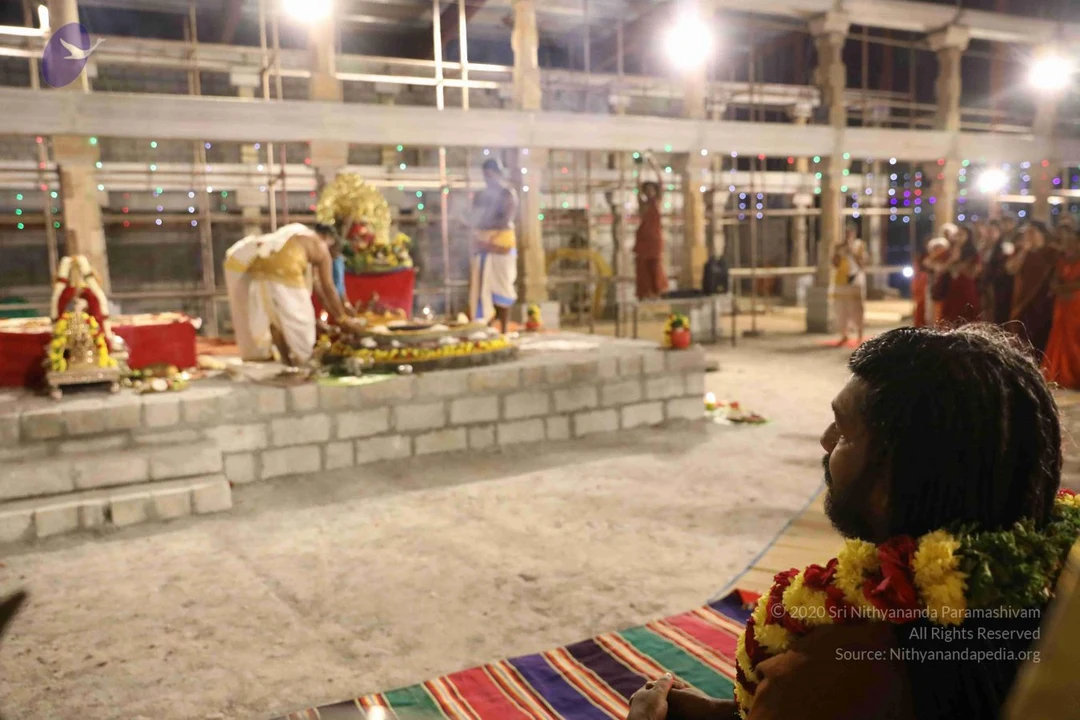
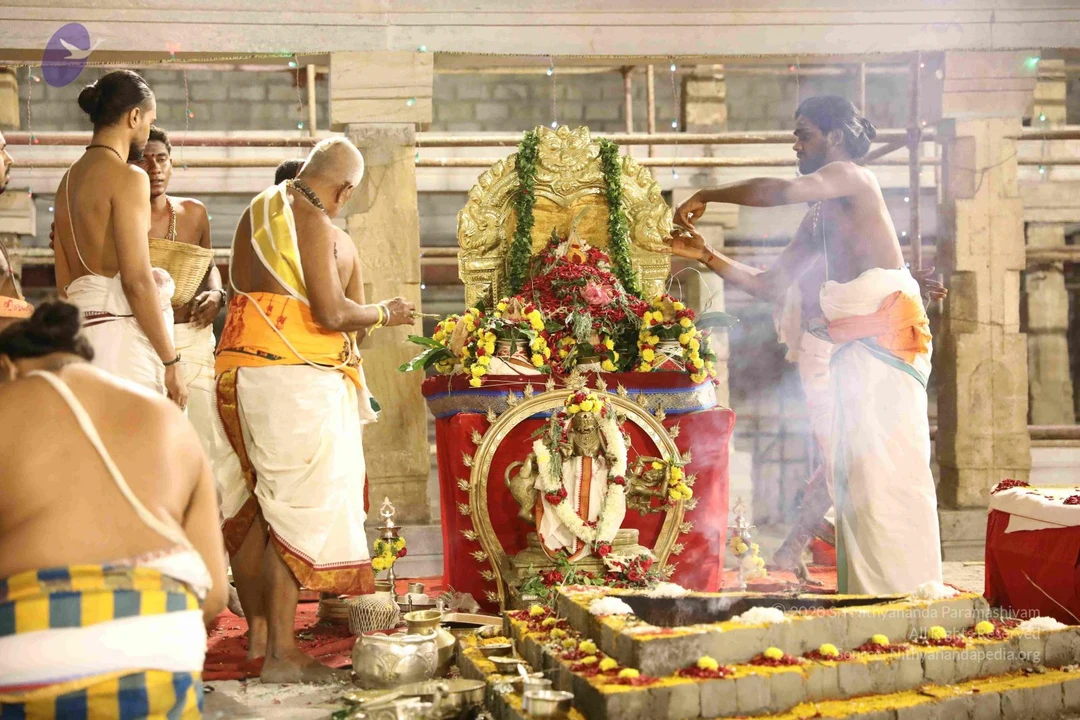
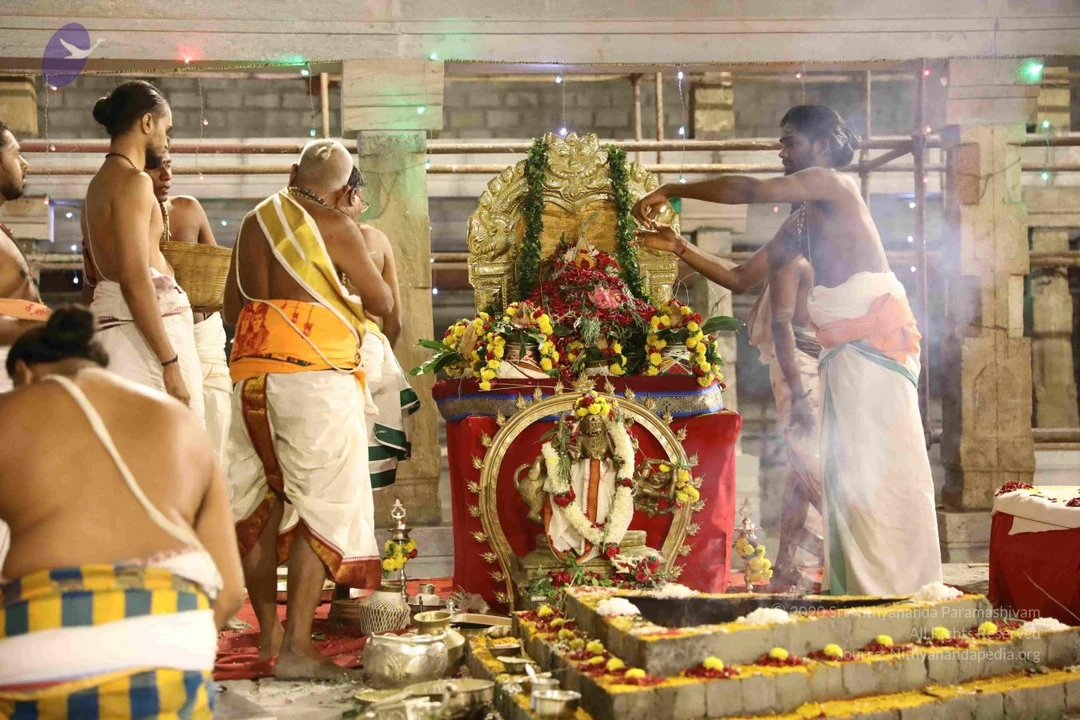
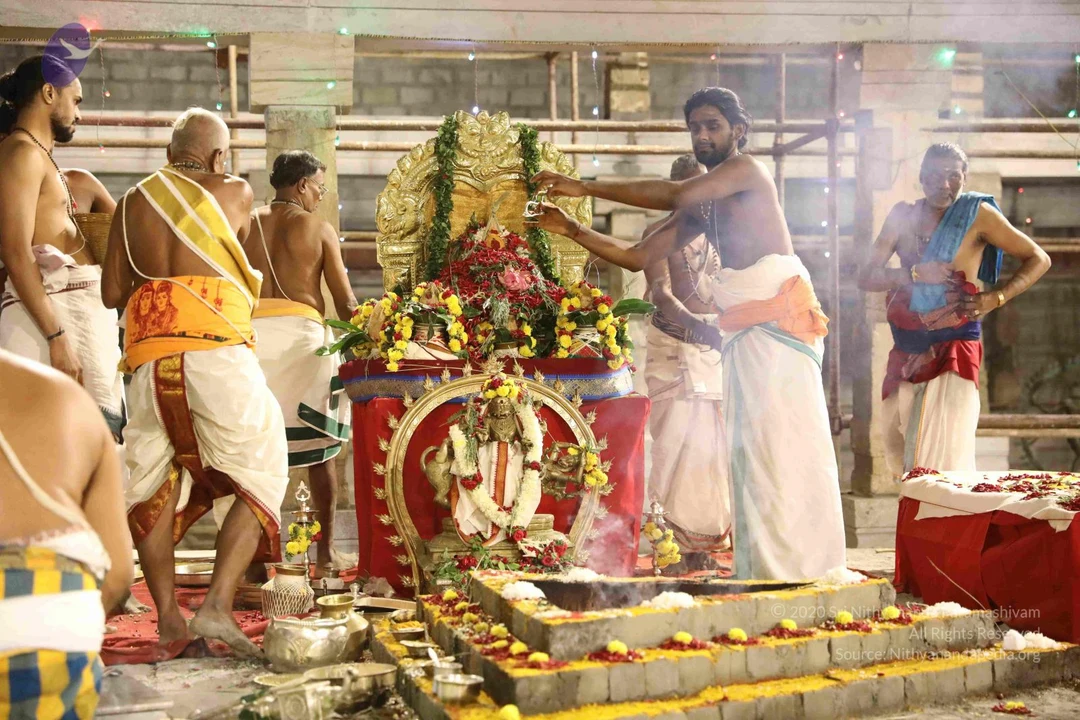
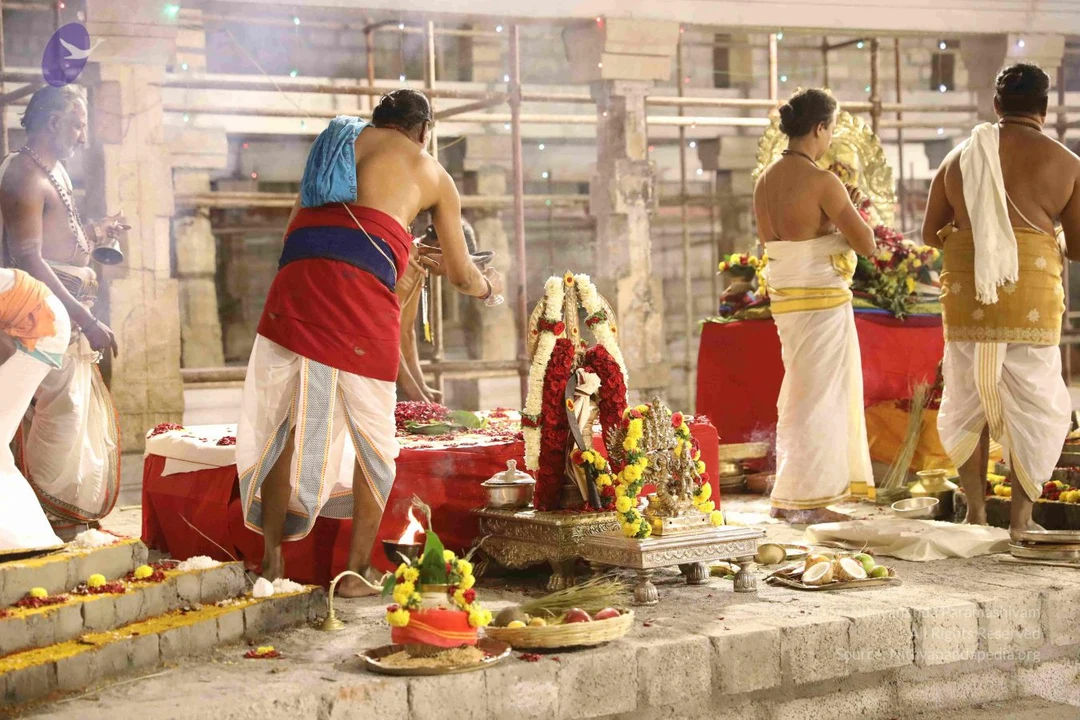
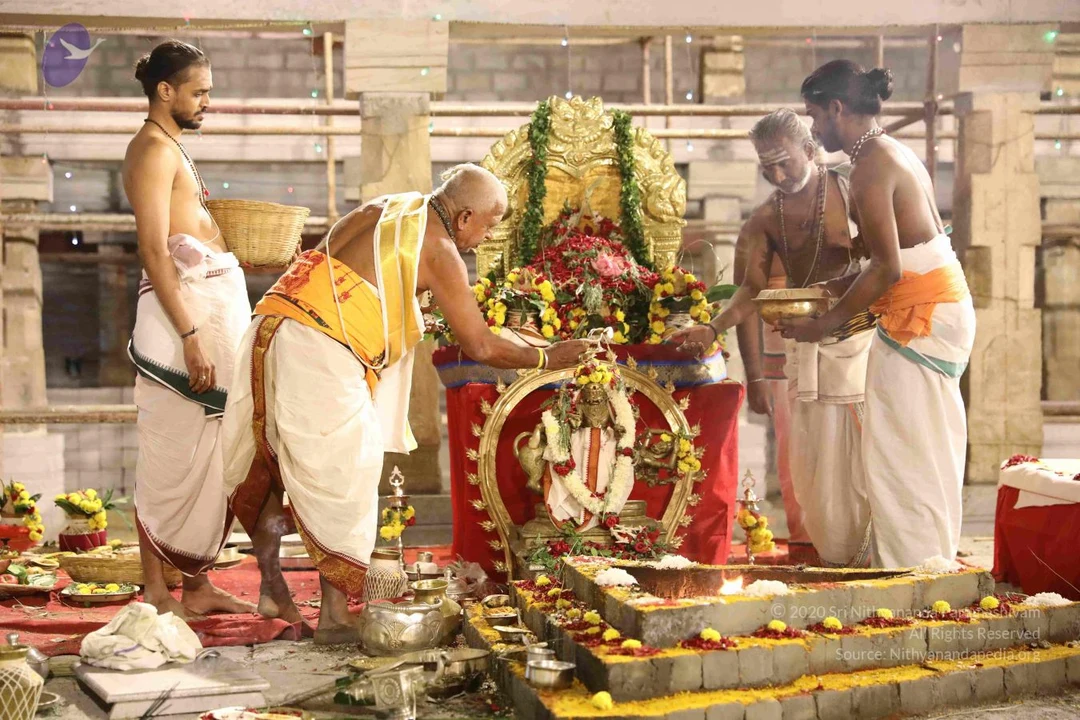
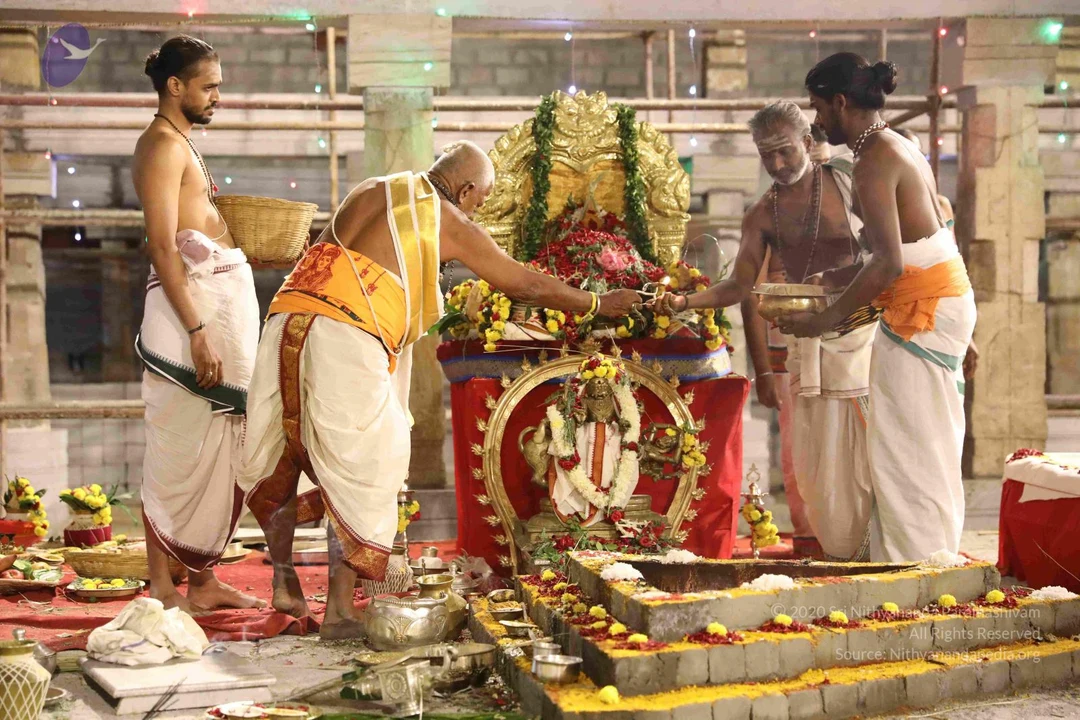
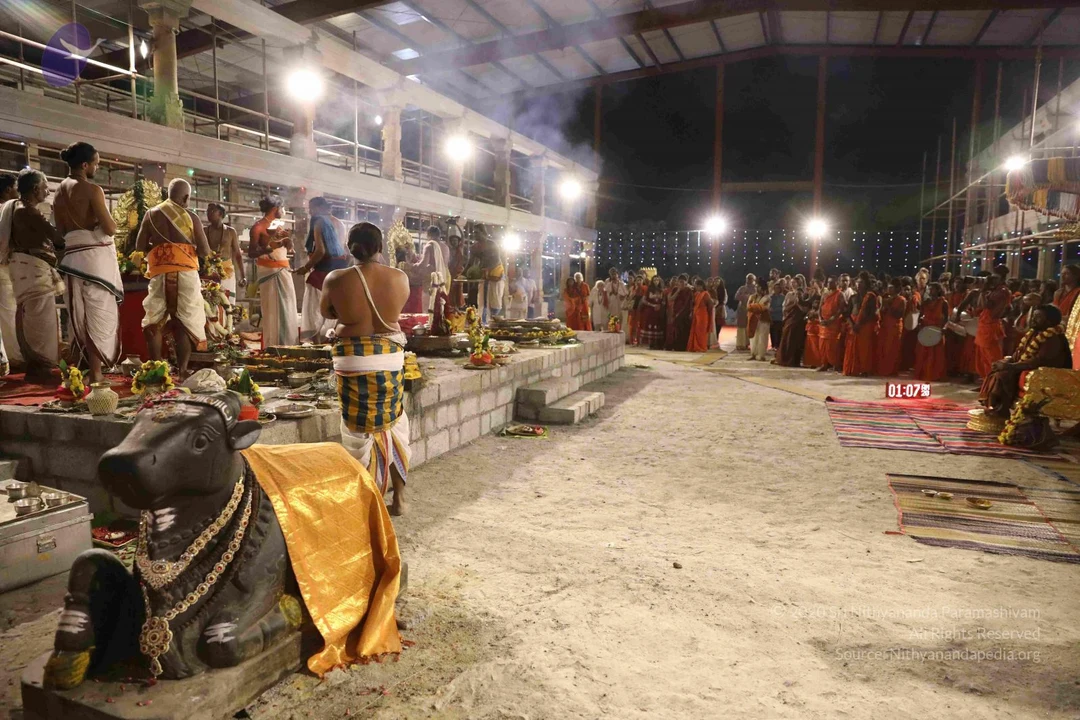
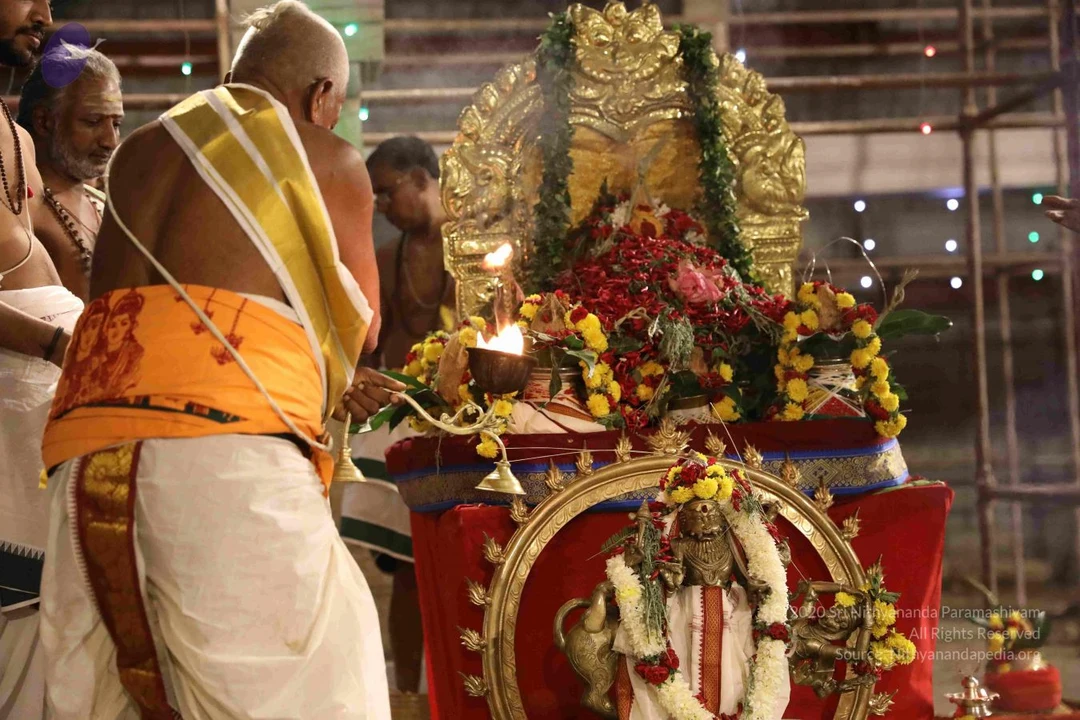
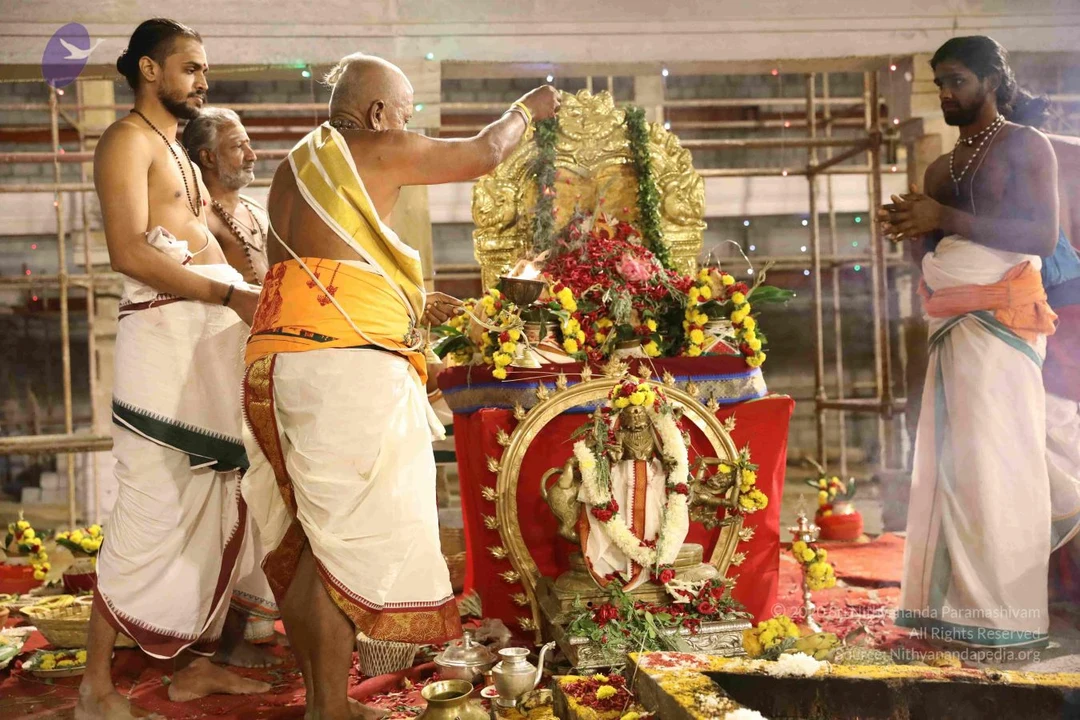
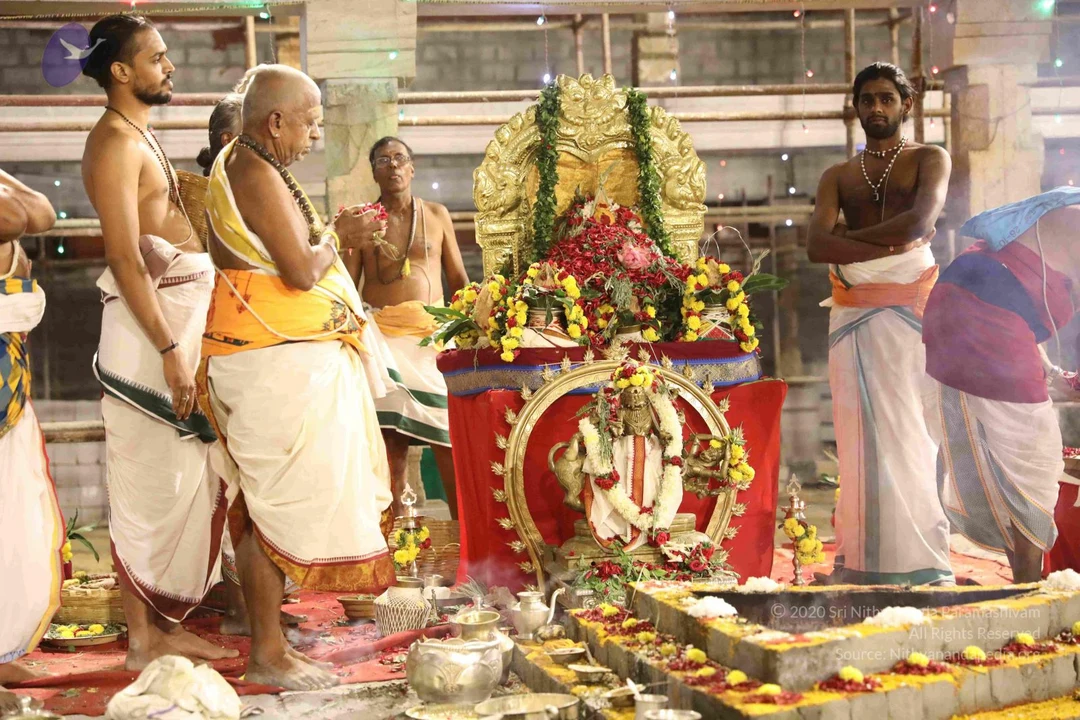
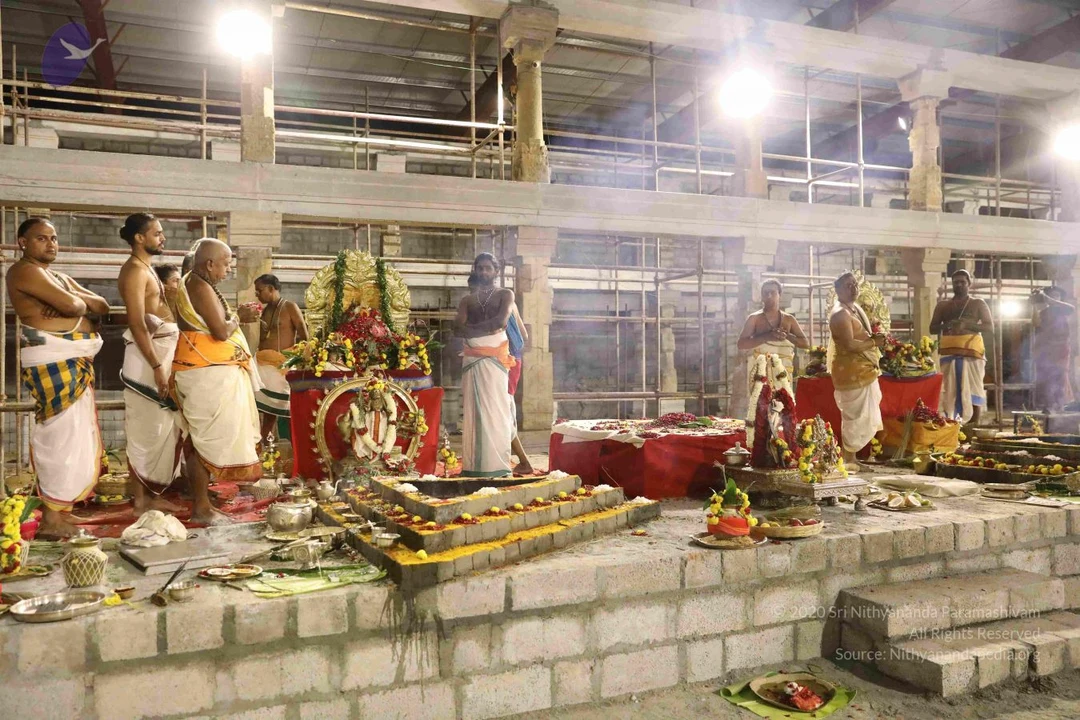
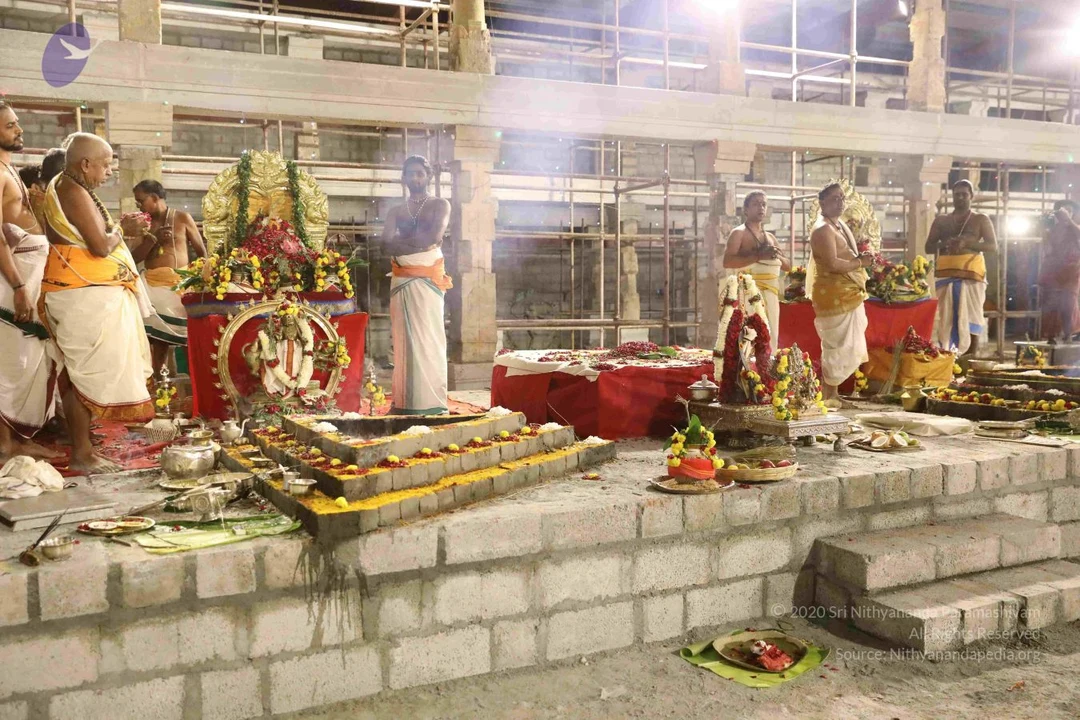
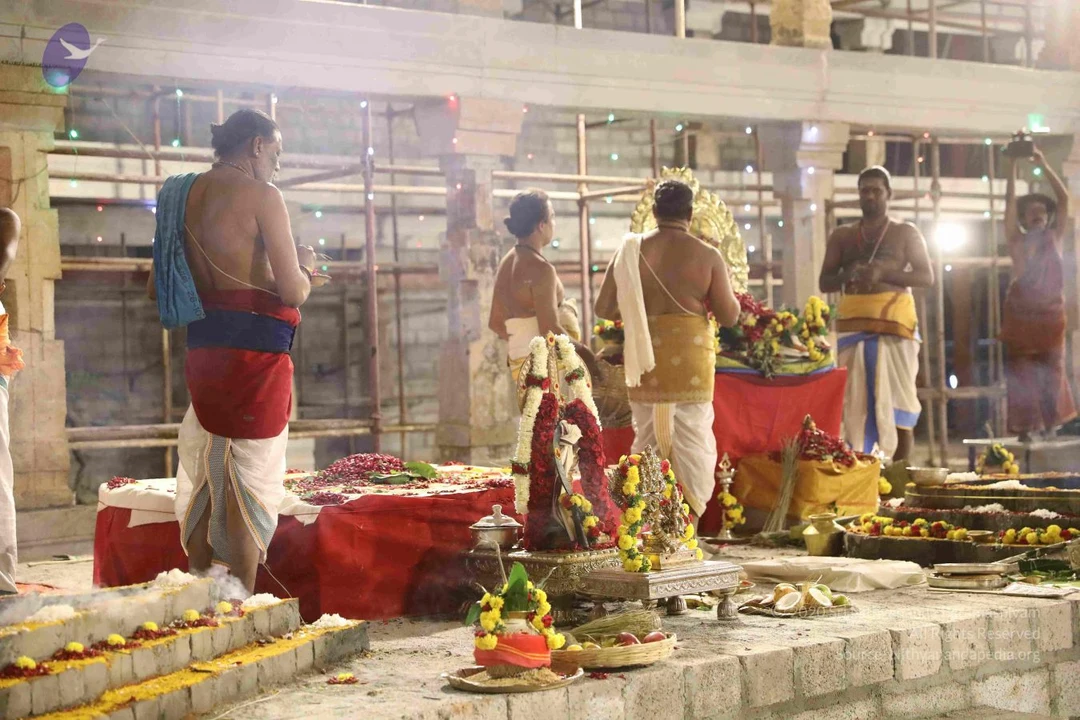
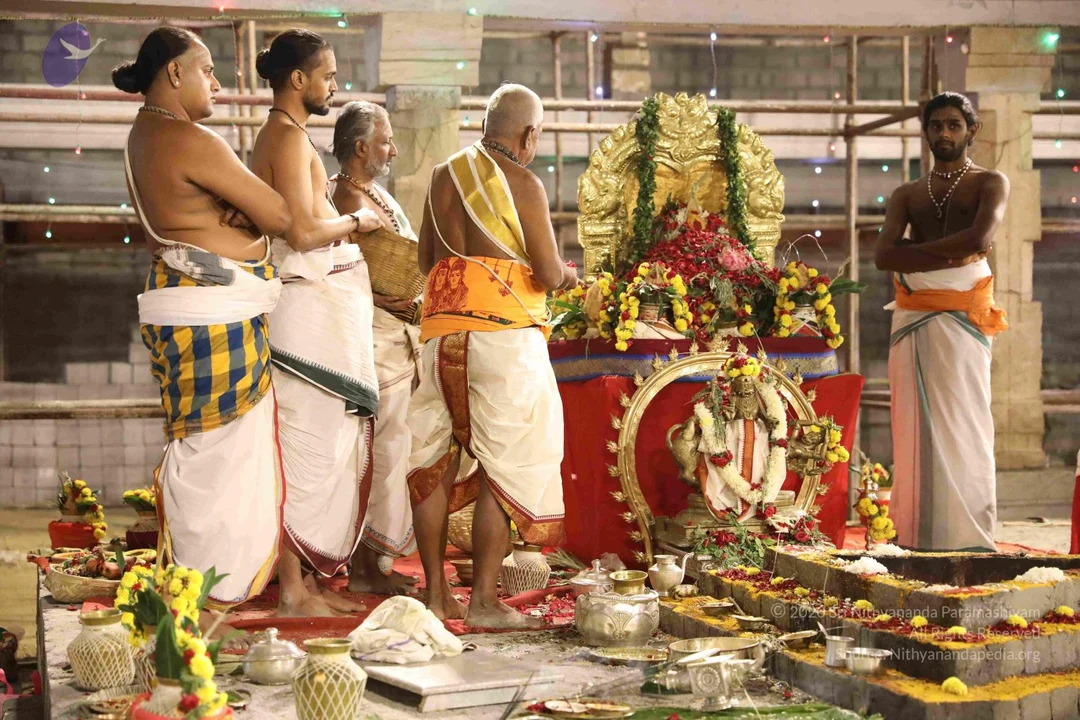
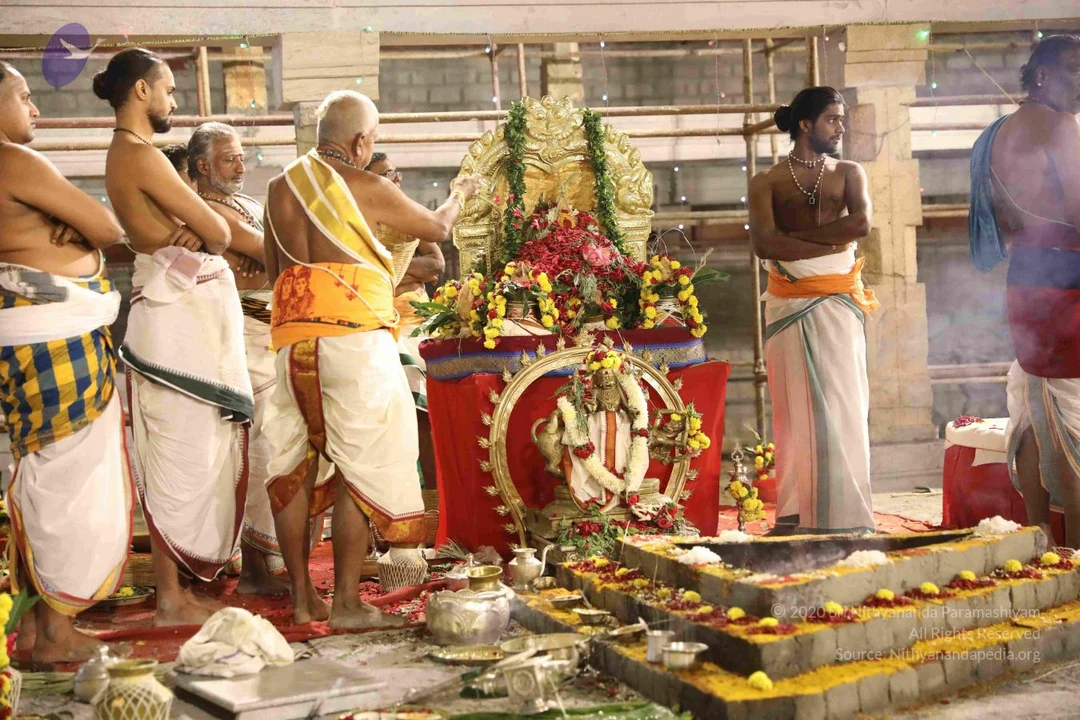
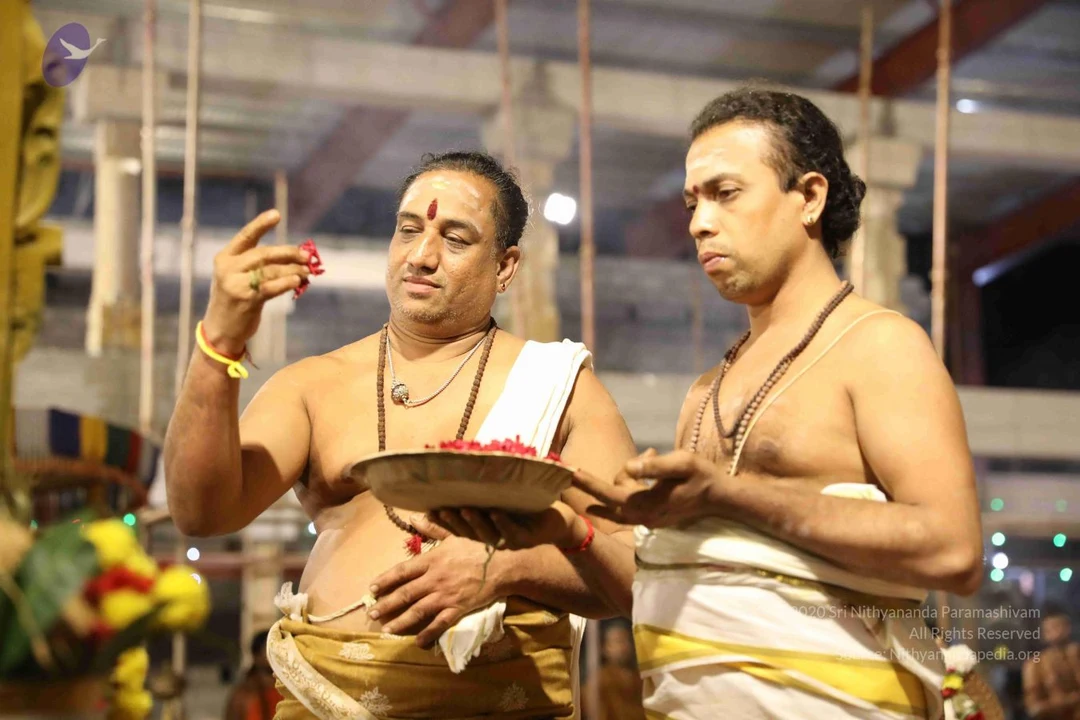
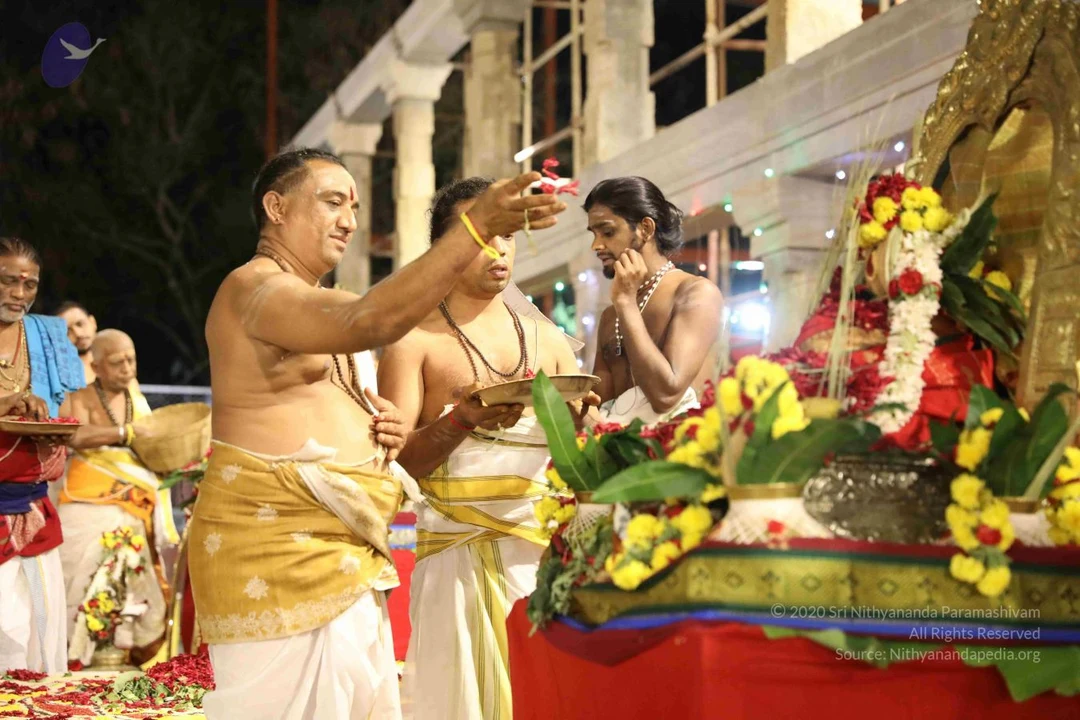
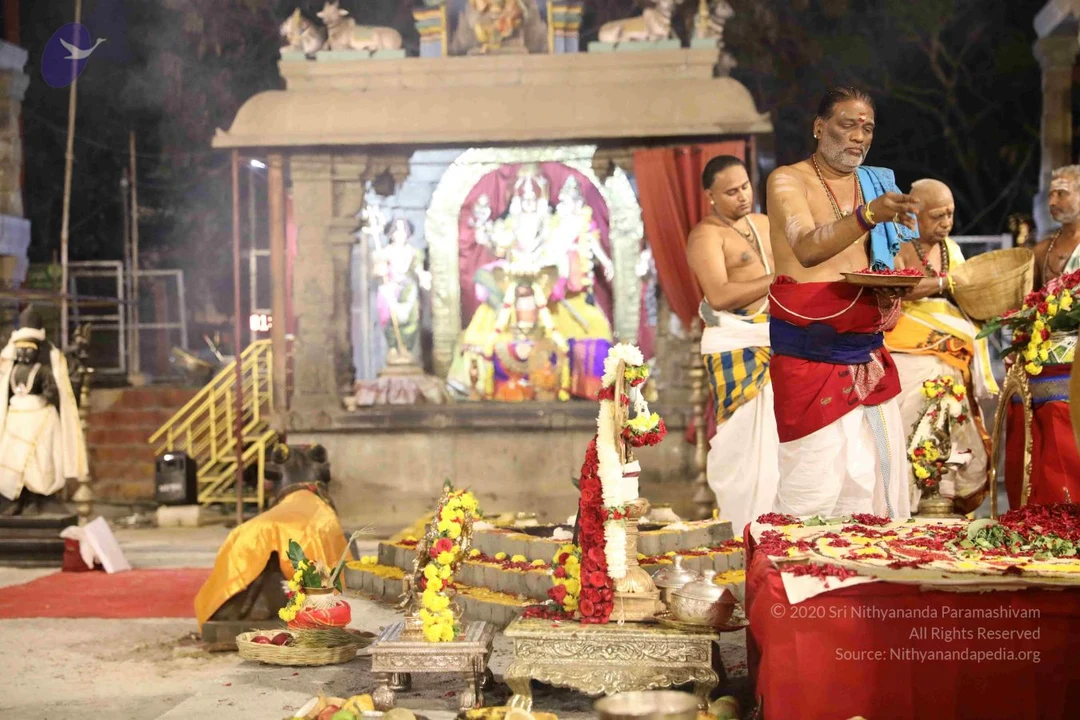
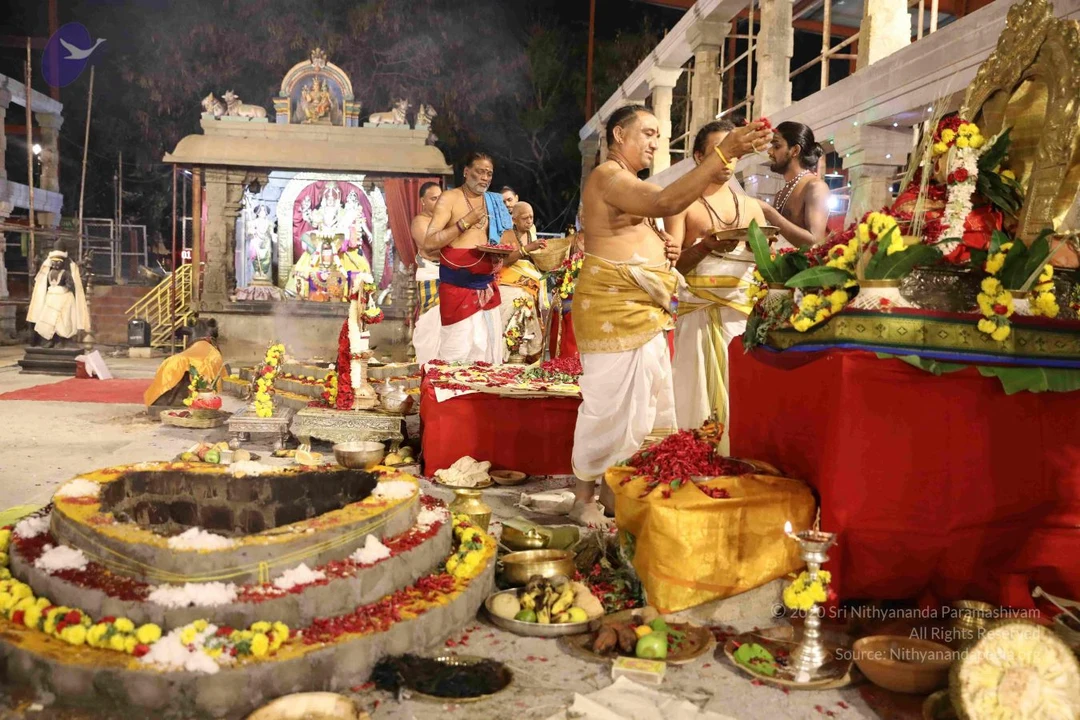
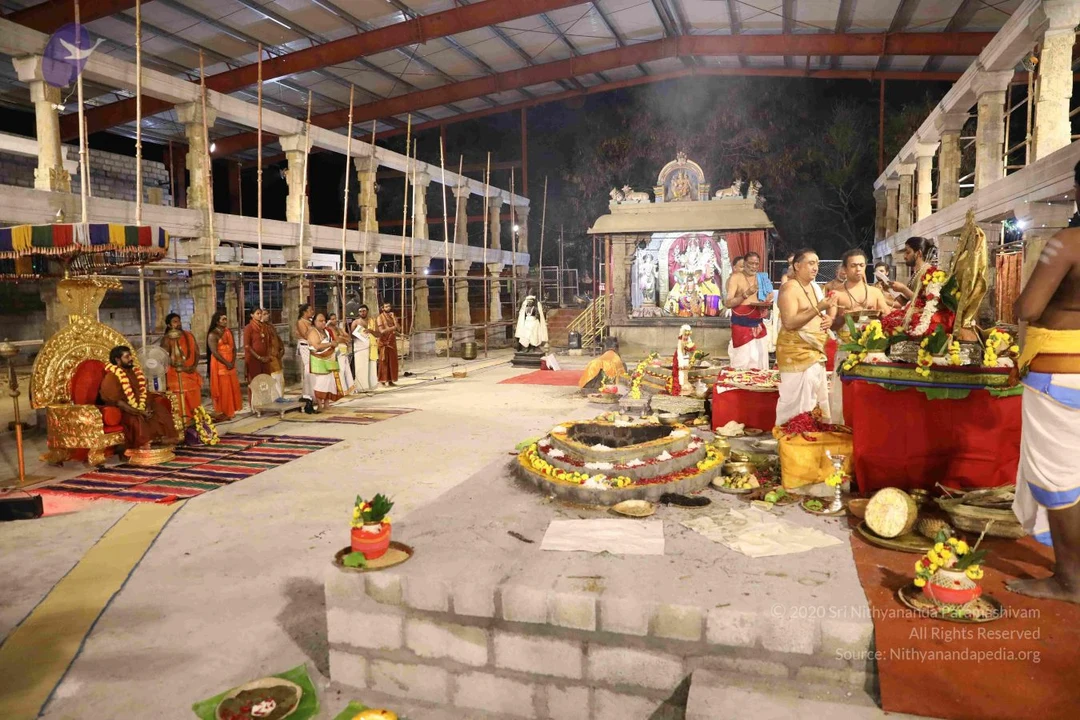
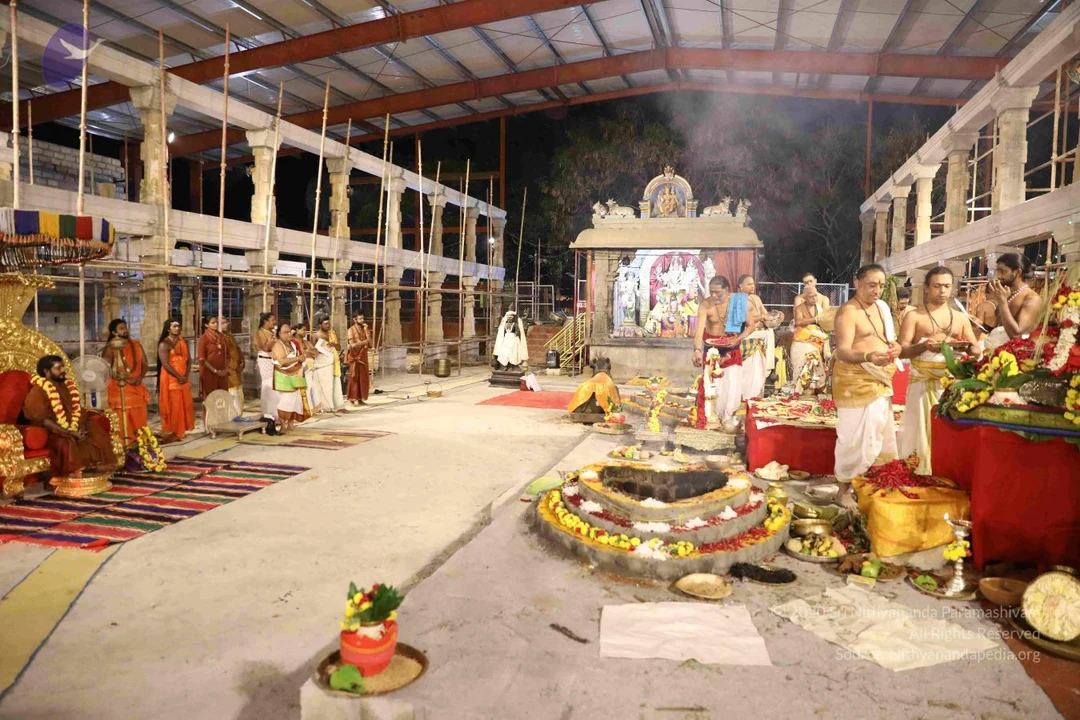
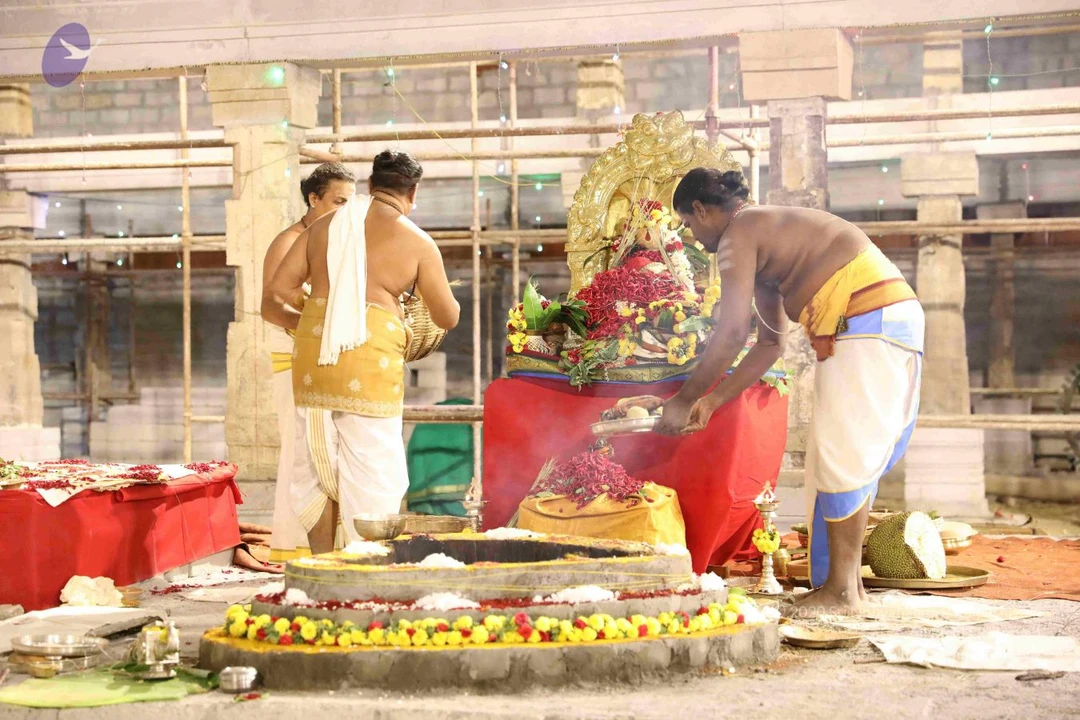
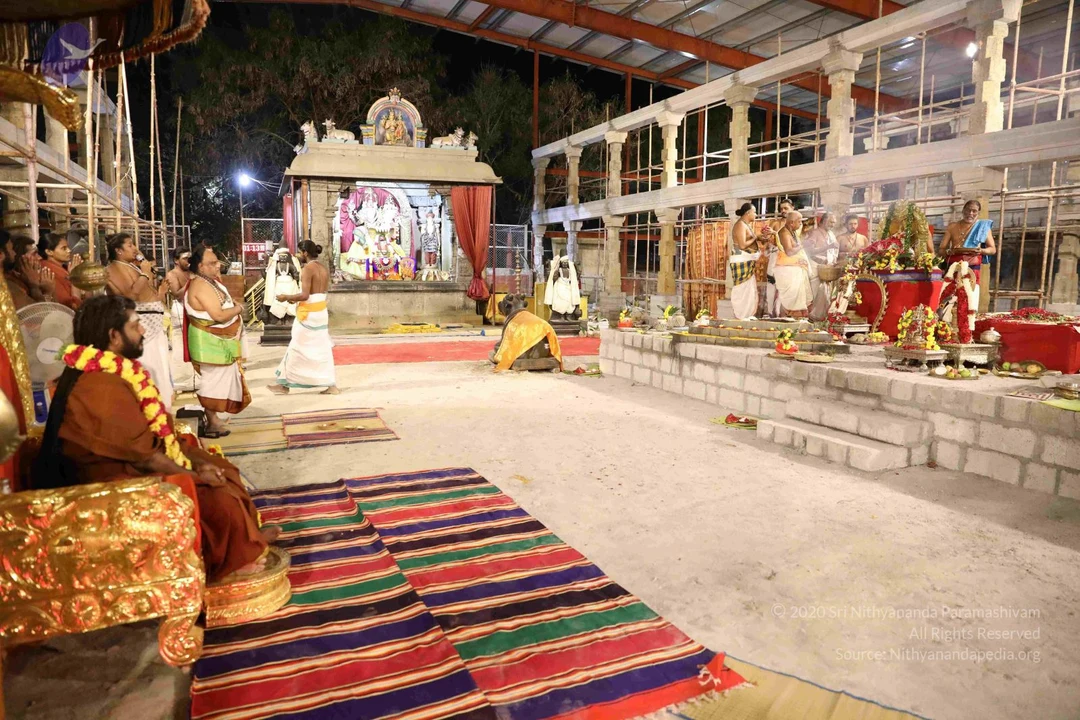
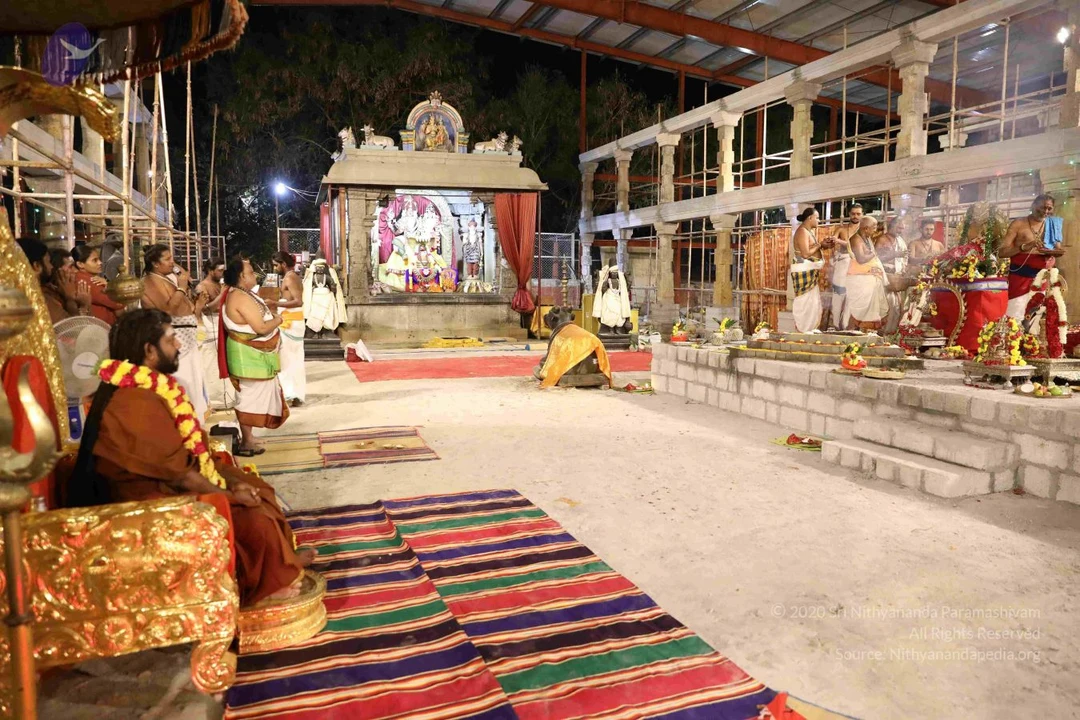
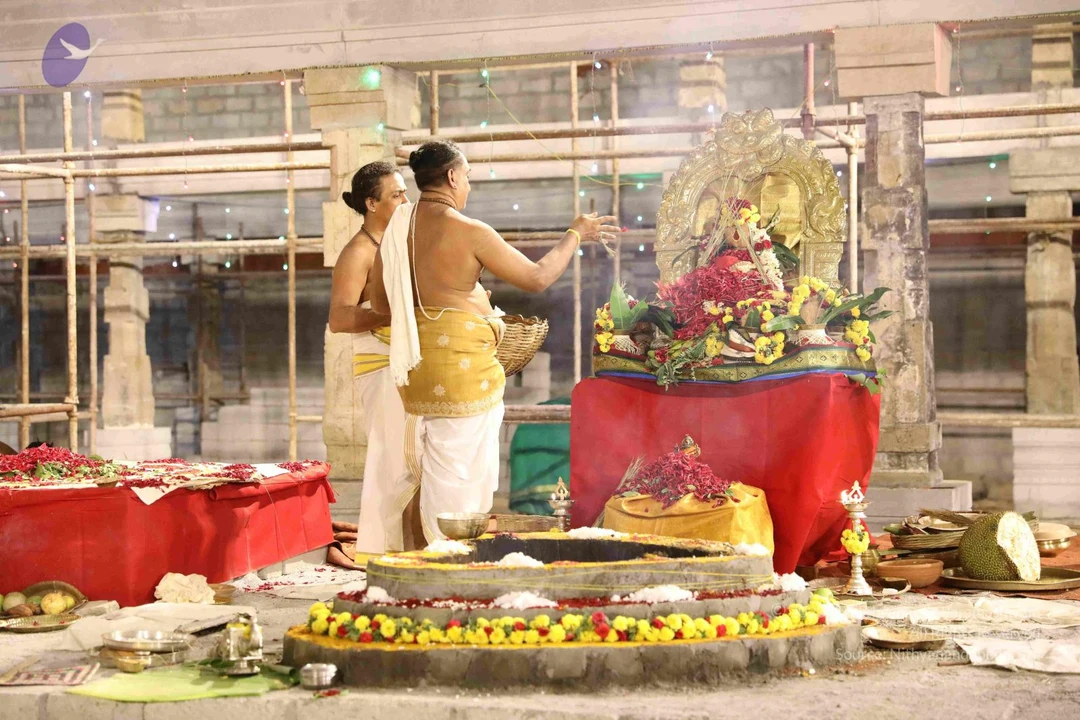
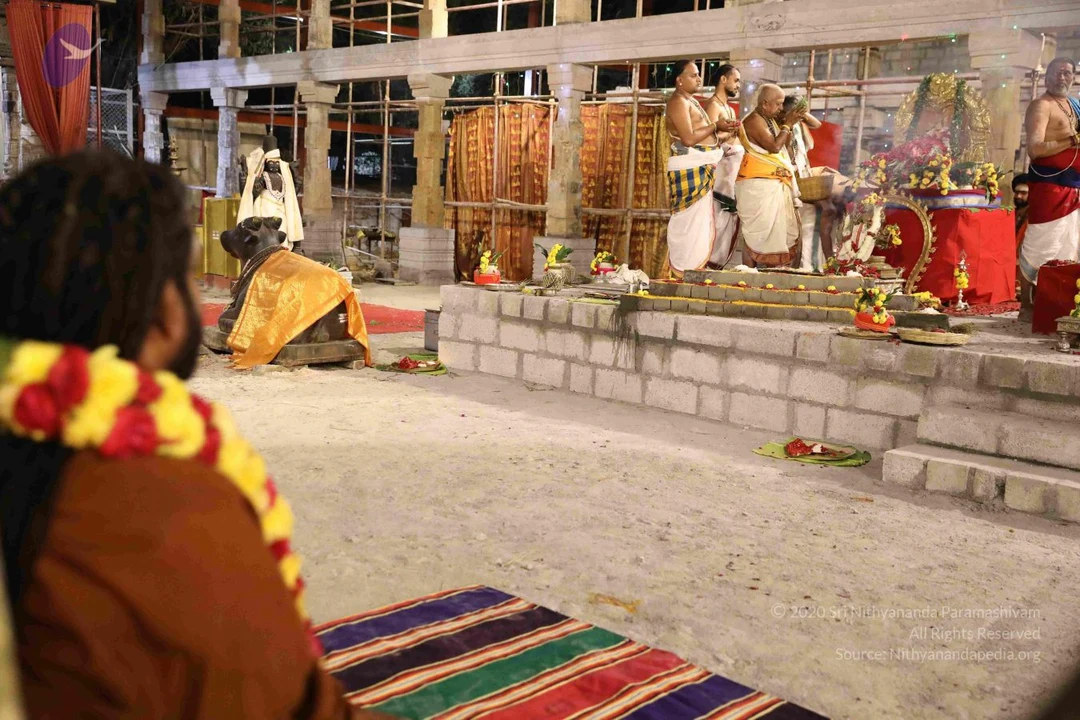
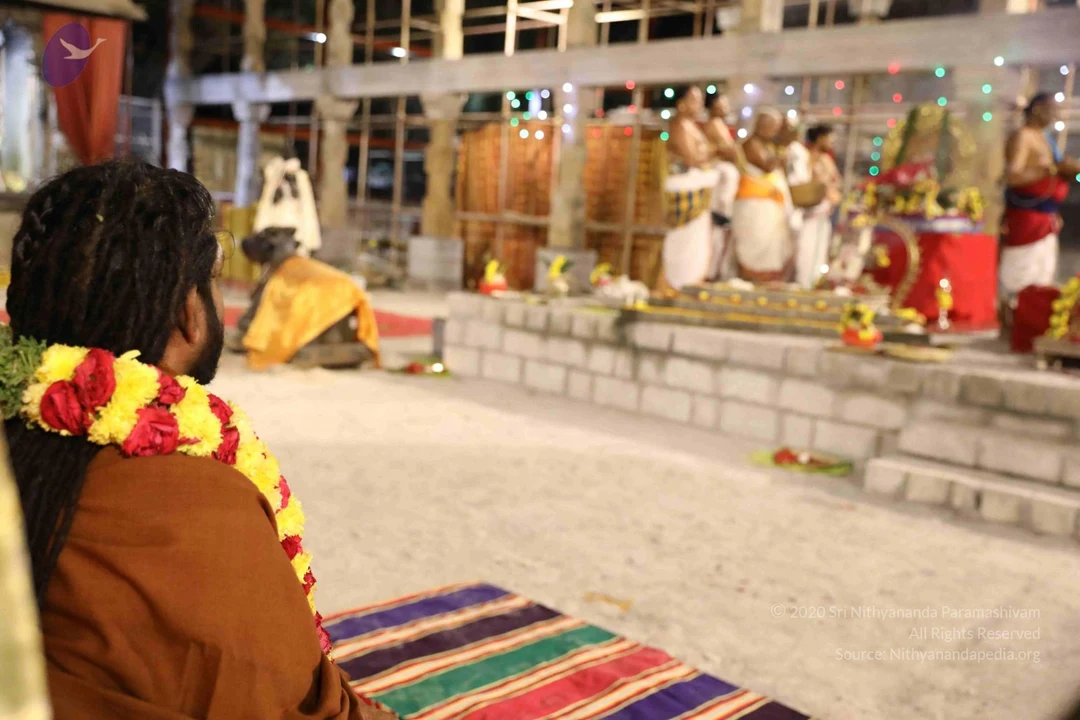
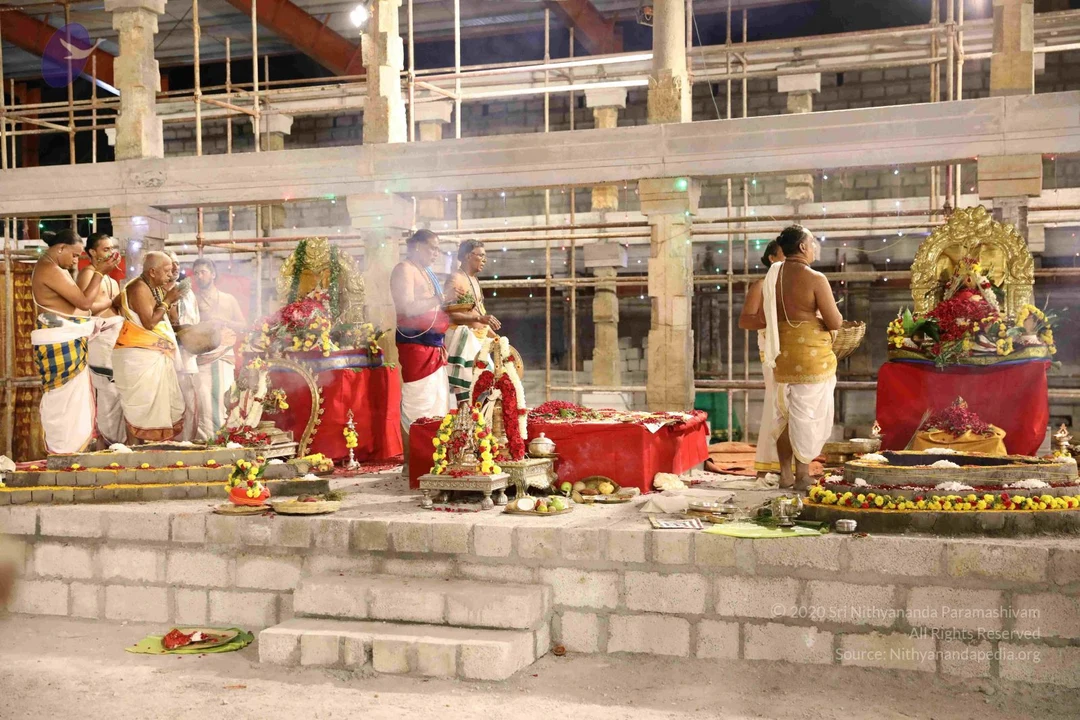
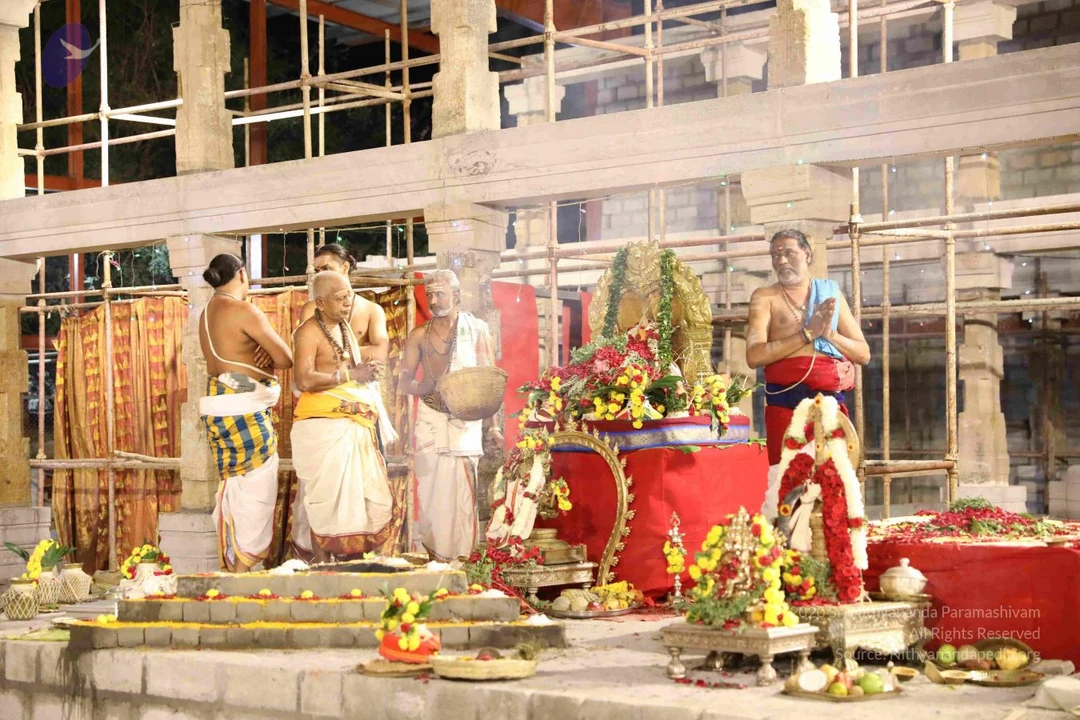
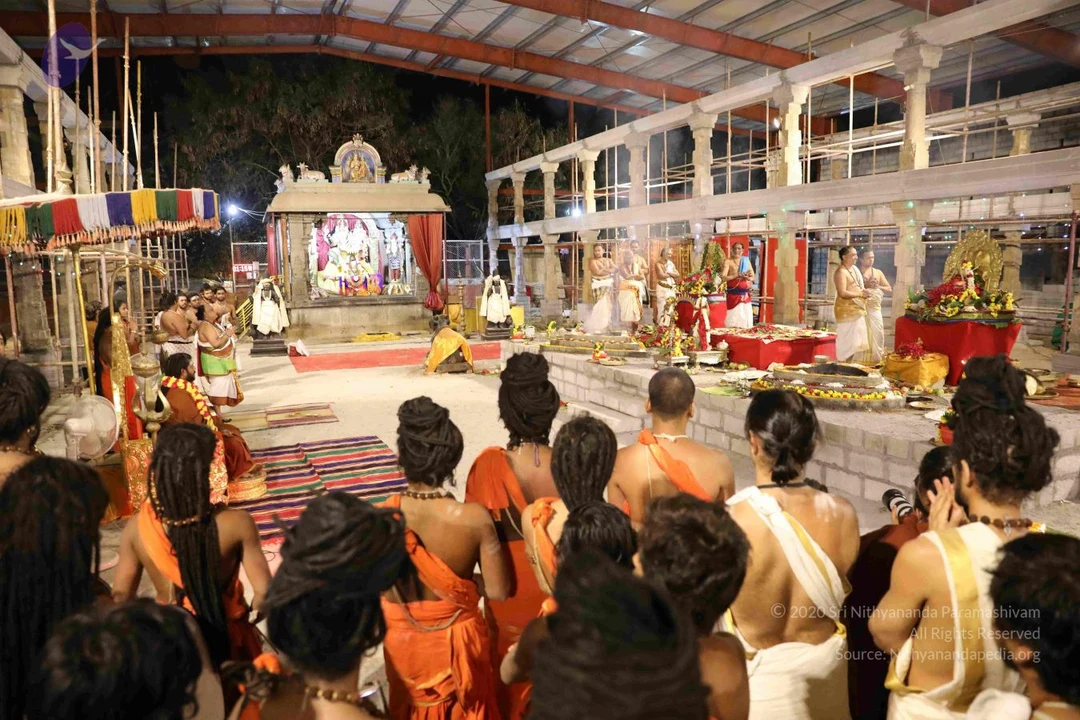
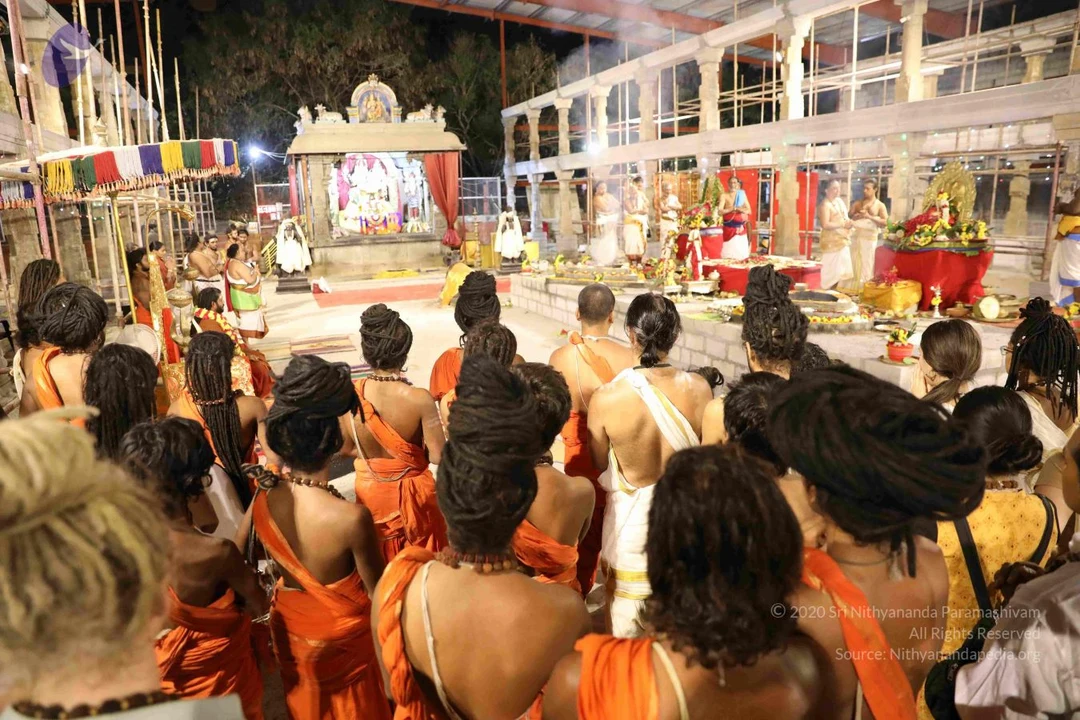
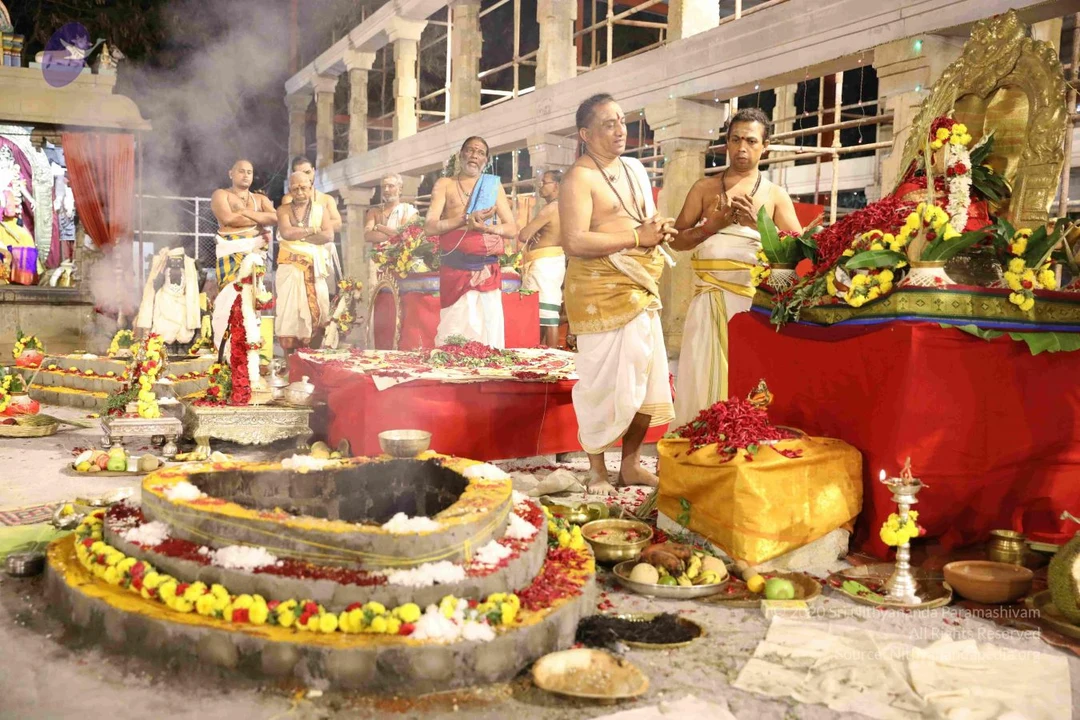
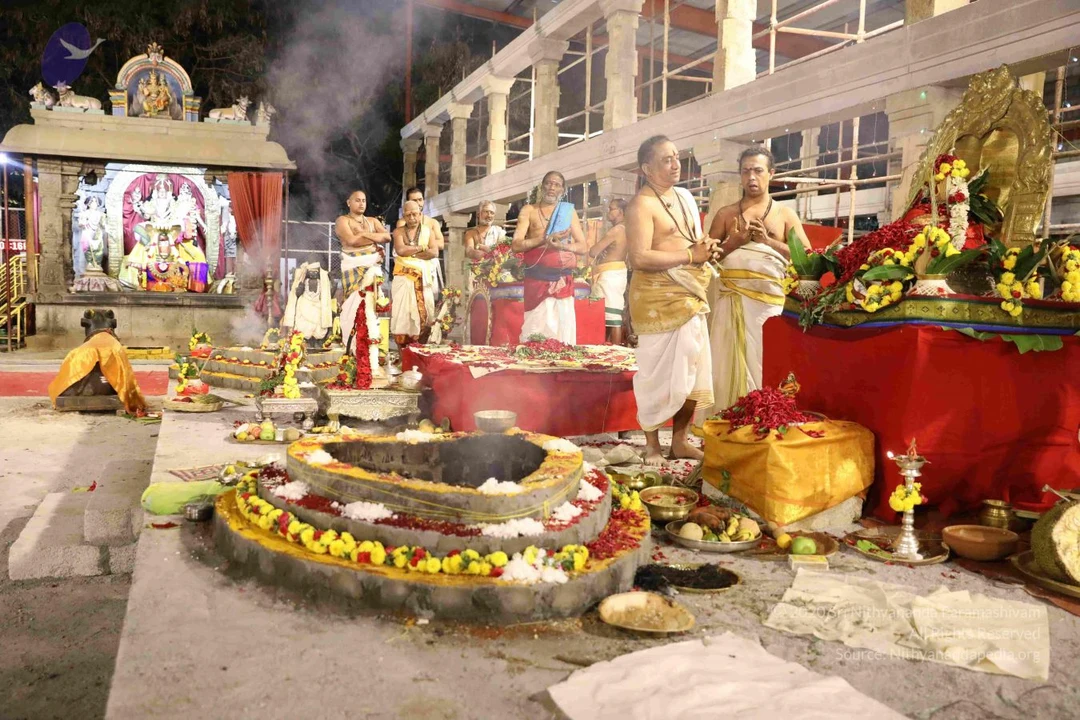
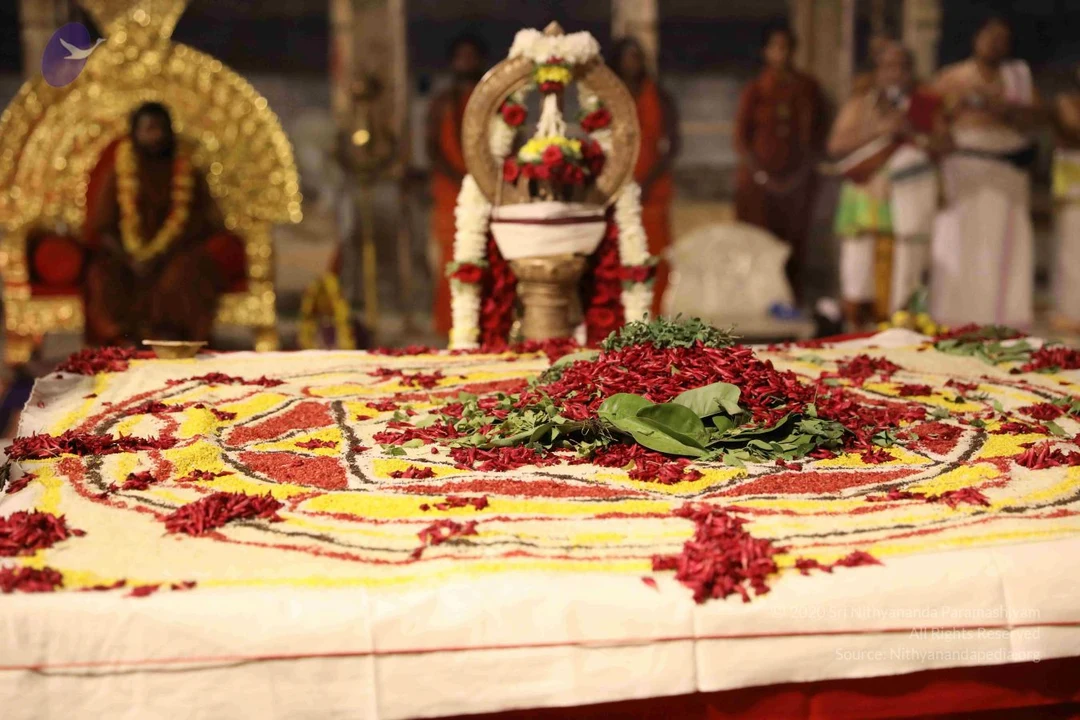
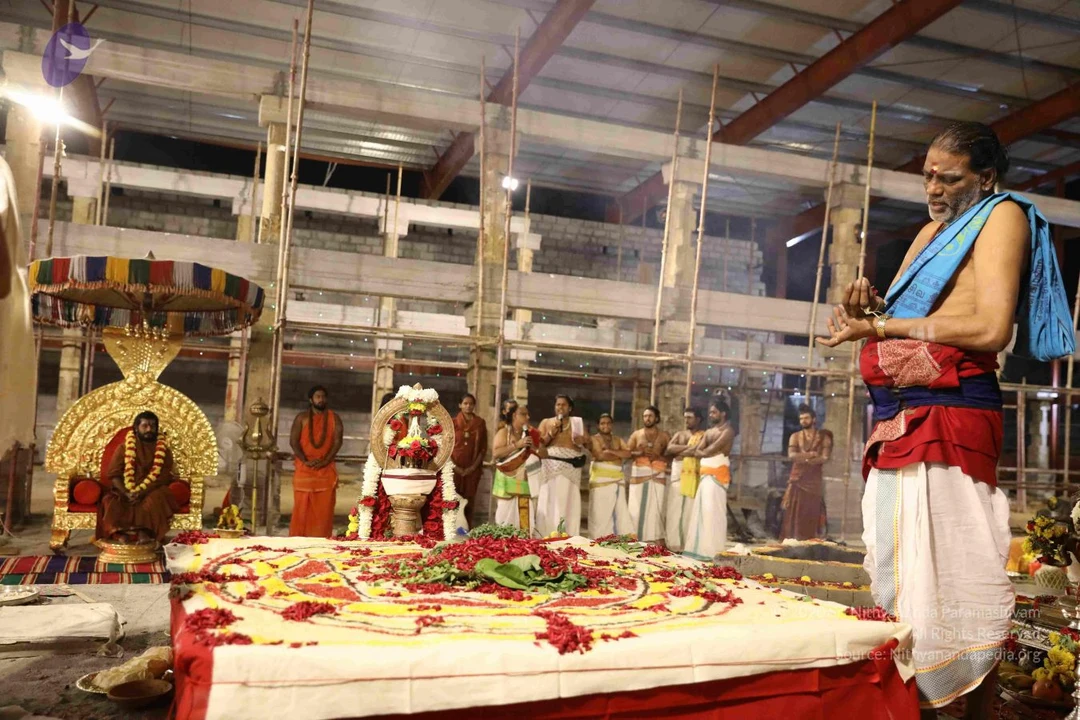
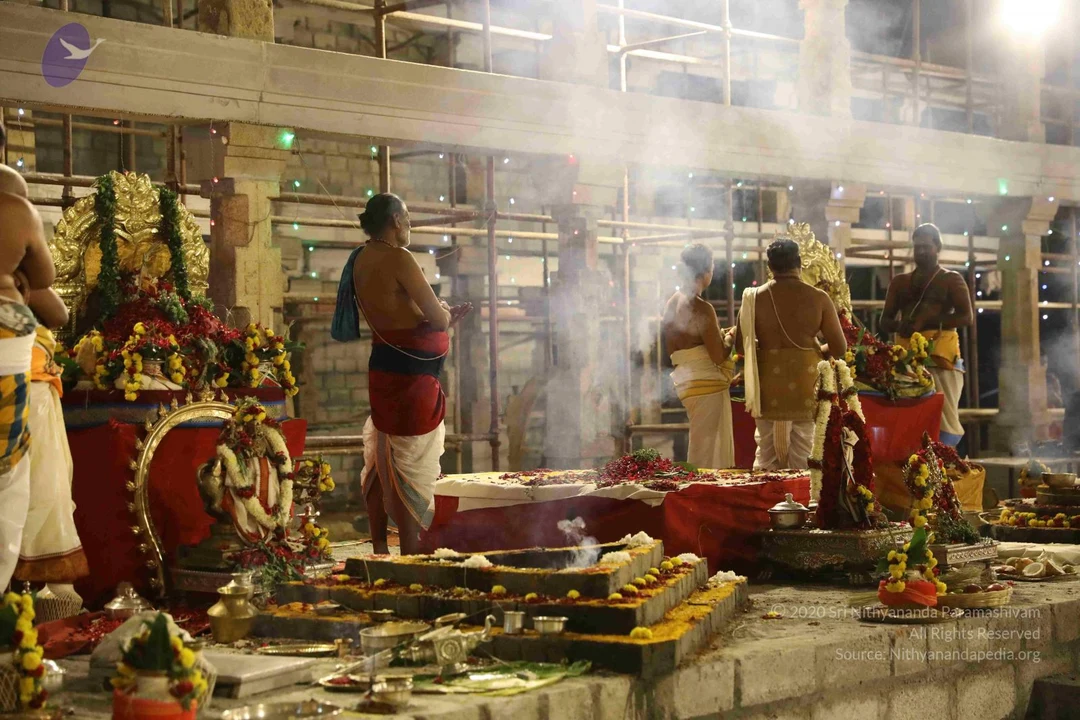
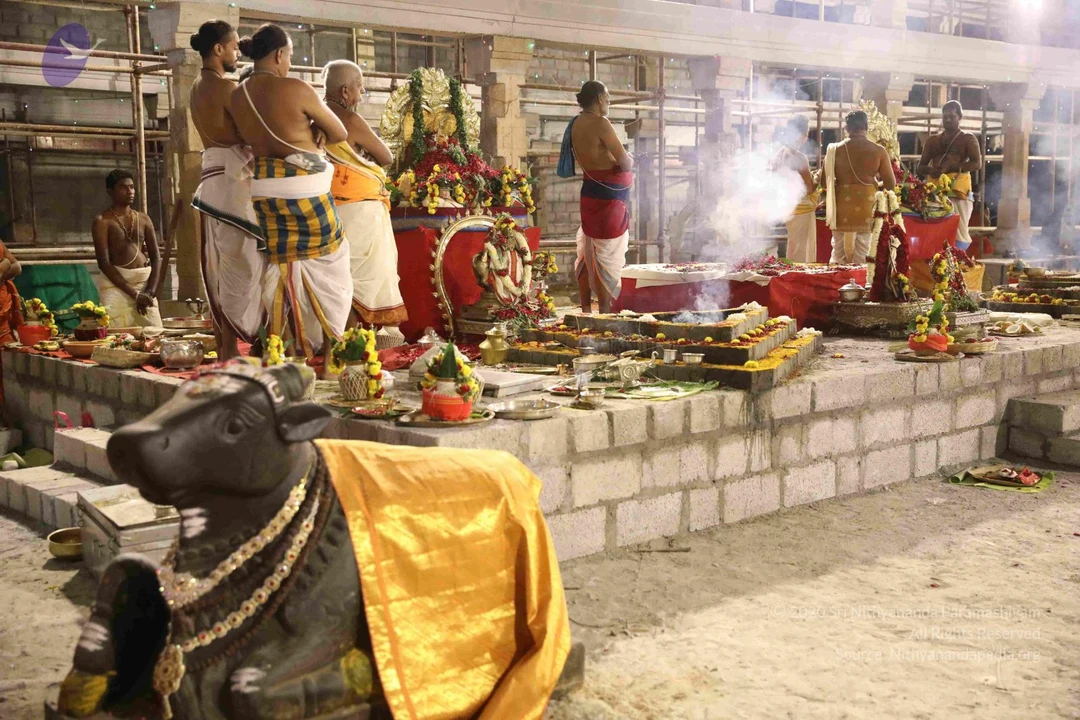
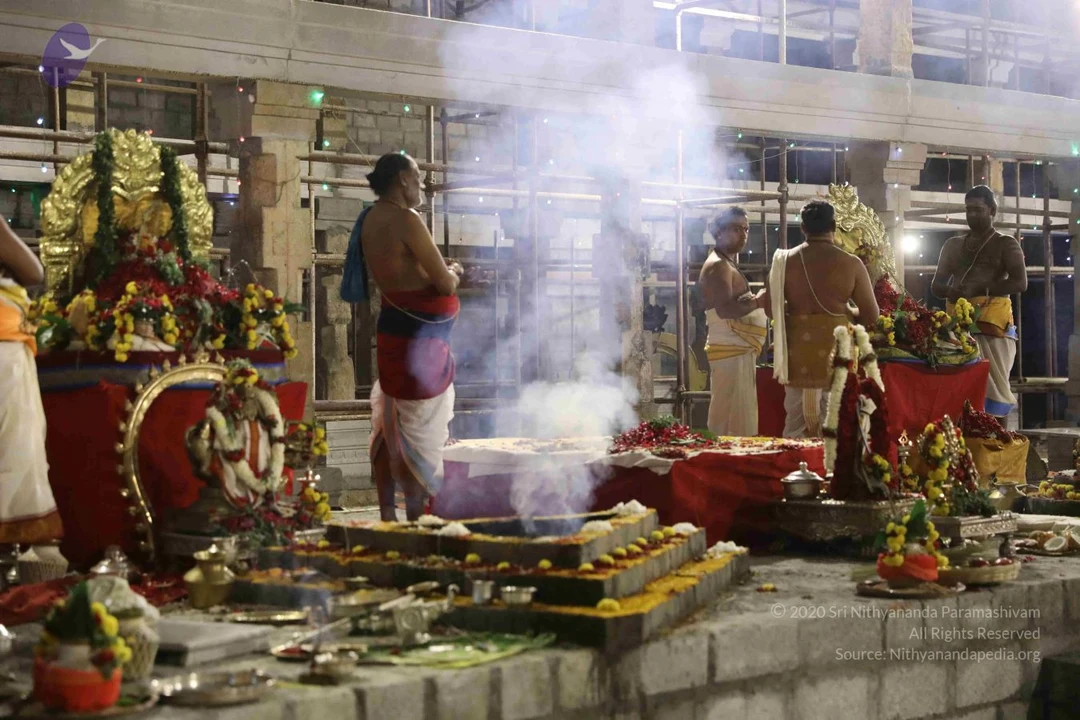
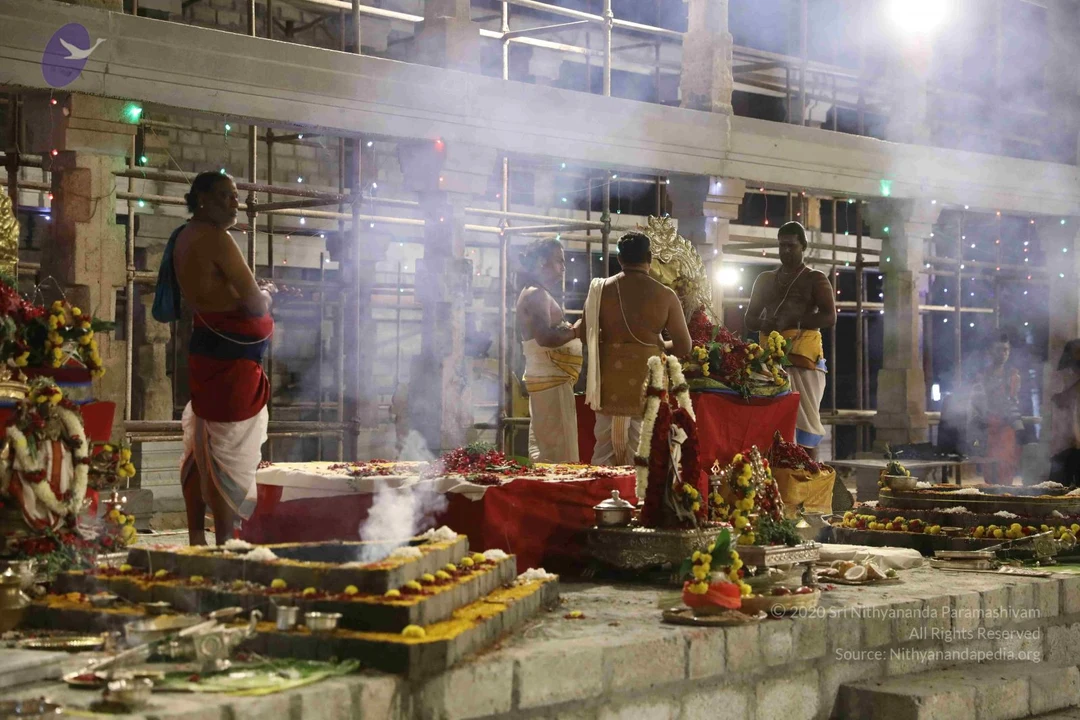
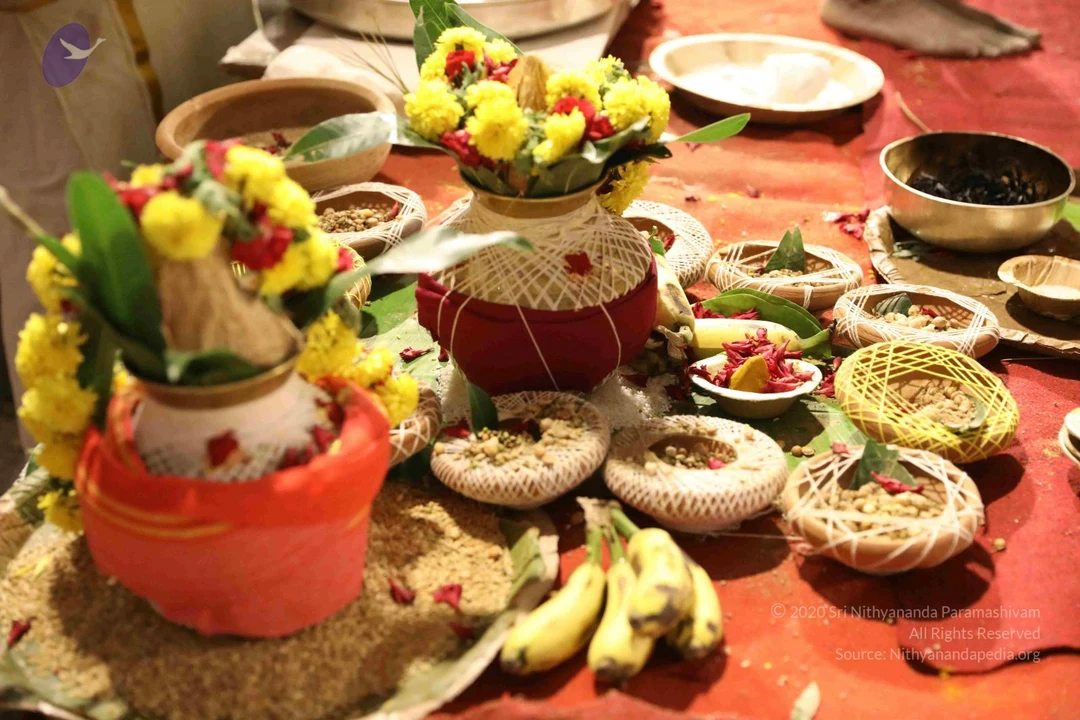
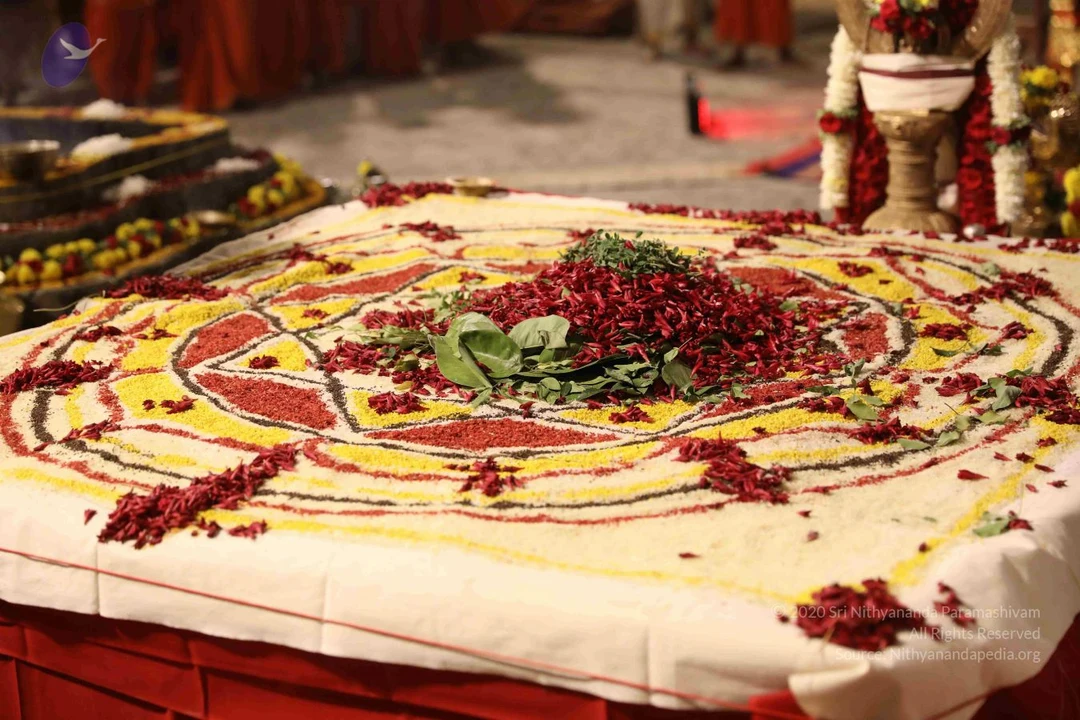
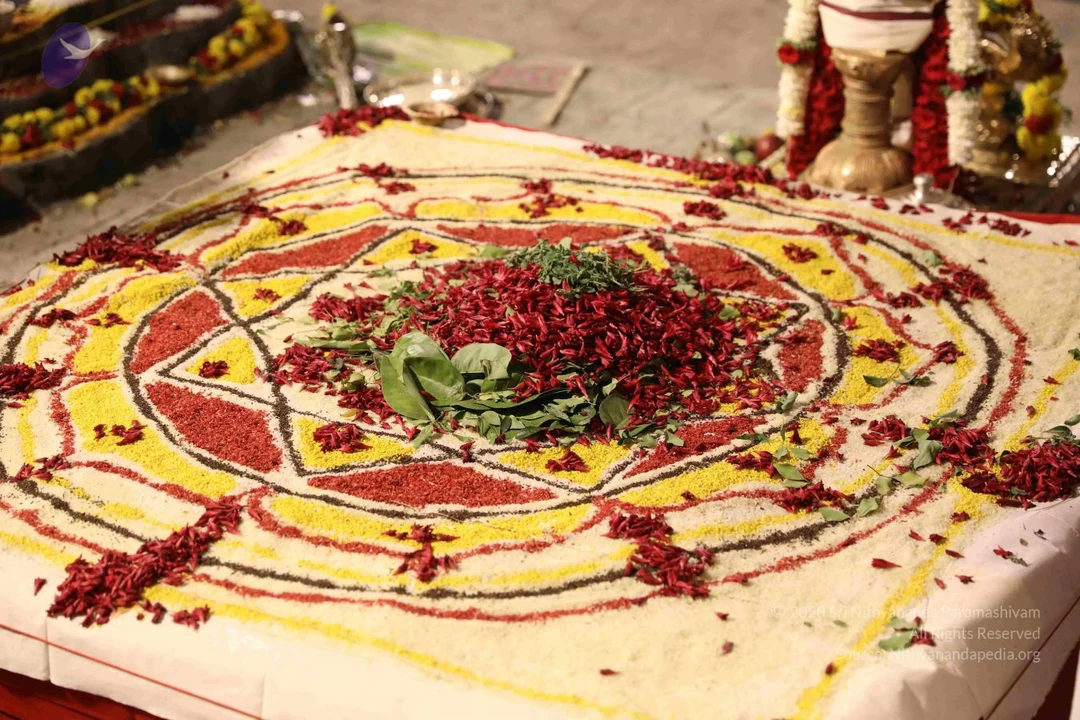
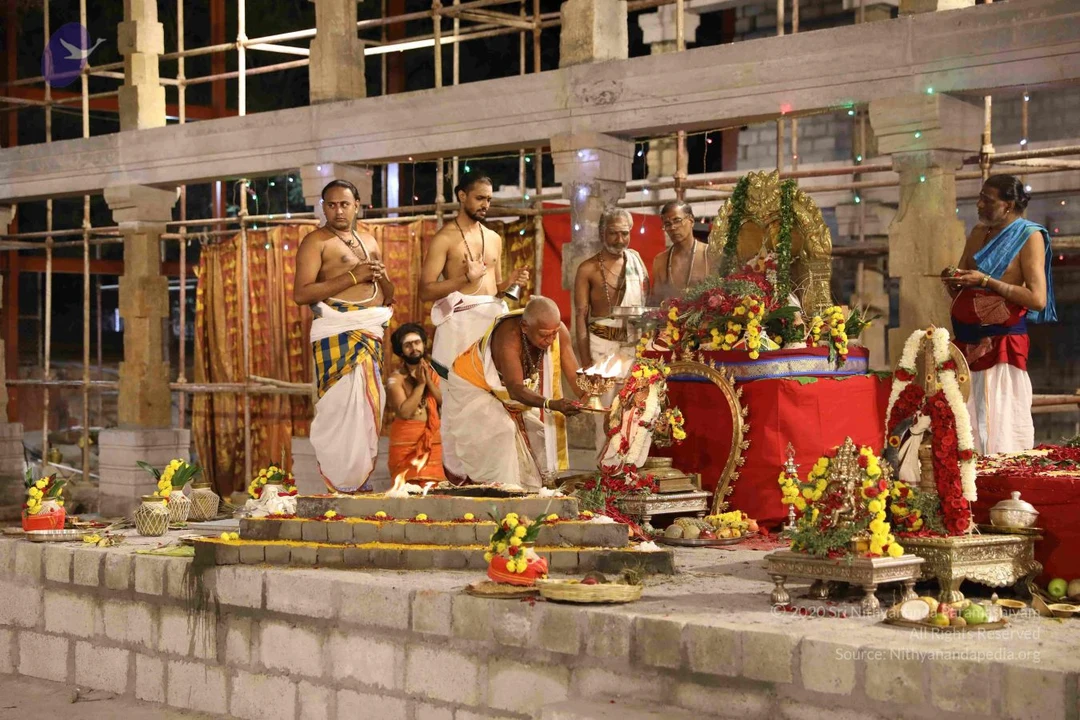
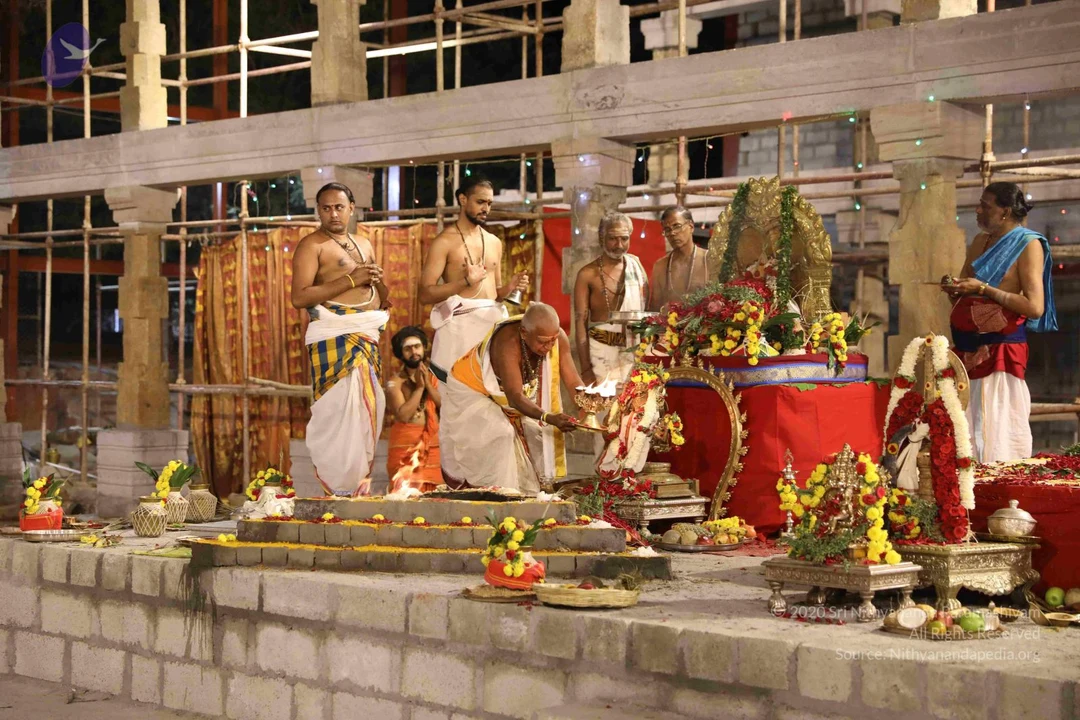
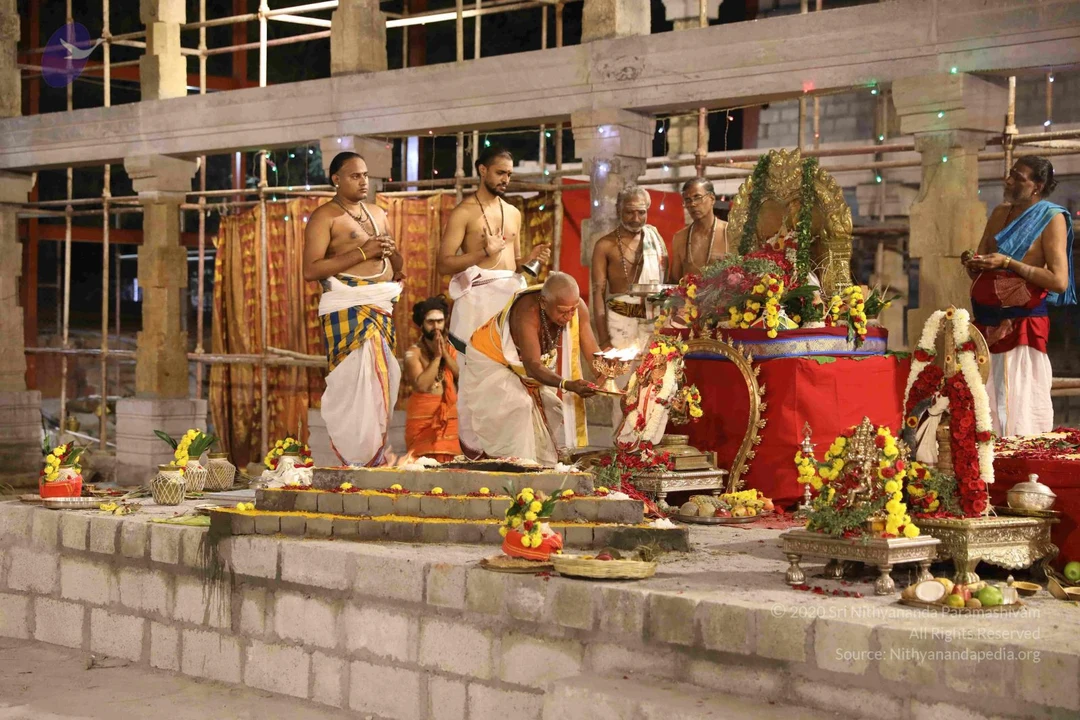
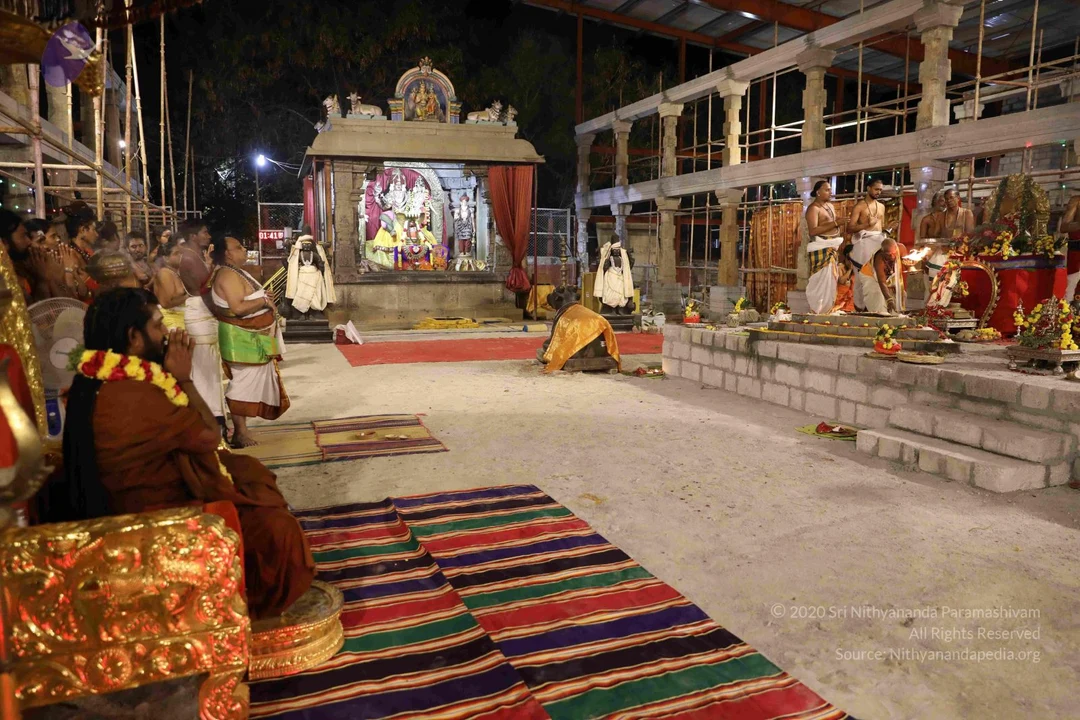
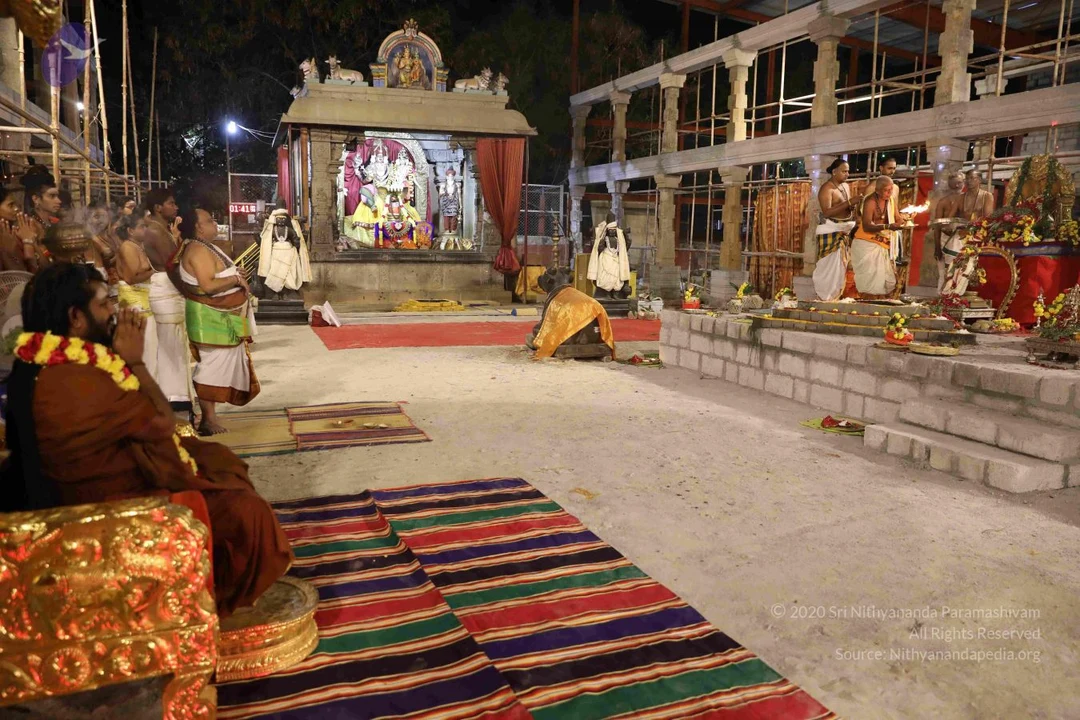
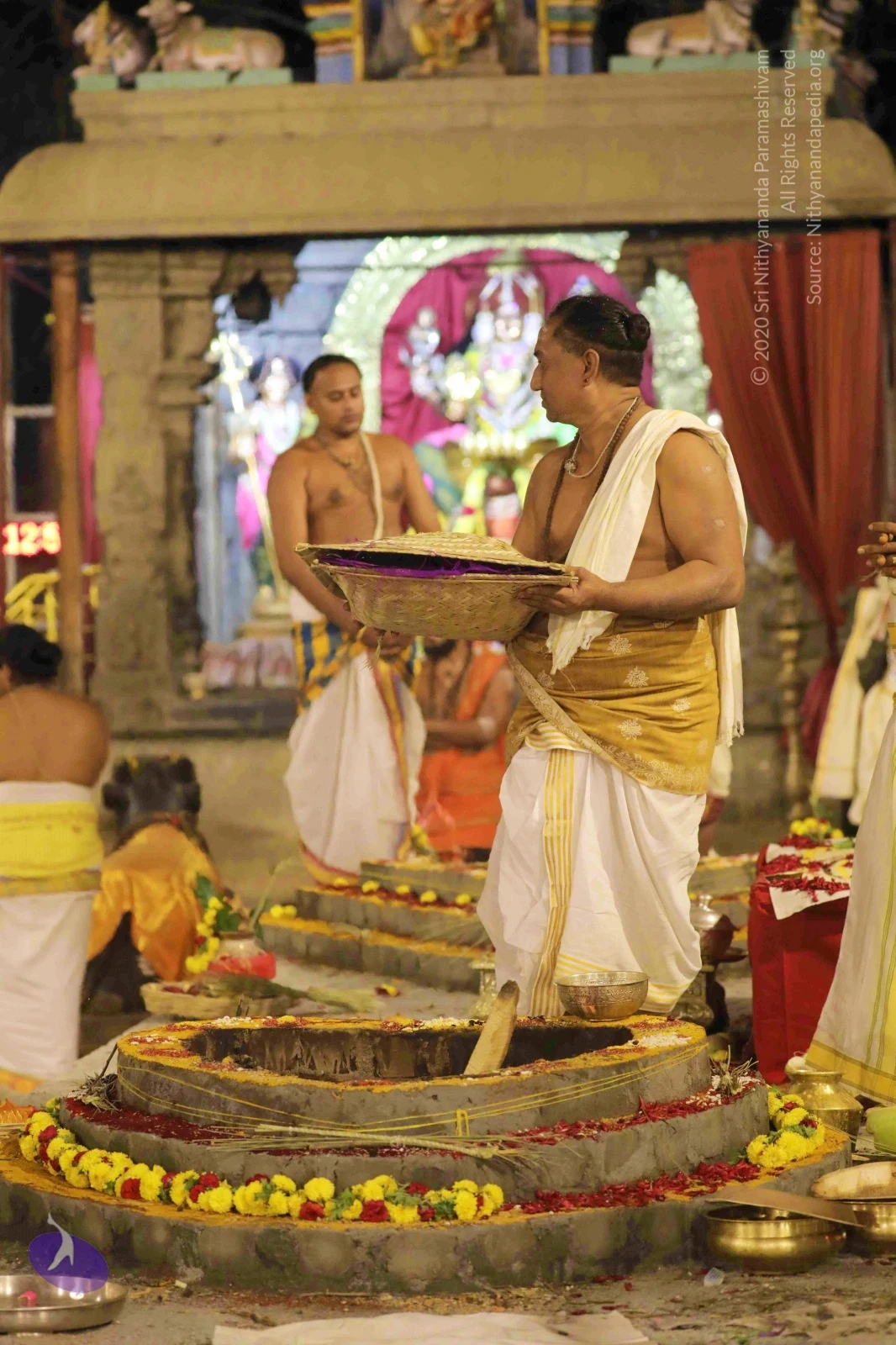
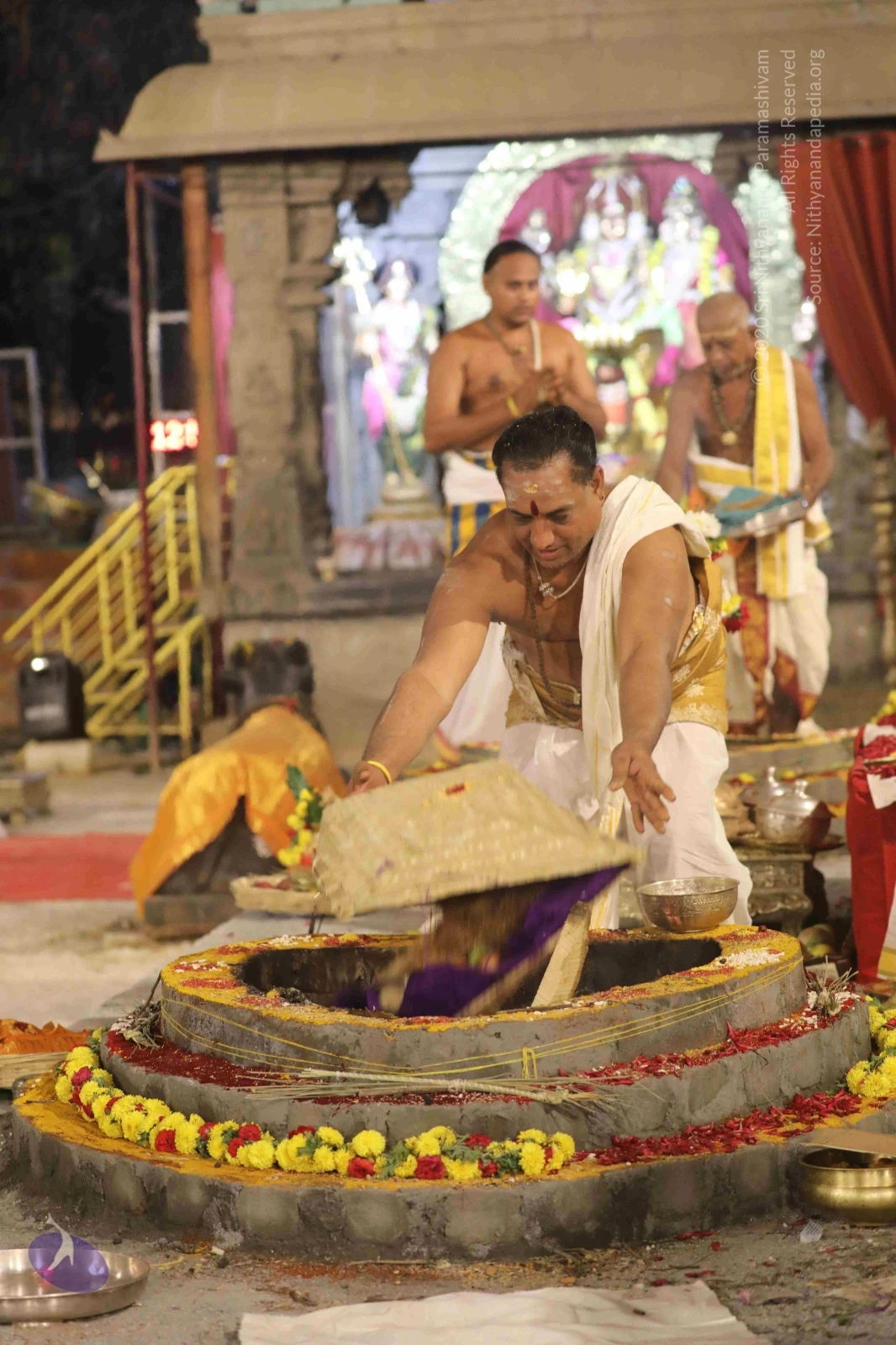
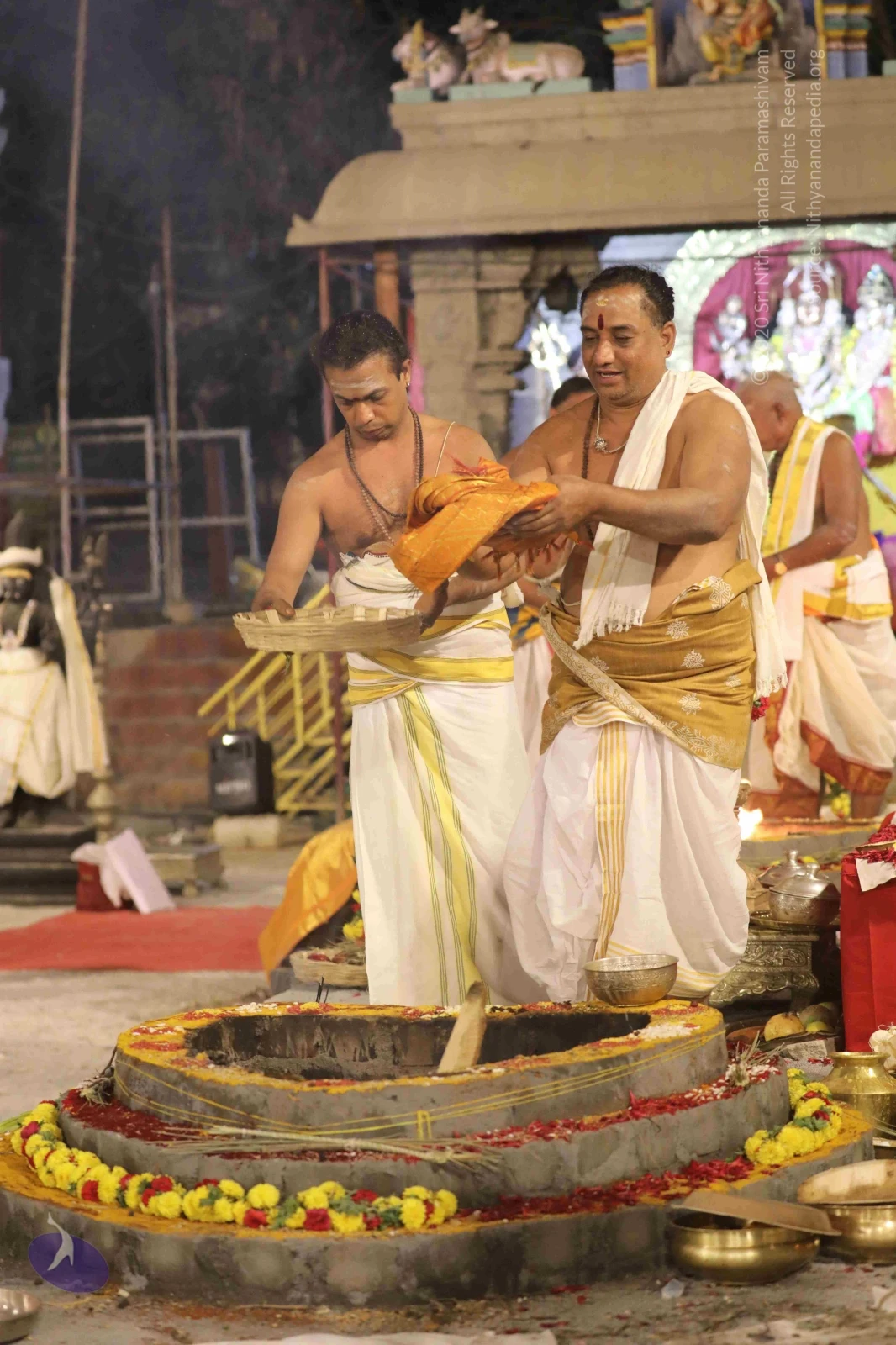
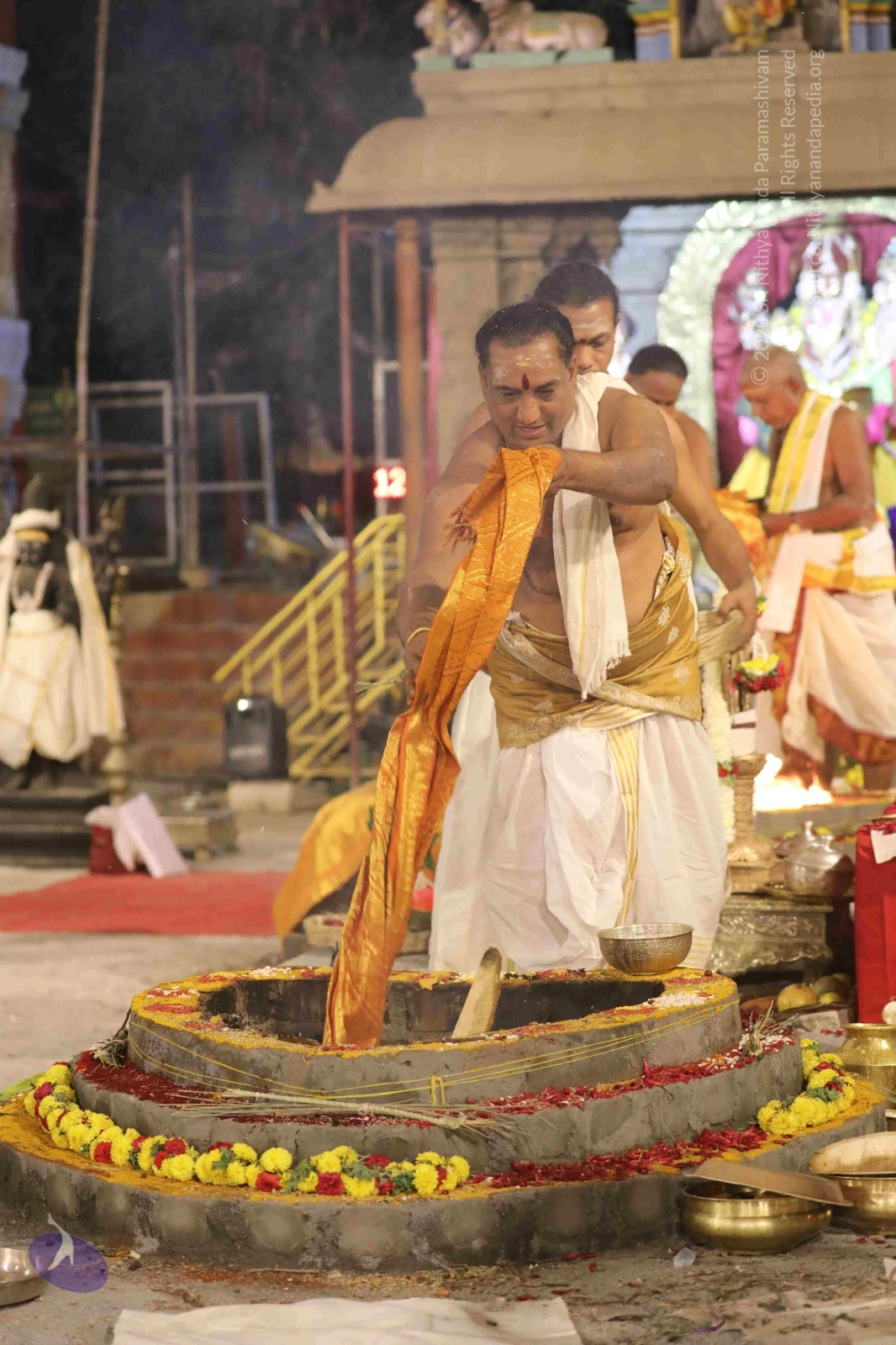
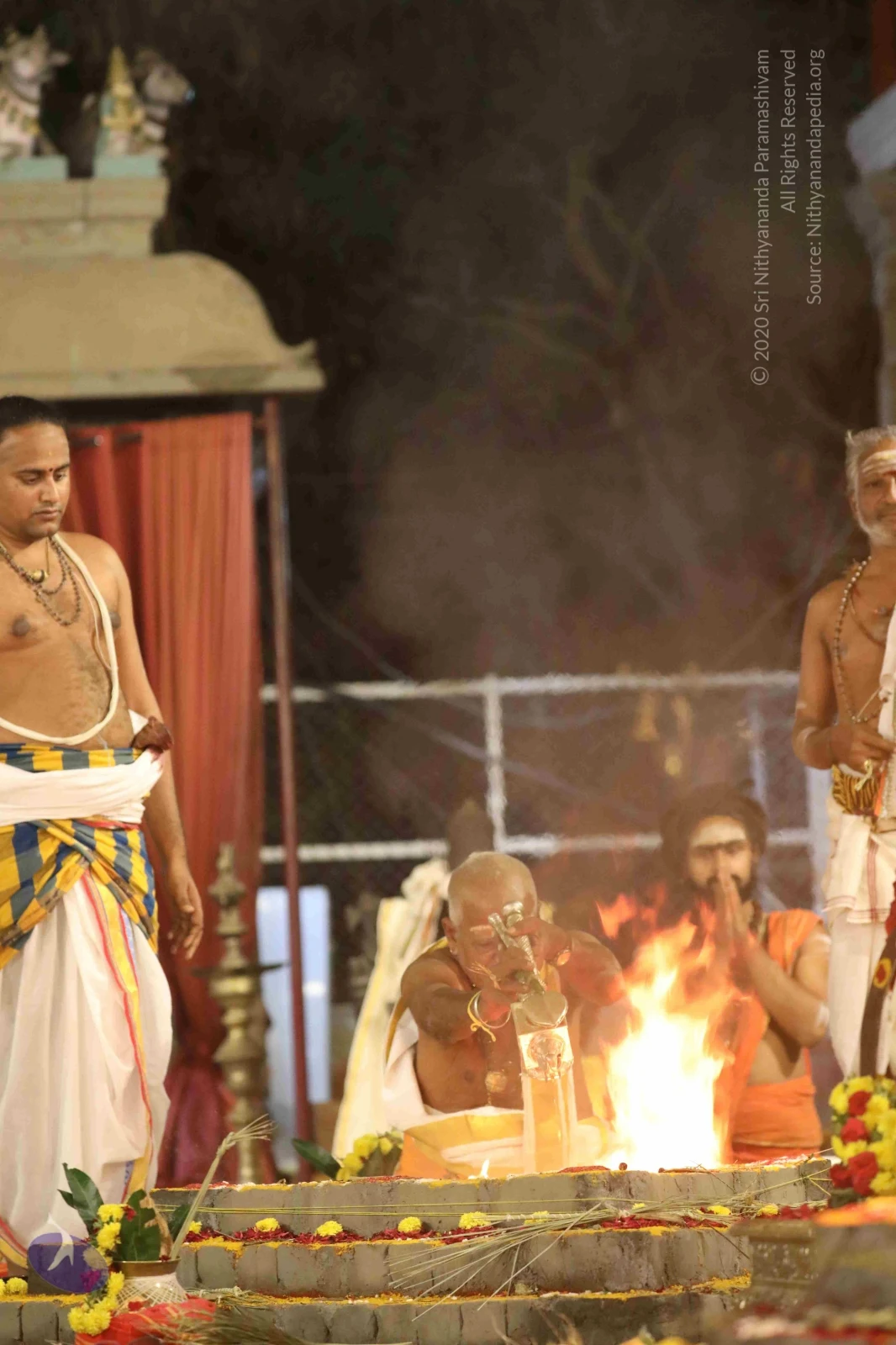
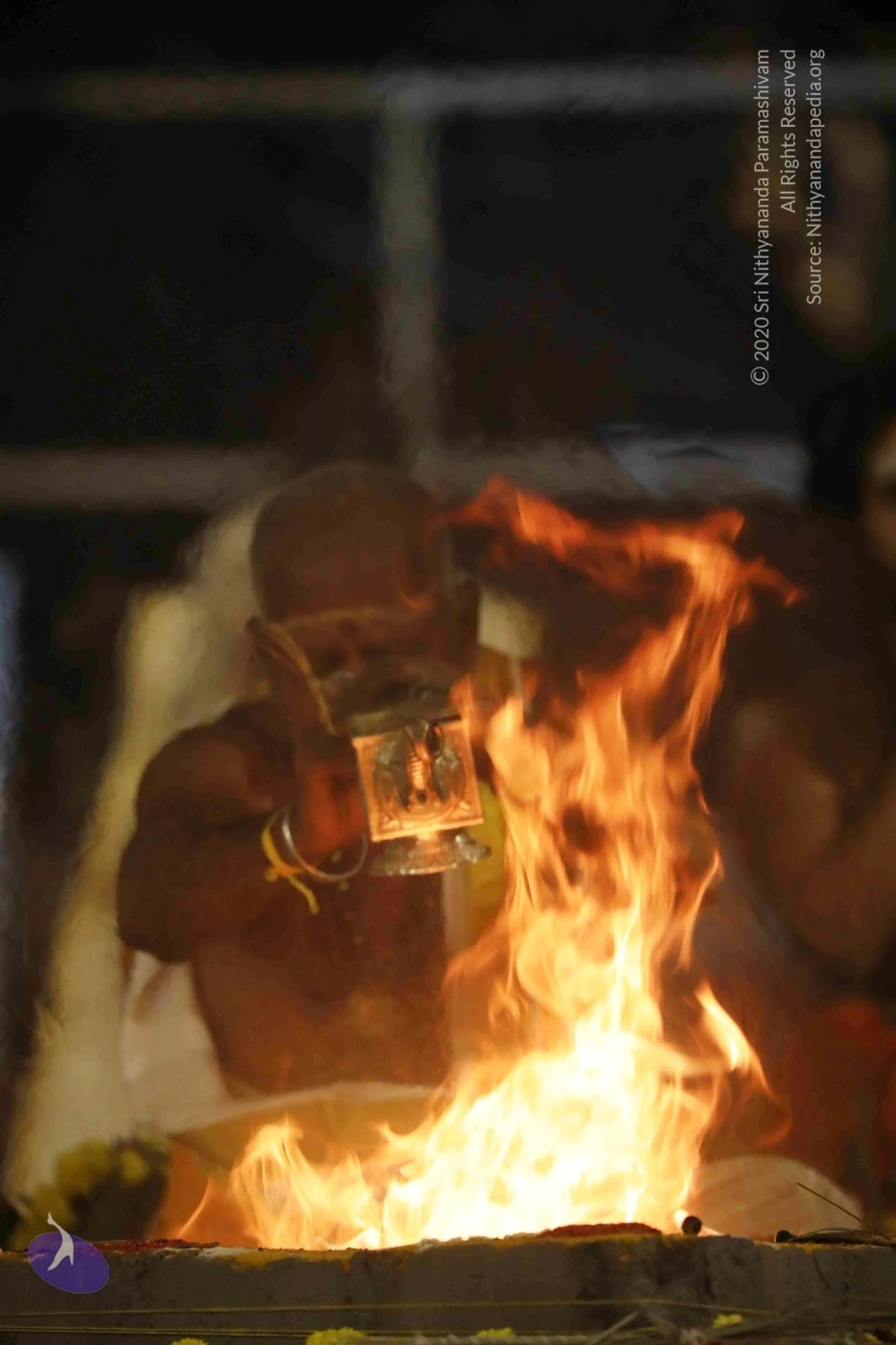
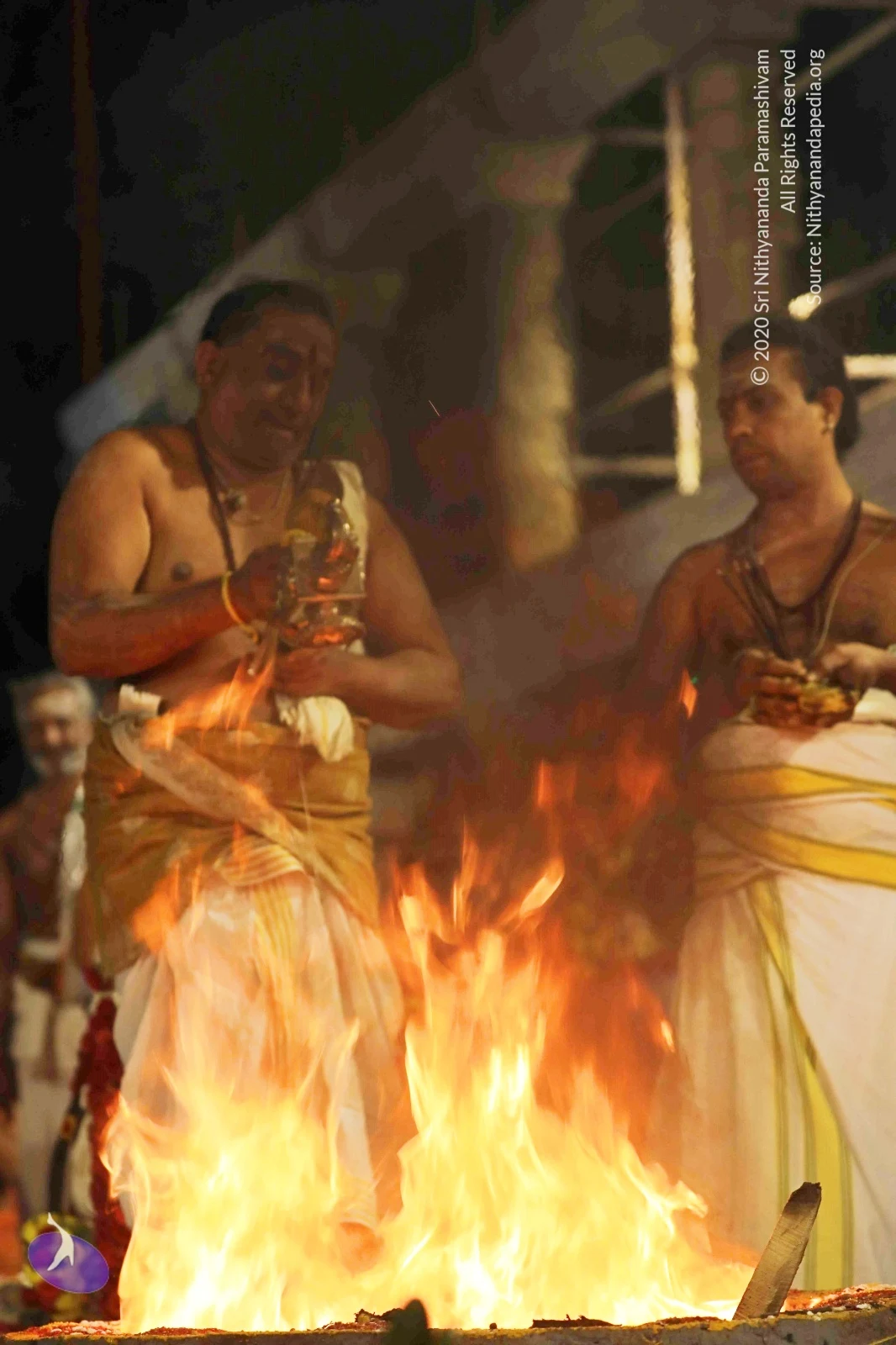
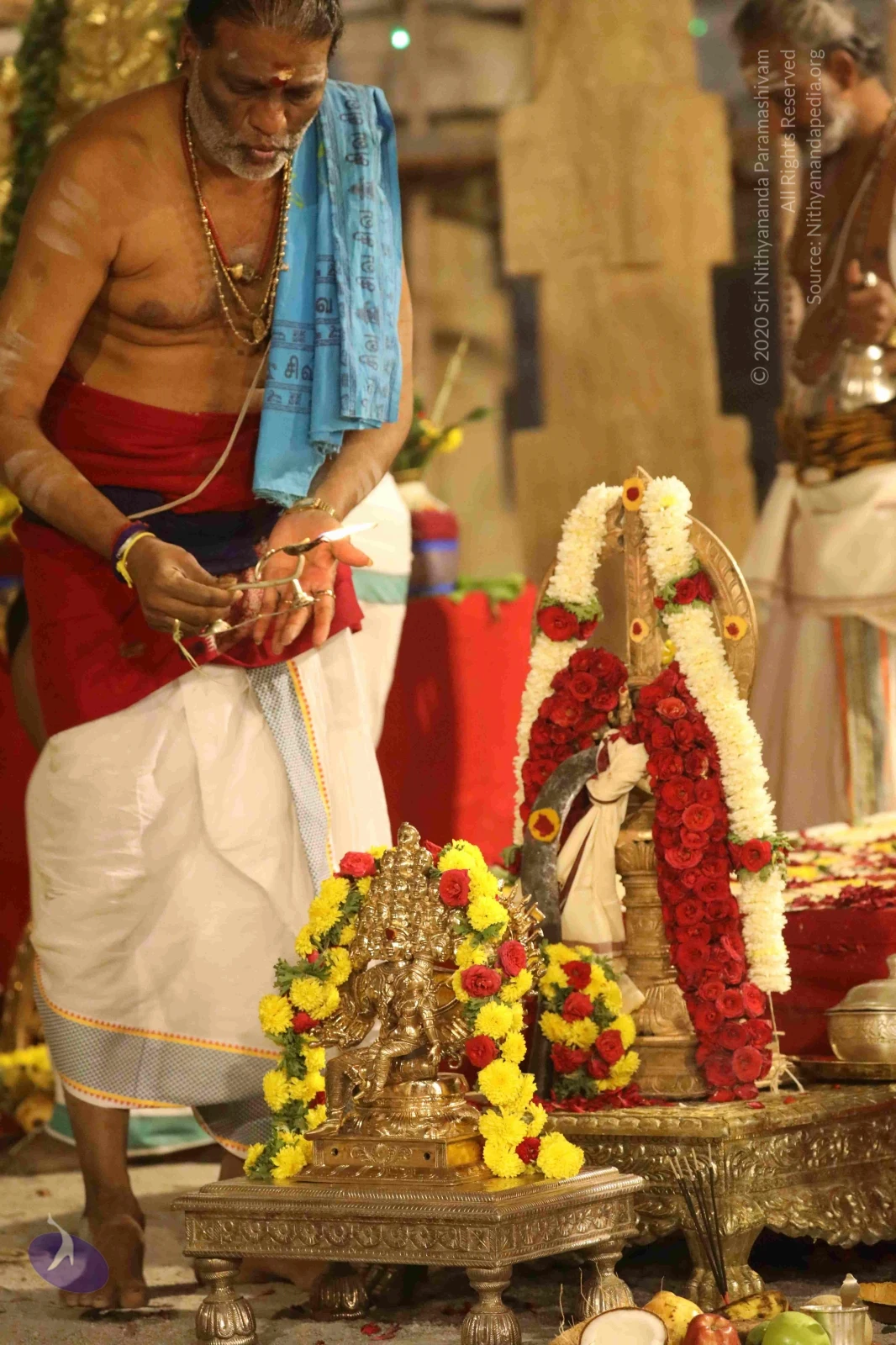
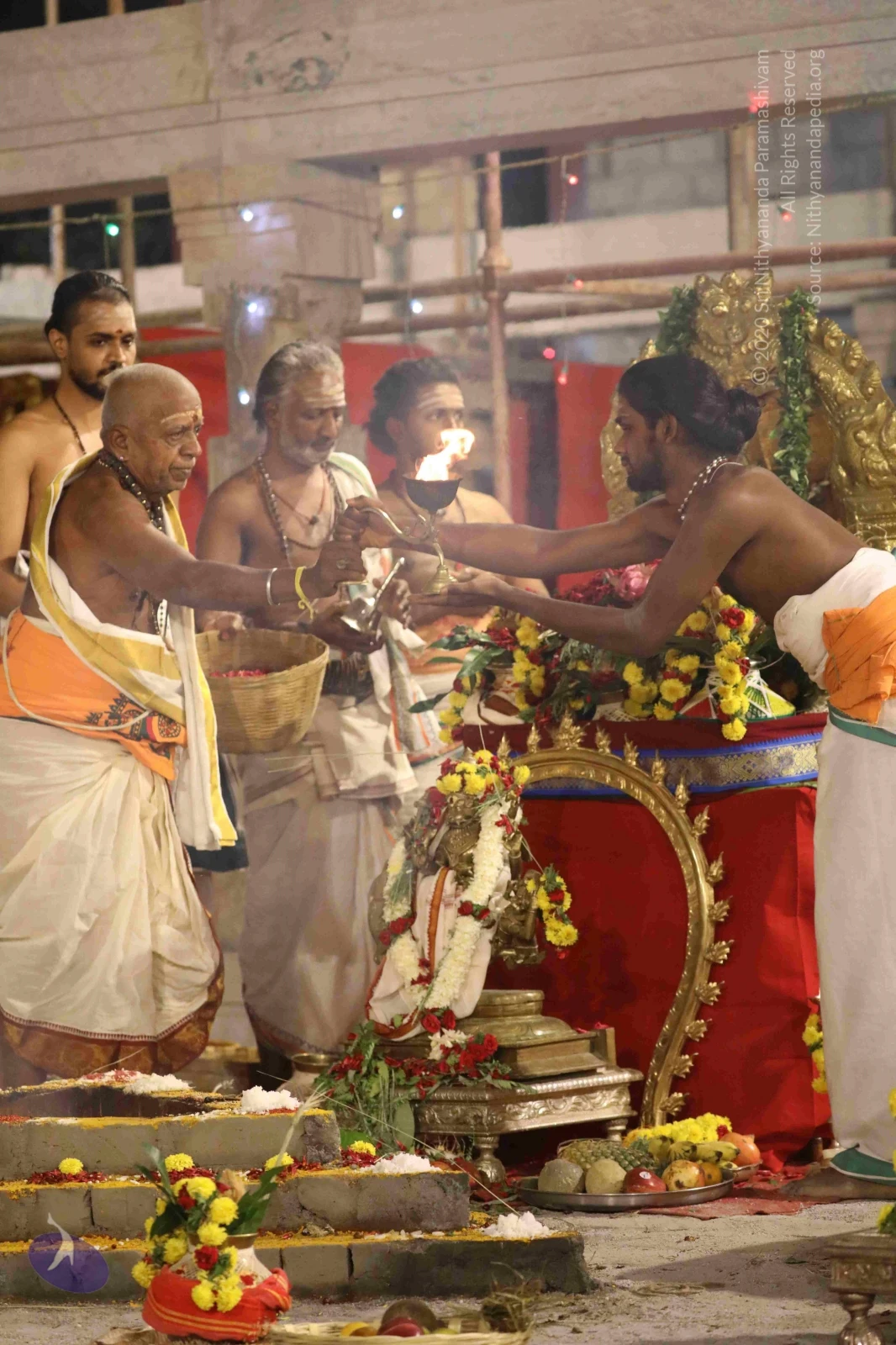
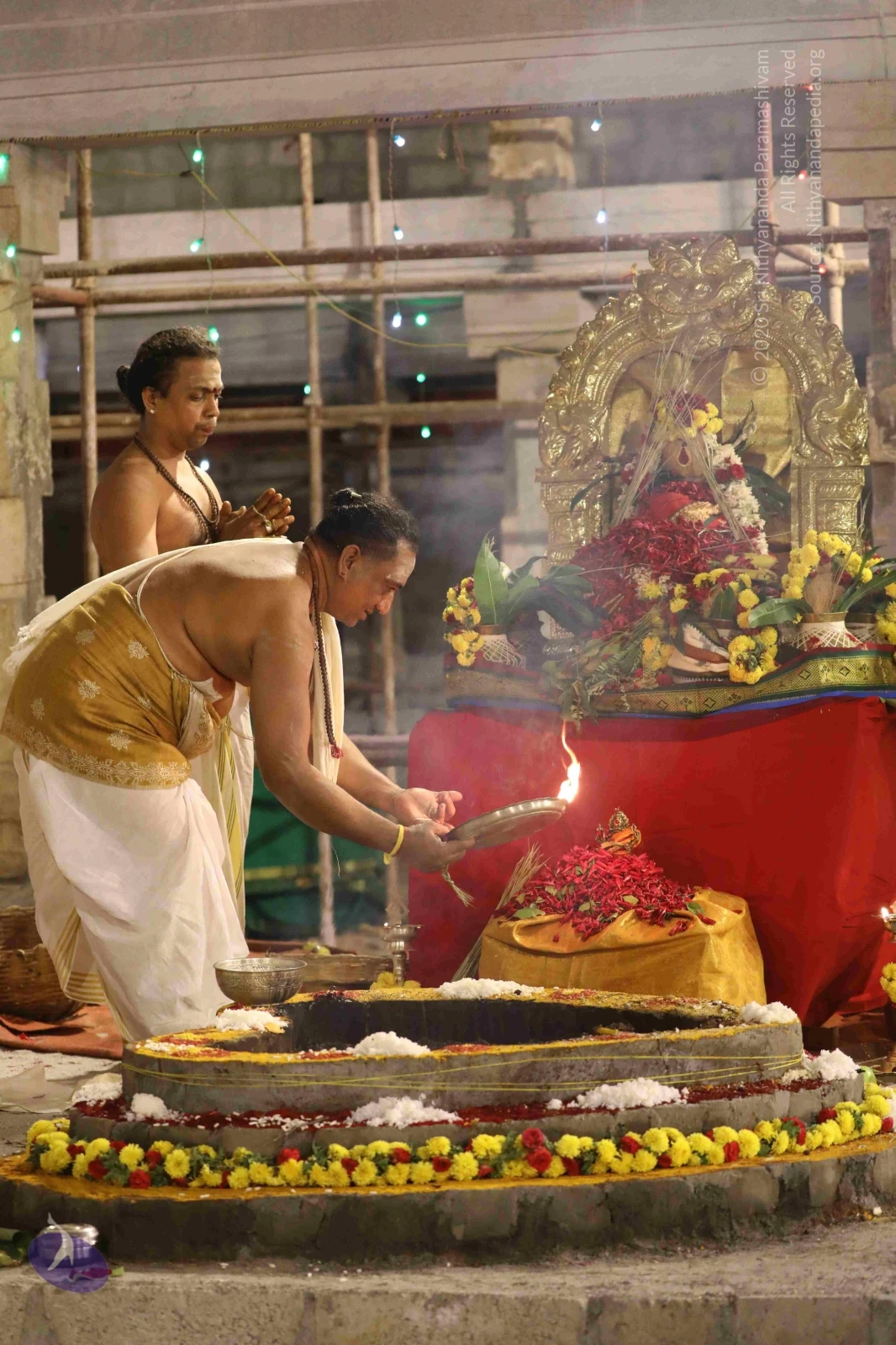
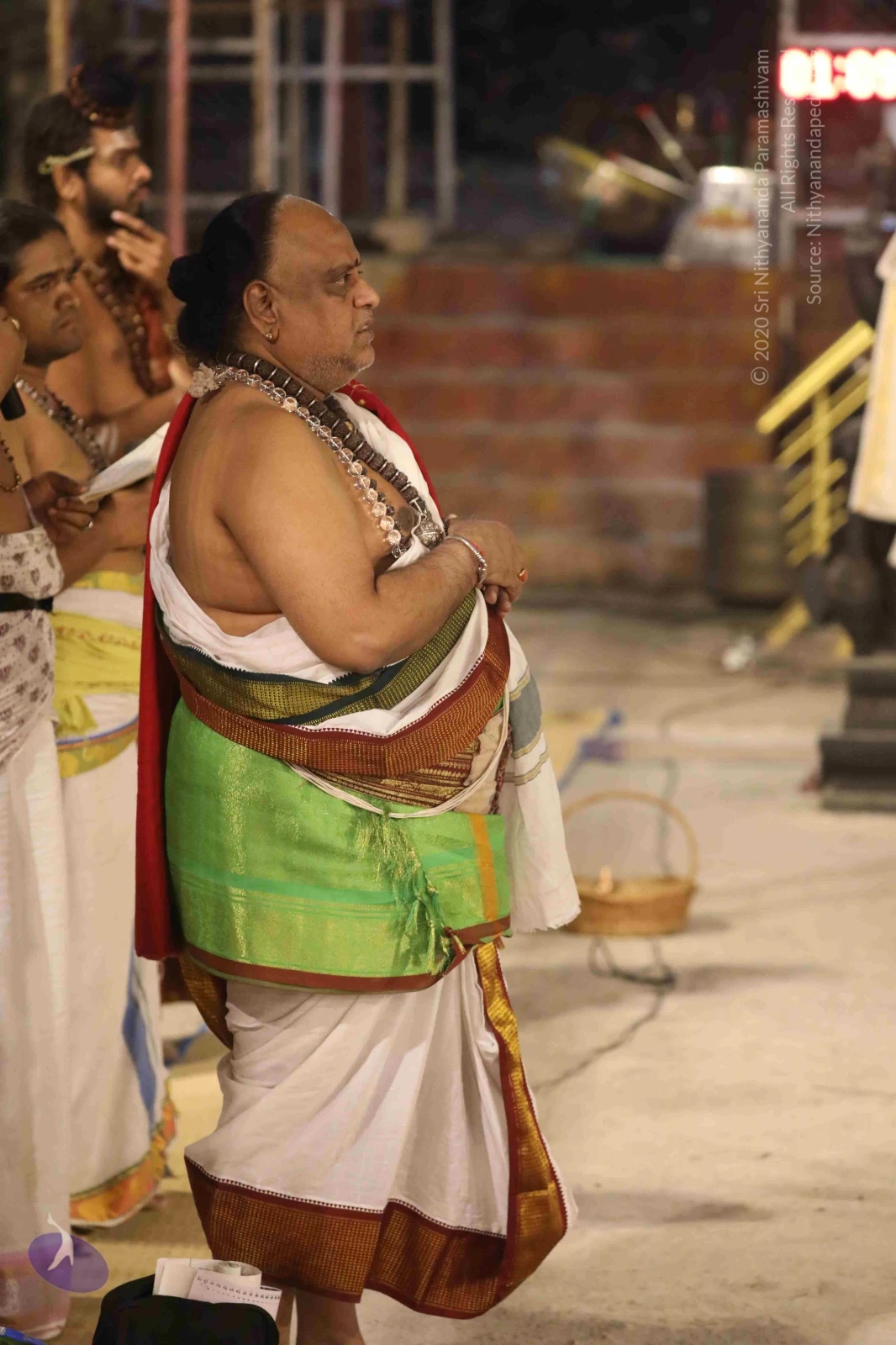
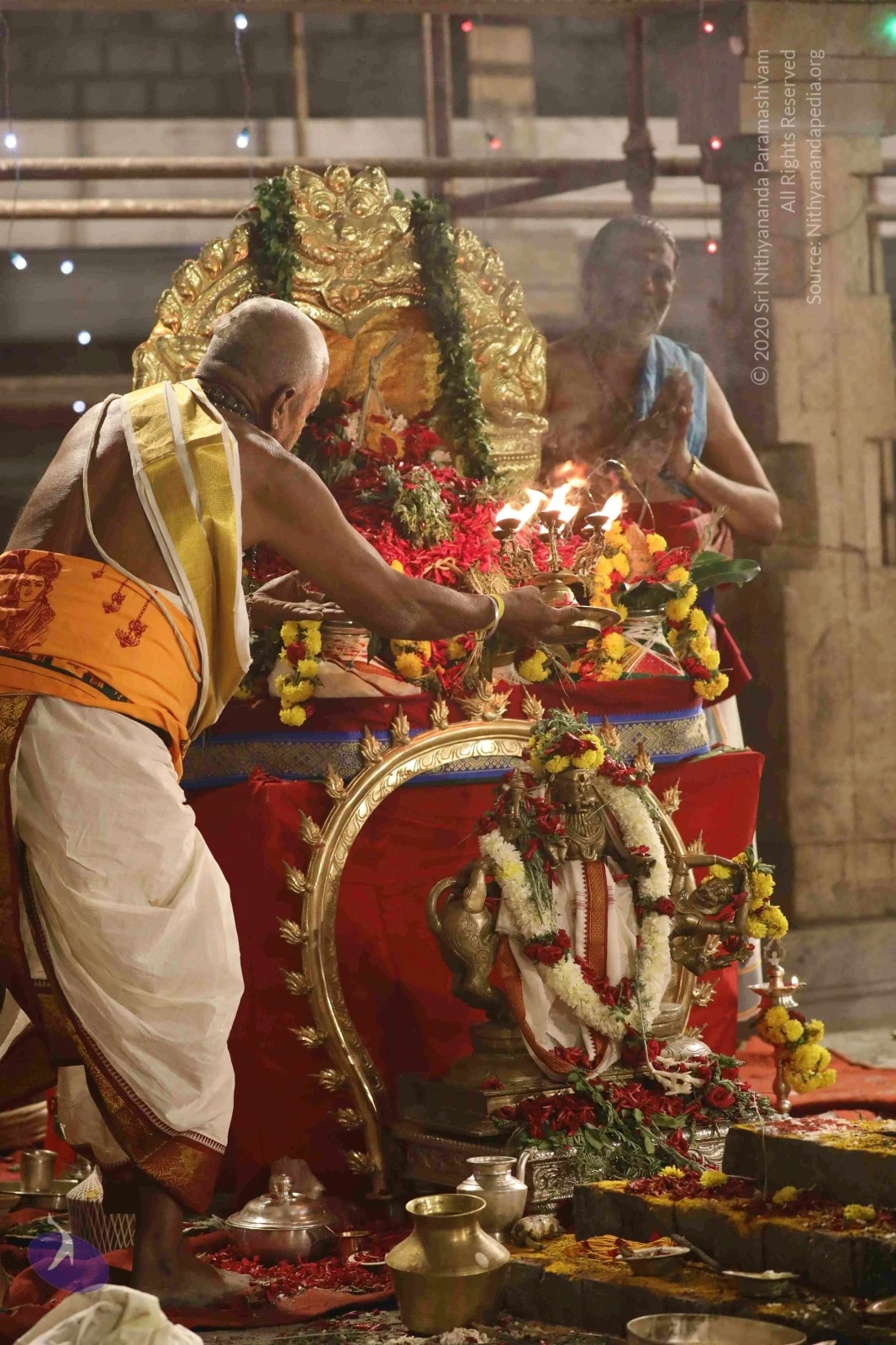
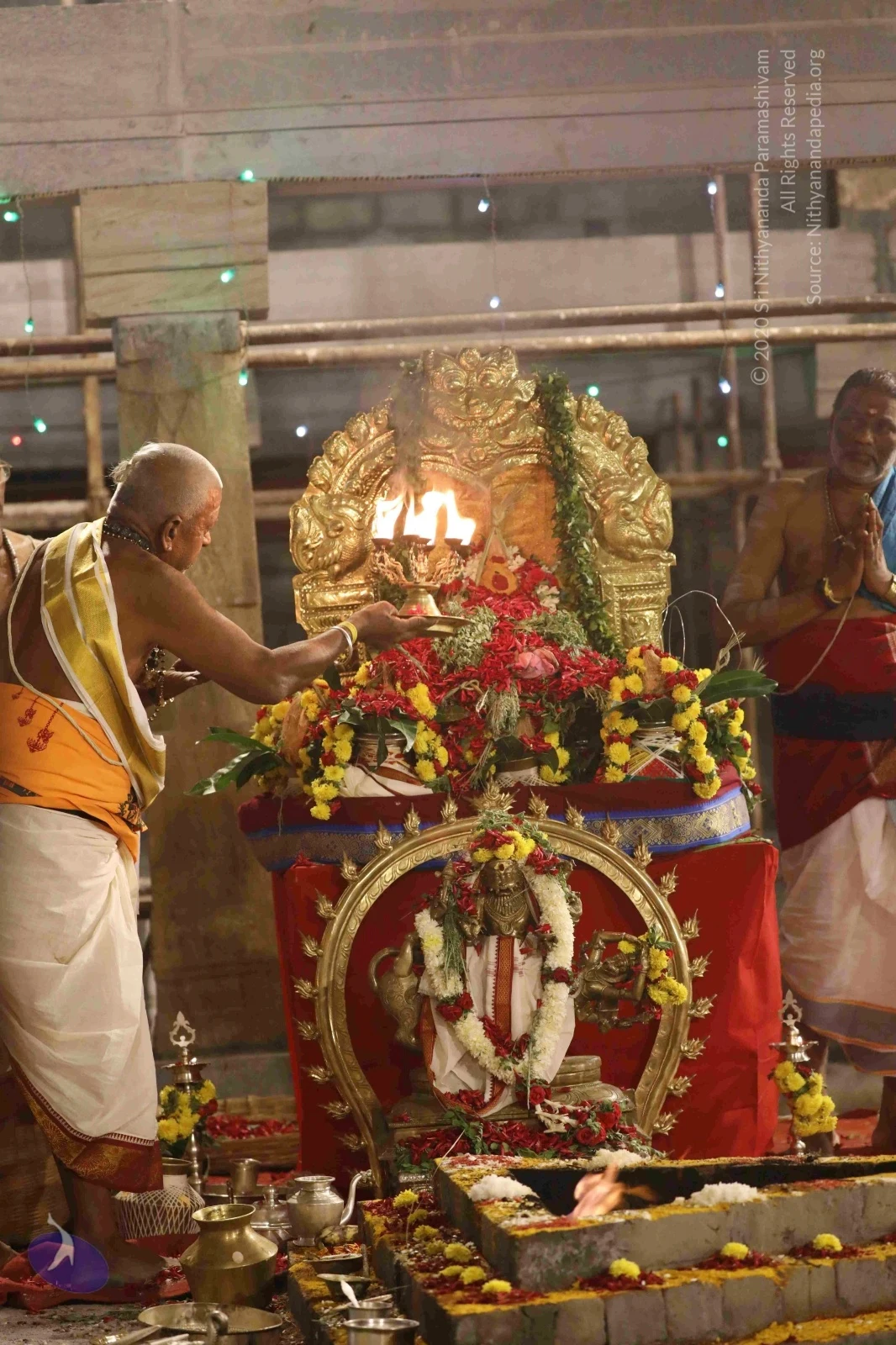
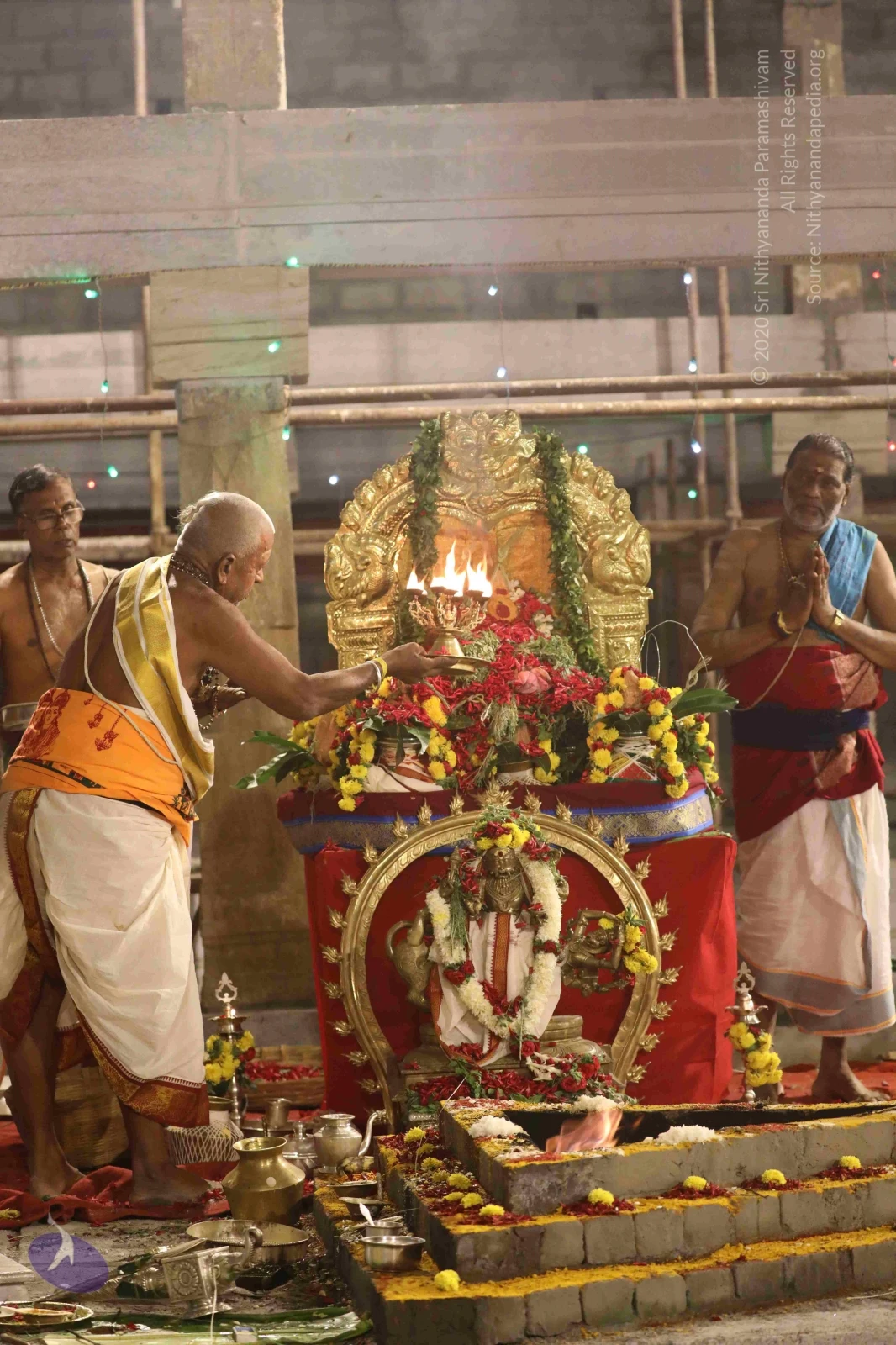
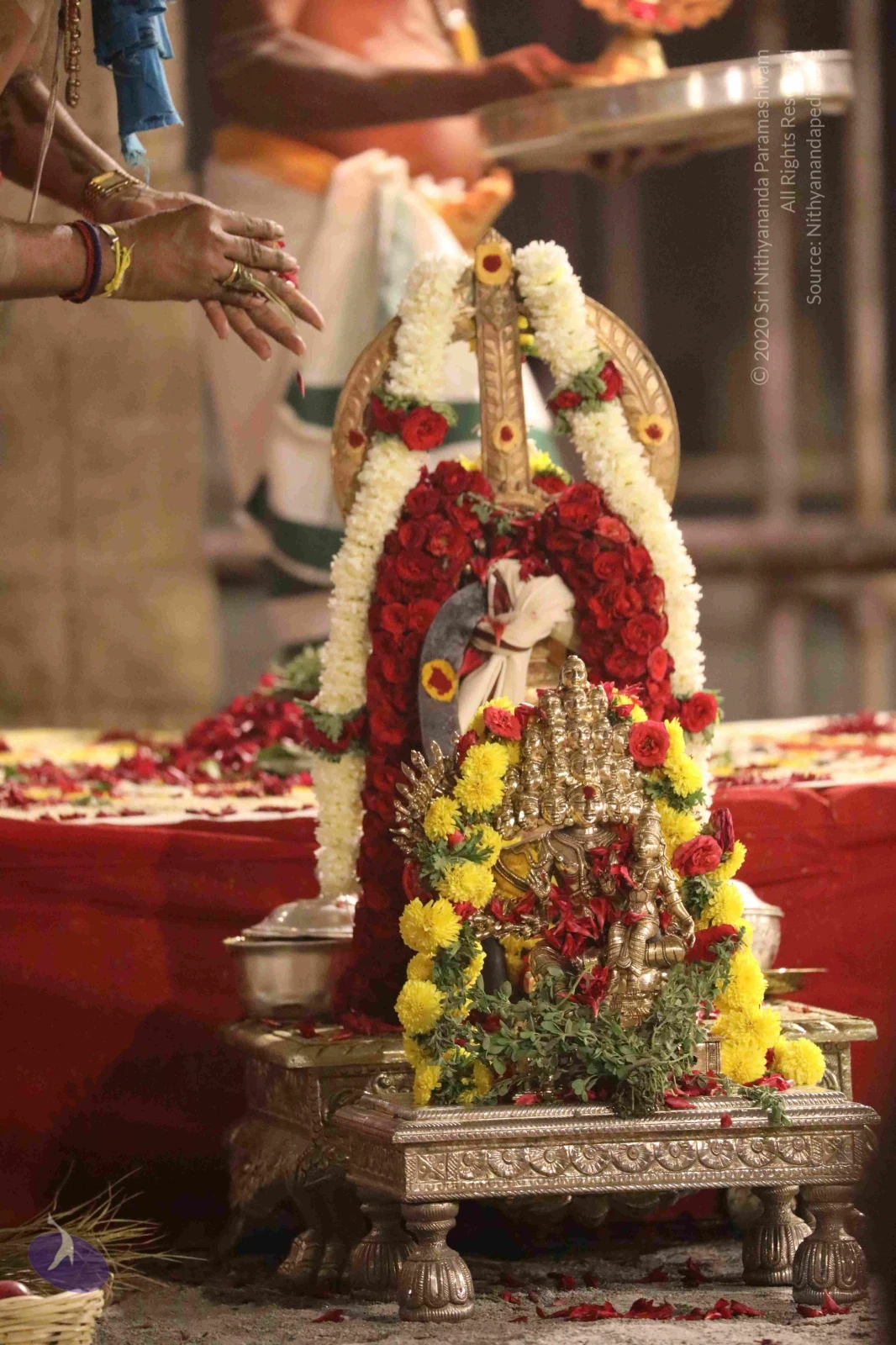
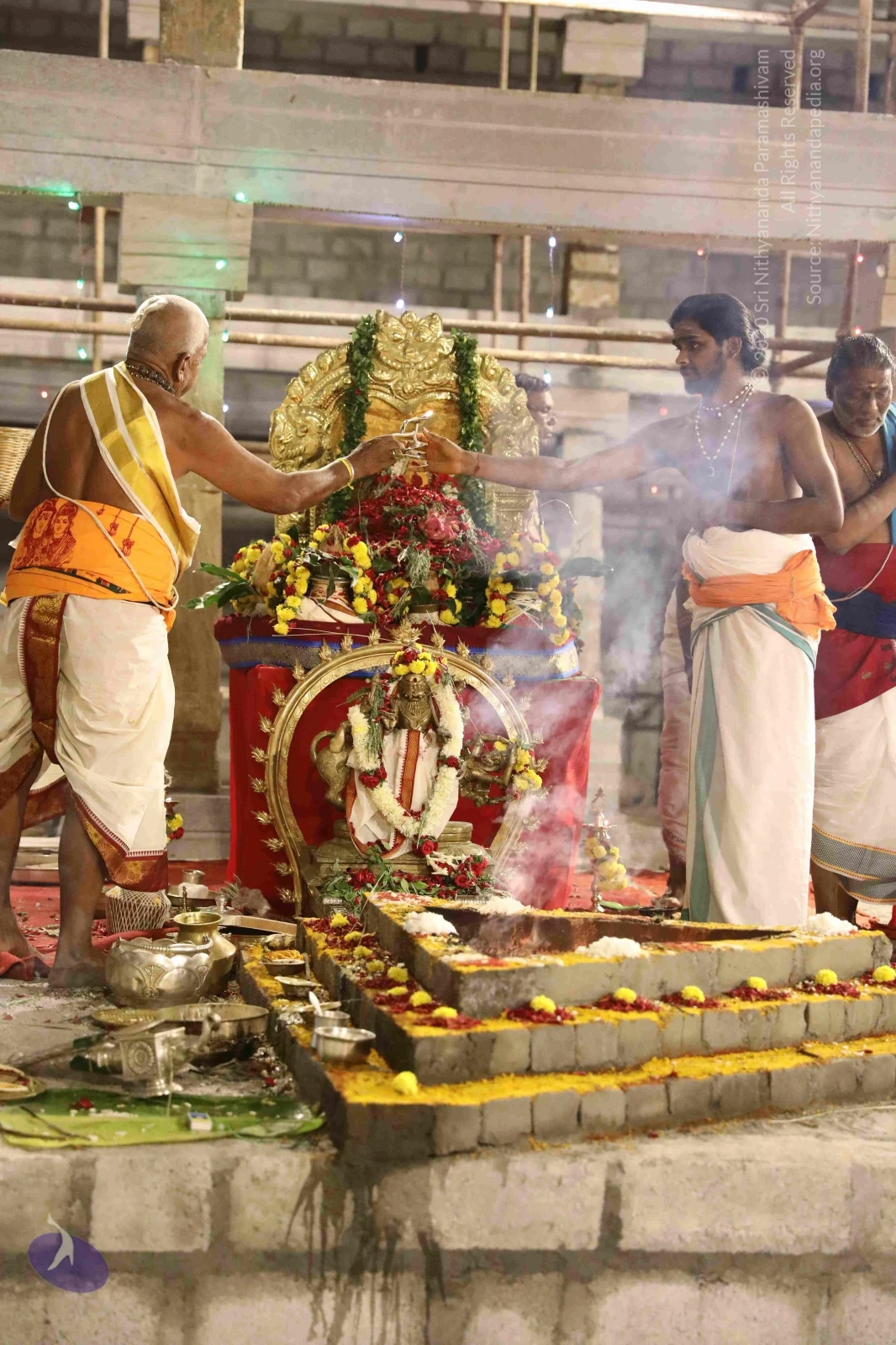
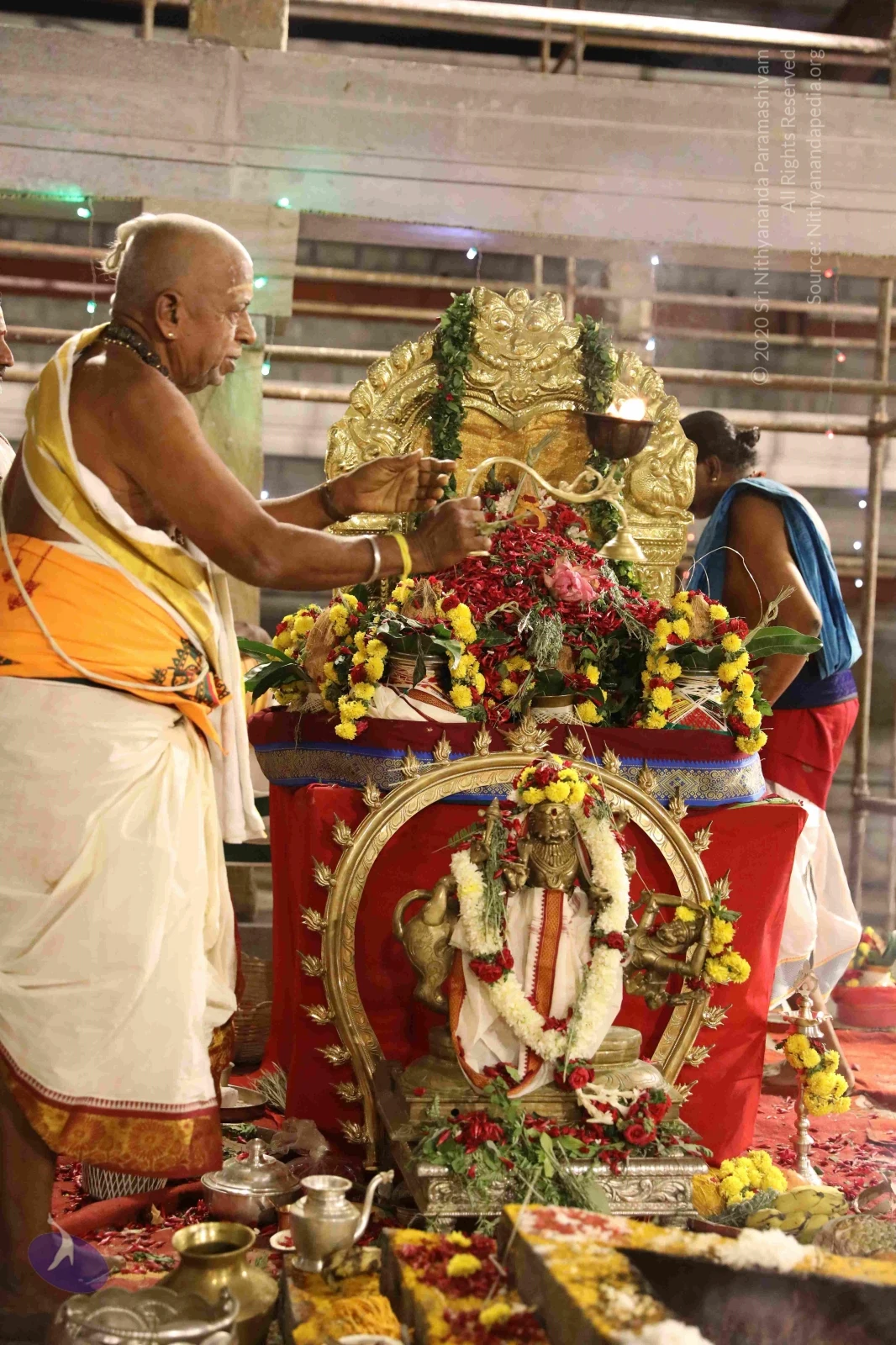
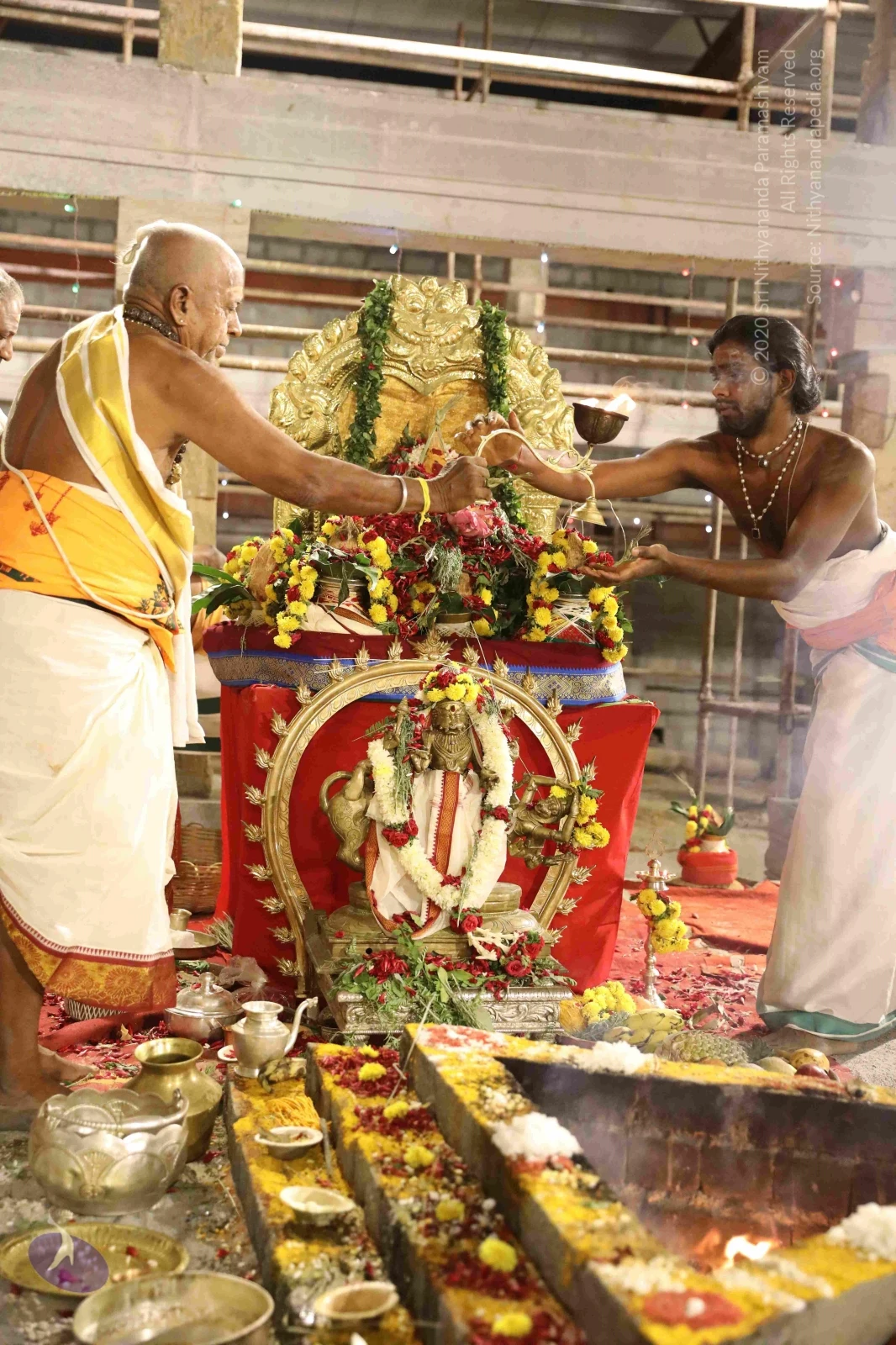
Temple Homapoornahuti
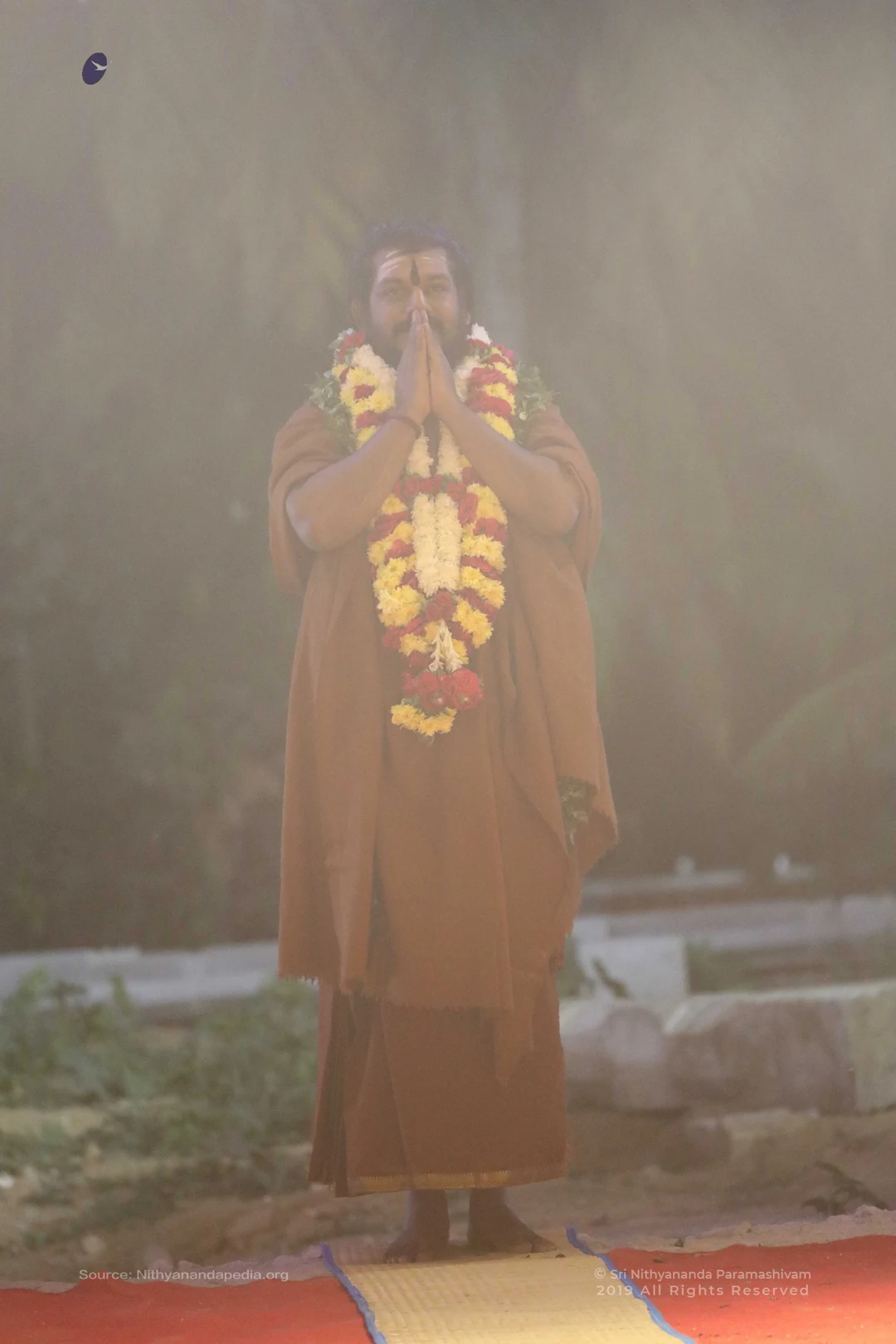
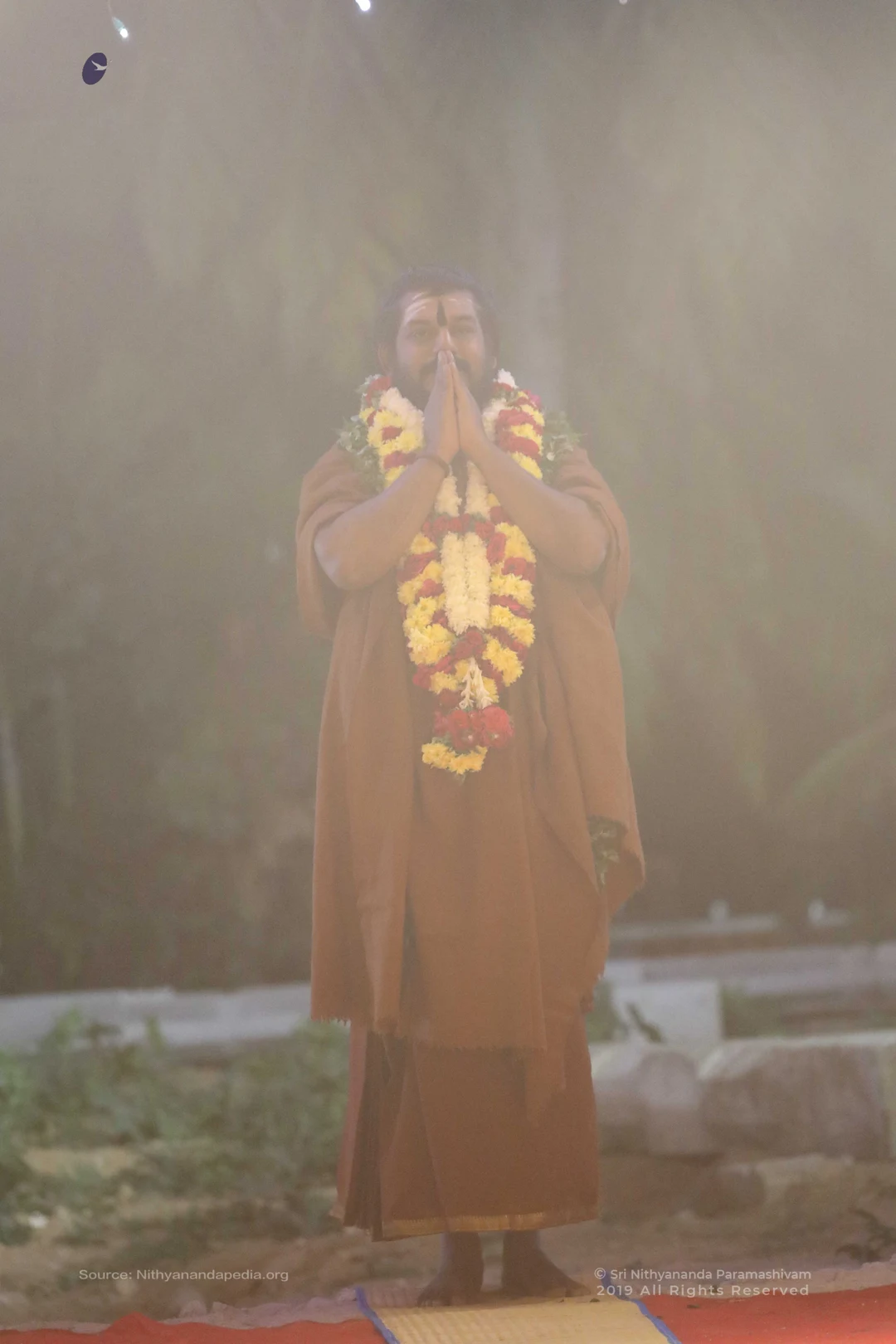
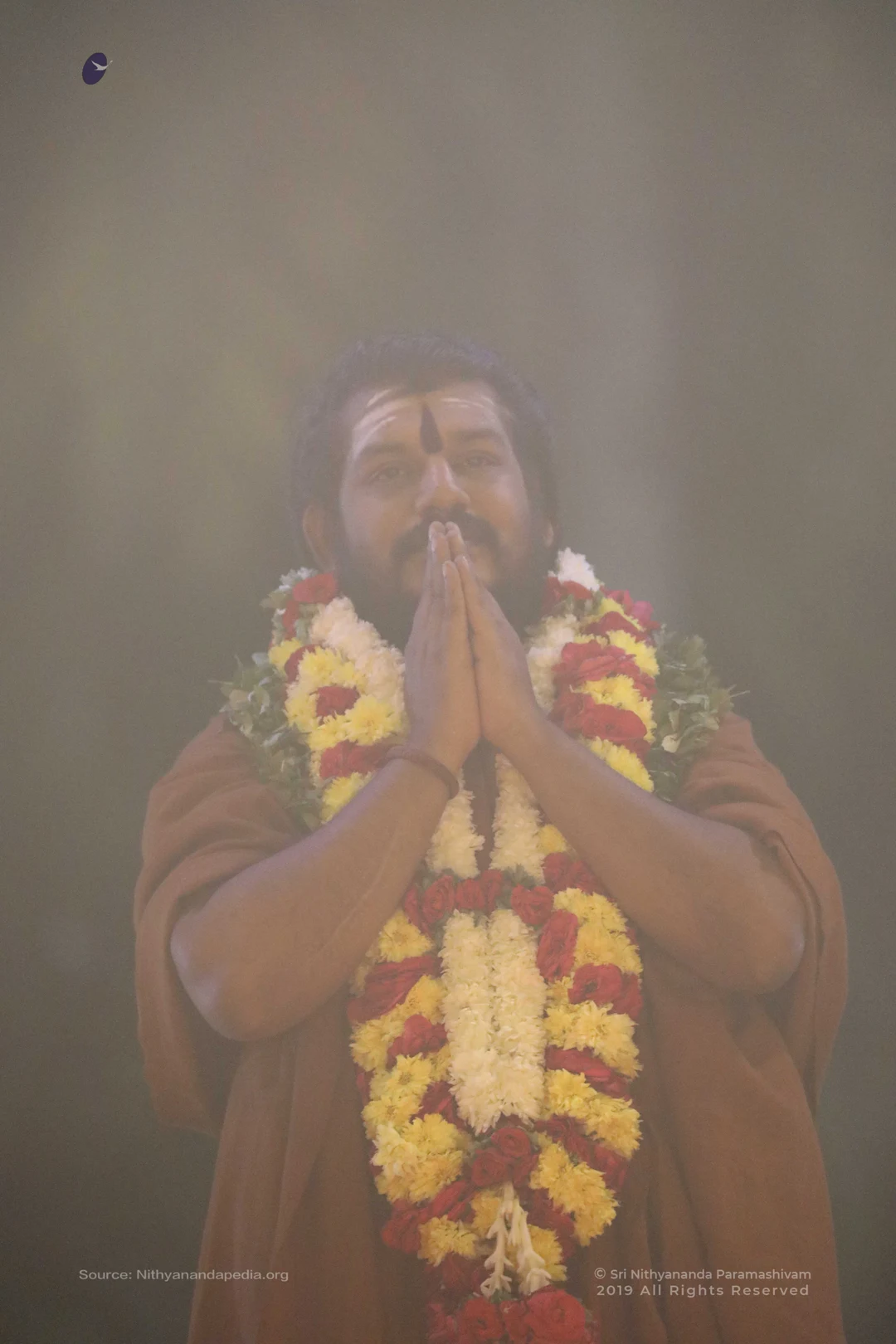
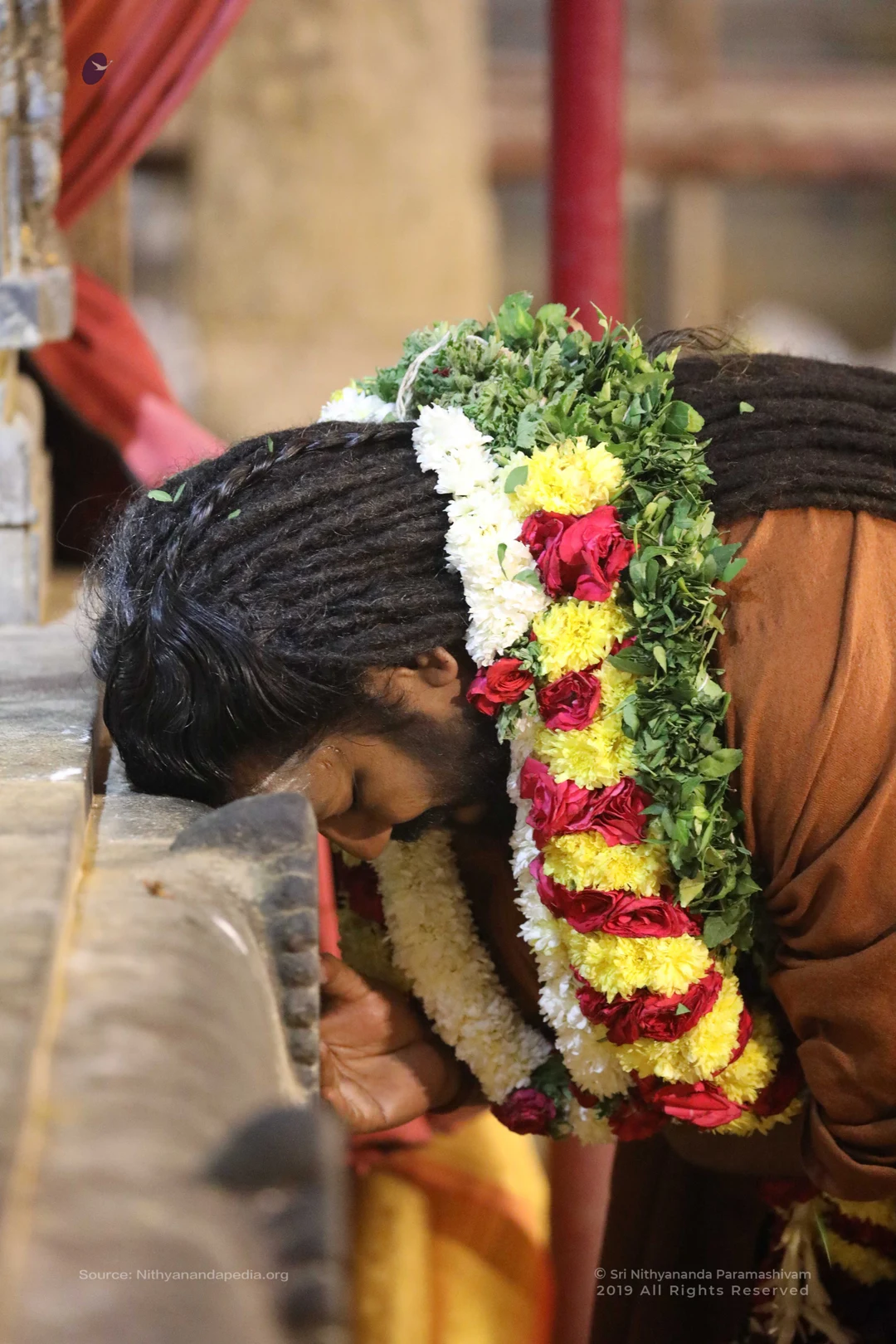
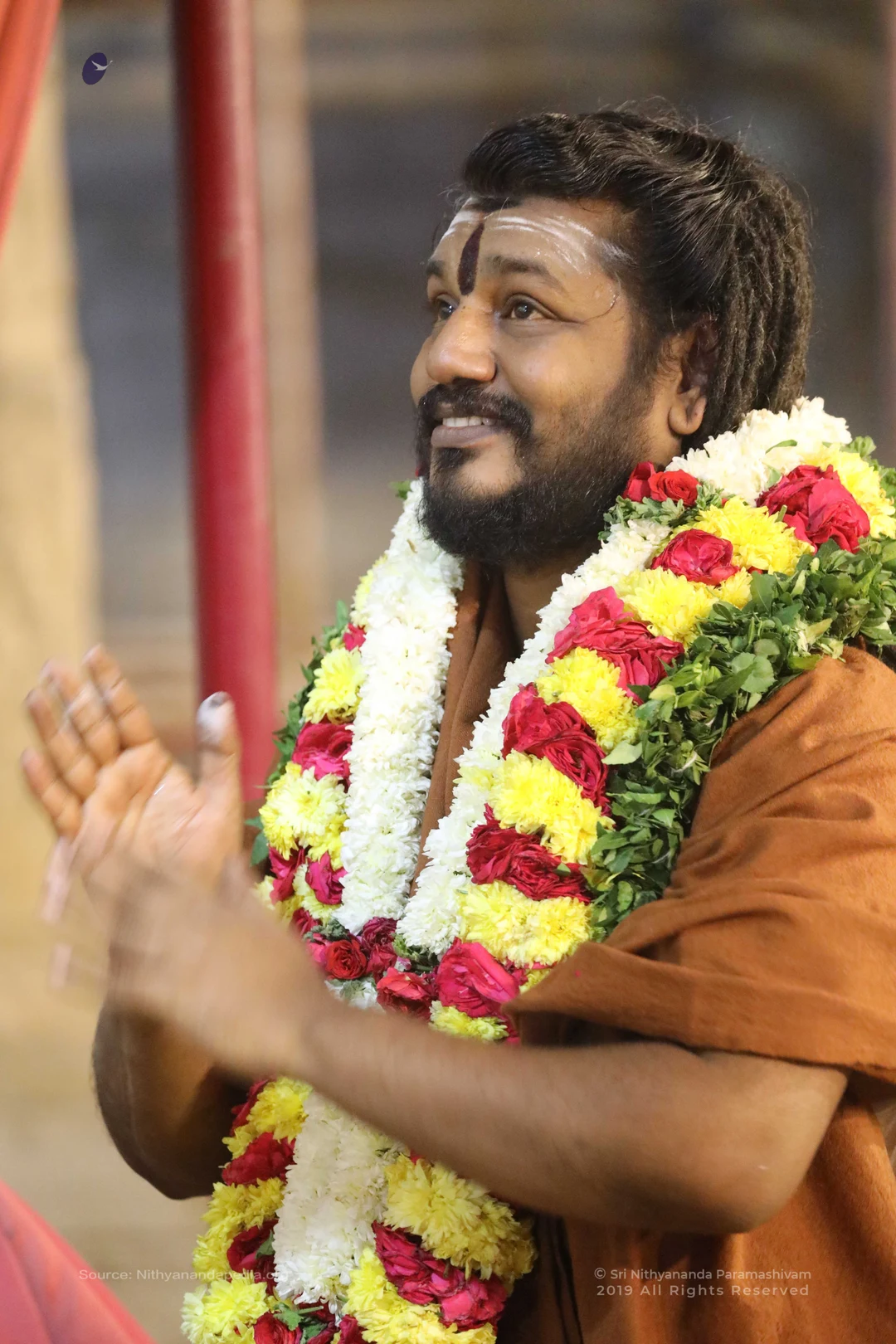
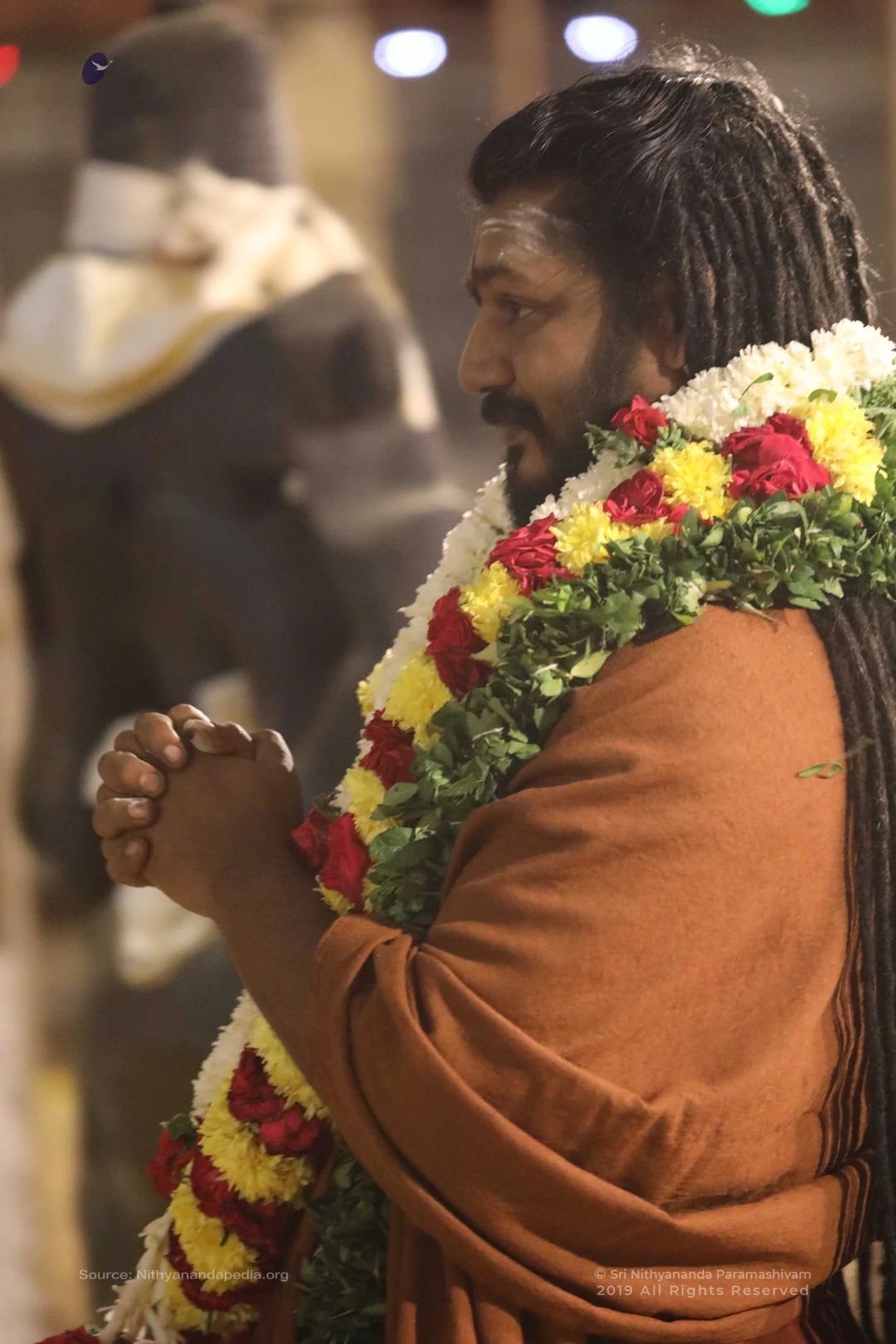
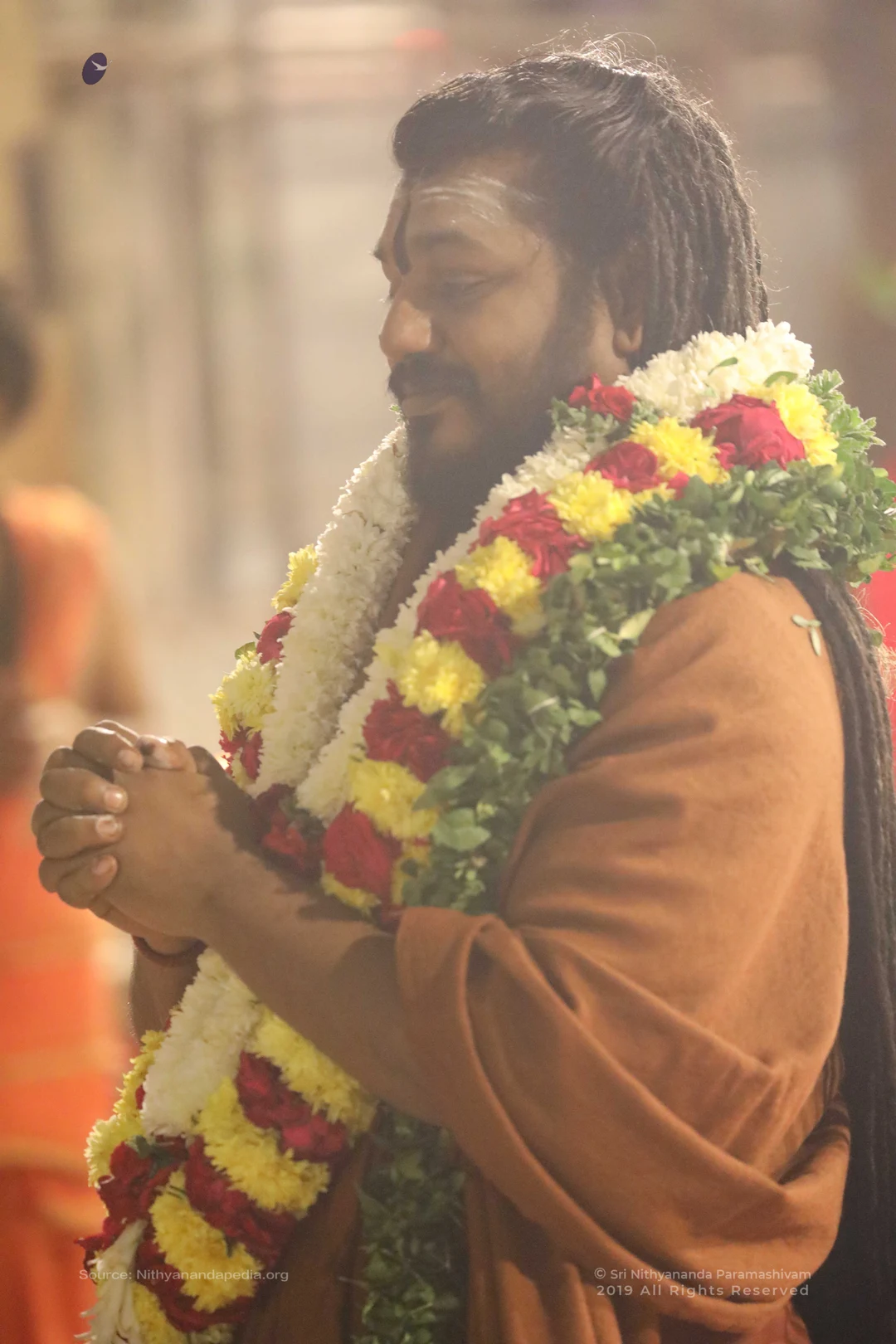
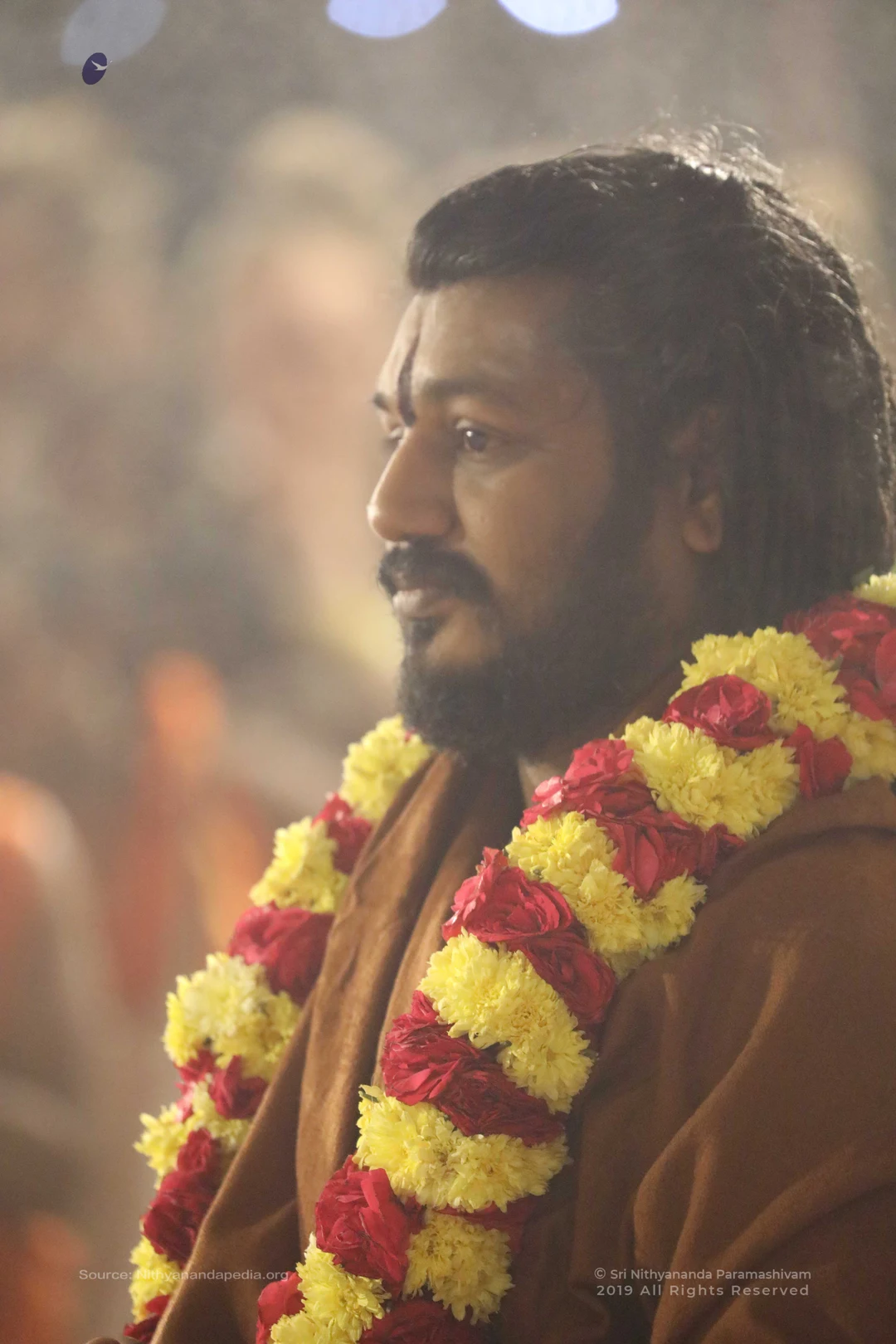
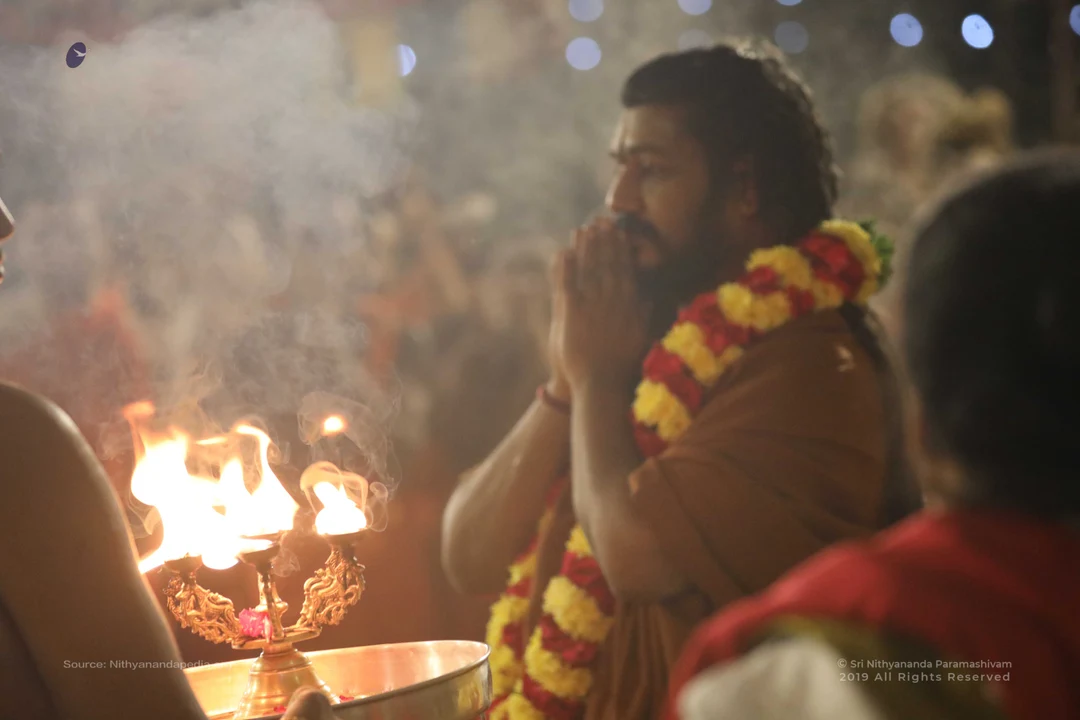
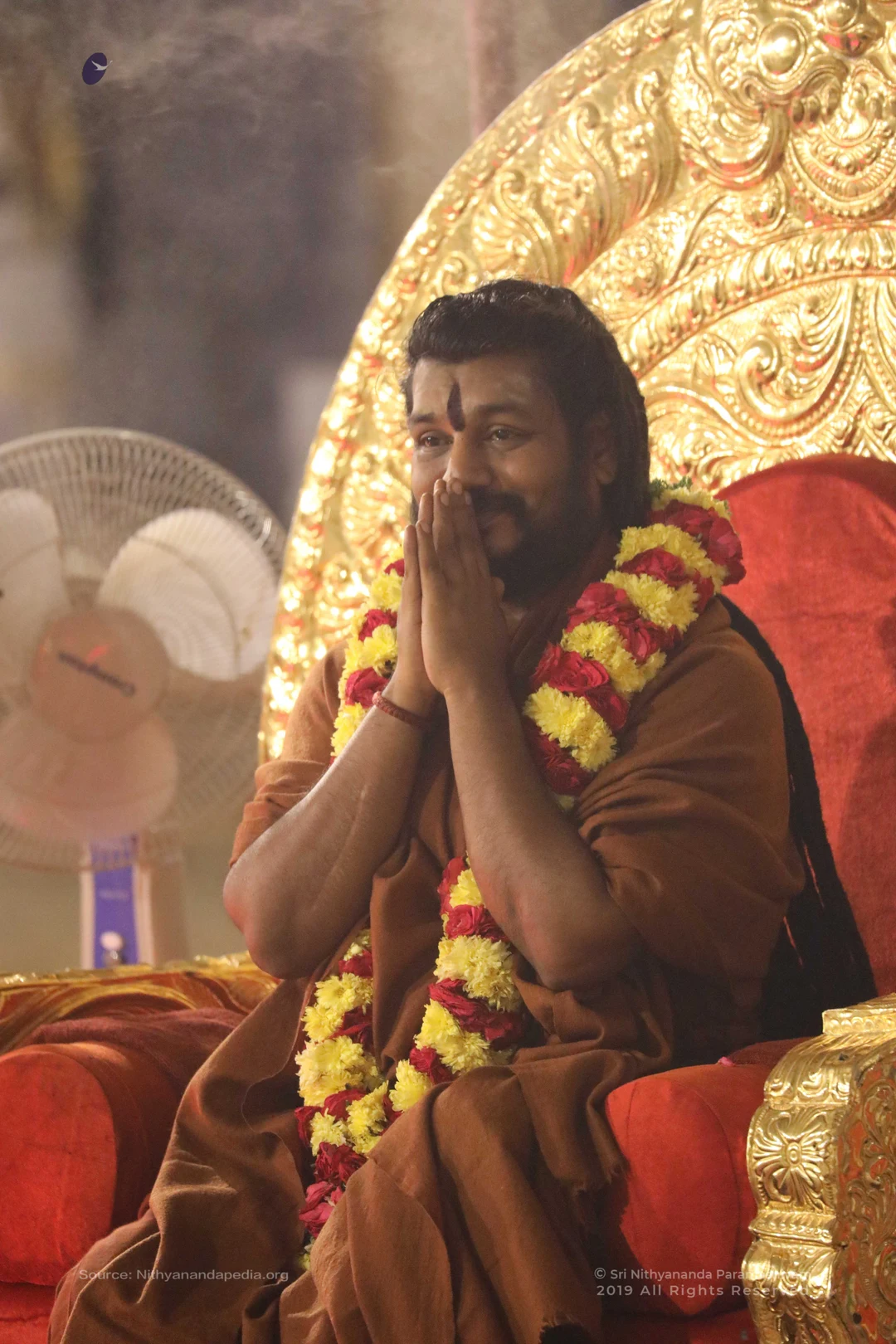
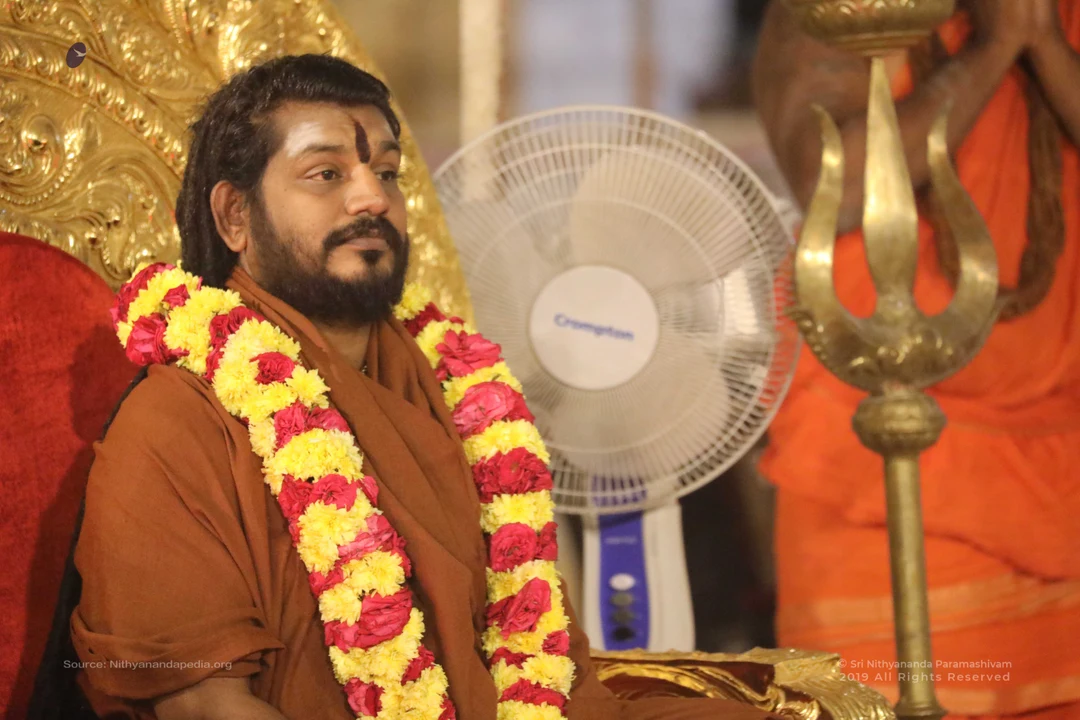
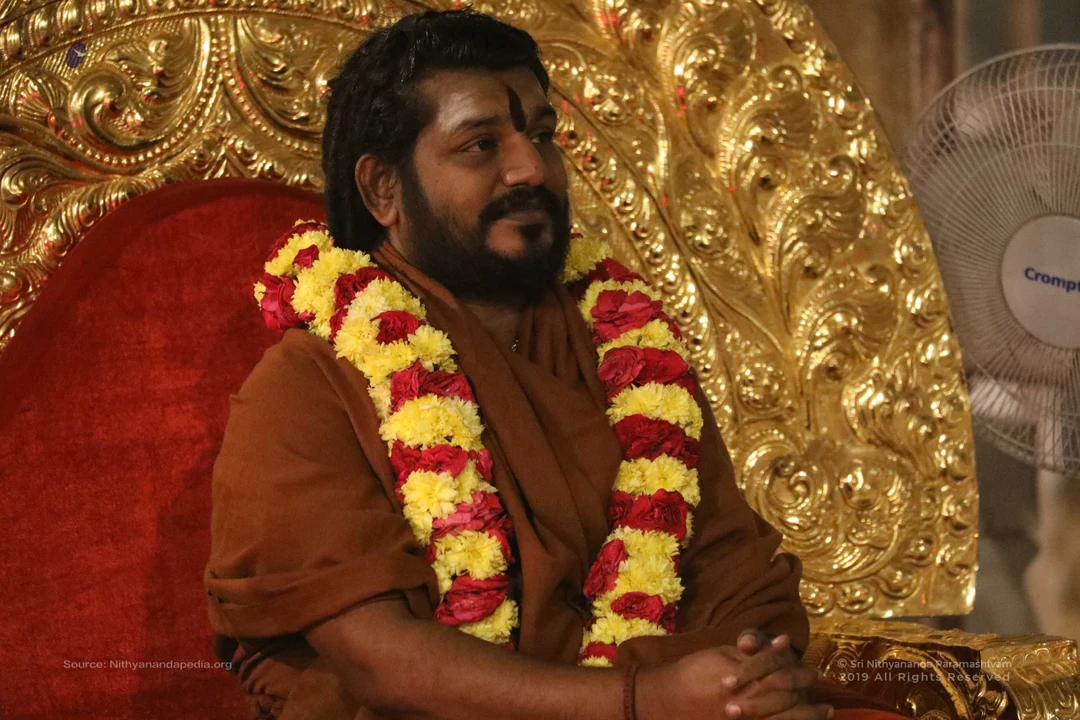
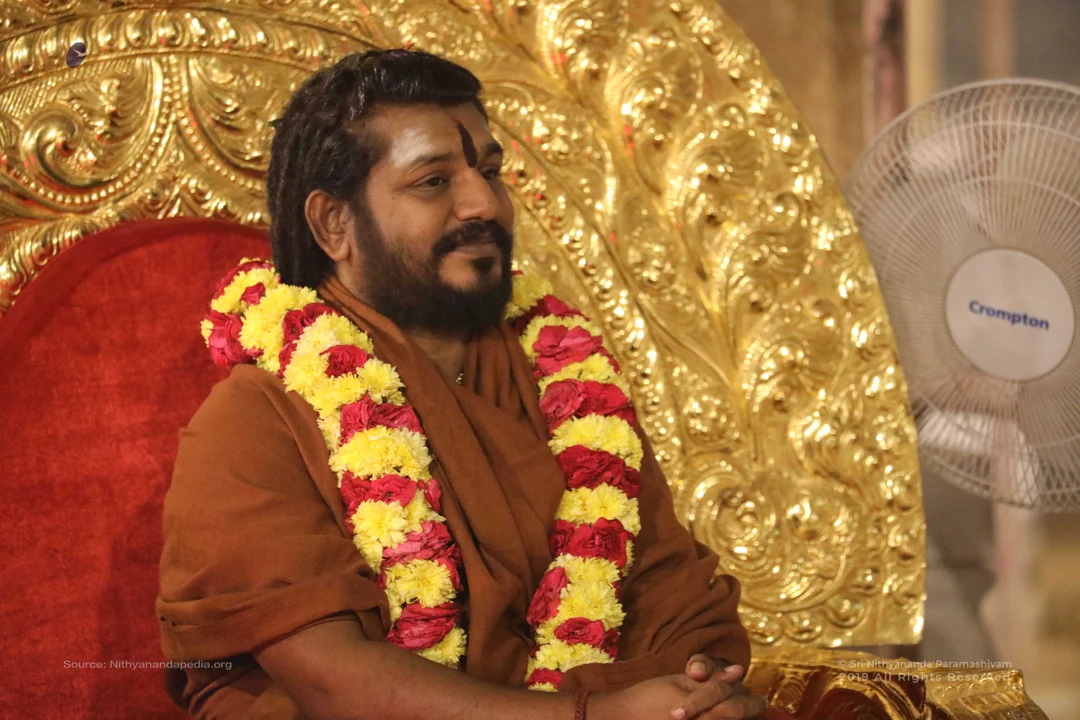
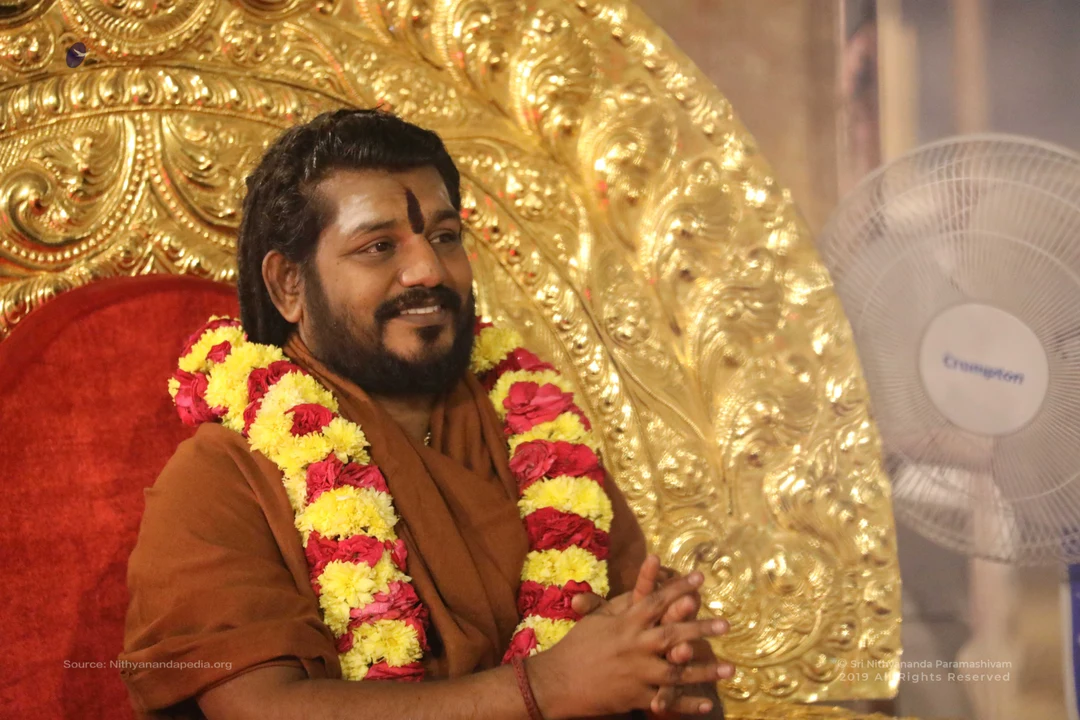
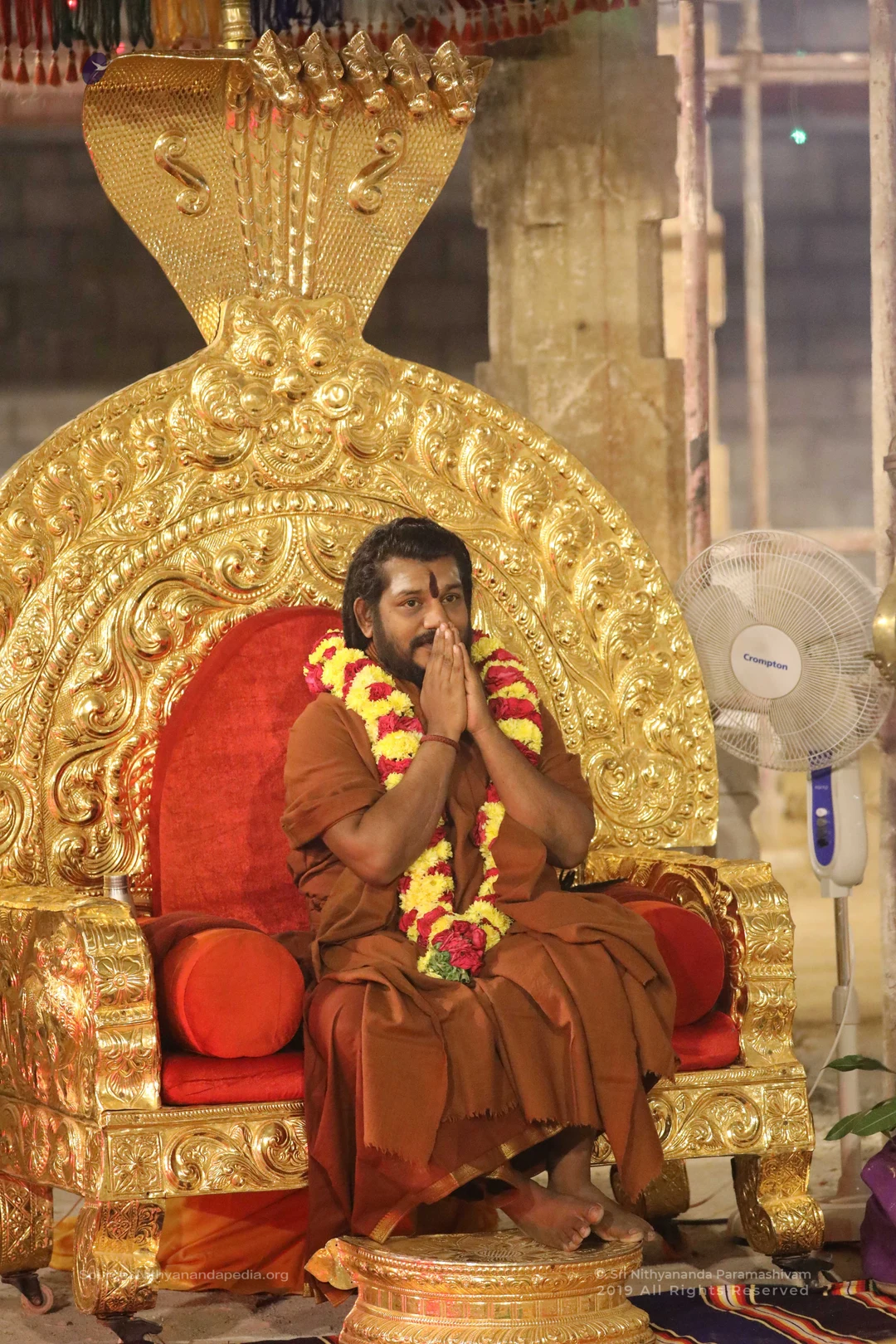
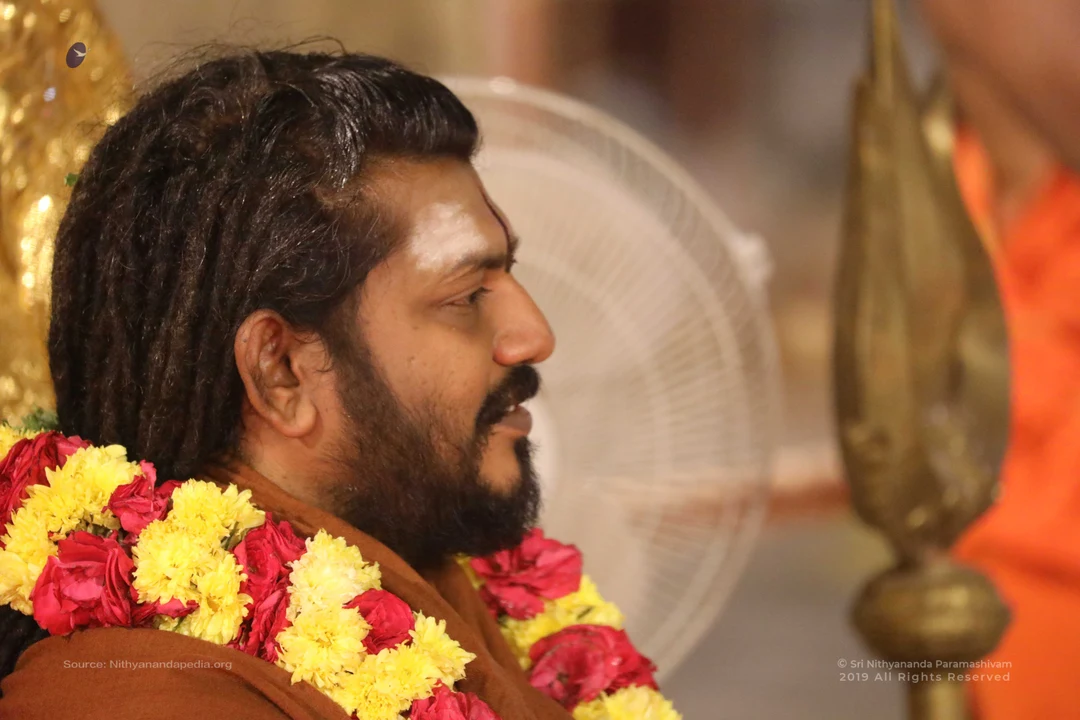
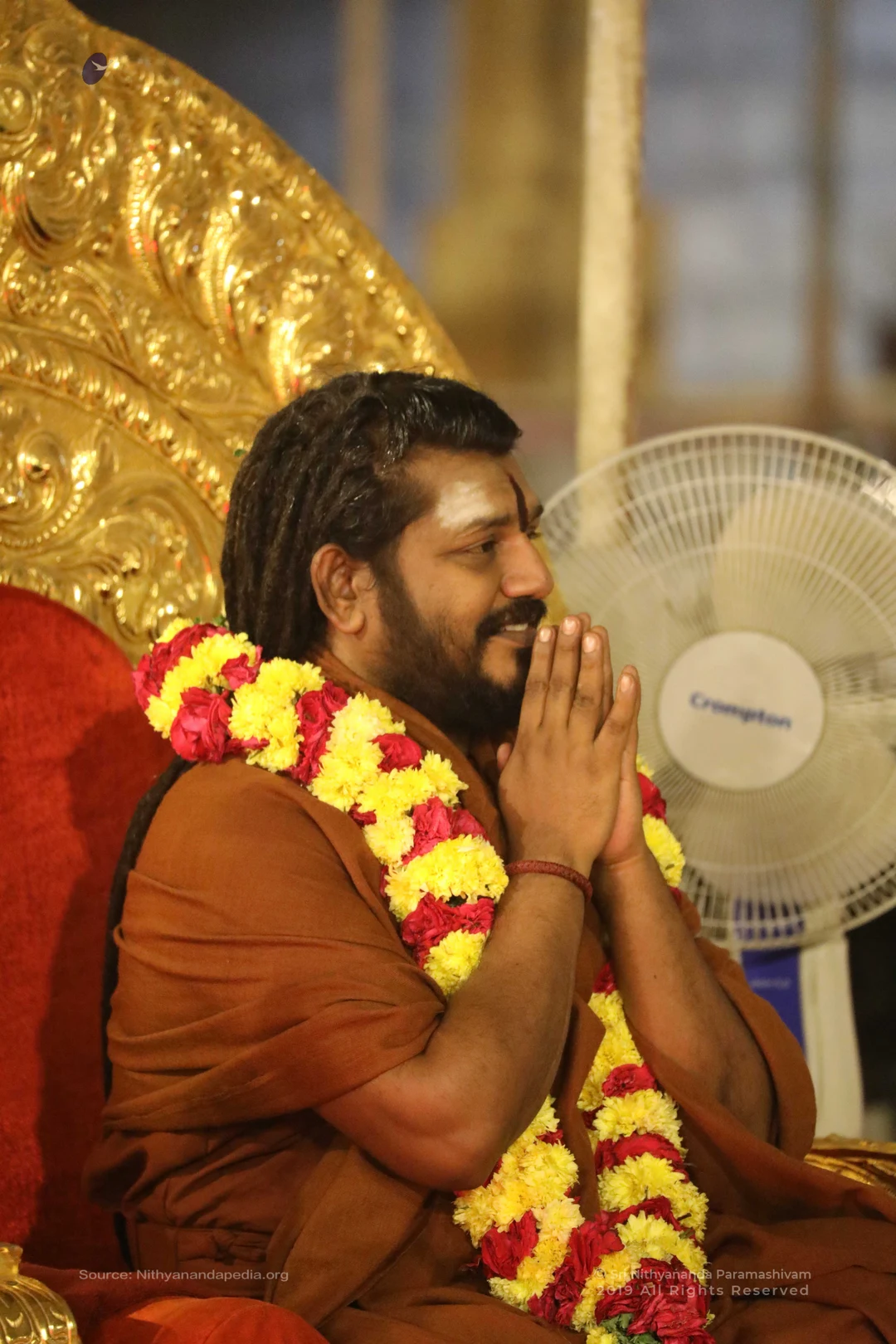
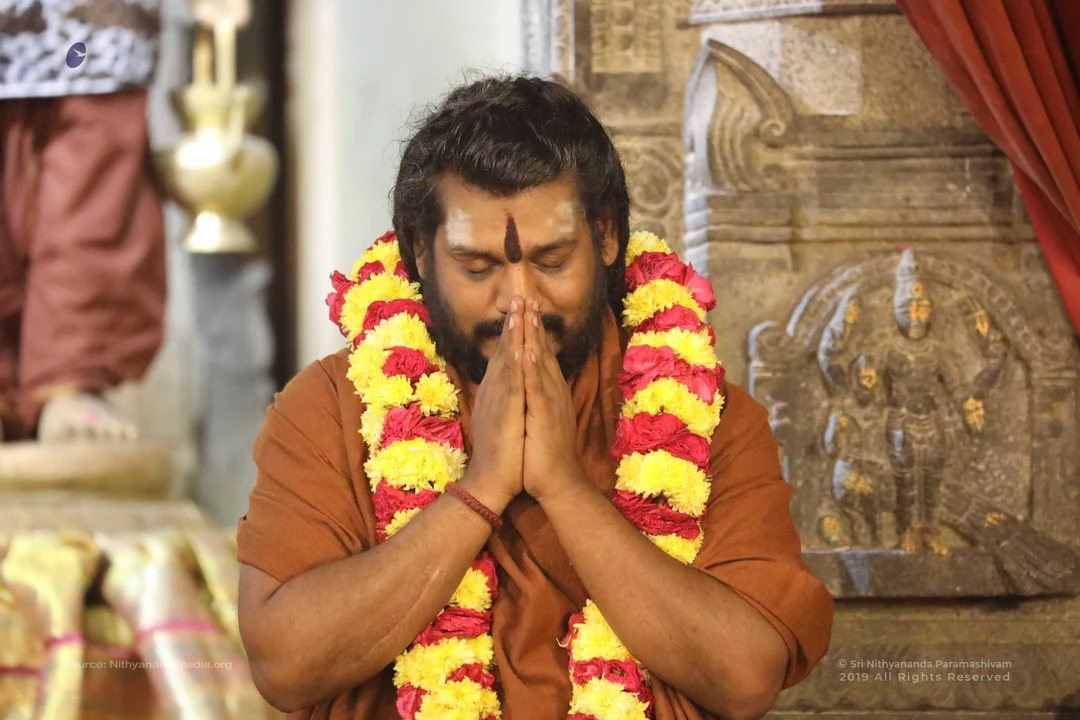
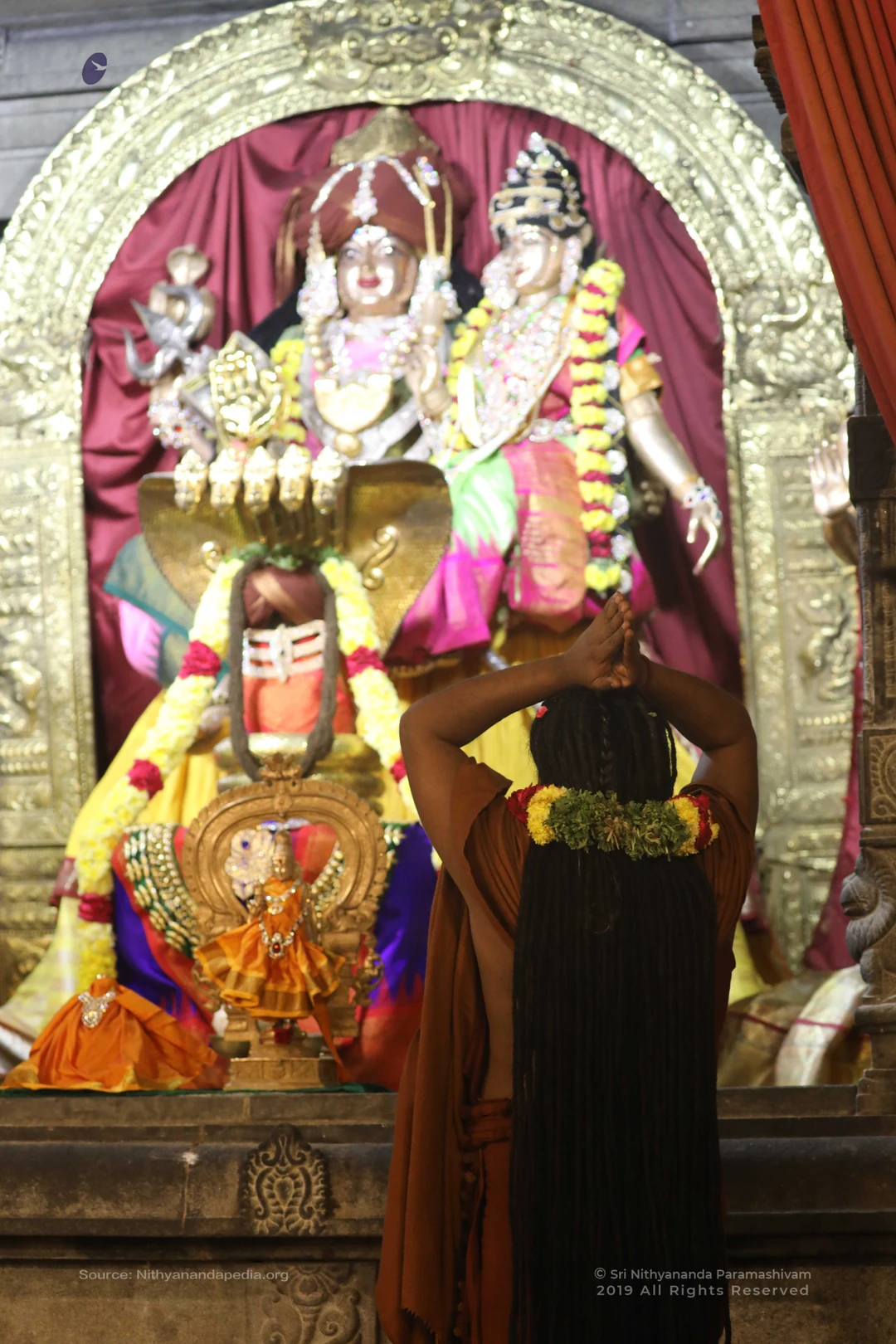
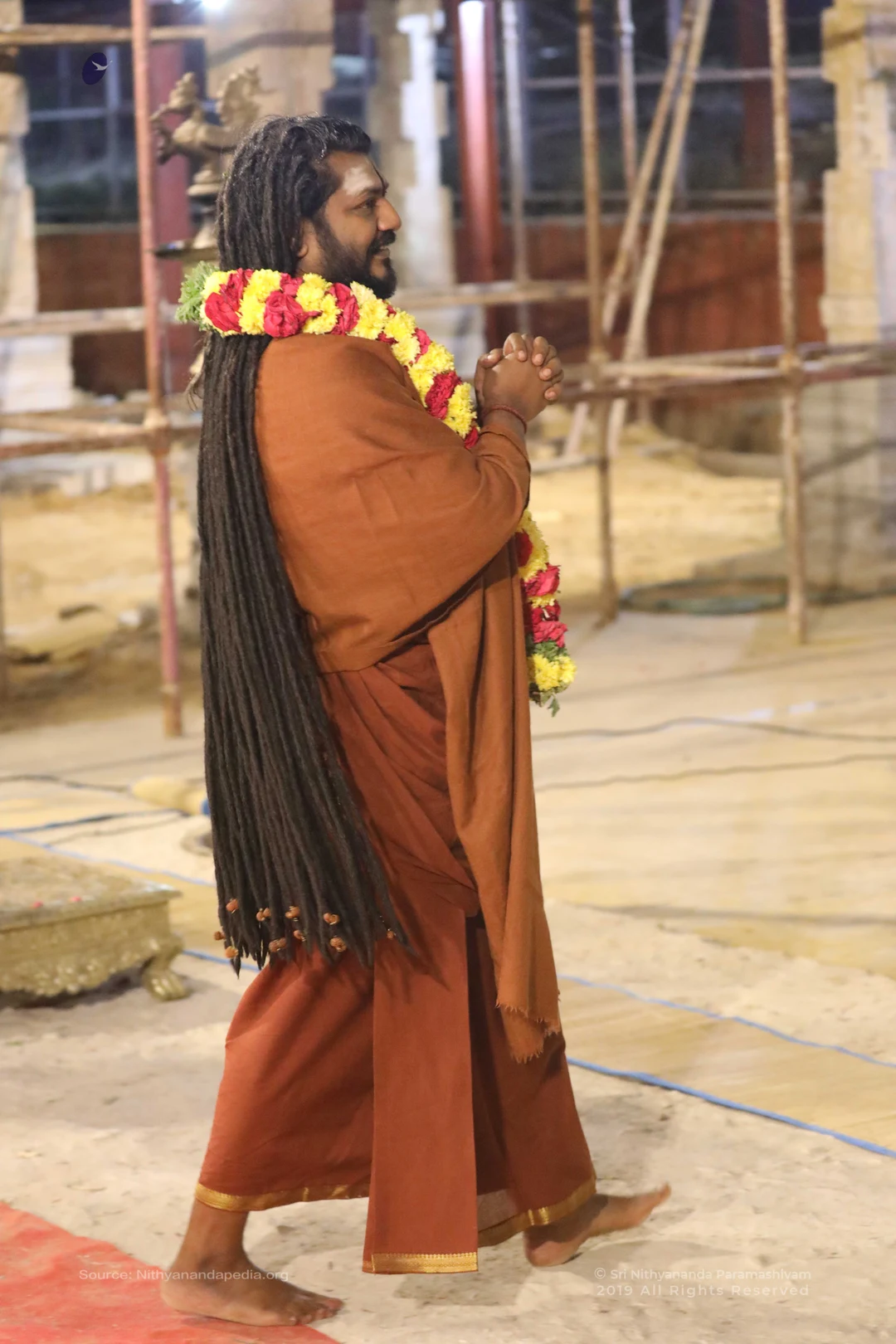
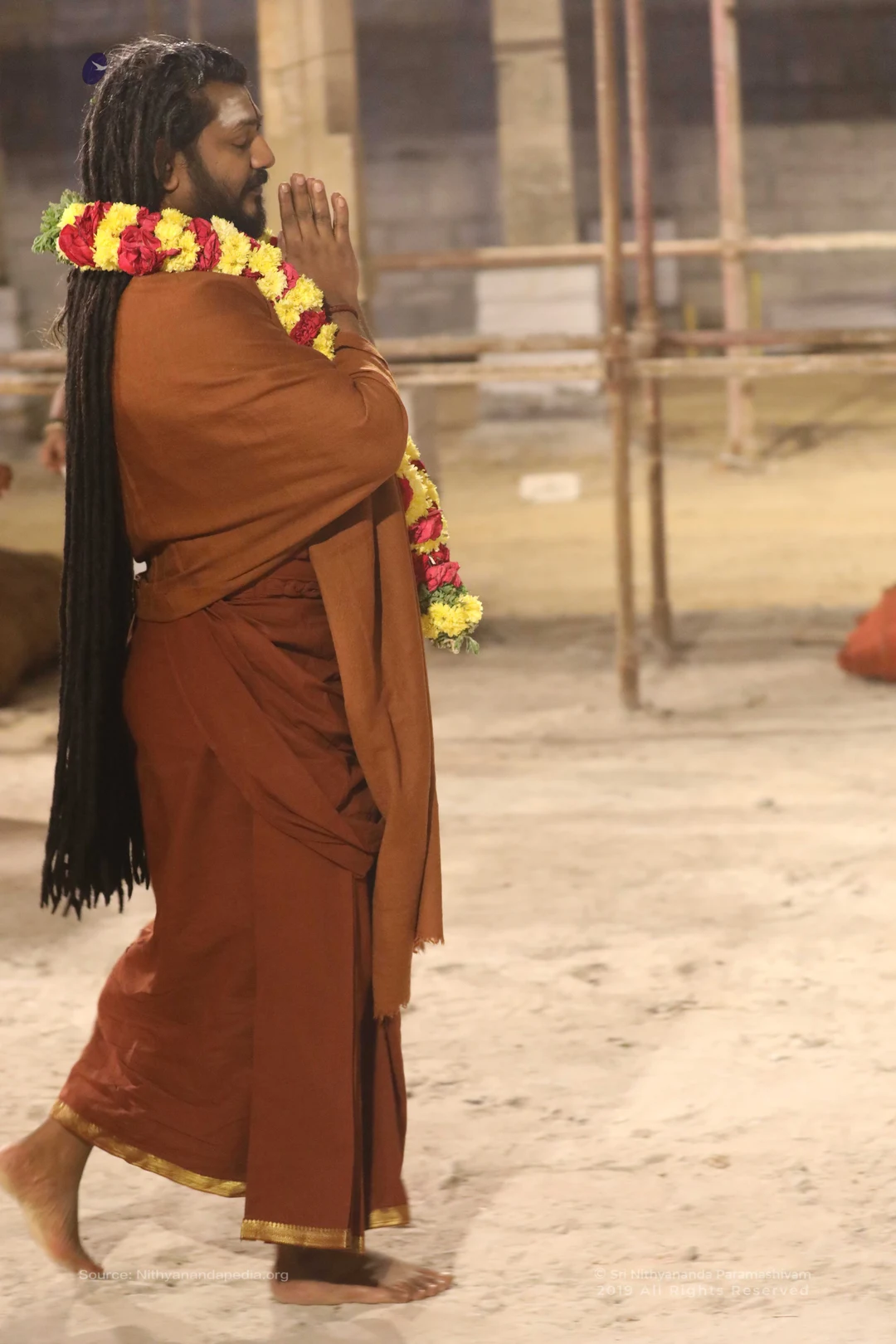
No of temples participated around the world
16 temples from around the world participated
ATA Component
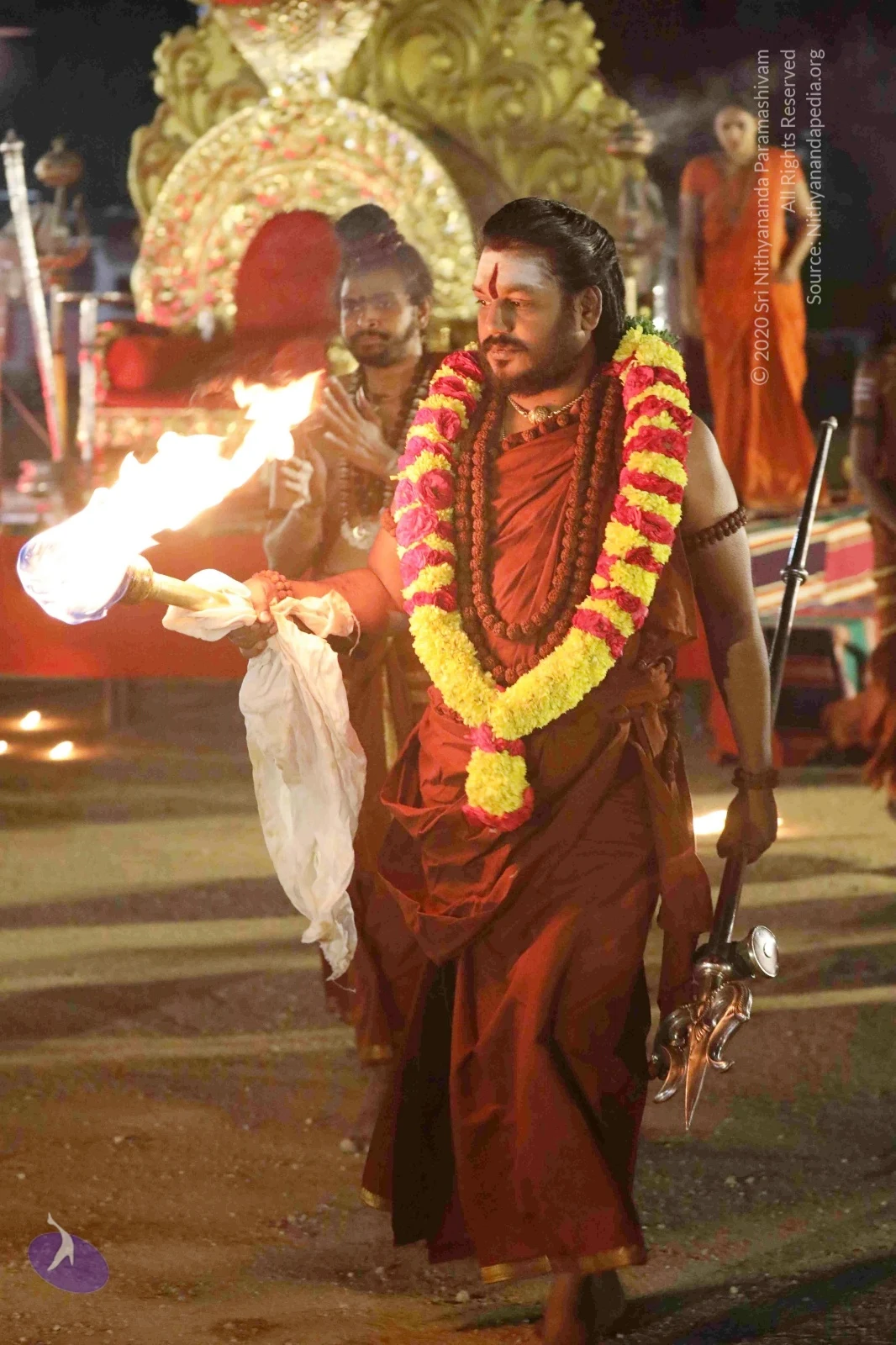
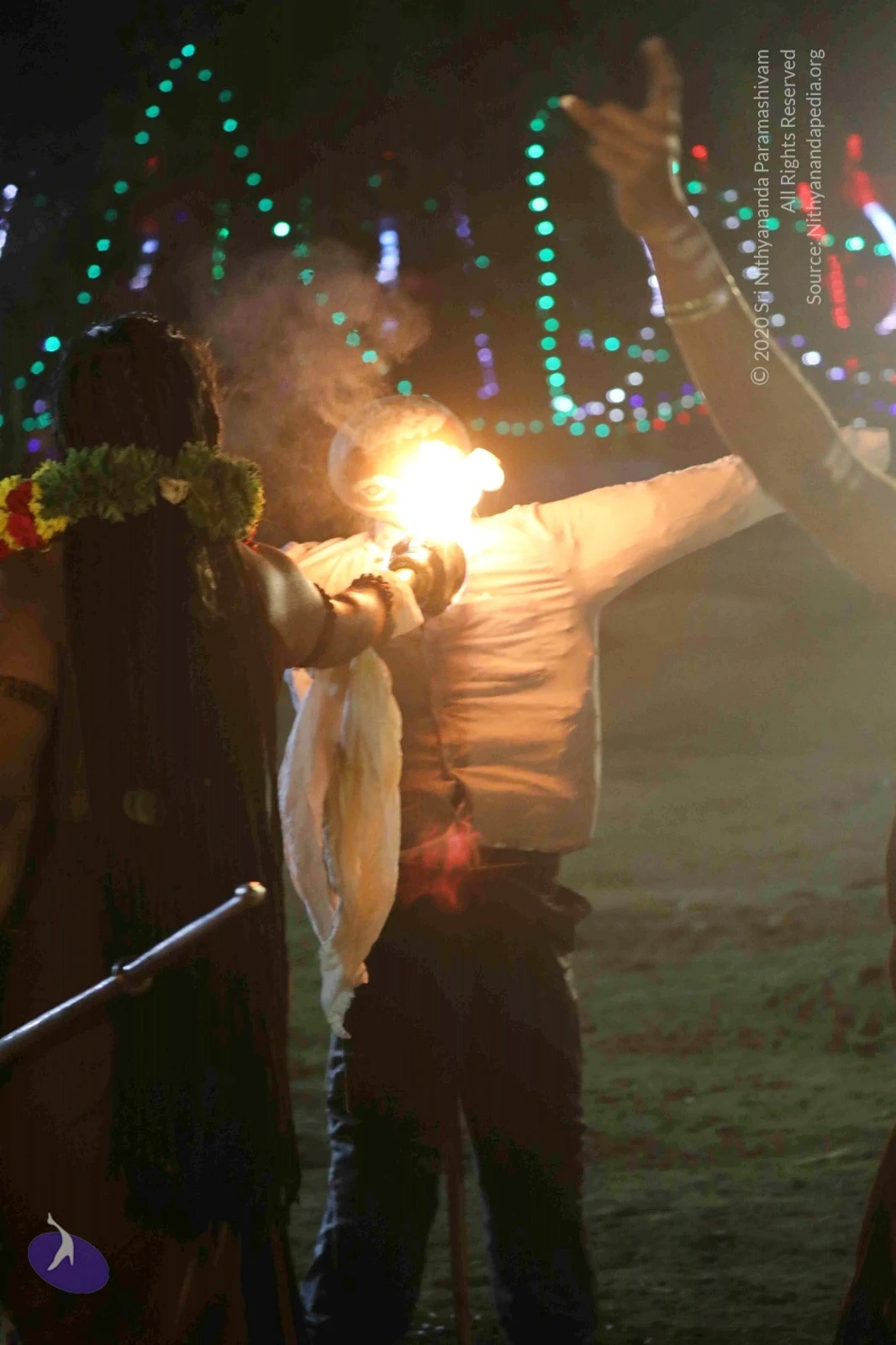
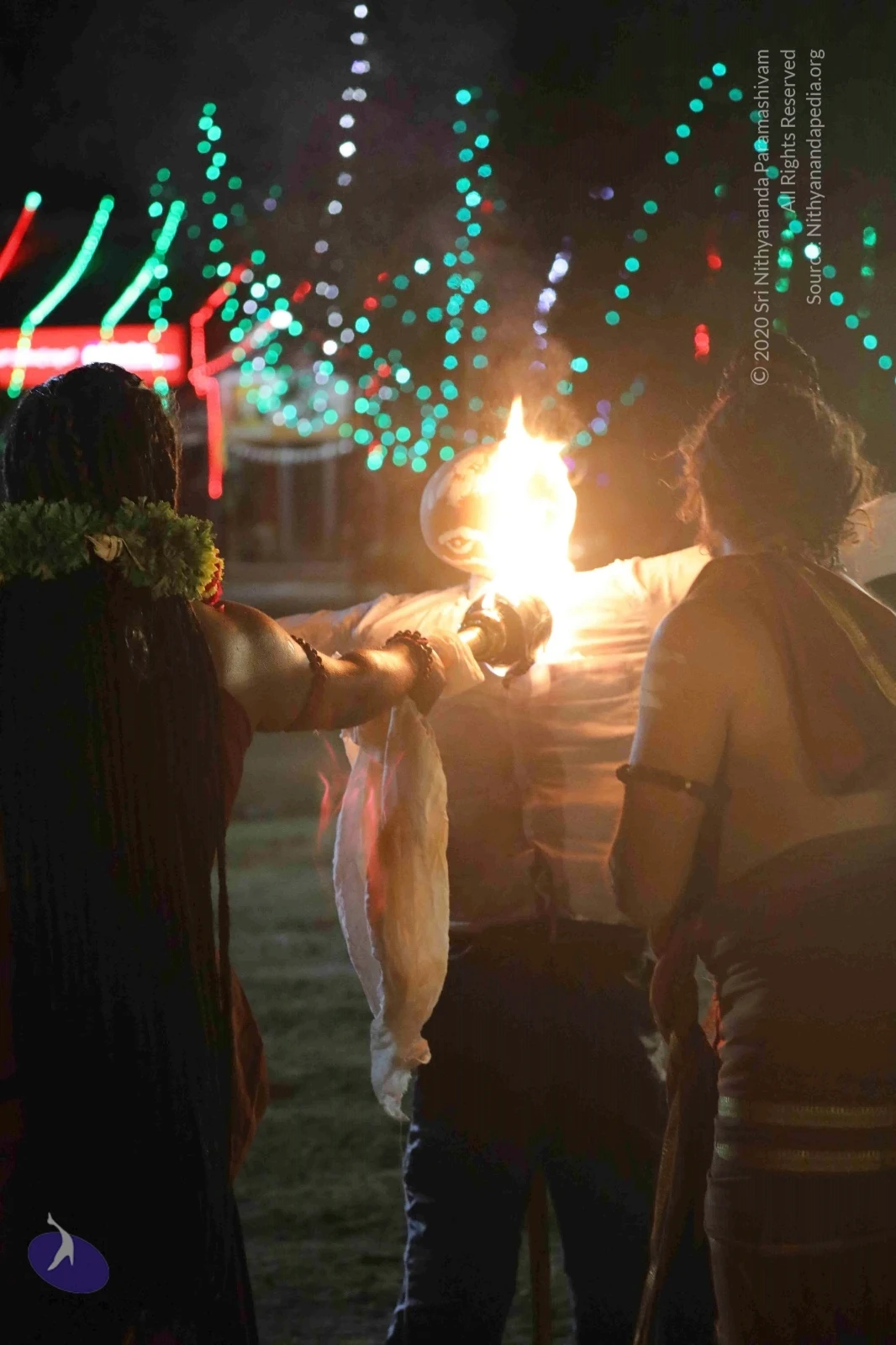
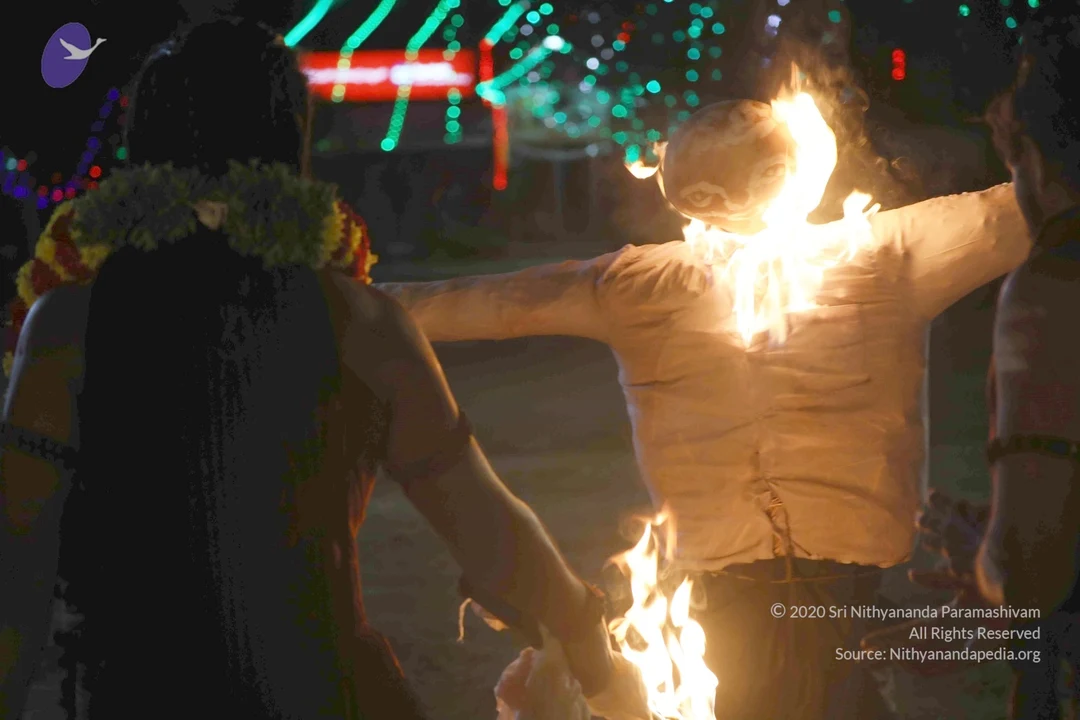
The Anti Spiritual Elements Suicide Day - 7th Anniversary
Facebook post
https://www.facebook.com/ParamahamsaNithyananda/posts/1667260916695085
Photos Of The Day:
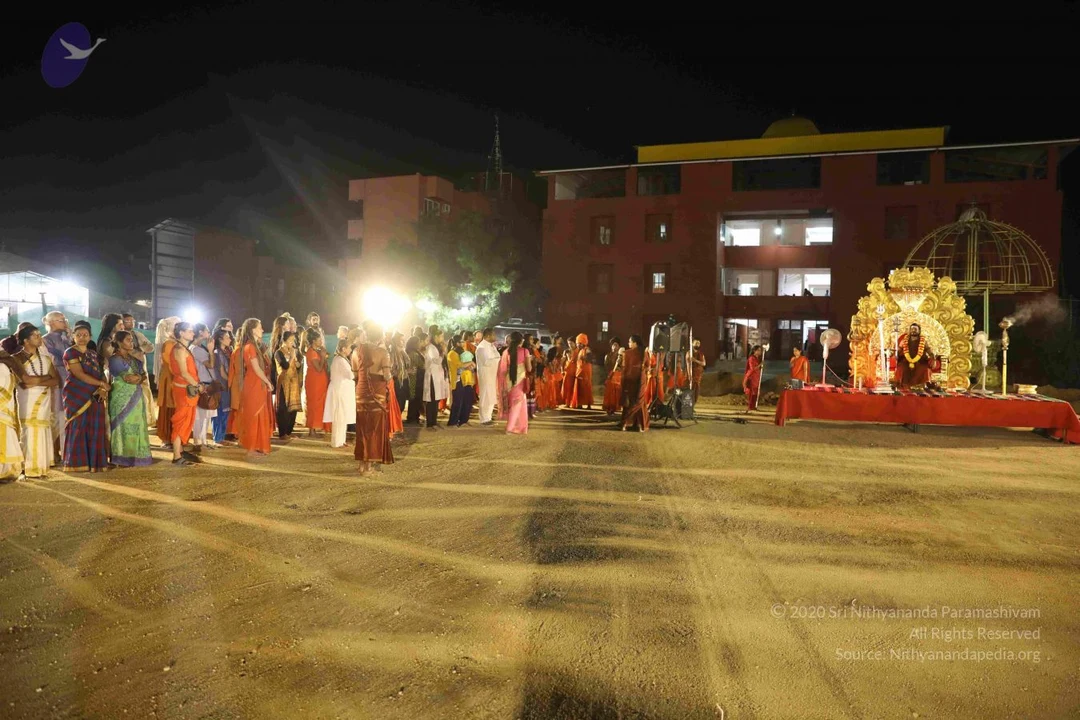
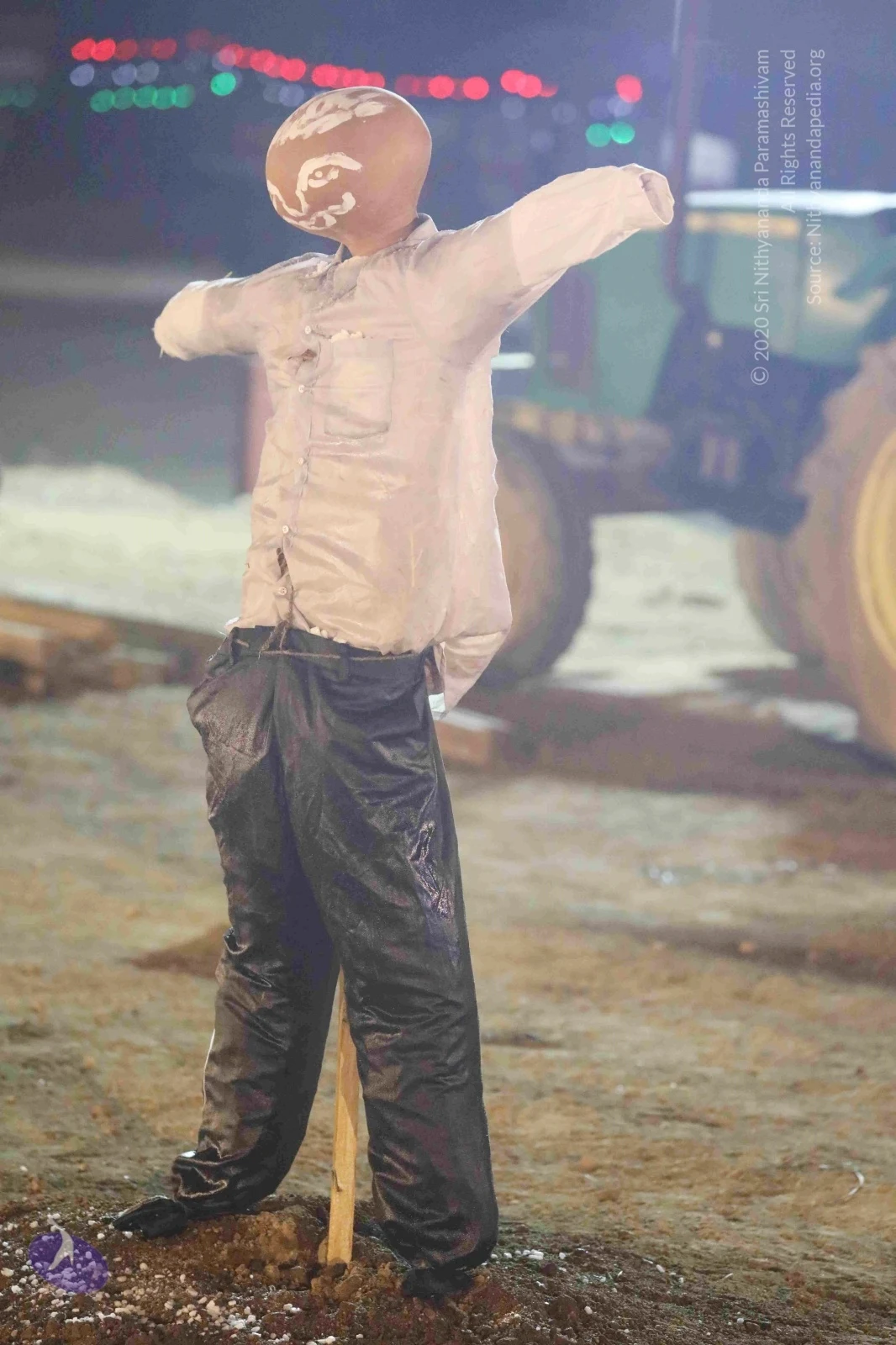
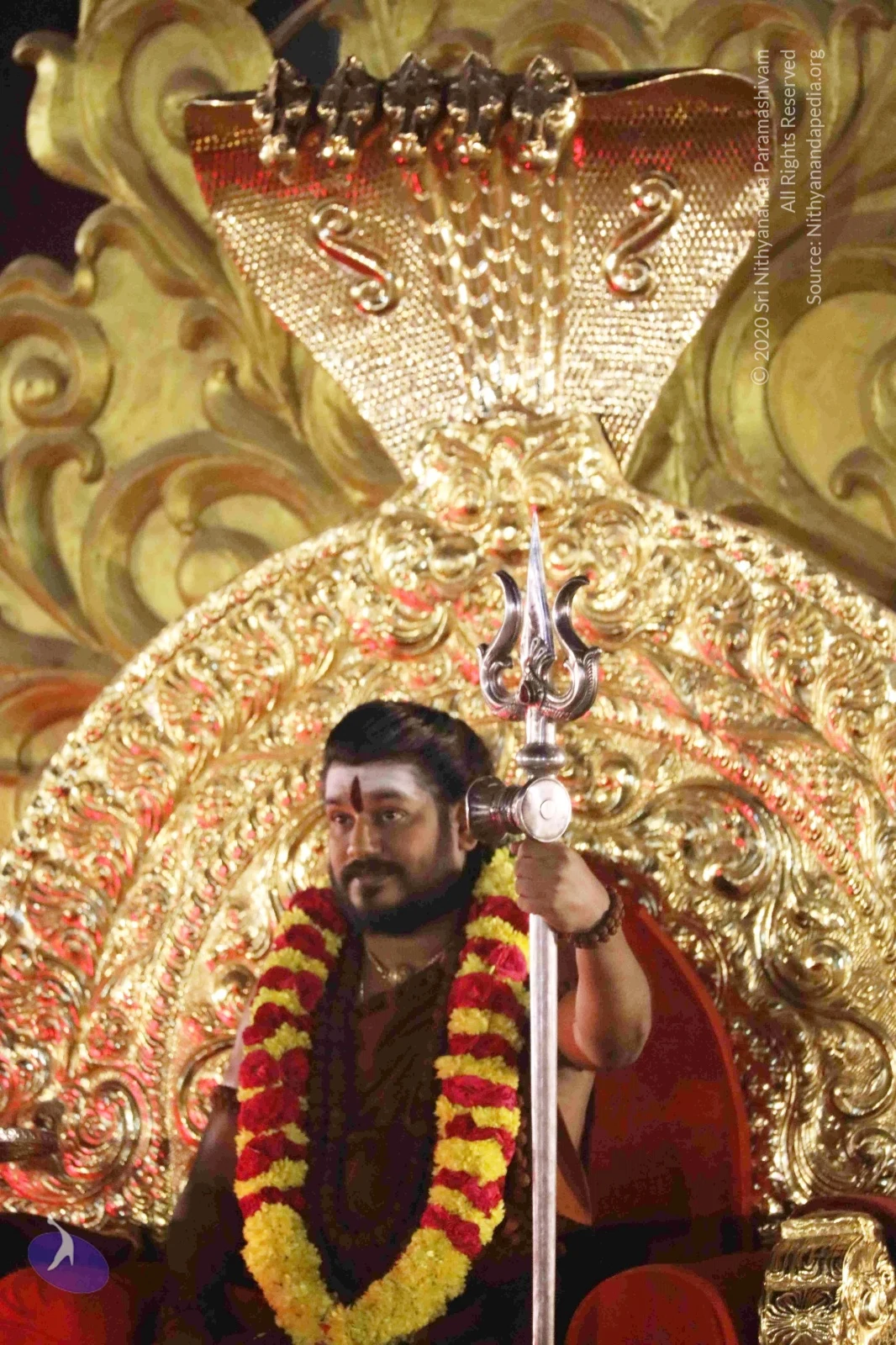
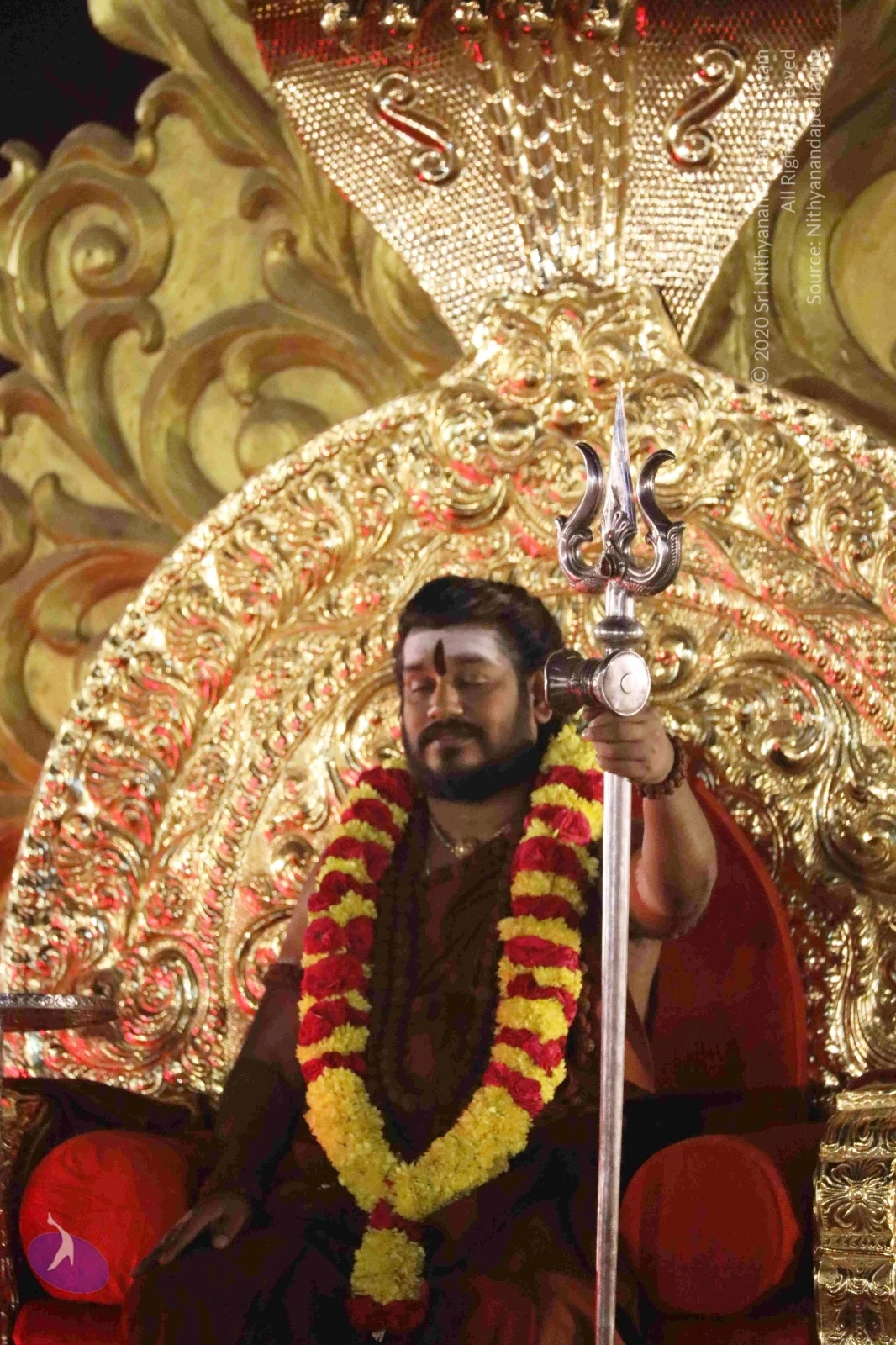
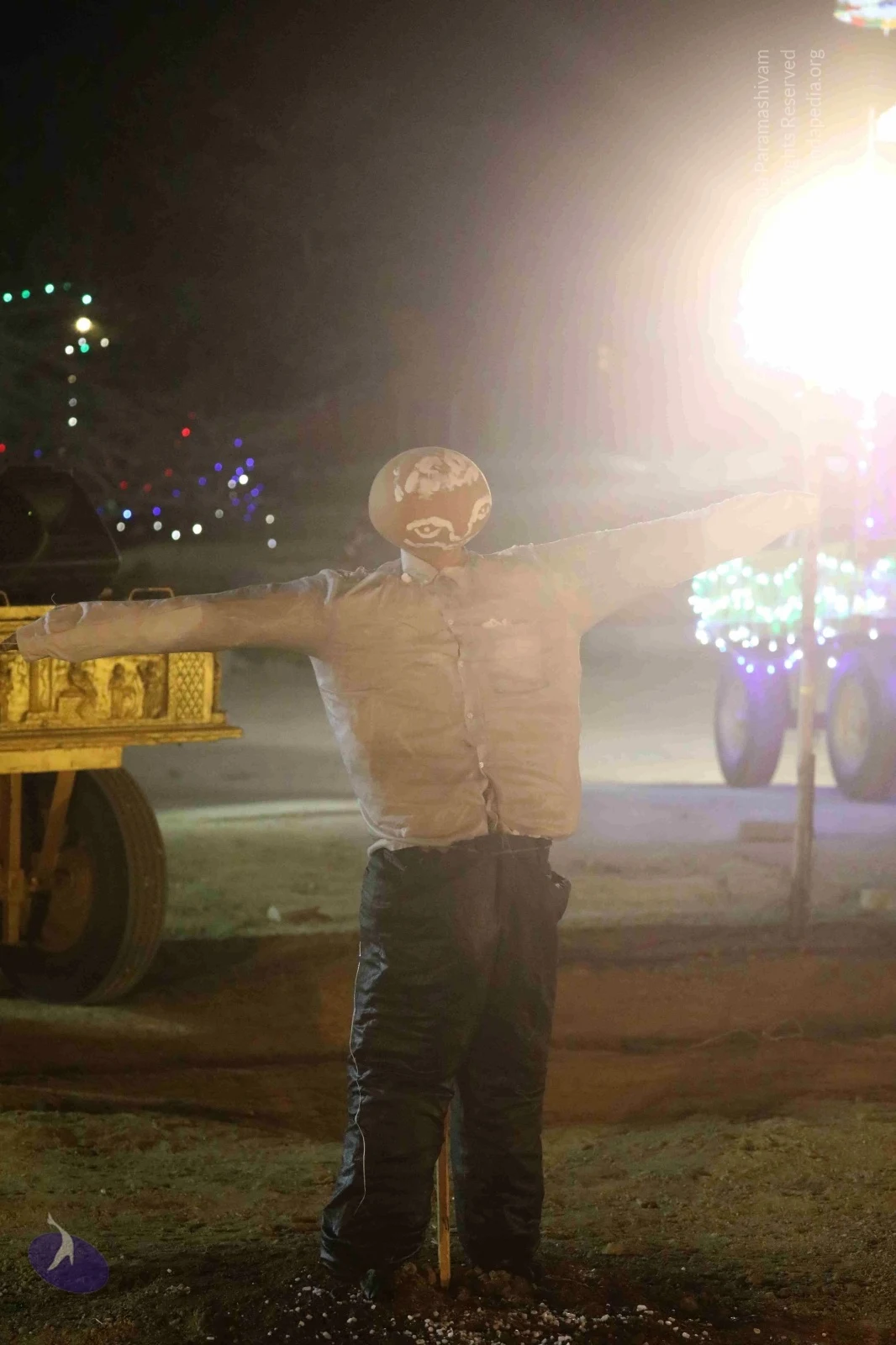
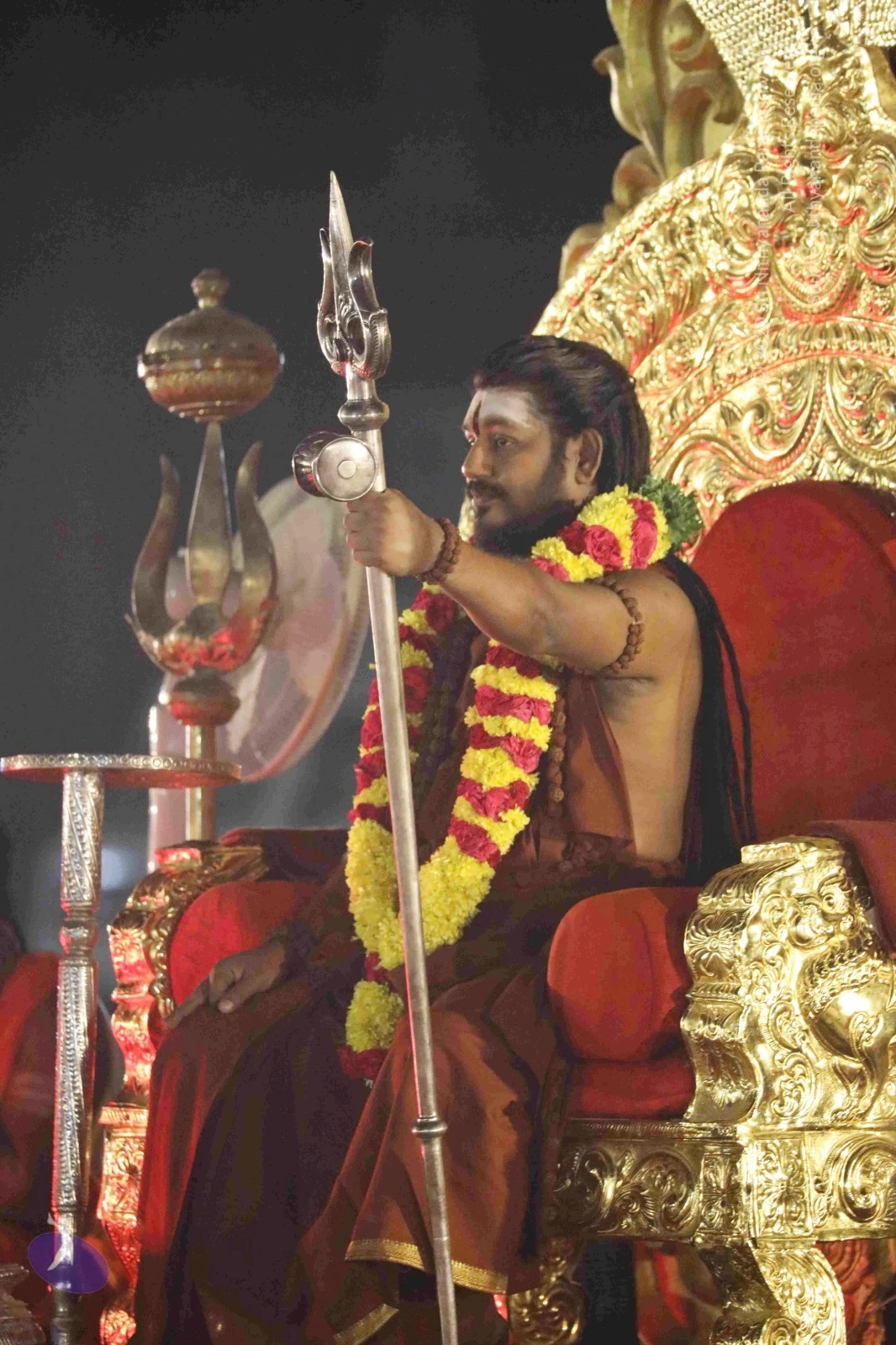
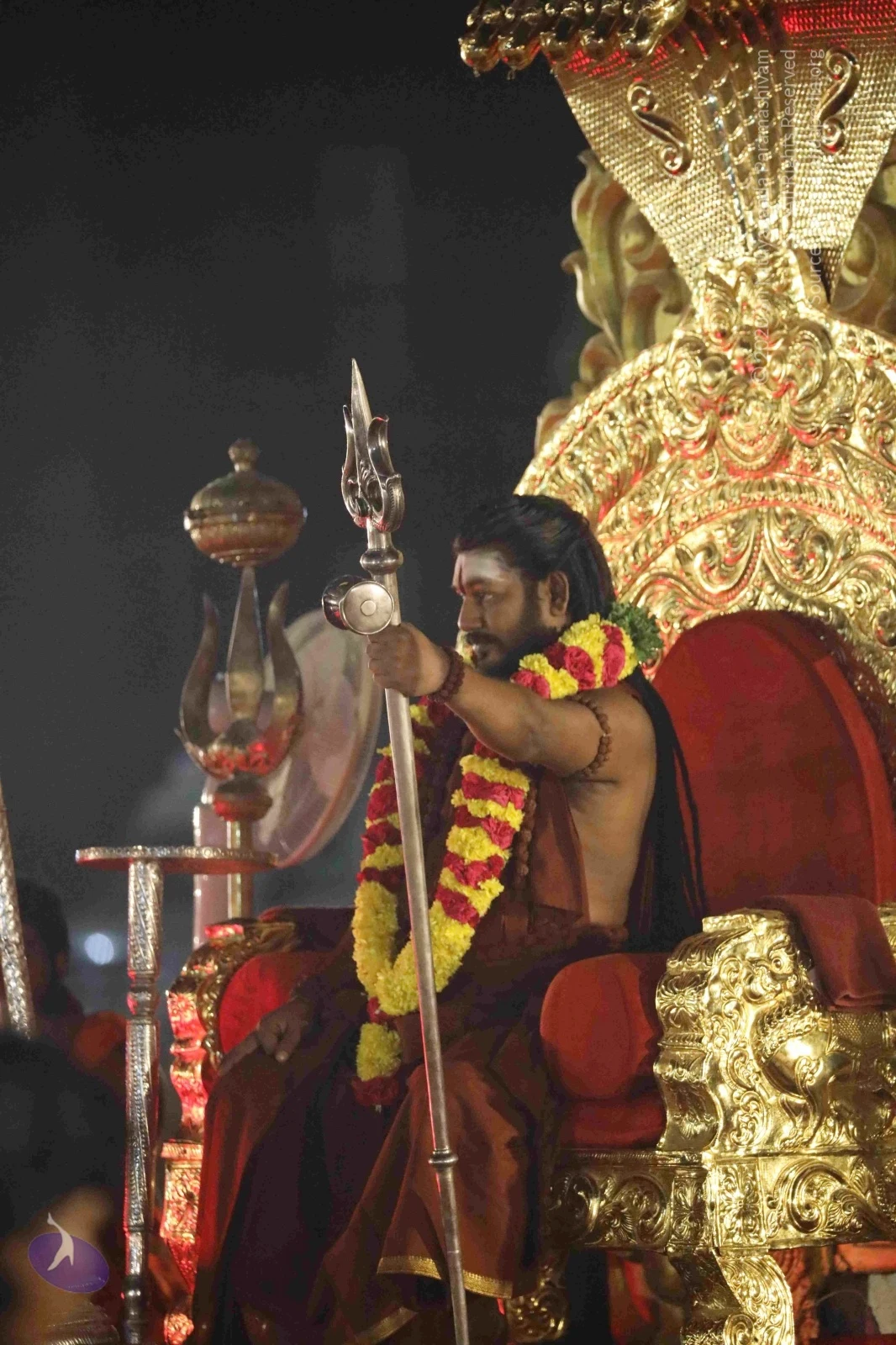
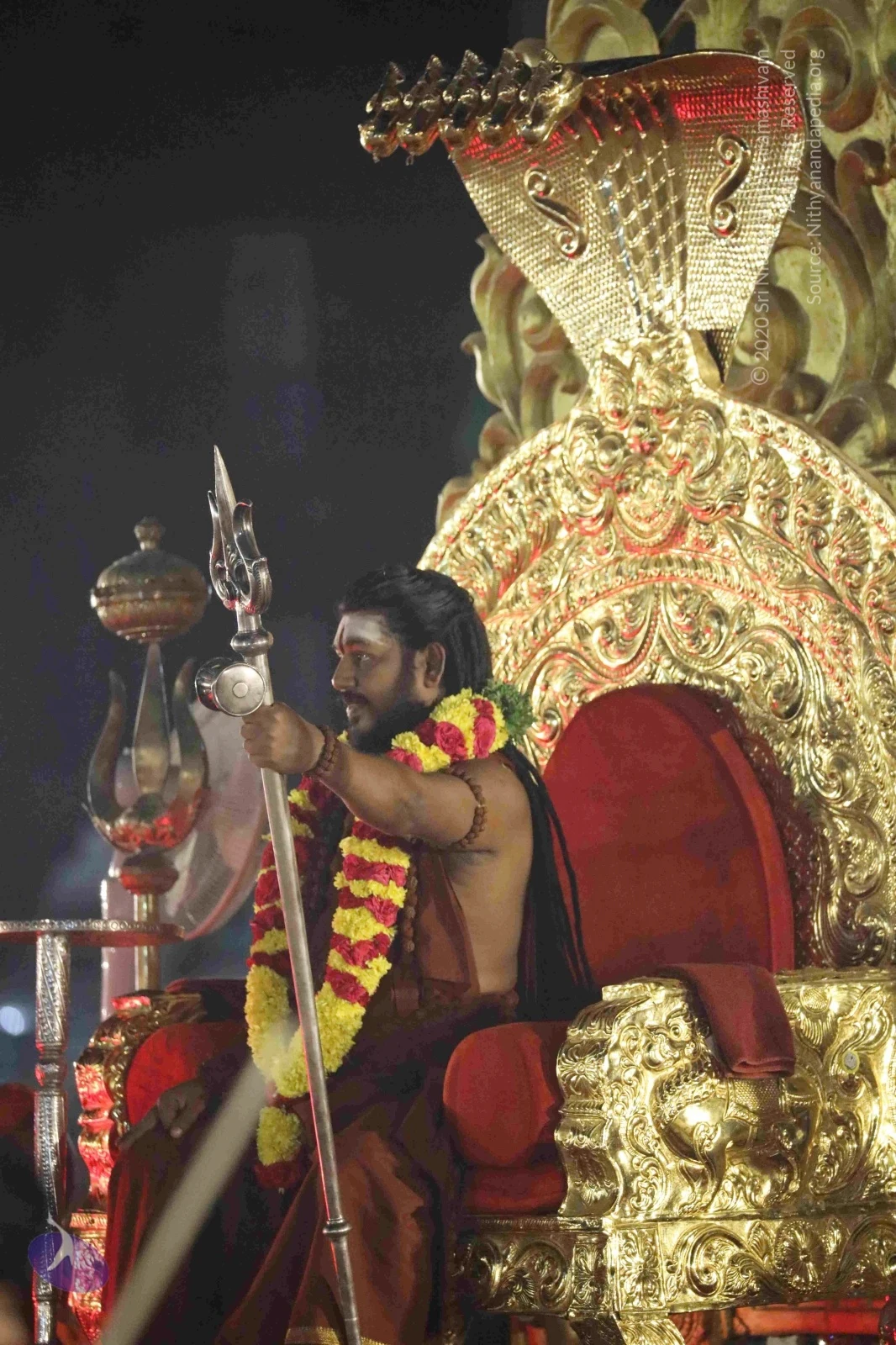
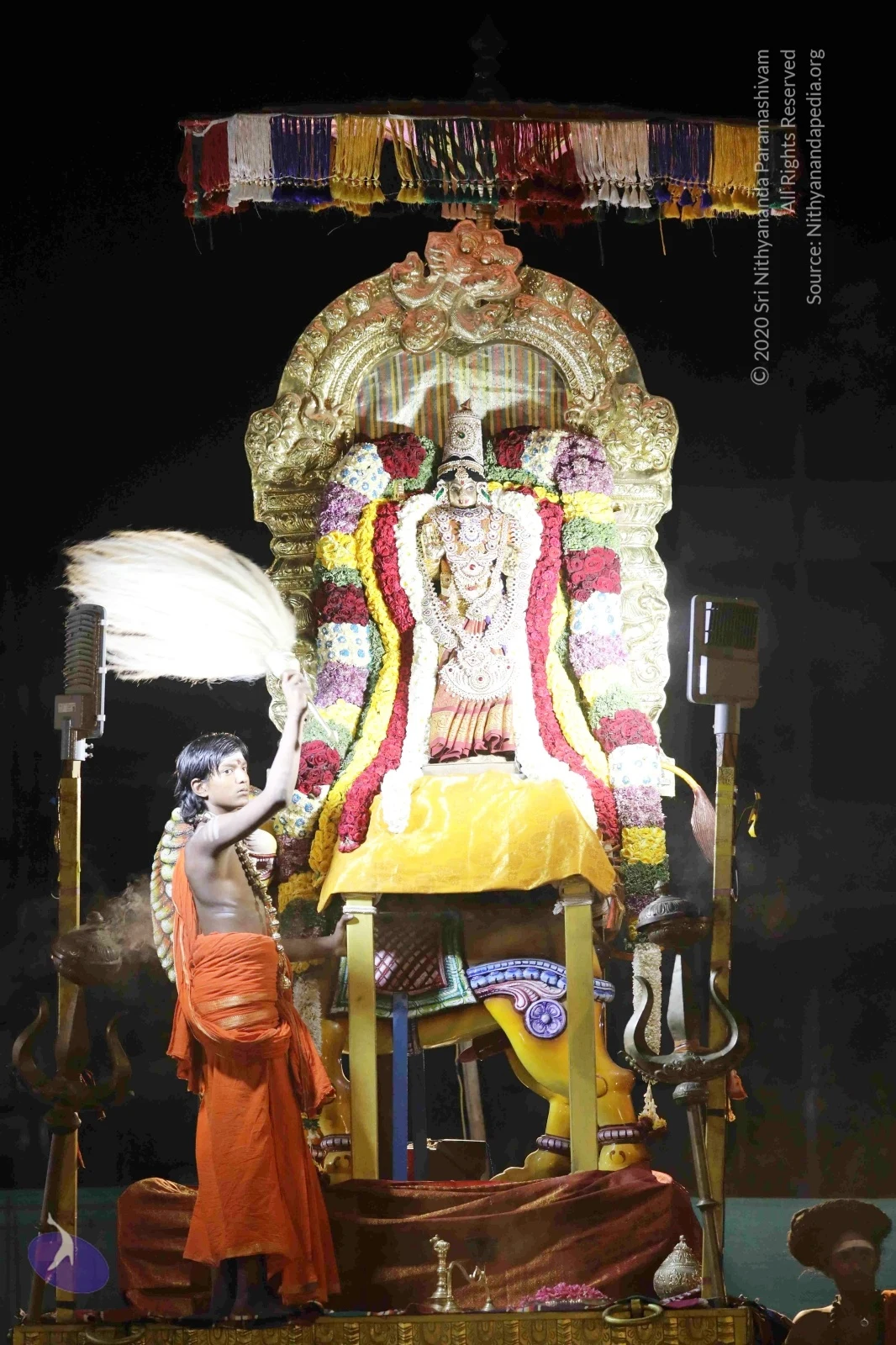
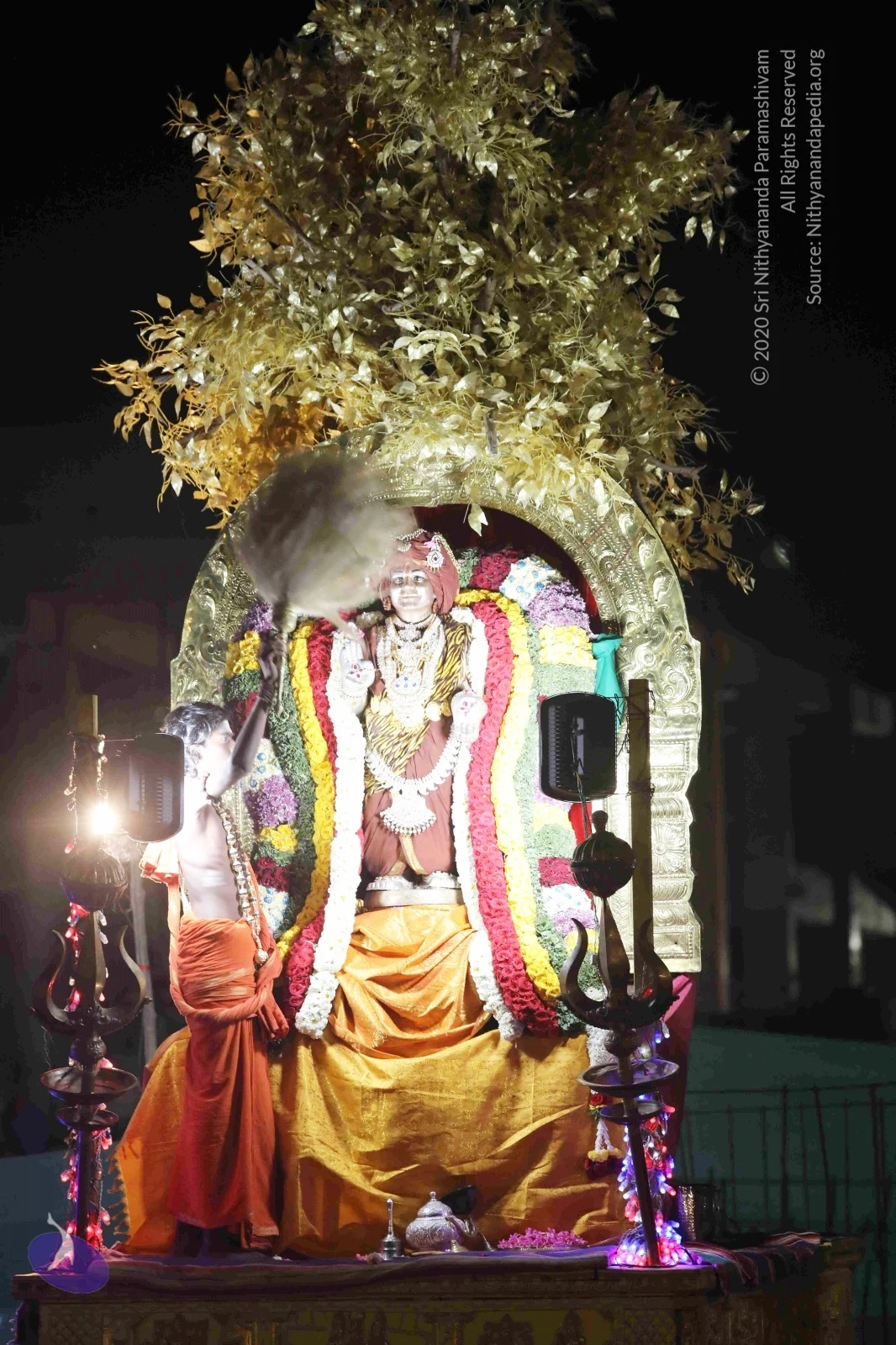
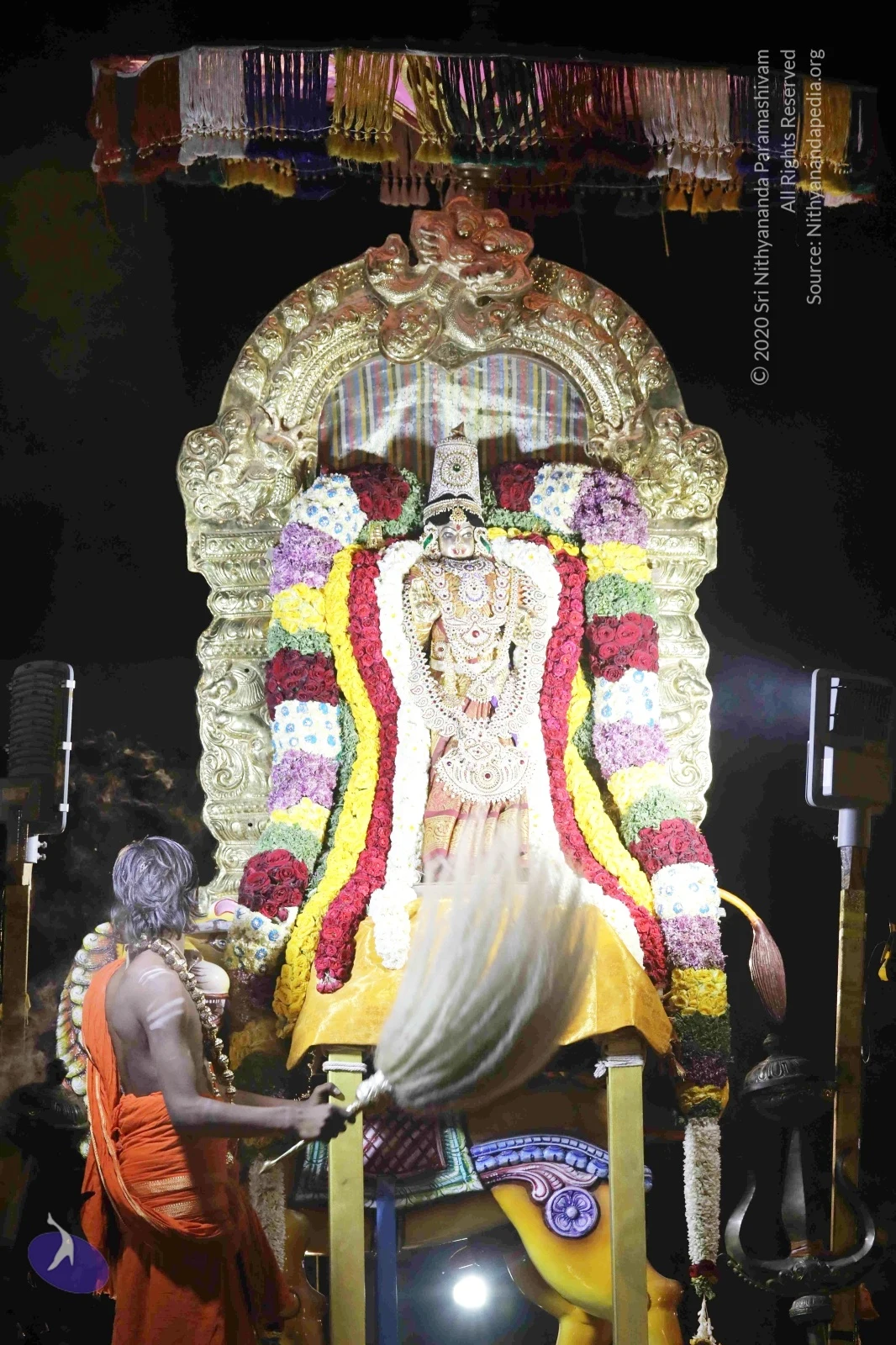
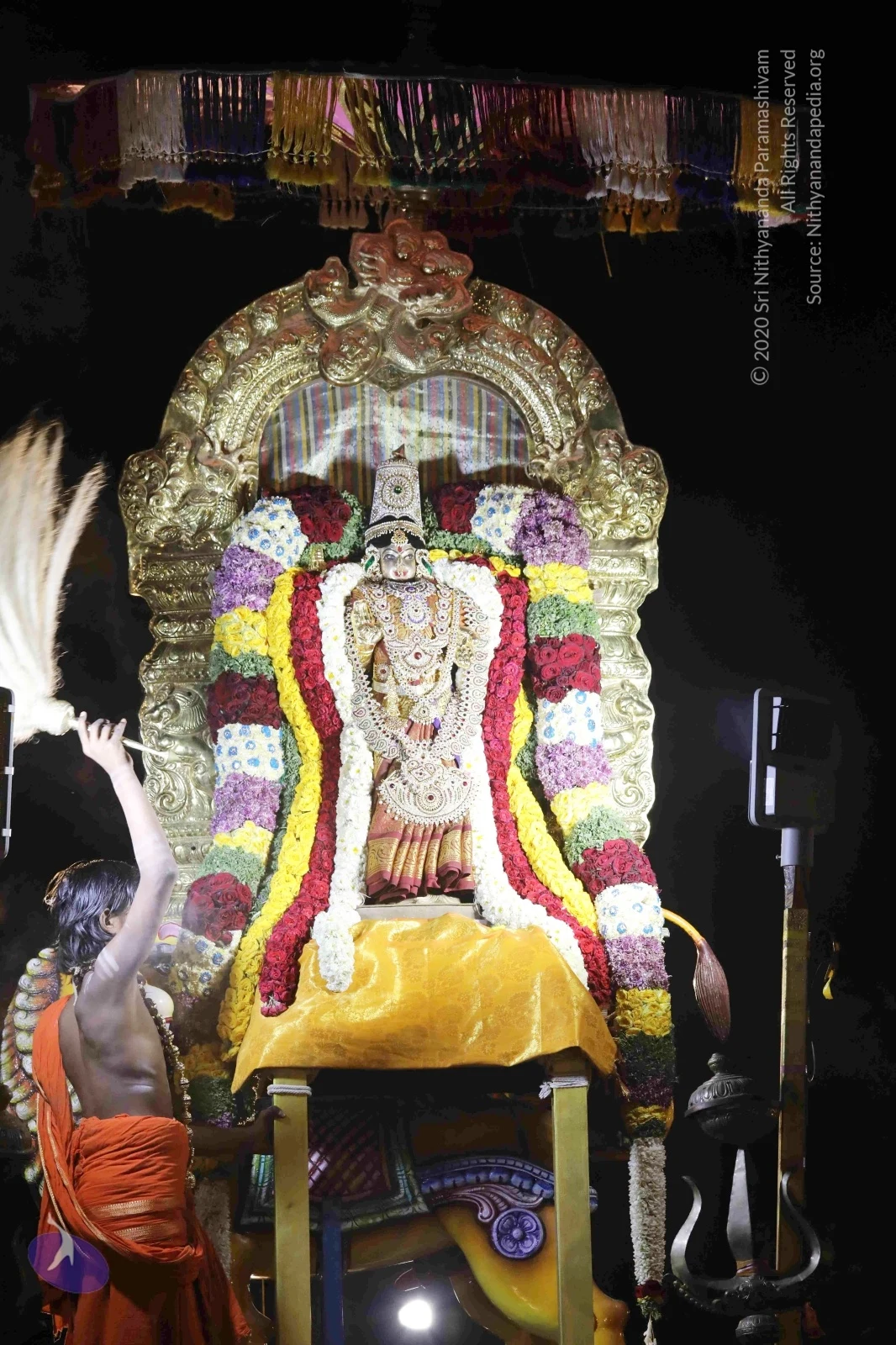
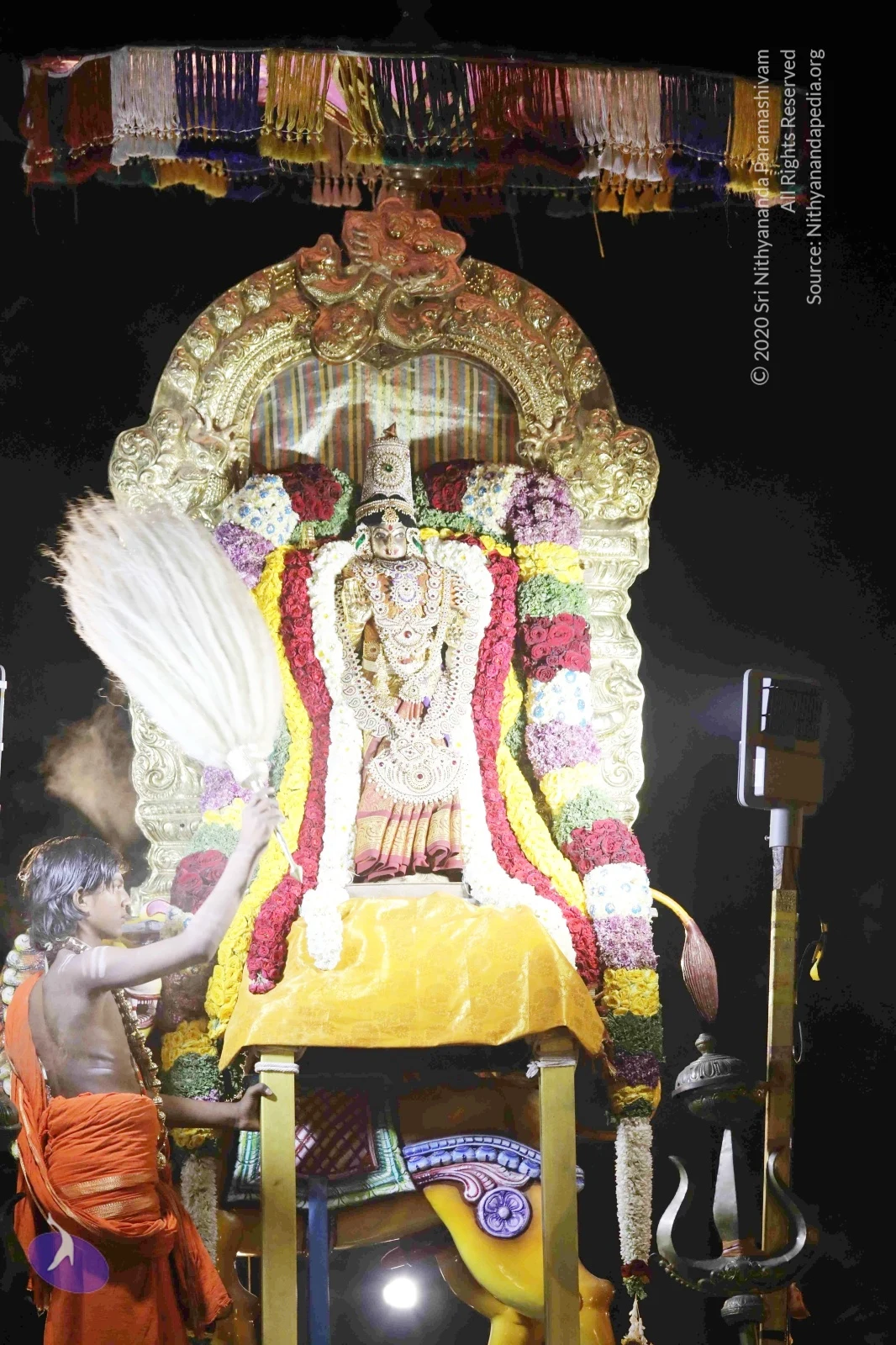
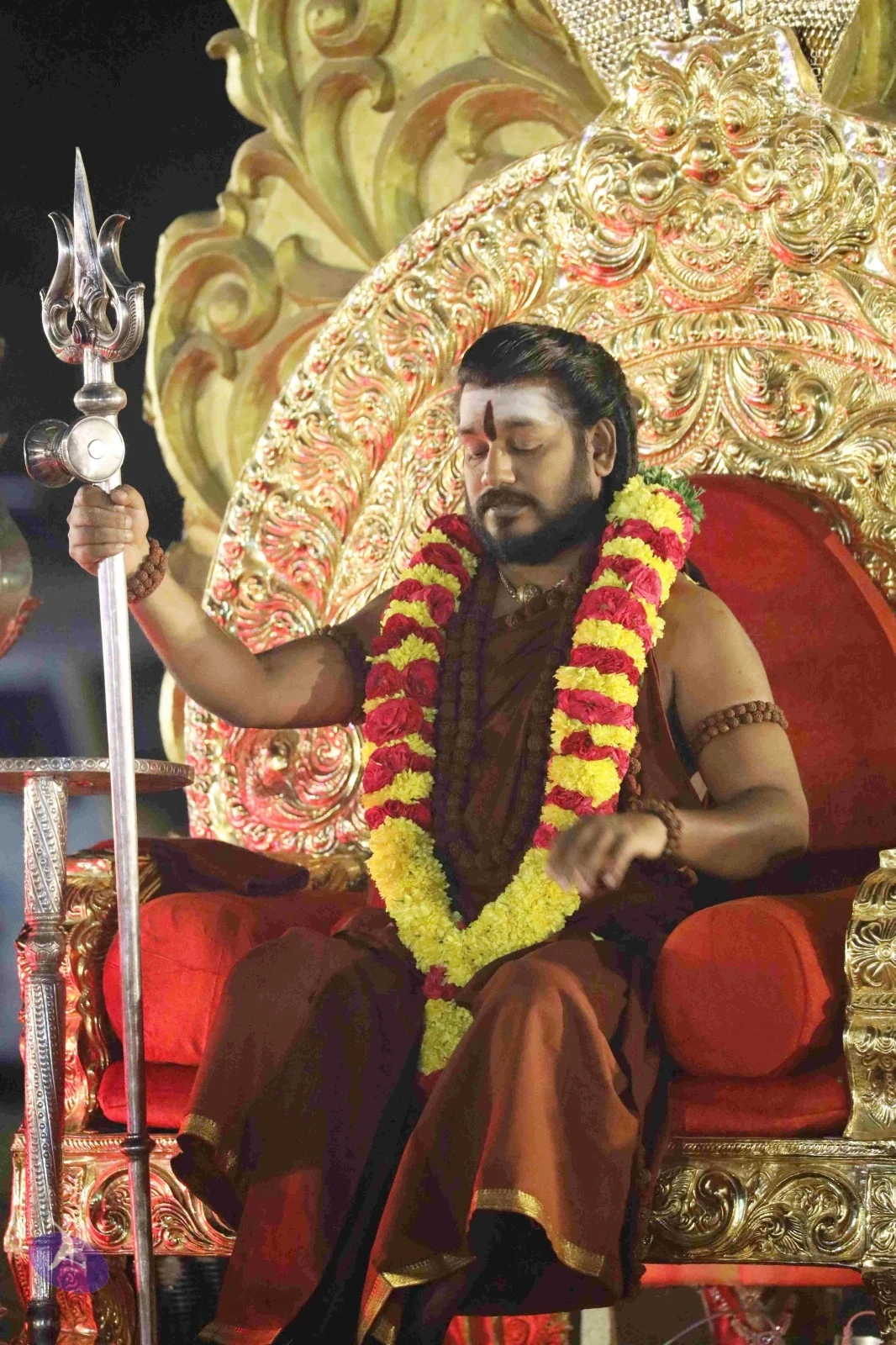
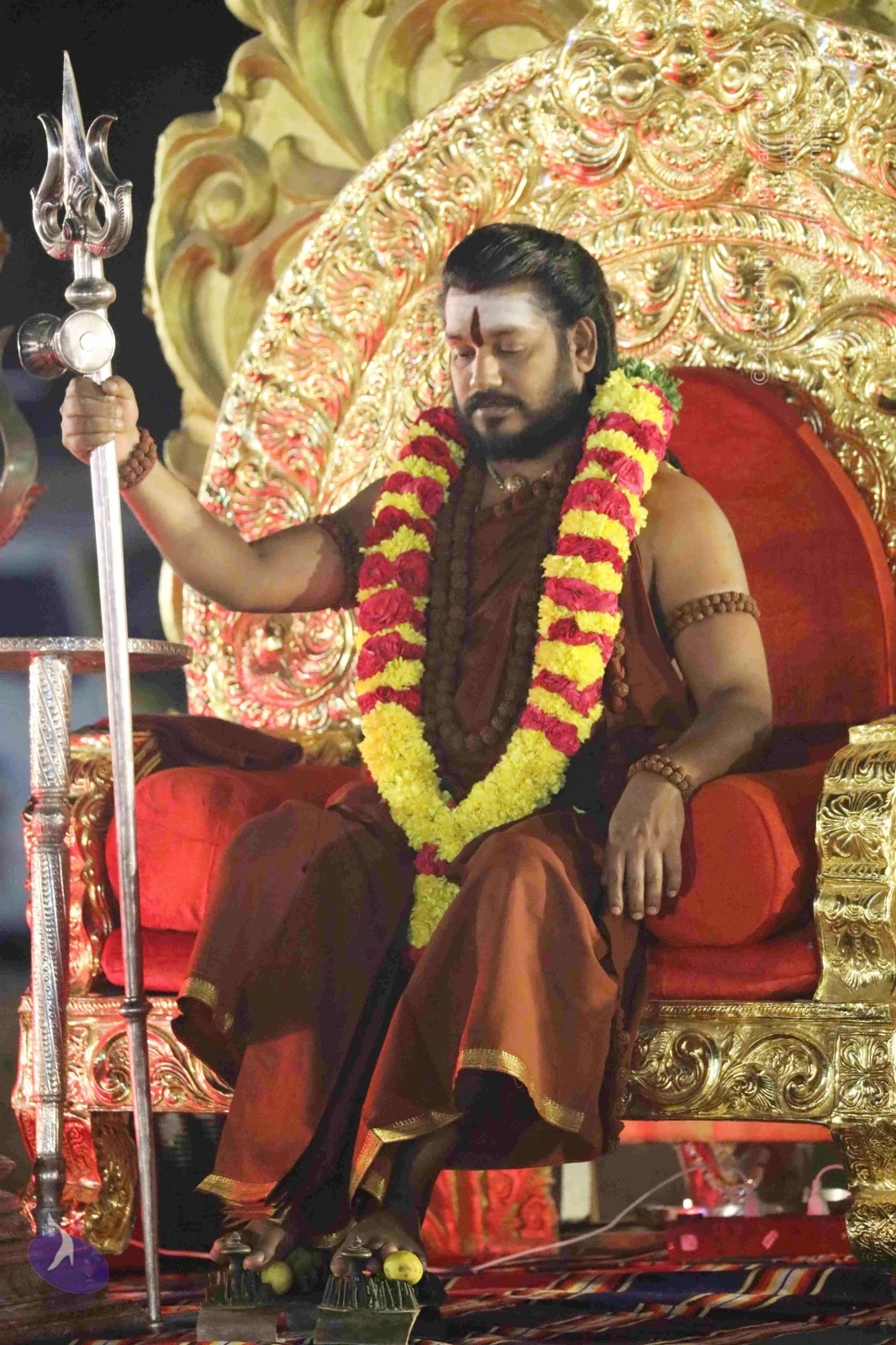
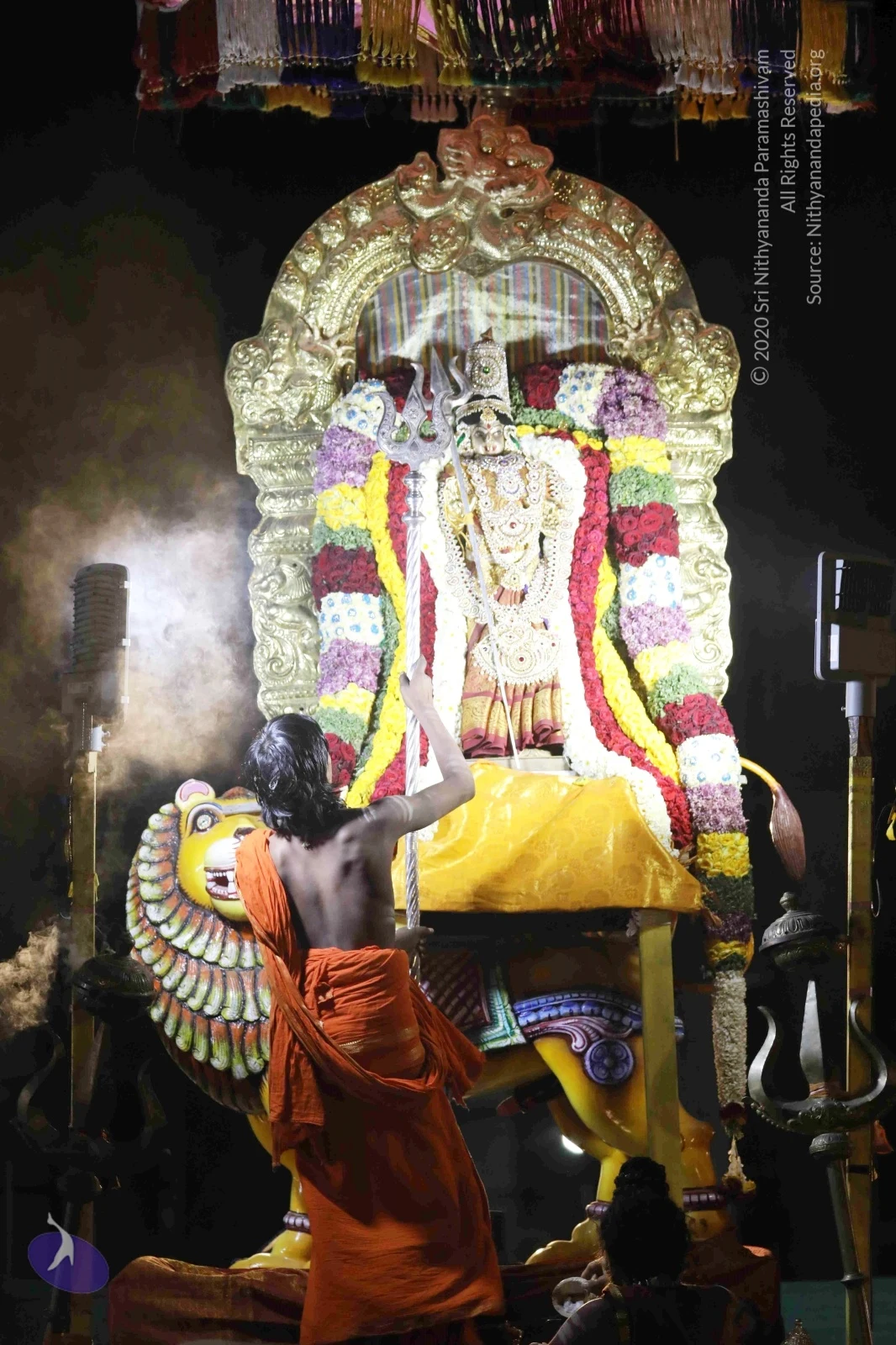
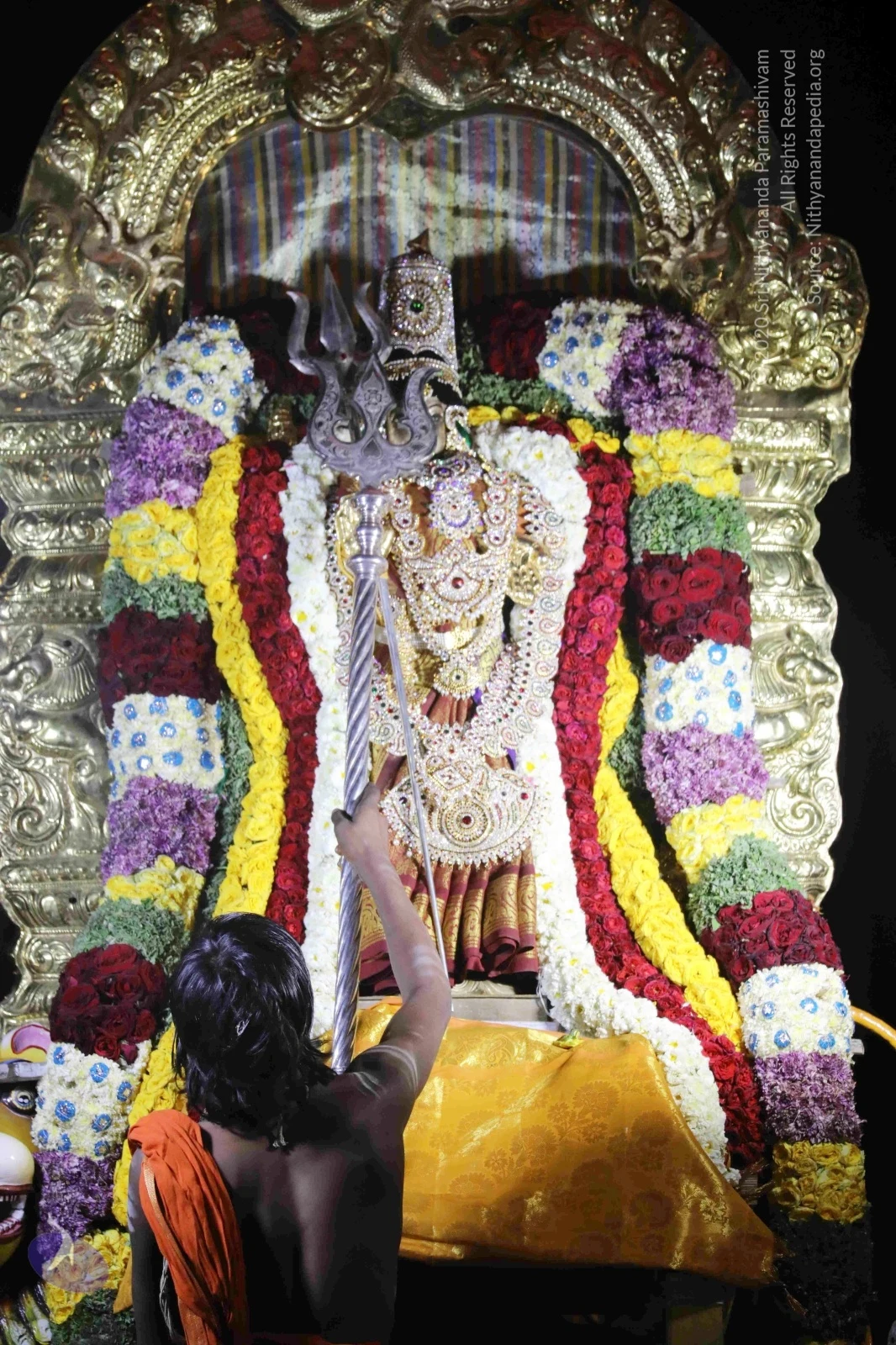
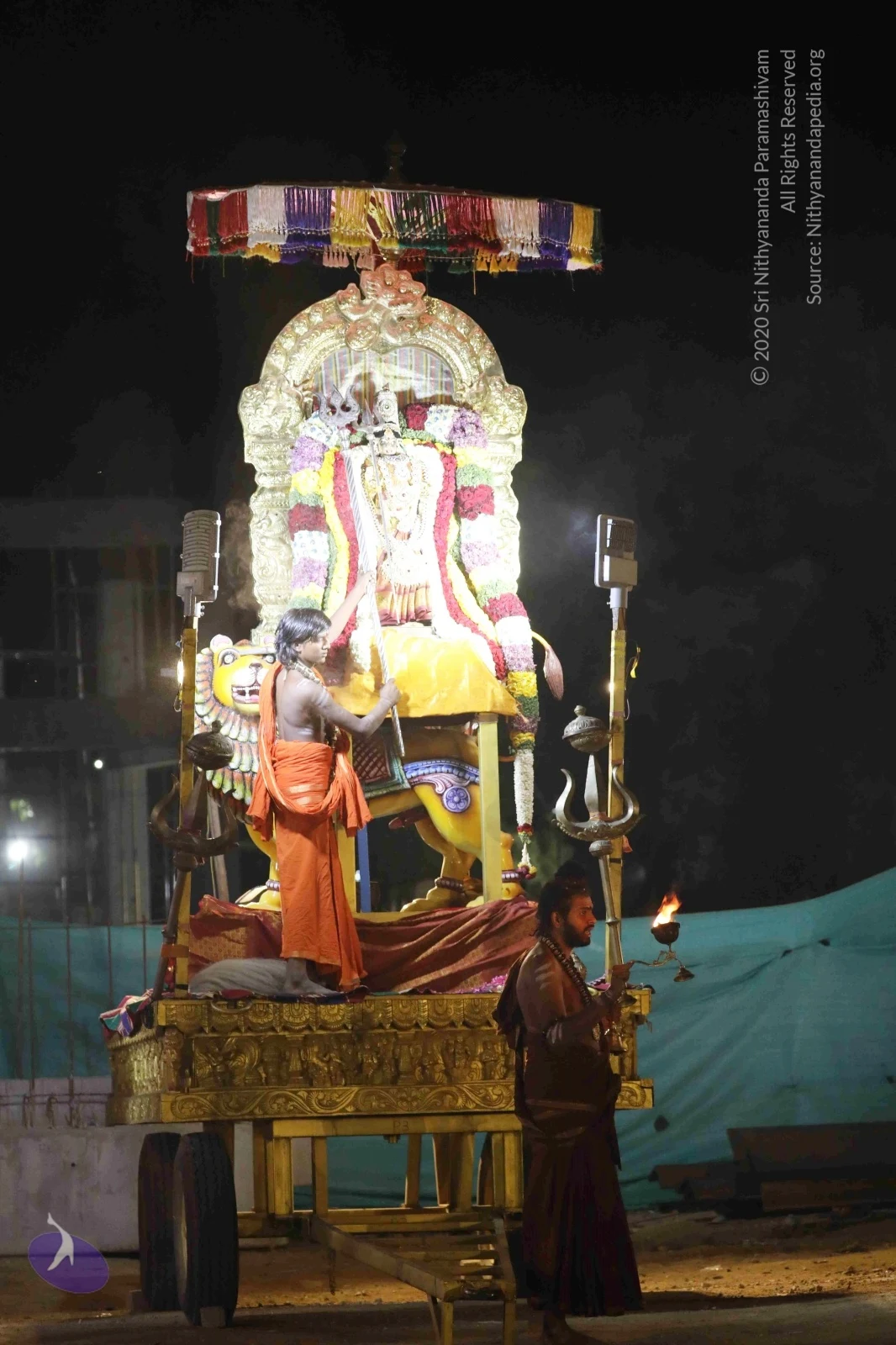
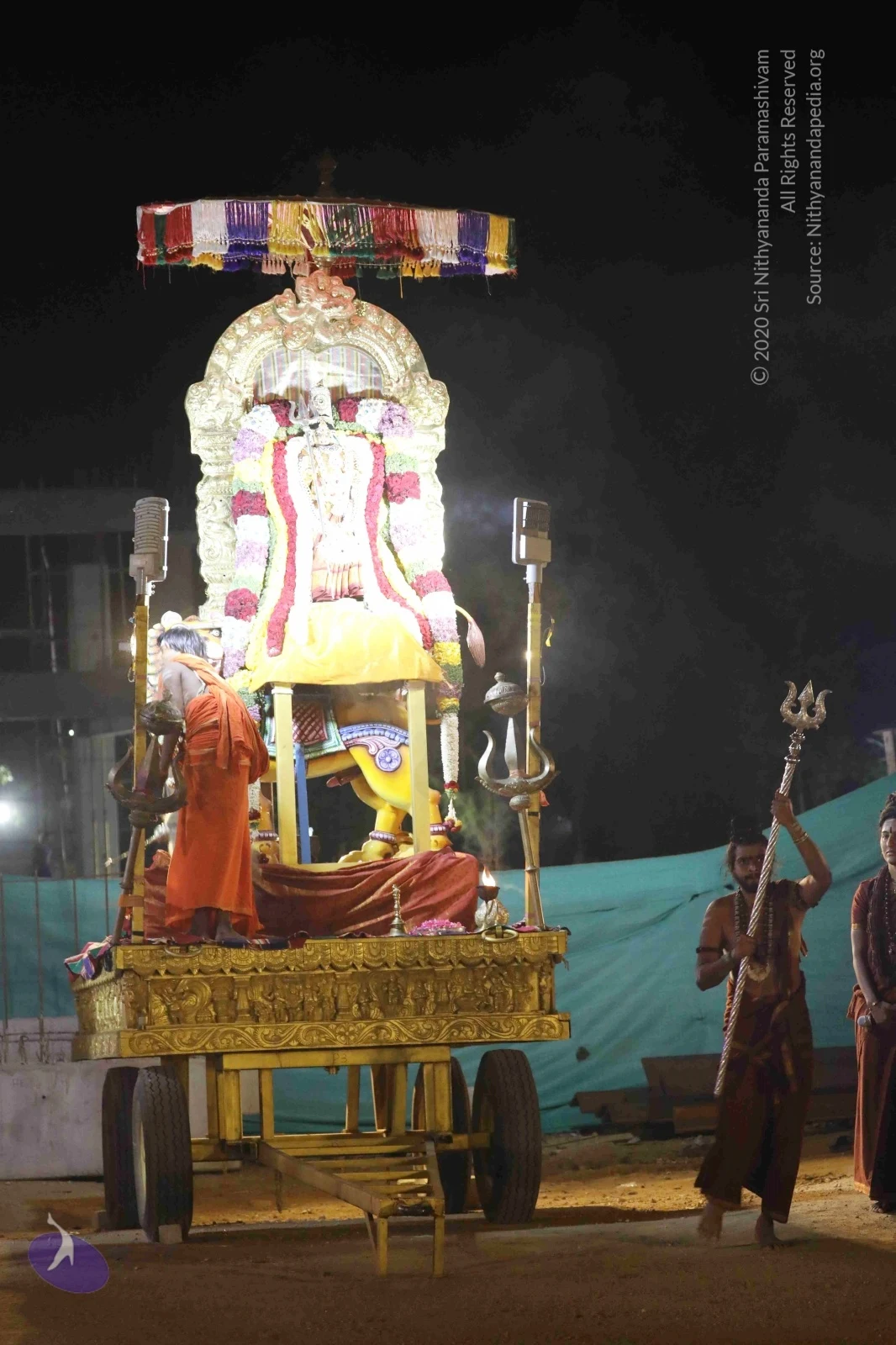
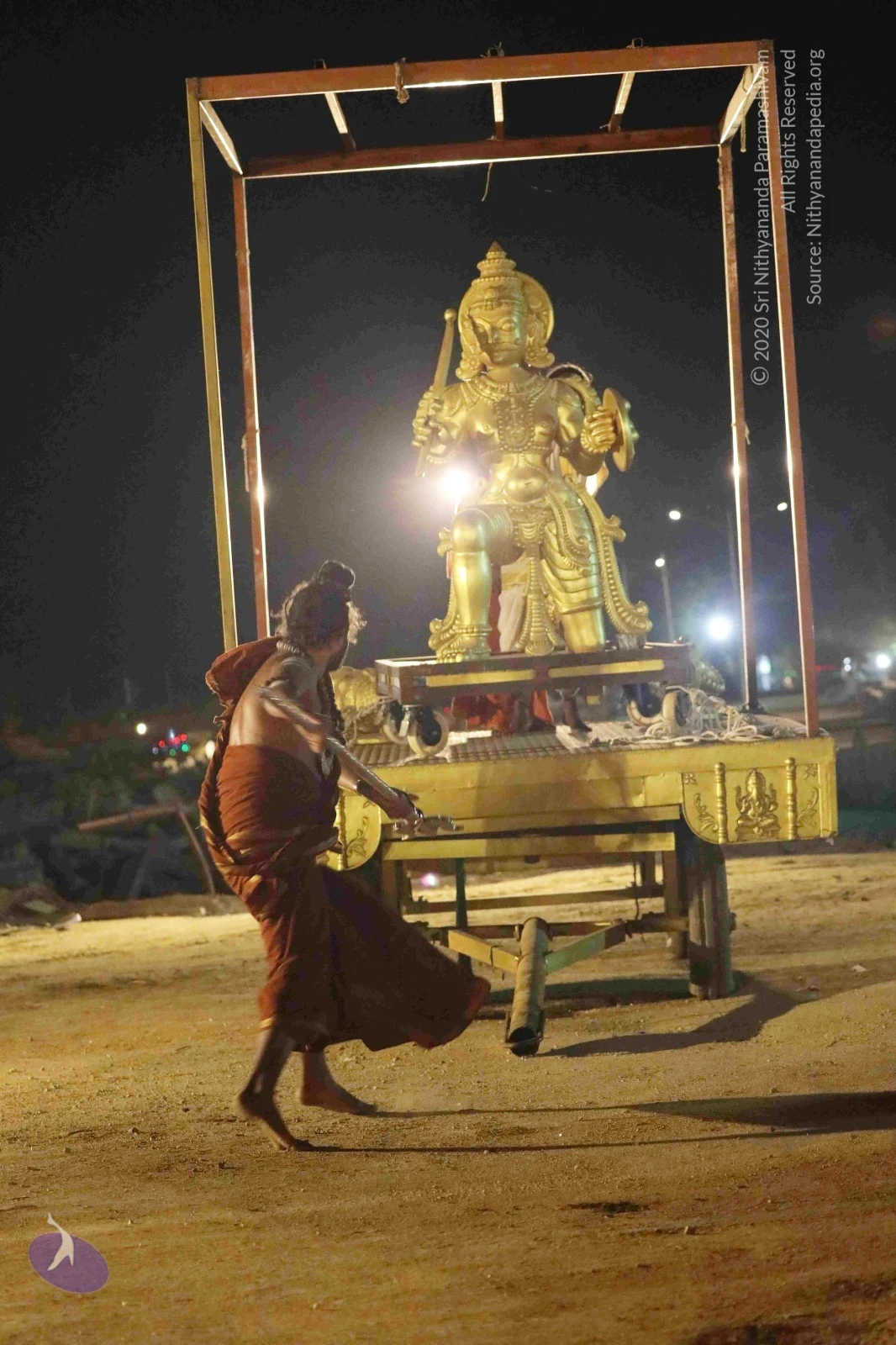
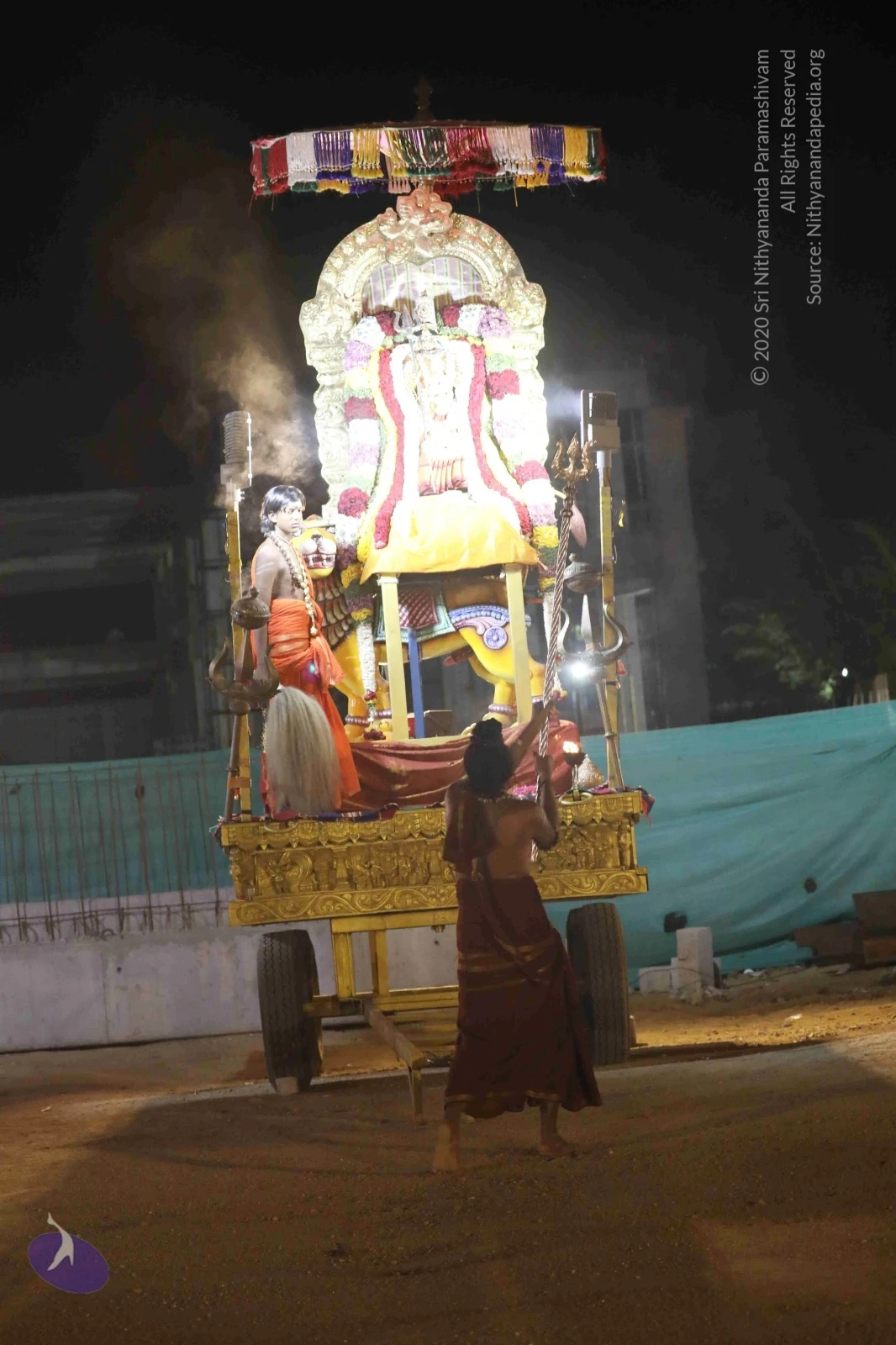
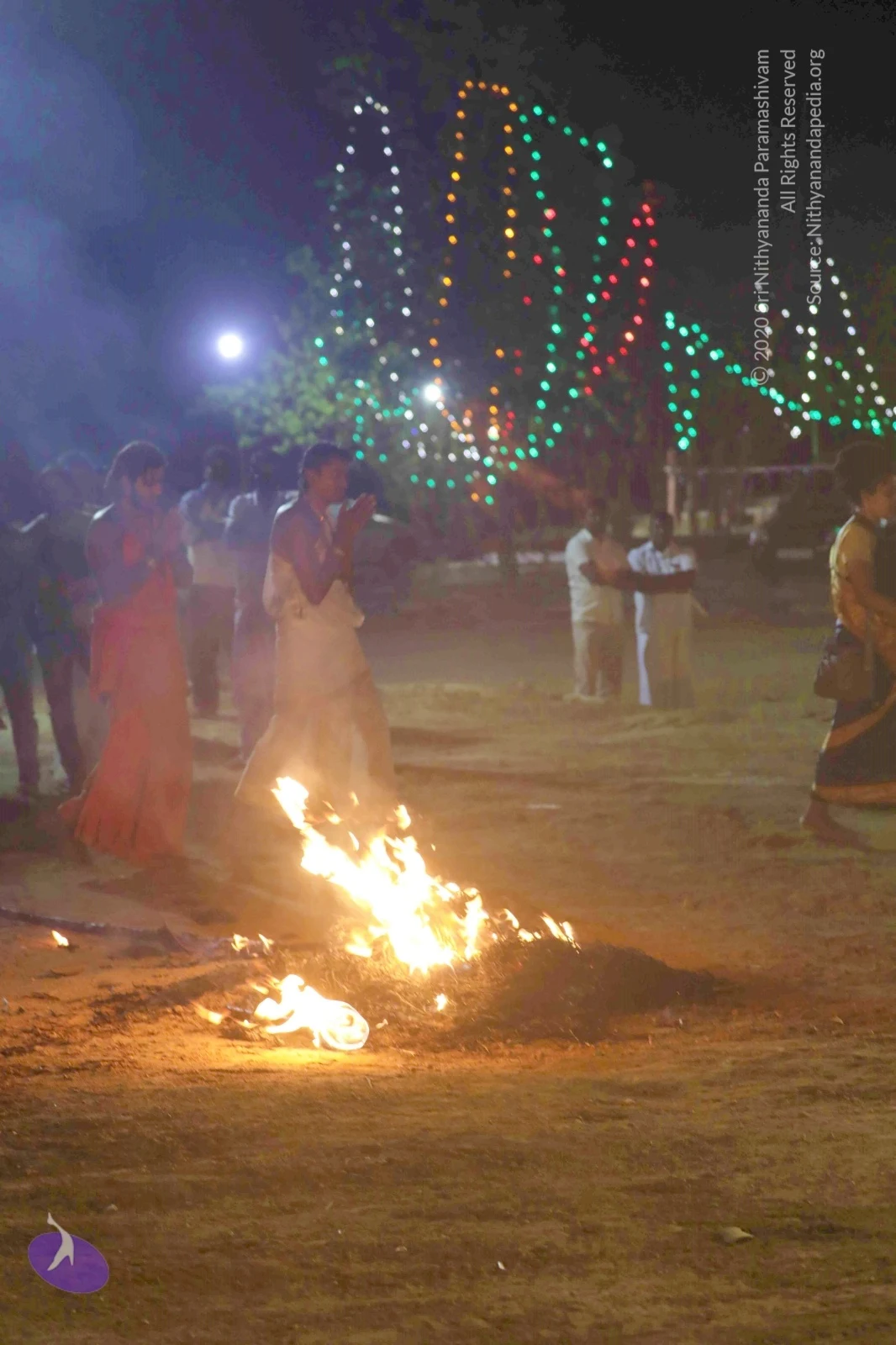
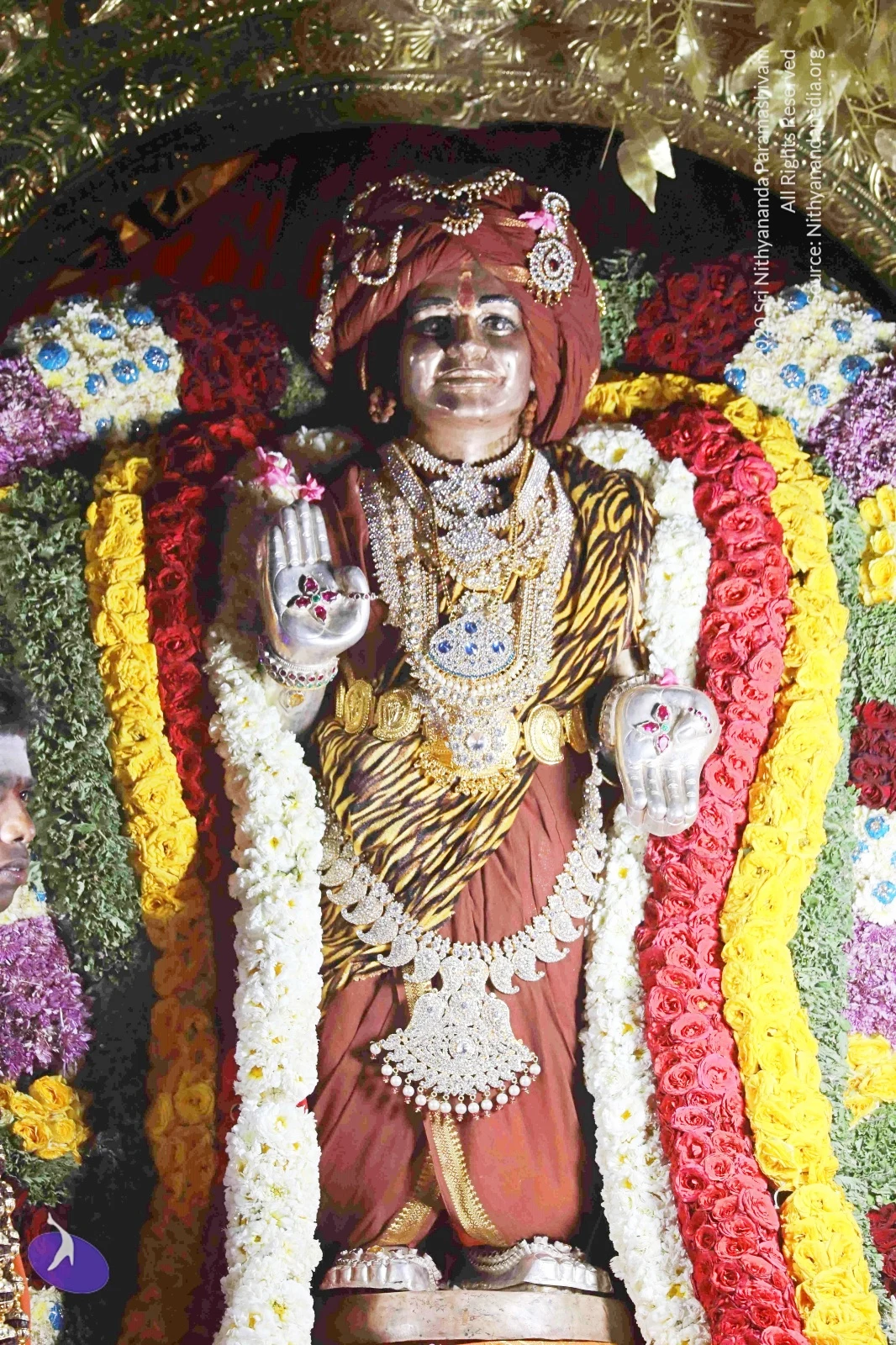
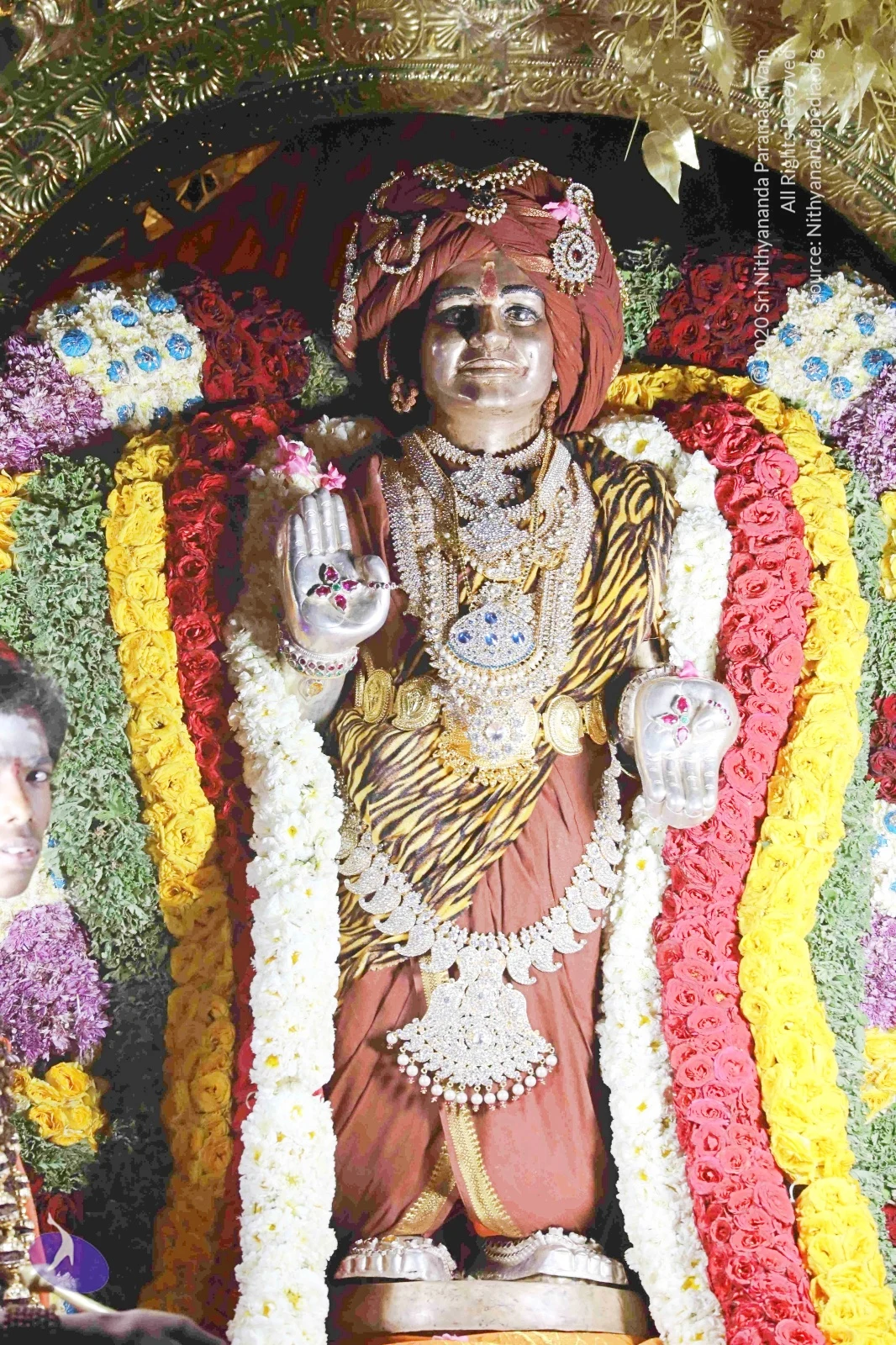
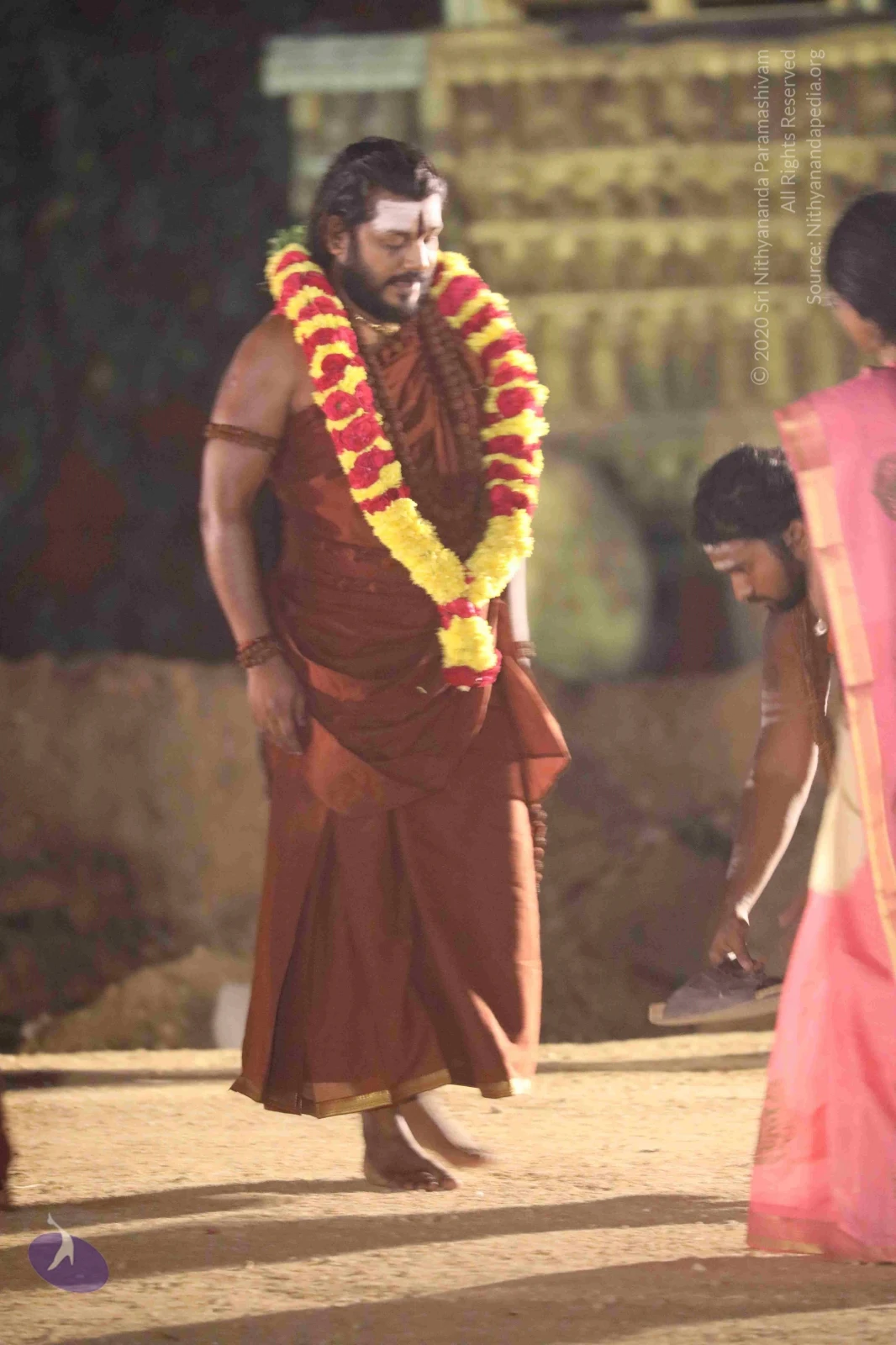
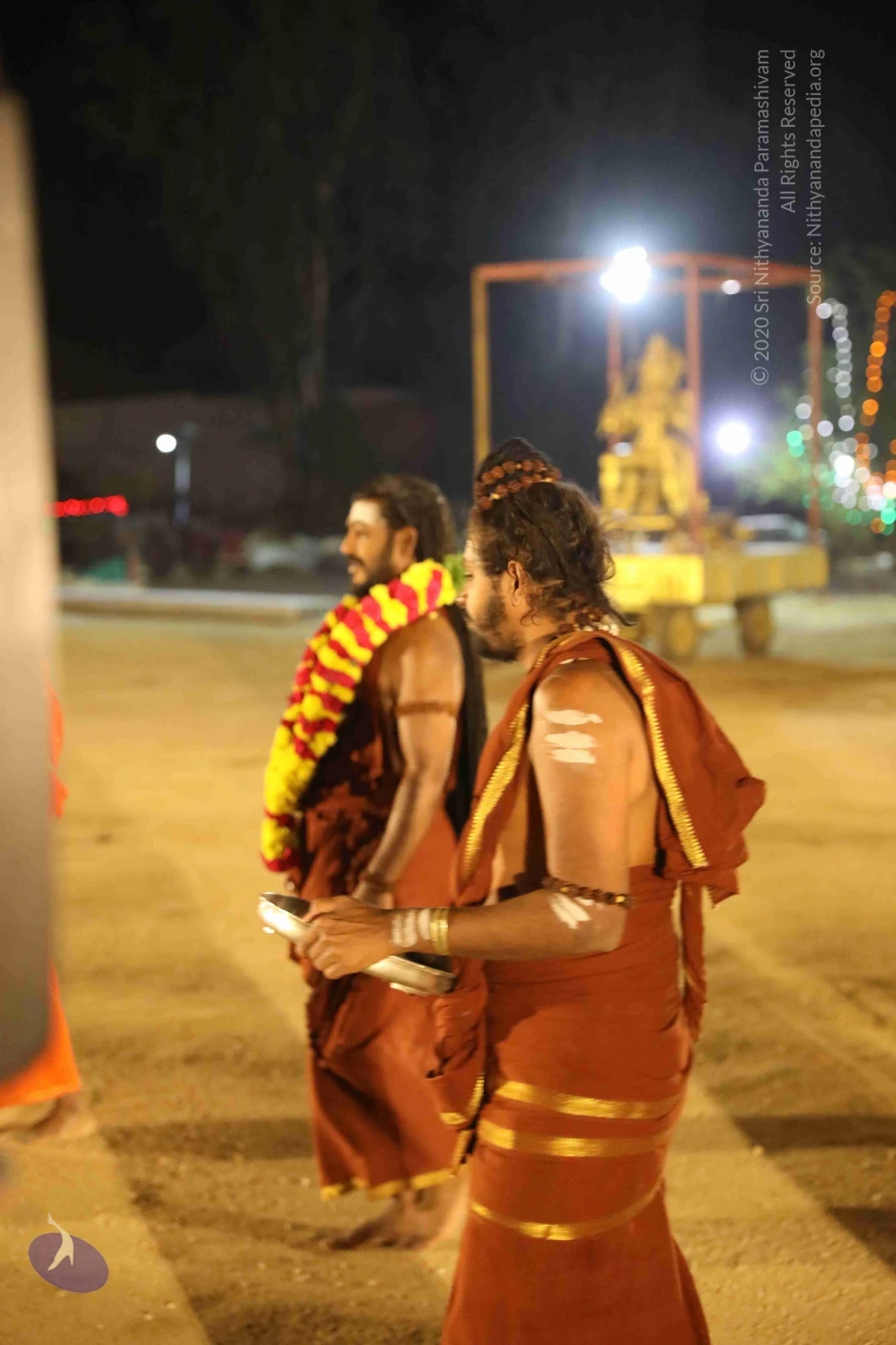
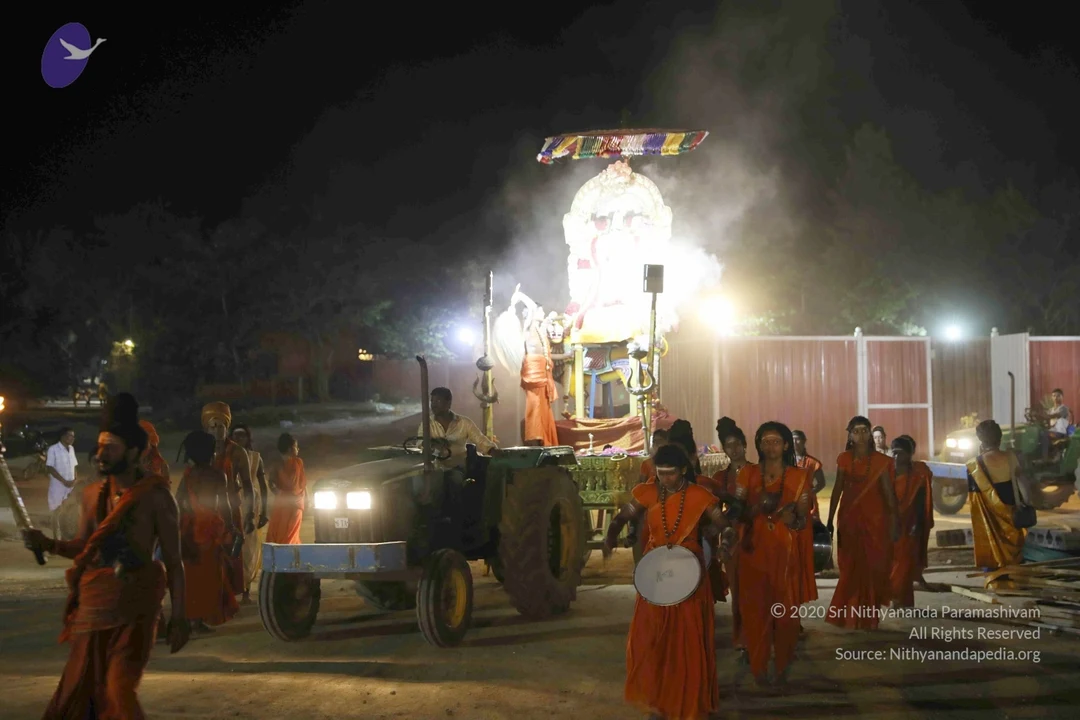
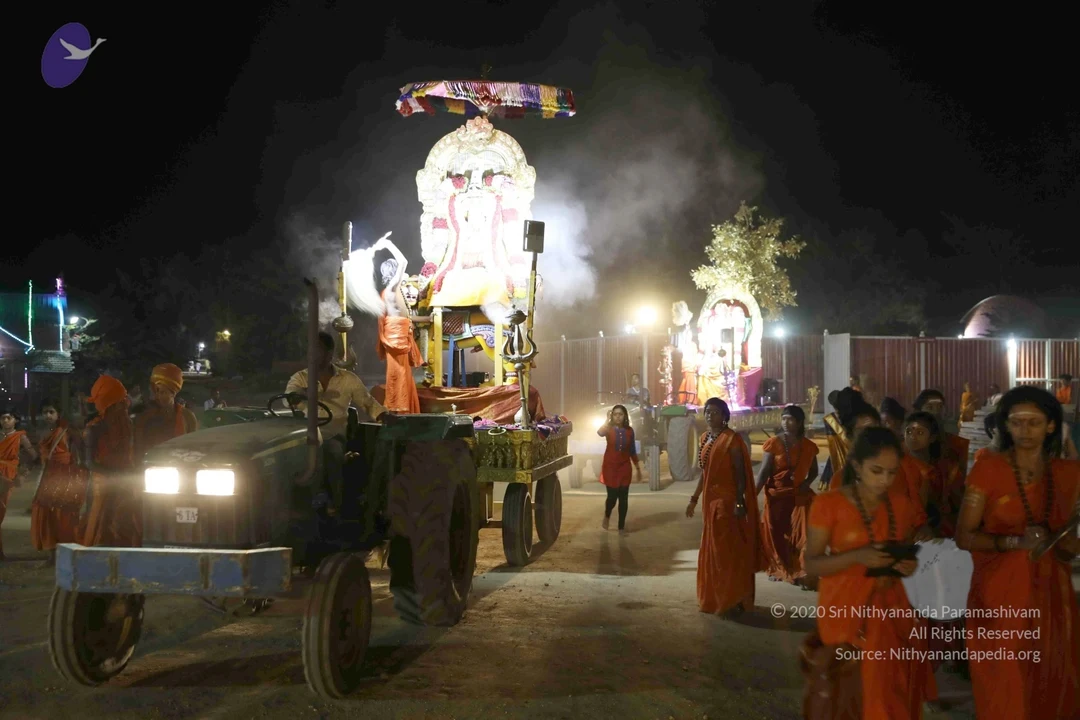
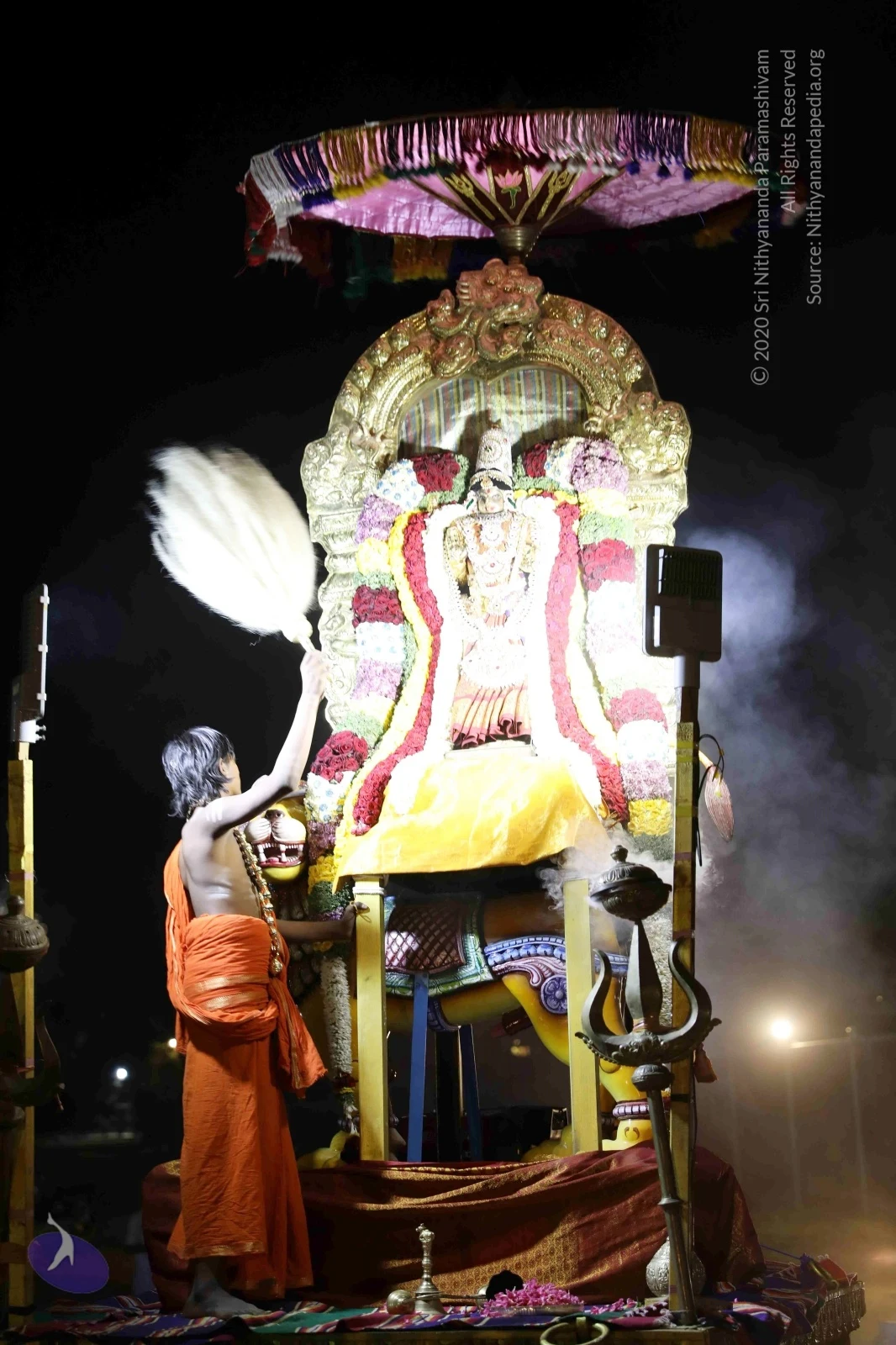
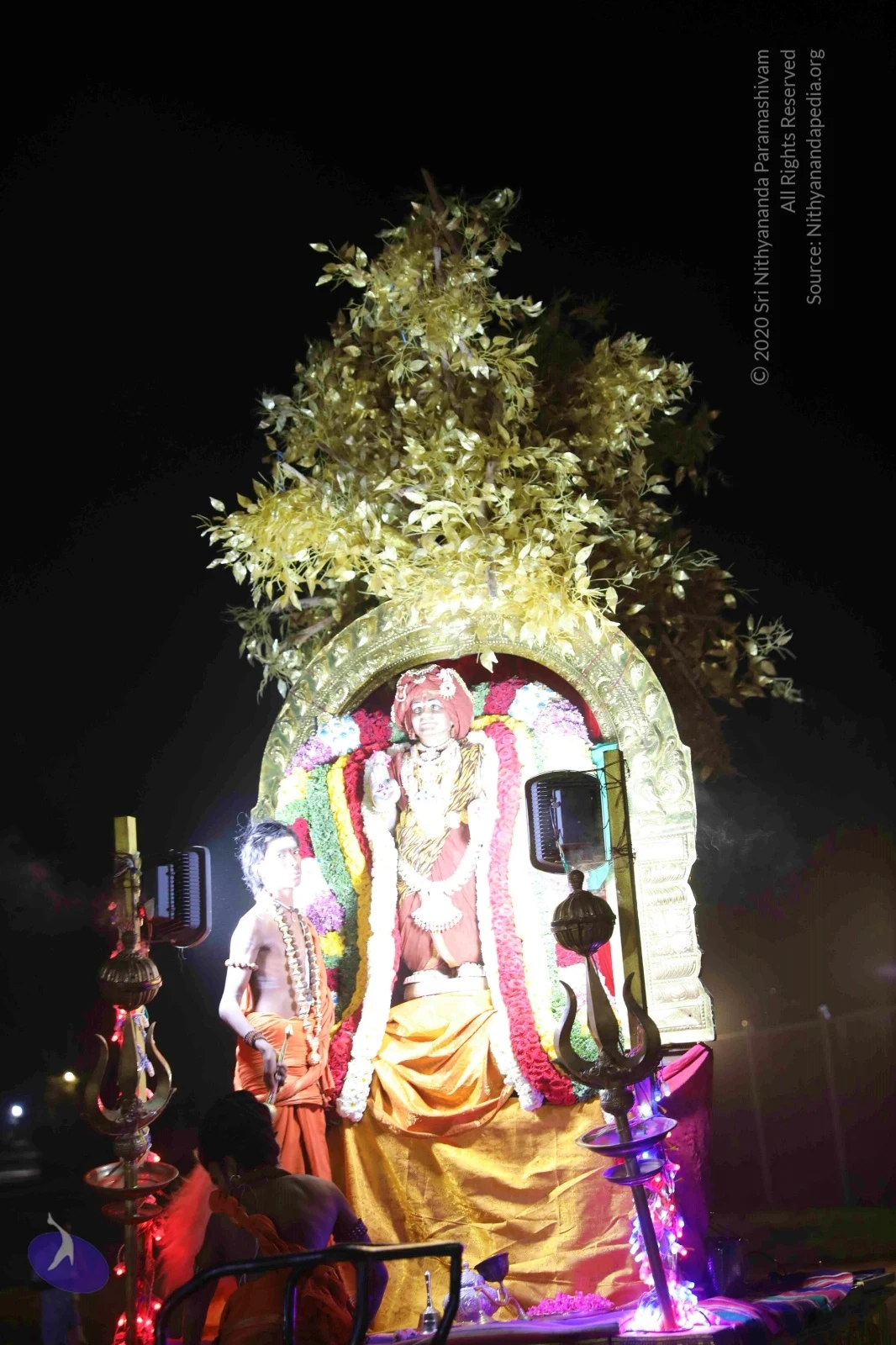
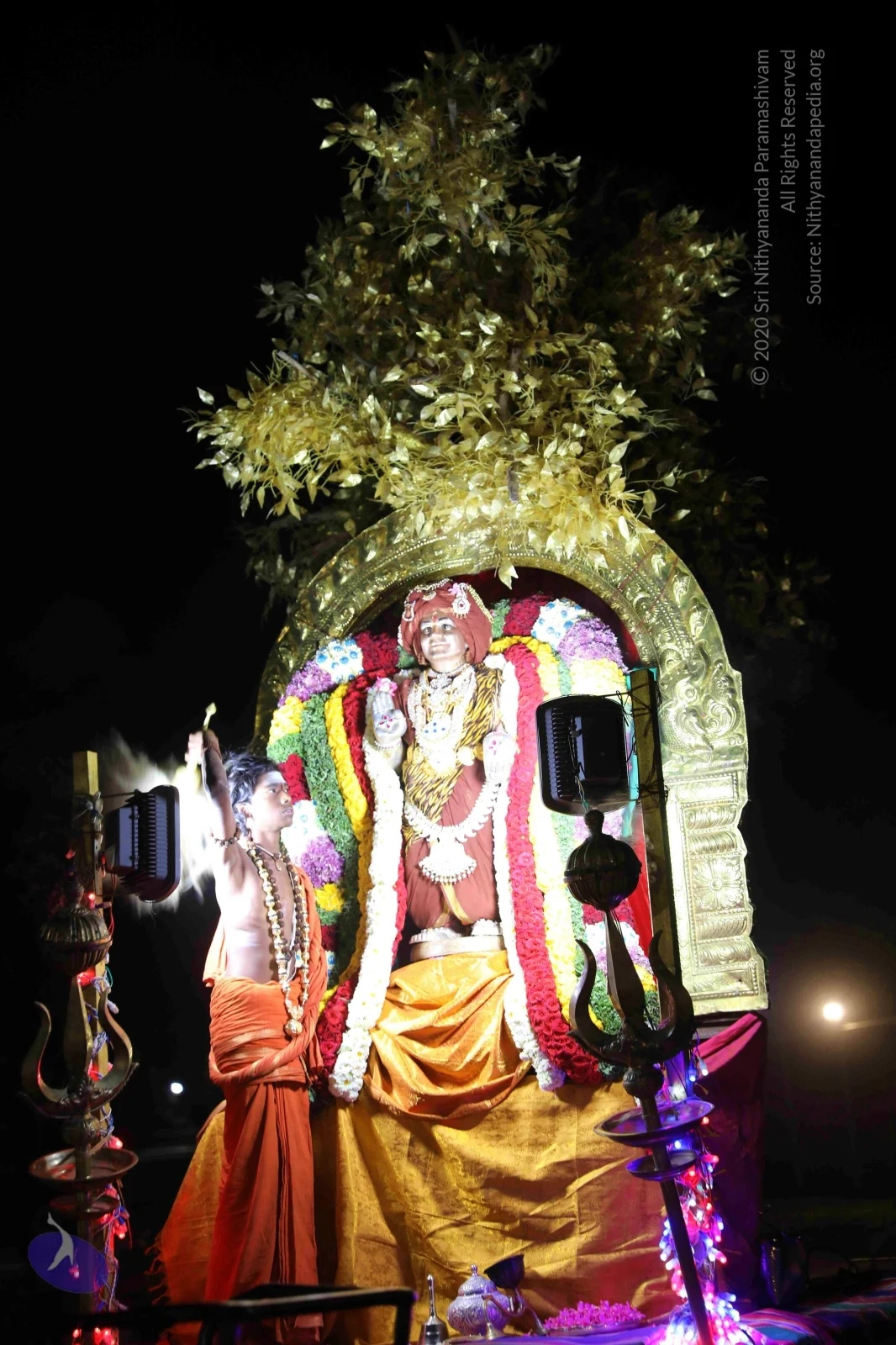
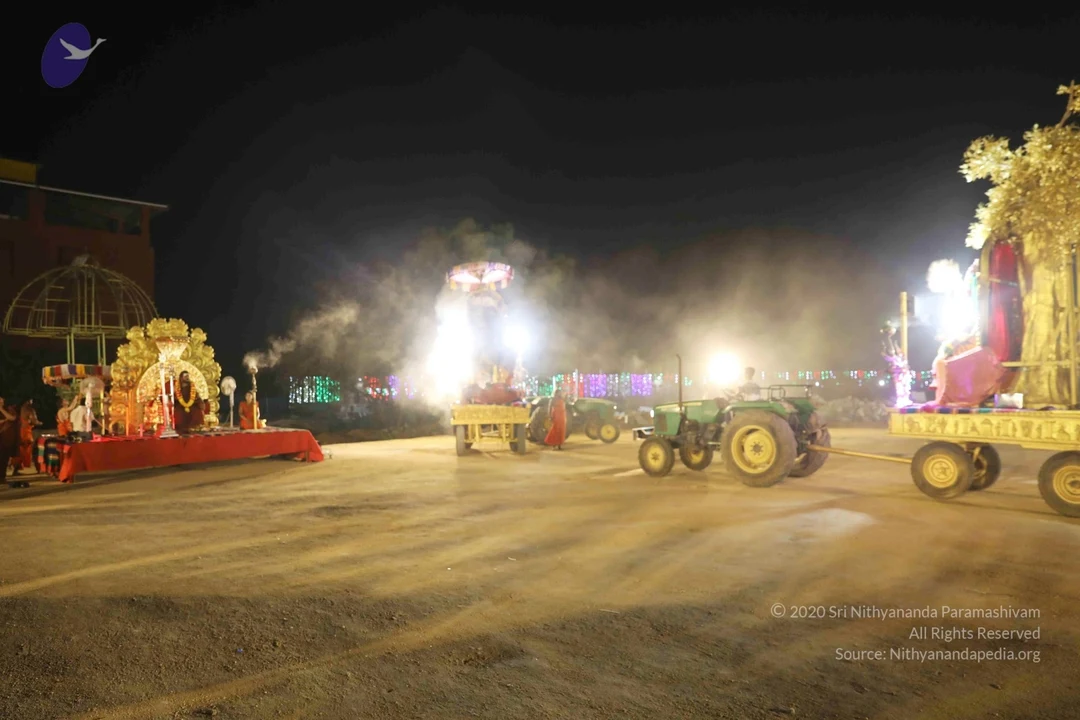
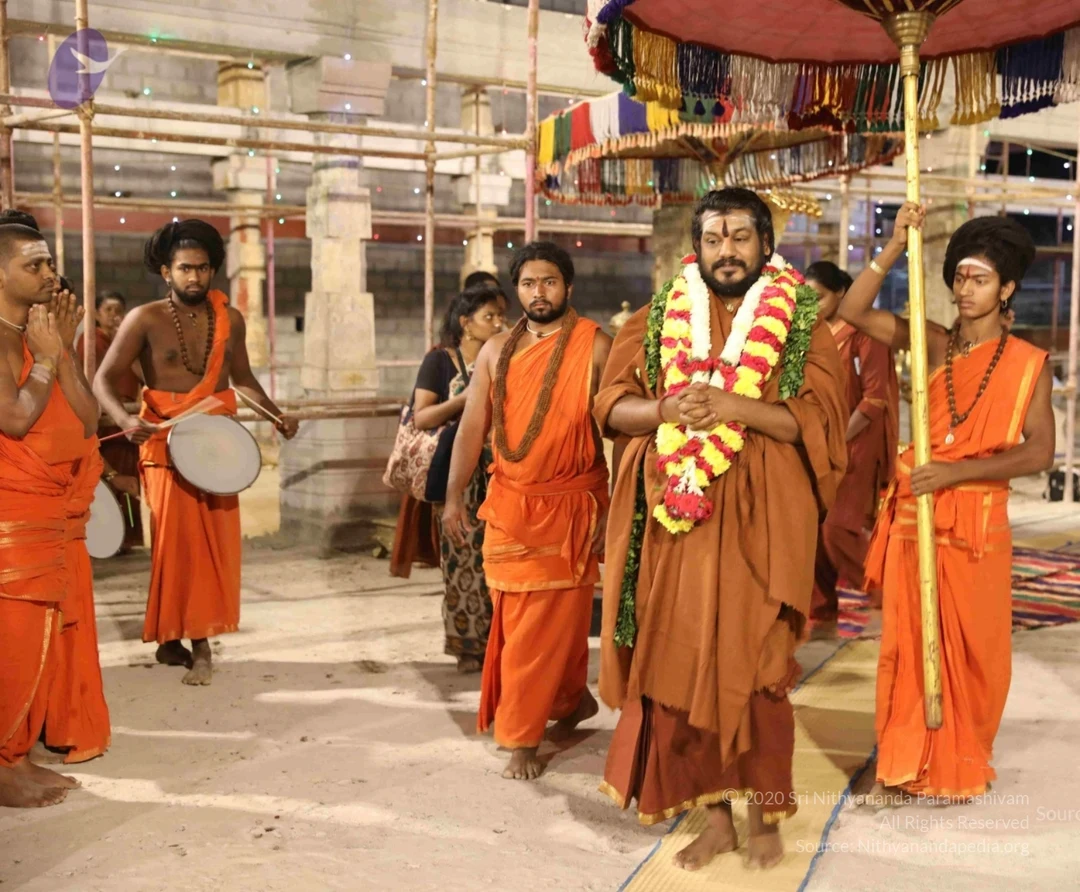
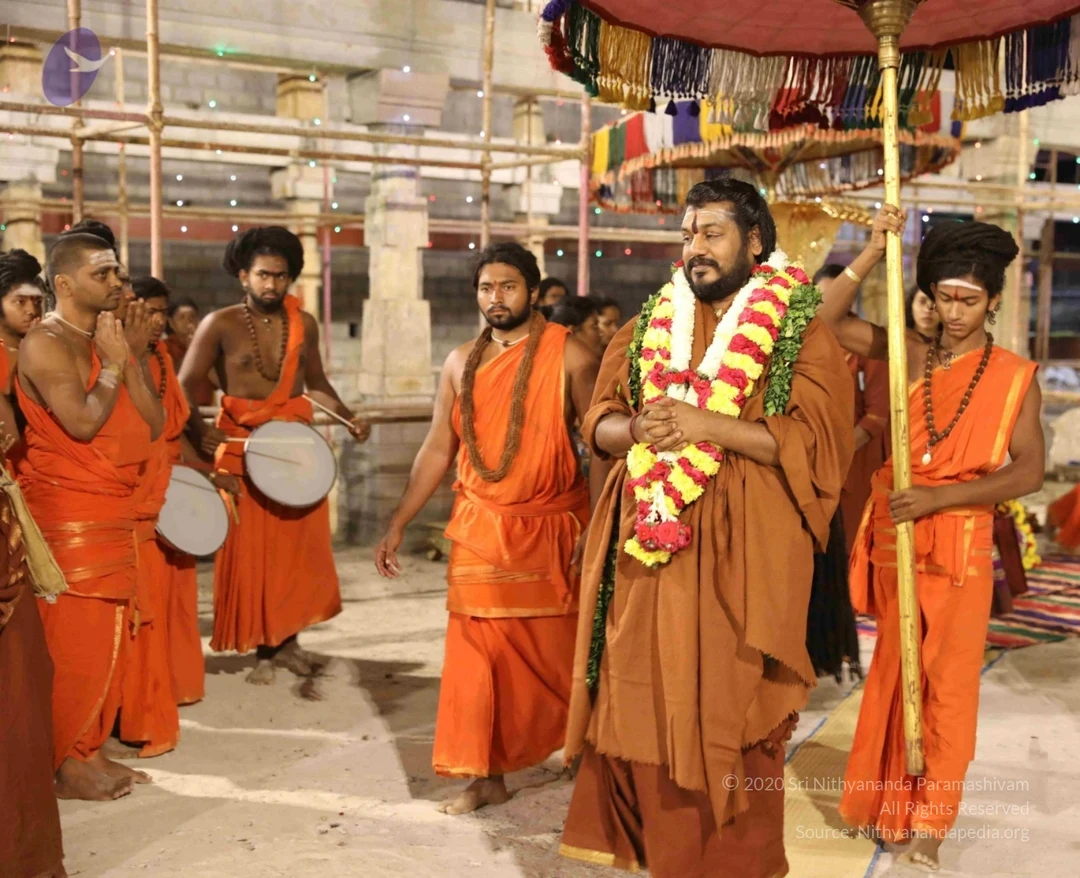
Anti-spiritual-elements-suicide-day-procession-samharam
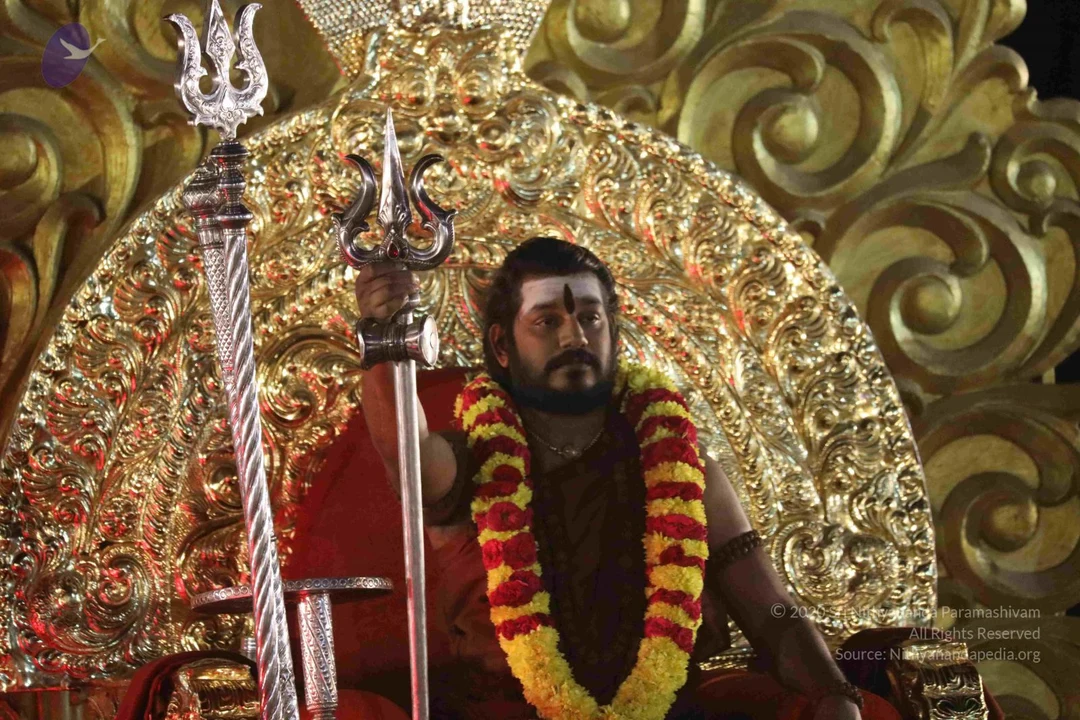

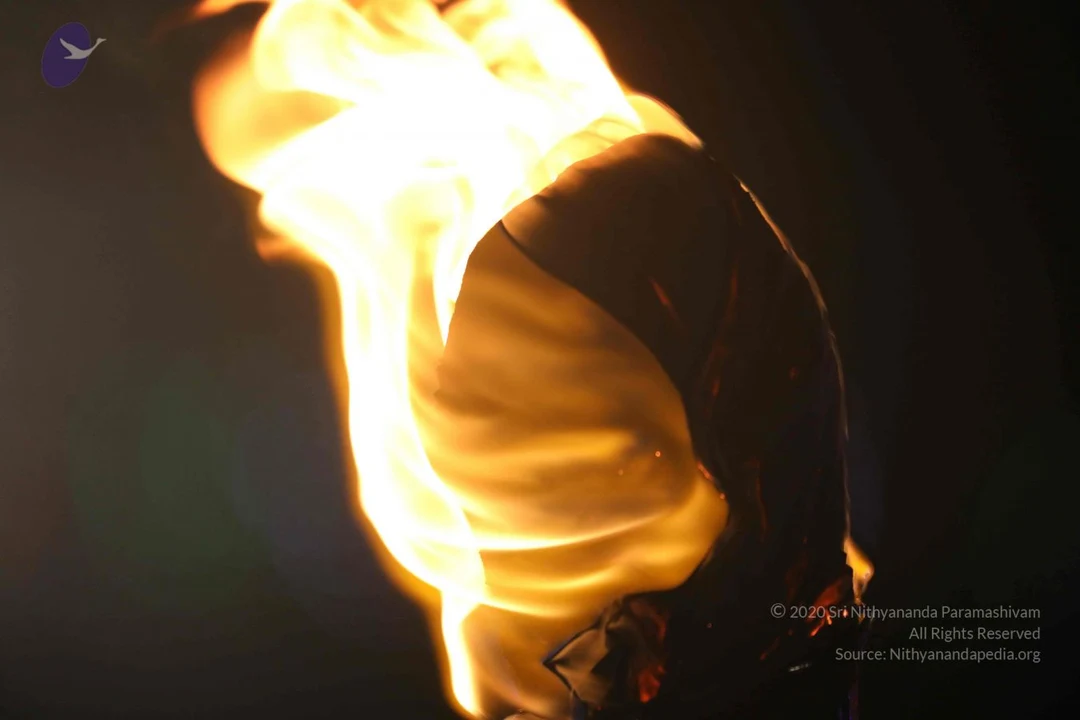

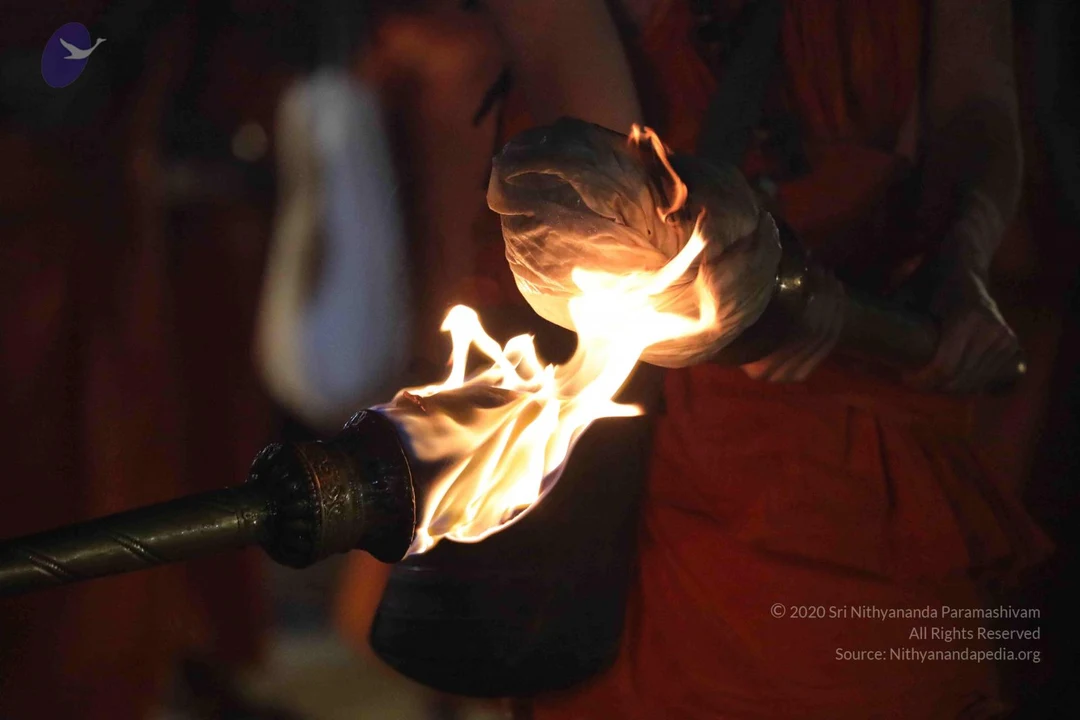
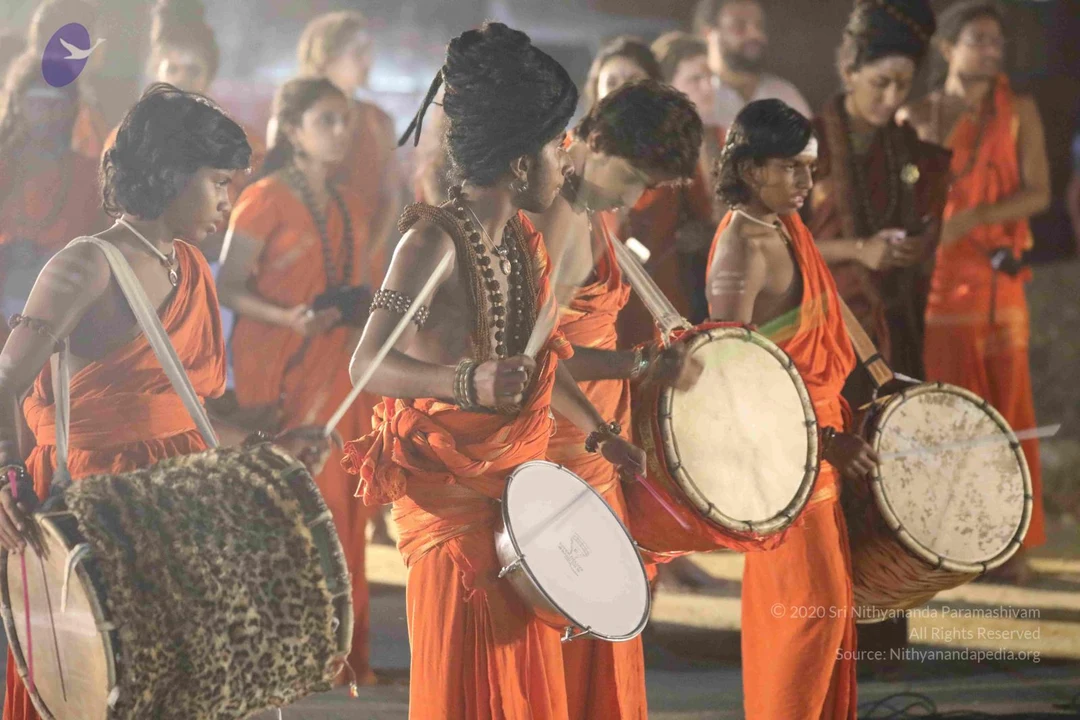
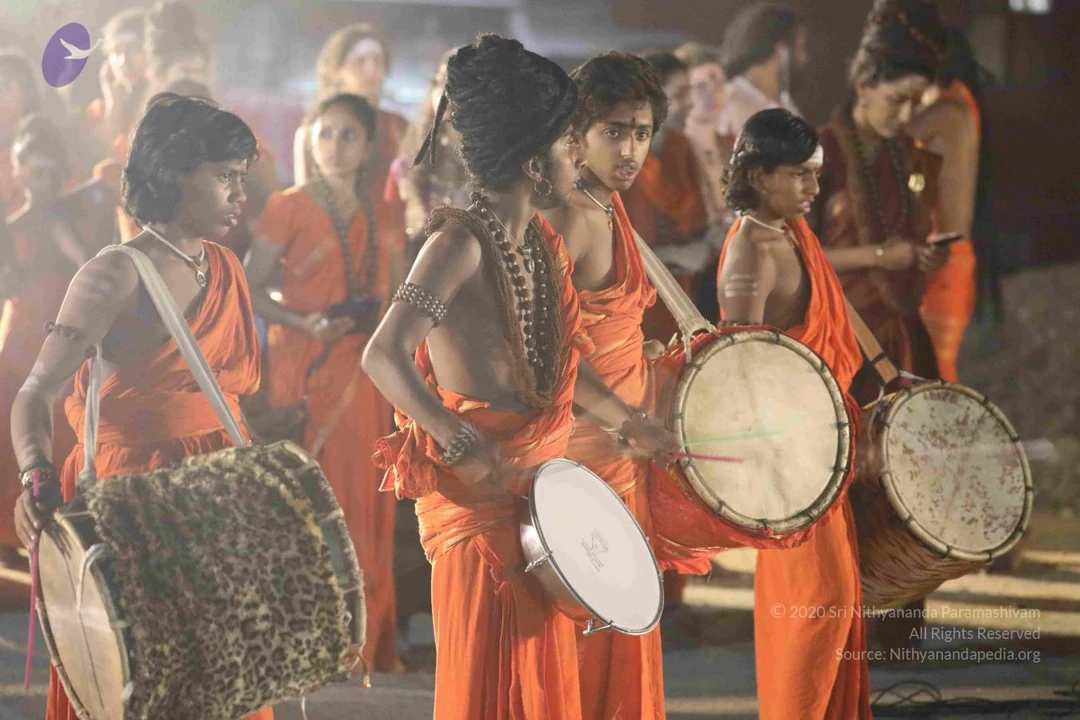
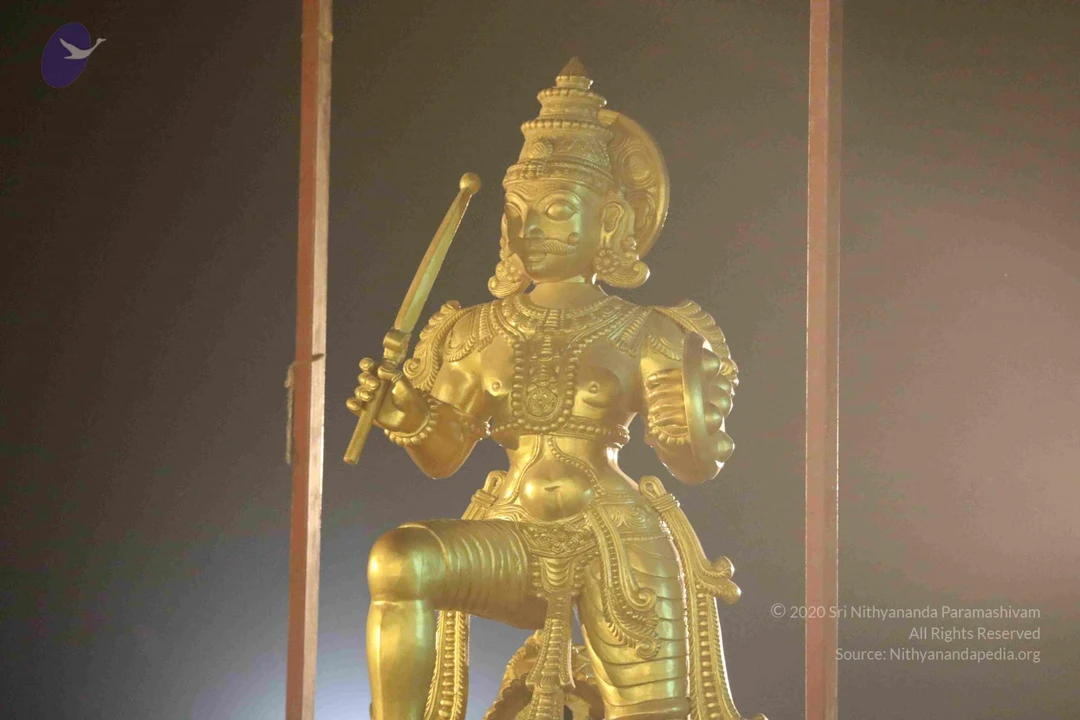
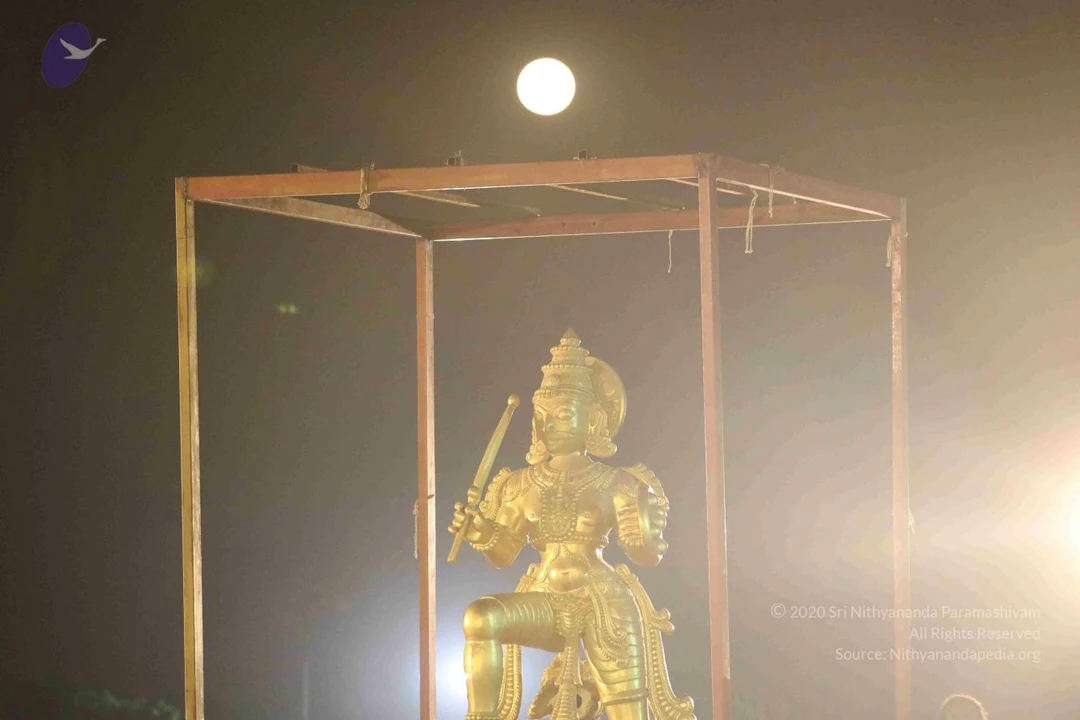
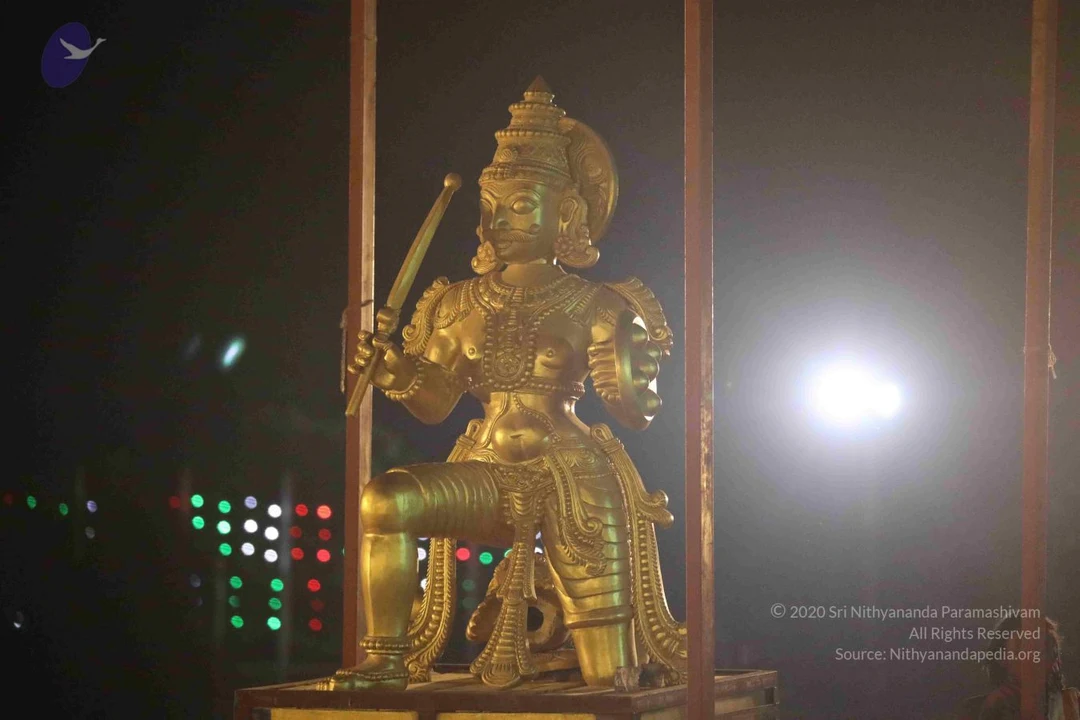
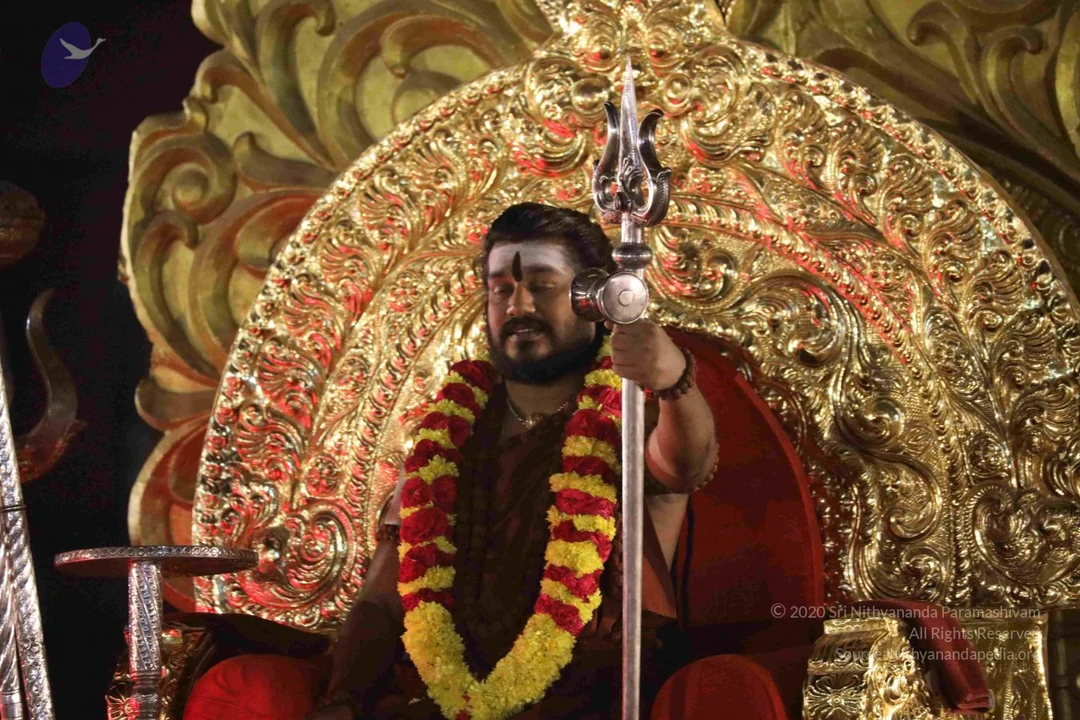
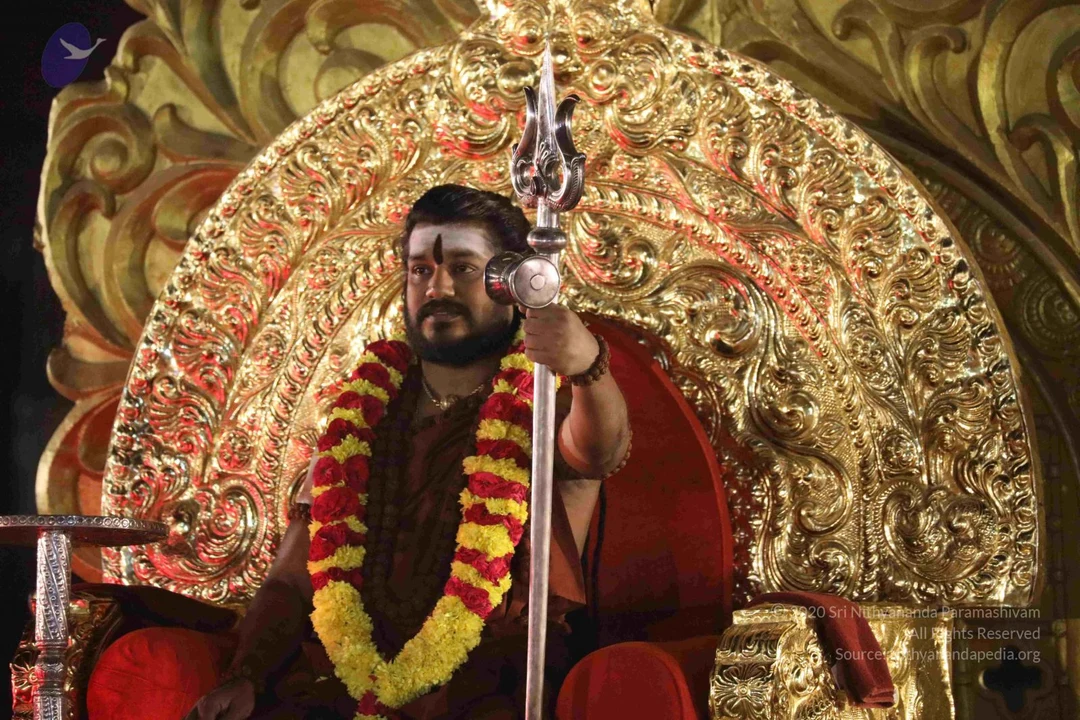
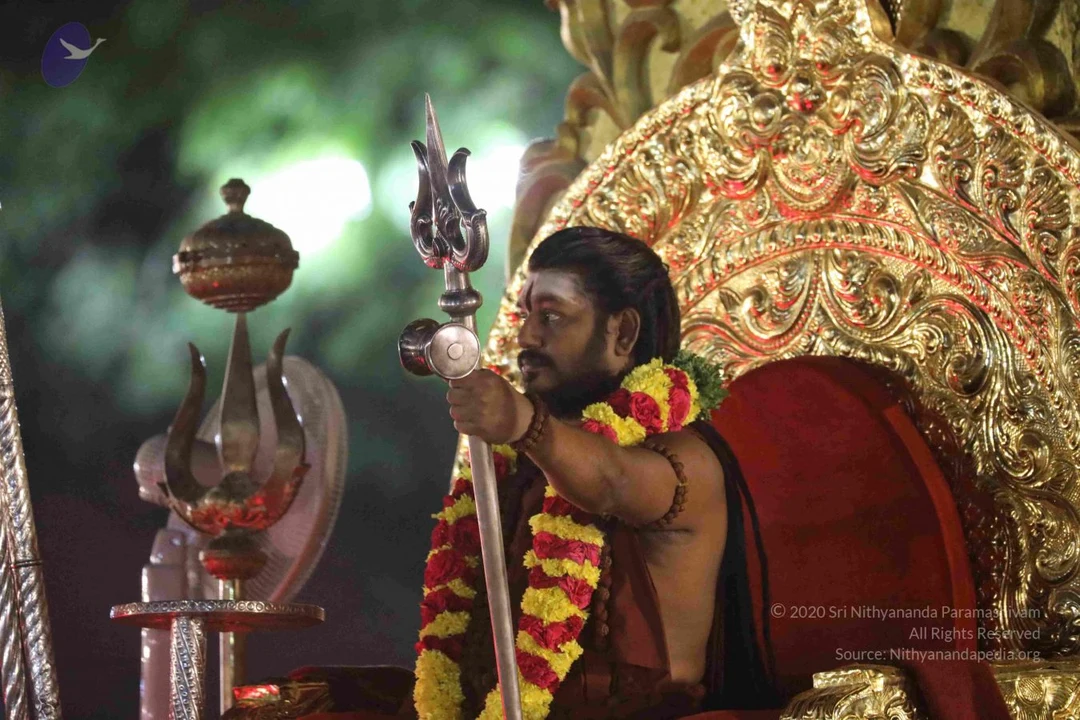
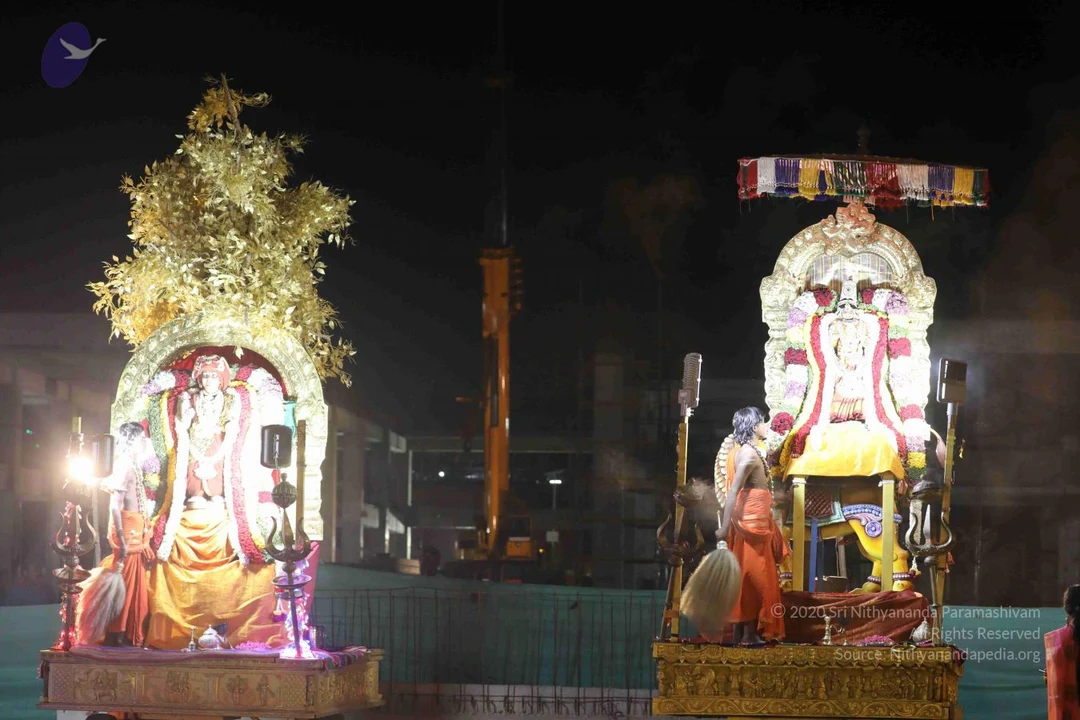
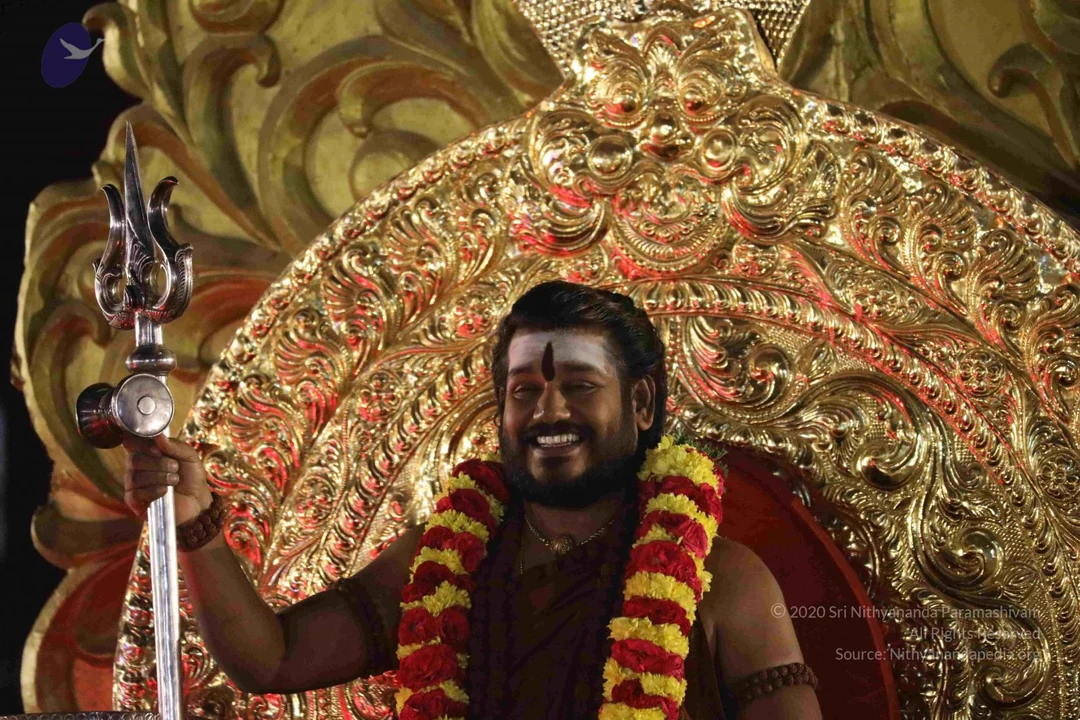
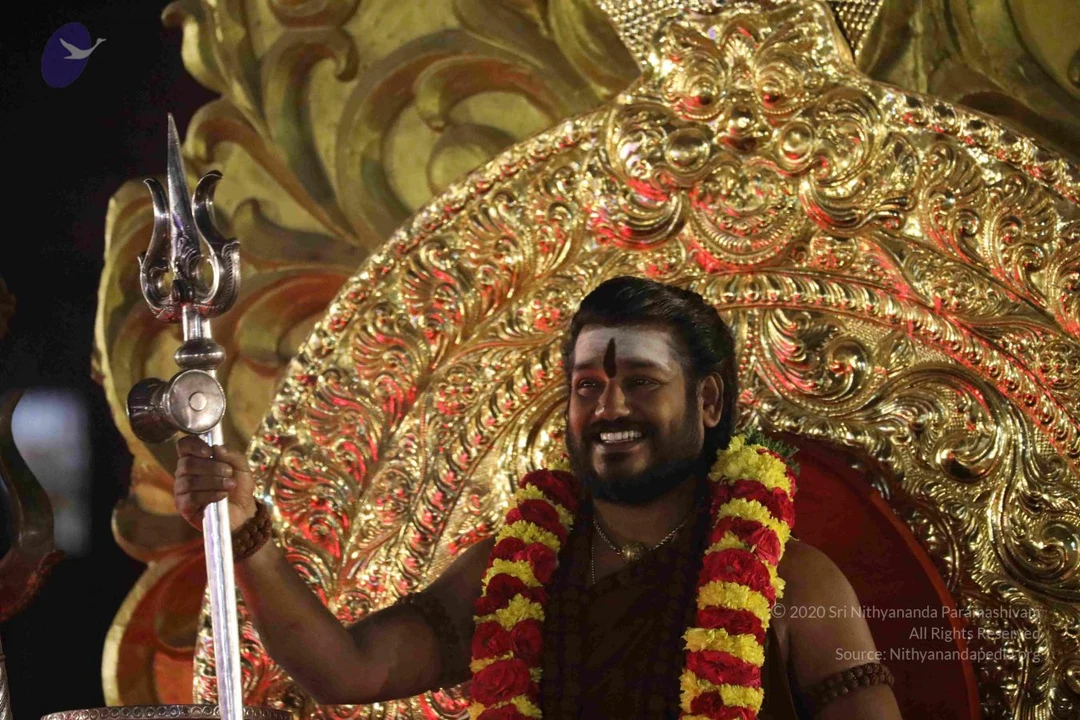
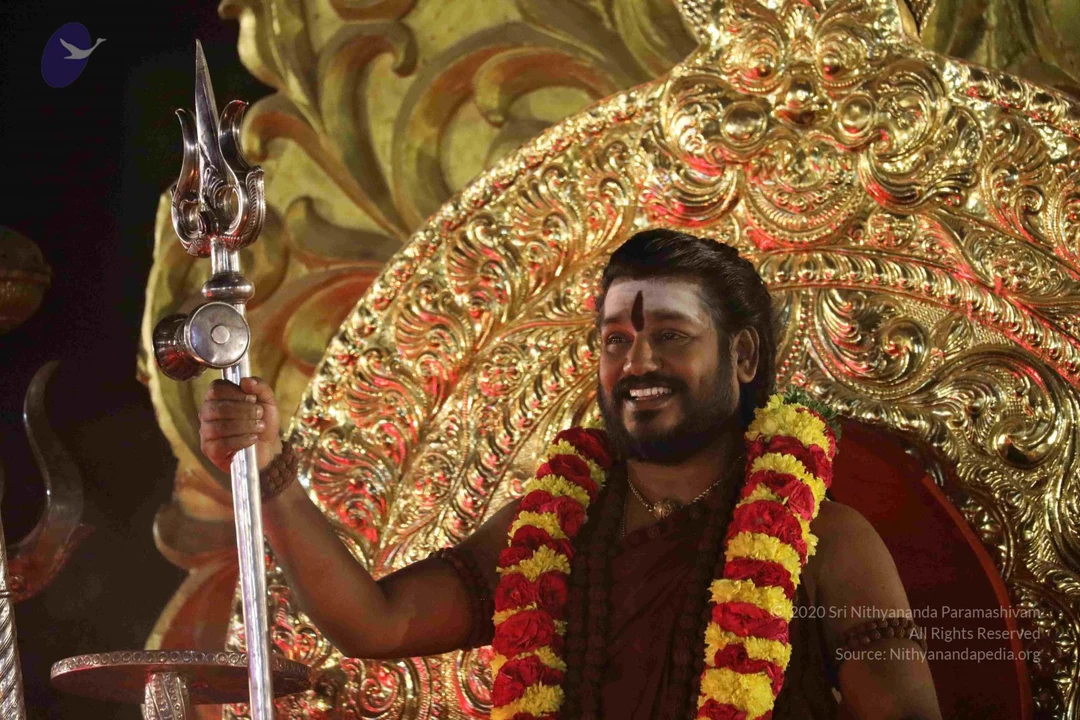
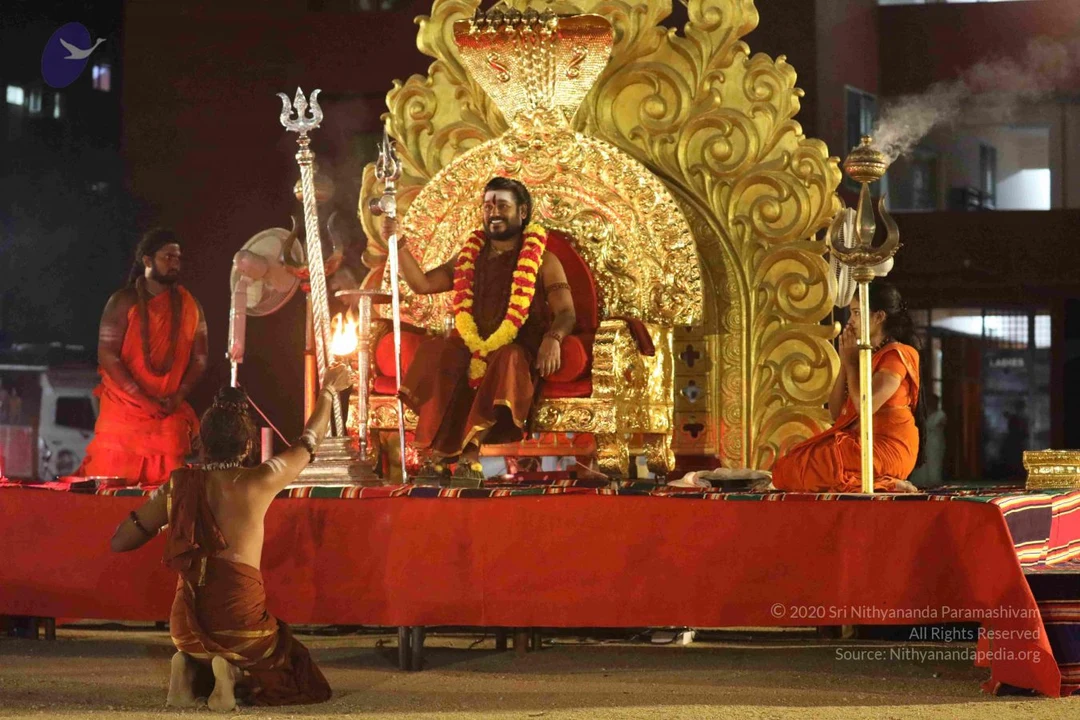
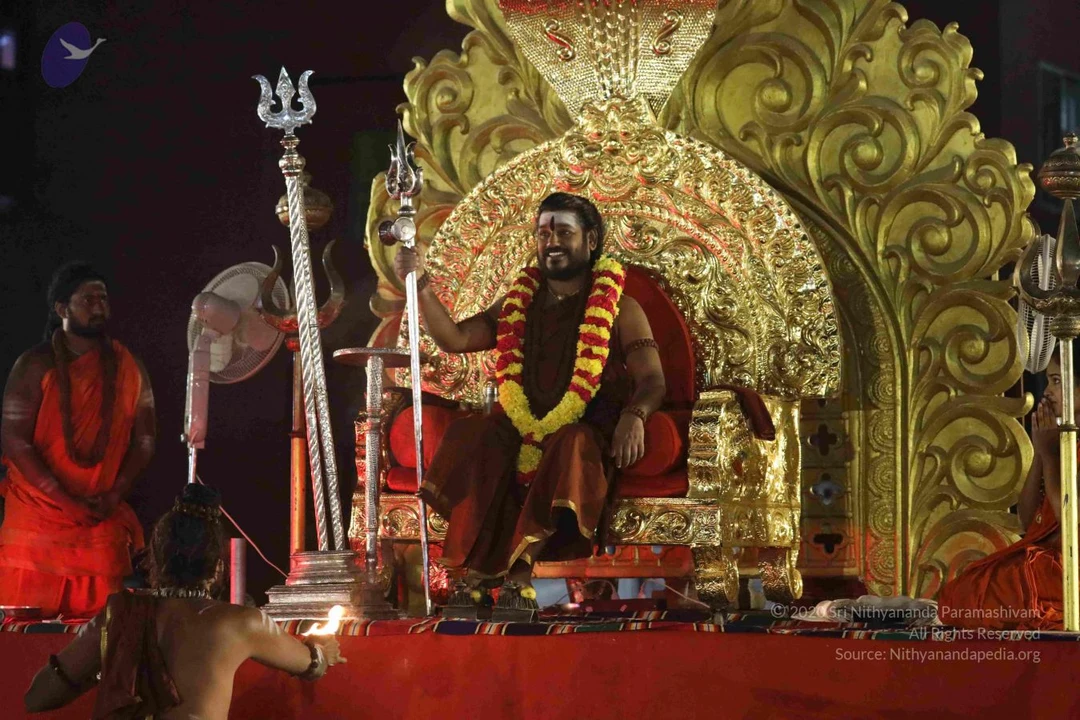
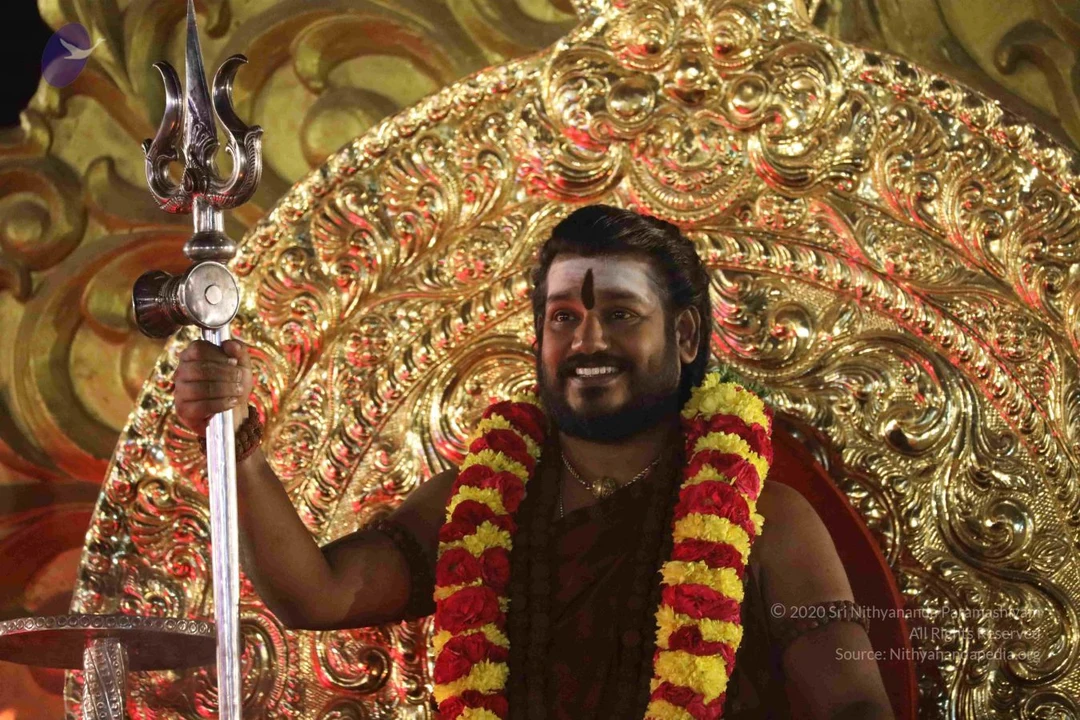
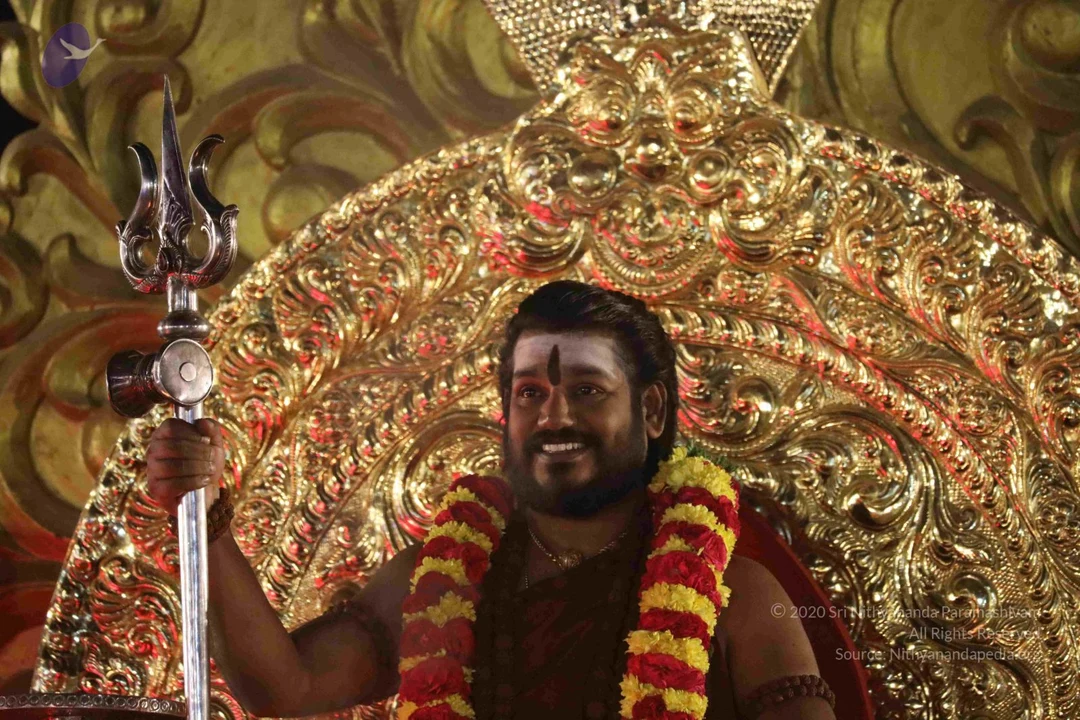
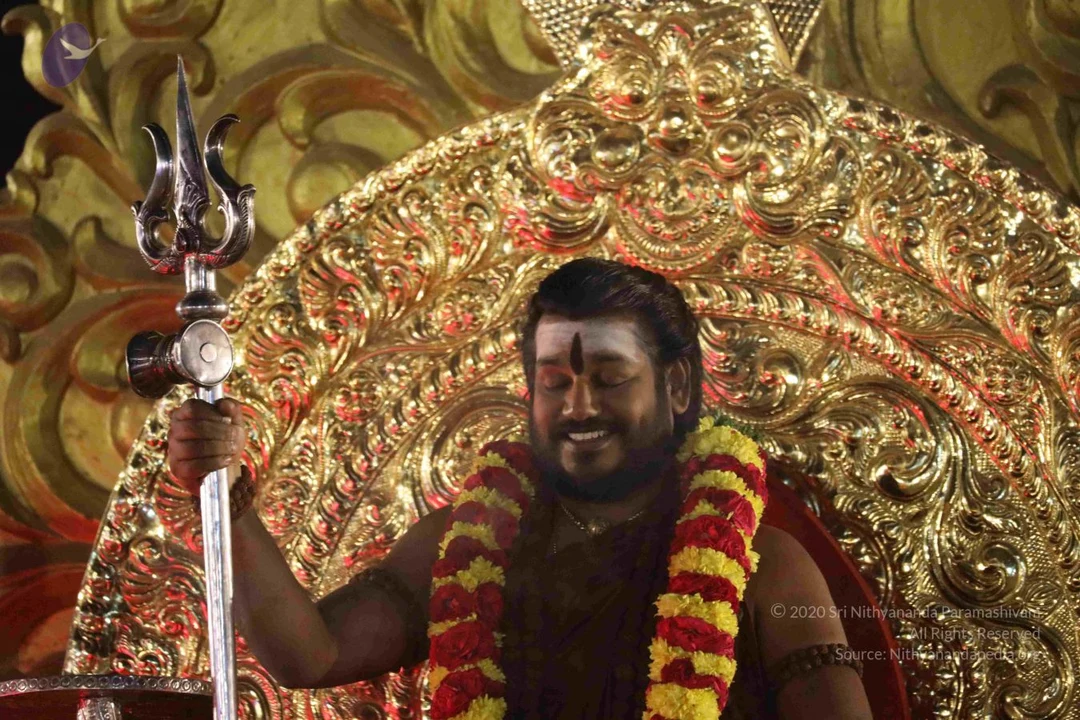
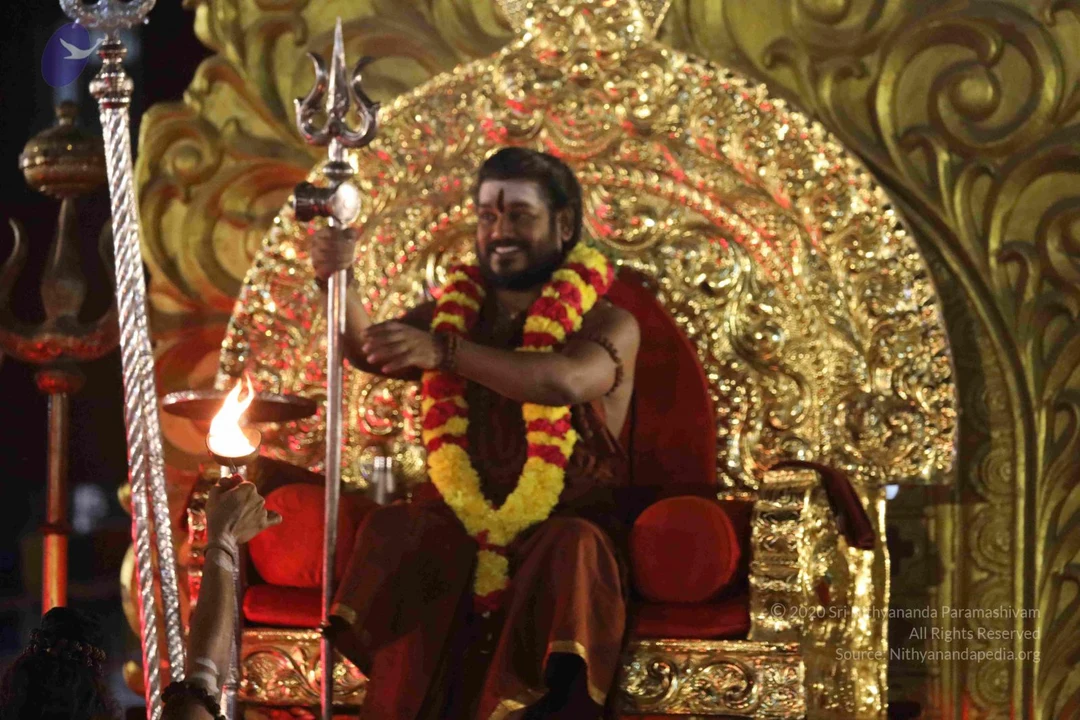
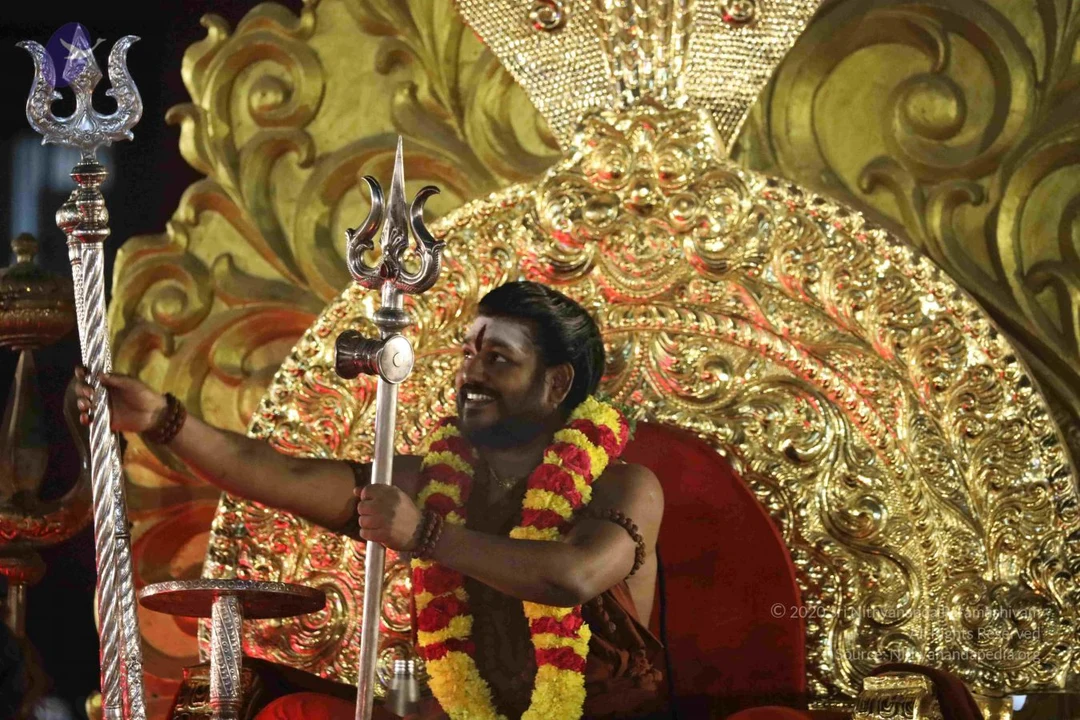
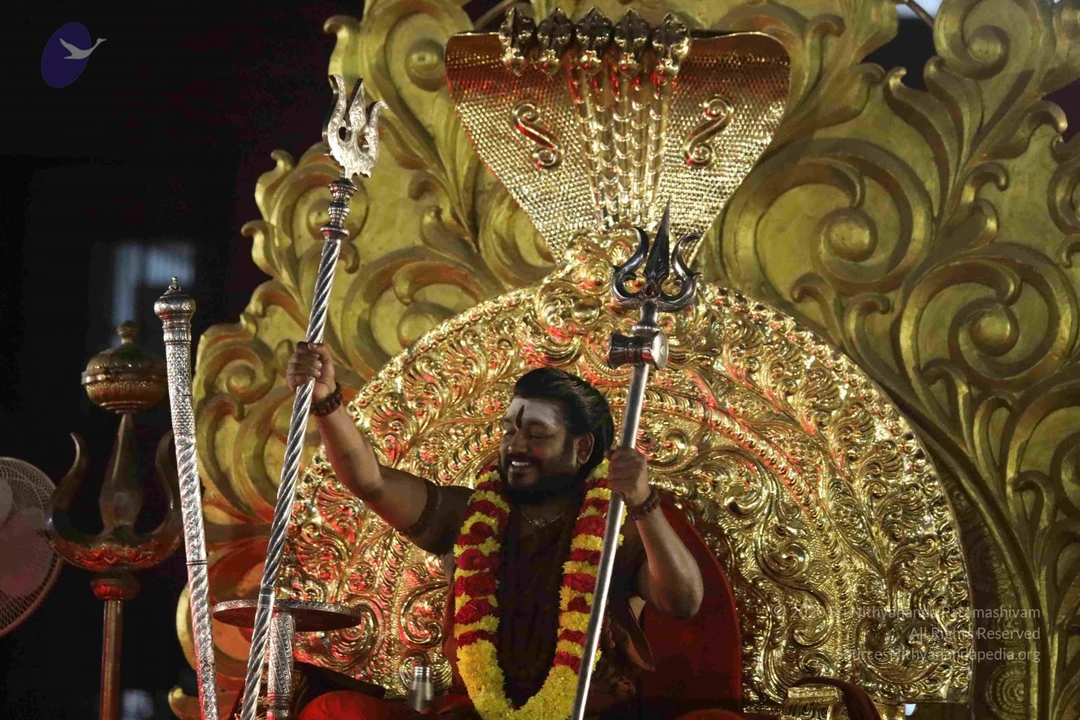
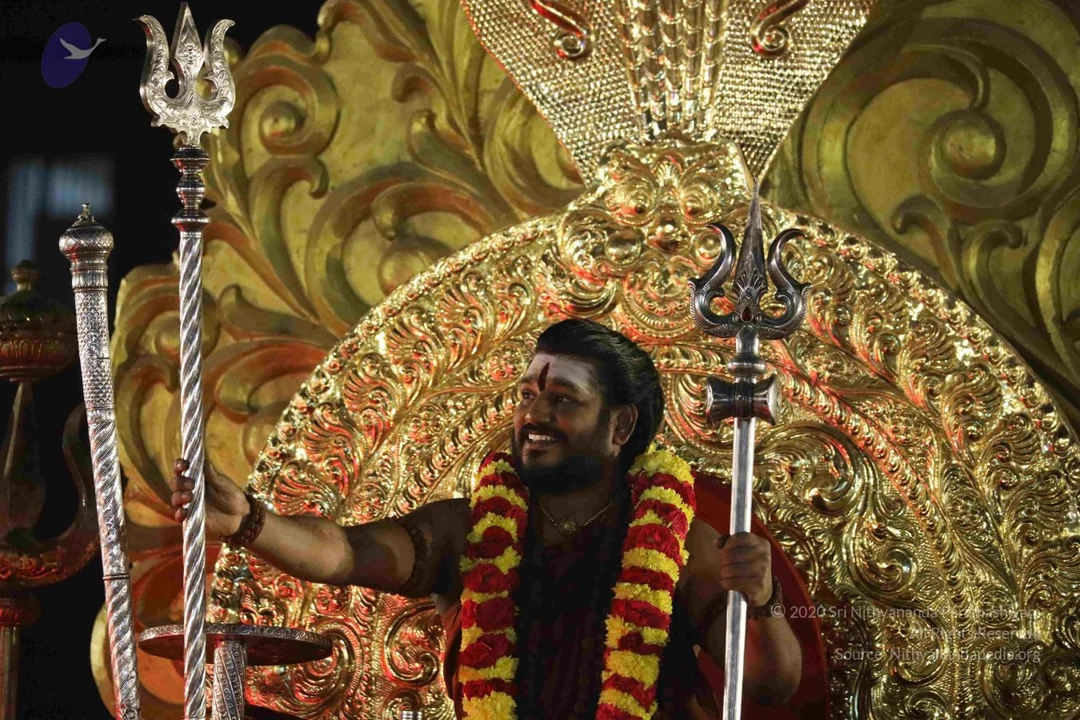

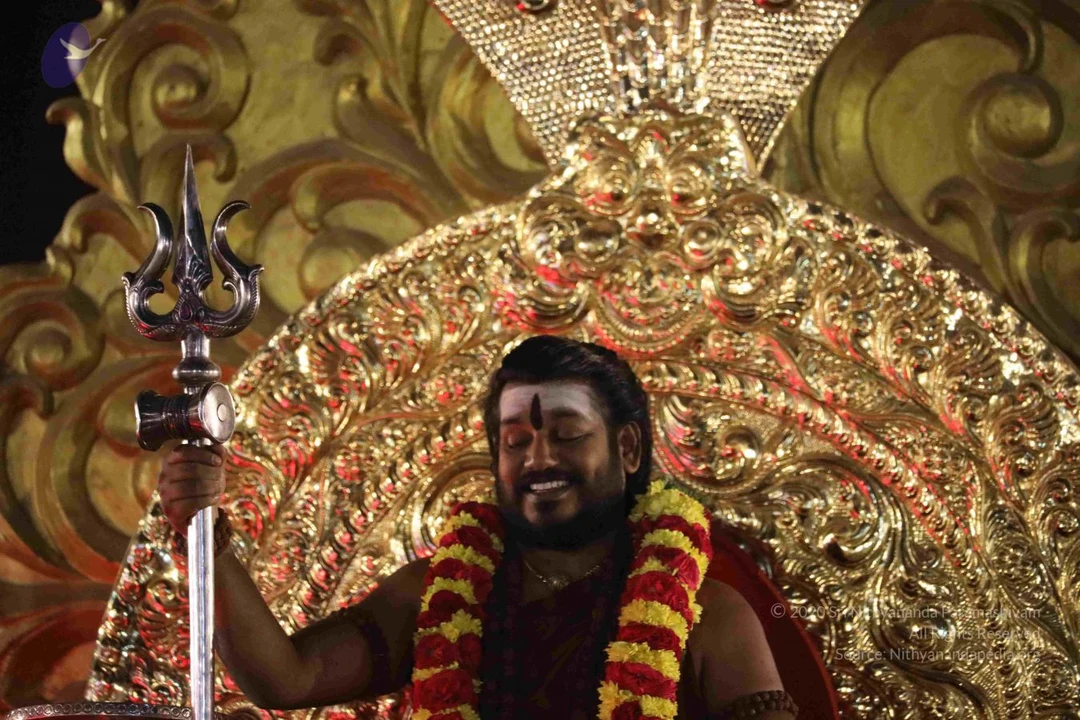
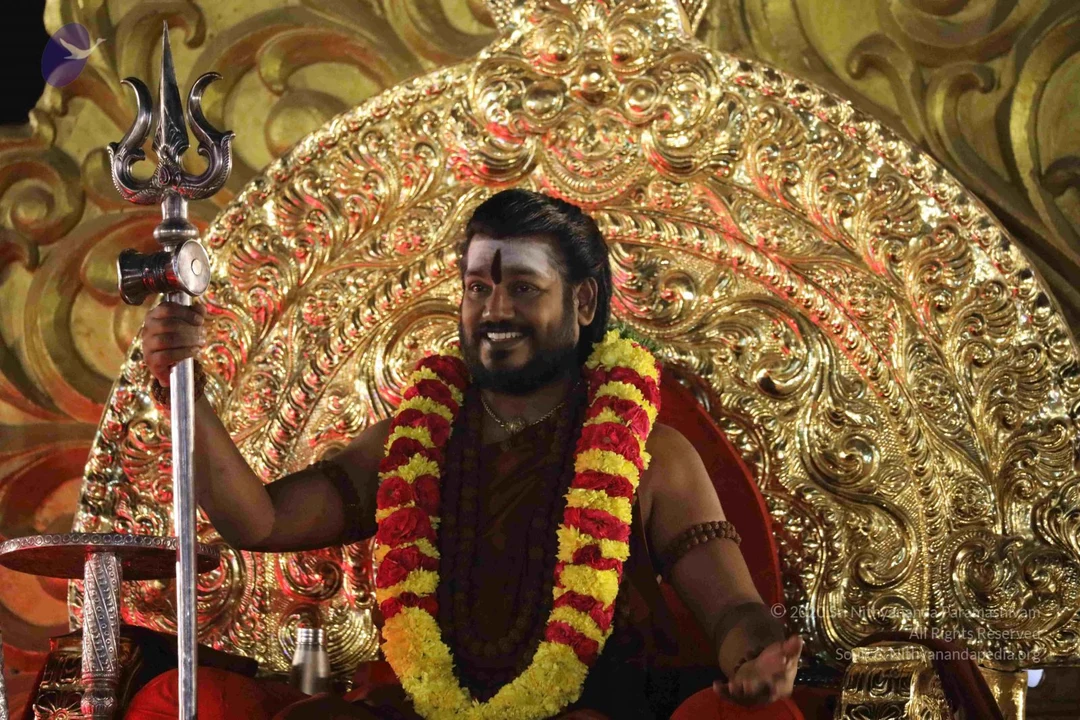
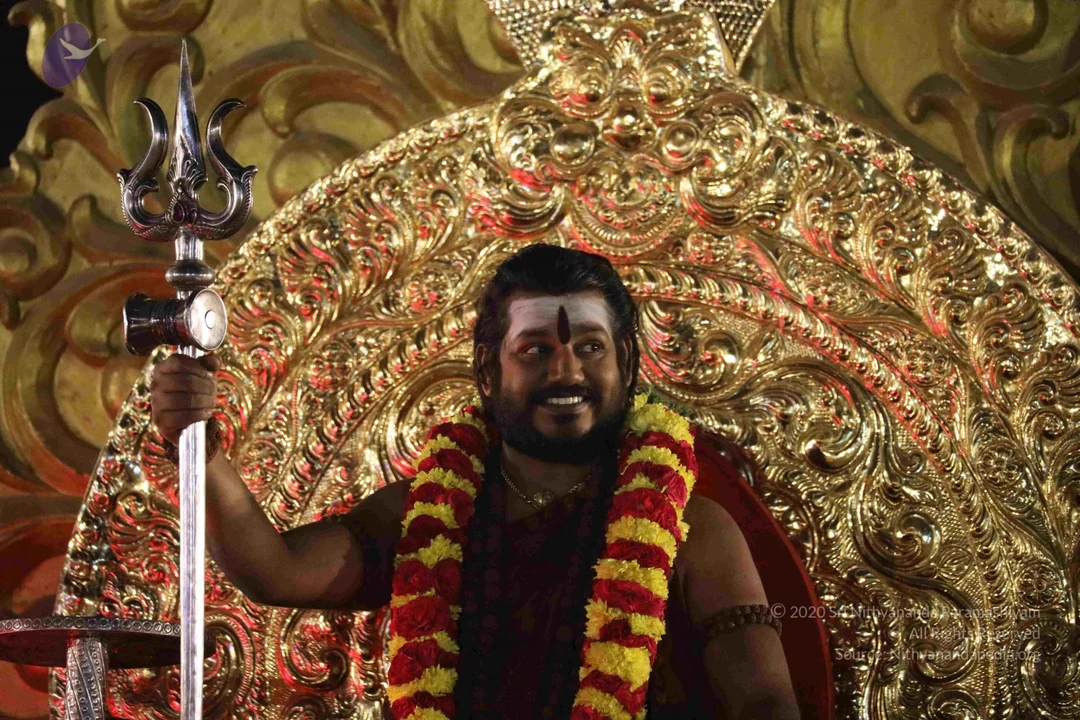
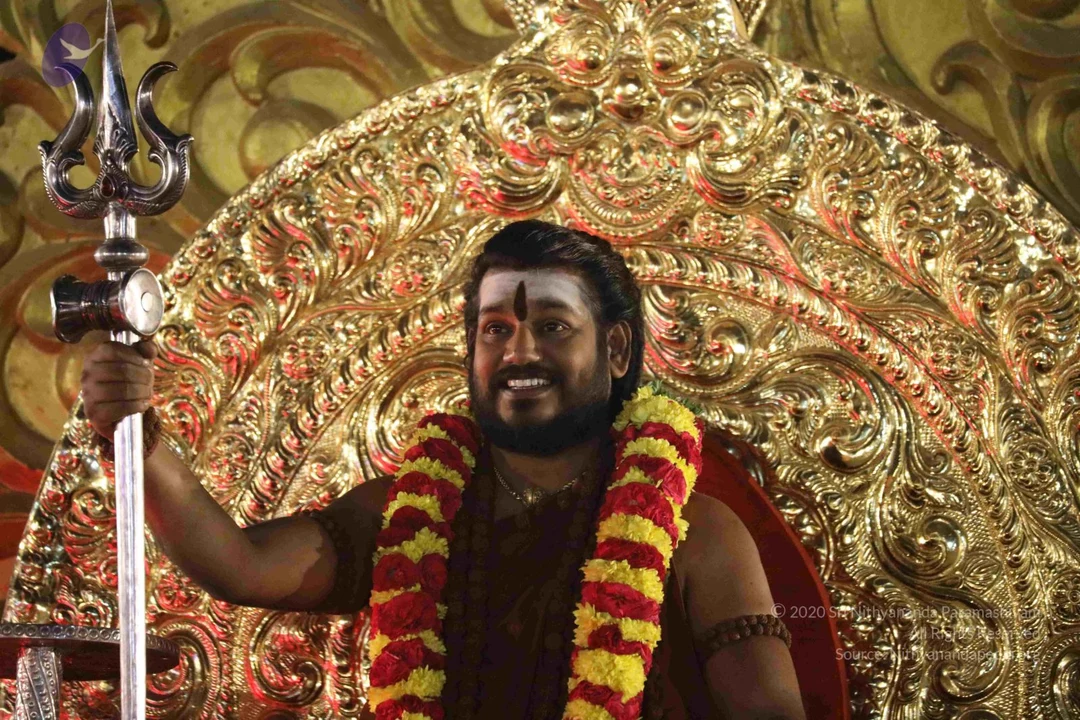

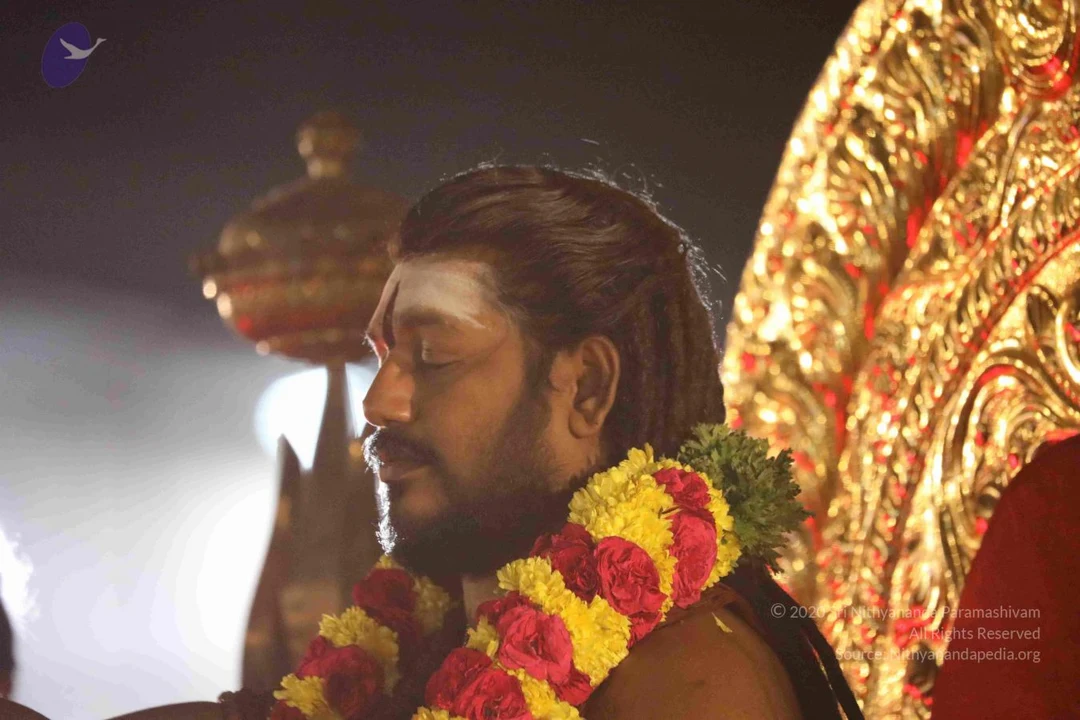
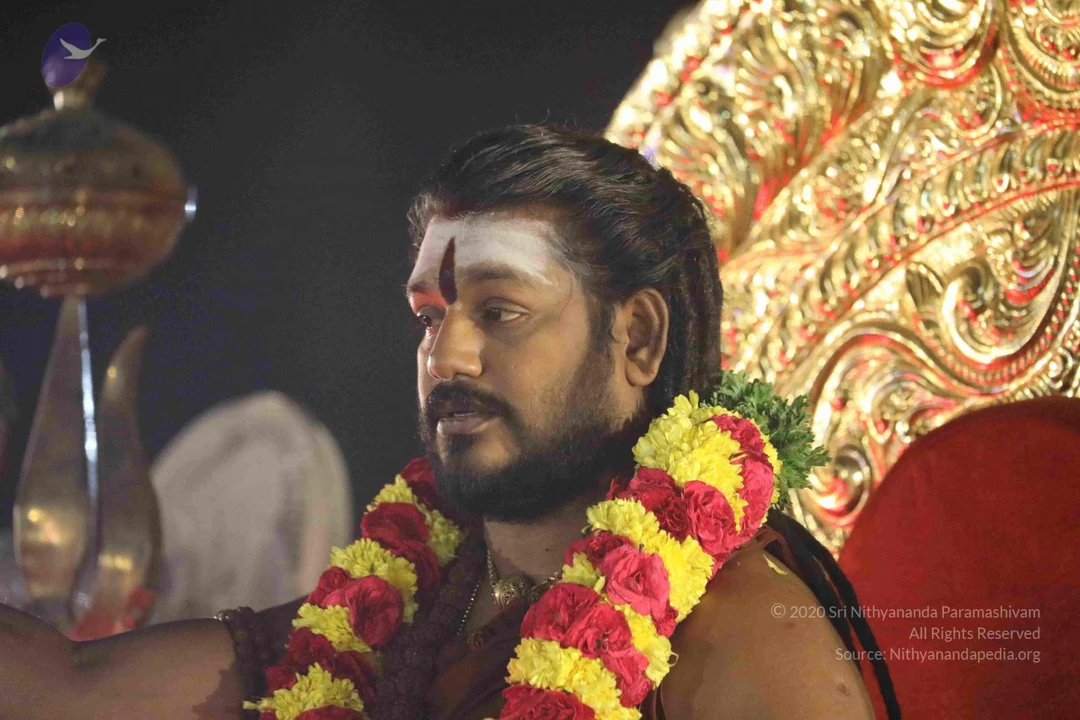
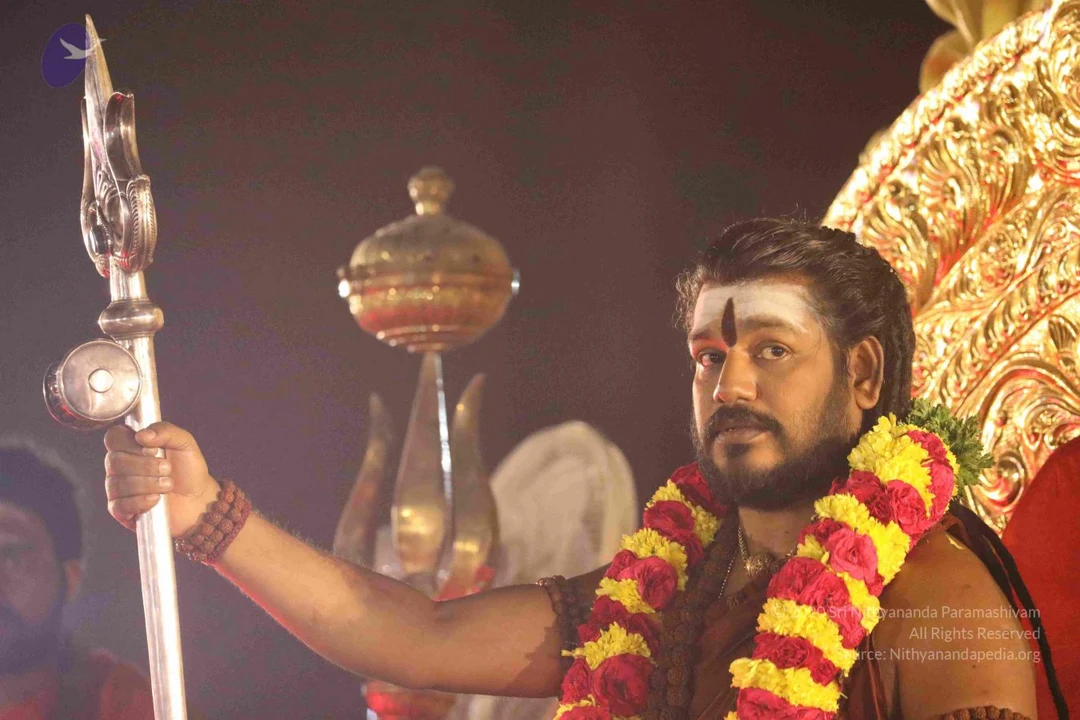
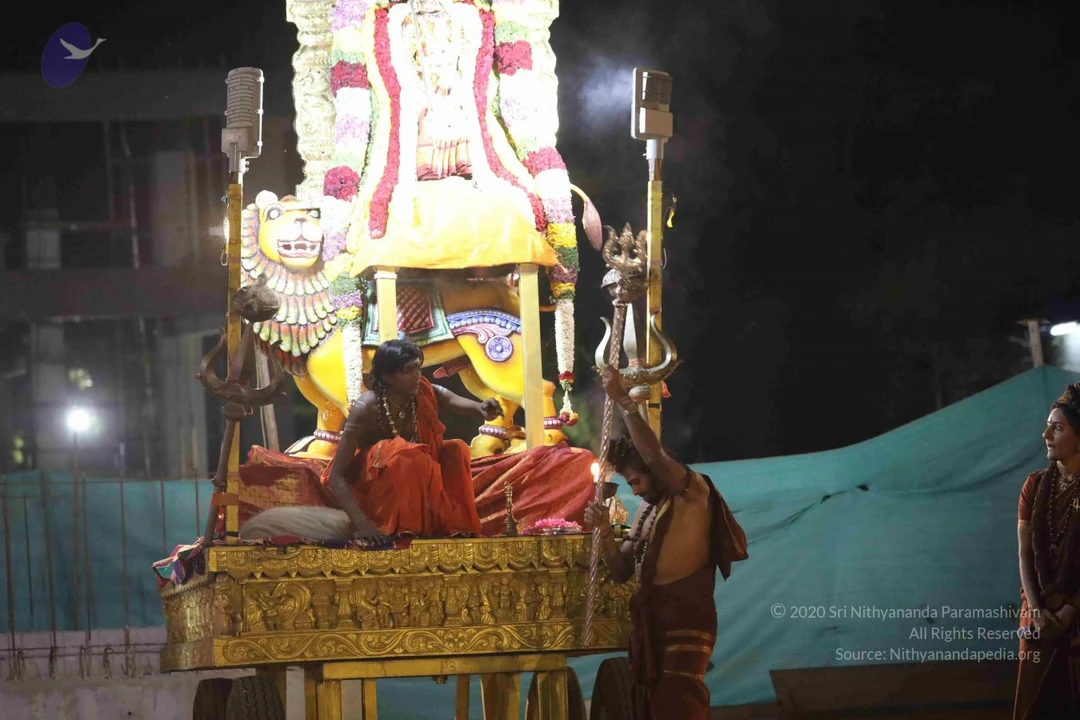
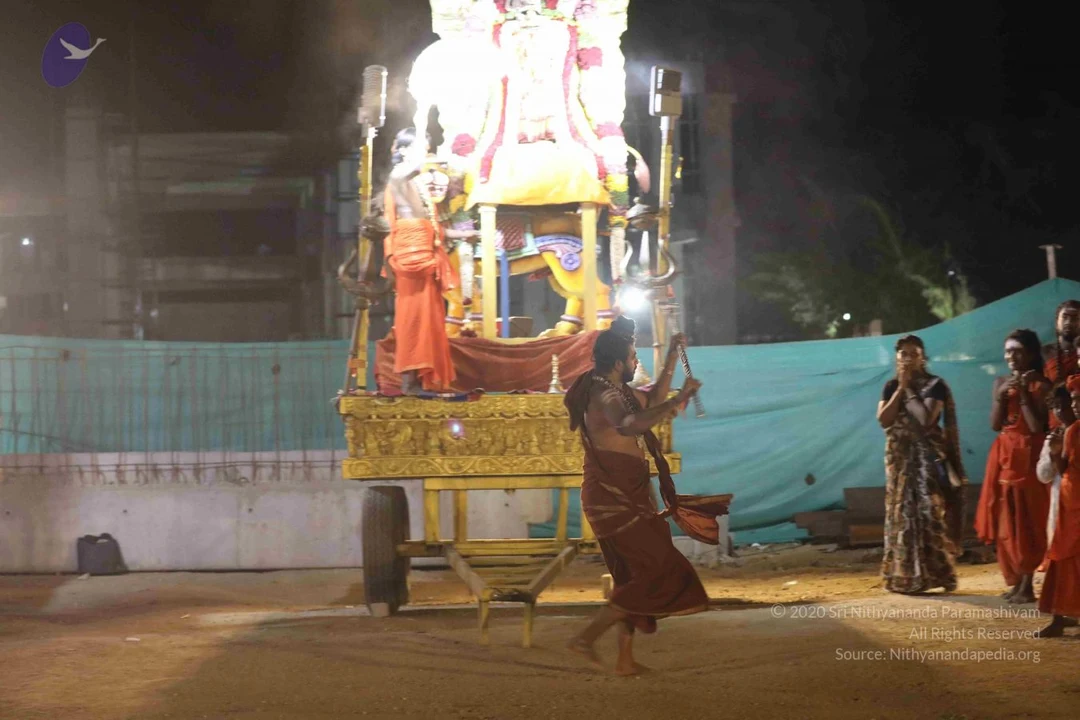
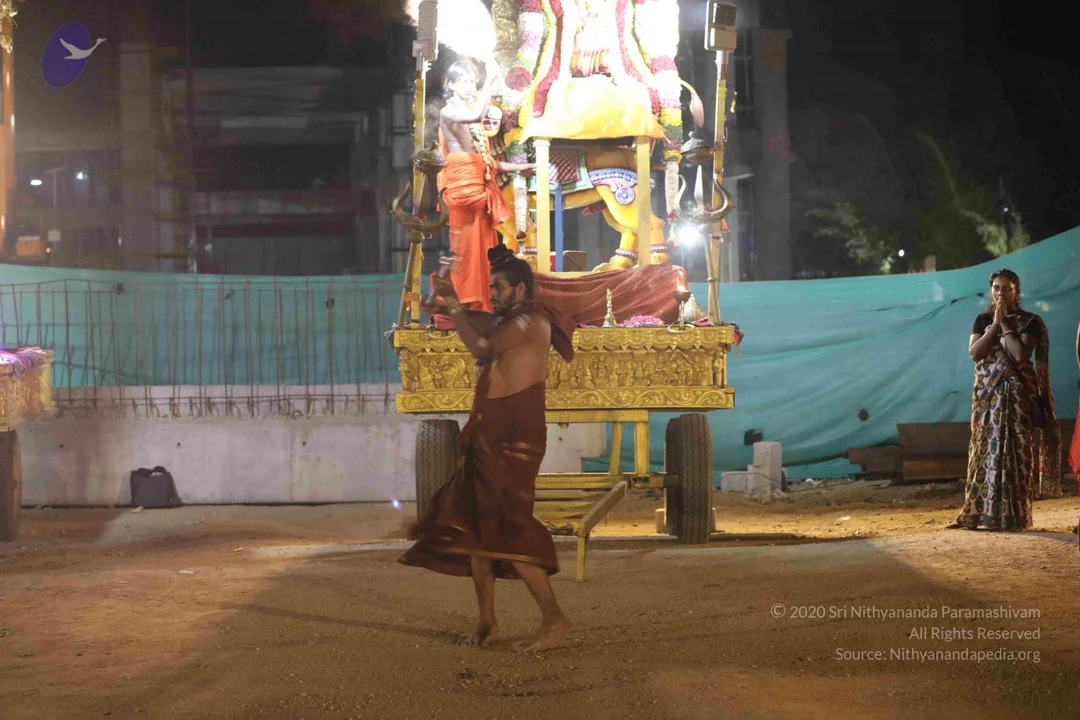
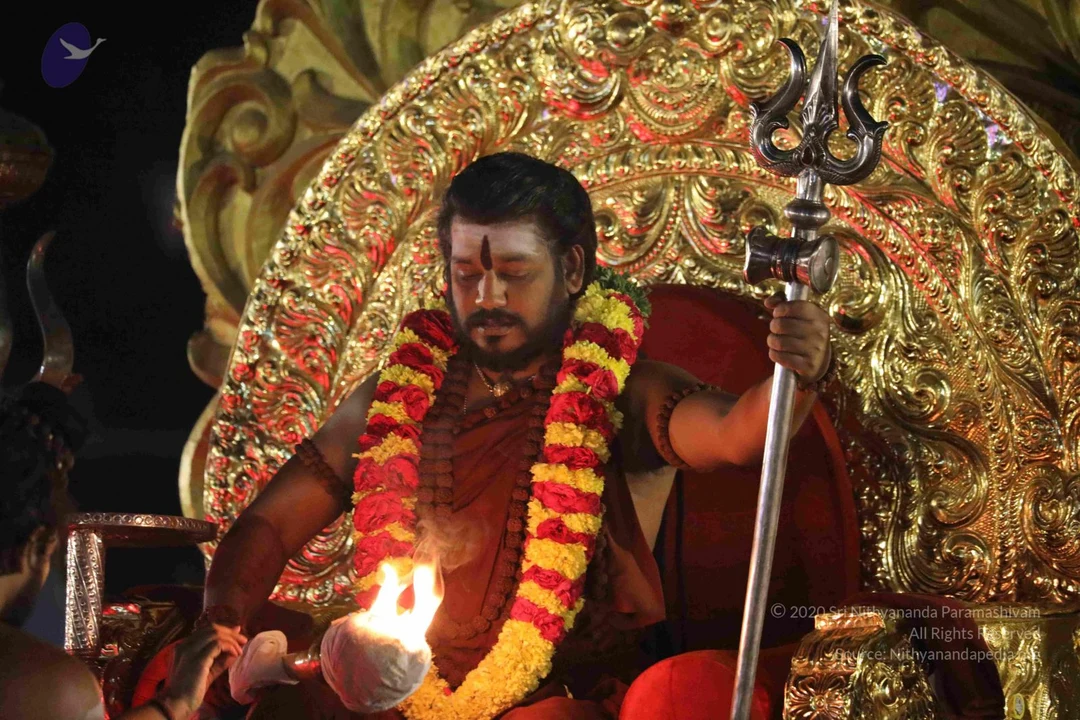
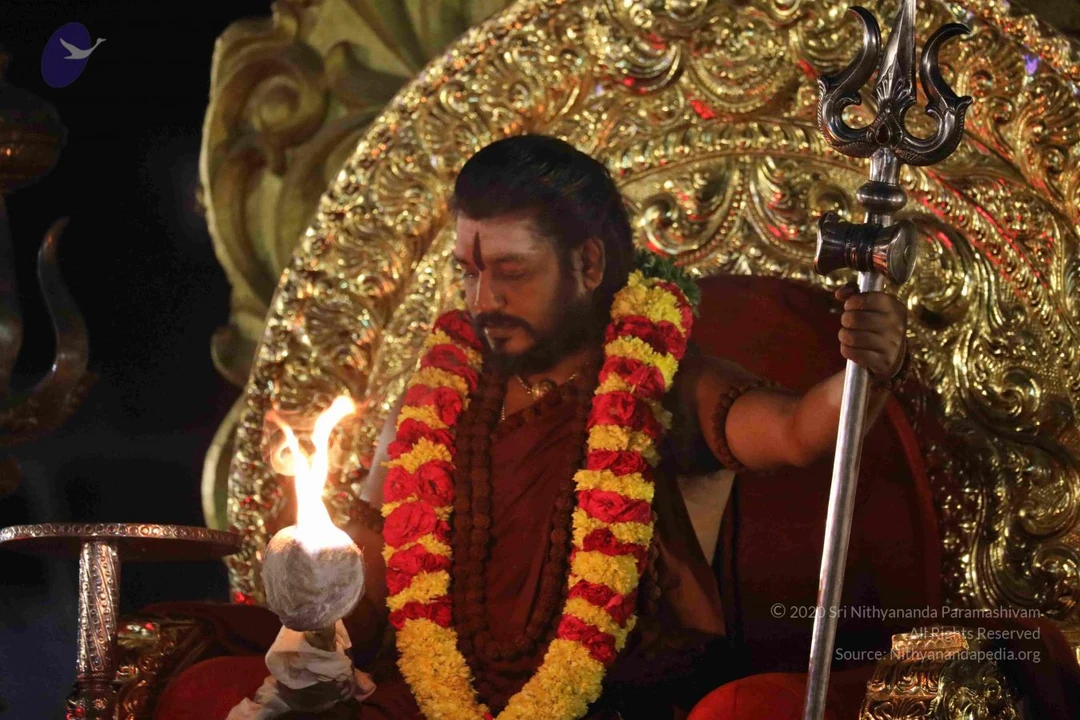
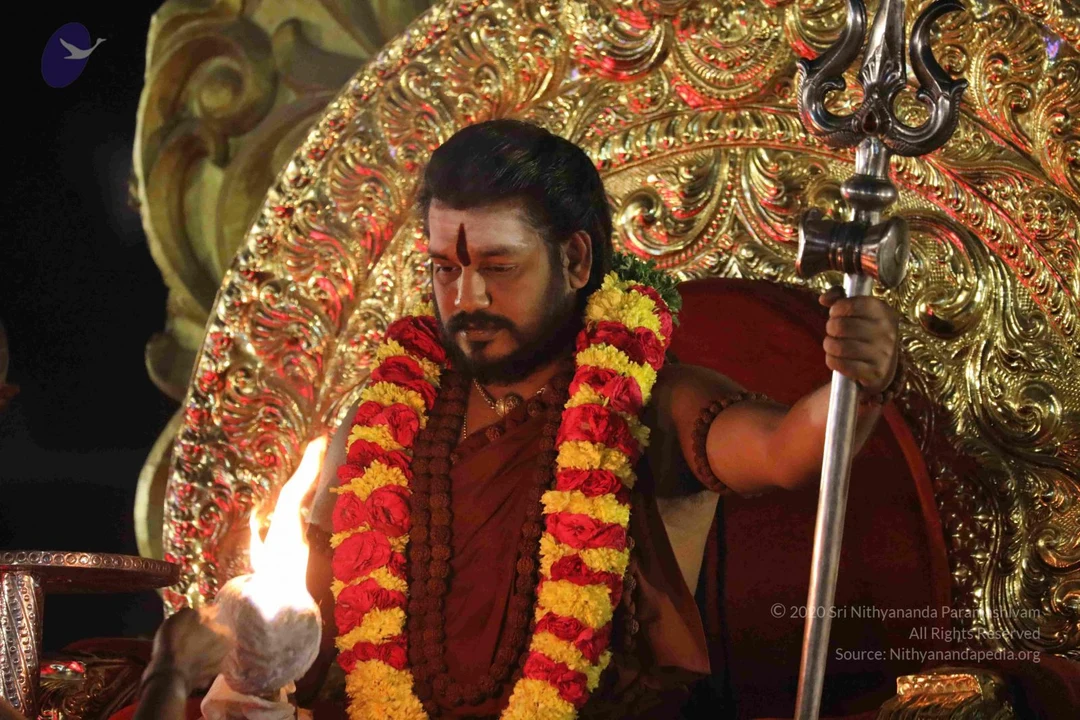

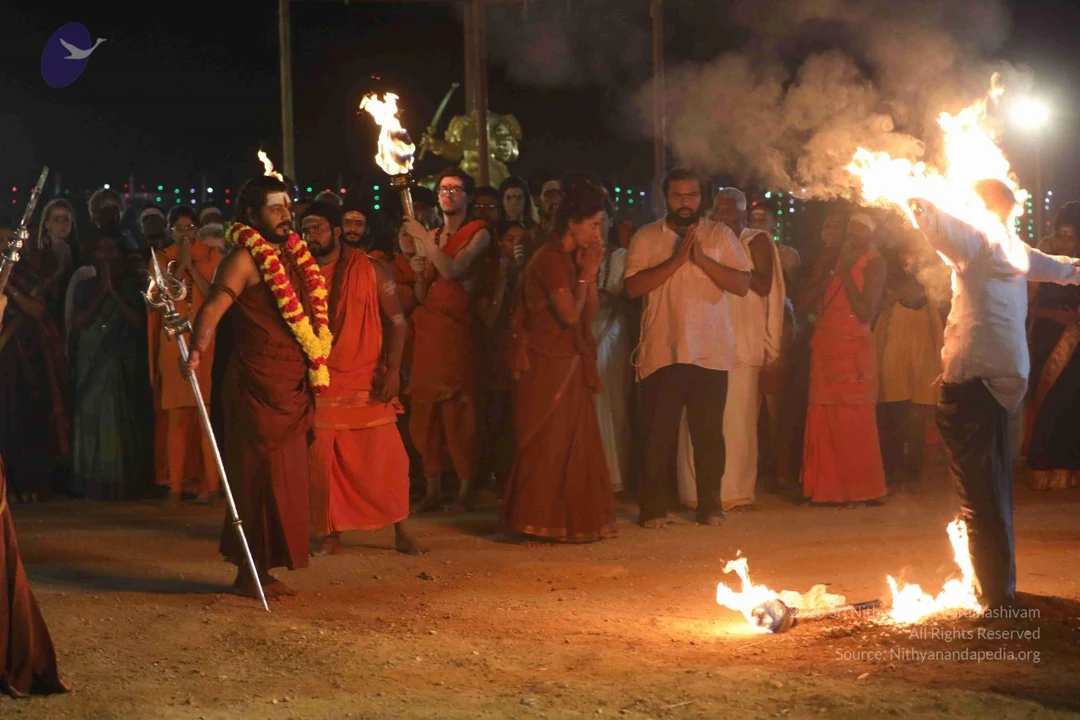
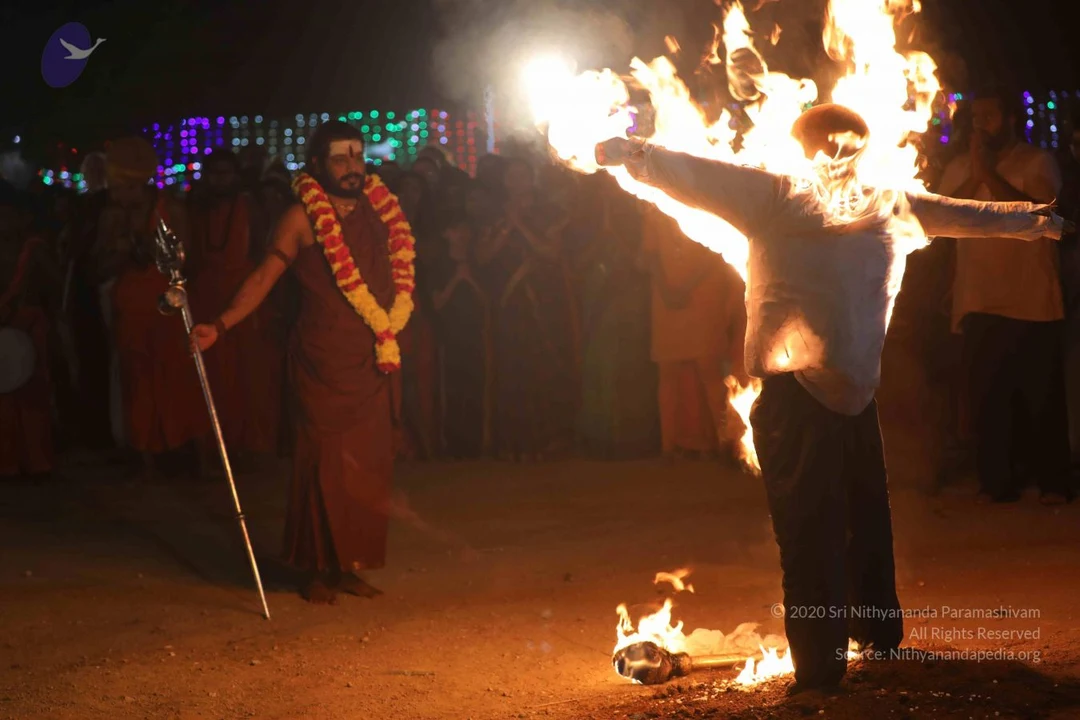
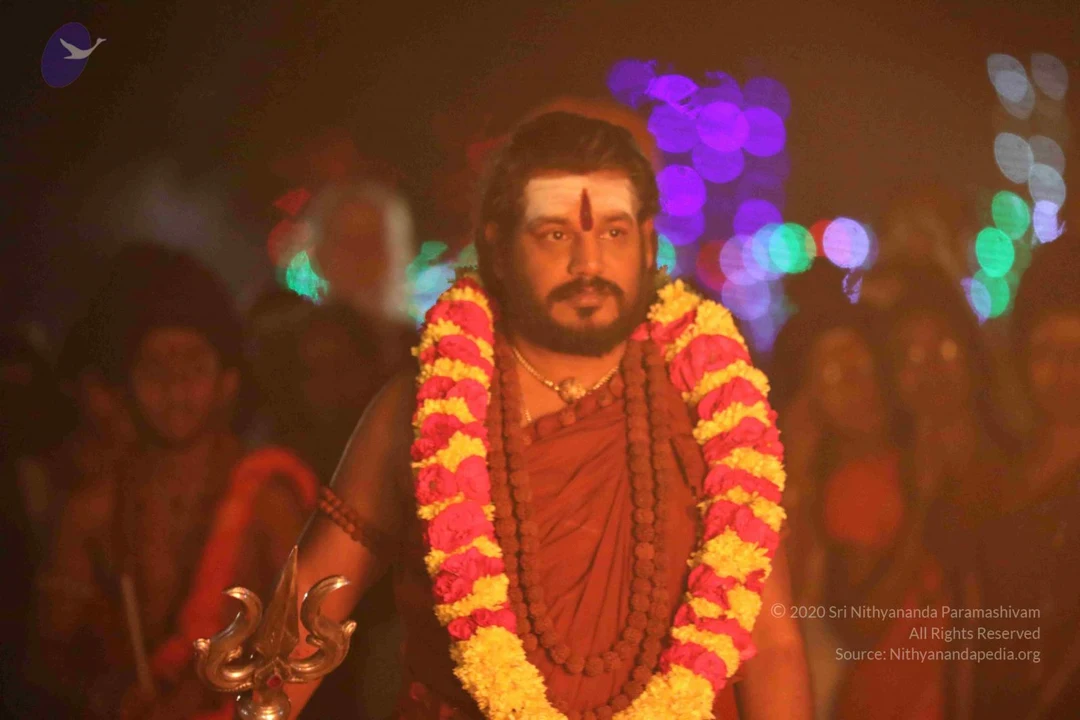
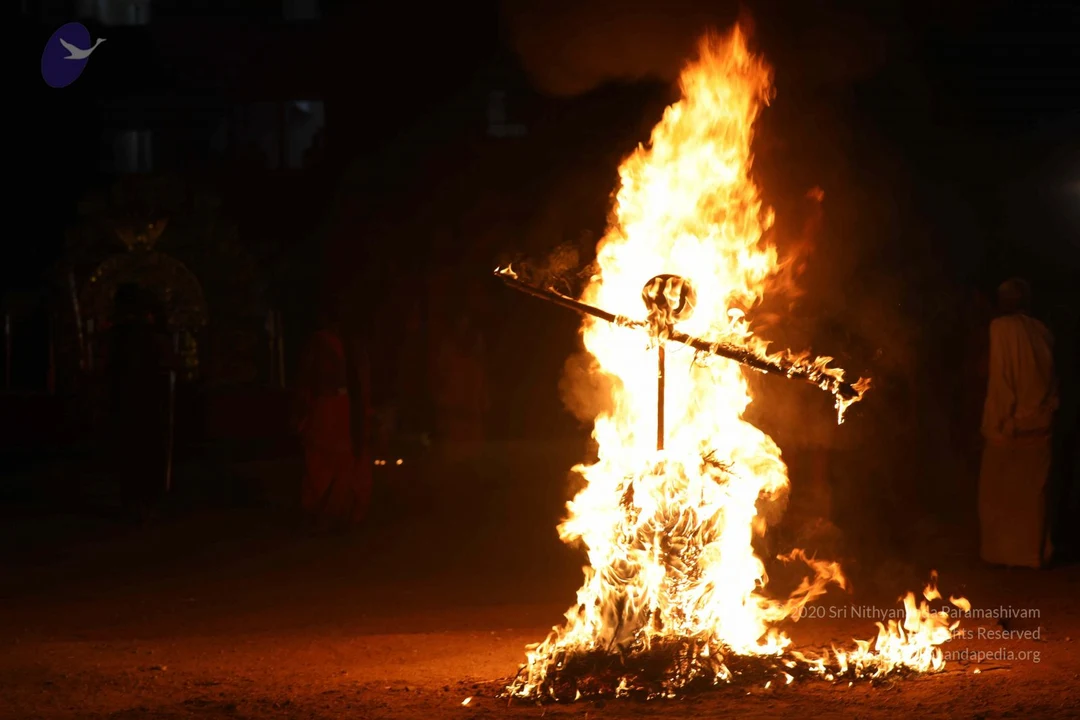
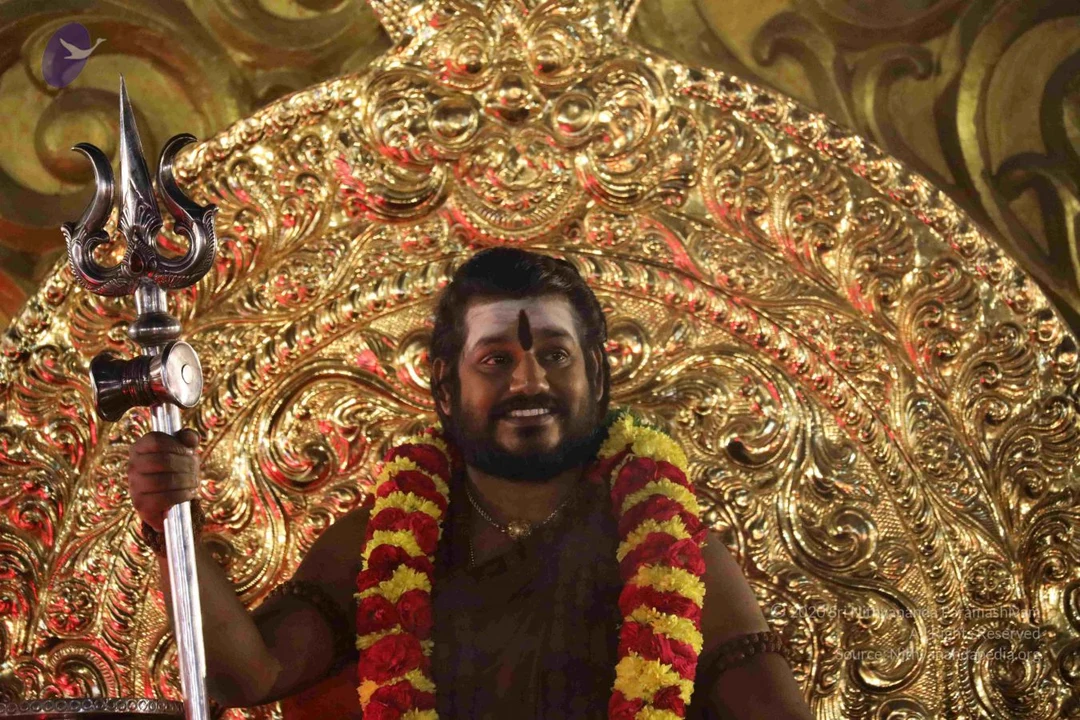
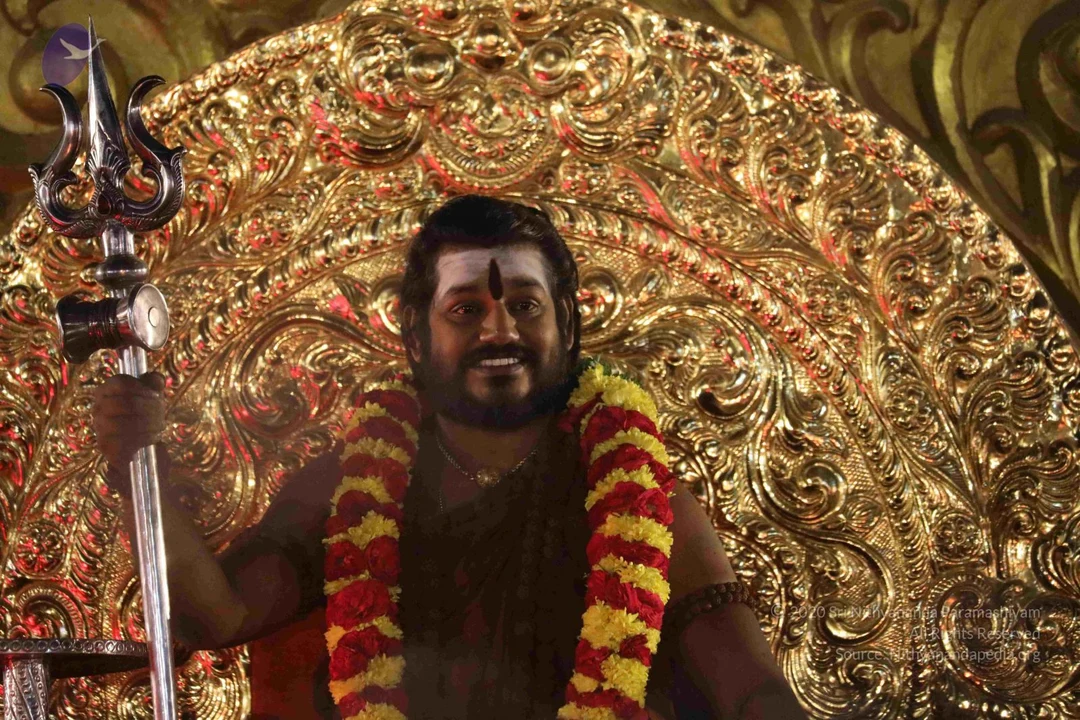
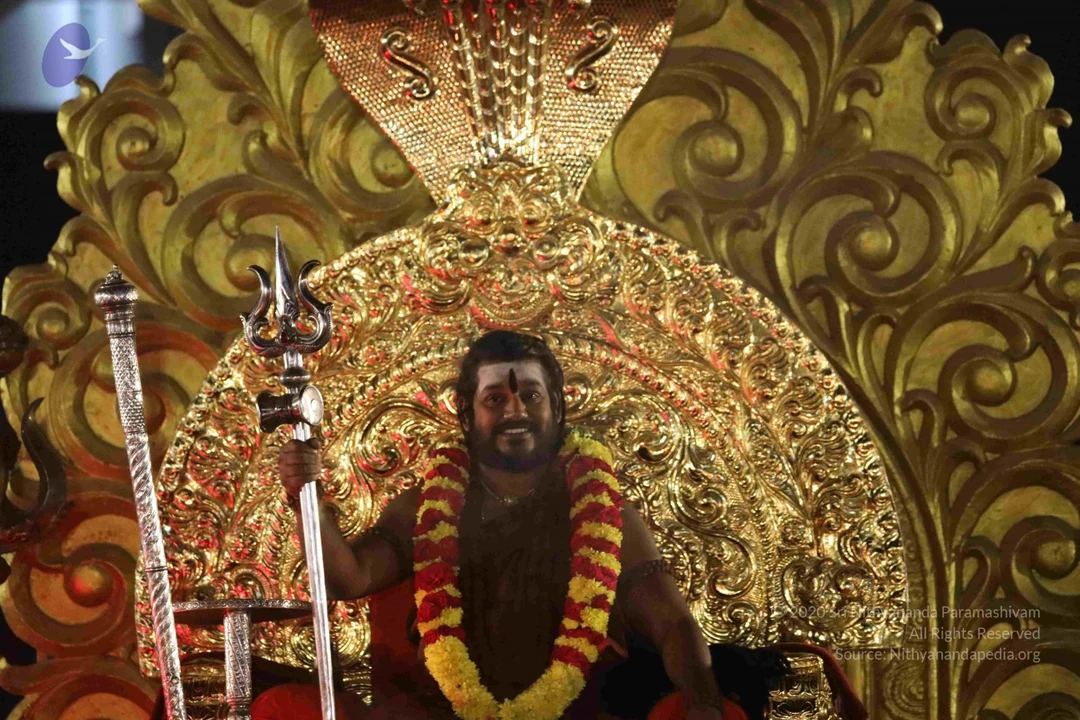
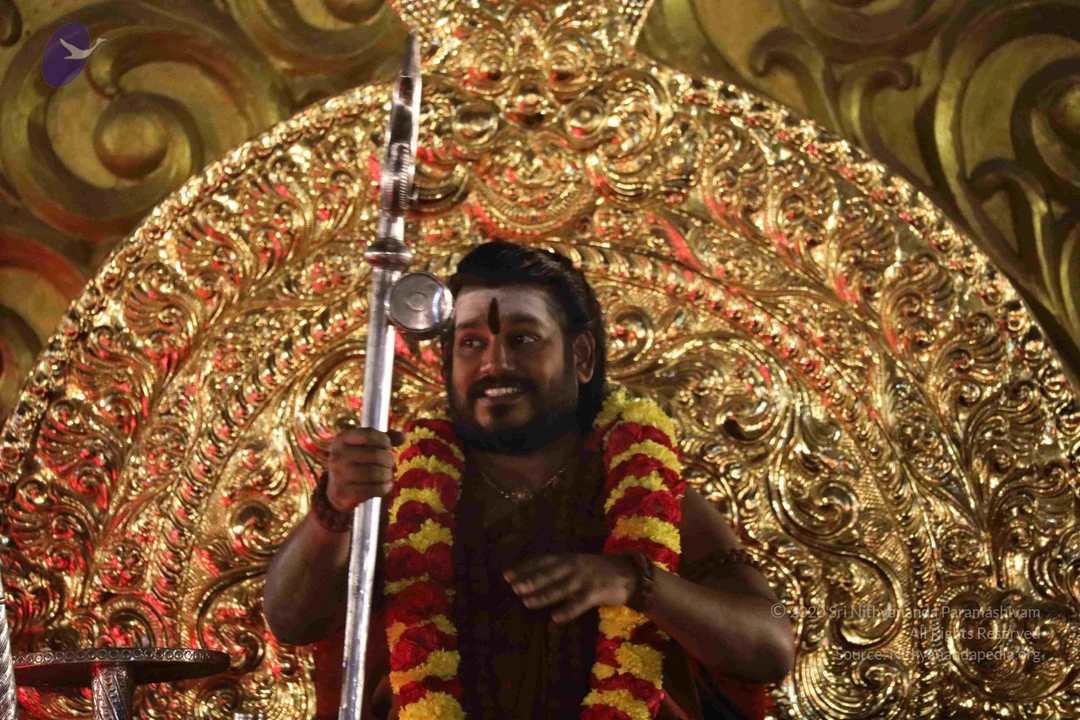
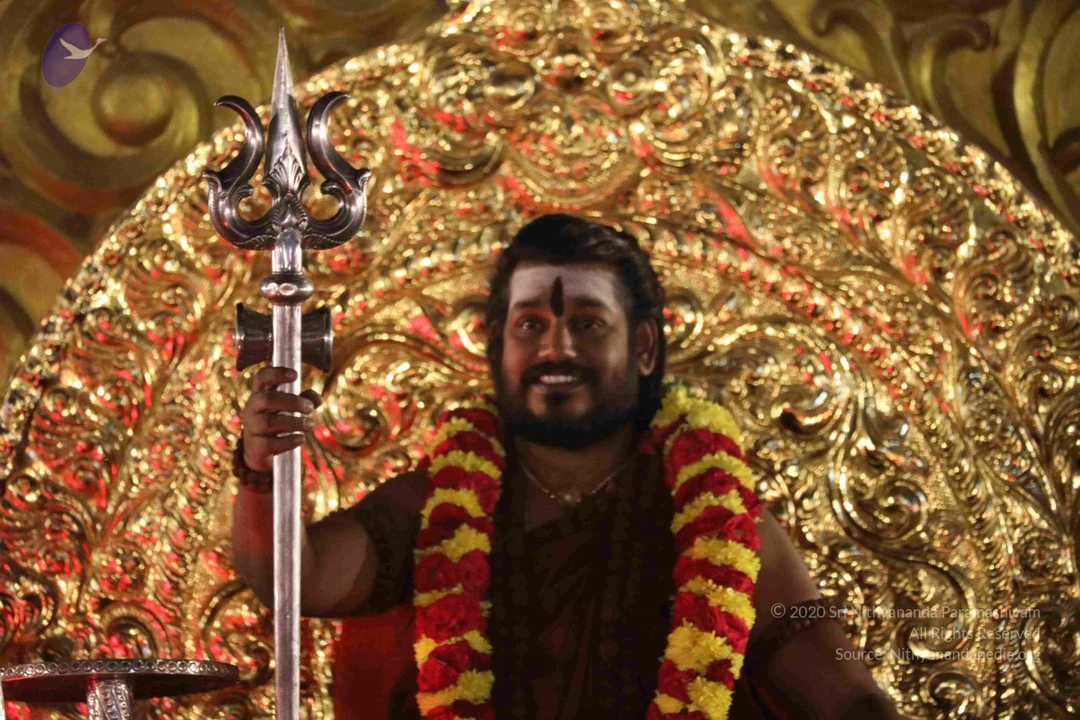
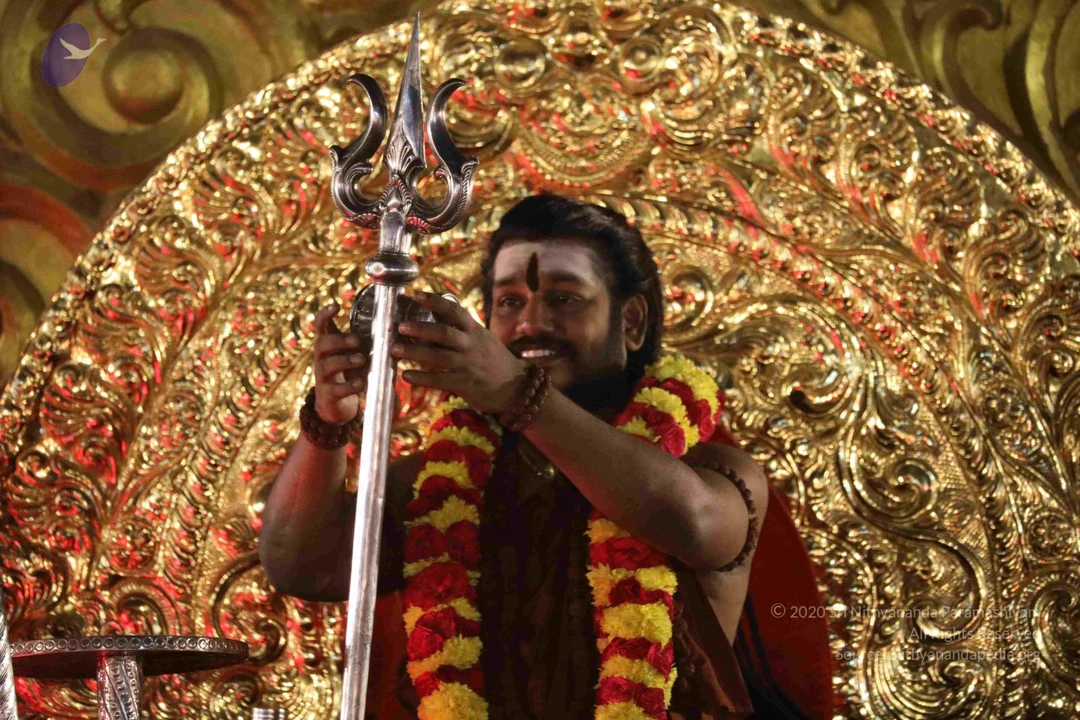
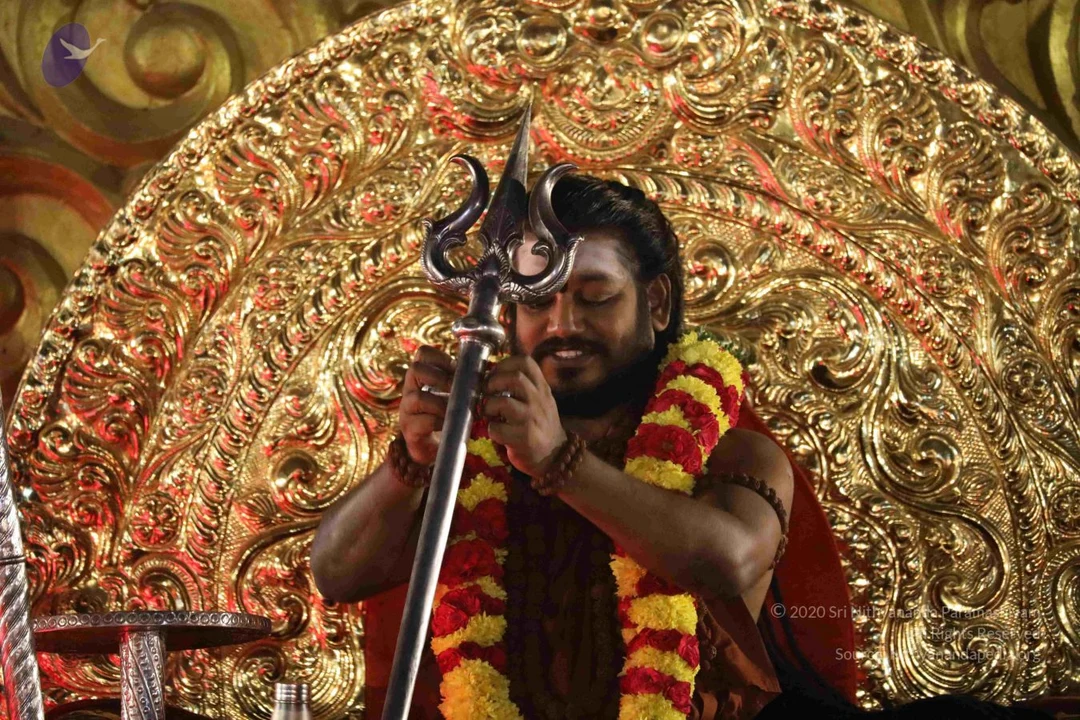
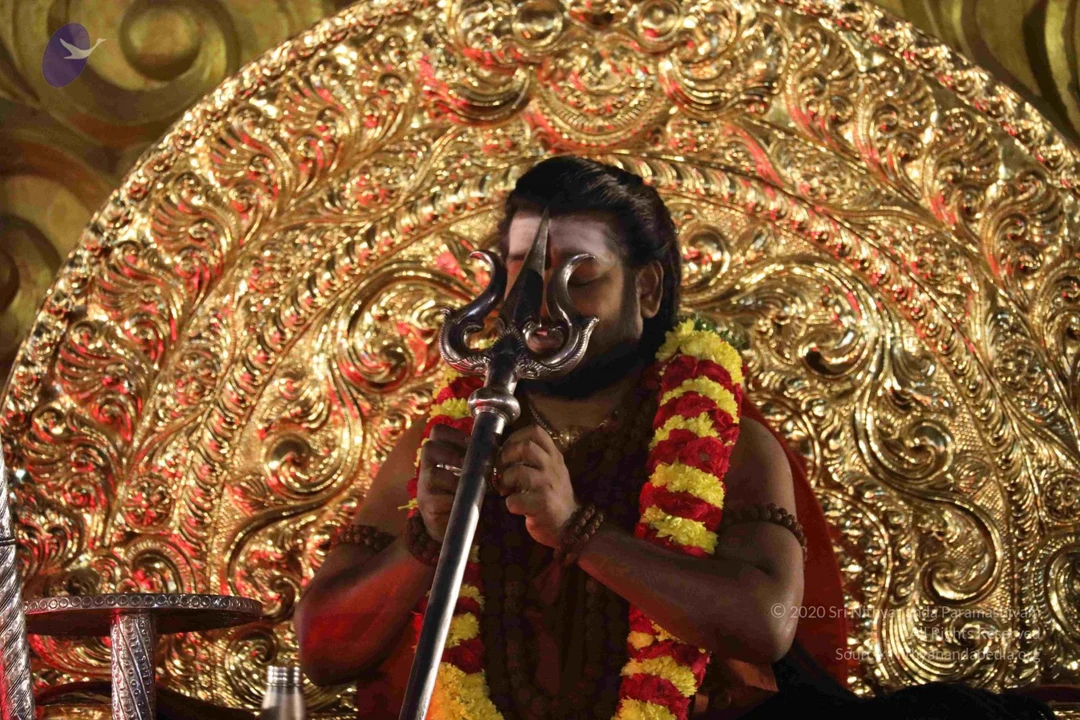
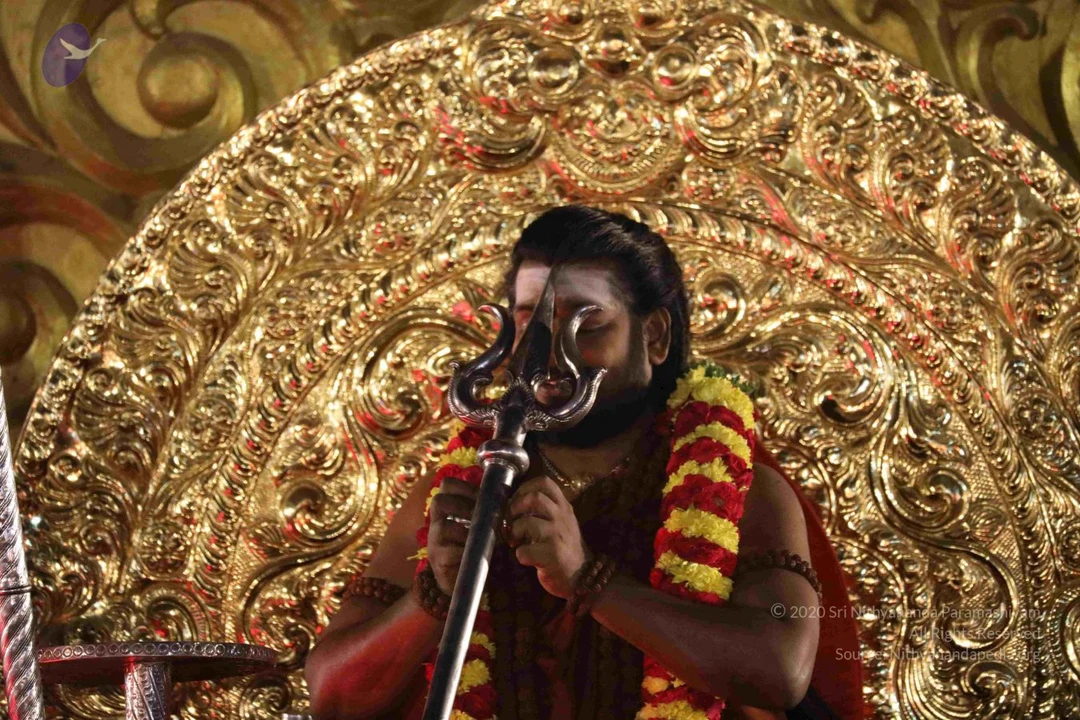
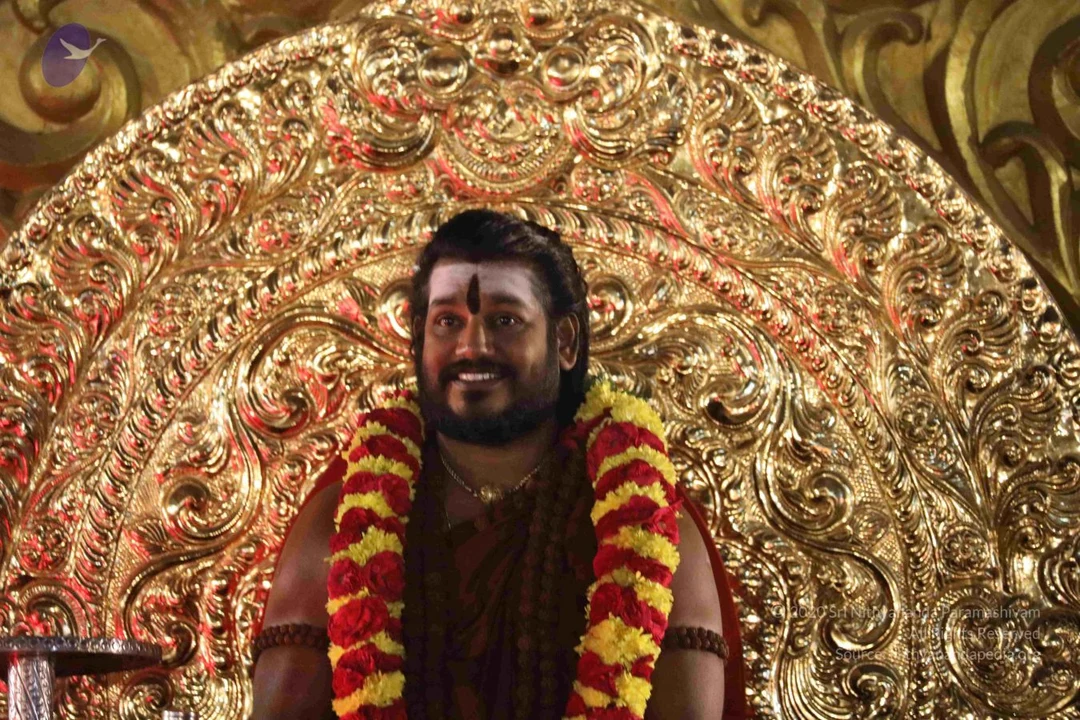
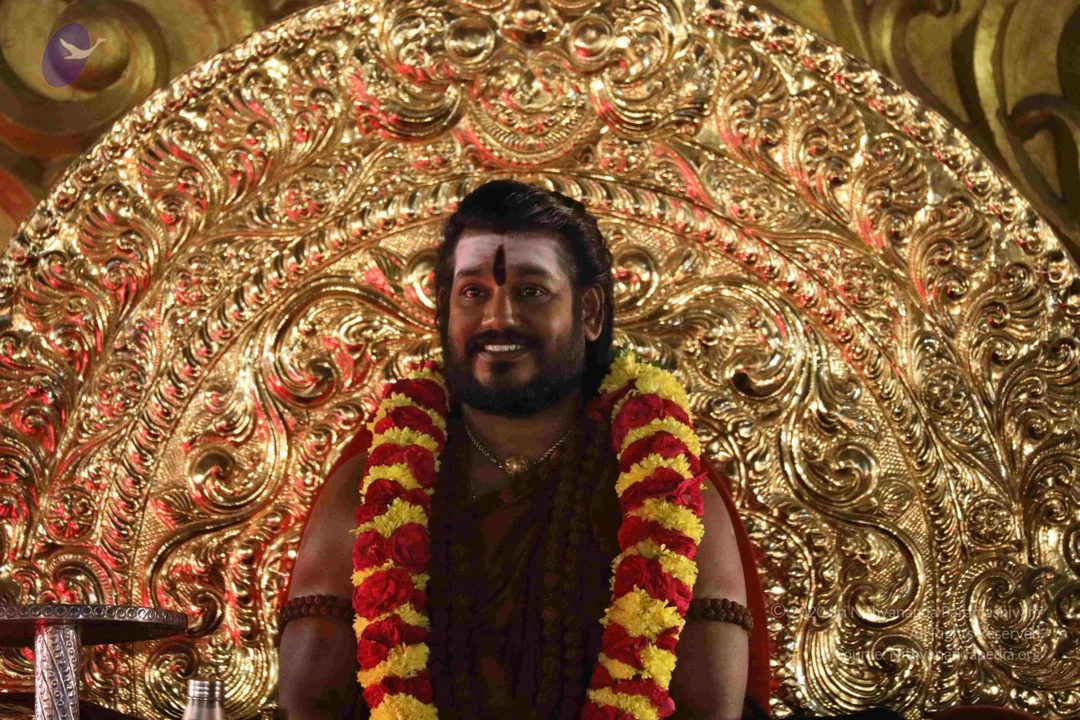
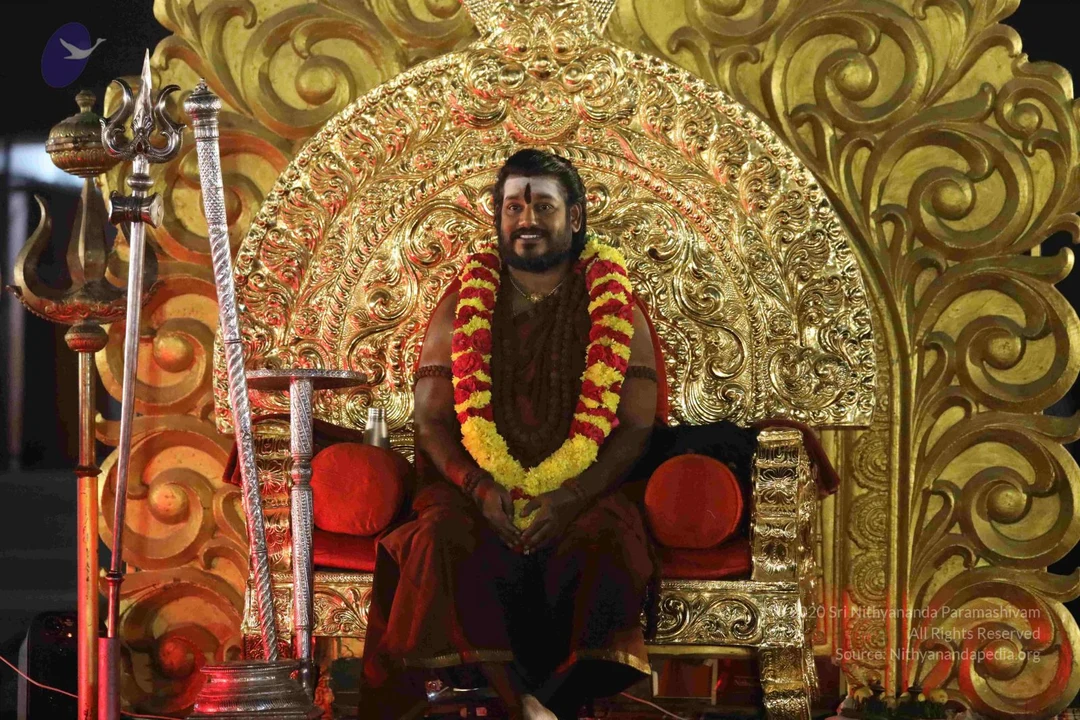
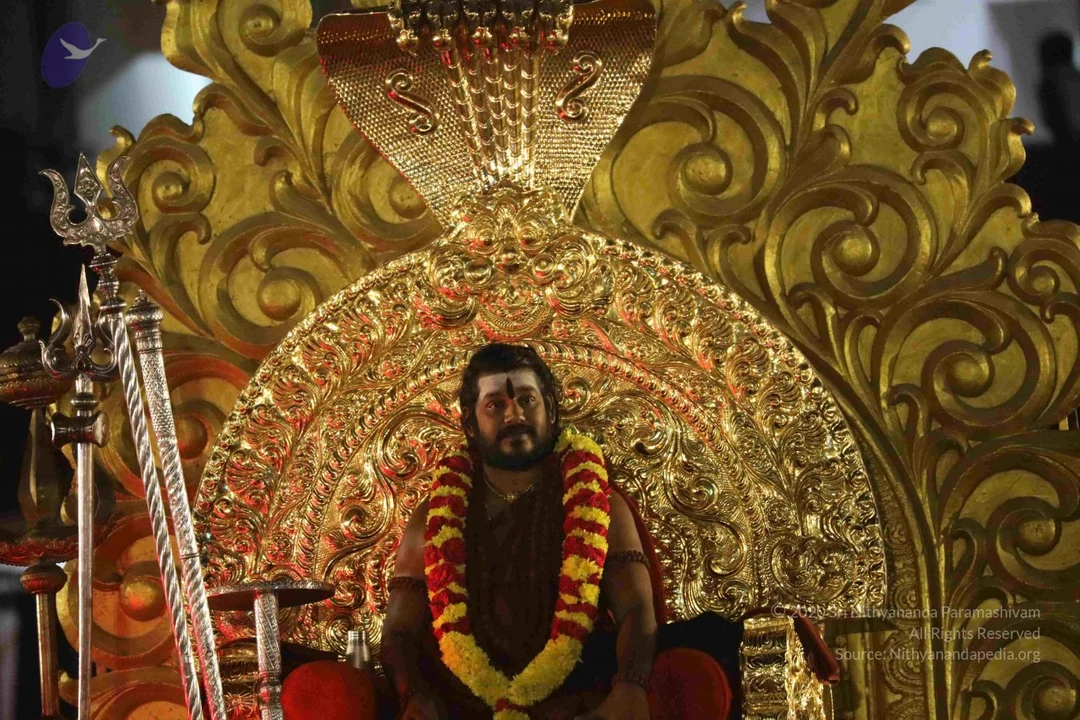
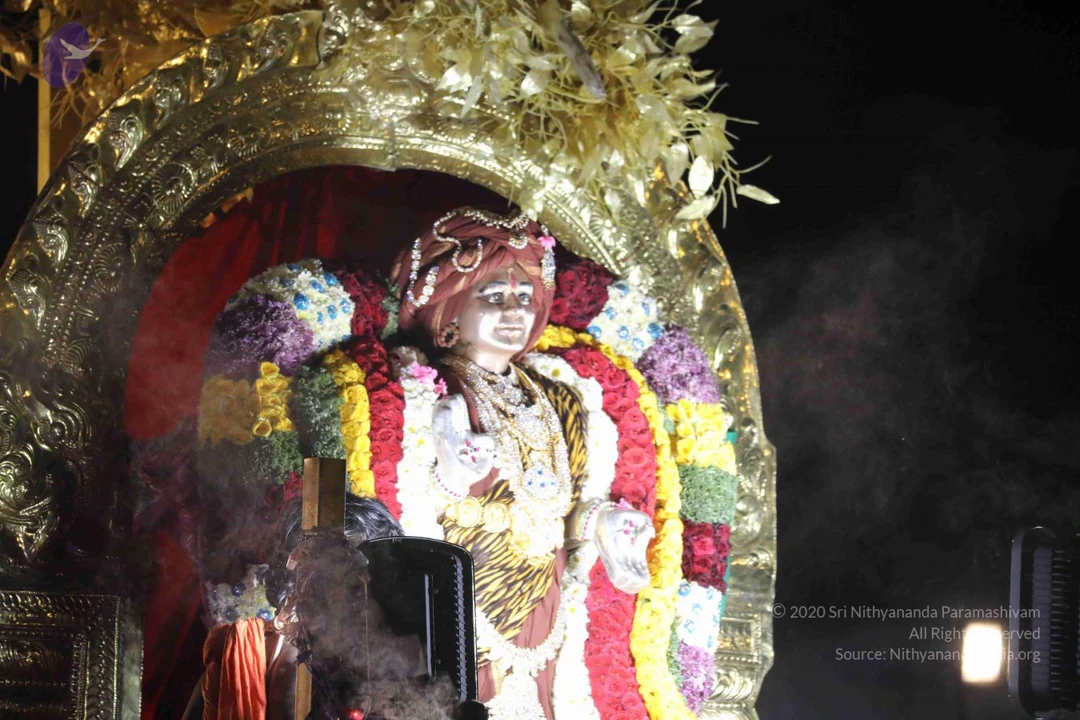
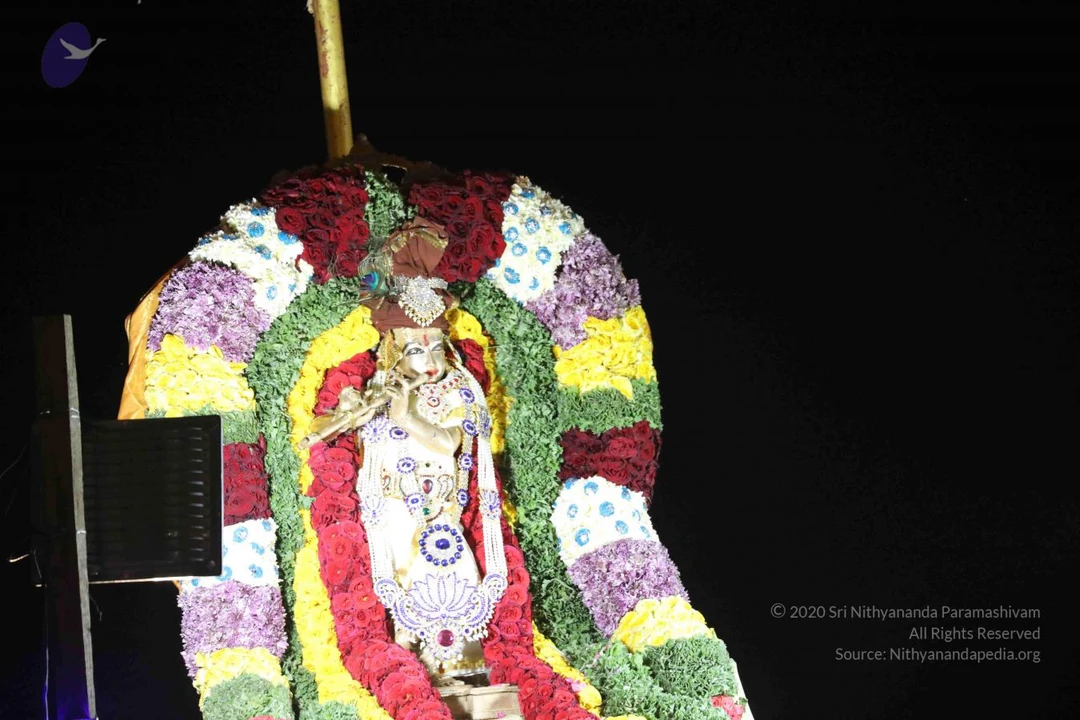
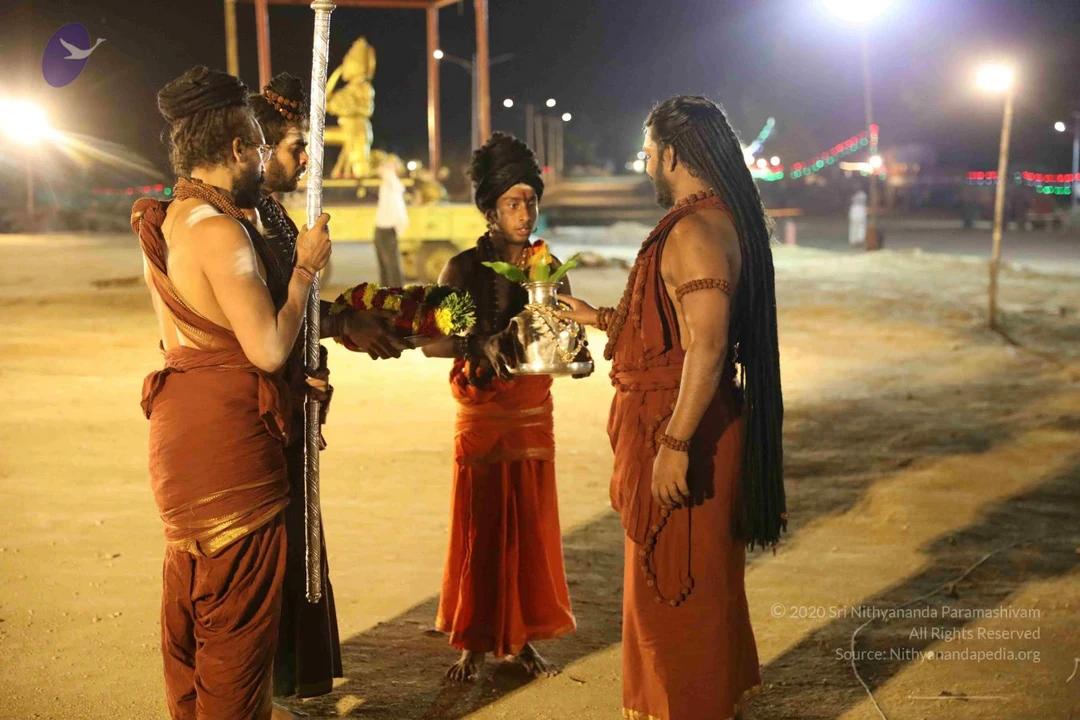
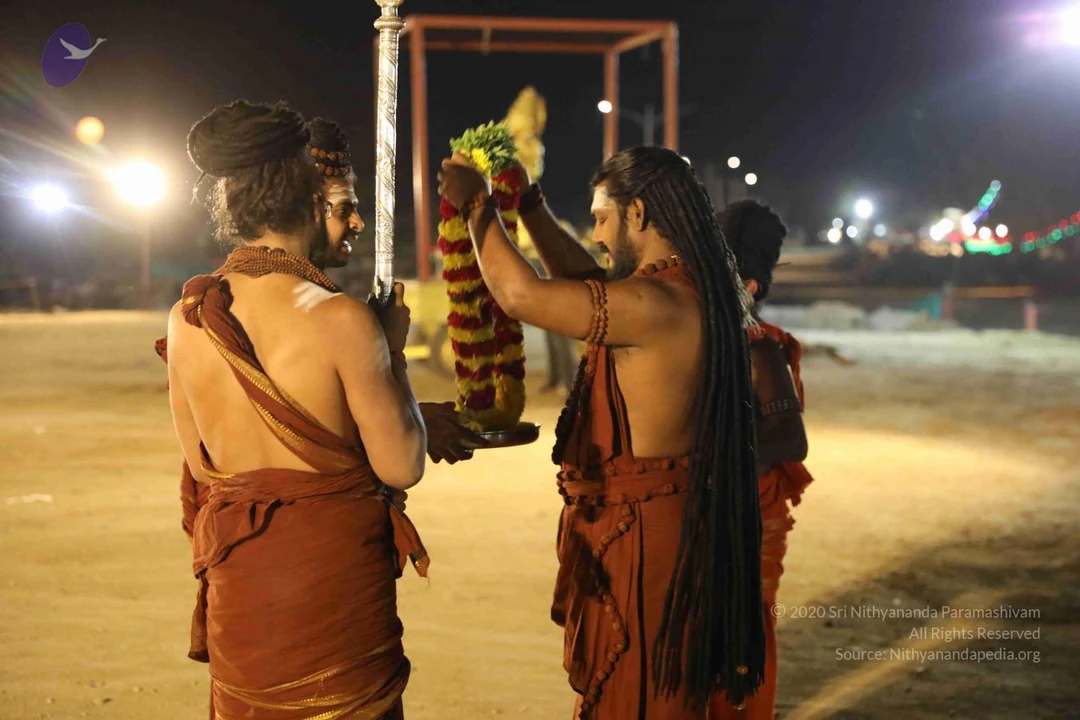
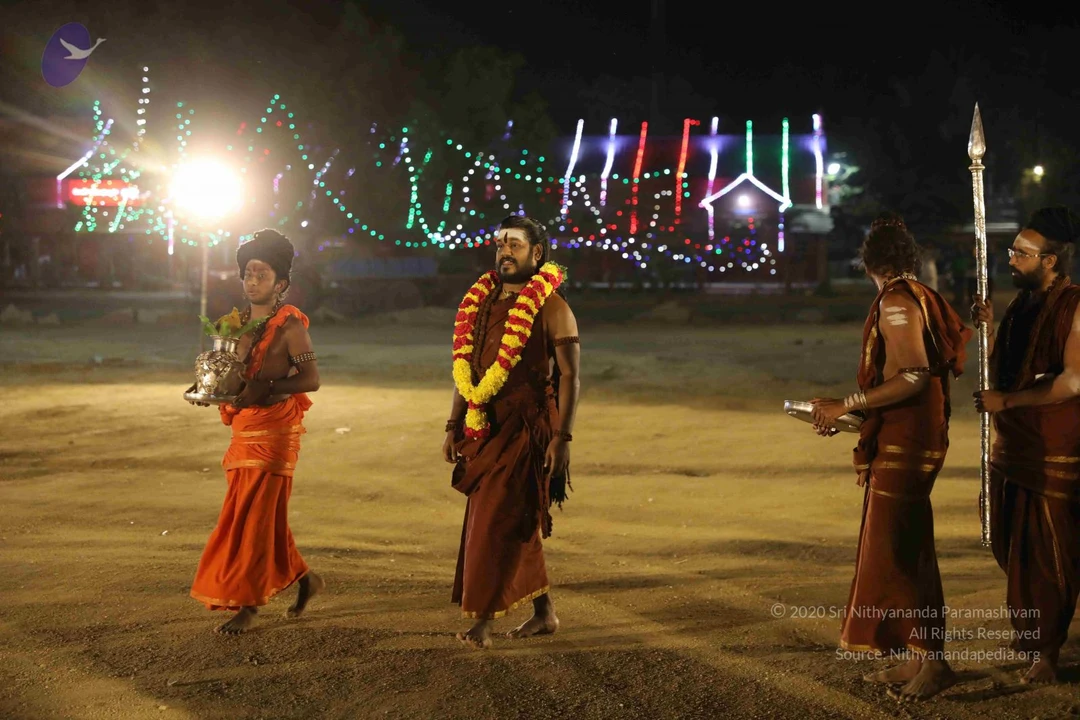
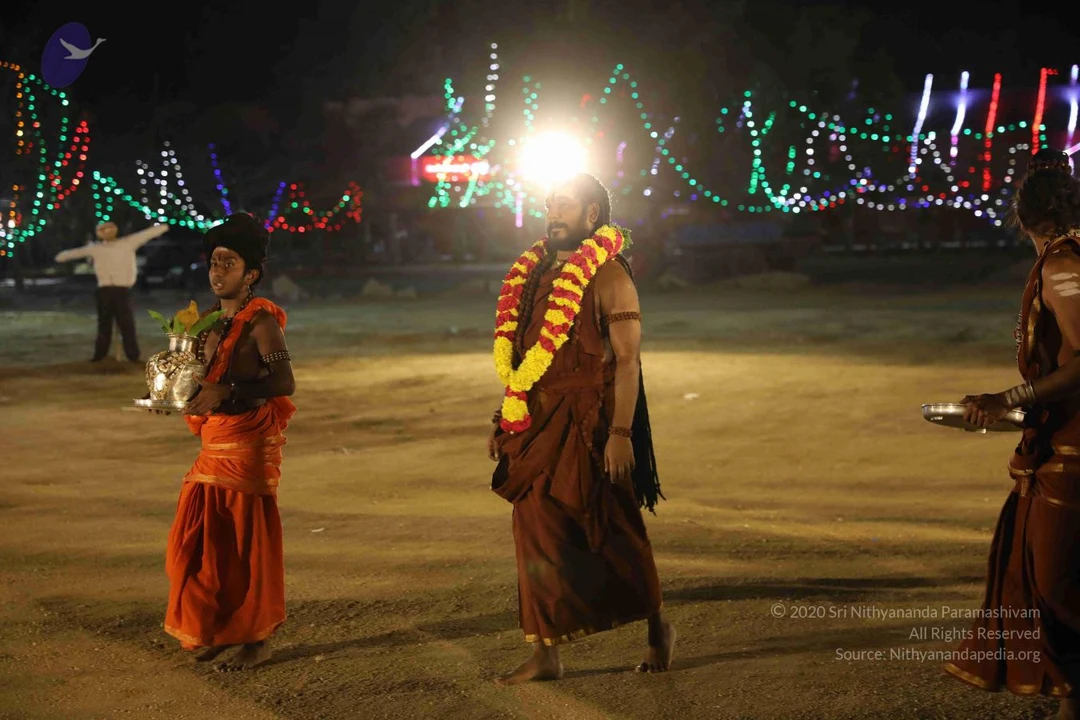
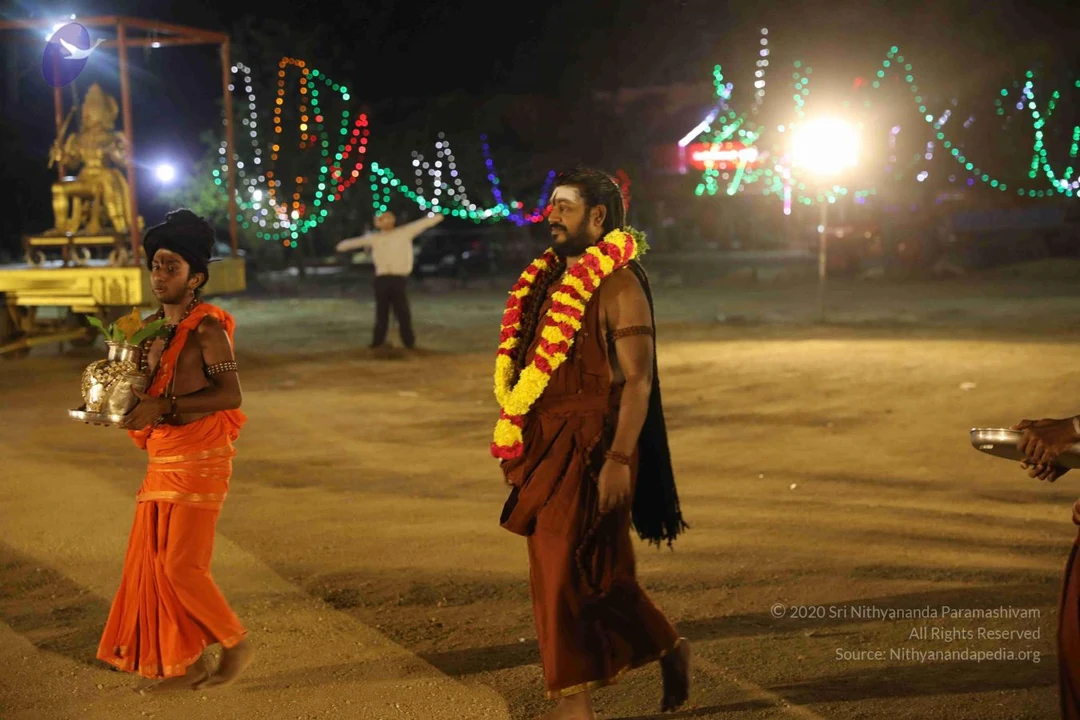
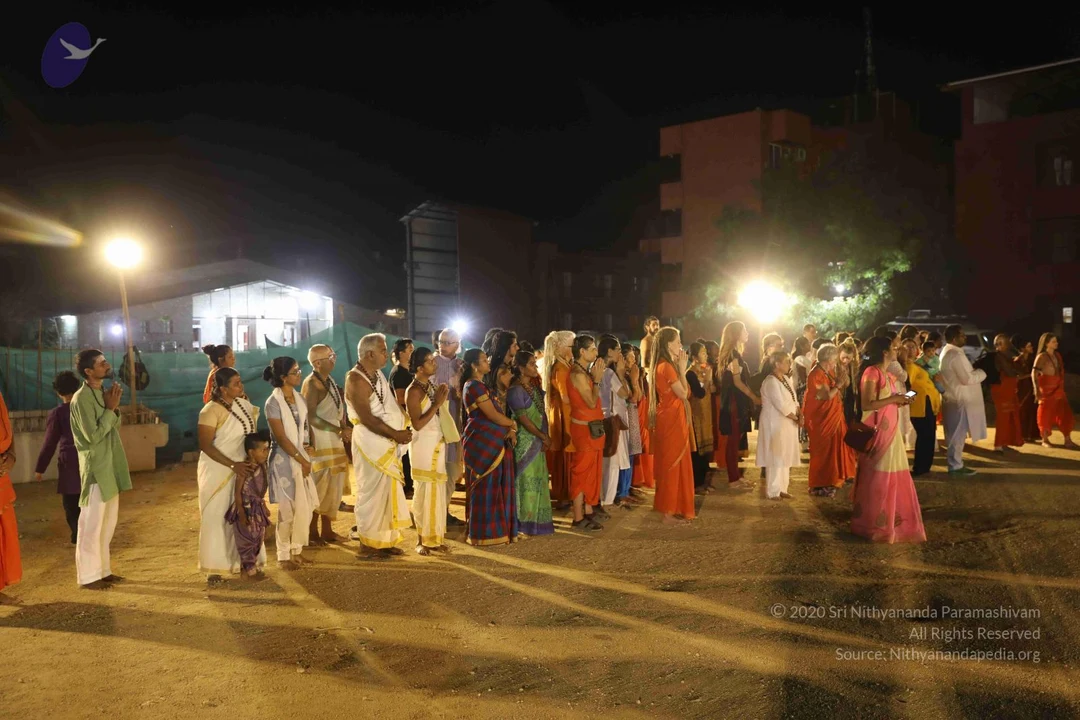
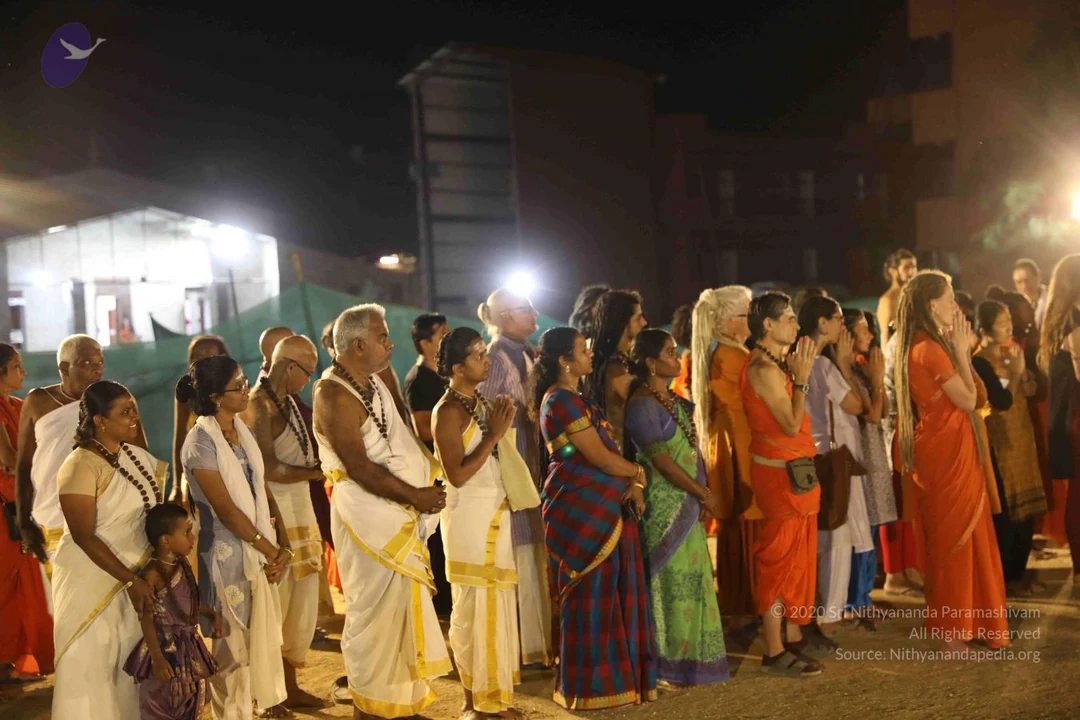

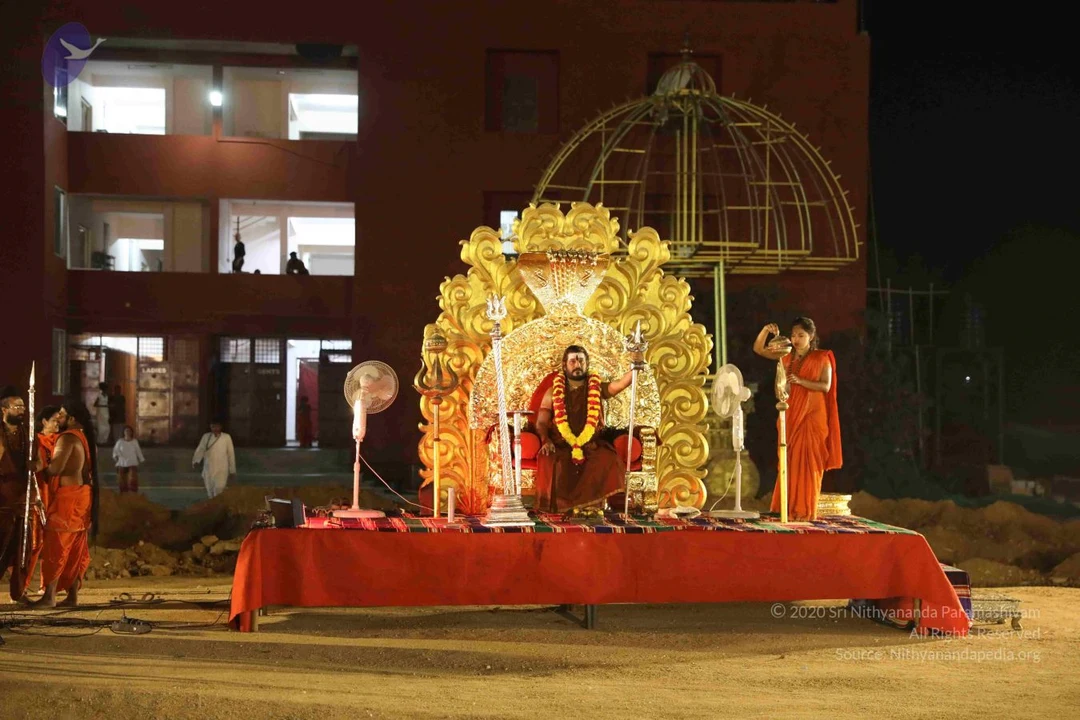
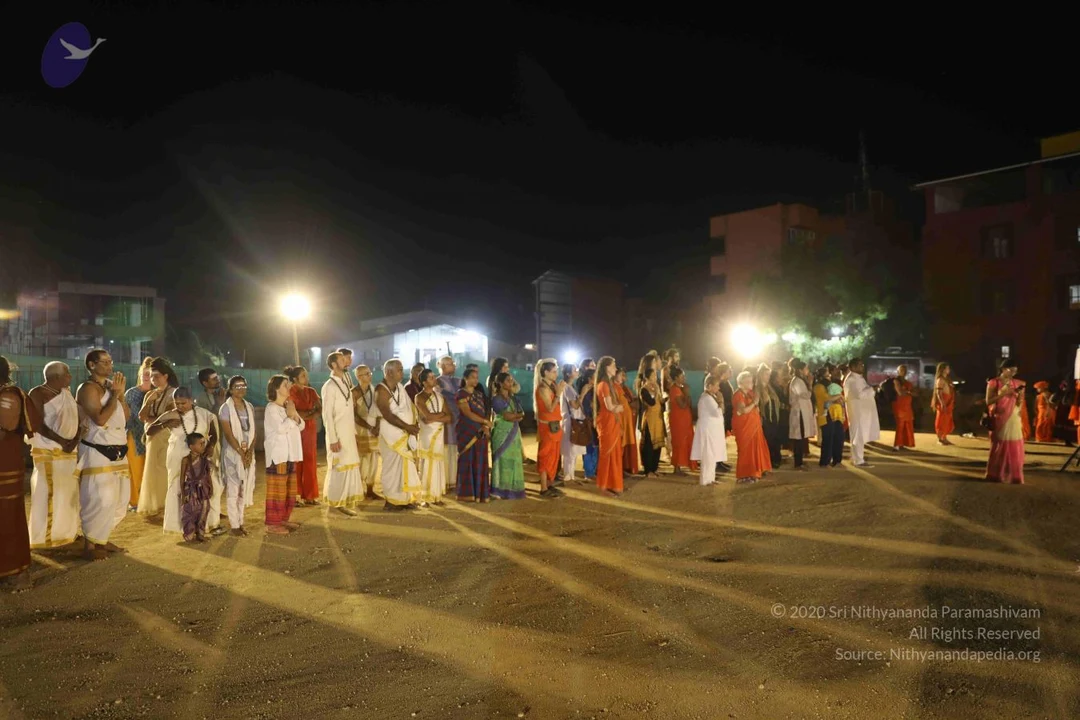
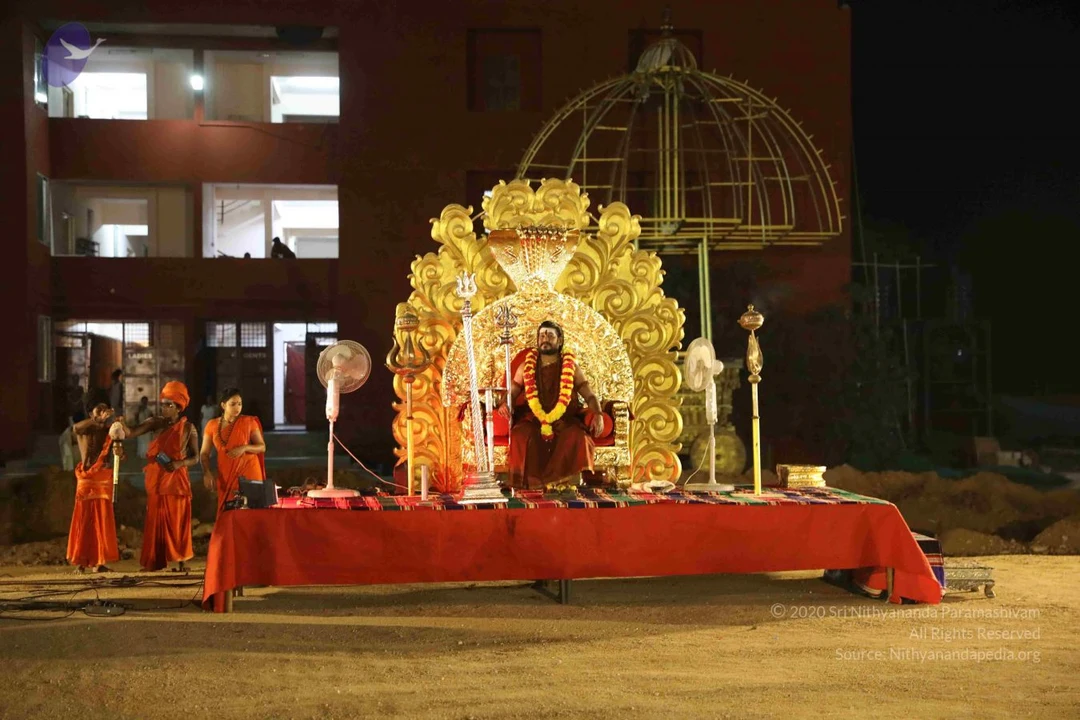
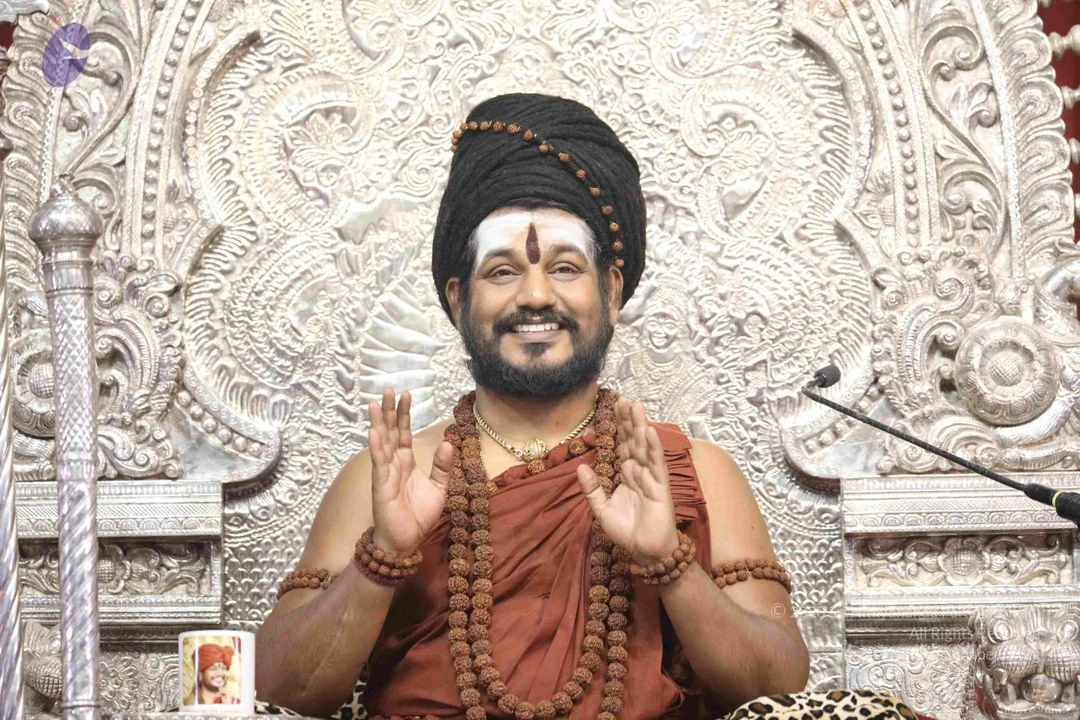
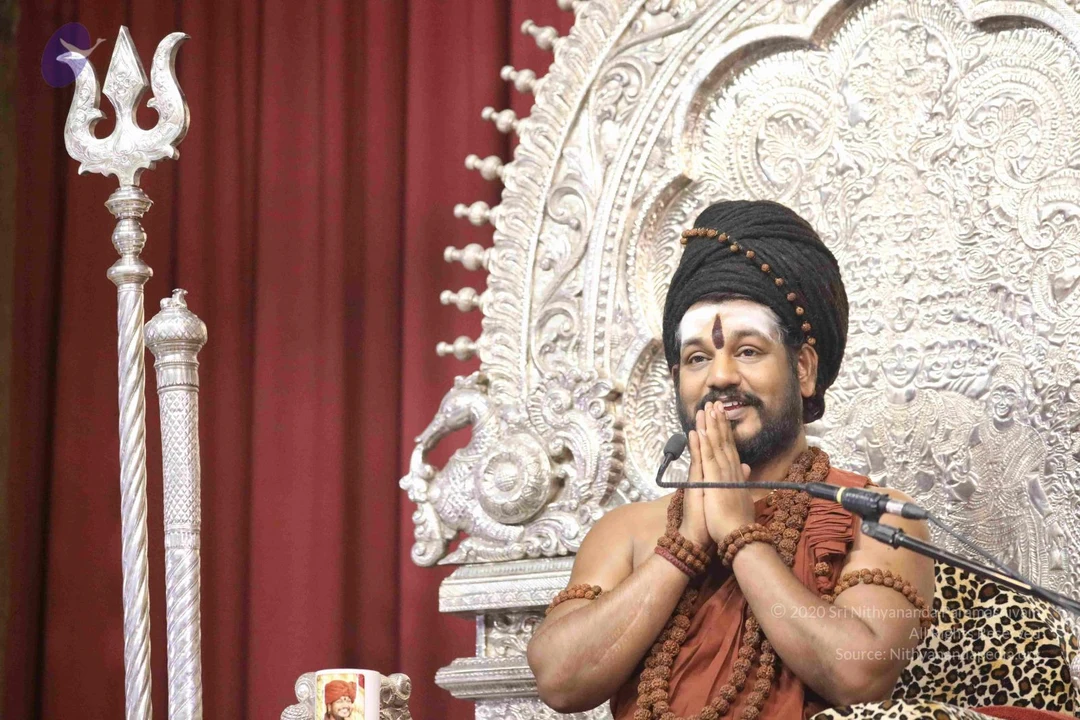
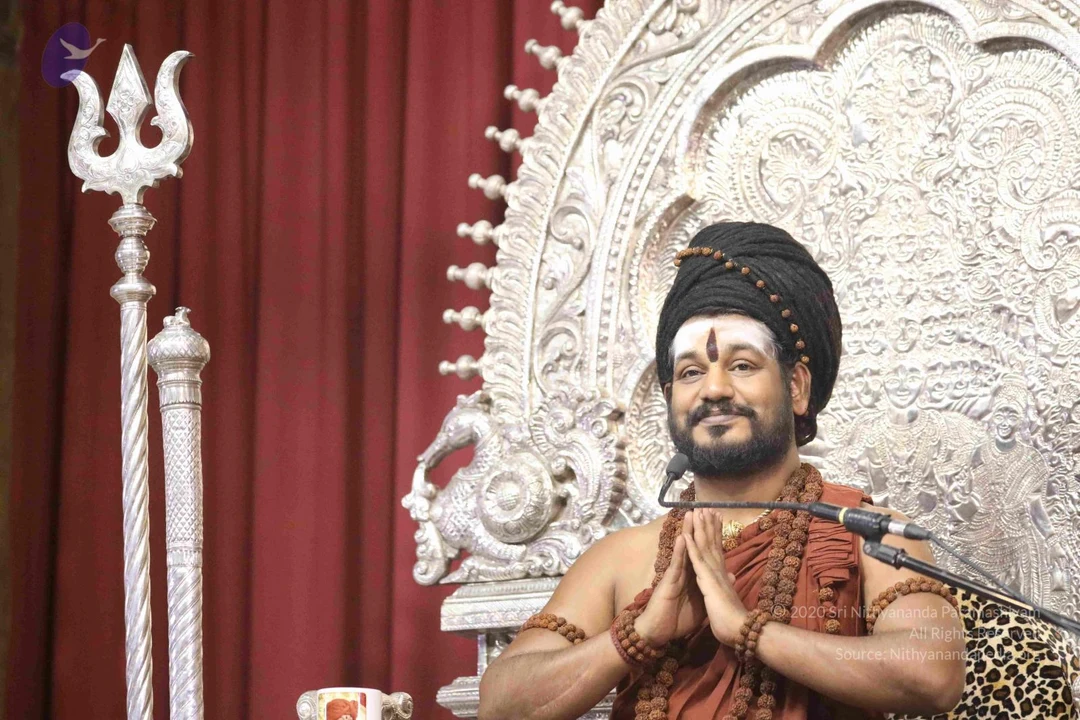
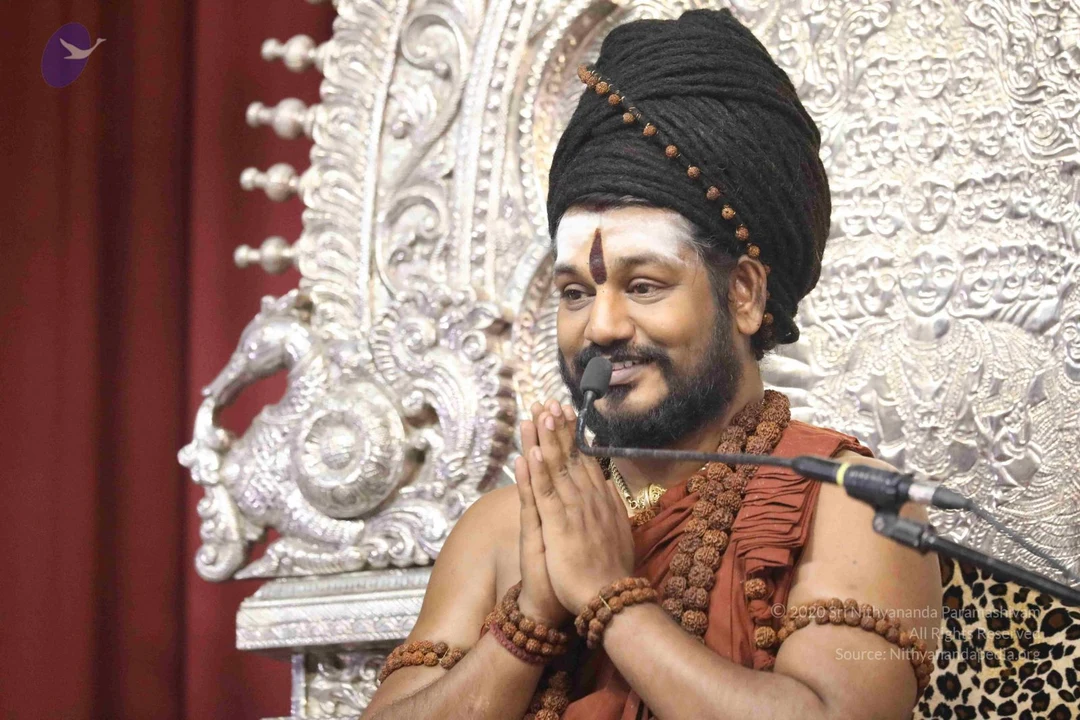
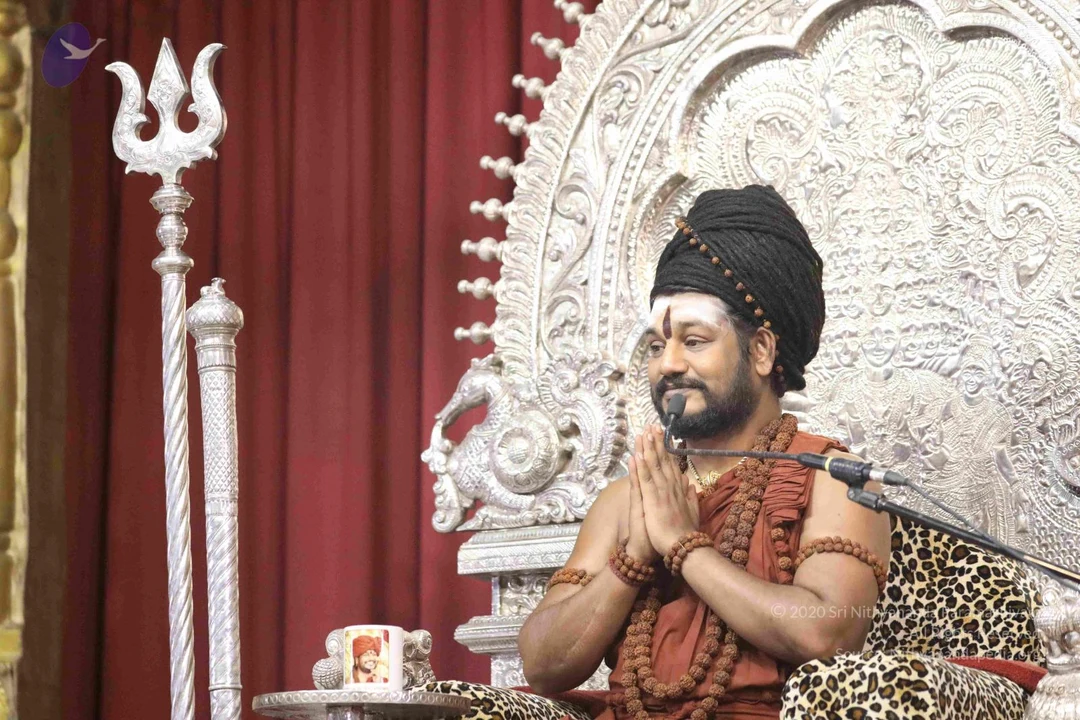
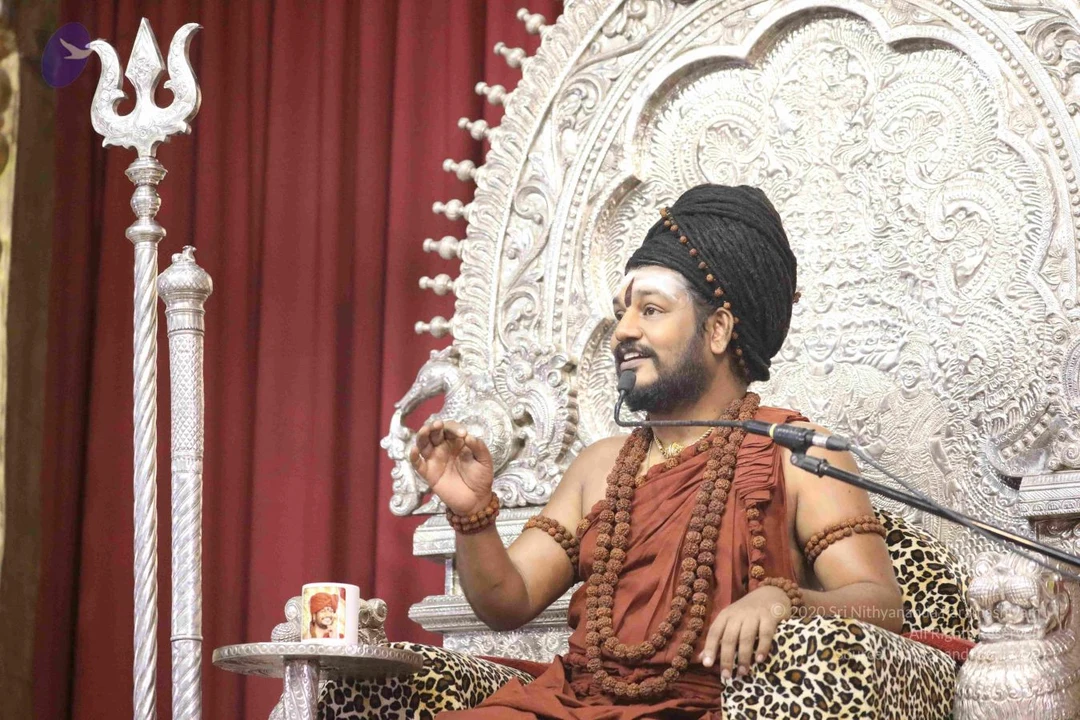
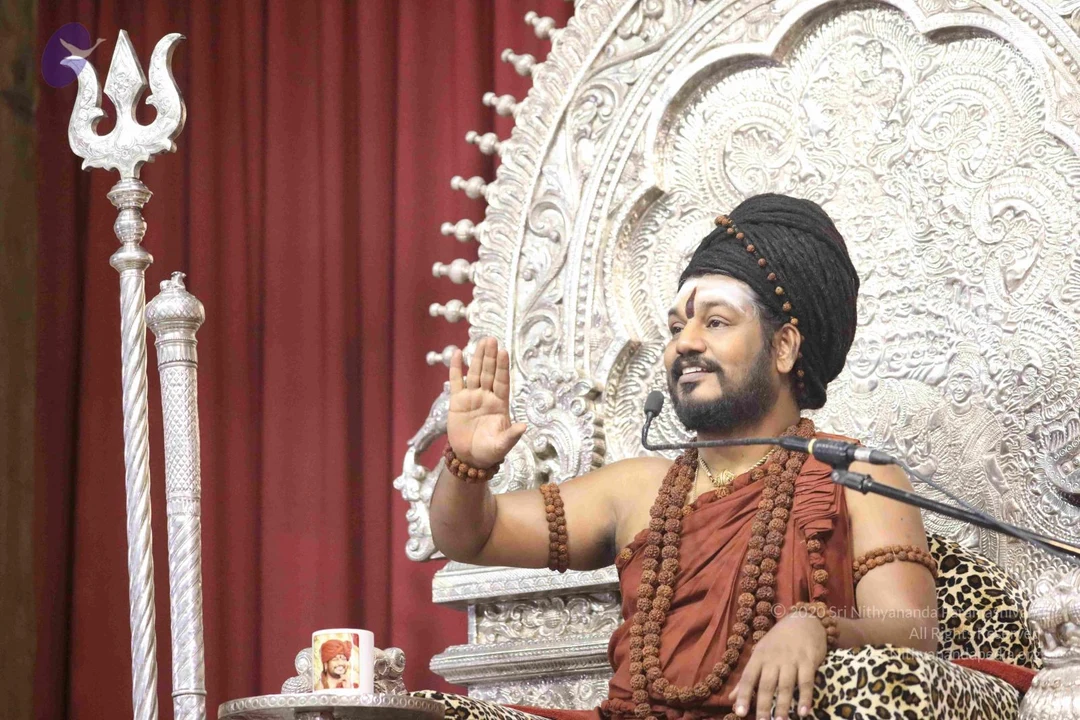
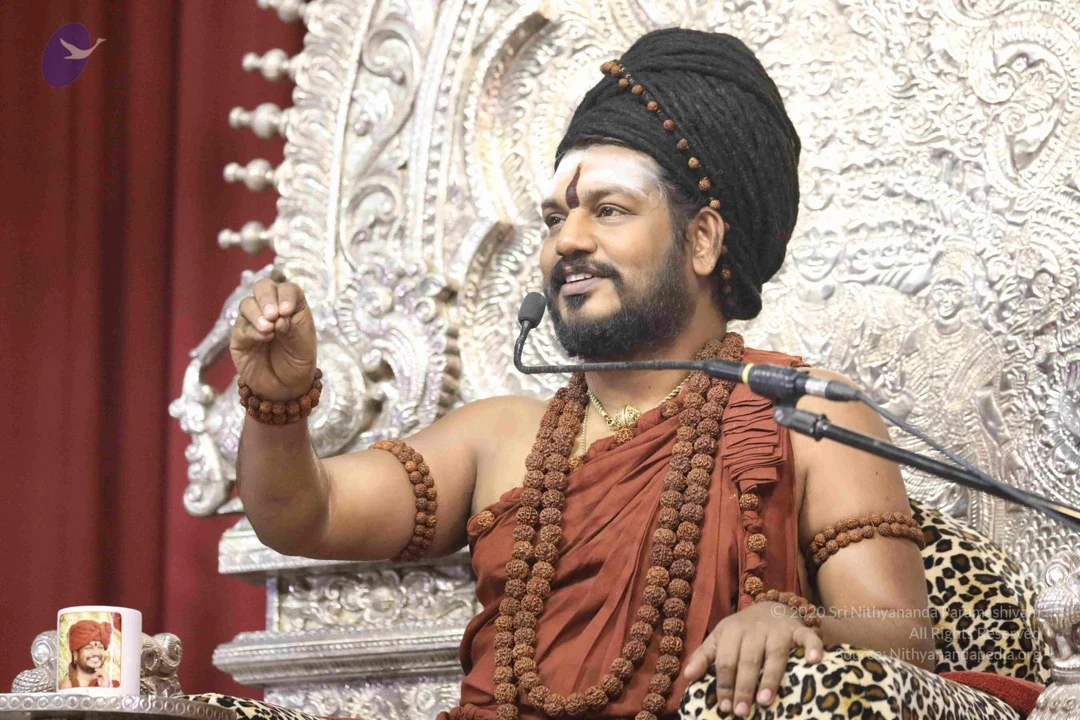
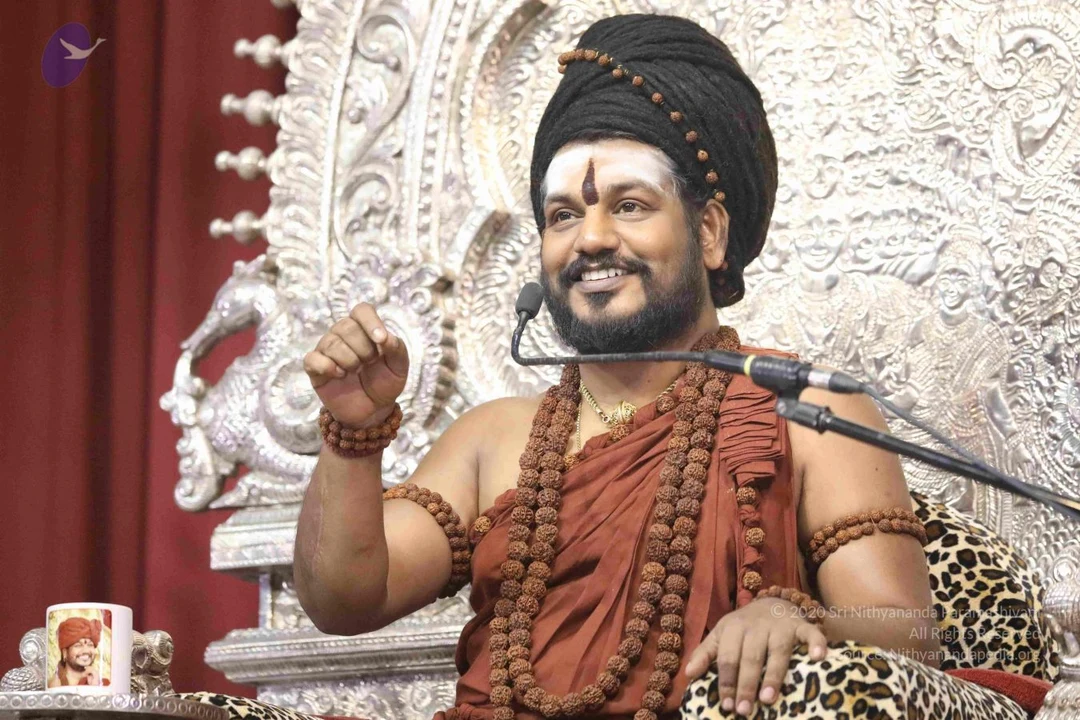
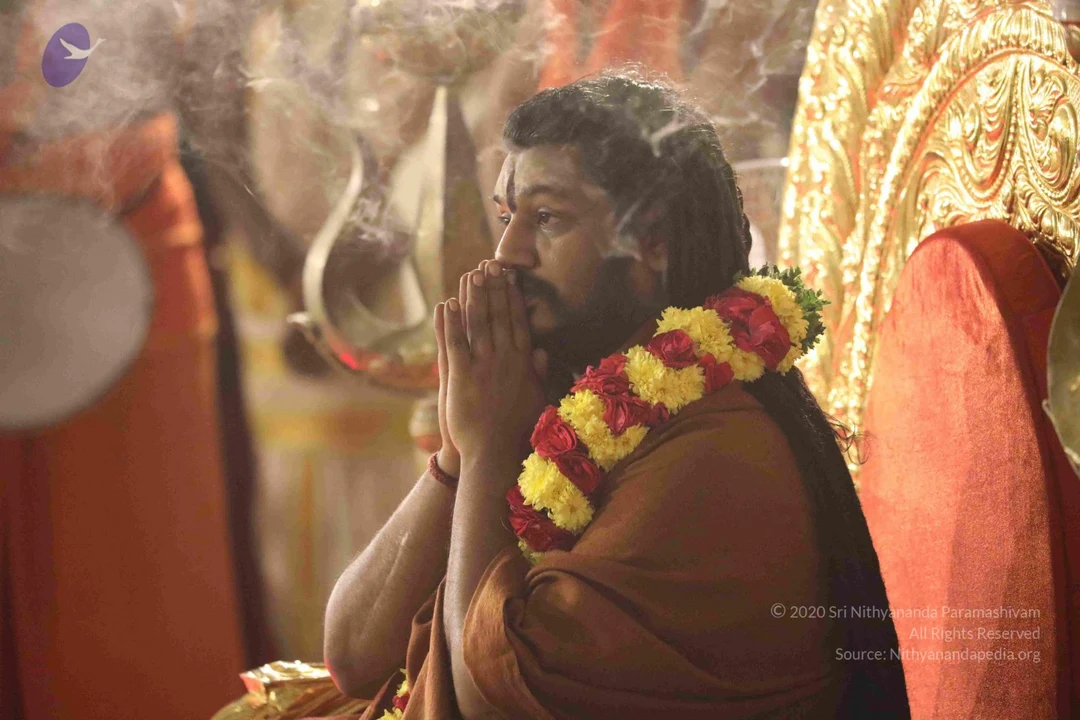
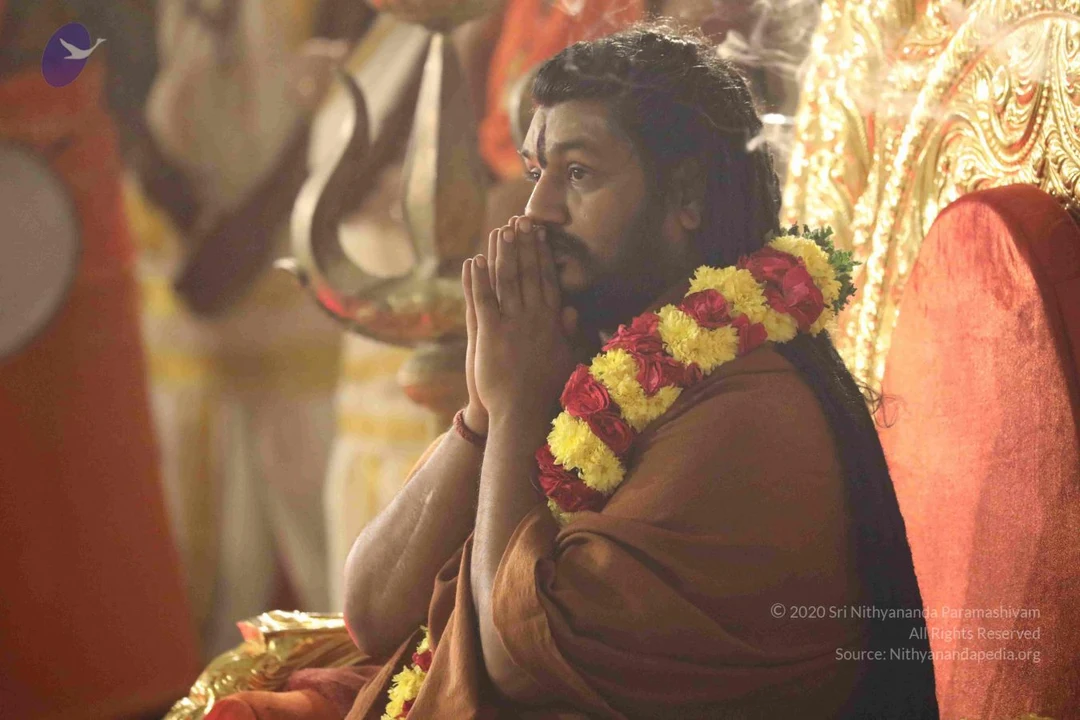
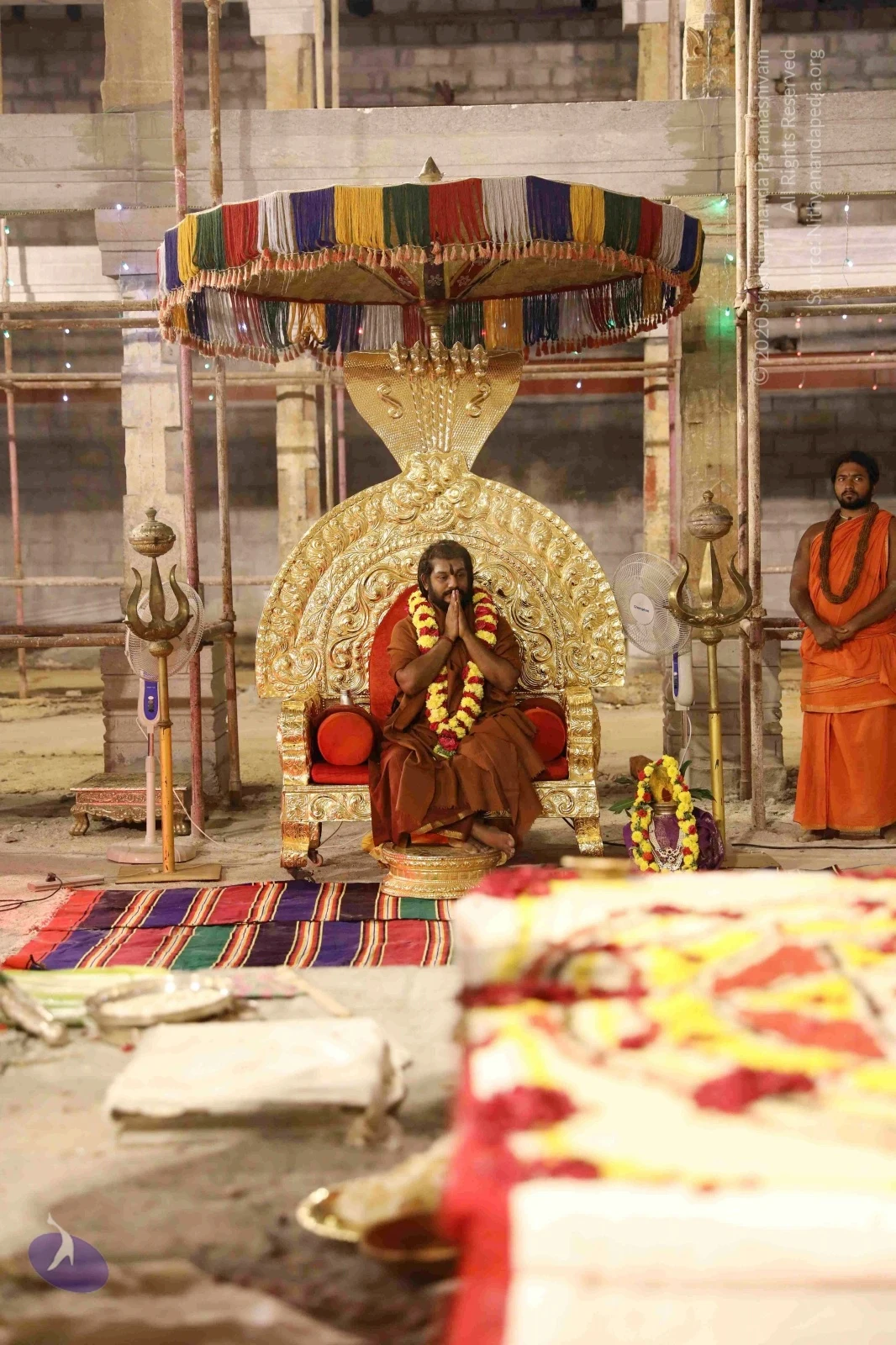
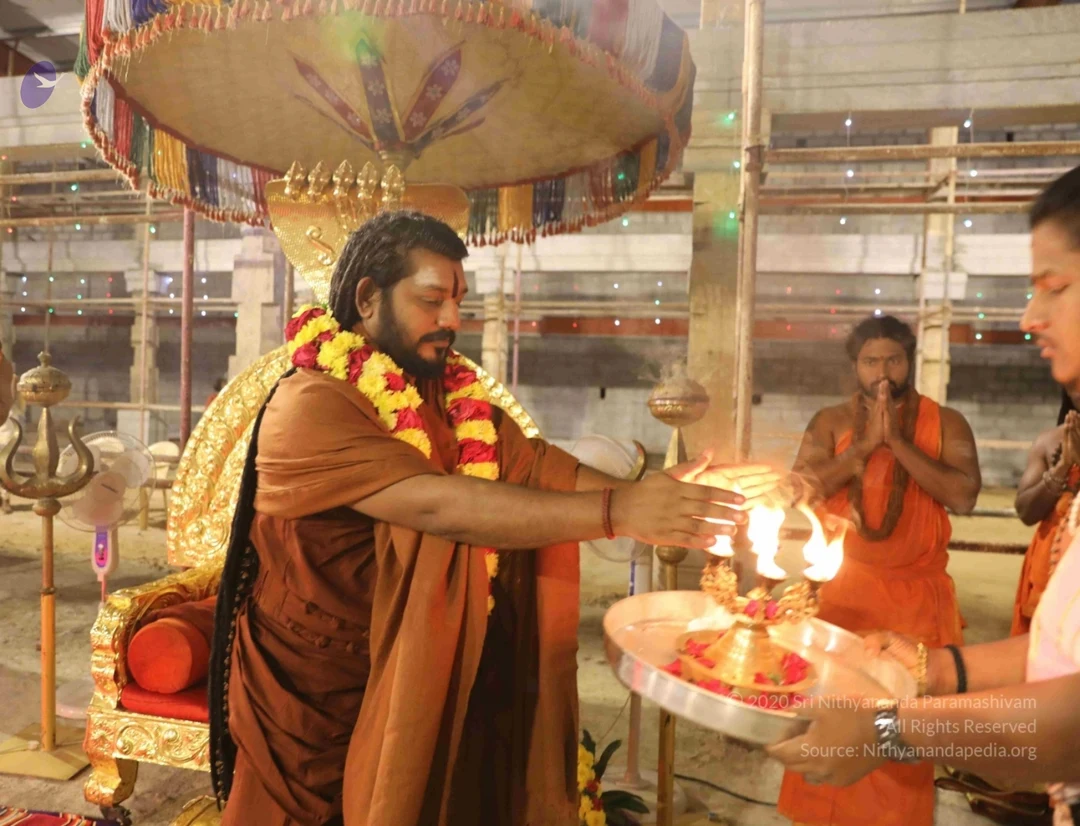
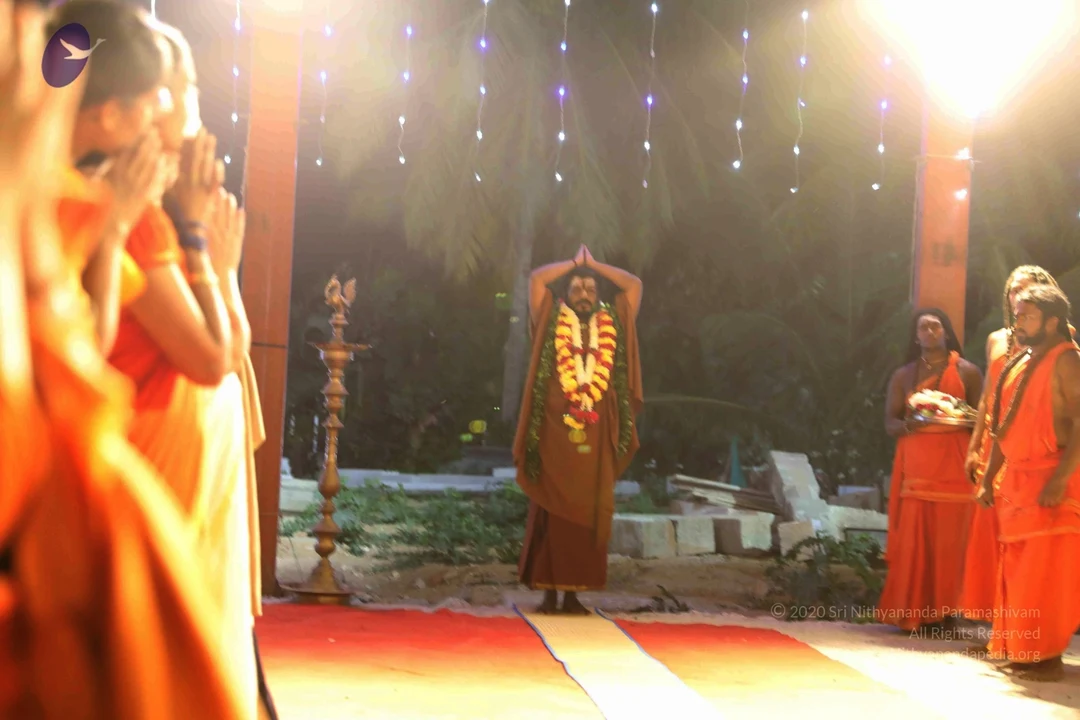
Evening-satsang
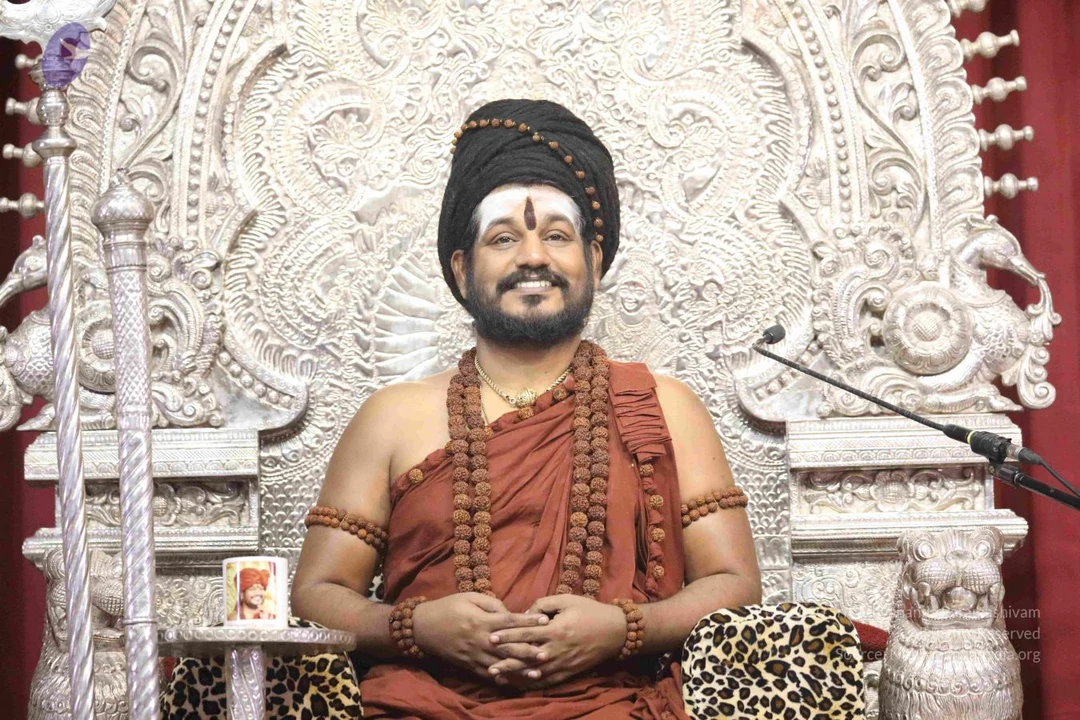
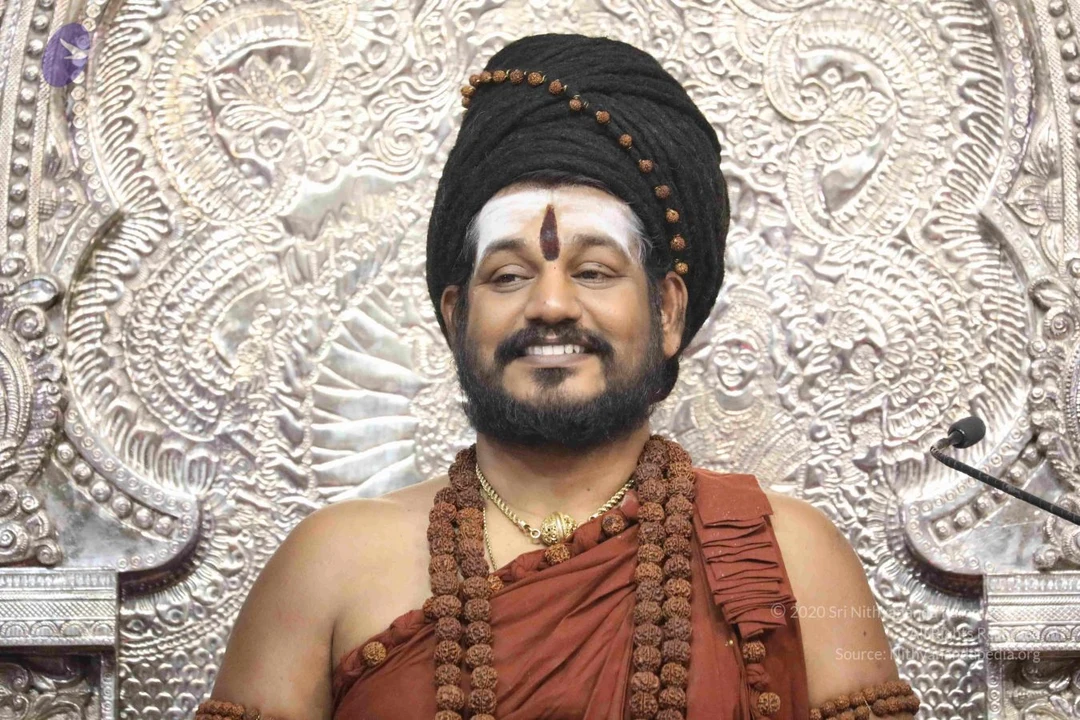
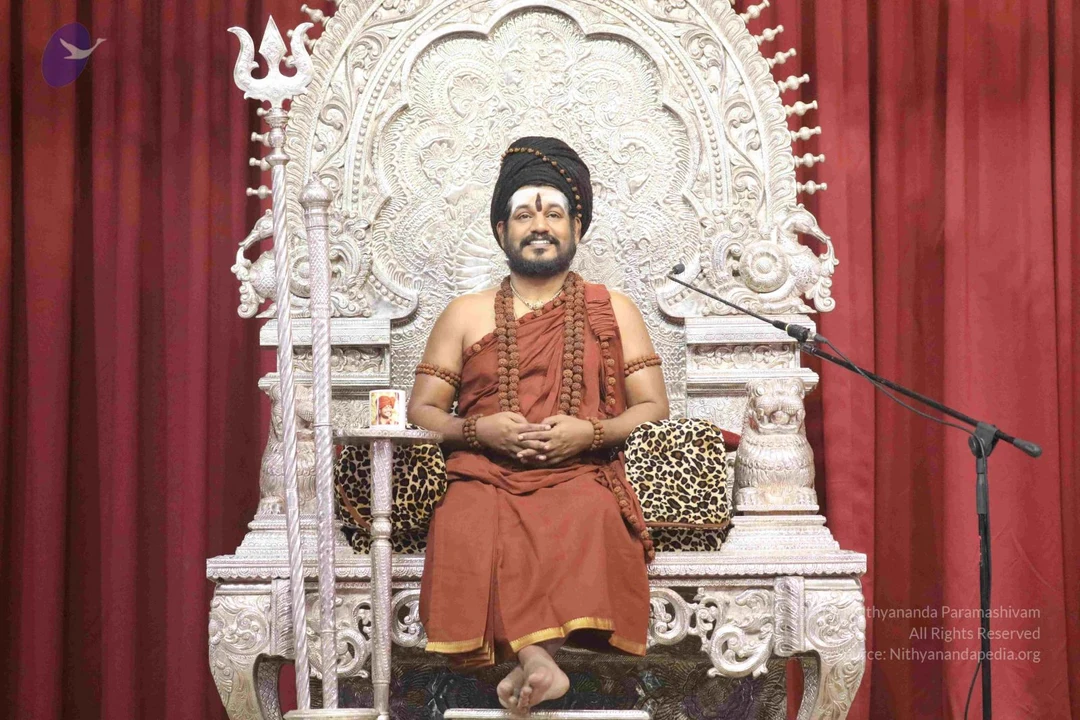
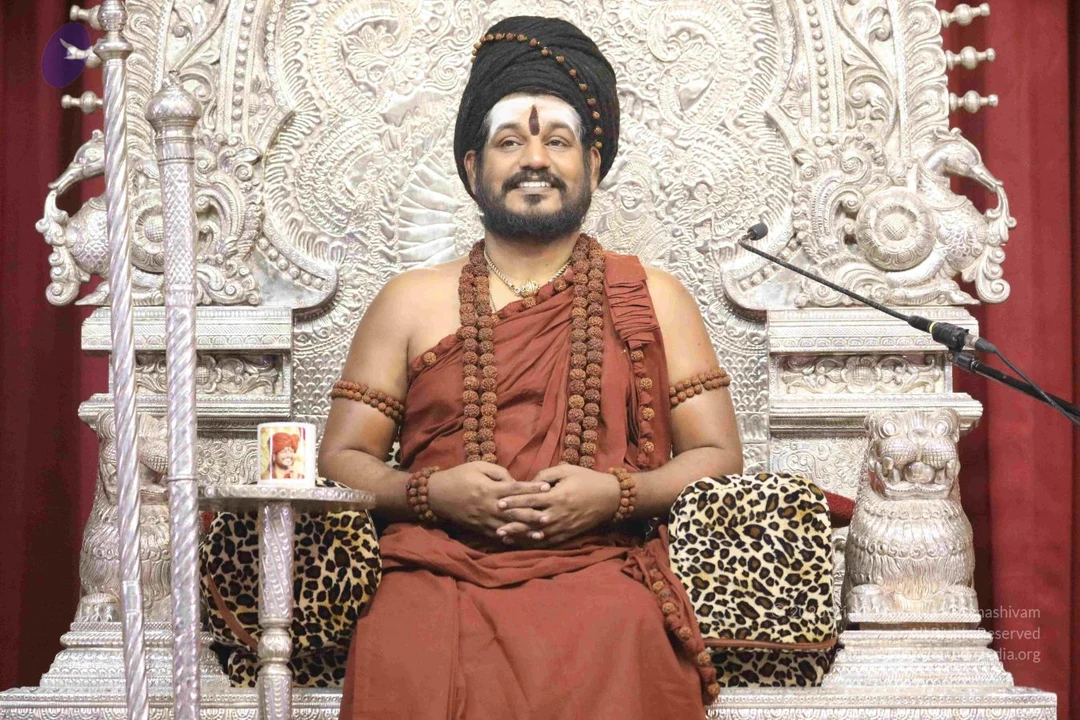
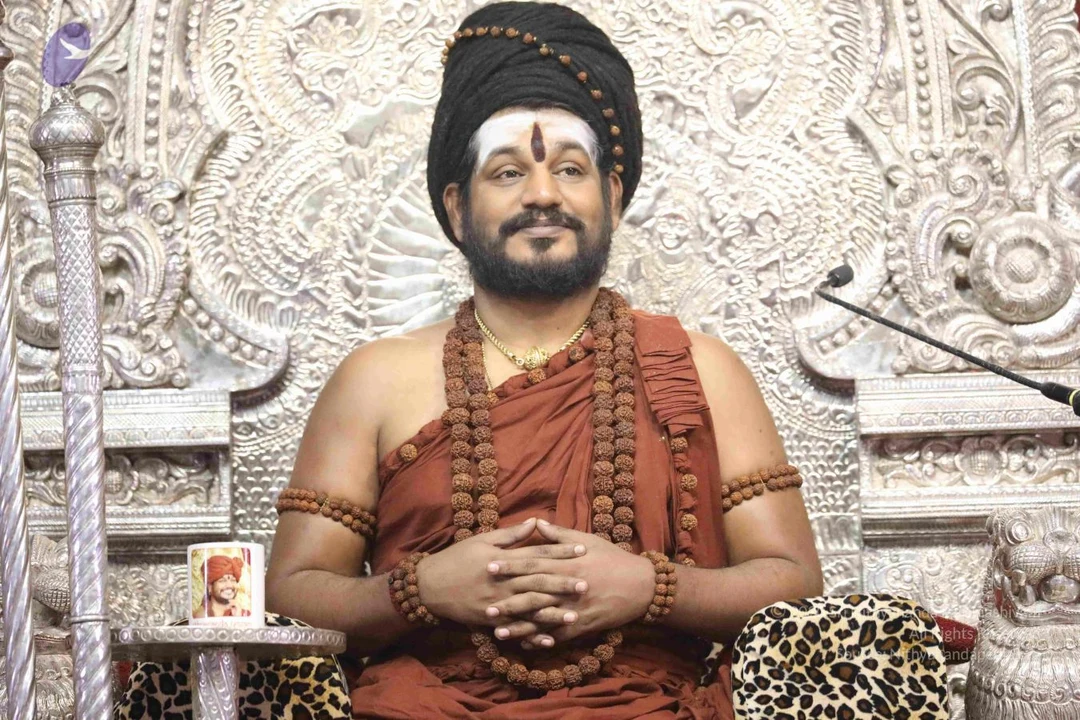
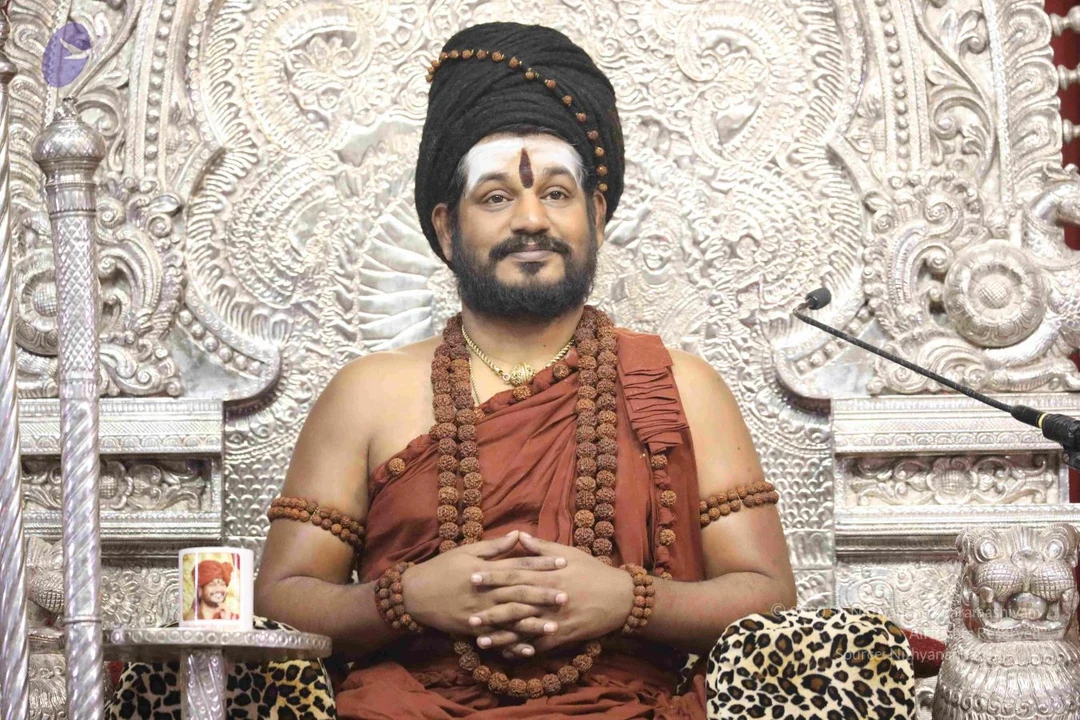
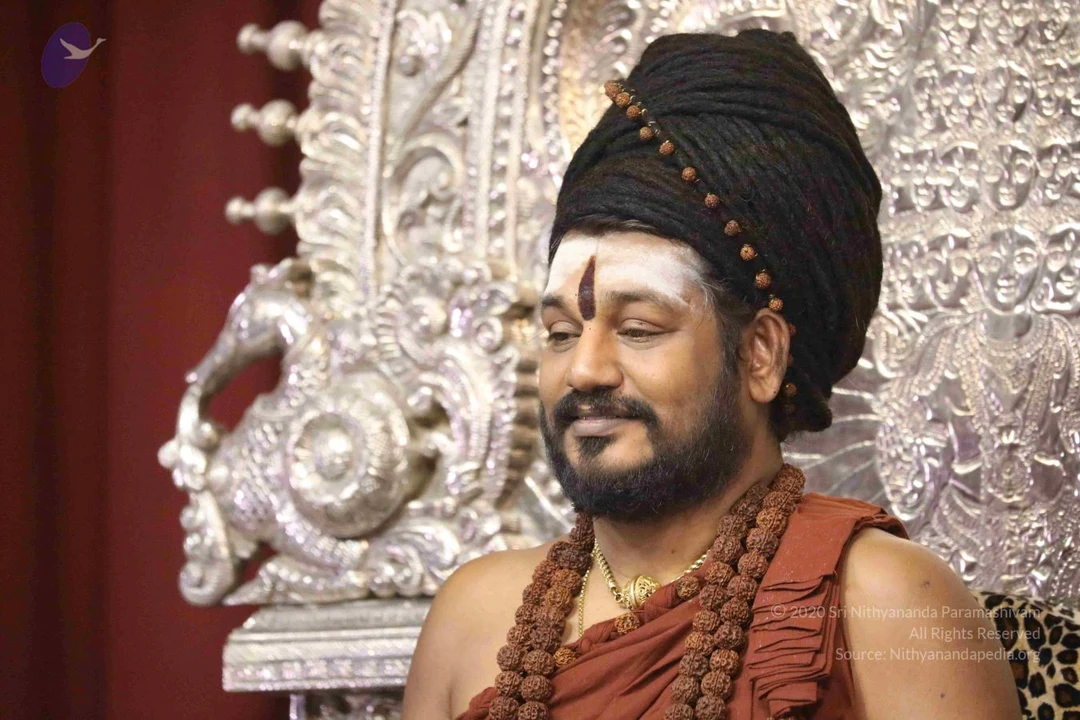
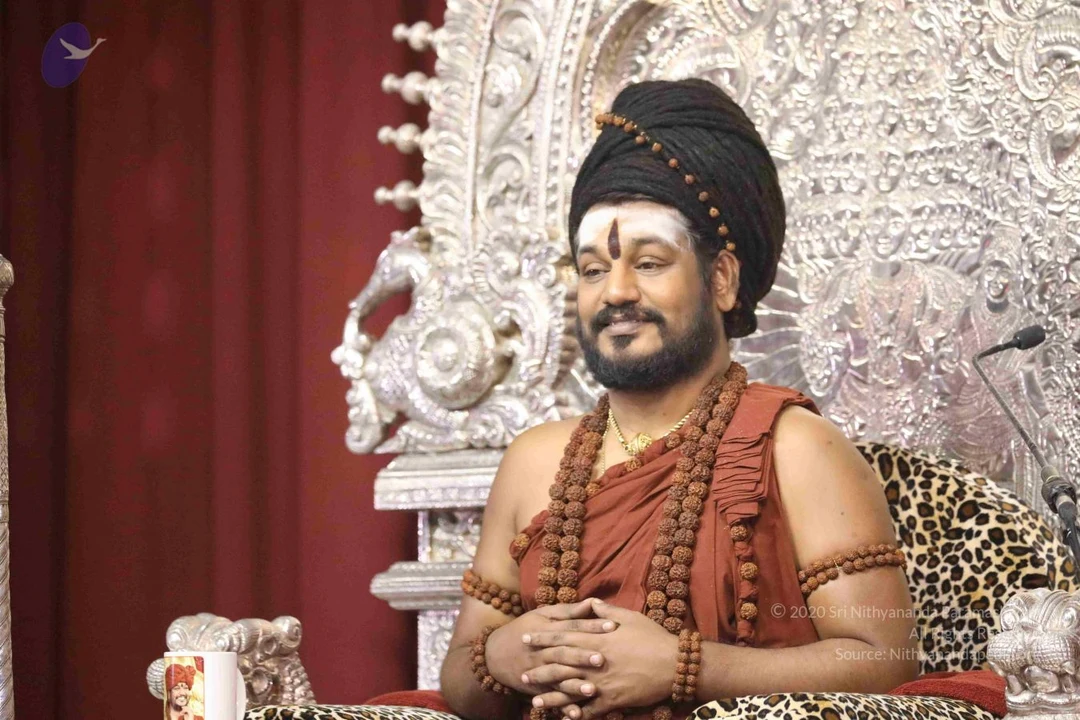
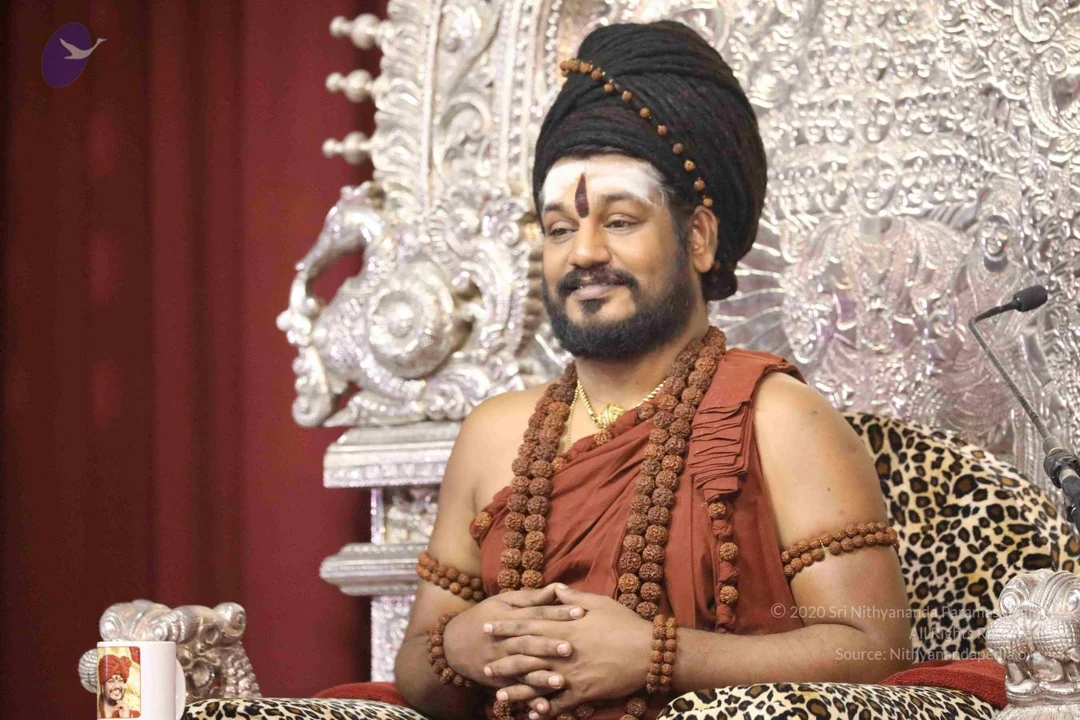
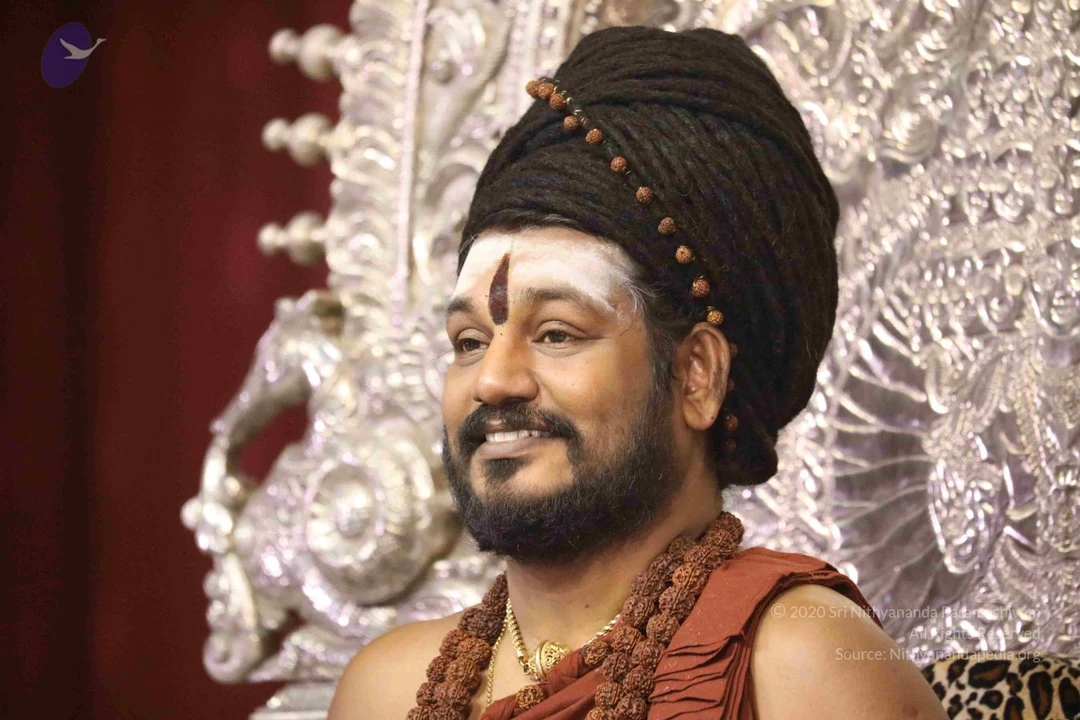
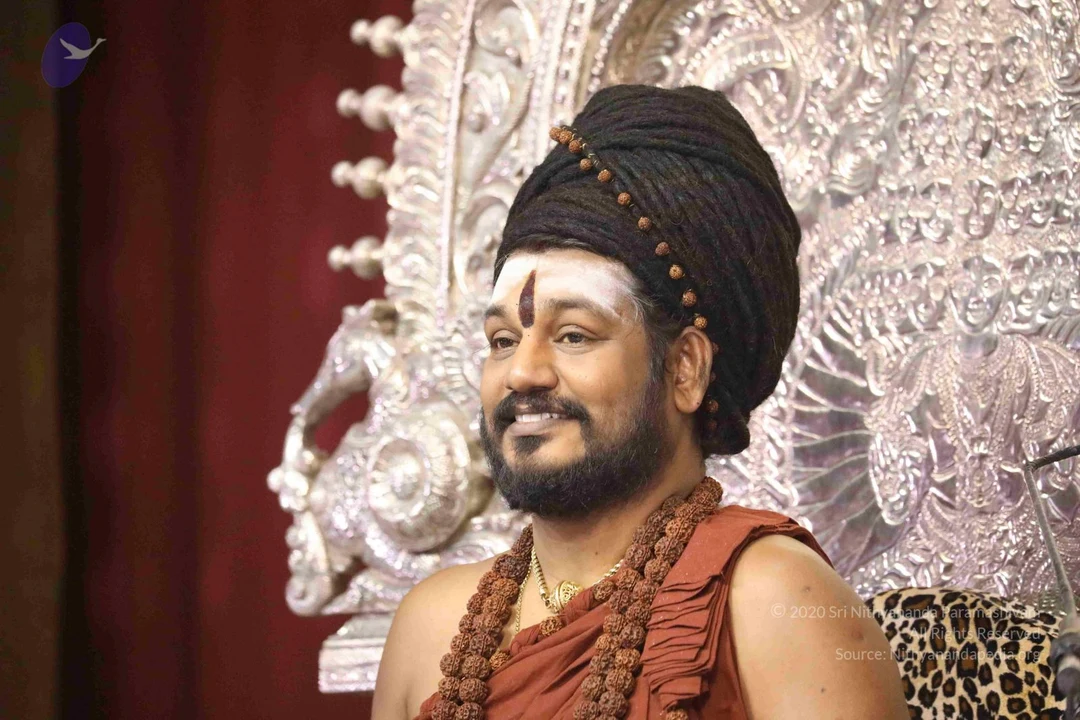

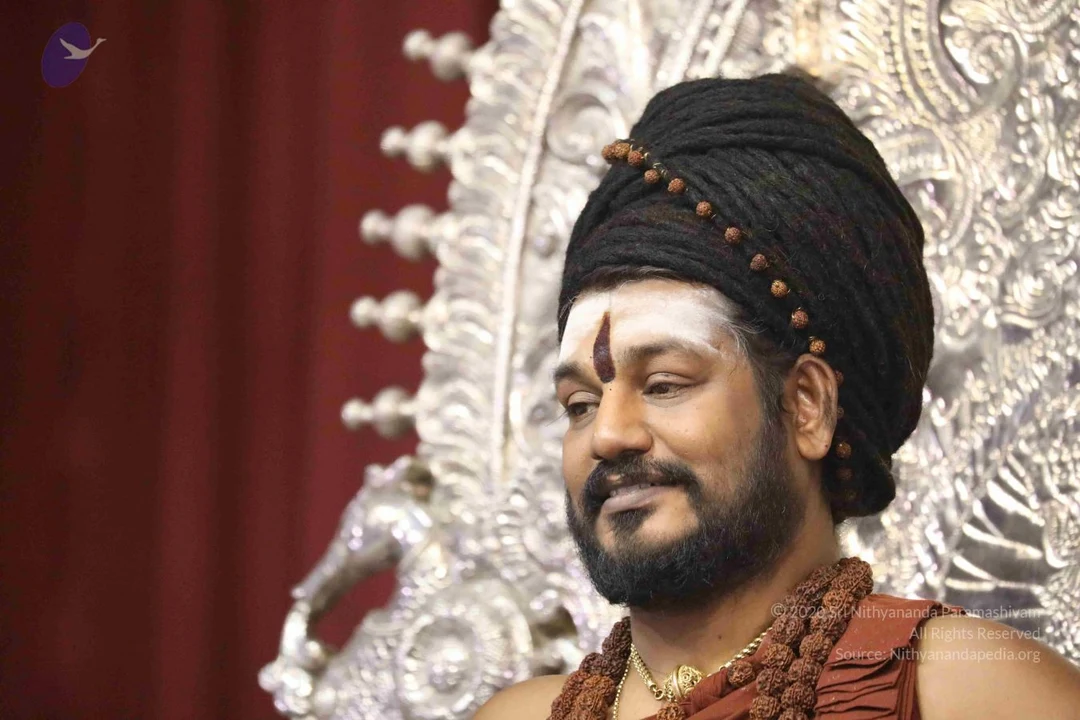


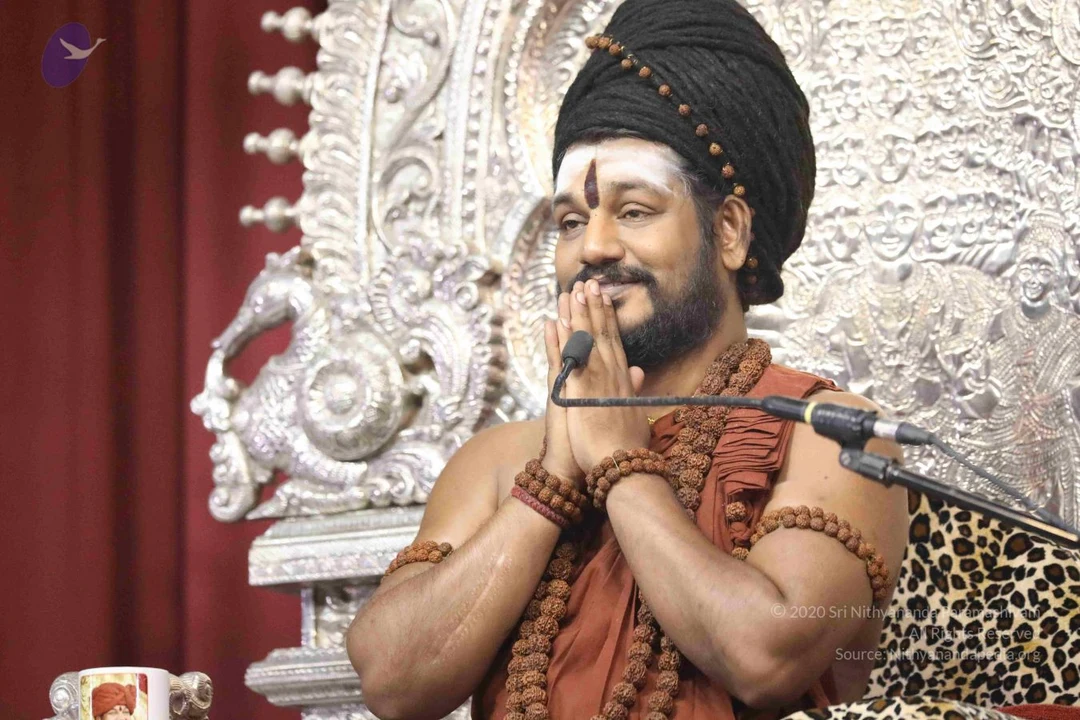
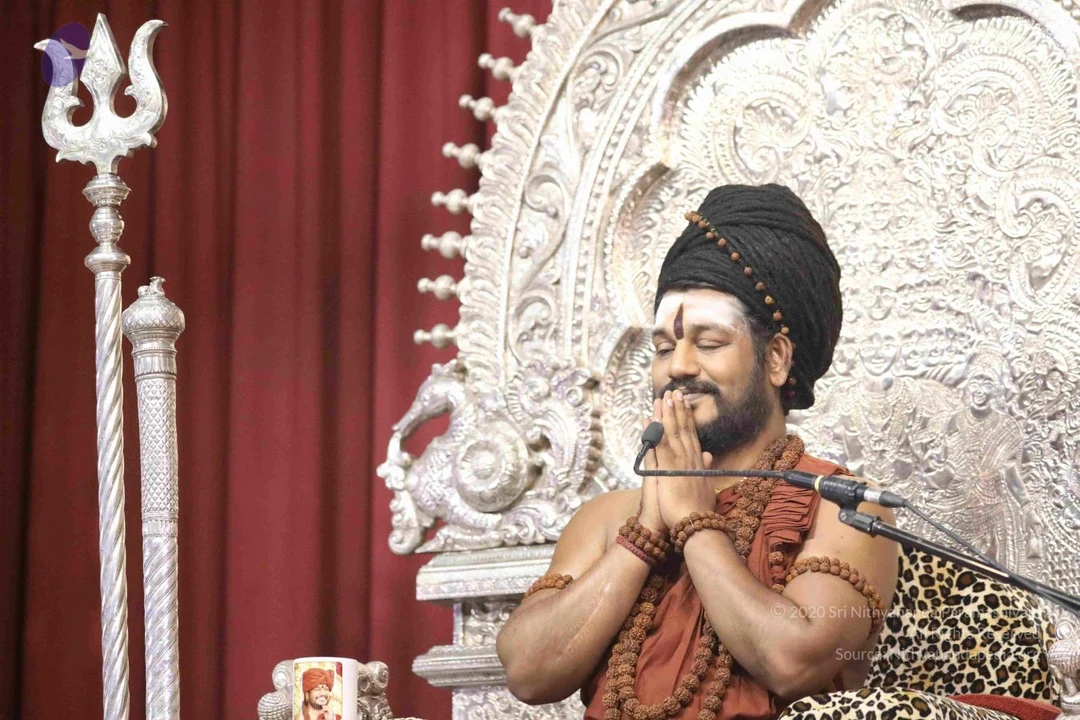
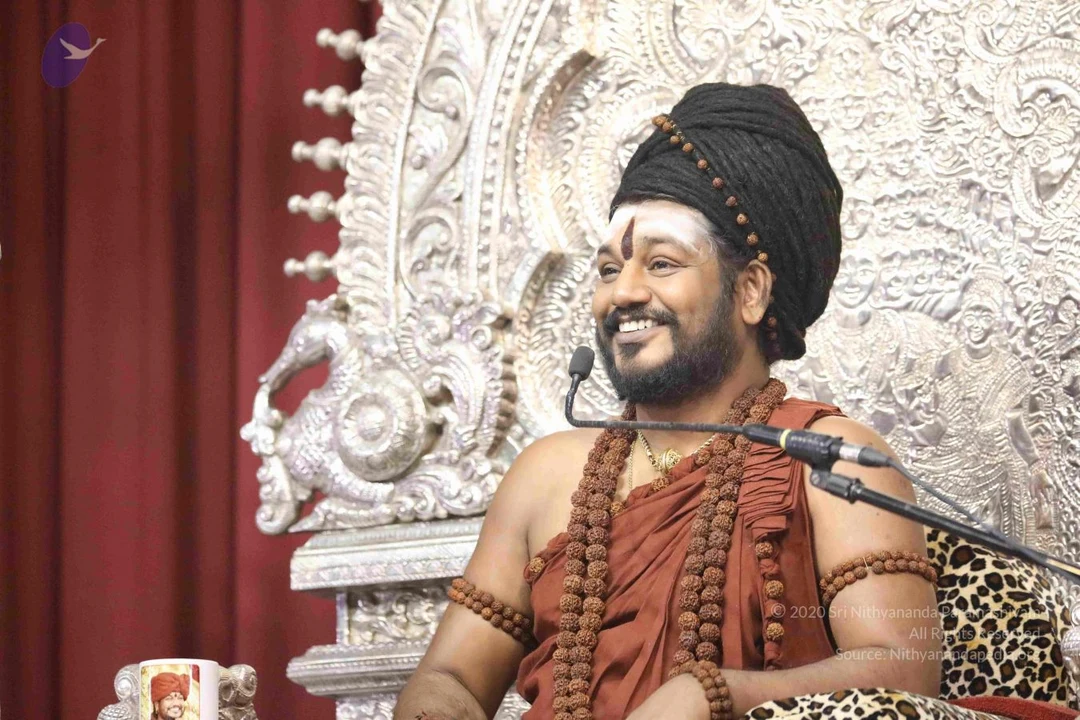
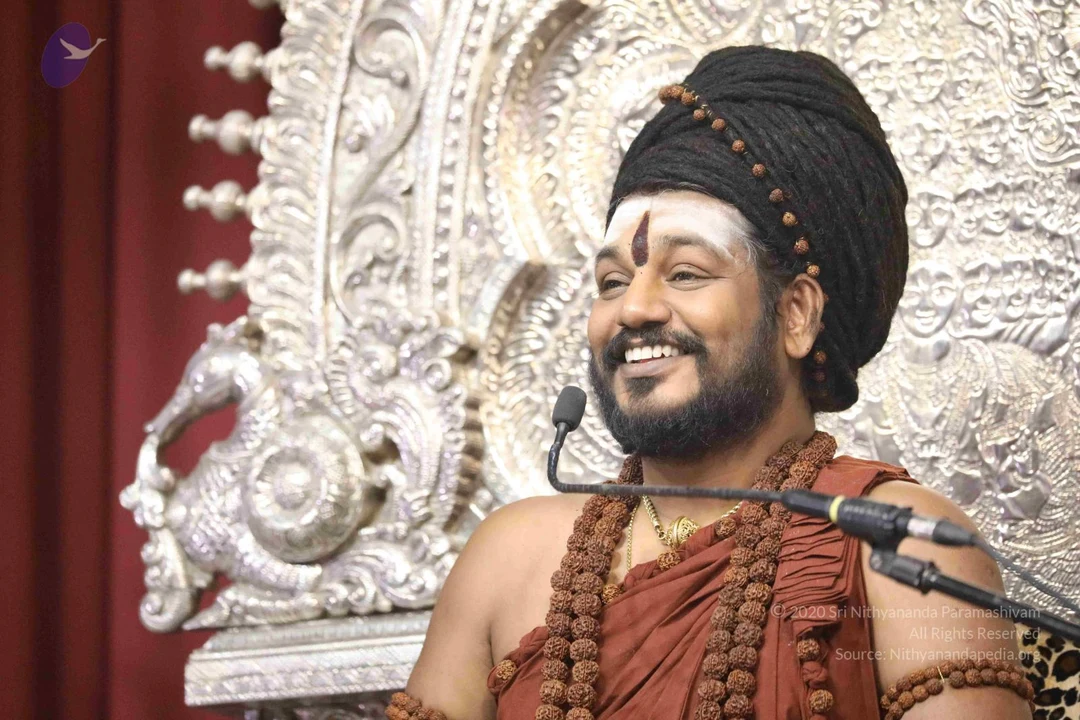
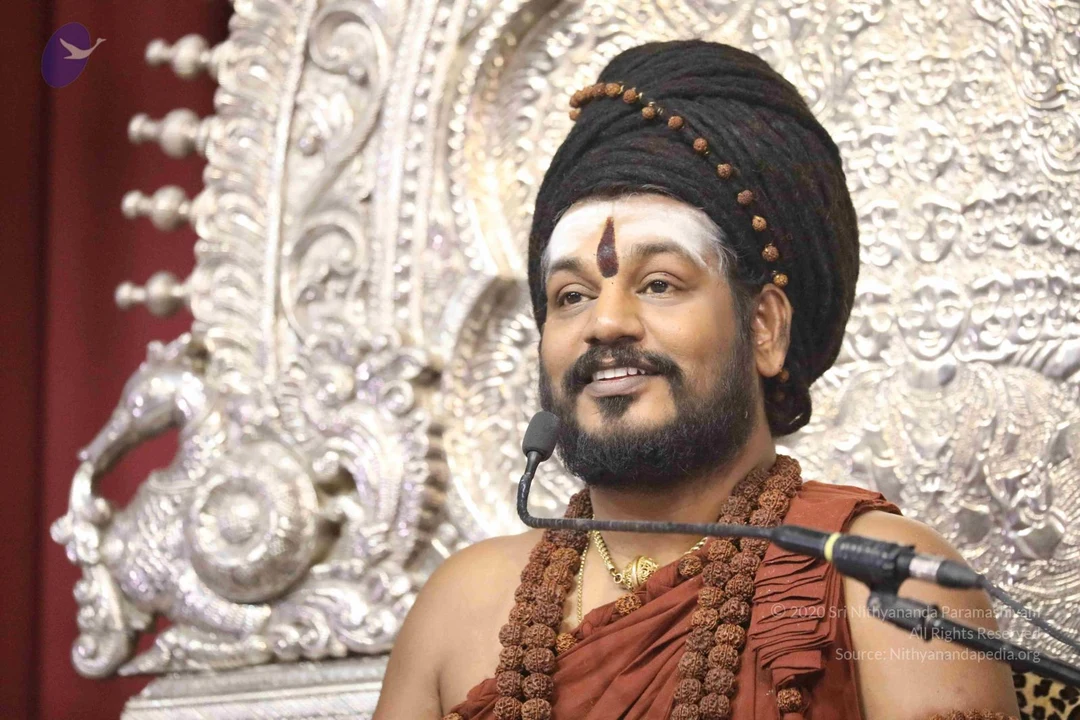
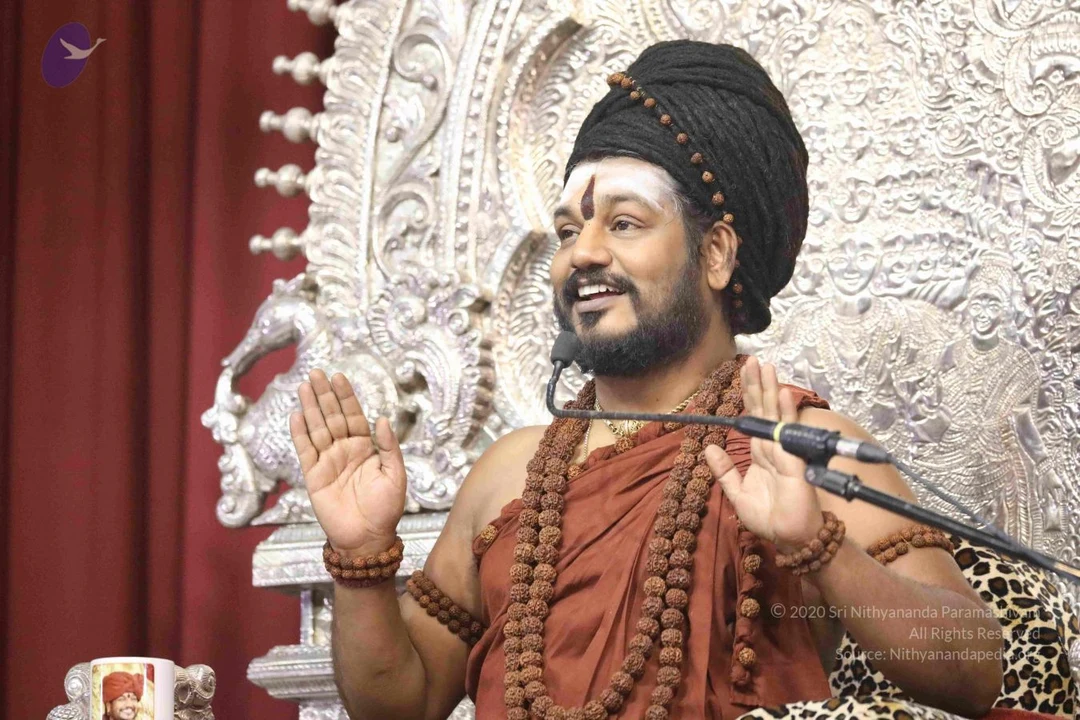
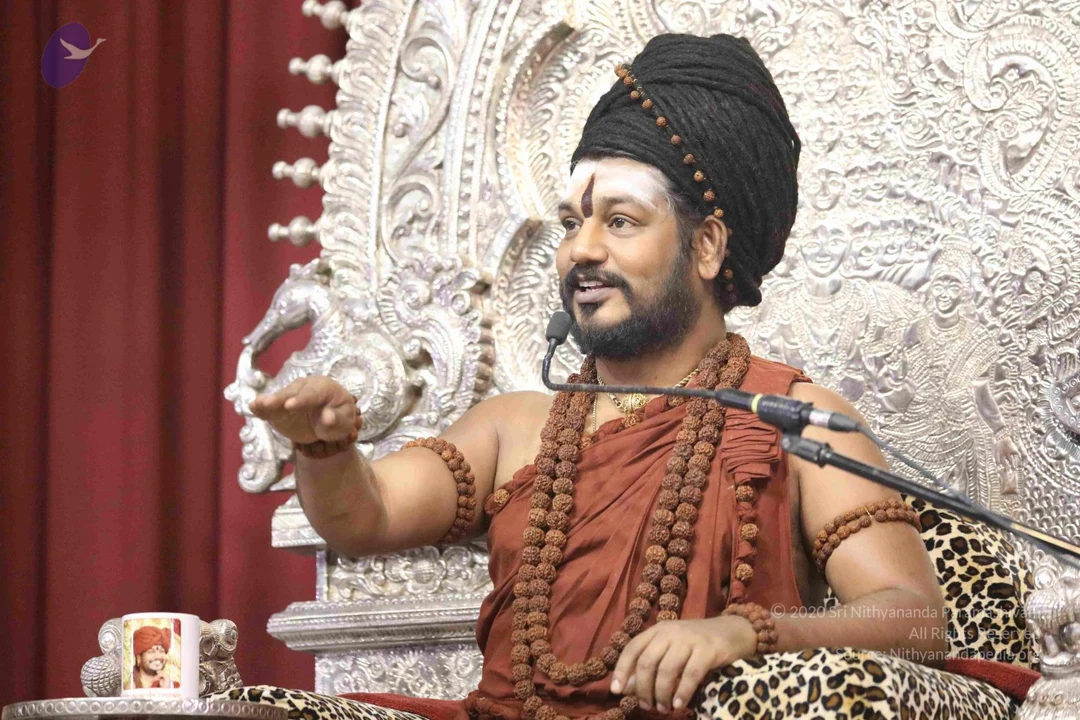
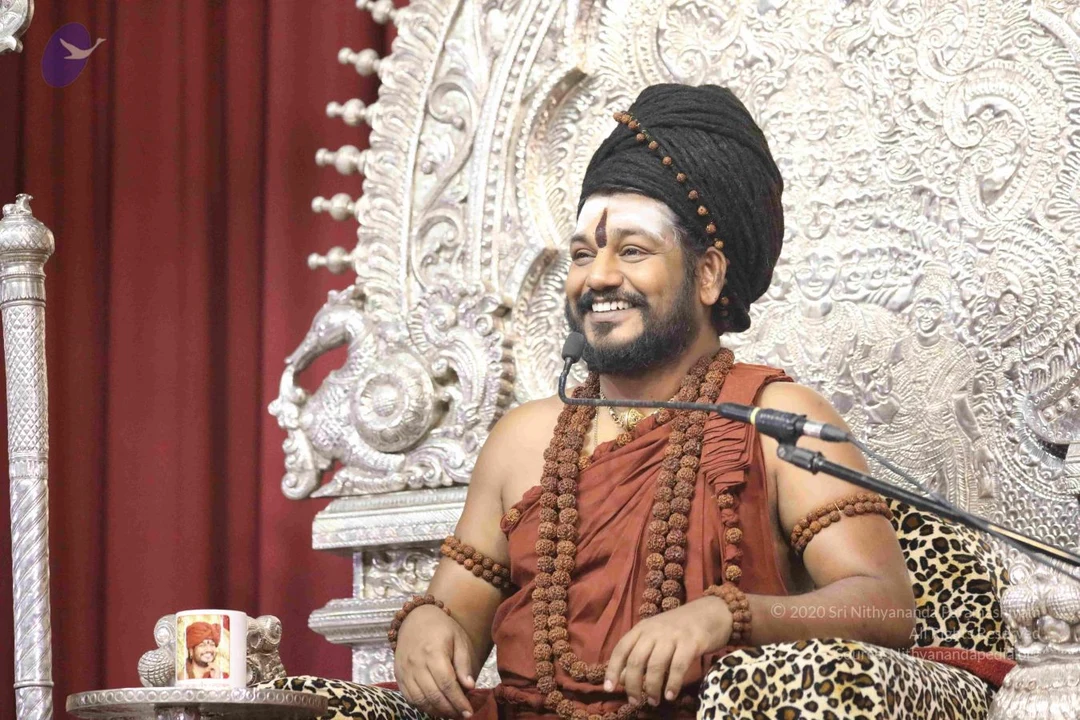
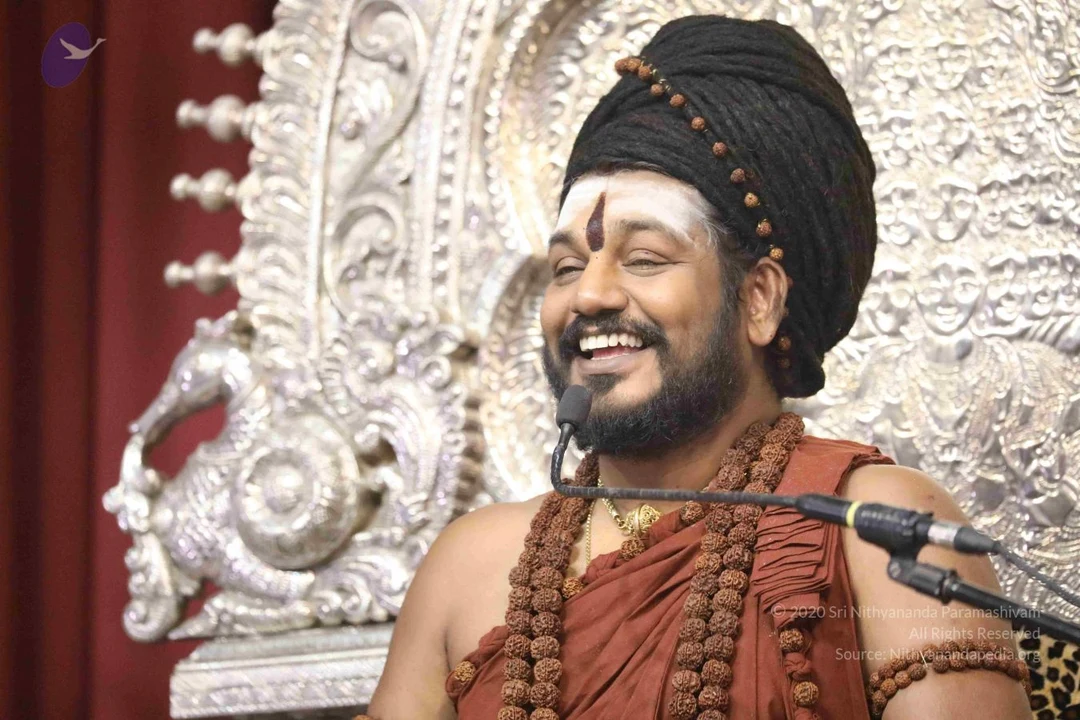
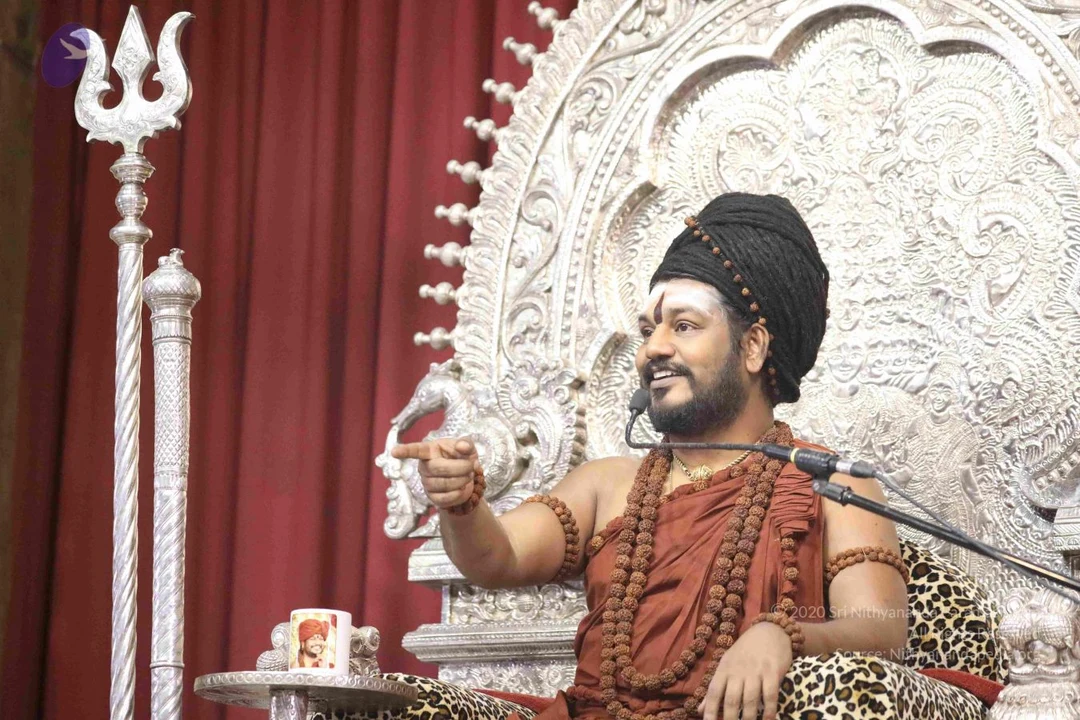
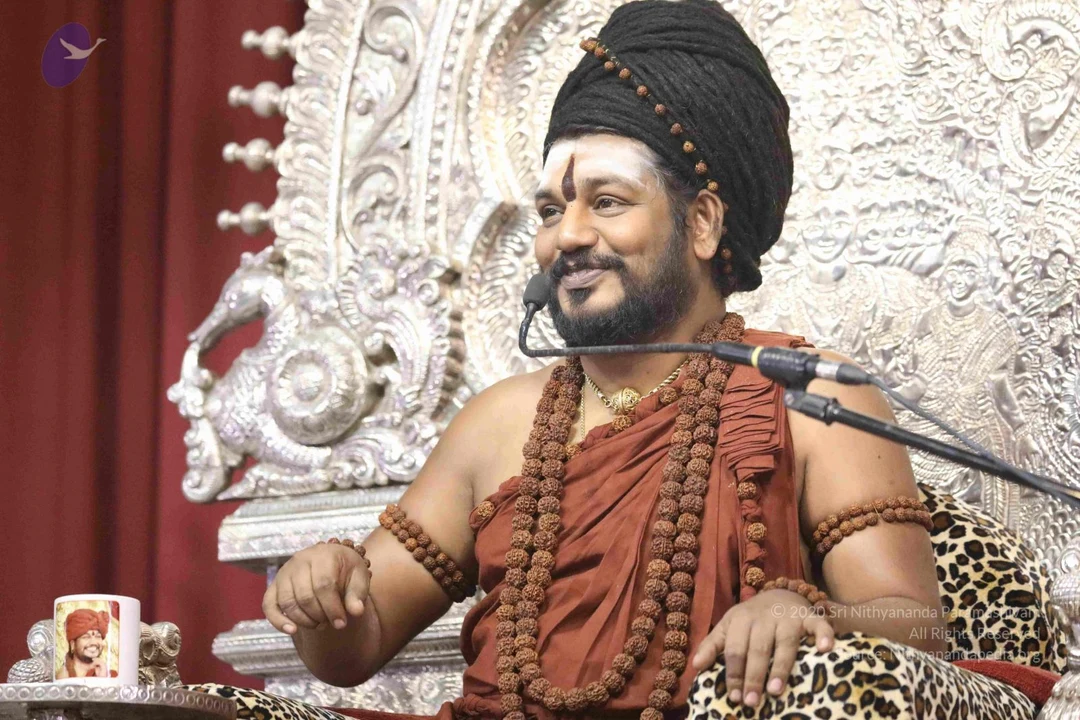
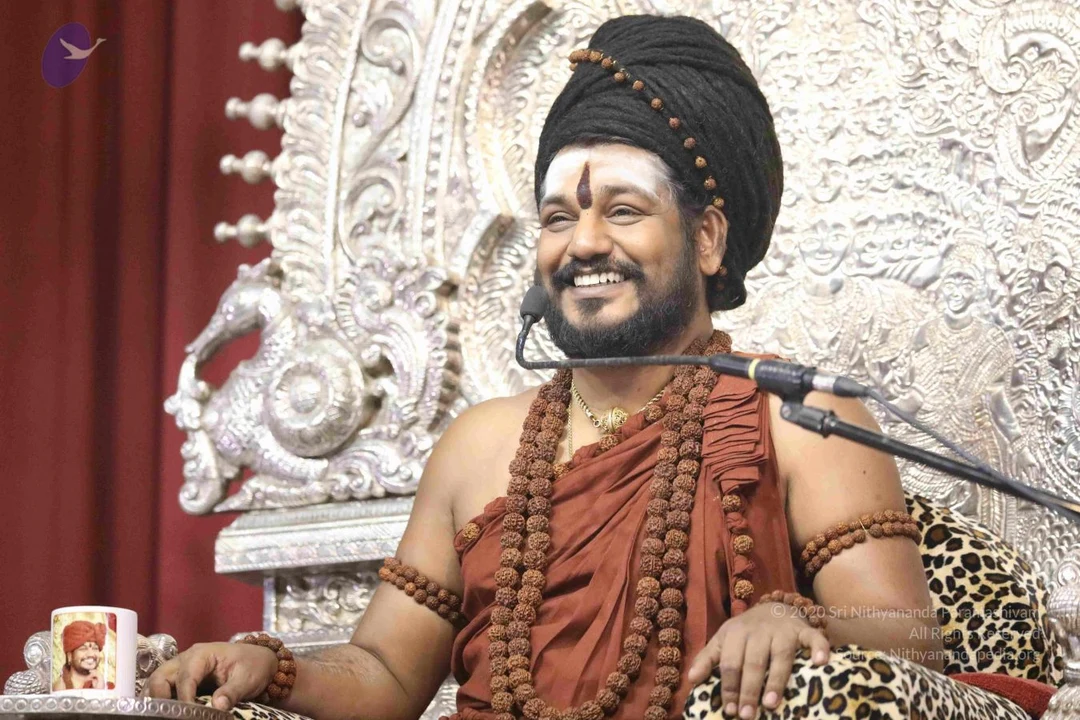
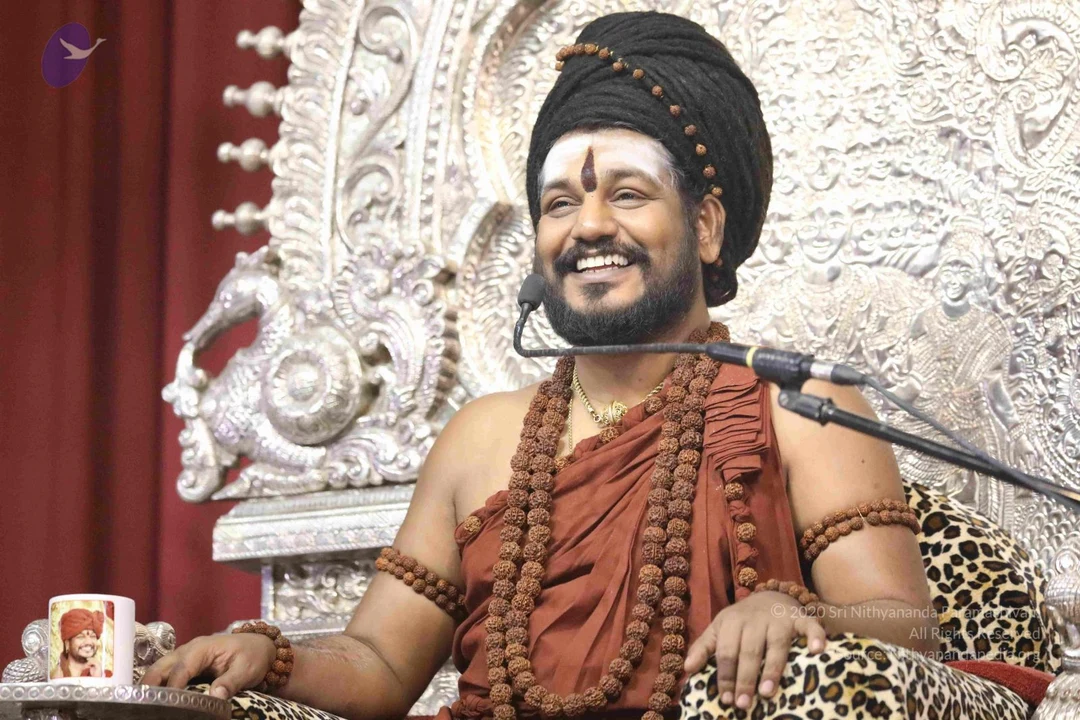

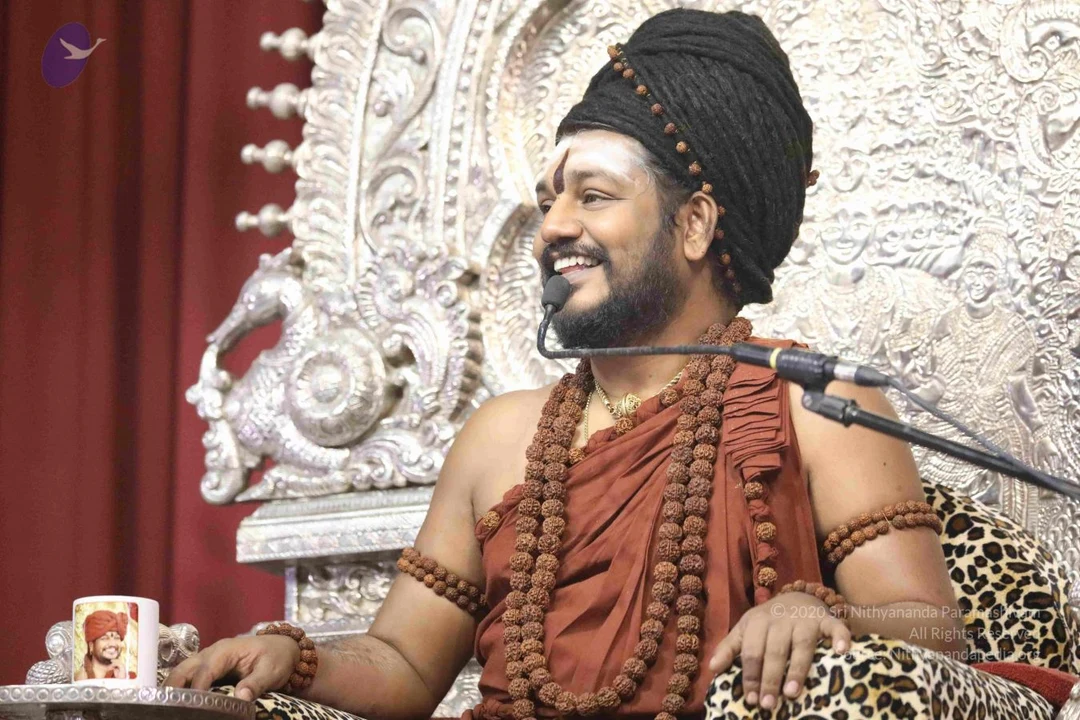
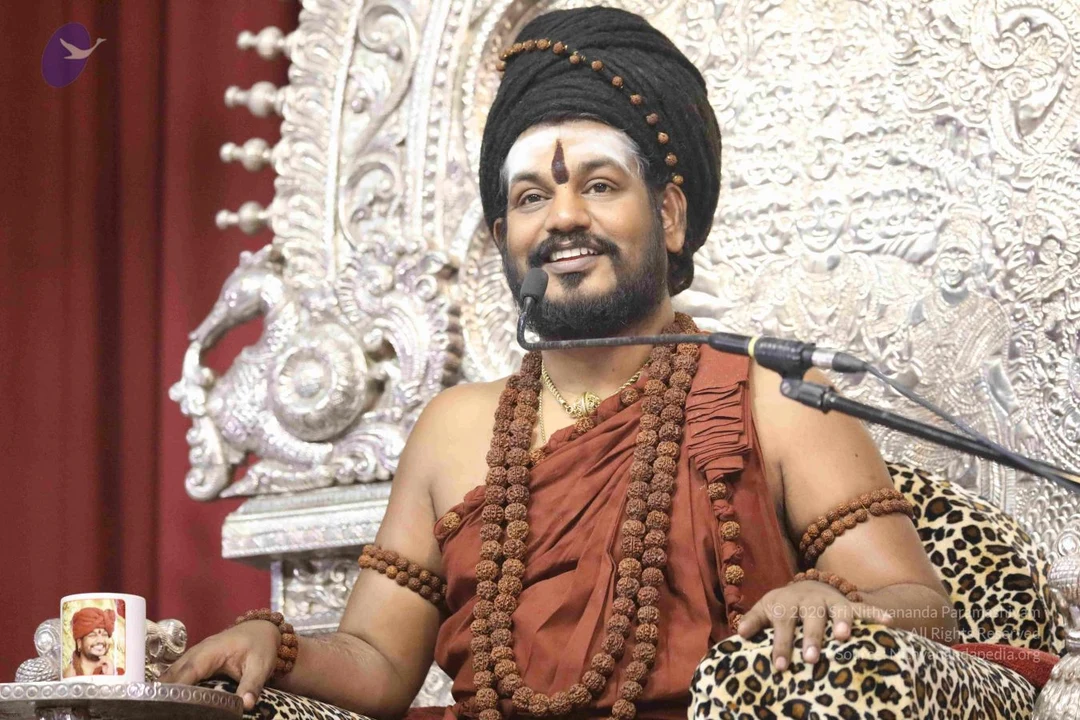

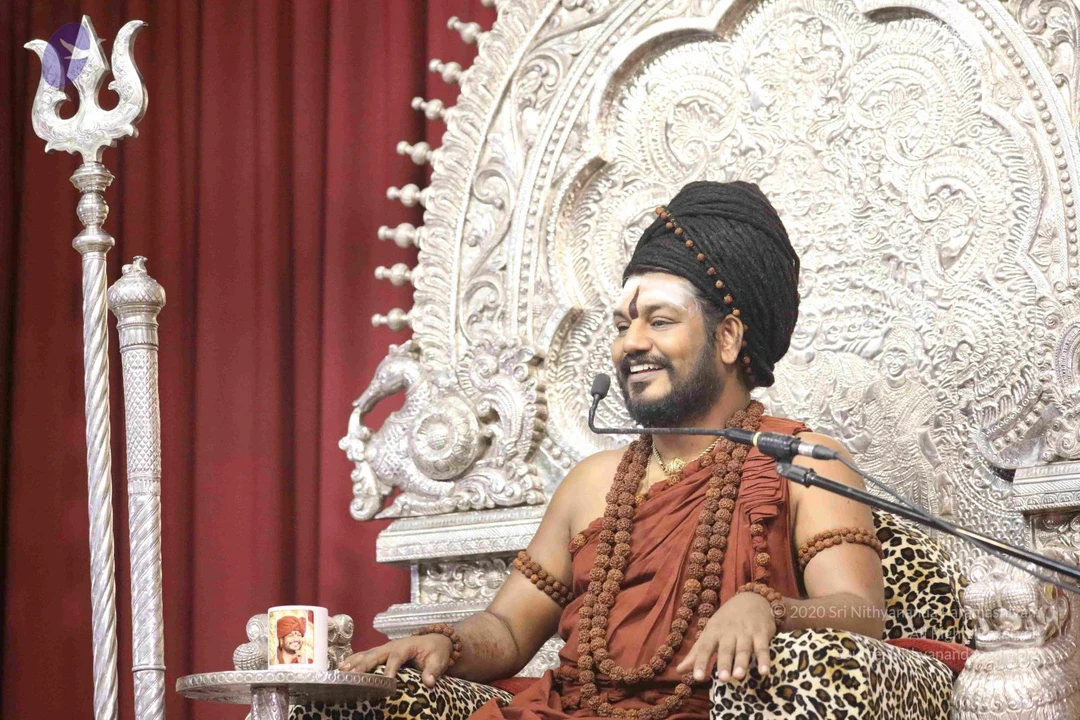
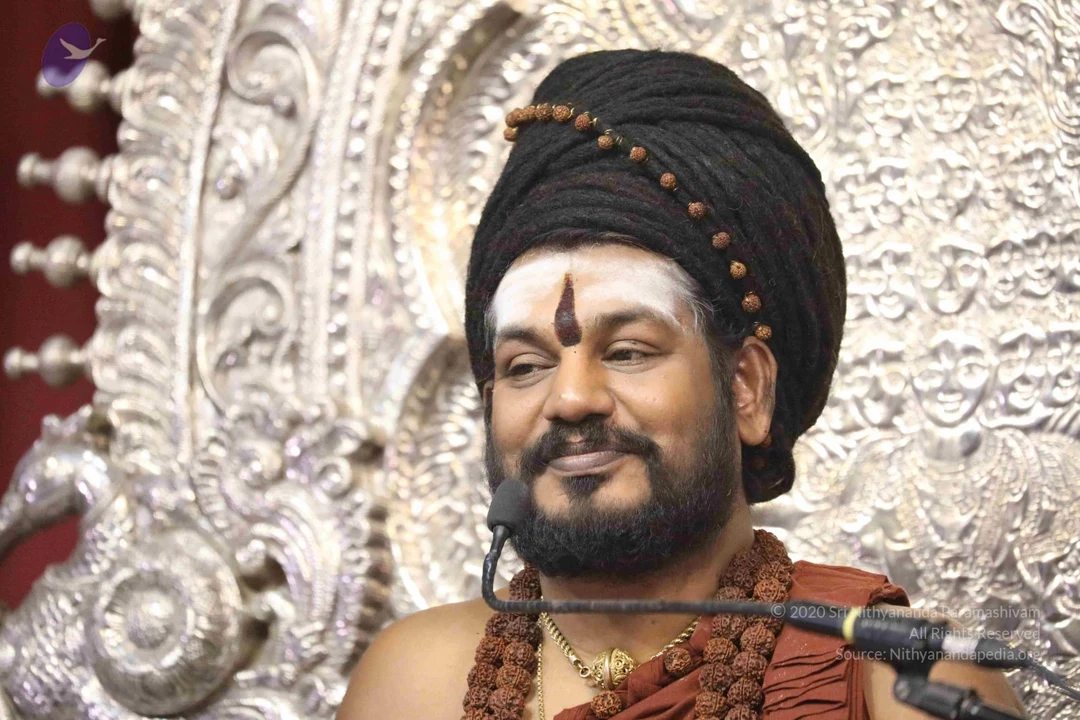
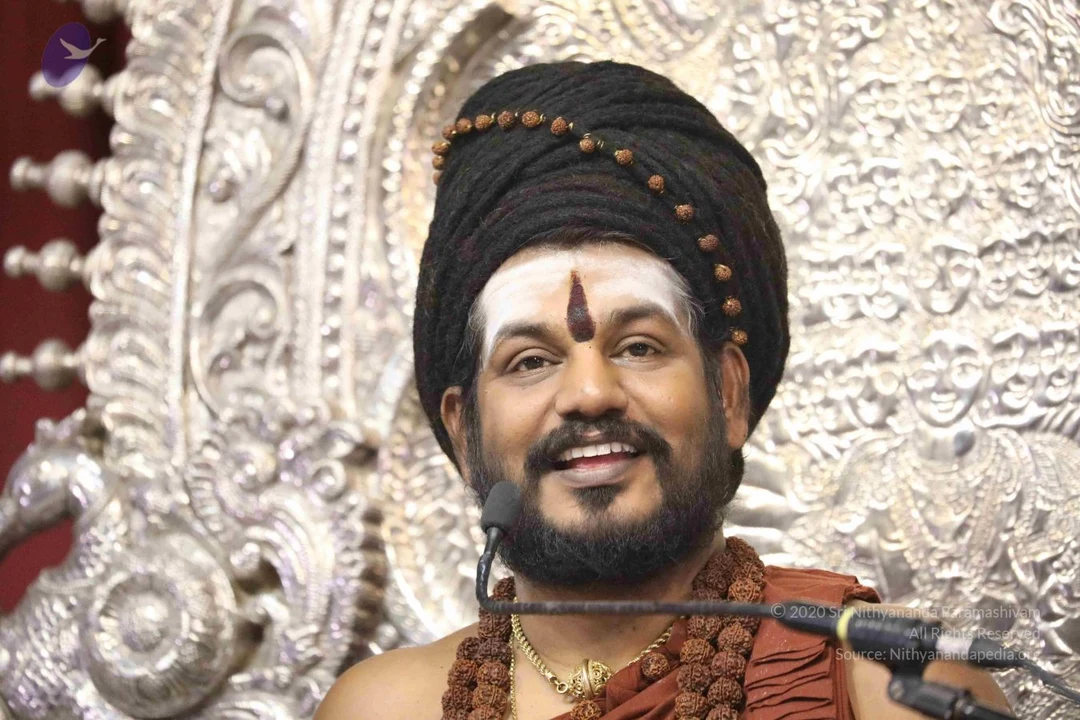
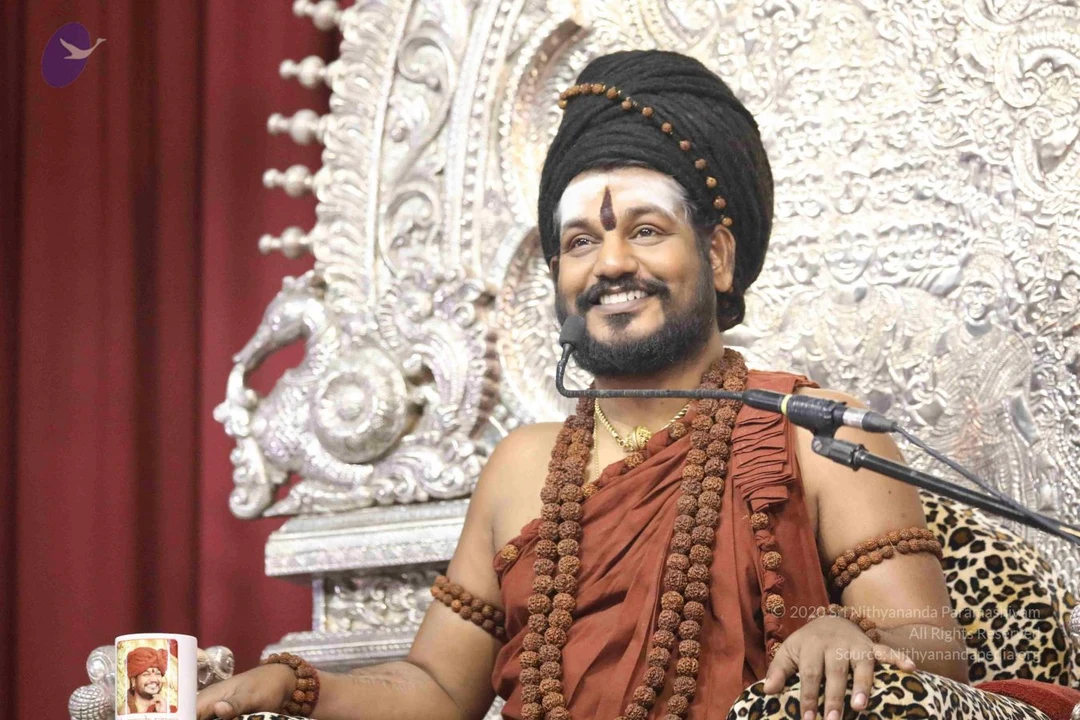
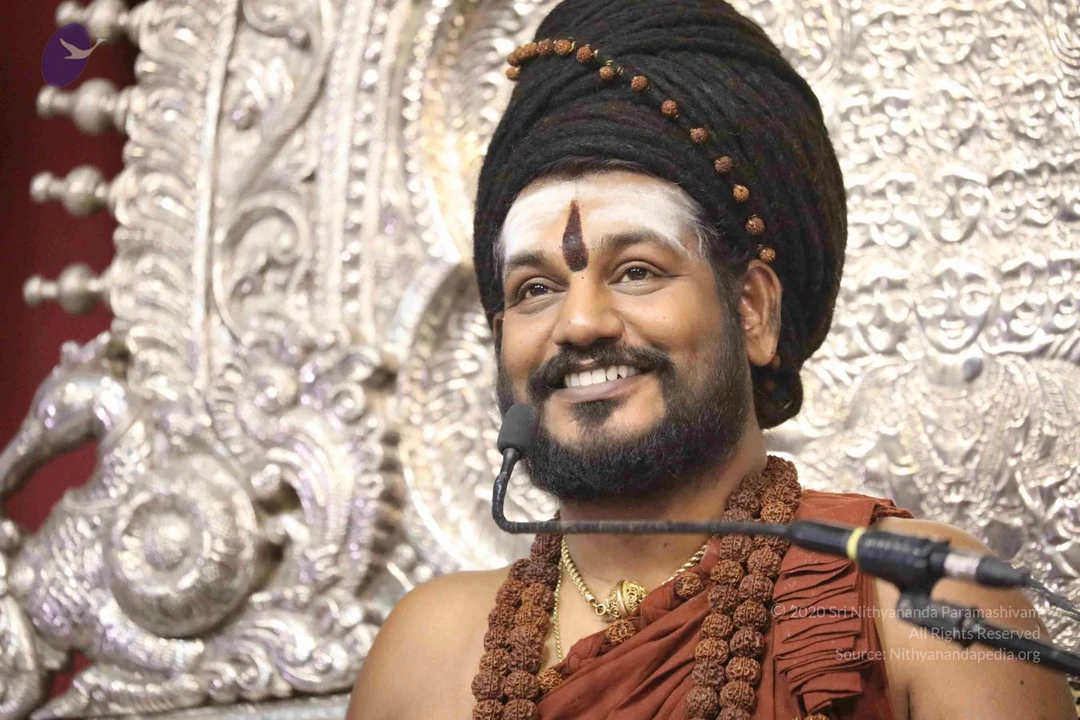
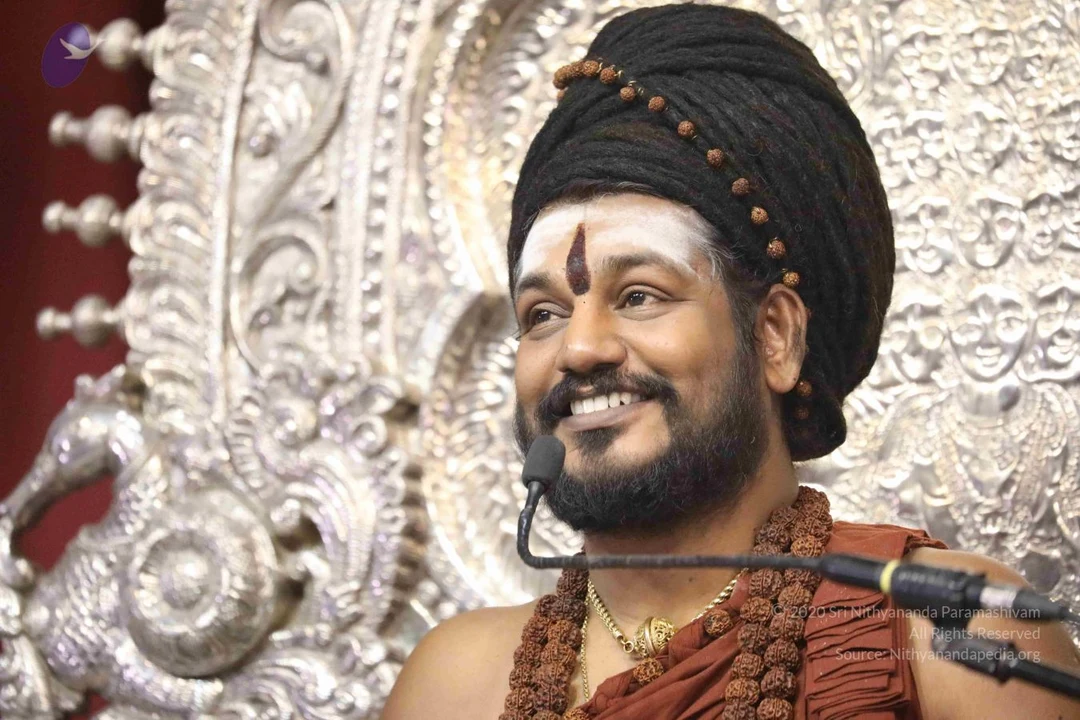
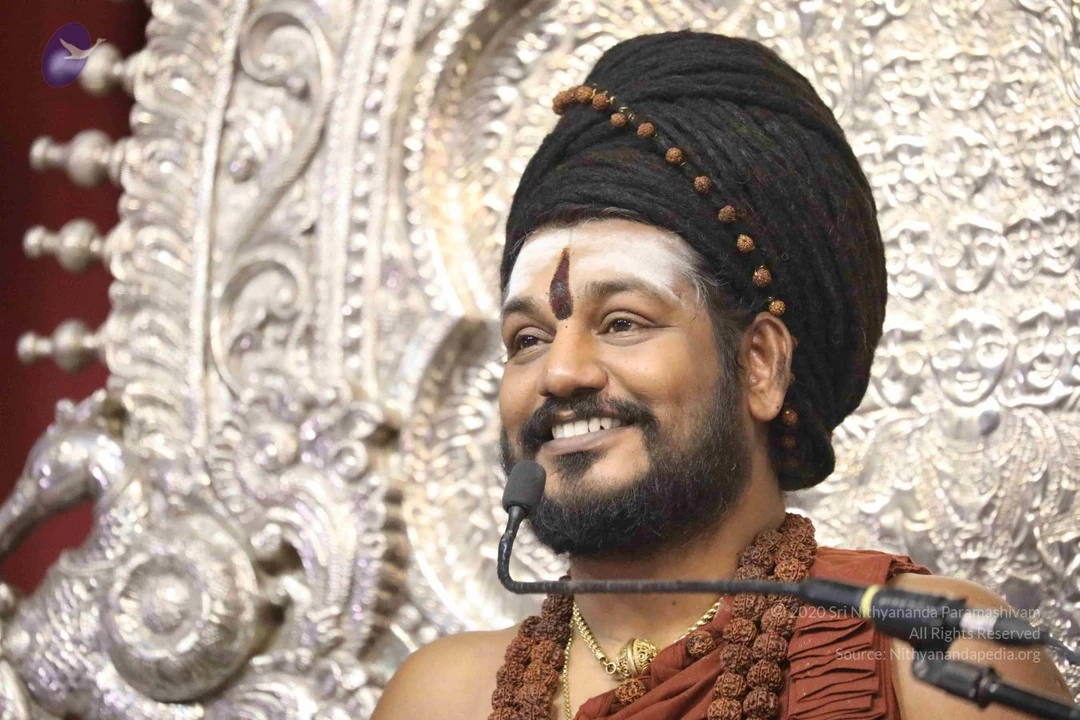
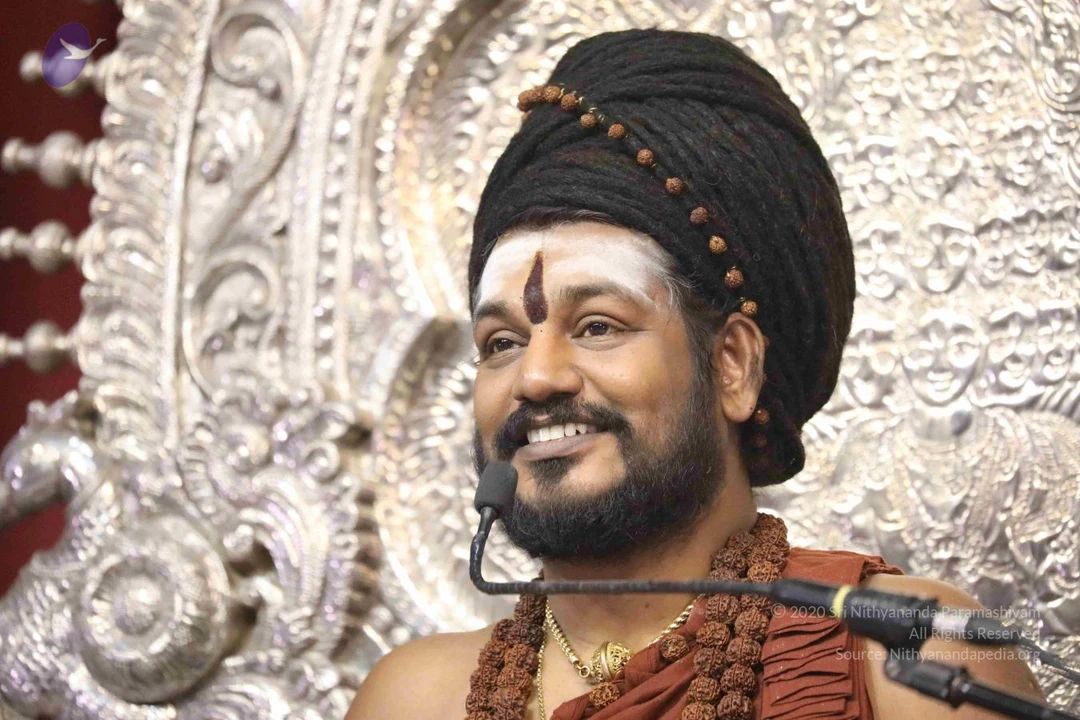
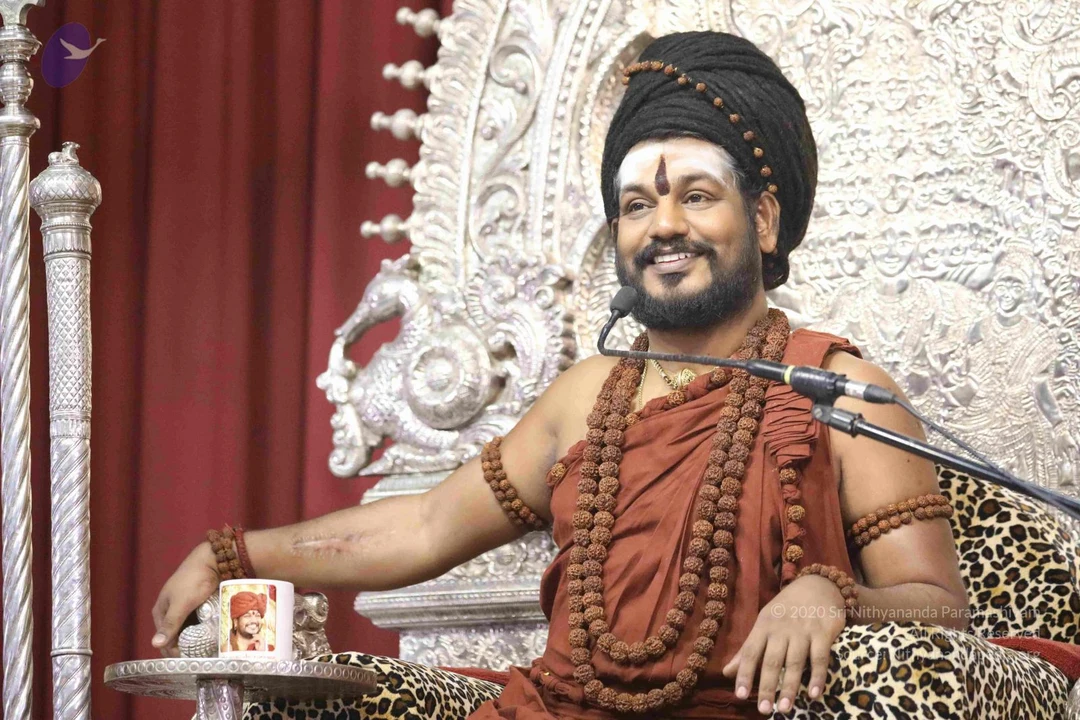
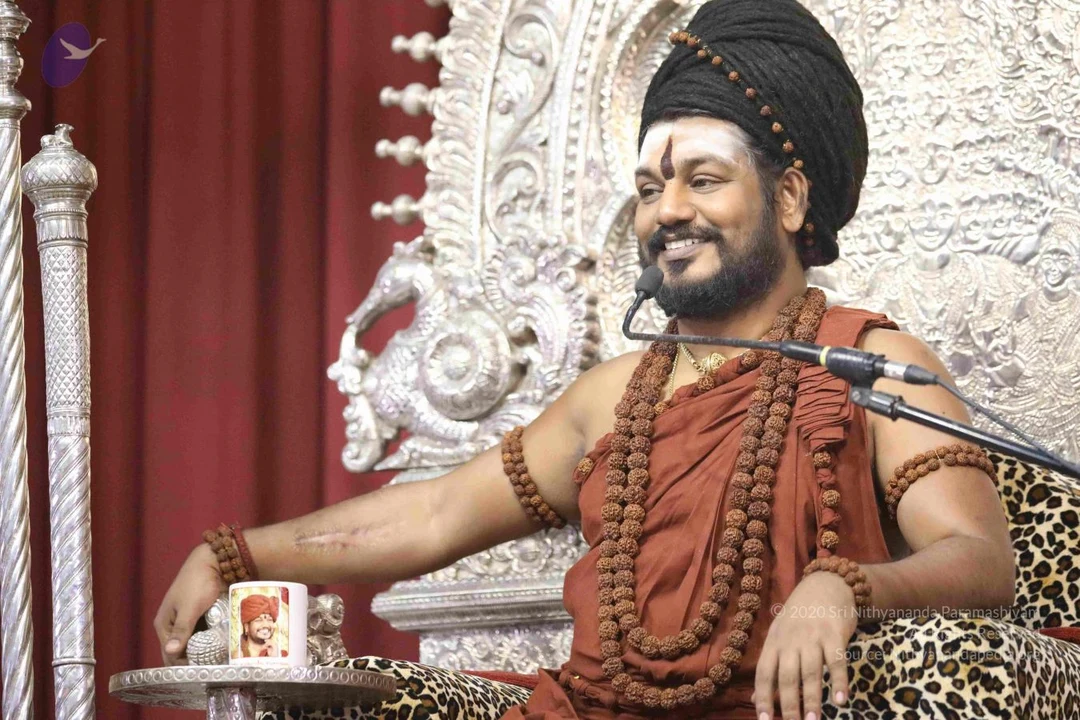
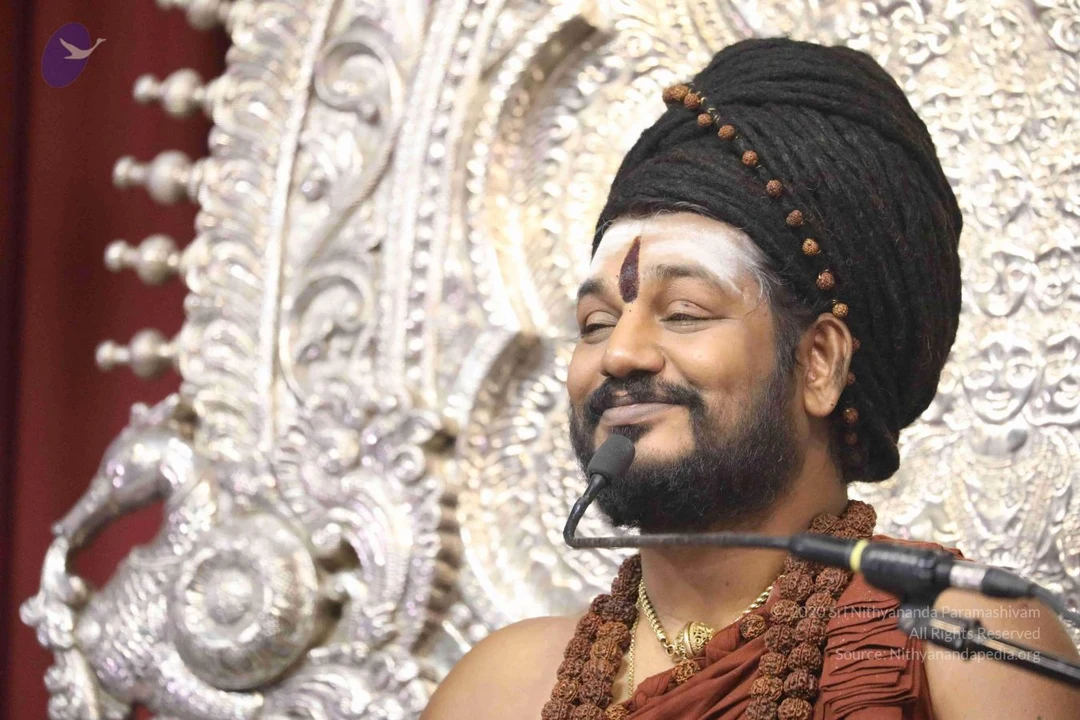

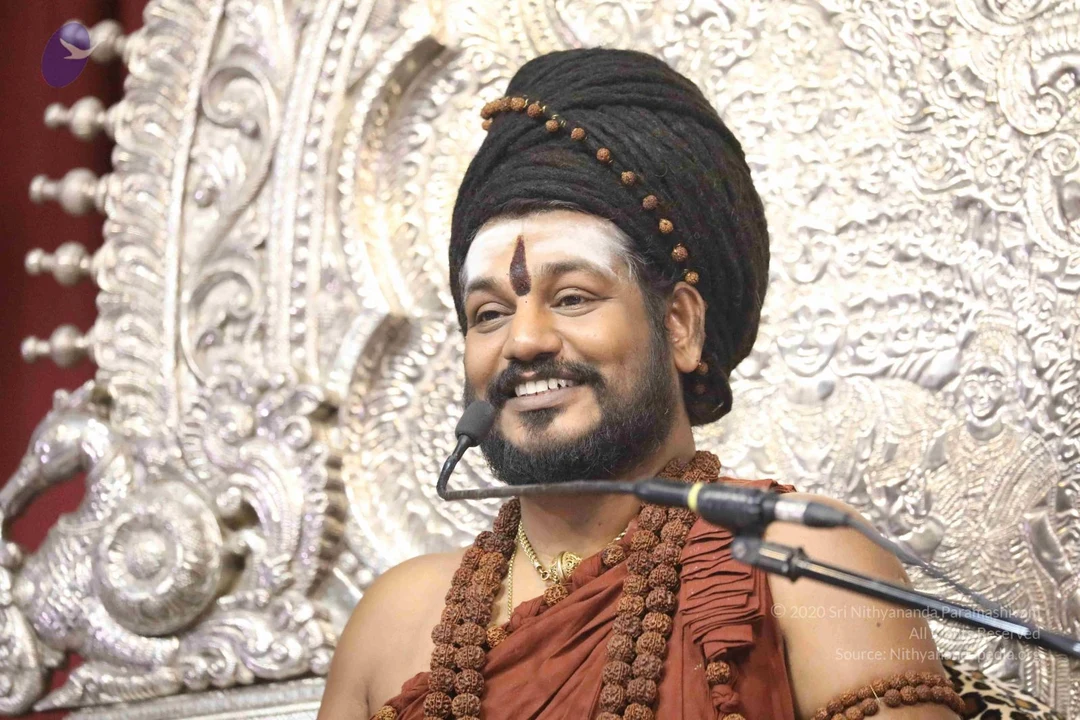
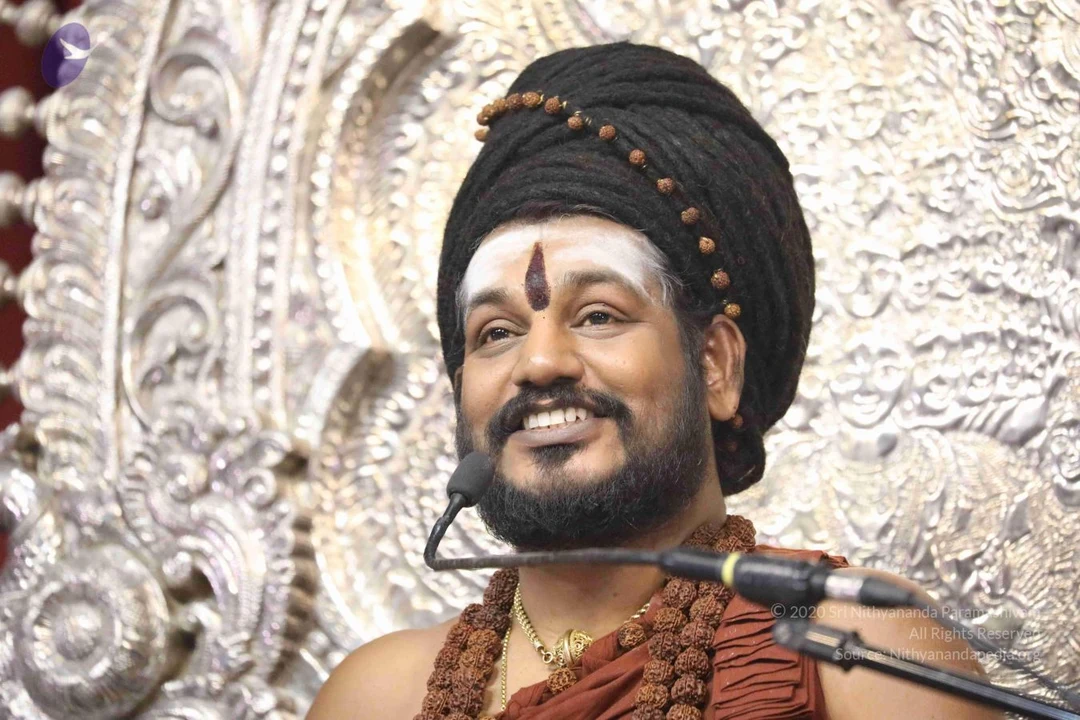
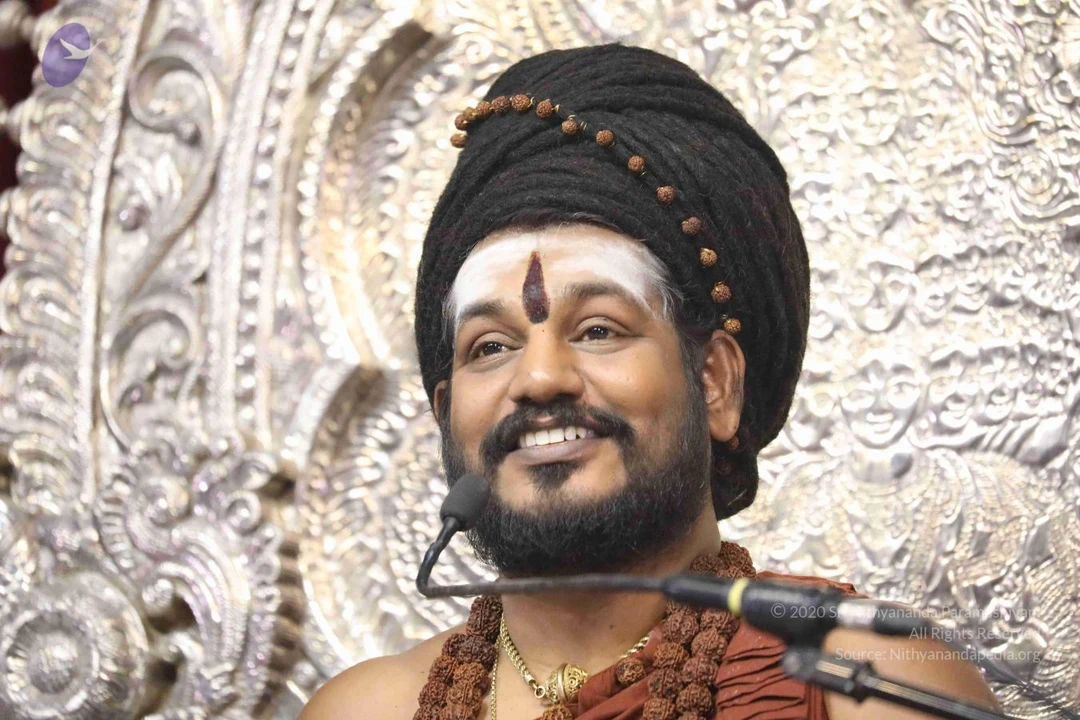
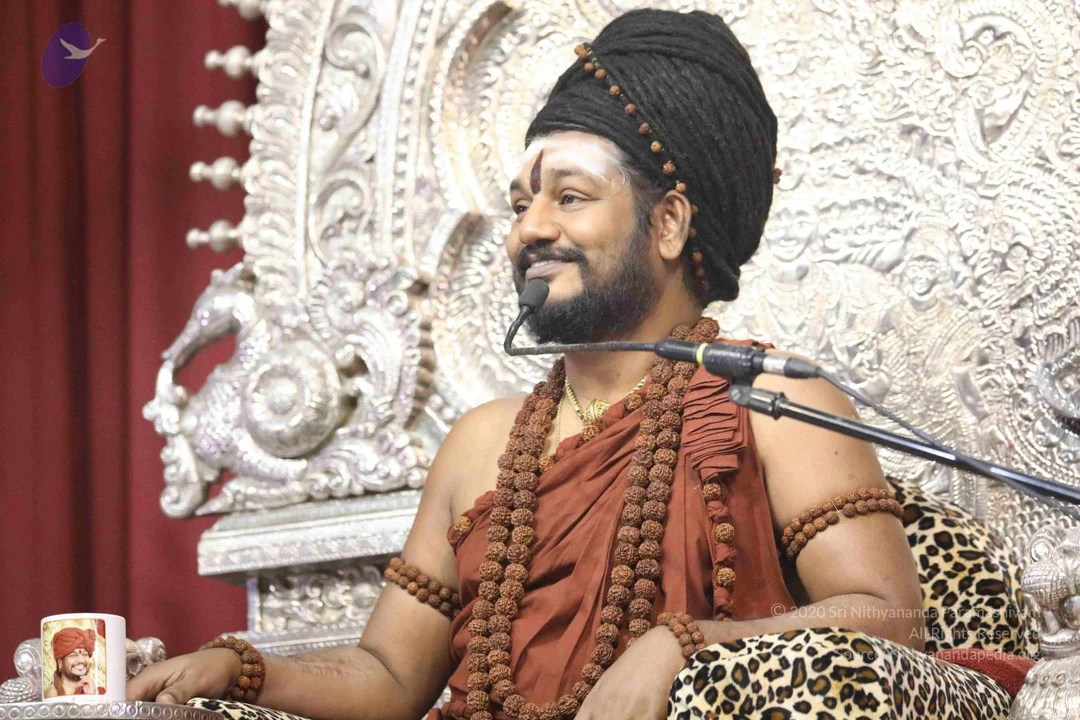

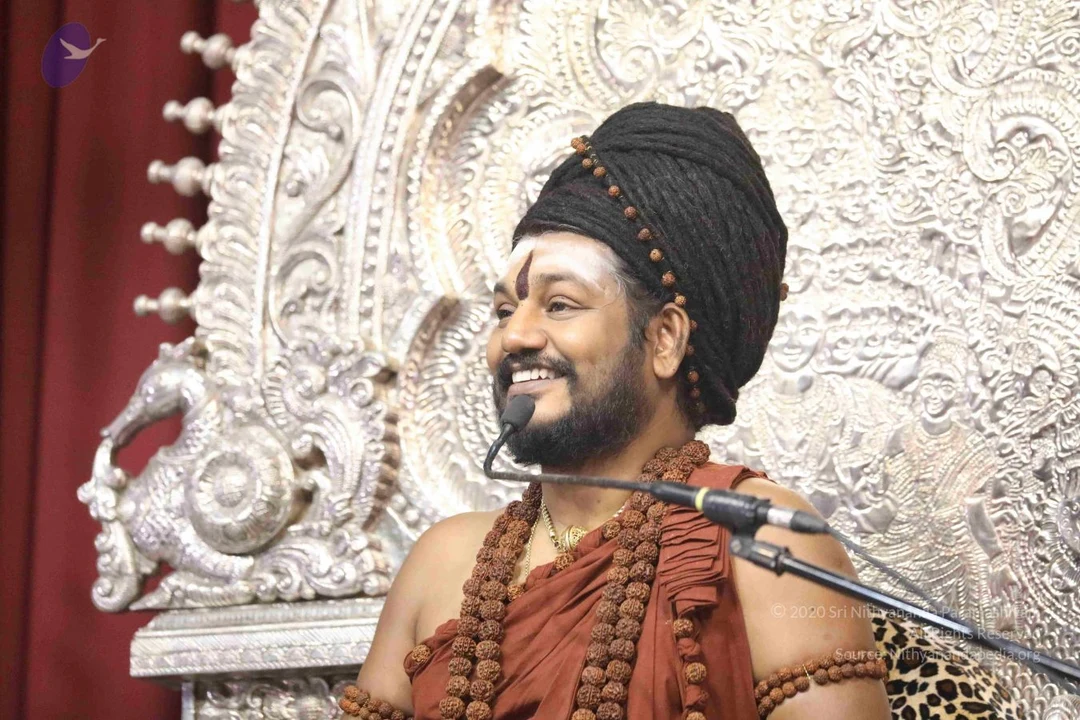
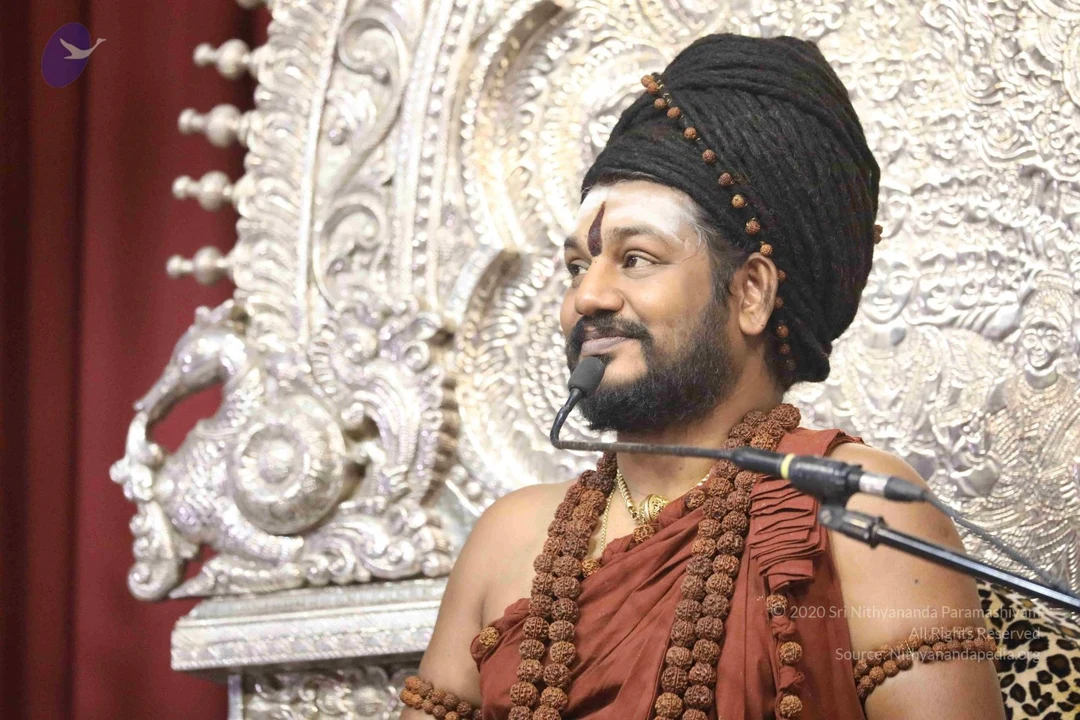
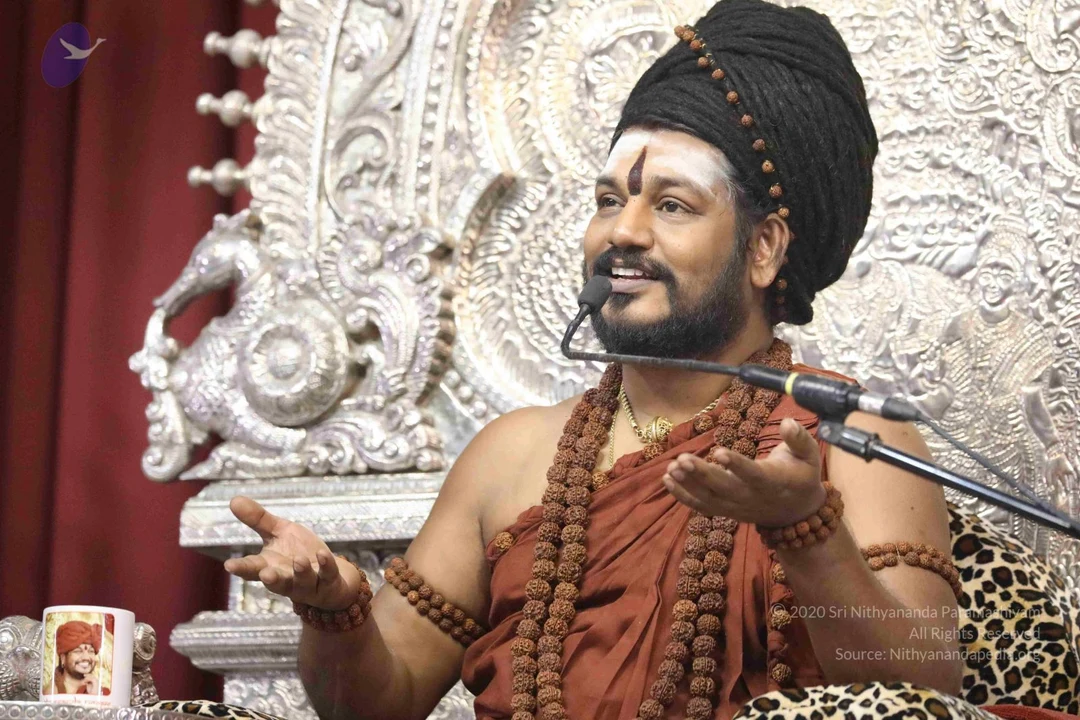
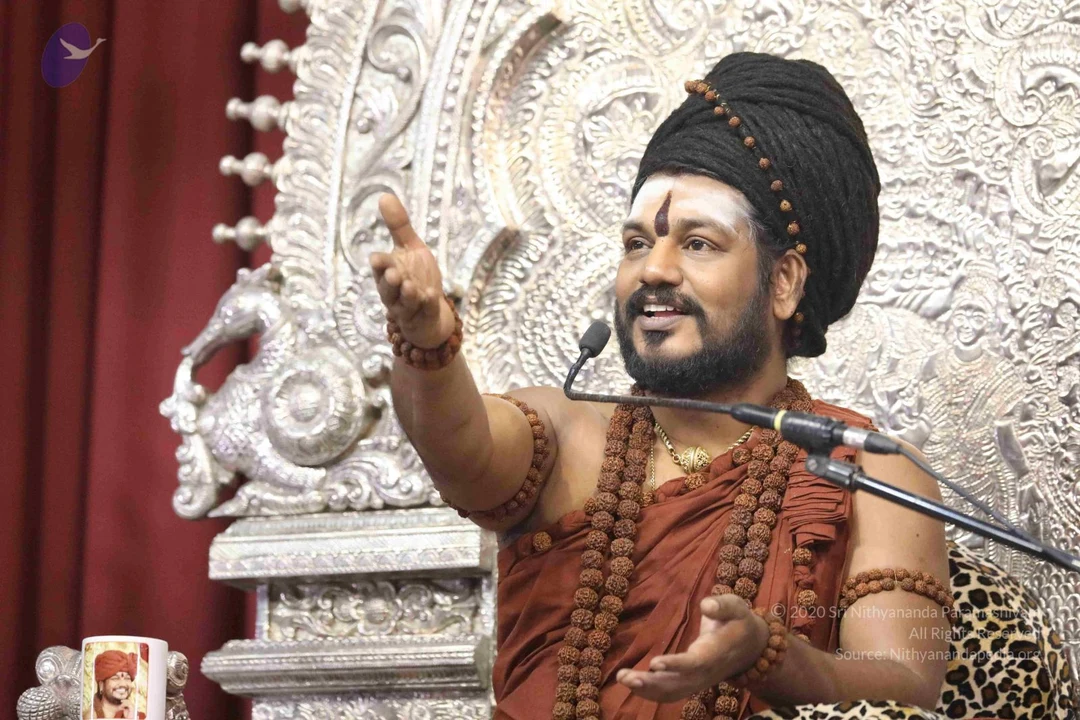

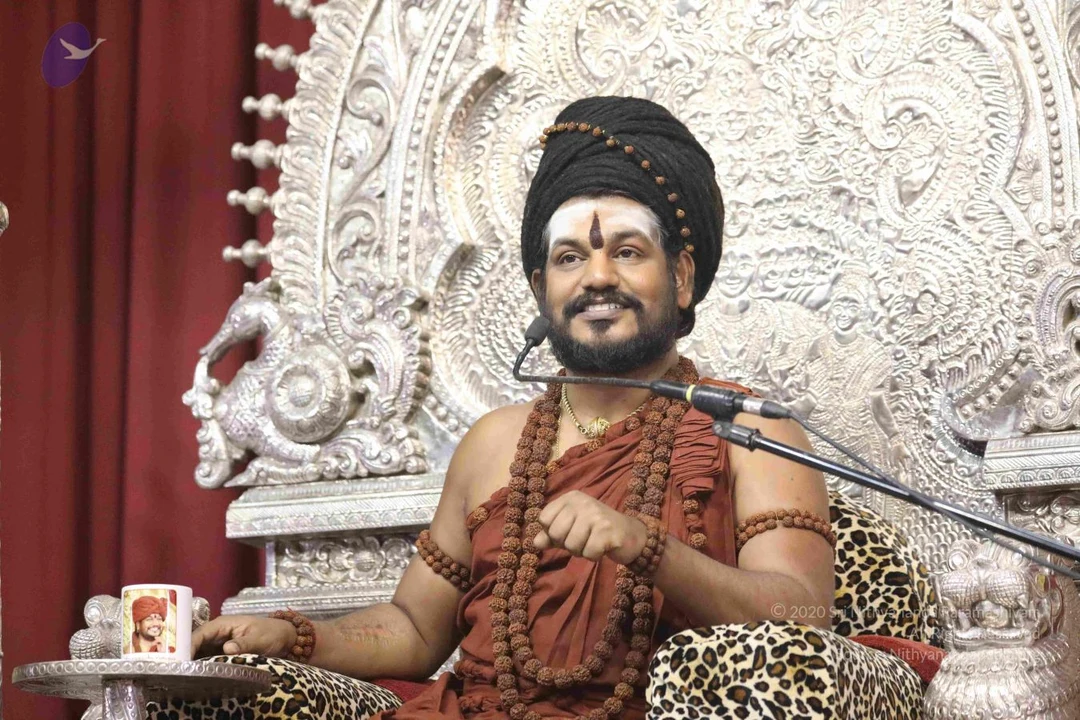
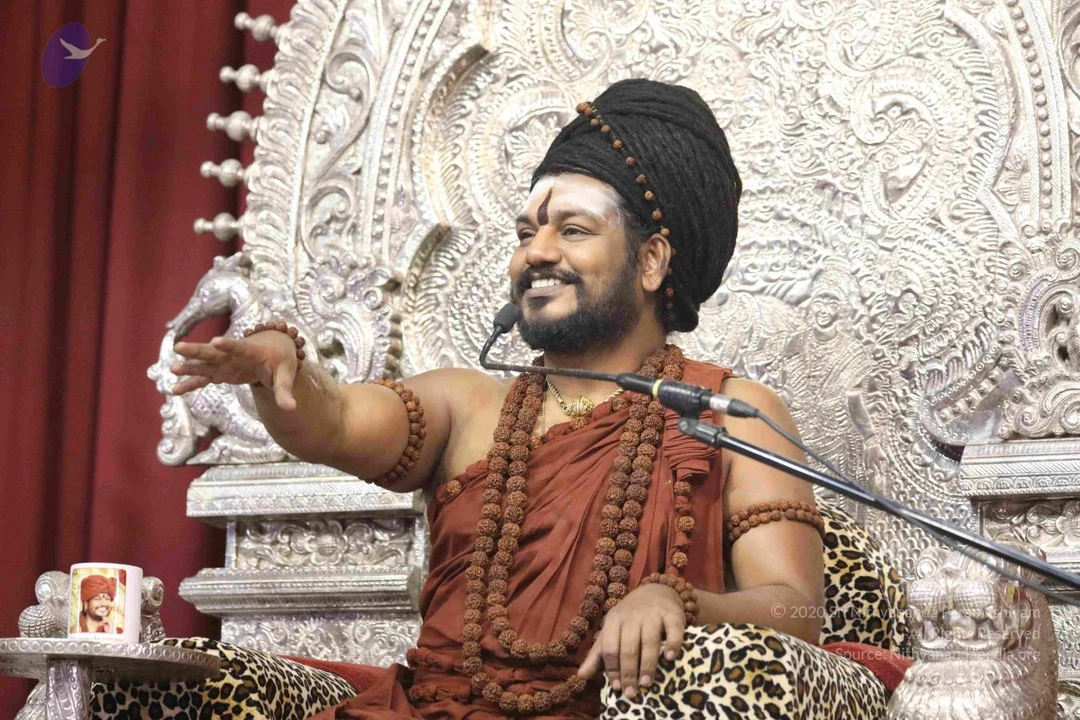
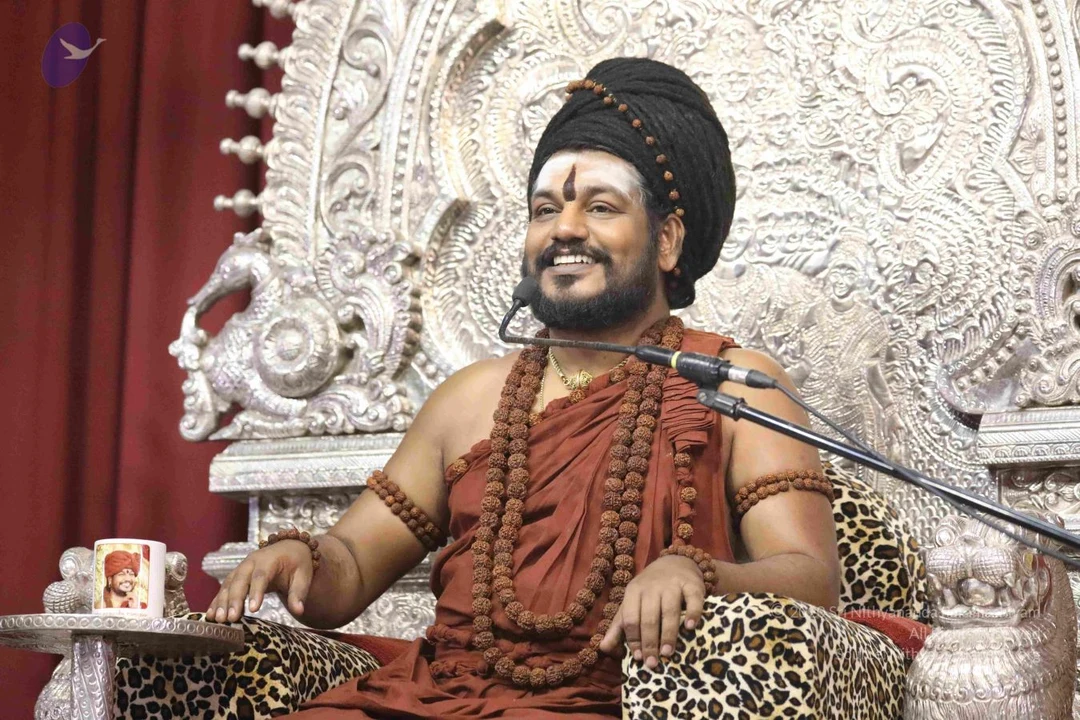
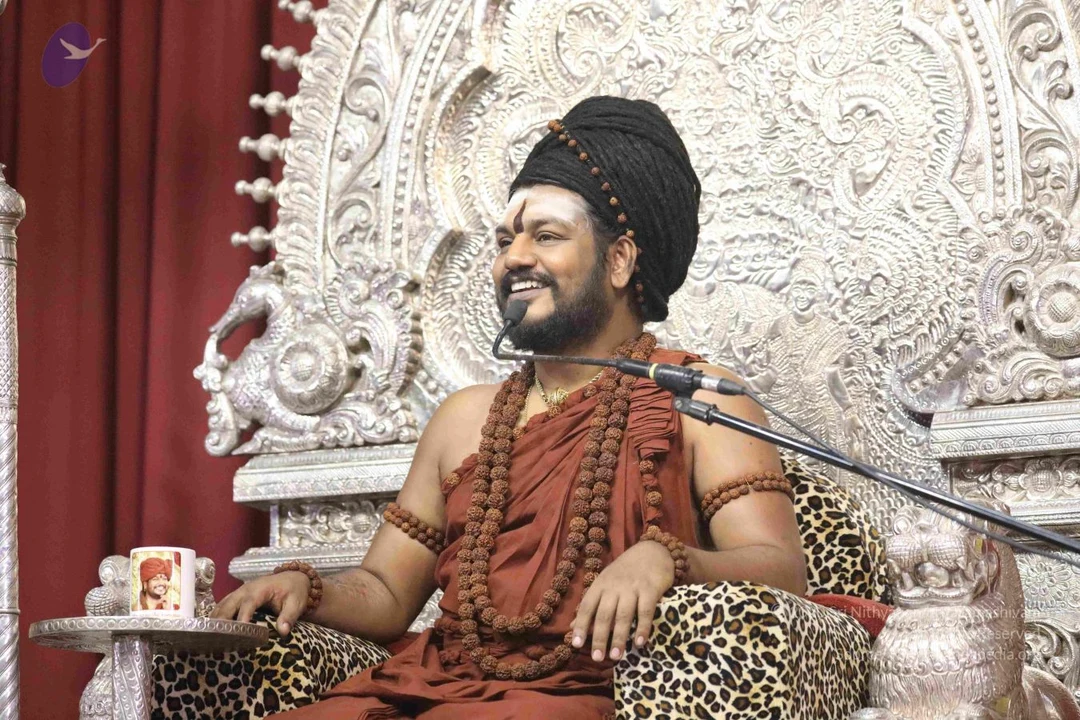
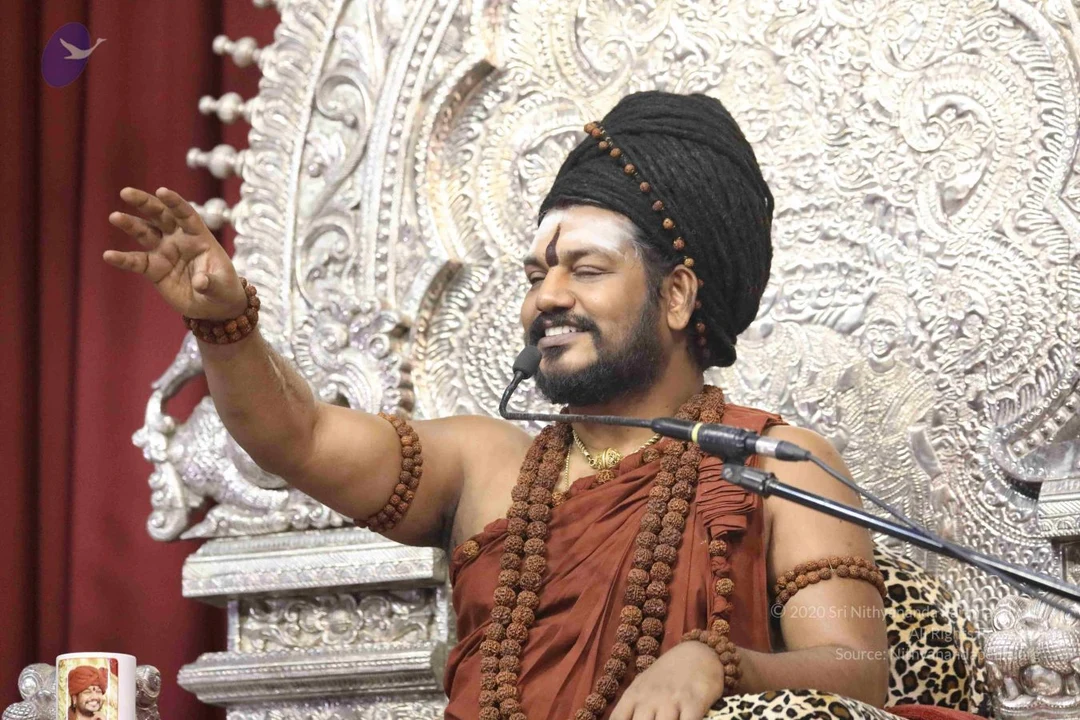
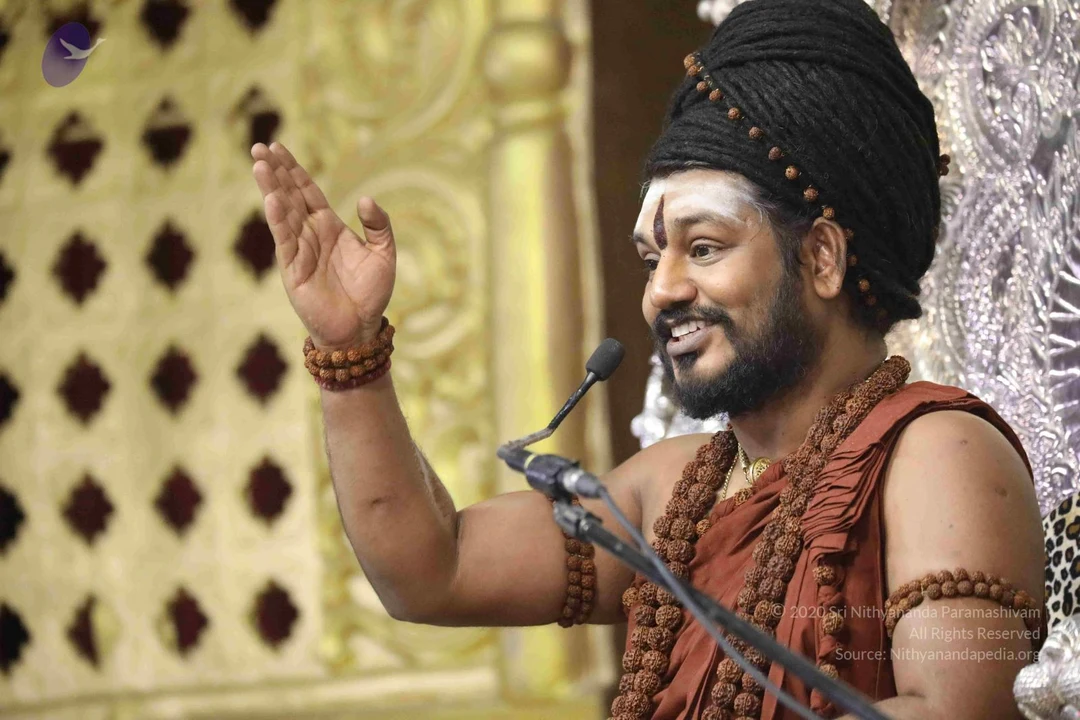
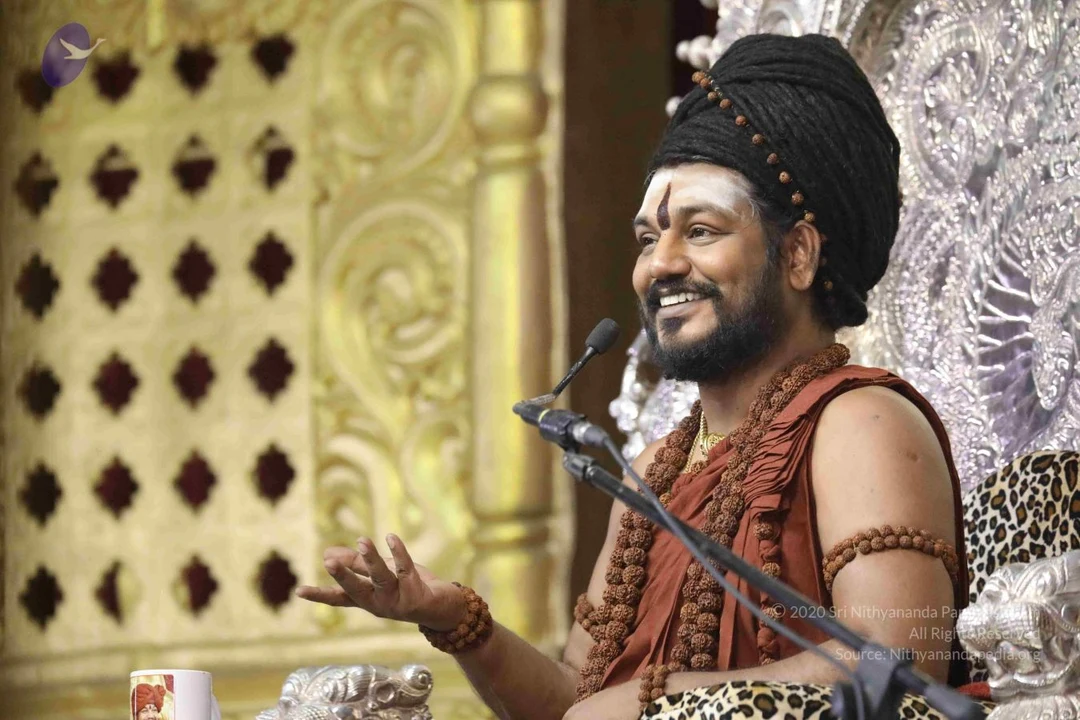
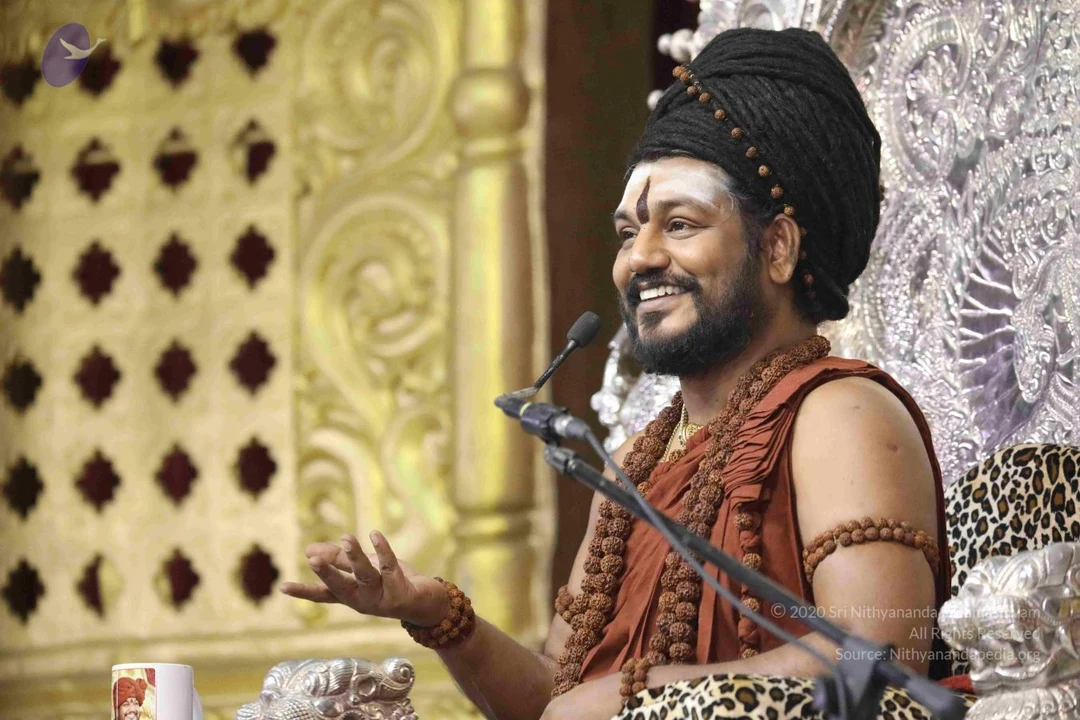
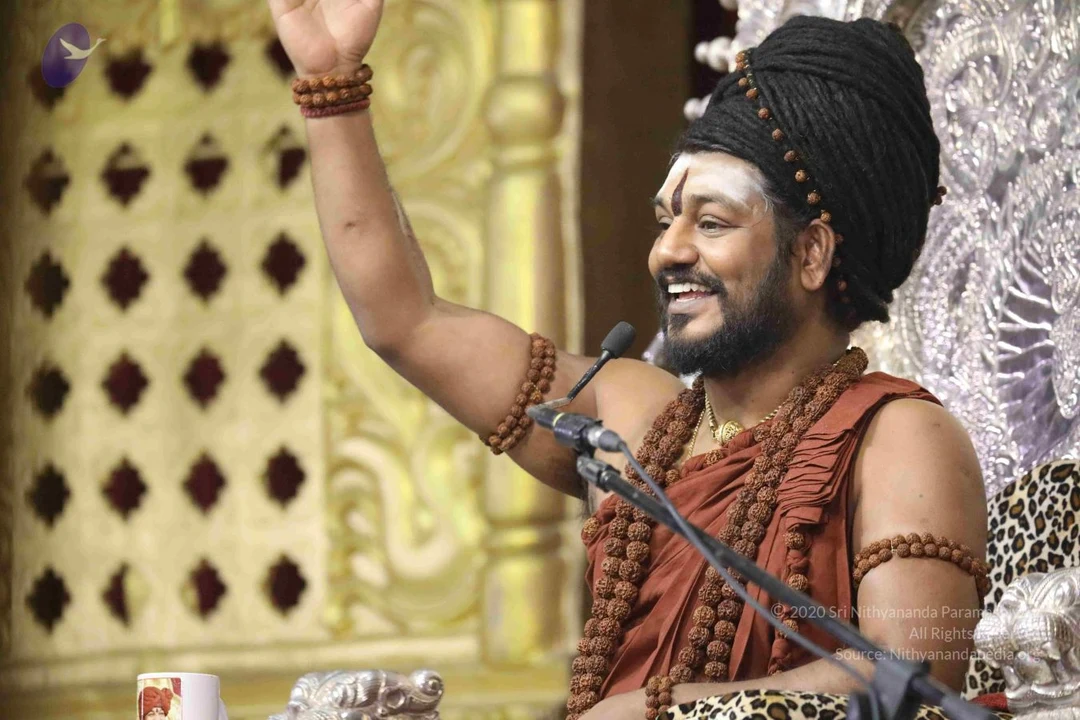
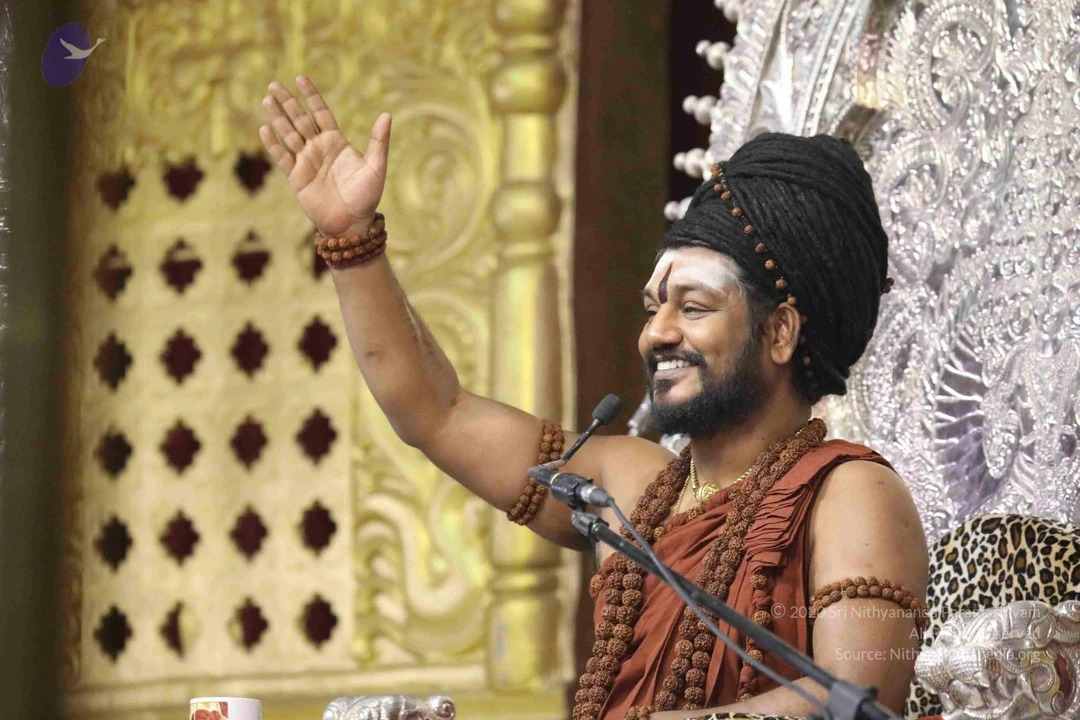
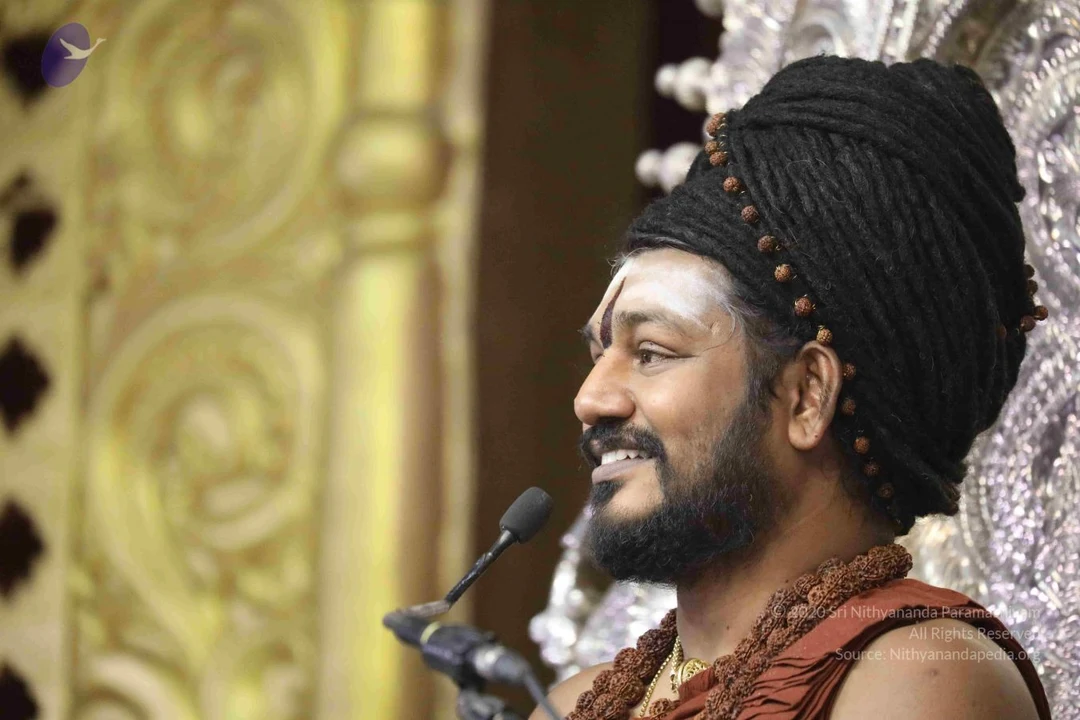

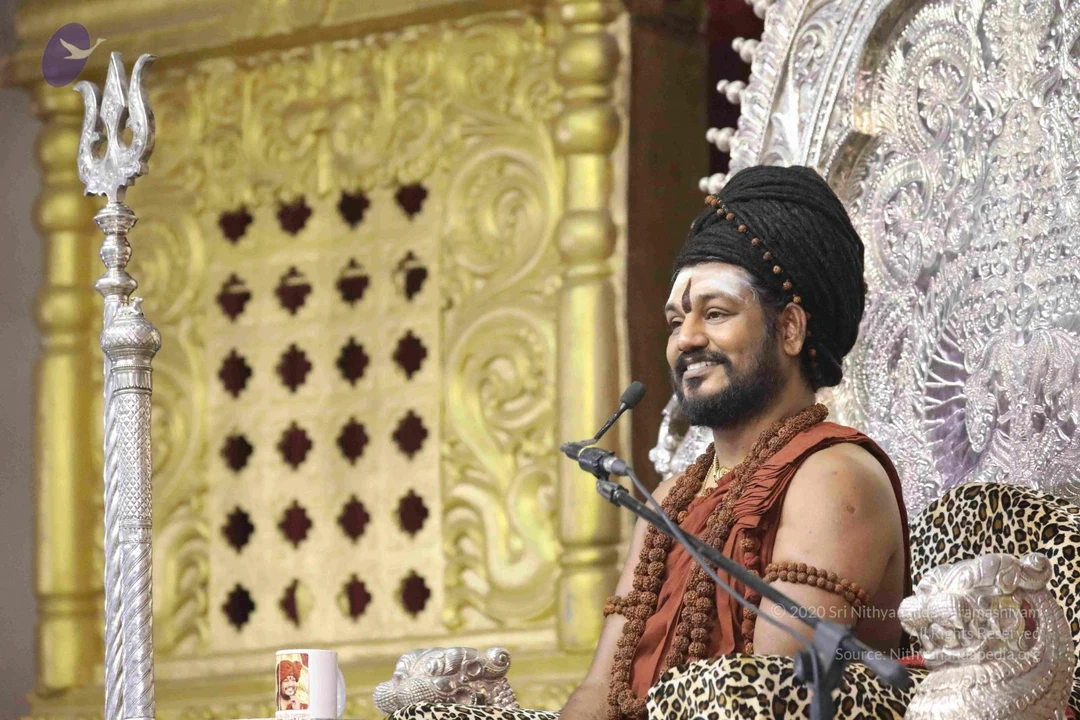
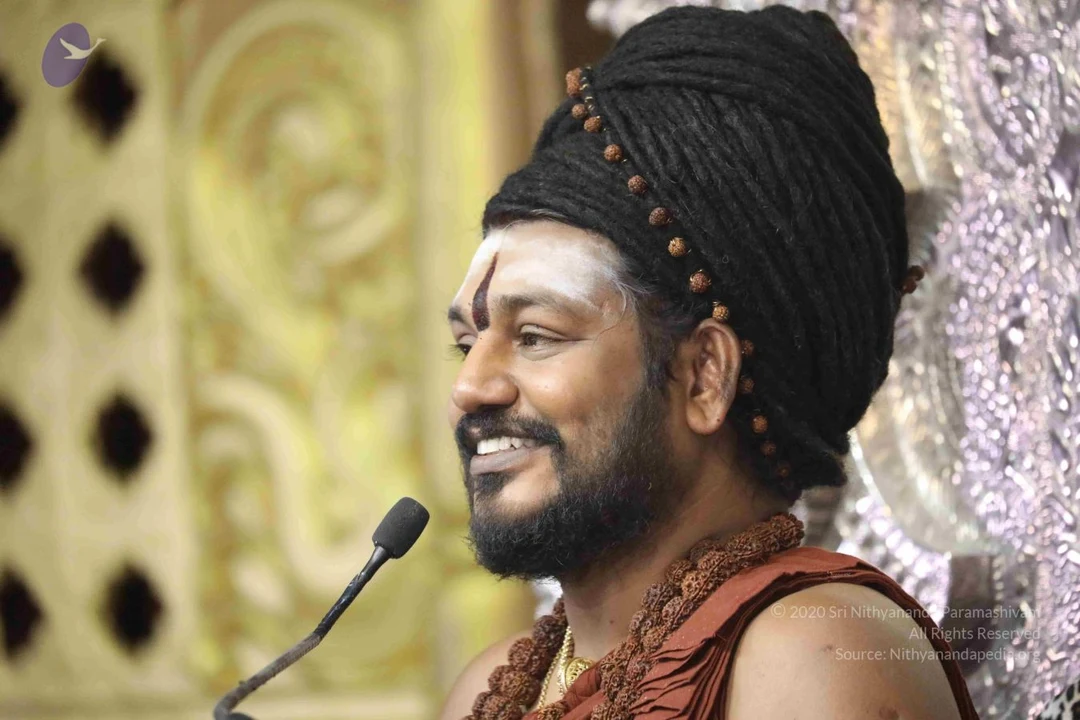
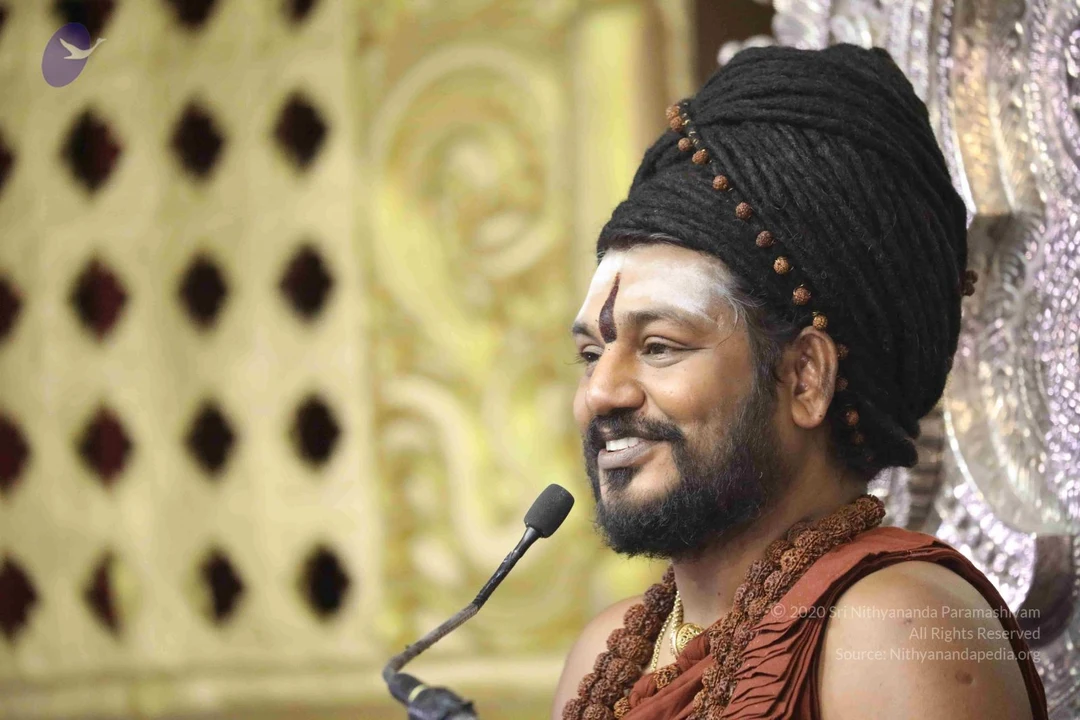
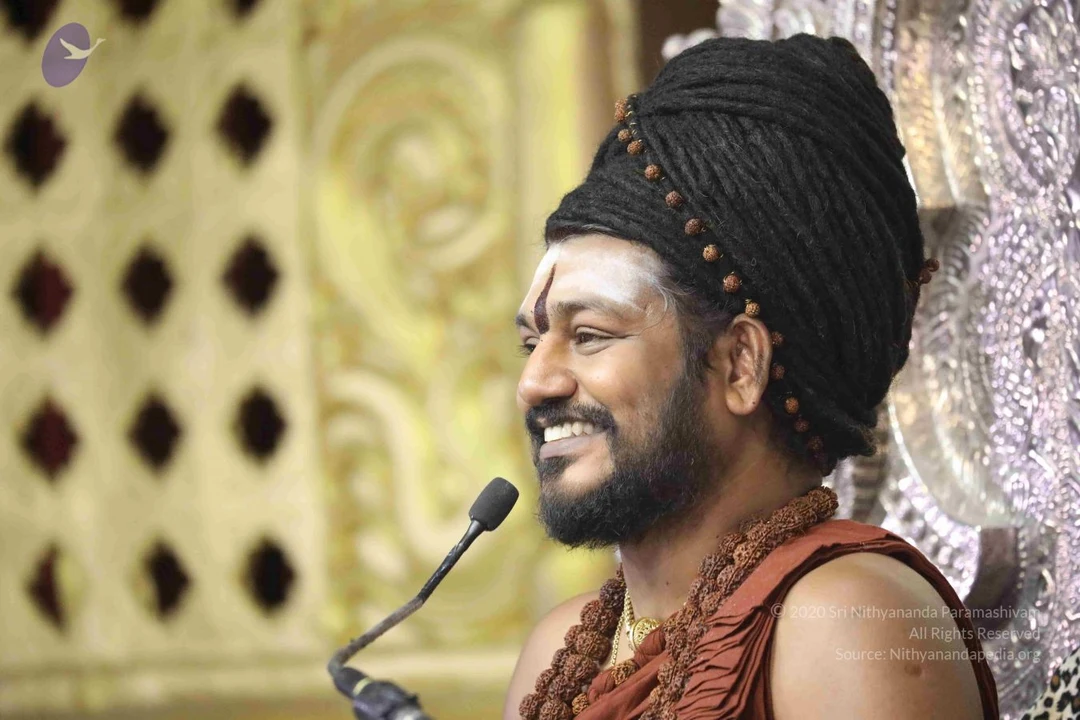
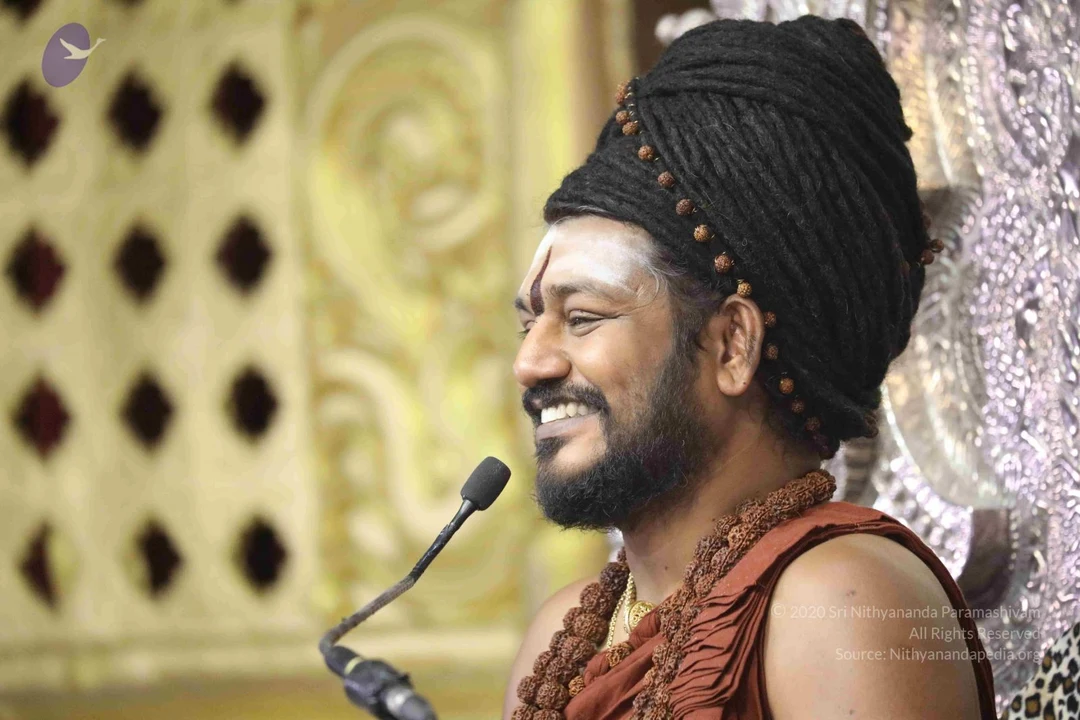
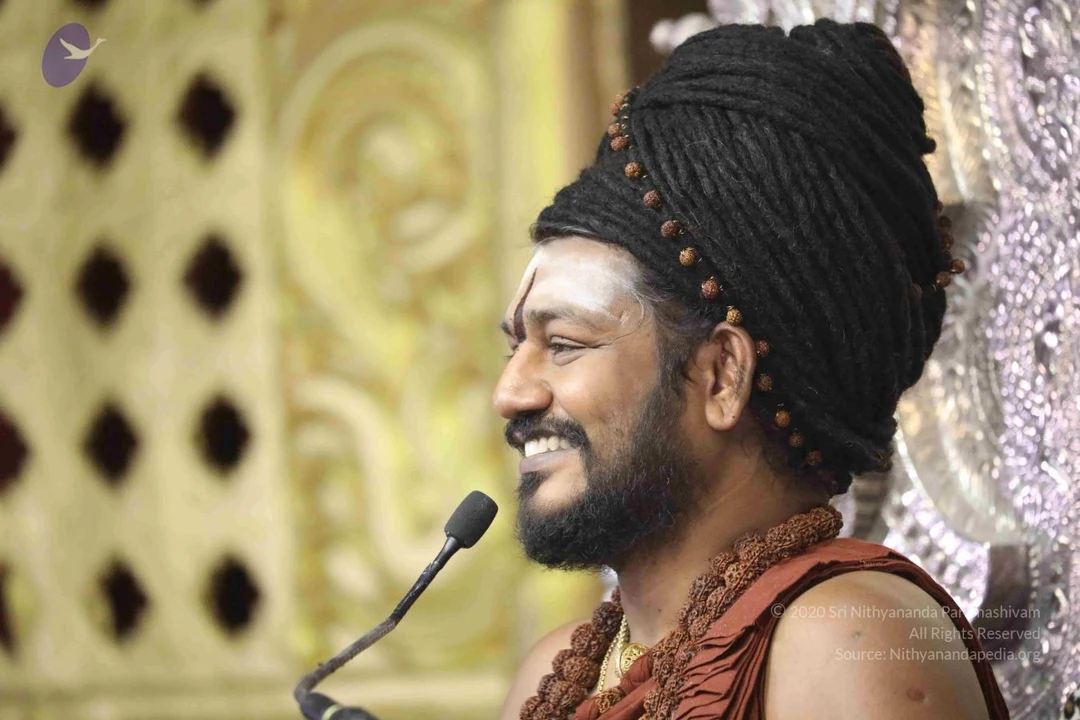
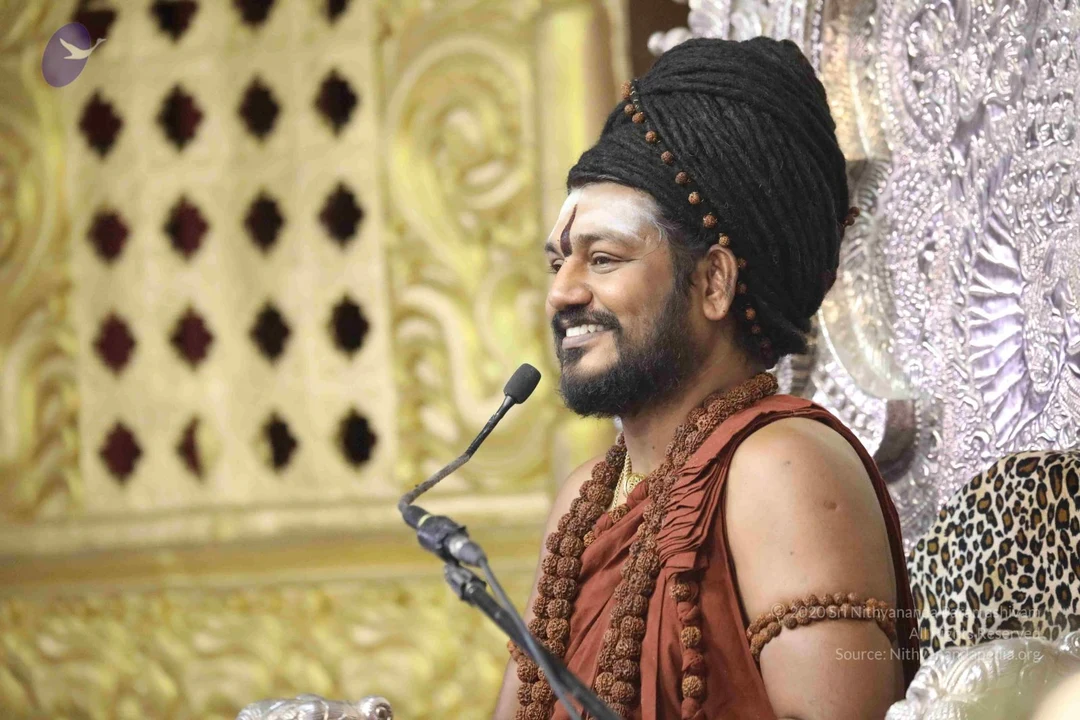
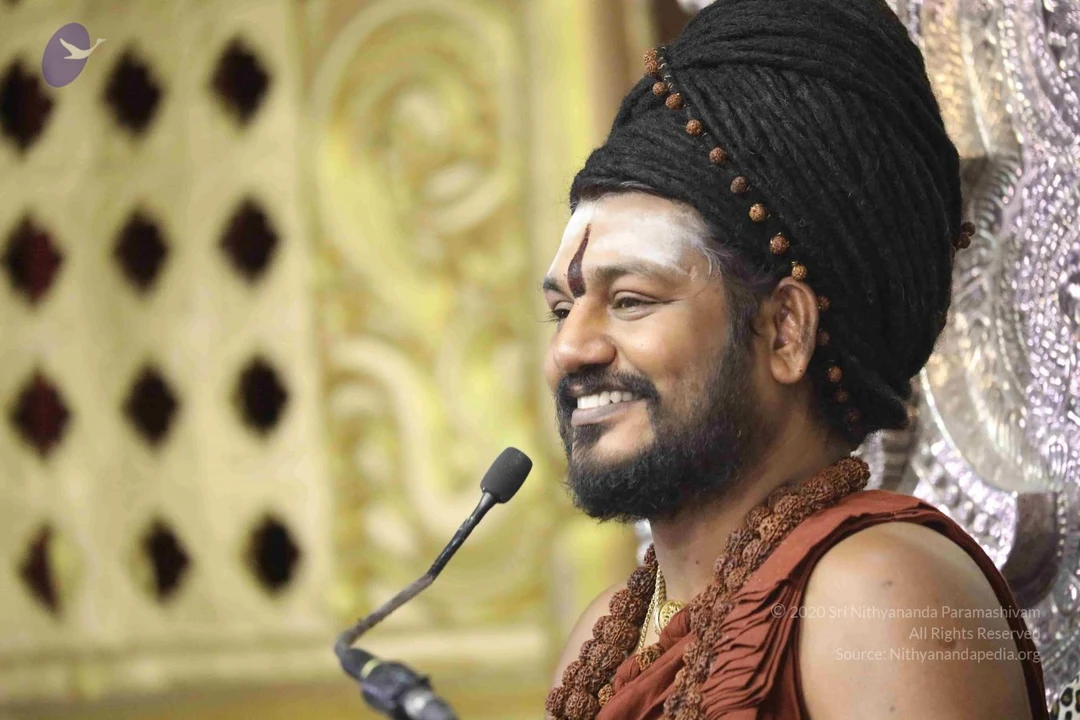
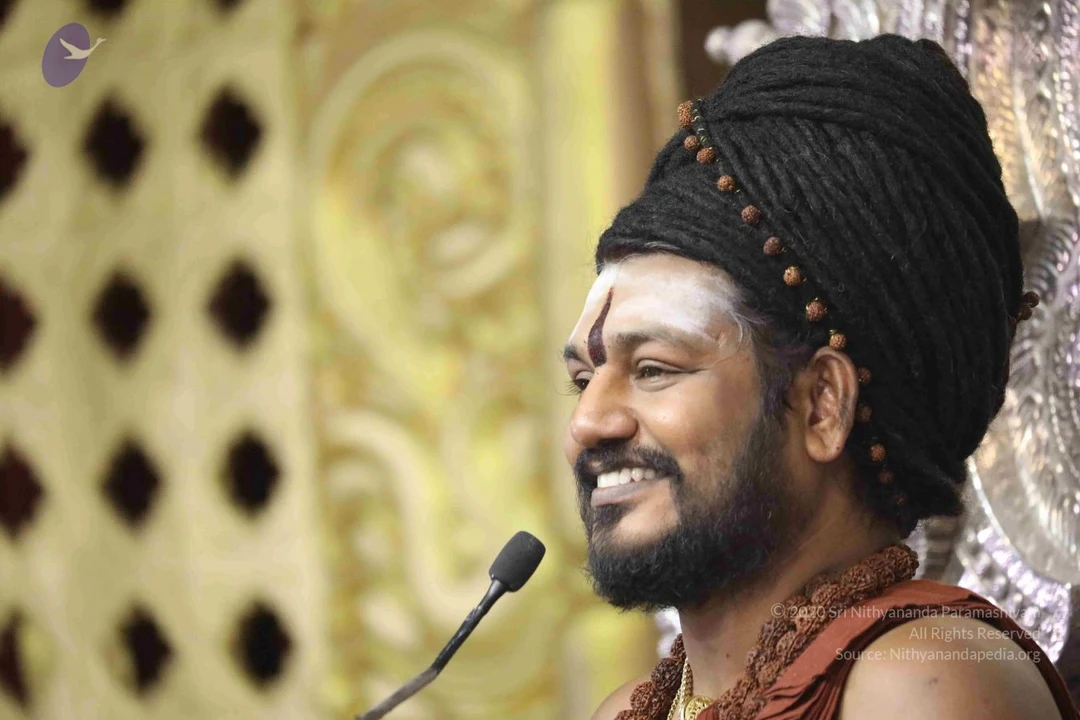

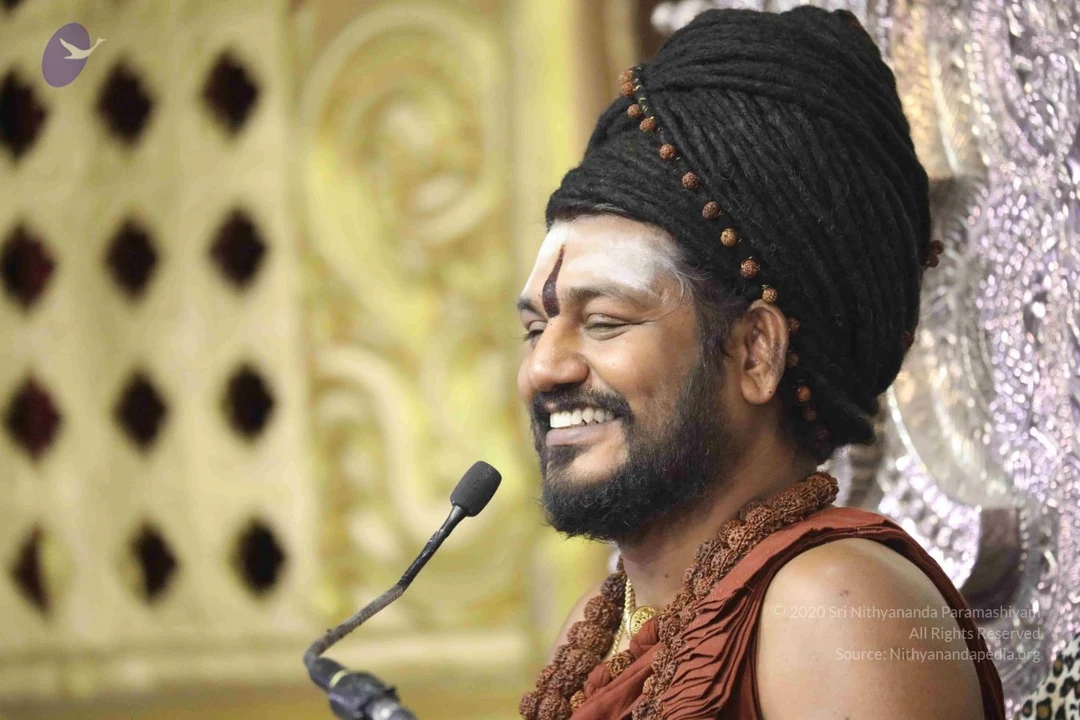
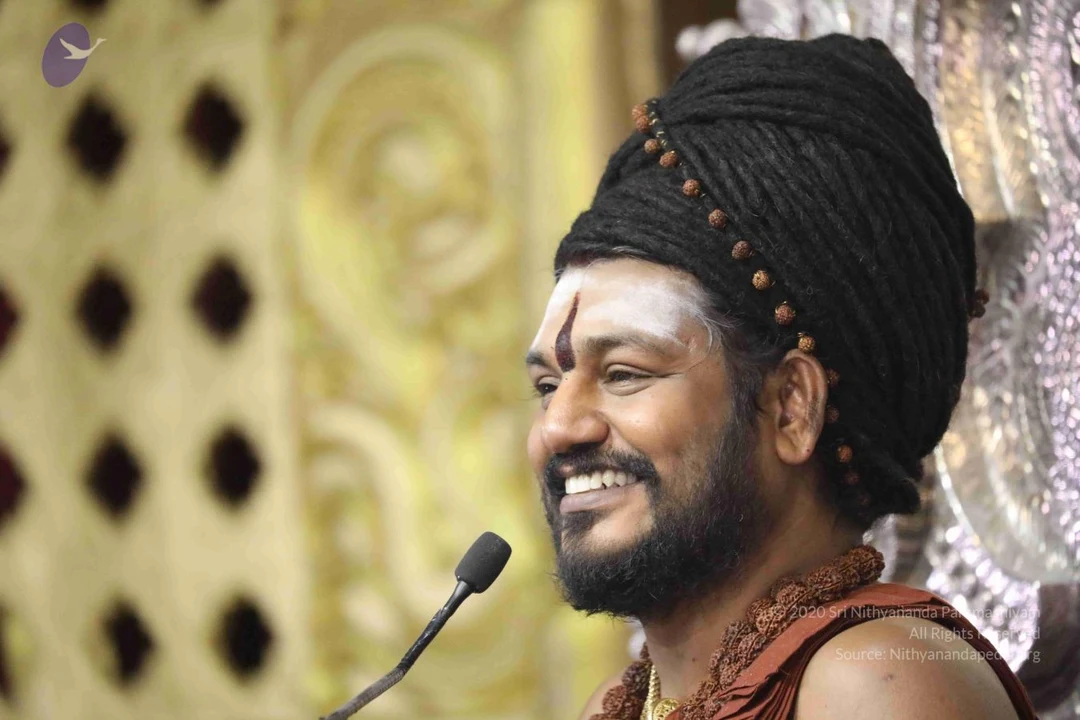
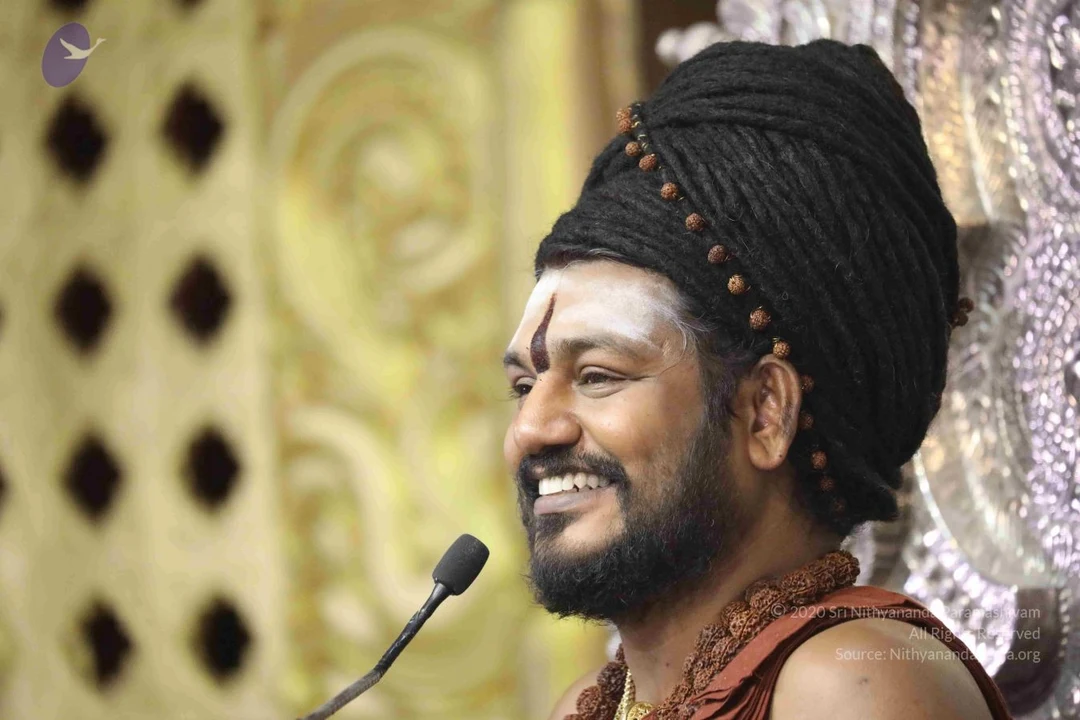
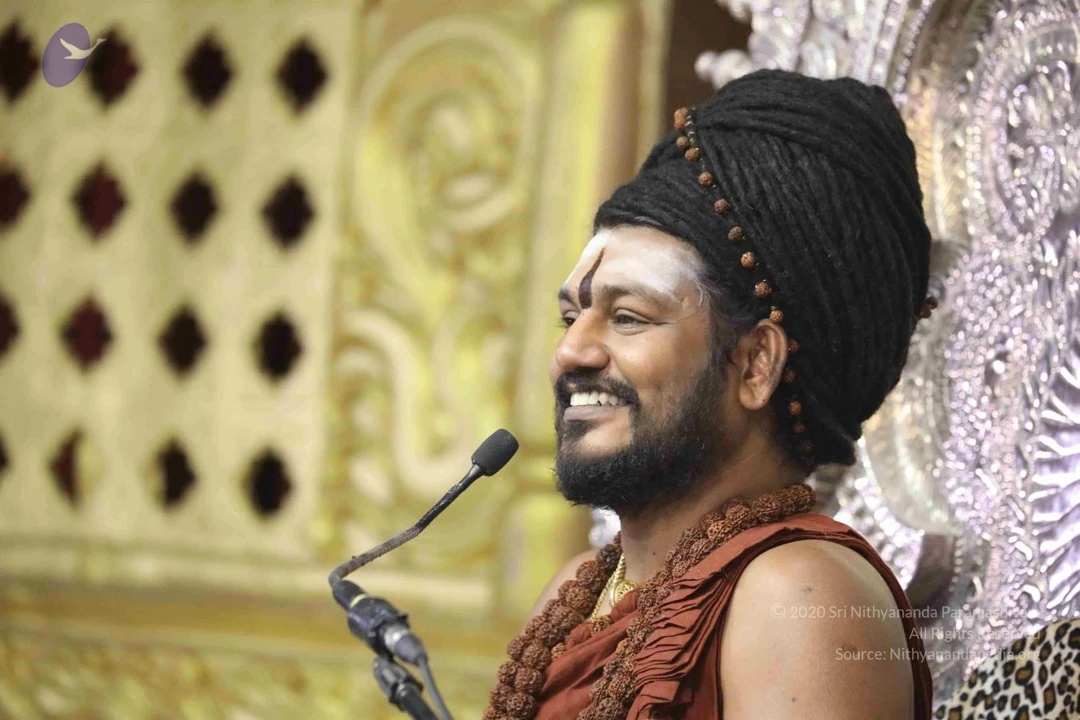
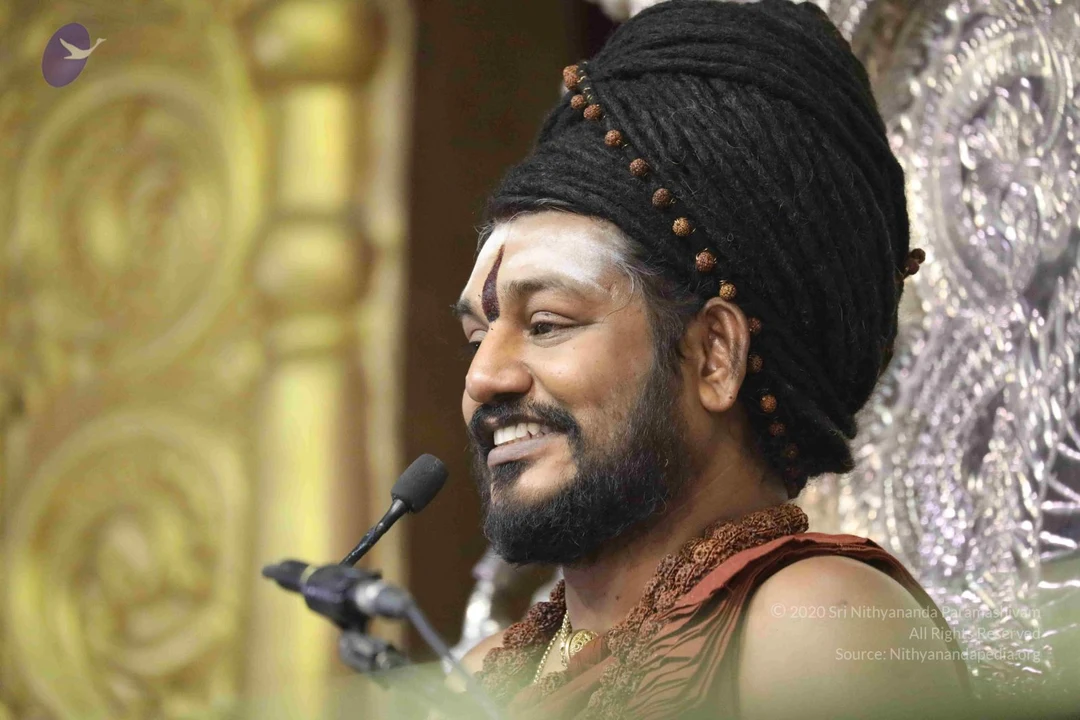
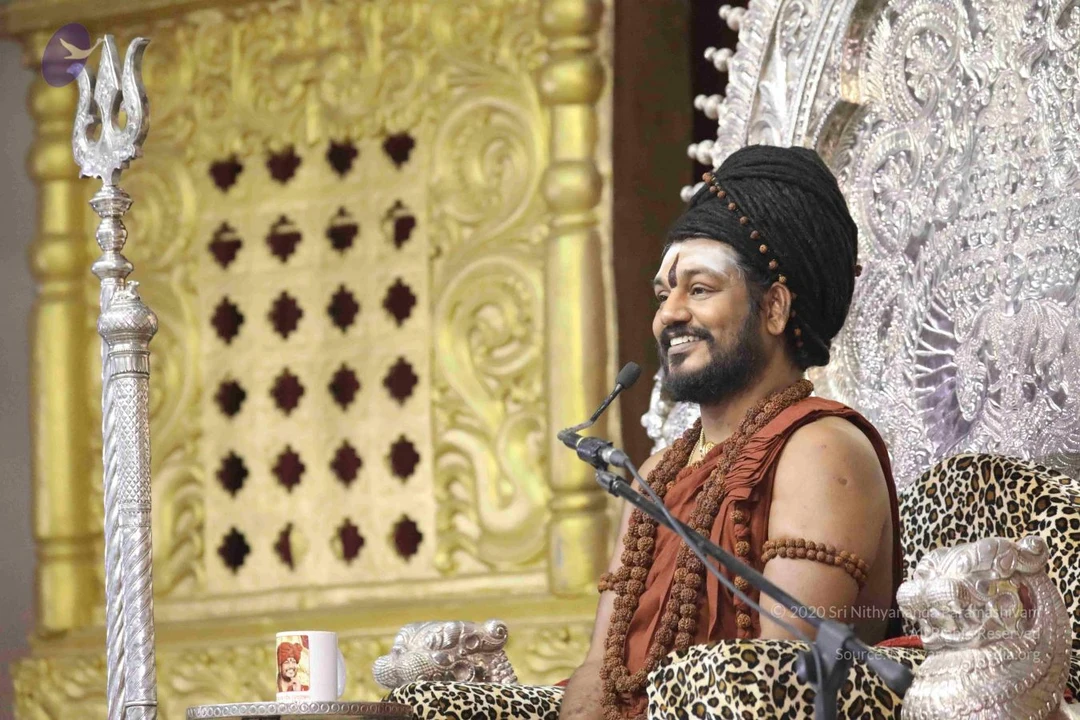
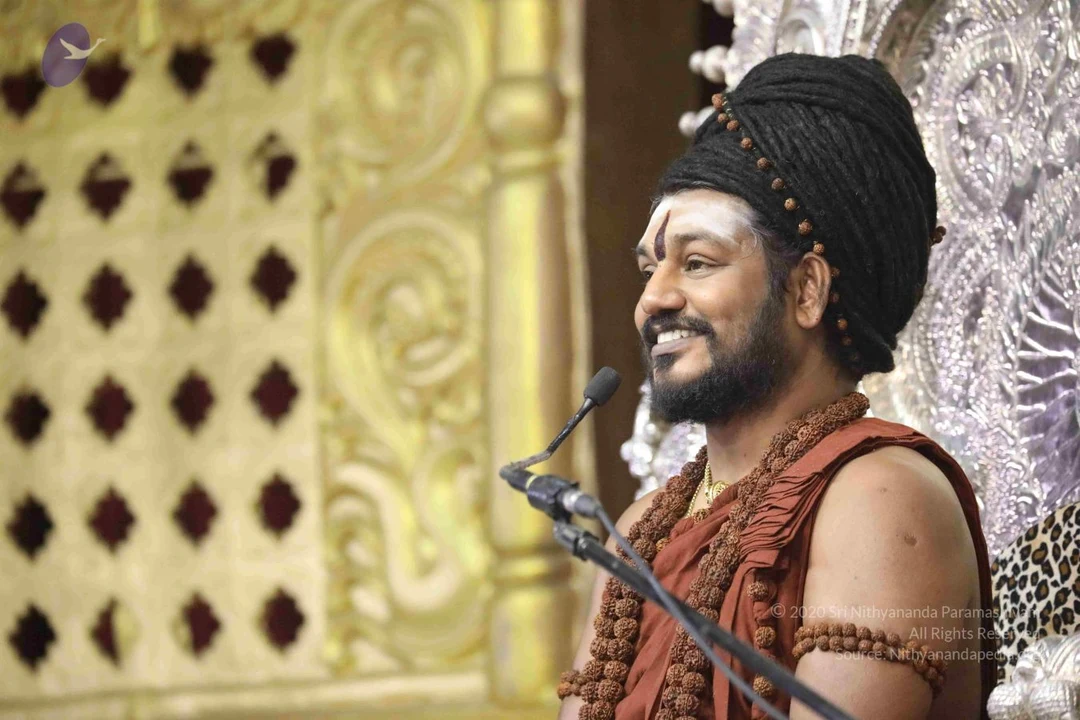
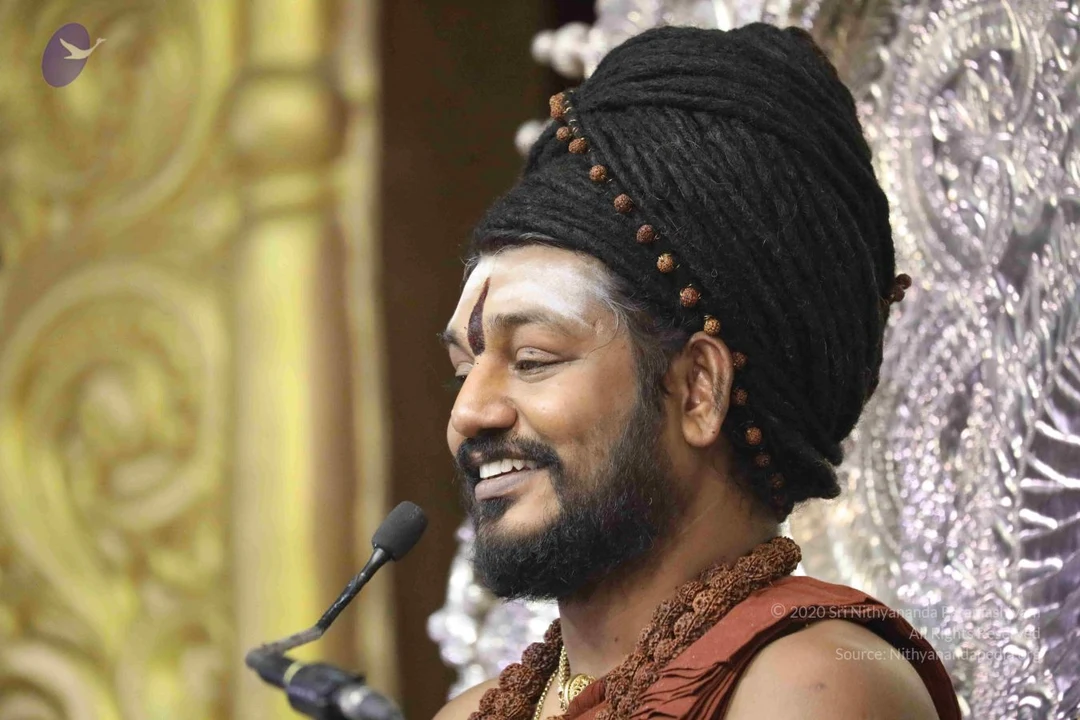
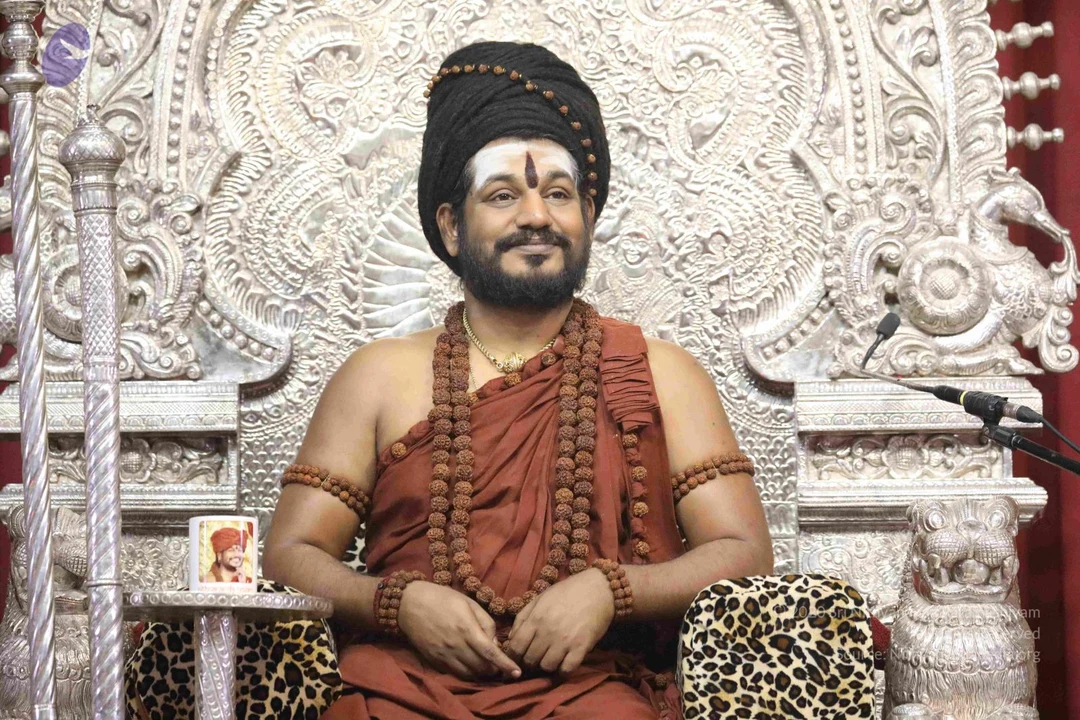
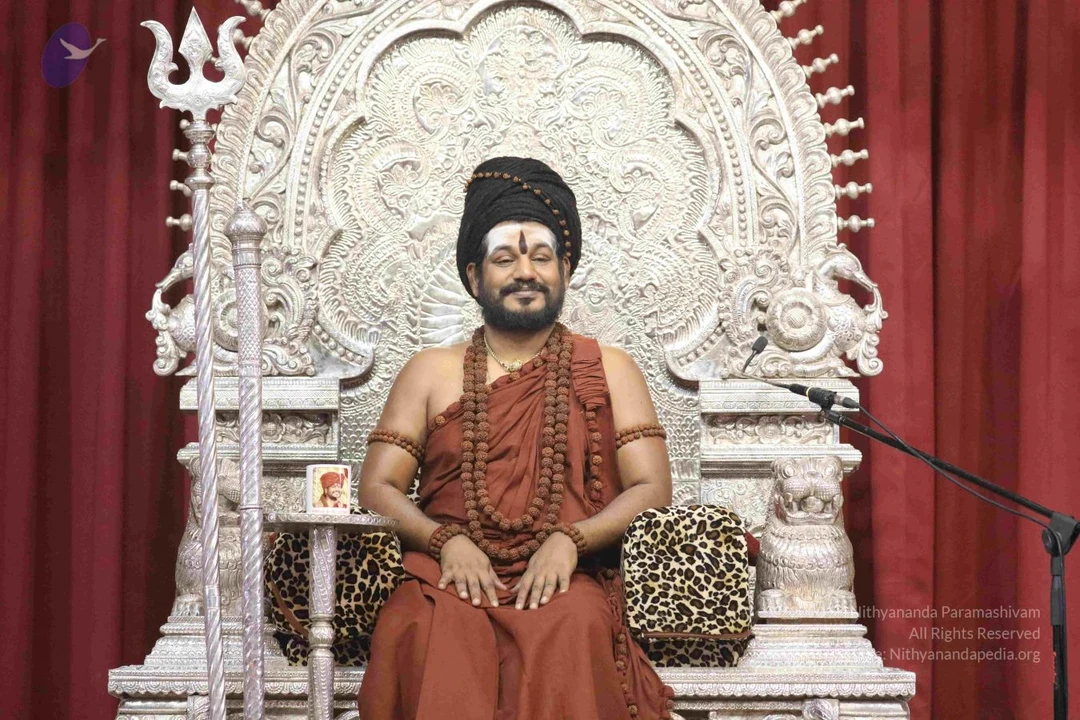
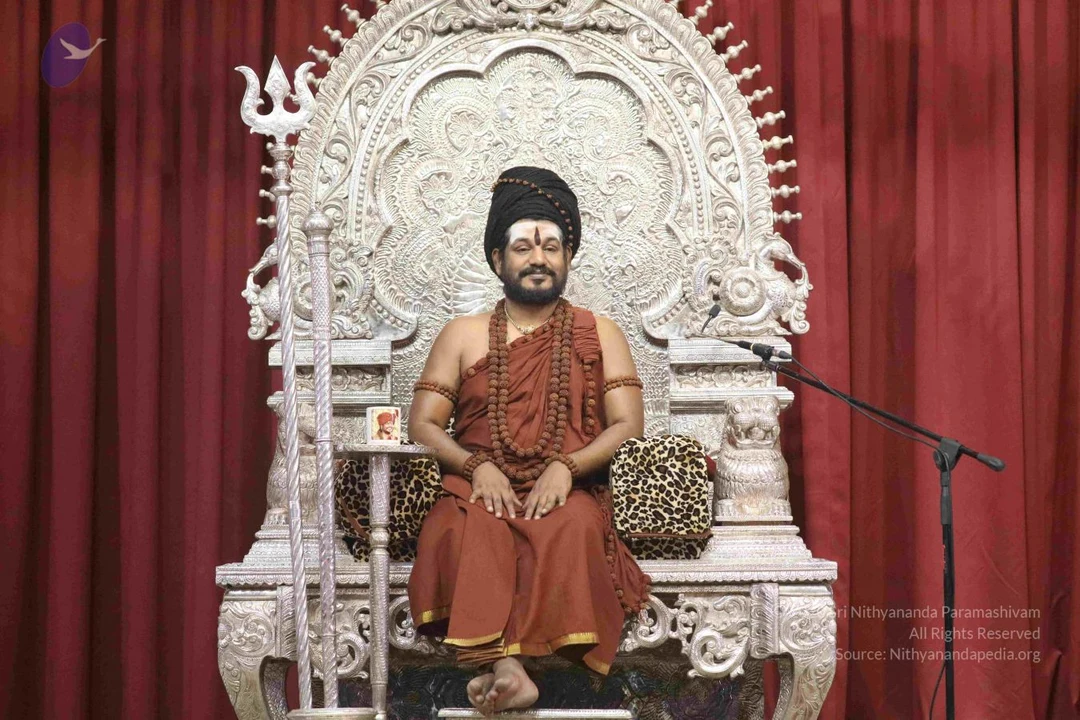
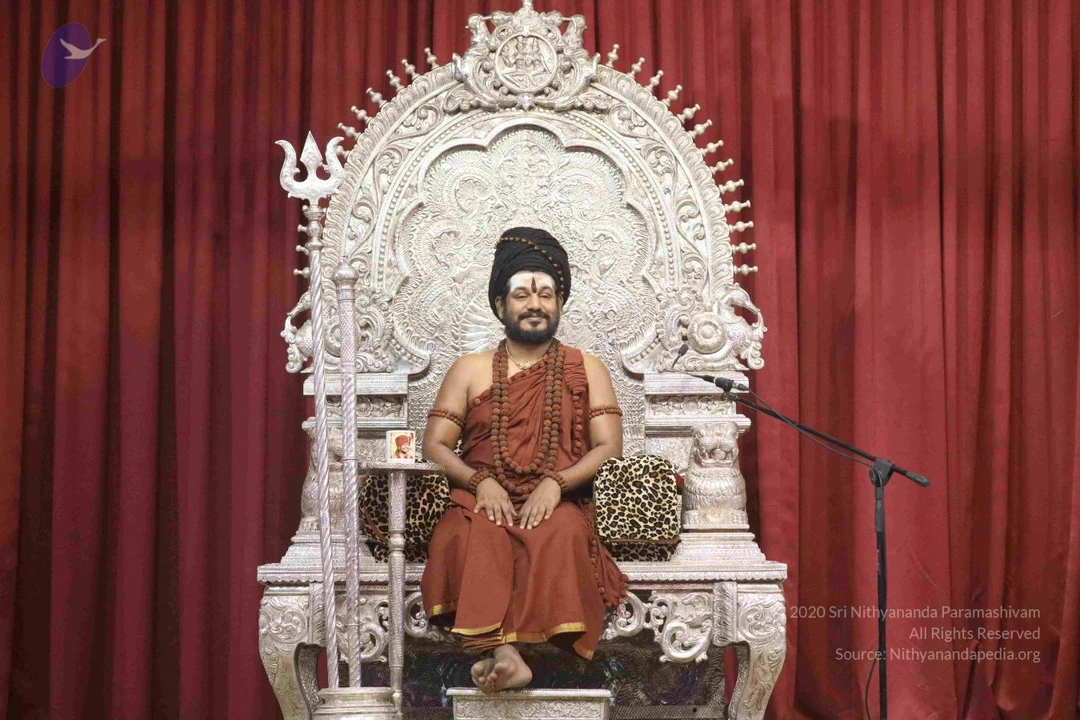
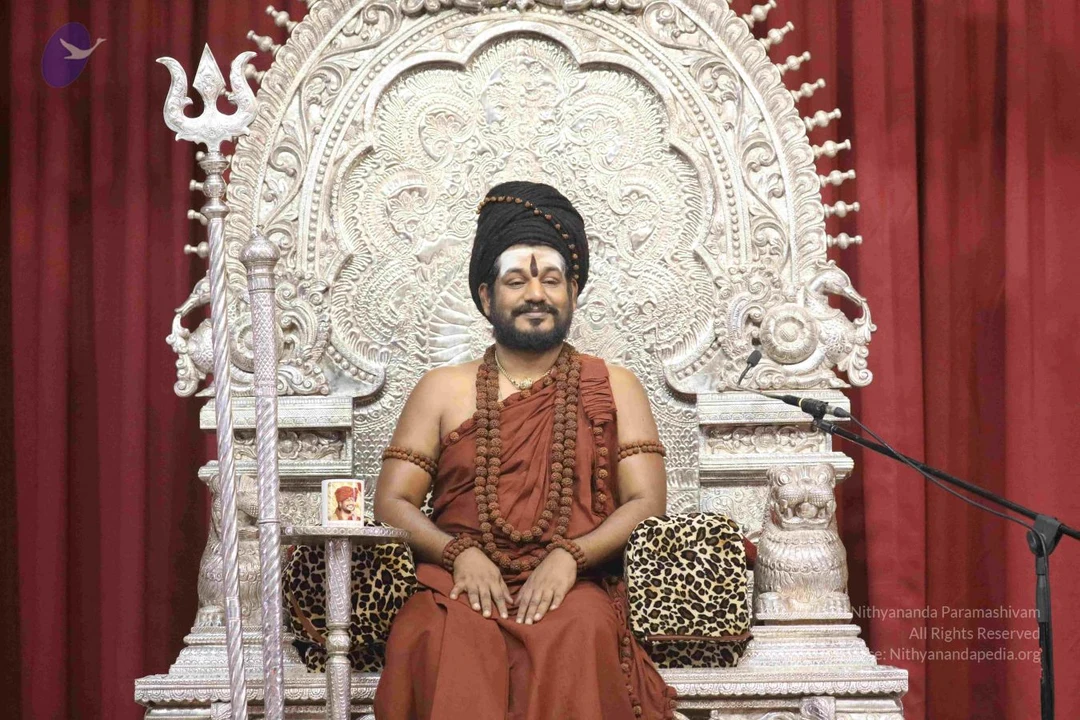
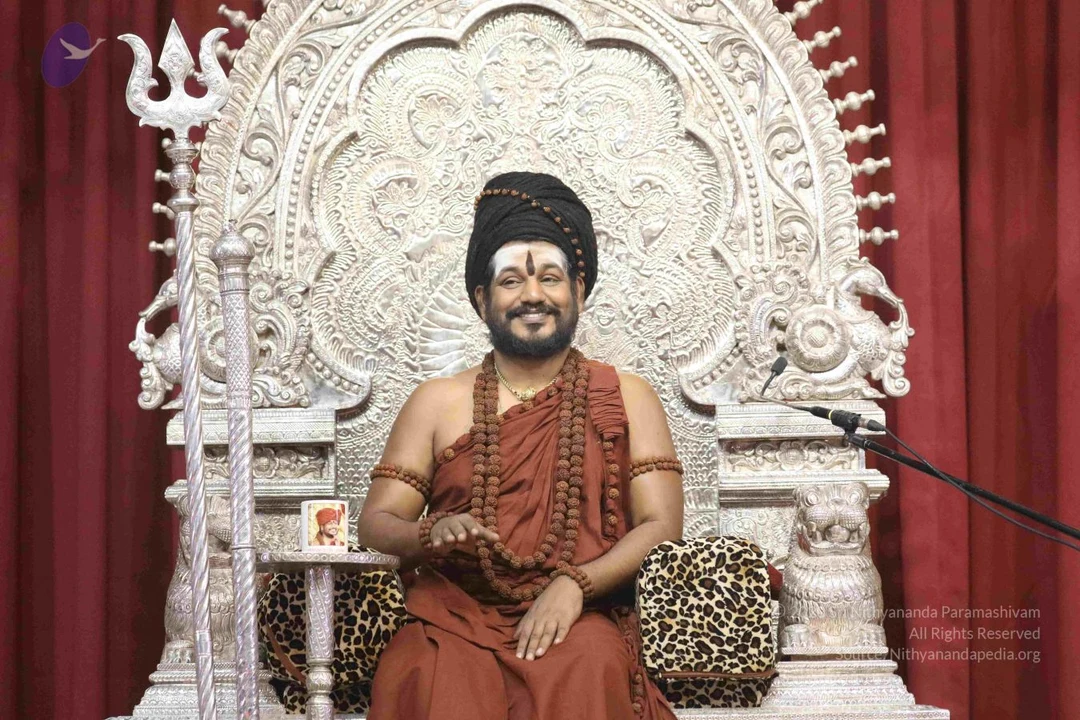
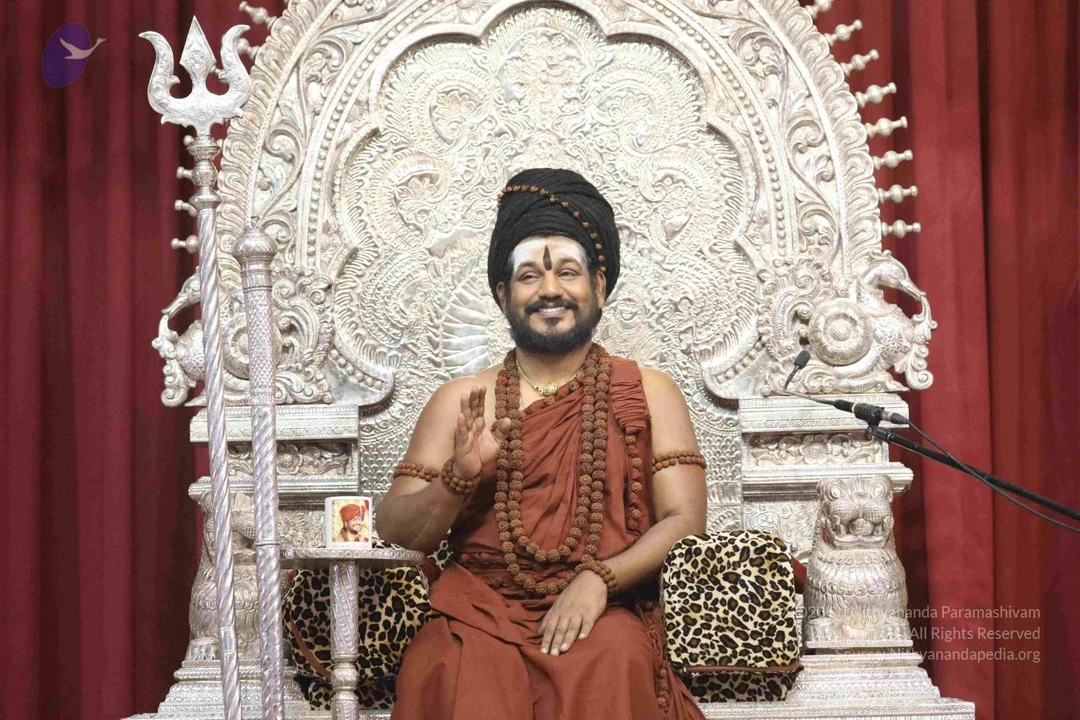
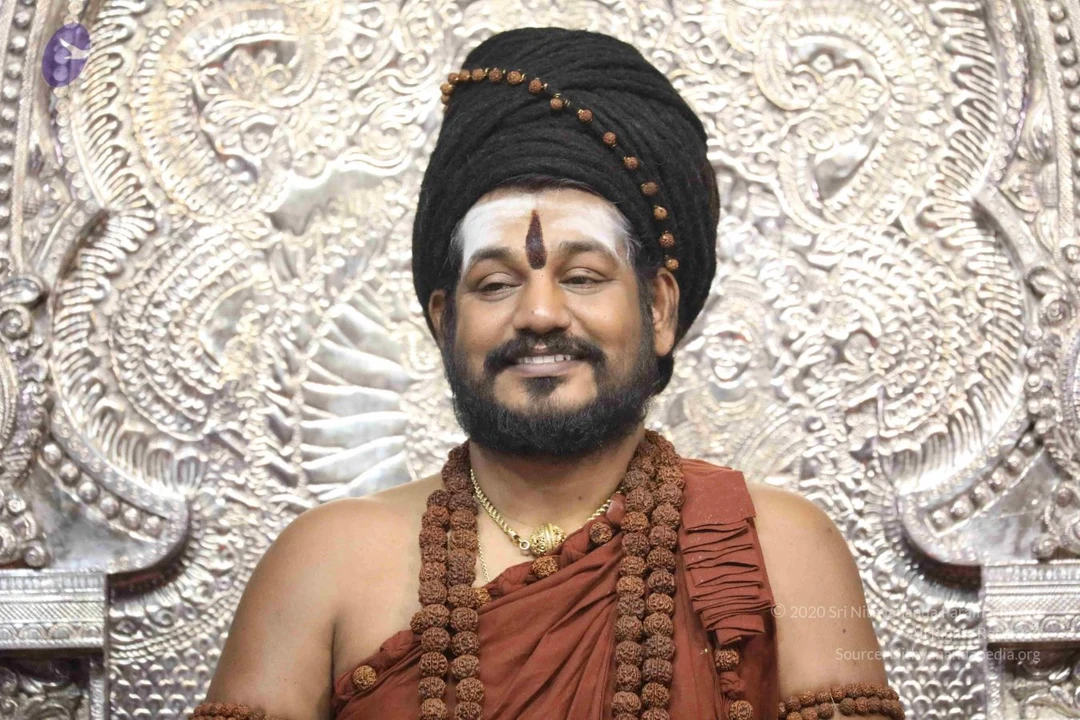
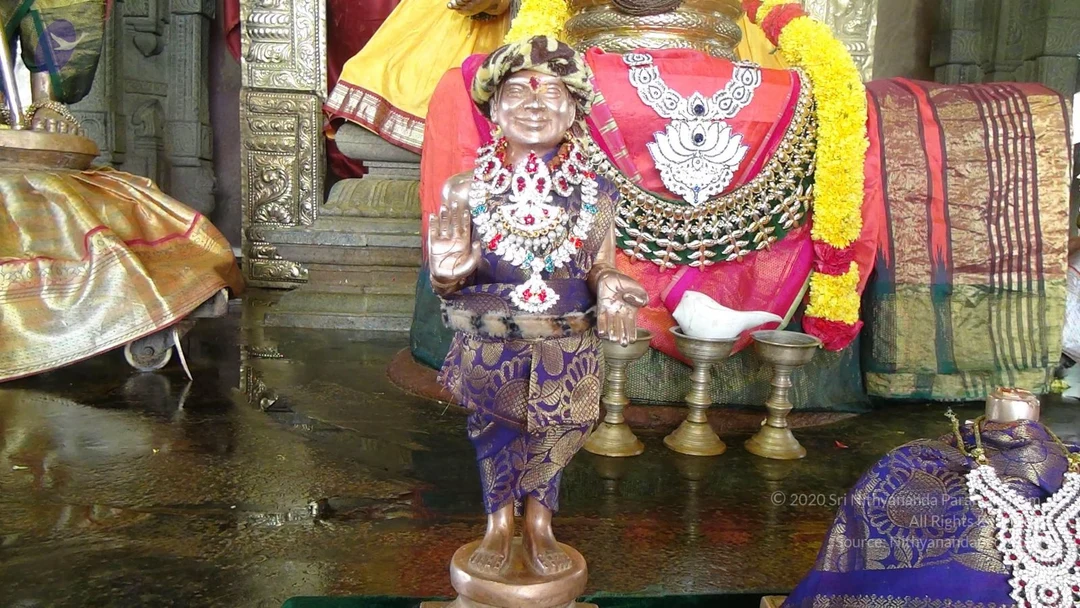
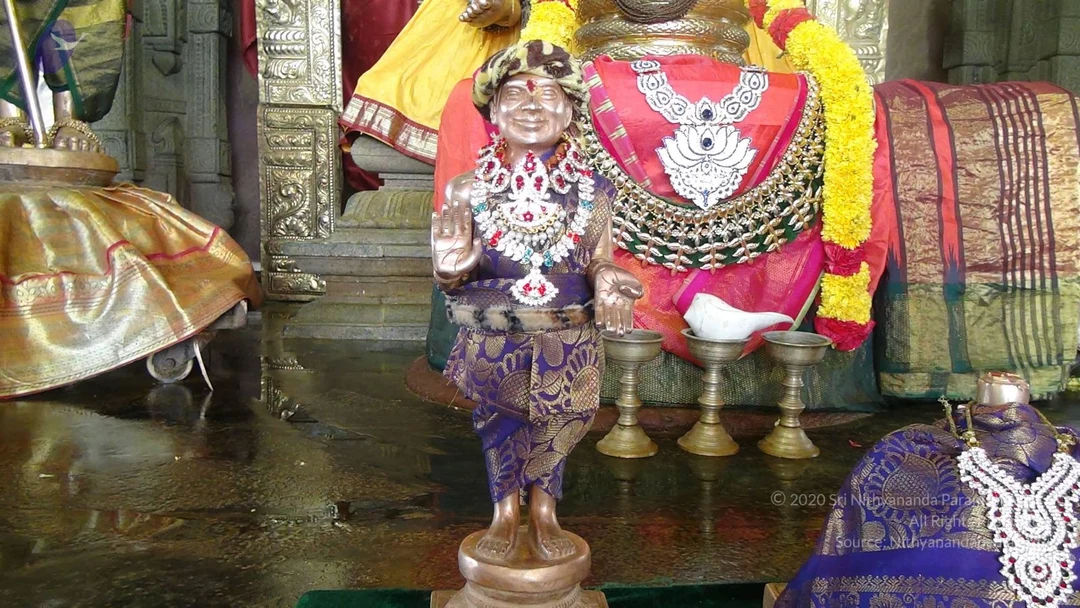
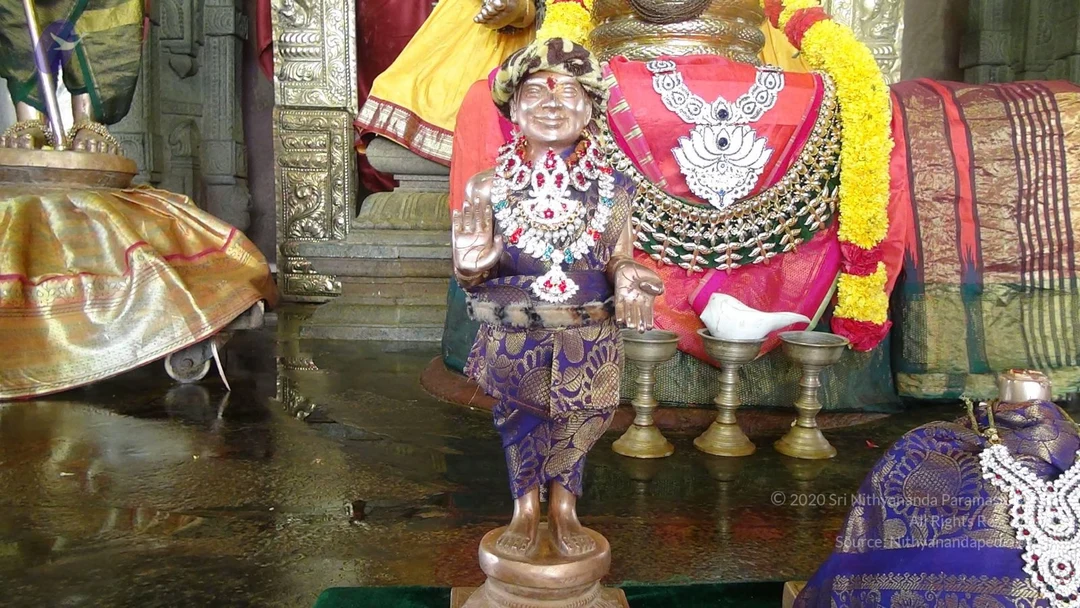

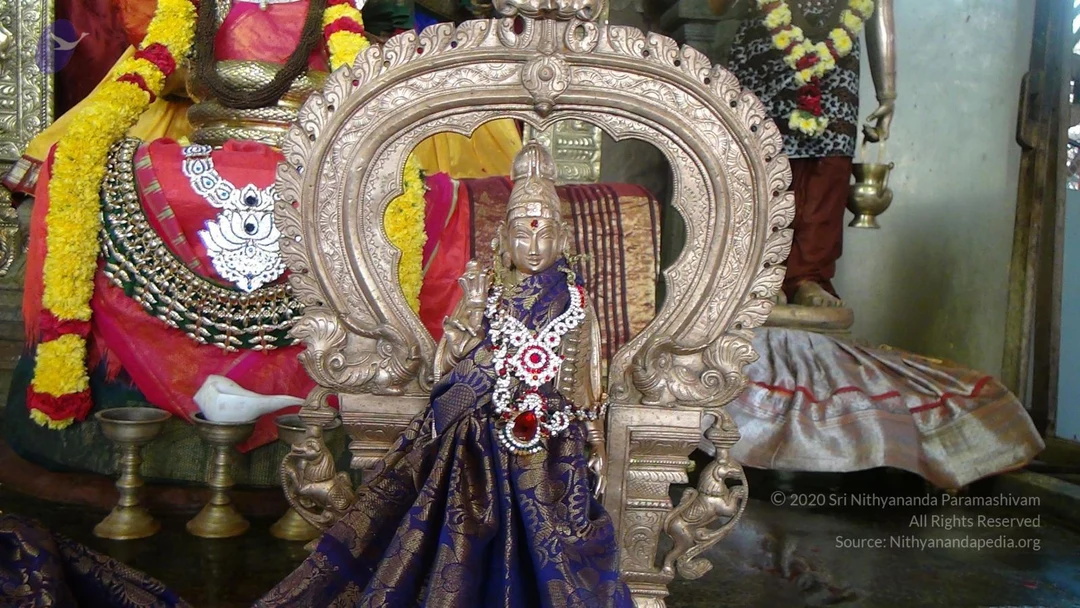
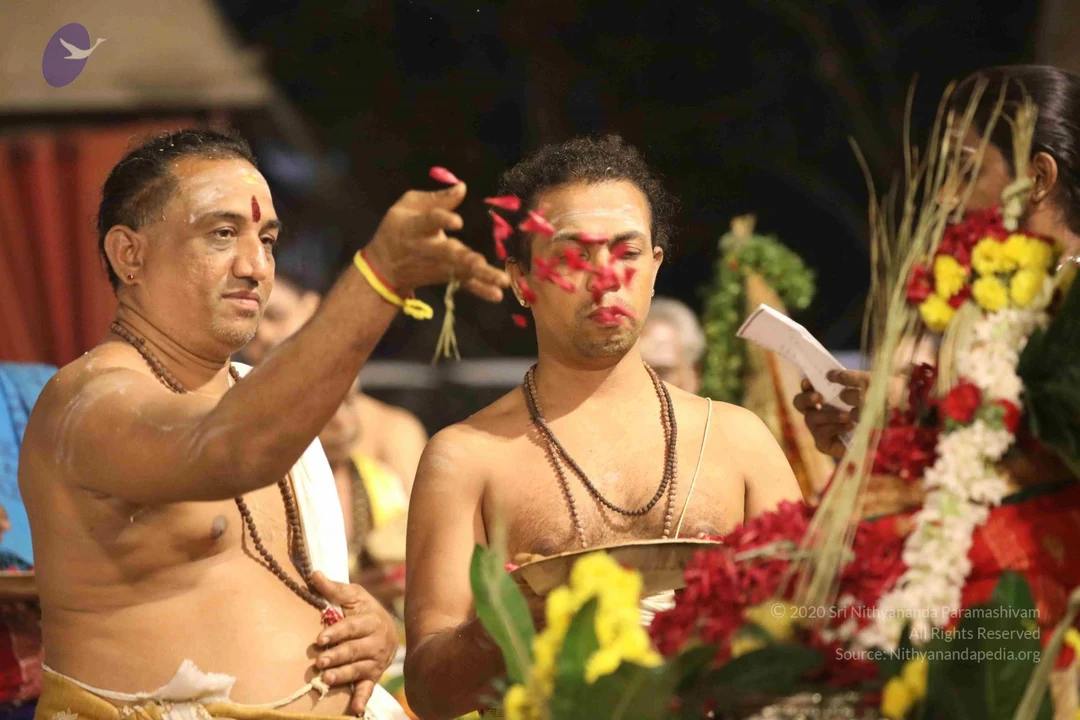
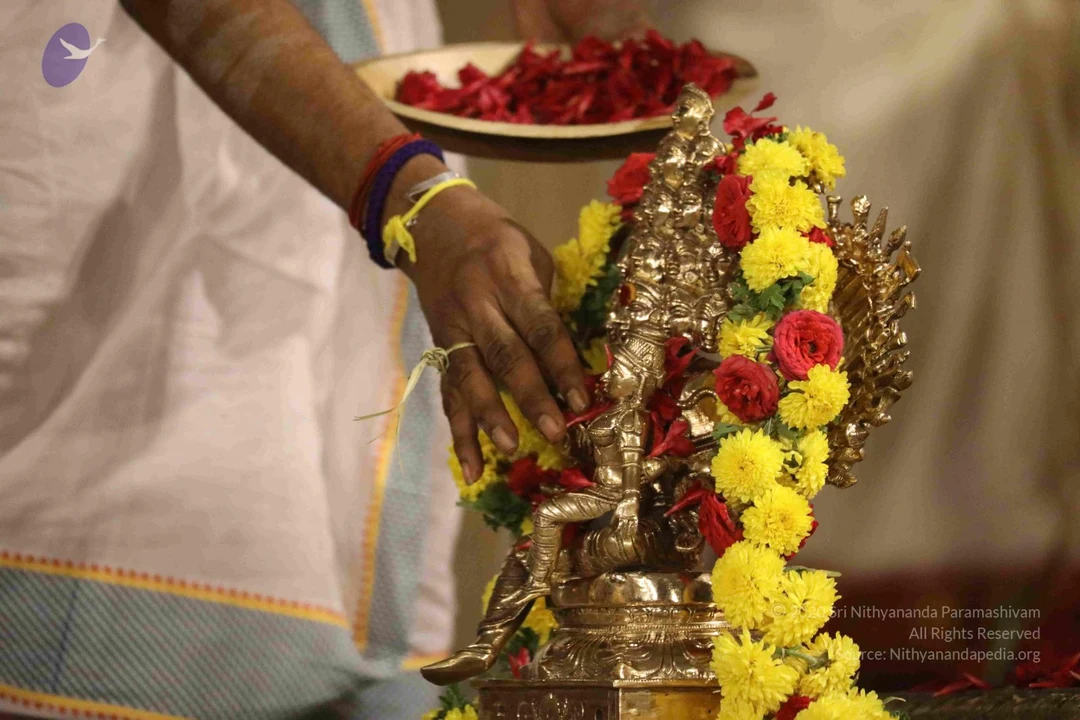
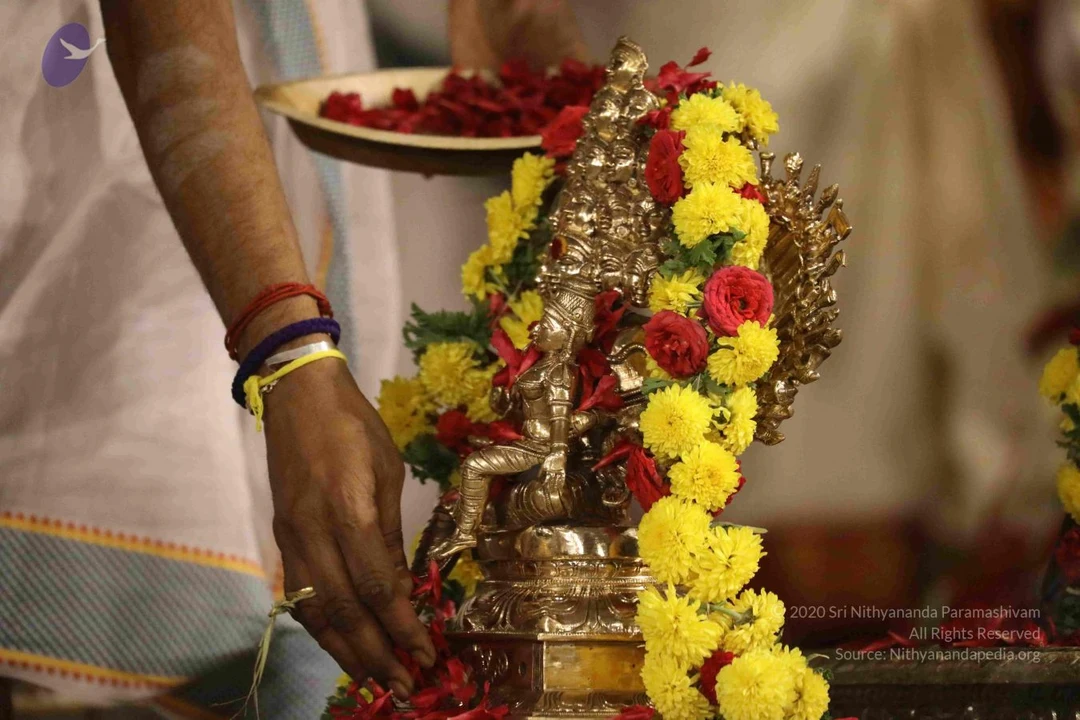
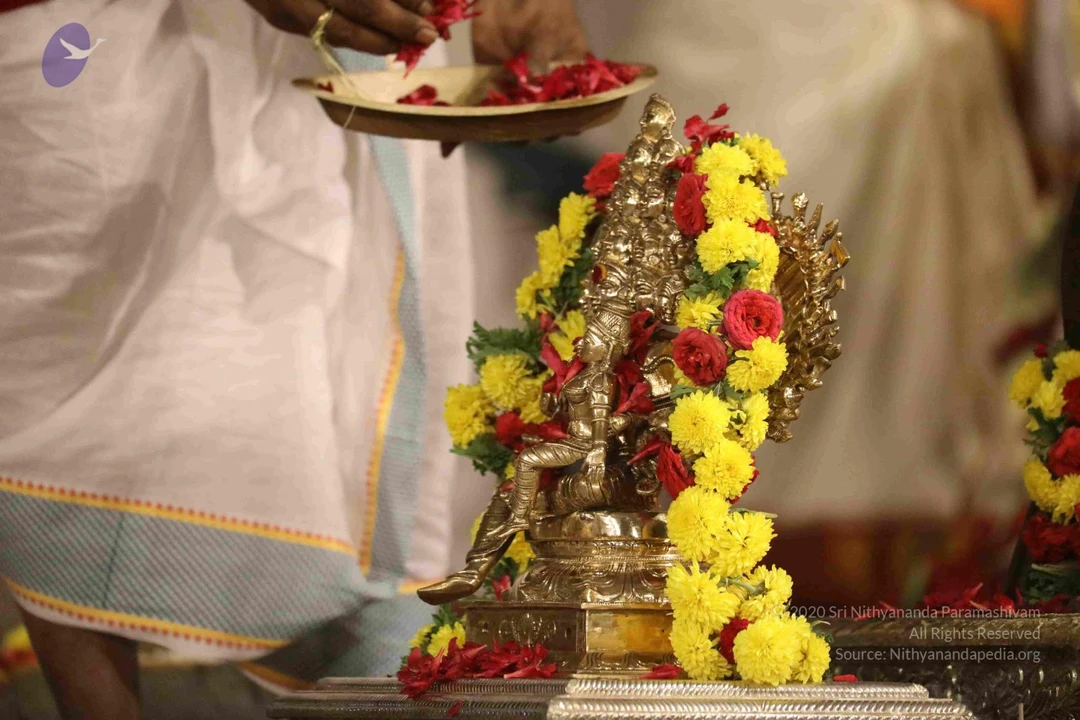
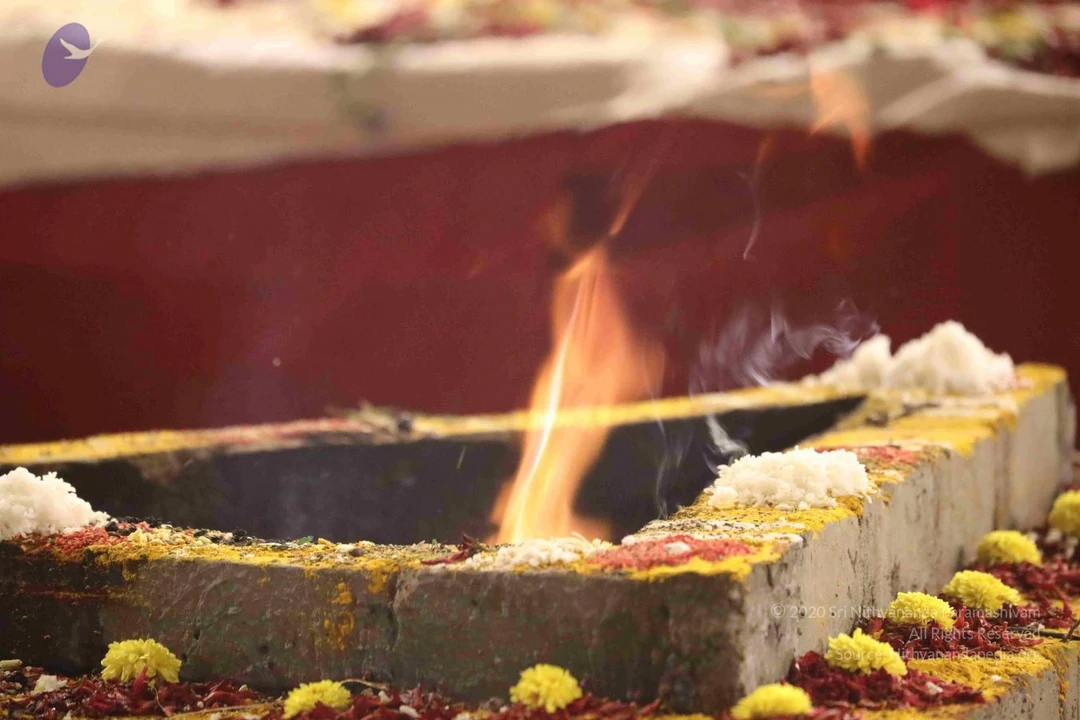
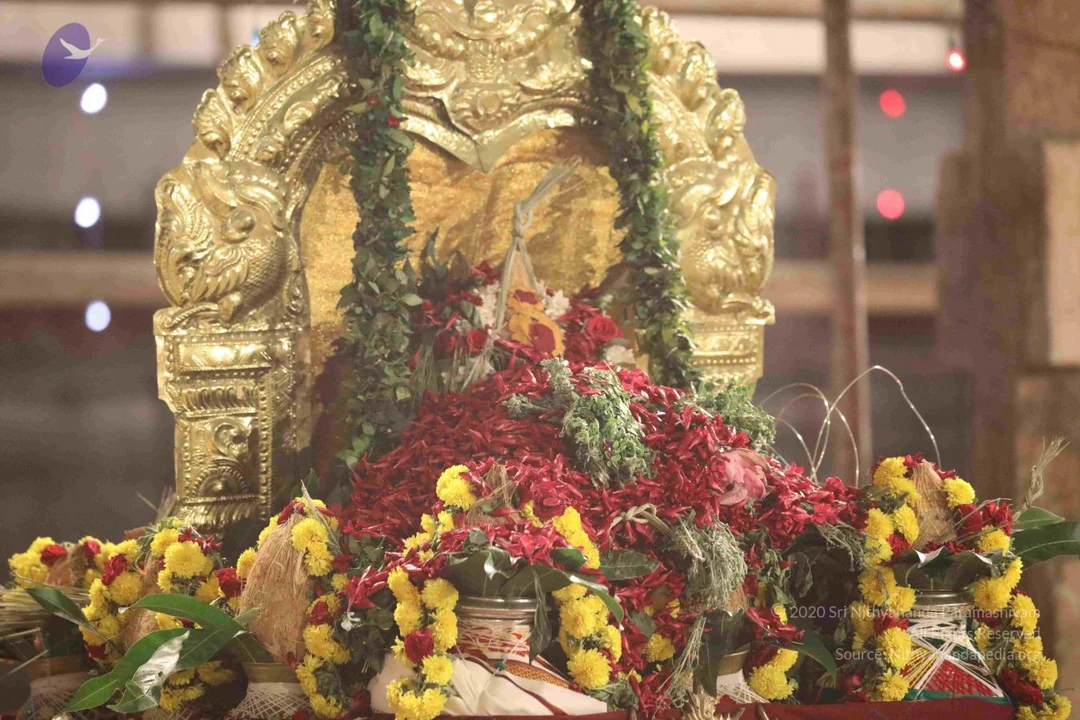
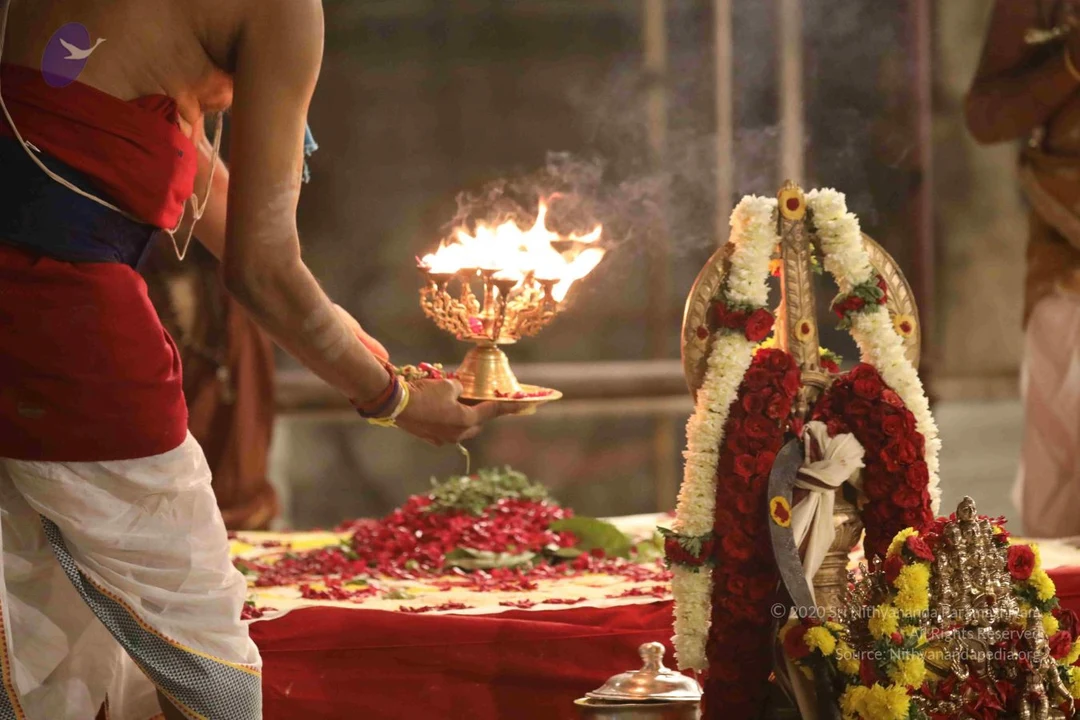
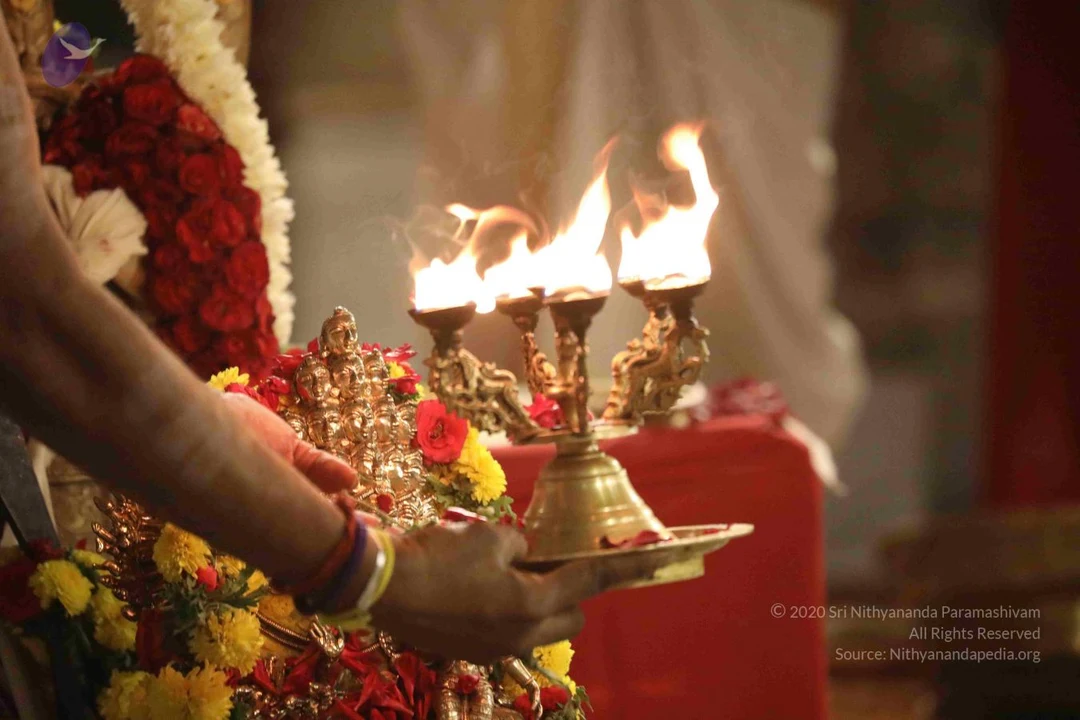
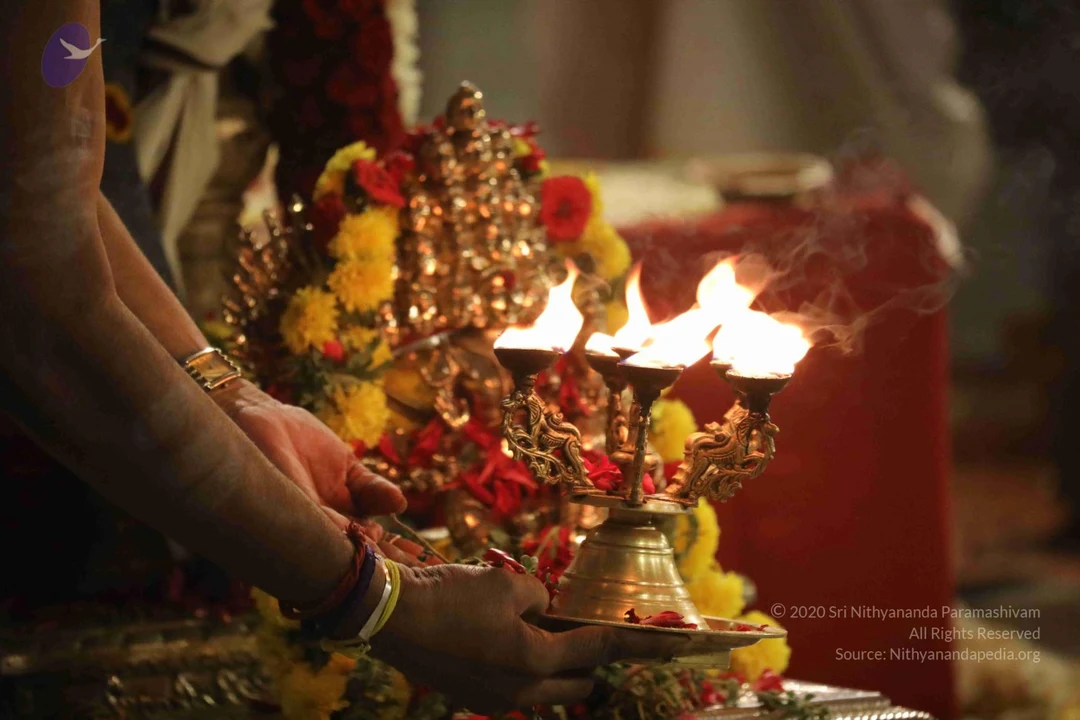
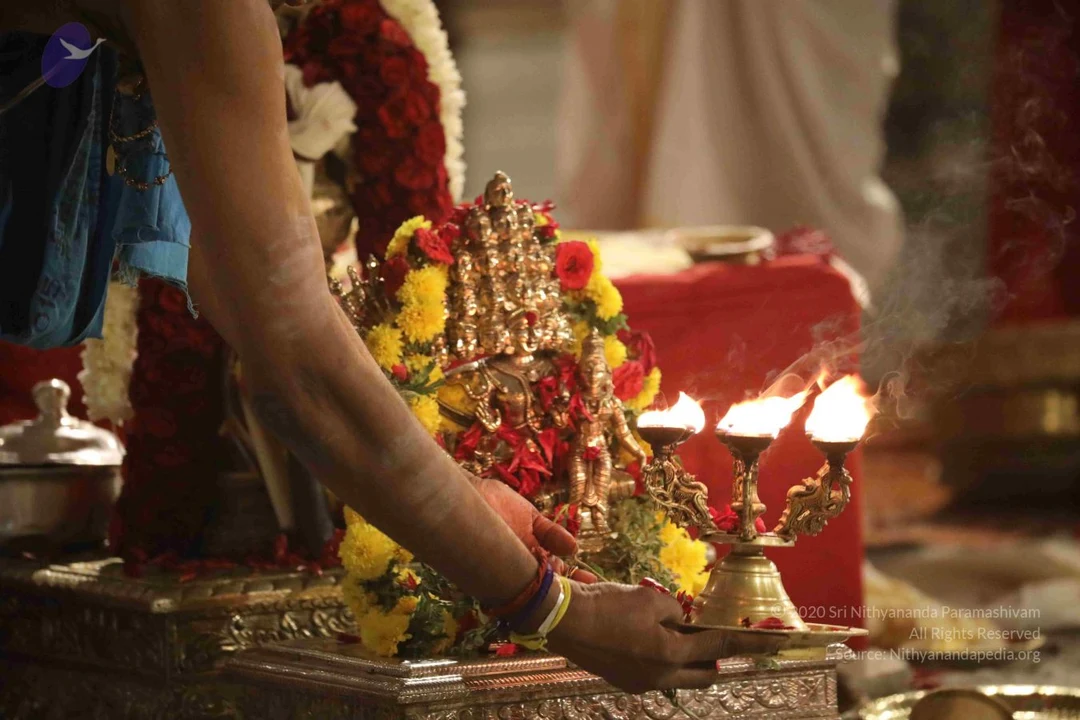
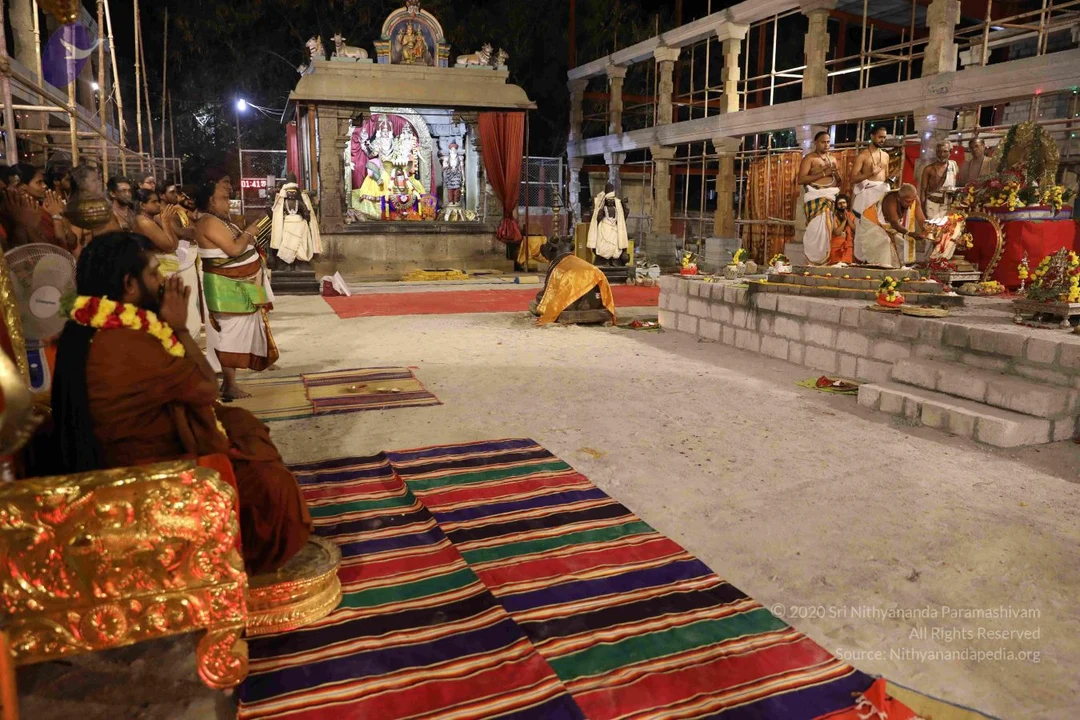
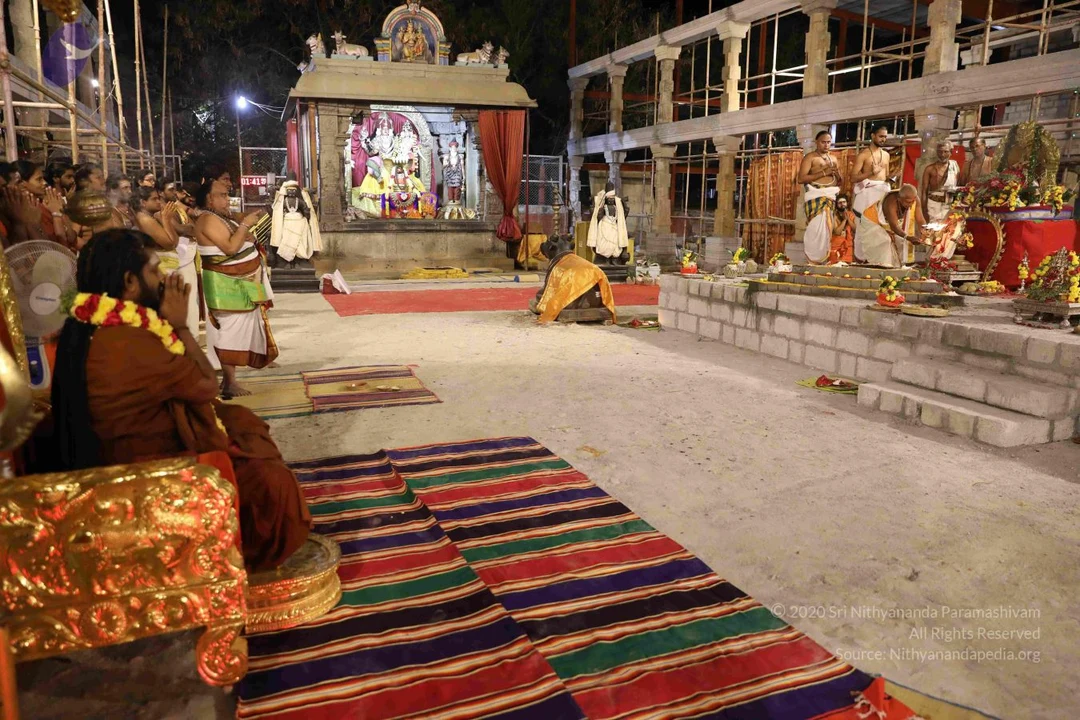
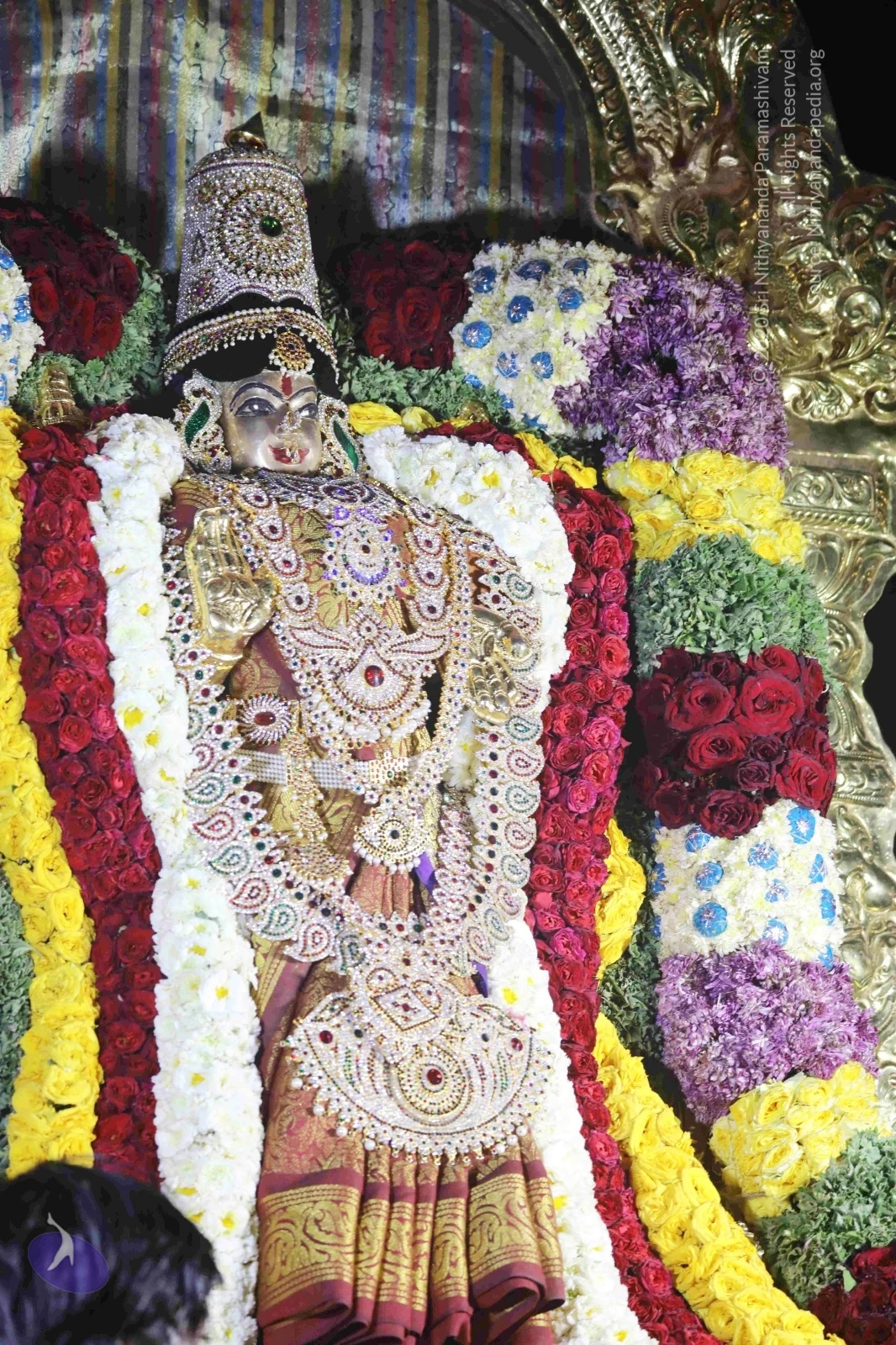
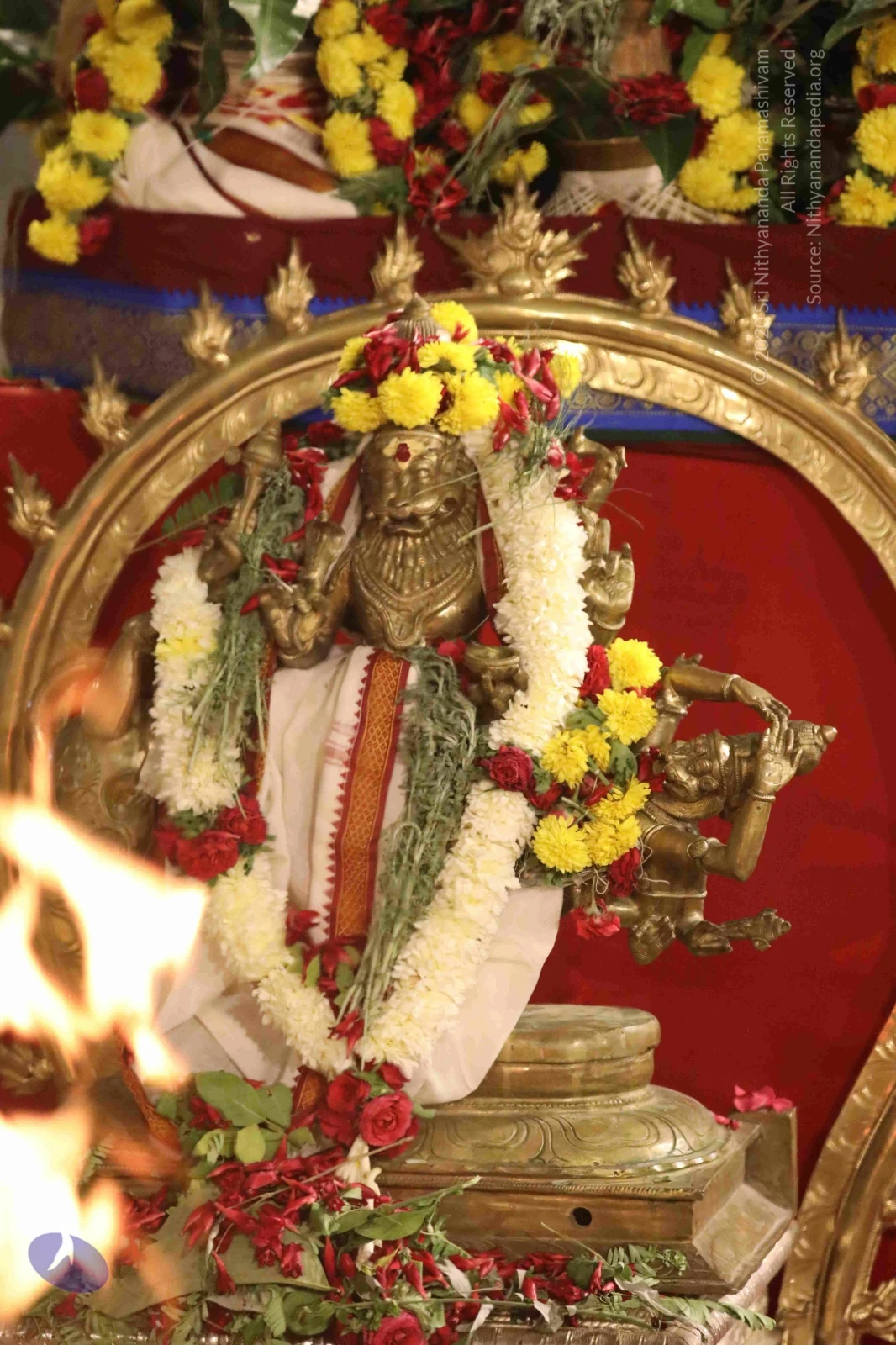
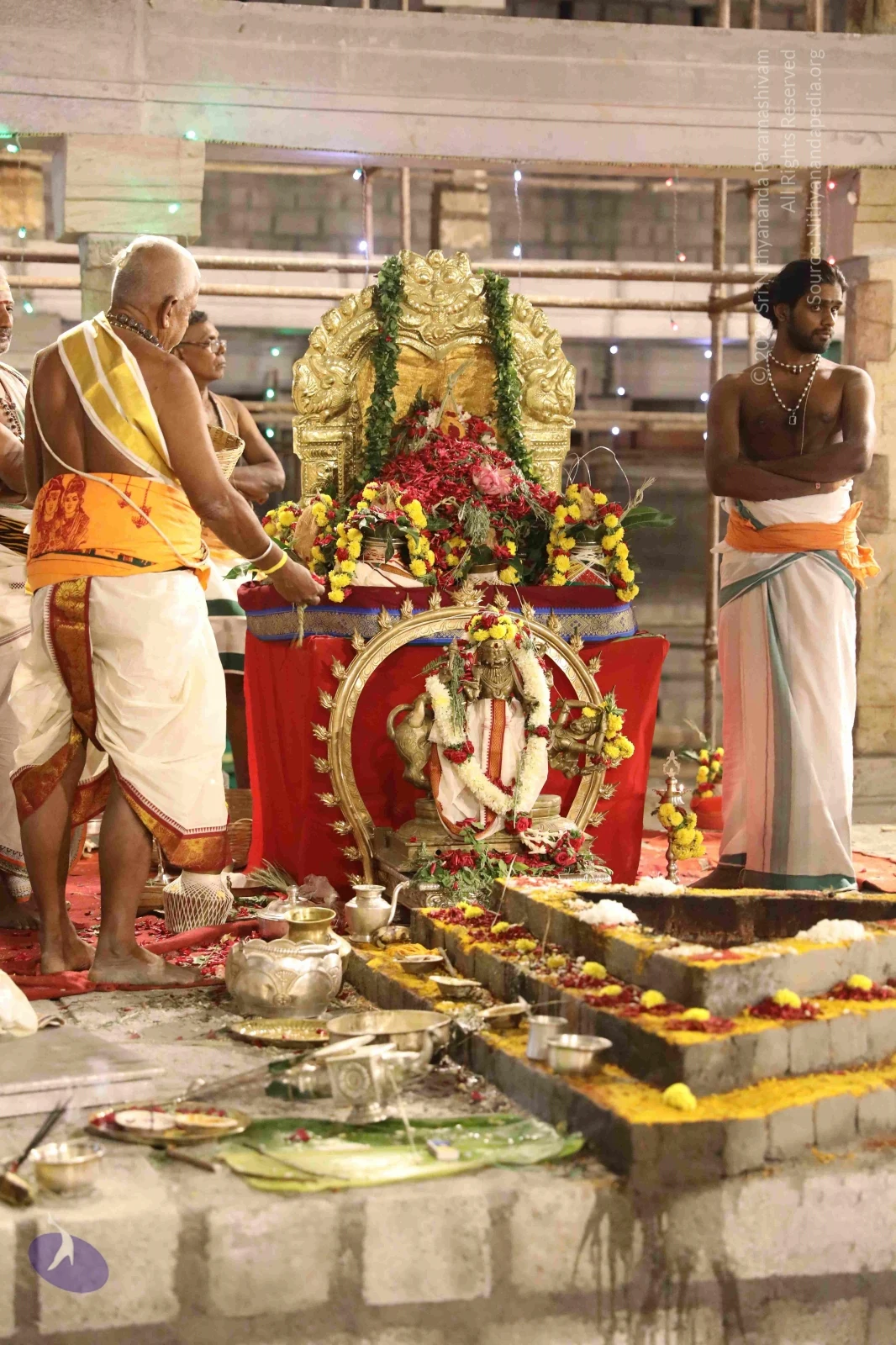
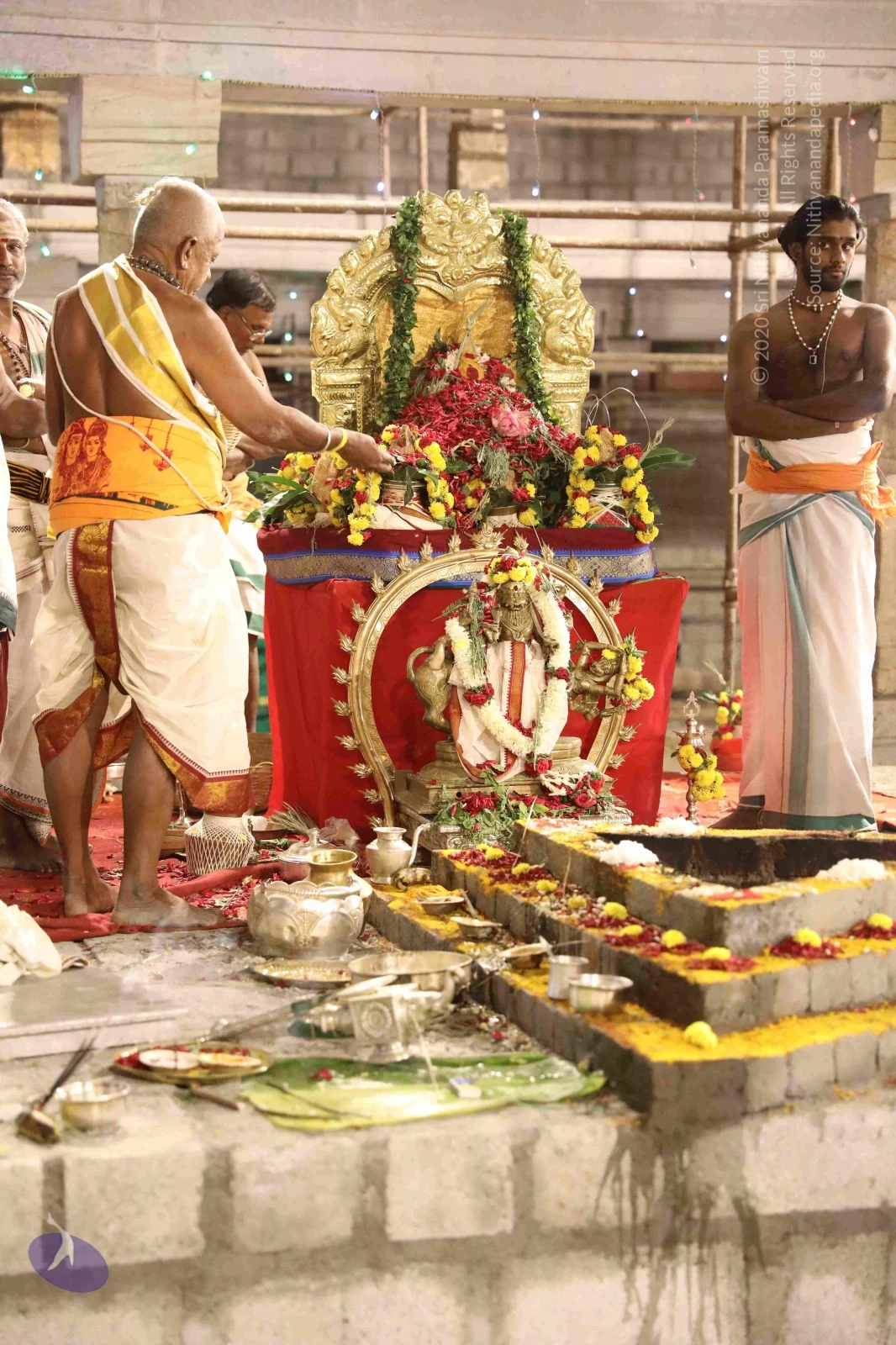
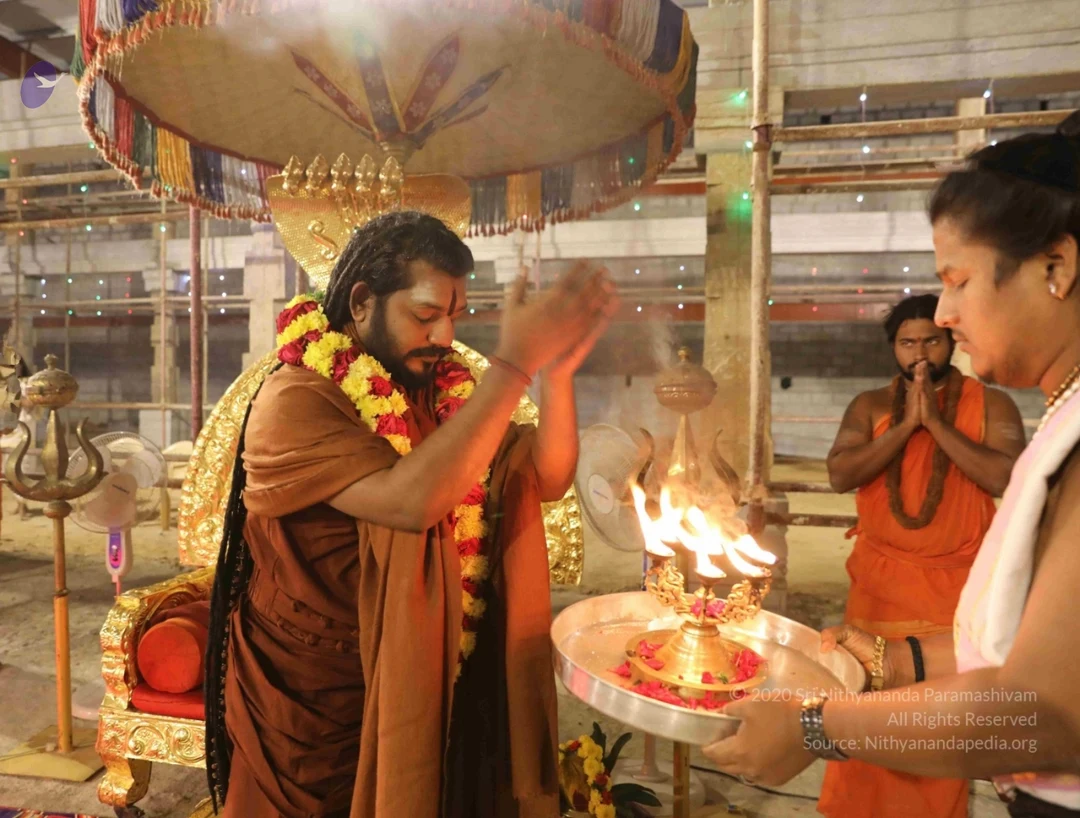
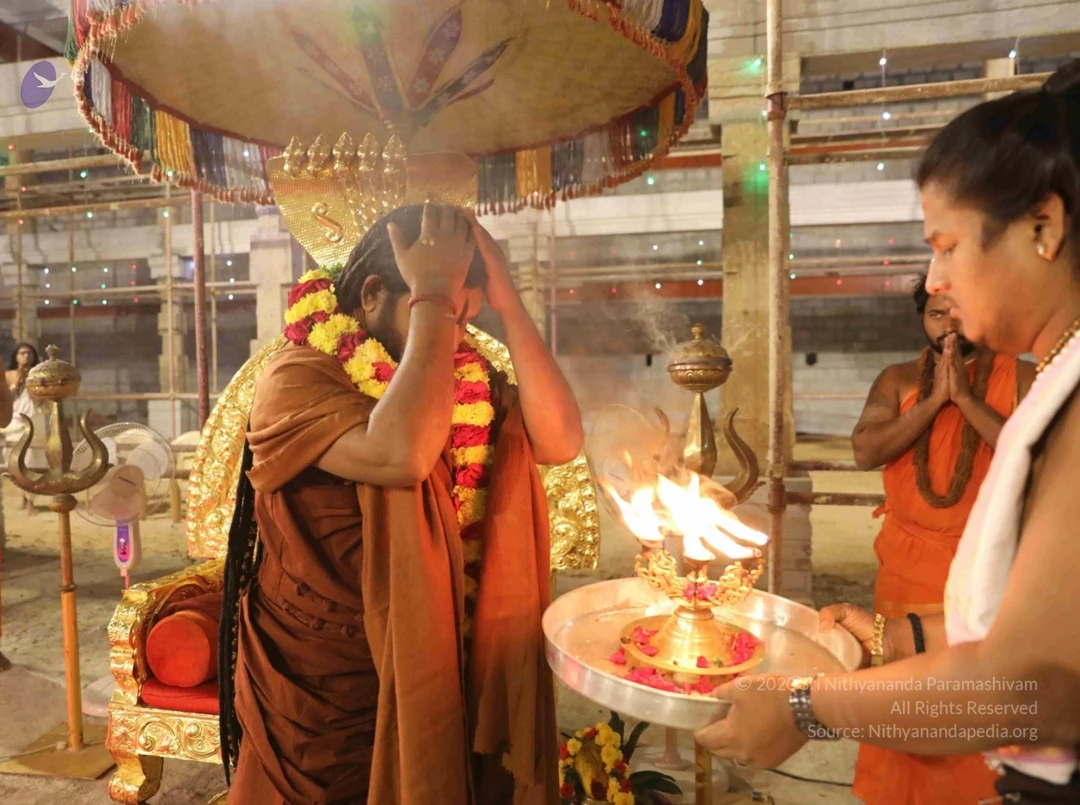
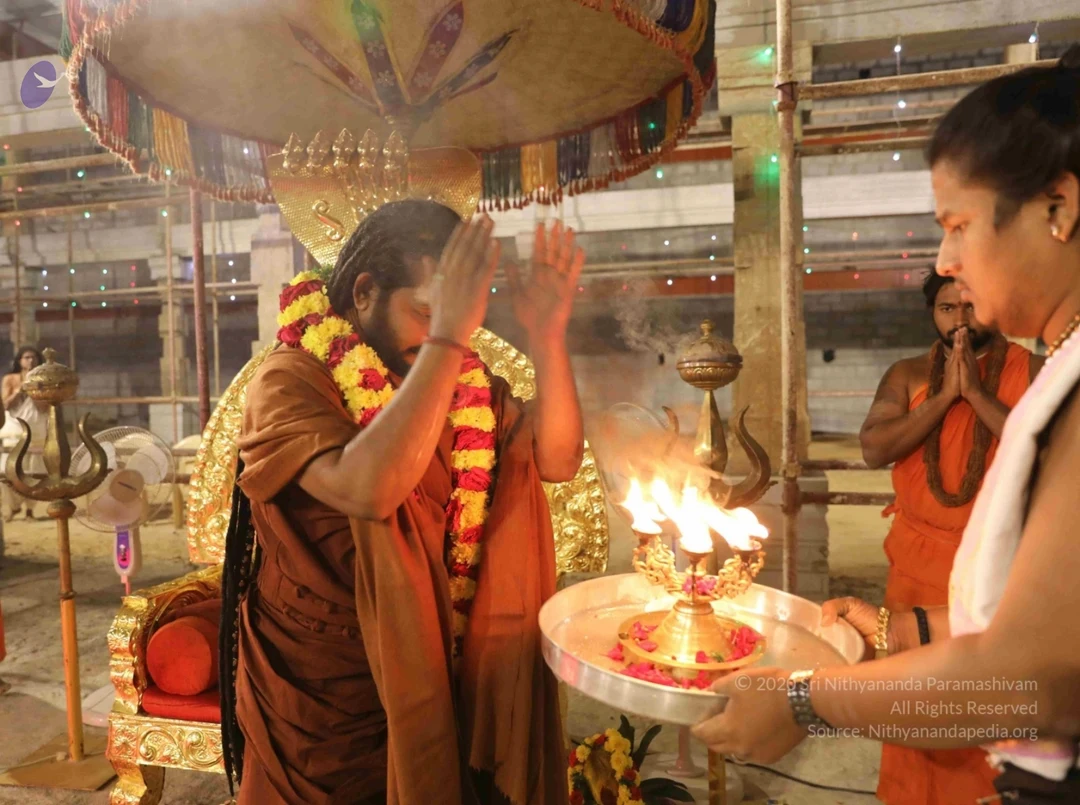
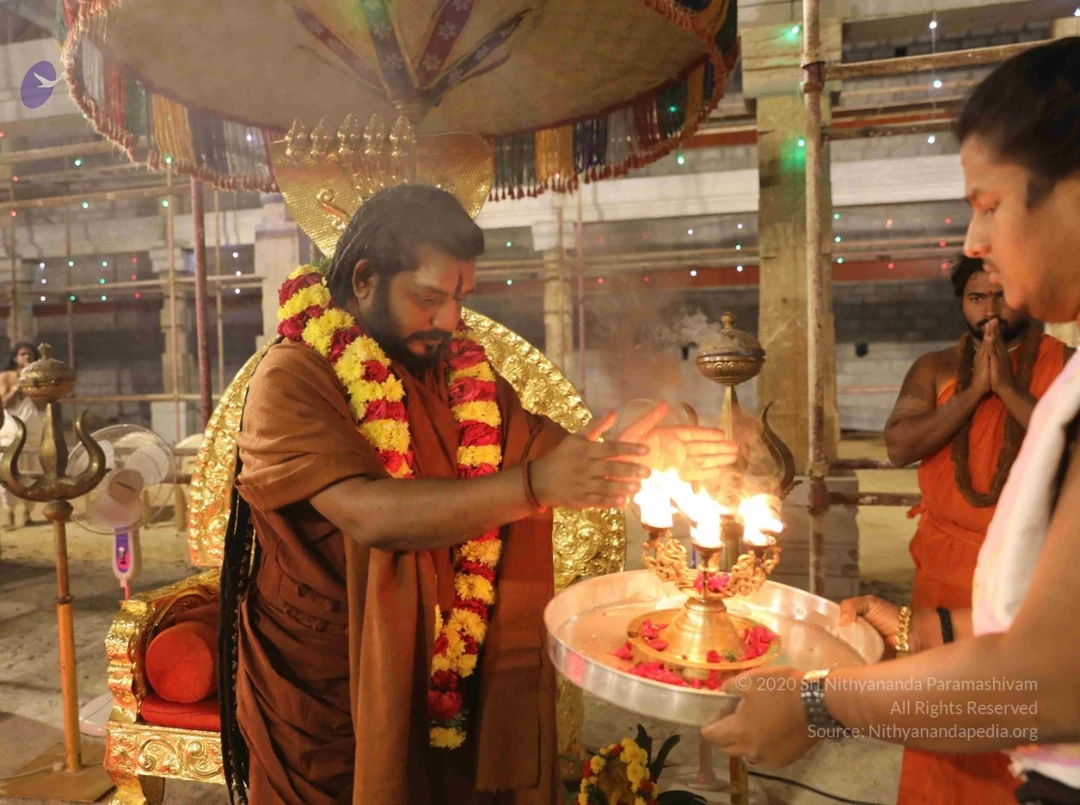
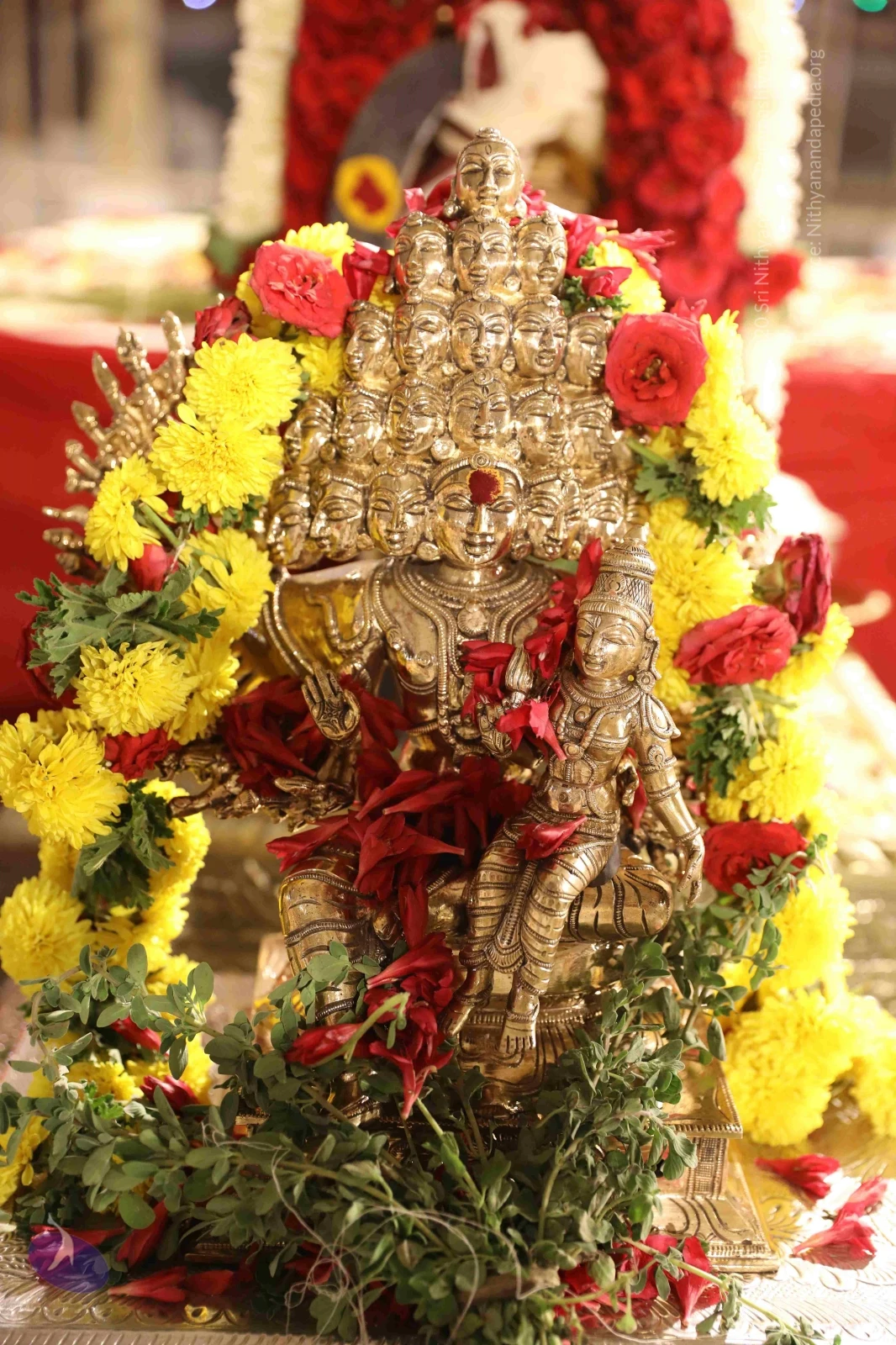
Temple-Homa-Poornahuti

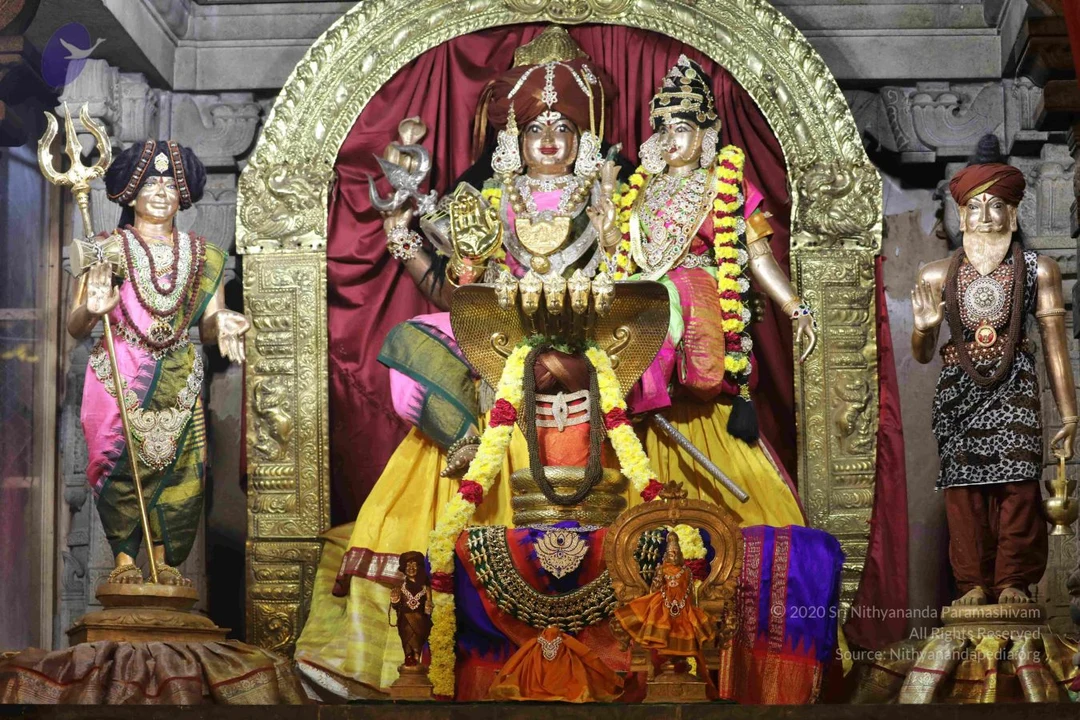
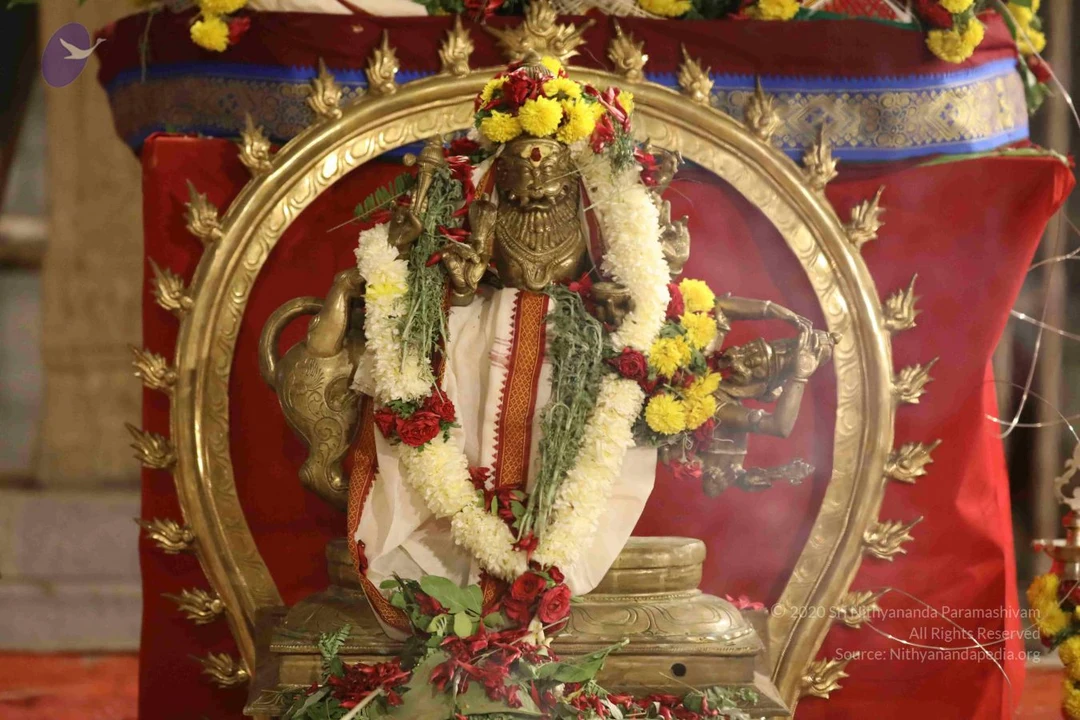
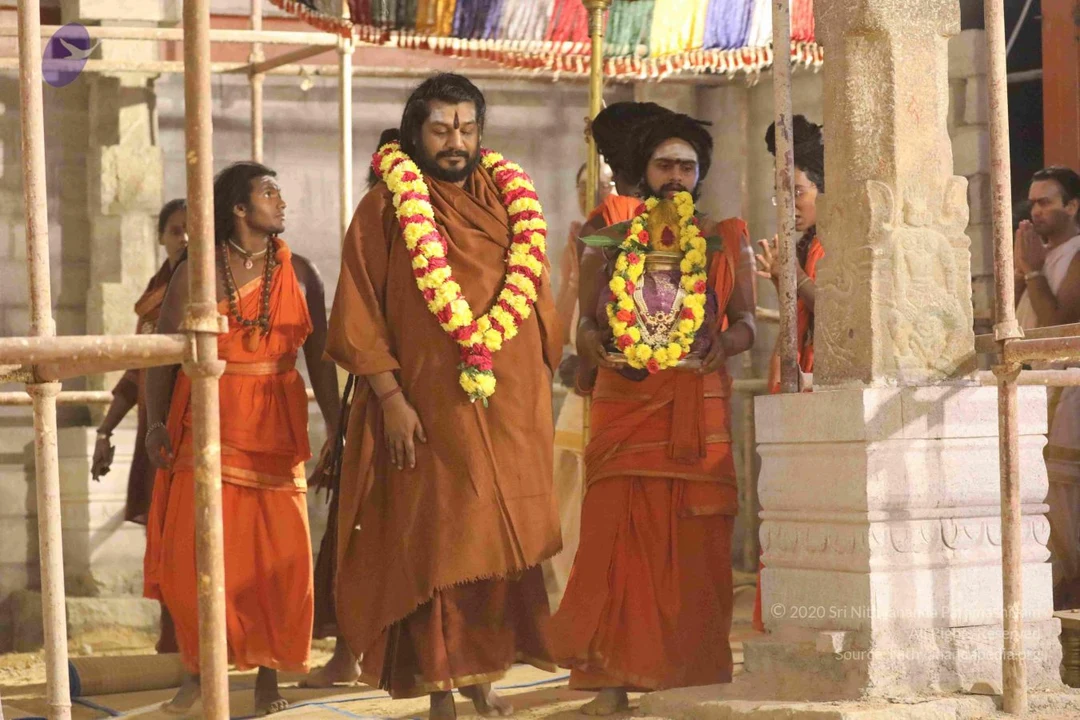
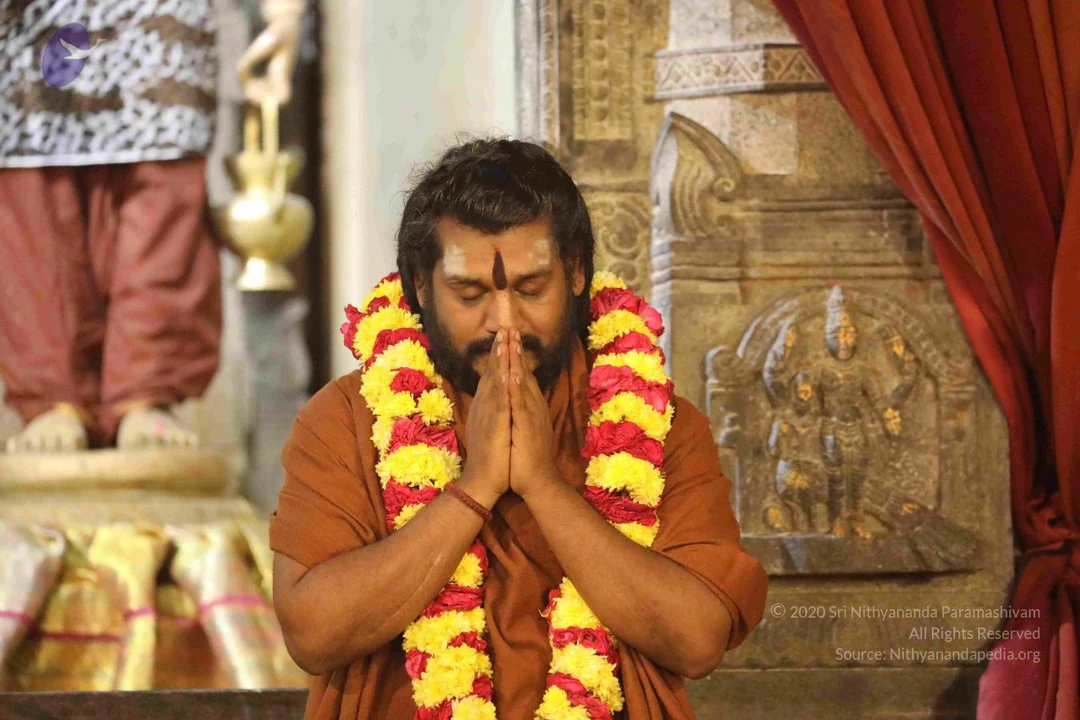

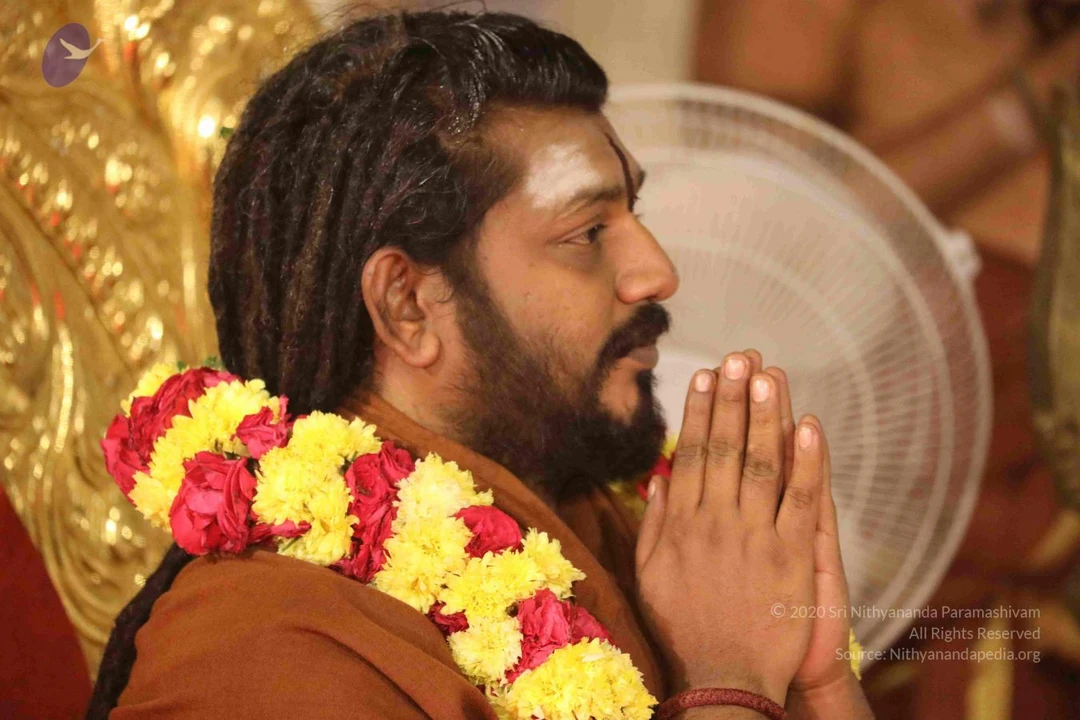
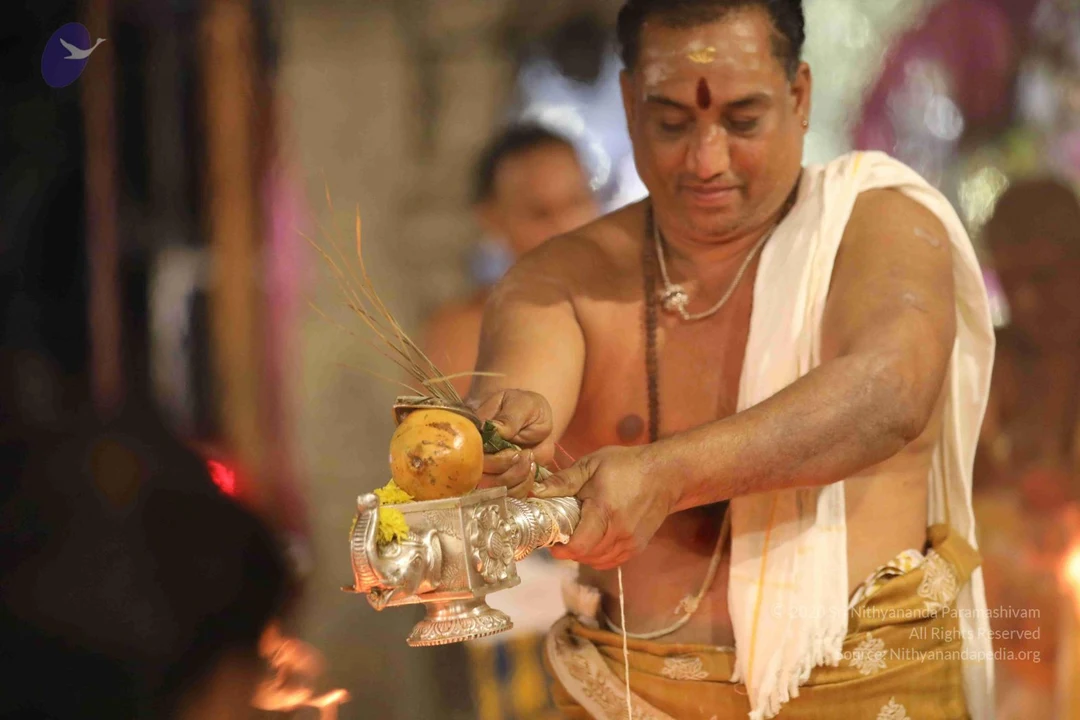
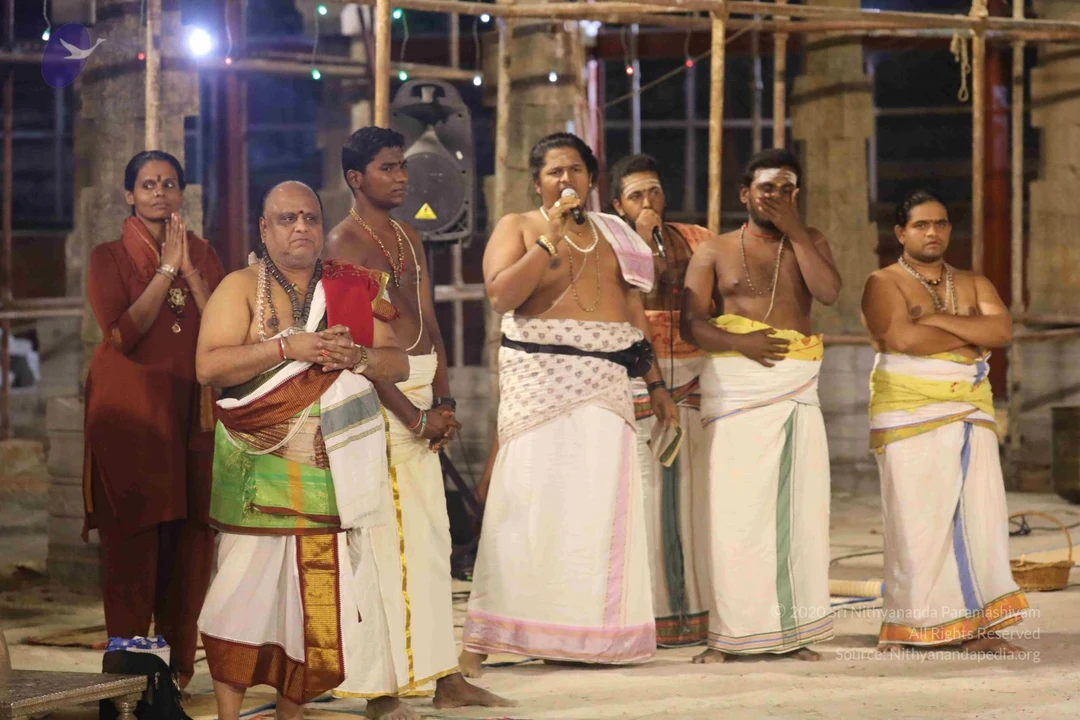
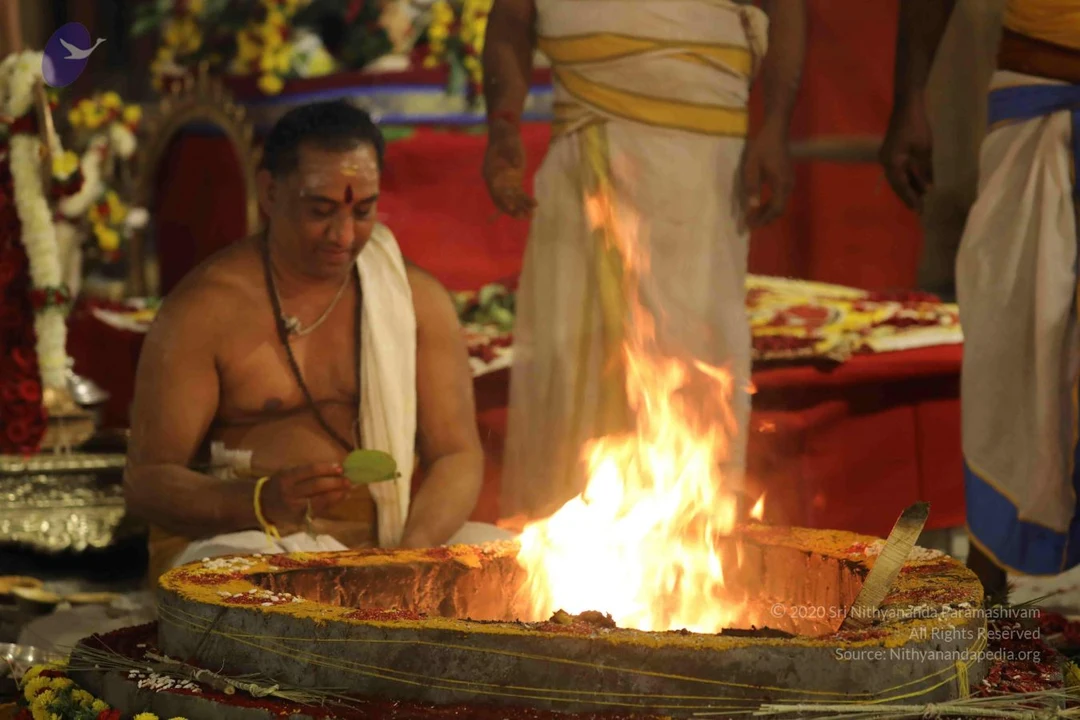
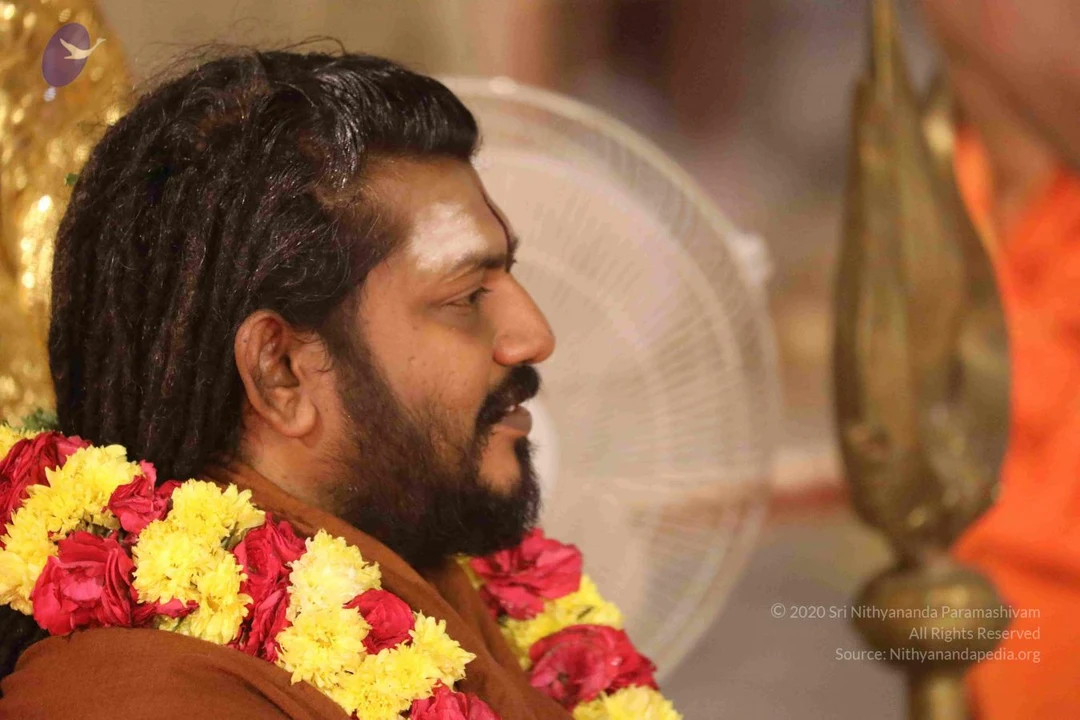
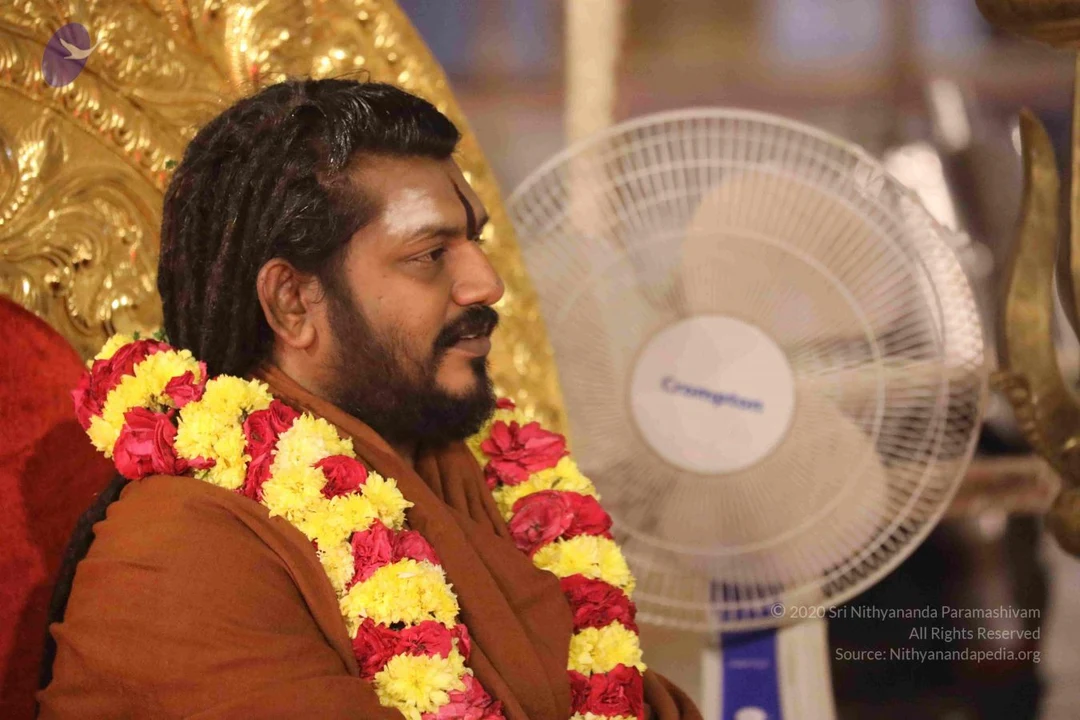
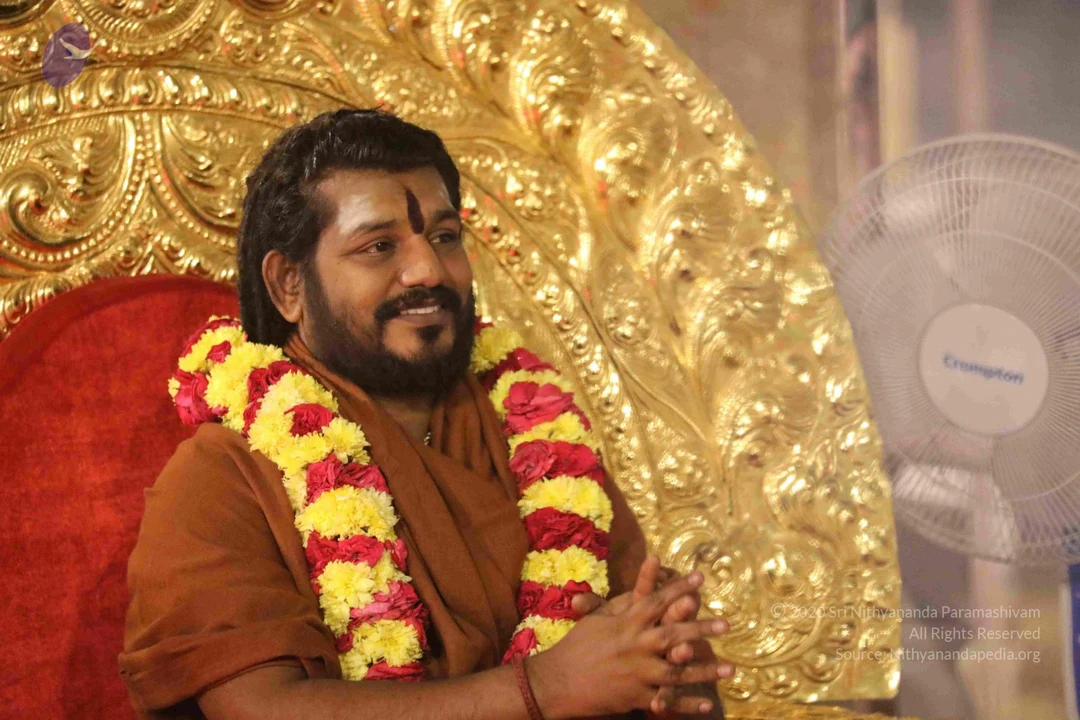
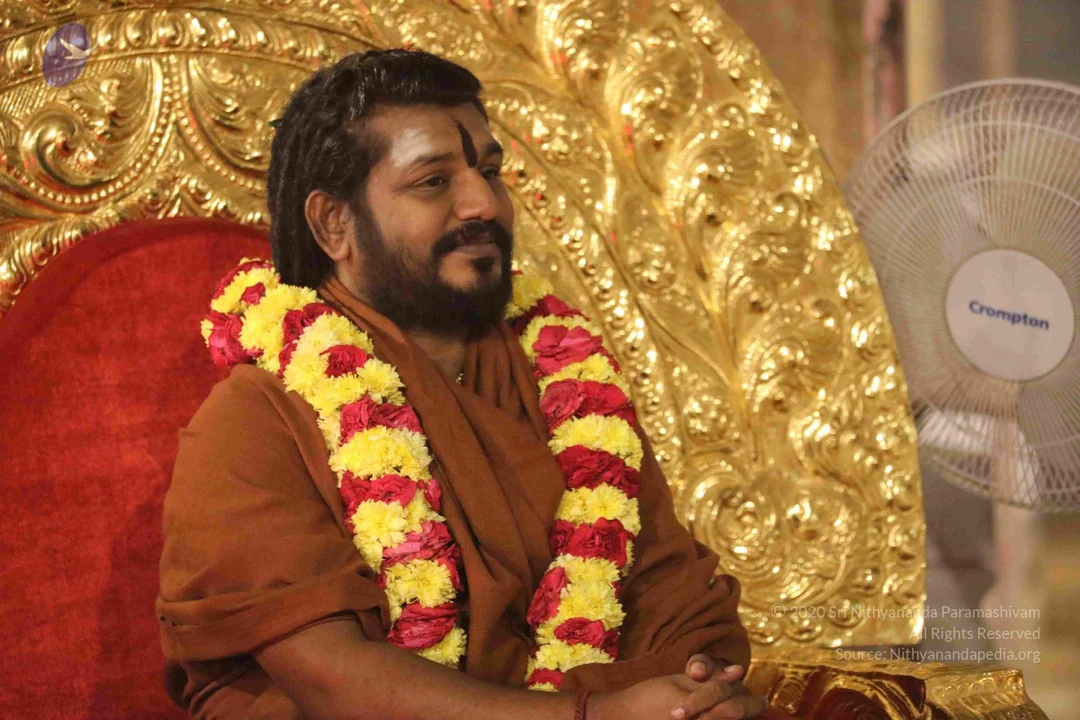
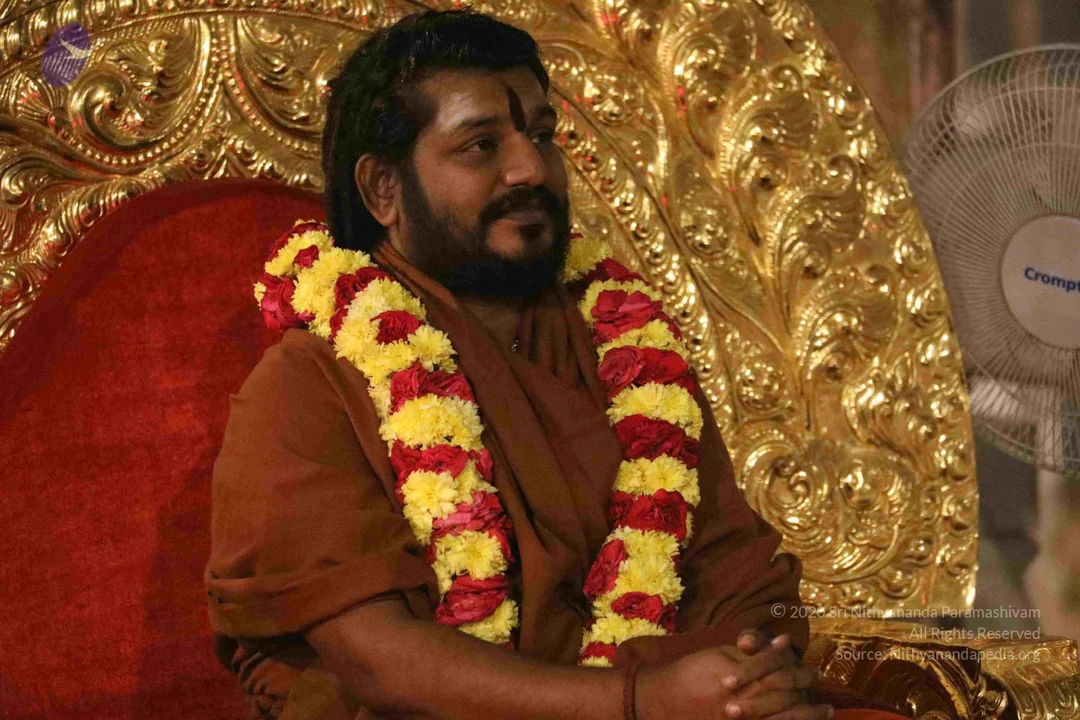
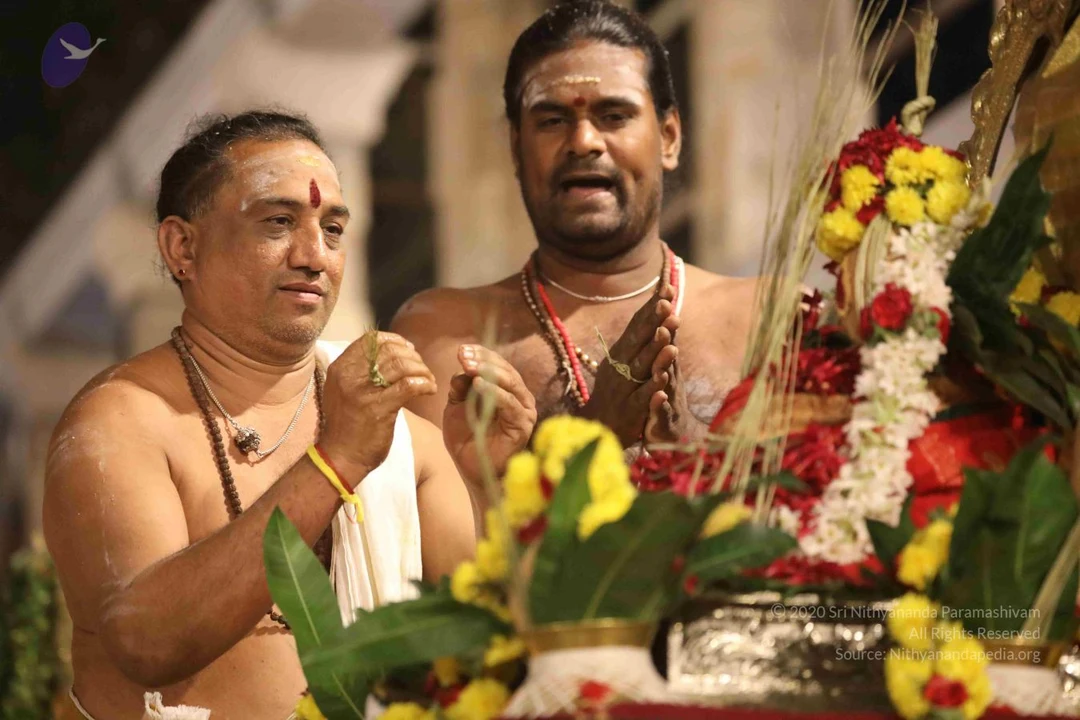
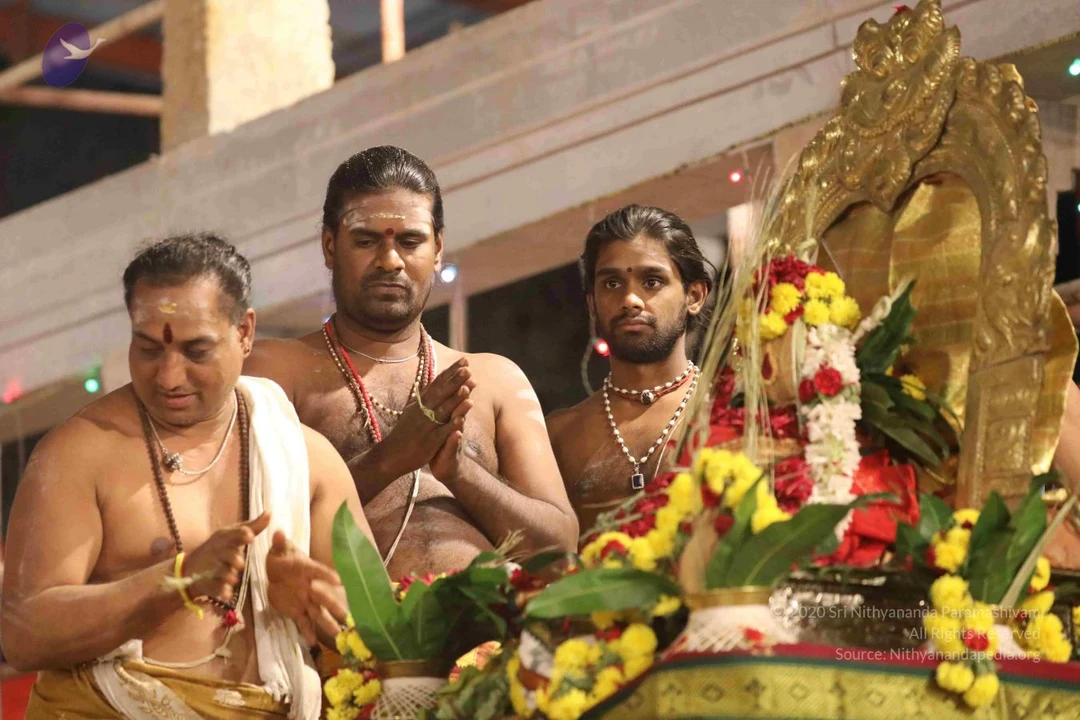
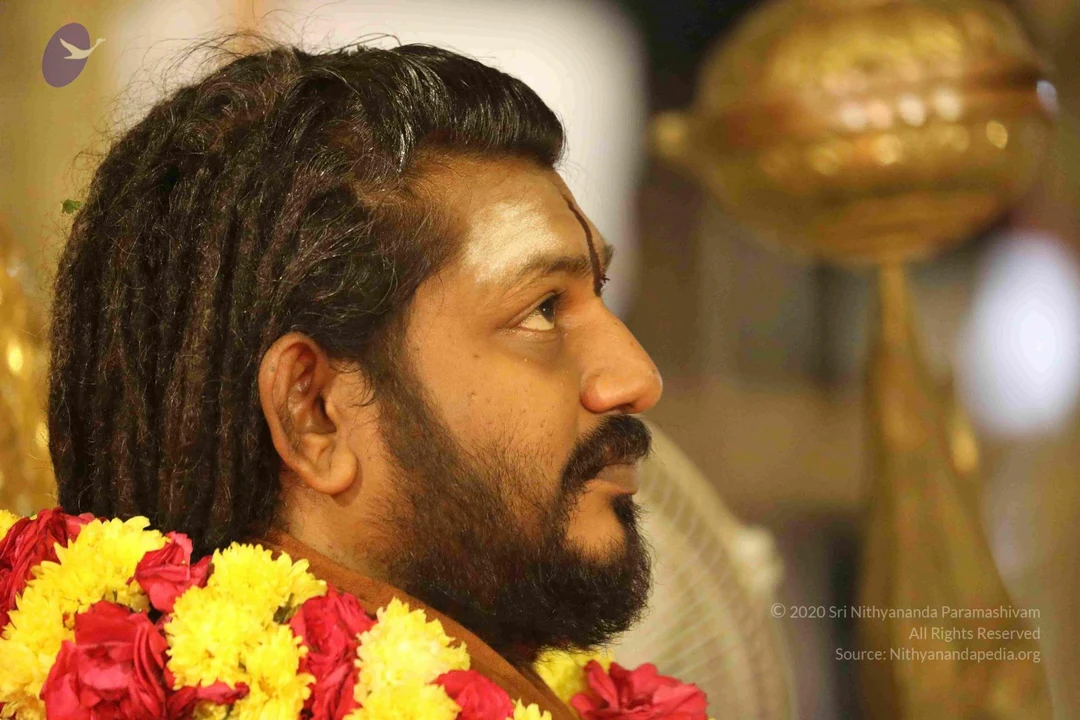
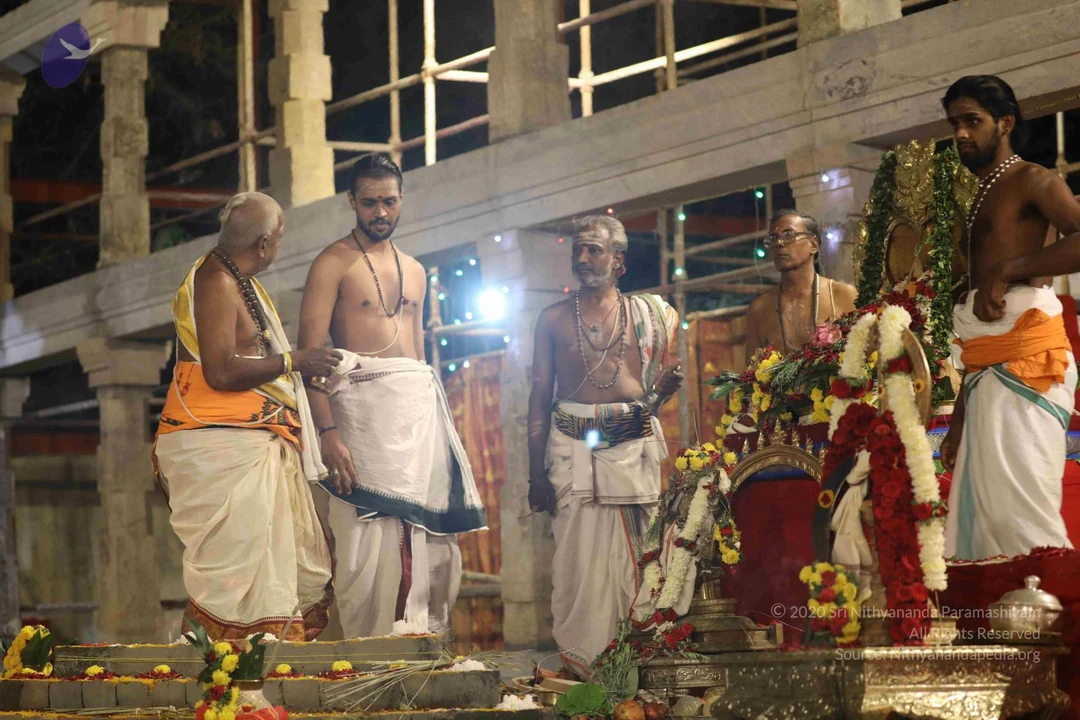
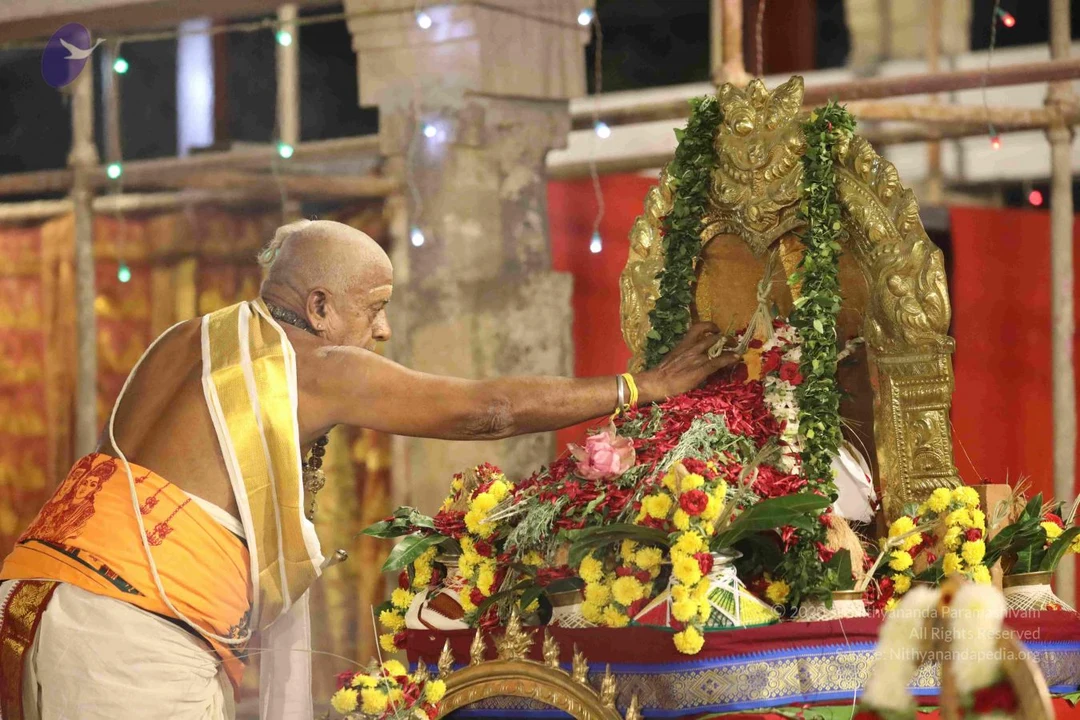
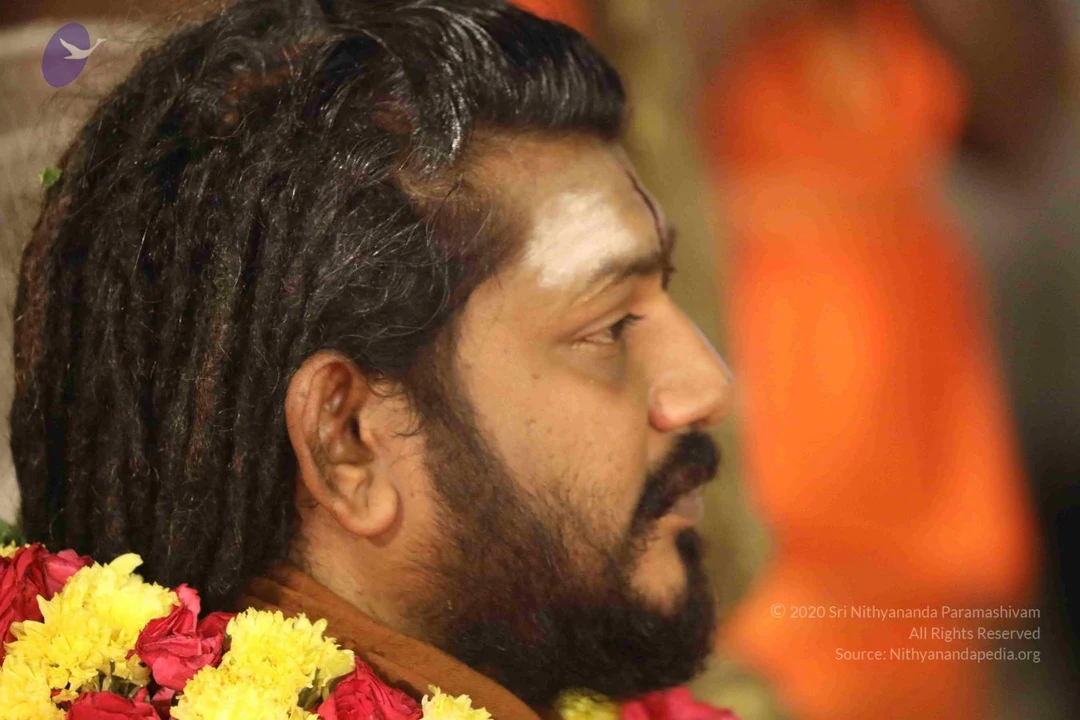
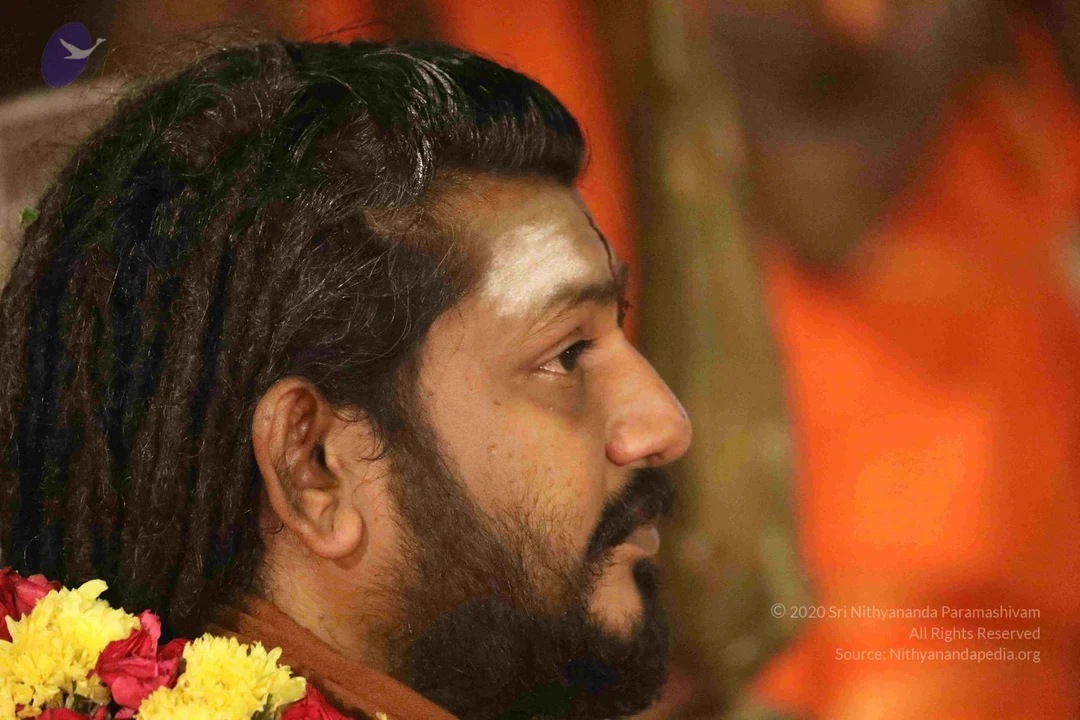
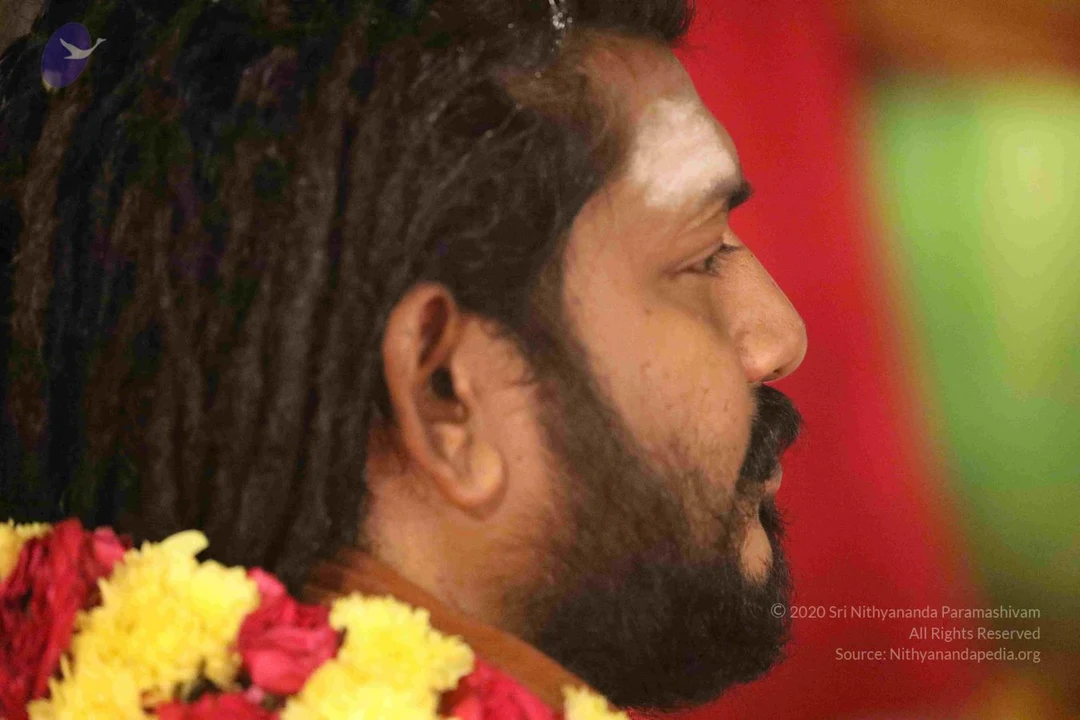
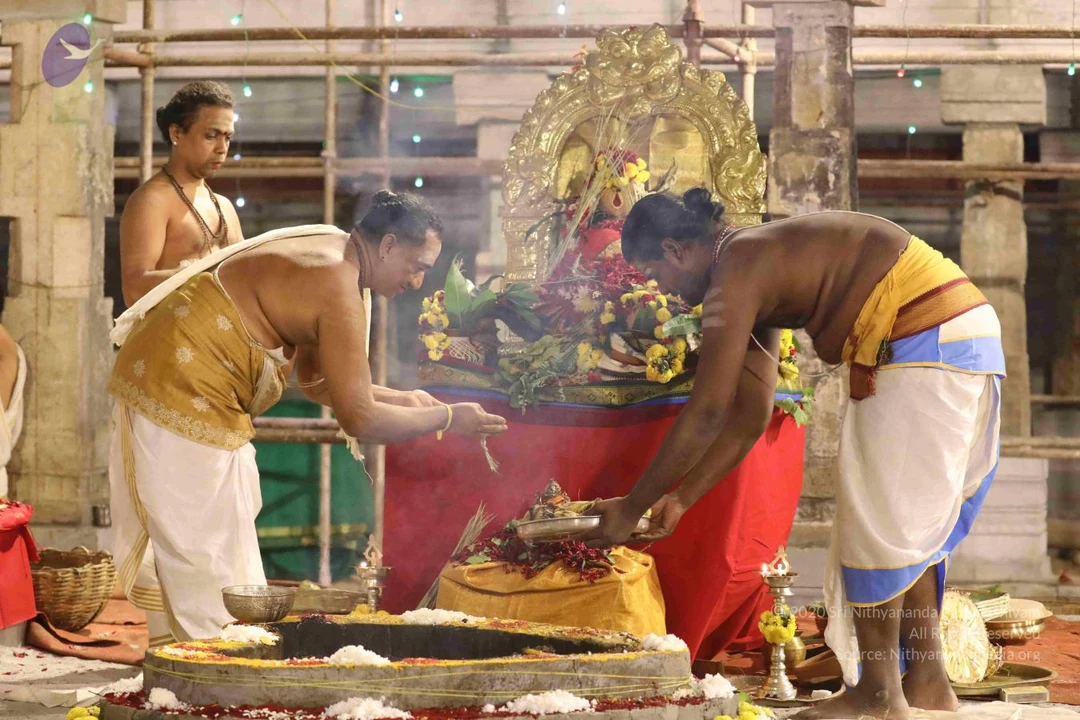
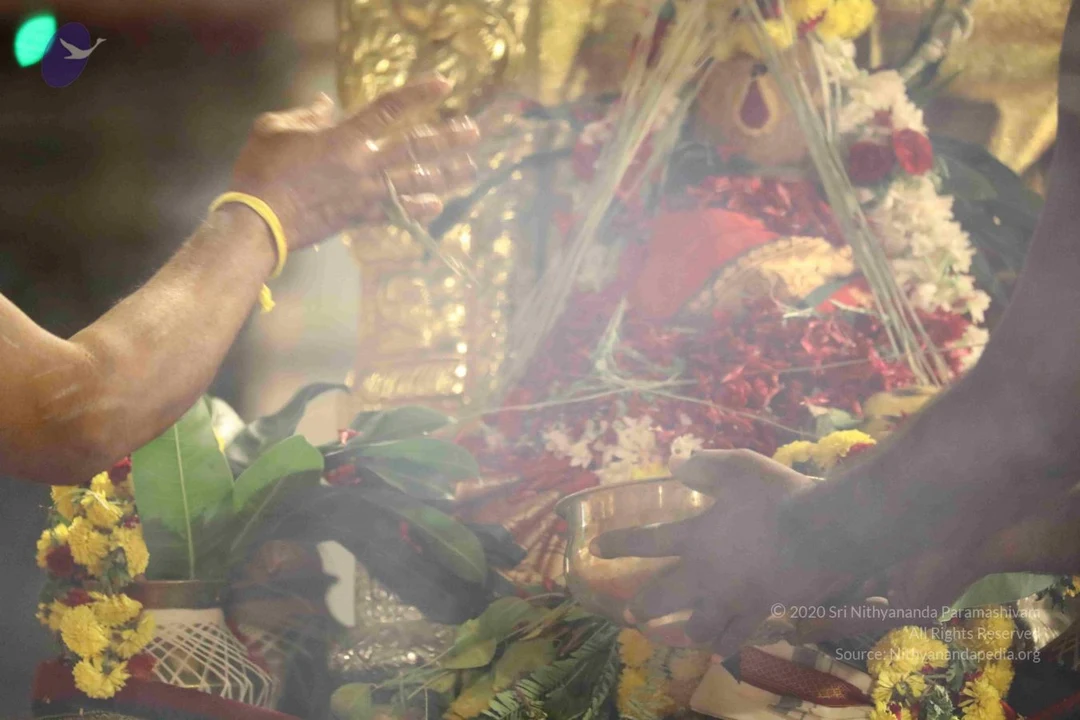
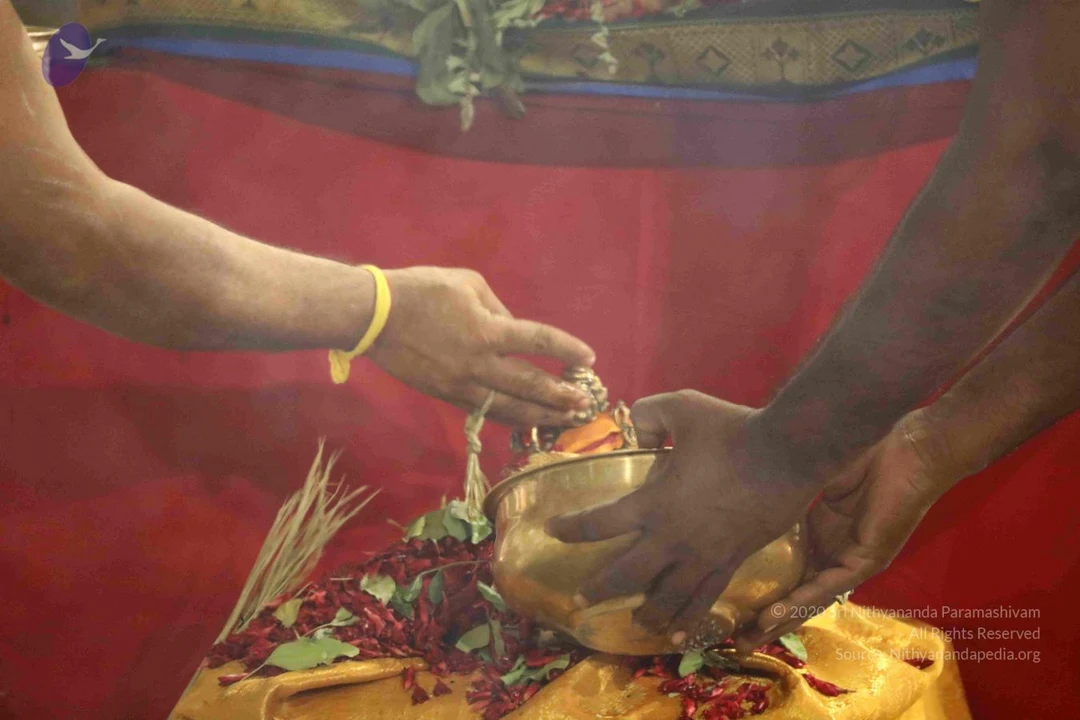

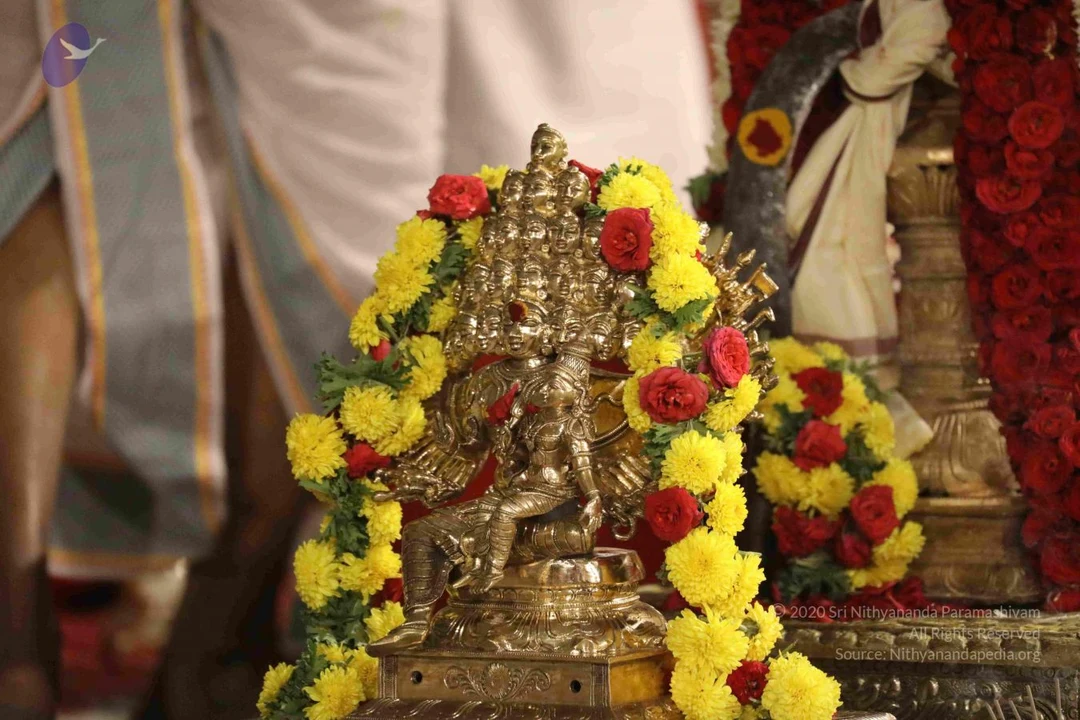
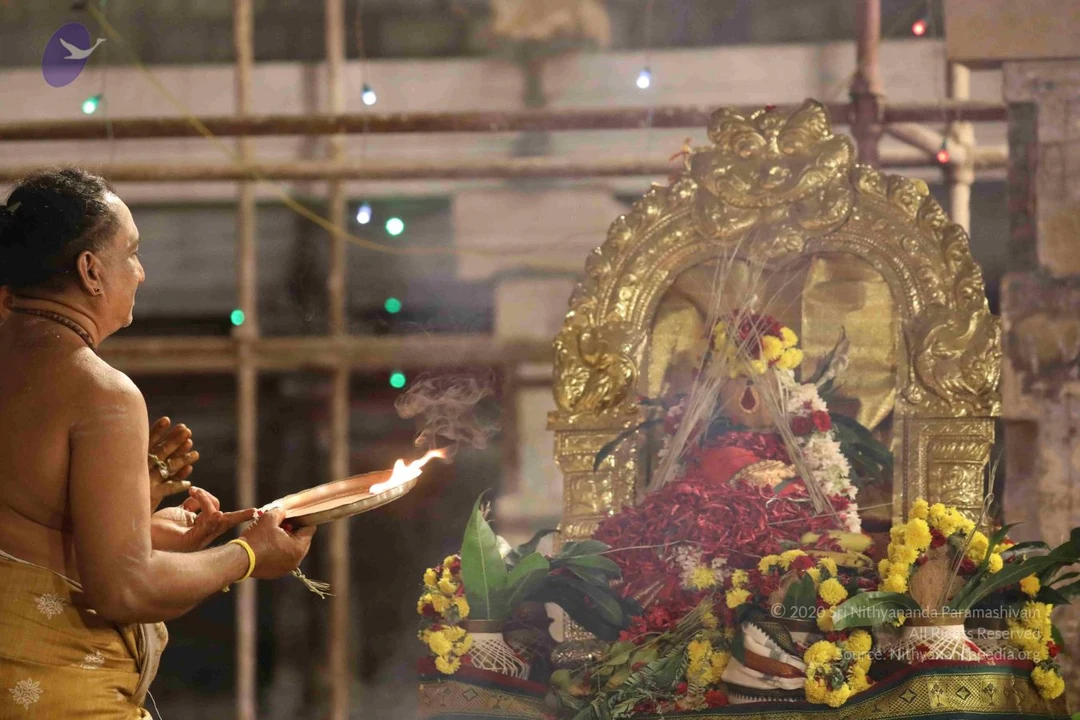
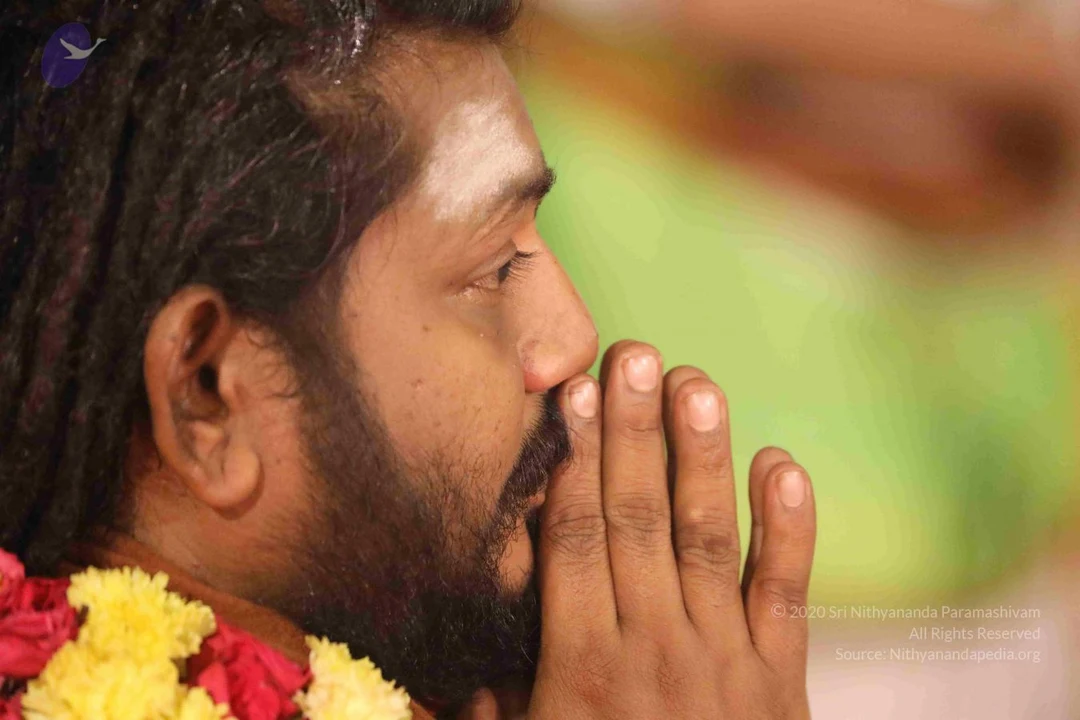
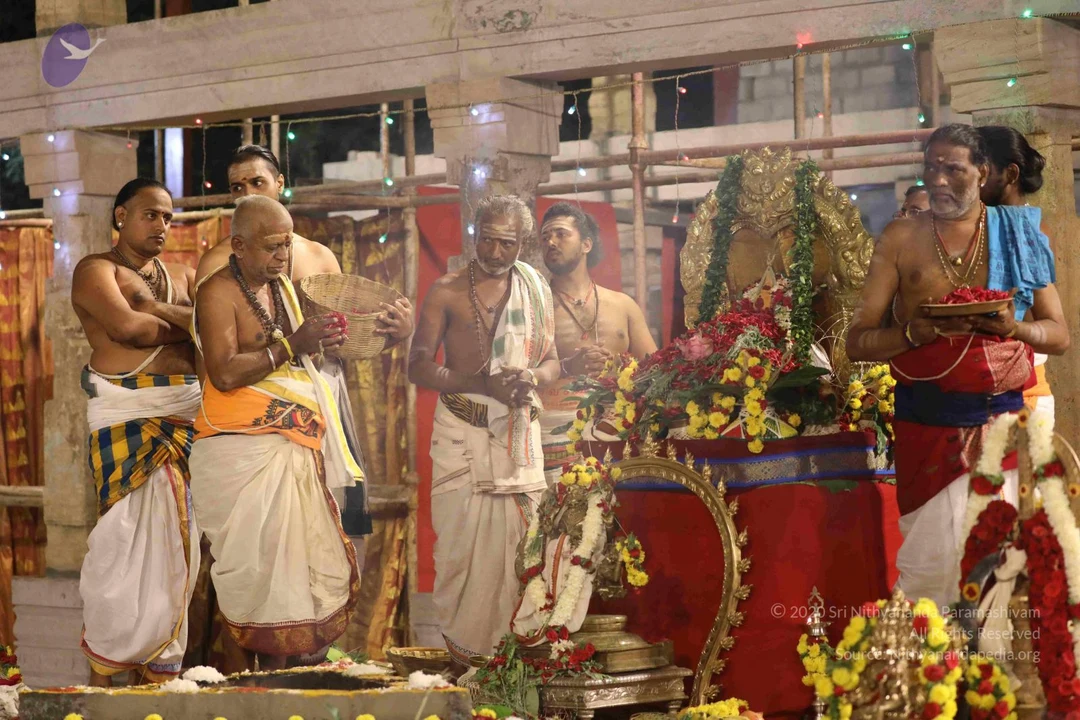
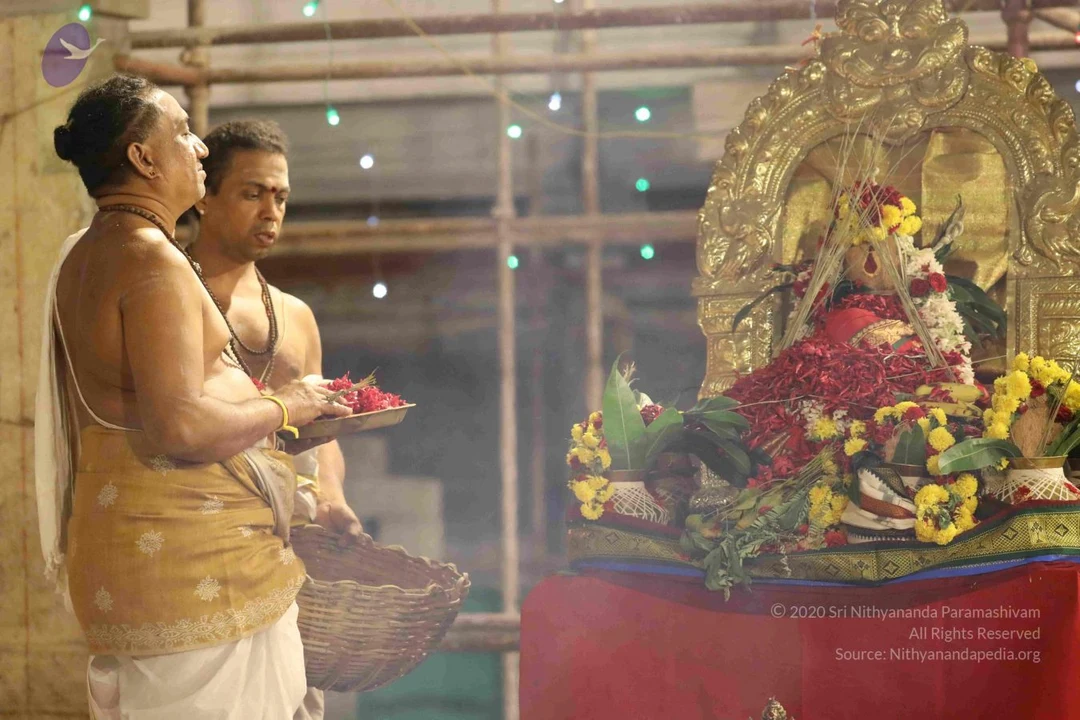
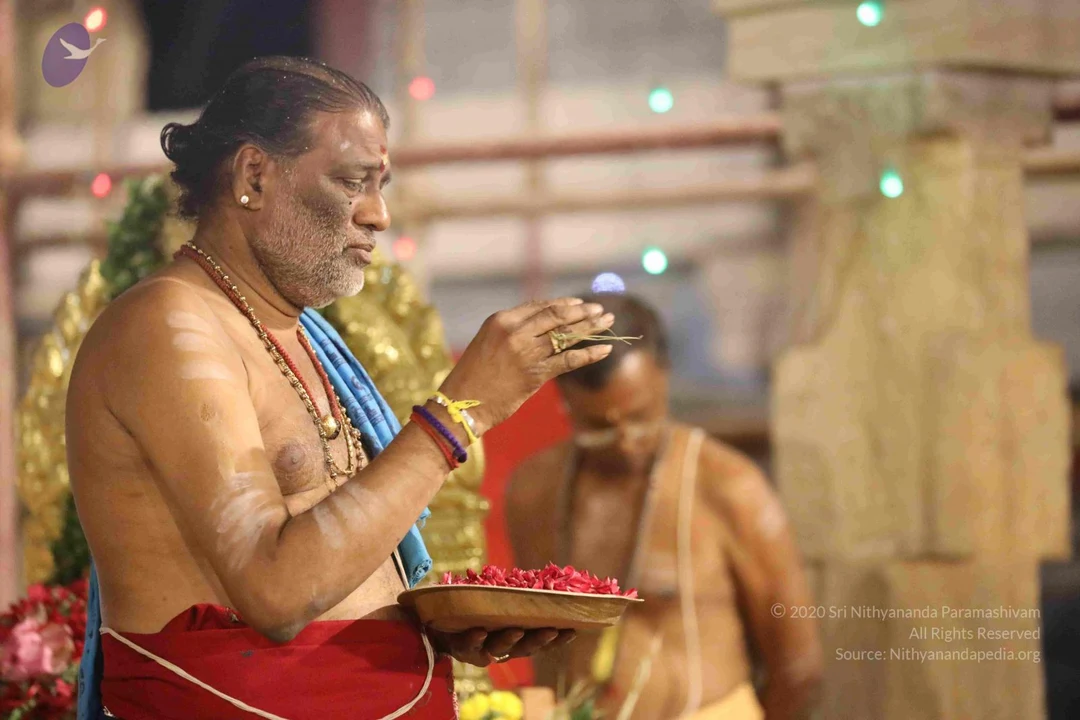
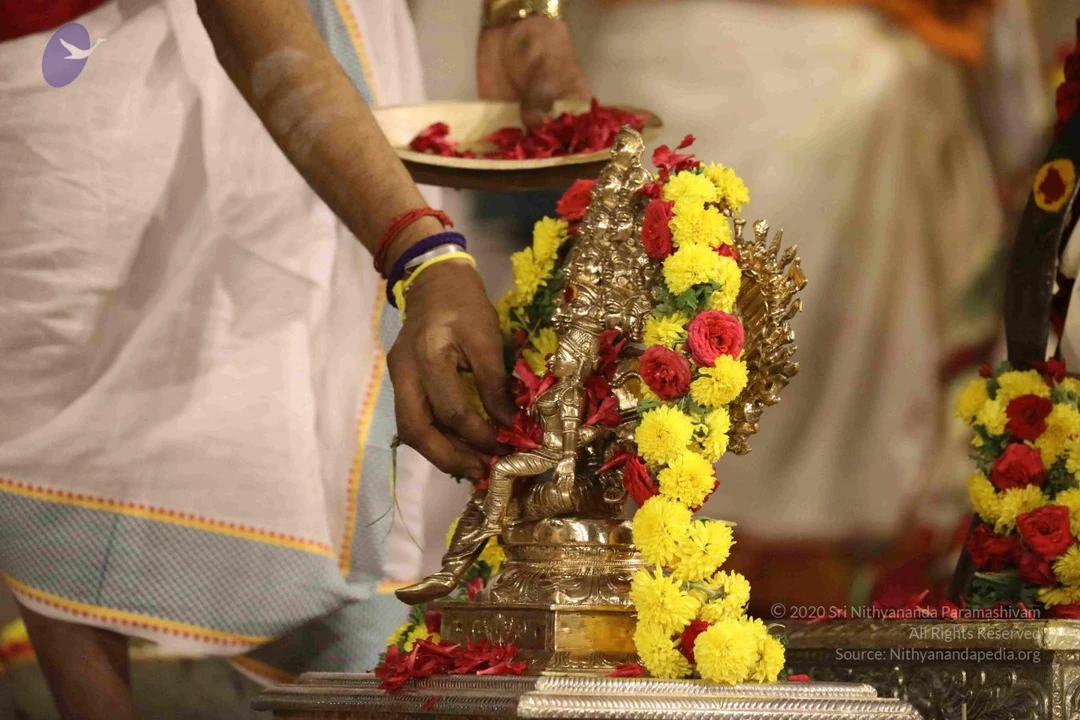
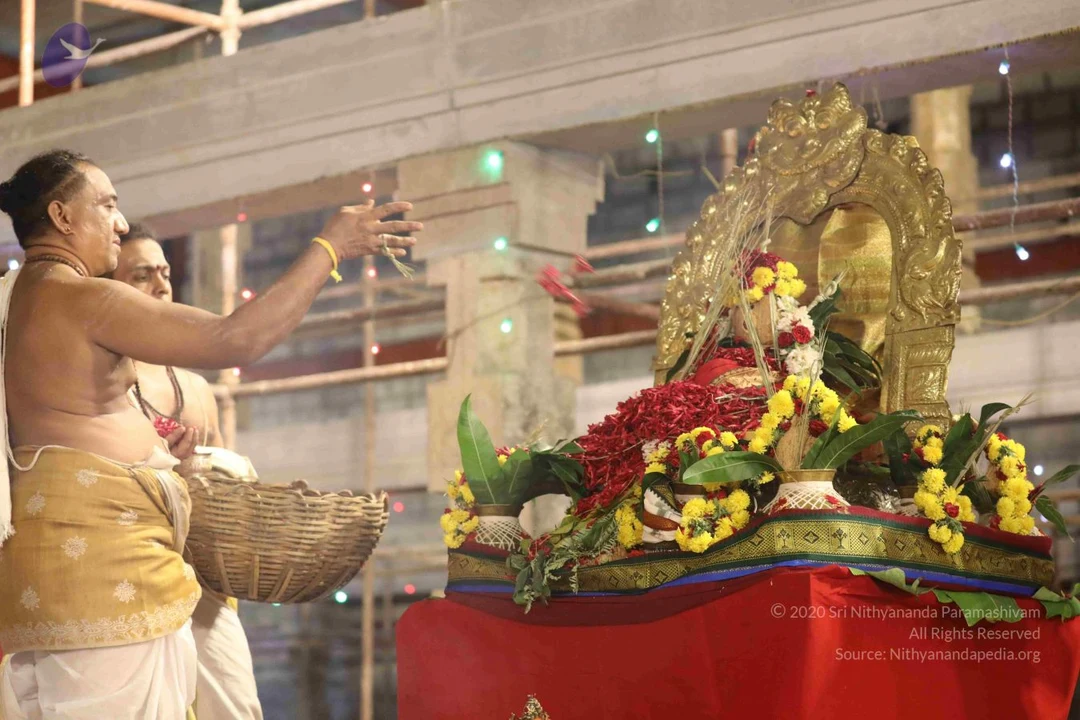
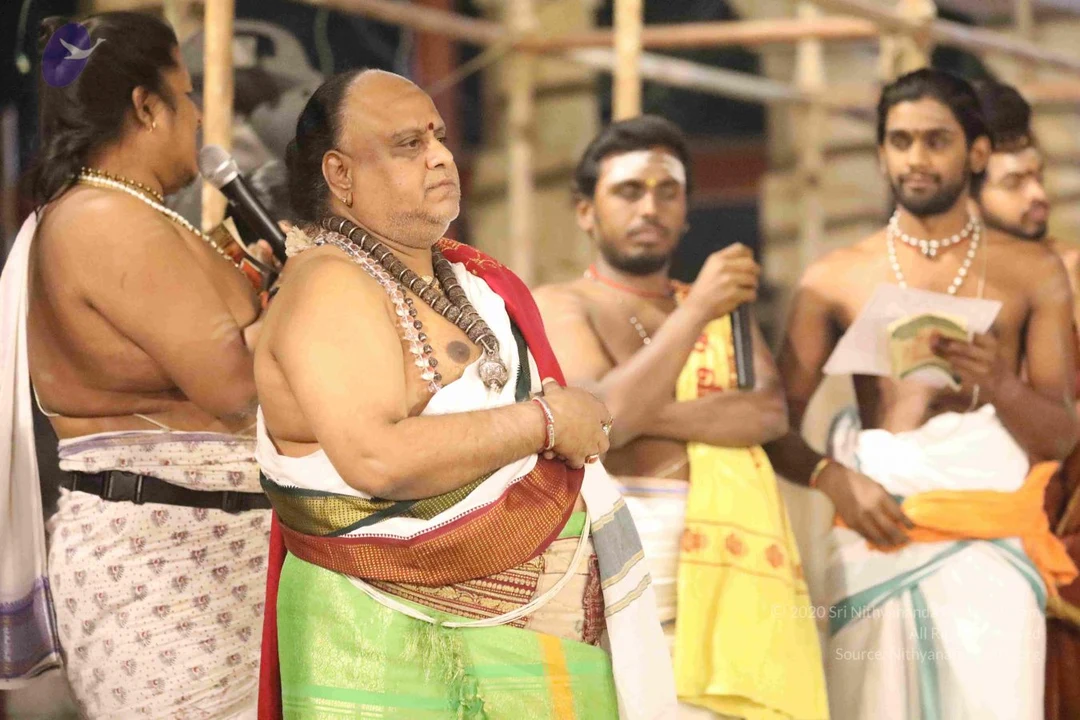
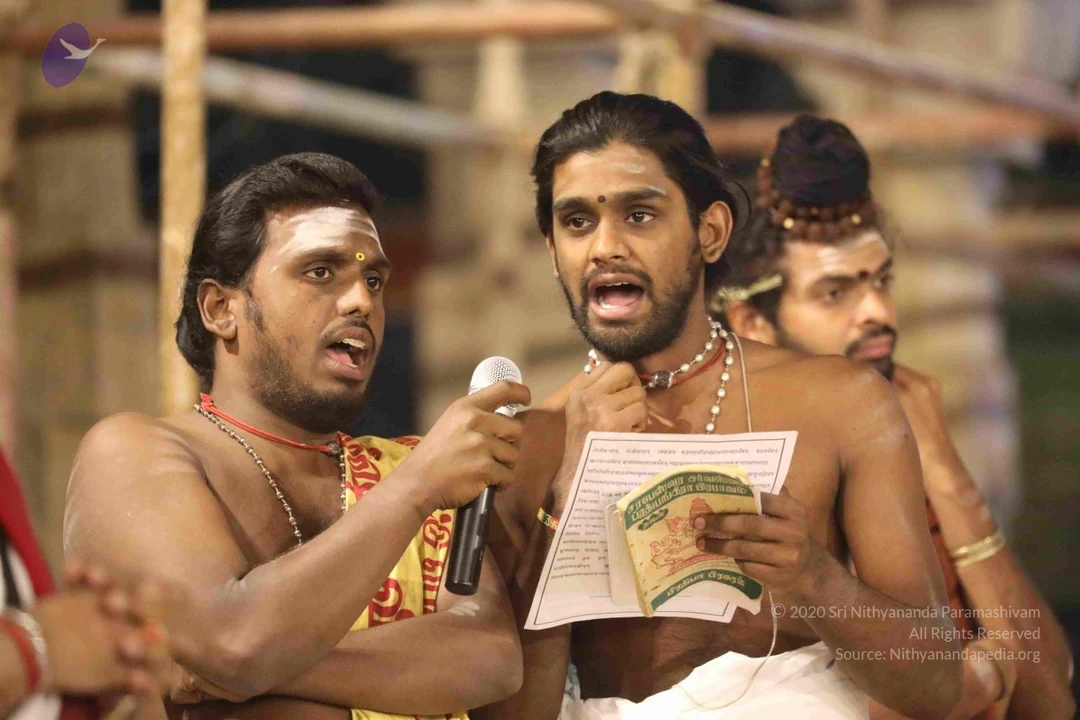
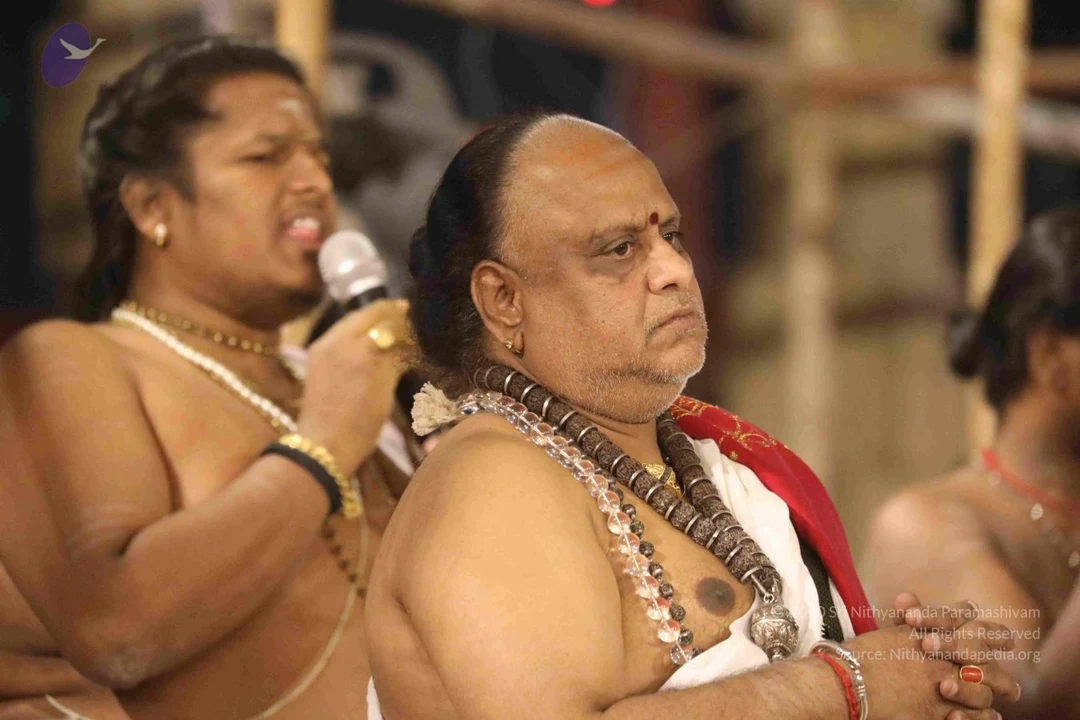
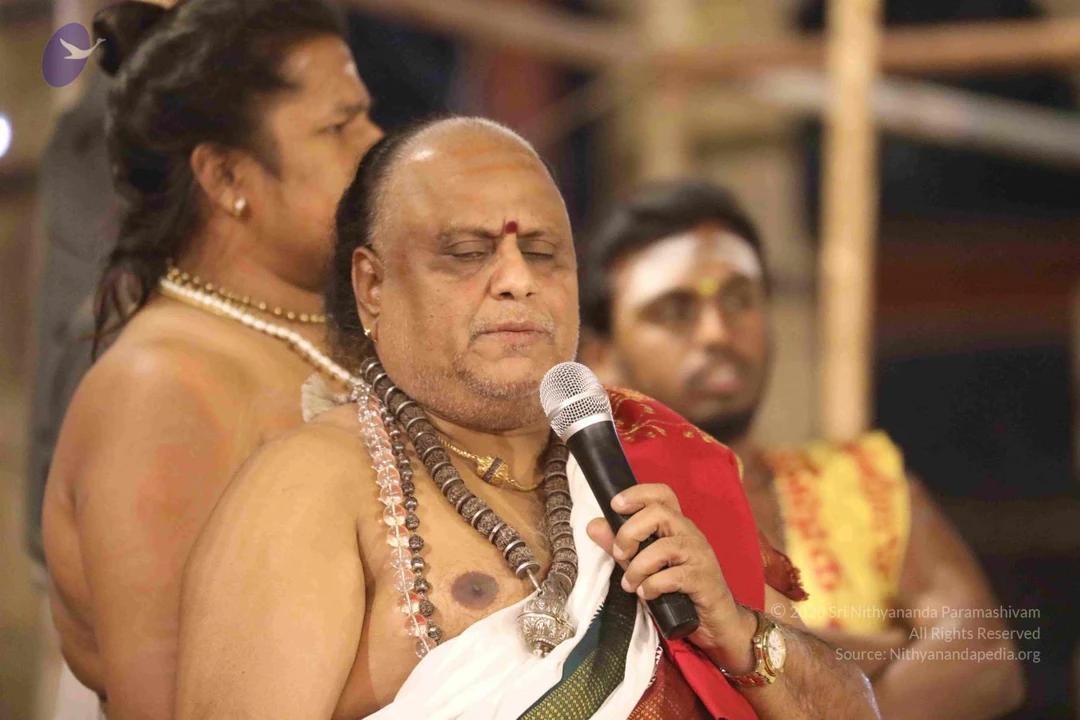
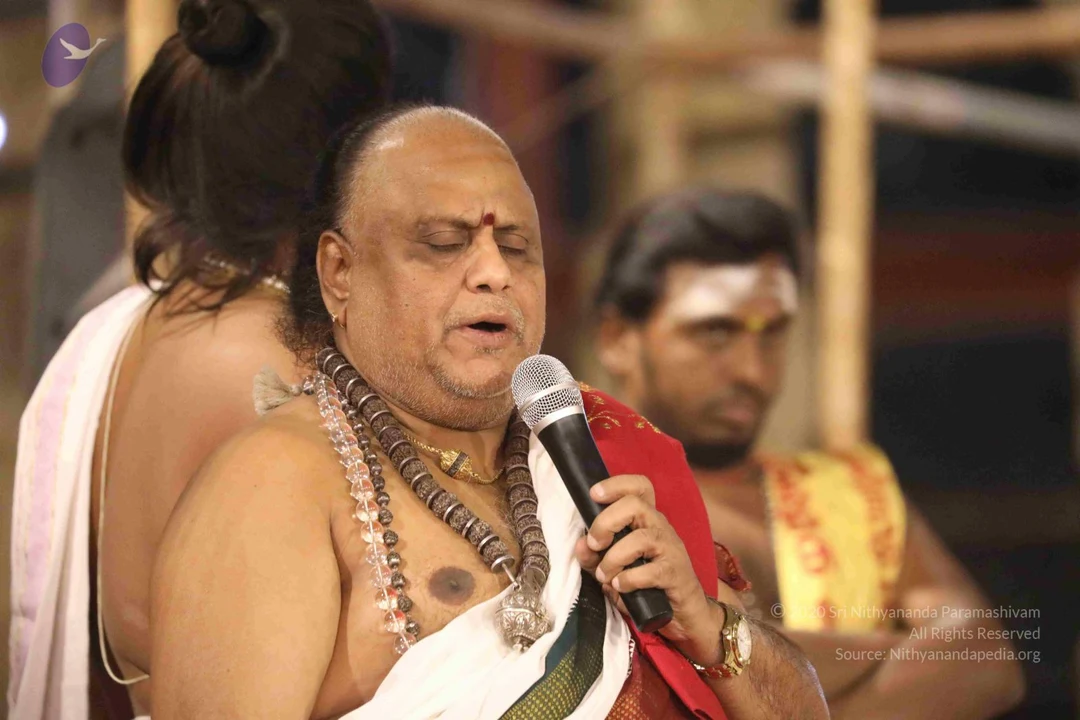
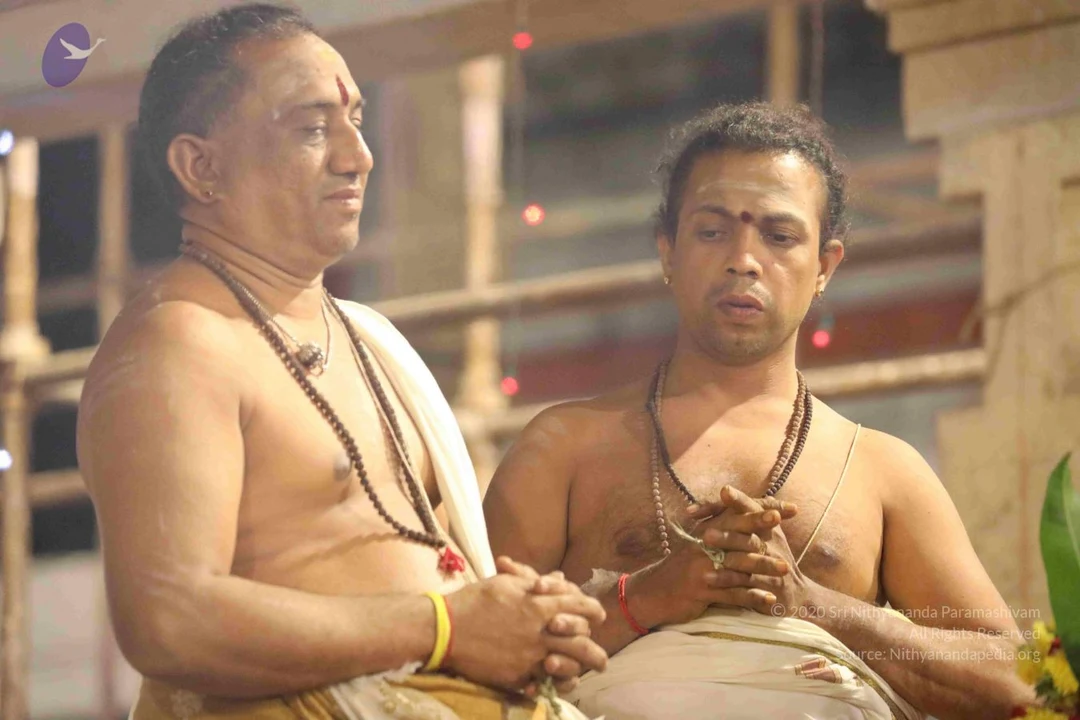
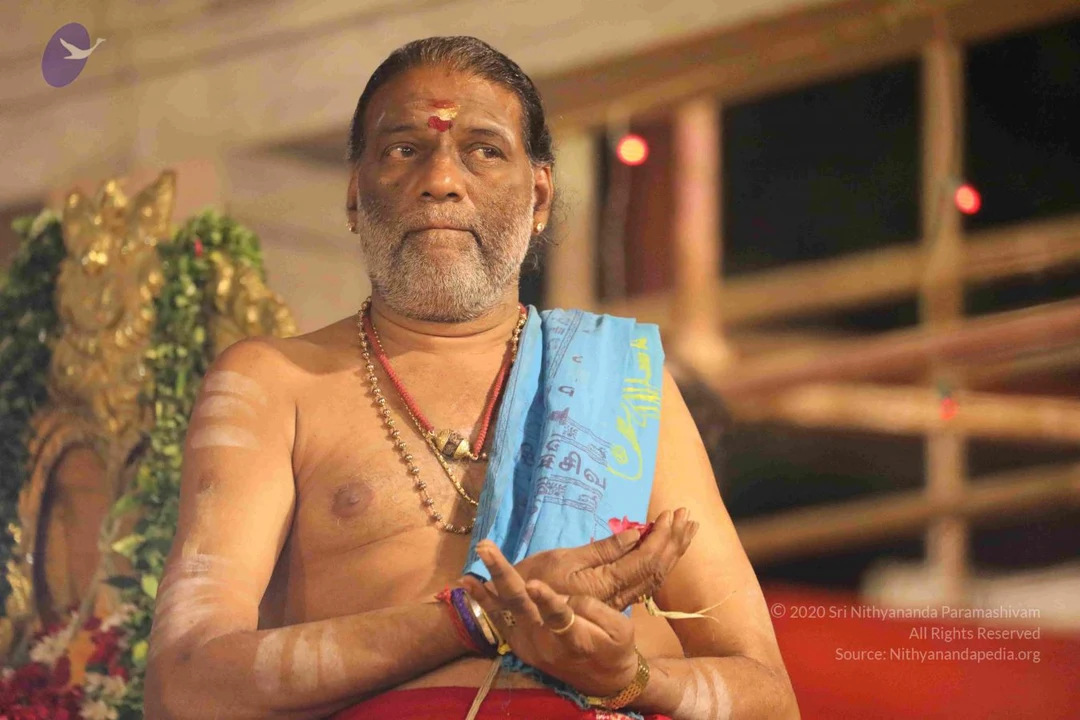
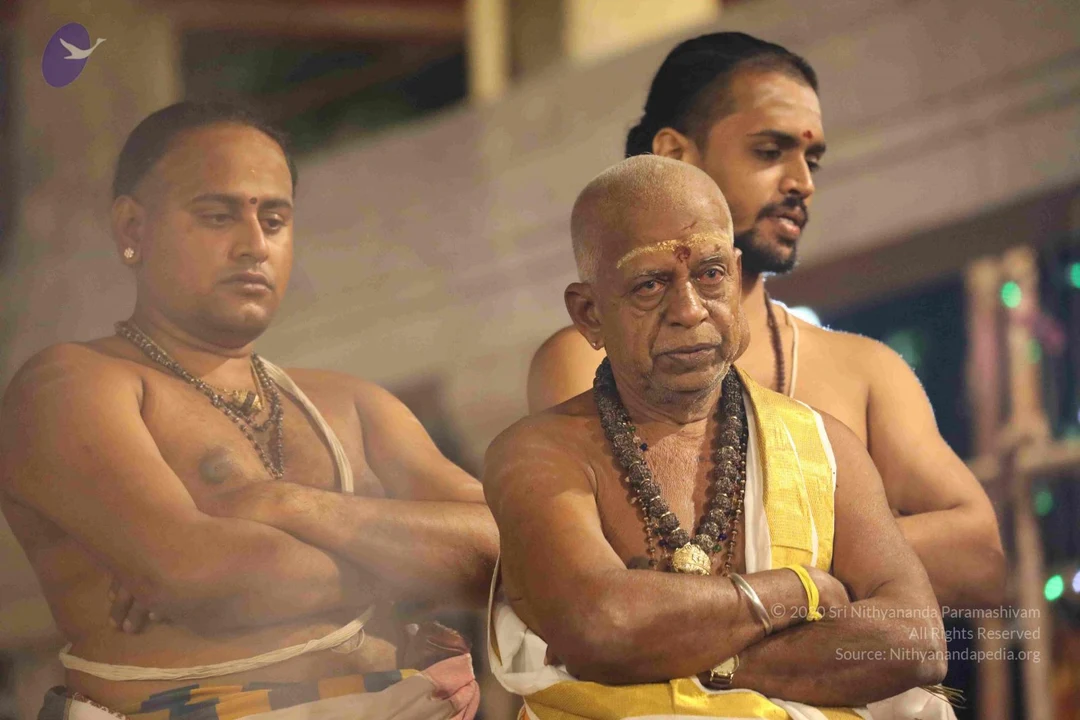
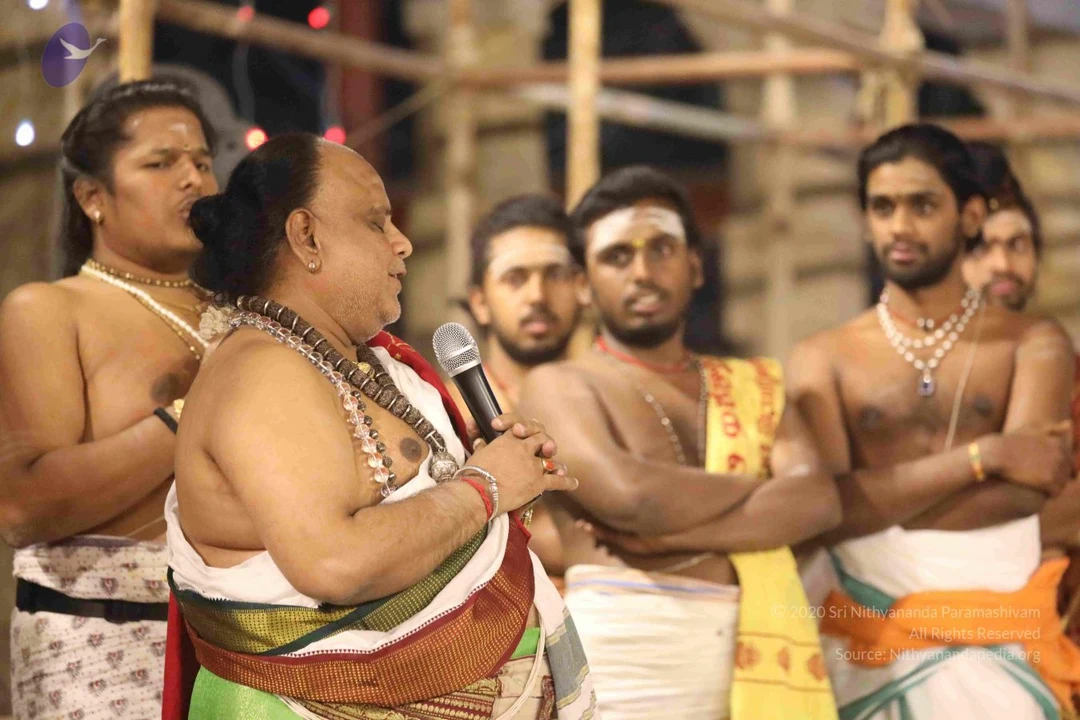
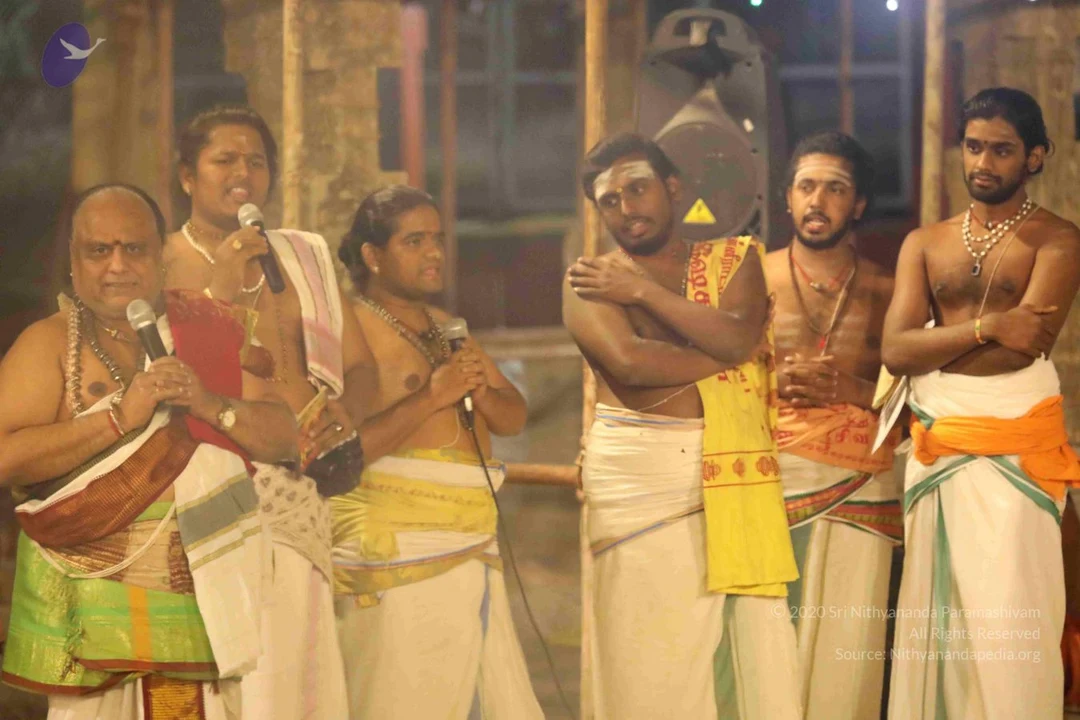
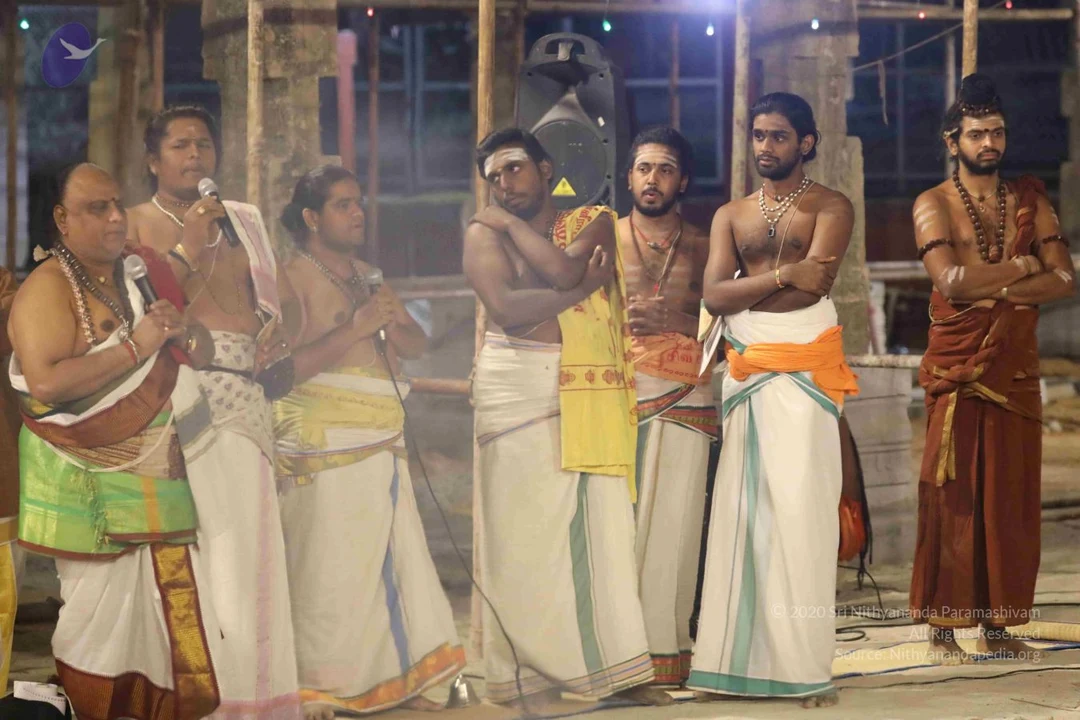
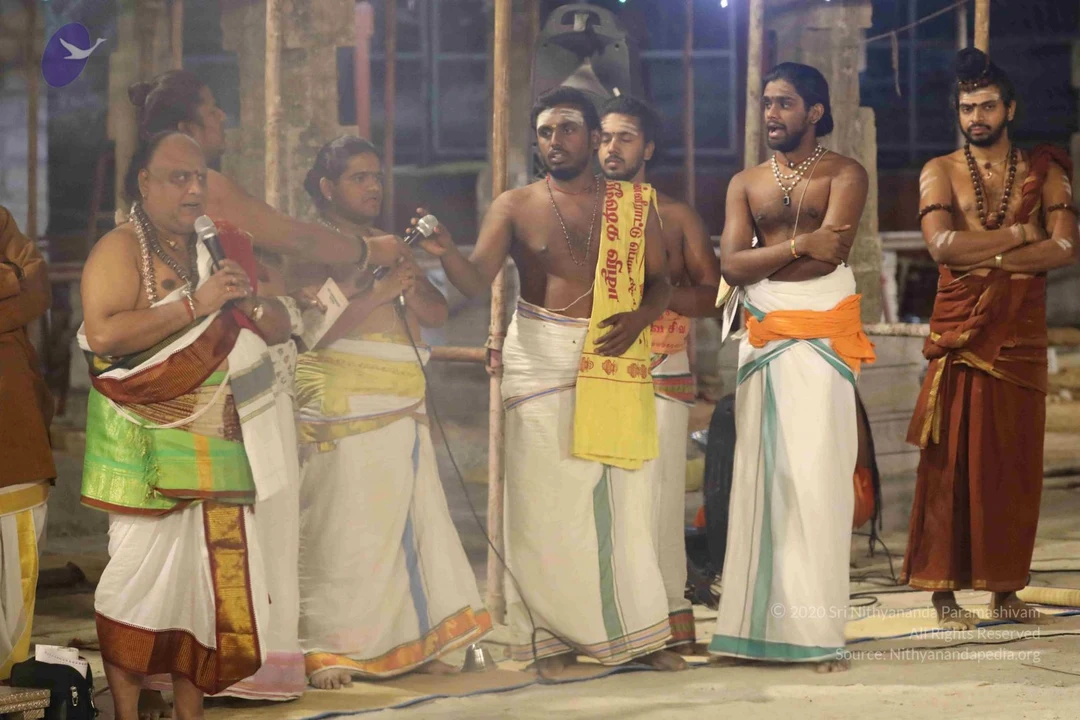
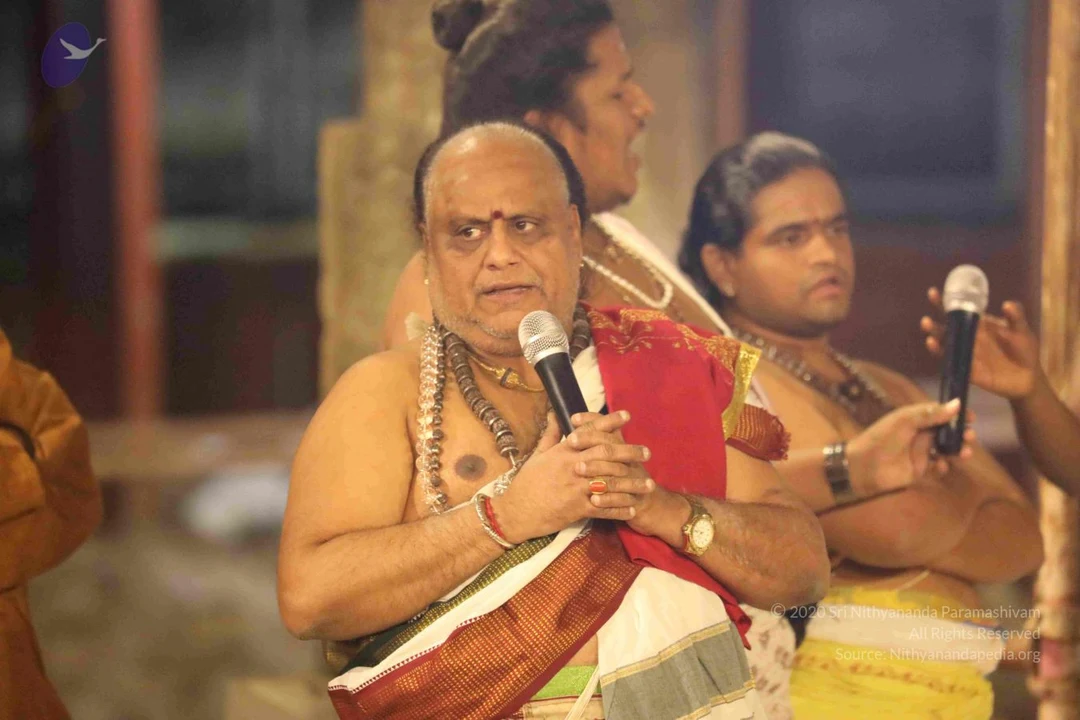
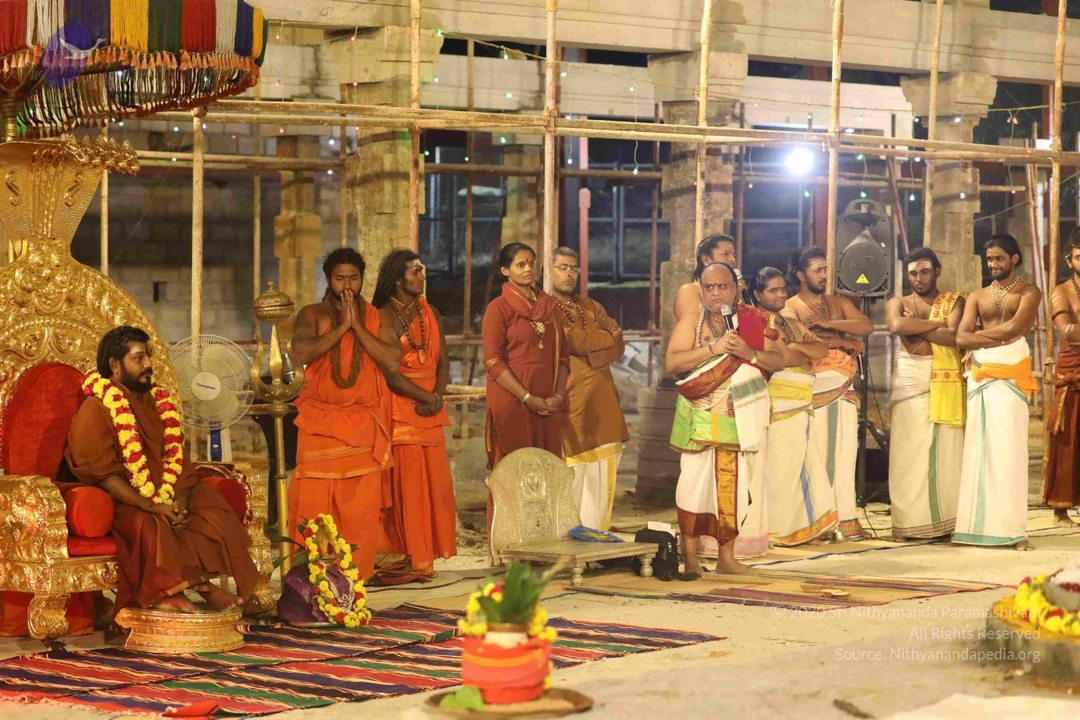
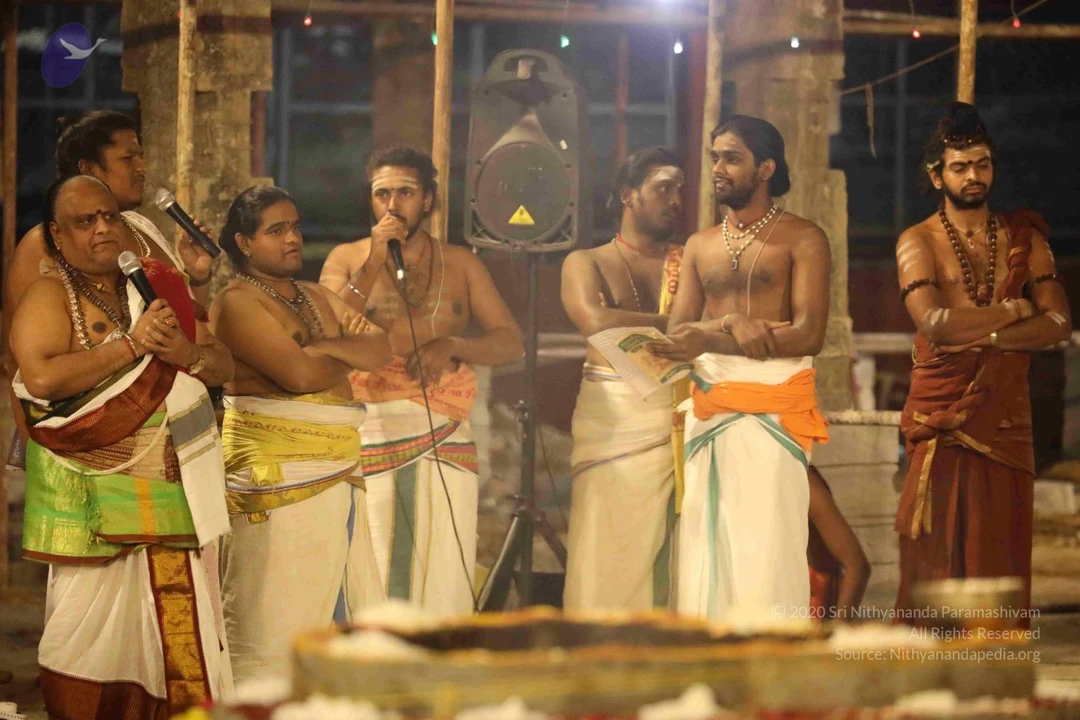
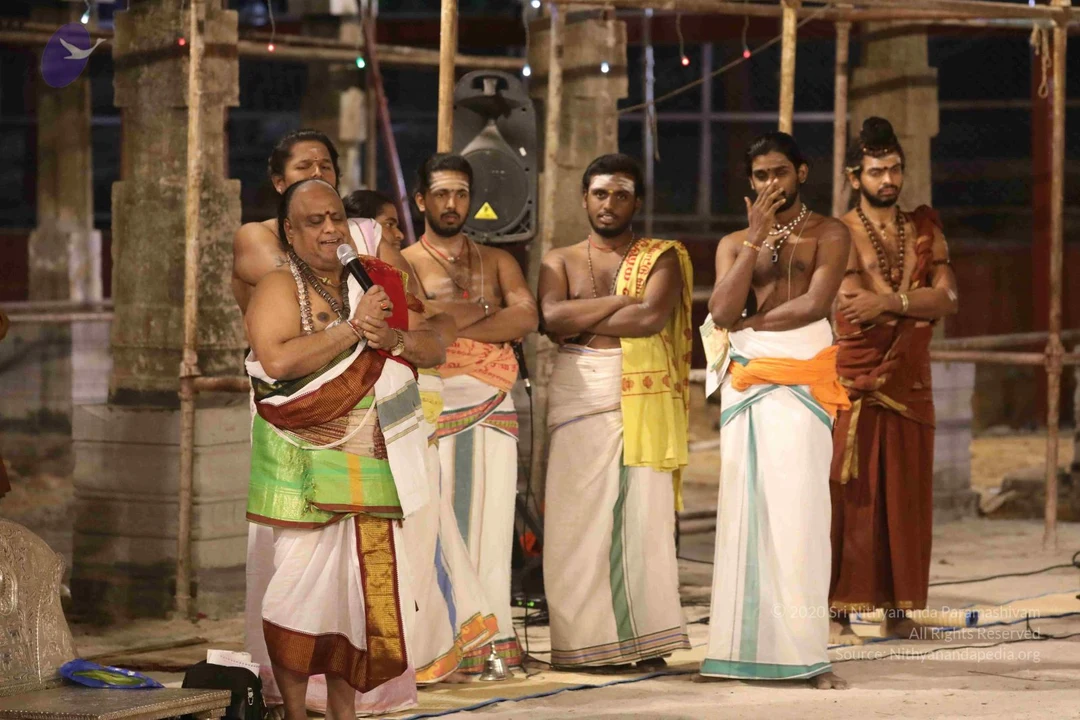
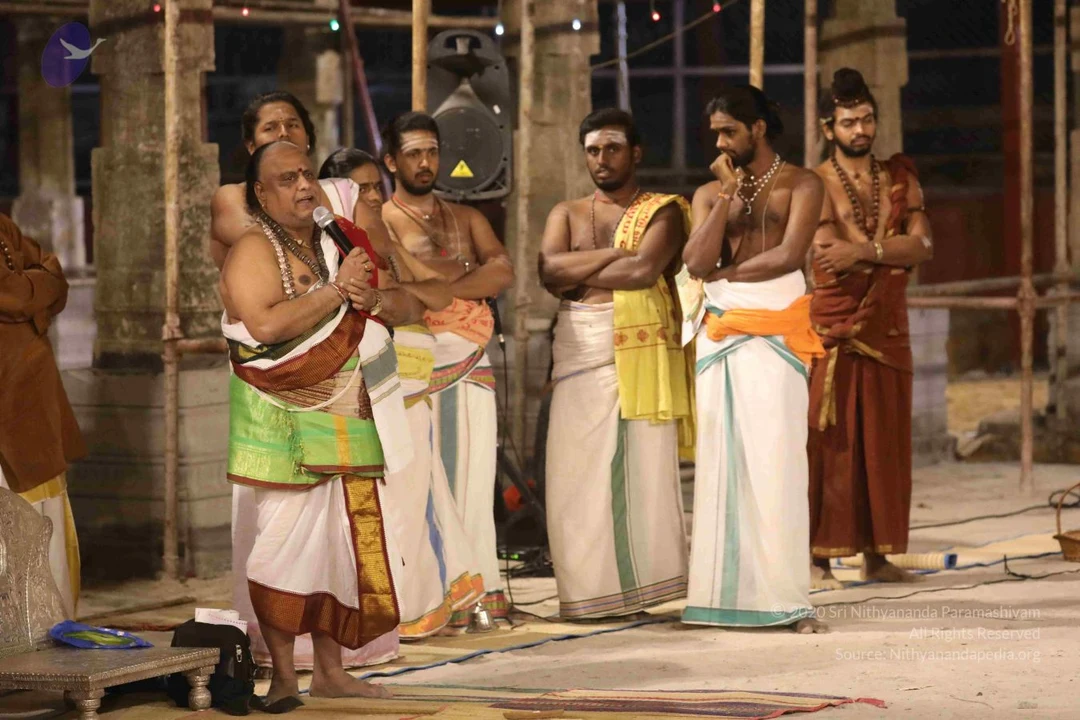
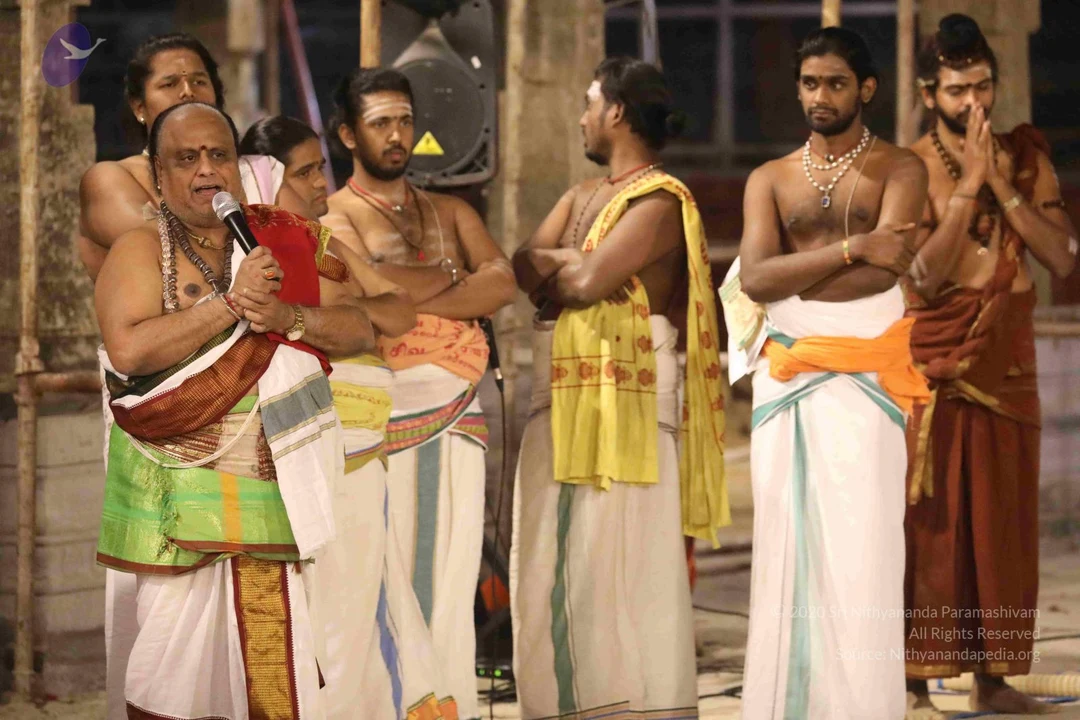
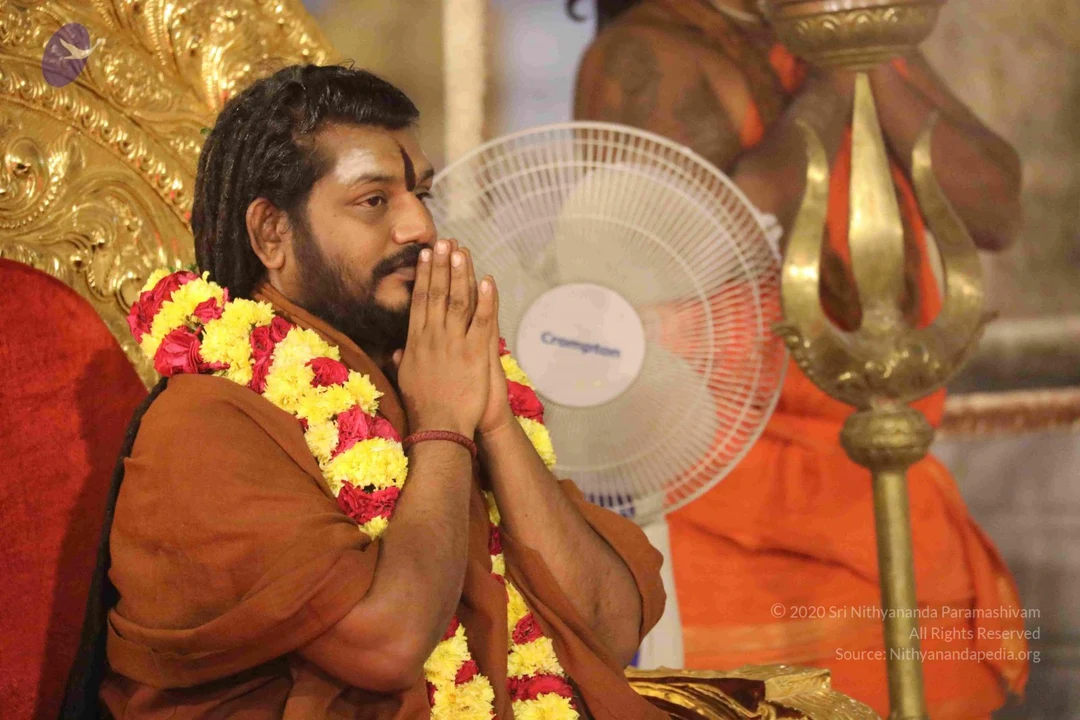
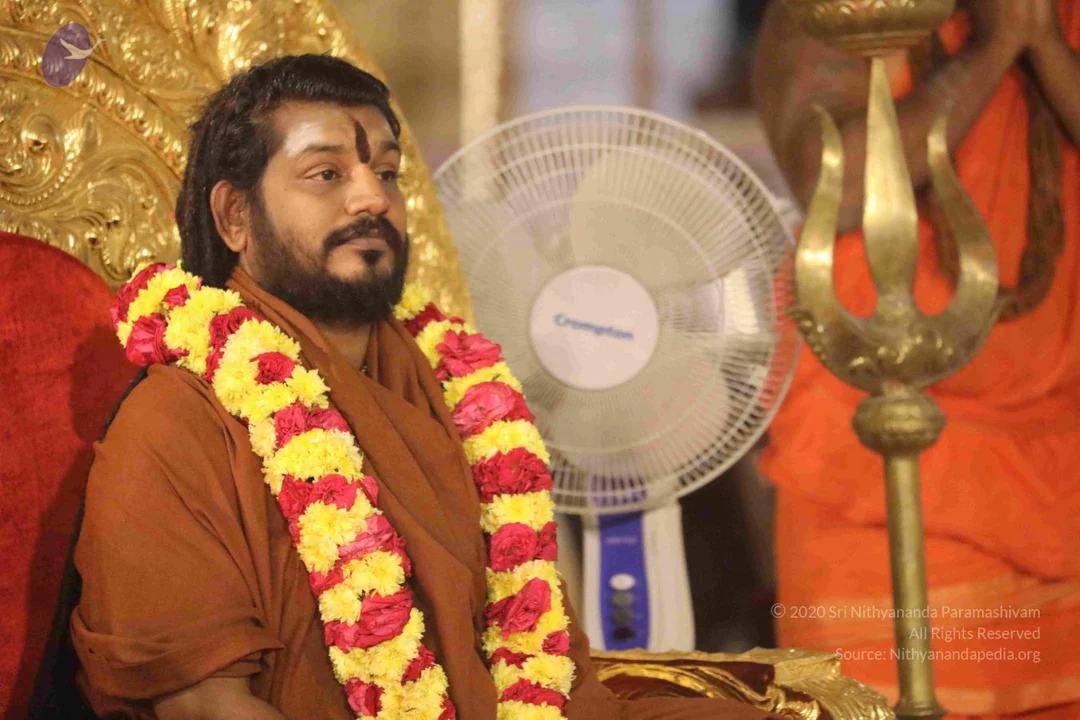
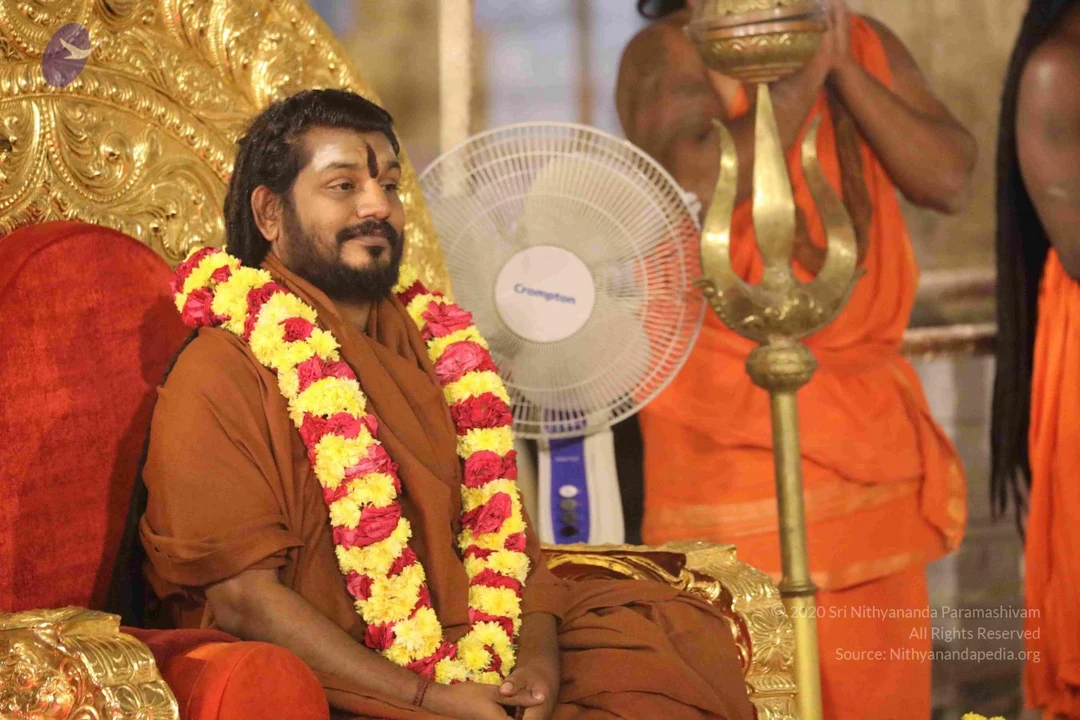
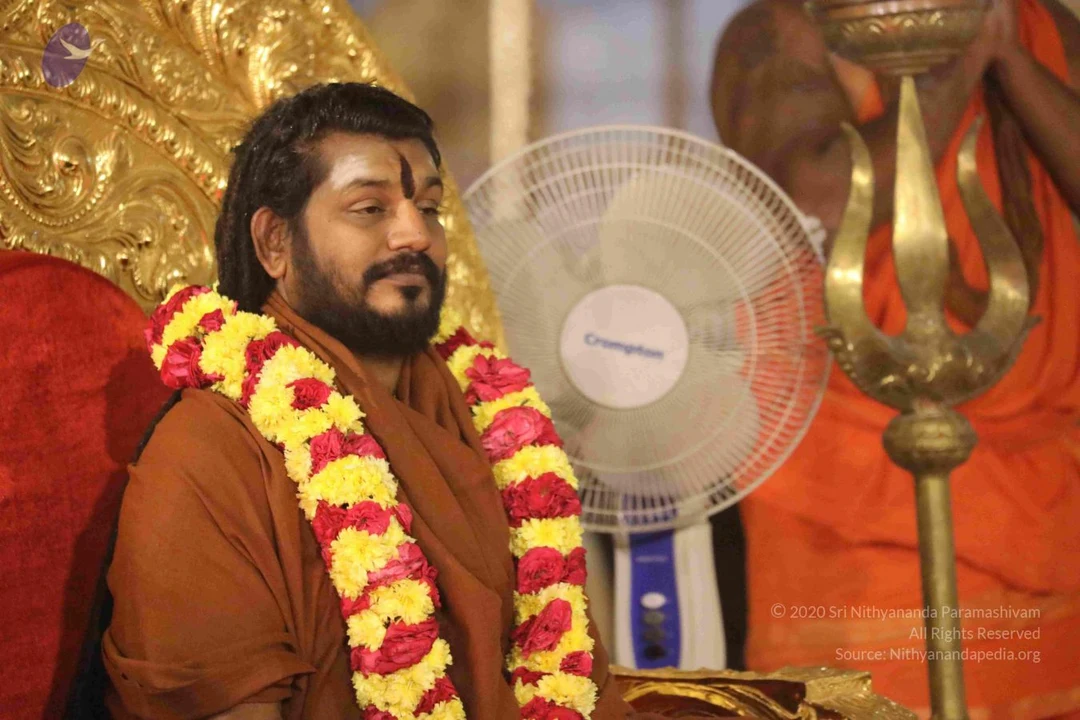
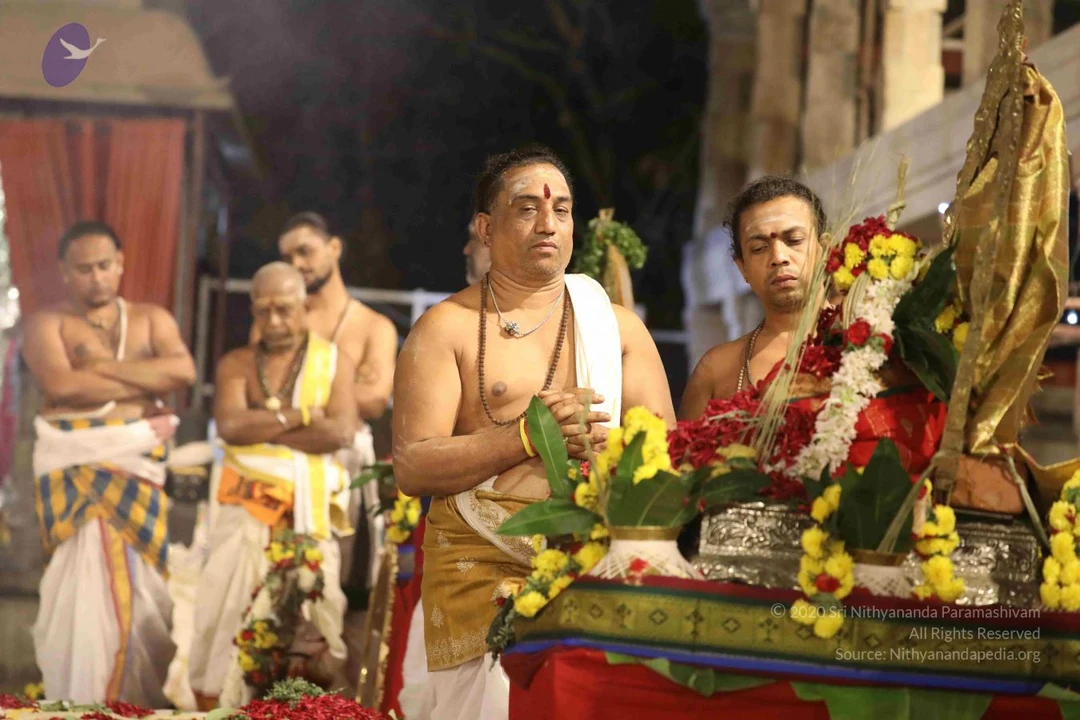
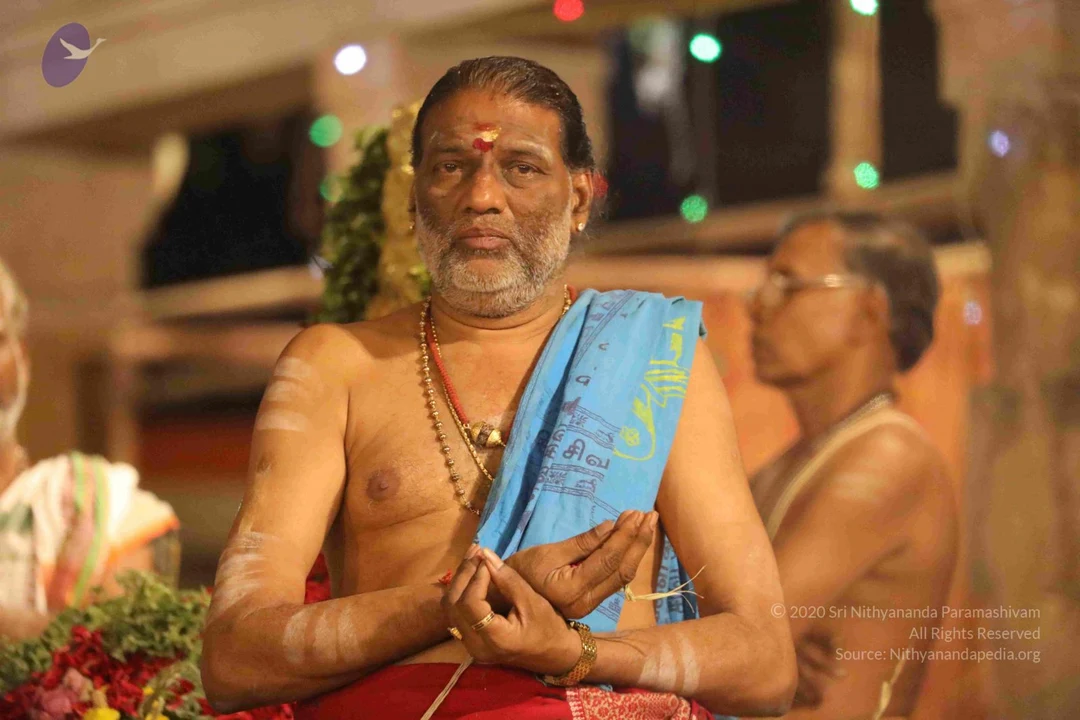
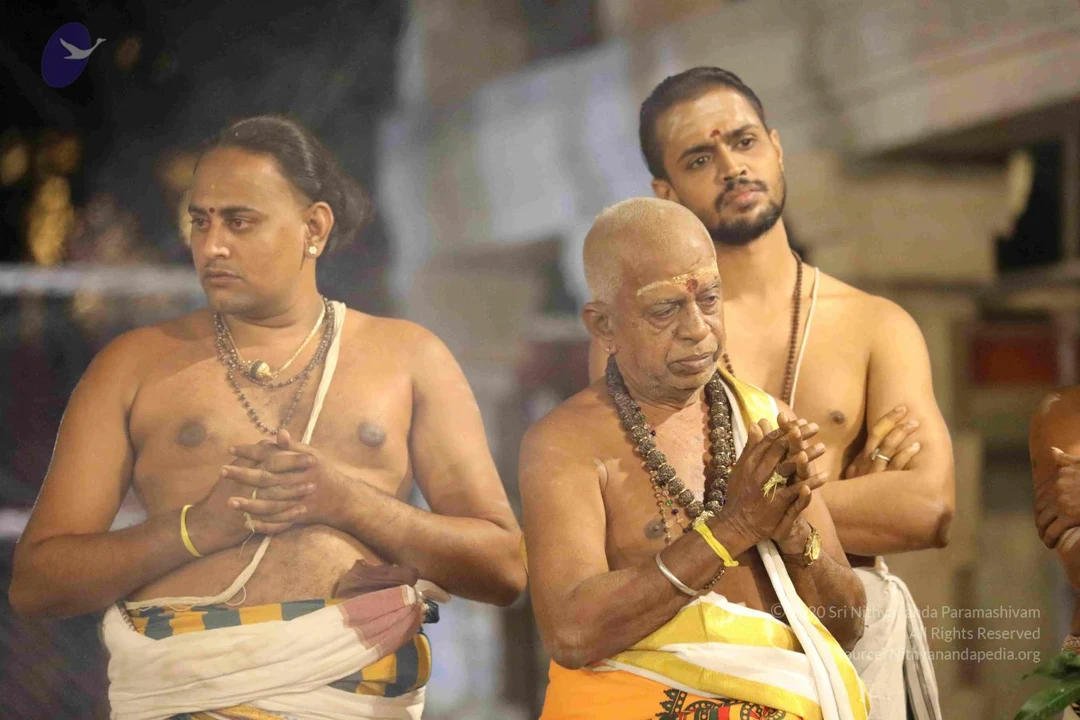
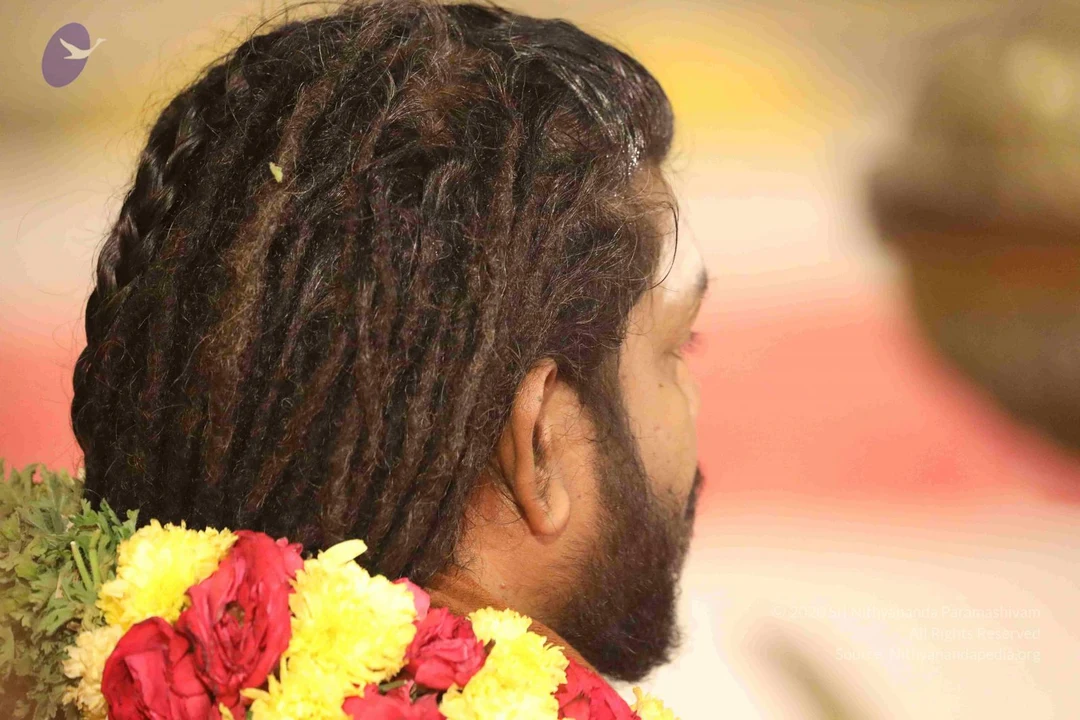
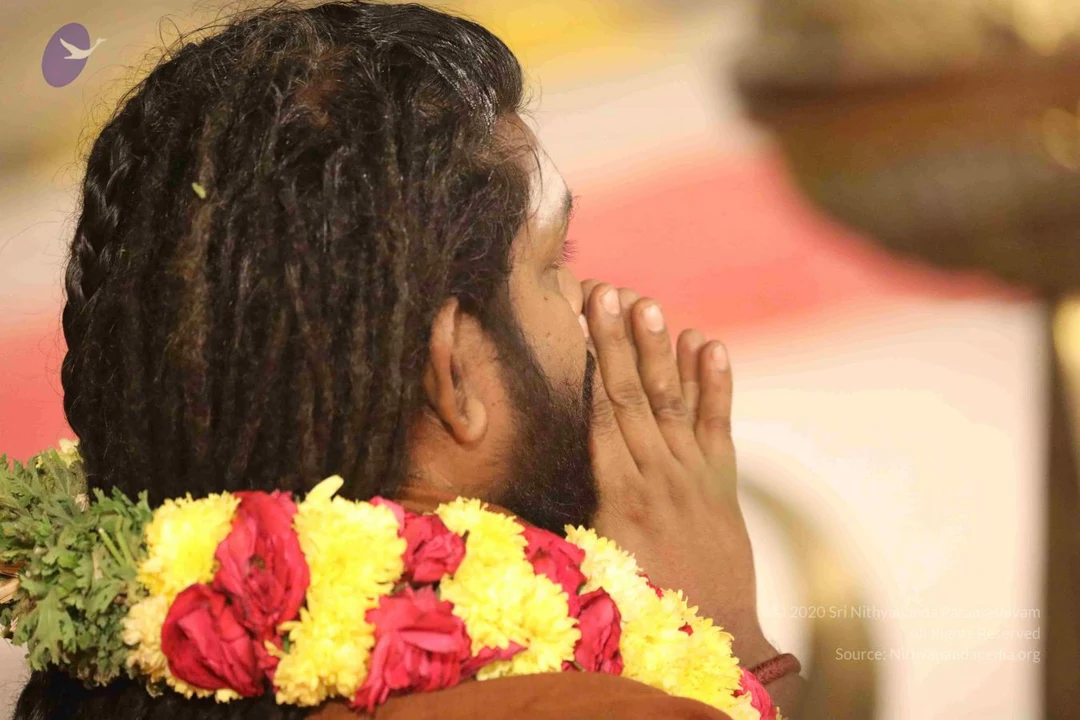
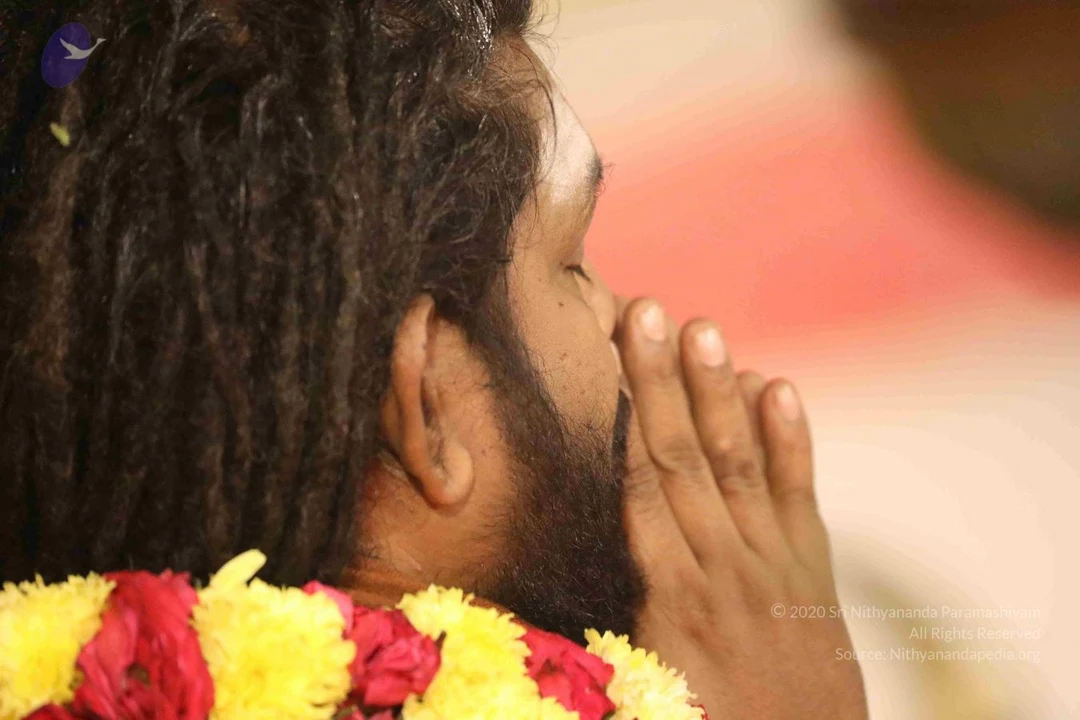
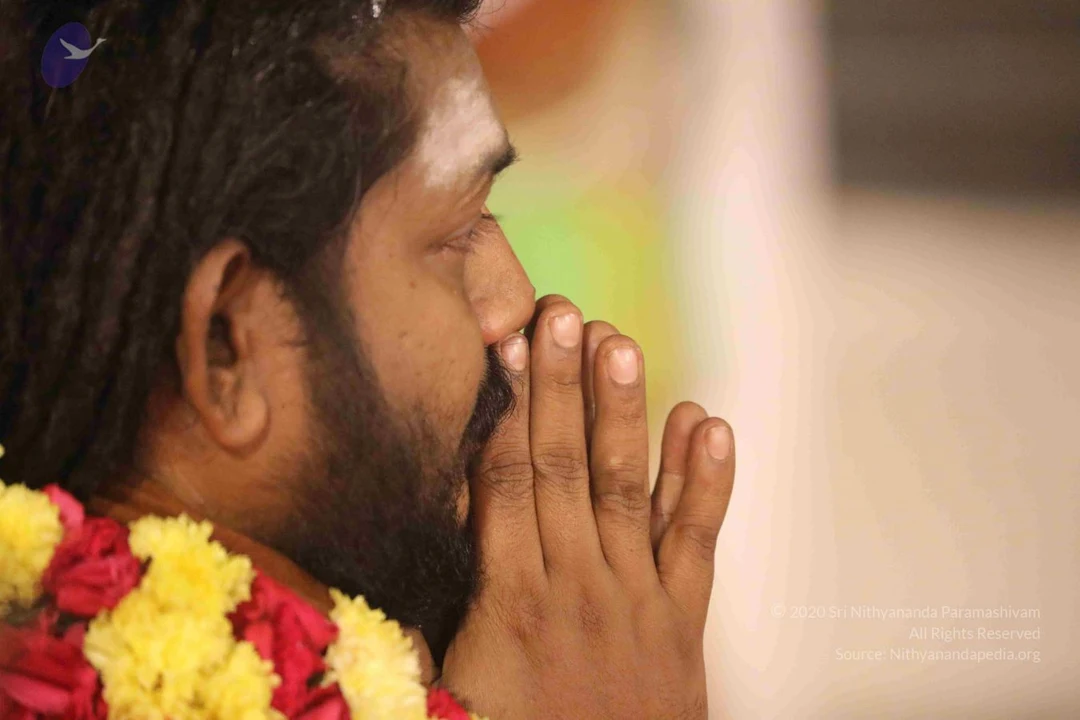
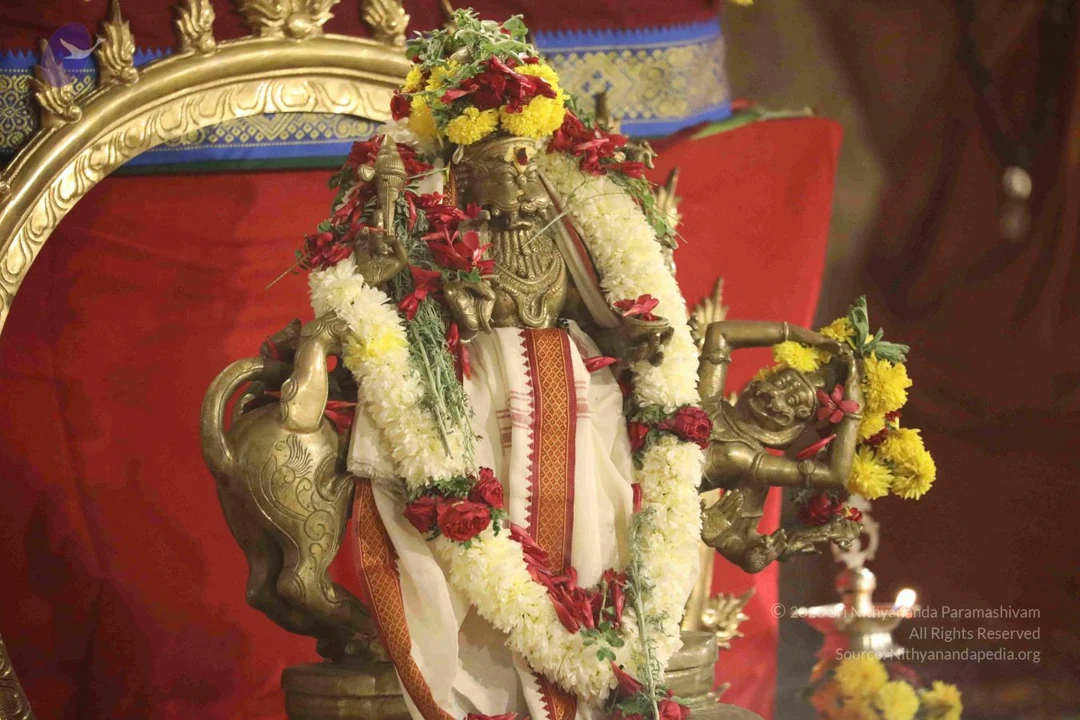
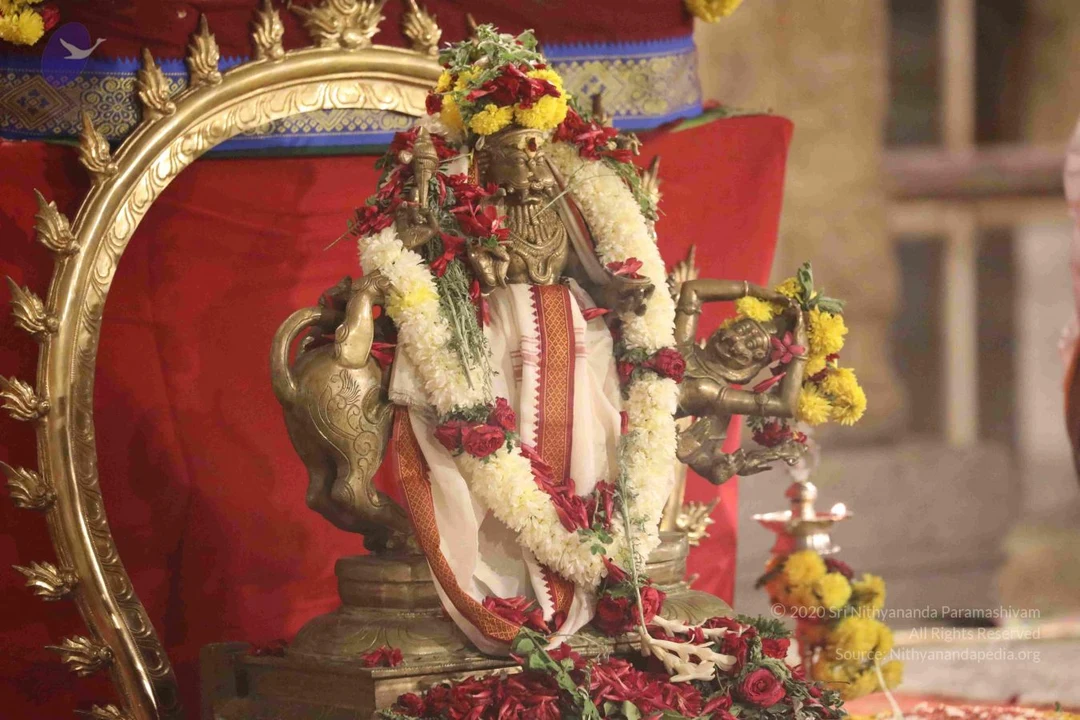
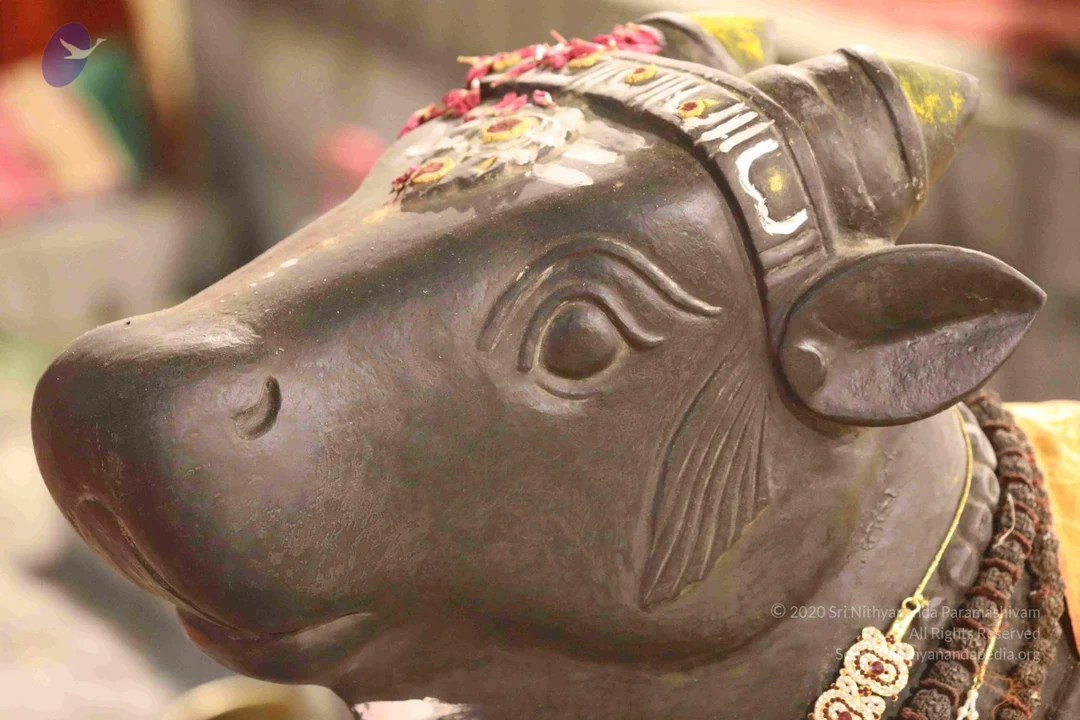
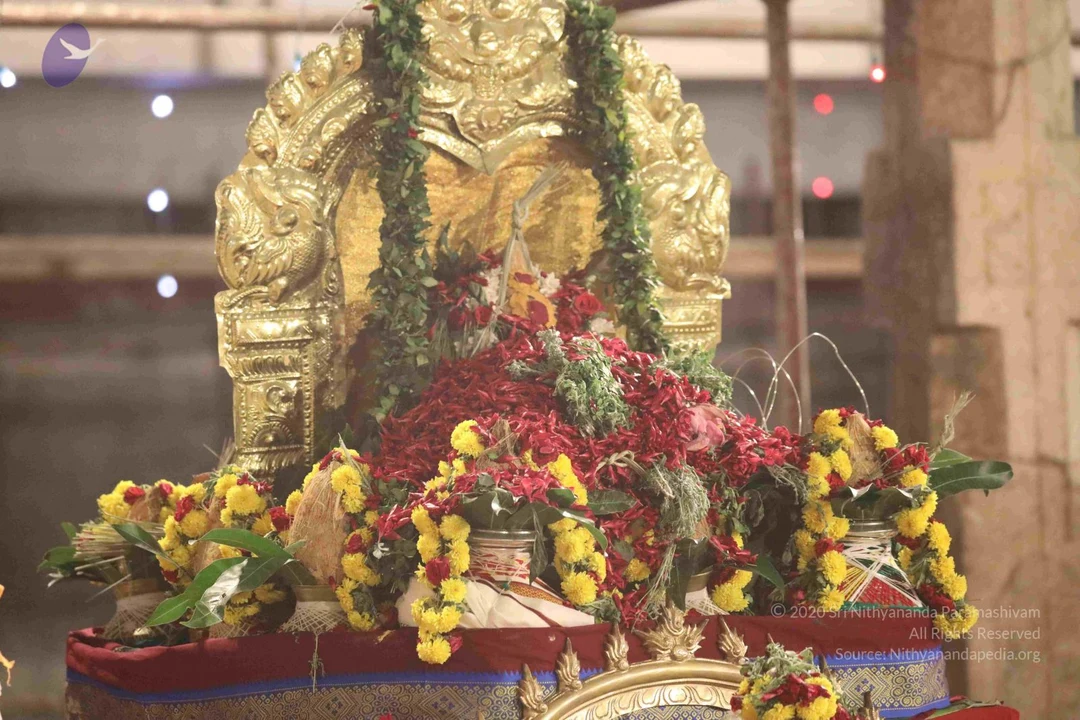
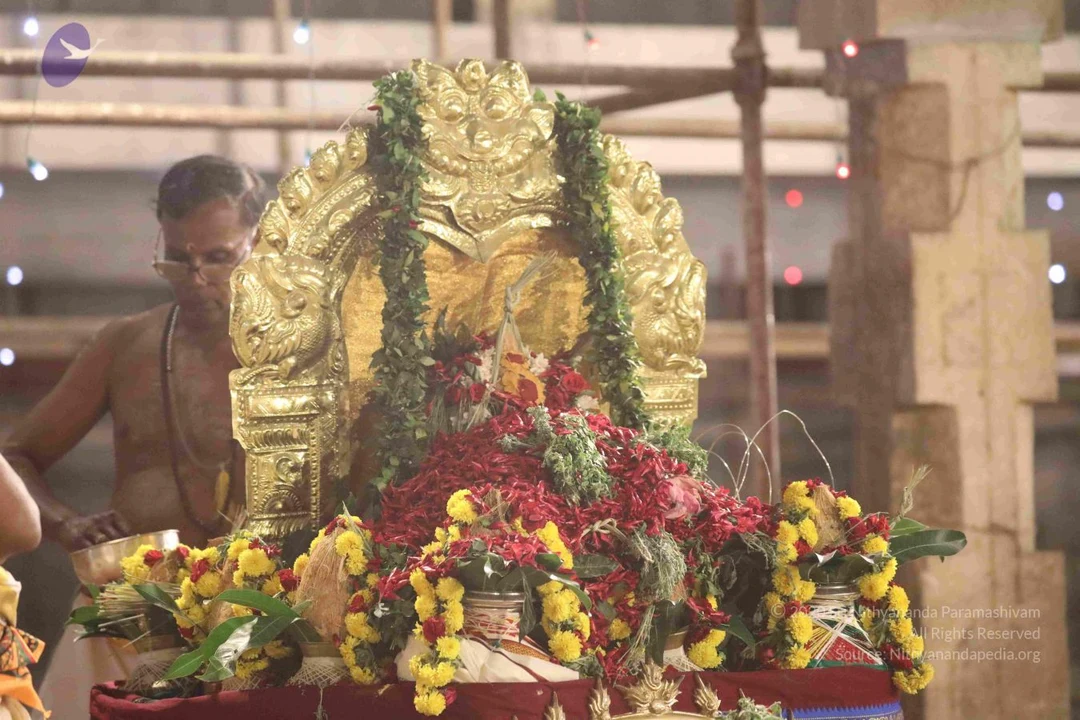
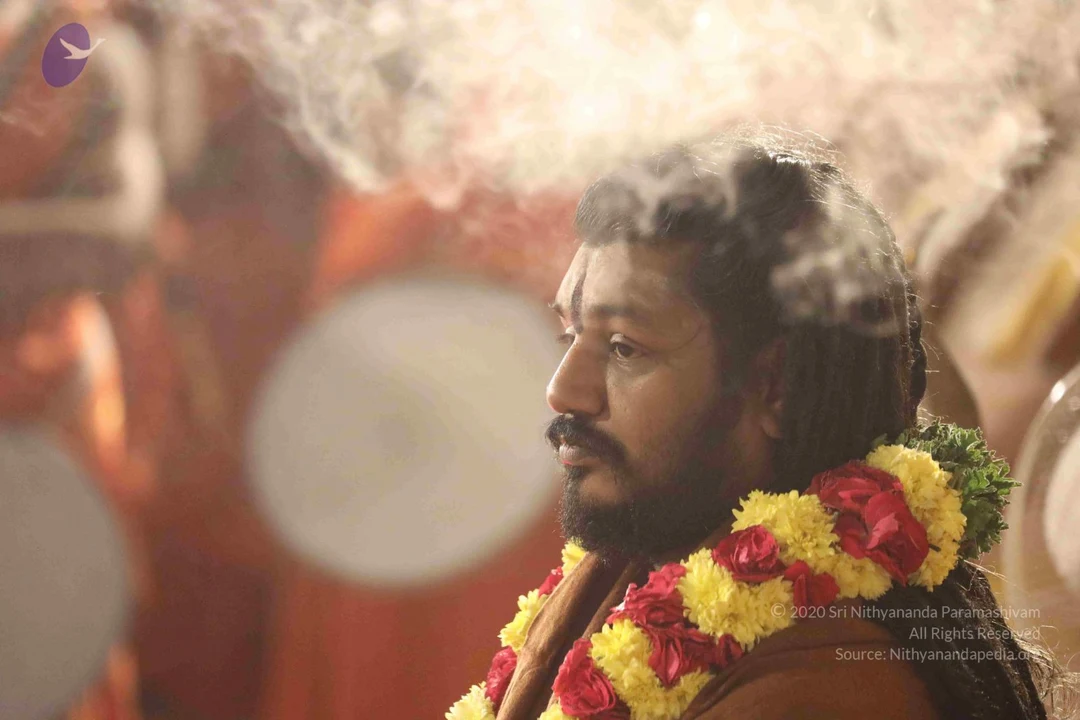
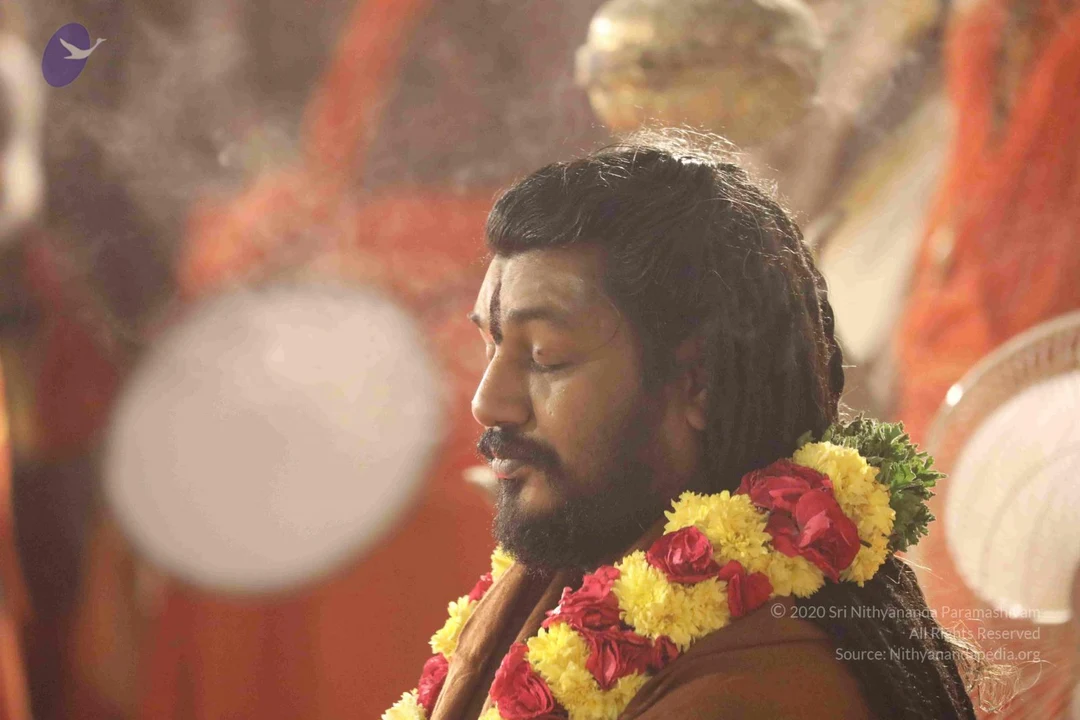
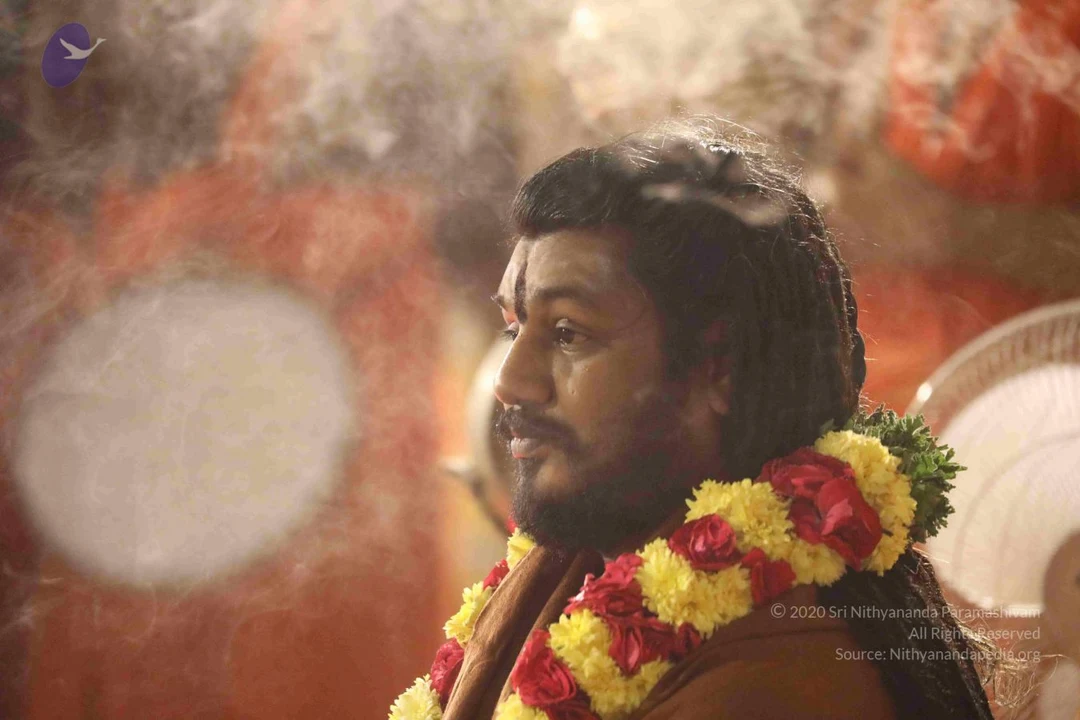

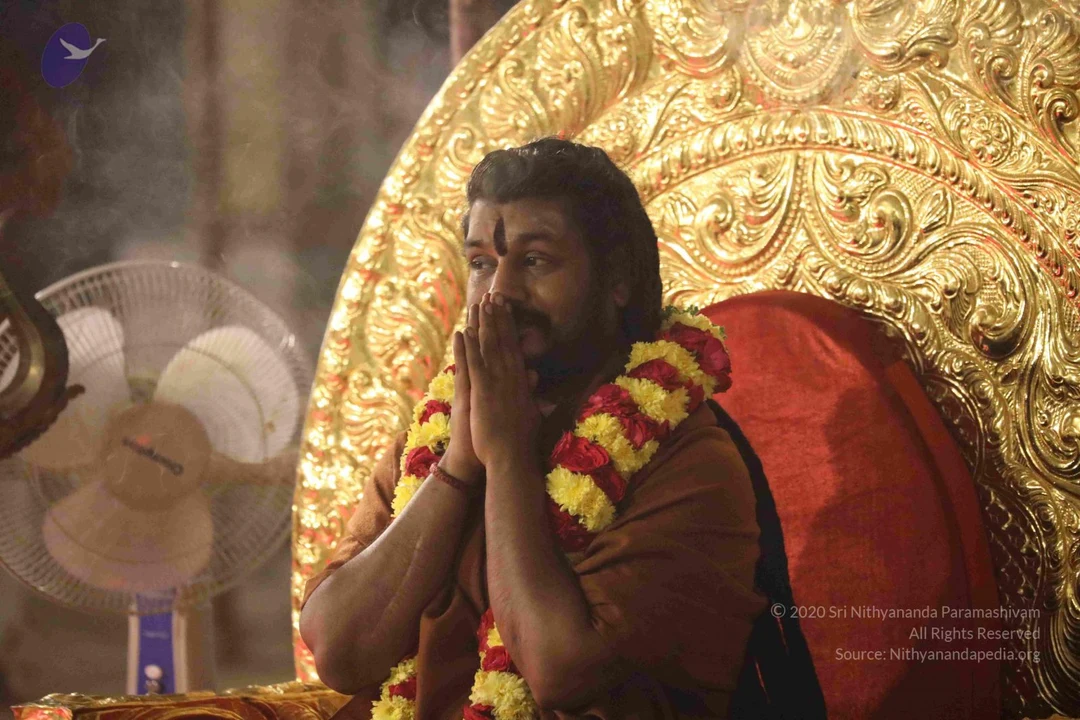
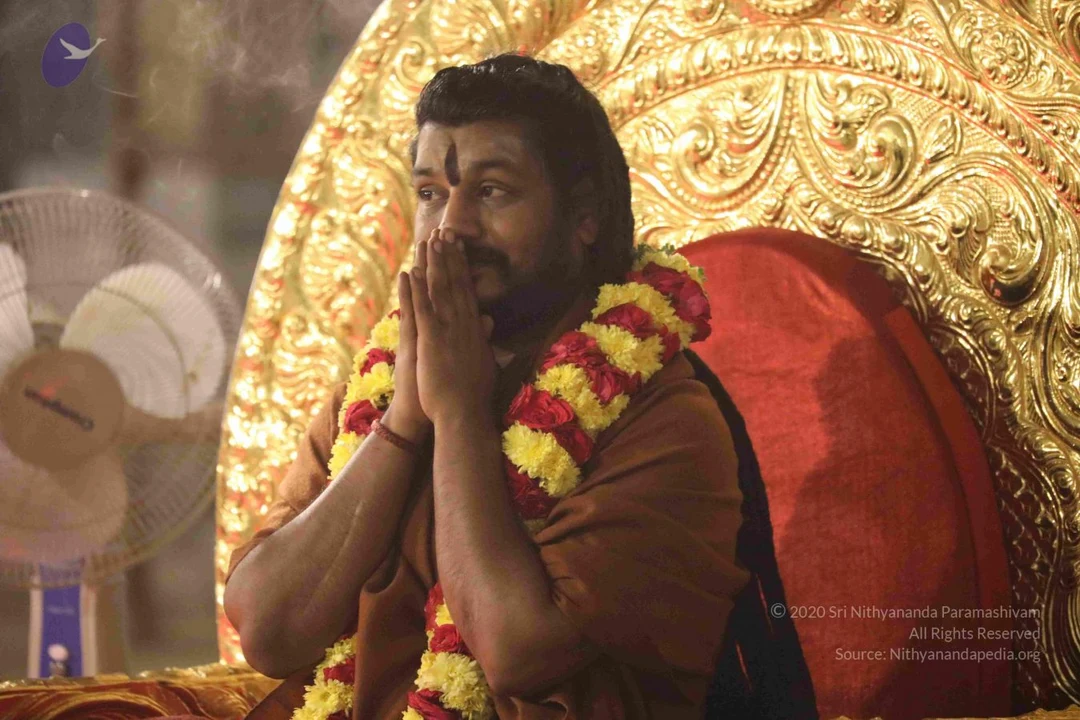
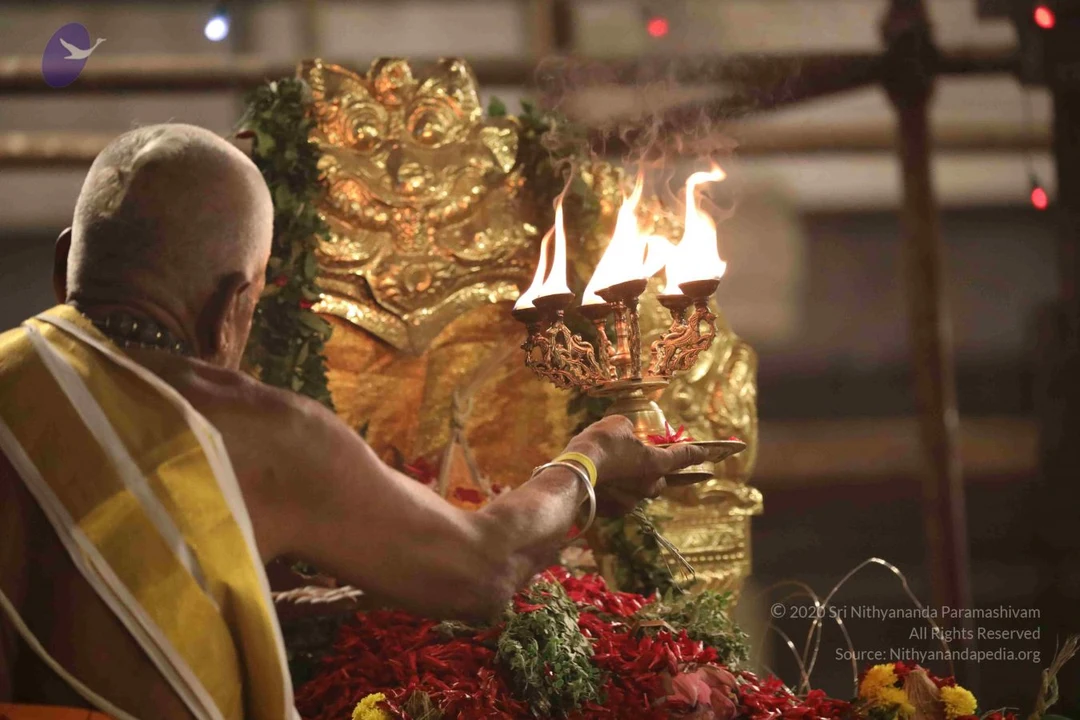
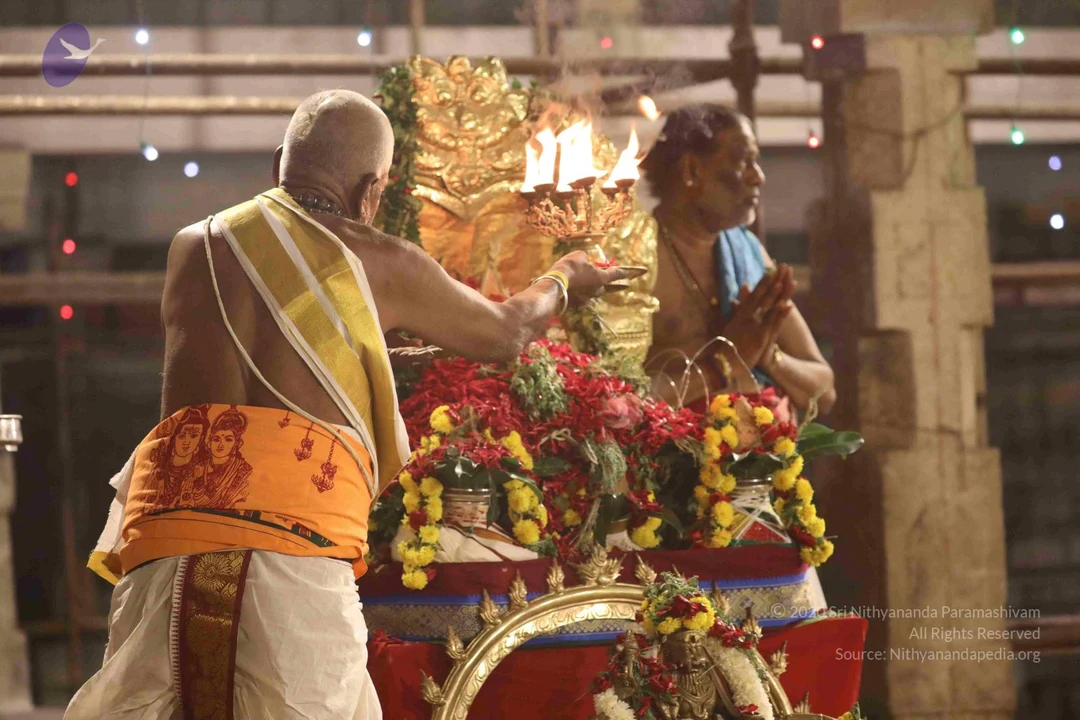
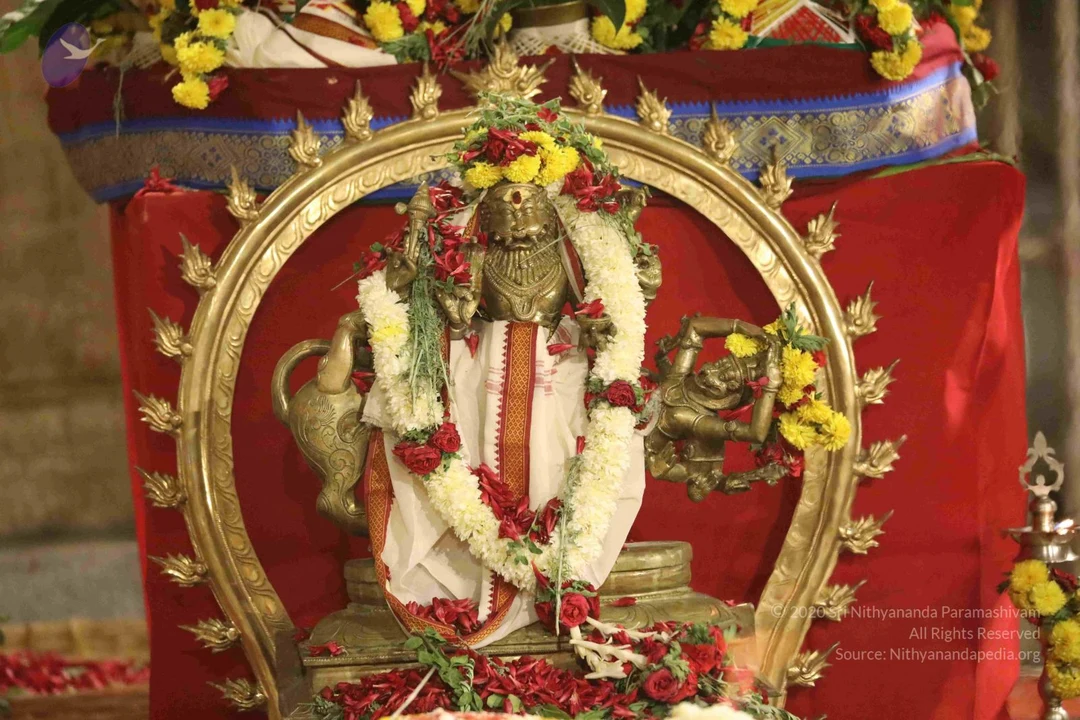
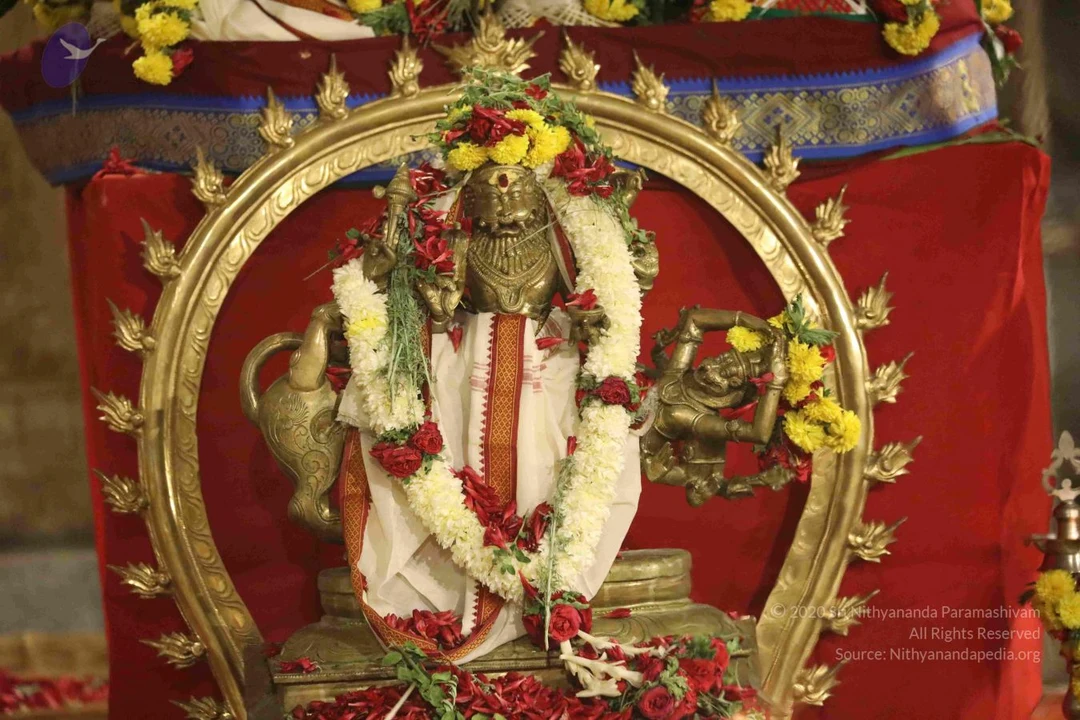
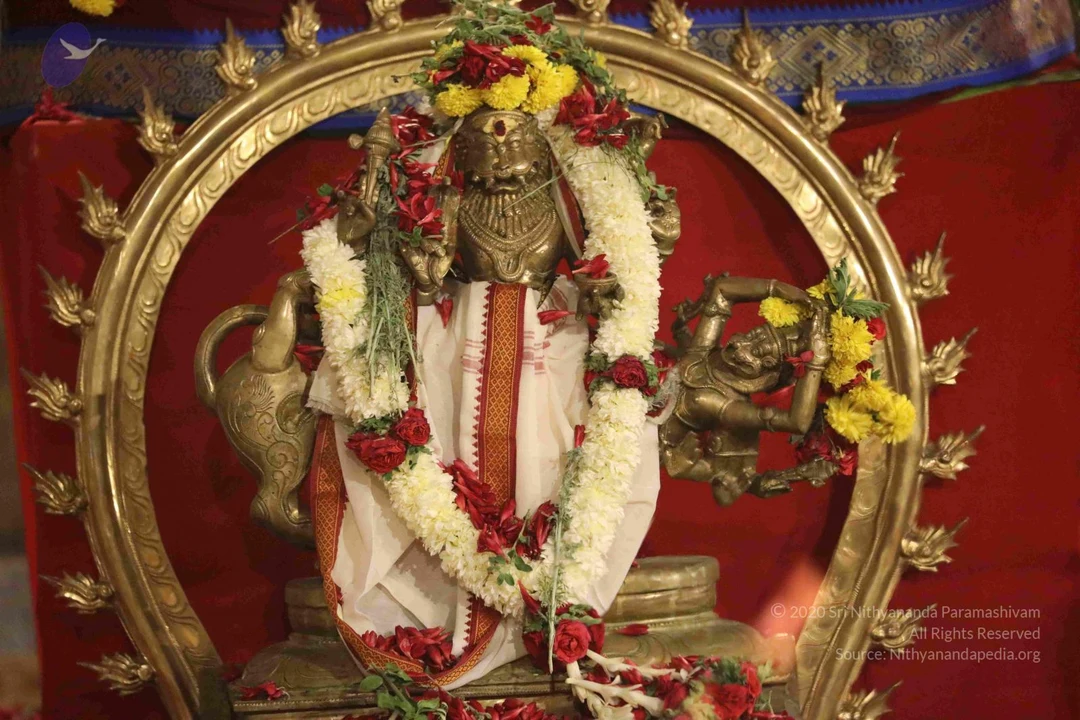
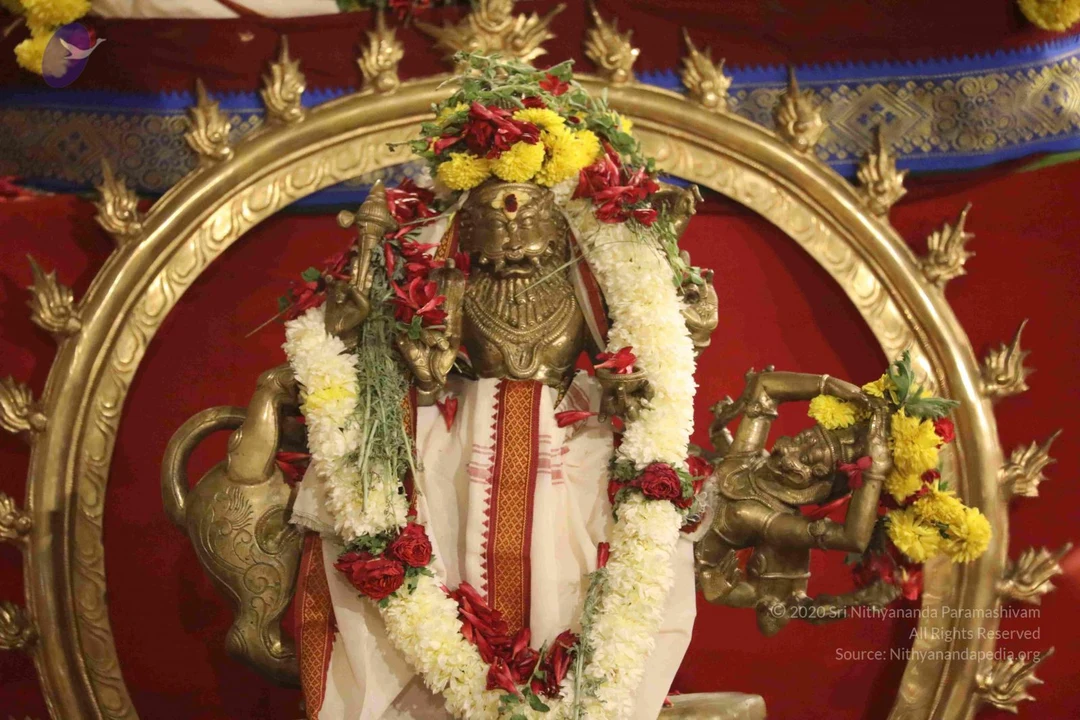

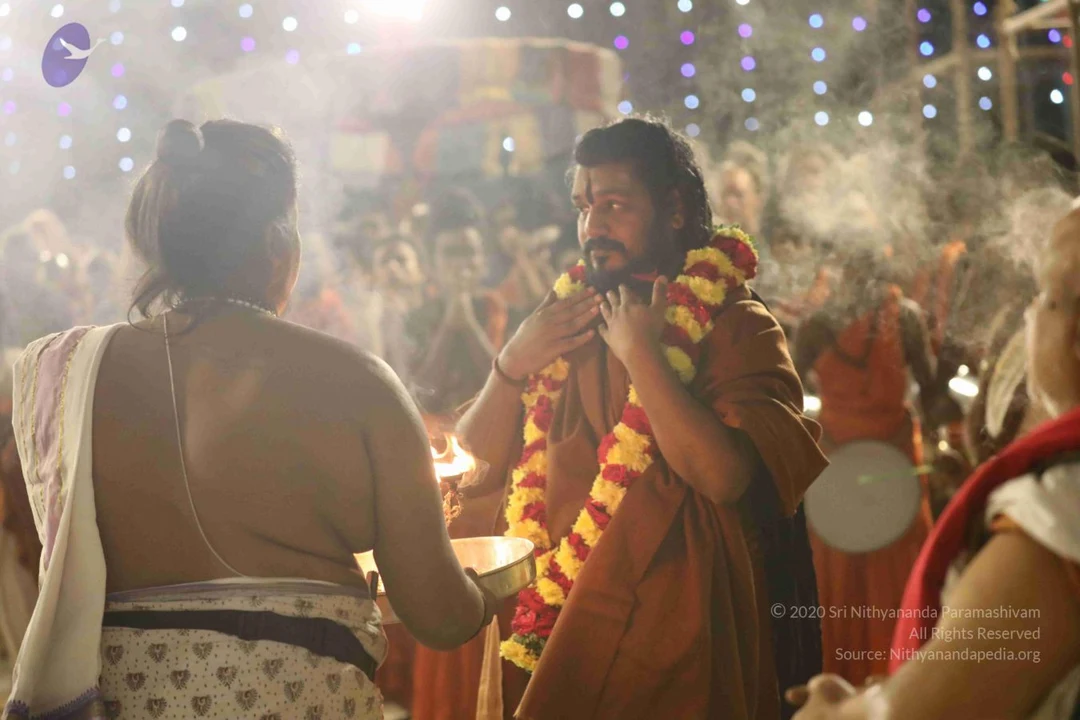
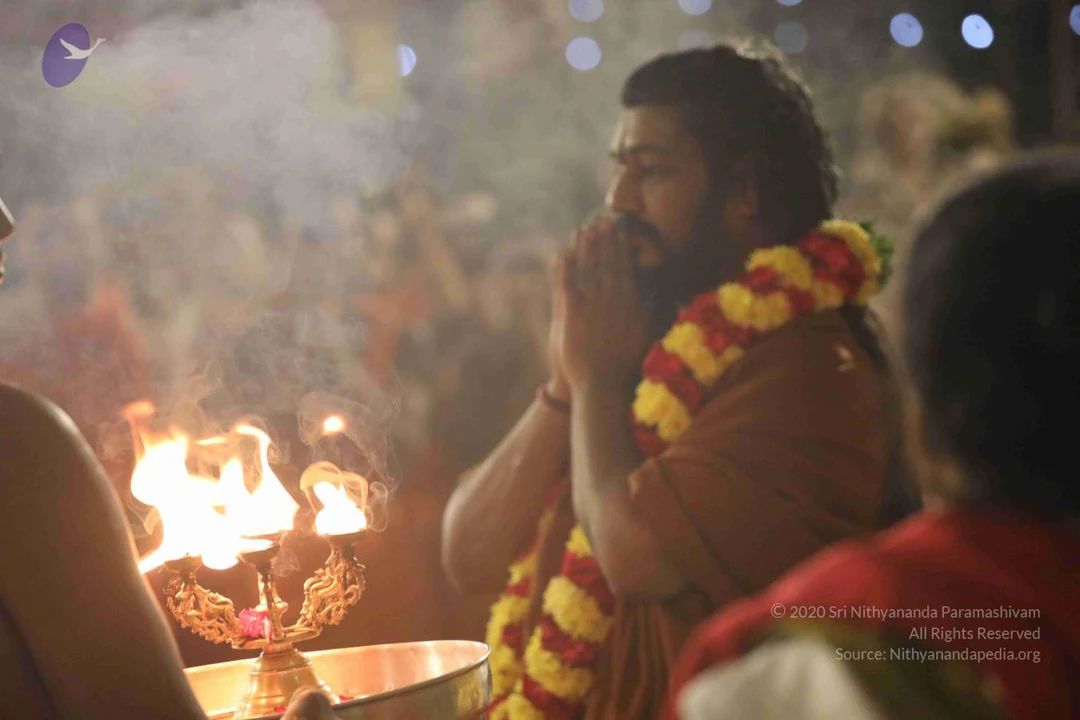
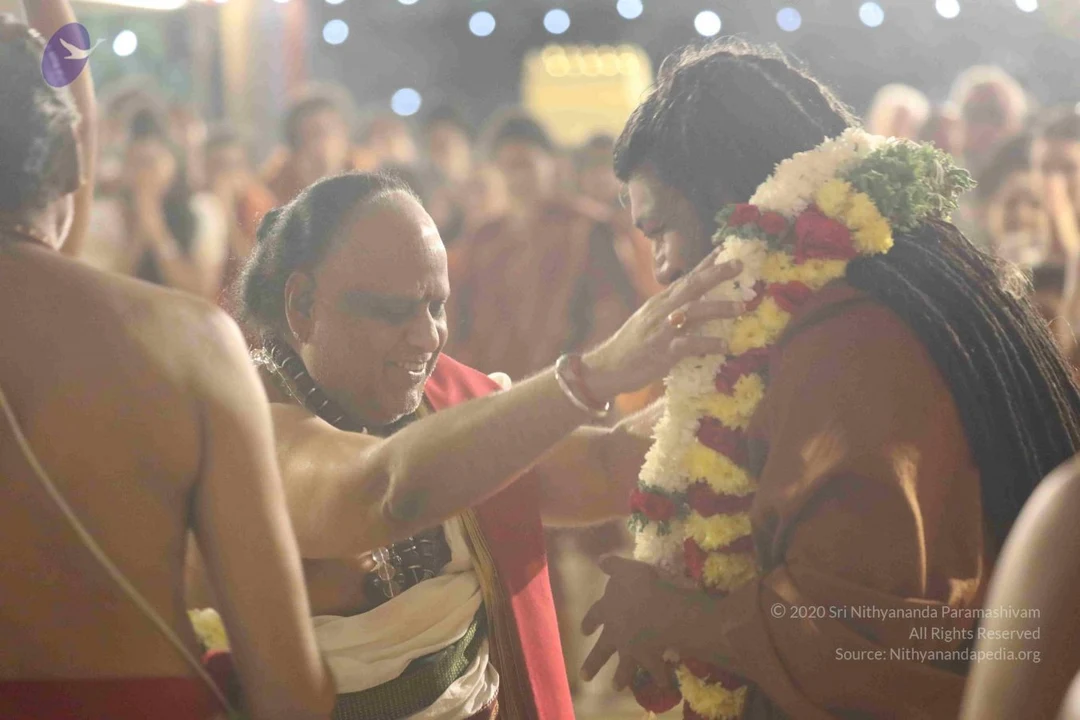
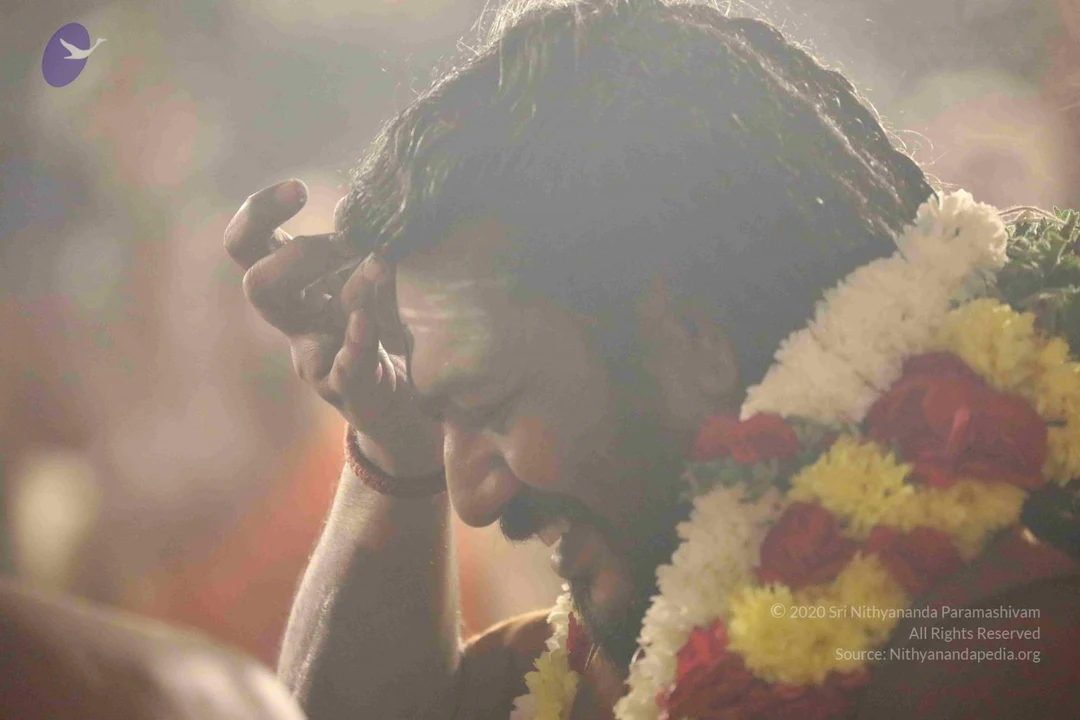
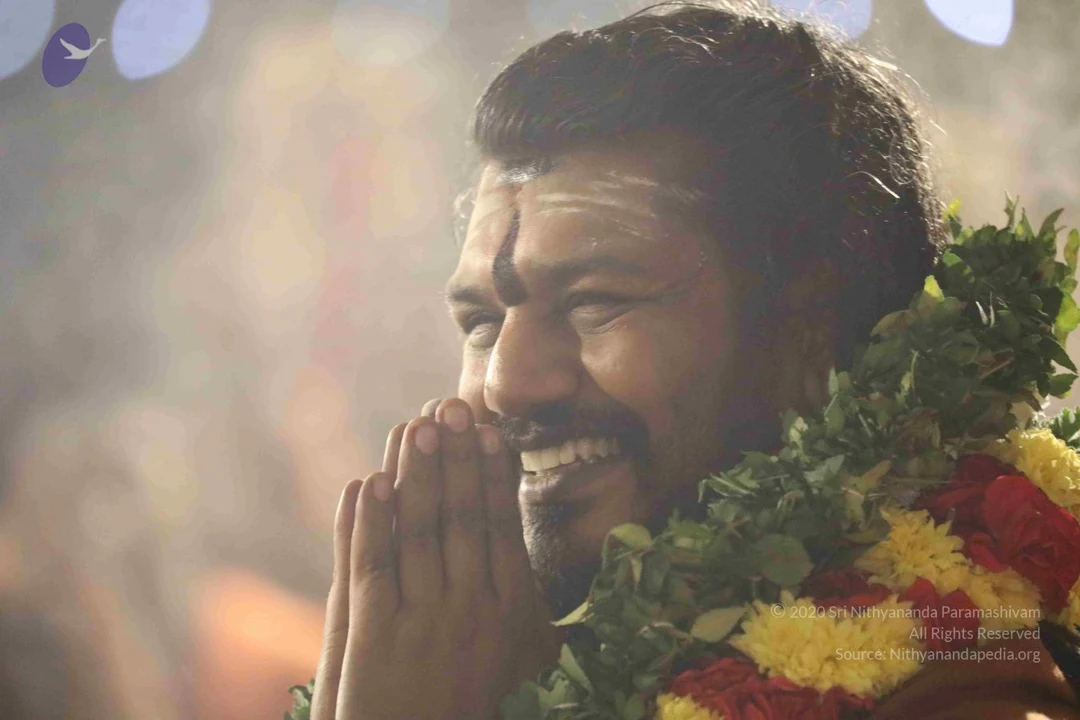
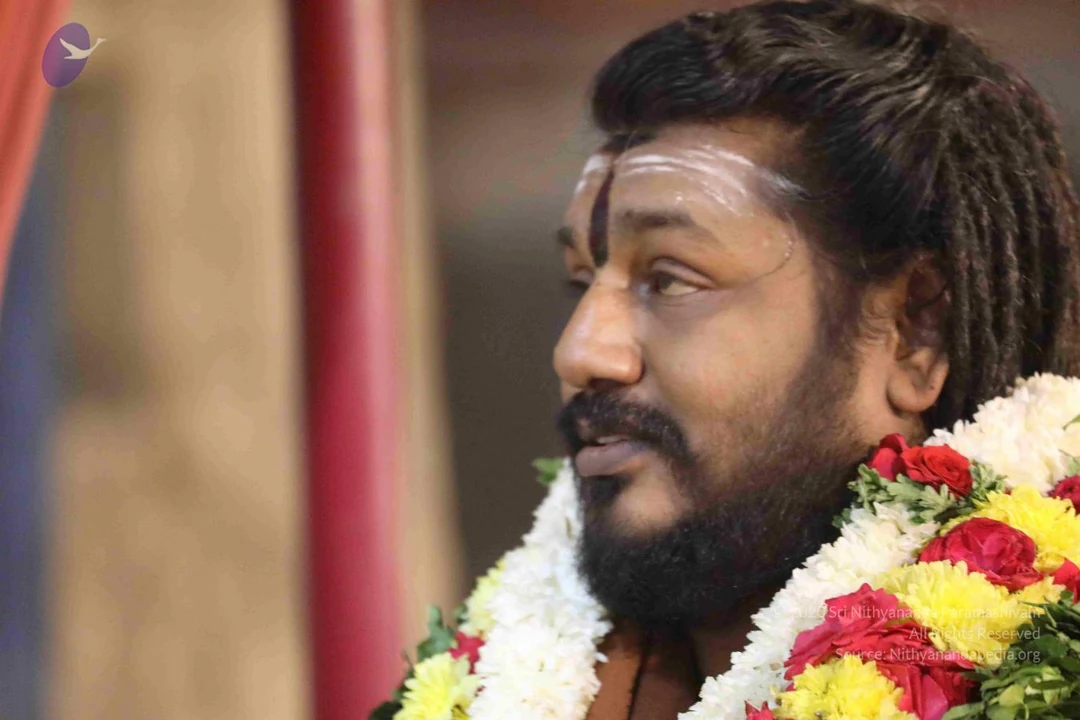
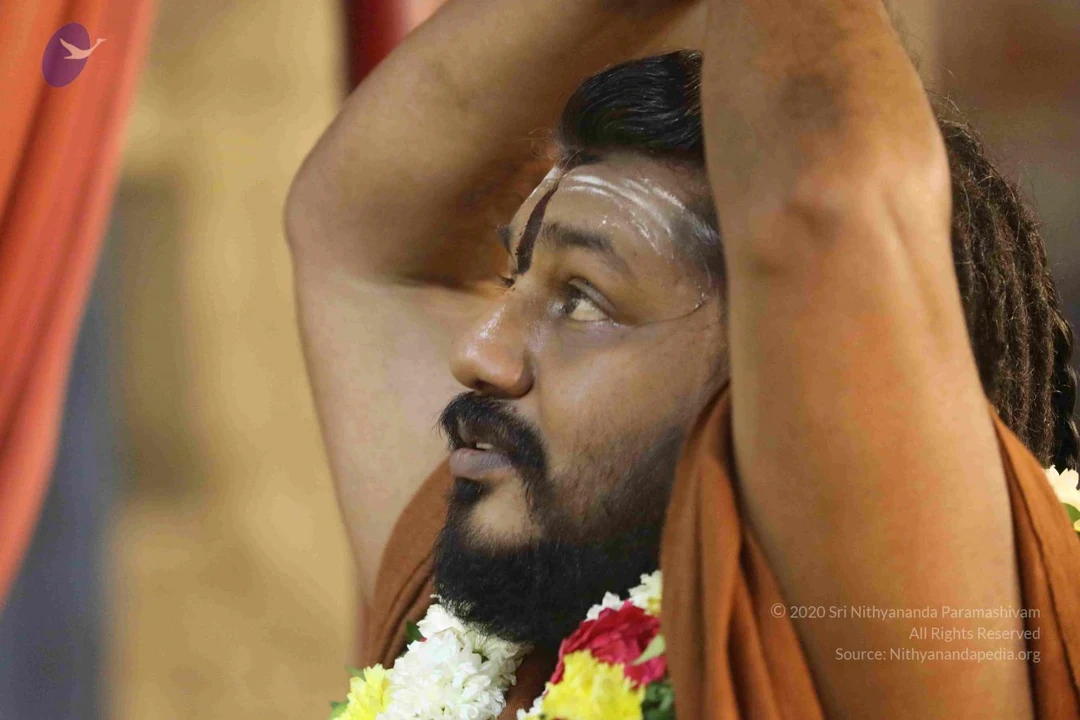
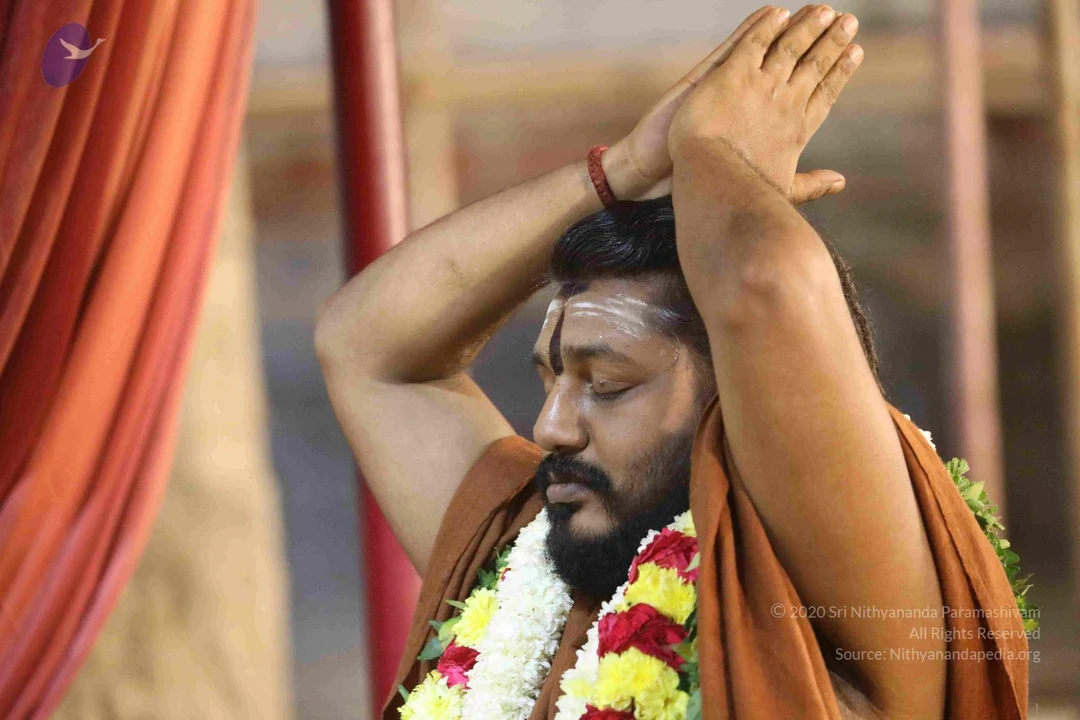
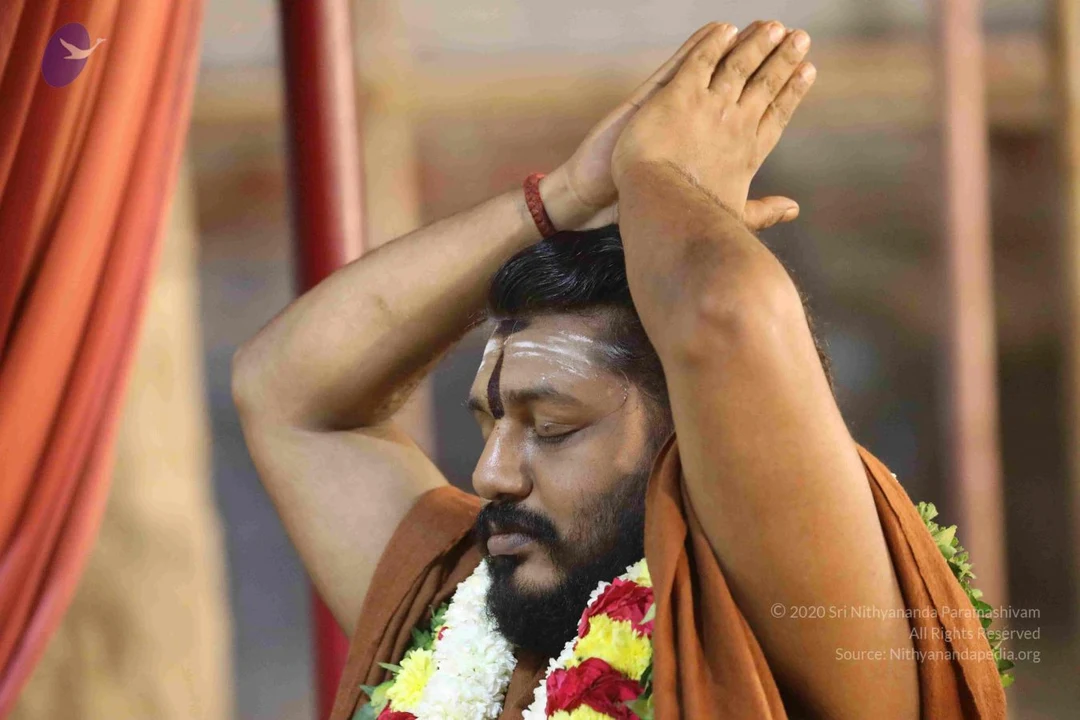
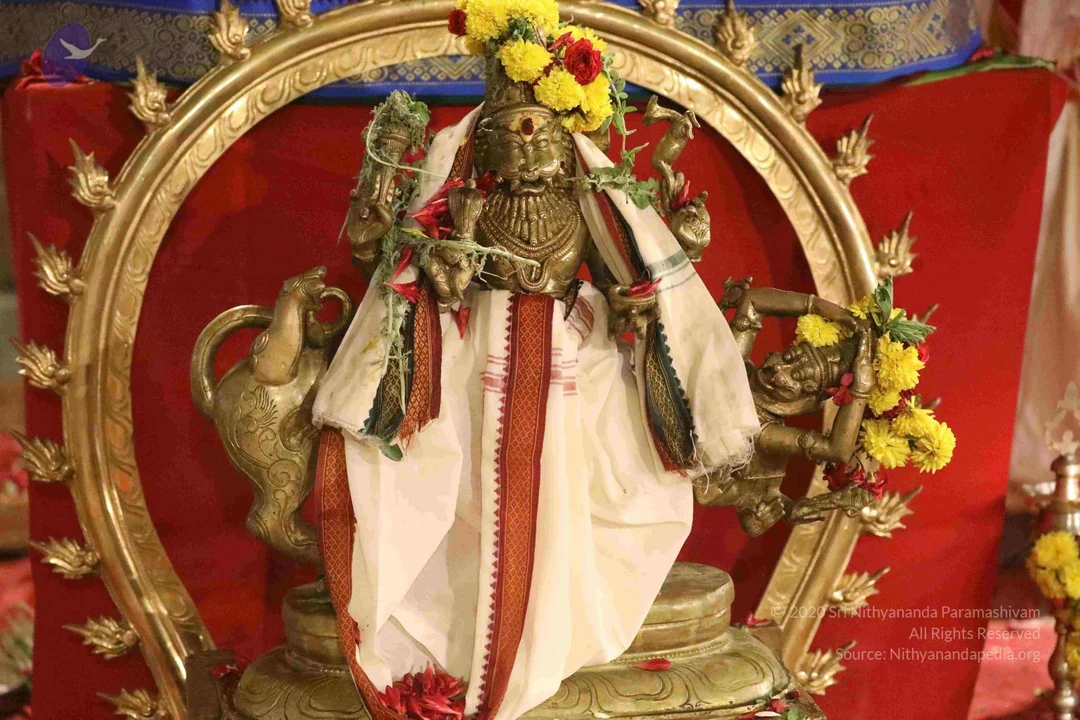
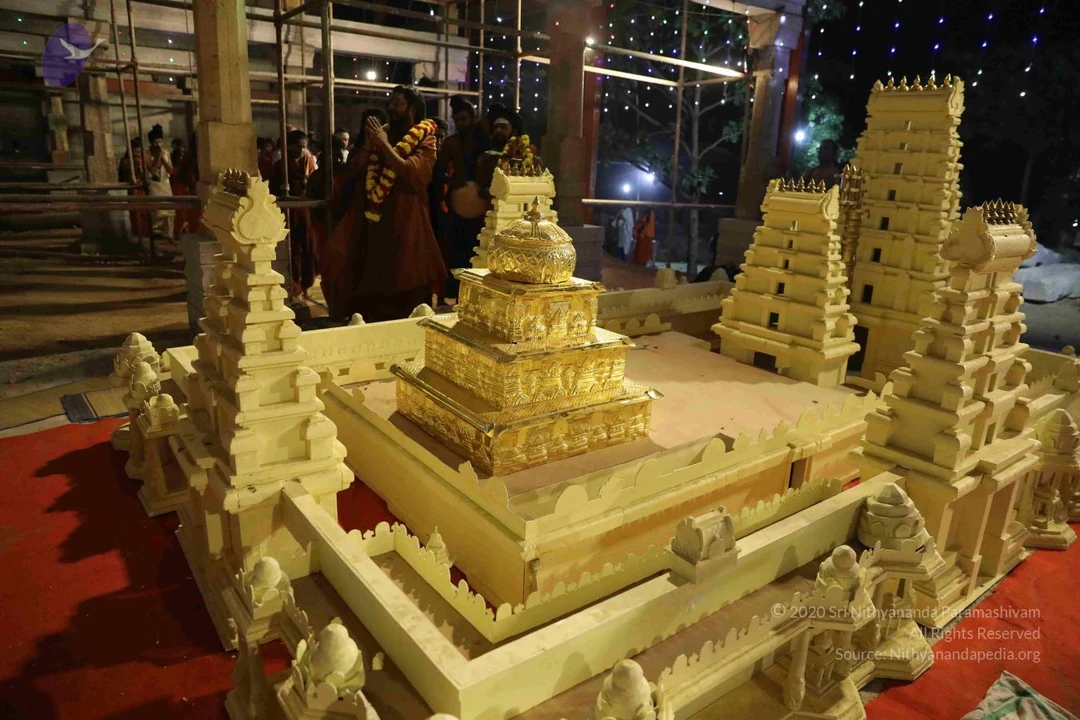
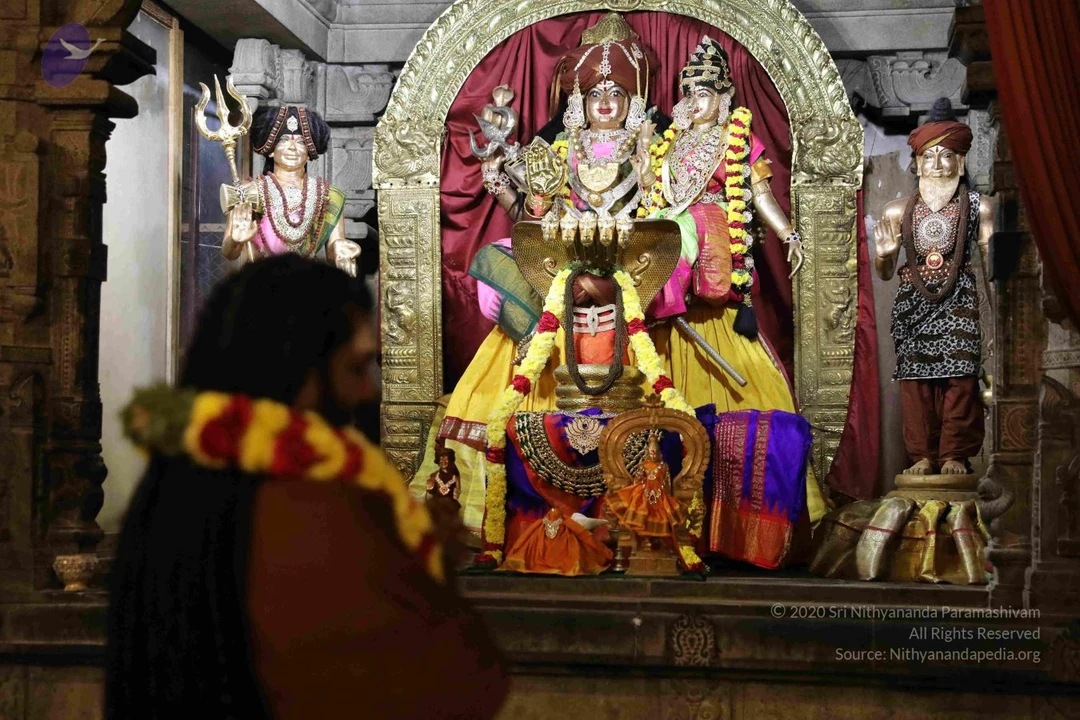
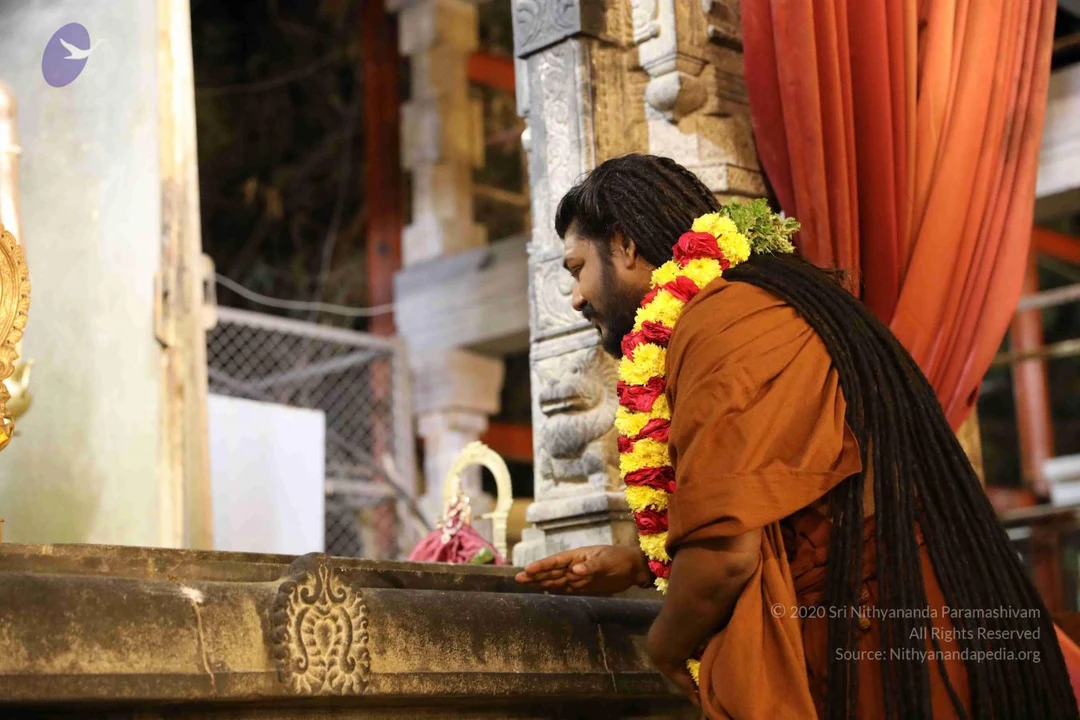
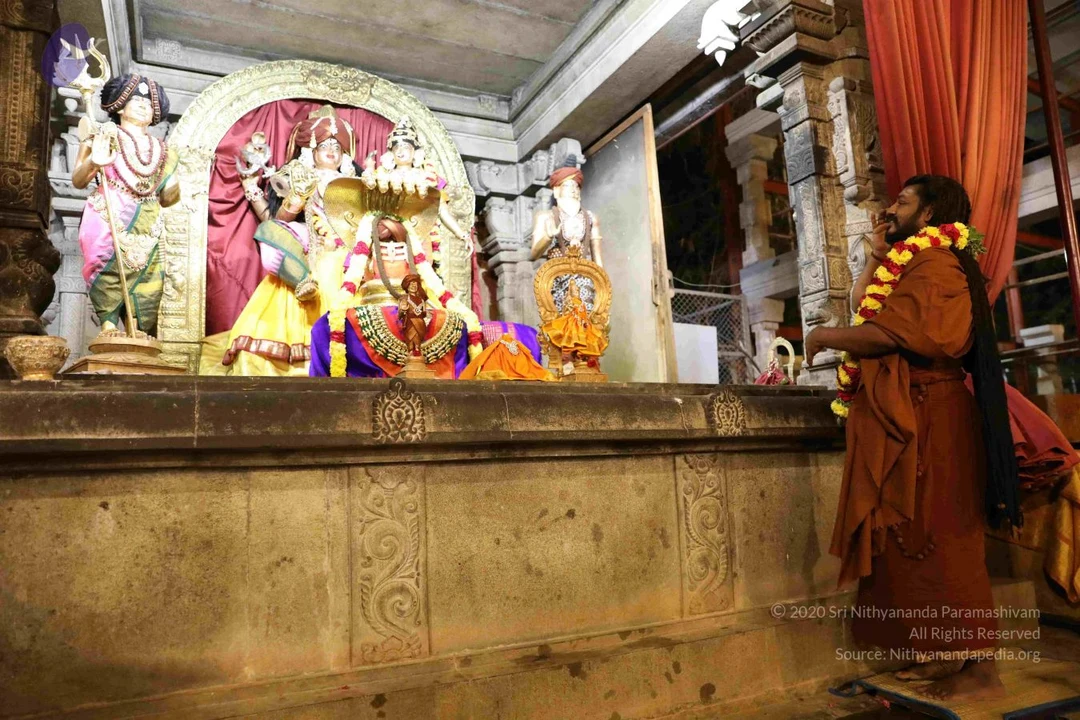
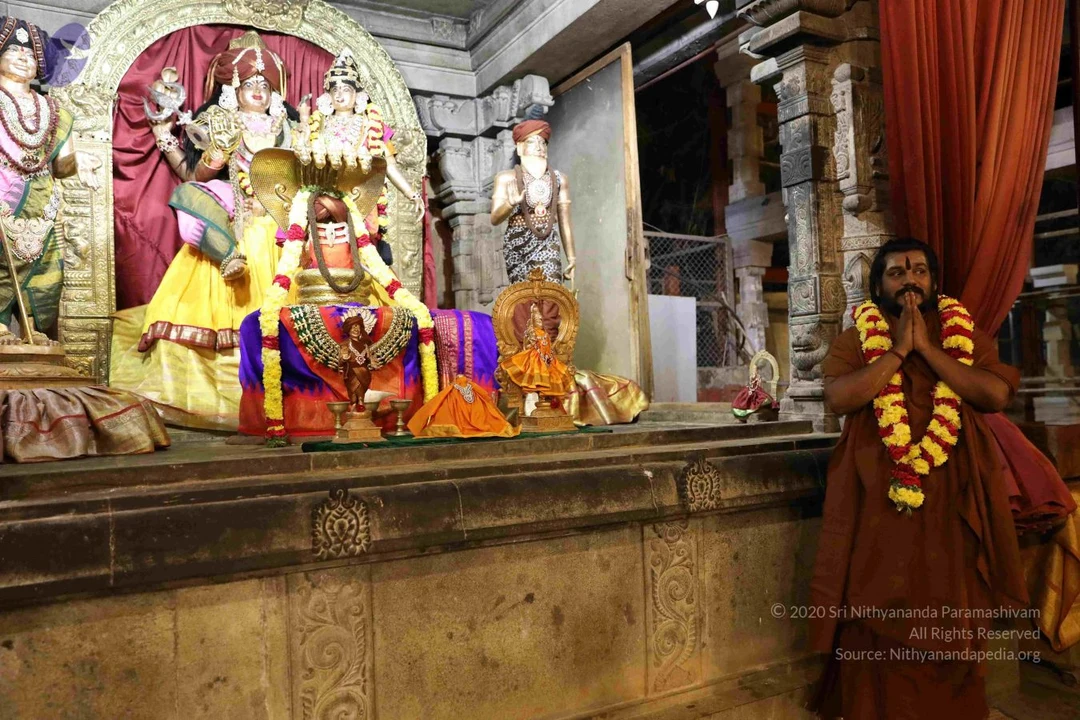
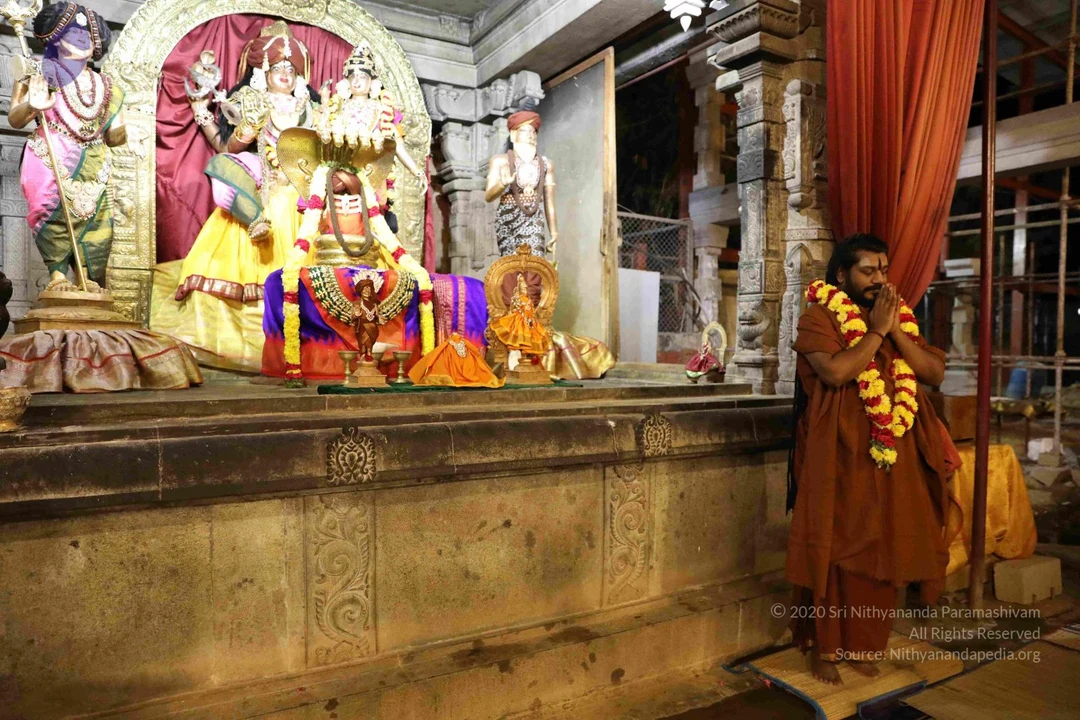
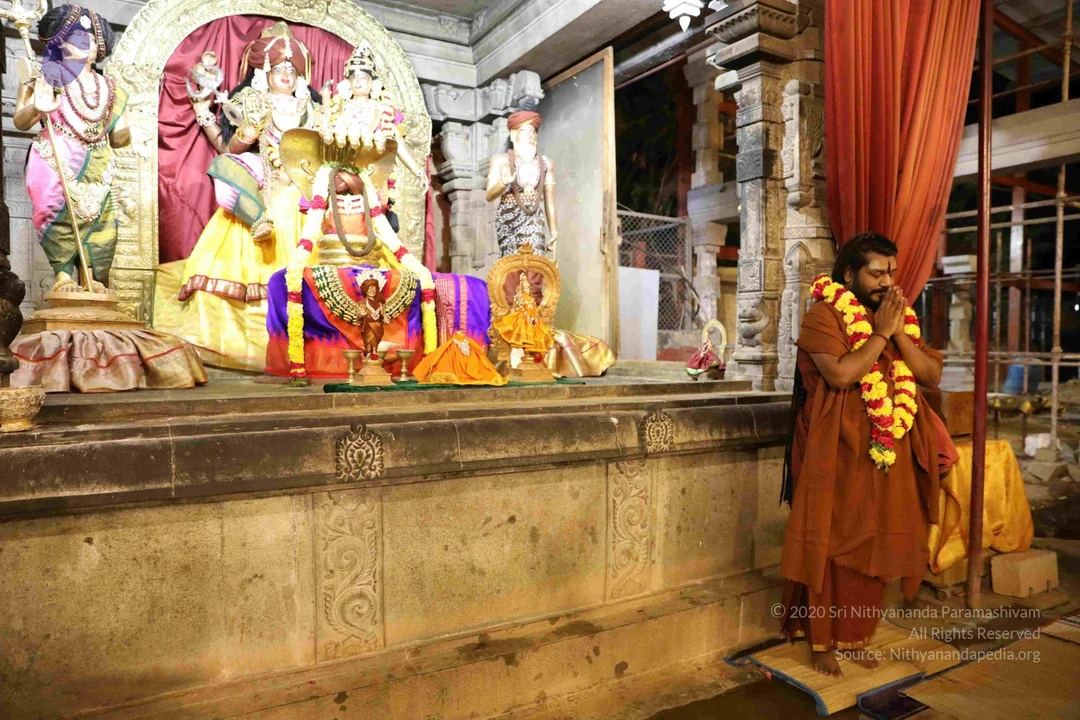
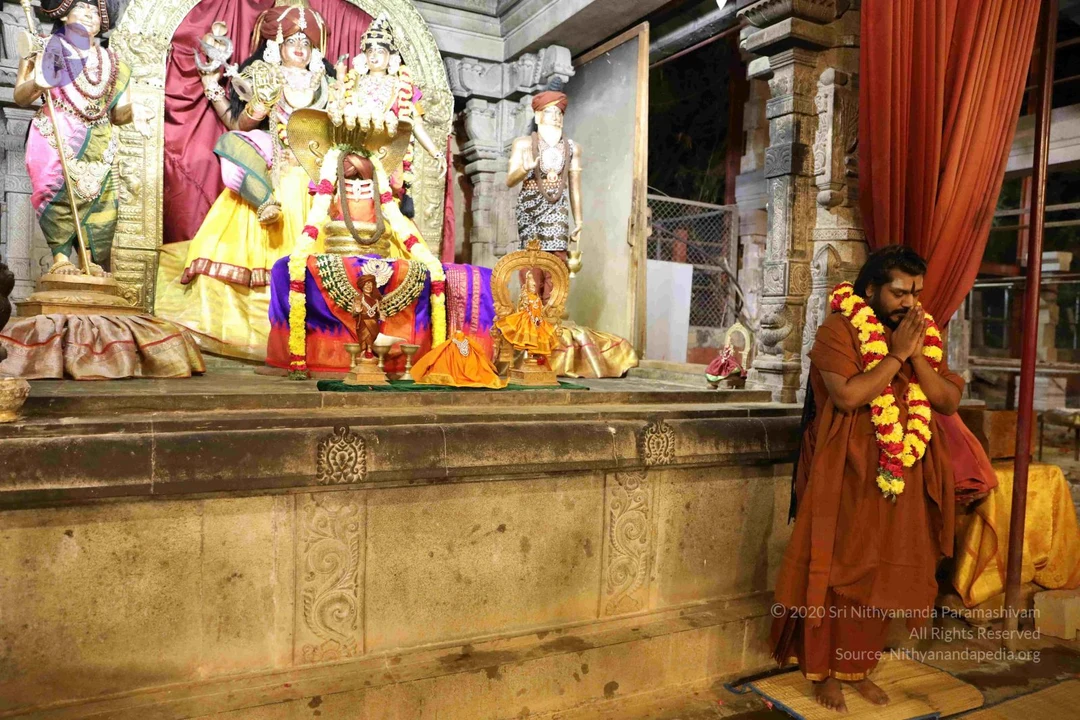
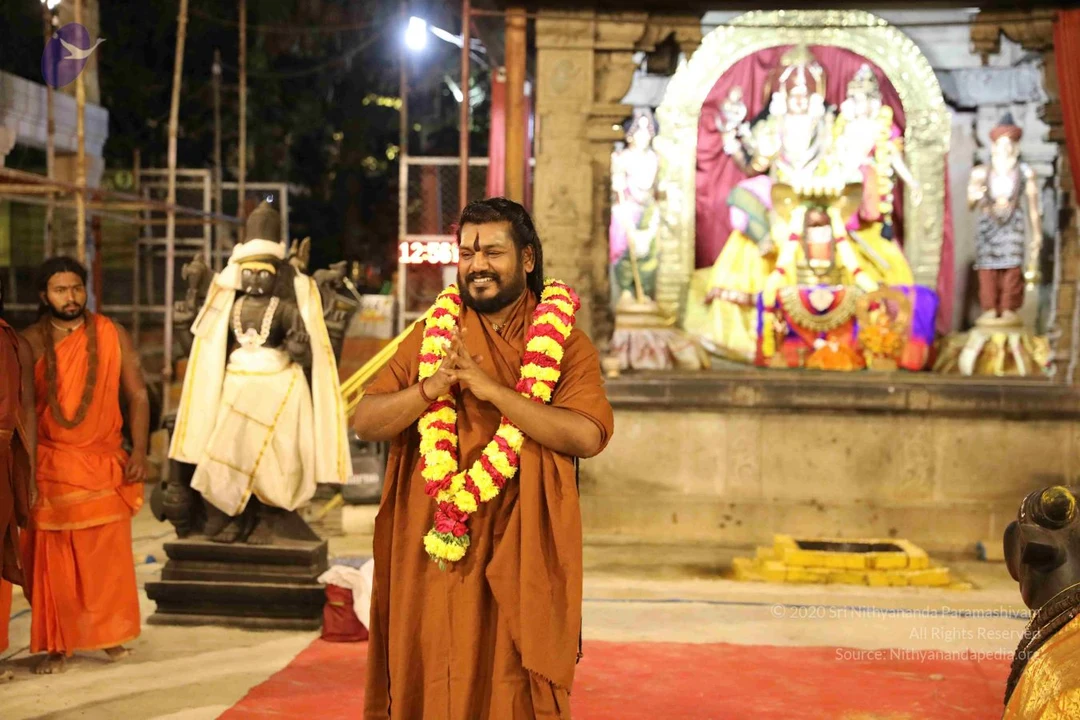
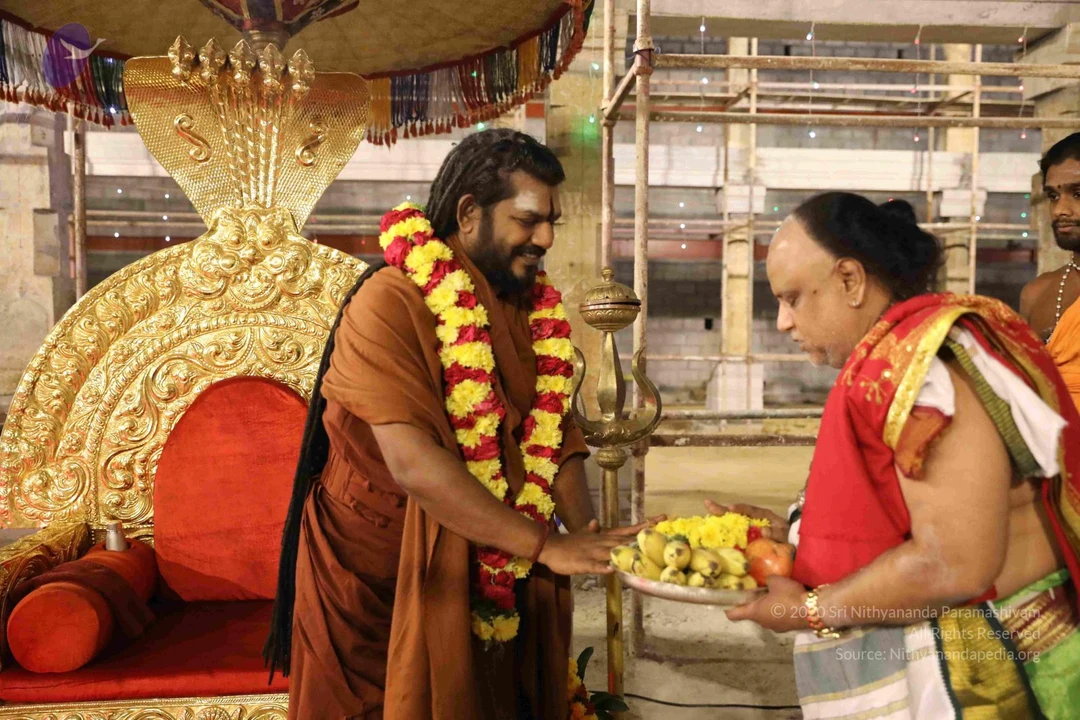
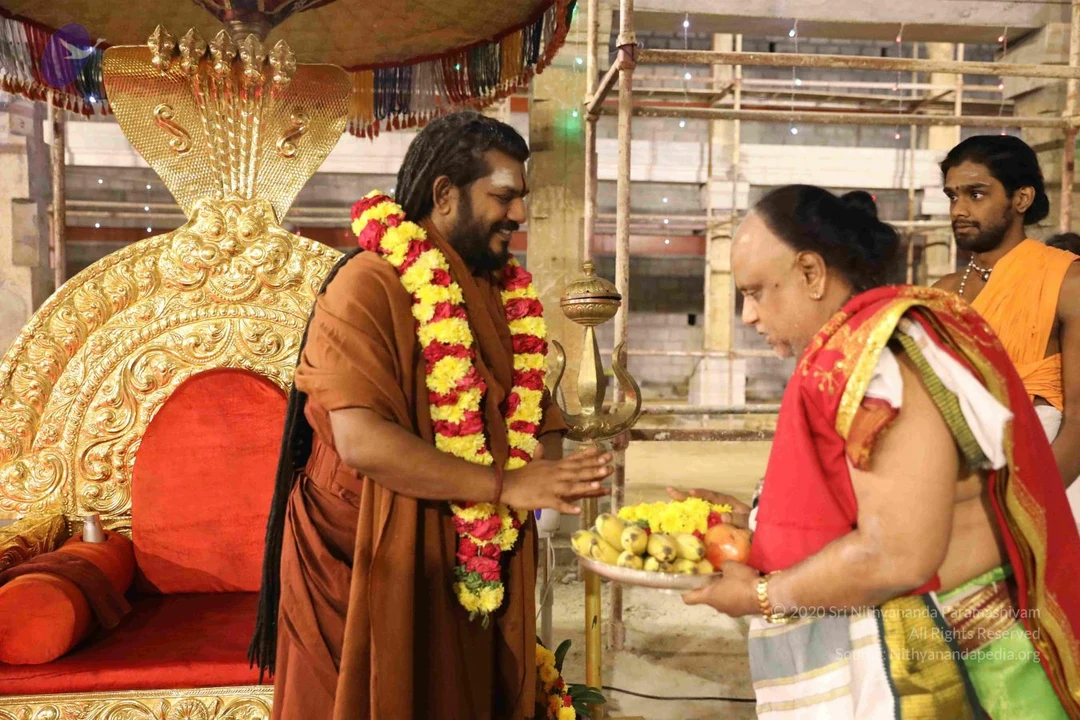
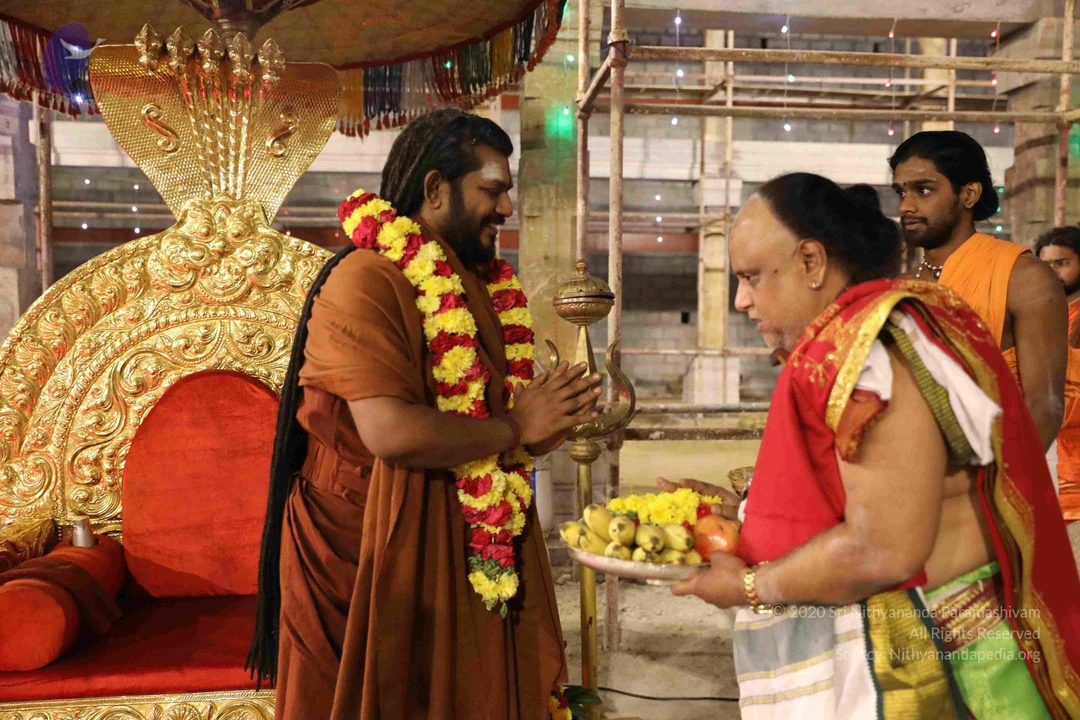
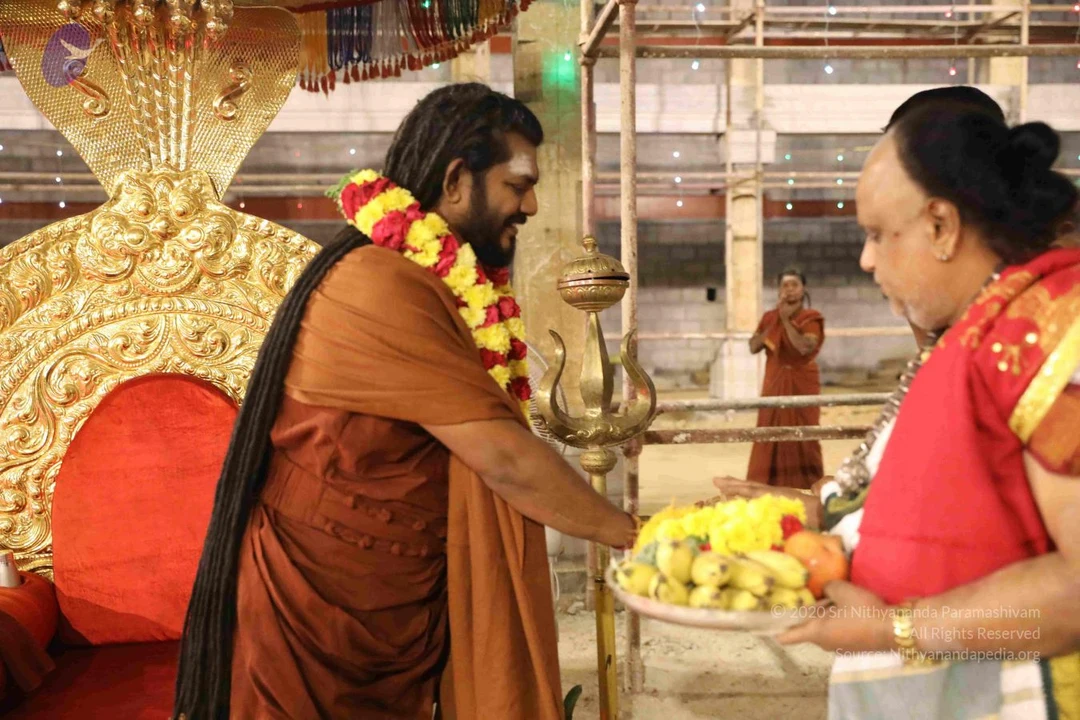
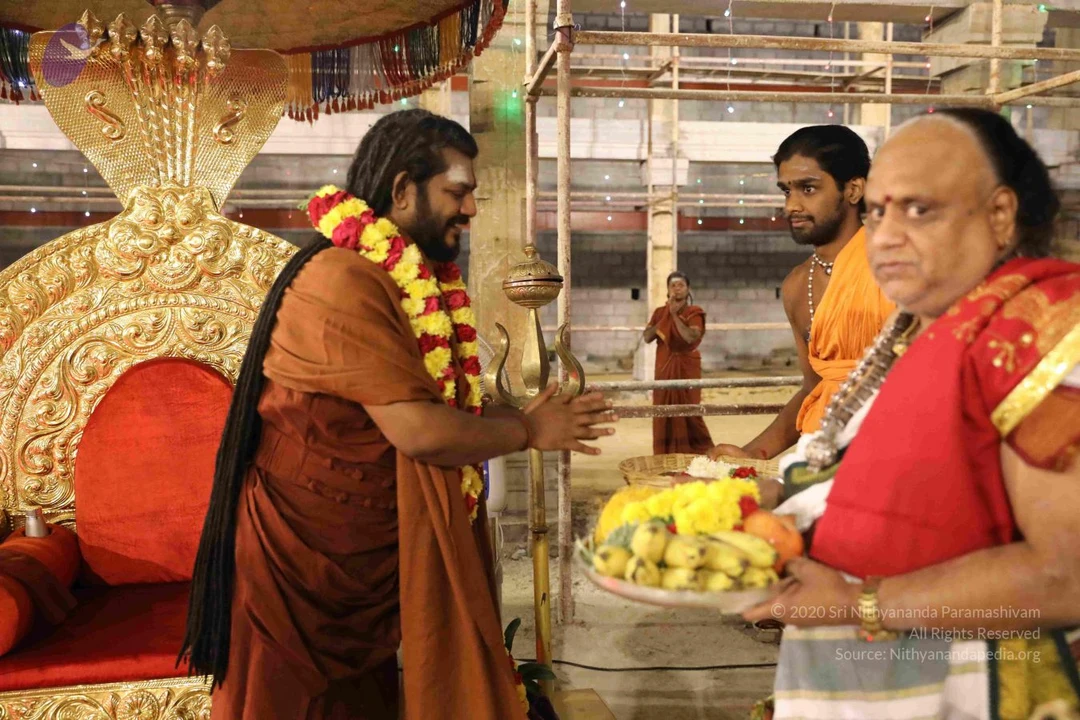
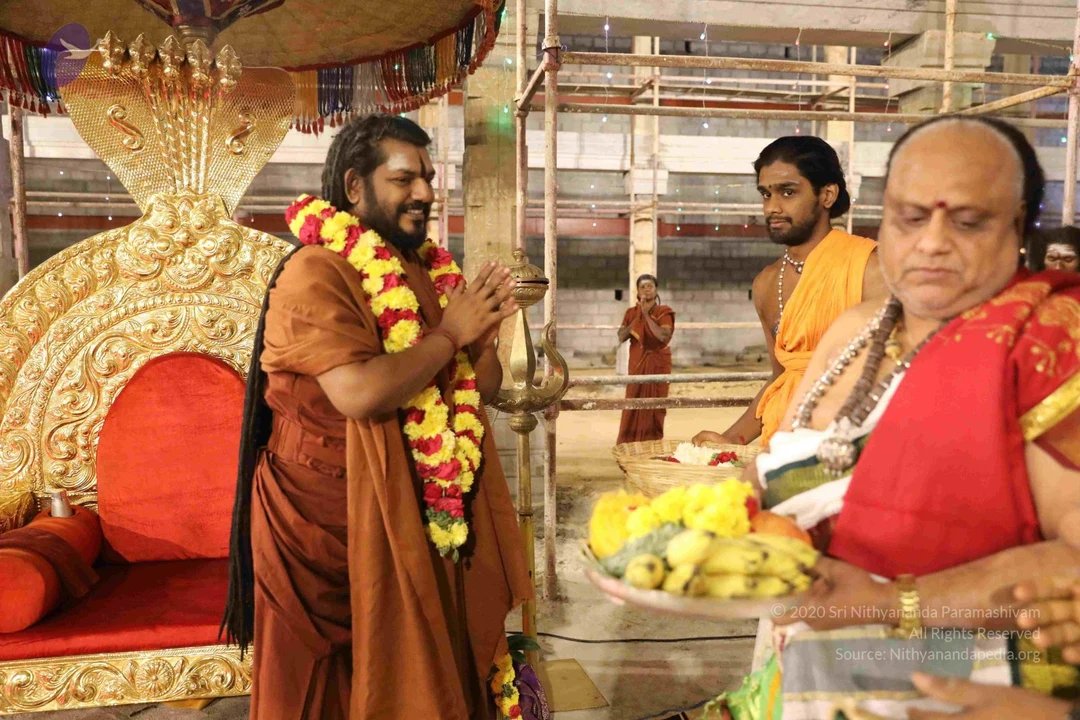
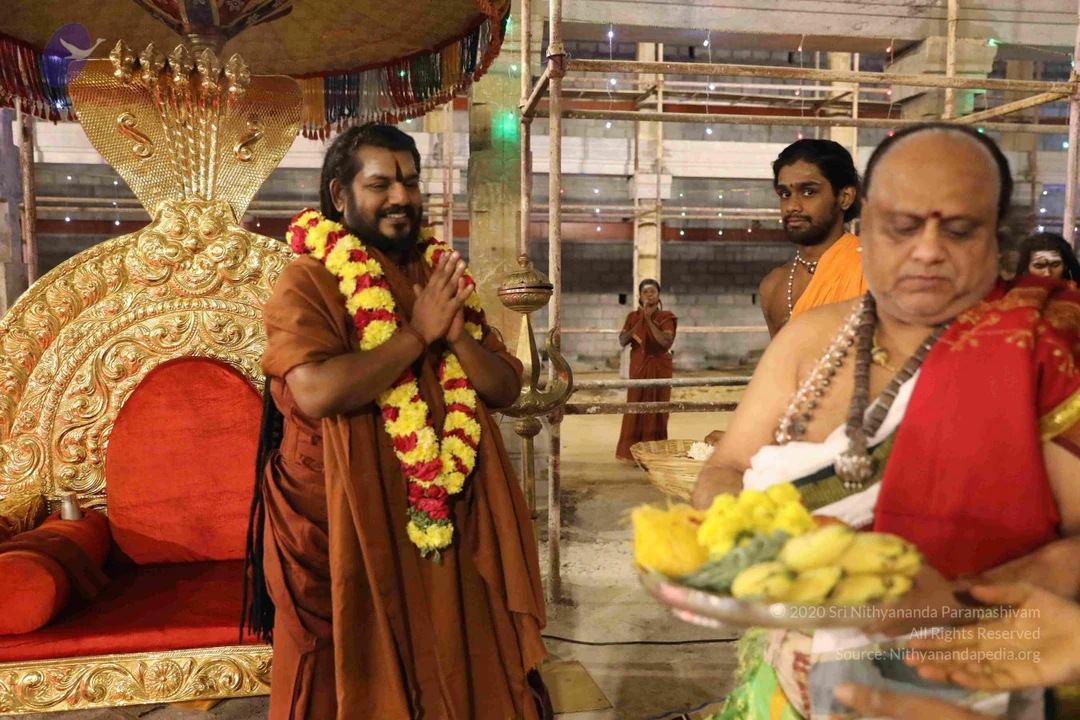
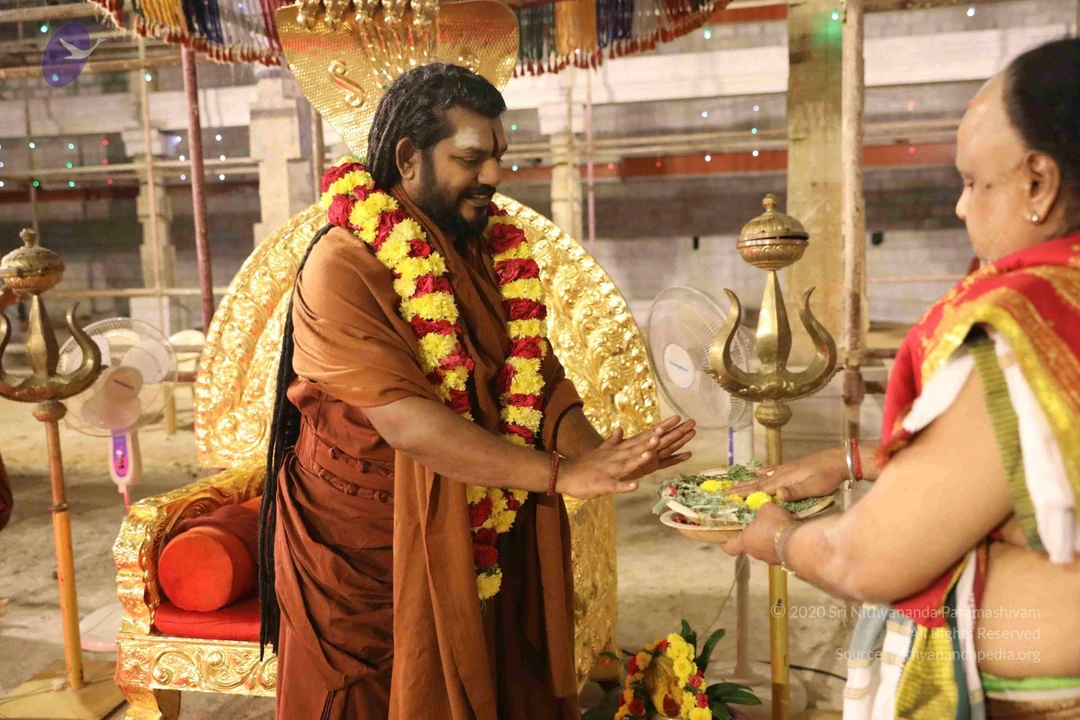
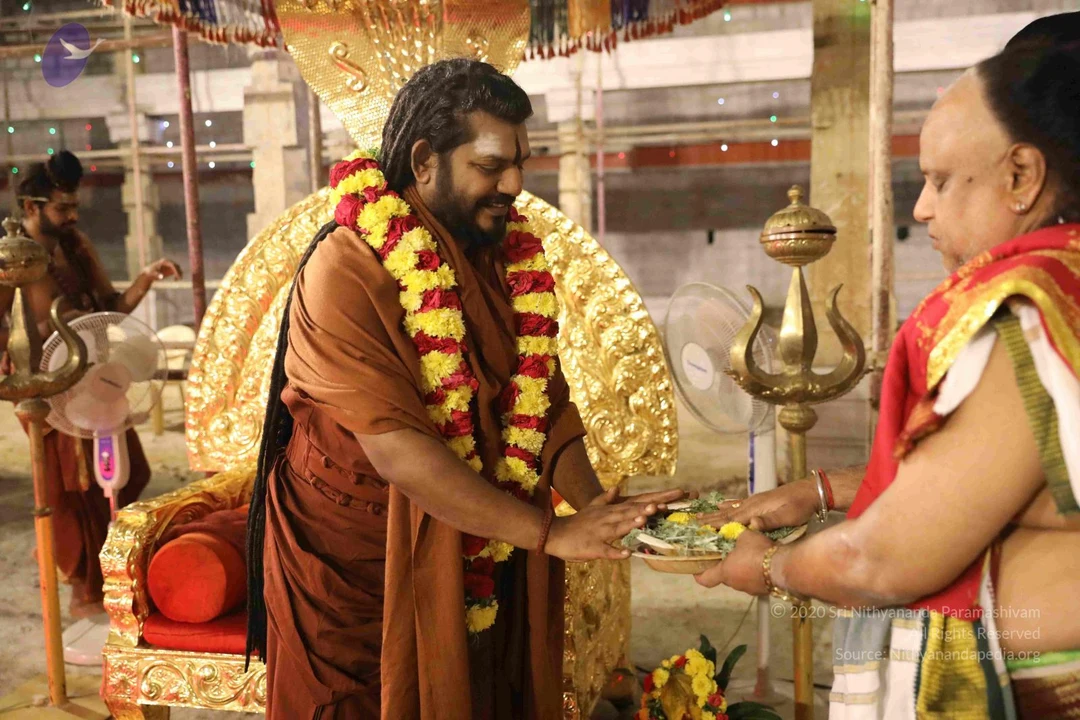
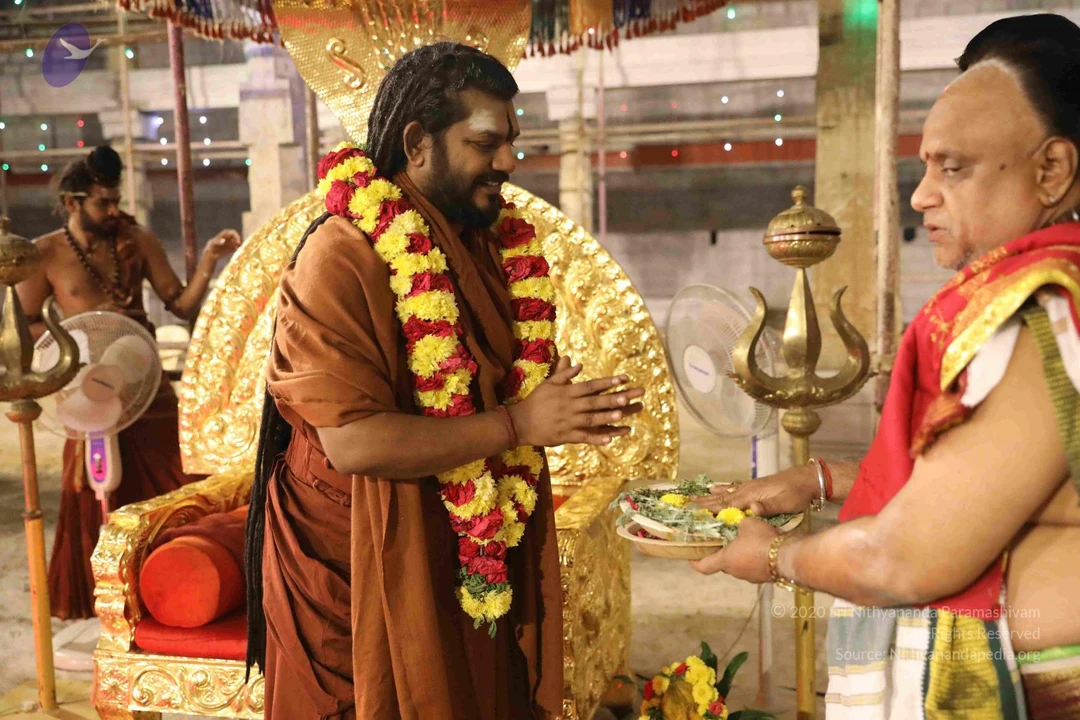
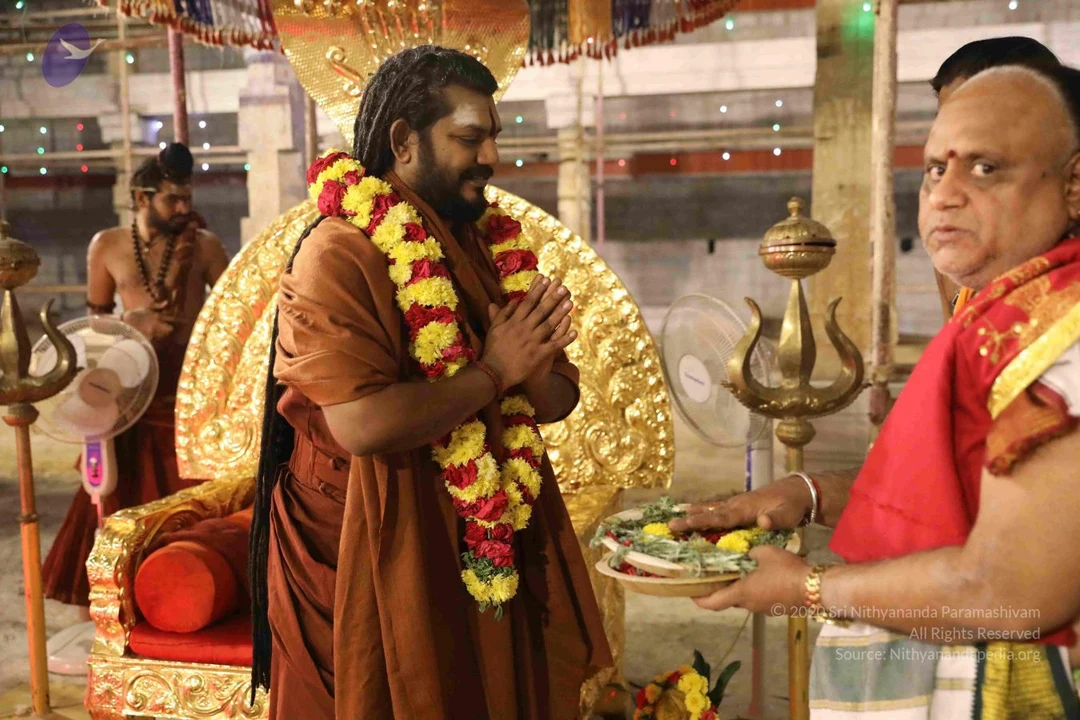
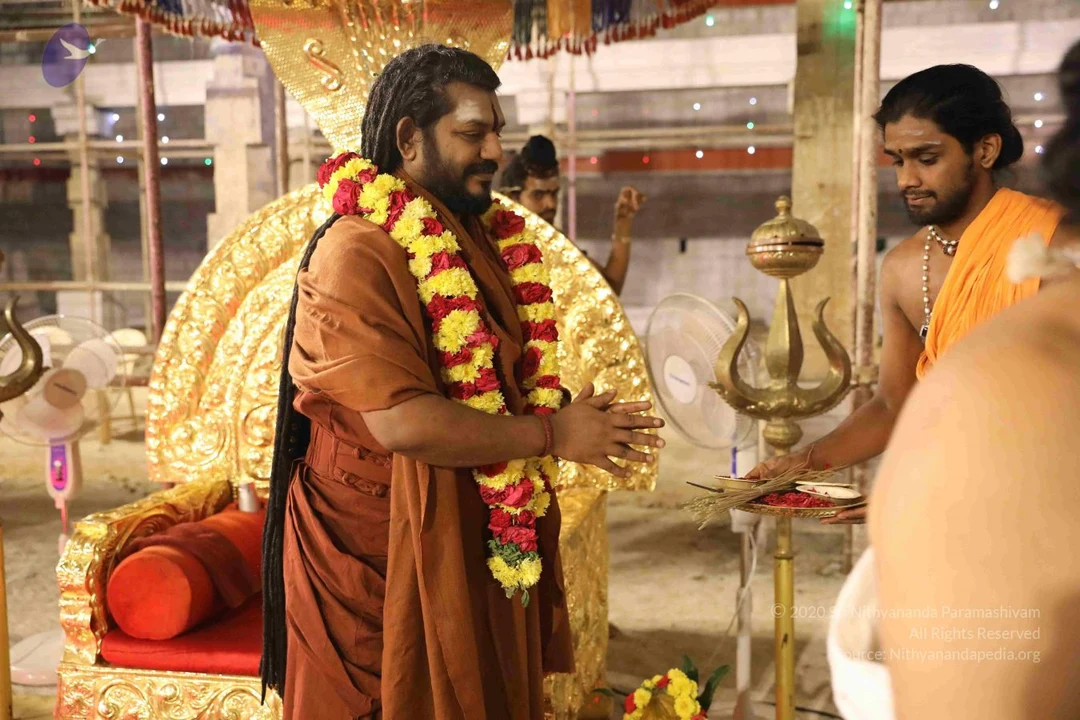
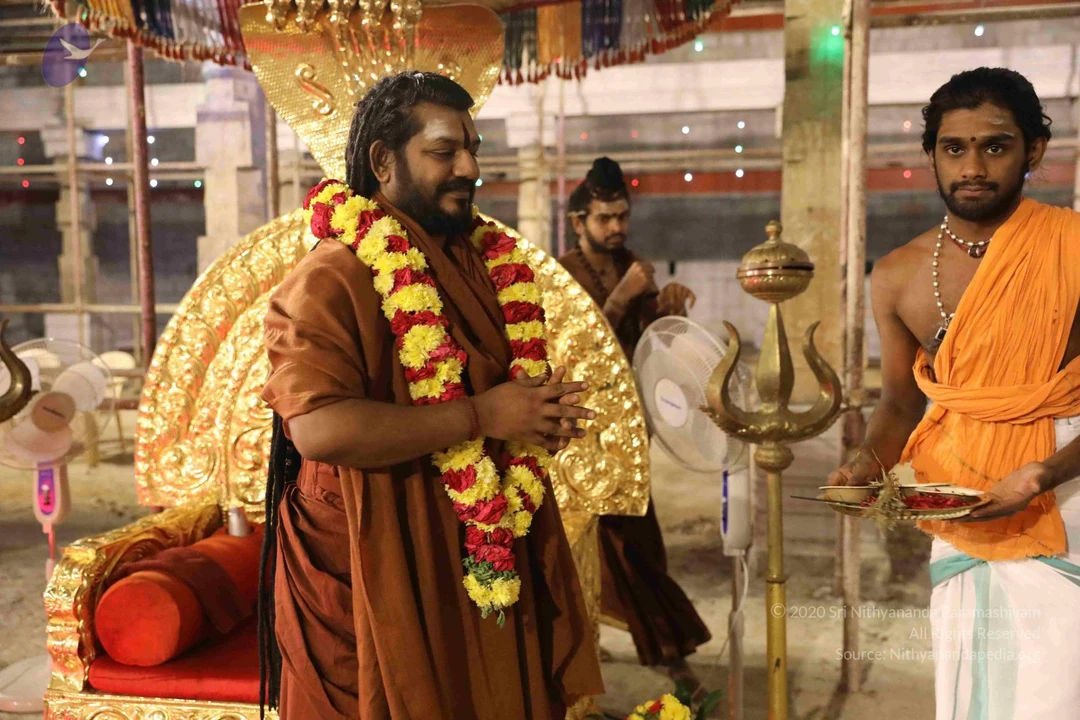





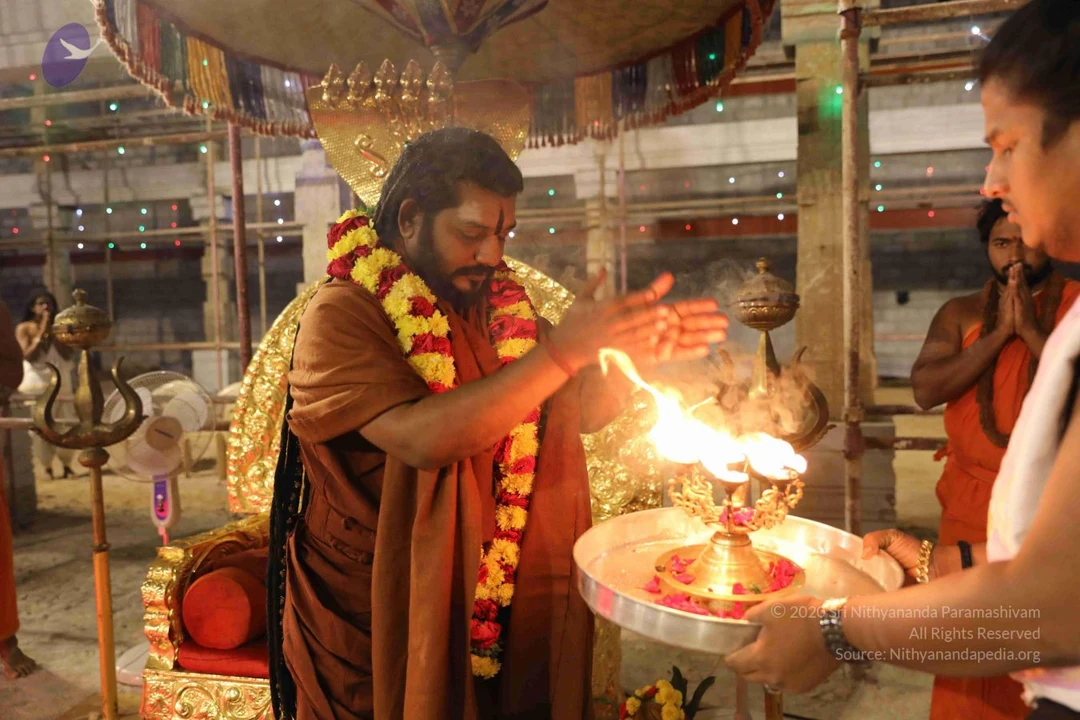
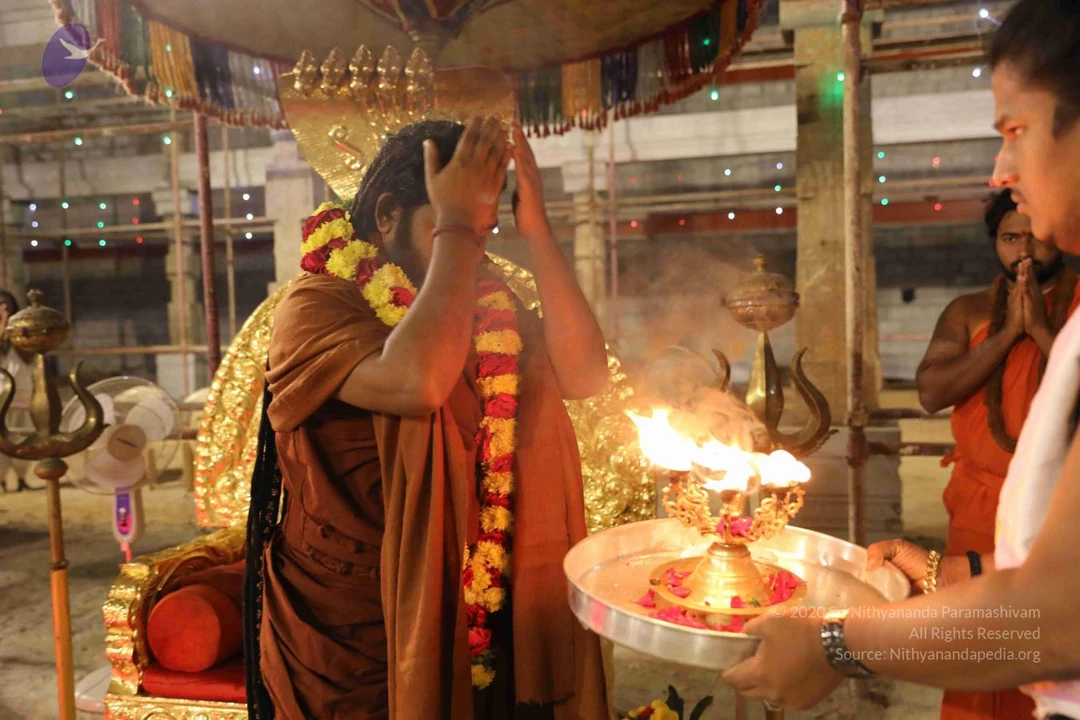
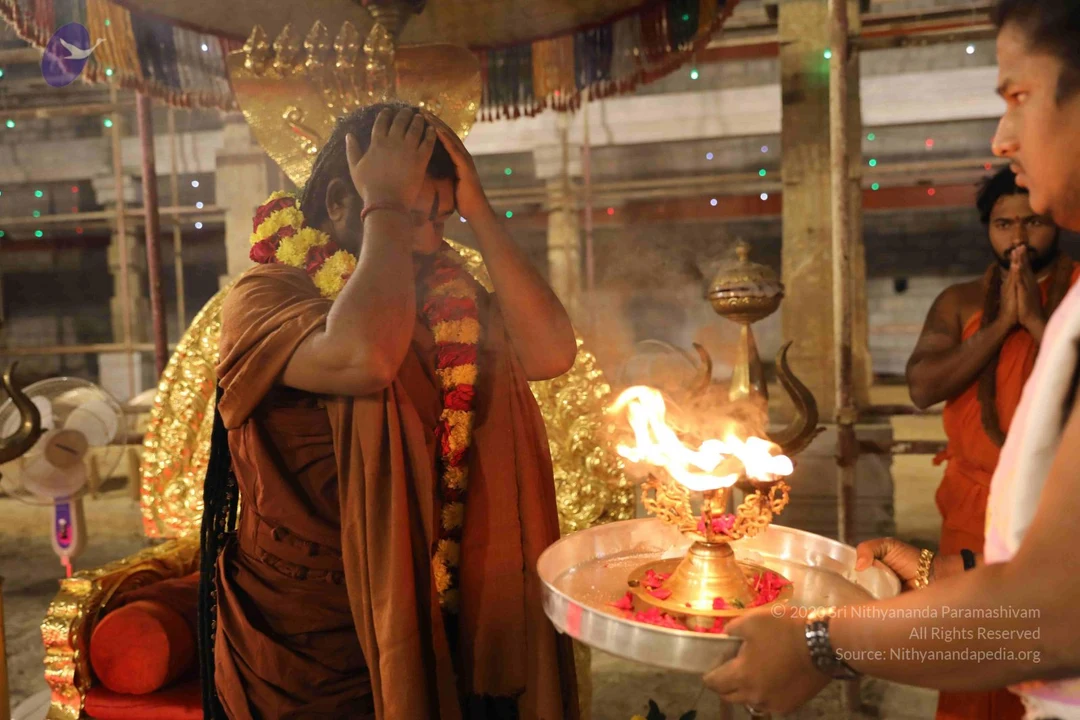
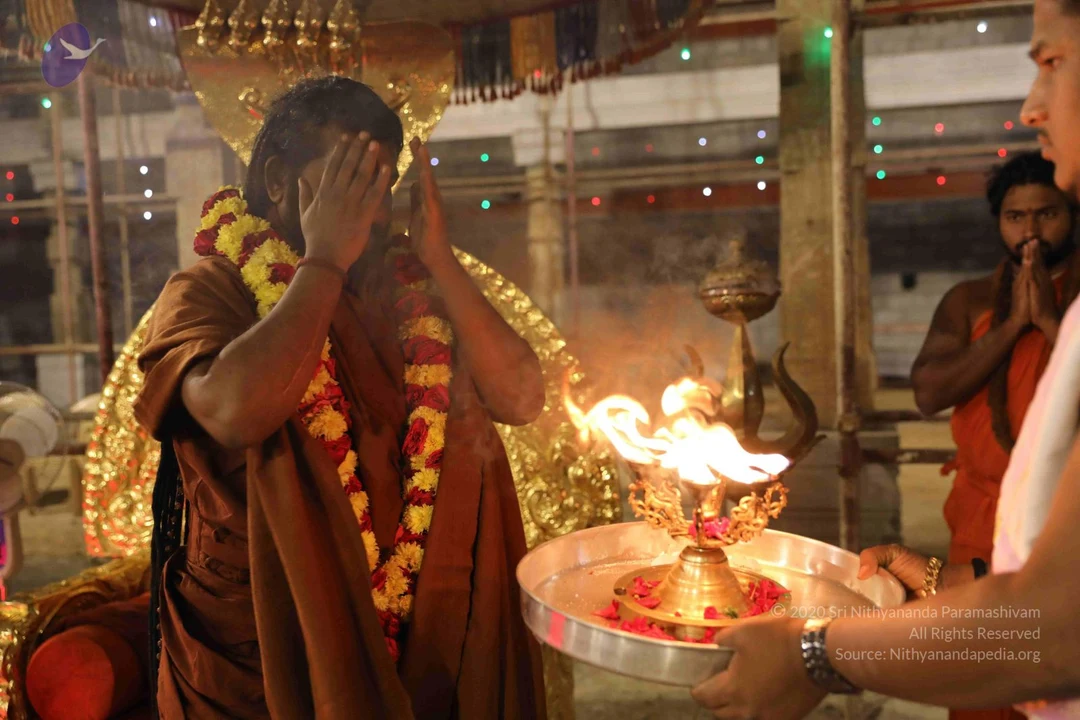
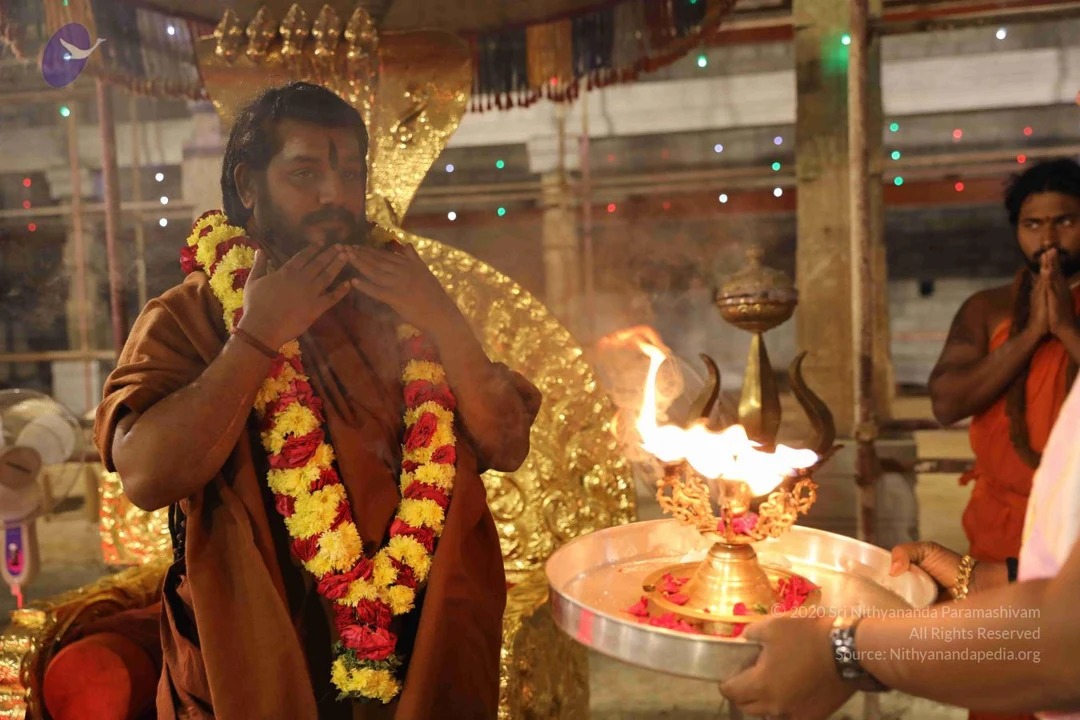
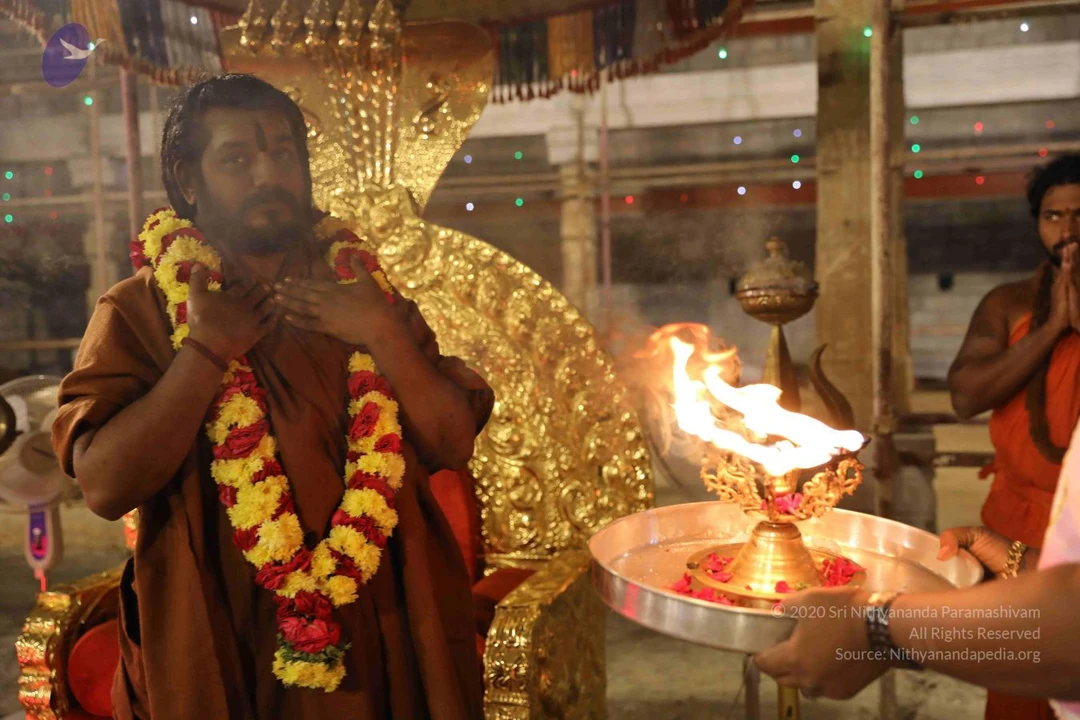

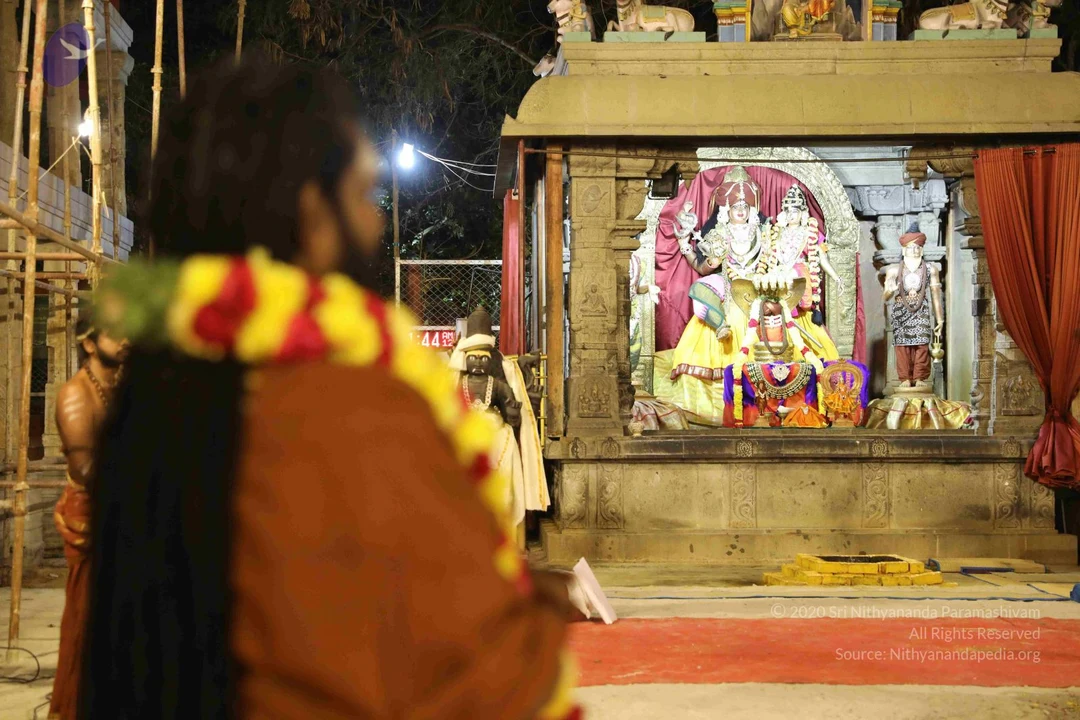
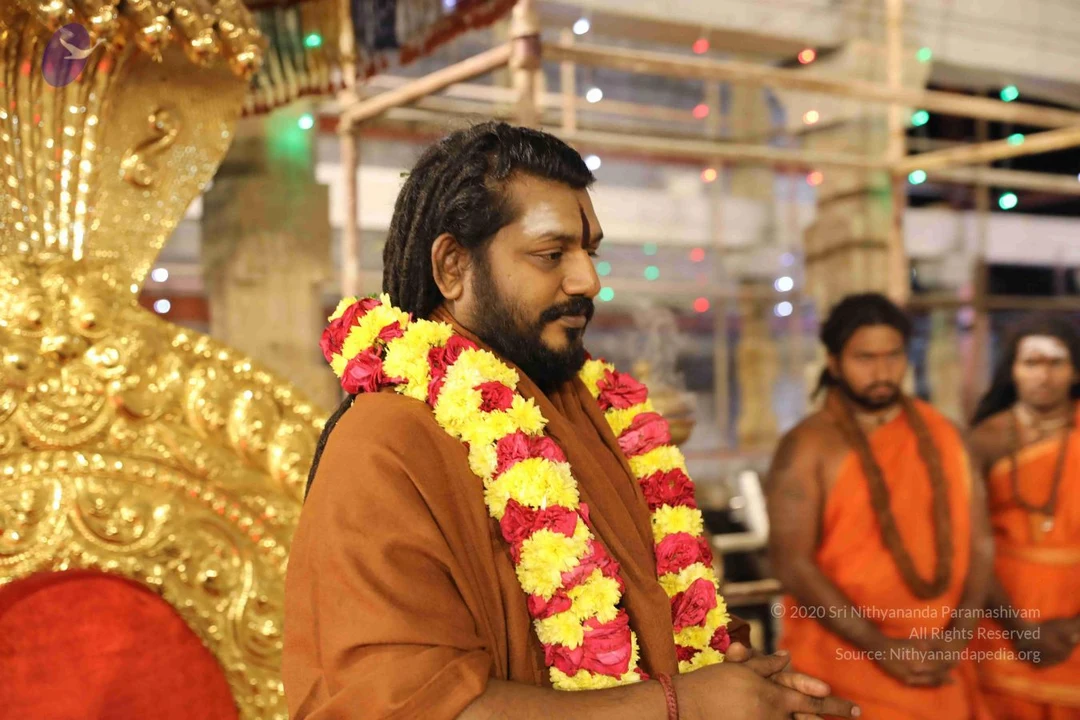
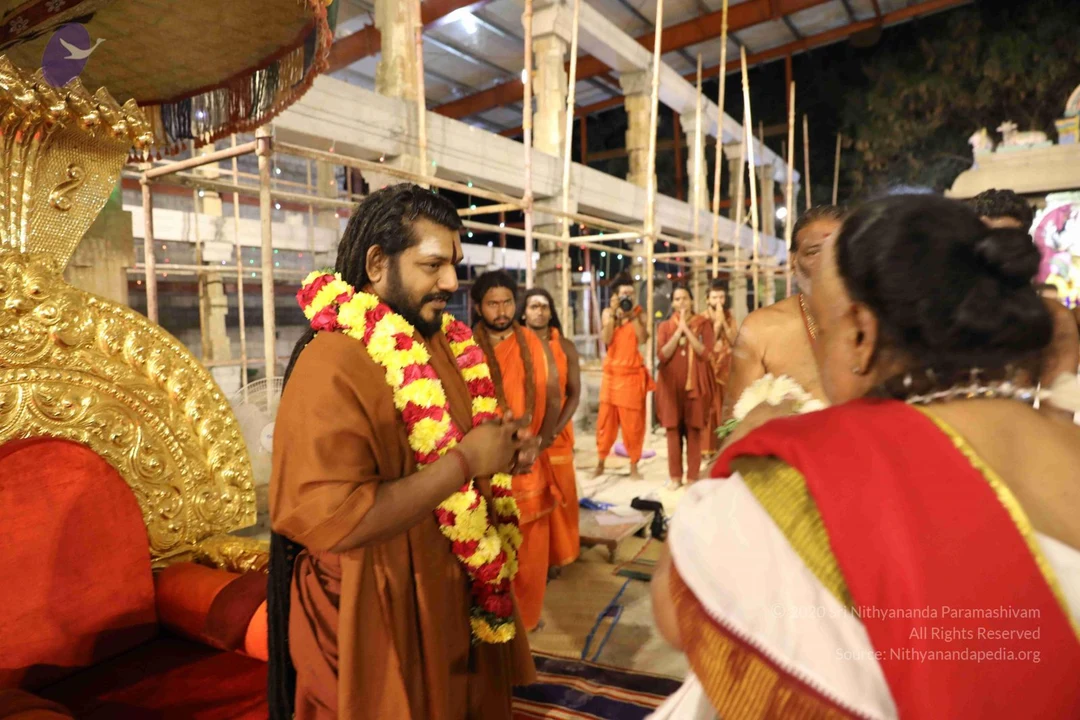
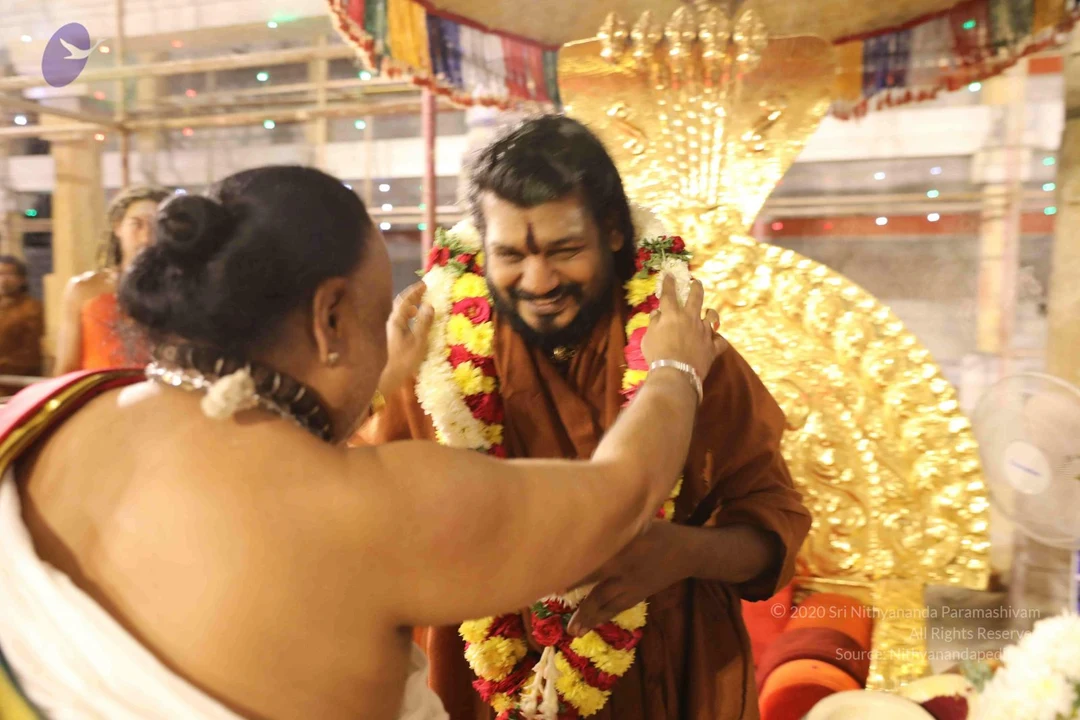
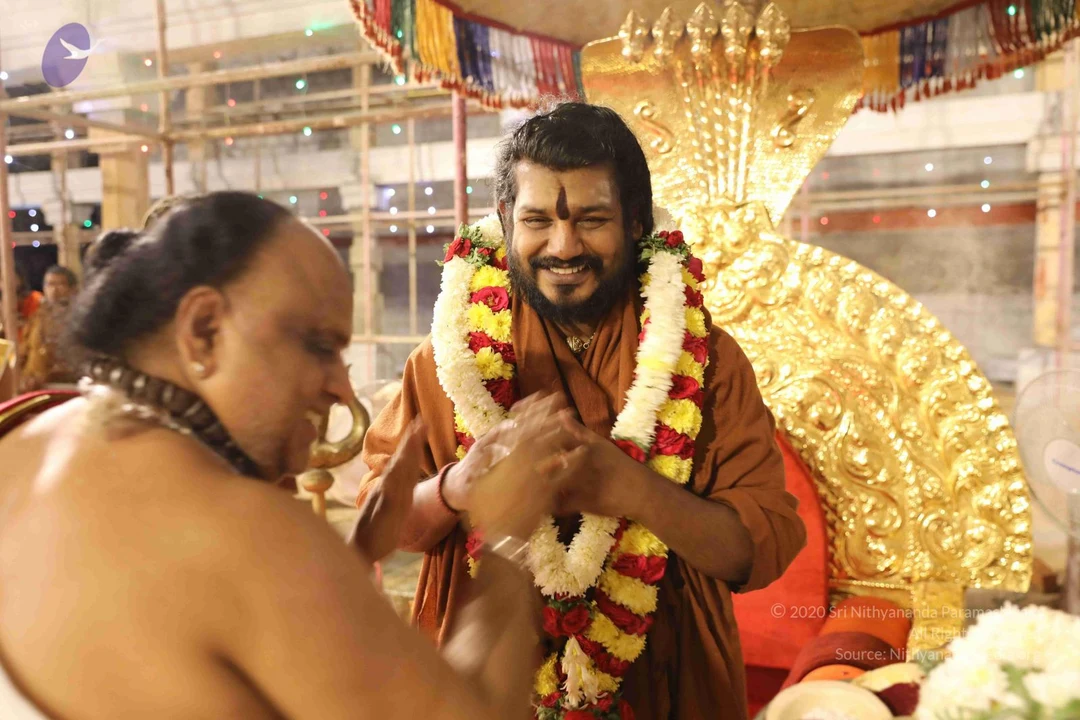
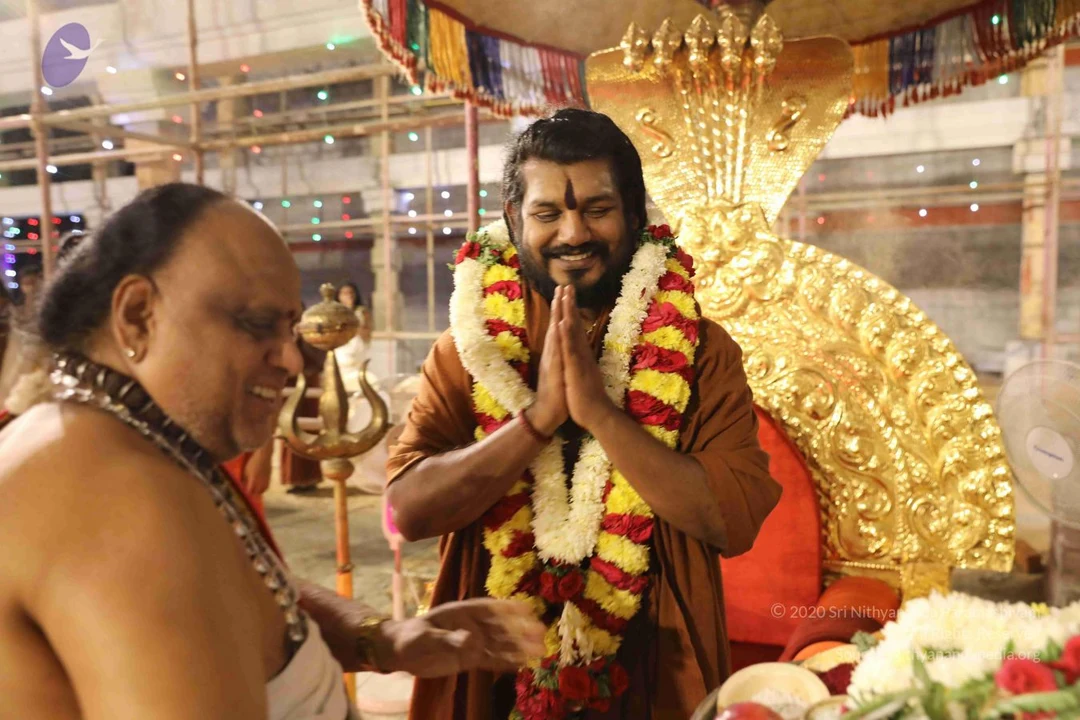
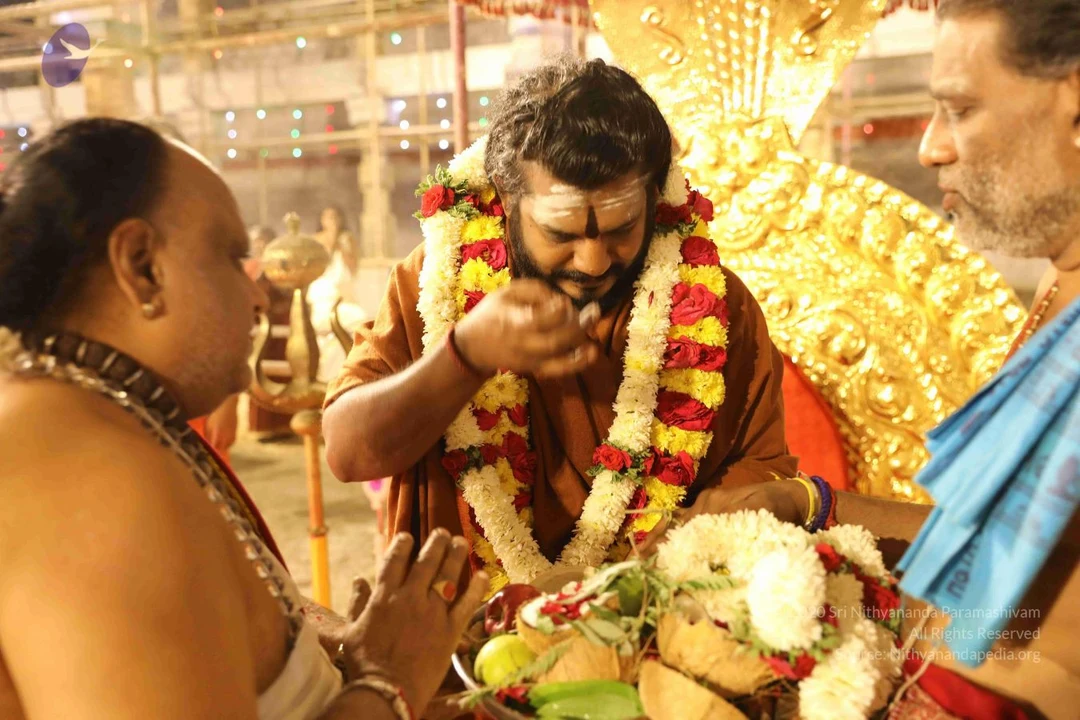
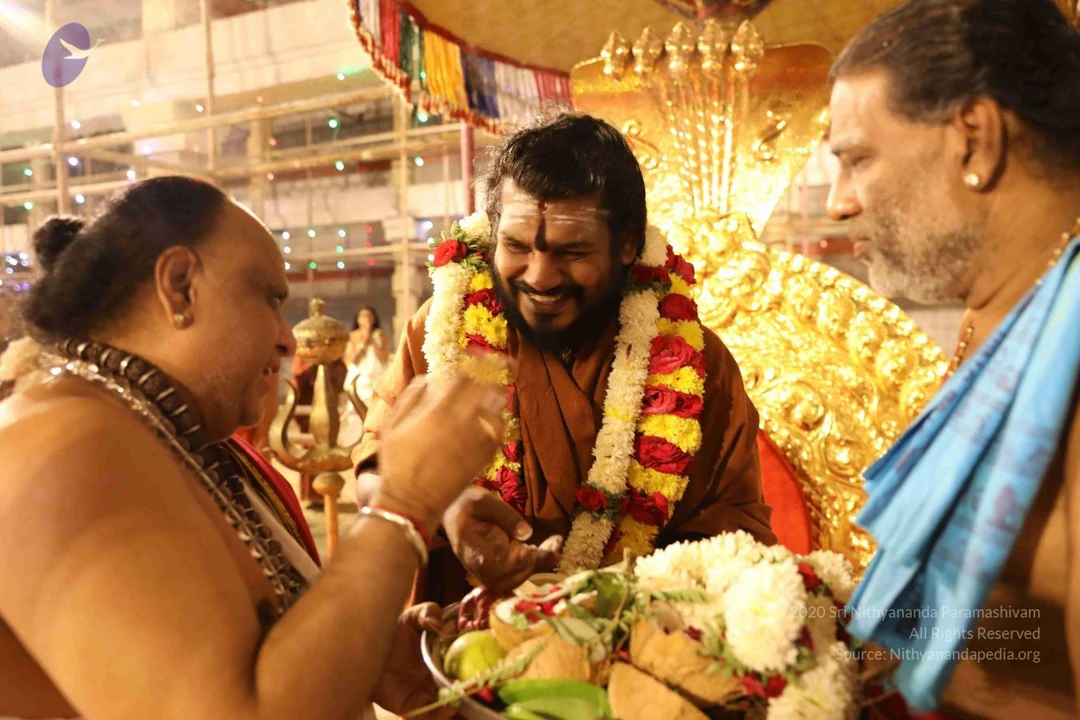
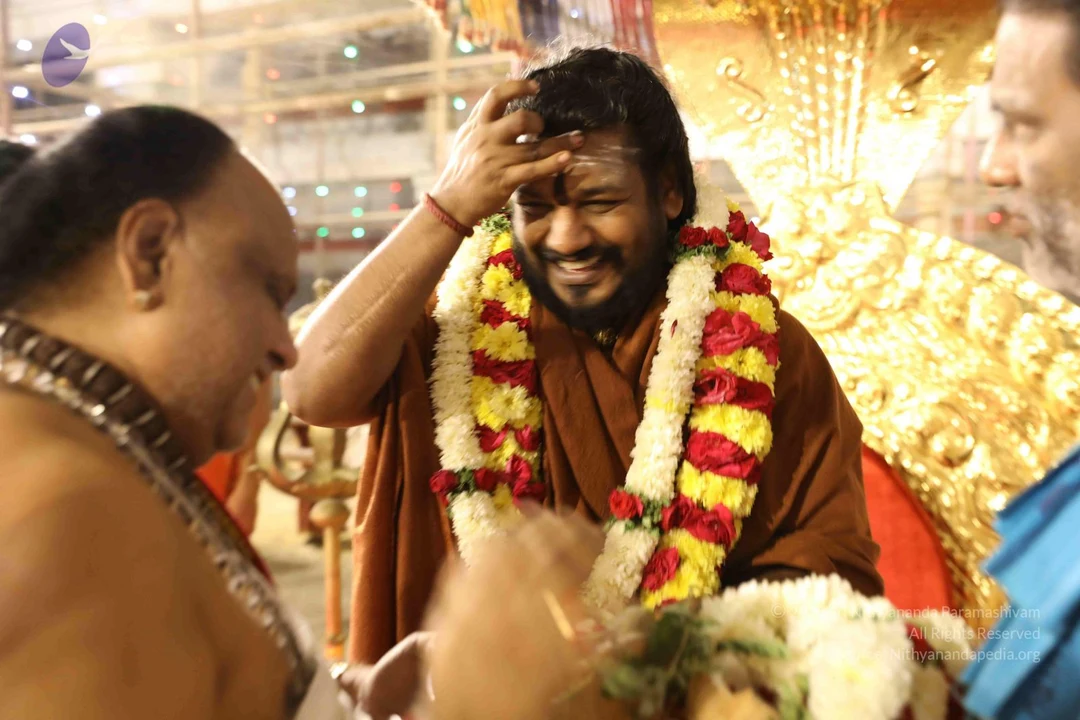
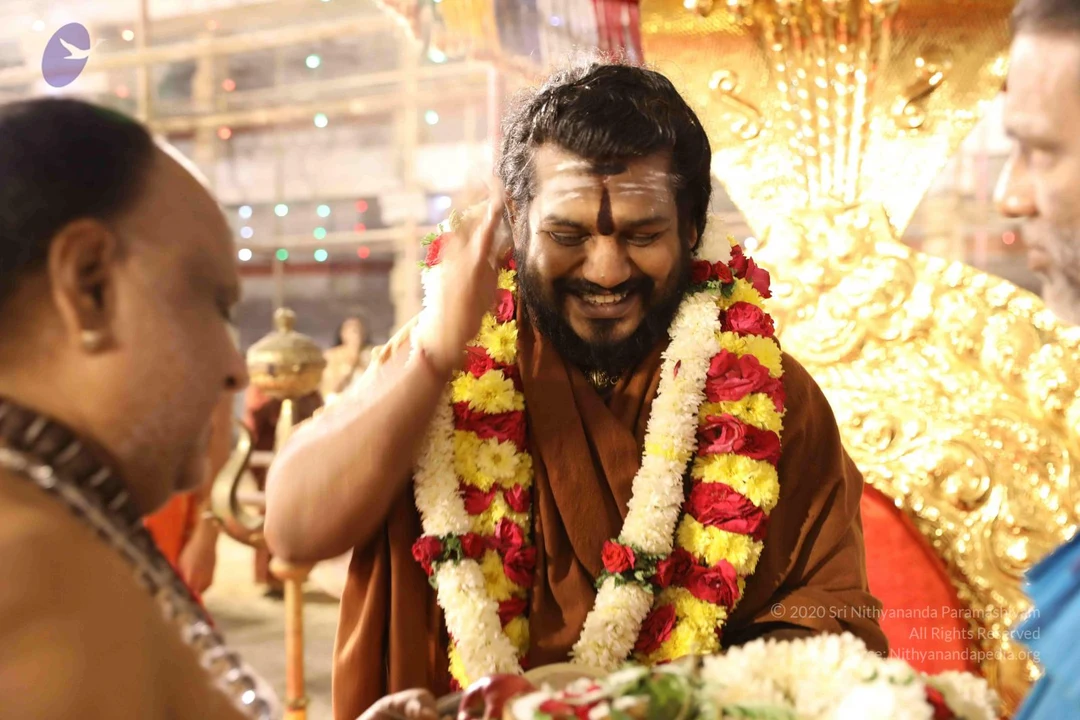
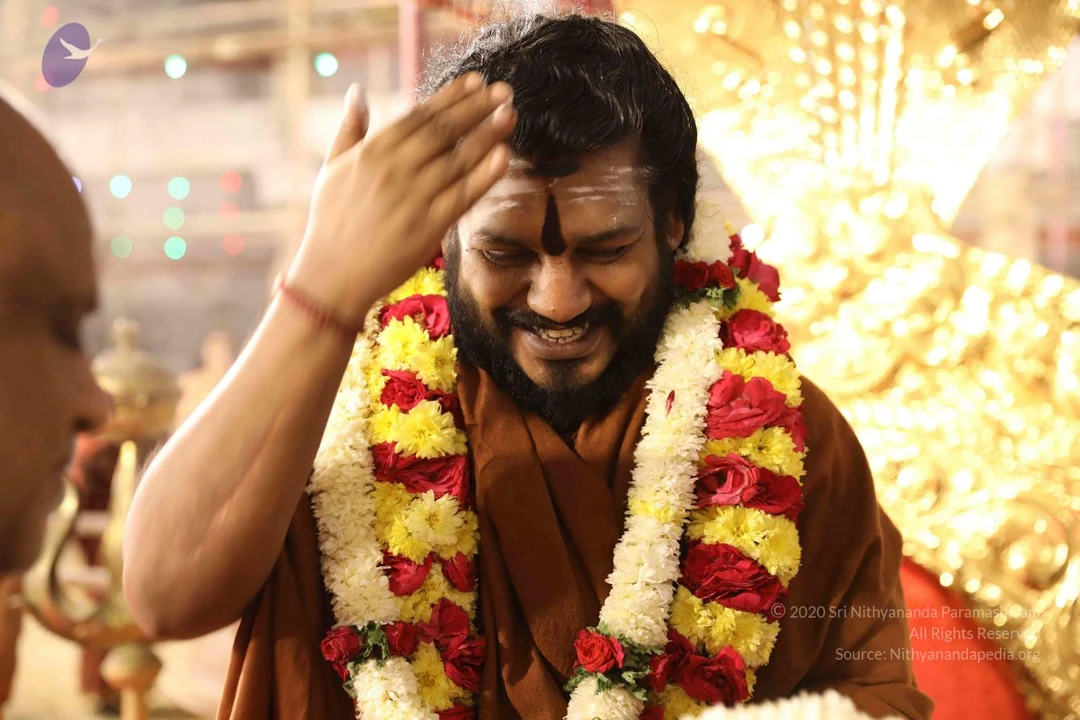
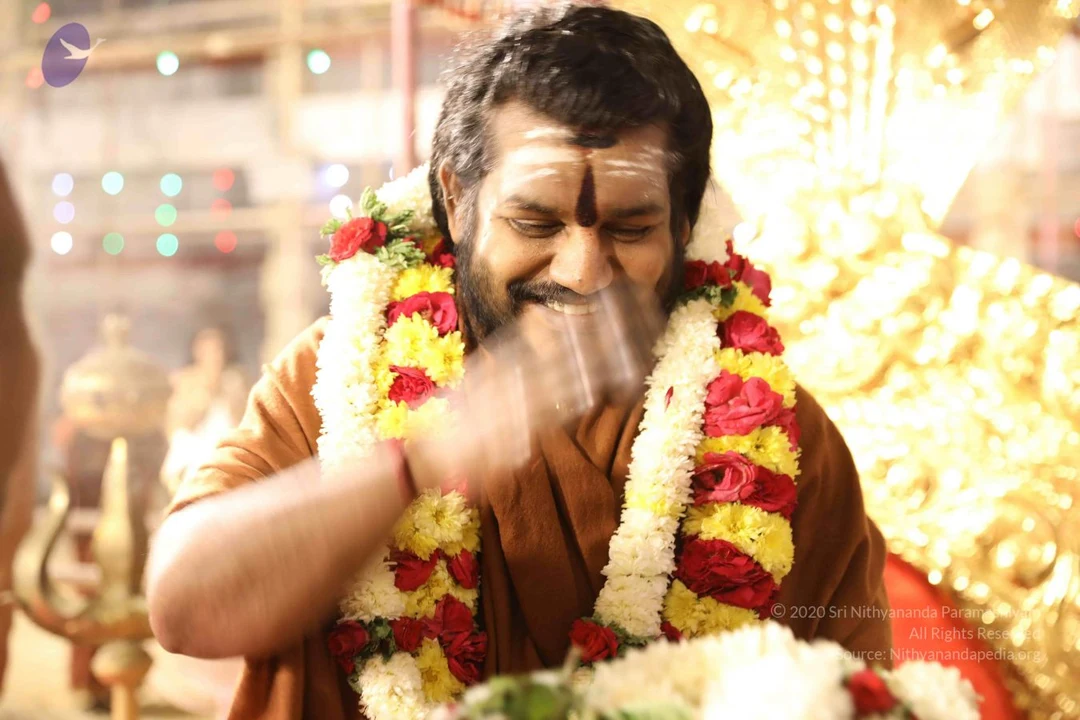
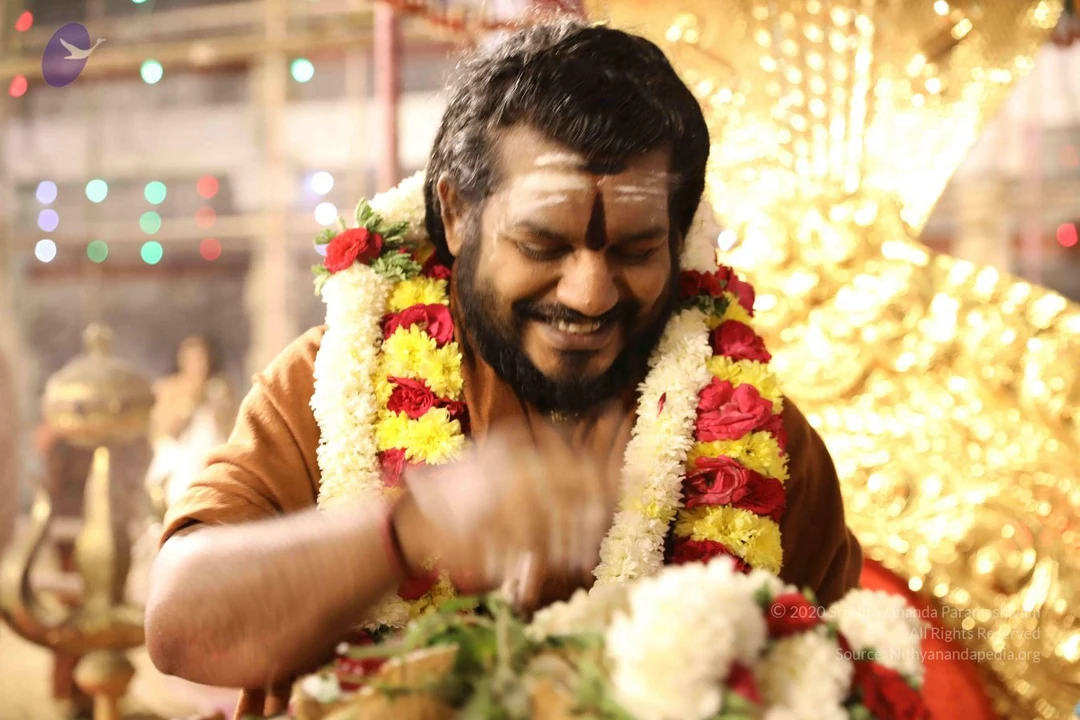
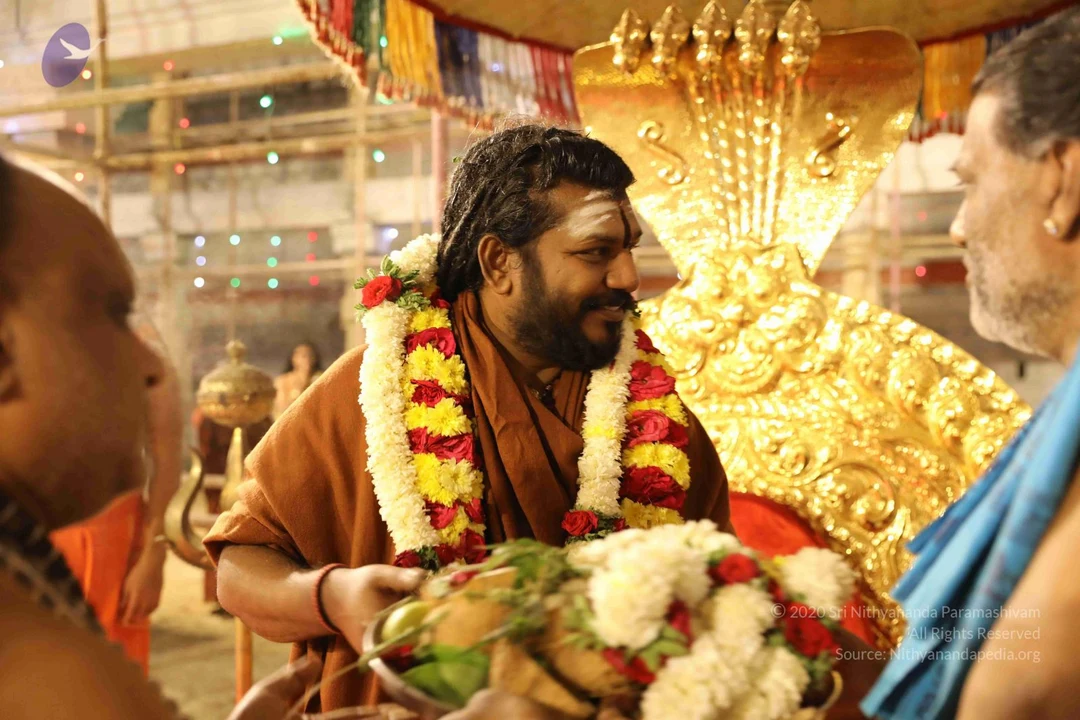
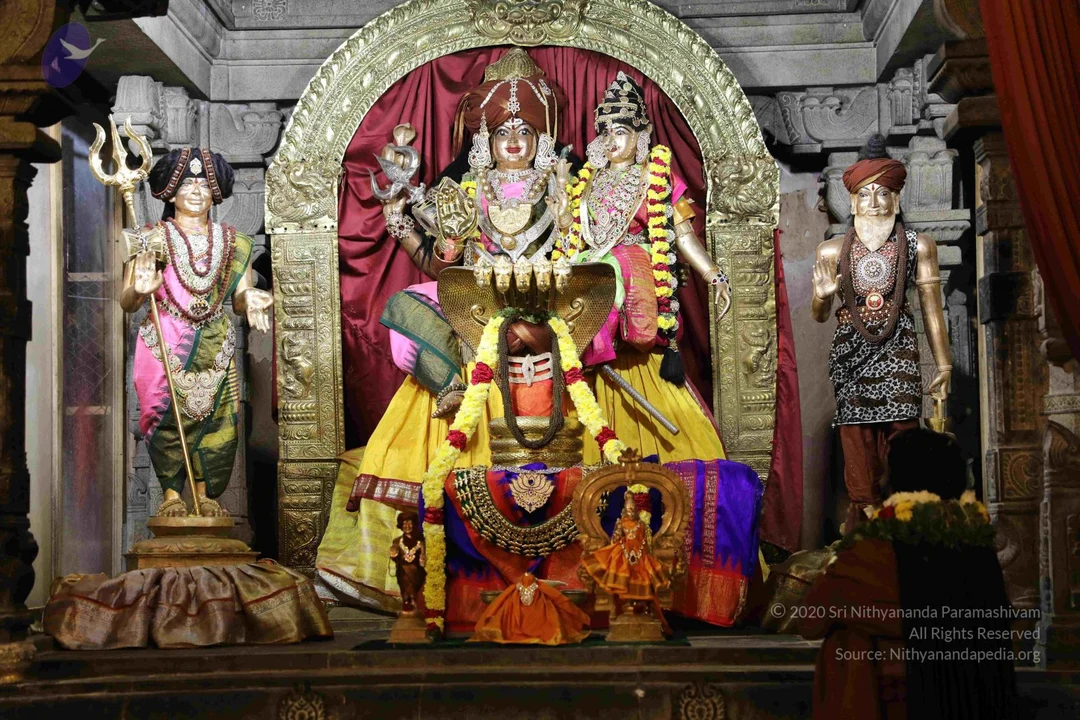
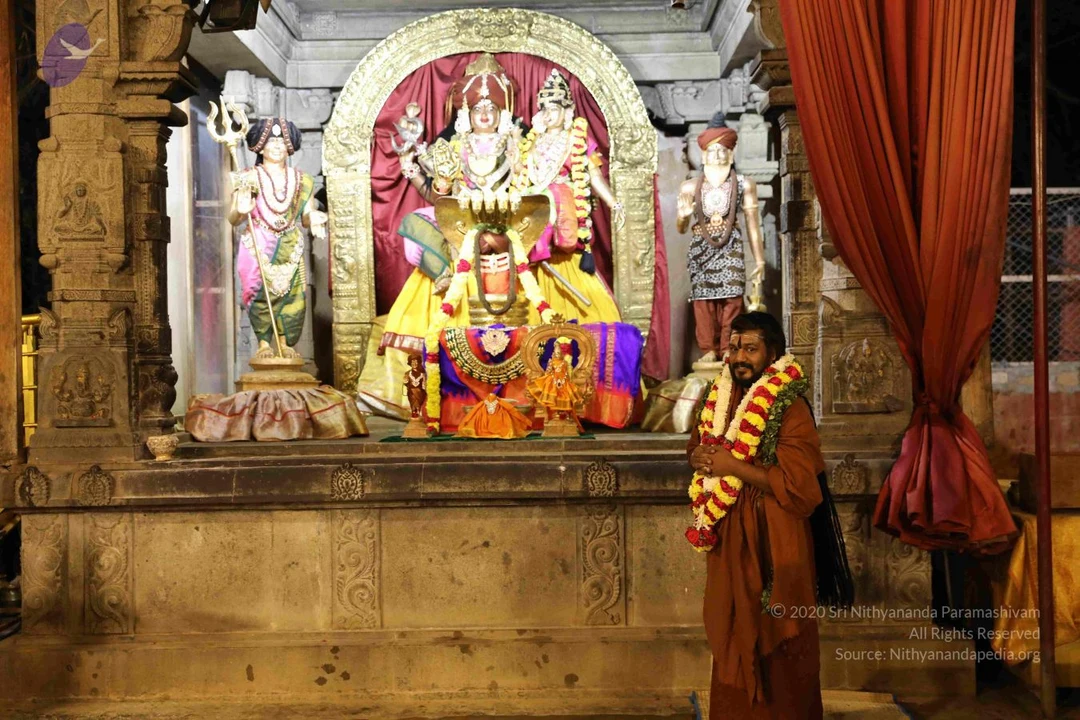
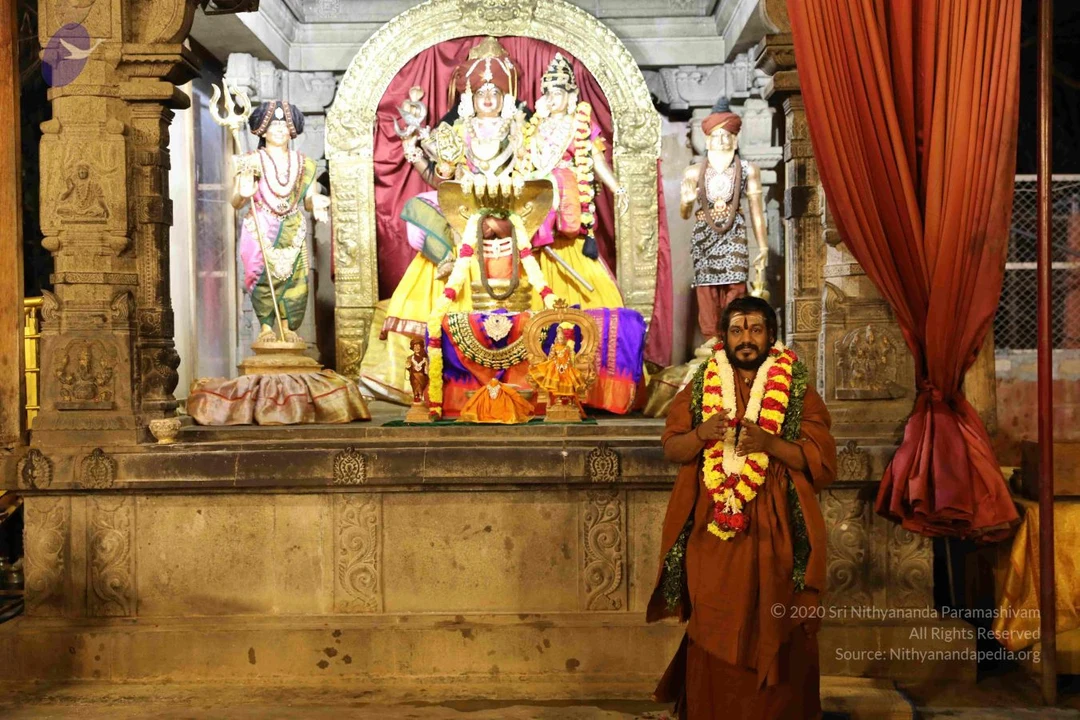
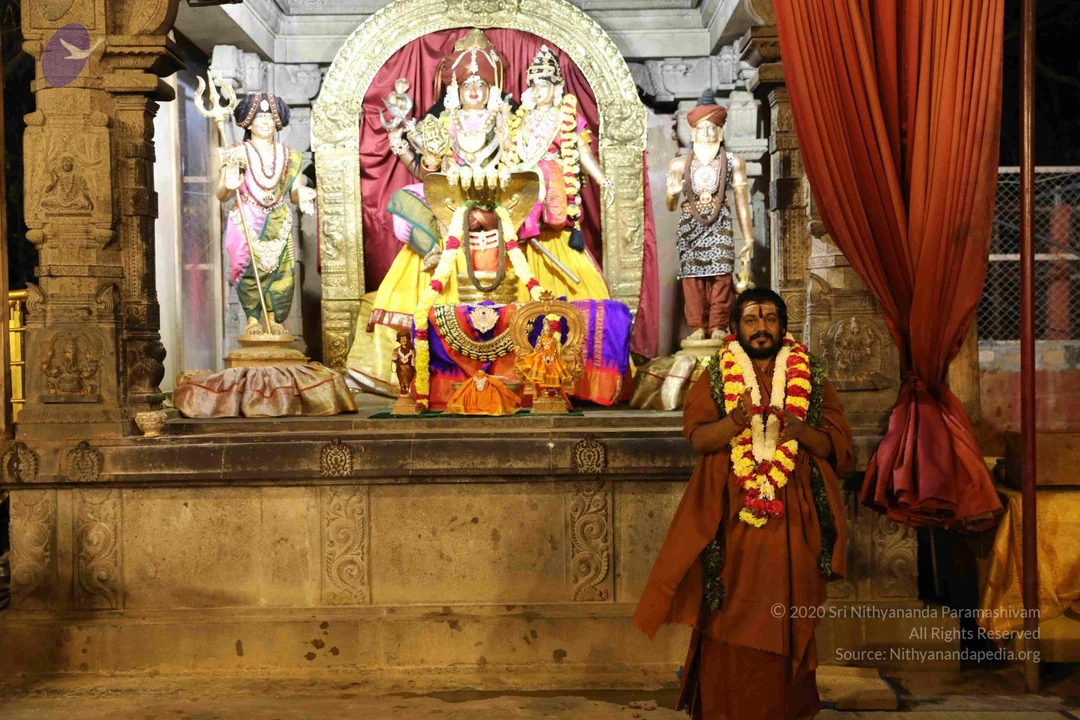
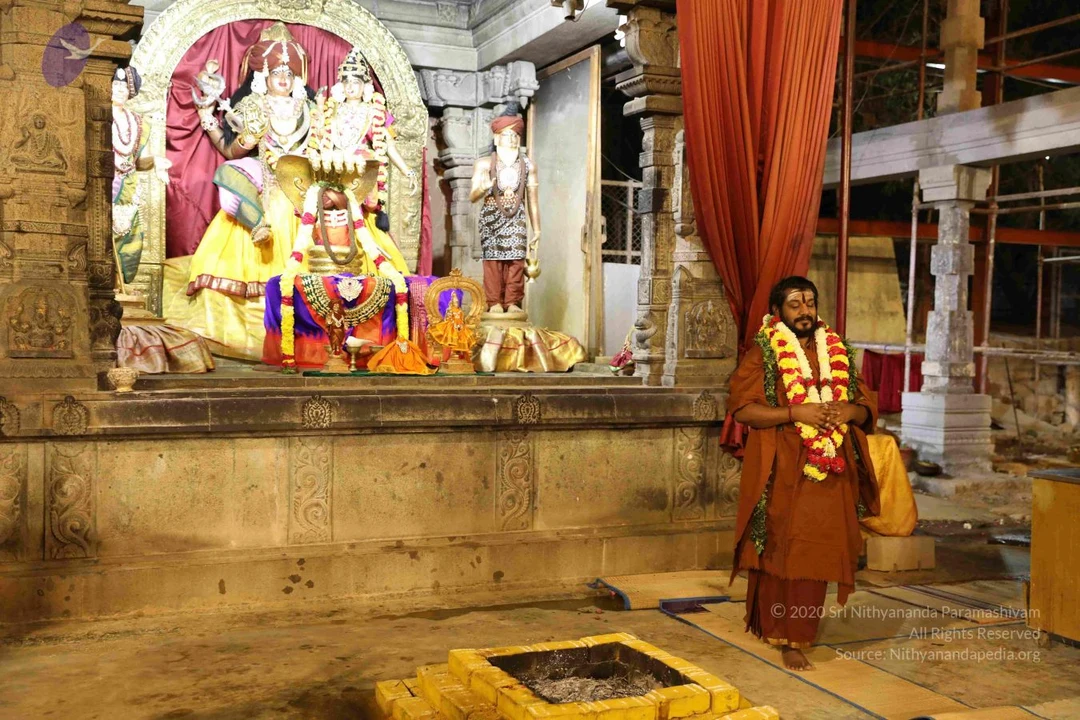


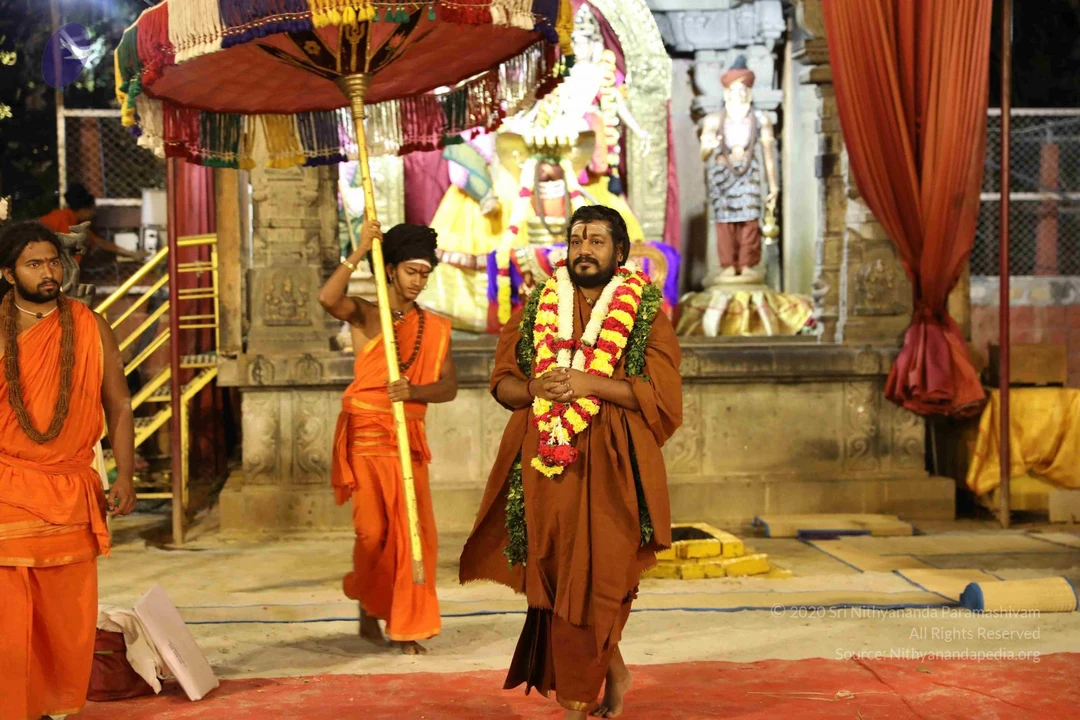
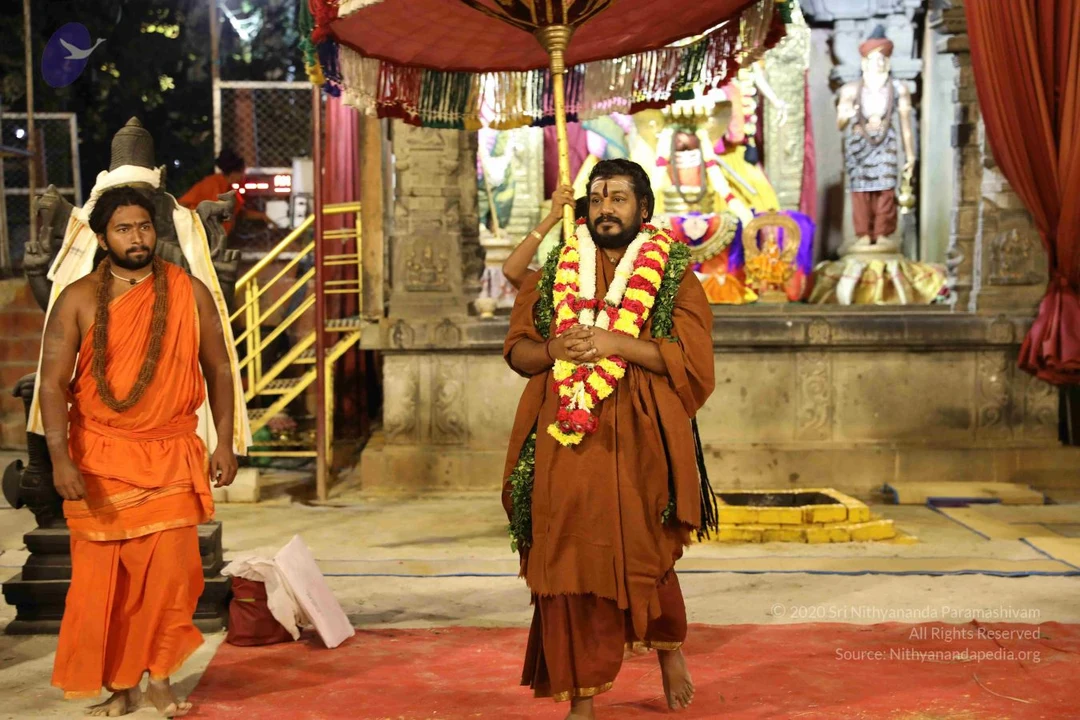

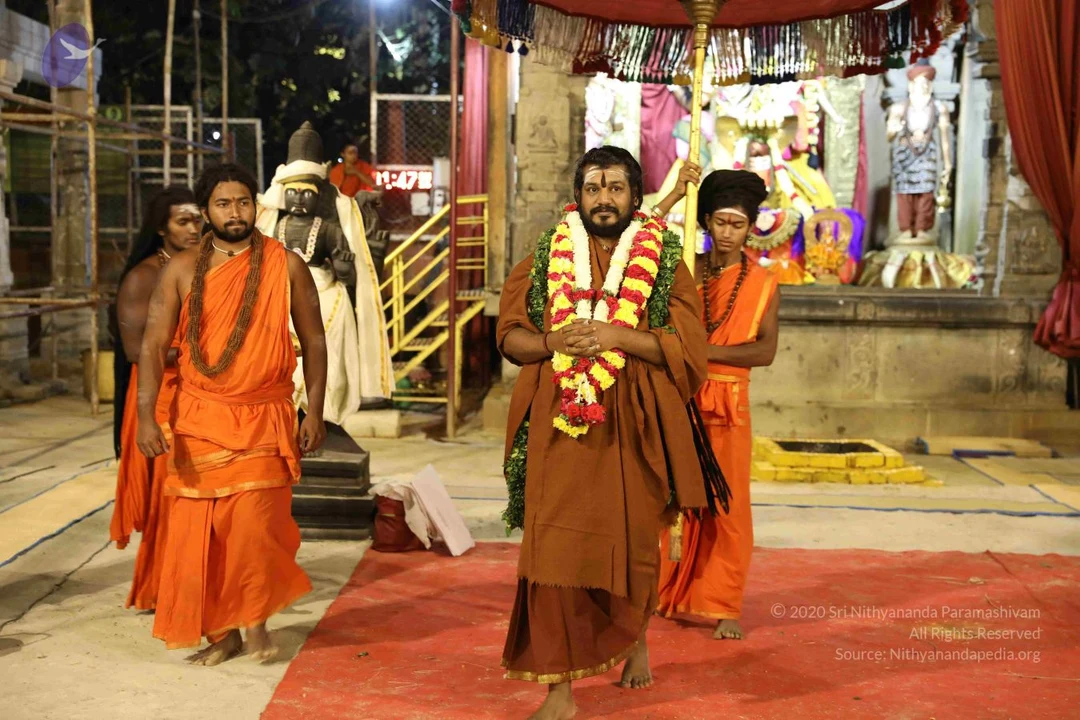
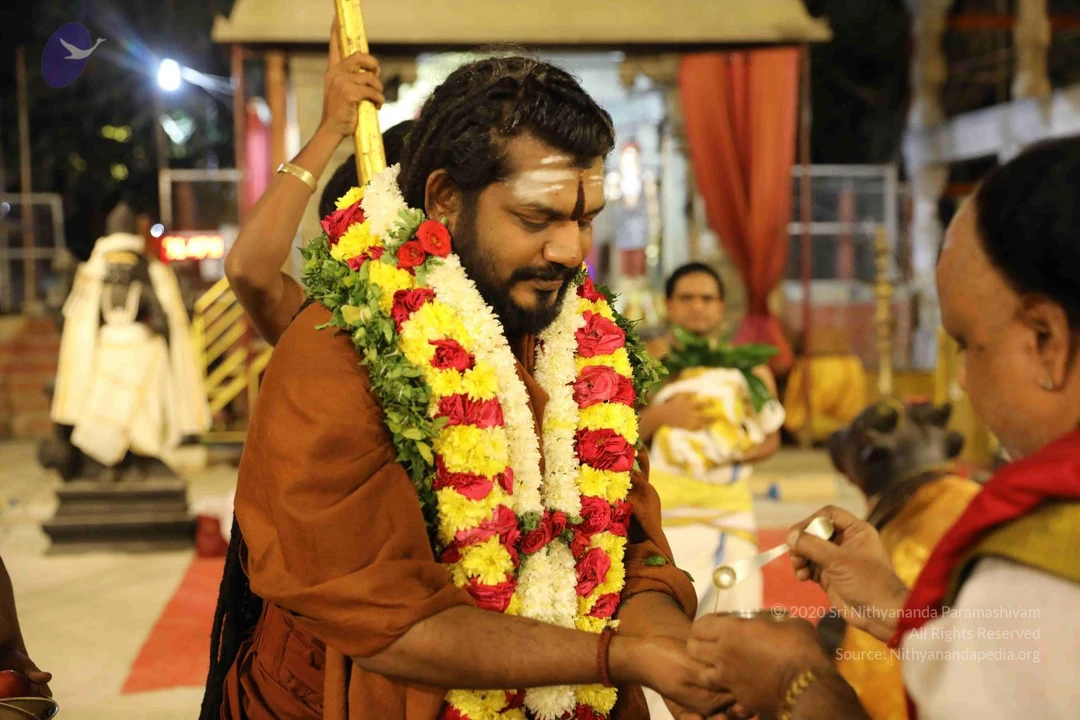
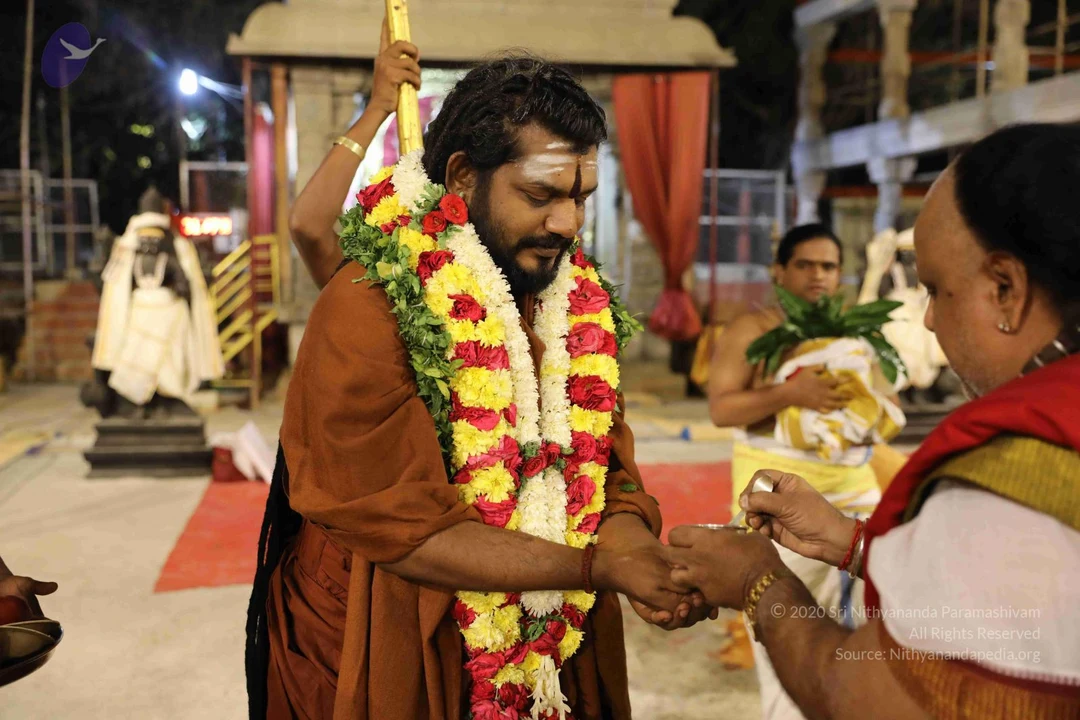
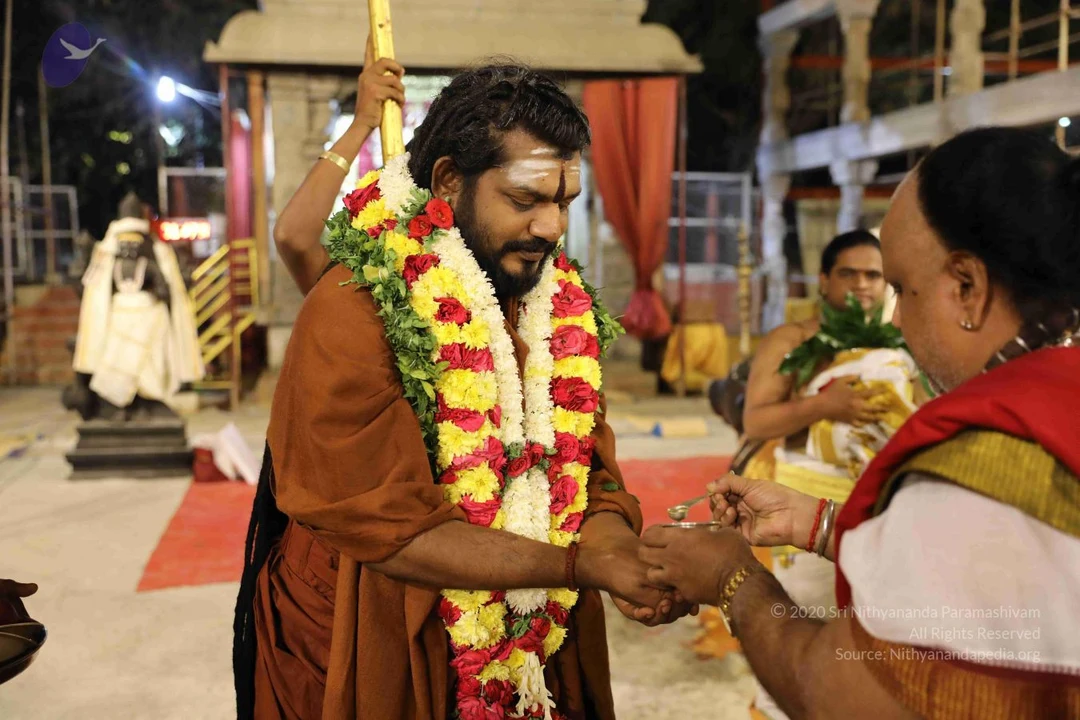
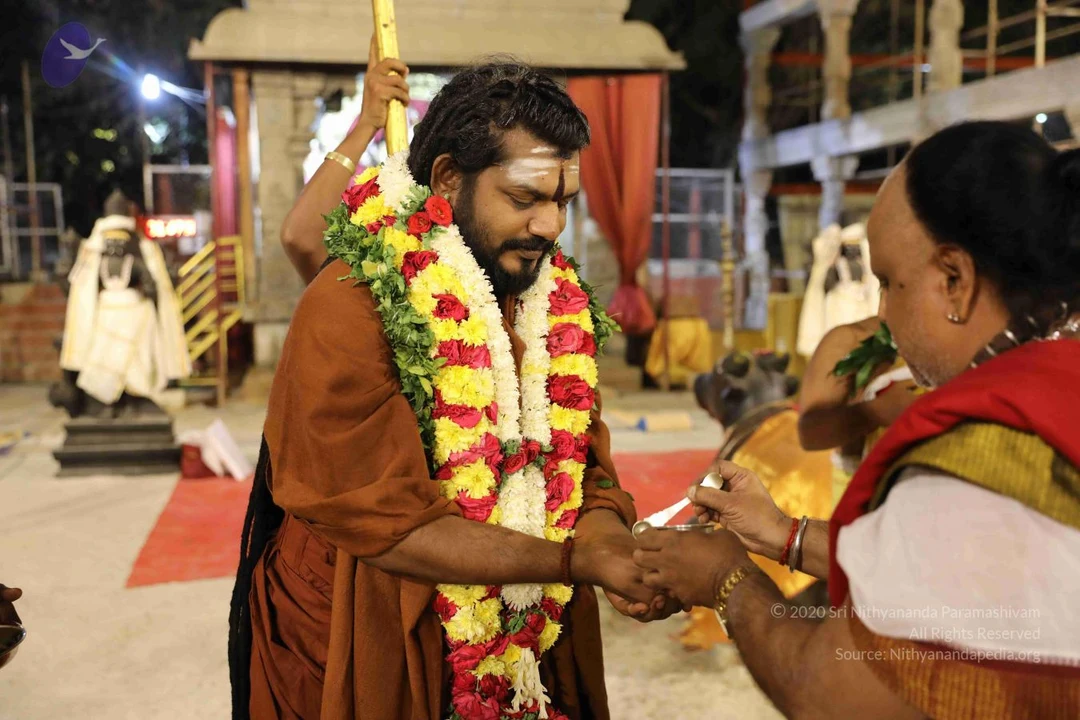
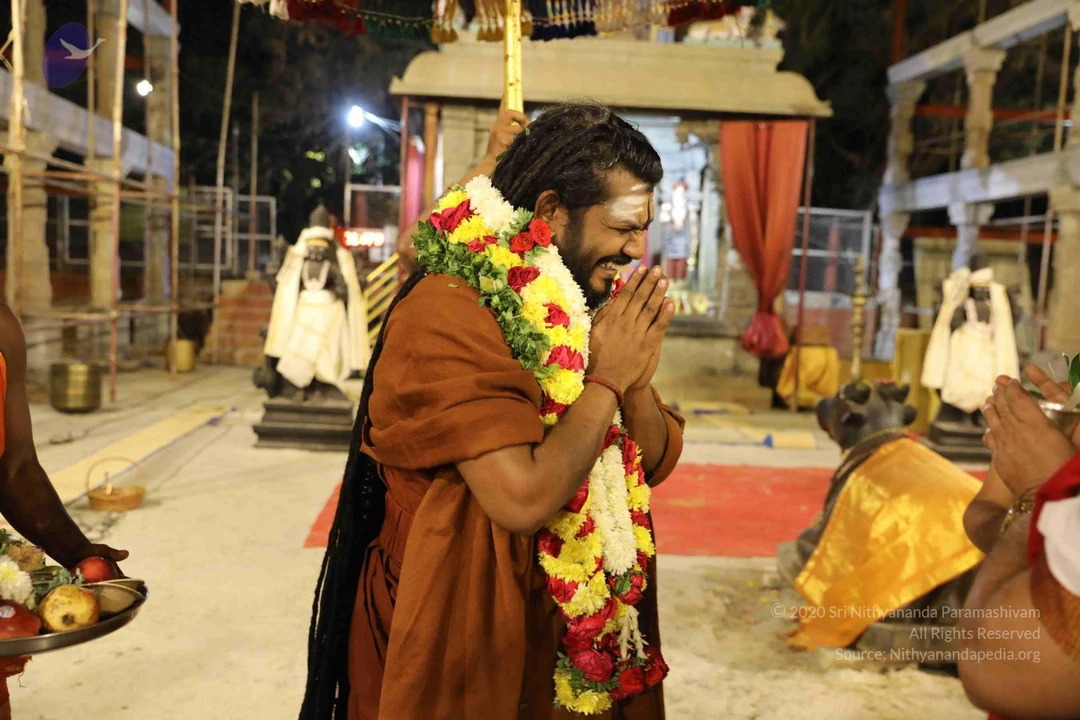

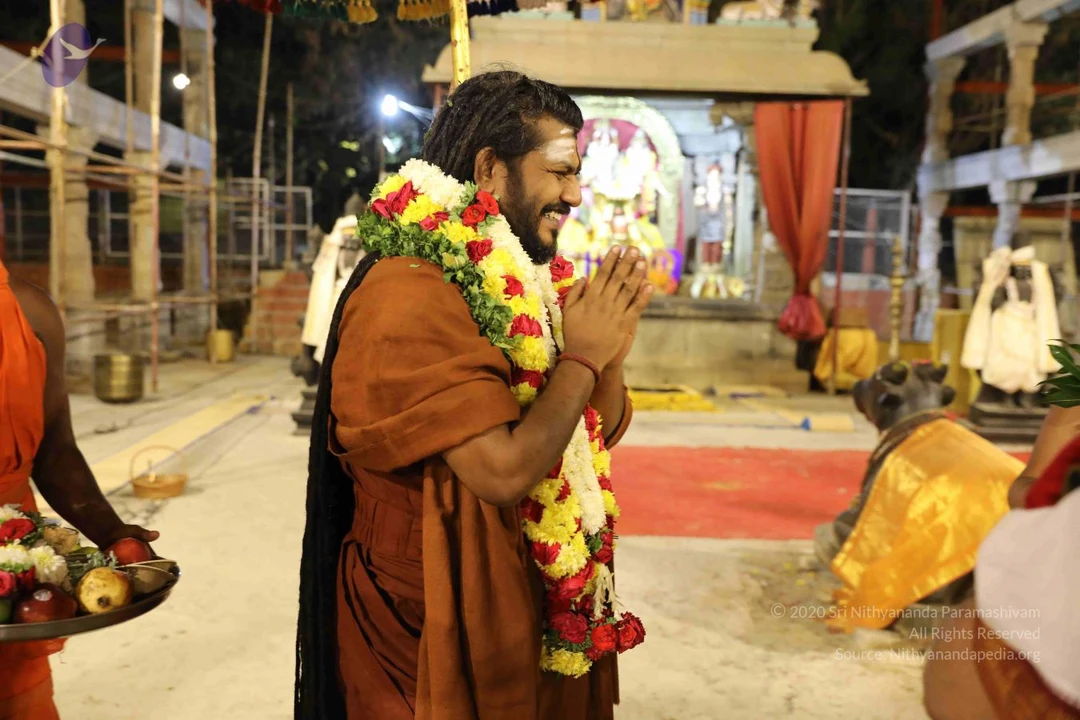
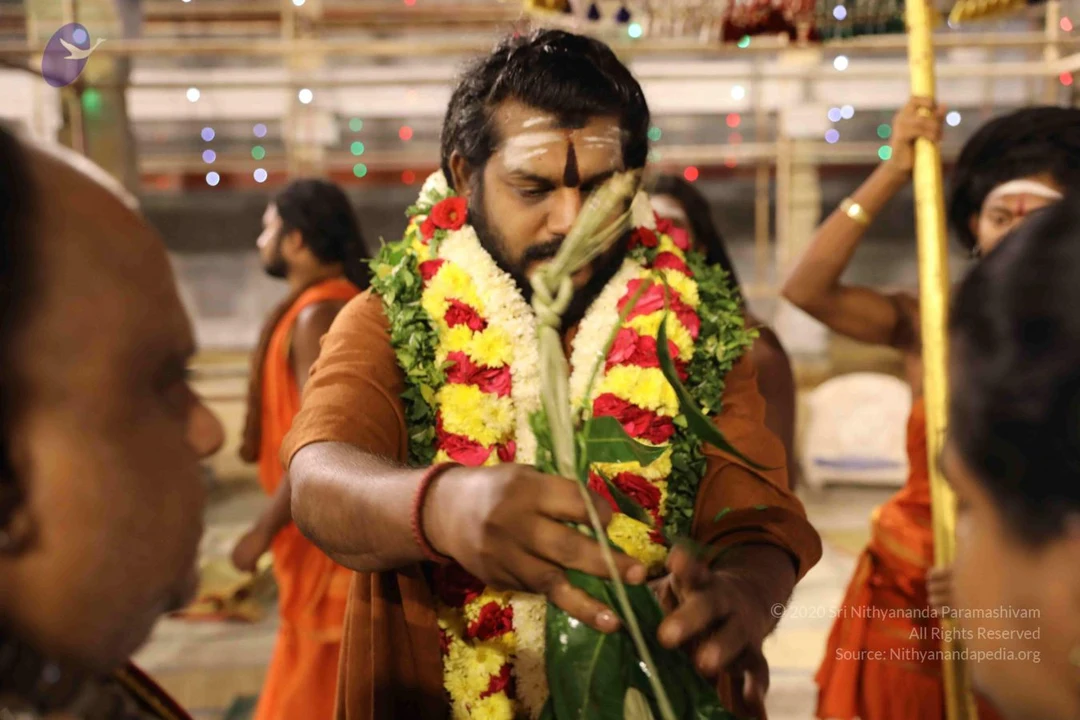
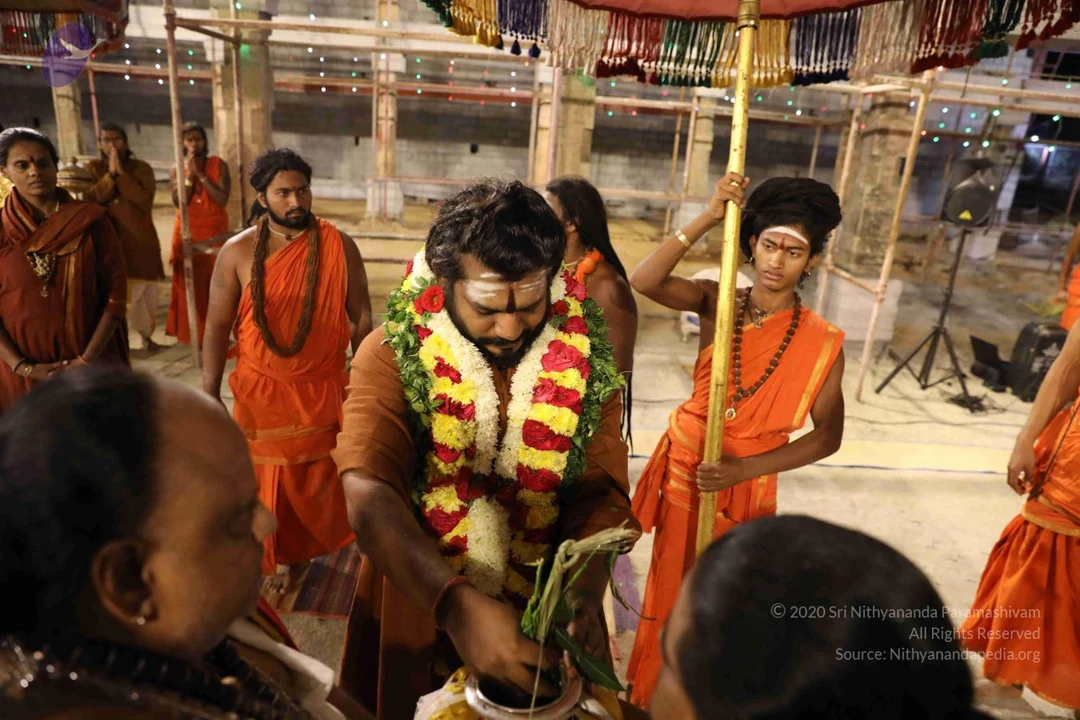
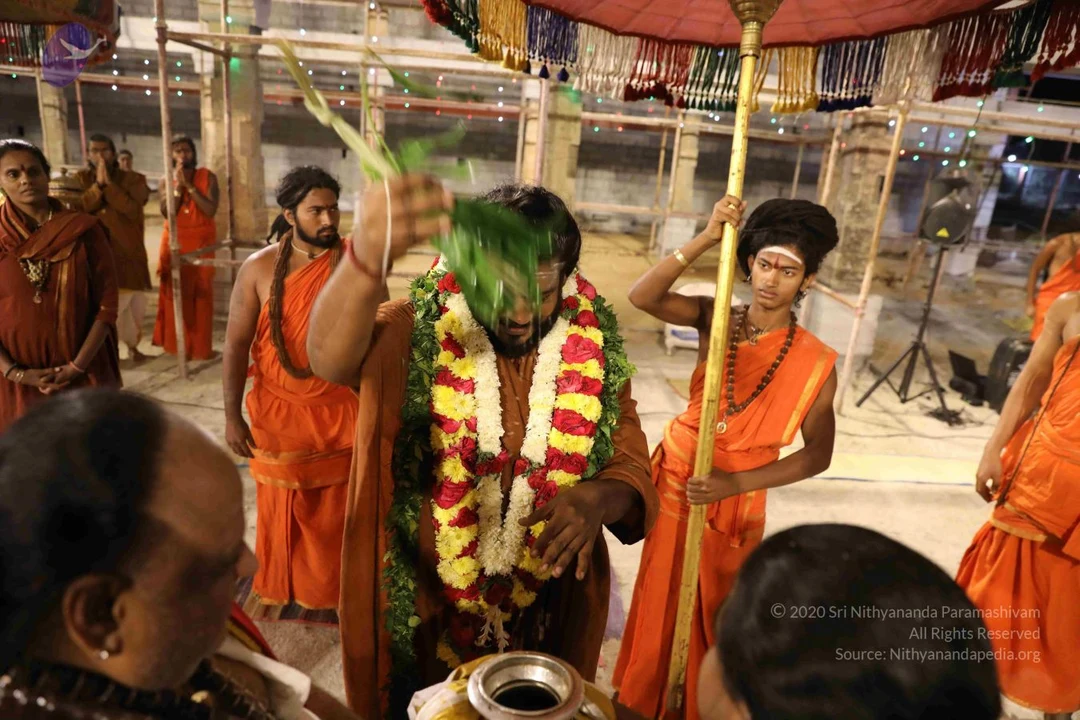
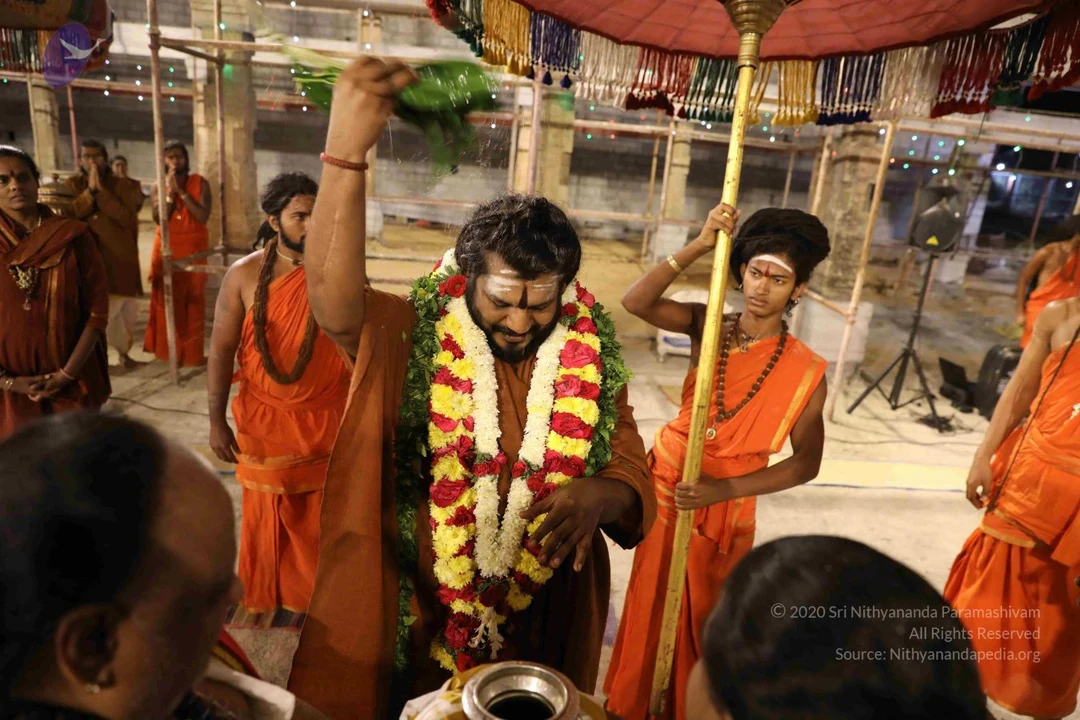
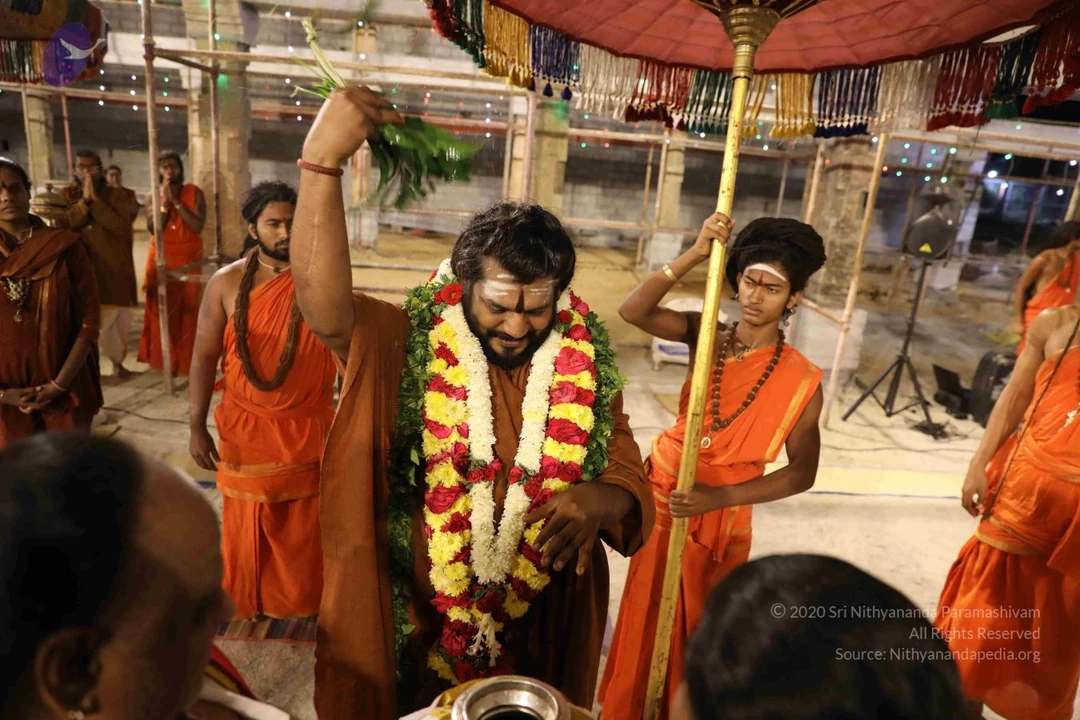
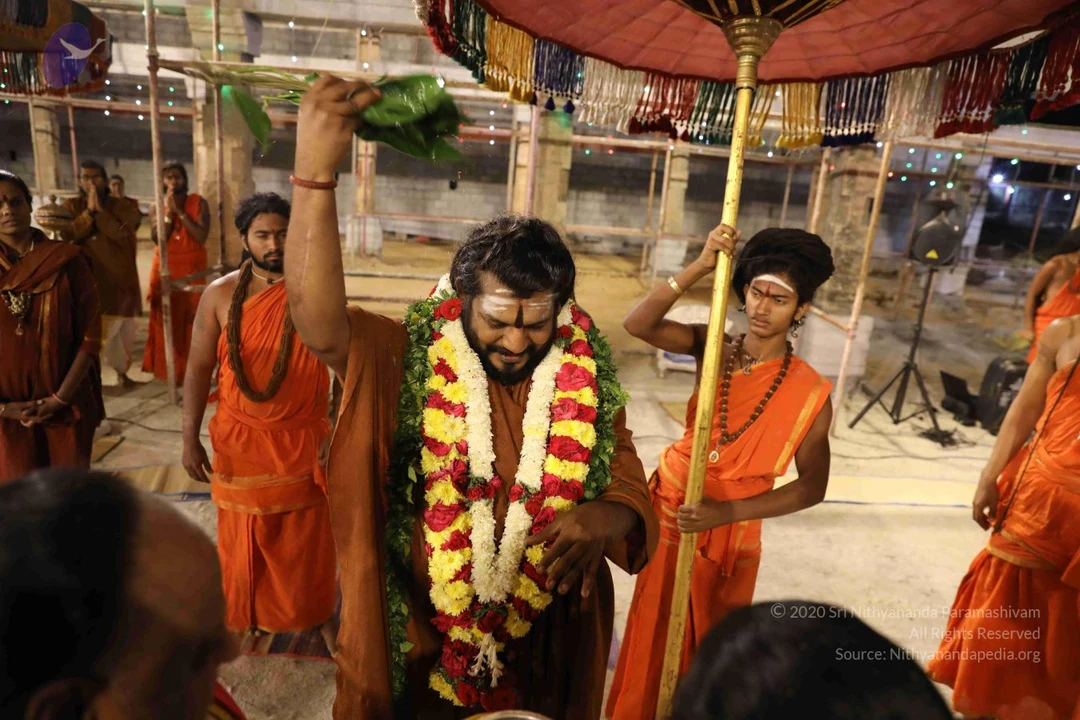
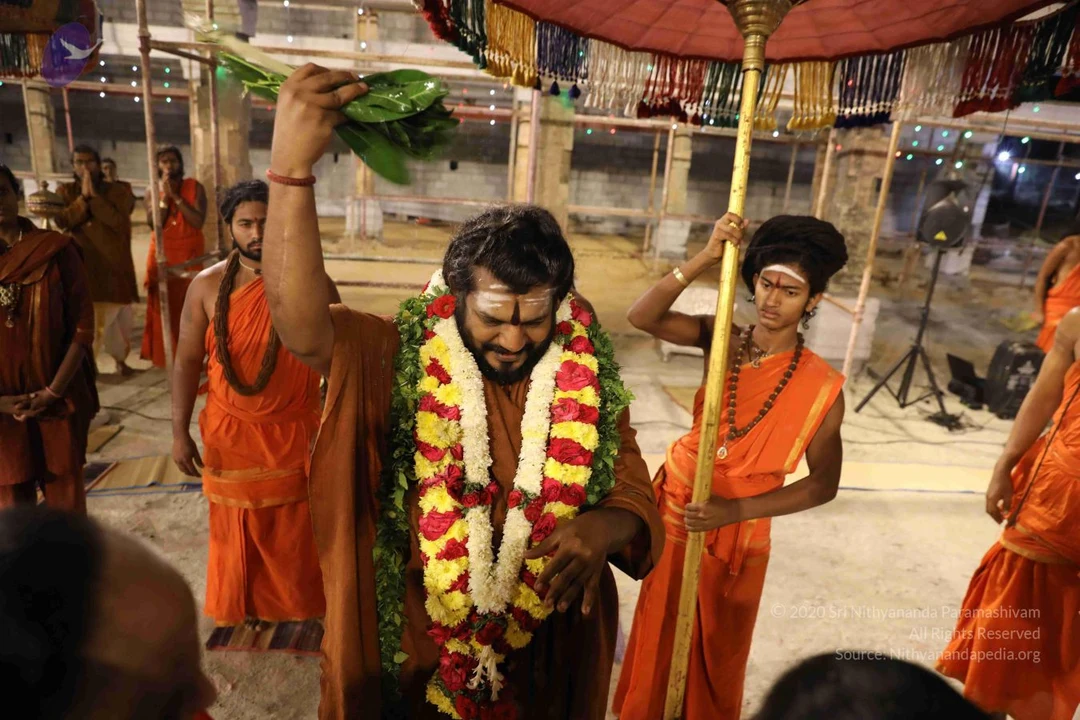
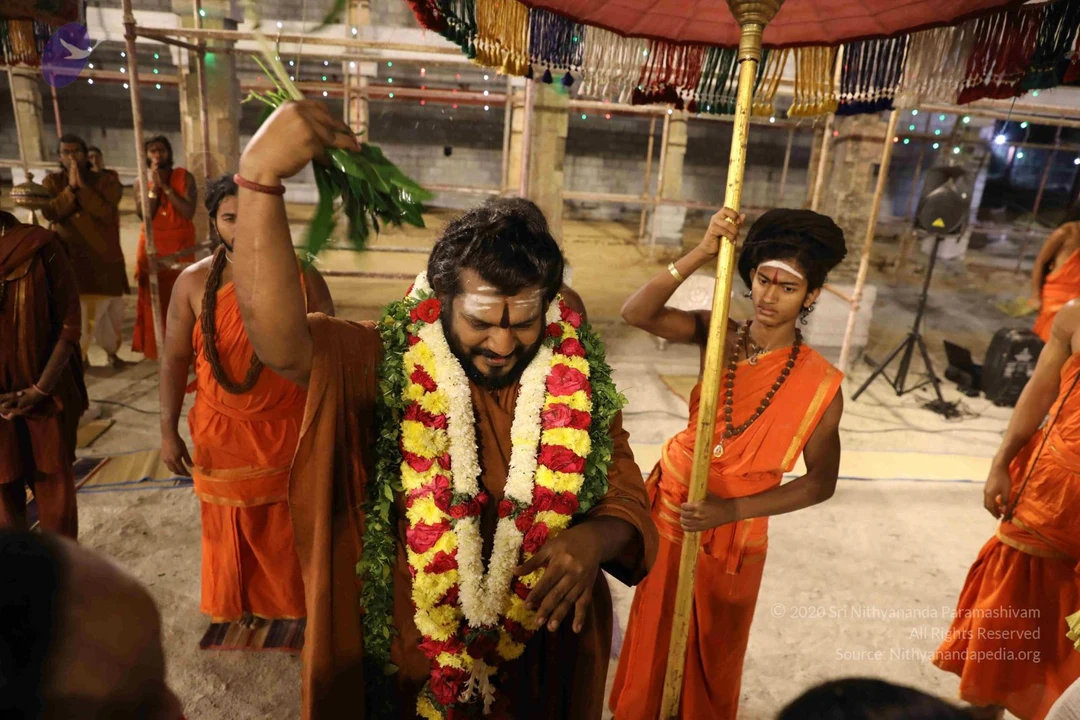
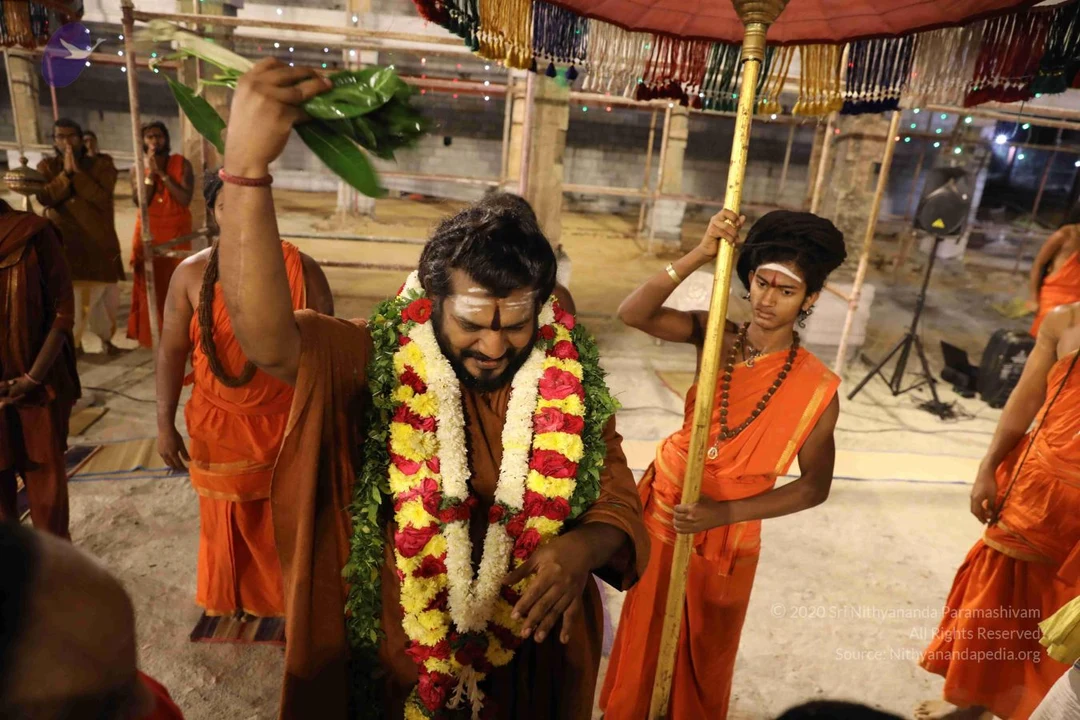
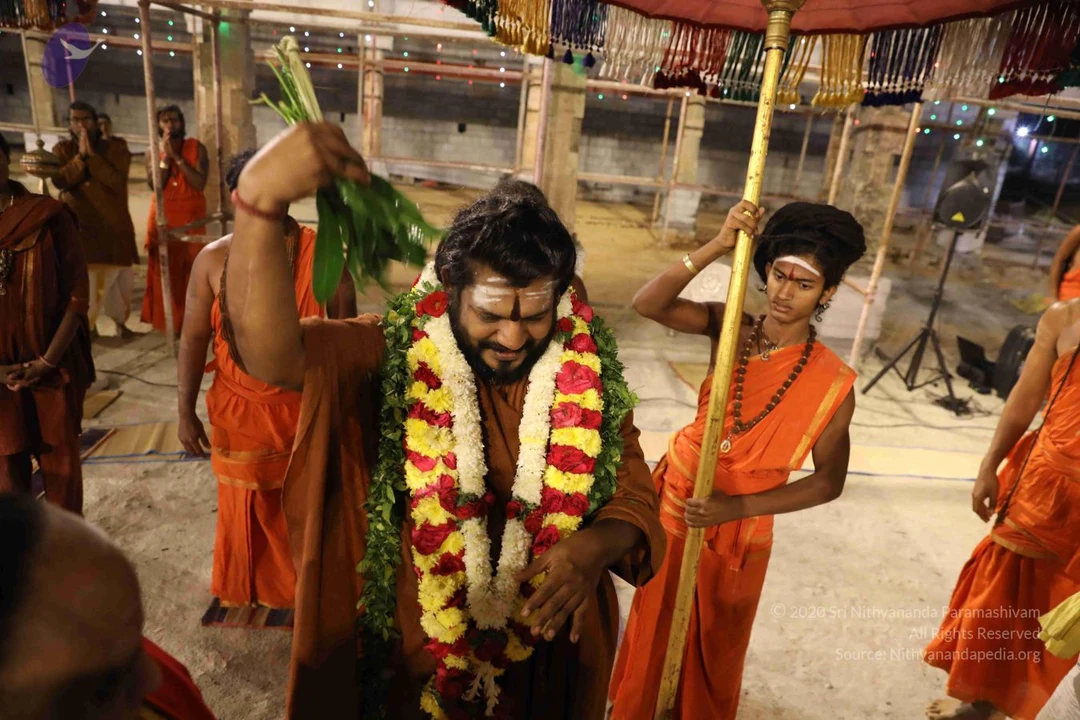
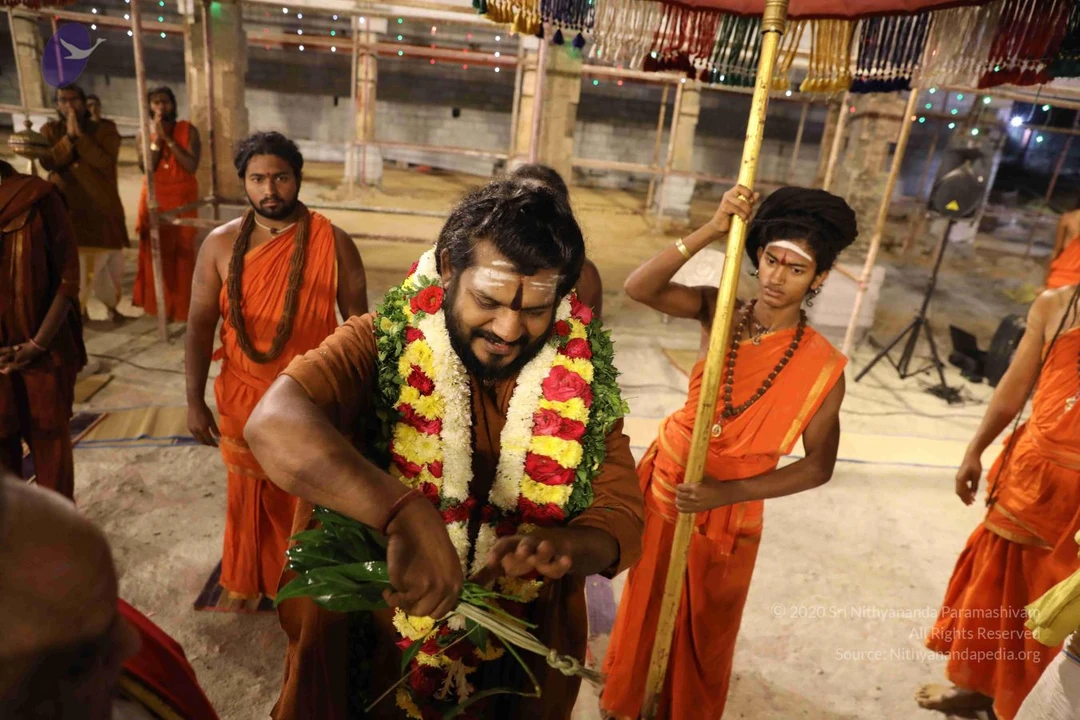
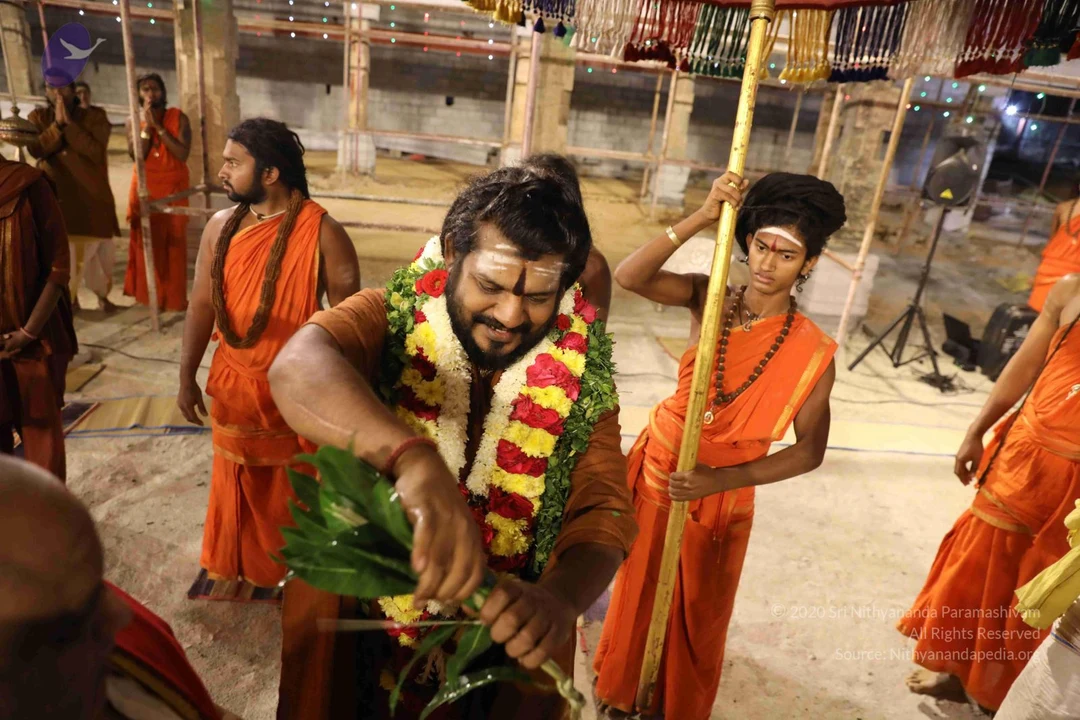
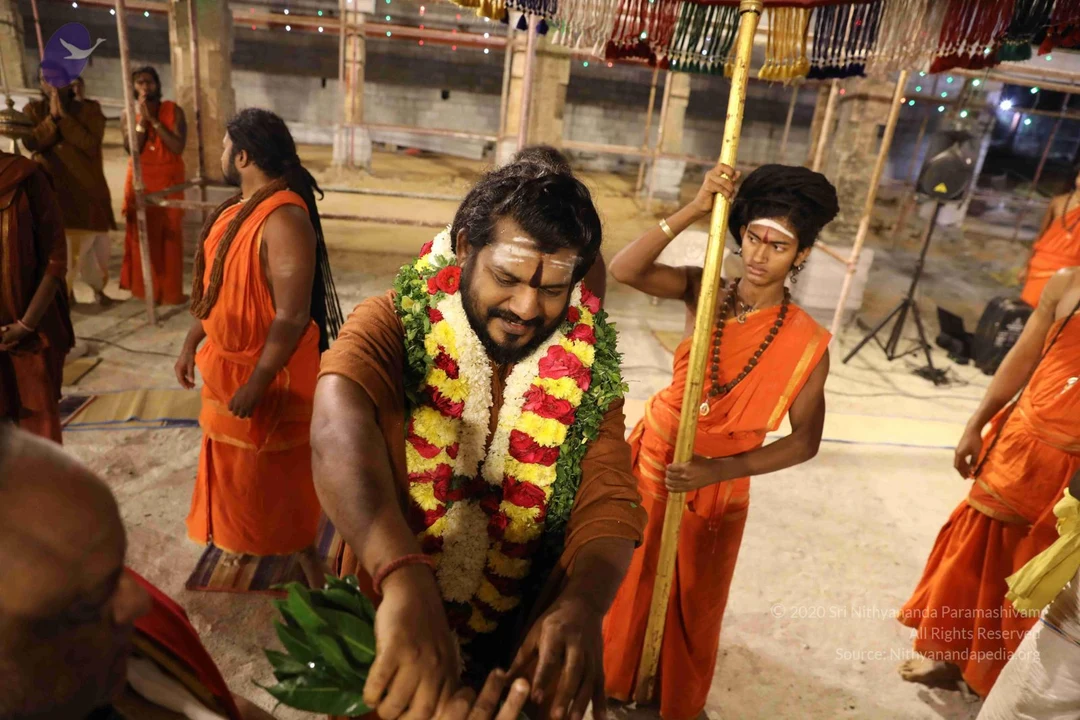
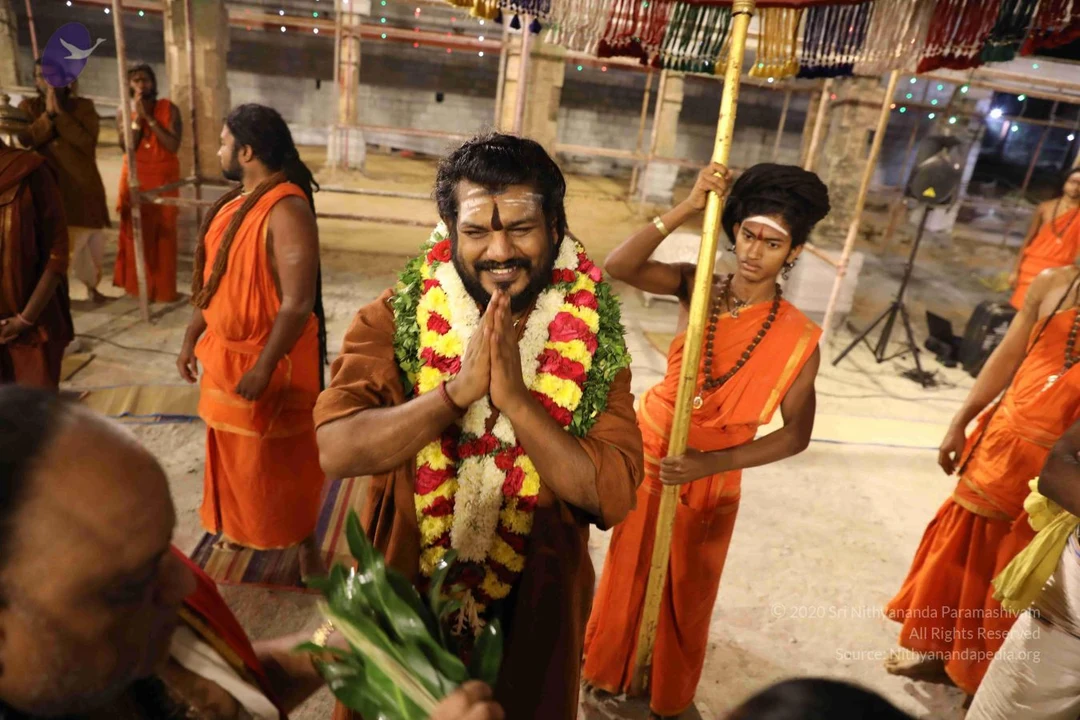
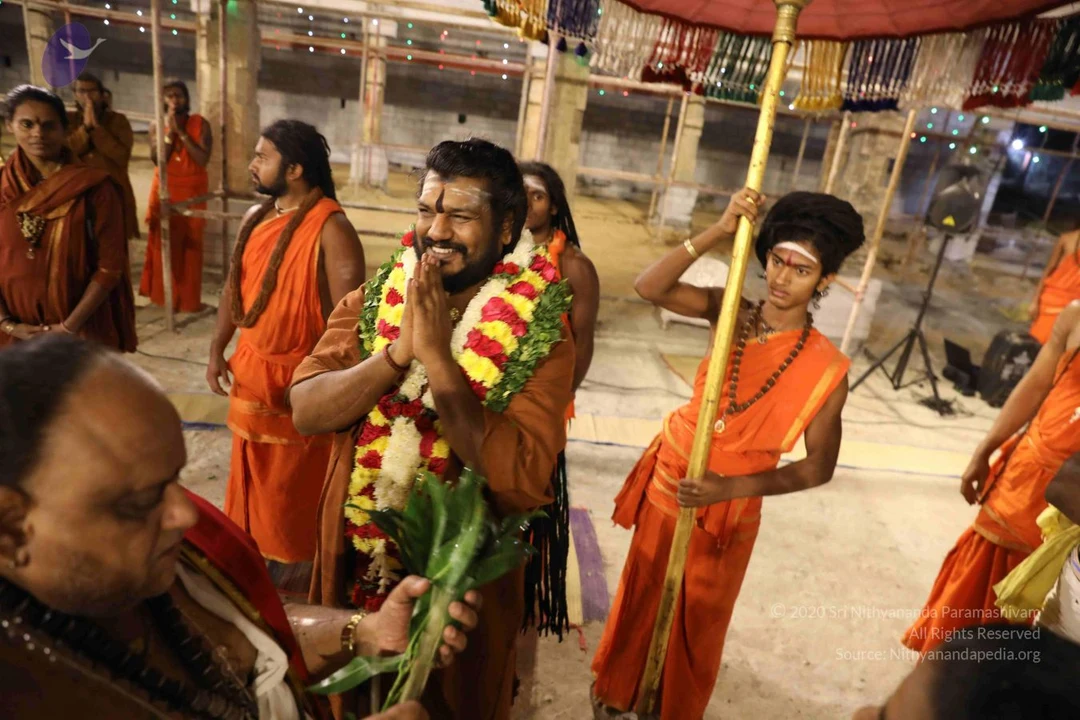
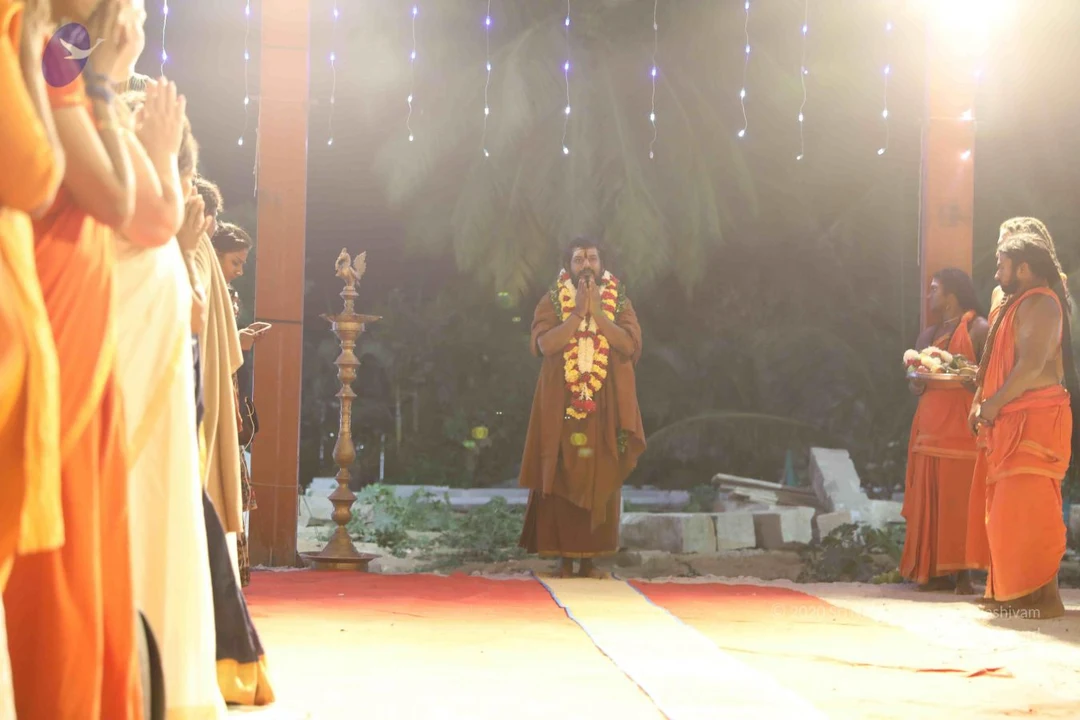
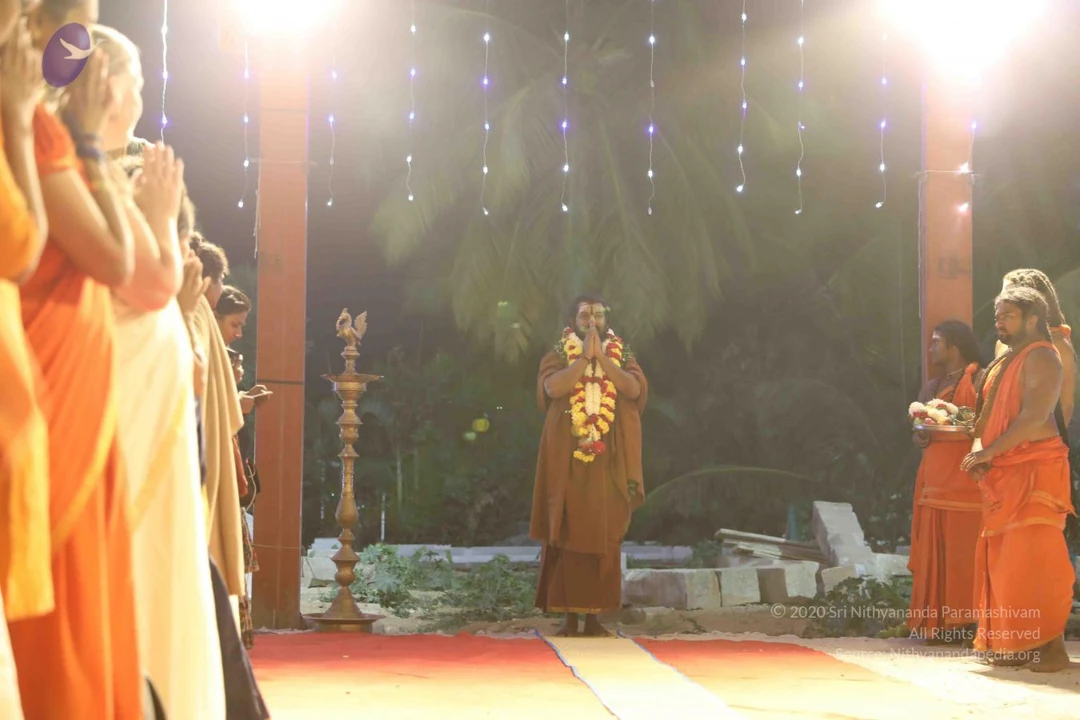
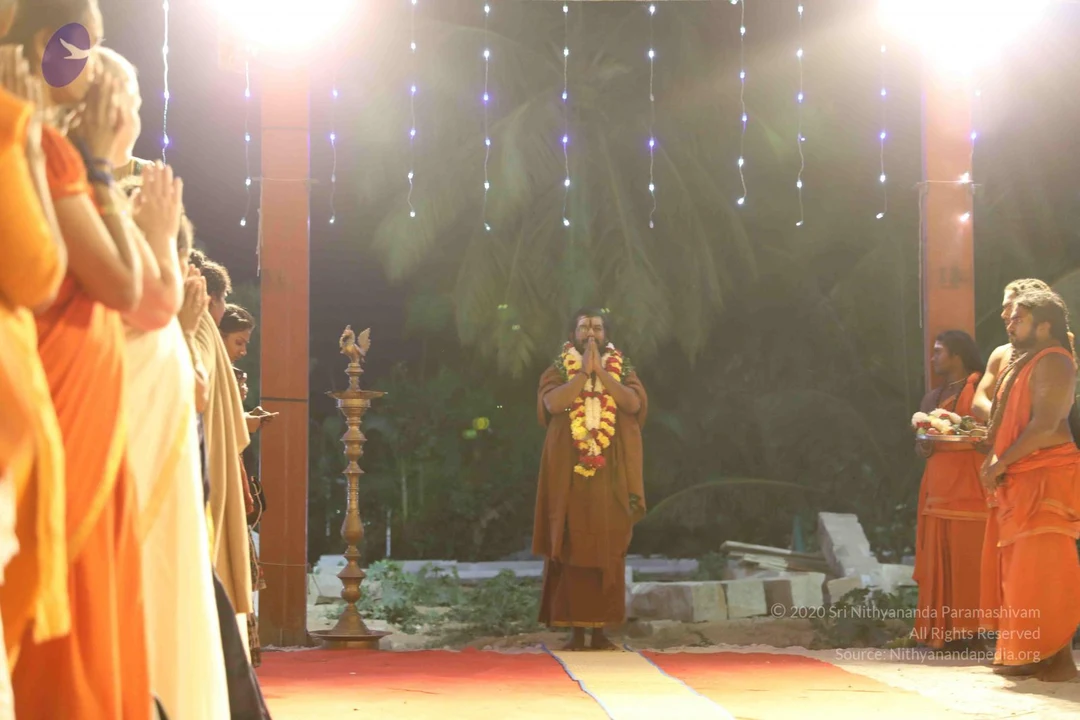
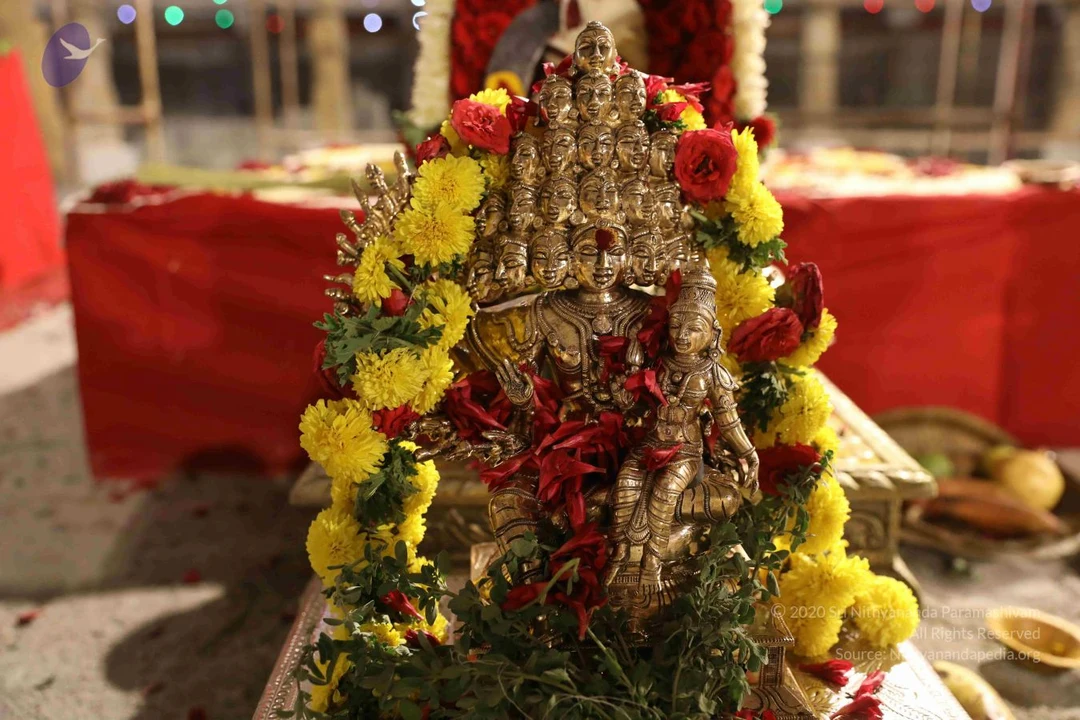
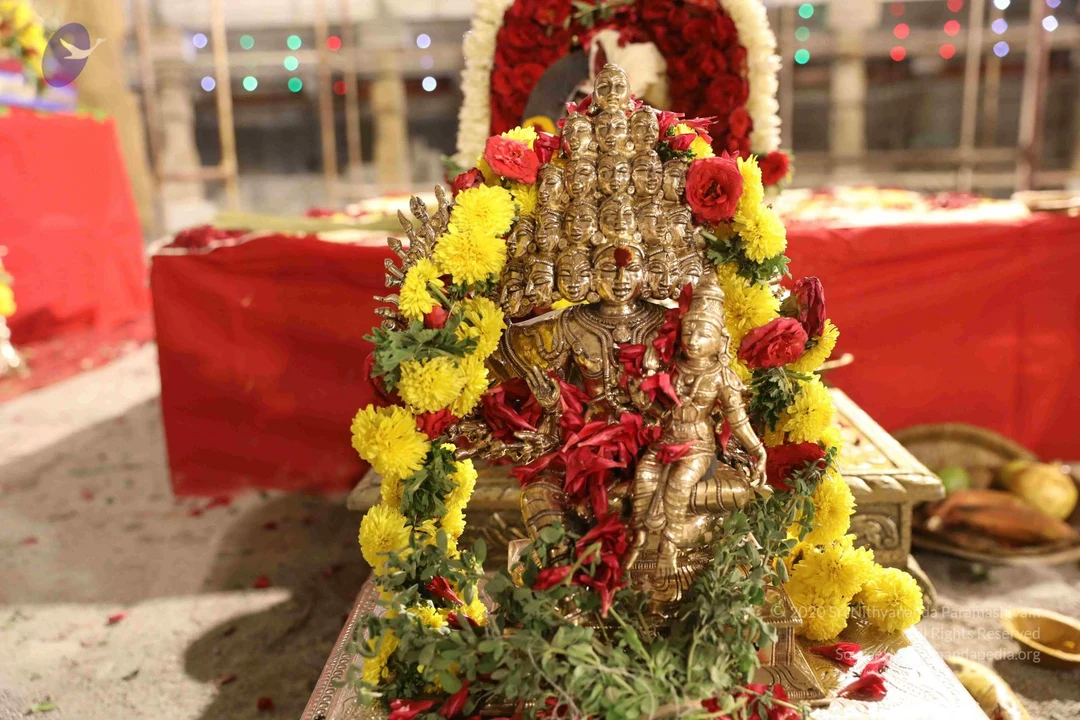
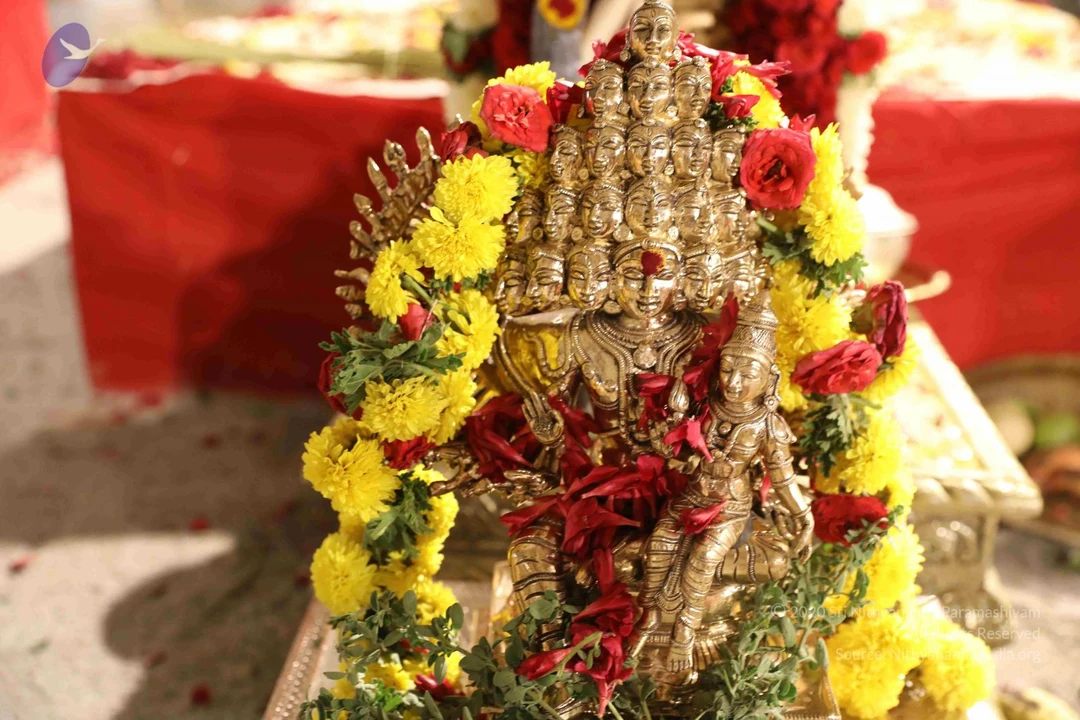
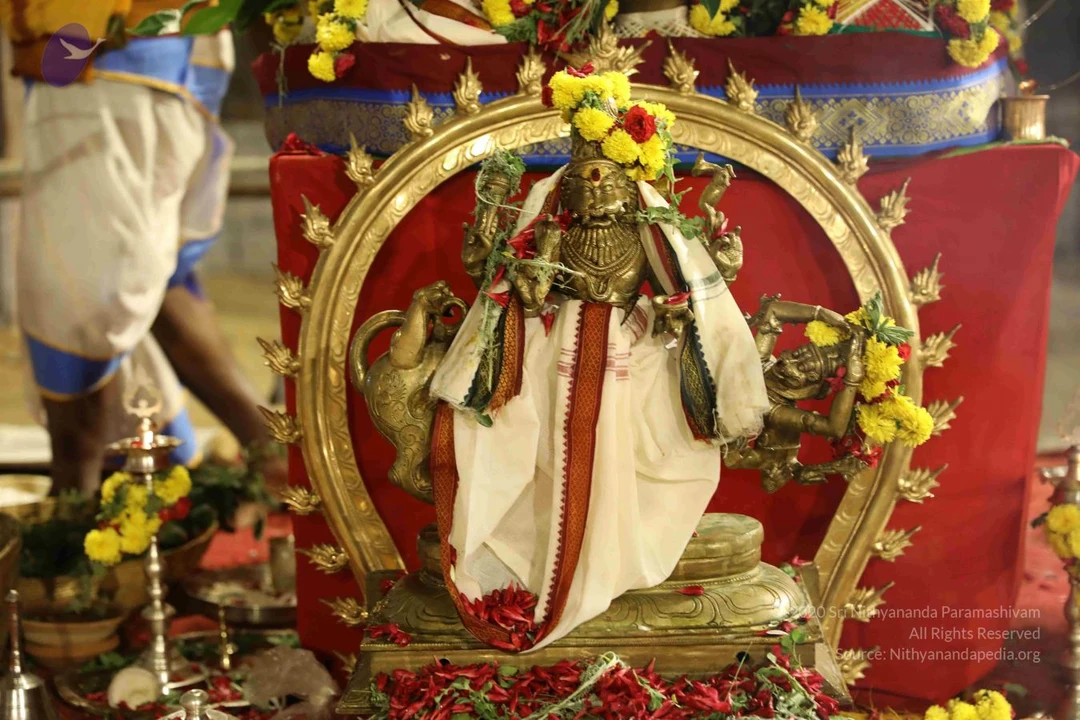
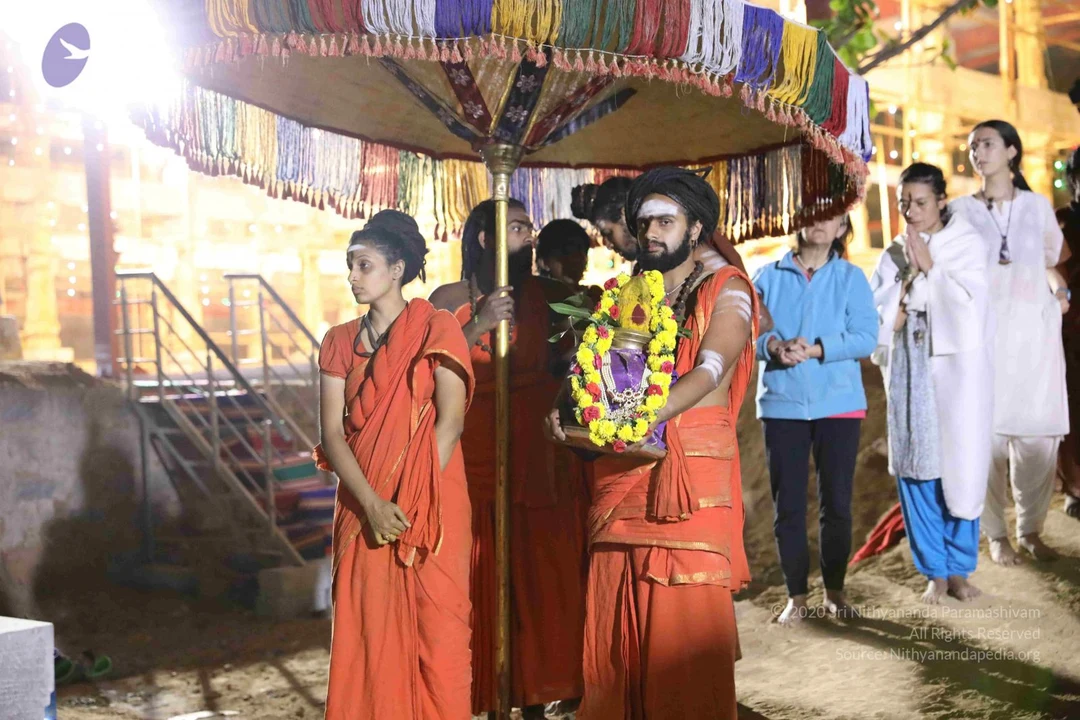
01-Anti-Spiritual-Elements-Processing
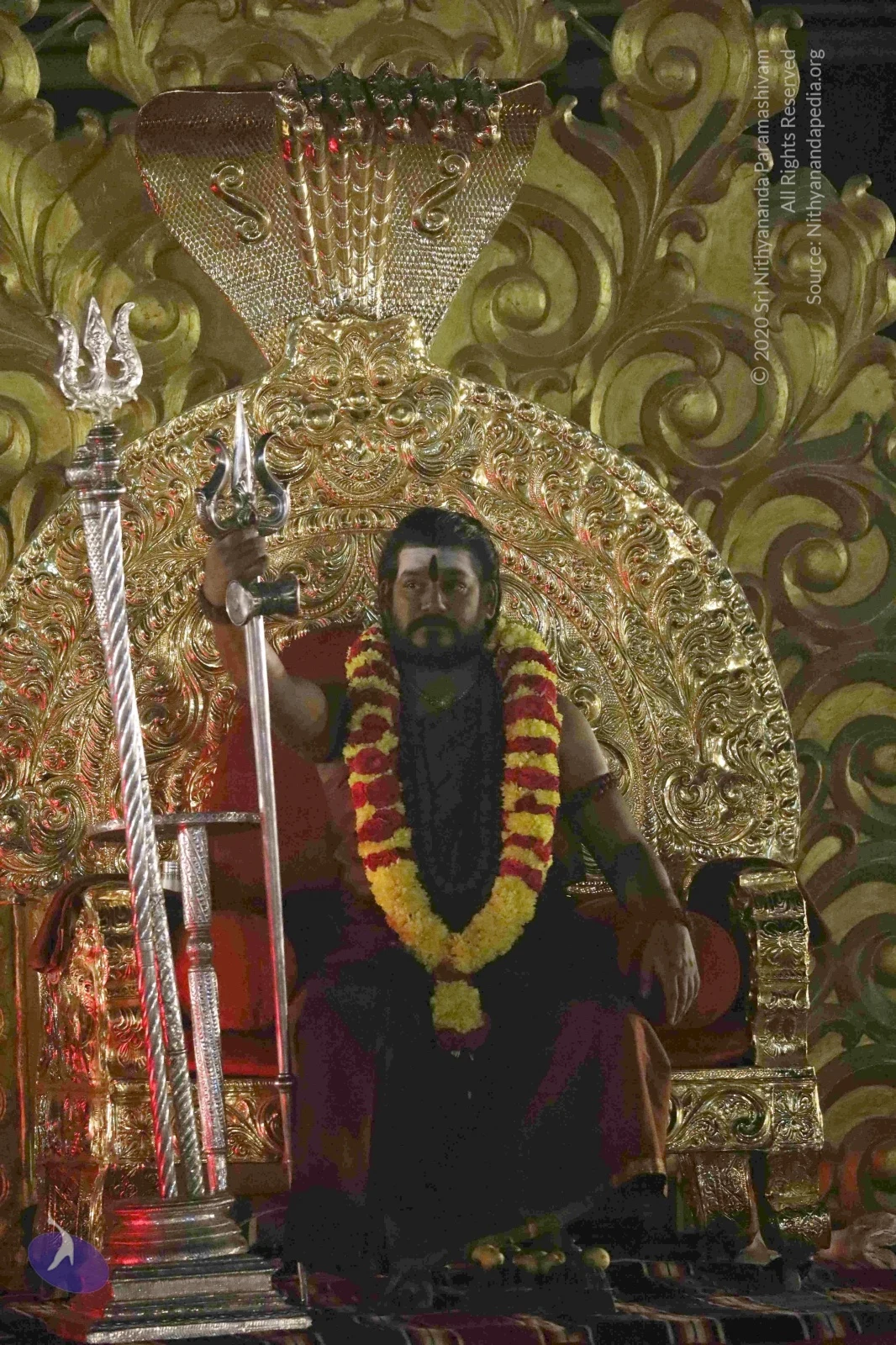
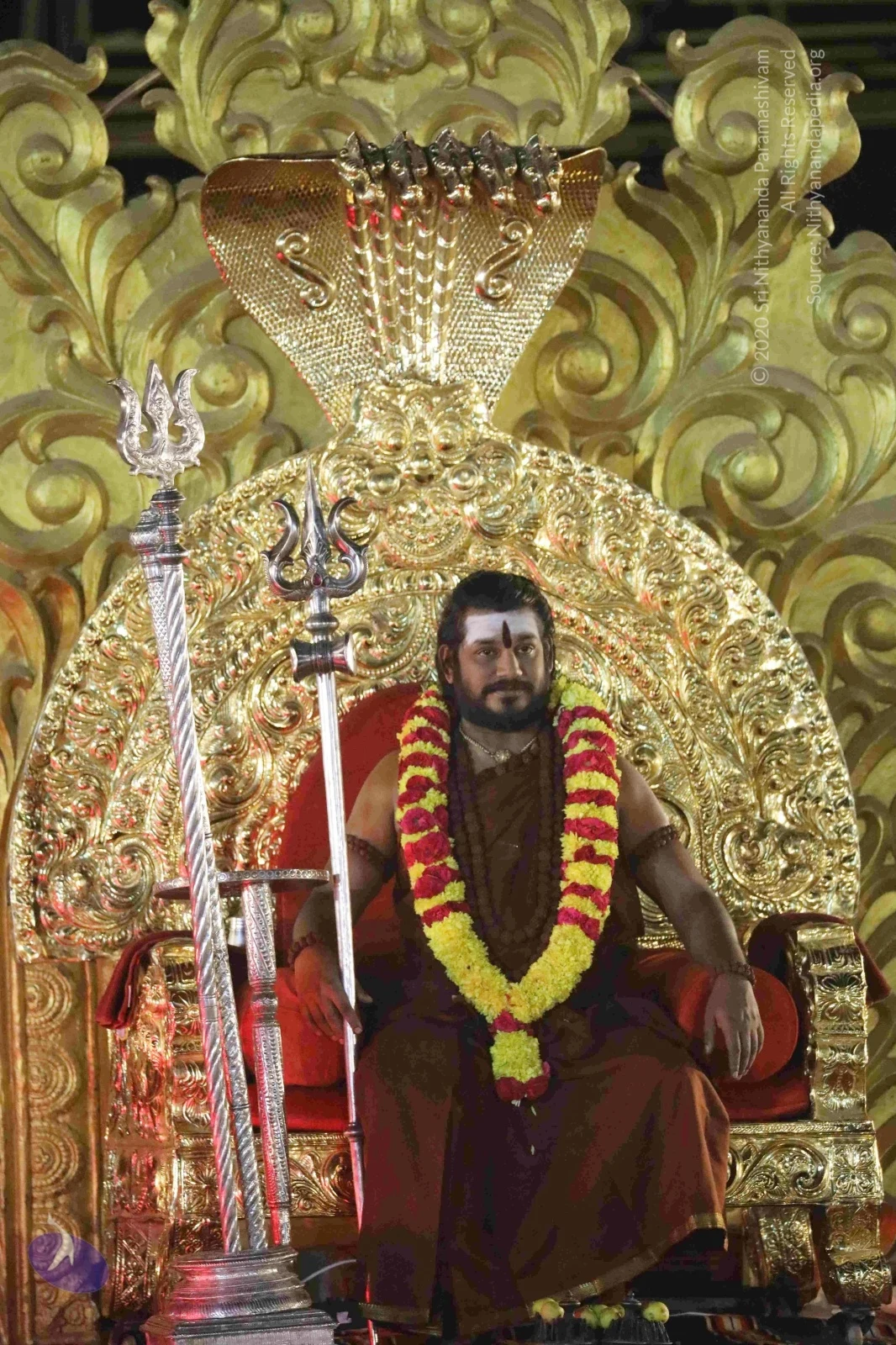
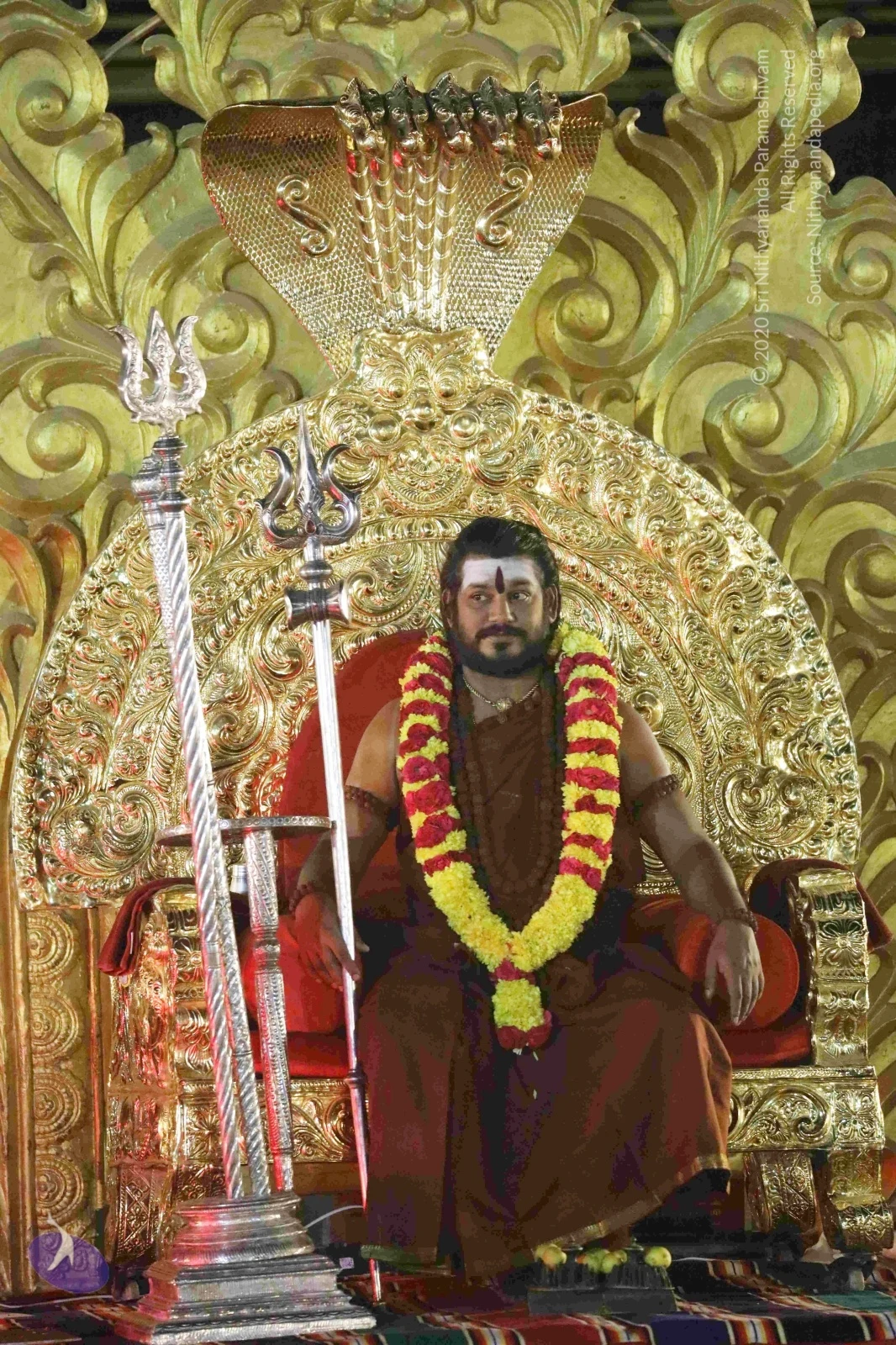
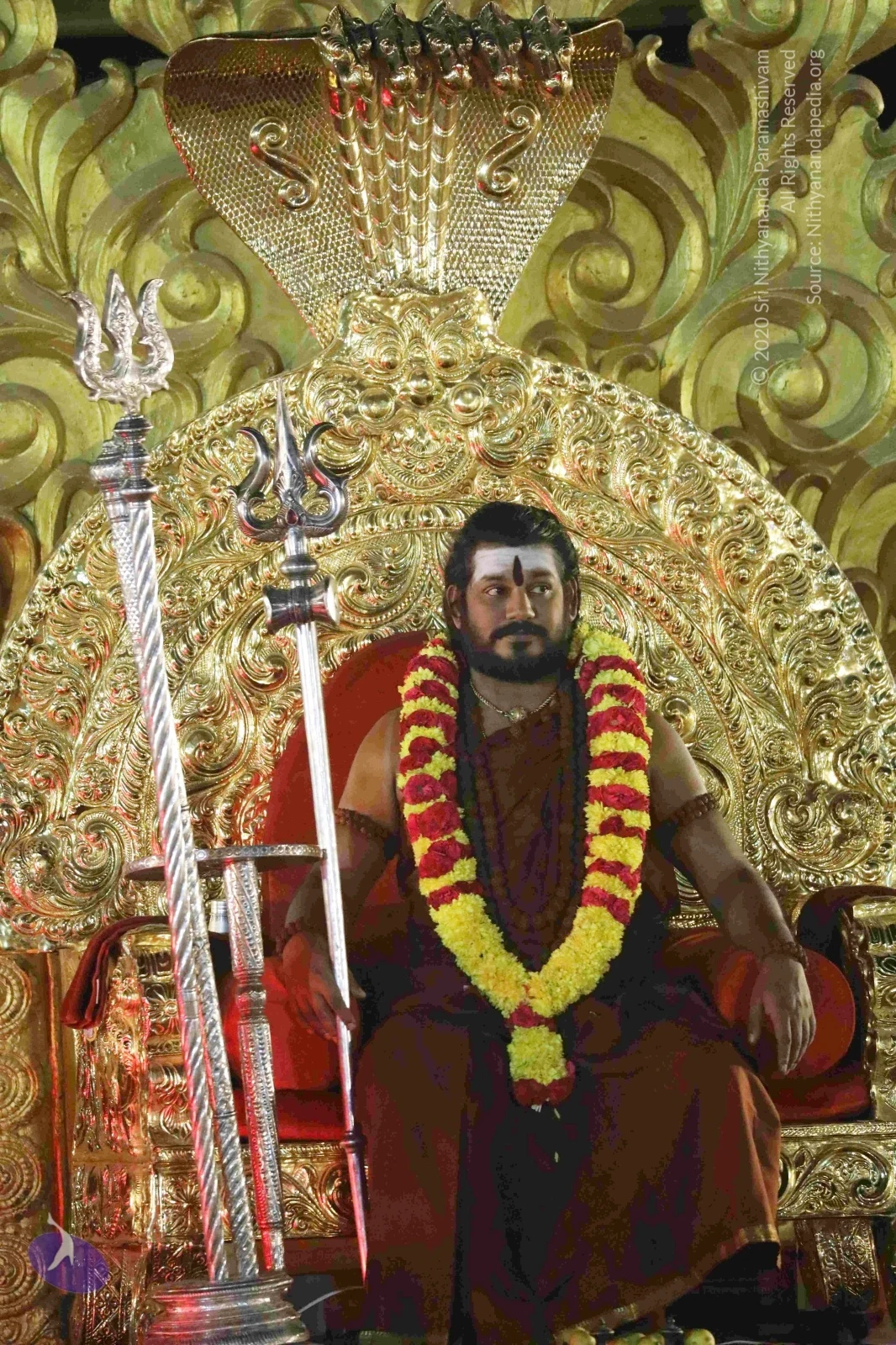
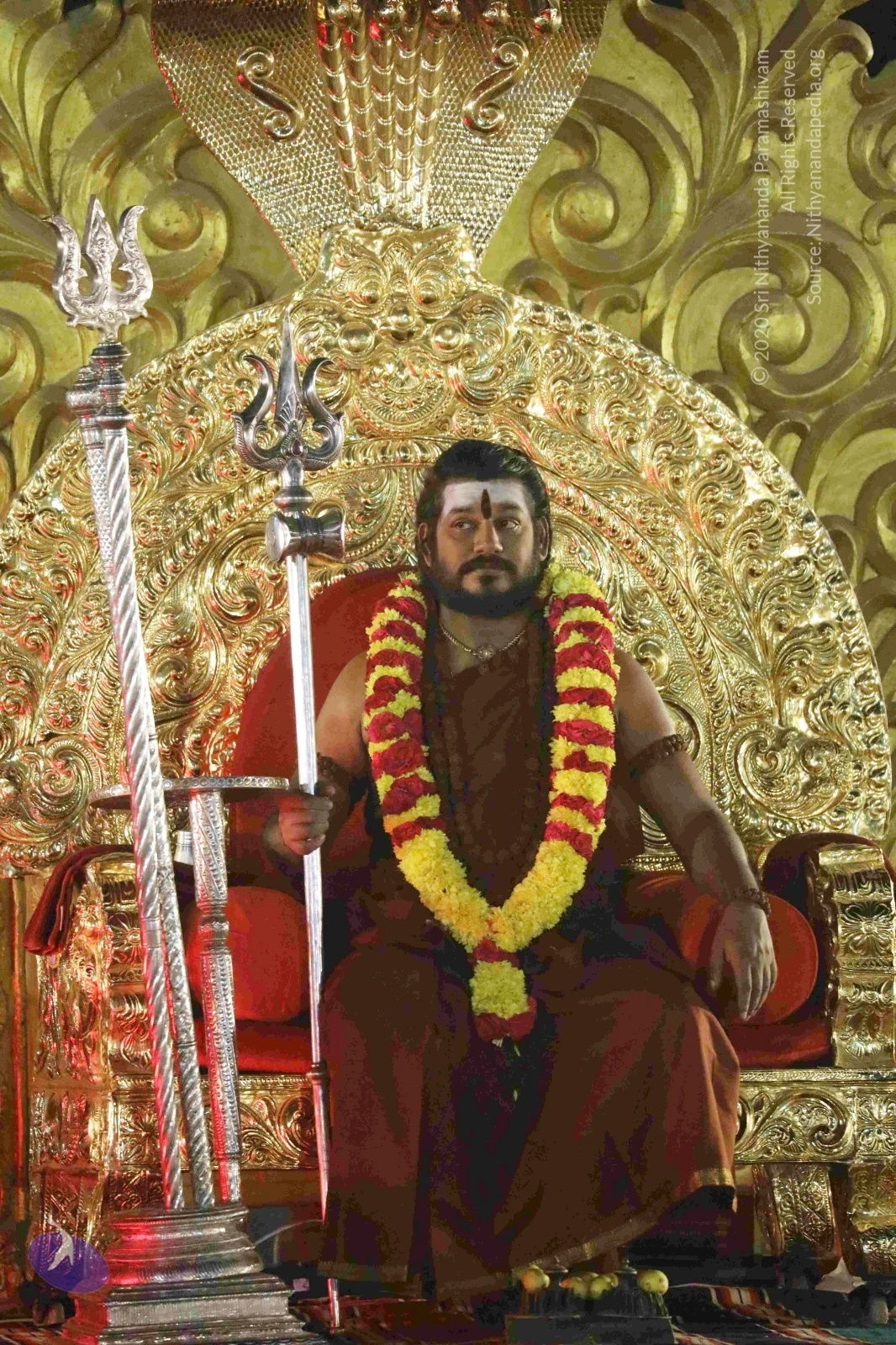
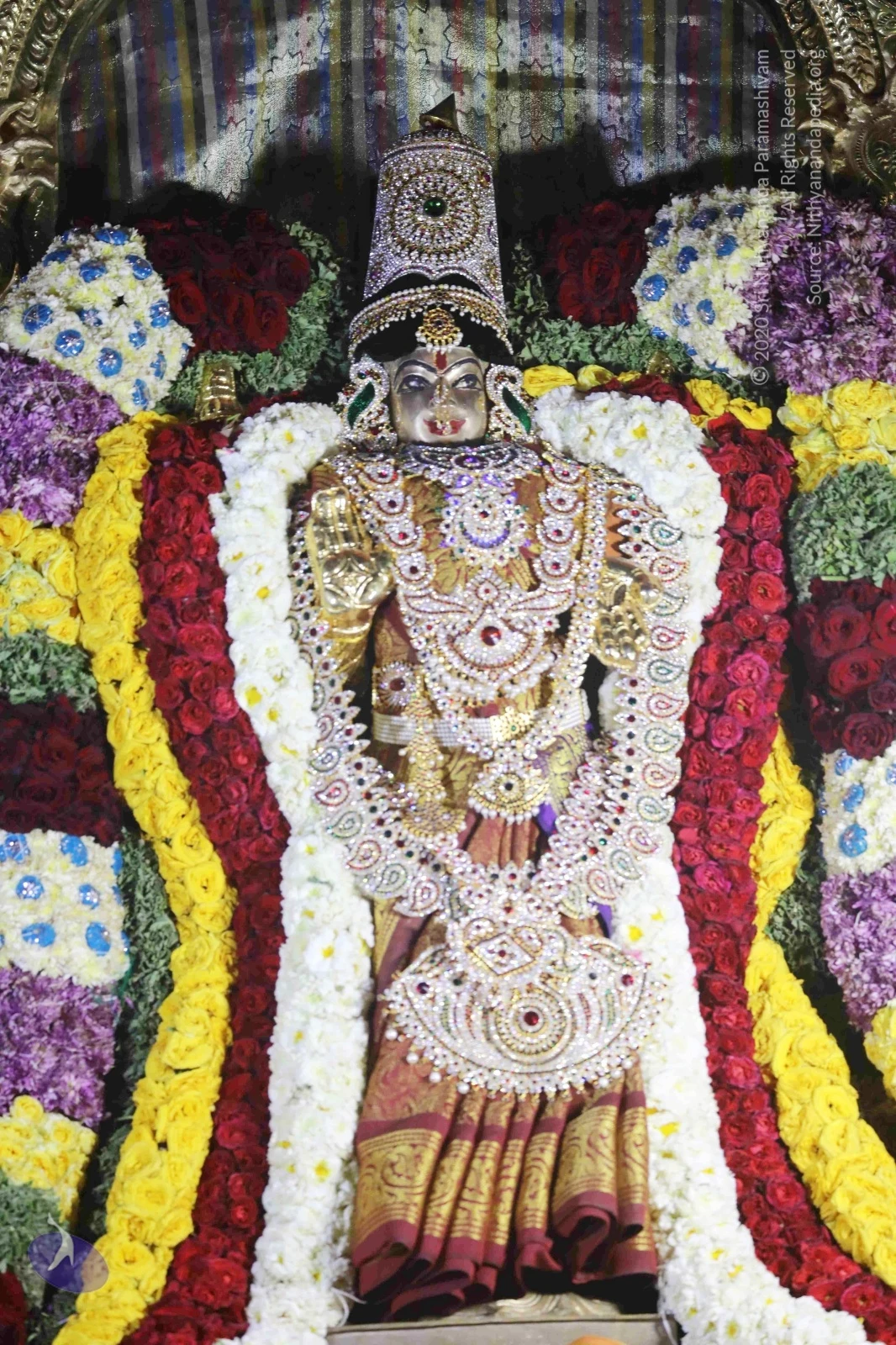
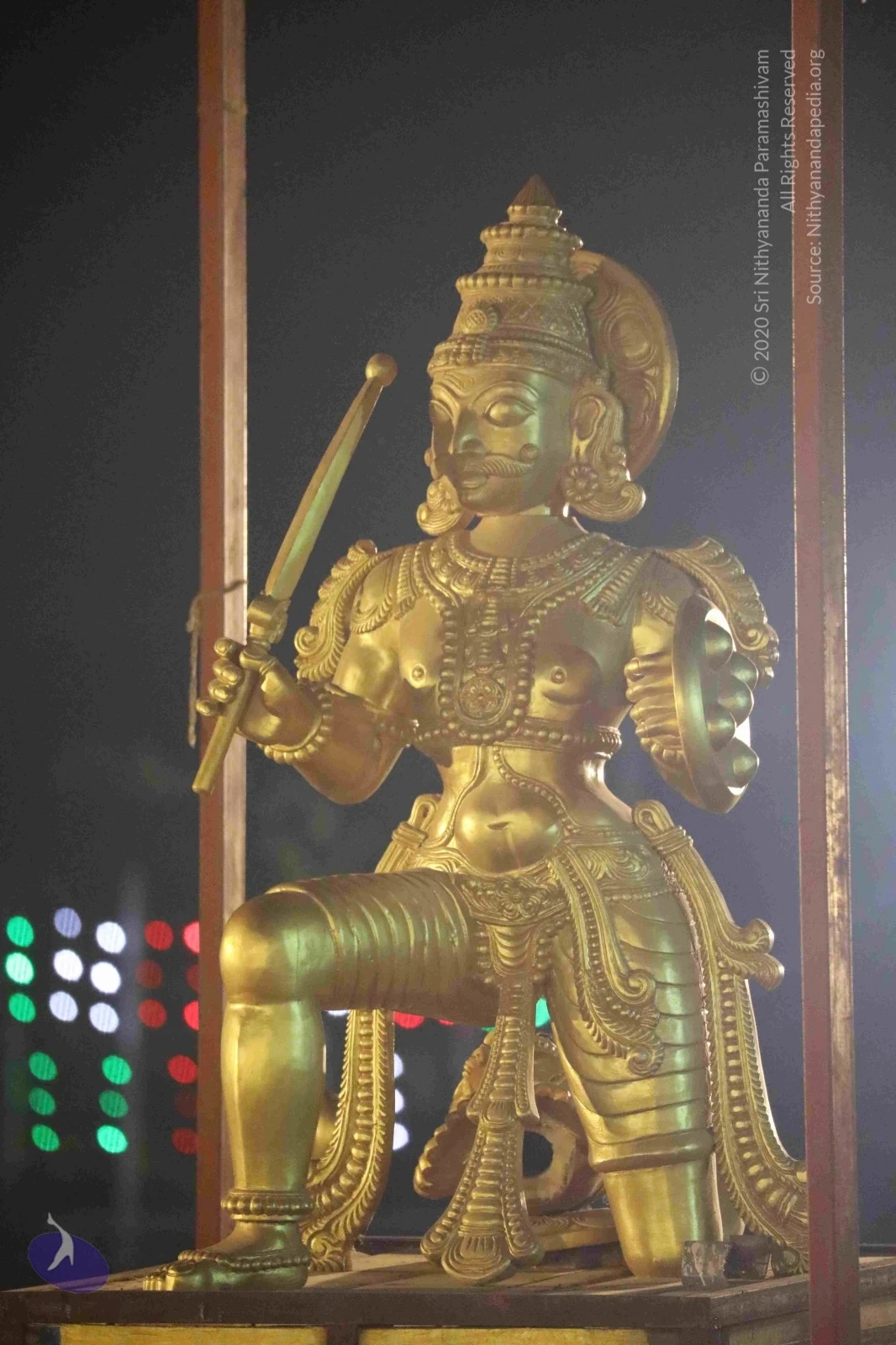
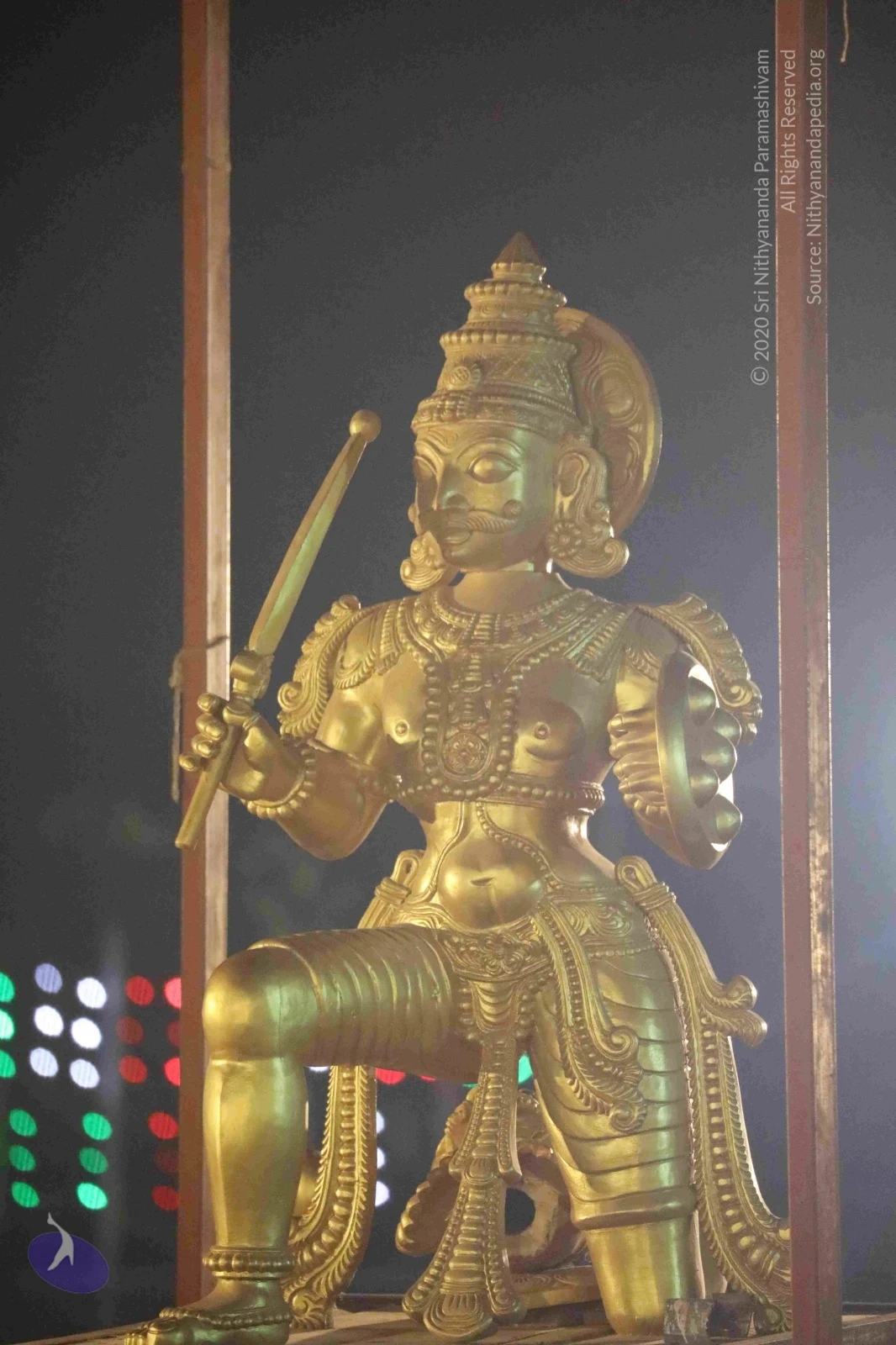
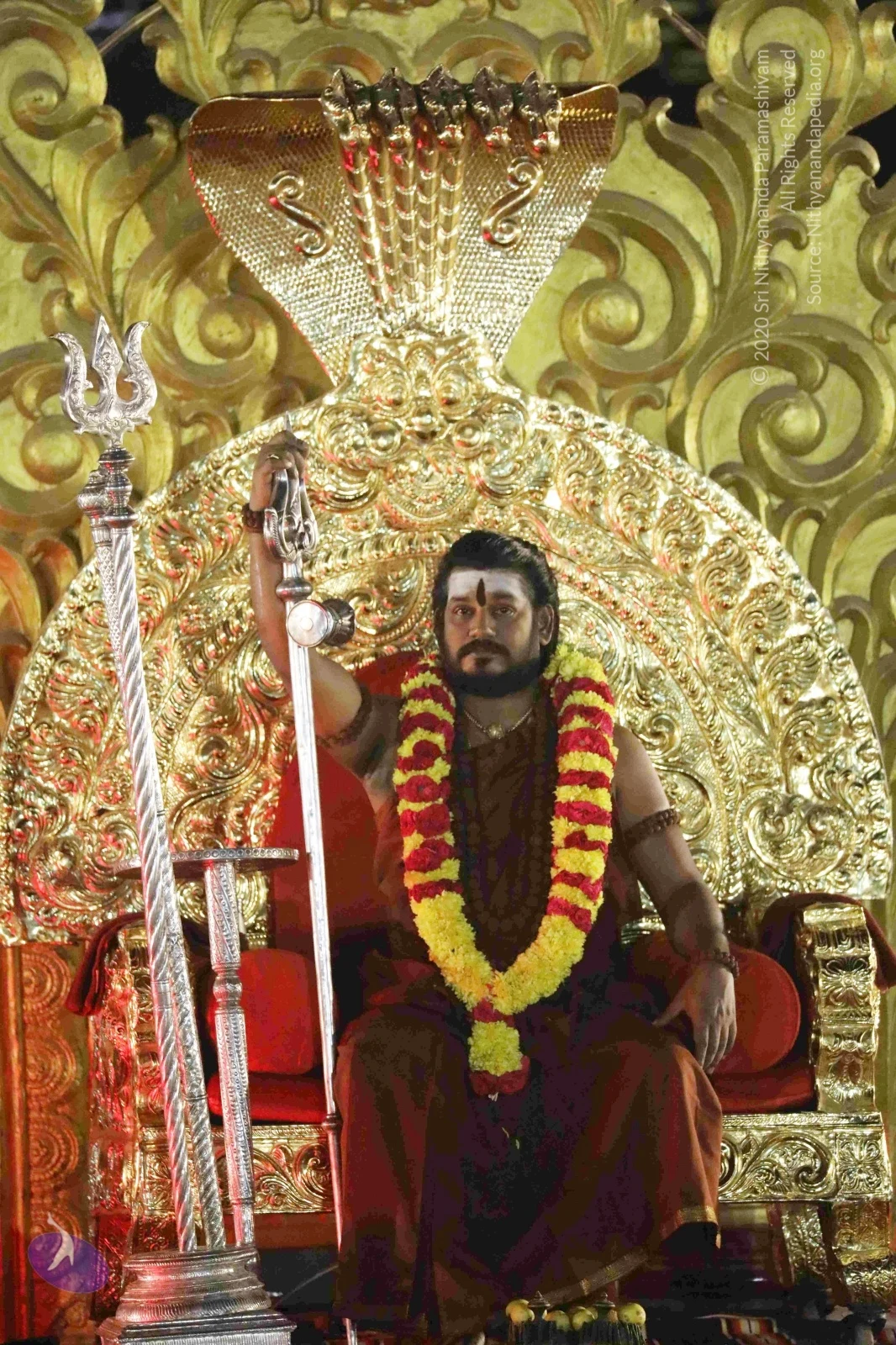
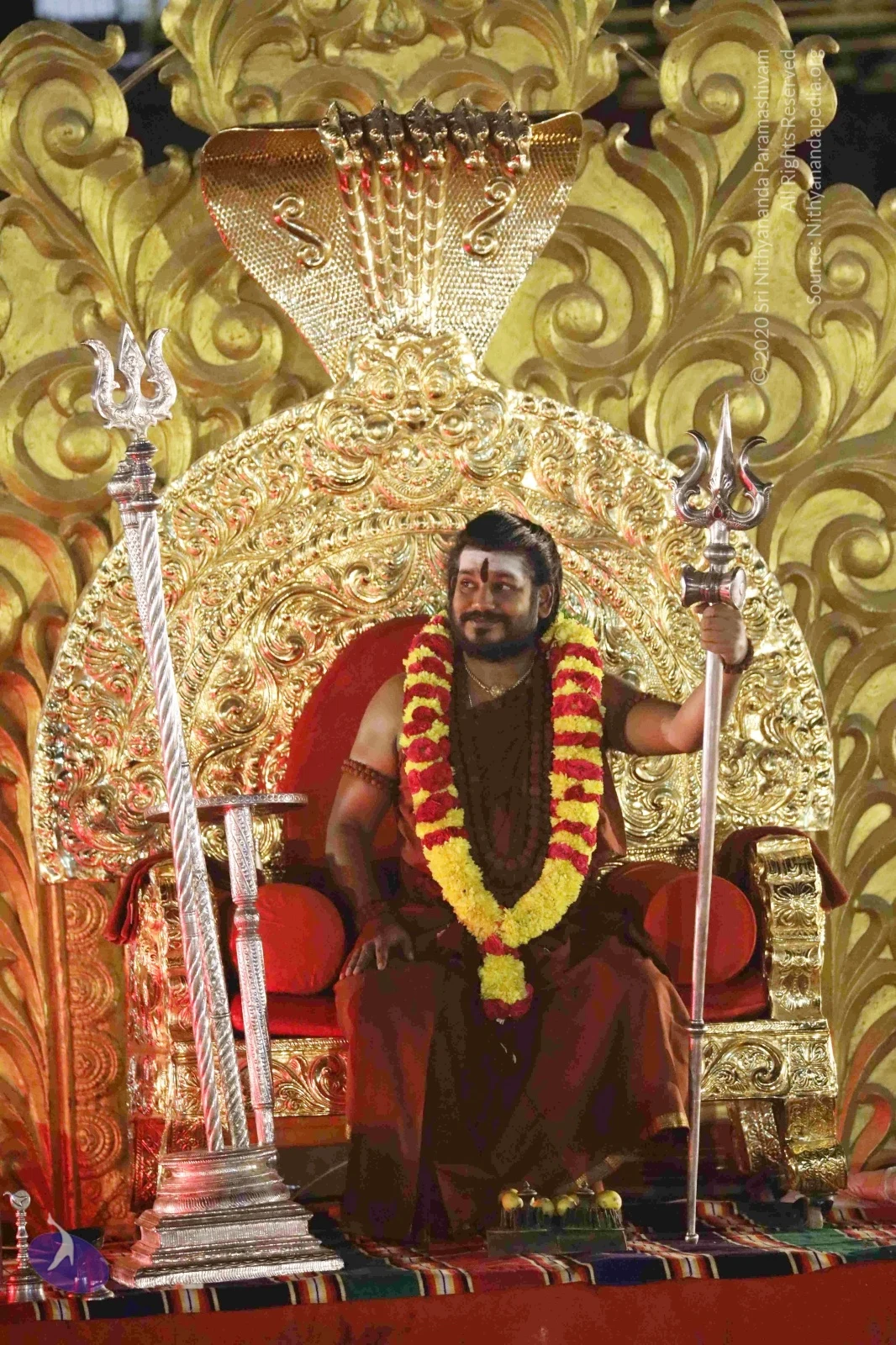
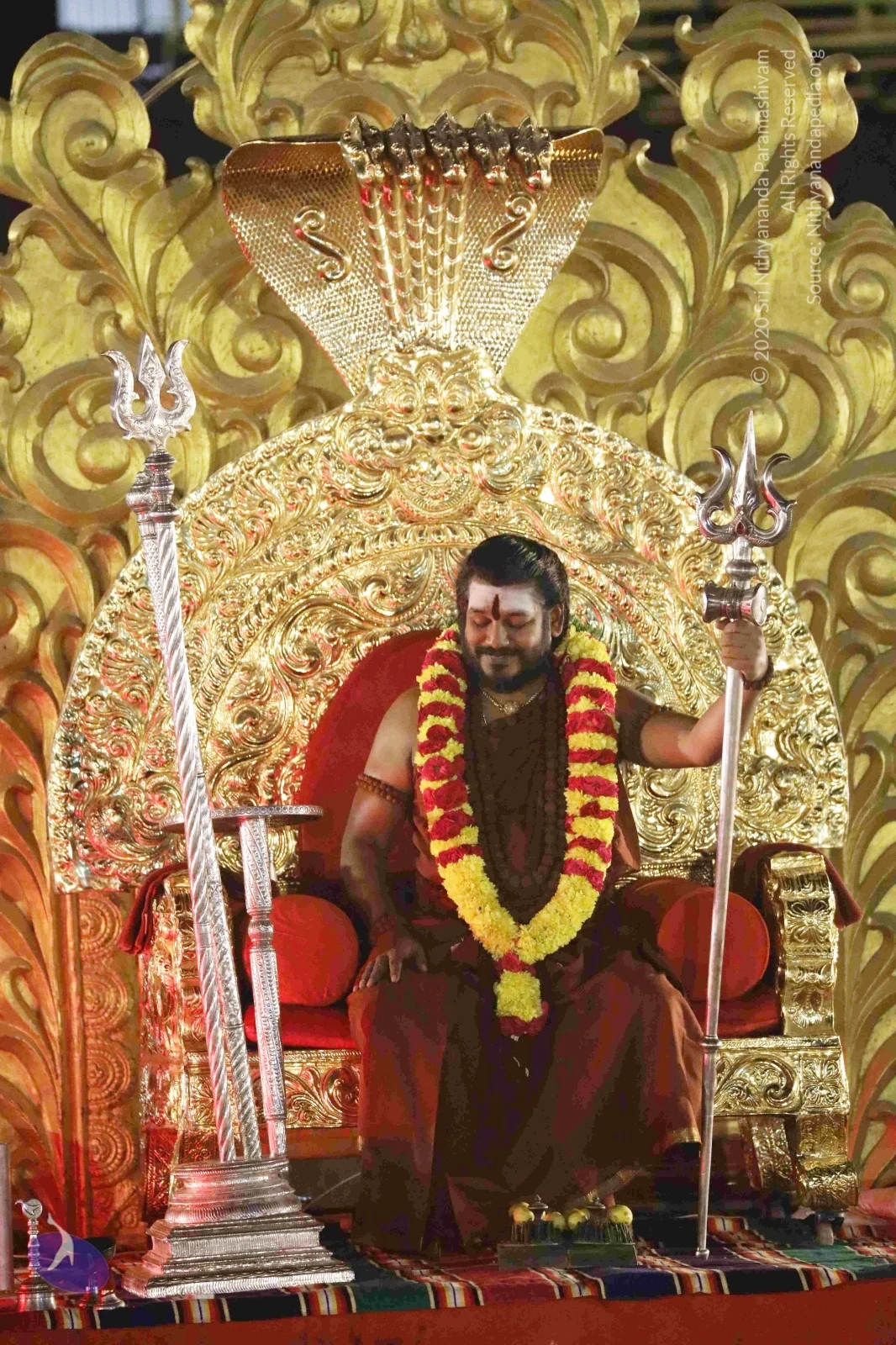
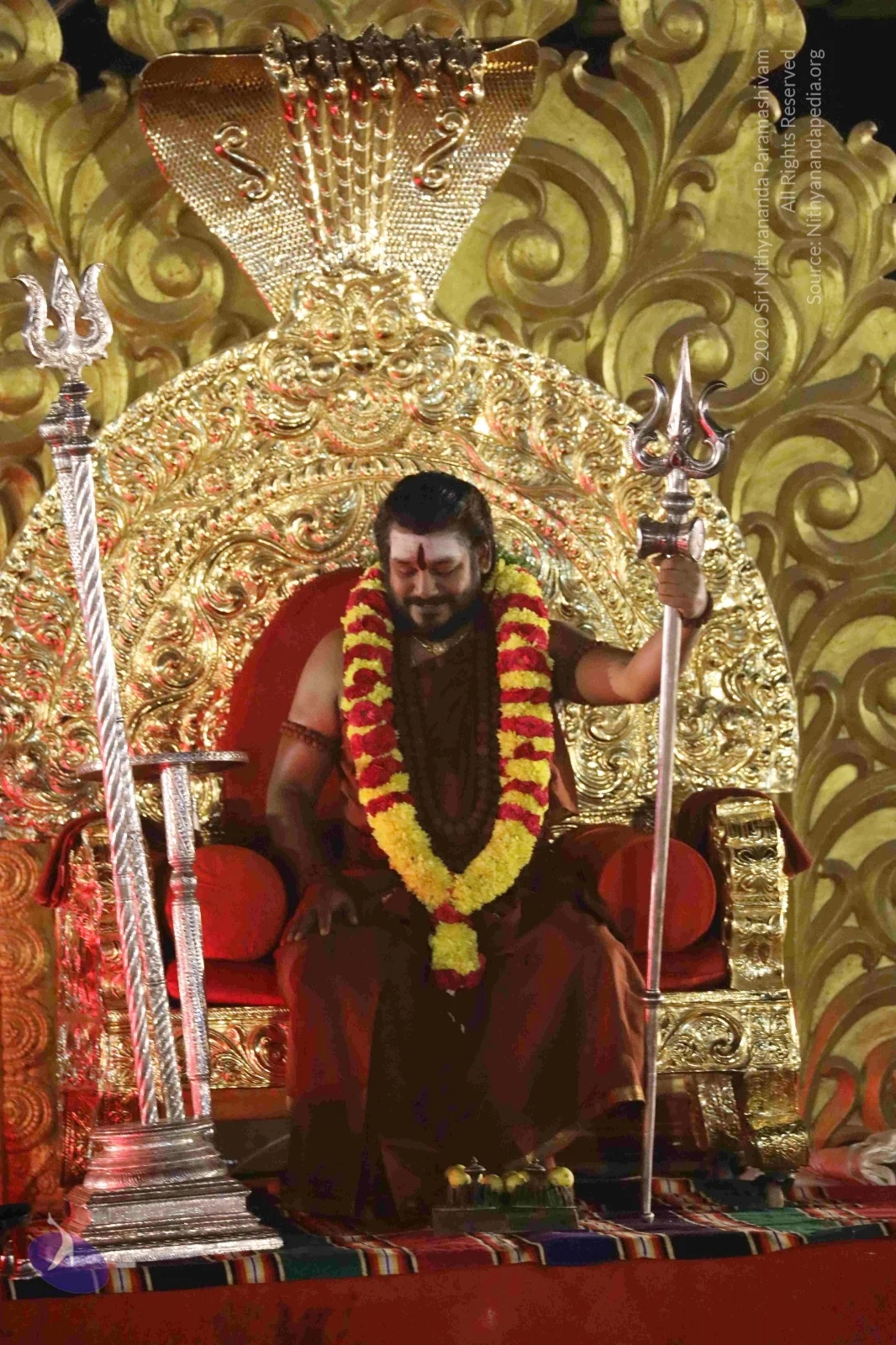
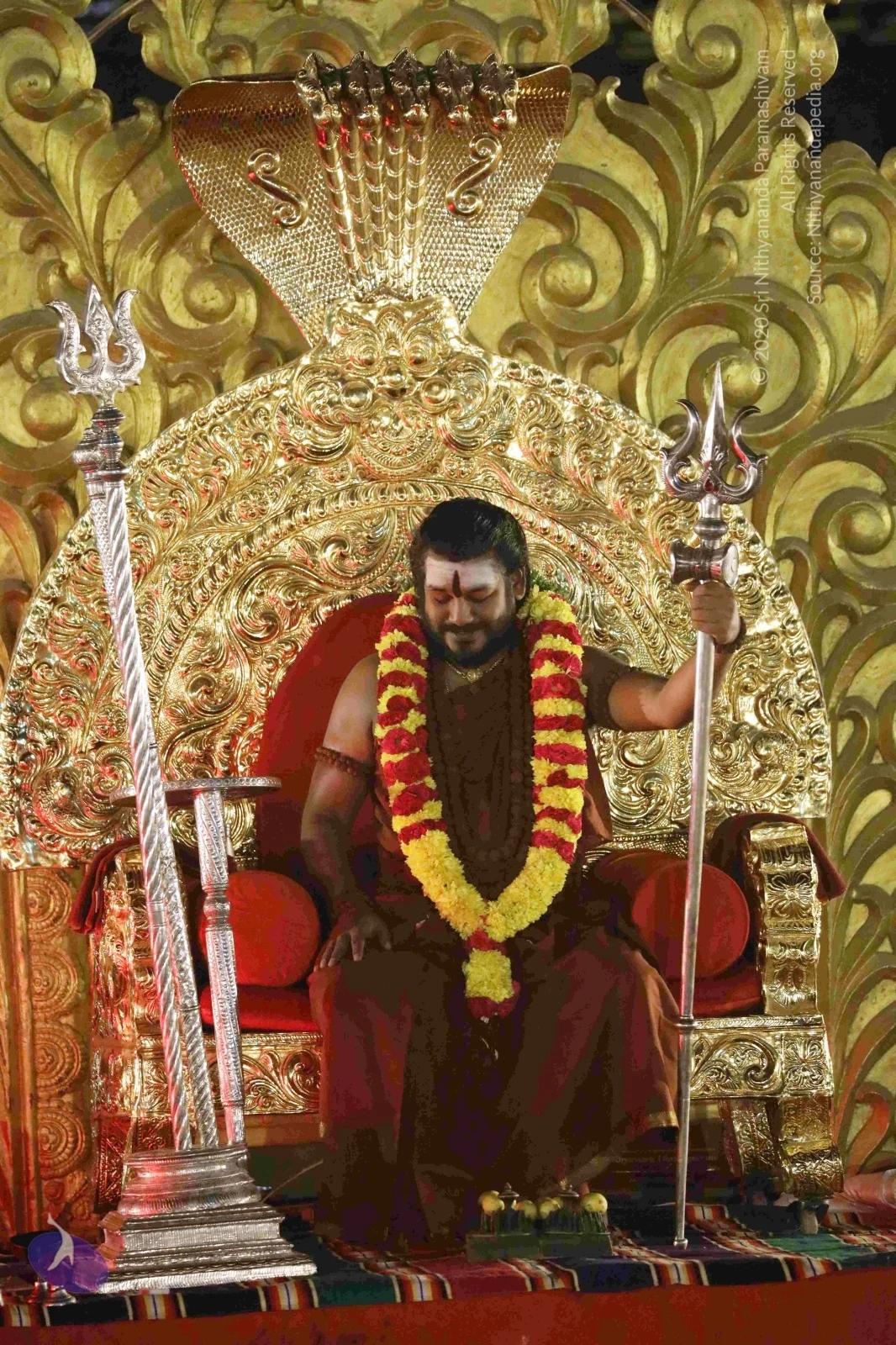
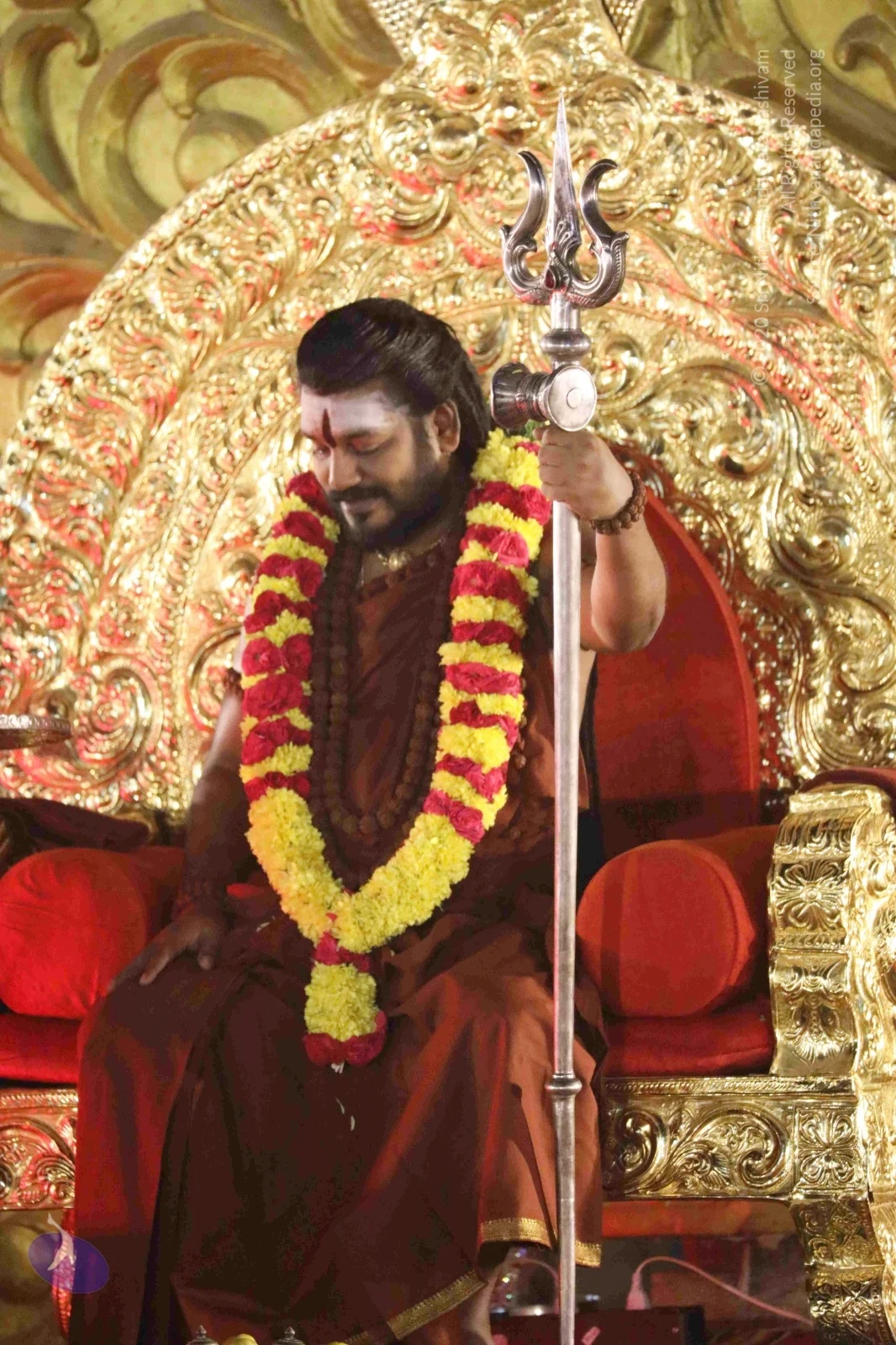
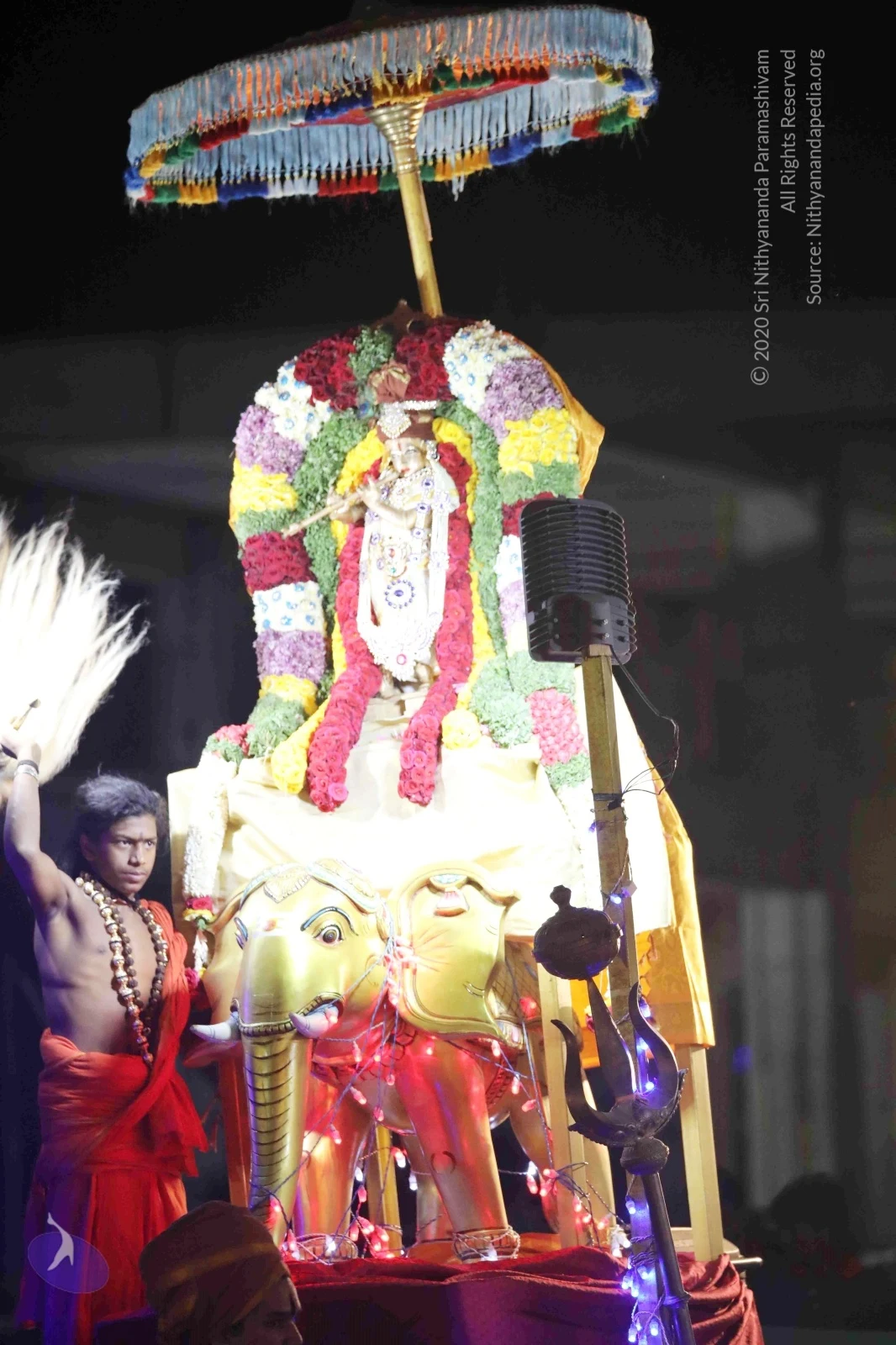
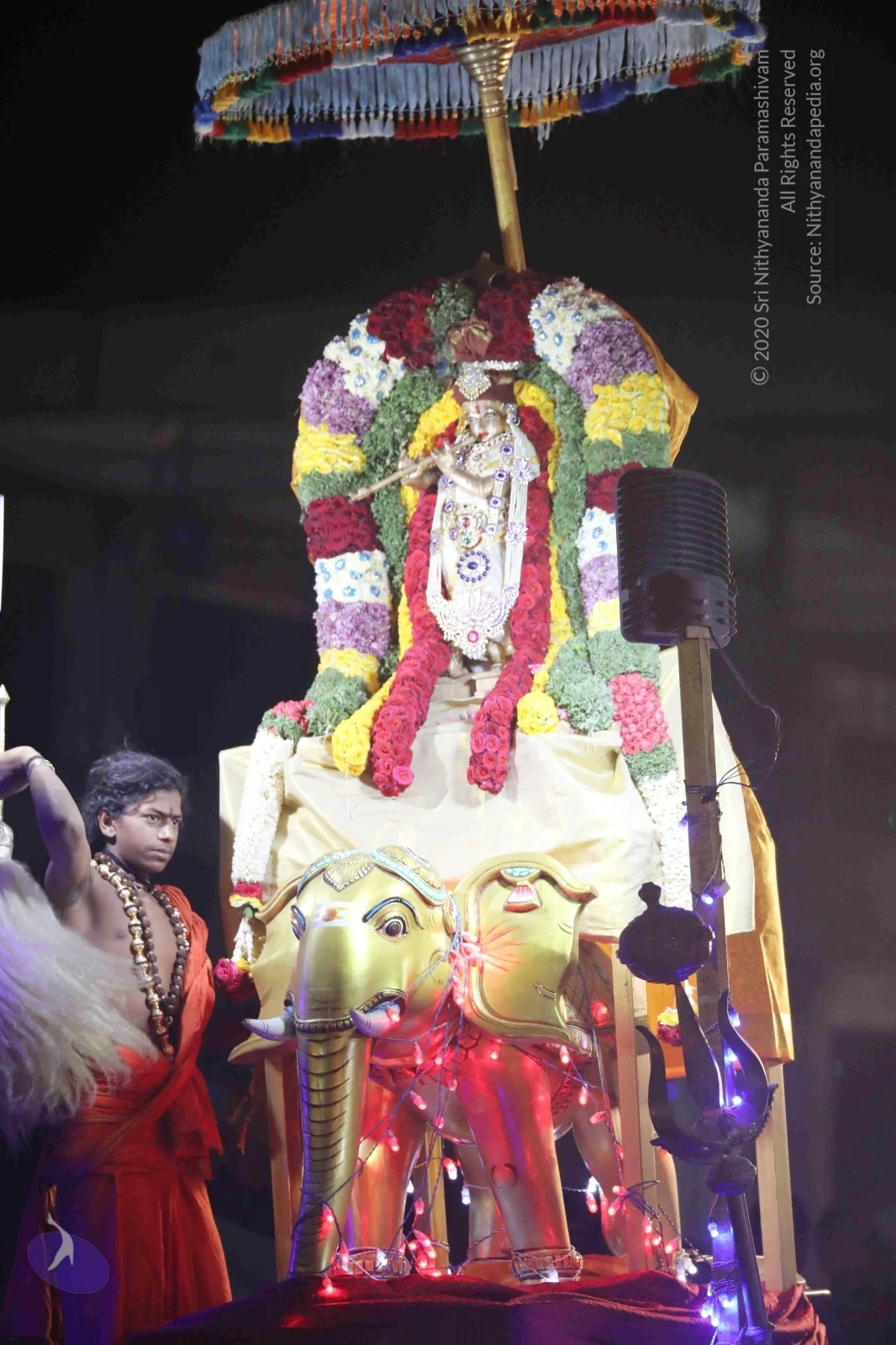
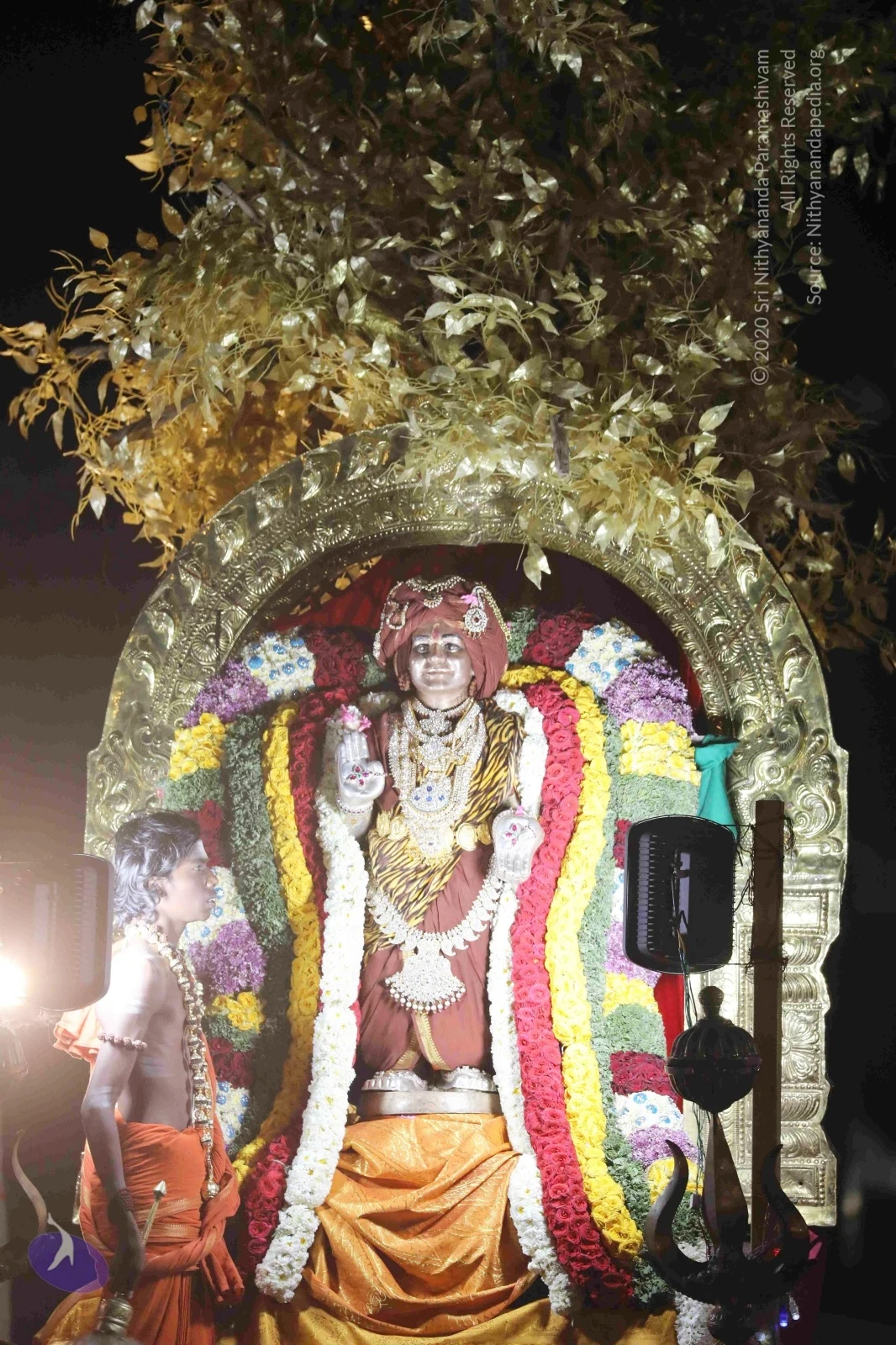
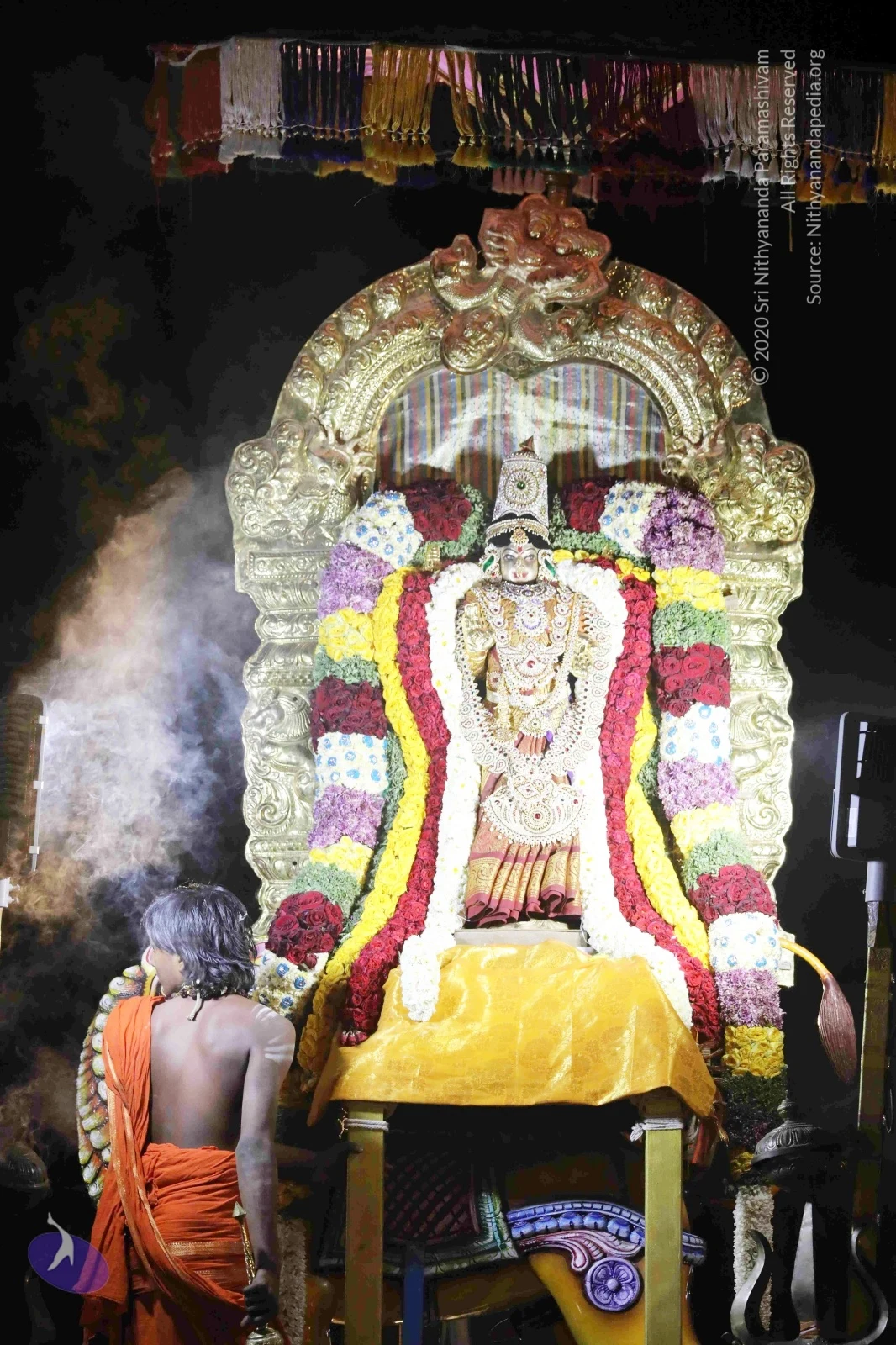
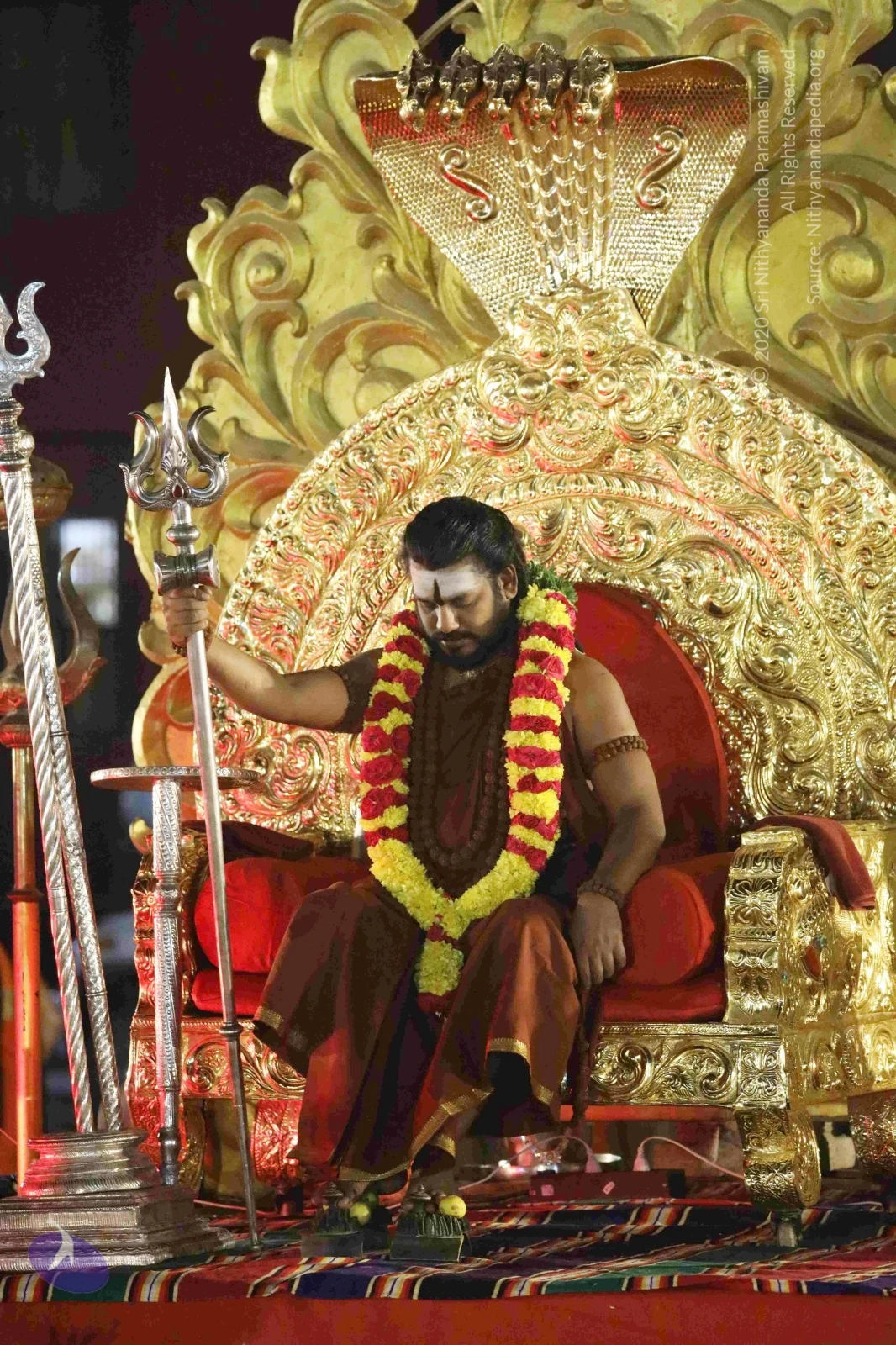
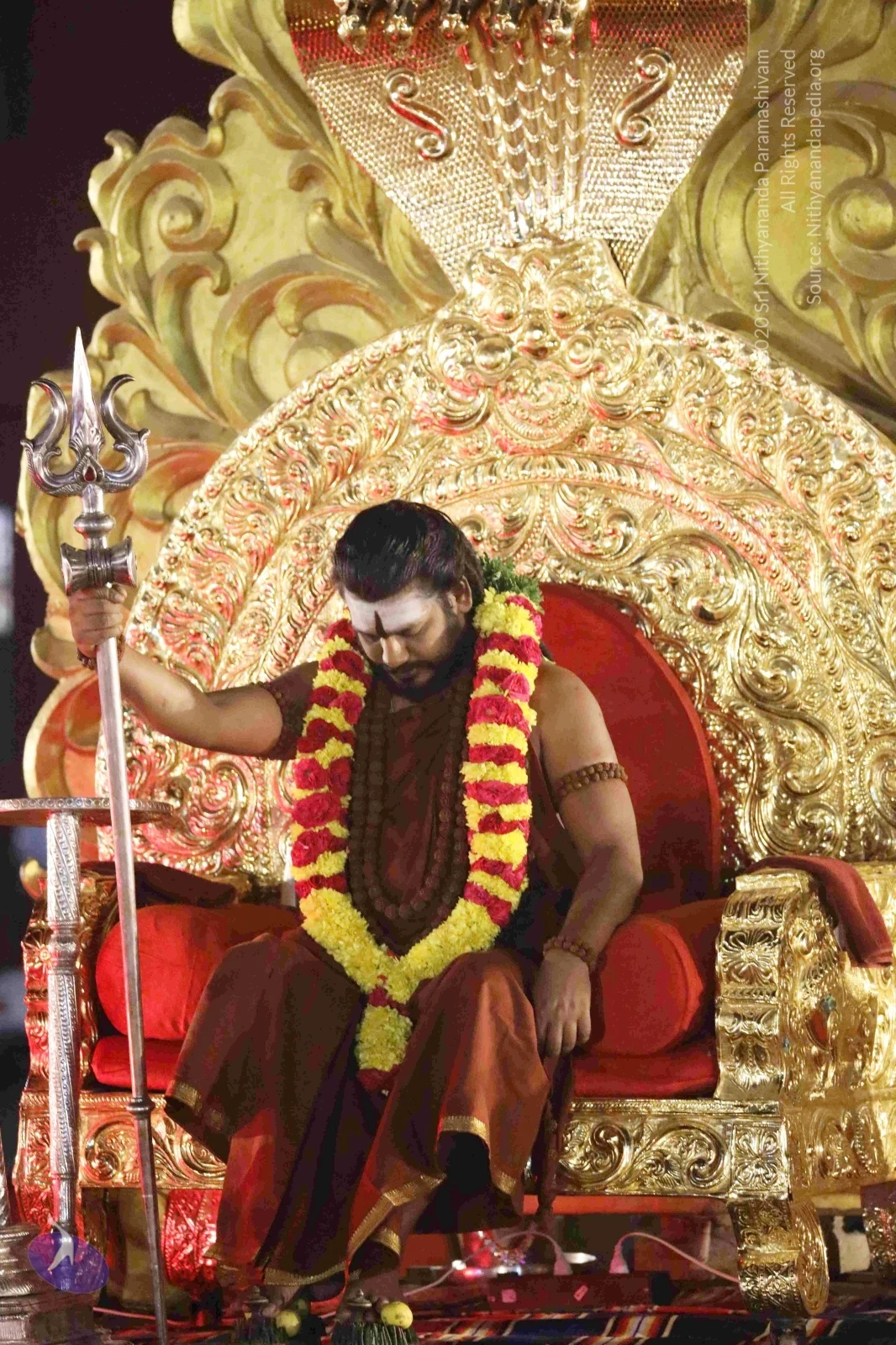
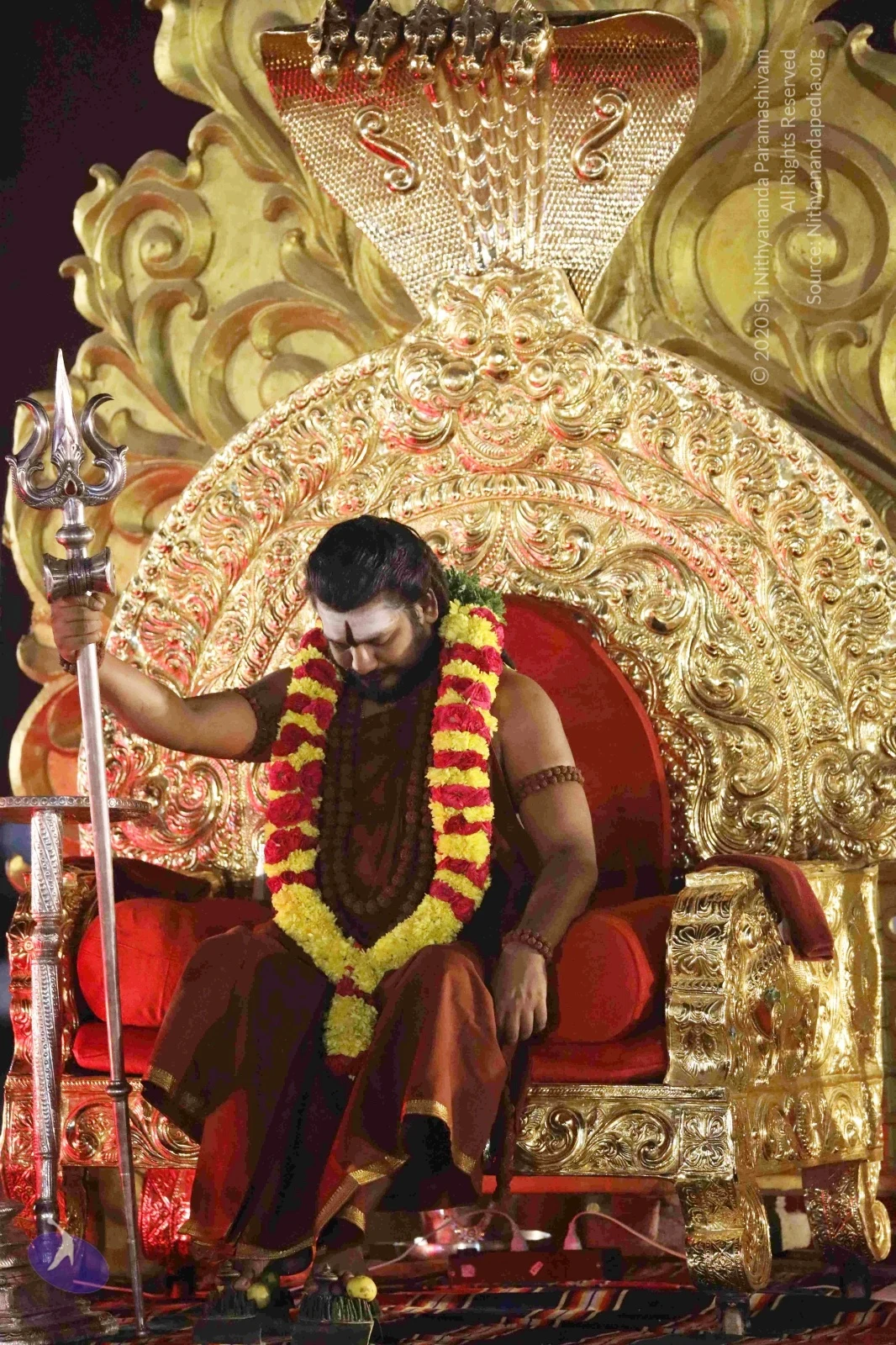
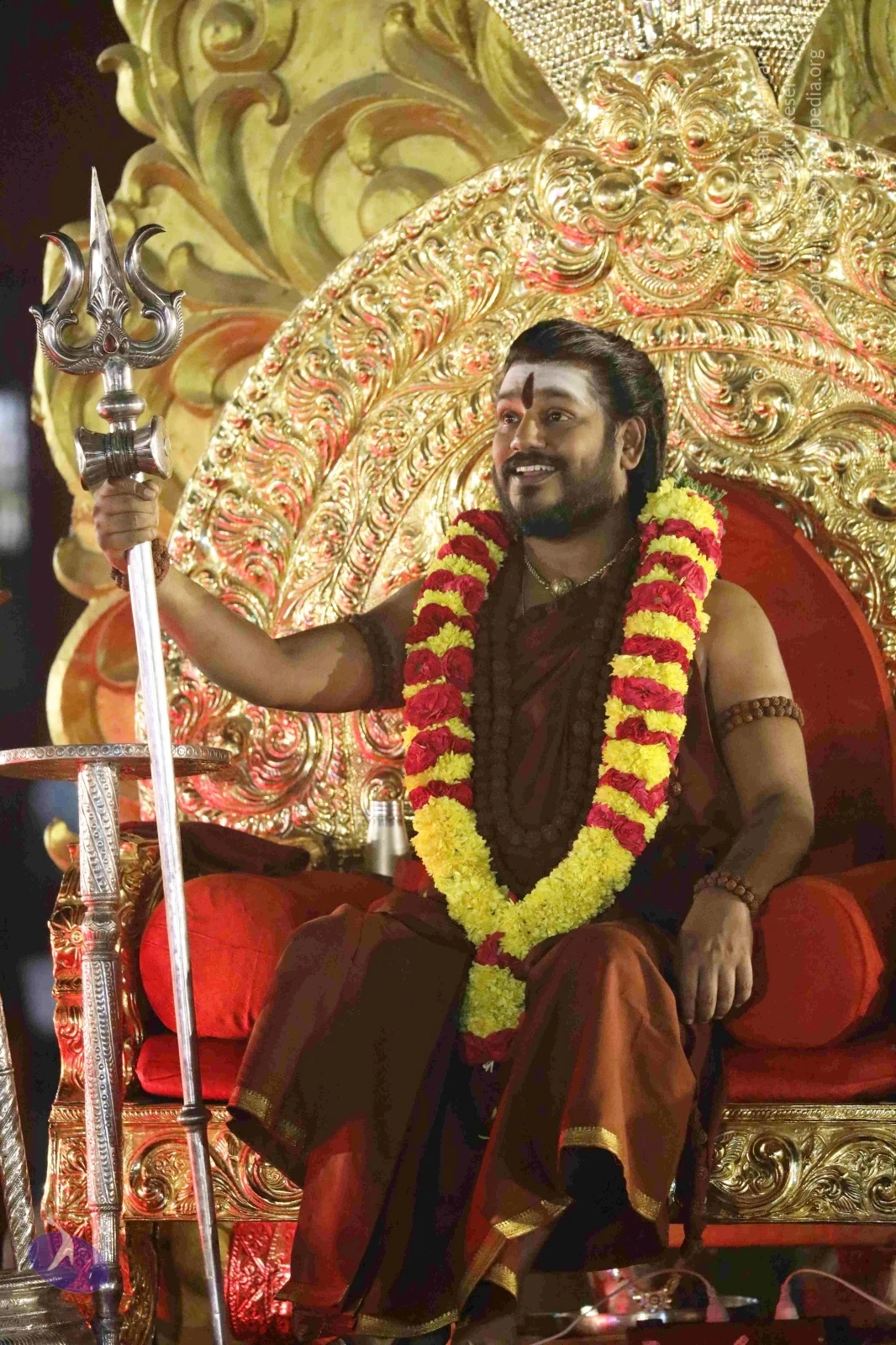
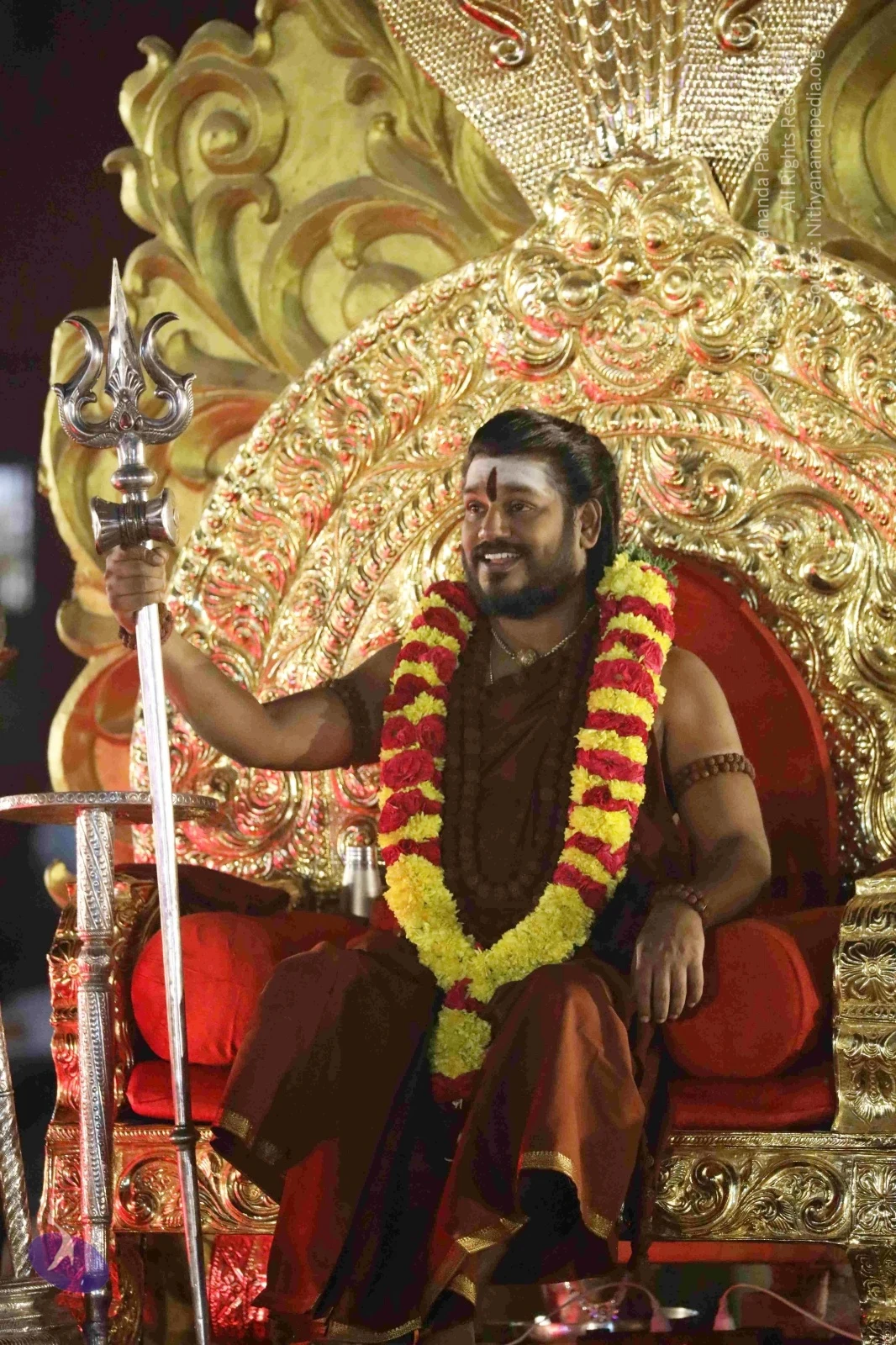
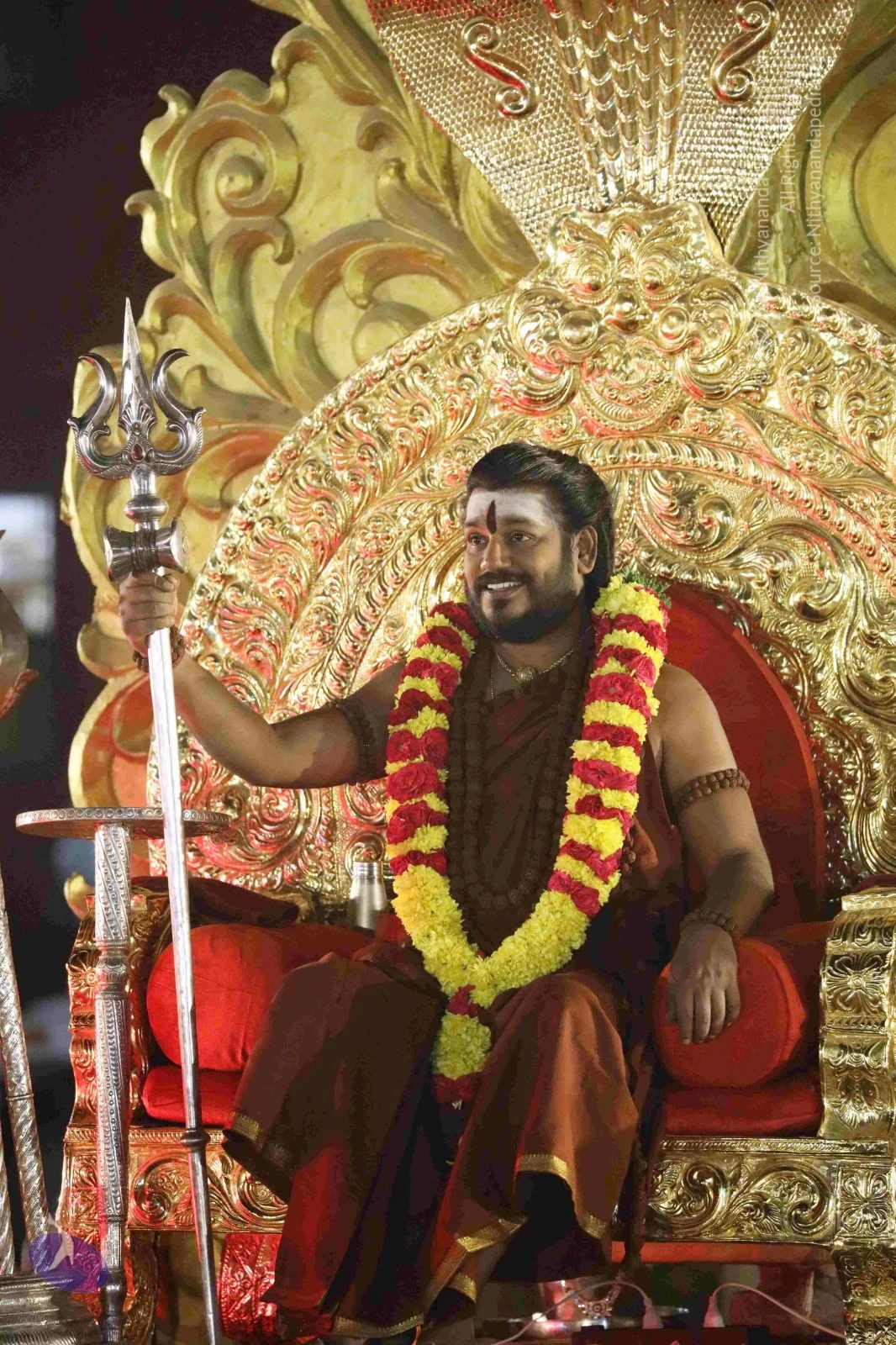
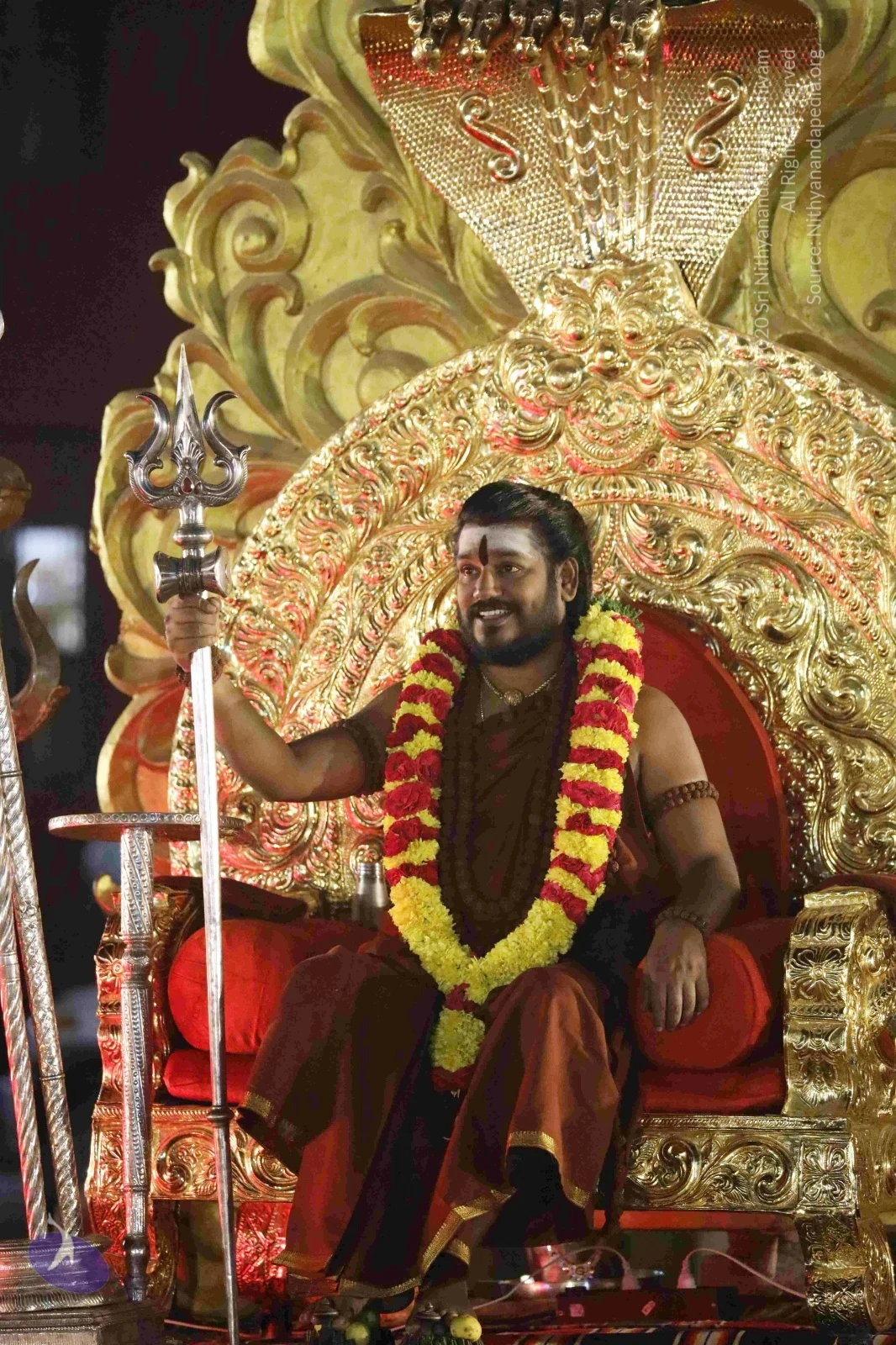
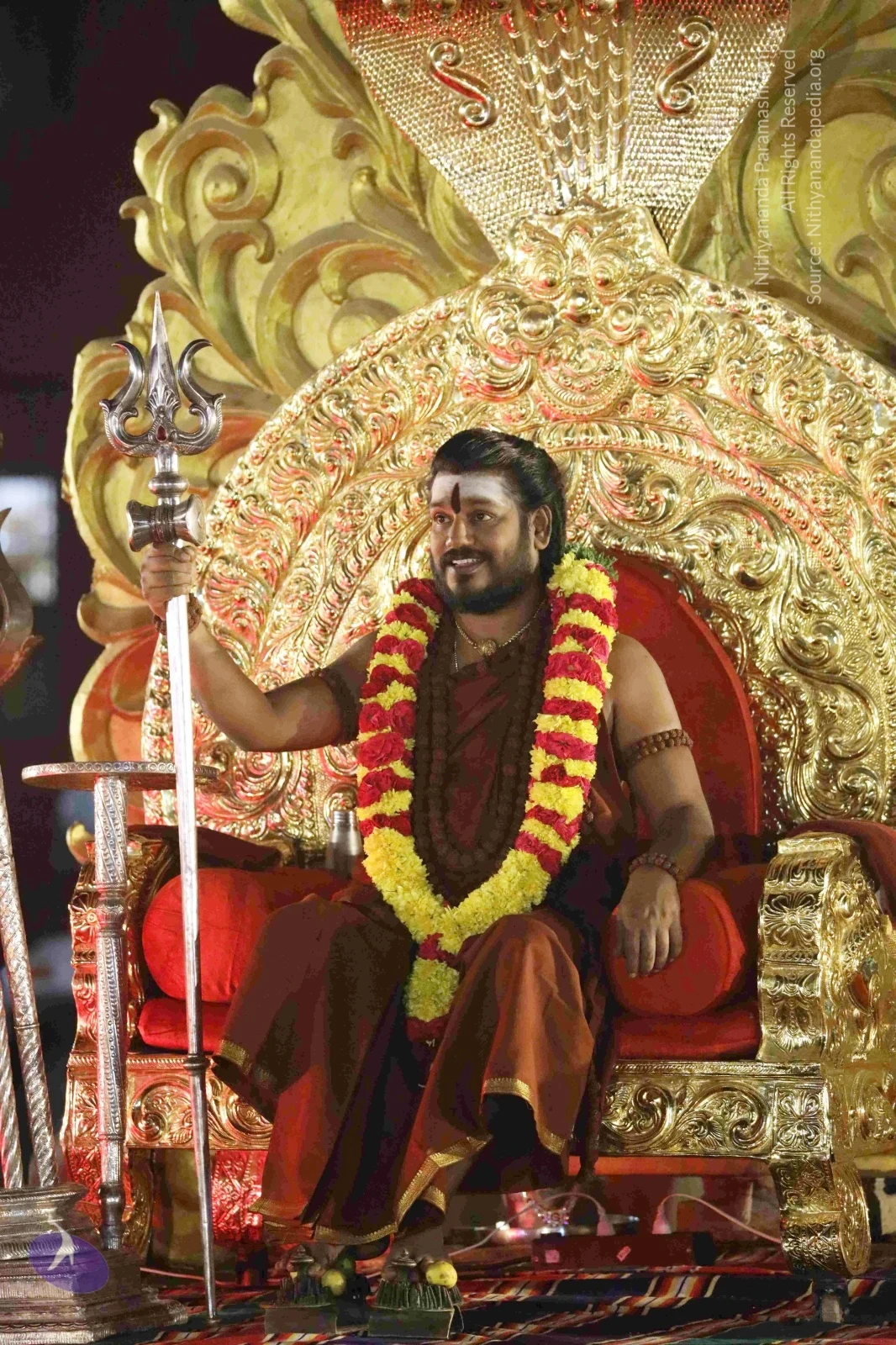
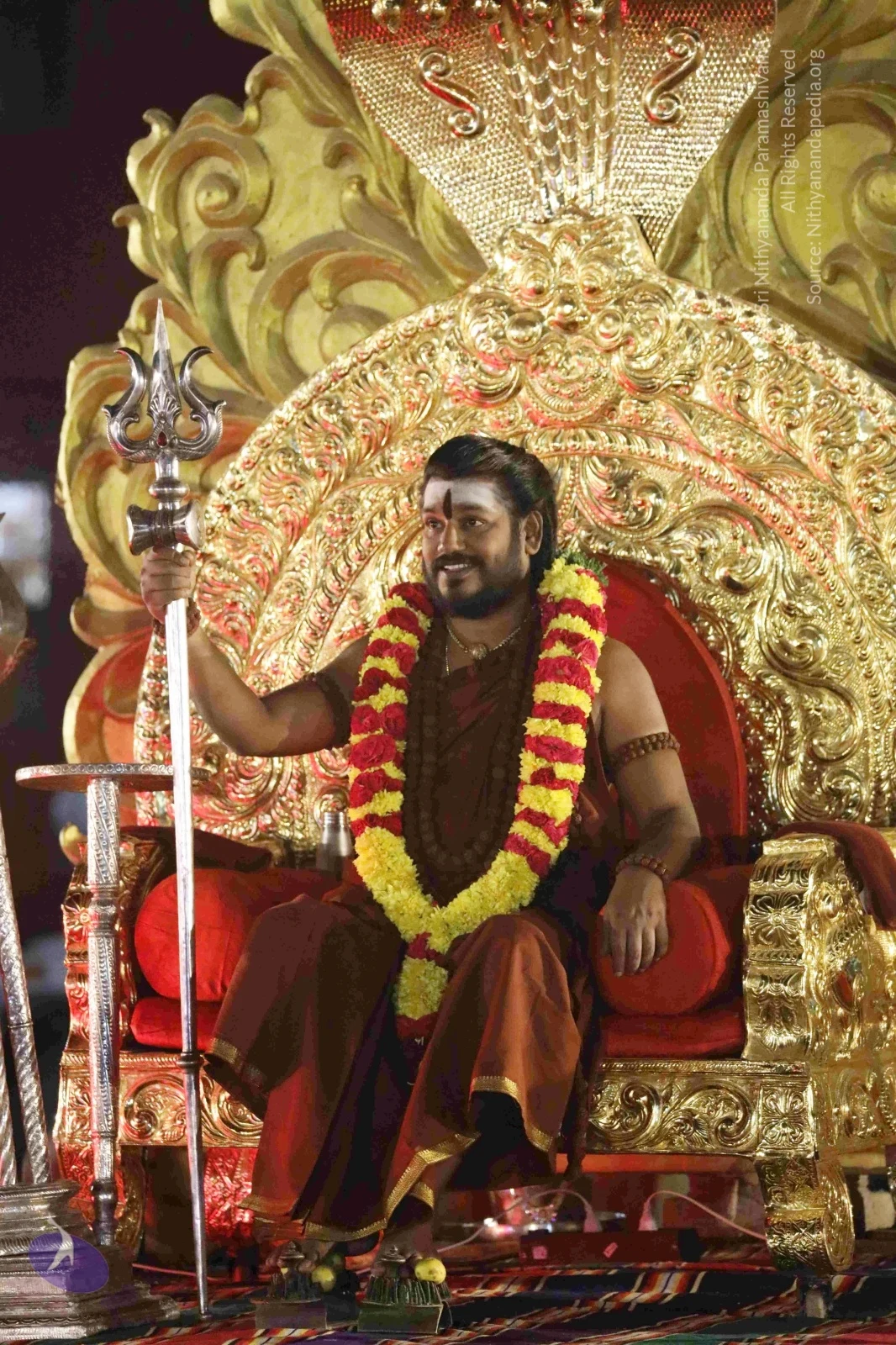
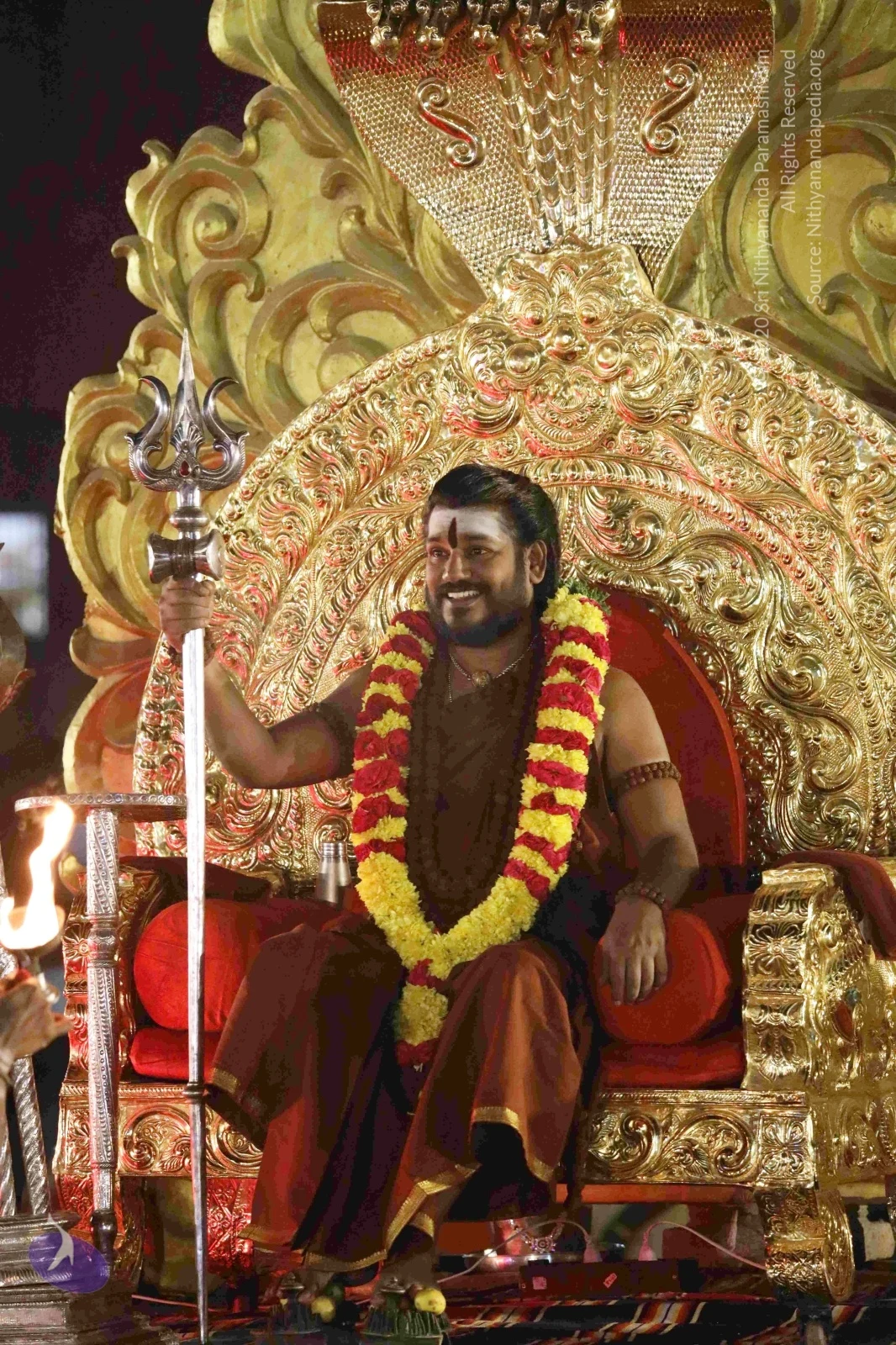
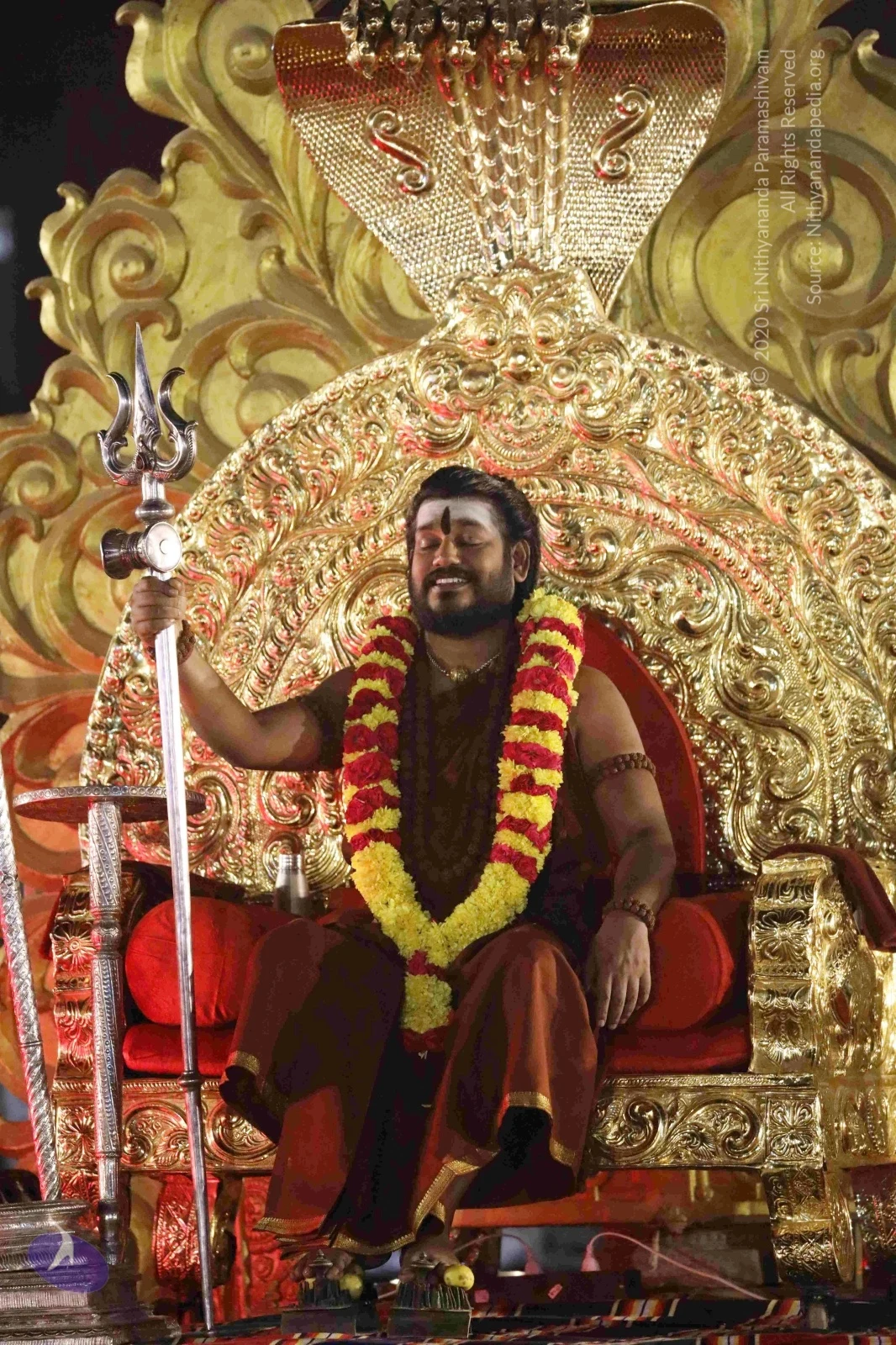
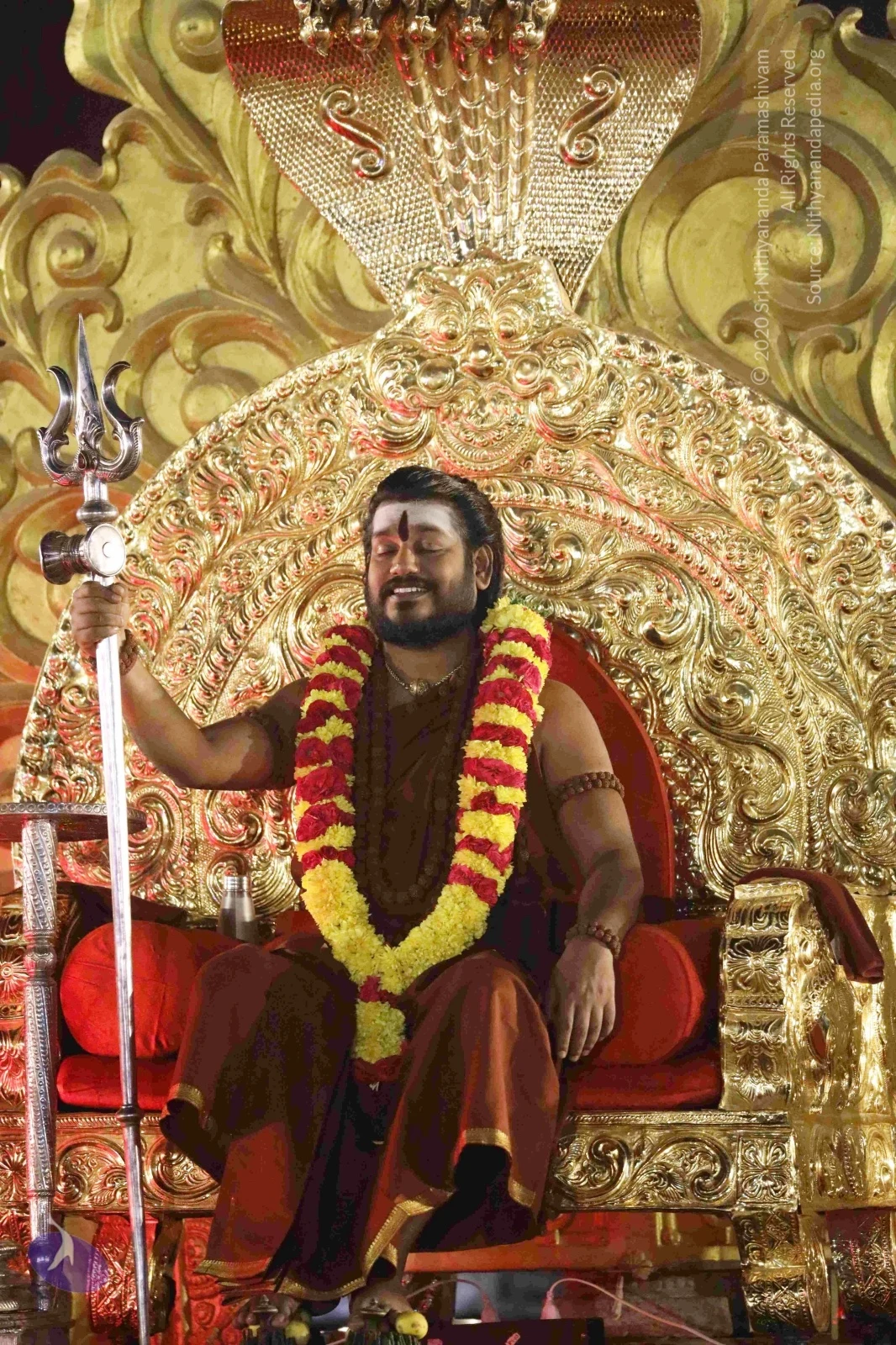
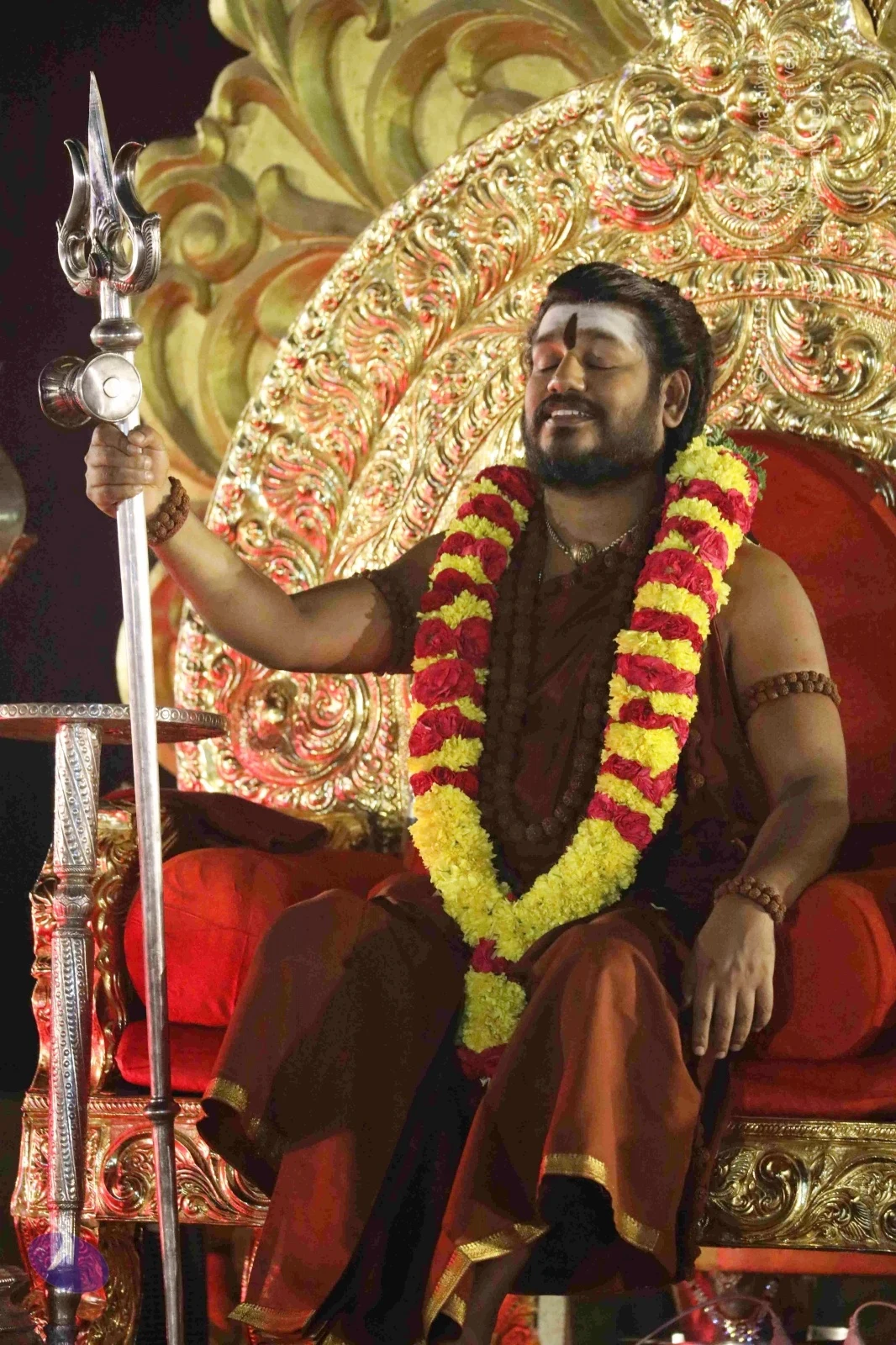
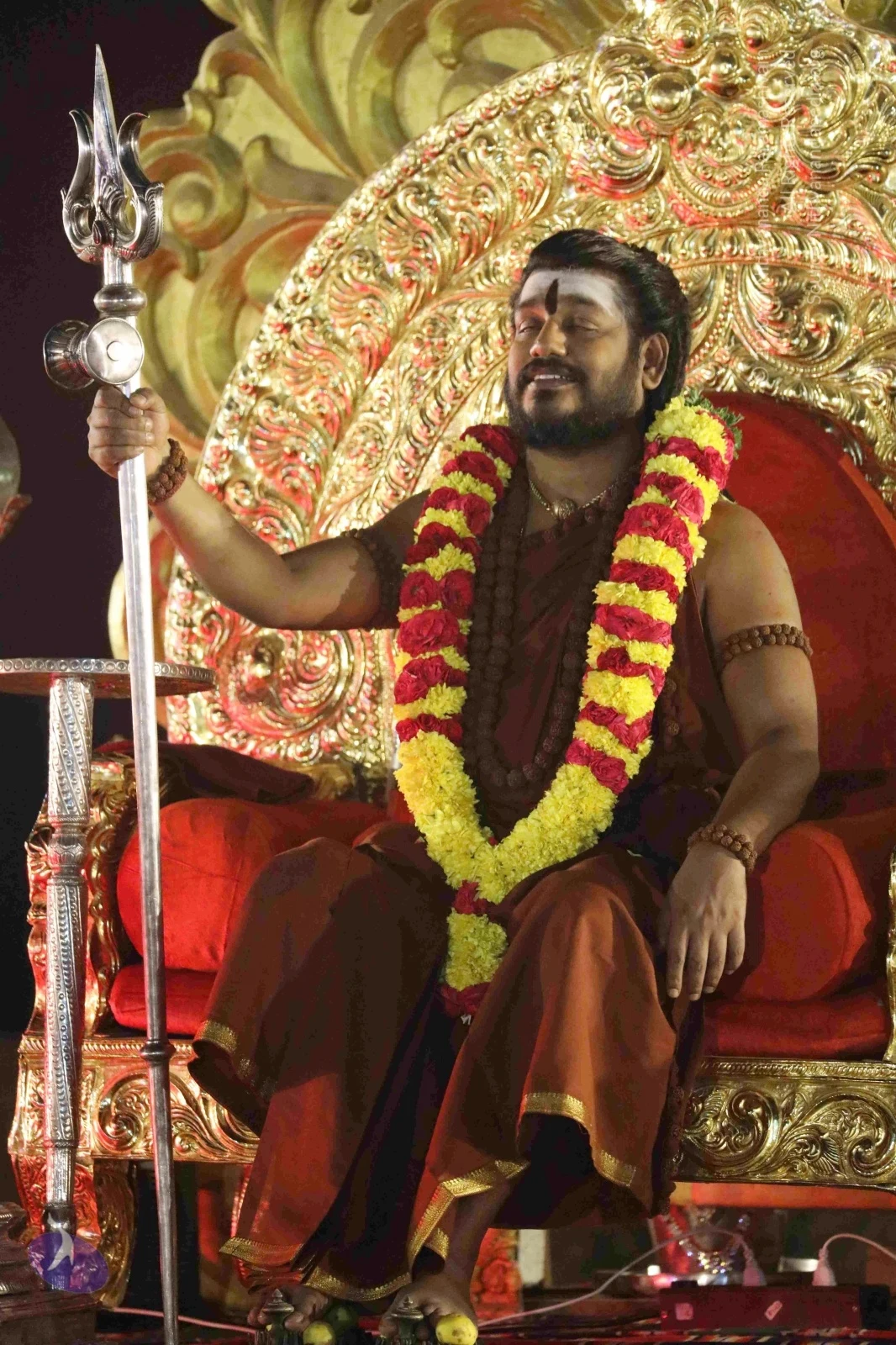
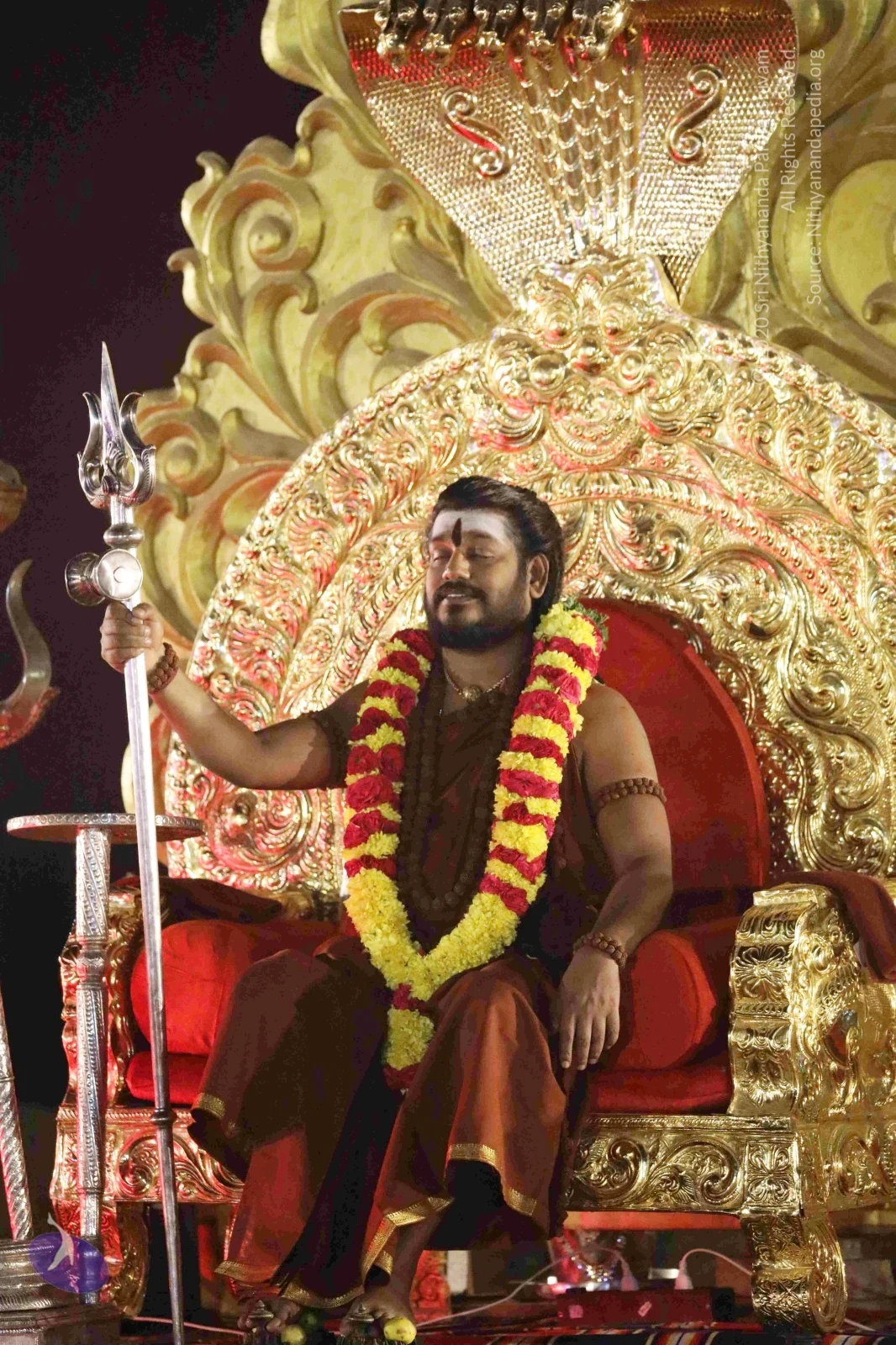
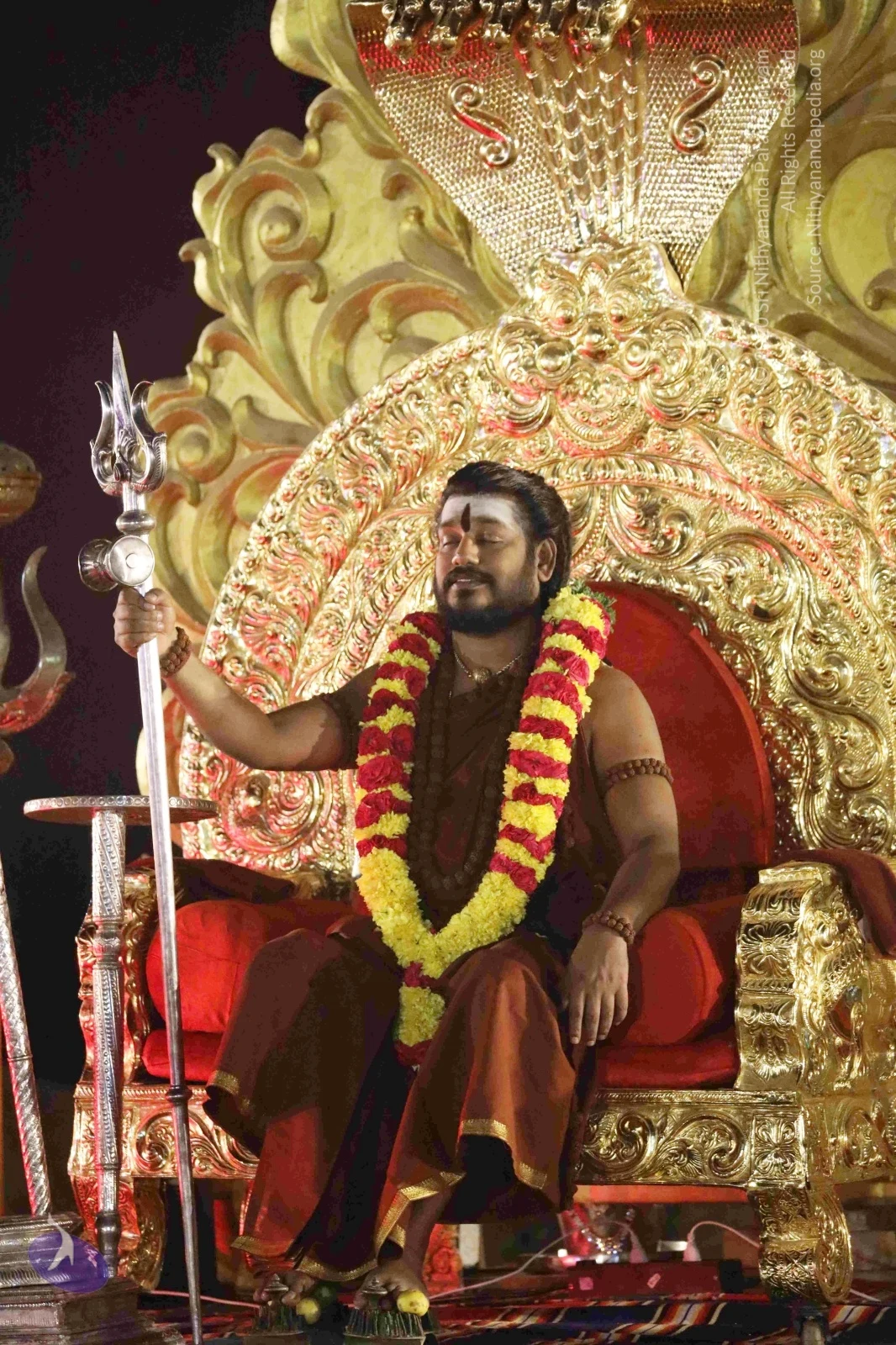
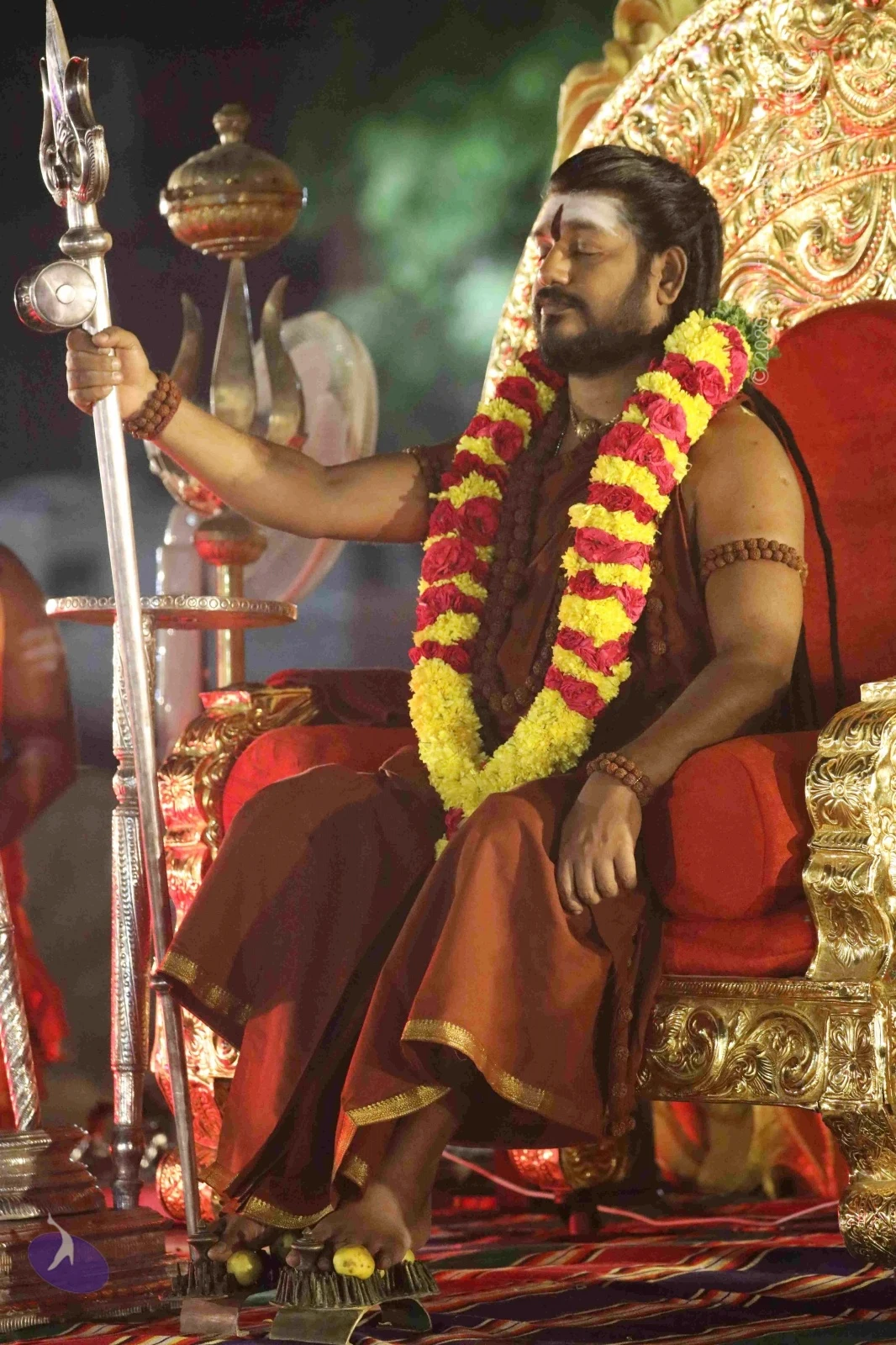
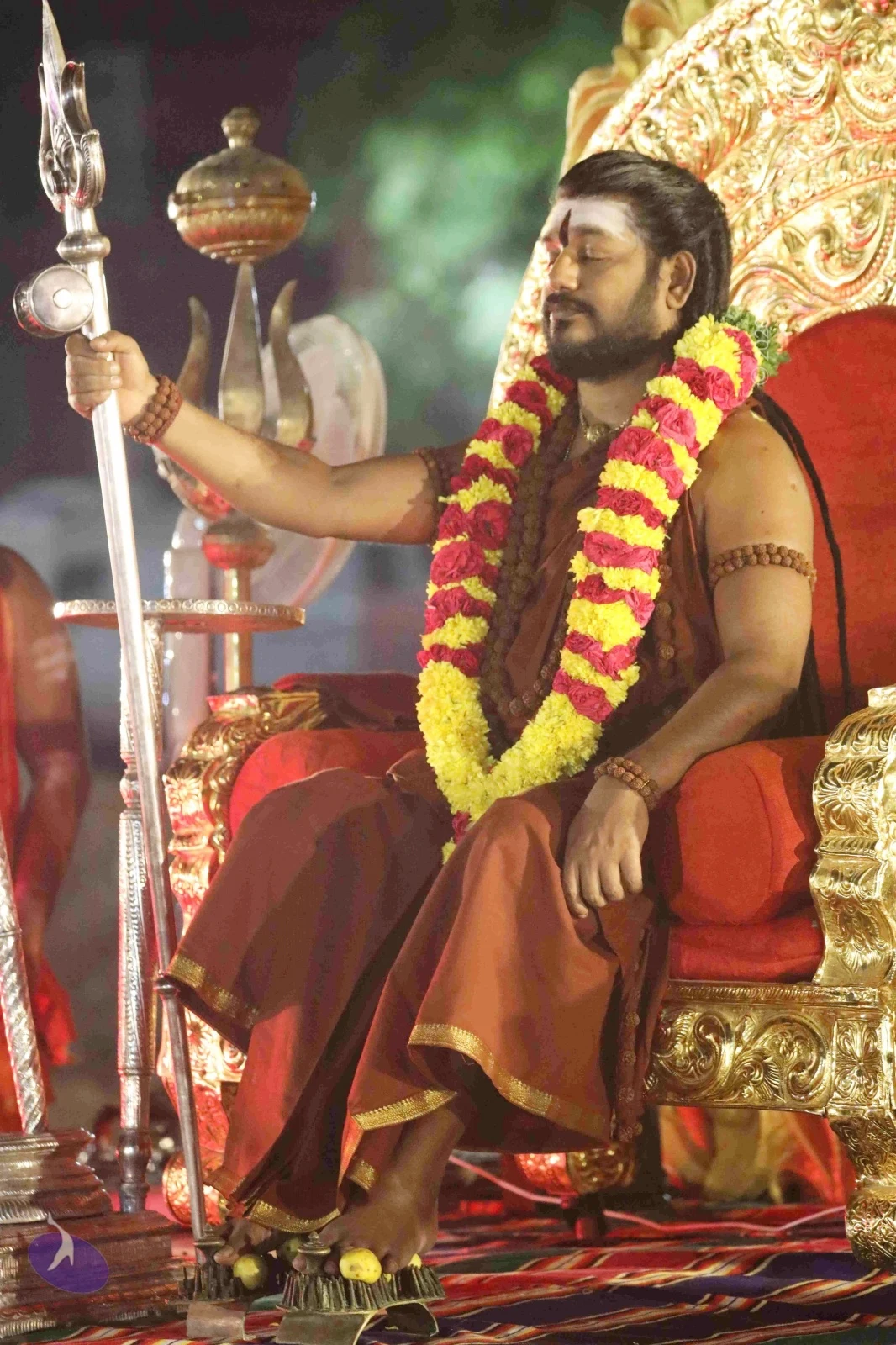
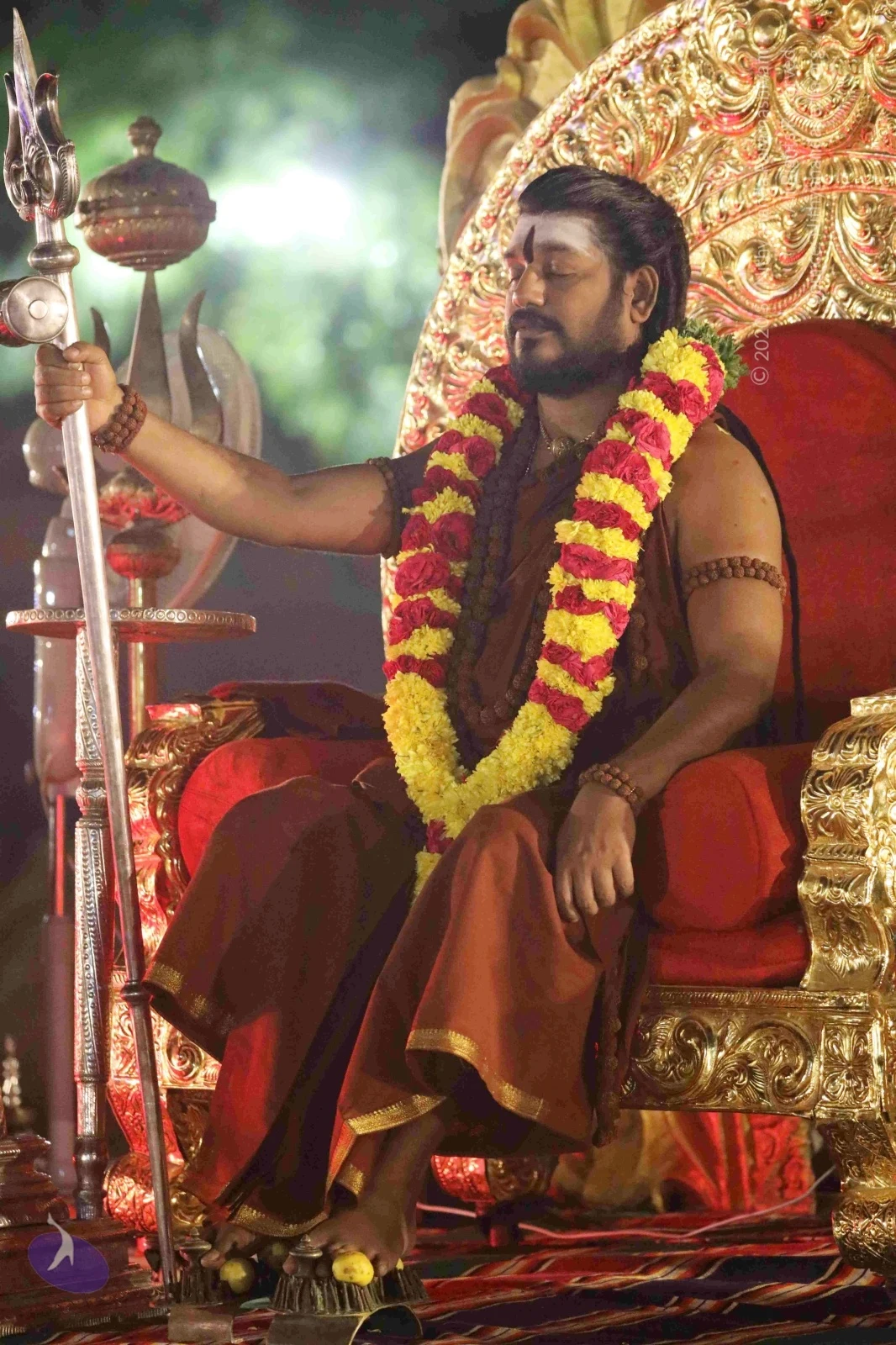
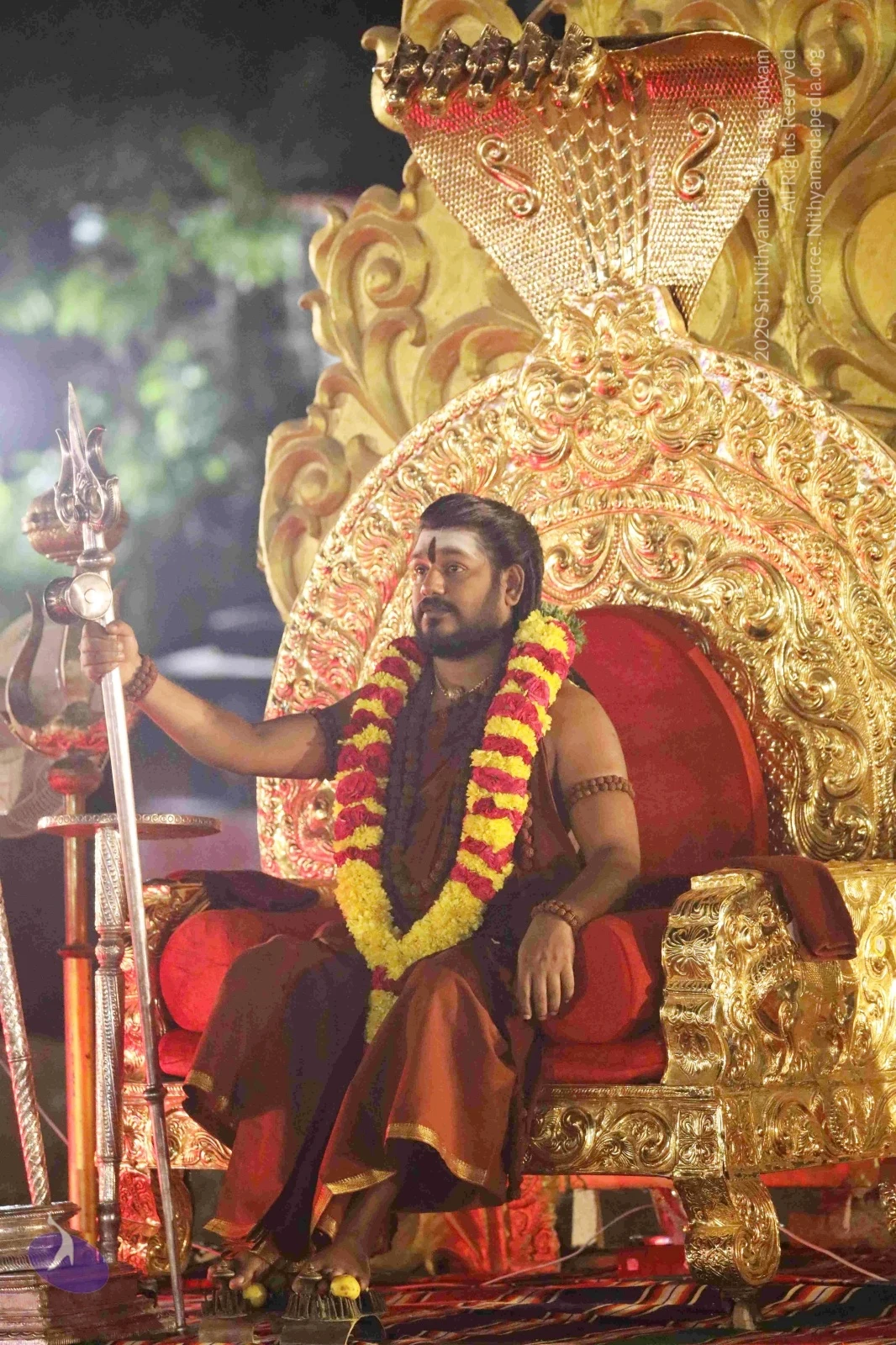
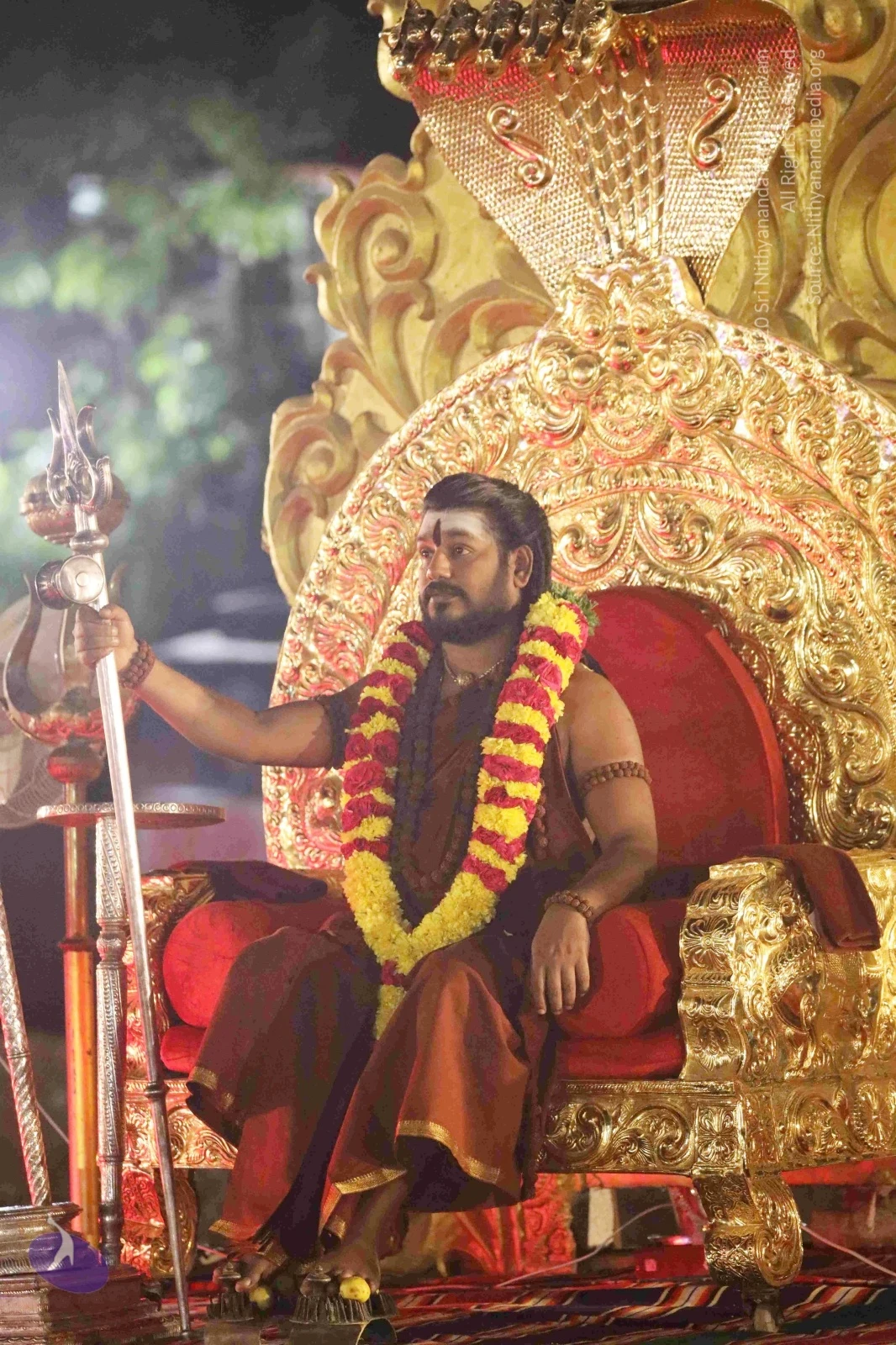
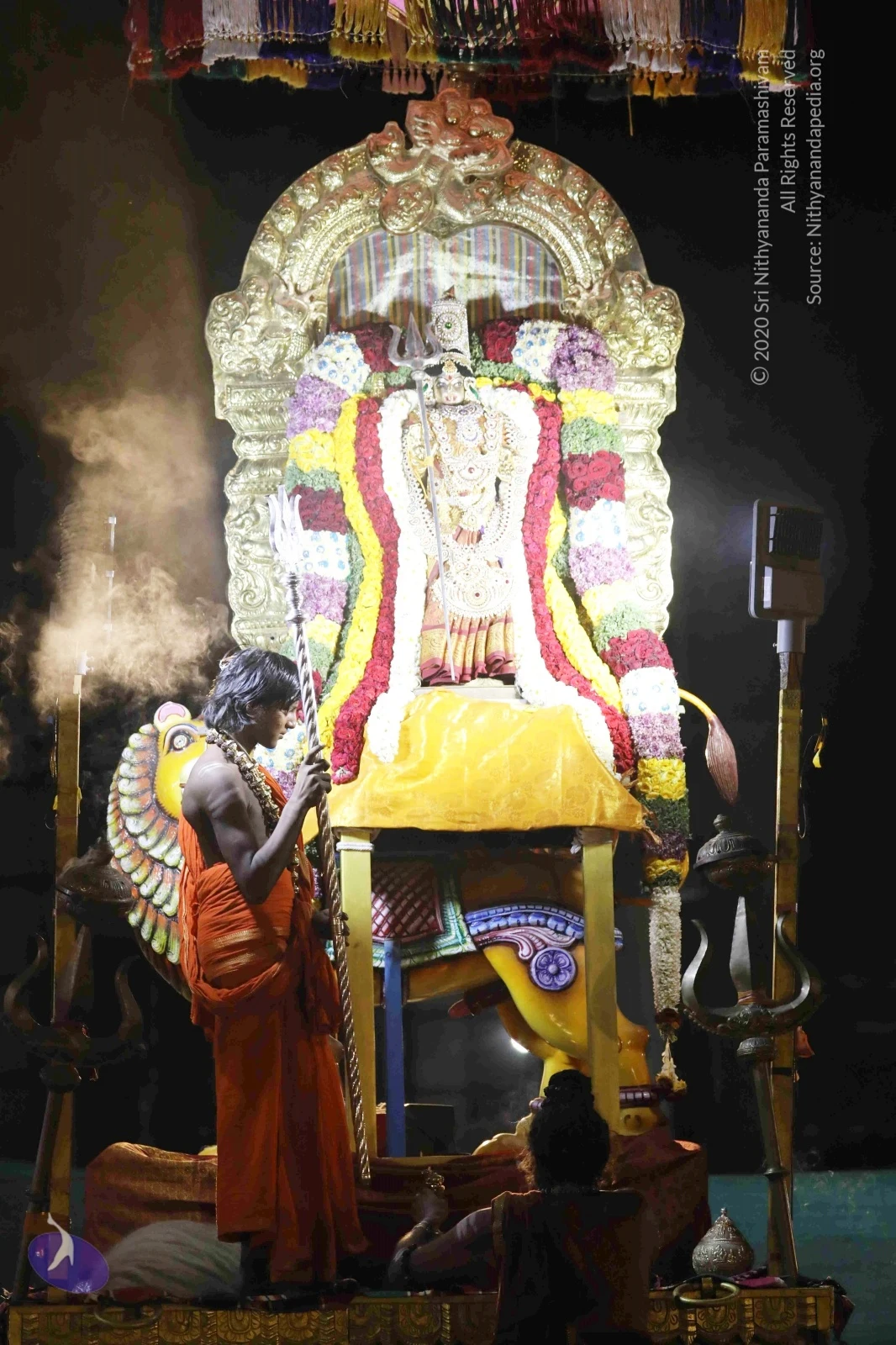
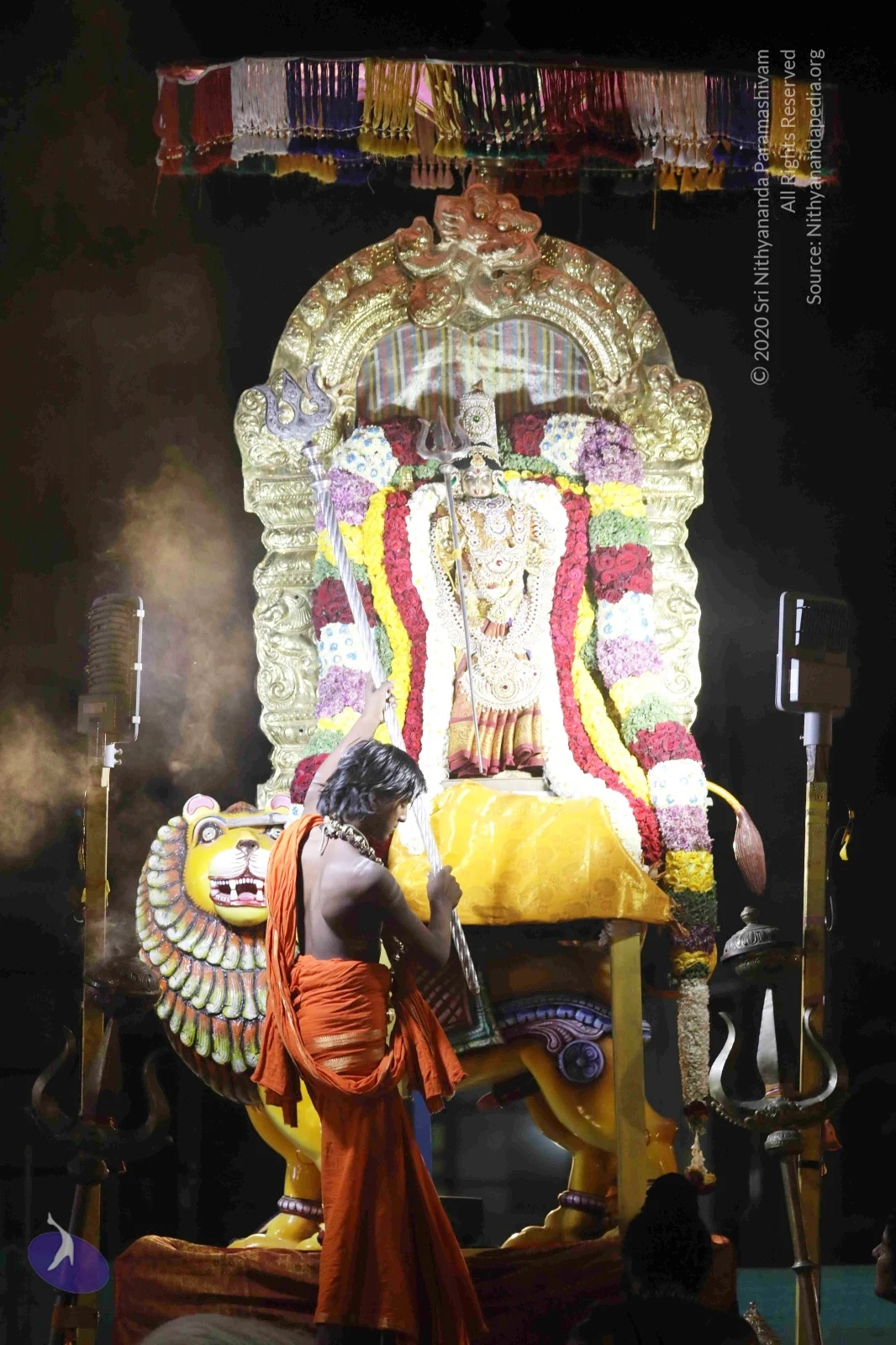
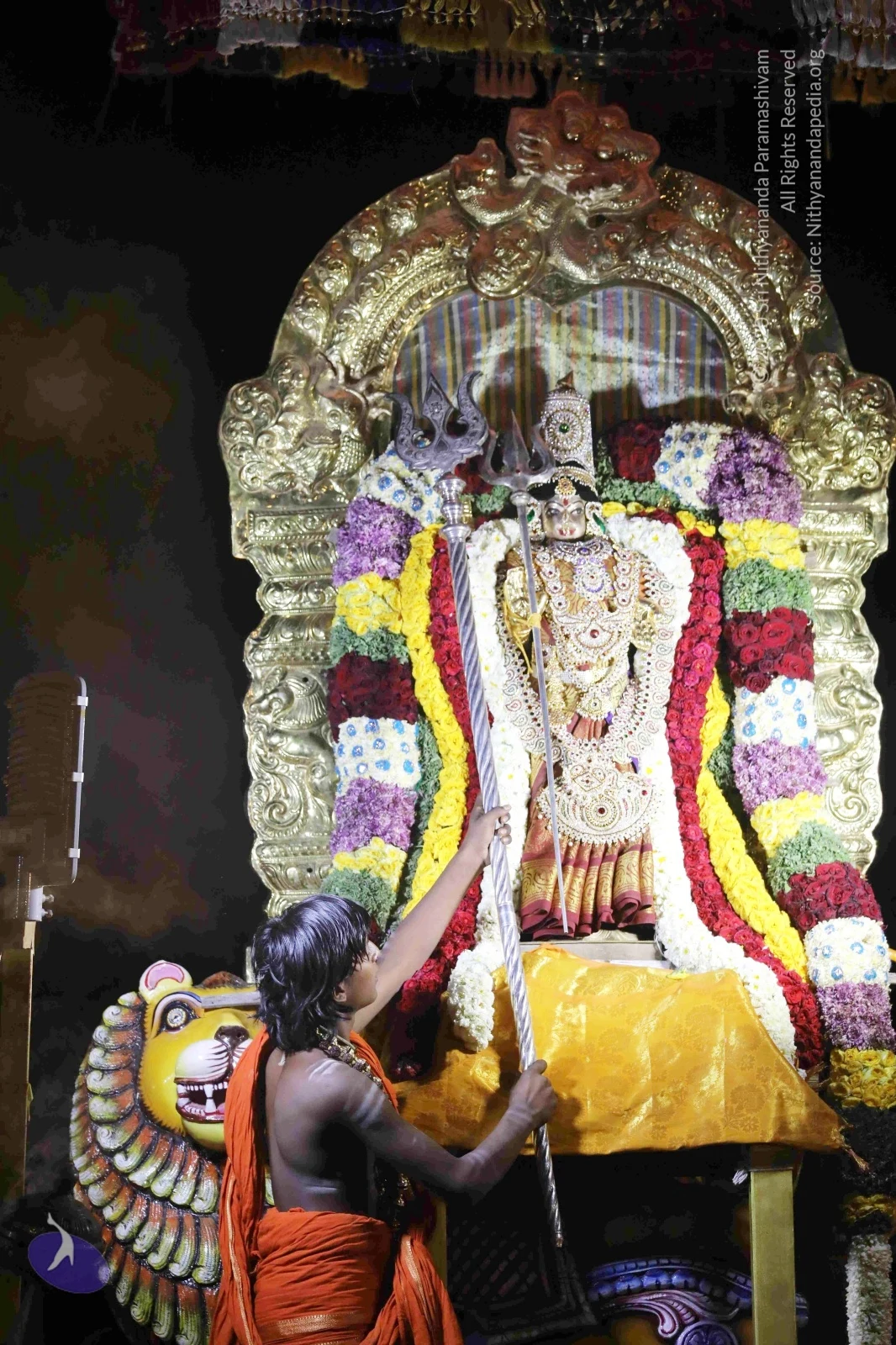
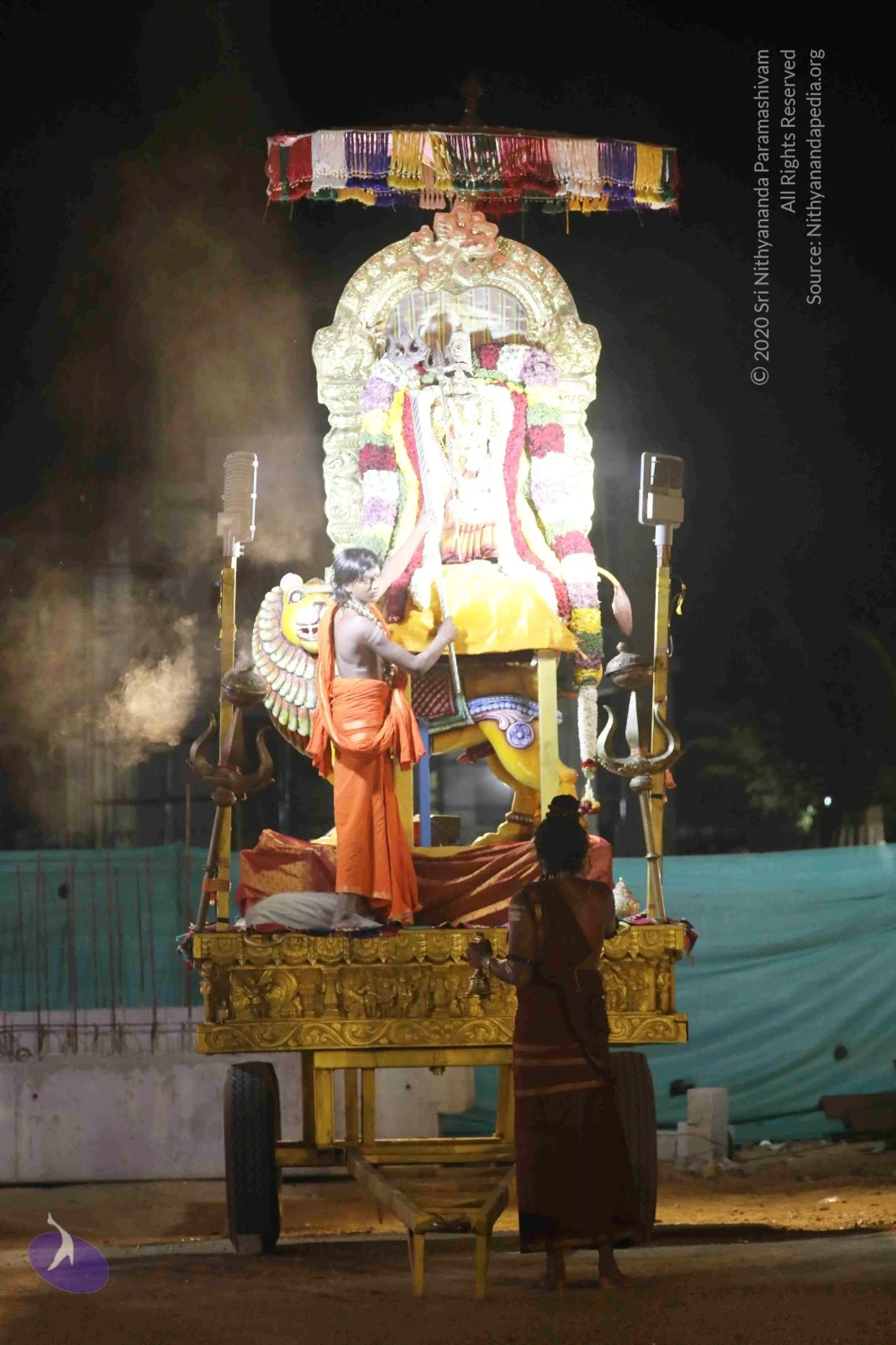
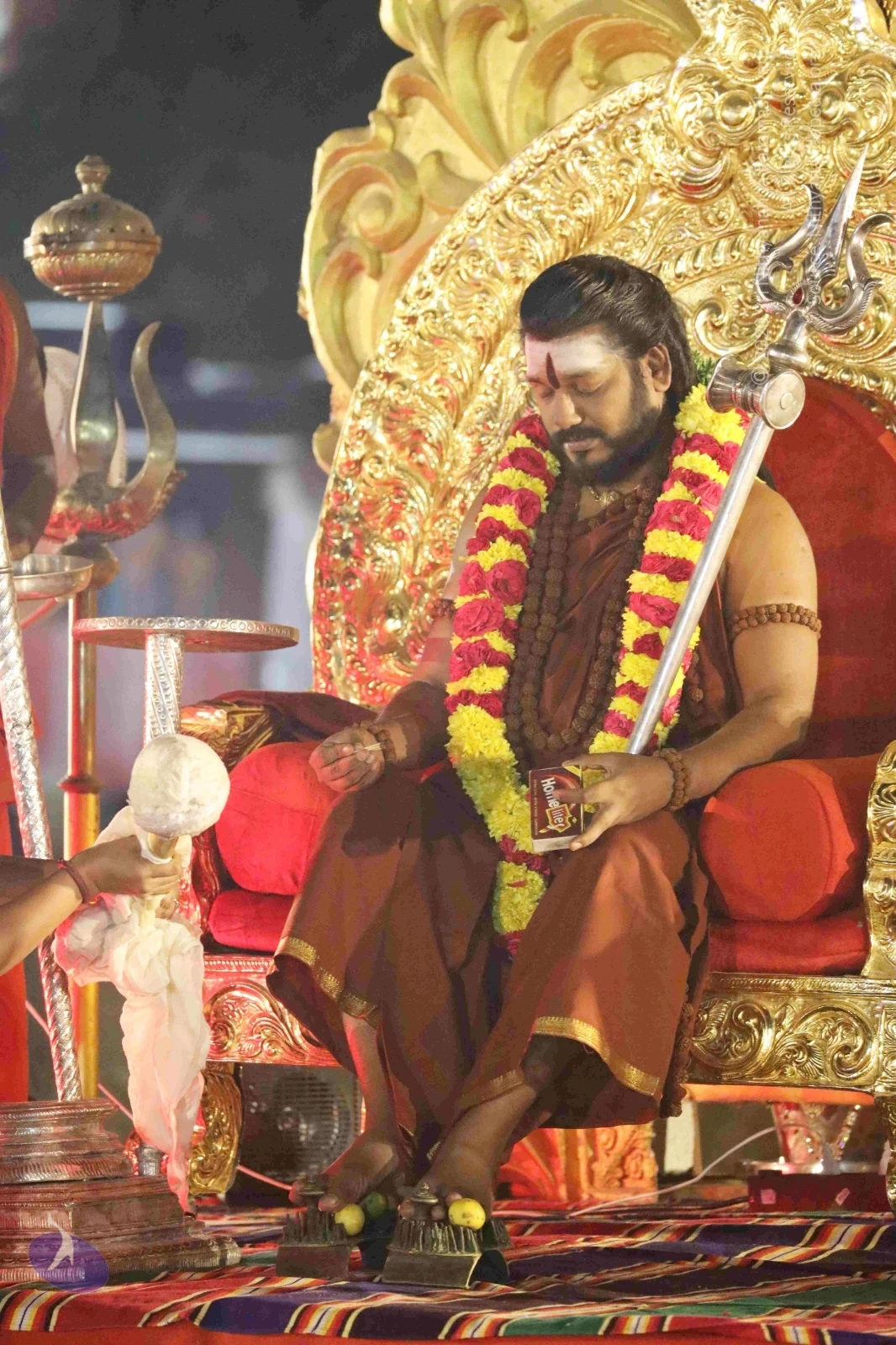
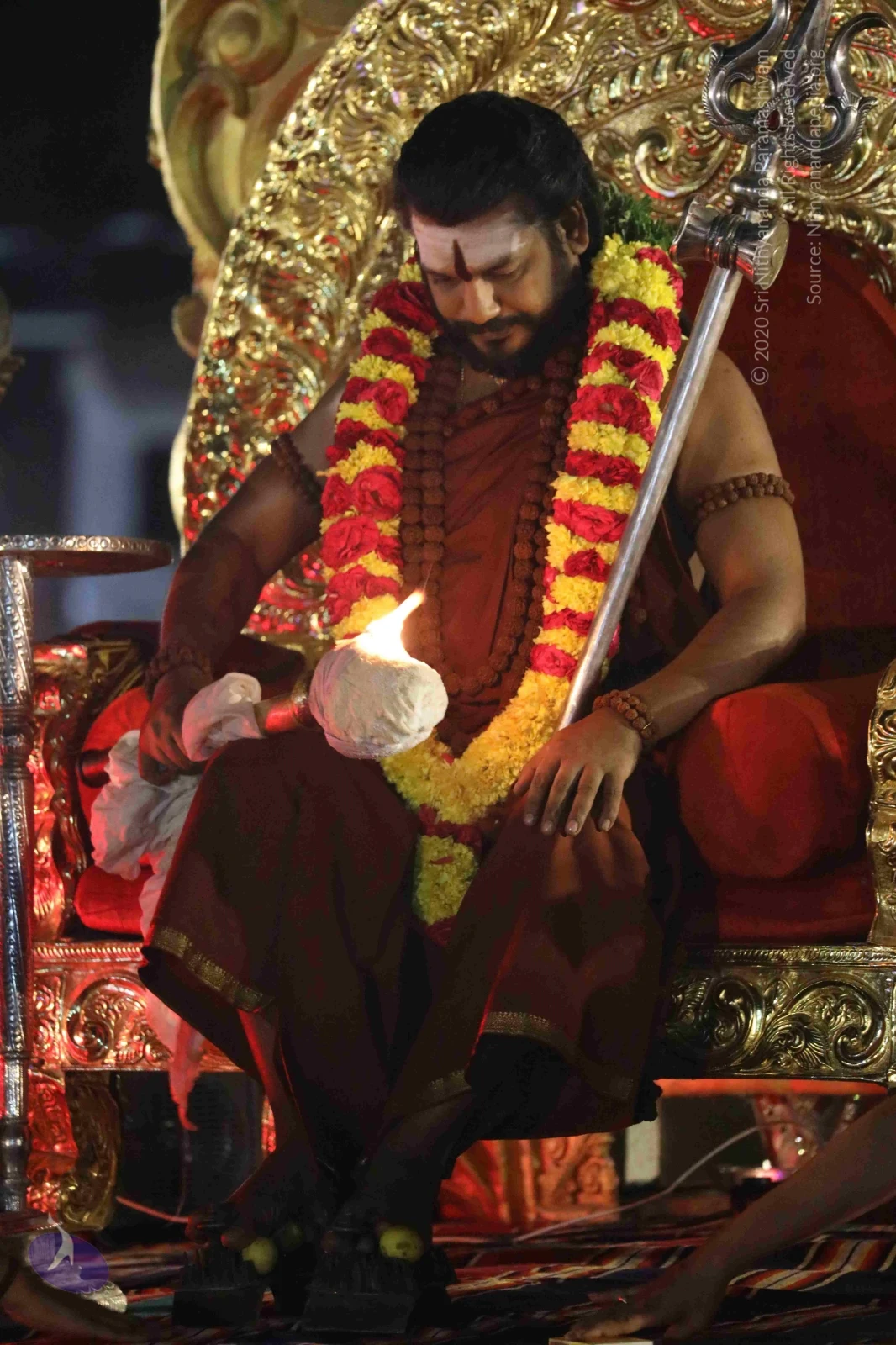
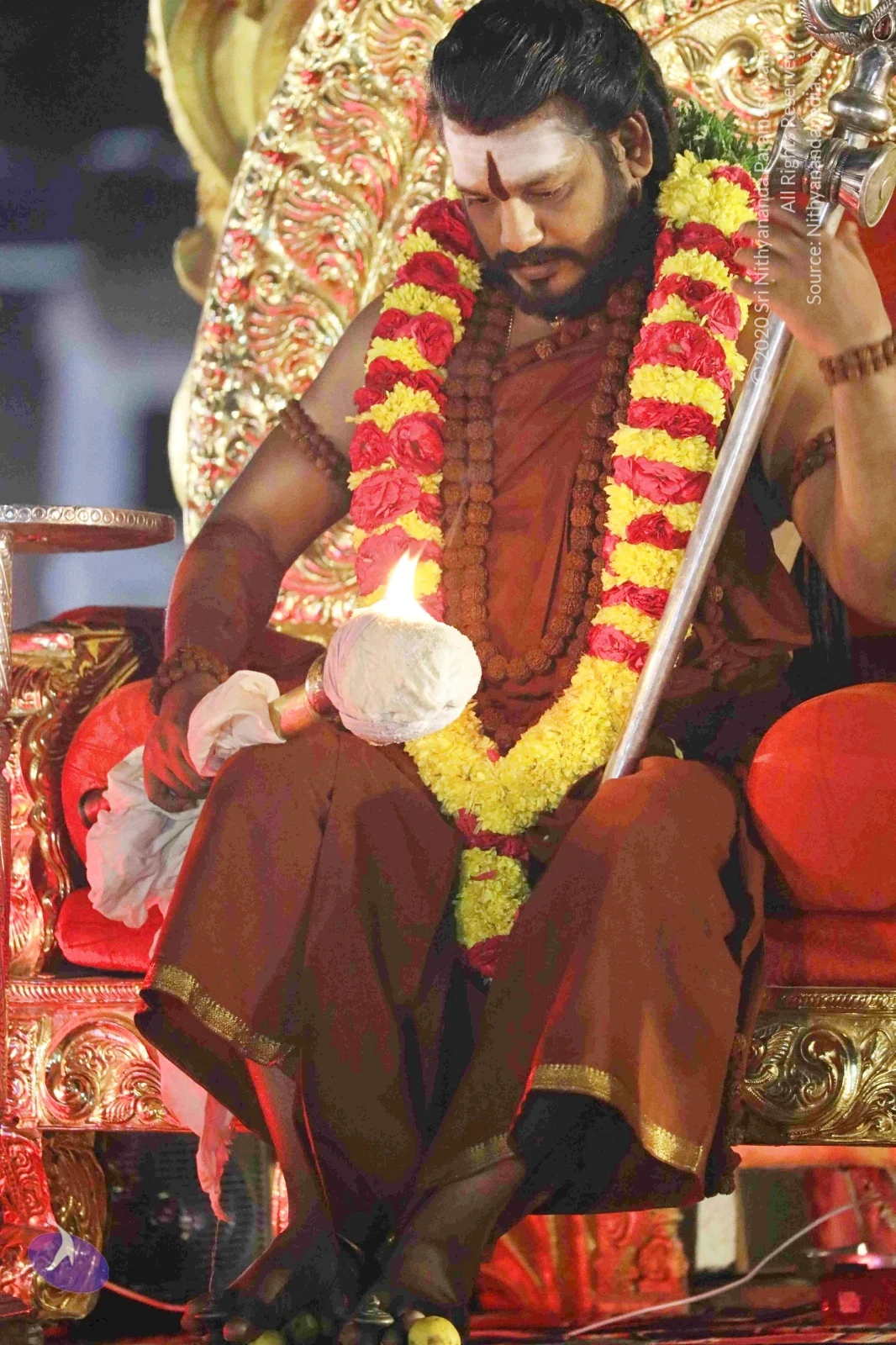
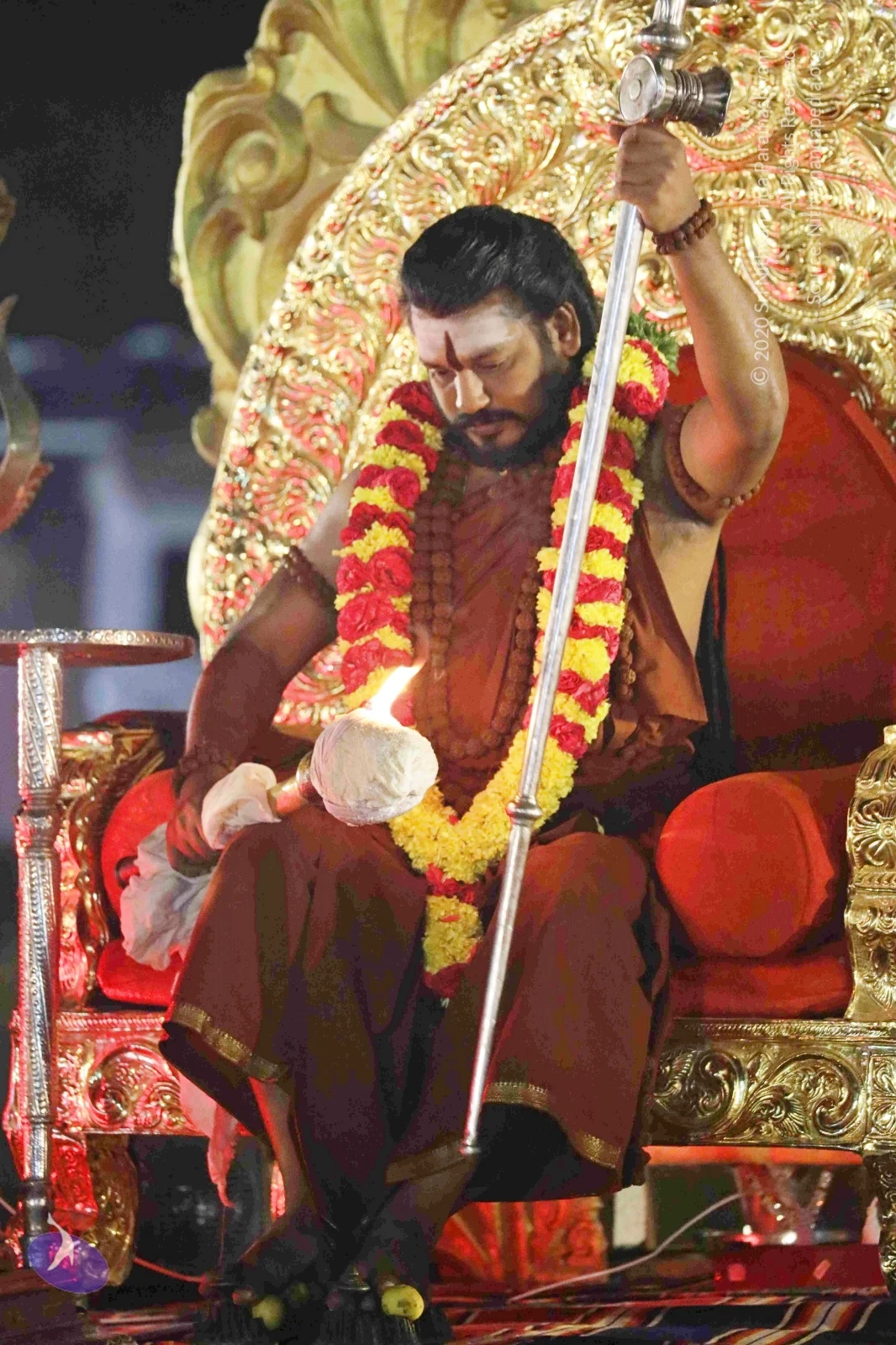
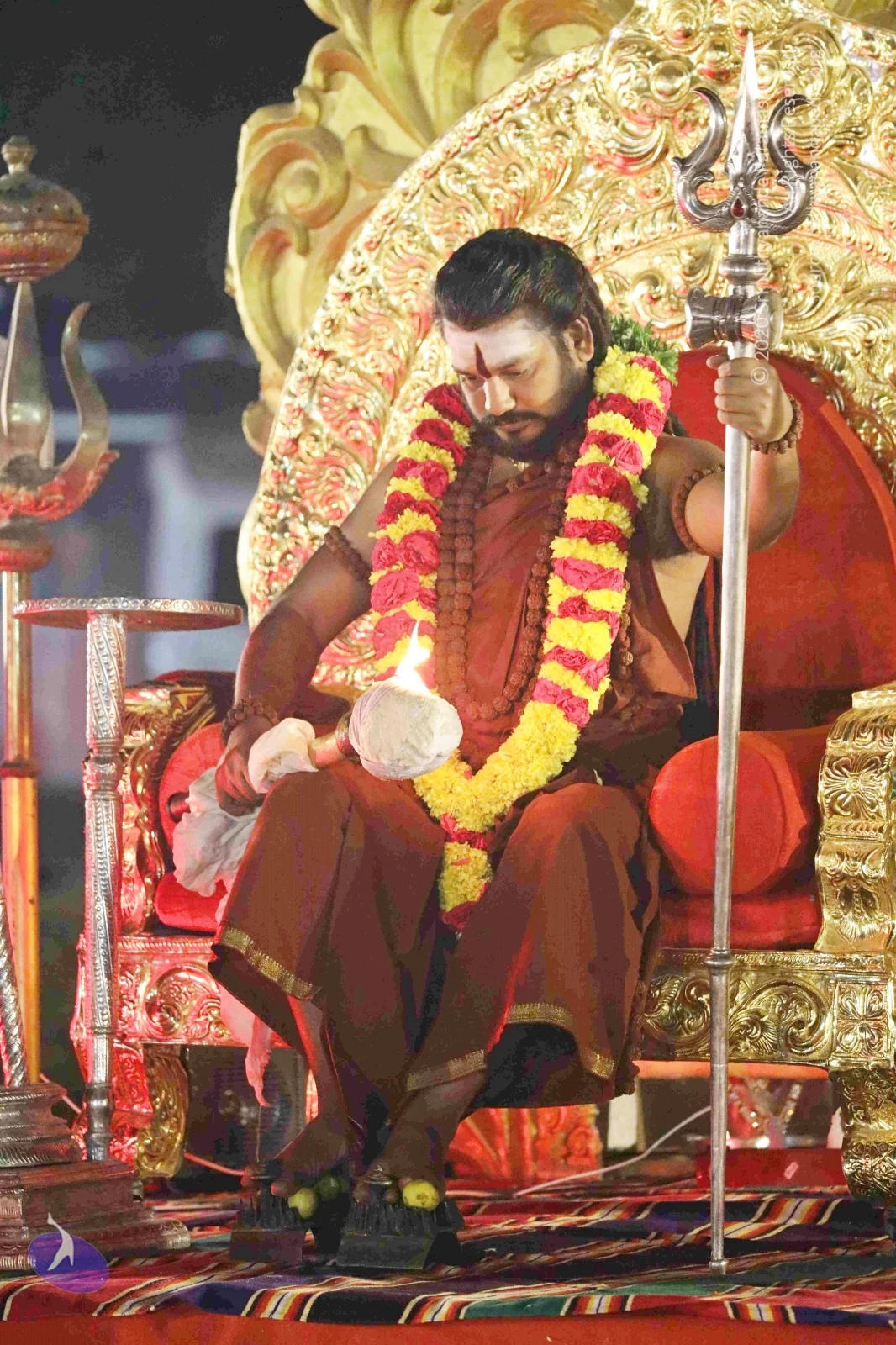
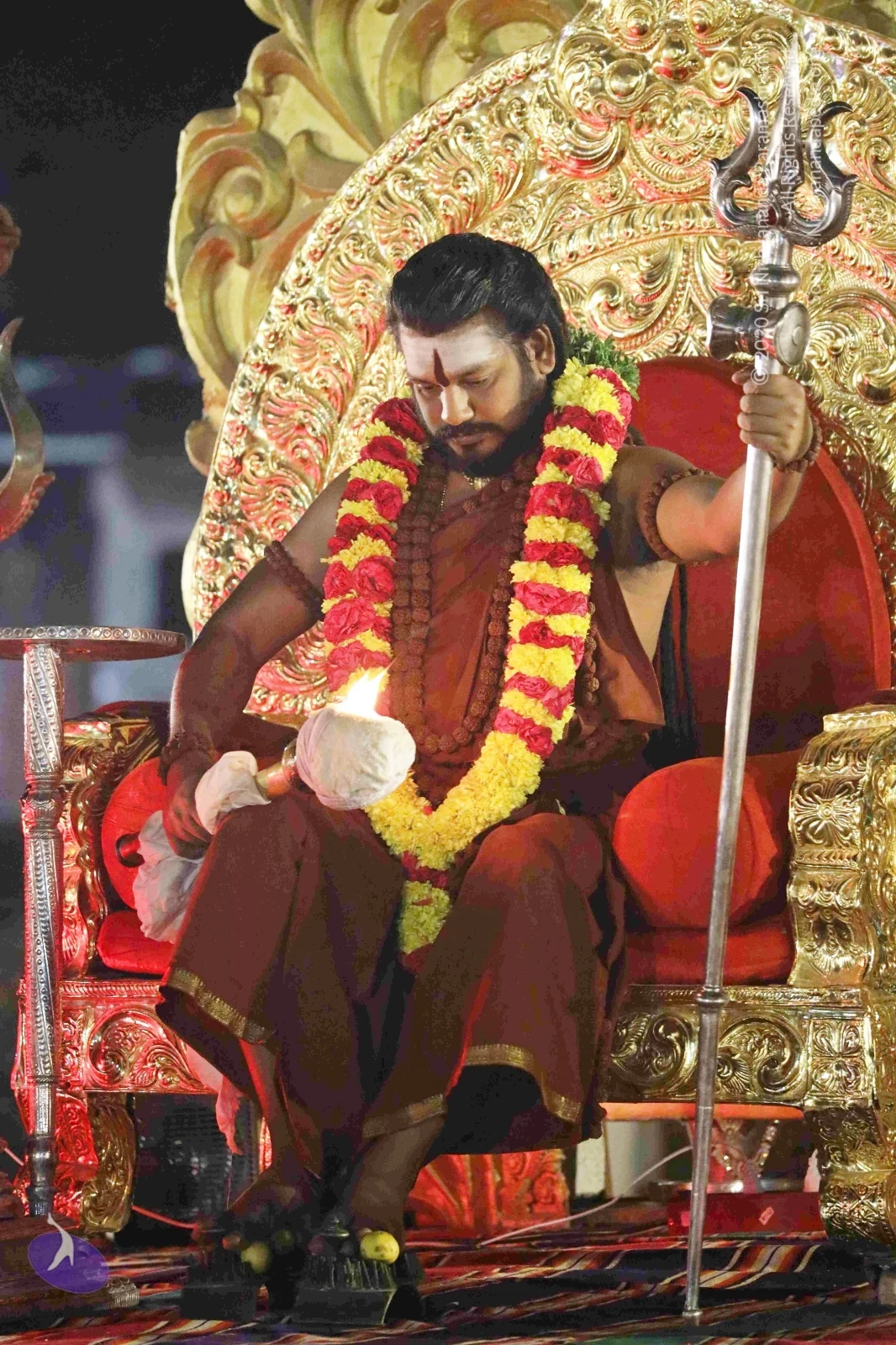
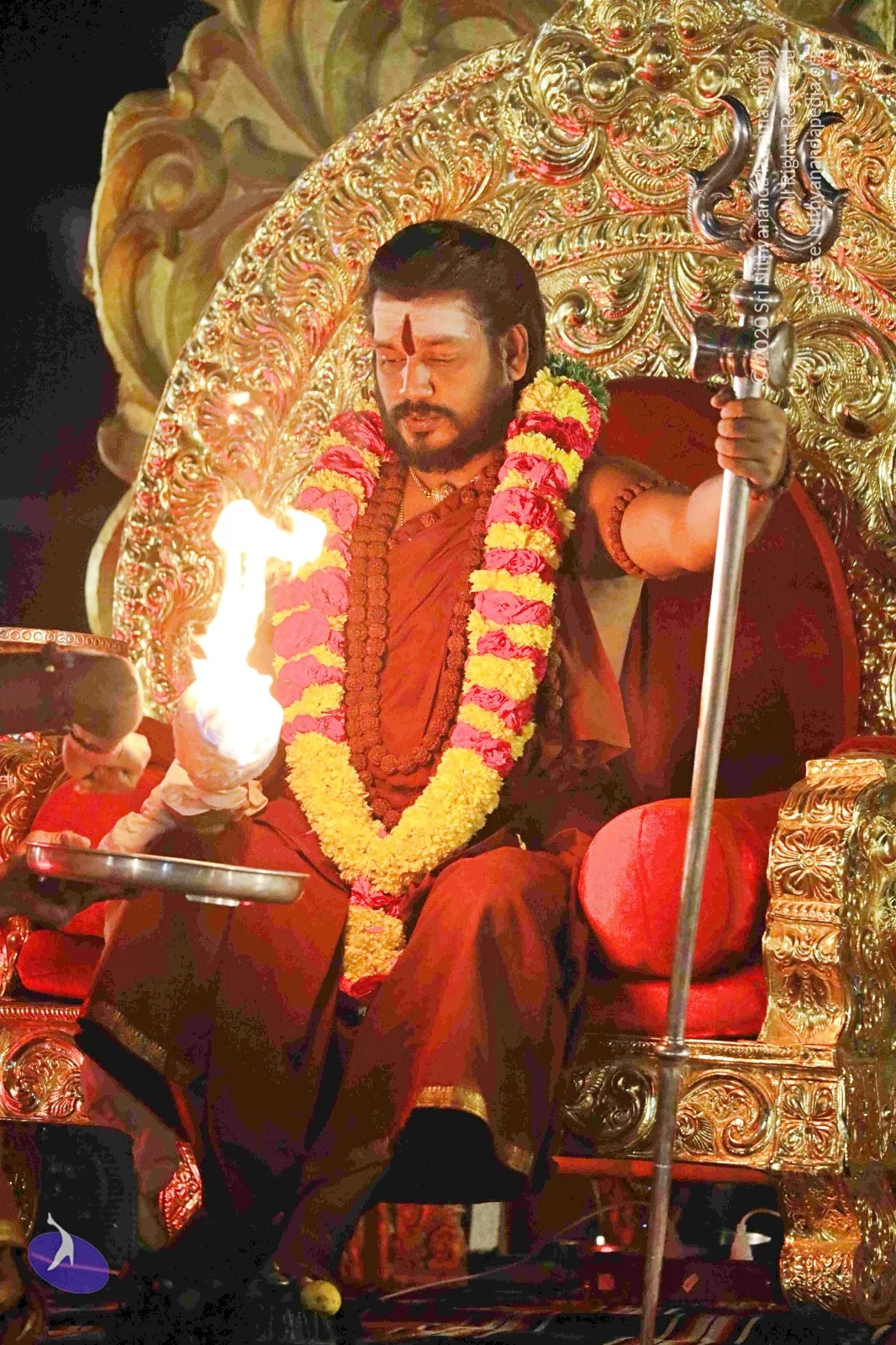
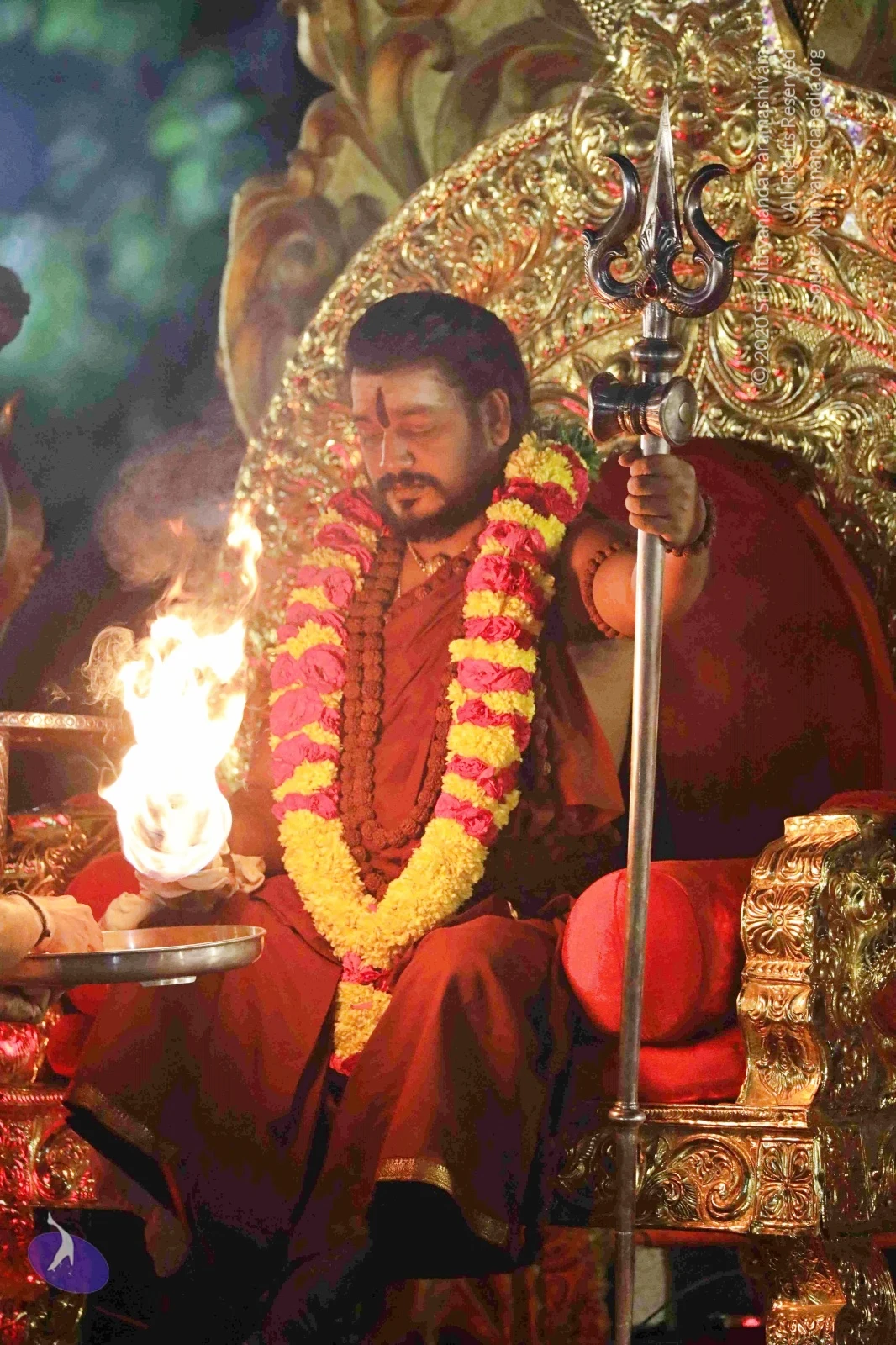
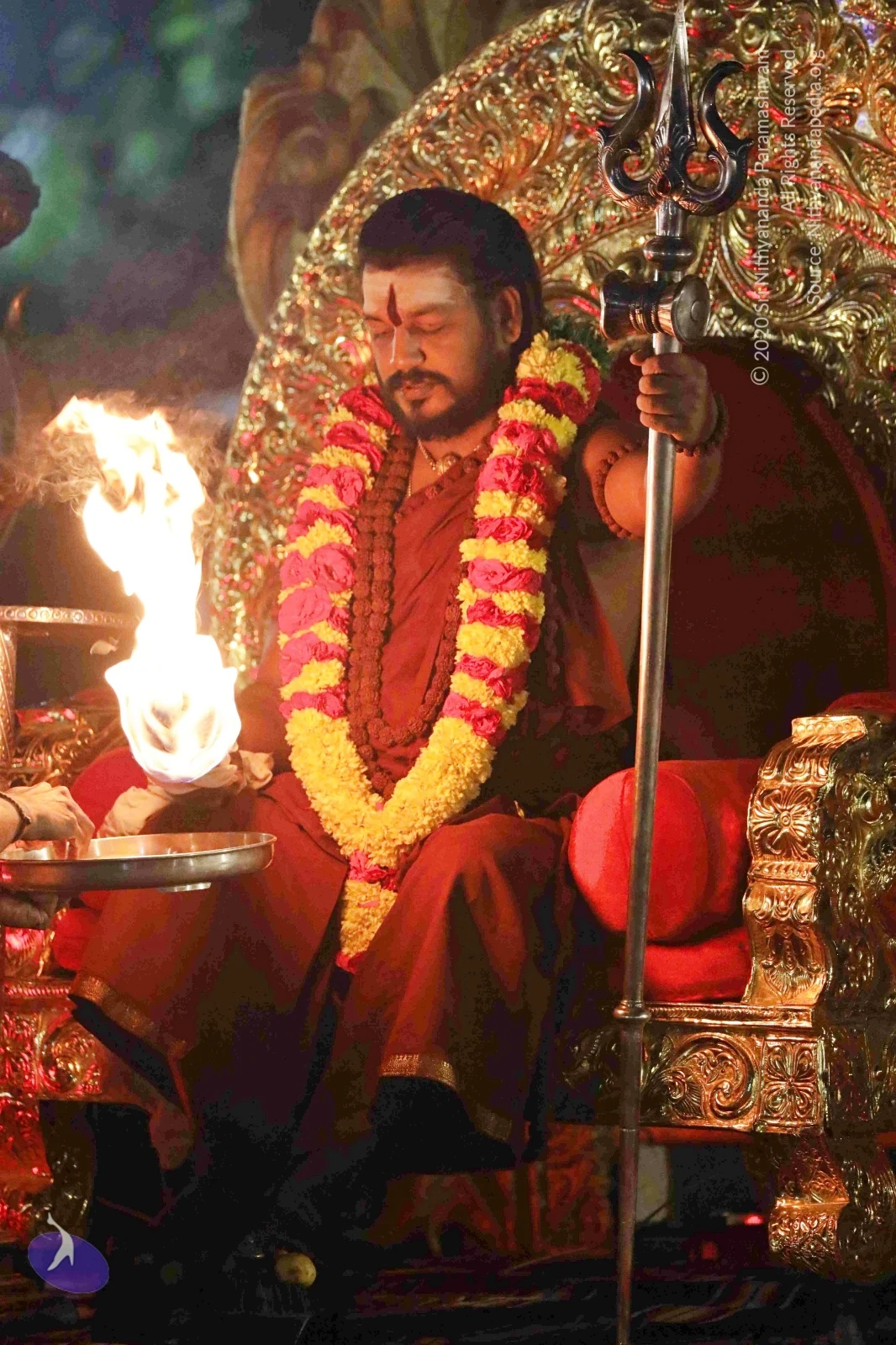
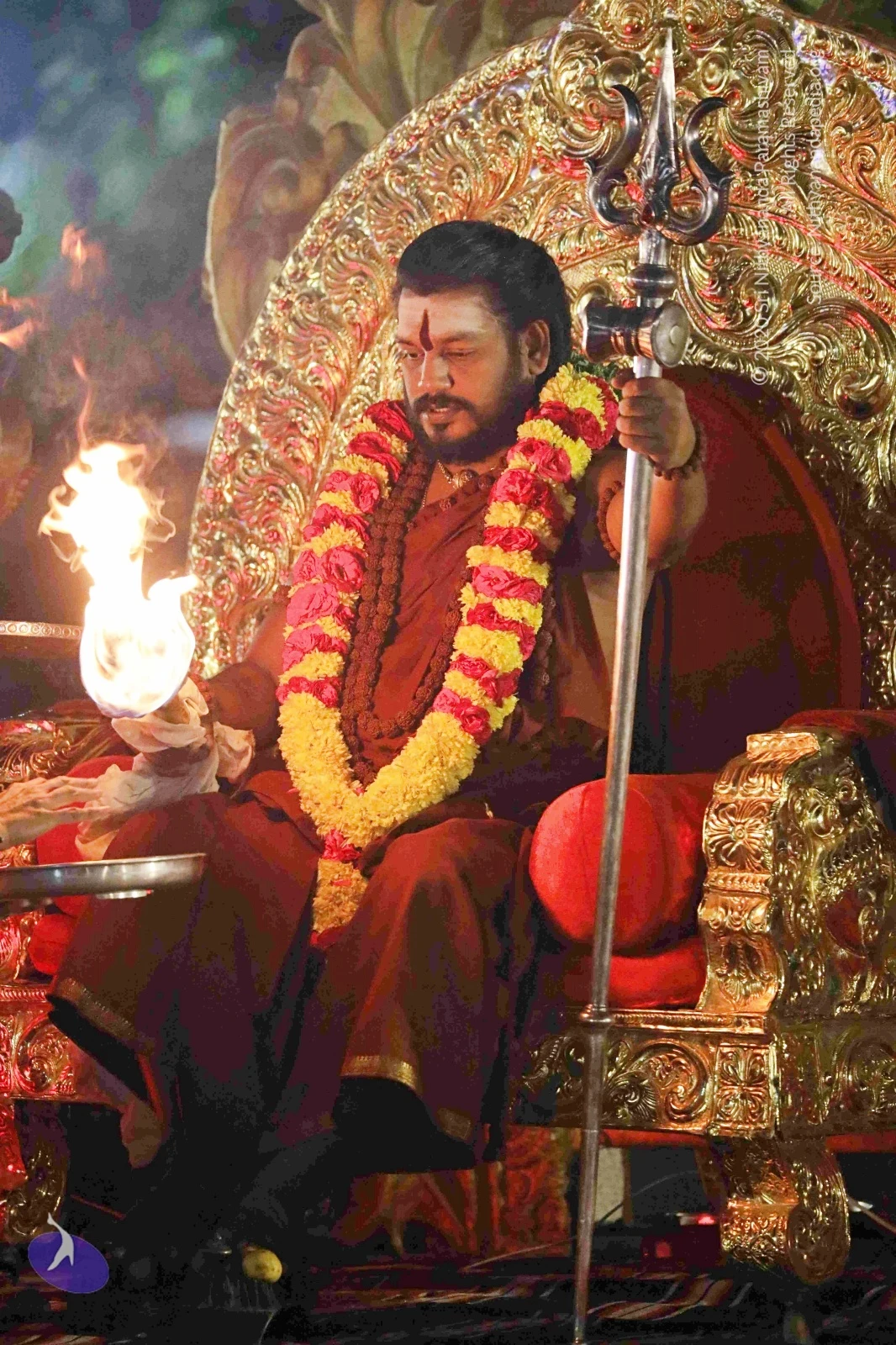
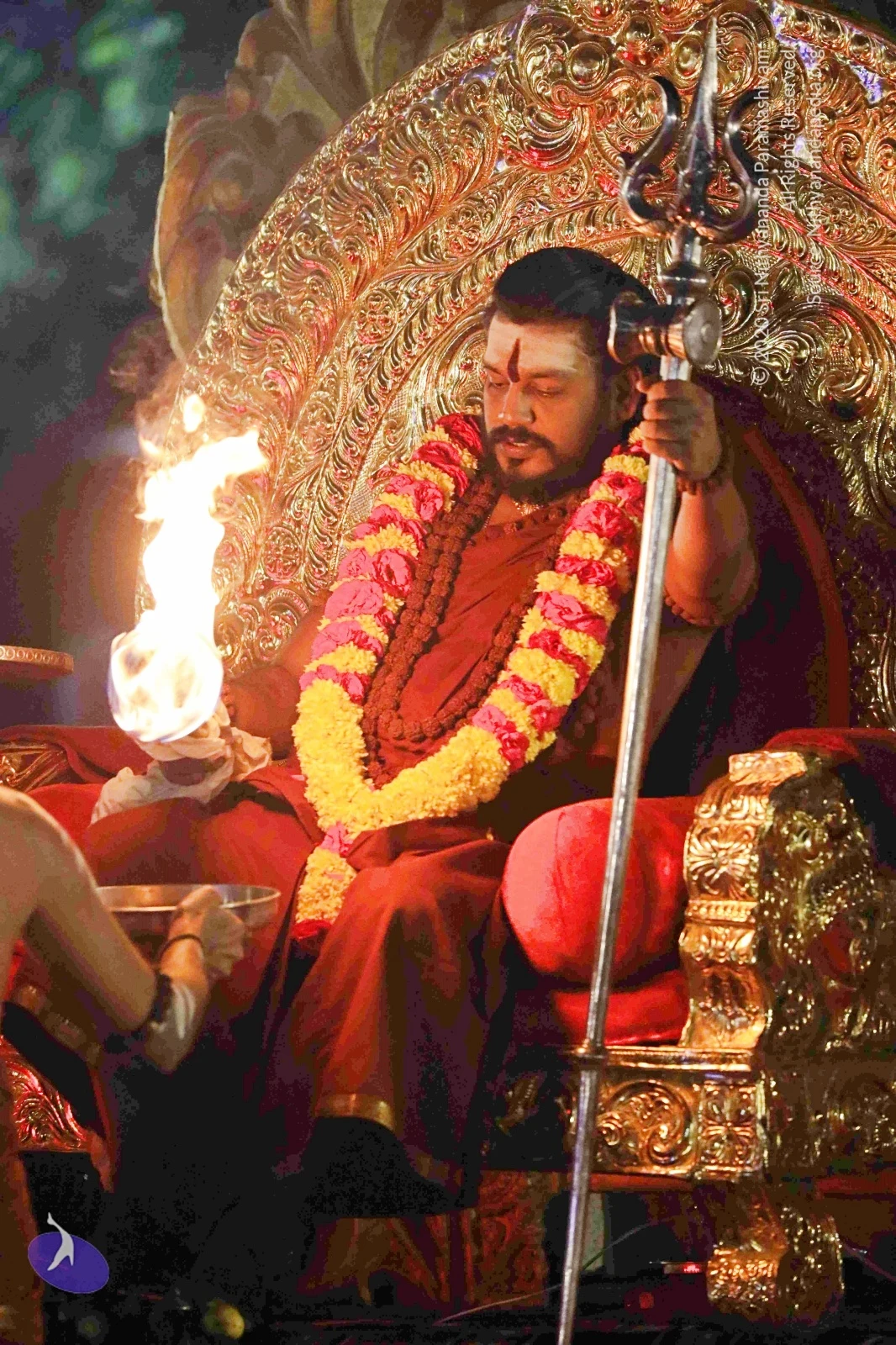
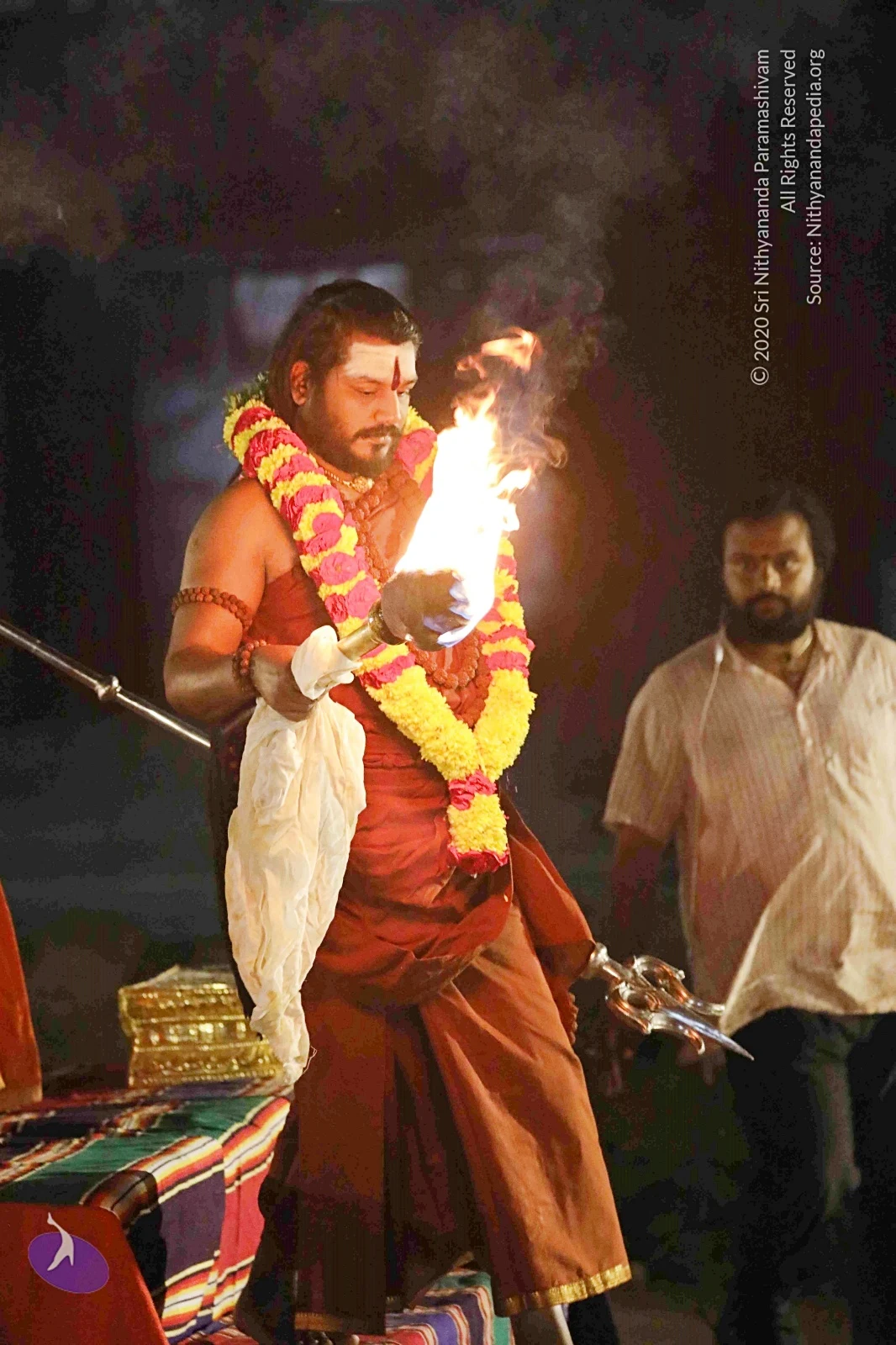
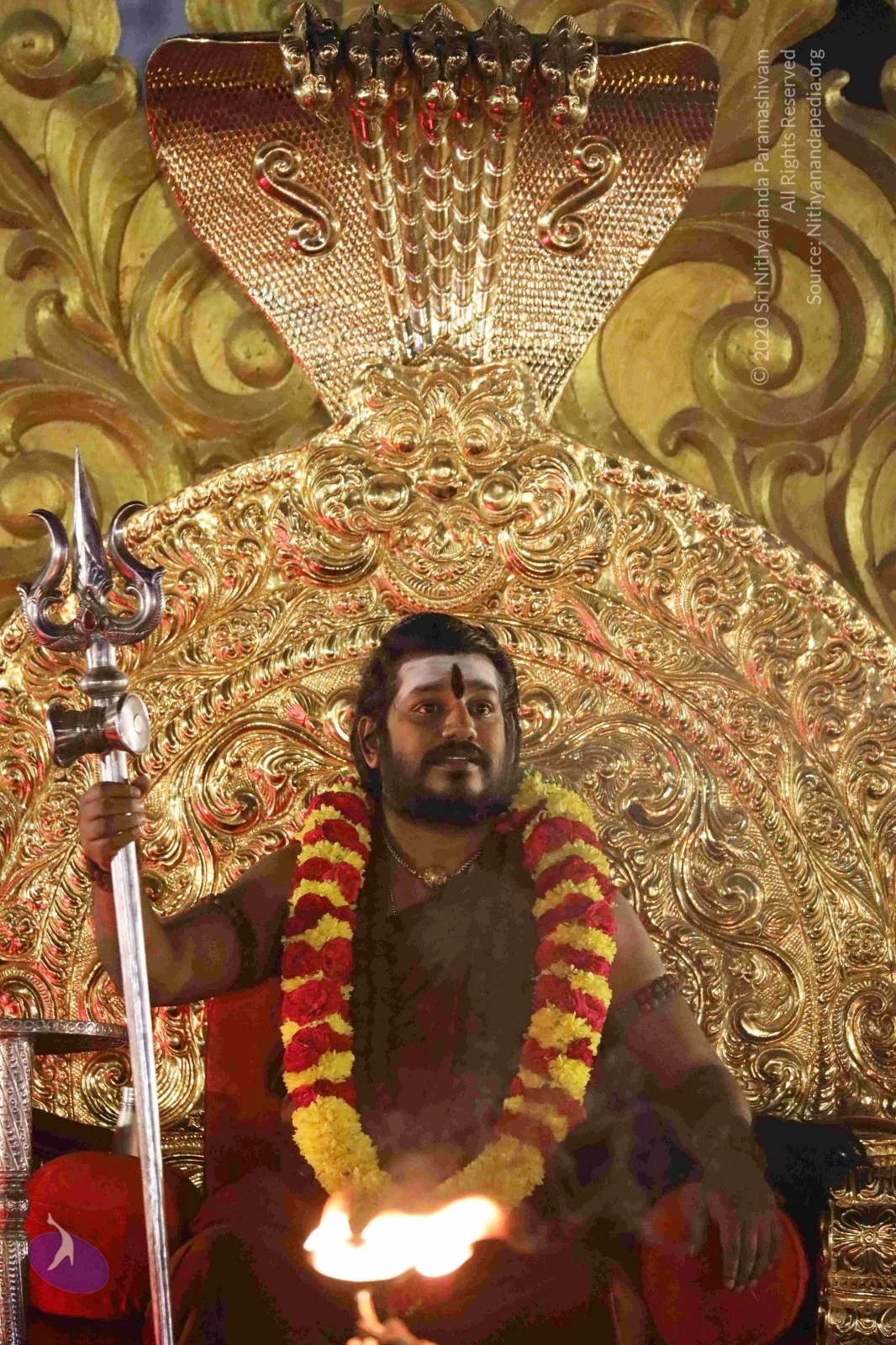
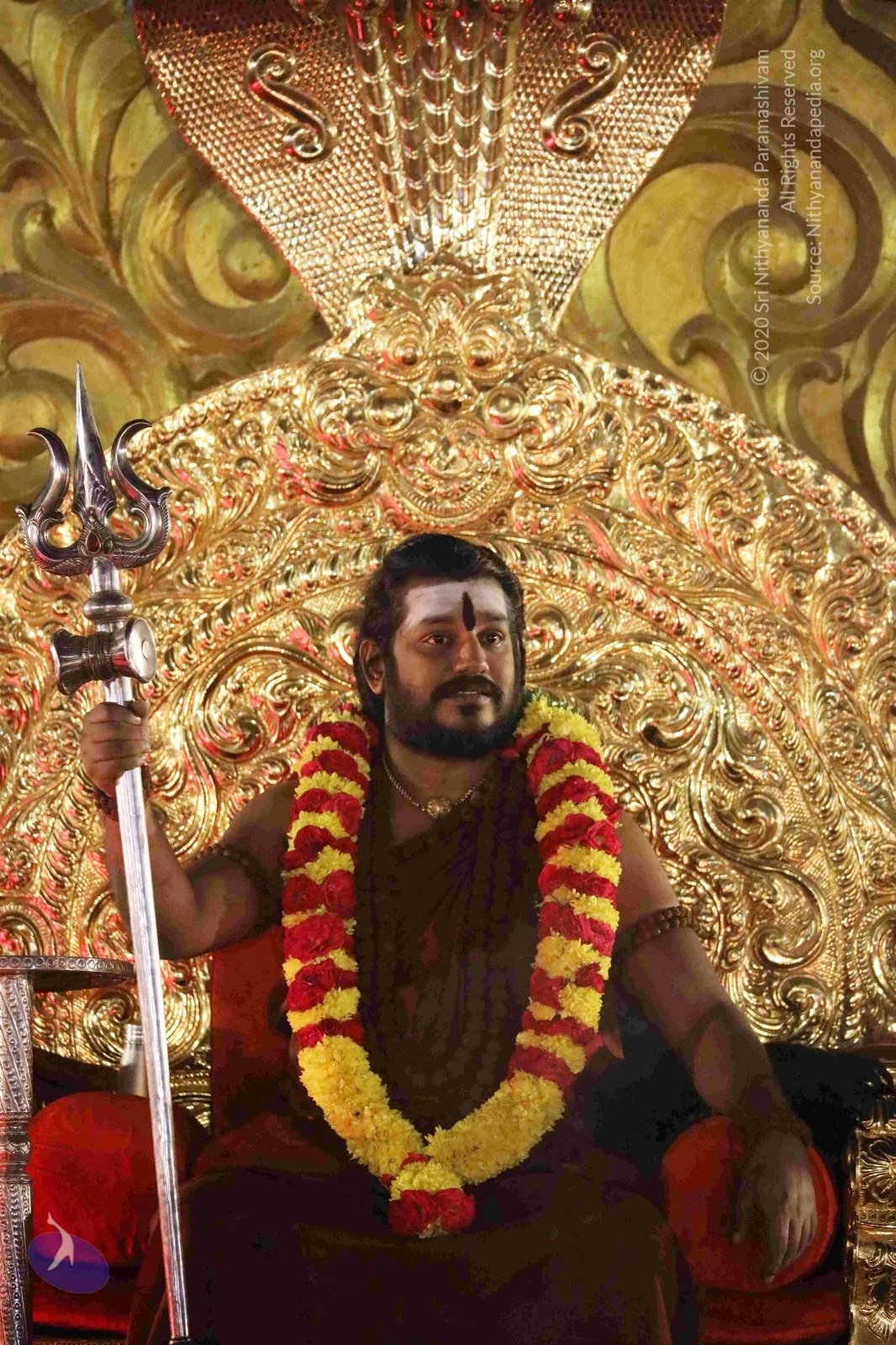
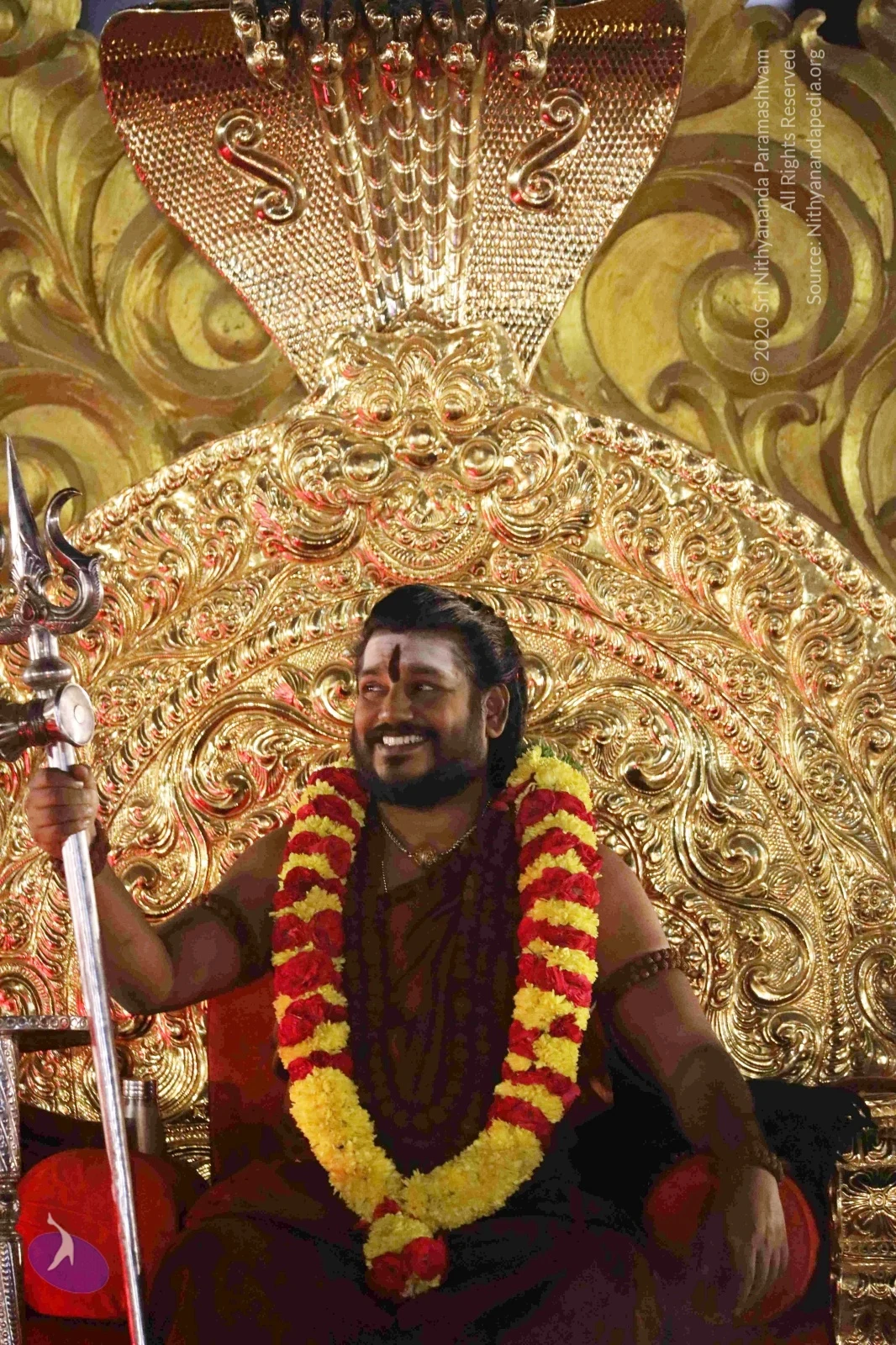
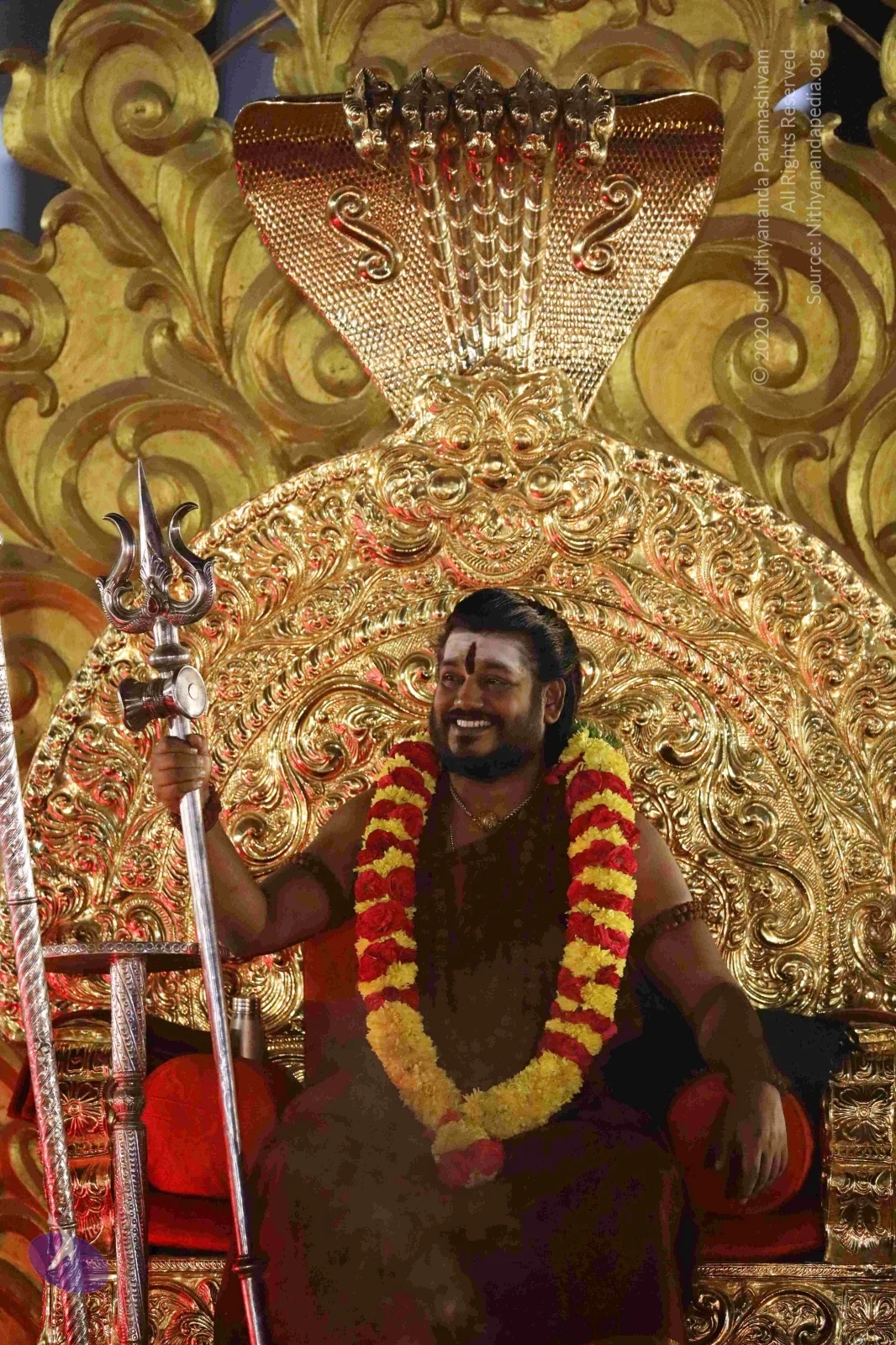
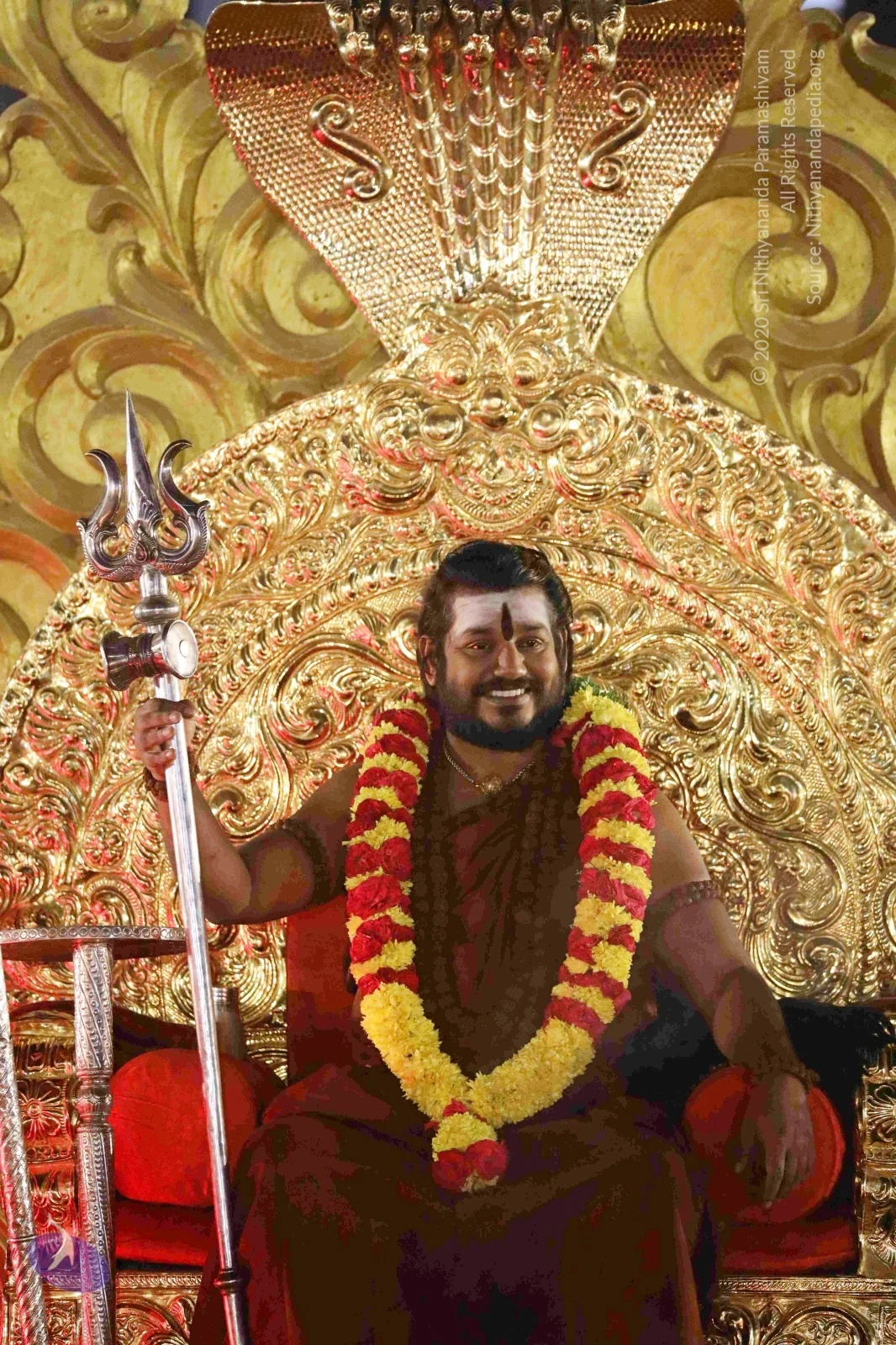
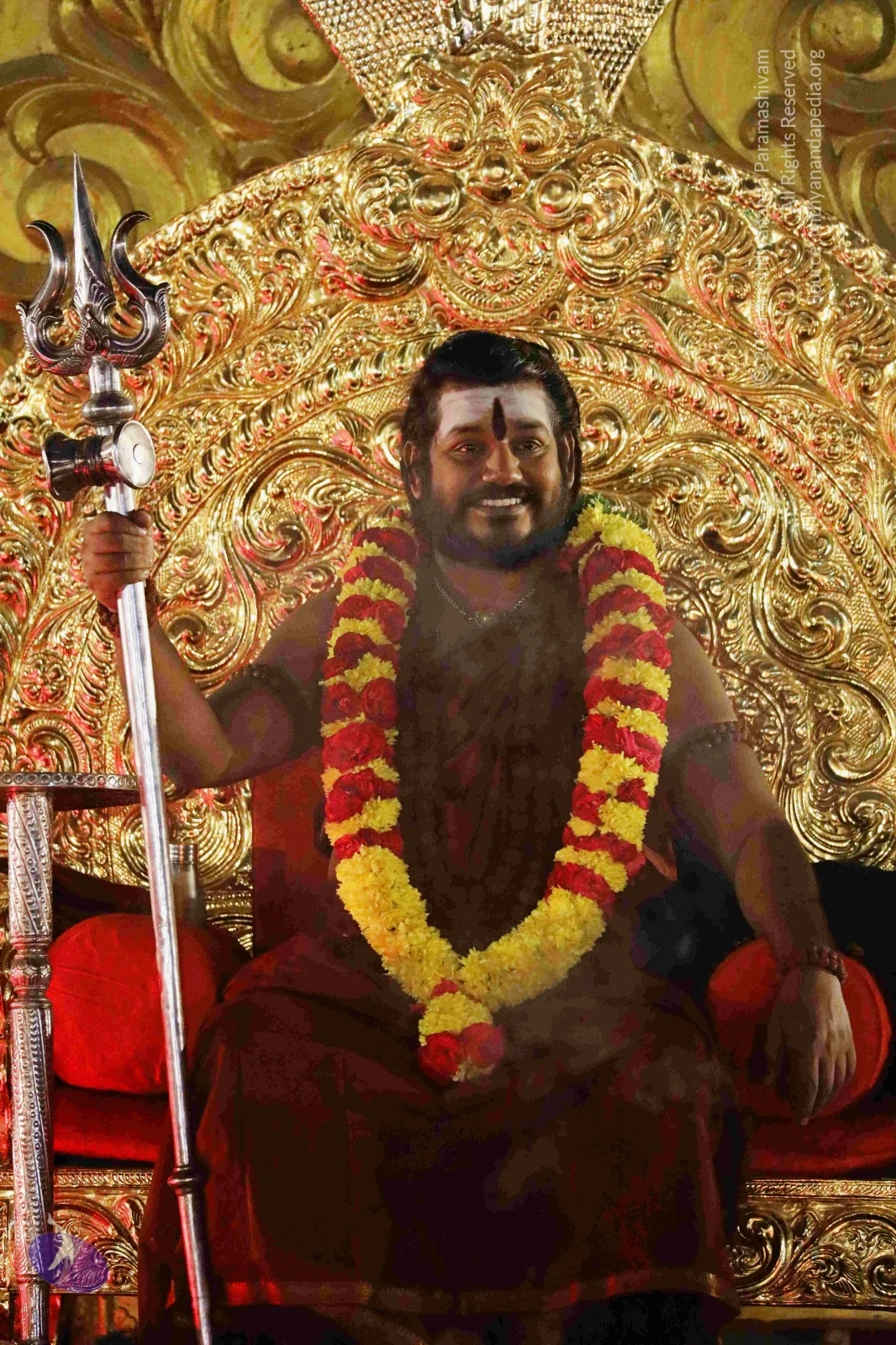
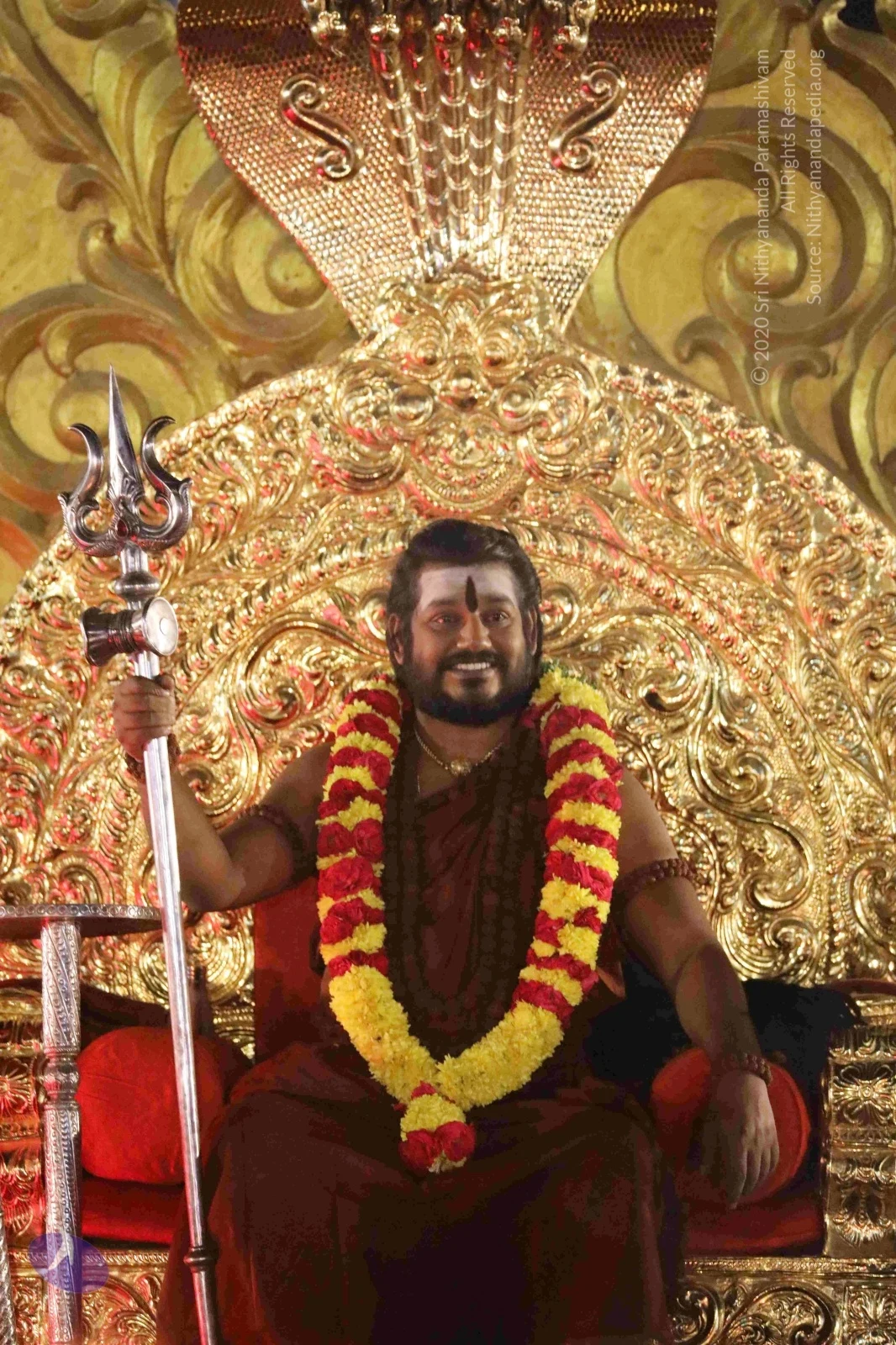
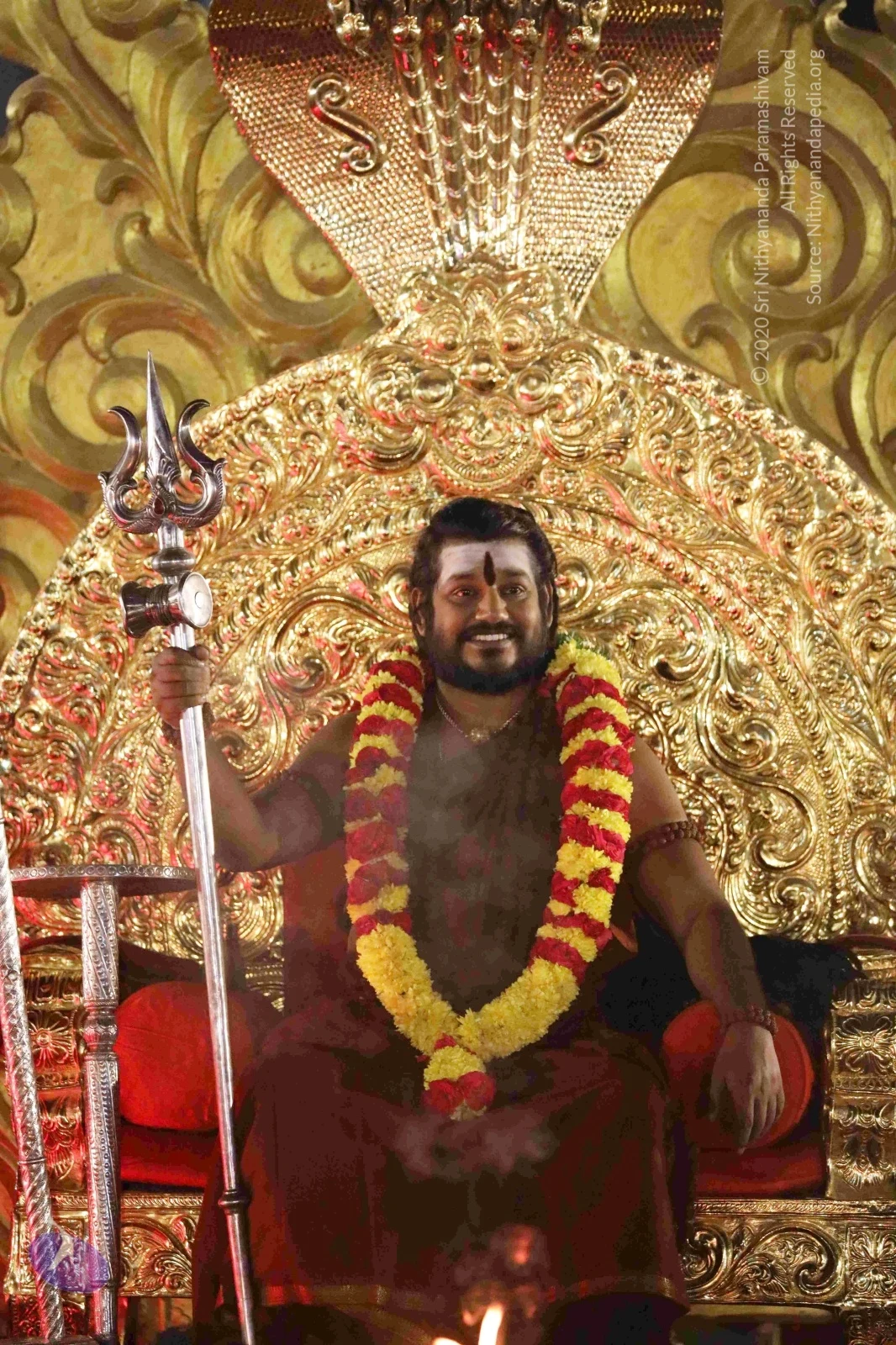
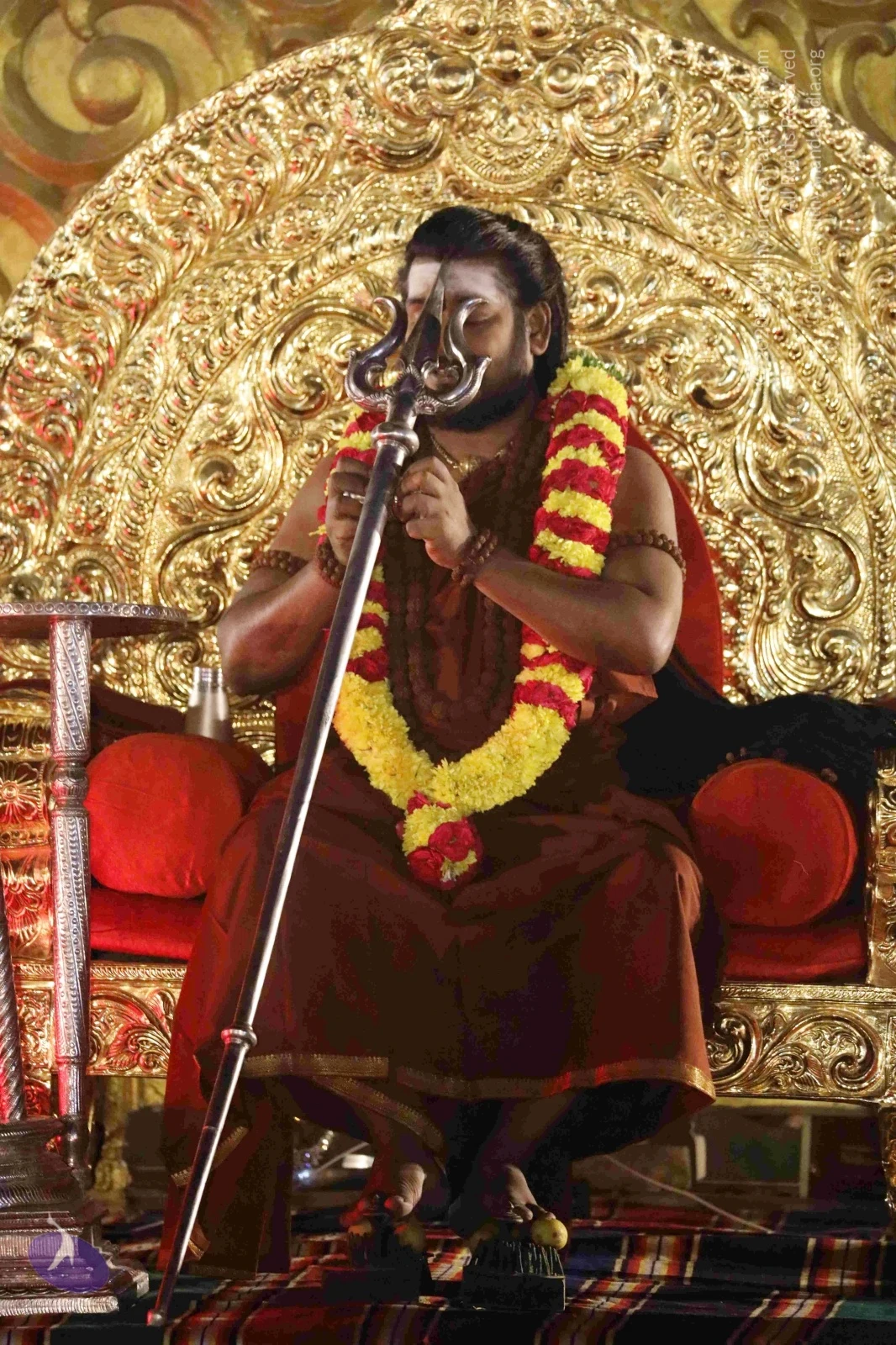
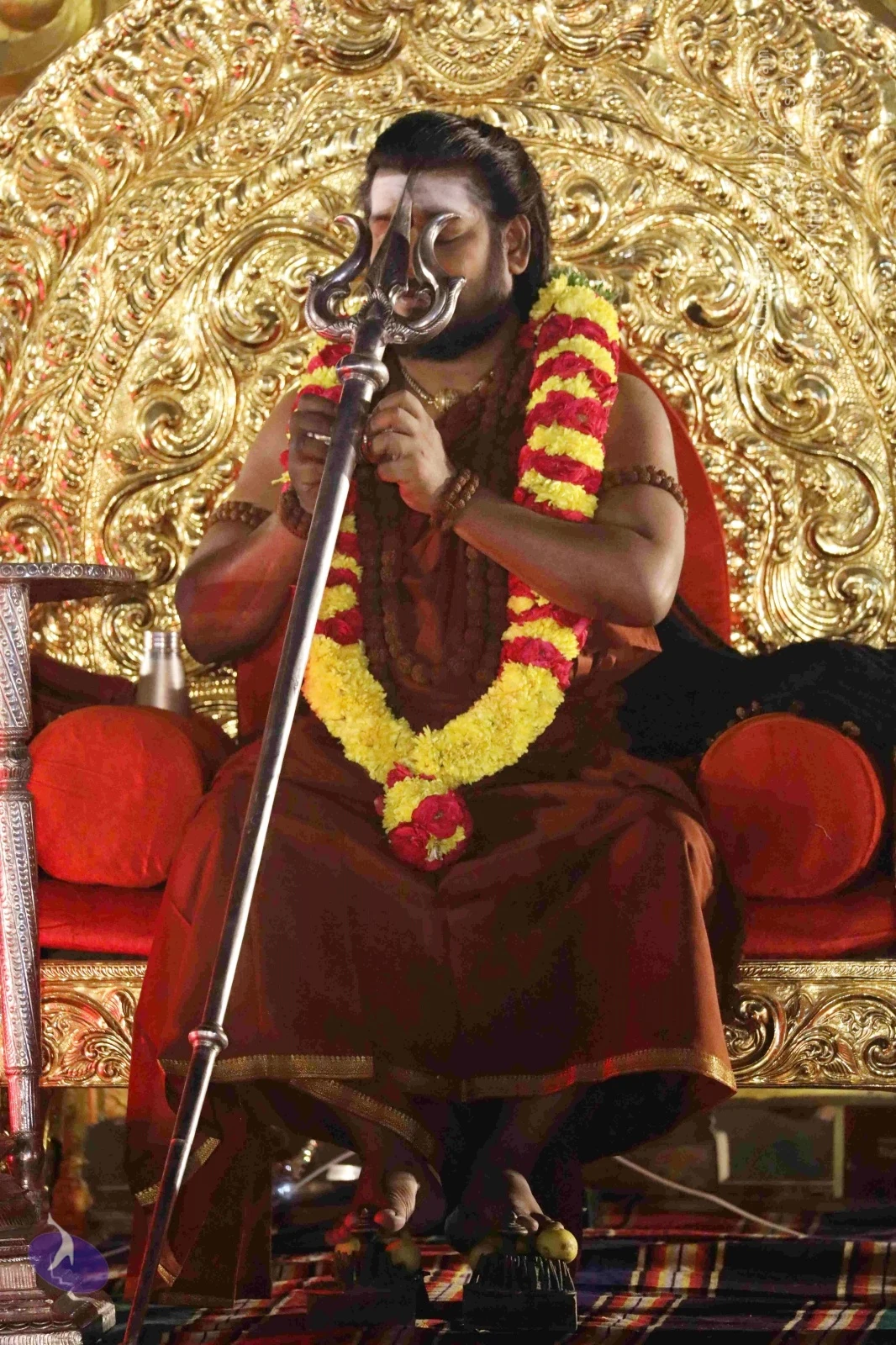
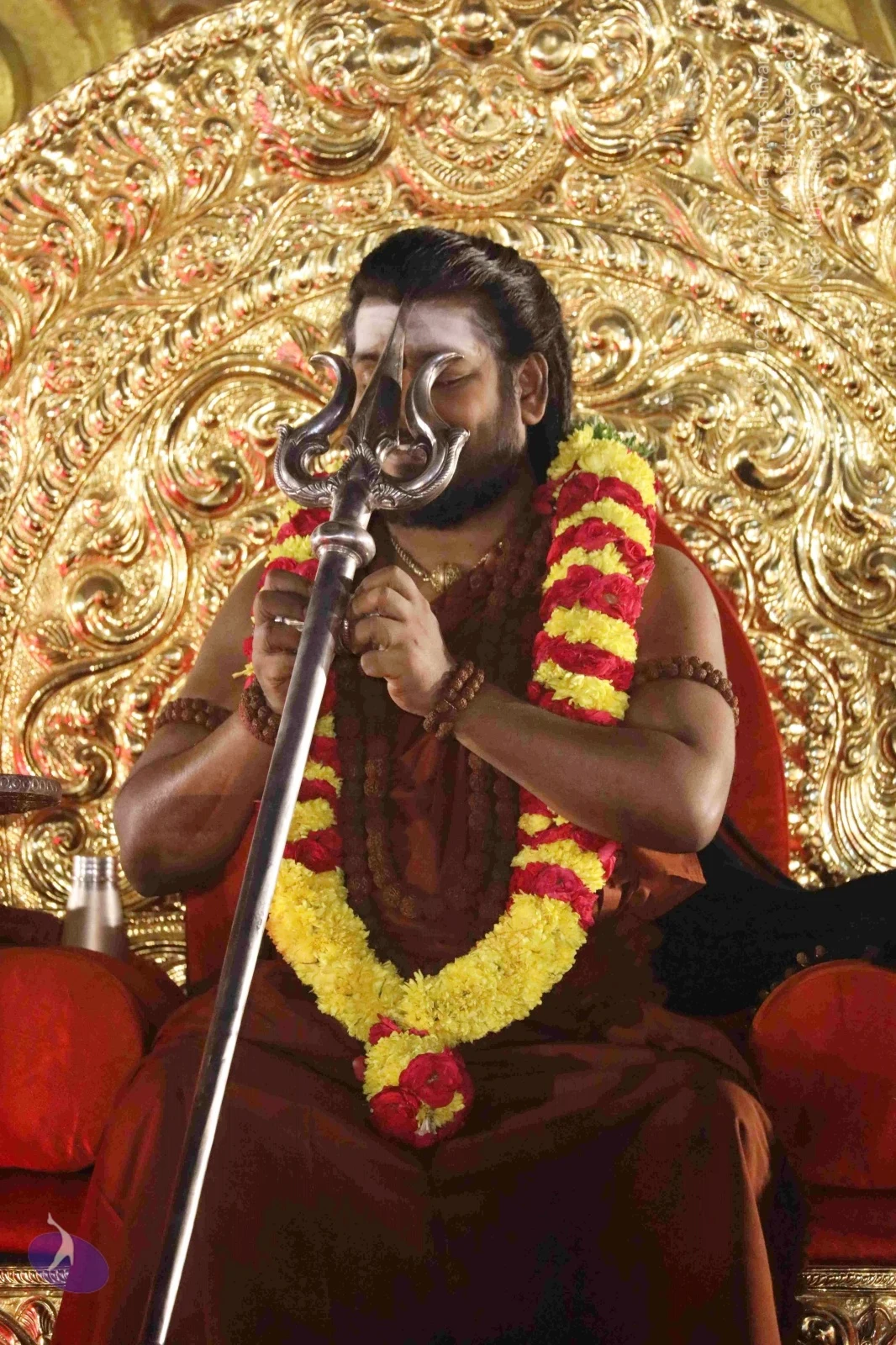
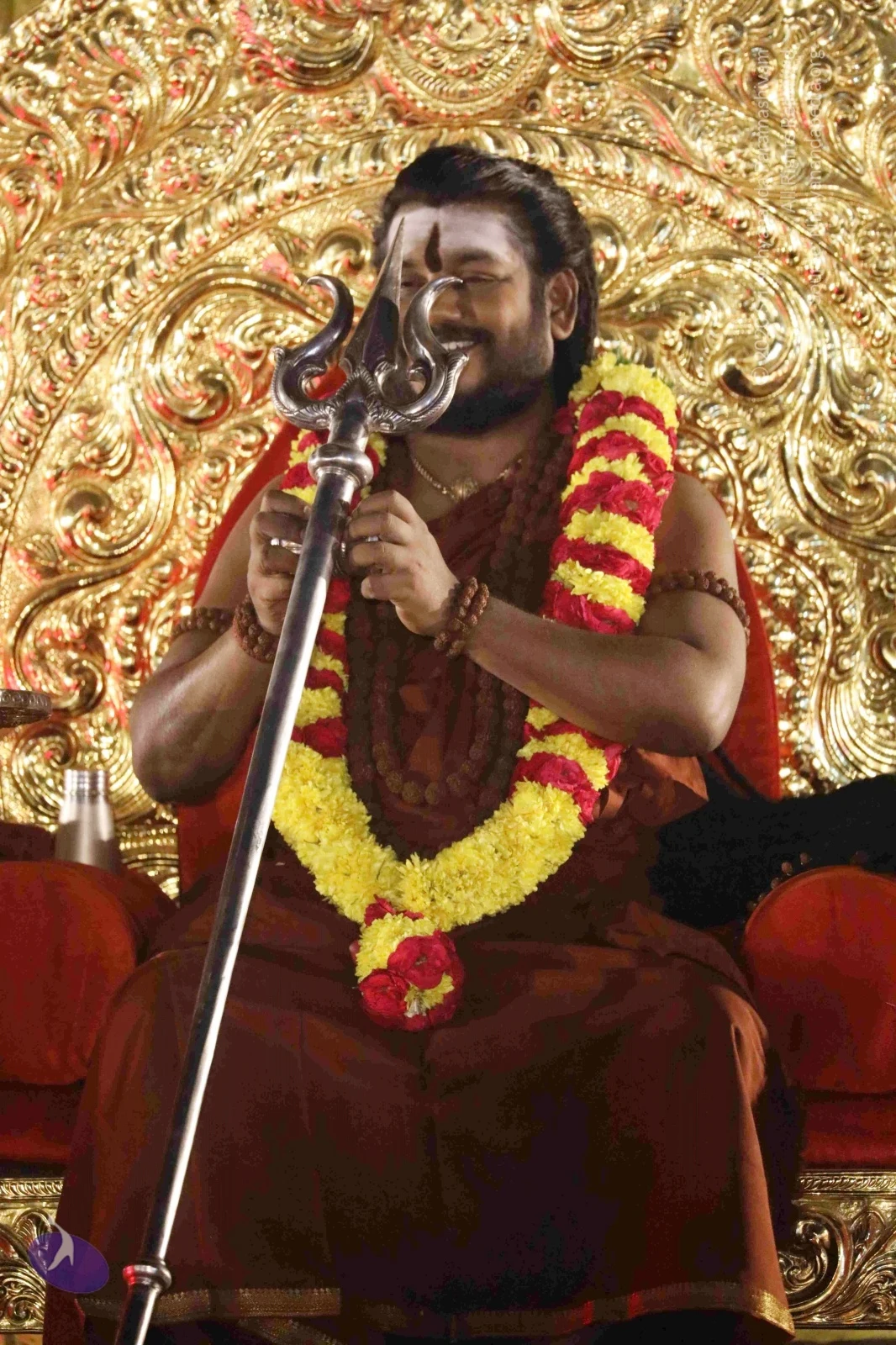
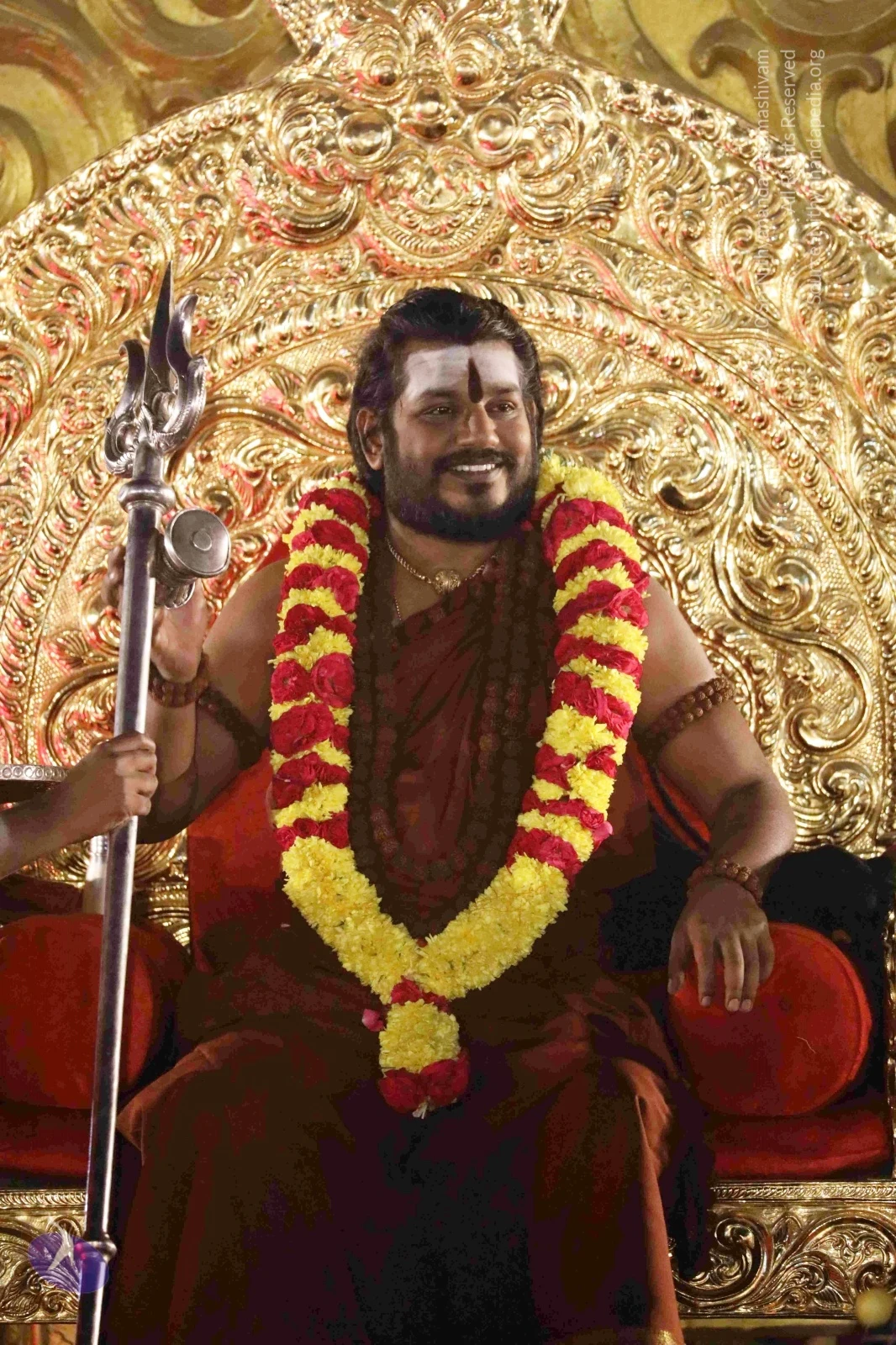
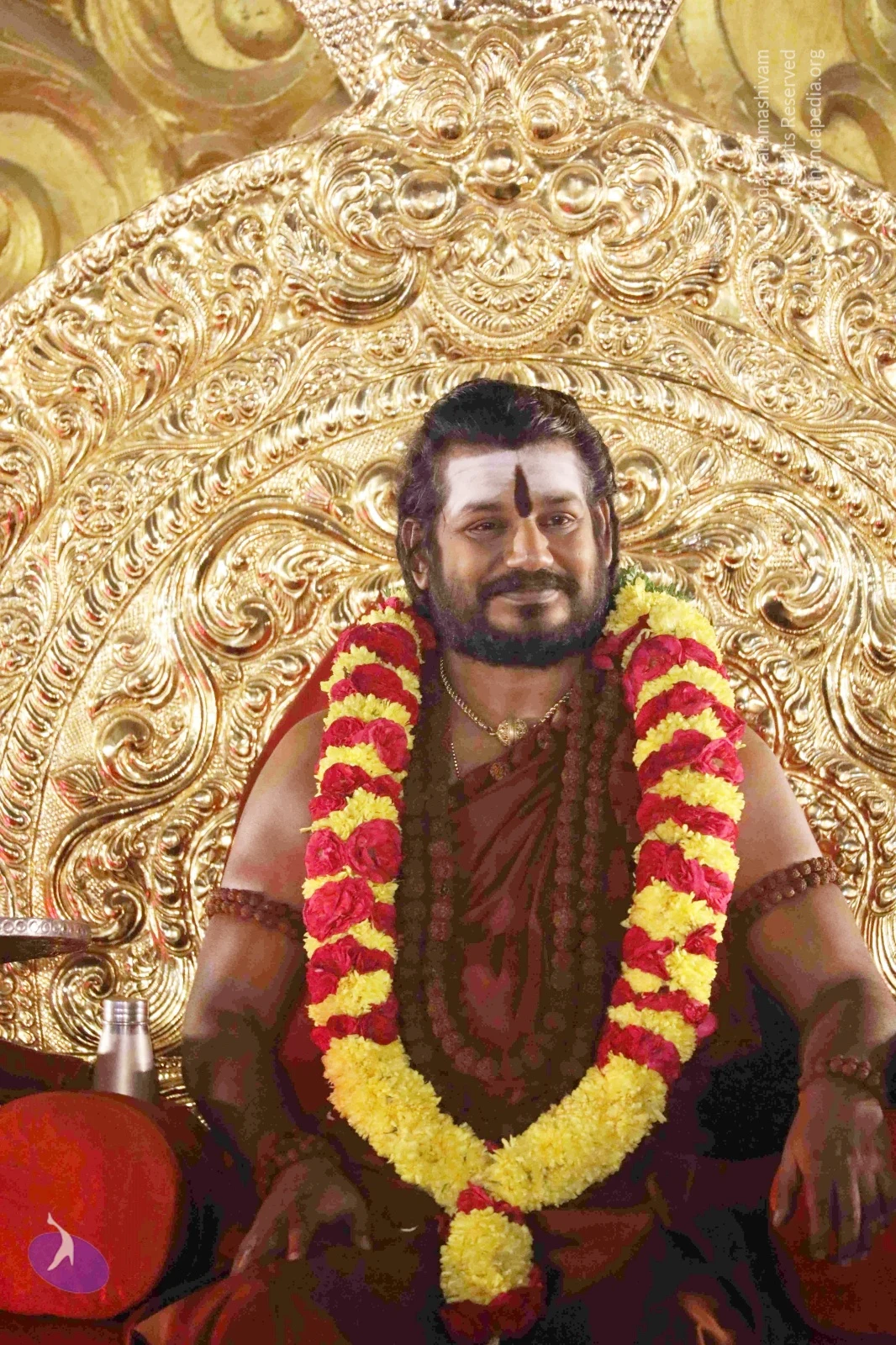
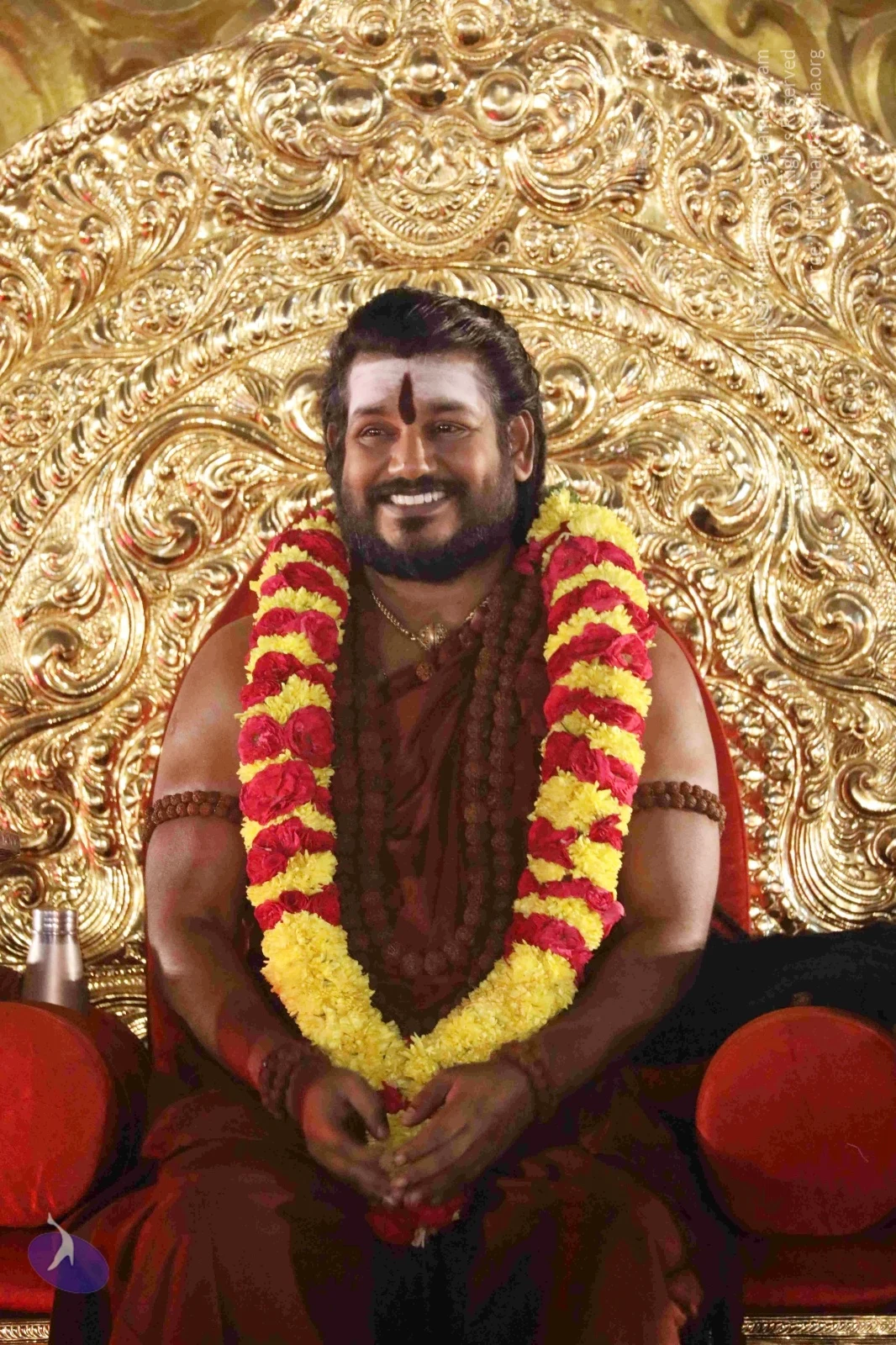
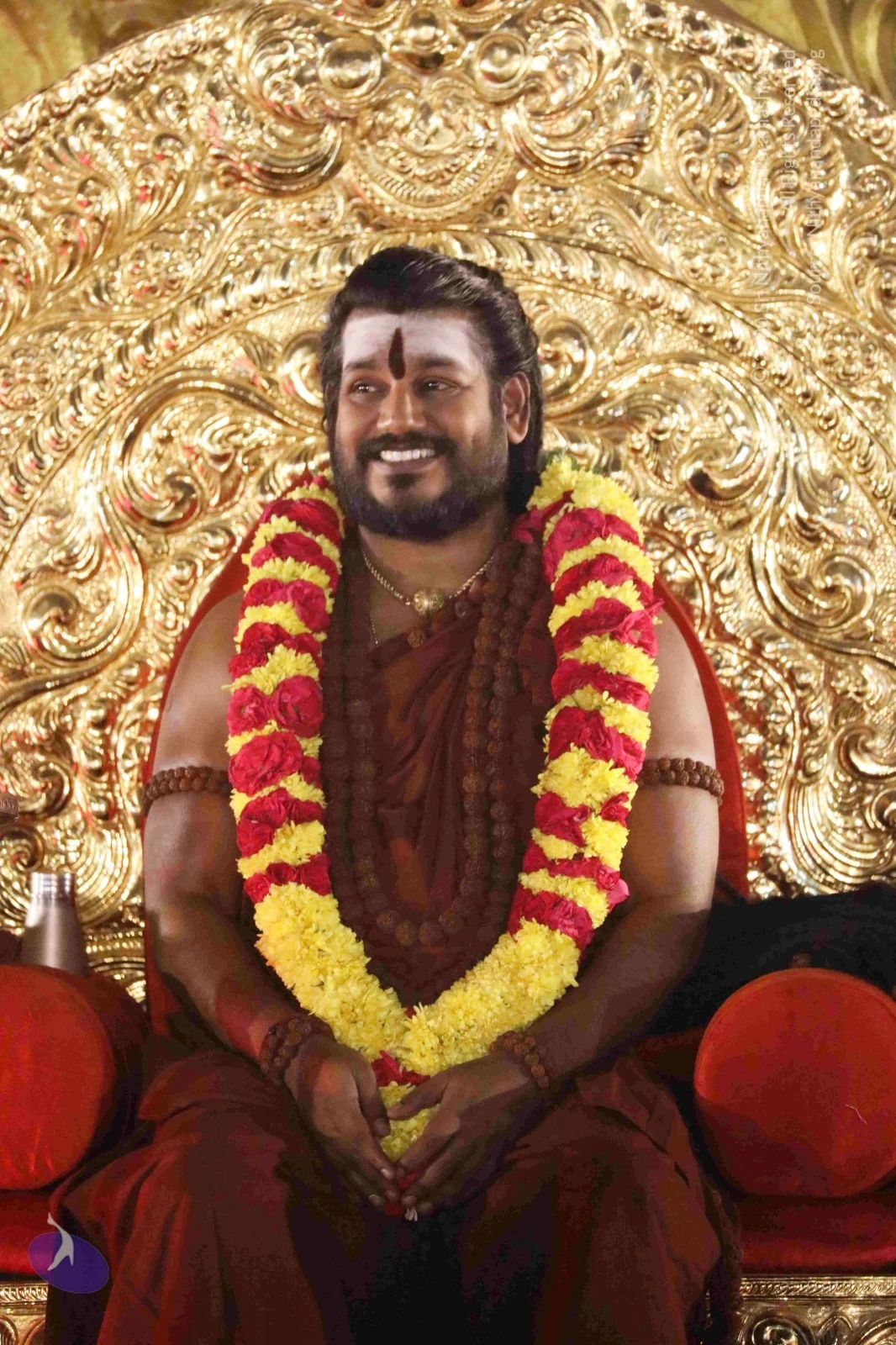
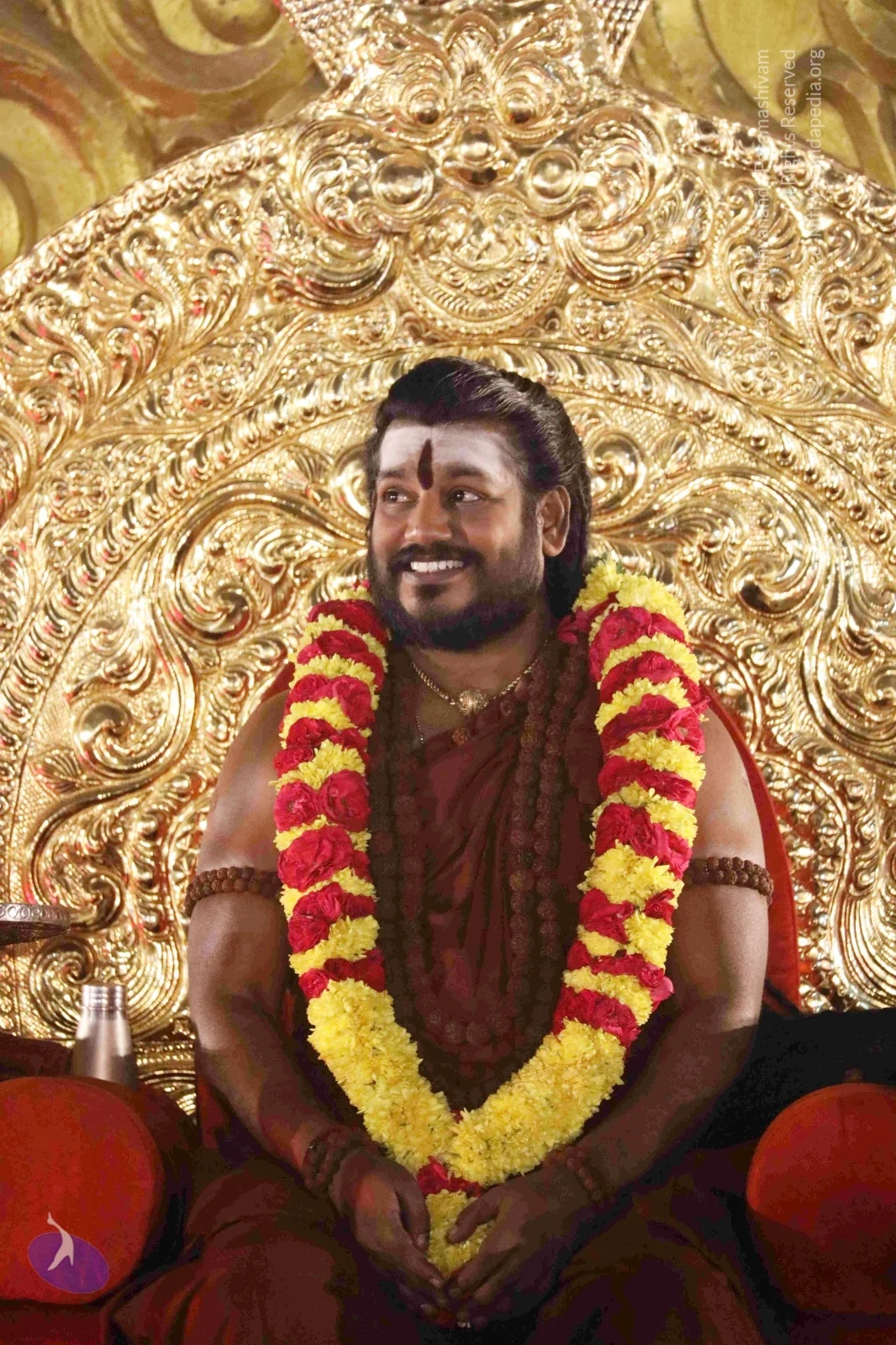
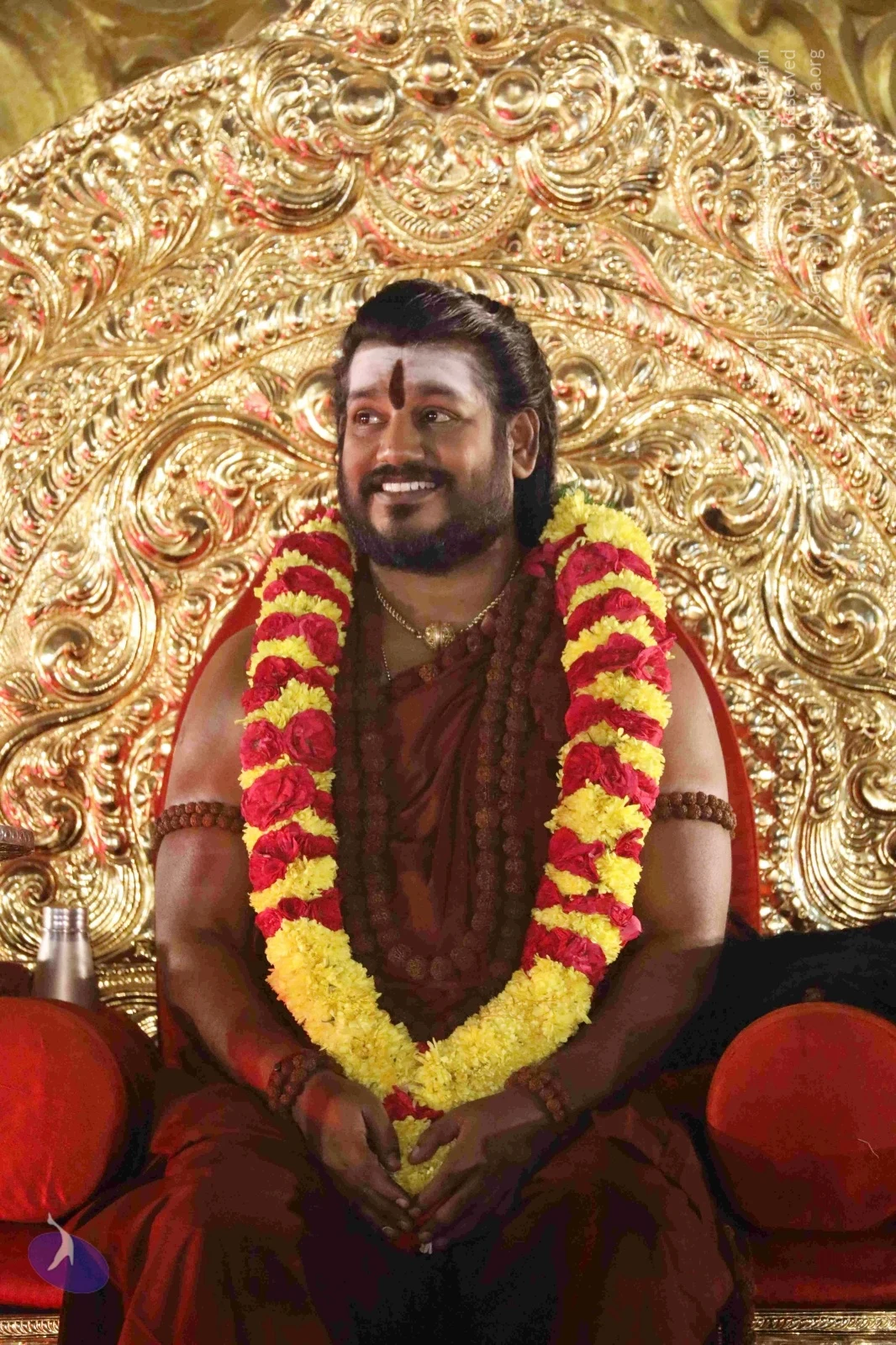
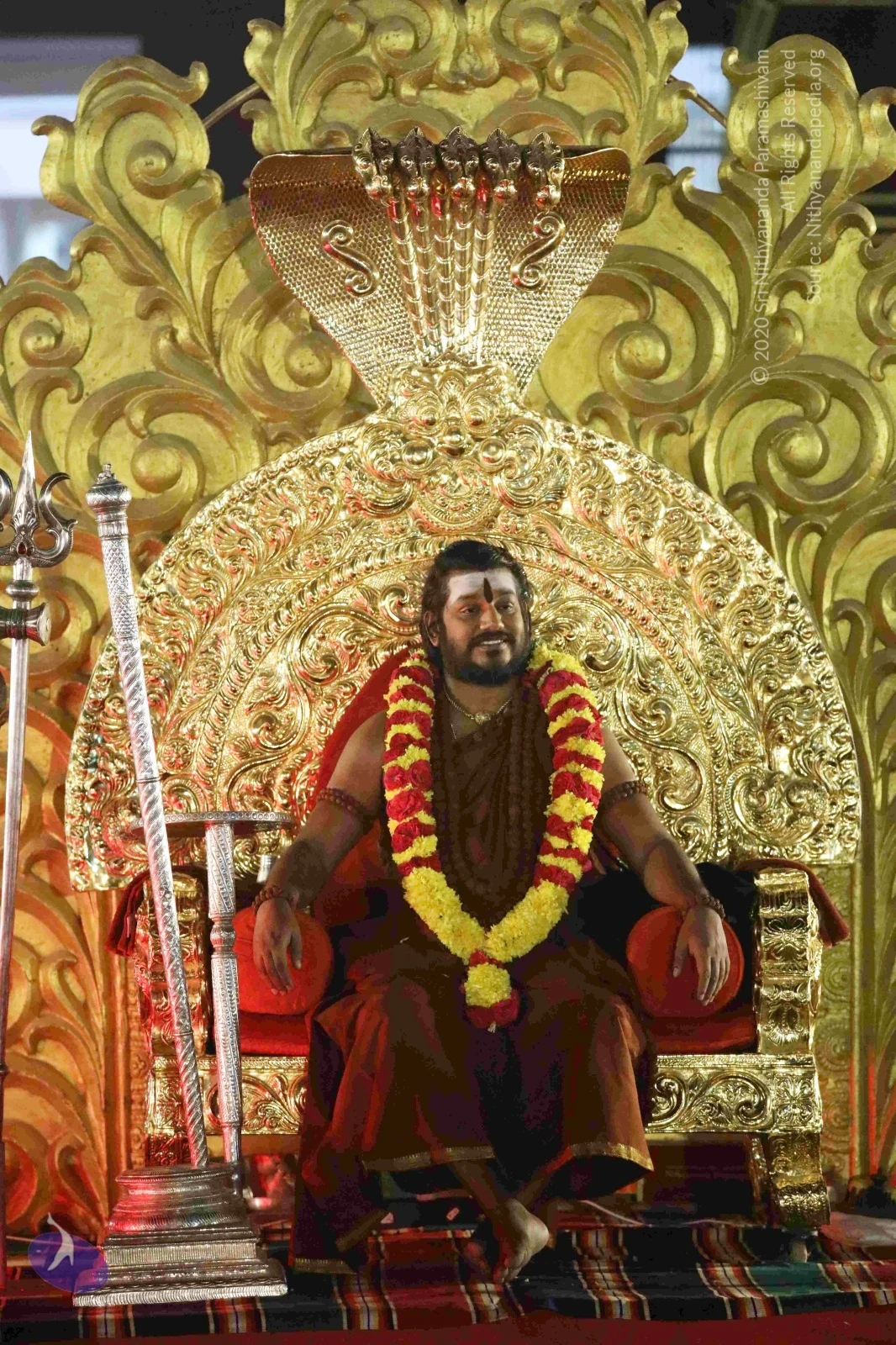
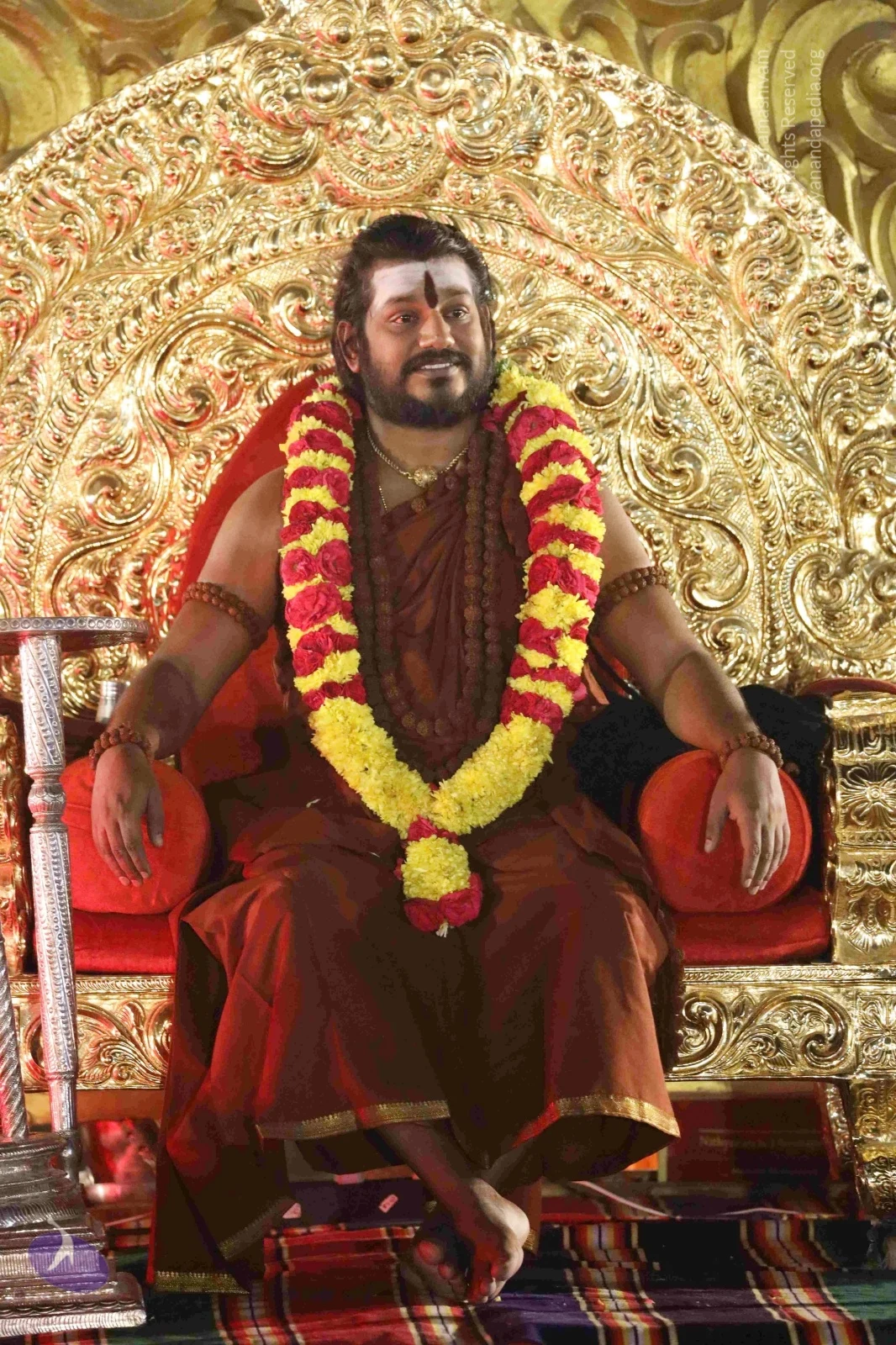
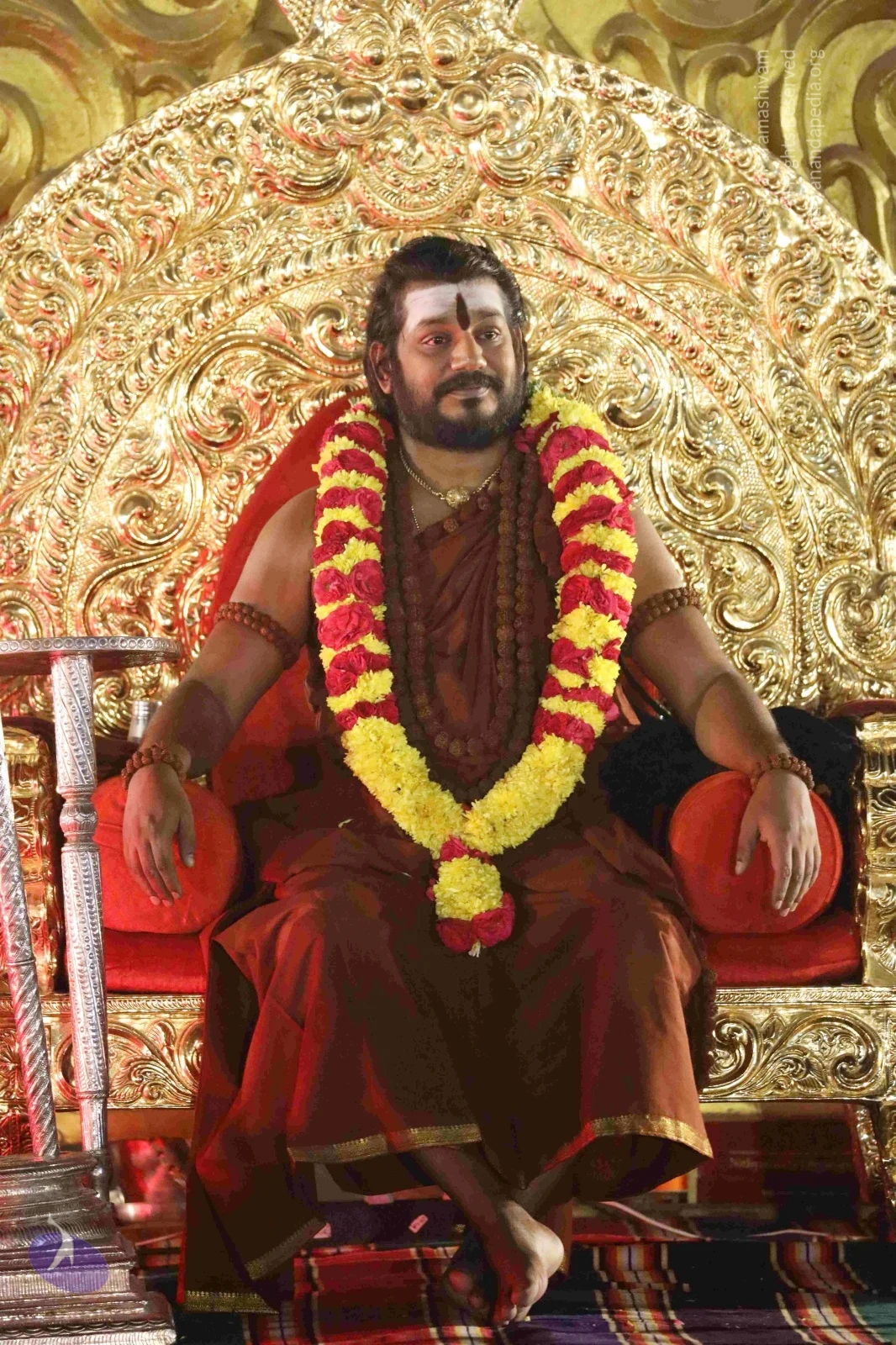
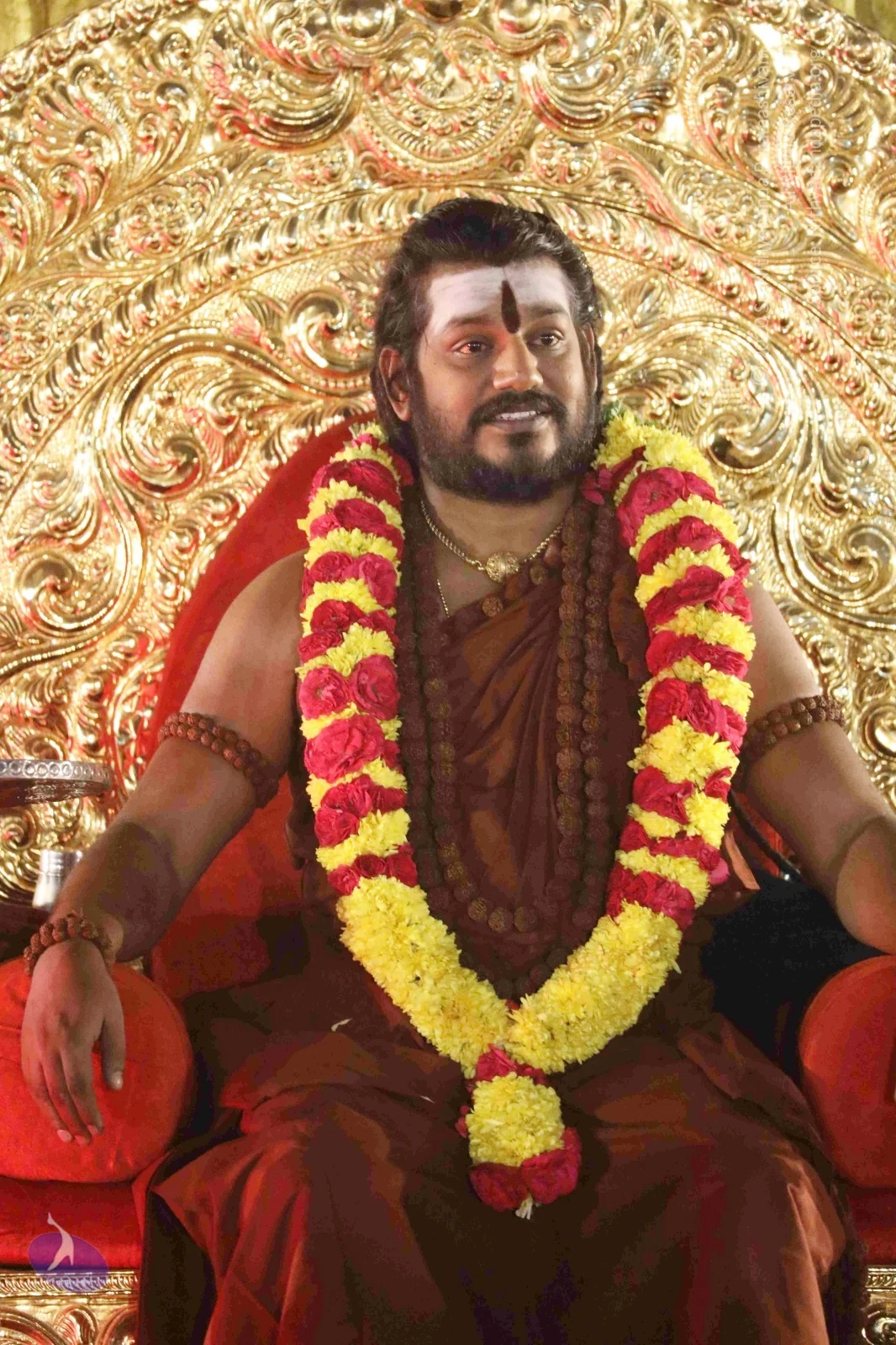
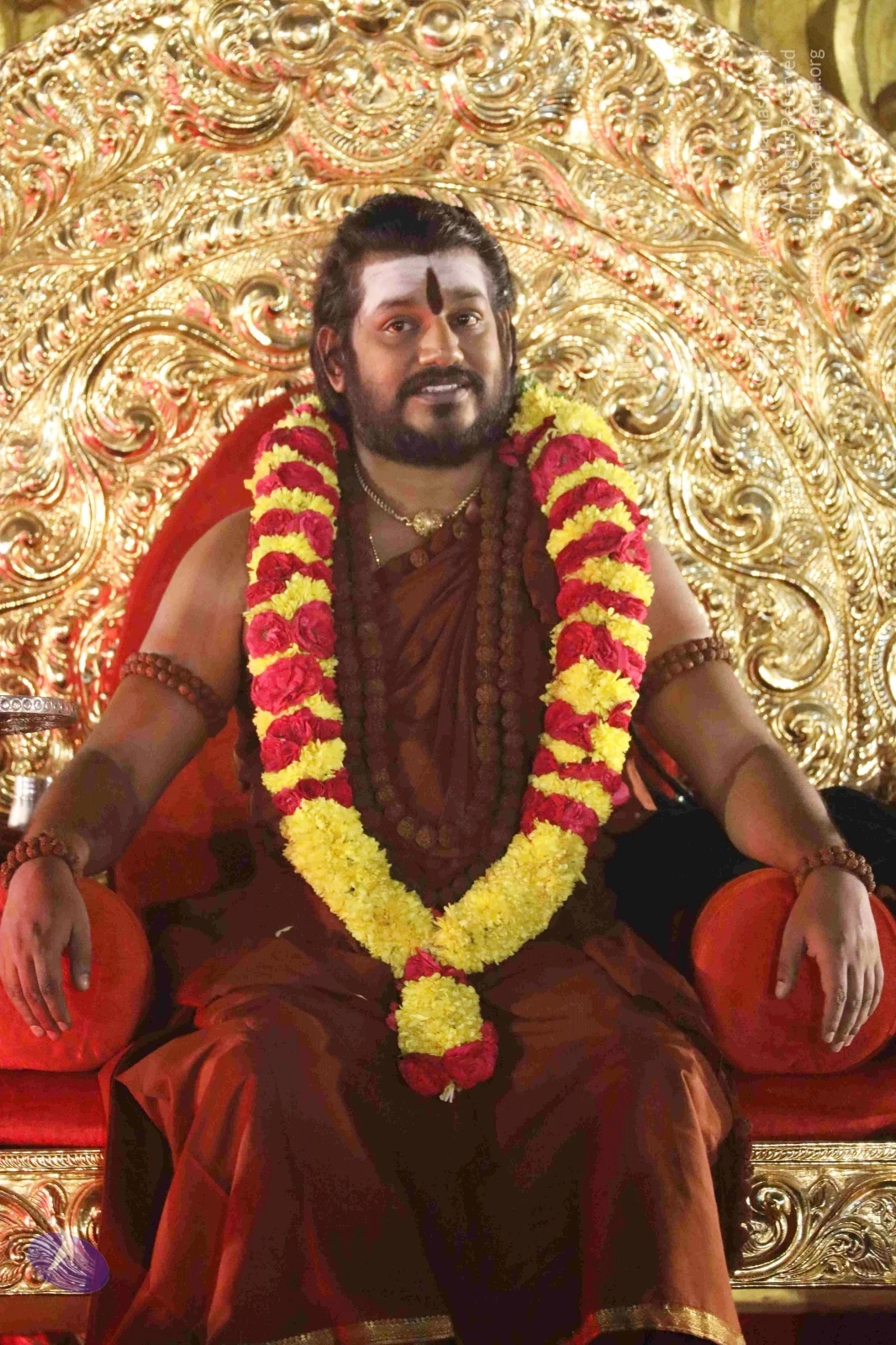
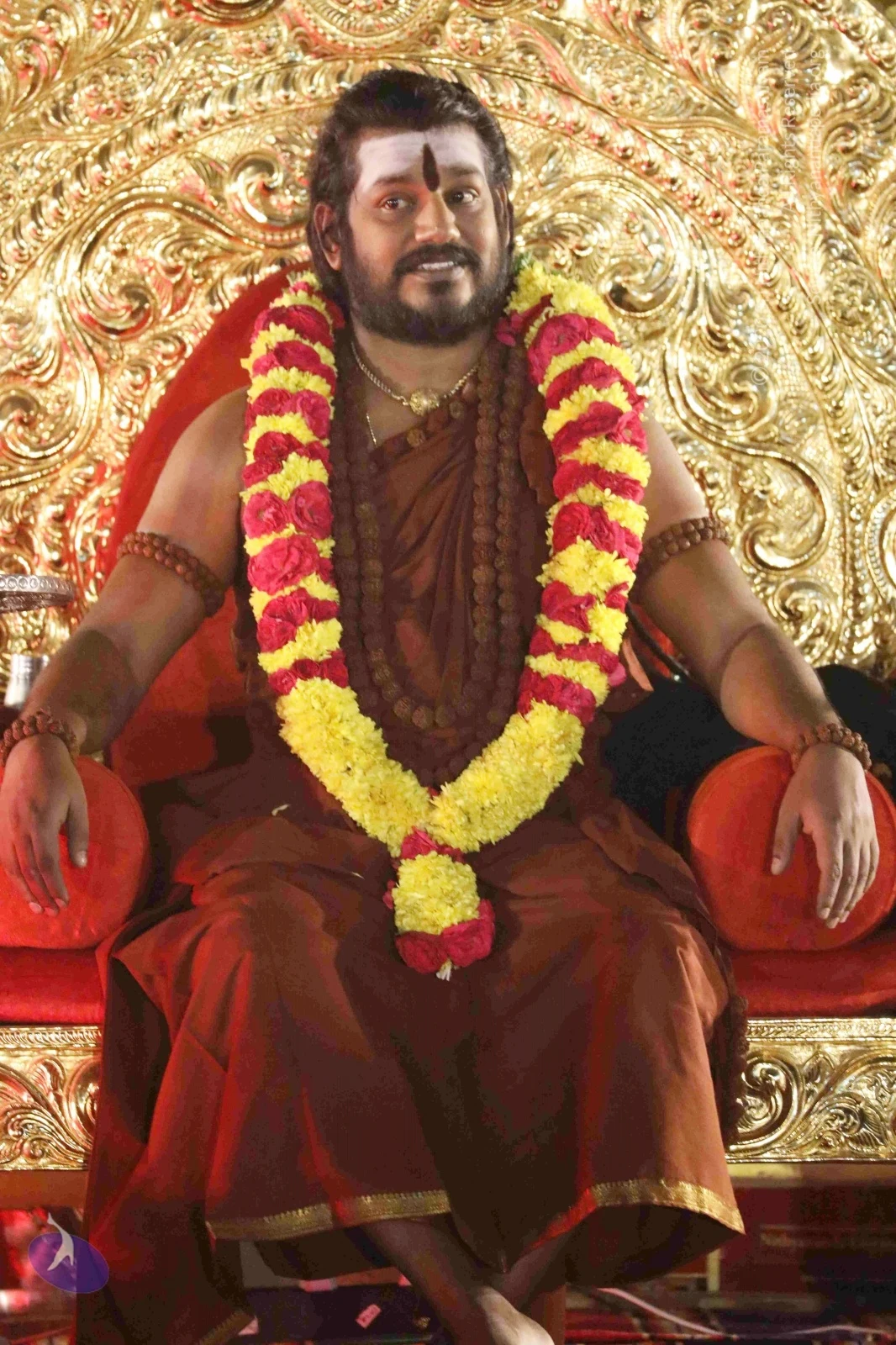
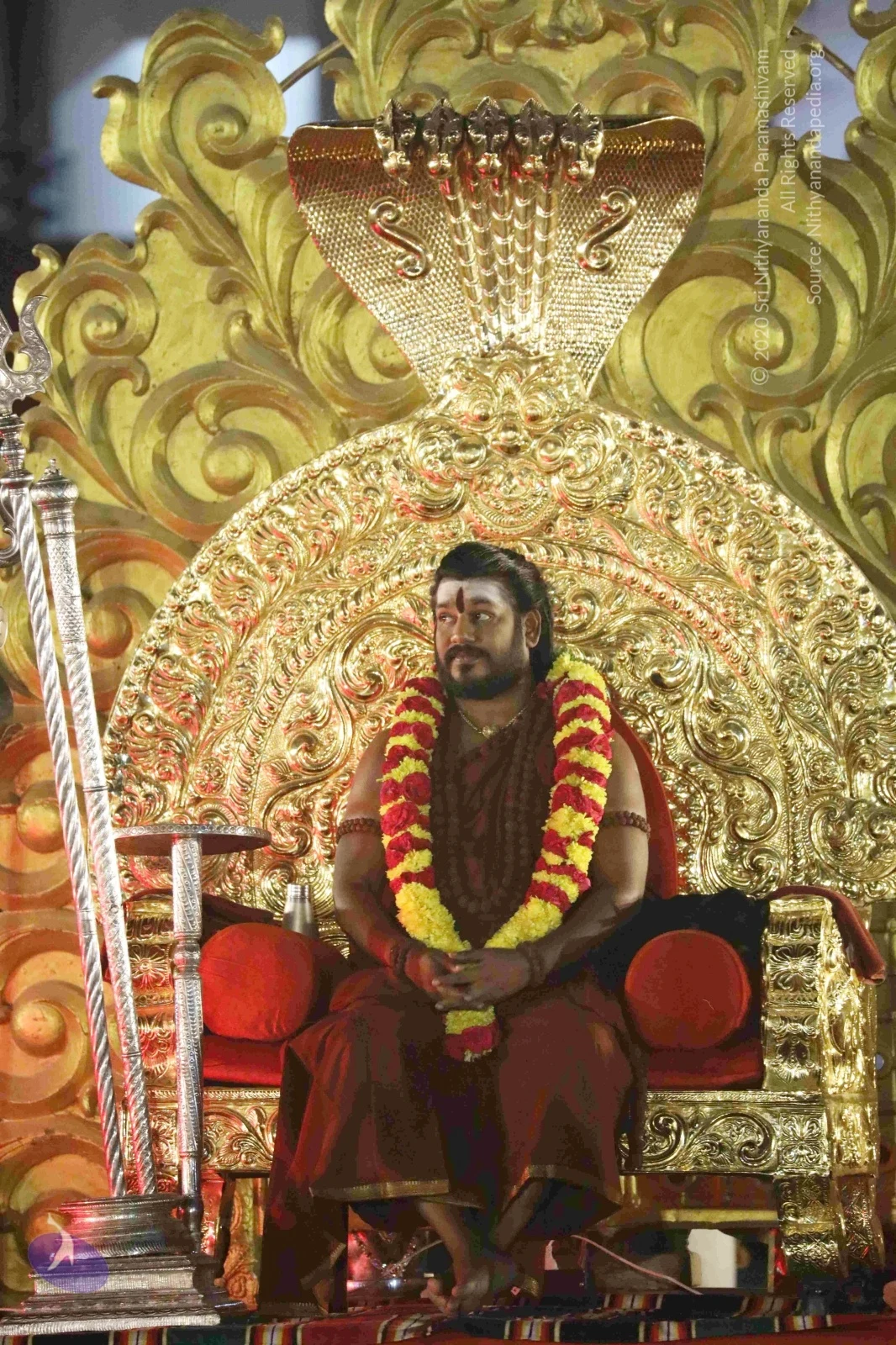
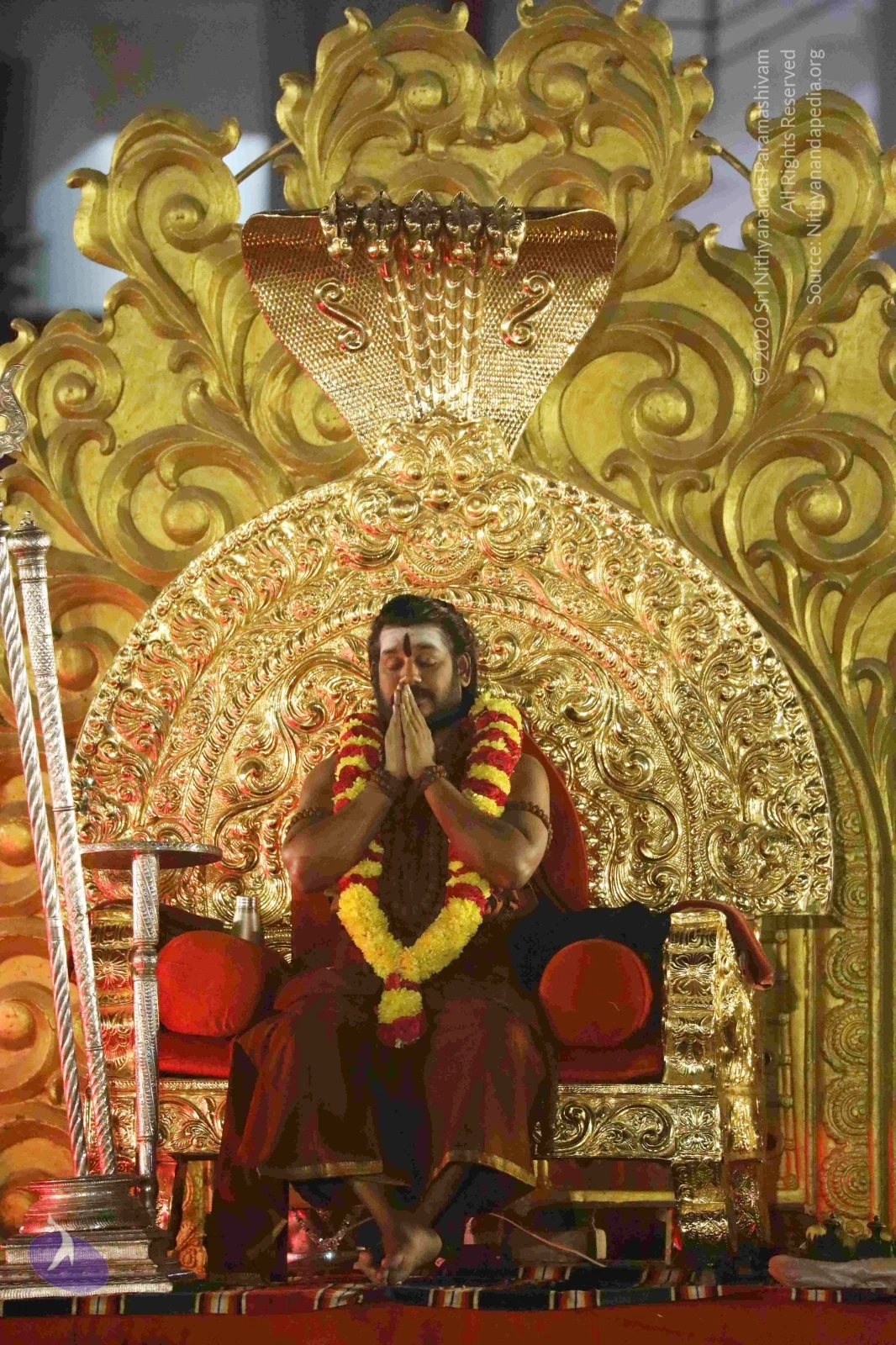
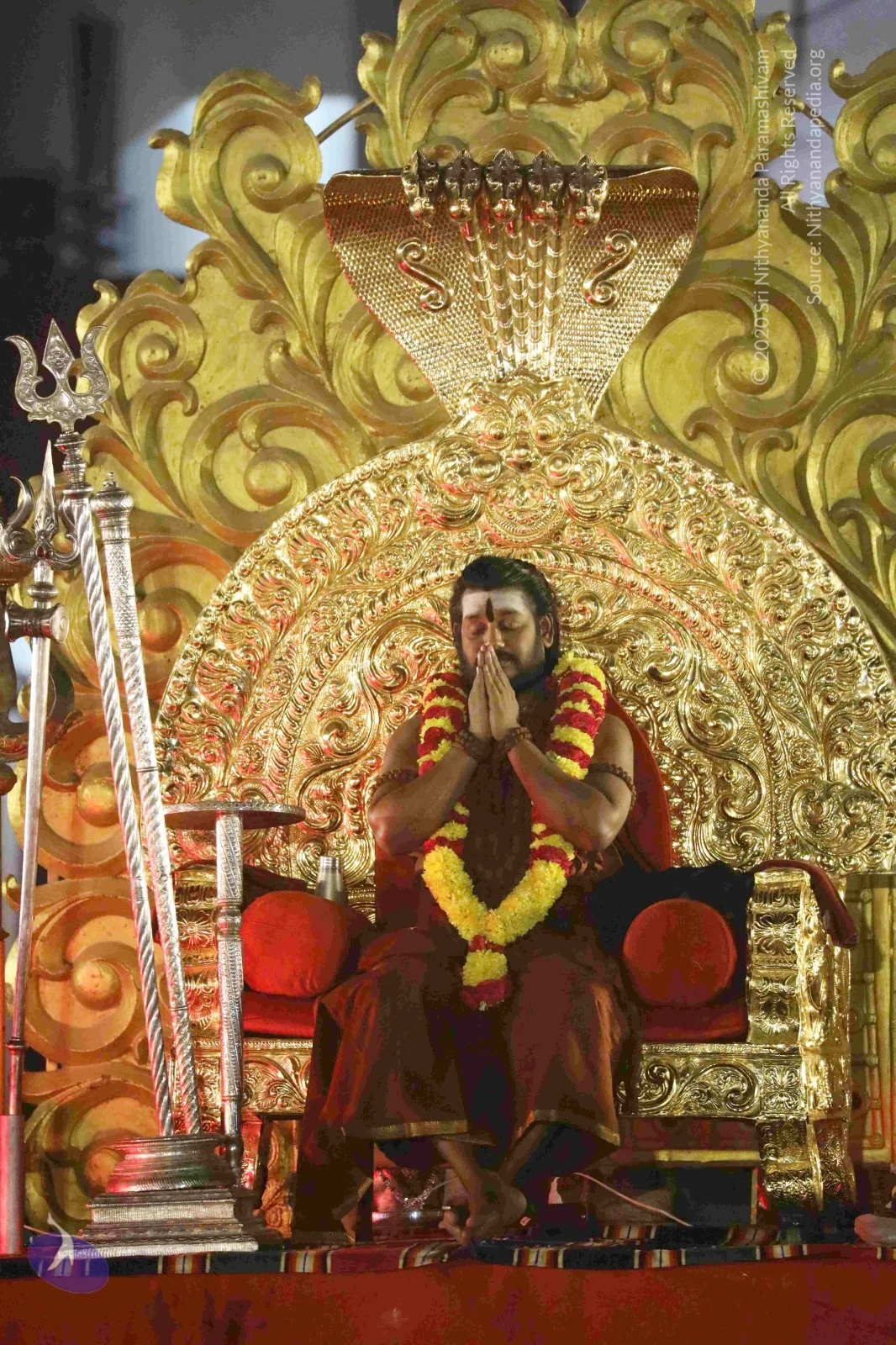
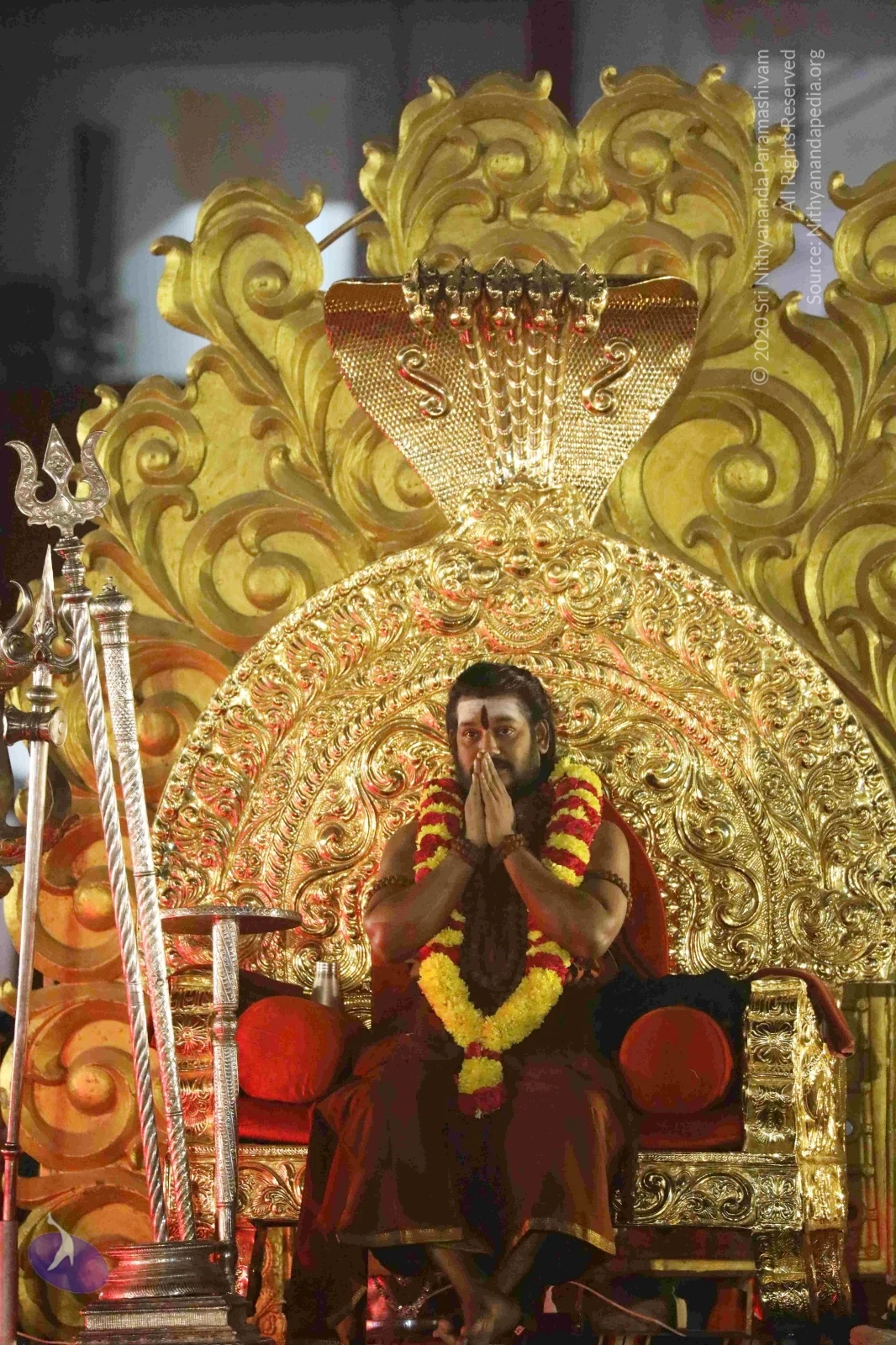
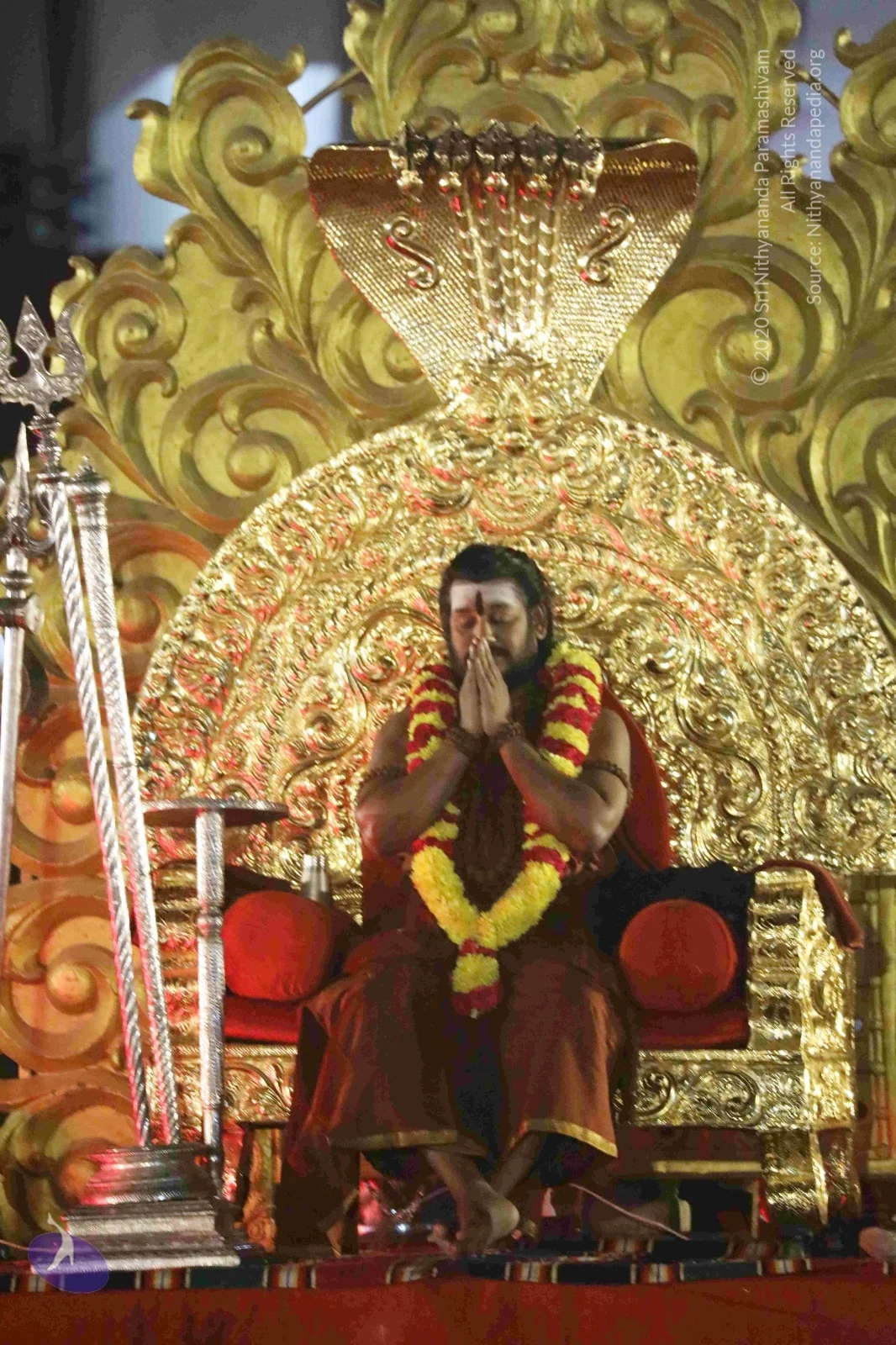
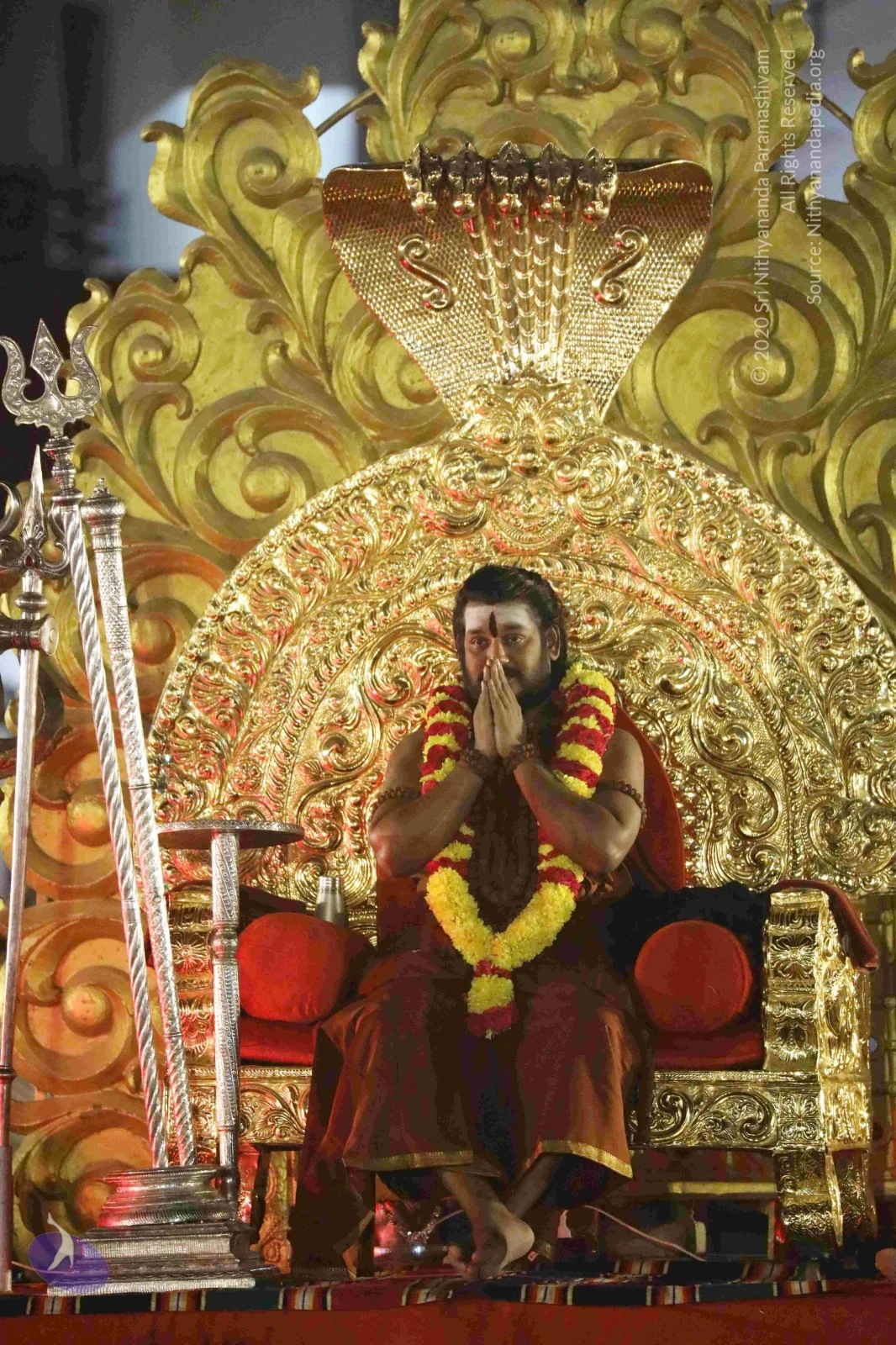
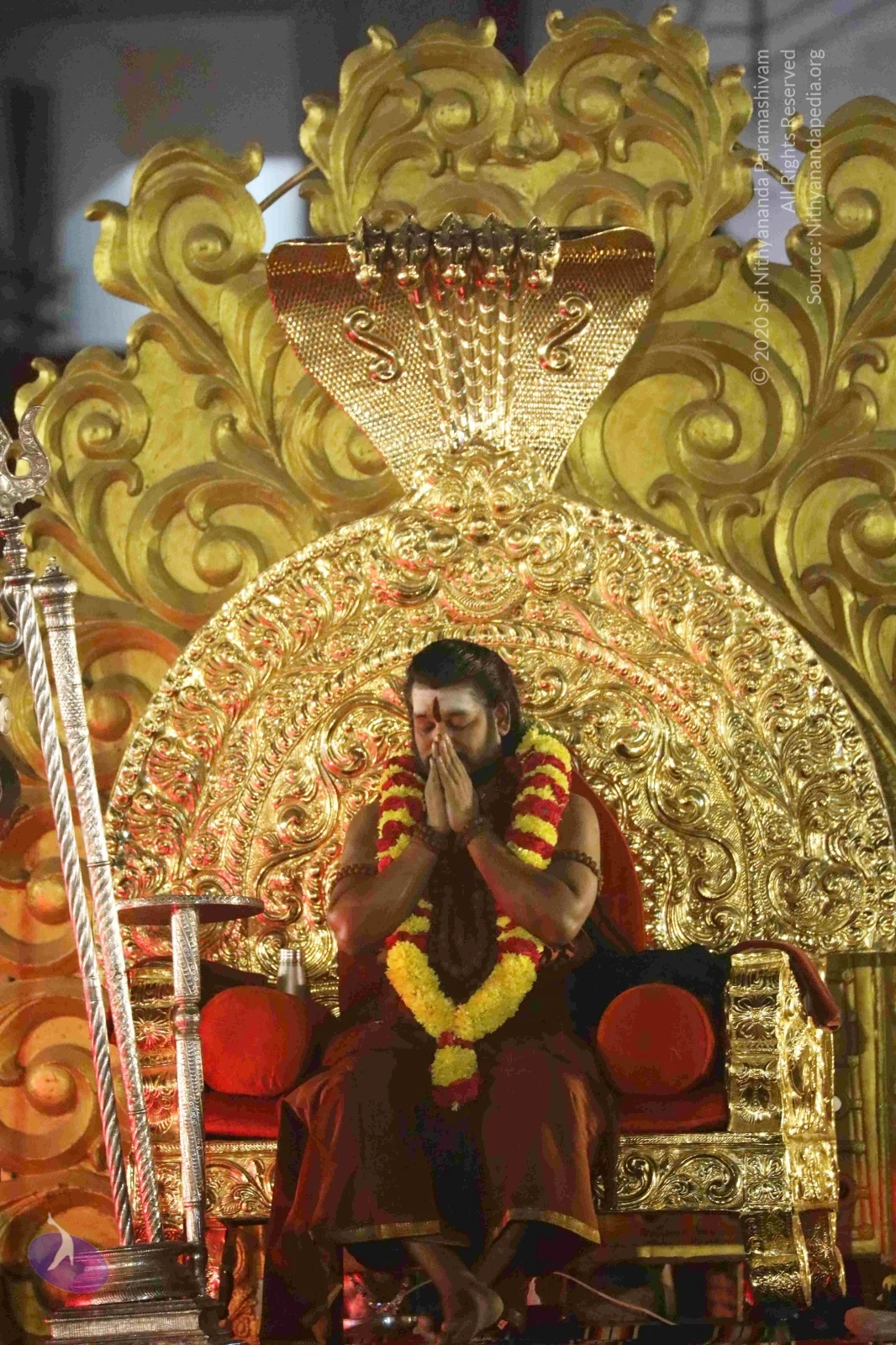
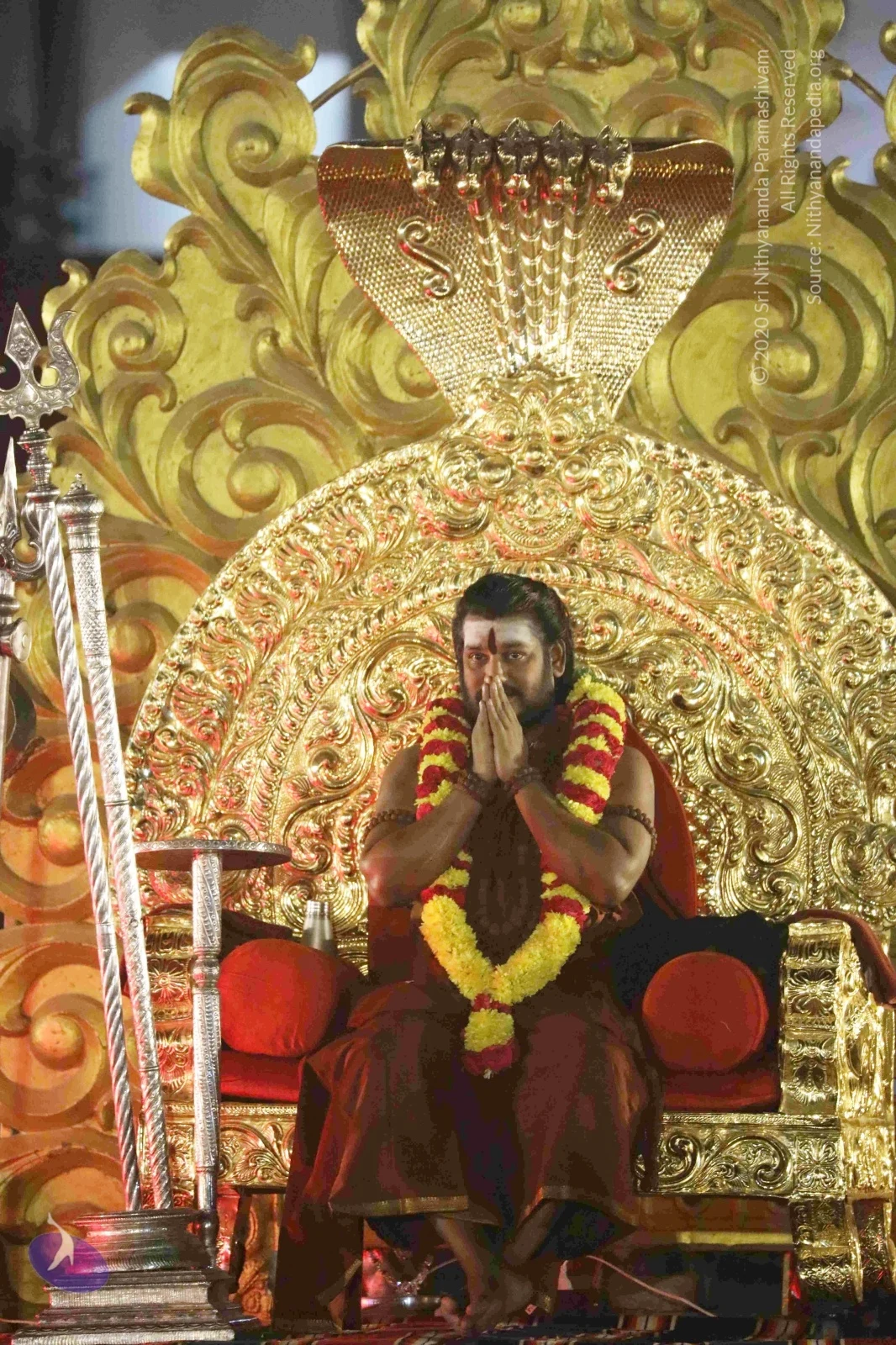
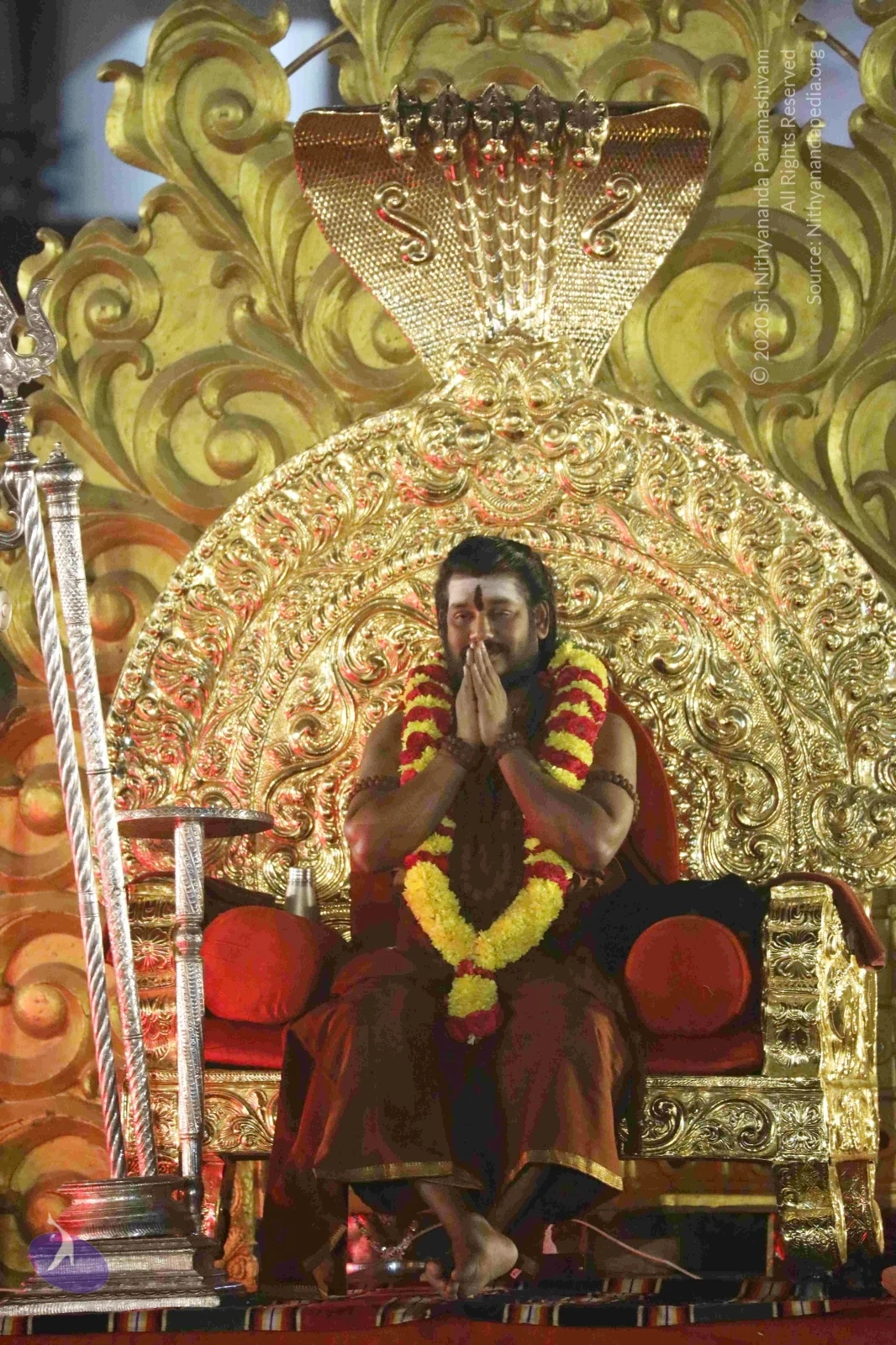
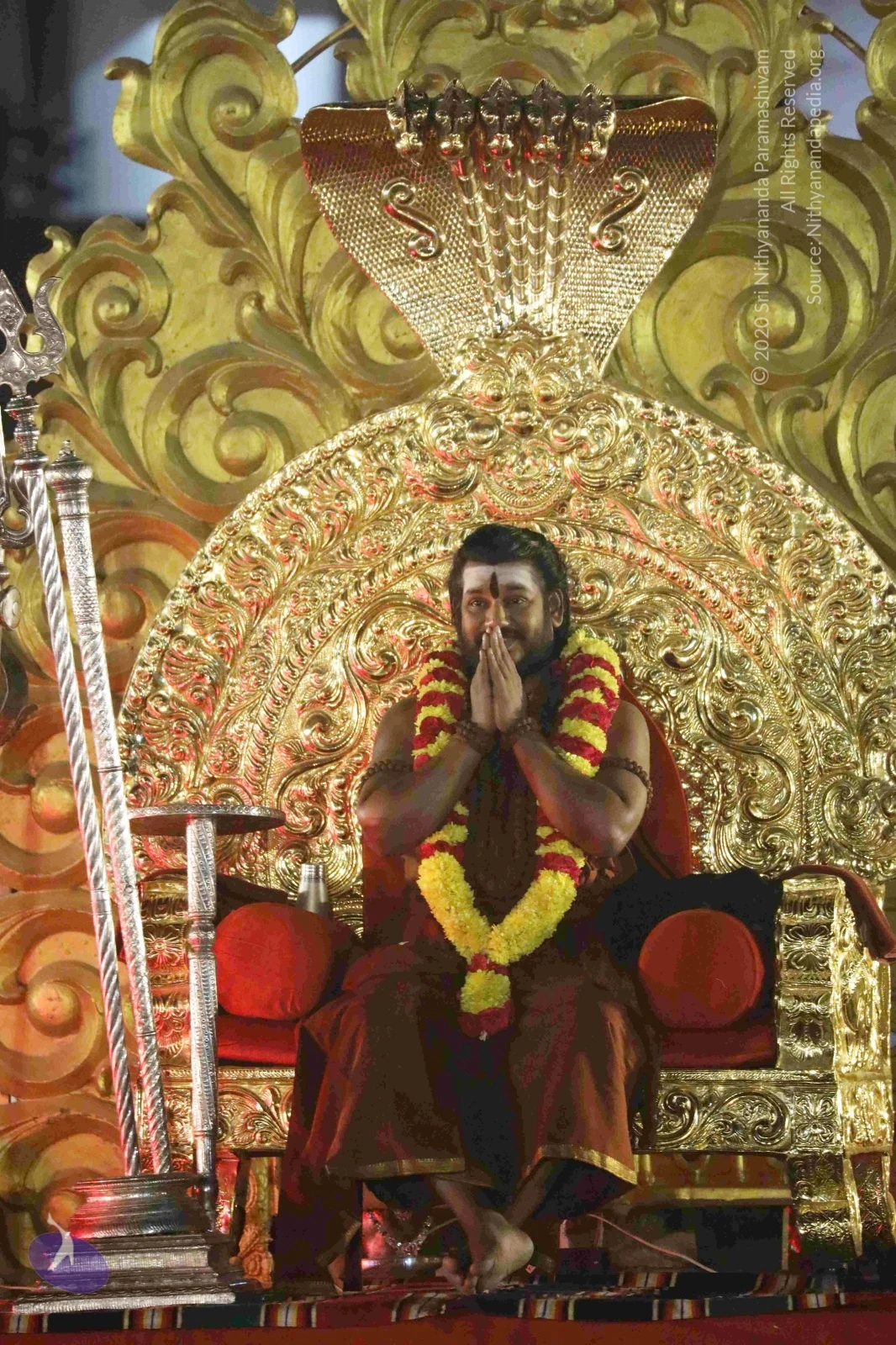
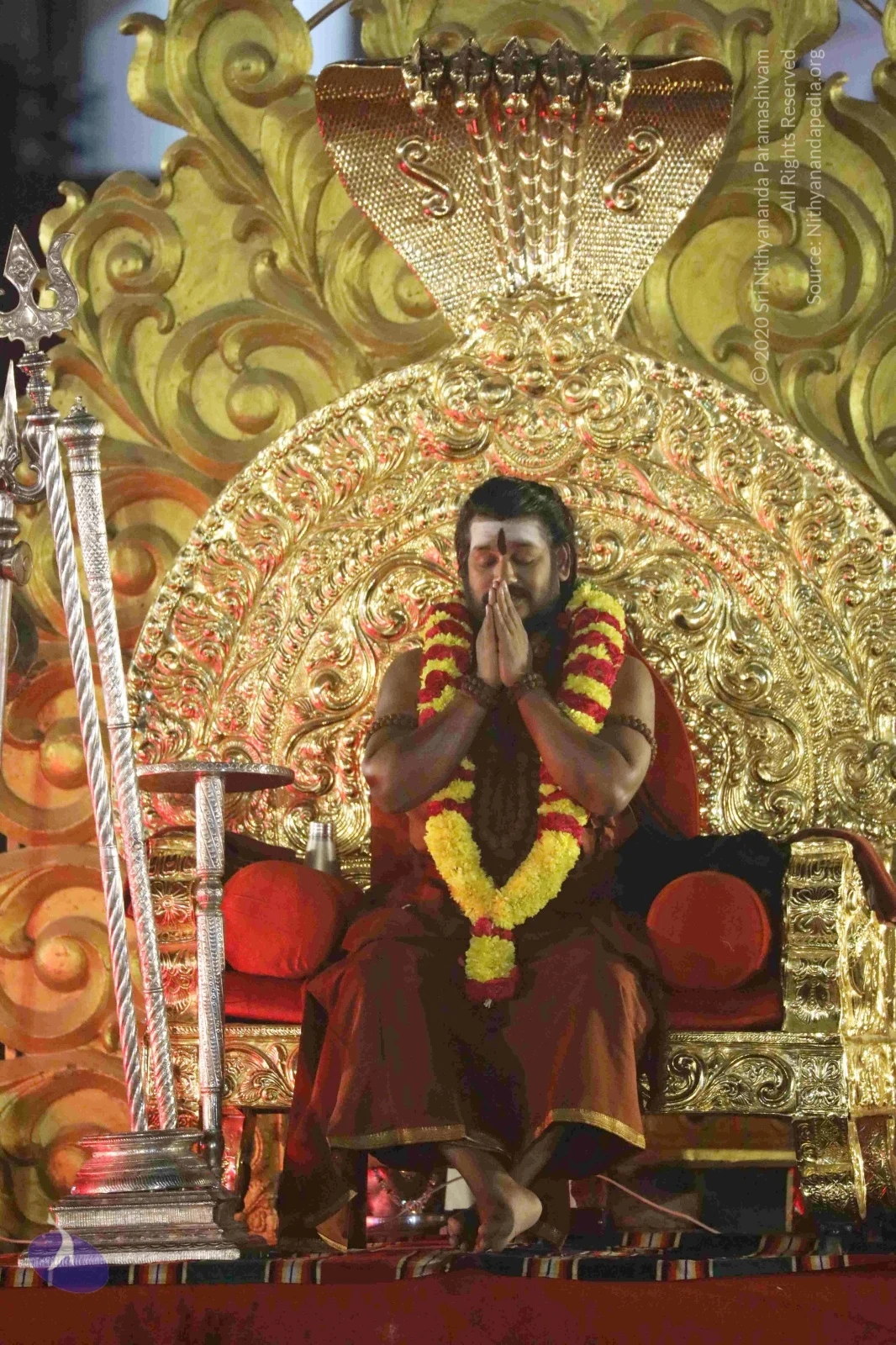
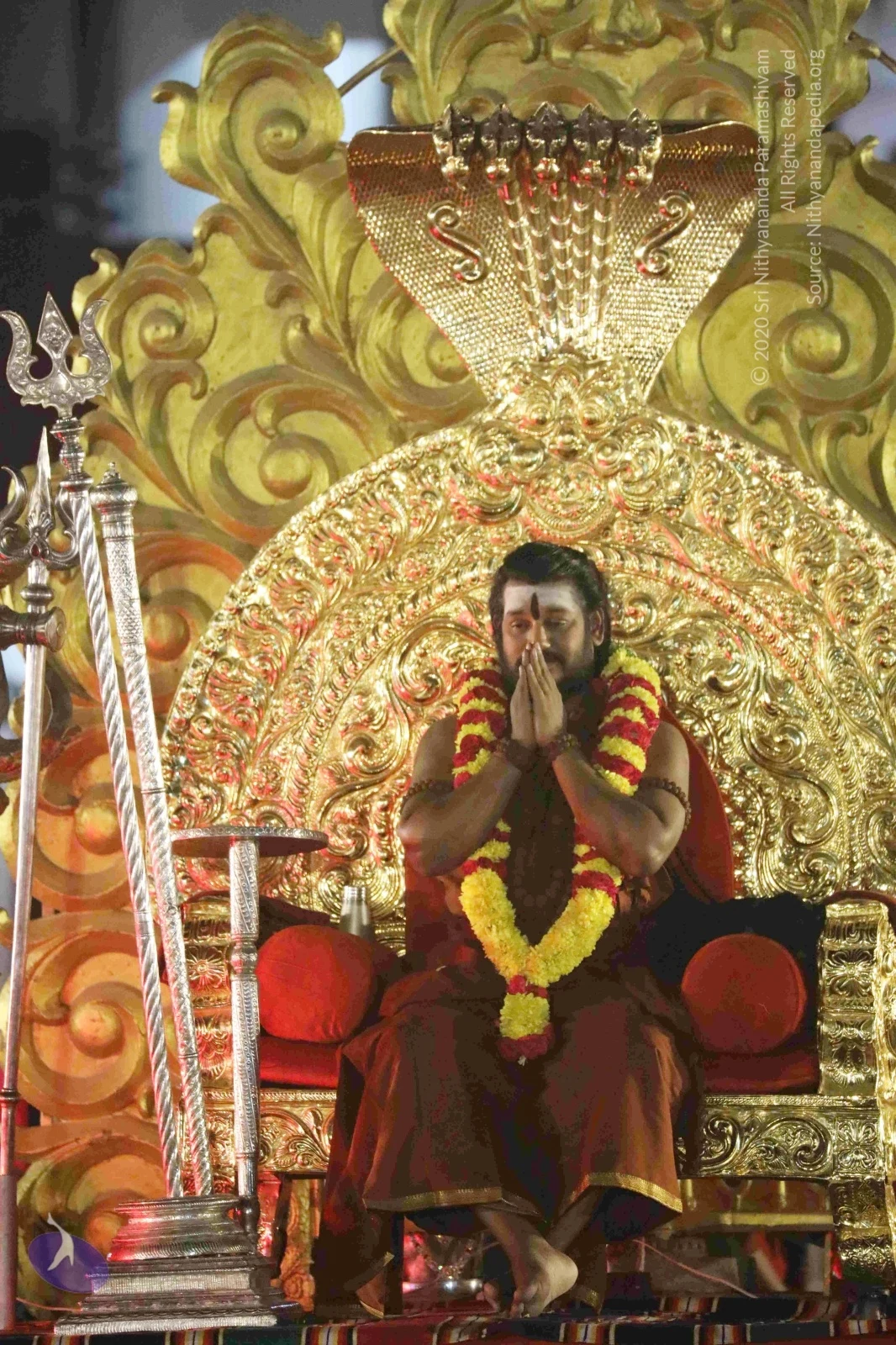
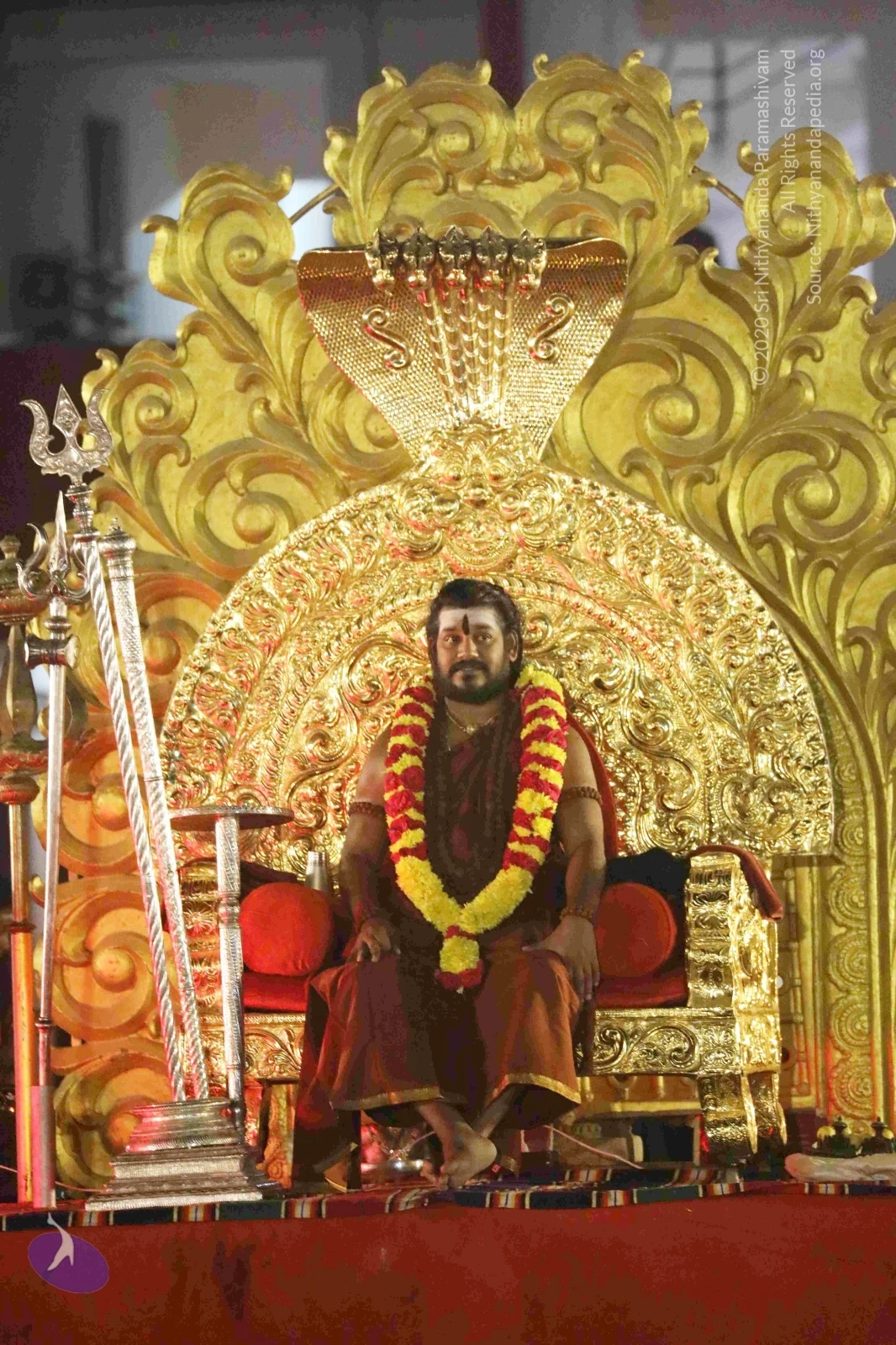
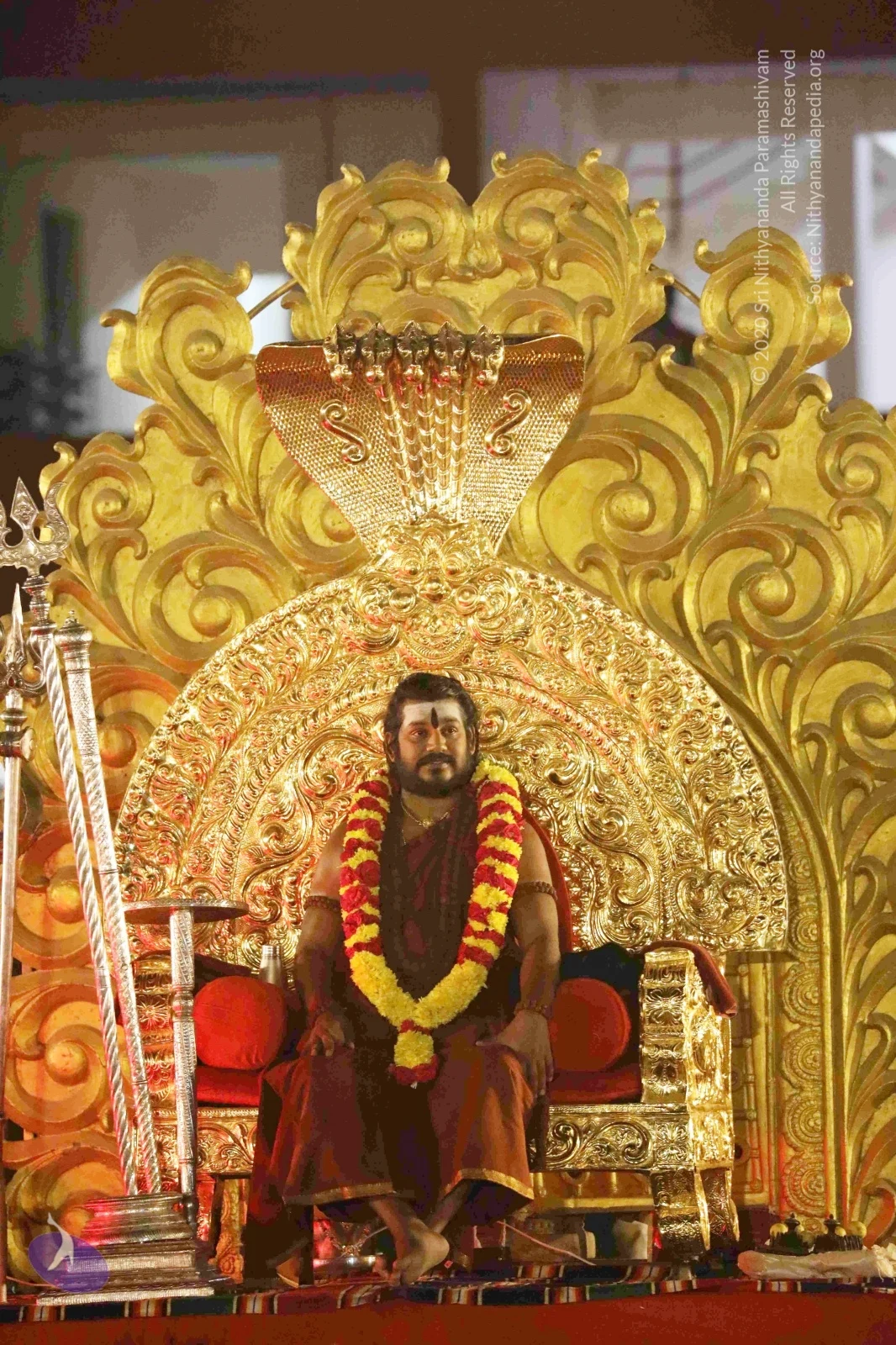
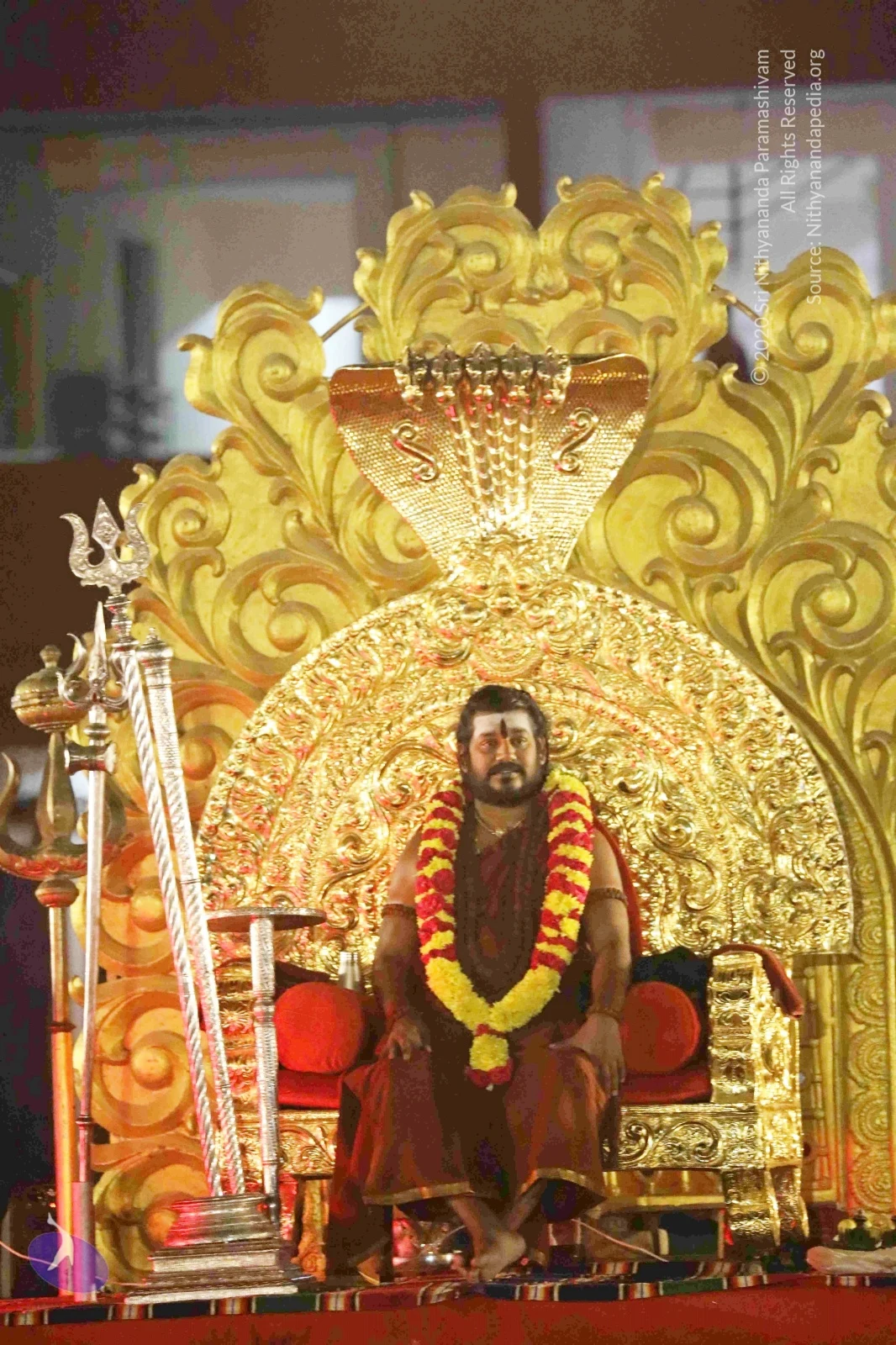
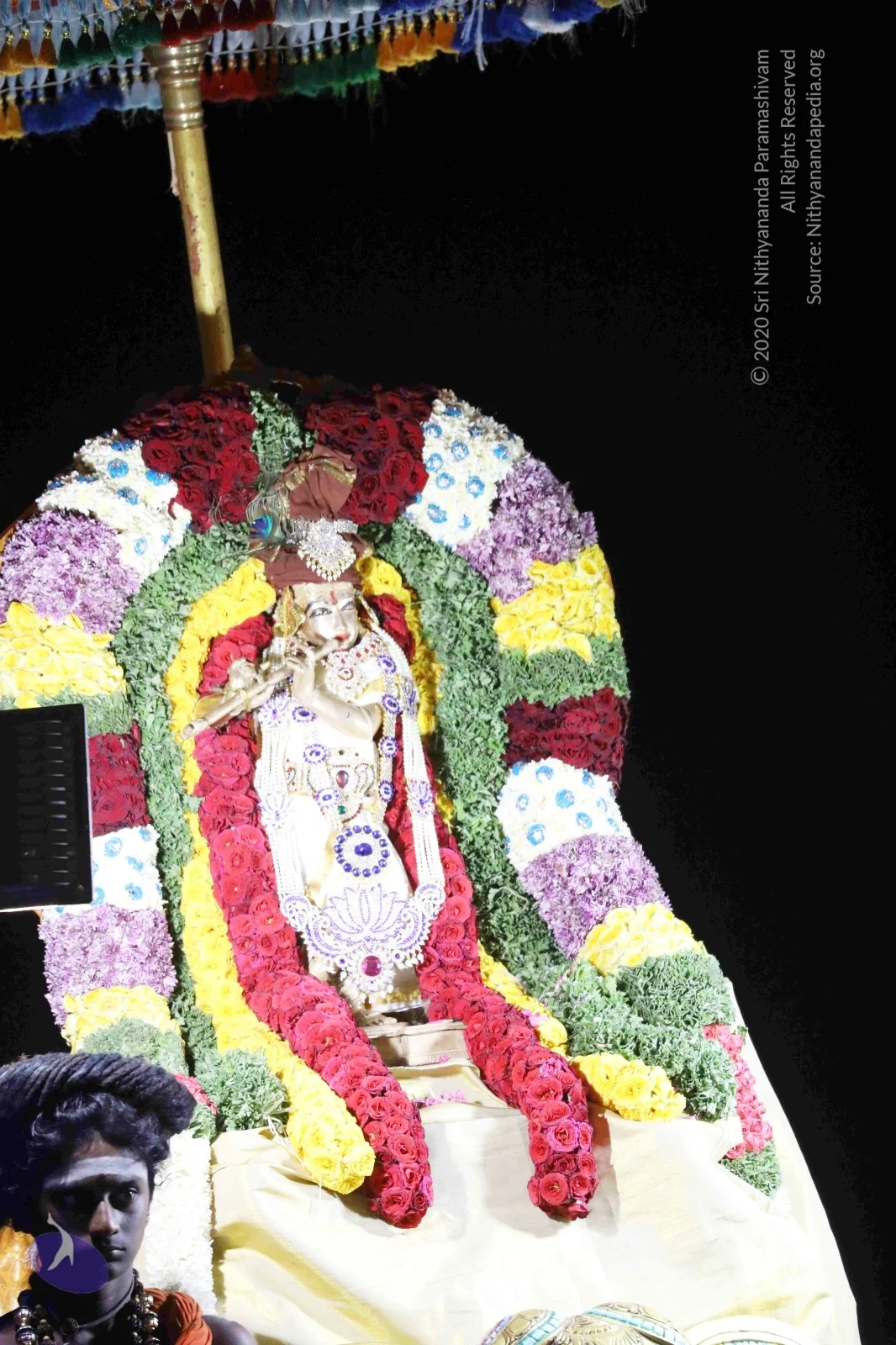
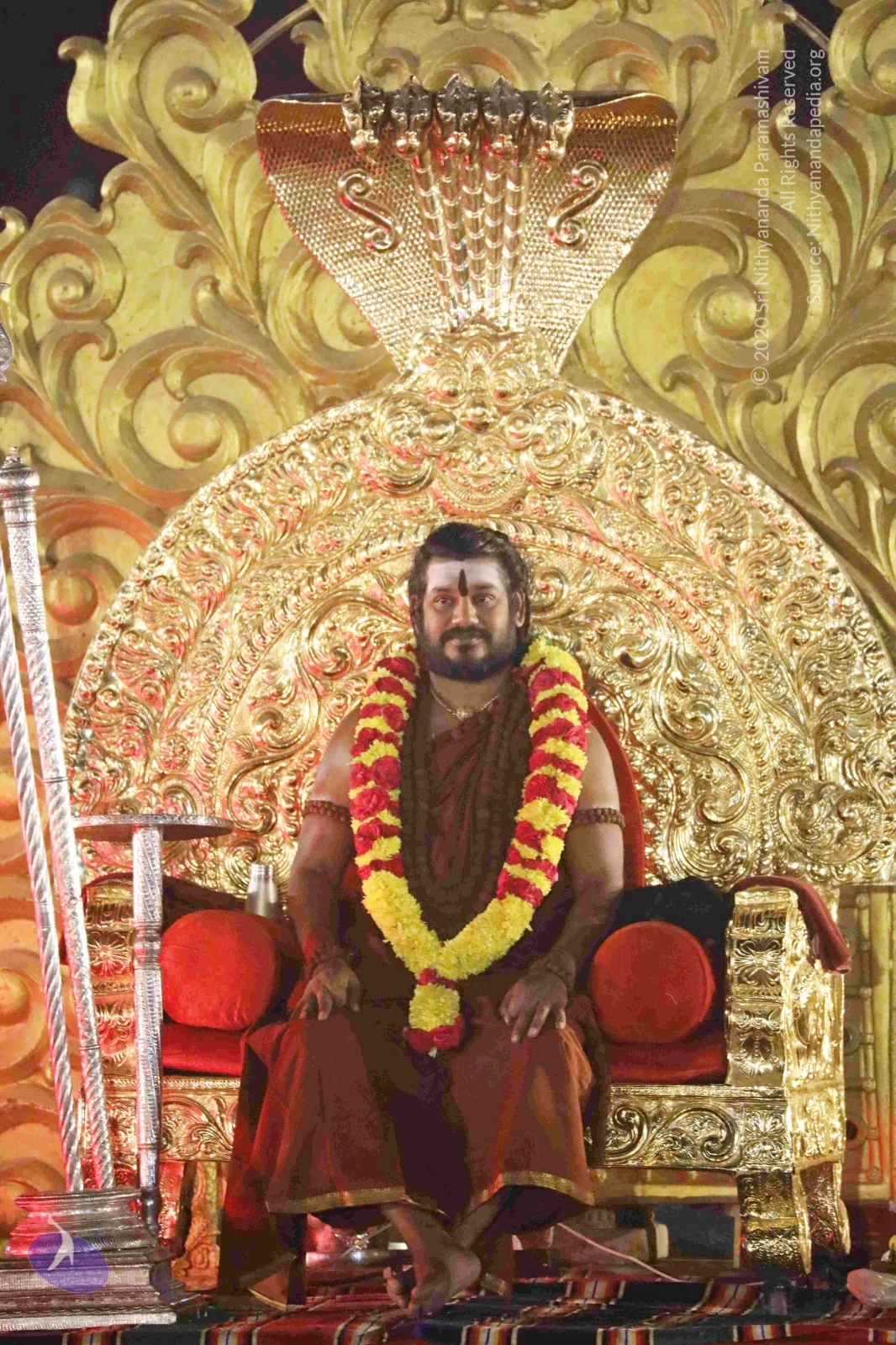
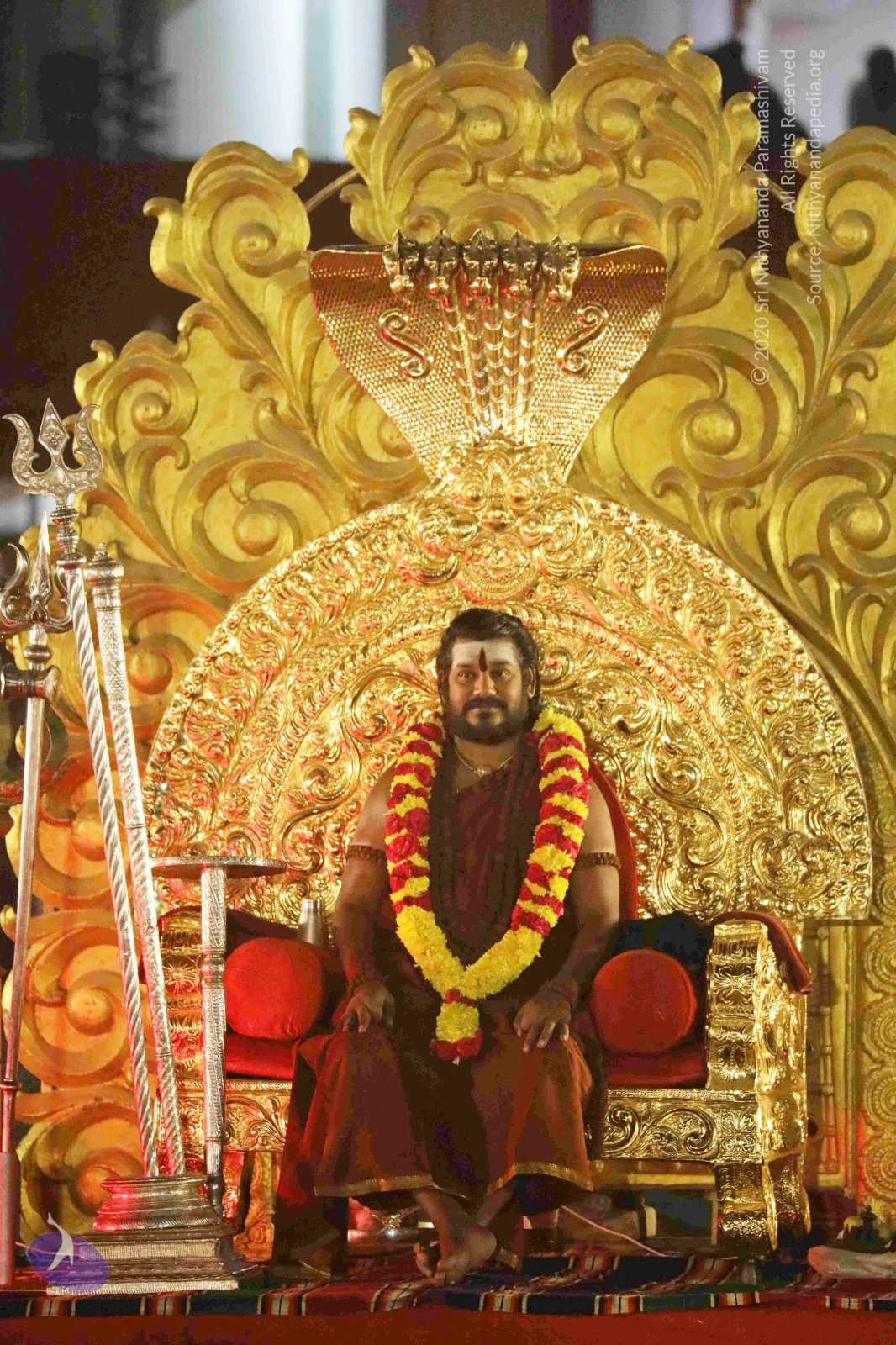
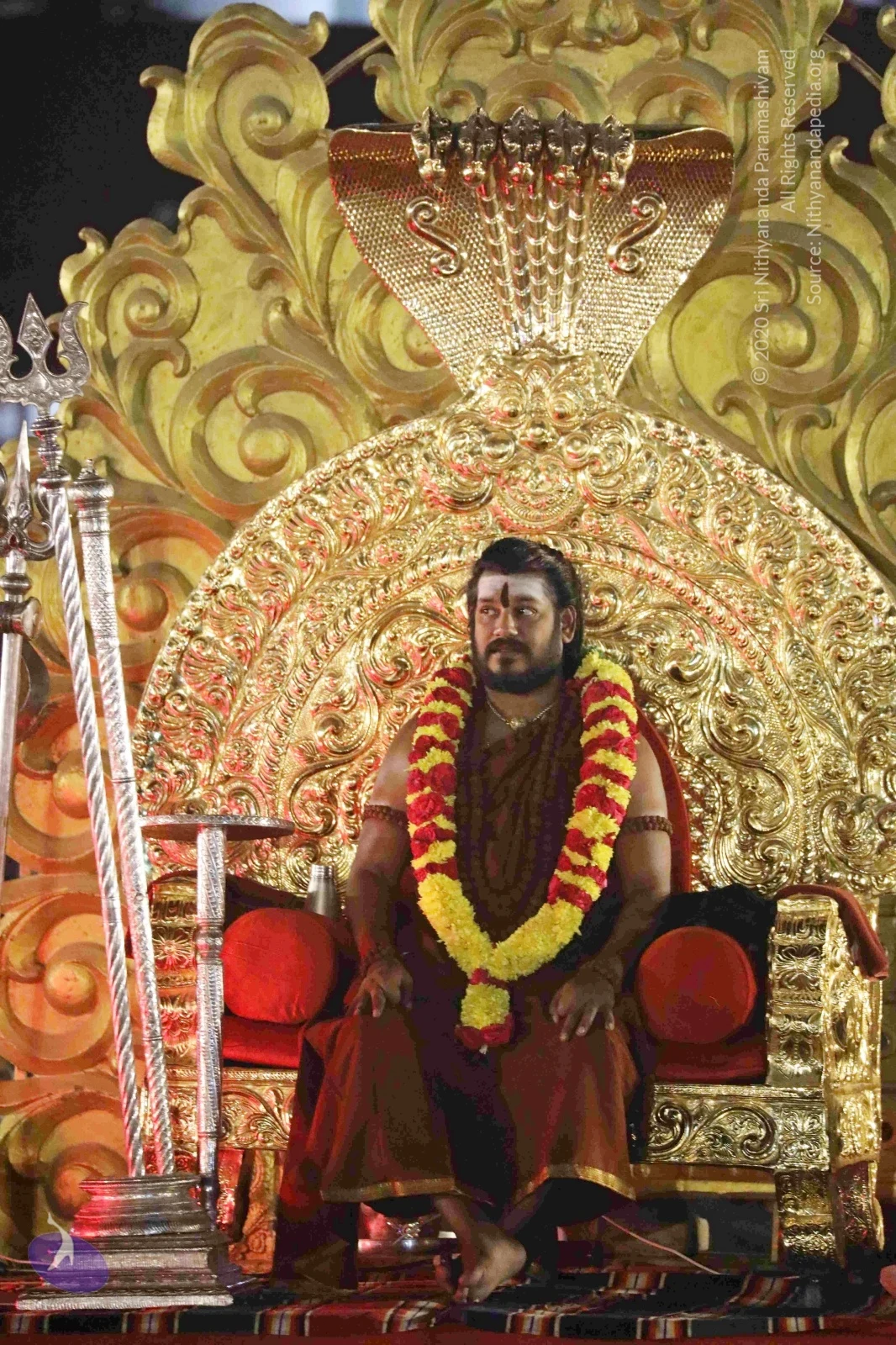
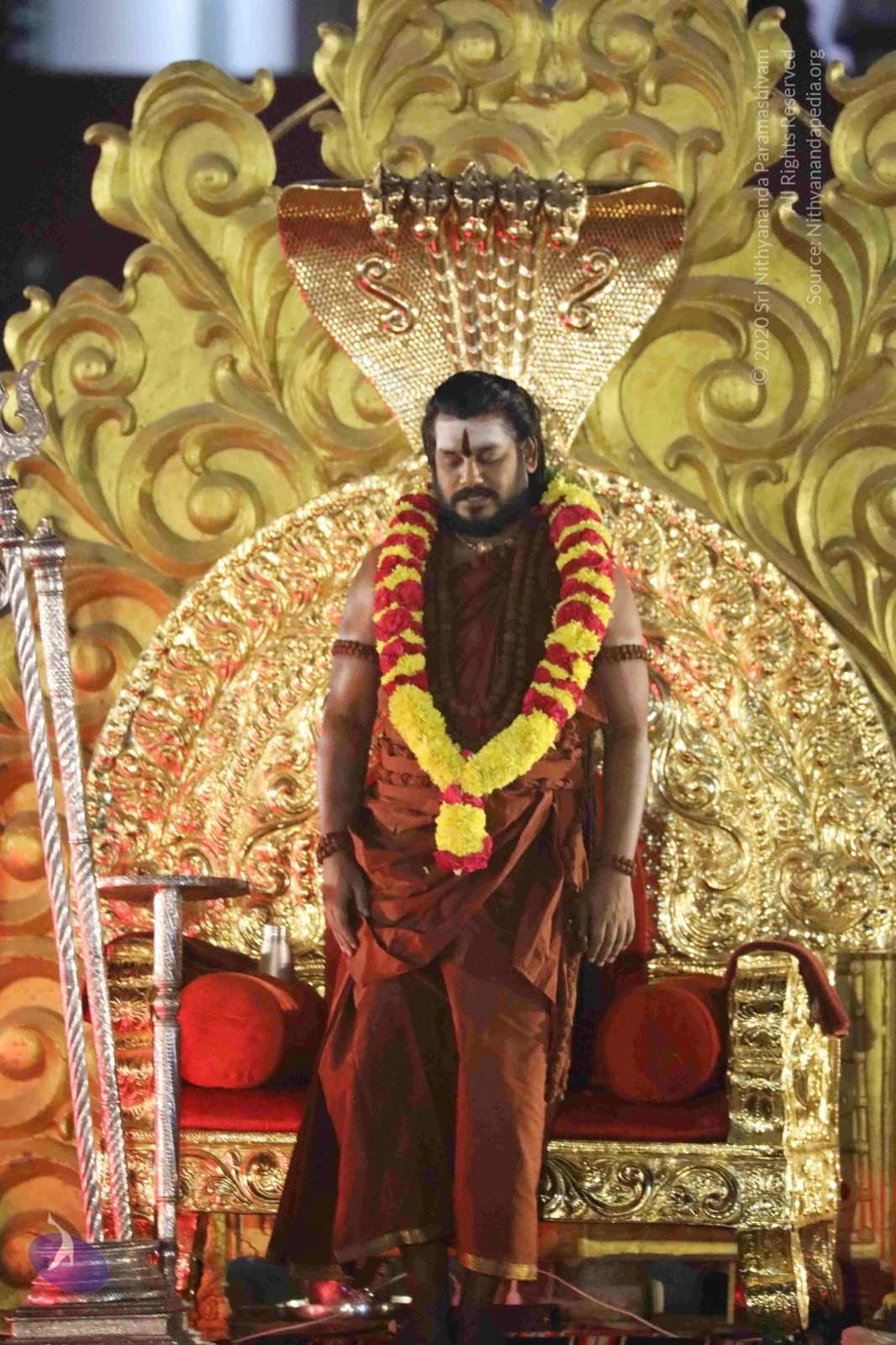
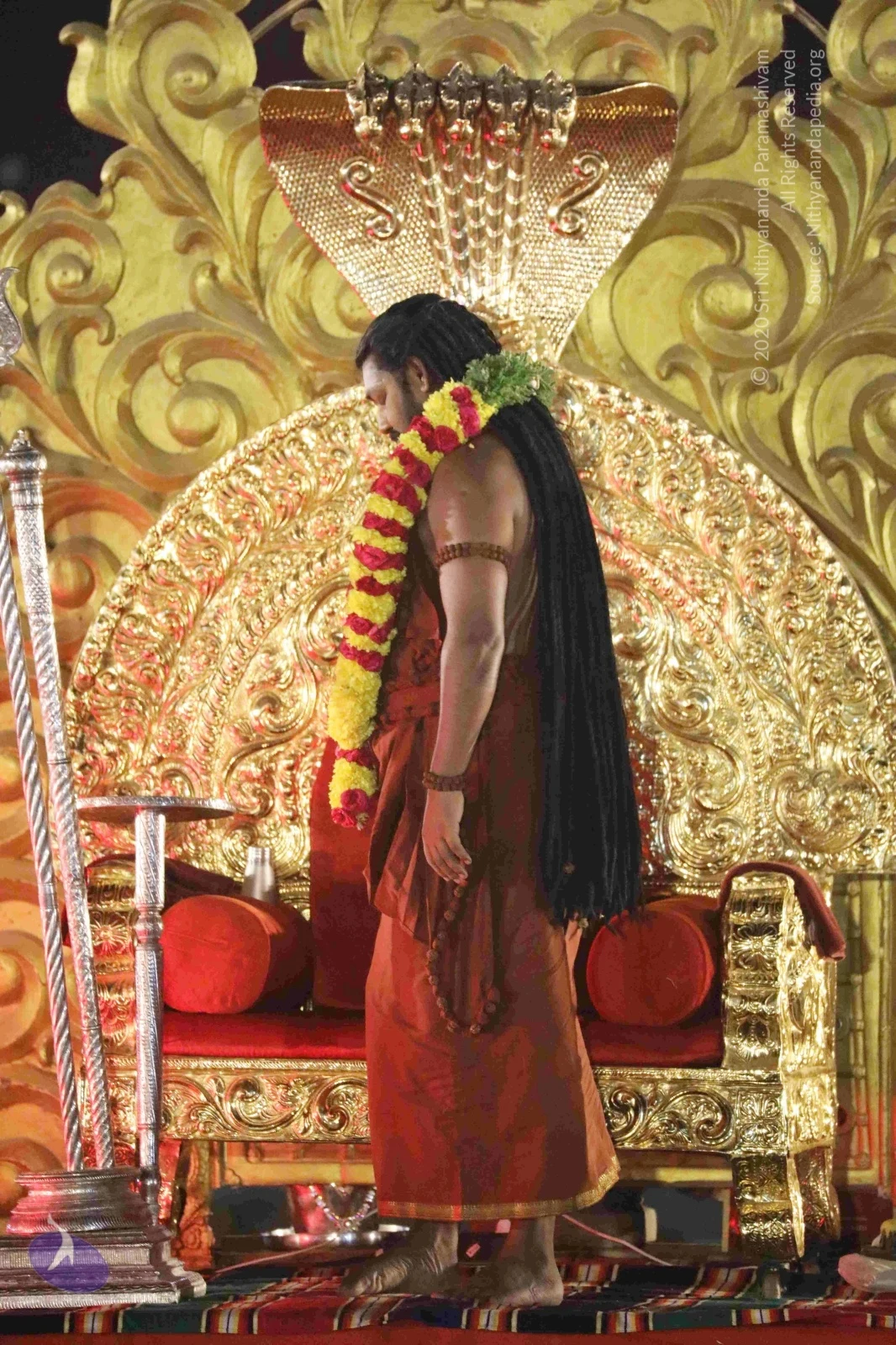
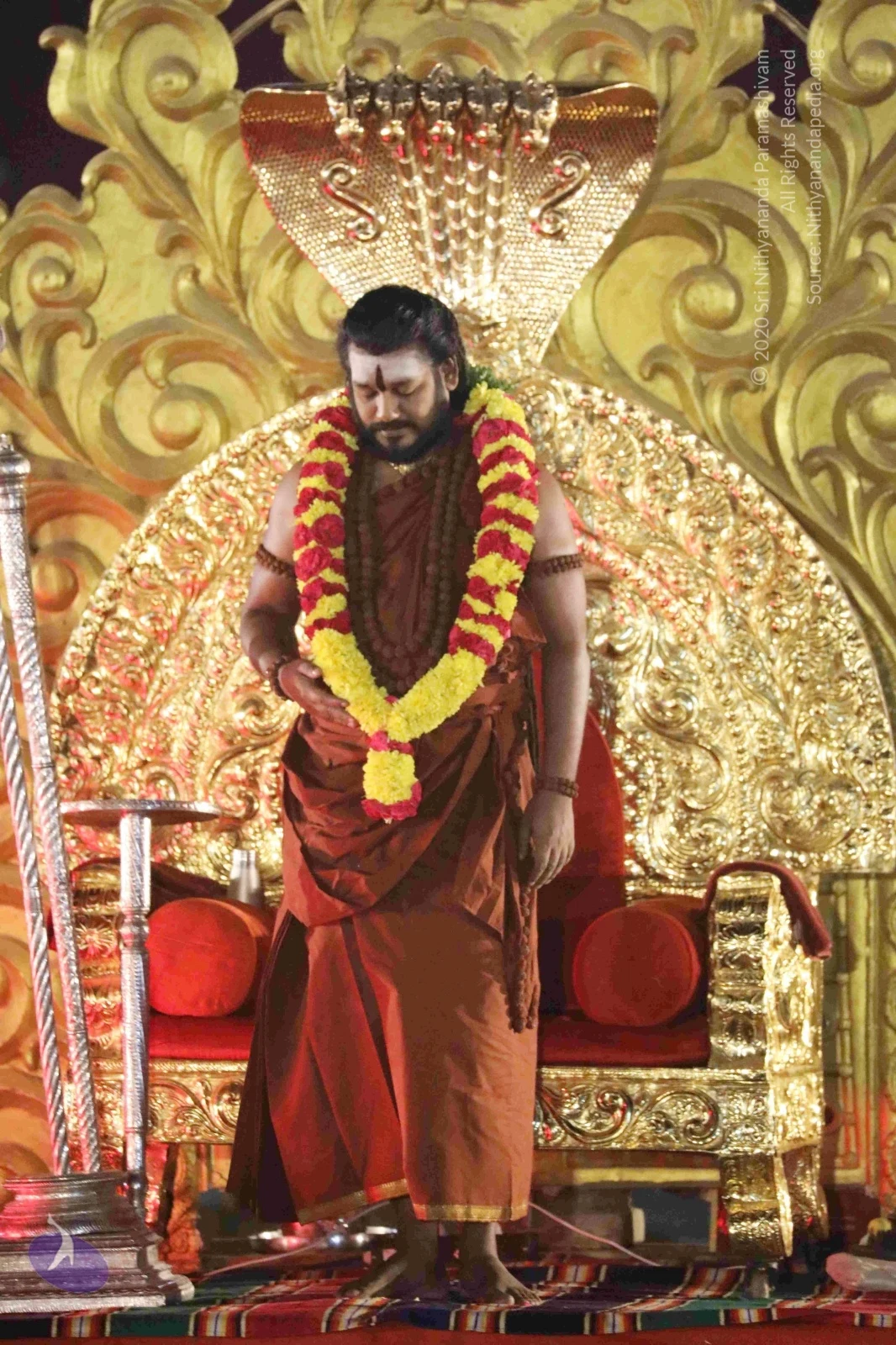
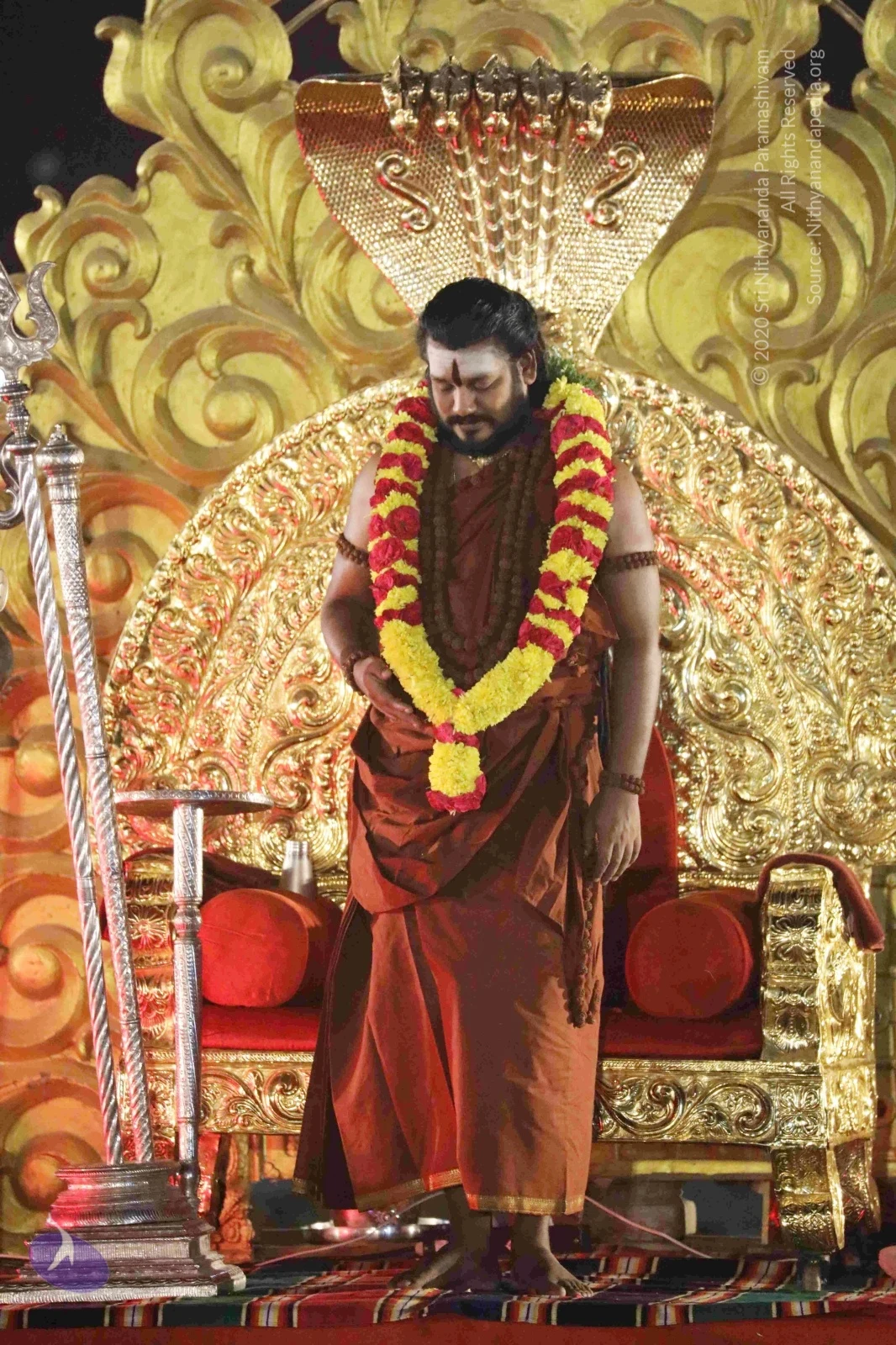
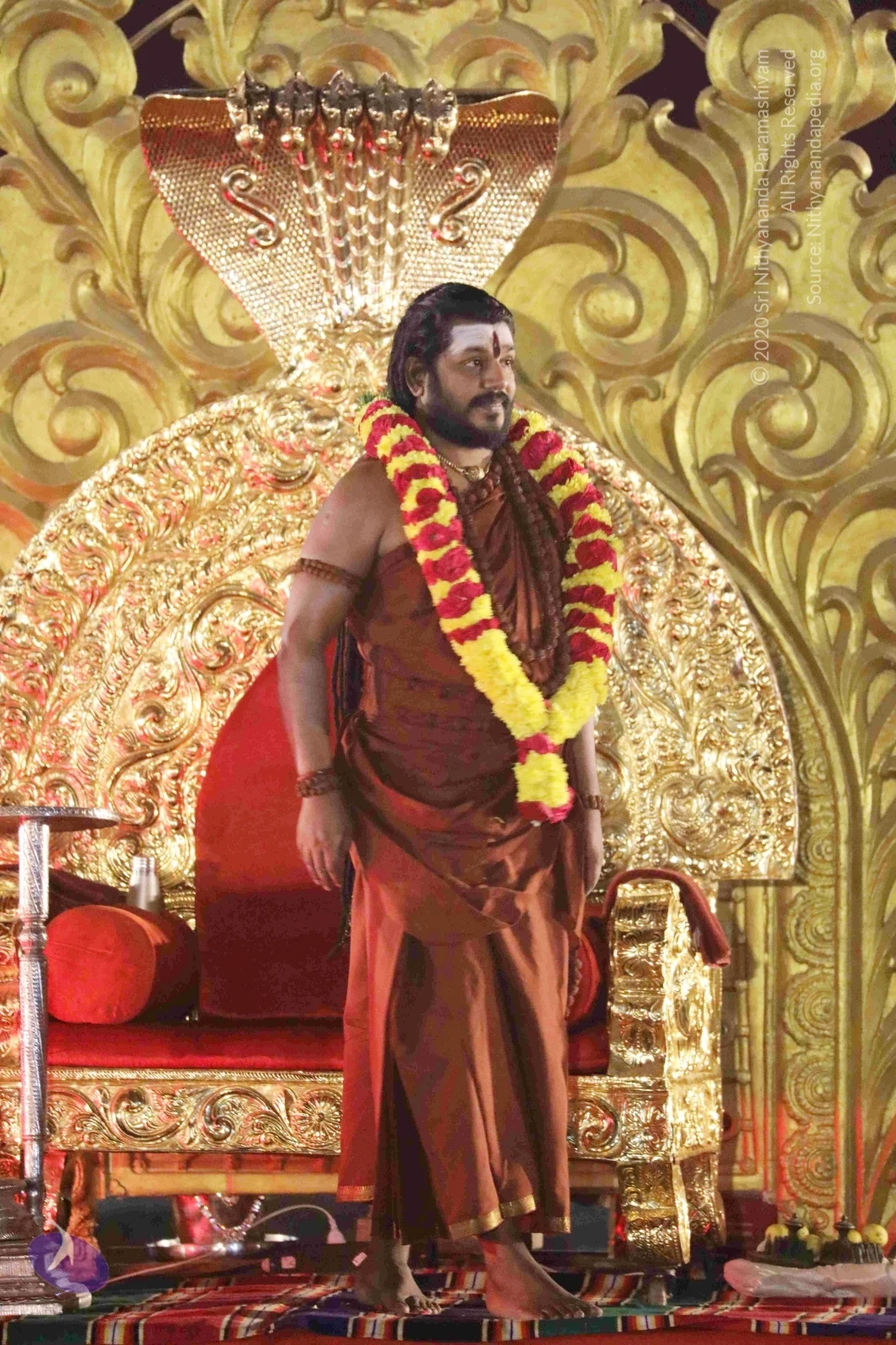
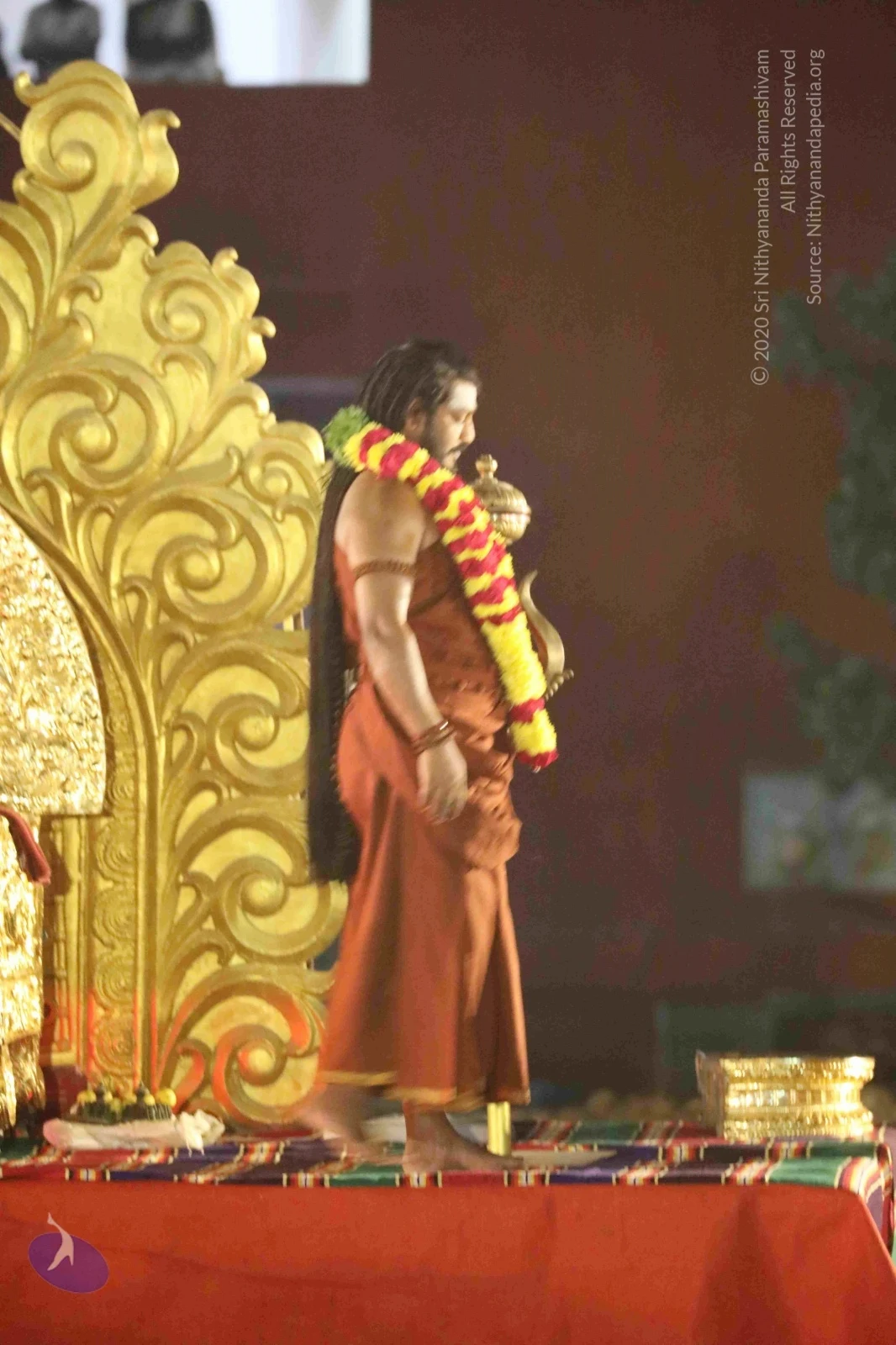
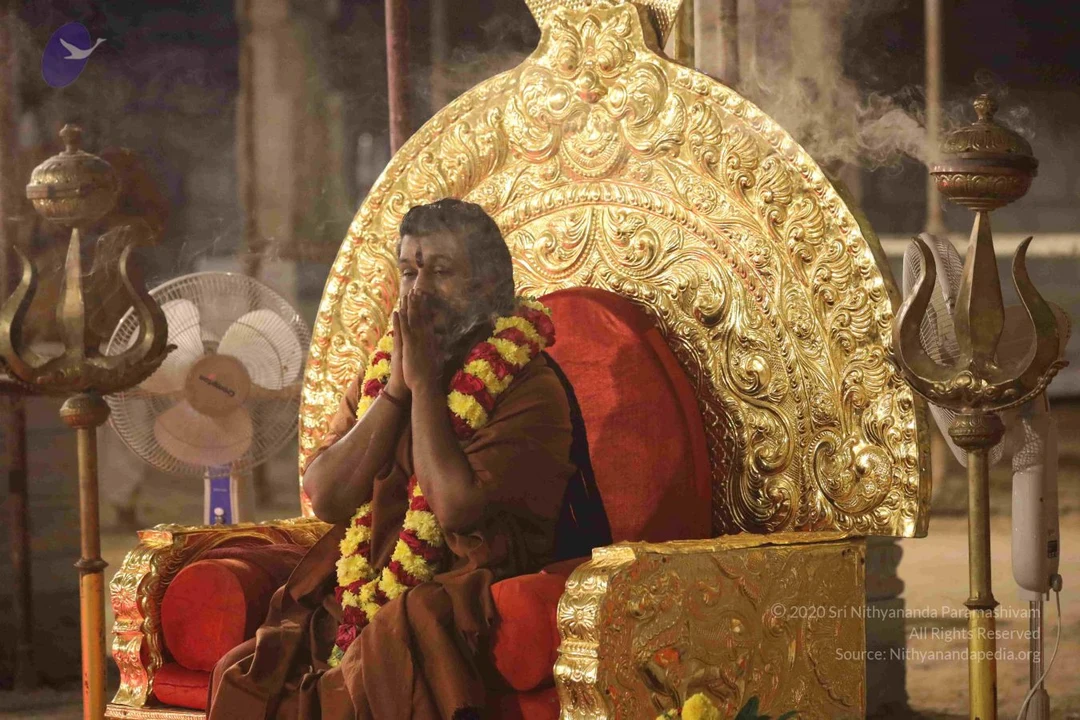
02-Evening-Satsang
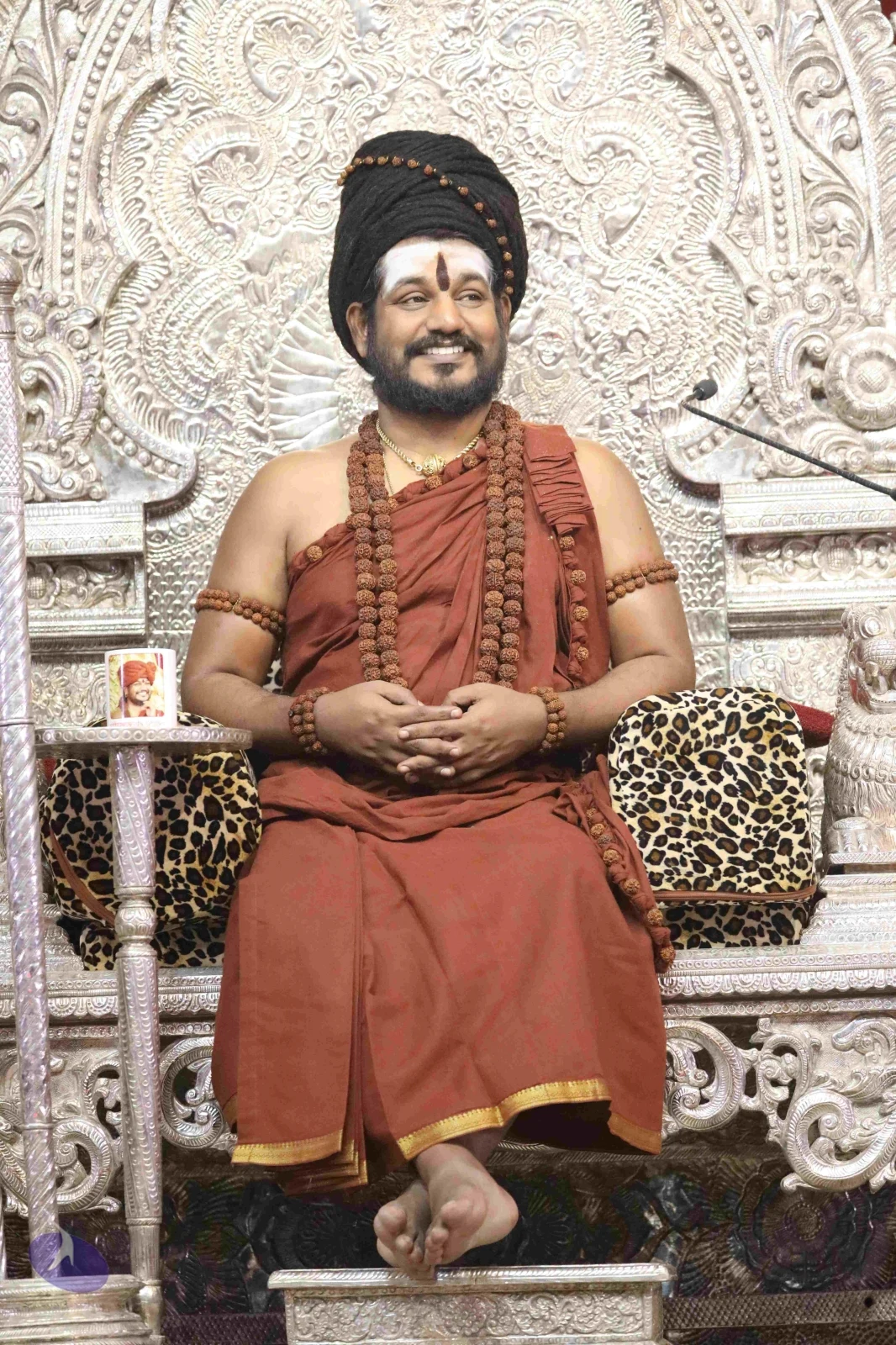
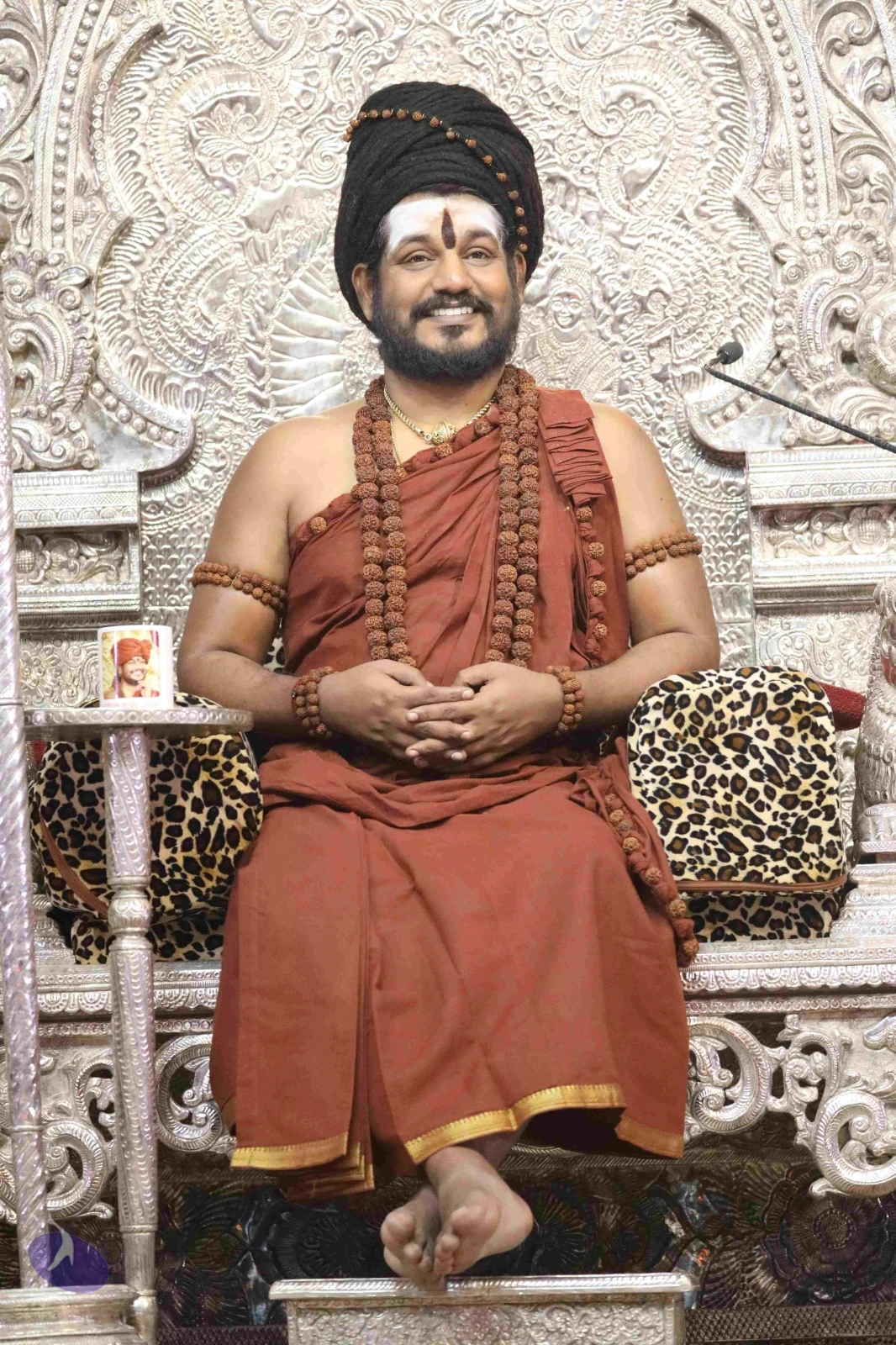
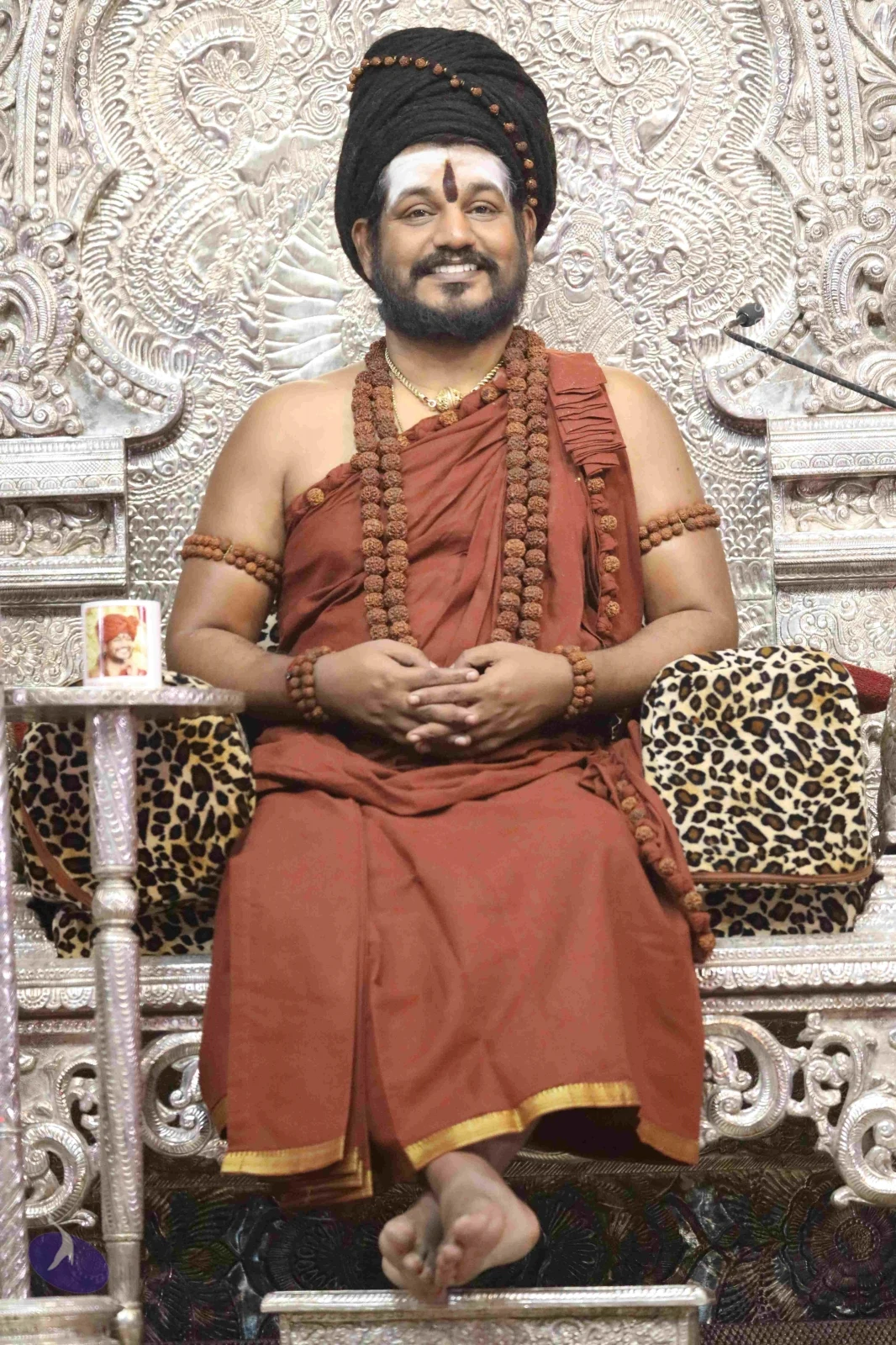
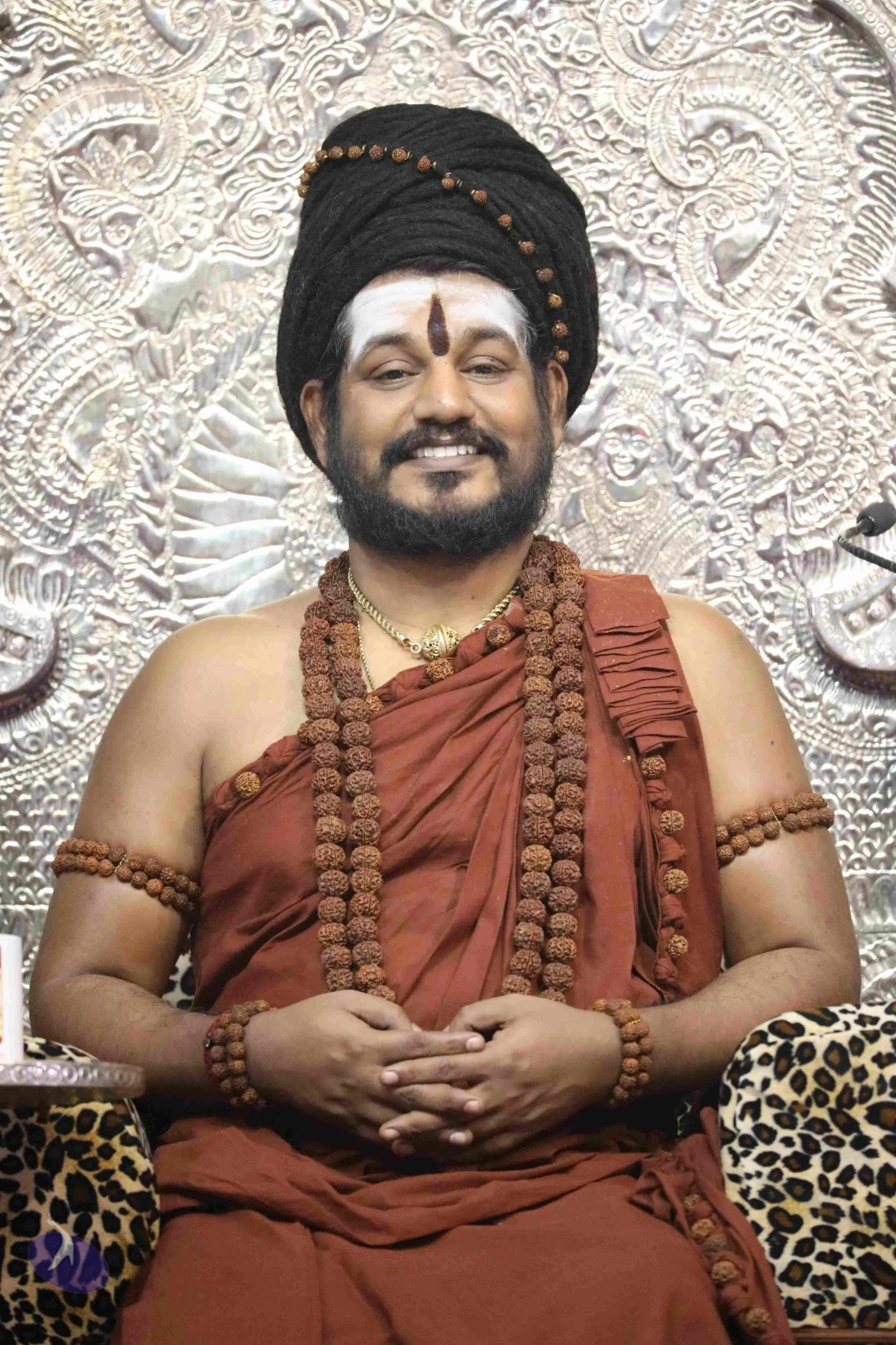
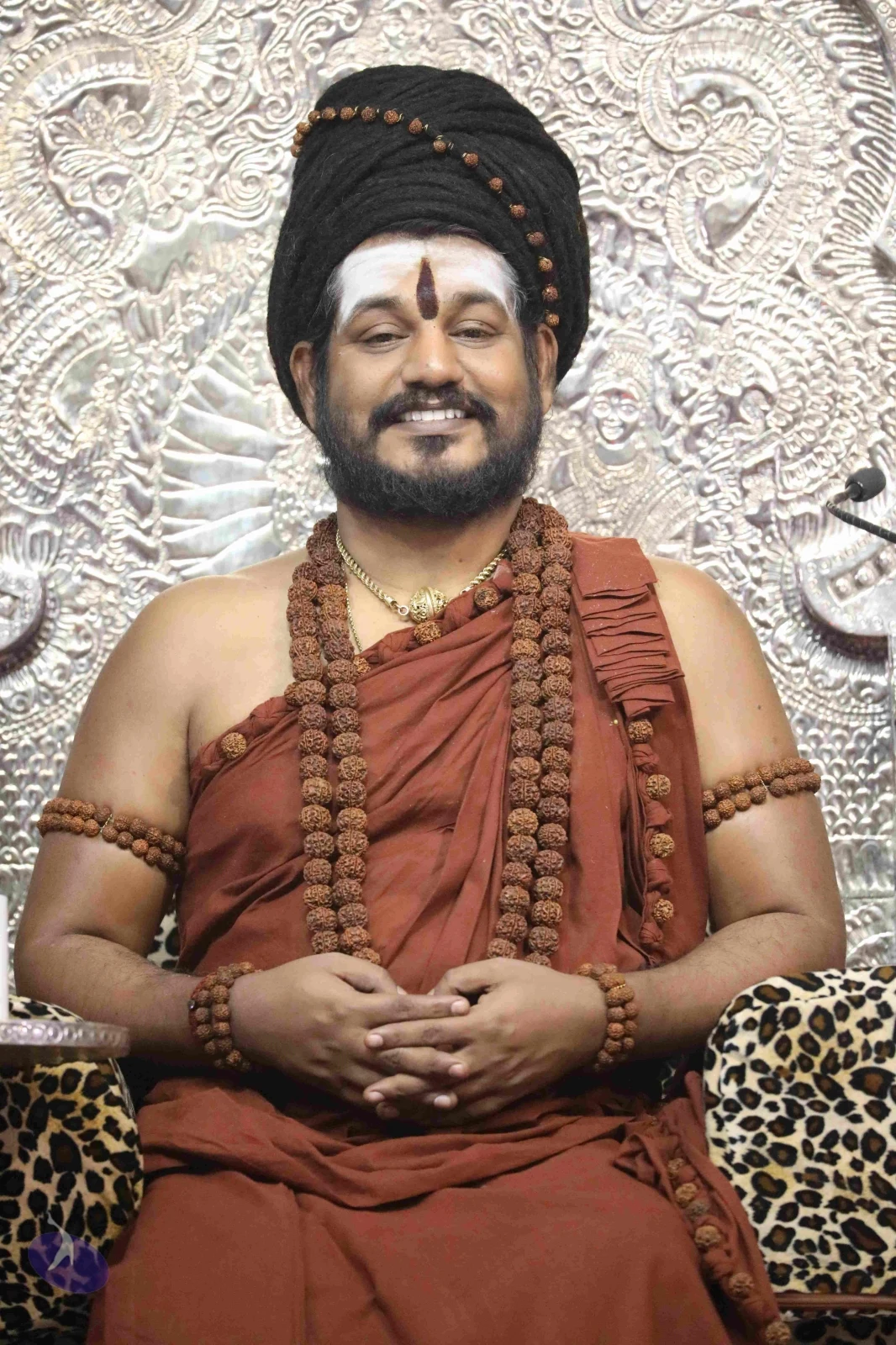
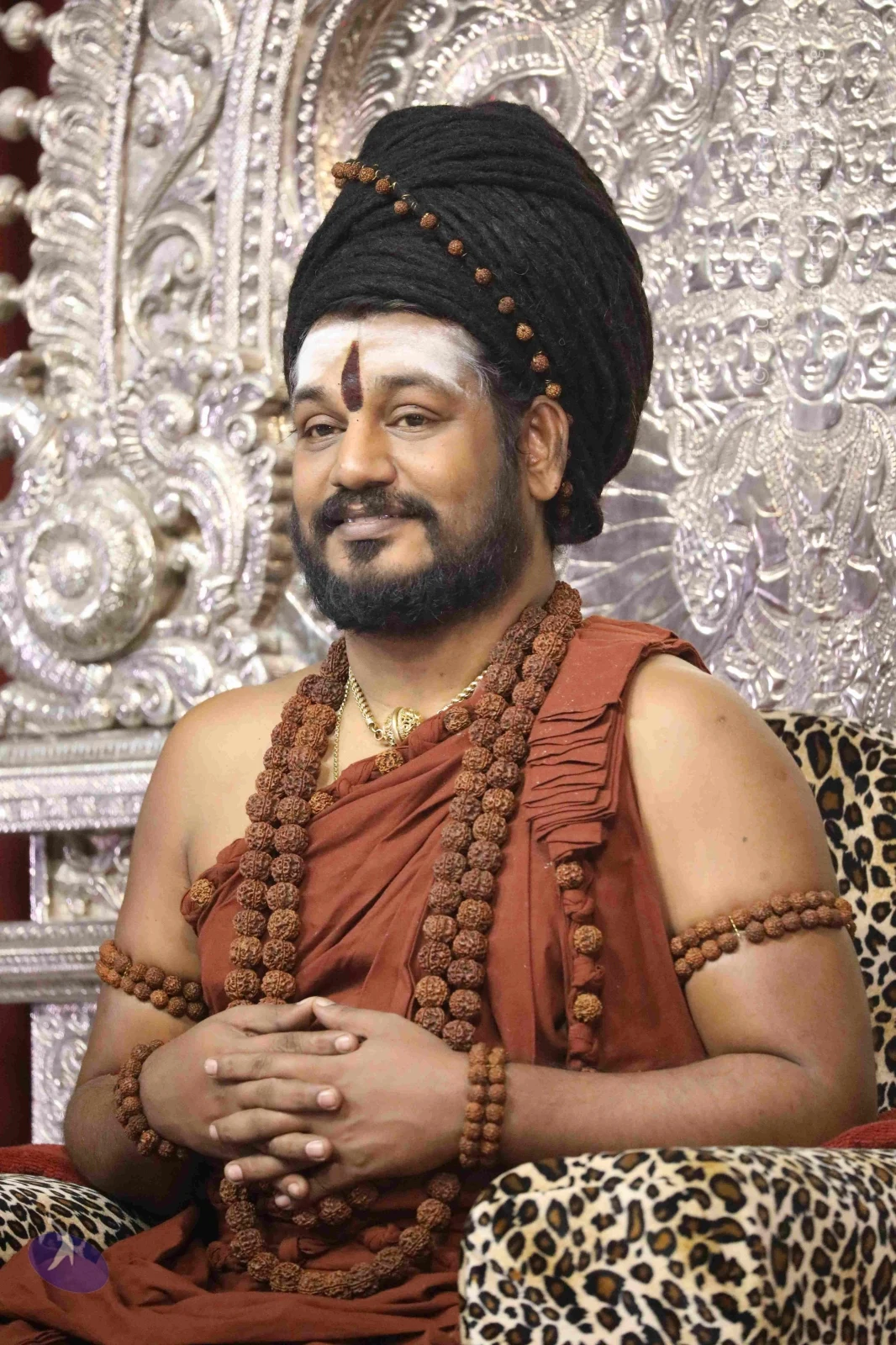
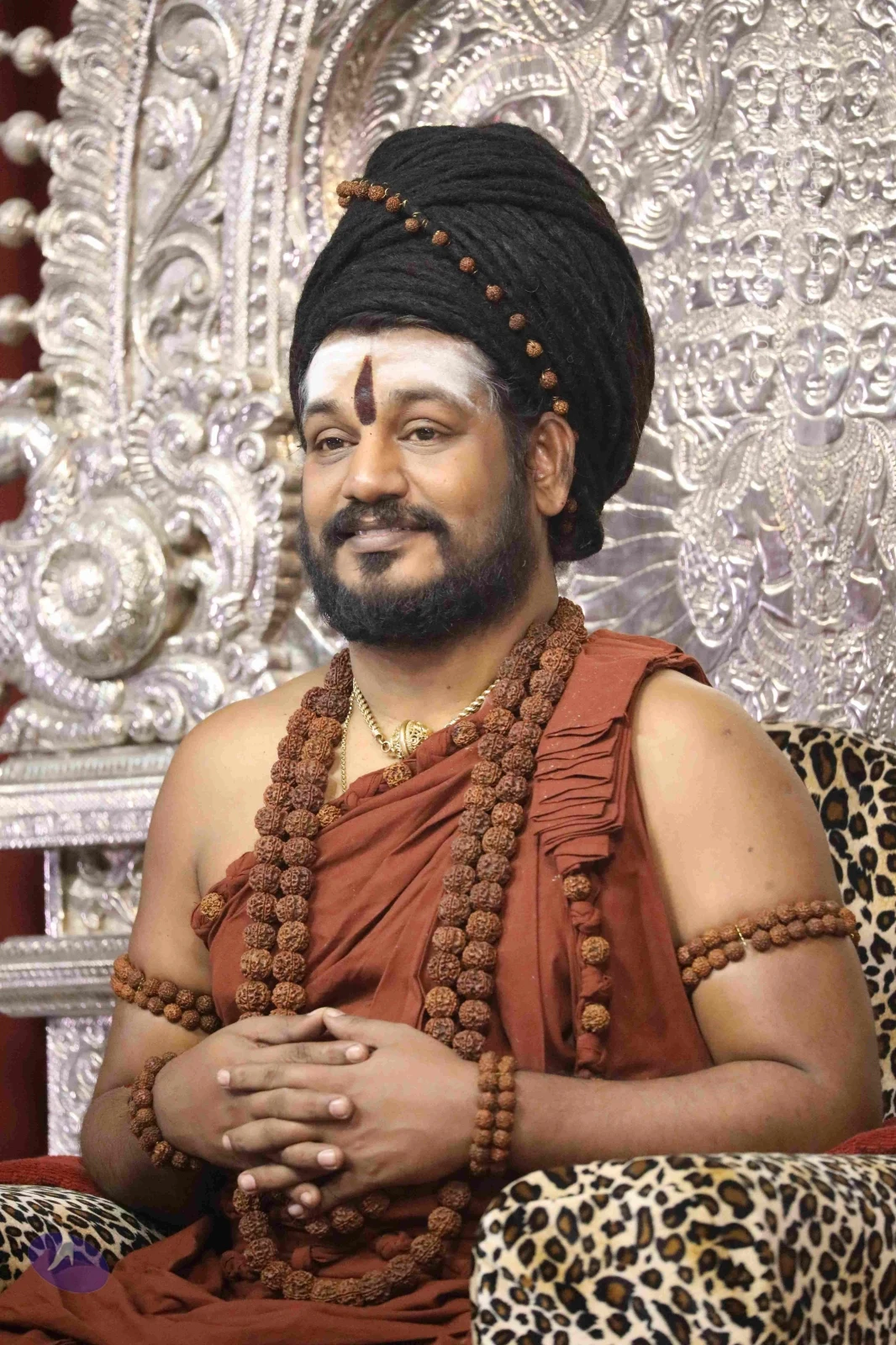
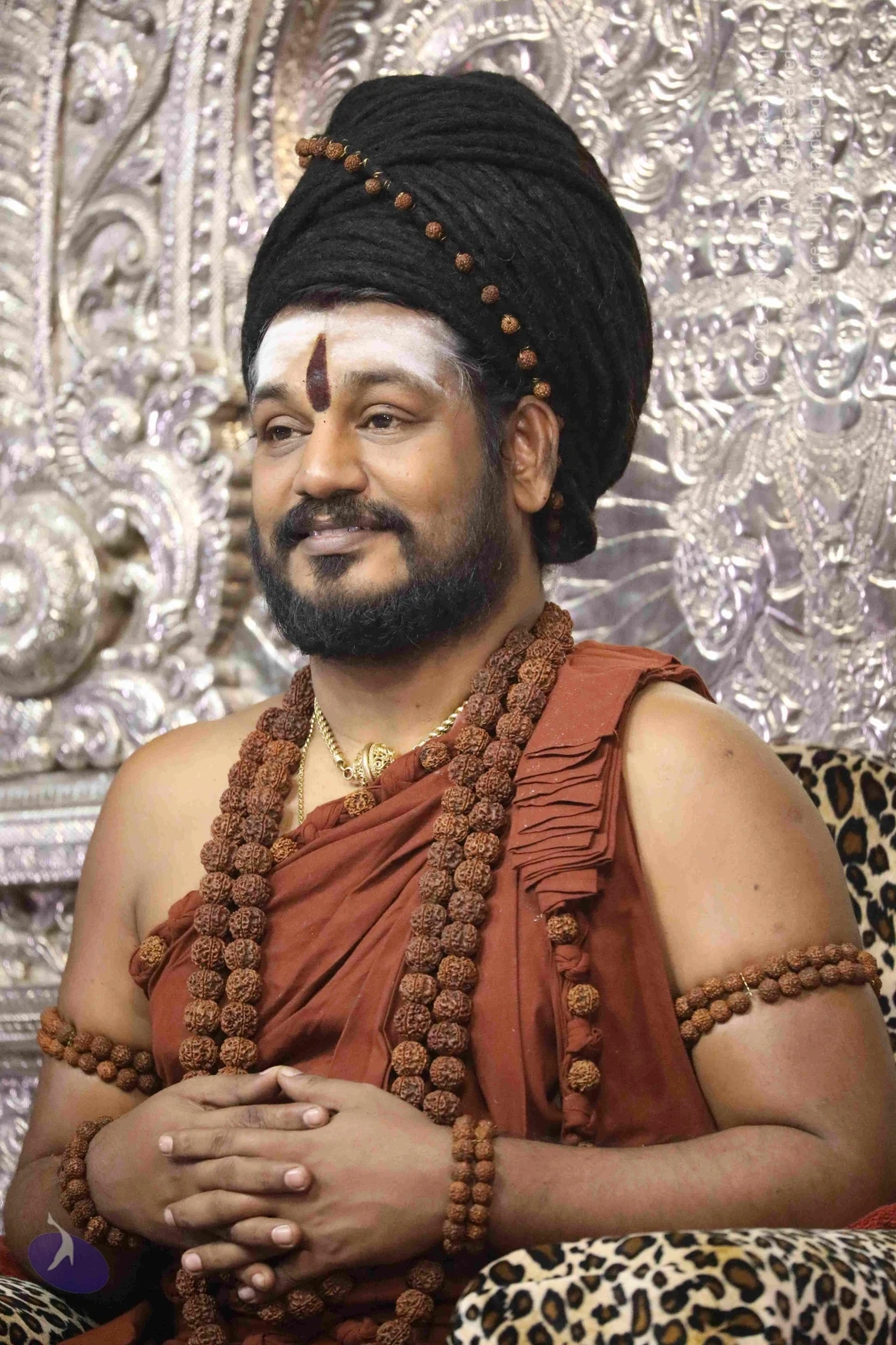
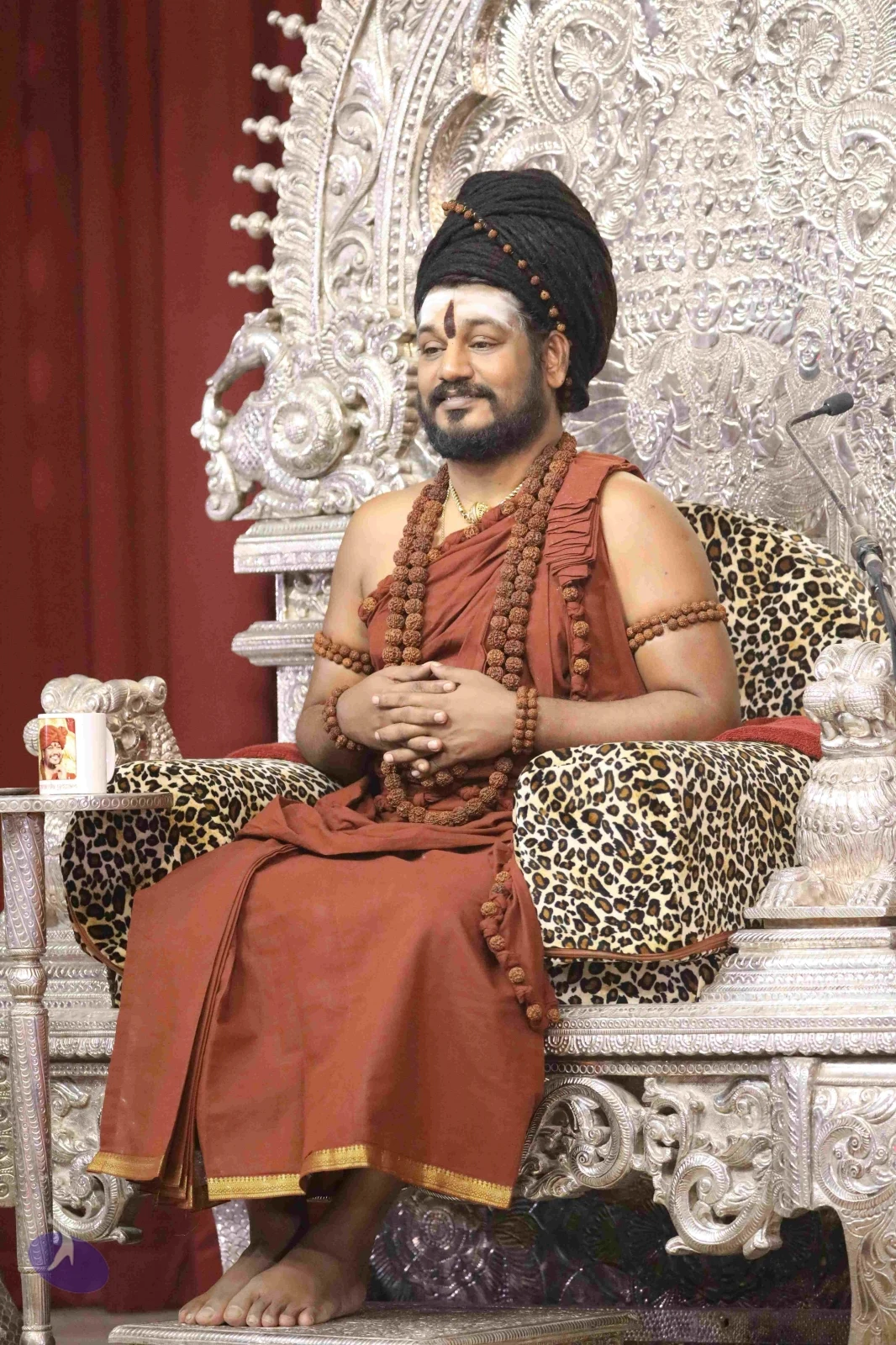
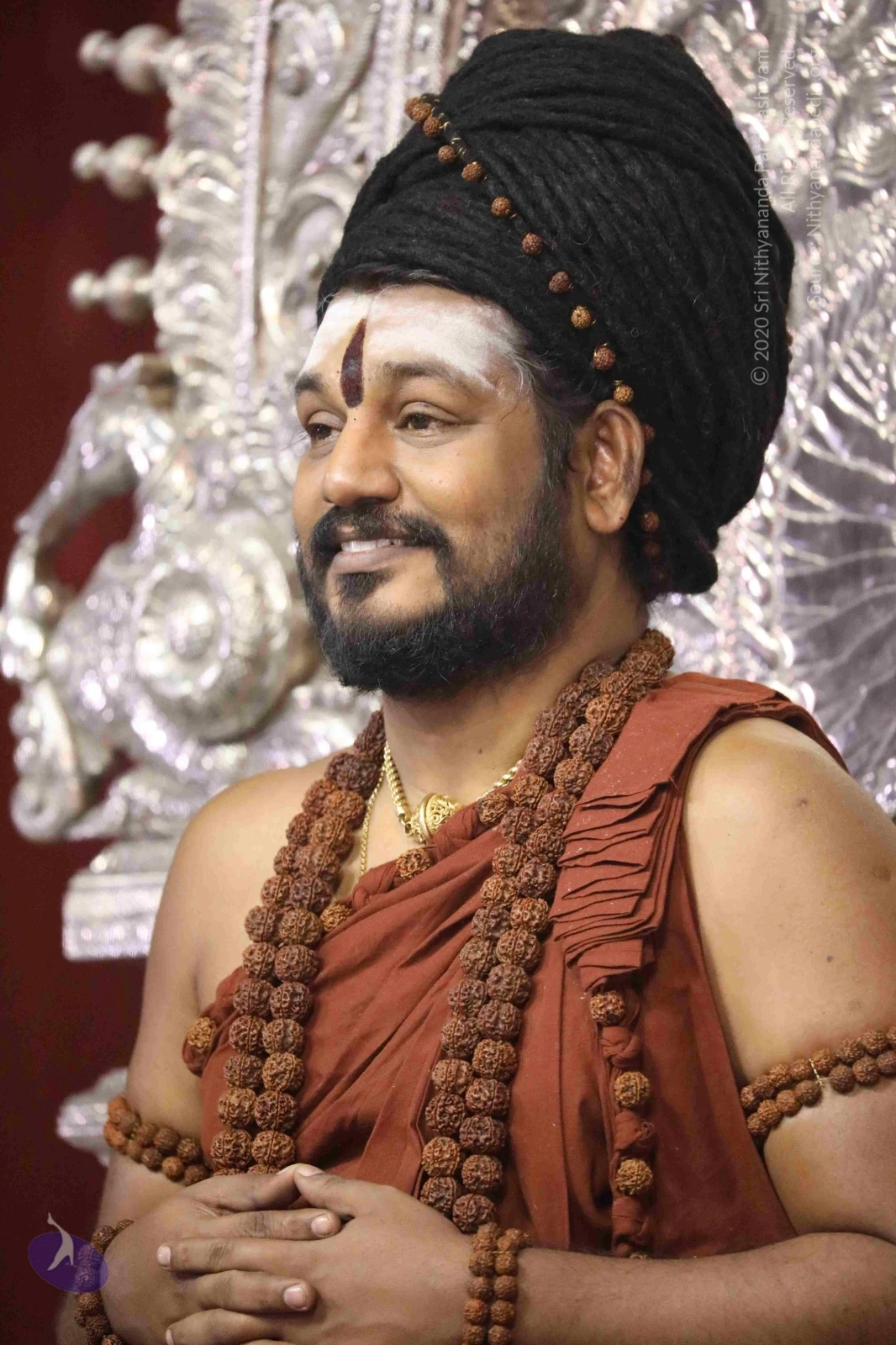
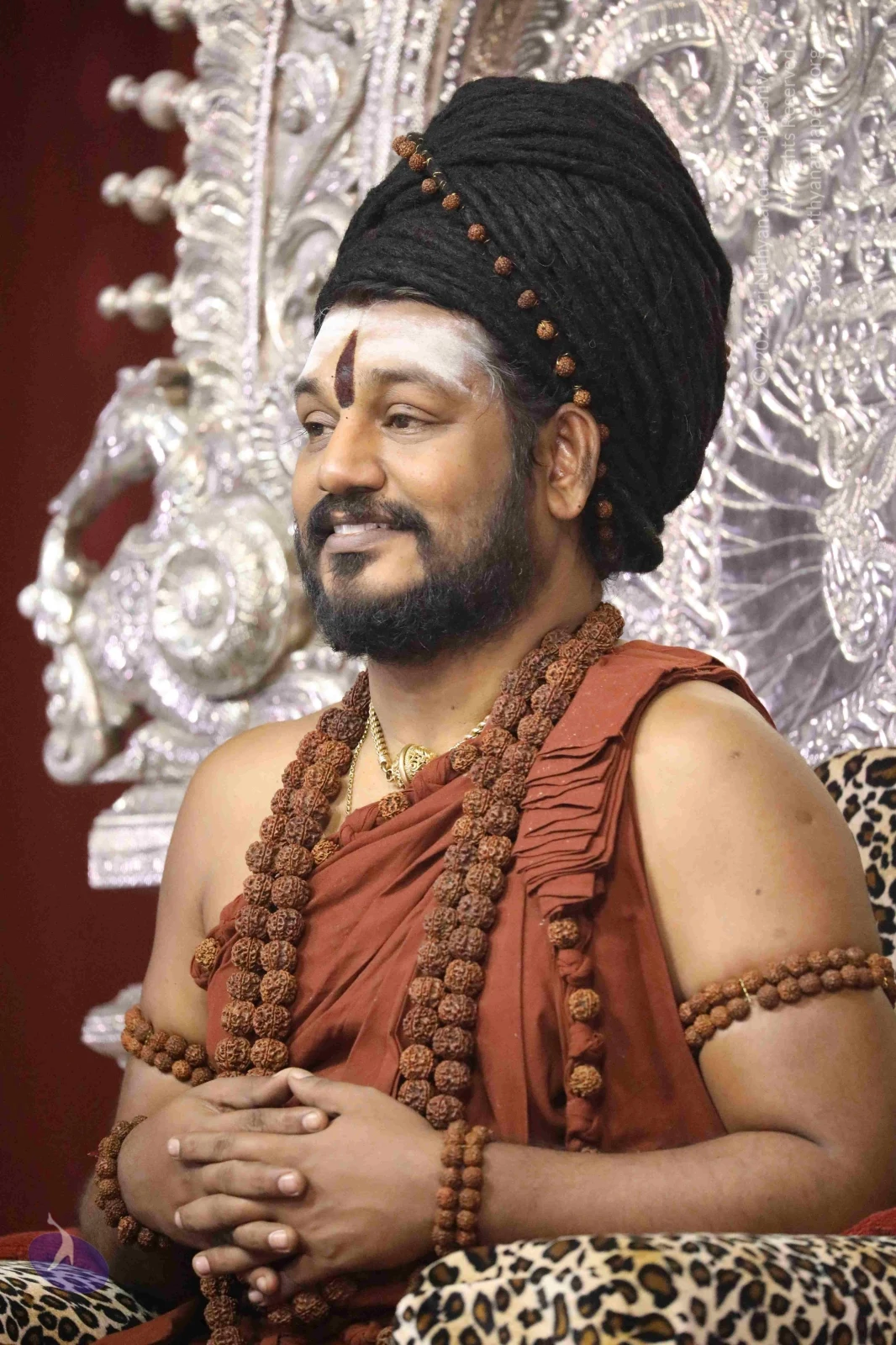
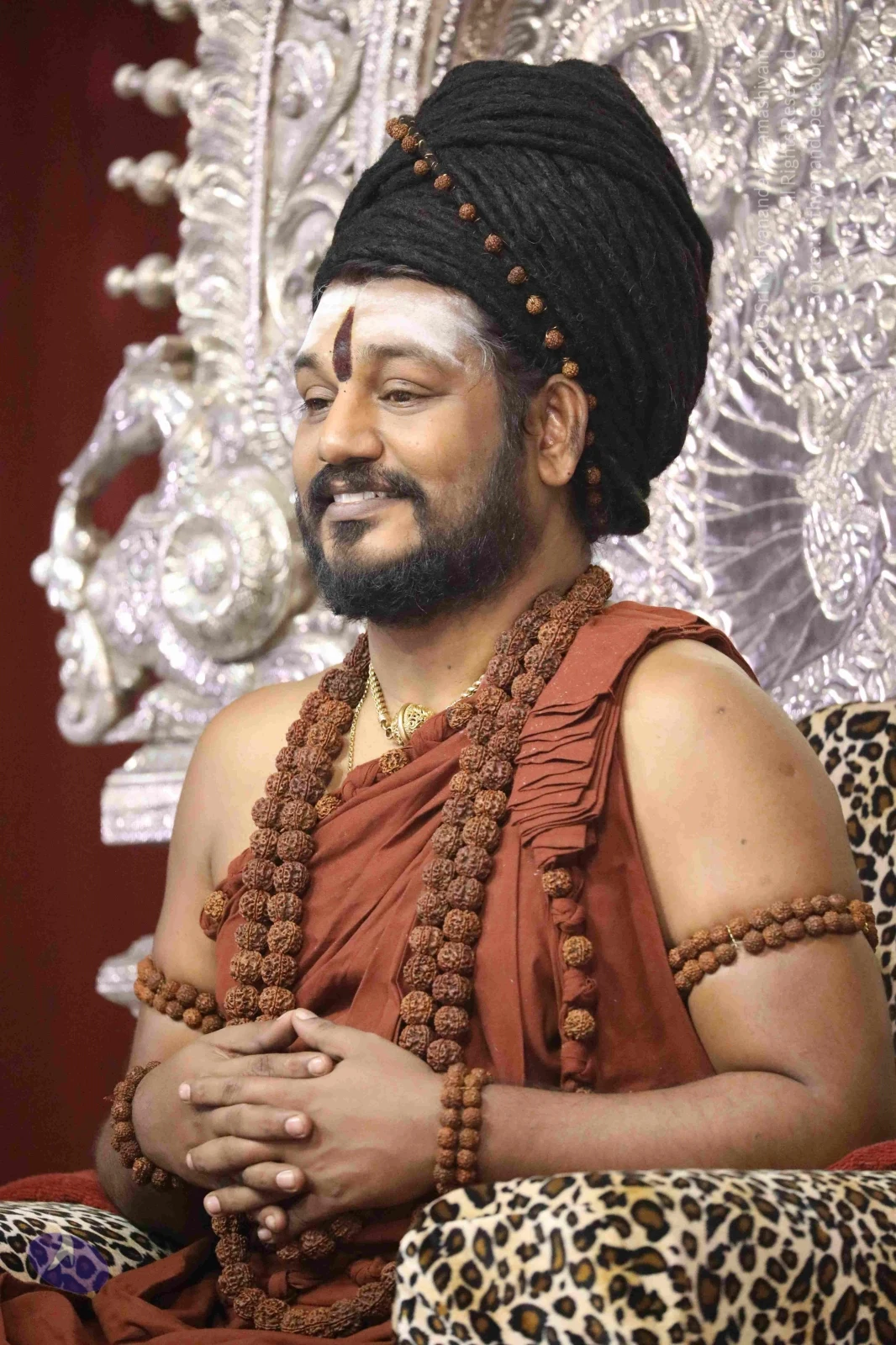
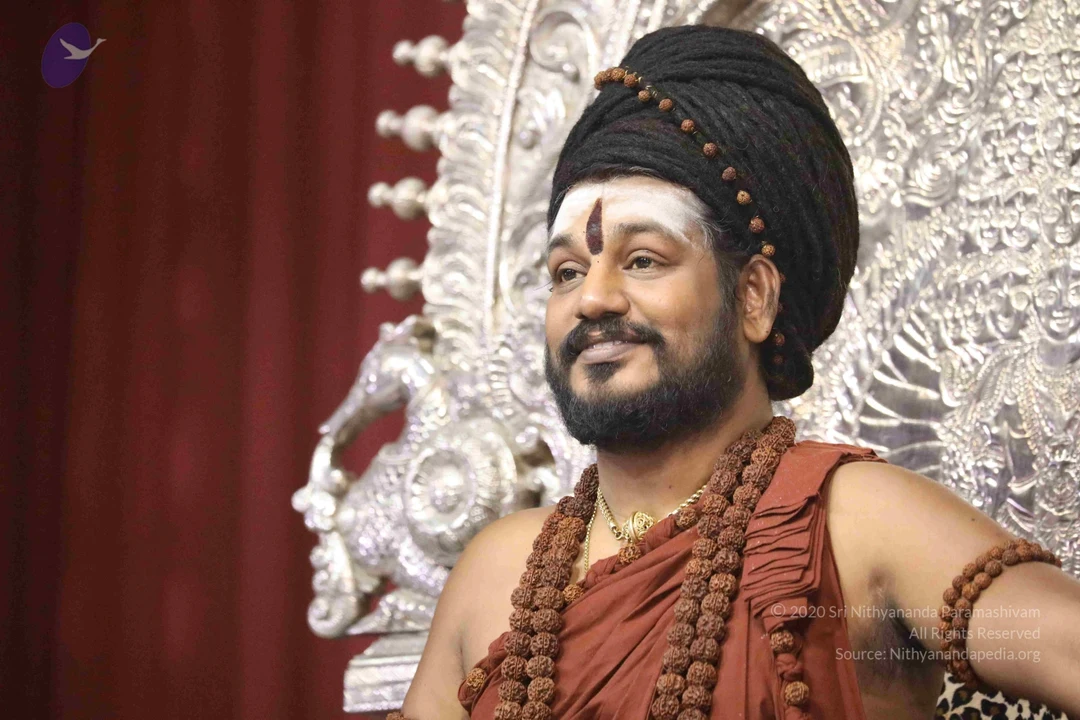
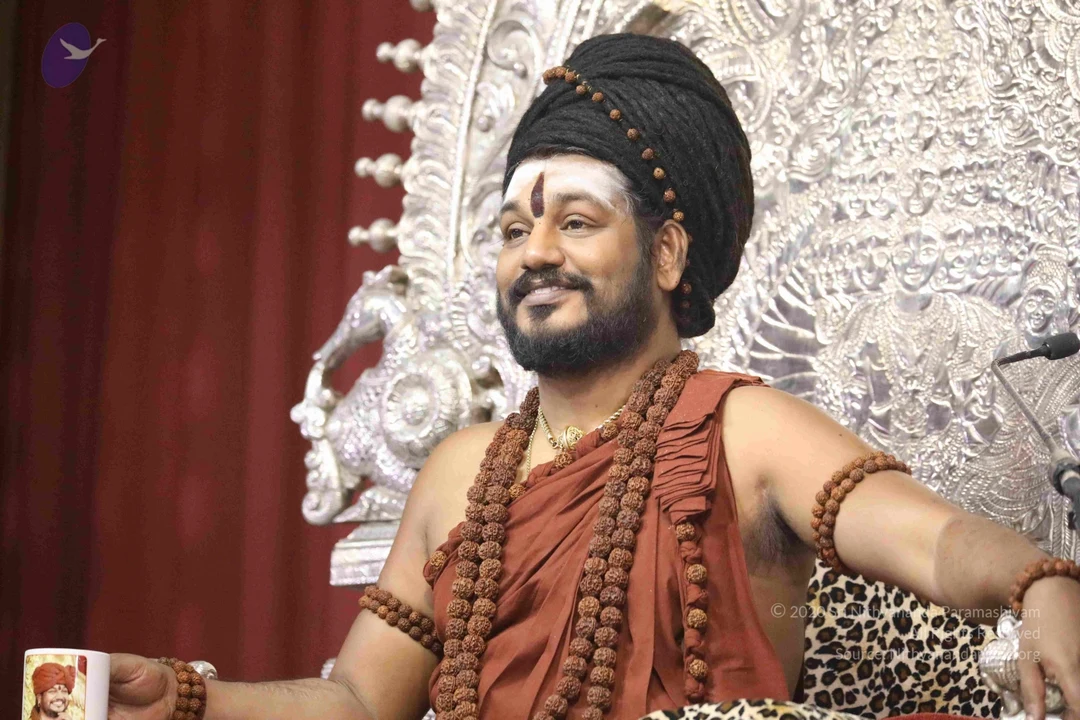
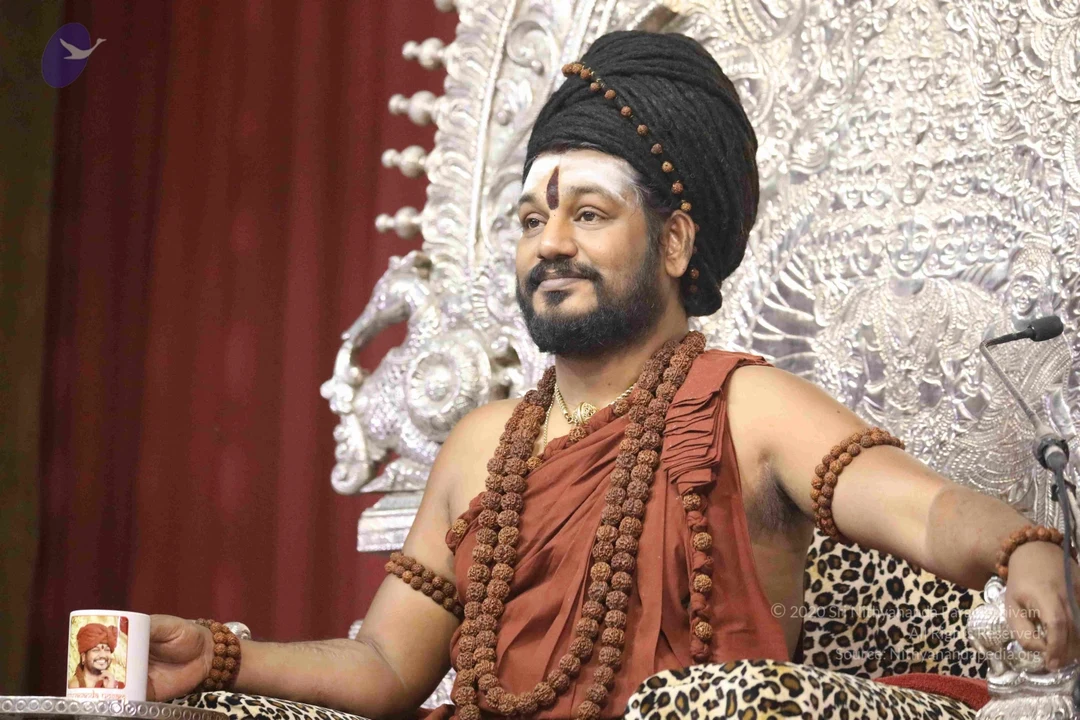
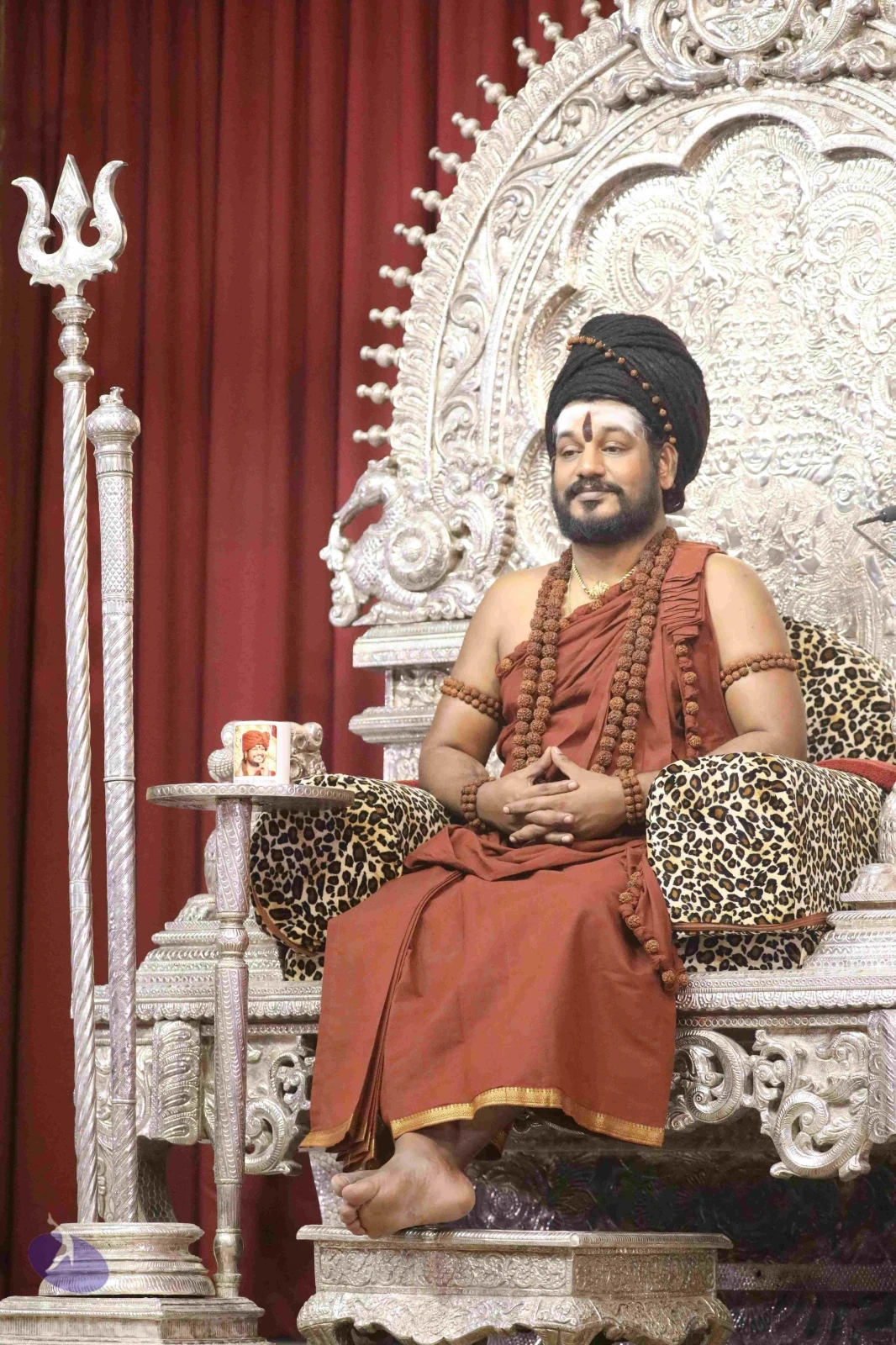
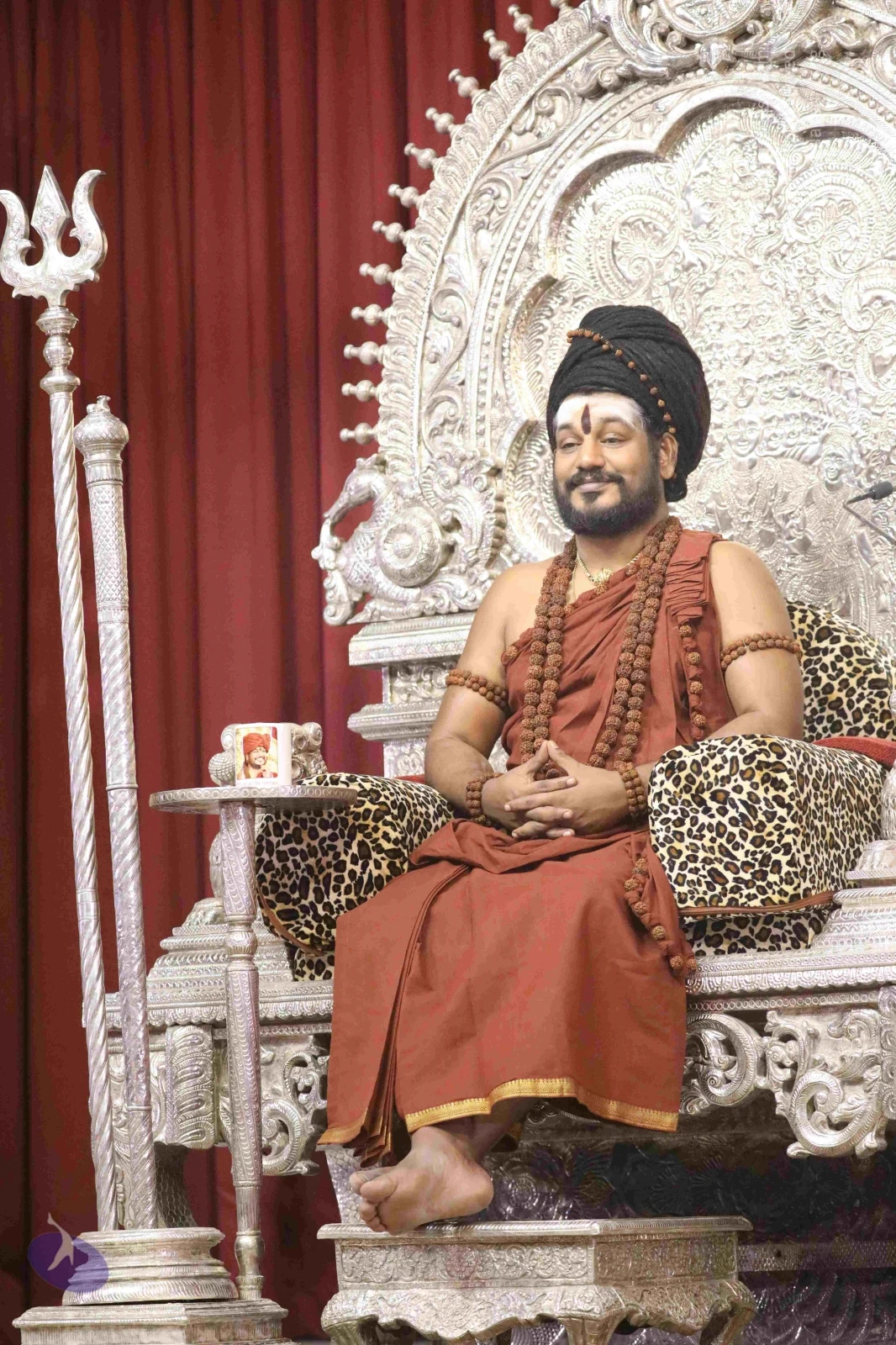
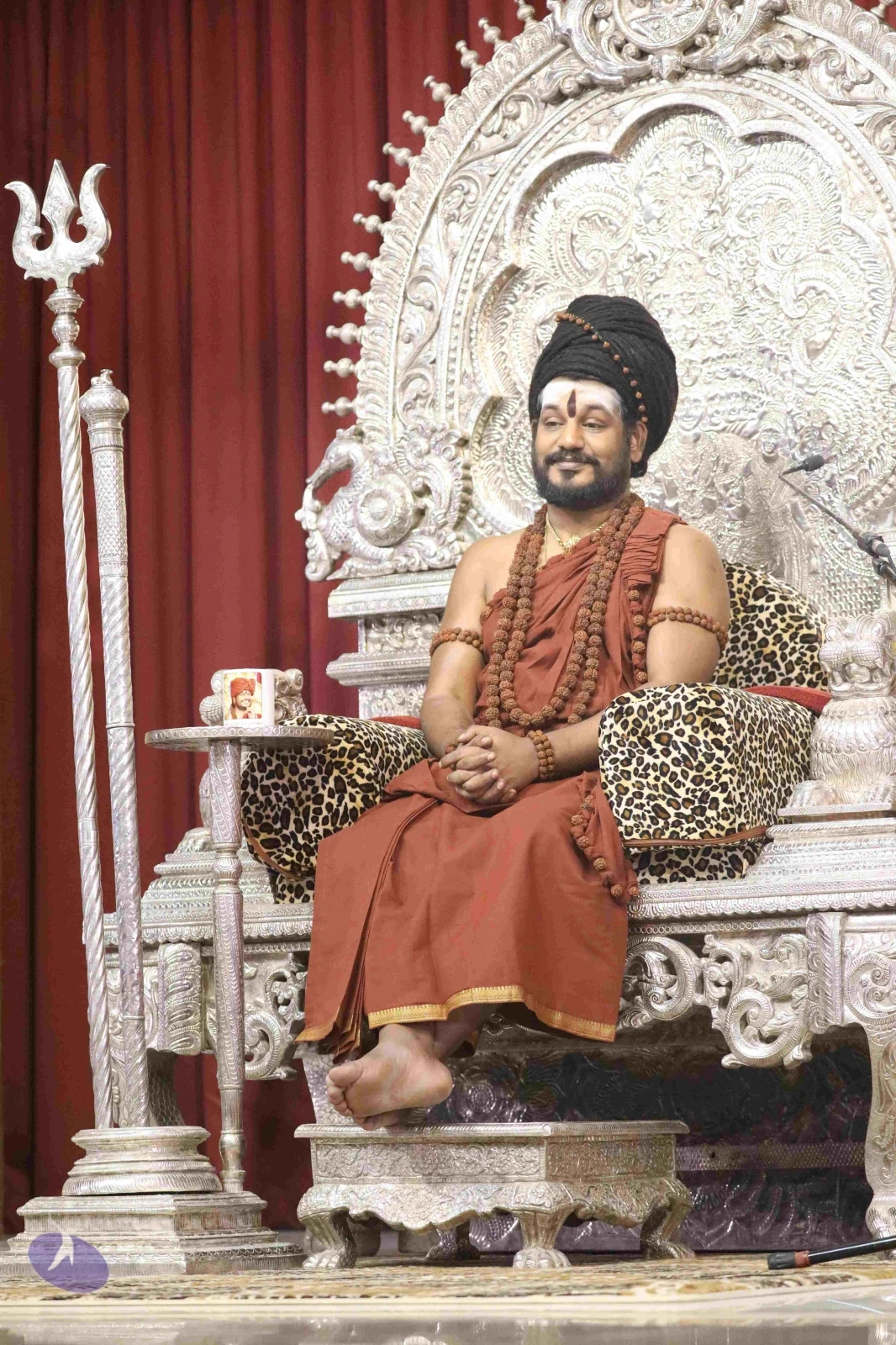
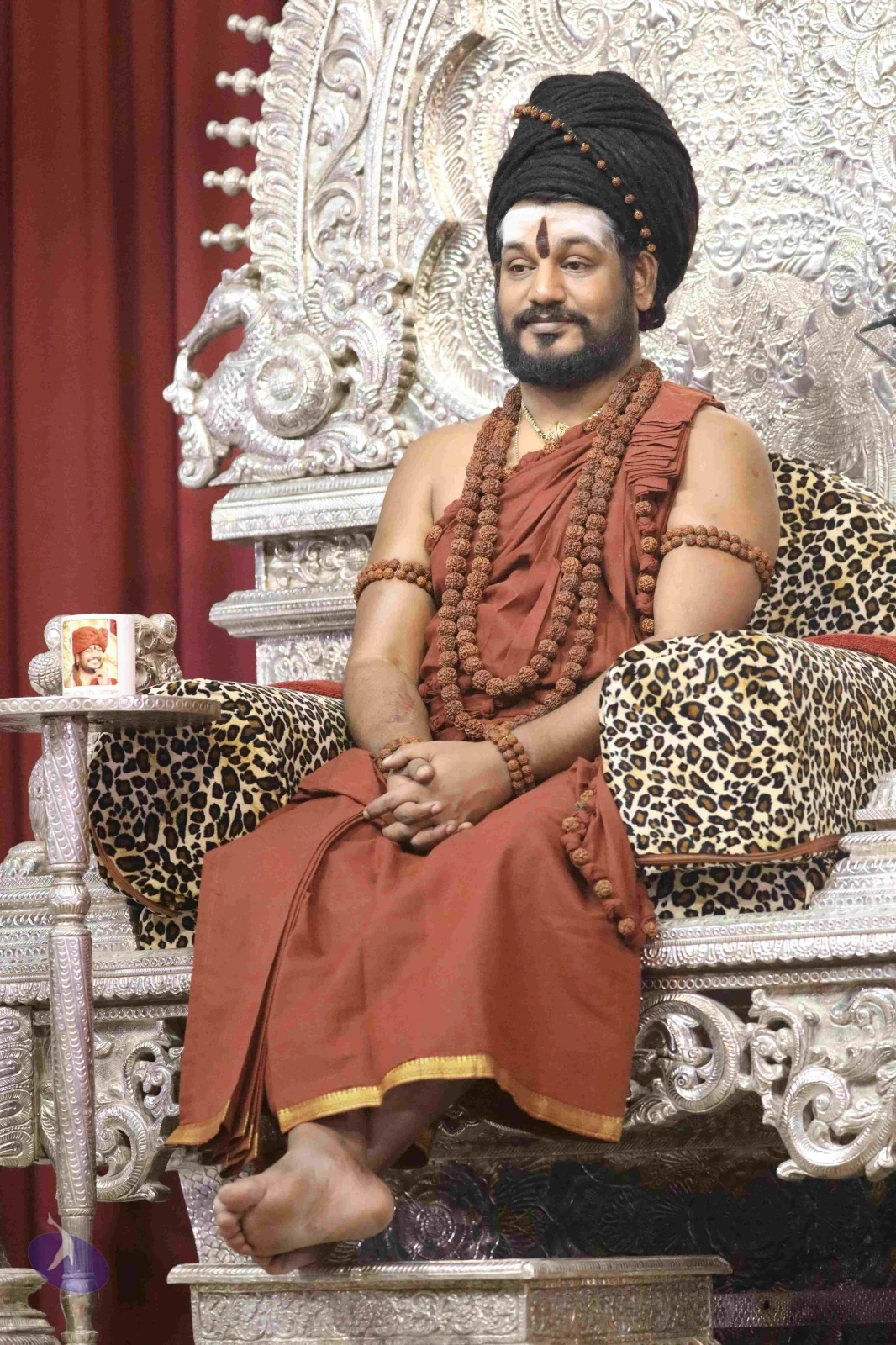
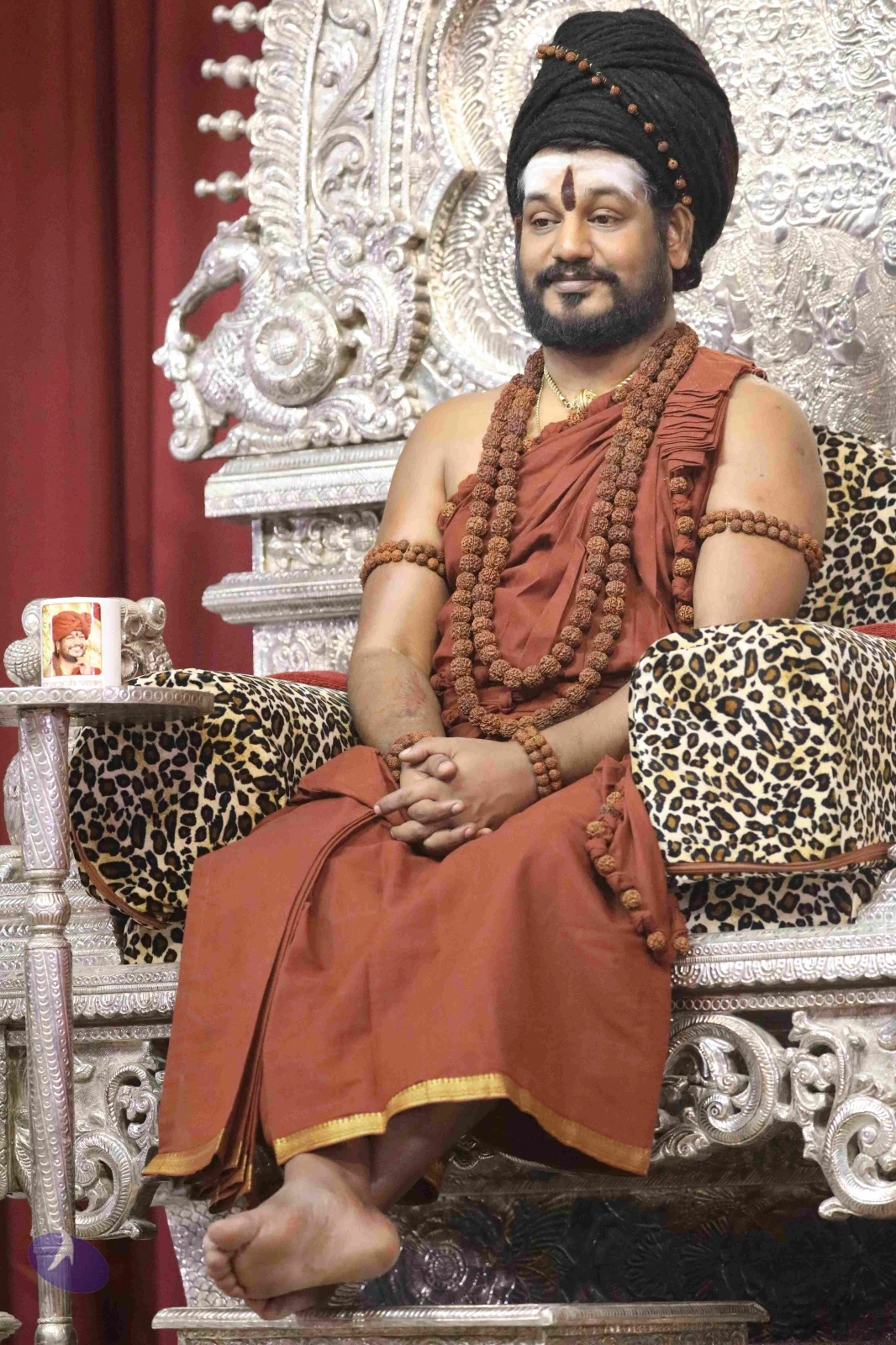
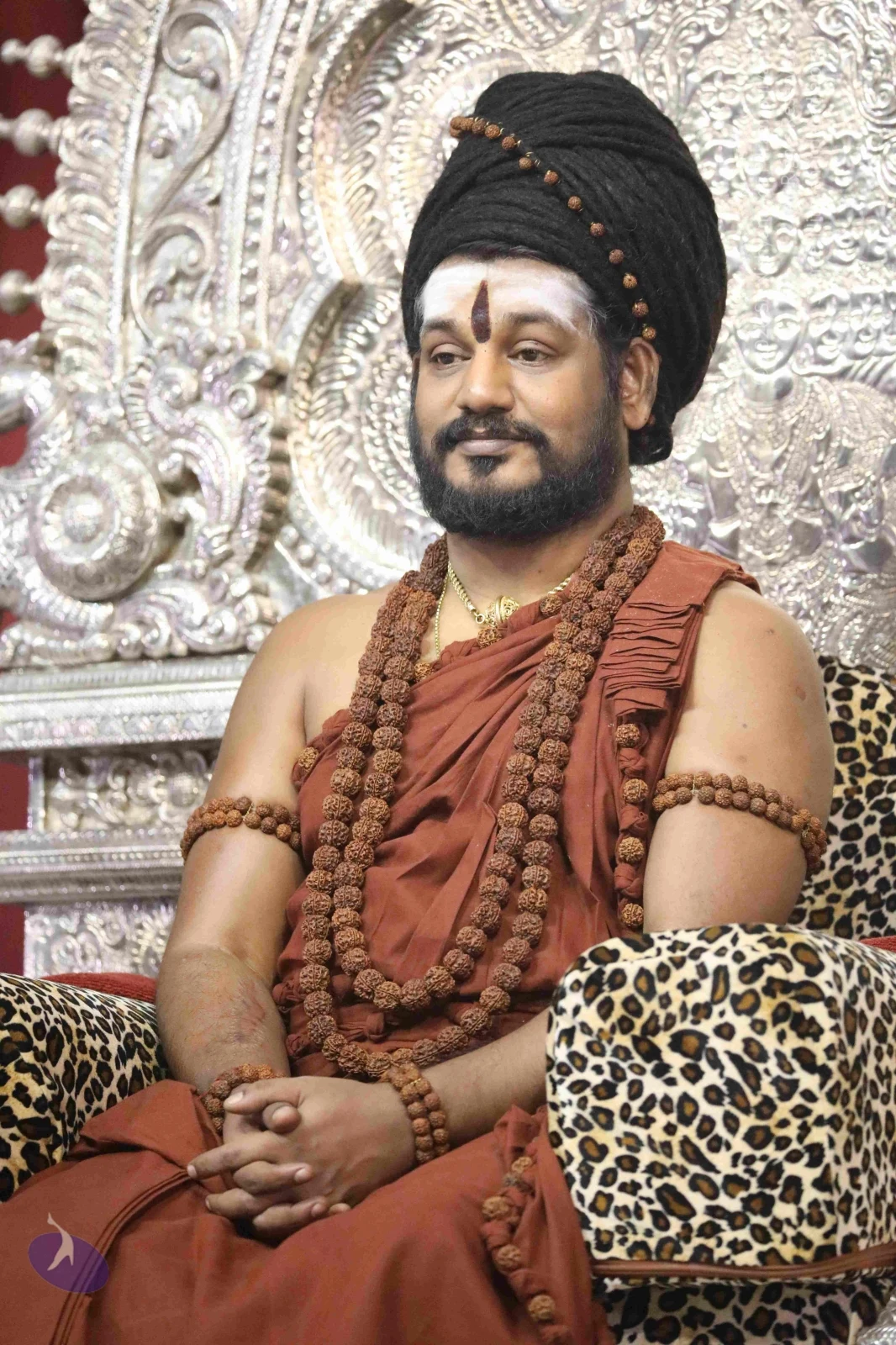
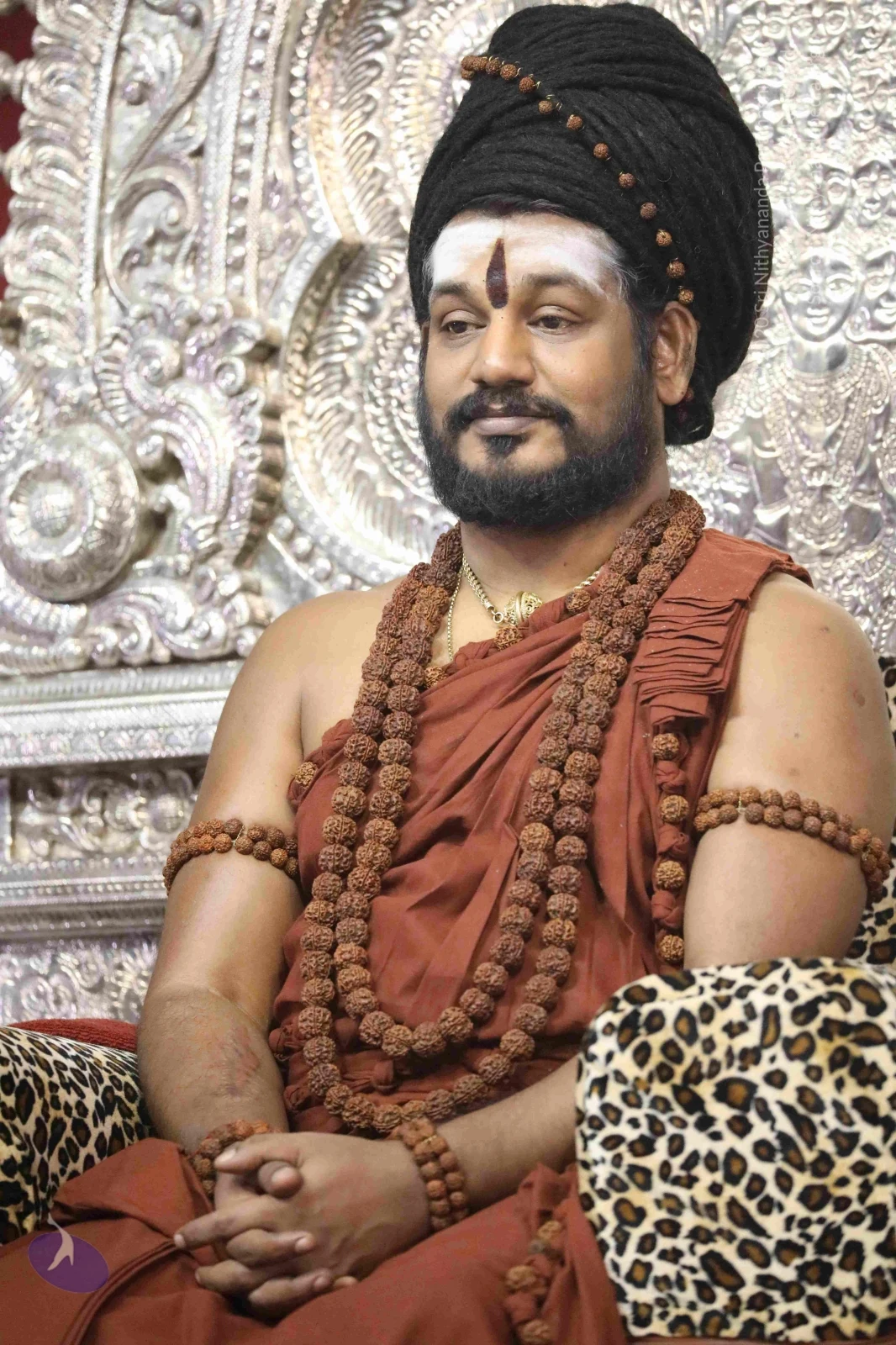
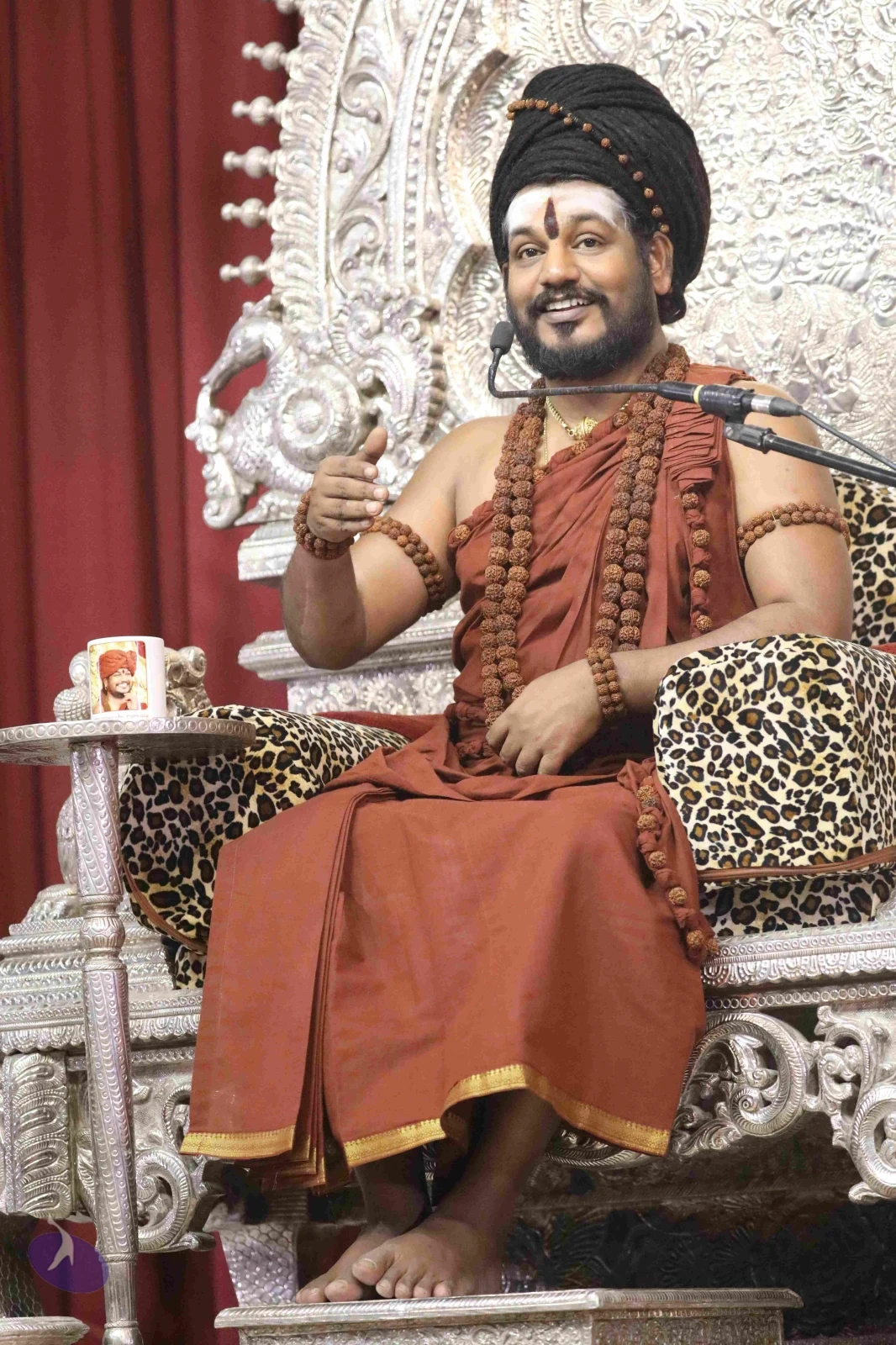
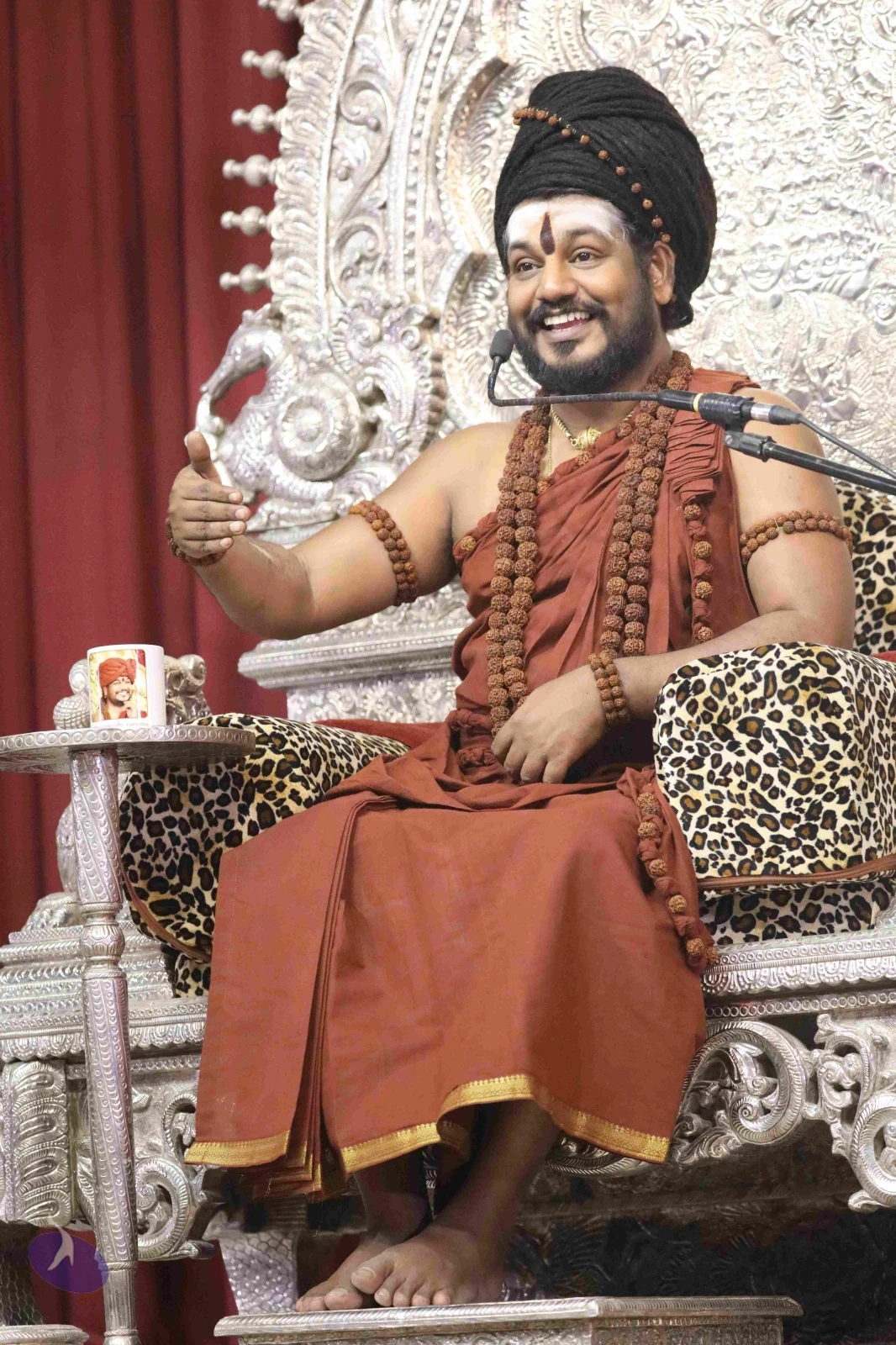
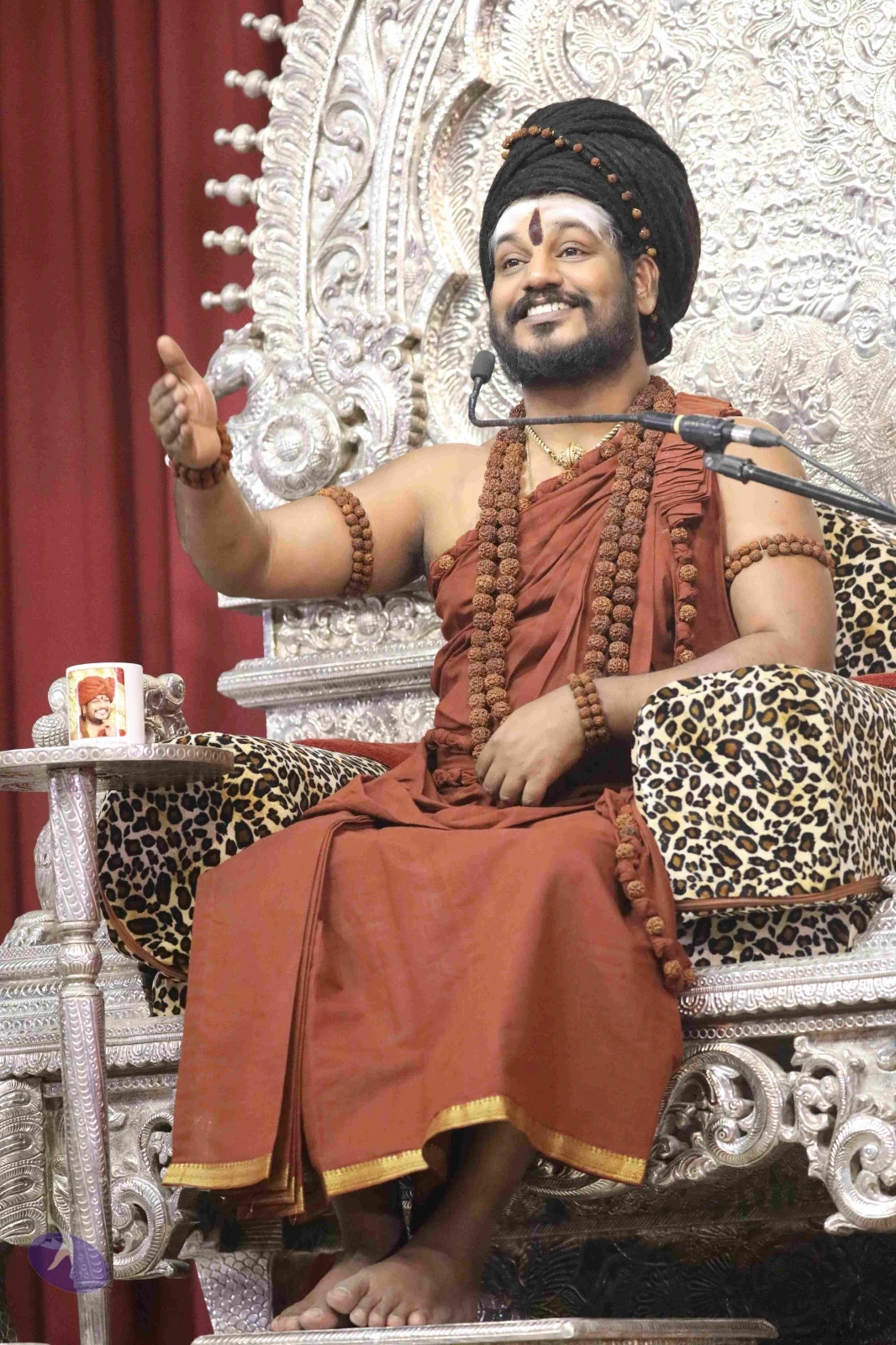
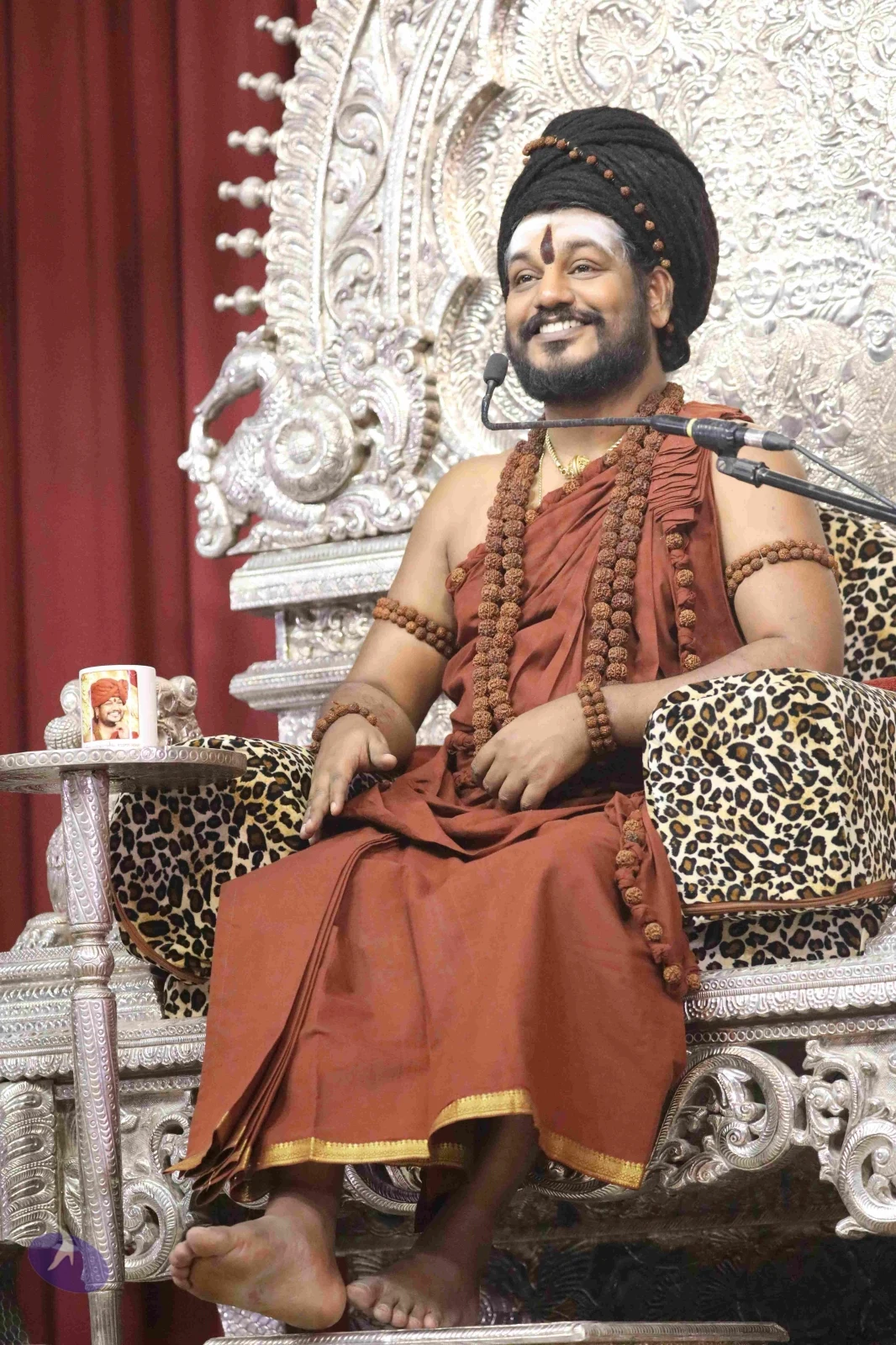
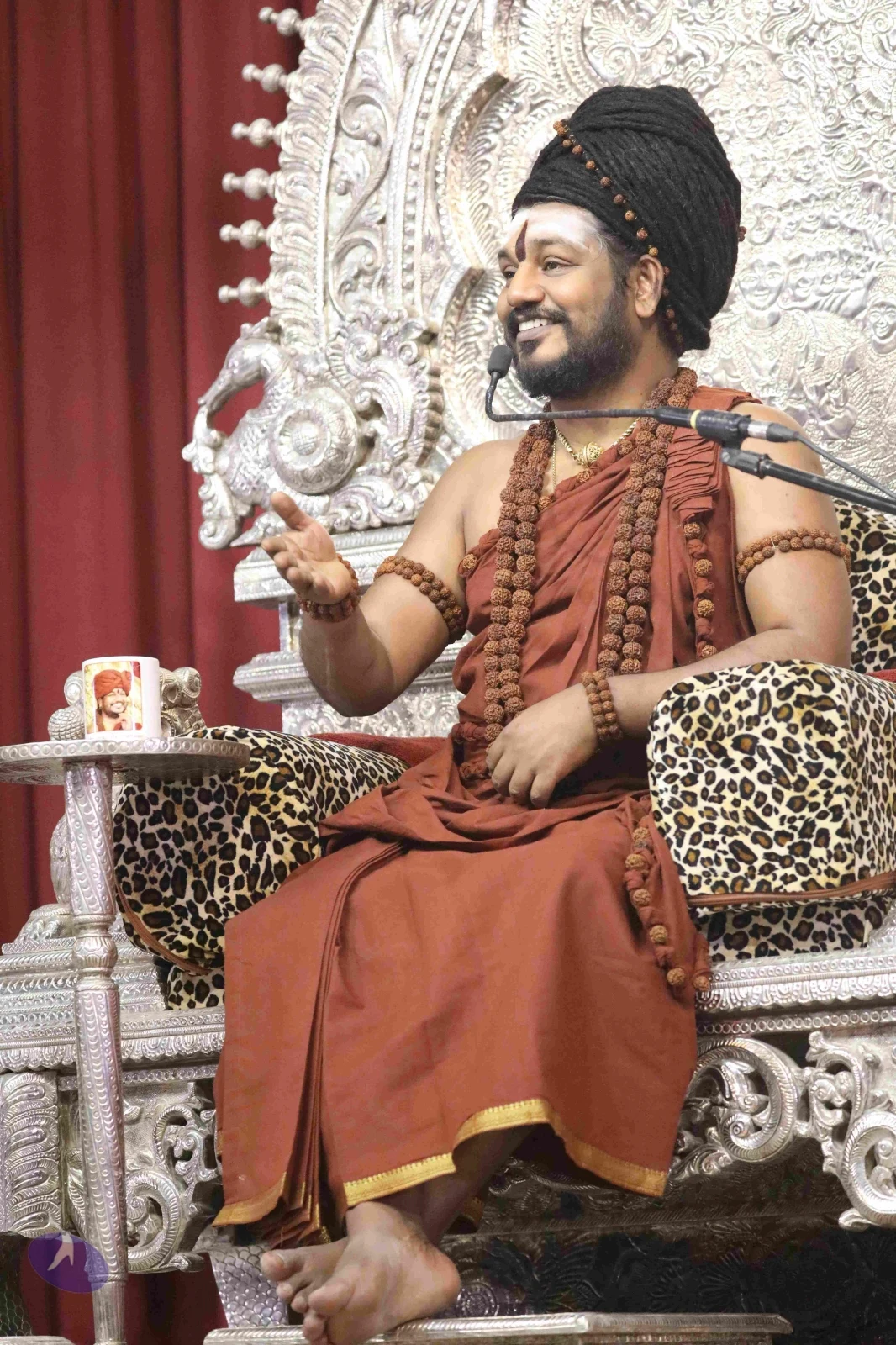
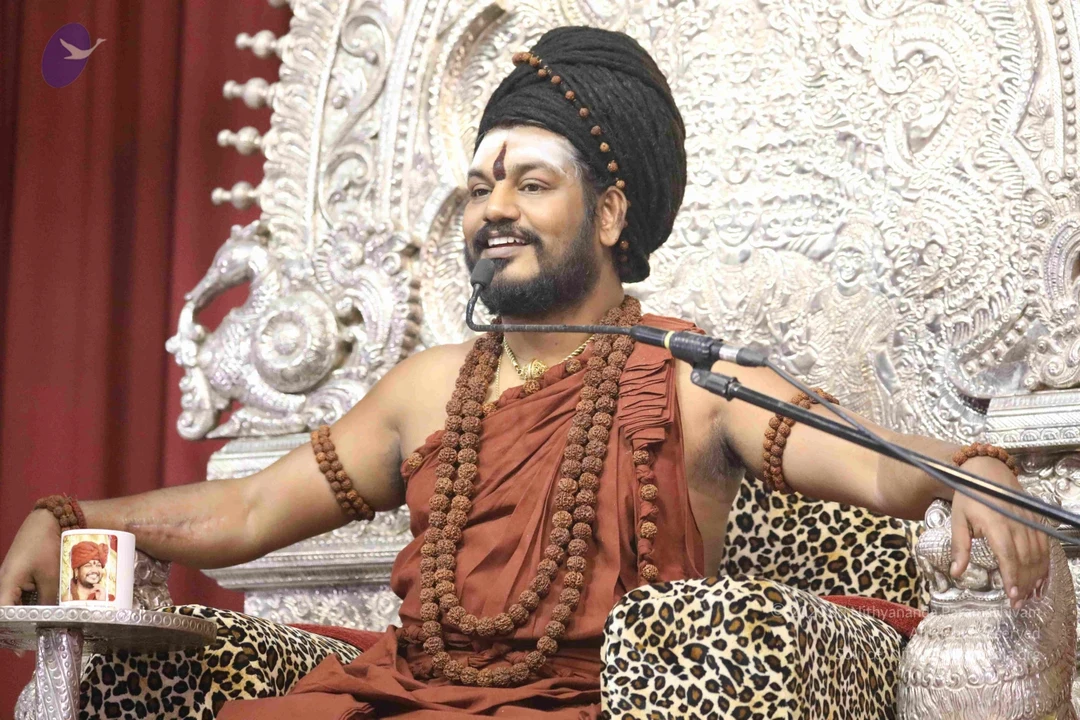
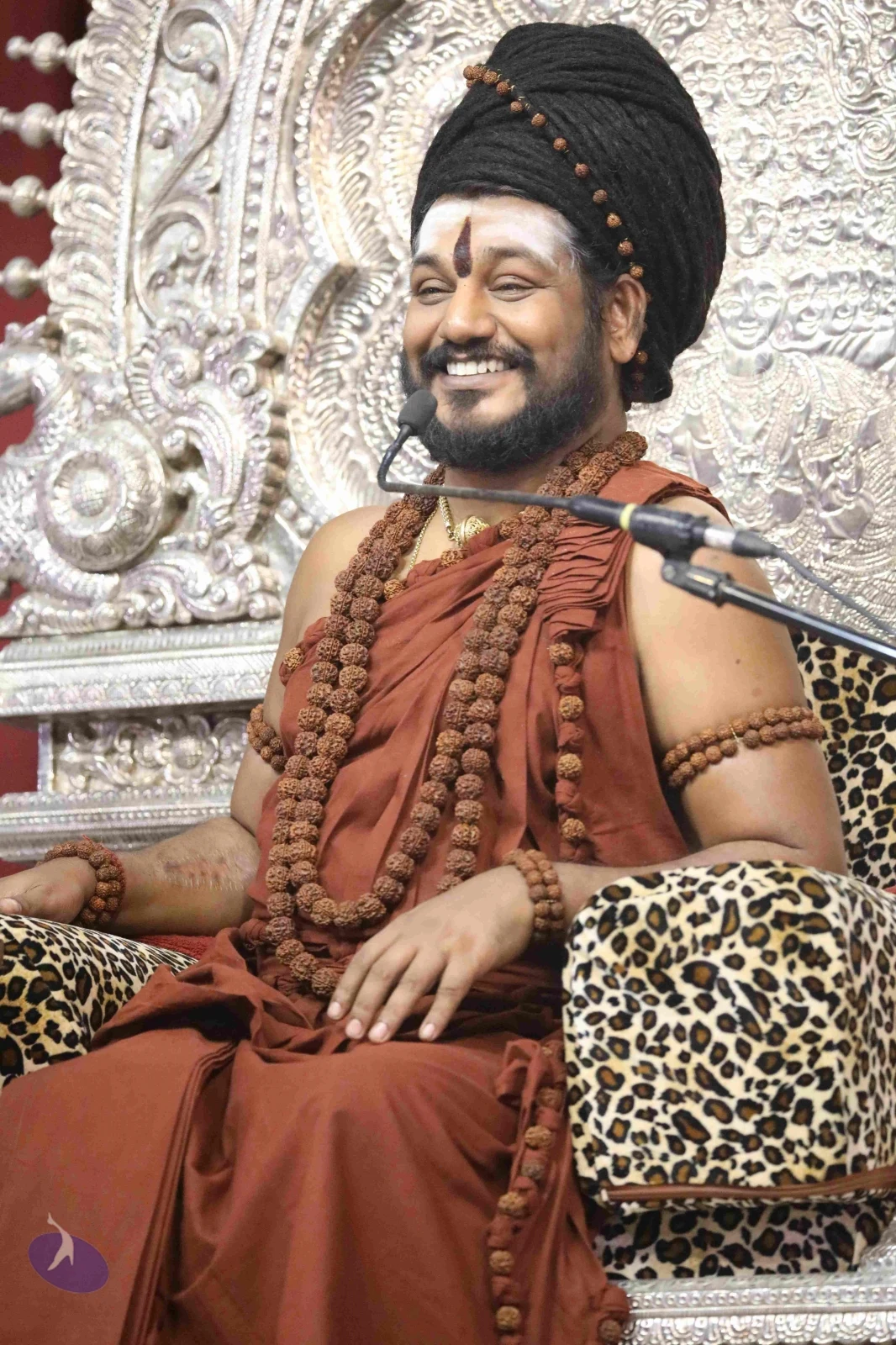
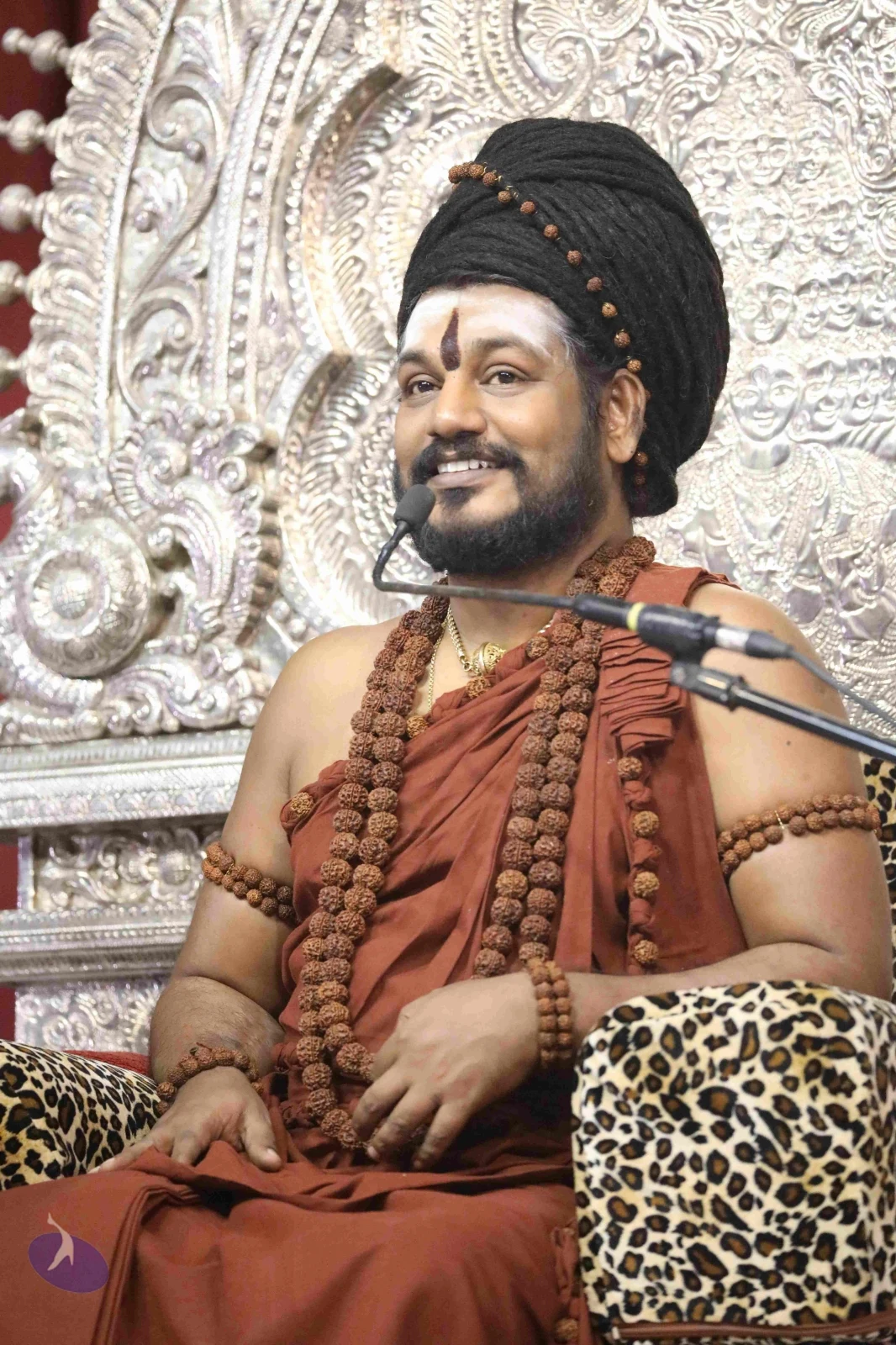
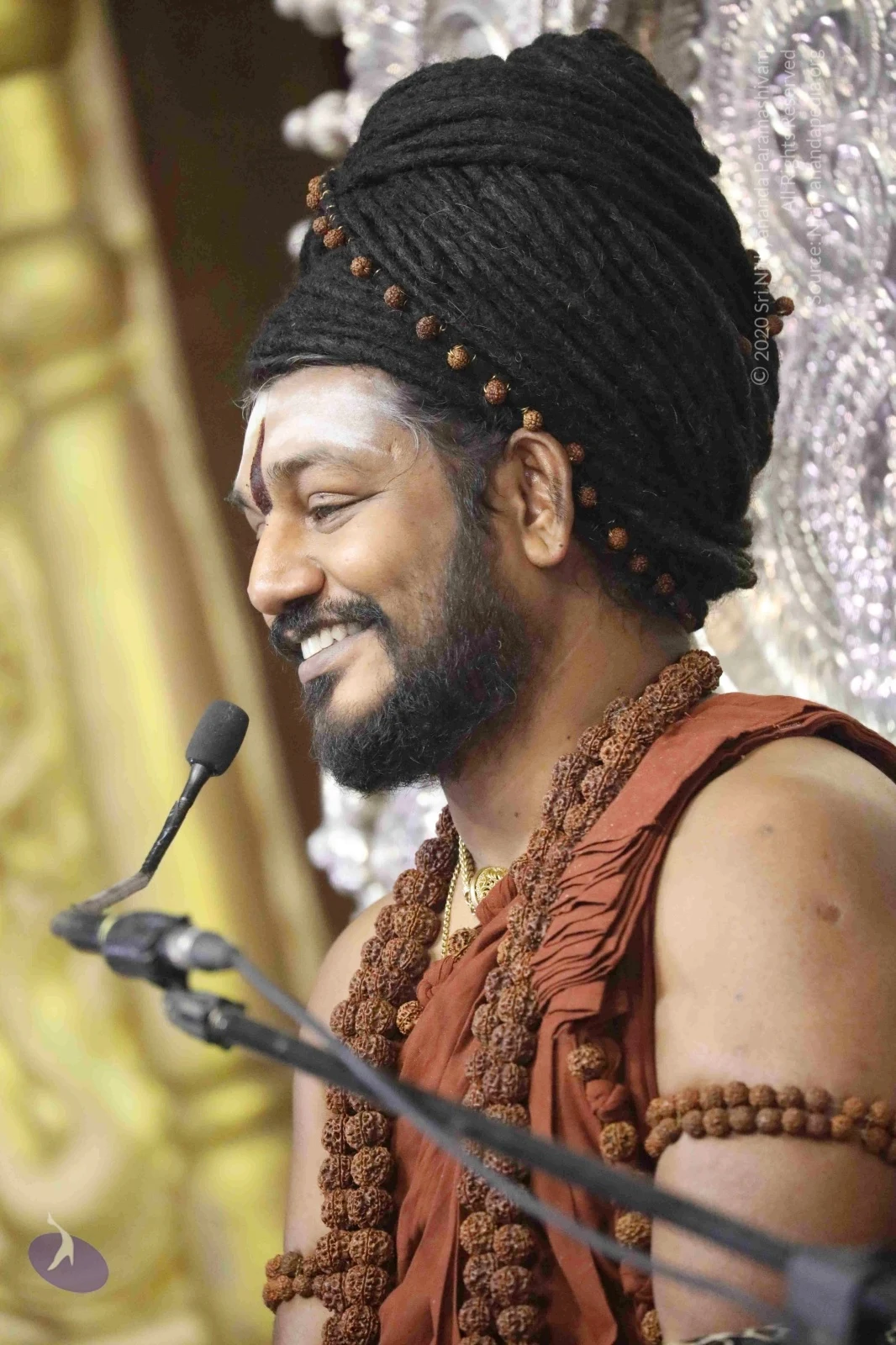
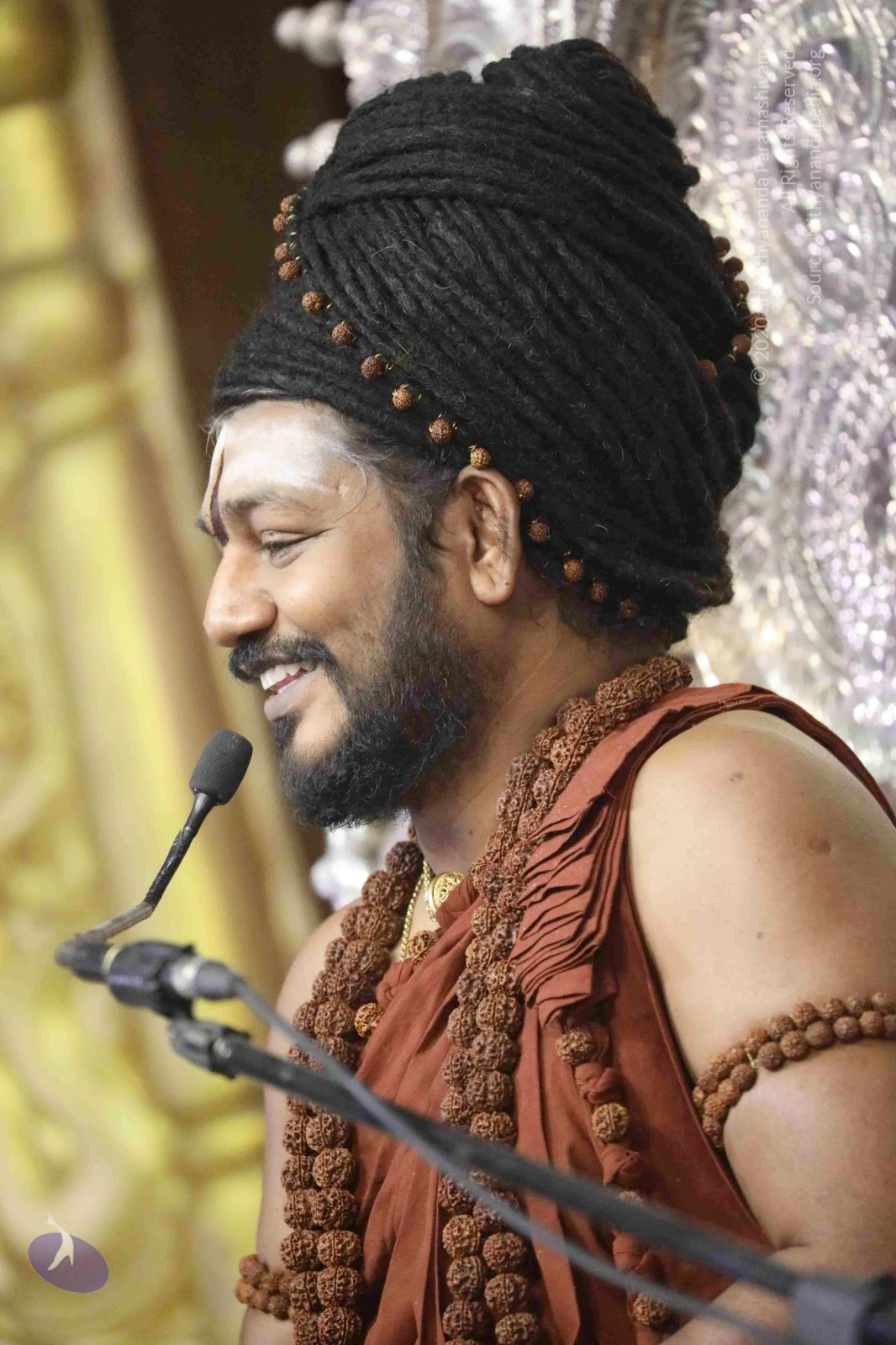
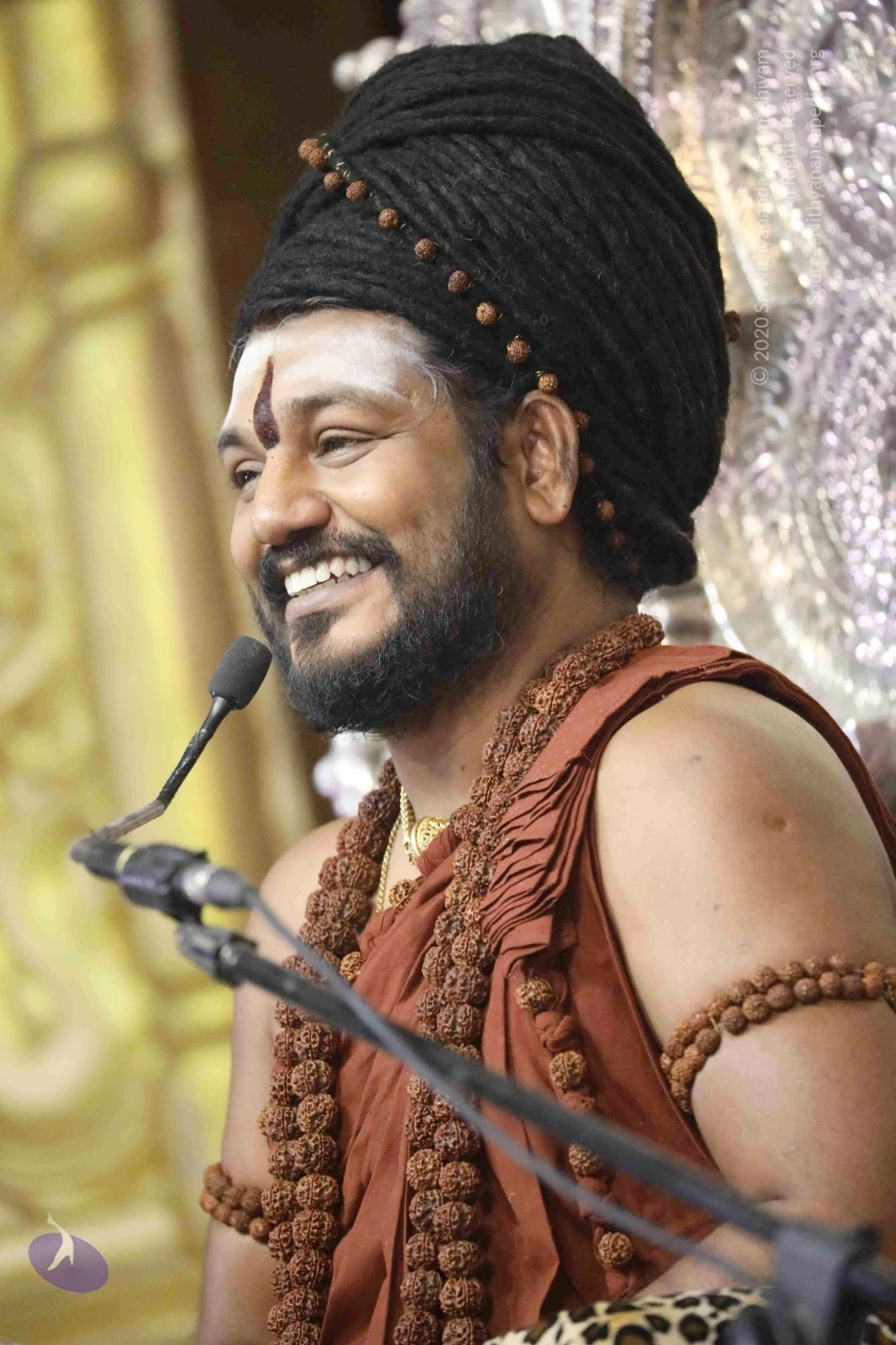
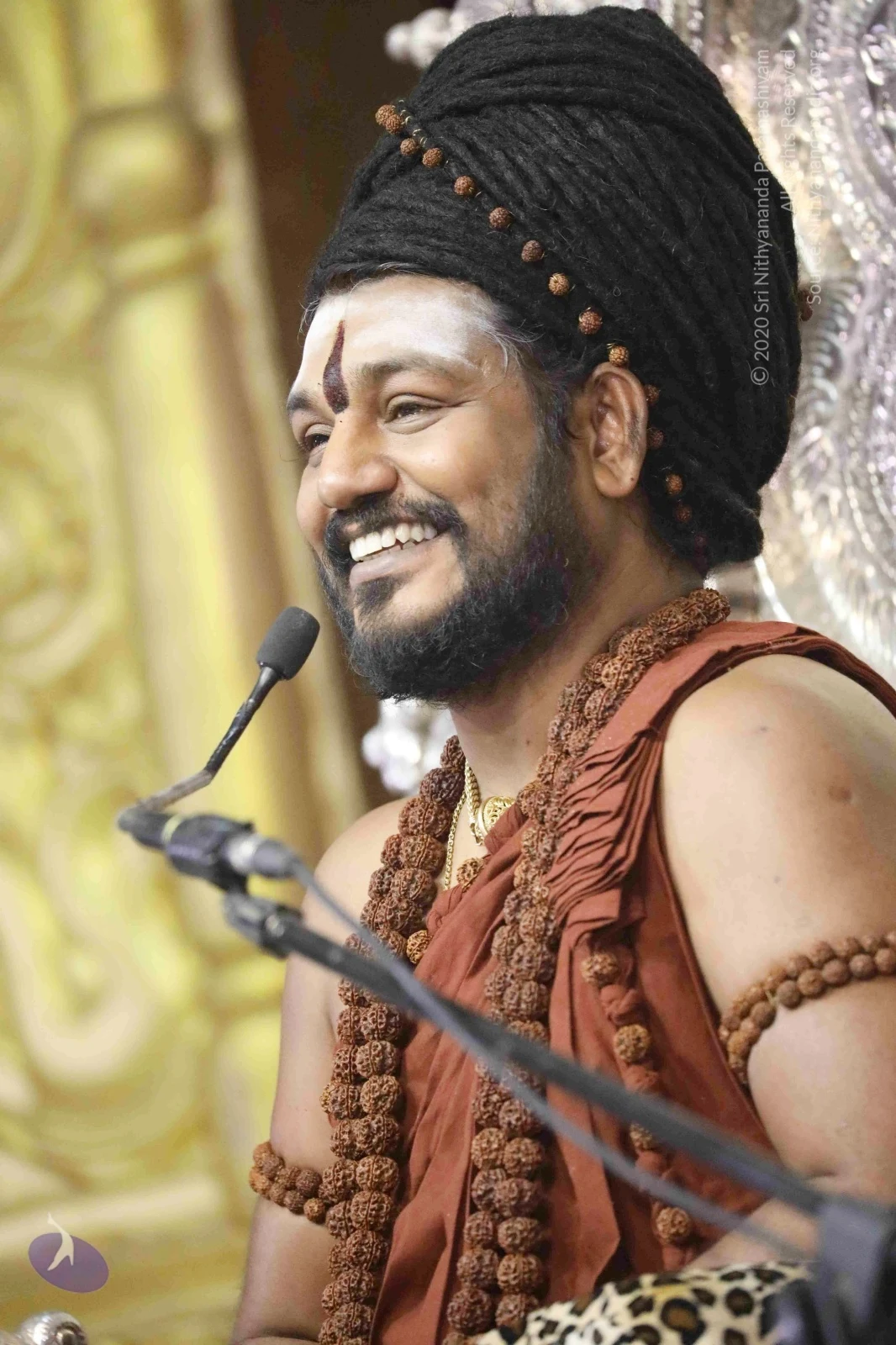
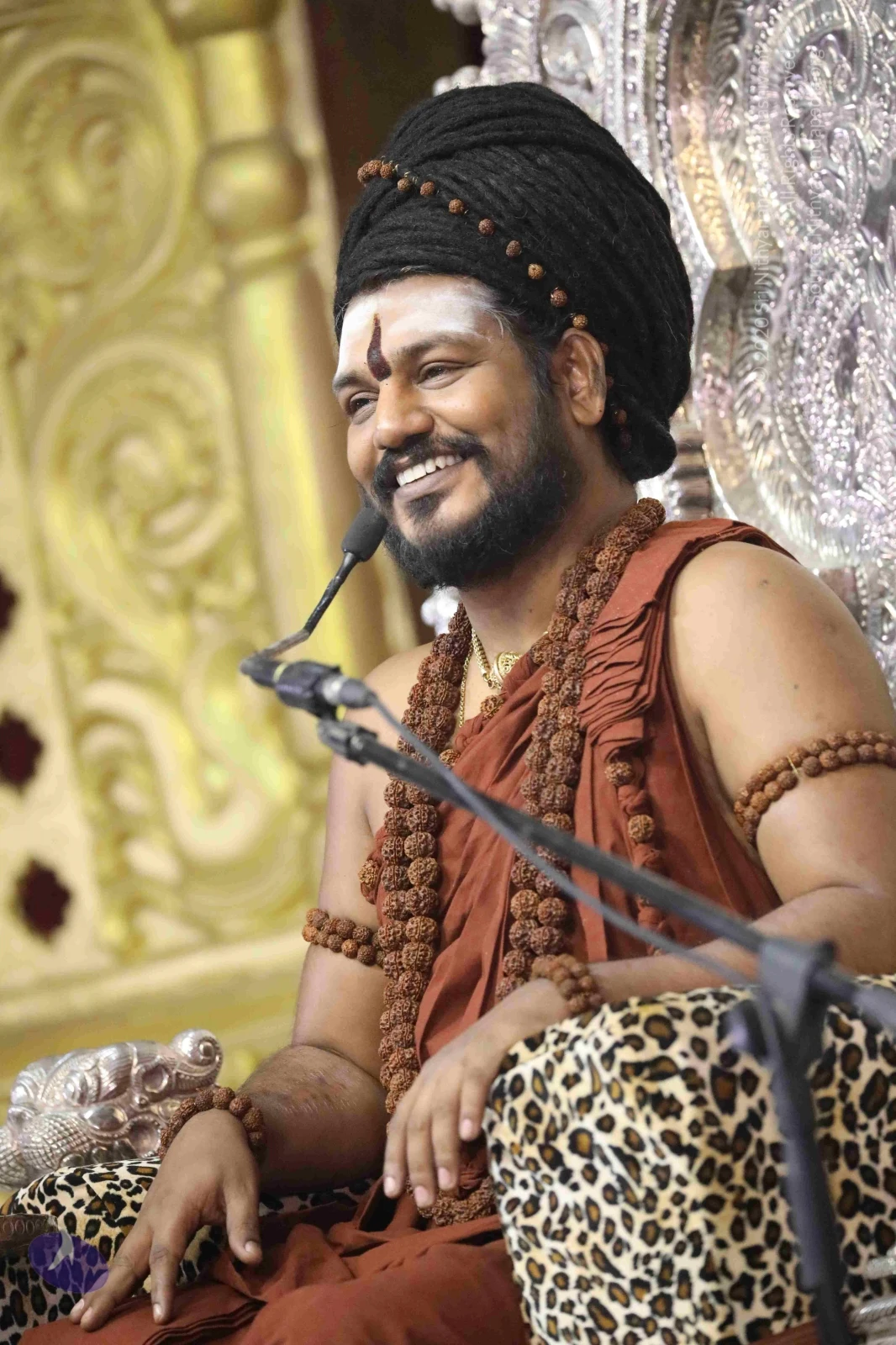
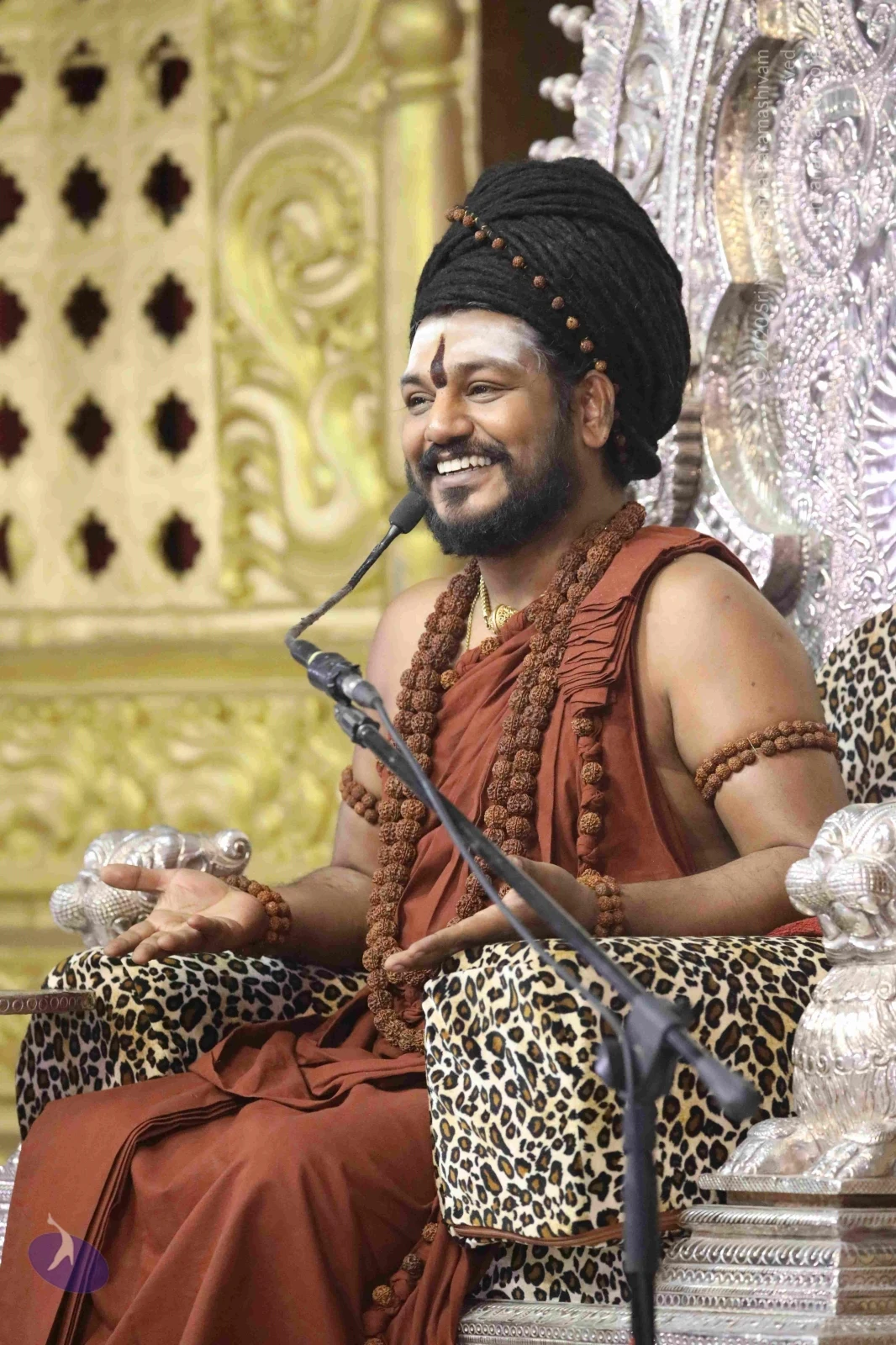
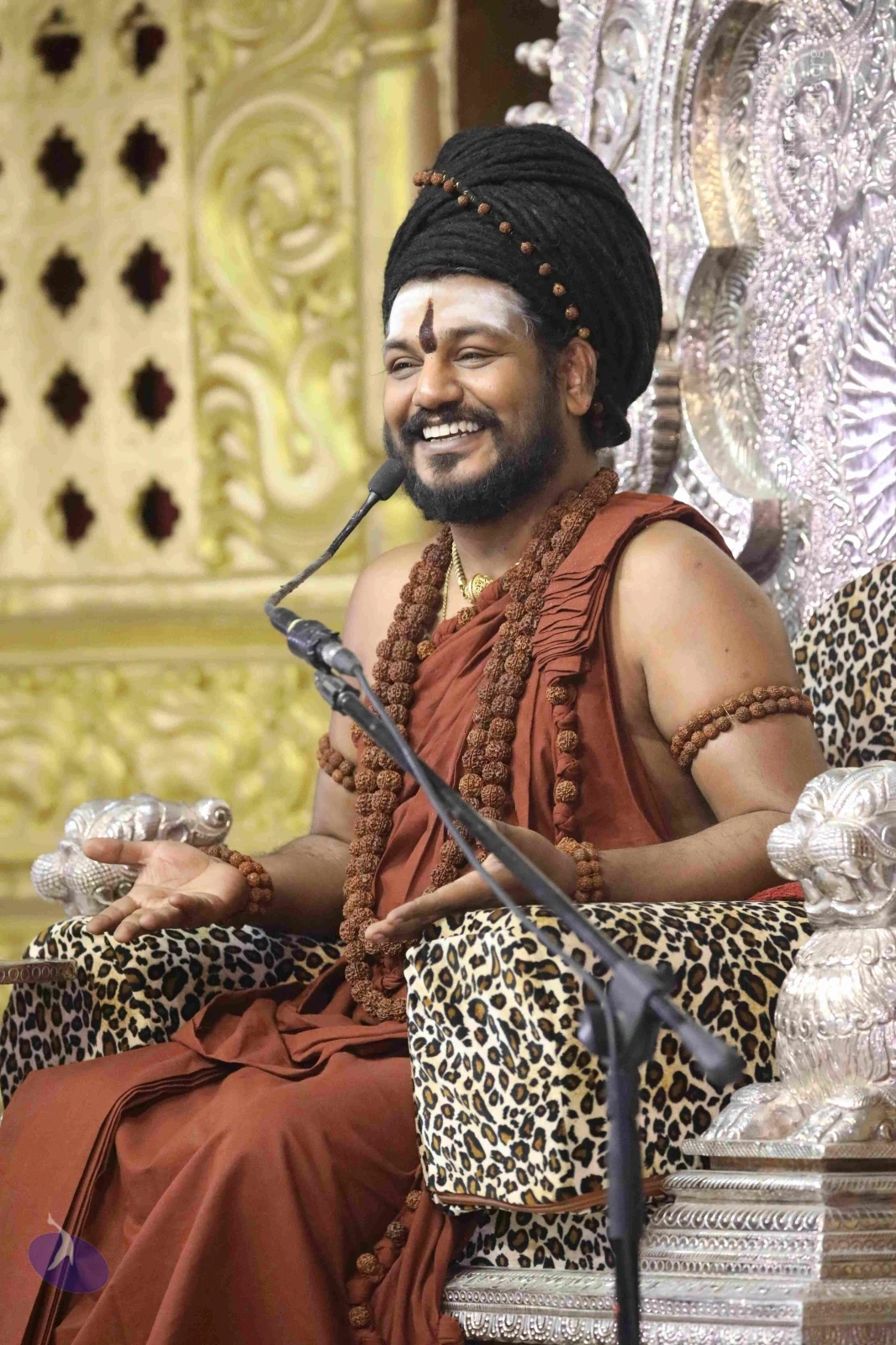
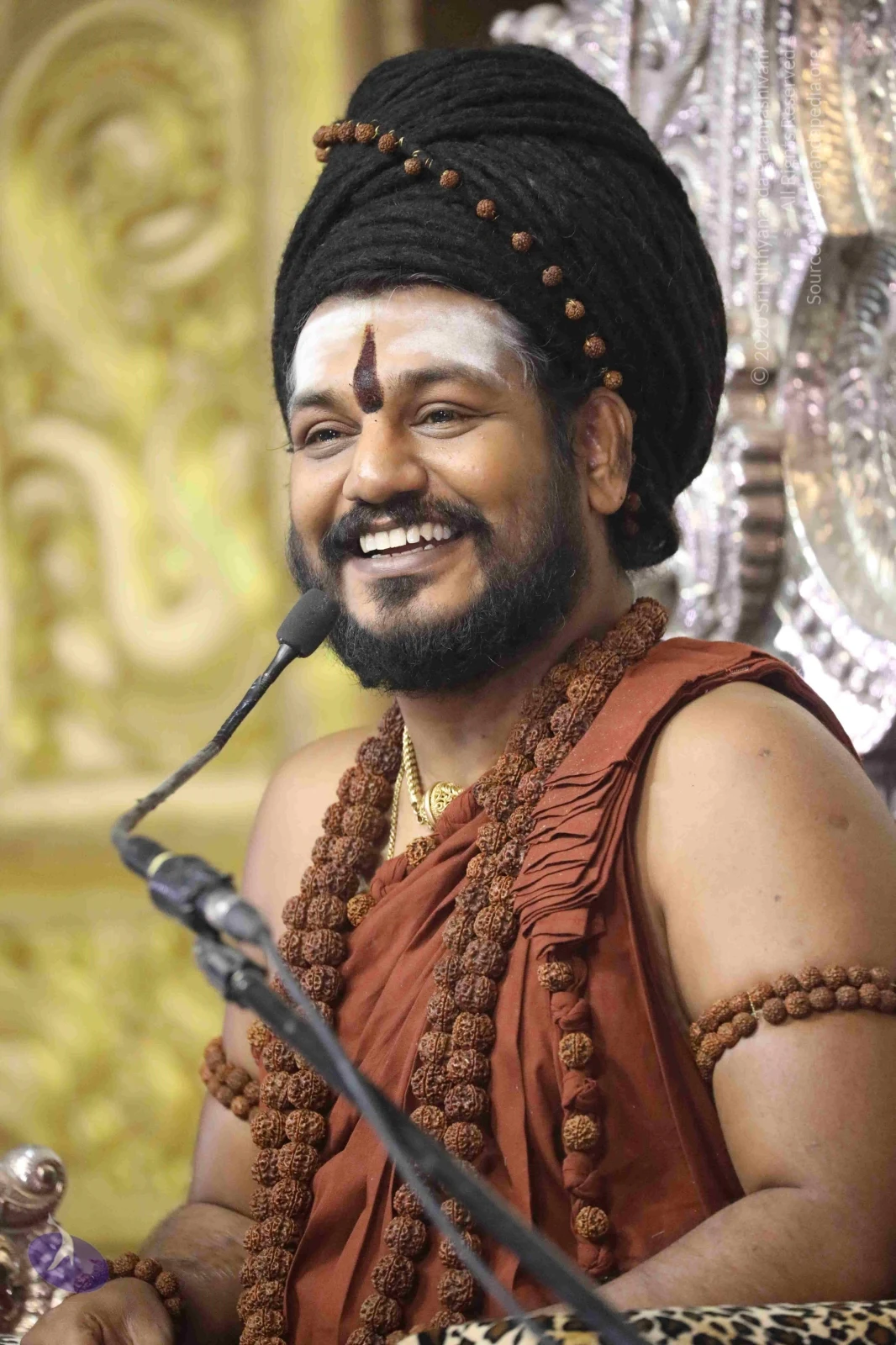
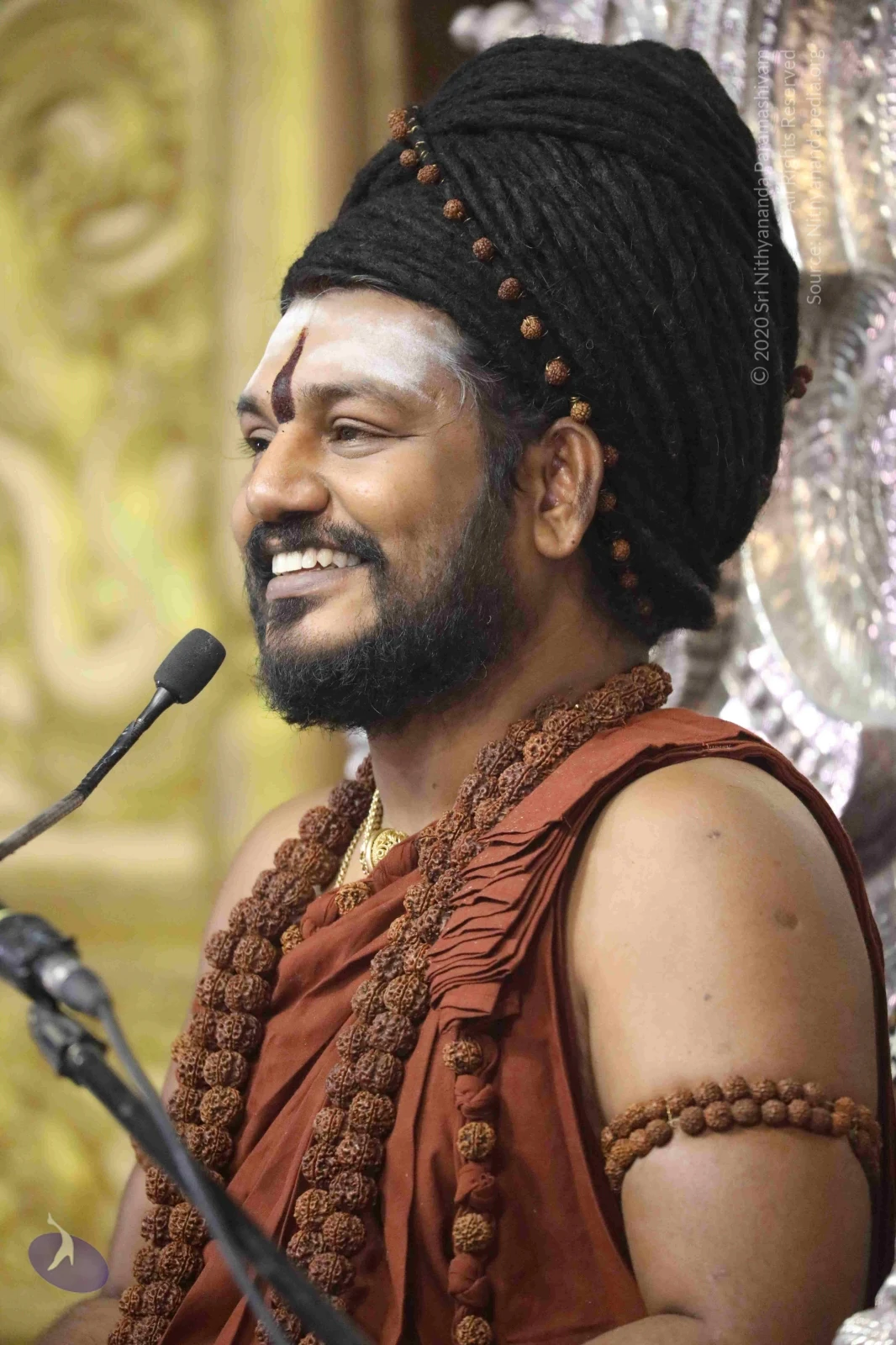
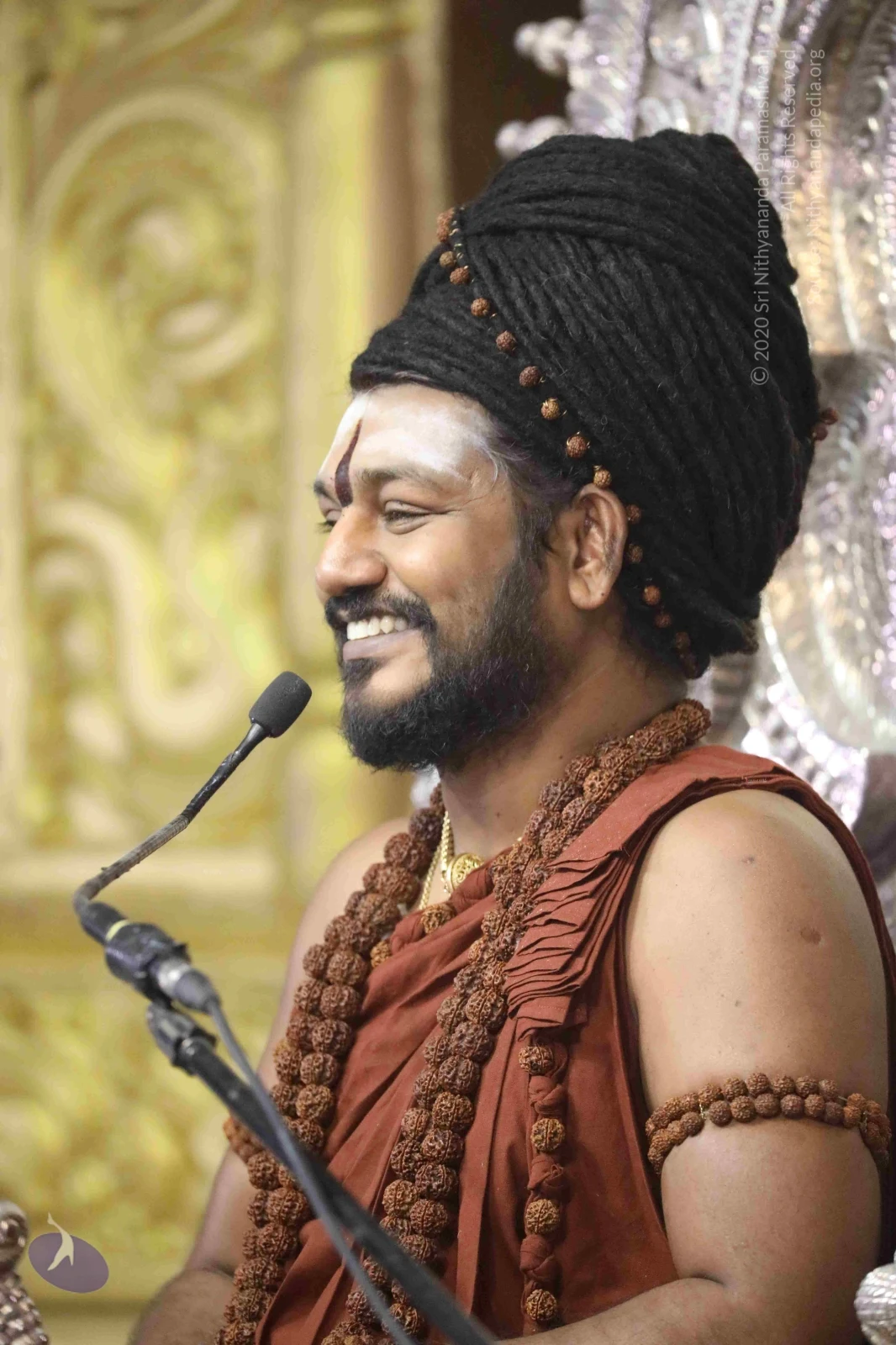
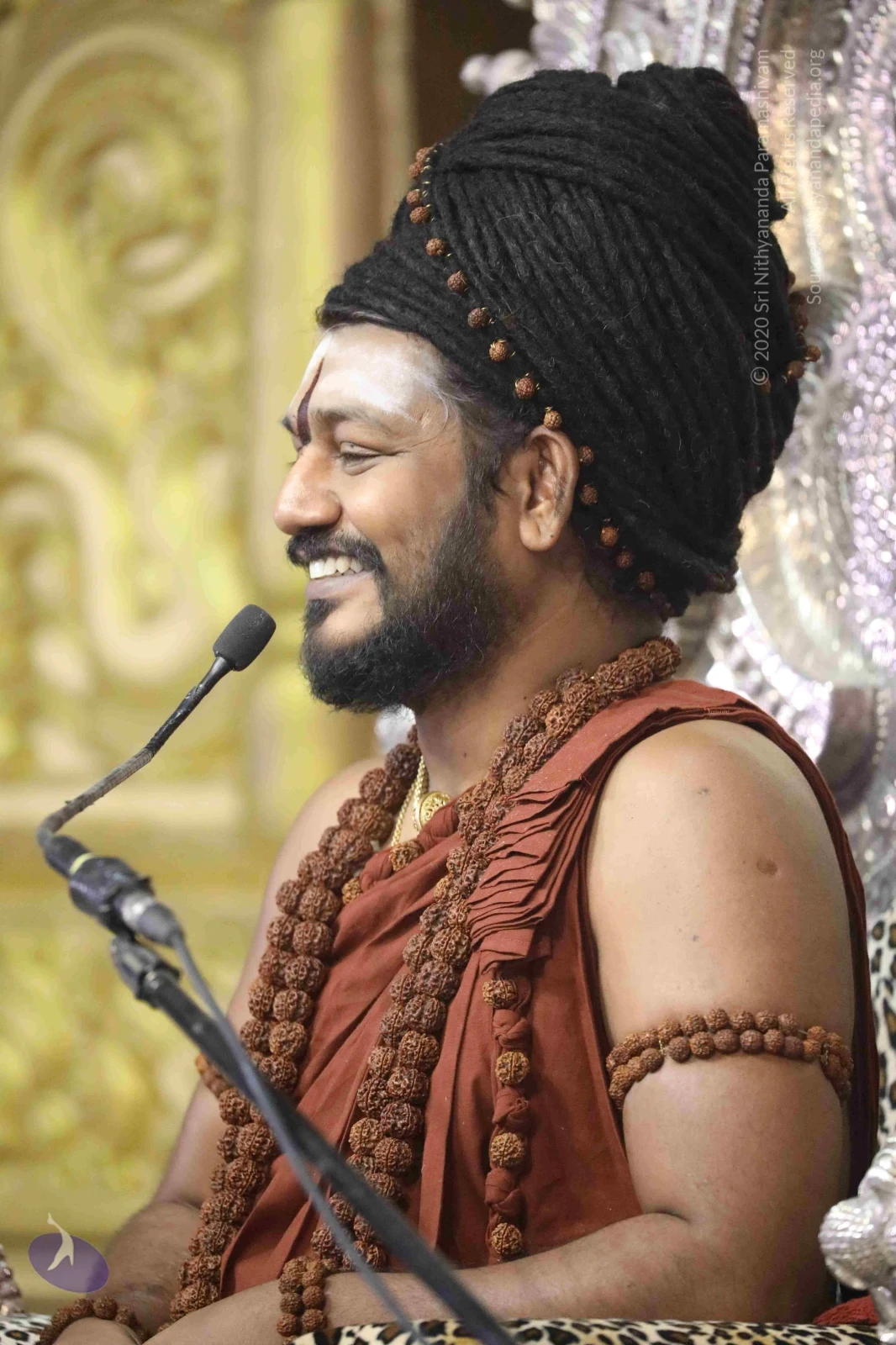
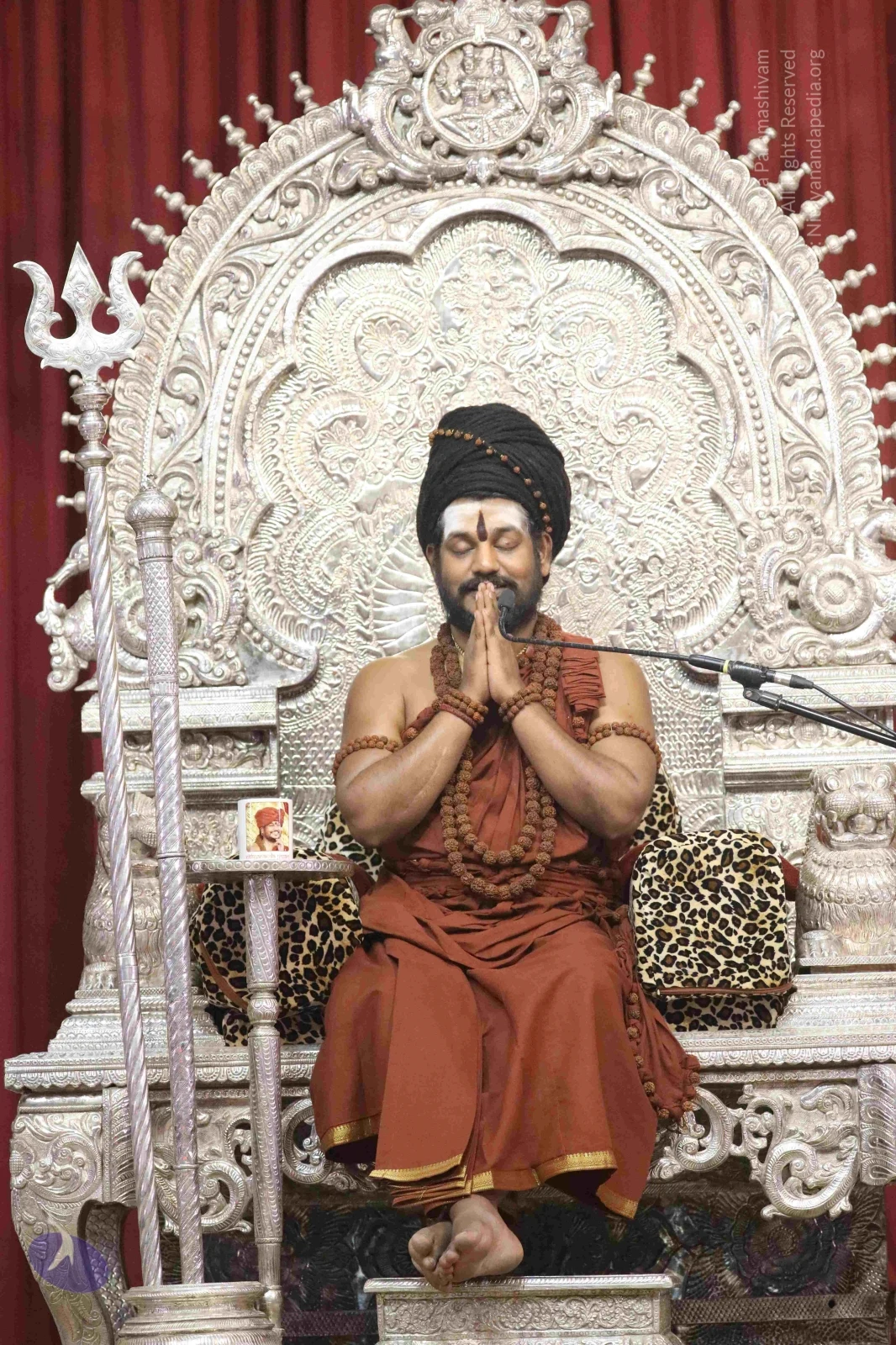
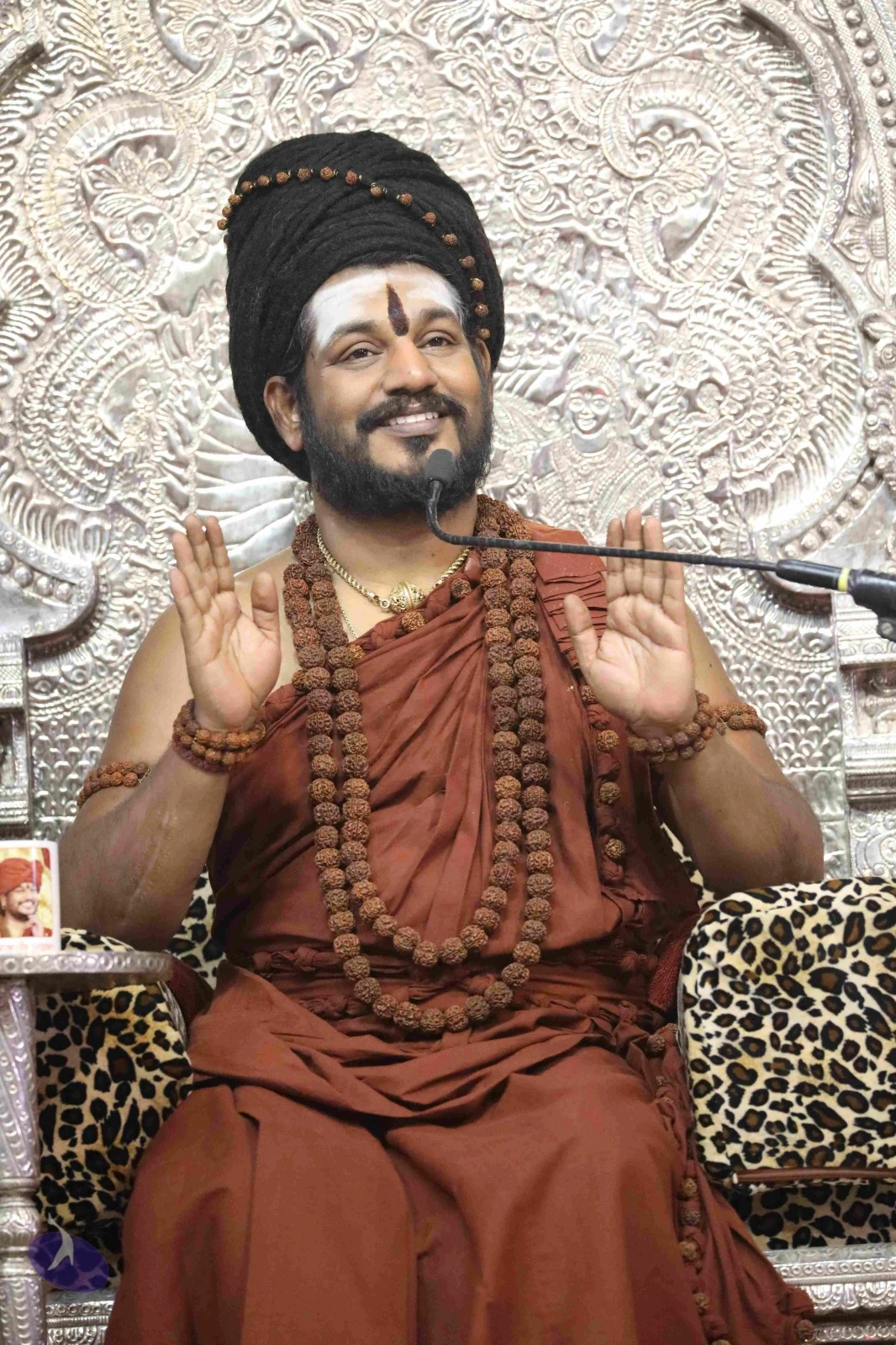
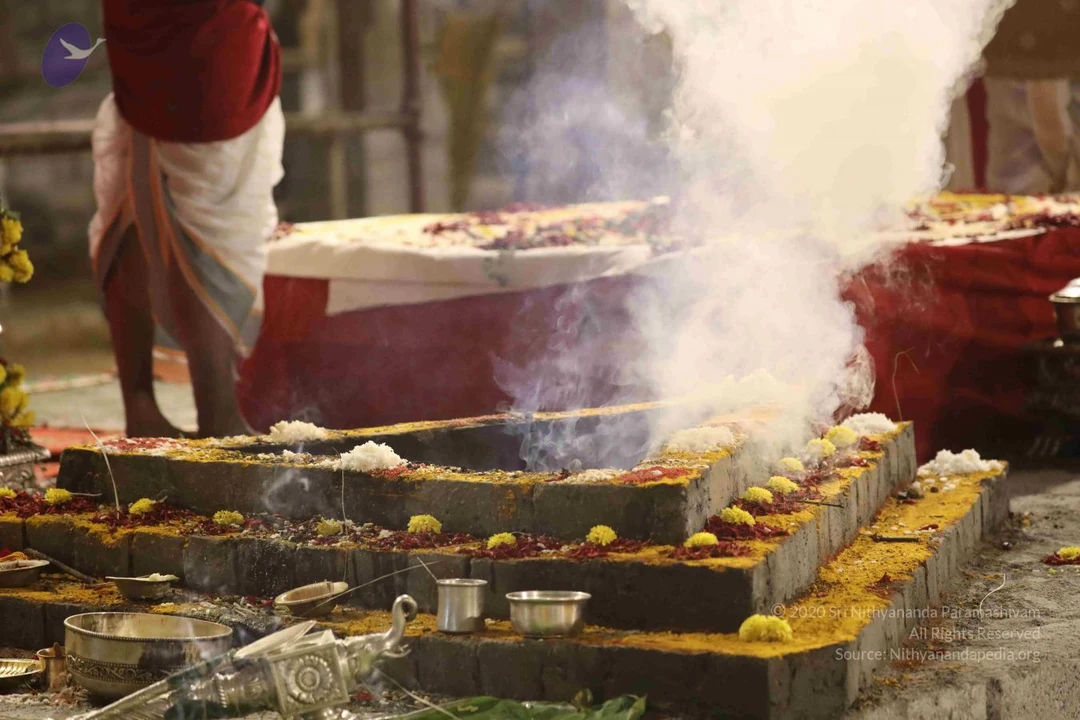
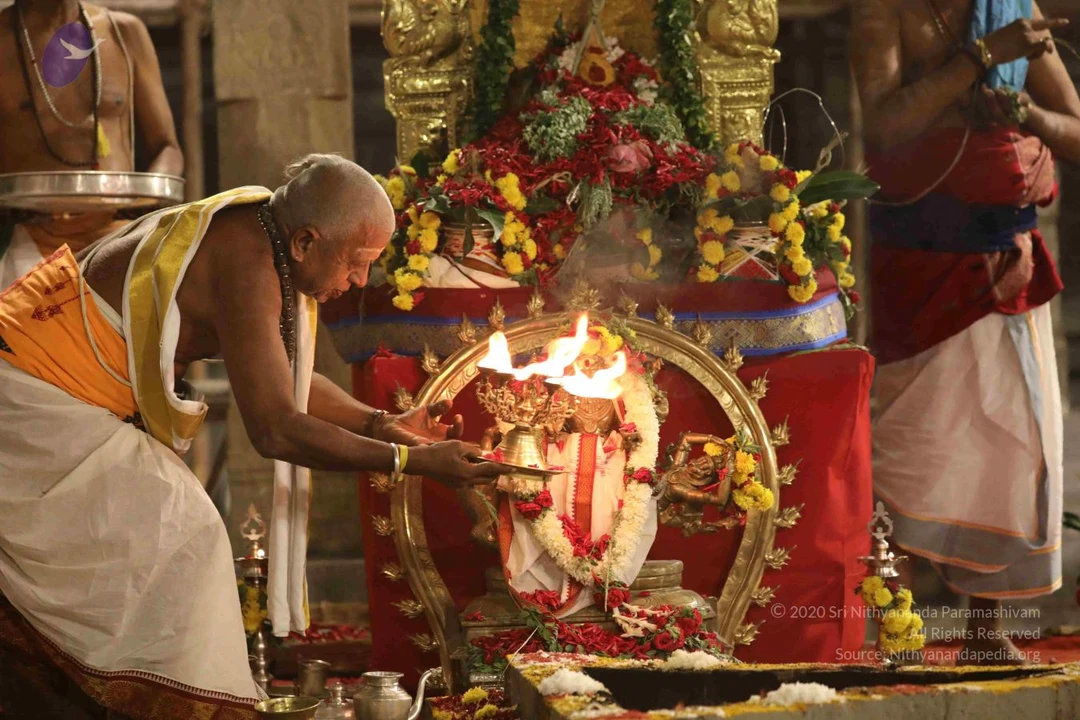
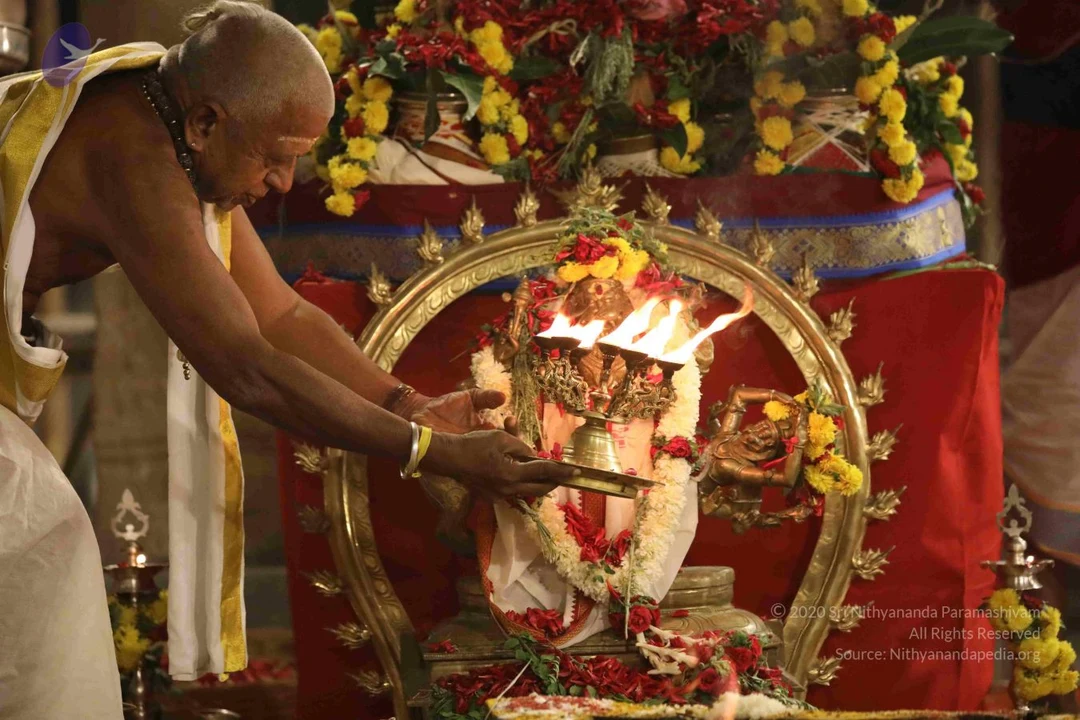
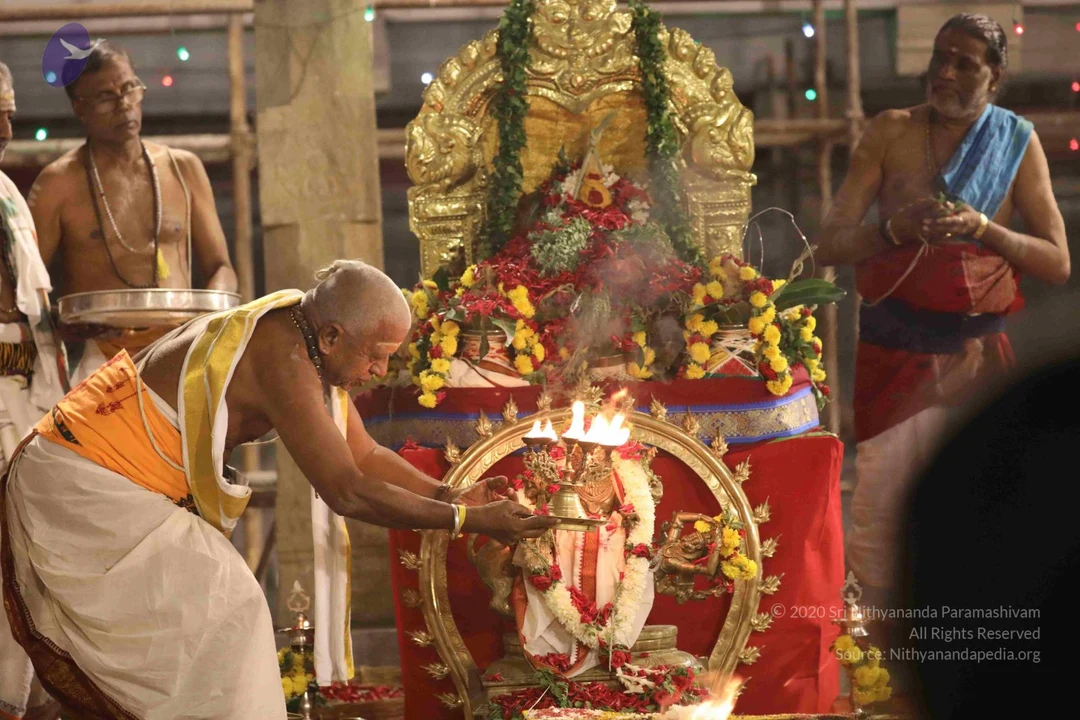
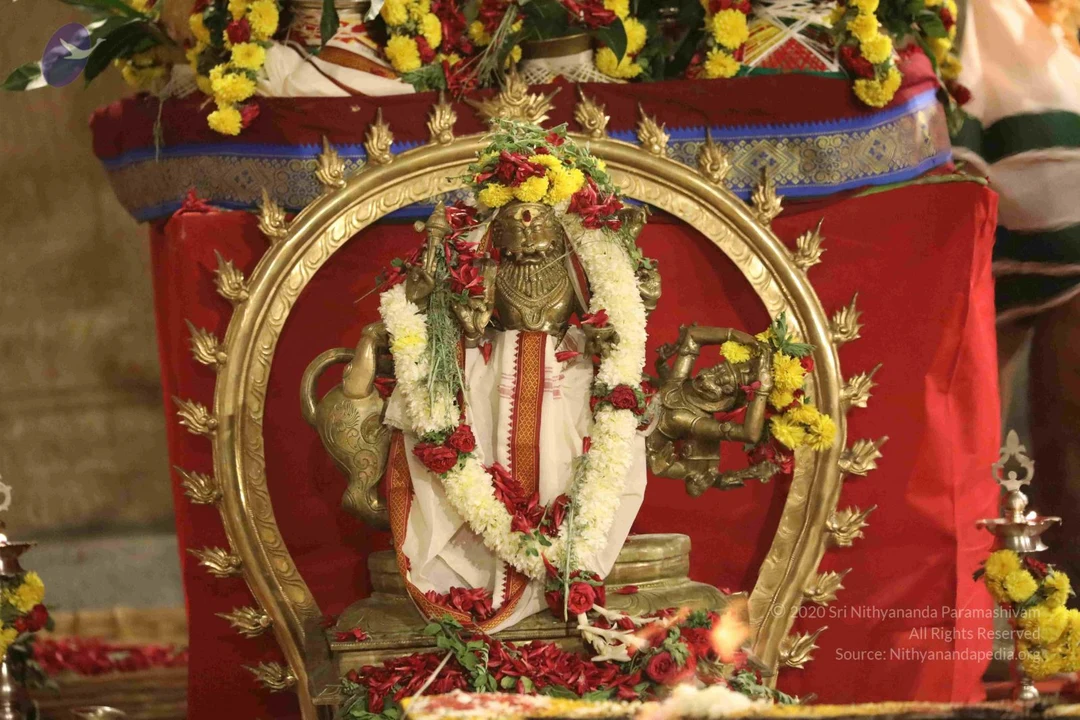
03-Temple-Homa-Poornahuti
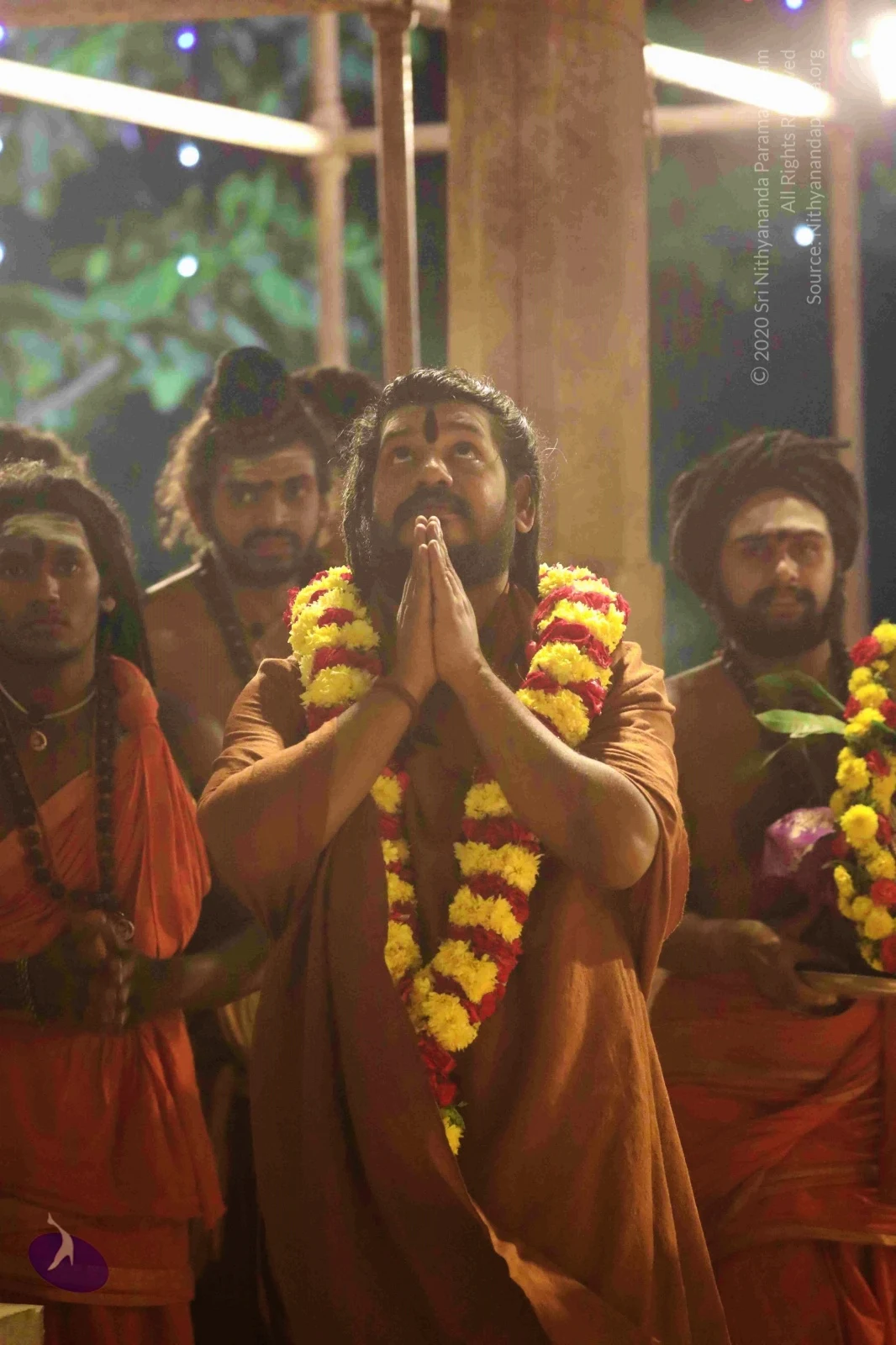
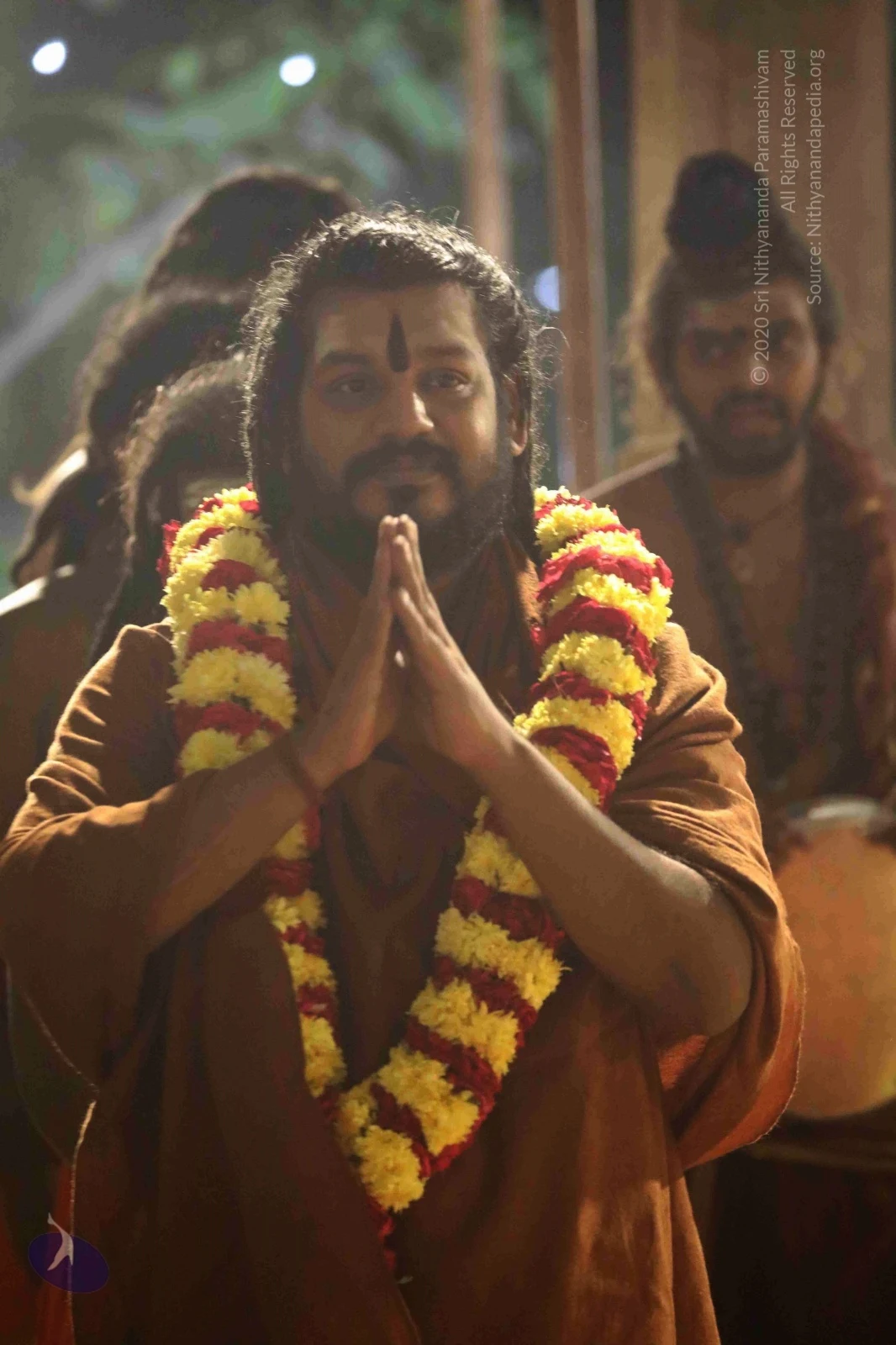
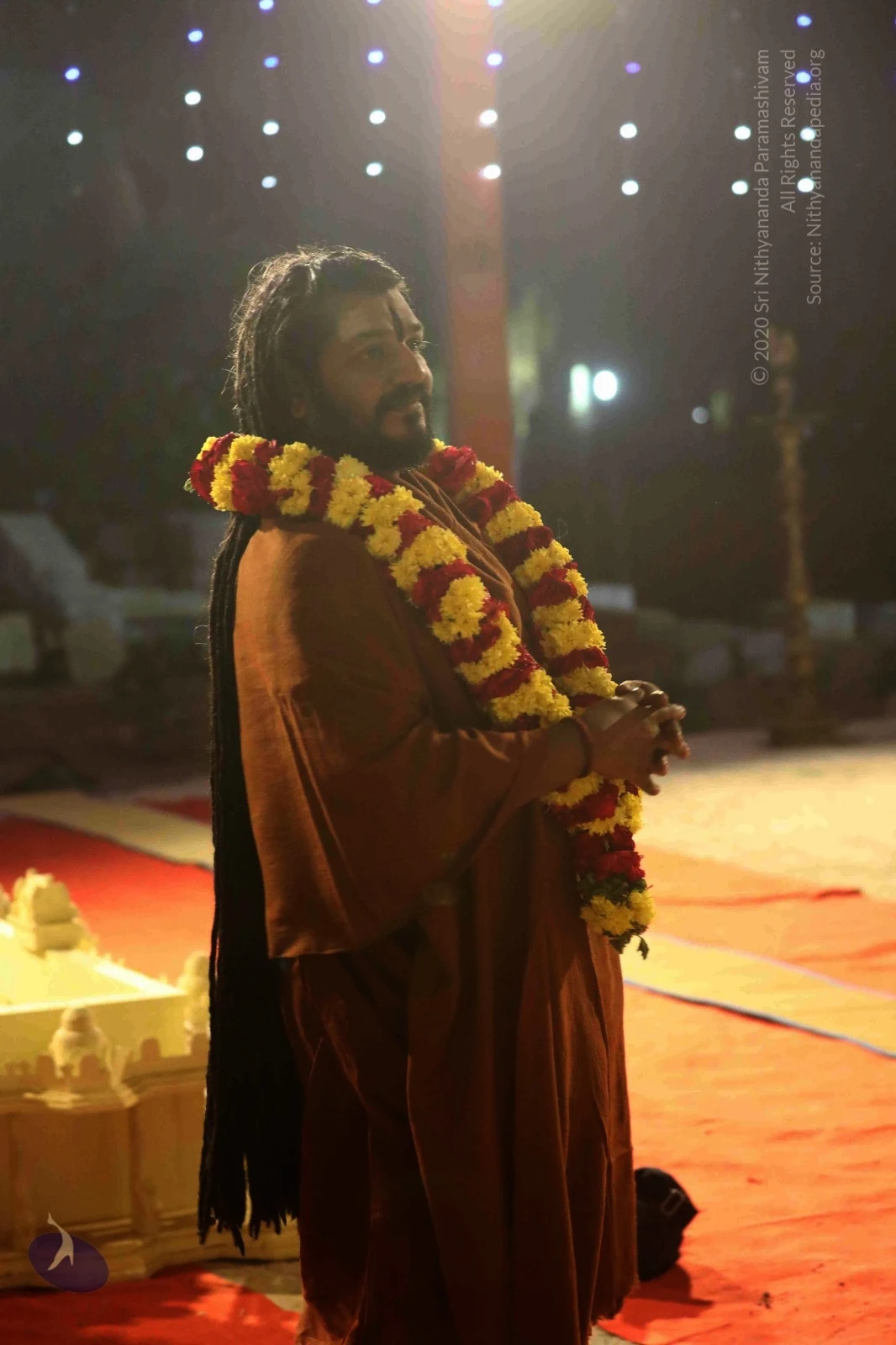
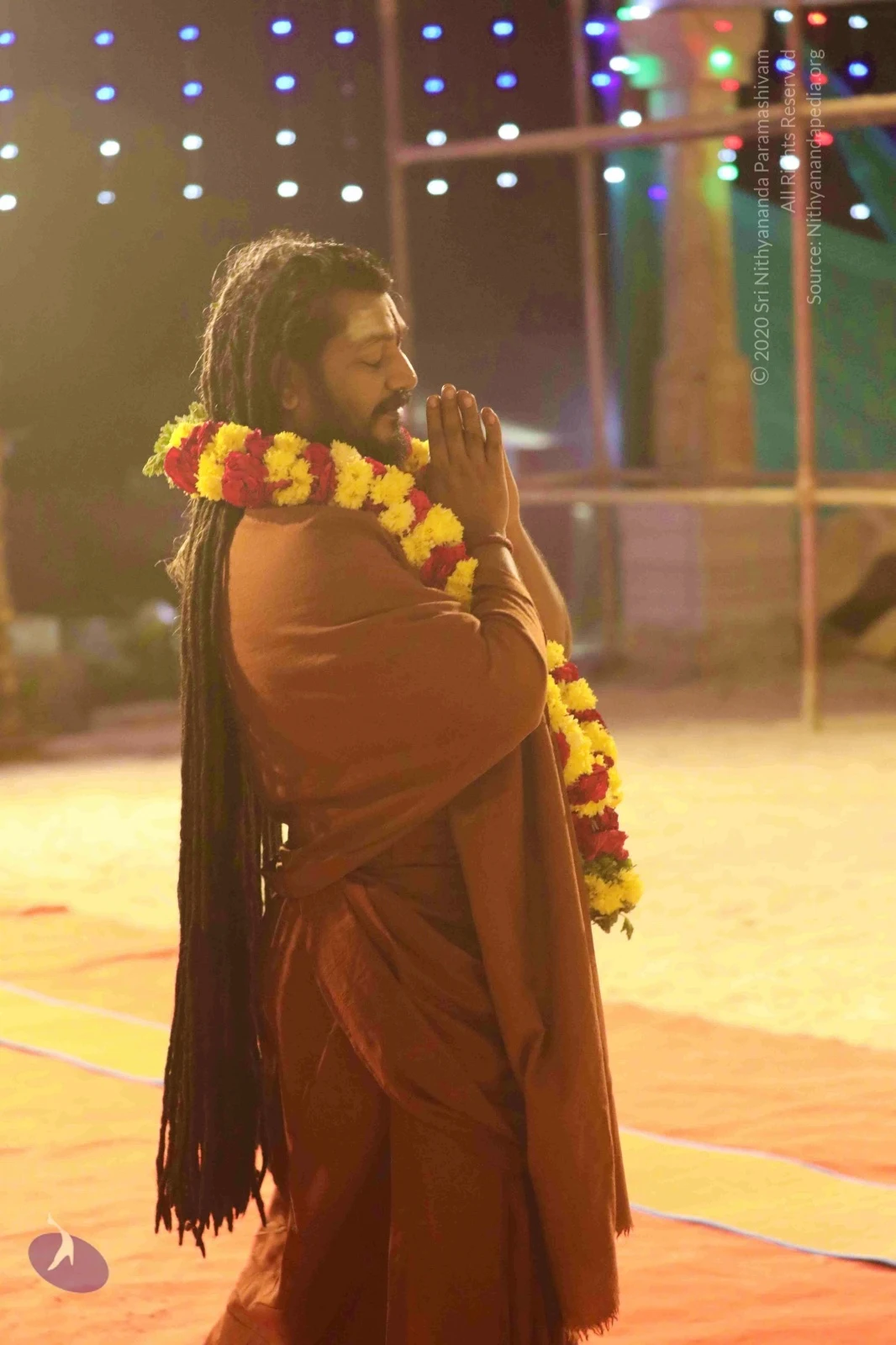
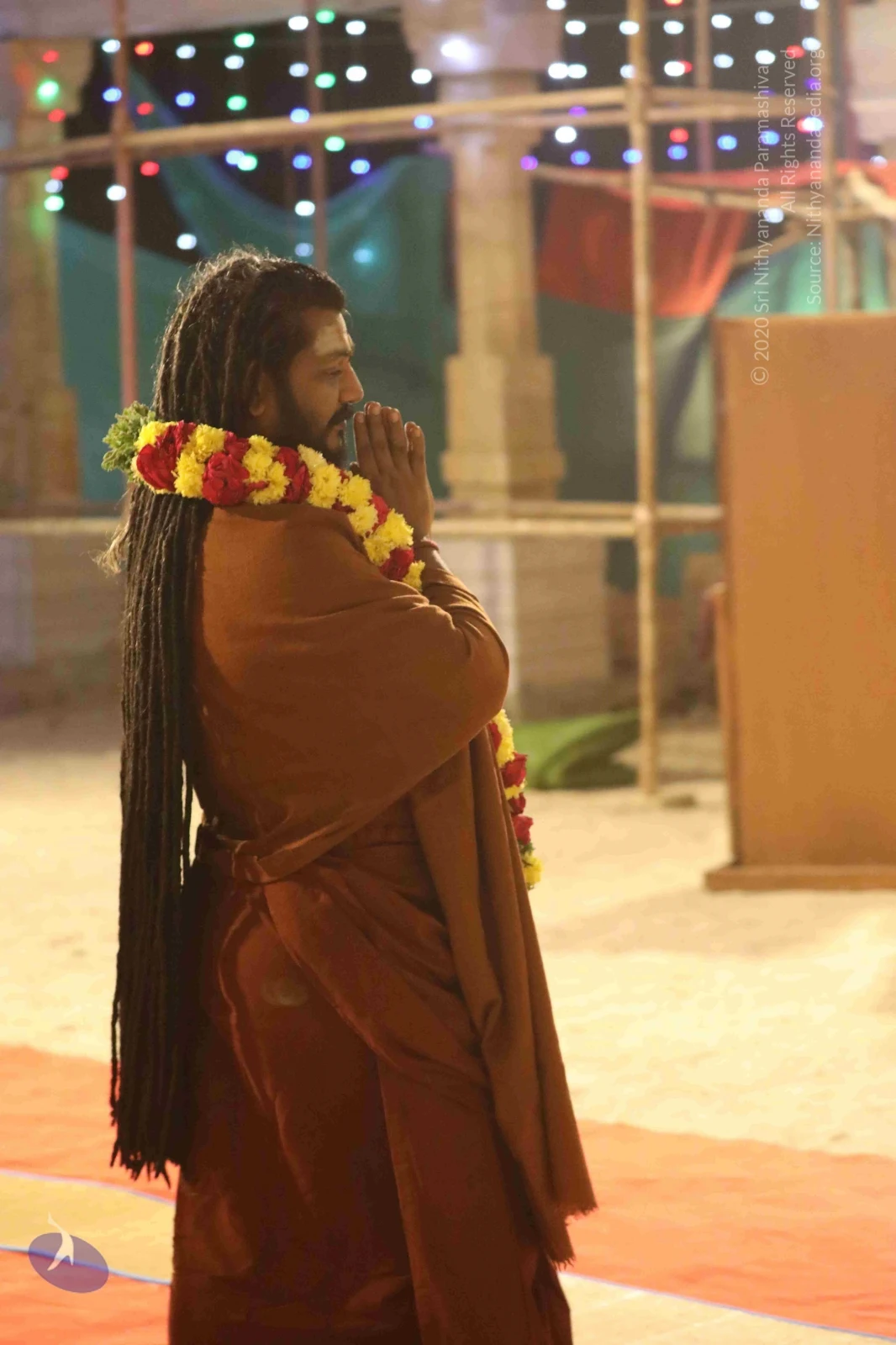
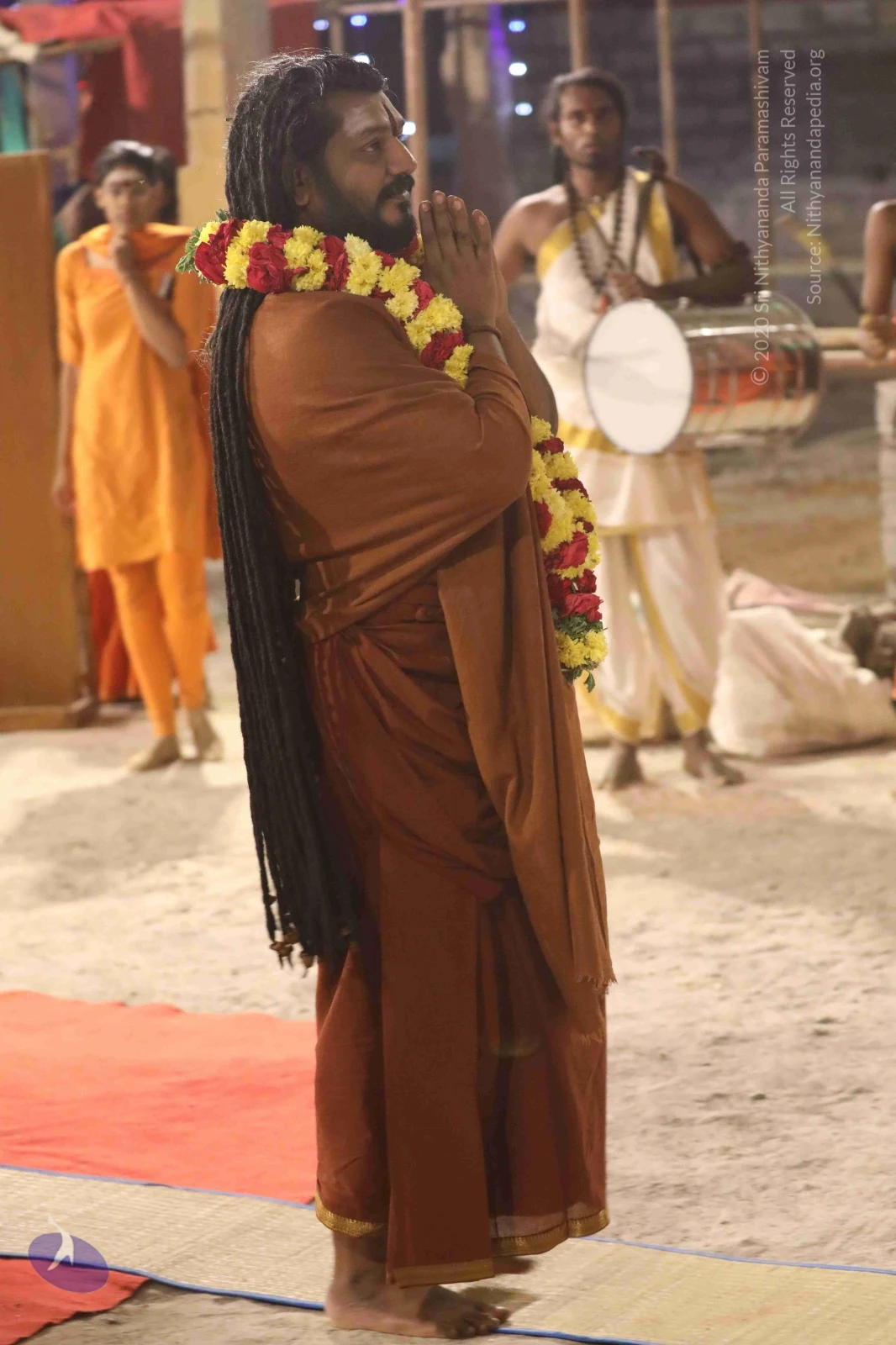
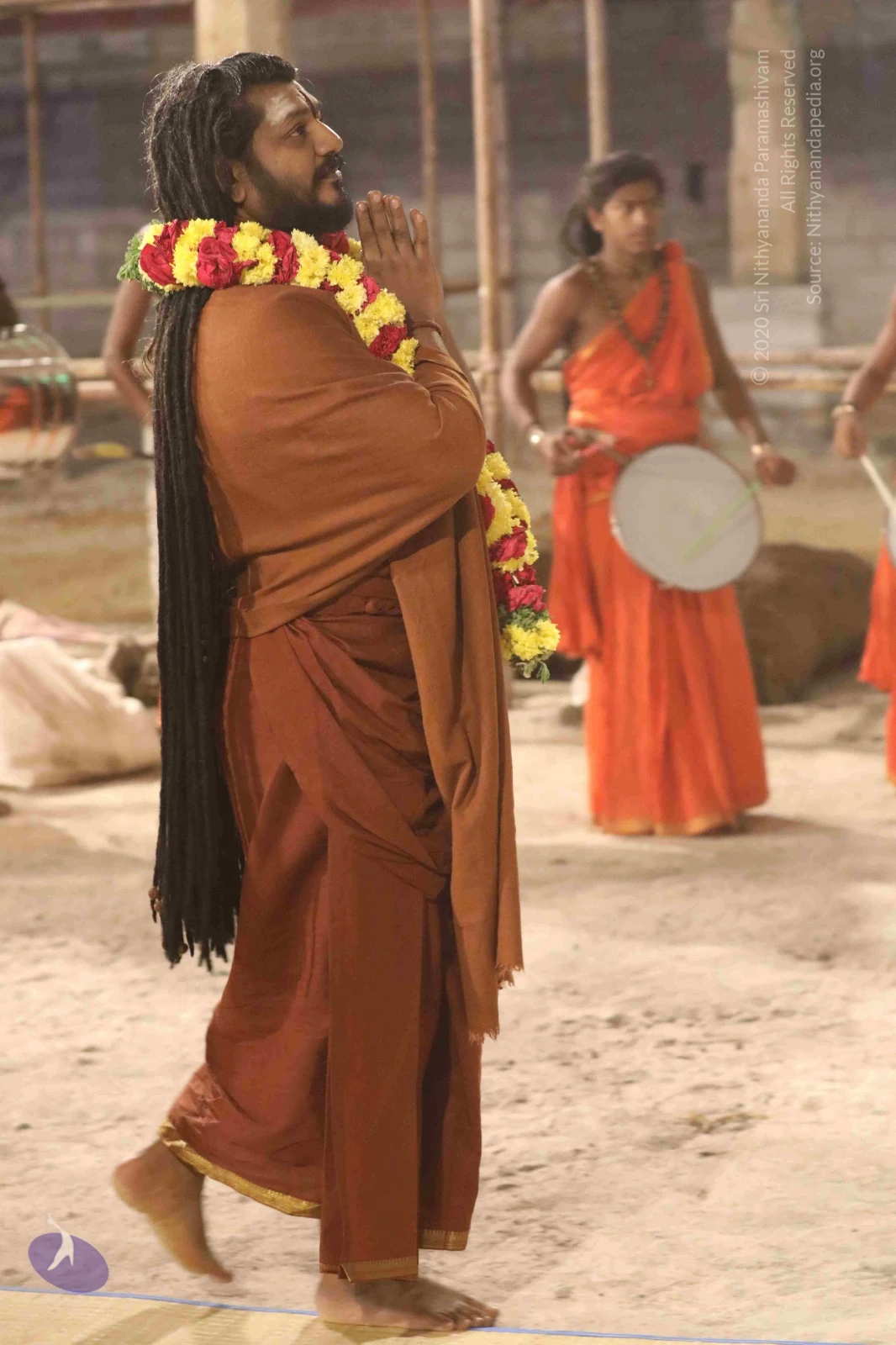
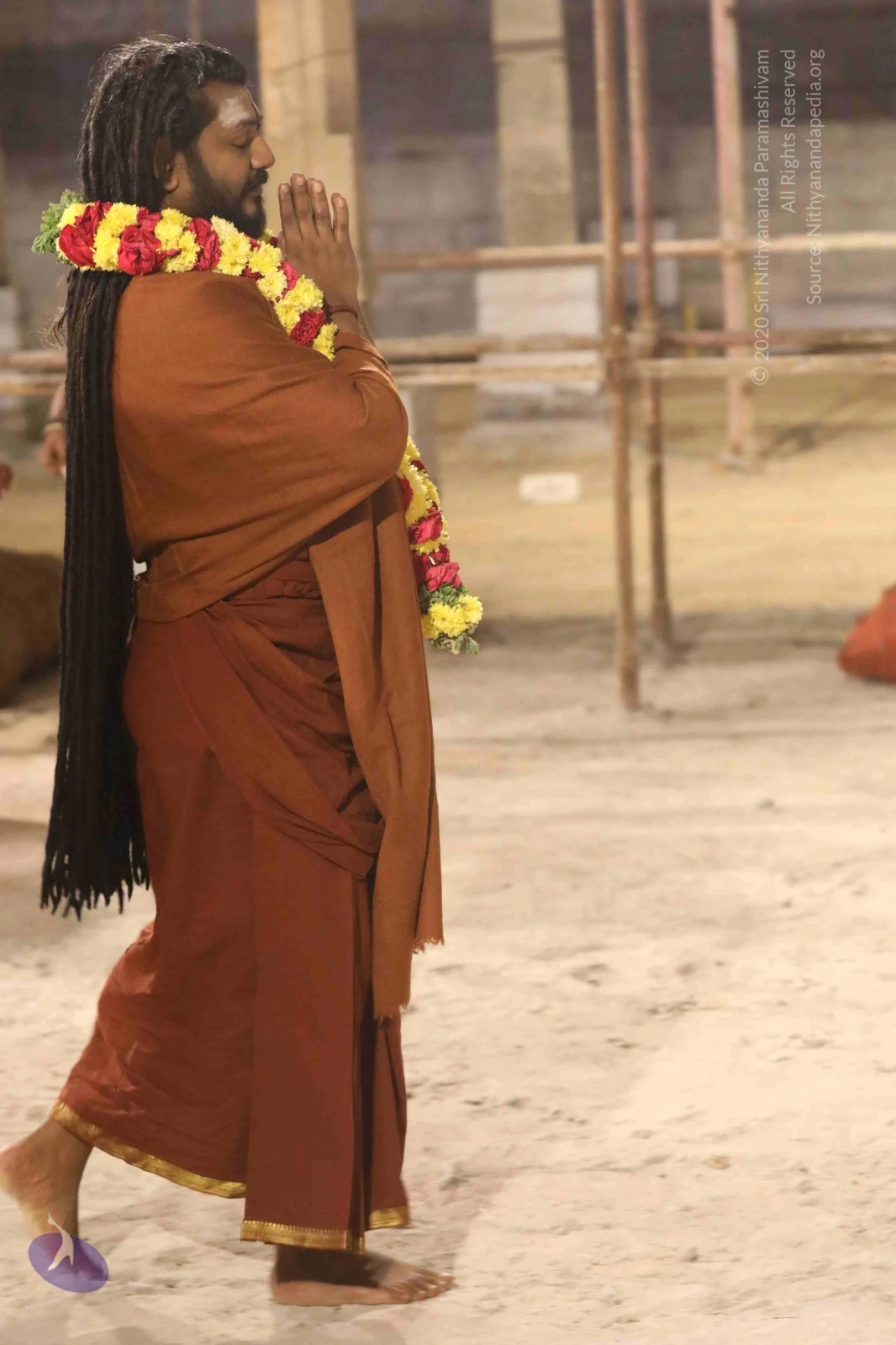
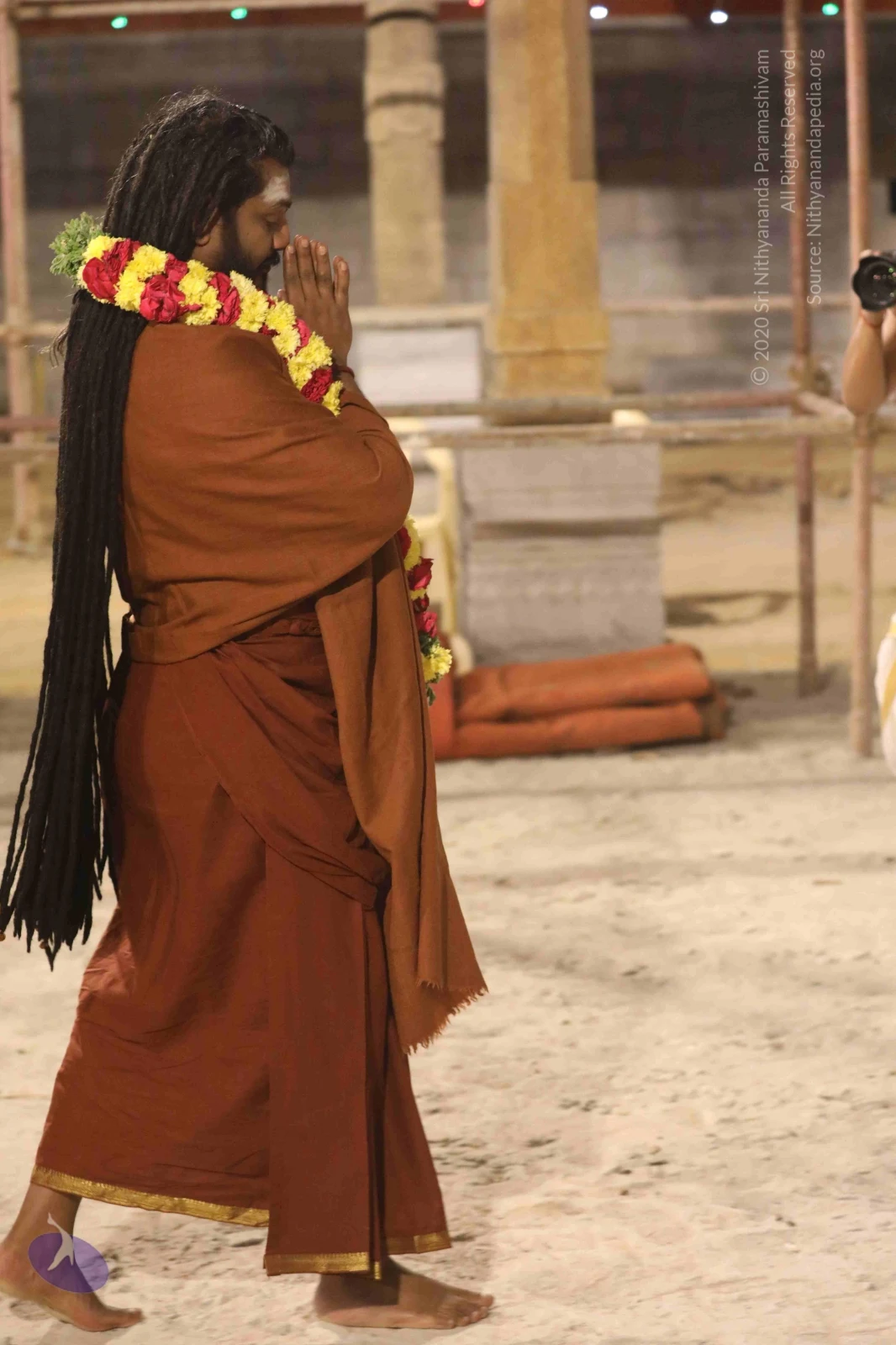
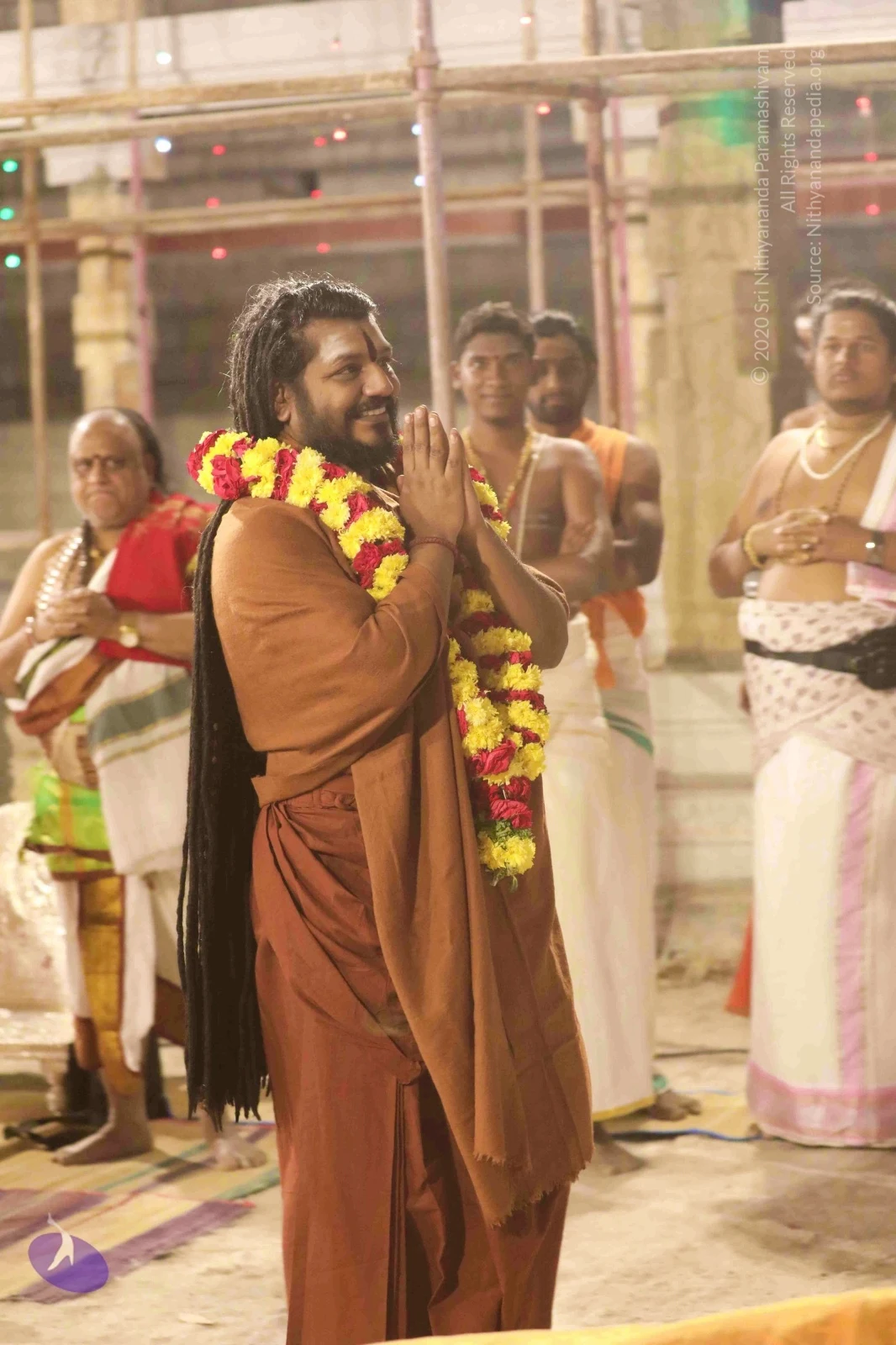
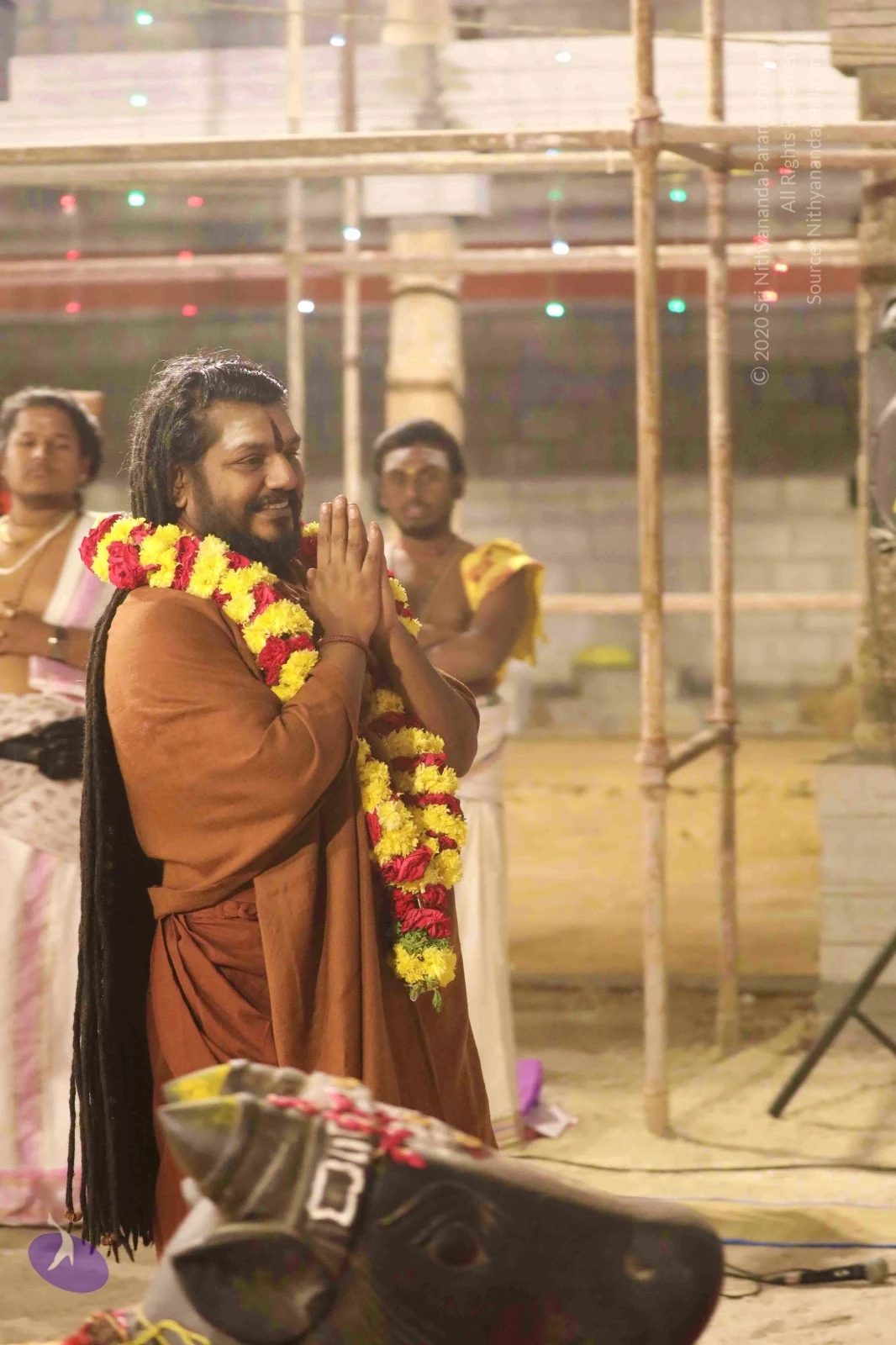
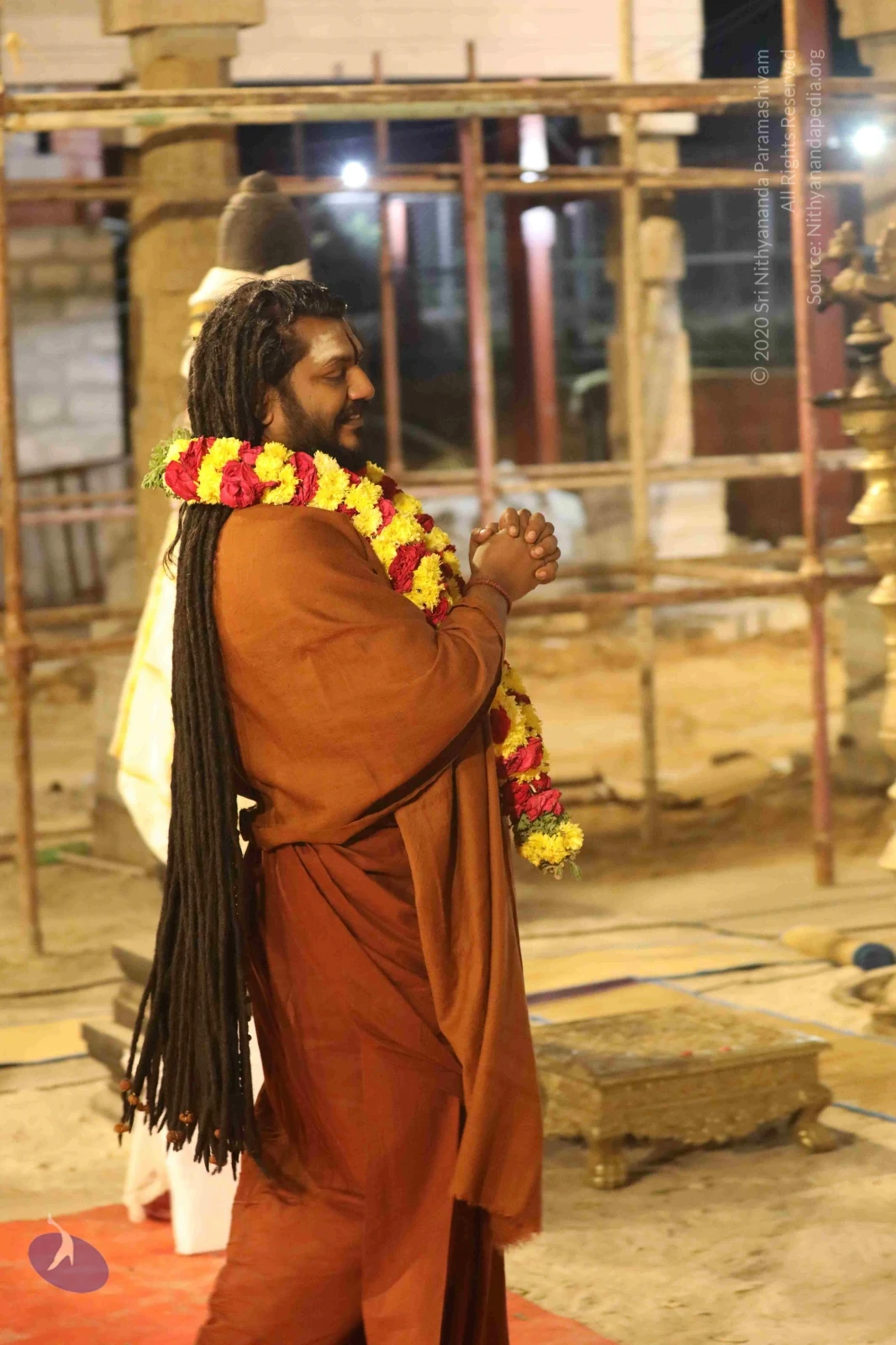
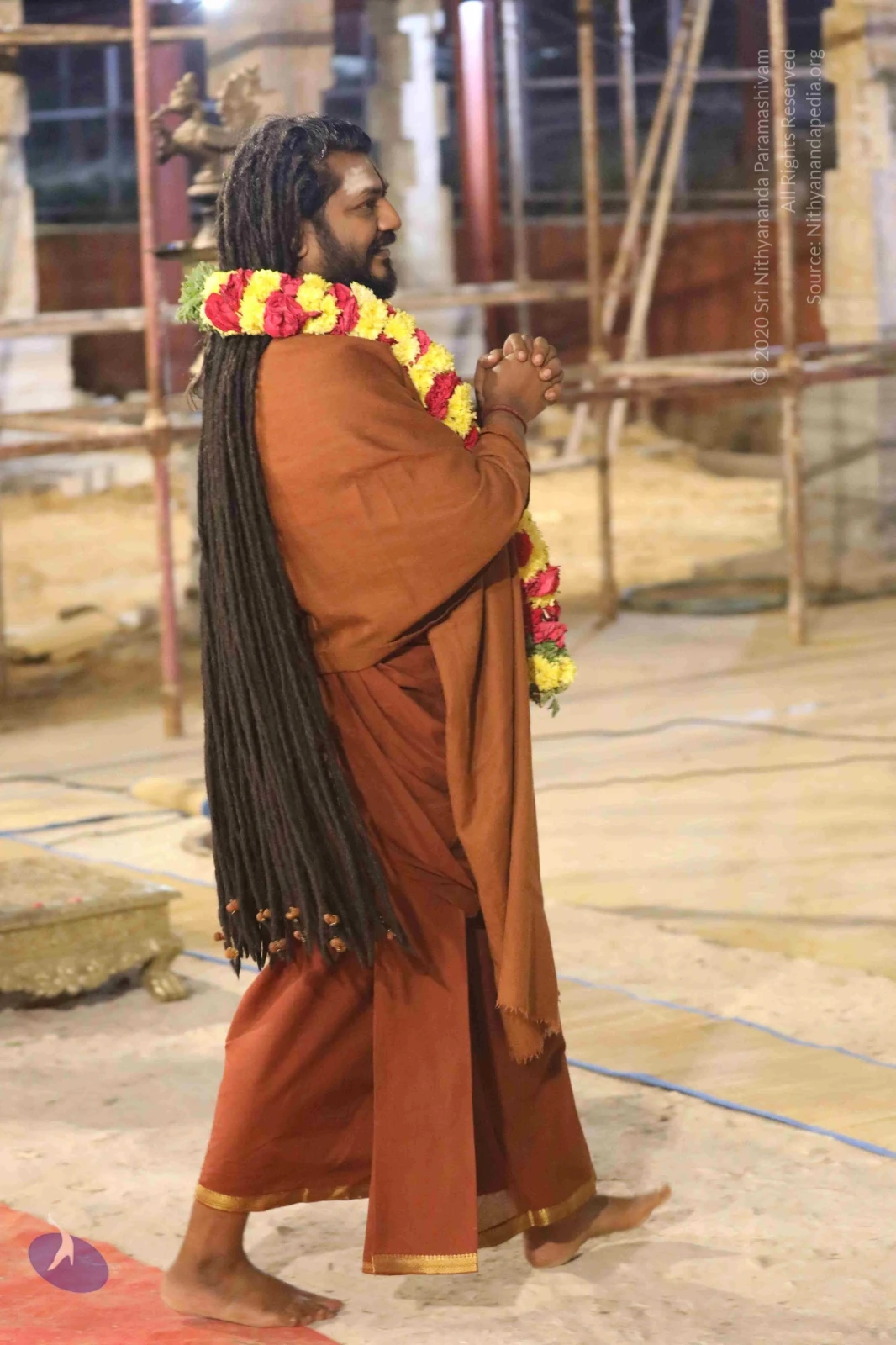
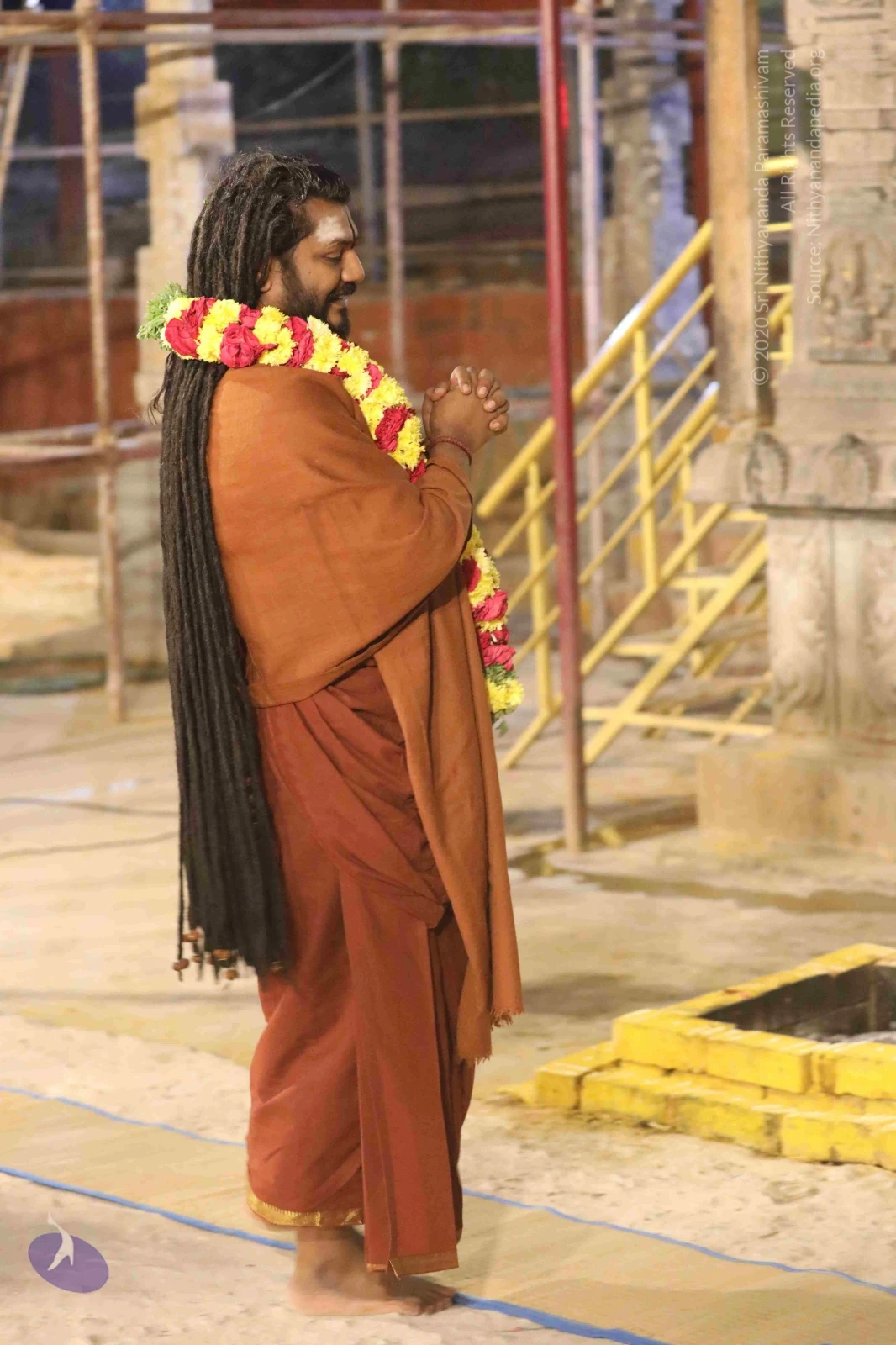
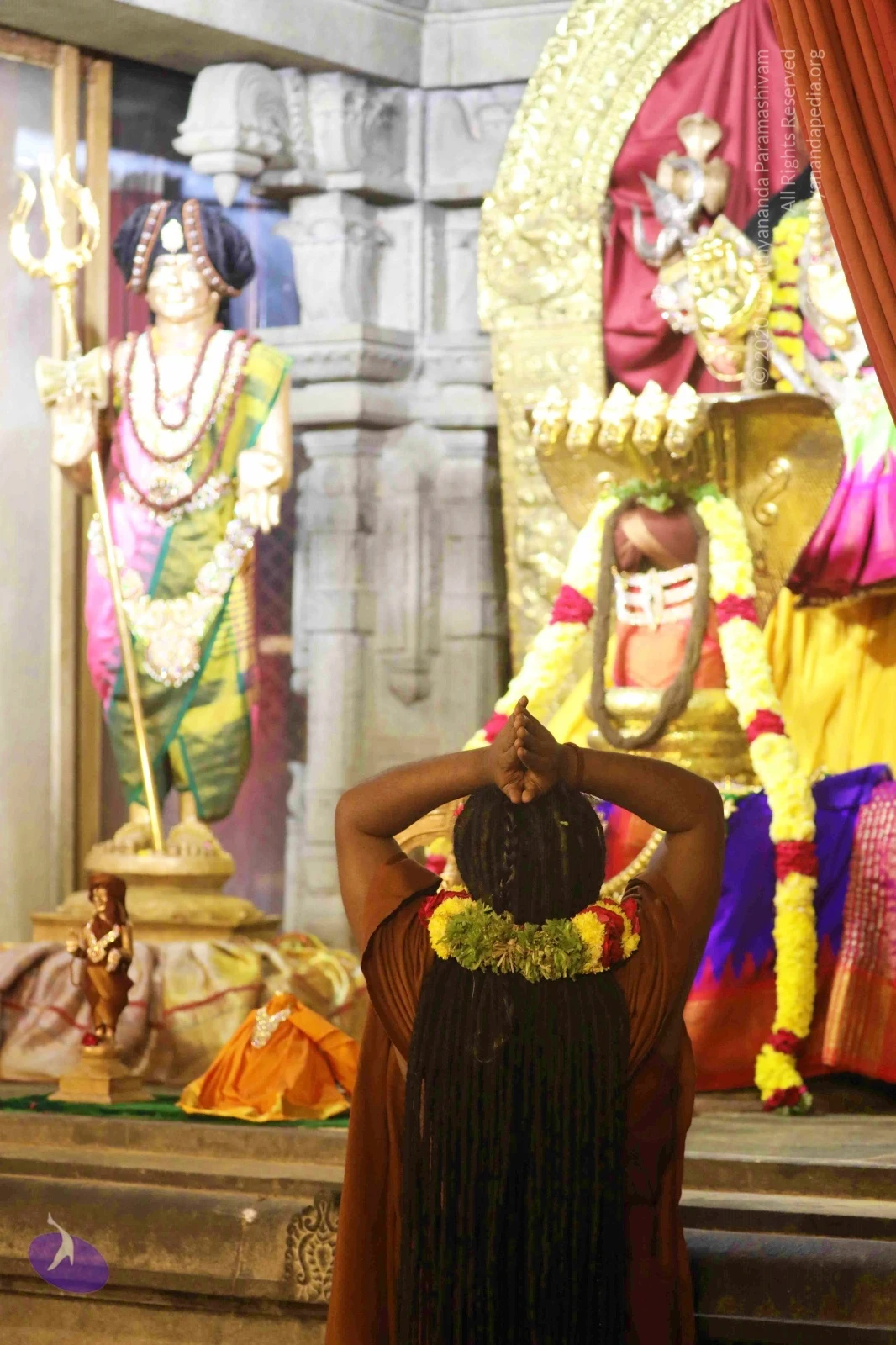
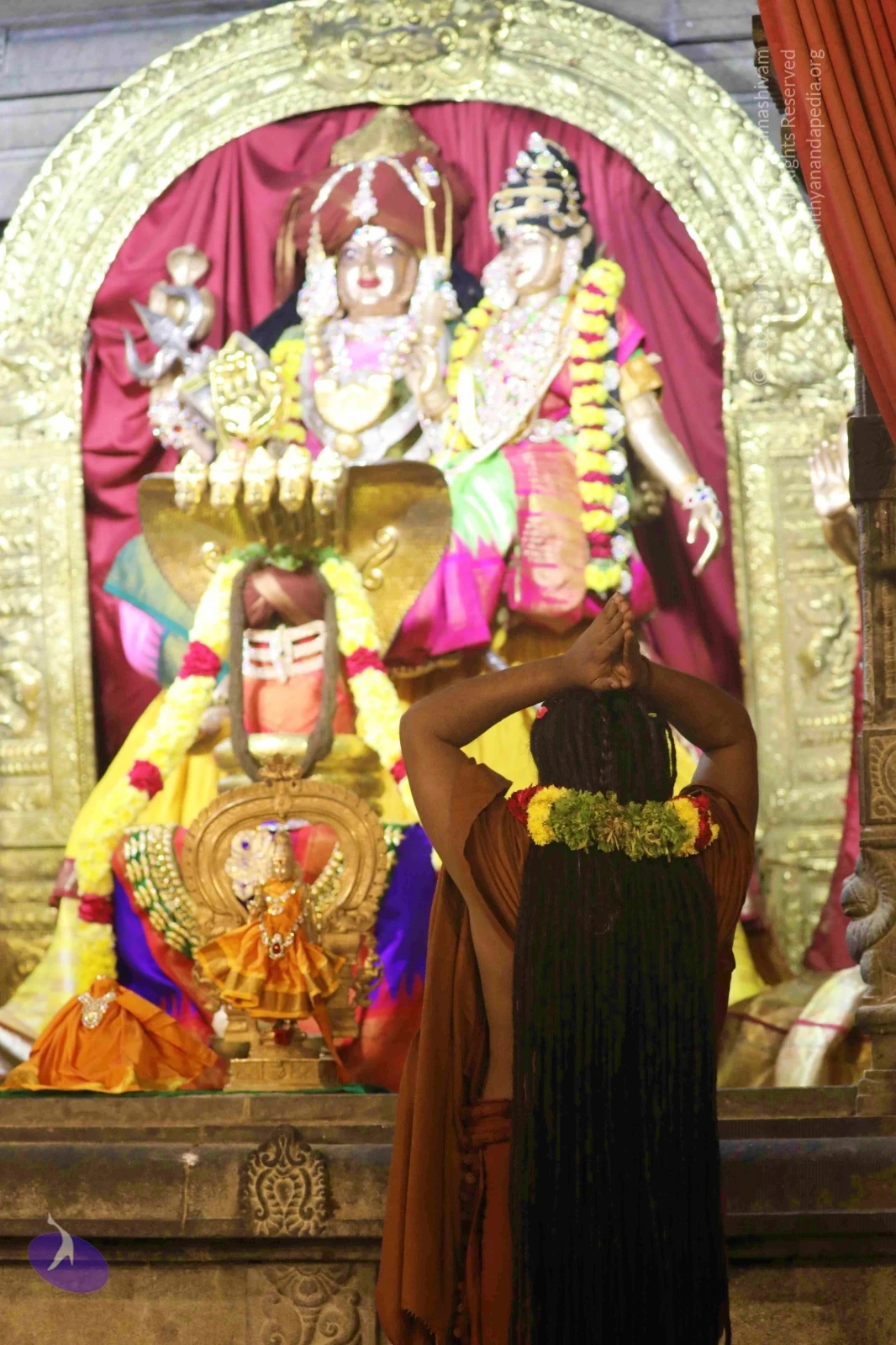
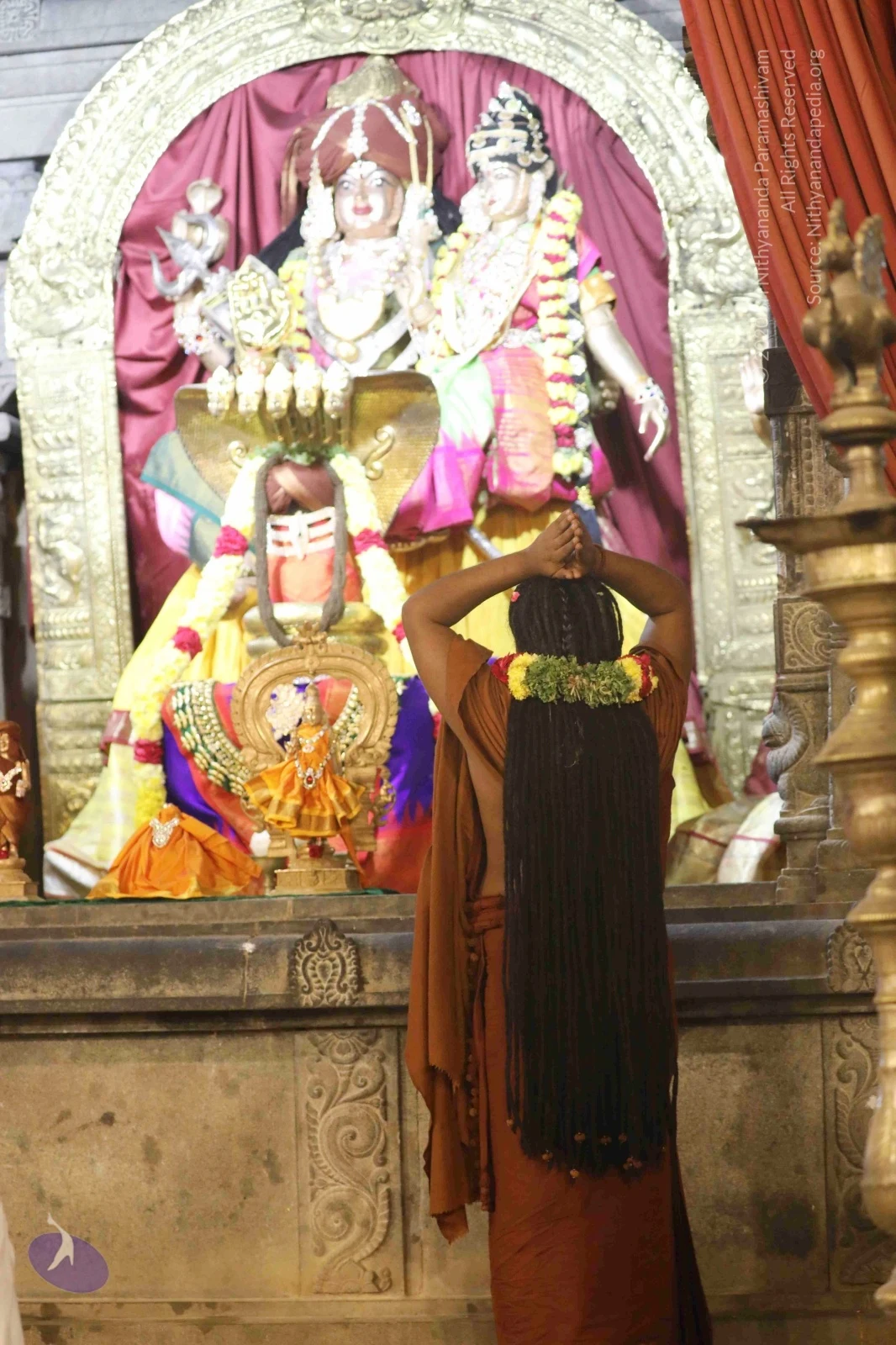
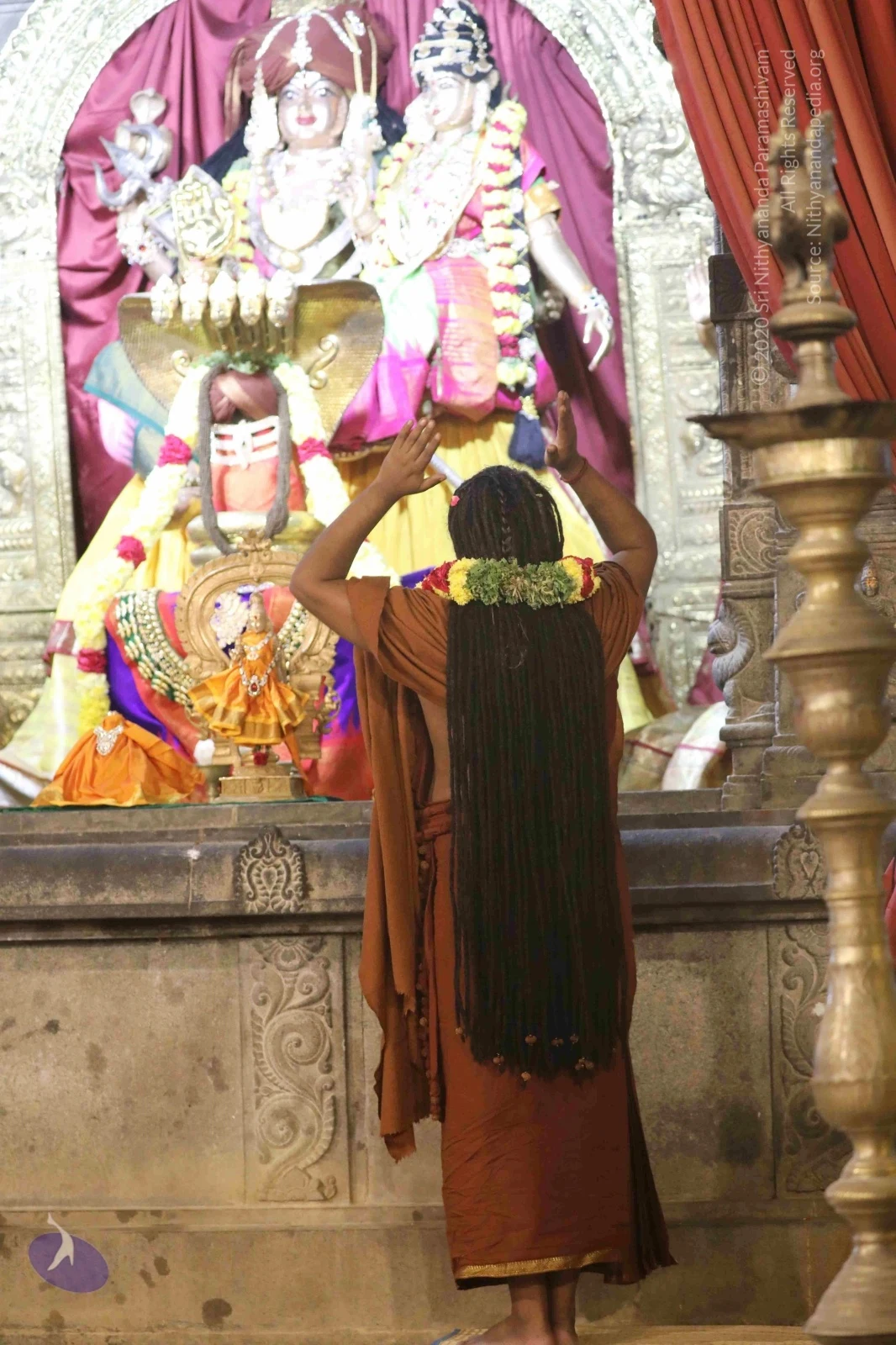
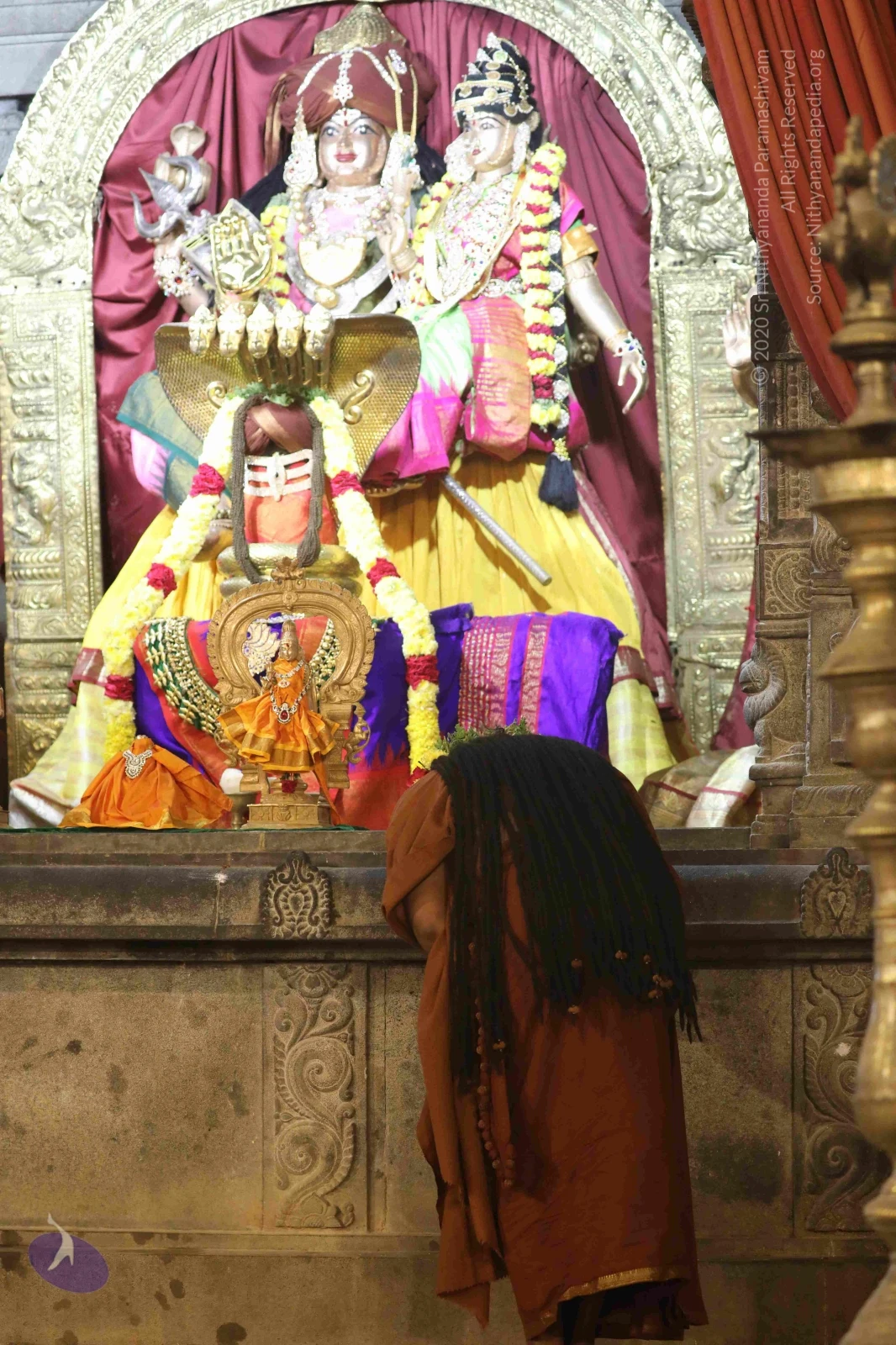
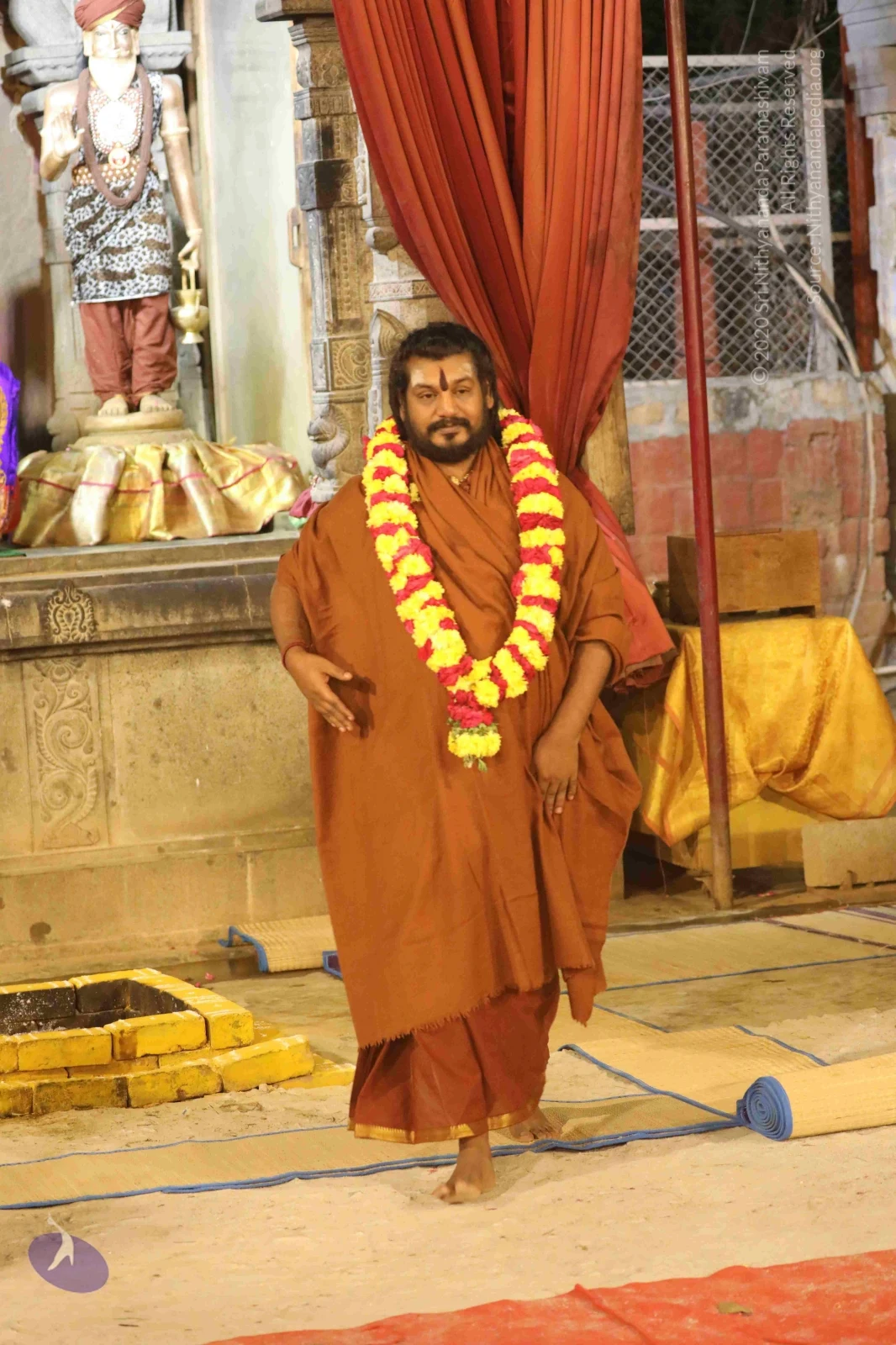

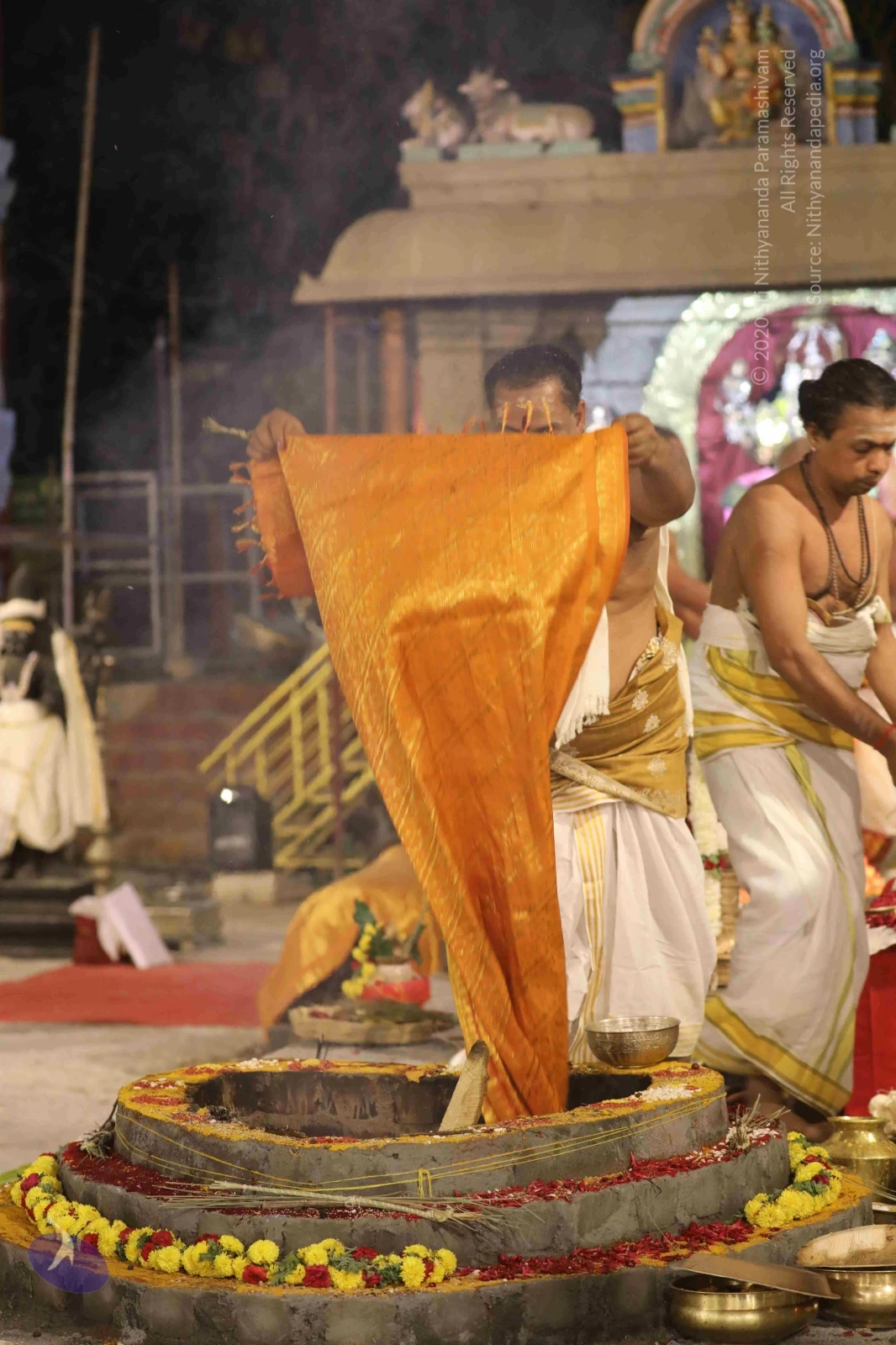
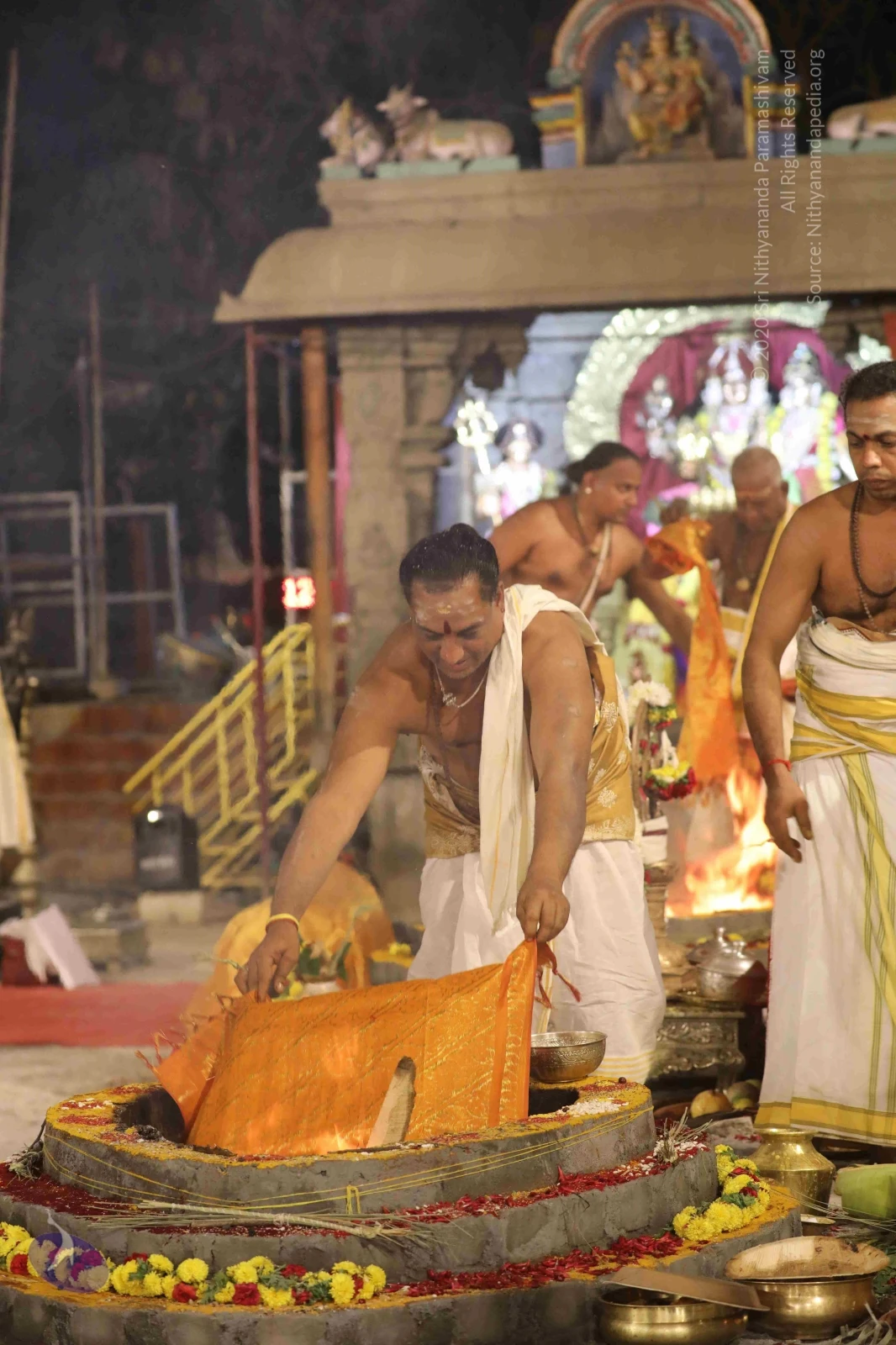
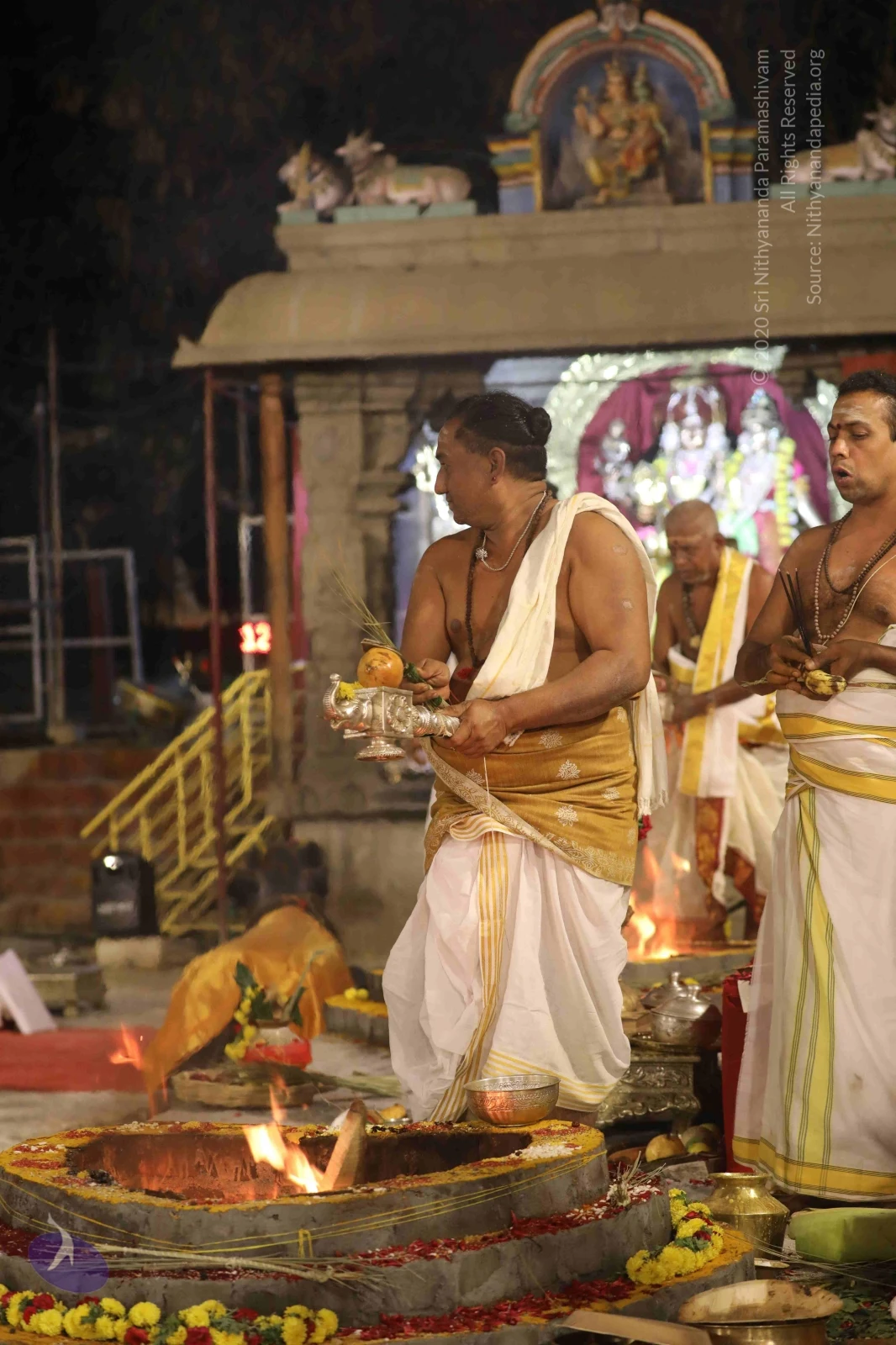
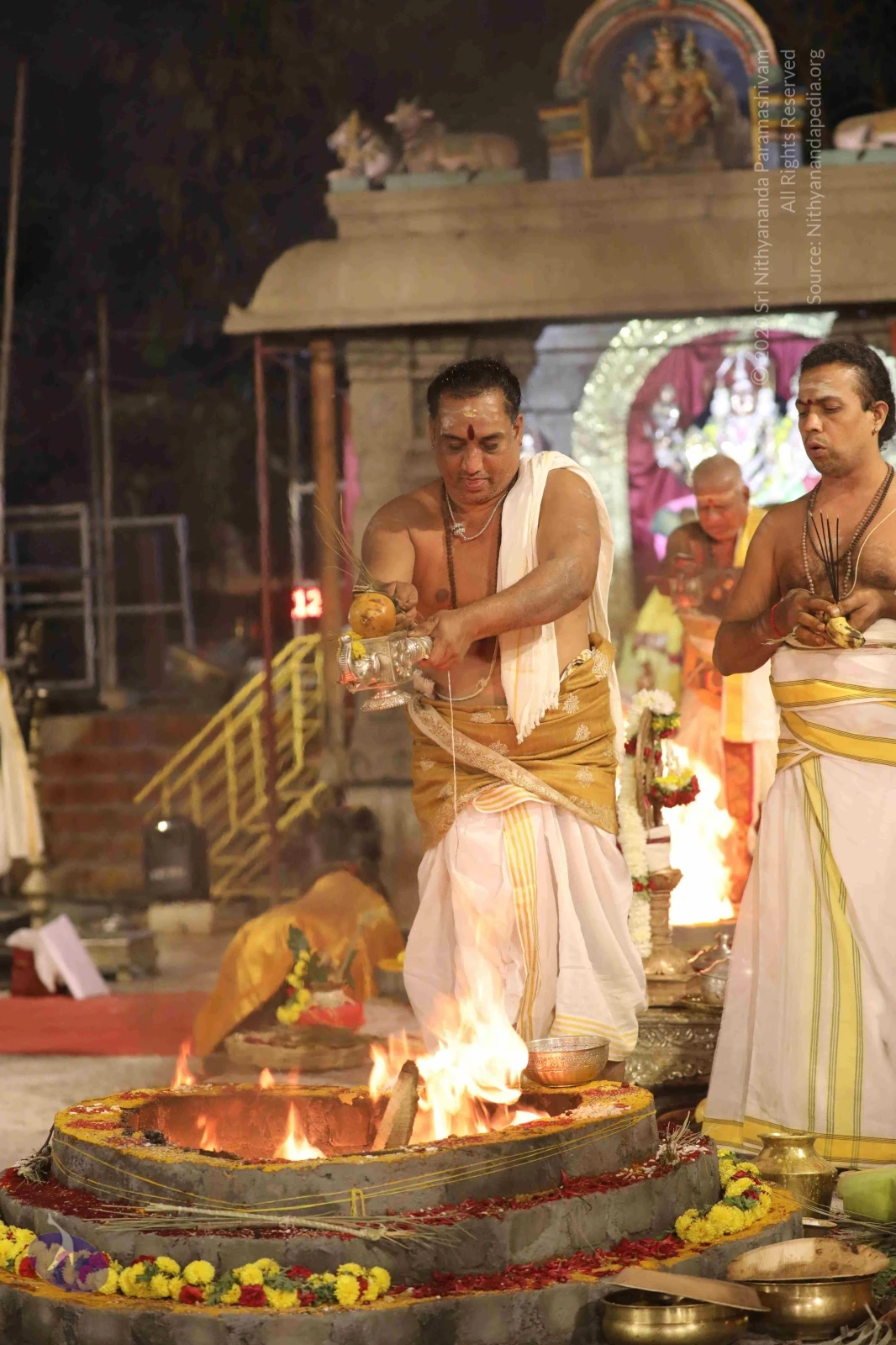
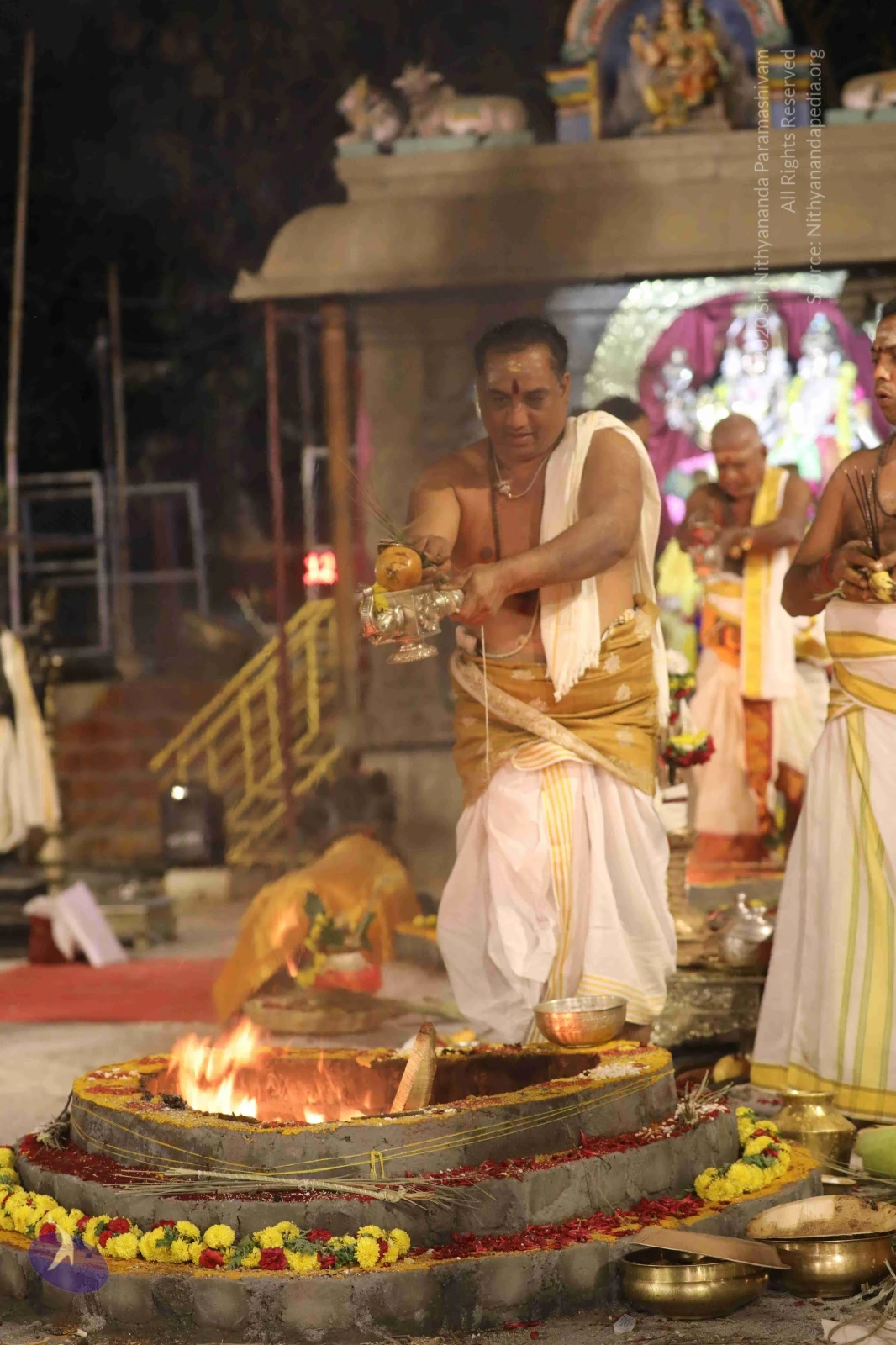
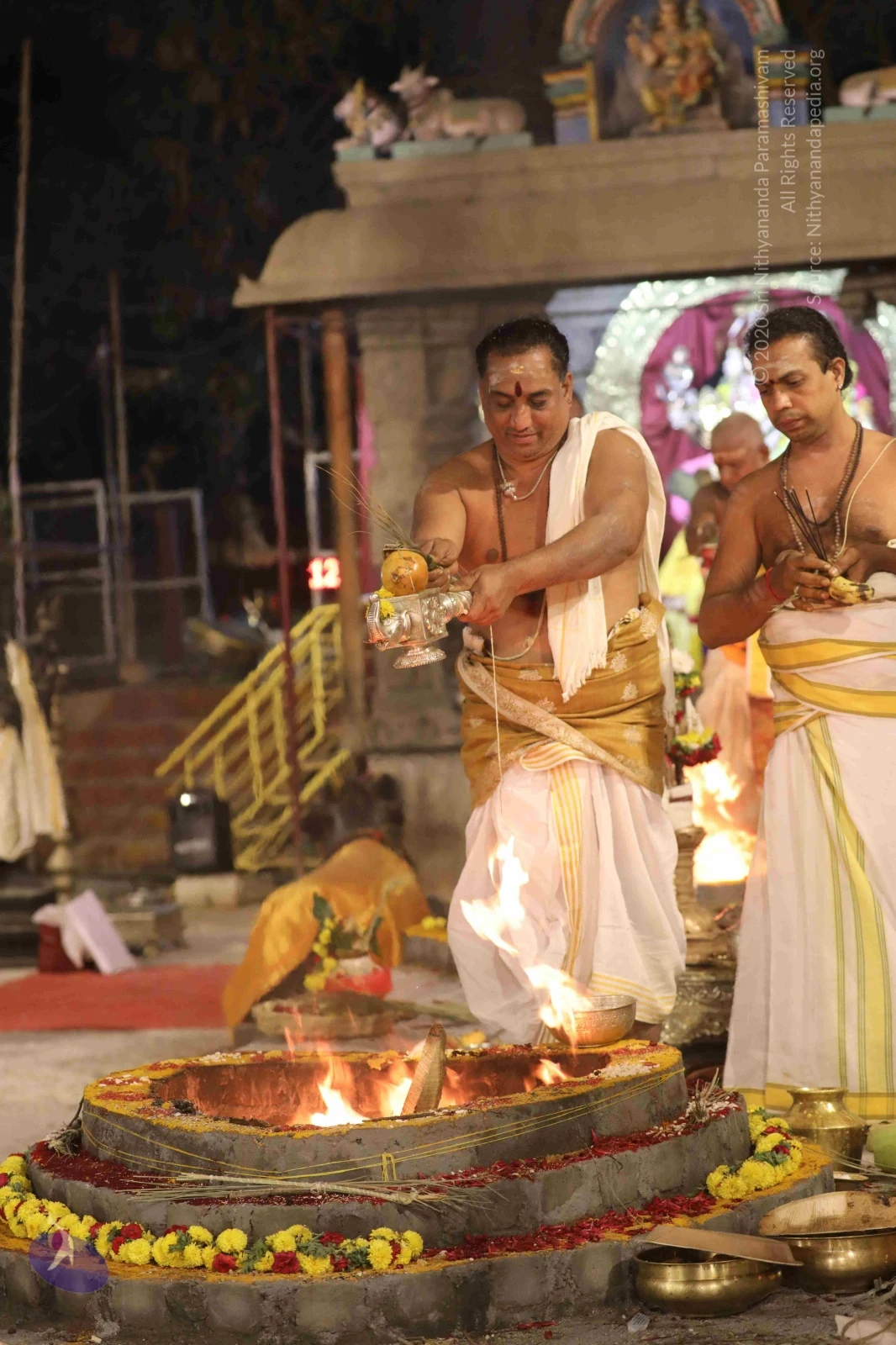
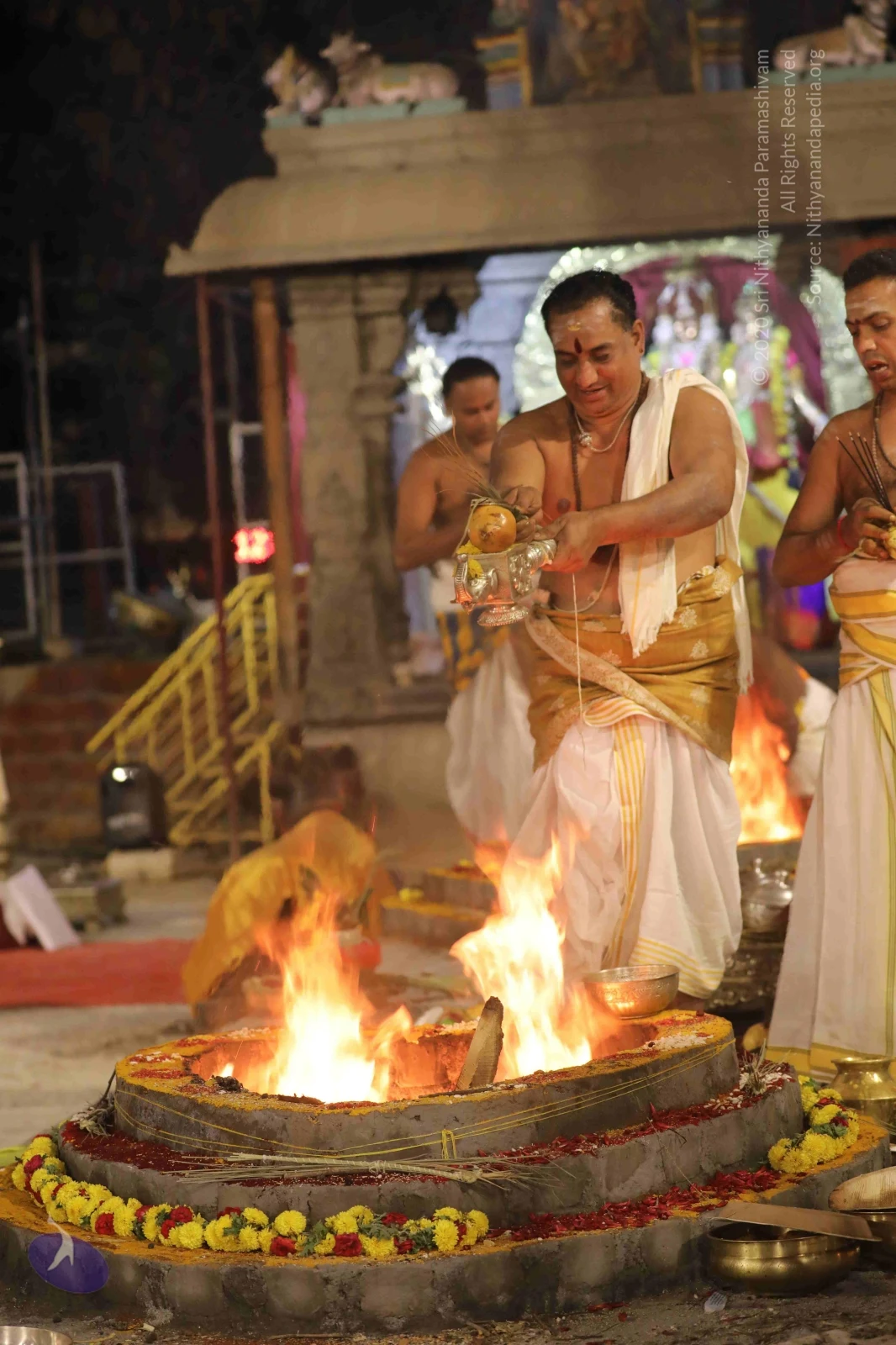
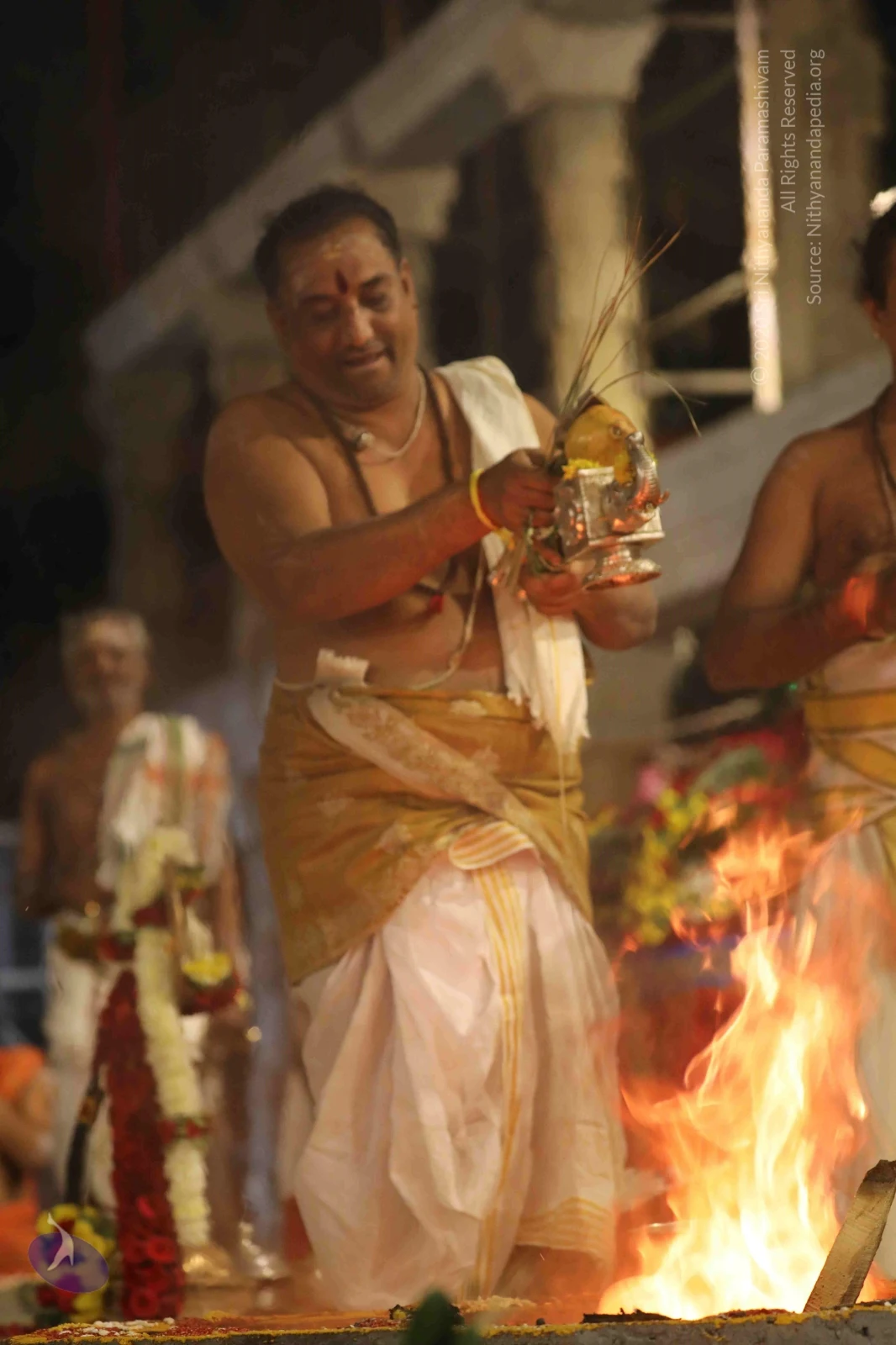
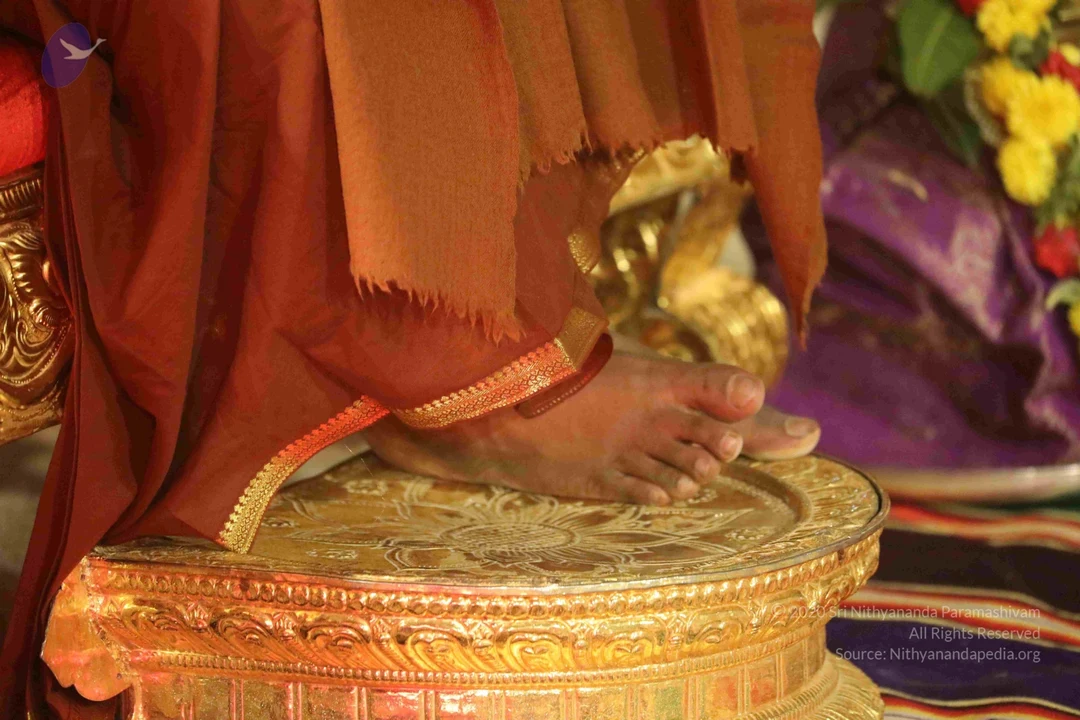
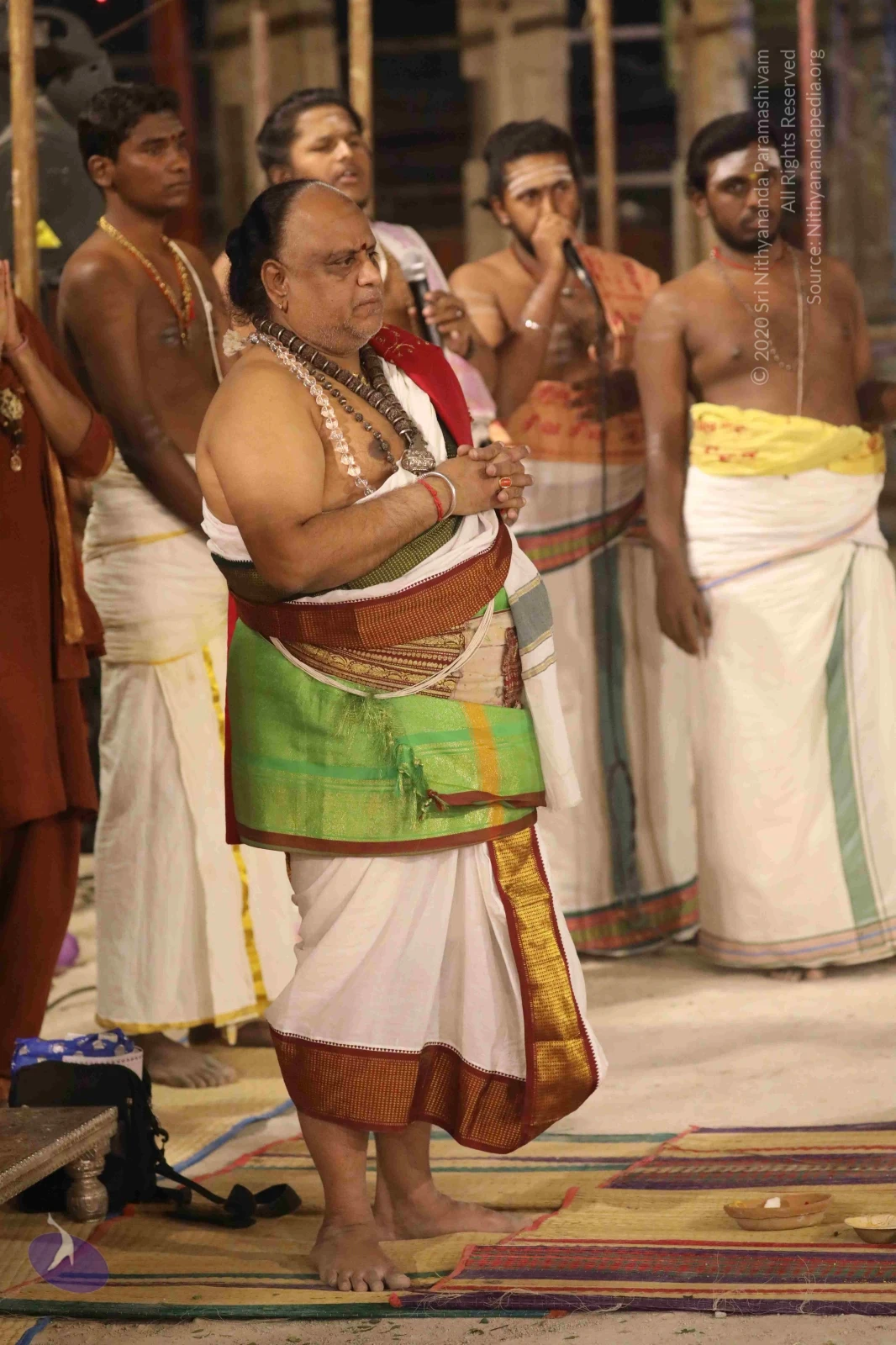
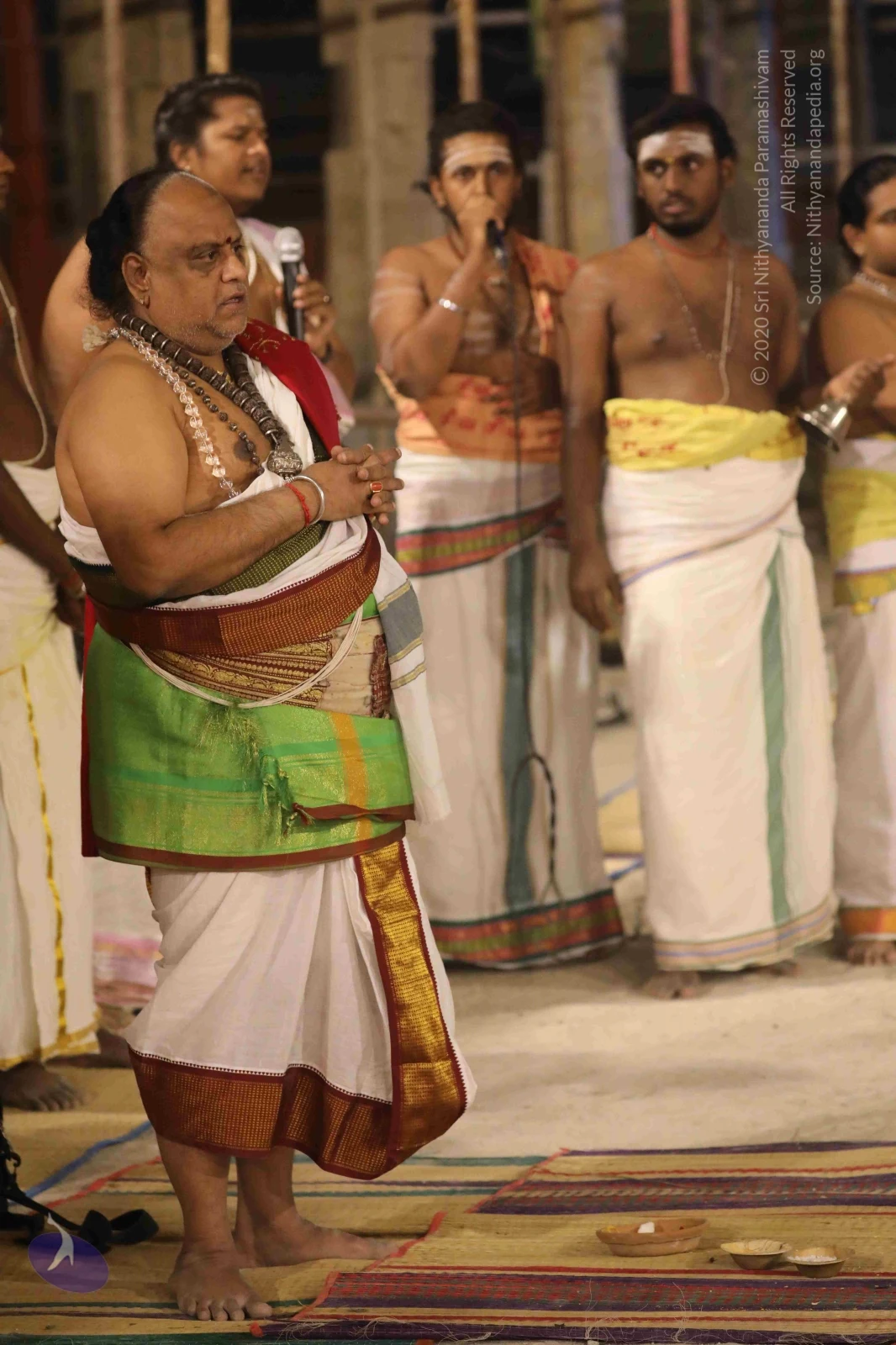
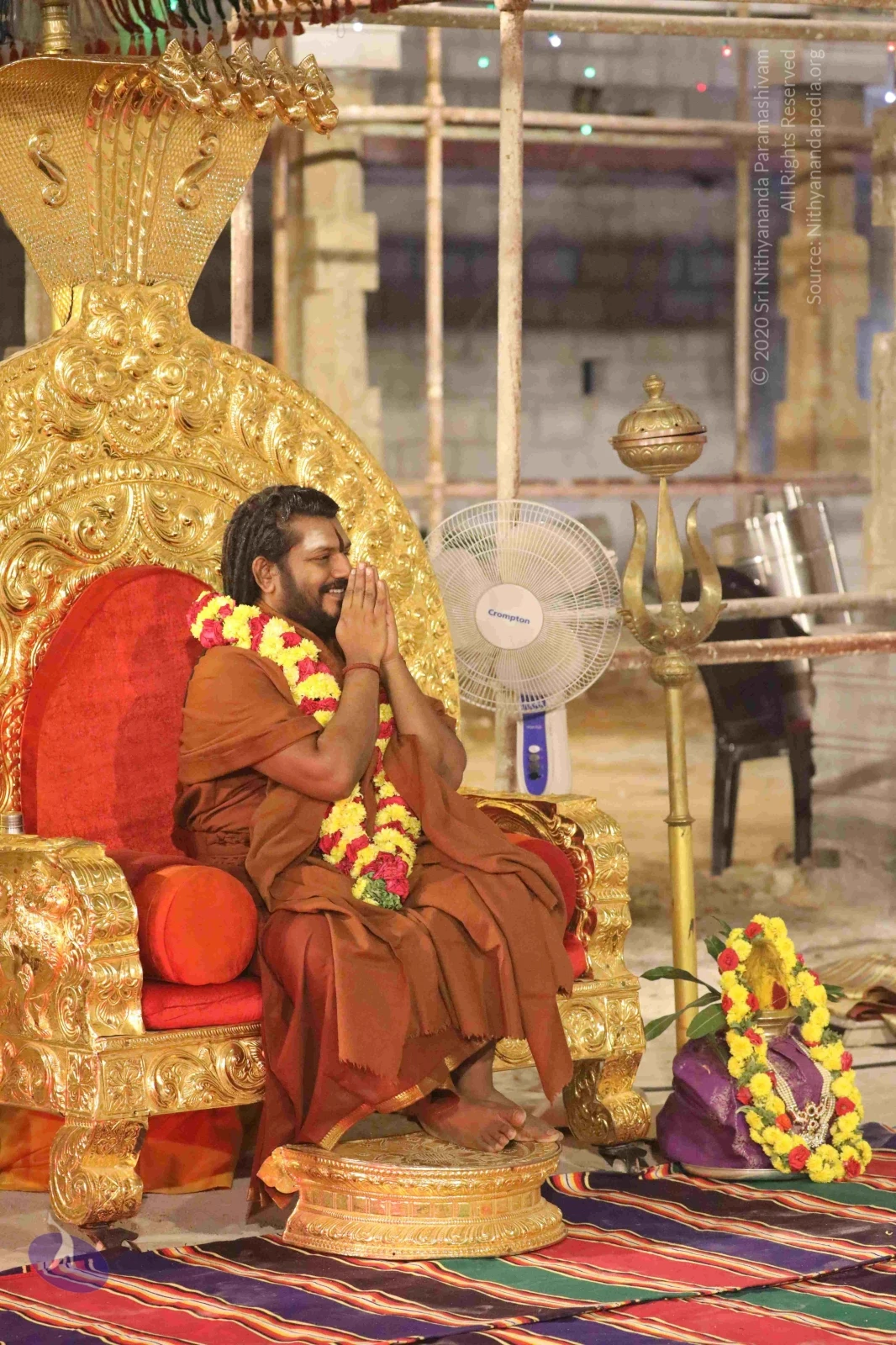
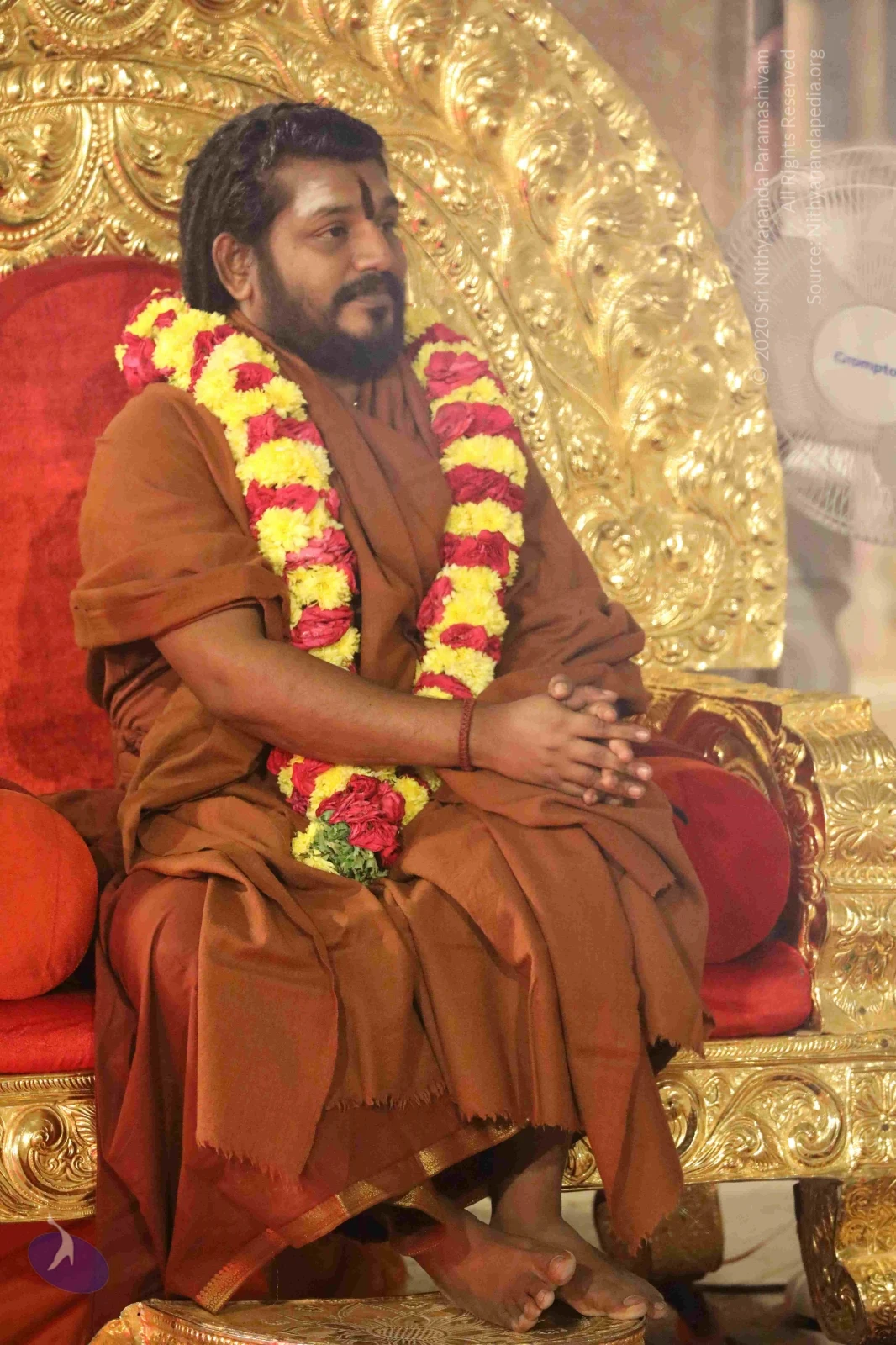
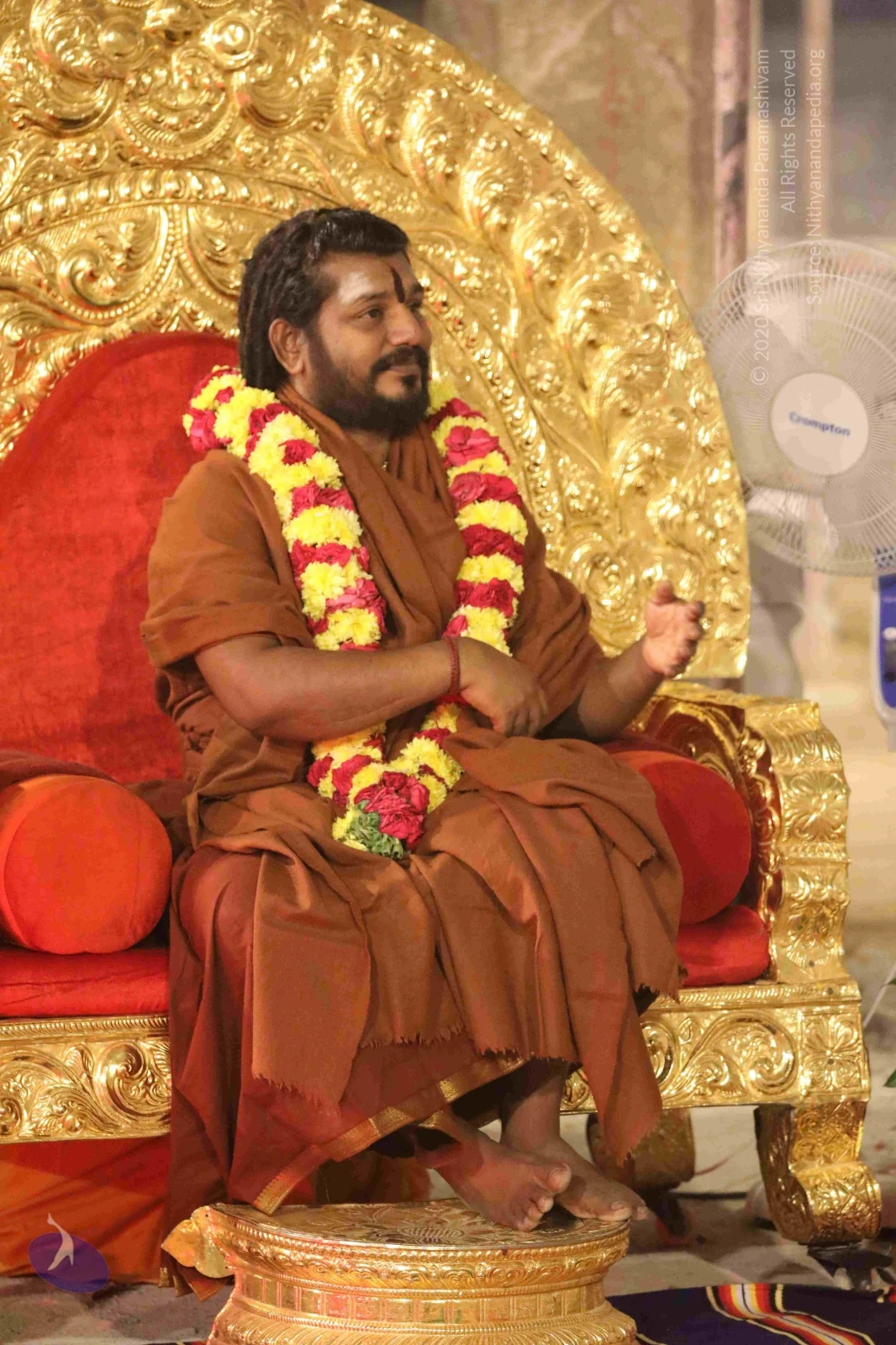
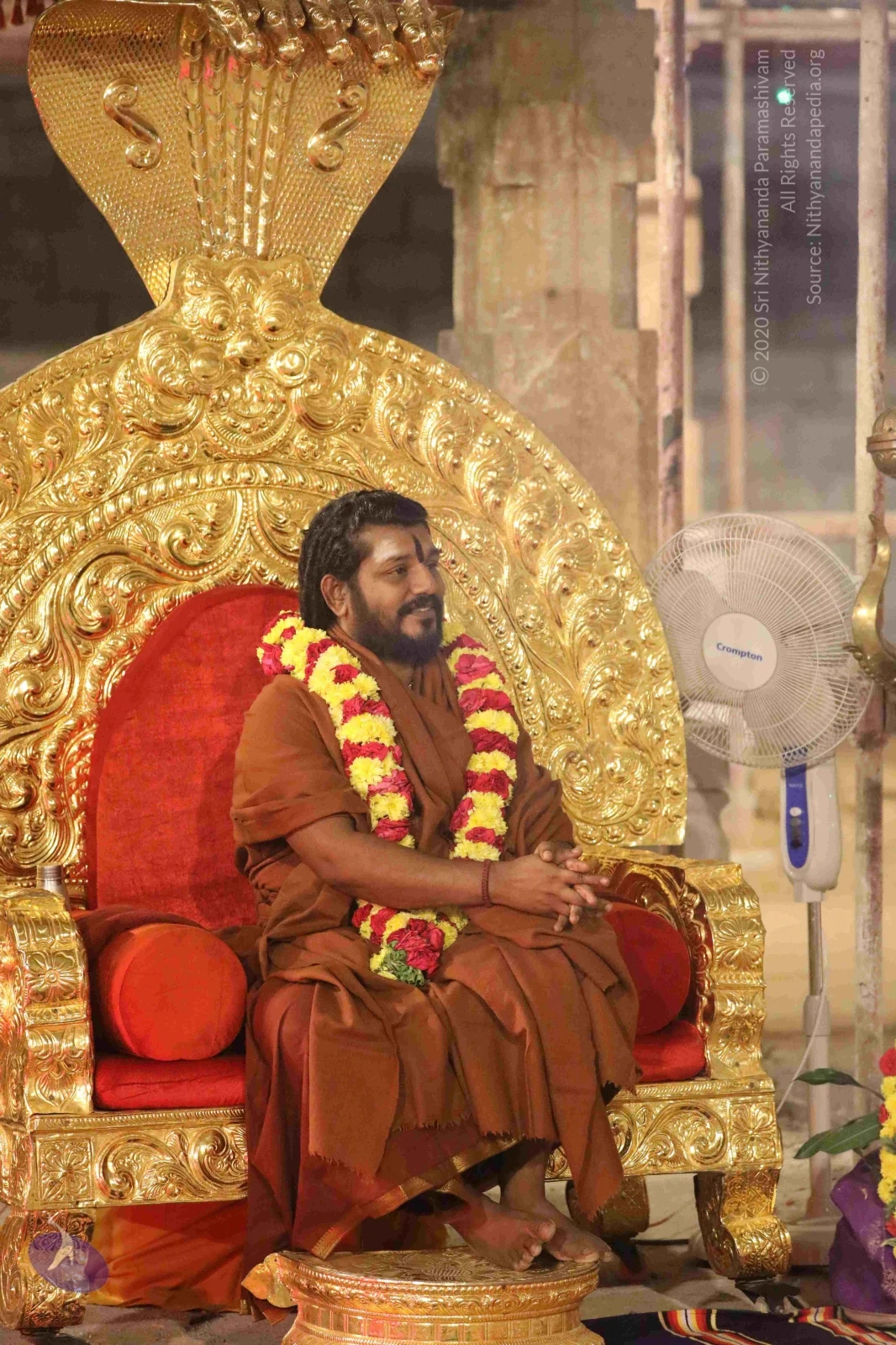
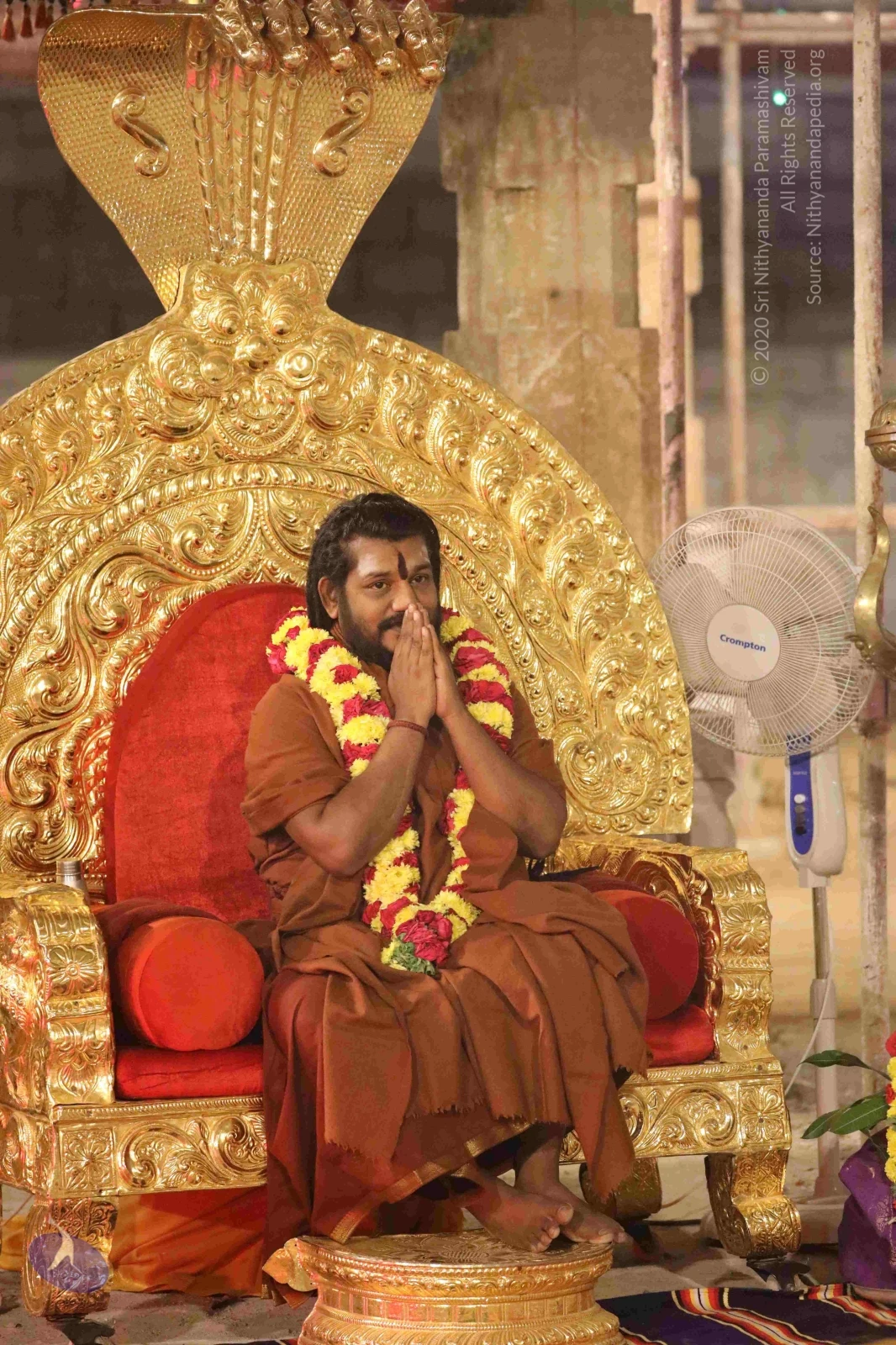
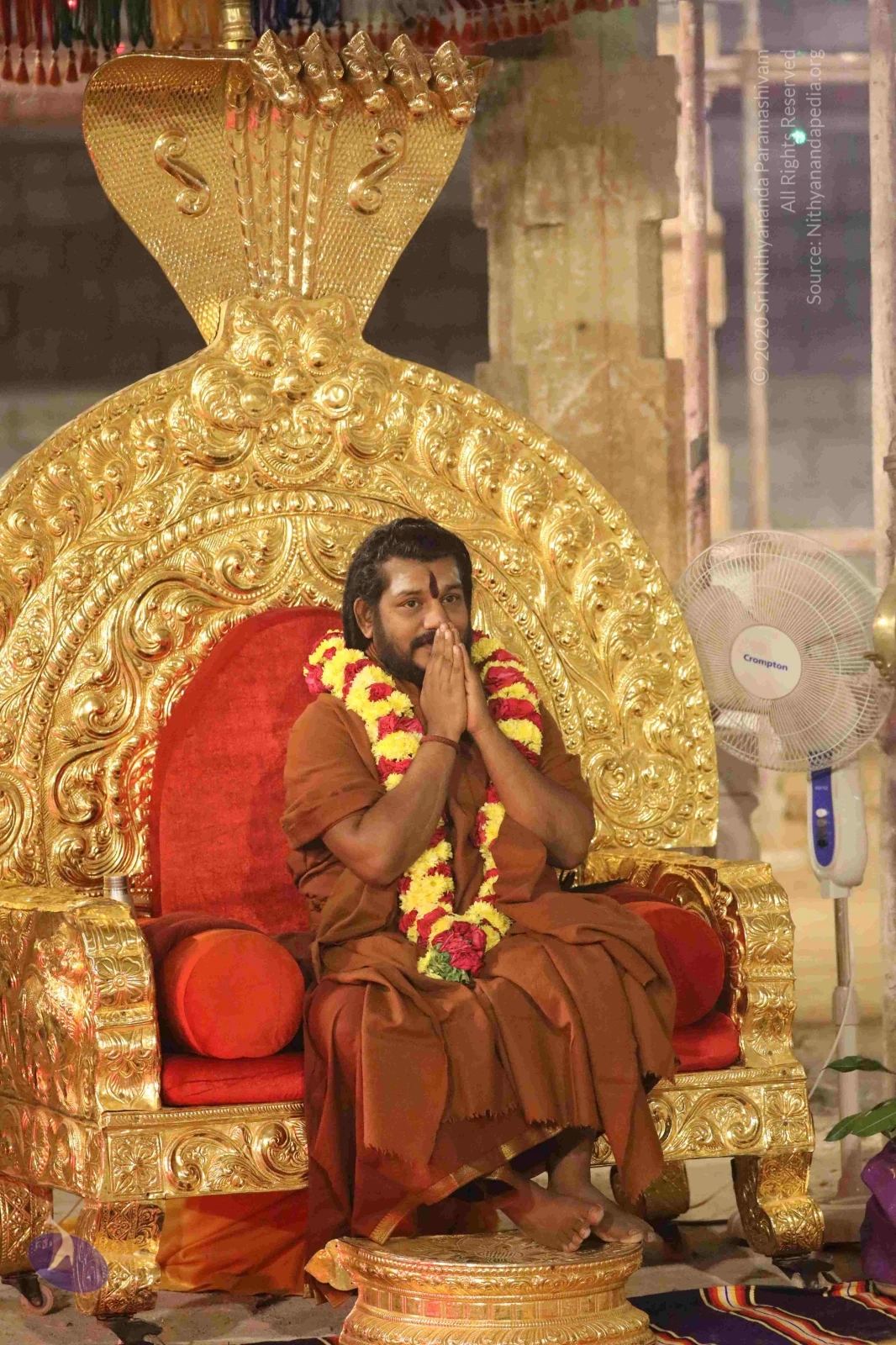
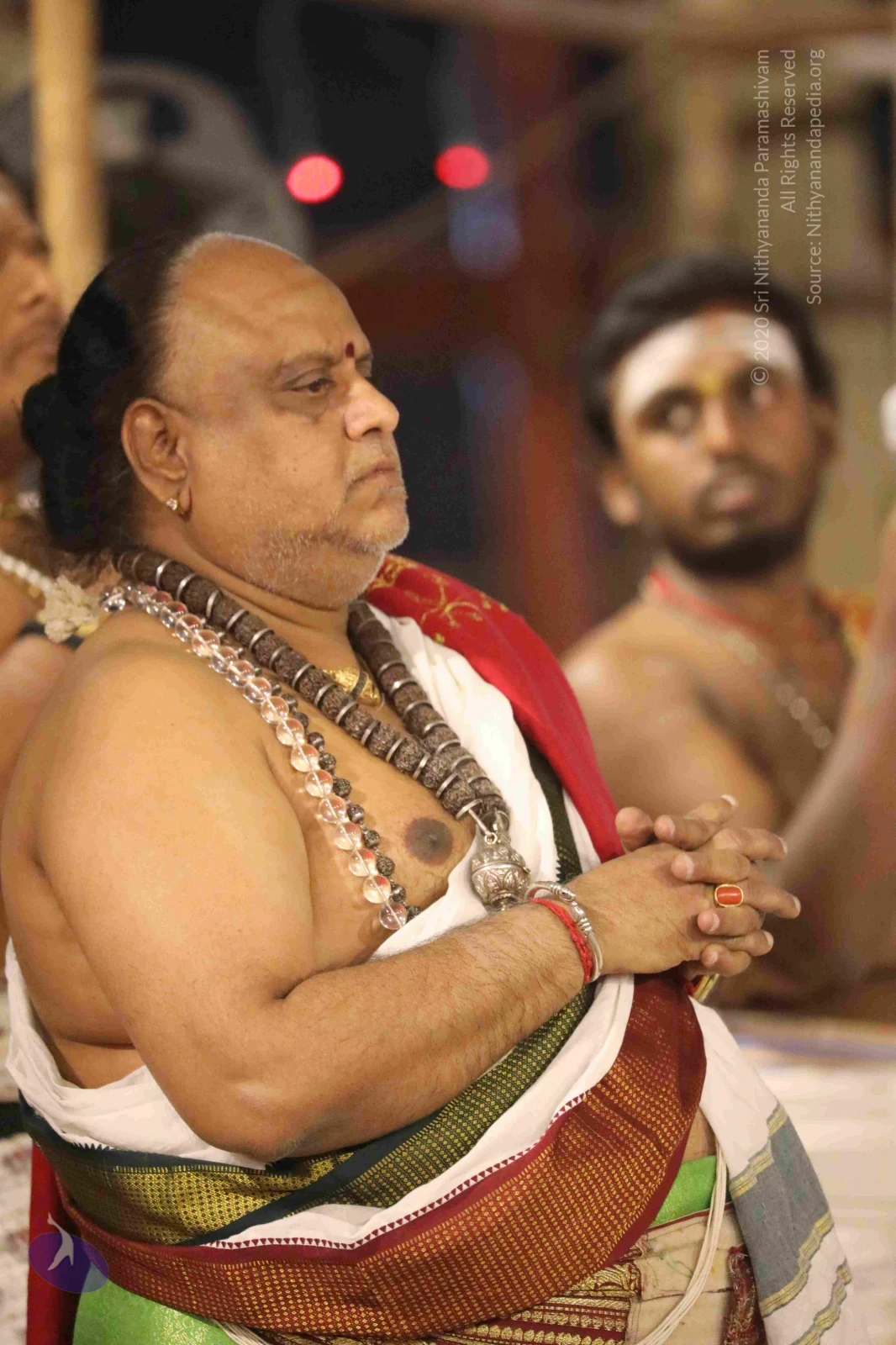
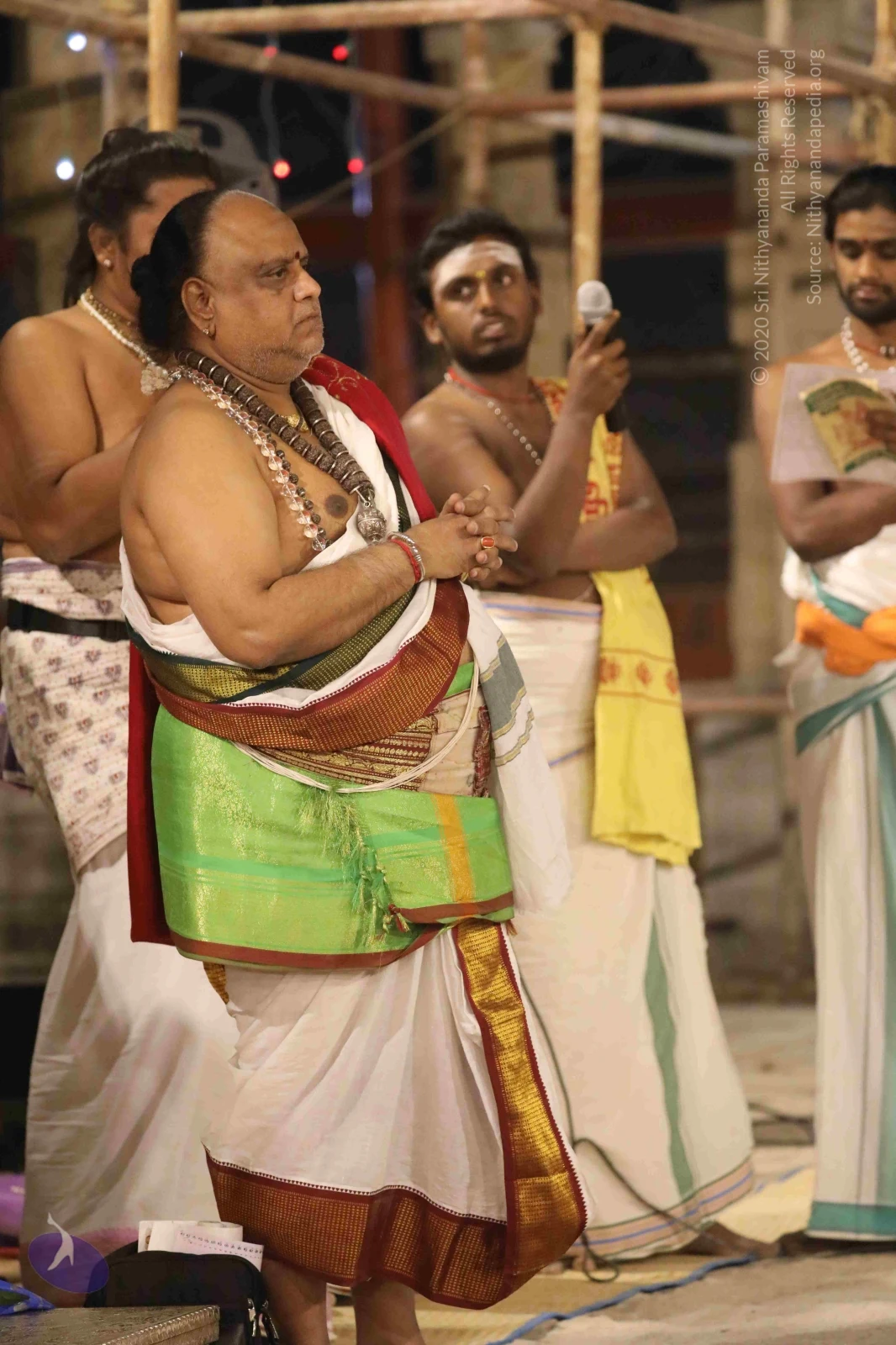
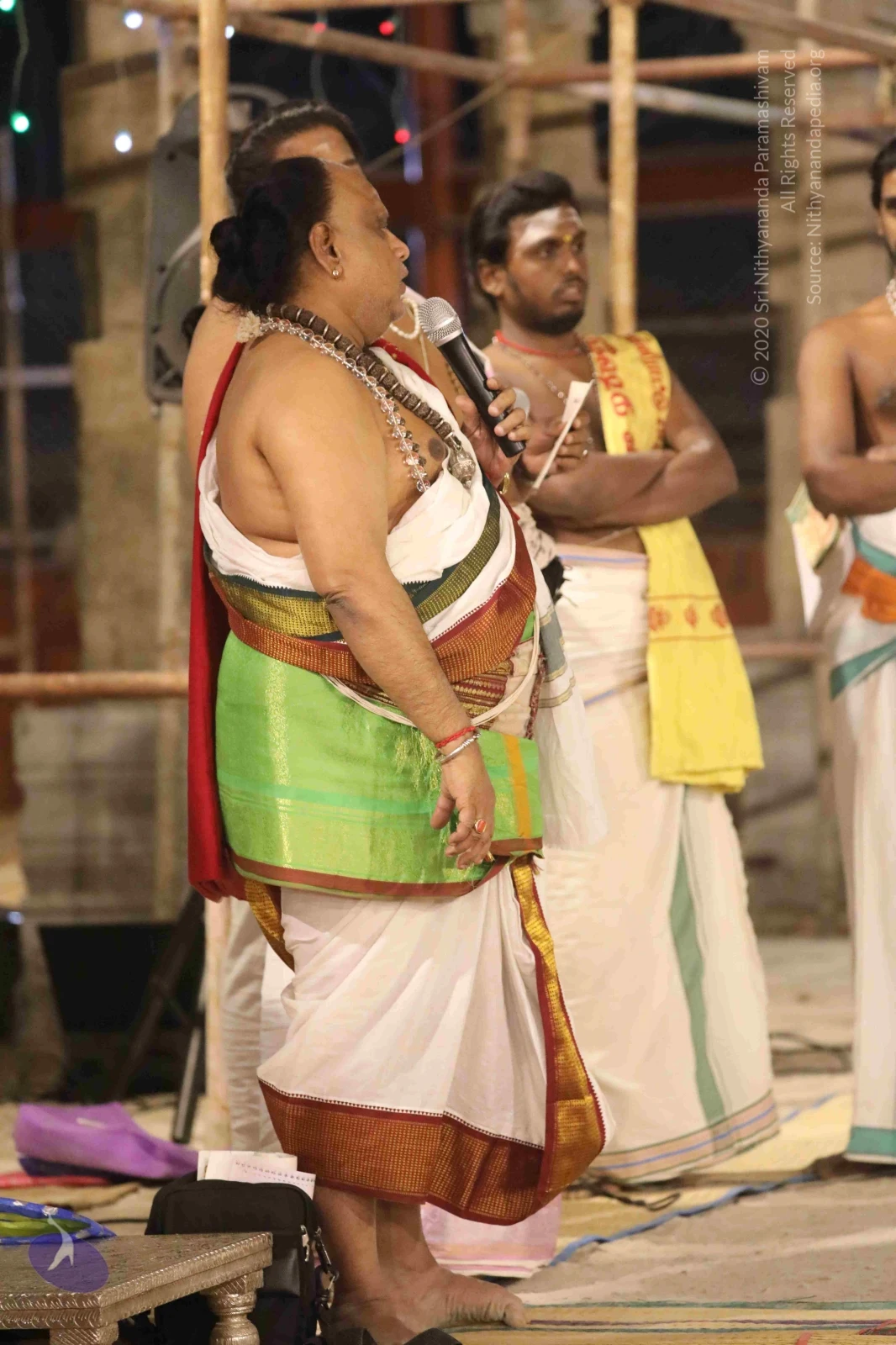
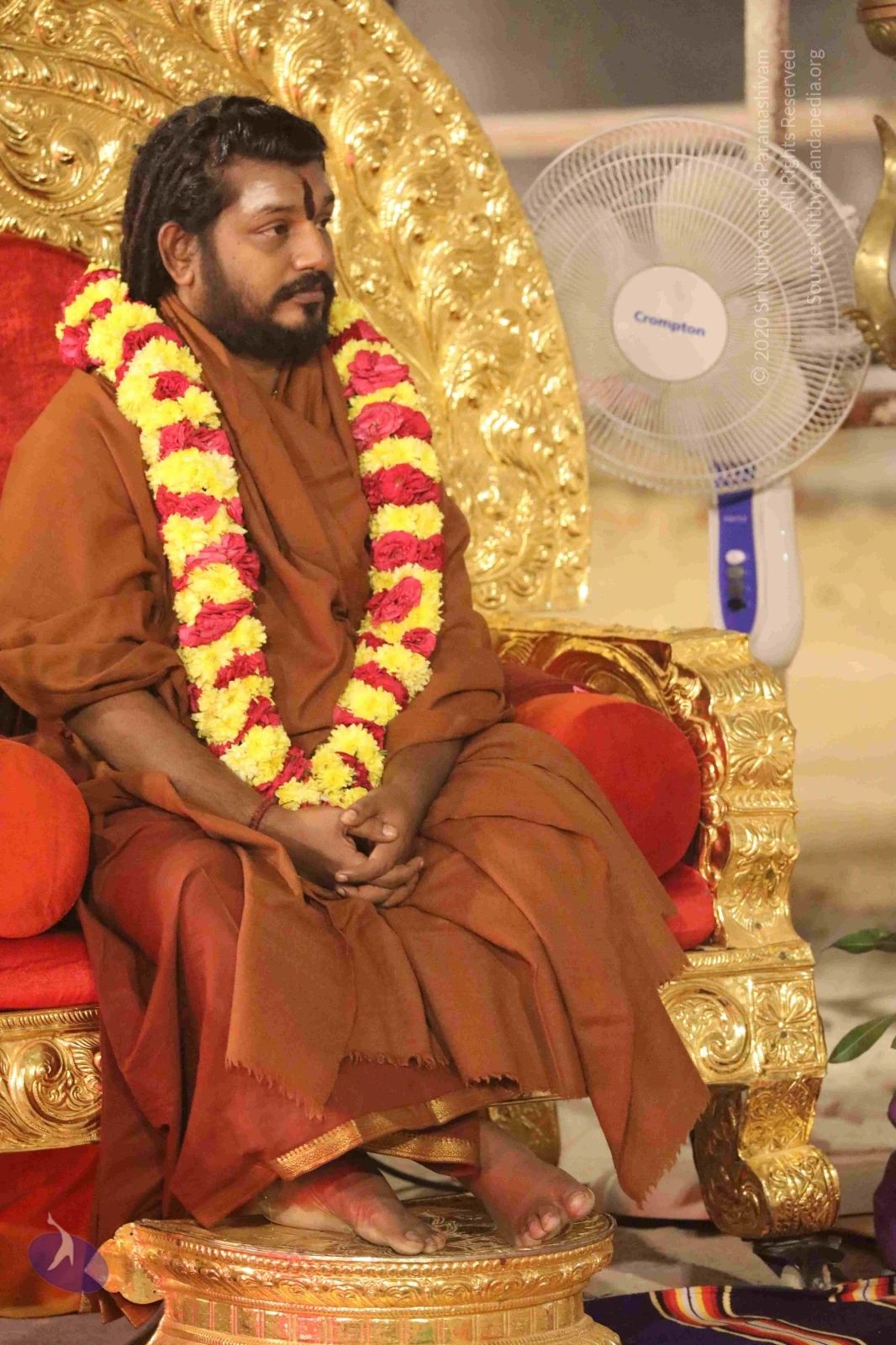
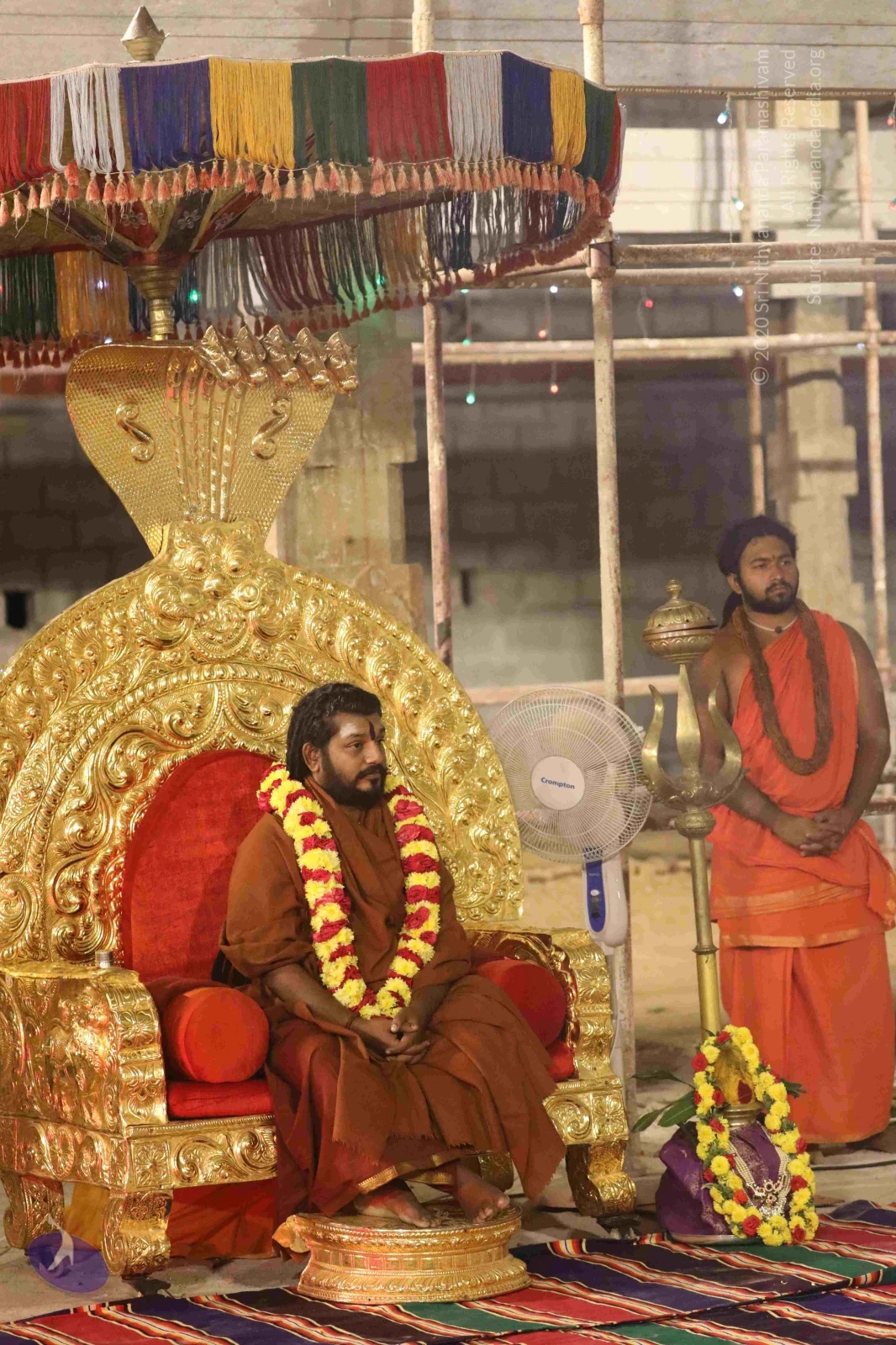
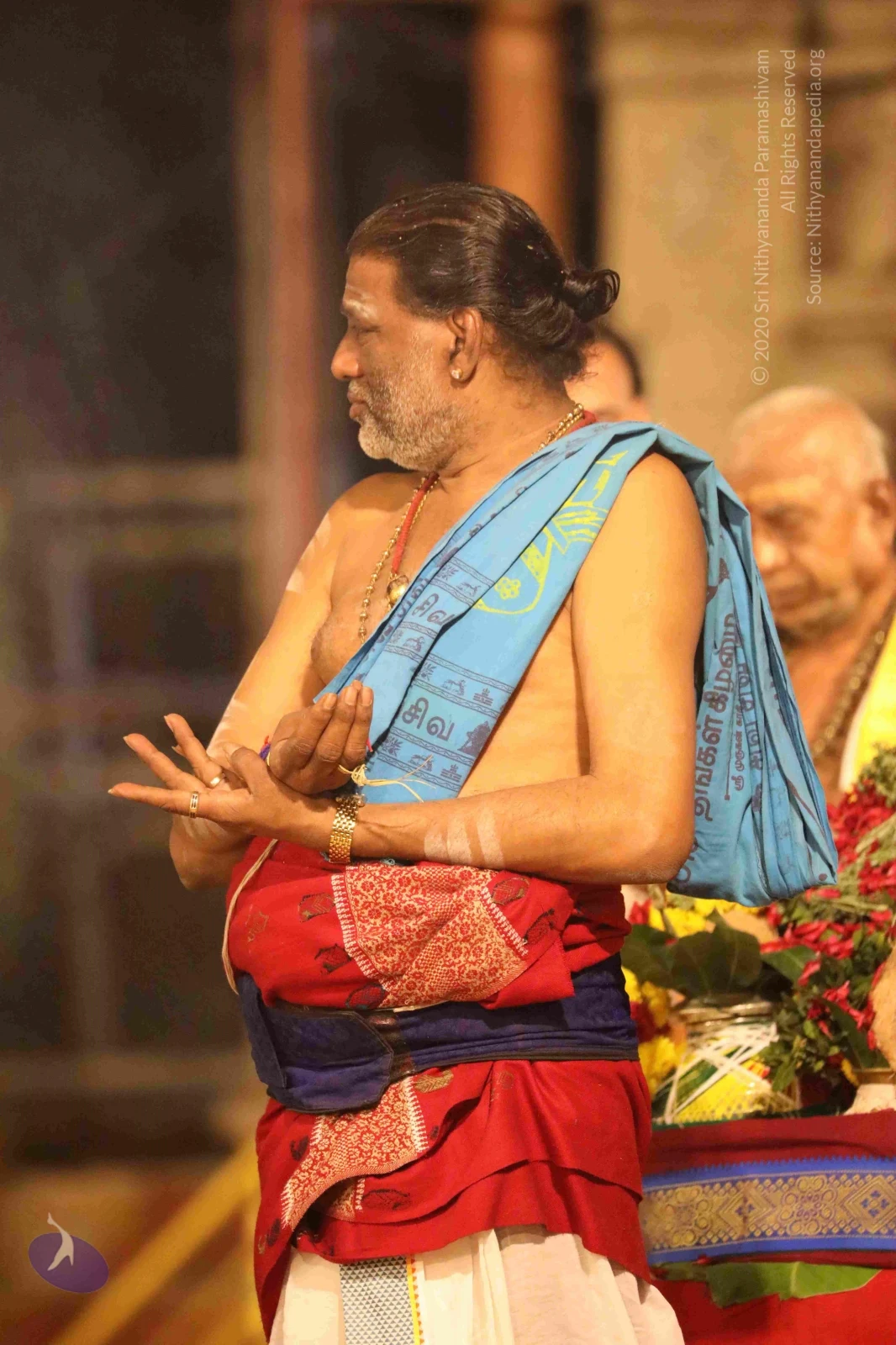
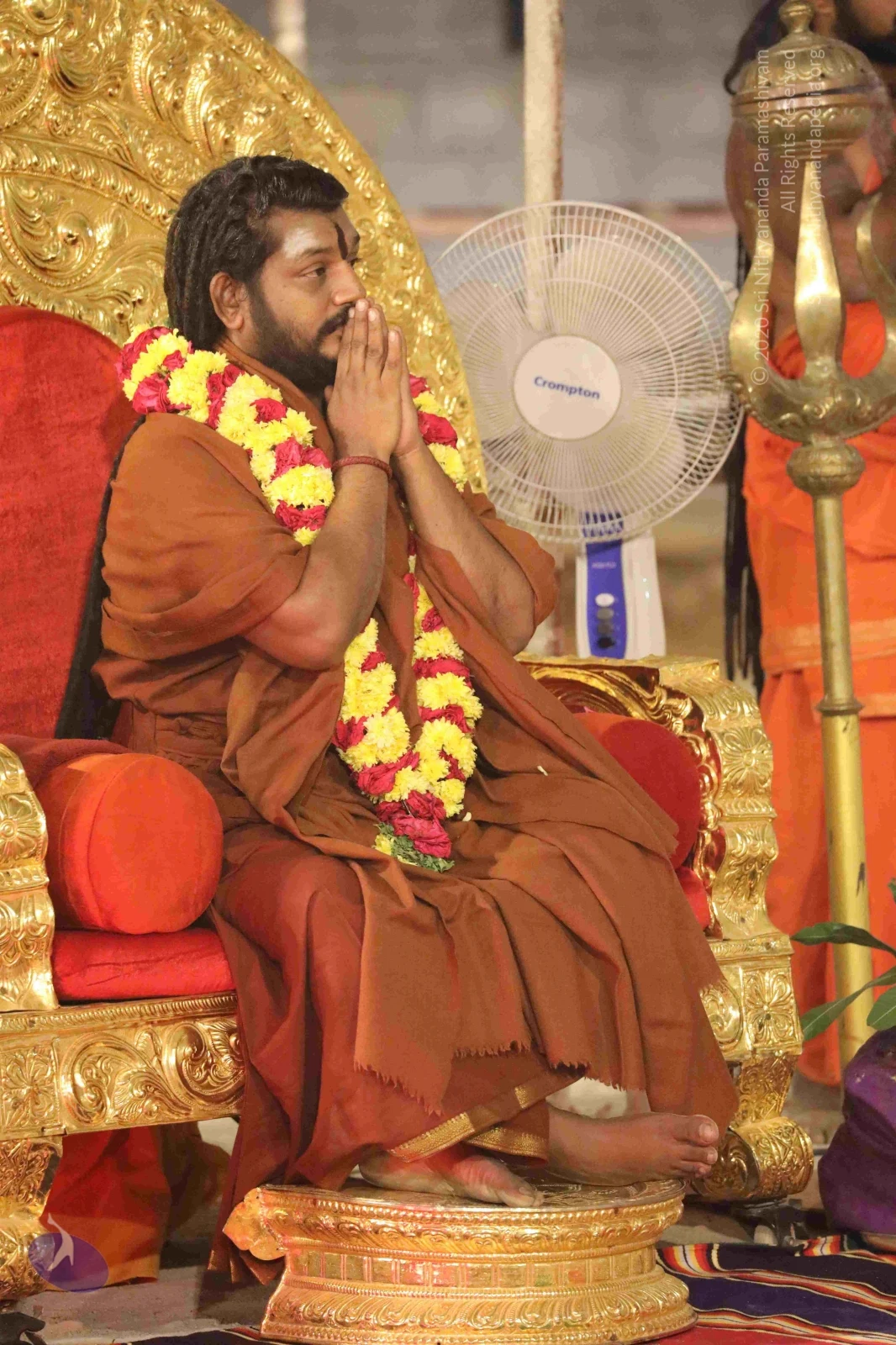
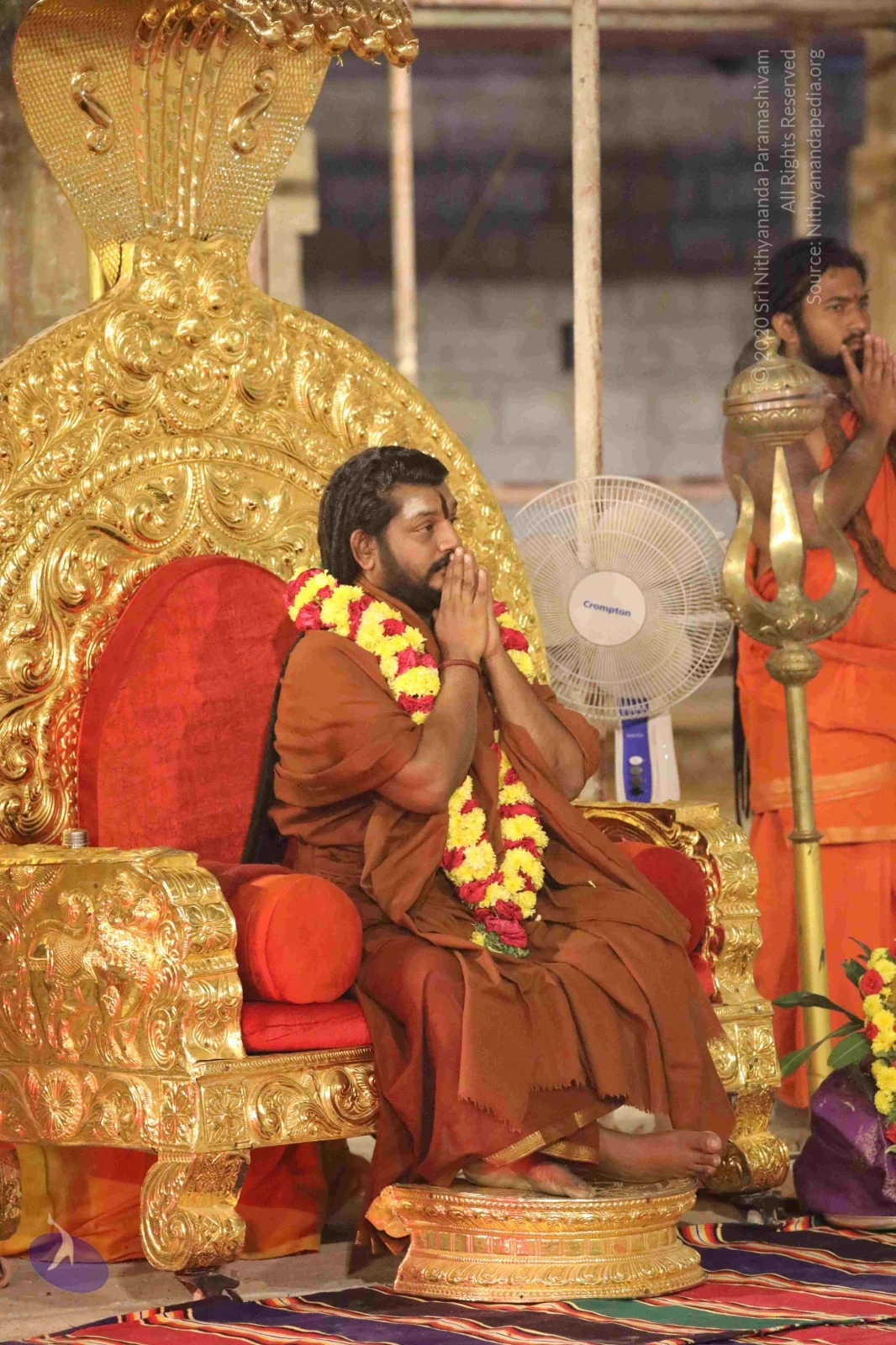
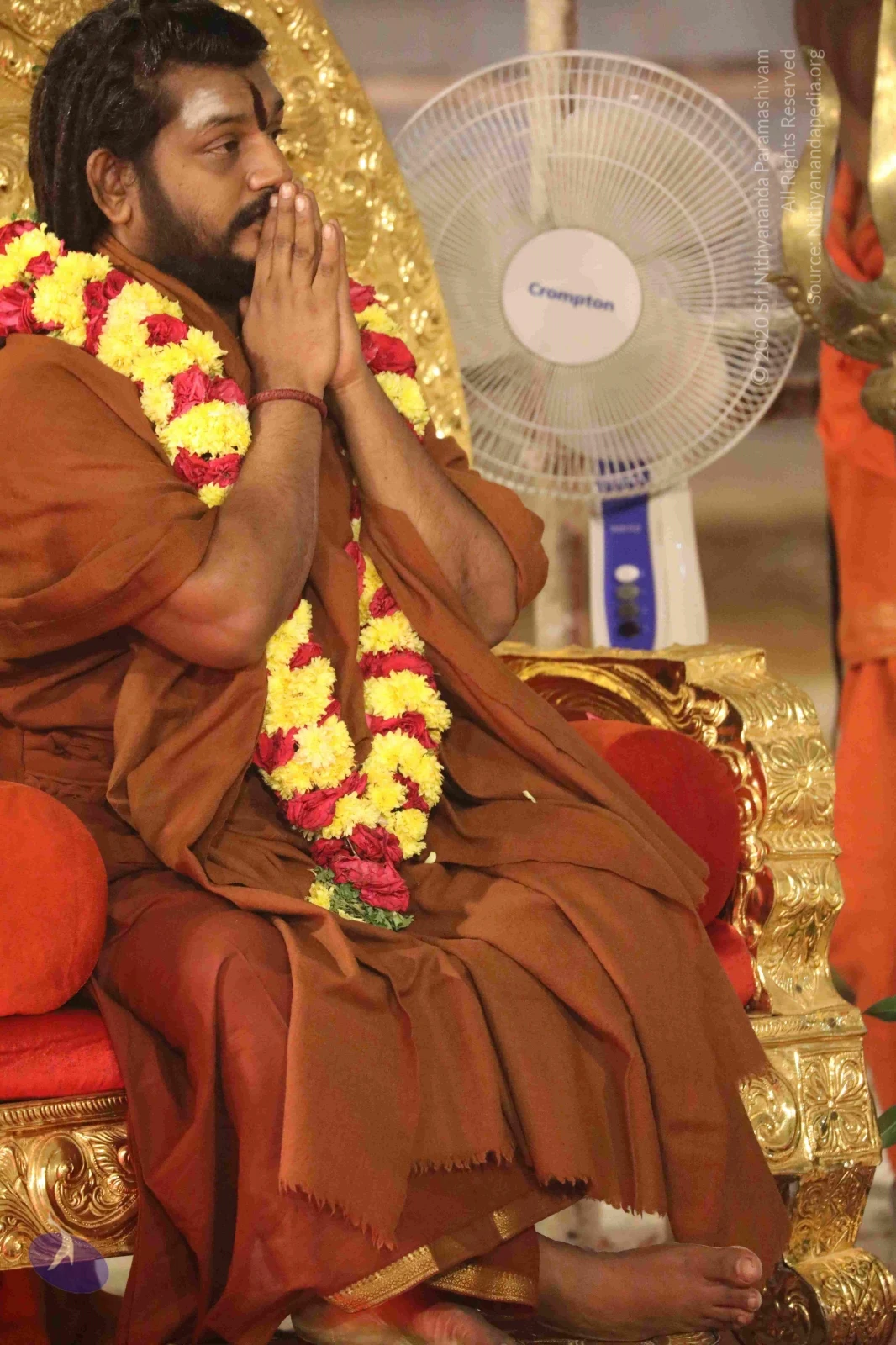
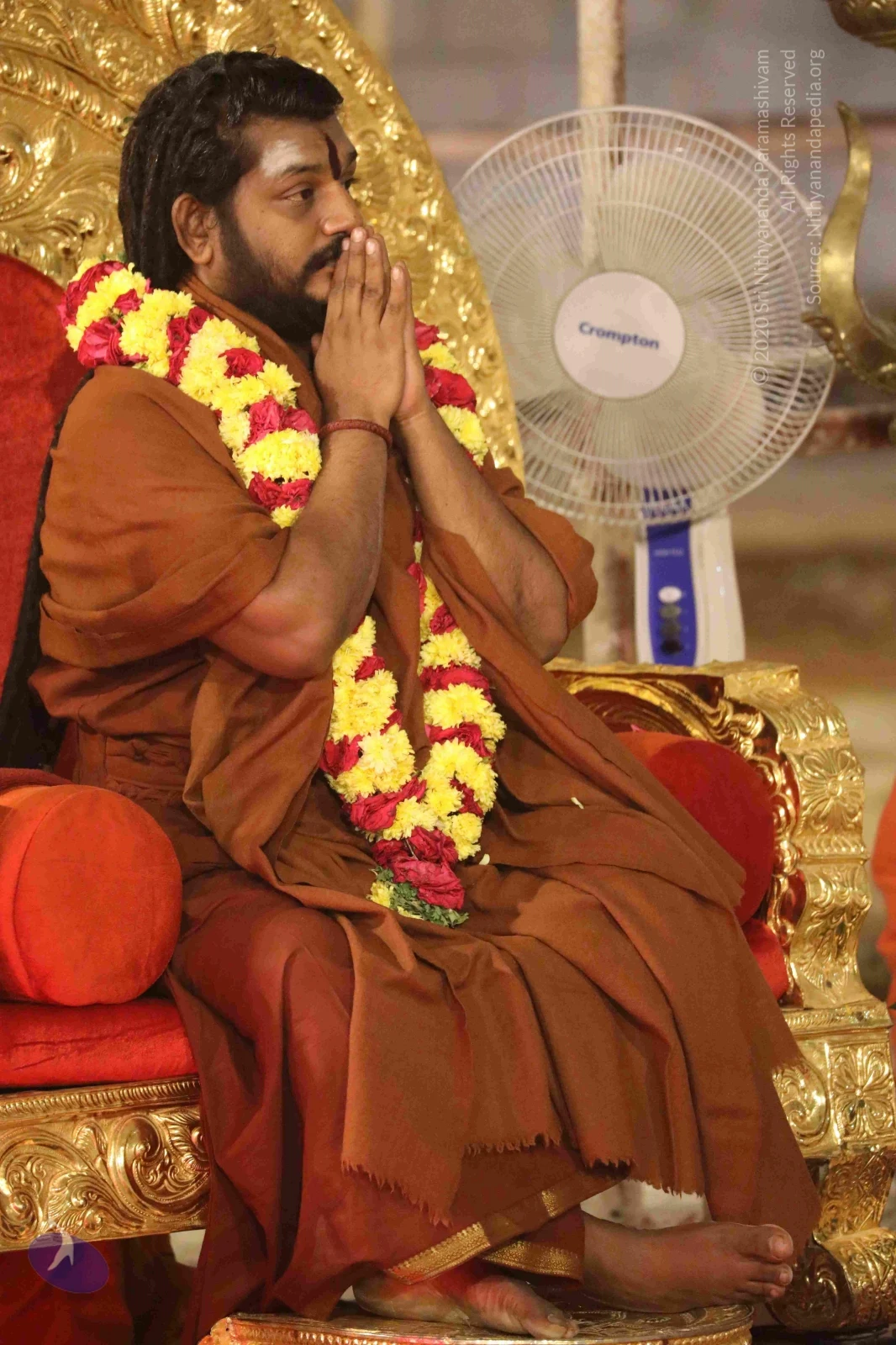
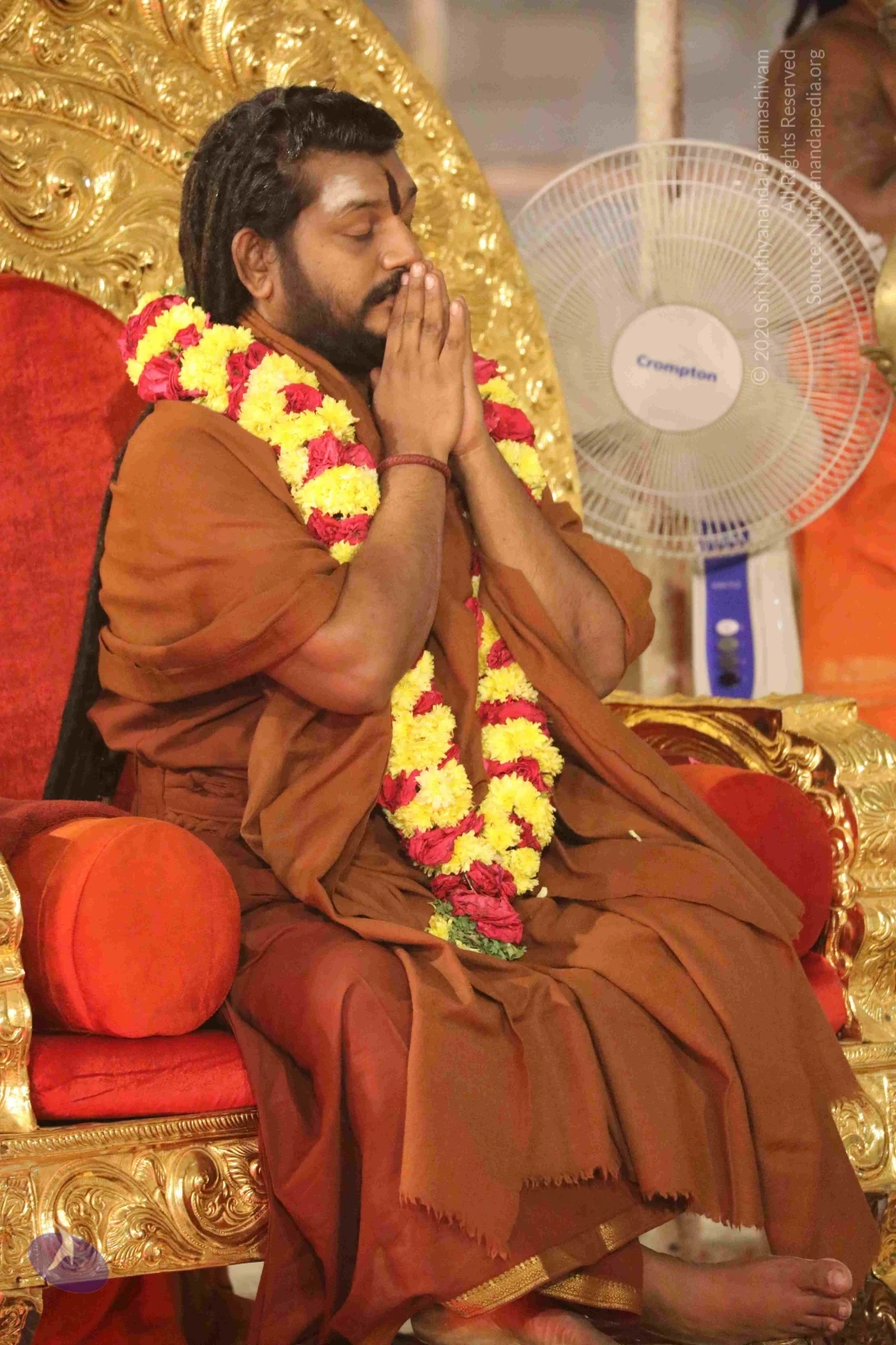
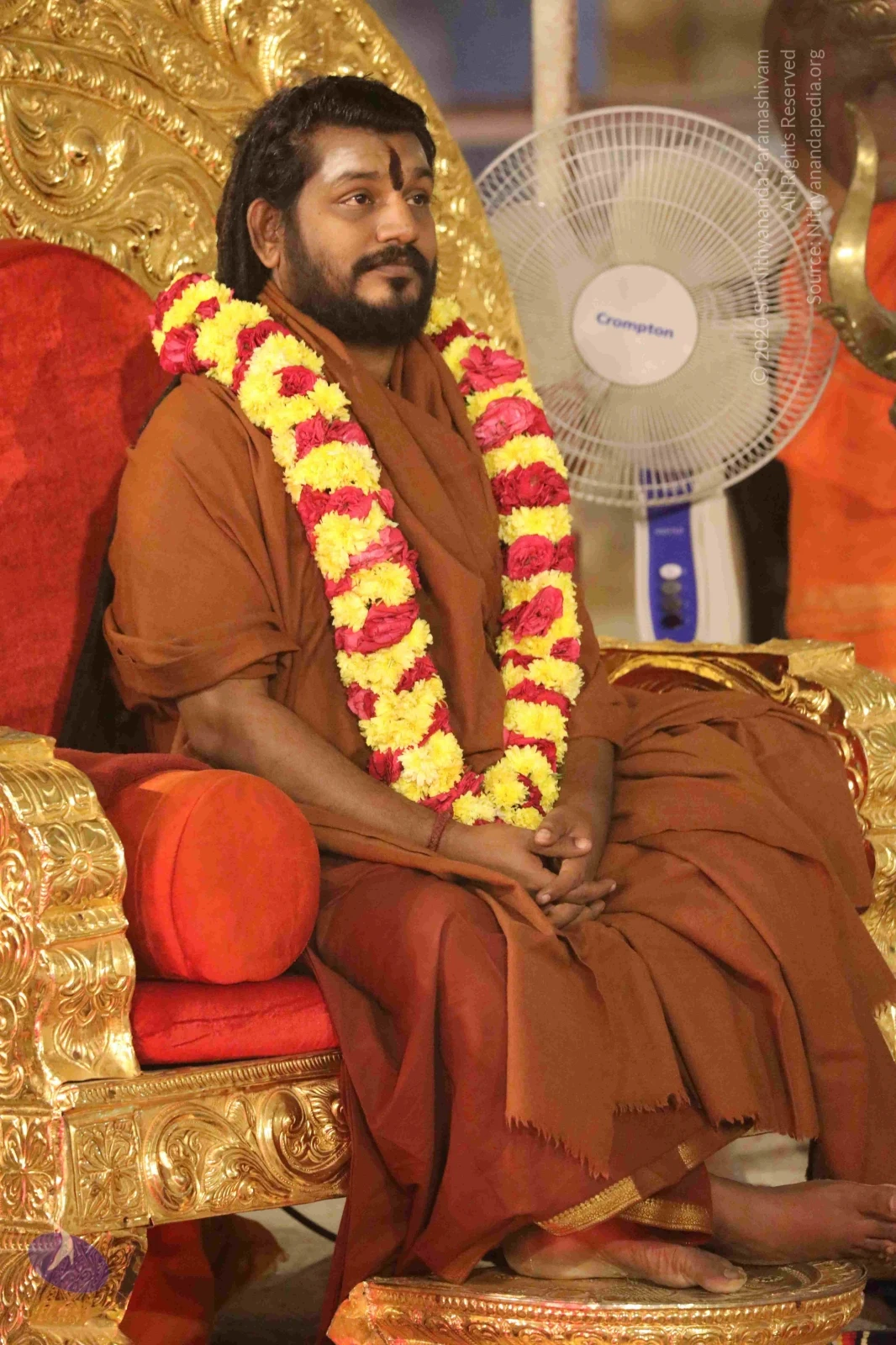
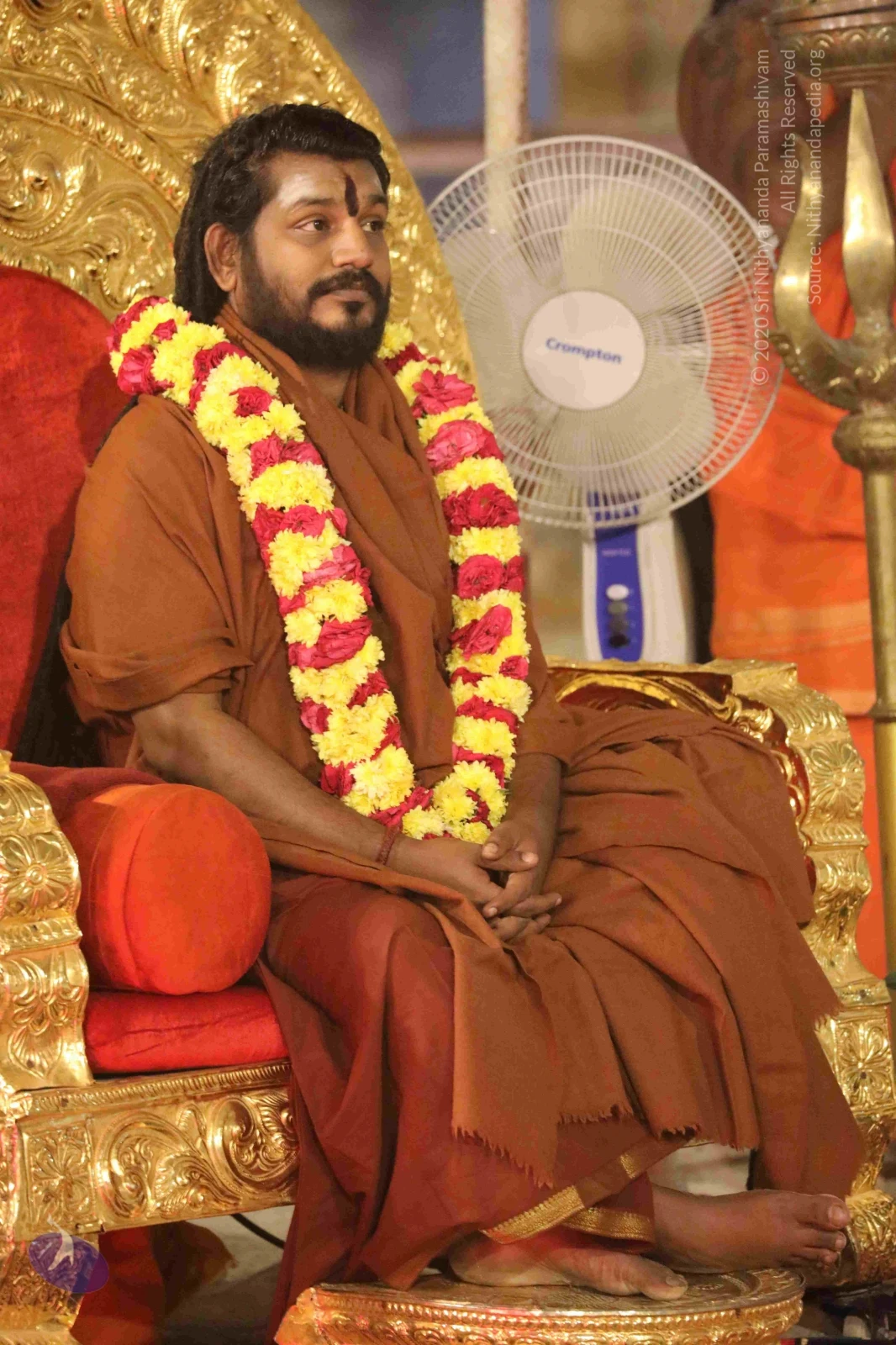
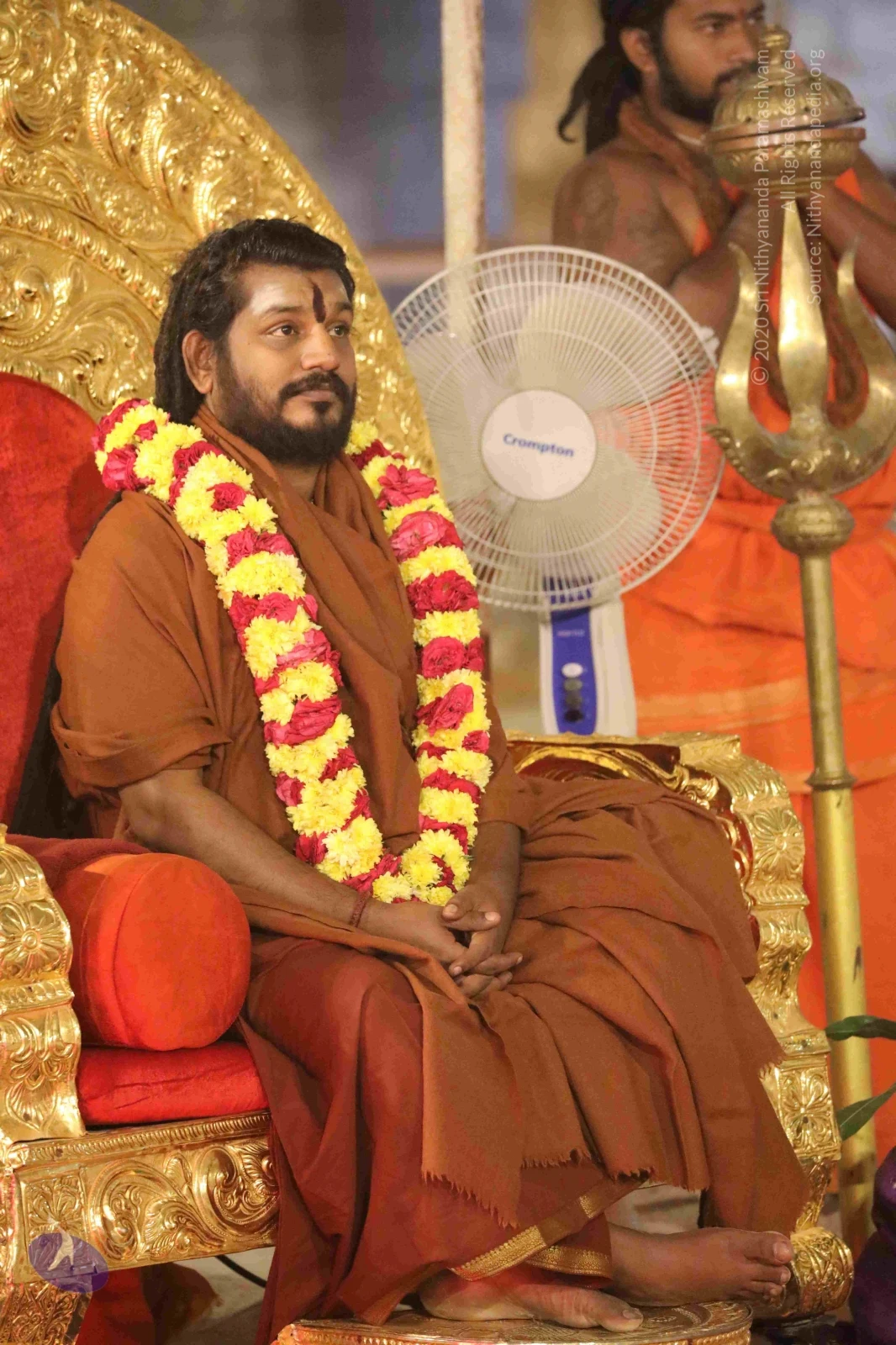
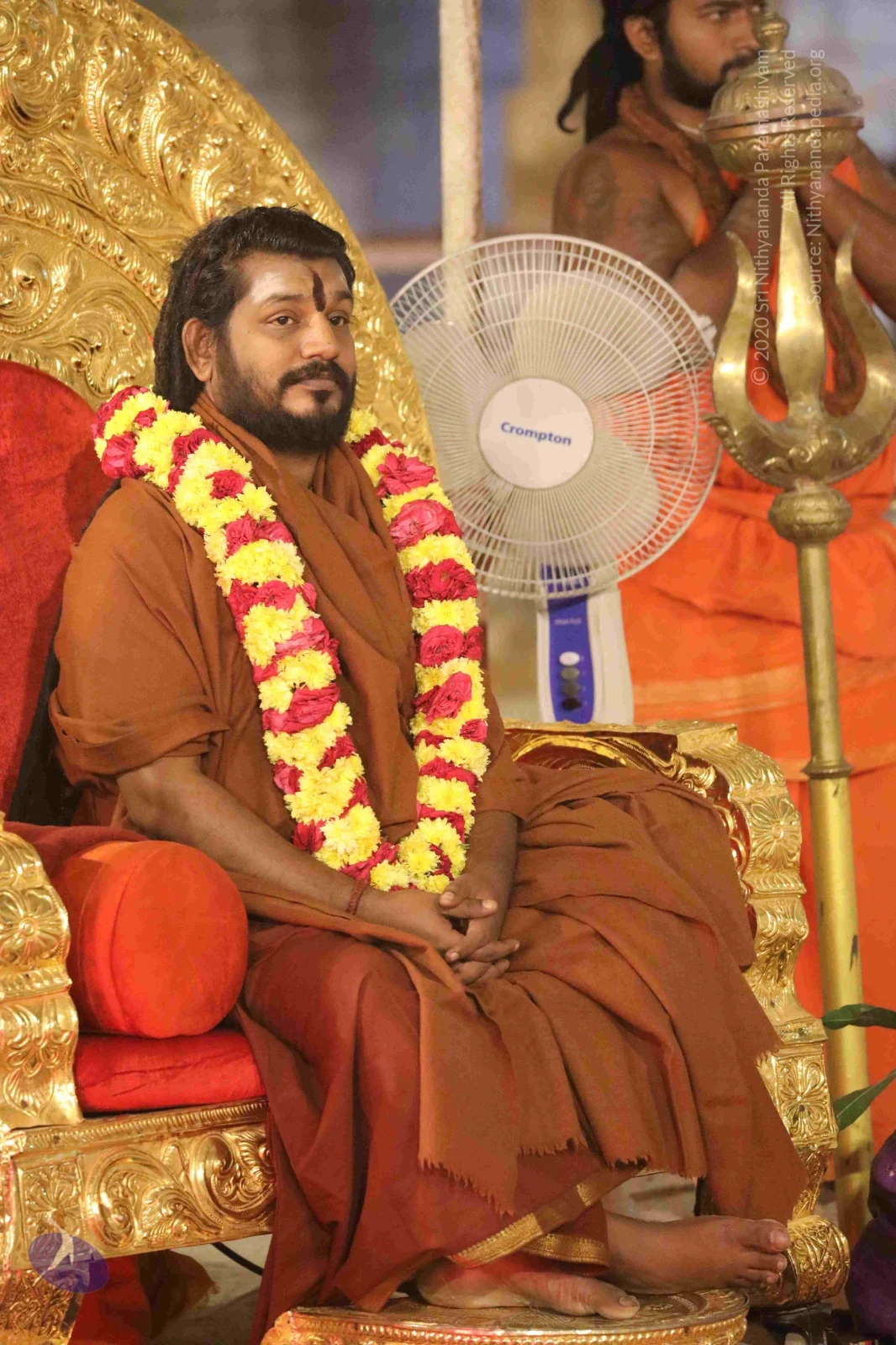
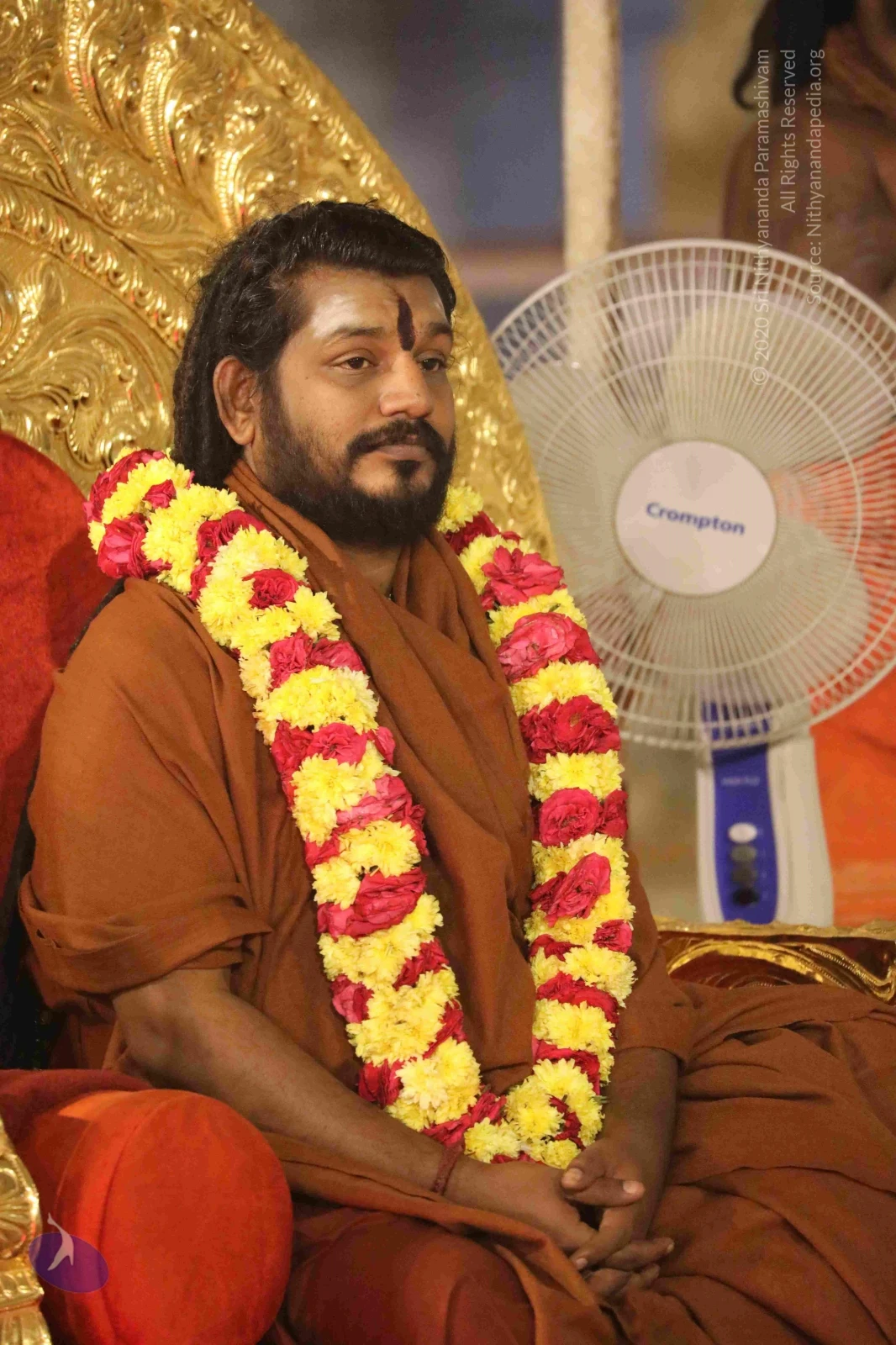
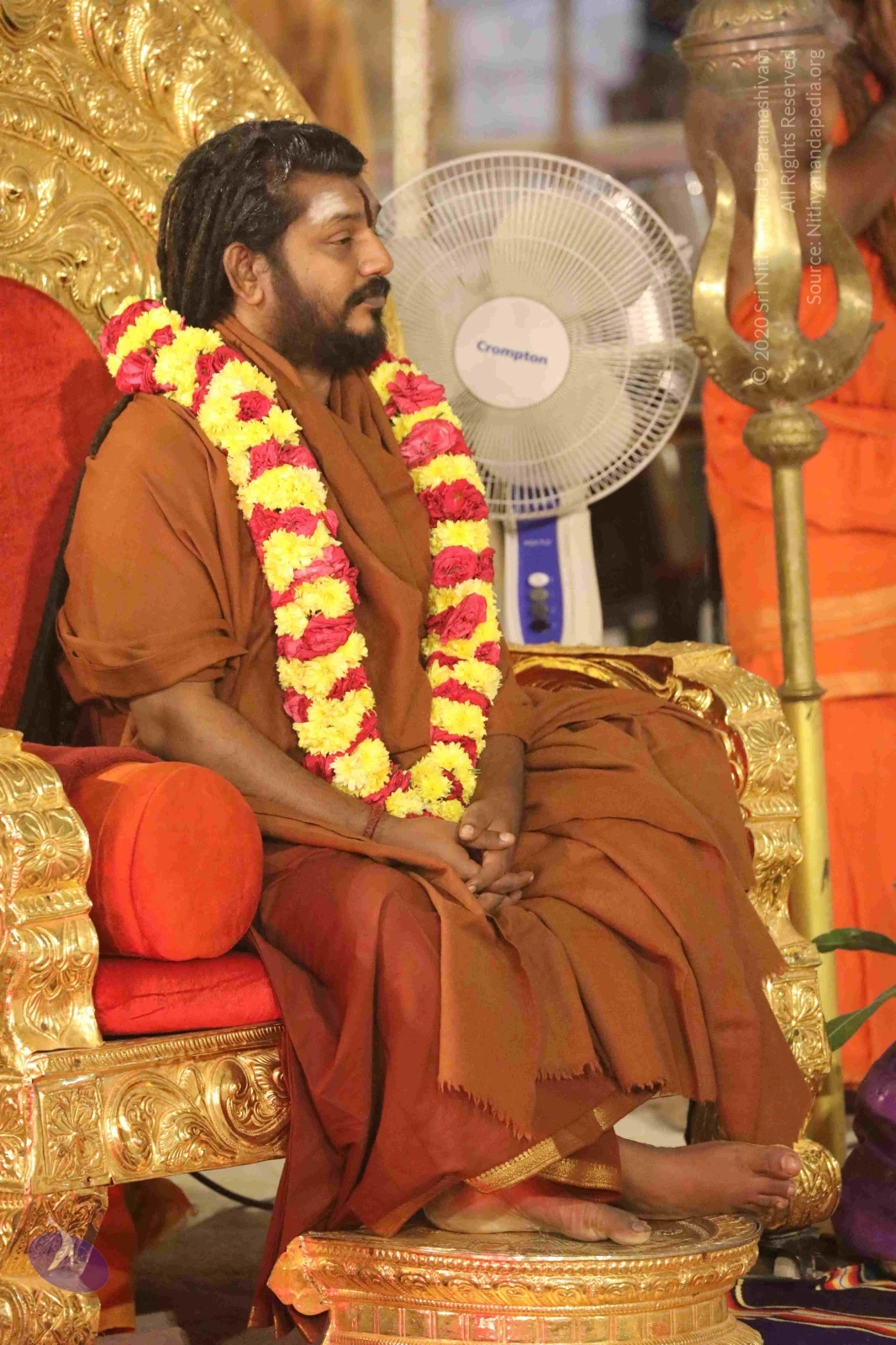
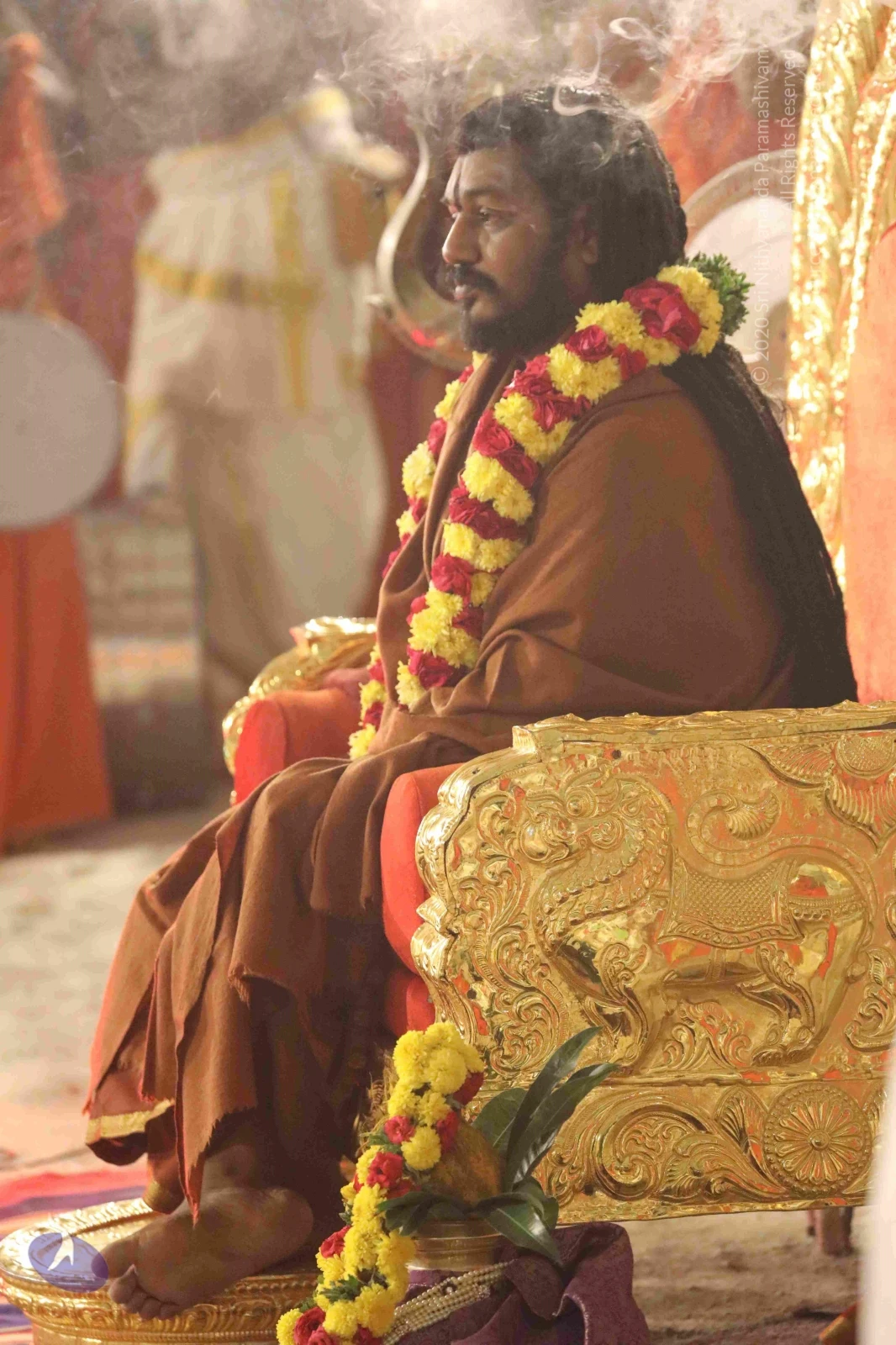
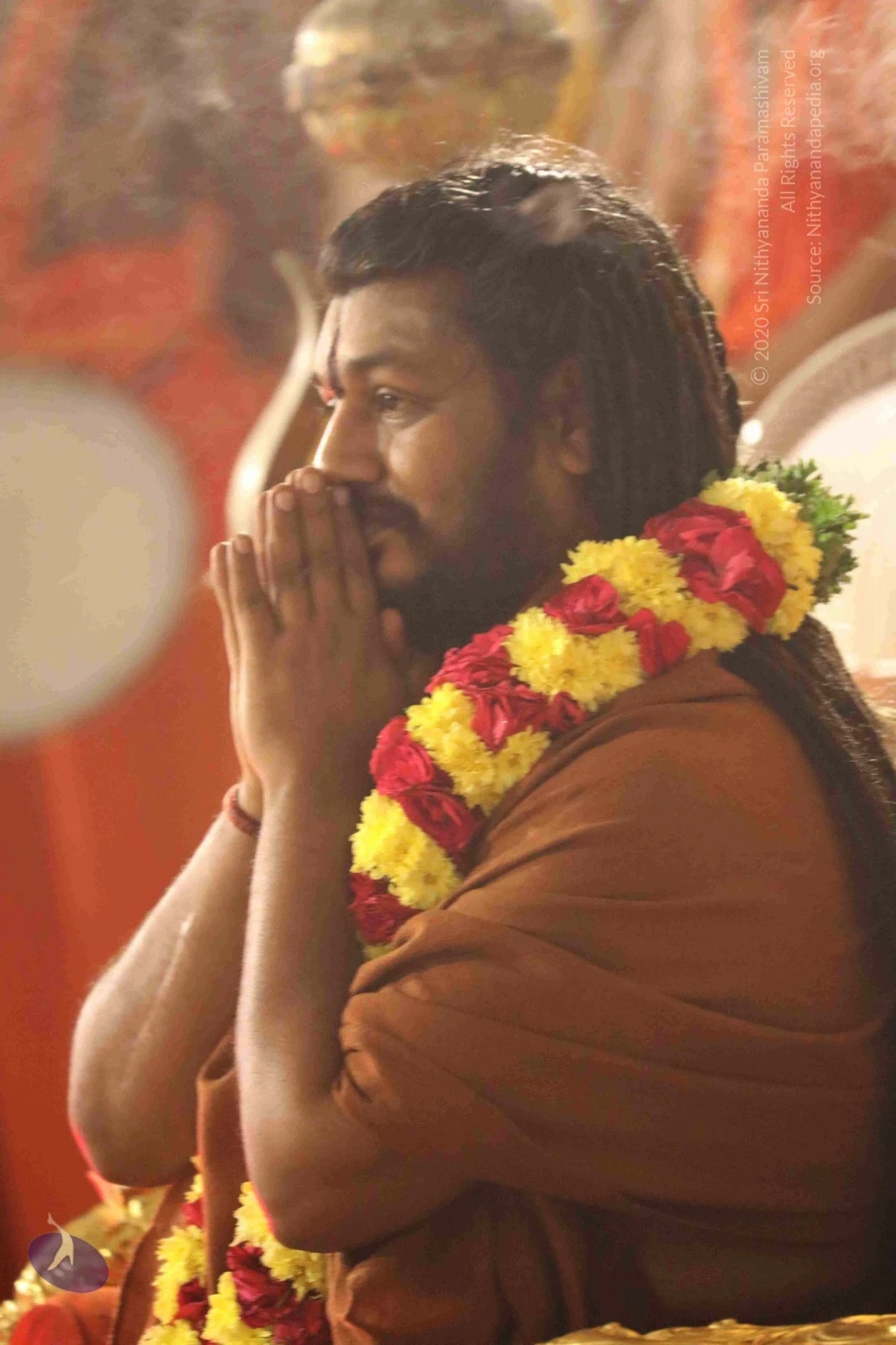
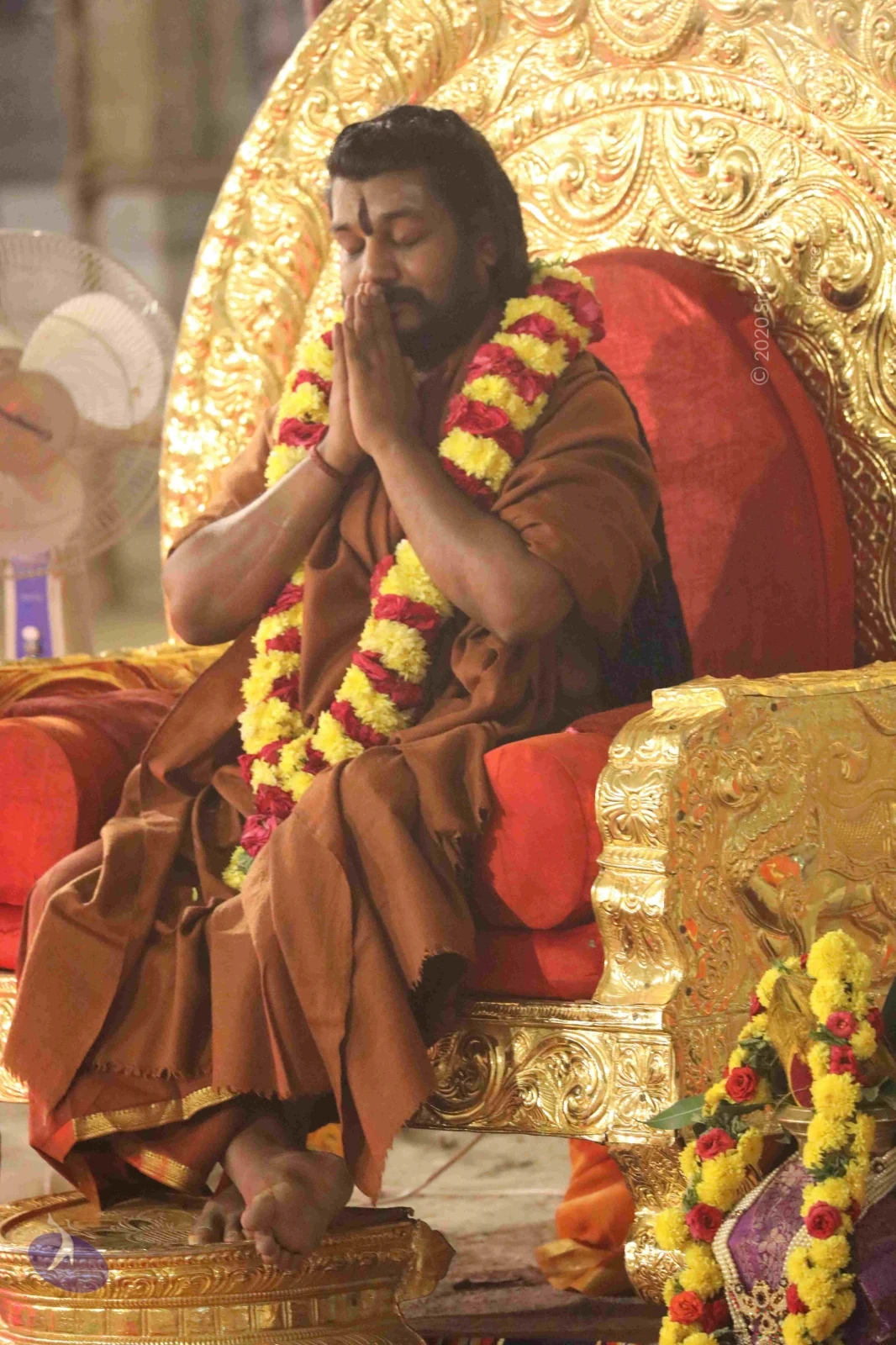
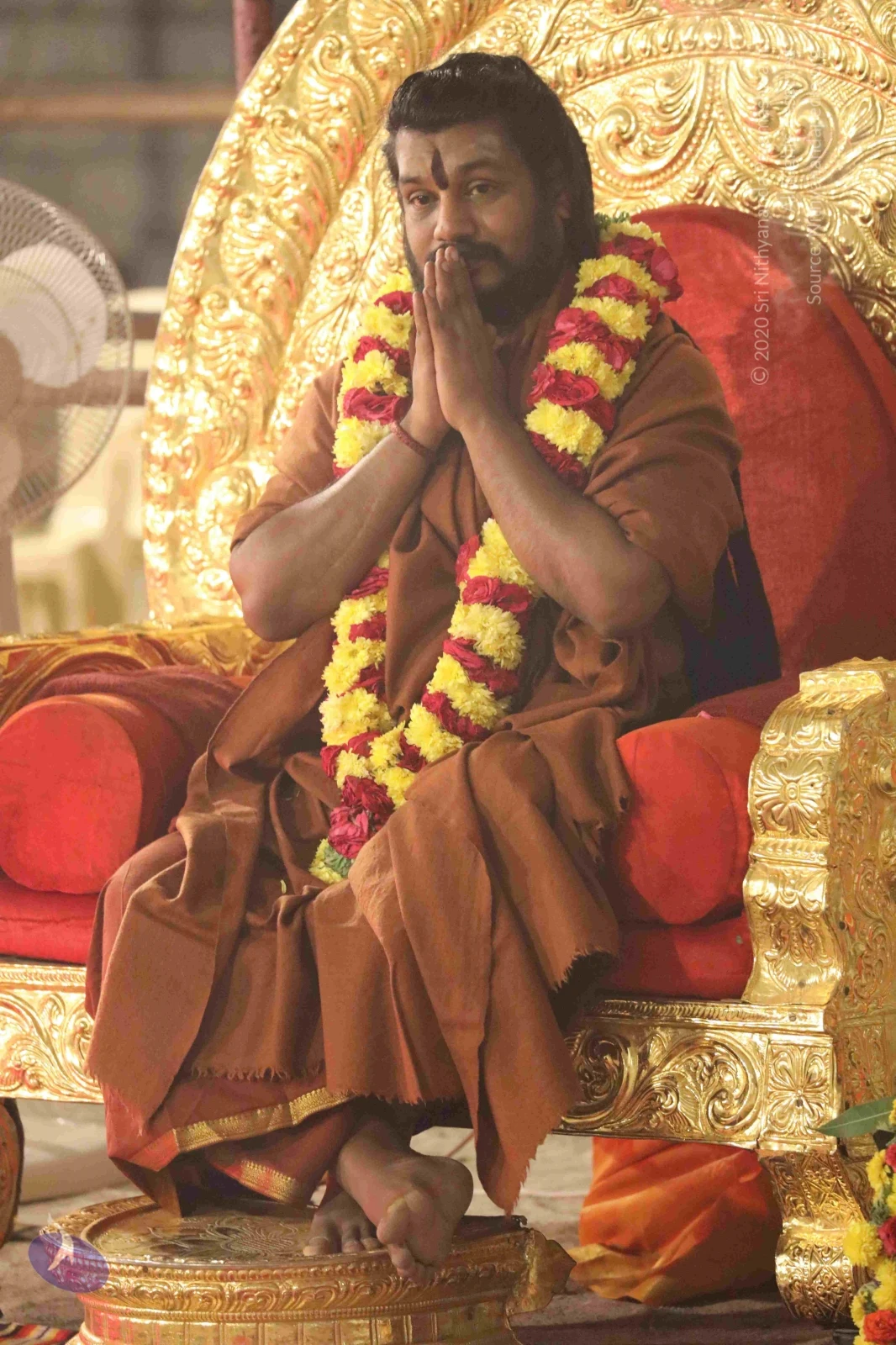
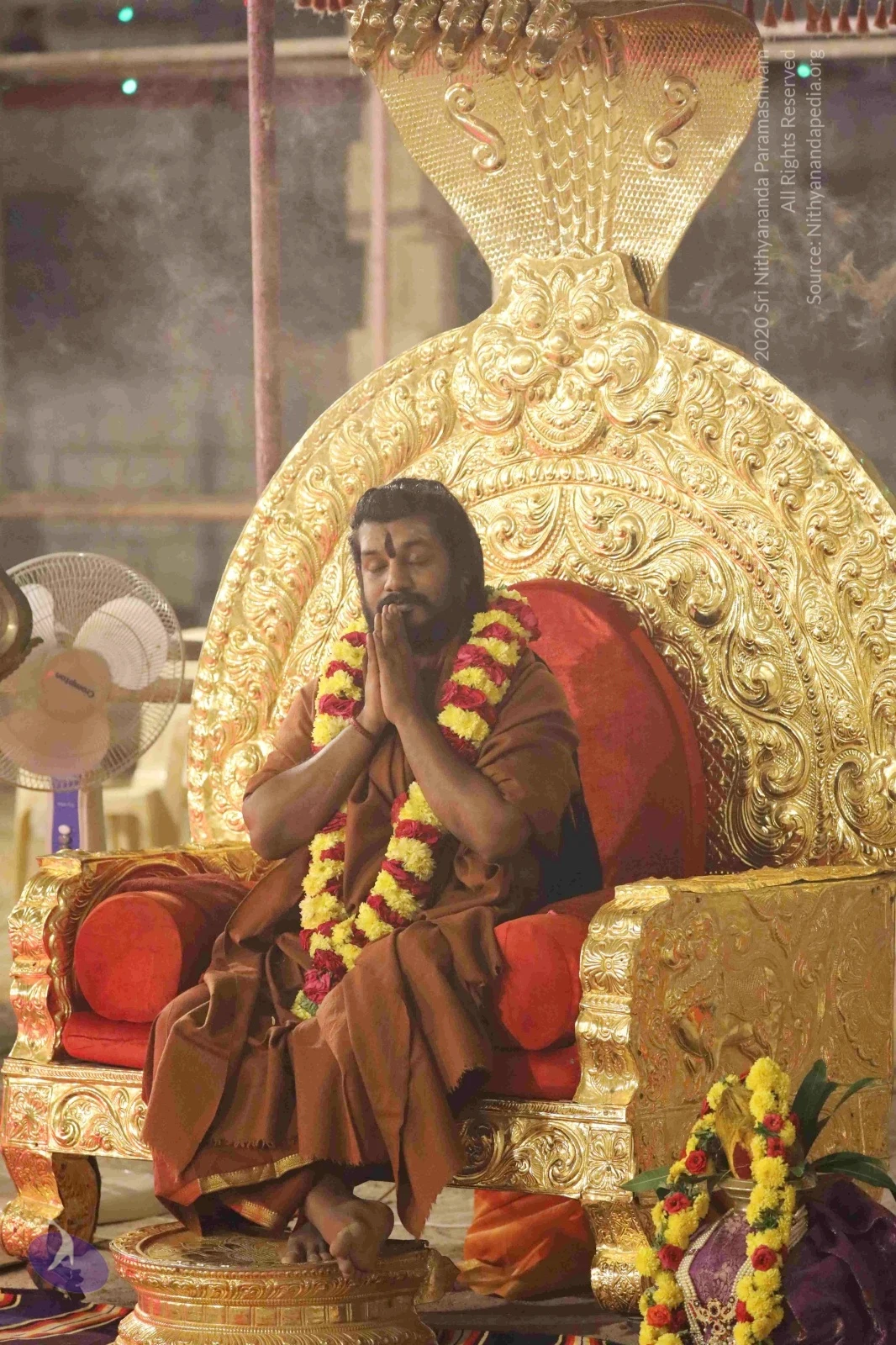
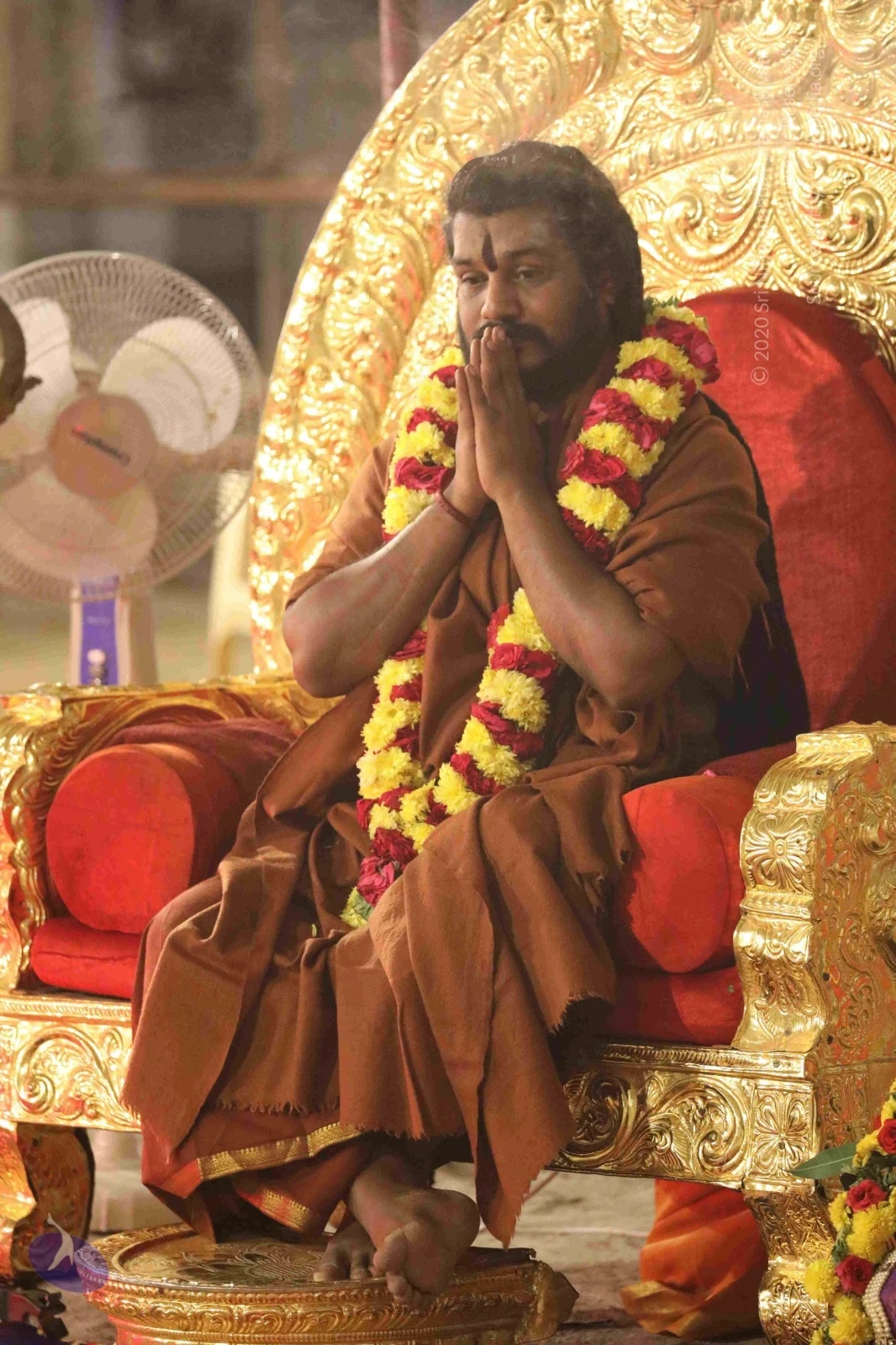
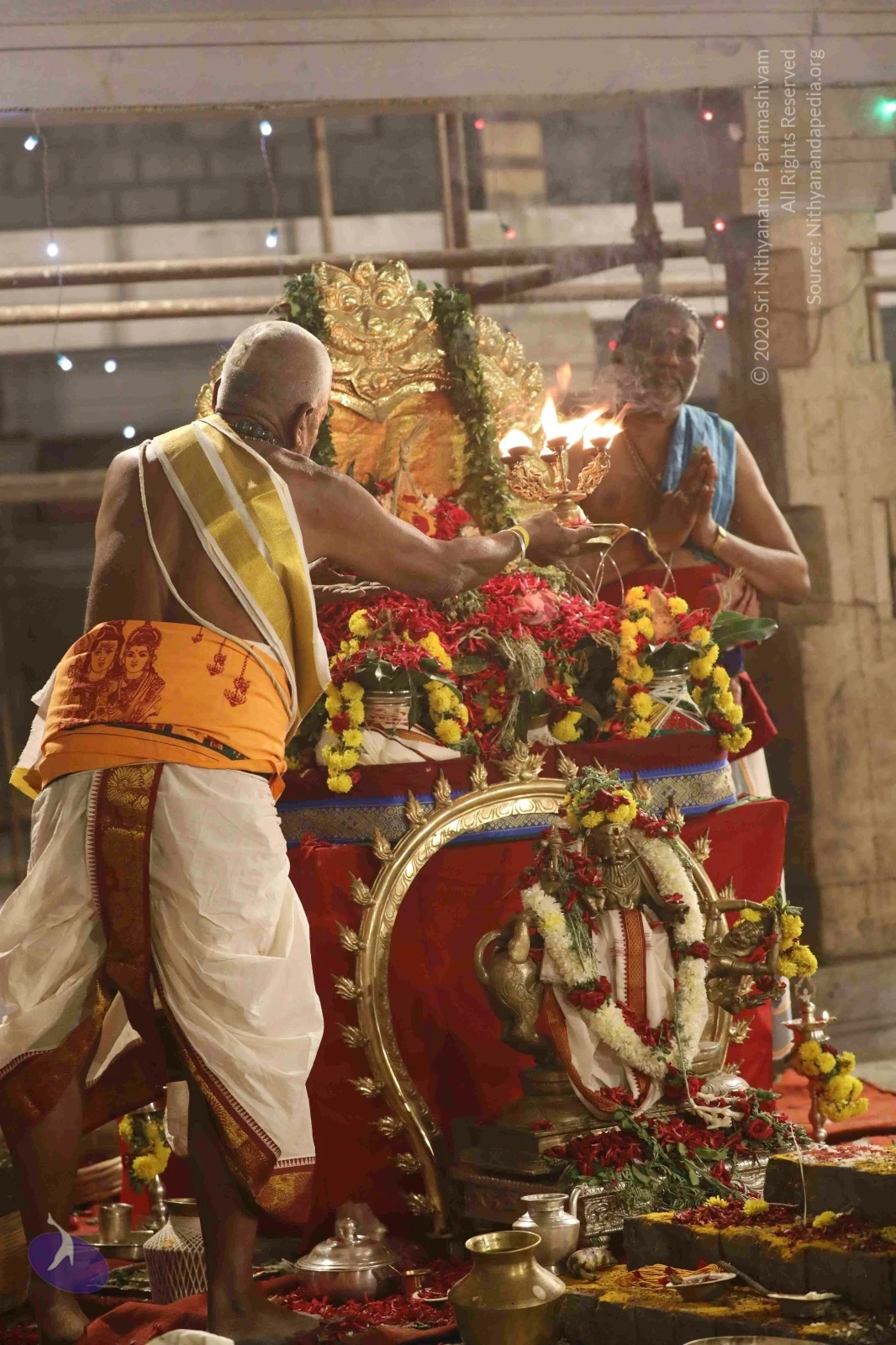
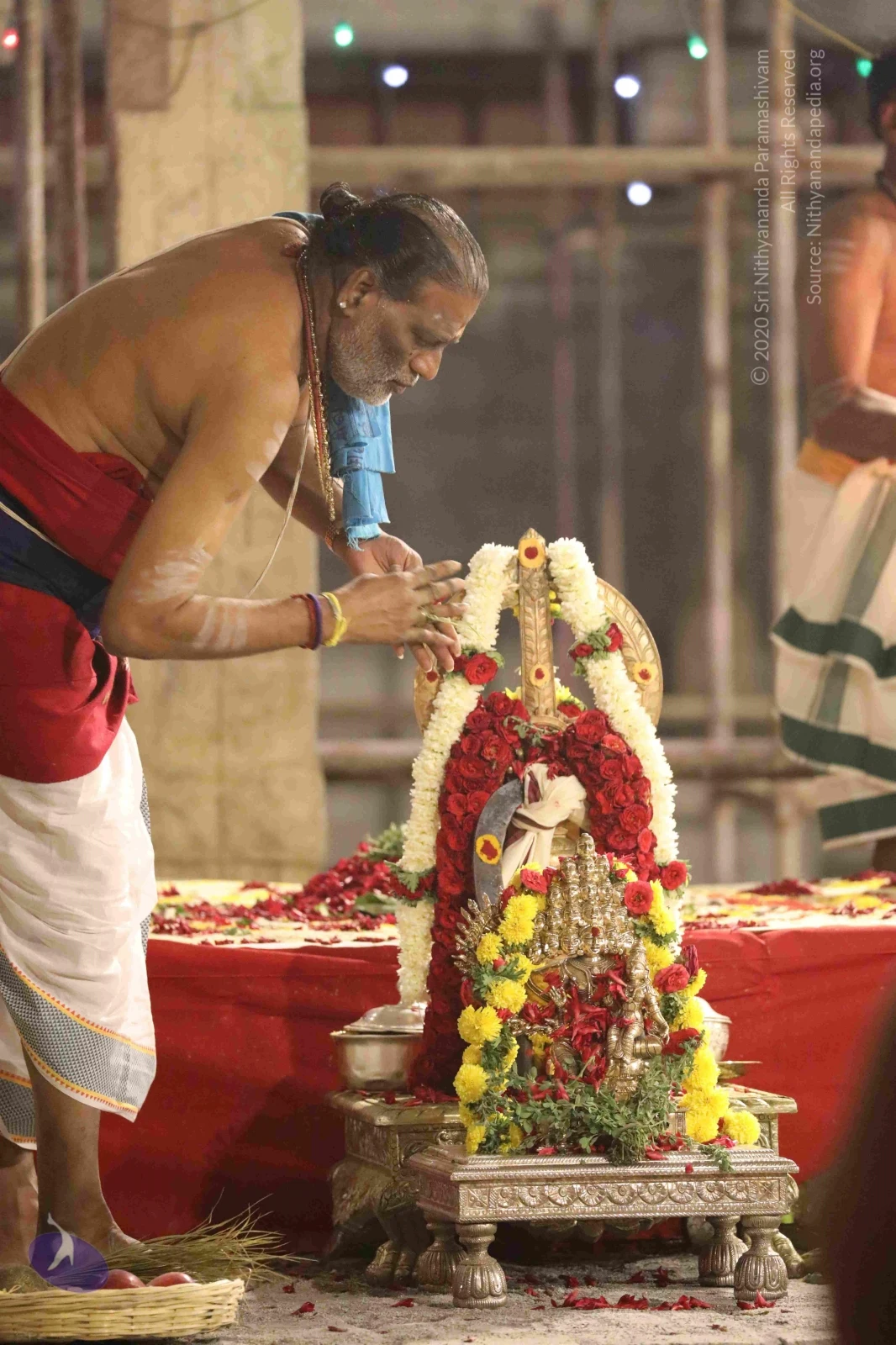
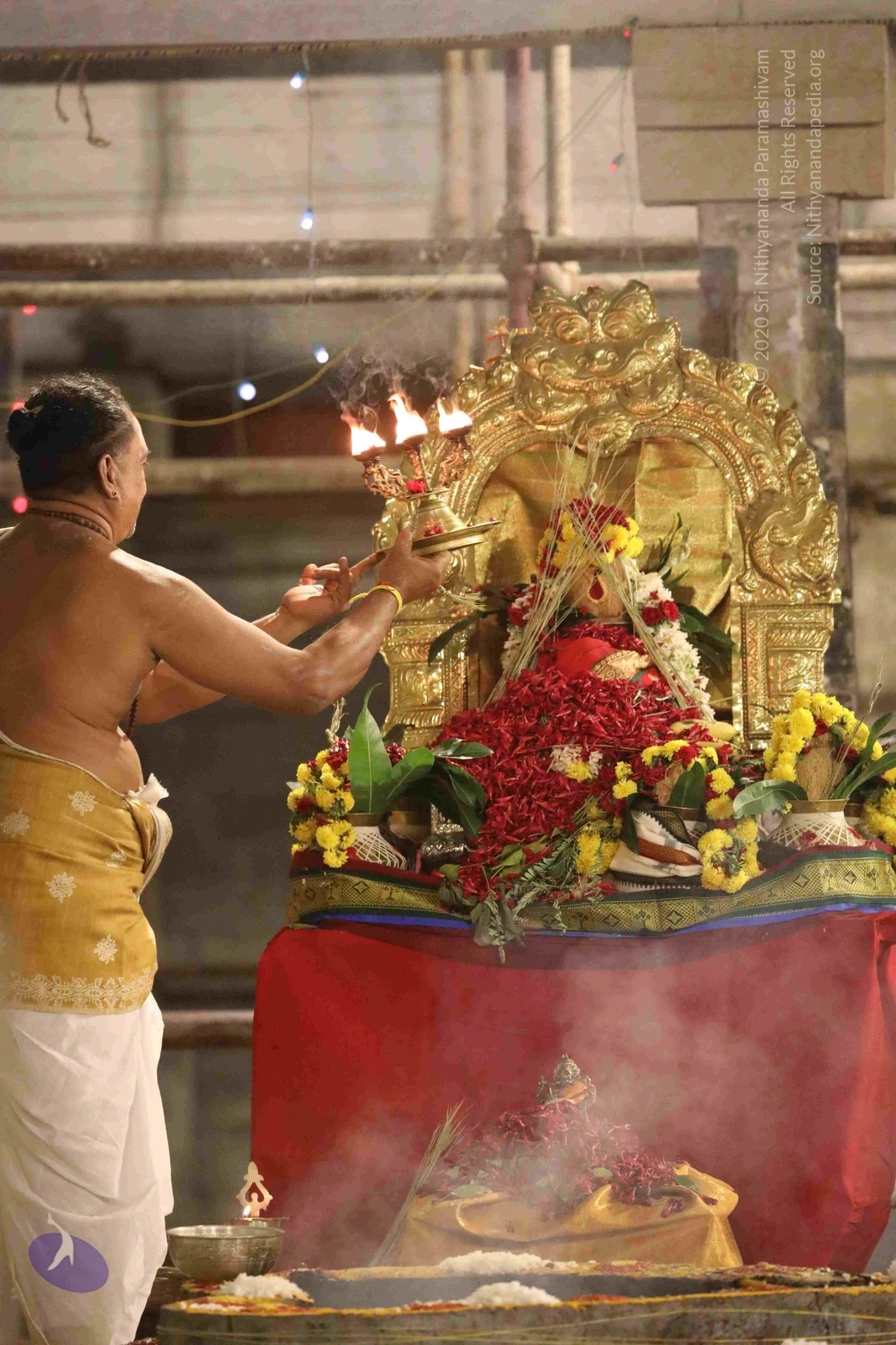
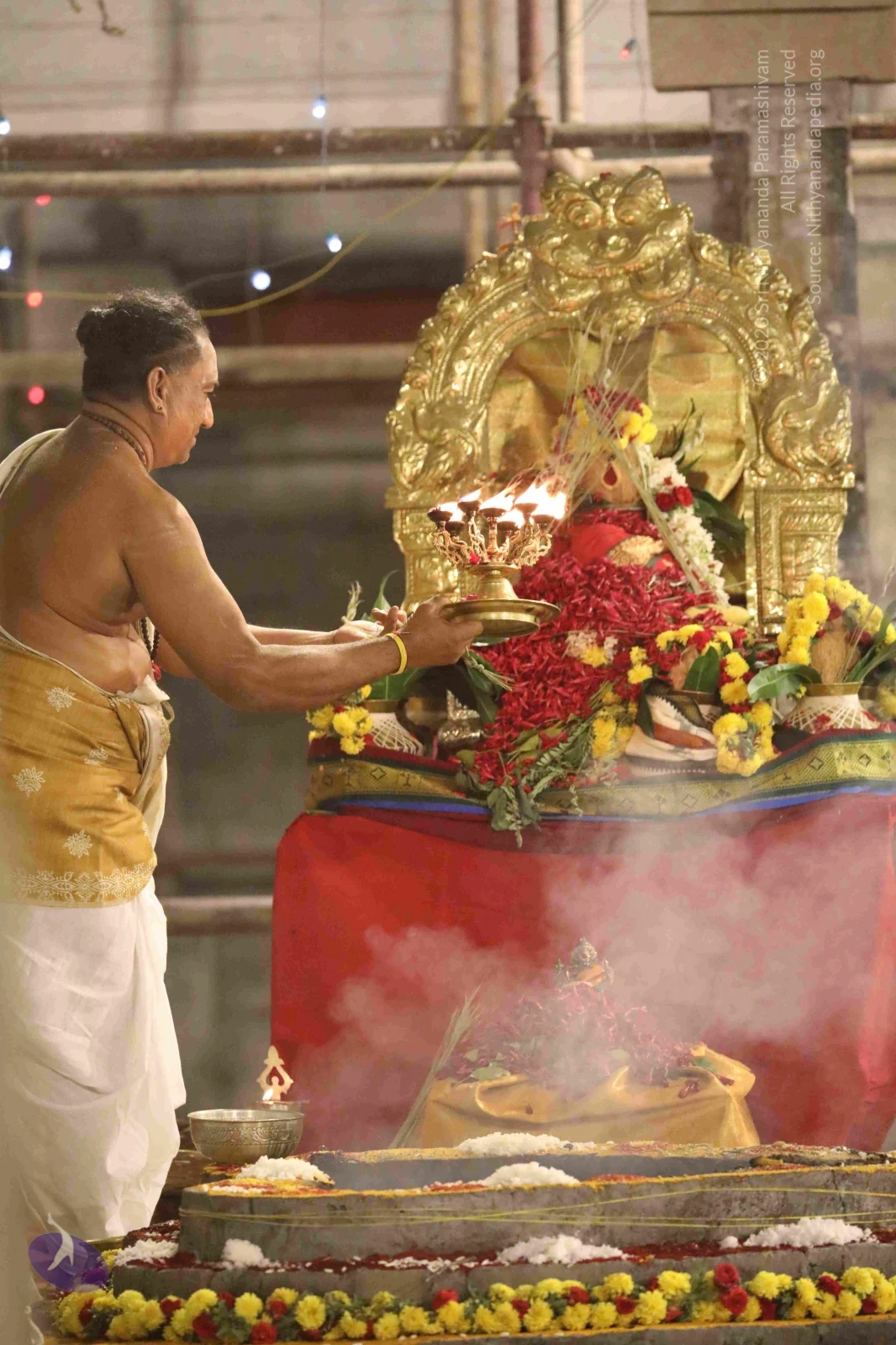
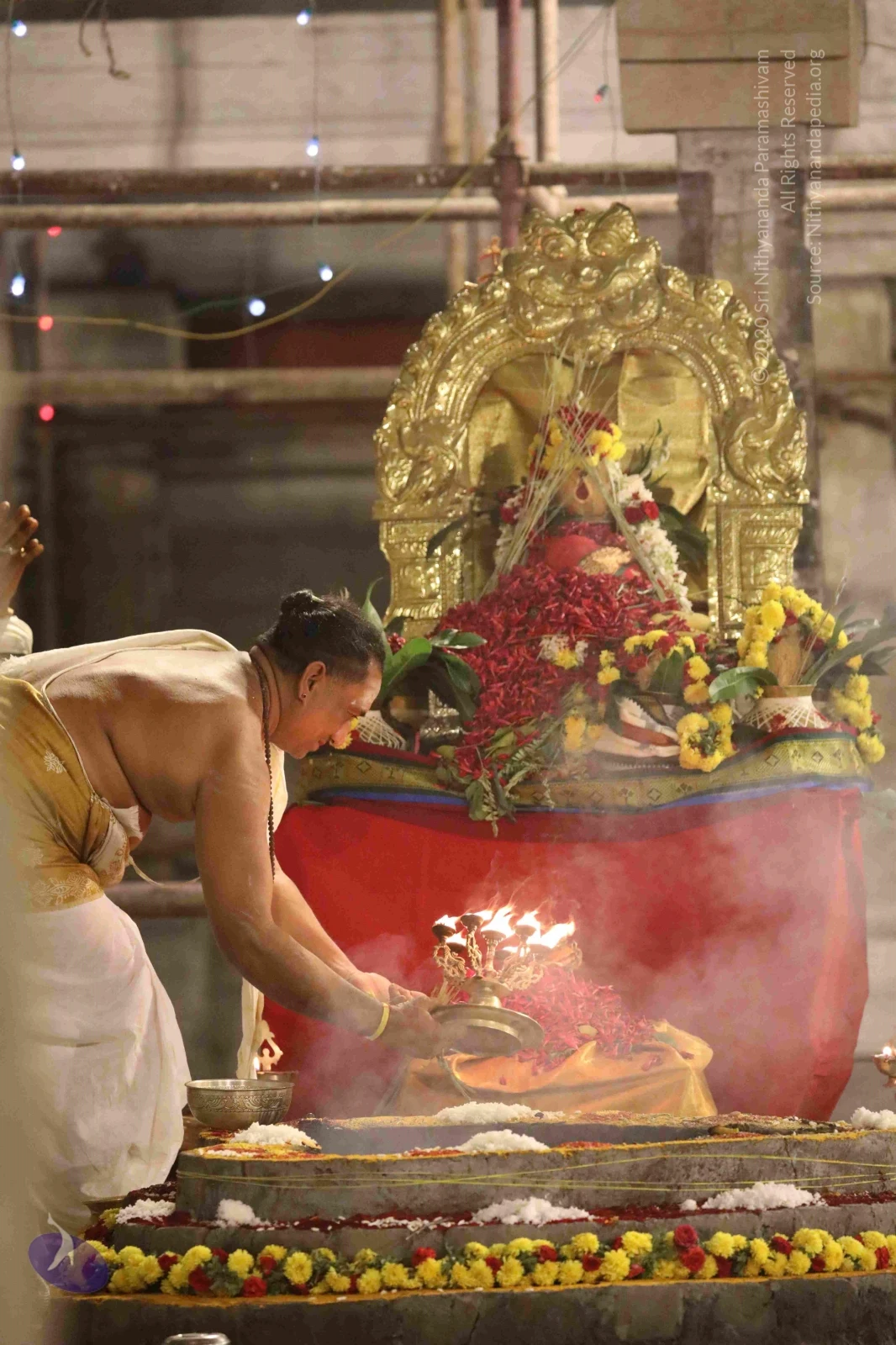
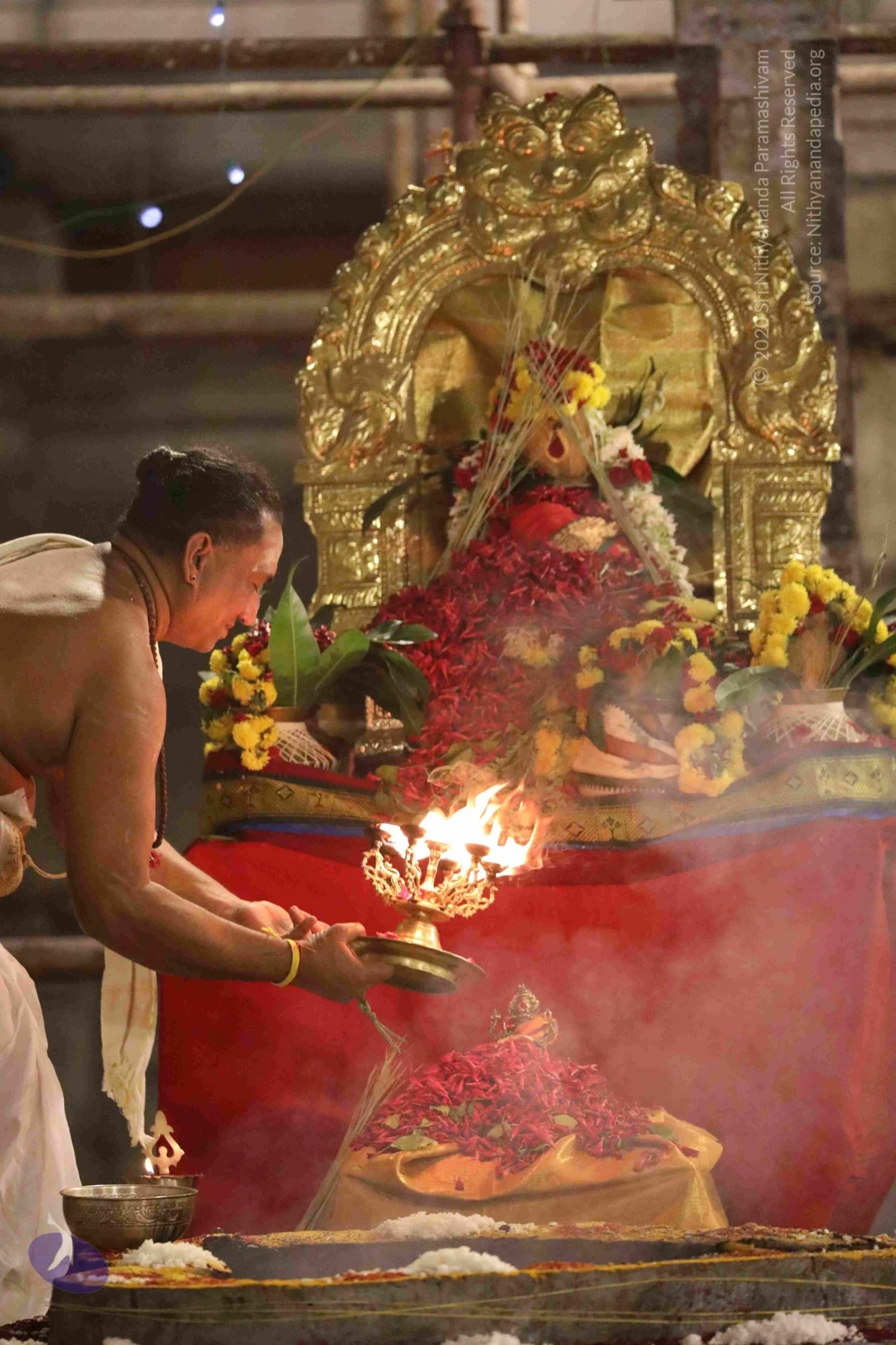
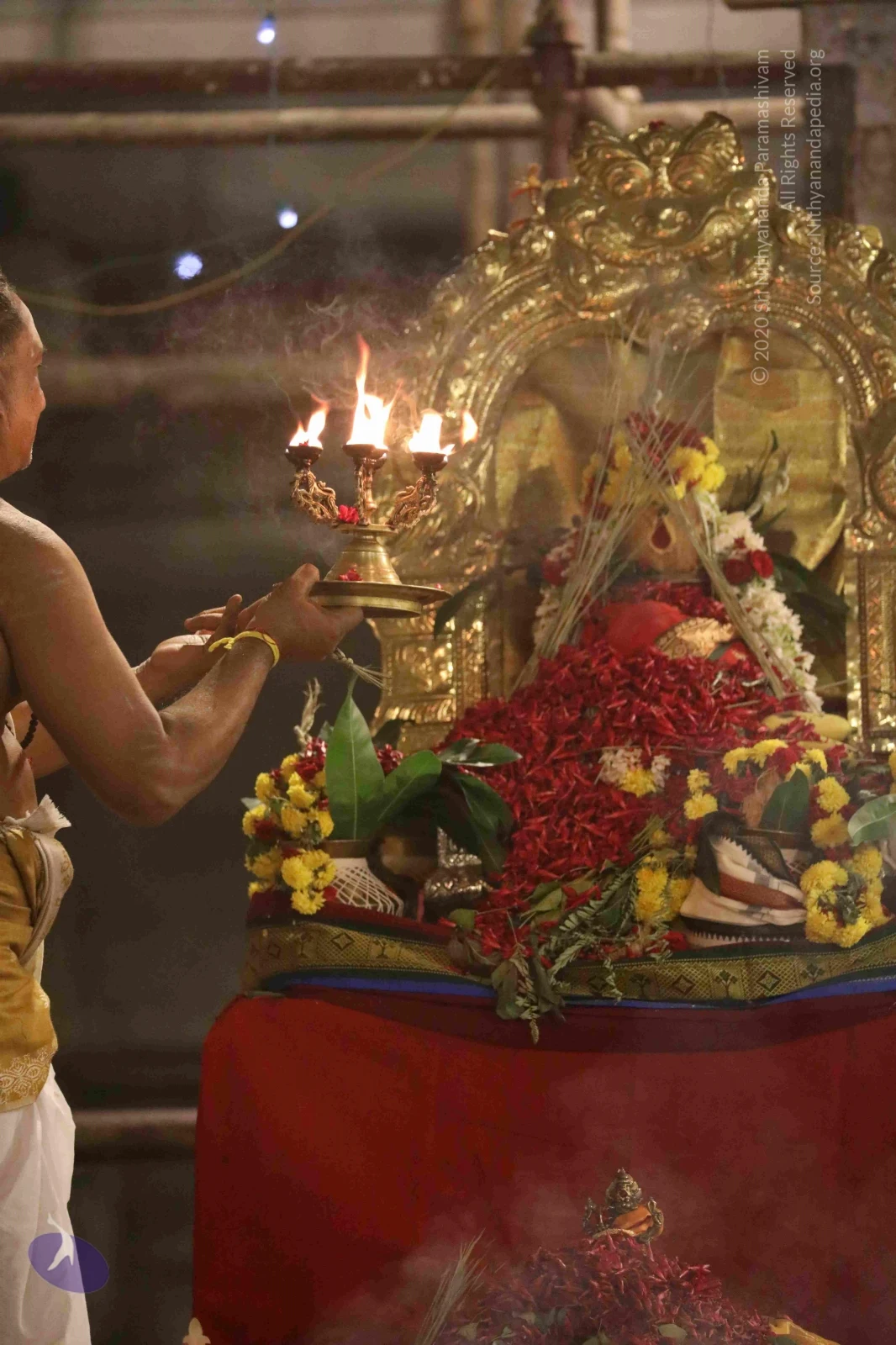
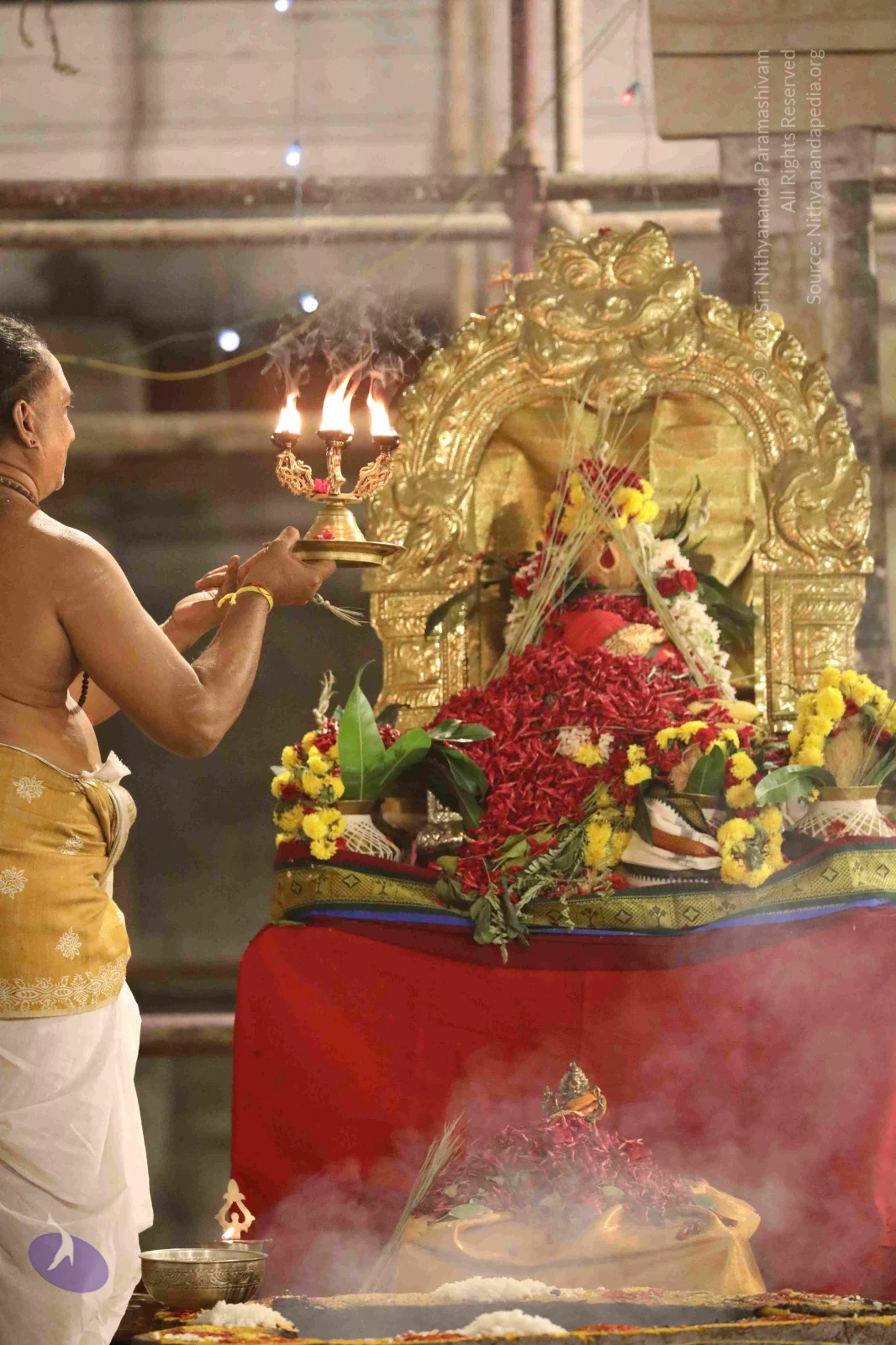
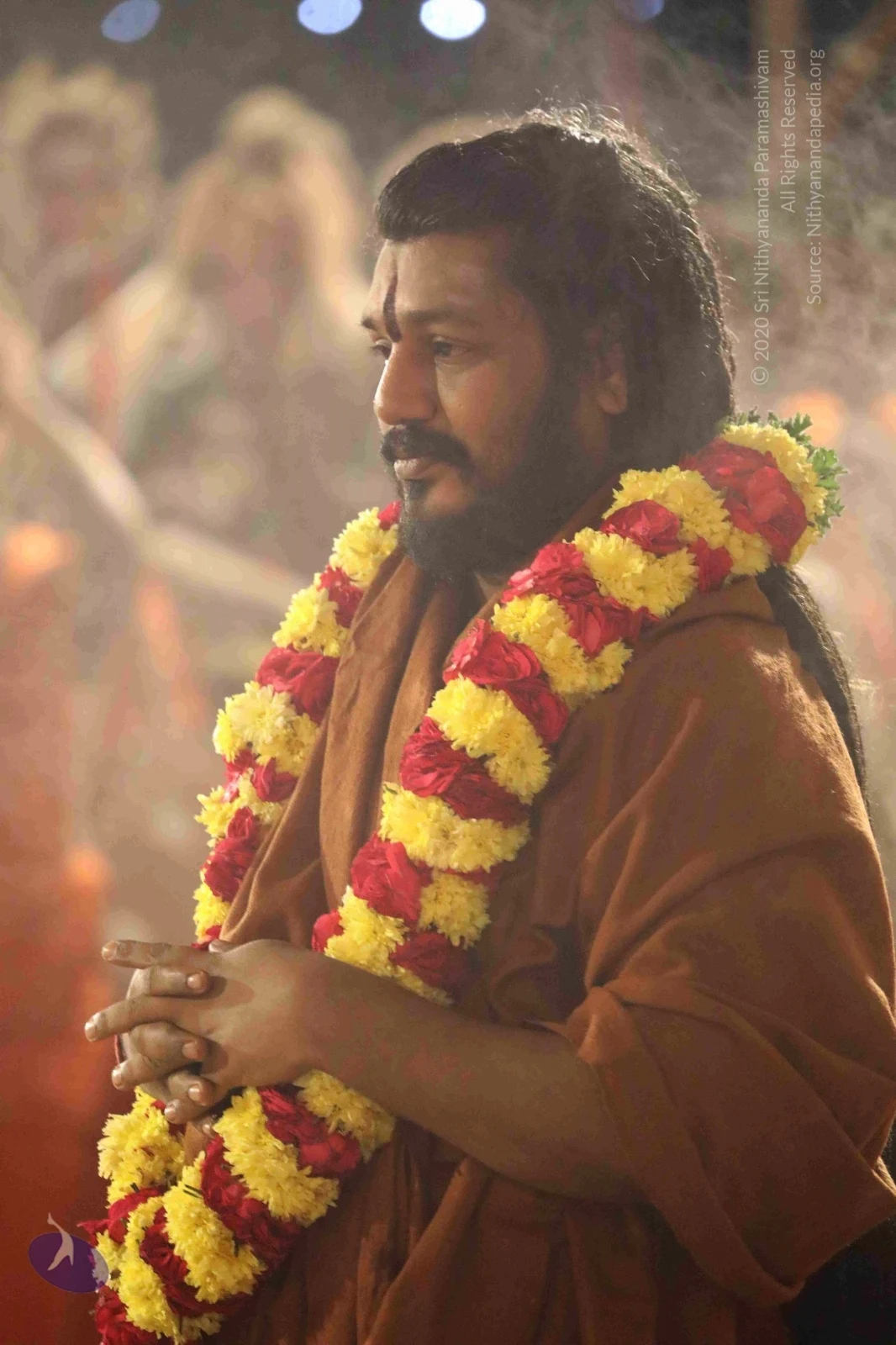
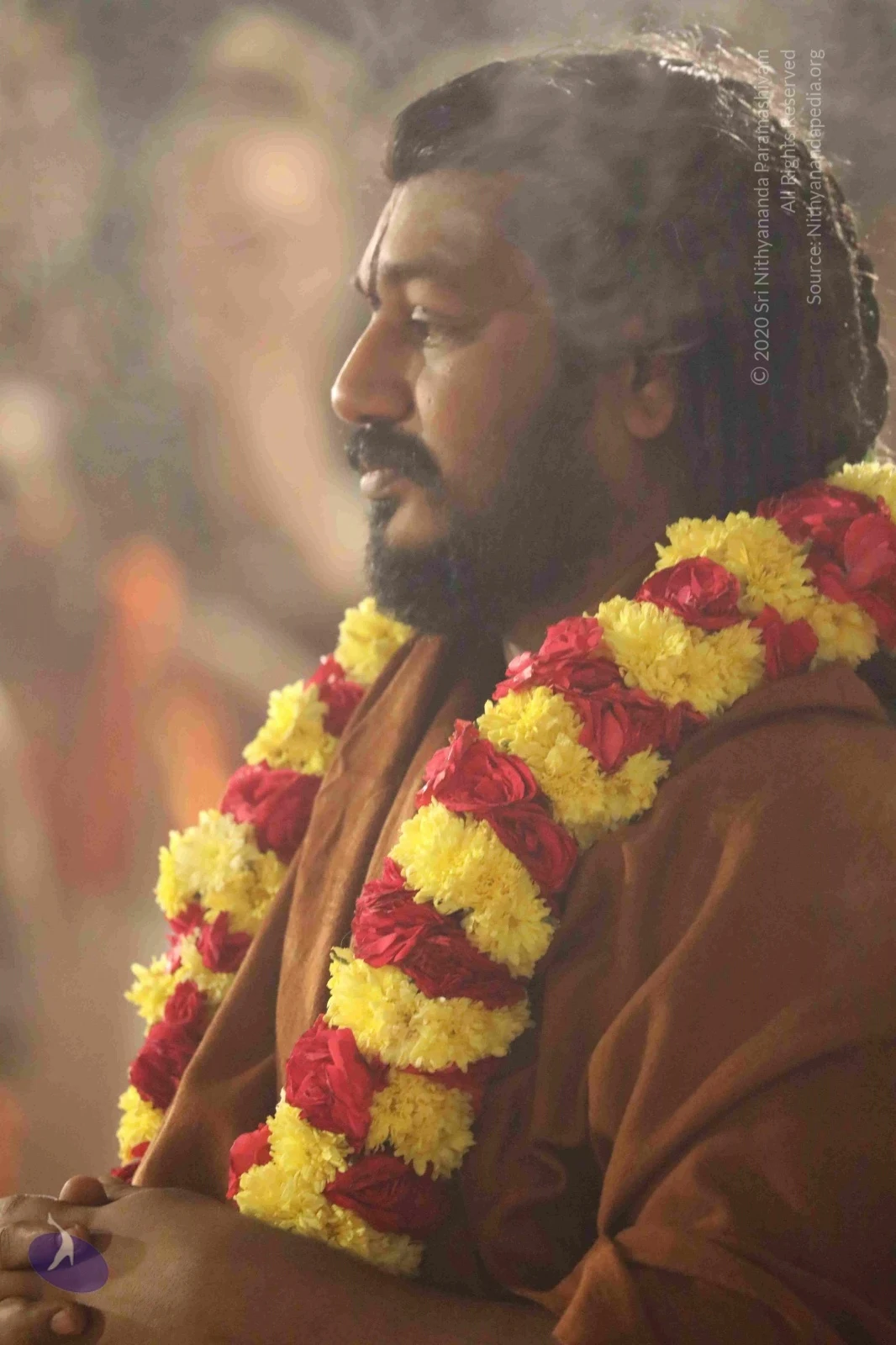
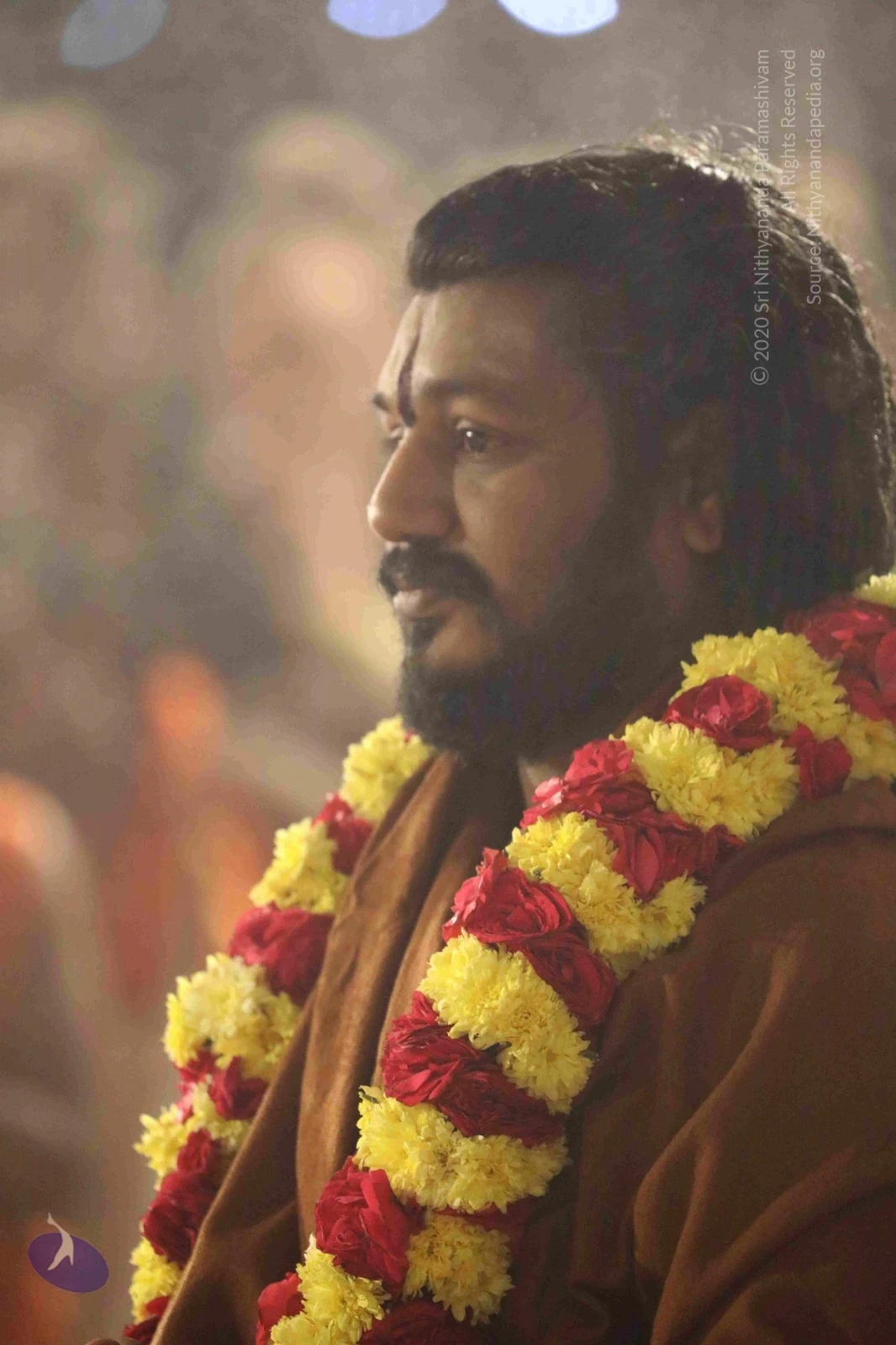
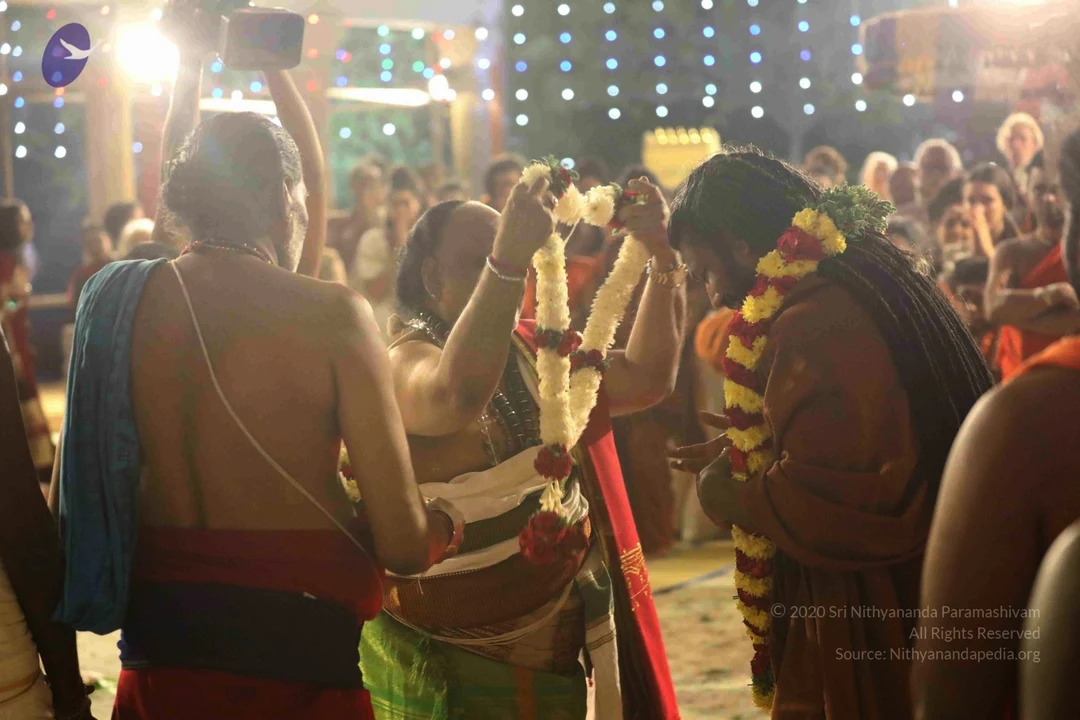
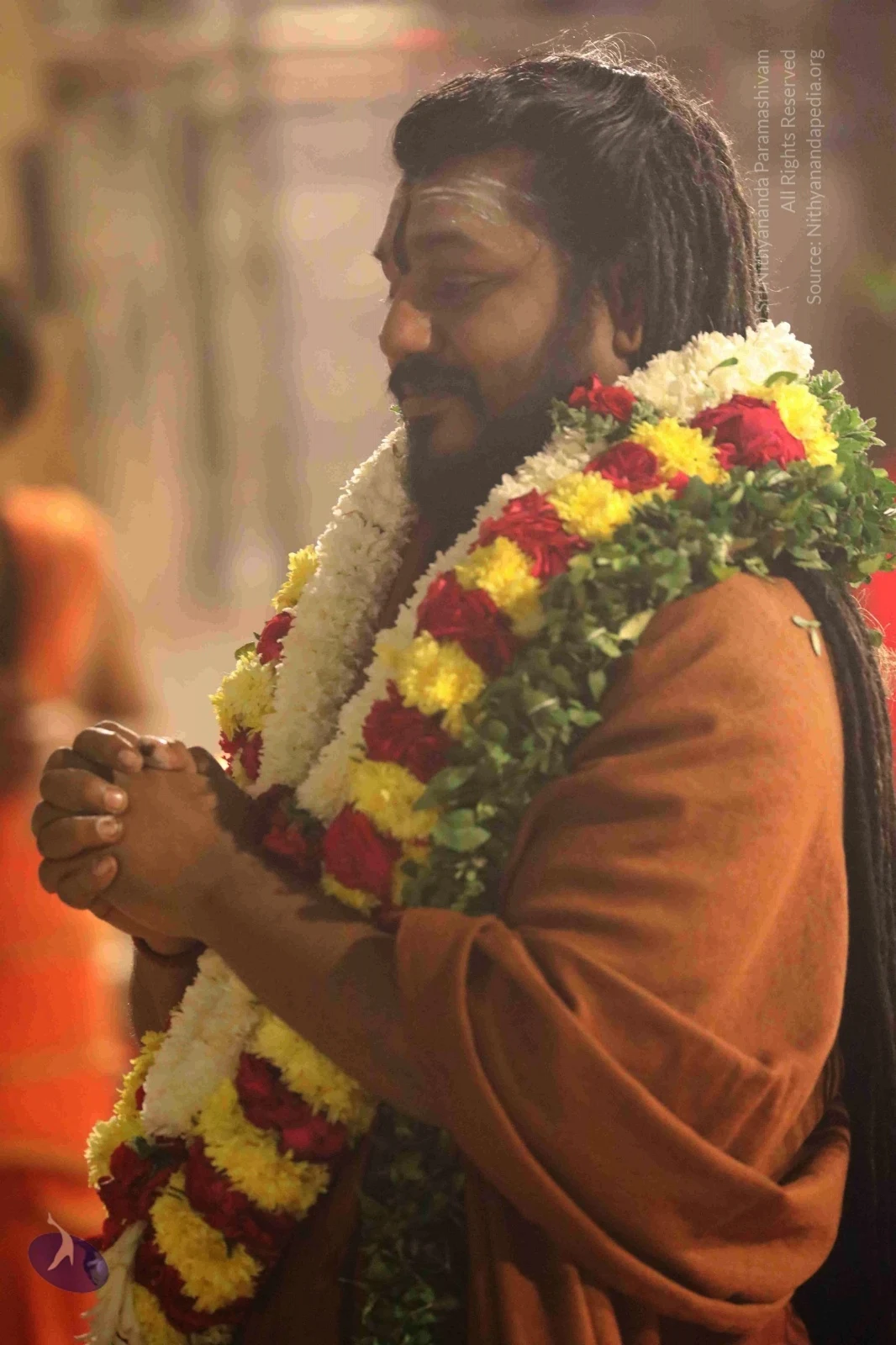
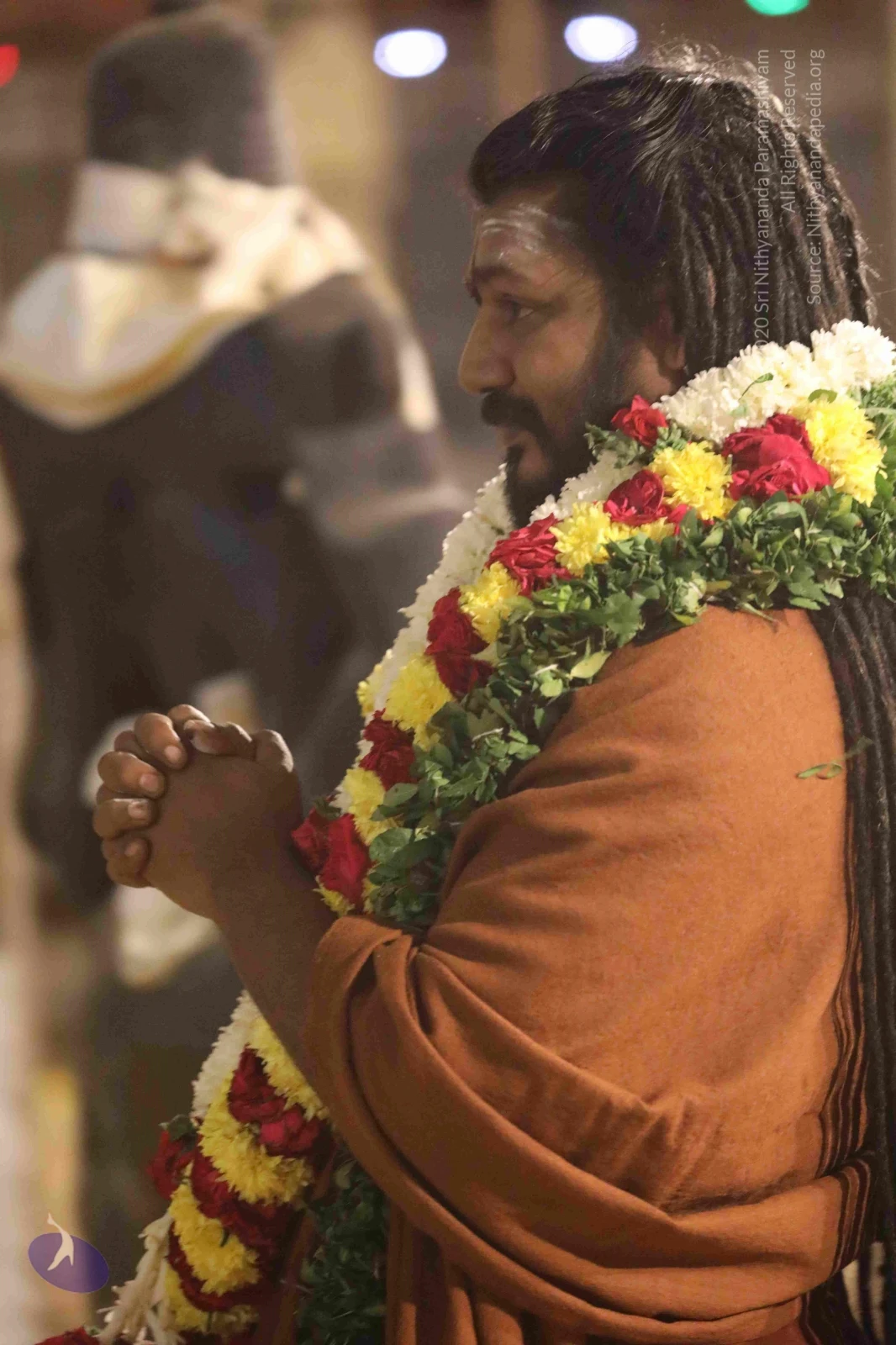
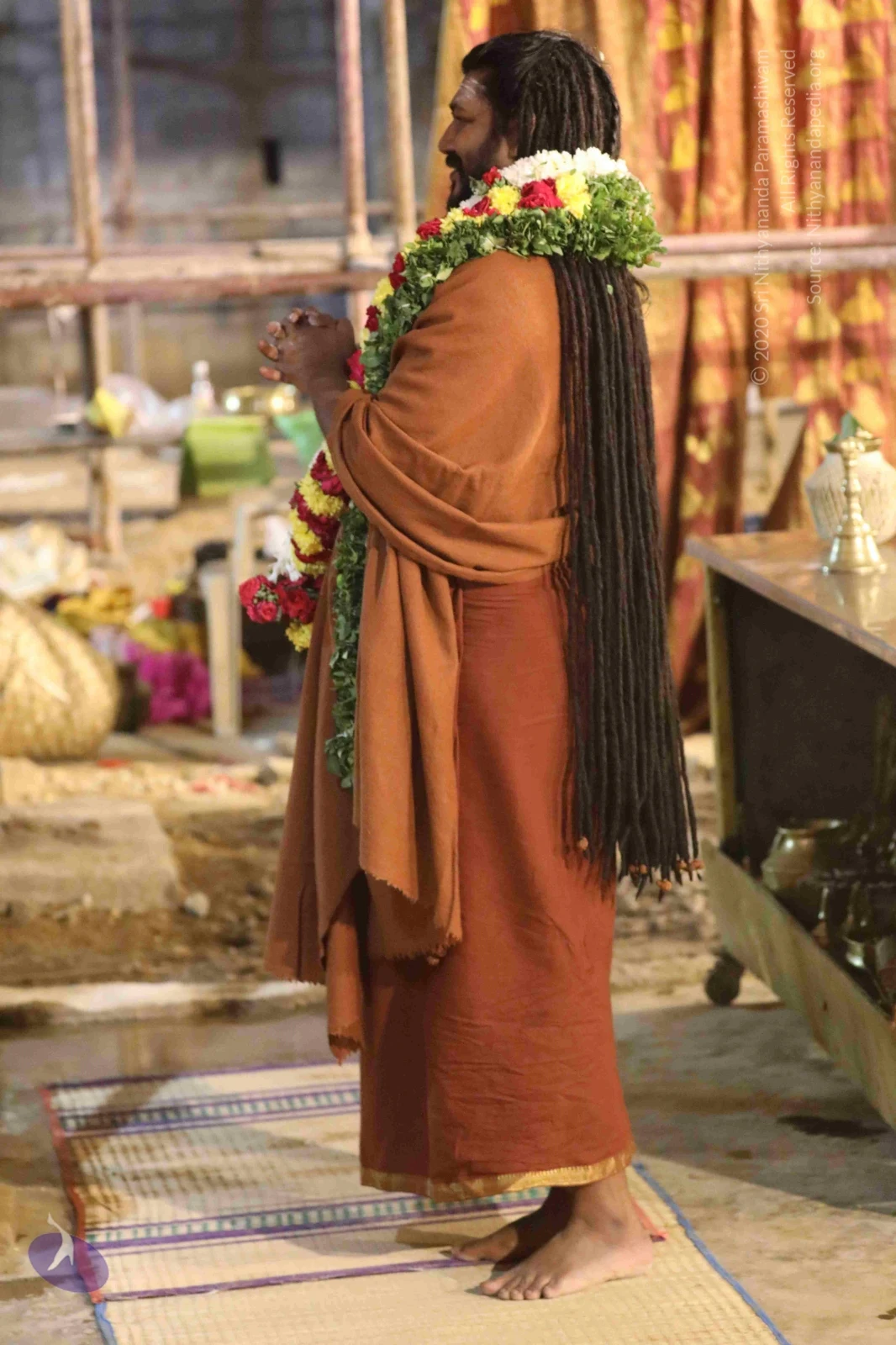
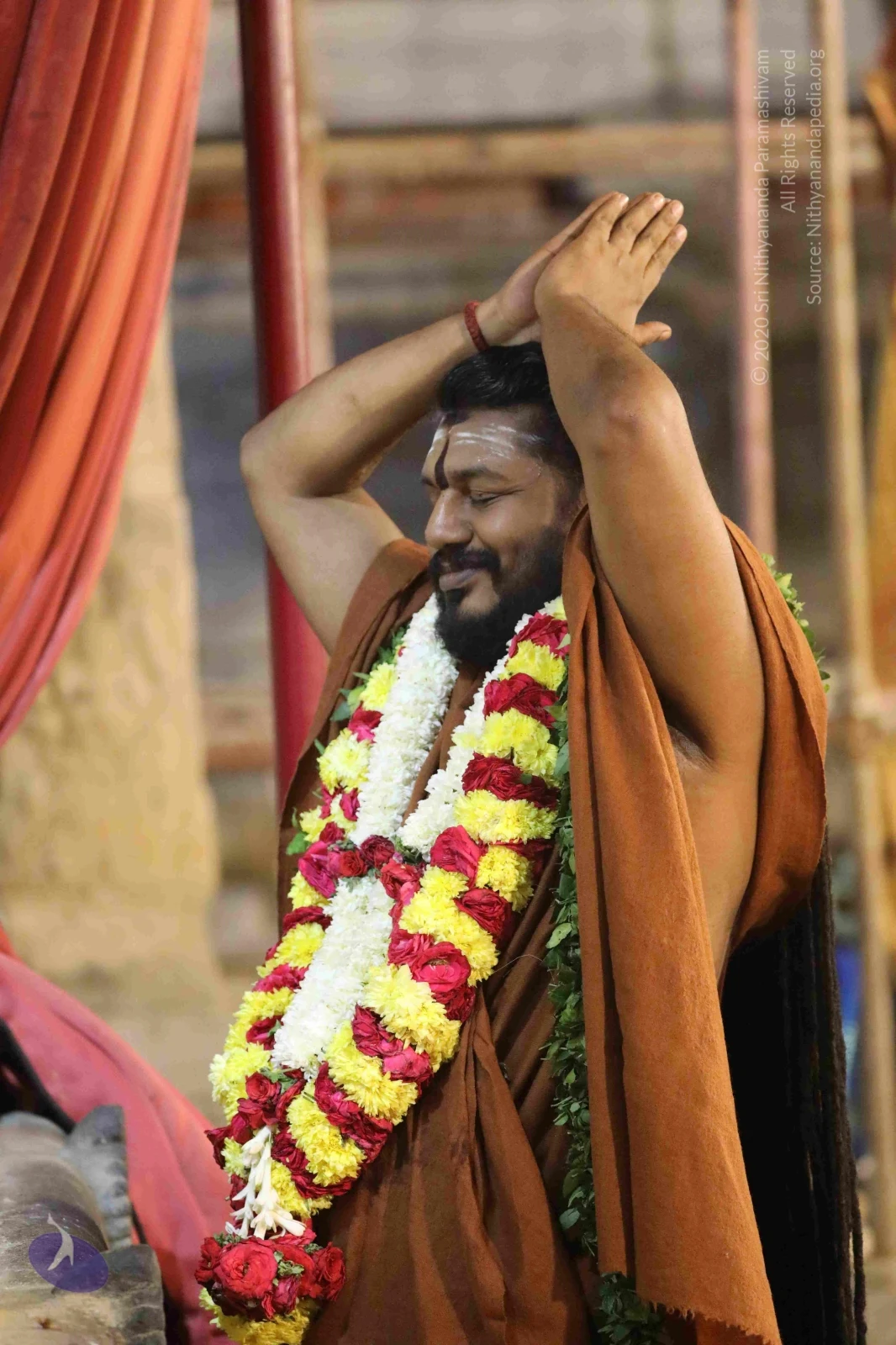
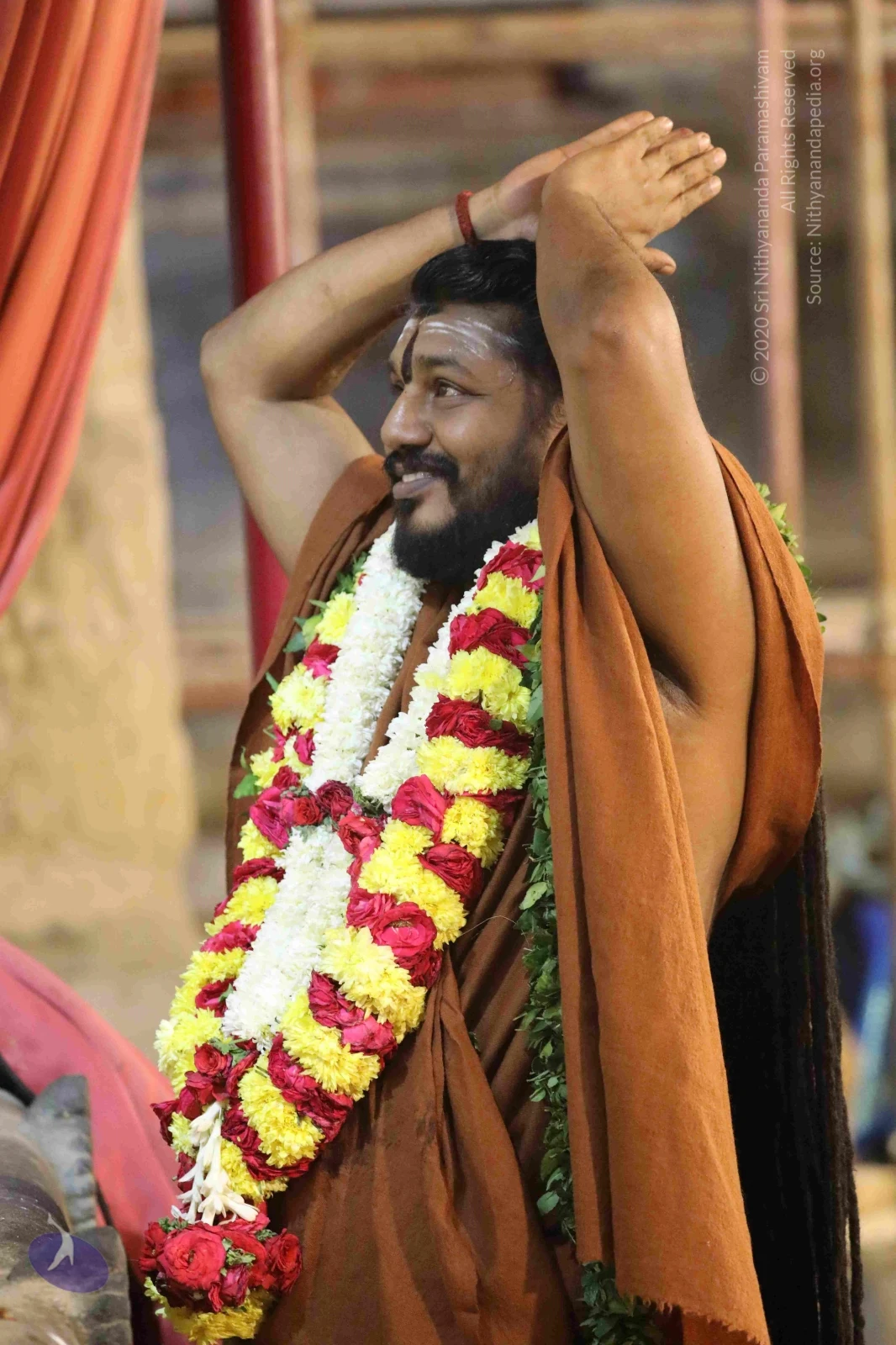
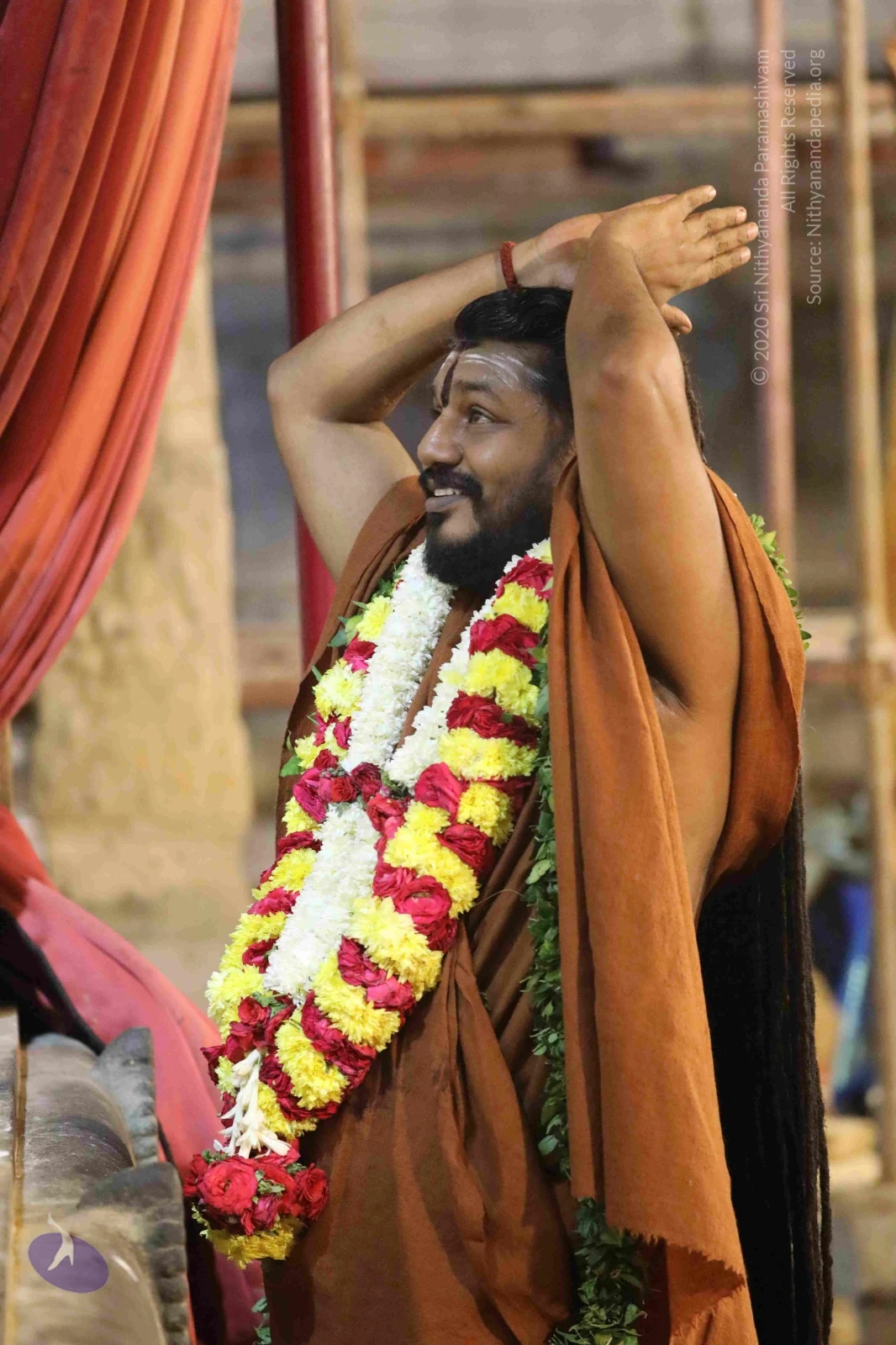
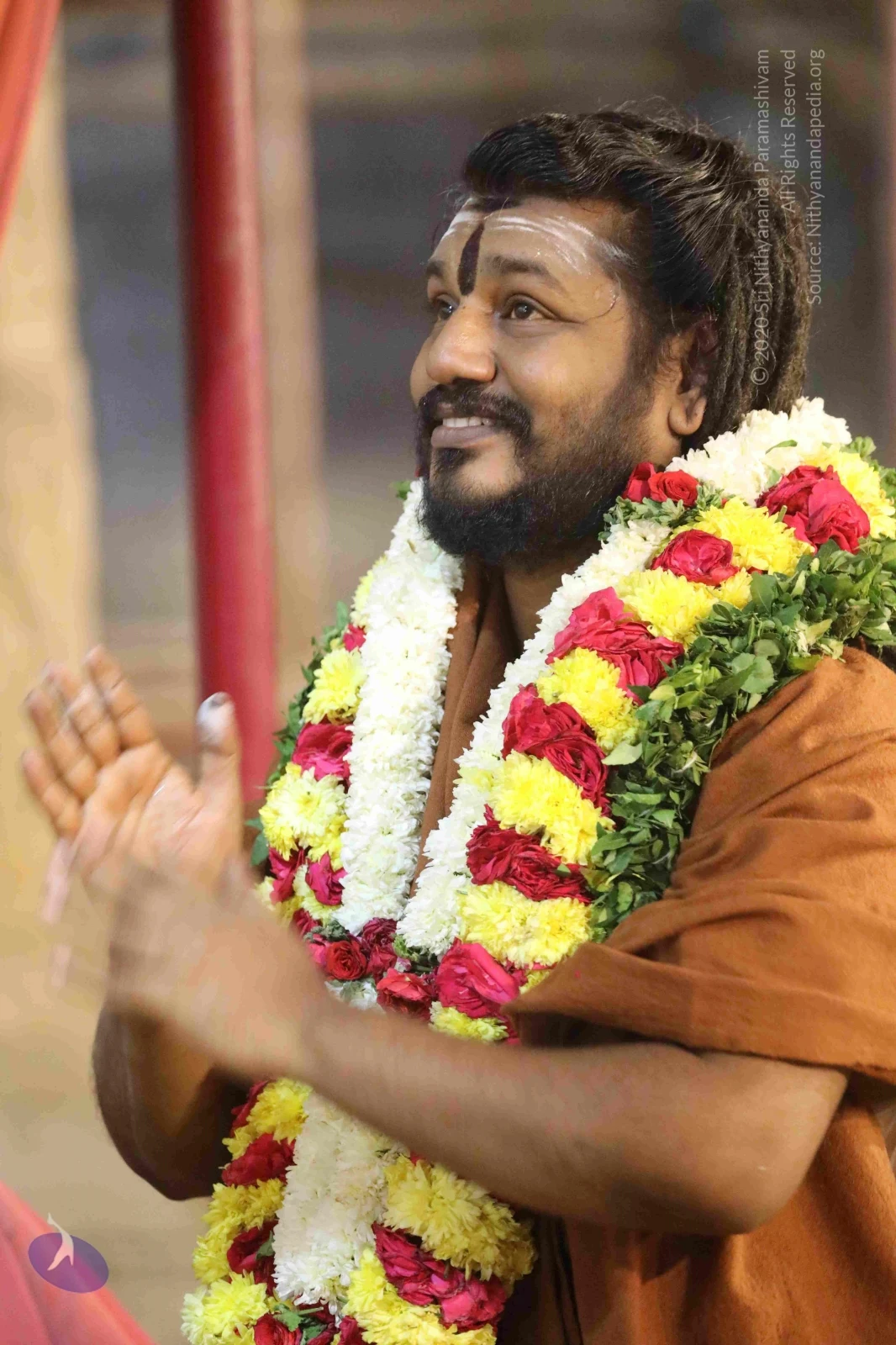
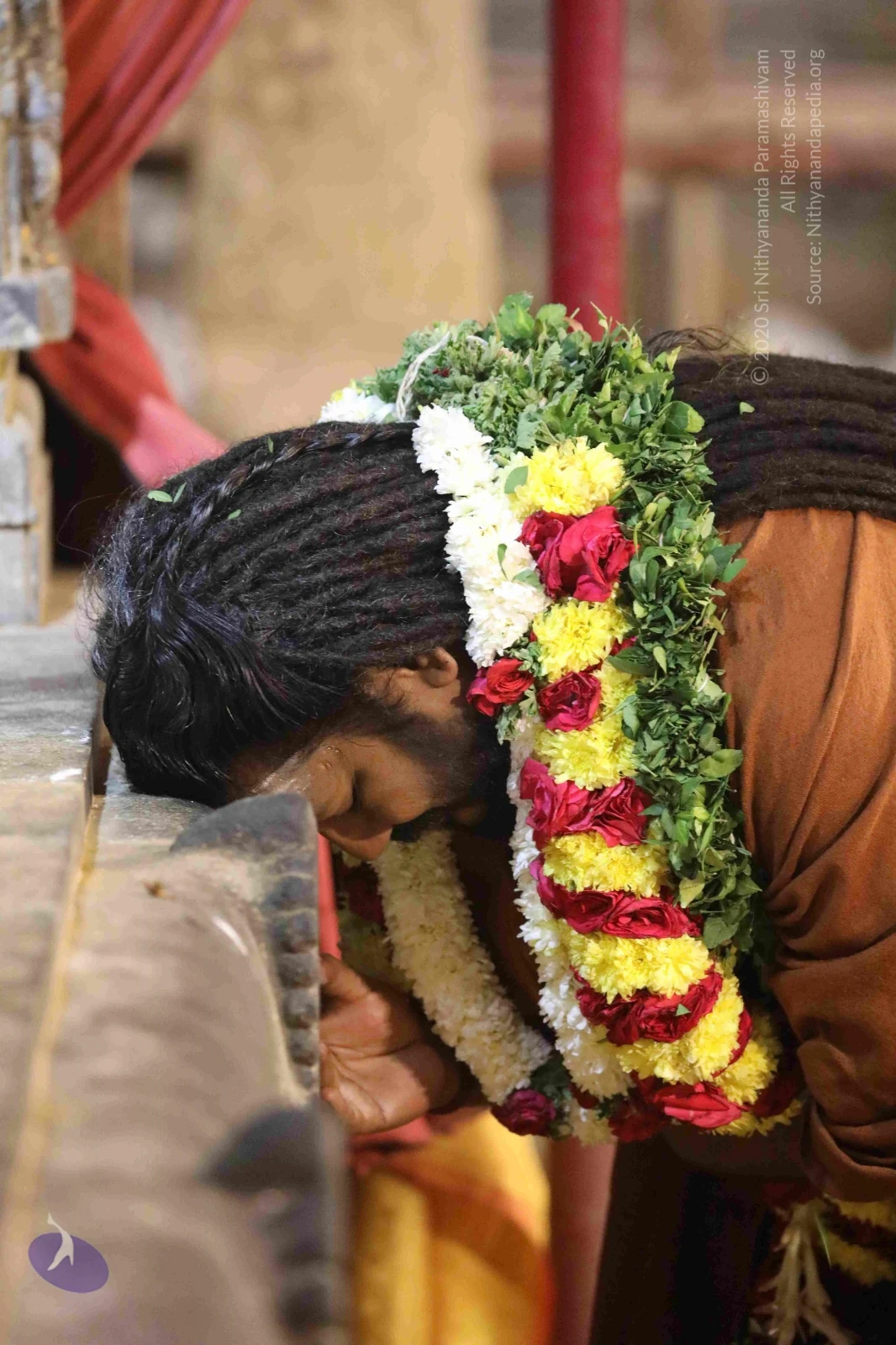
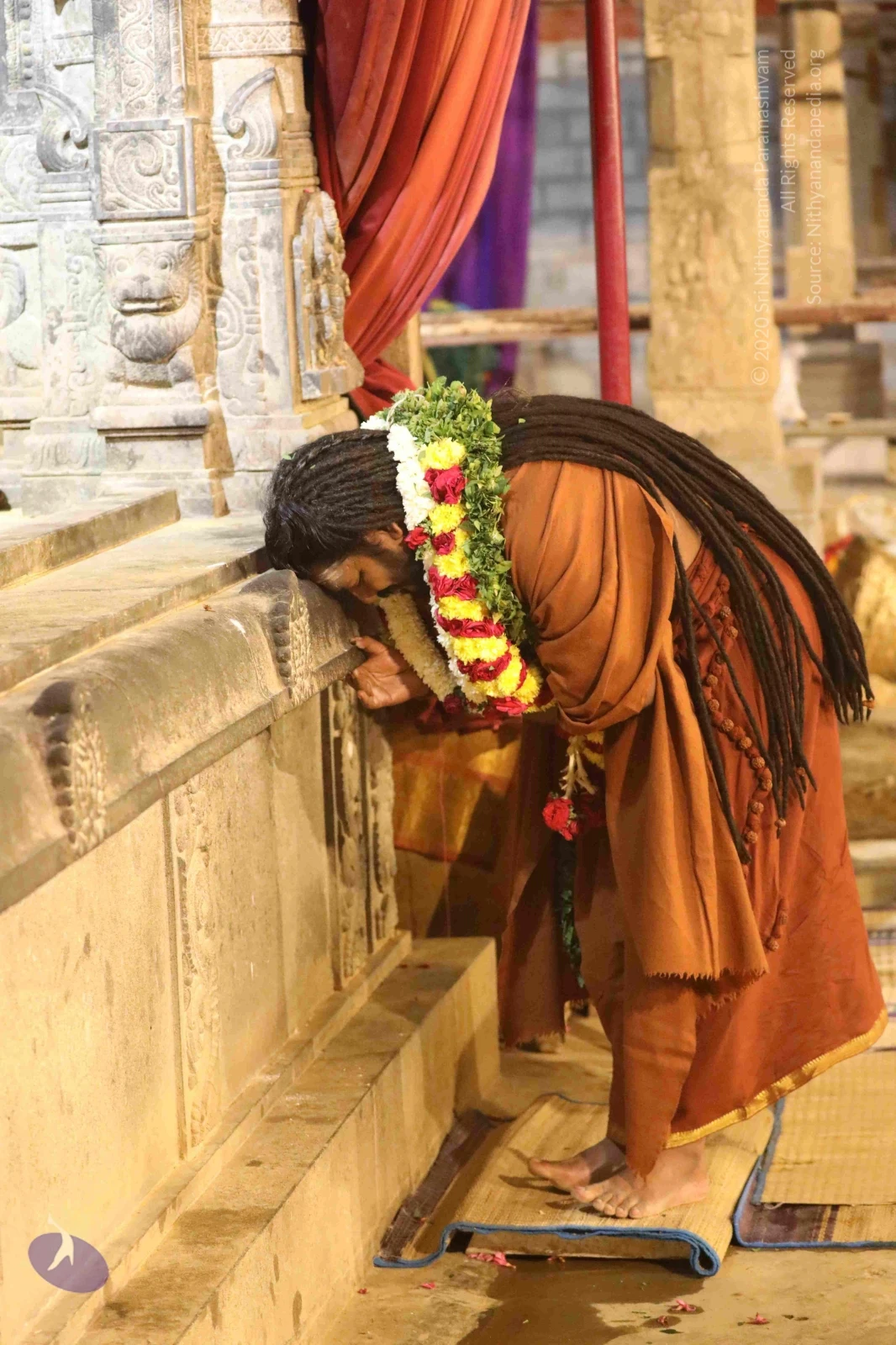
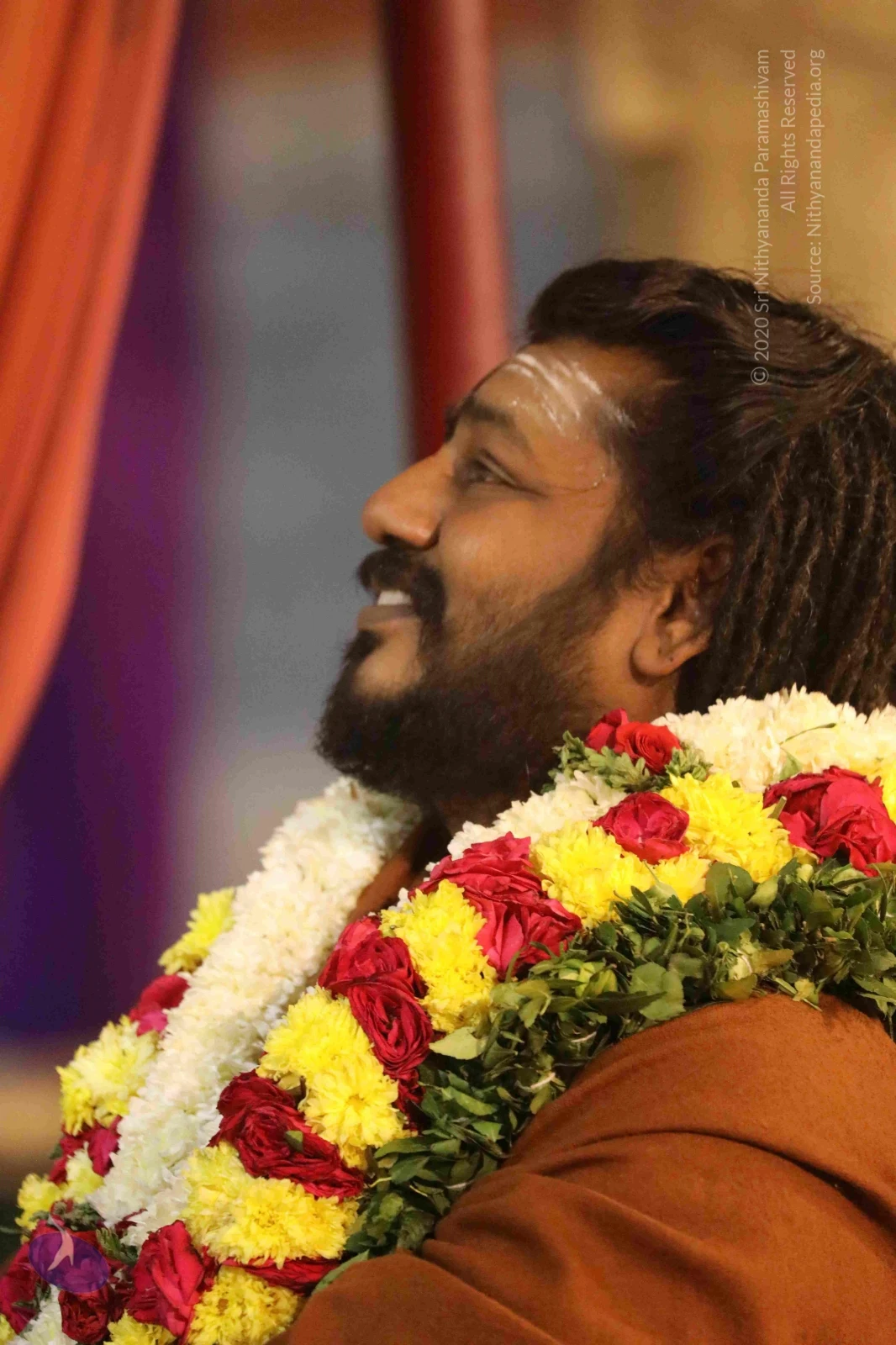

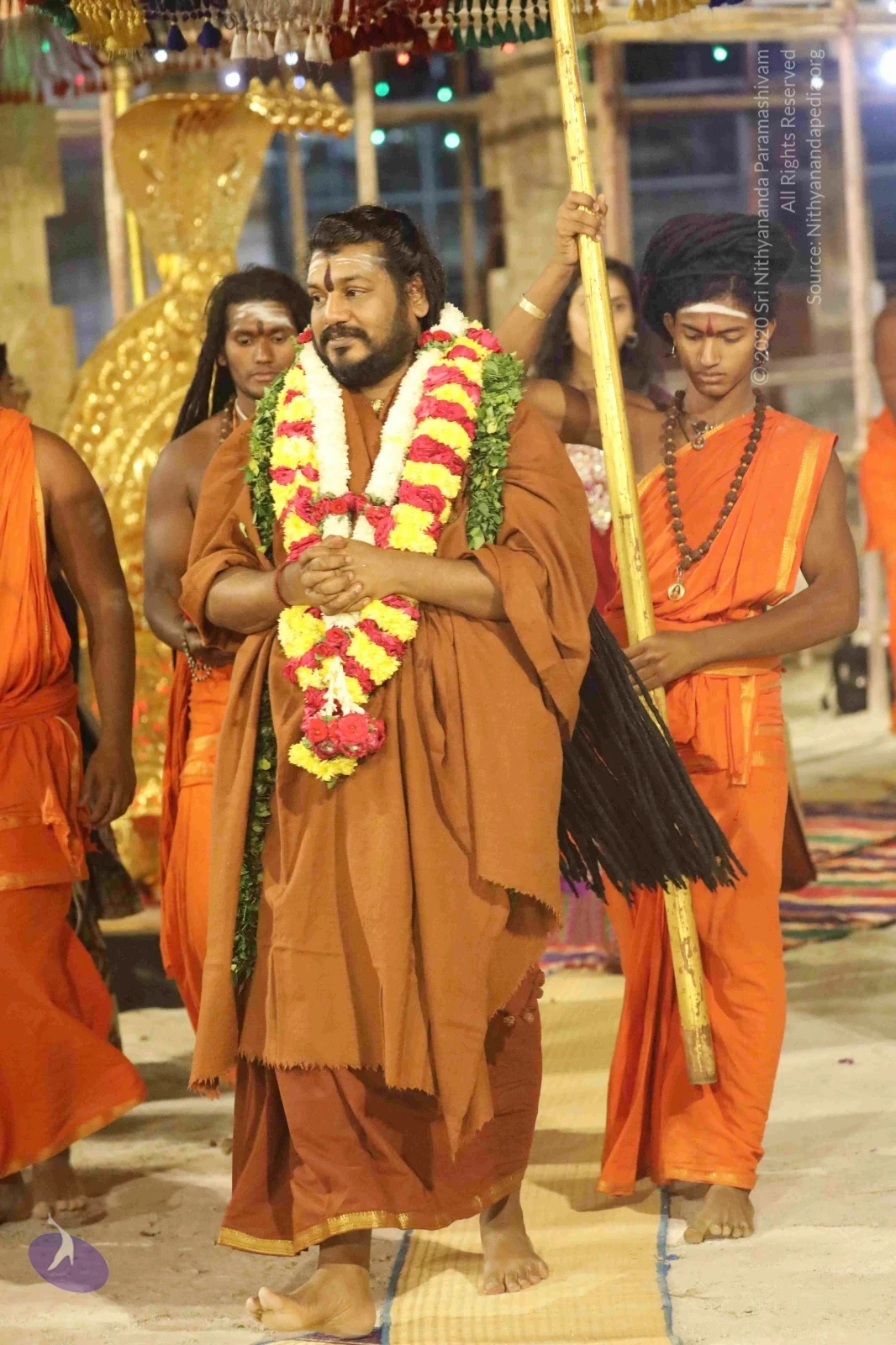
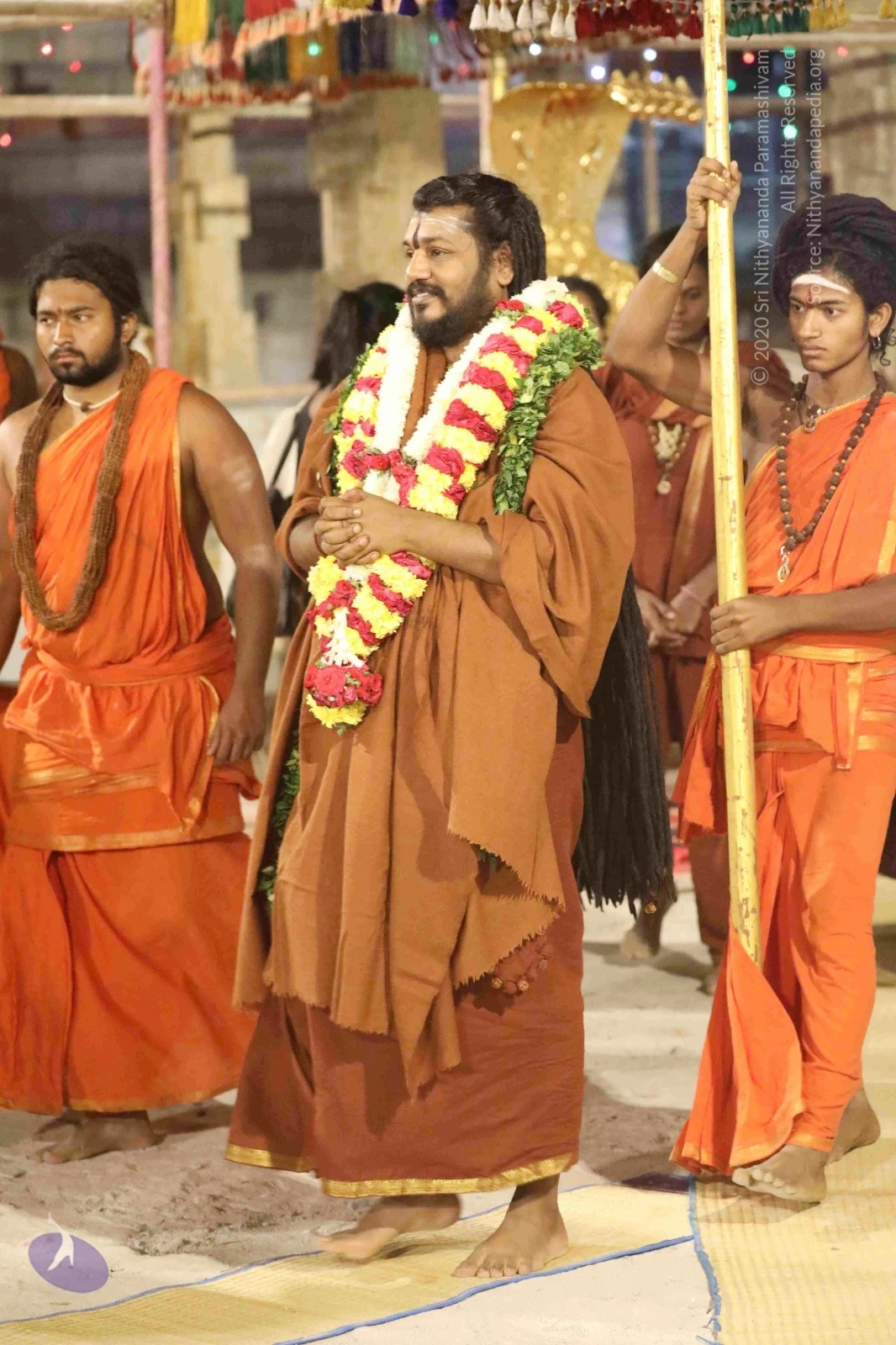
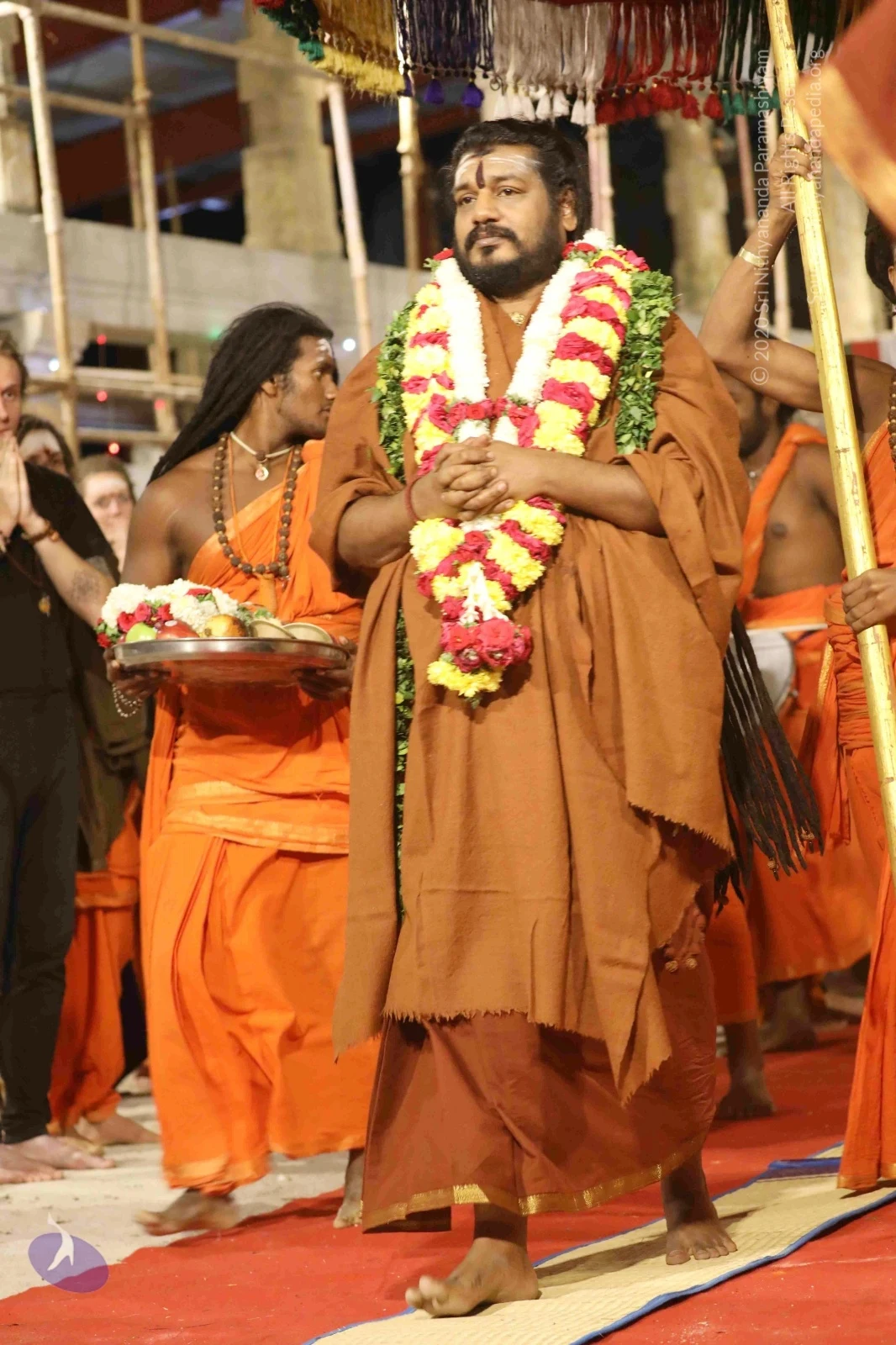
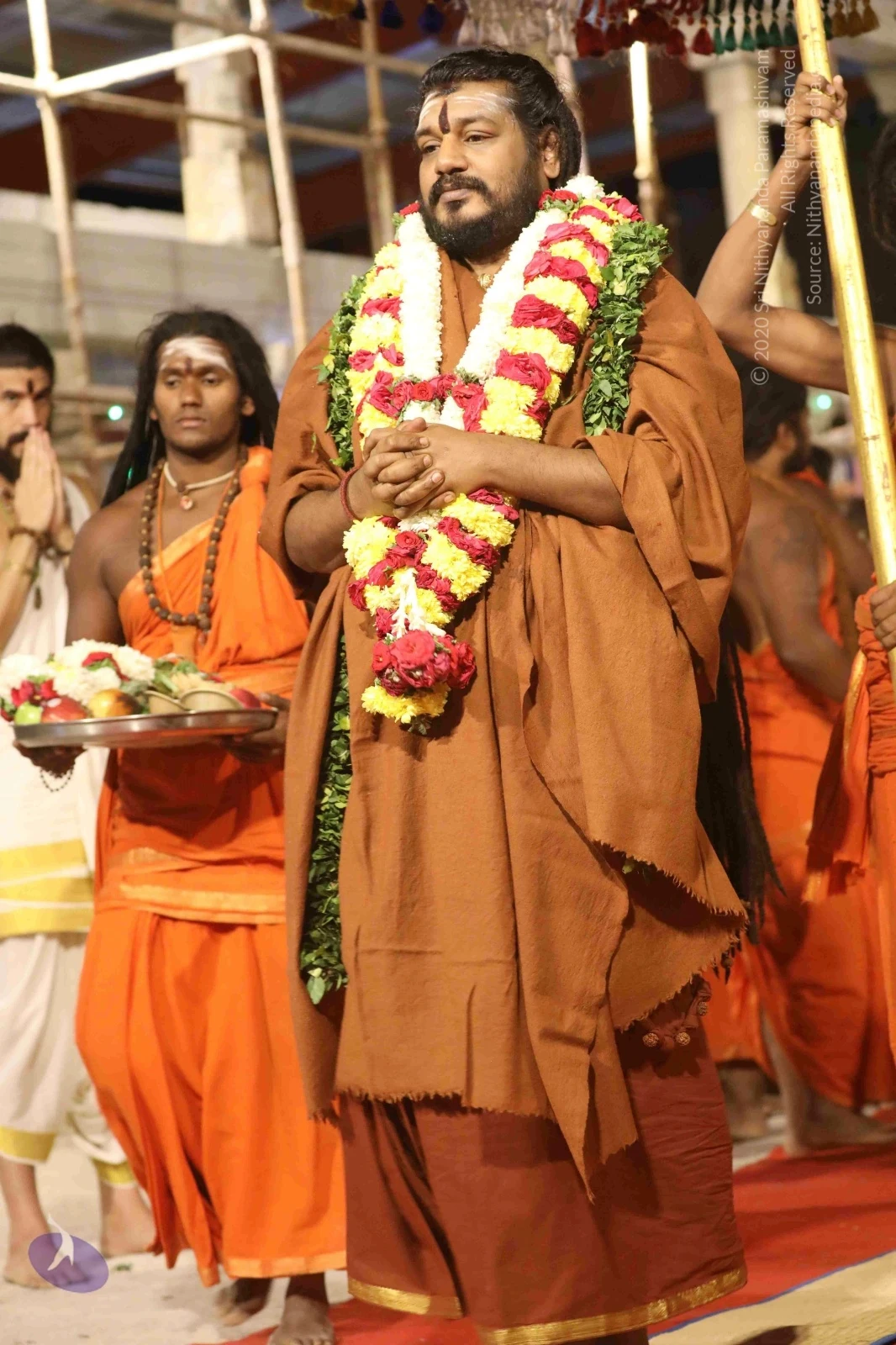
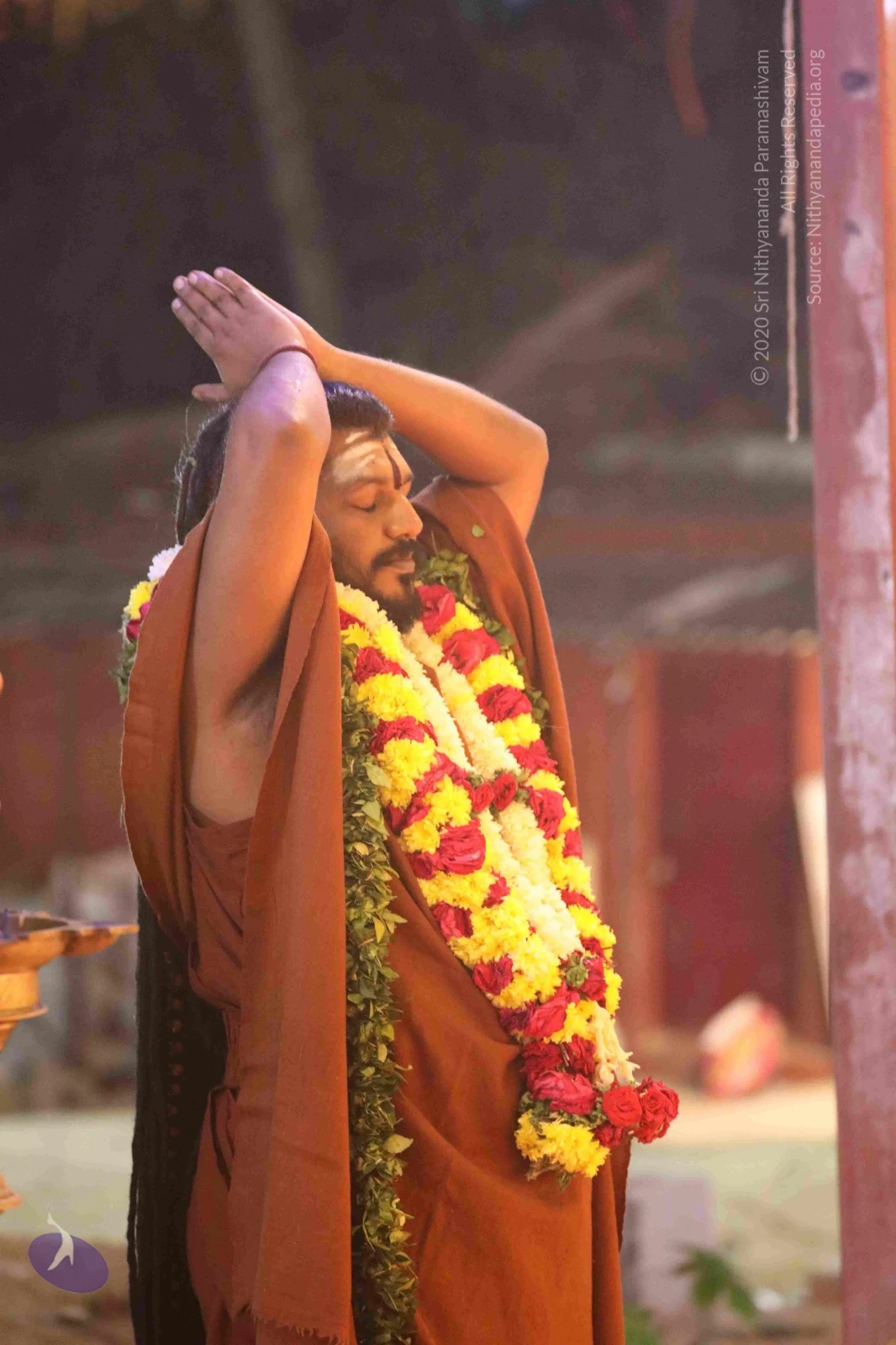
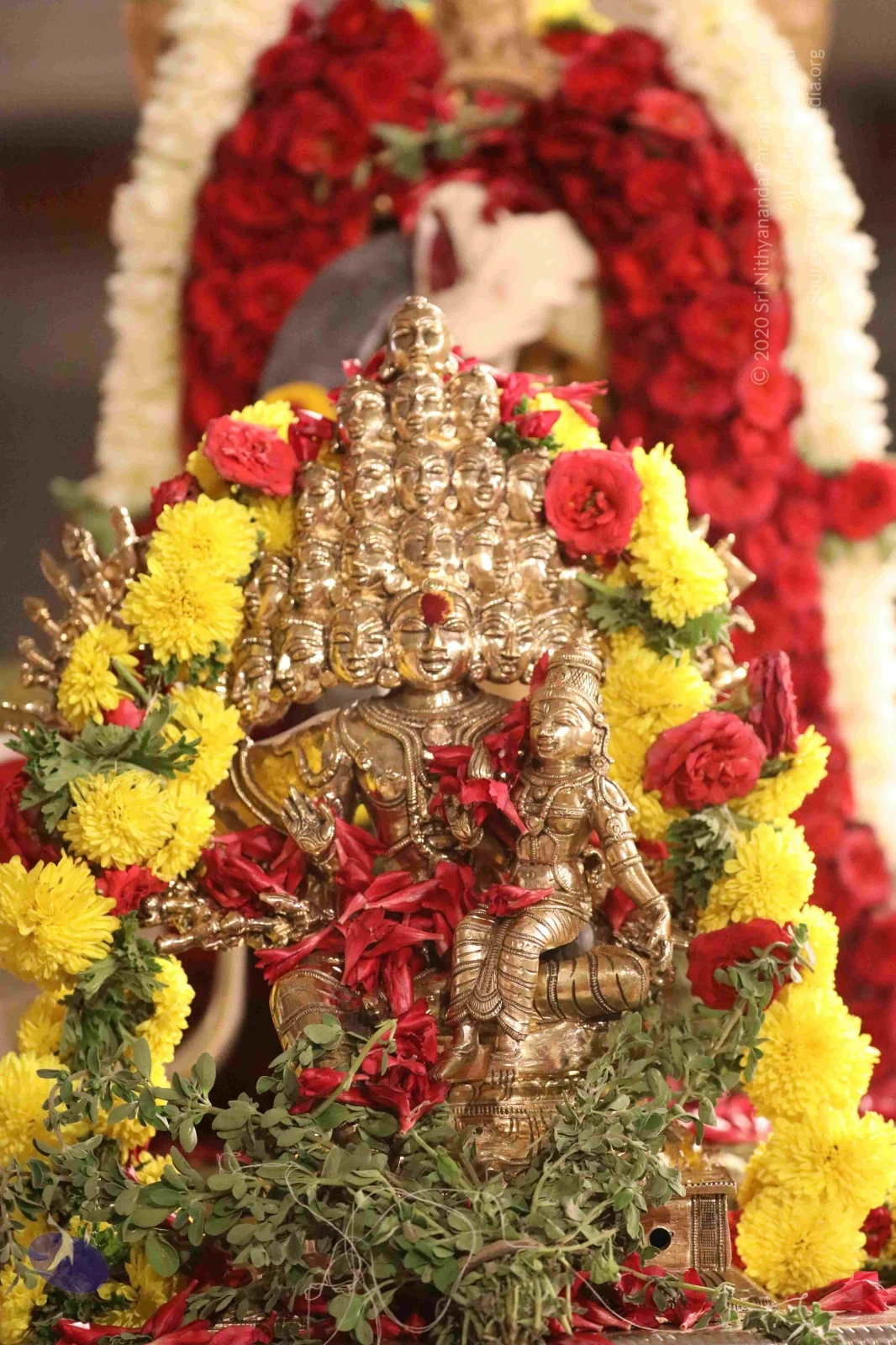
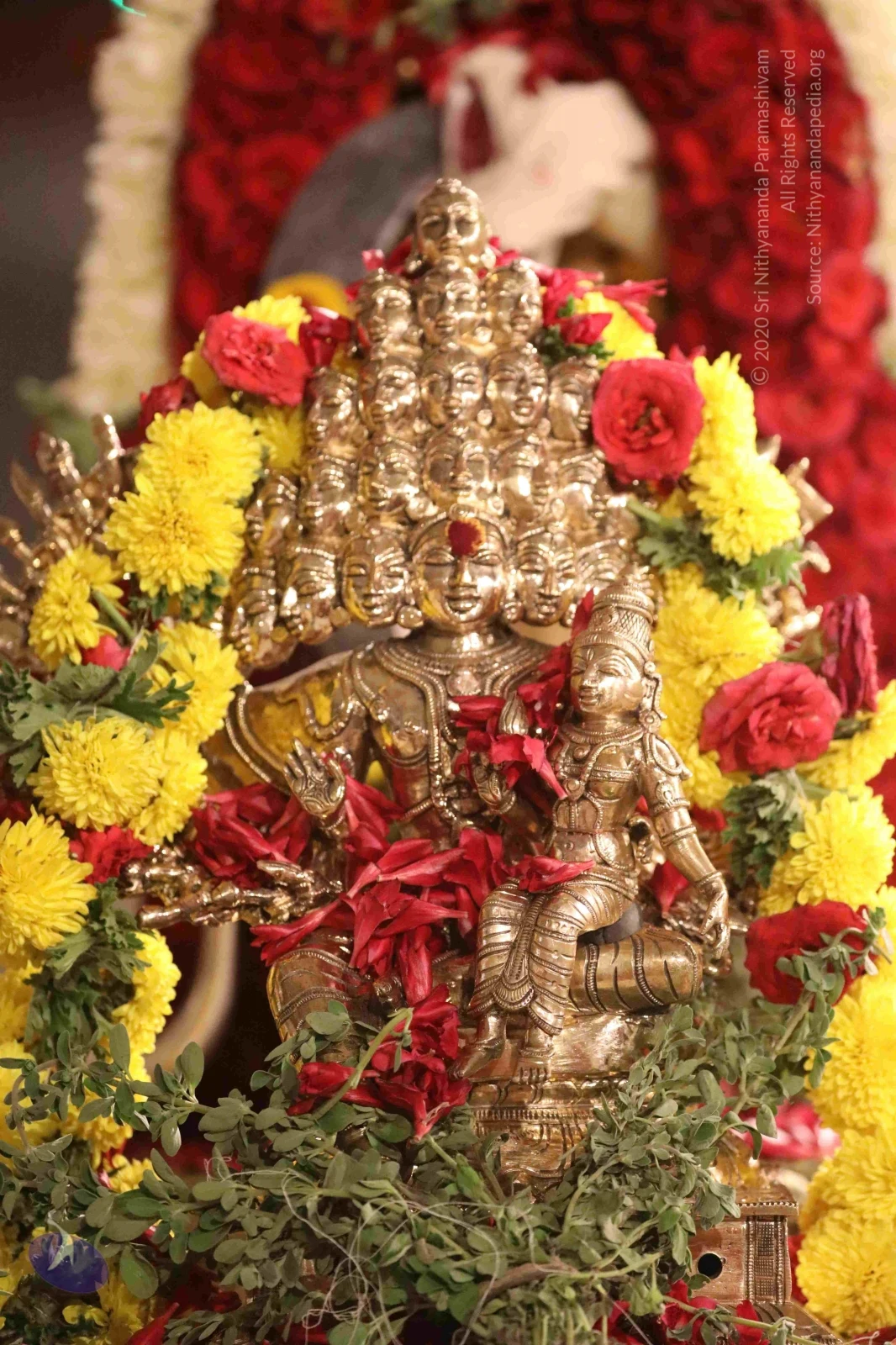
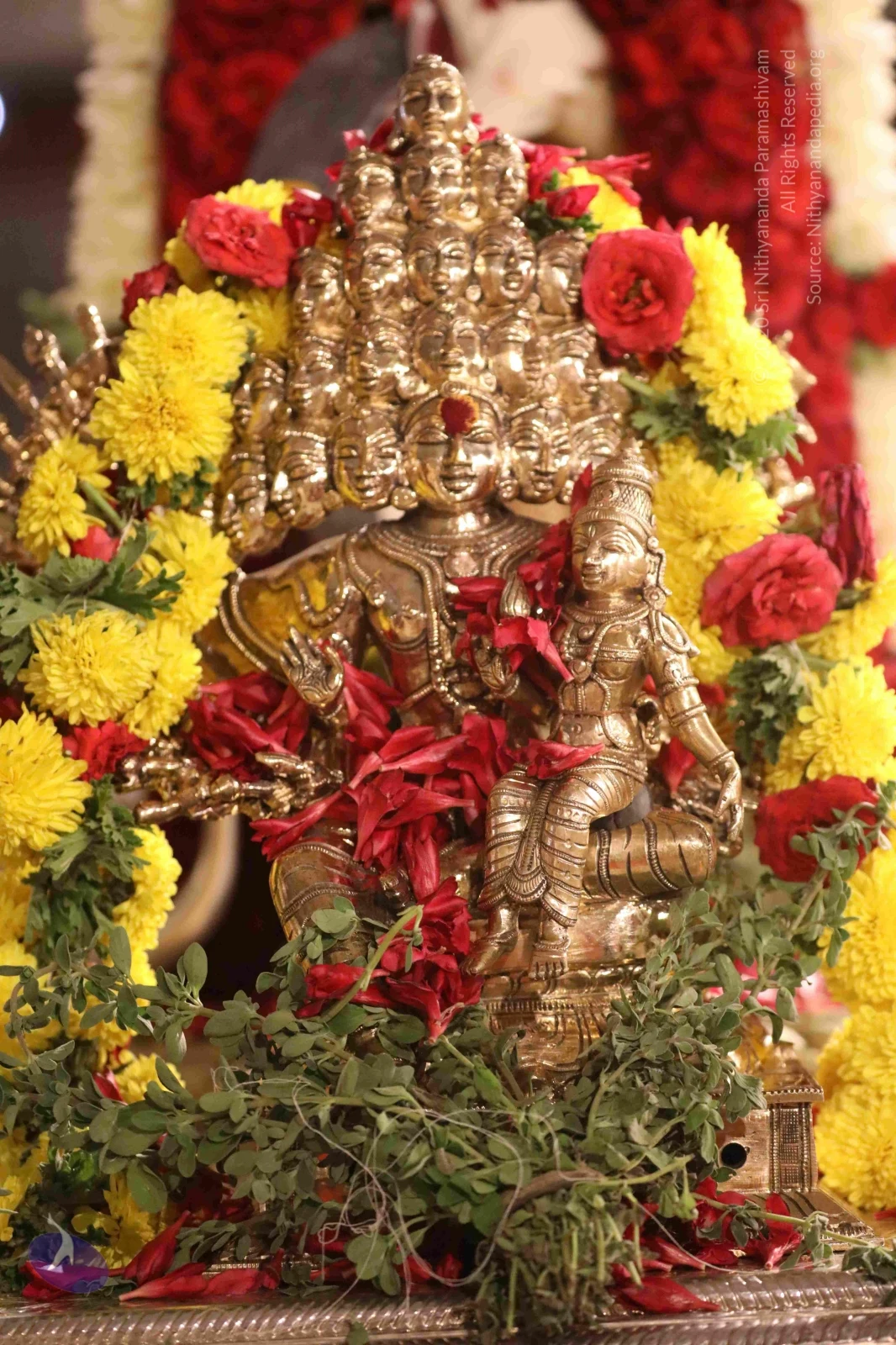
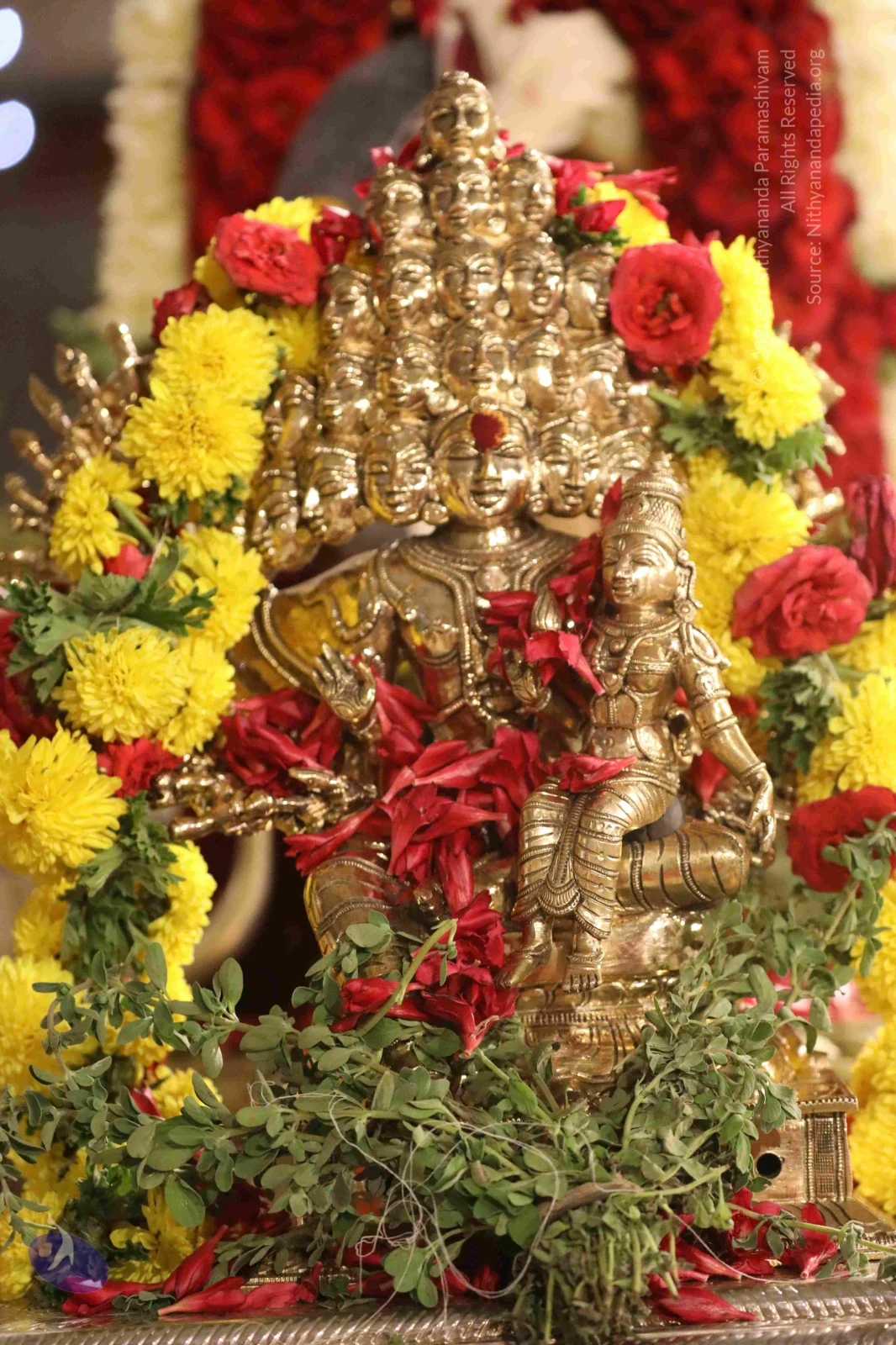
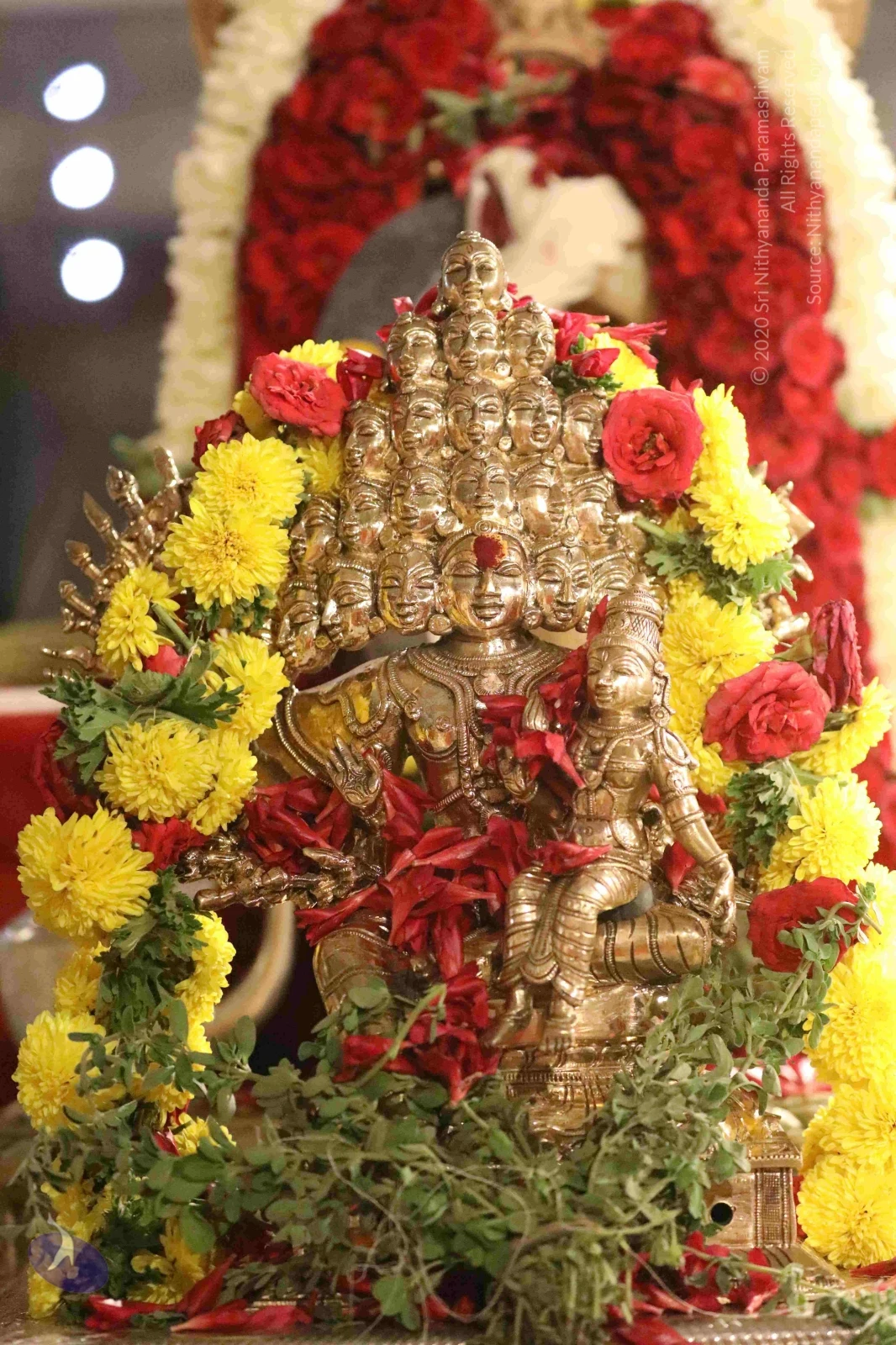
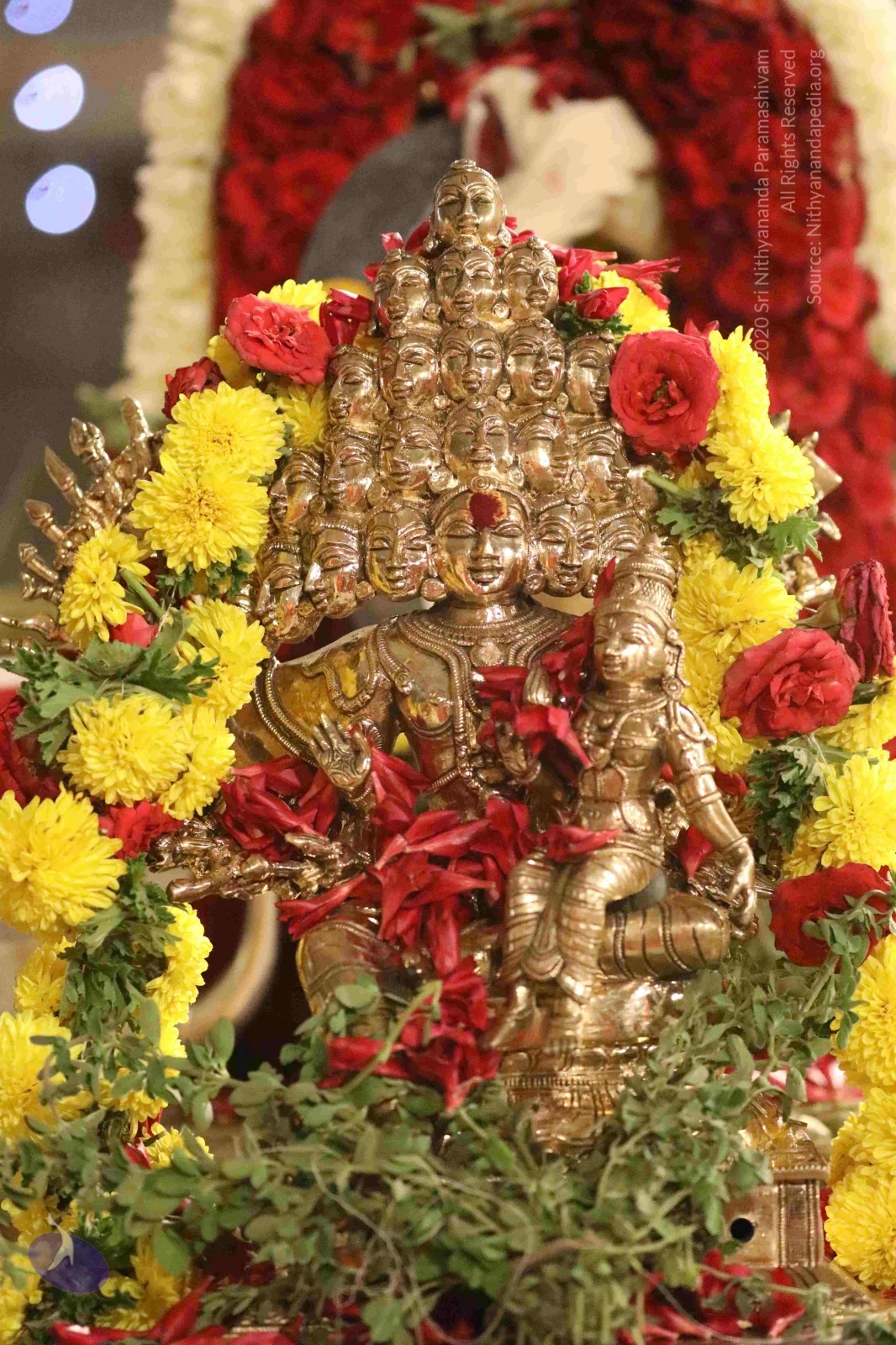
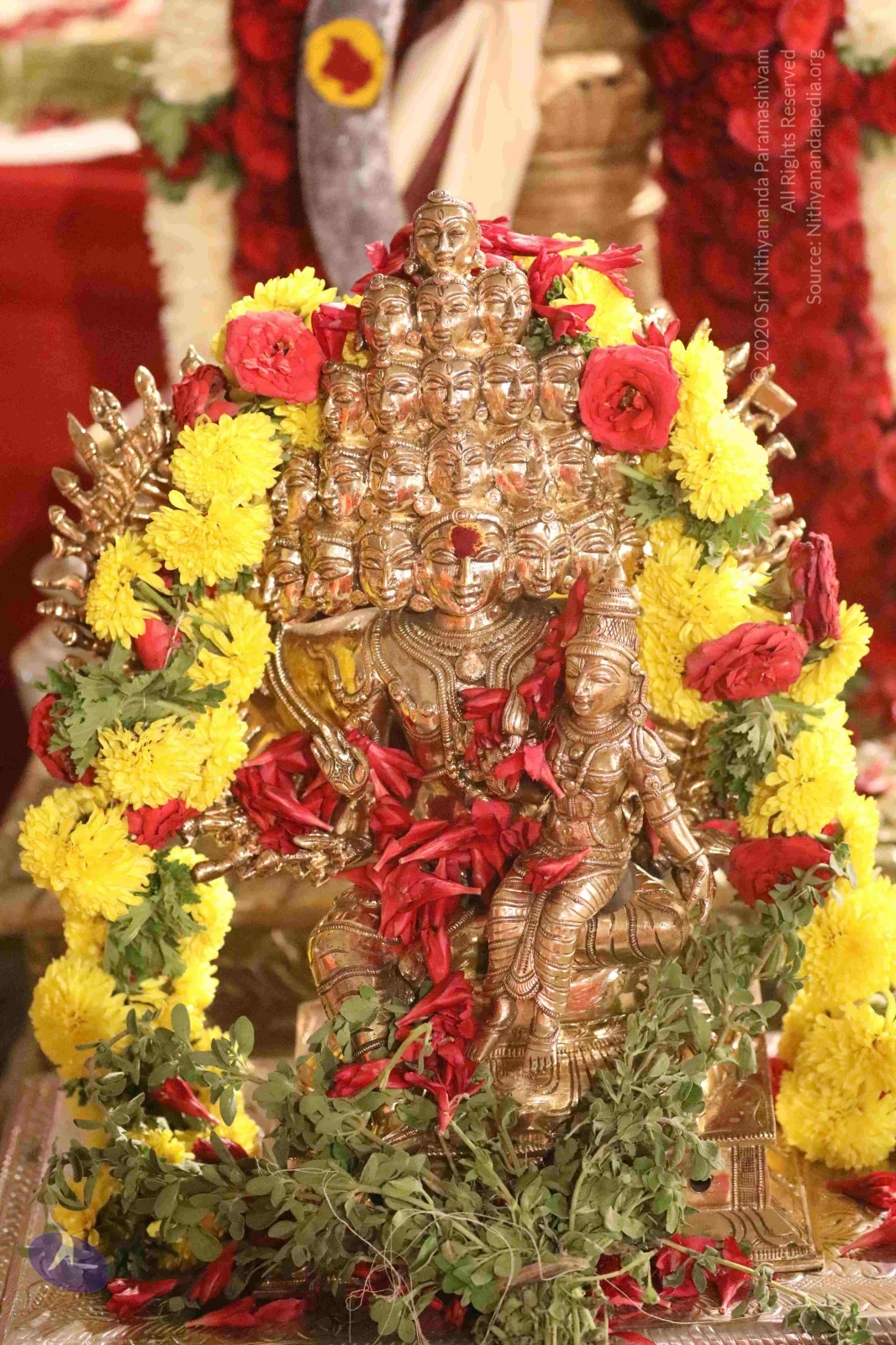
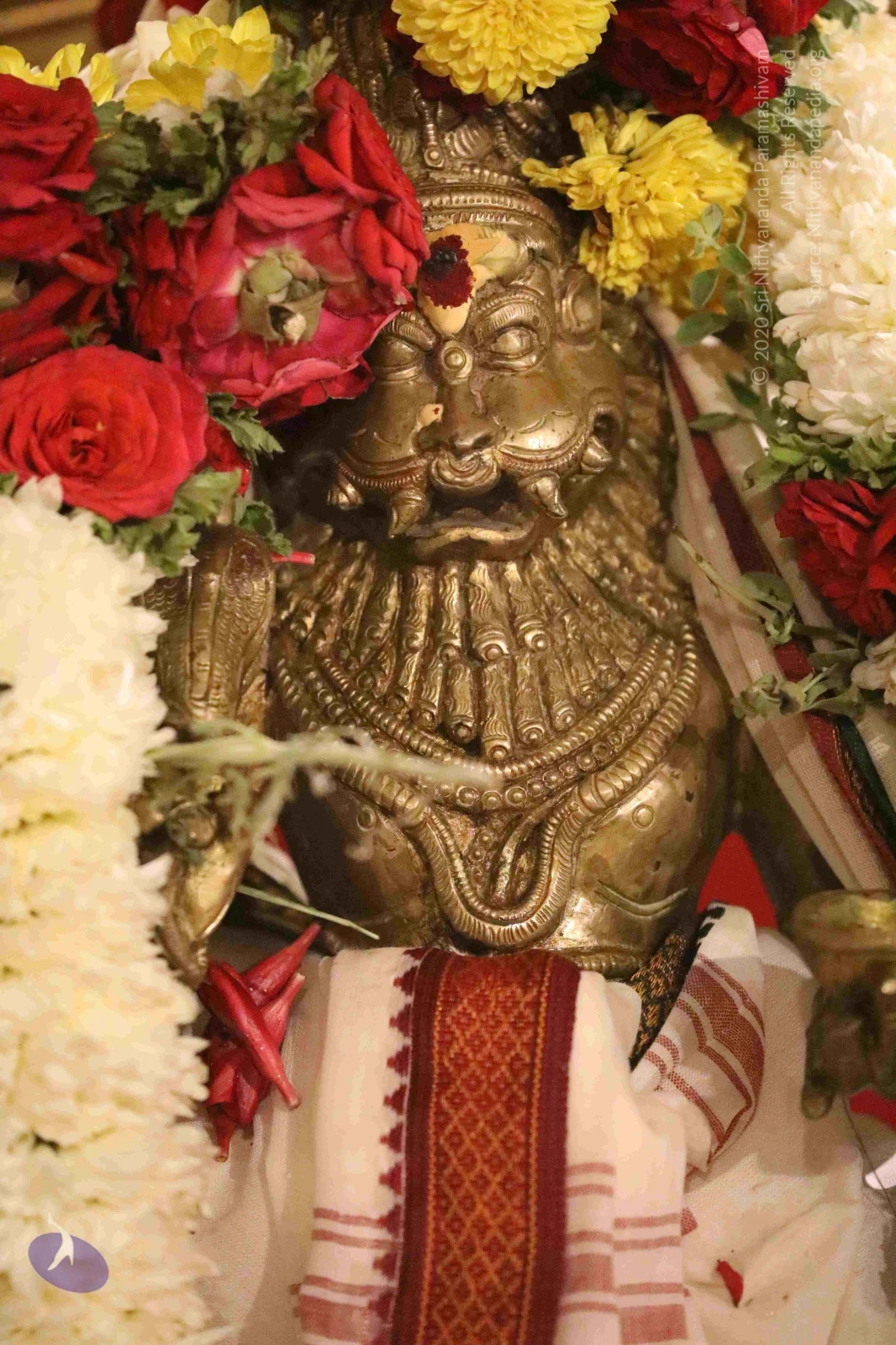
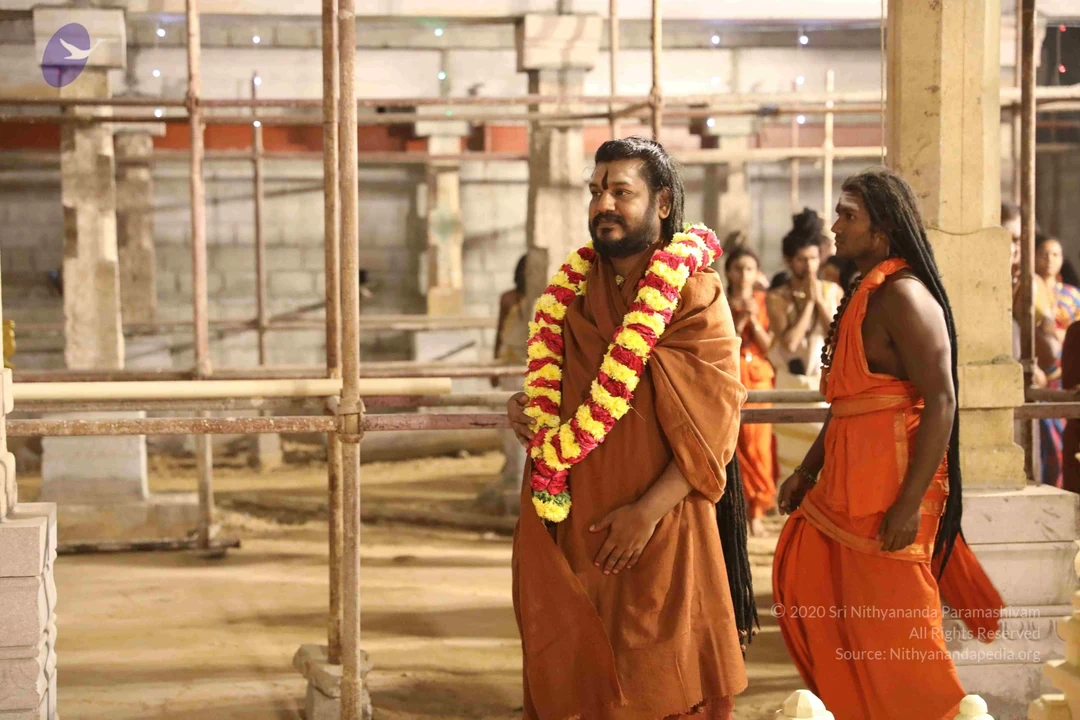
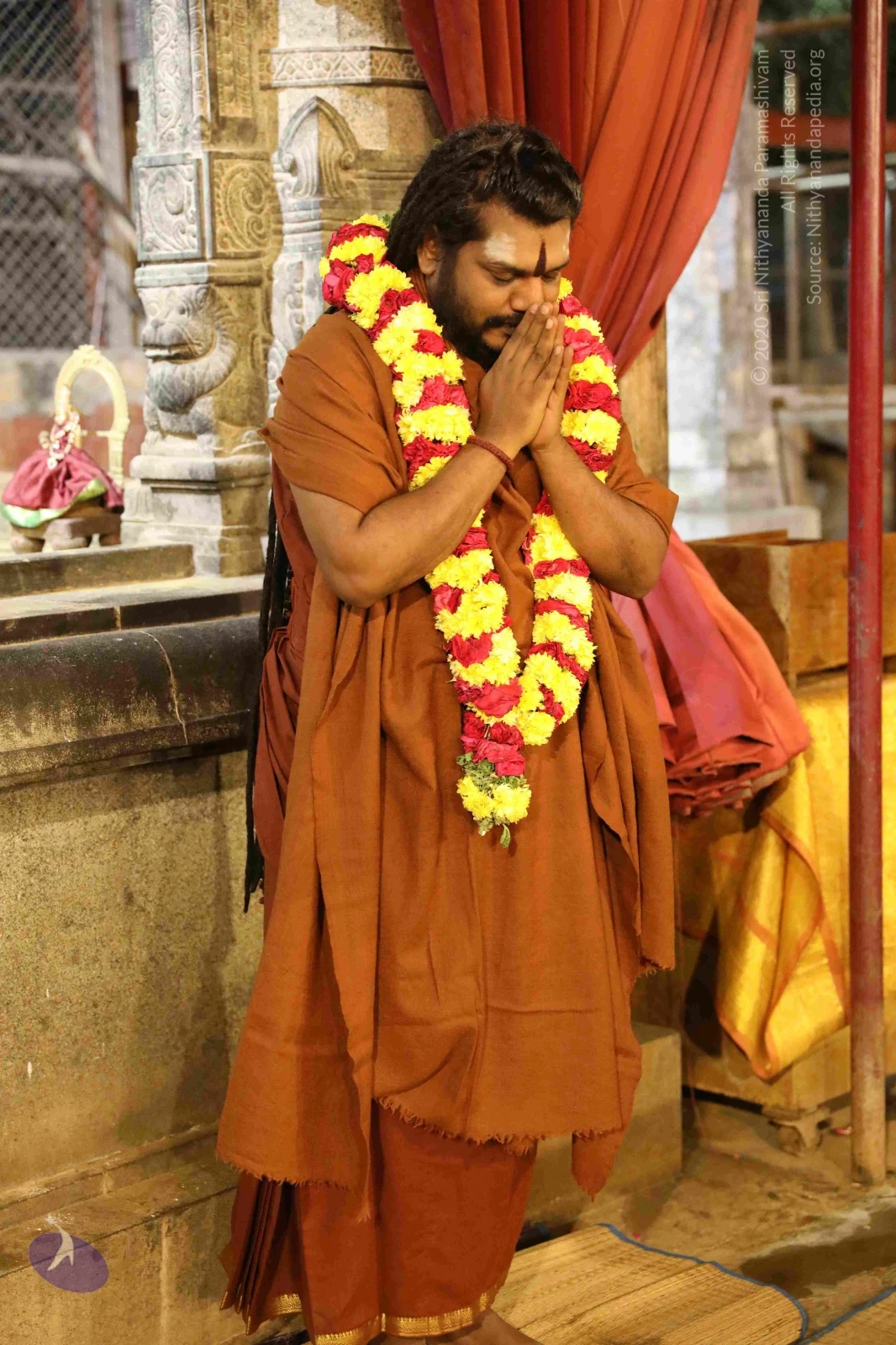
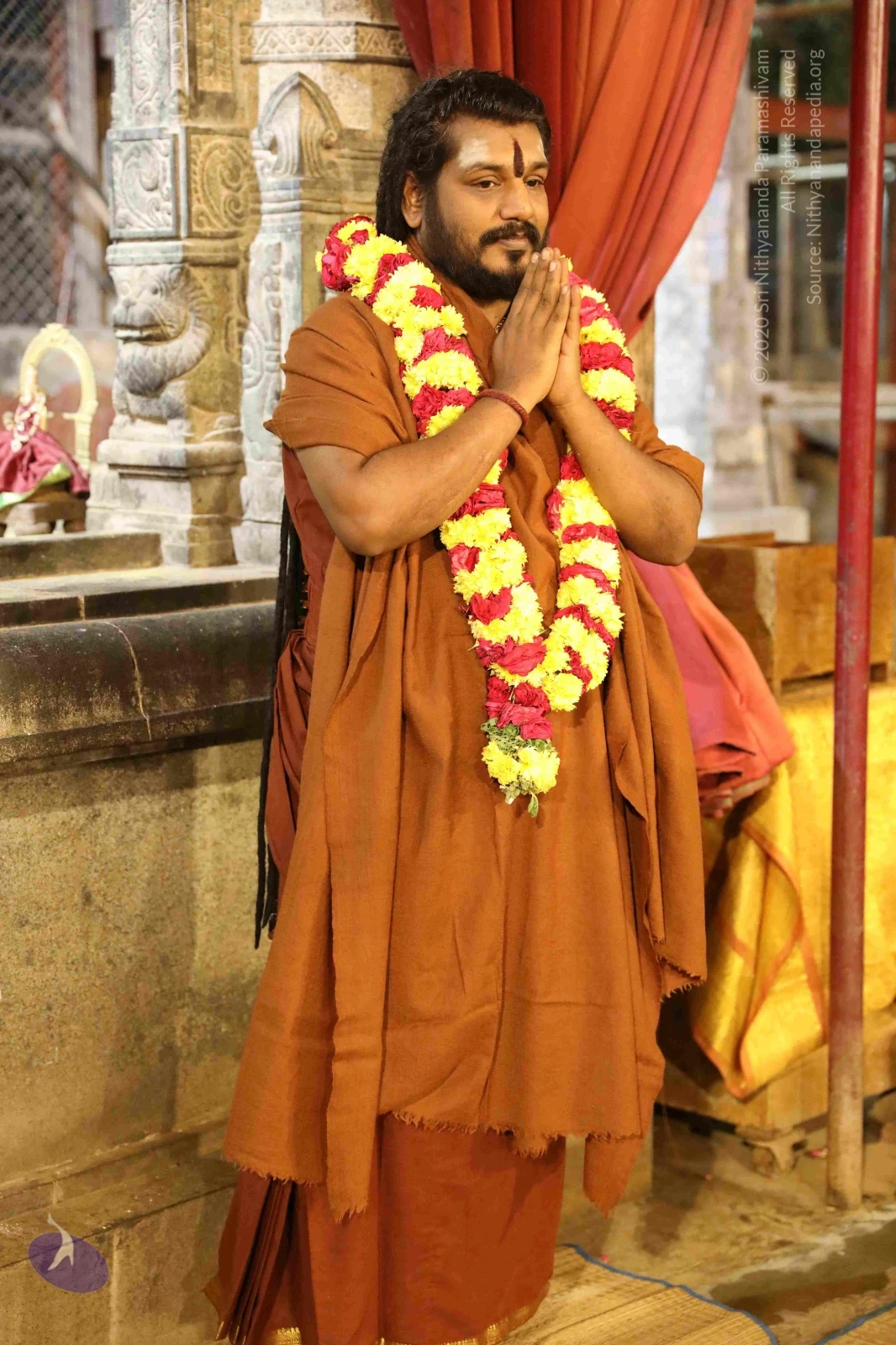
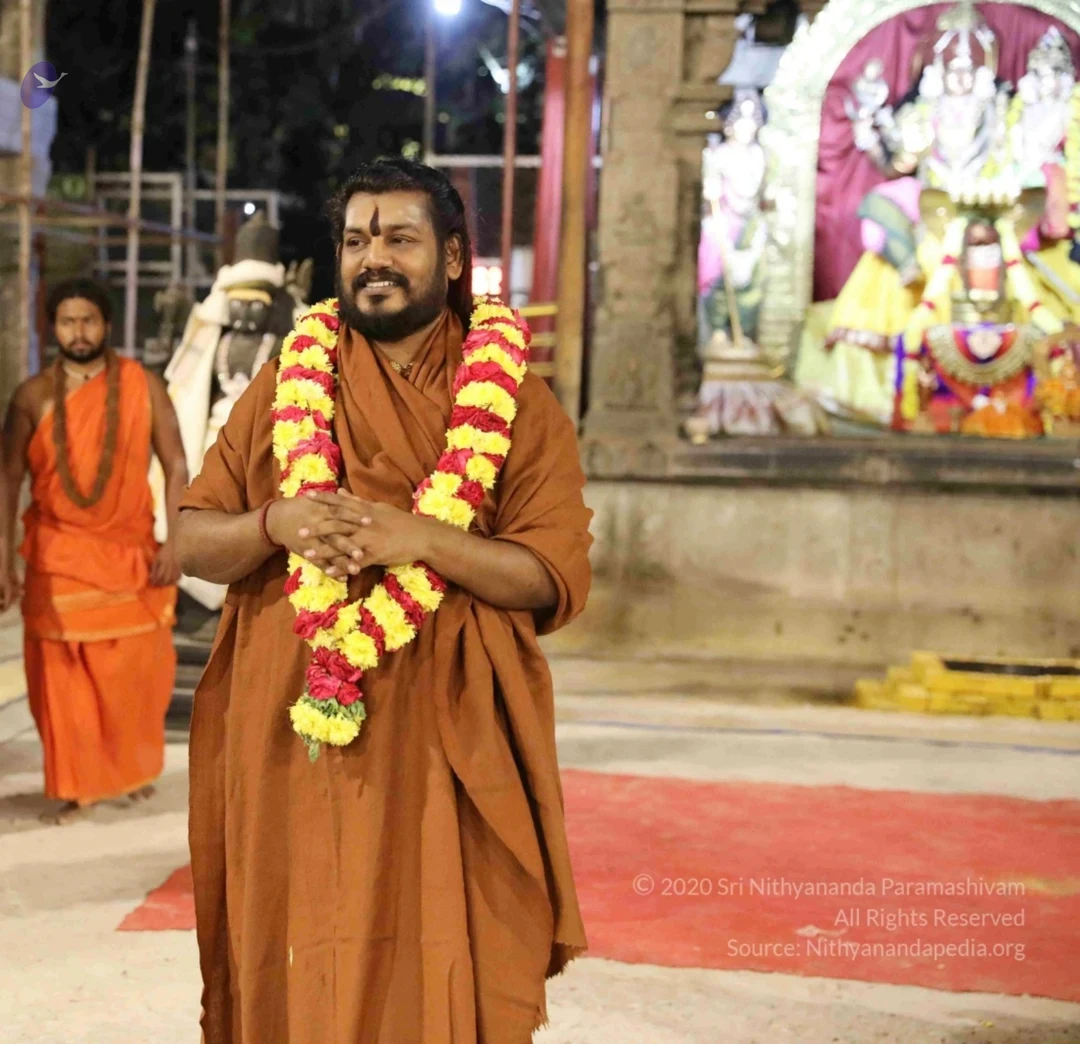
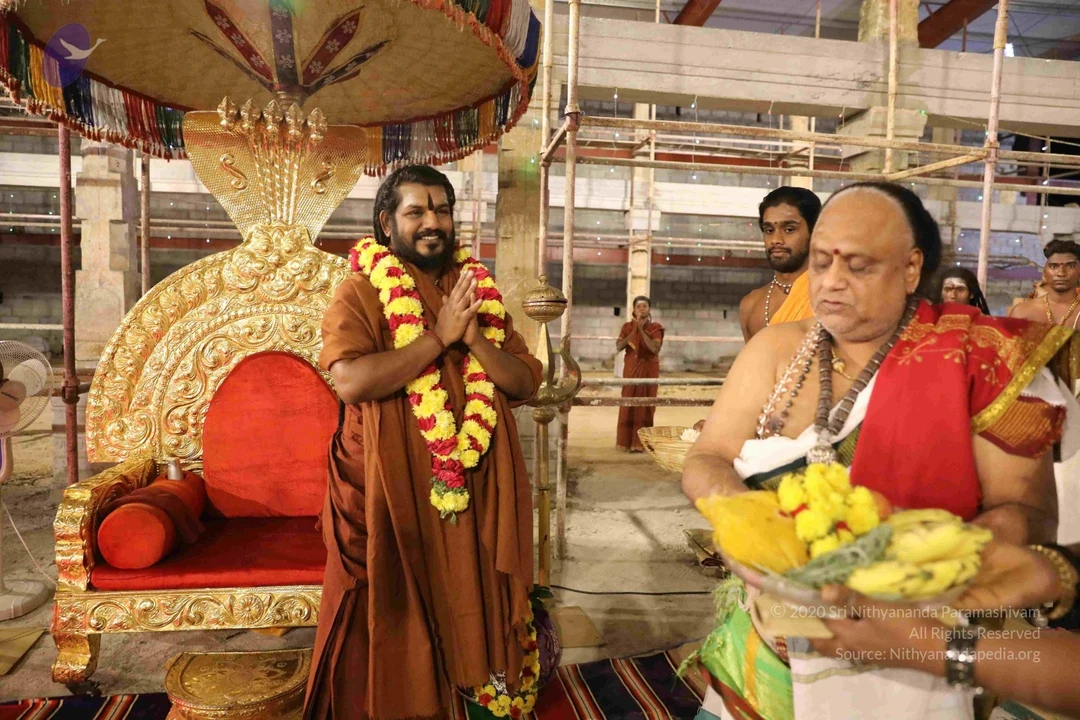
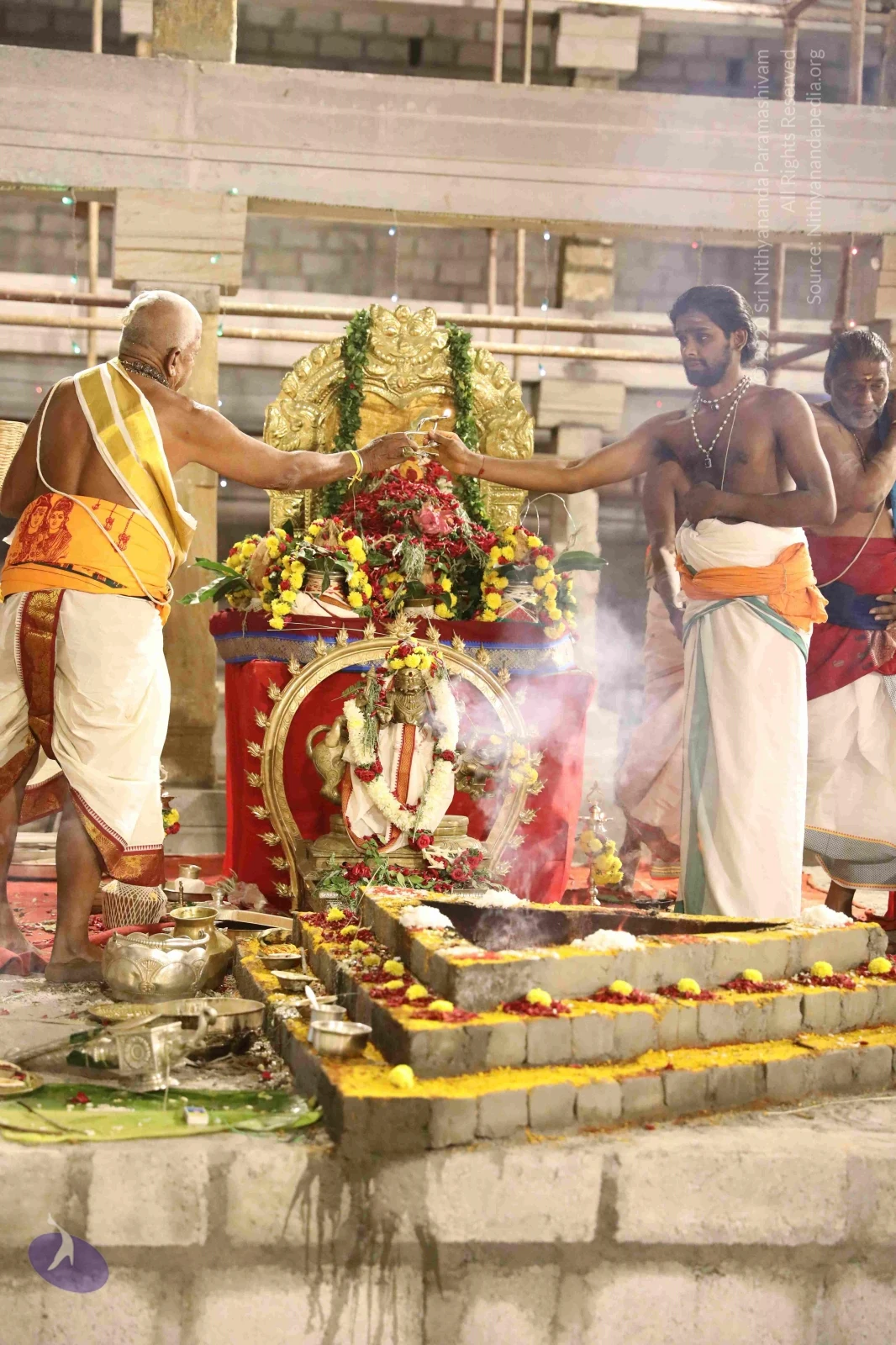
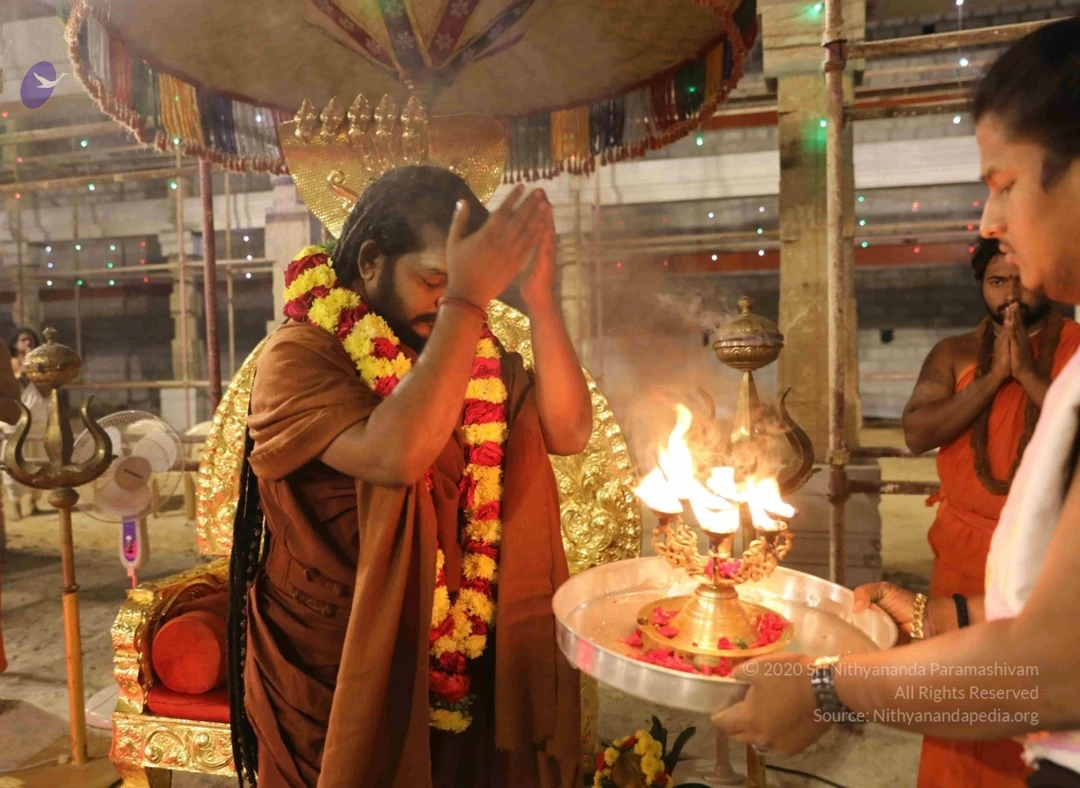
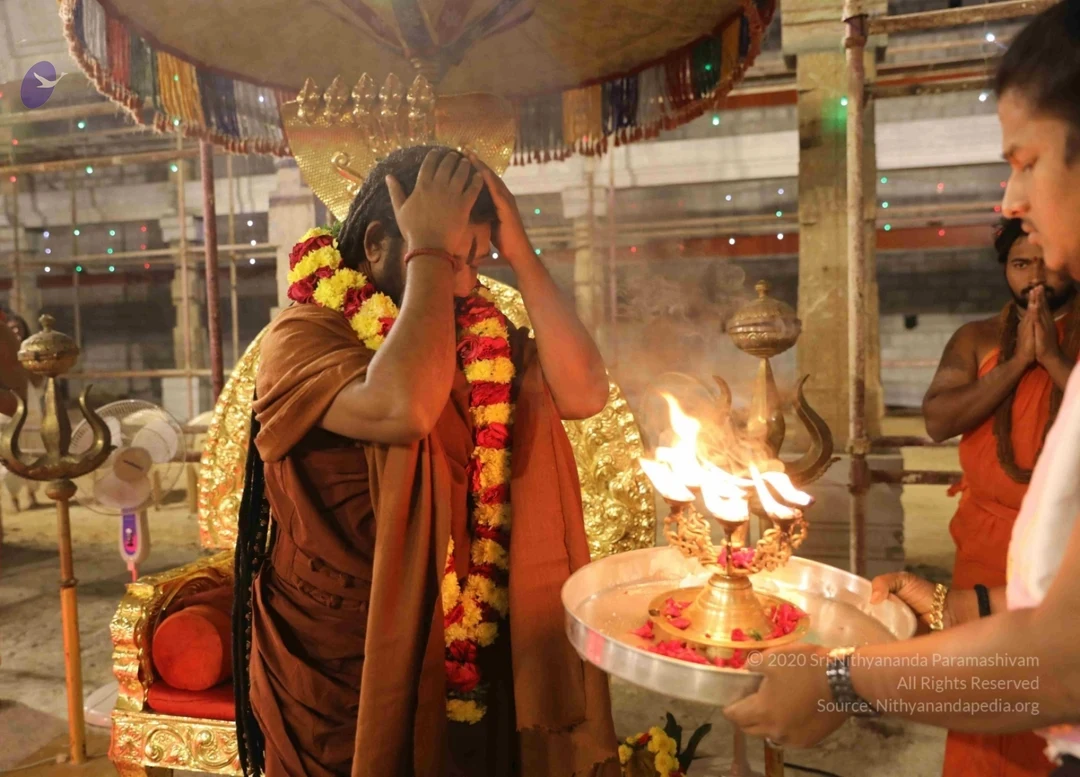
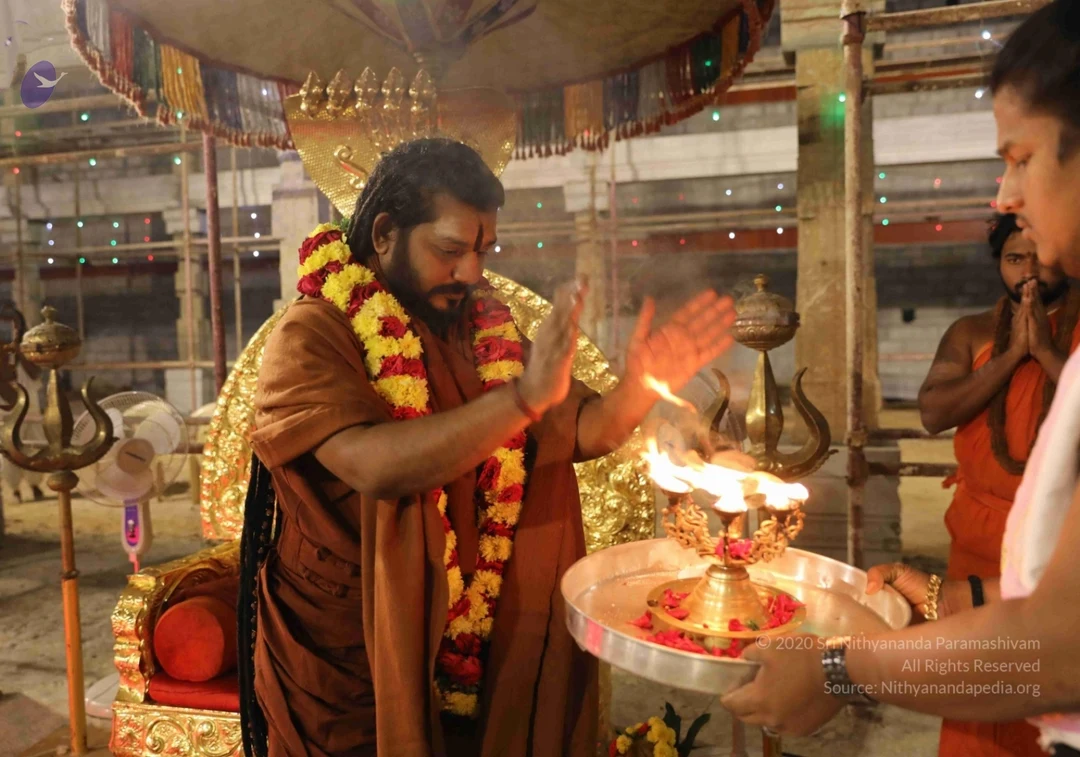
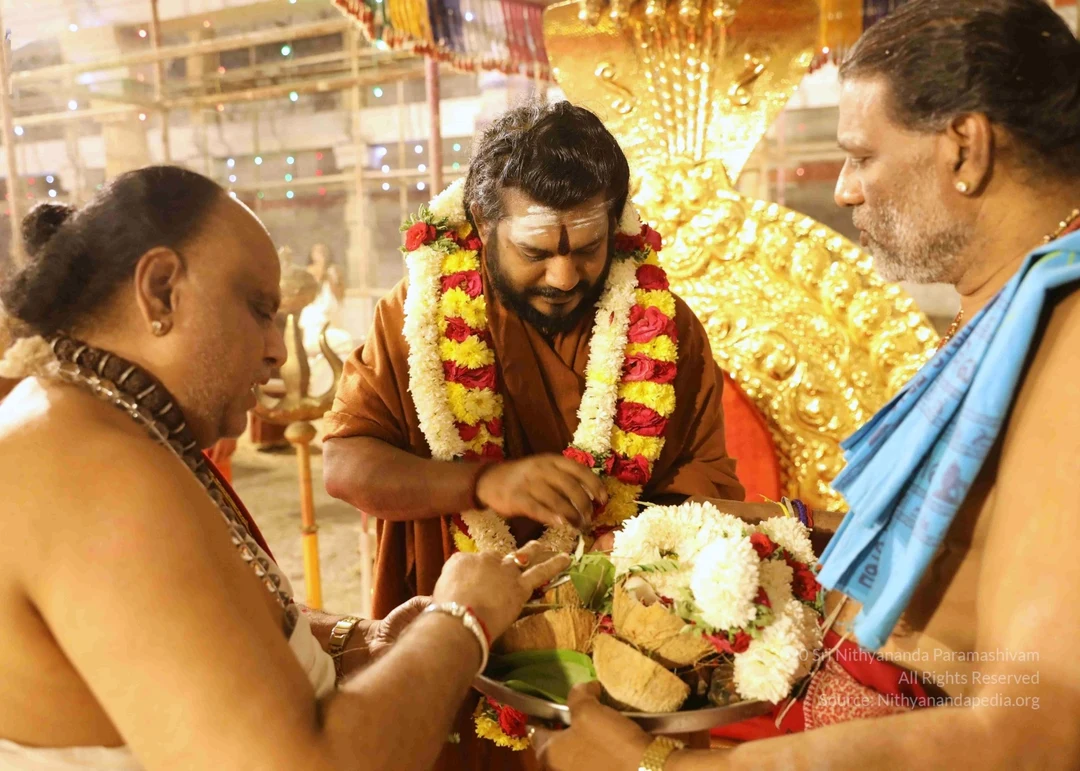
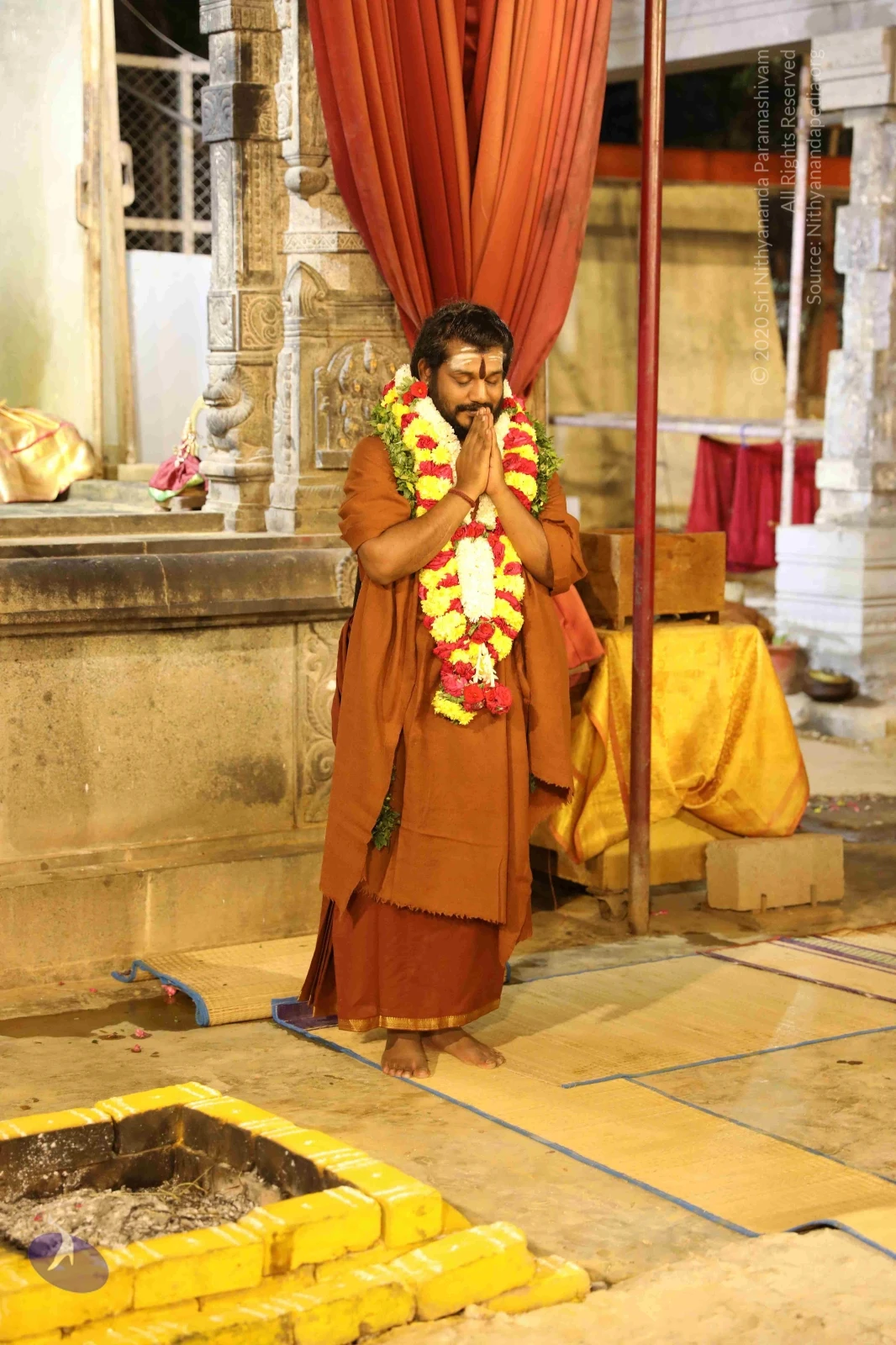
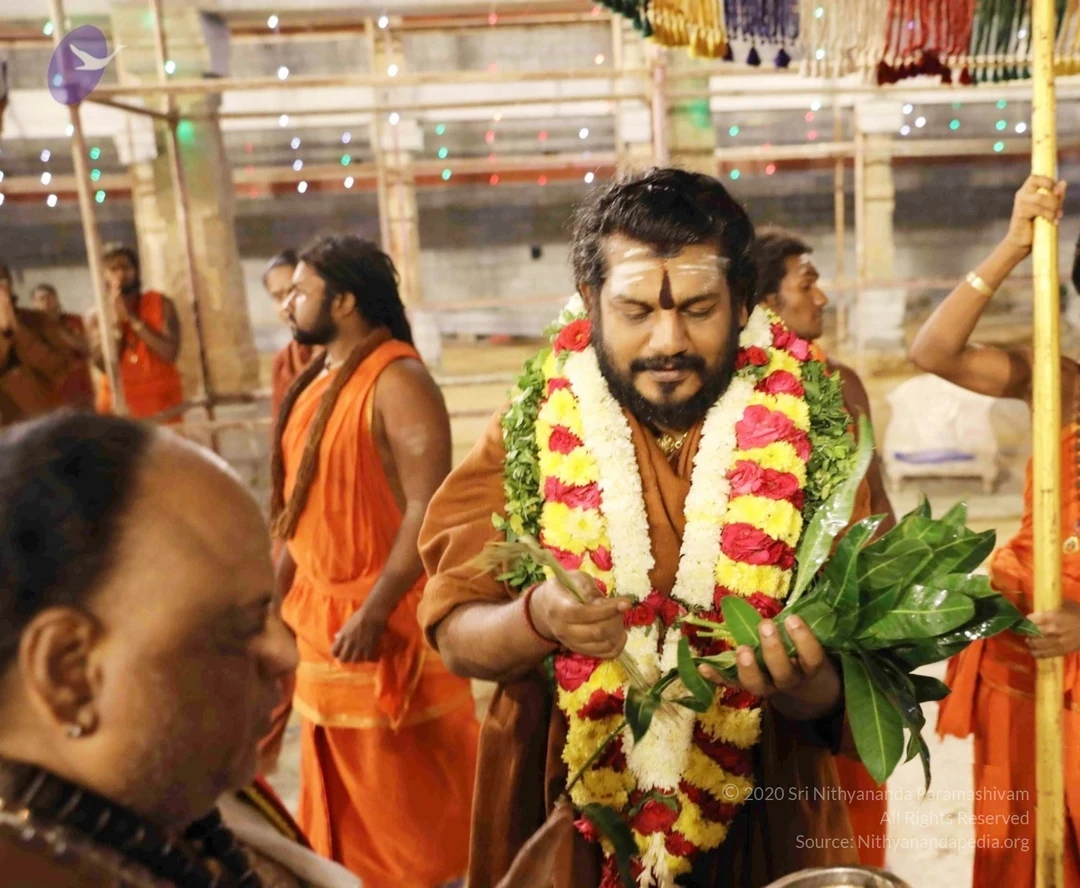
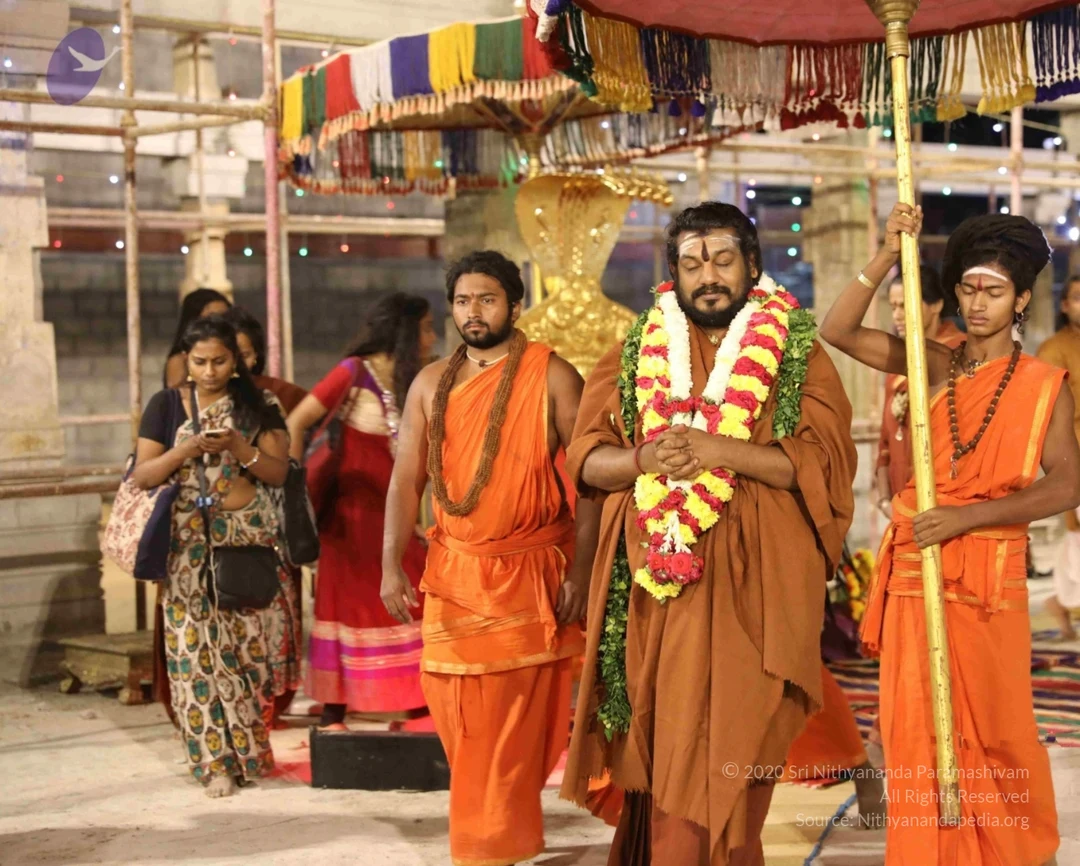
Photos from this day
View all 873 photosAnti Spiritual Elements Suicide Day
2 photosSource gallery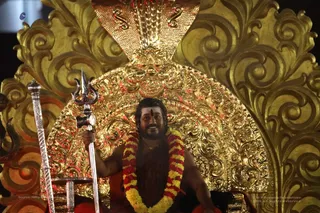
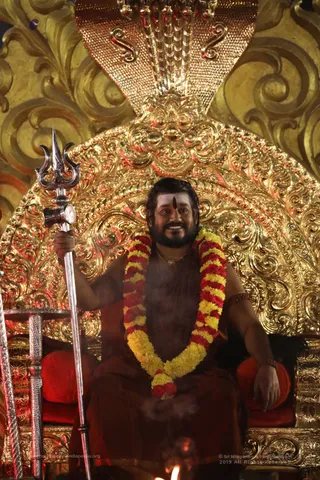
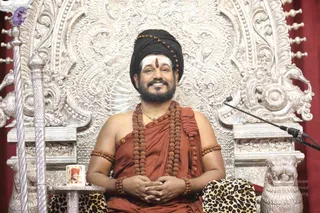
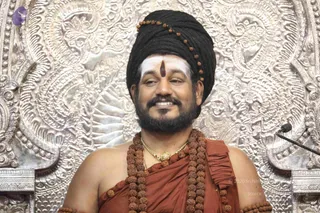
Evening Satsang
7 photosSource gallery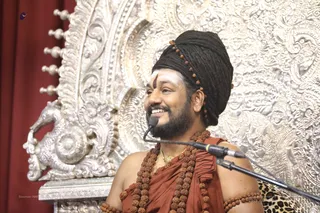
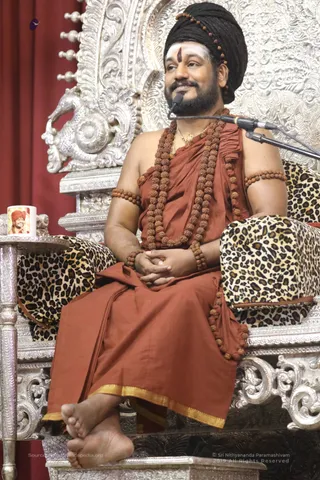
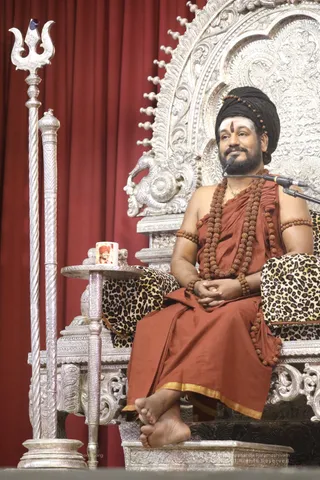
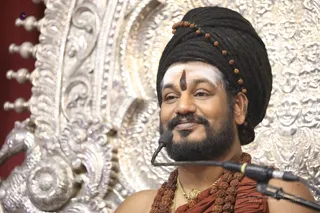
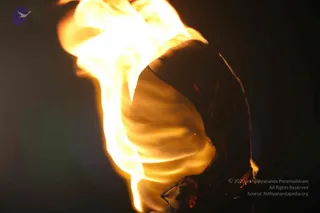
Temple Homapoornahuti
2 photosSource gallery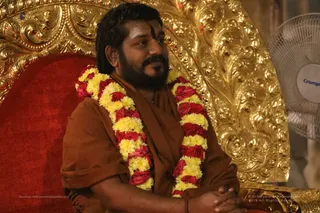
Anti-spiritual-elements-suicide-day-procession-samharam
73 photosSource gallery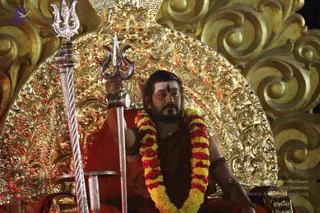
Evening-satsang
101 photosSource gallery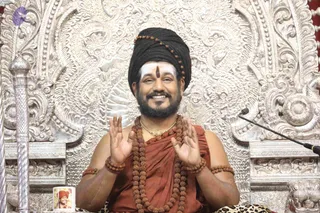
Temple-Homa-Poornahuti
315 photosSource gallery