Thursday
8 June 2017
Nithyananda Purnima, Enlightenment Day – Create The Ambience Of Spiritual Integrity
- Dated photos
- 553
- Source pages
- 1
- Media
- 2
June 08 2017
Original wiki pageTitle
Nithyananda Purnima, Enlightenment Day – Create The Ambience Of Spiritual Integrity
Description:
This beautiful video was filmed in His Holiness Paramahamsa Bhagavan Sri Nithyananda Paramashivamji's home town, the place where He incarnated, Tiruvannamalai, on the anniversary day of His first enlightenment experience. In it, He explains how an Ambiance of Spiritual Integrity is essential for manifesting powers.
Link to Video:
| Video | Audio |
Transcript:
(0:23)
nithyānandeśvara sadāshiva samārambhām nithyānandeśvari adishakti madhyamām | asmat āchārya paryantām vande guru paramparām ||
(0:52)
I welcome all of you with My love and respects. I welcome all the Devotees, Disciples, Sarvajna Peeta Yajamans, Nithya Satsangis, Sri Mahants, Mahants, Thanedar, Kothari, everyone, sitting with us all over the world, at this time through Nithyananda TV, Facebook Live, YouTube Live, 2-way Video Conferencing having Nayana Deeksha. Cities sitting with us through 2-way Video Conferencing having Nayana Deeksha, long list. So, I welcome all of you with My love and respects.
(1:50)
Today, Nithyananda Purnima. 28 years over since the full enlightenment blossomed in this body….20 May 1989. 28 years over, 29th year starting. Almost a generation is over. The generation is over. Today also, we are starting the Jnanasamandar Utsavam by 11:30 morning. Today, His birth will be celebrated. Tomorrow the Jnana Paal, He having Devi’s breast milk, will be celebrated. Day after tomorrow, His becoming One with Sadāshiva, the Vaikasi Utsava of Jnanasamandar is going to be celebrated. Nithyananda Purnima, I can precisely give you an understanding, what exactly I mean by that experience of enlightenment - Nirvikalpa Samadhi.
(4:02)
See, at the age of 11, I had the great opportunity of having sweet, beautiful relationship with Arunagiri Yogeshwara. Oneness with Him is much more than enlightenment. Then what I mean by the word, “something happened at the age of 12.” I mean, whatever Arunagiri Yogeshwara gave, Oneness with Him and the knowledge and Nirvikalpa Samadhi and everything, become permanently established in the system. So system became a permanent pure channel for this great happening of Oneness to radiate. Understand. Making more and more Beings to manifest this Oneness, you need to be established. Your Length, Breadth, Depth, Time, Space, need to be established in that Oneness. So today, Nithyananda Purnima, Vaikasi Visakam is the day, My Being established, got established in this experience. I should say, today is the day actually Nithyananda Sangha is born. Whatever I did after today….listen…..whatever I did after today, was nothing but Sangha. It was only Sangha work. The intelligence, energy, knowledge, creativity, space - in length, breadth, depth, time, space - every….in every aspect, the enlightenment got established, settled, in the system. Enlightenment got complete in the system. Today, is also Vaikashi Visagam, suppose to be the birthday of Subramanya, where from the Third Eye of Sadashiva, huge light manifested and Subramanya came out of it.
(7:37)
Understand. I was reading a very interesting article few days before, where NASA confirms at certain time in the history of the Universe, on this very nakshatra, Vaikasa Vishakha. Actually, all the Vedic calendar months is the nakshatra on which Purnima falls. Chitra month means Purnima falls on Chitra nakshatra. Vaikasha means Purnima falls on Vaikasha nakshatra. So, on...the nakshatra on which Purnima falls, that same nakshatra name is given for that month. On this very Vaishaka peak, there was a huge light explosion in the Universe, of course more than that NASA cannot record. When I was reading that article, it was very shocking - how so many things our Shiva Mahapurana, Skanda Purana, describes is collaborated by this modern day discoveries. Subramanya’s birth is described elaborately in both the Puranas - Skanda Purana and Shiva Mahapurana. Both Puranas describes Subramanya’s happening elaborately. Once in a while, understanding Cosmology, will be great. Talking about Cosmology, thinking about Cosmology, contemplating about Cosmology, is good because it shifts your attention from the selfishness to Sadashiva.
Listen carefully. Thinking of Cosmology, remembering about Cosmology, trying to understand principles of Cosmology, shifts your focus from selfishness to Sadāshiva. From Shava to Shiva, from Aham to Sadashivoham.
(10:35)
Understand. If you are too much worried about rights and wrongs of the narrow, small, short life of you, you are polluted, corrupted. When you understand the larger happenings of the Cosmos, where your ideas of right and wrong, good and bad, becomes irrelevant. You experience Vikasa. Understand. Narrowness is pollution, expansion is purification. More and more you get narrow with good and bad, right and wrong, pain and bliss, more and more you are polluted, more and more you are corrupted. More and more you expand the Vikasatva happens more and more you are free, more and more you are purified. The definition of corruption, pollution or purification is all about expansion - Vikasatva. Vikasa is the basis from the root...from which the word ‘Vaiskasa’ comes out. Vikasa, Vaikasa, is Visaka. Today, is the day where the expansion of the Universe happened. Actually, Sadāshiva expanding Himself to celebrate Himself, is Subramanya. Sadashiva expanding Himself to celebrate Himself, is Subramanya. That is why we can’t even say, “Subramanya is Putra.” No! He is Kumara. Understand. Kumara is different, Putra is different. Putra can become Kumara. Kumara is Putra also. Putra means born. Kumara means extension.
(13:31)
I don’t have Putra or Putri, I have thousands of Kumaras and Kumaris. Understand. I don’t have Putra or Putris, but I have thousands of Kumaras and Kumaris. Putra is different, Kumara is different. Whoever carries the name Nithyananda in them and integrated to that name, are all My Kumaras and Kumaris. Subramanya is Kumara not just Putra. He is the expansion. I am not even using the word ‘extension,’ I am using the word ‘expansion.’ Fruit can be better than the seed, if the atmosphere is supporting. Fruit can be better than the seed, if the vatavarana is supporting. Understand. Everyone who carries My name in their name, being integrated to it, are all My Kumaras and listen, I am repeating - Fruit can be better than the seed, if vatavarana supports. You can be better than Me, because you have a Sangha. When I blossom…..I had a different type of Sangha, but when you are blossoming, you have a consciously created, built Sangha specially for this. Sangha is the highest advantage for all of you. So you can be the better fruit than the seed. Better fruit than the seed. thousands and thousands and thousands of fruits are going to happen, I know….I should say maybe millions, not just thousands. Fruits are going to happen. That is why I am creating a Vatavarana, Sangha with such high integrity. Understand. Highest integrity is required for the spiritual ambience, Vatavarana. So much of healing has happened because of that Environment Meditation. I am putting this on record - “I’ll prove it, by next year, this whole year, is going to be amazing rains for India.”
(17:33)
It’s going to be really Heavens showering. I recommend all the state governments to prepare, to receive this huge Heavens showers and store it, retain it, for regular use. It is going to be at least twice more than regular season, regular every year. Regular every year’s rain, it is going to be twice this year. Let Me come back to spiritual integrity. Understand. Spiritual integrity, is a powerful vatavarana, atmosphere, ambience, energy, for the fruit to become better than the seed. I am not interested in claiming My superiority. No! I am not interested in claiming My authority. No! I am interested in super conscious breakthrough. If you are a beautiful….beautiful fruit, better than the seed, I’ll be the first person to be happy. I am interested to be authentic, not authoritative. Understand. My interest is to be more authentic. Means, I’ll be very happy to produce more beautiful fruits than the seed itself. So those fruits produce much better fruits than those seeds. I am not interested in being an authority, I am interested in being an origin. I am interested in being beautiful Adishiva not Parama Shiva. I am interested in being a beautiful origin, breakthrough for super consciousness. Understand. Ultimately, expansion is all is the purpose of Sadāshiva. The Sangha is the Vatavarana. Sangha is the vatavarana, for beautiful things to flower. Sangha is the vatavarana, in which beautiful enlightenment can happen. Sangha is the vatavarana, in which better fruits than the seed can flower.
(21:16)
Understand. Today is the day, Sadāshiva Himself had Kumara, better fruit than the seed Himself. Today is the day, the Ultimate settled down eternally in this body, in length, breadth, depth, time and space. Understand. This Mudra I showed - Length, Breadth, Depth, Time and Space. Enlightenment got established in this body, in all these dimensions. Today, on this very day, evening 4 to 6, 4:30 to 6, on this very Arunachala, Thiruvannamalai, this experience happened. So much, so much good has happened to the world from that day till now. 28 years, so much of wonderful things happened. So many Kumaras, Kumaris happened. Such beautiful vatavarana is getting manifested everywhere. Understand. Wherever the vatavarana, spiritual integrity manifest, I will call our Sangha is happening there, not just the properties, ashrams and buildings. It is more and more people understanding spiritual integrity. More and more people practicing spiritual integrity. More and more people living spiritual integrity. More and more people creating the vatavarana of spiritual integrity. I’ll call that as Sangha. Sangha is a space than a place. Place where the space is practiced is Sangha, not just the place where we possess. Place where the space is practiced is Sangha, not just the place we possess. It can be a bedroom of a devotee who is ‘gupta,’ hidden in one corner or remote cave where a devotee is sitting and practicing. Understand. It is practice of the space, manifestation of the space, that makes a place - Sangha, not just huge properties we possess everywhere. It is practiced, manifestation of the space. Manifestation of the space.
(25:11)
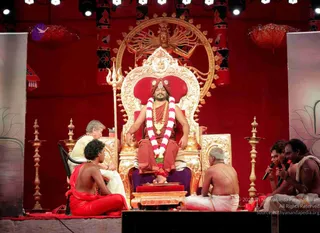
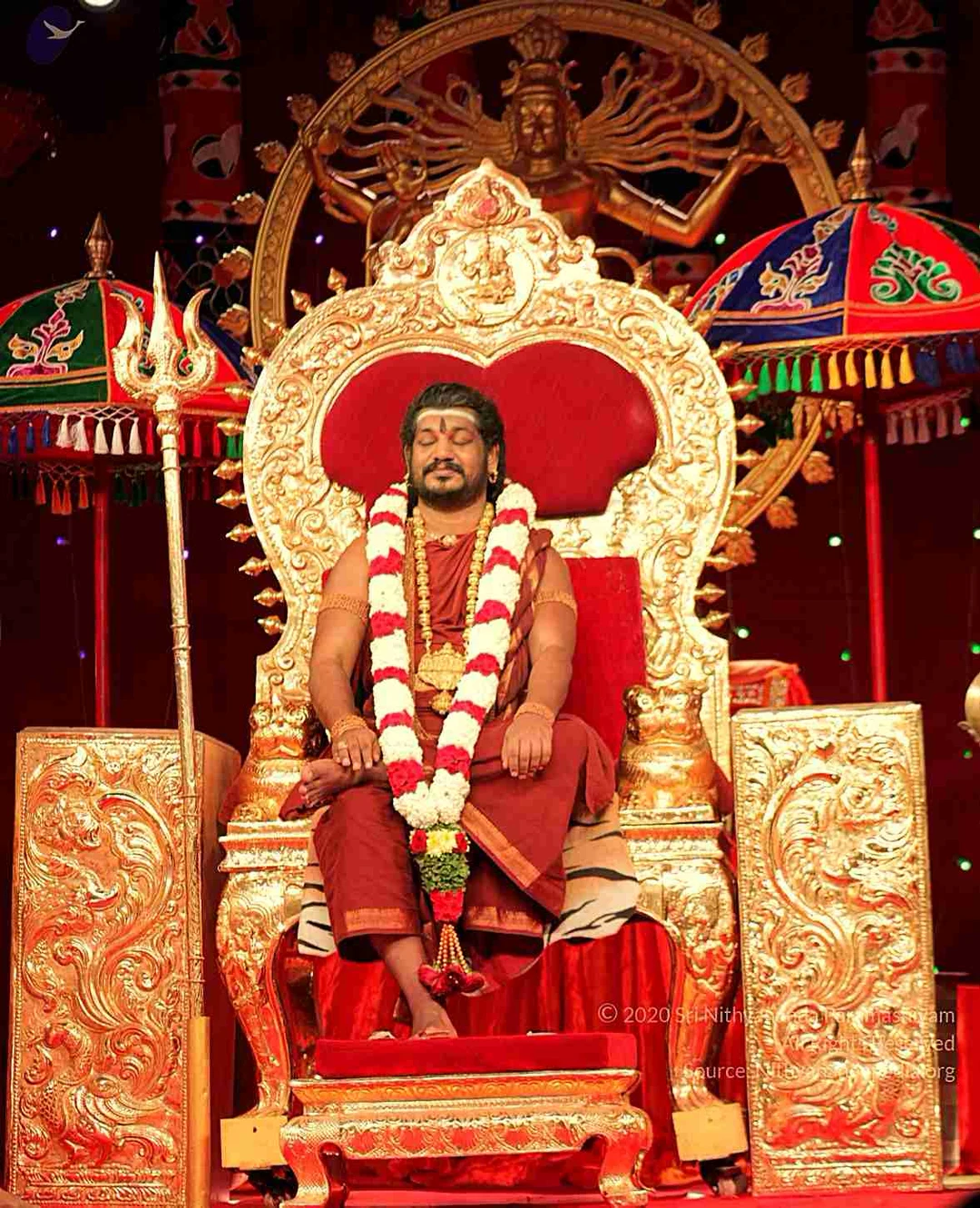
Manifestation of Oneness happens, when the integrity, authenticity, responsibility, enriching opens up. It is on that 4 pillars the Oneness is sitting. The 4 pillars of My throne is Integrity, Authenticity, Responsibility, Enriching and the slab is Causing, on which the Oneness is sitting and giving the experience to the whole world. Oneness….so today, I wanted all of you to take this vow of spreading, making more and more people practice this spiritual integrity, Vatavarana. More and more people should practice the Nithyananda Yoga, more and more people should practice Nithyananda Pancha Kriyas, more and more people should practice Nithya Puja, more and more people should practice manifesting Shaktis, more and more people should p be listening to Satsang and manifesting Oneness. That is what I call Spiritual Integrity. Let’s create more and more Beings enjoying spiritual integrity. More and more Beings enjoying spiritual integrity, is creating a space, vatavarana, from which these seeds automatically become beautiful fruits. Nothing else is required, this is more than enough.
The whole mission is nothing but creating more and more people manifesting the spiritual integrity. More and more people manifesting spiritual integrity is life. More and more people manifesting spiritual integrity is Sangha, that is Dhamma, that is the reason why I exist, cause why I exist. The cause and effect of My existence is creating the vatavarana, ambience of spiritual integrity. Creating the ambience of spiritual integrity.
(28:25)
Understand. Essence of today’s Satsang - “Create the ambience of spiritual integrity, in and around you, as much as possible and even if you think it is impossible.” Create the spiritual integrity, vatavarana, in and around you, as much as possible even if you think it is impossible, is the essence of today’s Satsang. So today, exactly on the time, same time, I had the enlightenment. Evening 4:30 to 6, we will be having special Pada Puja and Satsang. All of you can tune into Nithyananda TV, to enjoy the special Nithyananda Purnima celebrations - Live from Thiruvannamalai and I also want all of you to tune in around 11 o’clock on Nithyananda TV to enjoy Jnanasamandar Utsavam, the beginning of the Jnanasamandar Utsavam.
So with this I bless you all, let’s all radiate with Integrity, Authenticity, Responsibility, Enriching, Causing, Living Shuddhadvaita Saivam, the Eternal Bliss – Sadāshivoham, Nithyananda.
Thank you.
Be Blissful.
(30:20)
Photos
Morning Pada Puja
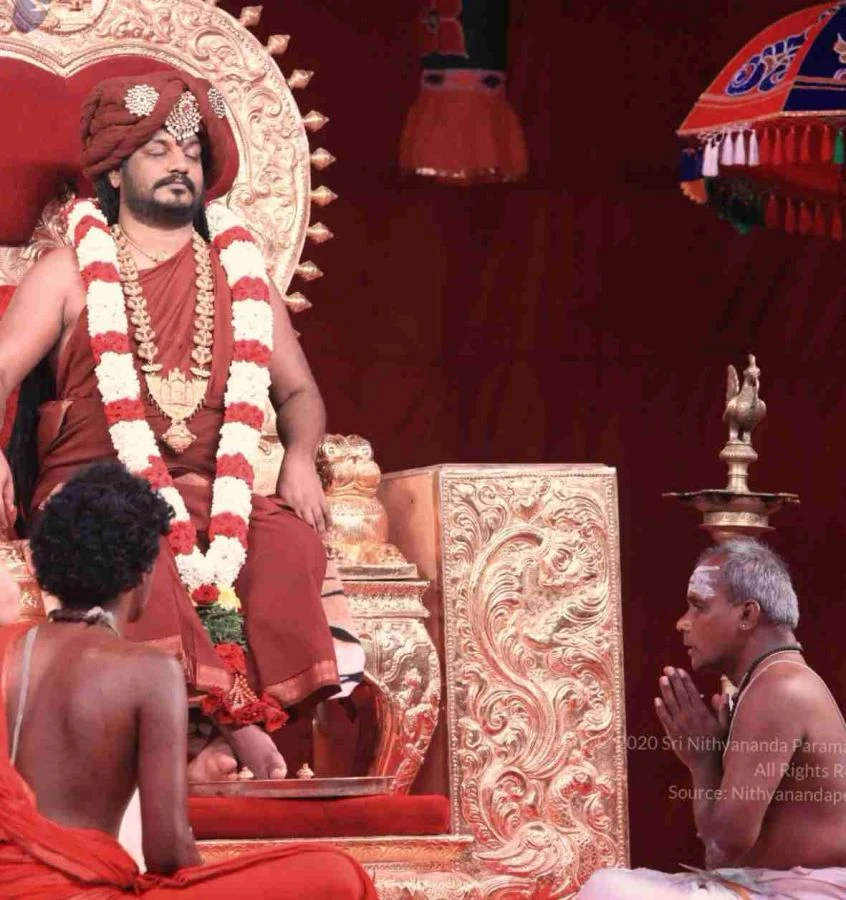
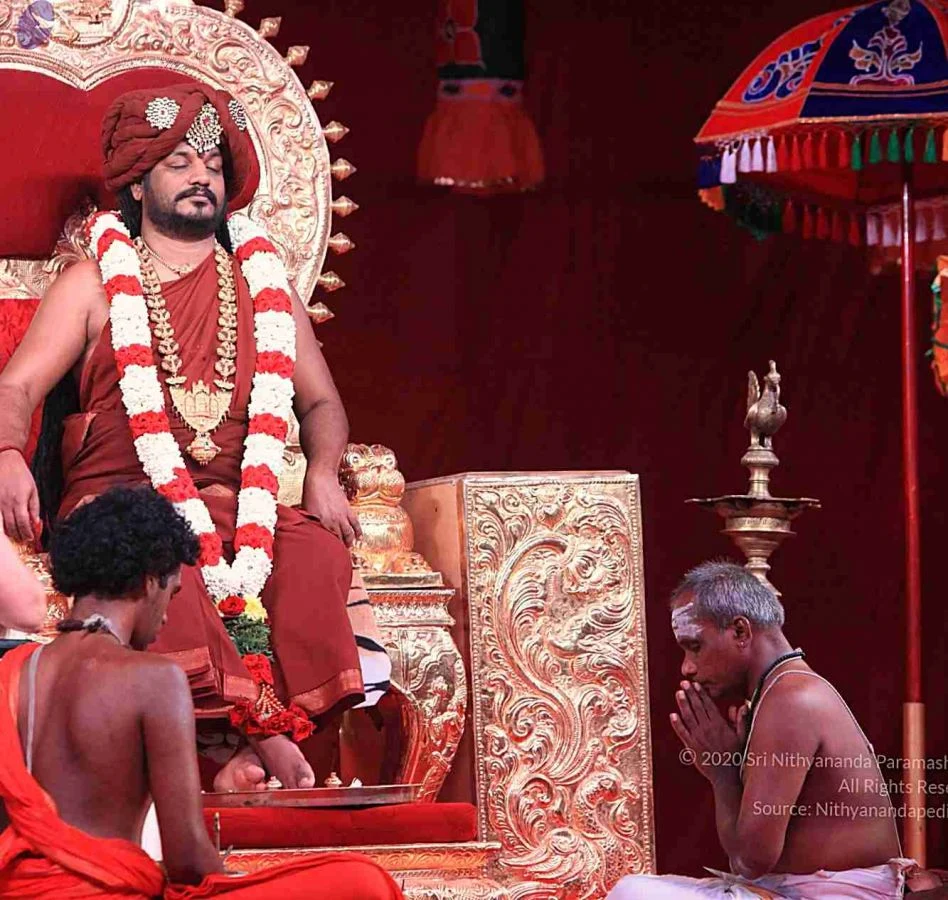
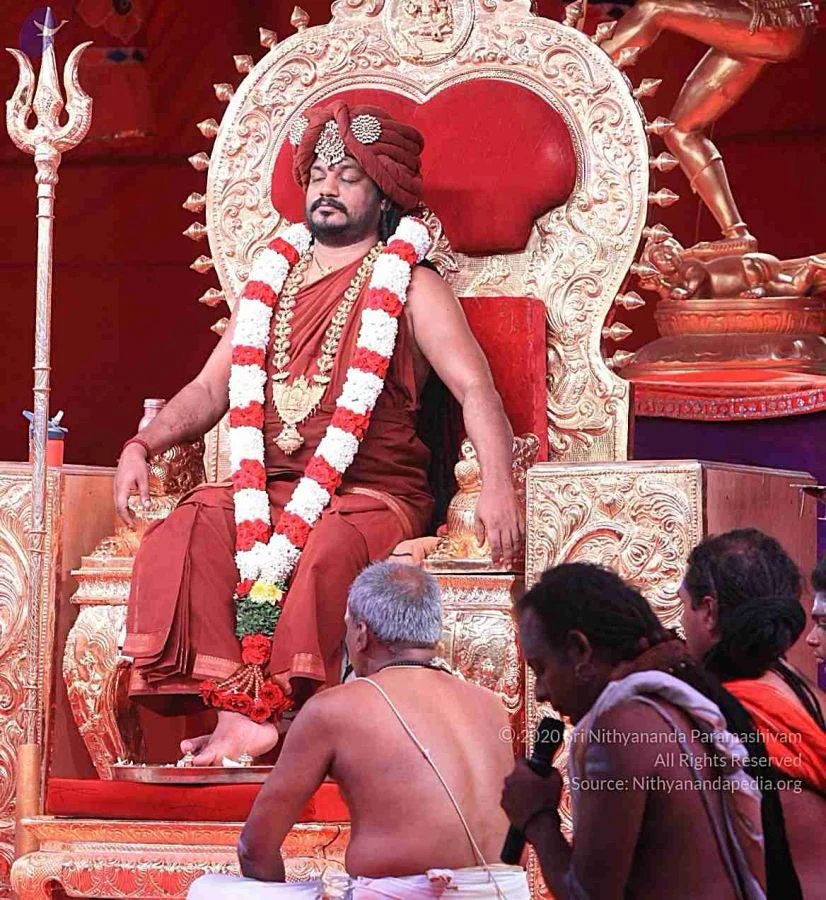
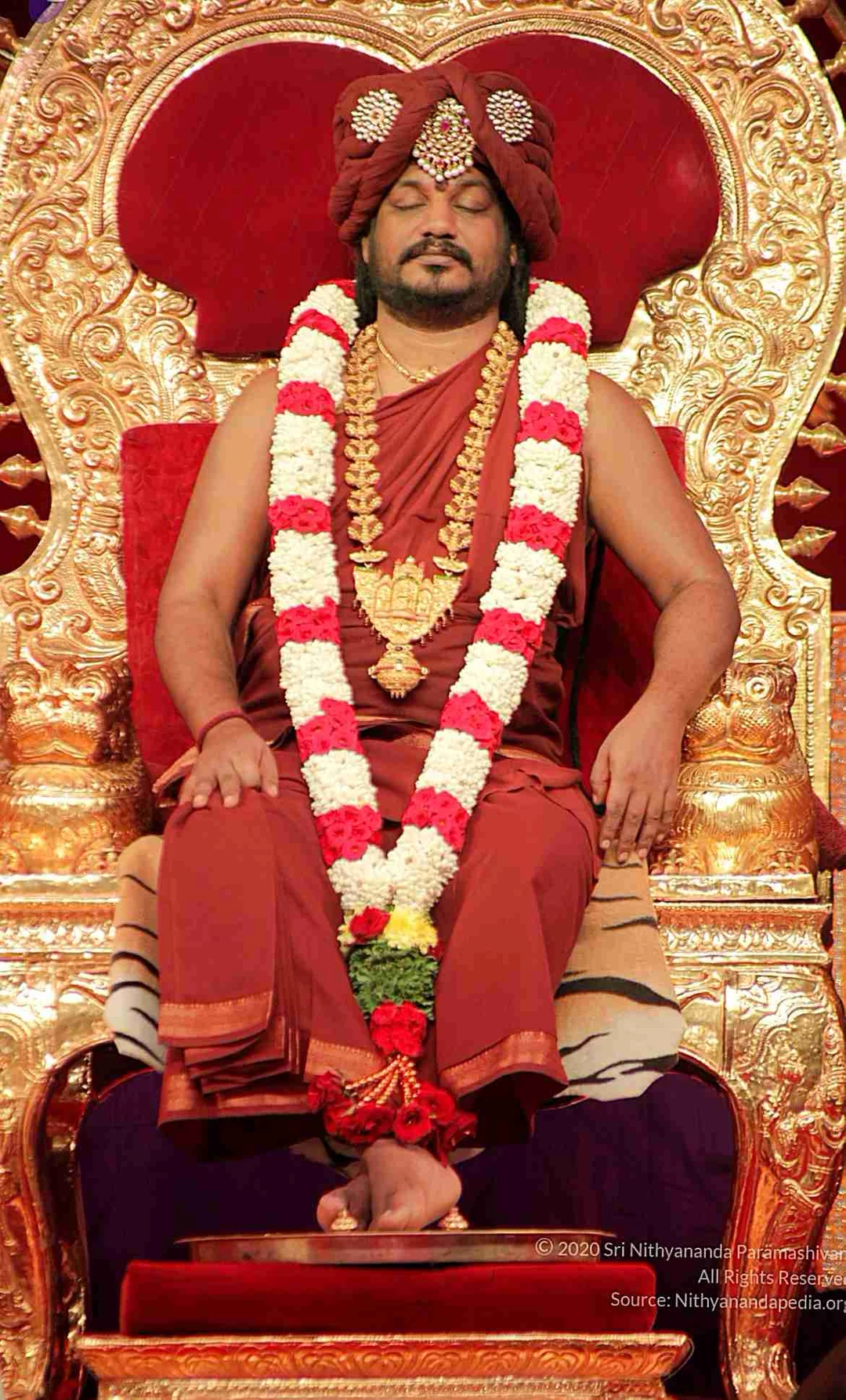
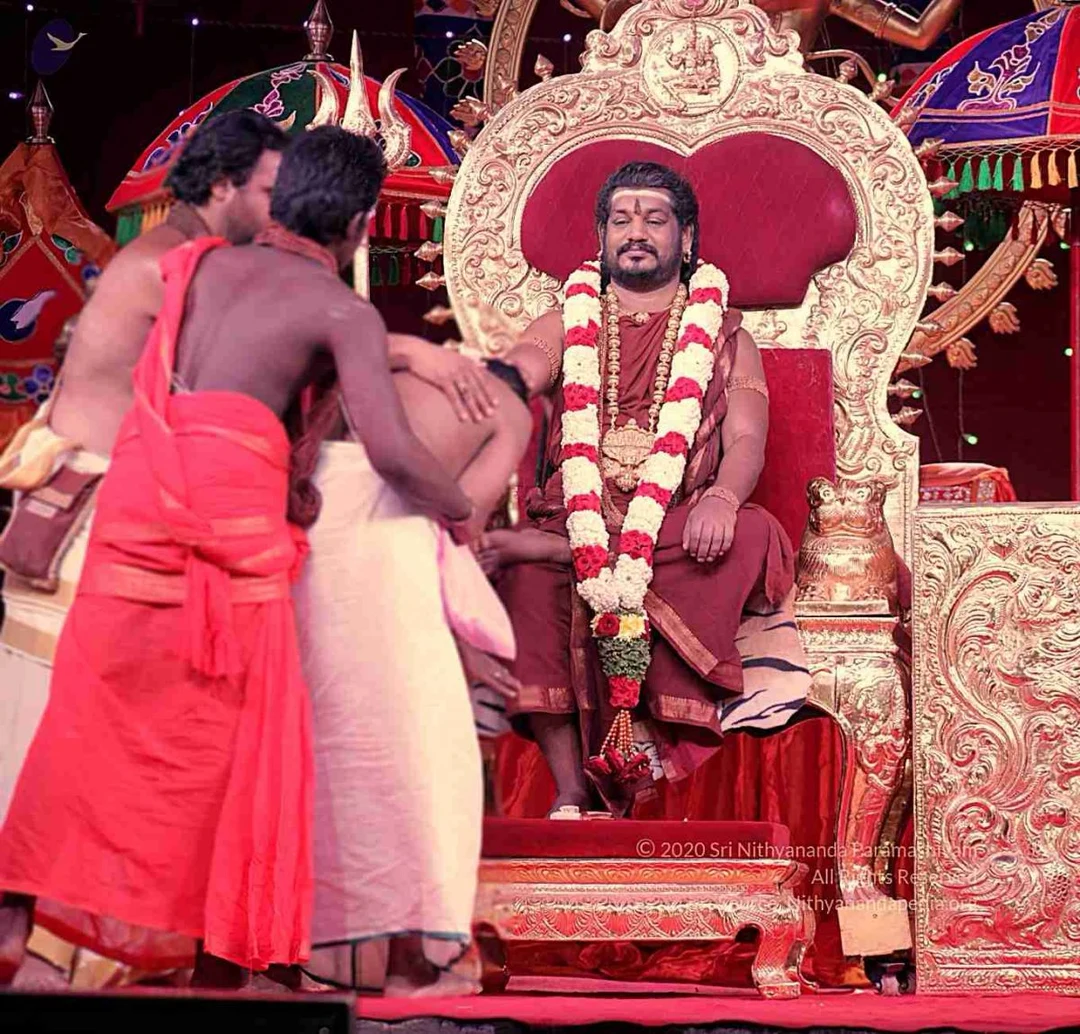
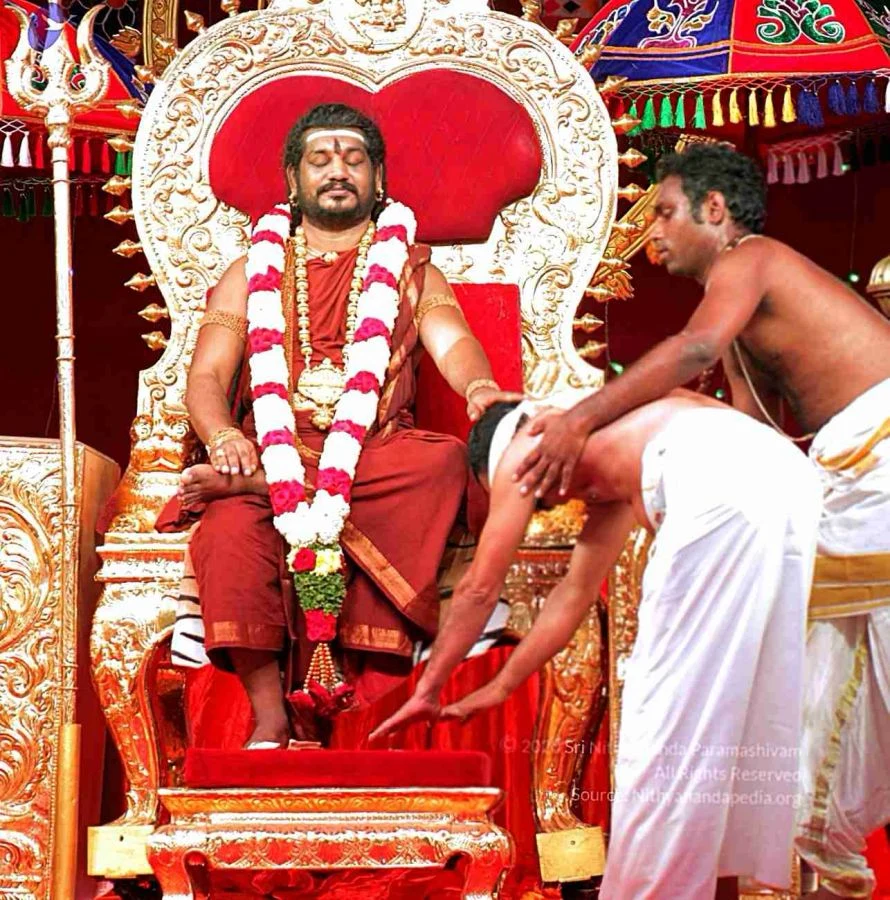
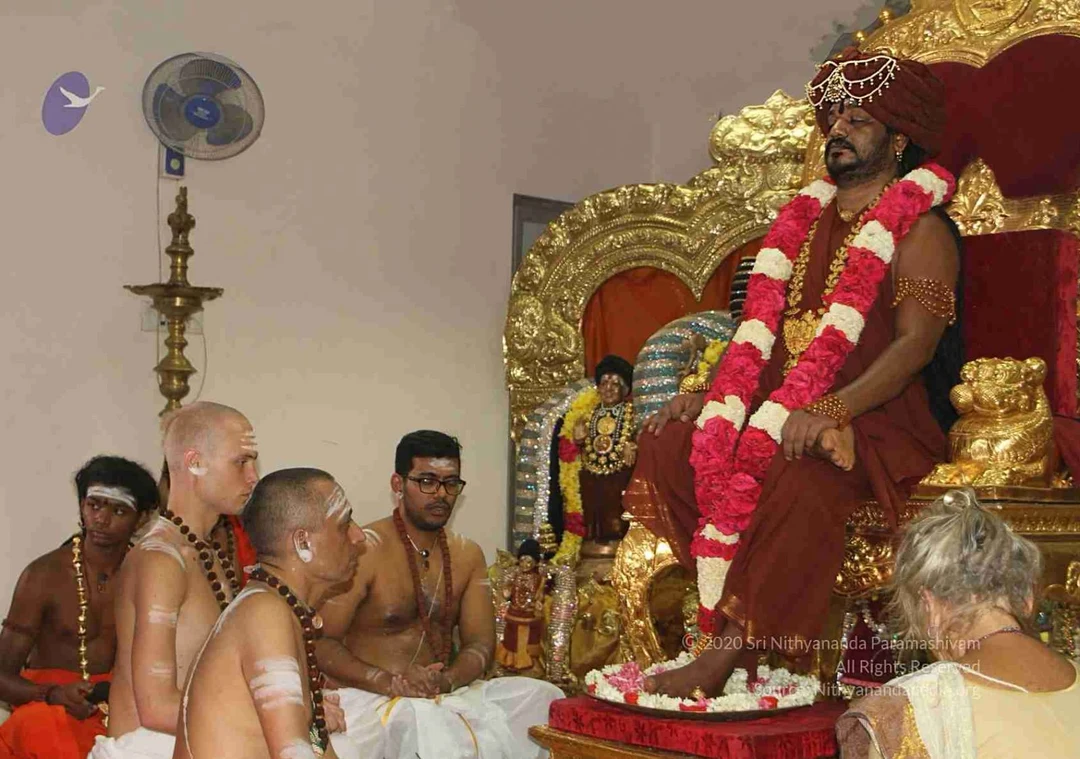 Pratyaksha pada puja - pada means sacred feet in sanskrit - ritual to express our gratitude to a revered spiritual Guru
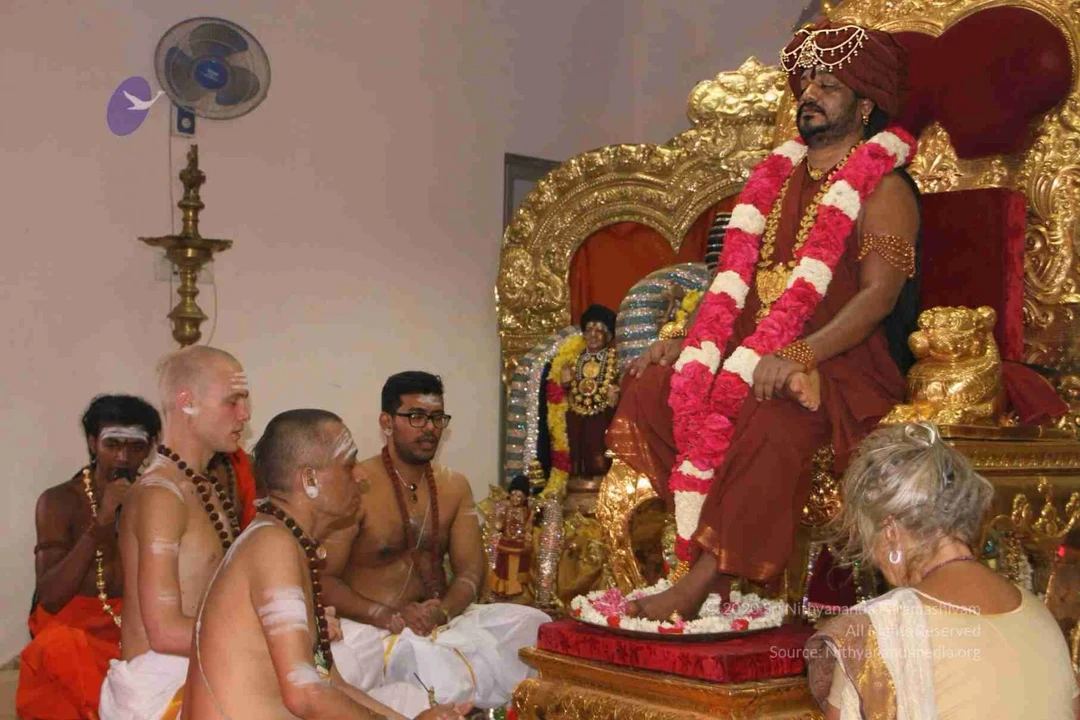 Pratyaksha pada puja - pada means sacred feet in sanskrit - ritual to express our gratitude to a revered spiritual Guru
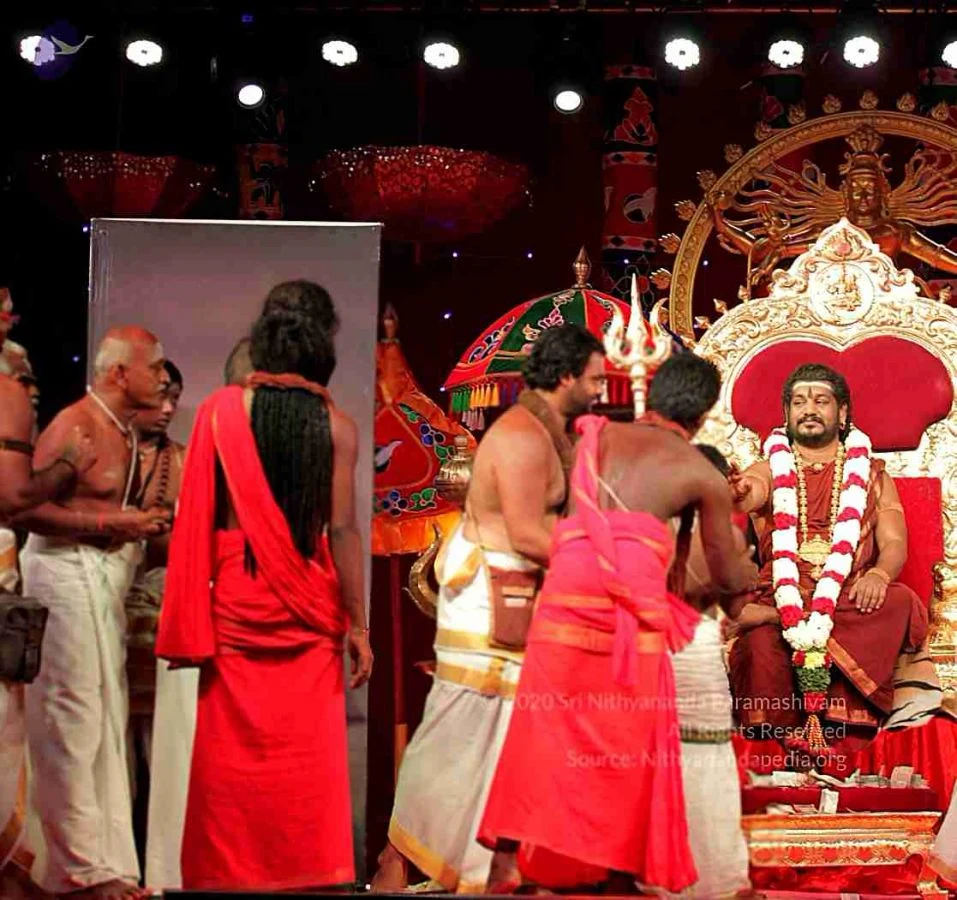
 Pratyaksha Pada Puja - express deep gratitude to the Guru
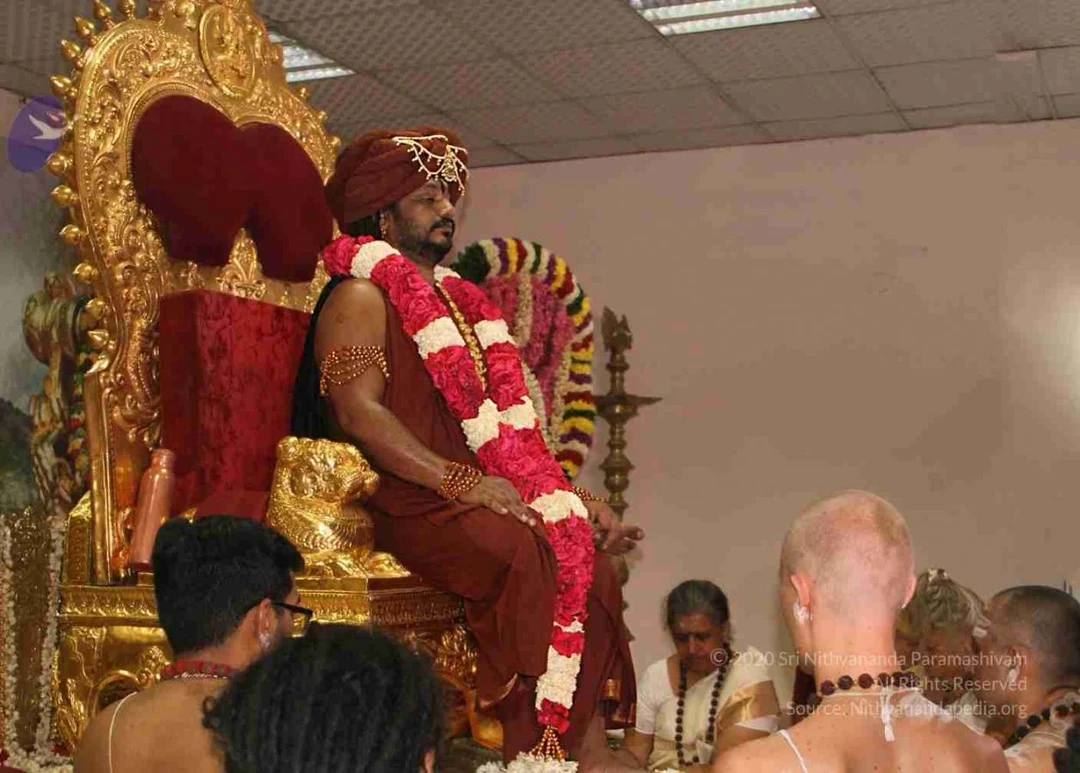 Pratyaksha Pada Puja - express deep gratitude to the Guru
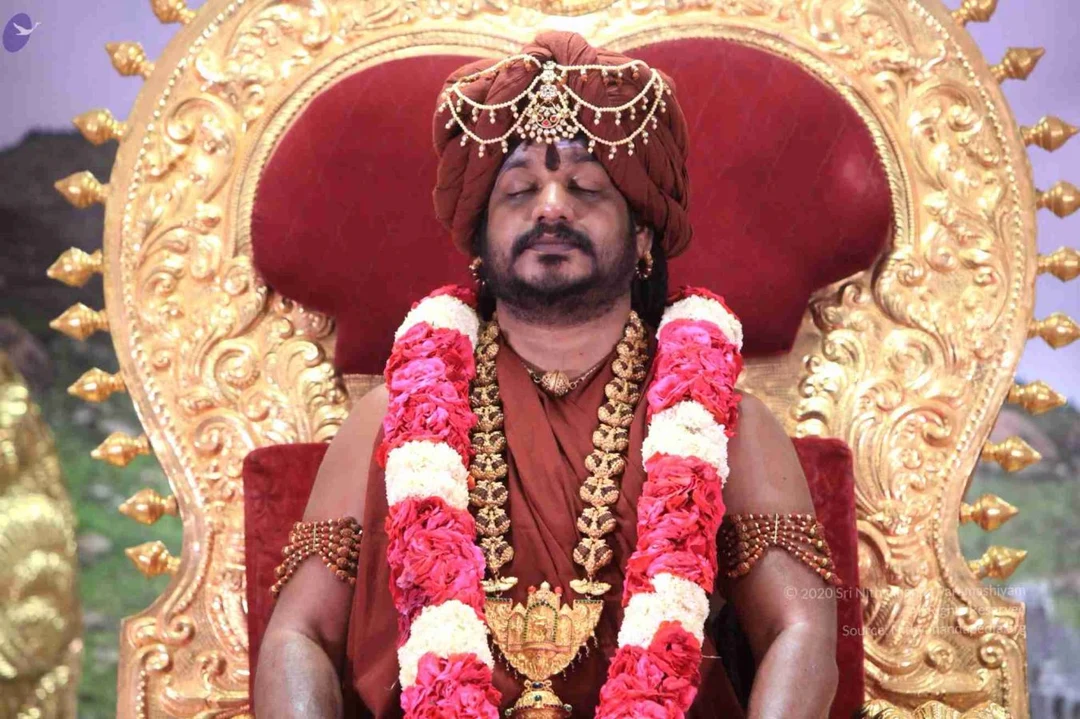 Master is Chinmaya Vigraha - embodiment & representation of that of cosmic energy
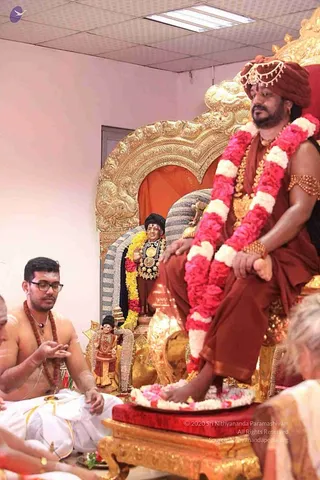 Master is Chinmaya Vigraha - embodiment & representation of that of cosmic energy
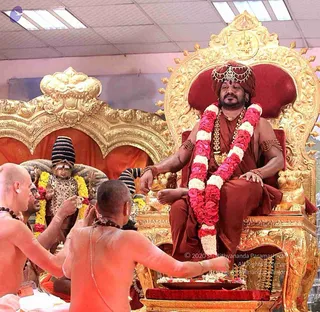 Master is Chinmaya Vigraha - embodiment & representation of that of cosmic energy
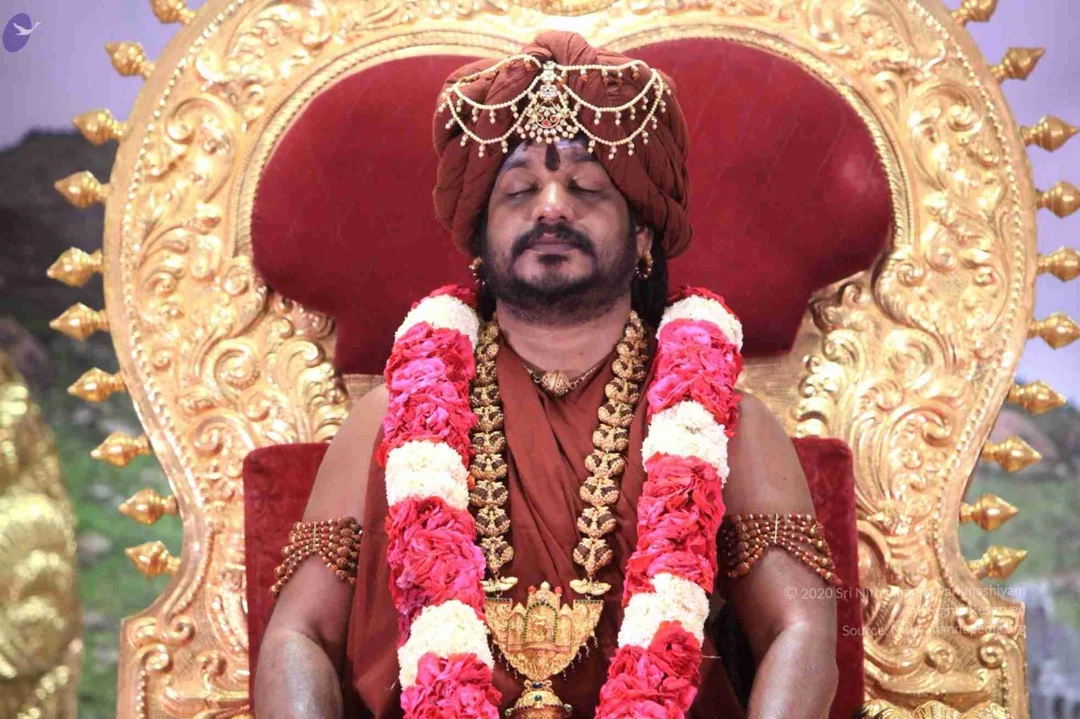
 Paramashiva manifesting as Dakshinamurthy, infusing visual silence in all
 Paramashiva manifesting as Dakshinamurthy, infusing visual silence in all
 Paramashiva manifesting as Dakshinamurthy, infusing visual silence in all
 Worship the Supreme Truth or Self-Knowledge
 Worship the Supreme Truth or Self-Knowledge
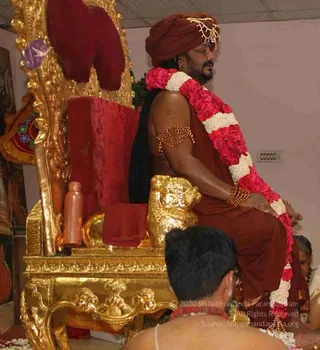 Pratyaksha Pada Puja - express deep gratitude to the avatar
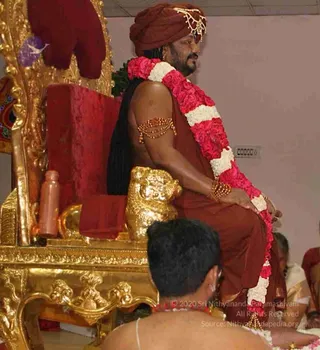 Pratyaksha Pada Puja - express deep gratitude to the avatar
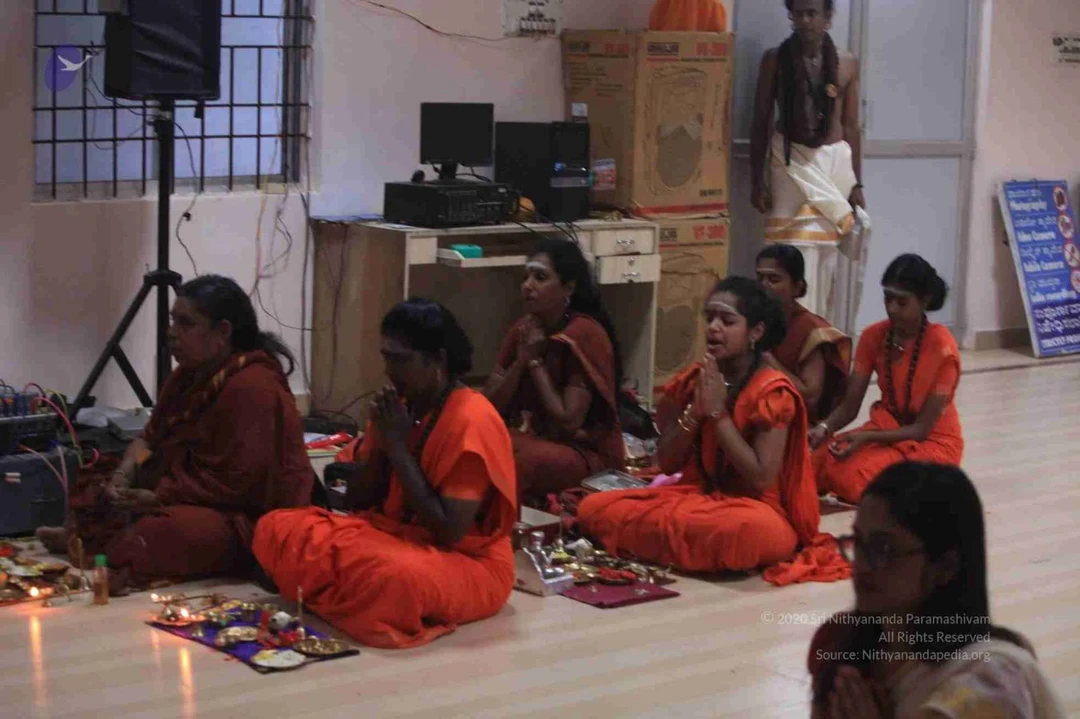 Pratyaksha Pada Puja - express deep gratitude to the avatar
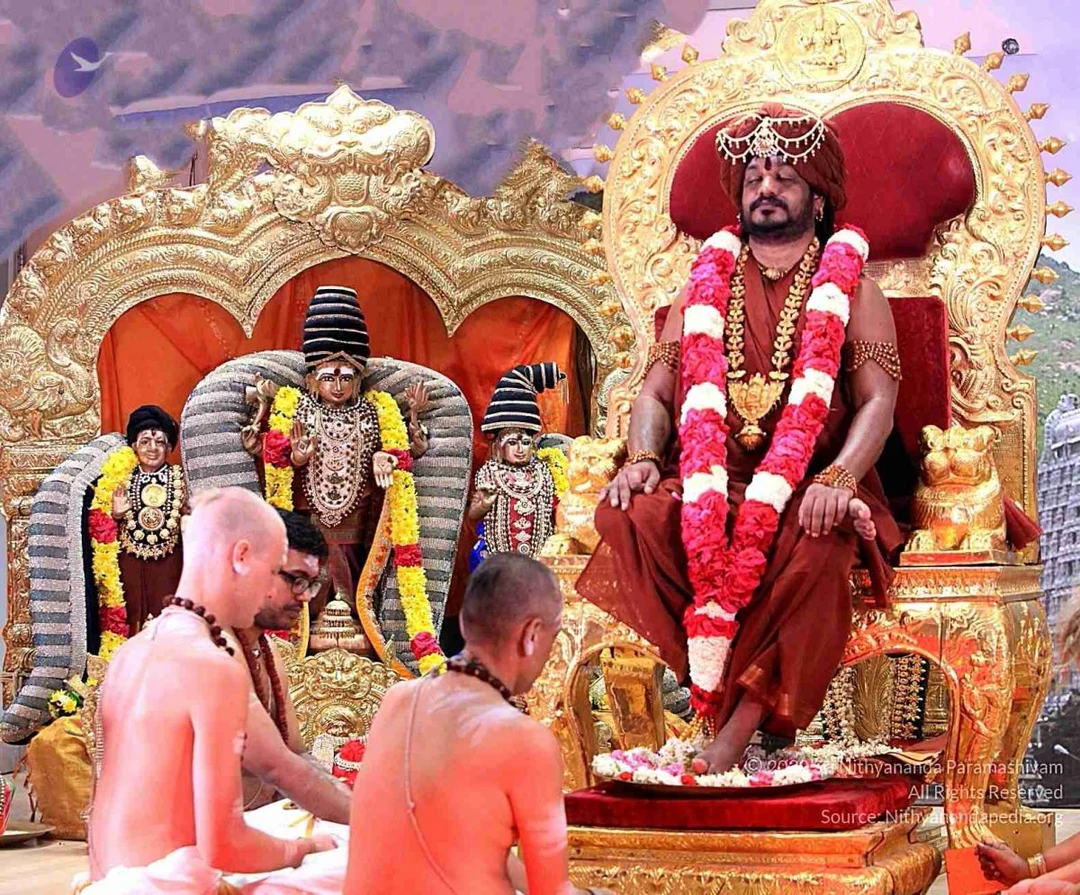 Pratyaksha Pada Puja - express deep gratitude to the avatar
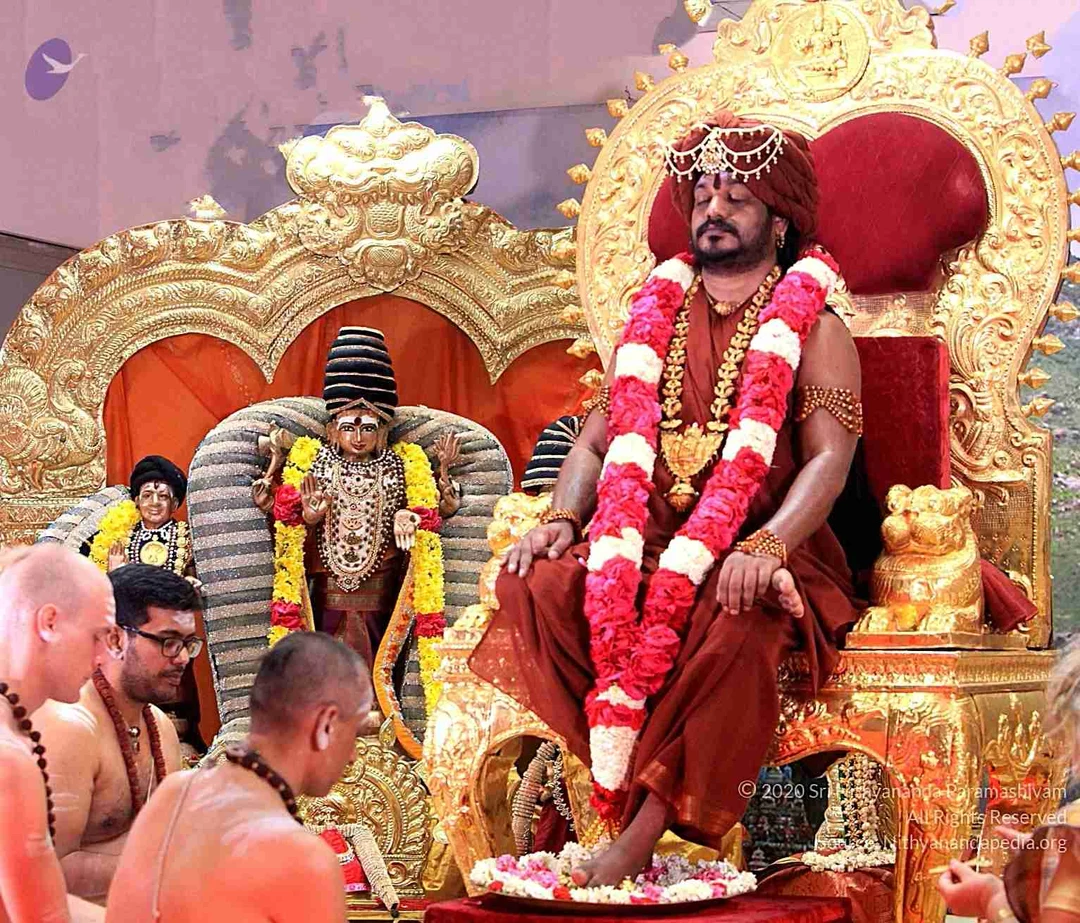 Pratyaksha Pada Puja - express deep gratitude to the avatar
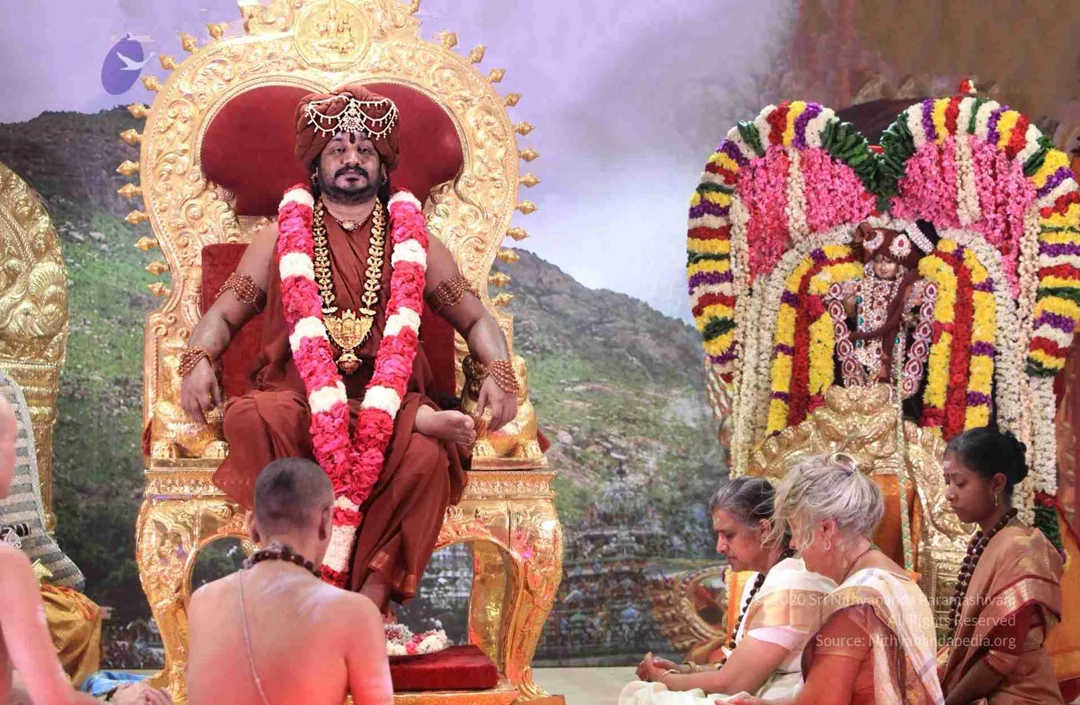 Pratyaksha Pada Puja - express deep gratitude to the avatar
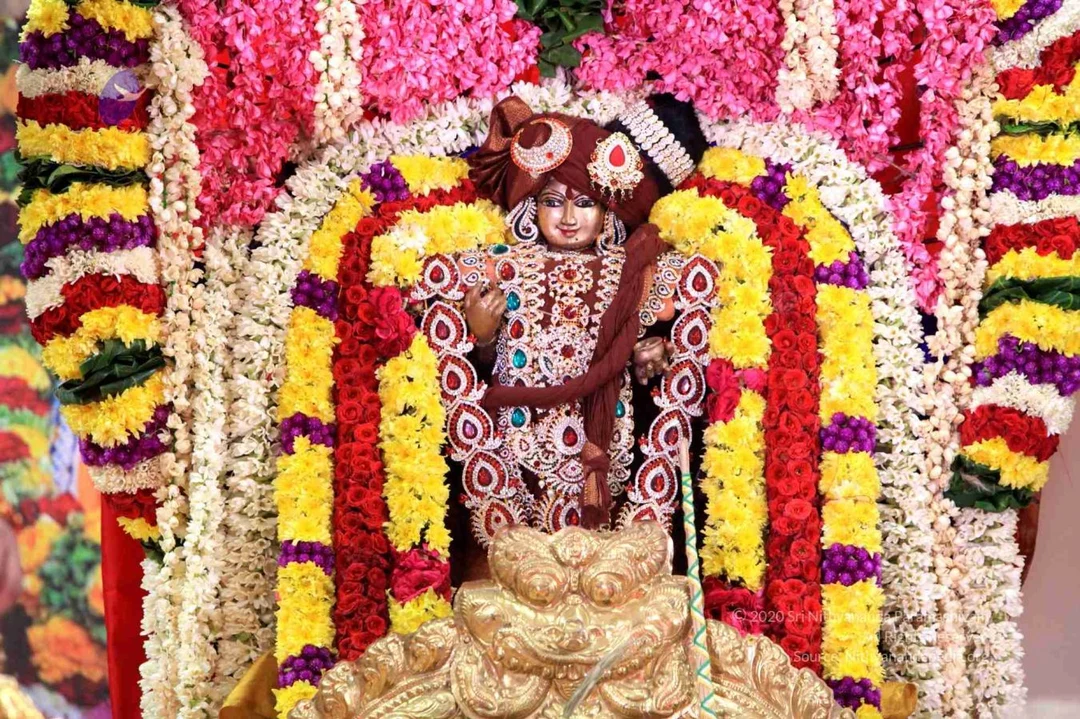 Pratyaksha Pada Puja - express deep gratitude to the avatar
 Pratyaksha Pada Puja - express deep gratitude to the avatar
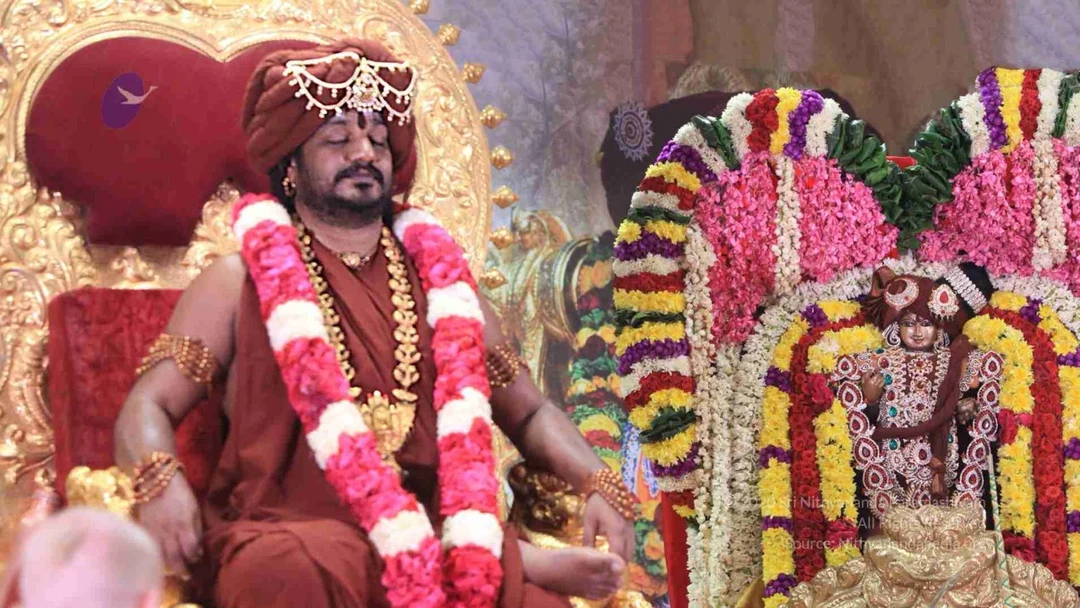 Pratyaksha Pada Puja - express deep gratitude to the avatar
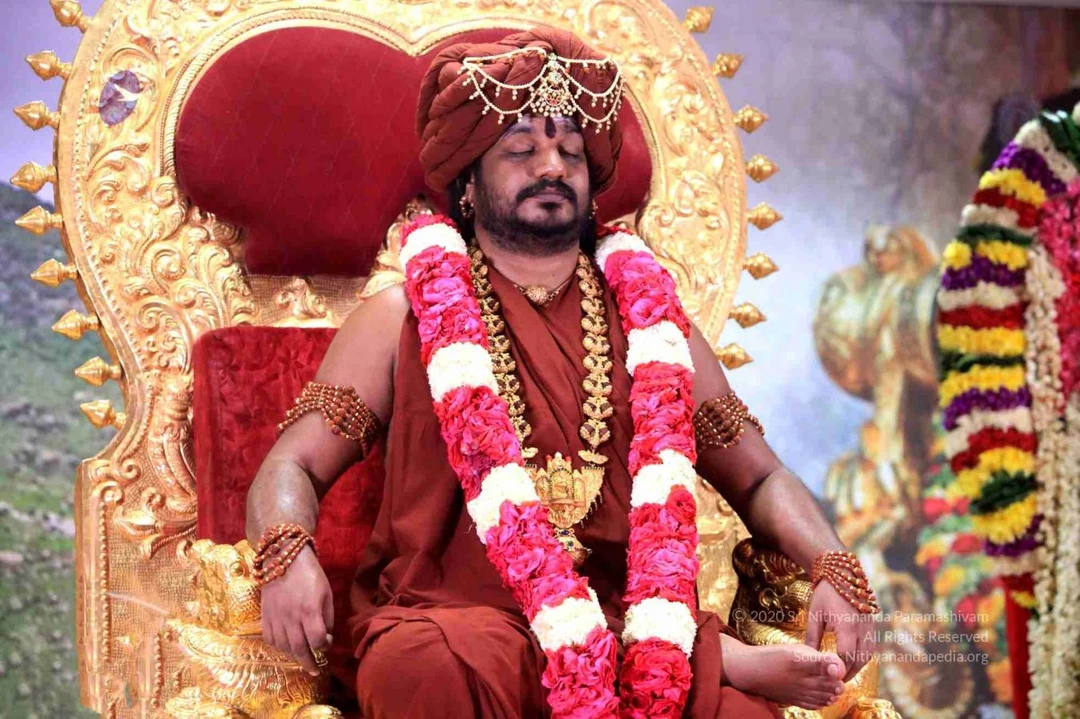 Pratyaksha Pada Puja - an expression of gratitude
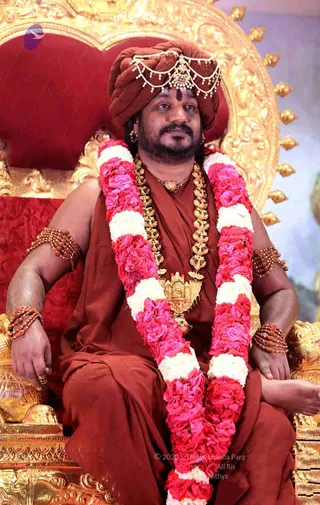 Pratyaksha Pada Puja - an expression of gratitude
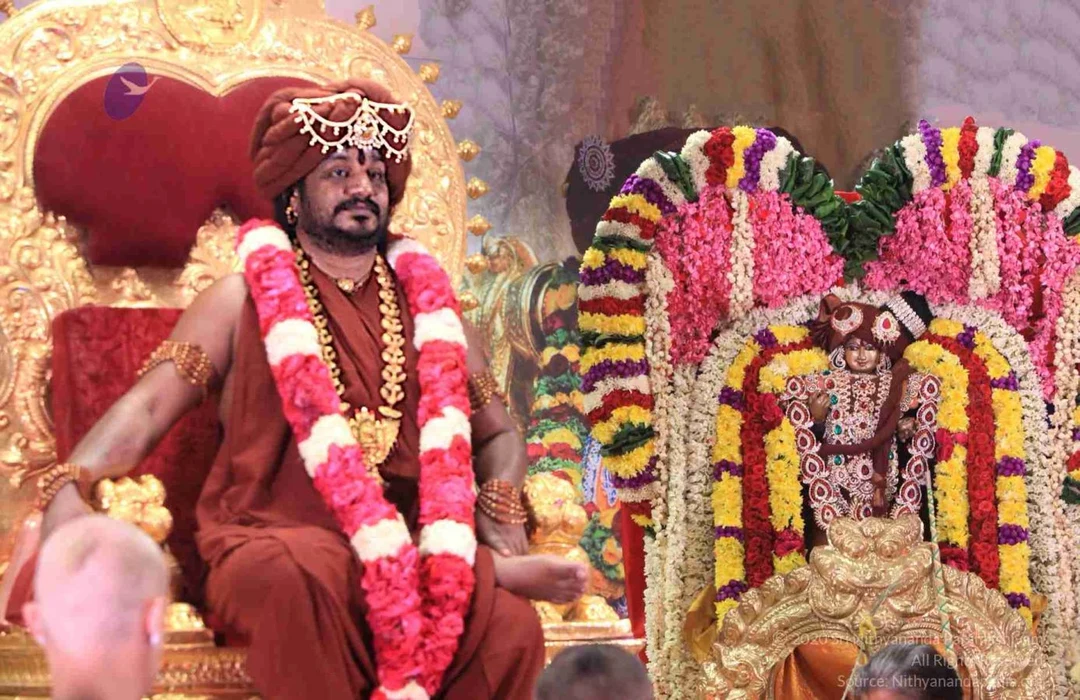 Pratyaksha Pada Puja - an expression of gratitude
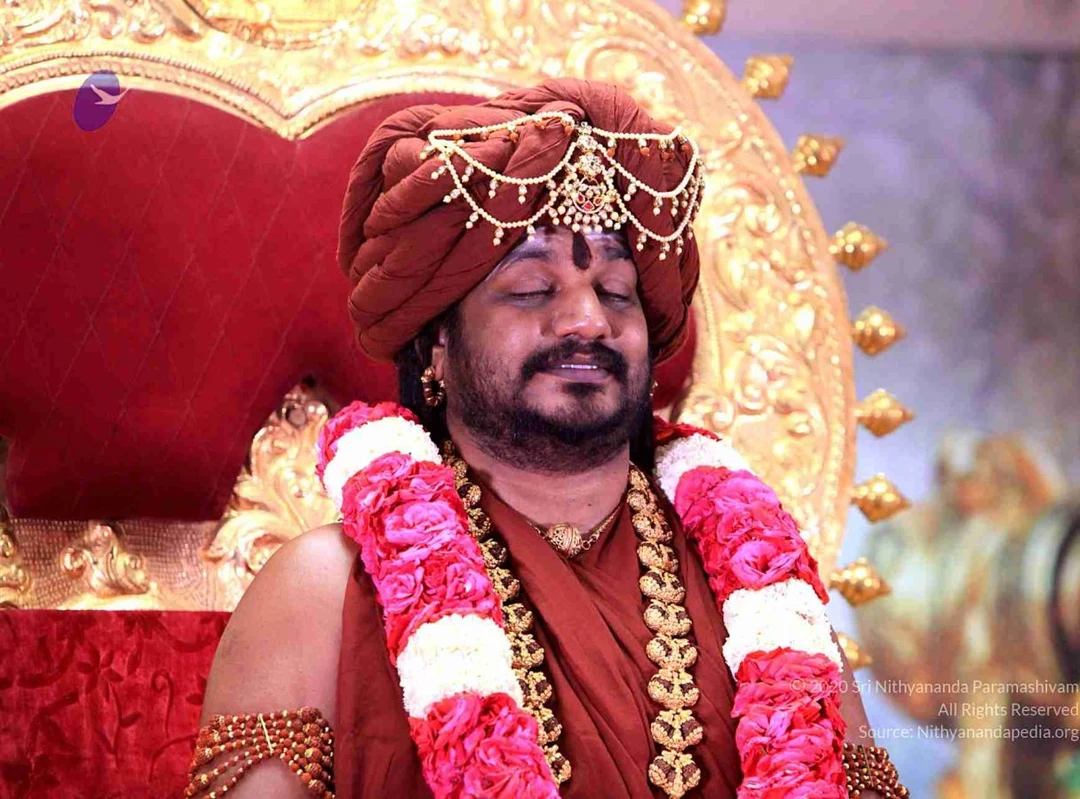 Pratyaksha Pada Puja - an expression of gratitude
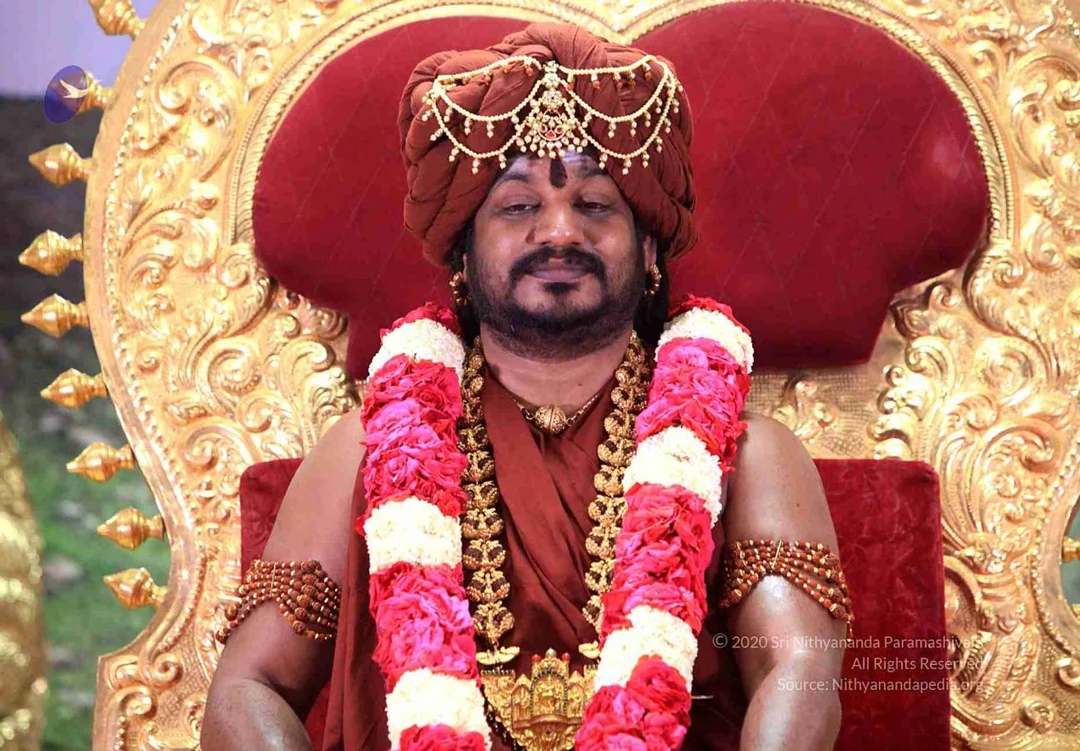 Pratyaksha Pada Puja - an expression of gratitude
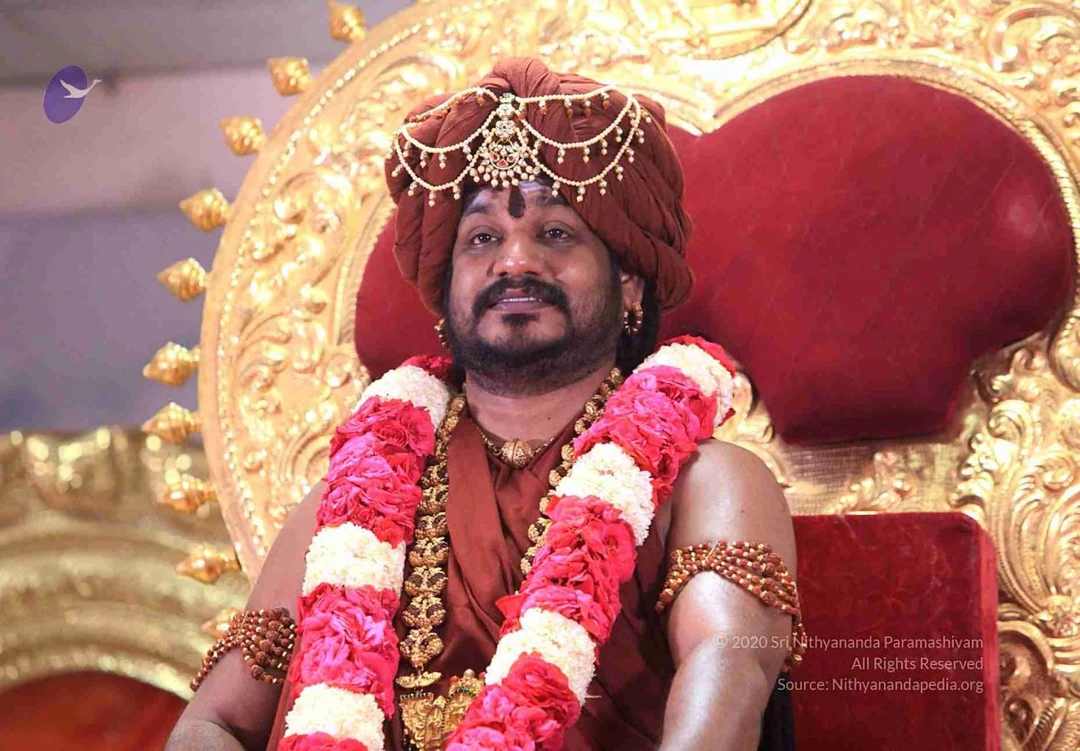 Pratyaksha Pada Puja - an expression of gratitude
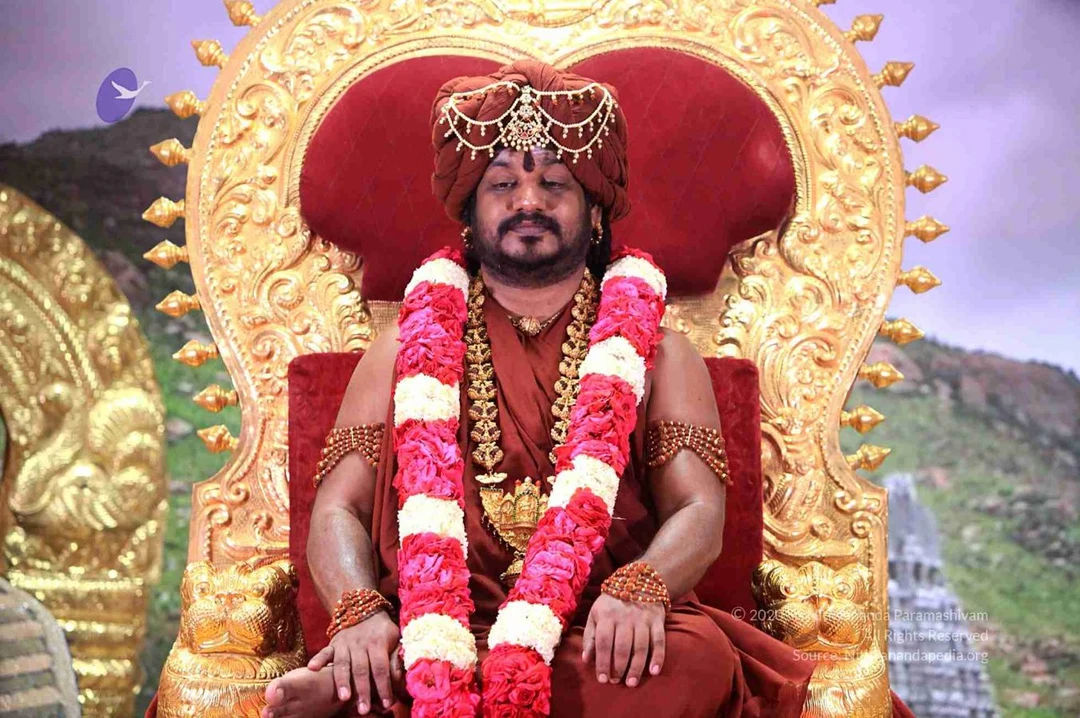 Pratyaksha Pada Puja - an expression of gratitude
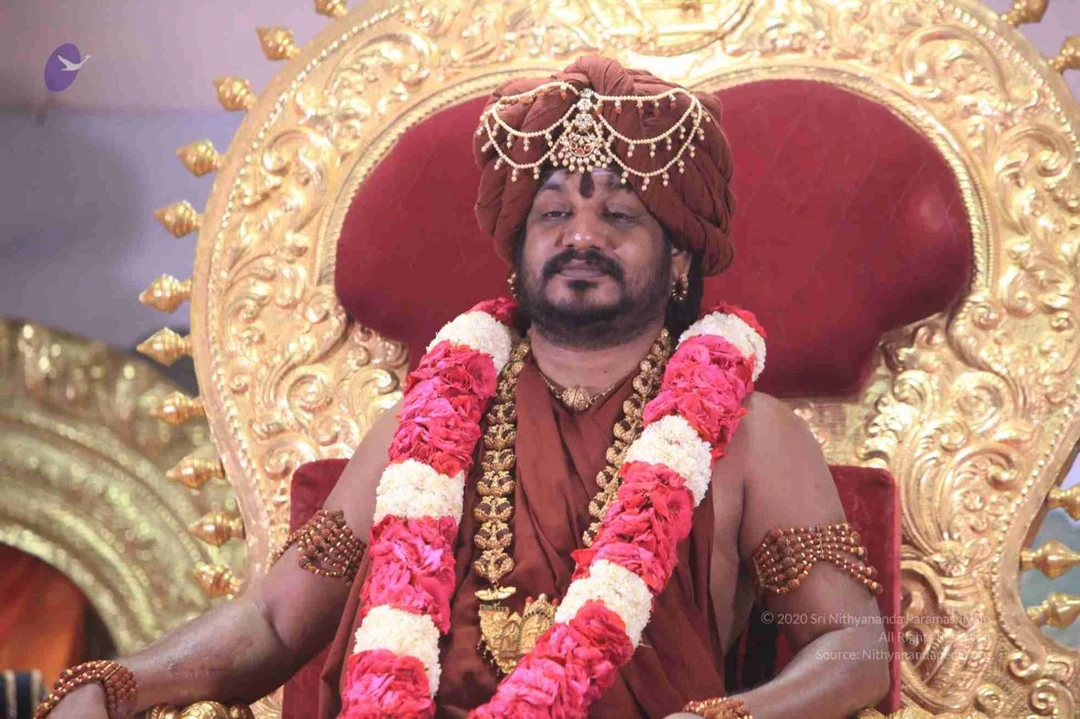 Pratyaksha Pada Puja - an expression of gratitude
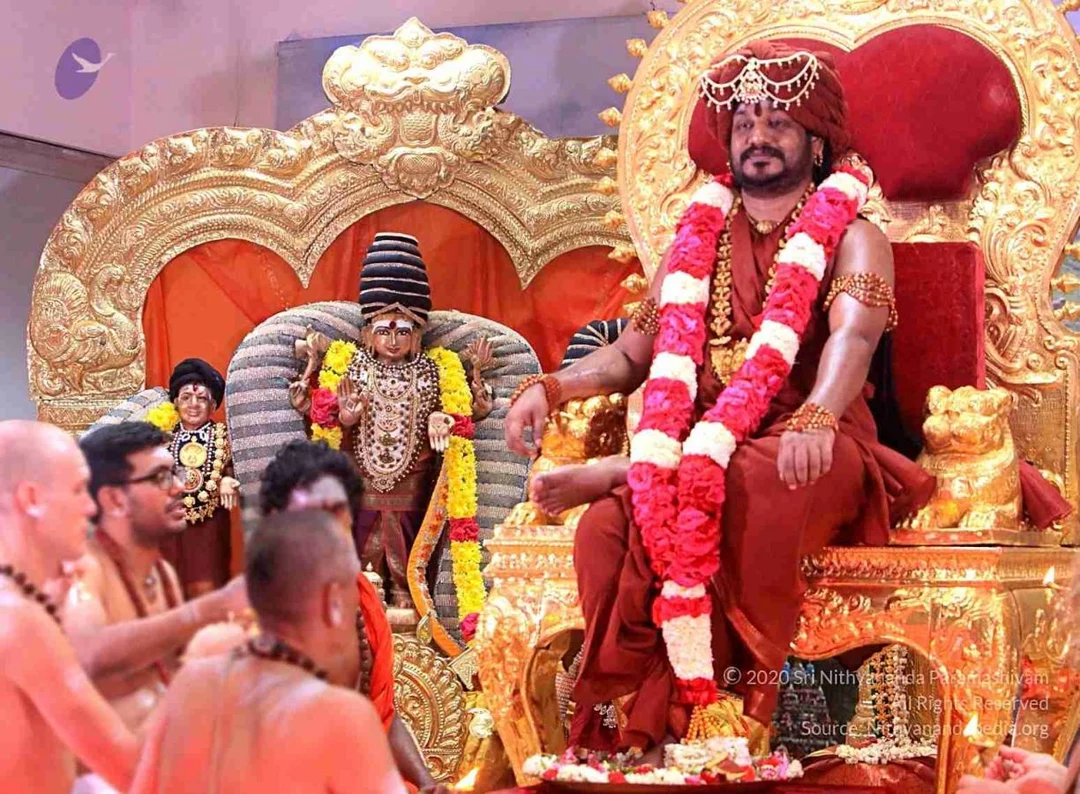 Pratyaksha Pada Puja - an expression of gratitude
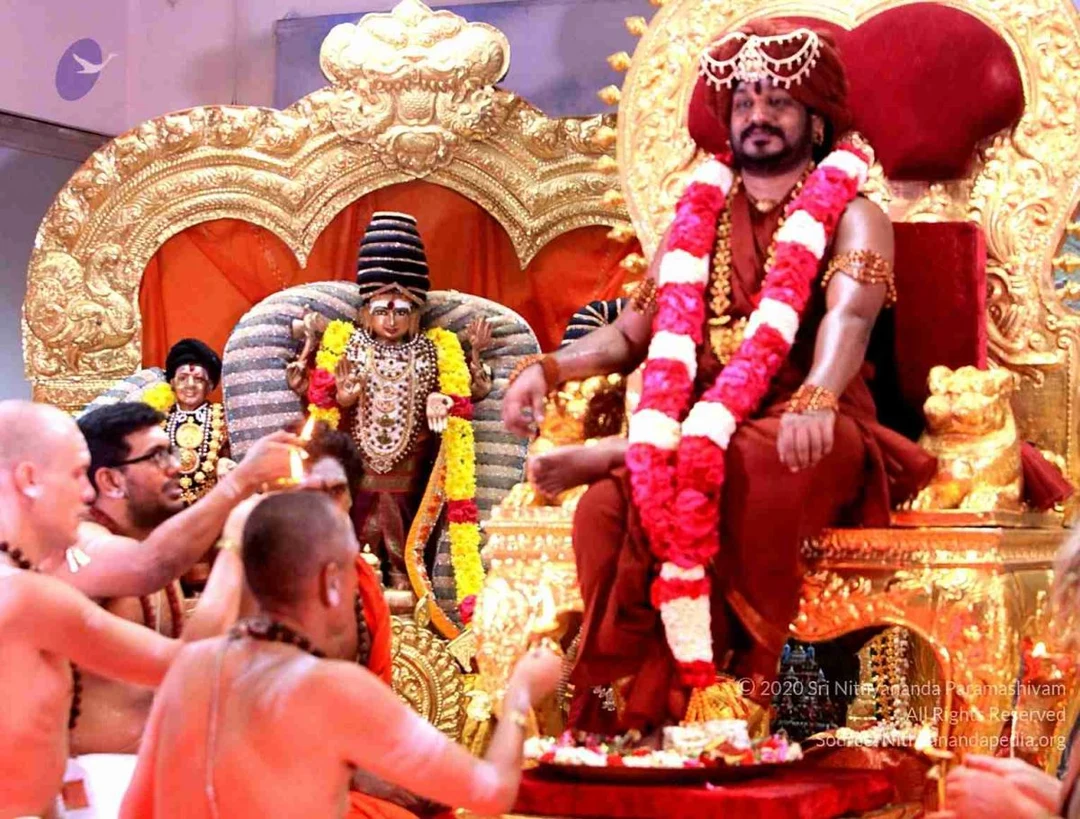 Pratyaksha Pada Puja - entering divine breathing space
 Pratyaksha Pada Puja - entering divine breathing space
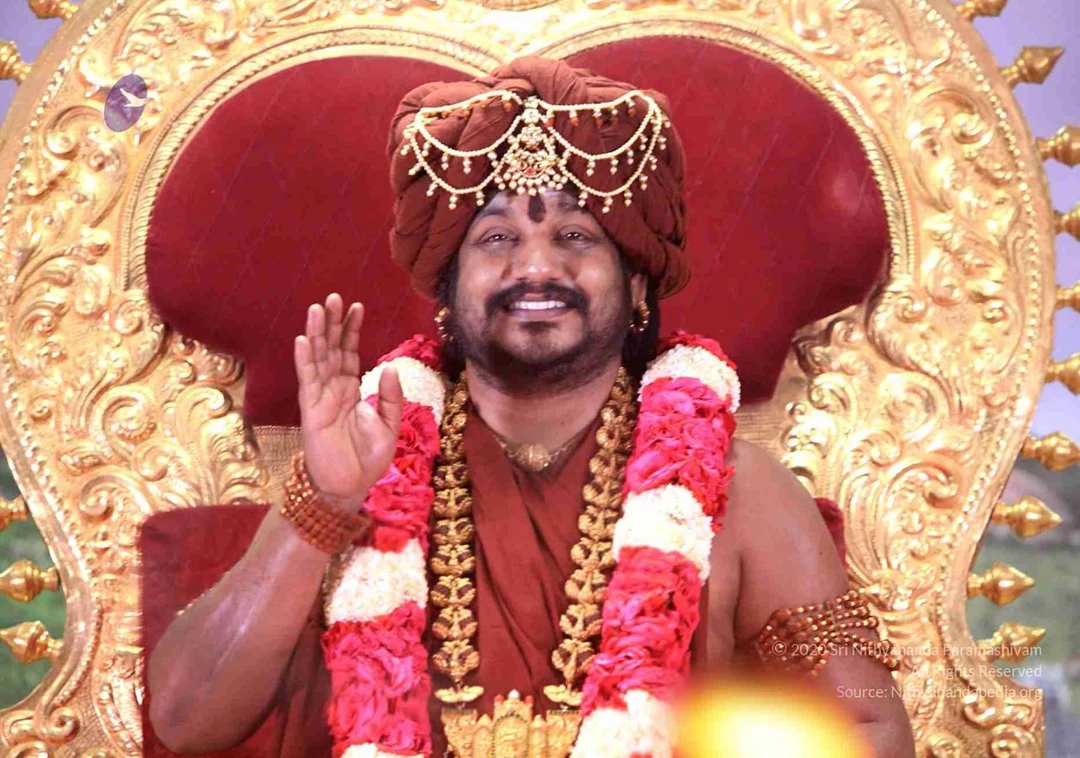 Pratyaksha Pada Puja - entering divine breathing space
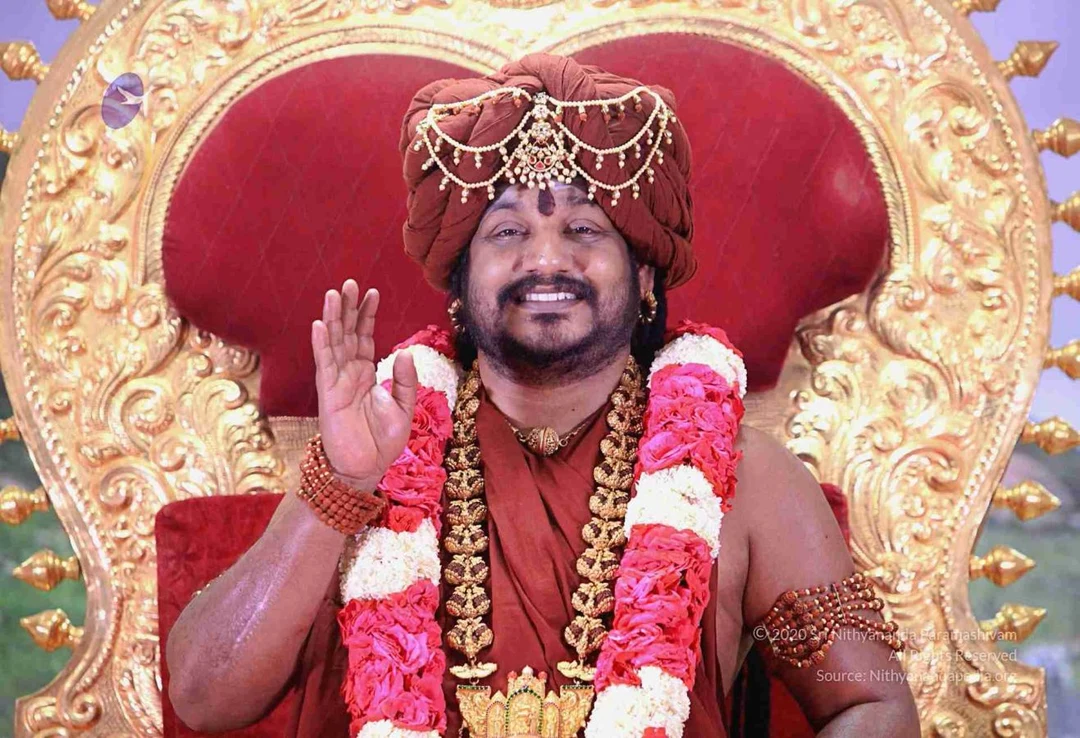 Pratyaksha Pada Puja - entering divine breathing space
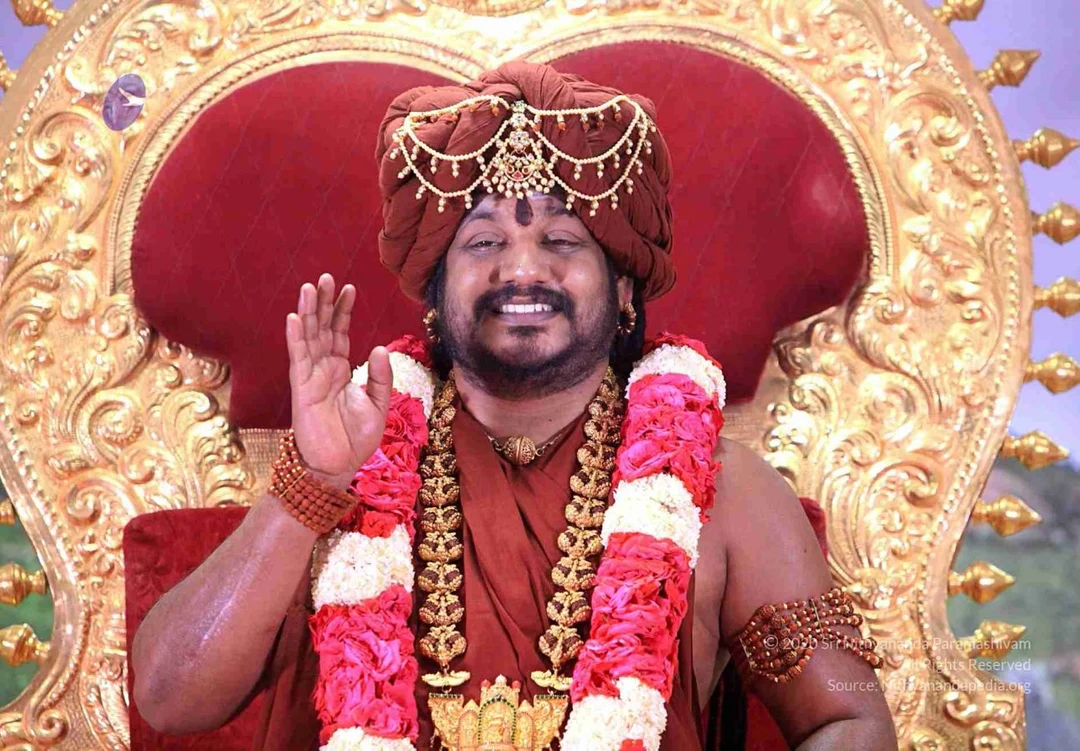 Pratyaksha Pada Puja - entering divine breathing space
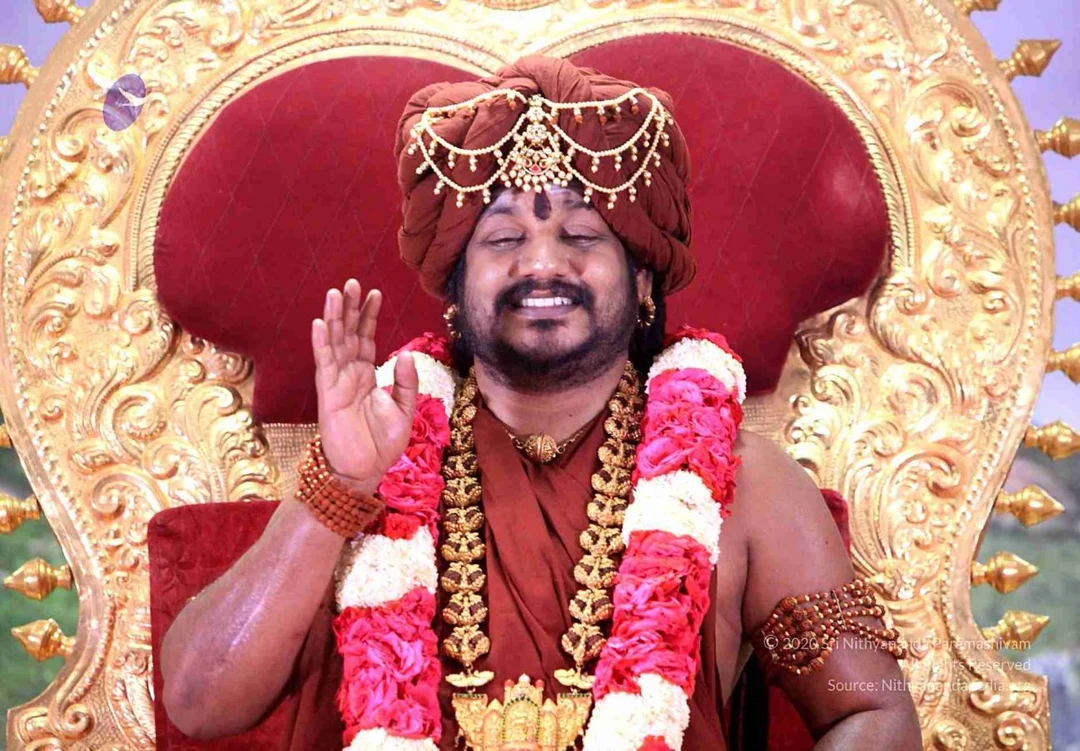 Pratyaksha Pada Puja - entering divine breathing space
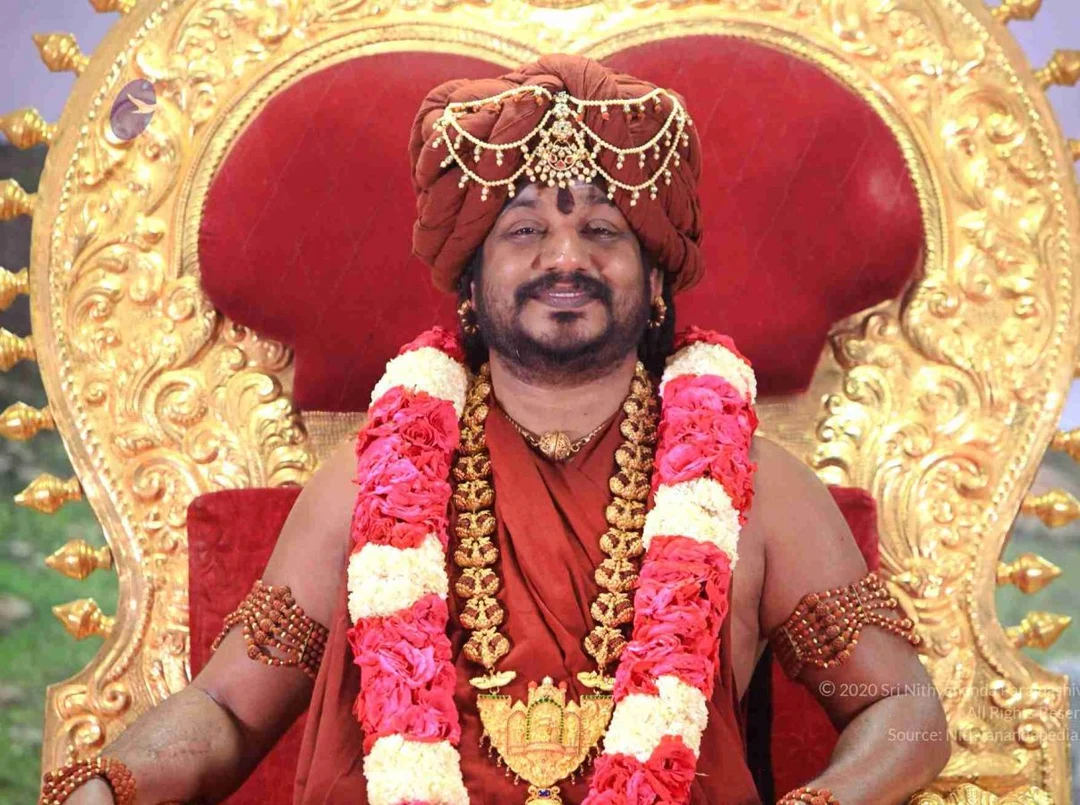 Pratyaksha Pada Puja - entering divine breathing space
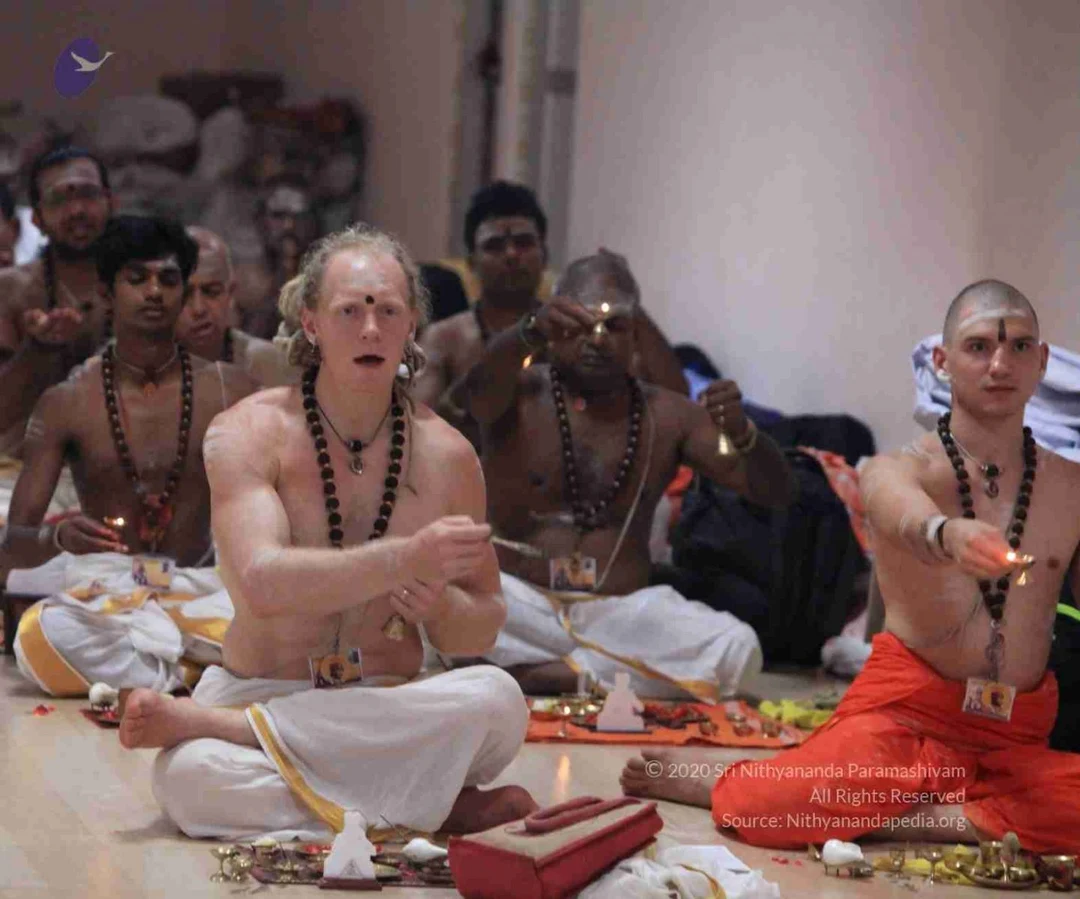 Pratyaksha Pada Puja - entering divine breathing space
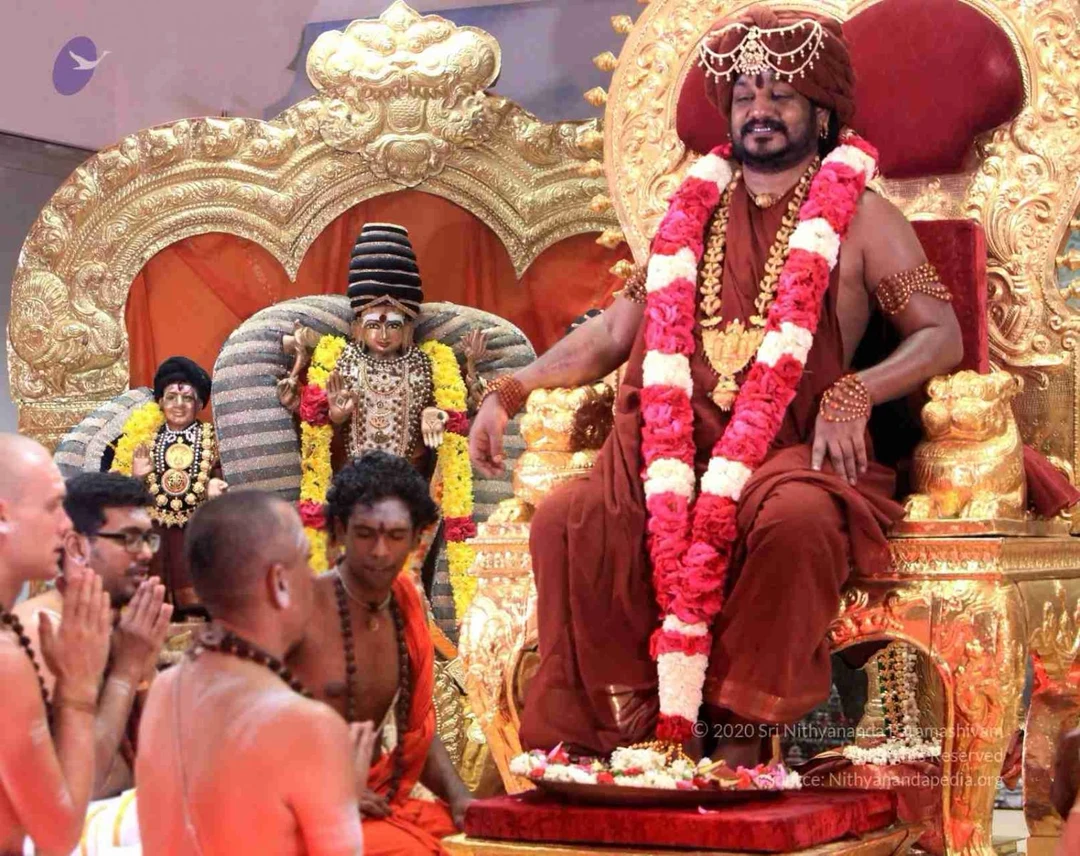 Pratyaksha Pada Puja - entering divine breathing space
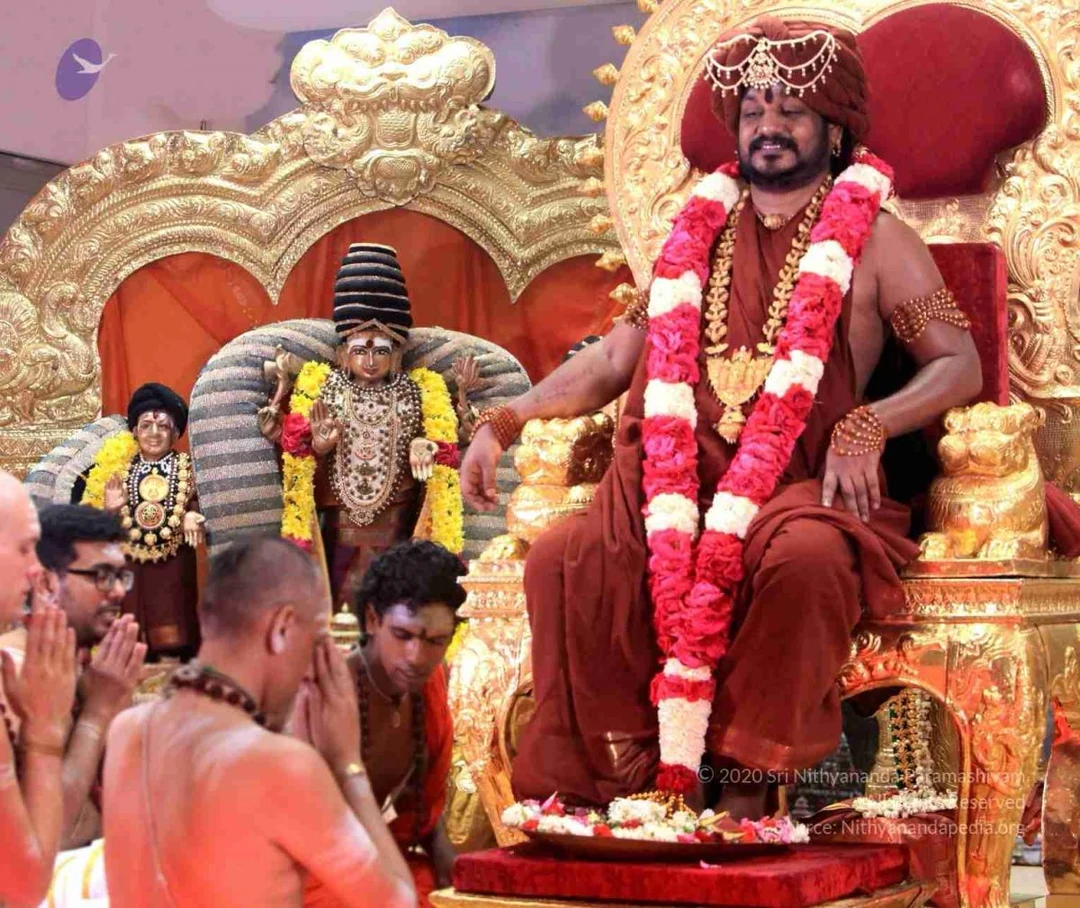 Pratyaksha Pada Puja - entering divine breathing space
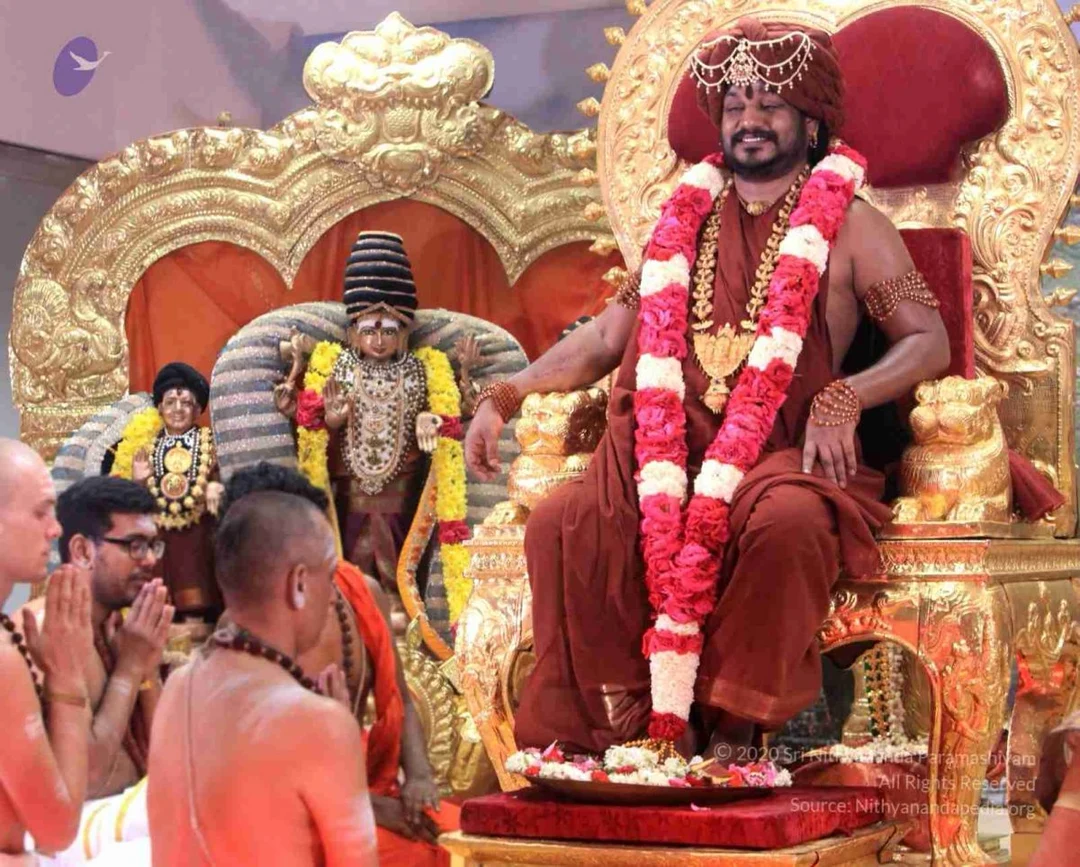 Pratyaksha Pada Puja - entering divine breathing space
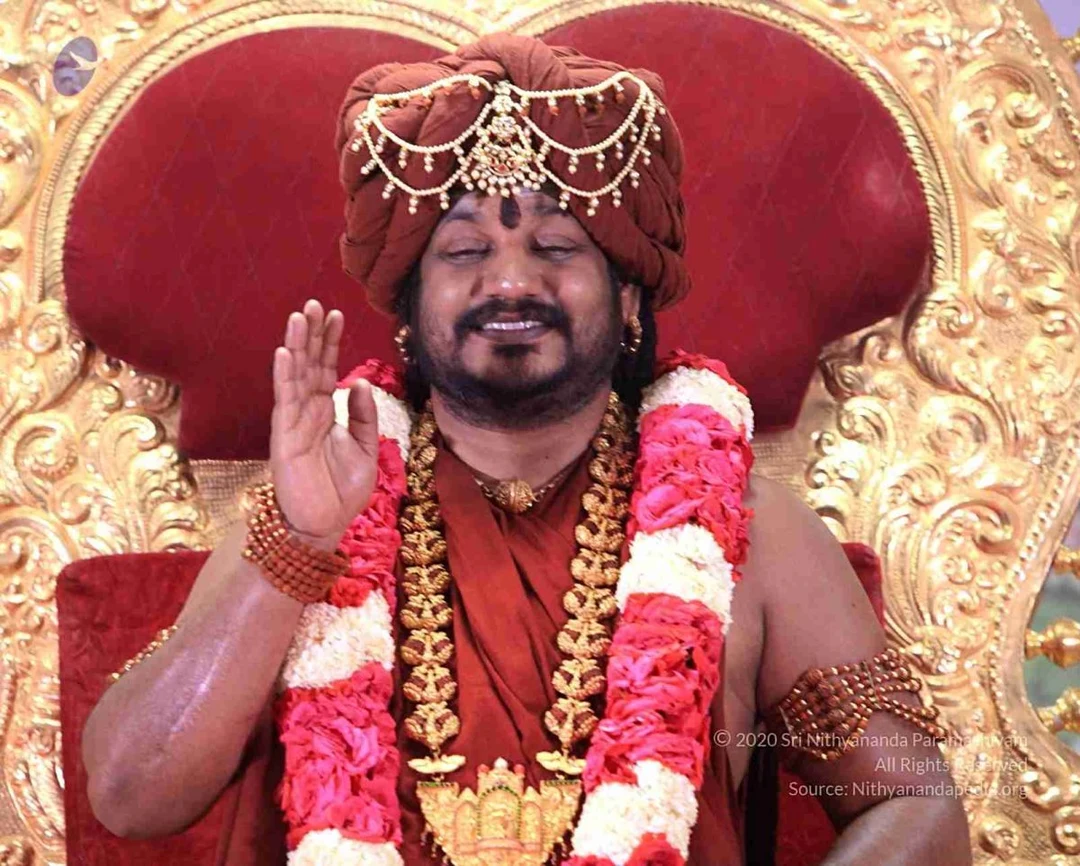 Pratyaksha Pada Puja - offering gratitude at the divine lotus feet
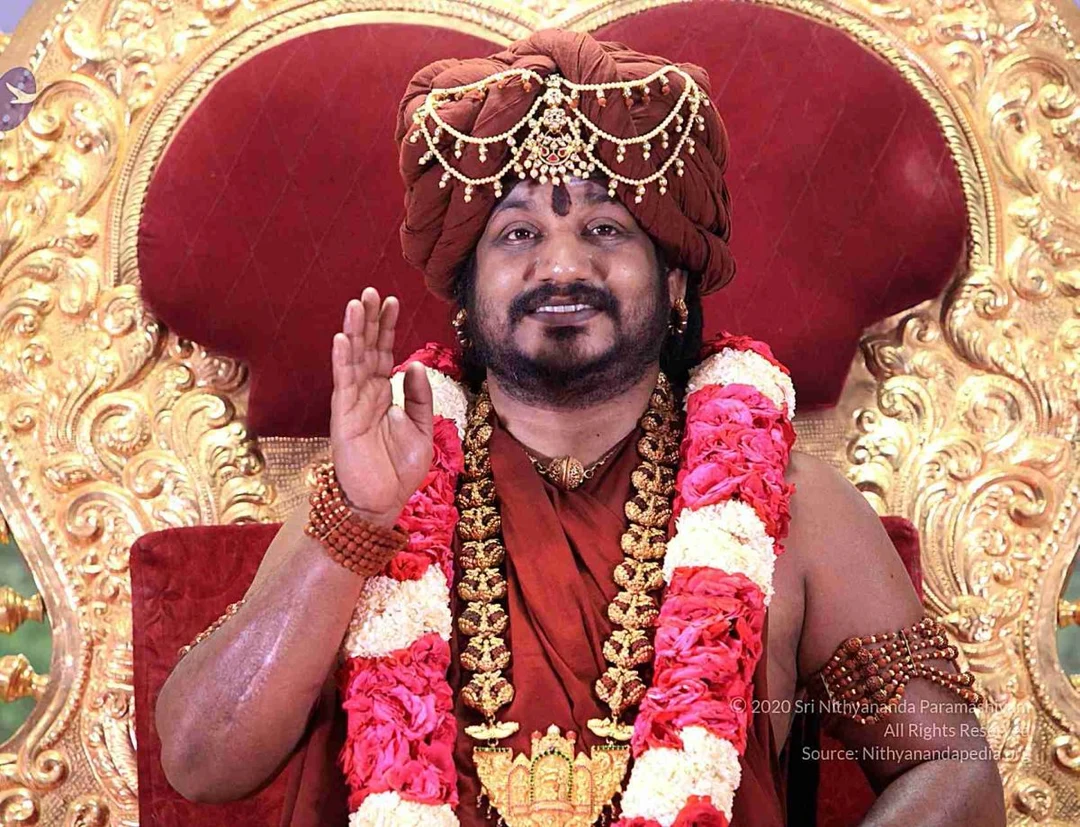 Pratyaksha Pada Puja - offering gratitude at the divine lotus feet
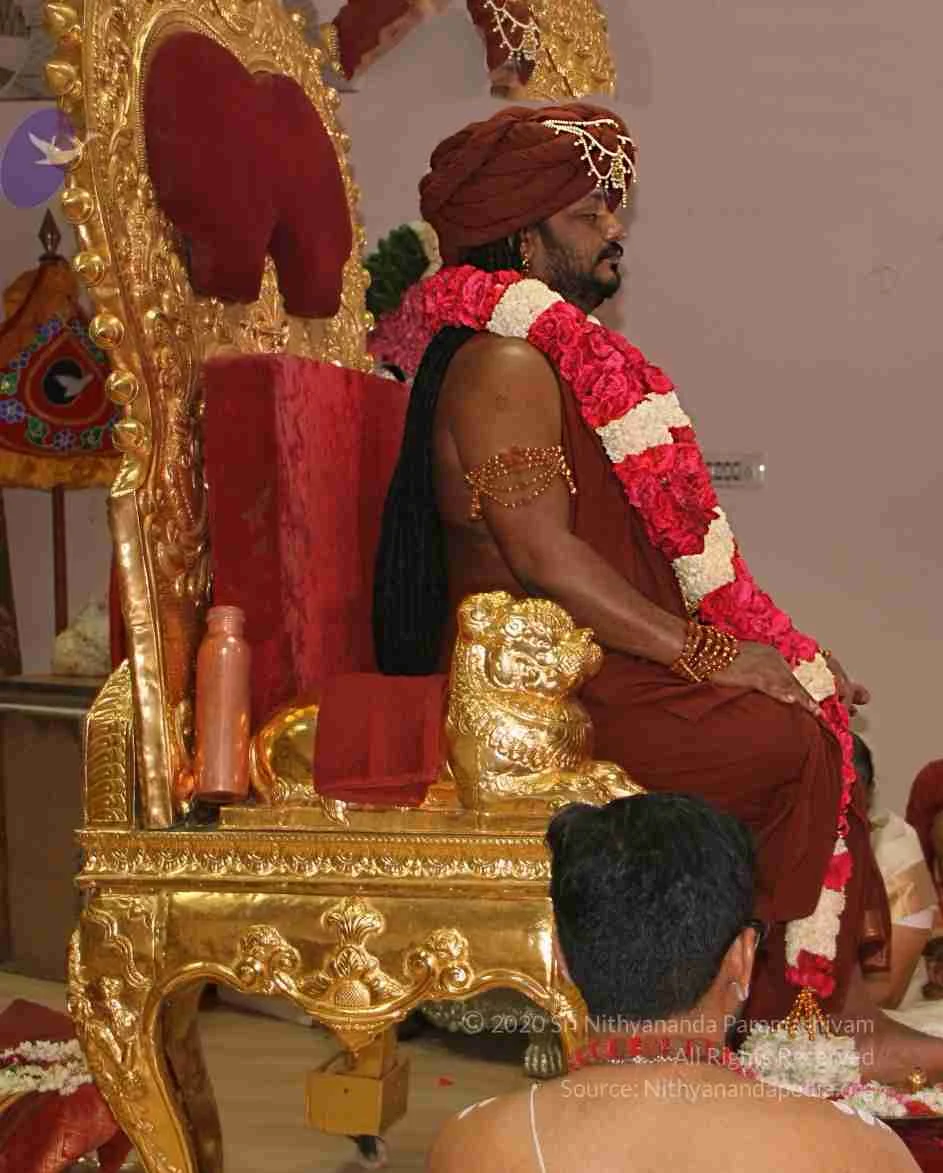
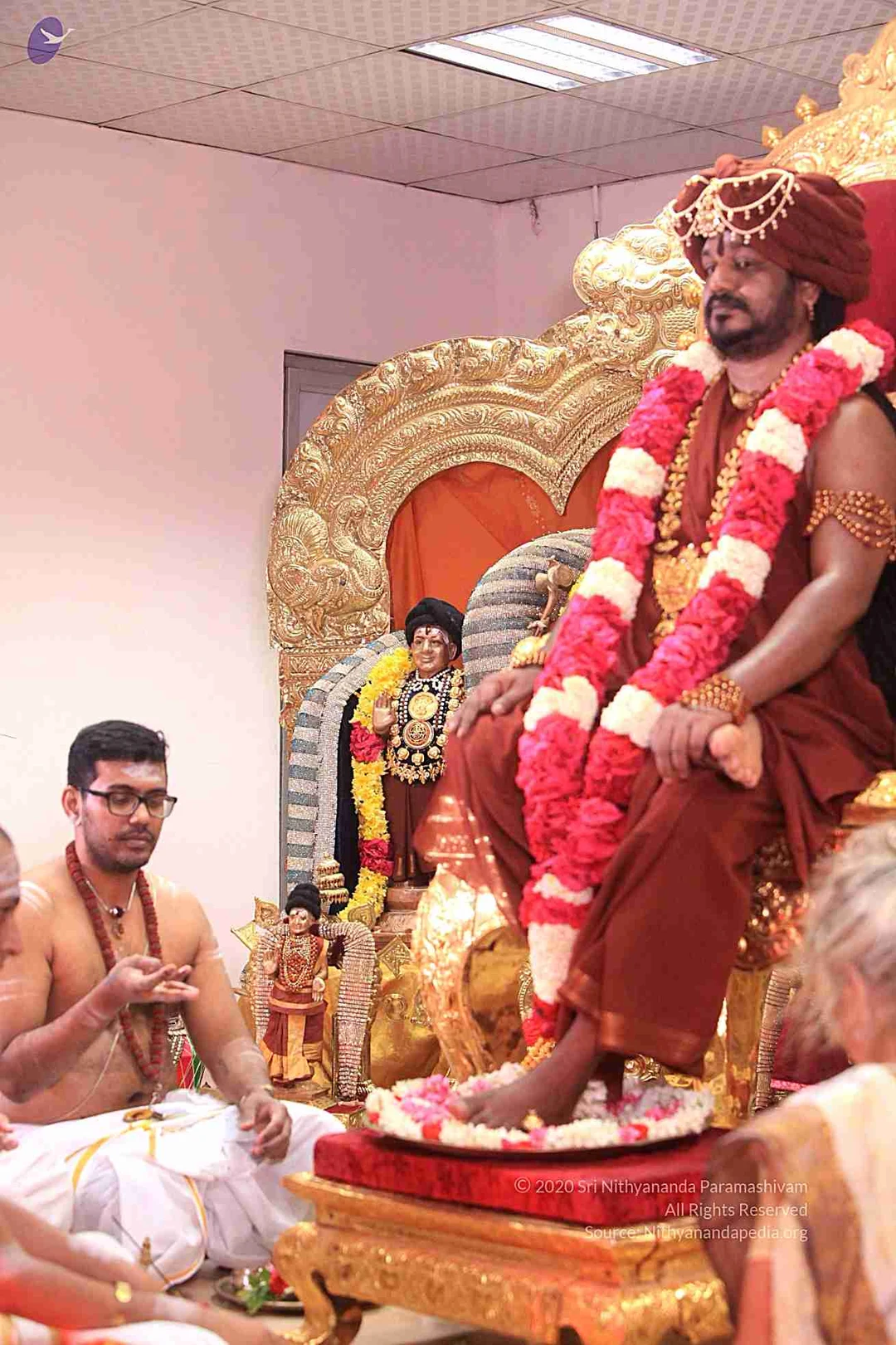
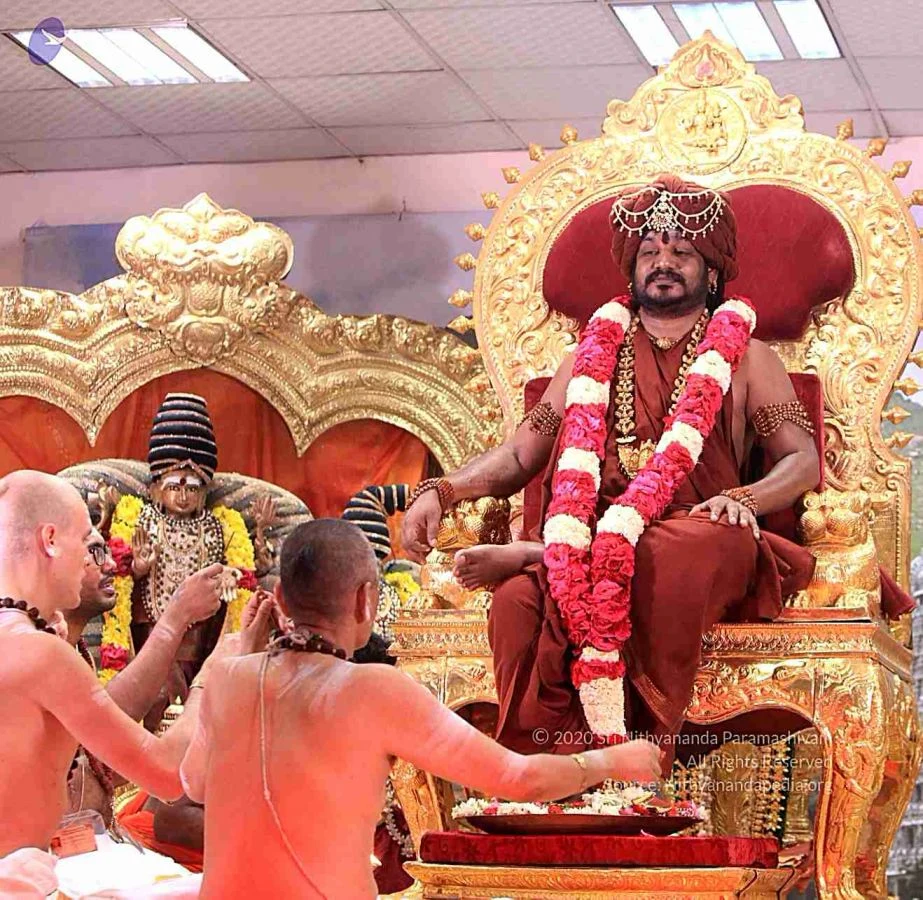
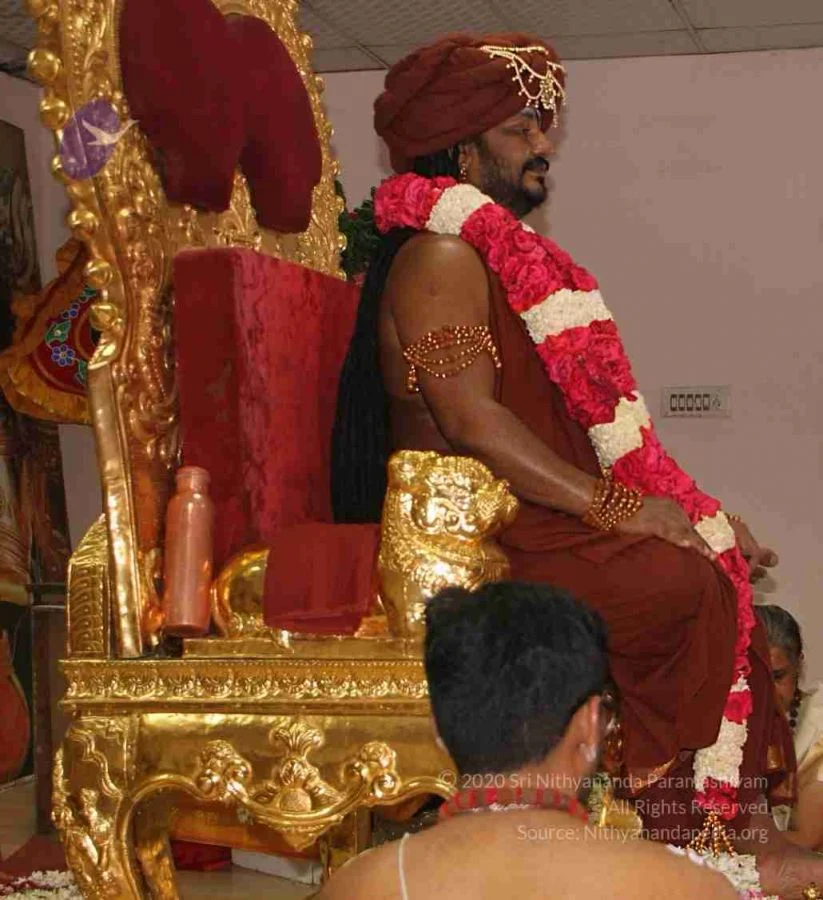
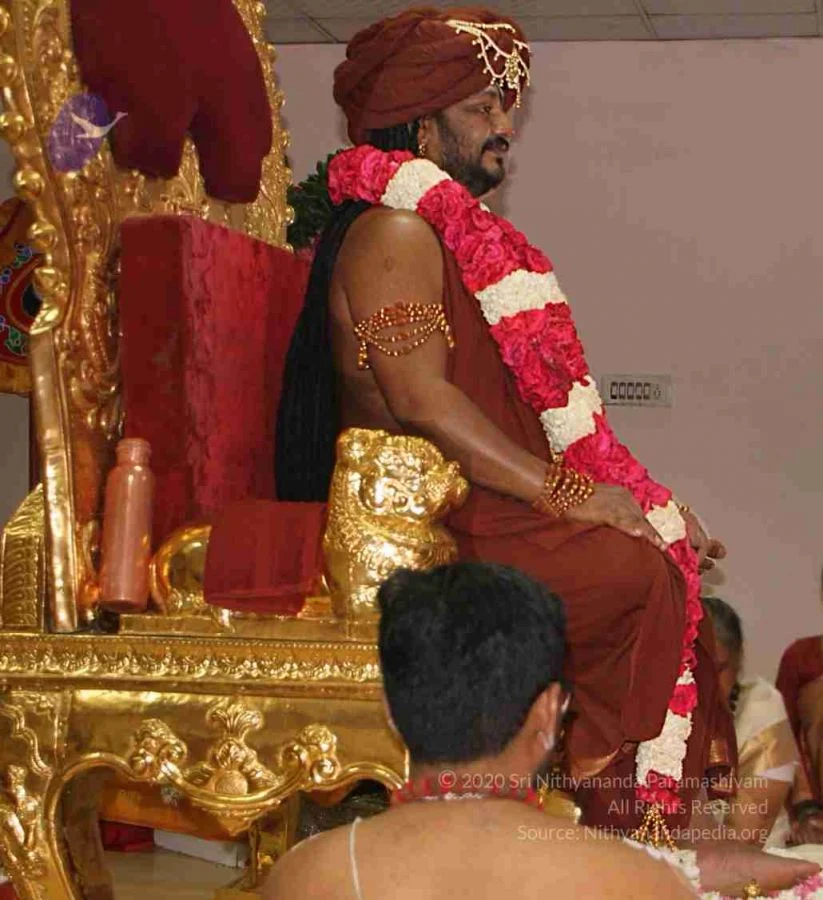
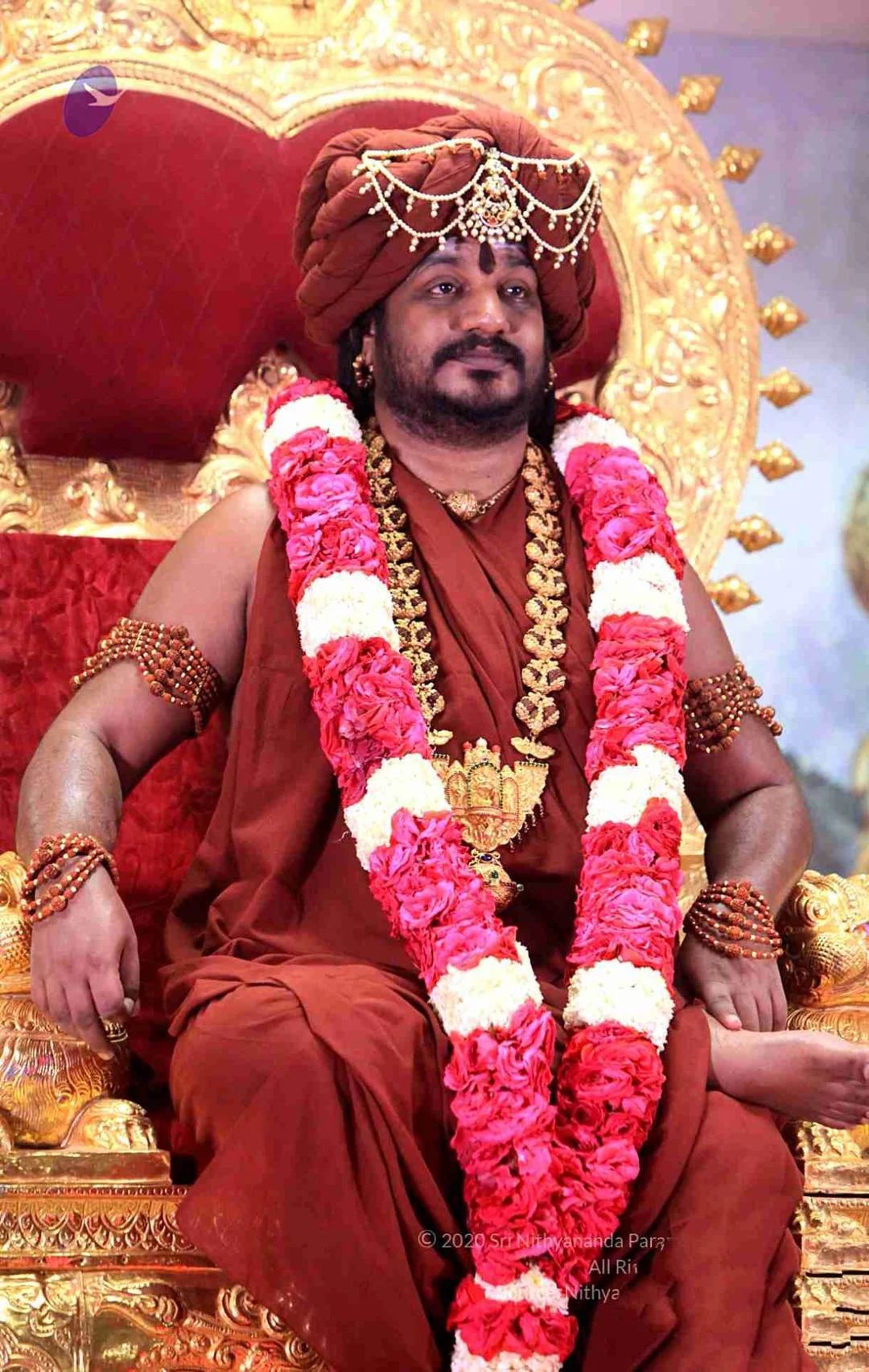
Morning Satsang
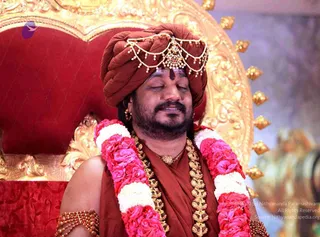
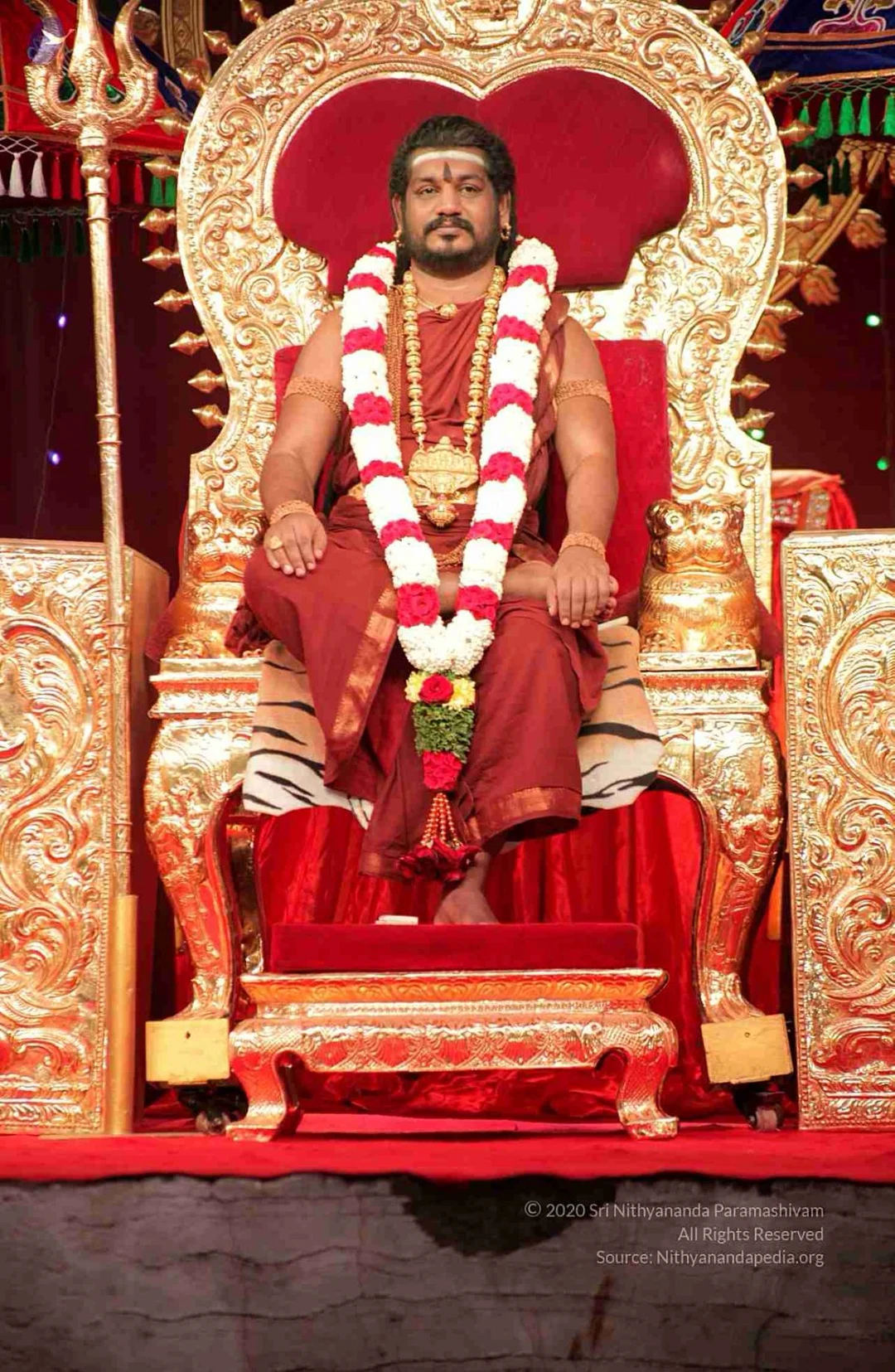
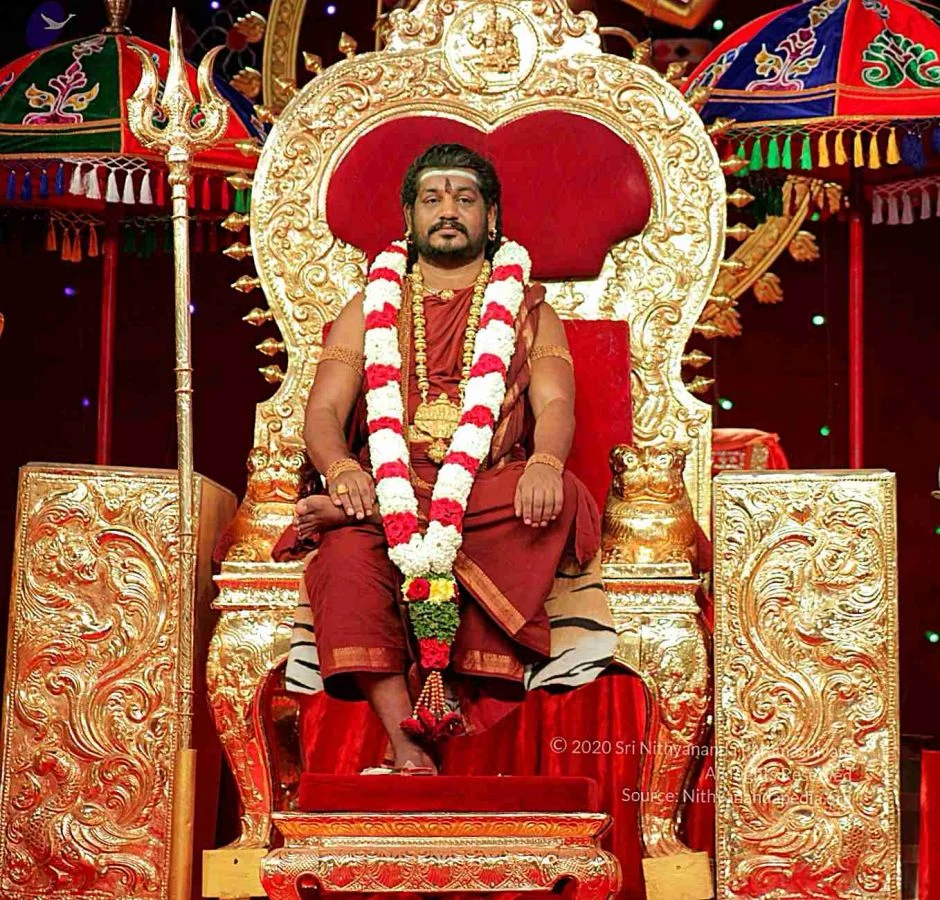
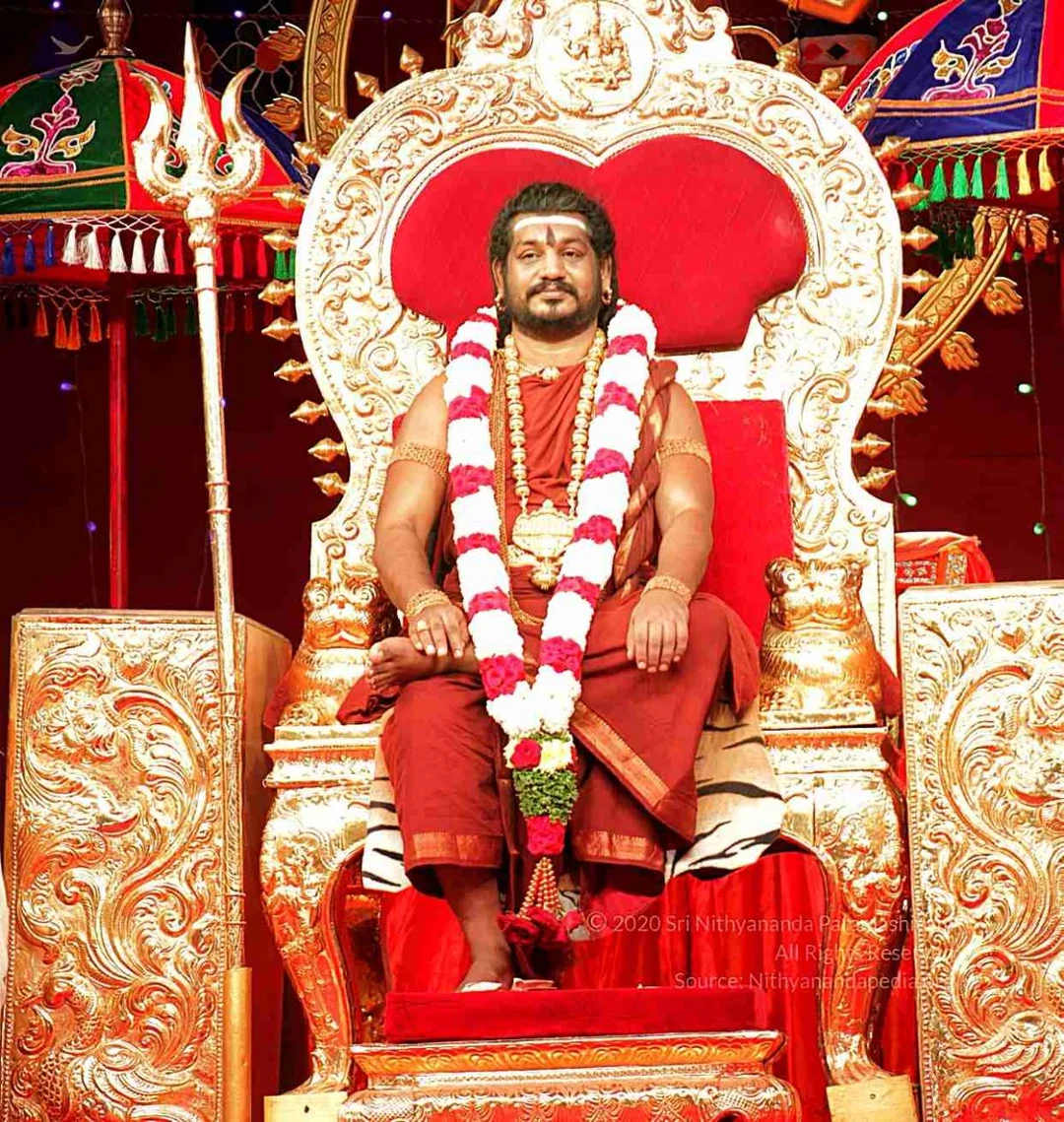
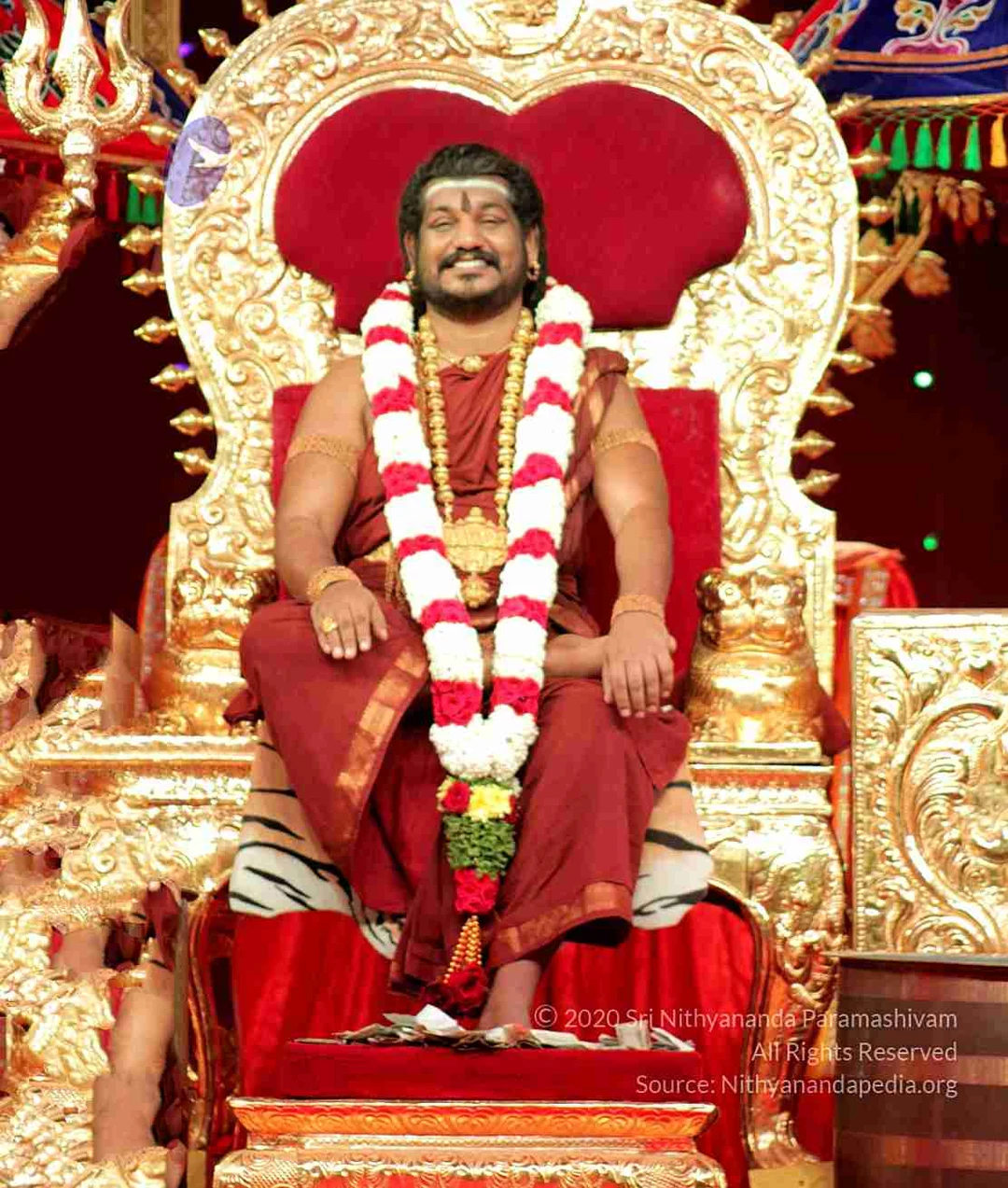
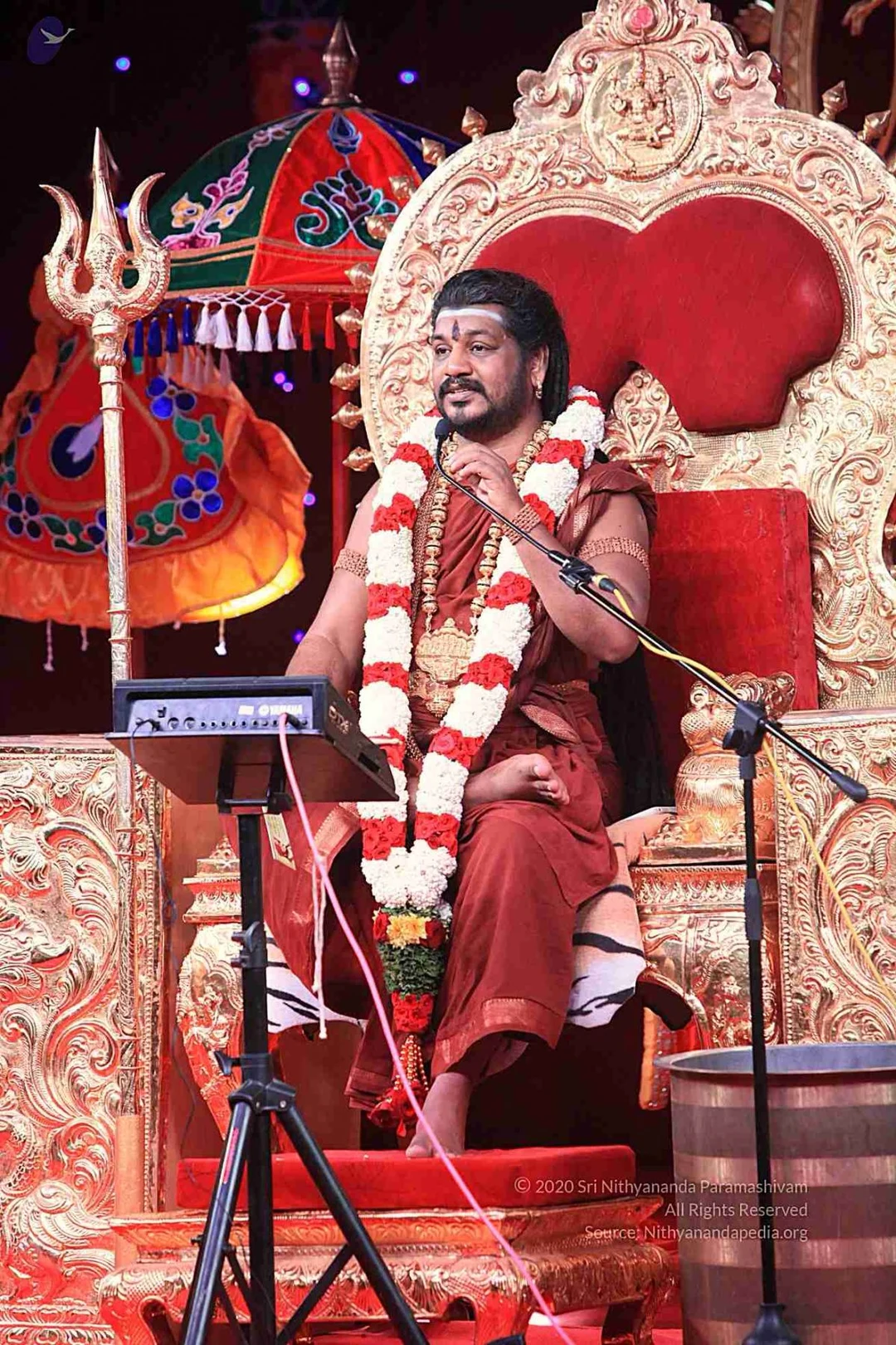
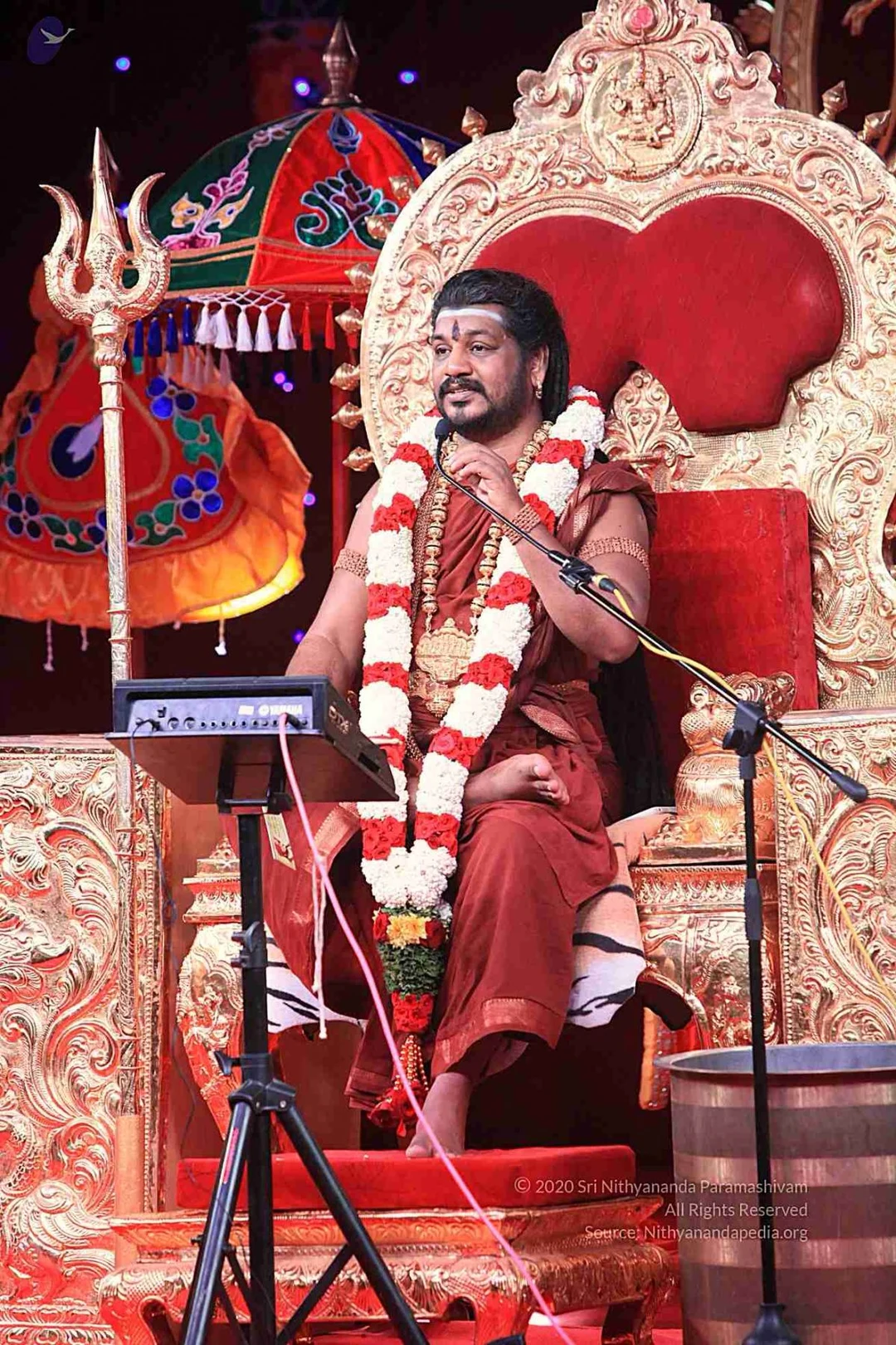
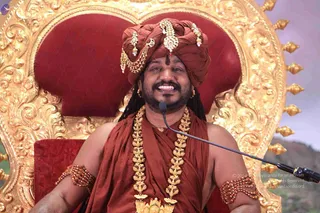
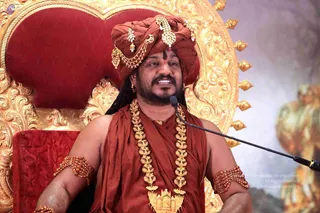
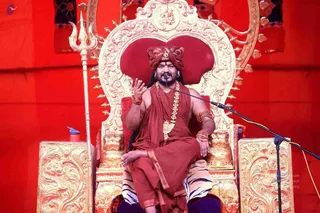
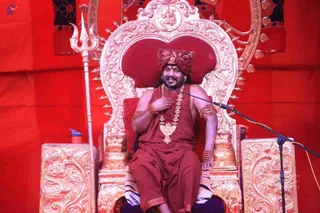
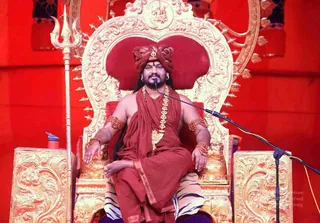
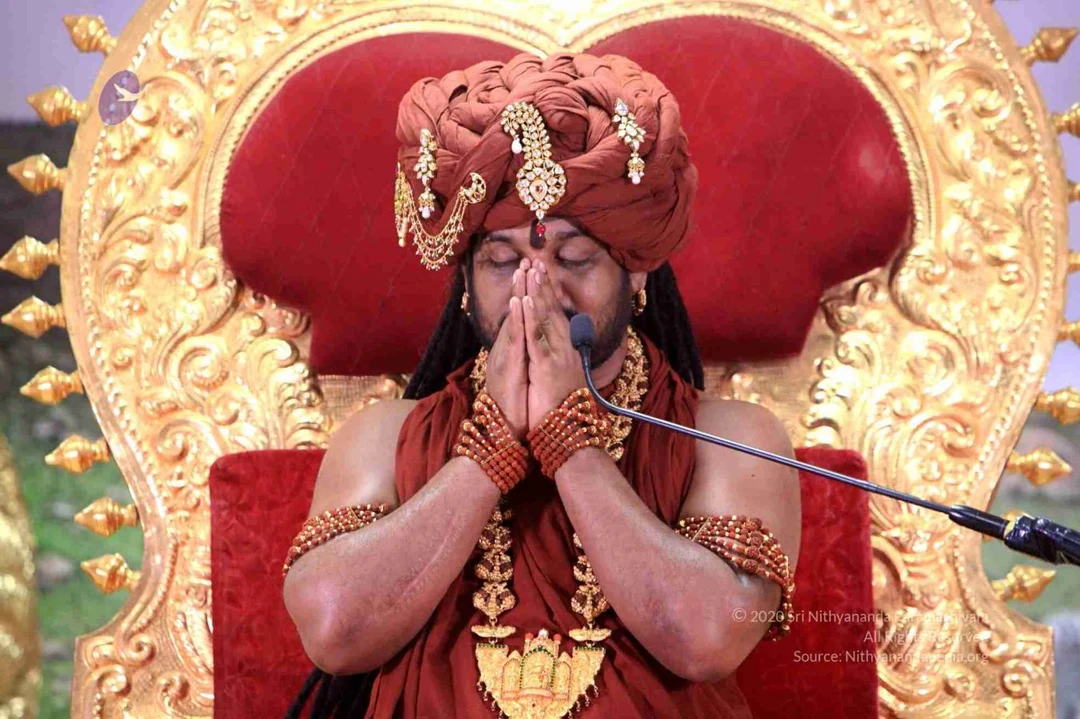 HDH Nithyananda Paramashivam blessing
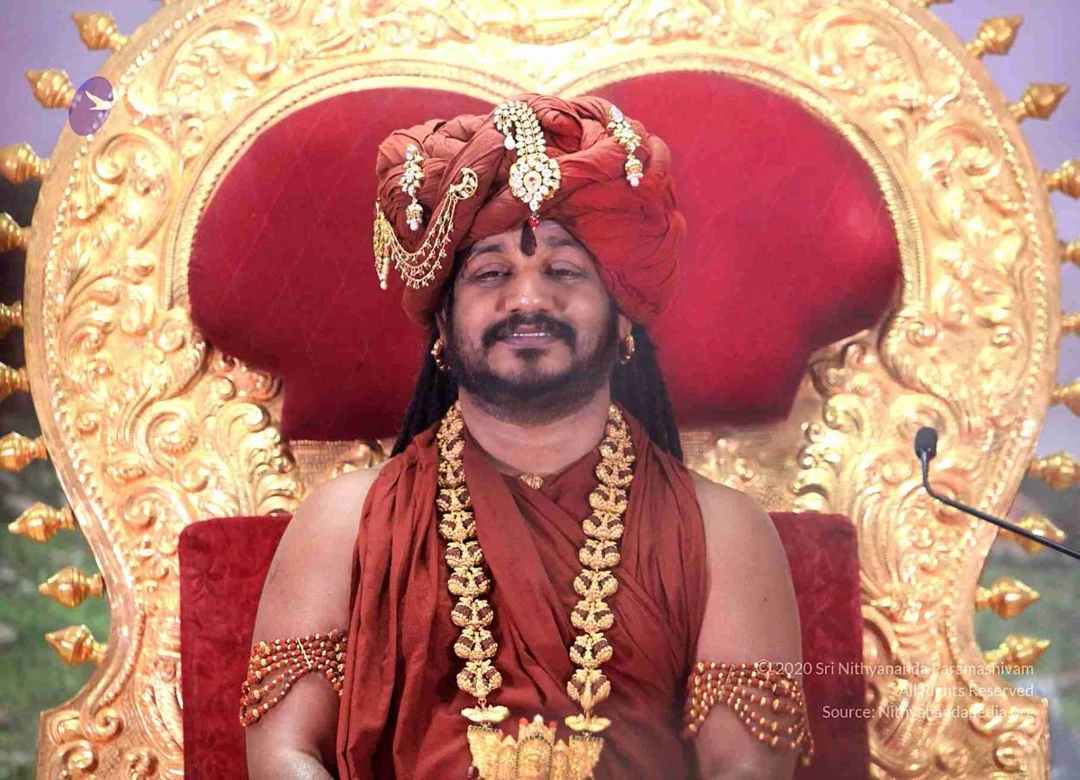 Create the ambience of spiritual integrity, in and around you
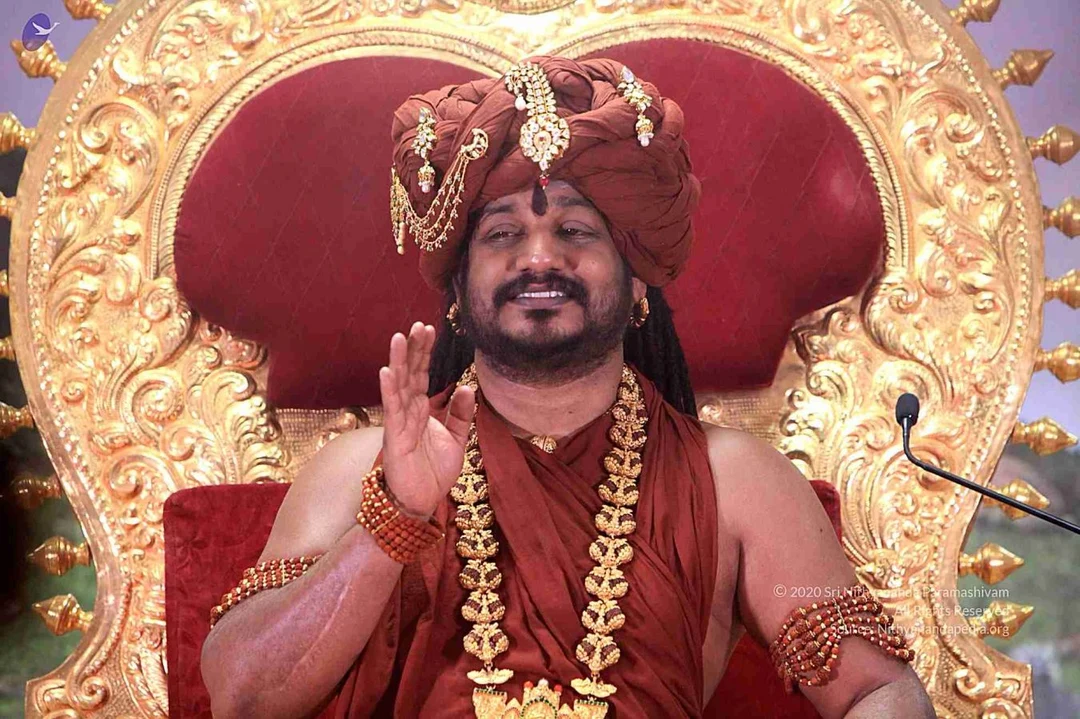 Create the ambience of spiritual integrity, in and around you
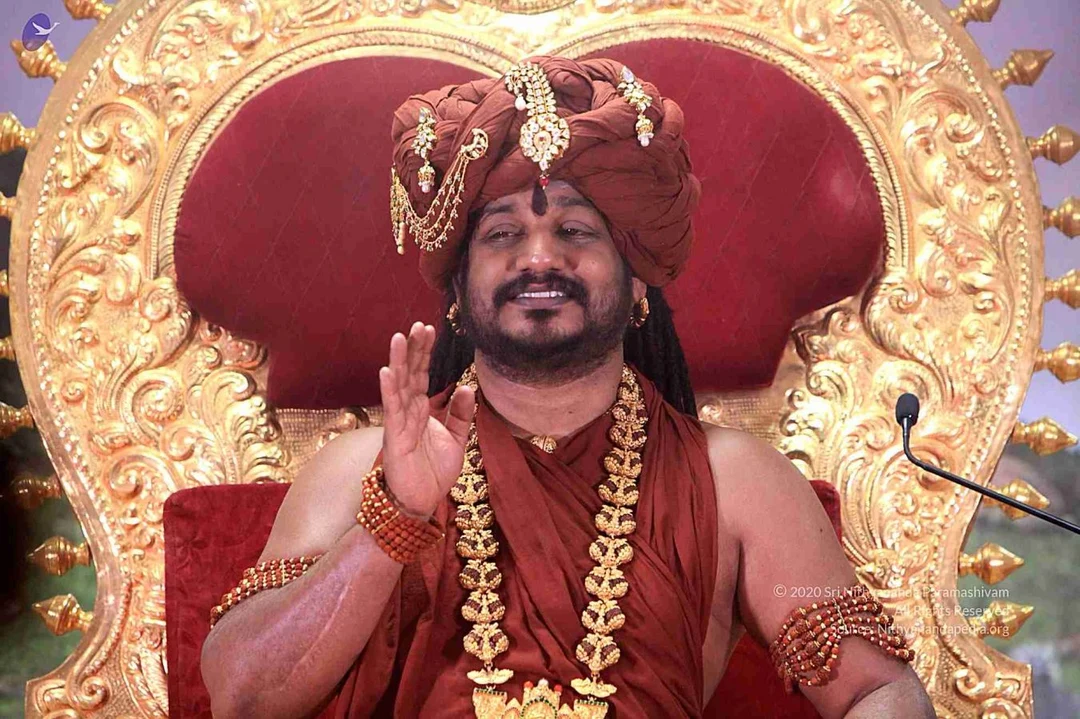 Create the ambience of spiritual integrity, in and around you
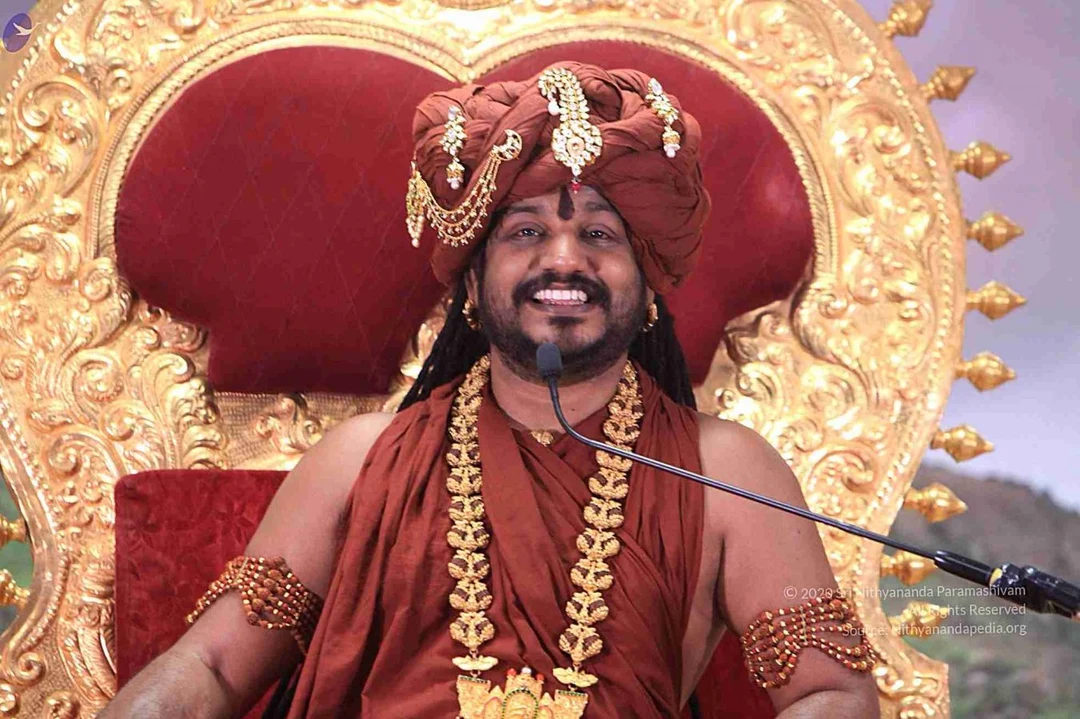 Create the ambience of spiritual integrity, in and around you
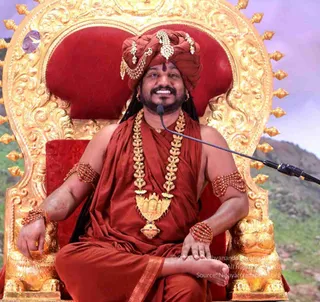 Create the ambience of spiritual integrity, in and around you
 Create the ambience of spiritual integrity, in and around you
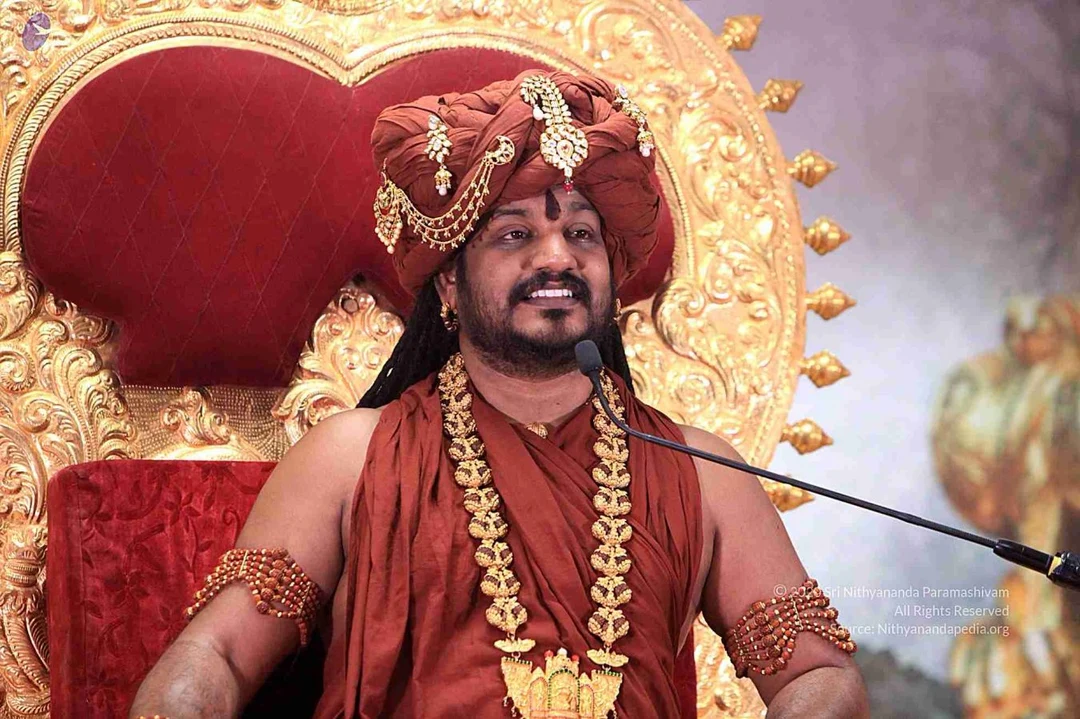 Create the ambience of spiritual integrity, in and around you
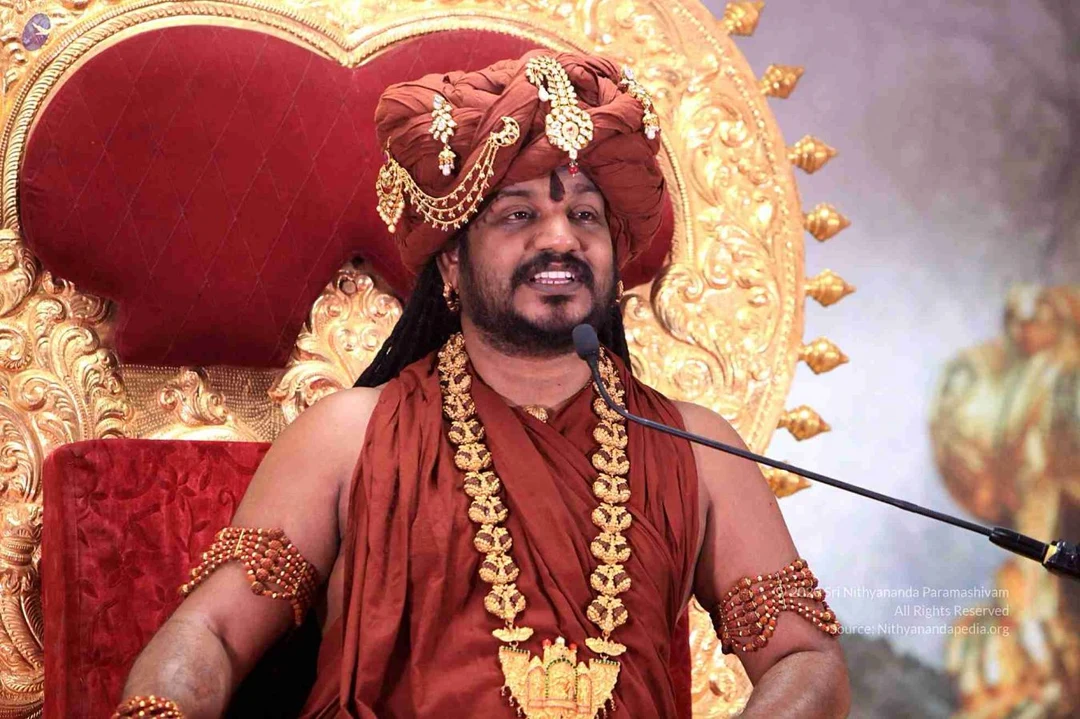 Create the ambience of spiritual integrity, in and around you
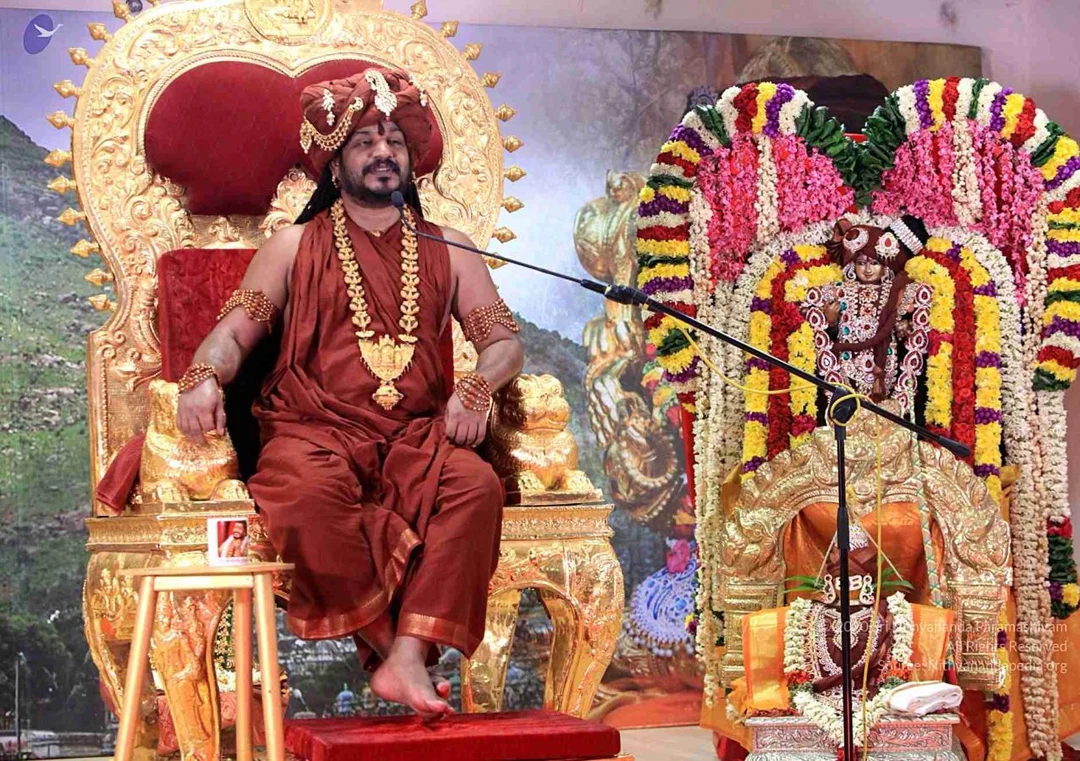 Create the ambience of spiritual integrity, in and around you
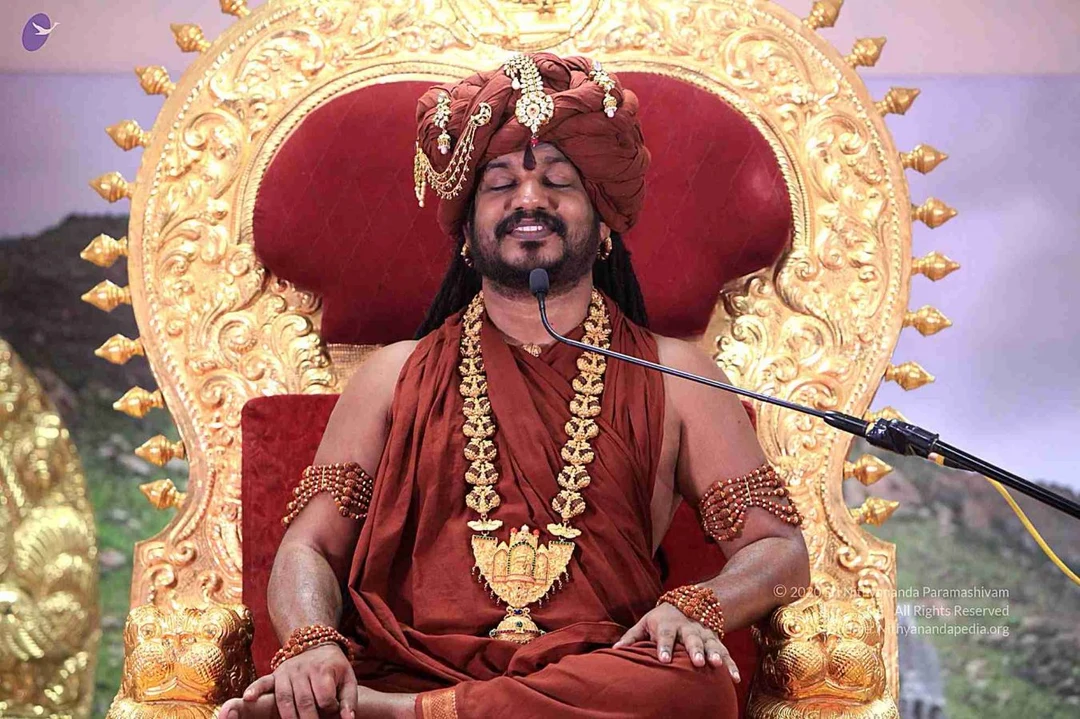 Create the ambience of spiritual integrity, in and around you
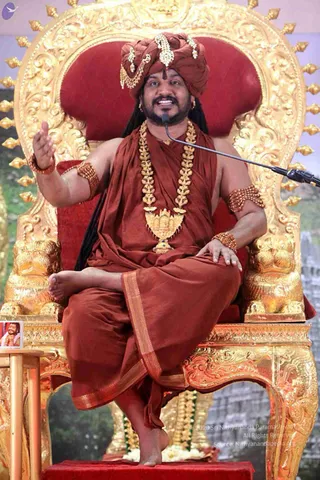 Create the ambience of spiritual integrity, in and around you
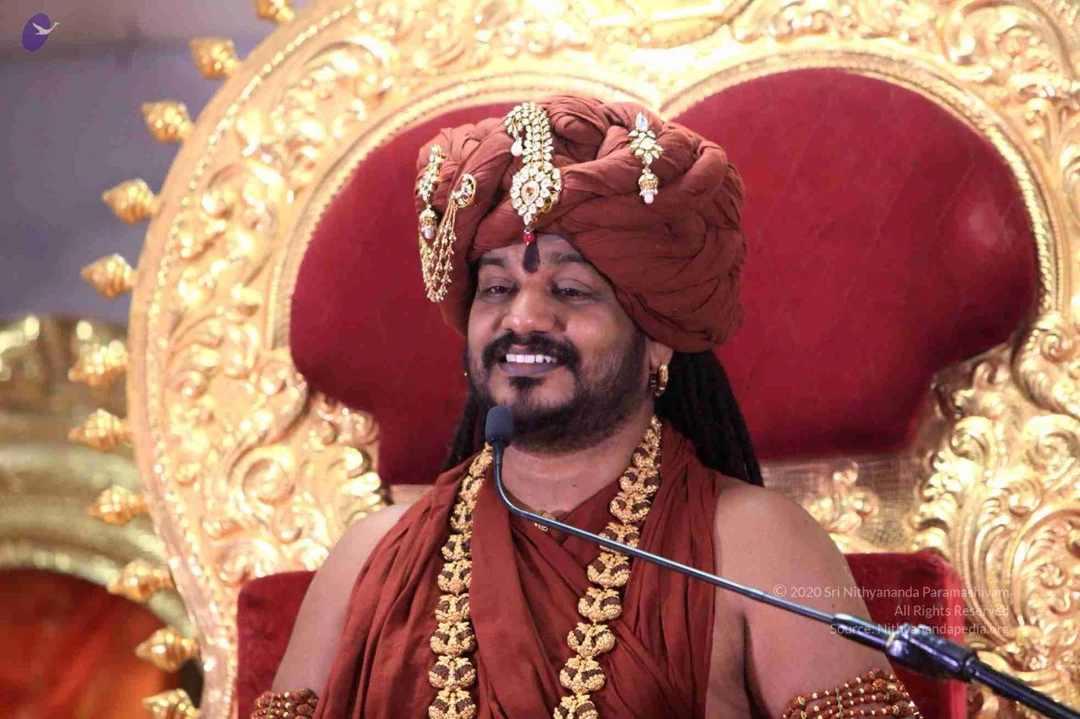 Create the ambience of spiritual integrity, in and around you
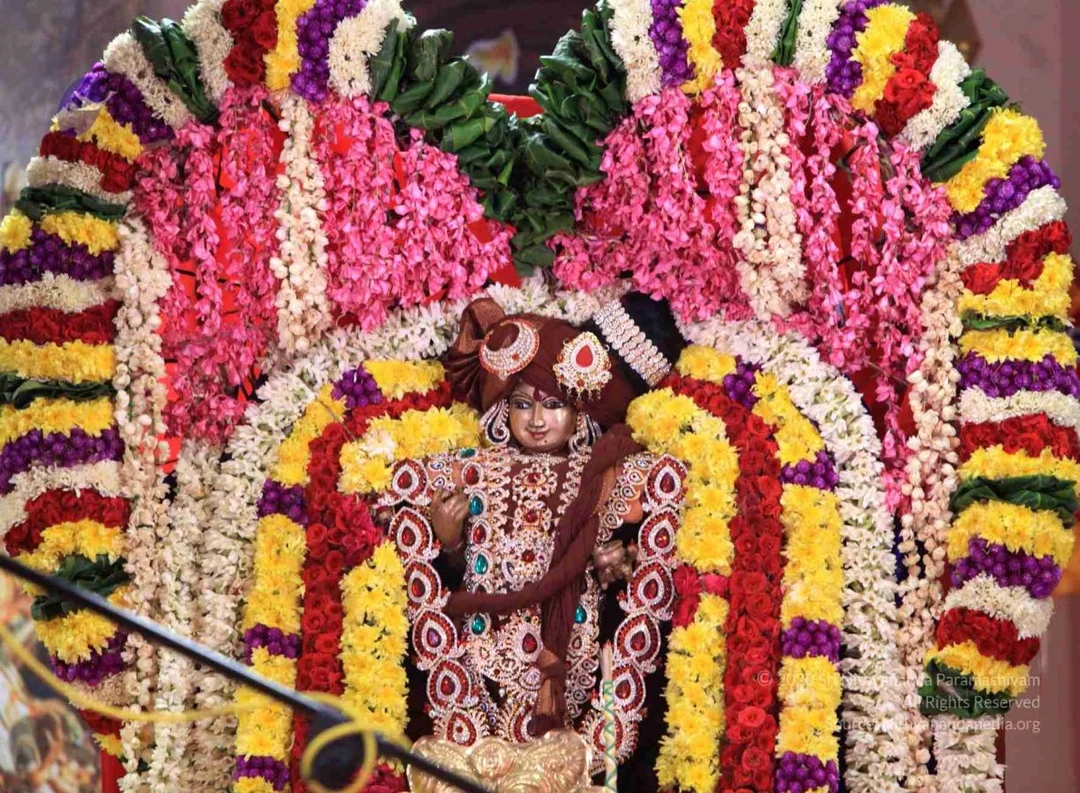 Create the ambience of spiritual integrity, in and around you
 Create the ambience of spiritual integrity, in and around you
 Worship the supreme truth or self-knowledge
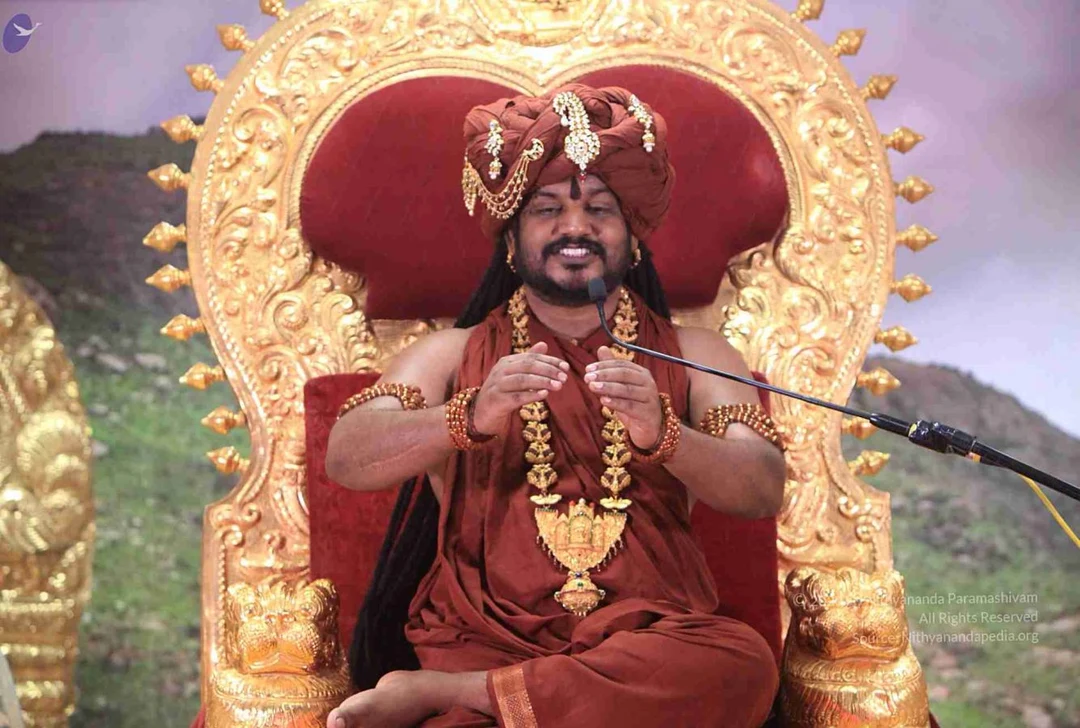 The breathing space of an avatar is an extension of His physical body
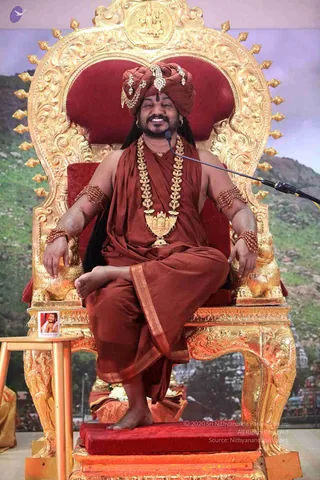 The breathing space of an avatar is an extension of His physical body
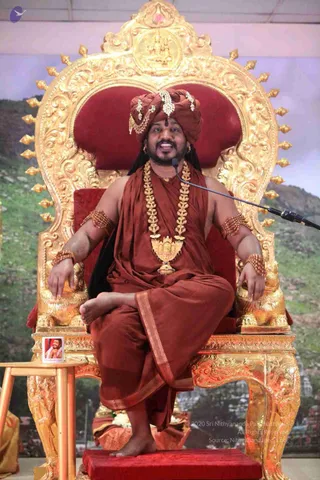 The breathing space of an avatar is an extension of His physical body
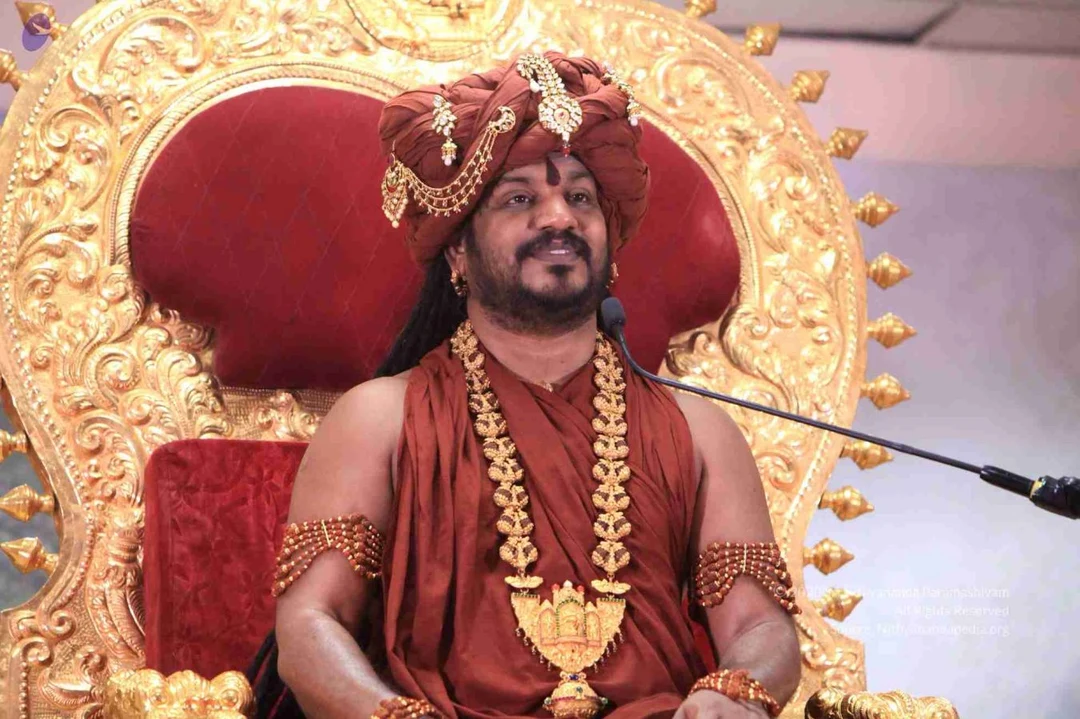 The breathing space of an avatar is an extension of His physical body
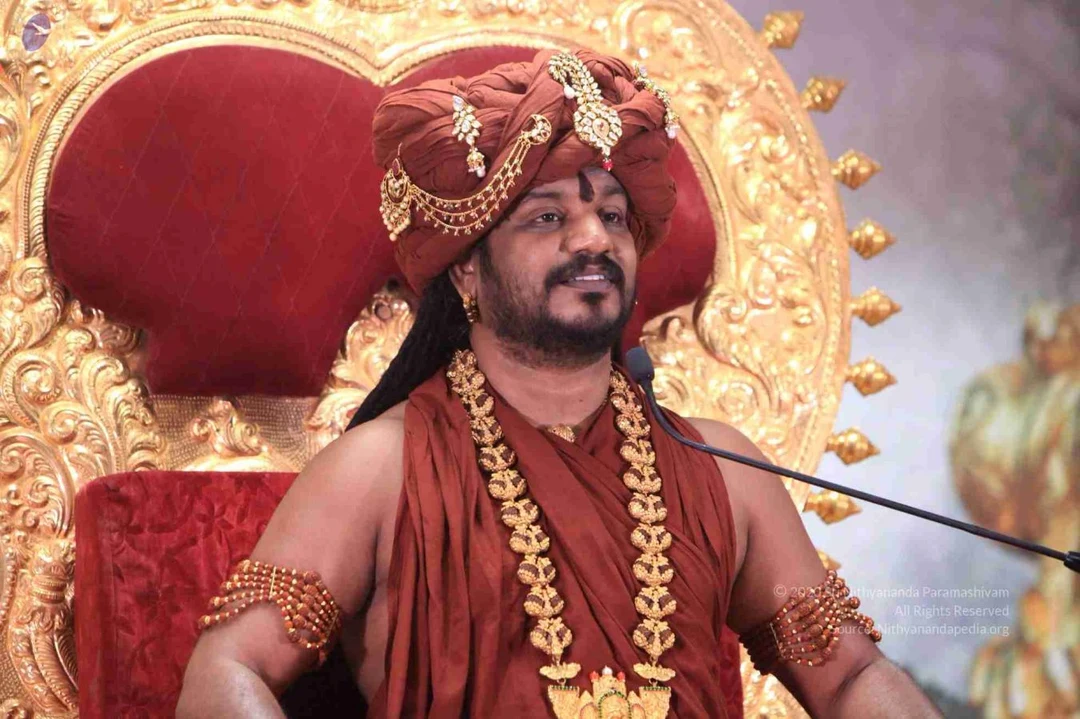 The breathing space of an avatar is an extension of His physical body
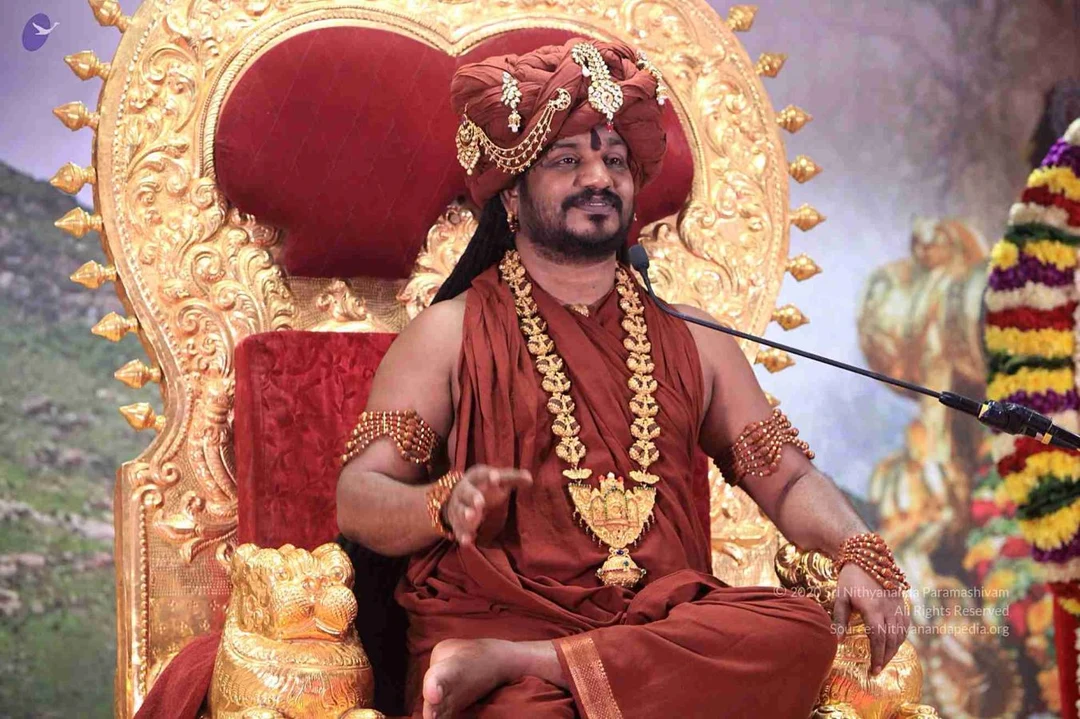 The breathing space of an avatar is an extension of His physical body
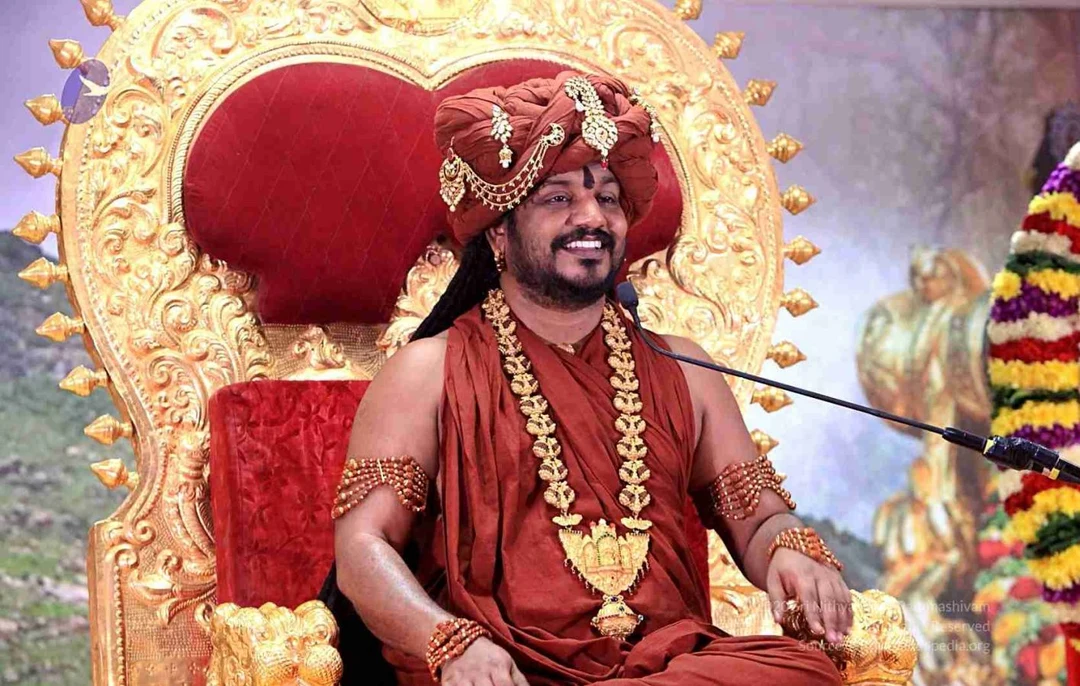 The breathing space of an avatar is an extension of His physical body
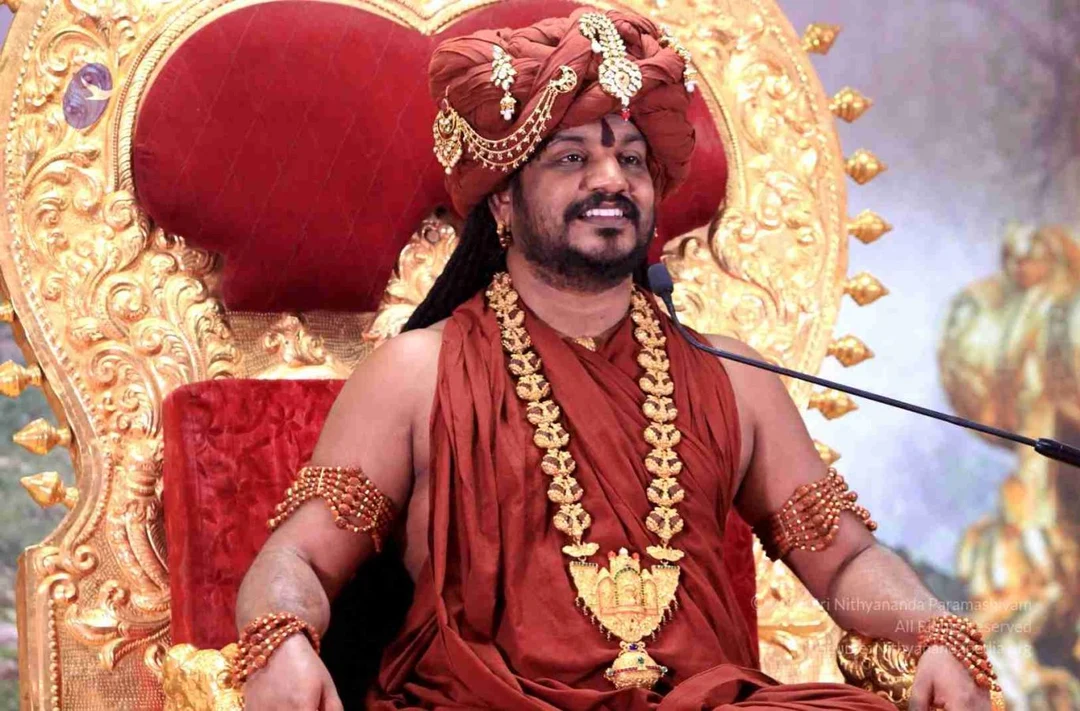 The breathing space of an avatar is an extension of His physical body
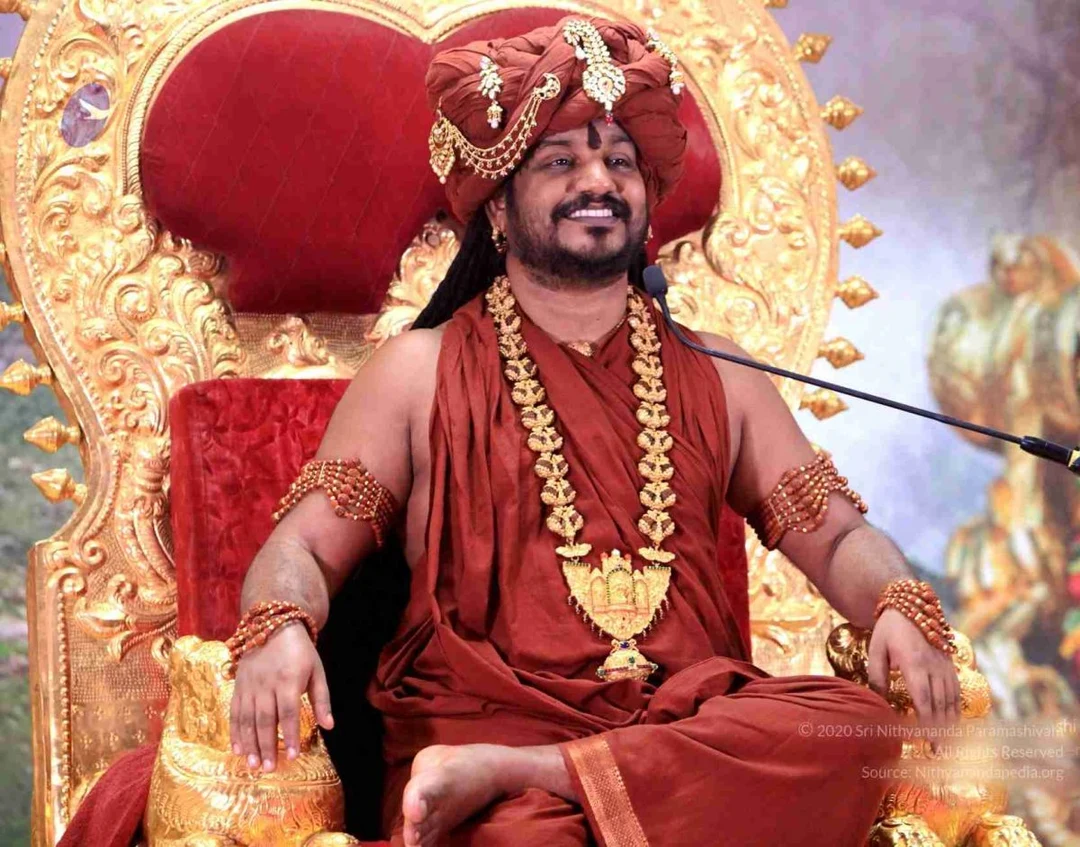 The breathing space of an avatar is an extension of His physical body
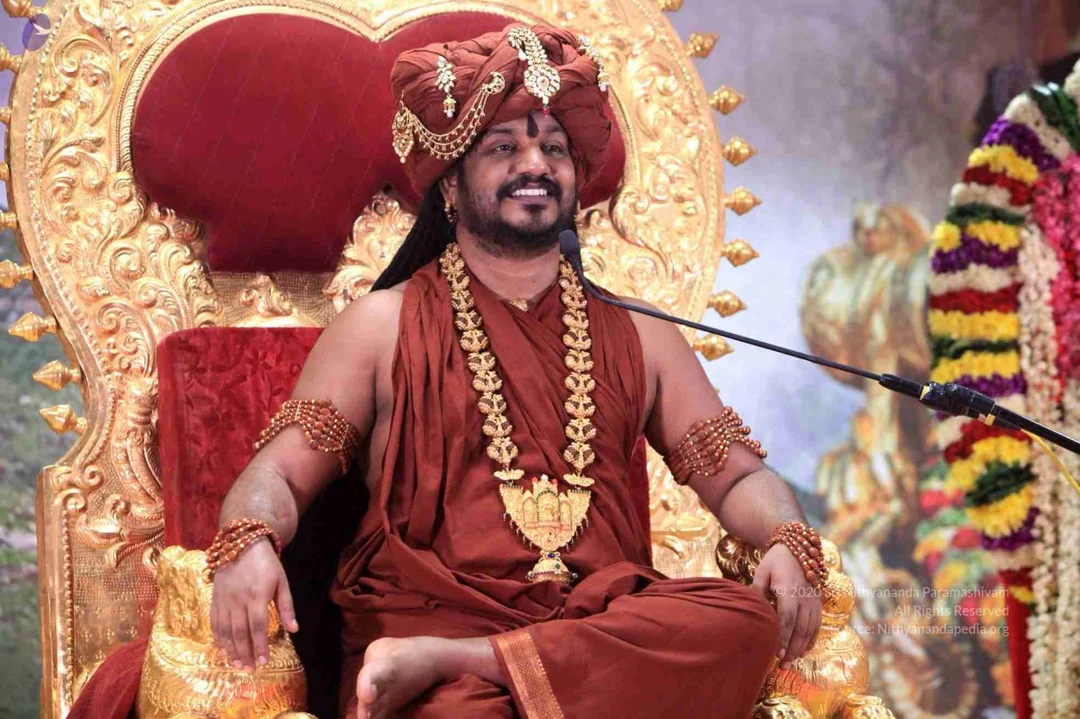 The breathing space of an avatar is an extension of His physical body
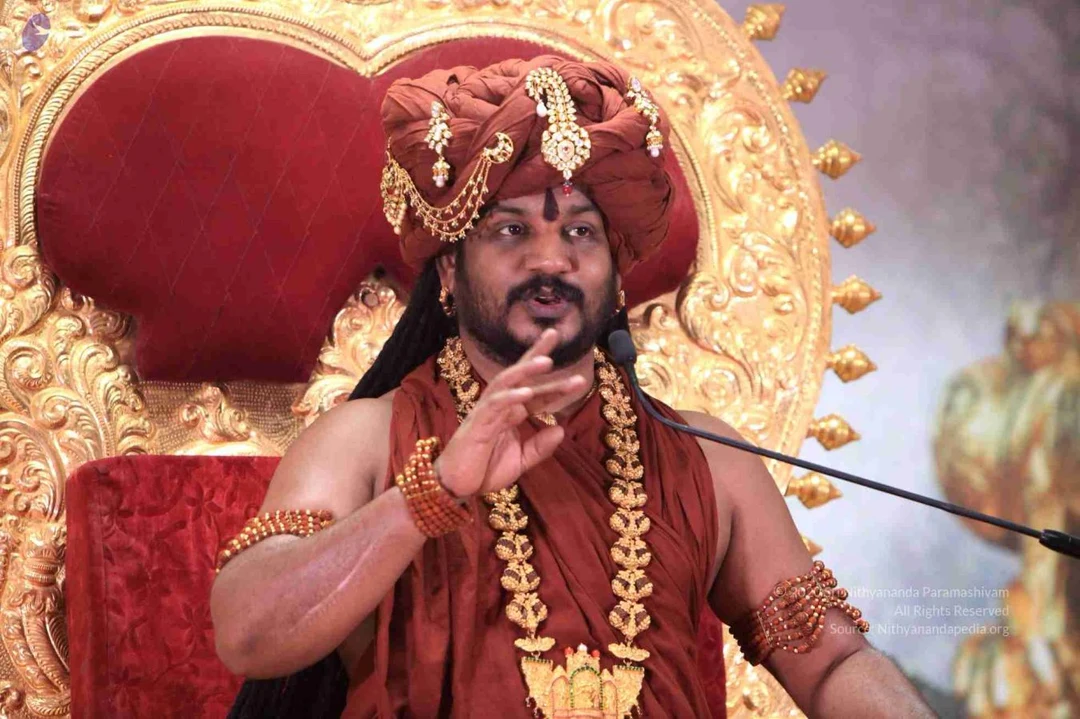 The breathing space of an avatar is an extension of His physical body
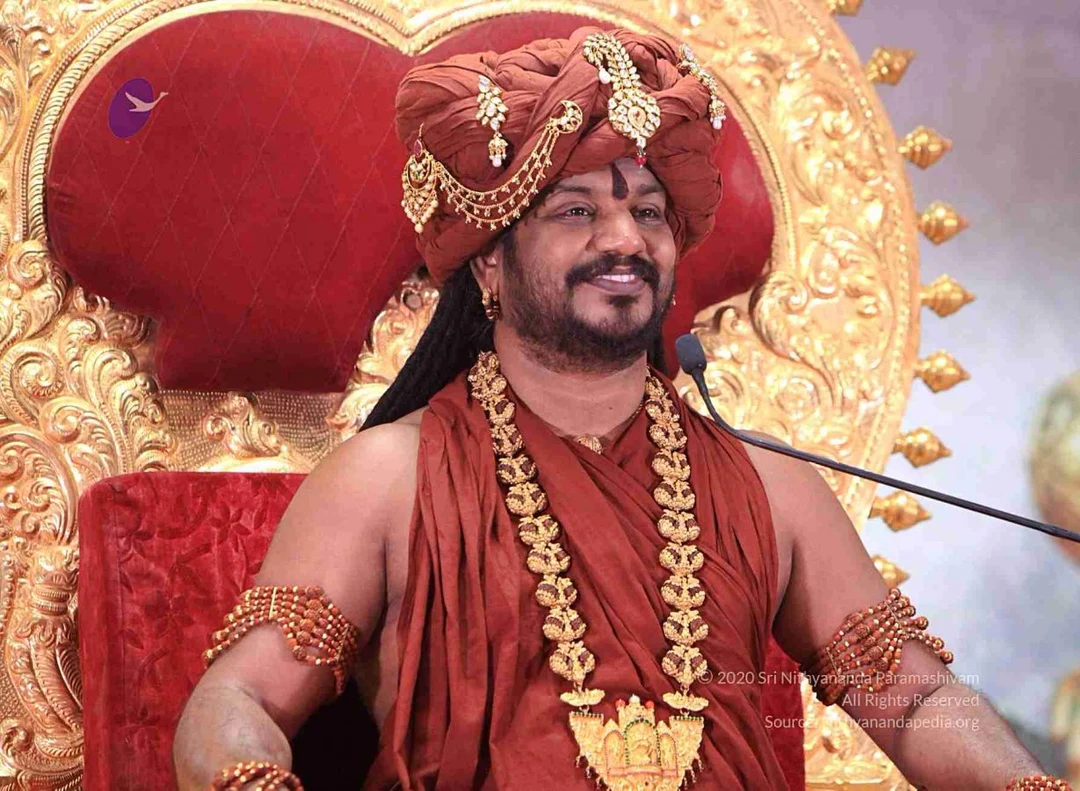 Your length, breadth, depth, time, space needs to be established in that oneness
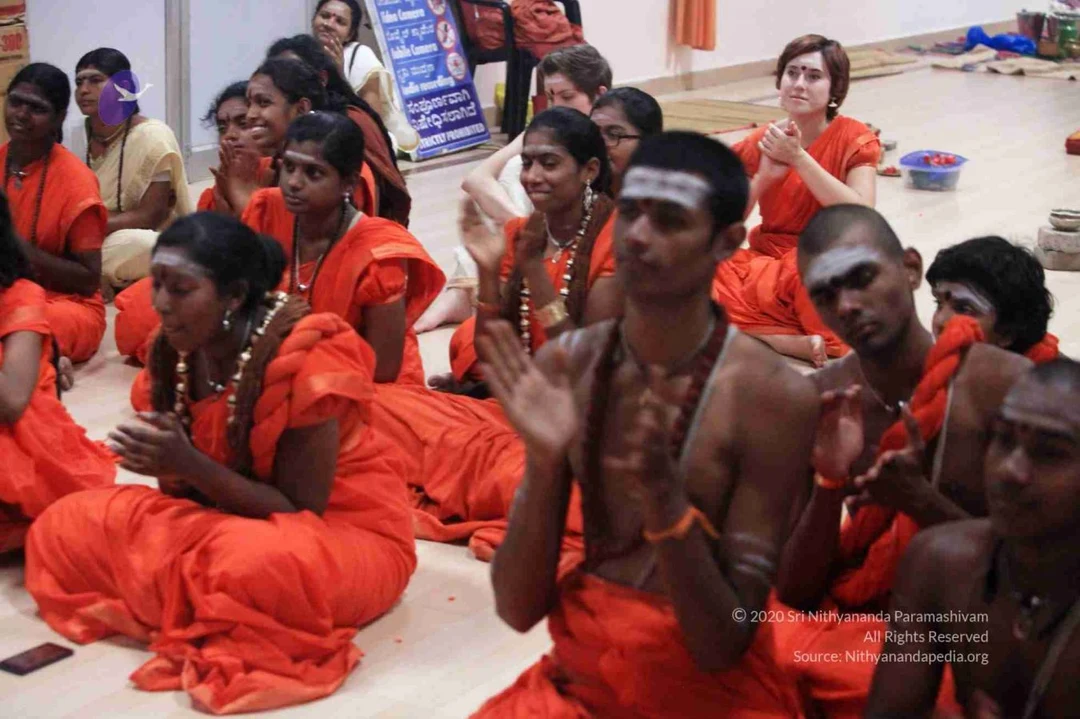 Your length, breadth, depth, time, space needs to be established in that oneness
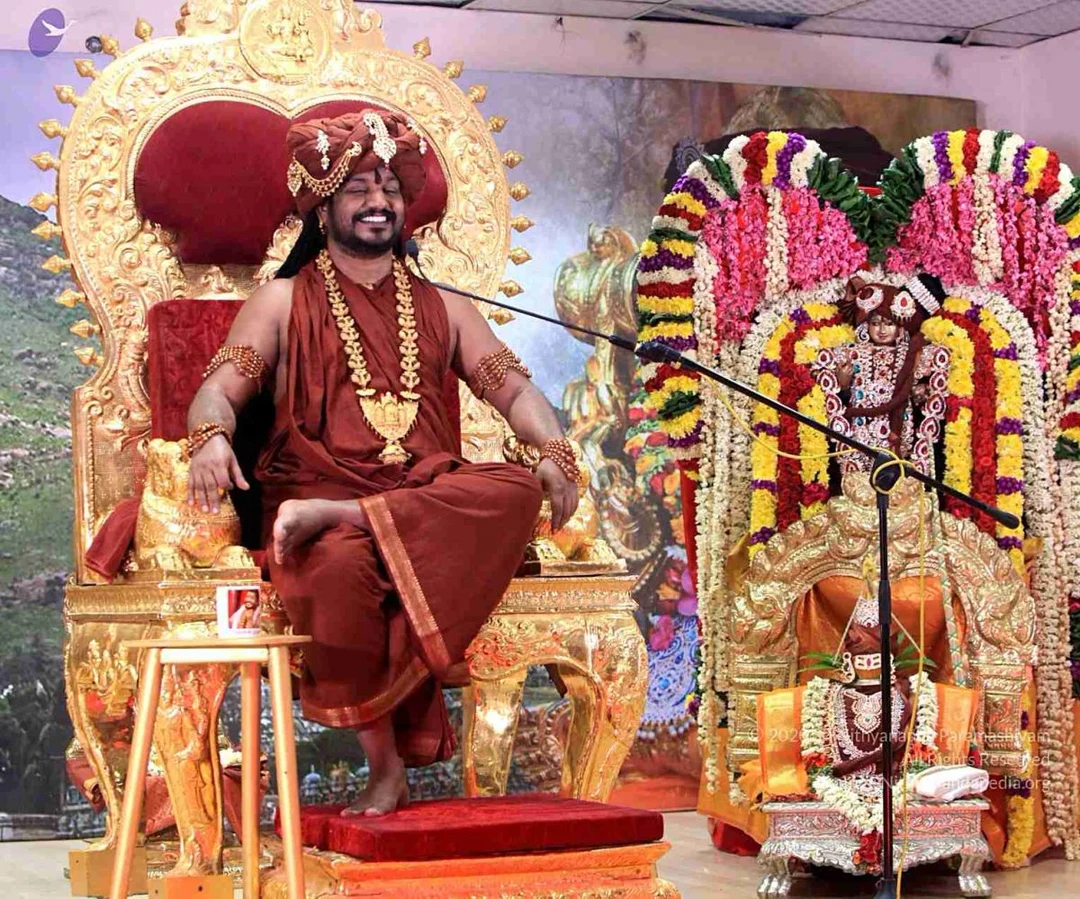 Your length, breadth, depth, time, space needs to be established in that oneness
 Your length, breadth, depth, time, space needs to be established in that oneness
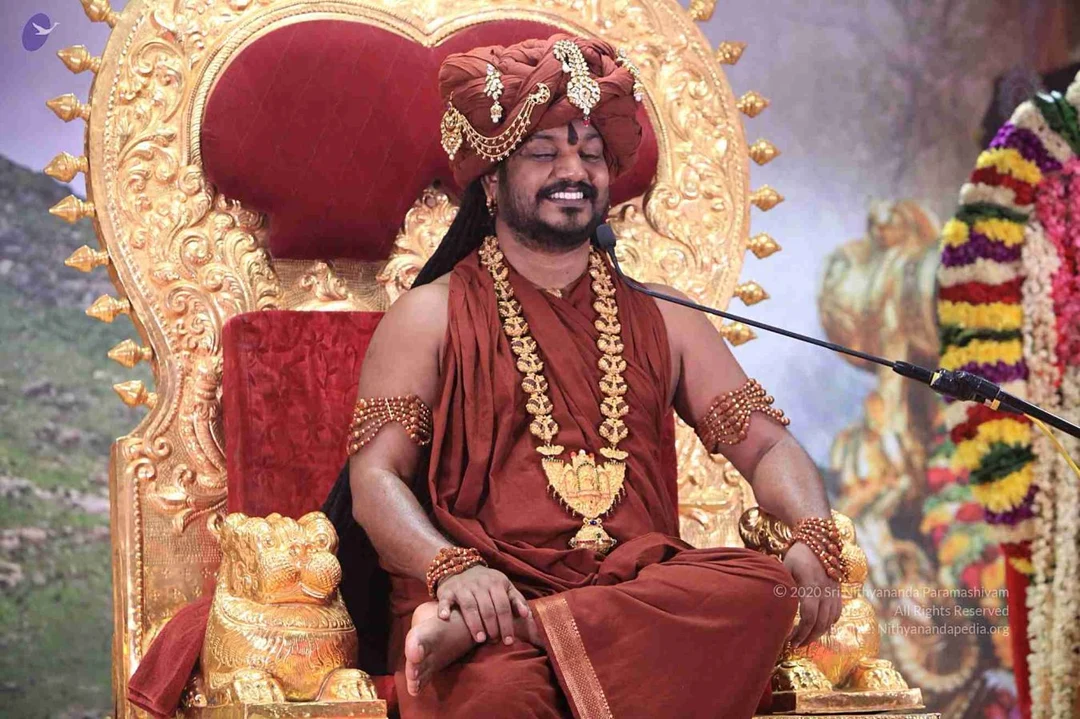 Your length, breadth, depth, time, space needs to be established in that oneness
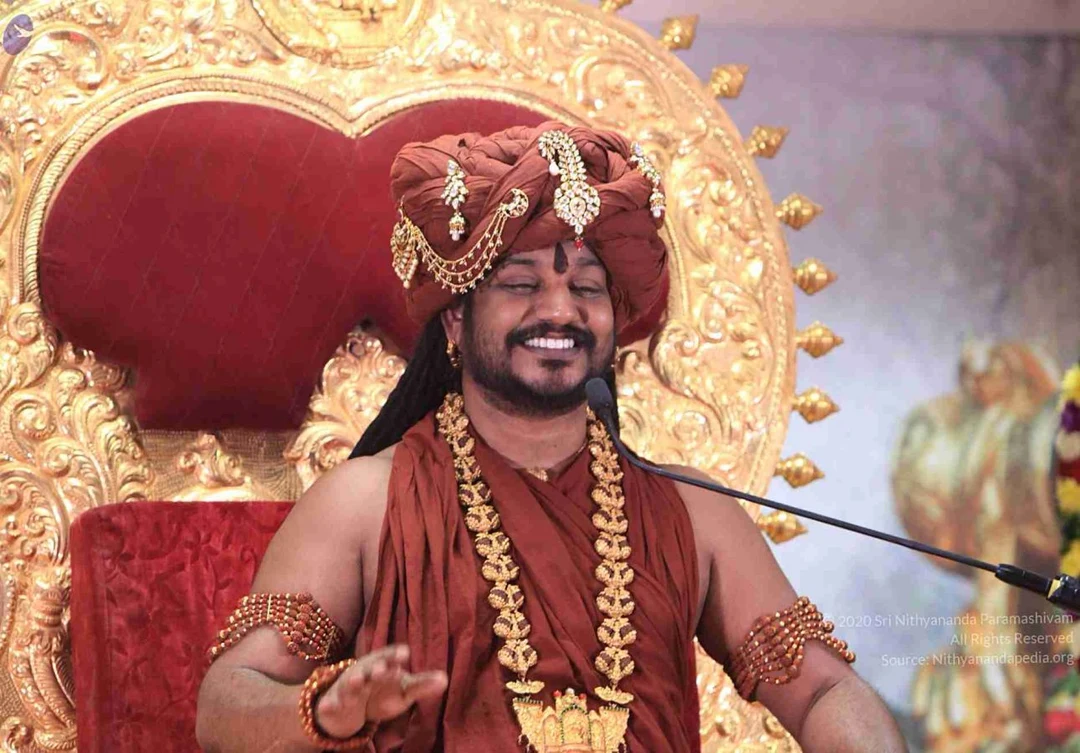 Your length, breadth, depth, time, space needs to be established in that oneness
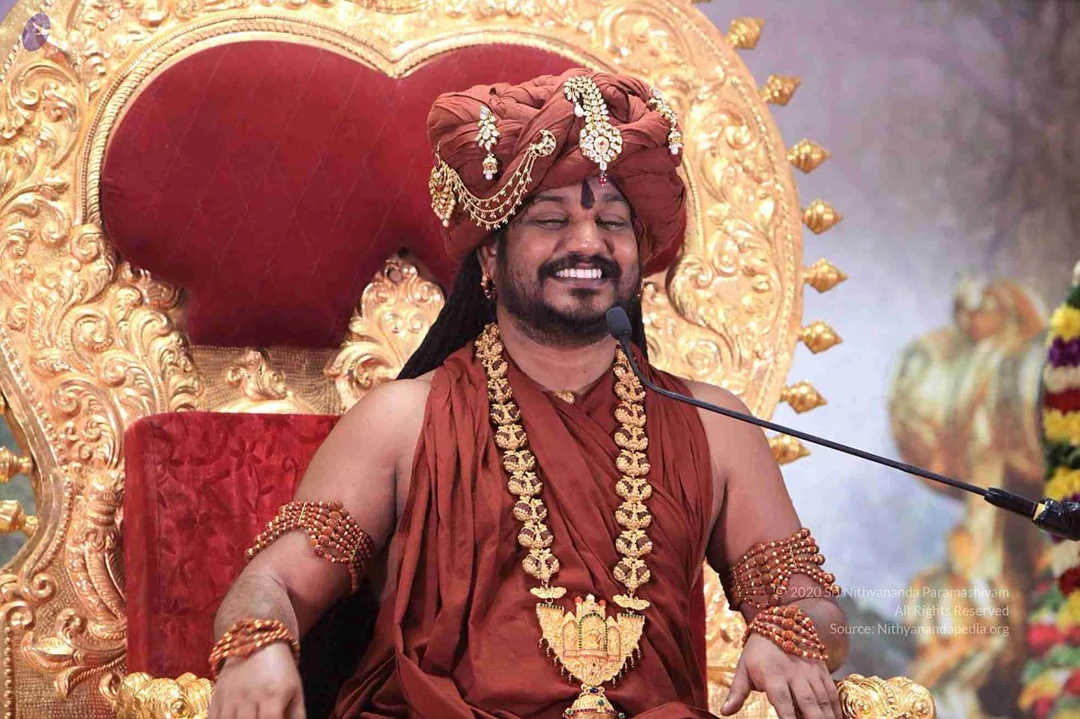 Your length, breadth, depth, time, space needs to be established in that oneness
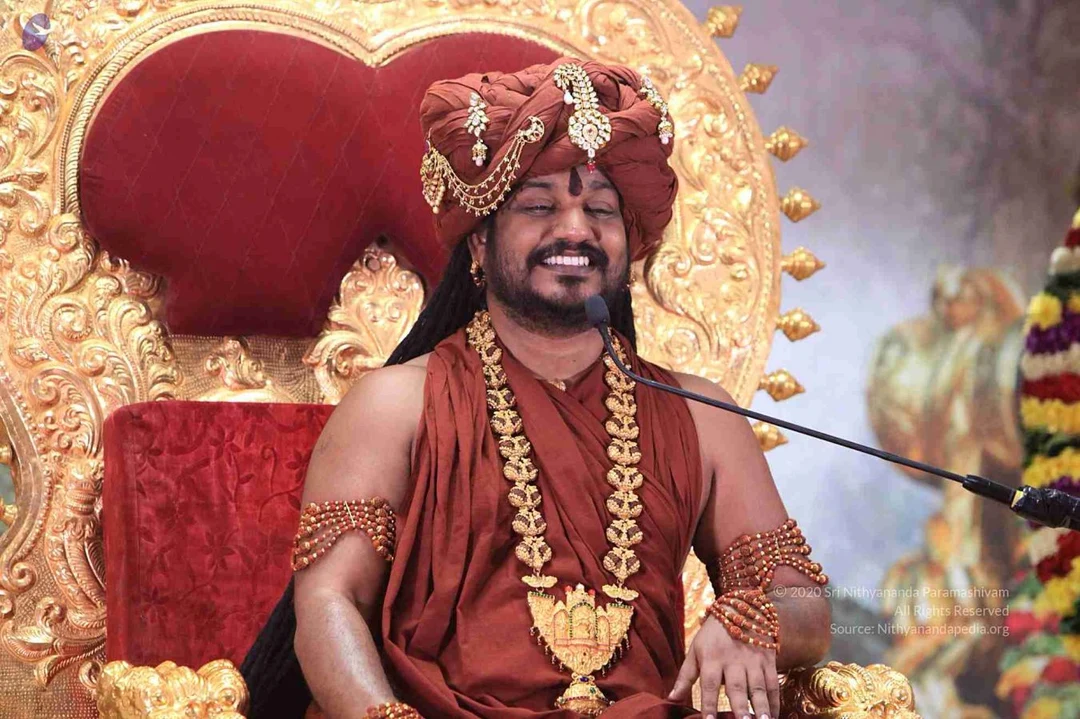 Your length, breadth, depth, time, space needs to be established in that oneness
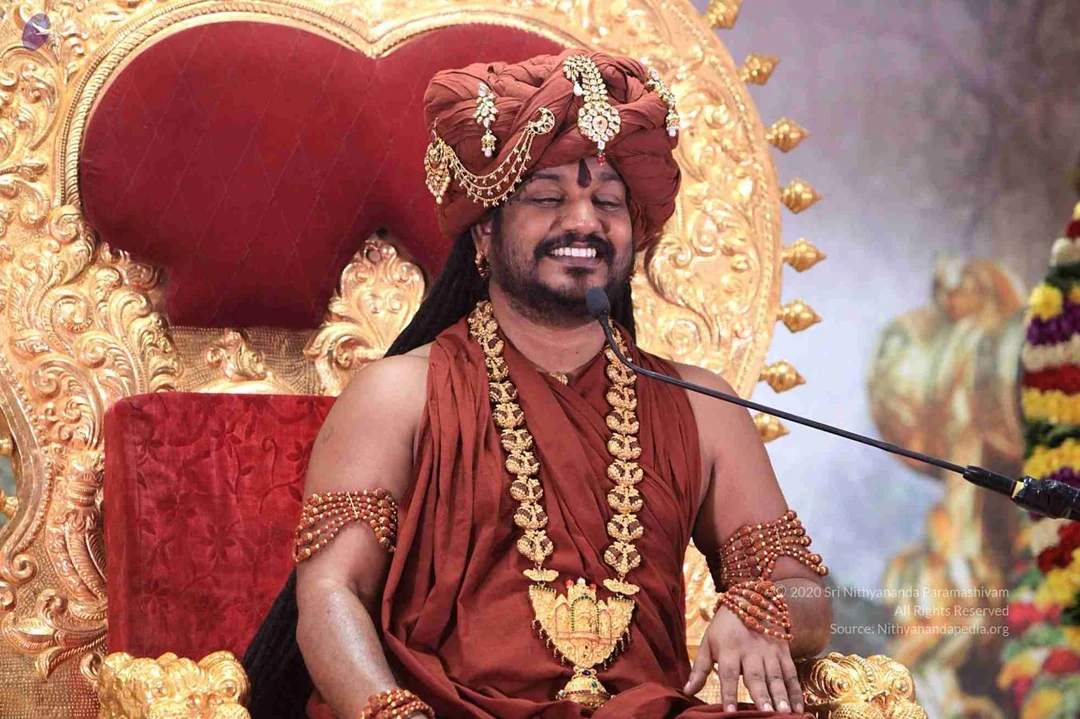 Your length, breadth, depth, time, space needs to be established in that oneness
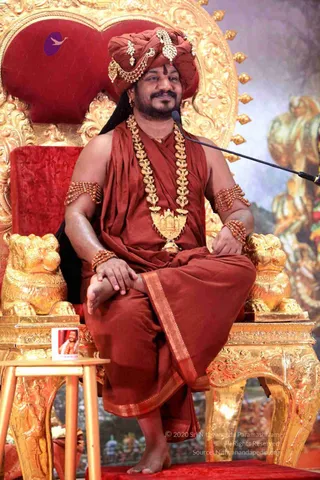 Your length, breadth, depth, time, space needs to be established in that oneness
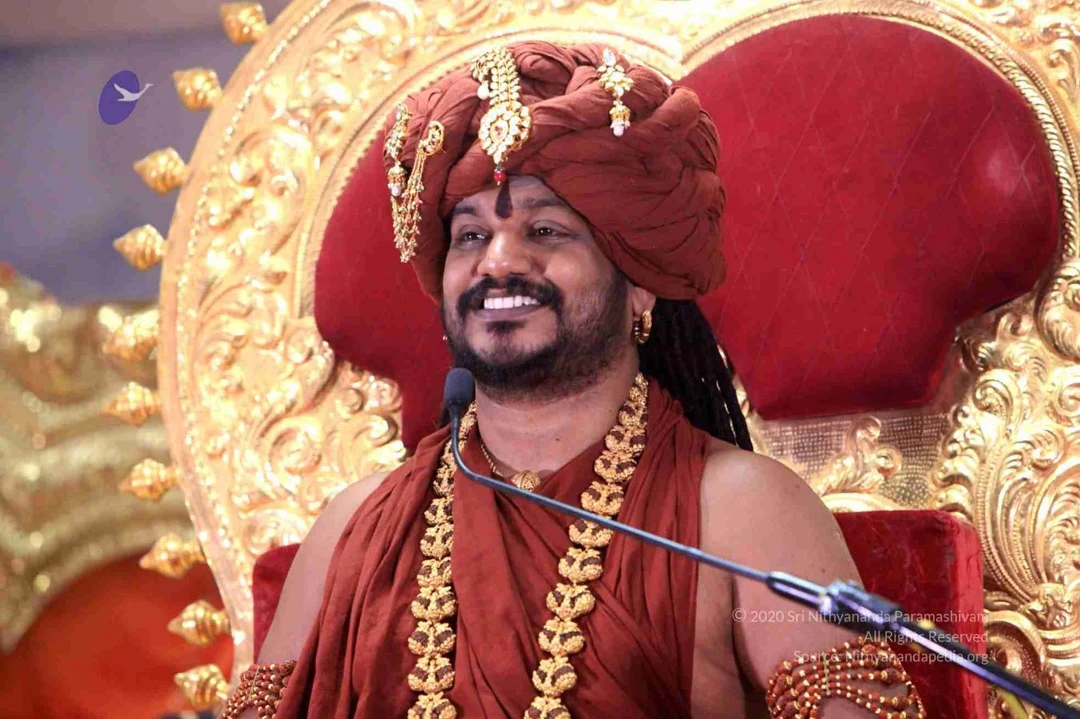 Your length, breadth, depth, time, space needs to be established in that oneness
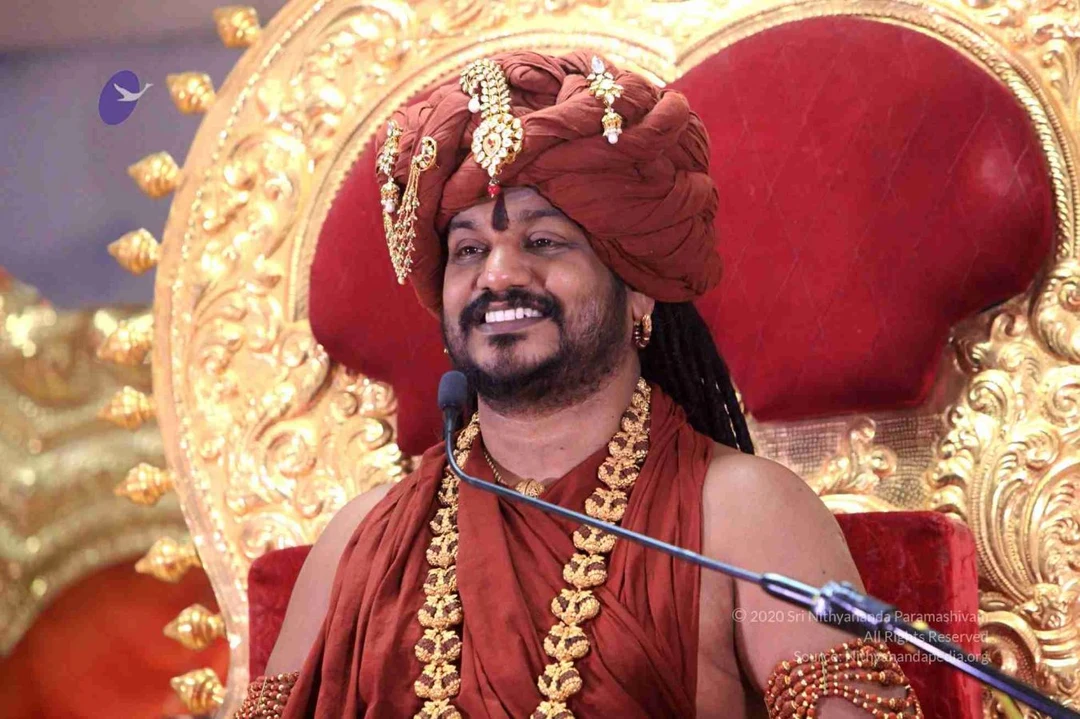 Your length, breadth, depth, time, space needs to be established in that oneness
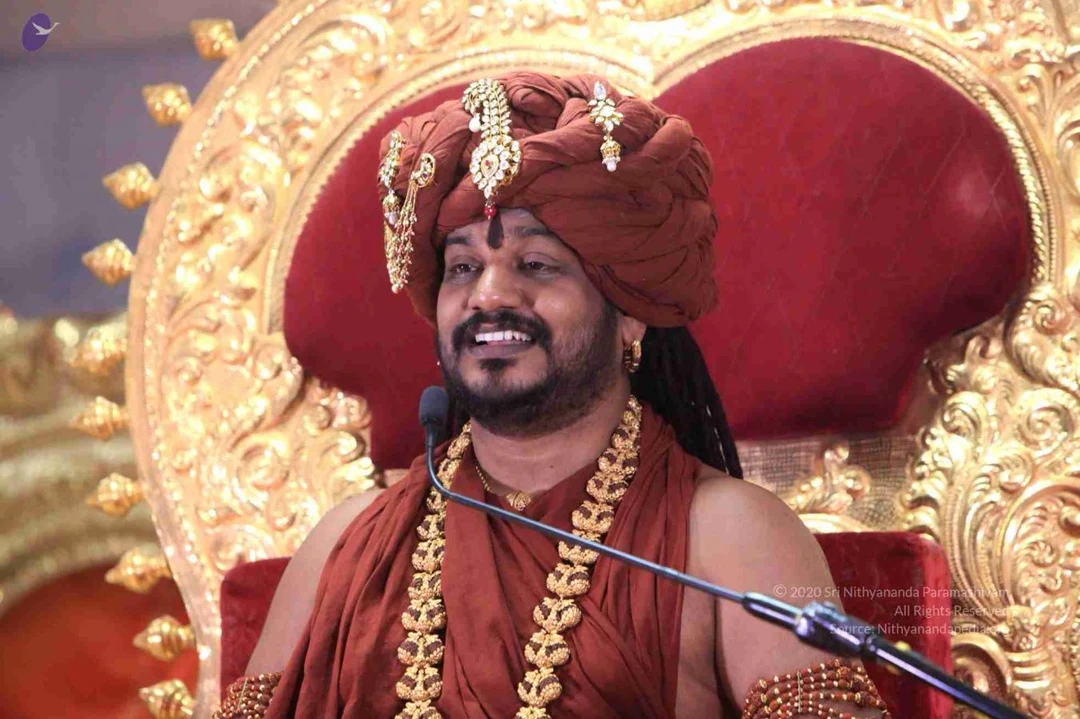 Your length, breadth, depth, time, space needs to be established in that oneness
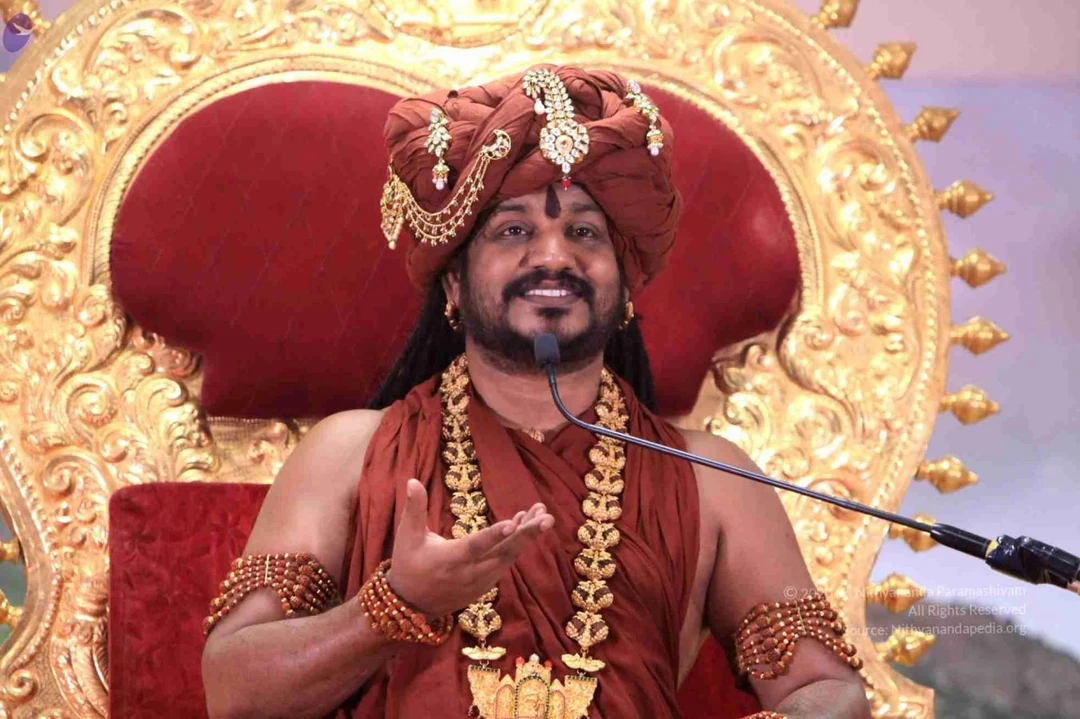 Create spiritual ambience, vatavarana, in and around you
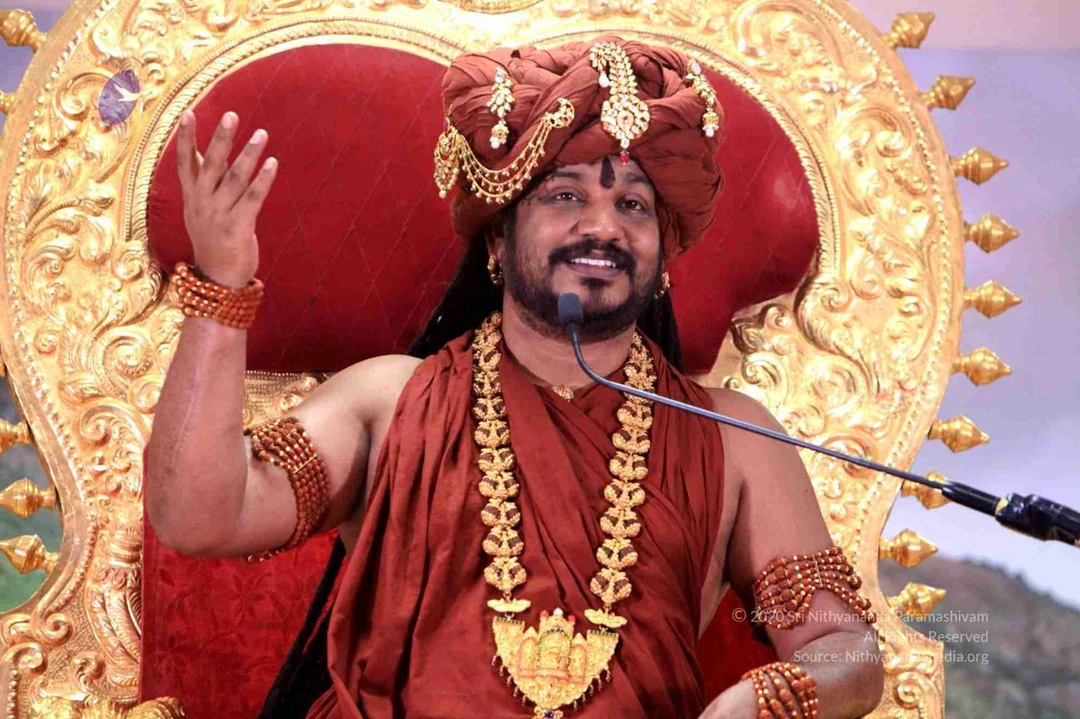 Create spiritual ambience, vatavarana, in and around you
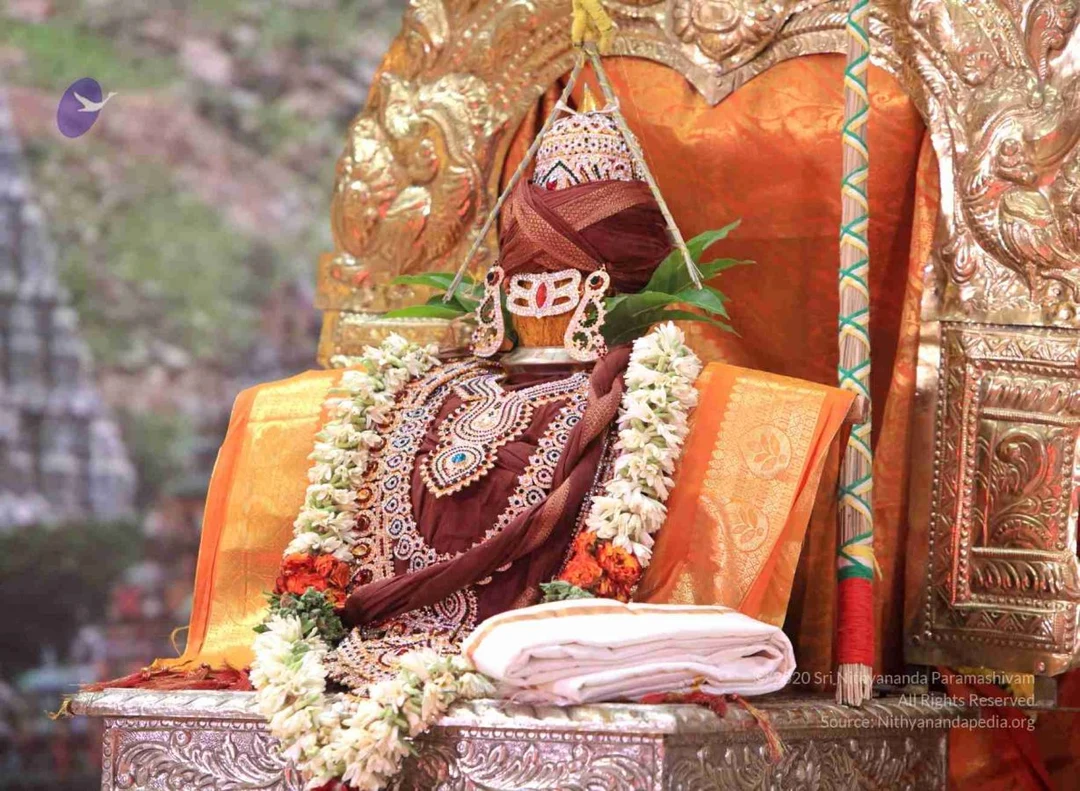 Create spiritual ambience, vatavarana, in and around you
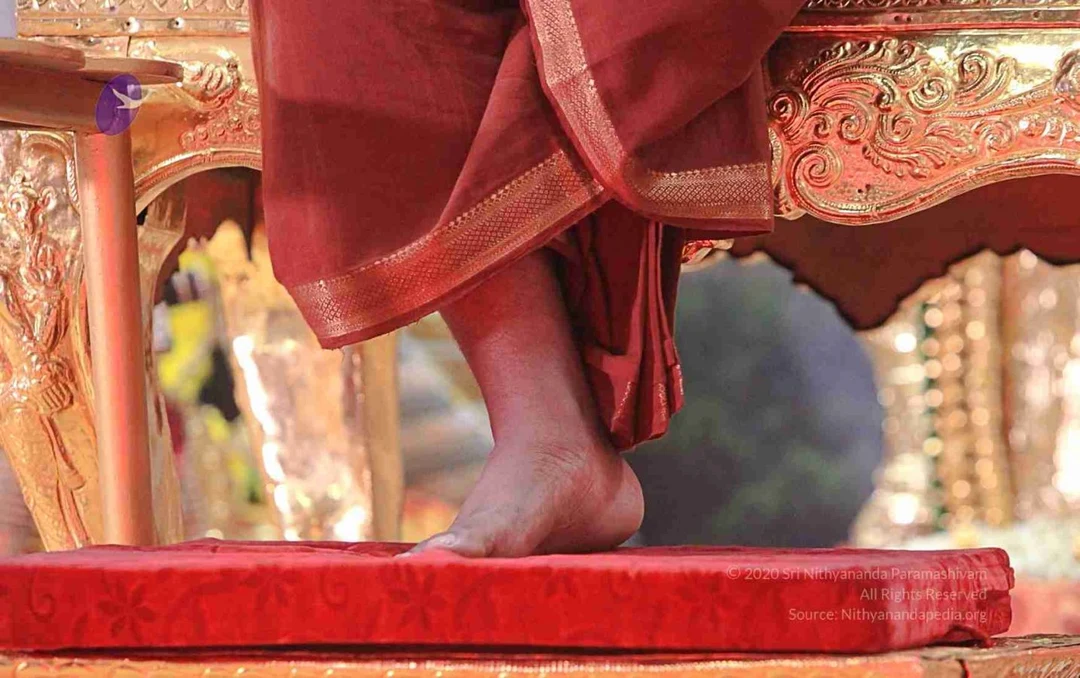 Create spiritual ambience, vatavarana, in and around you
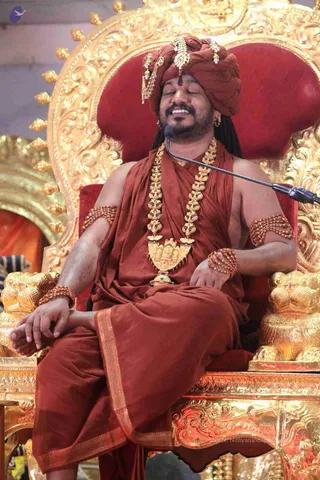 Create spiritual ambience, vatavarana, in and around you
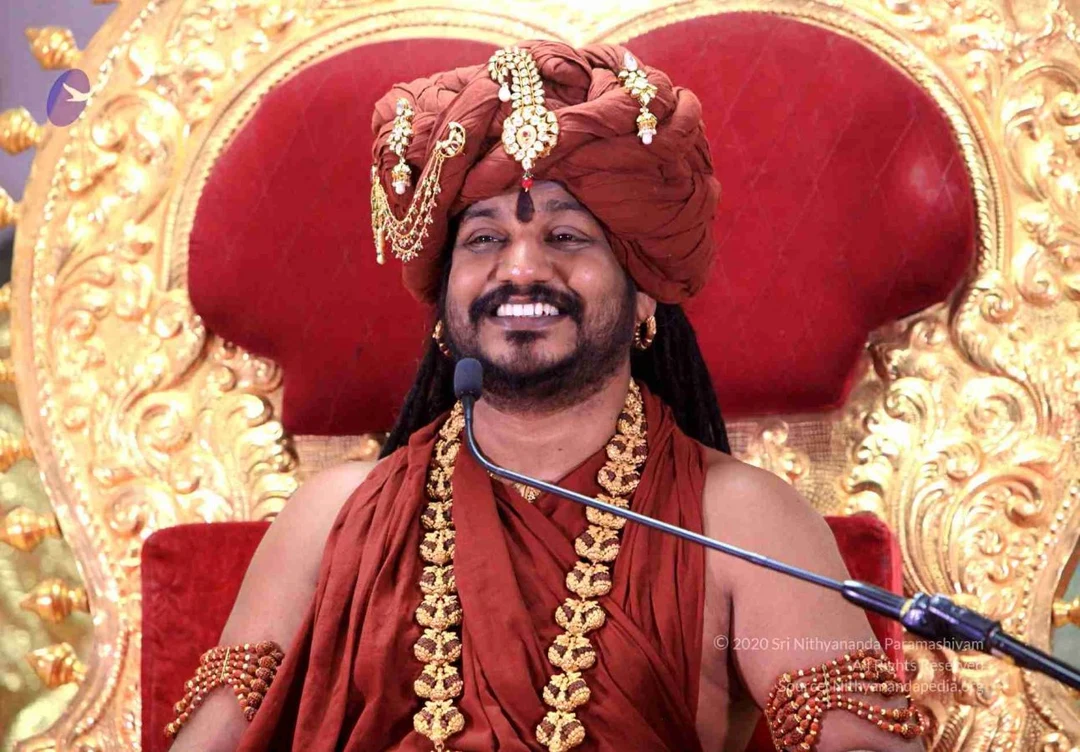 Create spiritual ambience, vatavarana, in and around you
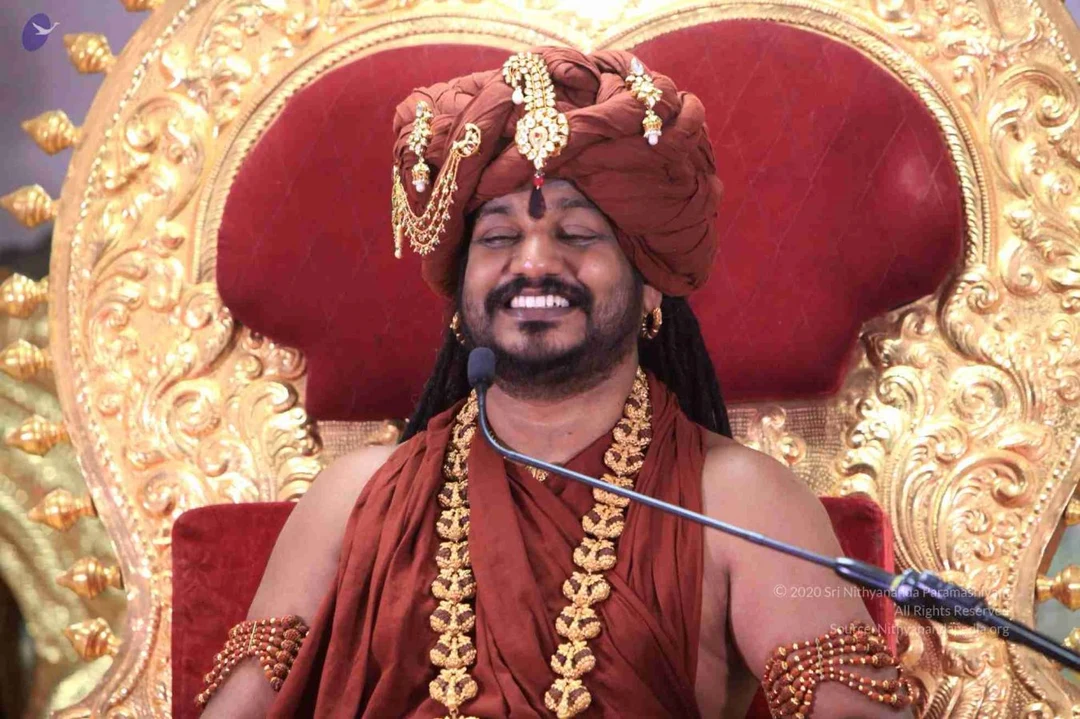 Create spiritual ambience, vatavarana, in and around you
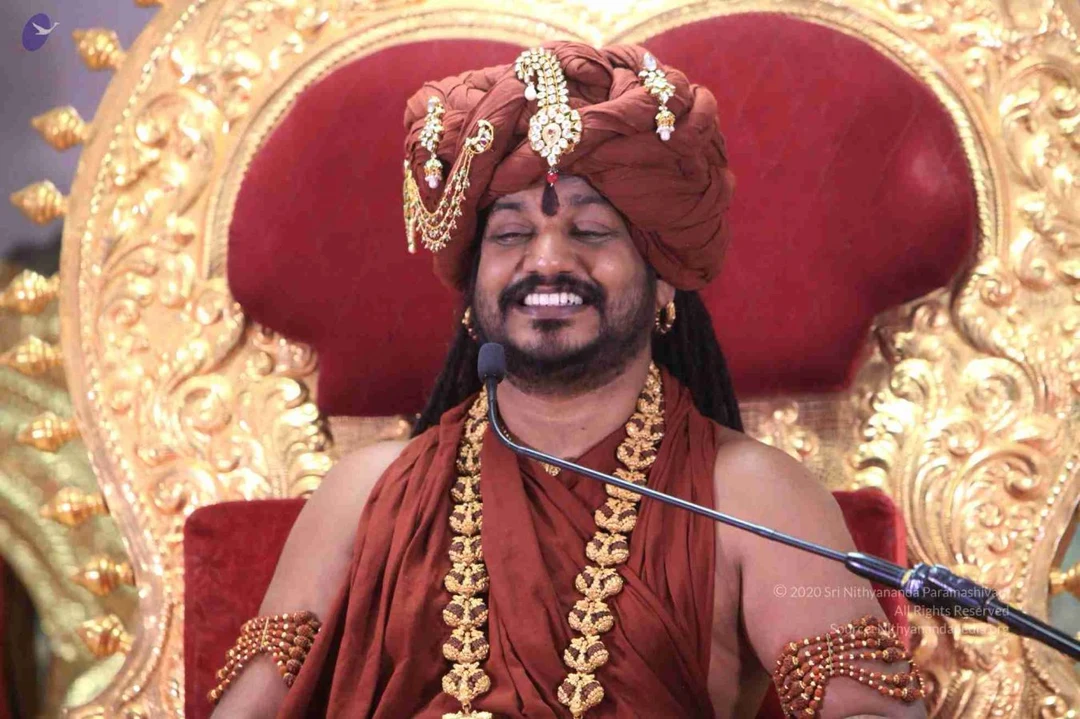 Create spiritual ambience, vatavarana, in and around you
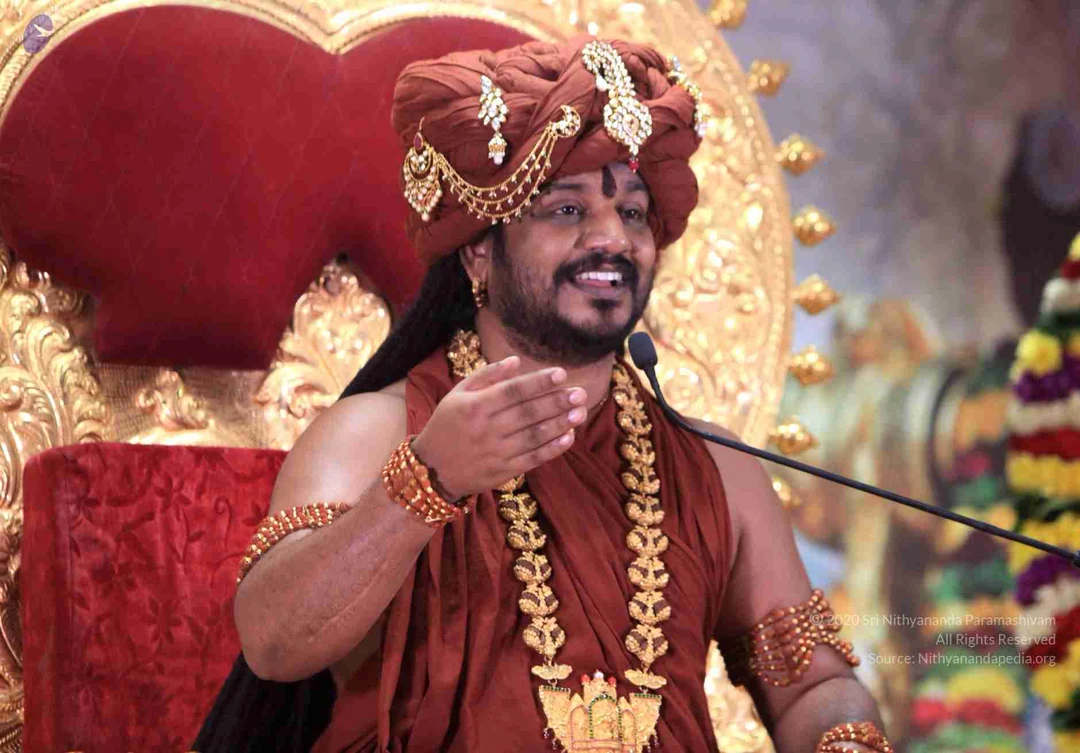 Create spiritual ambience, vatavarana, in and around you
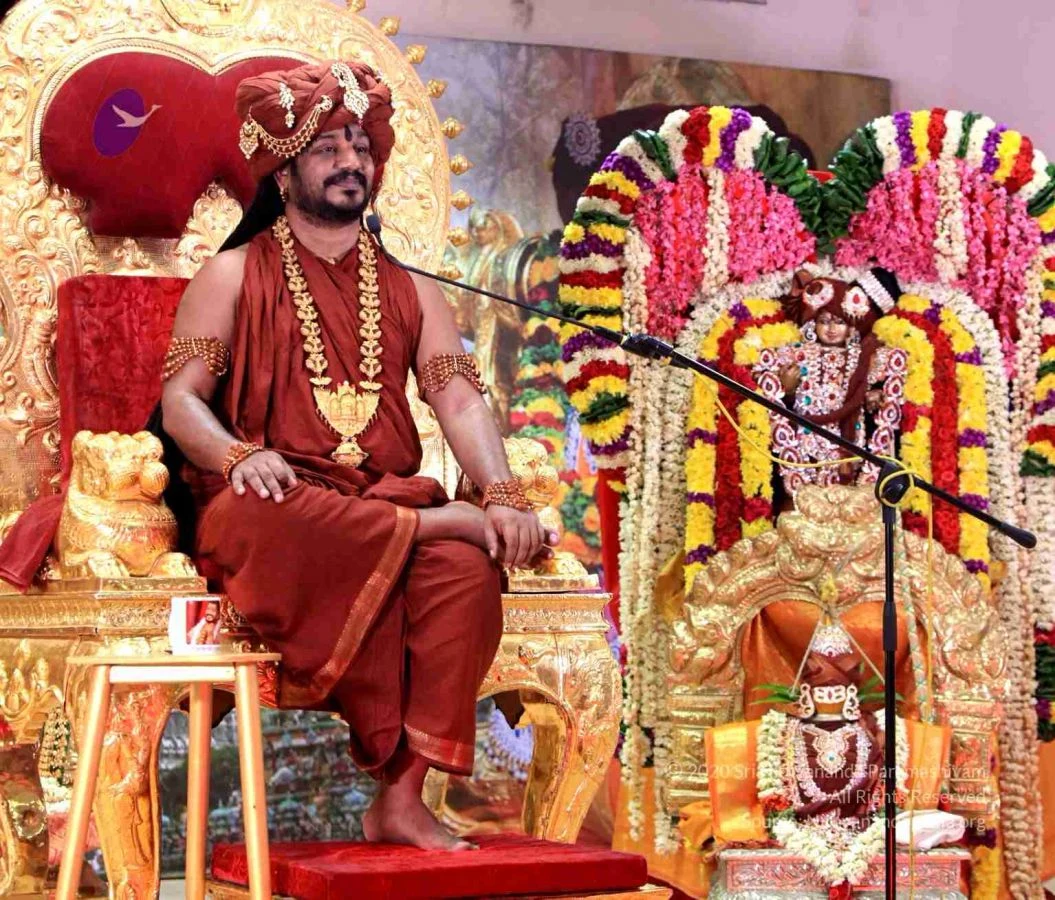 Create spiritual ambience, vatavarana, in and around you
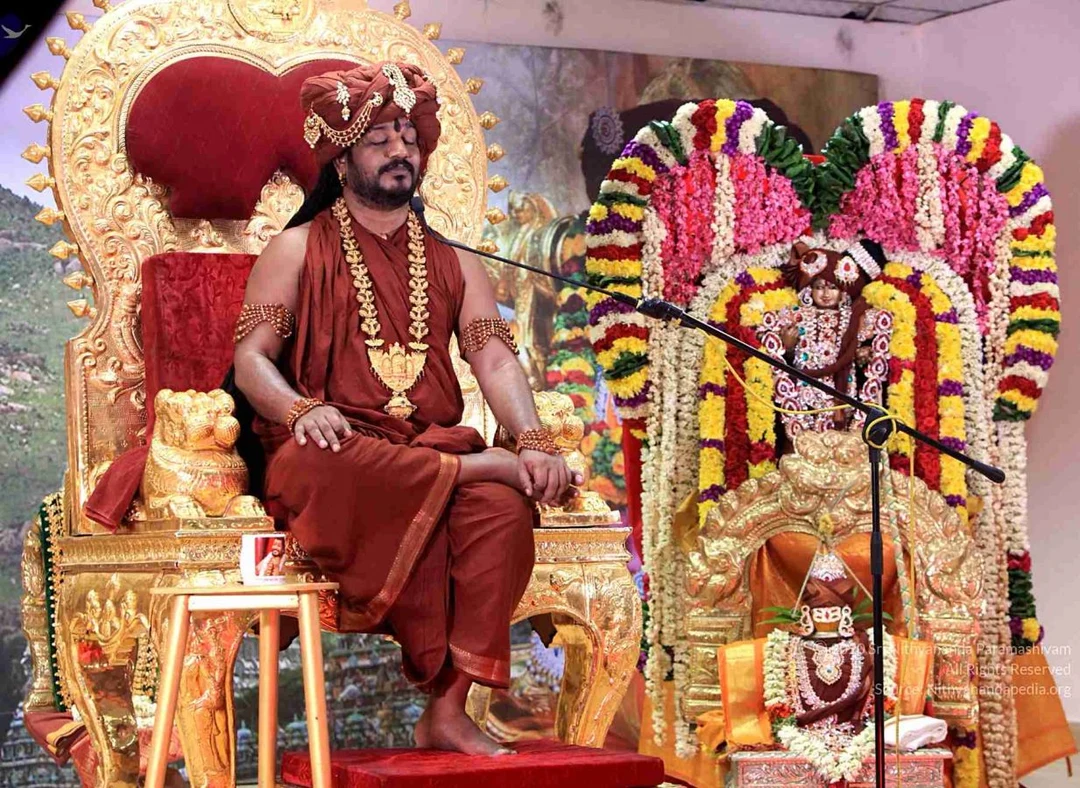 Create spiritual ambience, vatavarana, in and around you
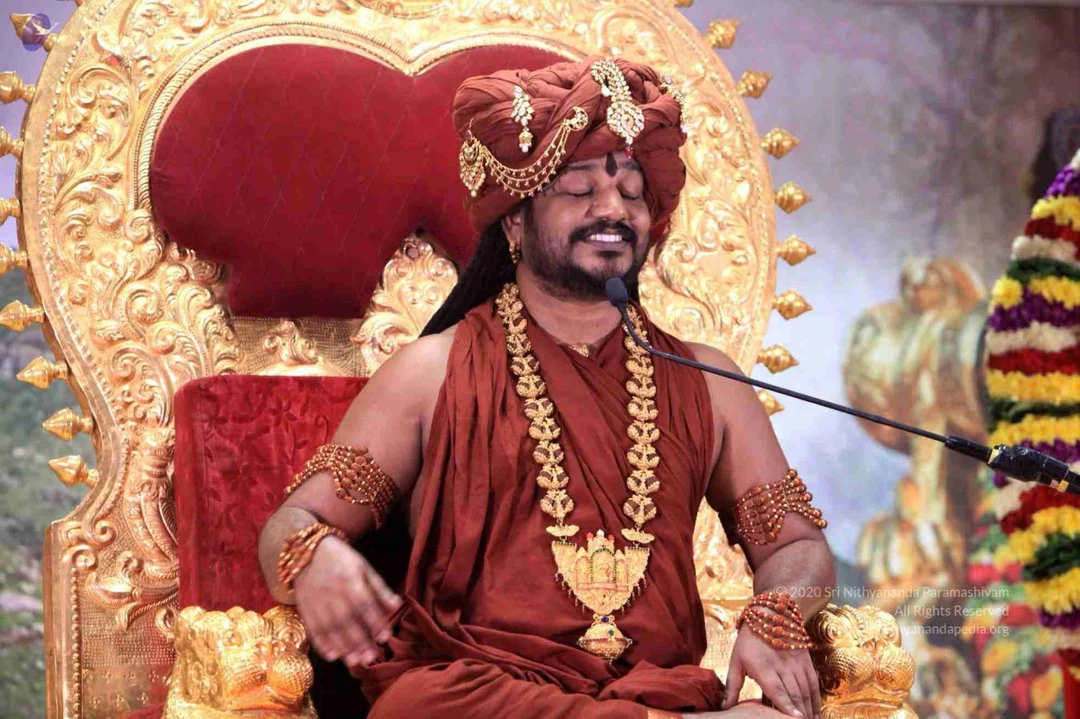 Create spiritual ambience, vatavarana, in and around you
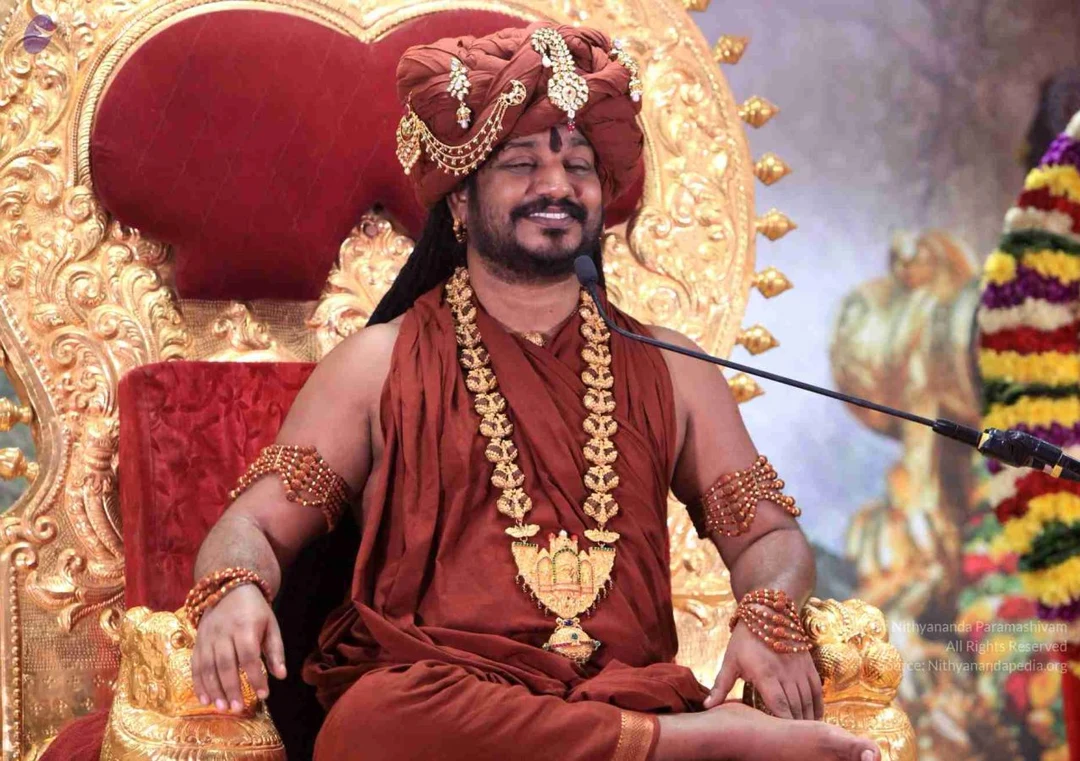 Create spiritual ambience, vatavarana, in and around you
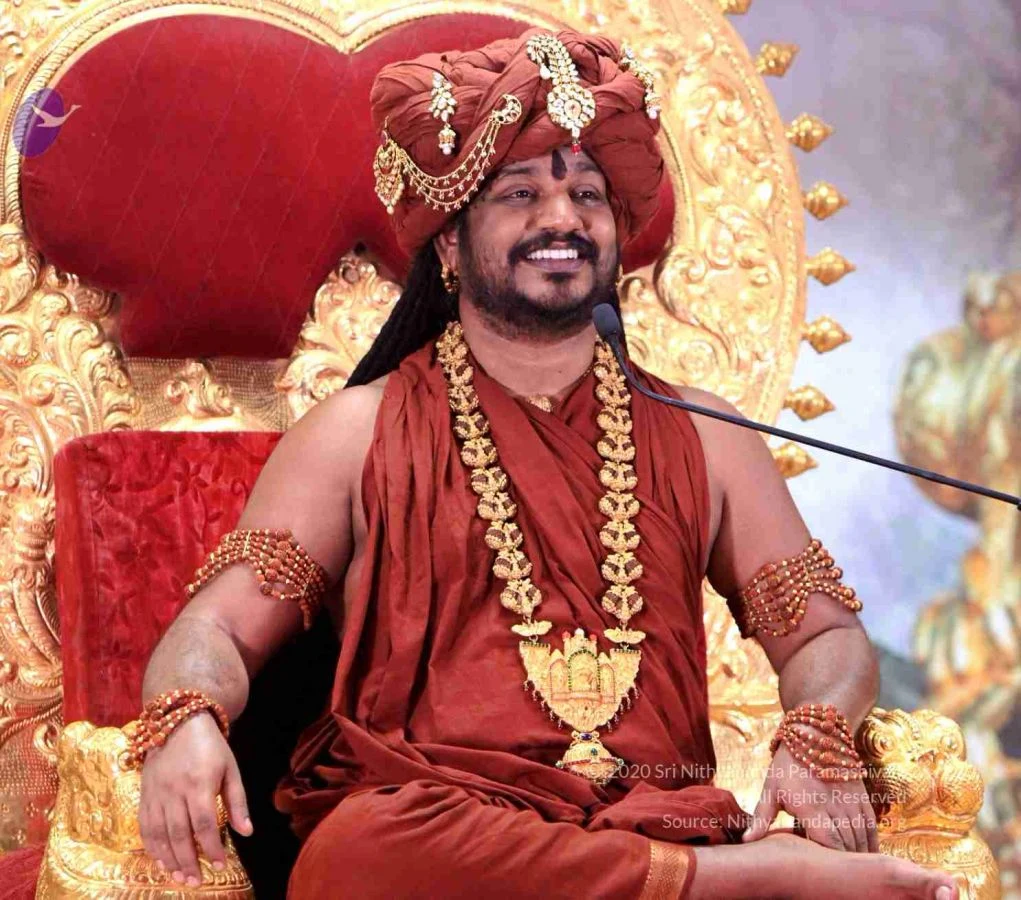 Create spiritual ambience, vatavarana, in and around you
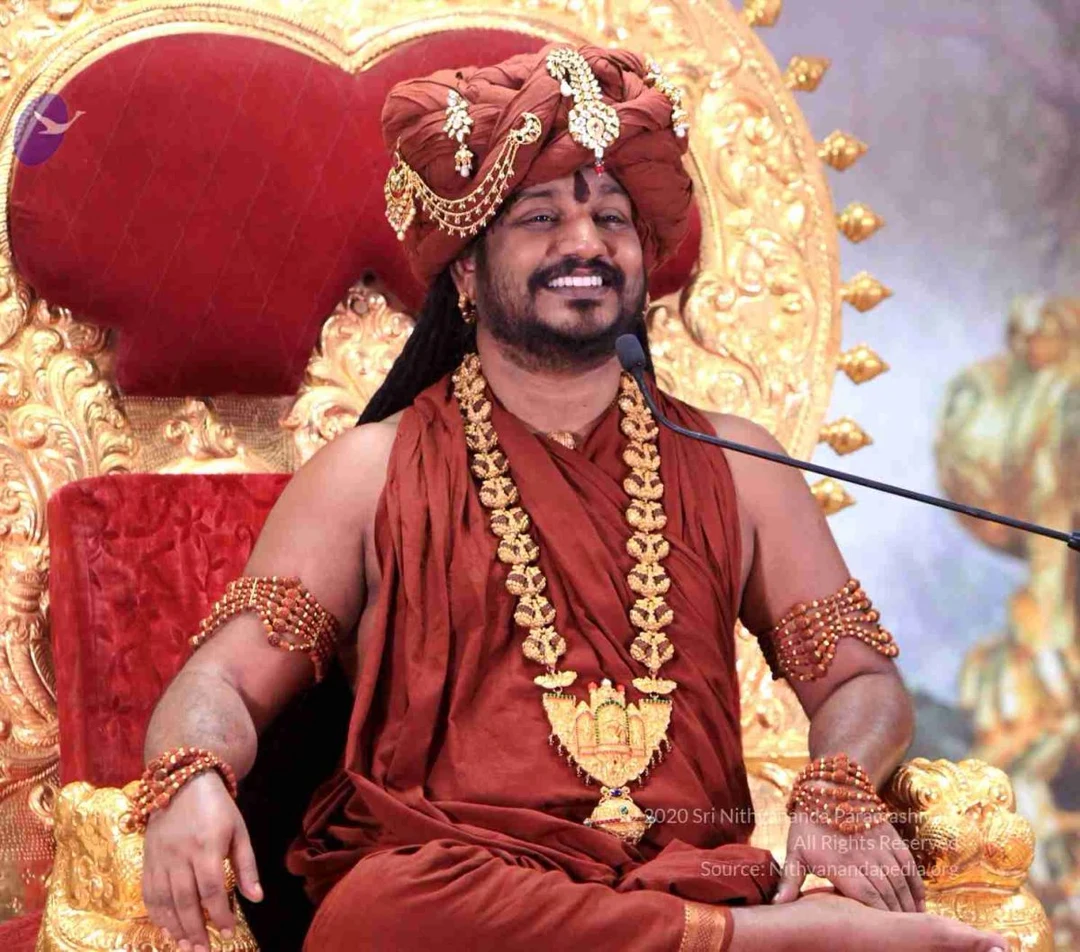 Create spiritual ambience, vatavarana, in and around you
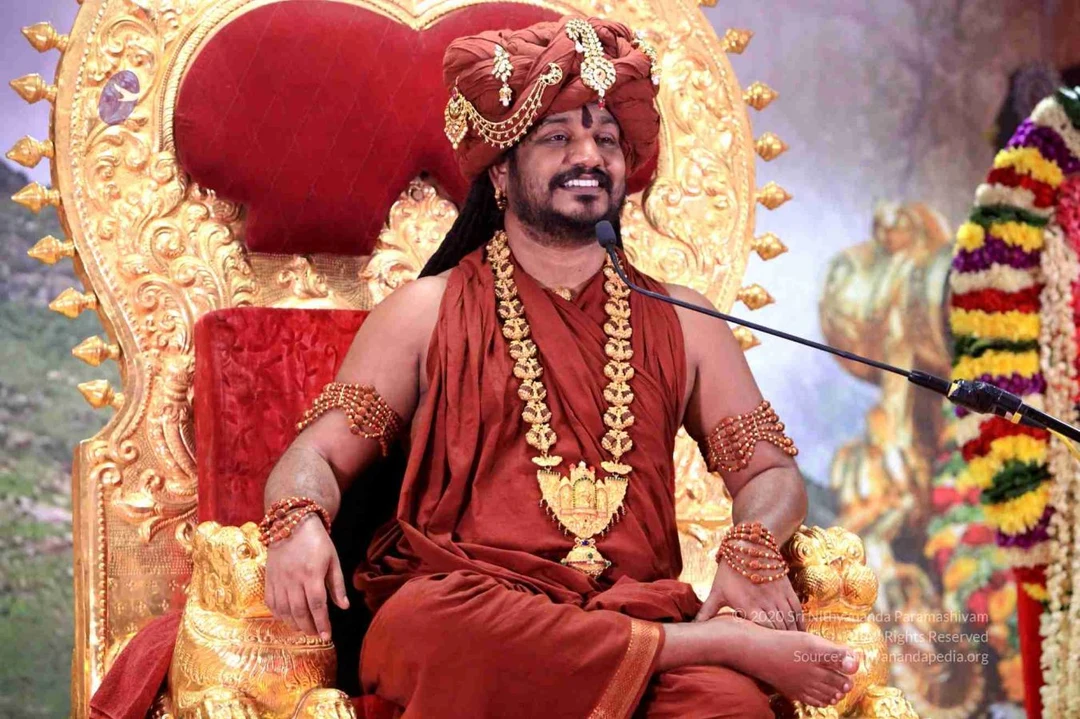 Create spiritual ambience, vatavarana, in and around you
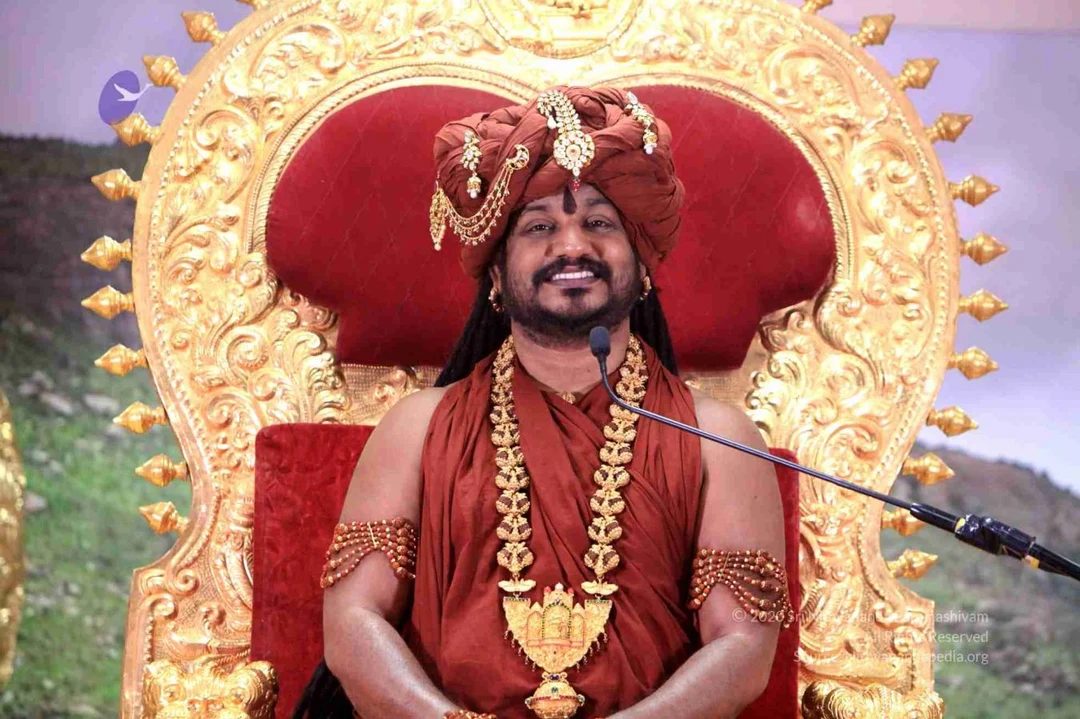 Create spiritual ambience, vatavarana, in and around you
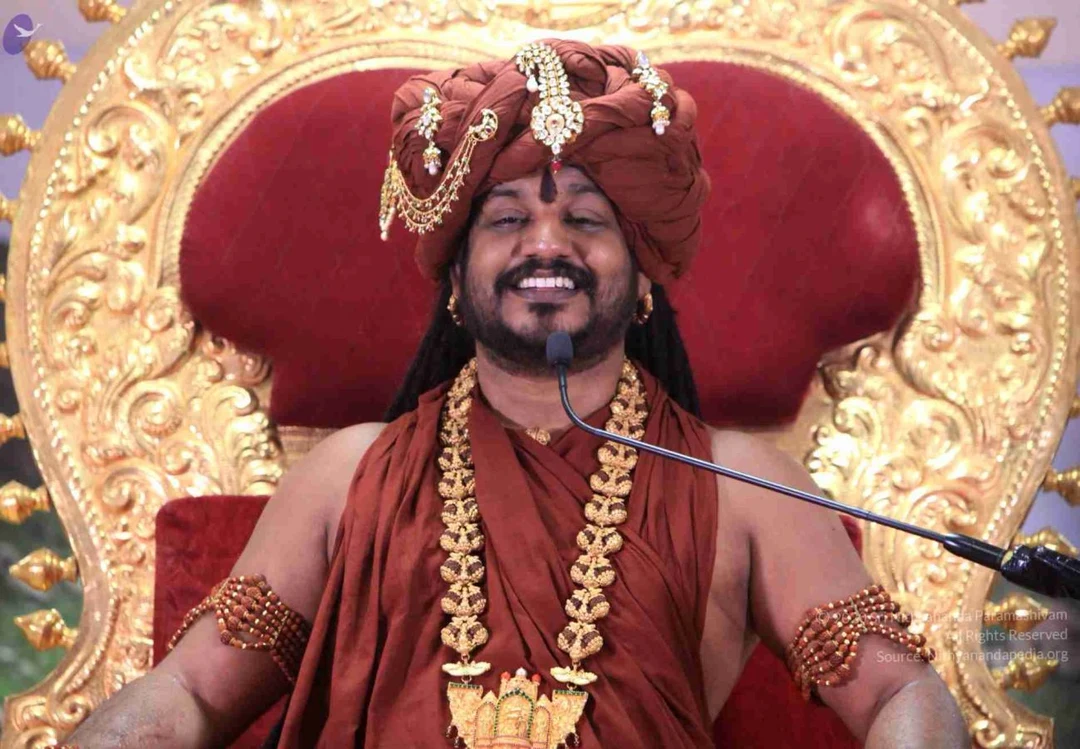 Create spiritual ambience, vatavarana, in and around you
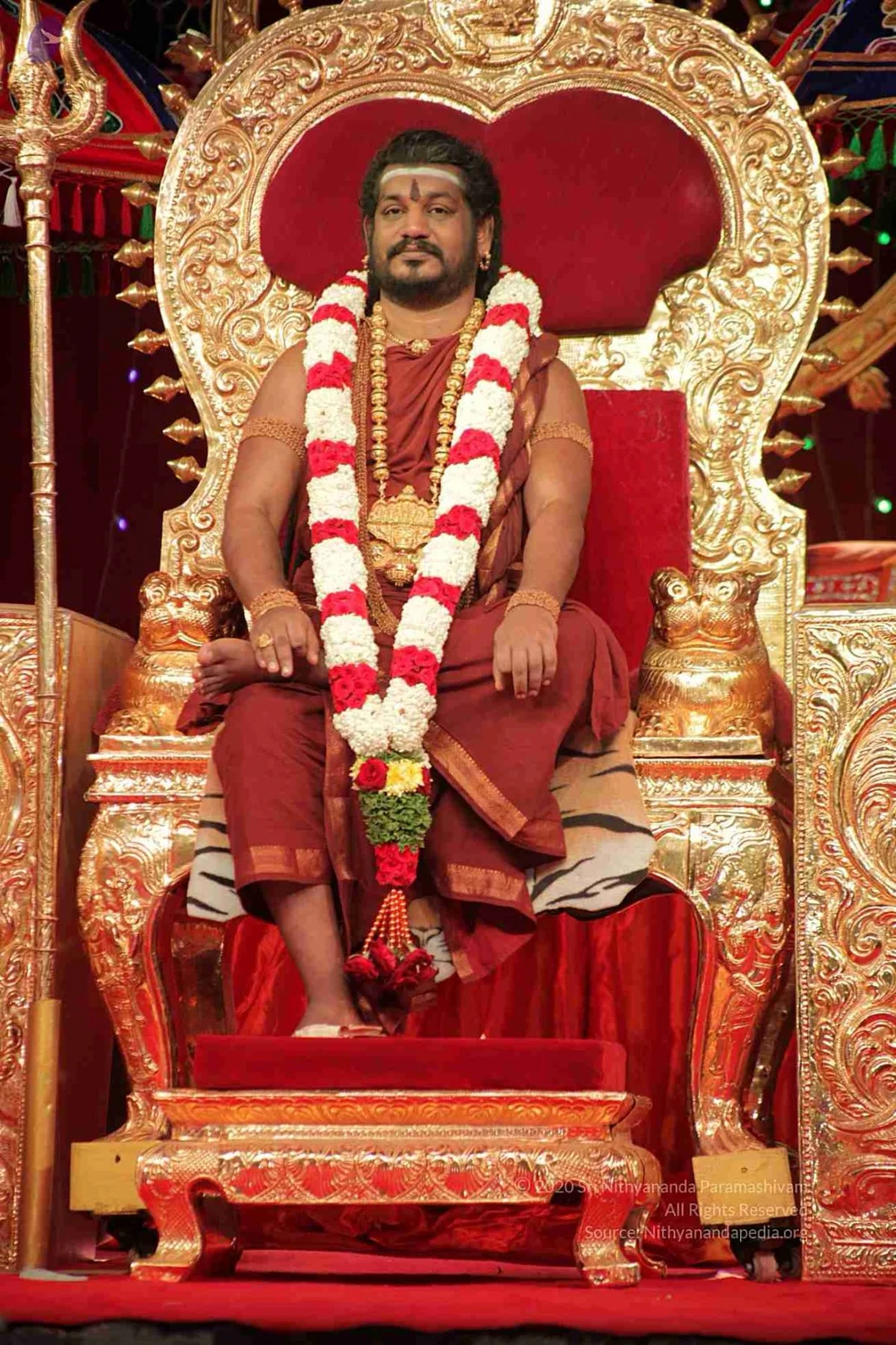
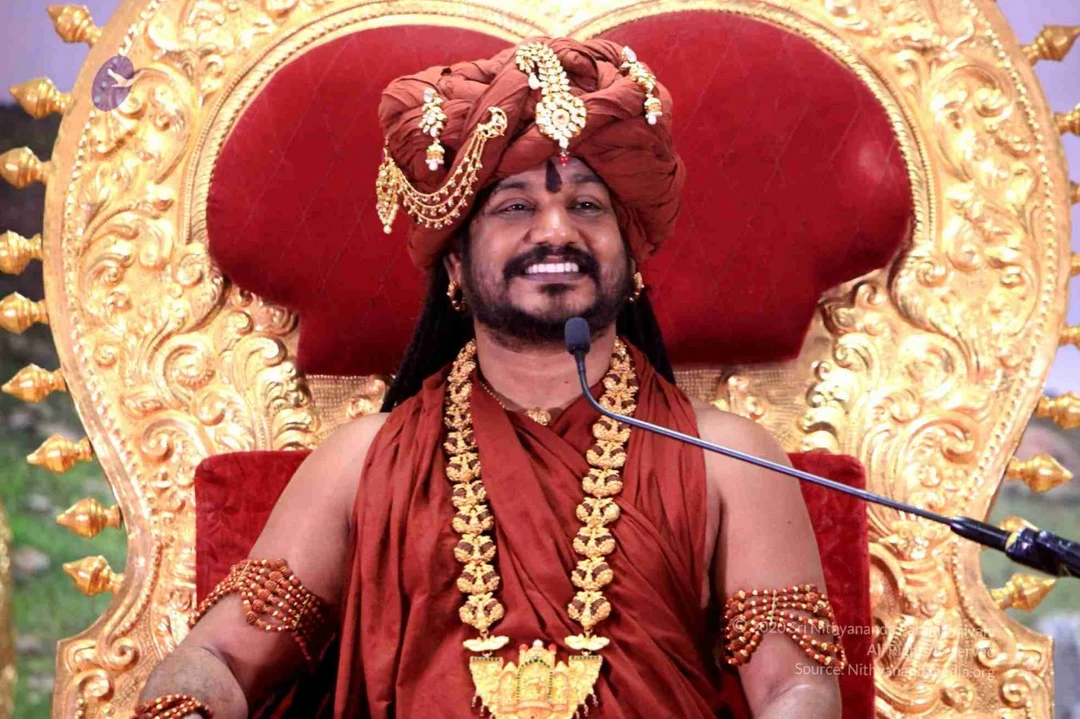 HDH Nithyananda Paramashivam is compassionate loving Guru
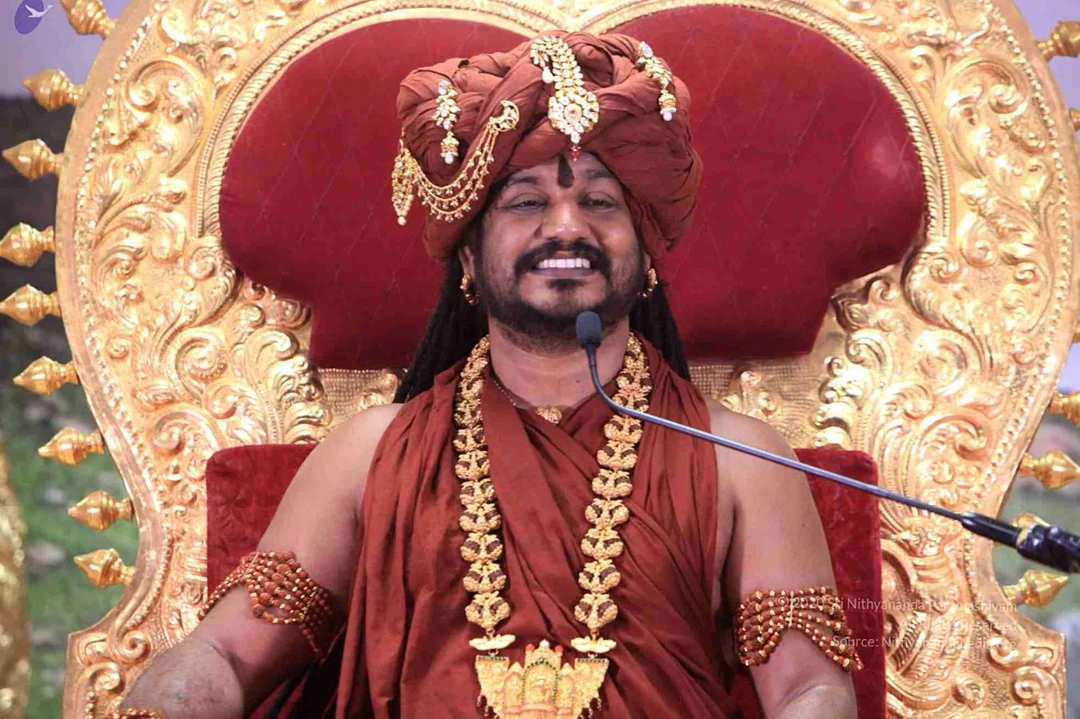 HDH Nithyananda Paramashivam is compassionate loving Guru
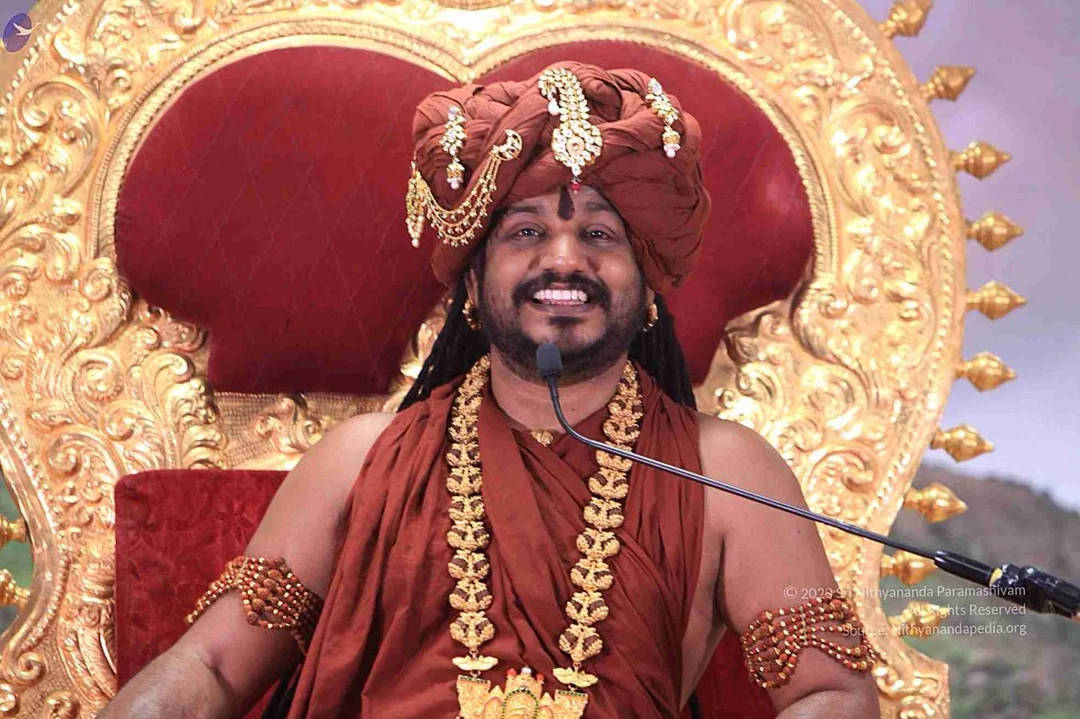 You are here to celebrate cosmos
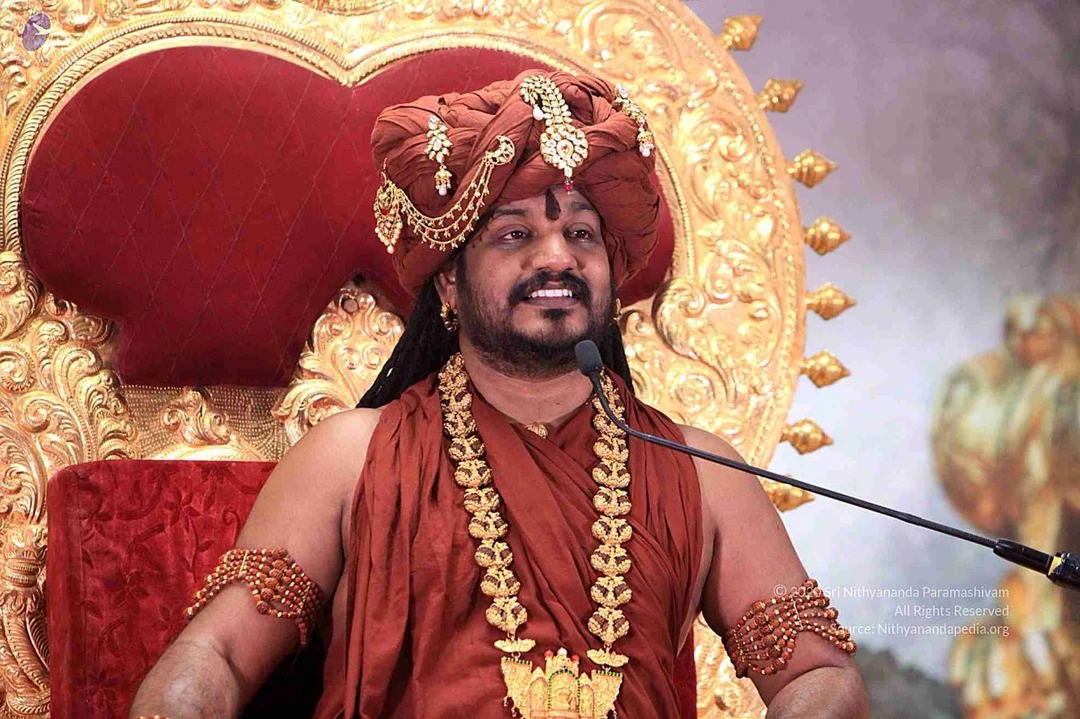 You are here to celebrate cosmos
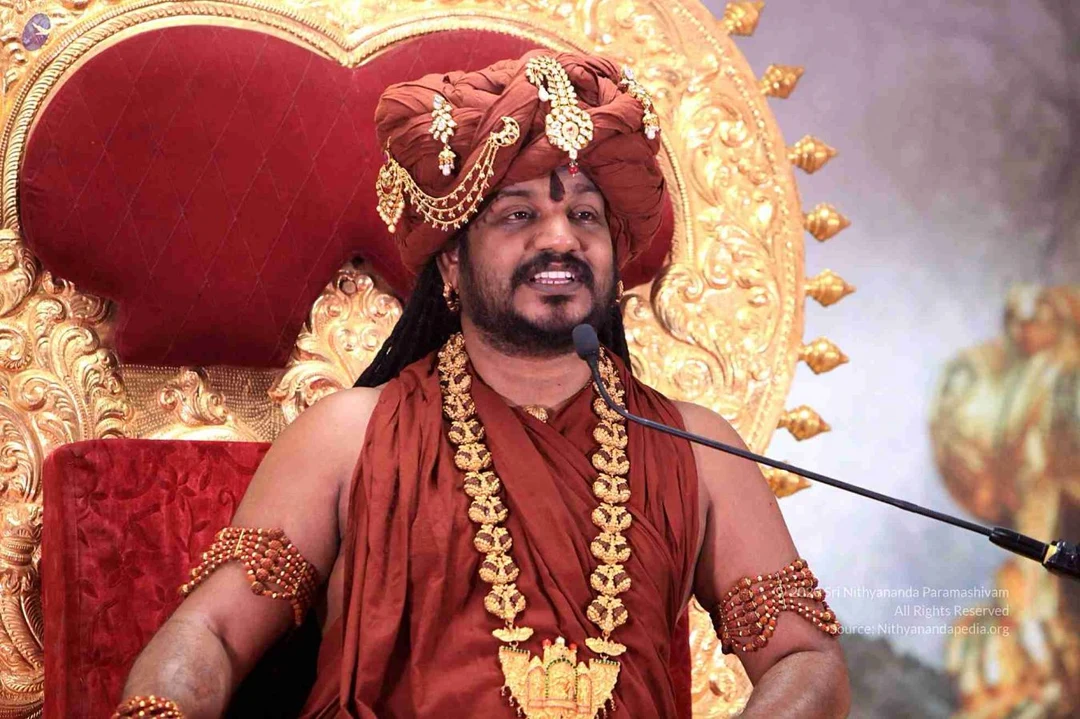 You are here to celebrate cosmos
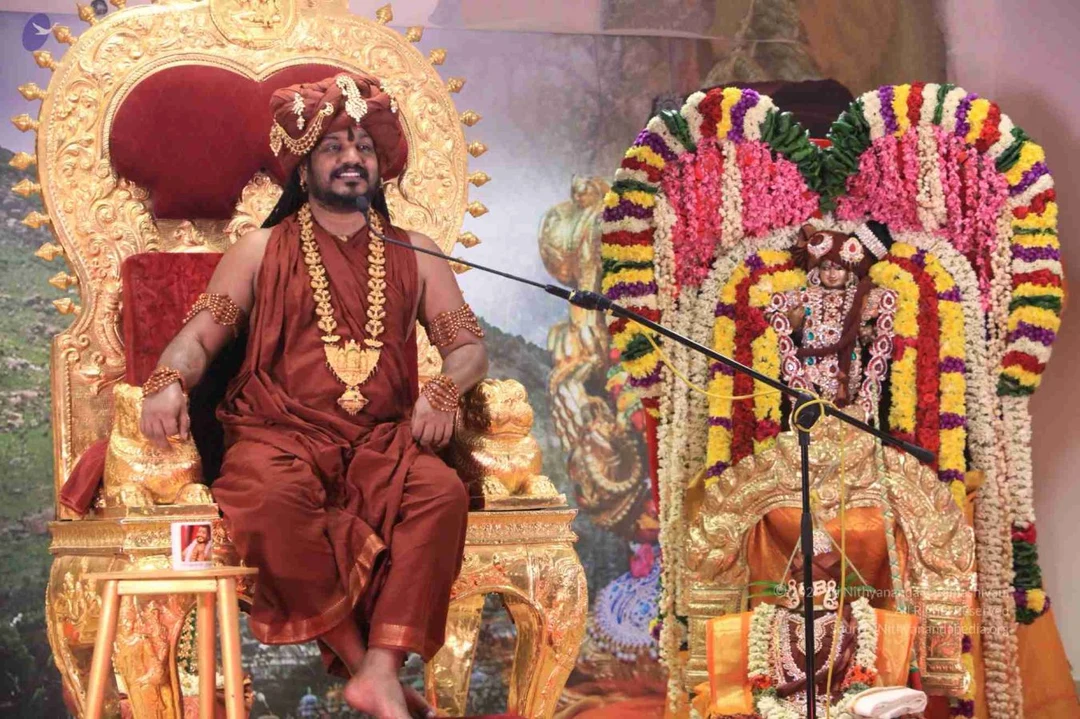 You are here to celebrate cosmos
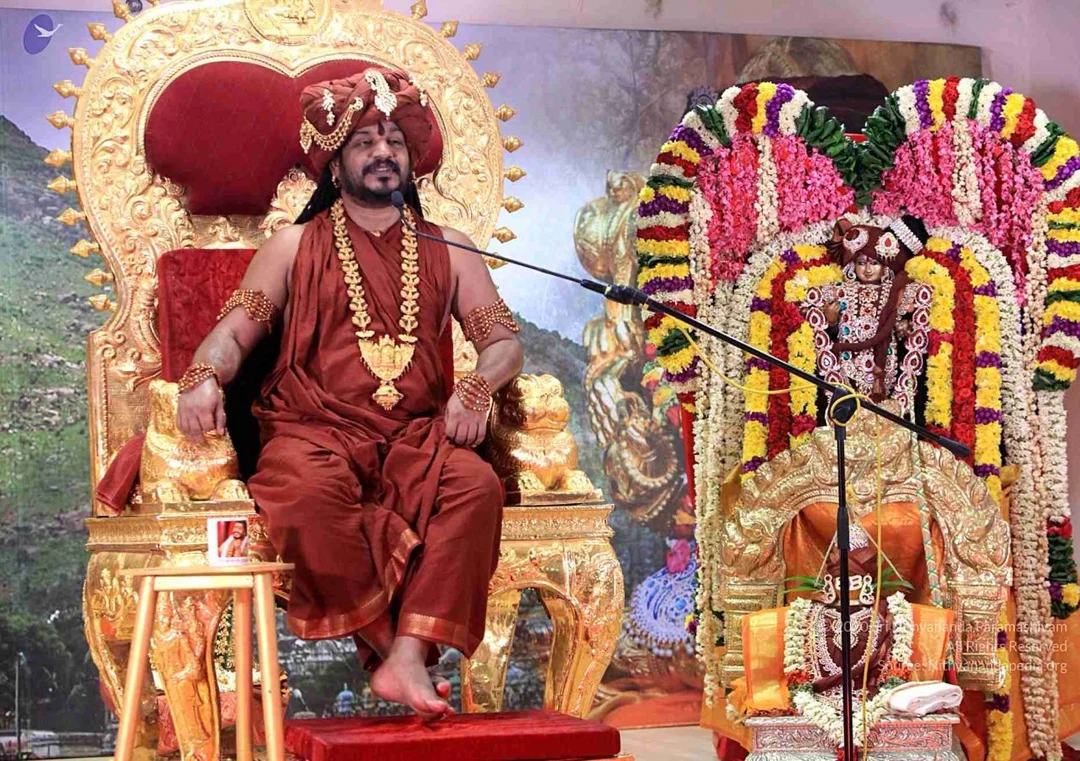 You are here to celebrate cosmos
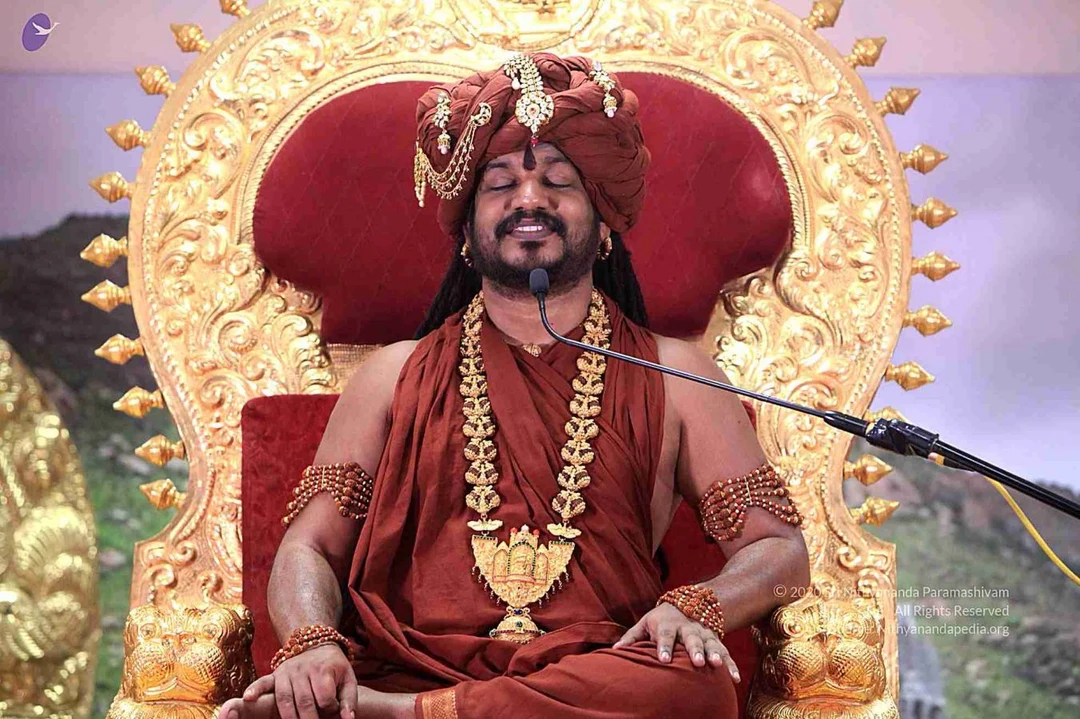 You are here to celebrate cosmos
 You are here to celebrate cosmos
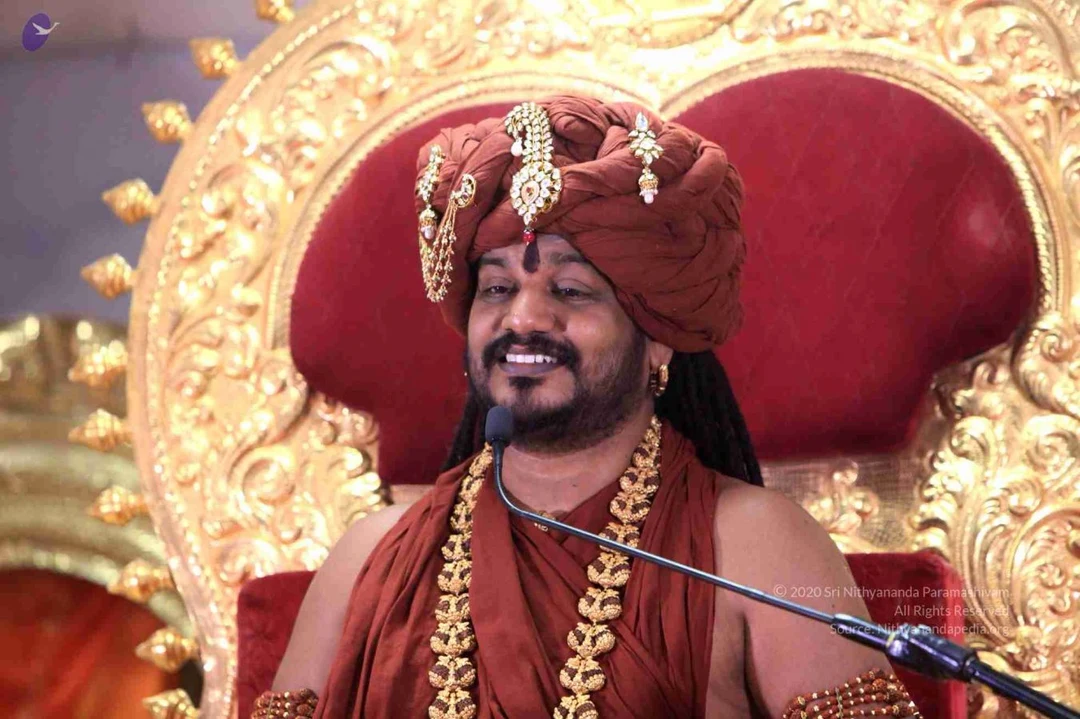 You are here to celebrate cosmos
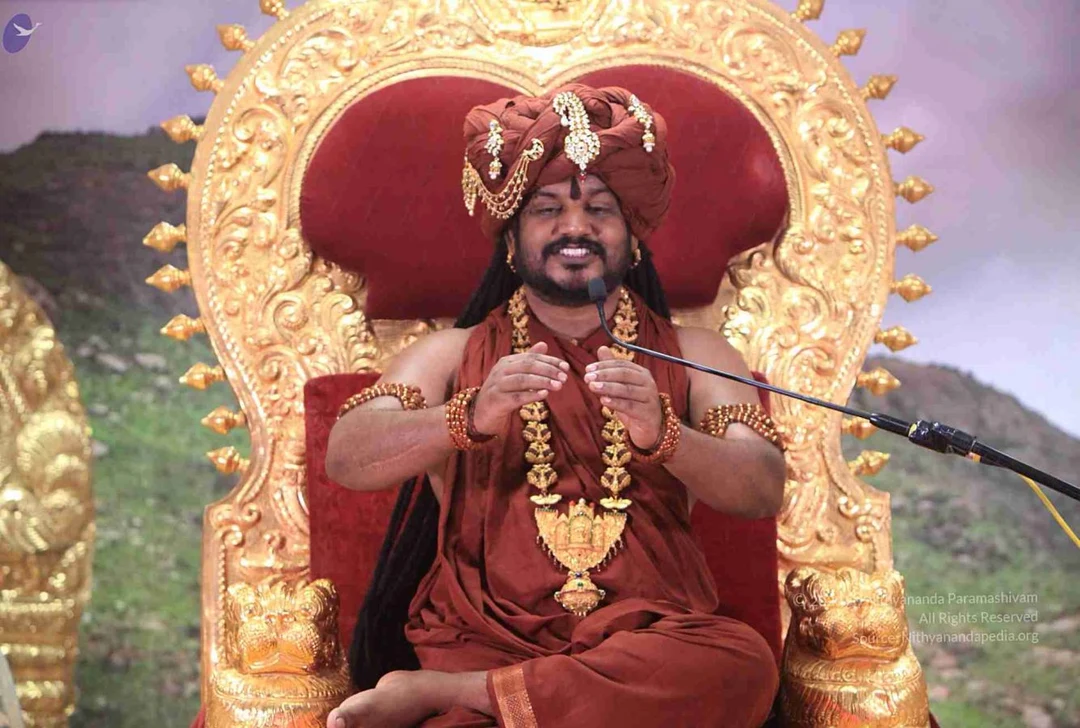 You are here to celebrate cosmos
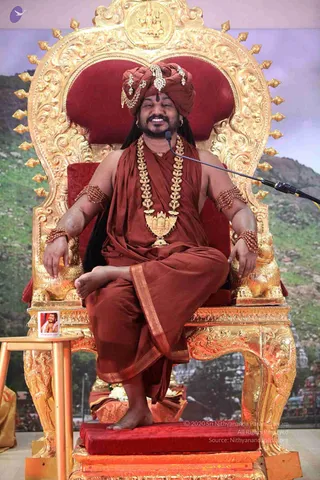 You are here to celebrate cosmos
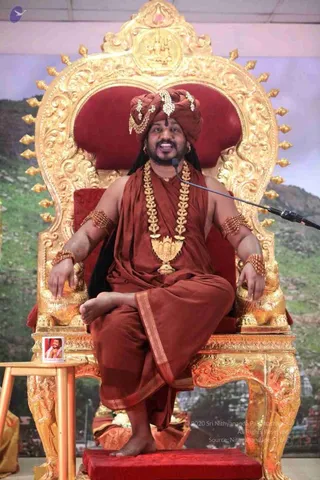 You are here to celebrate cosmos
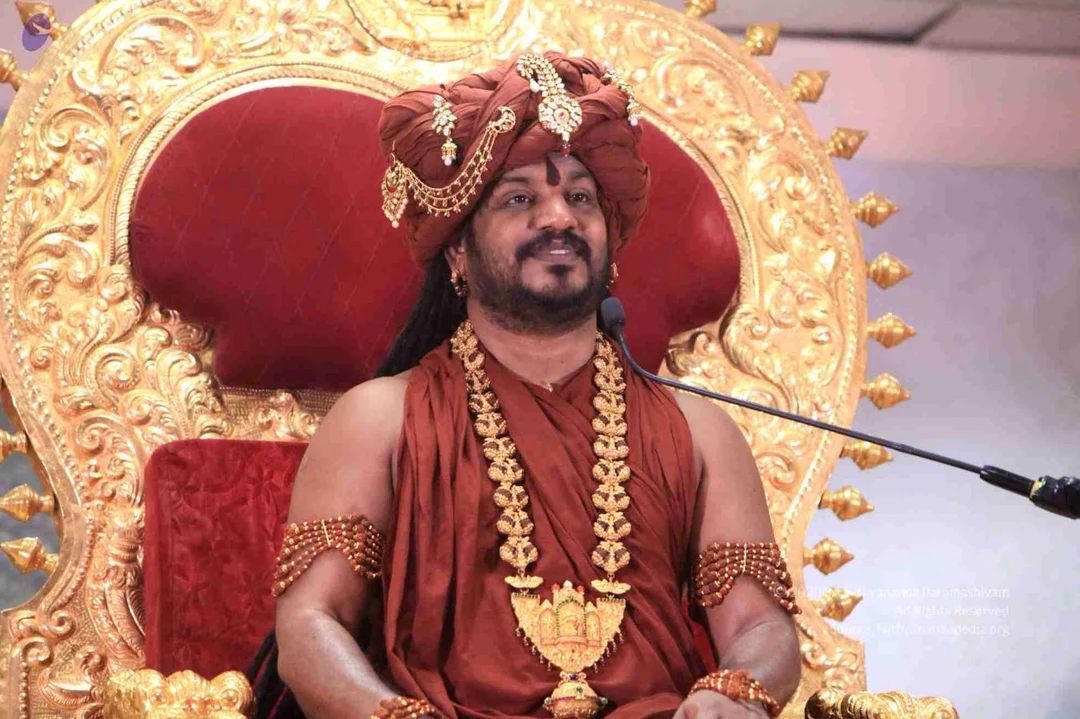 Master is chinmaya vigraha - embodiment & representation of that of cosmic energy
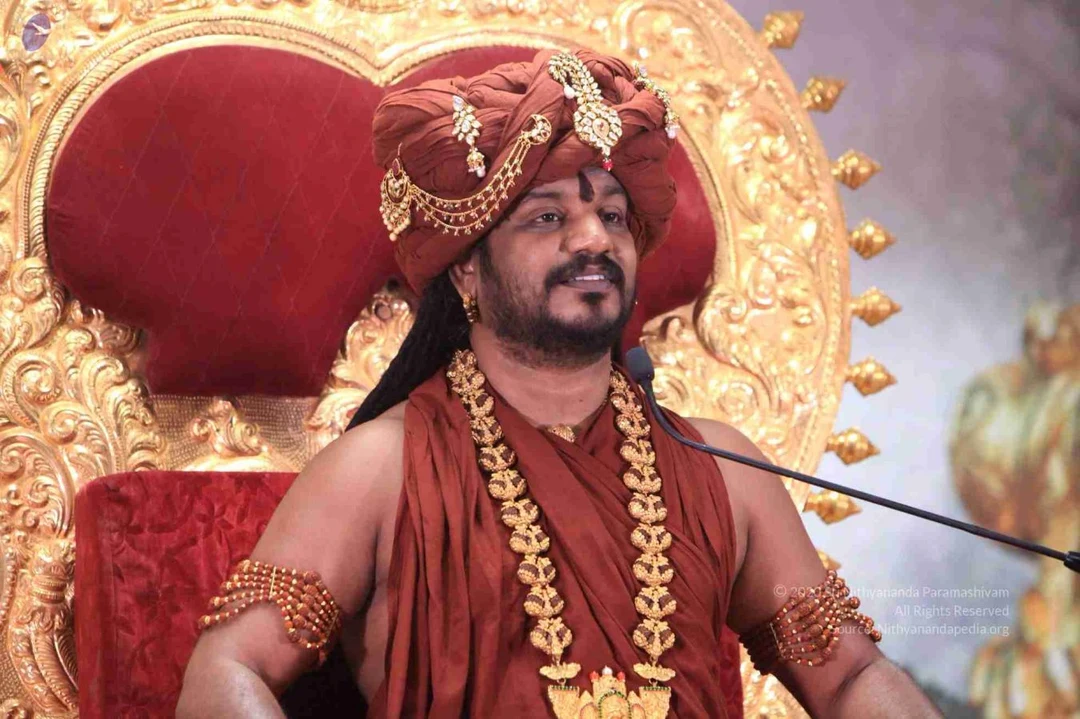 Master is chinmaya vigraha - embodiment & representation of that of cosmic energy
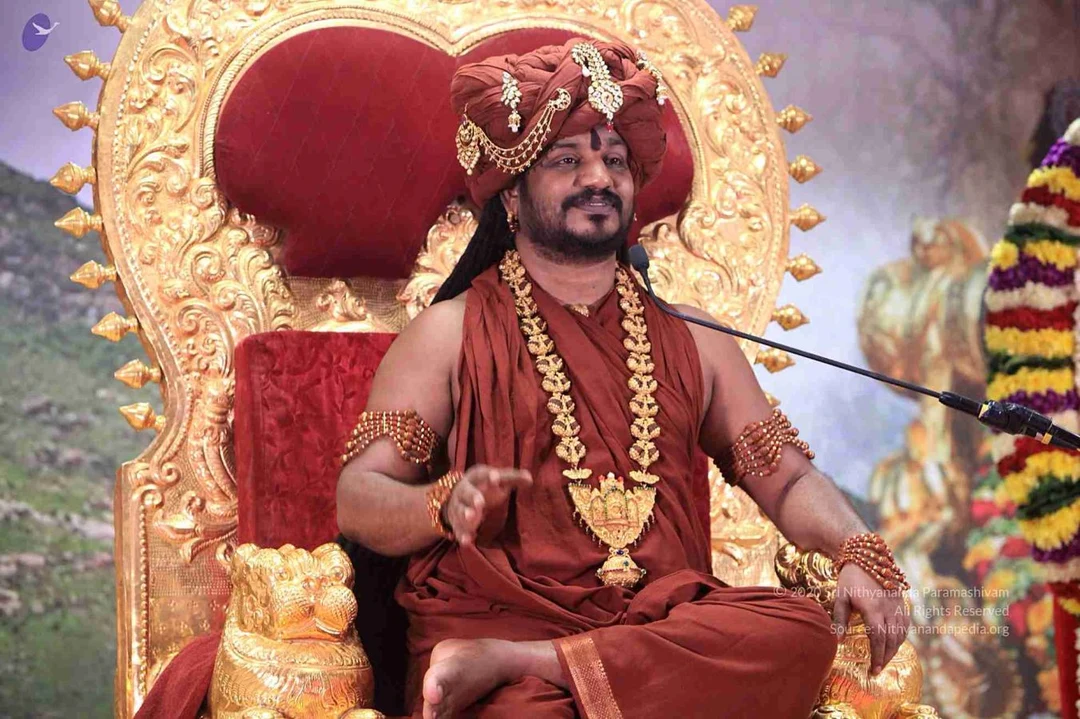 Master is chinmaya vigraha - embodiment & representation of that of cosmic energy
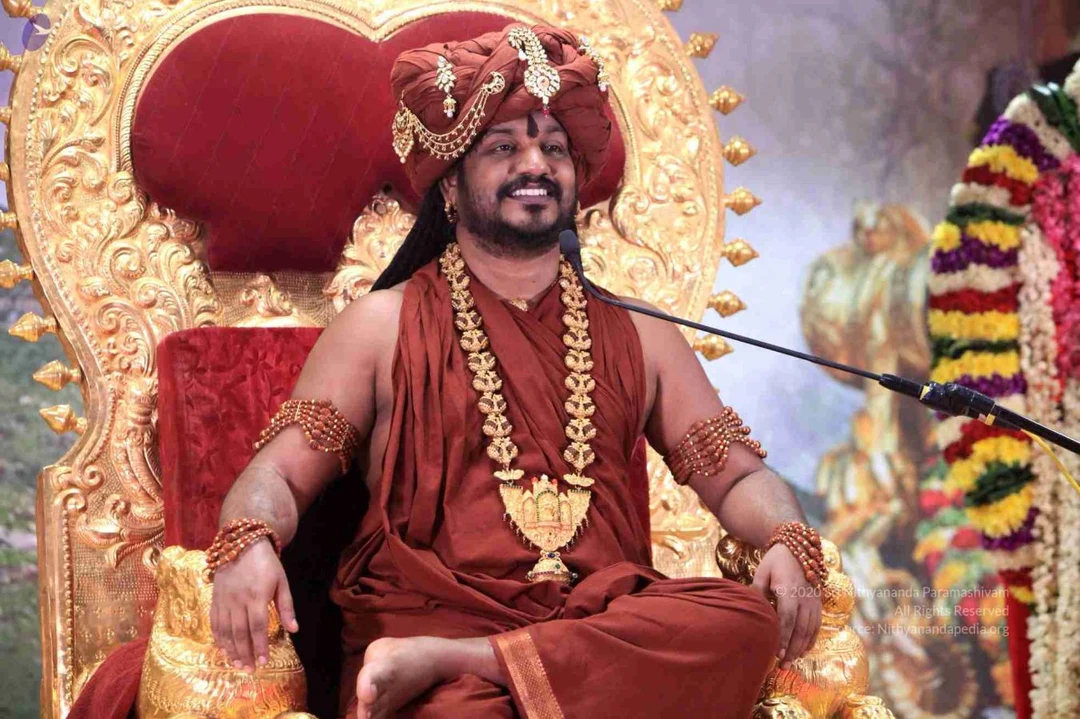 Master is chinmaya vigraha - embodiment & representation of that of cosmic energy
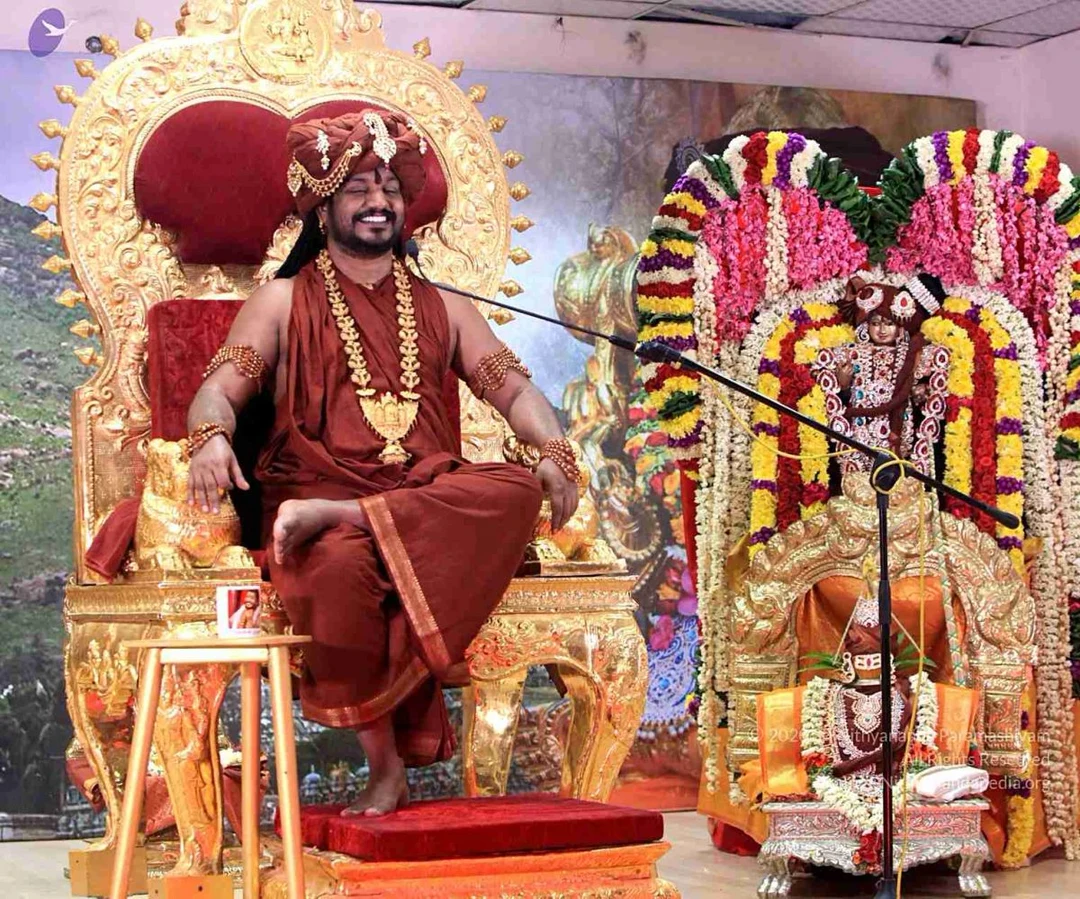 Master is chinmaya vigraha - embodiment & representation of that of cosmic energy
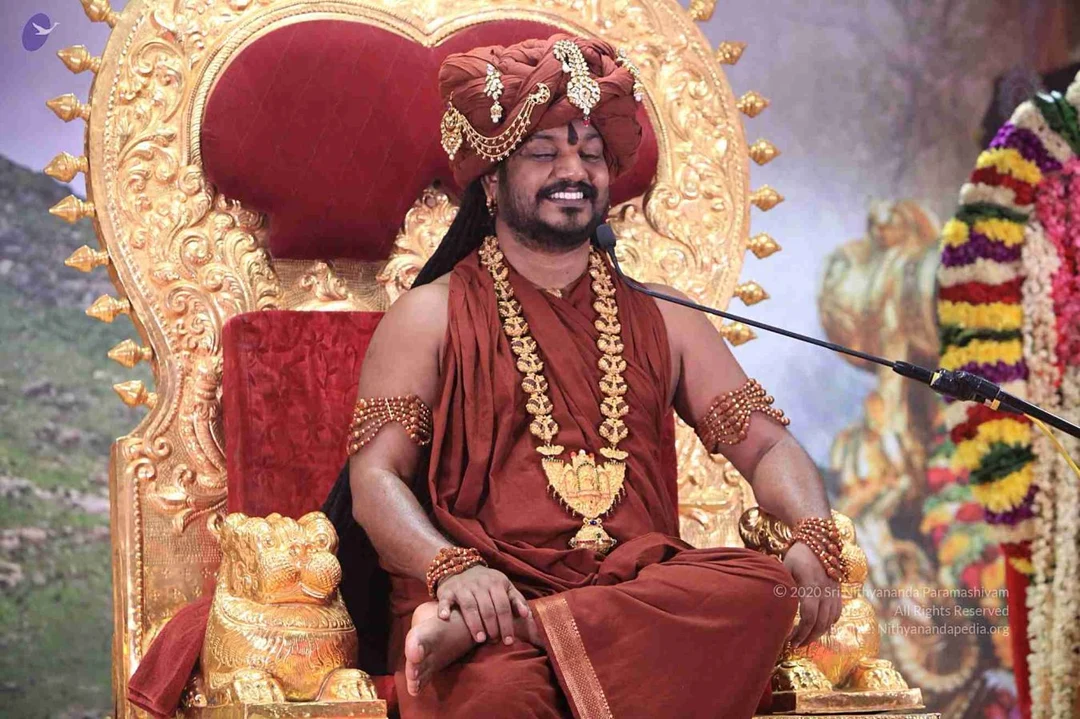 Master is chinmaya vigraha - embodiment & representation of that of cosmic energy
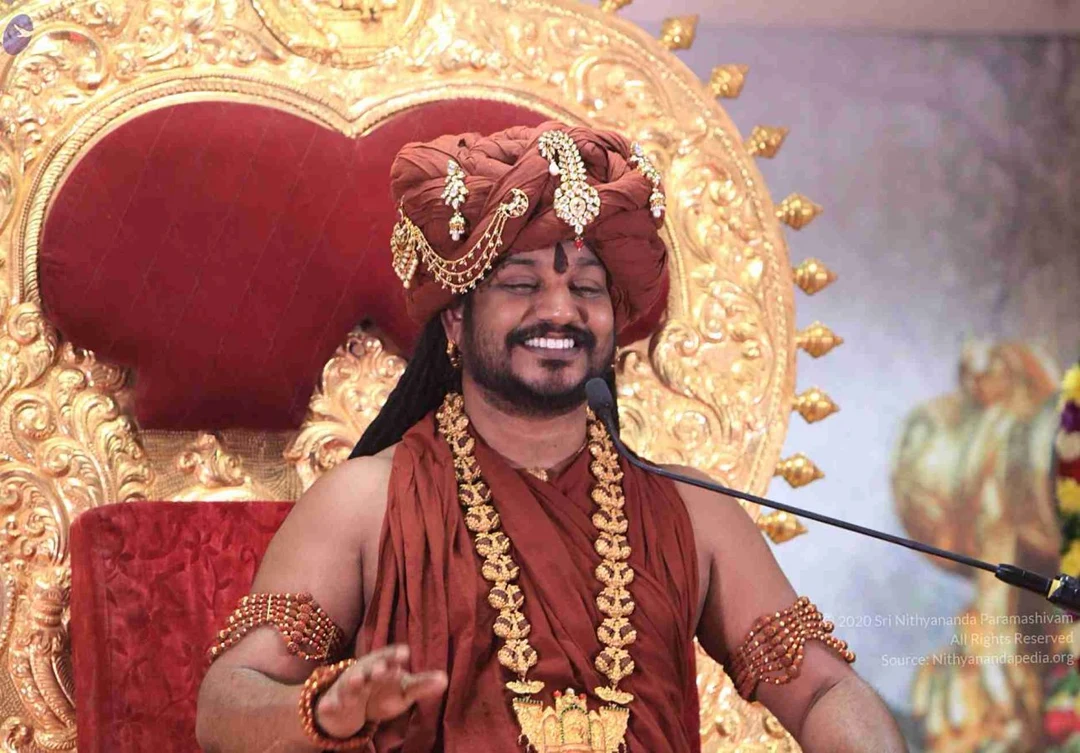 Master is chinmaya vigraha - embodiment & representation of that of cosmic energy
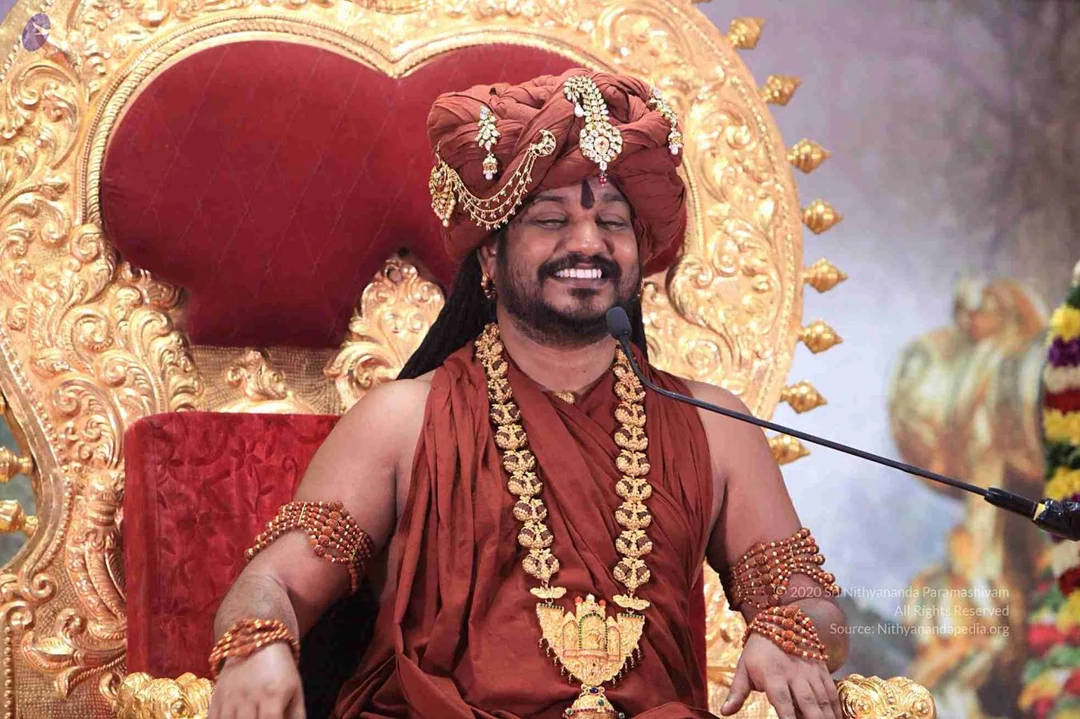 Master is chinmaya vigraha - embodiment & representation of that of cosmic energy
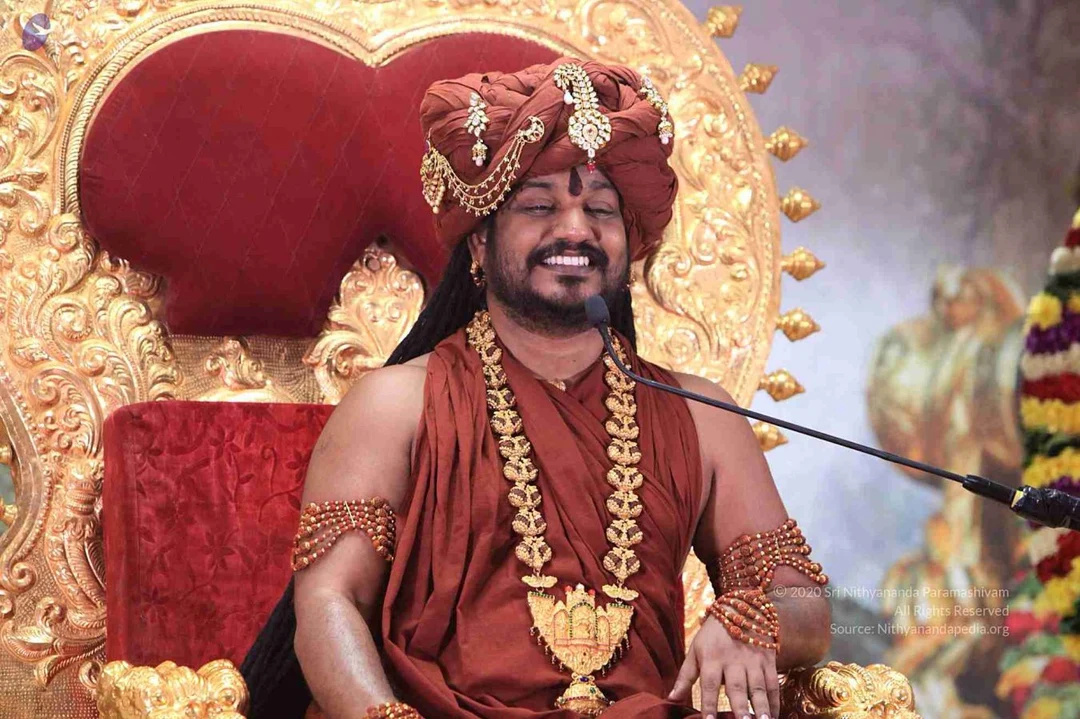 Master is chinmaya vigraha - embodiment & representation of that of cosmic energy
 Infusion of this energy through darshan results in quantum entanglement
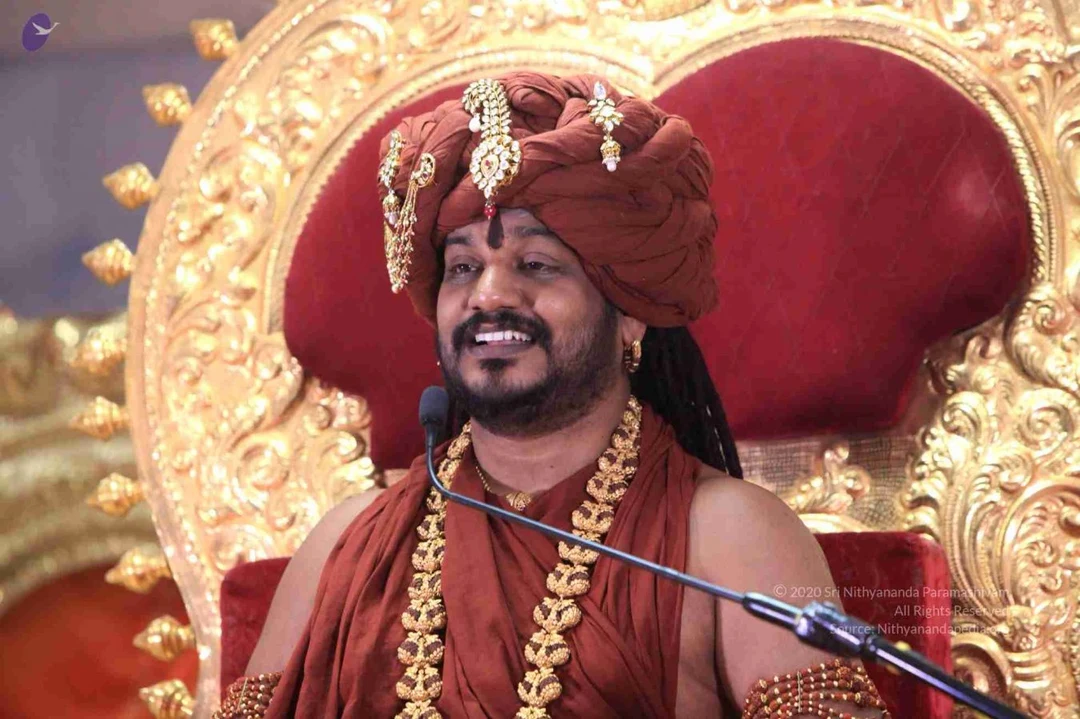 Infusion of this energy through darshan results in quantum entanglement
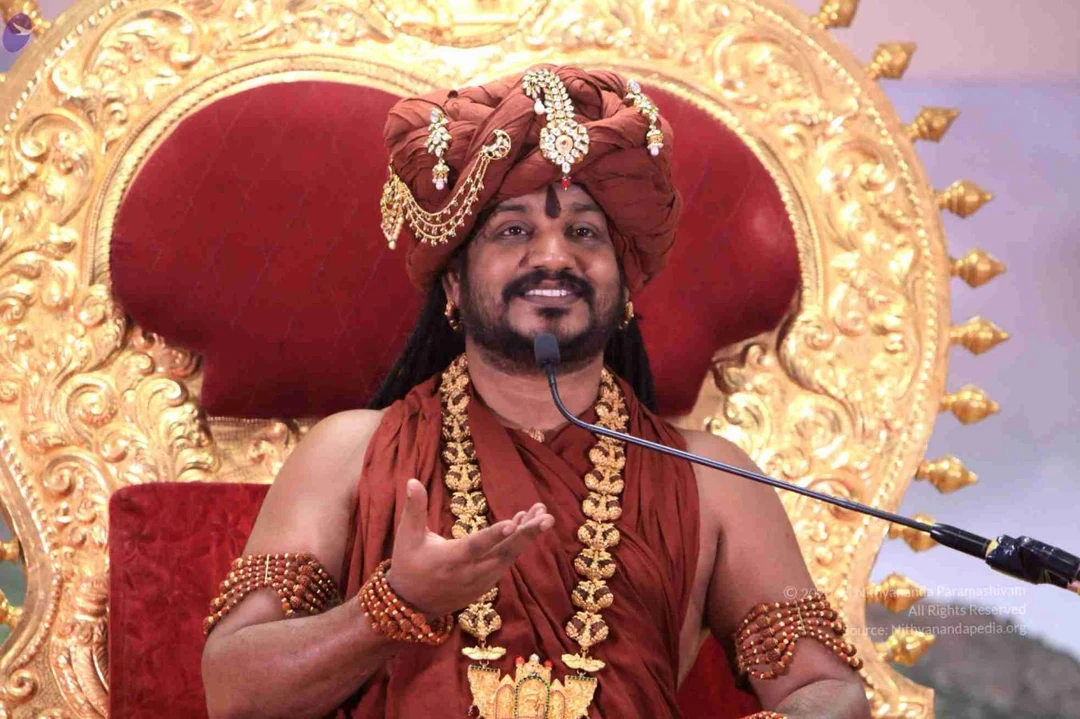 Infusion of this energy through darshan results in quantum entanglement
 Infusion of this energy through darshan results in quantum entanglement
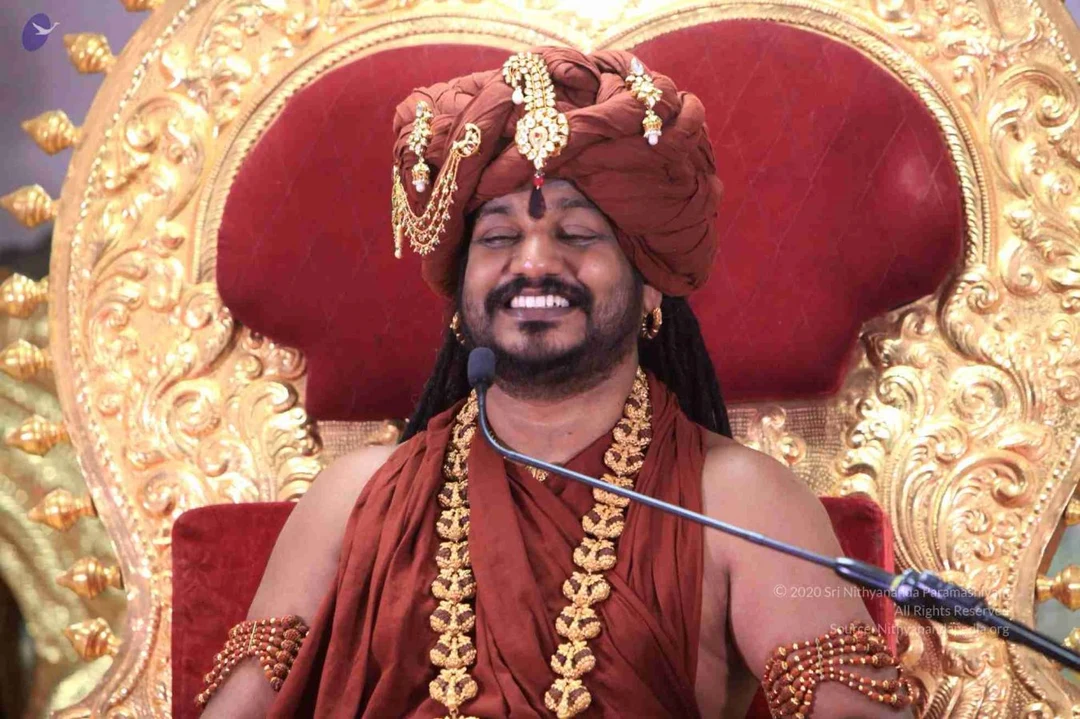 Infusion of this energy through darshan results in quantum entanglement
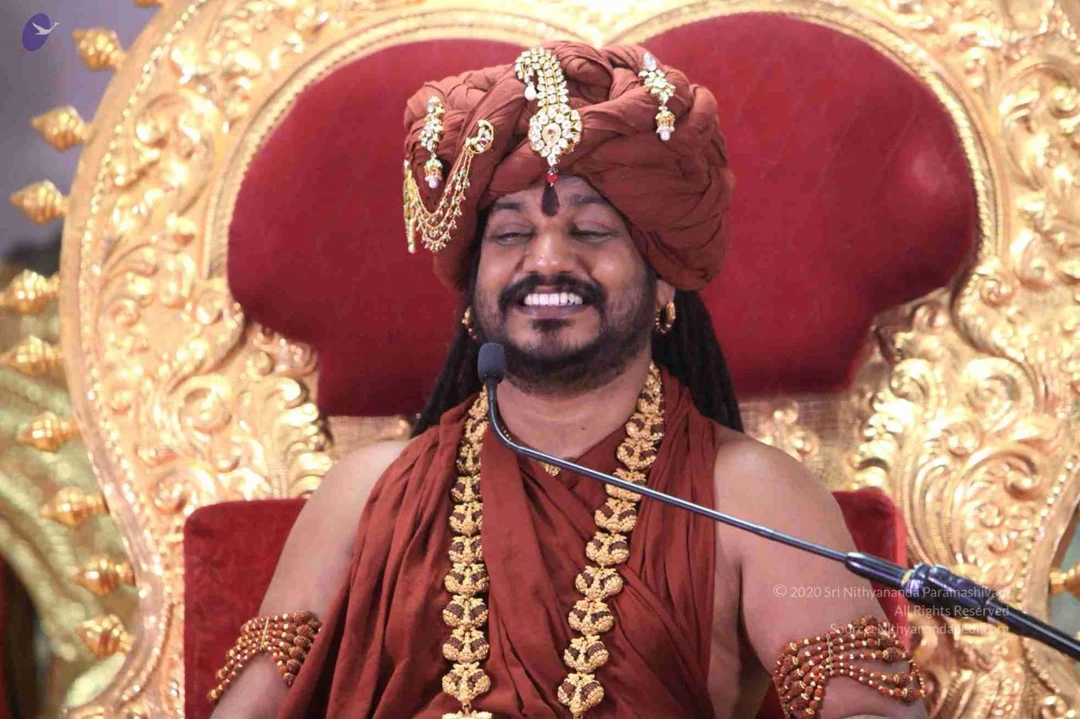 Infusion of this energy through darshan results in quantum entanglement
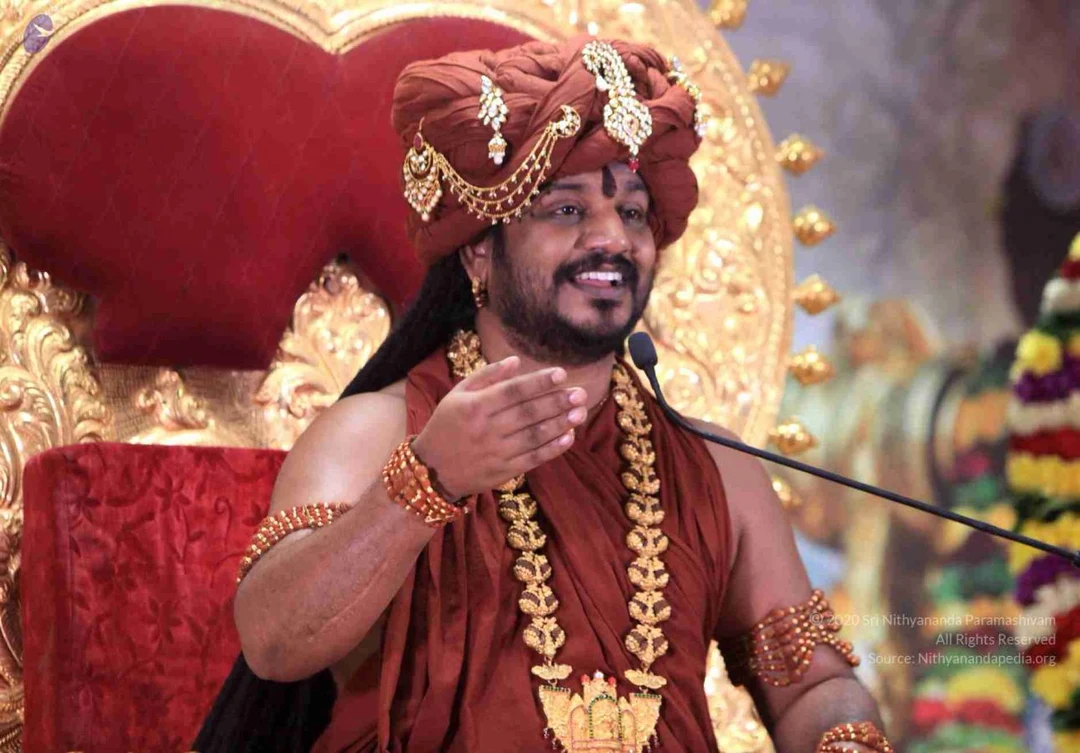 Infusion of this energy through darshan results in quantum entanglement
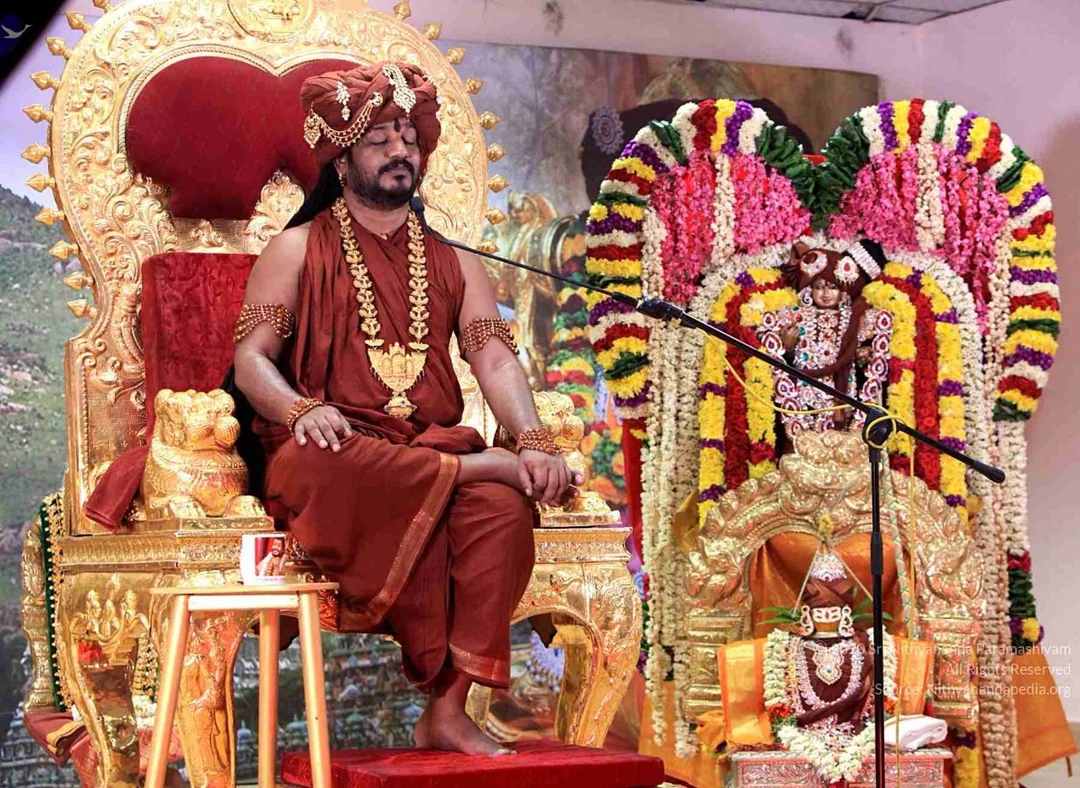 Infusion of this energy through darshan results in quantum entanglement
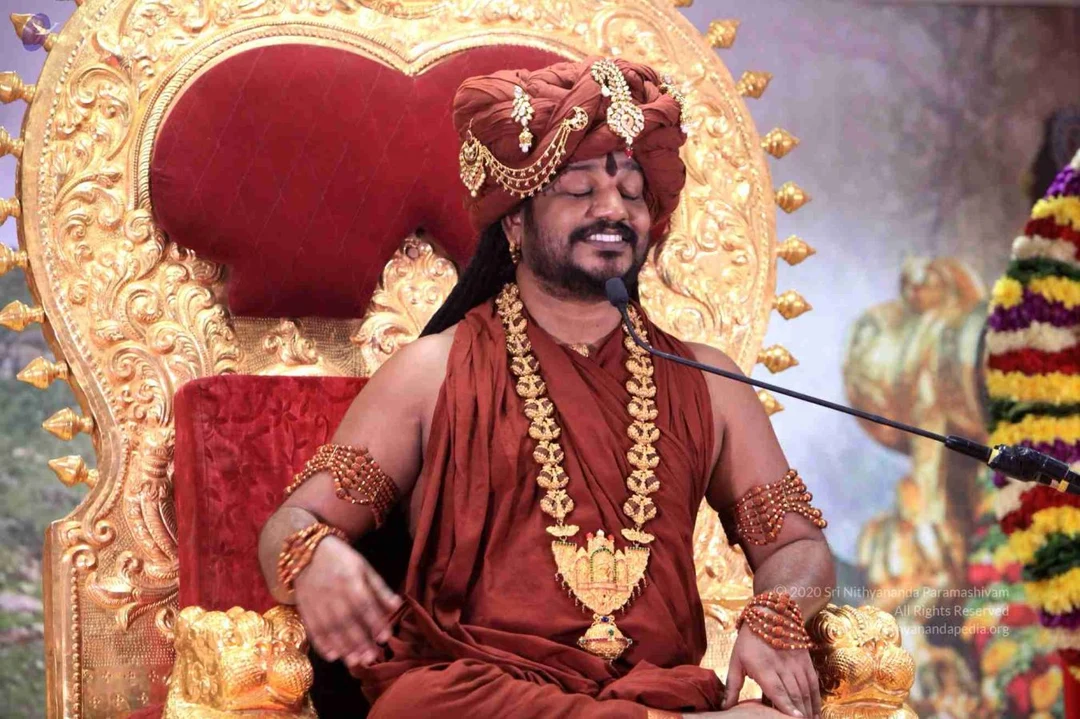 Infusion of this energy through darshan results in quantum entanglement
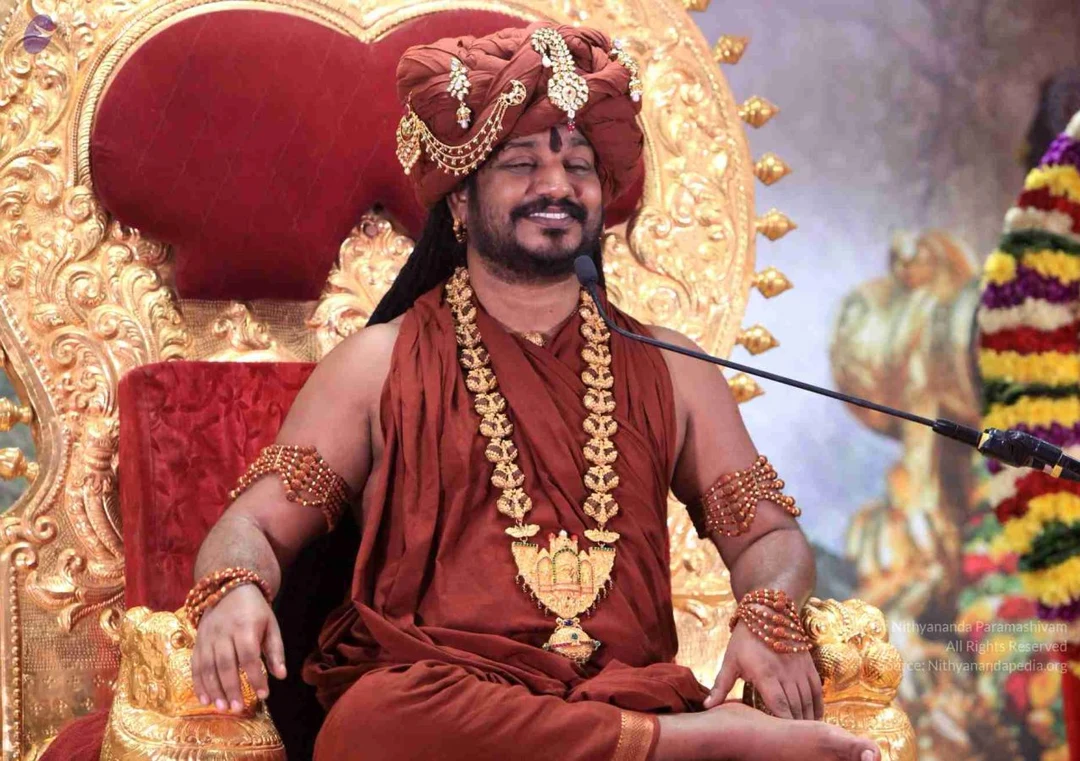 Infusion of this energy through darshan results in quantum entanglement
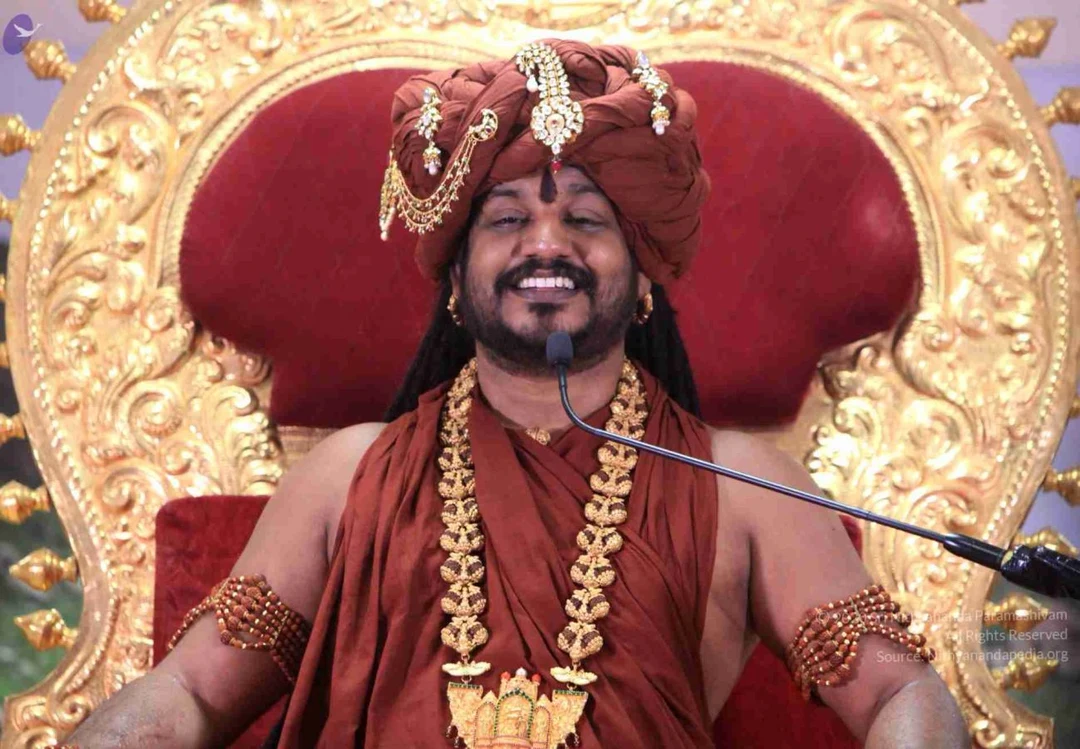 Infusion of this energy through darshan results in quantum entanglement
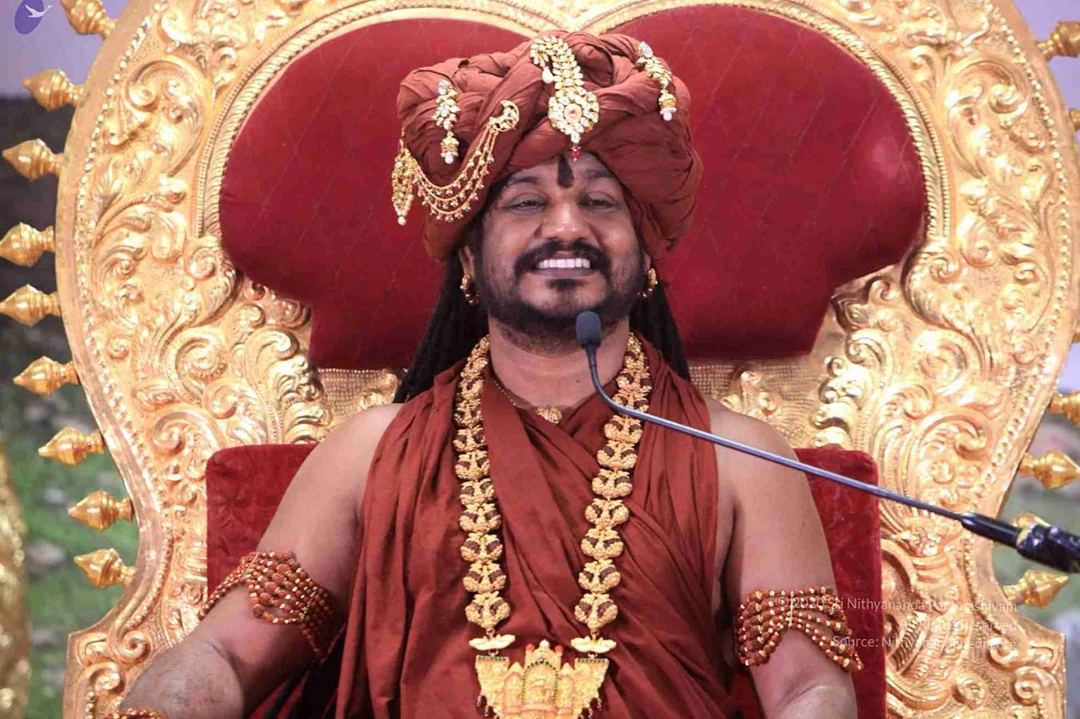 Infusion of this energy through darshan results in quantum entanglement
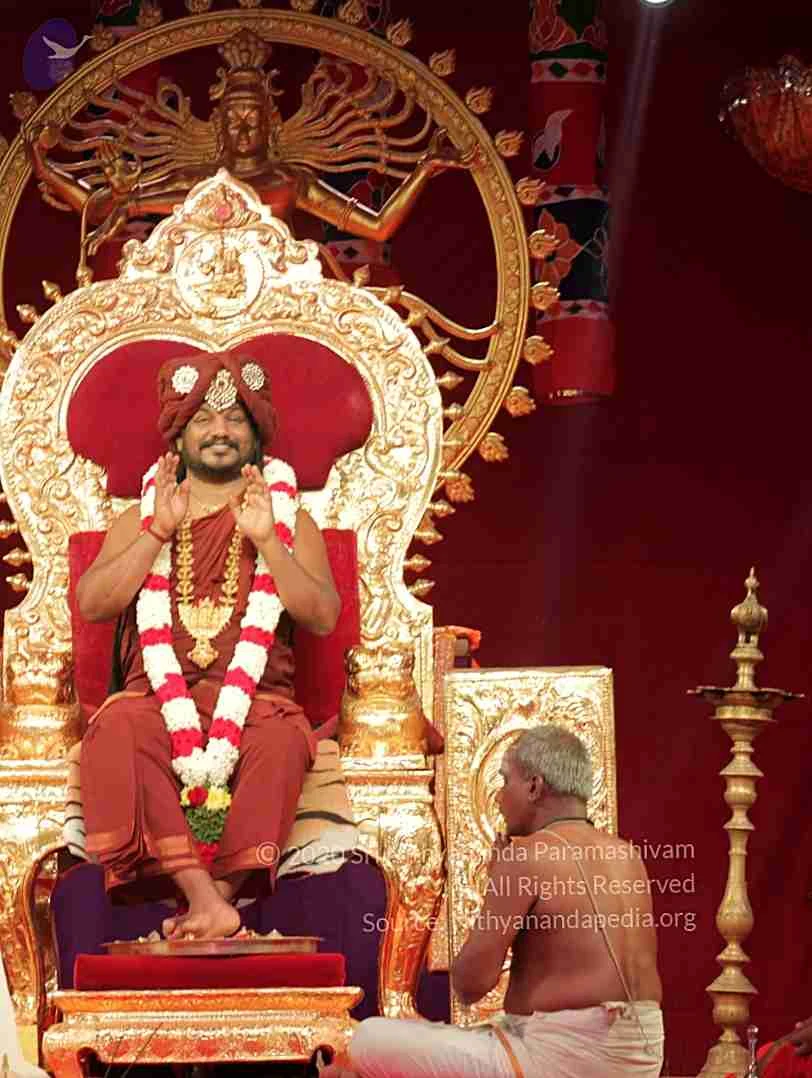
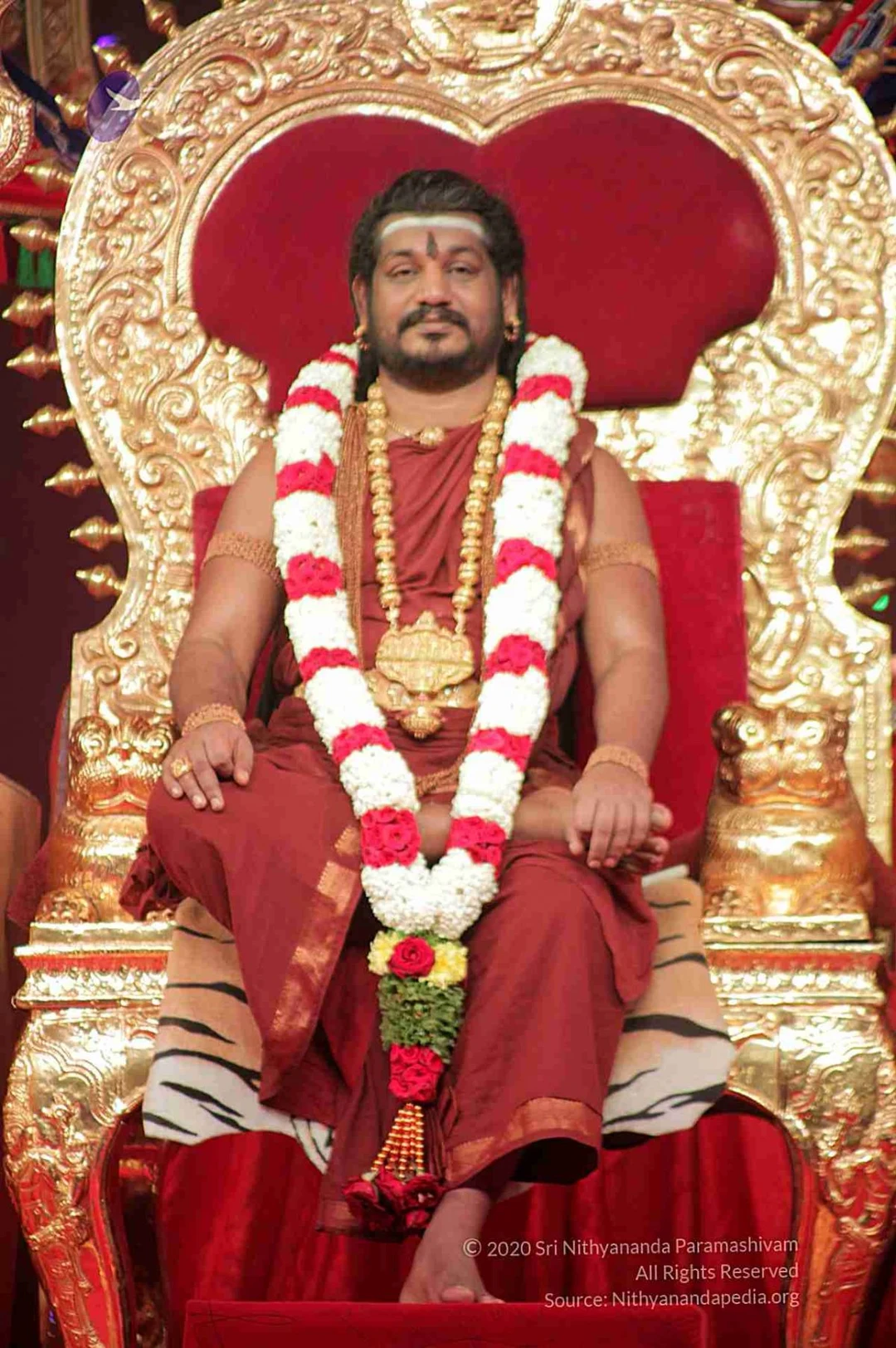
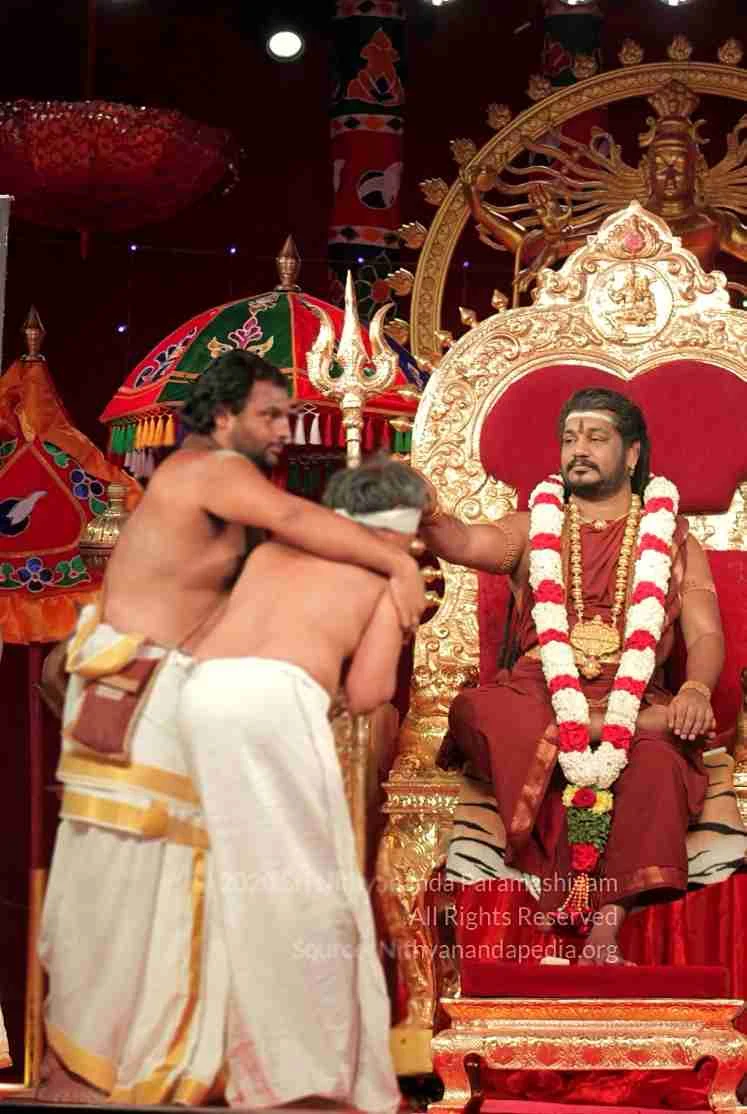
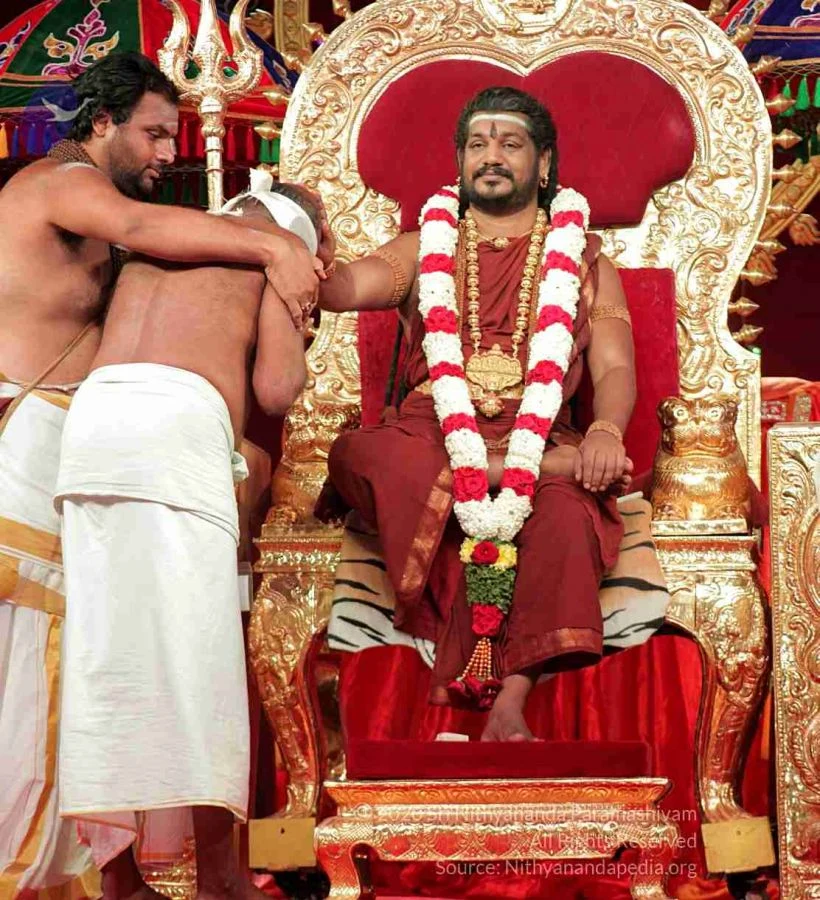
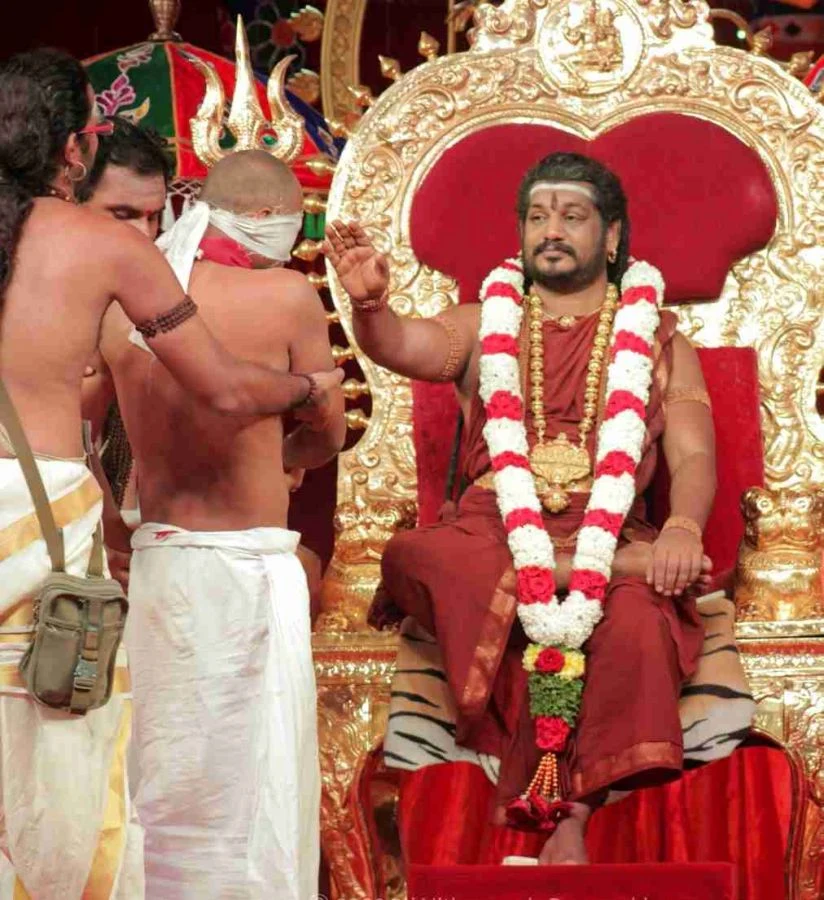
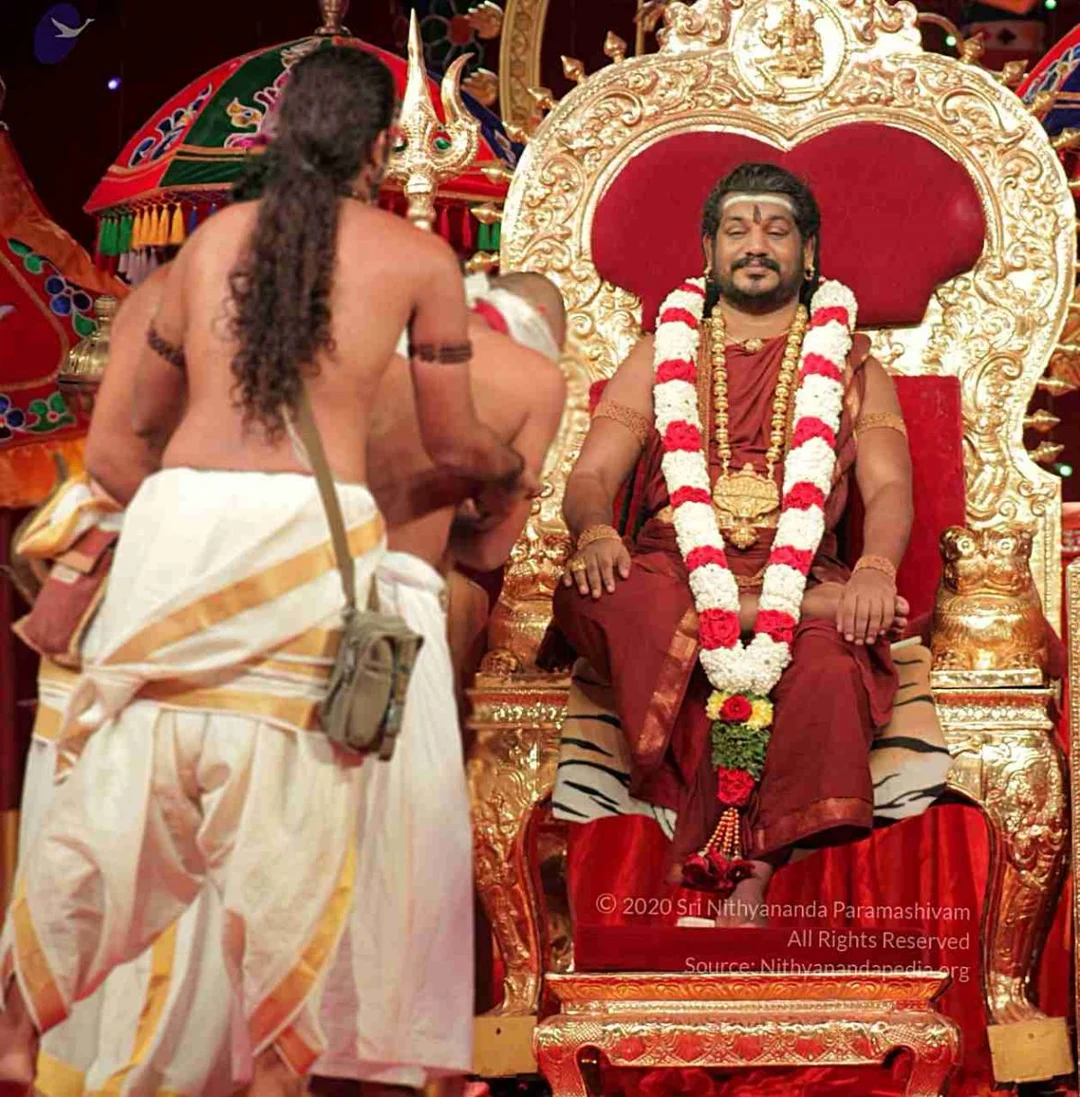
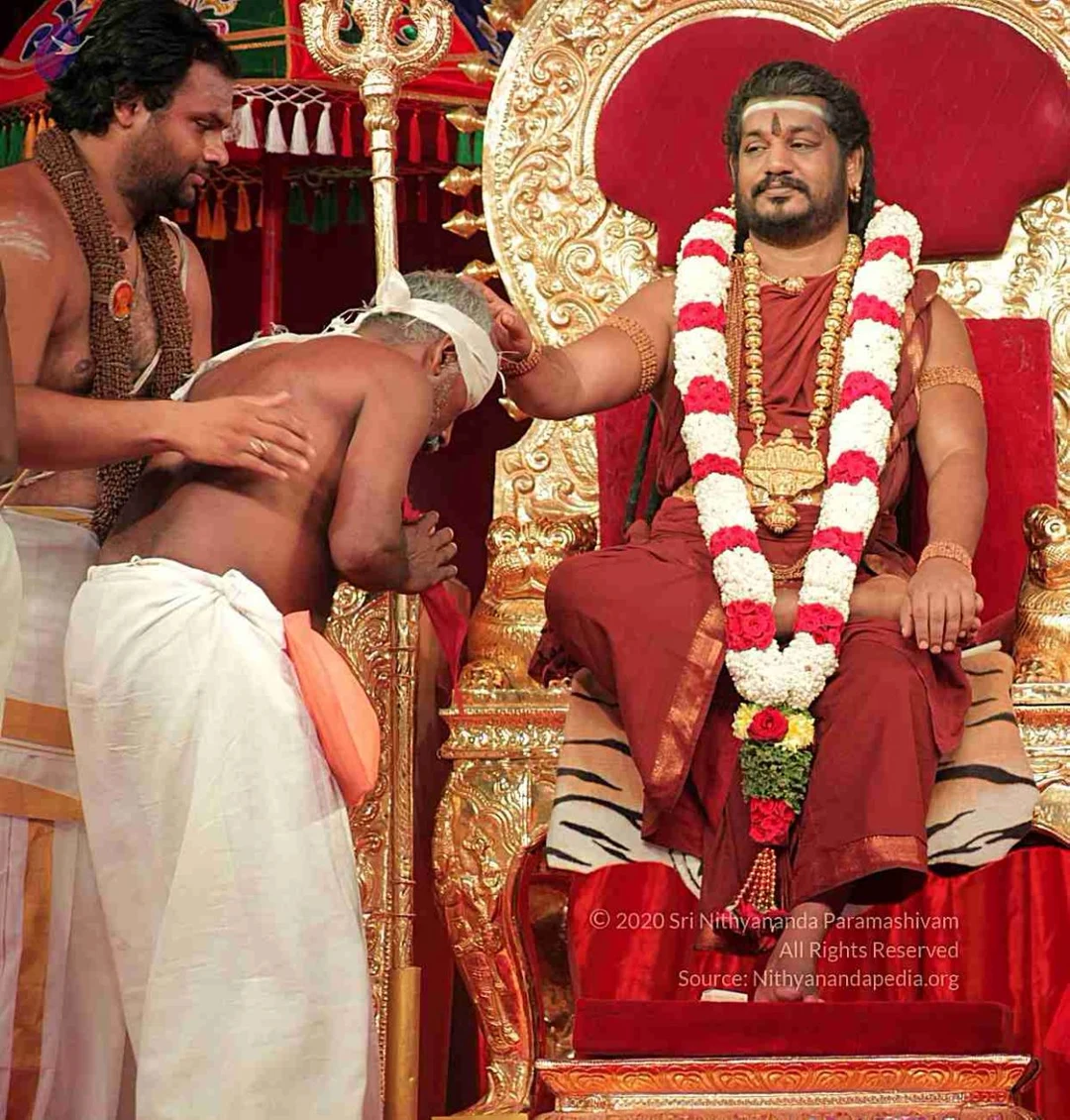
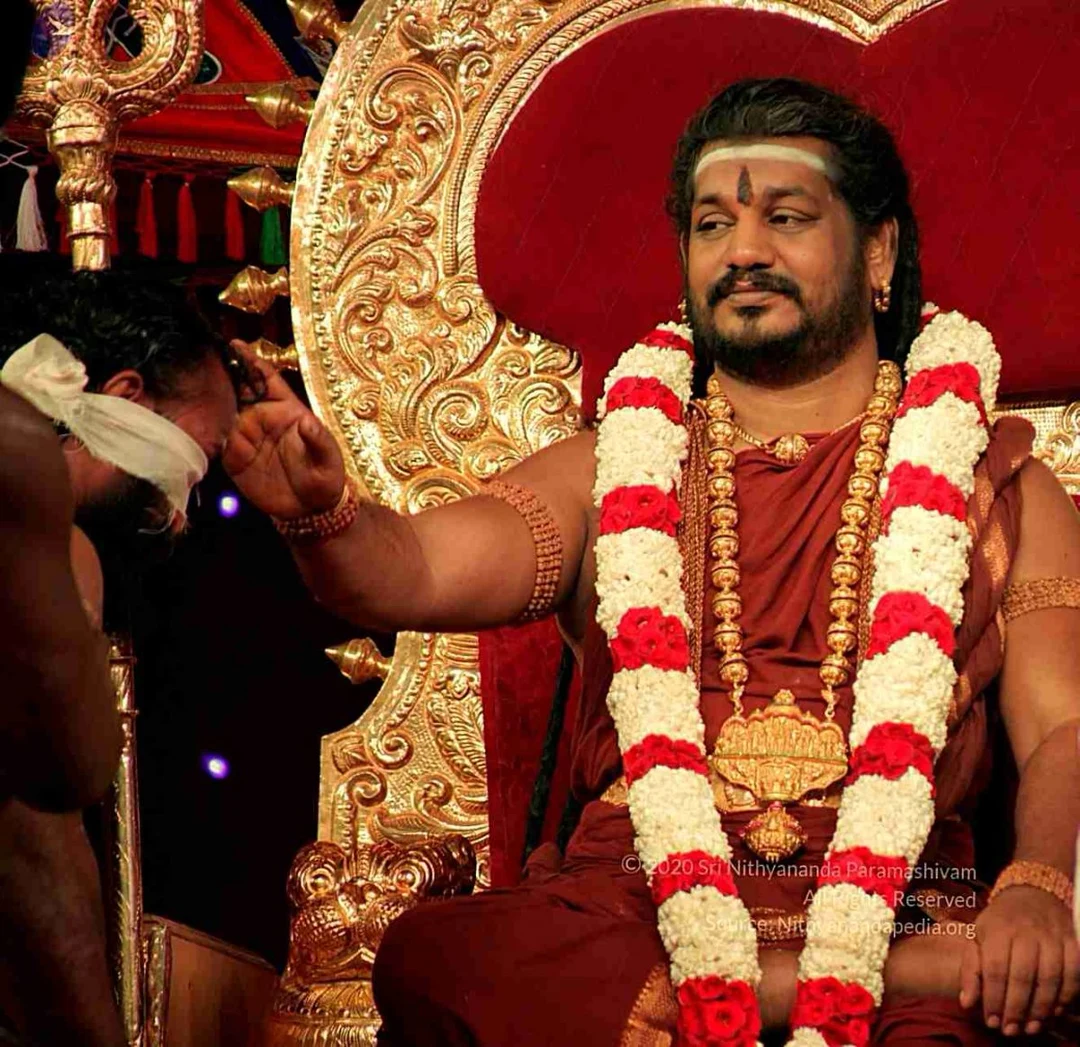
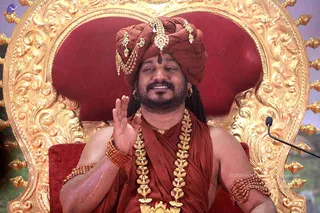
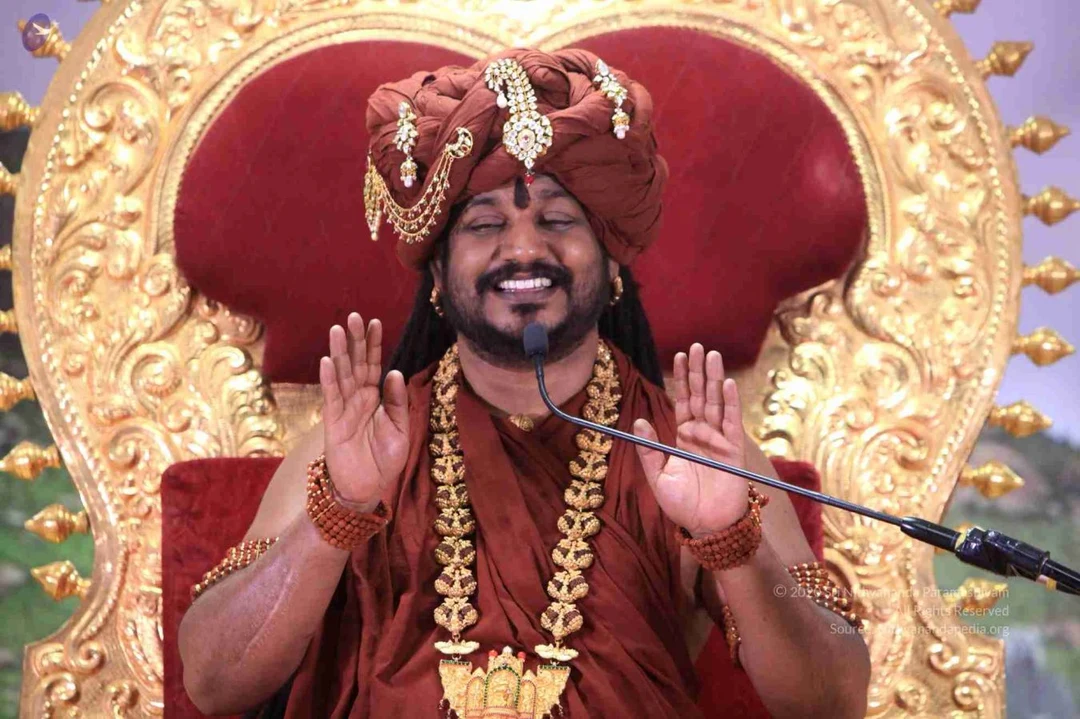 HDH Nithyananda Paramashivam abhaya hasta (blessing)
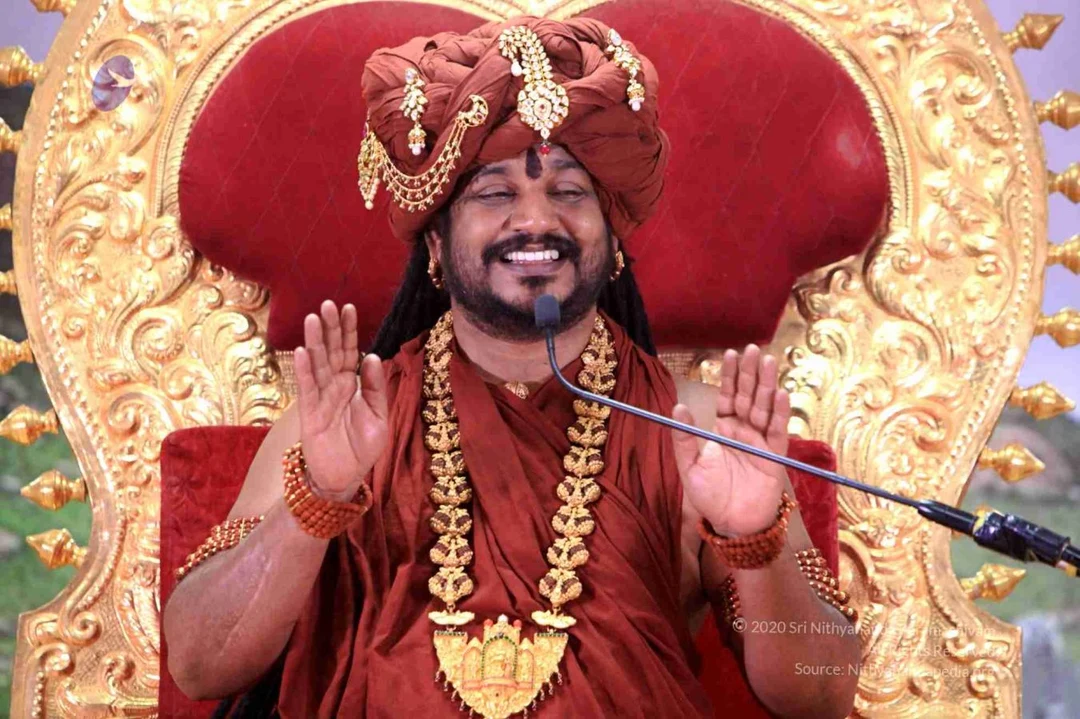 HDH Nithyananda Paramashivam abhaya hasta (blessing)
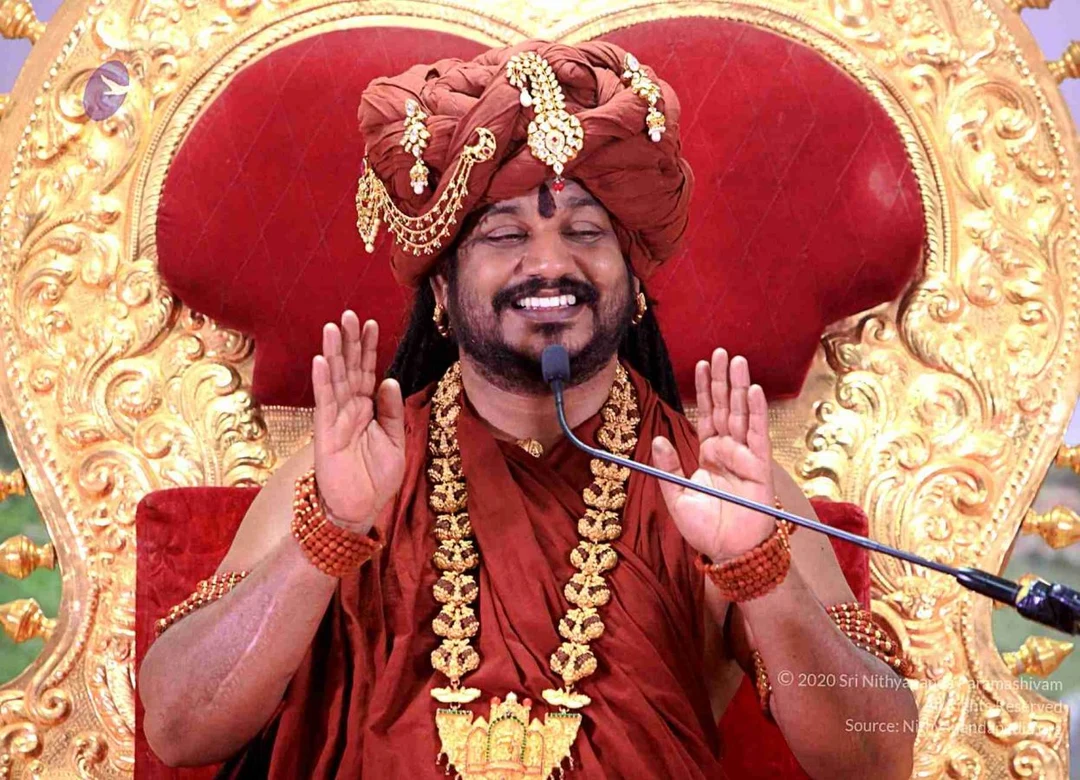 HDH Nithyananda Paramashivam abhaya hasta (blessing)
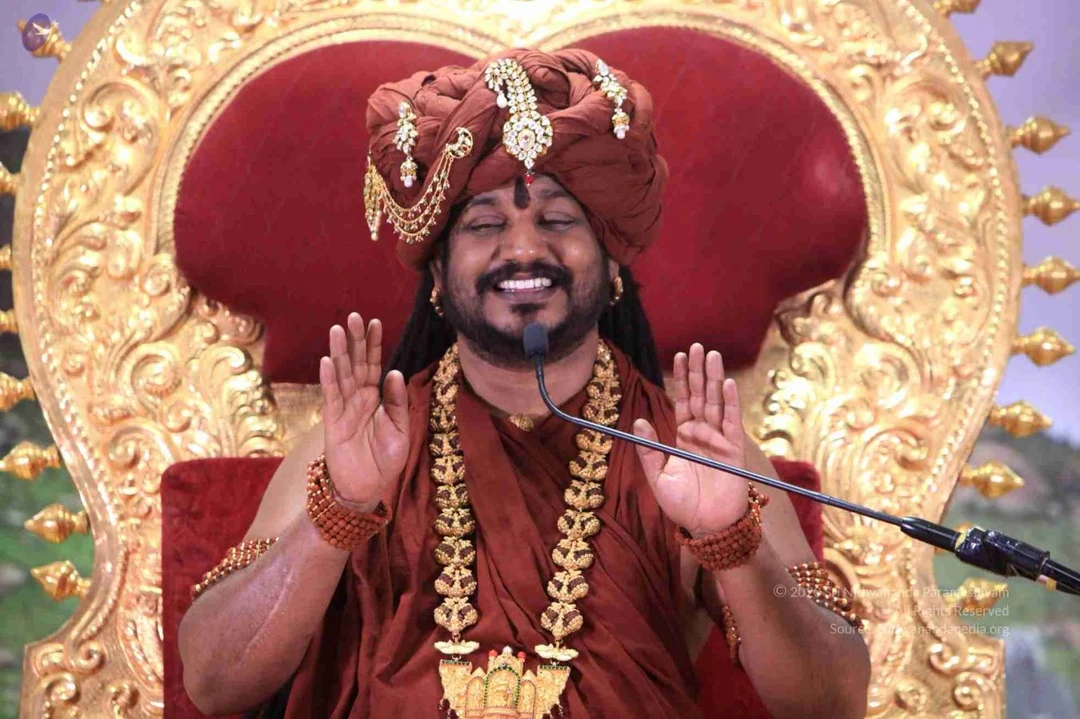 HDH Nithyananda Paramashivam abhaya hasta (blessing)
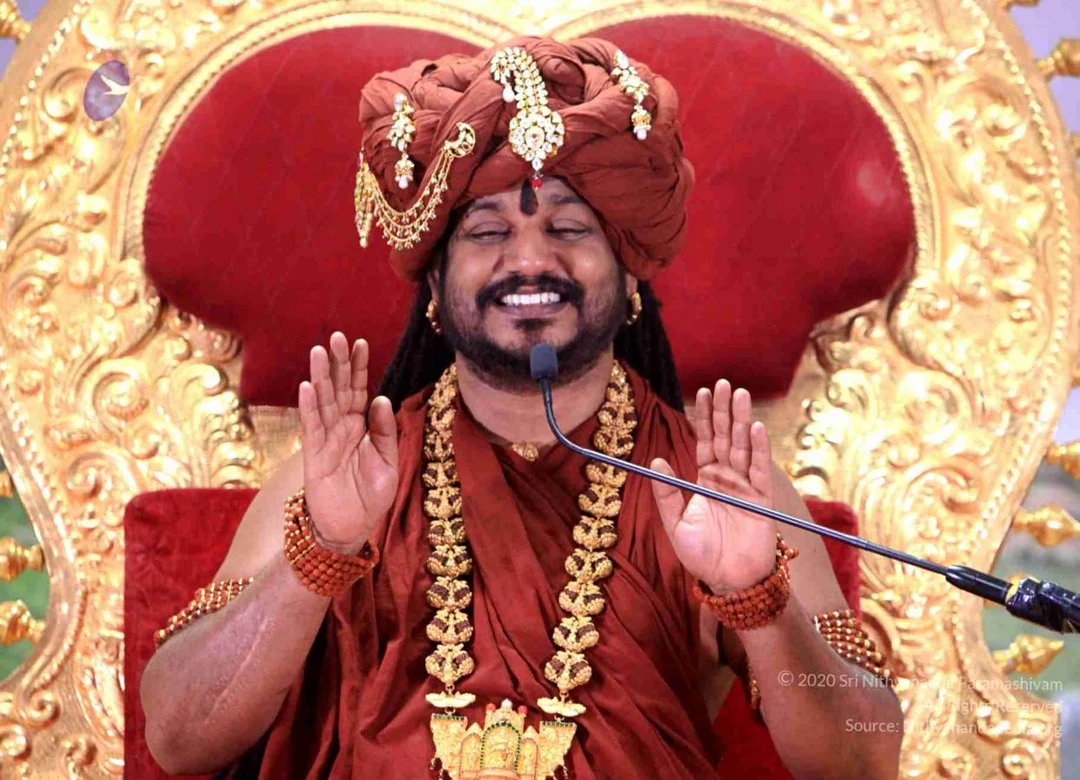 HDH Nithyananda Paramashivam abhaya hasta (blessing)
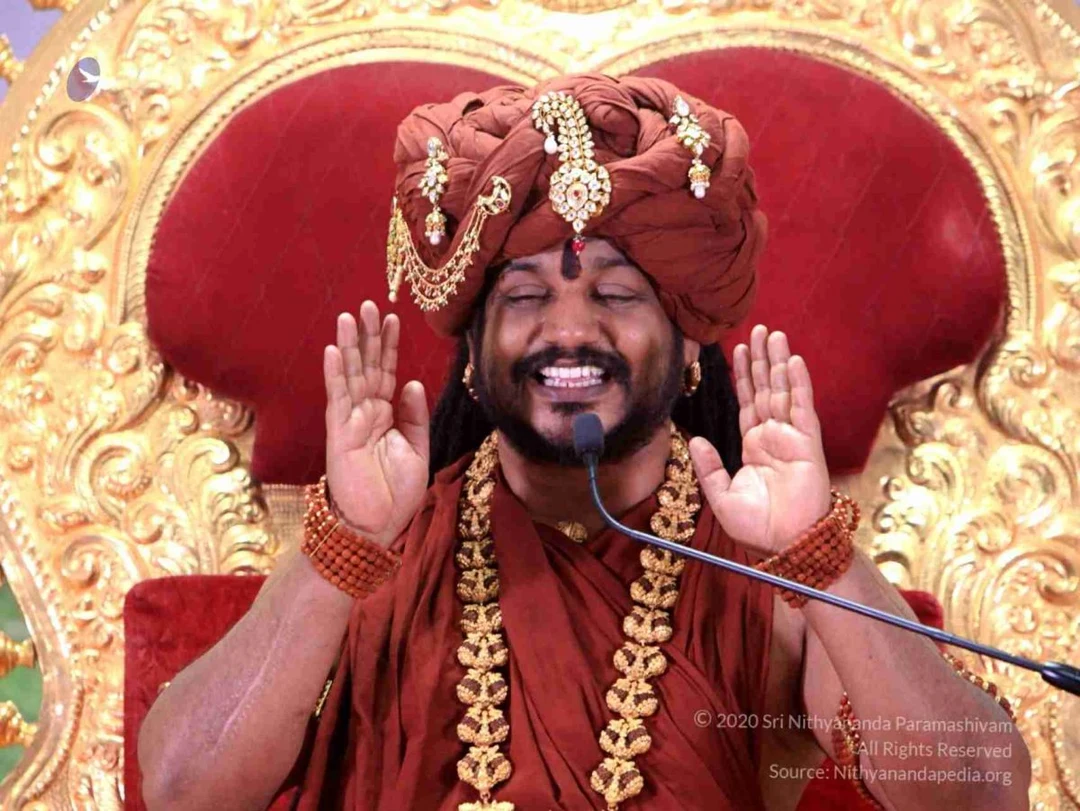 HDH Nithyananda Paramashivam abhaya hasta (blessing)
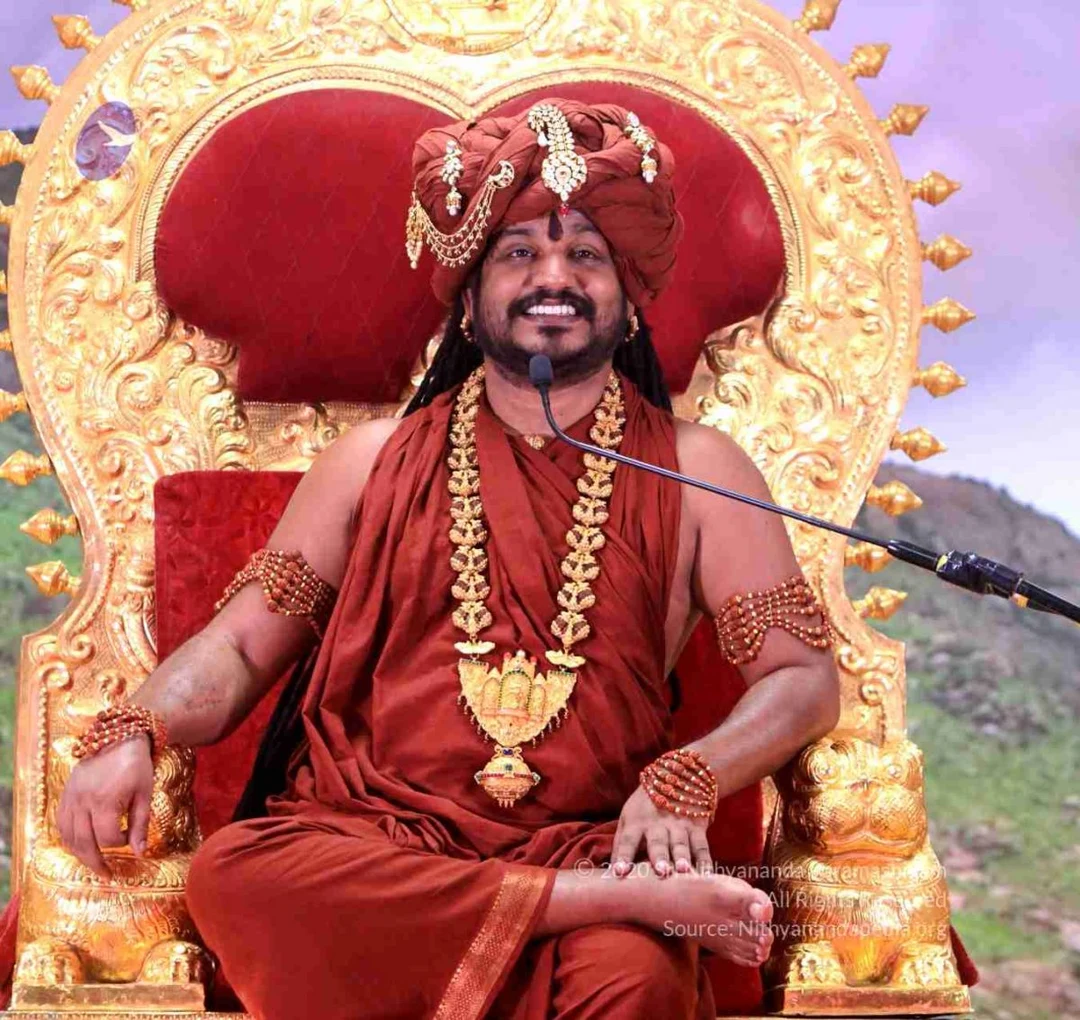
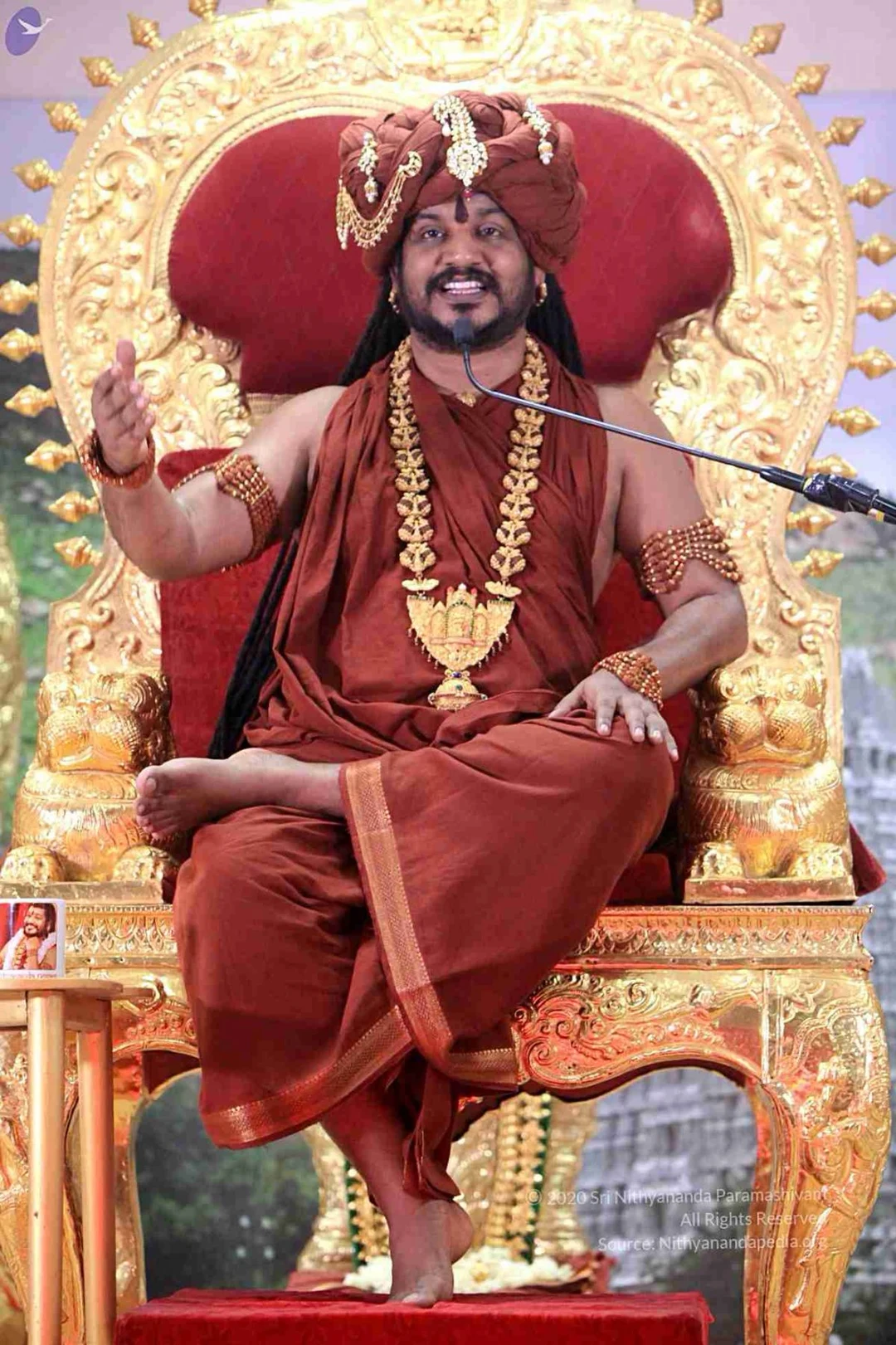
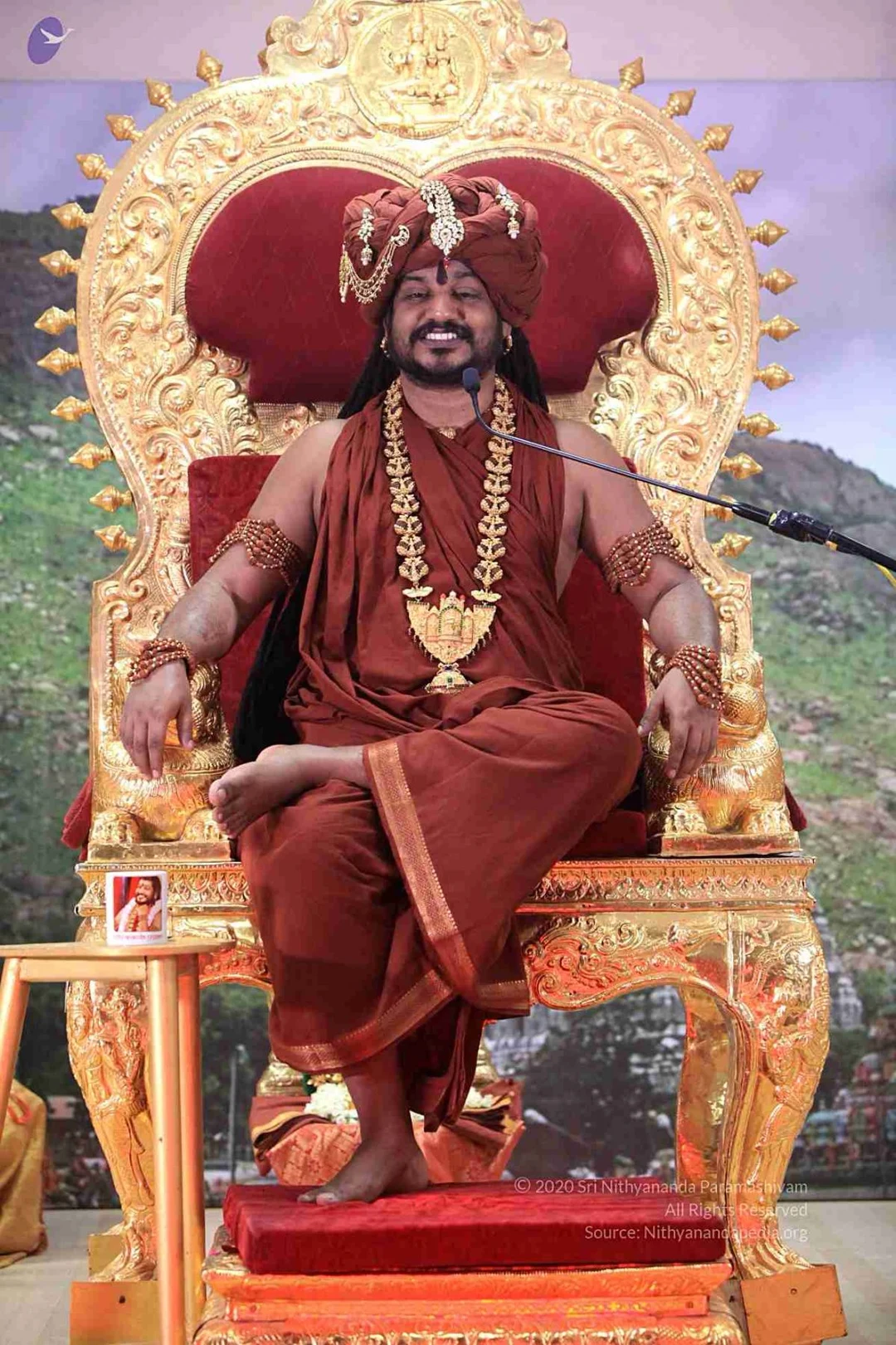
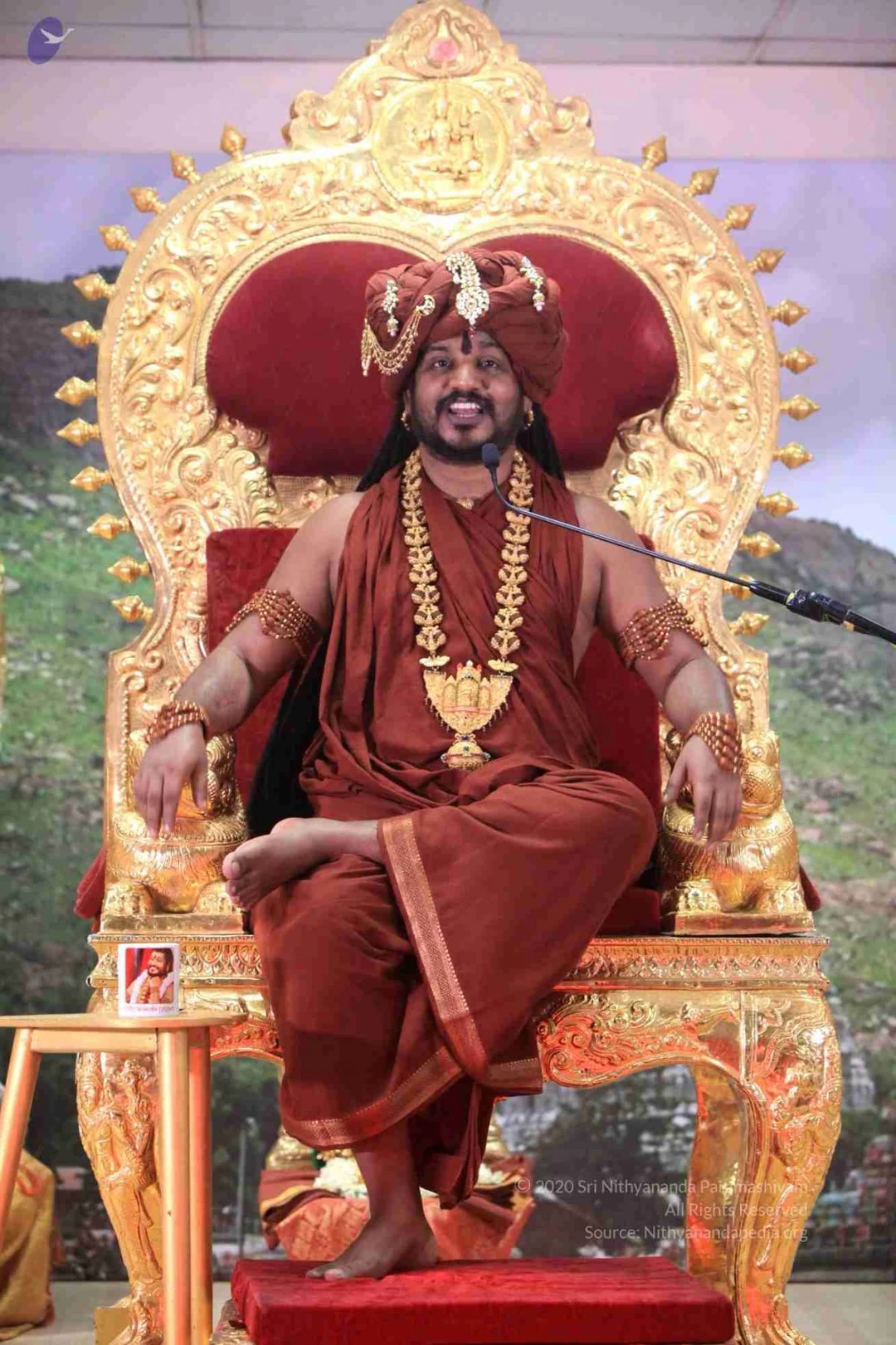
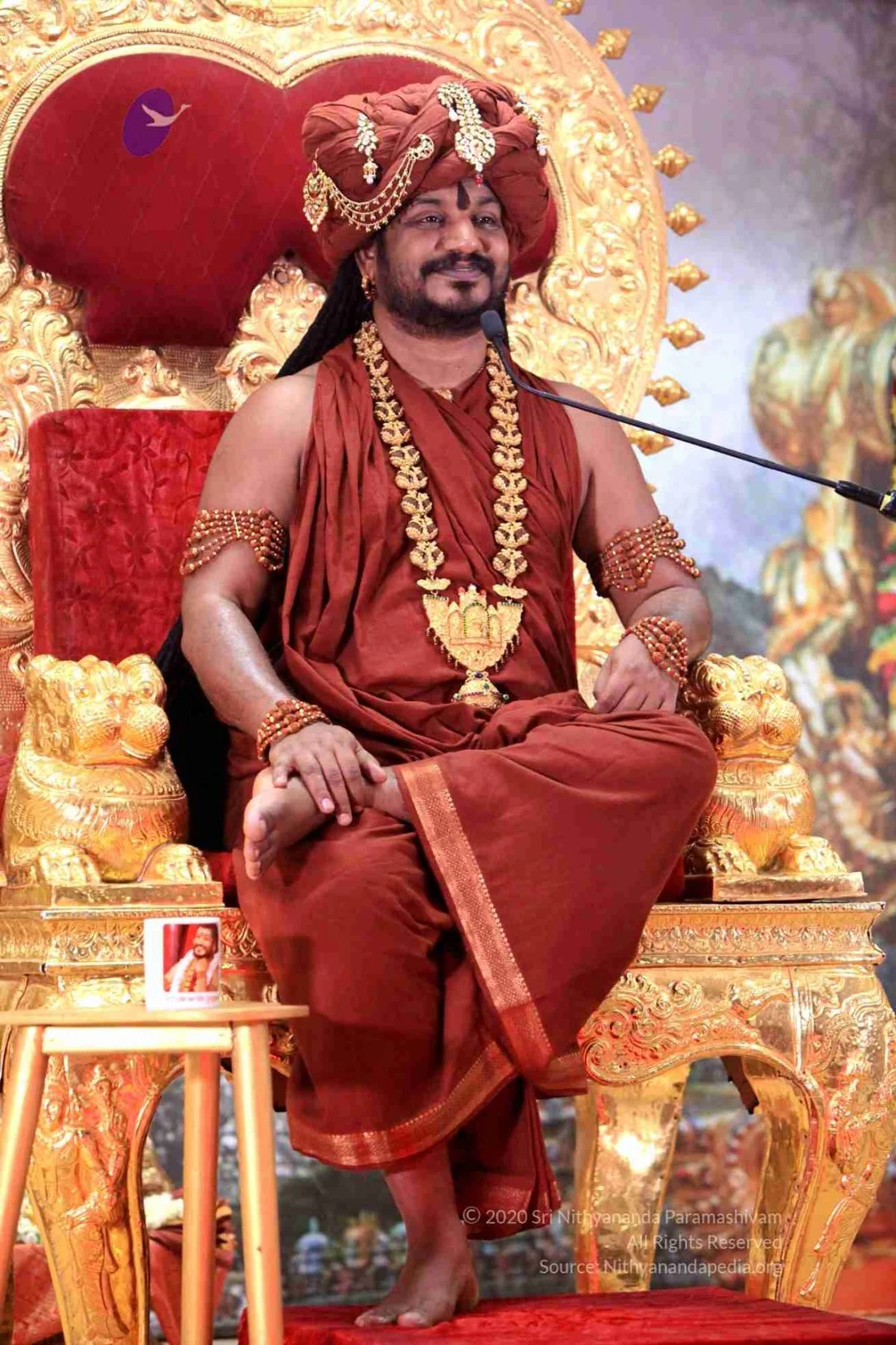
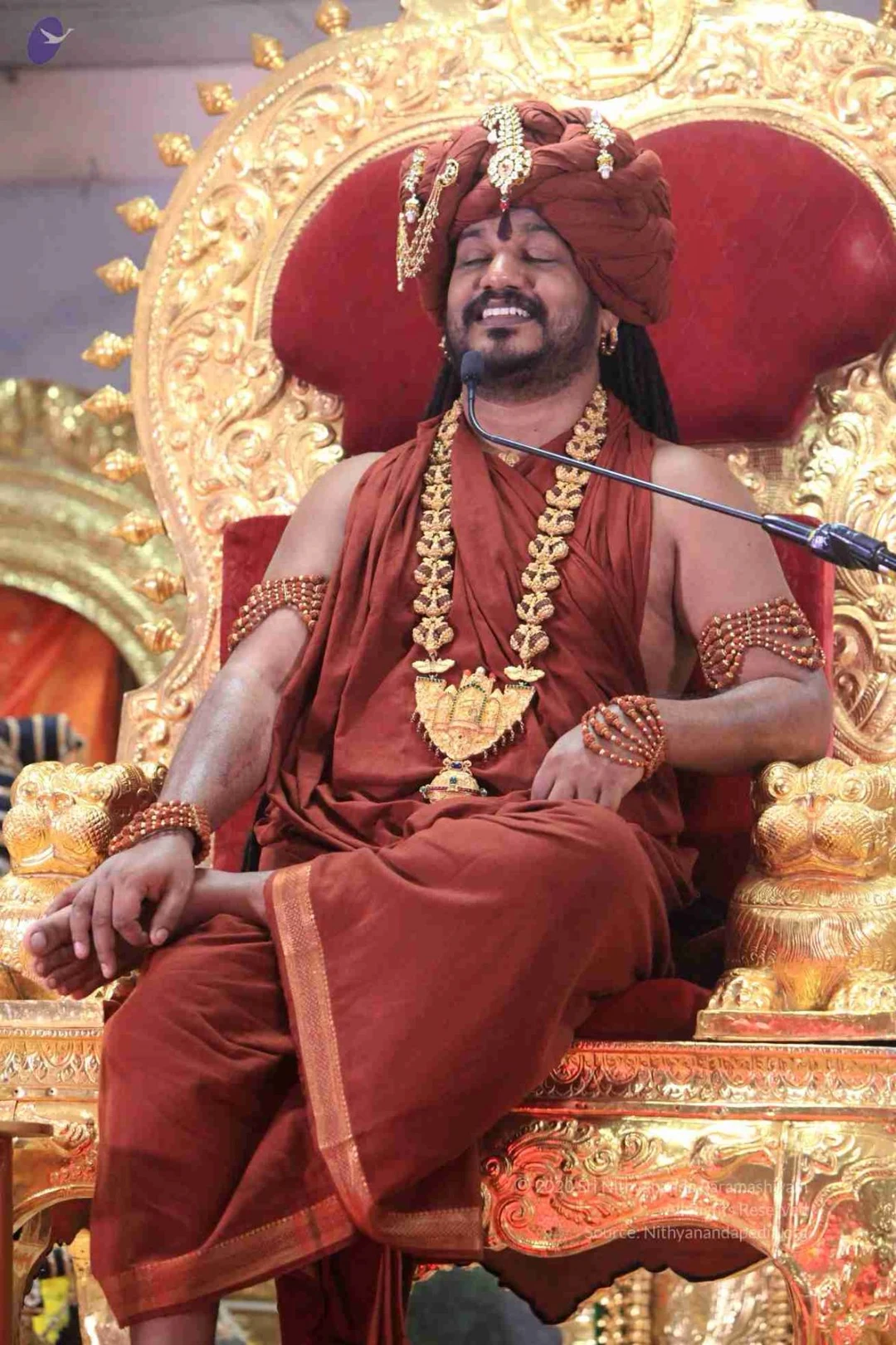
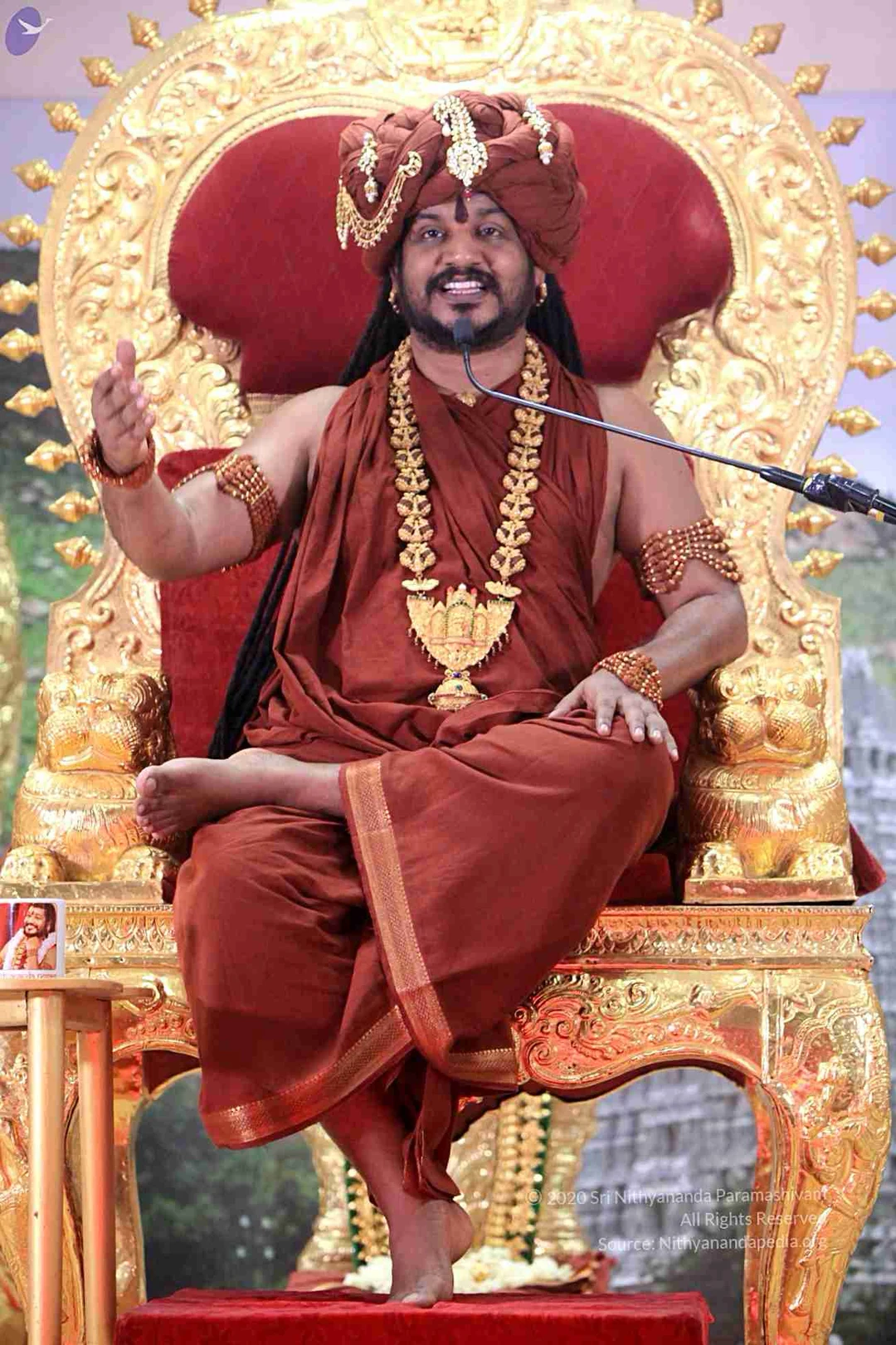
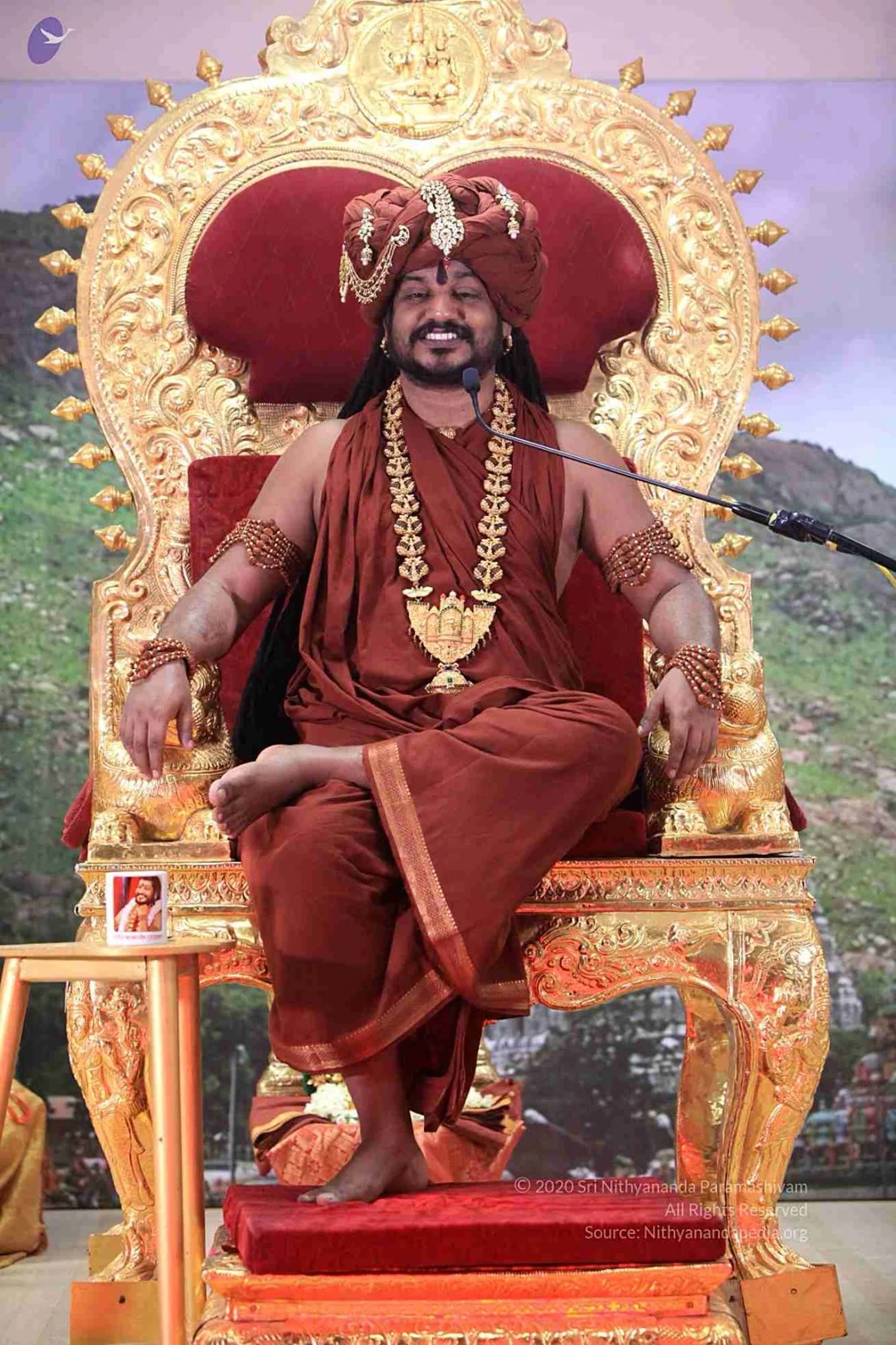
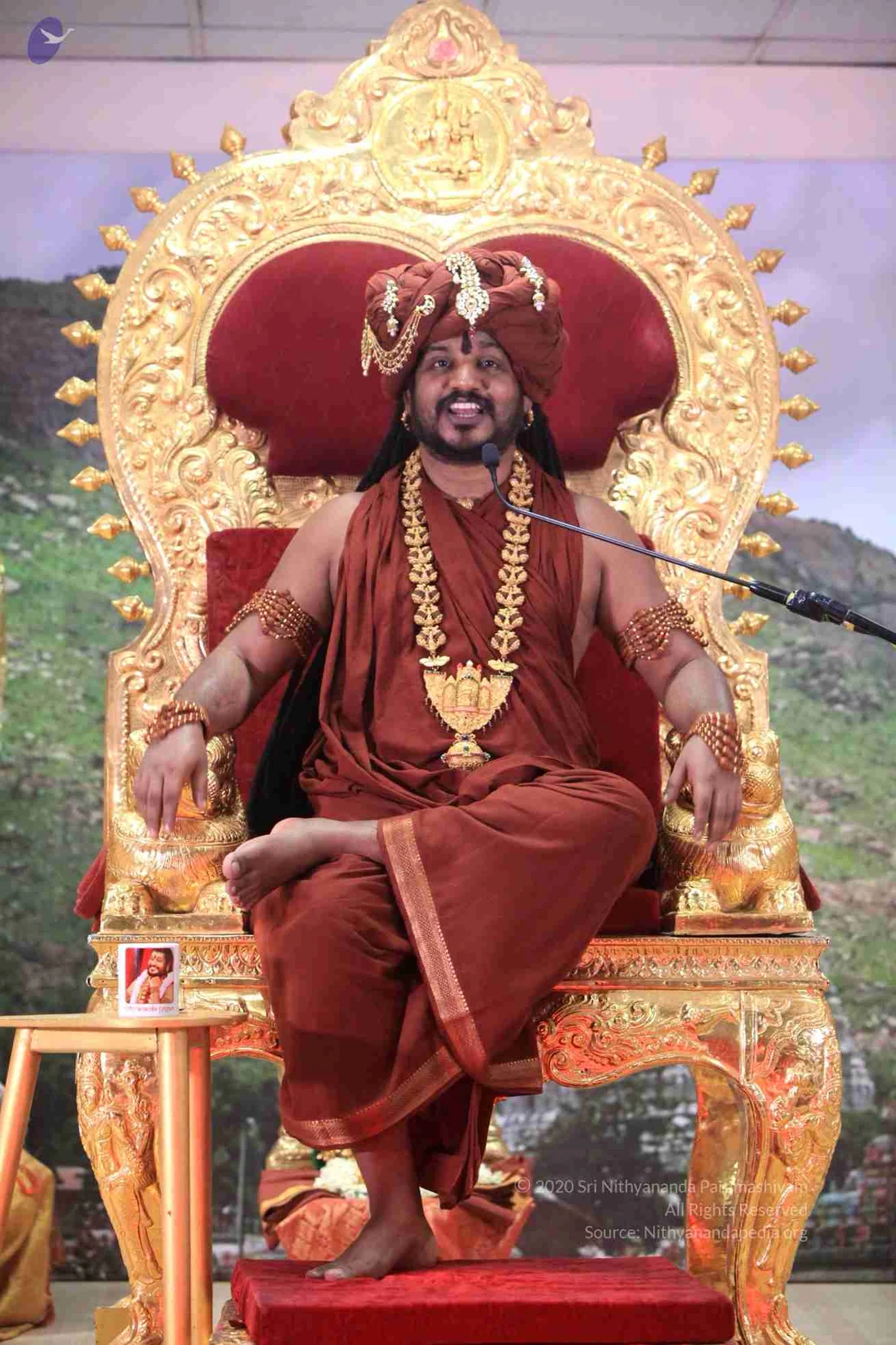
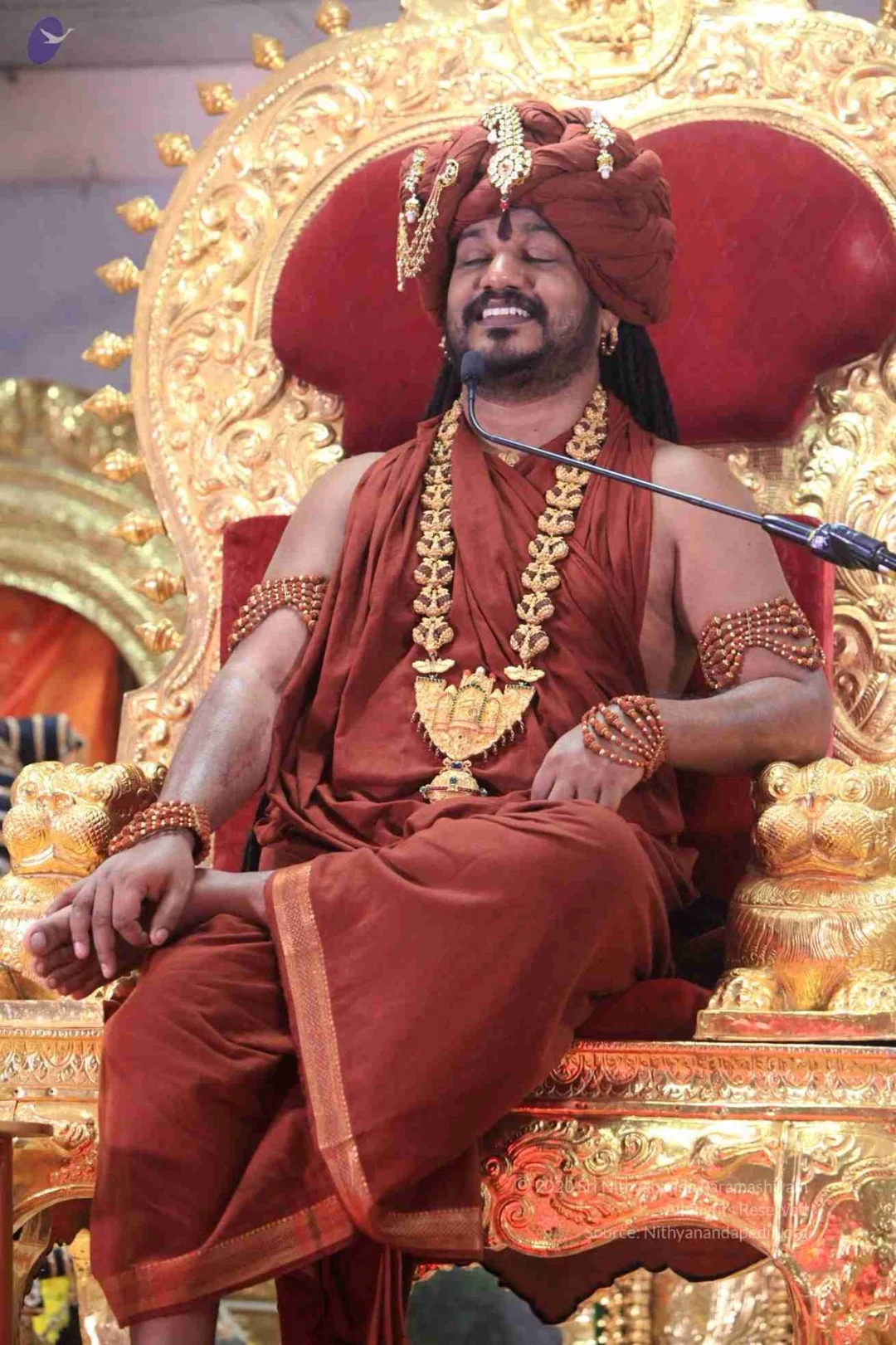
Evening Pada Puja
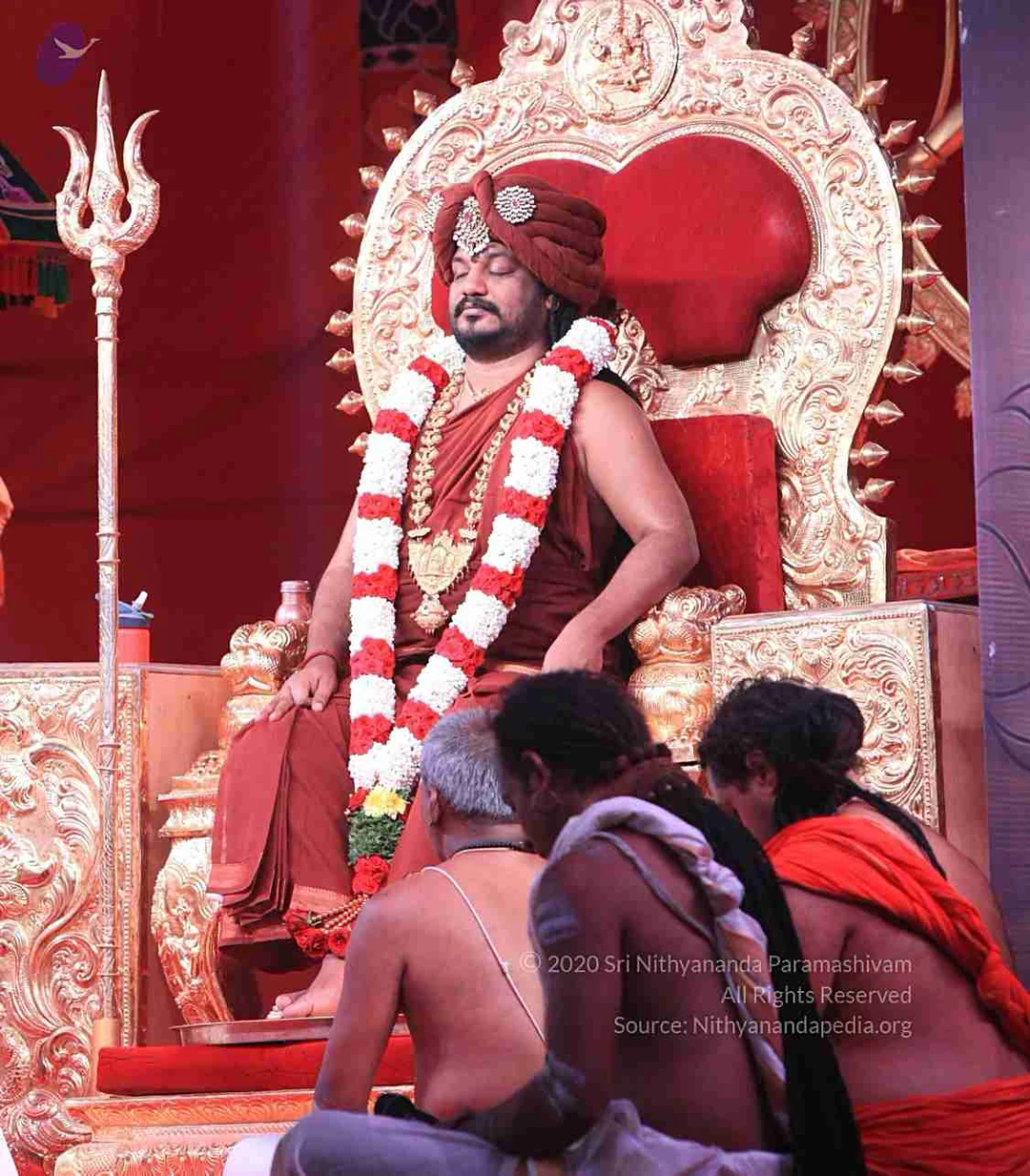
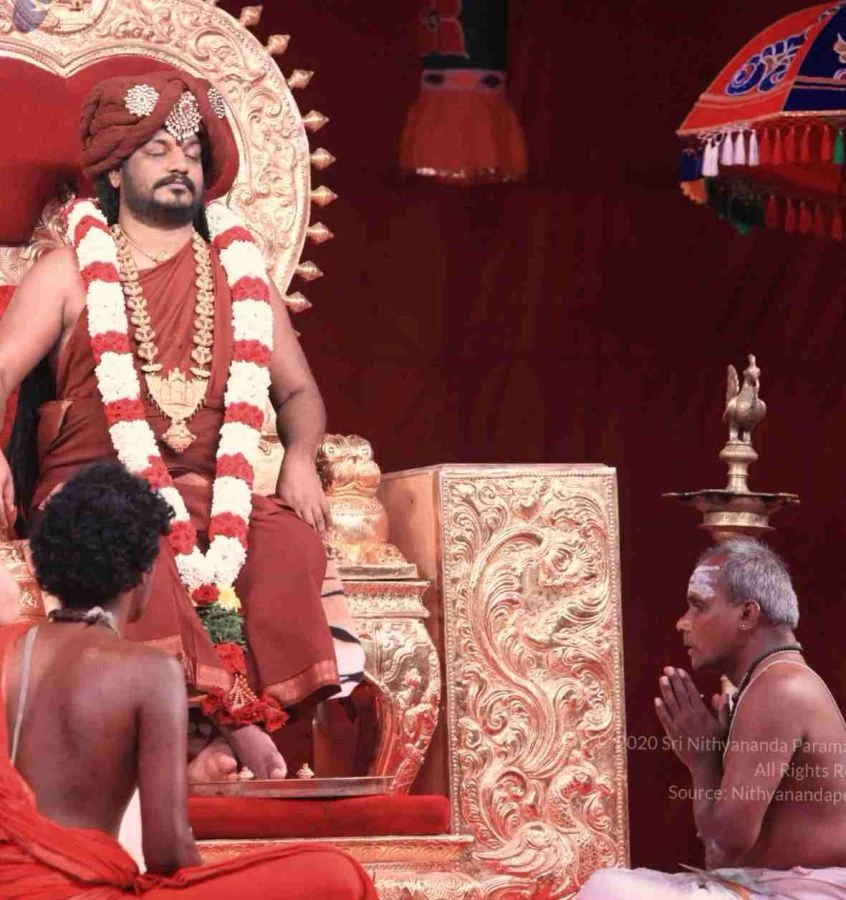
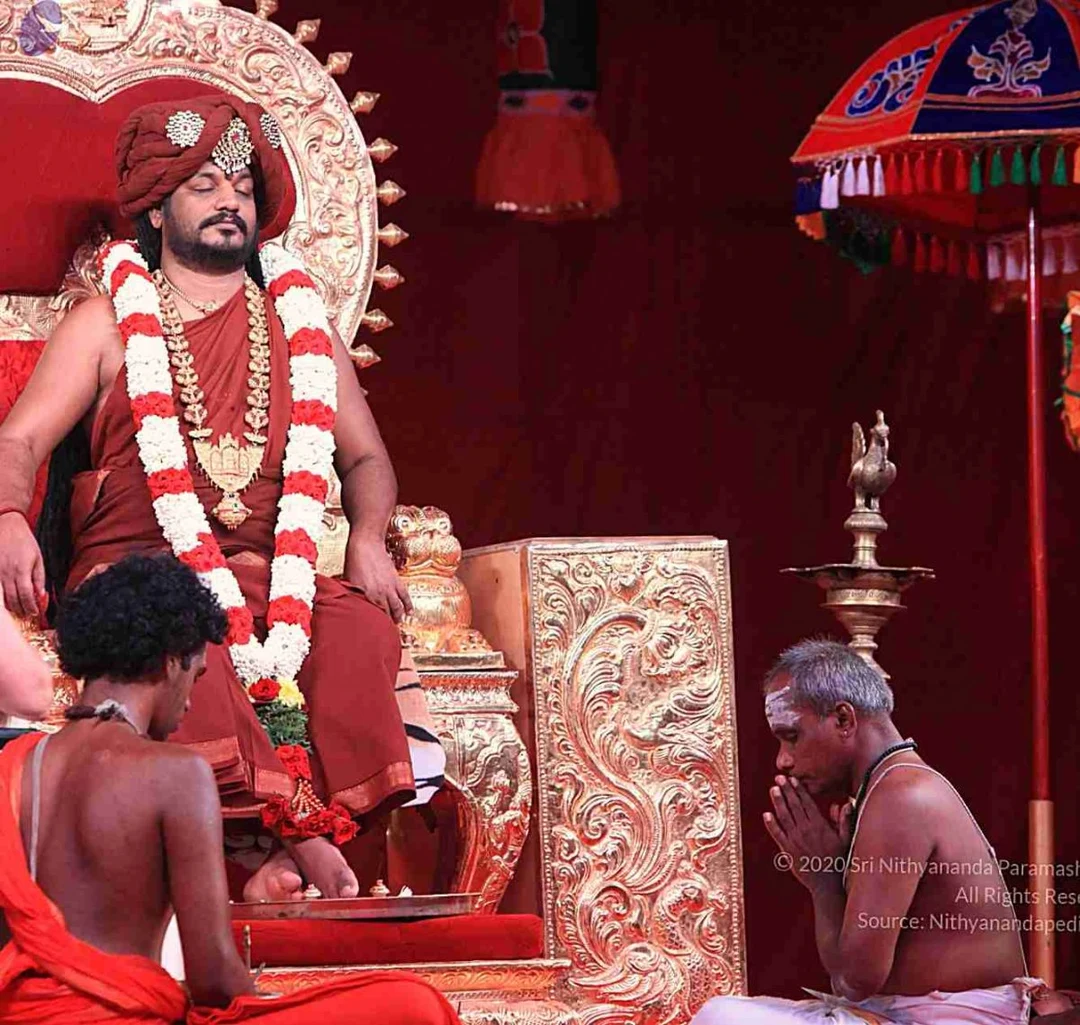
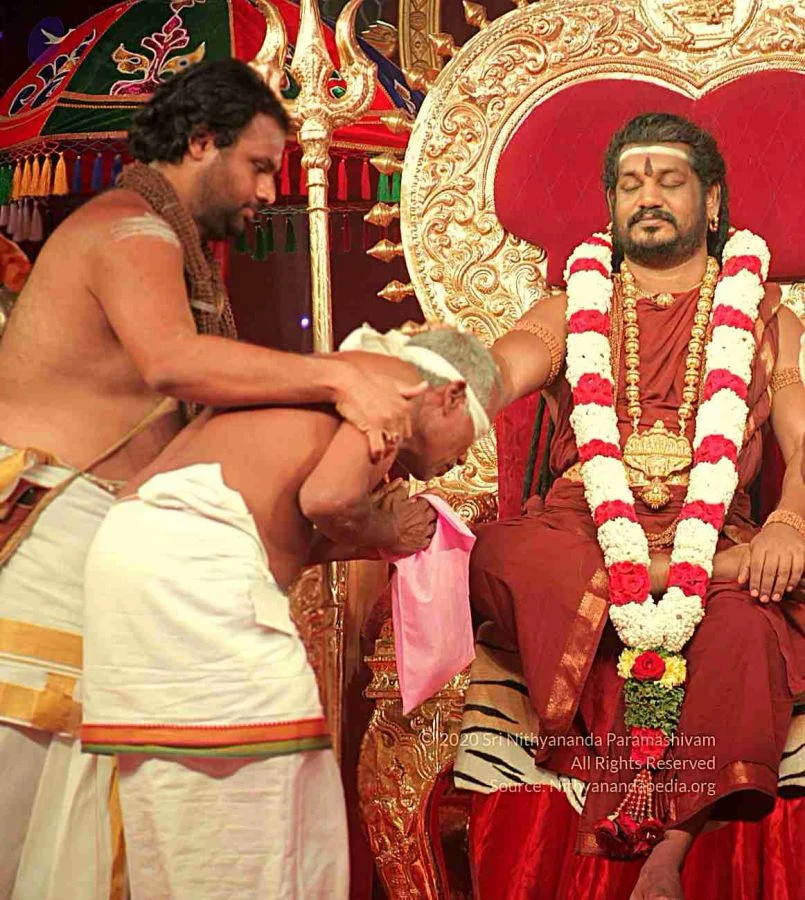
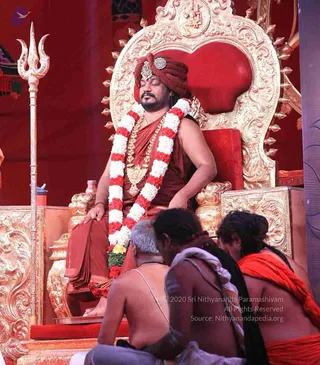 Pratyaksha pada puja - pada means sacred feet in sanskrit - ritual to express our gratitude to a revered spiritual Guru
 Pratyaksha pada puja - pada means sacred feet in sanskrit - ritual to express our gratitude to a revered spiritual Guru
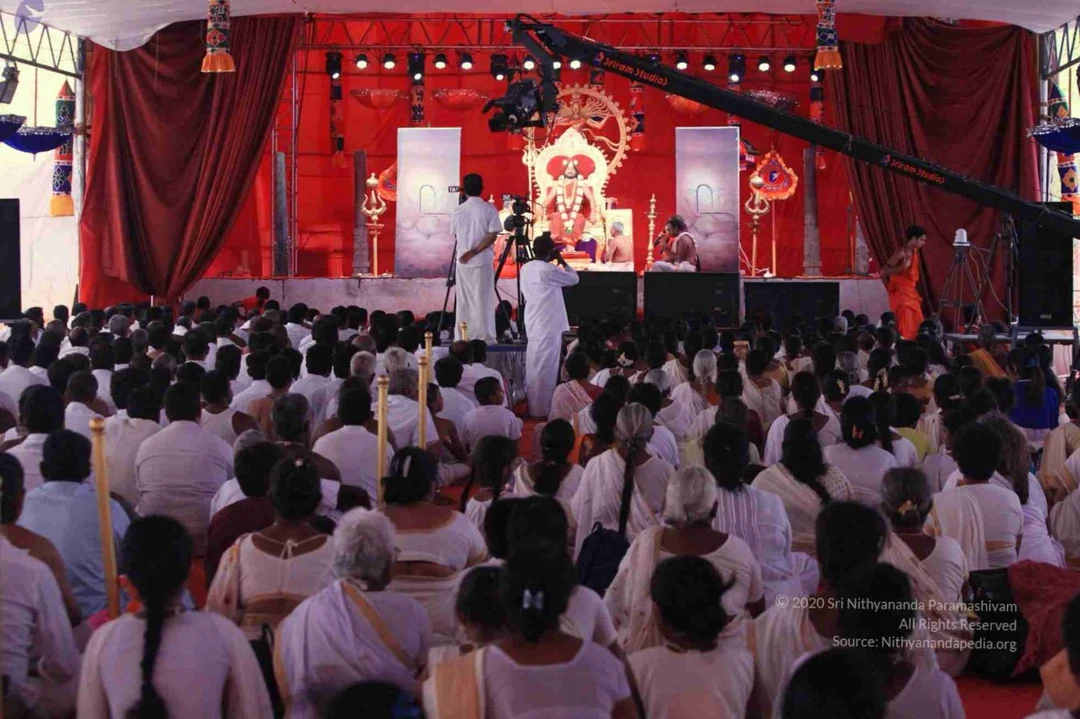 Pratyaksha pada puja - pada means sacred feet in sanskrit - ritual to express our gratitude to a revered spiritual Guru
 Space of gratitude and deep restful awareness
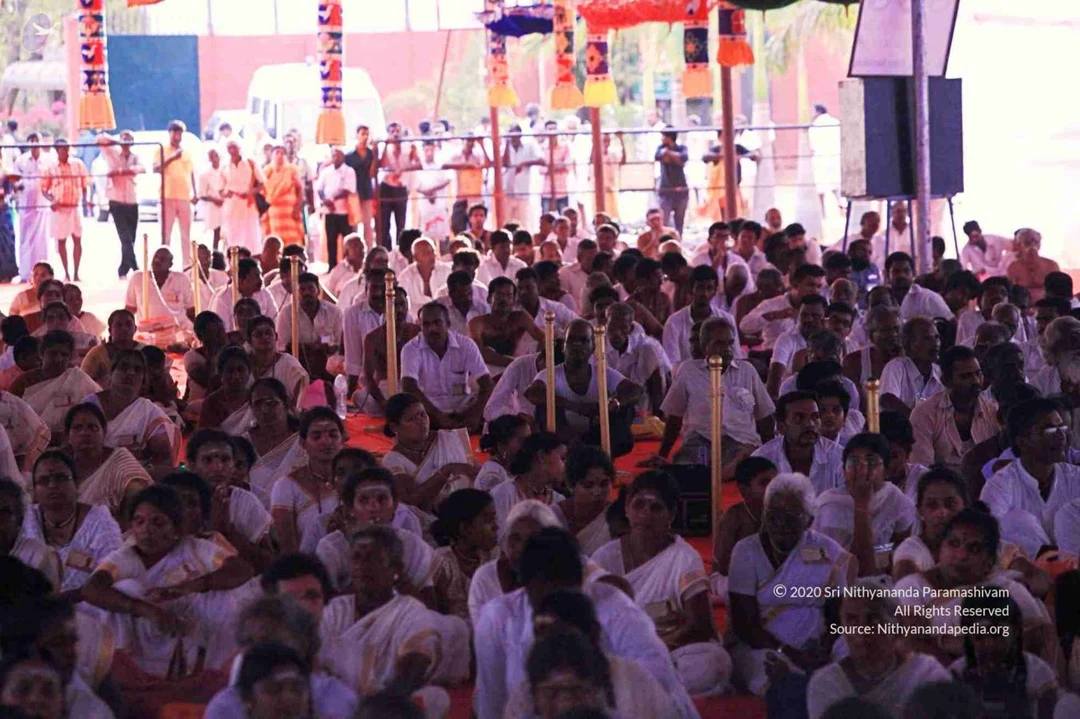 Space of gratitude and deep restful awareness
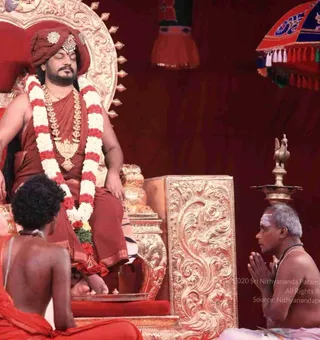 Space of gratitude and deep restful awareness
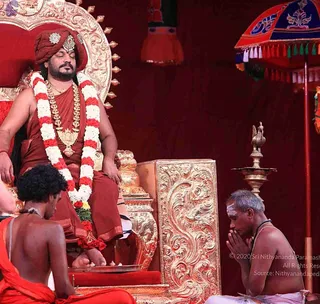 Existence is continuous expansion - HDH Nithyananda Paramashivam
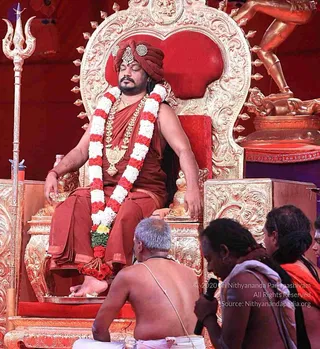 Existence is continuous expansion - HDH Nithyananda Paramashivam
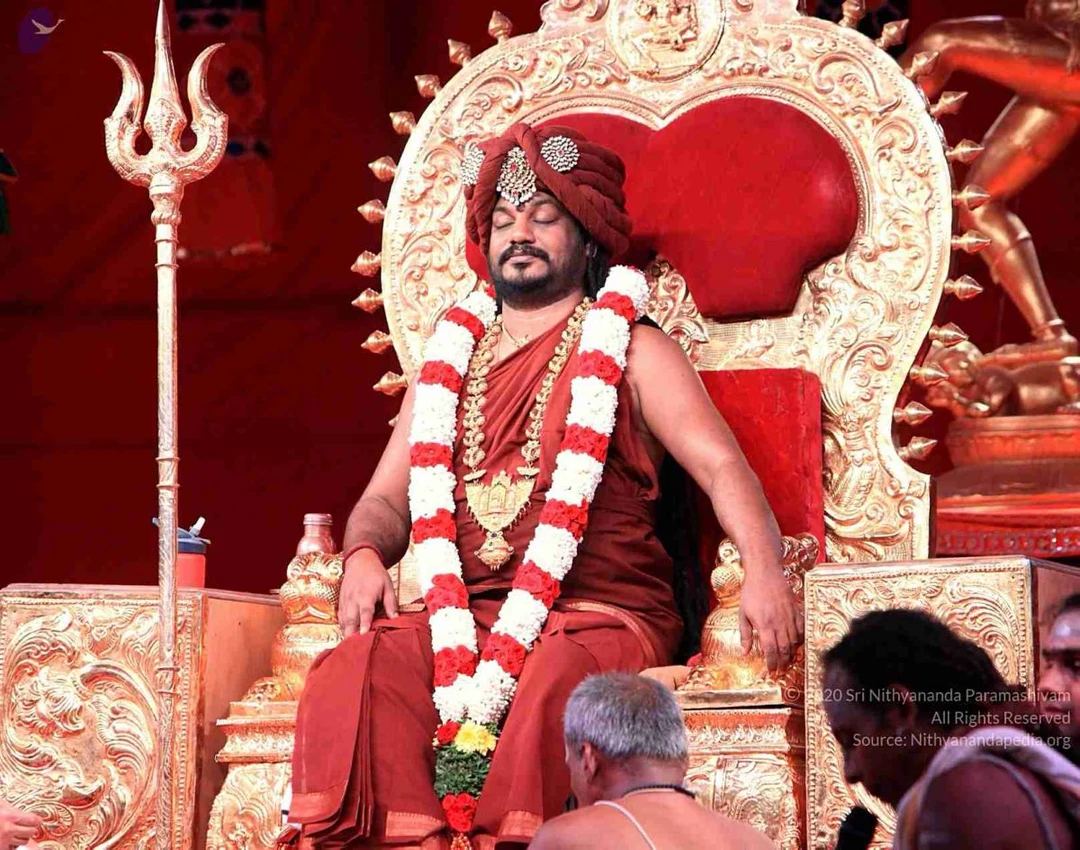 Existence is continuous expansion - HDH Nithyananda Paramashivam
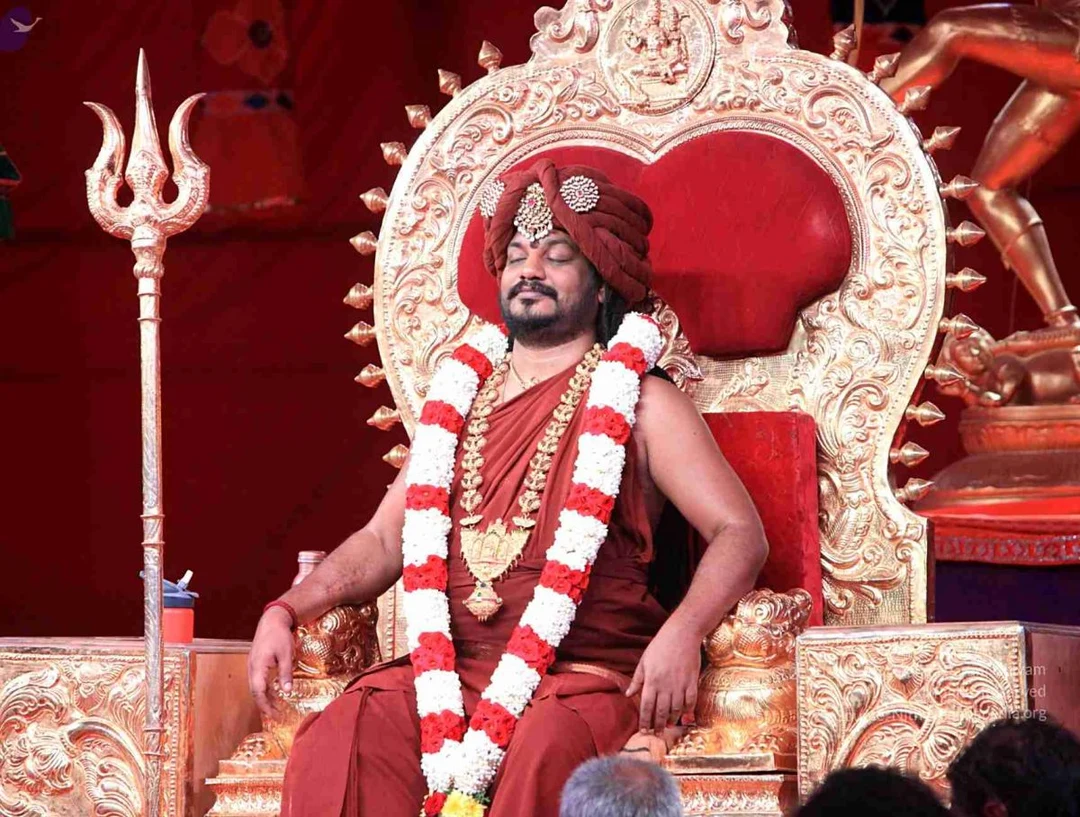 Existence is continuous expansion - HDH Nithyananda Paramashivam
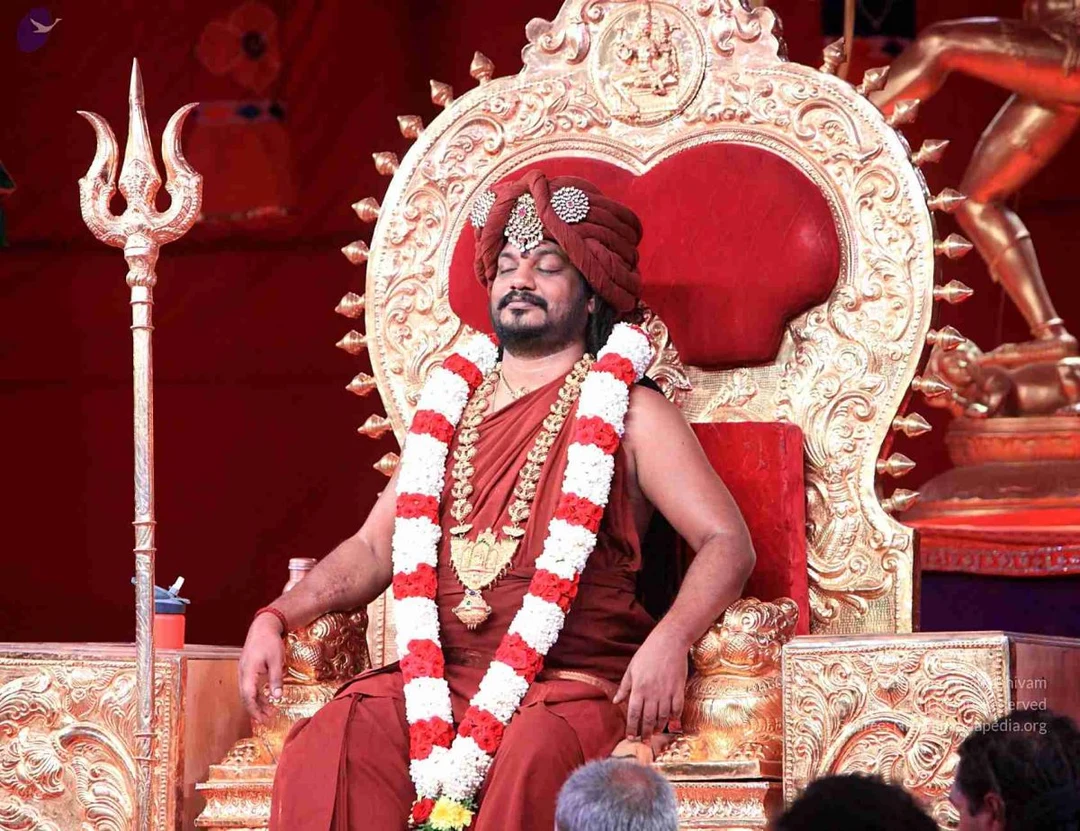 Existence is continuous expansion - HDH Nithyananda Paramashivam
 Existence is continuous expansion - HDH Nithyananda Paramashivam
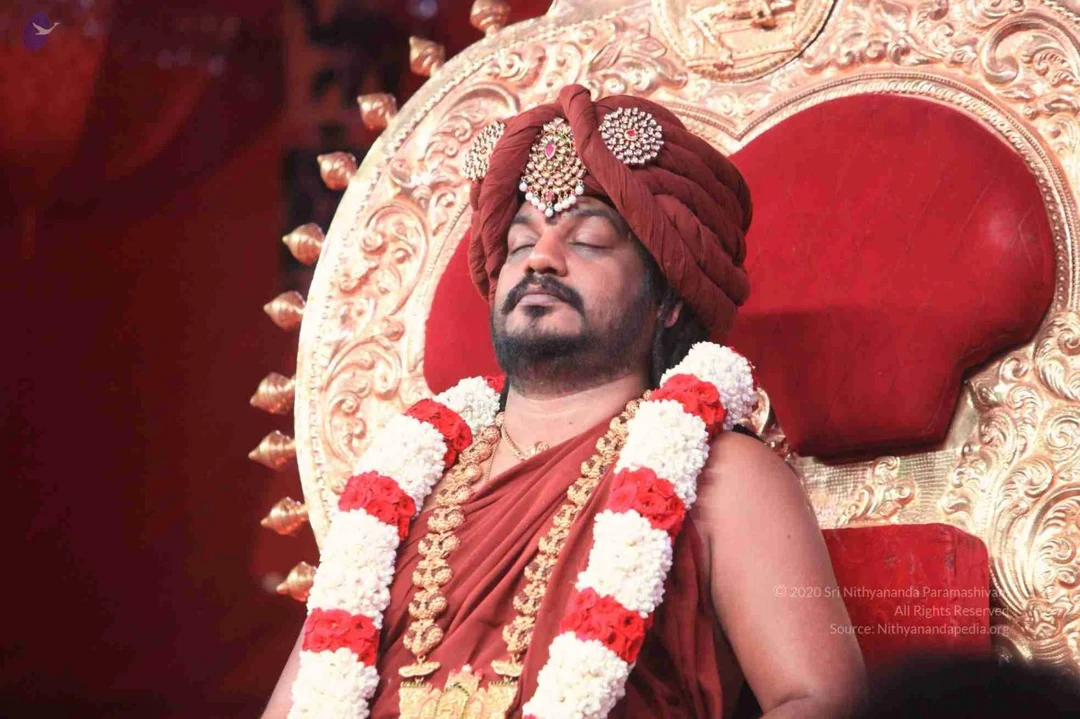 Existence is continuous expansion - HDH Nithyananda Paramashivam
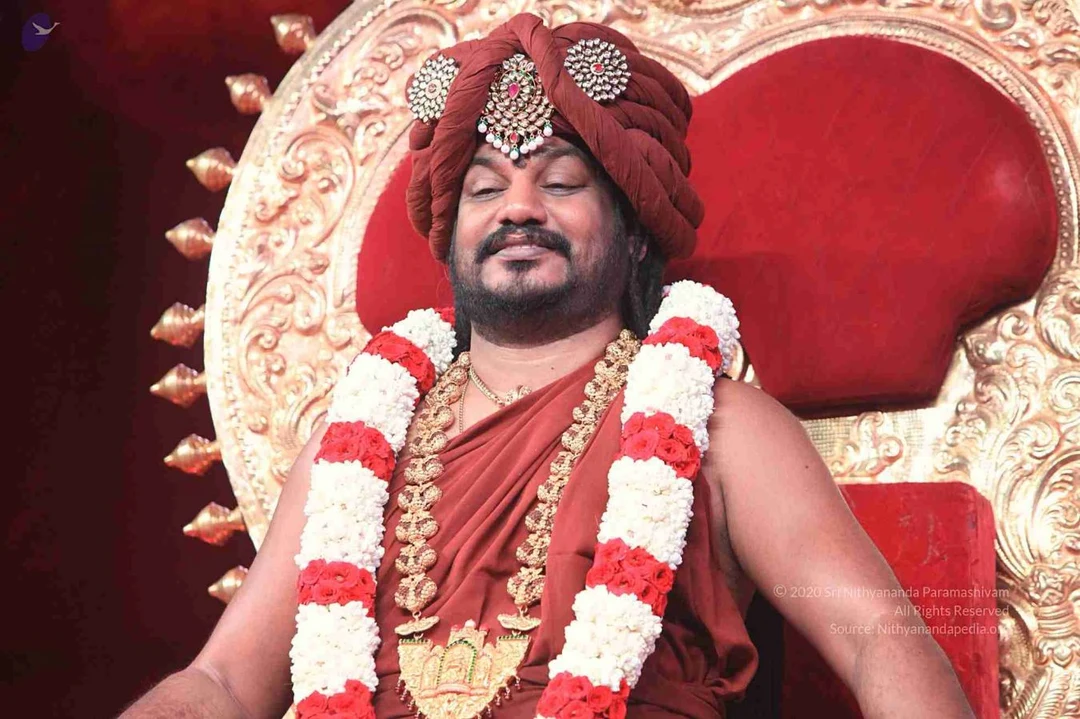 Celebration to express deep overflowing gratitude
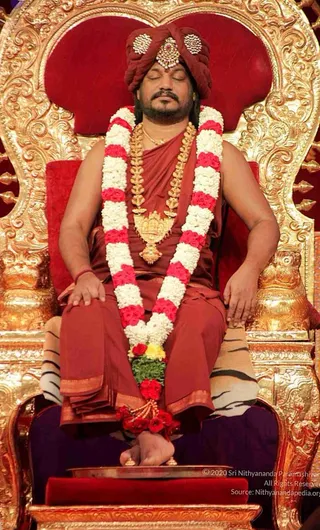 Celebration to express deep overflowing gratitude
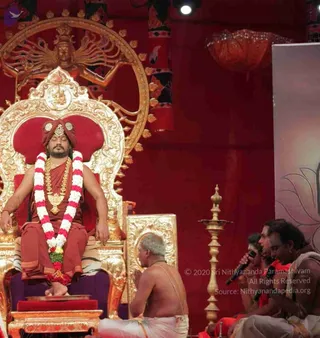 Celebration to express deep overflowing gratitude
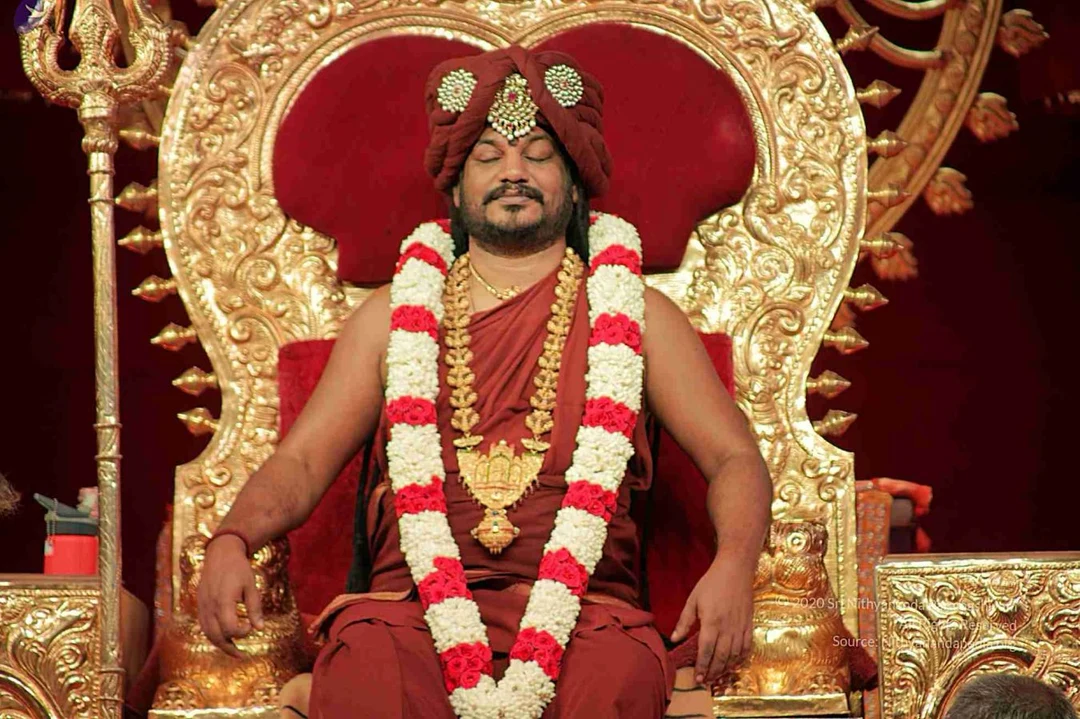 Celebration to express deep overflowing gratitude
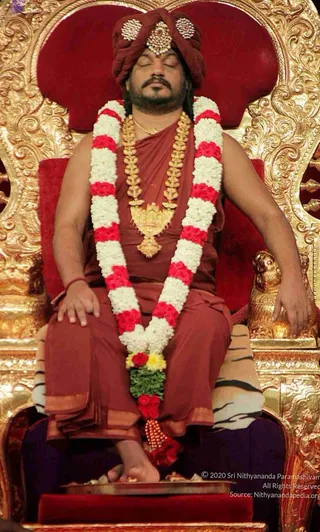 Celebration to express deep overflowing gratitude
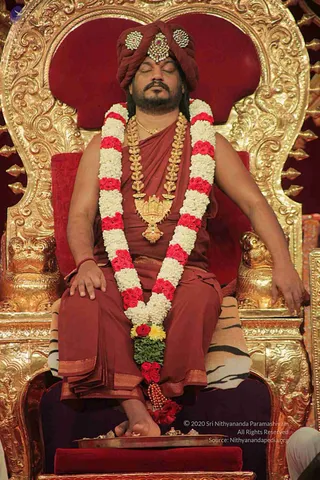 Celebration to express deep overflowing gratitude
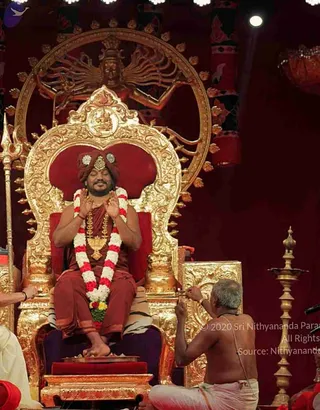 Celebration to express deep overflowing gratitude
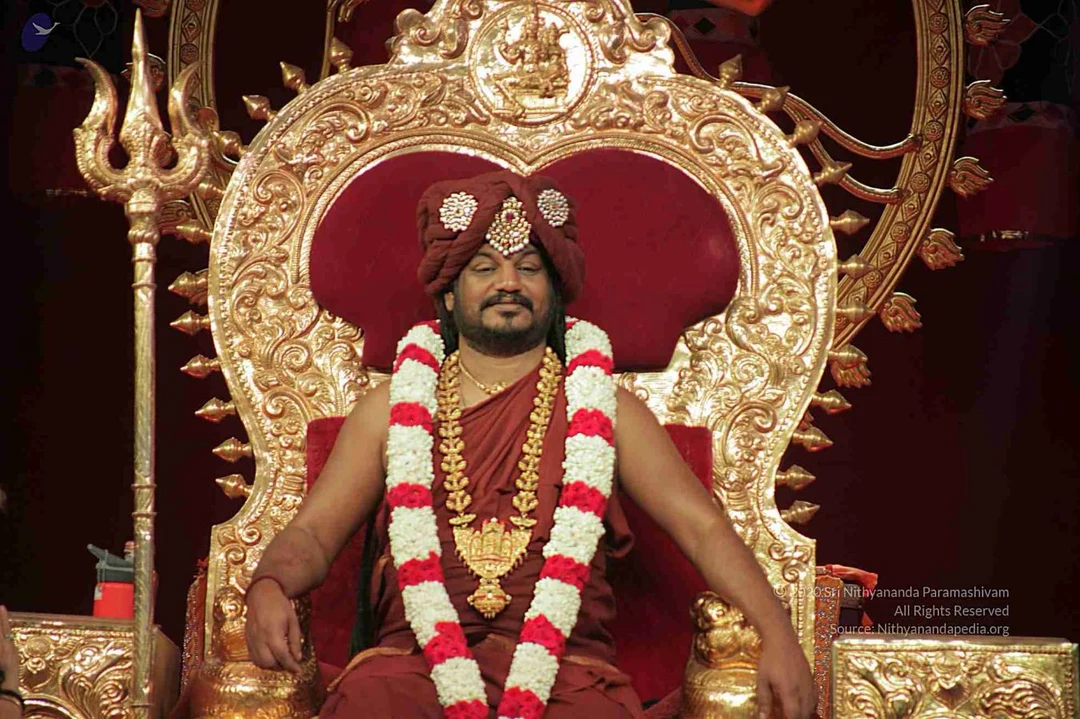 Celebration to express deep overflowing gratitude
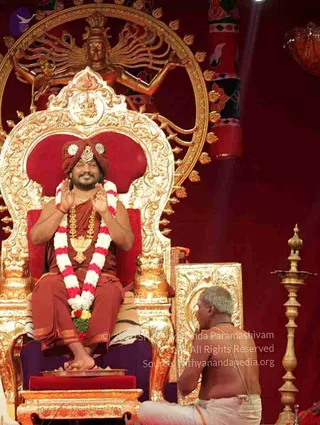 Celebration to express deep overflowing gratitude
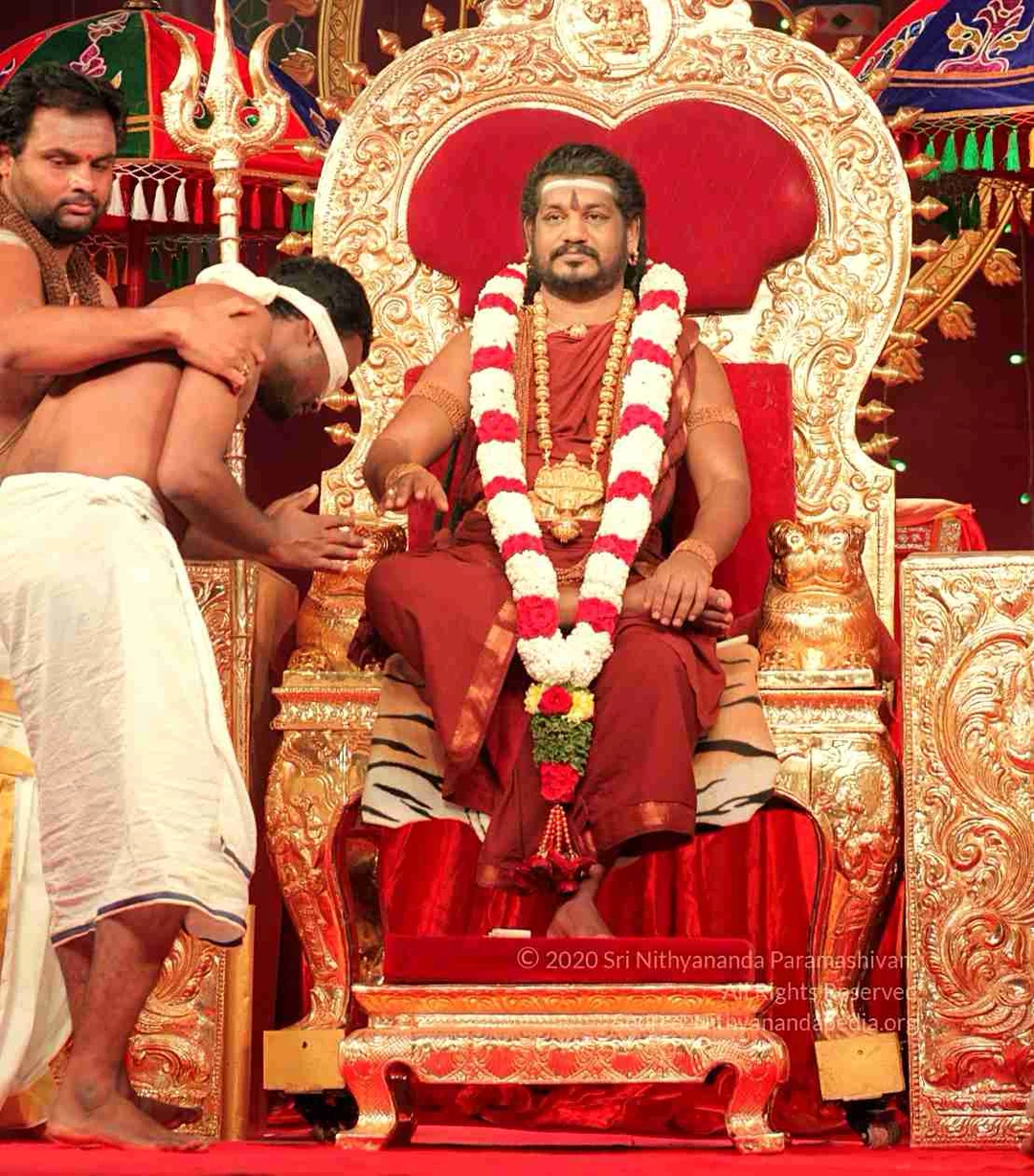
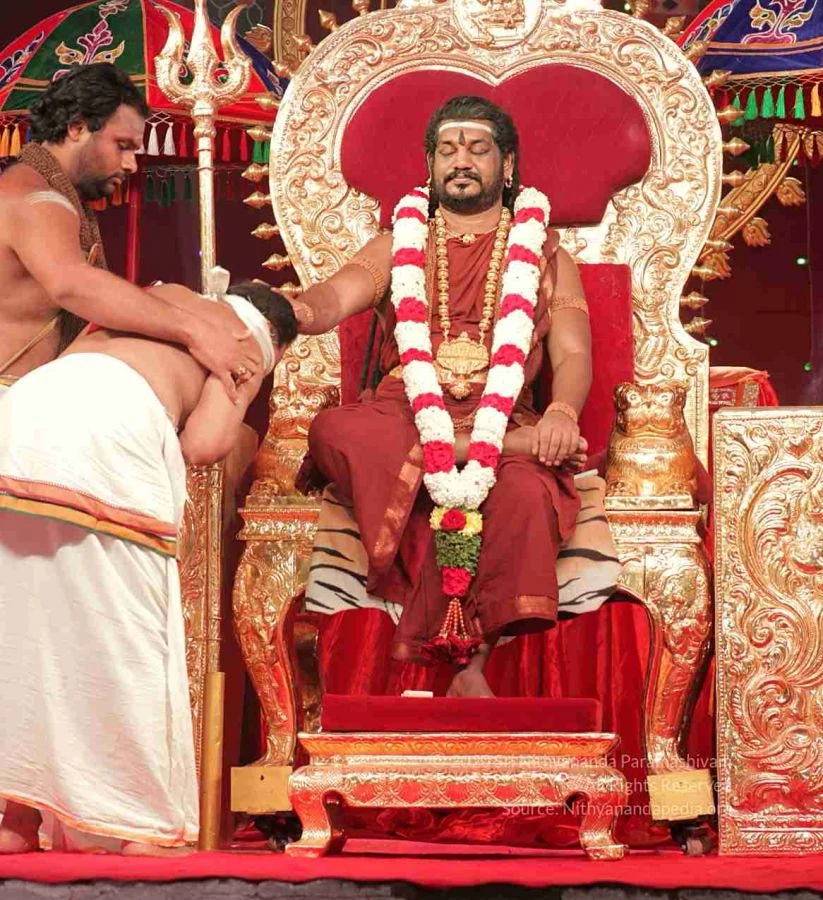
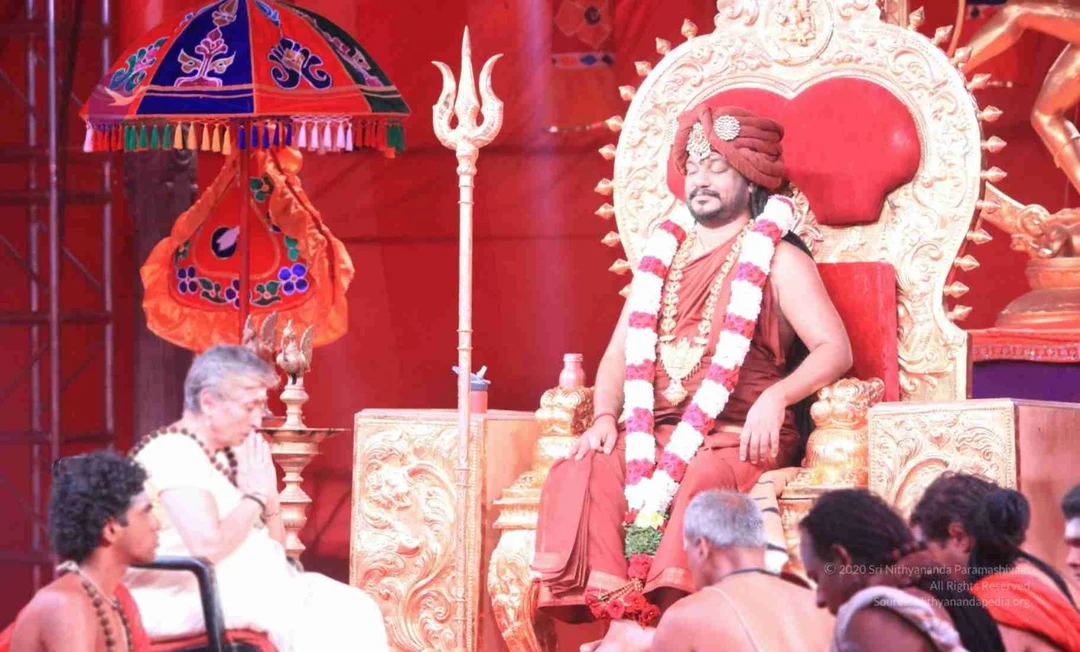 Pratyaksha pada puja - express deep gratitude to the avatar
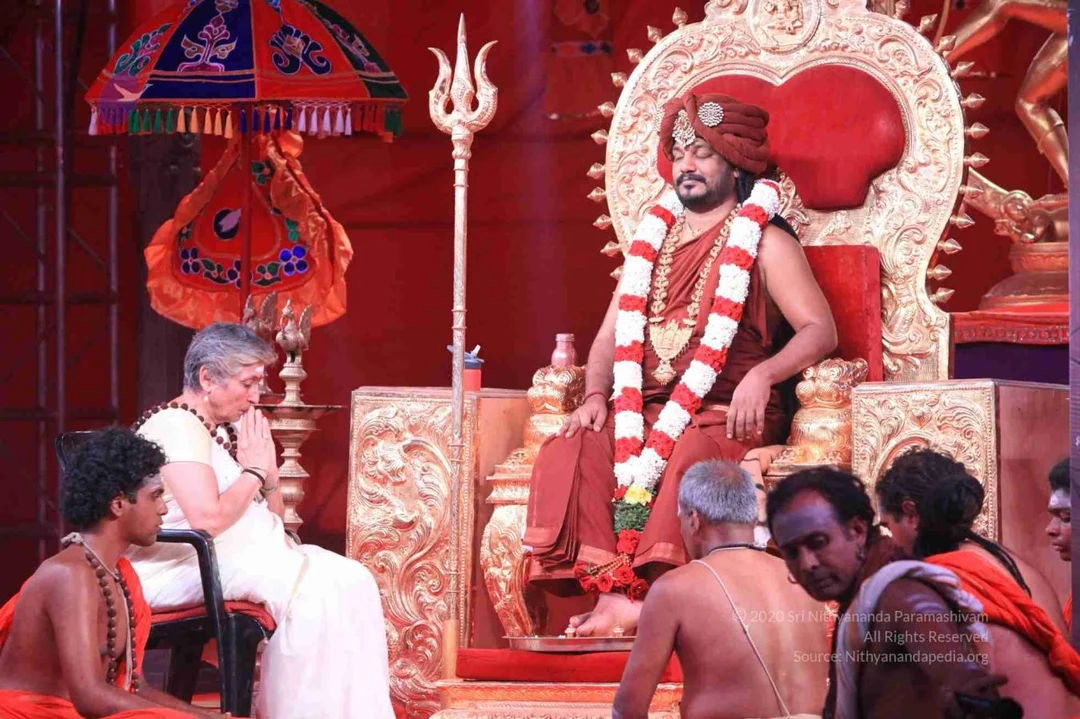 Pratyaksha pada puja - express deep gratitude to the avatar
 Pratyaksha pada puja - express deep gratitude to the avatar
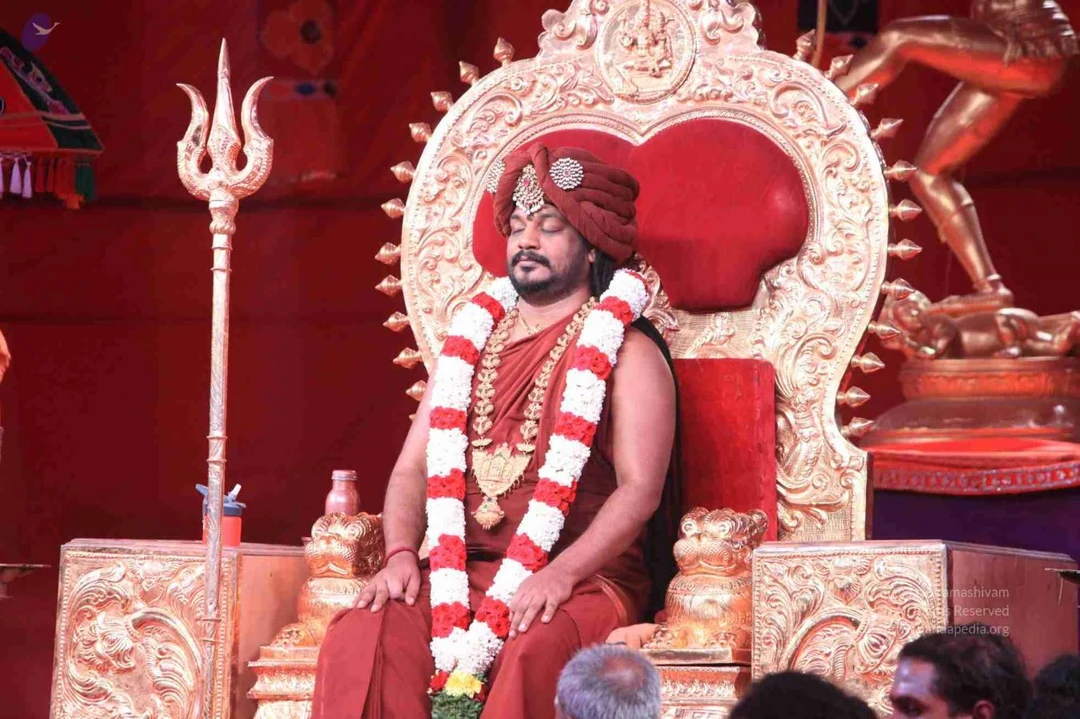 Pratyaksha pada puja - express deep gratitude to the avatar
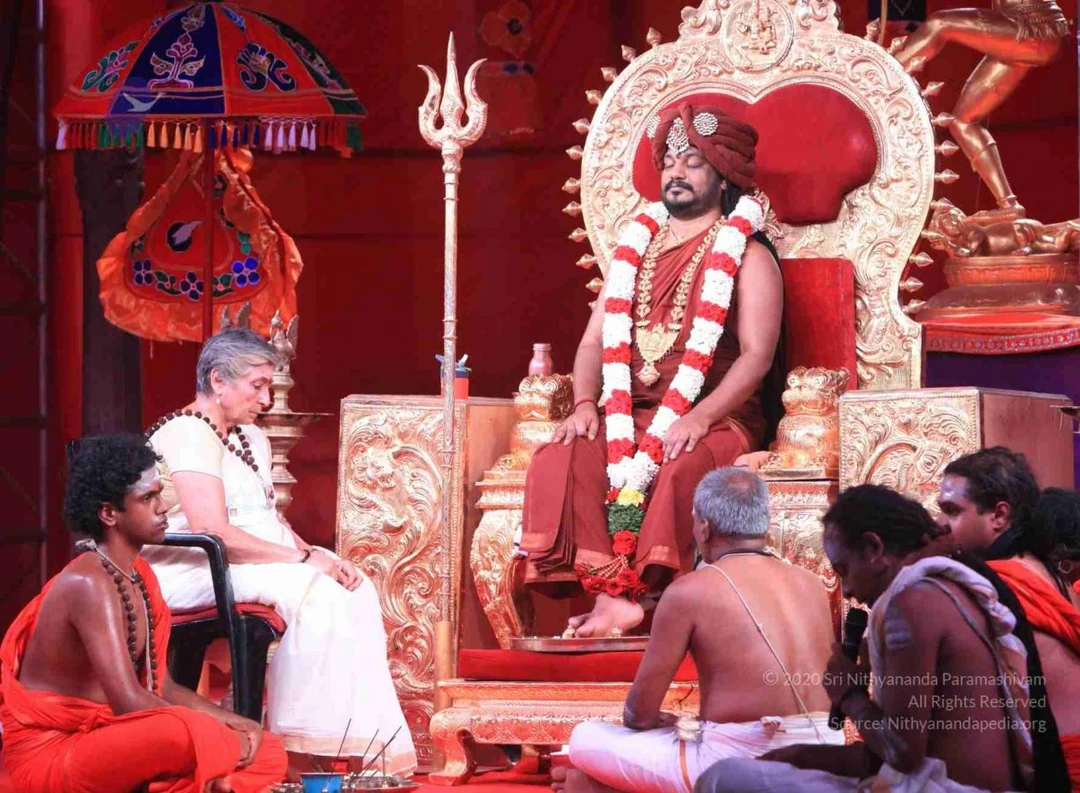 Pratyaksha pada puja - express deep gratitude to the avatar
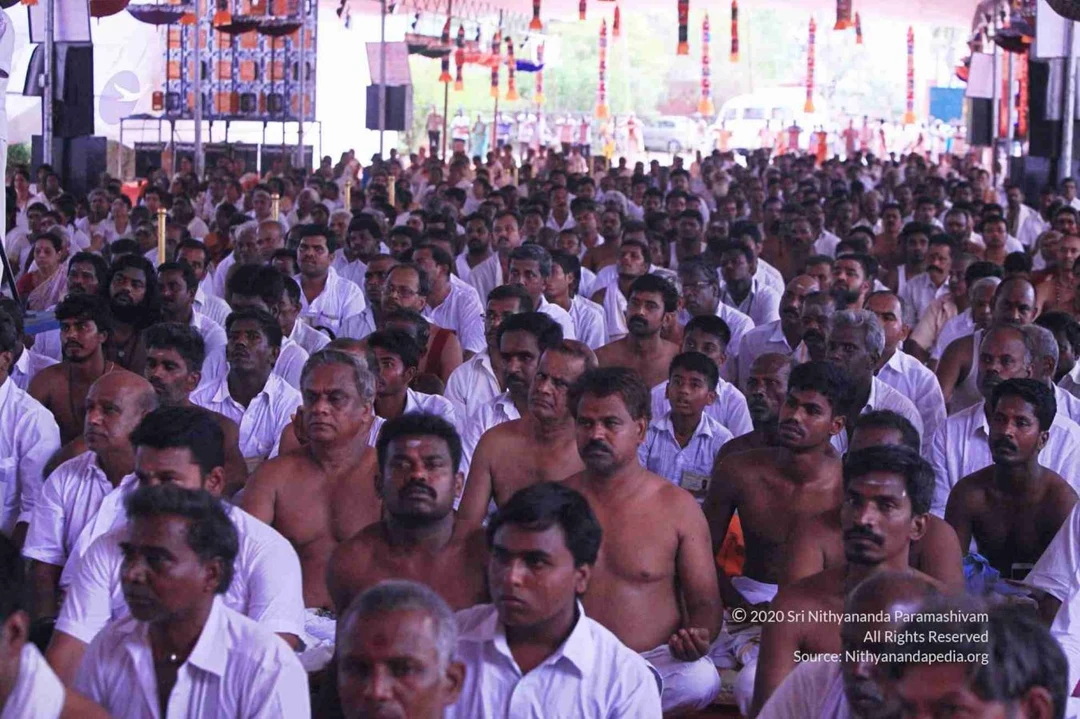 Pratyaksha pada puja - express deep gratitude to the avatar
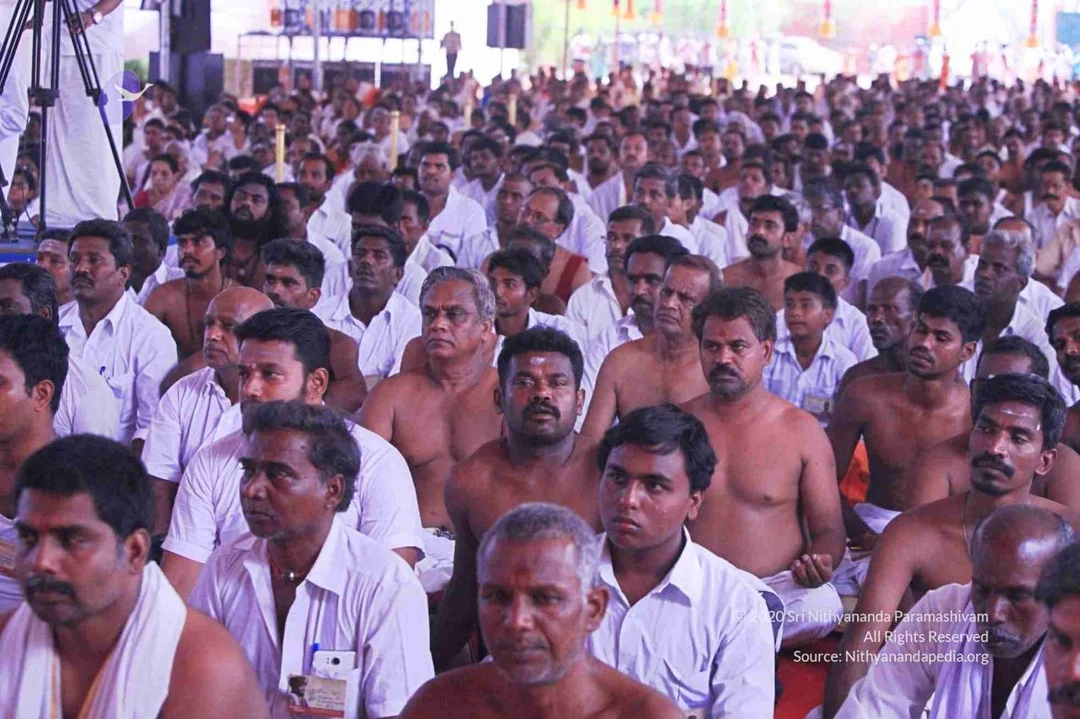 Pratyaksha pada puja - express deep gratitude to the avatar
 Pratyaksha pada puja - opportunity to sit in Upanishad
 Pratyaksha pada puja - opportunity to sit in Upanishad
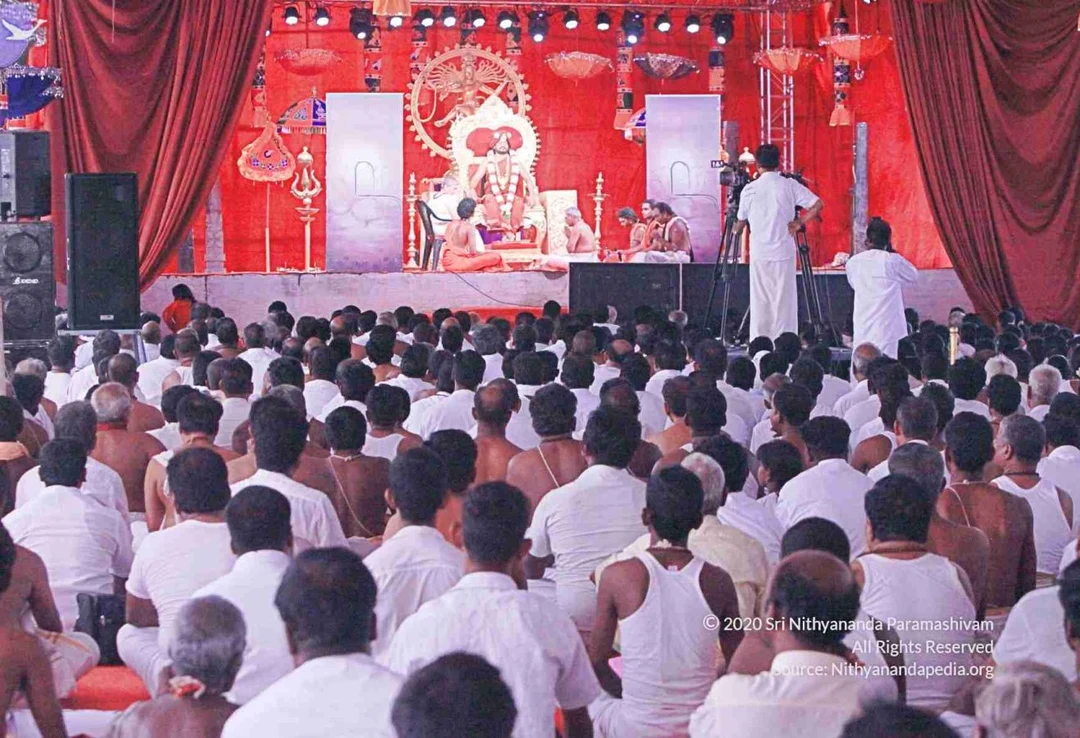 Pratyaksha pada puja - opportunity to sit in Upanishad
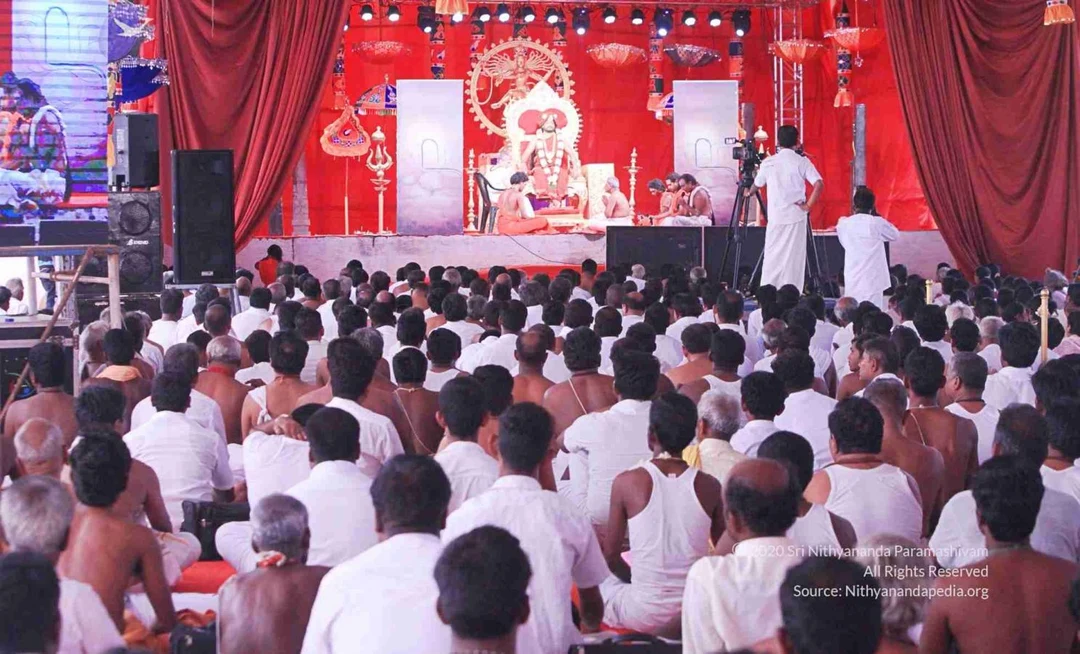 Pratyaksha pada puja - opportunity to sit in Upanishad
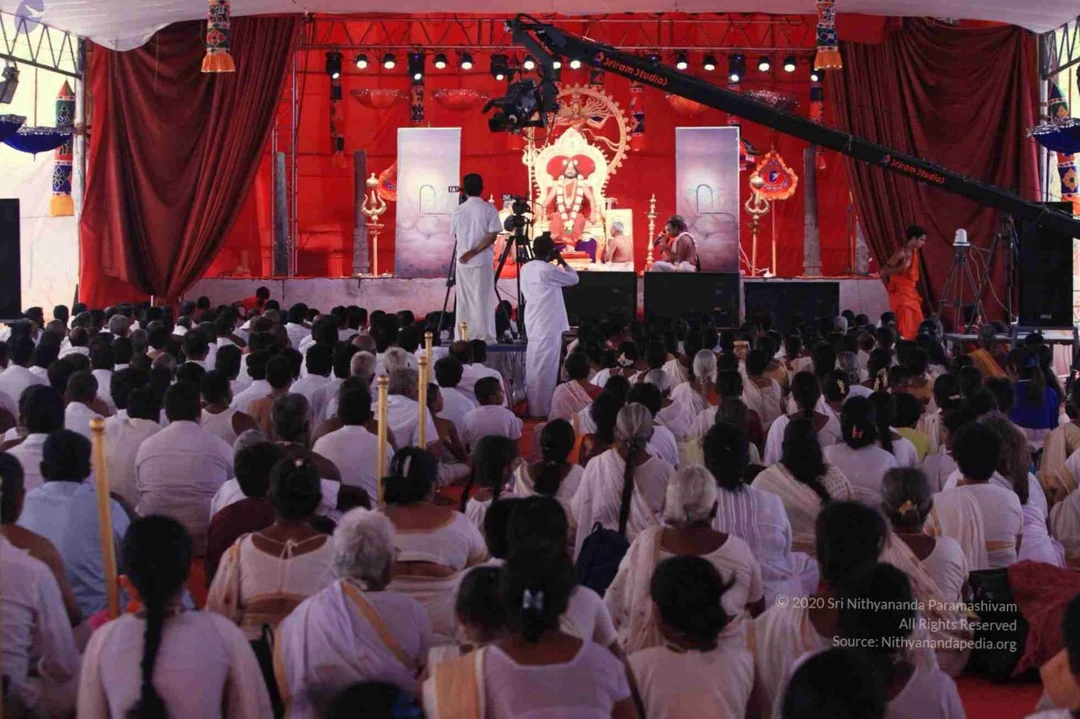 Pratyaksha pada puja - opportunity to sit in Upanishad
 Pratyaksha pada puja - opportunity to sit in Upanishad
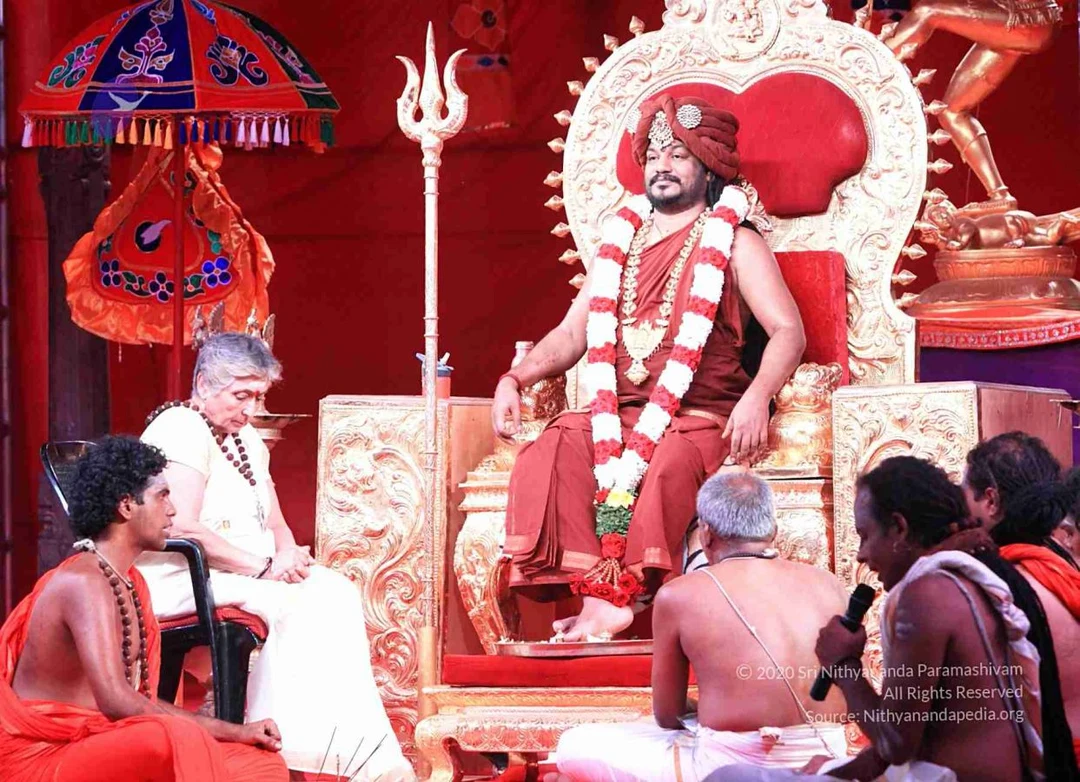 Pratyaksha pada puja - opportunity to sit in Upanishad
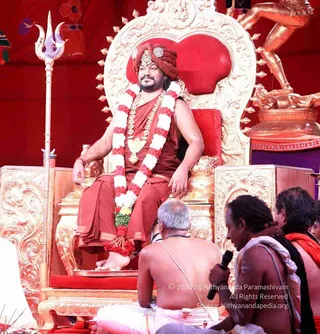 Pratyaksha pada puja - opportunity to sit in Upanishad
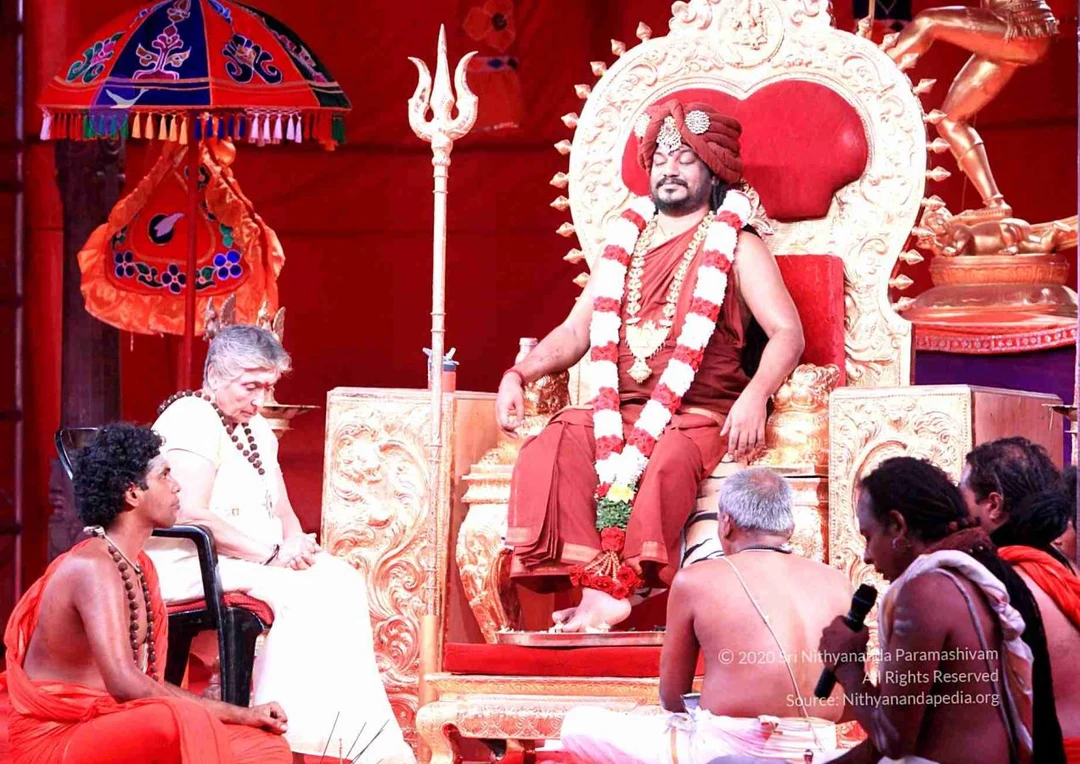 Pratyaksha pada puja - express deep gratitude to the avatar
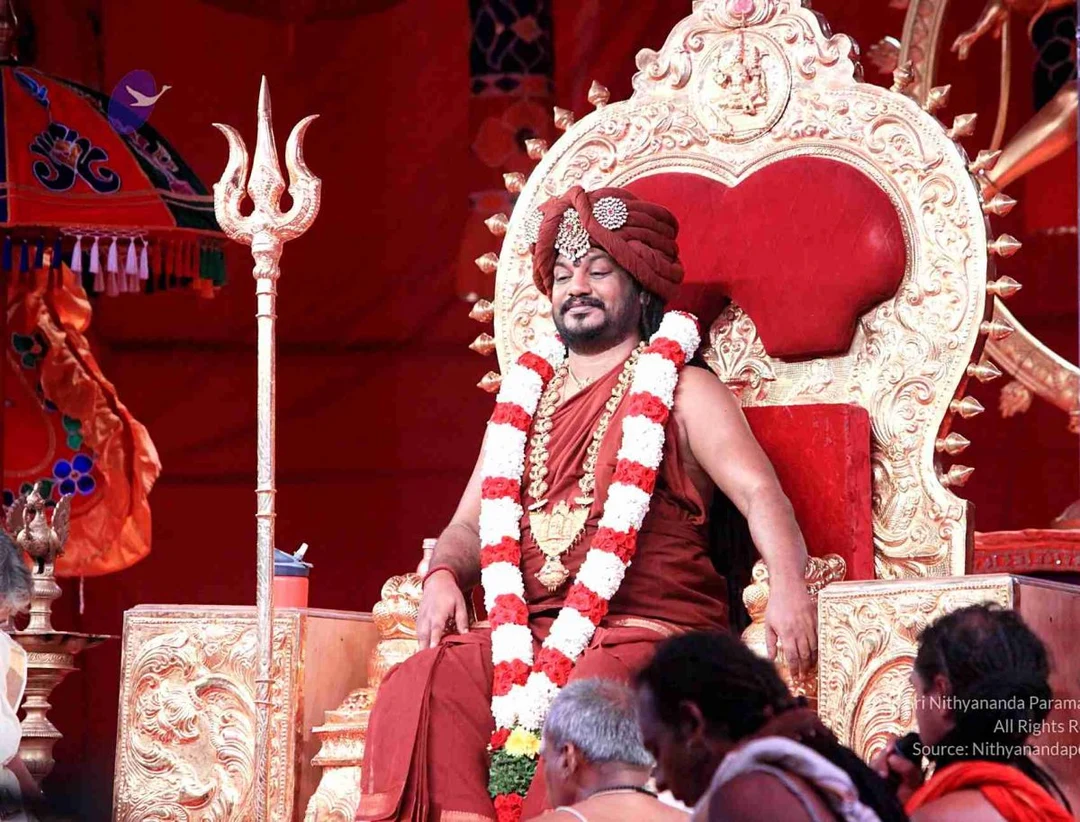 Pratyaksha pada puja - express deep gratitude to the avatar
 Pratyaksha pada puja - express deep gratitude to the avatar
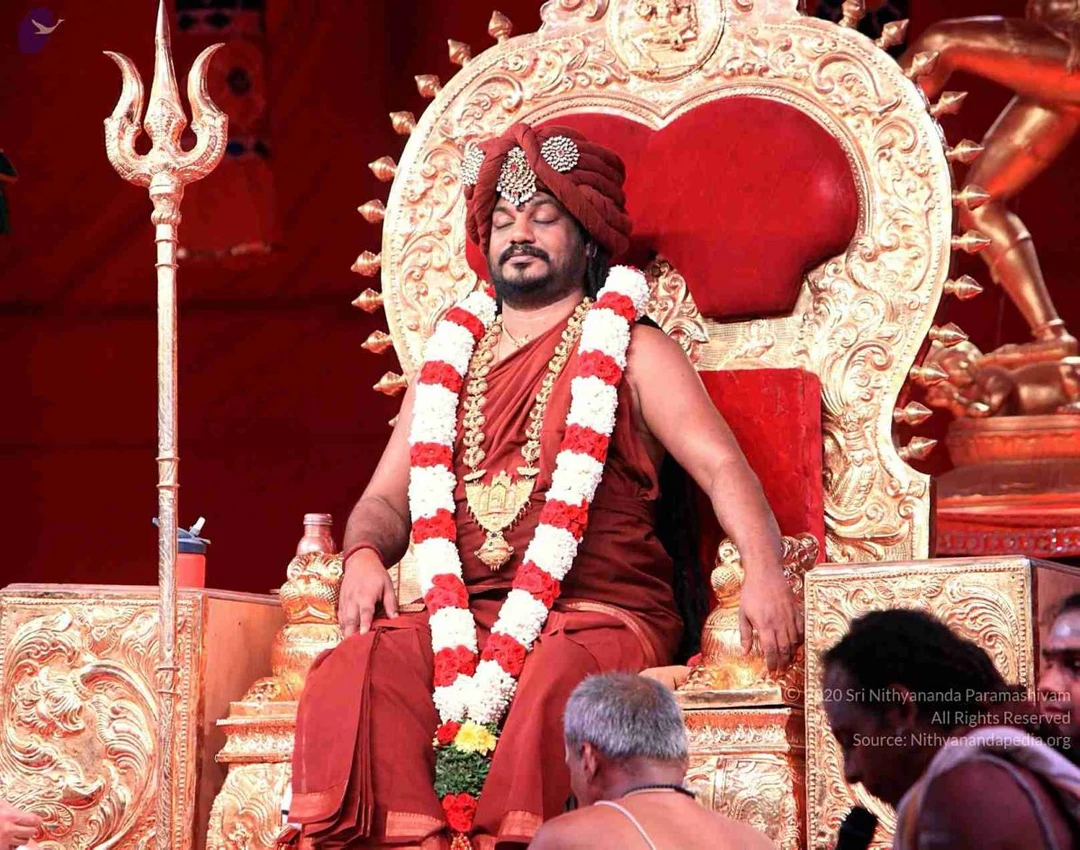 Pratyaksha pada puja - express deep gratitude to the avatar
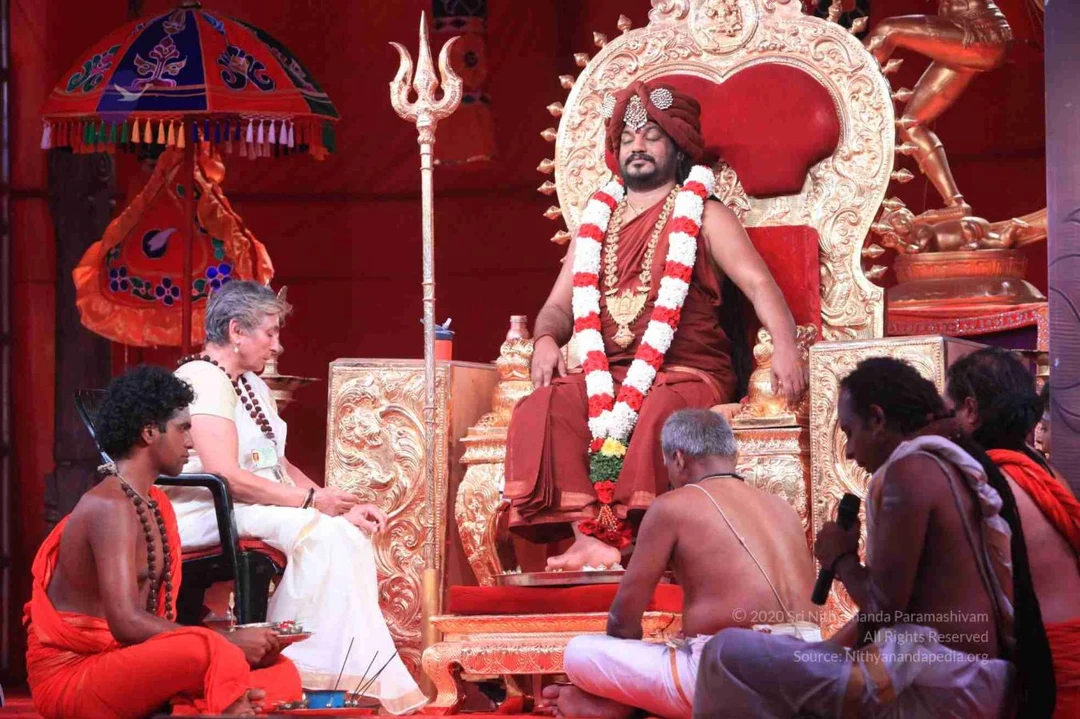 Pratyaksha pada puja - express deep gratitude to the avatar
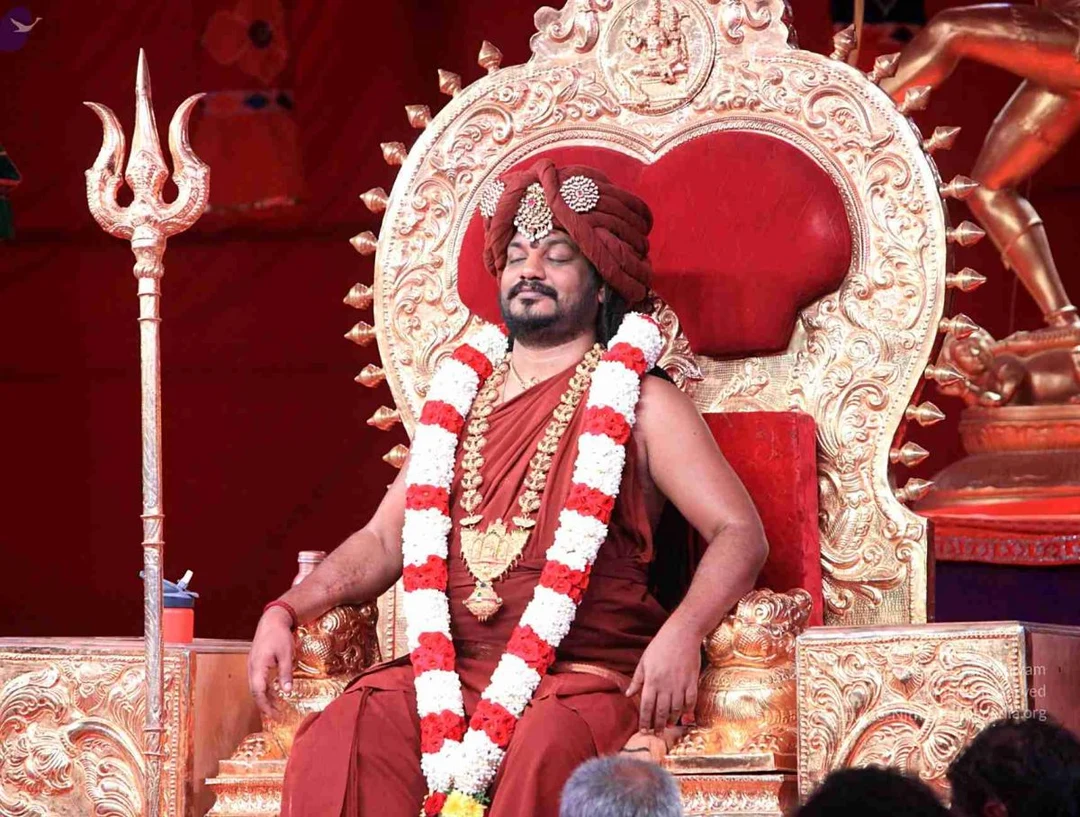 Pratyaksha pada puja - express deep gratitude to the avatar
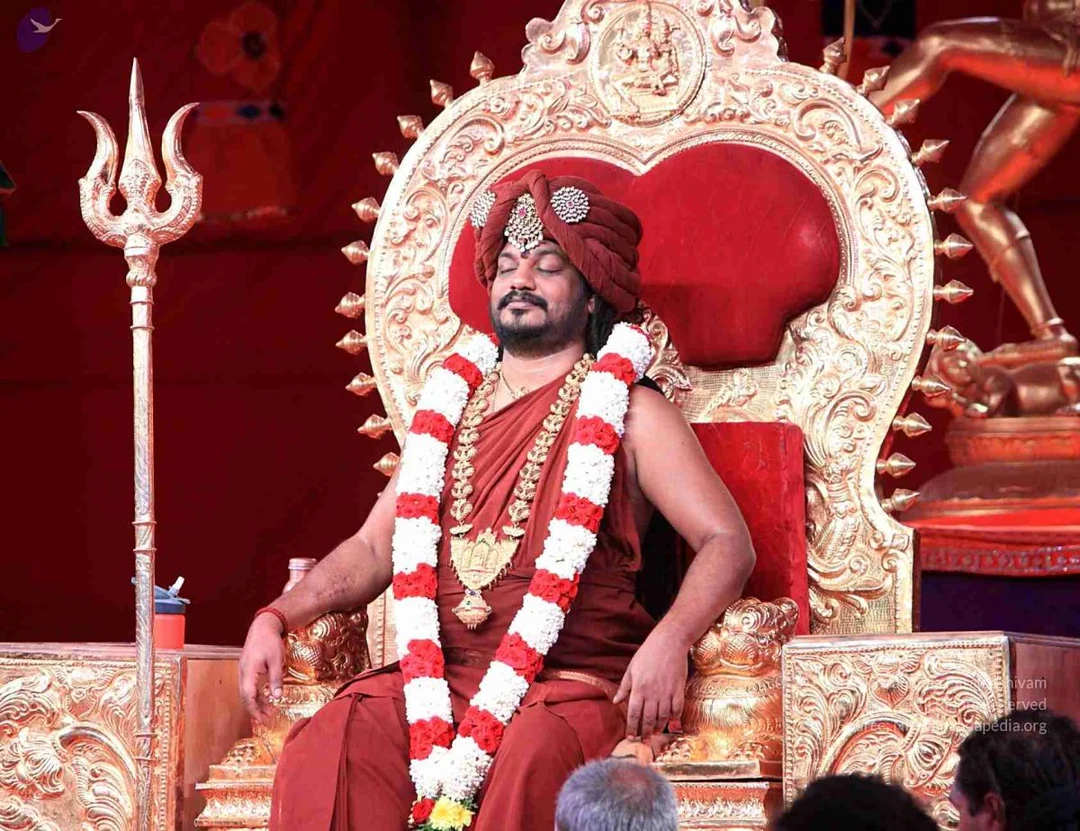 Pratyaksha pada puja - express deep gratitude to the avatar
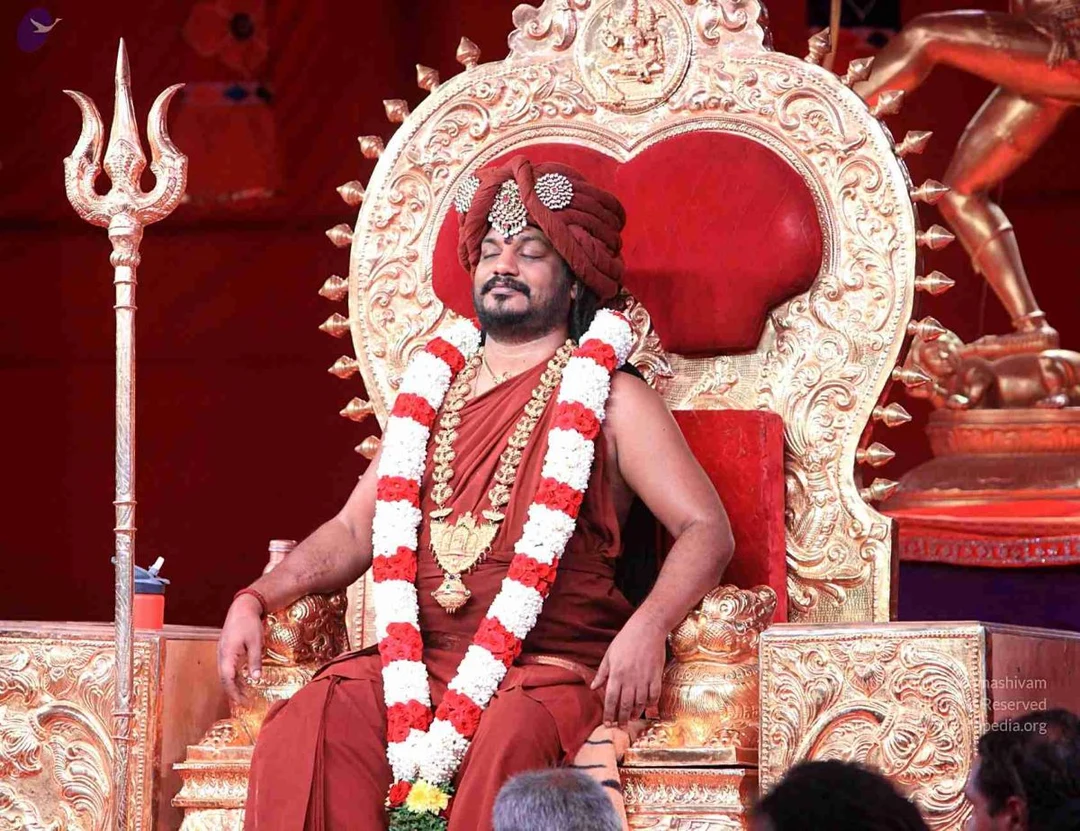 Pratyaksha pada puja - express deep gratitude to the avatar
 Pratyaksha pada puja - express deep gratitude to the avatar
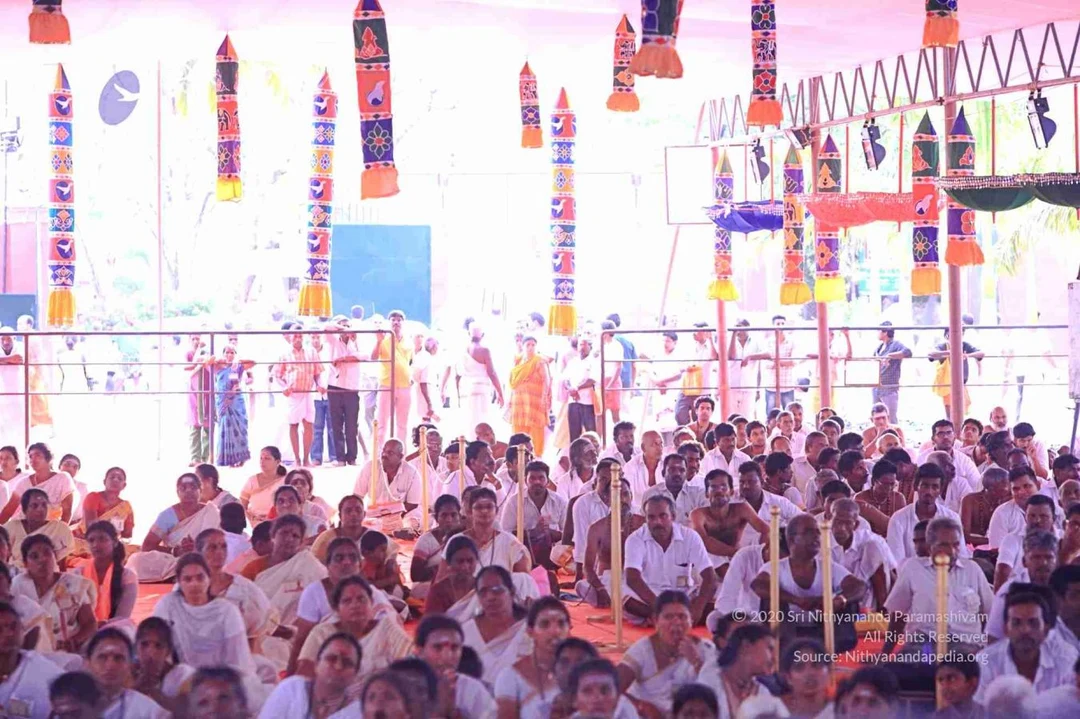 Pratyaksha pada puja - express deep gratitude to the avatar
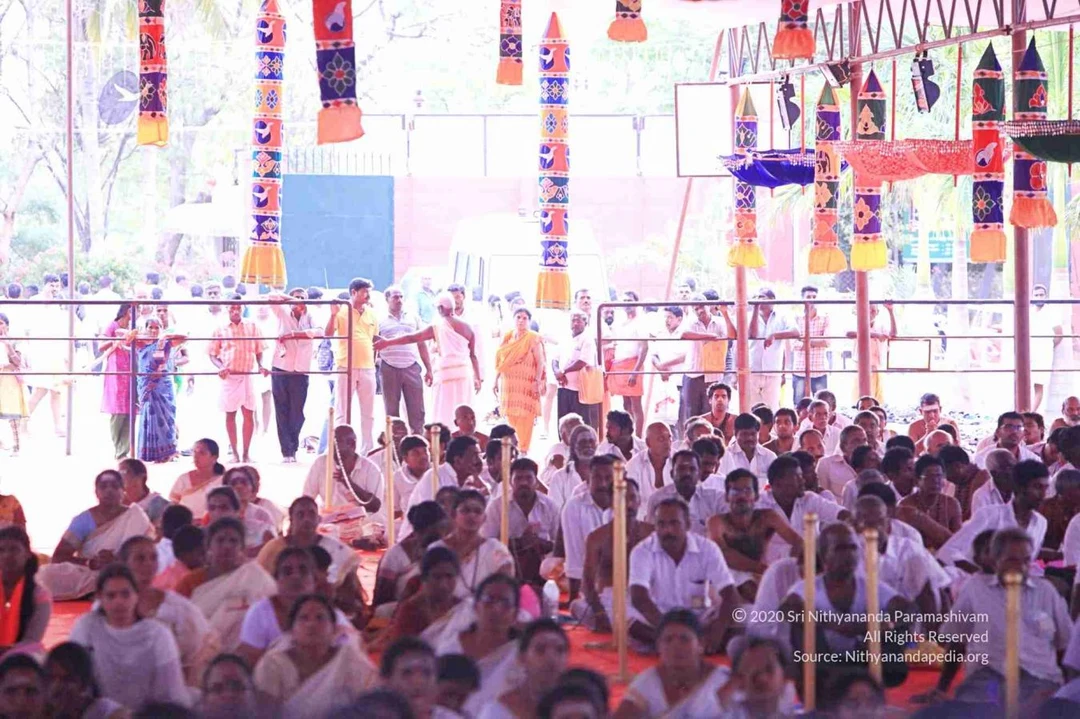 Pratyaksha pada puja - express deep gratitude to the avatar
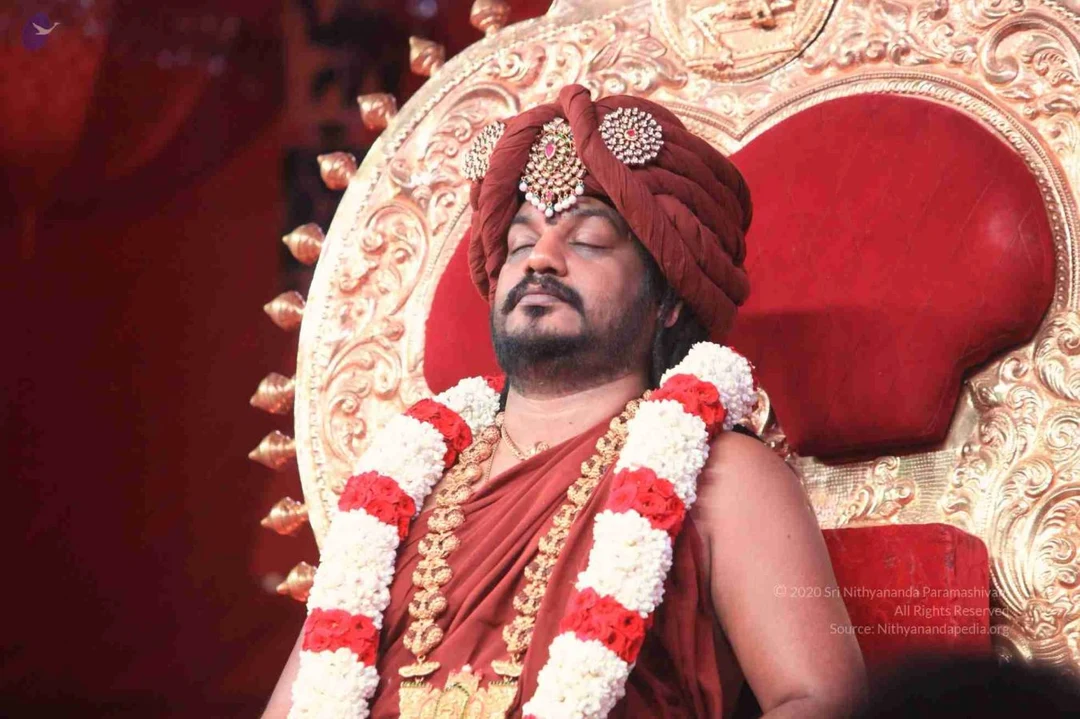 Pratyaksha pada puja - express deep gratitude to the avatar
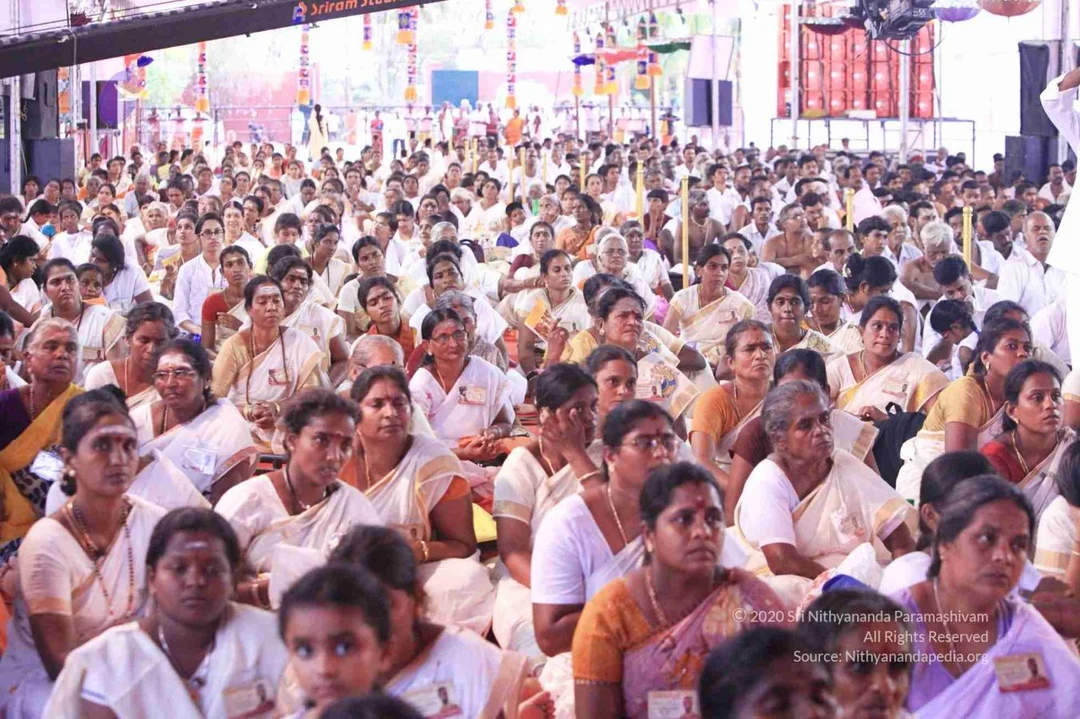 Pratyaksha pada puja - express deep gratitude to the avatar
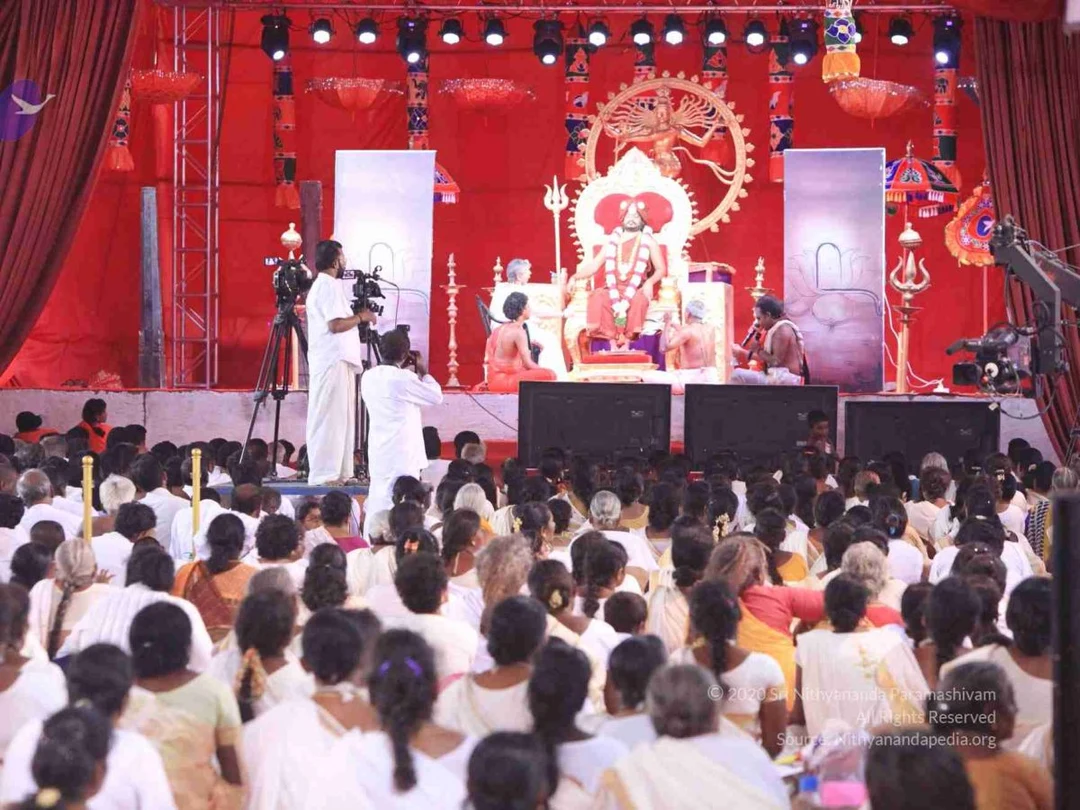 Pratyaksha pada puja - express deep gratitude to the avatar
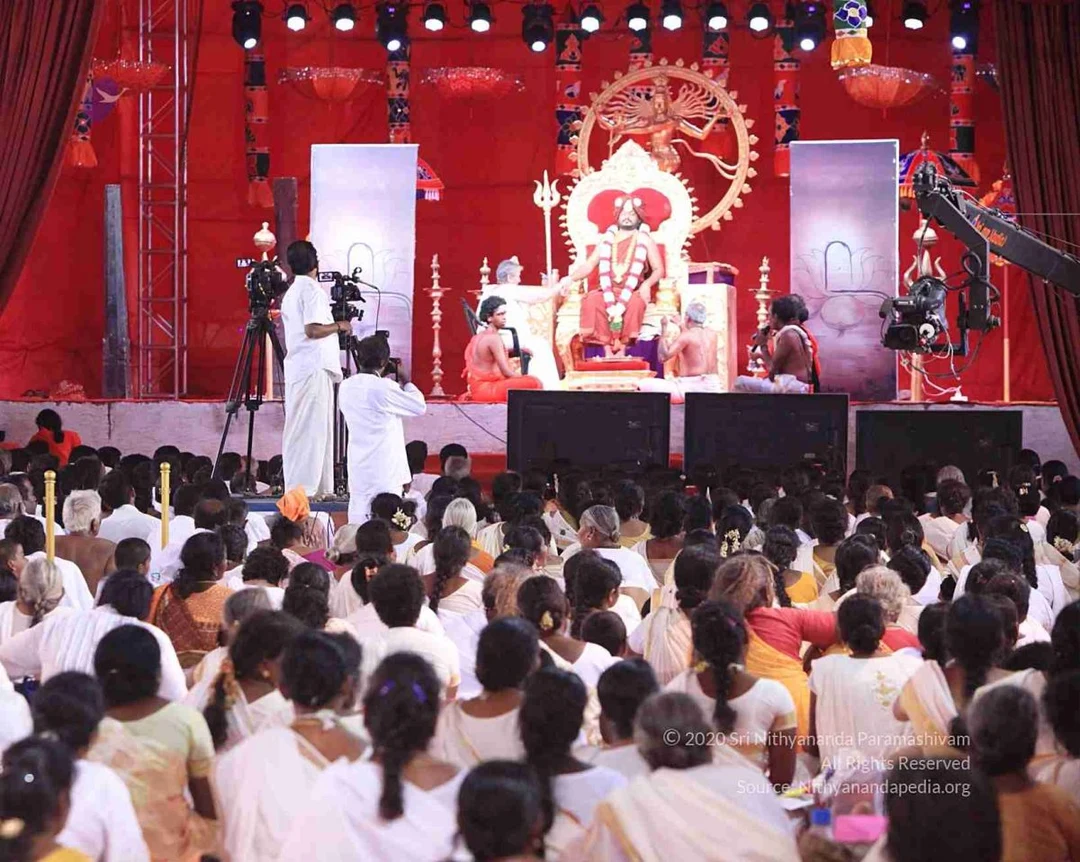 Pratyaksha pada puja - express deep gratitude to the avatar
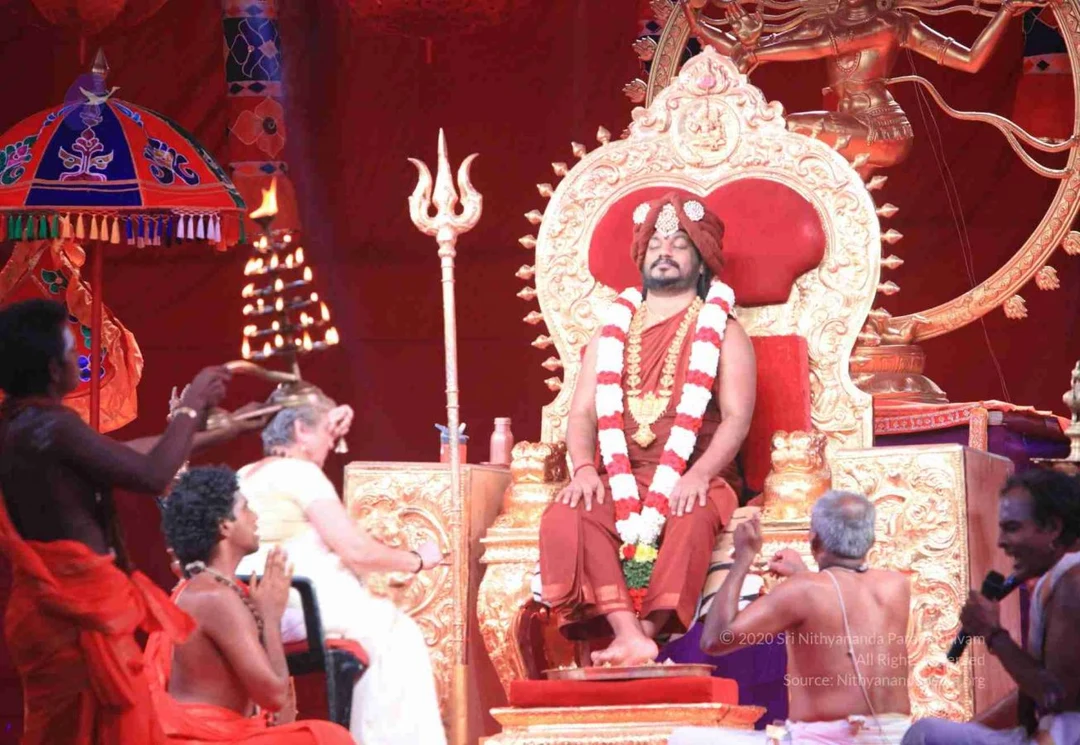 Aarti offering
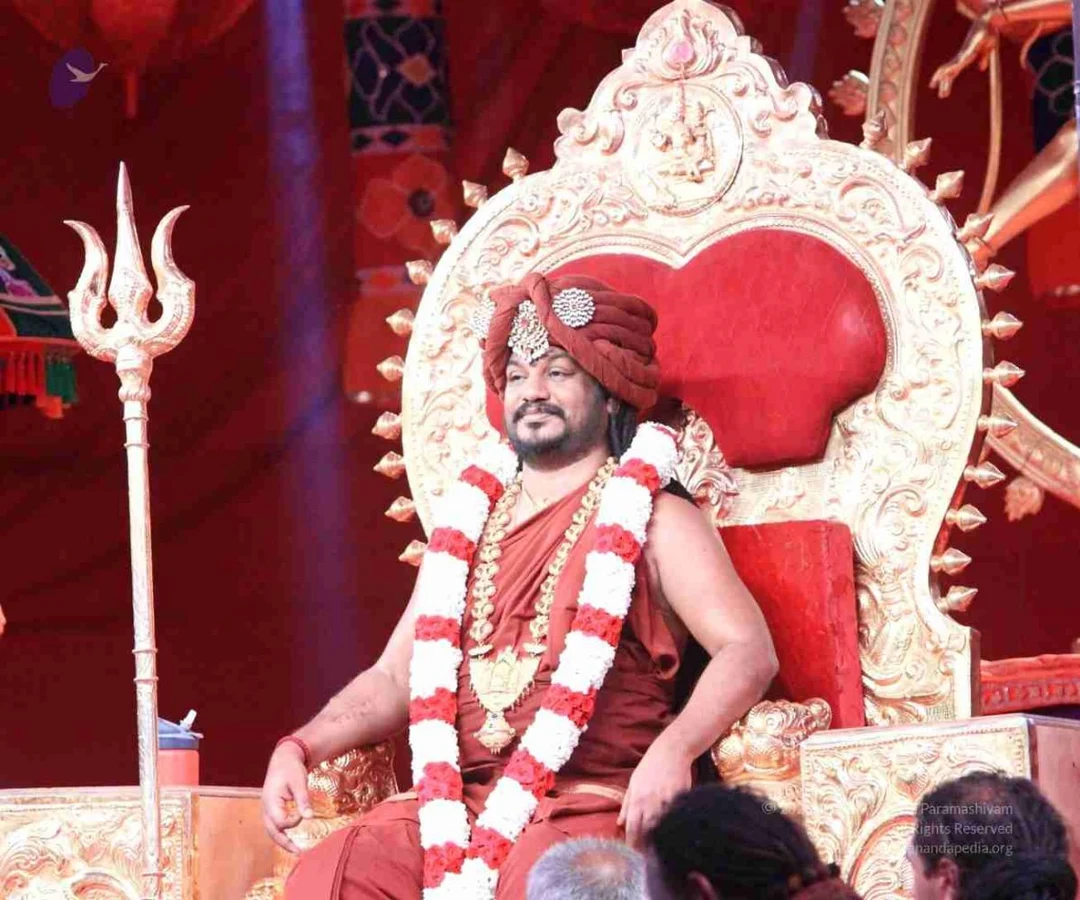 Pratyaksha pada puja - express deep gratitude to the avatar
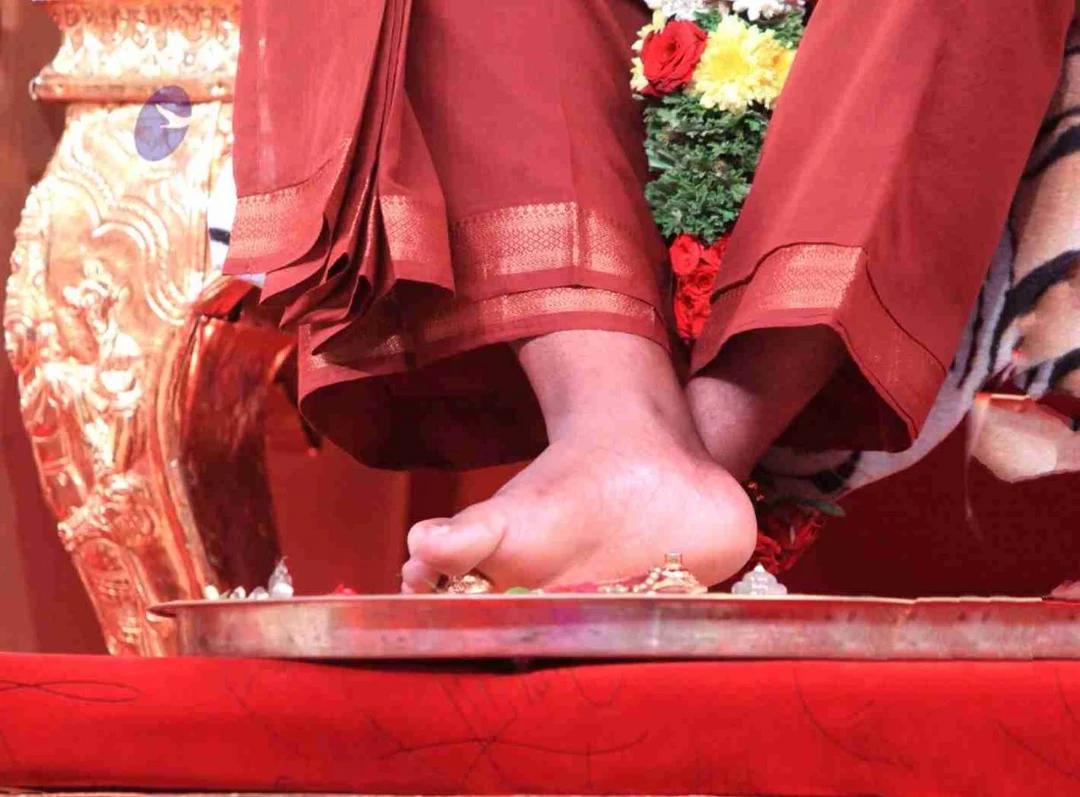 Nija pada darshan
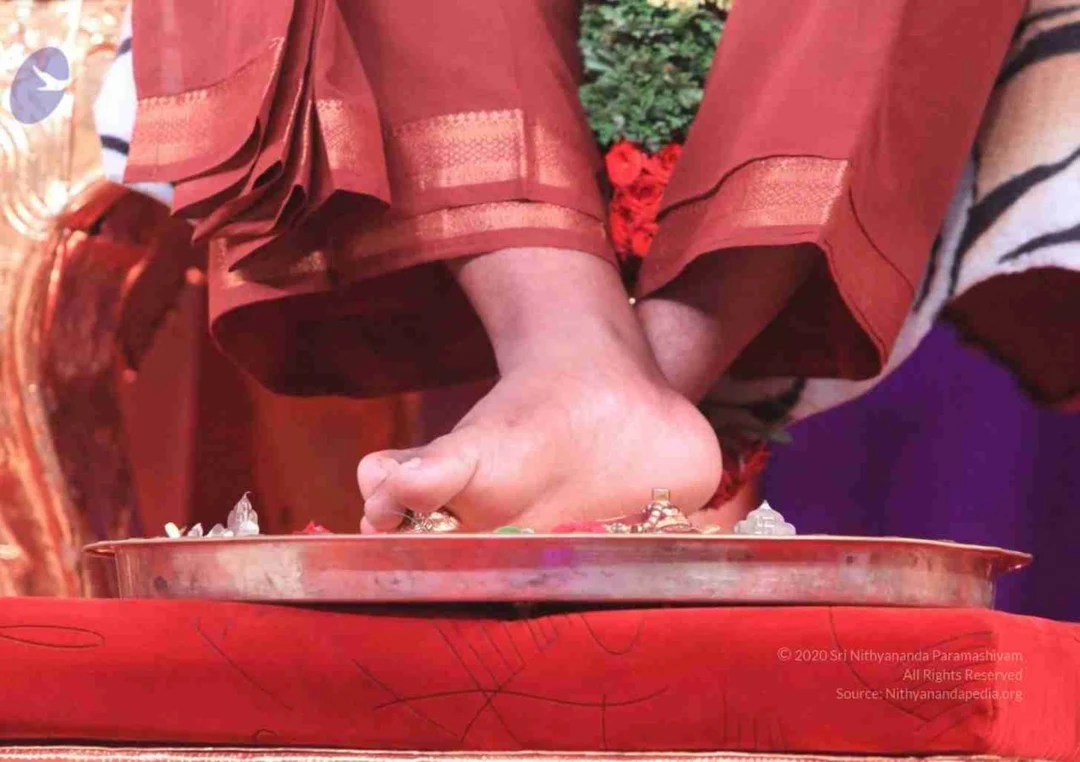 Nija pada darshan
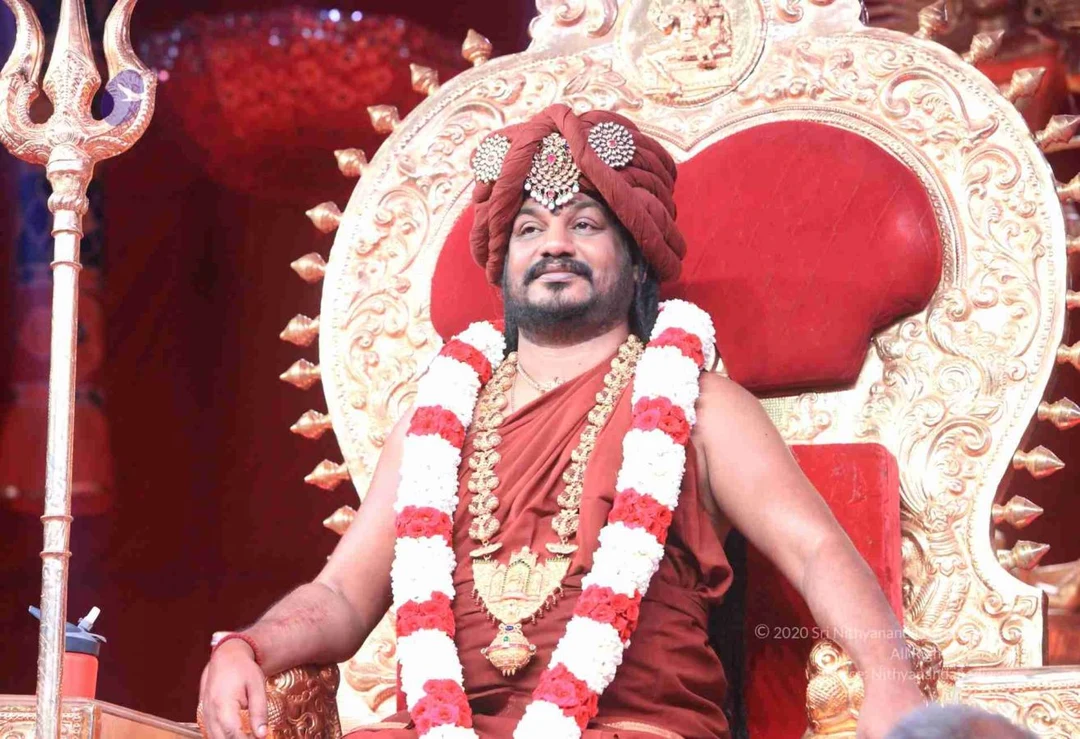 Pratyaksha pada puja - offering gratitude at the divine lotus feet
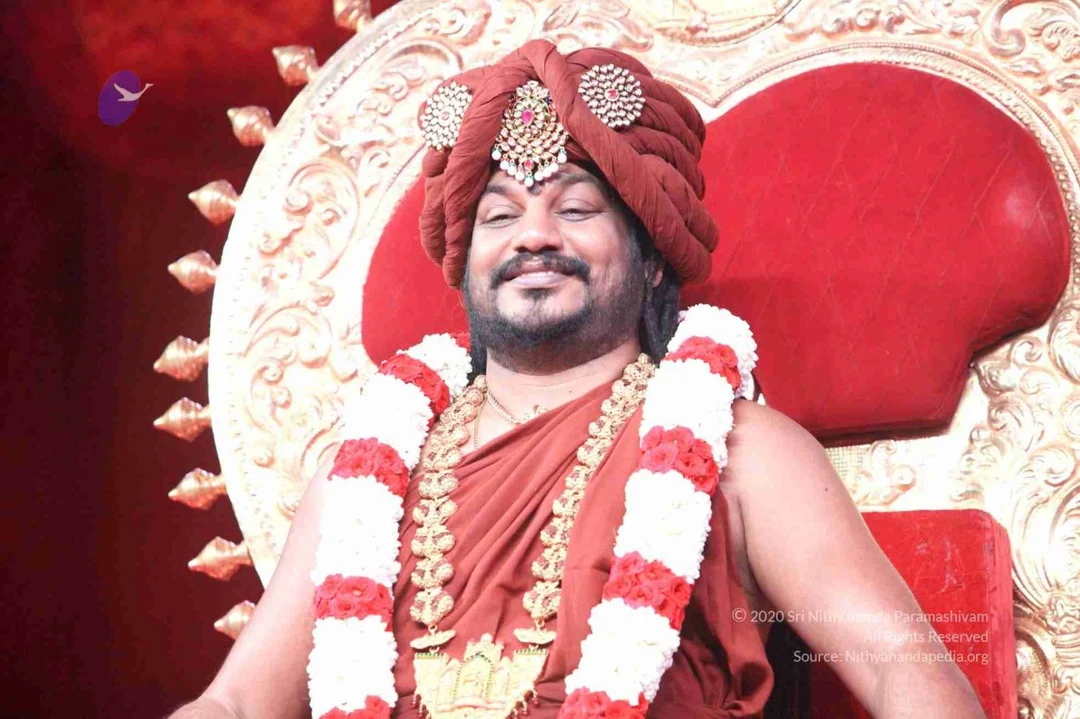 Pratyaksha pada puja - offering gratitude at the divine lotus feet
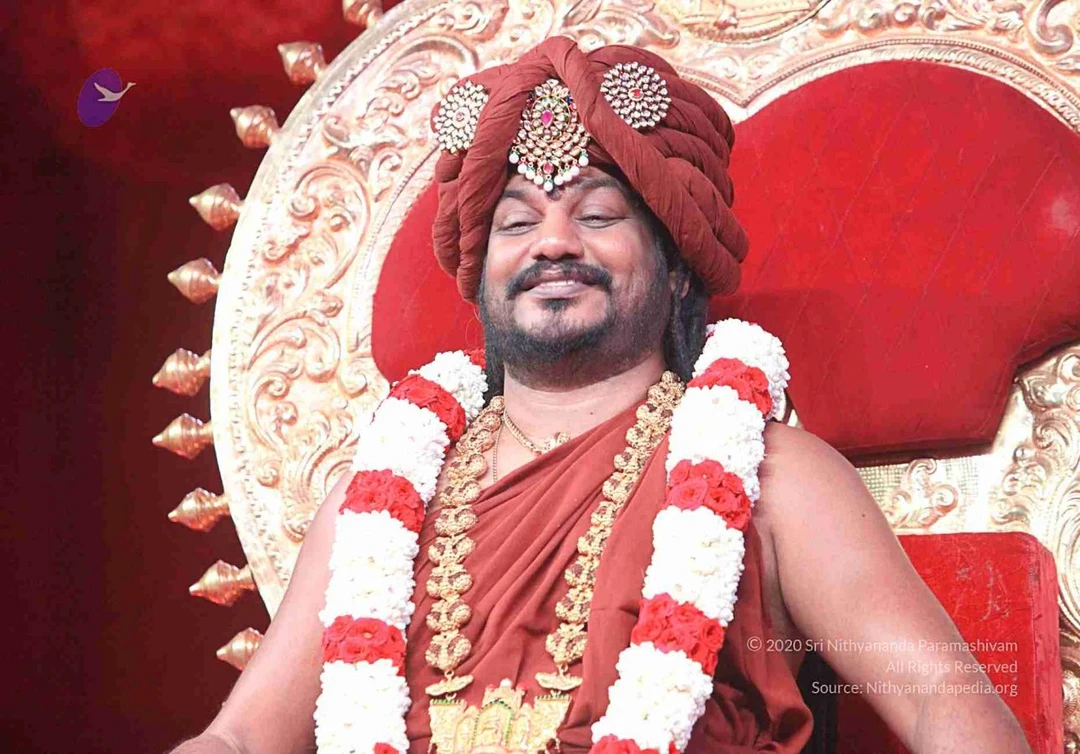 Pratyaksha pada puja - offering gratitude at the divine lotus feet
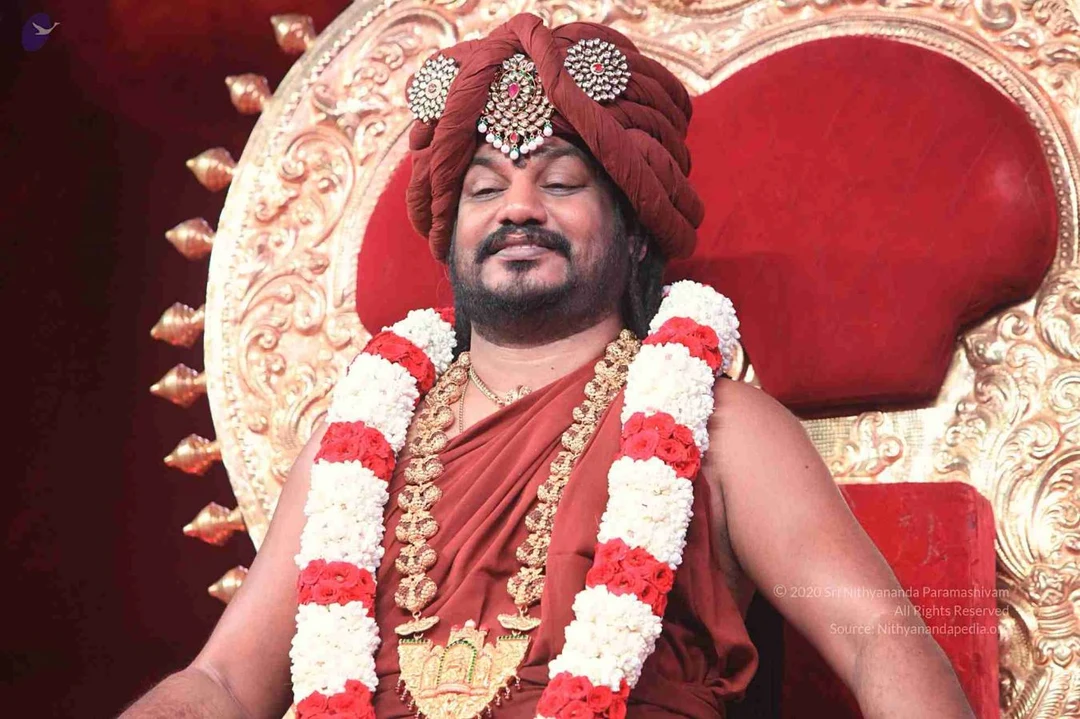 Pratyaksha pada puja - offering gratitude at the divine lotus feet
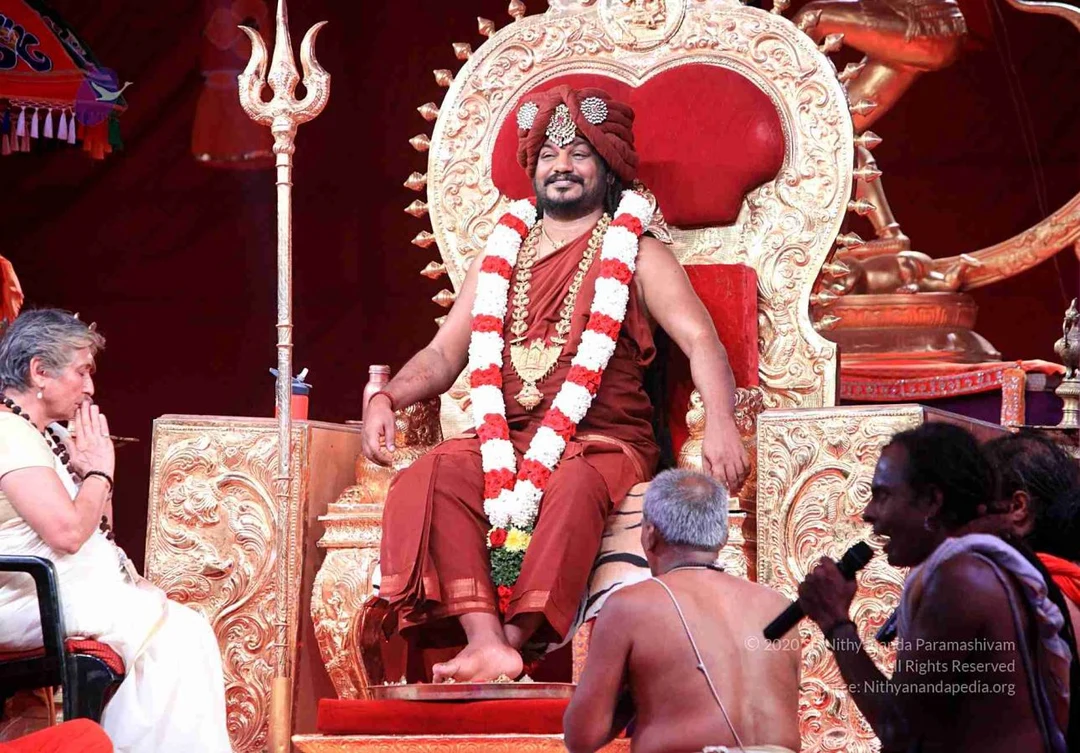 Pratyaksha pada puja - offering gratitude at the divine lotus feet
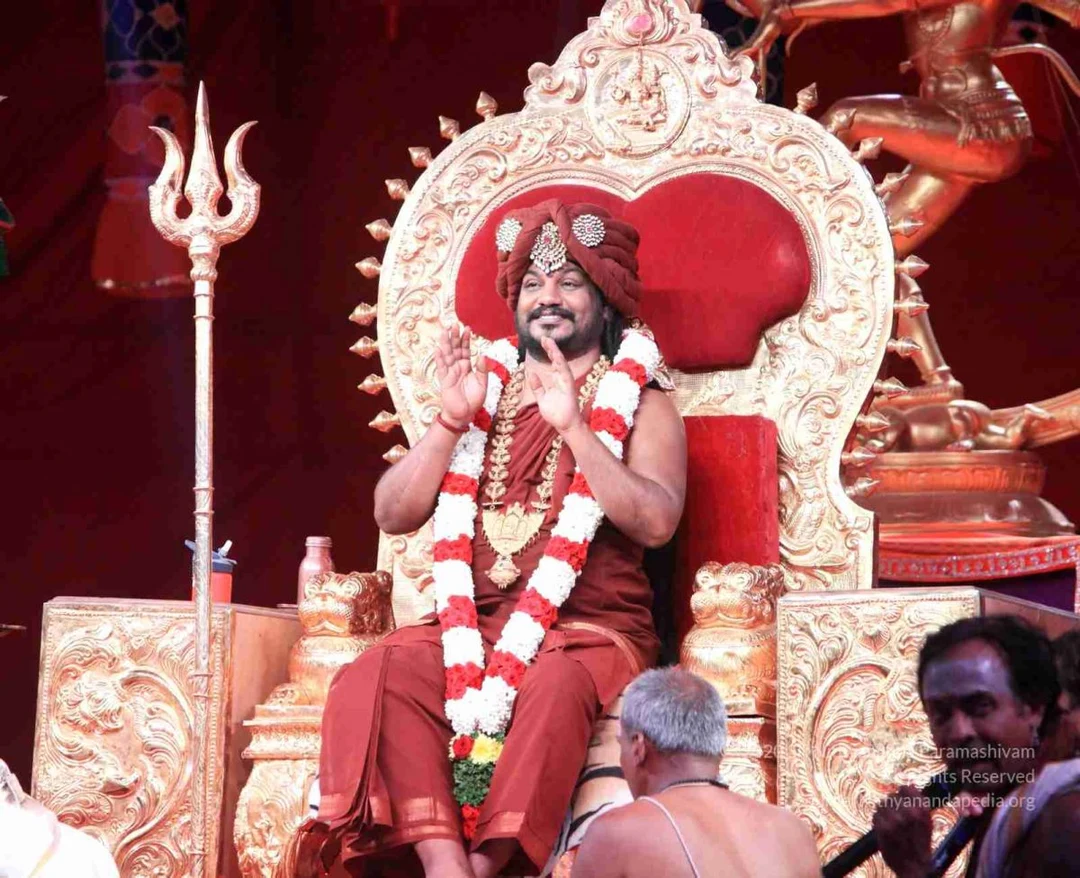 Pratyaksha pada puja - offering gratitude at the divine lotus feet
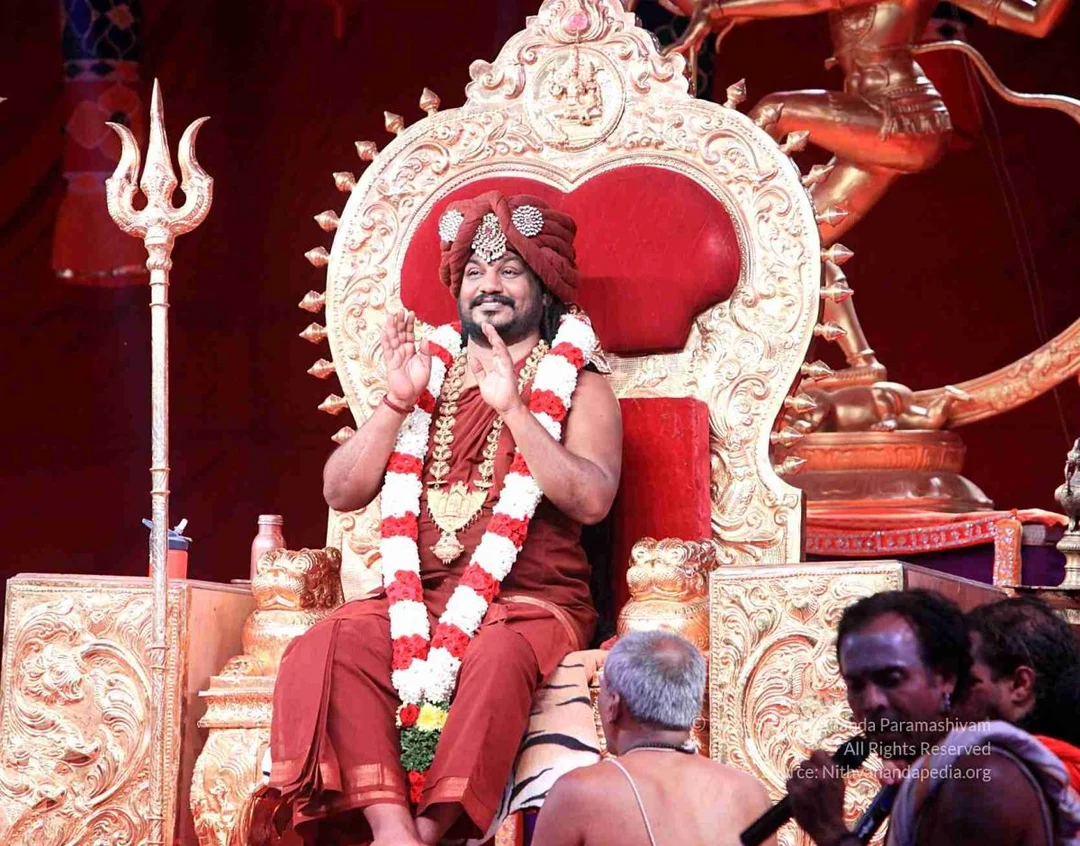 Pratyaksha pada puja - offering gratitude at the divine lotus feet
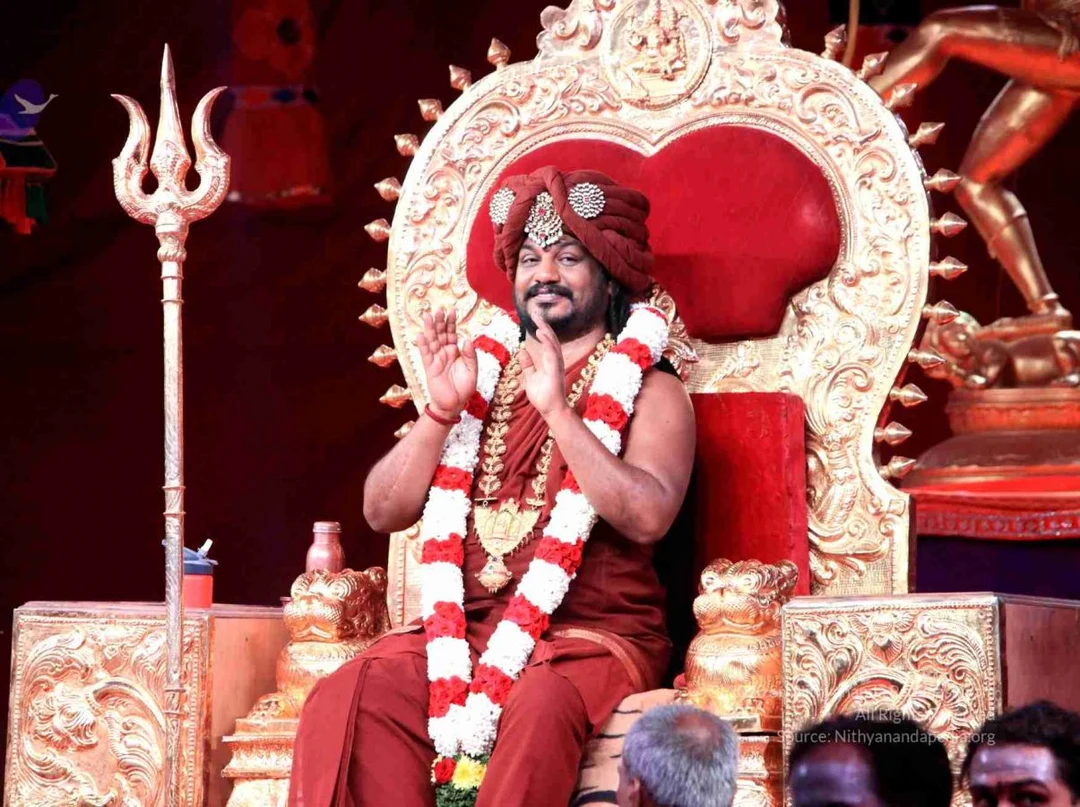 Pratyaksha pada puja - offering gratitude at the divine lotus feet
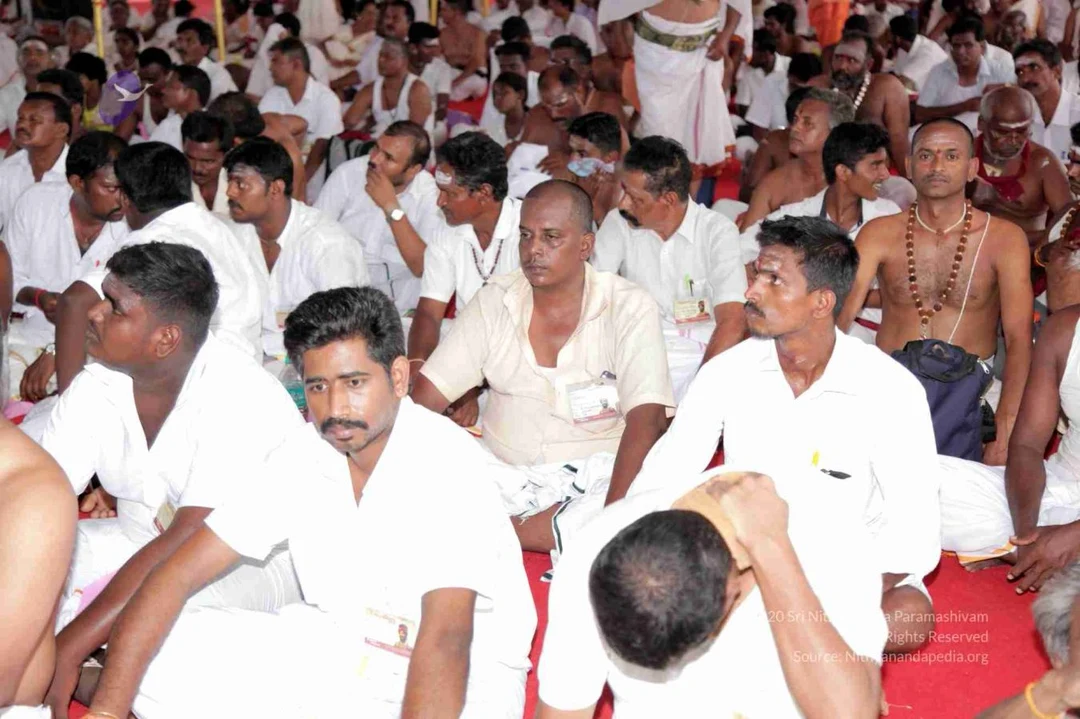 Pratyaksha pada puja - offering gratitude at the divine lotus feet
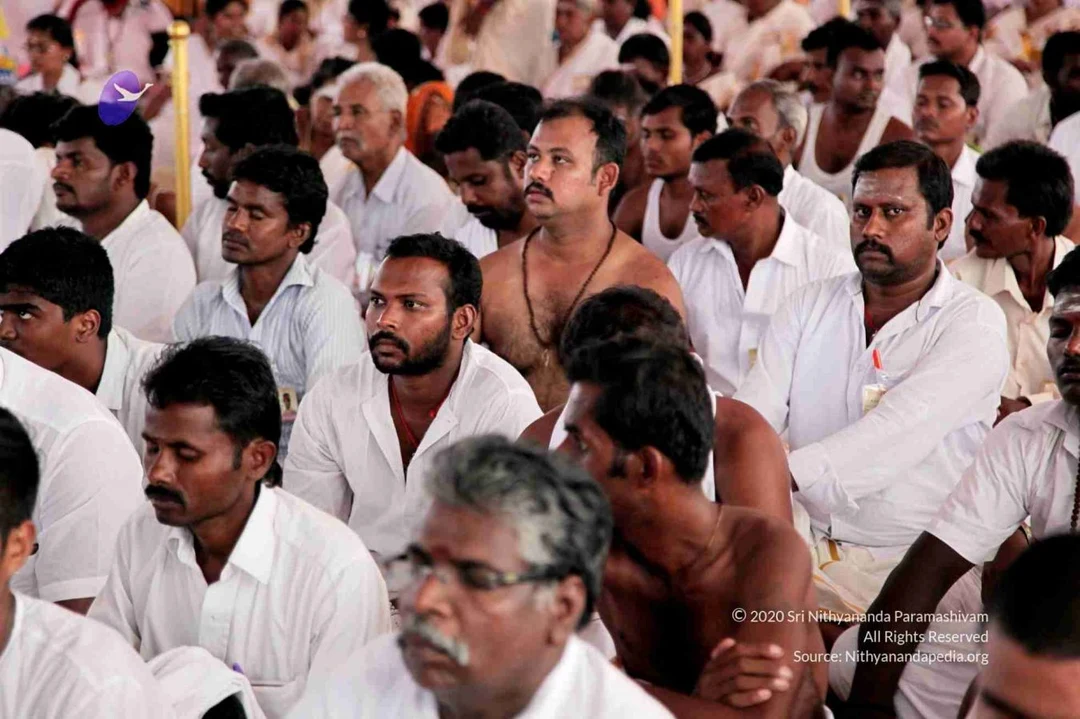 Pratyaksha pada puja - offering gratitude at the divine lotus feet
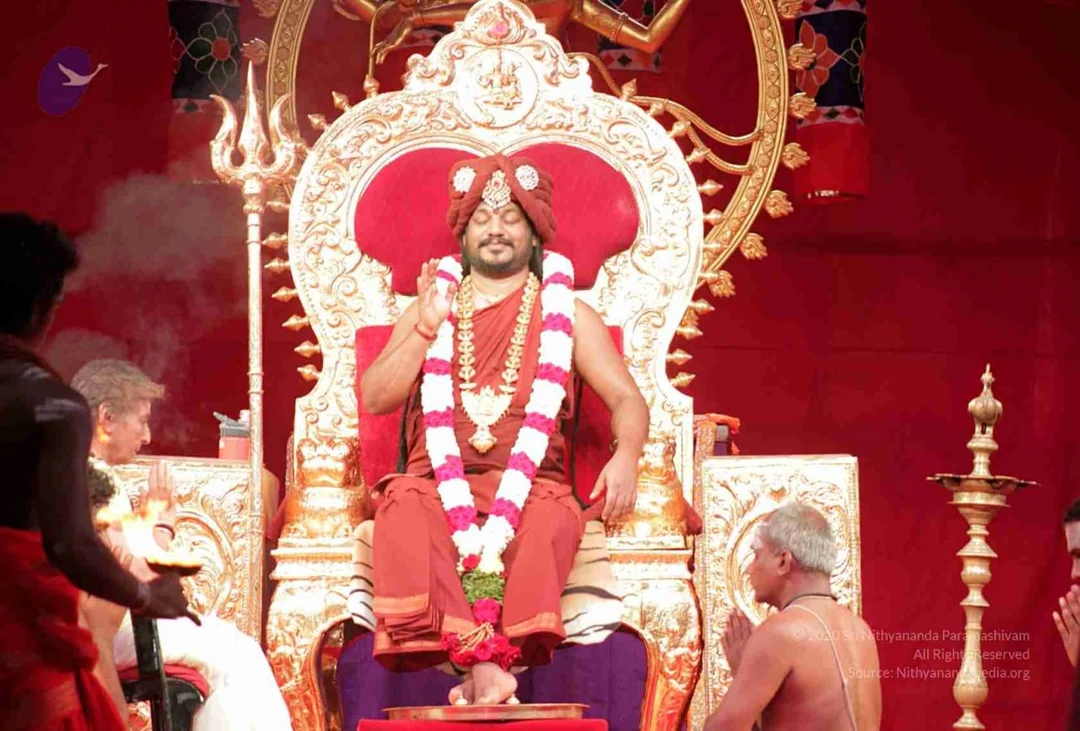 Surrender and drop all the incompletions at Guru's feet
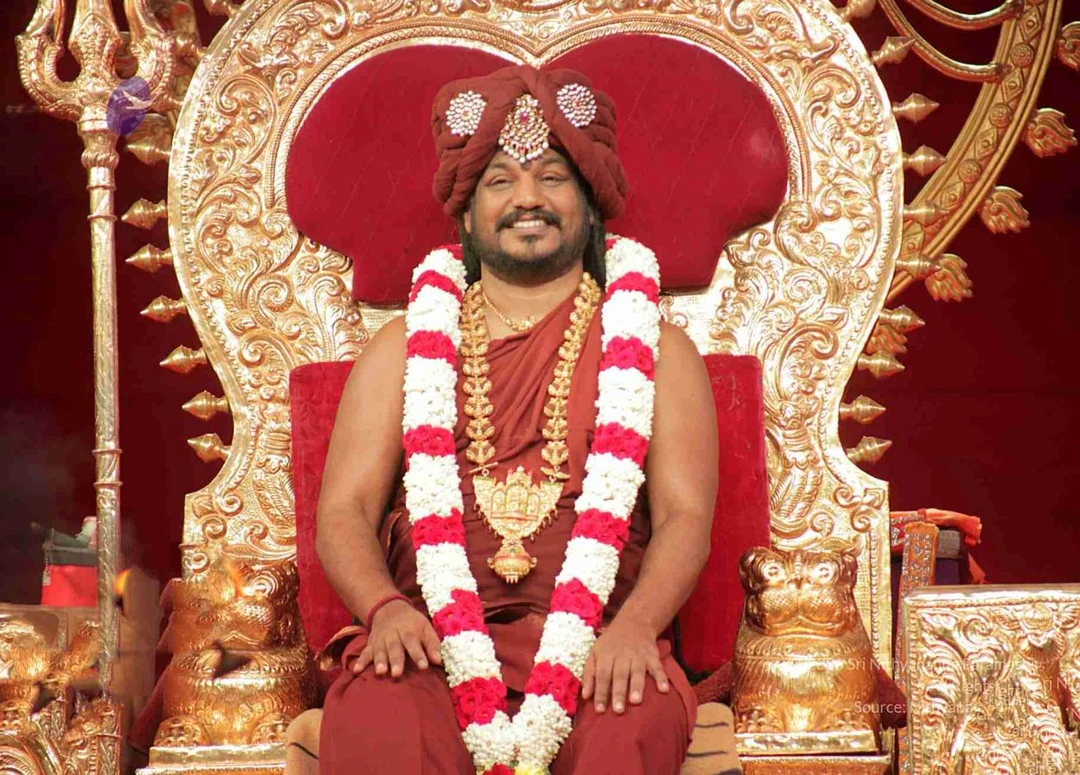 Surrender and drop all the incompletions at Guru's feet
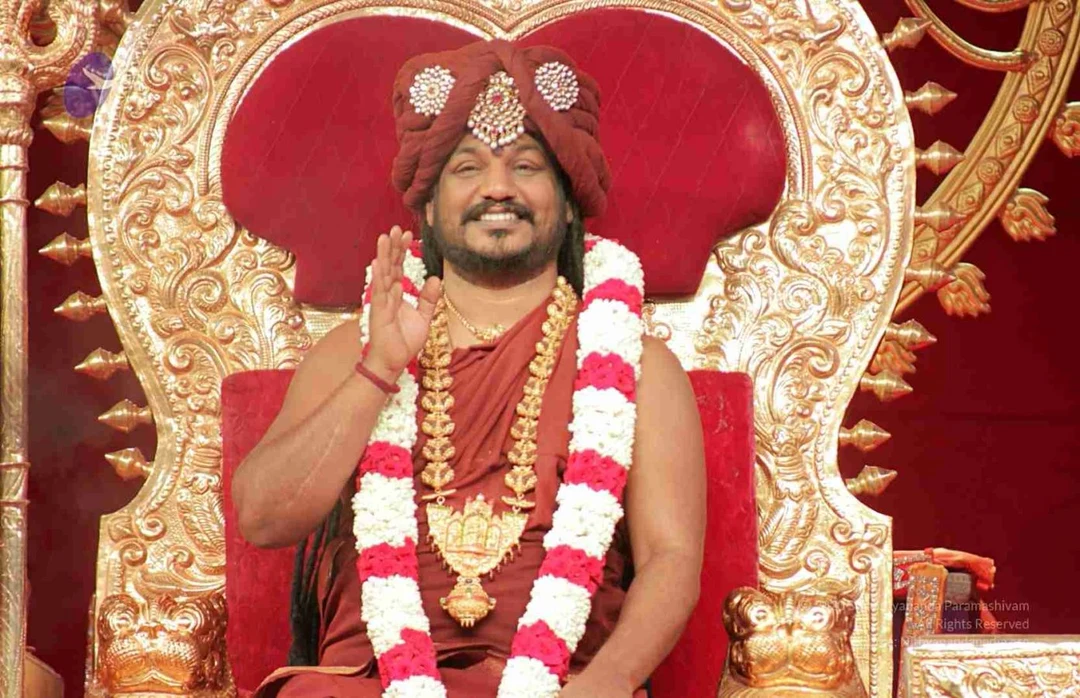 Surrender and drop all the incompletions at Guru's feet
 Surrender and drop all the incompletions at Guru's feet
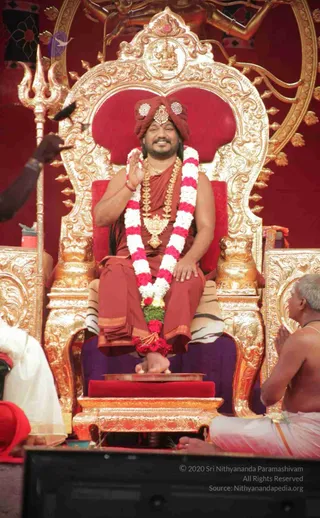 Surrender and drop all the incompletions at the Guru's feet
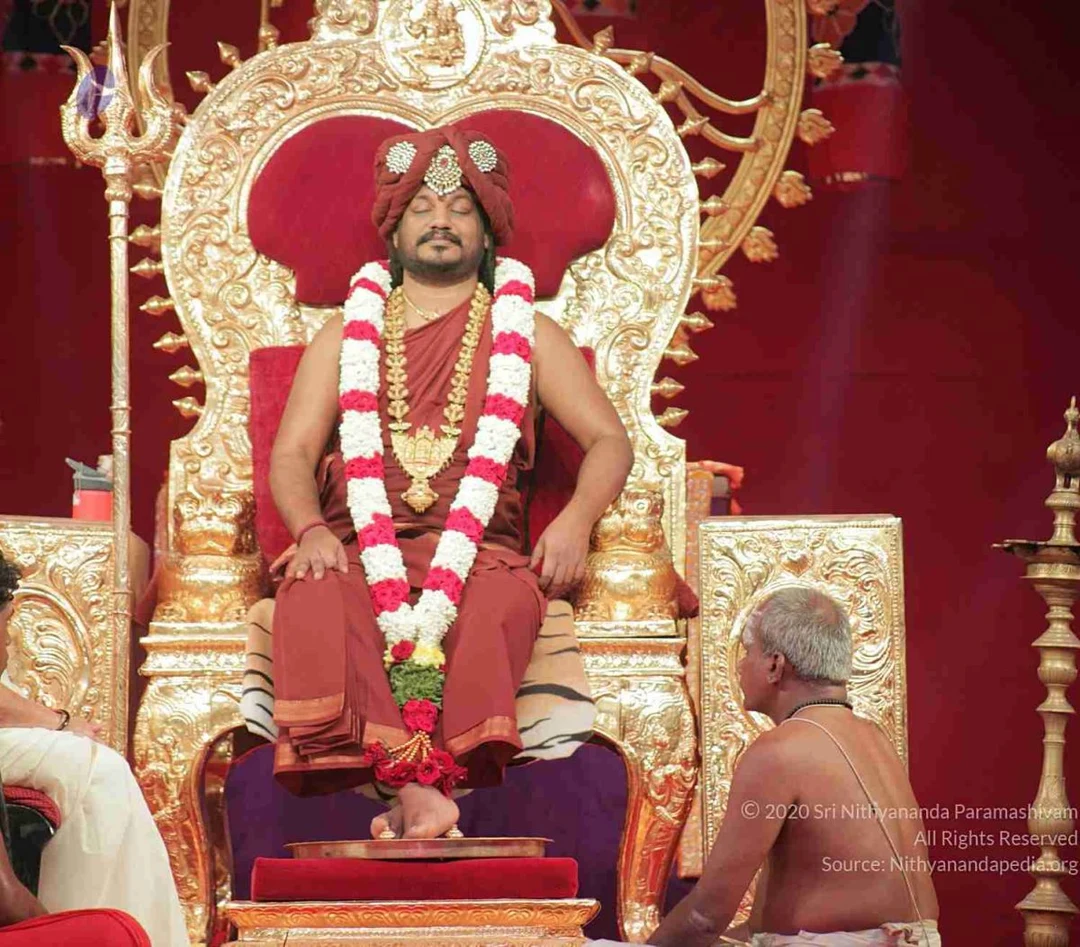 Surrender and drop all the incompletions at the Guru's feet
 Surrender and drop all the incompletions at the Guru's feet
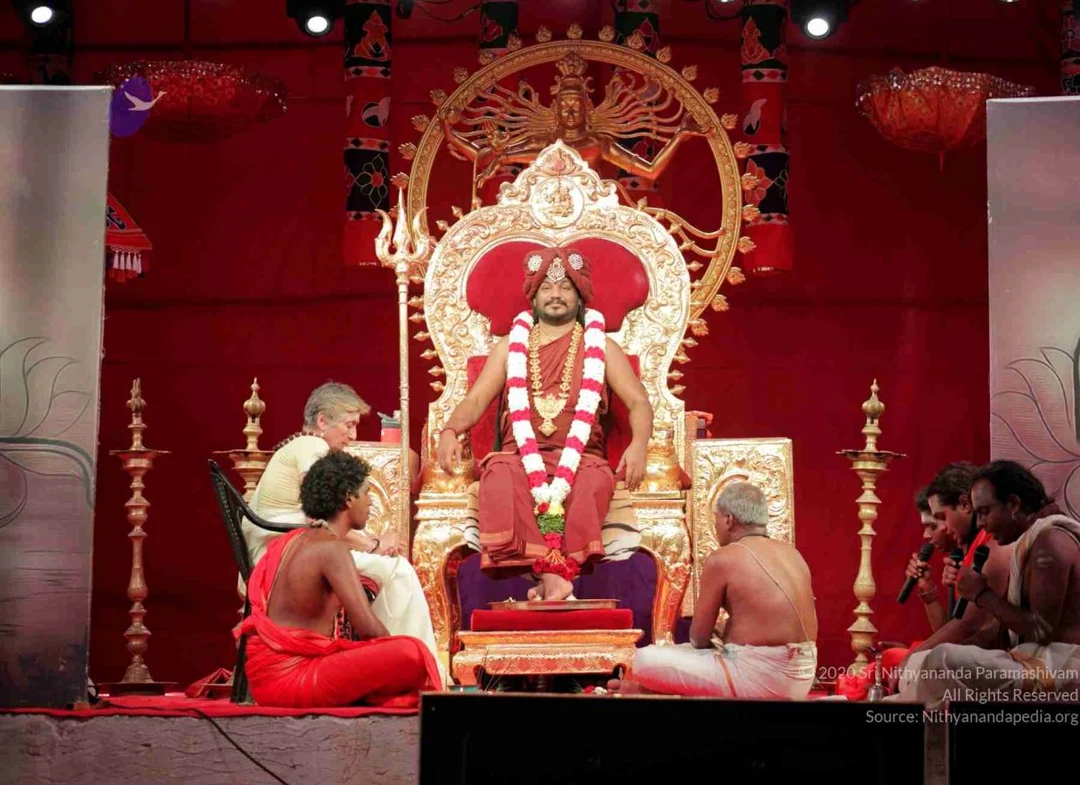 Surrender and drop all the incompletions at the Guru's feet
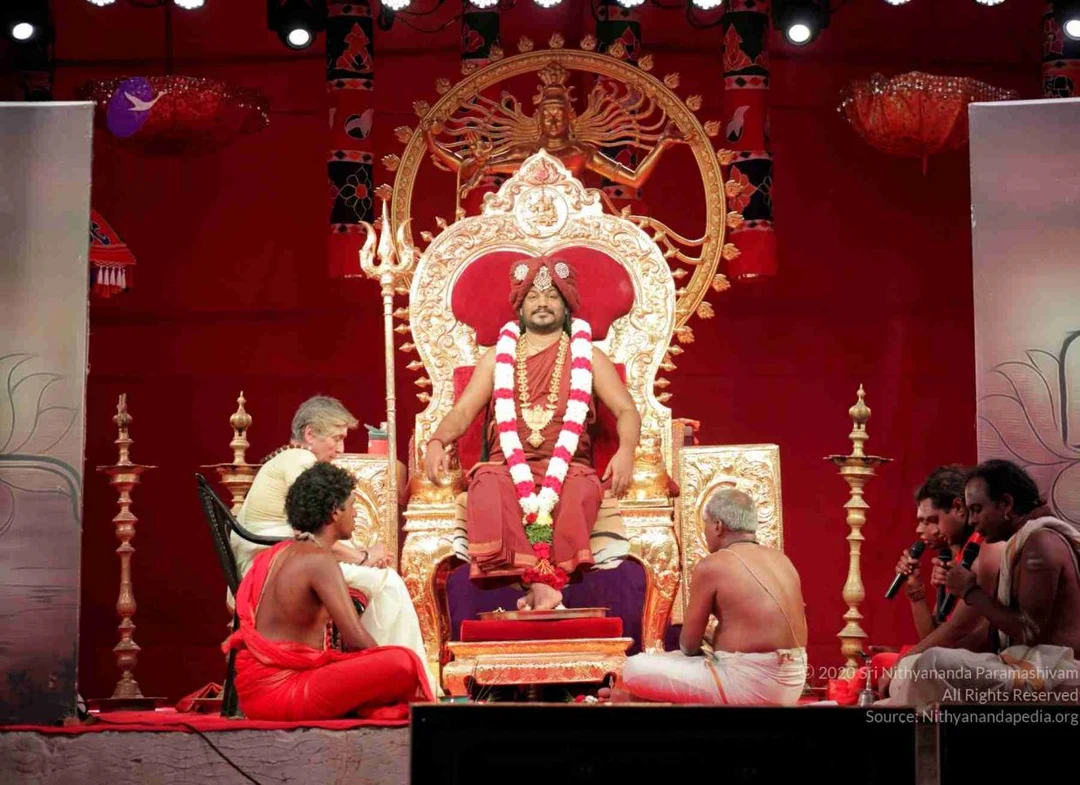 Surrender and drop all the incompletions at the Guru's feet
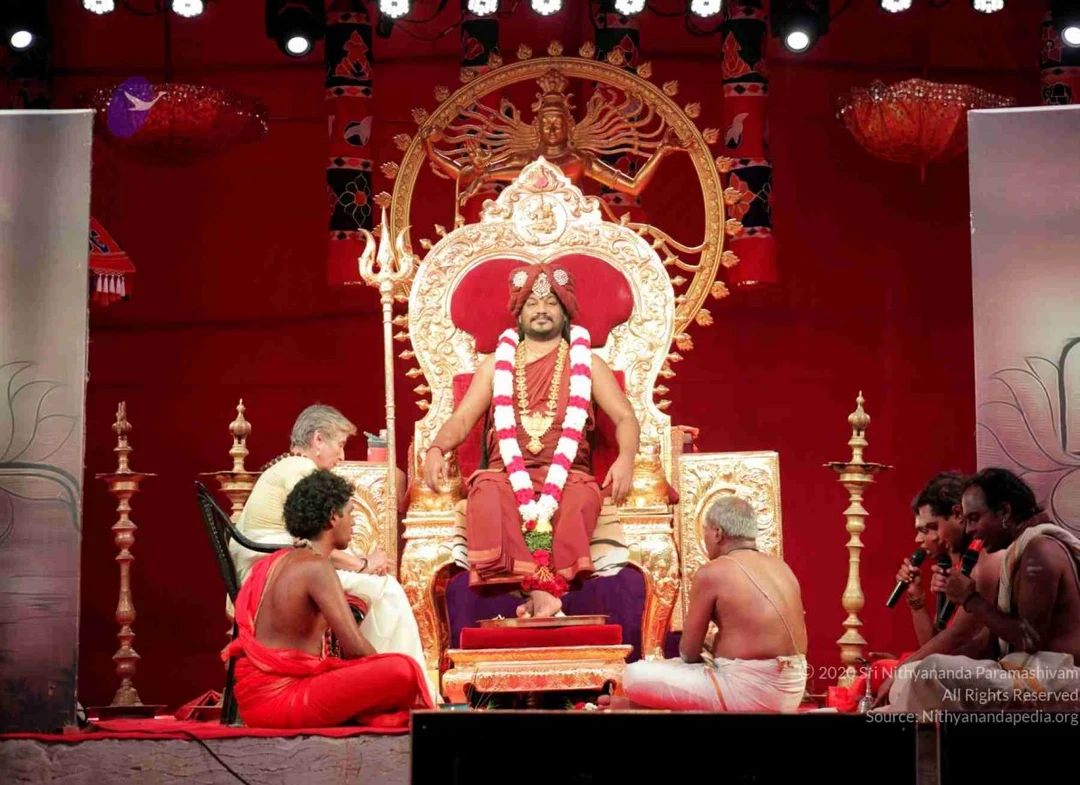 Surrender and drop all the incompletions at the Guru's feet
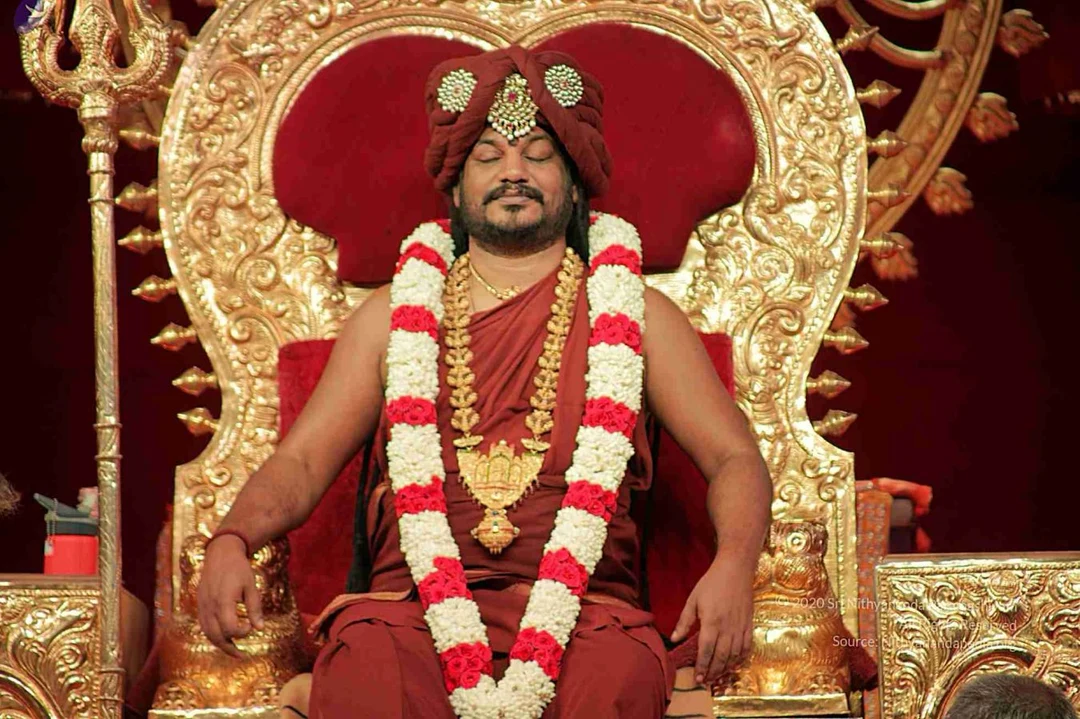 Surrender and drop all the incompletions at the Guru's feet
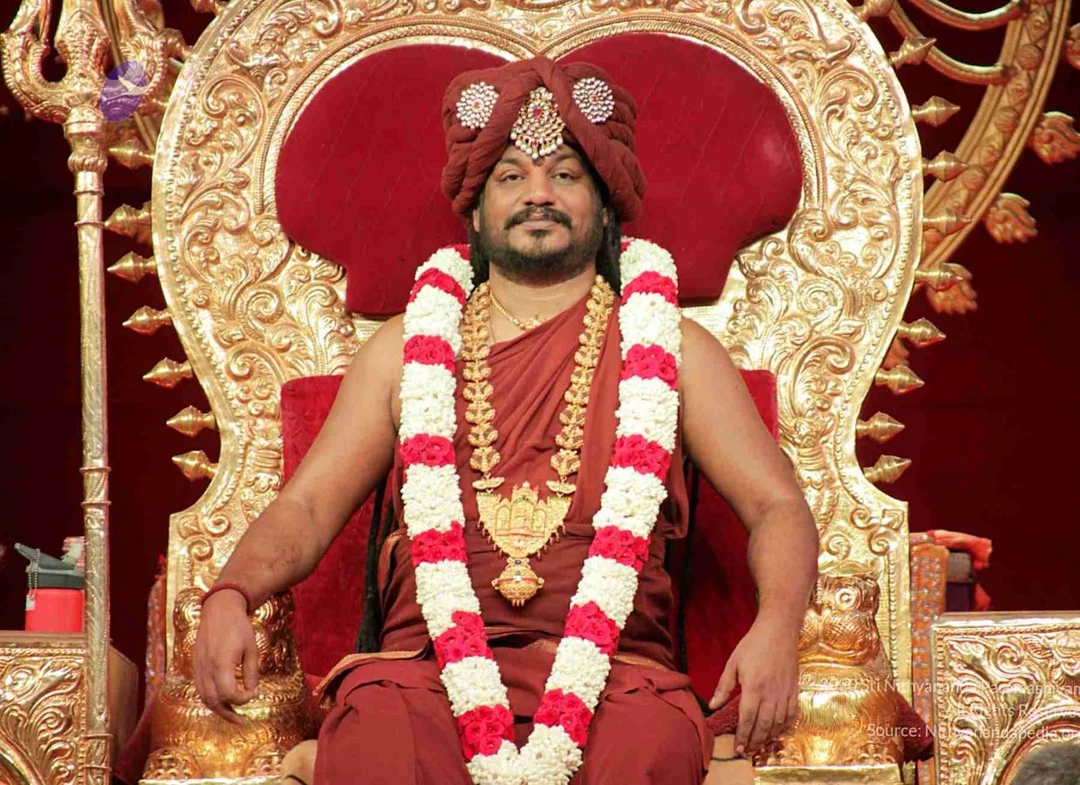 Surrender and drop all the incompletions at the Guru's feet
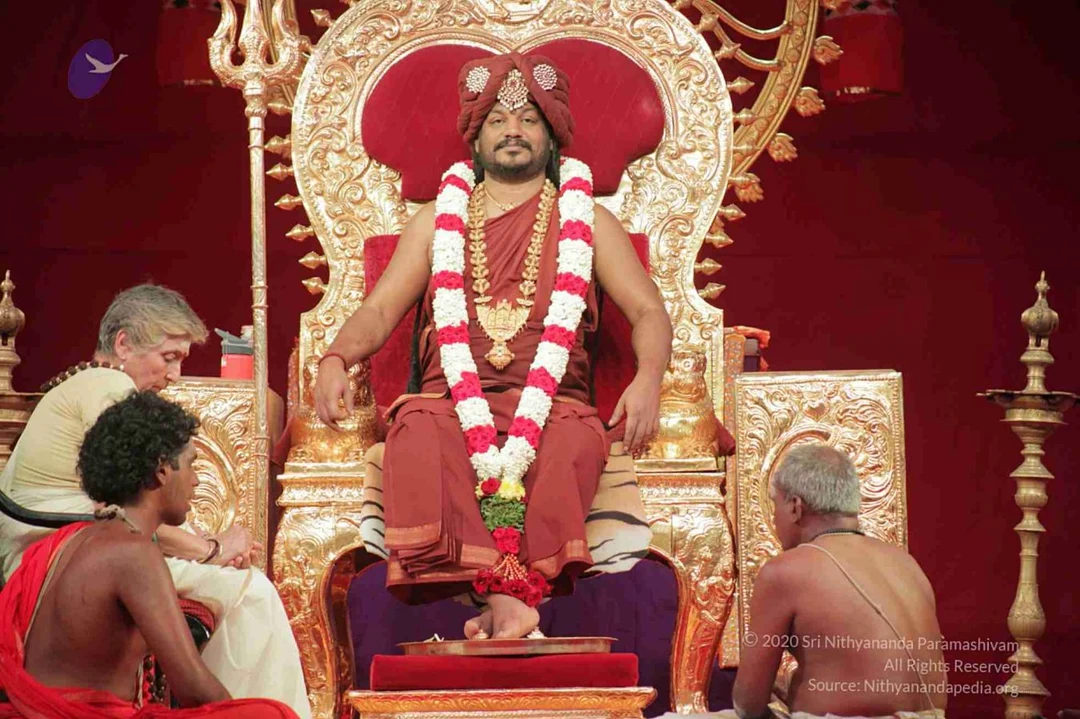 Surrender and drop all the incompletions at the Guru's feet
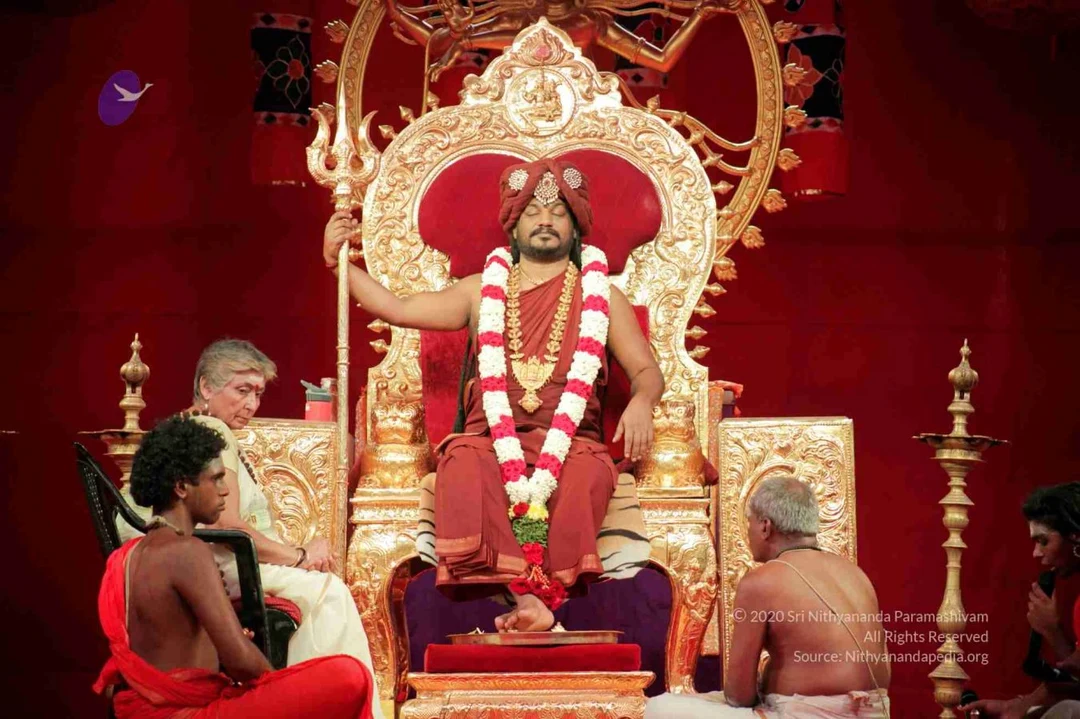 Surrender and drop all the incompletions at the Guru's feet
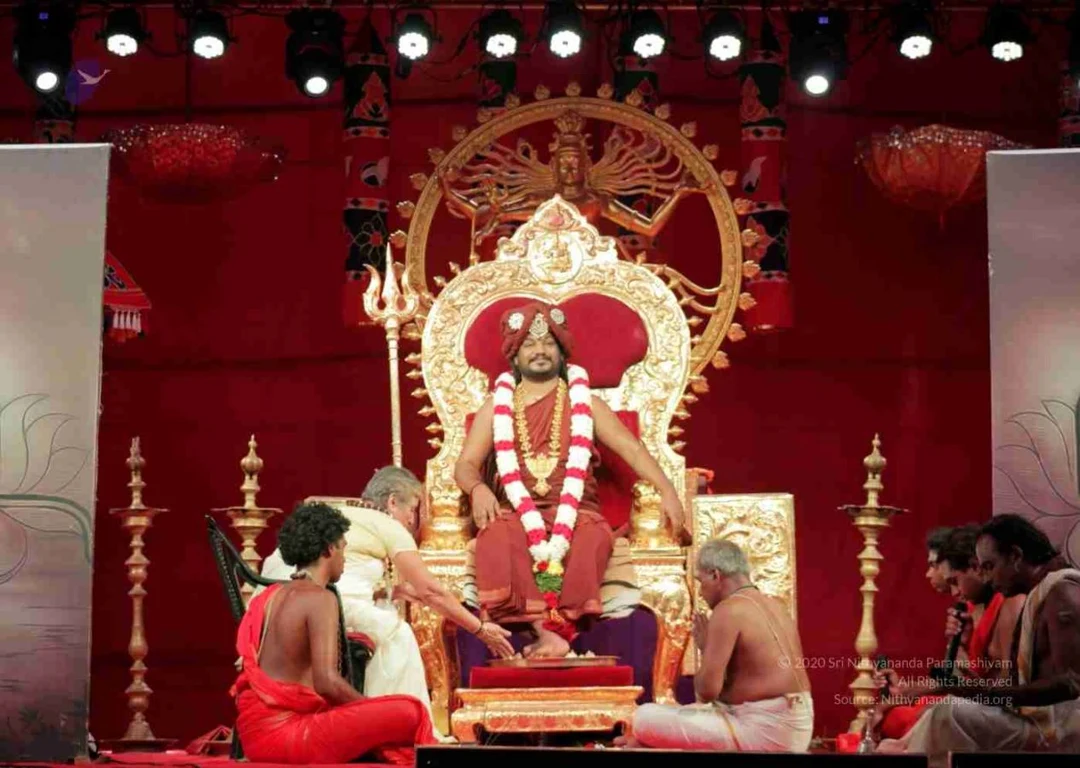 Surrender and drop all the incompletions at the Guru's feet
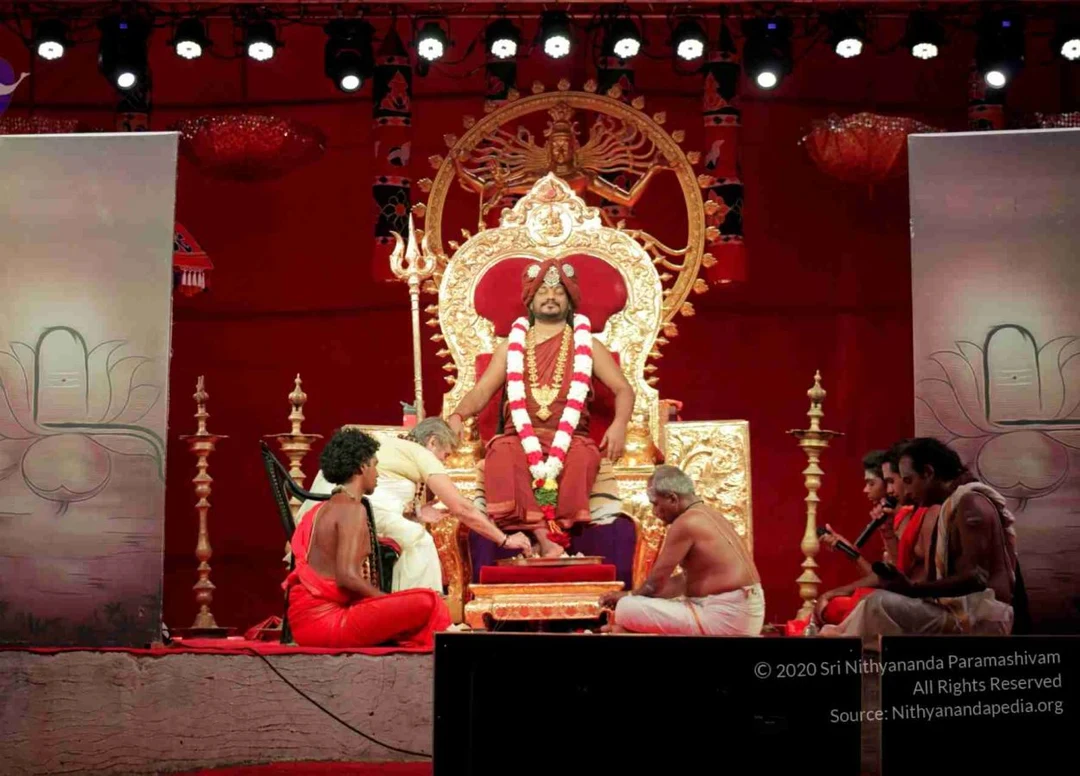 Surrender and drop all the incompletions at the Guru's feet
 Amazing to be in the breathing space of a living avatar and celebrate every moment
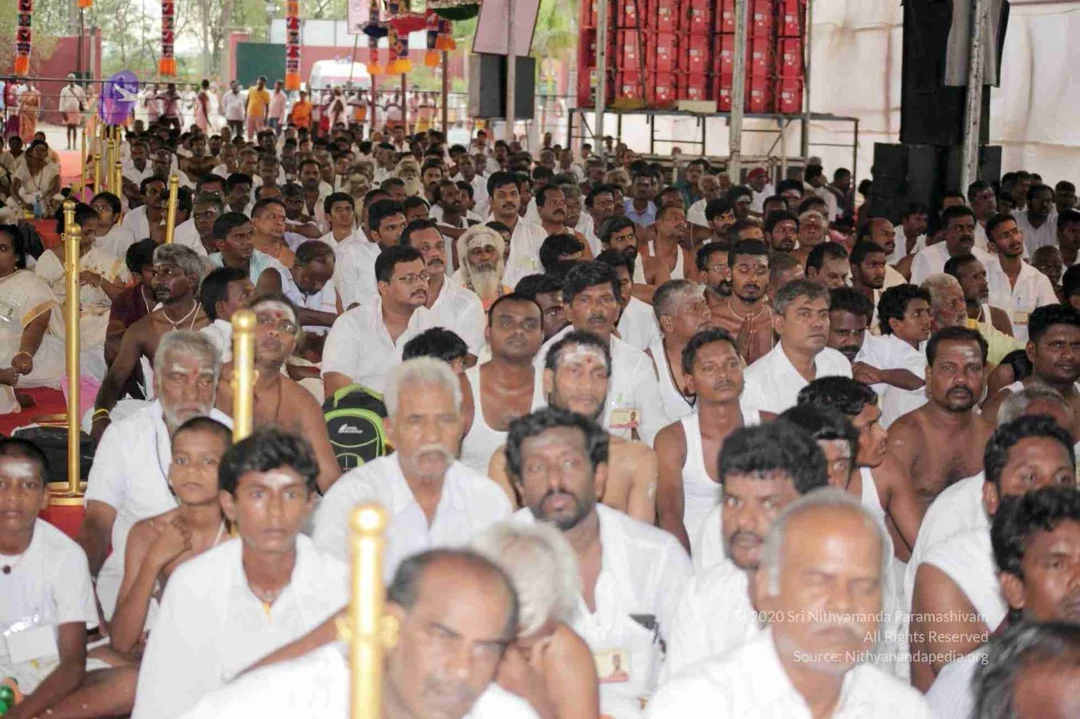 Amazing to be in the breathing space of a living avatar and celebrate every moment
 Amazing to be in the breathing space of a living avatar and celebrate every moment
 Amazing to be in the breathing space of a living avatar and celebrate every moment
 Amazing to be in the breathing space of a living avatar and celebrate every moment
 Amazing to be in the breathing space of a living avatar and celebrate every moment
 Amazing to be in the breathing space of a living avatar and celebrate every moment
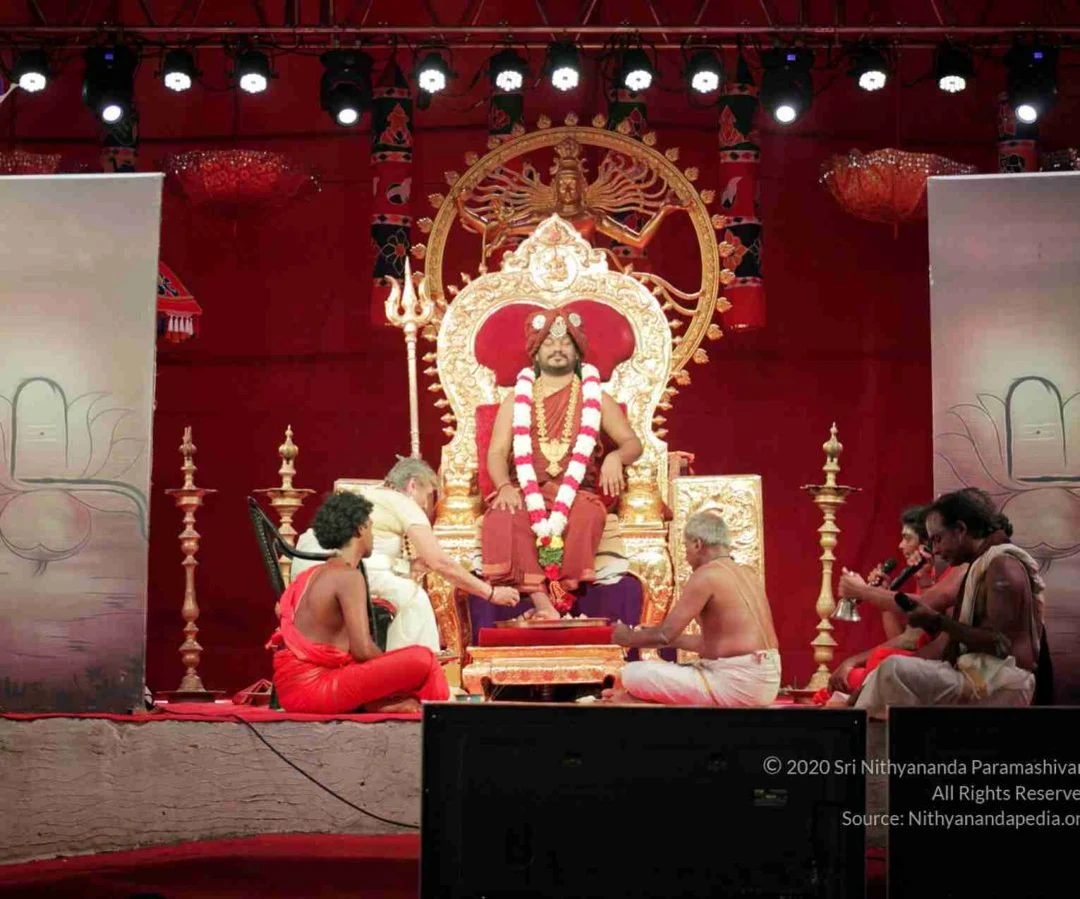 Pratyaksha pada puja - experience oneness with the avatar to expand your consciousness
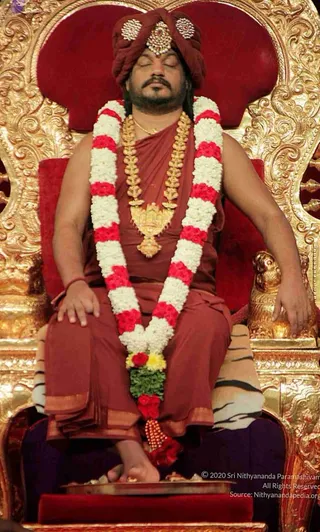 Pratyaksha pada puja - experience oneness with the avatar to expand your consciousness
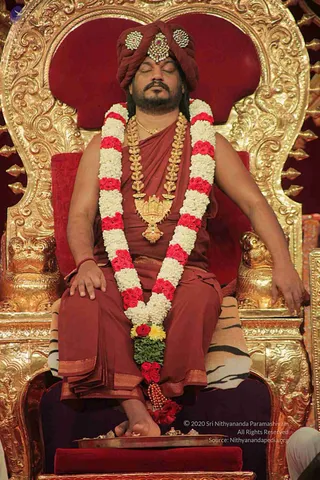 Pratyaksha pada puja - experience oneness with the avatar to expand your consciousness
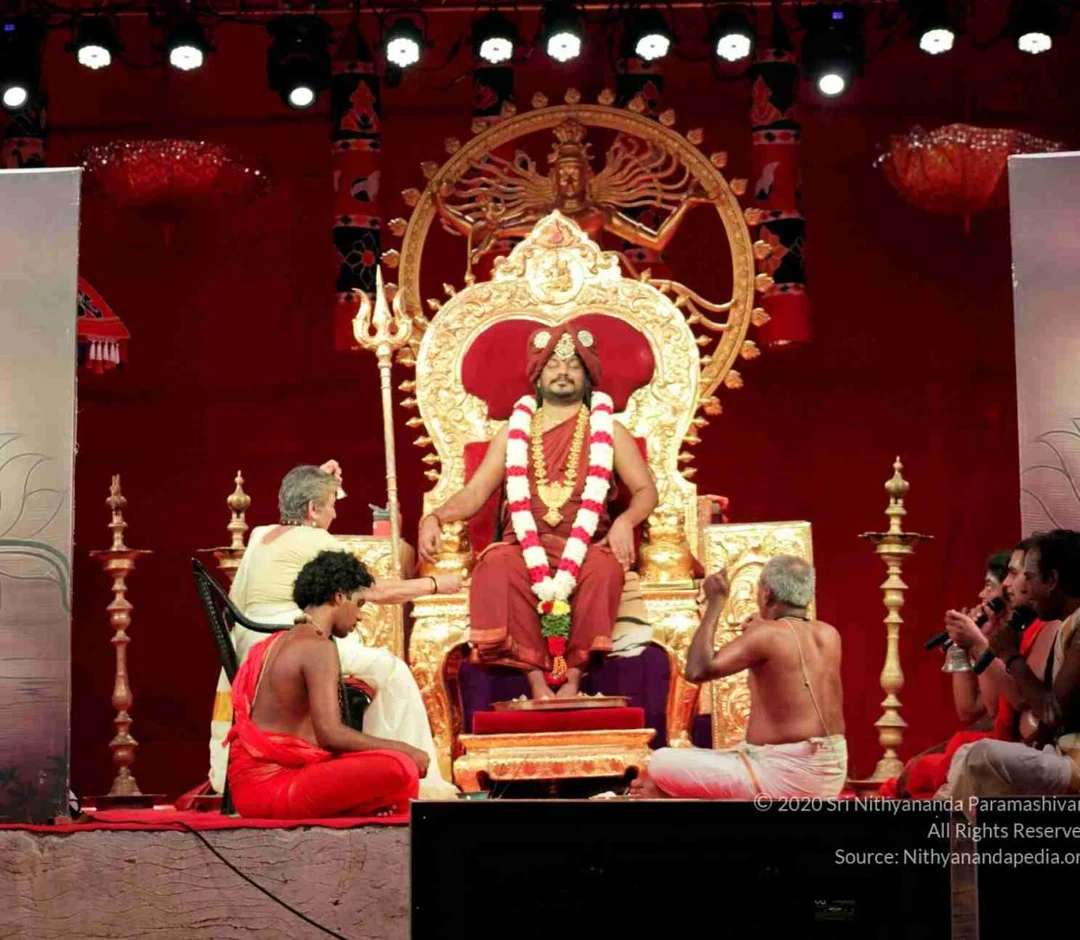 Pratyaksha pada puja - experience oneness with the avatar to expand your consciousness
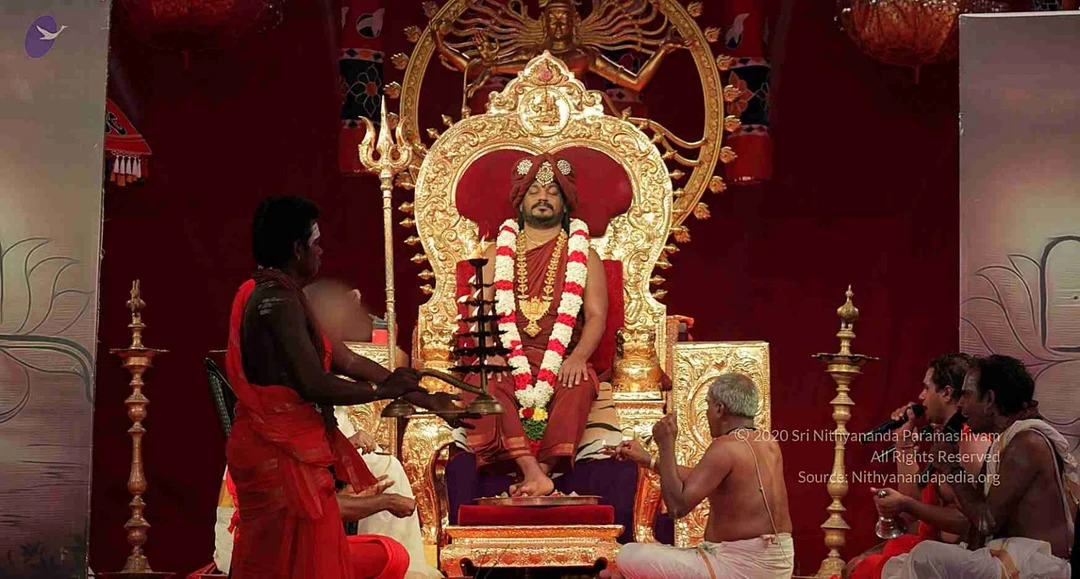 Pratyaksha pada puja - experience oneness with the avatar to expand your consciousness
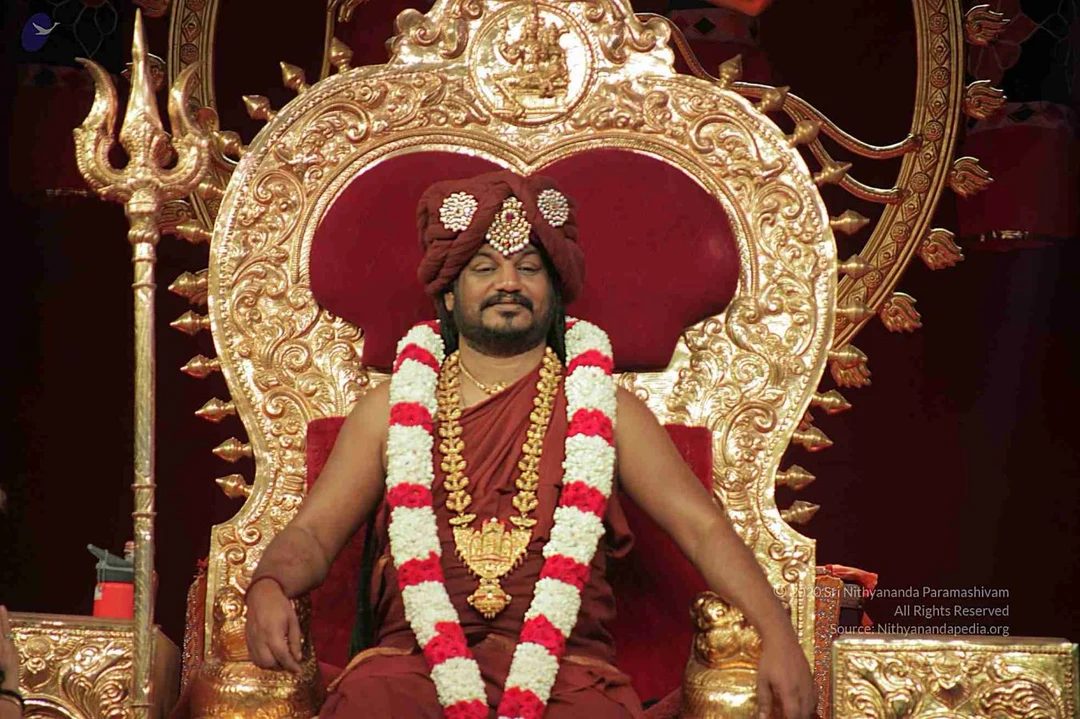 Pratyaksha pada puja - experience oneness with the avatar to expand your consciousness
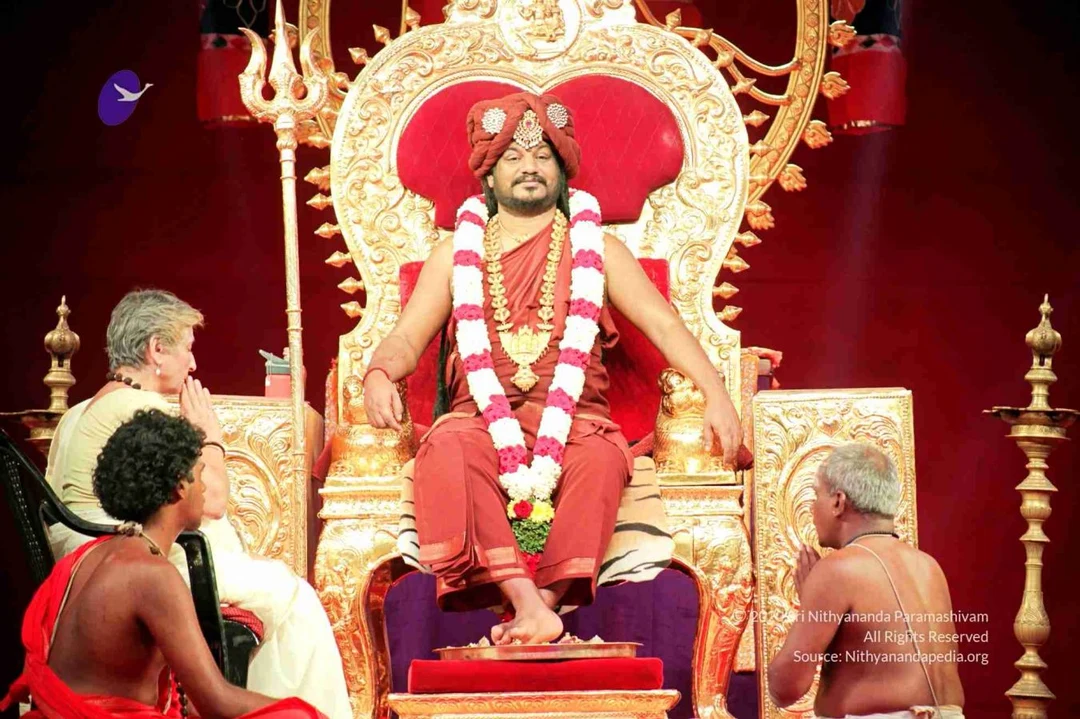 Pratyaksha pada puja - experience oneness with the avatar to expand your consciousness
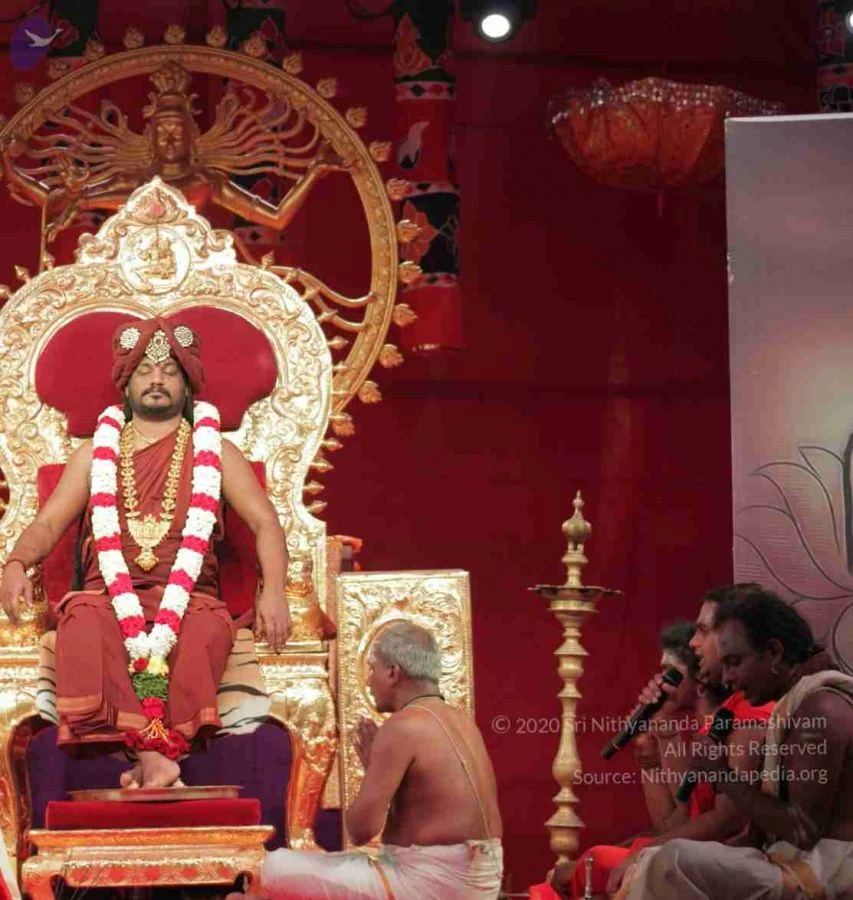
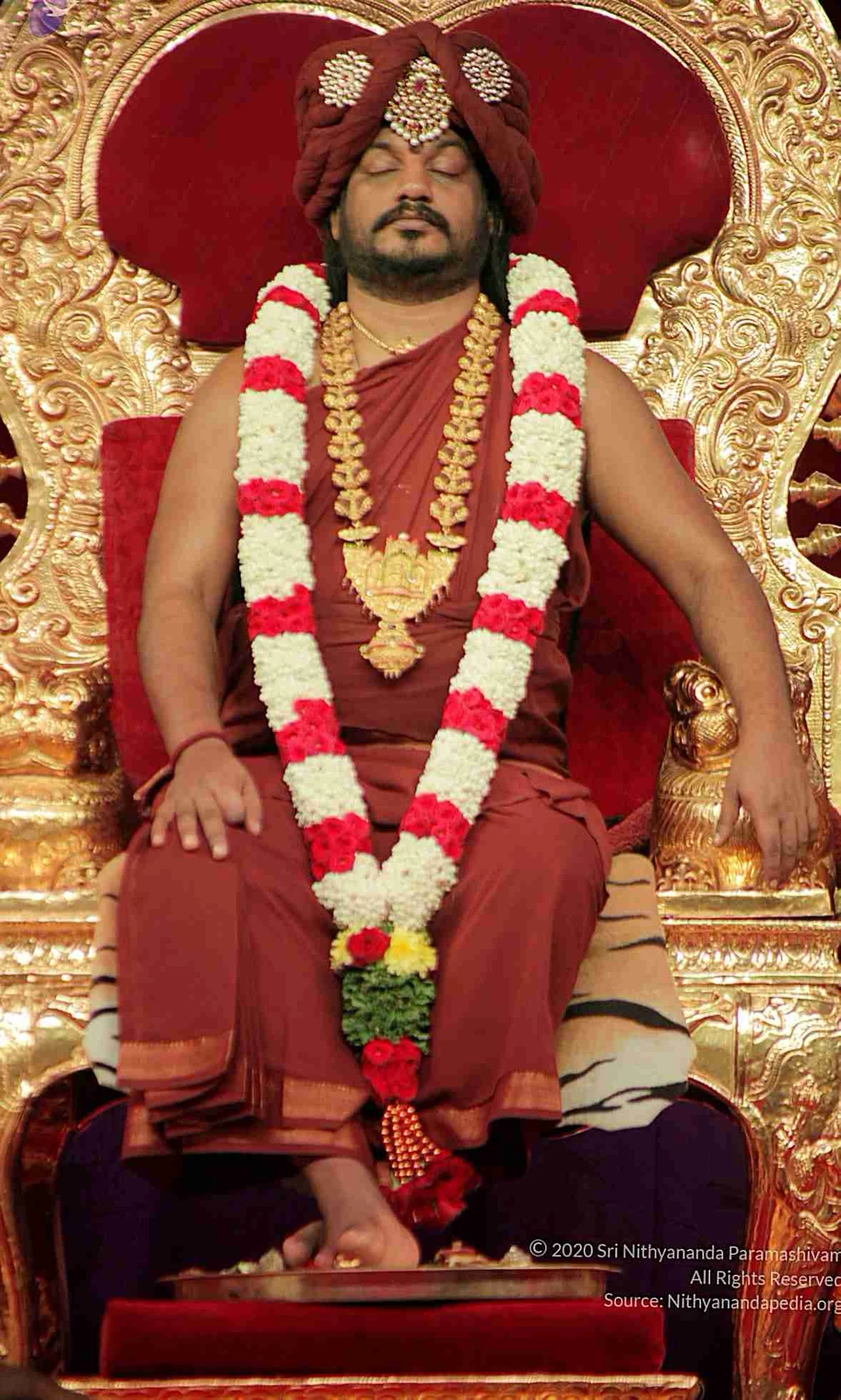
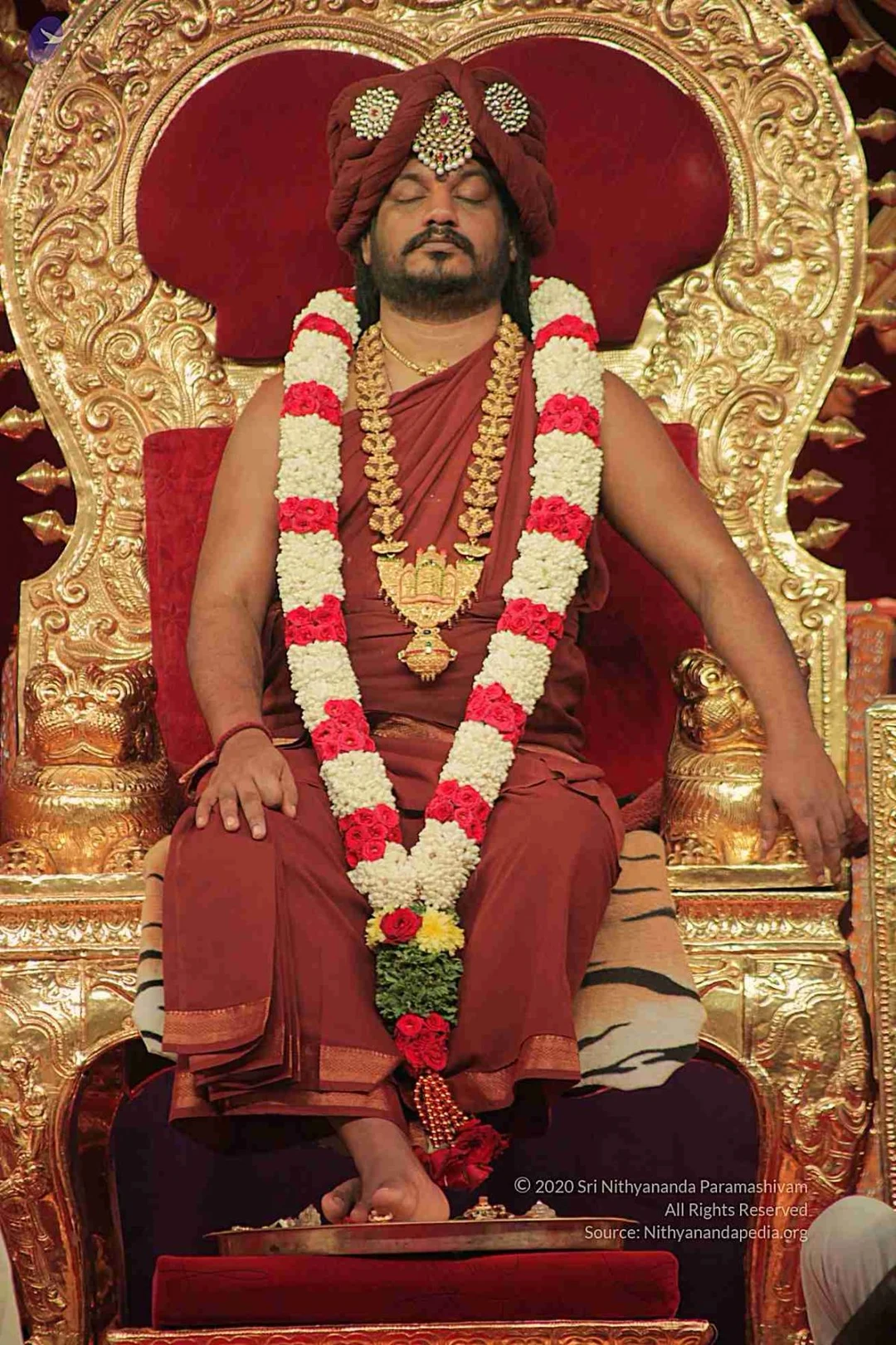
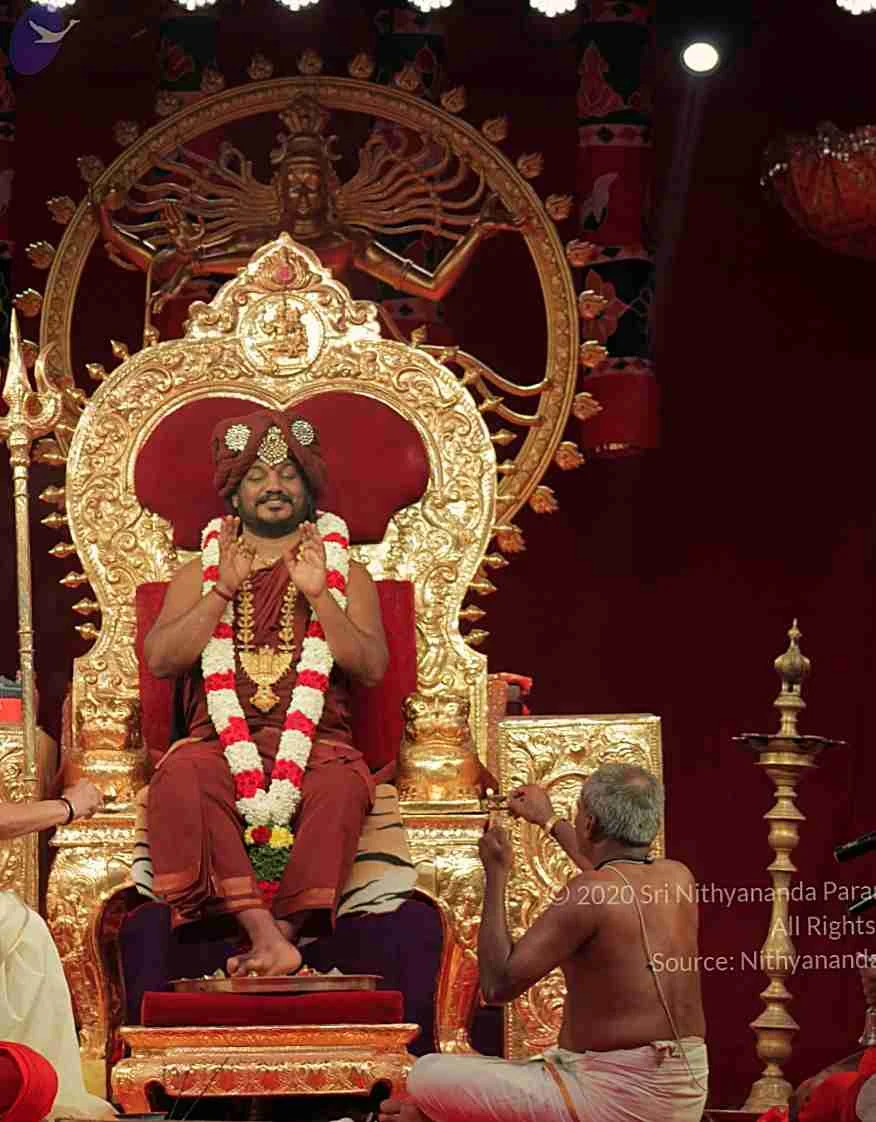
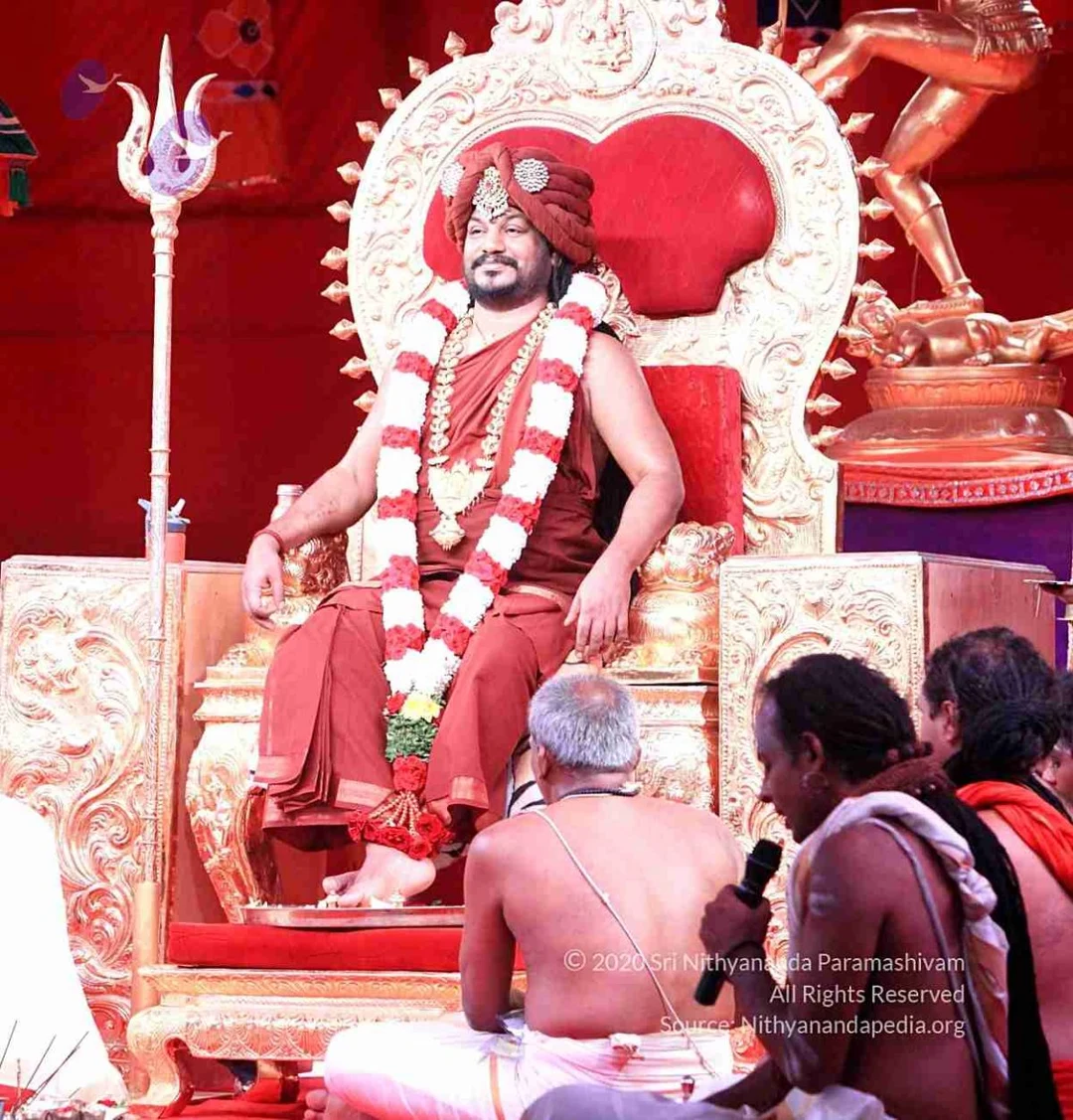
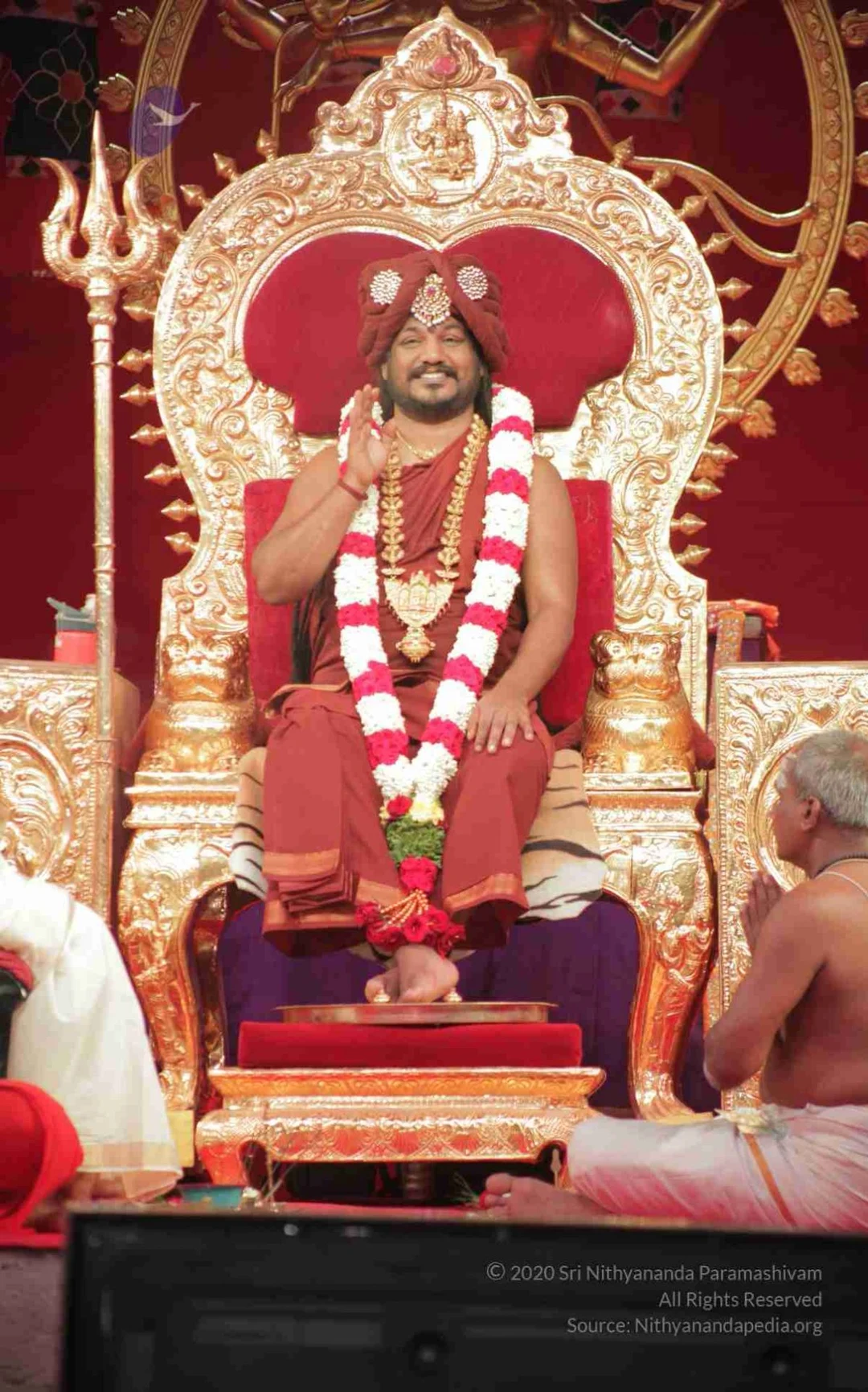
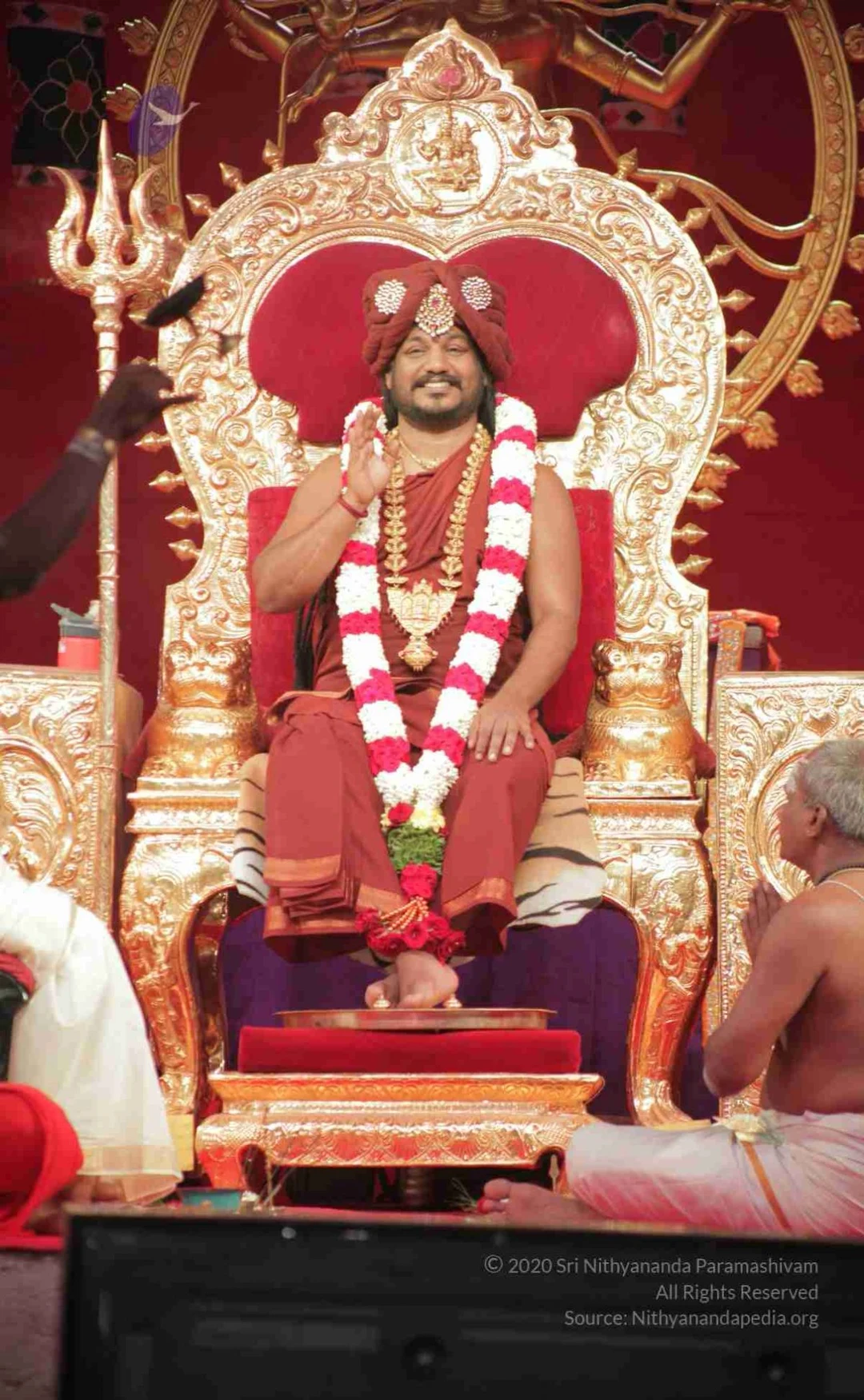
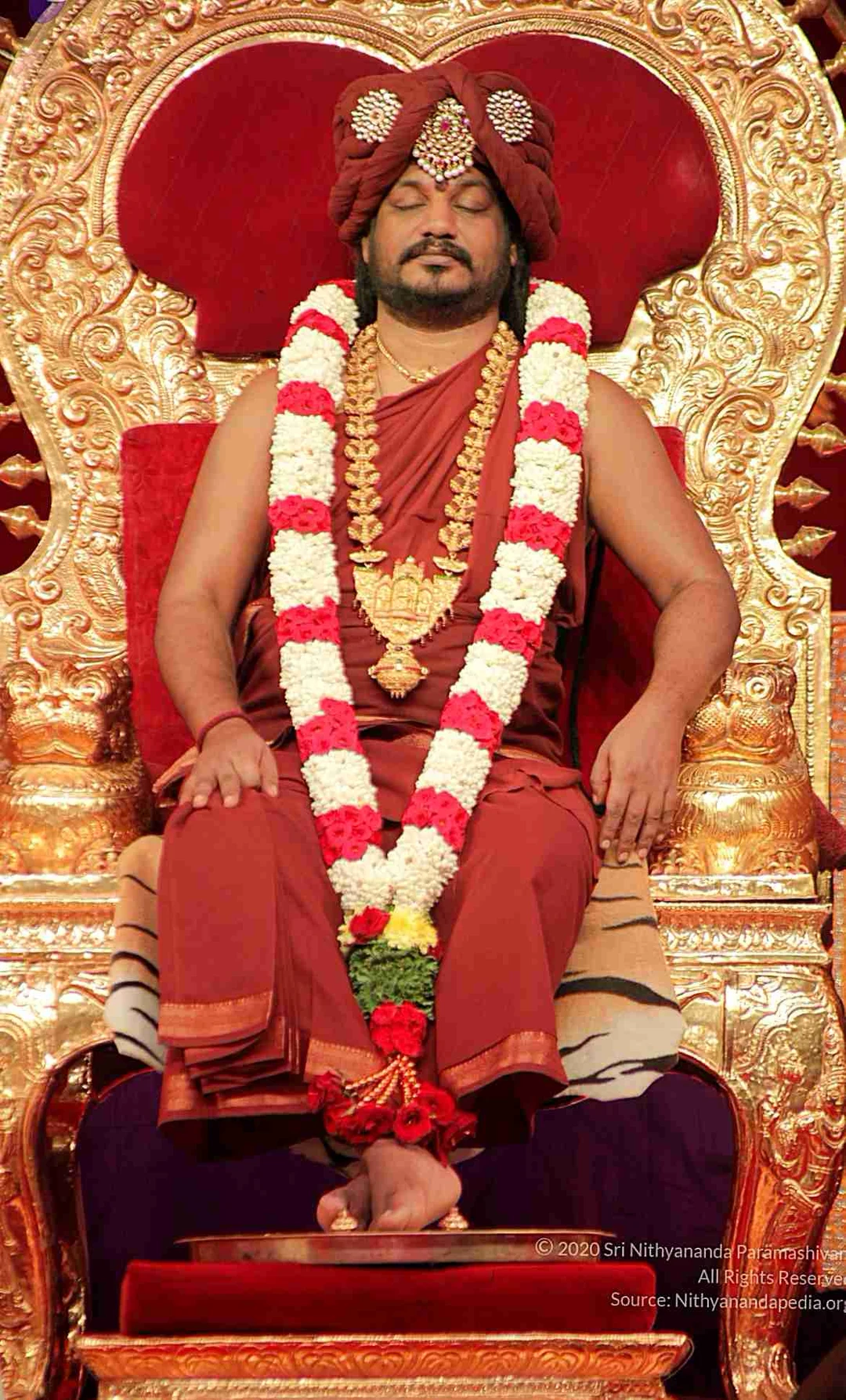
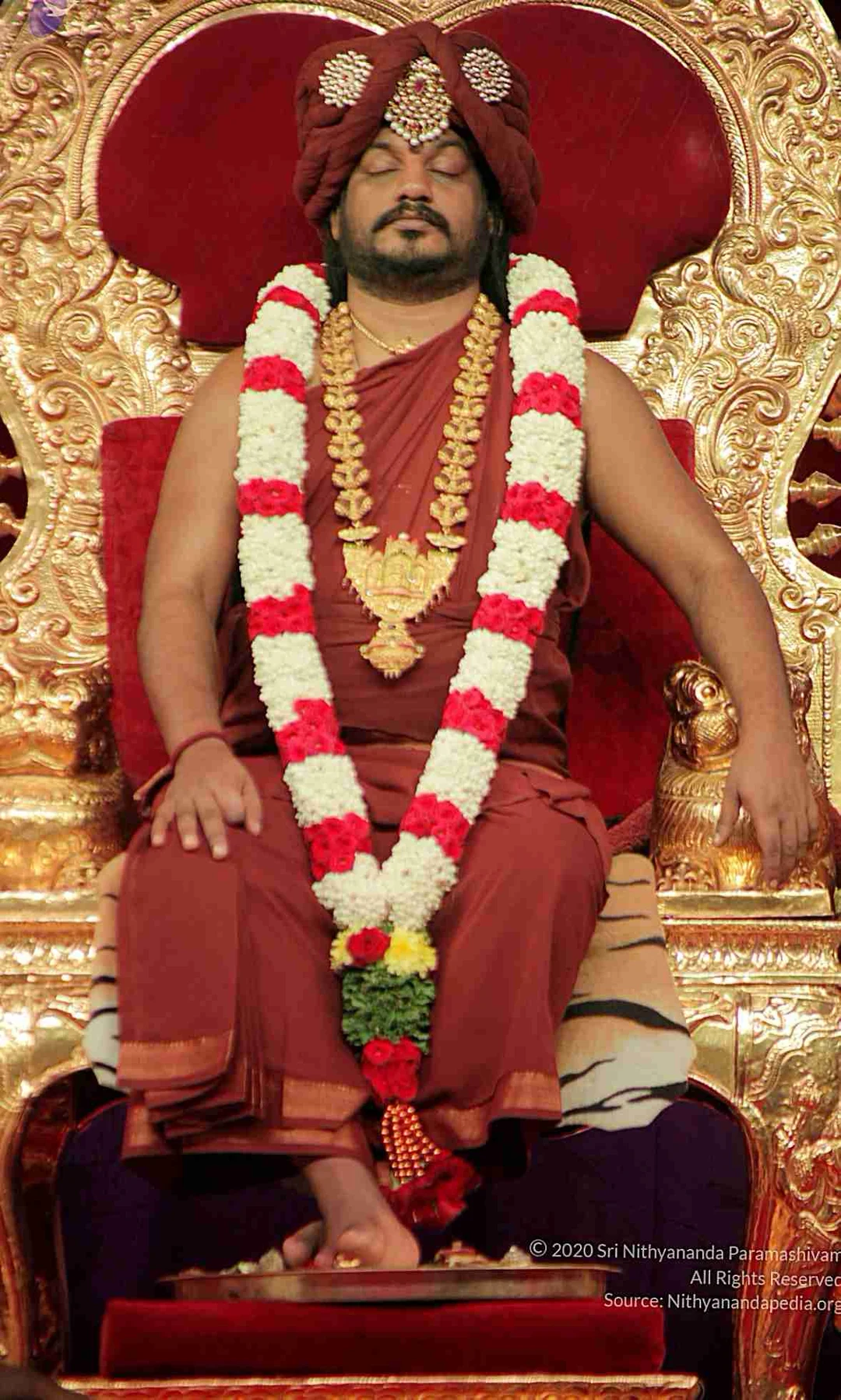
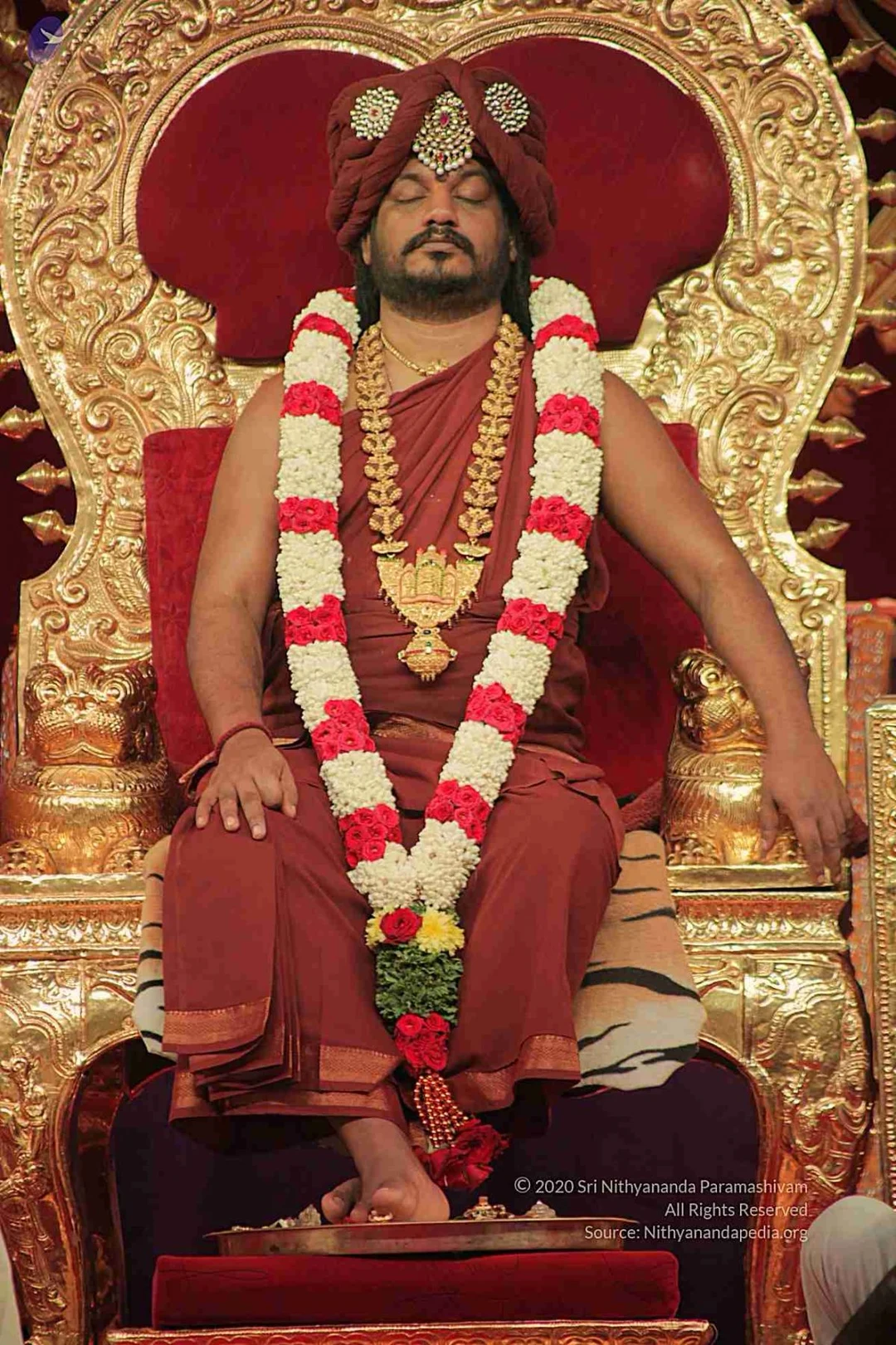
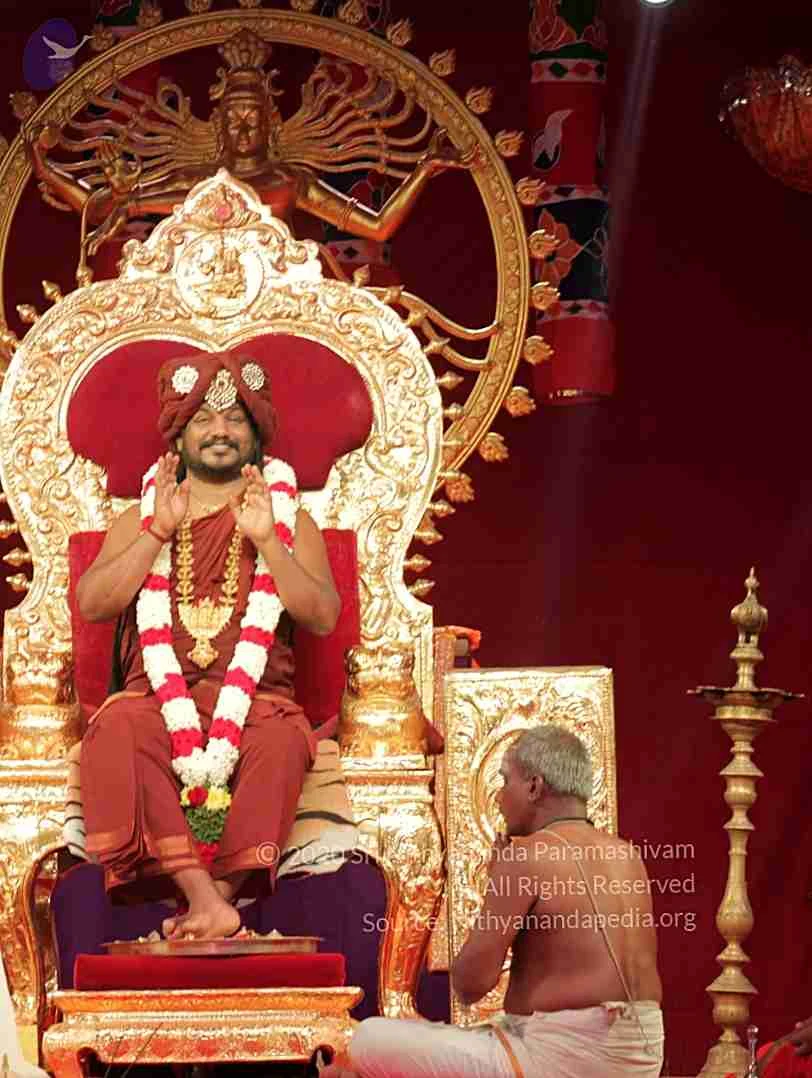
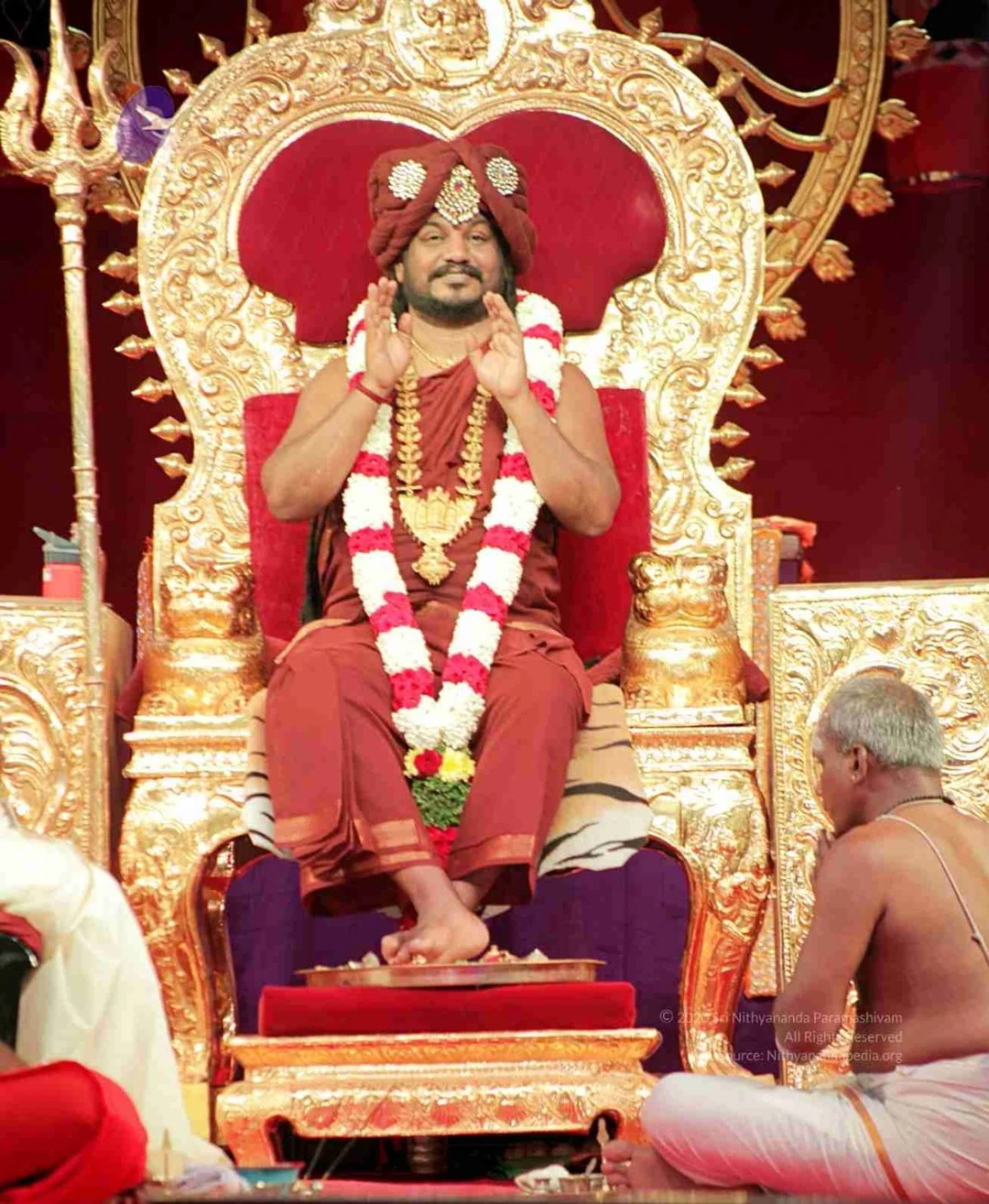
 HDH Nithyananda Paramashivam abhaya hasta (blessing)
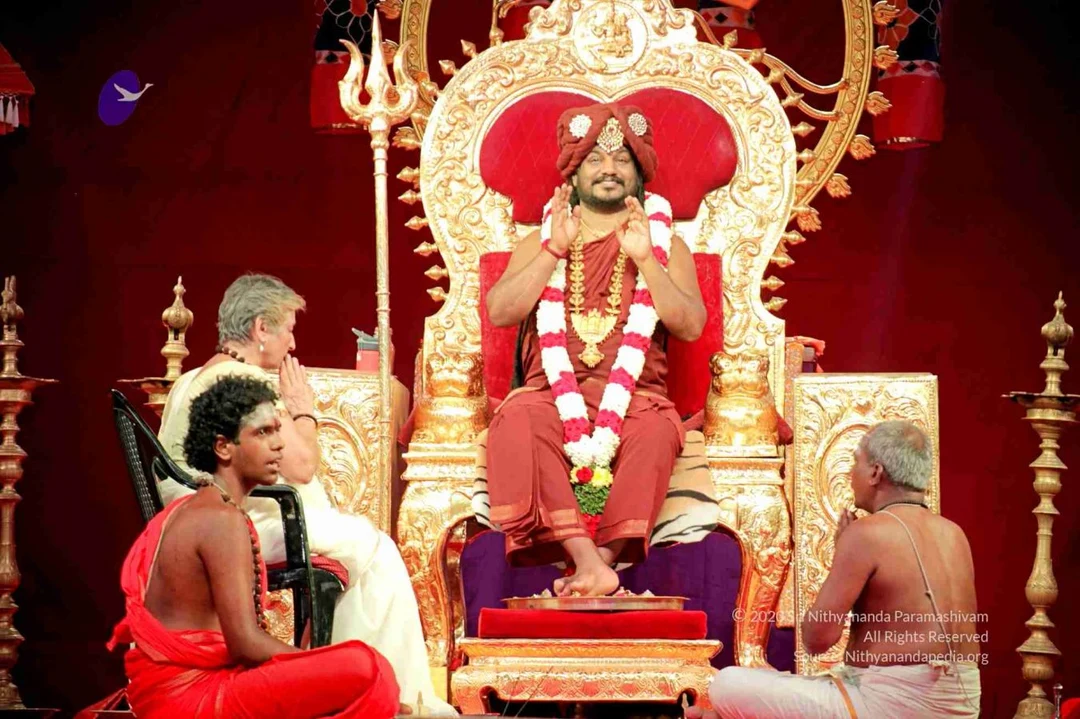 HDH Nithyananda Paramashivam abhaya hasta (blessing)
 HDH Nithyananda Paramashivam abhaya hasta (blessing)
 HDH Nithyananda Paramashivam abhaya hasta (blessing)
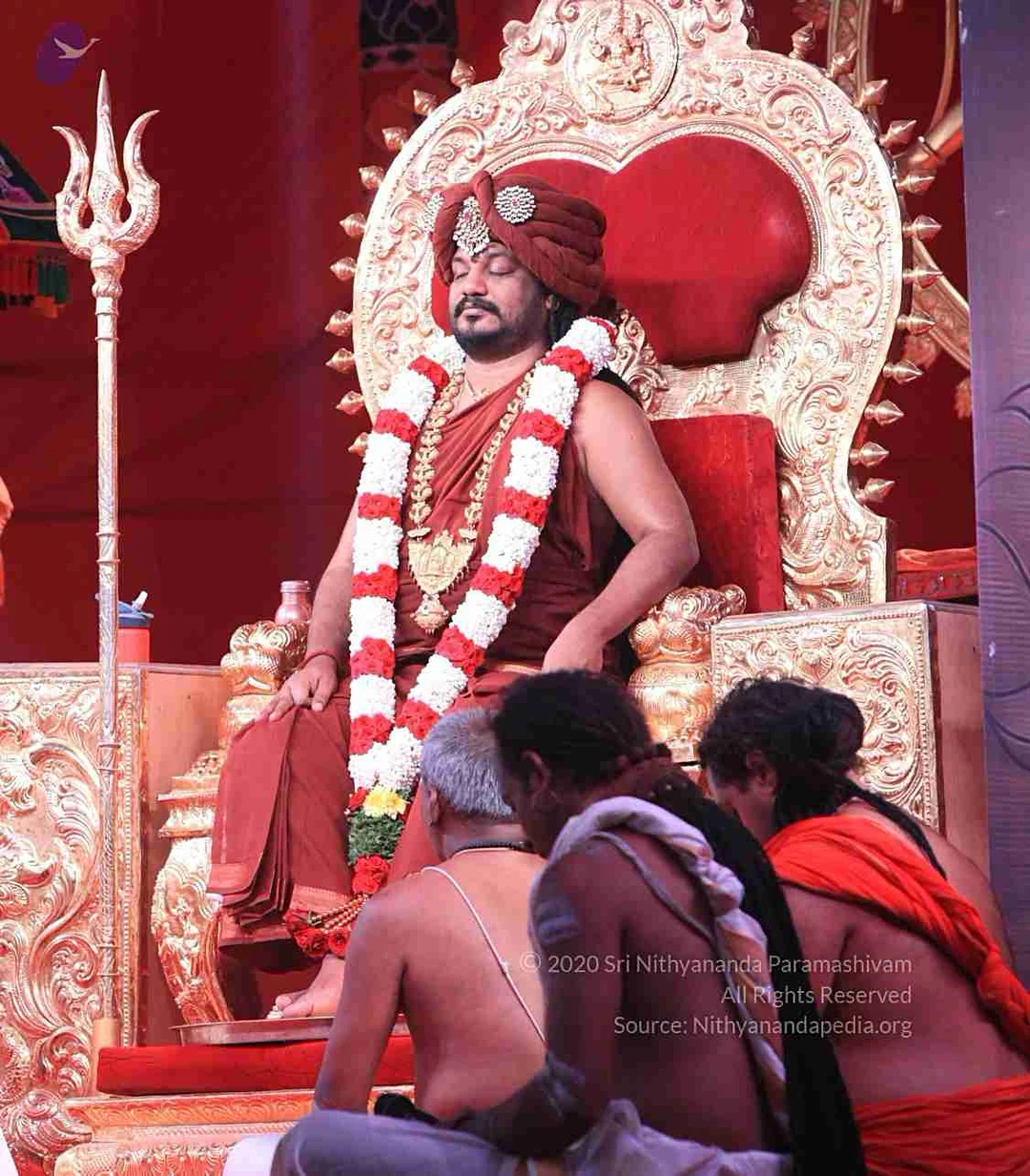
Evening Satsang
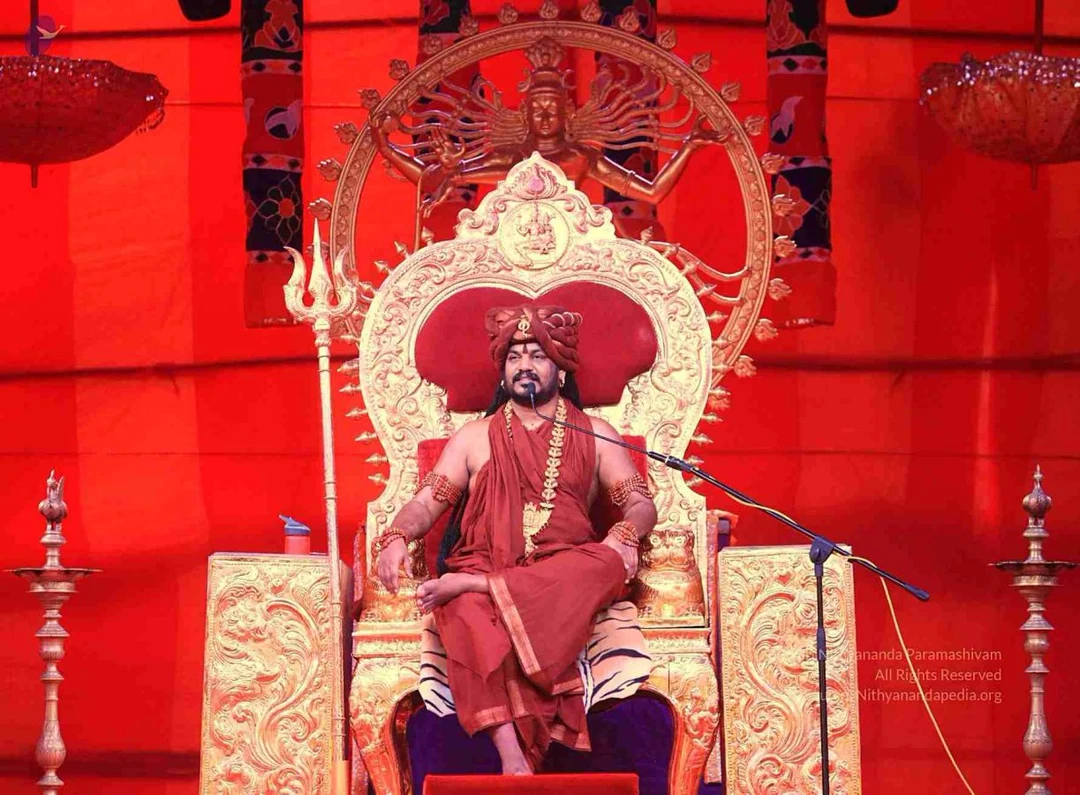 Avatar presence is living healing energy field
 Avatar presence is living healing energy field
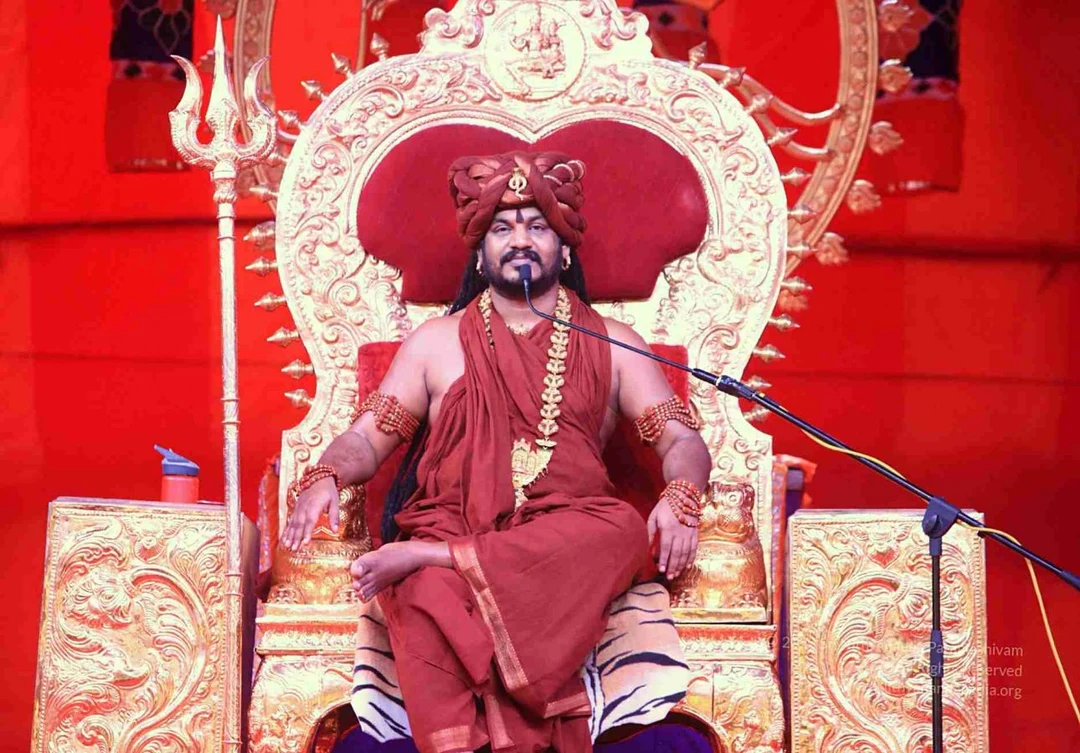 Avatar presence is living healing energy field
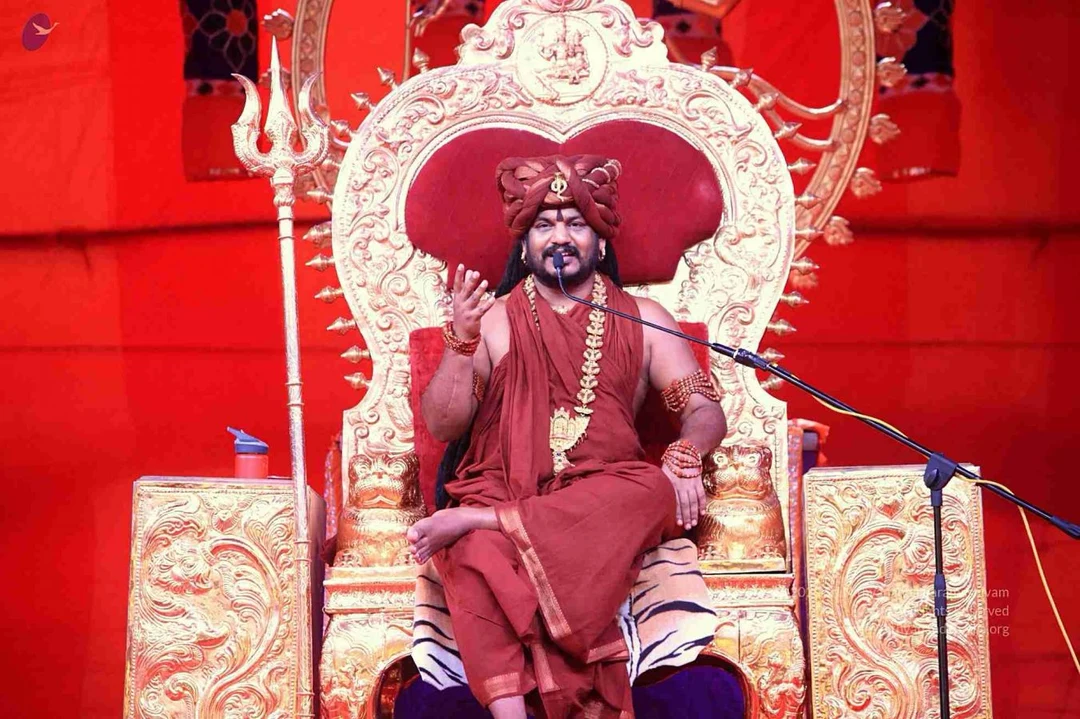 Avatar presence is living healing energy field
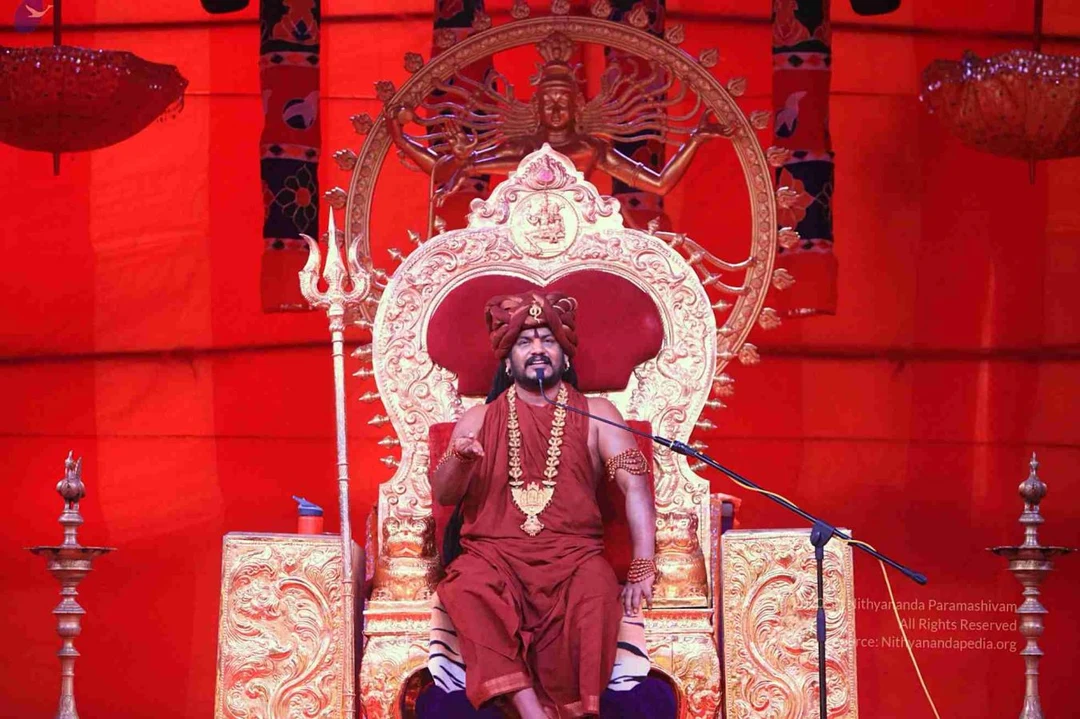 Avatar presence is living healing energy field
 Avatar presence is living healing energy field
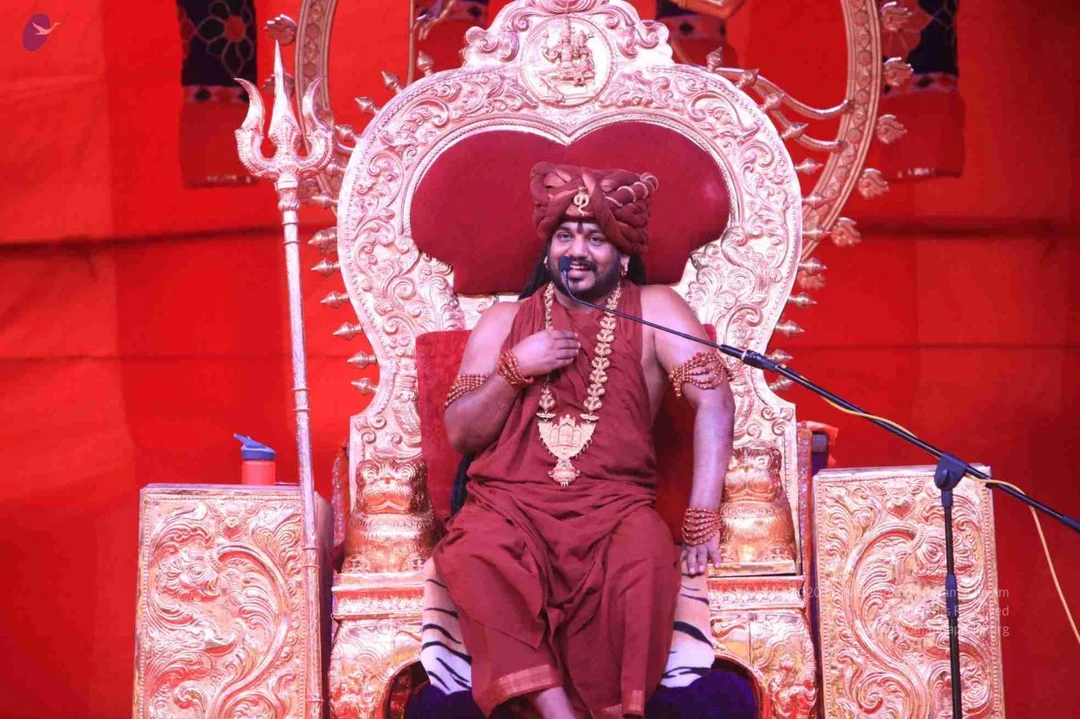 Avatar presence is living healing energy field
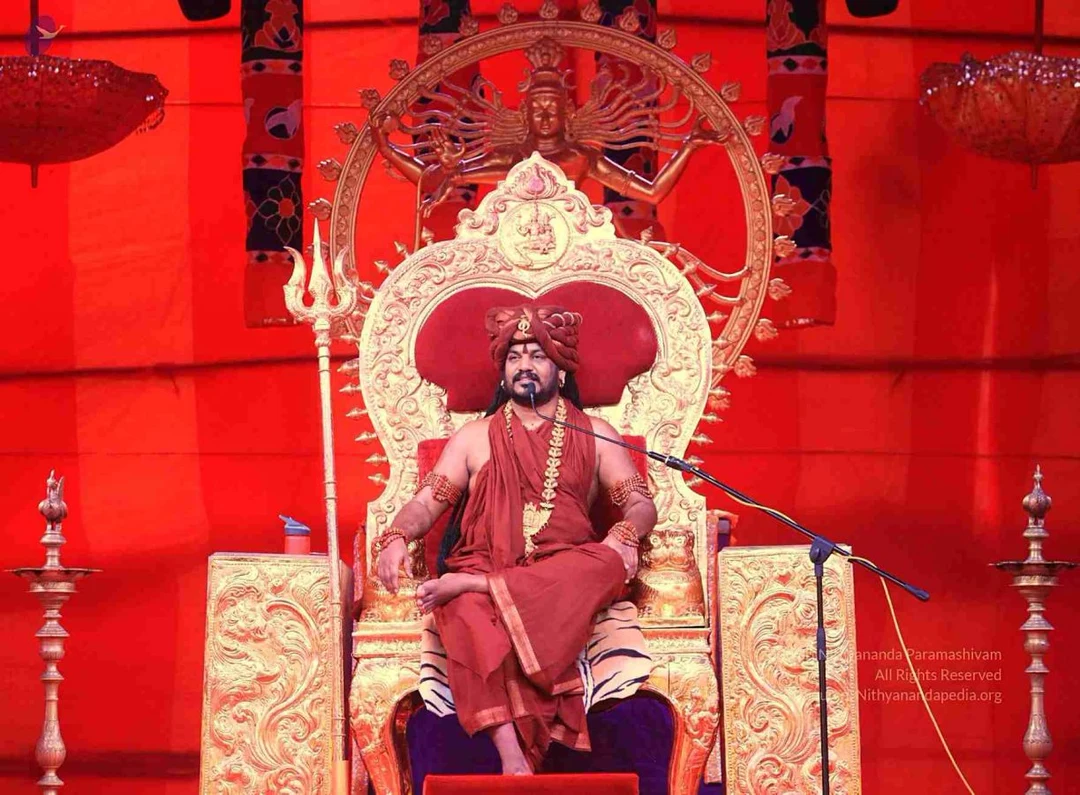 HDH Nithyananda Paramashivam is compassionate loving Guru
 HDH Nithyananda Paramashivam is compassionate loving Guru
 HDH Nithyananda Paramashivam is compassionate loving Guru
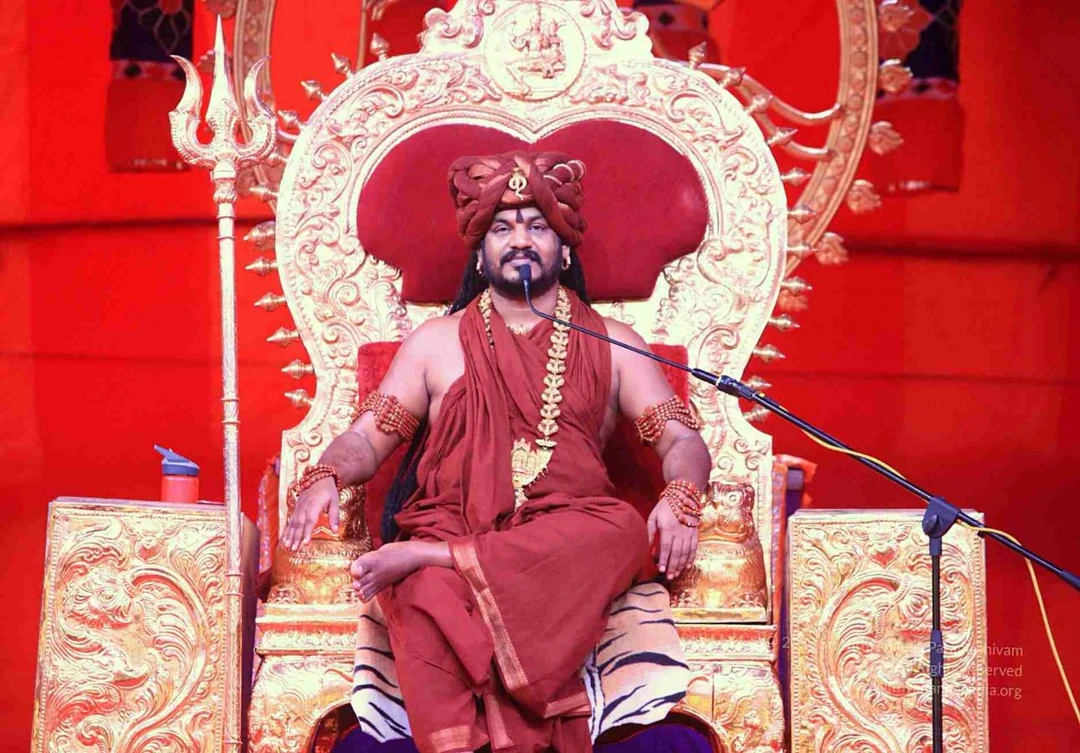 HDH Nithyananda Paramashivam is compassionate loving Guru
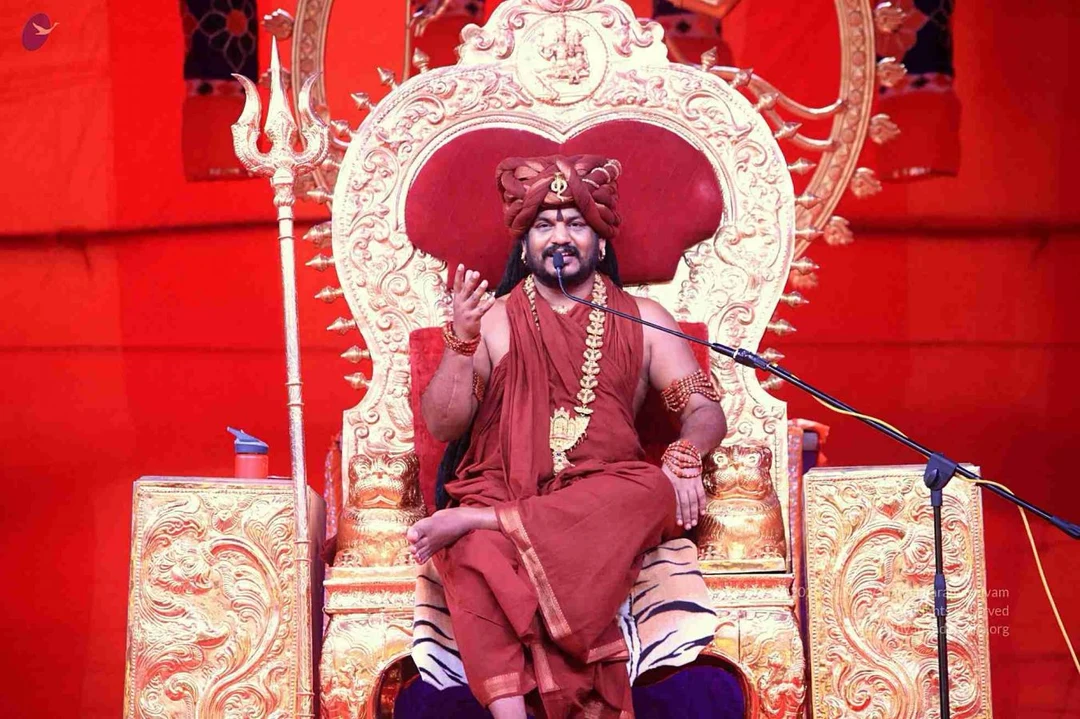 Manifestation of oneness happens, when the integrity, authenticity, responsibility, enriching opens up
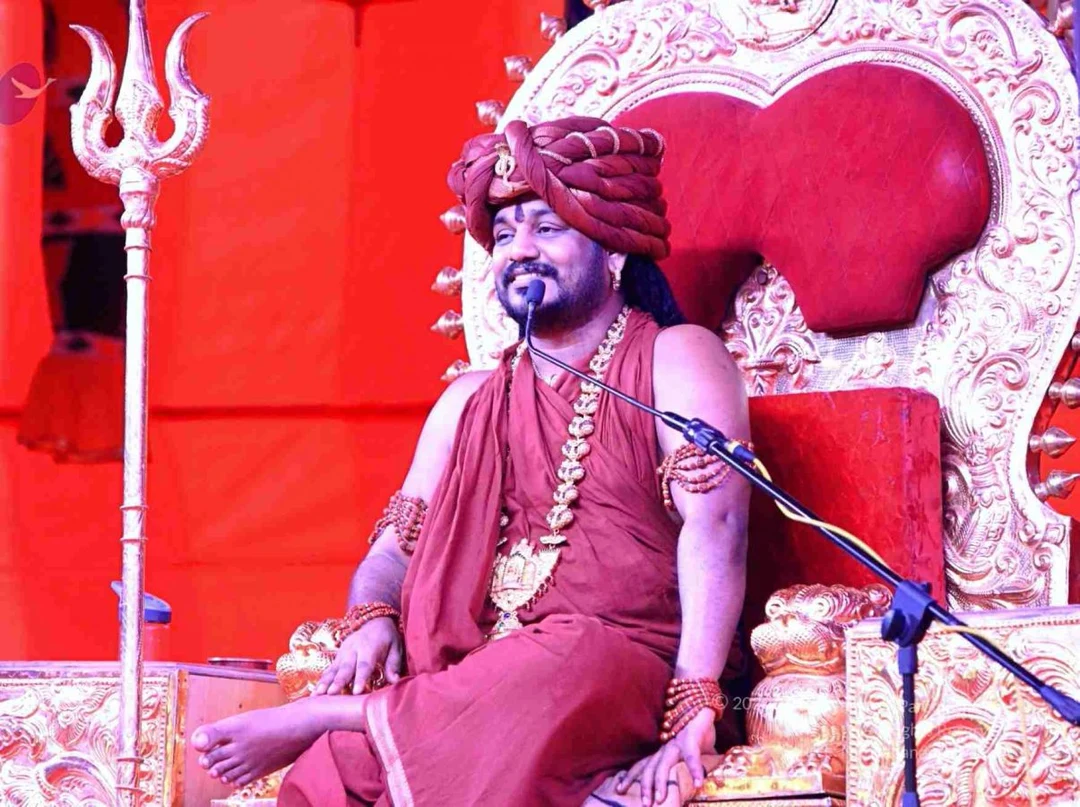 Manifestation of oneness happens, when the integrity, authenticity, responsibility, enriching opens up
 Manifestation of oneness happens, when the integrity, authenticity, responsibility, enriching opens up
 Manifestation of oneness happens, when the integrity, authenticity, responsibility, enriching opens up
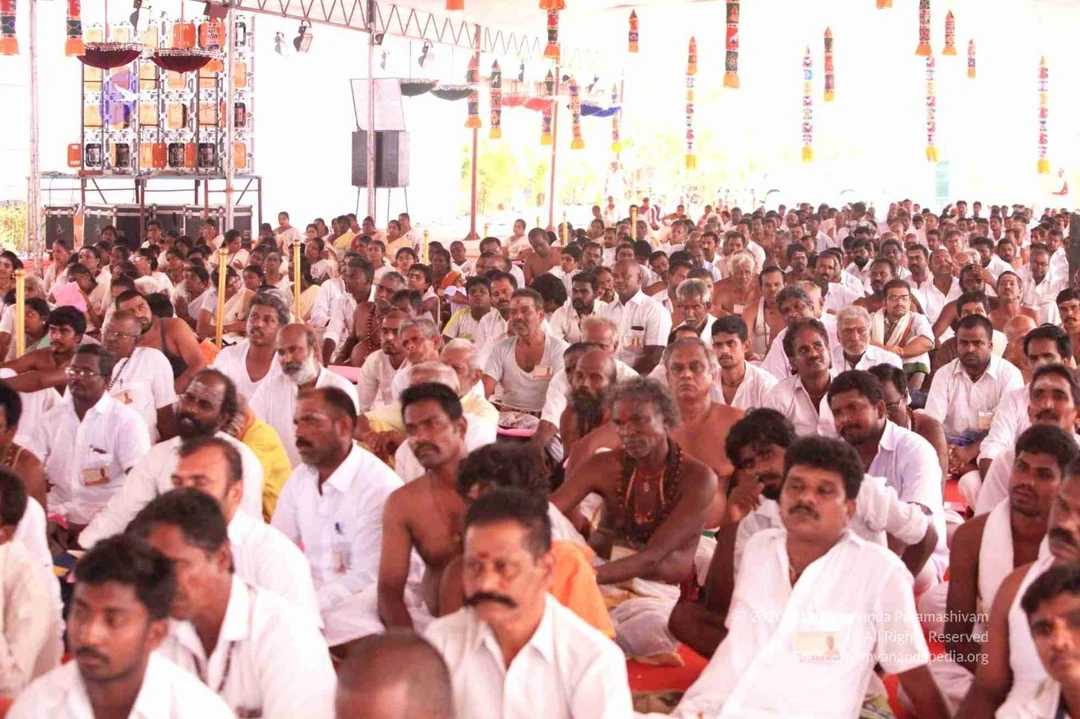 Manifestation of oneness happens, when the integrity, authenticity, responsibility, enriching opens up
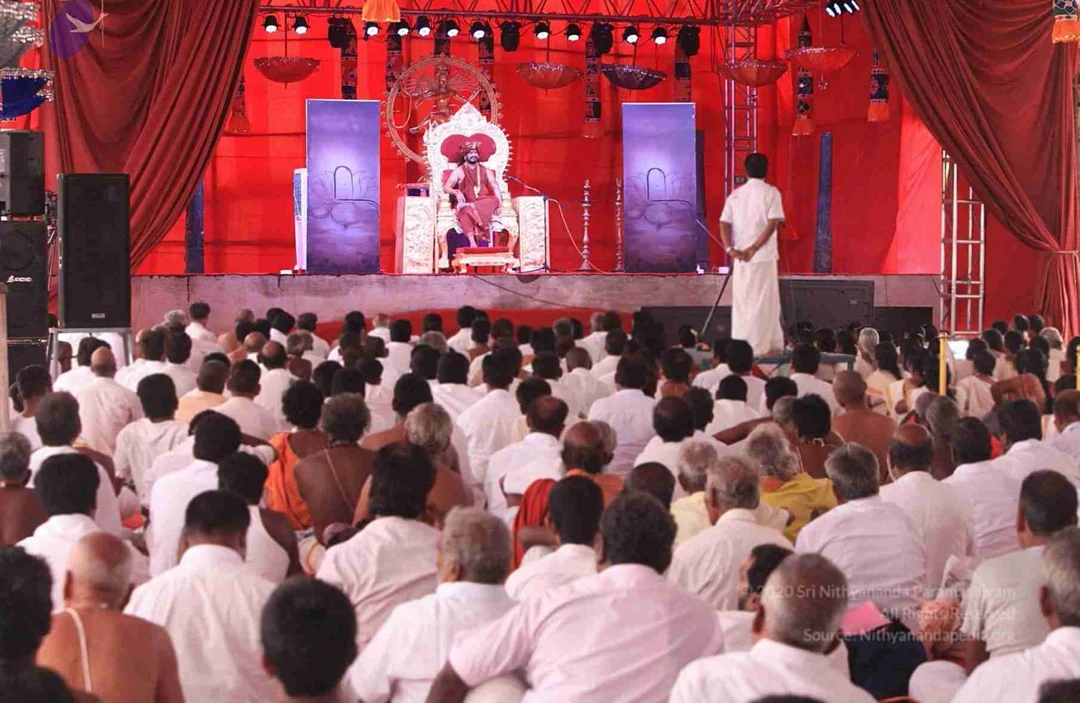 Manifestation of oneness happens, when the integrity, authenticity, responsibility, enriching opens up
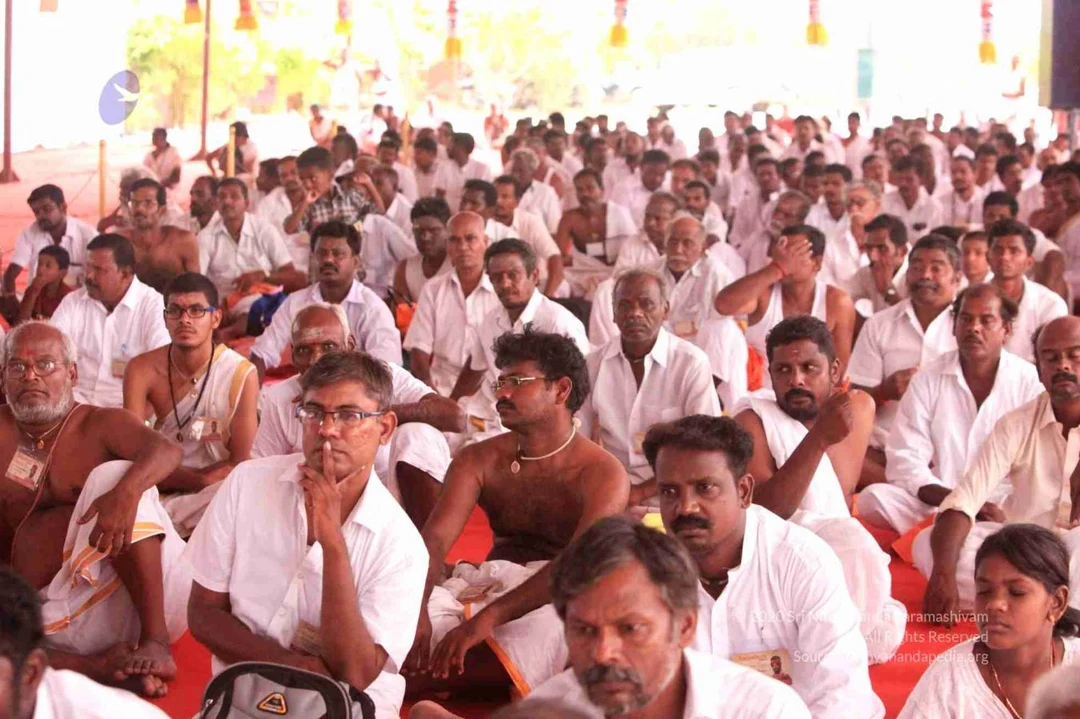 Manifestation of oneness happens, when the integrity, authenticity, responsibility, enriching opens up
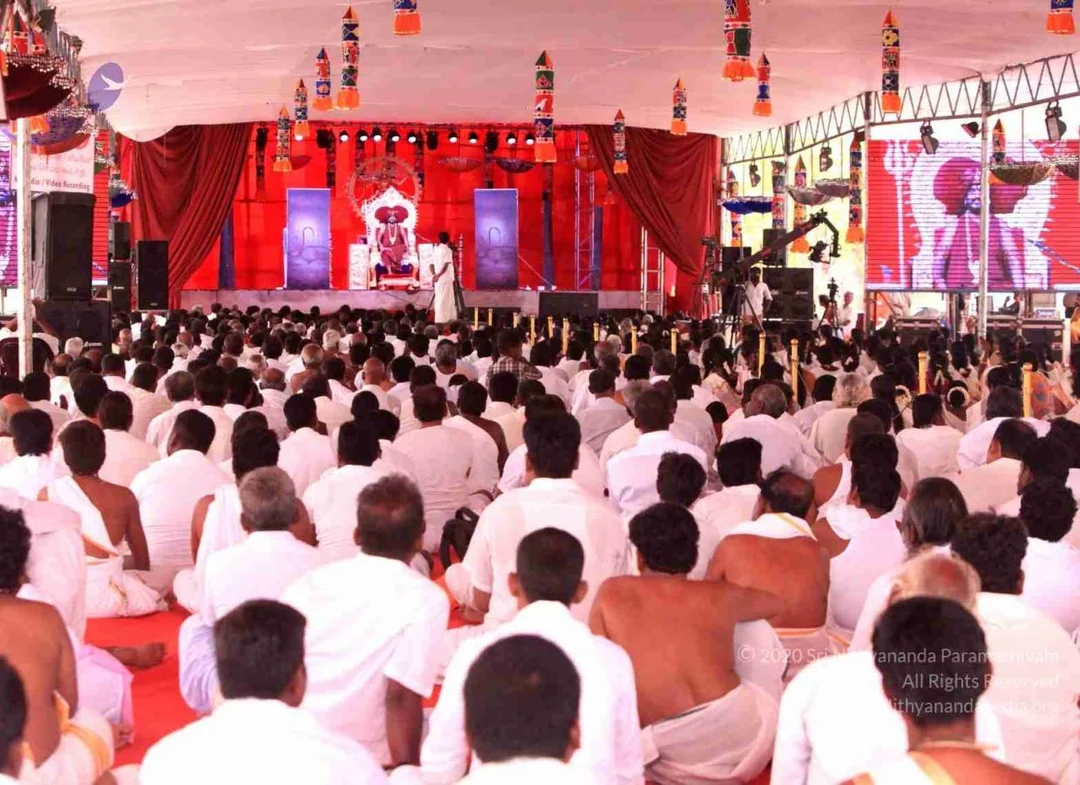 Manifestation of oneness happens, when the integrity, authenticity, responsibility, enriching opens up
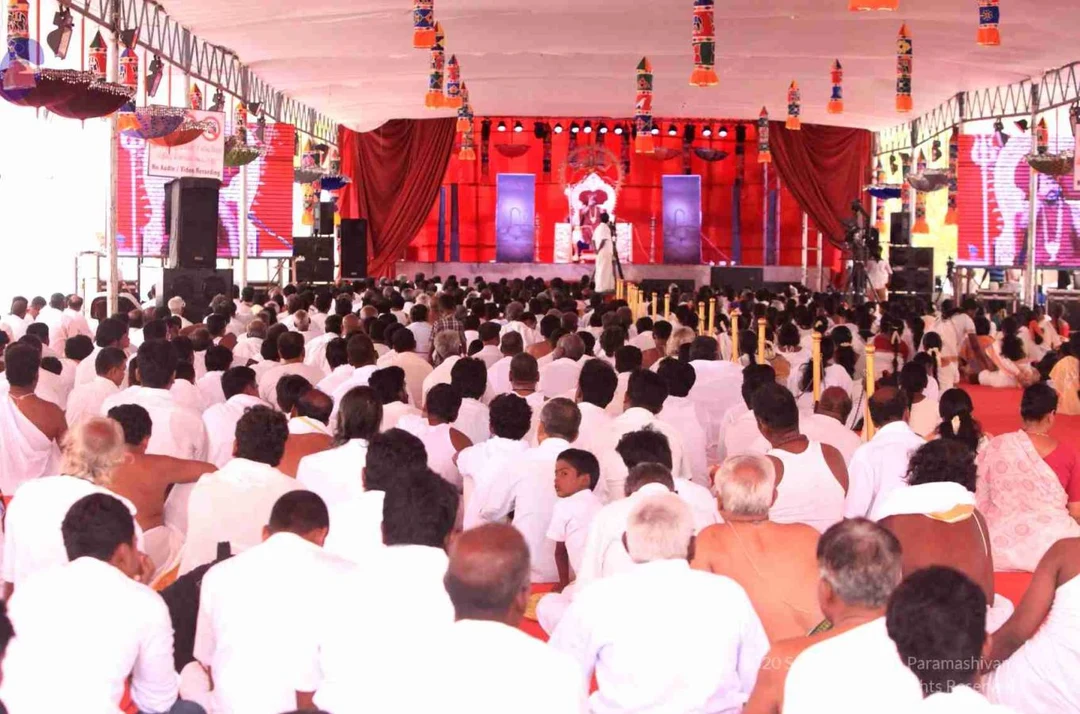 Manifestation of oneness happens, when the integrity, authenticity, responsibility, enriching opens up
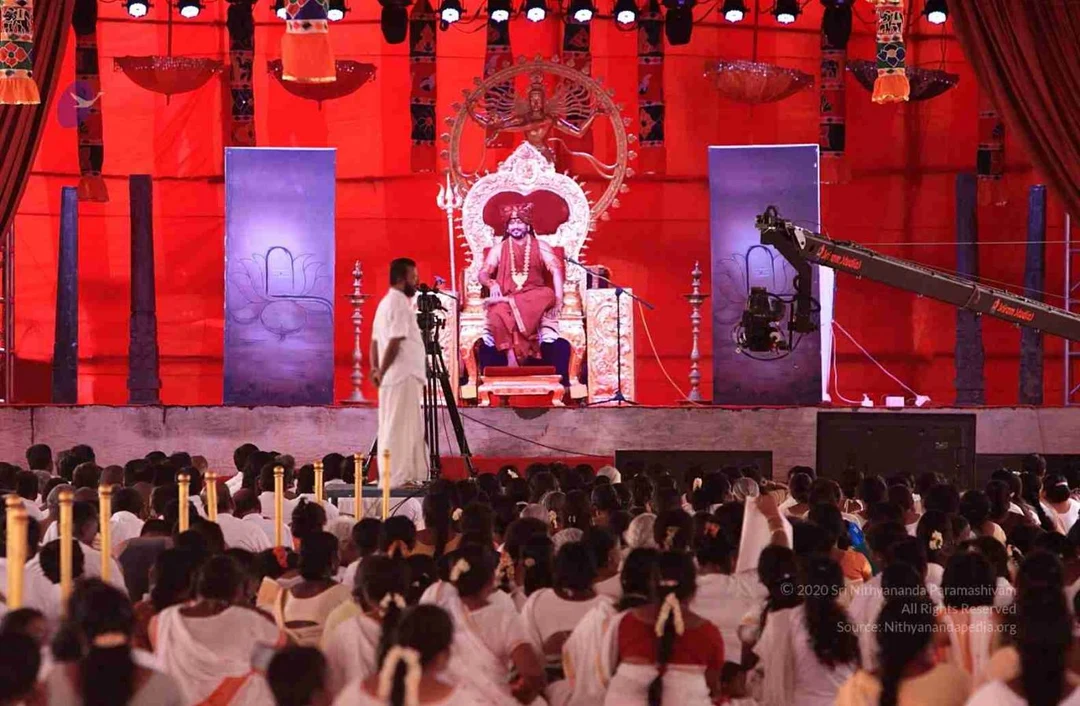 Manifestation of oneness happens, when the integrity, authenticity, responsibility, enriching opens up
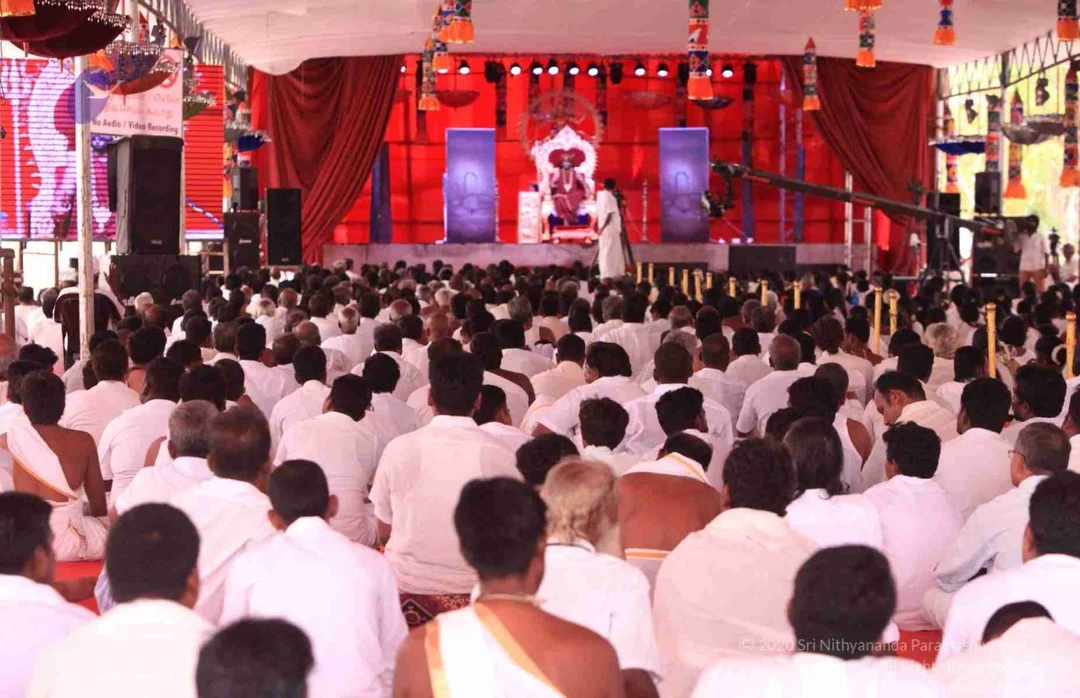 Manifestation of oneness happens, when the integrity, authenticity, responsibility, enriching opens up
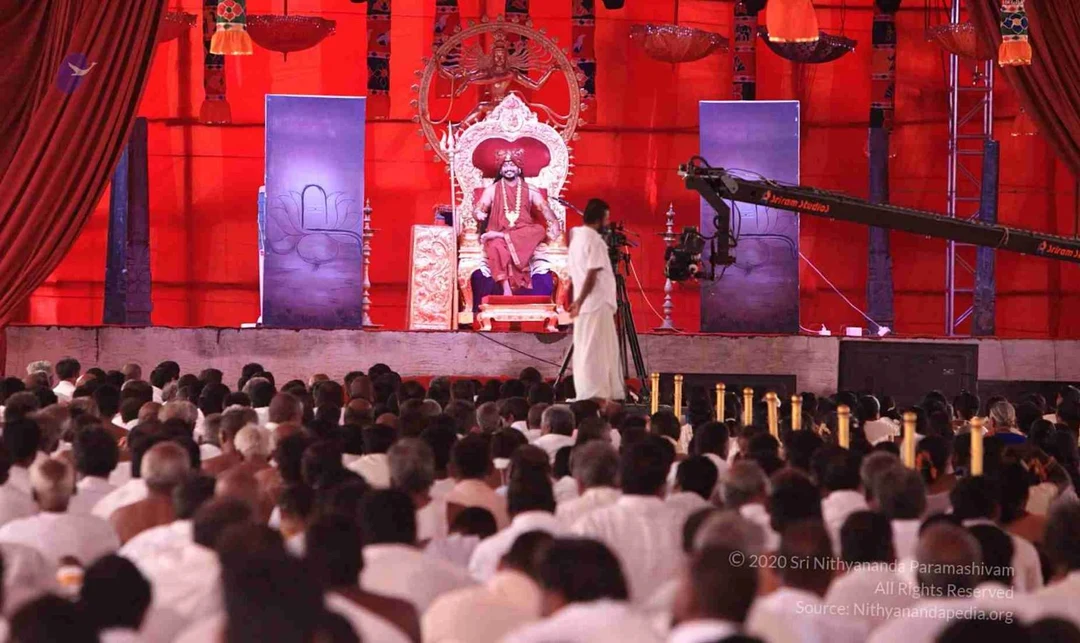 Manifestation of oneness happens, when the integrity, authenticity, responsibility, enriching opens up
 Worship the supreme truth or self-knowledge
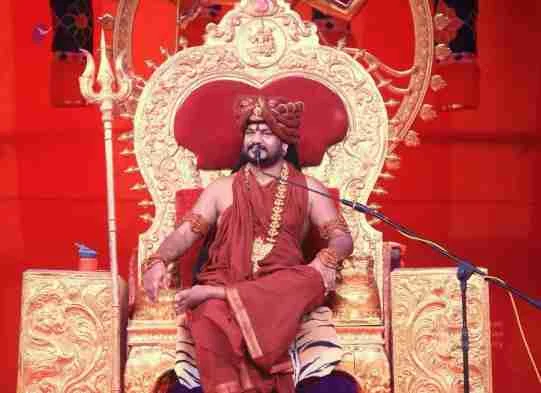 Worship the supreme truth or self-knowledge
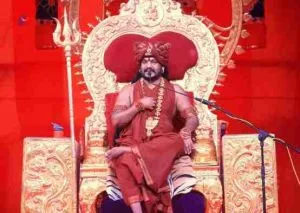 Worship the supreme truth or self-knowledge
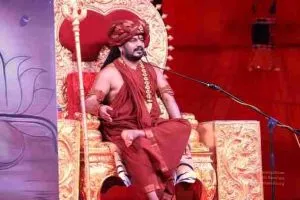 Worship the supreme truth or self-knowledge
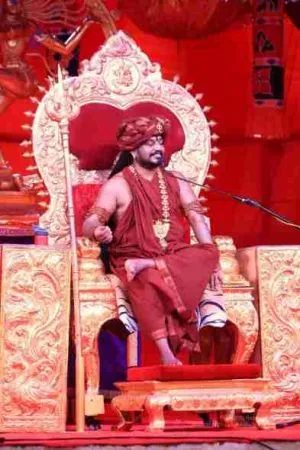 Worship the supreme truth or self-knowledge
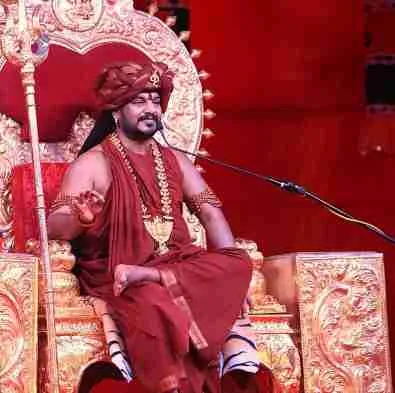 Worship the supreme truth or self-knowledge
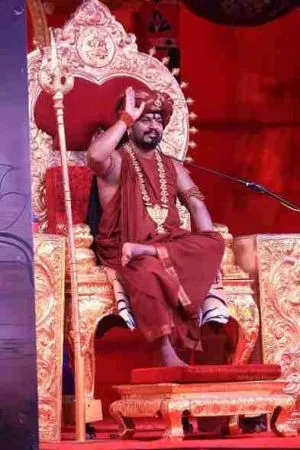 Worship the supreme truth or self-knowledge
 Worship the supreme truth or self-knowledge
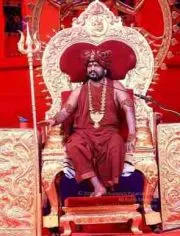 Worship the supreme truth or self-knowledge
 Worship the supreme truth or self-knowledge
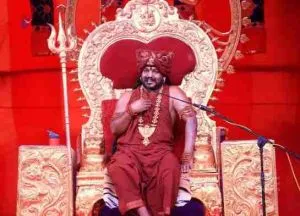 Worship the supreme truth or self-knowledge
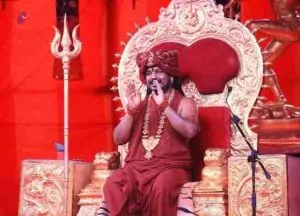 Worship the supreme truth or self-knowledge
 Worship the supreme truth or self-knowledge
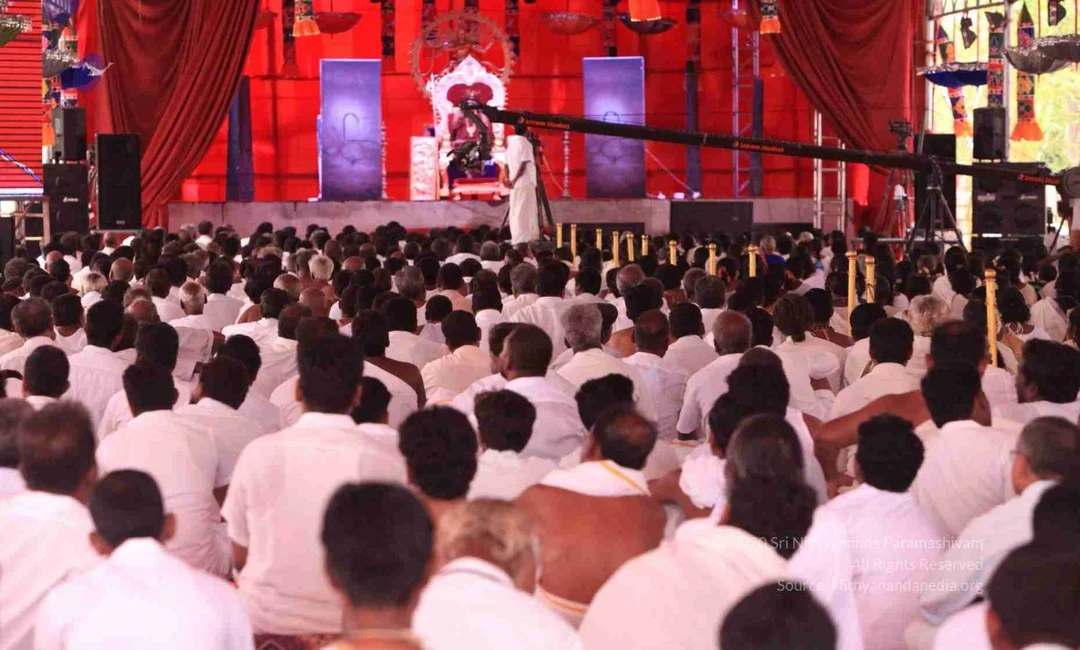 You are here to celebrate cosmos
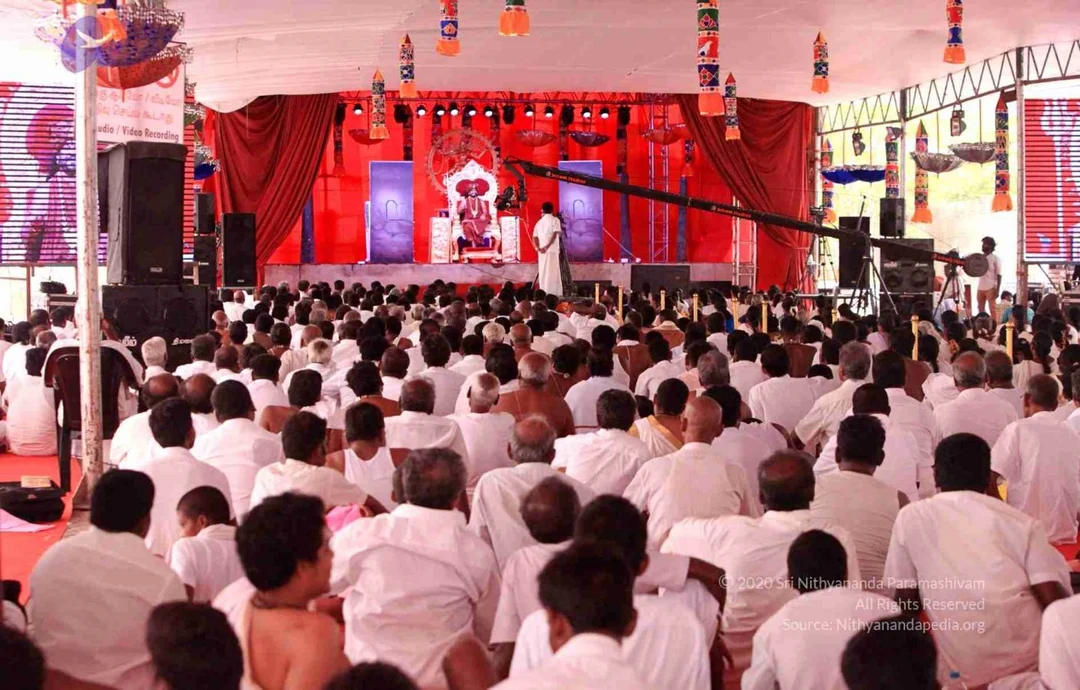 You are here to celebrate cosmos
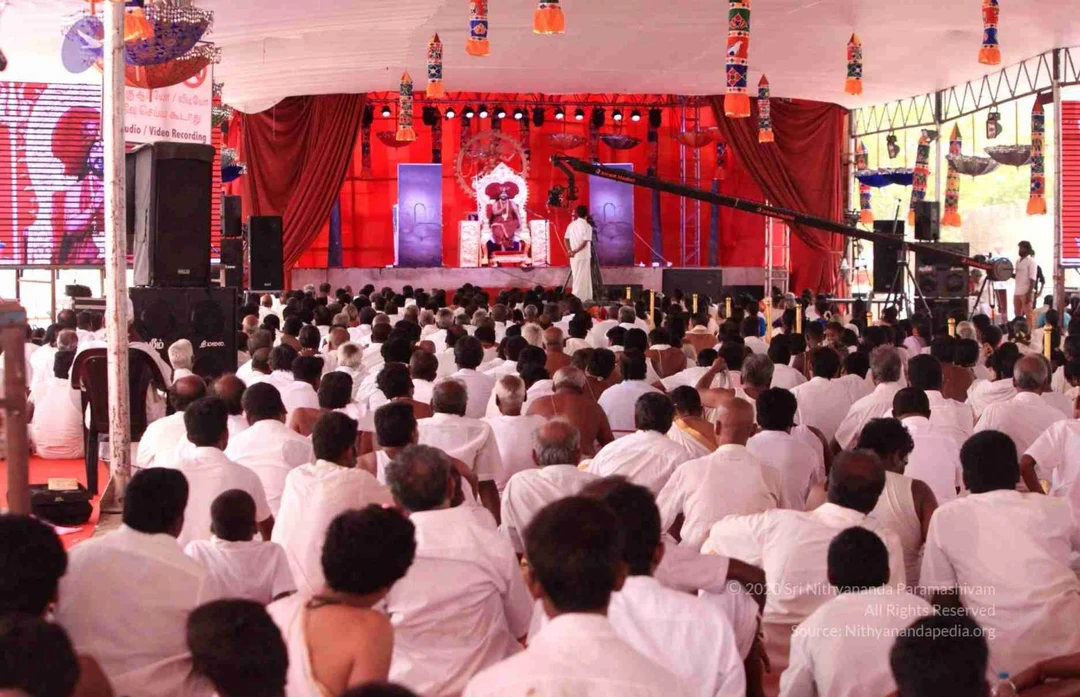 You are here to celebrate cosmos
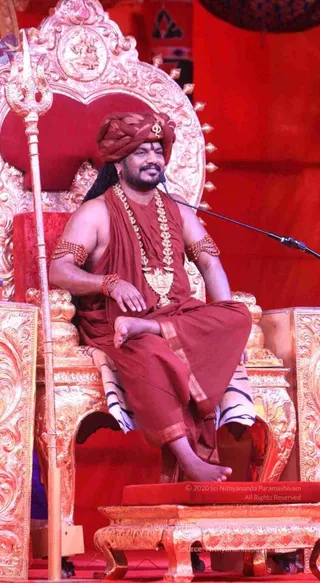 You are here to celebrate cosmos
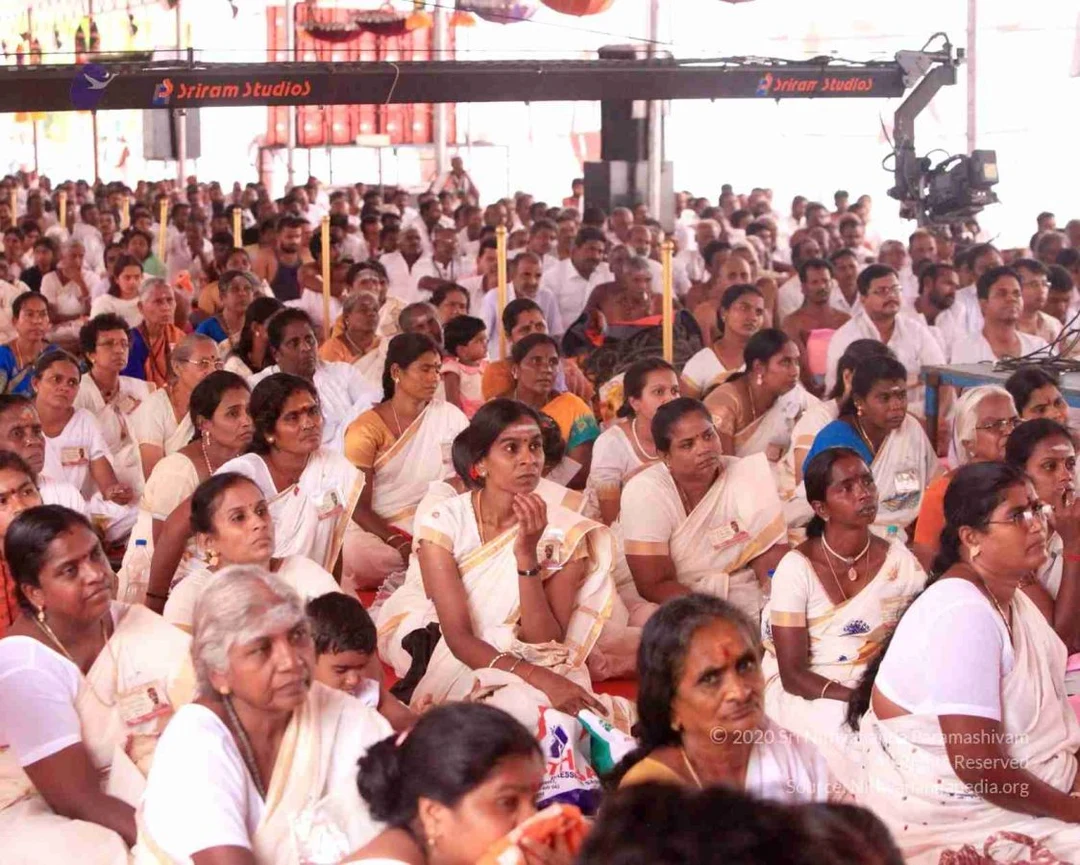 You are here to celebrate cosmos
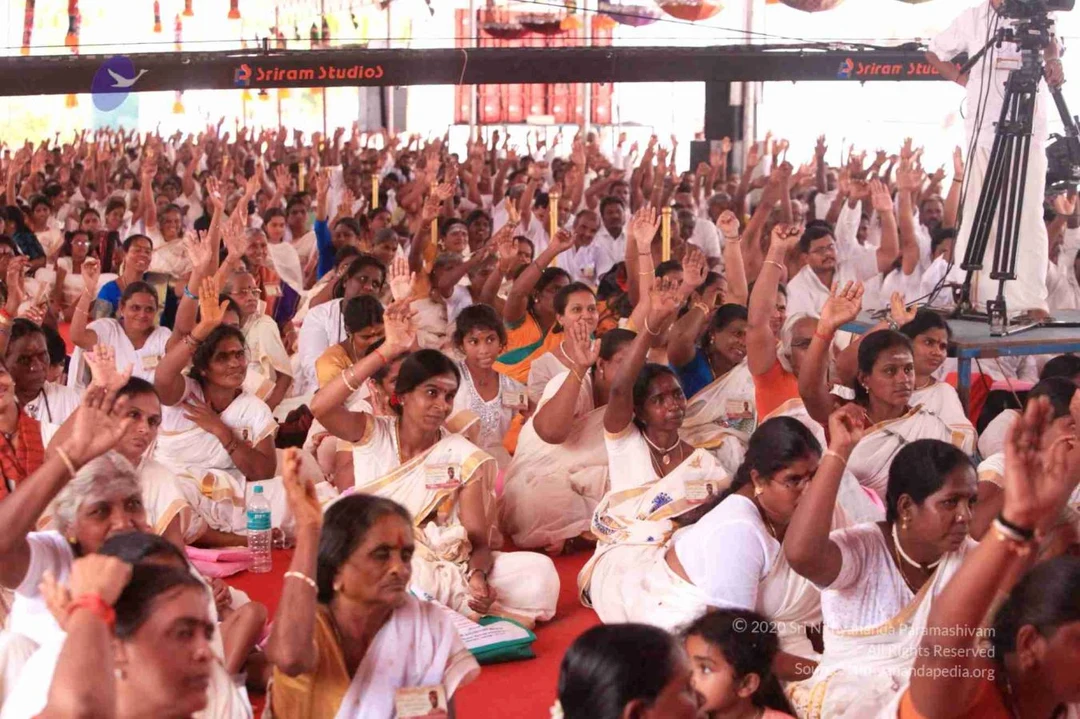 You are here to celebrate cosmos
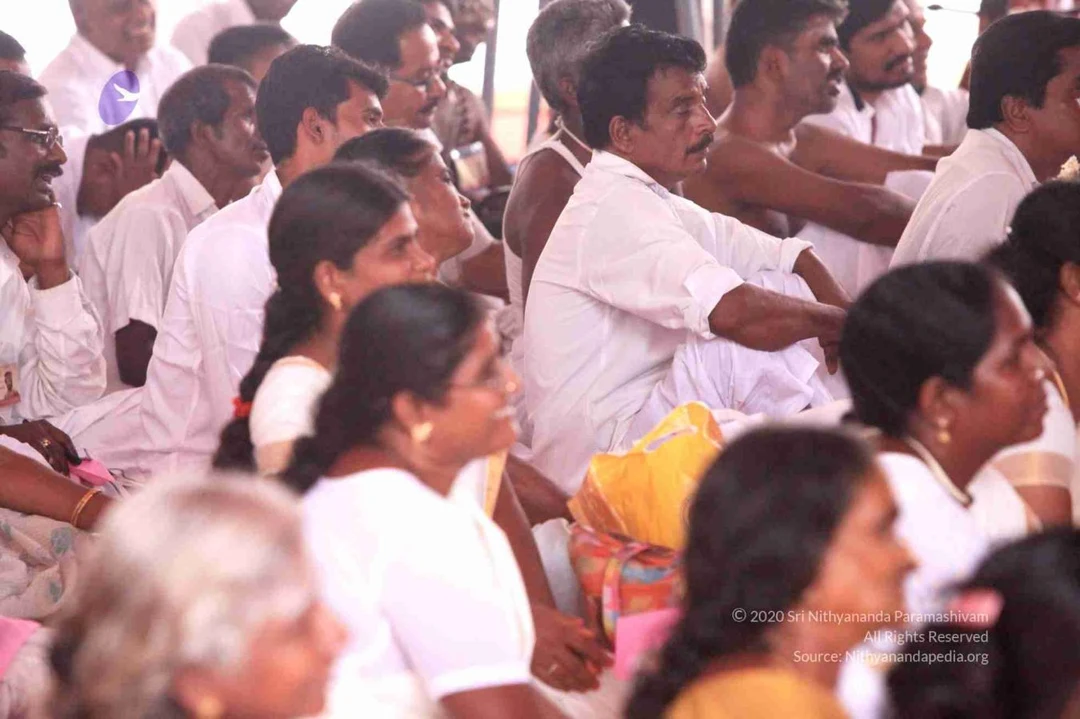 You are here to celebrate cosmos
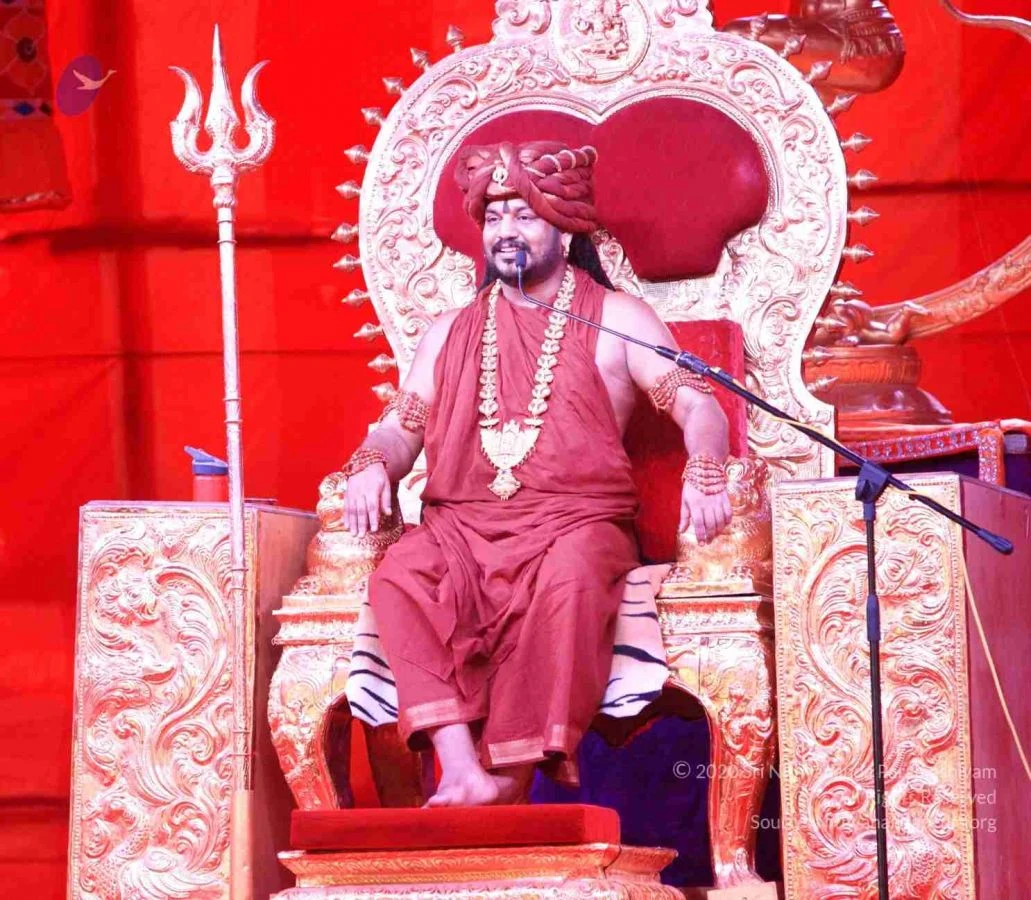 You are here to celebrate cosmos
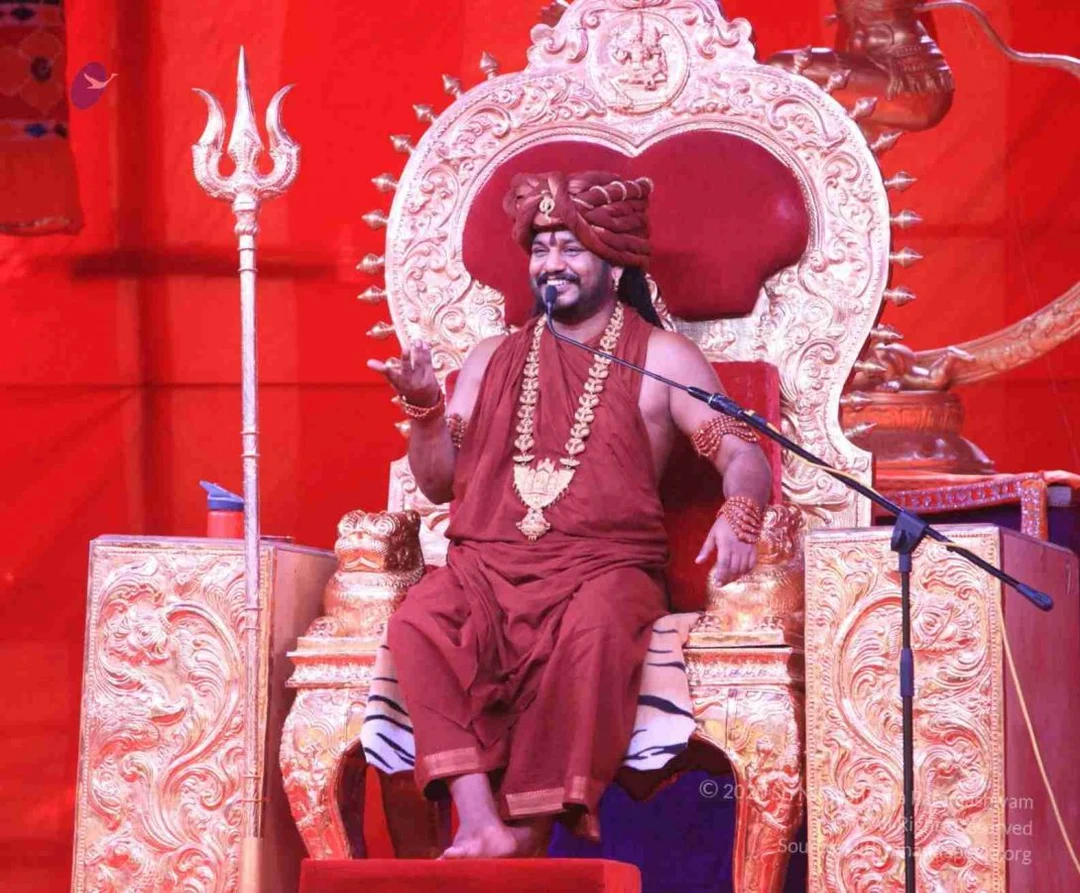 You are here to celebrate cosmos
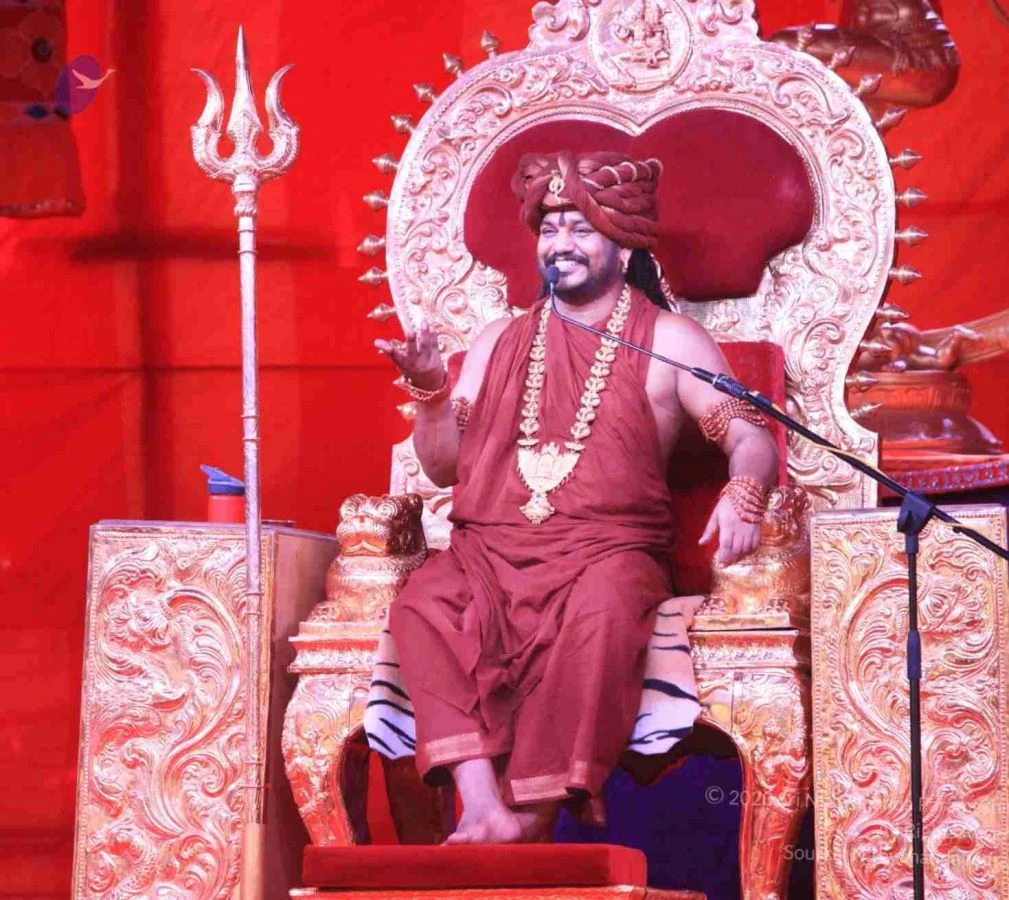 You are here to celebrate cosmos
 You are here to celebrate cosmos
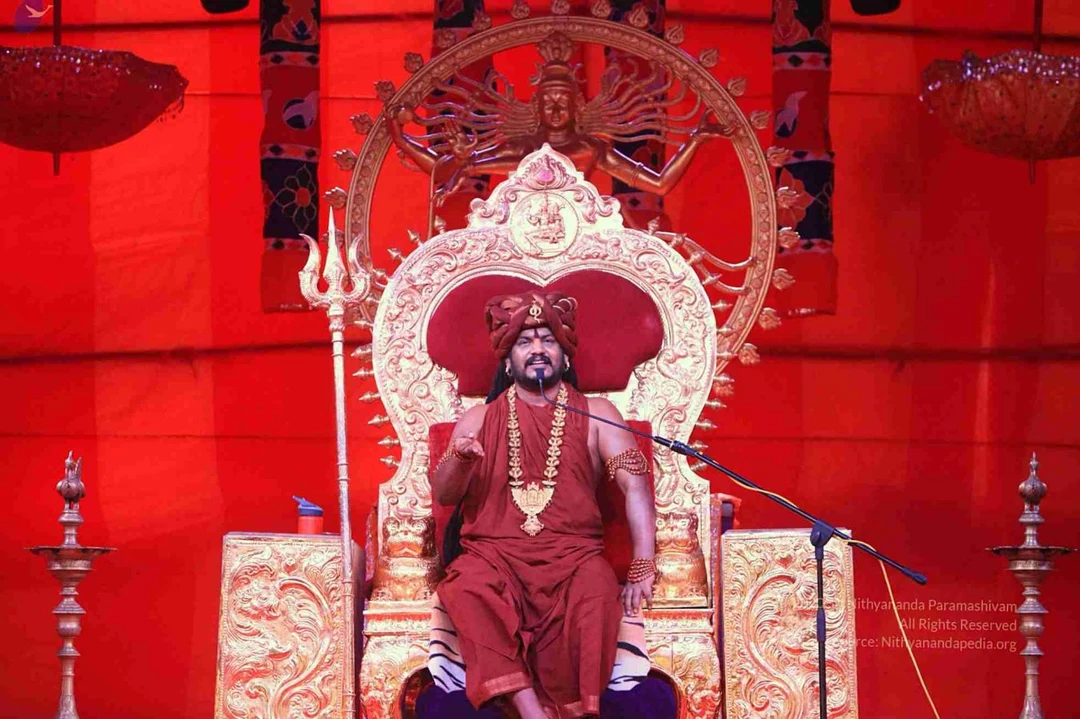 Avatar presence is living healing energy field
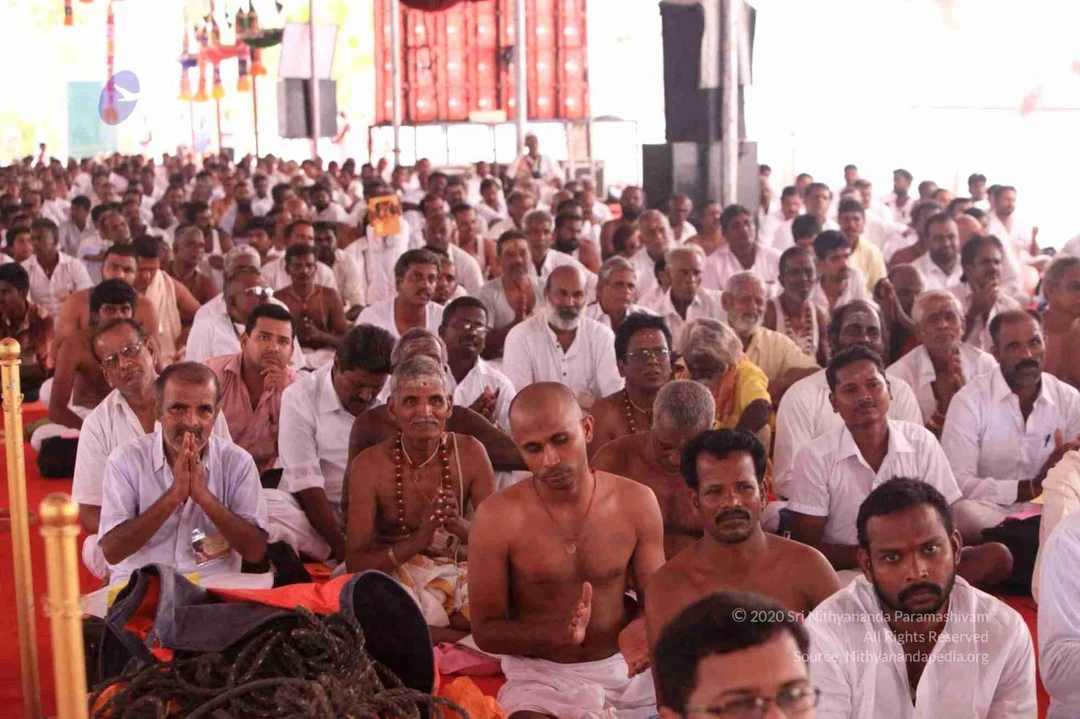 Avatar presence is living healing energy field
 Avatar presence is living healing energy field
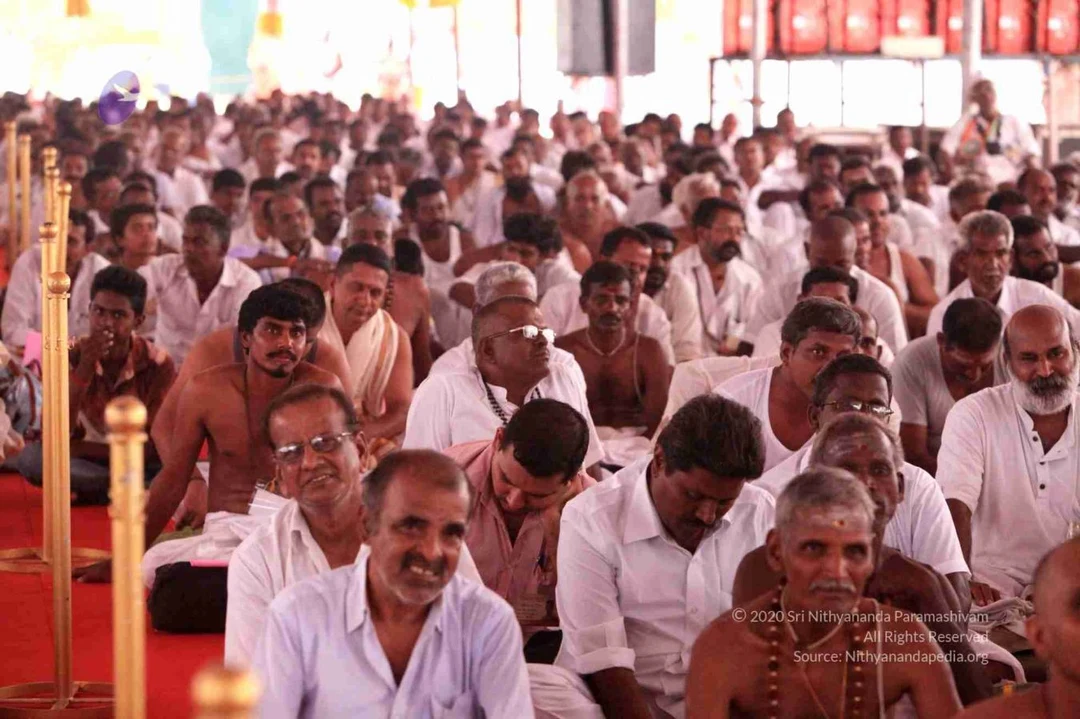 Avatar presence is living healing energy field
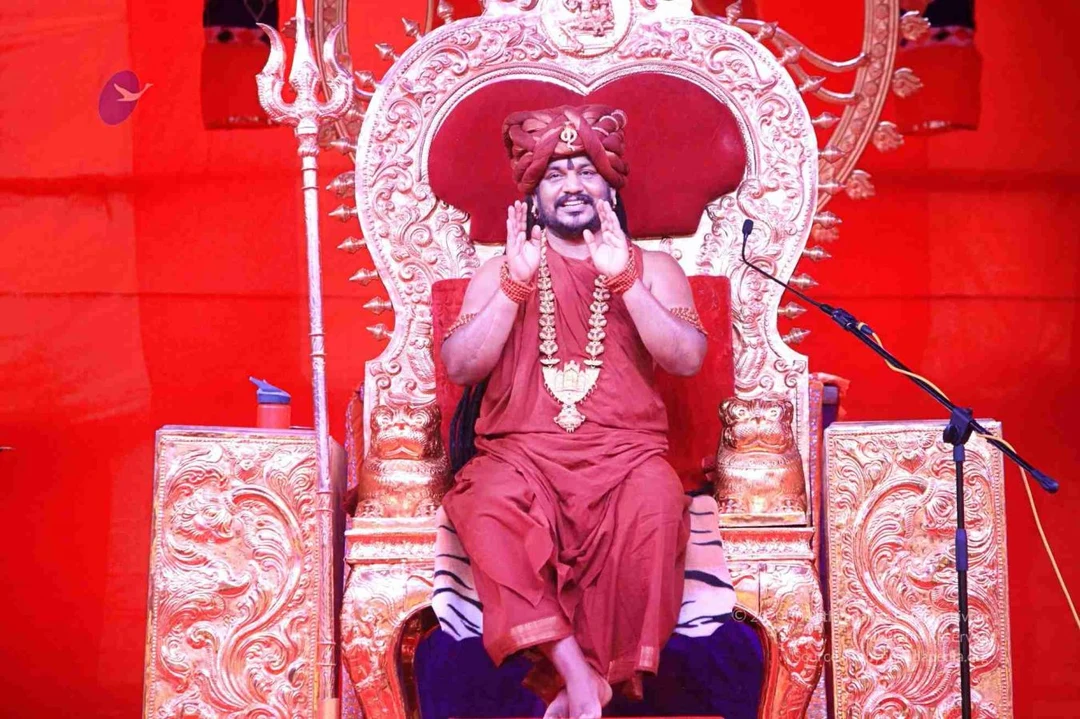 HDH Nithyananda Paramashivam abhaya hasta (blessing)
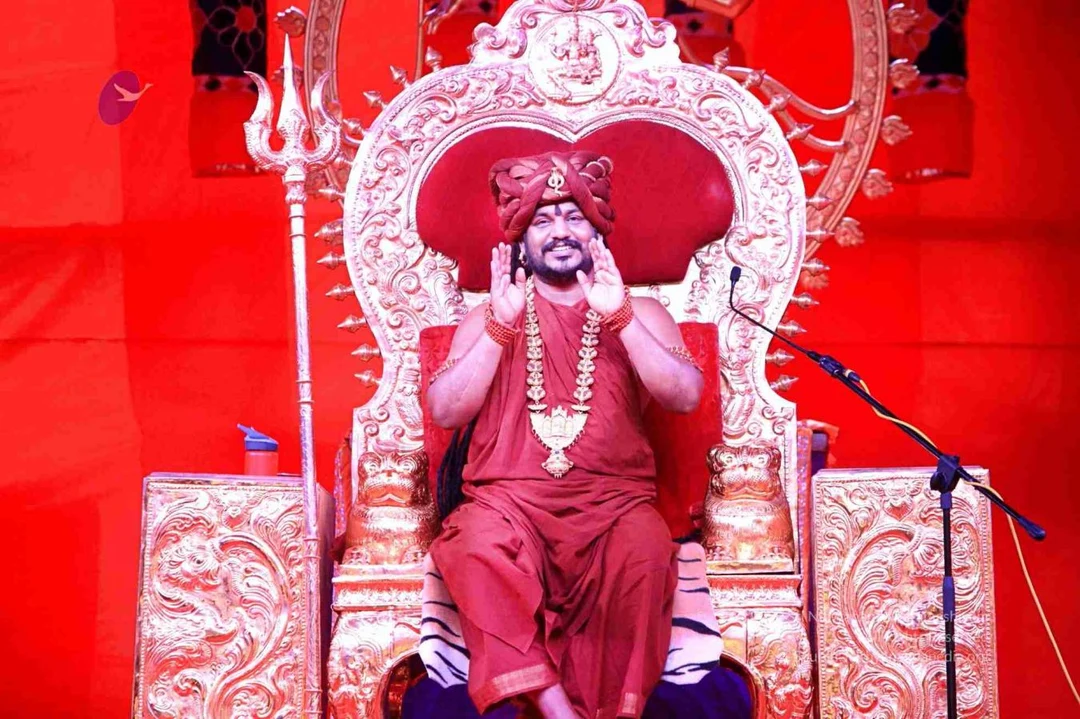 HDH Nithyananda Paramashivam abhaya hasta (blessing)
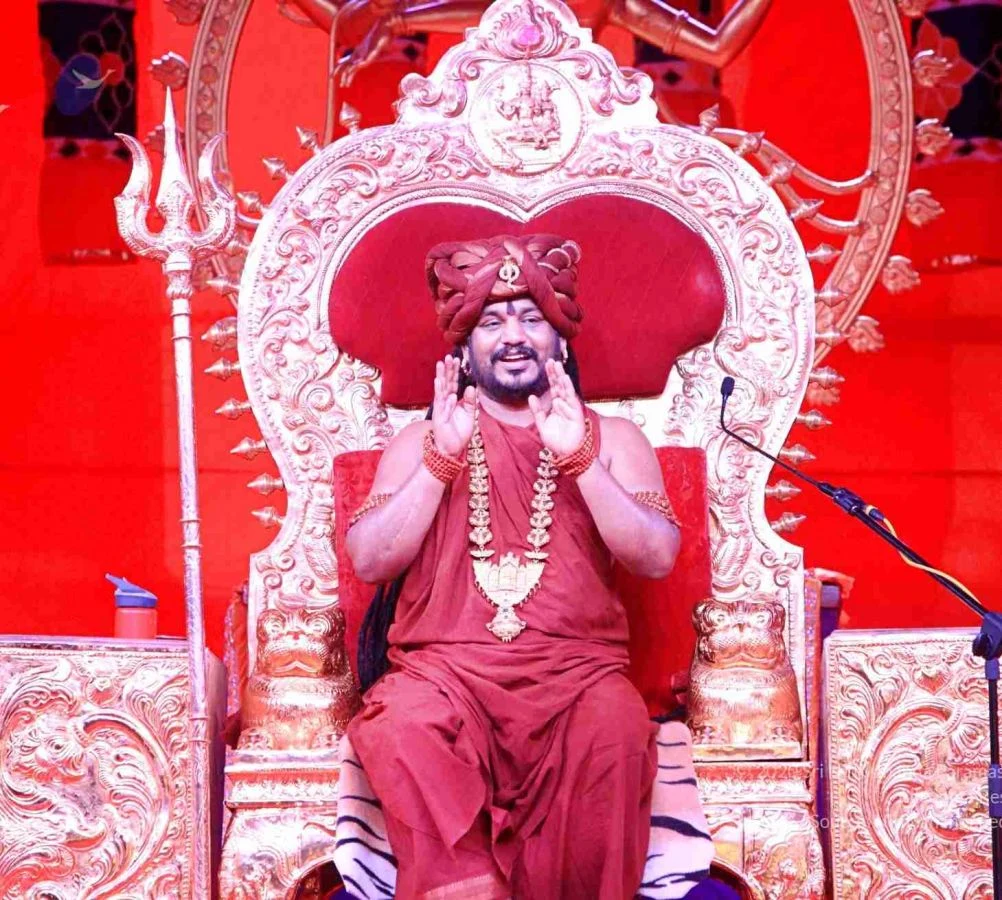 HDH Nithyananda Paramashivam abhaya hasta (blessing)
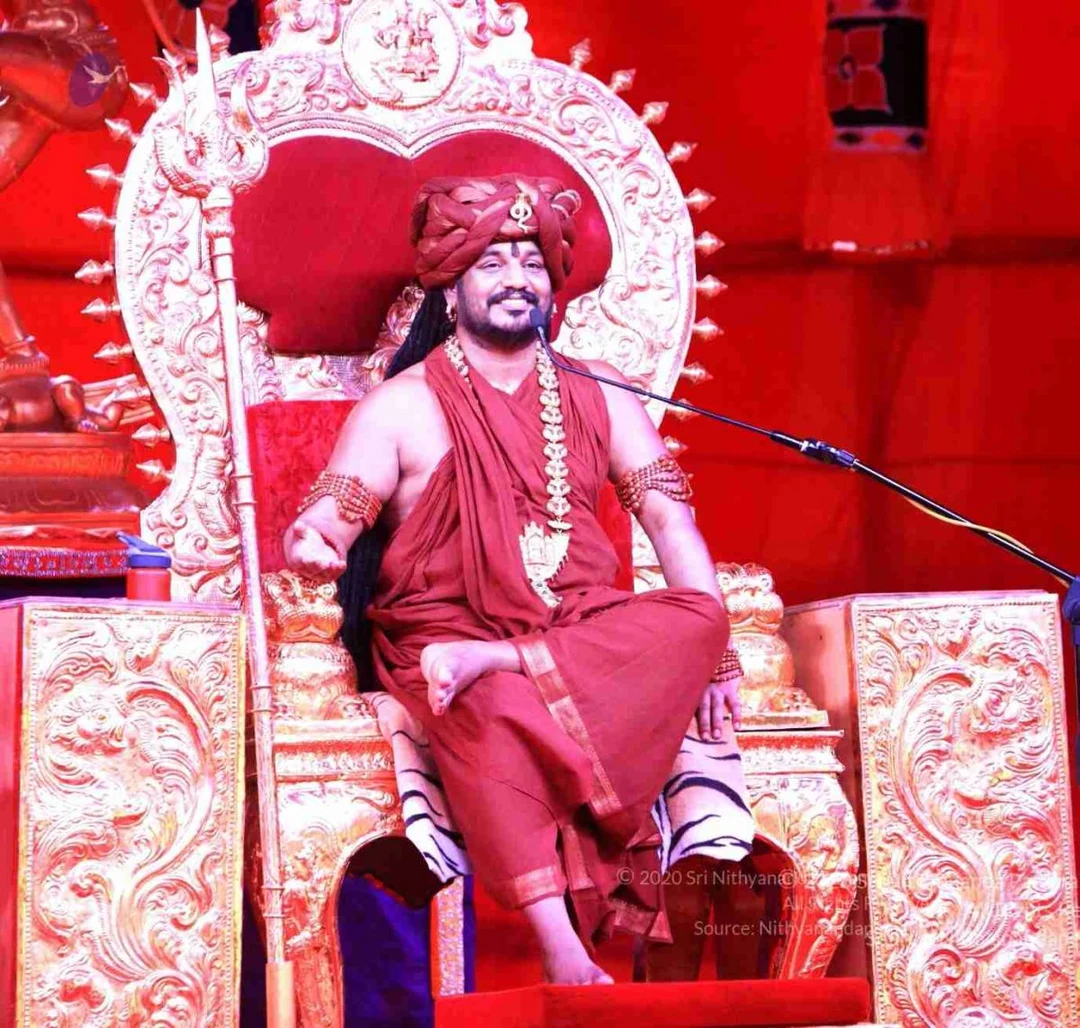
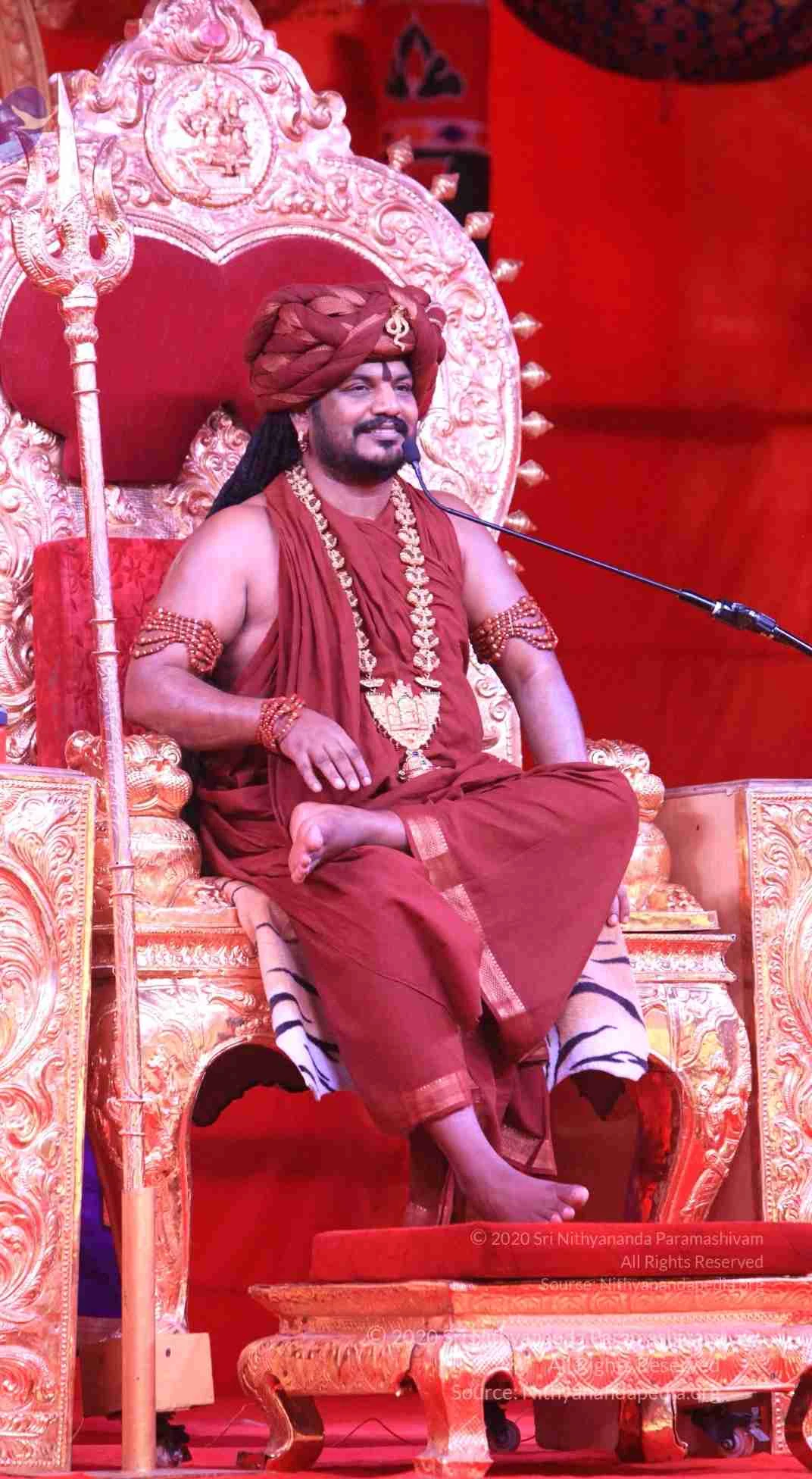
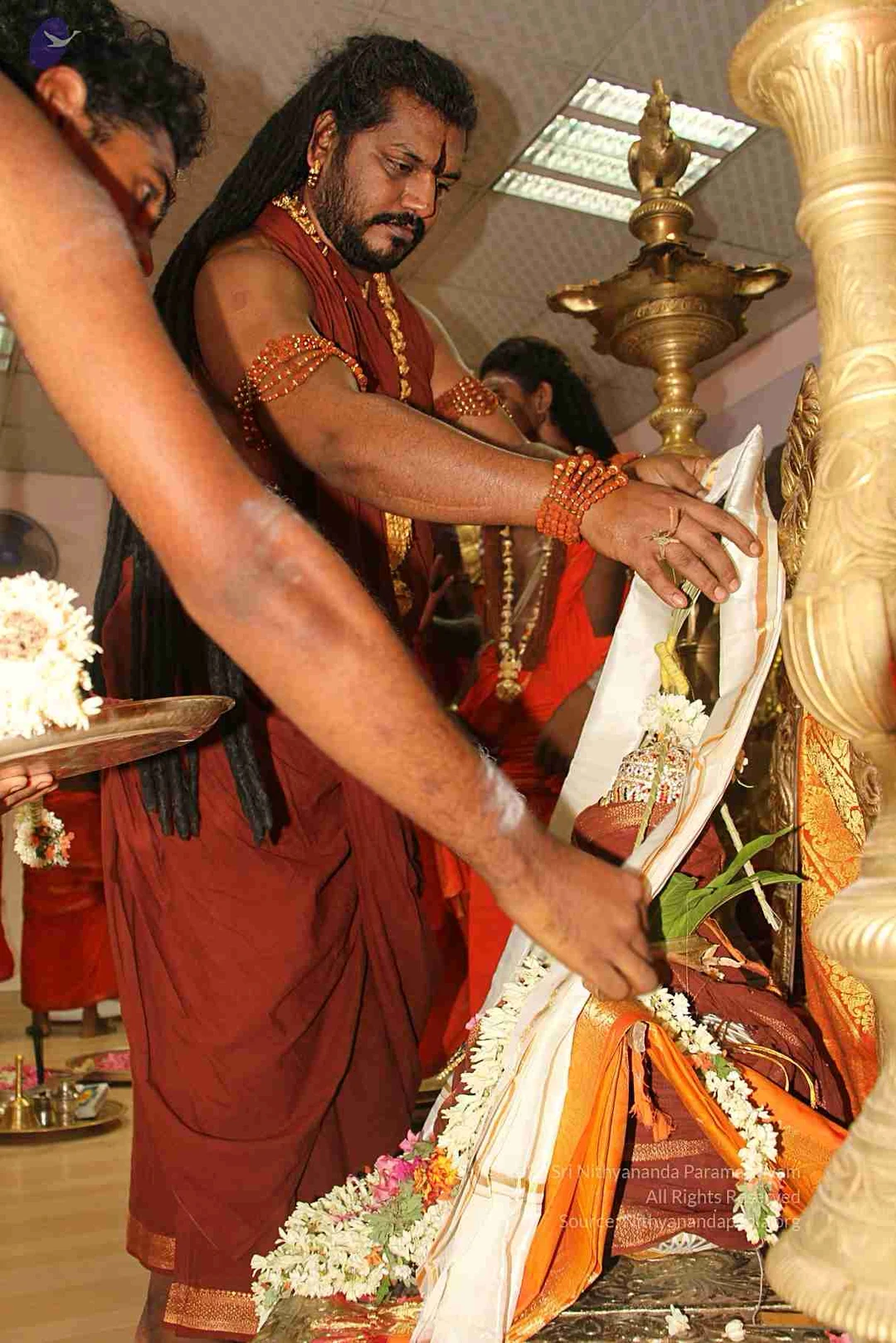
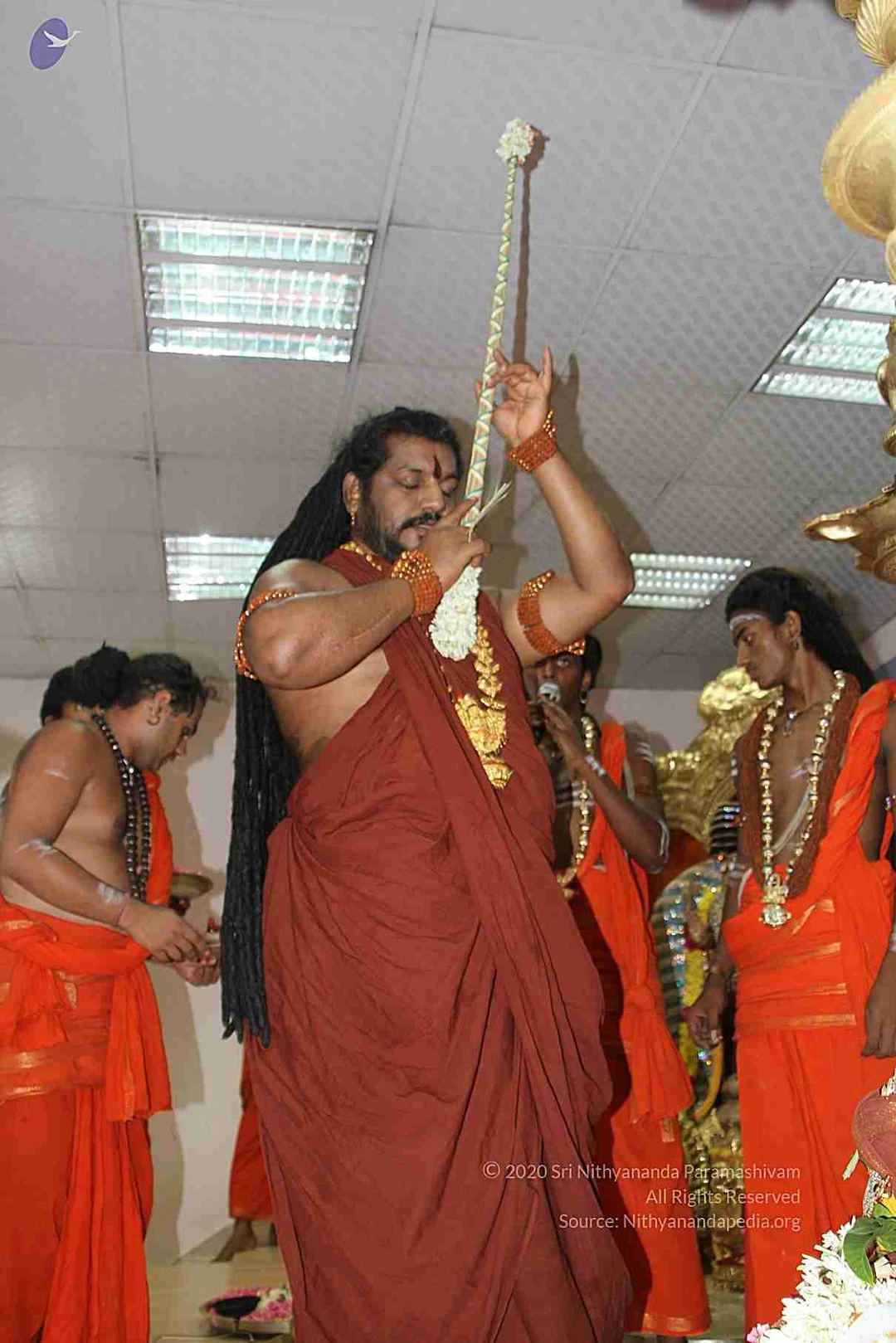
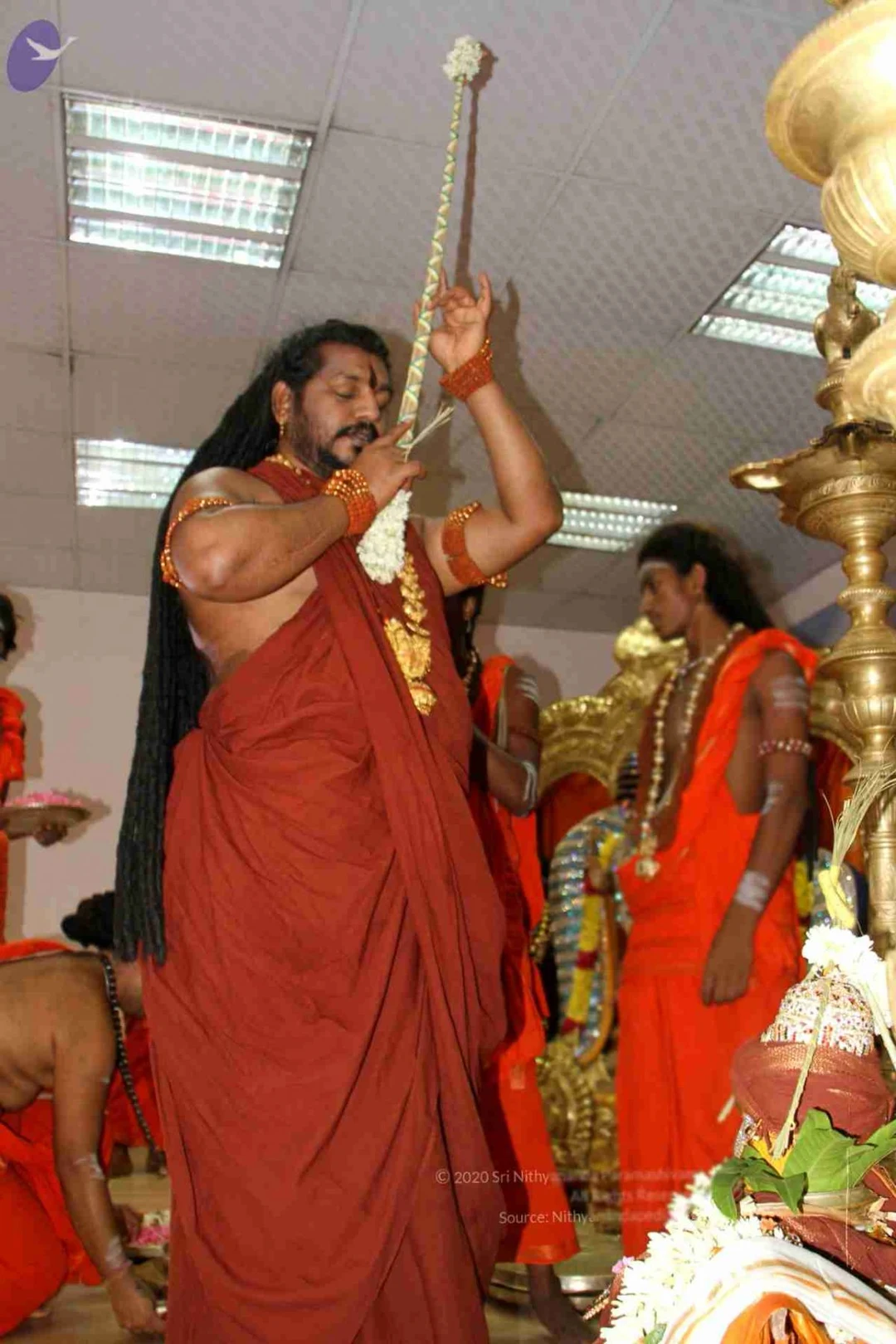
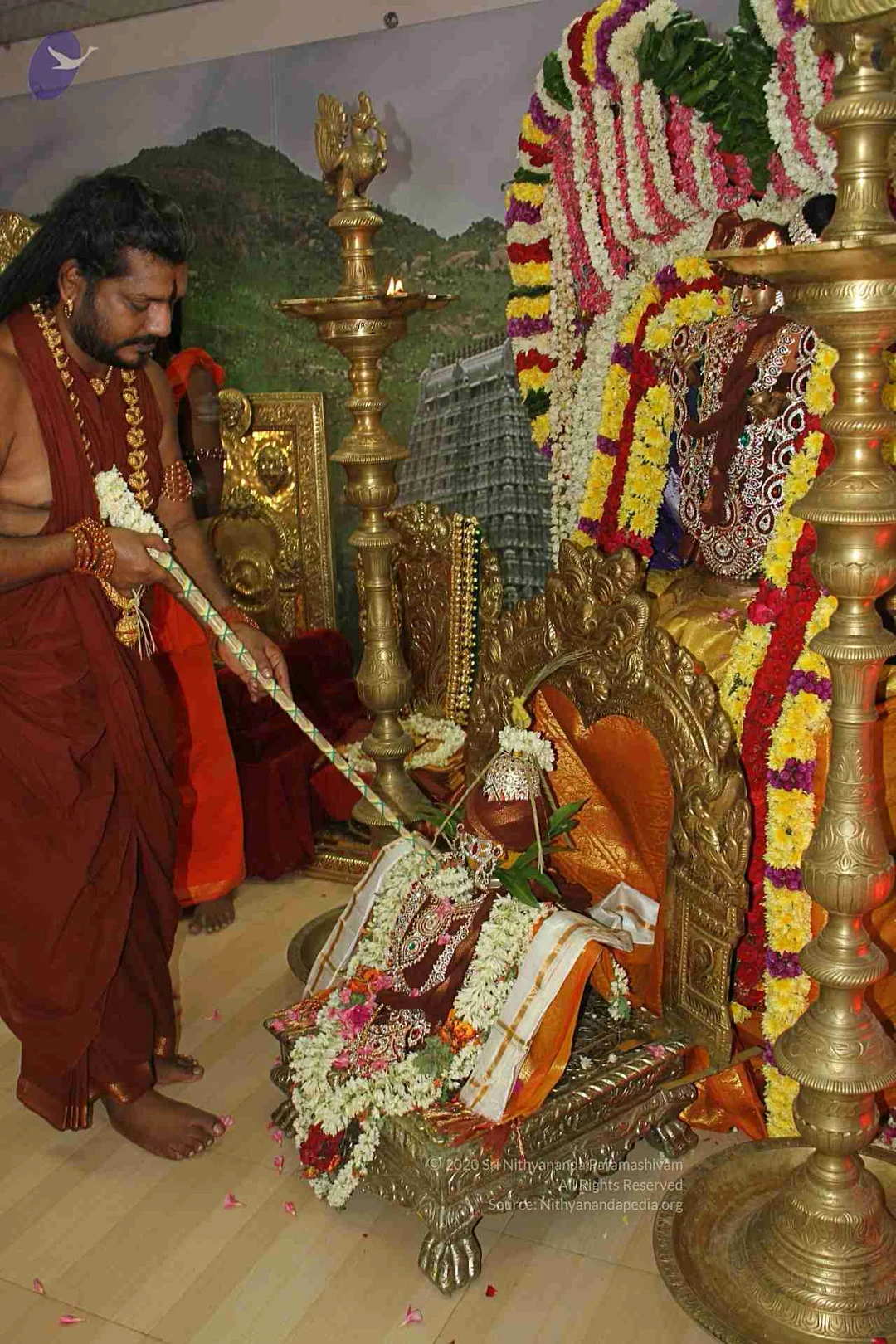
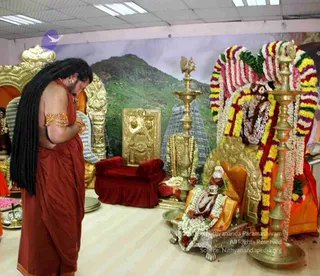
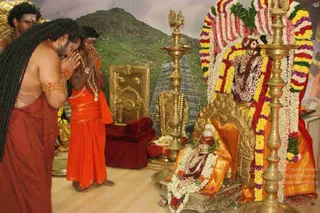
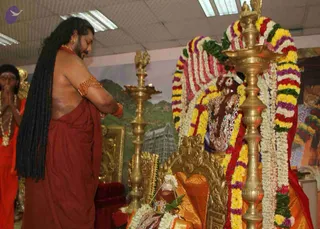
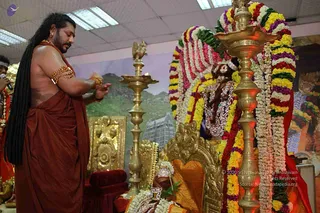
Jnanasambandar Puja
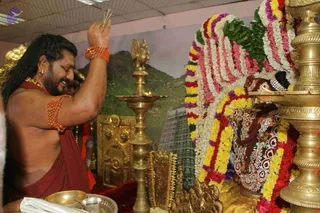
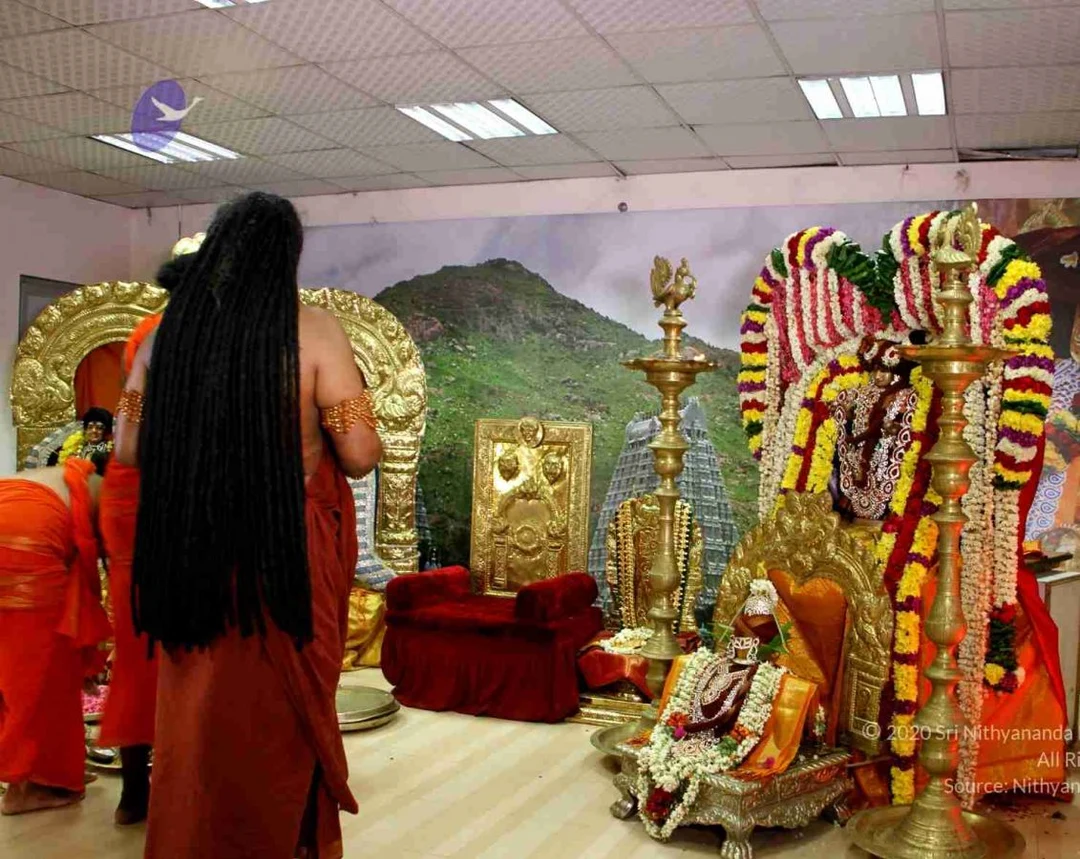 HDH Nithyananda Paramashivam paying obeisance to Thiru Jnanasambandar
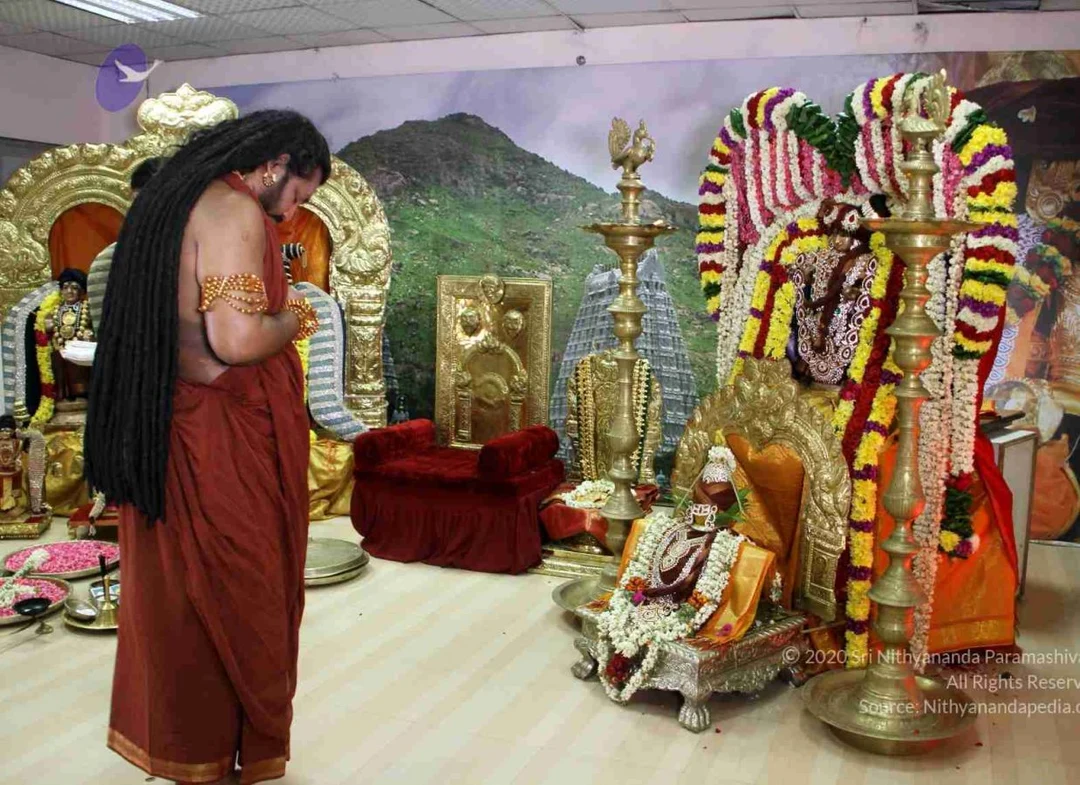 HDH Nithyananda Paramashivam paying obeisance to Thiru Jnanasambandar
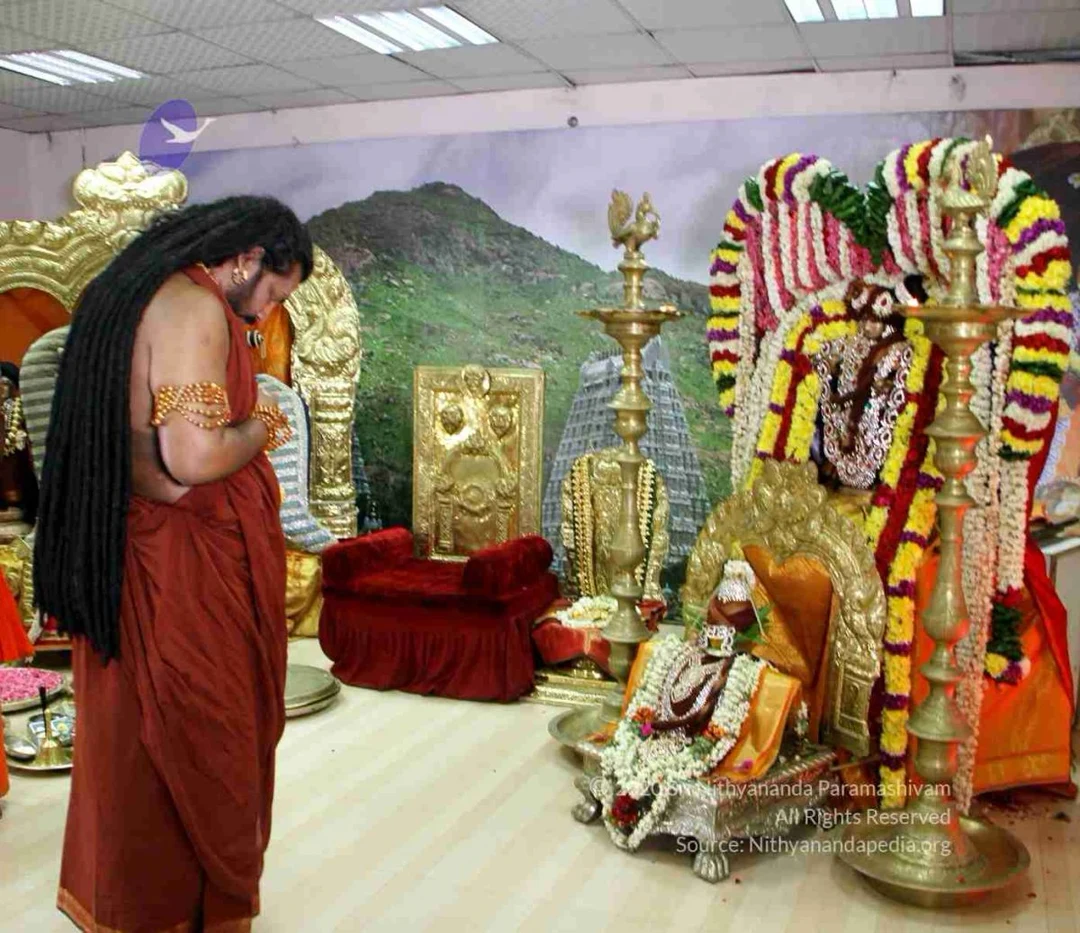 HDH Nithyananda Paramashivam paying obeisance to Thiru Jnanasambandar
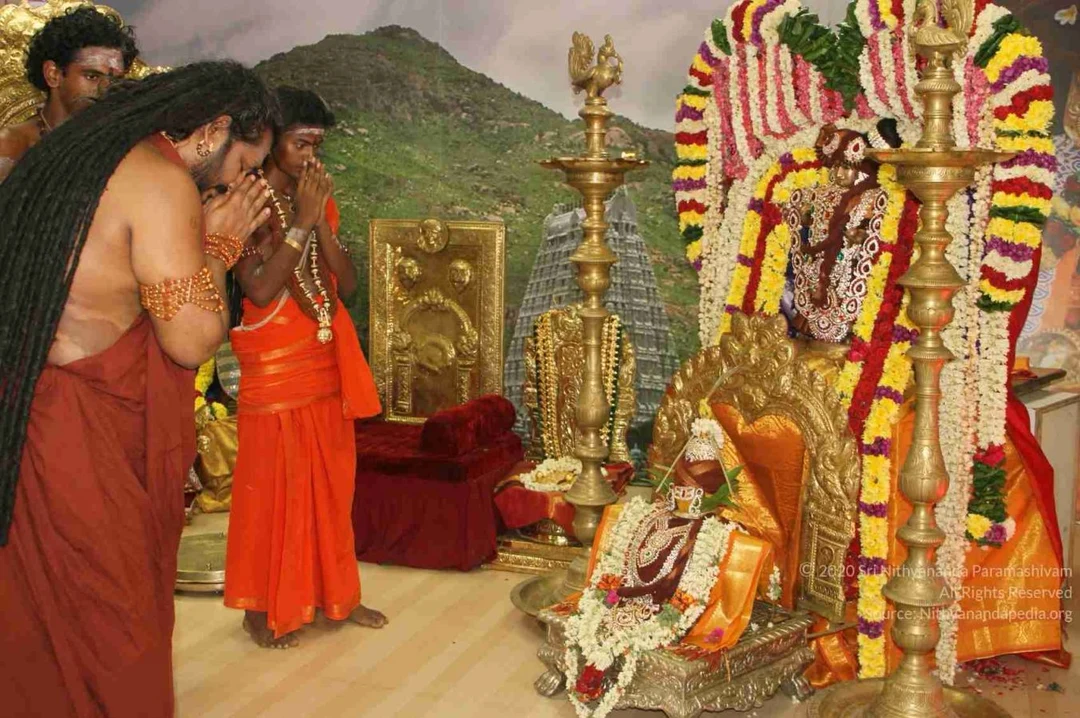 HDH Nithyananda Paramashivam paying obeisance to Thiru Jnanasambandar
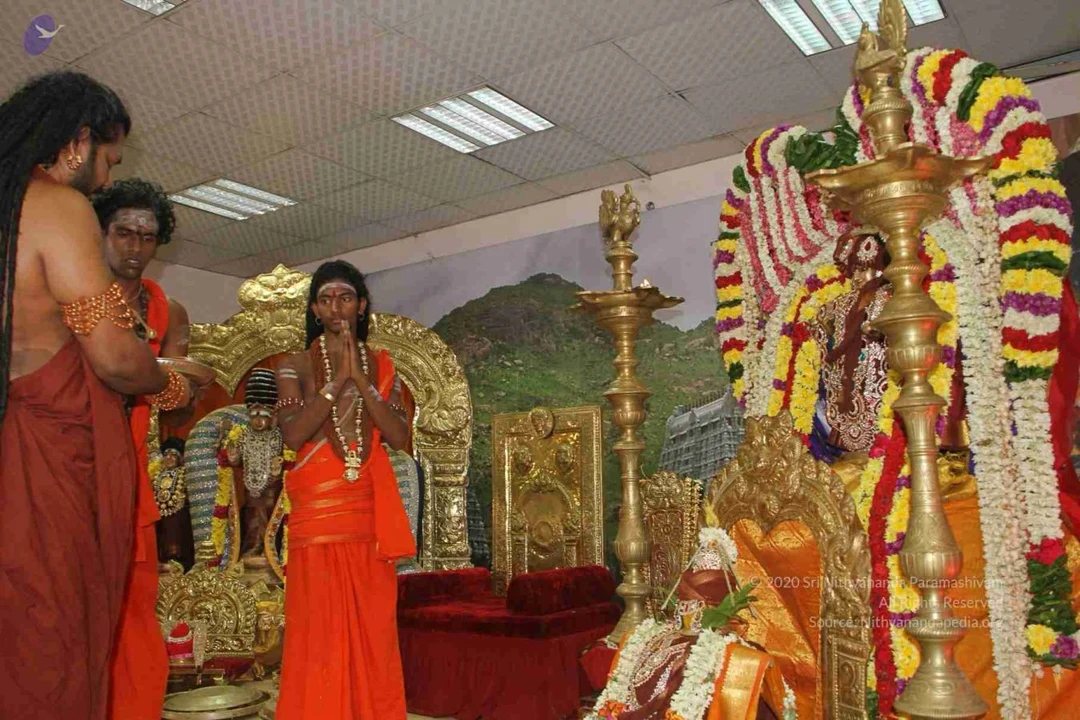 Sri Jnanasambandar Puja performed by HDH Nithyananda Paramashivam
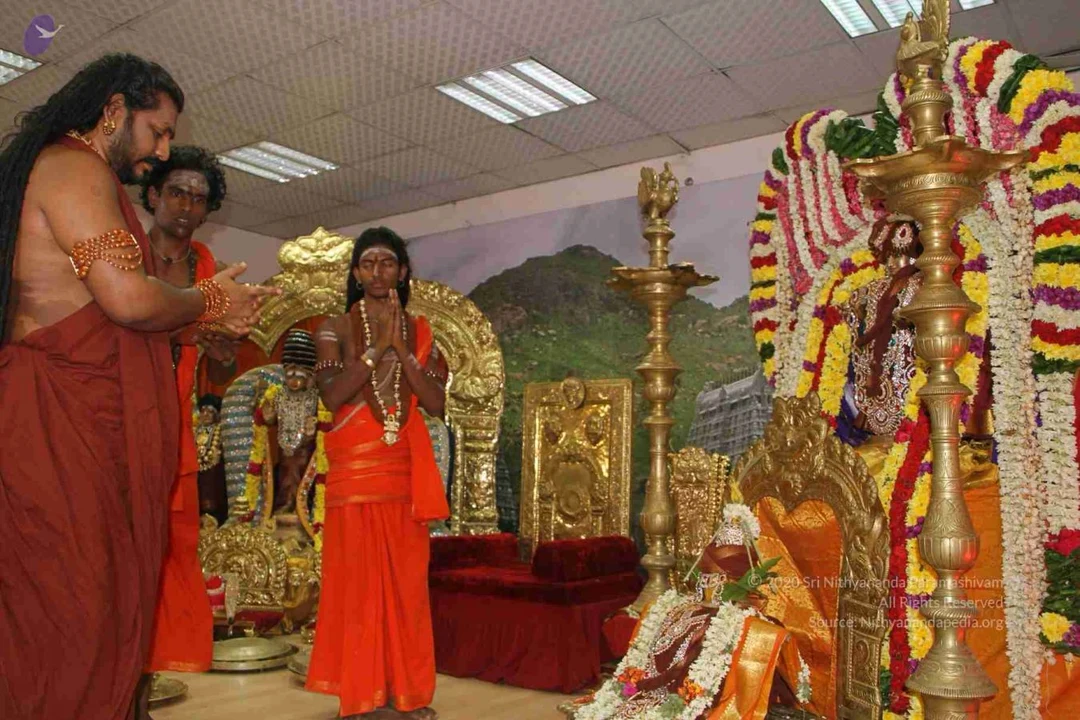 Sri Jnanasambandar Puja performed by HDH Nithyananda Paramashivam
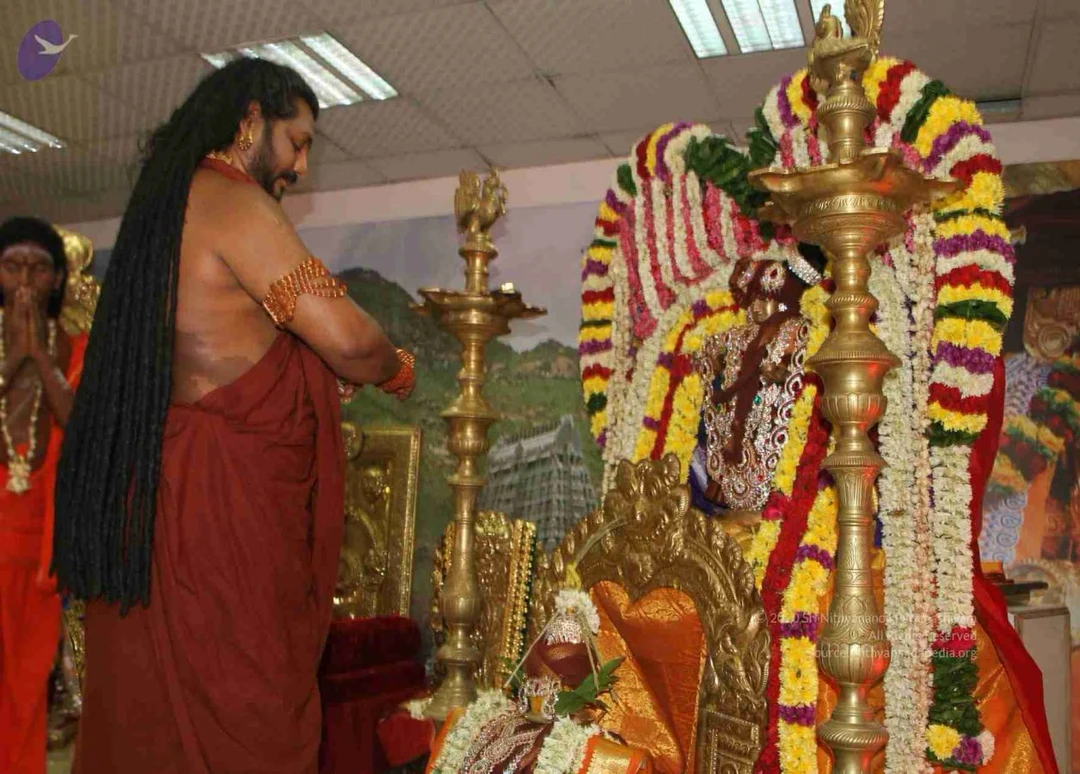 Sri Jnanasambandar Puja performed by HDH Nithyananda Paramashivam
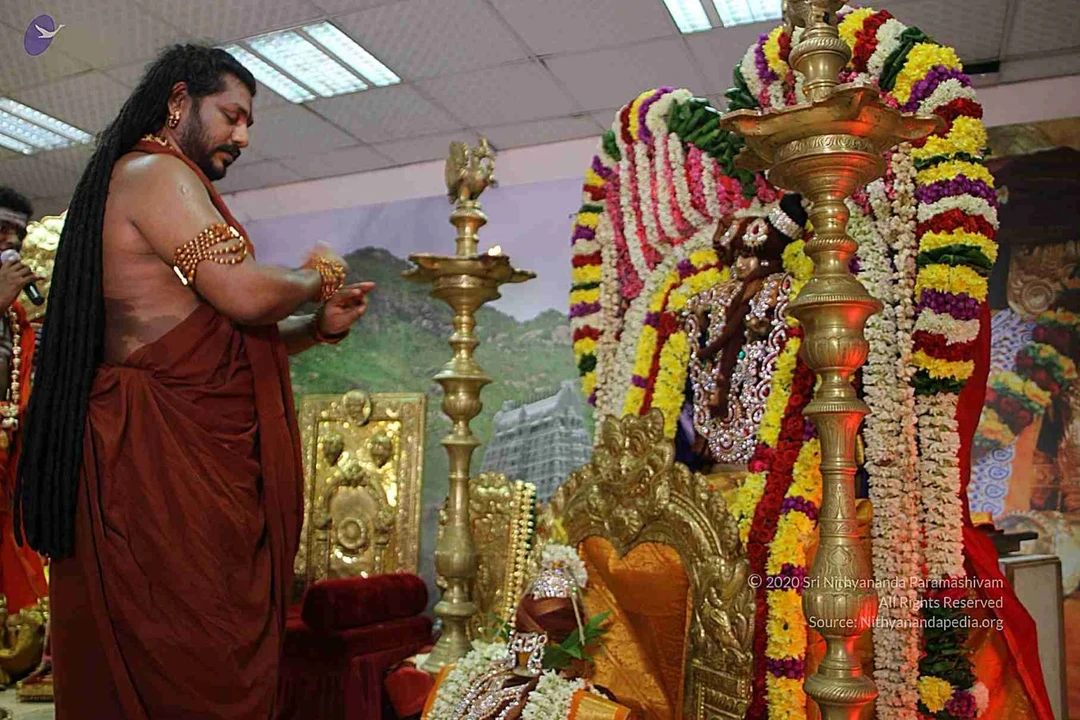 Sri Jnanasambandar Puja performed by HDH Nithyananda Paramashivam
 Sri Jnanasambandar Puja performed by HDH Nithyananda Paramashivam
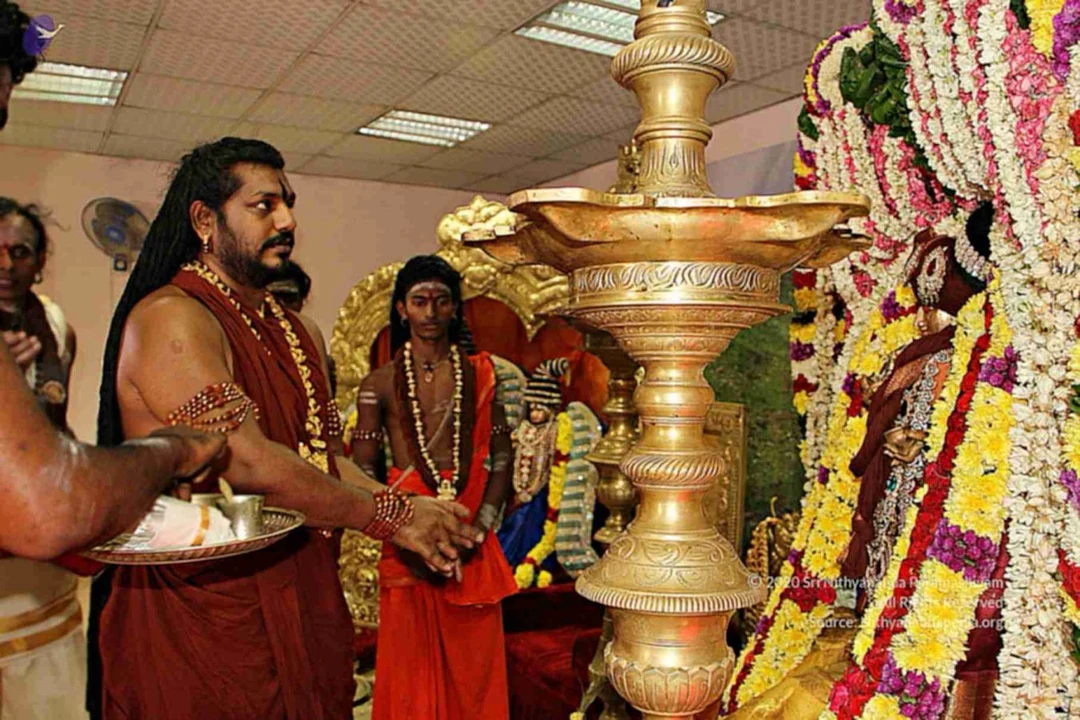 Sri Jnanasambandar Puja performed by HDH Nithyananda Paramashivam
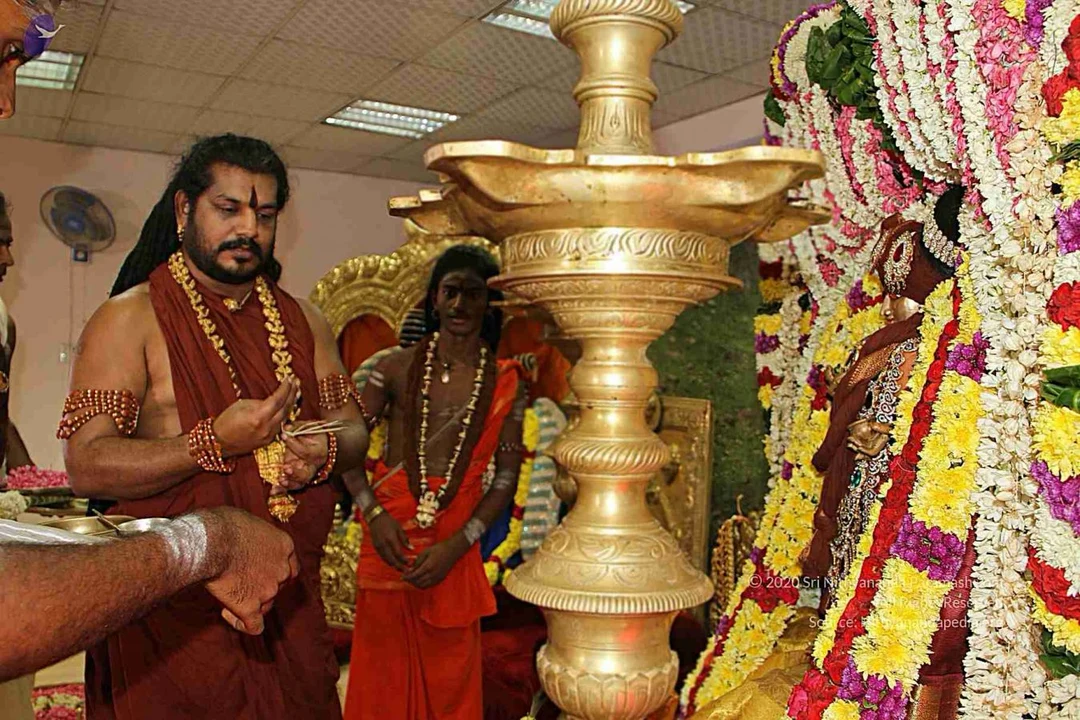 Sri Jnanasambandar Puja performed by HDH Nithyananda Paramashivam
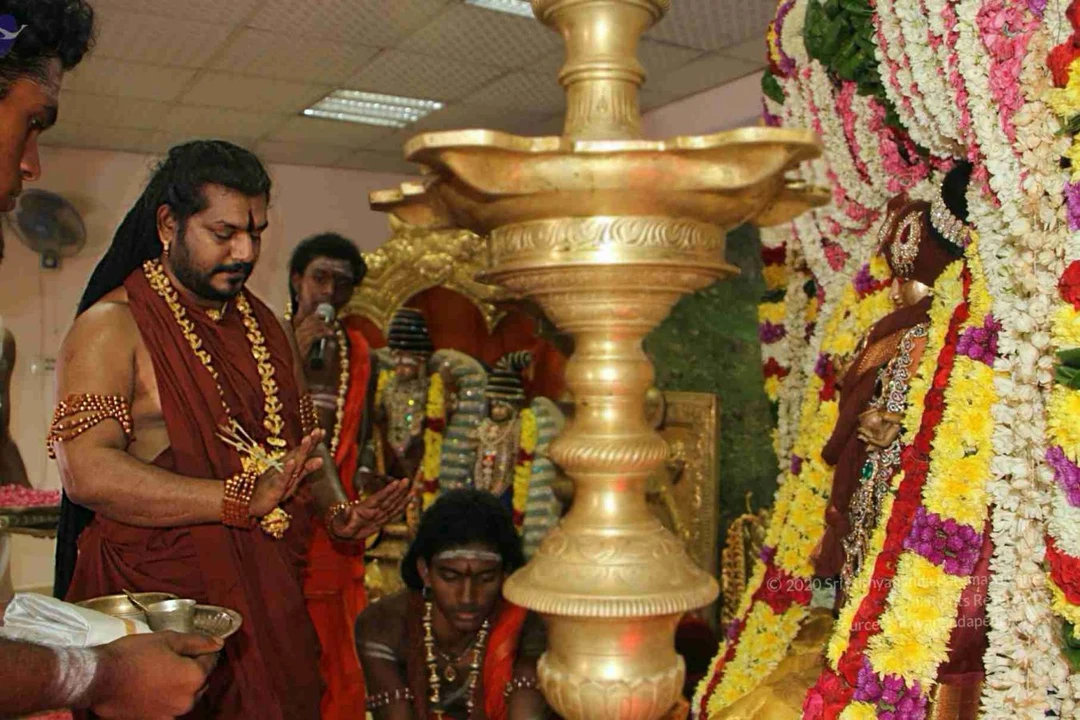 Sri Jnanasambandar Puja performed by HDH Nithyananda Paramashivam
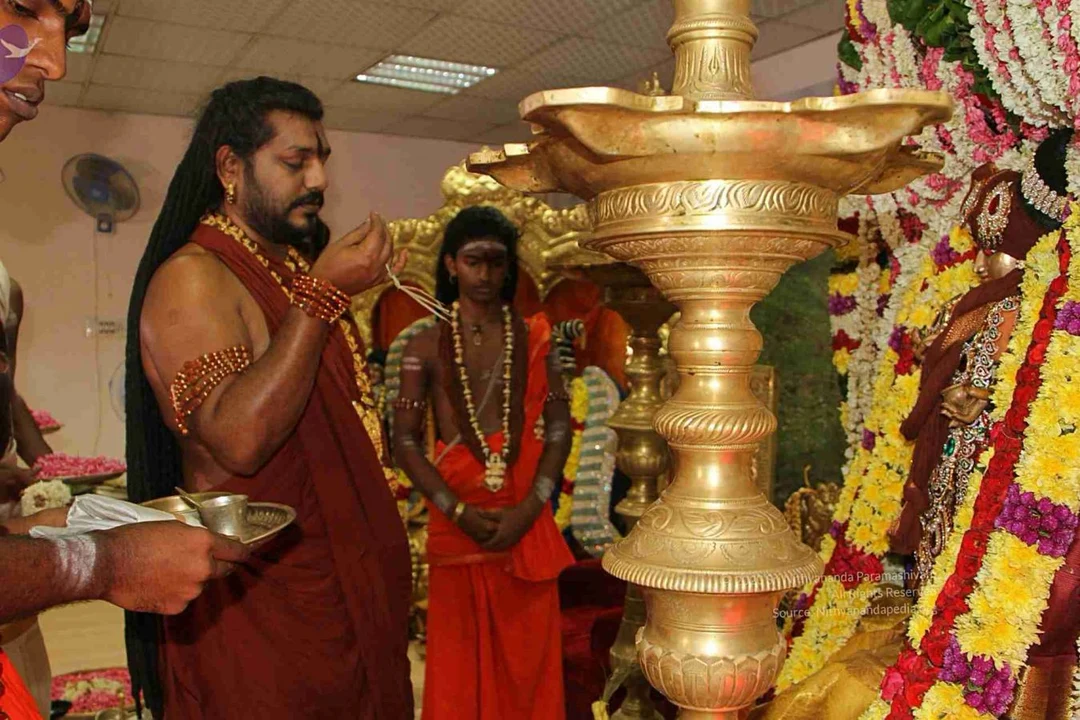 Sri Jnanasambandar Puja performed by HDH Nithyananda Paramashivam
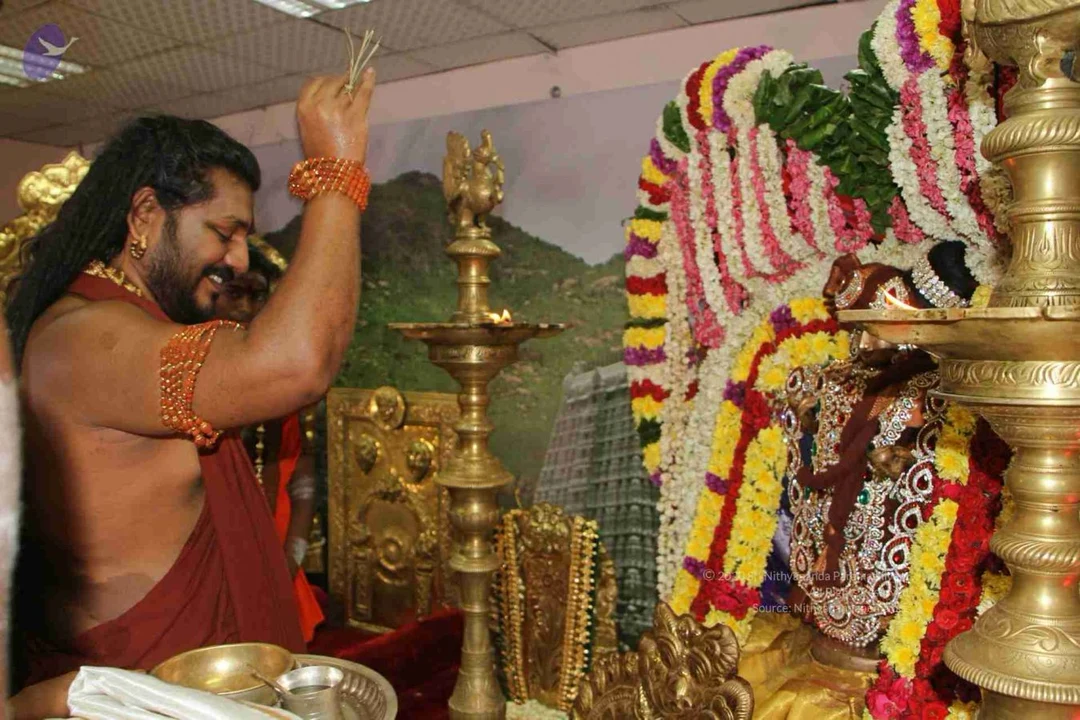 Sri Jnanasambandar Puja performed by HDH Nithyananda Paramashivam
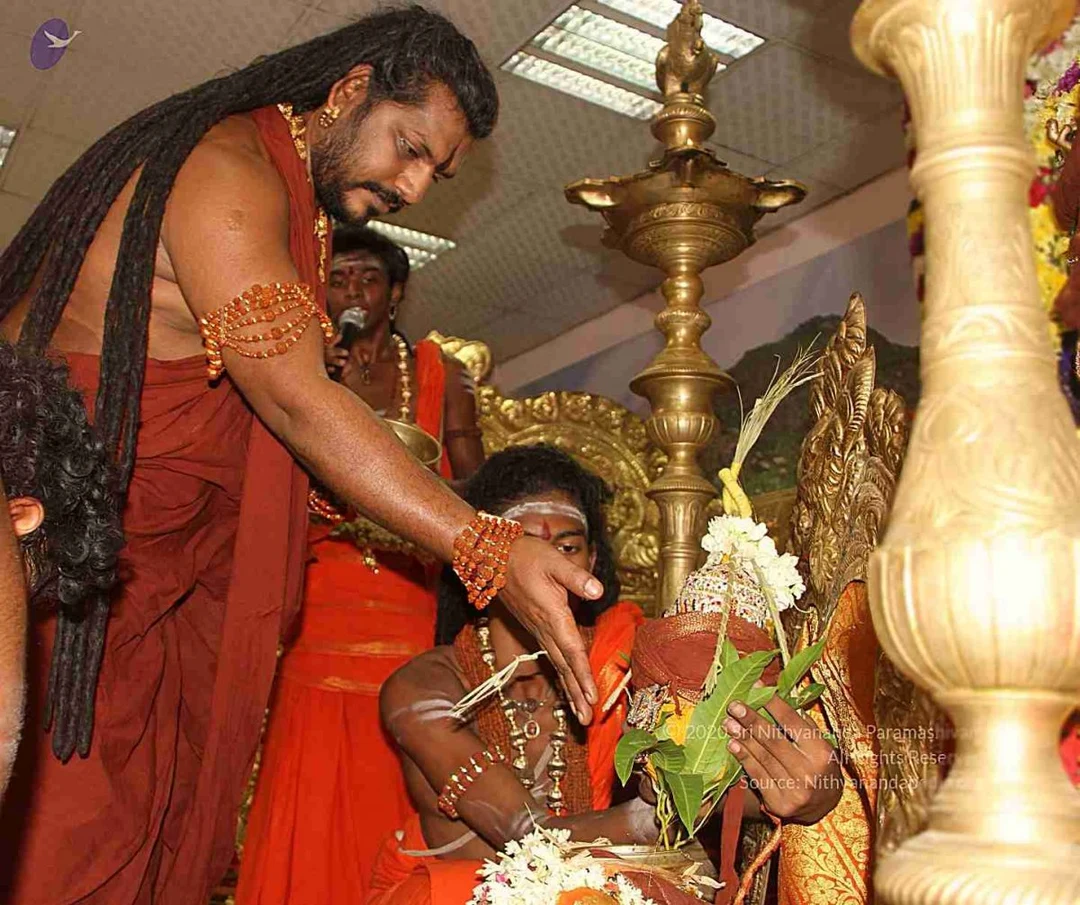 Sri Jnanasambandar Puja performed by HDH Nithyananda Paramashivam
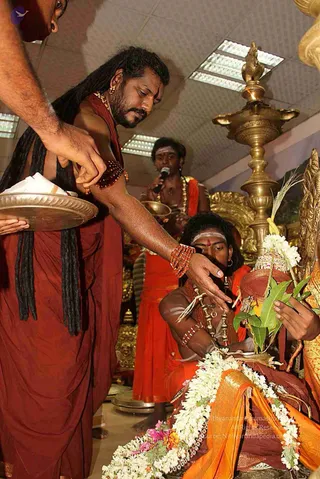 The Cosmic Mother, Devi, nourished Sri Jnanasambandar with her enlightening milk
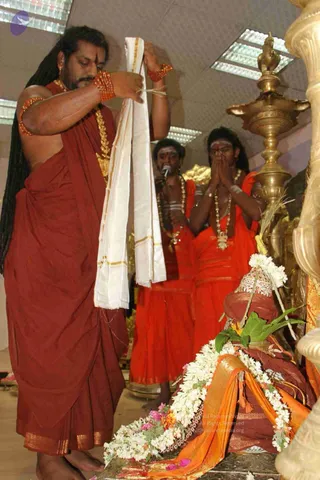 The Cosmic Mother, Devi, nourished Sri Jnanasambandar with her enlightening milk
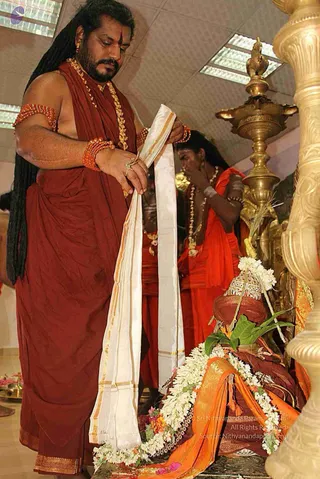 The Cosmic Mother, Devi, nourished Sri Jnanasambandar with her enlightening milk
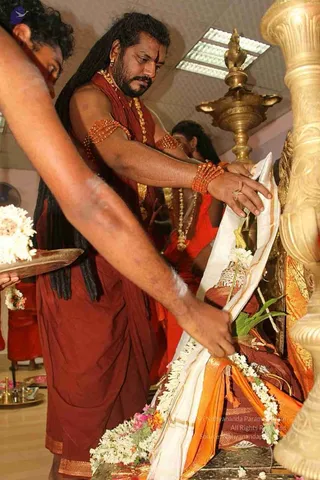 The Cosmic Mother, Devi, nourished Sri Jnanasambandar with her enlightening milk
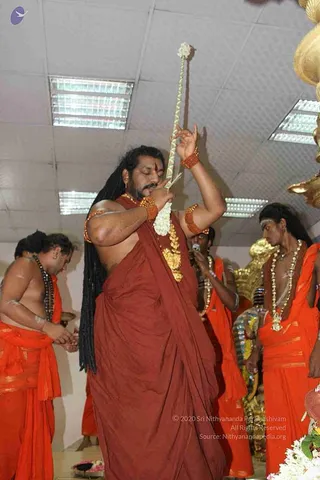 The Cosmic Mother, Devi, nourished Sri Jnanasambandar with her enlightening milk
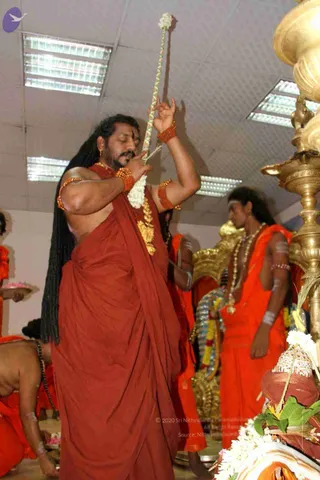 The Cosmic Mother, Devi, nourished Sri Jnanasambandar with her enlightening milk
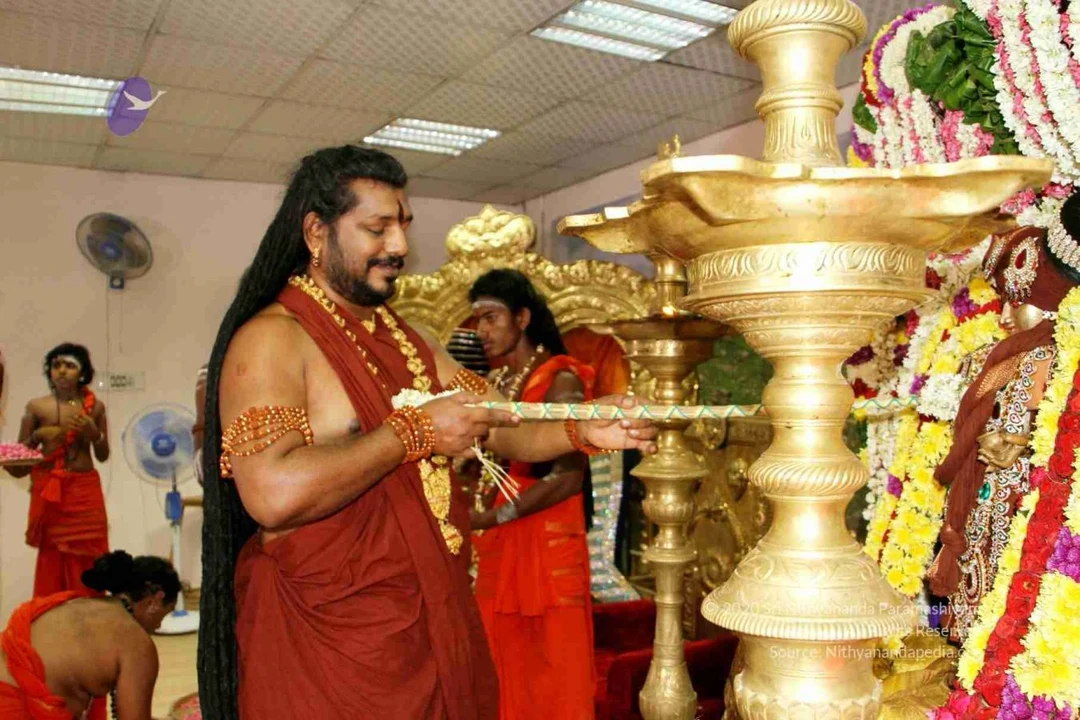 The Cosmic Mother, Devi, nourished Sri Jnanasambandar with her enlightening milk
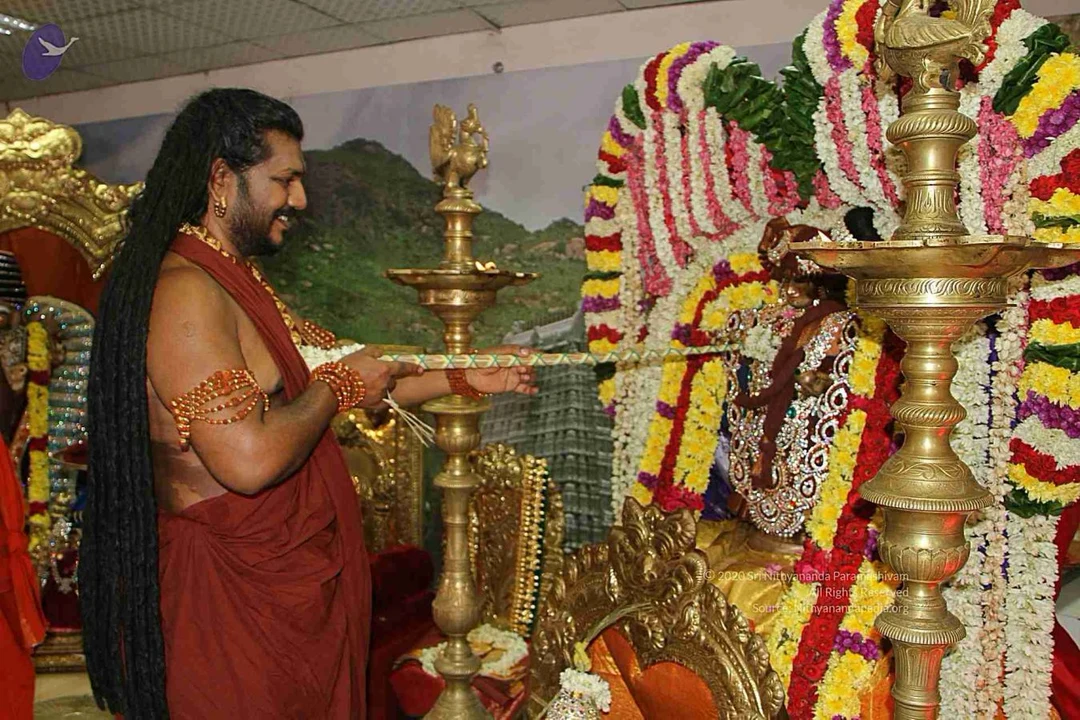 The Cosmic Mother, Devi, nourished Sri Jnanasambandar with her enlightening milk
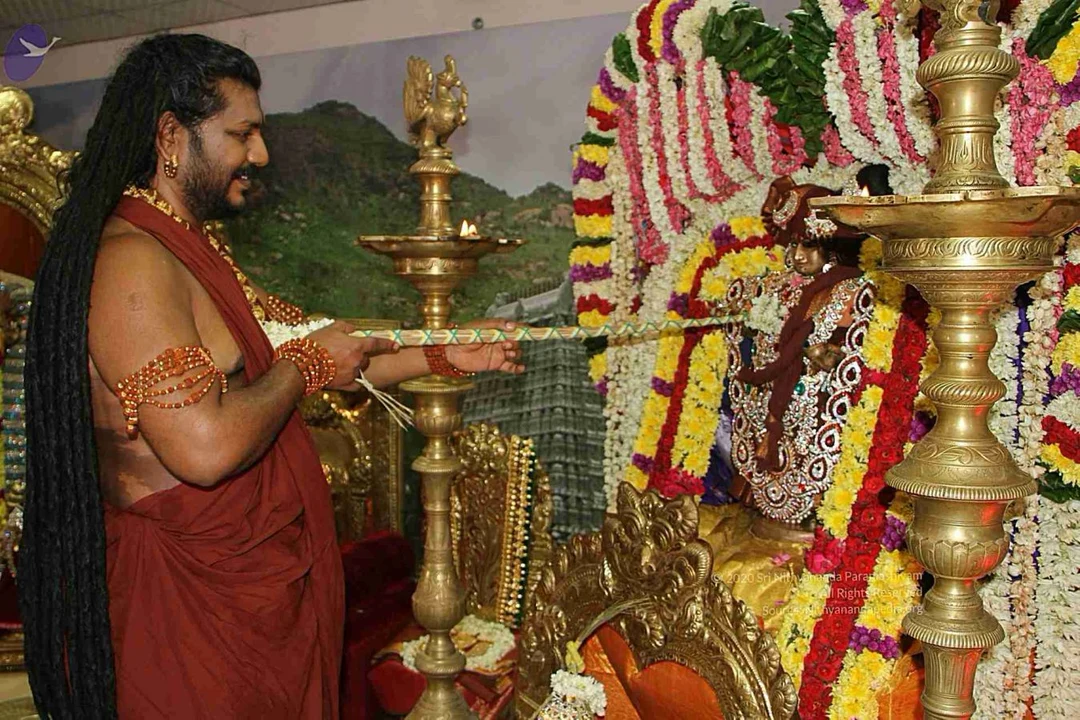 The Cosmic Mother, Devi, nourished Sri Jnanasambandar with her enlightening milk
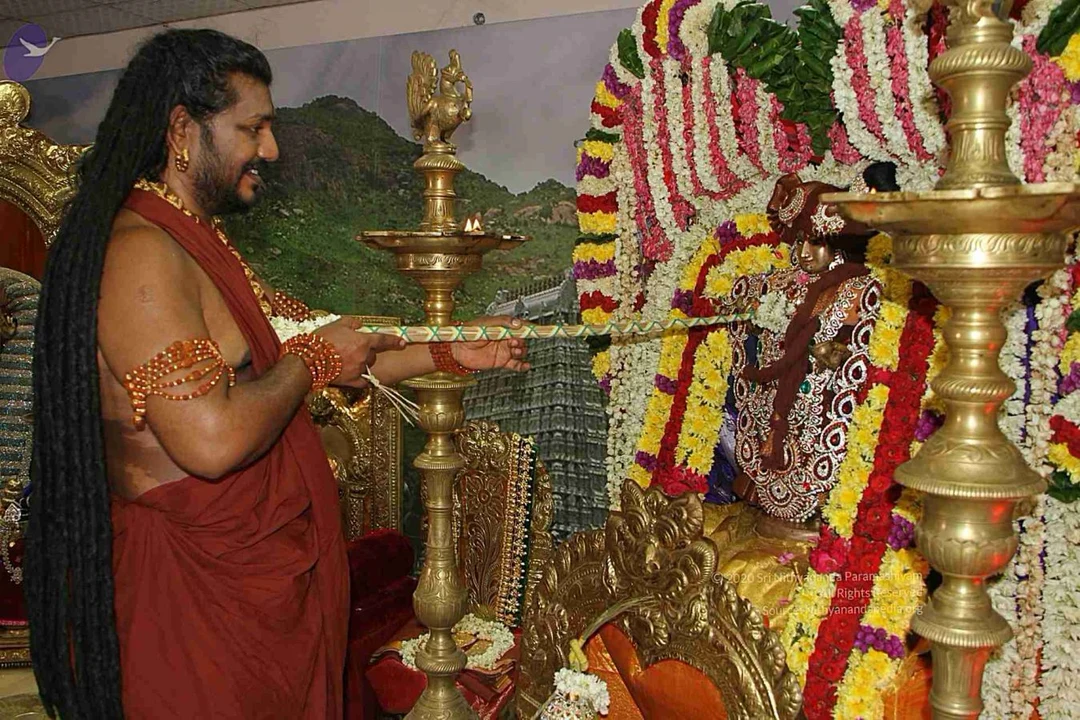 The Cosmic Mother, Devi, nourished Sri Jnanasambandar with her enlightening milk
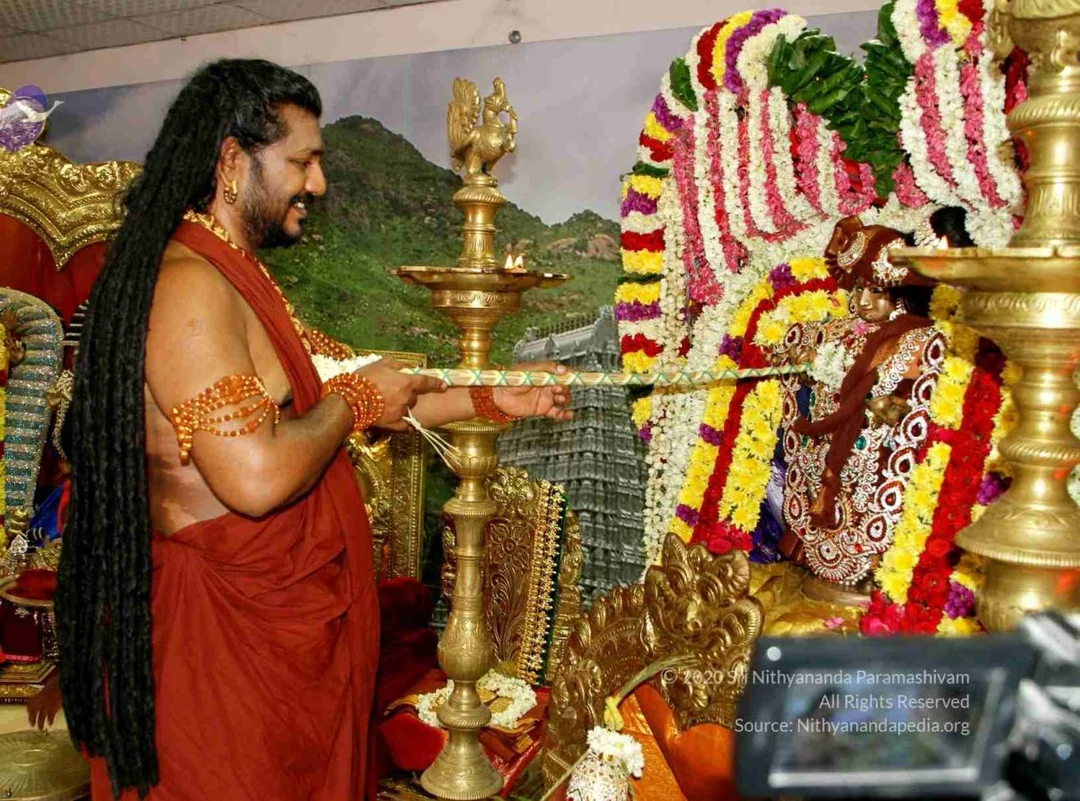 The Cosmic Mother, Devi, nourished Sri Jnanasambandar with her enlightening milk
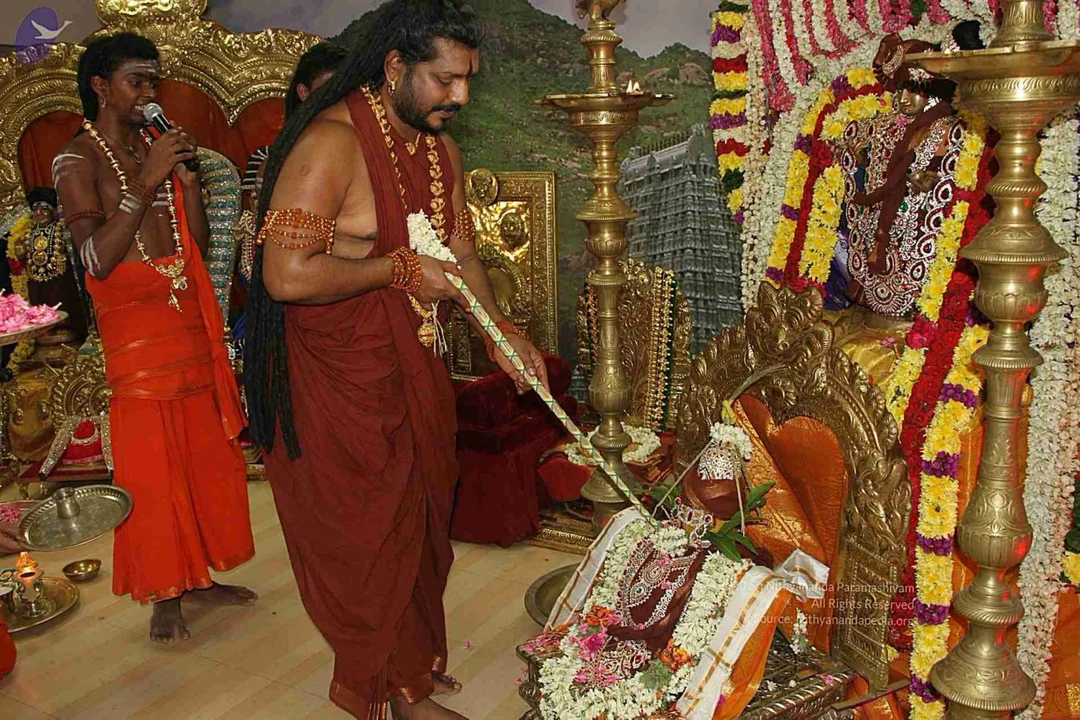 The Cosmic Mother, Devi, nourished Sri Jnanasambandar with her enlightening milk
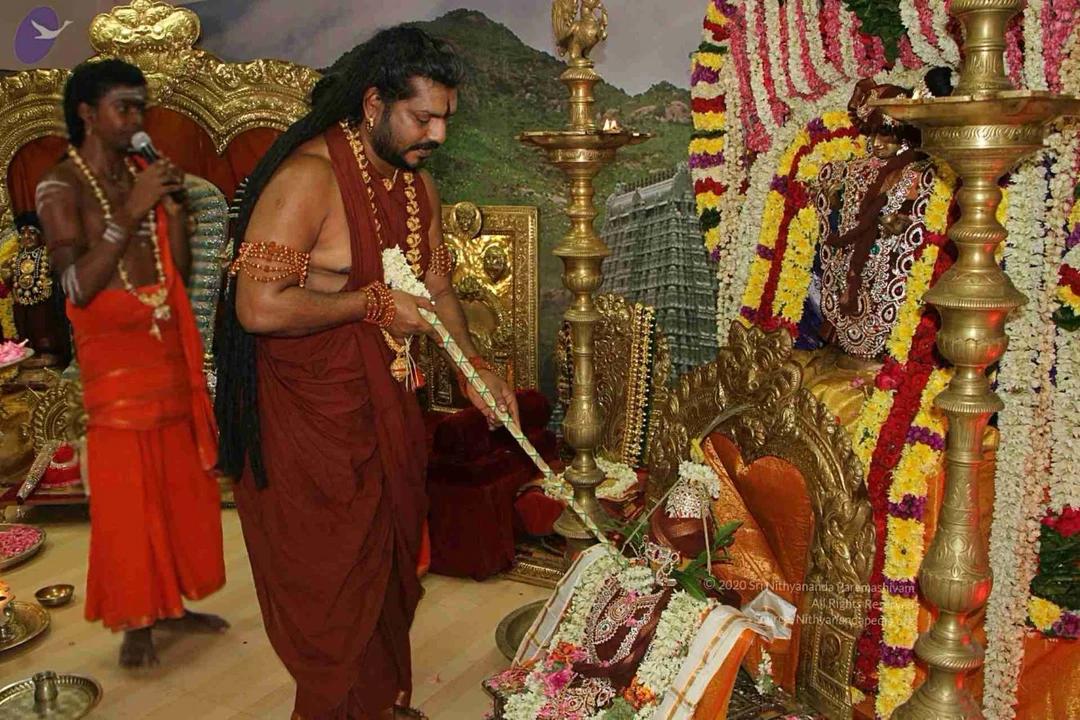 The enlightenment milk given to Sri Jnanasambandar is known as Jnanapaal
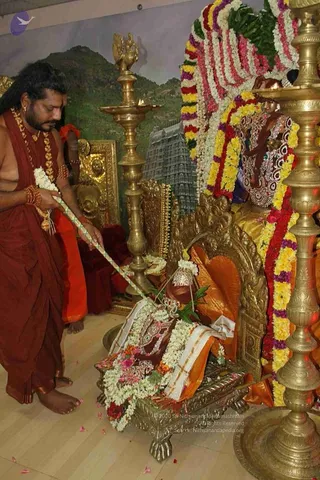 The enlightenment milk given to Sri Jnanasambandar is known as Jnanapaal
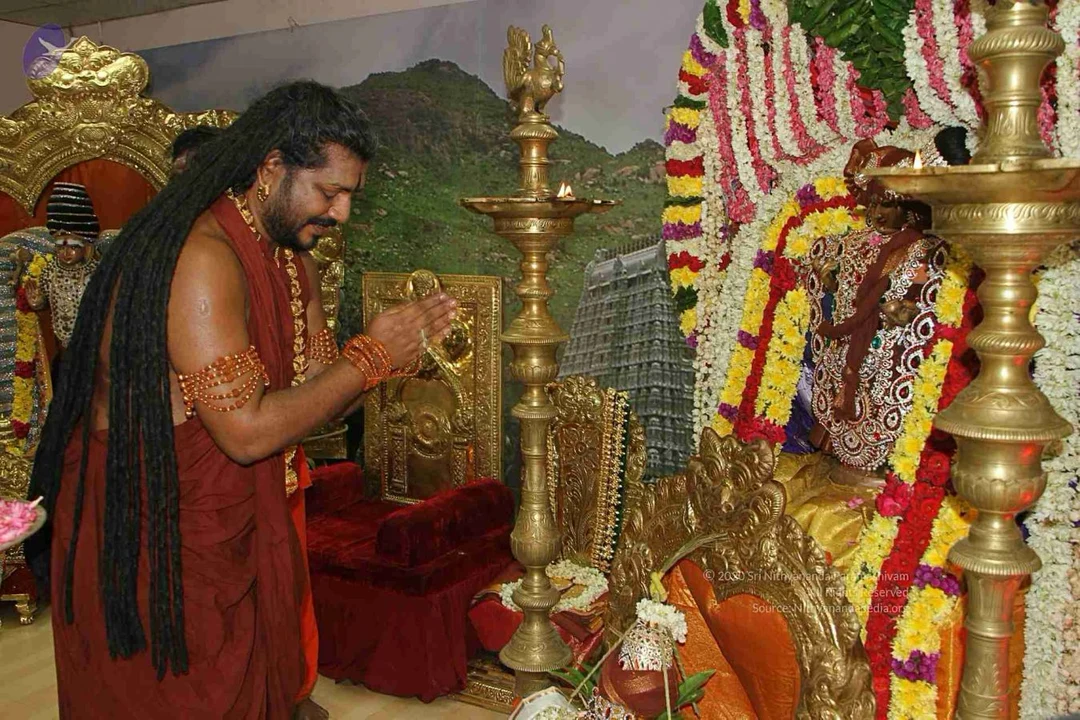 The enlightenment milk given to Sri Jnanasambandar is known as Jnanapaal
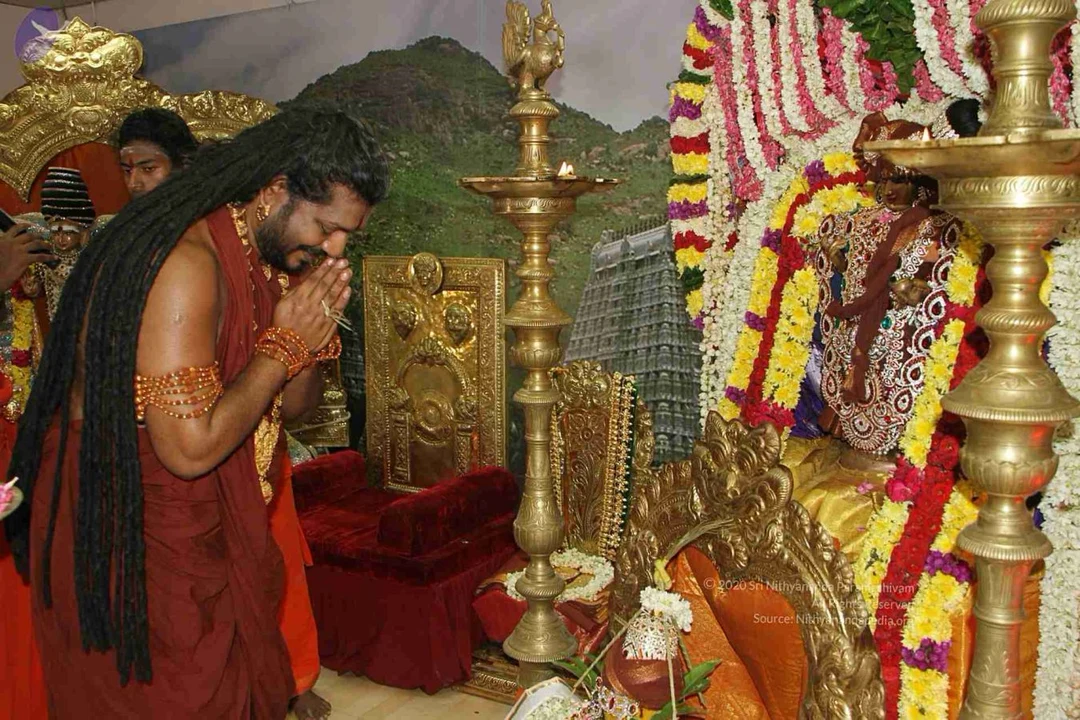 The enlightenment milk given to Sri Jnanasambandar is known as Jnanapaal
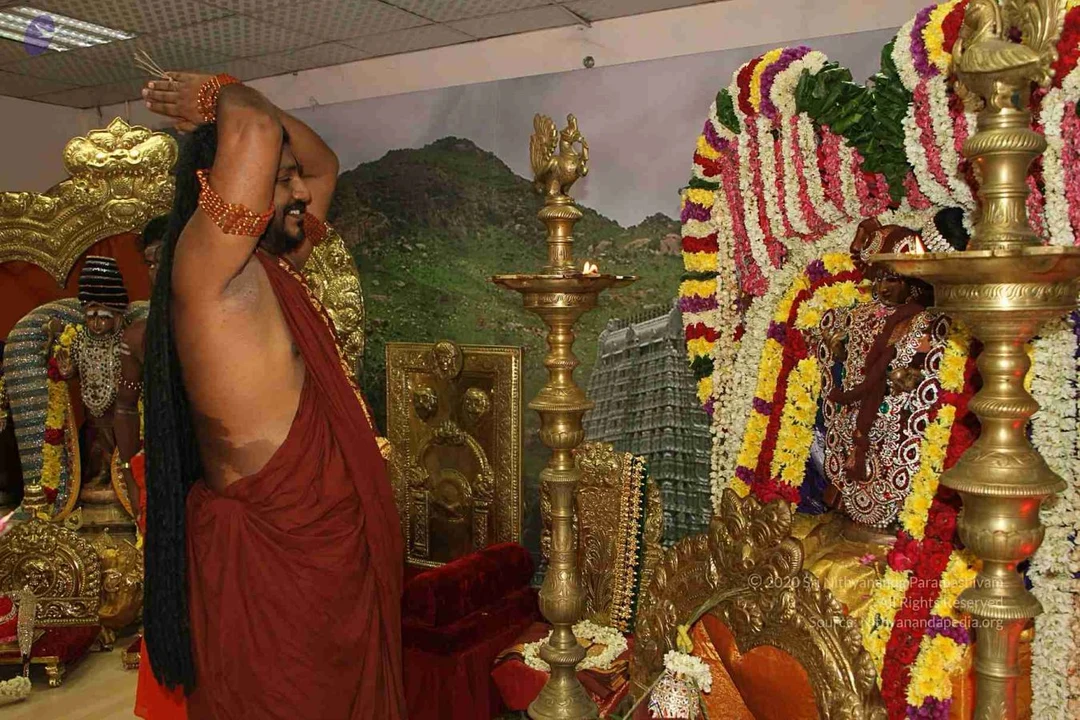 The enlightenment milk given to Sri Jnanasambandar is known as Jnanapaal
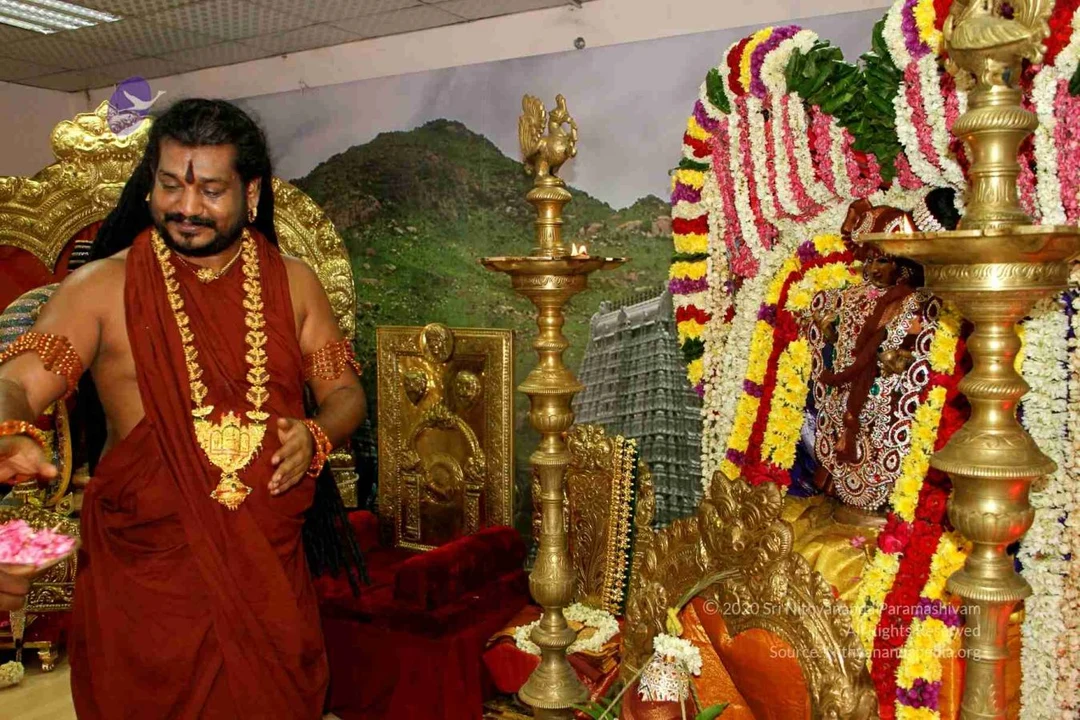 The enlightenment milk given to Sri Jnanasambandar is known as Jnanapaal
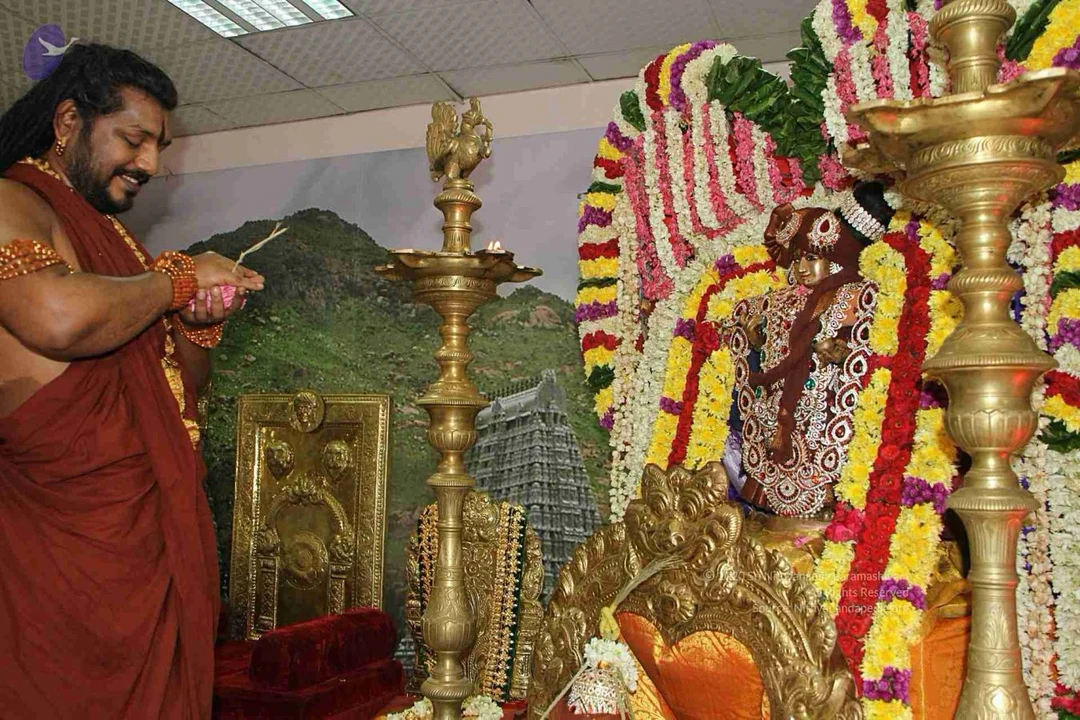 The enlightenment milk given to Sri Jnanasambandar is known as Jnanapaal
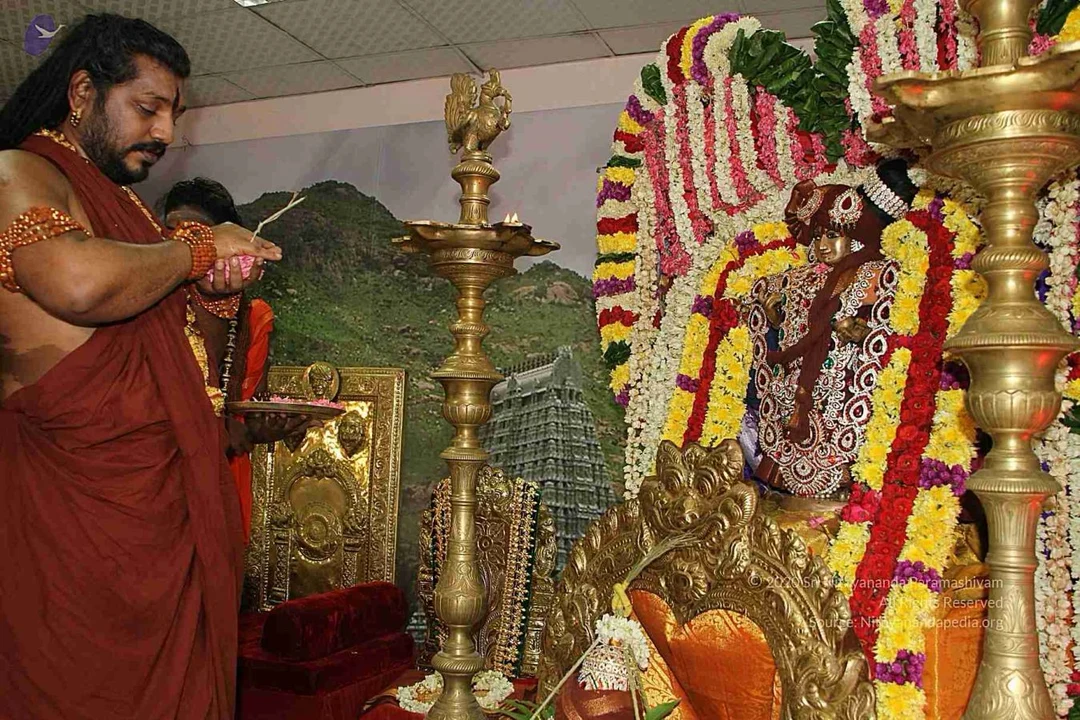 The enlightenment milk given to Sri Jnanasambandar is known as Jnanapaal
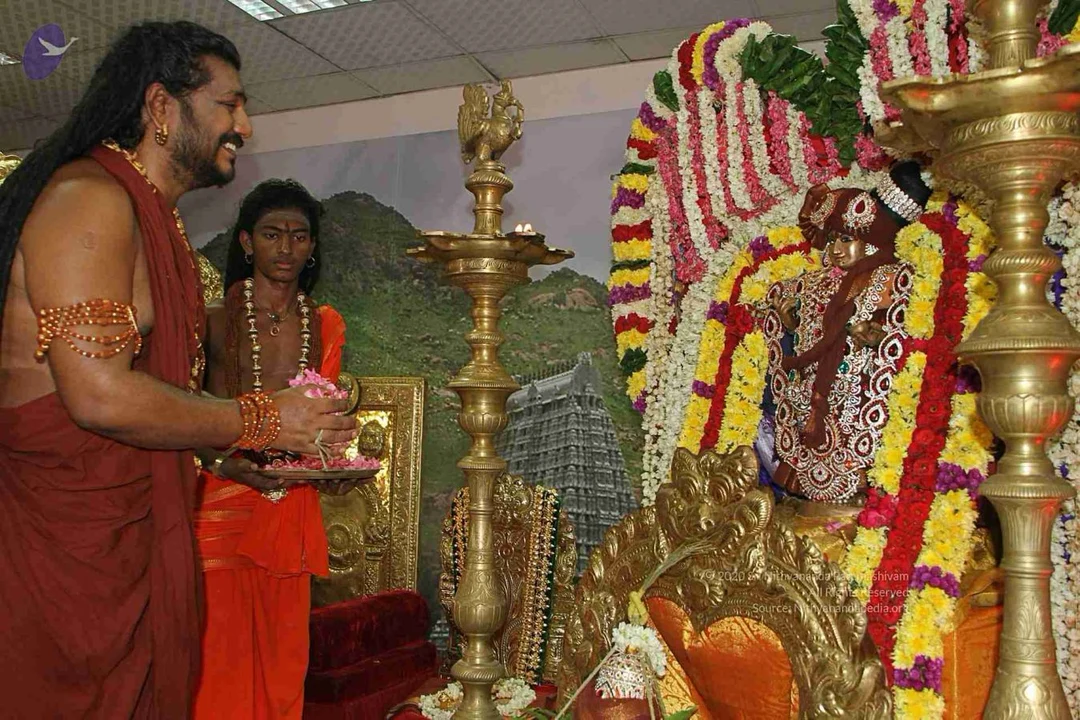 The enlightenment milk given to Sri Jnanasambandar is known as Jnanapaal
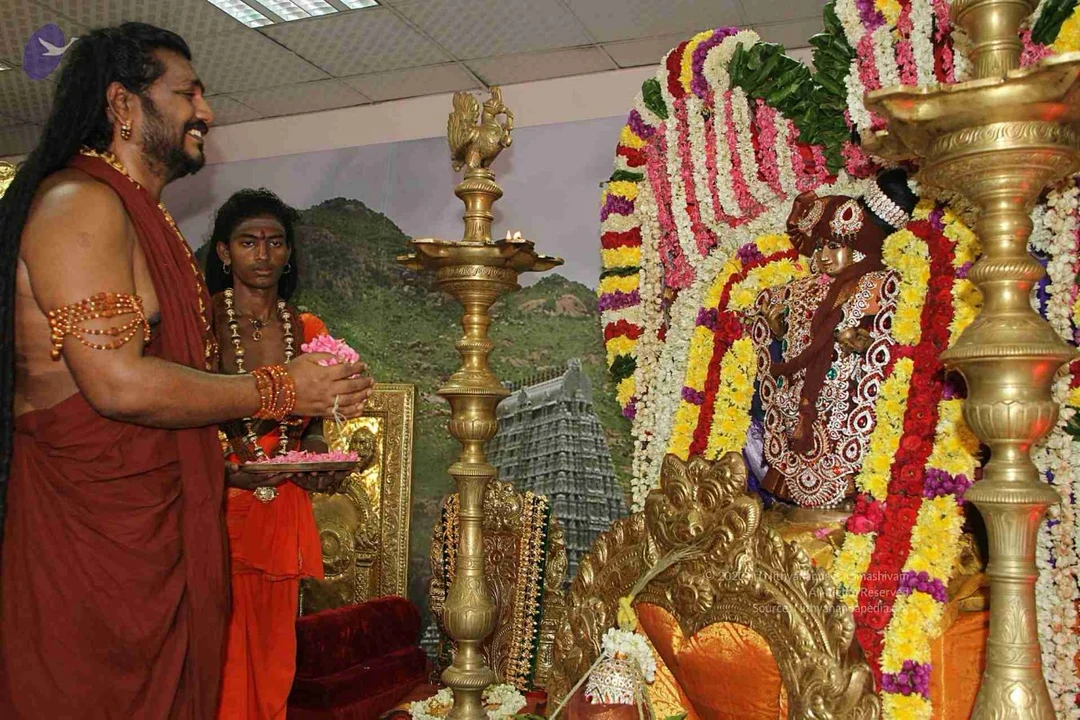 The enlightenment milk given to Sri Jnanasambandar is known as Jnanapaal
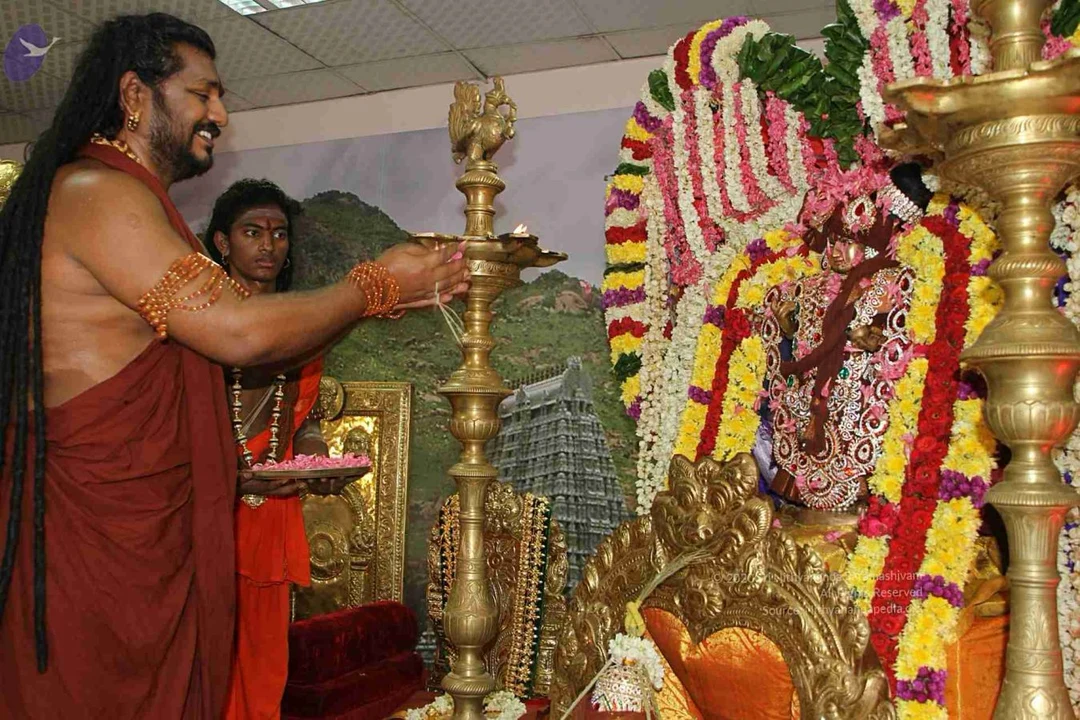 The enlightenment milk given to Sri Jnanasambandar is known as Jnanapaal
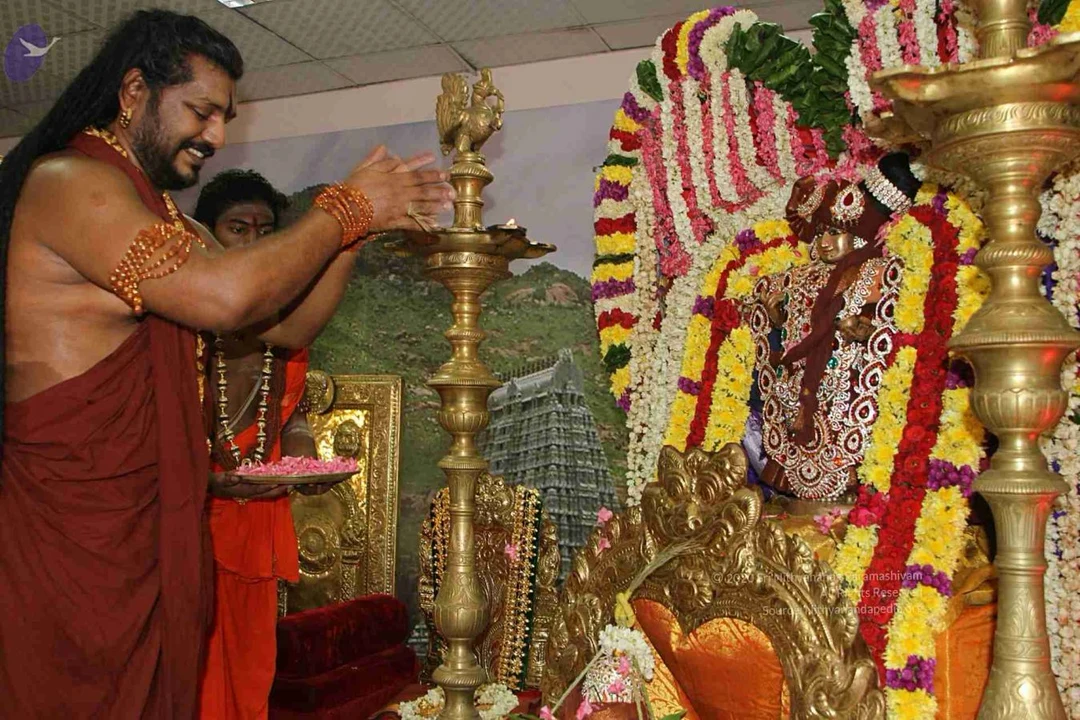 The enlightenment milk given to Sri Jnanasambandar is known as Jnanapaal
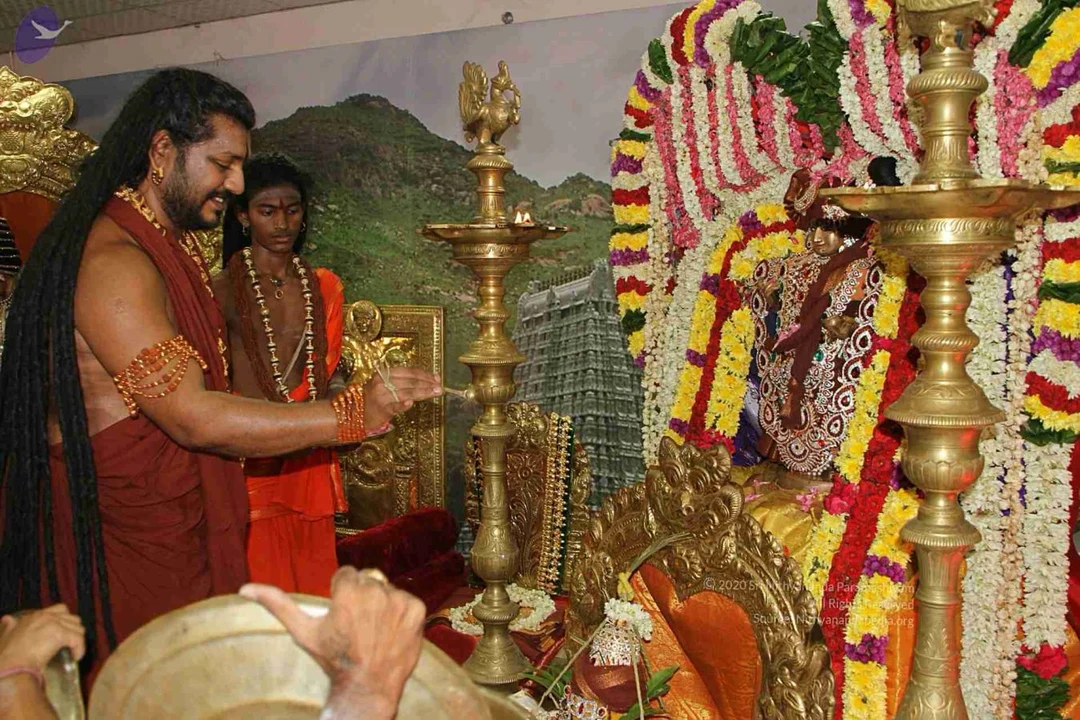 The enlightenment milk given to Sri Jnanasambandar is known as Jnanapaal
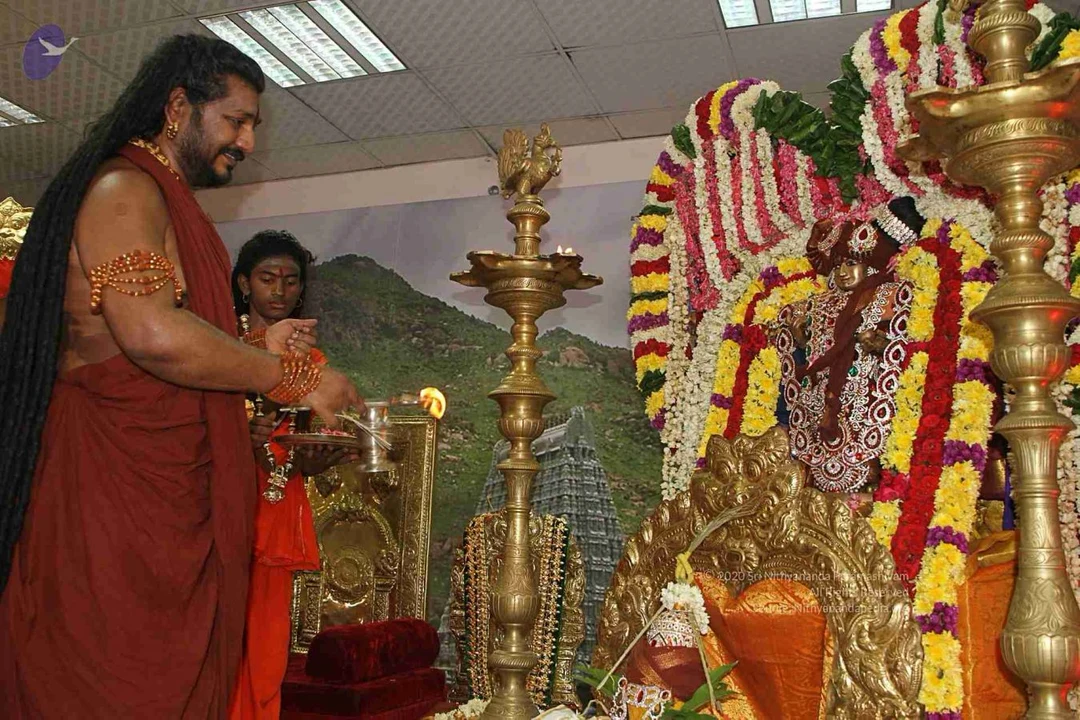 HDH Nithyananda Paramashivam offering aarti to Thiru Jnanasambandar
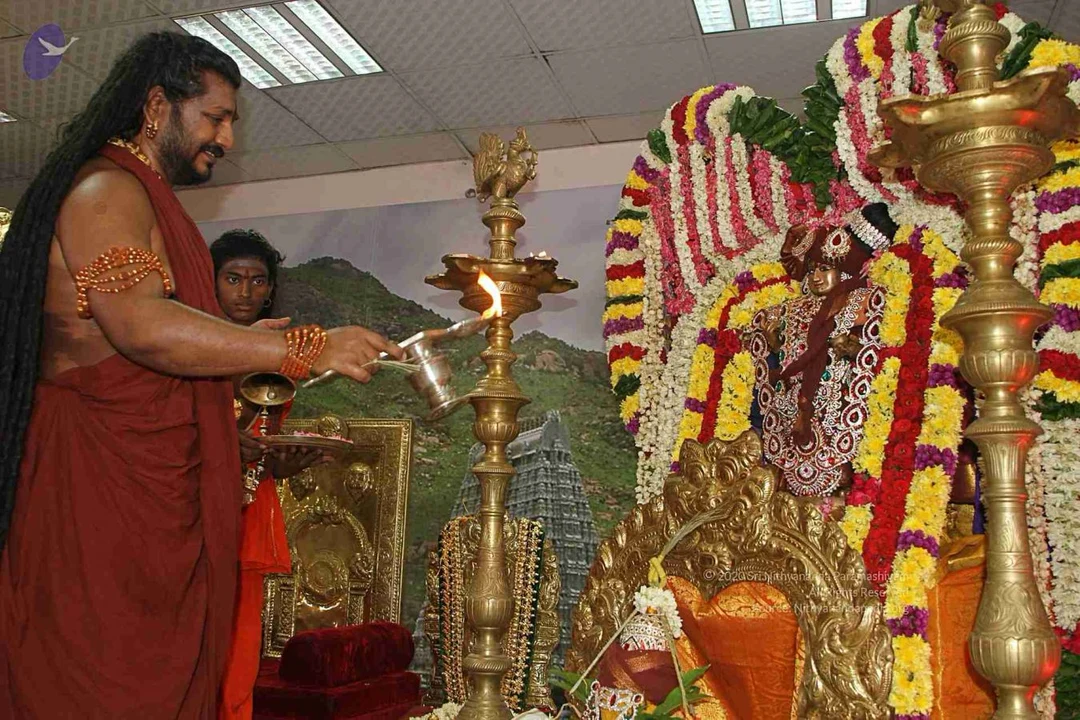 HDH Nithyananda Paramashivam offering aarti to Thiru Jnanasambandar
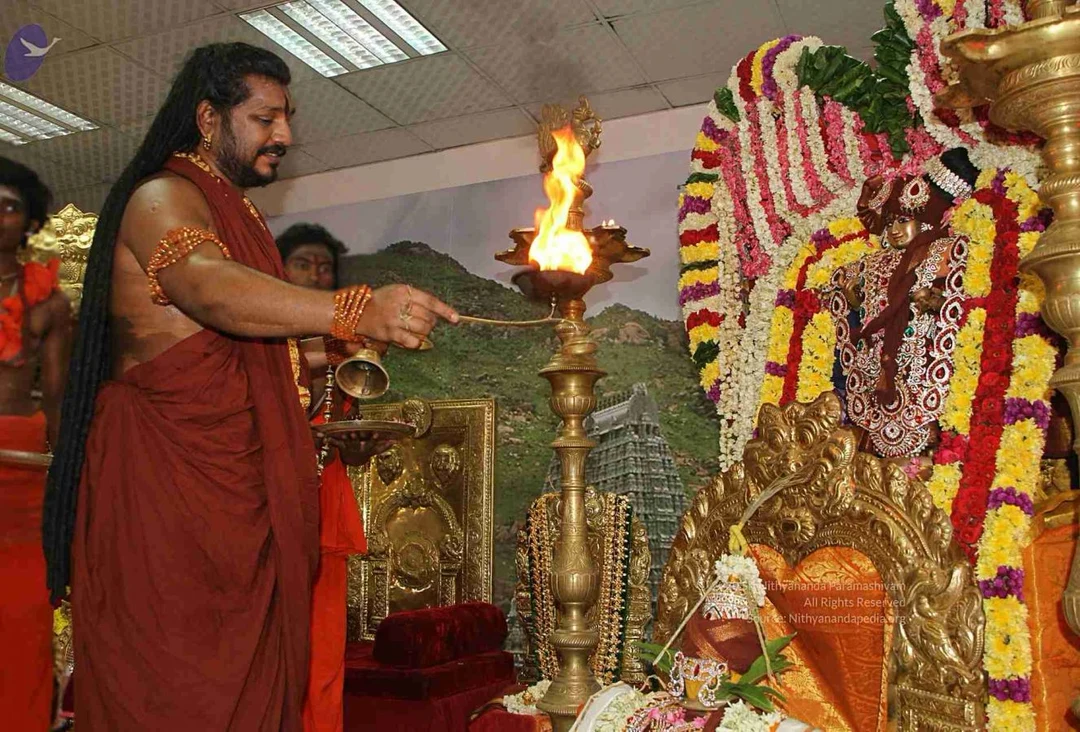 HDH Nithyananda Paramashivam offering aarti to Thiru Jnanasambandar
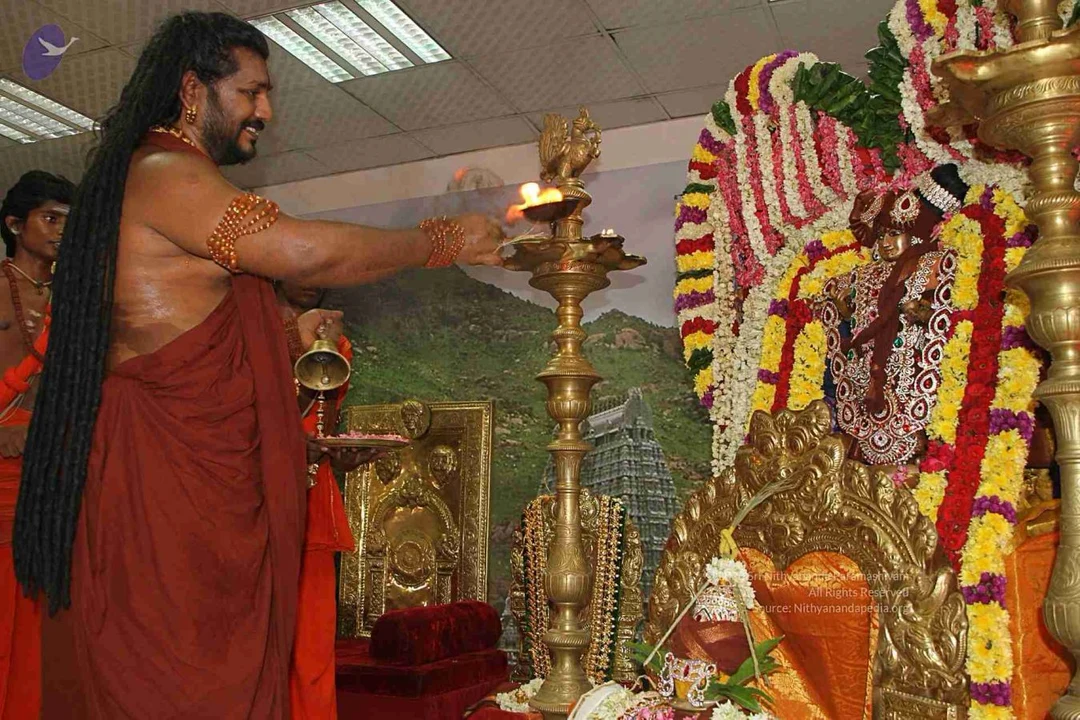 HDH Nithyananda Paramashivam offering aarti to Thiru Jnanasambandar
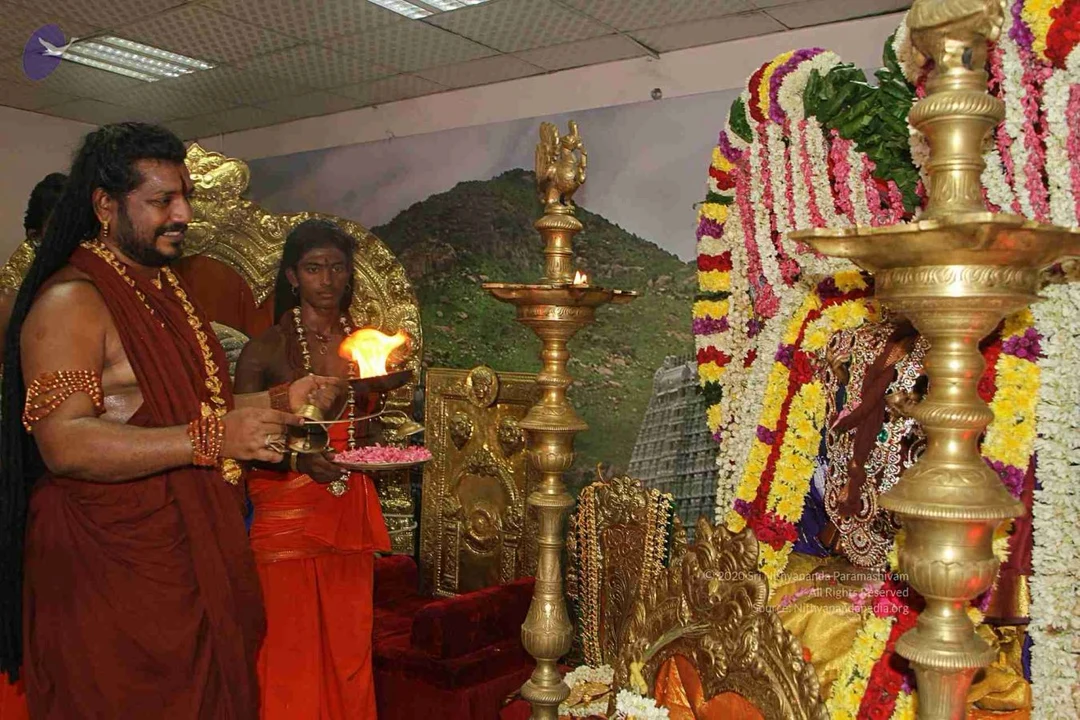 HDH Nithyananda Paramashivam offering aarti to Thiru Jnanasambandar
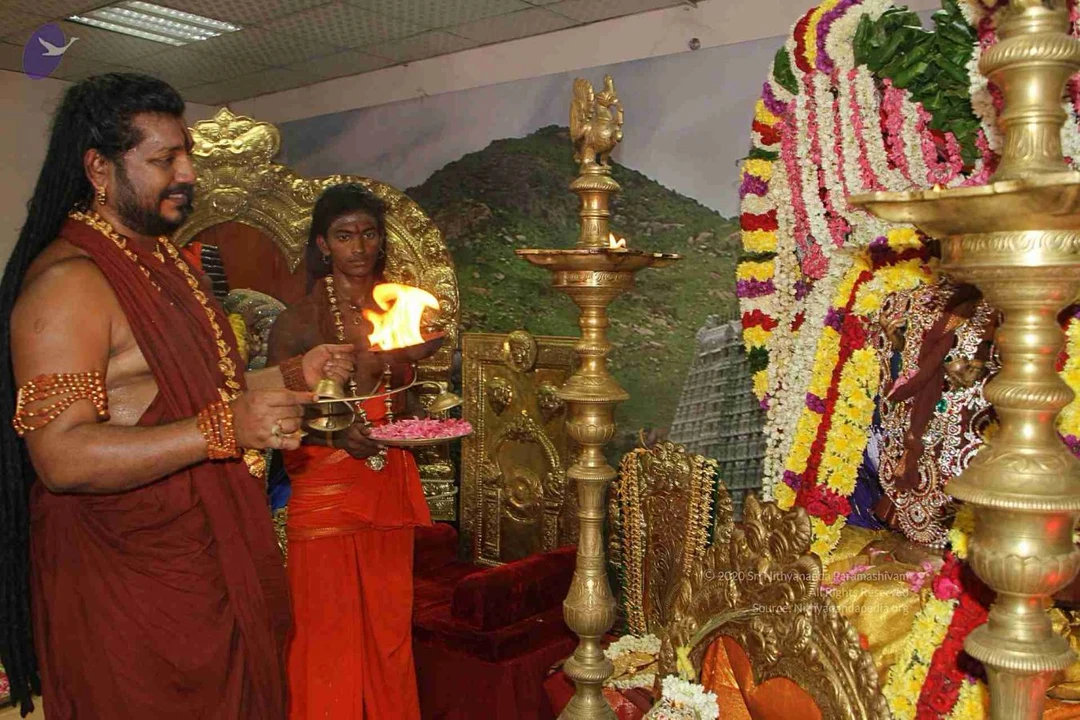 HDH Nithyananda Paramashivam offering aarti to Thiru Jnanasambandar
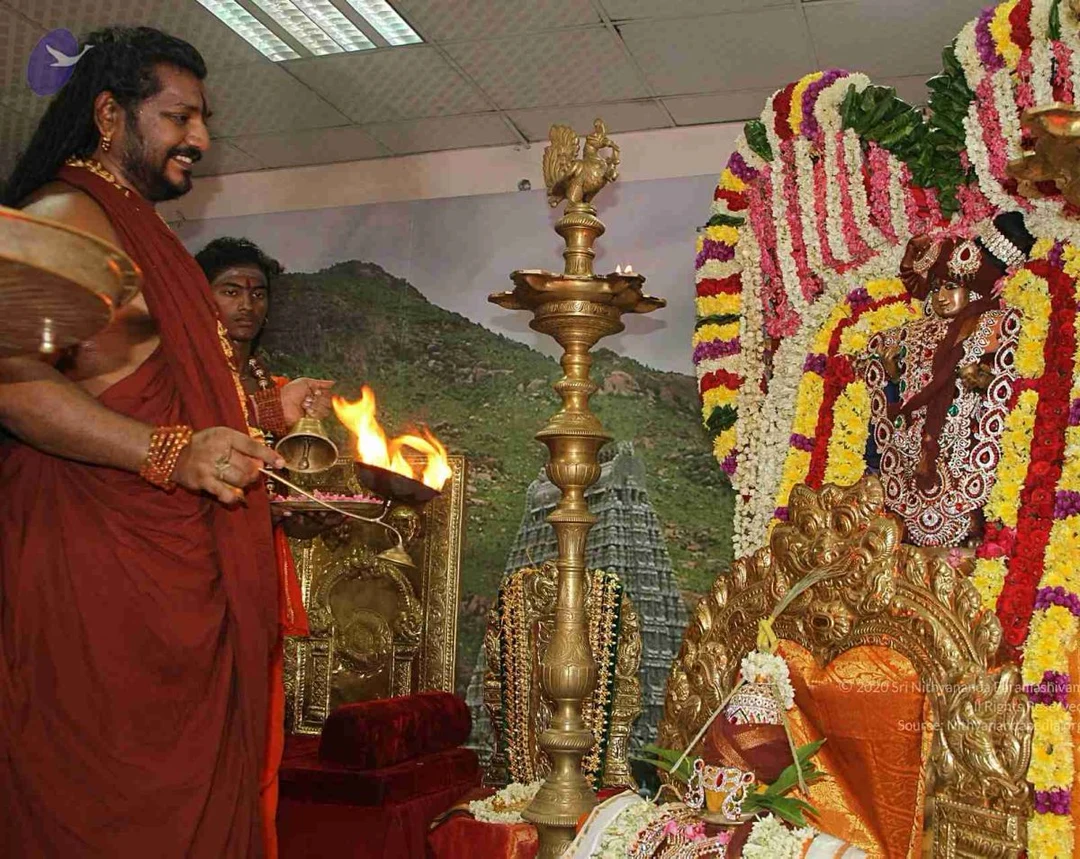 HDH Nithyananda Paramashivam offering aarti to Thiru Jnanasambandar
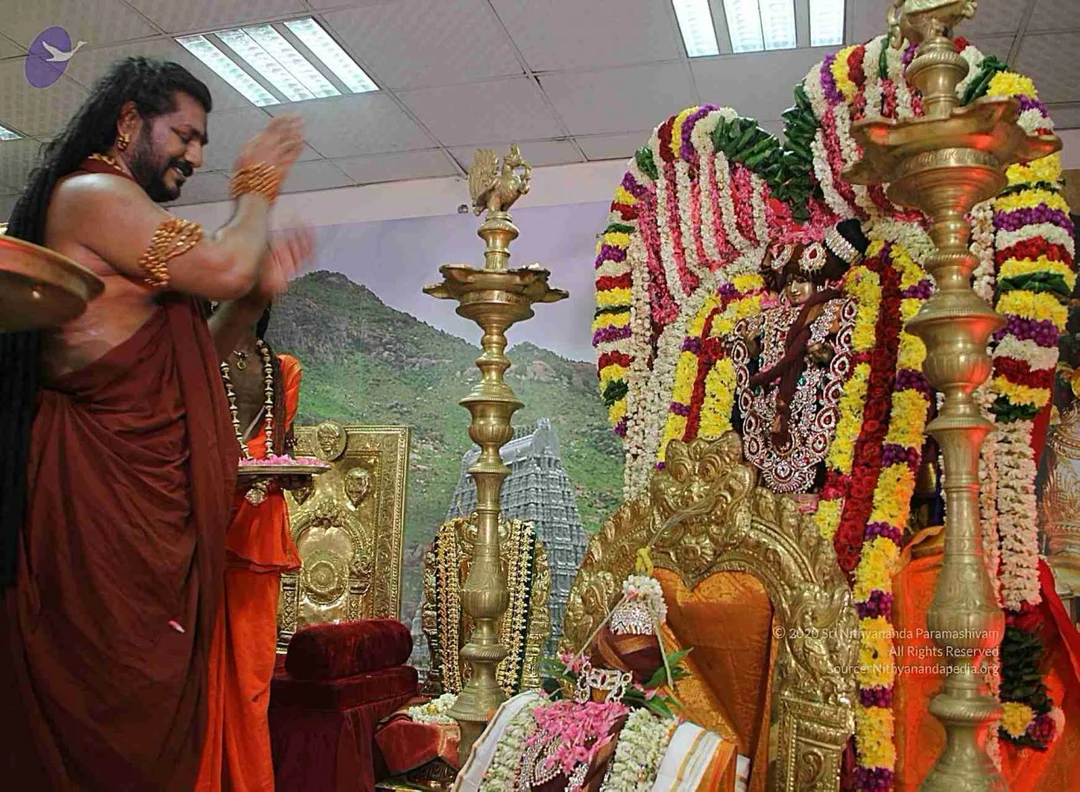 Cosmic Mother, Prakriti, nature, opened herself to Thiru Jnanasambandar
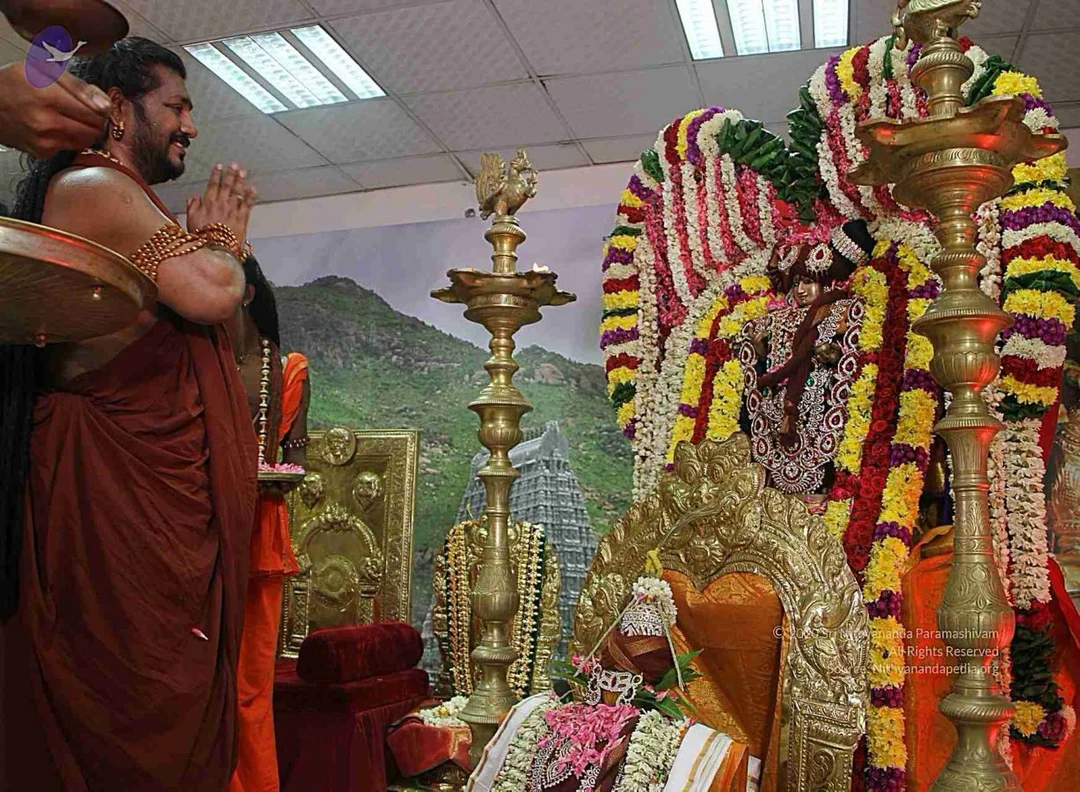 Cosmic Mother, Prakriti, nature, opened herself to Thiru Jnanasambandar
 Cosmic Mother, Prakriti, nature, opened herself to Thiru Jnanasambandar
 Cosmic Mother, Prakriti, nature, opened herself to Thiru Jnanasambandar
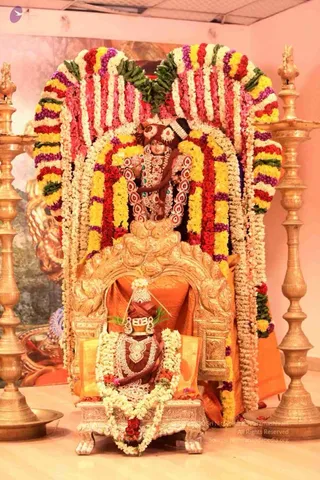 Cosmic Mother, Prakriti, nature, opened herself to Thiru Jnanasambandar
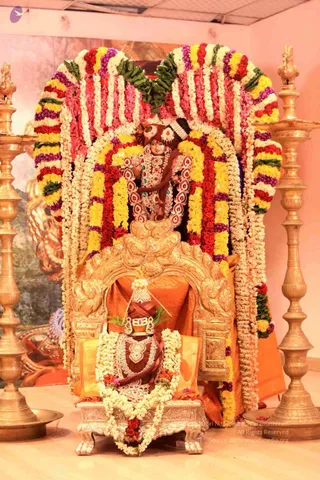 Cosmic Mother, Prakriti, nature, opened herself to Thiru Jnanasambandar
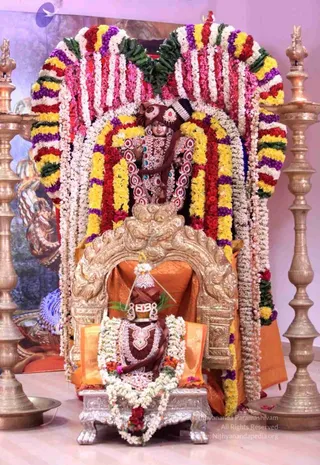 Cosmic Mother, Prakriti, nature, opened herself to Thiru Jnanasambandar
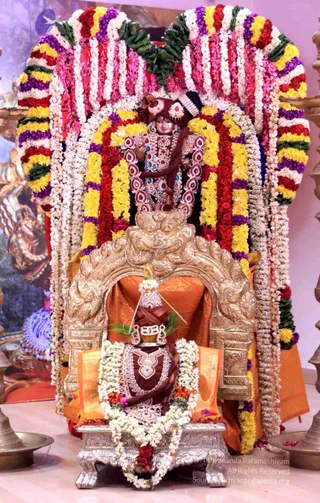 Cosmic Mother, Prakriti, nature, opened herself to Thiru Jnanasambandar
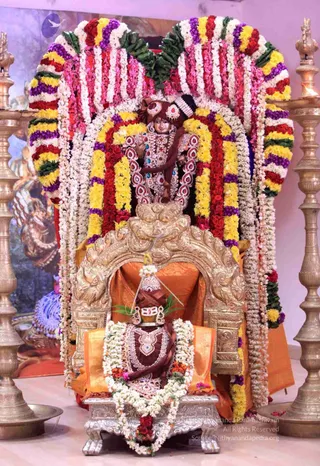 Cosmic Mother, Prakriti, nature, opened herself to Thiru Jnanasambandar
 Thiru Jnanasambandar revived Madurai Aadheenam
 Thiru Jnanasambandar revived Madurai Aadheenam
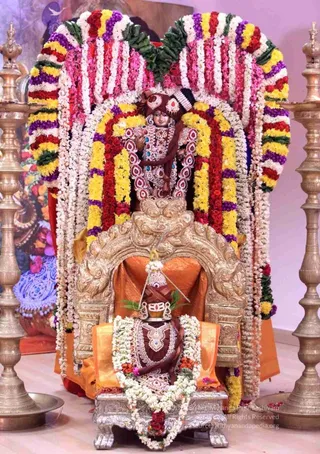 Thiru Jnanasambandar revived Madurai Aadheenam
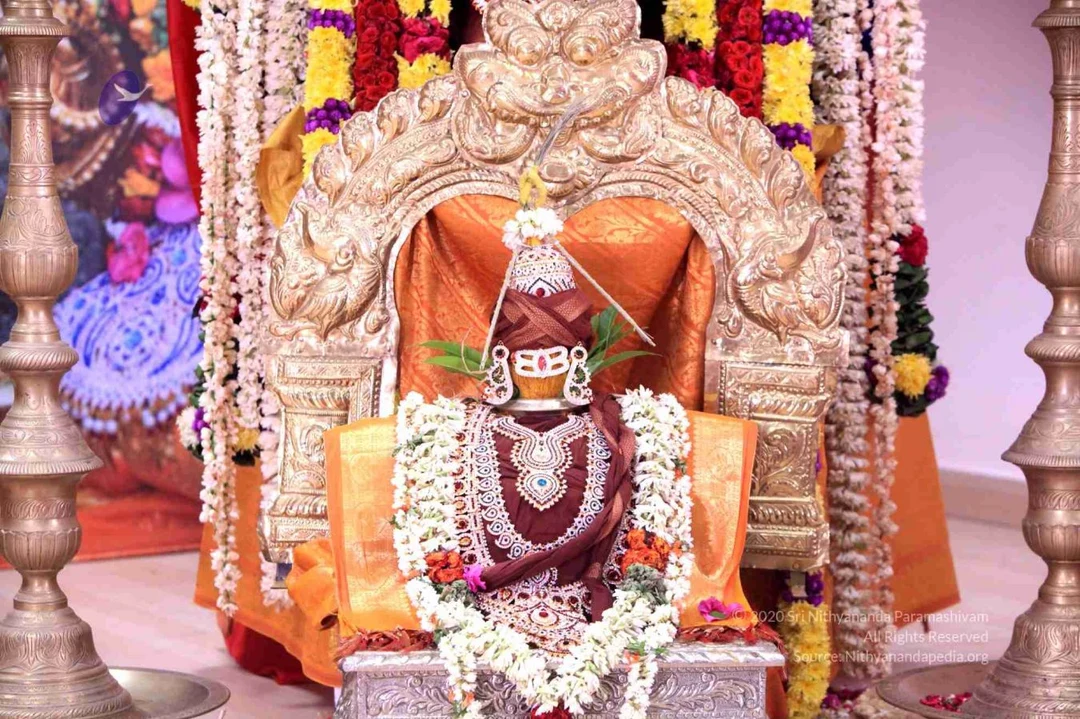 Thiru Jnanasambandar revived Madurai Aadheenam
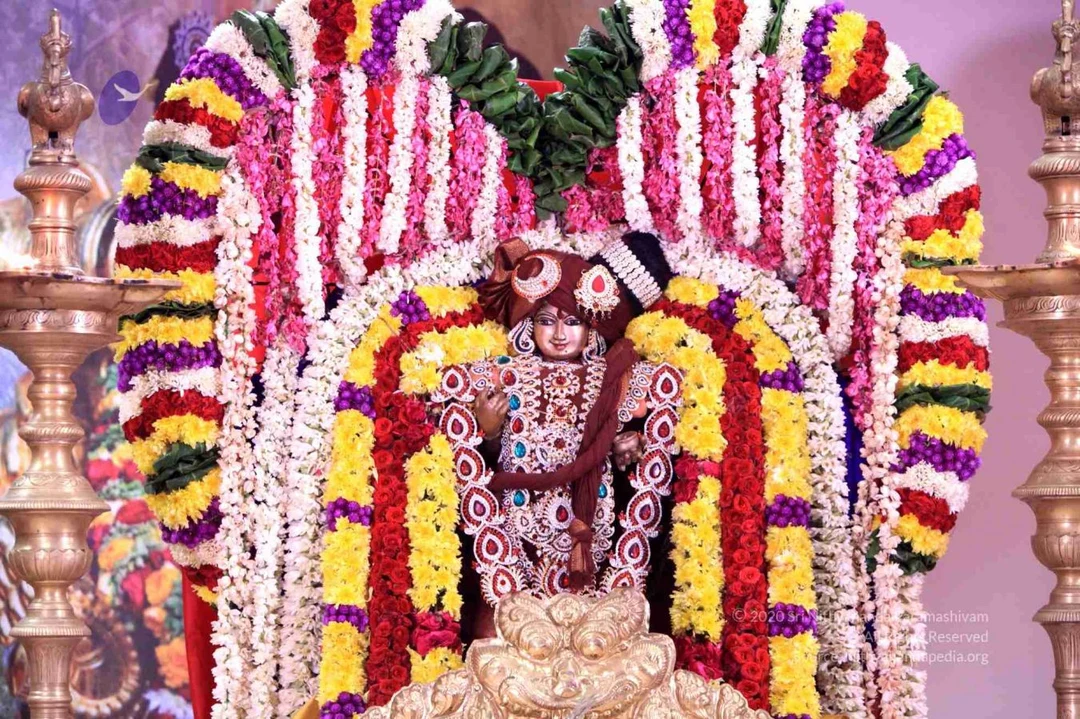 Thiru Jnanasambandar revived Madurai Aadheenam
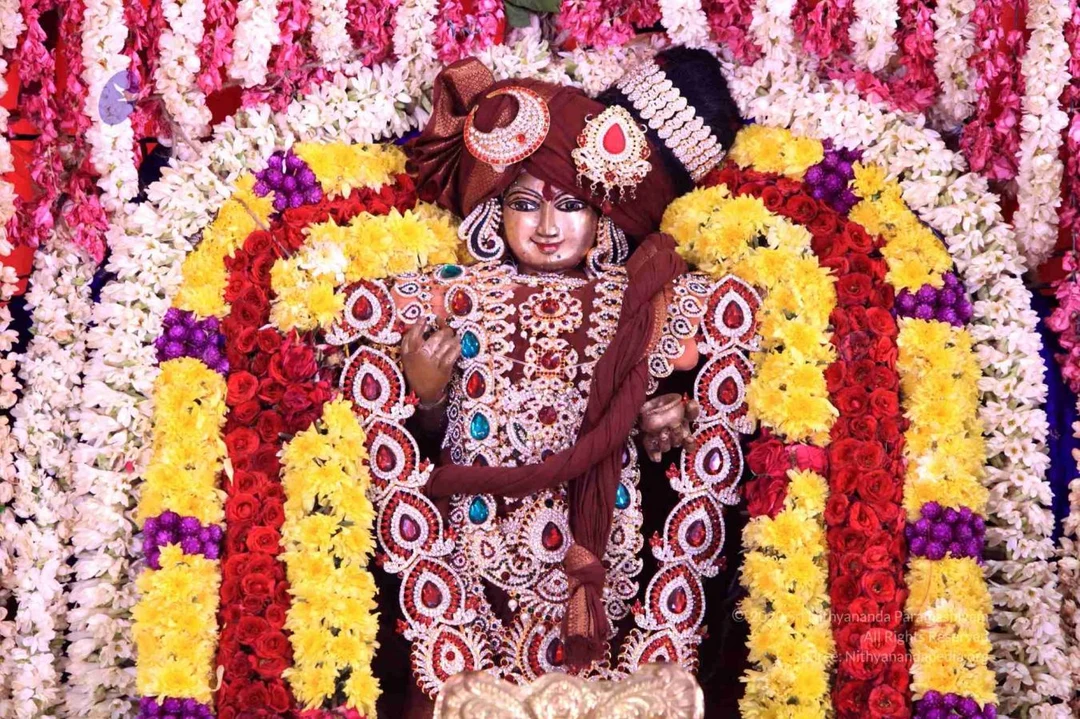 Thiru Jnanasambandar revived Madurai Aadheenam
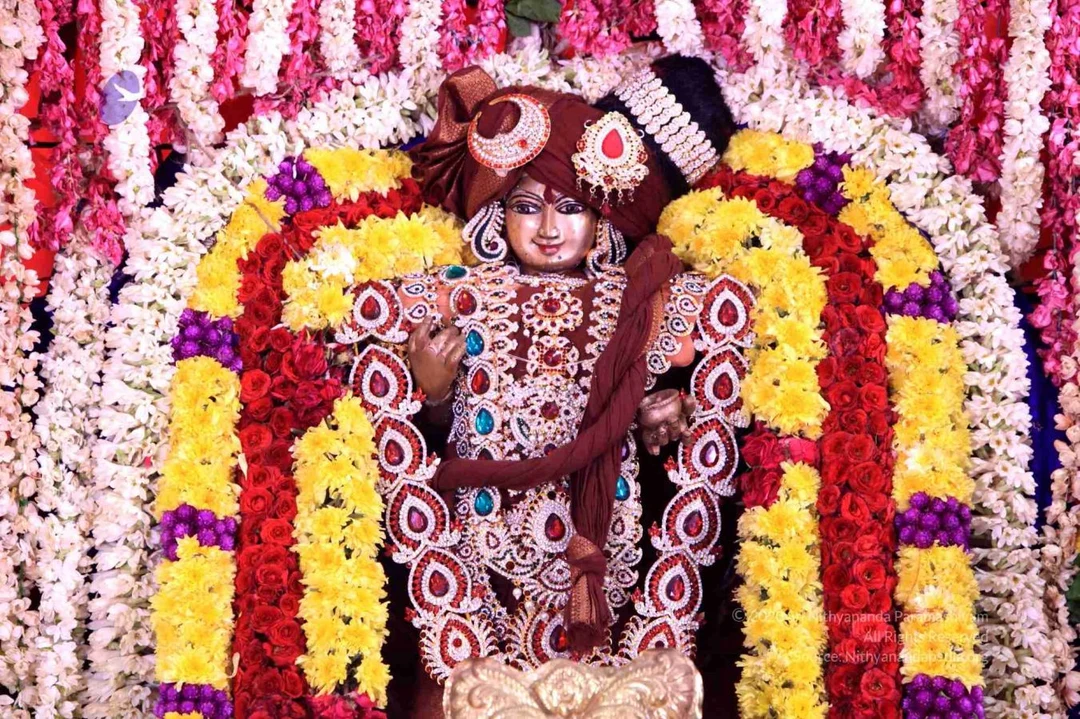 Thiru Jnanasambandar revived Madurai Aadheenam
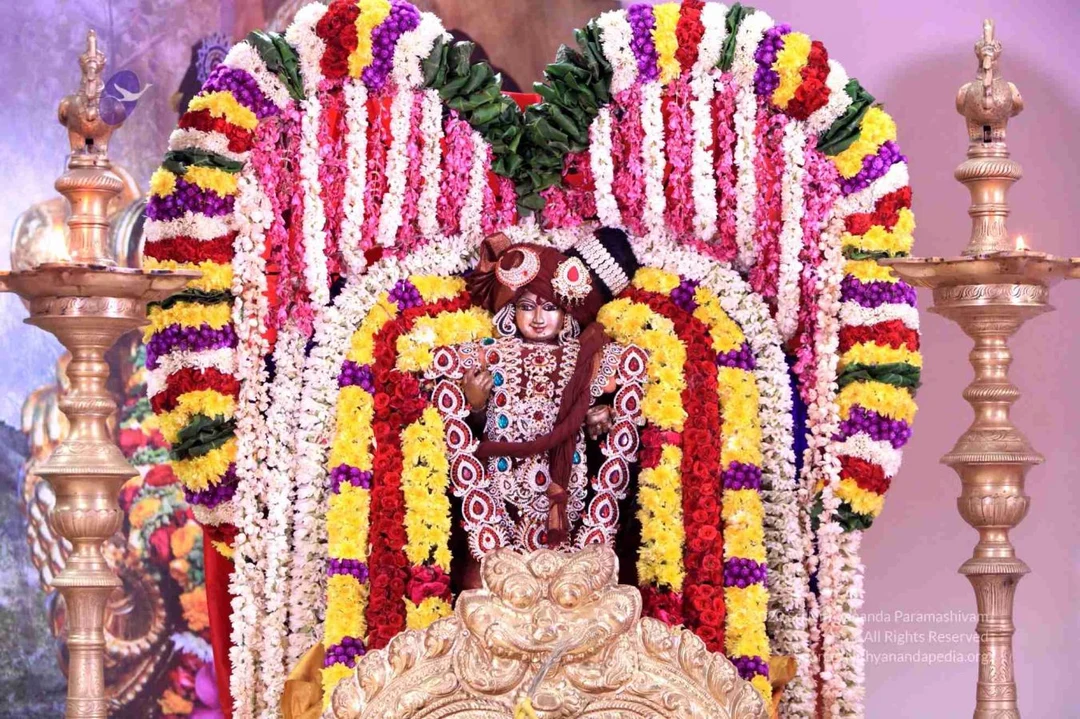 Thiru Jnanasambandar revived Madurai Aadheenam
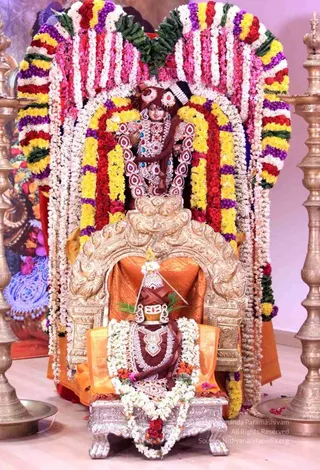 Thiru Jnanasambandar revived Madurai Aadheenam
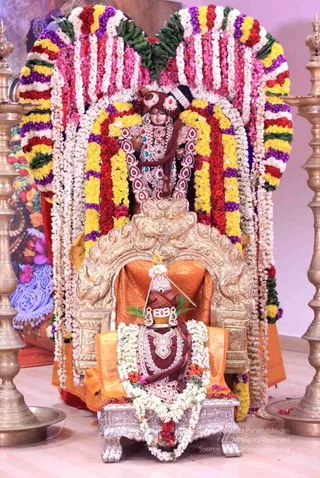 Thiru Jnanasambandar revived Madurai Aadheenam
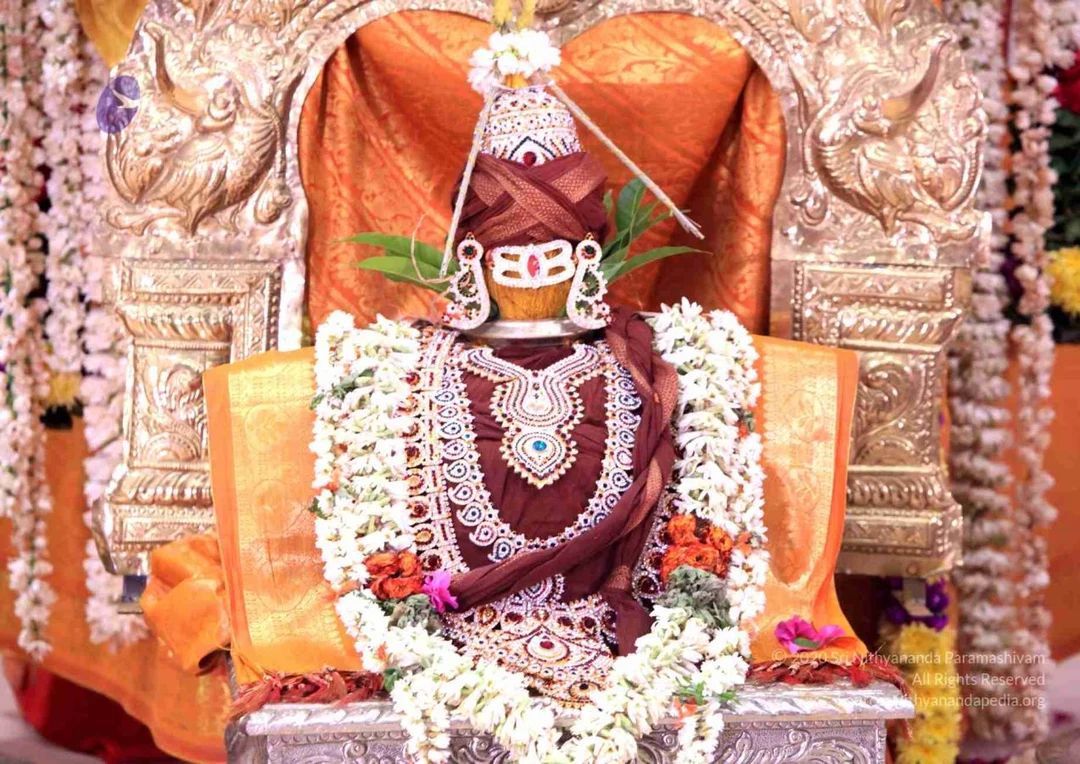 Thiru Jnanasambandar revived Madurai Aadheenam
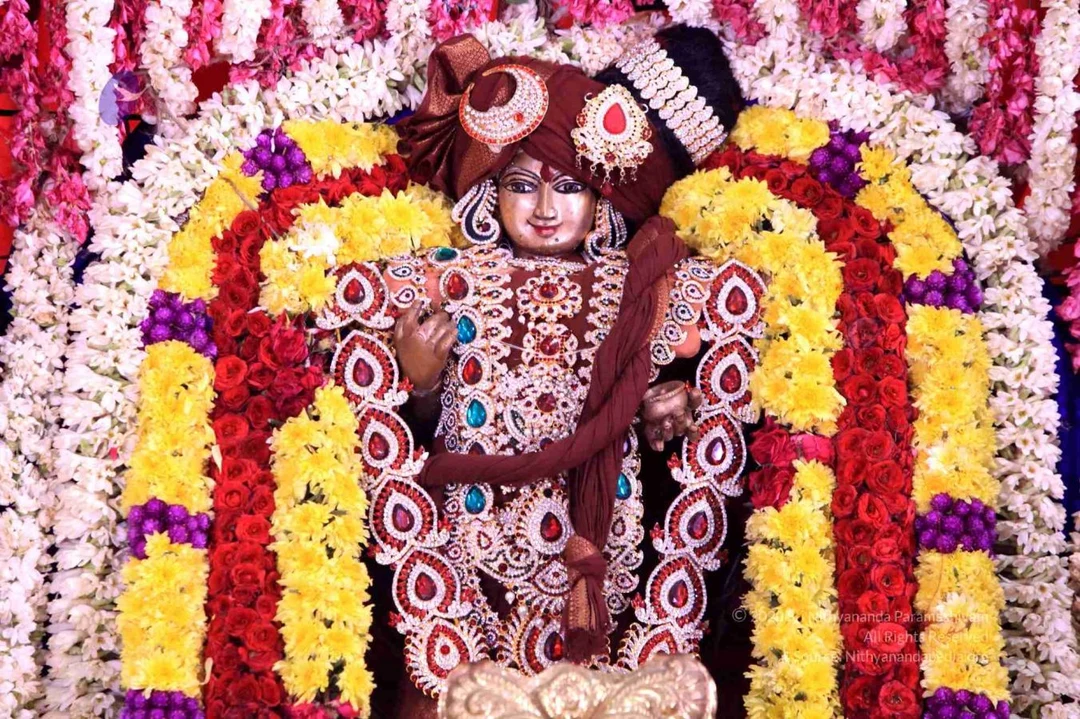 Thiru Jnanasambandar revived Madurai Aadheenam
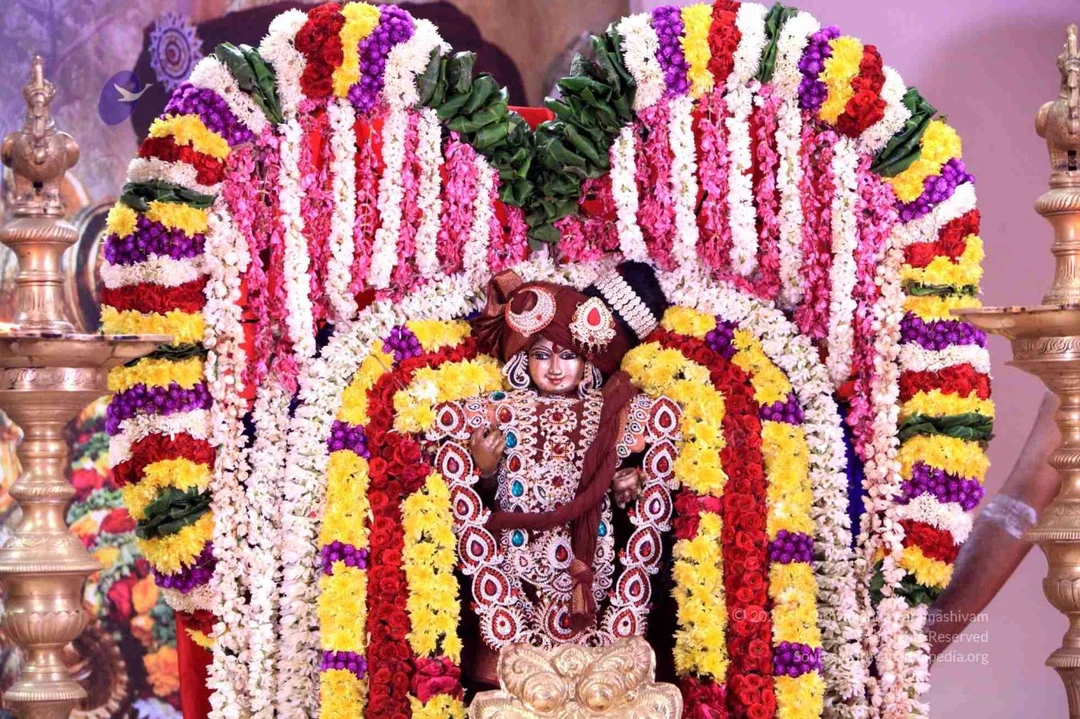 Thiru Jnanasambandar revived Madurai Aadheenam
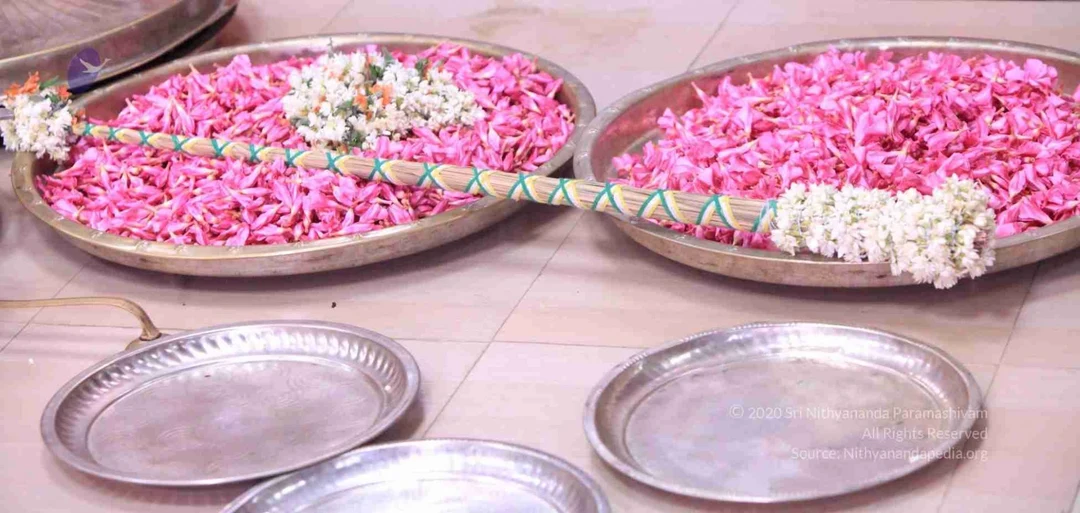 Thiru Jnanasambandar revived Madurai Aadheenam
 HDH Nithyananda Paramashivam paying obeisance to Thiru Jnanasambandar
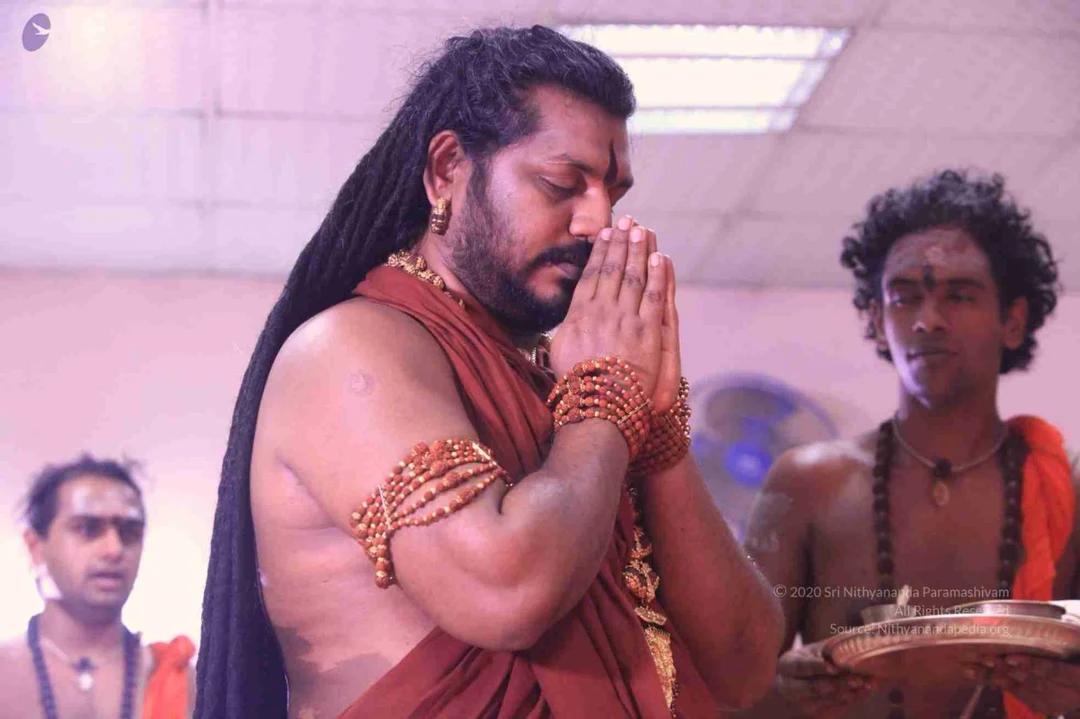 HDH Nithyananda Paramashivam paying obeisance to Thiru Jnanasambandar
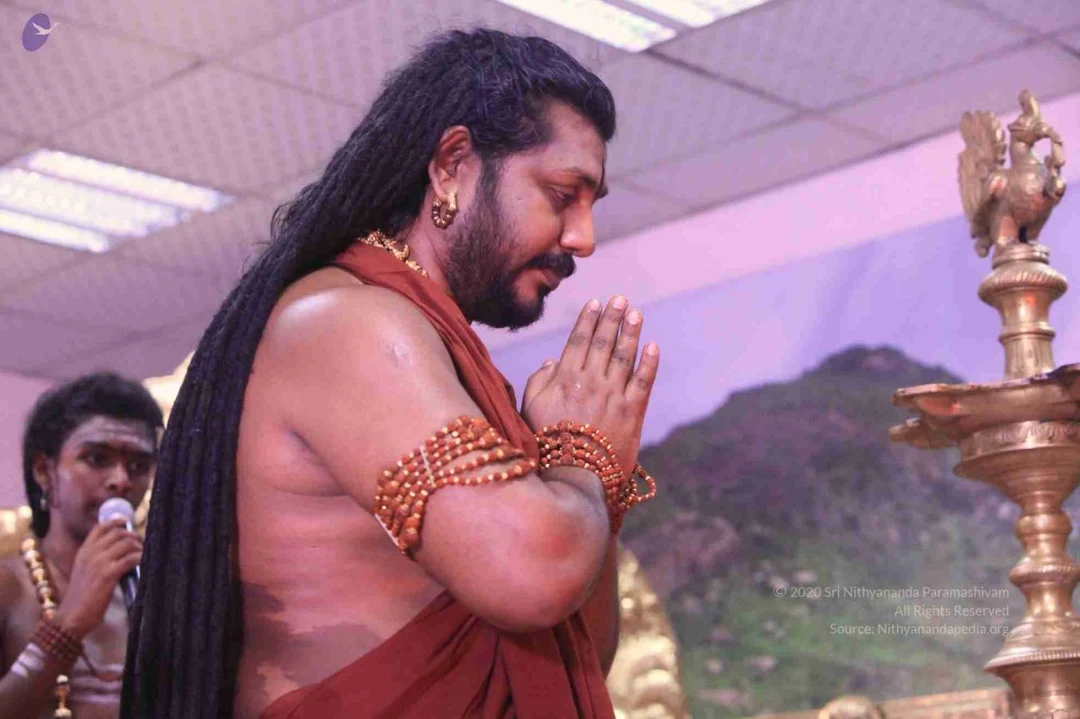 HDH Nithyananda Paramashivam paying obeisance to Thiru Jnanasambandar
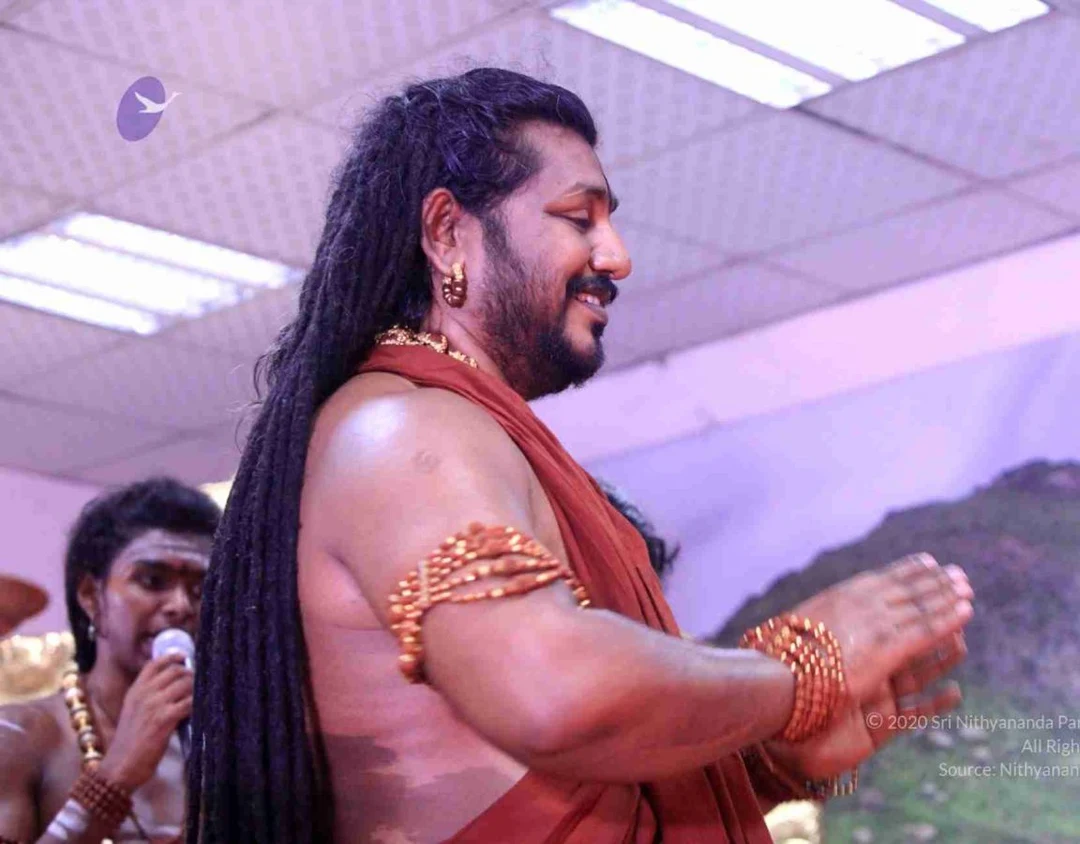 Sri Jnanasambandar Puja performed by HDH Nithyananda Paramashivam
 Sri Jnanasambandar Puja performed by HDH Nithyananda Paramashivam
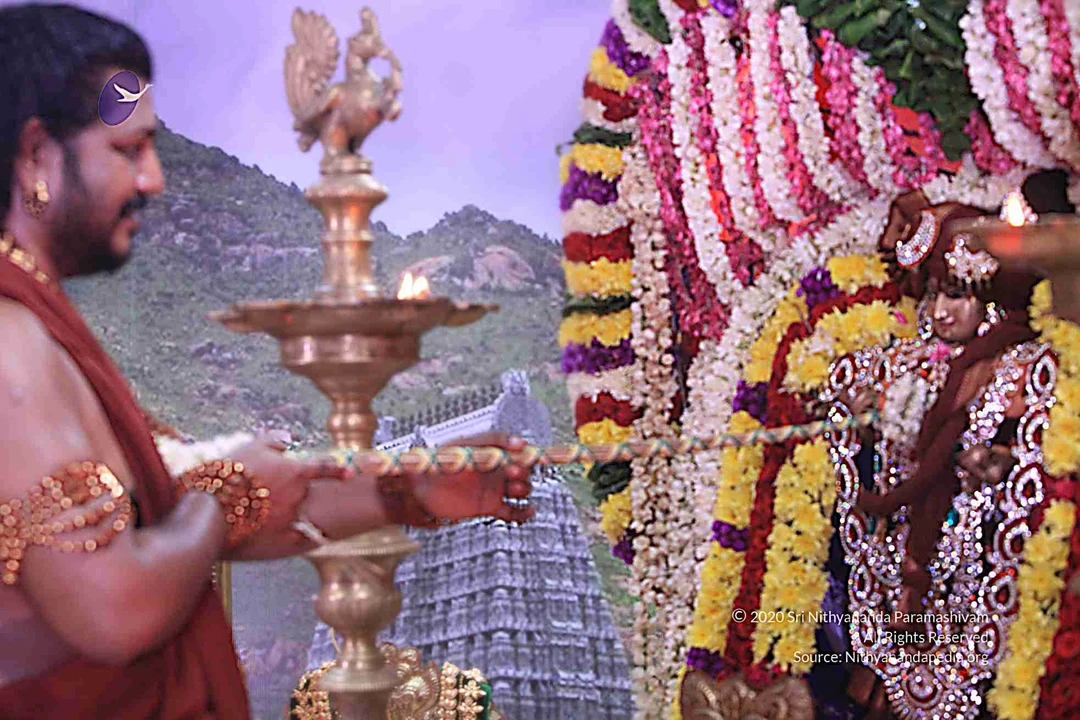 Sri Jnanasambandar Puja performed by HDH Nithyananda Paramashivam
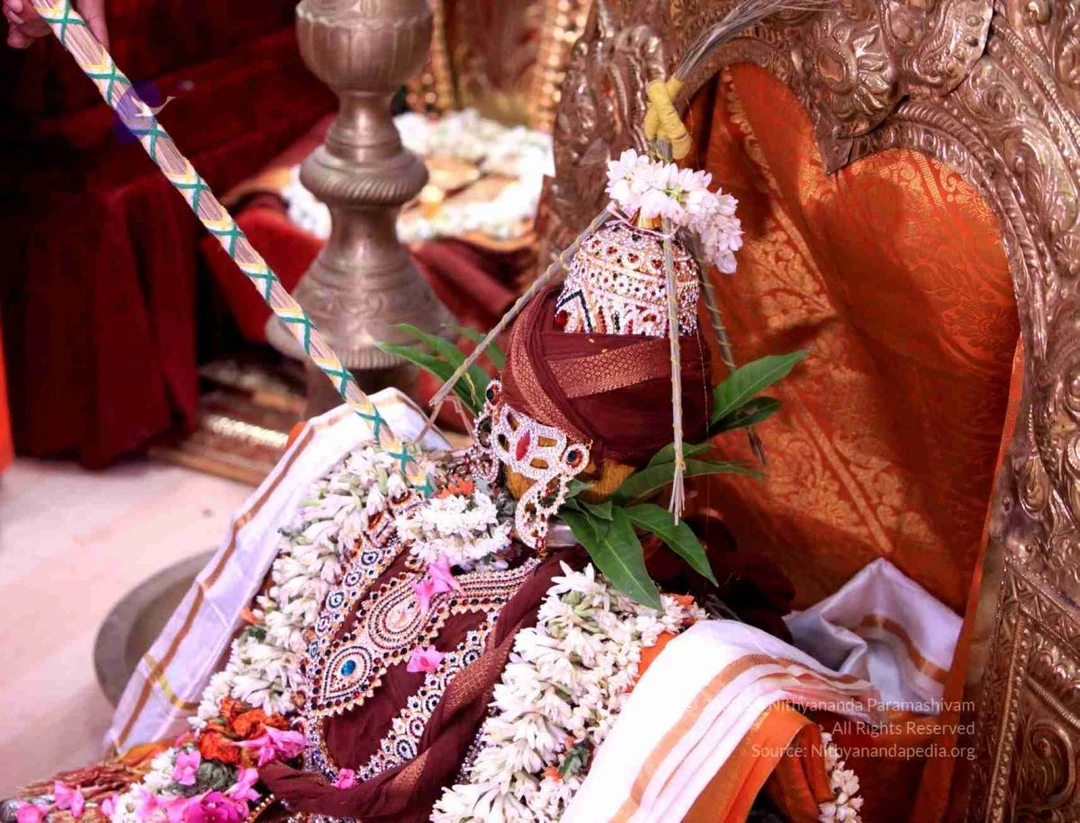 Jnanasambandar was established in enlightenment
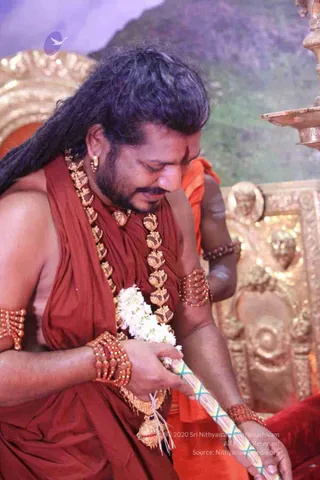 Sri Jnanasambandar Puja performed by HDH Nithyananda Paramashivam
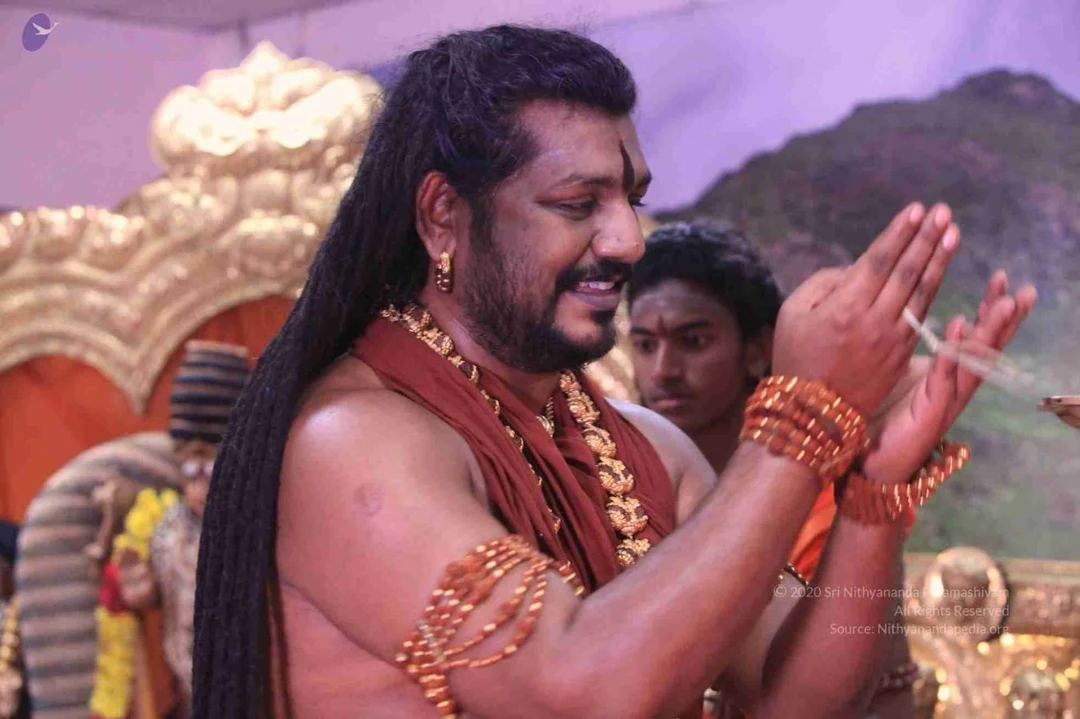 Sri Jnanasambandar Puja performed by HDH Nithyananda Paramashivam
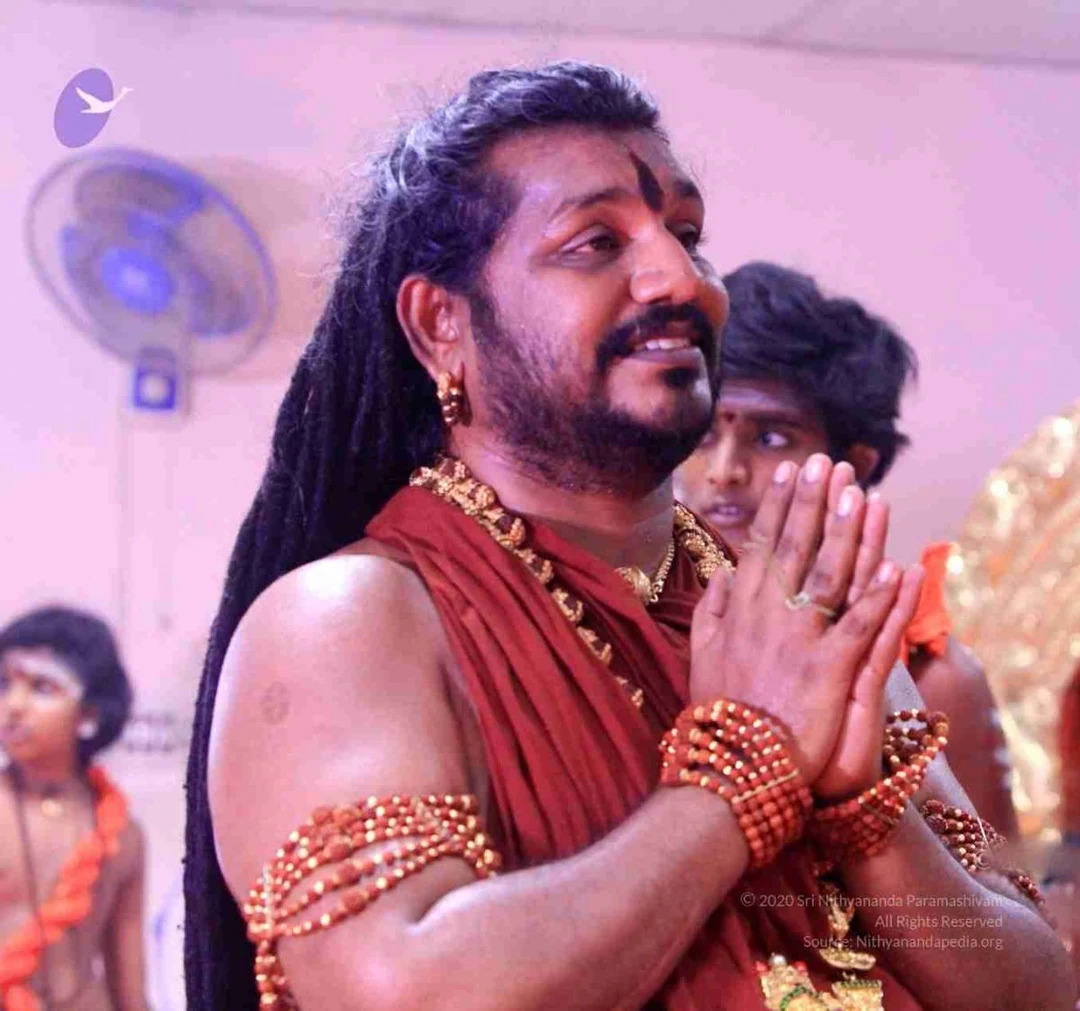 HDH Nithyananda Paramashivam offering gratitude to Thiru Jnanasambandar
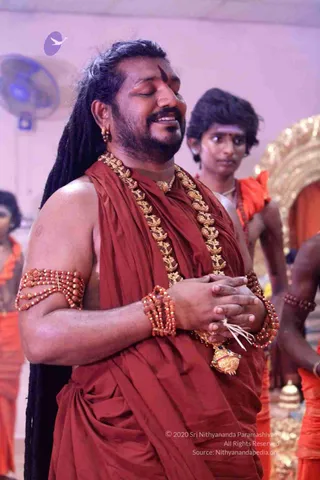 HDH Nithyananda Paramashivam offering gratitude to Thiru Jnanasambandar
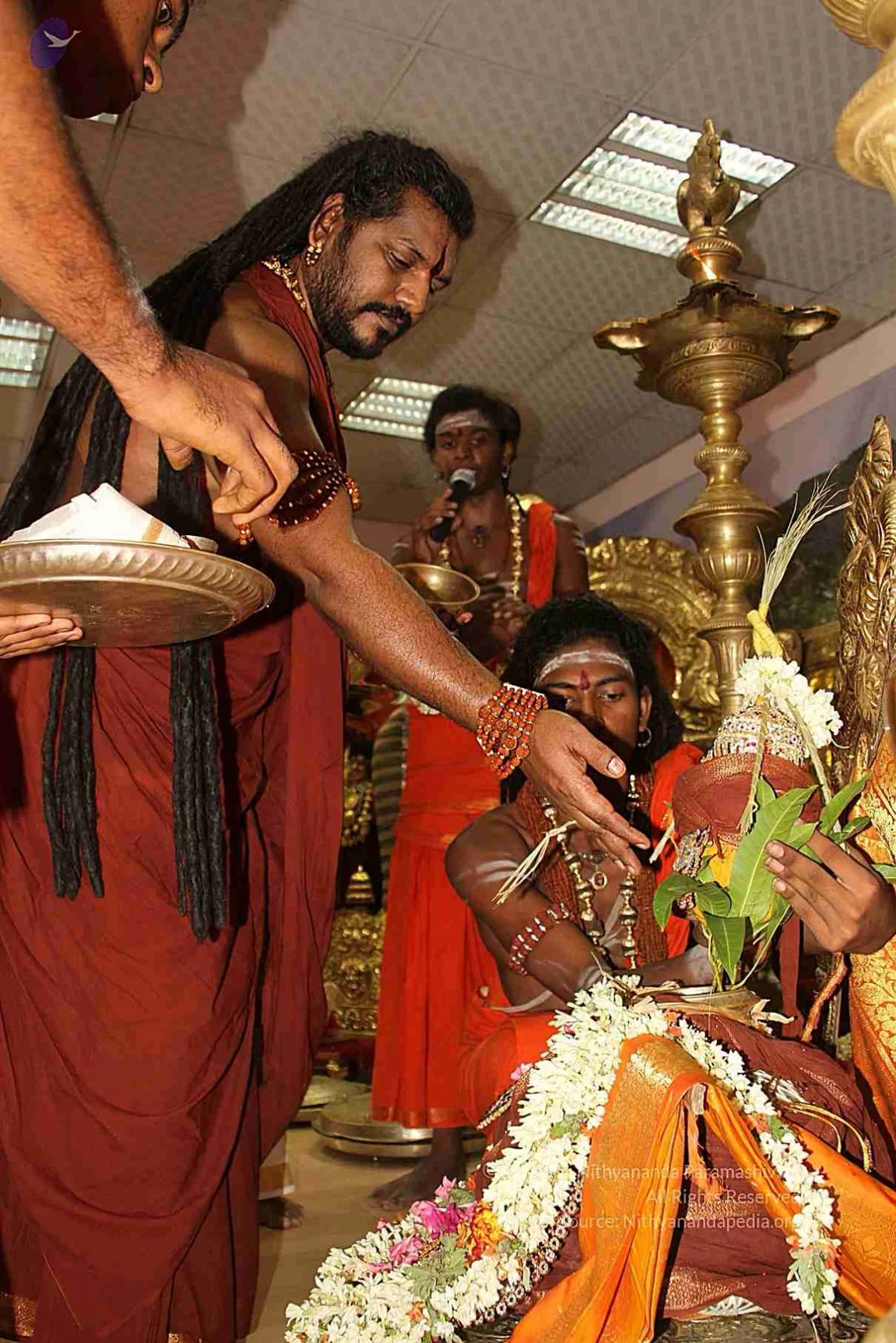
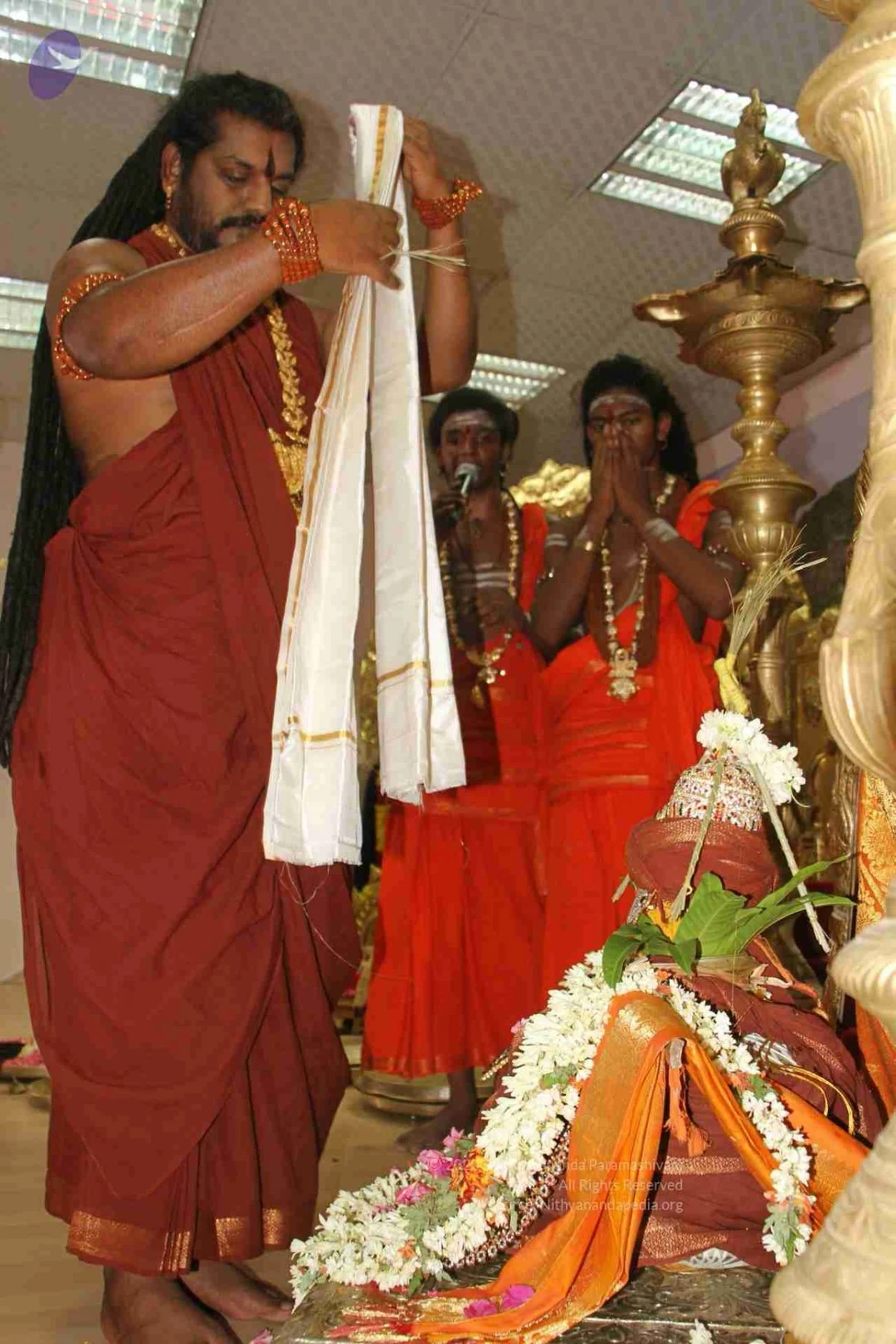
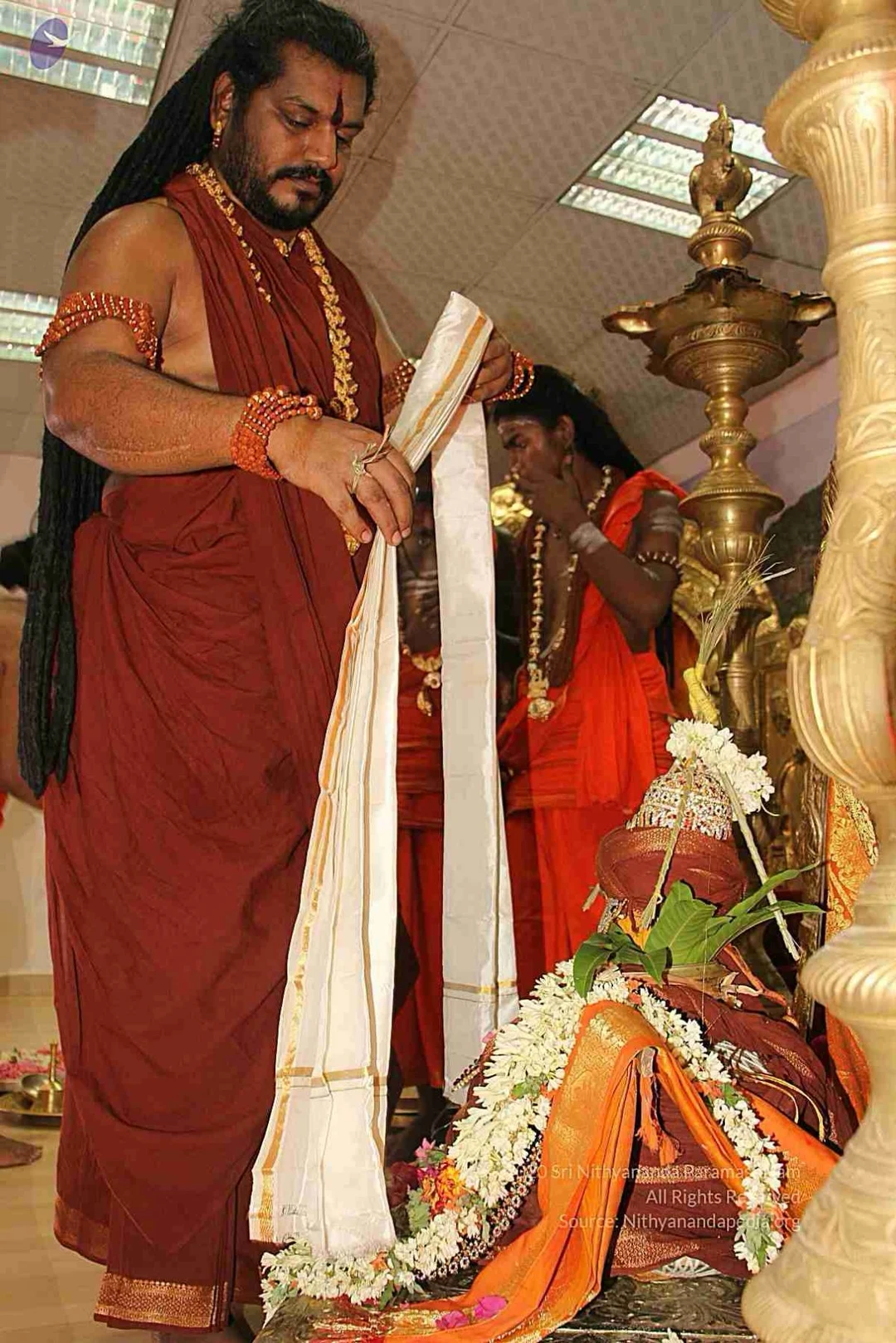
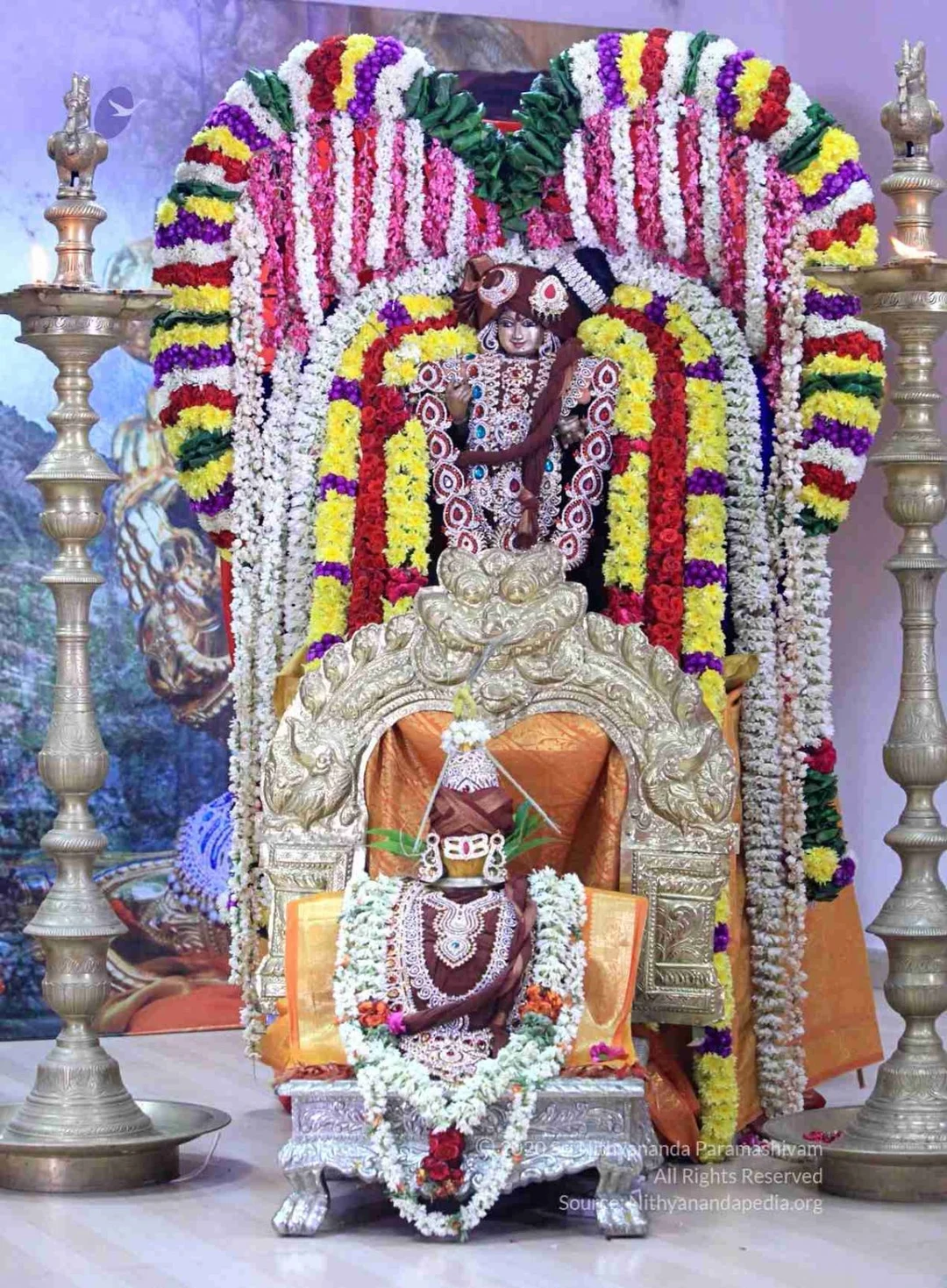
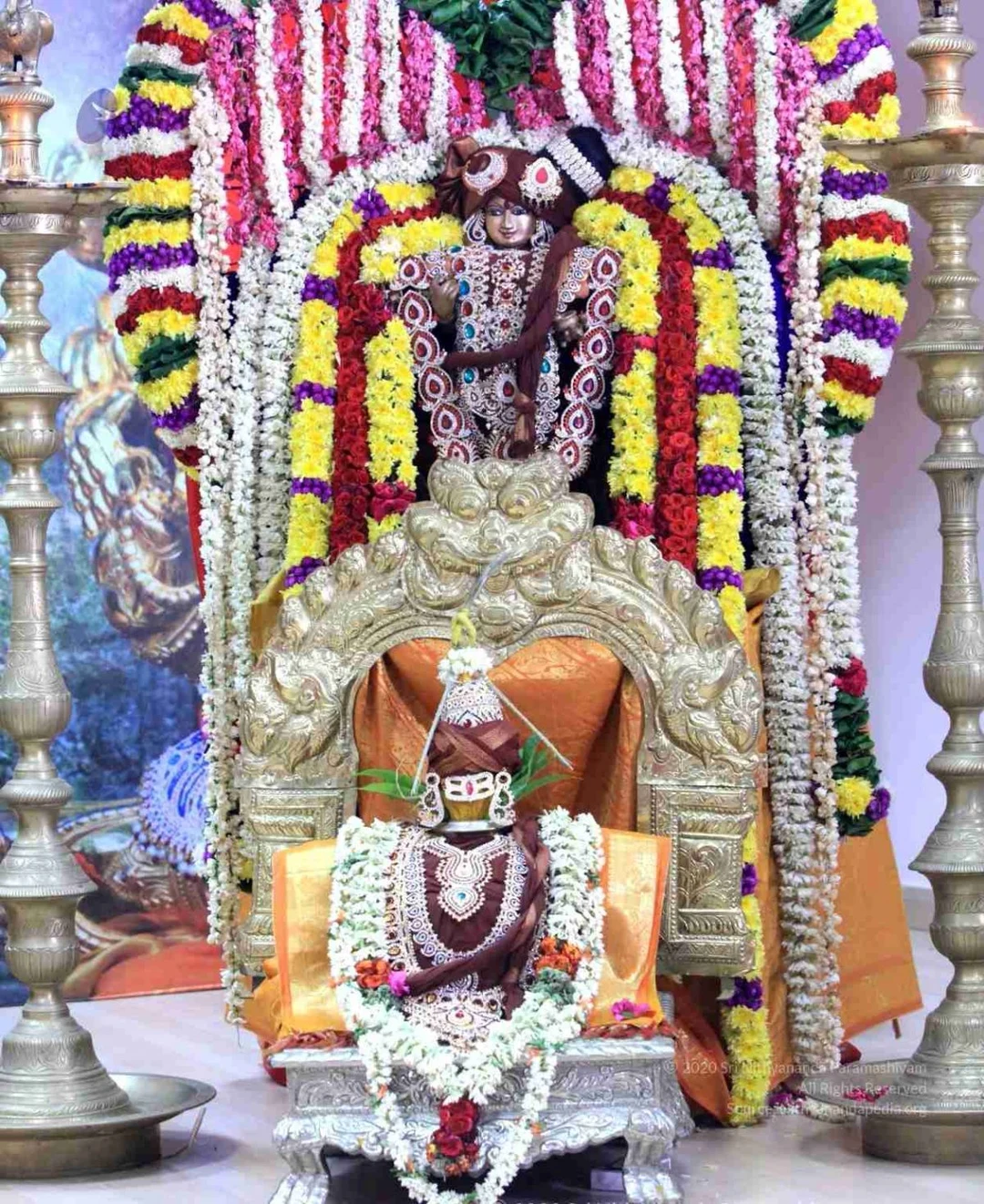
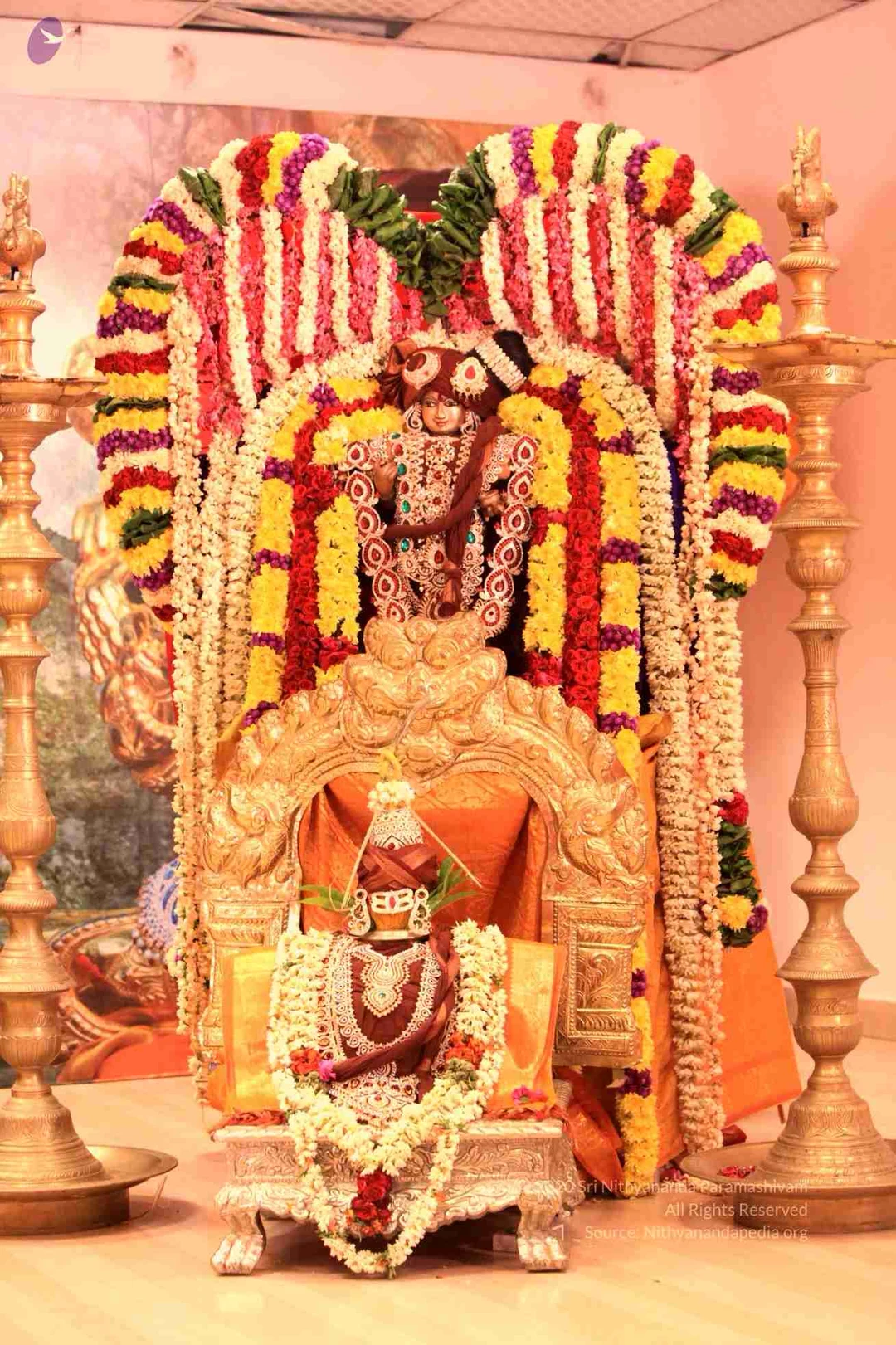
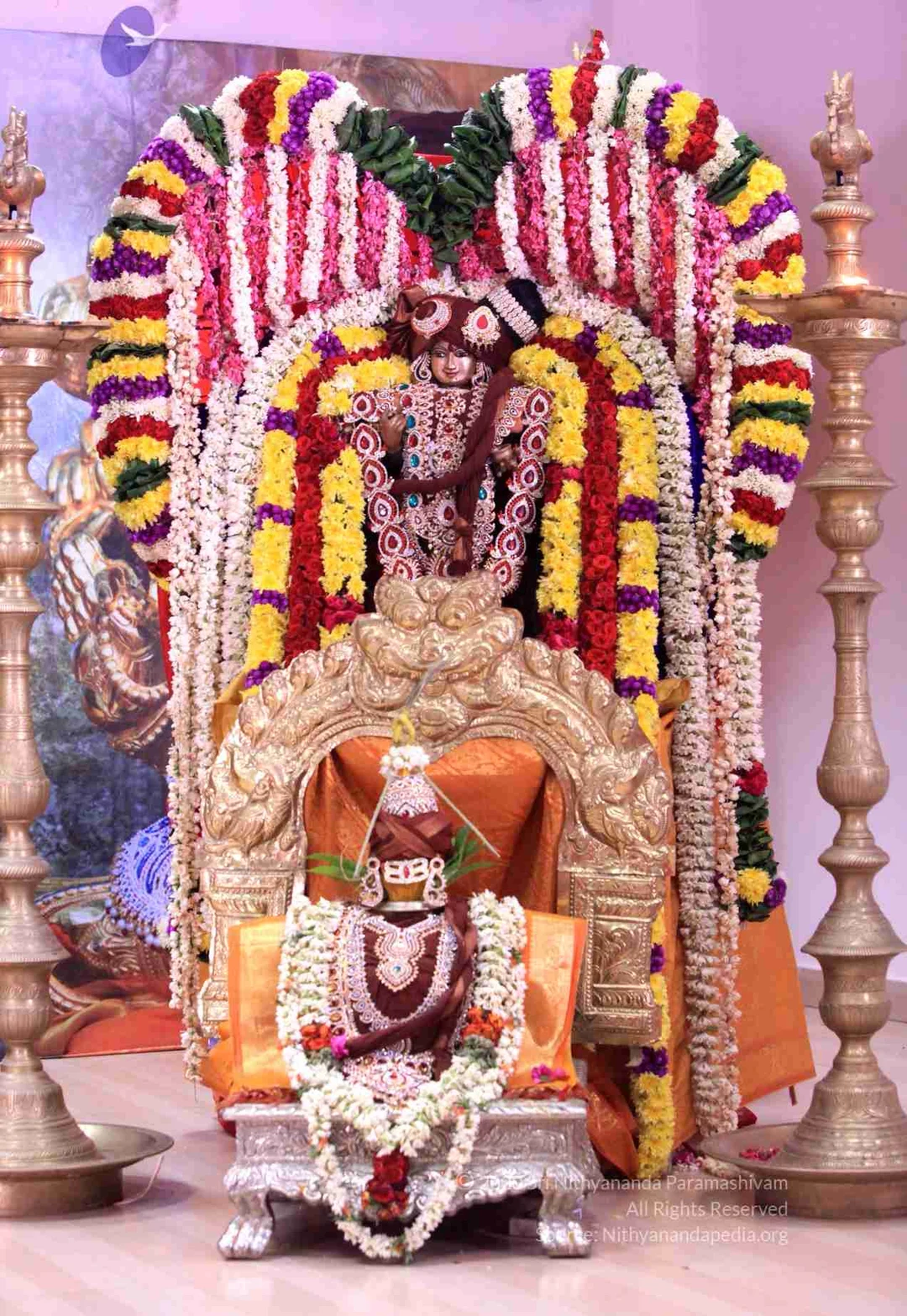
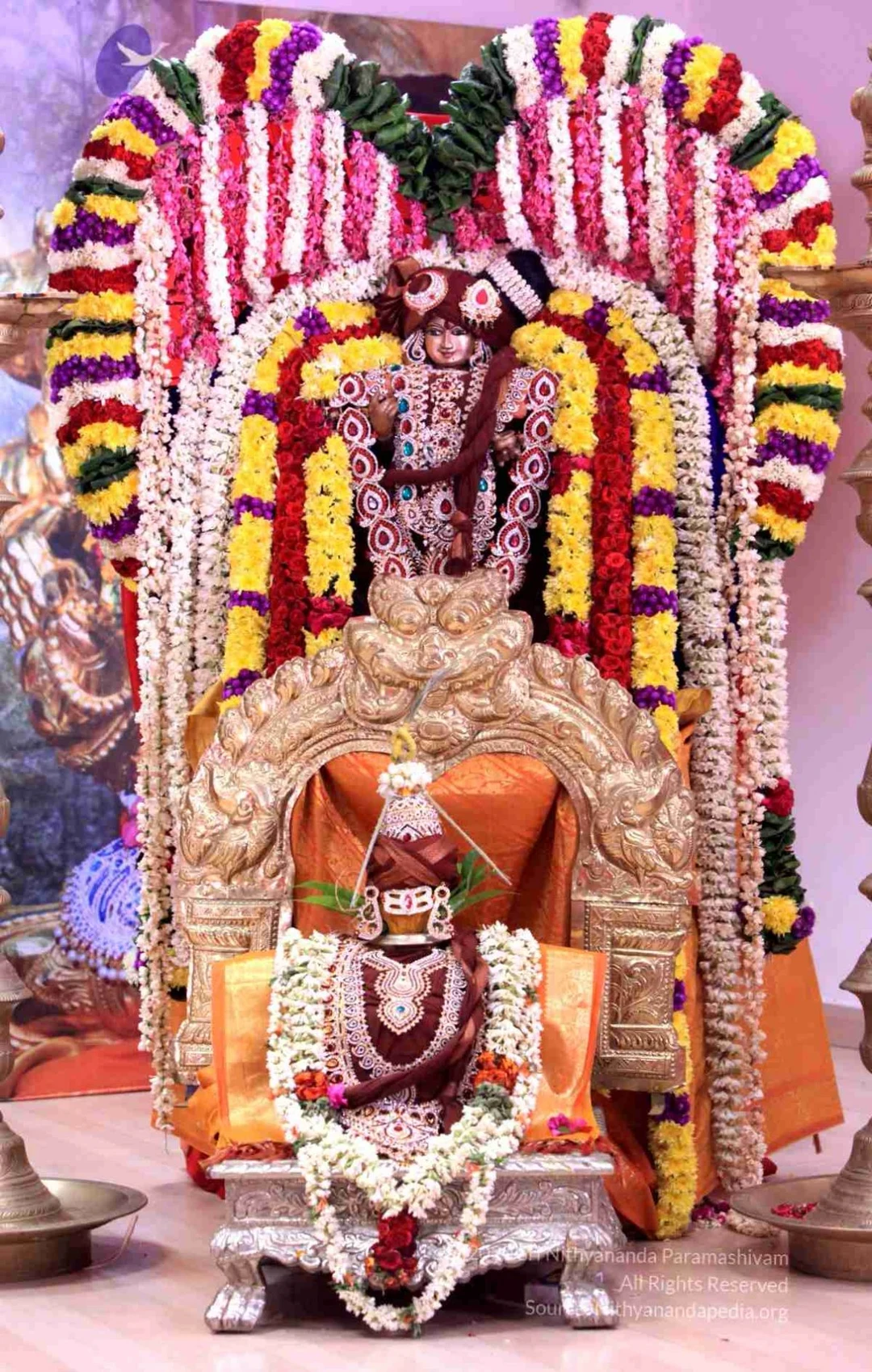
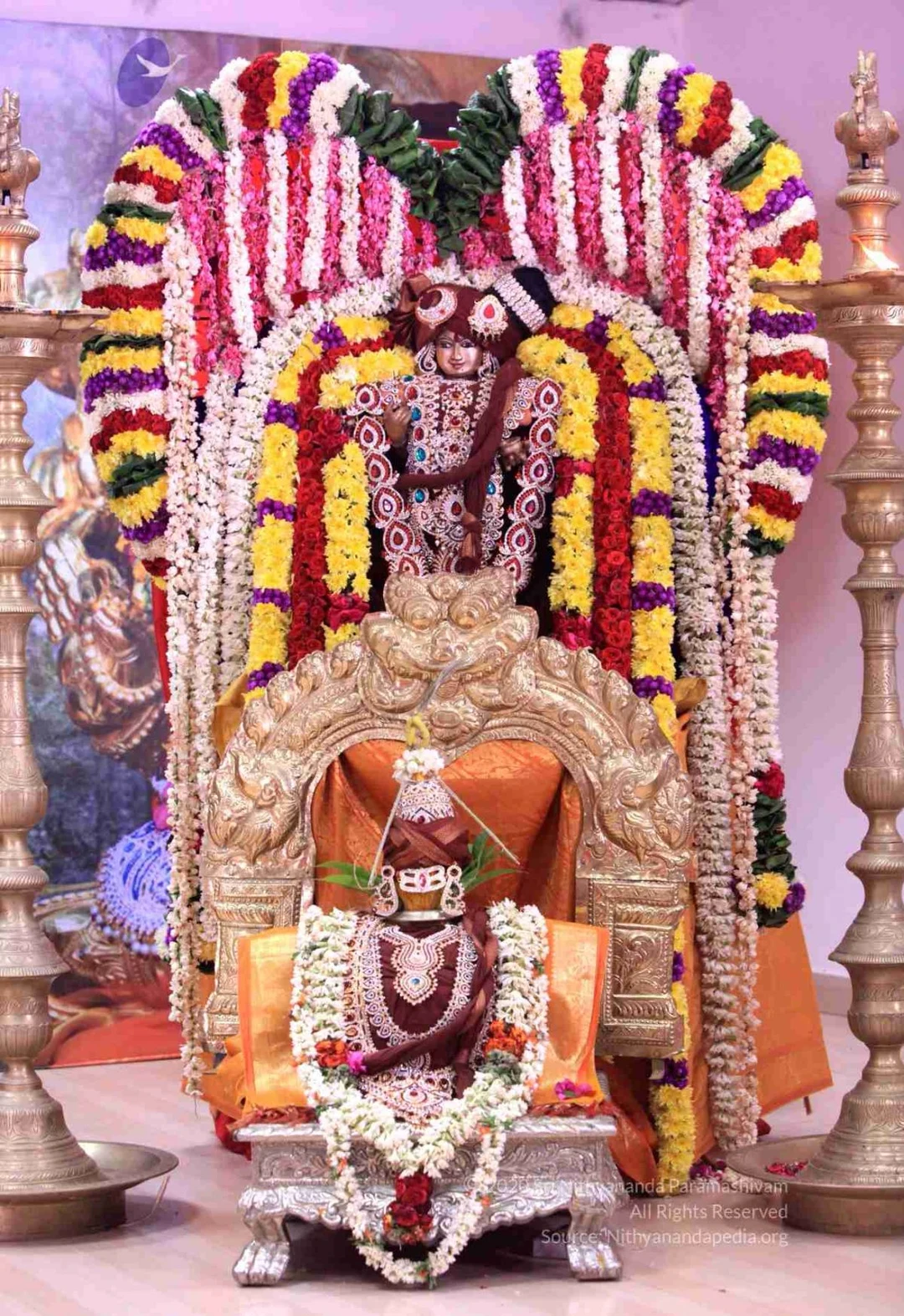
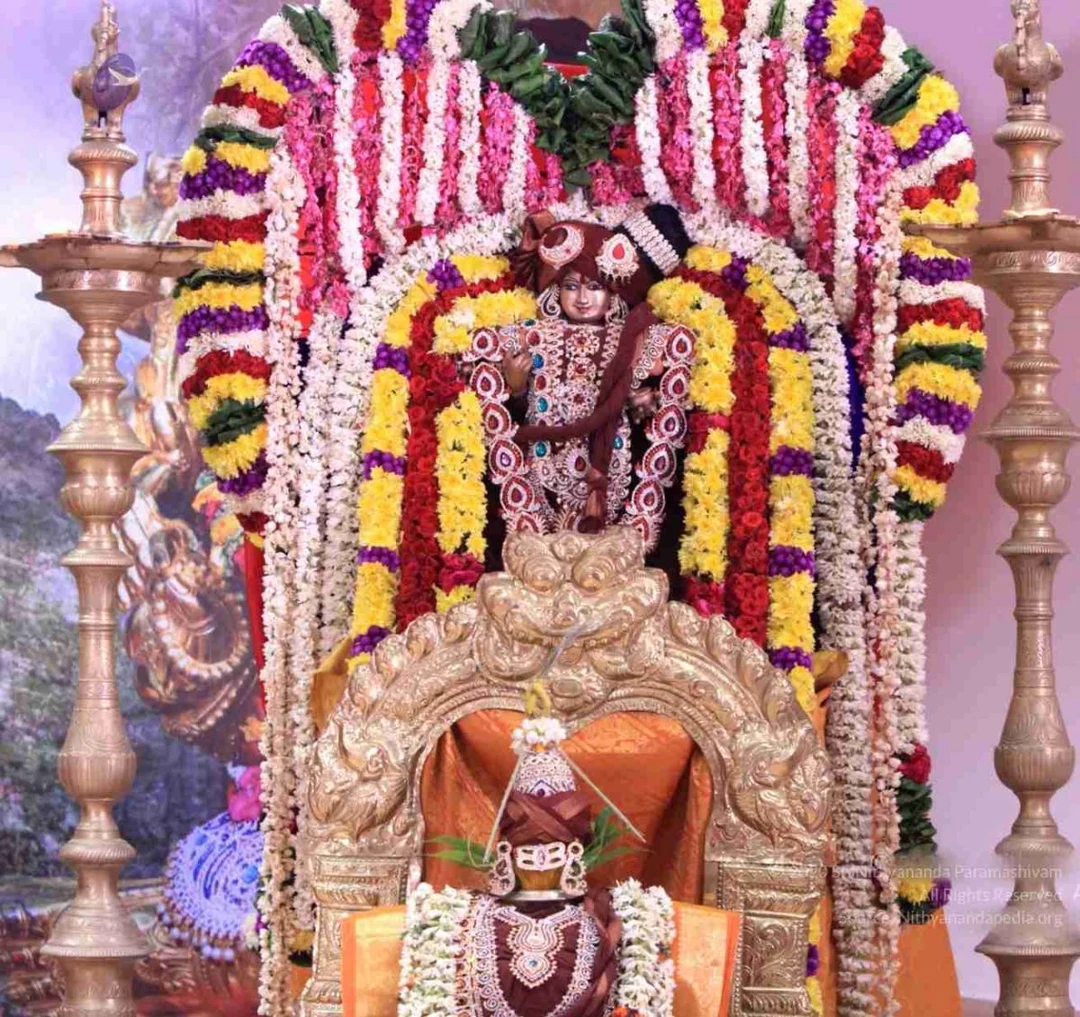
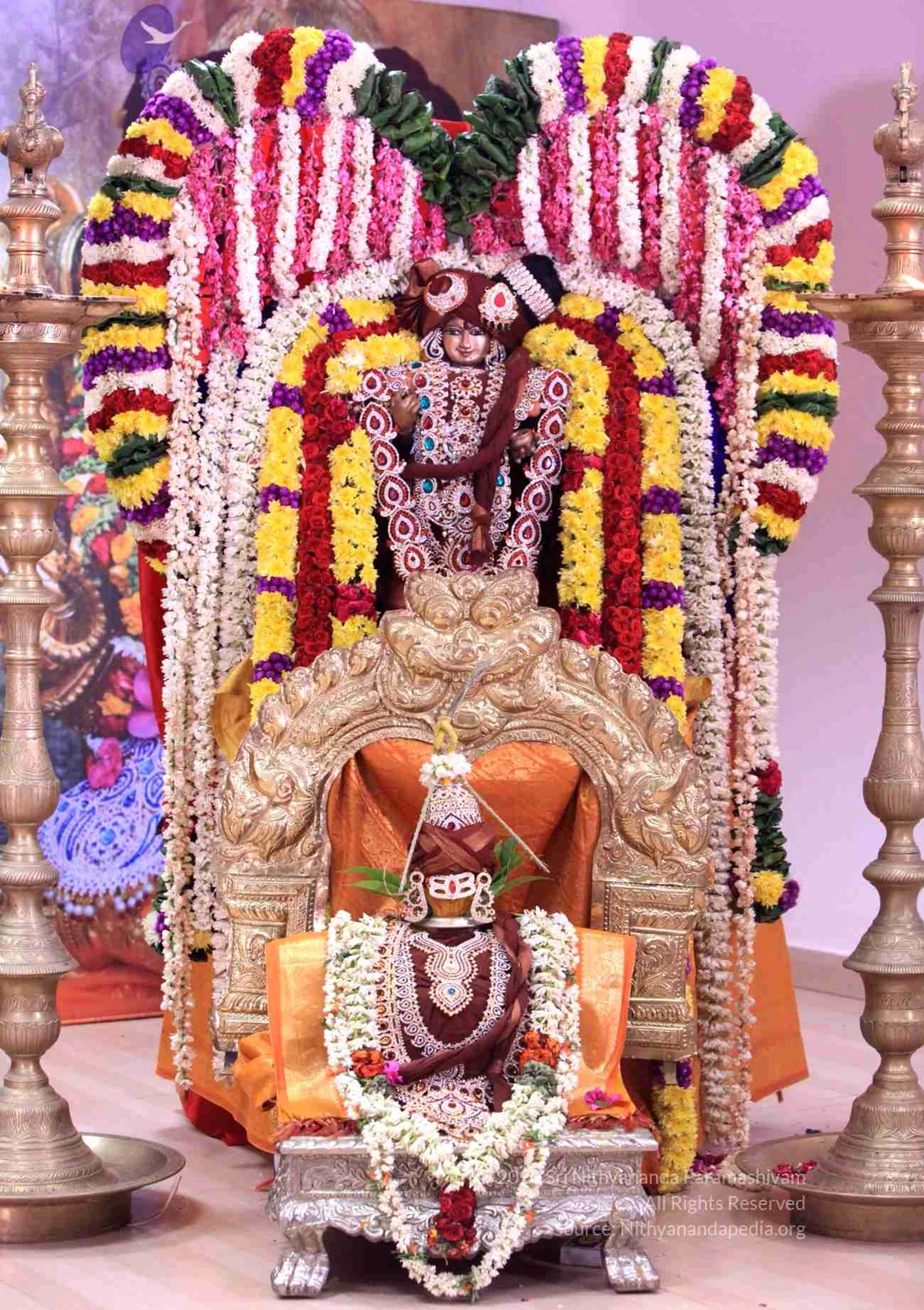
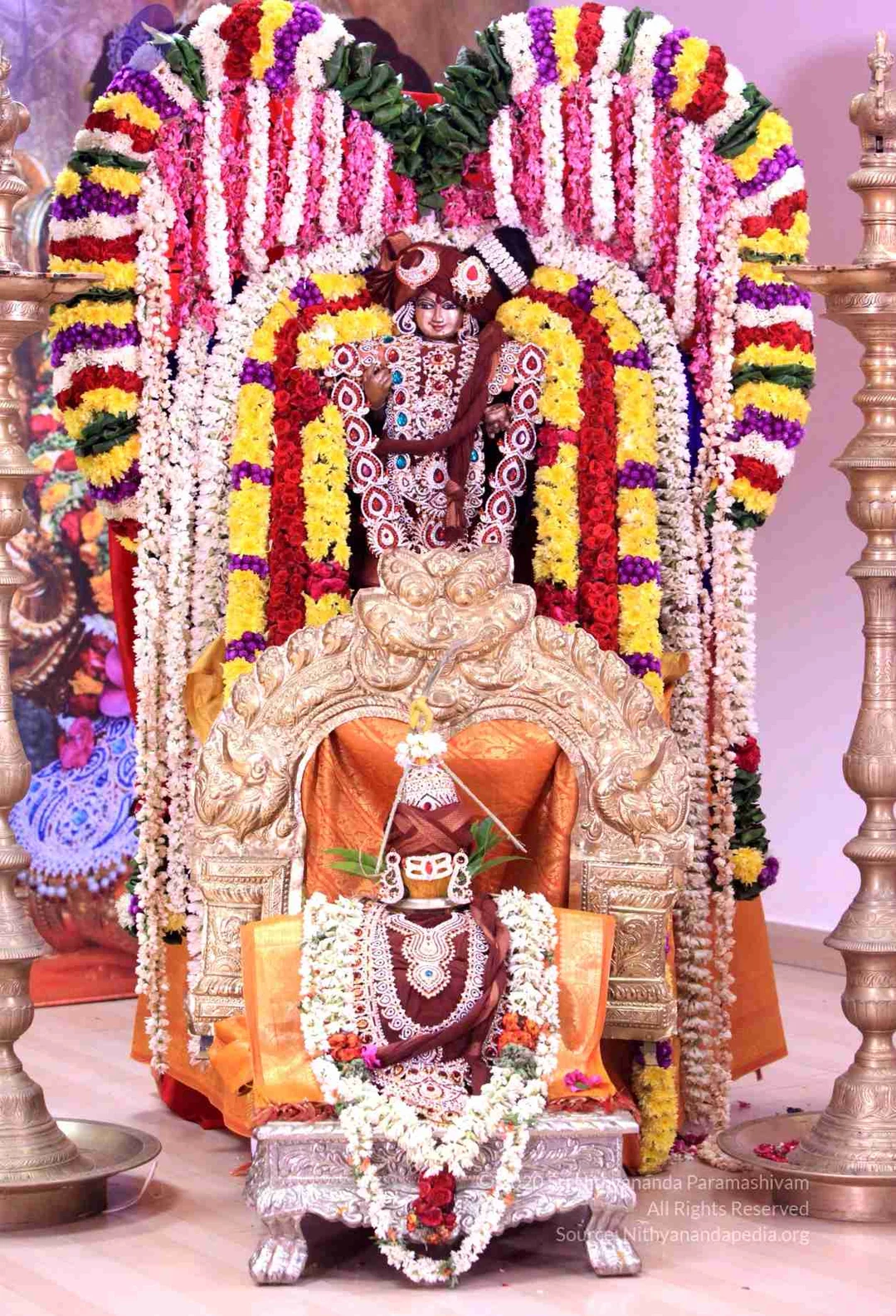
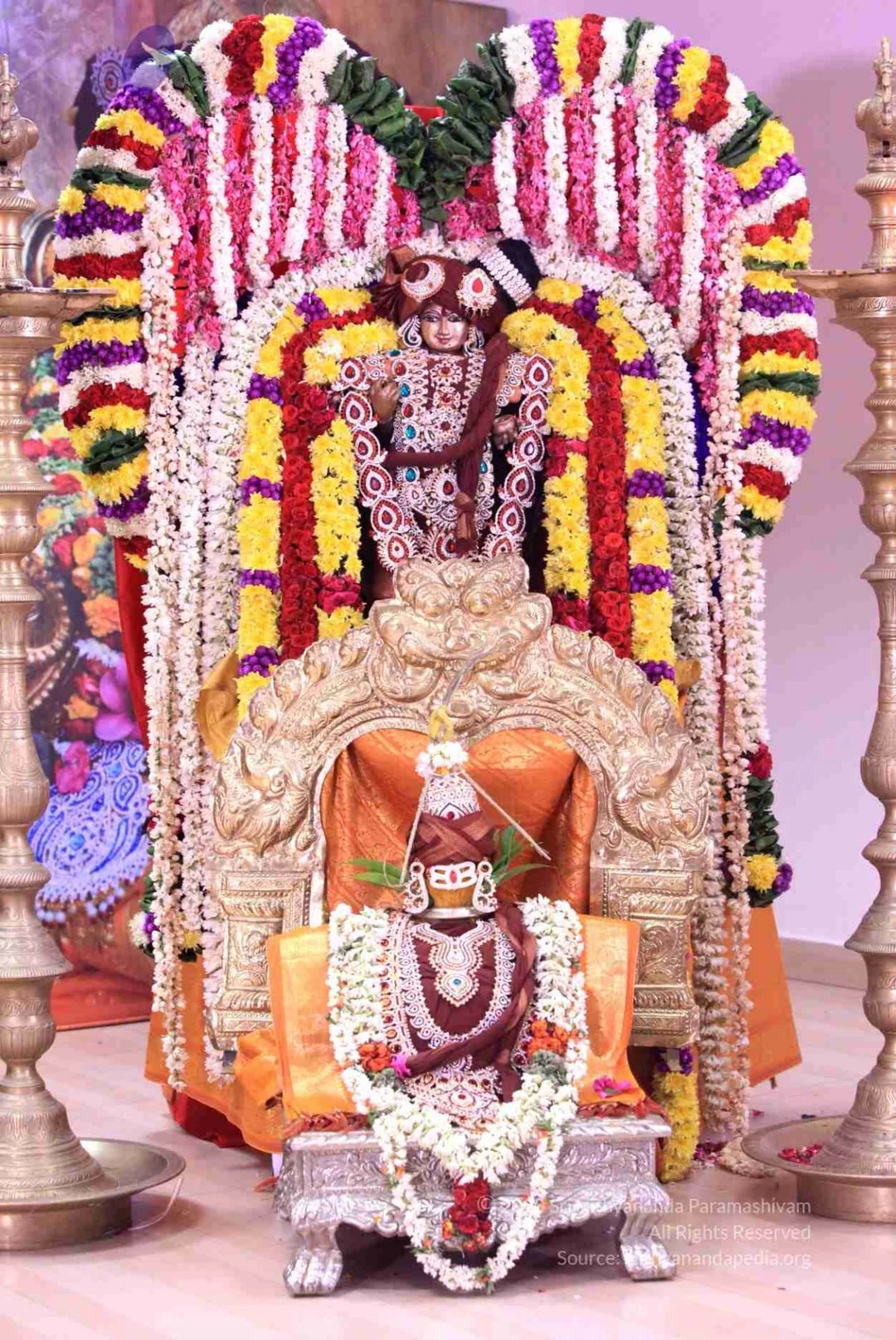
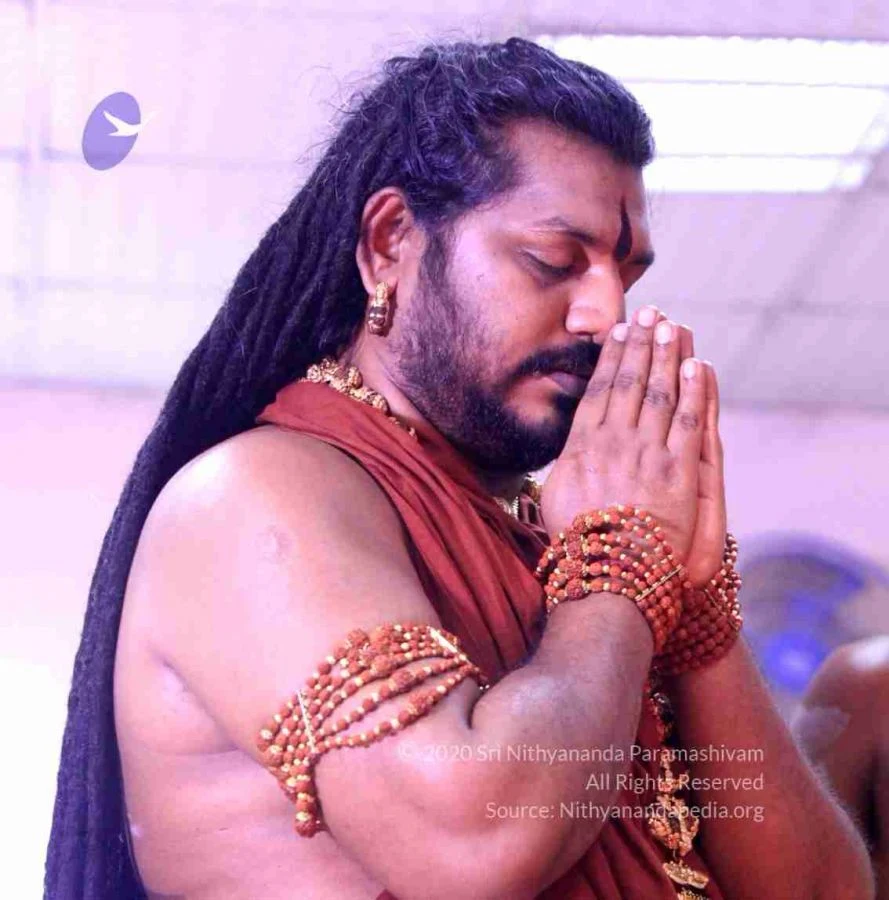
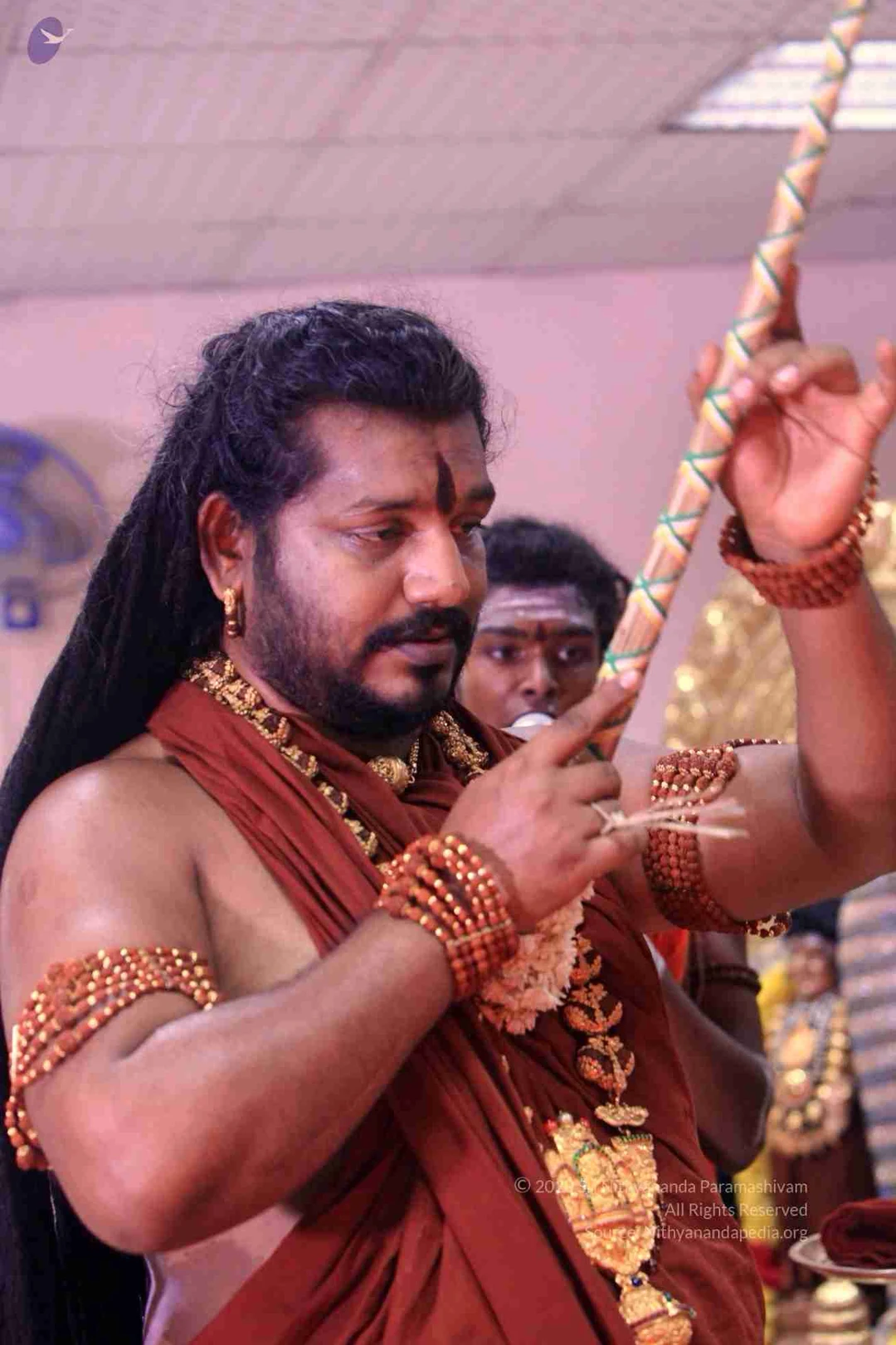
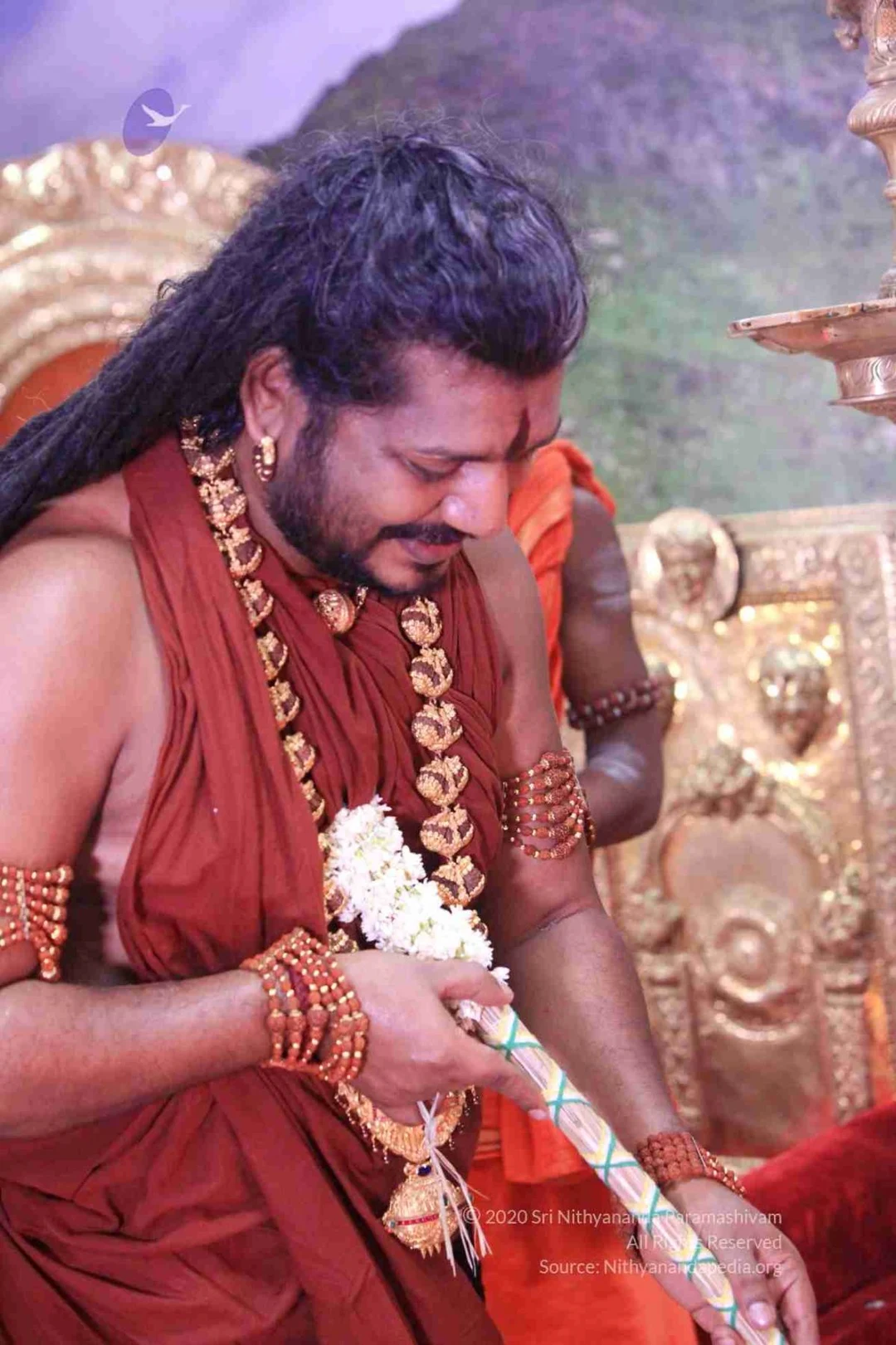
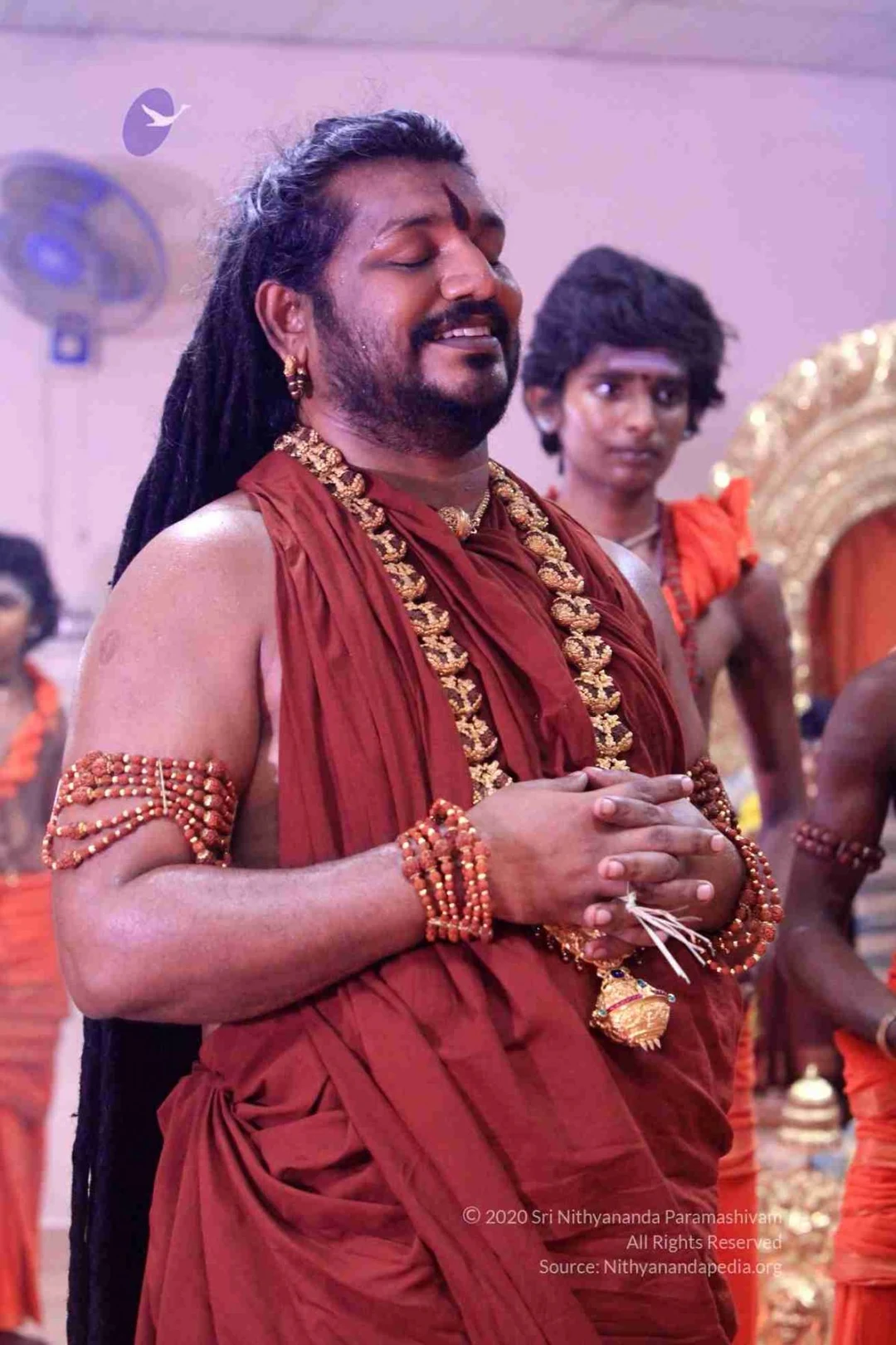
Shiva Deeksha
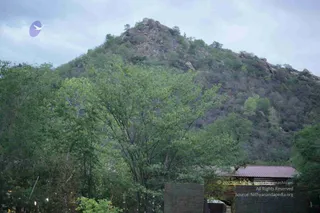
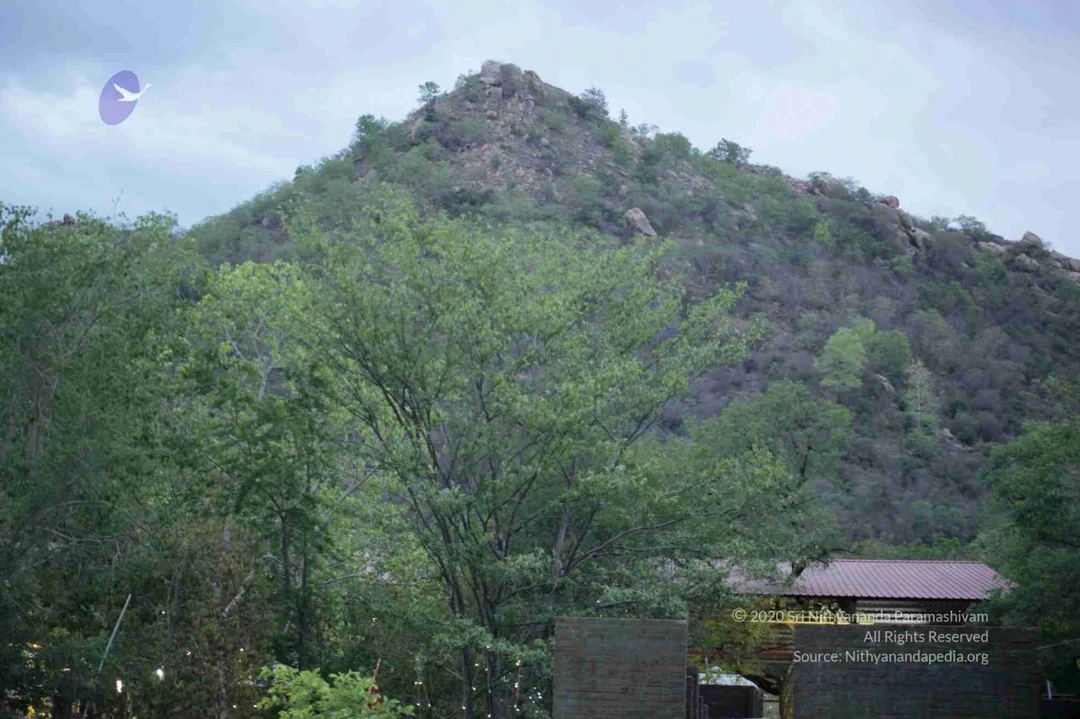 Sacred Arunachala - beautiful view of Mahadeva
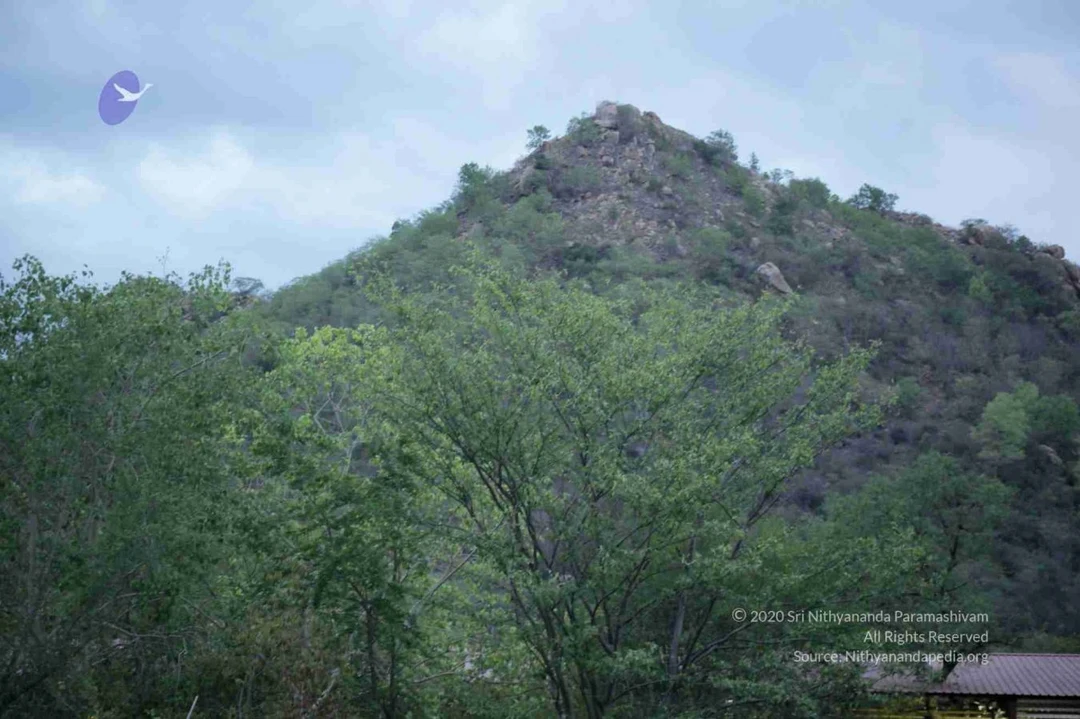 Sacred Arunachala - beautiful view of Mahadeva
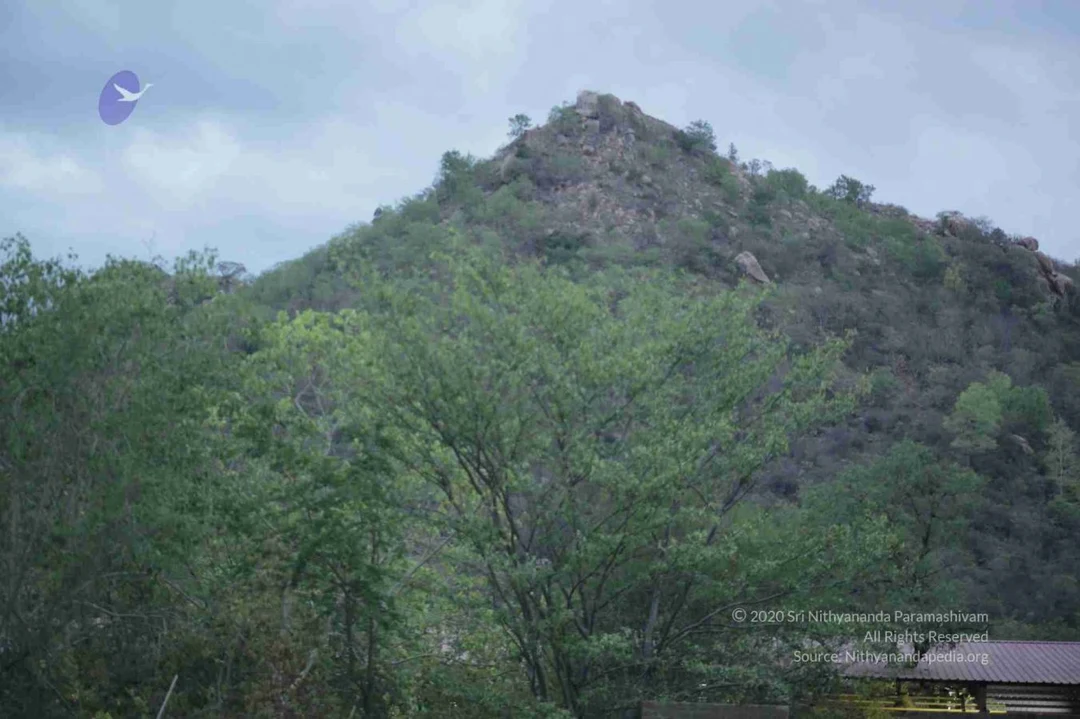 Sacred Arunachala - beautiful view of Mahadeva
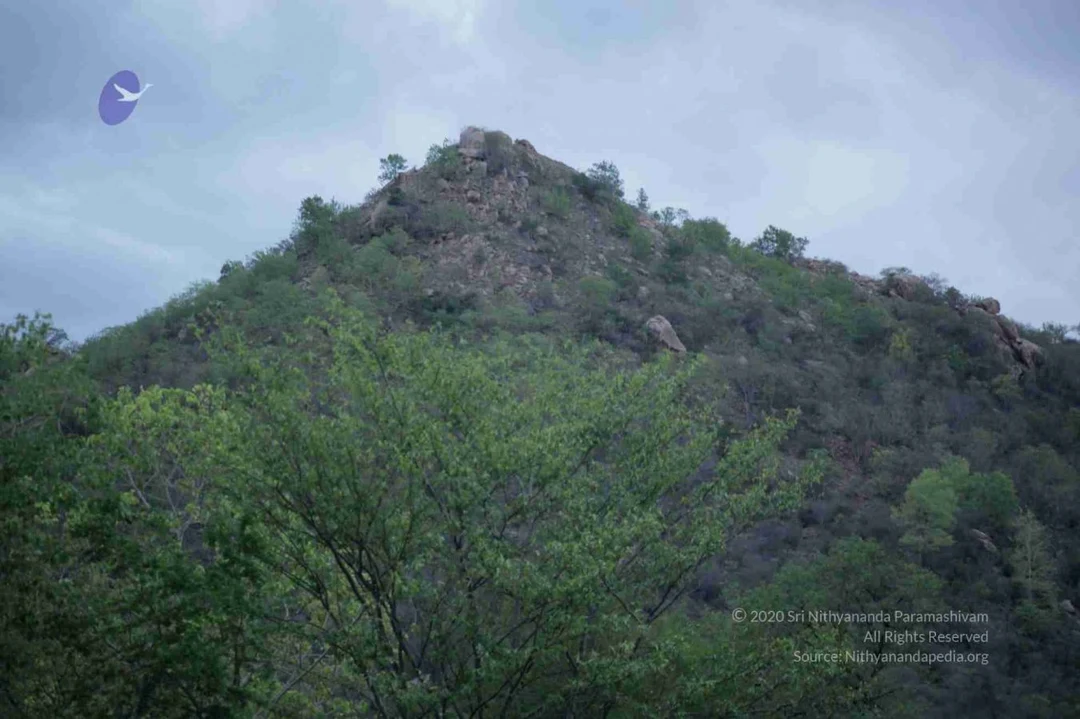 Sacred Arunachala - beautiful view of Mahadeva
 Sacred Arunachala - beautiful view of Mahadeva
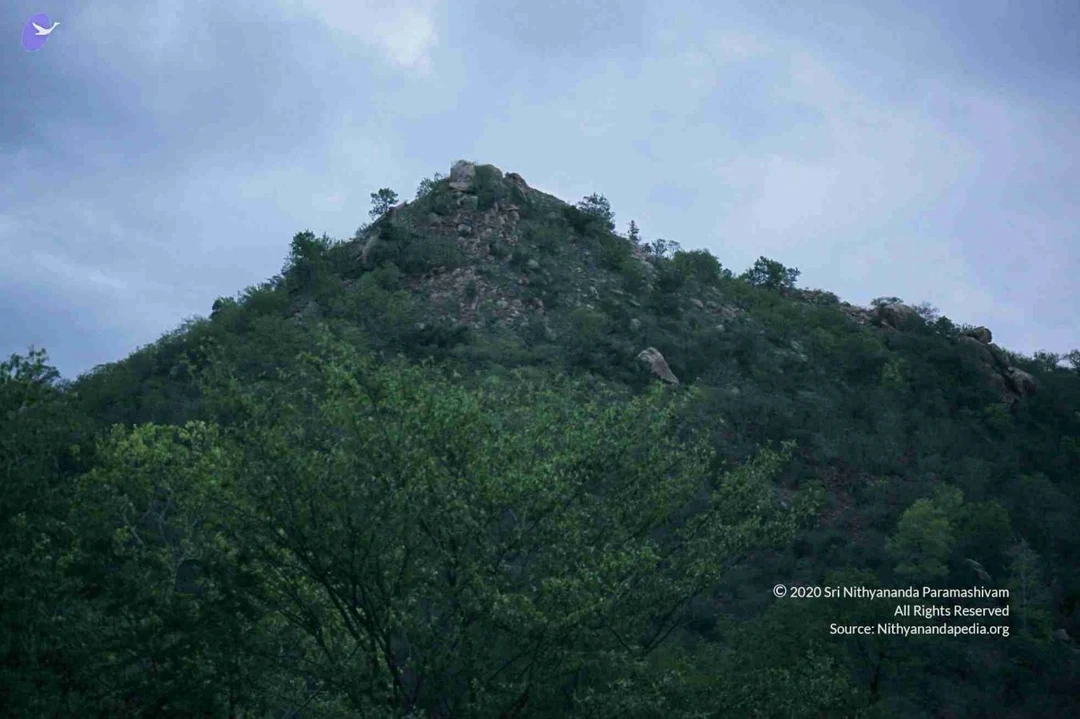 Sacred Arunachala - beautiful view of Mahadeva
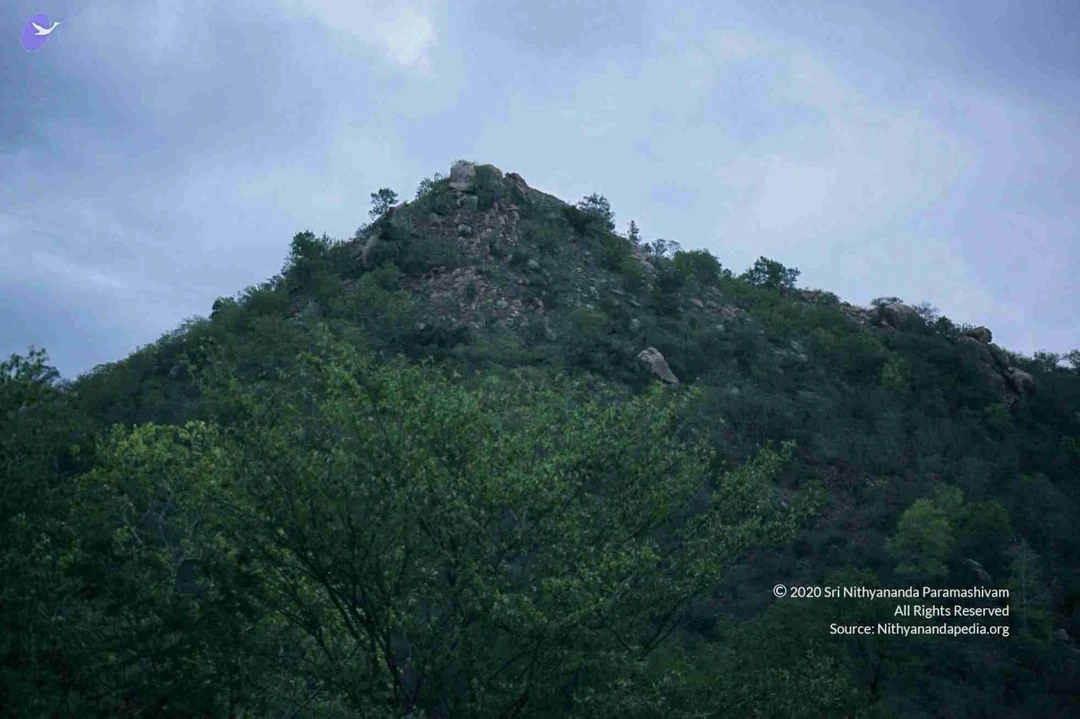 Sacred Arunachala - beautiful view of Mahadeva
 Shiva deeksha convention set-up
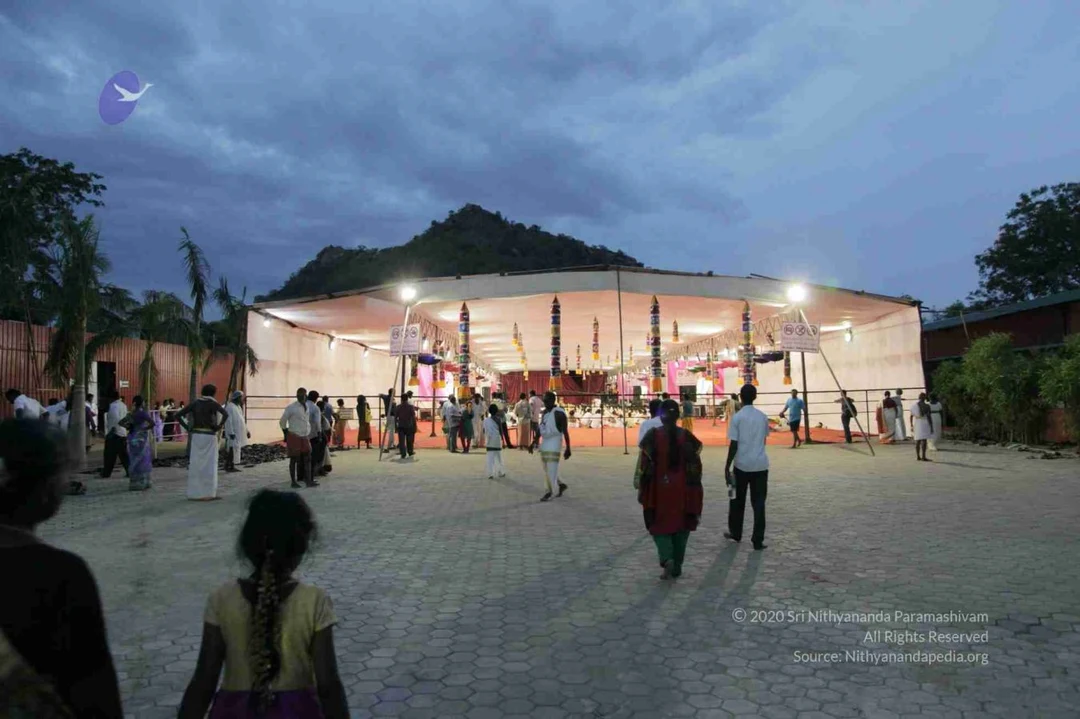 Shiva deeksha convention set-up
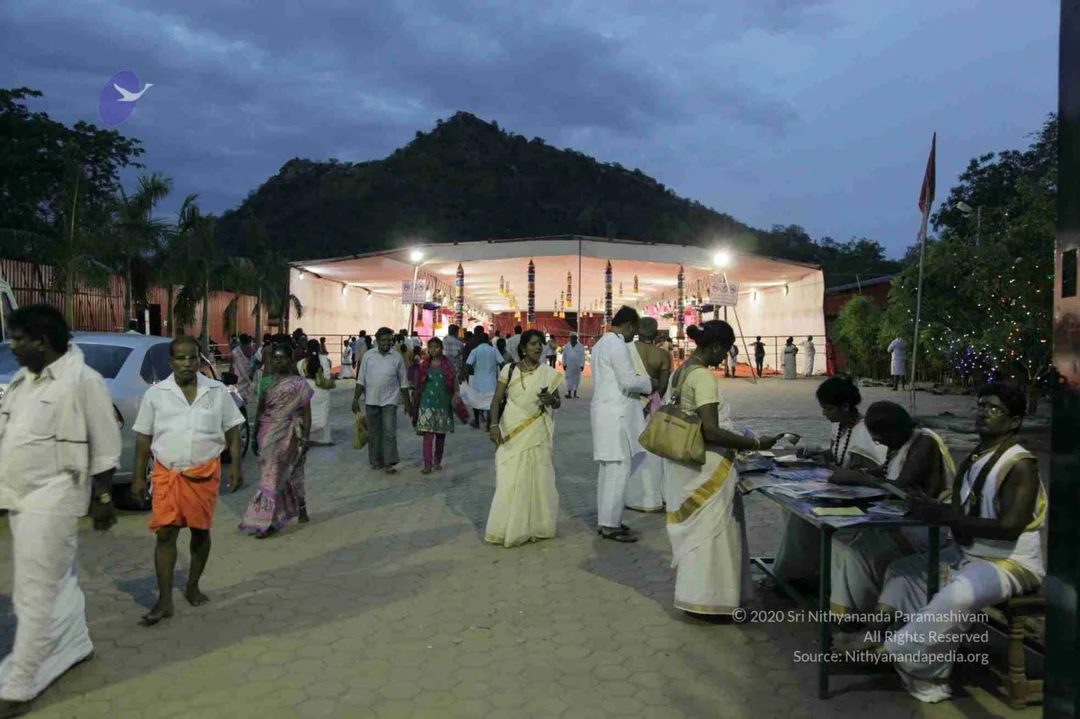 Shiva deeksha convention set-up
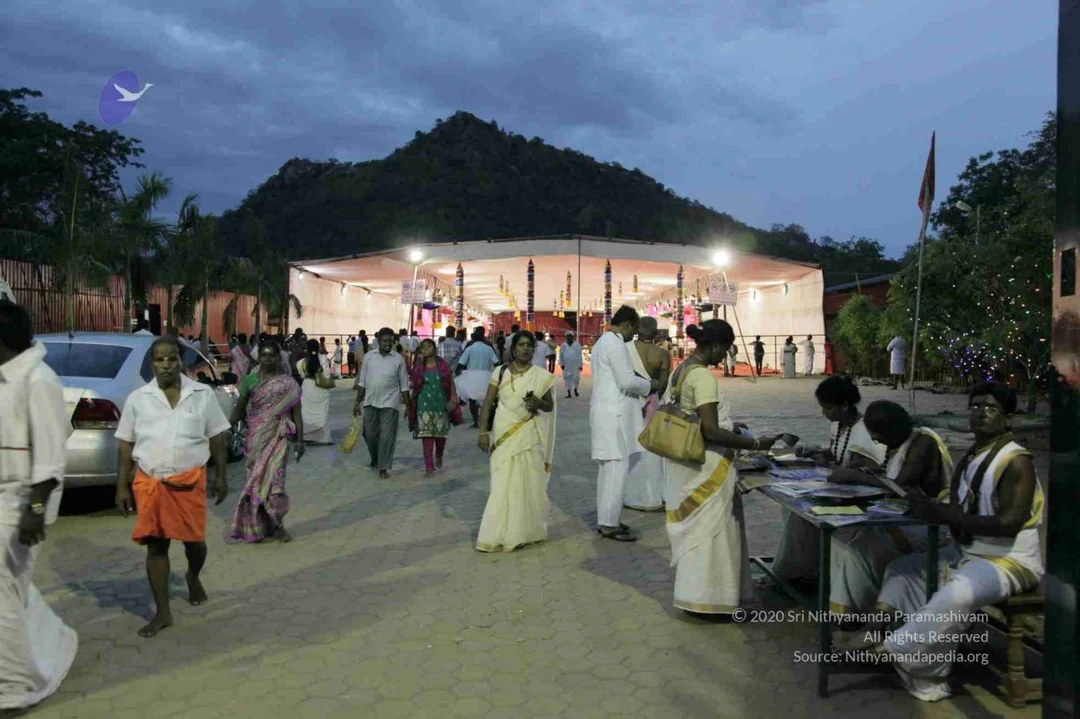 Shiva deeksha convention set-up
 Shiva deeksha convention set-up
 Shiva deeksha convention set-up
 Shiva deeksha convention set-up
 Shiva deeksha convention set-up
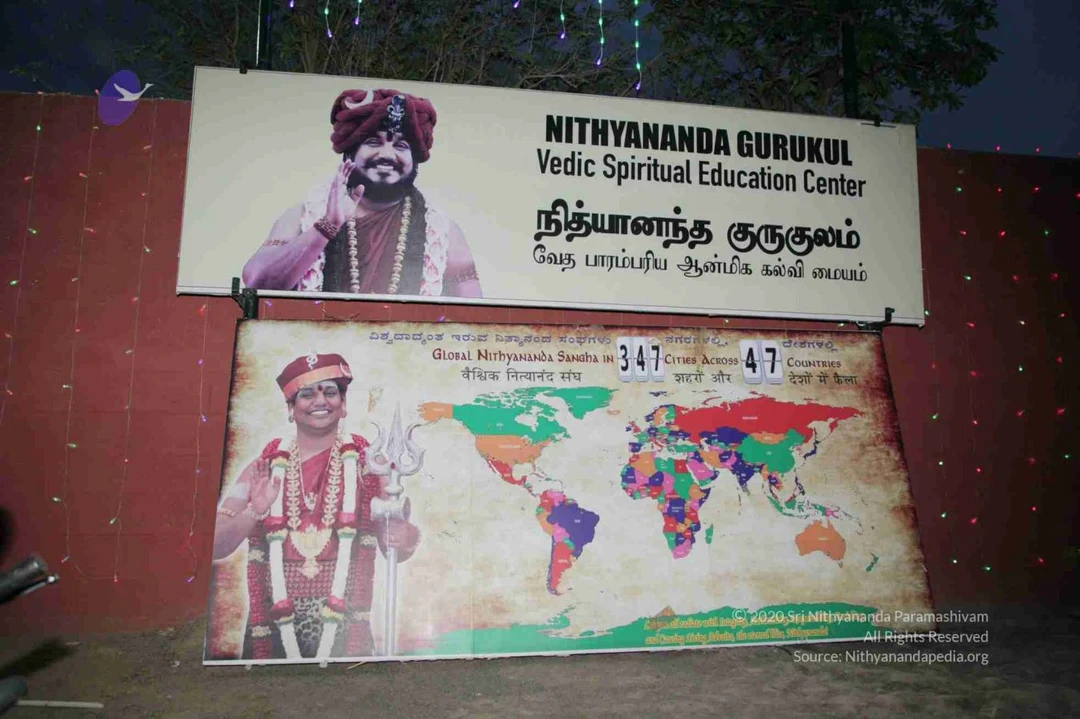 Shiva deeksha convention set-up
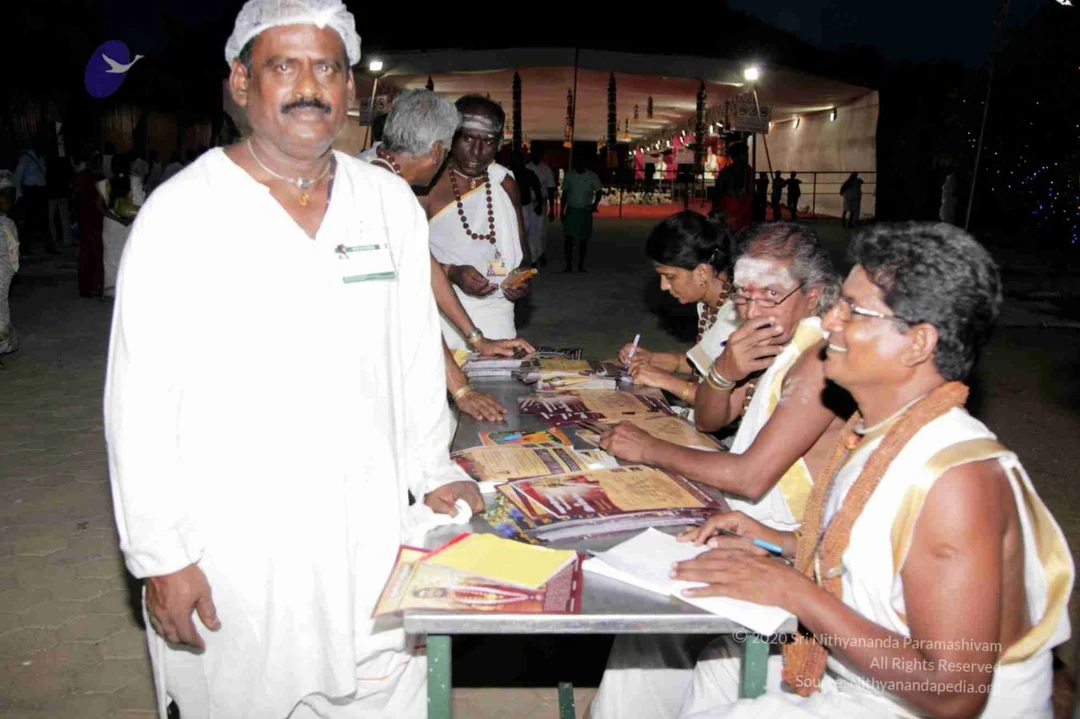 Shiva deeksha - registration desk for delegates
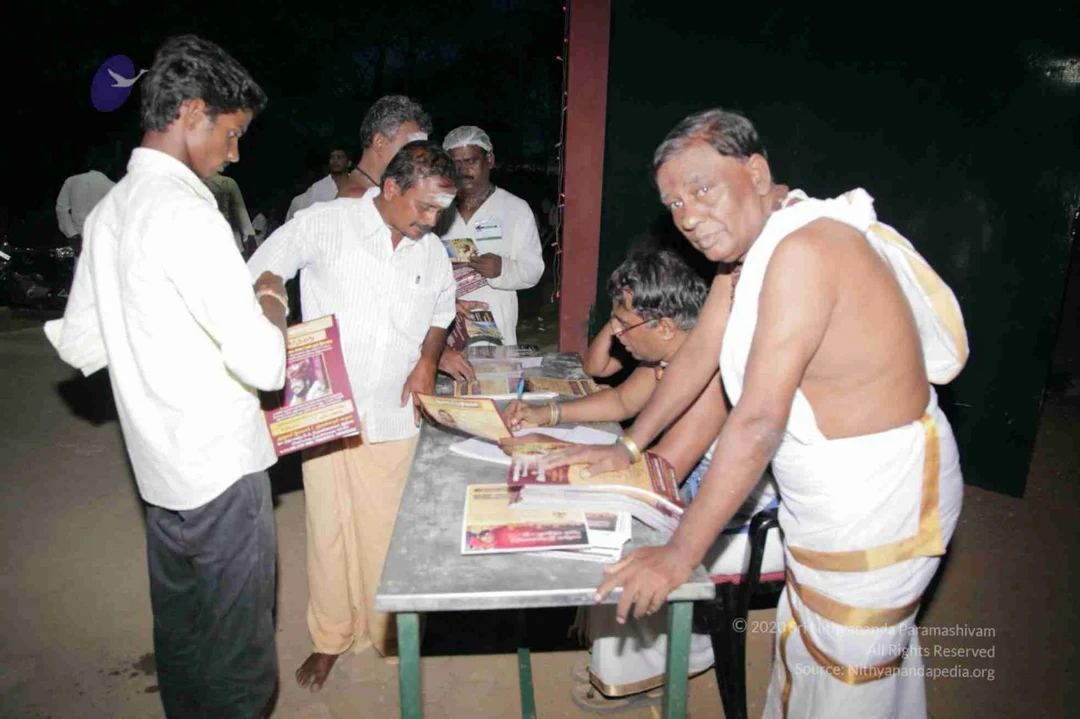 Sangha is the vatavarana, for beautiful things to flower
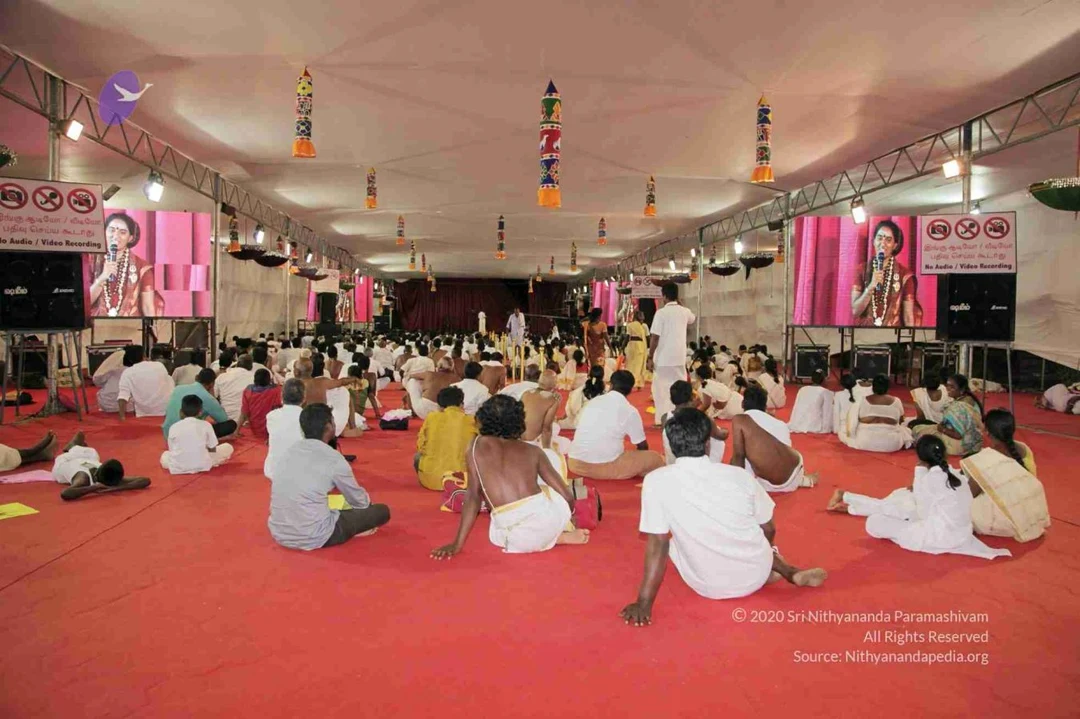 Sangha is the vatavarana, for beautiful things to flower
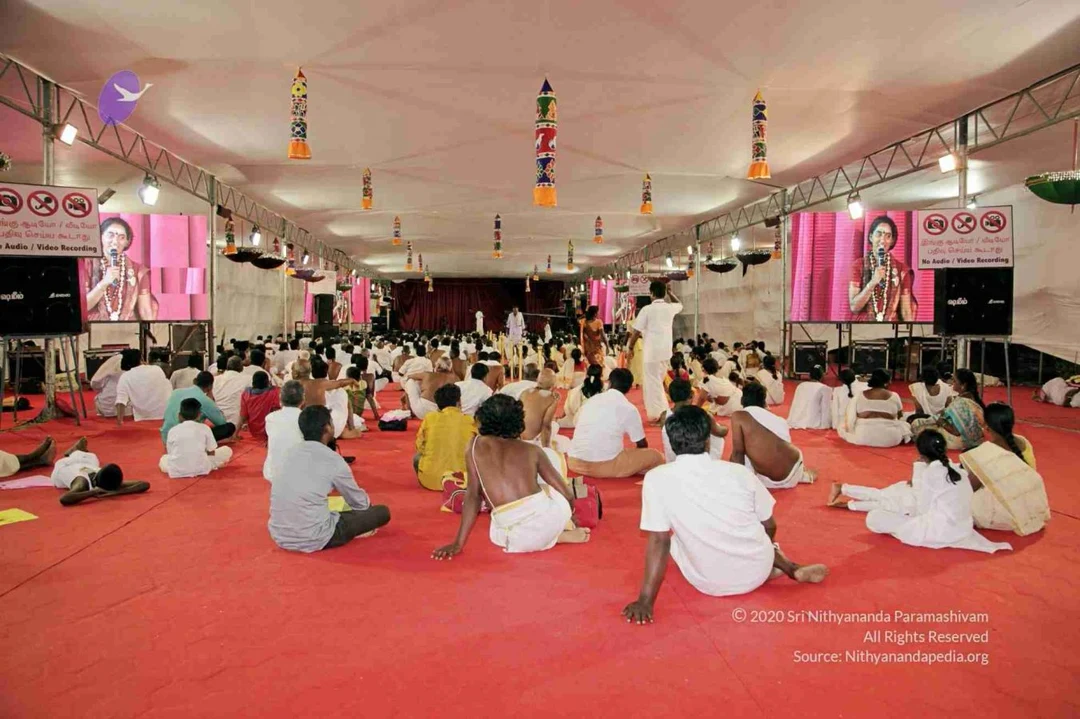 Sangha is the vatavarana, for beautiful things to flower
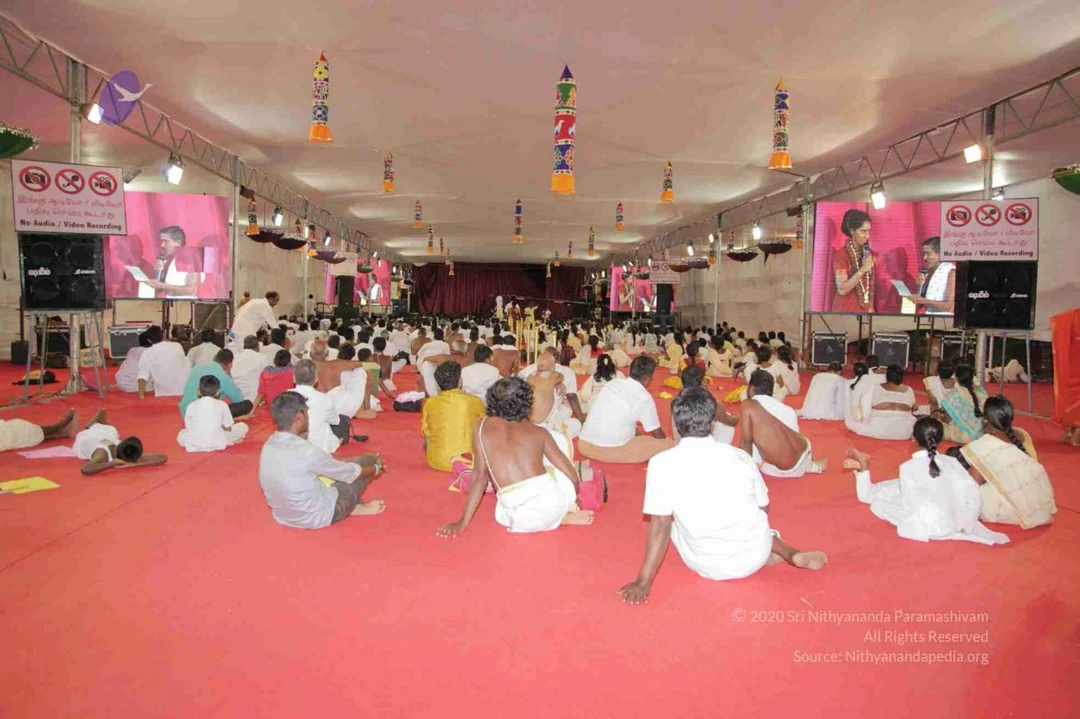 Sangha is the vatavarana, for beautiful things to flower
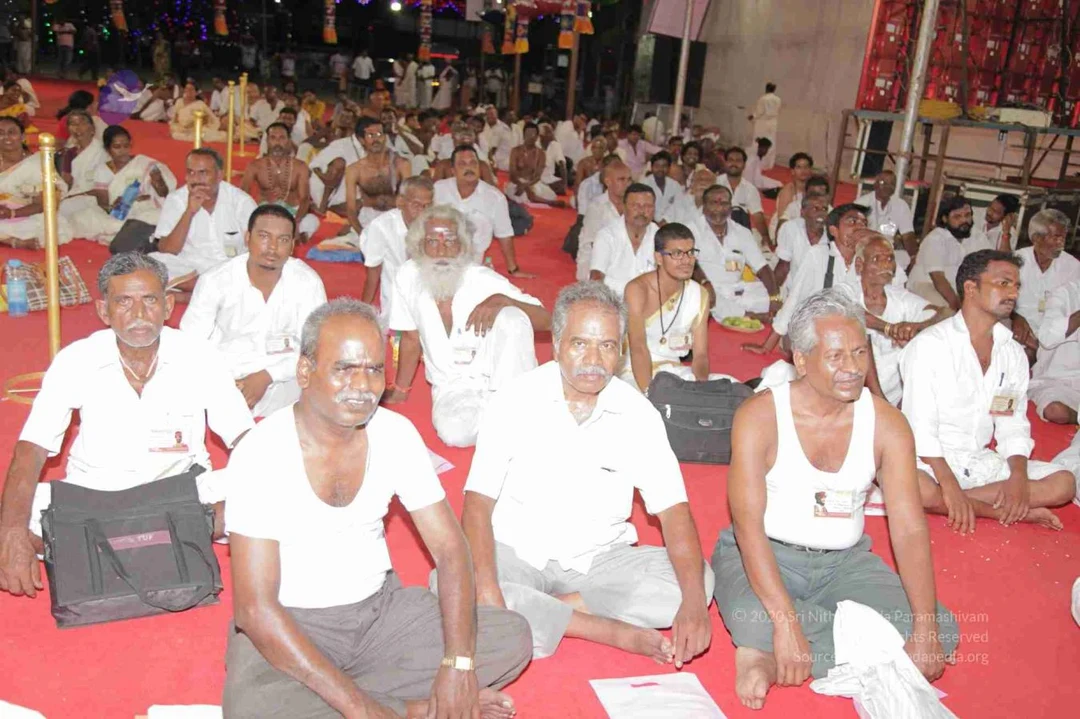 Sangha is the vatavarana, for beautiful things to flower
 Sangha is the vatavarana, for beautiful things to flower
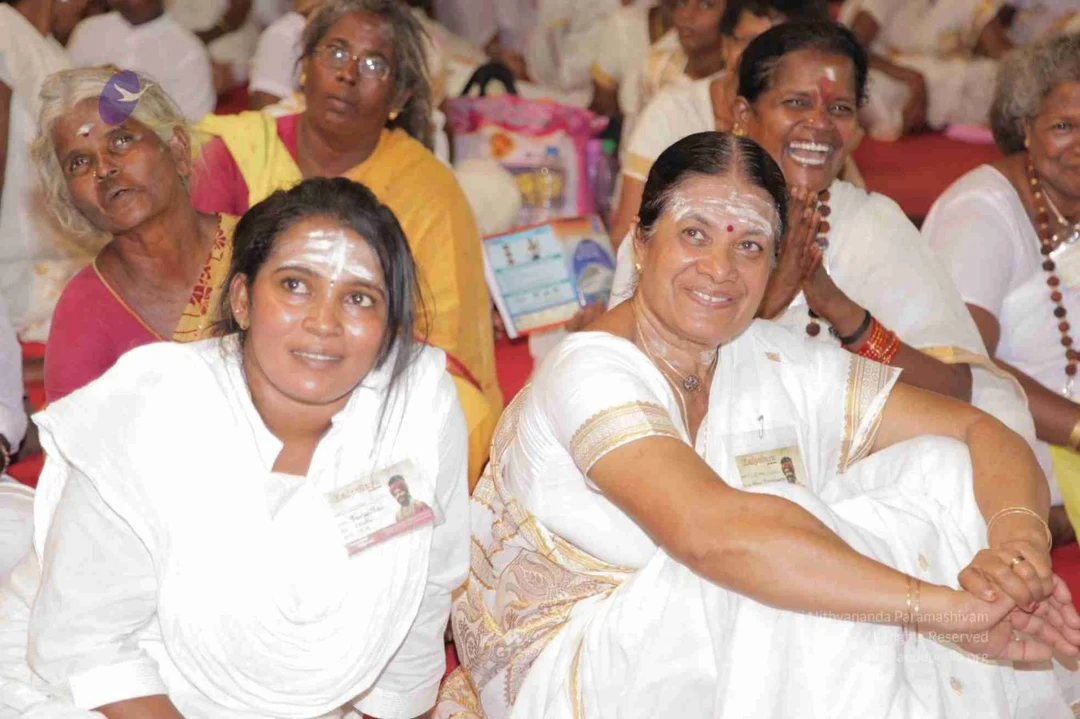 Sangha is the vatavarana, for beautiful things to flower
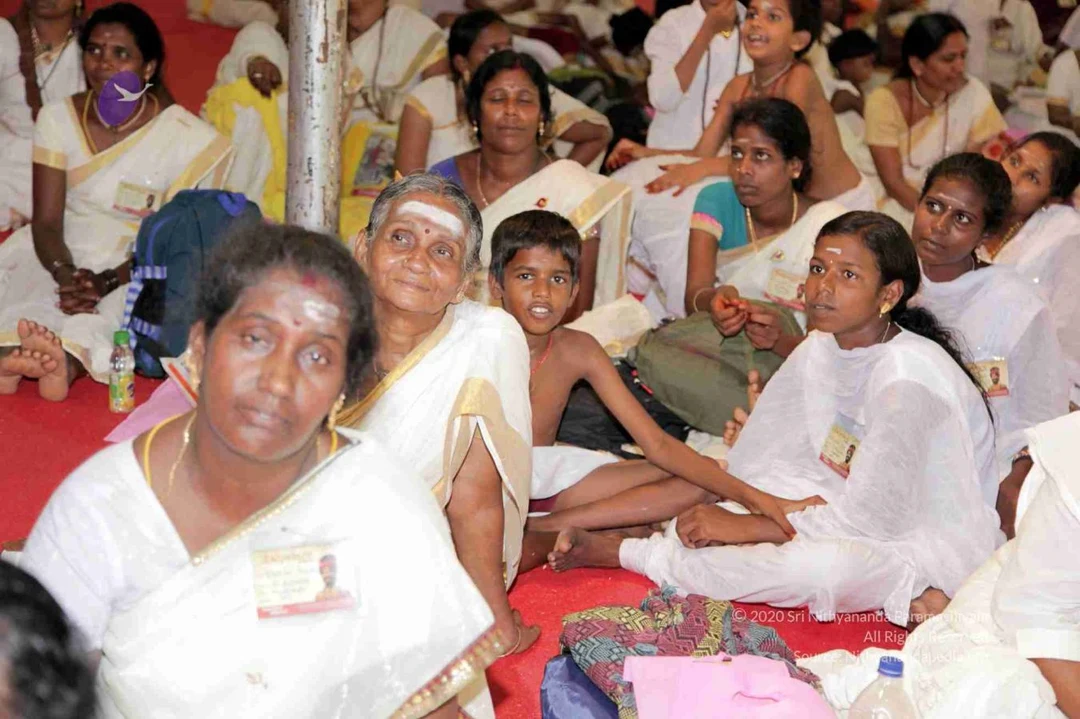 Sangha is the vatavarana, for beautiful things to flower
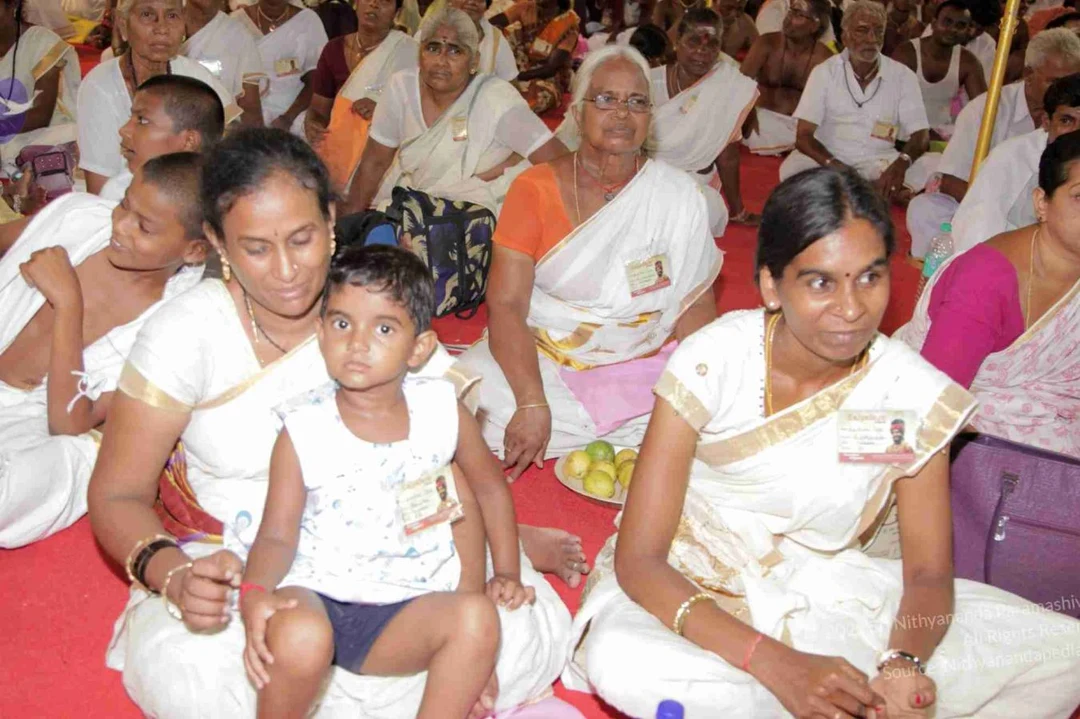 Sangha is the vatavarana, for beautiful things to flower
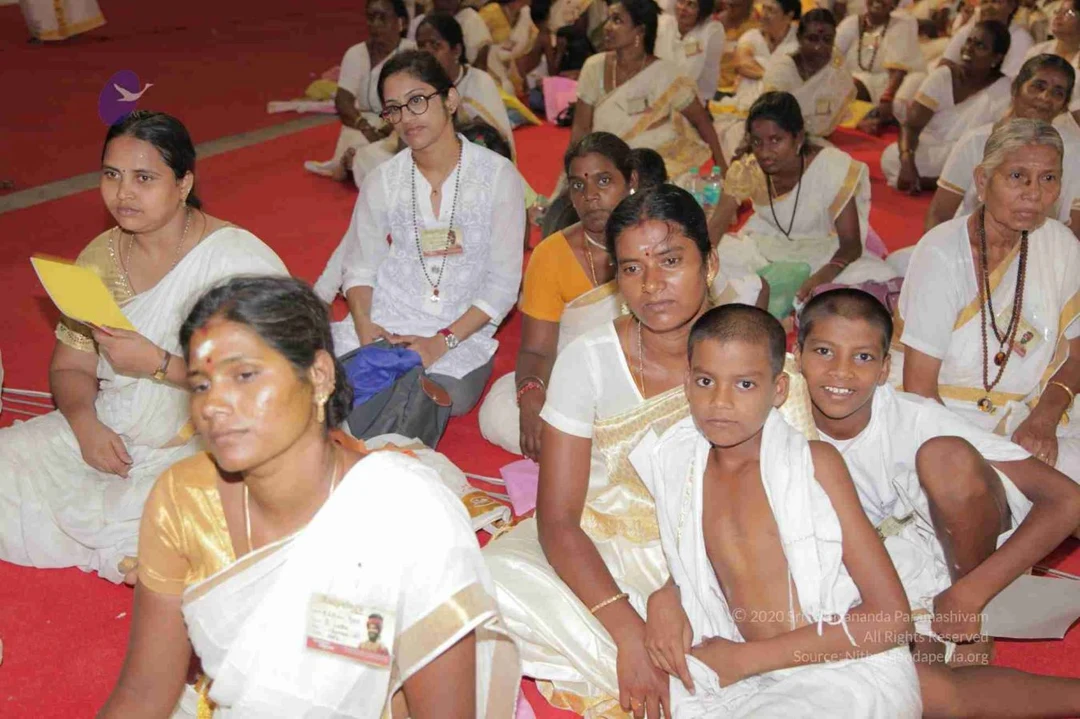 Sangha is the vatavarana, for beautiful things to flower
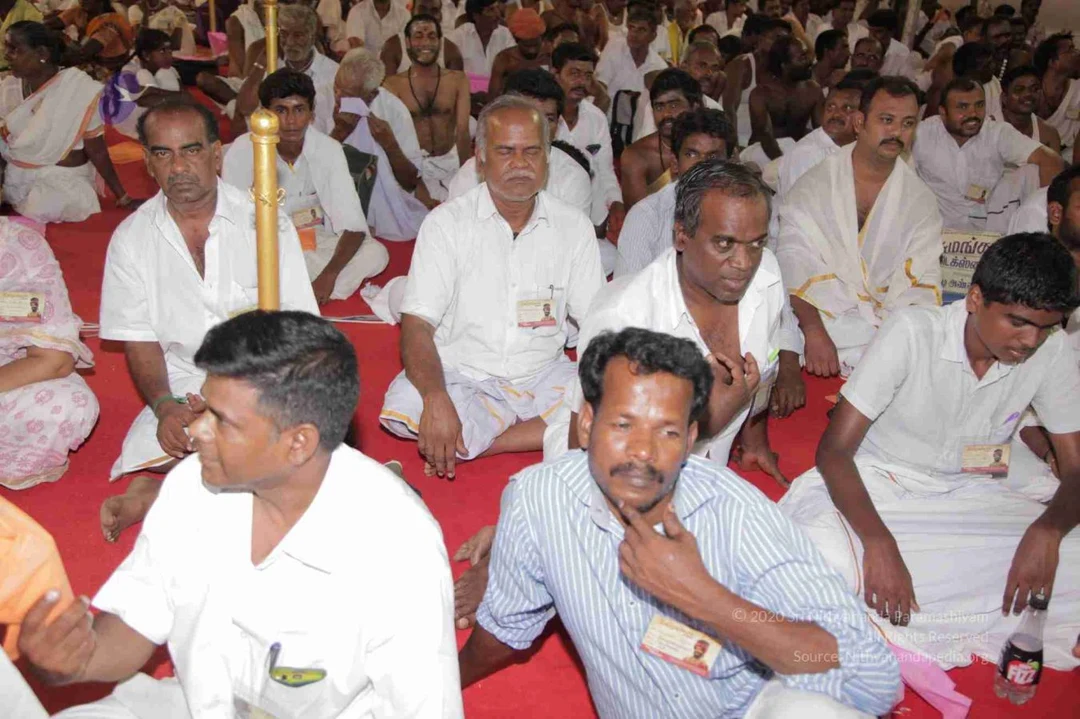 Sangha is the vatavarana, for beautiful things to flower
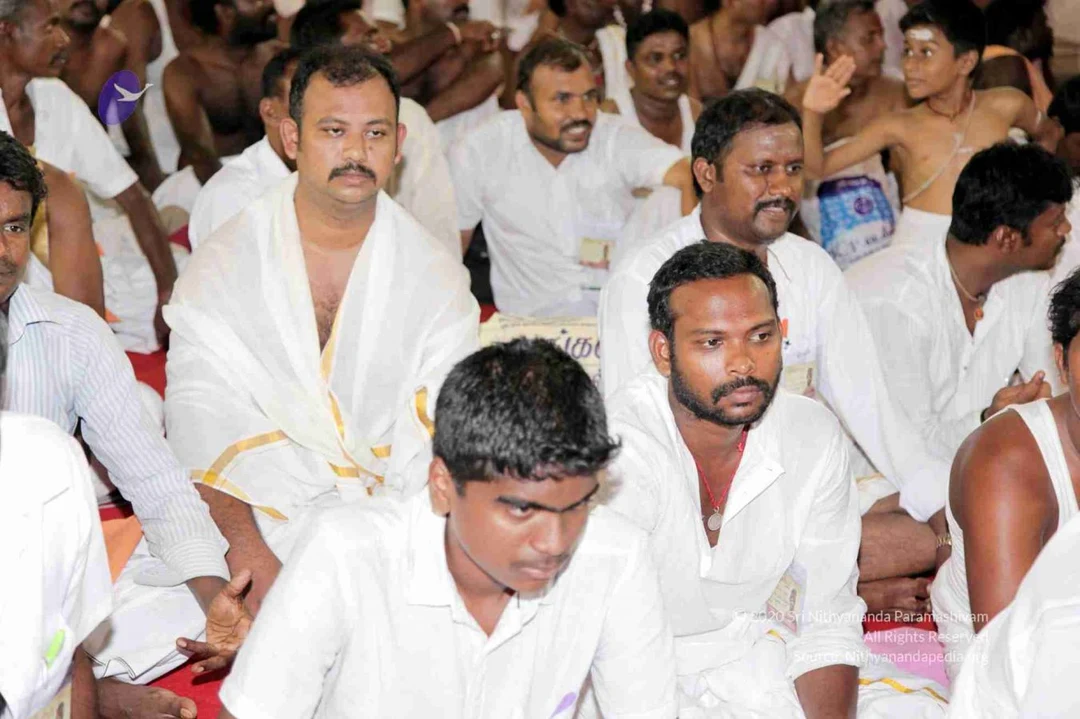 Sangha is the vatavarana, for beautiful things to flower
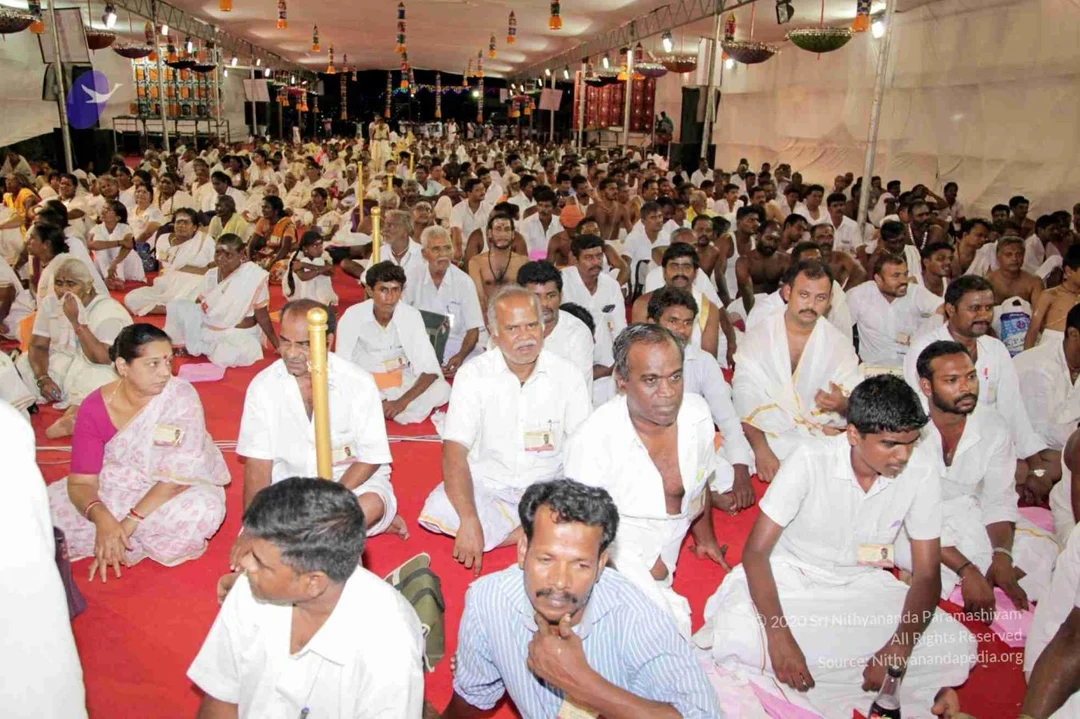 Sangha is the vatavarana, for beautiful things to flower
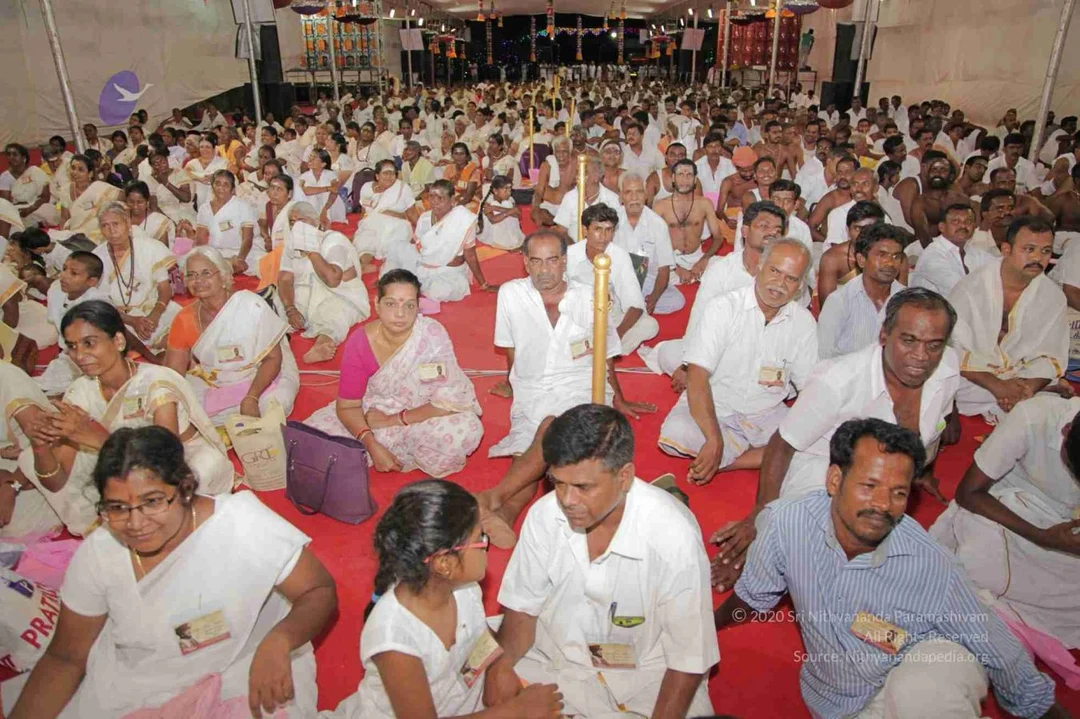 Sangha is the vatavarana, for beautiful things to flower
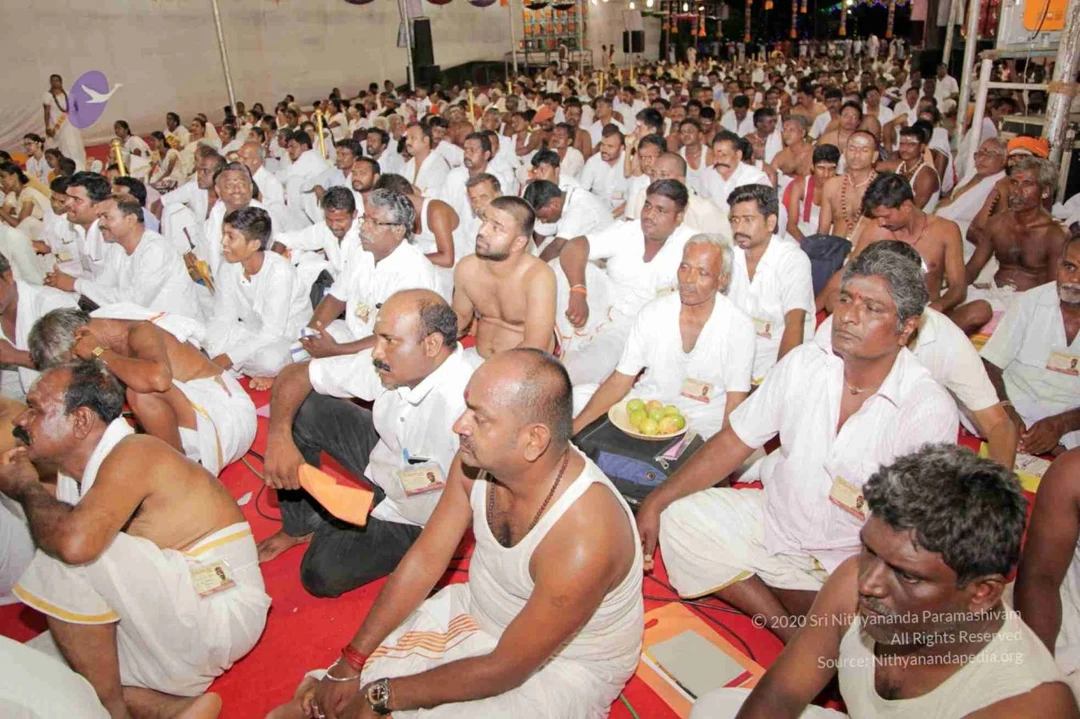 Sangha is the vatavarana, for beautiful things to flower
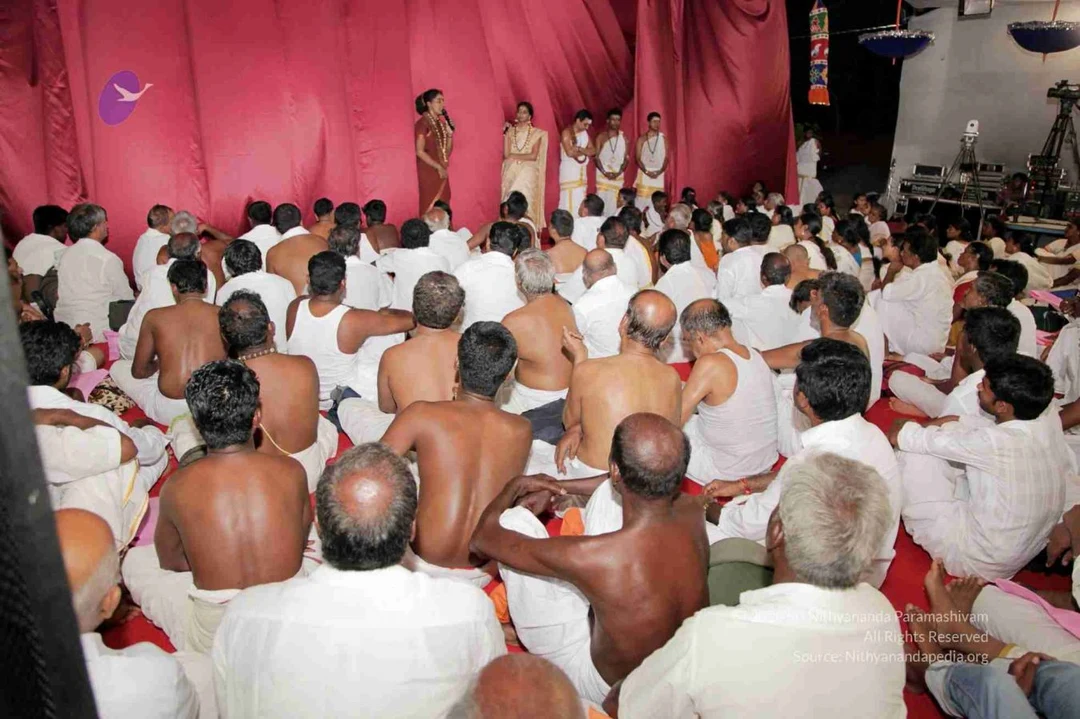 Sangha is the vatavarana, for beautiful things to flower
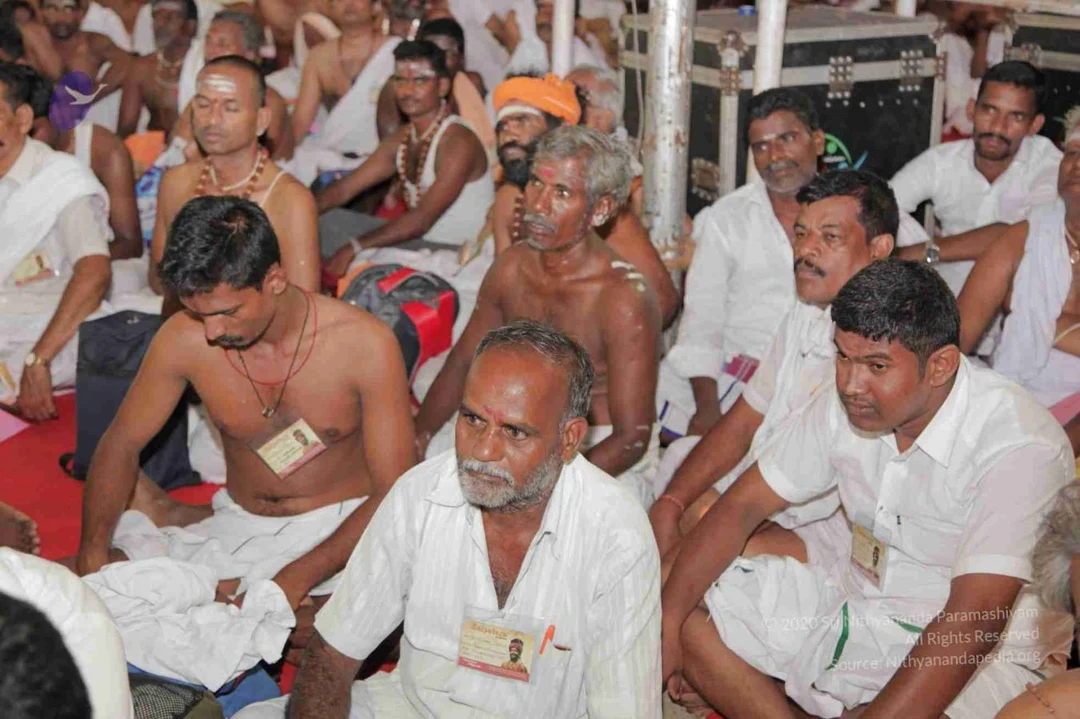 Sangha is the vatavarana, for beautiful things to flower
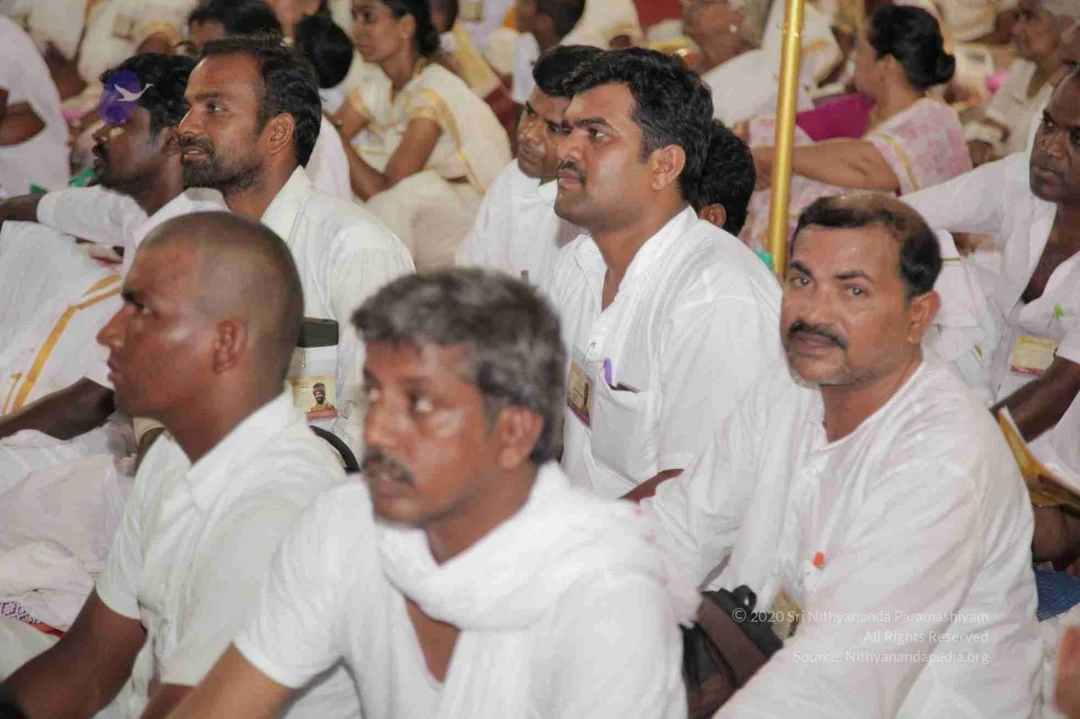 Sangha is the vatavarana, for beautiful things to flower
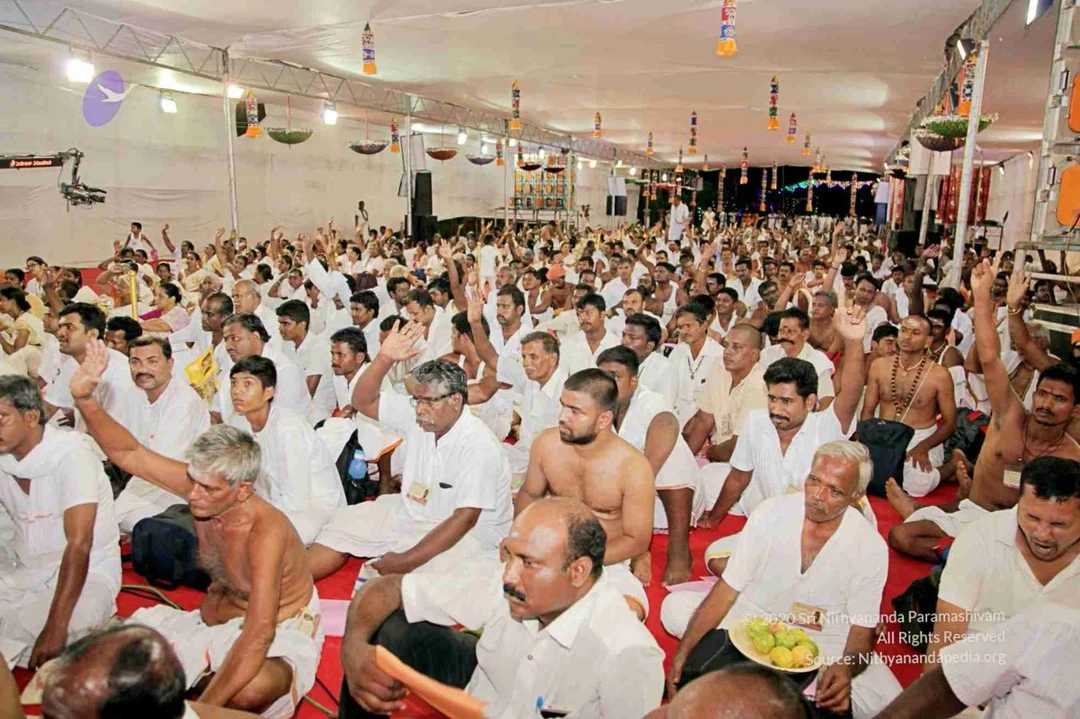 Sangha is the vatavarana, for beautiful things to flower
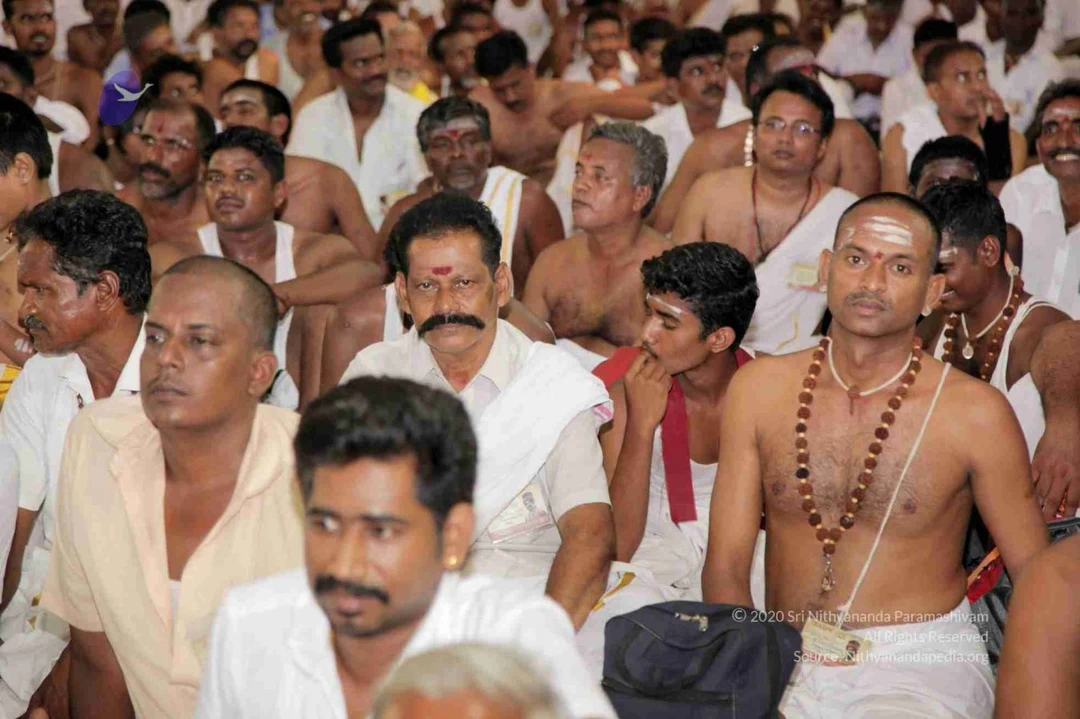 Sangha is the vatavarana, for beautiful things to flower
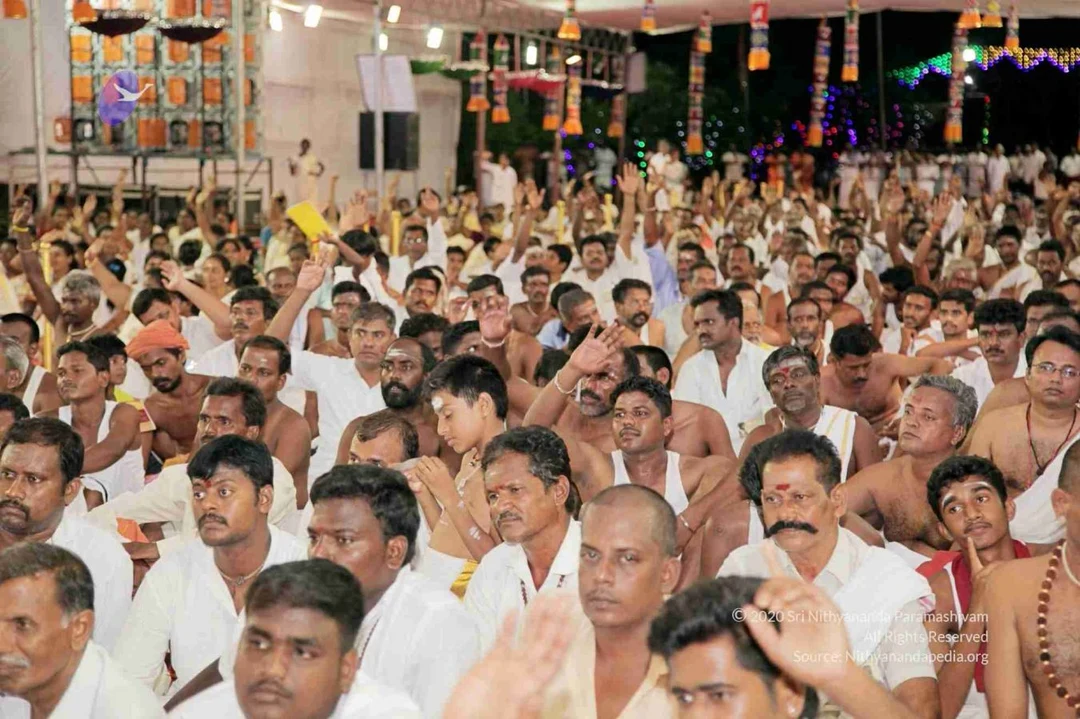 Sangha is the vatavarana, for beautiful things to flower
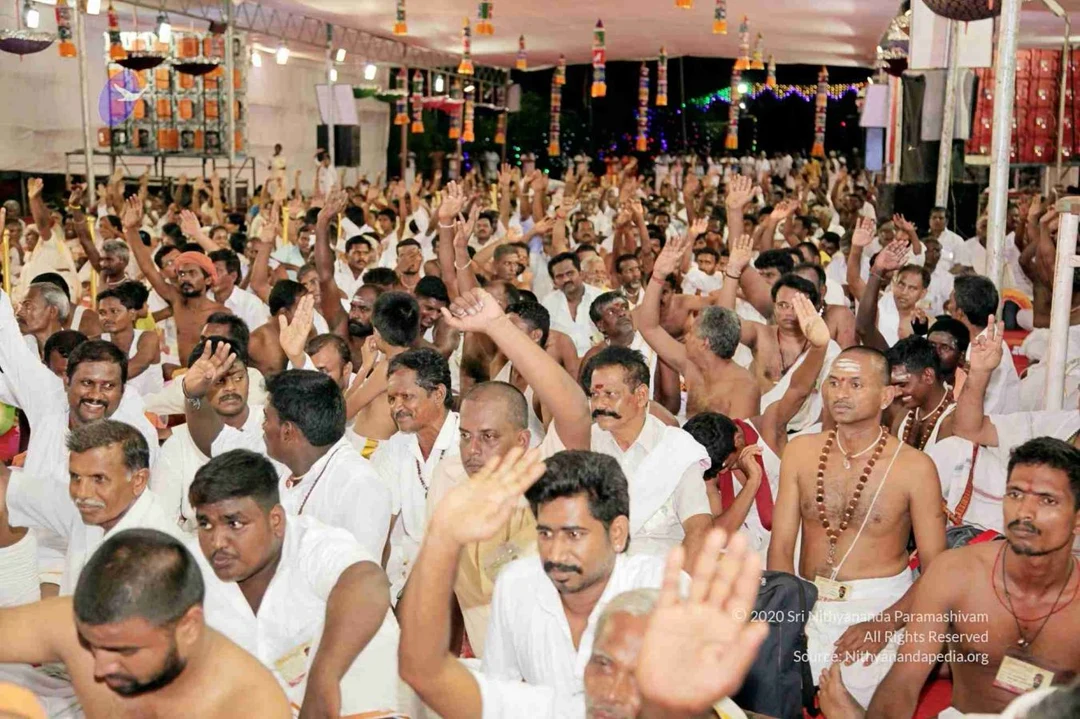 Sangha is the vatavarana, for beautiful things to flower
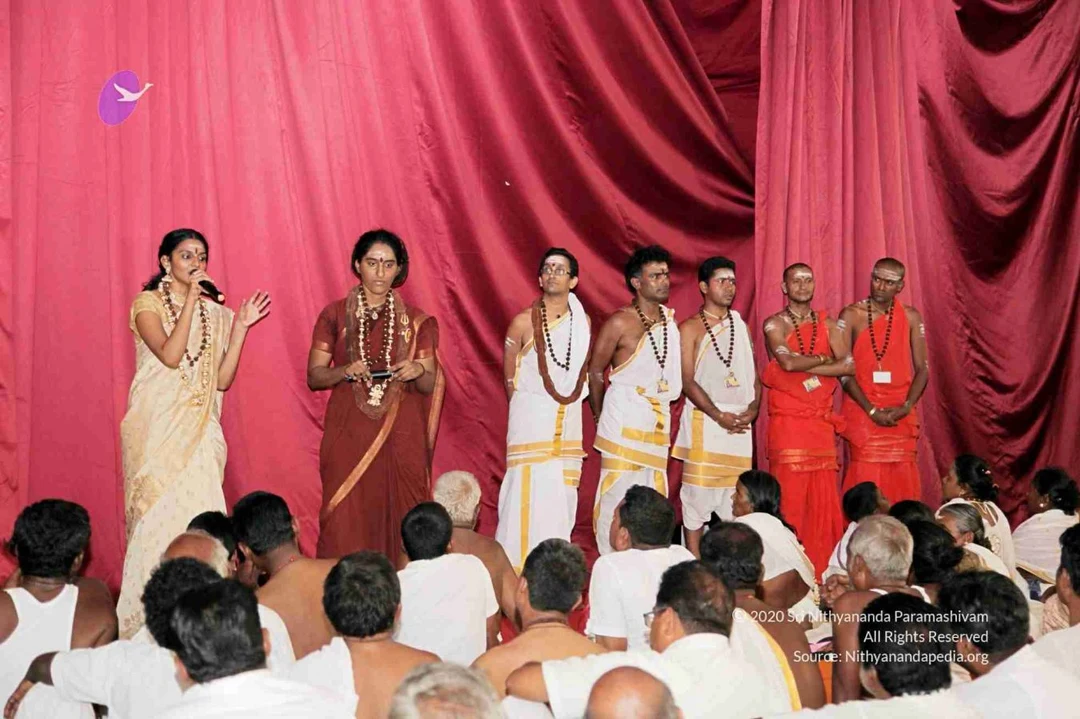 Convention coordinators
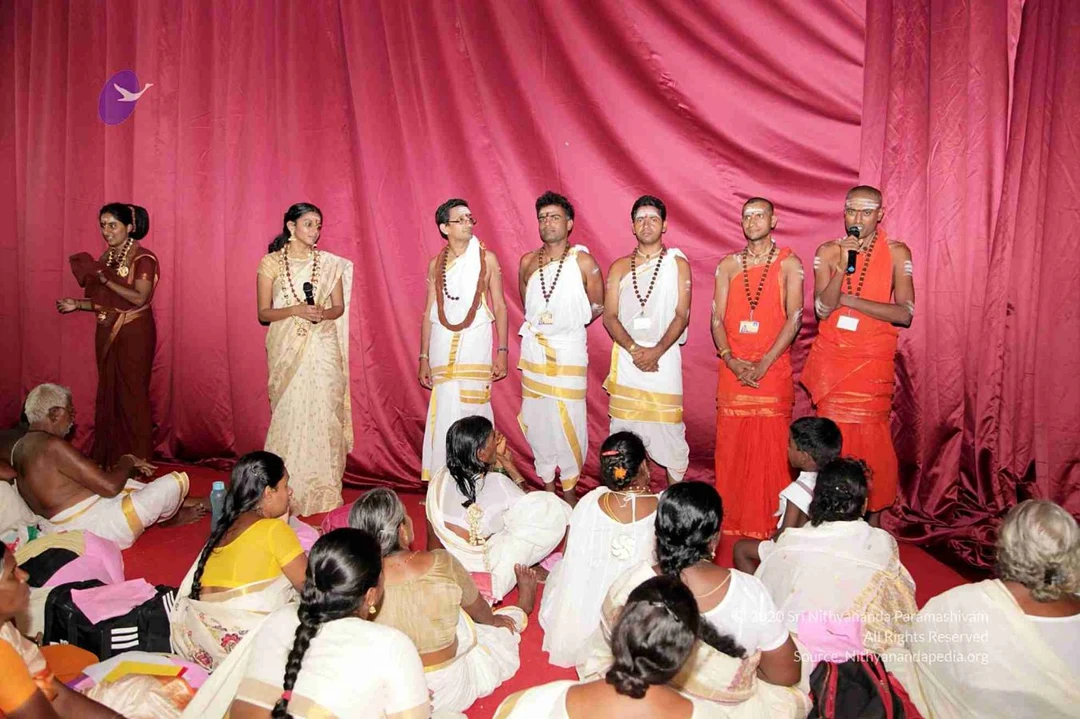 Convention coordinators
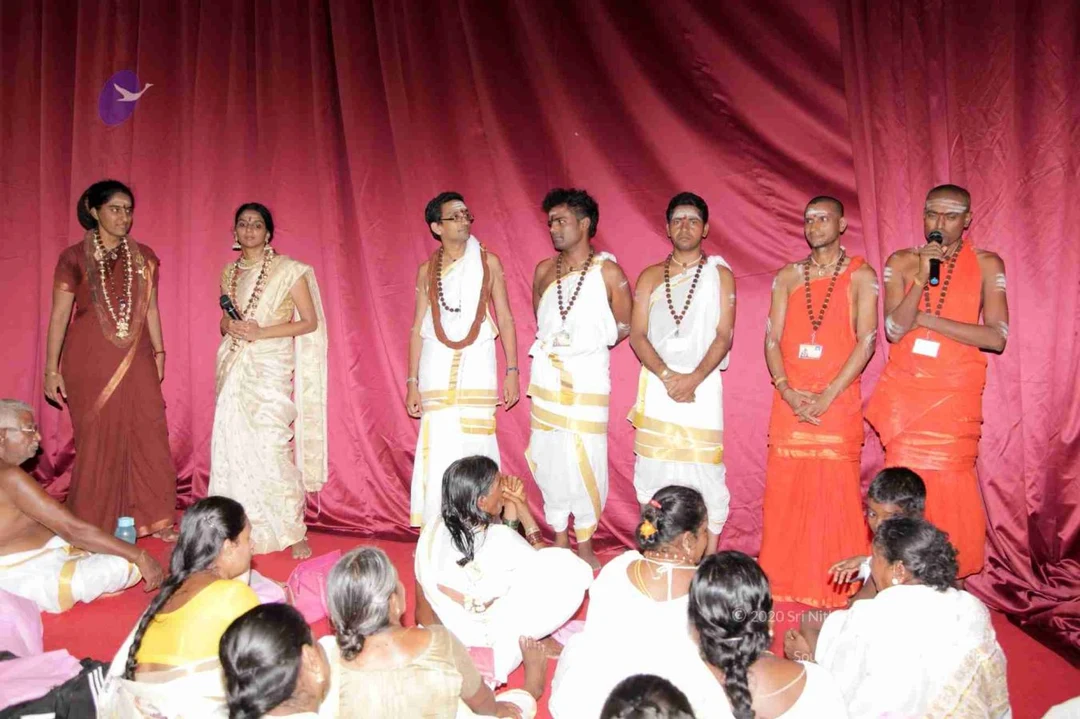 Convention coordinators
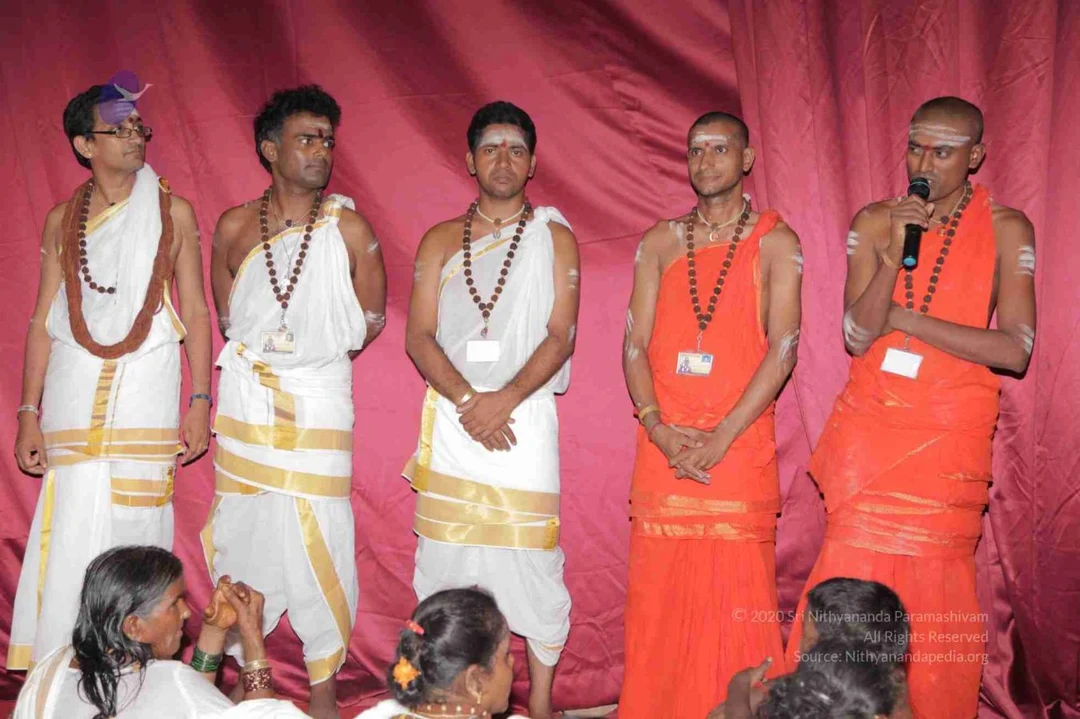 Convention coordinators
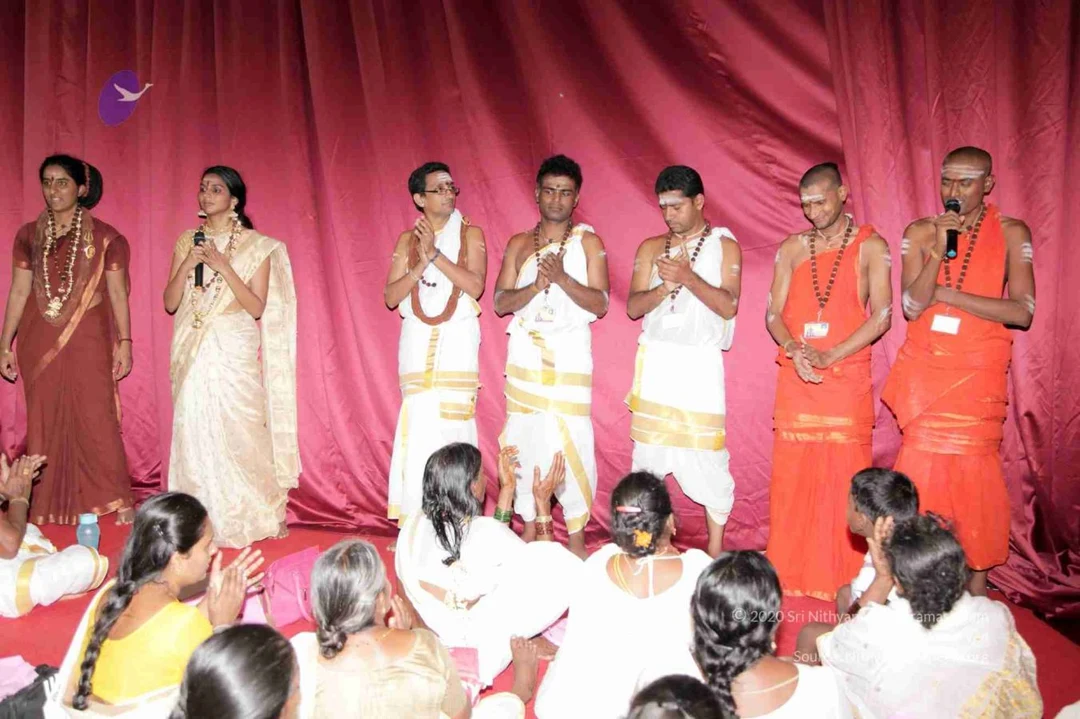 Convention coordinators
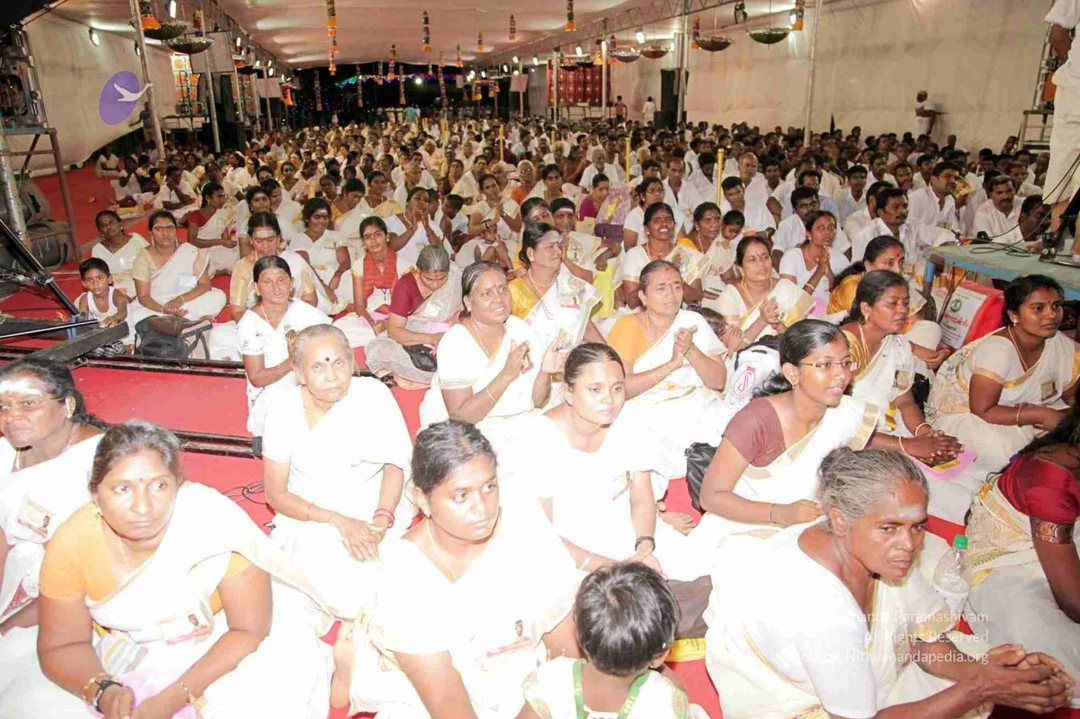 Sangha is the vatavarana, in which beautiful enlightenment can happen
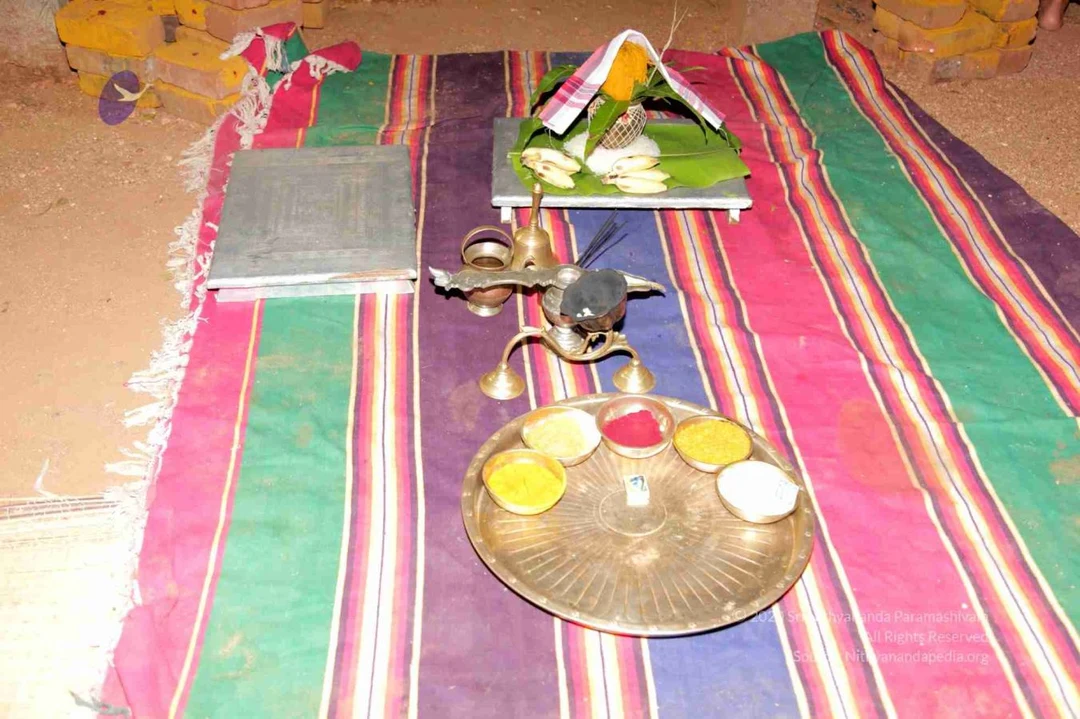 Sangha is the vatavarana, in which beautiful enlightenment can happen
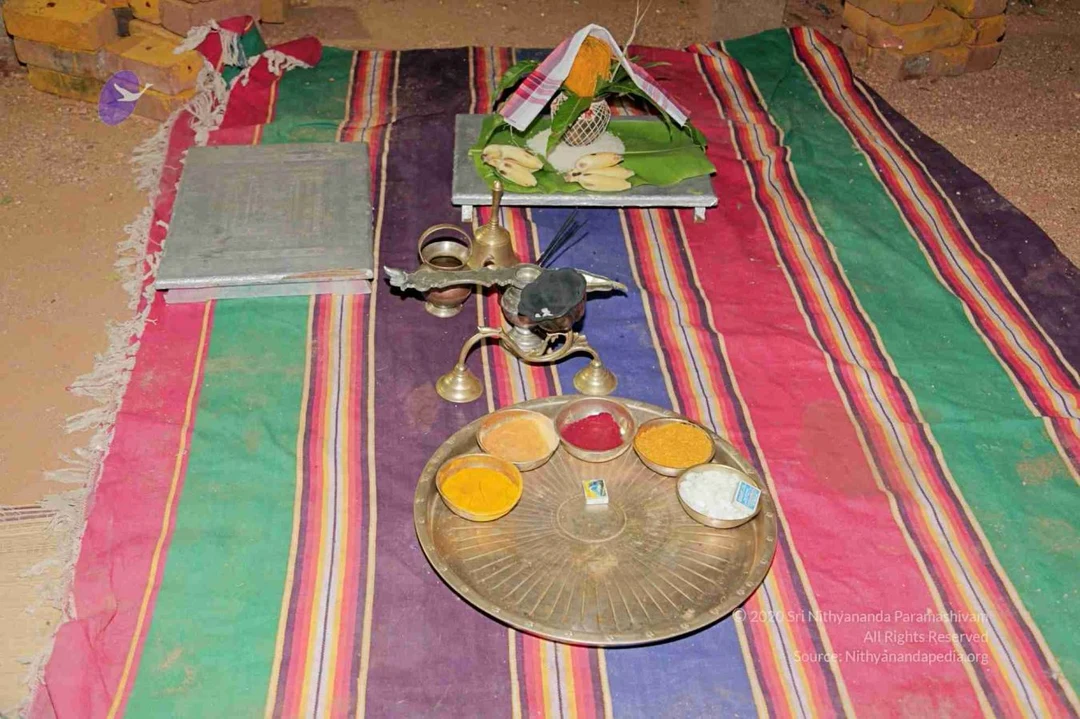 Sangha is the vatavarana, in which beautiful enlightenment can happen
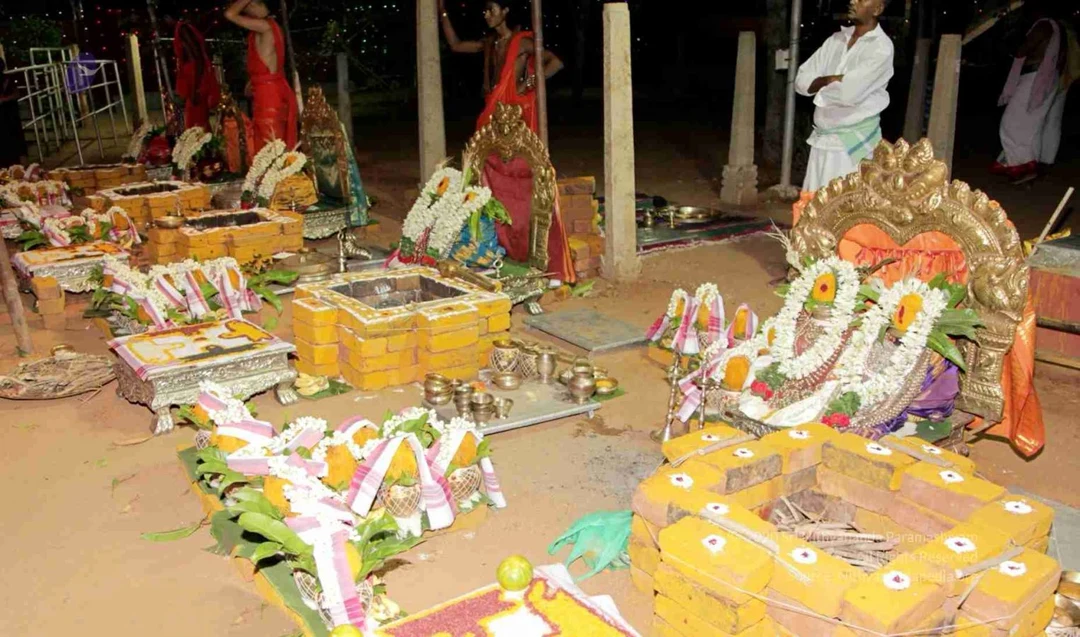 Shiva deeksha yagna and puja preparation
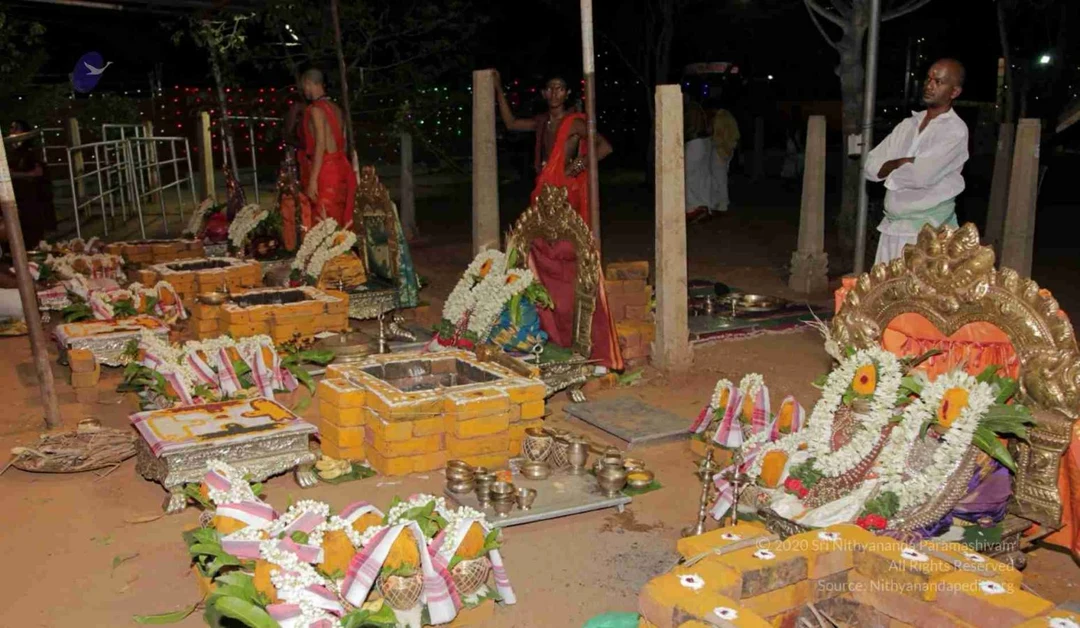 Shiva deeksha yagna and puja preparation
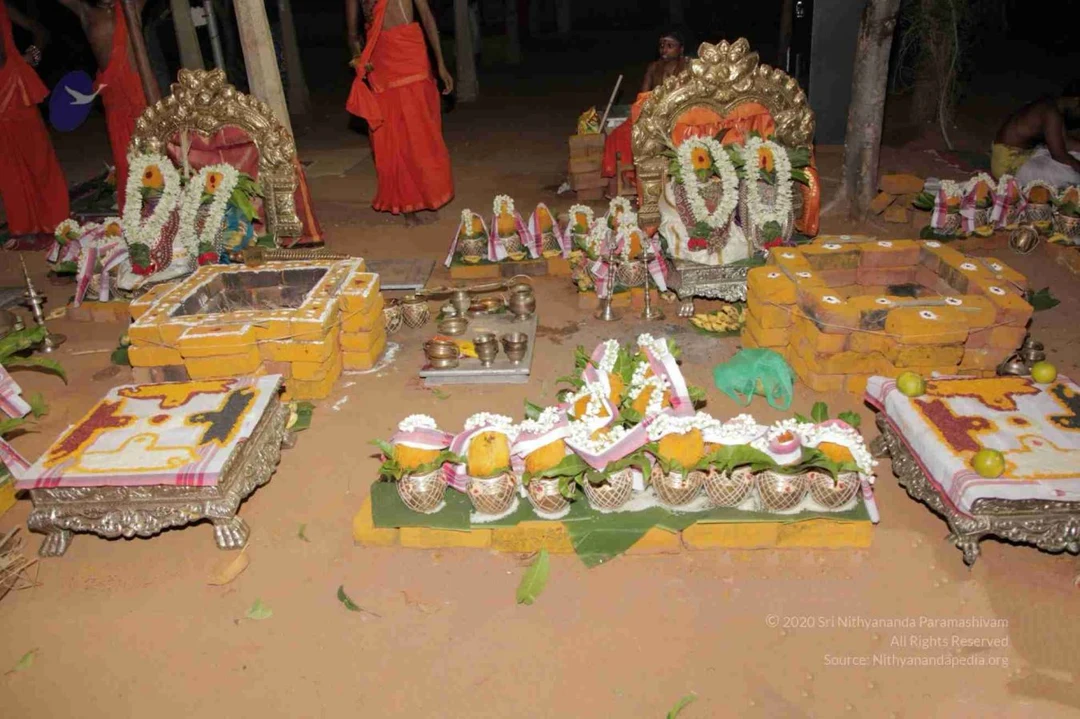 Shiva deeksha yagna and puja preparation
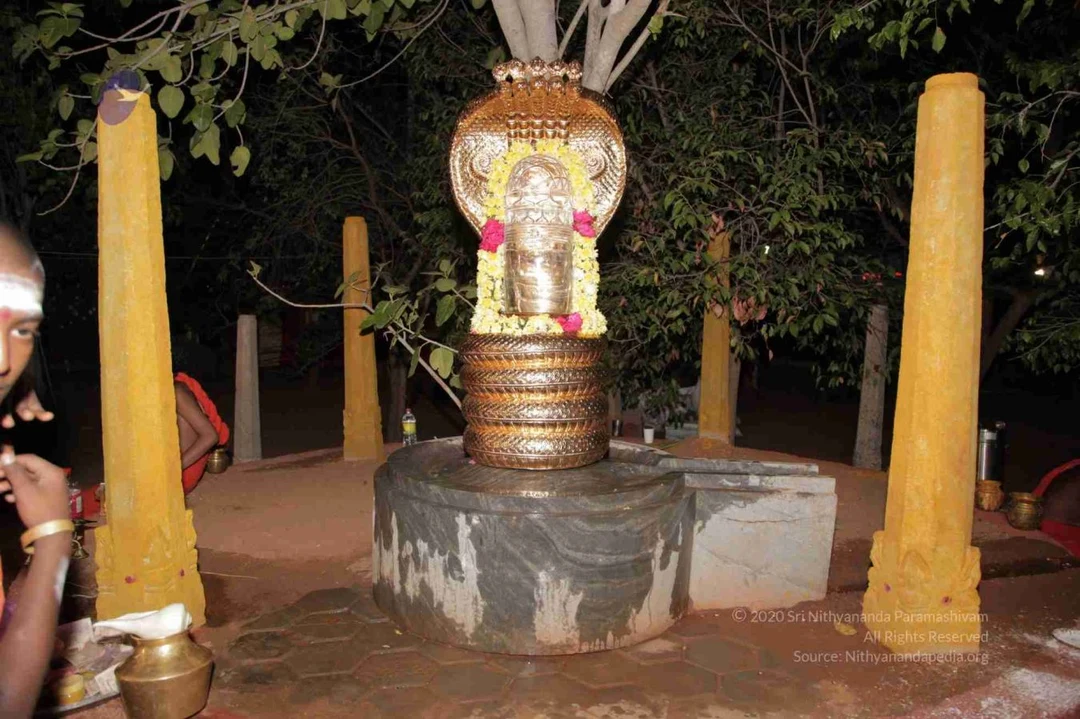 Beautiful linga uuja
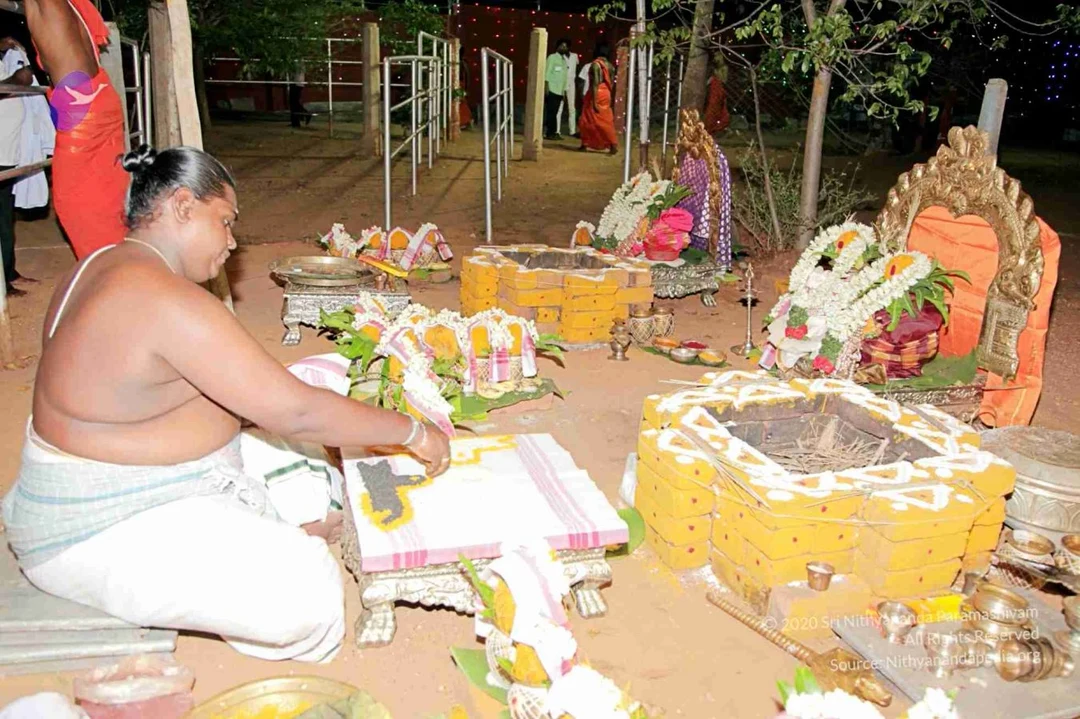 Shiva deeksha yagna and puja preparation
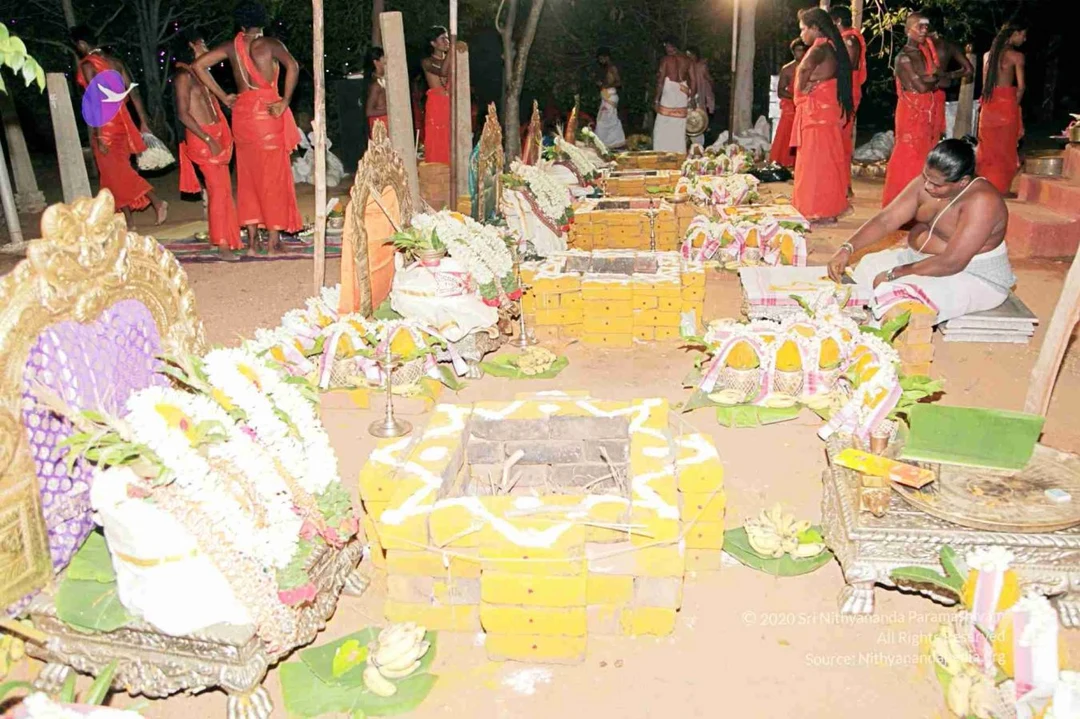 Shiva deeksha yagna and puja preparation
 Shiva deeksha yagna and puja preparation
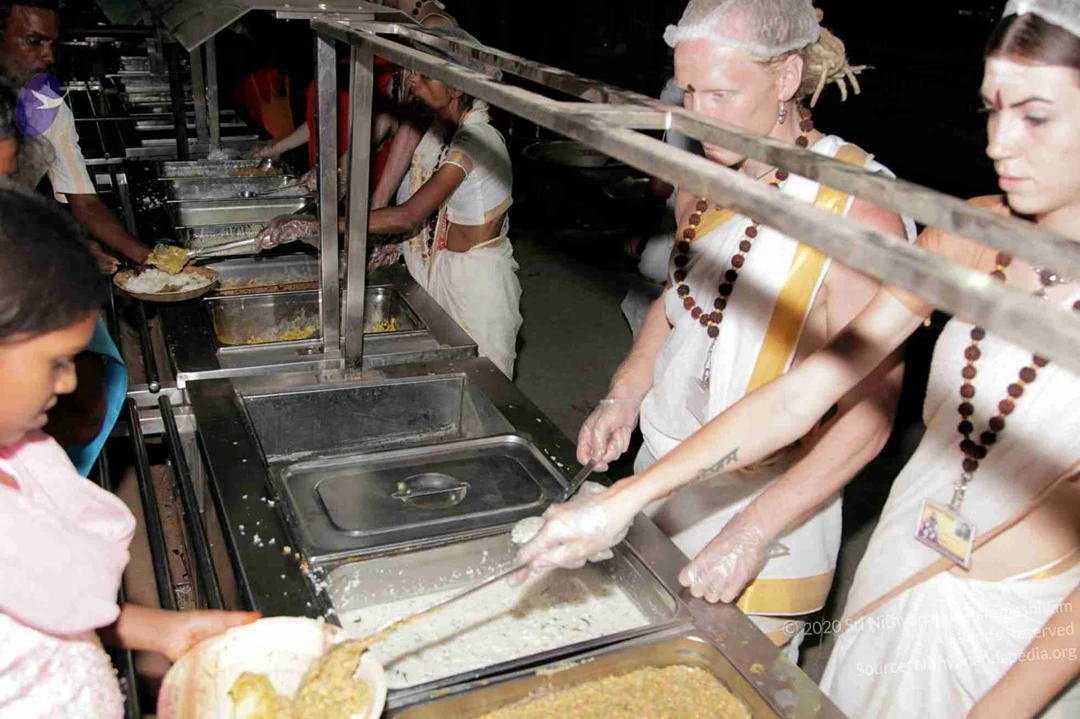
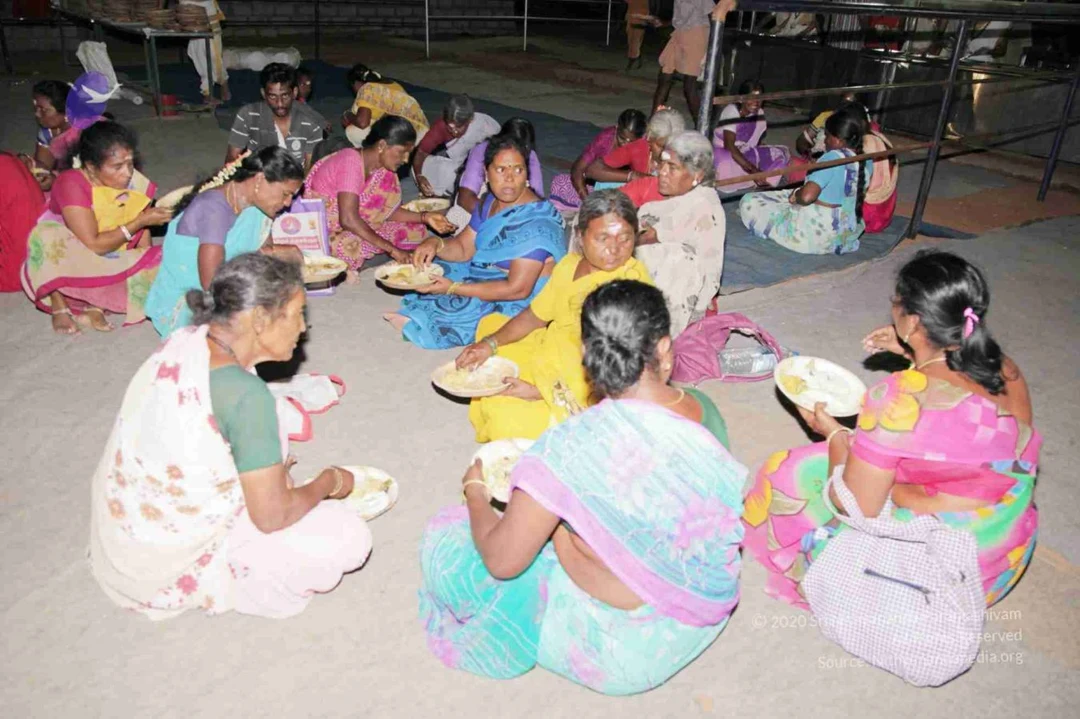 Delegates enjoying sacred prasadam
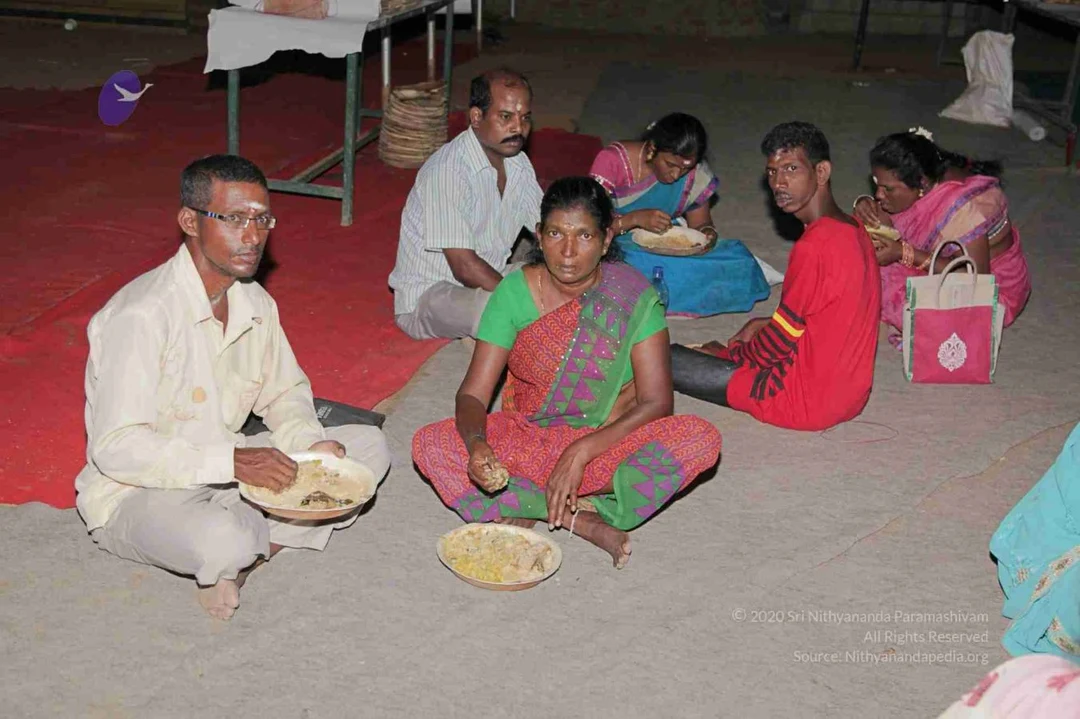 Delegates enjoying sacred prasadam
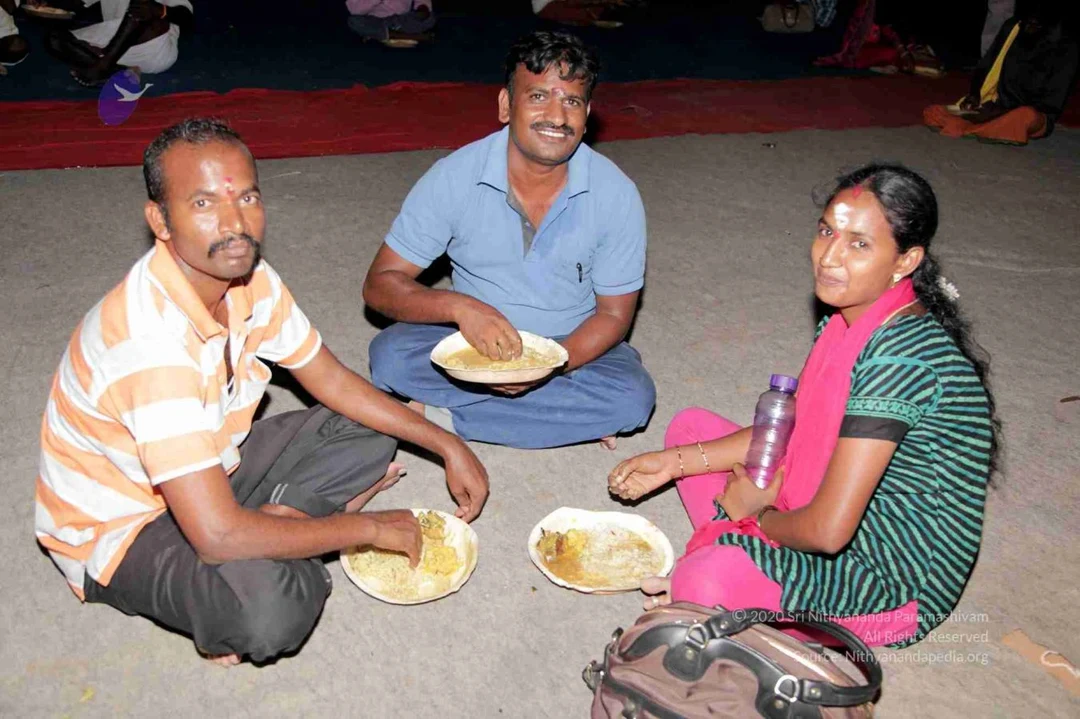 Delegates enjoying sacred prasadam
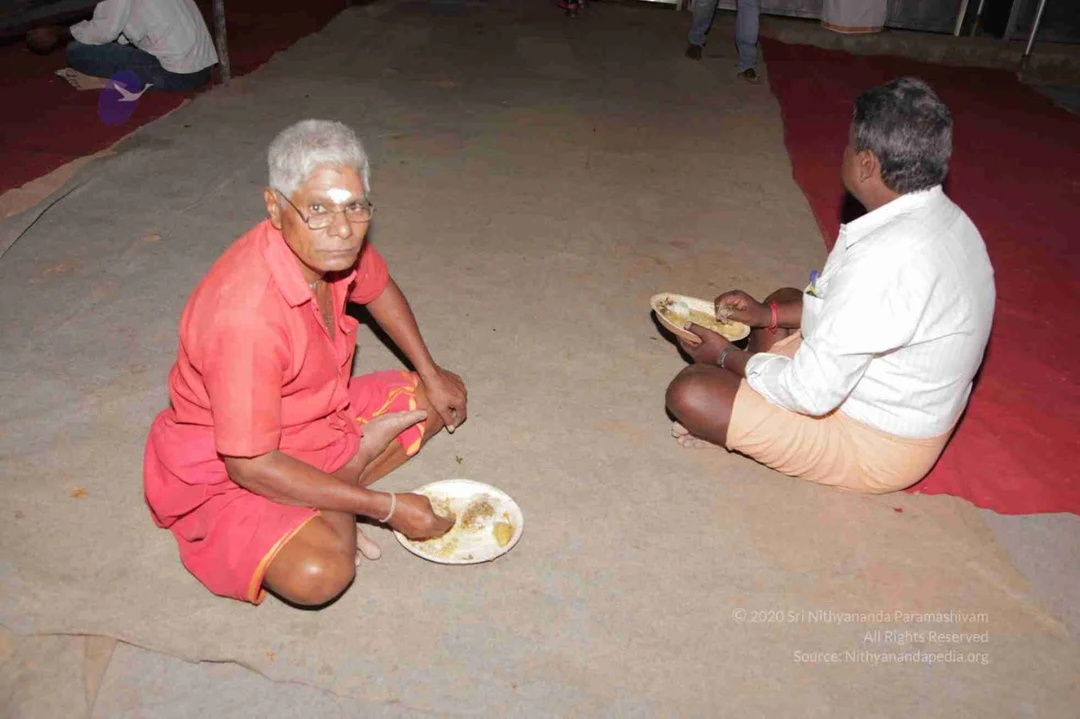 Delegates enjoying sacred prasadam
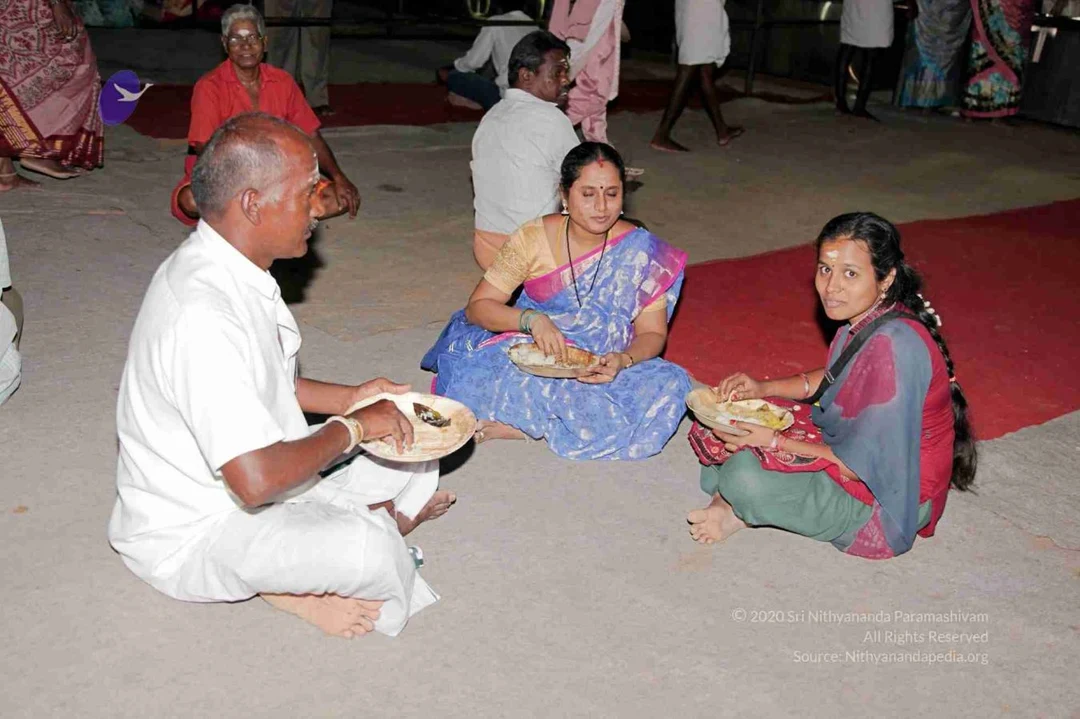 Delegates enjoying sacred prasadam
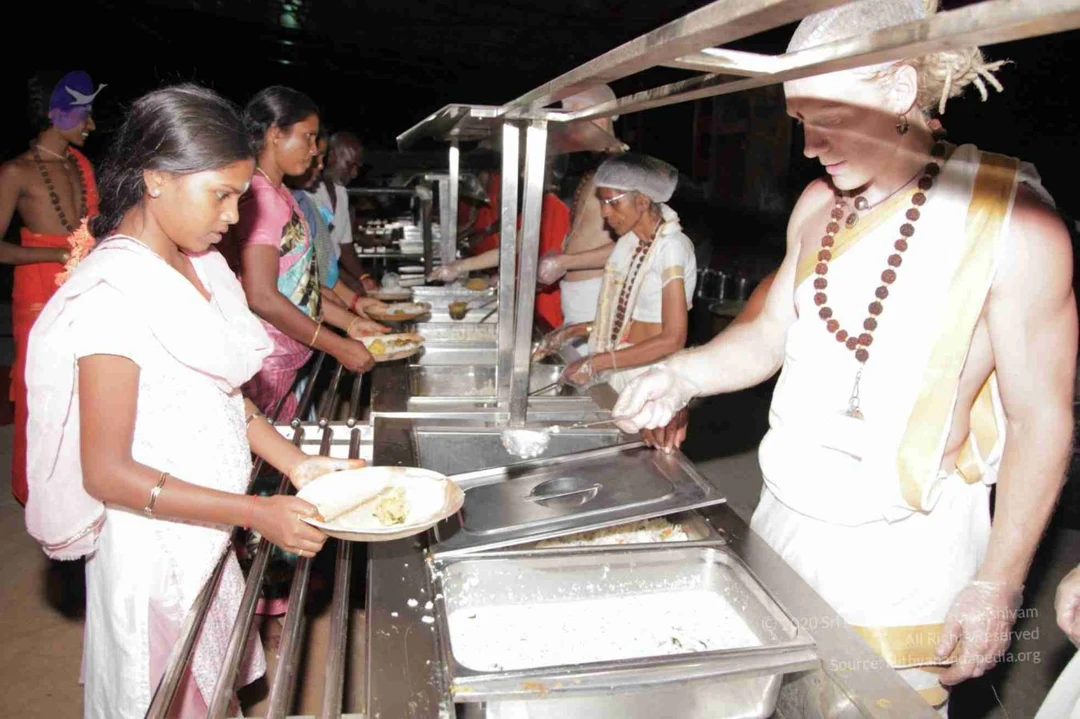 Delegates enjoying sacred prasadam
 Delegates enjoying sacred prasadam
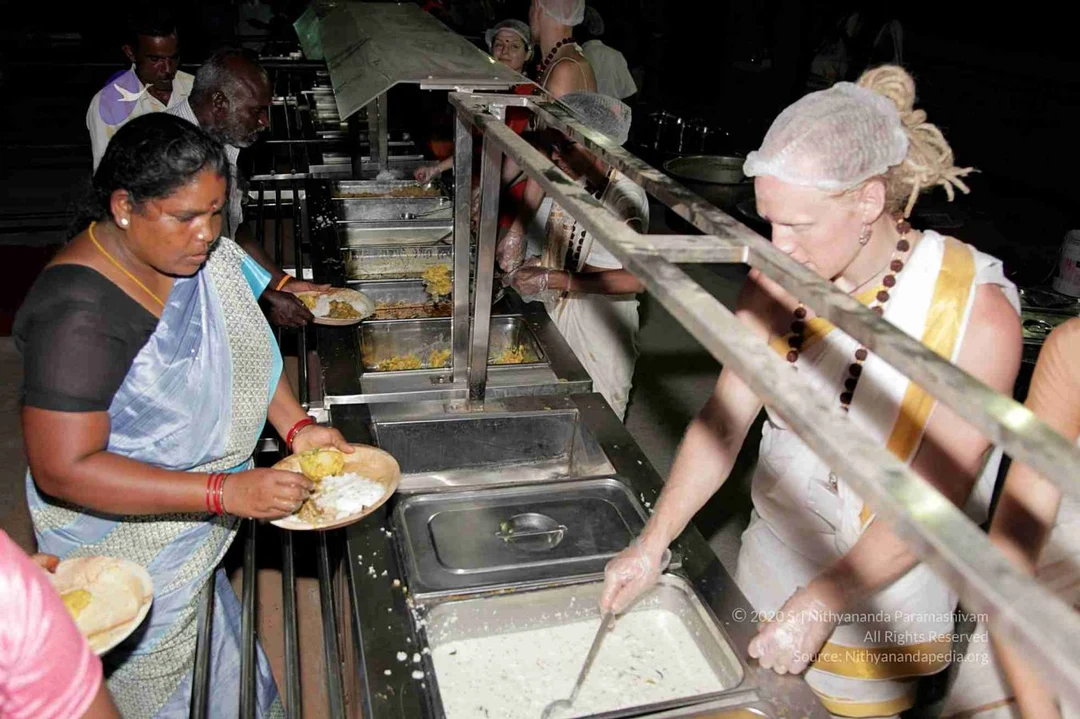 Delegates enjoying sacred prasadam
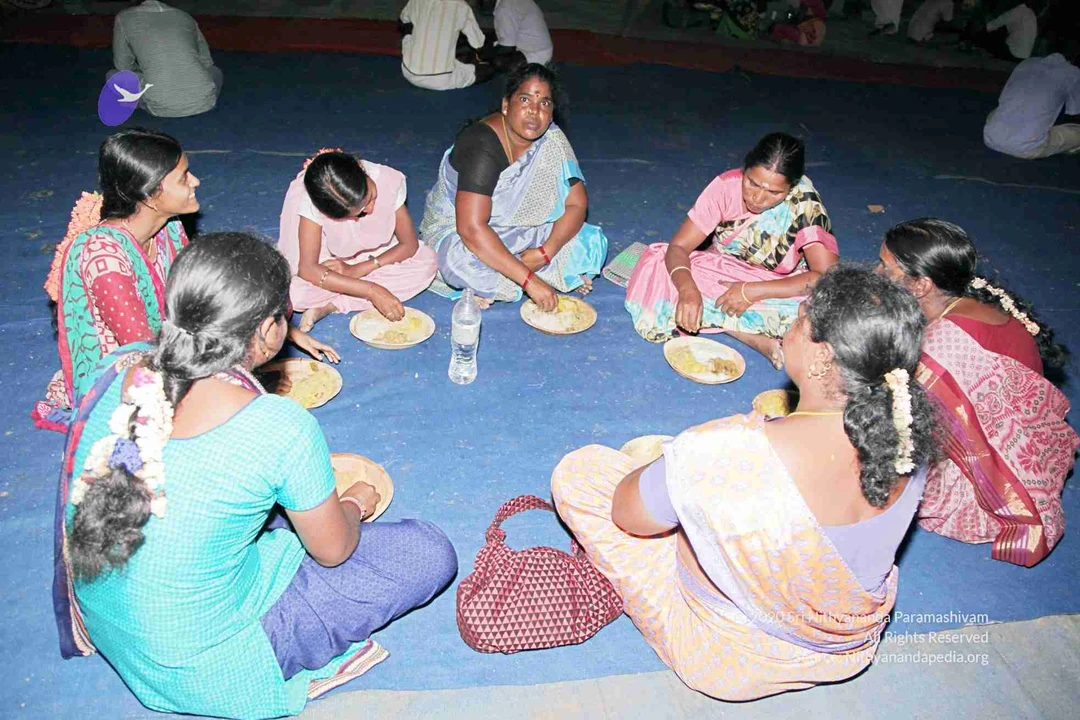
 Delegates enjoying sacred prasadam
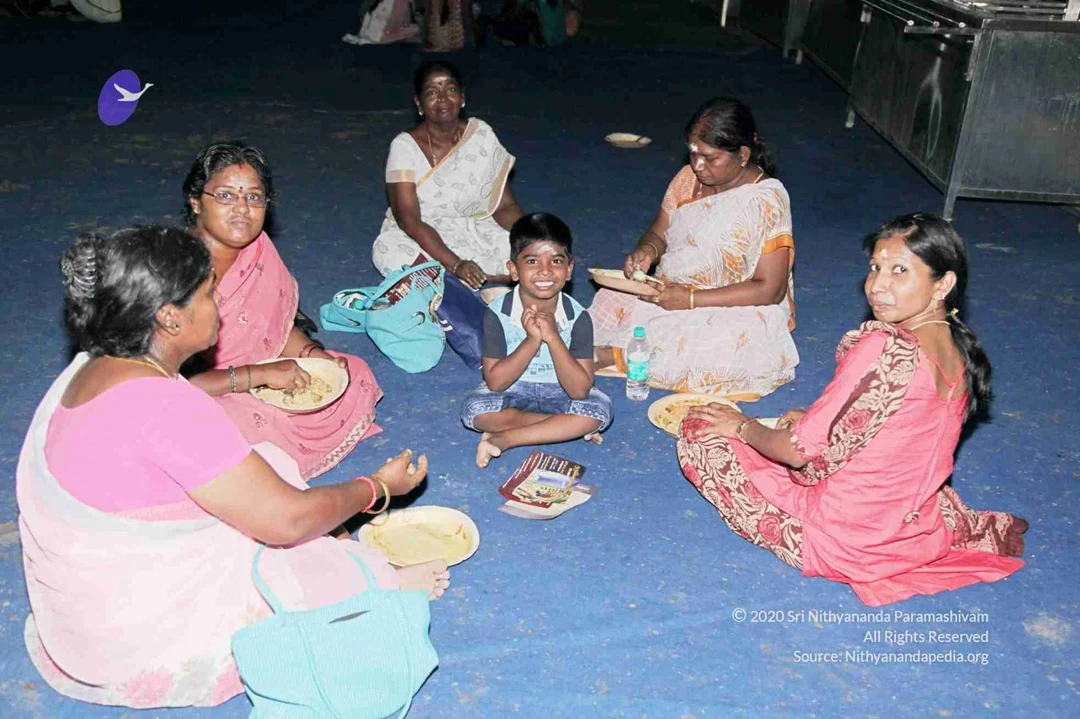
 Delegates enjoying sacred prasadam
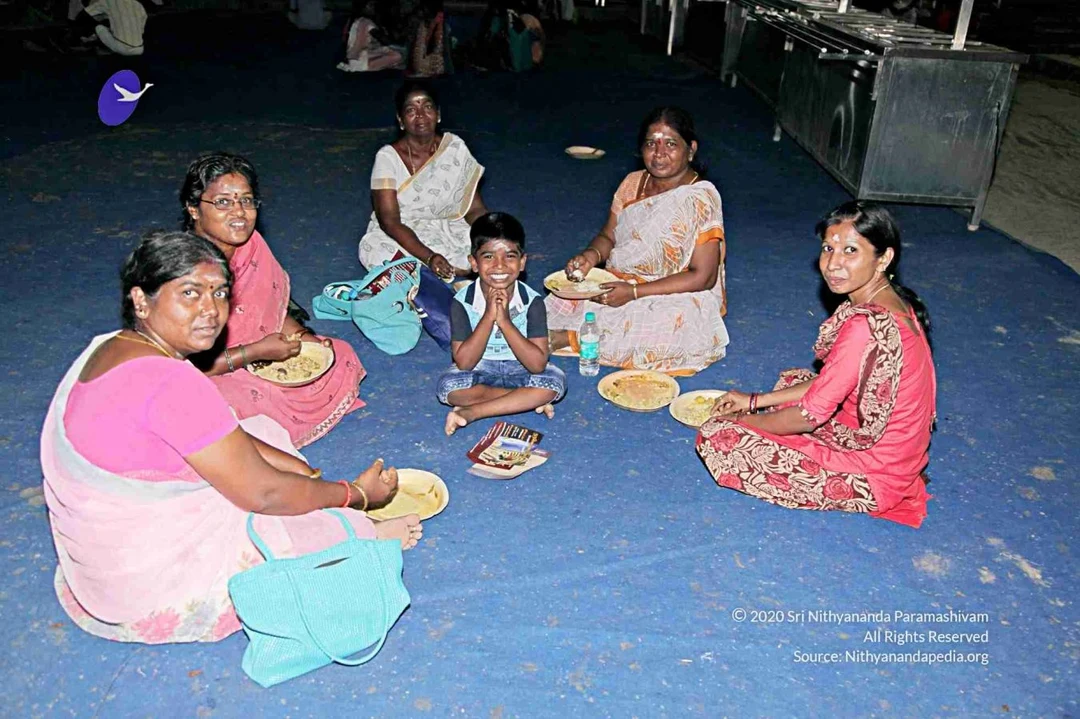
 Delegates enjoying sacred prasadam
 Delegates enjoying sacred prasadam
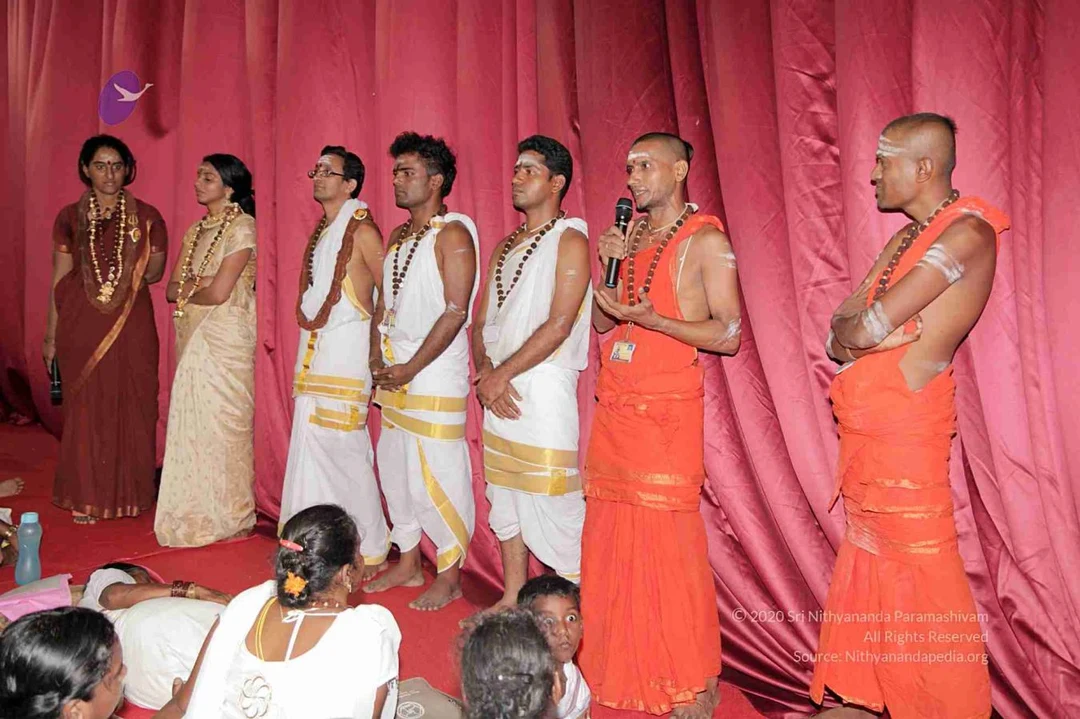 Convention coordinators
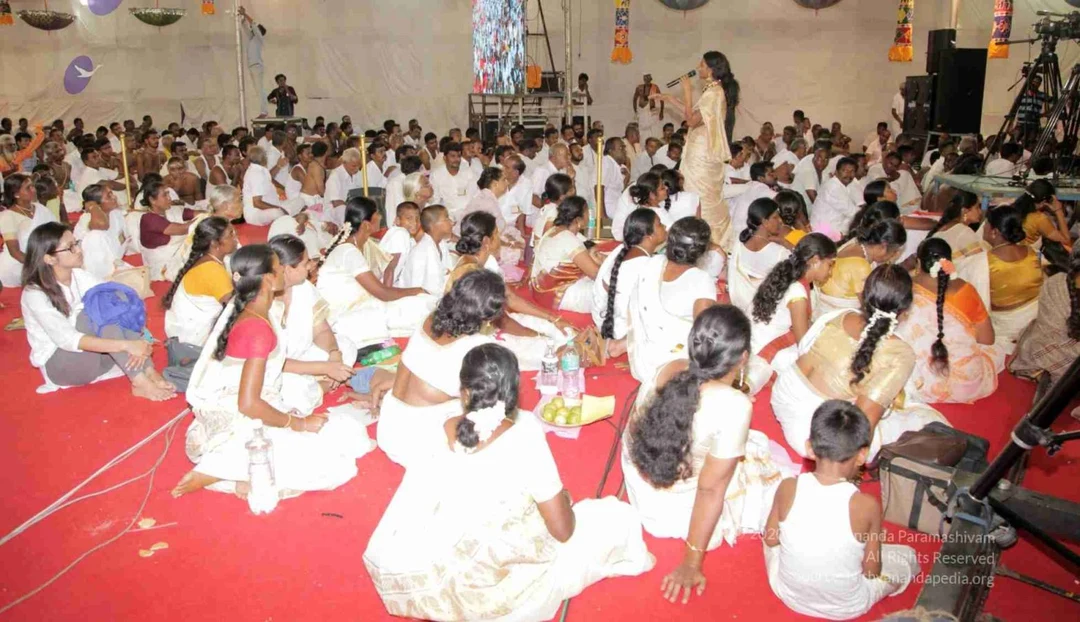 Sangha is the vatavarana, in which beautiful enlightenment can happen
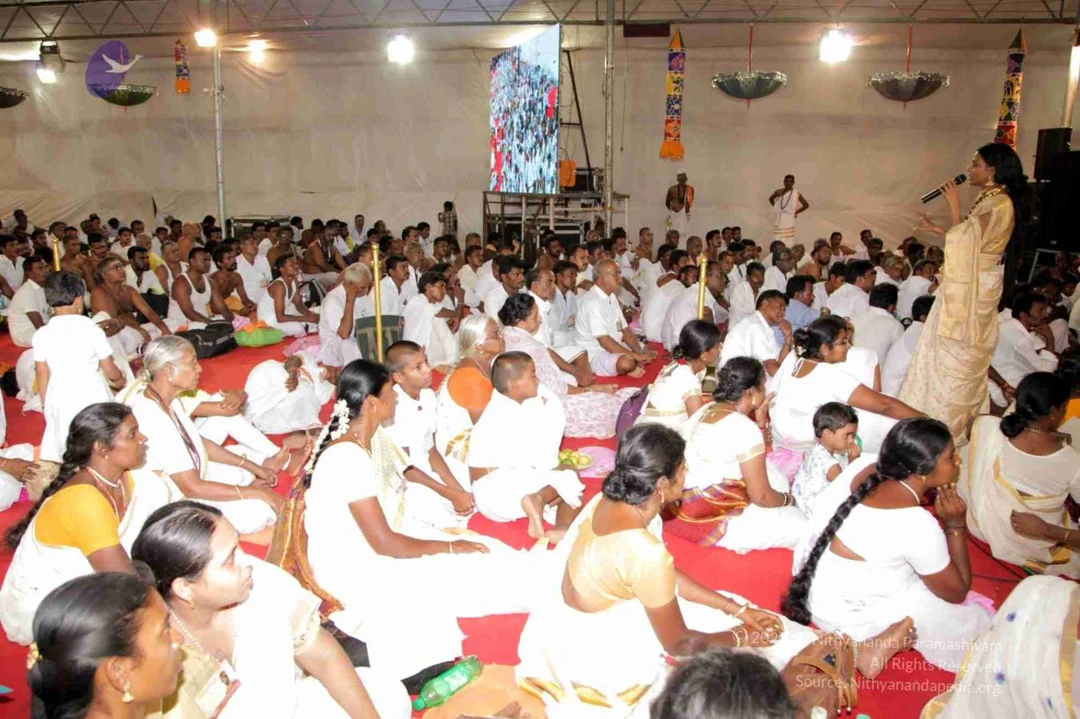 Sangha is the vatavarana, in which beautiful enlightenment can happen
 Sangha is the vatavarana, in which beautiful enlightenment can happen
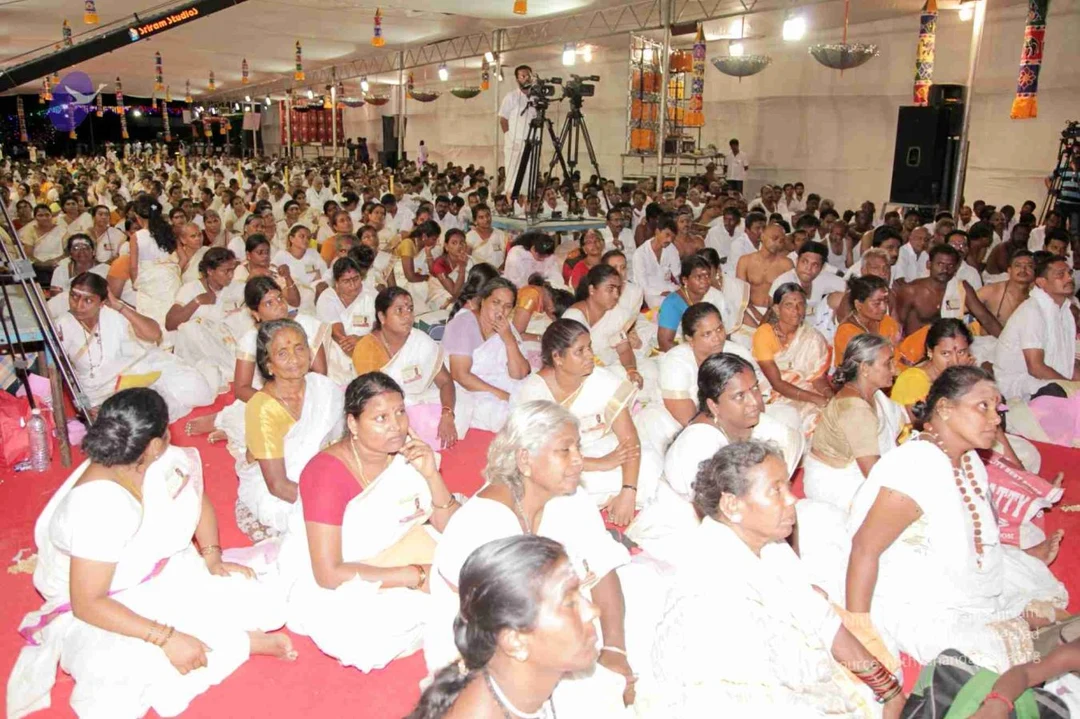 Sangha is the vatavarana, in which beautiful enlightenment can happen
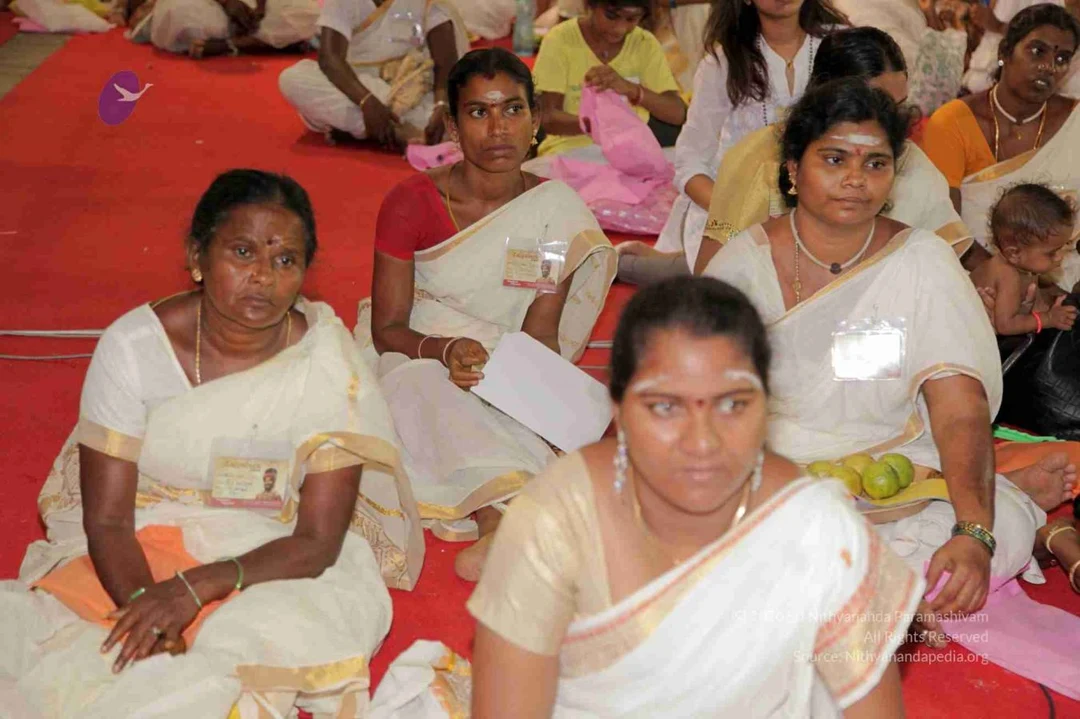 Sangha is the vatavarana, in which beautiful enlightenment can happen
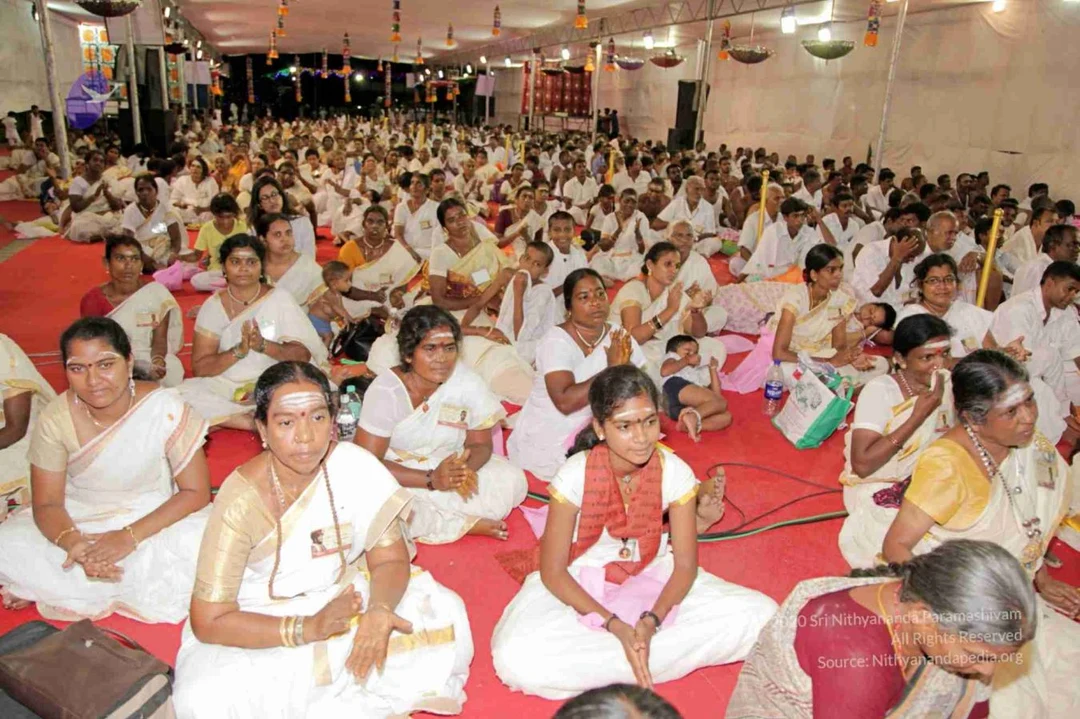 Sangha is the vatavarana, in which beautiful enlightenment can happen
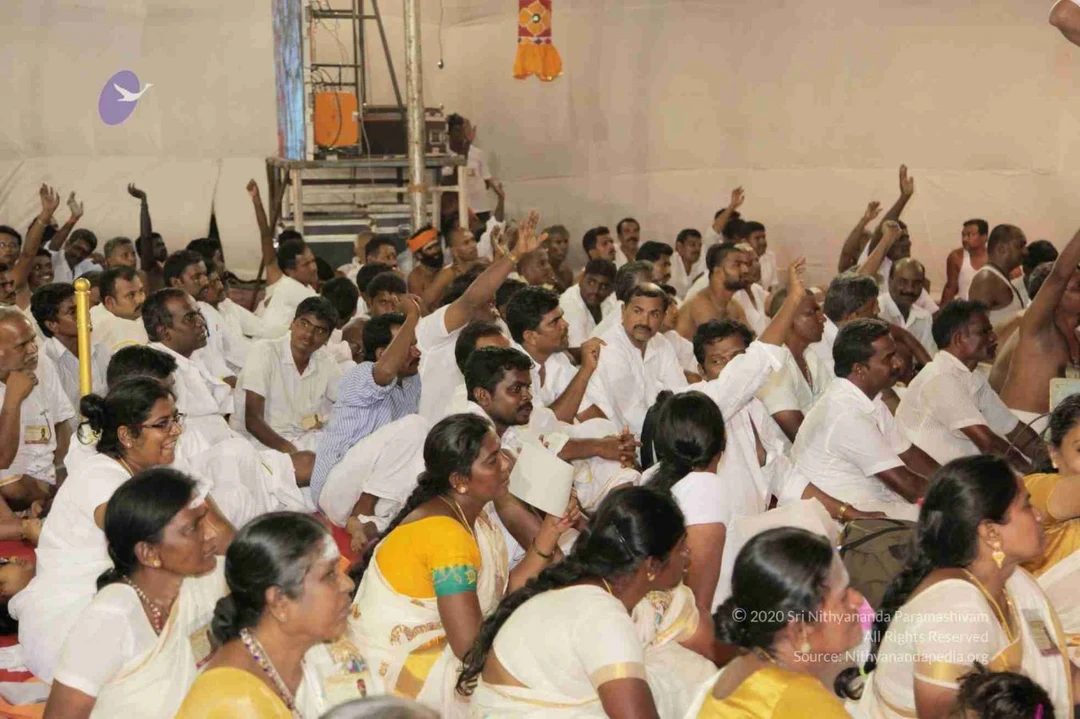 Sangha is the vatavarana, in which beautiful enlightenment can happen
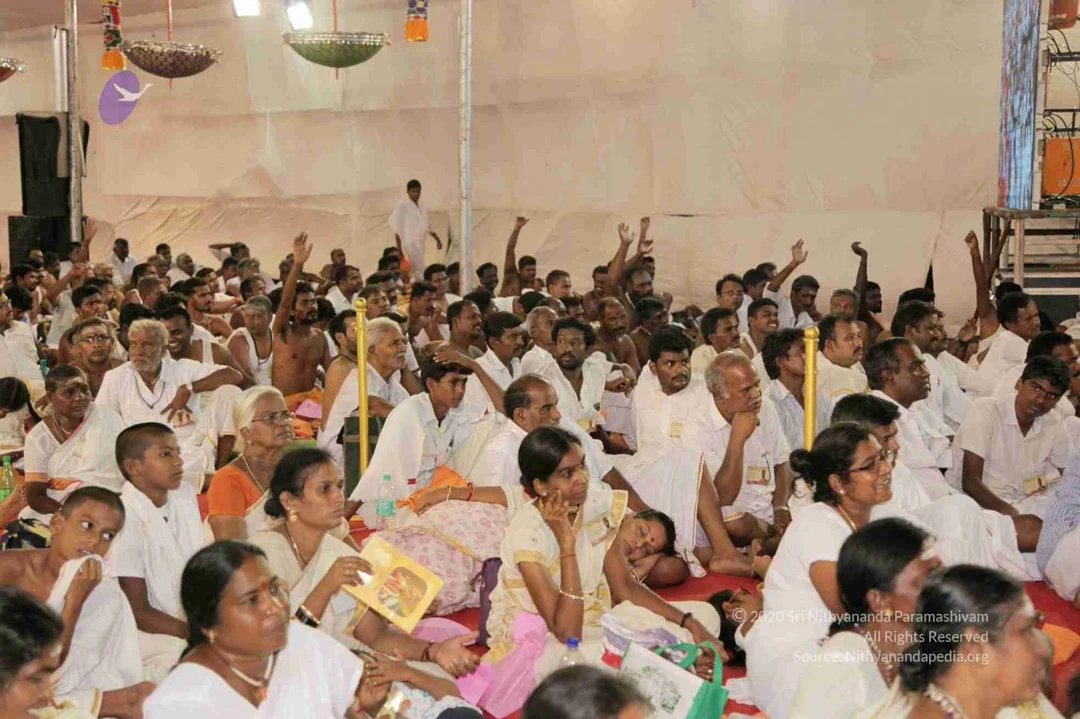 Convention coordinators
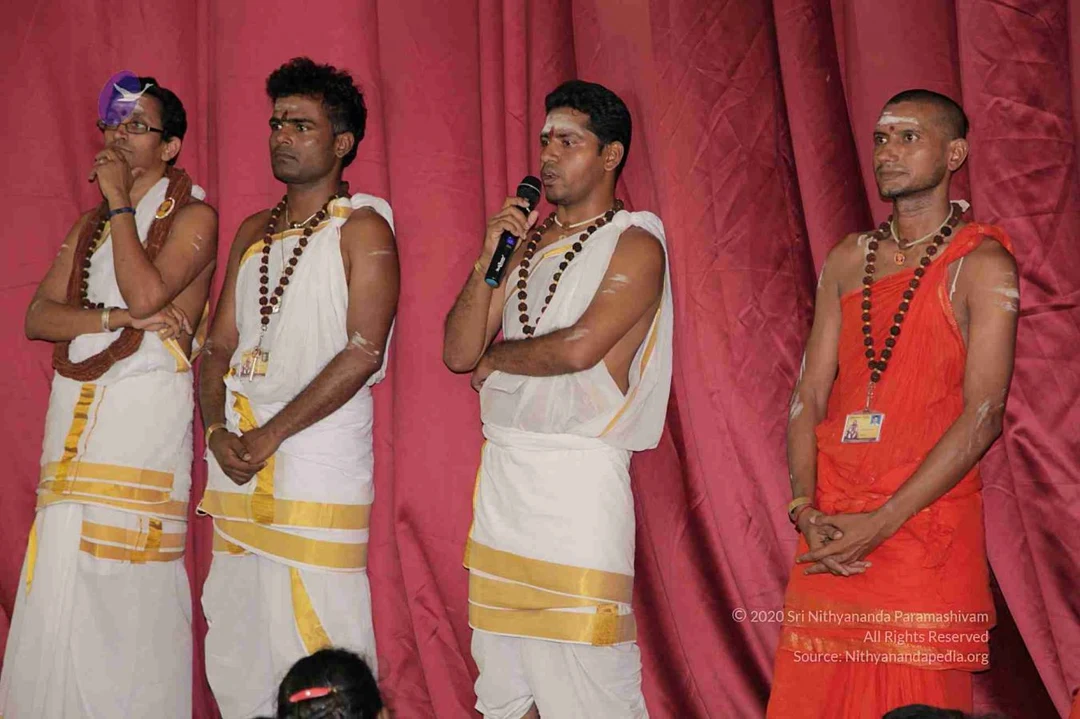 Convention coordinators
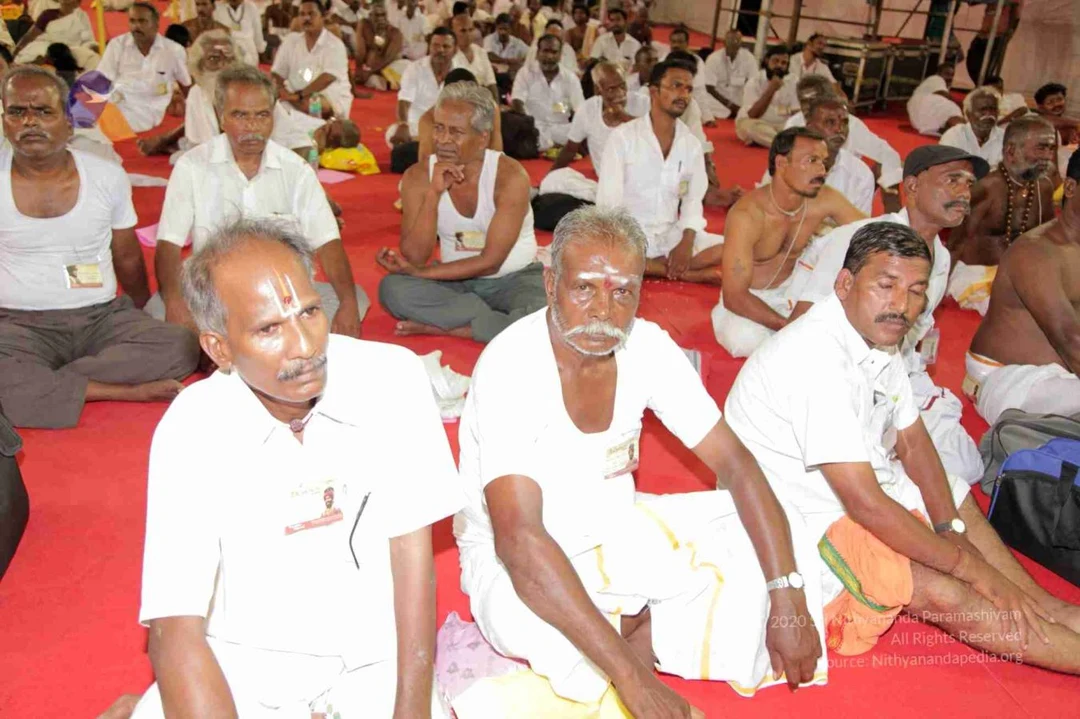 Sangha is the vatavarana, for beautiful things to flower
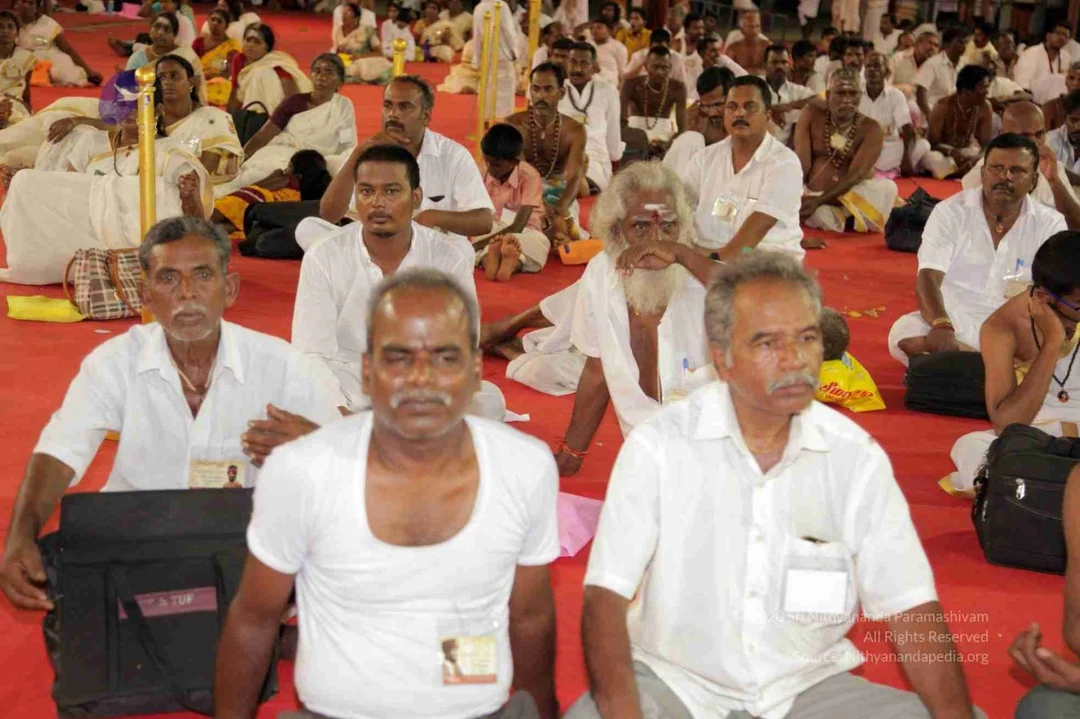 Sangha is the vatavarana, for beautiful things to flower
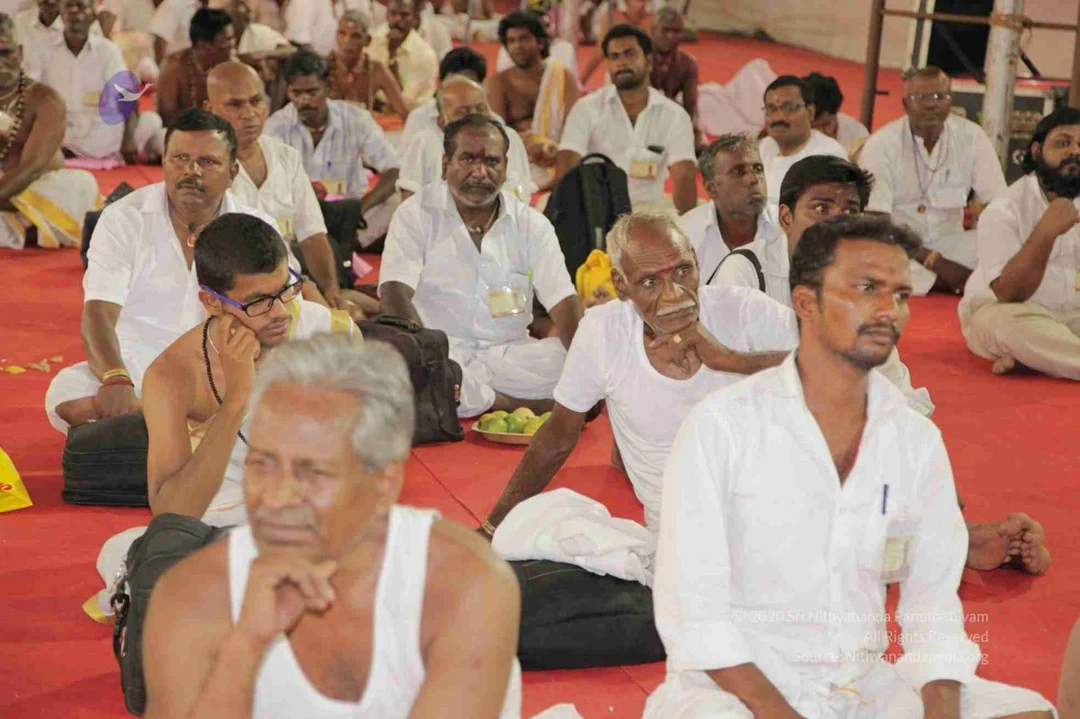 Sangha is the vatavarana, for beautiful things to flower
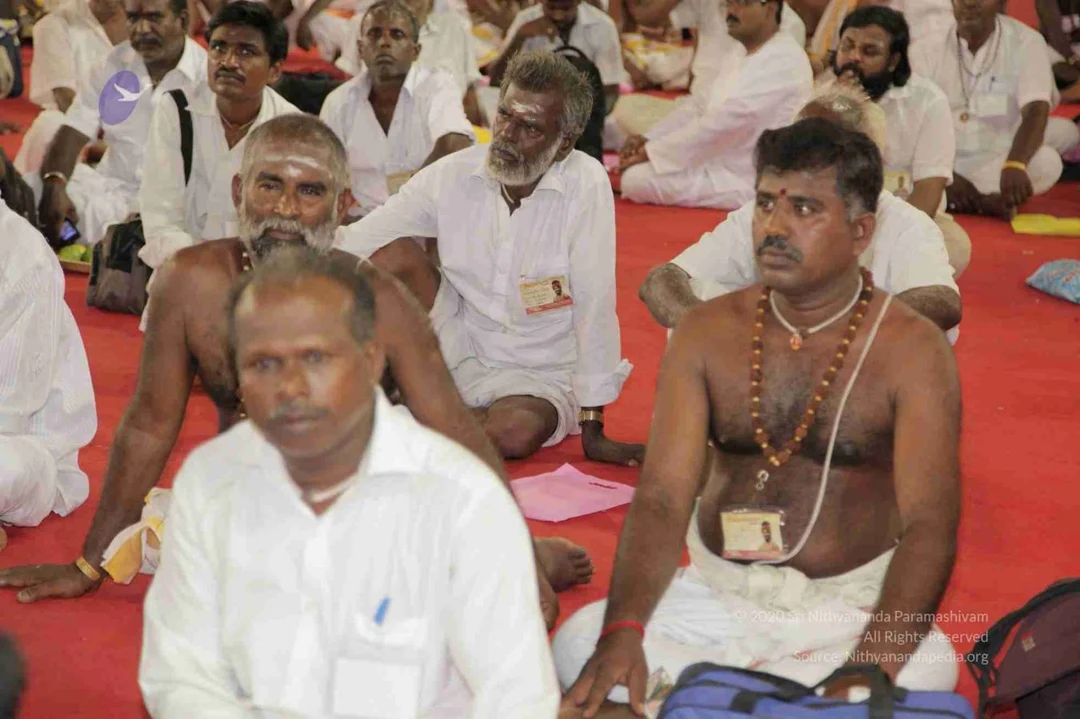 Sangha is the vatavarana, for beautiful things to flower
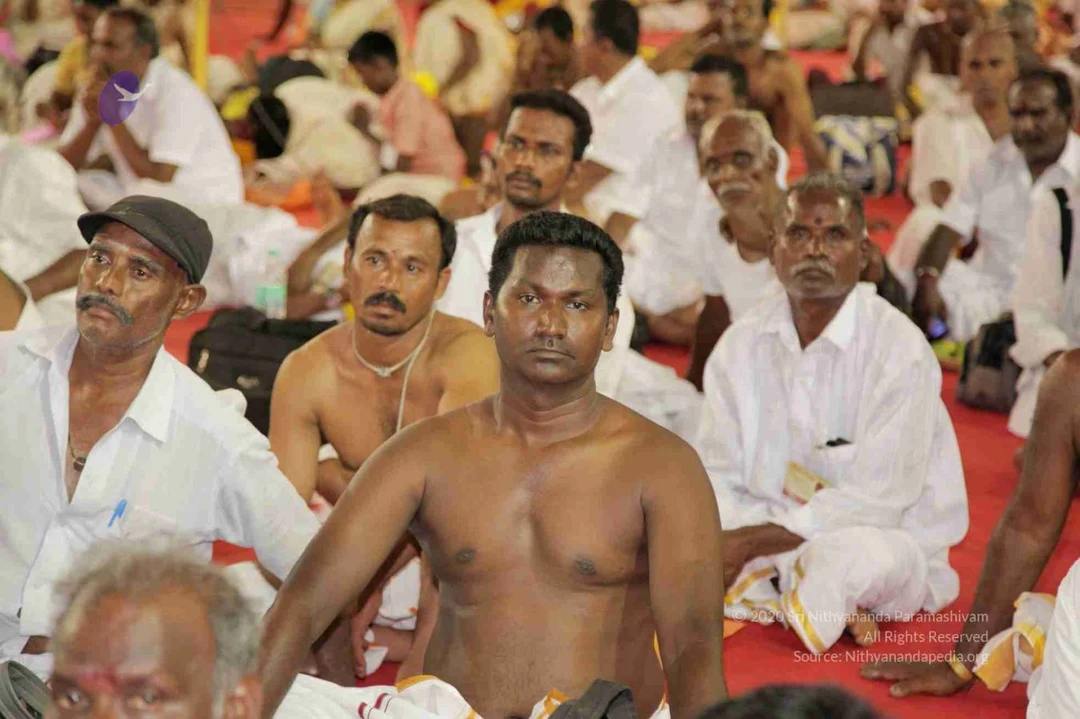 Sangha is the vatavarana, for beautiful things to flower
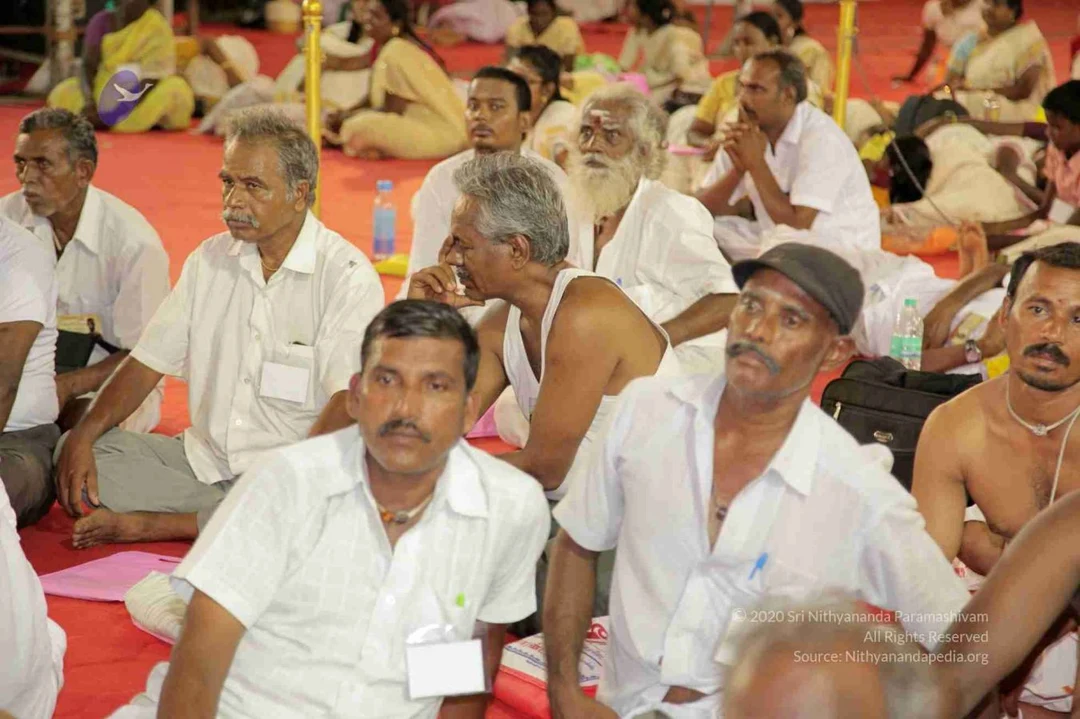 Sangha is the vatavarana, for beautiful things to flower
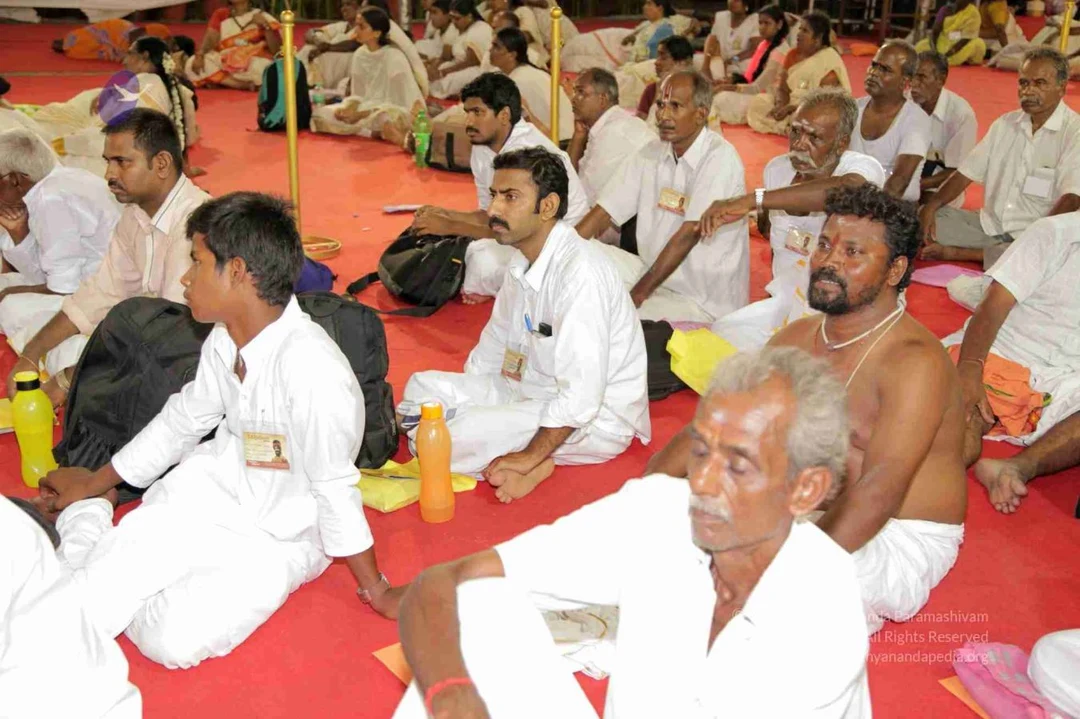 Sangha is the vatavarana, for beautiful things to flower
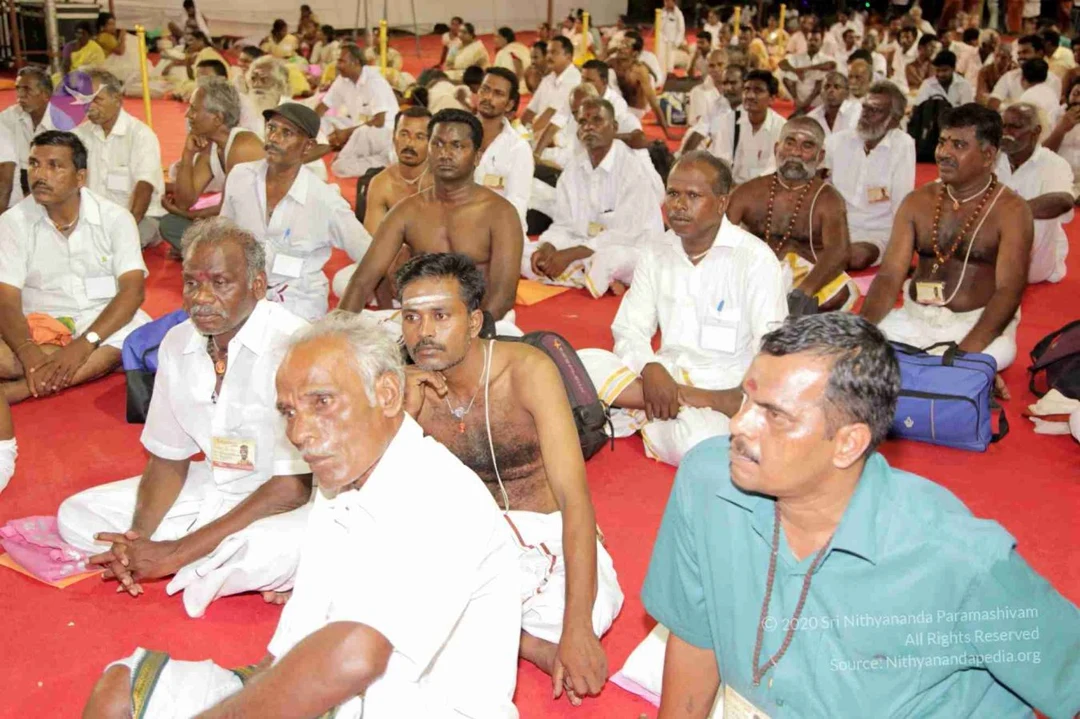 Sangha is the vatavarana, for beautiful things to flower
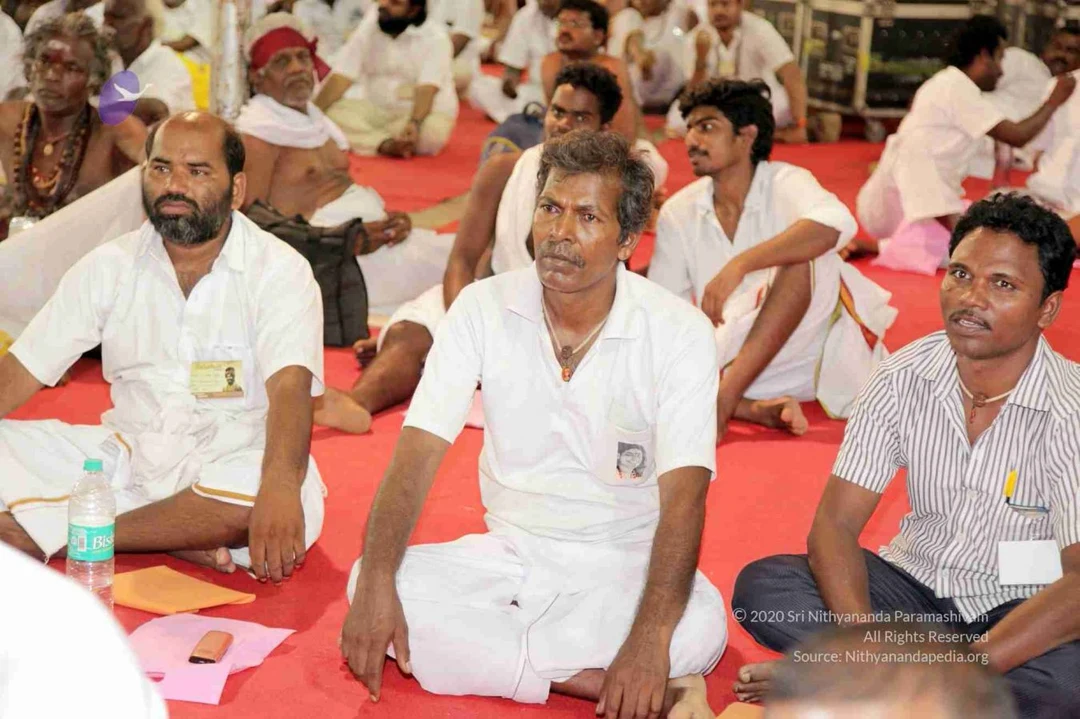 Sangha is the vatavarana, for beautiful things to flower
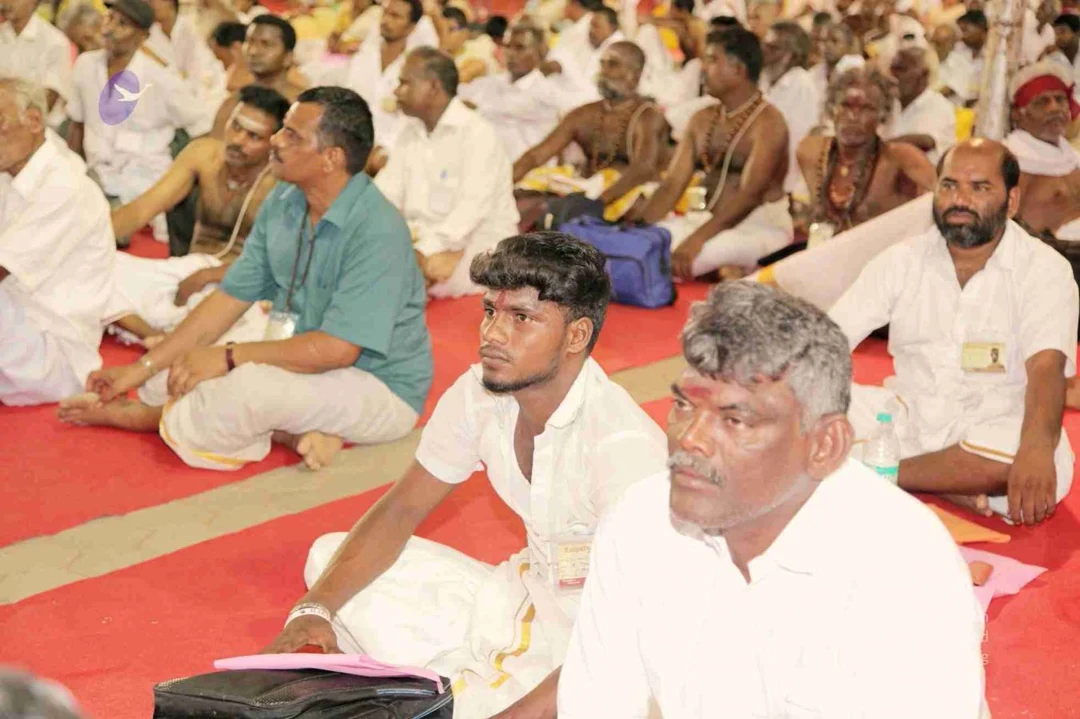 Sangha is the vatavarana, for beautiful things to flower
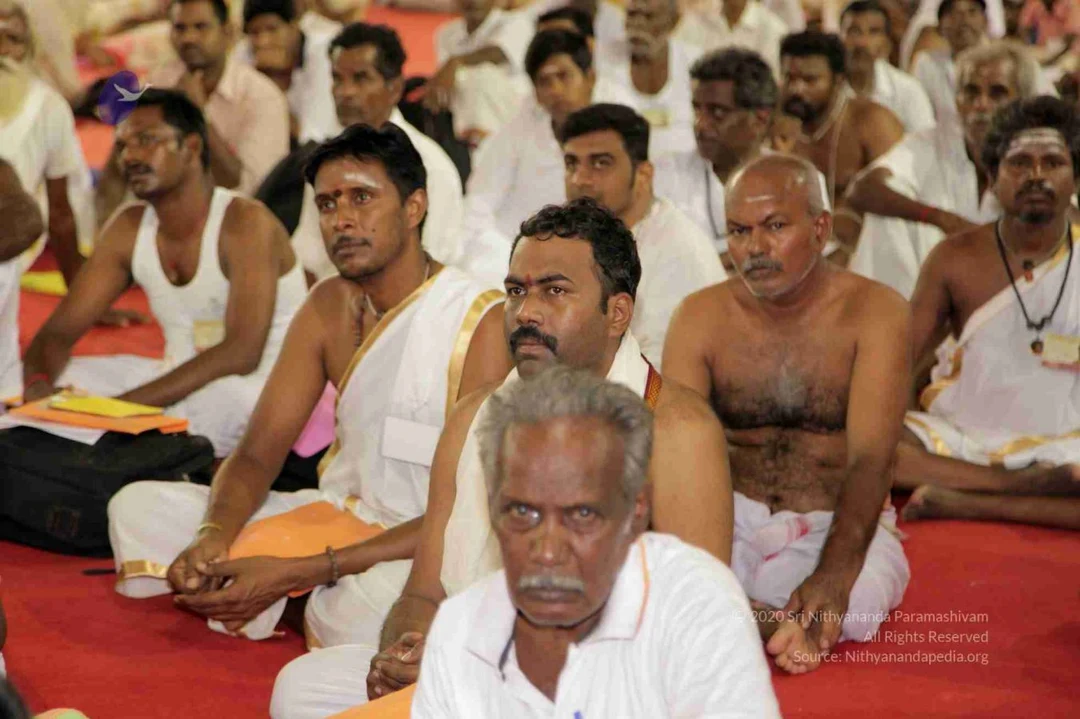 Sangha is the vatavarana, for beautiful things to flower
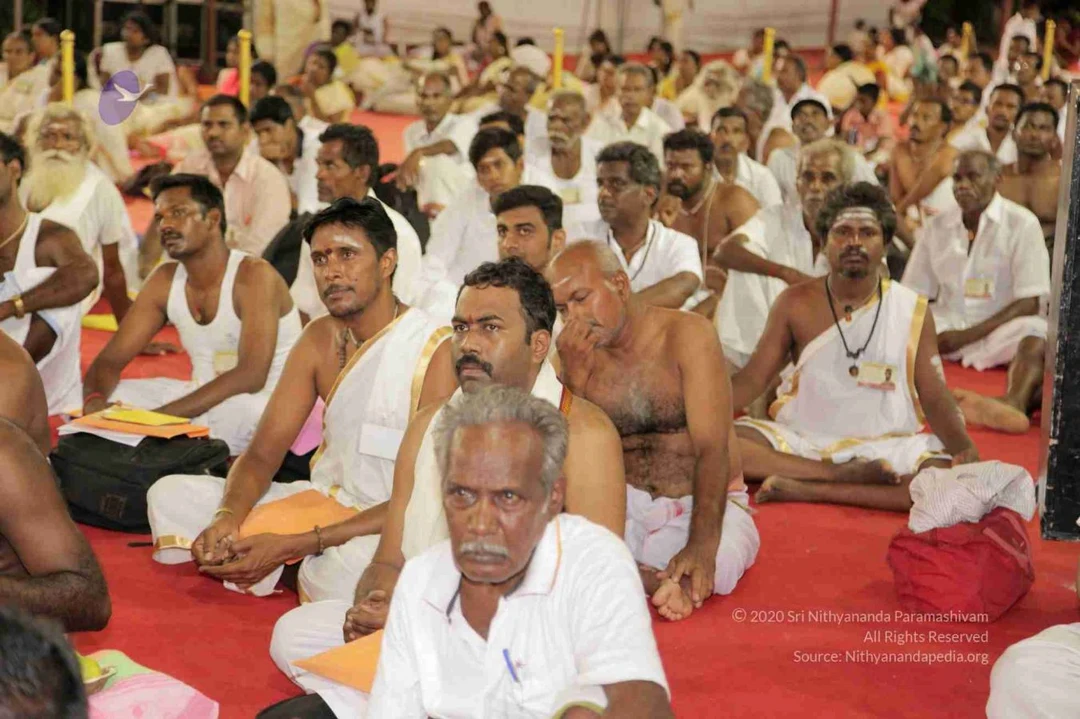 Sangha is the vatavarana, for beautiful things to flower
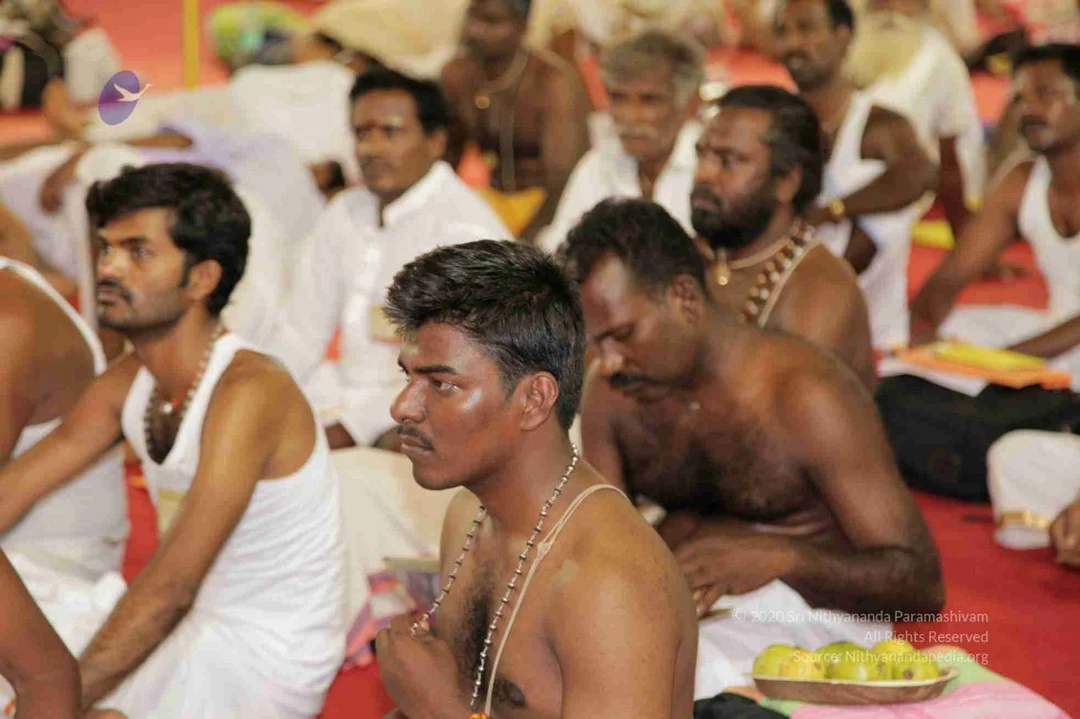 Sangha is the vatavarana, for beautiful things to flower
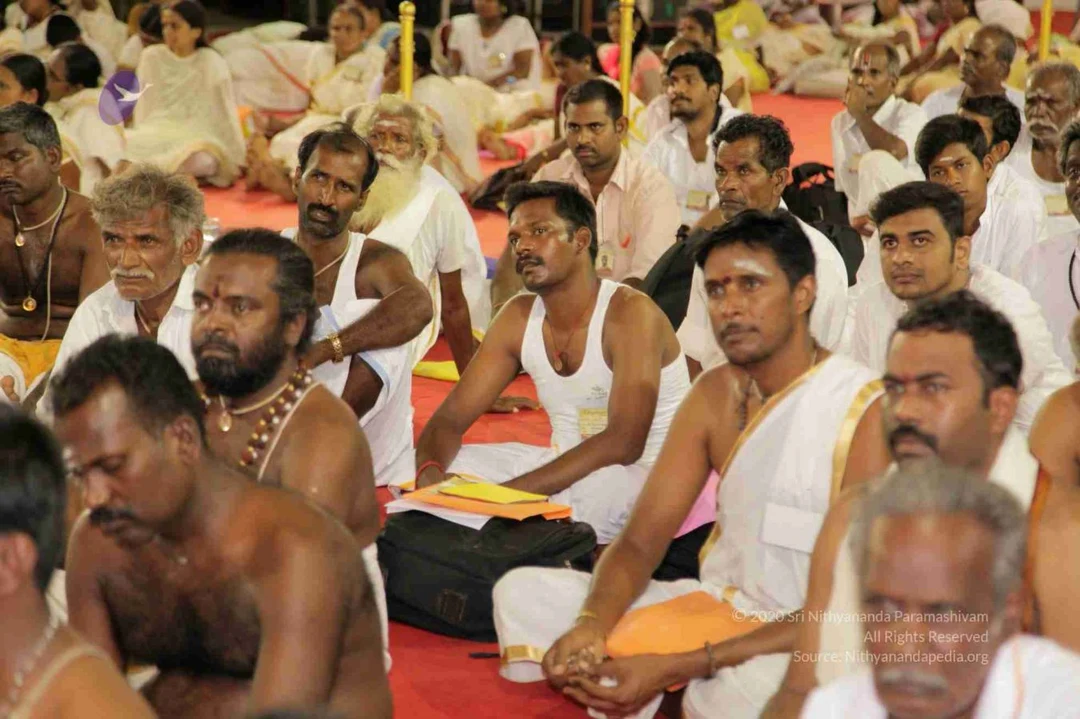 Sangha is the vatavarana, for beautiful things to flower
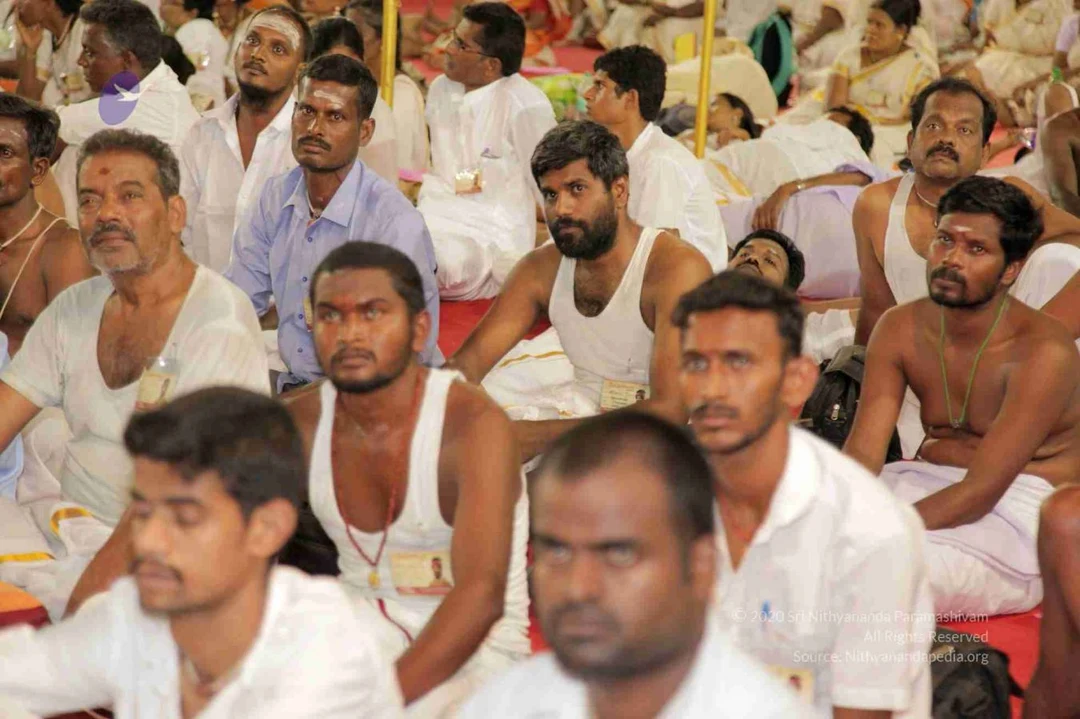 Sangha is the vatavarana, for beautiful things to flower
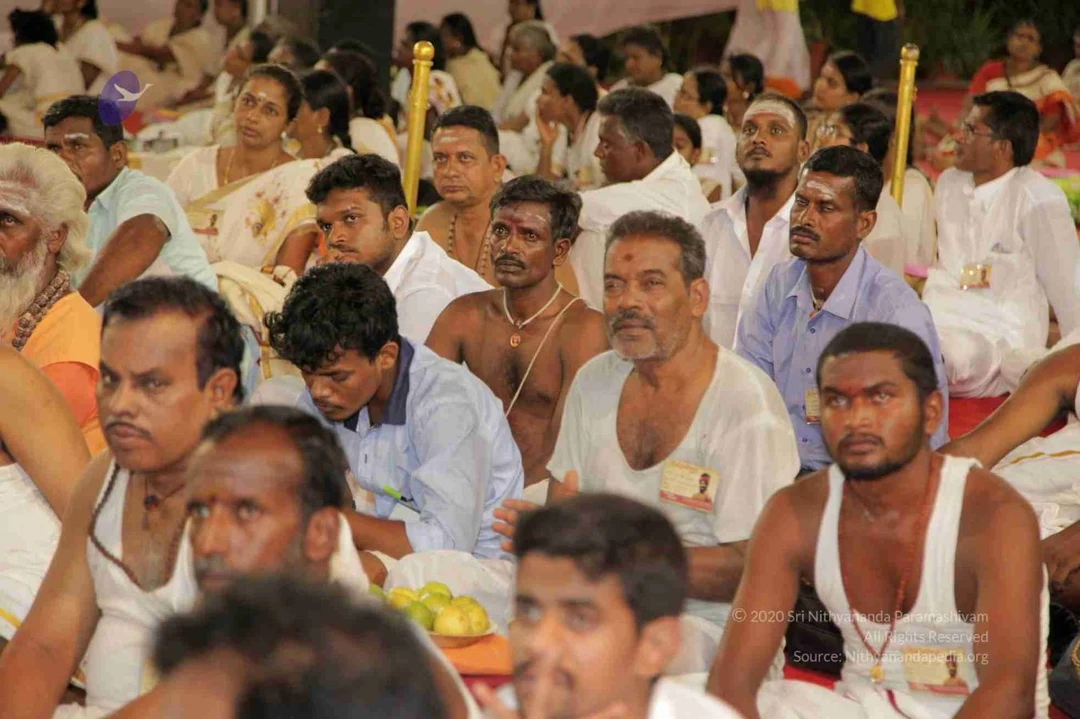 Sangha is the vatavarana, for beautiful things to flower
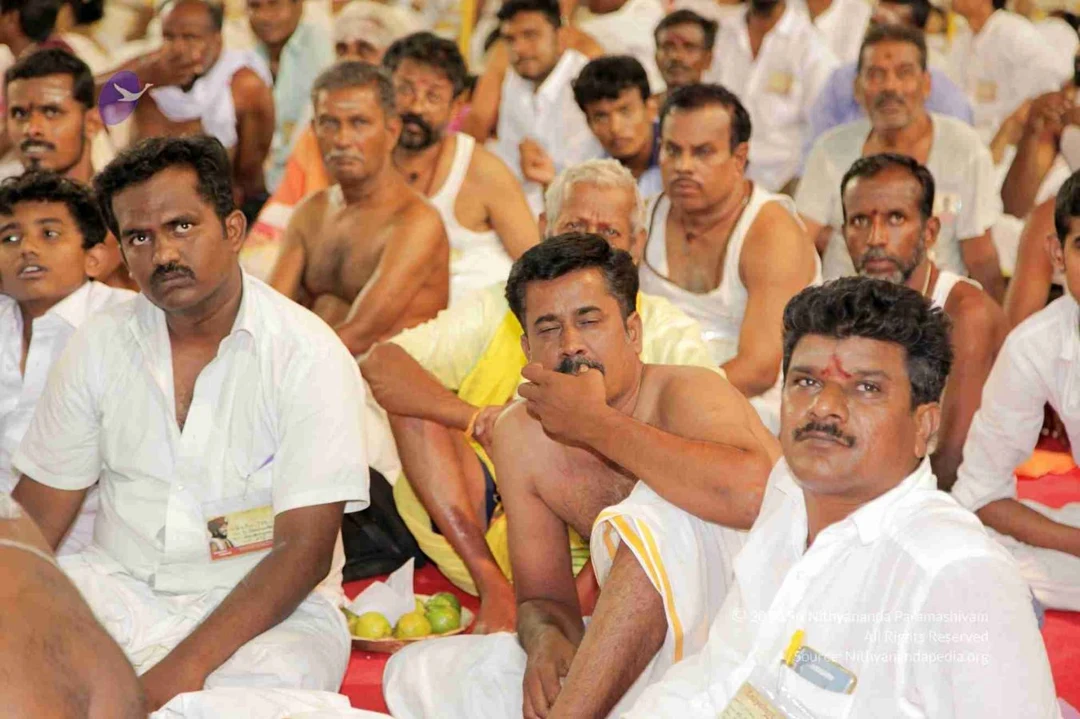 Sangha is the vatavarana, for beautiful things to flower
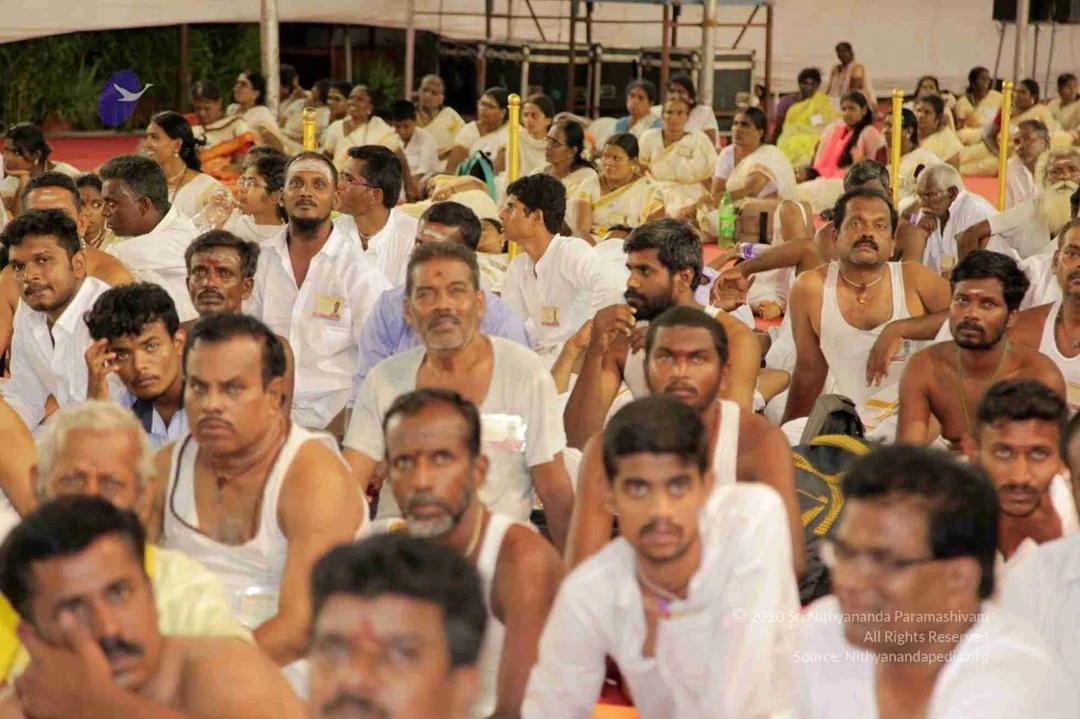 Sangha is the vatavarana, for beautiful things to flower
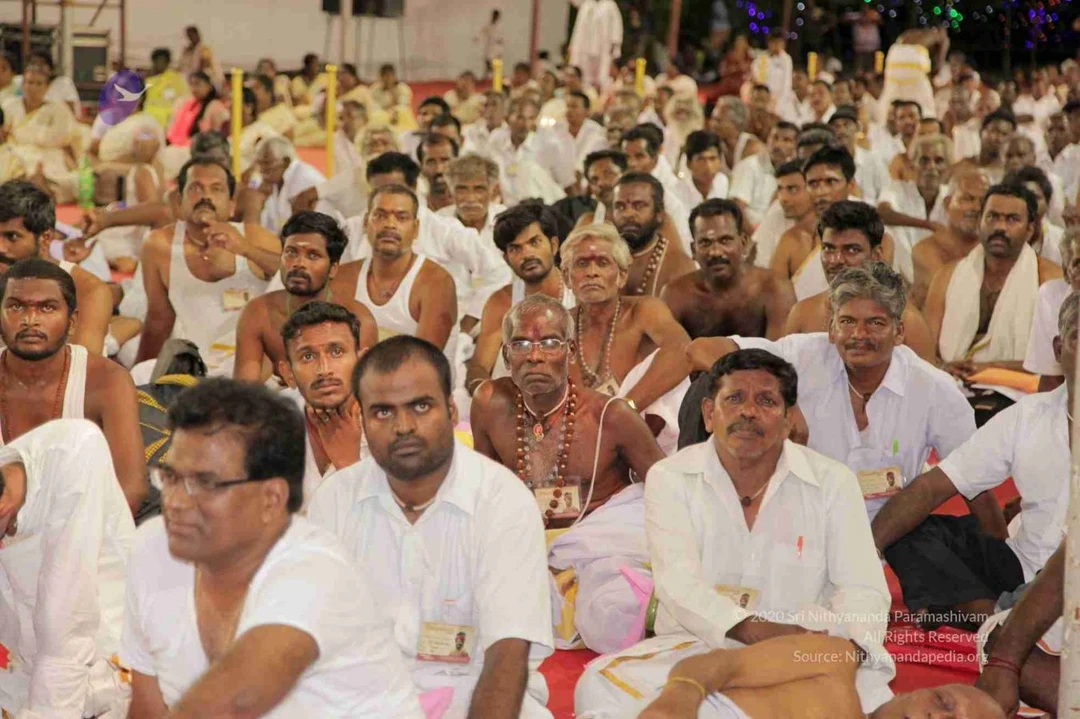 Sangha is the vatavarana, for beautiful things to flower
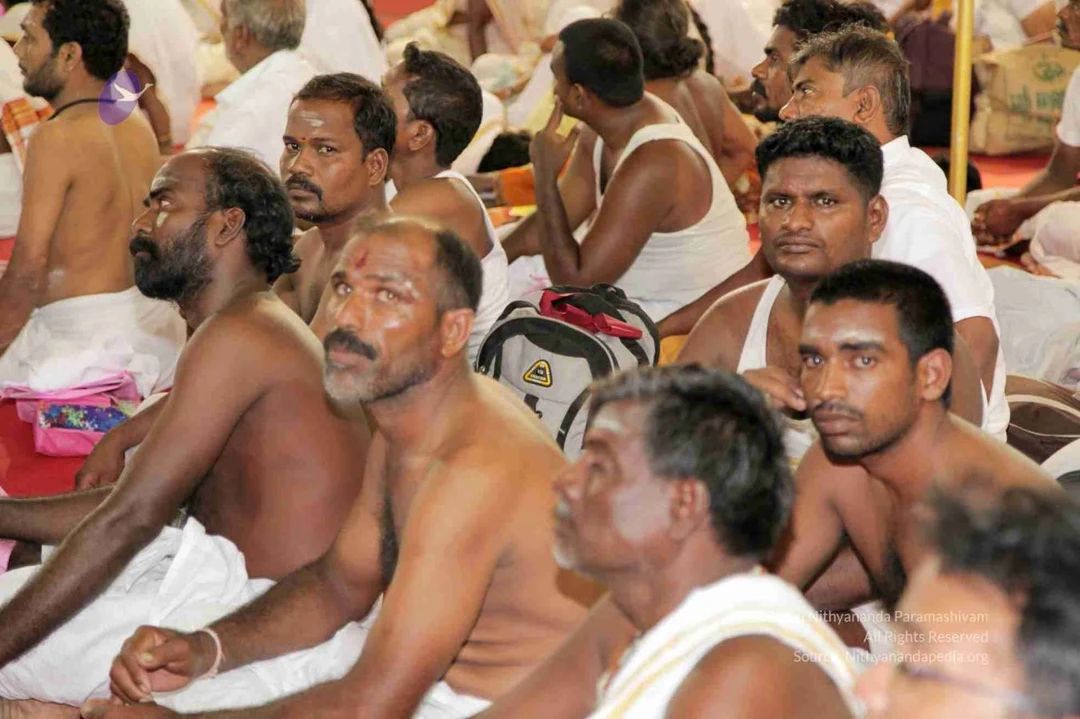 Sangha is the vatavarana, for beautiful things to flower
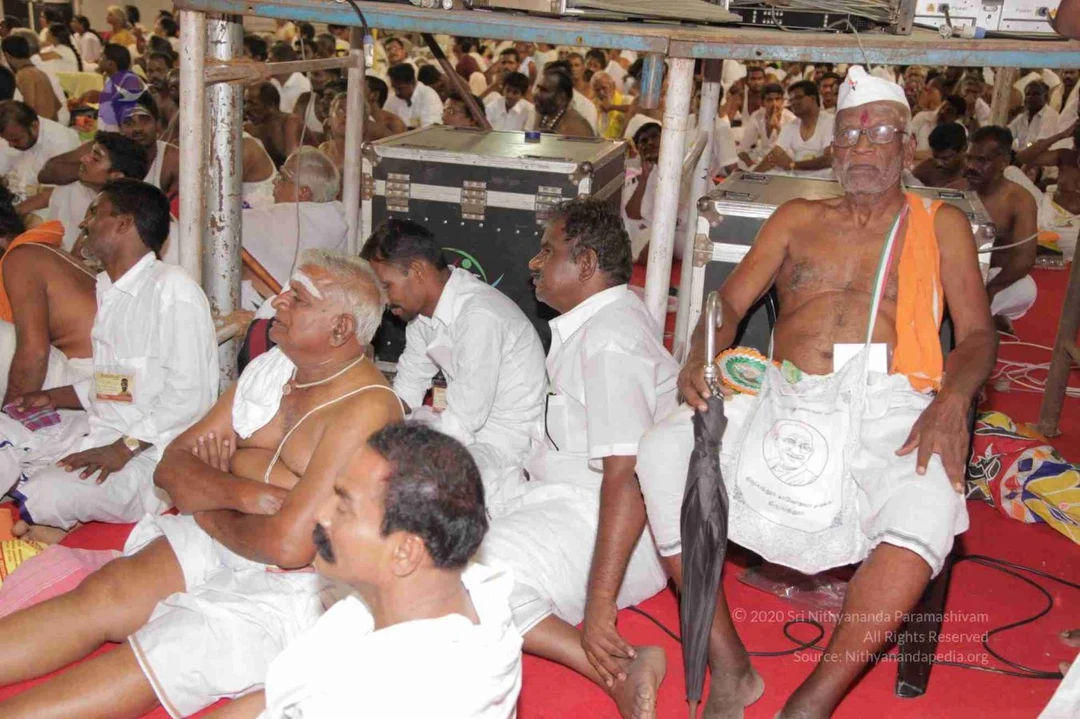 Sangha is the vatavarana, for beautiful things to flower
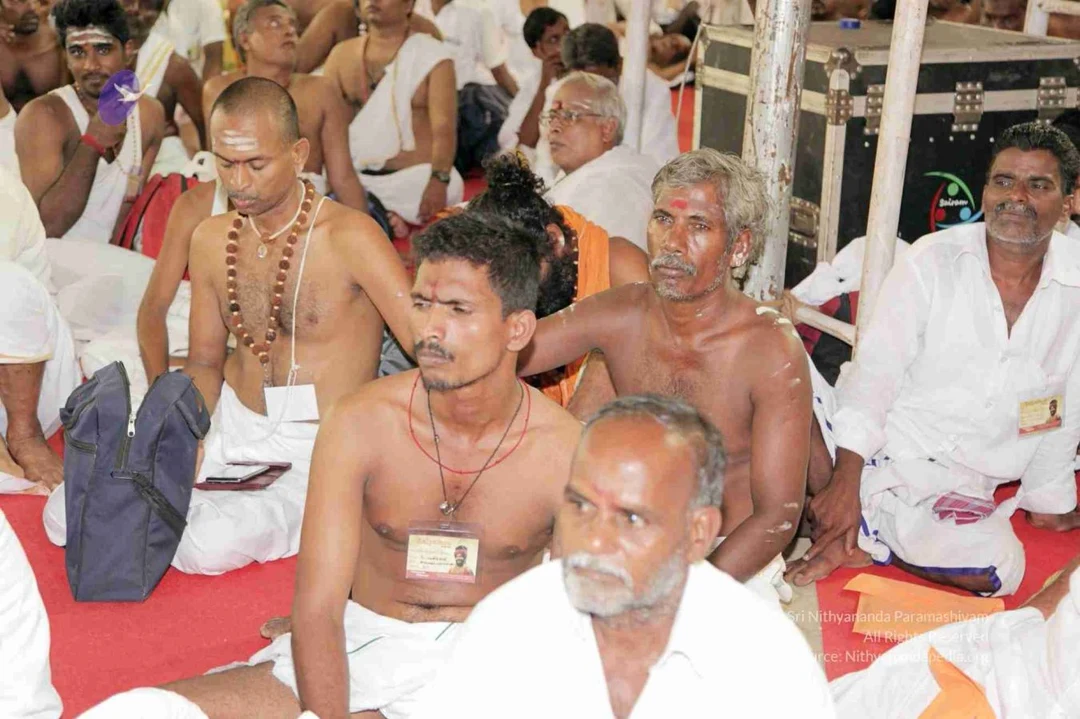 Sangha is the vatavarana, for beautiful things to flower
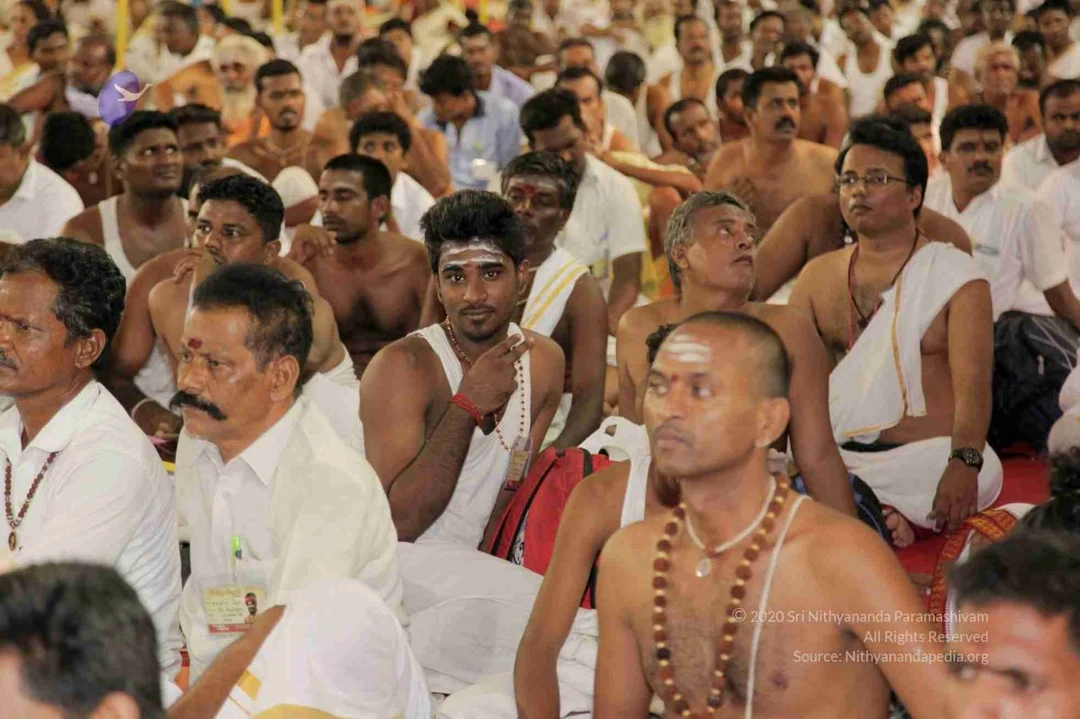 Sangha is the vatavarana, for beautiful things to flower
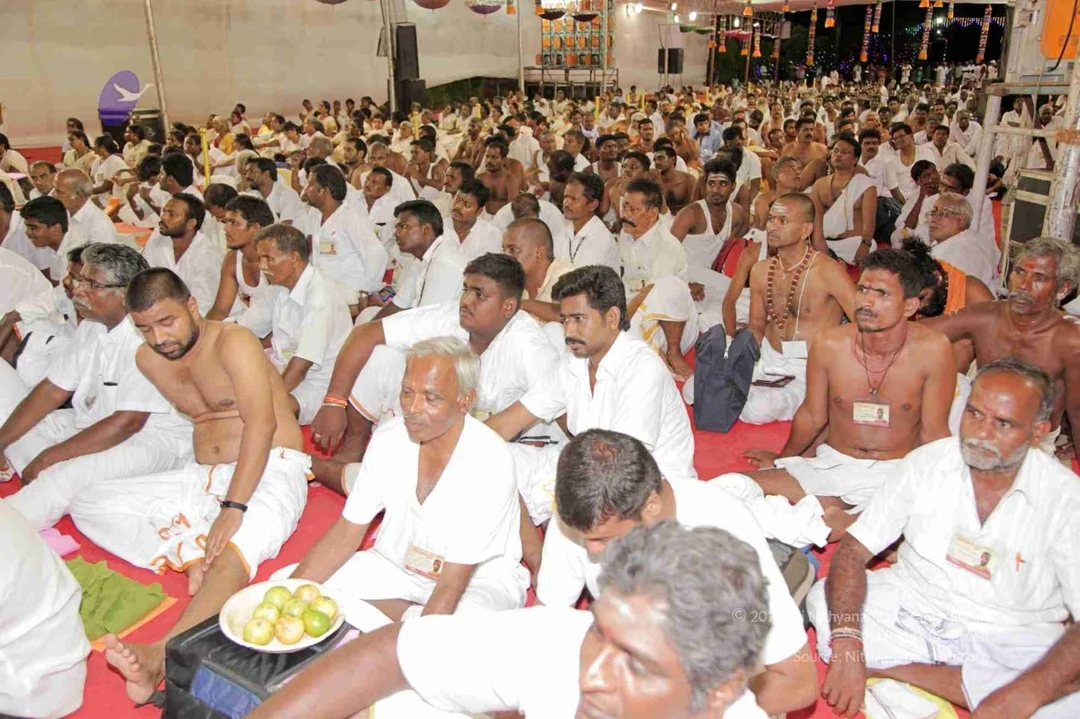 Sangha is the vatavarana, for beautiful things to flower
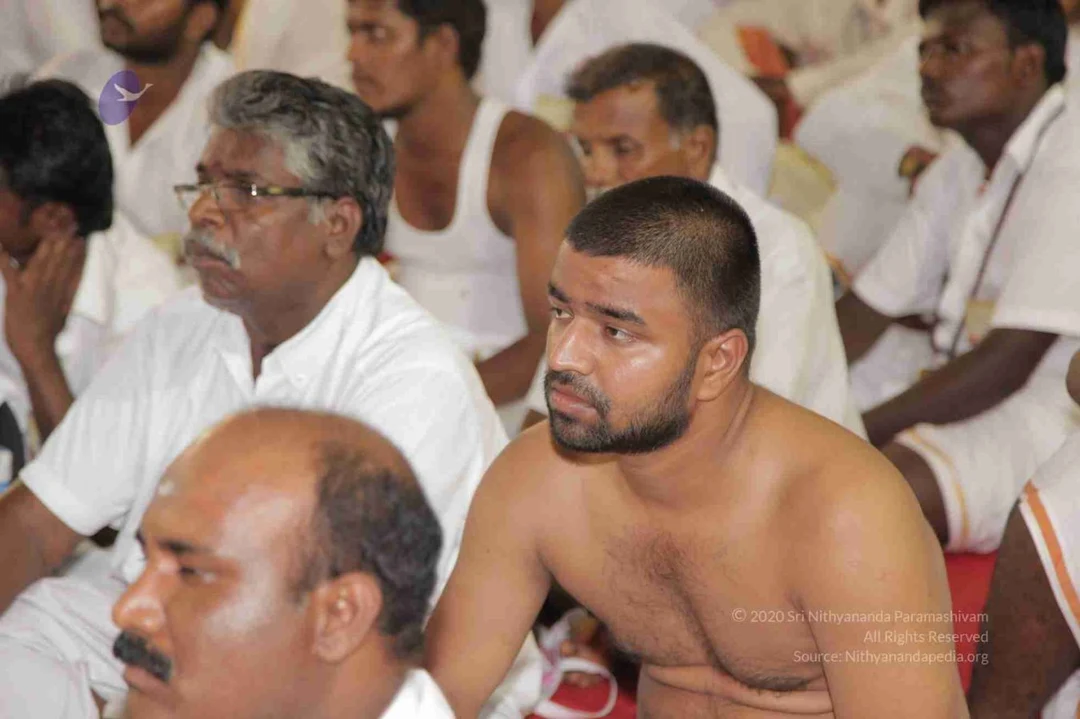 Sangha is the vatavarana, for beautiful things to flower
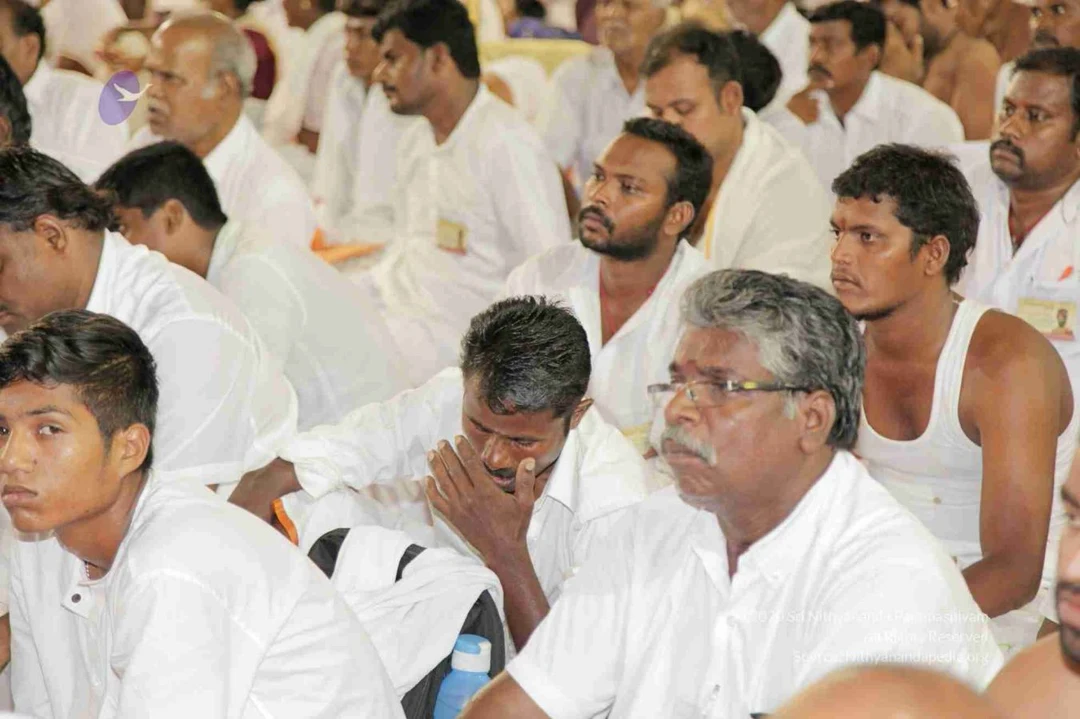 Sangha is the vatavarana, for beautiful things to flower
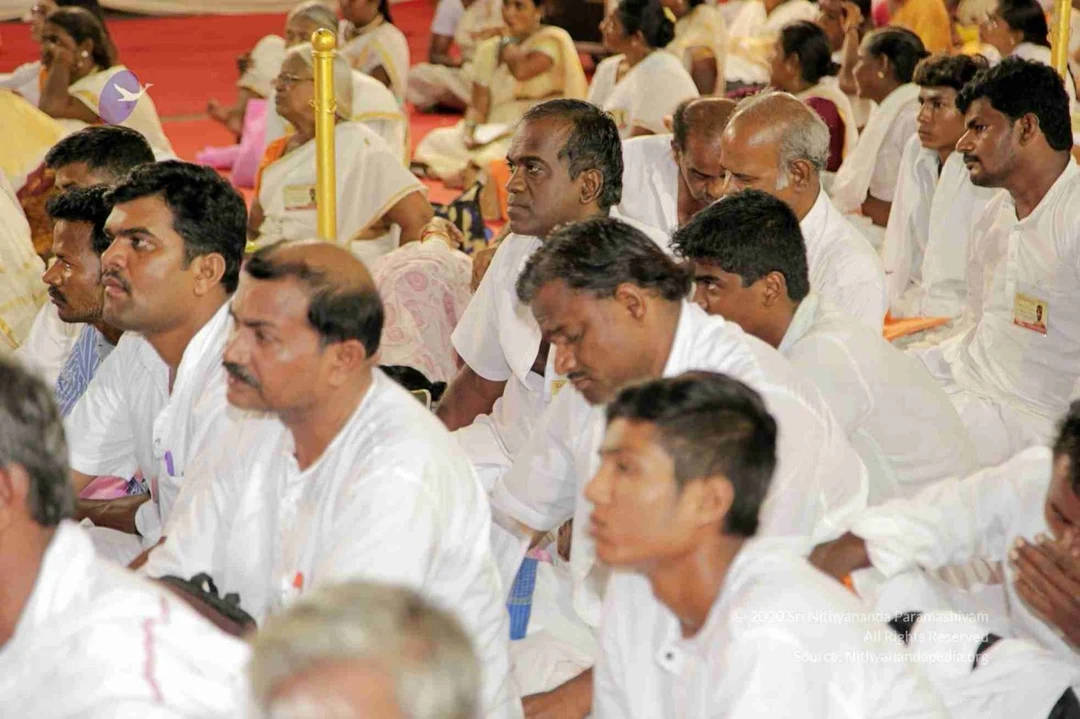 Sangha is the vatavarana, for beautiful things to flower
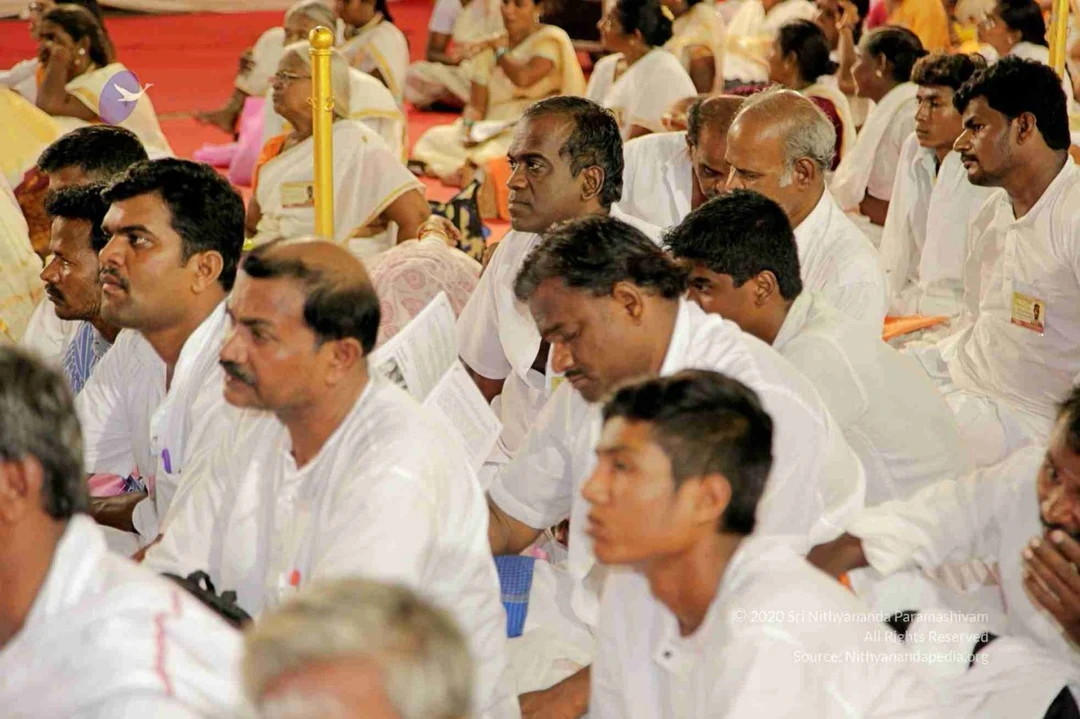 Sangha is the vatavarana, for beautiful things to flower
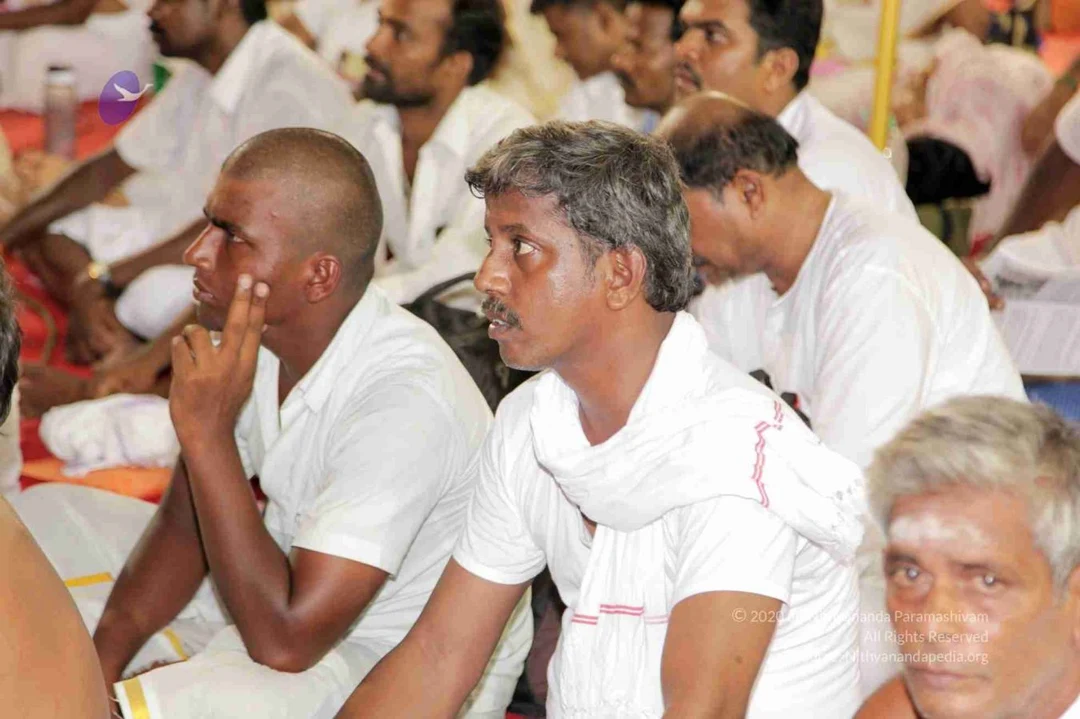 Sangha is the vatavarana, for beautiful things to flower
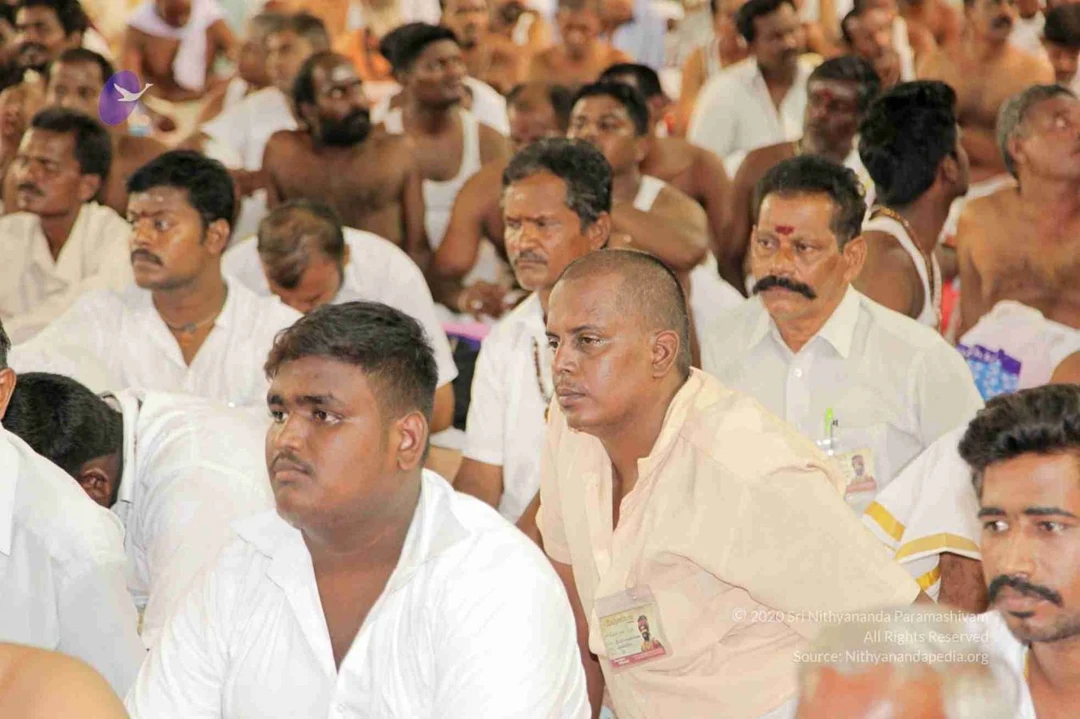 Sangha is the vatavarana, for beautiful things to flower
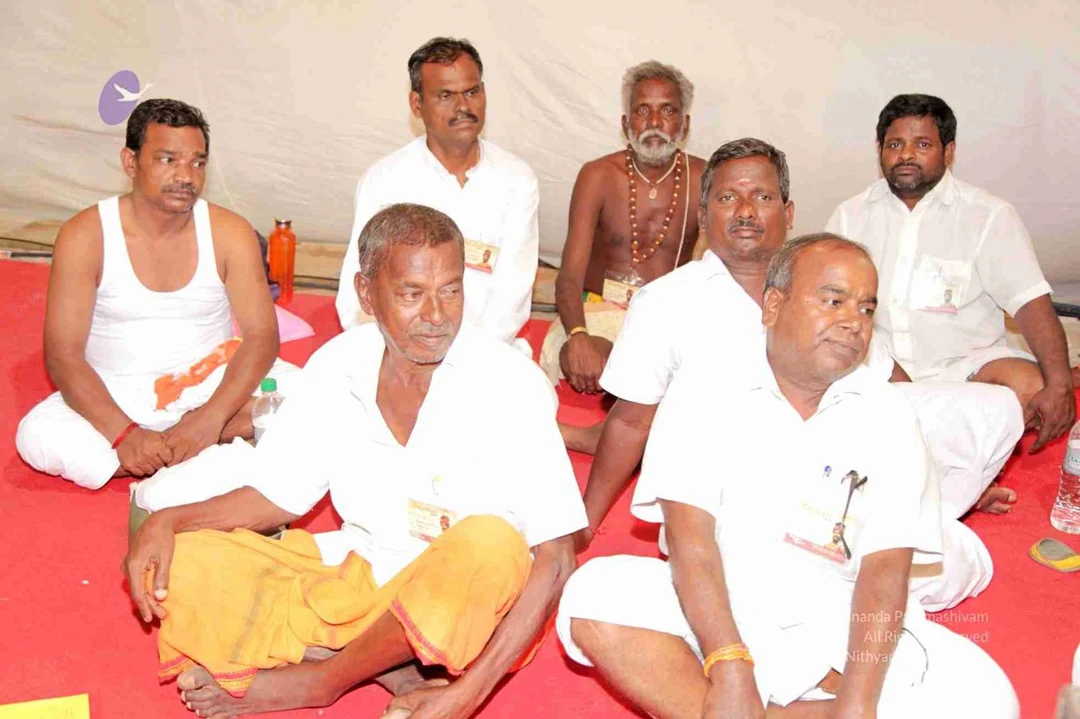 Sangha is the vatavarana, for beautiful things to flower
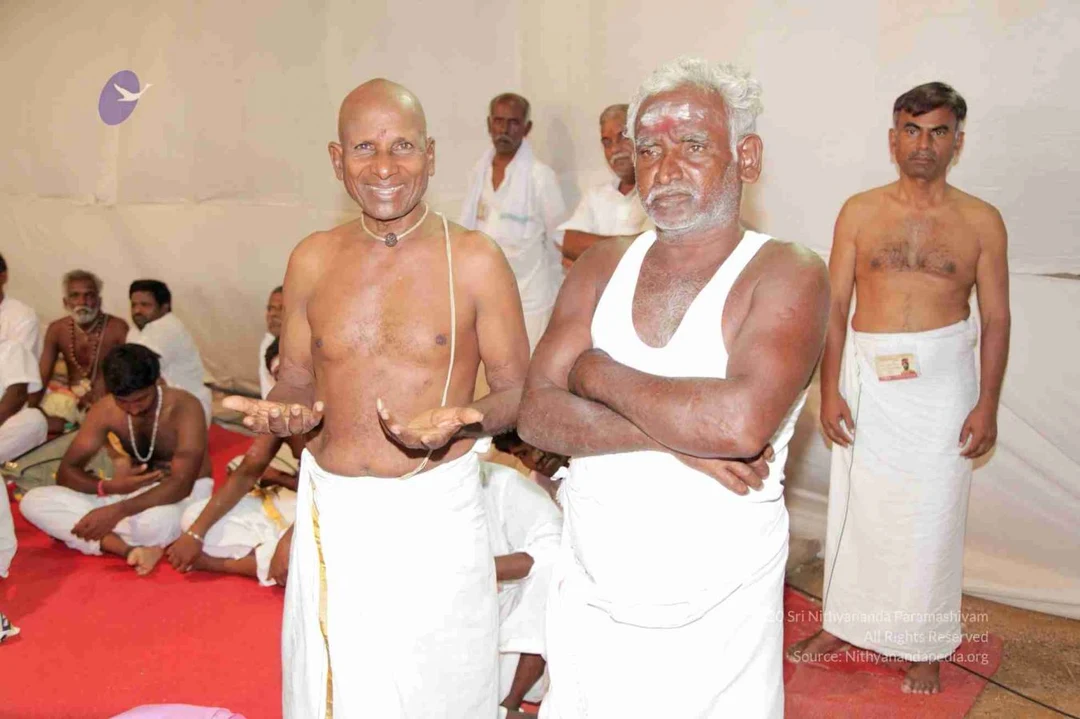 Sangha is the vatavarana, for beautiful things to flower
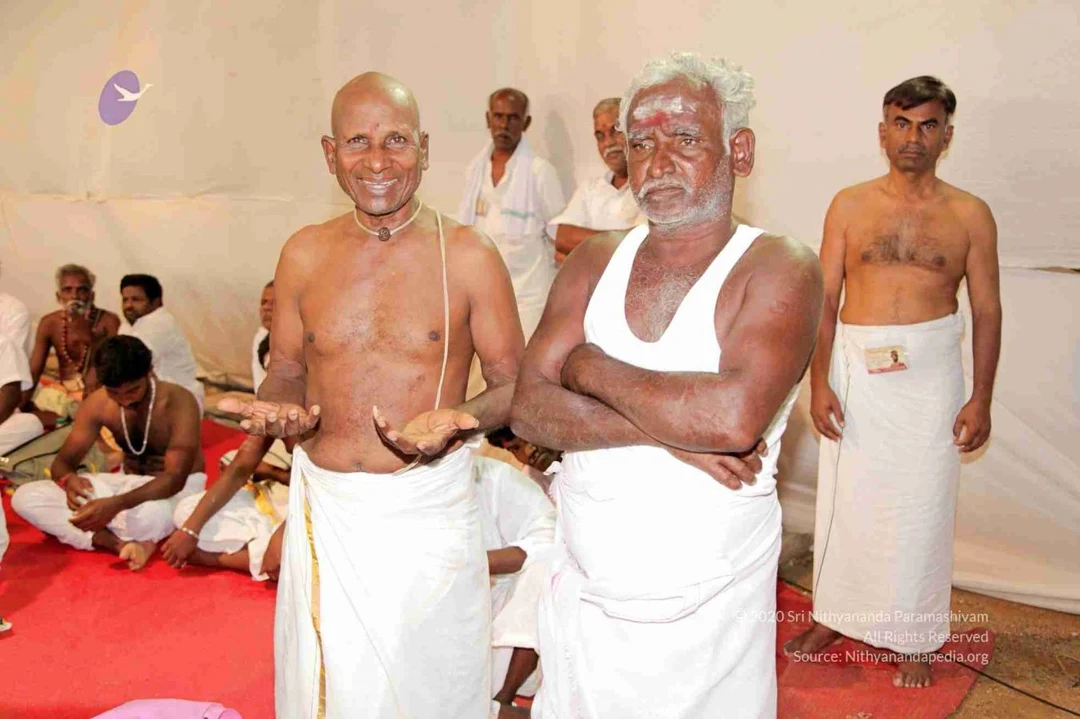 Sangha is the vatavarana, for beautiful things to flower
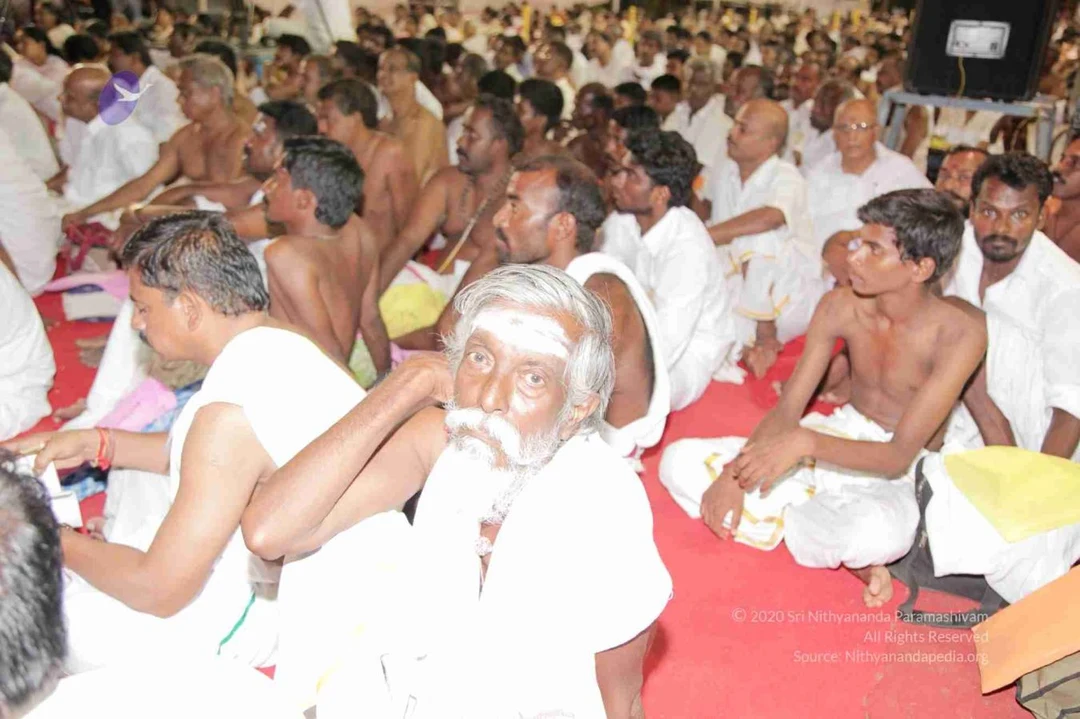 Sangha is the vatavarana, for beautiful things to flower
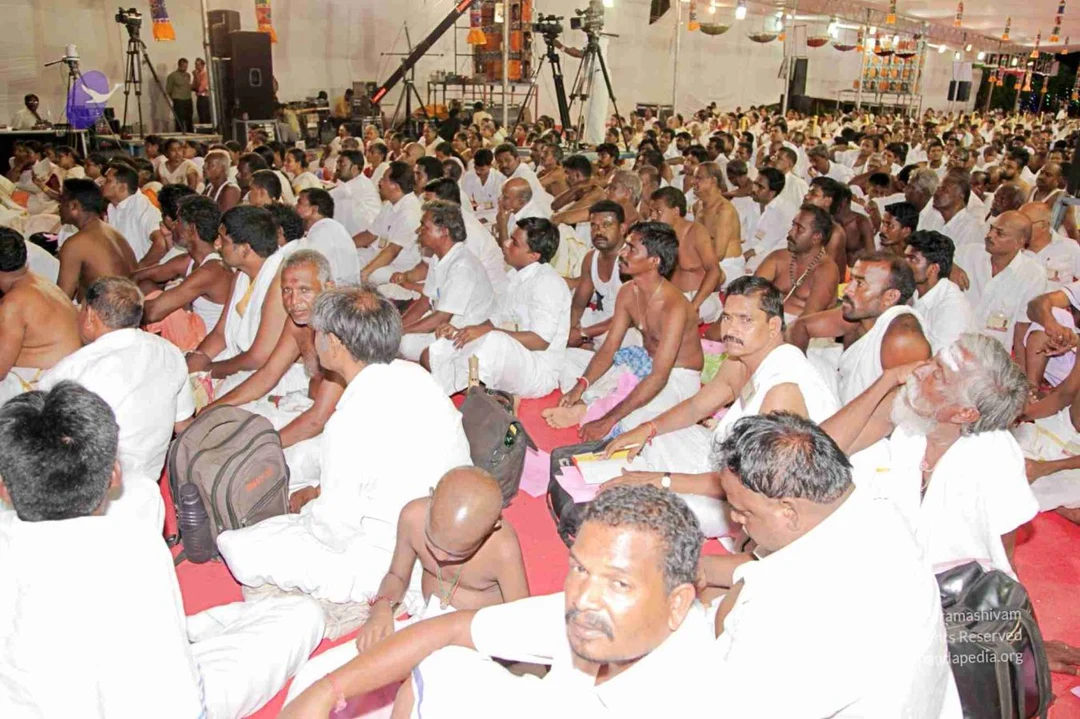 Sangha is the vatavarana, for beautiful things to flower
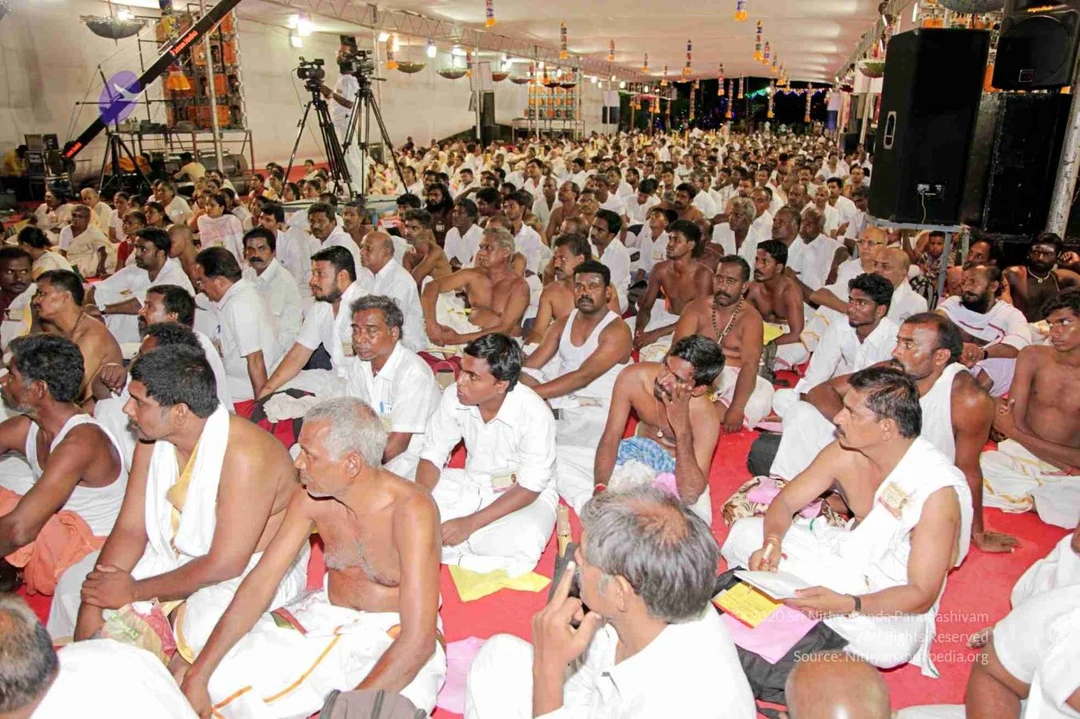 Sangha is the vatavarana, for beautiful things to flower
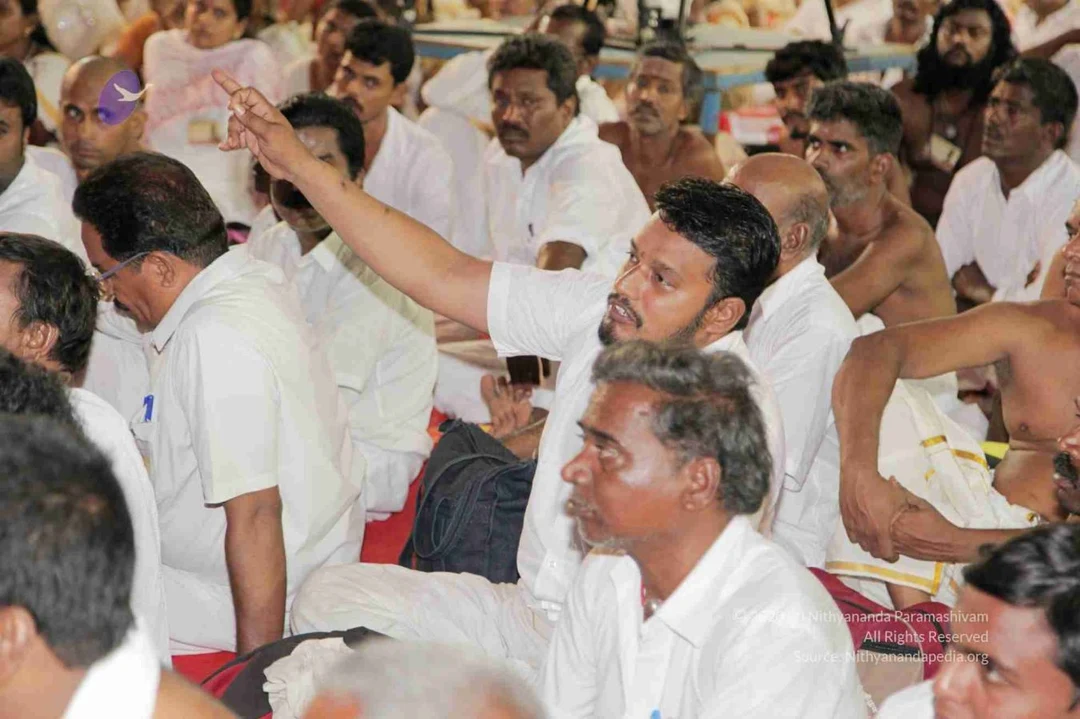 Sangha is the vatavarana, for beautiful things to flower
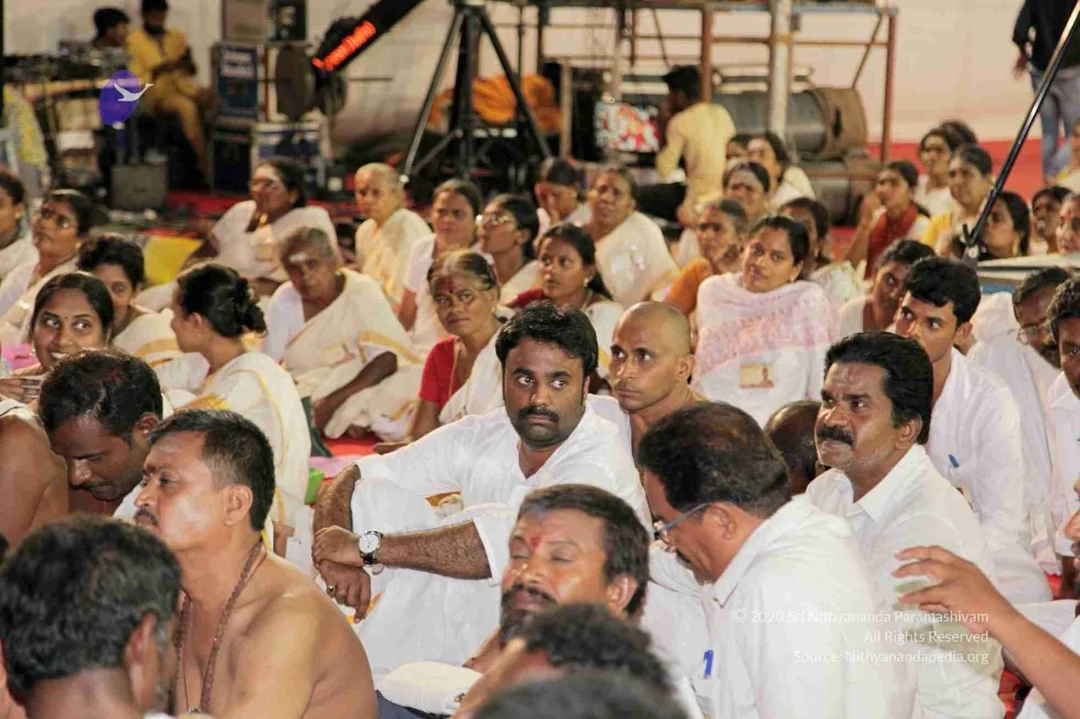 Sangha is the vatavarana, for beautiful things to flower
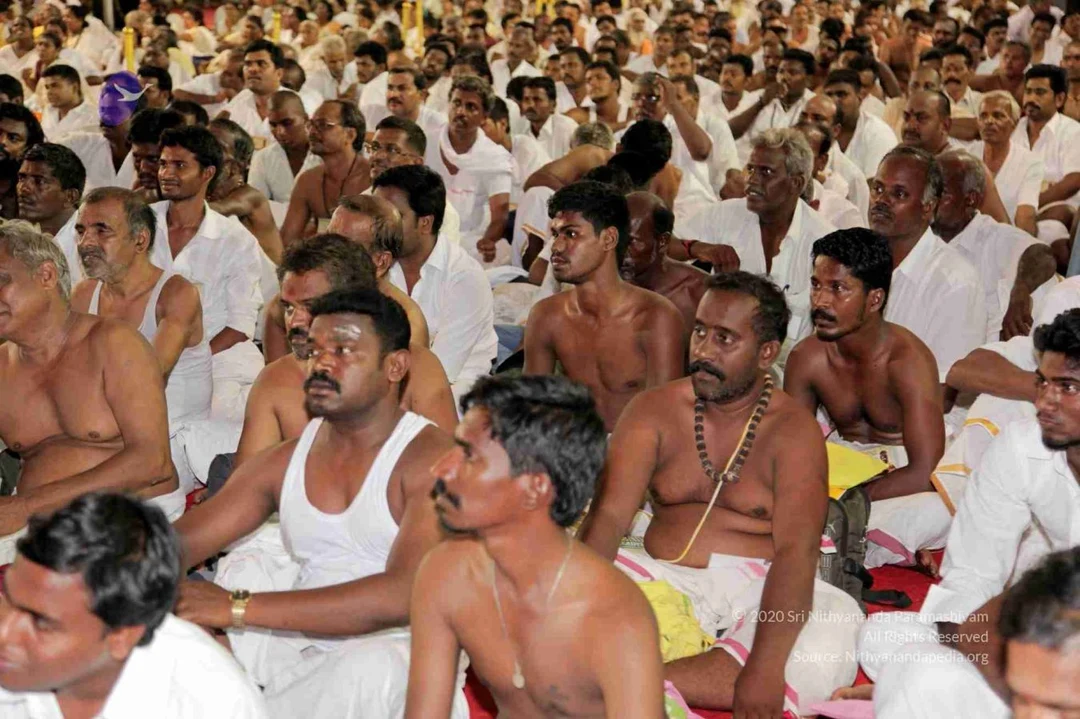 Sangha is the vatavarana, for beautiful things to flower
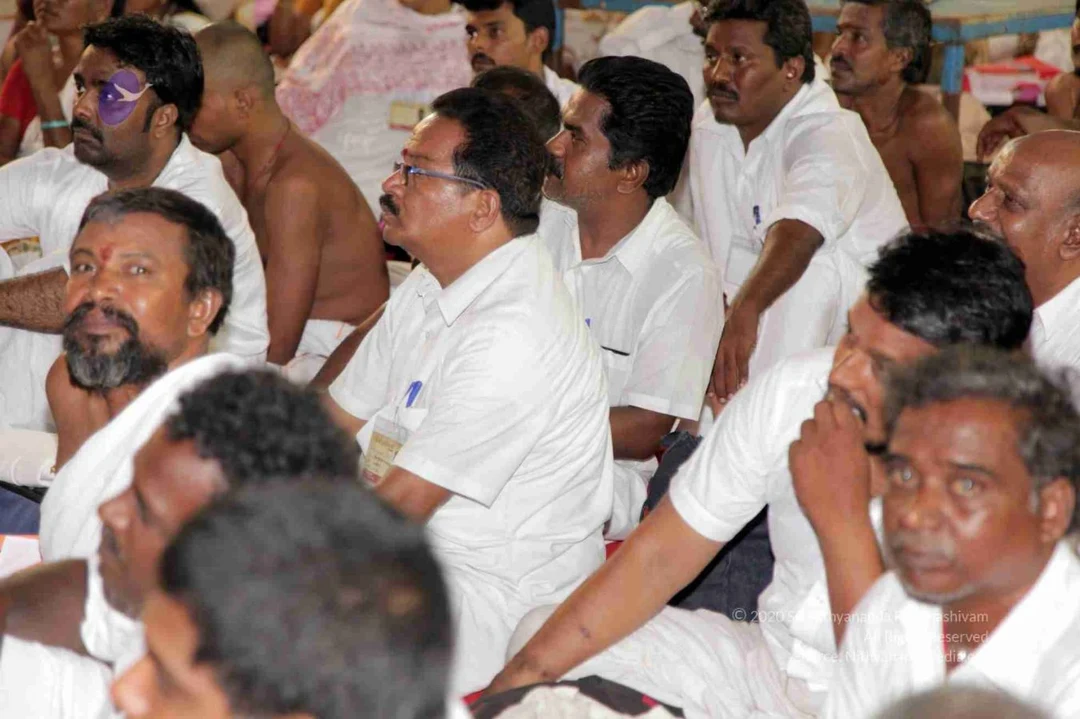 Sangha is the vatavarana, for beautiful things to flower
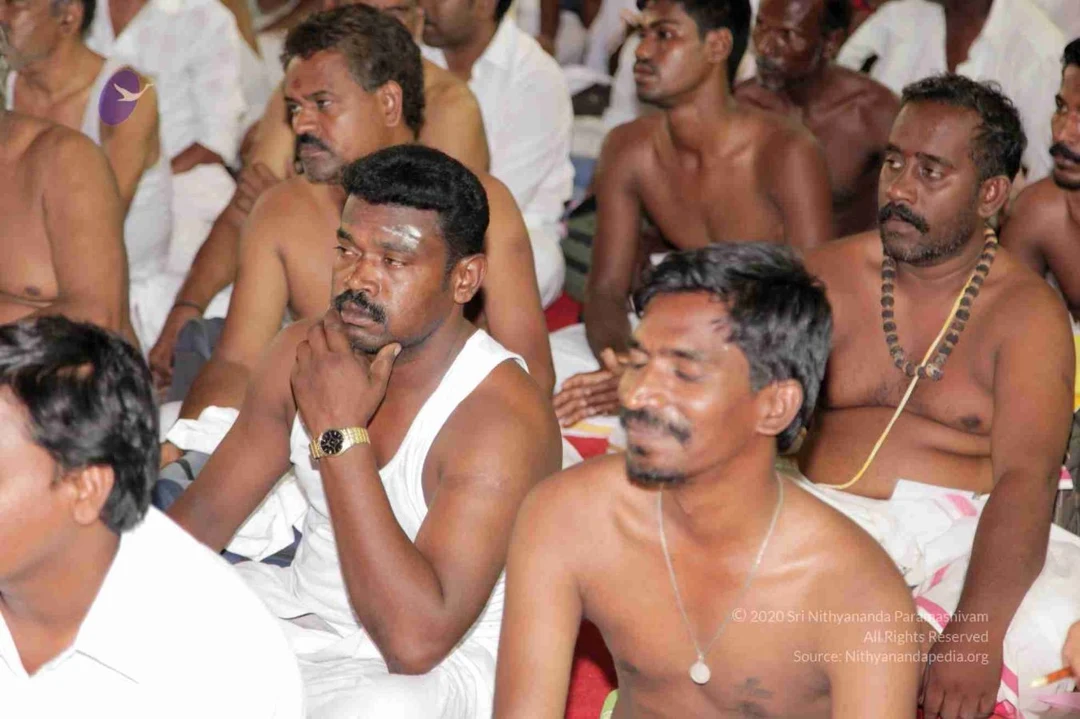 Sangha is the vatavarana, for beautiful things to flower
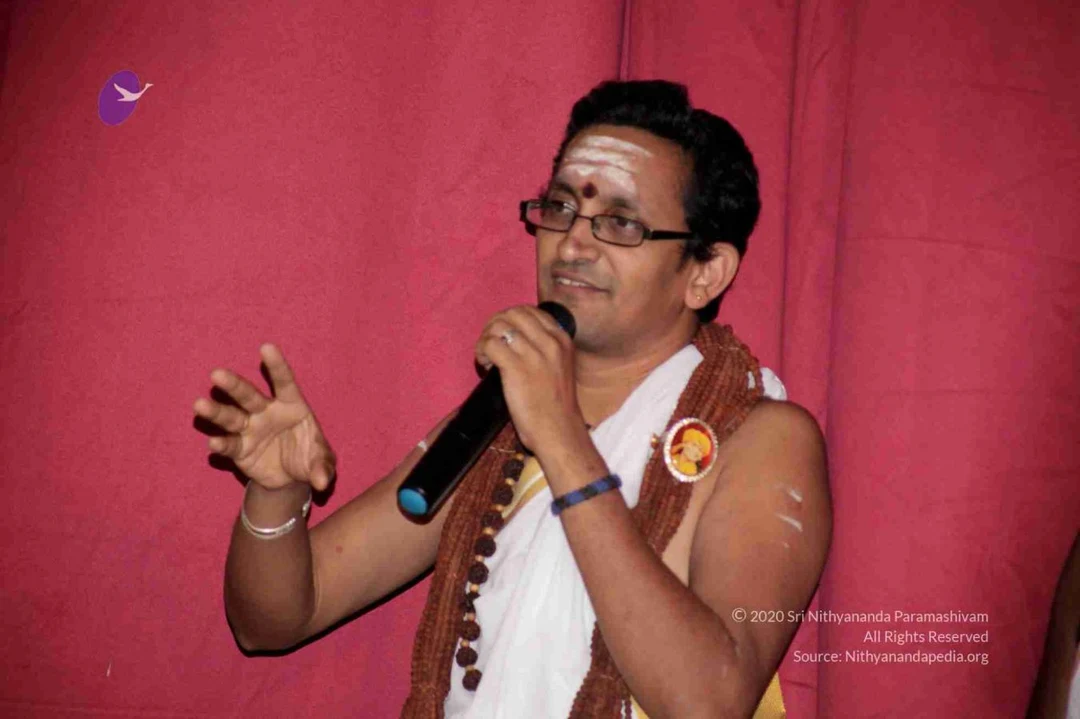 Convention coordinators
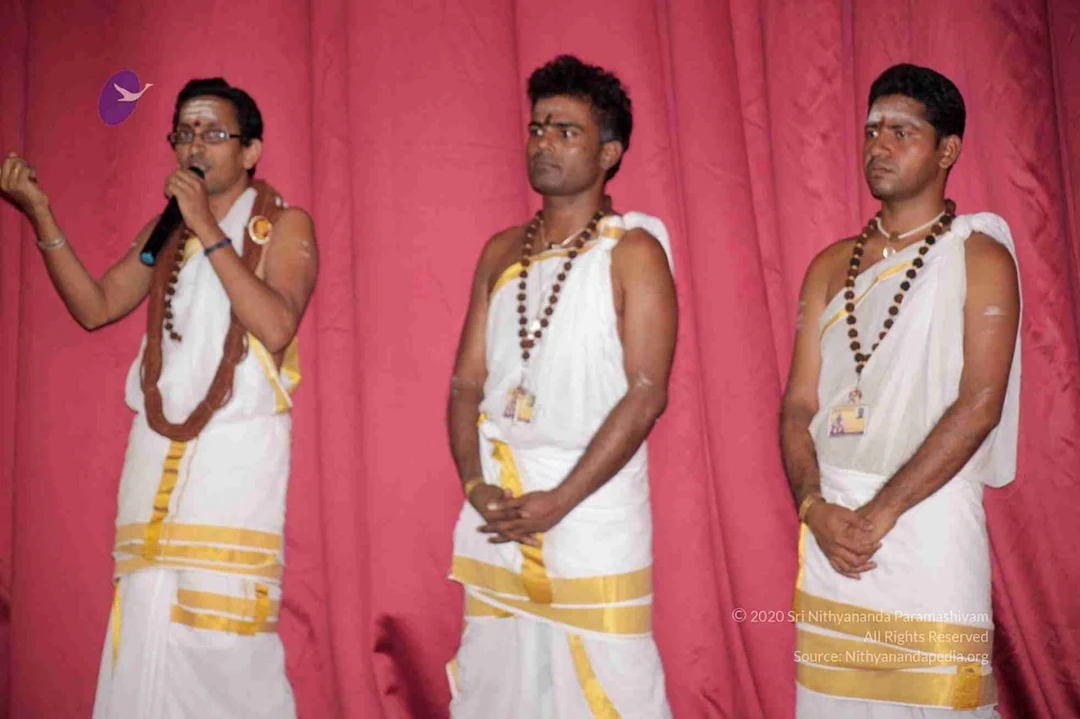 Convention coordinators
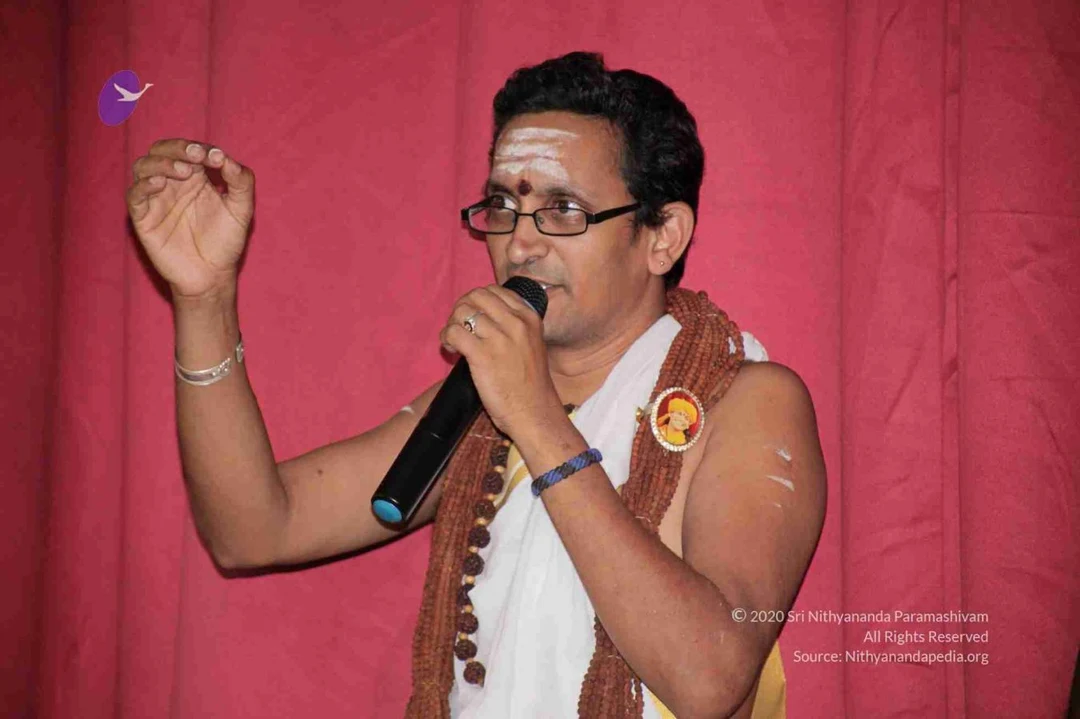 Convention coordinators
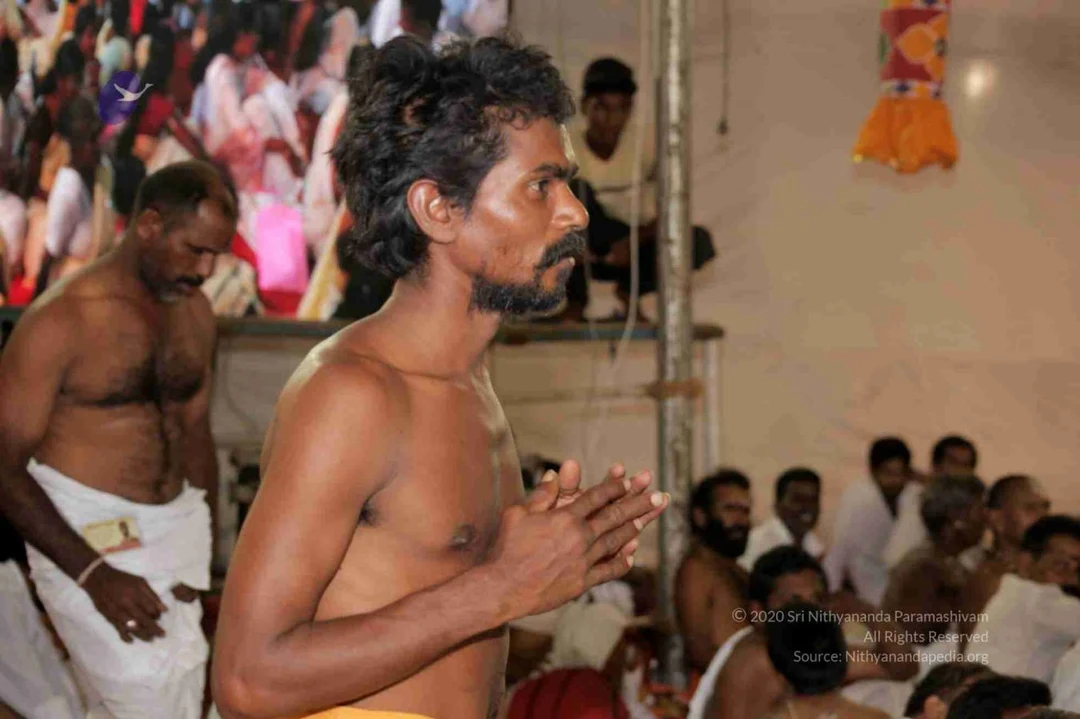 Sangha is the vatavarana, for beautiful things to flower
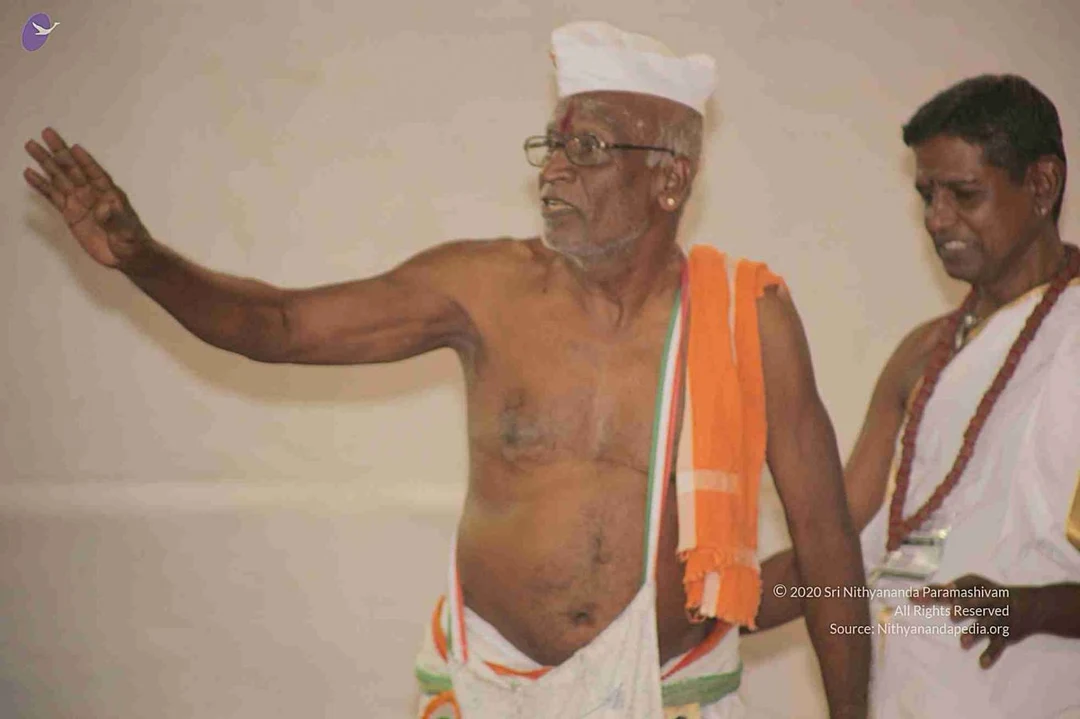 Glimpses from Vishesha deeksha Initiation
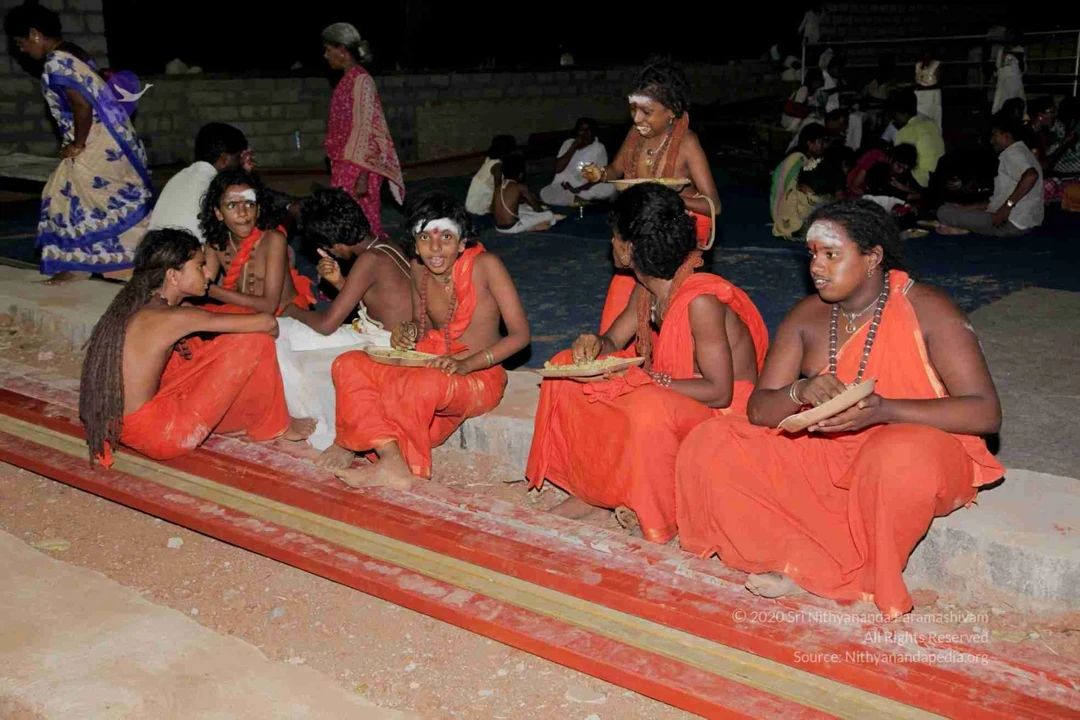 Shiva deeksha yagna rituals performed before initiation
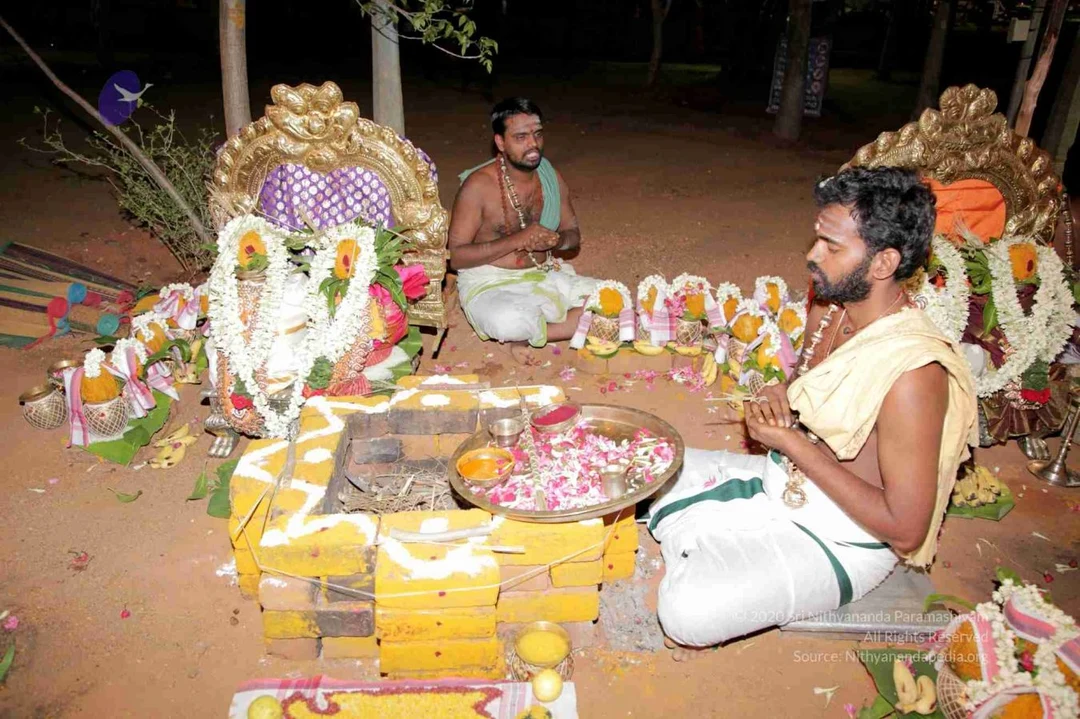 Shiva is auspicious and Shiva is abhisheka priya
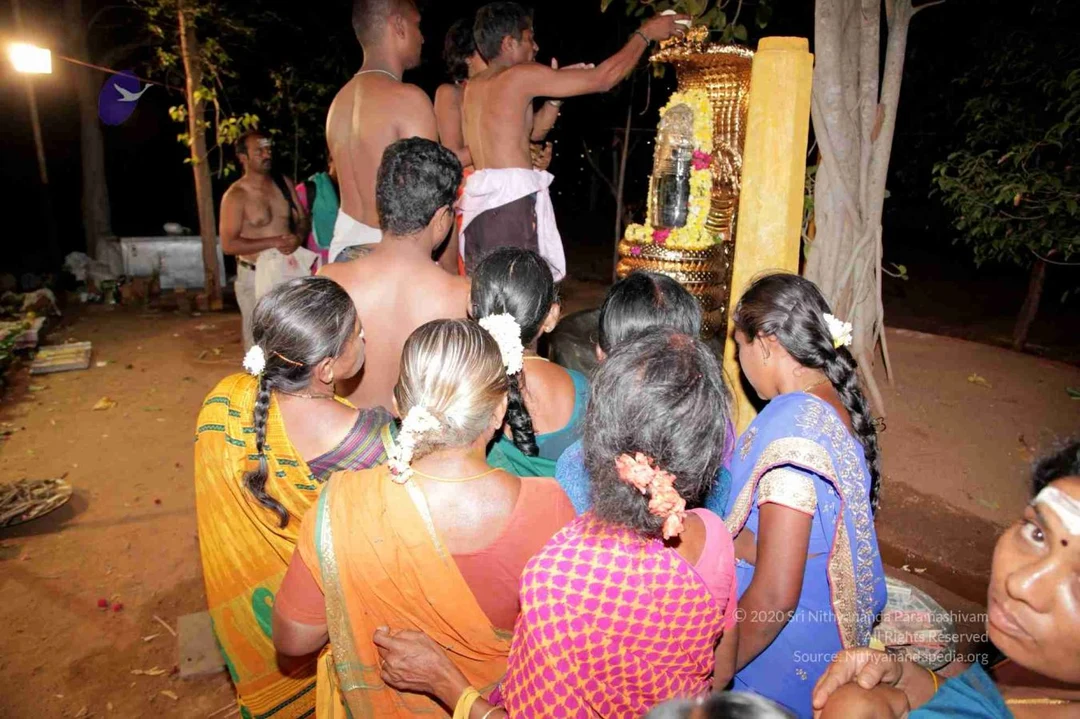 Shiva is auspicious and Shiva is abhisheka priya
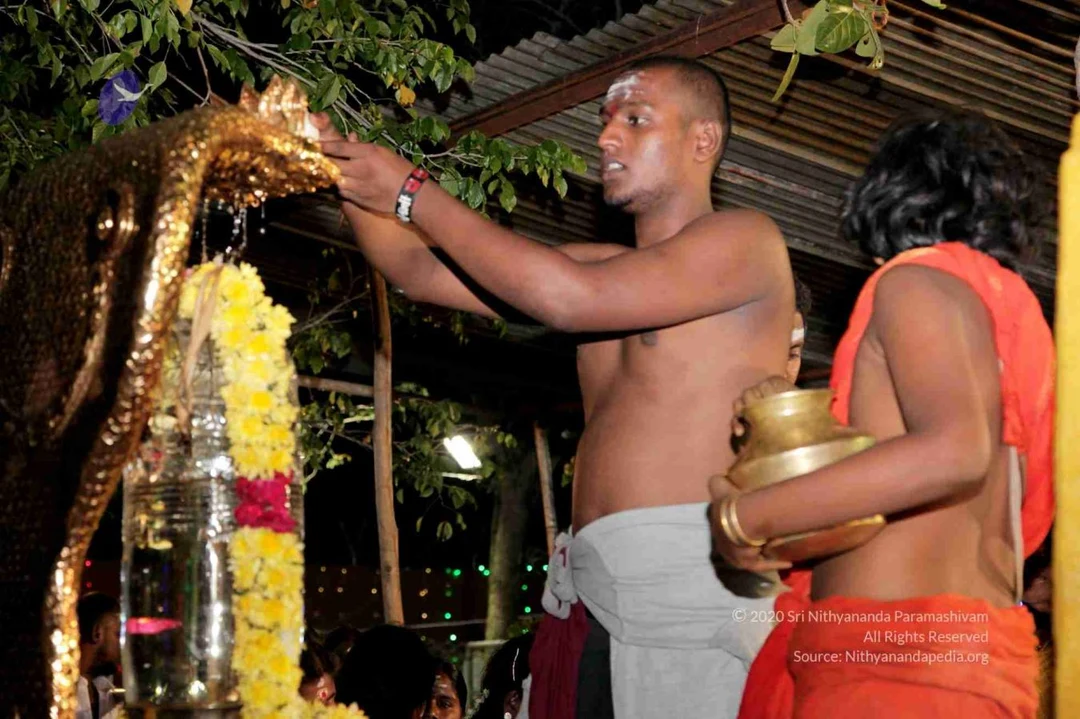 Shiva is auspicious and Shiva is abhisheka priya
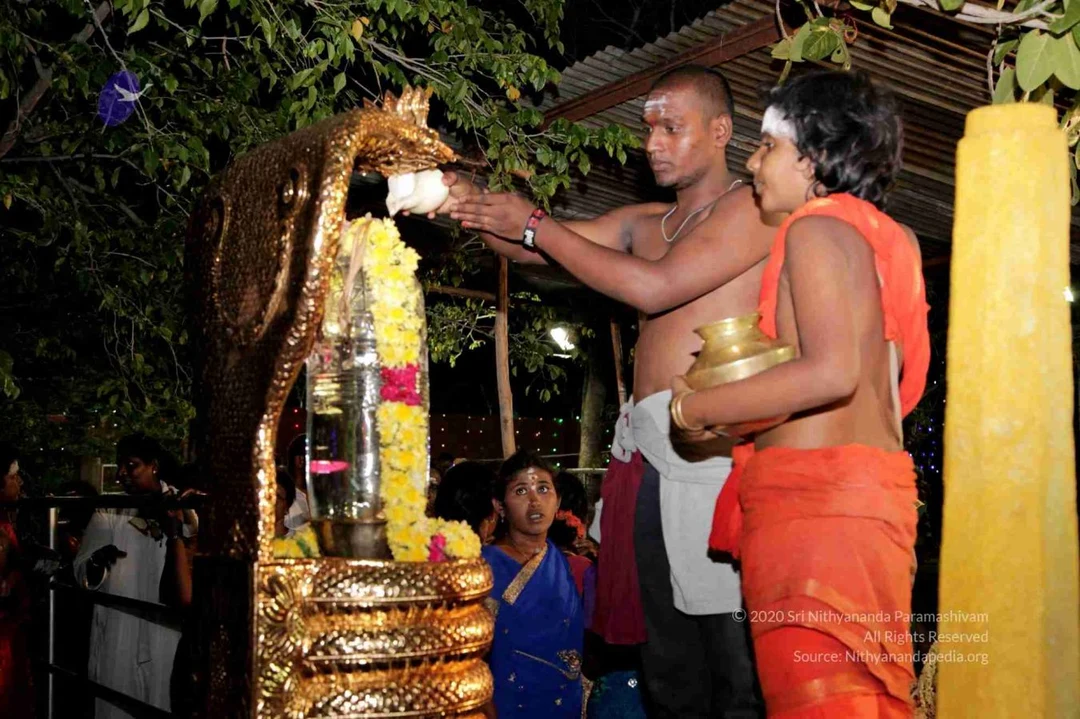 Shiva is auspicious and Shiva is abhisheka priya
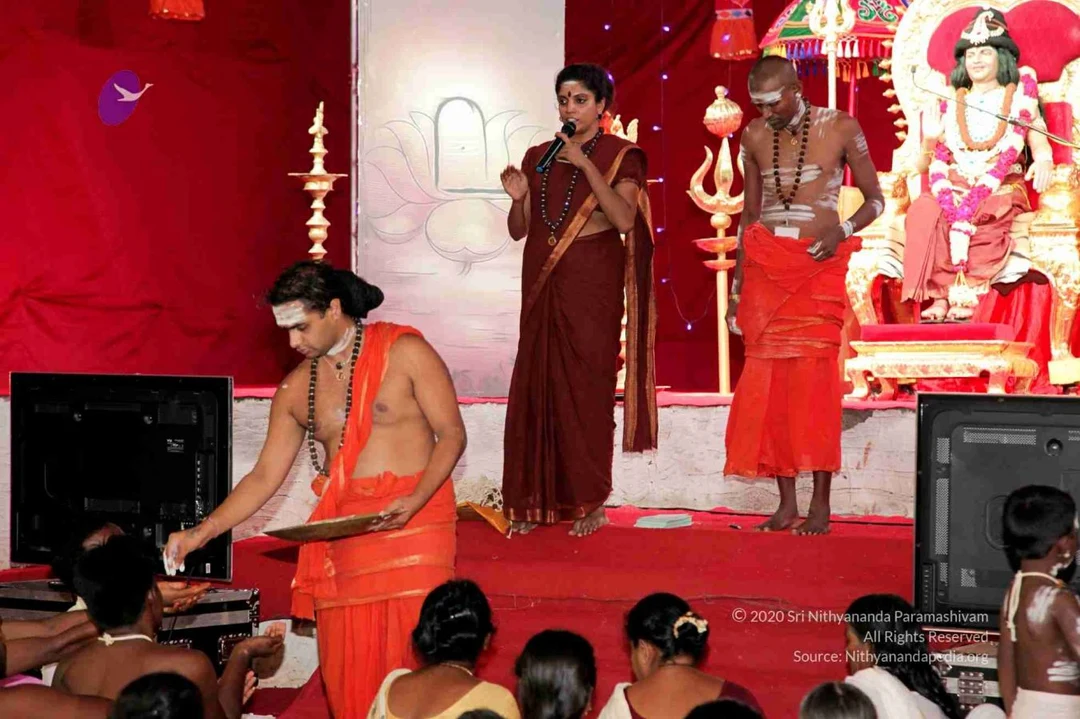 Once you translate that Para into Parama-shiva, you develop a shaivite tradition
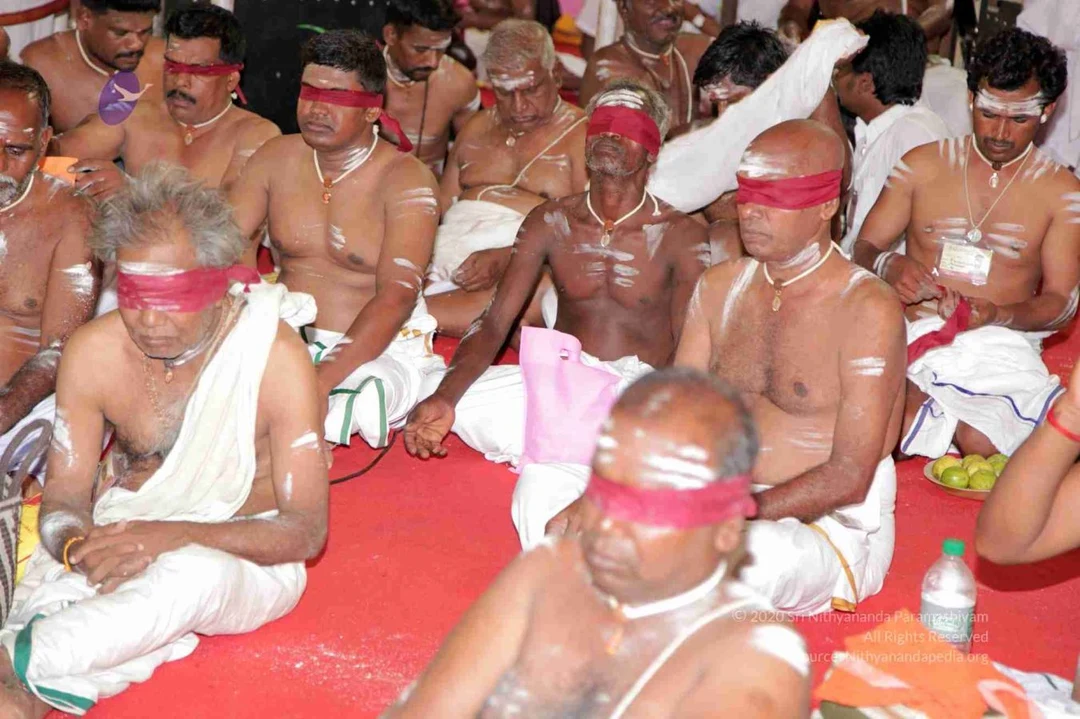 Deeksha, initiation, the disciple is given access to connect with Sadashiva
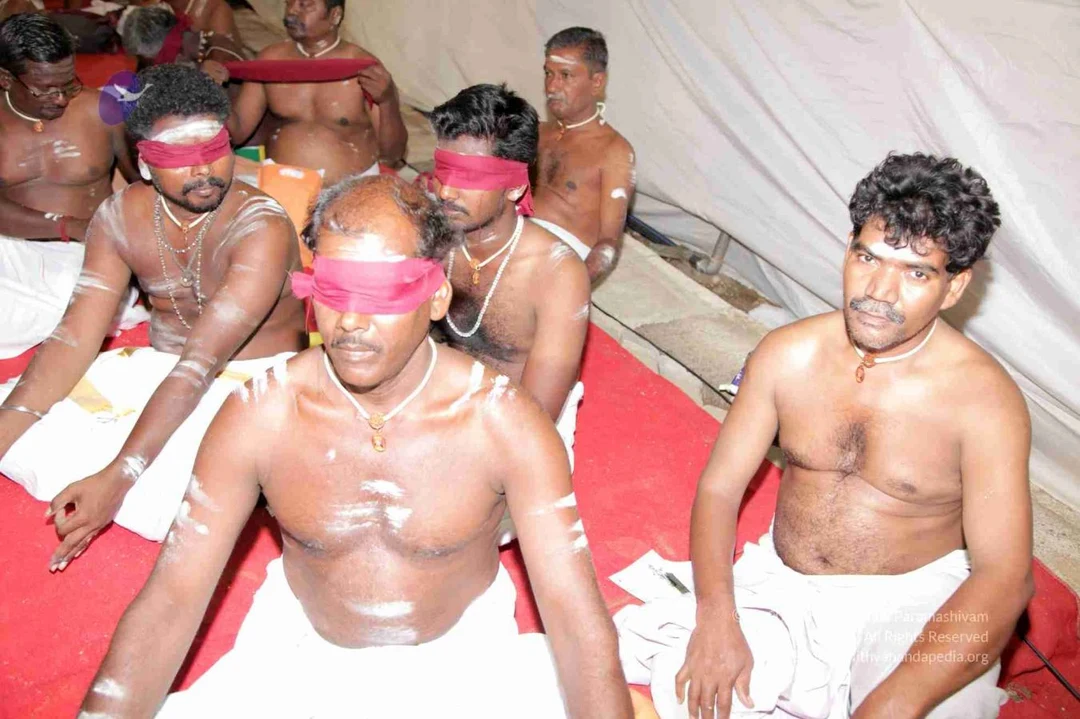 Deeksha, initiation, the disciple is given access to connect with Sadashiva
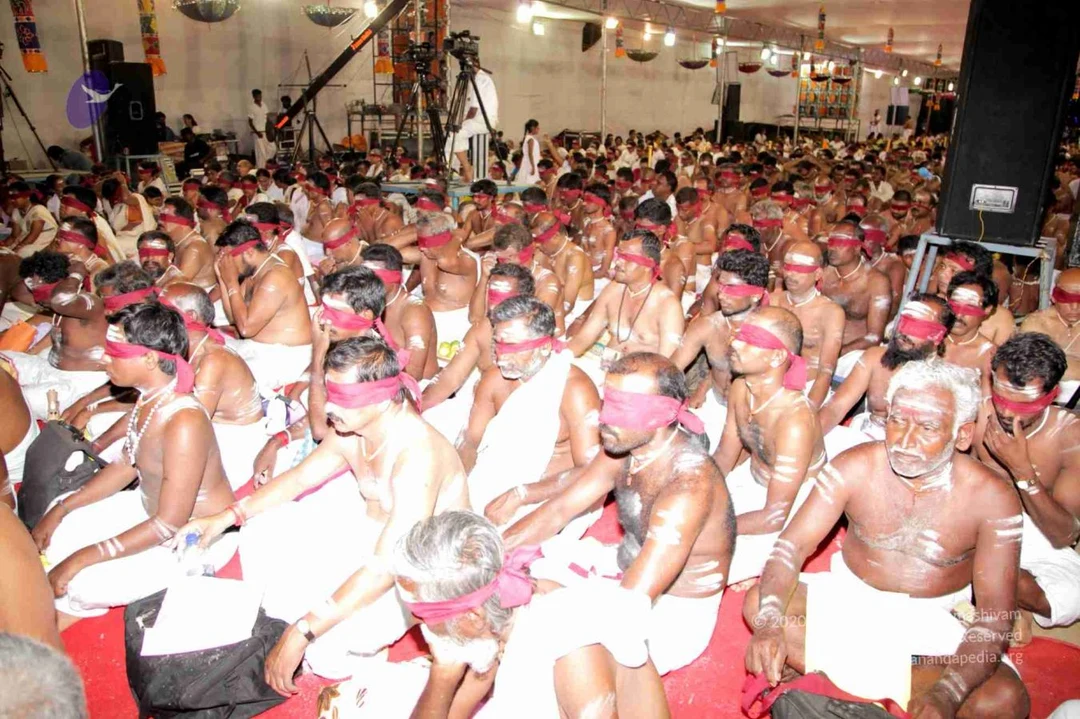 Deeksha, initiation, the disciple is given access to connect with Sadashiva
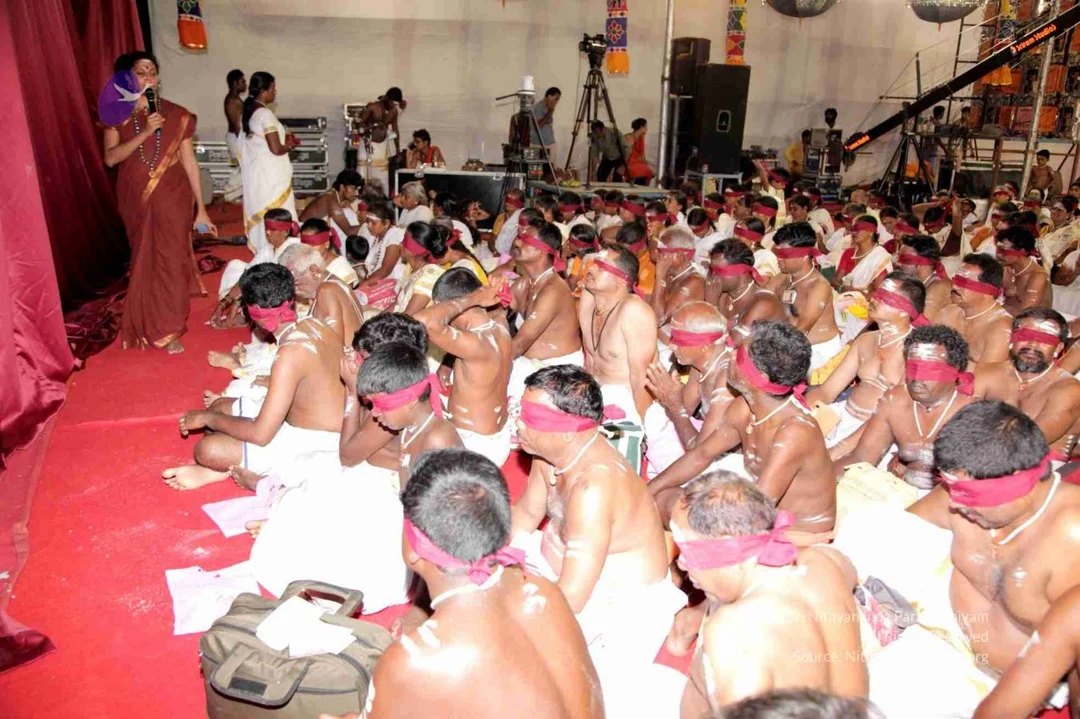 Deeksha, initiation, the disciple is given access to connect with Sadashiva
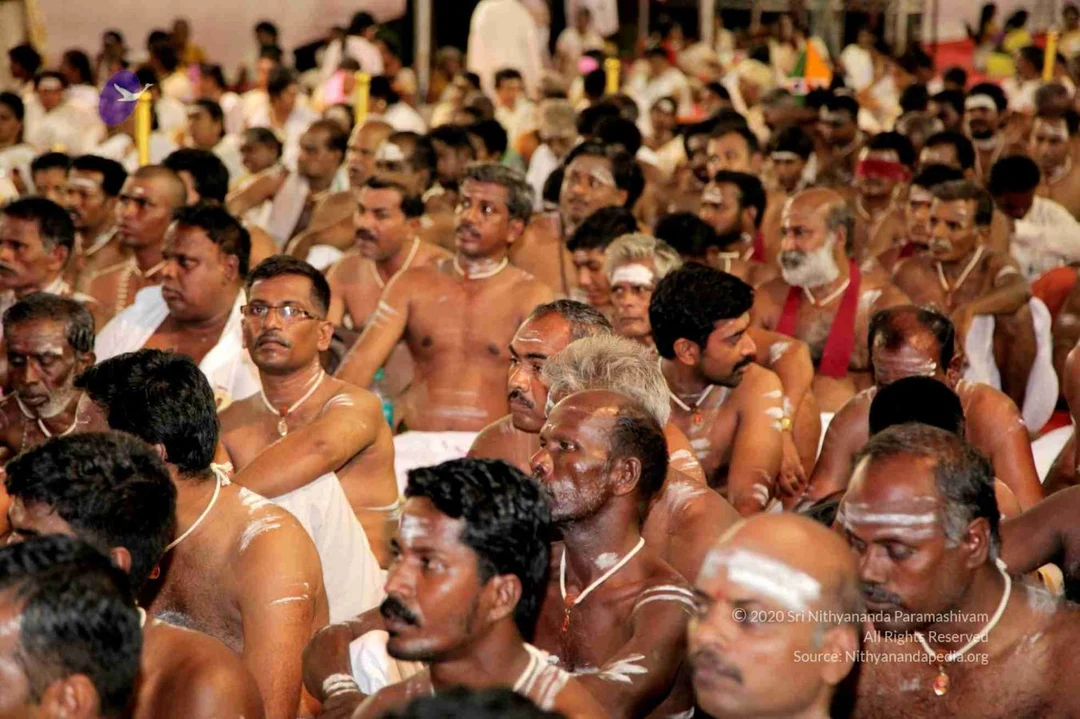 Deeksha, initiation, the disciple is given access to connect with Sadashiva
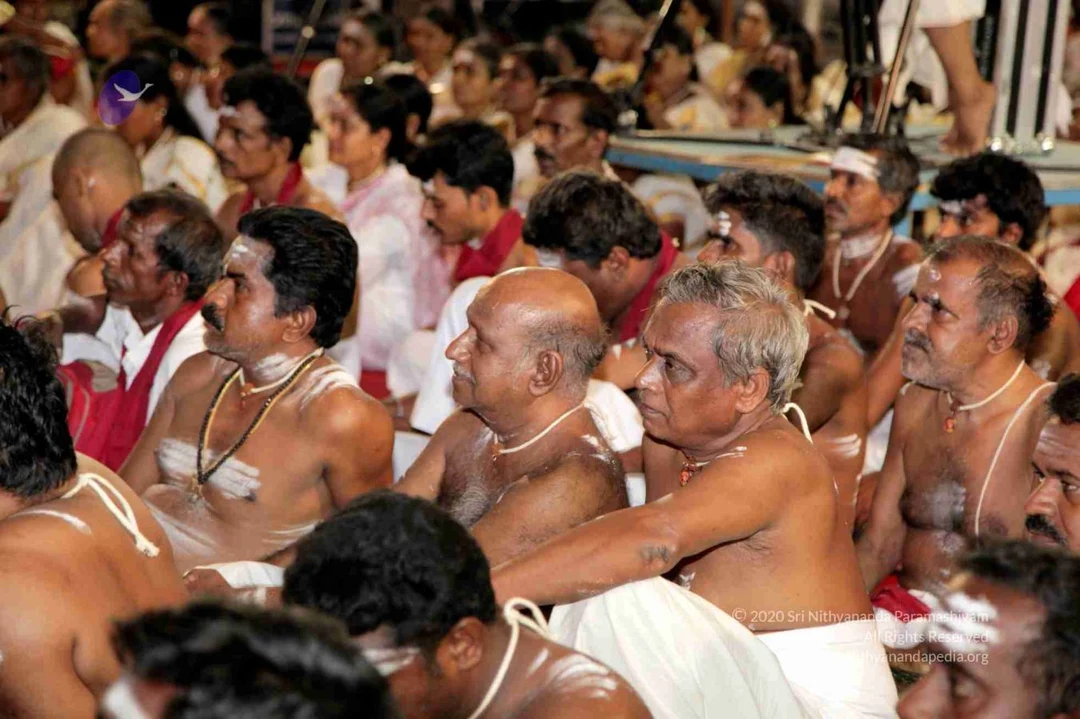 Deeksha, initiation, the disciple is given access to connect with Sadashiva
 Deeksha, initiation, the disciple is given access to connect with Sadashiva
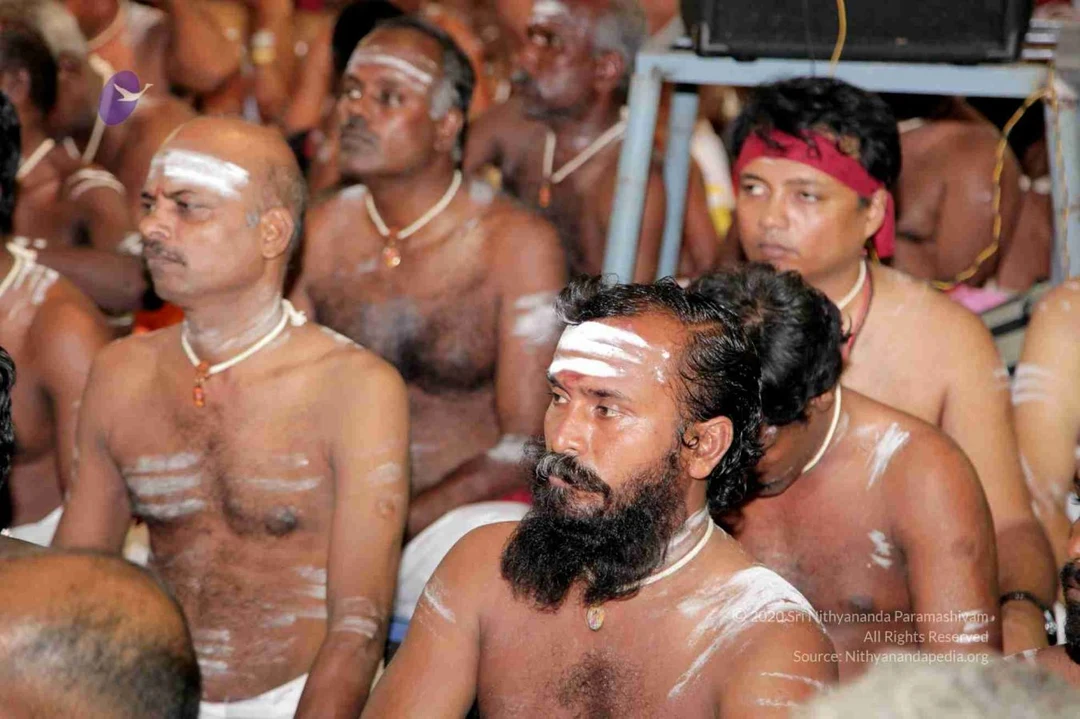 Deeksha, initiation, the disciple is given access to connect with Sadashiva
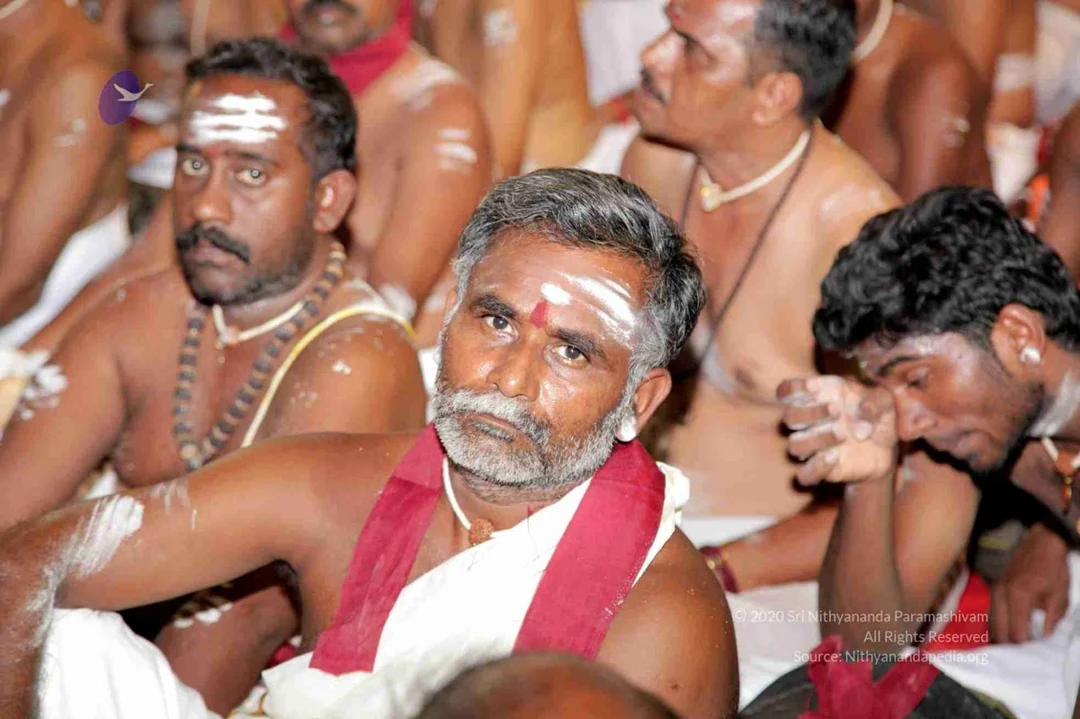 Deeksha, initiation, the disciple is given access to connect with Sadashiva
 Explanation about Shiva deeksha to delegates
 Once you translate that Para into Parama-shiva, you develop a shaivite tradition.
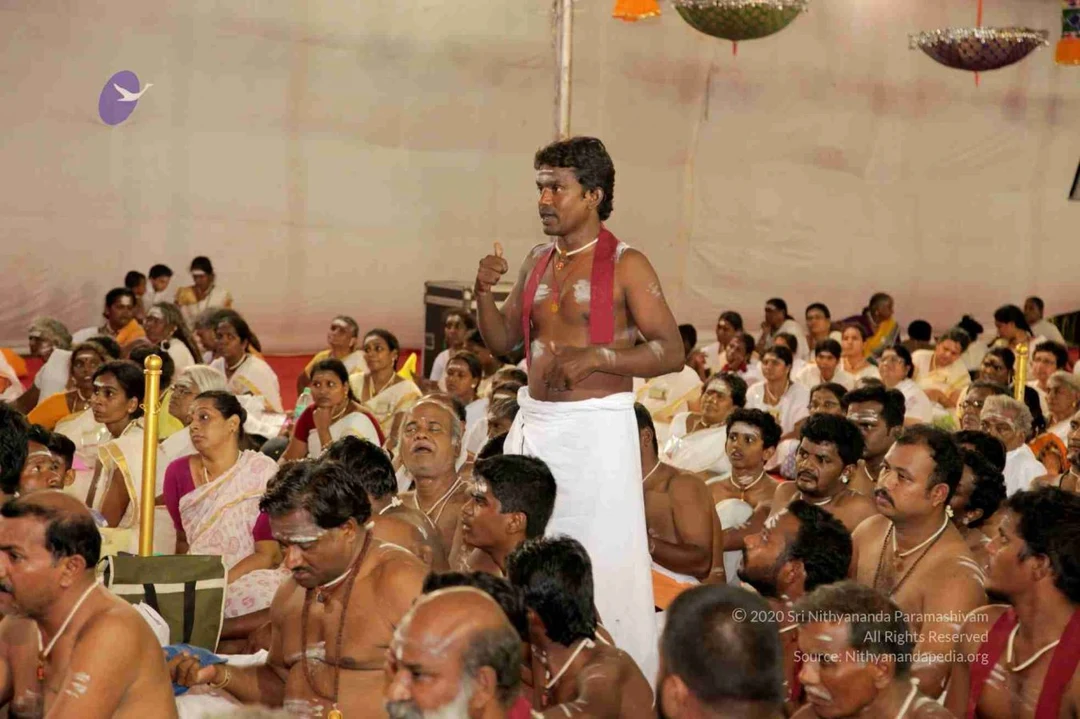 Deeksha, initiation, the disciple is given access to connect with Sadashiva
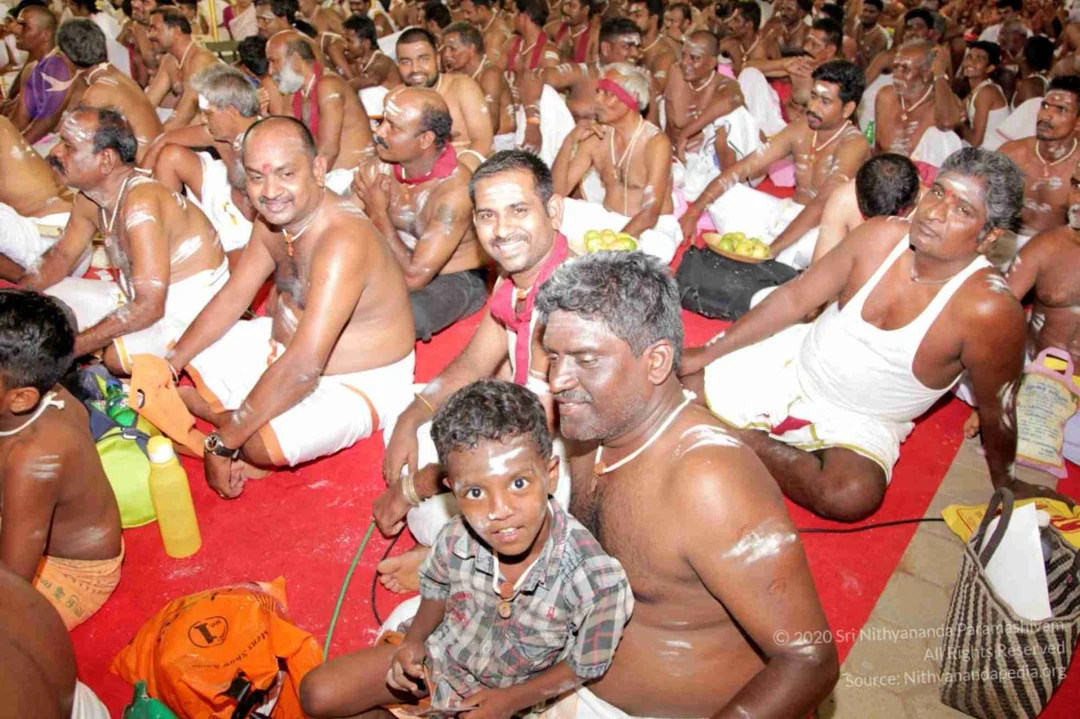 Deeksha, initiation, the disciple is given access to connect with Sadashiva
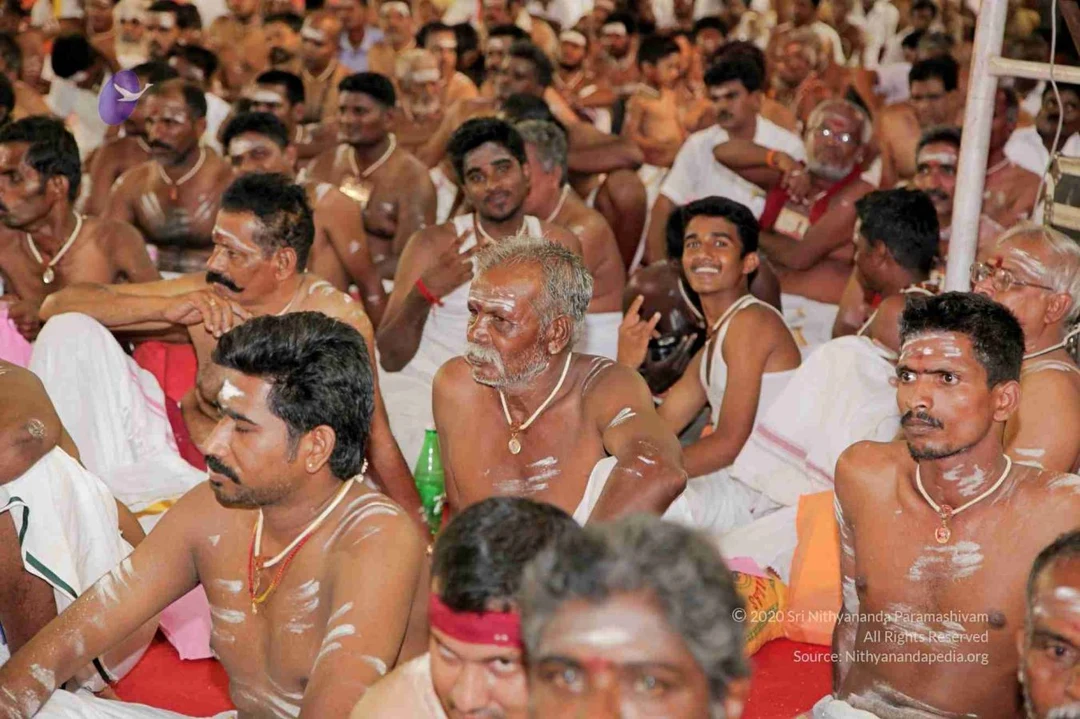 Deeksha, initiation, the disciple is given access to connect with Sadashiva
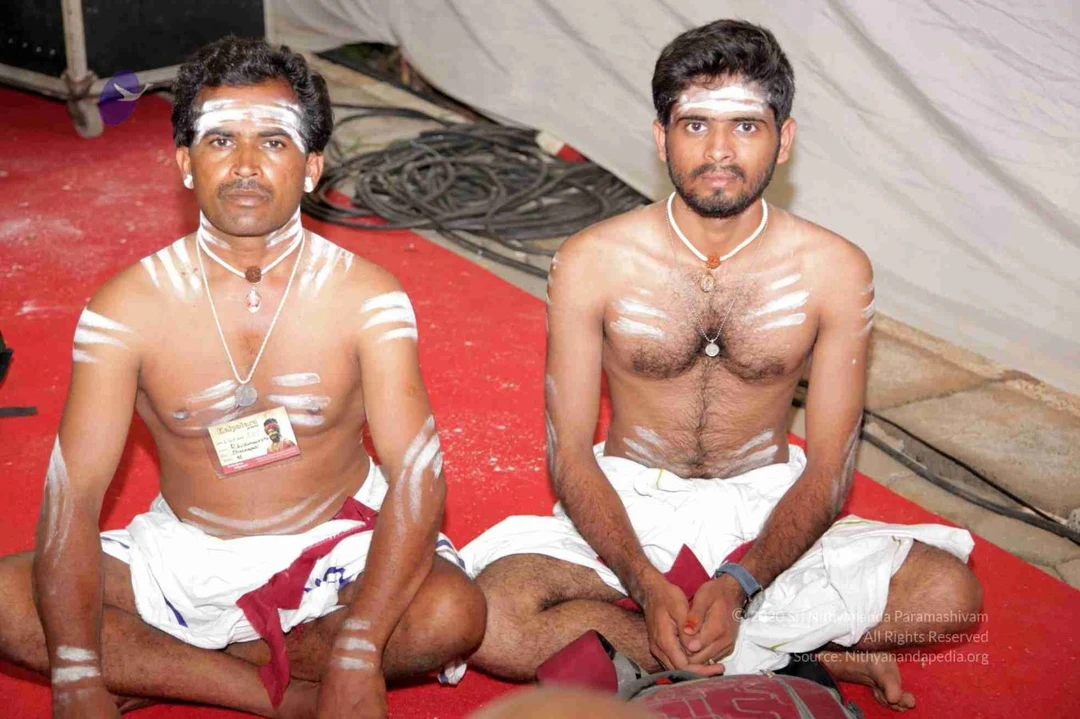 Deeksha, initiation, the disciple is given access to connect with Sadashiva
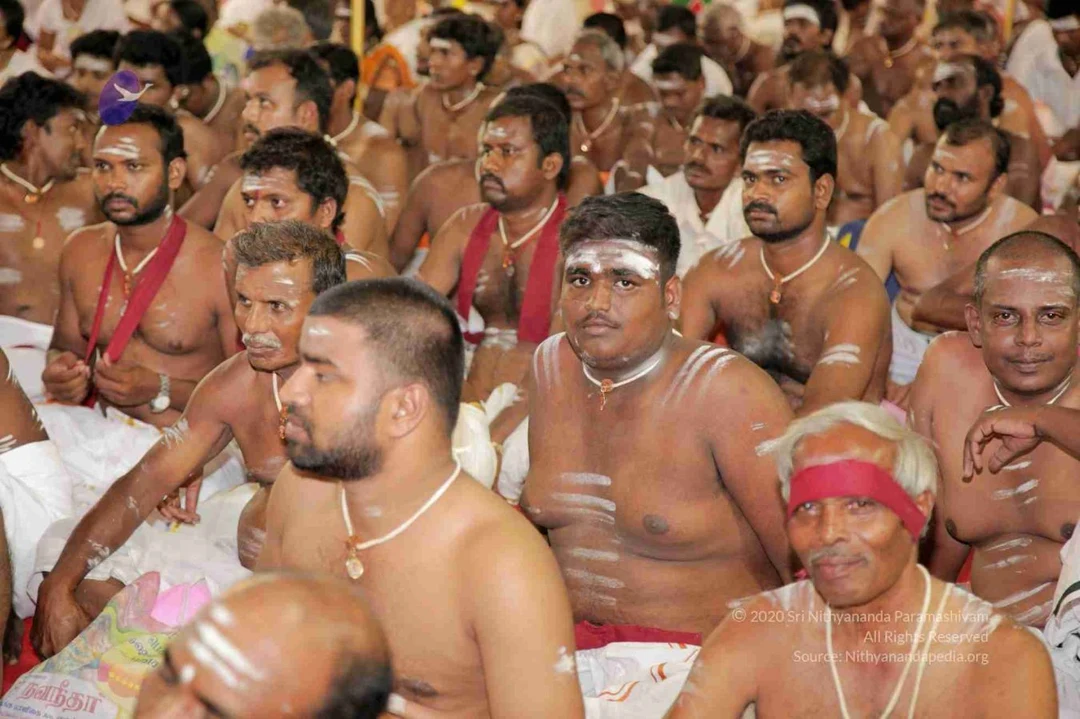 Deeksha, initiation, the disciple is given access to connect with Sadashiva
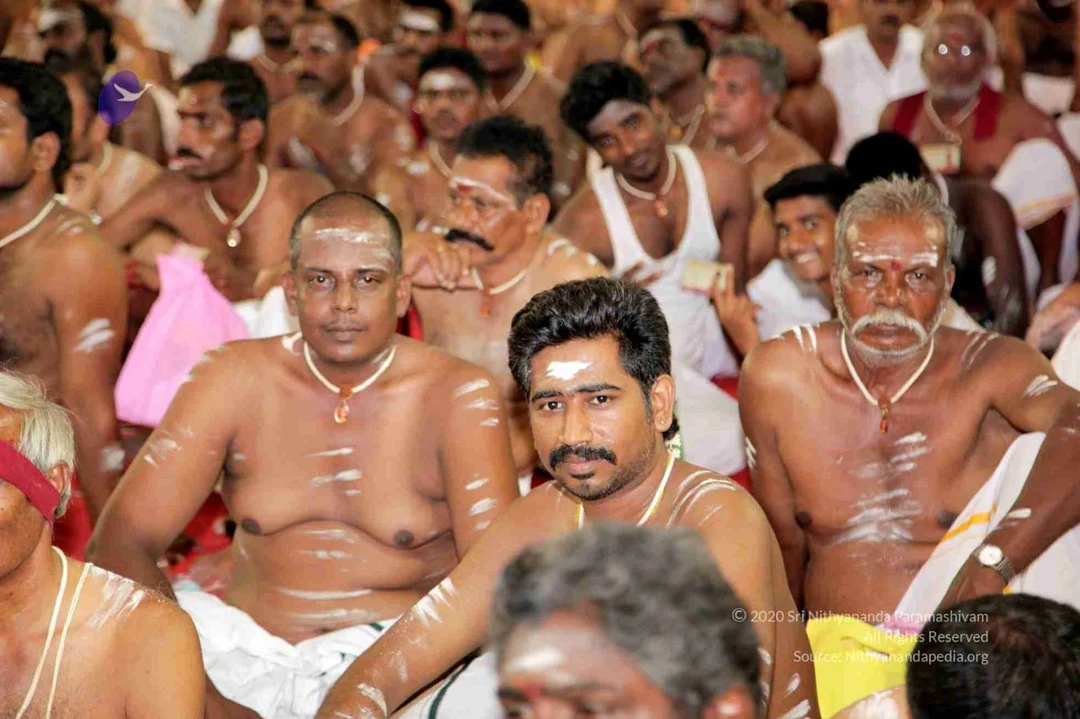 Deeksha, initiation, the disciple is given access to connect with Sadashiva
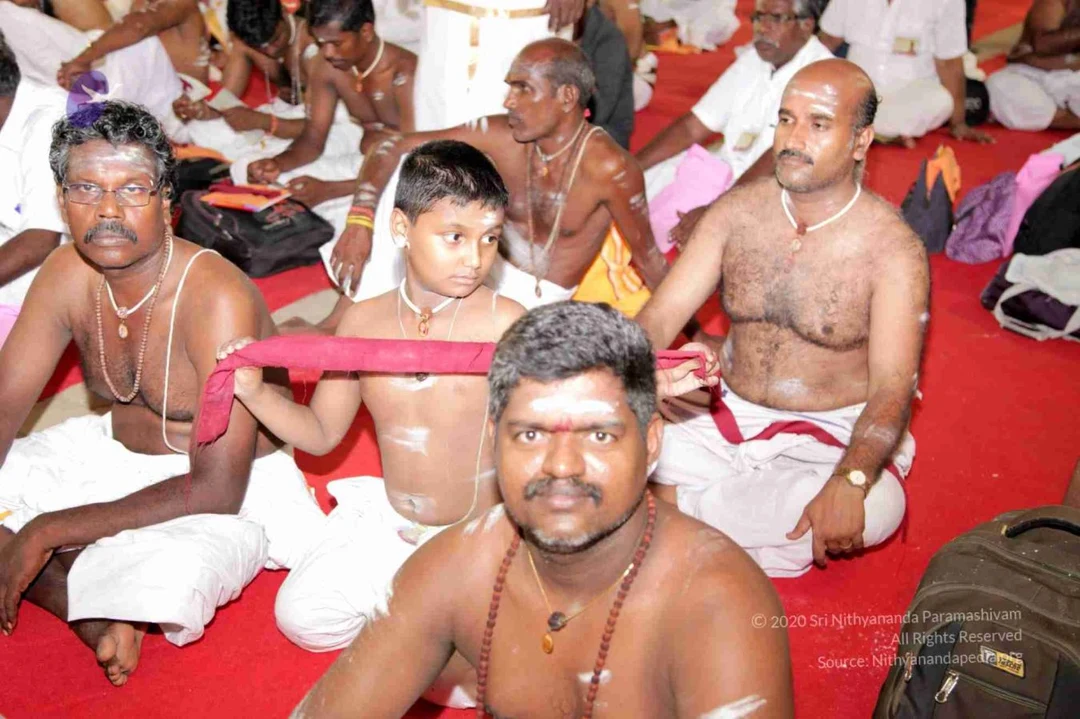 Deeksha, initiation, the disciple is given access to connect with Sadashiva
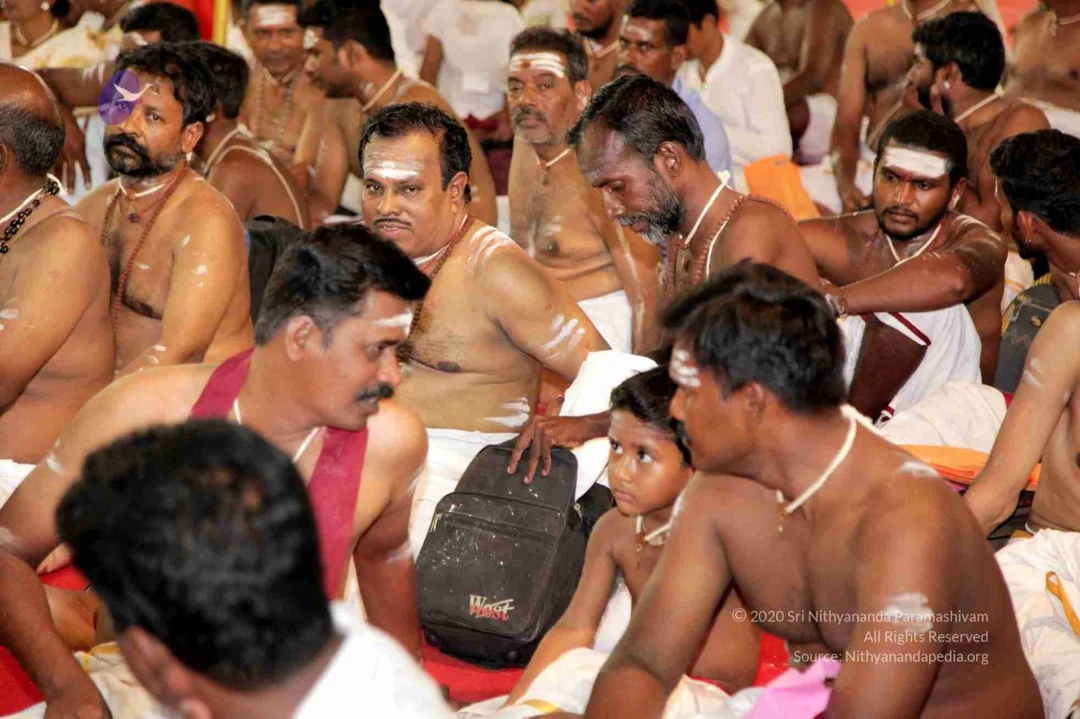 Deeksha, initiation, the disciple is given access to connect with Sadashiva
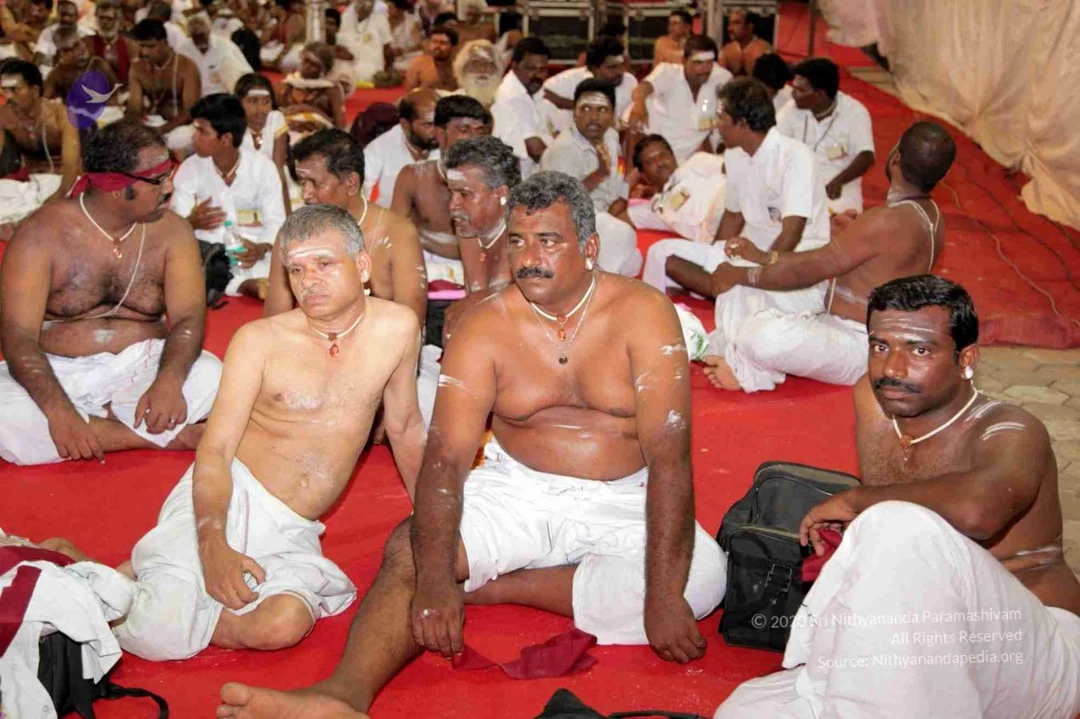 Deeksha, initiation, the disciple is given access to connect with Sadashiva
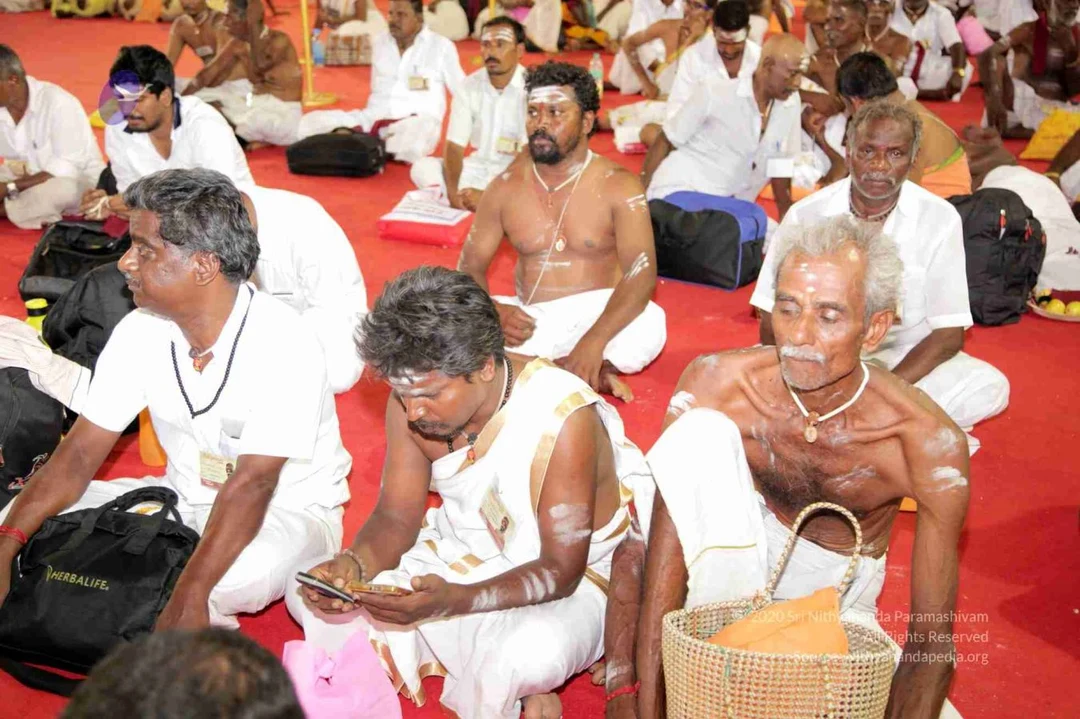 Deeksha, initiation, the disciple is given access to connect with Sadashiva
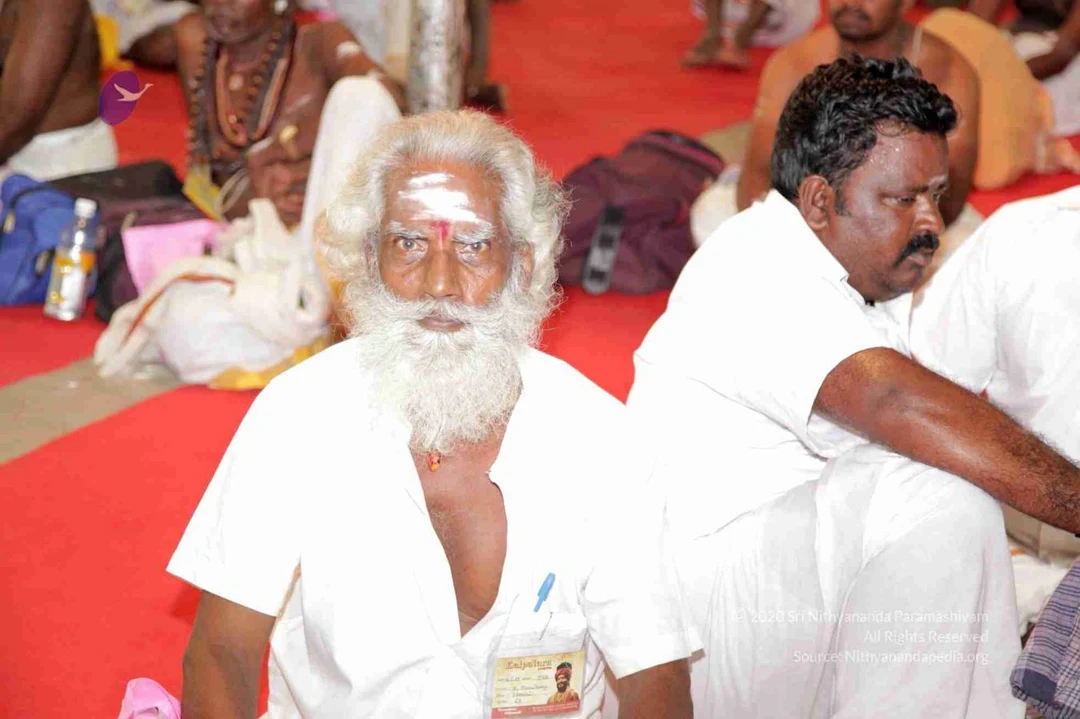 Deeksha, initiation, the disciple is given access to connect with Sadashiva
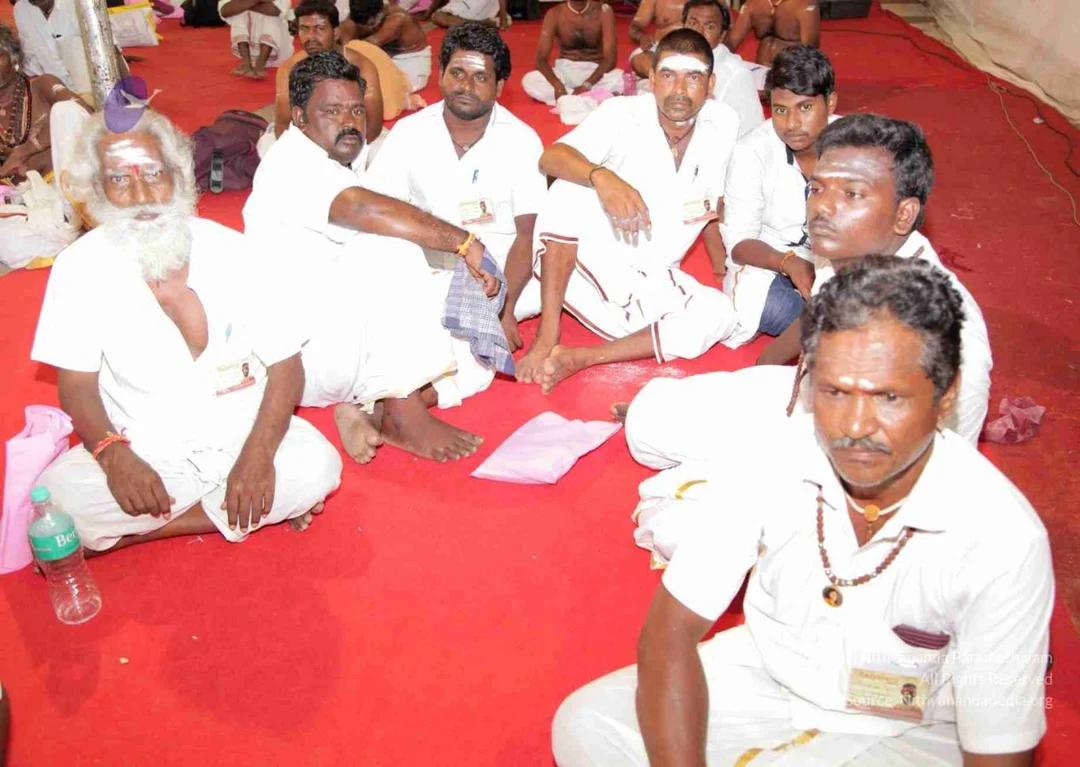 Deeksha, initiation, the disciple is given access to connect with Sadashiva
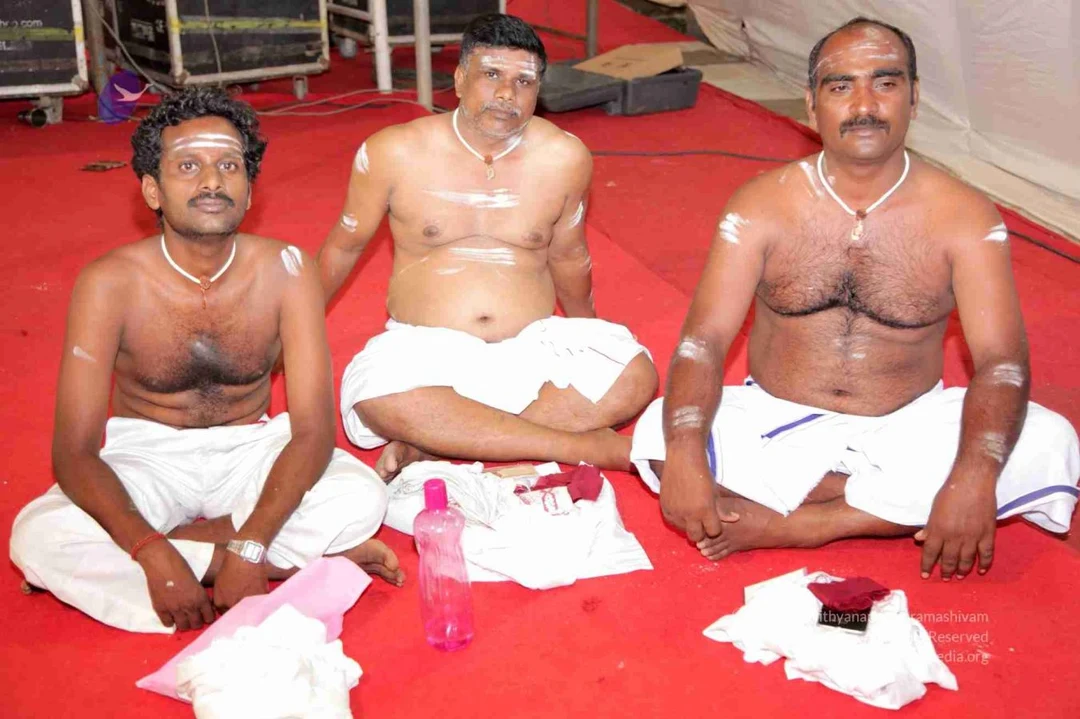 Deeksha, initiation, the disciple is given access to connect with Sadashiva
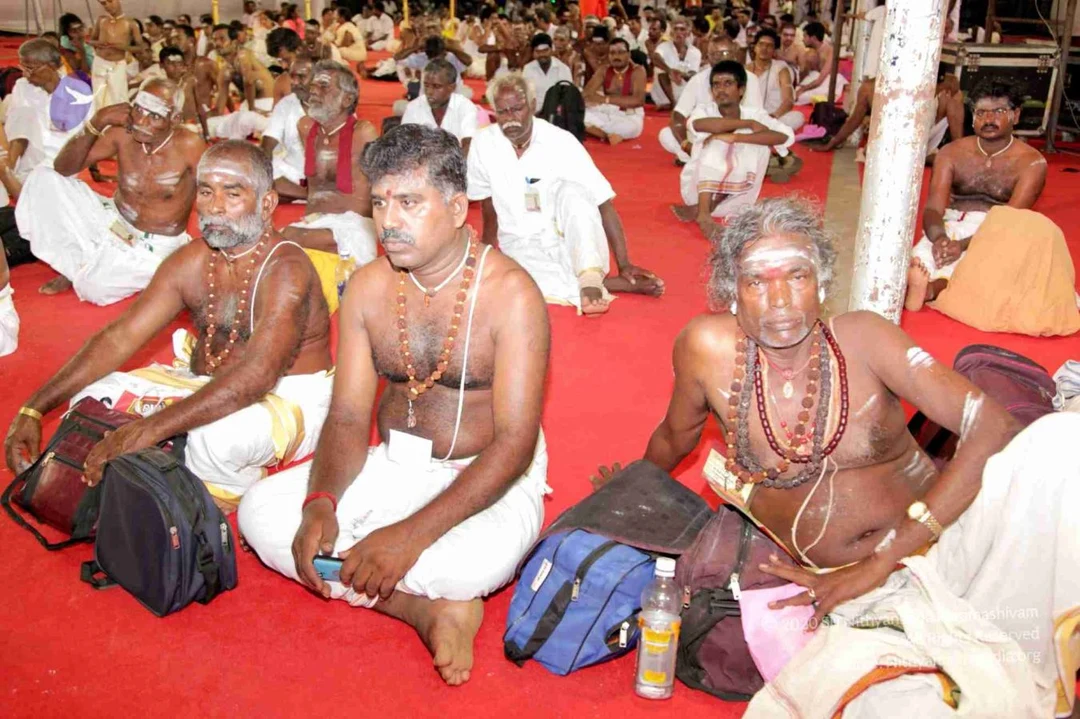 Deeksha, initiation, the disciple is given access to connect with Sadashiva
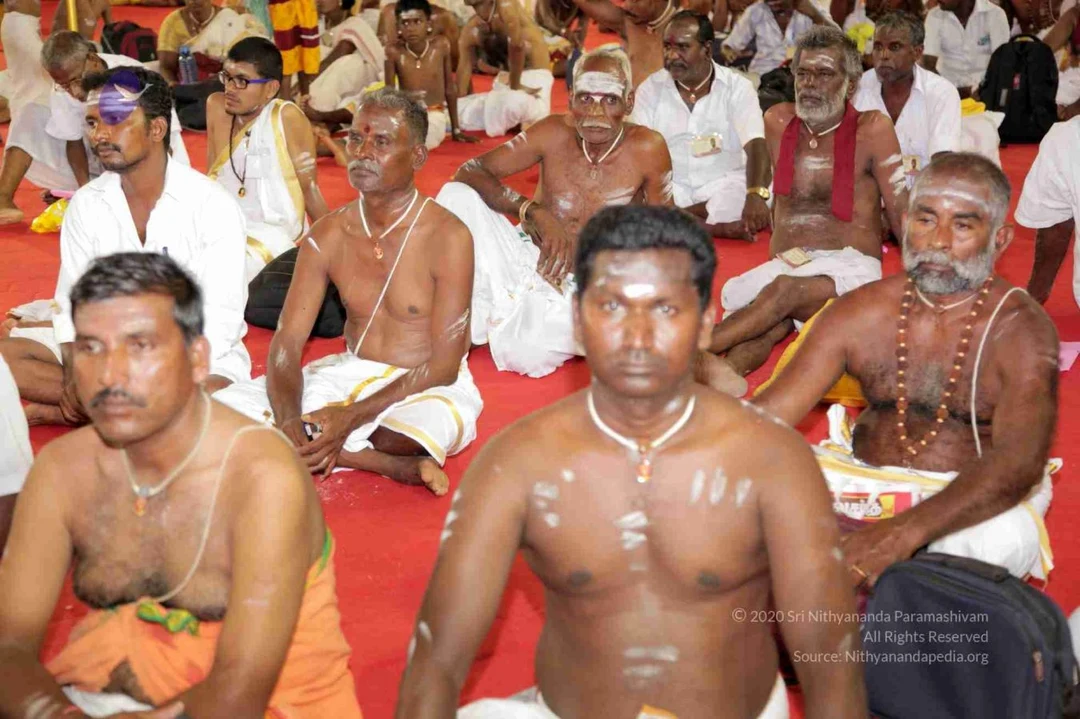 Deeksha, initiation, the disciple is given access to connect with Sadashiva
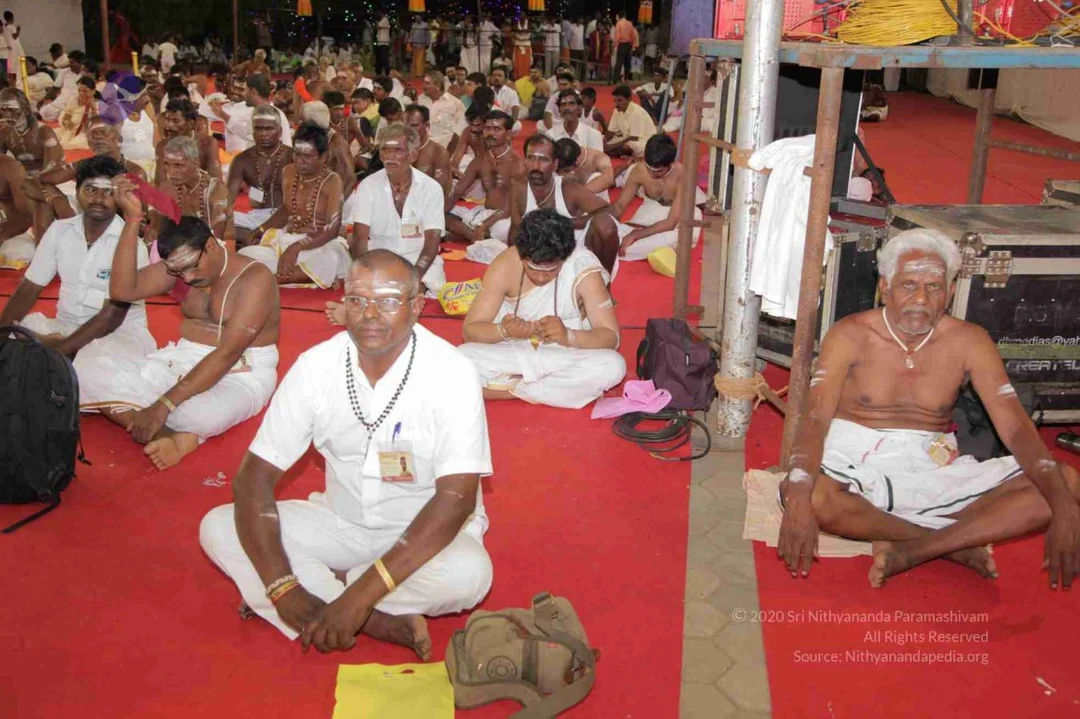 Deeksha, initiation, the disciple is given access to connect with Sadashiva
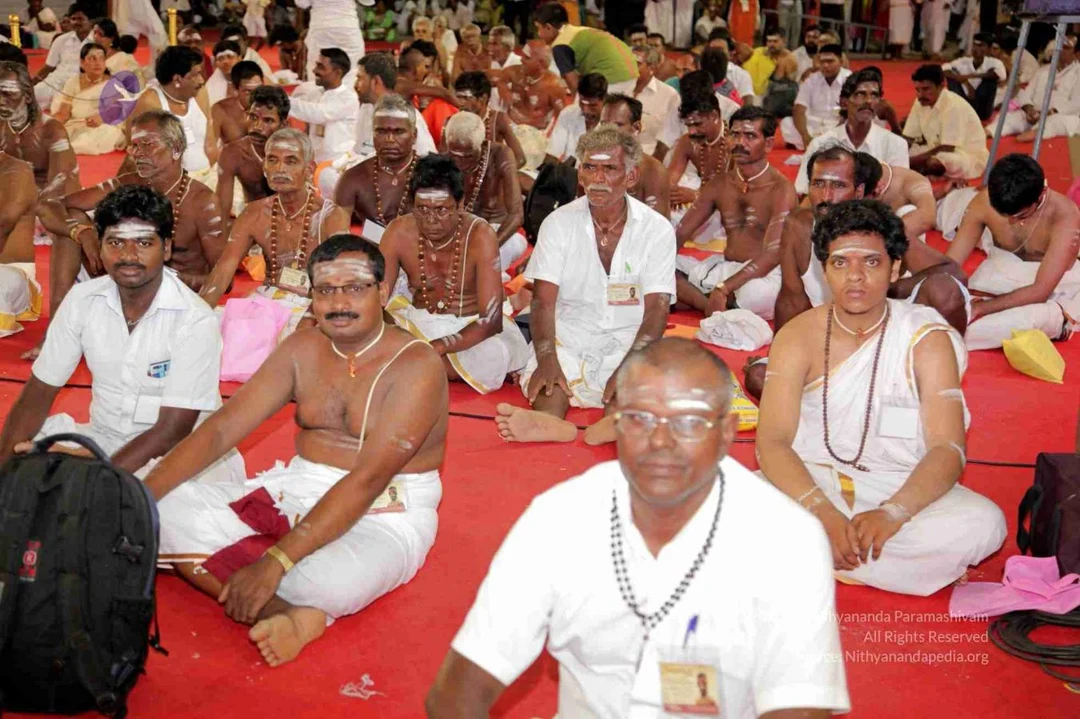 Deeksha, initiation, the disciple is given access to connect with Sadashiva
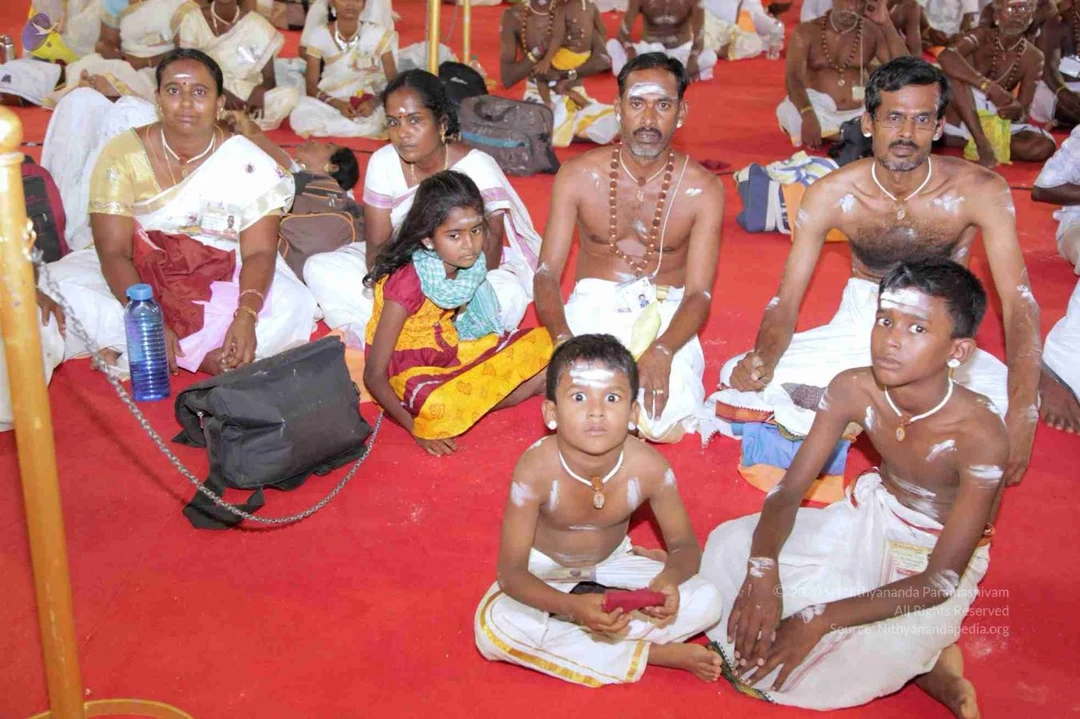 Deeksha, initiation, the disciple is given access to connect with Sadashiva
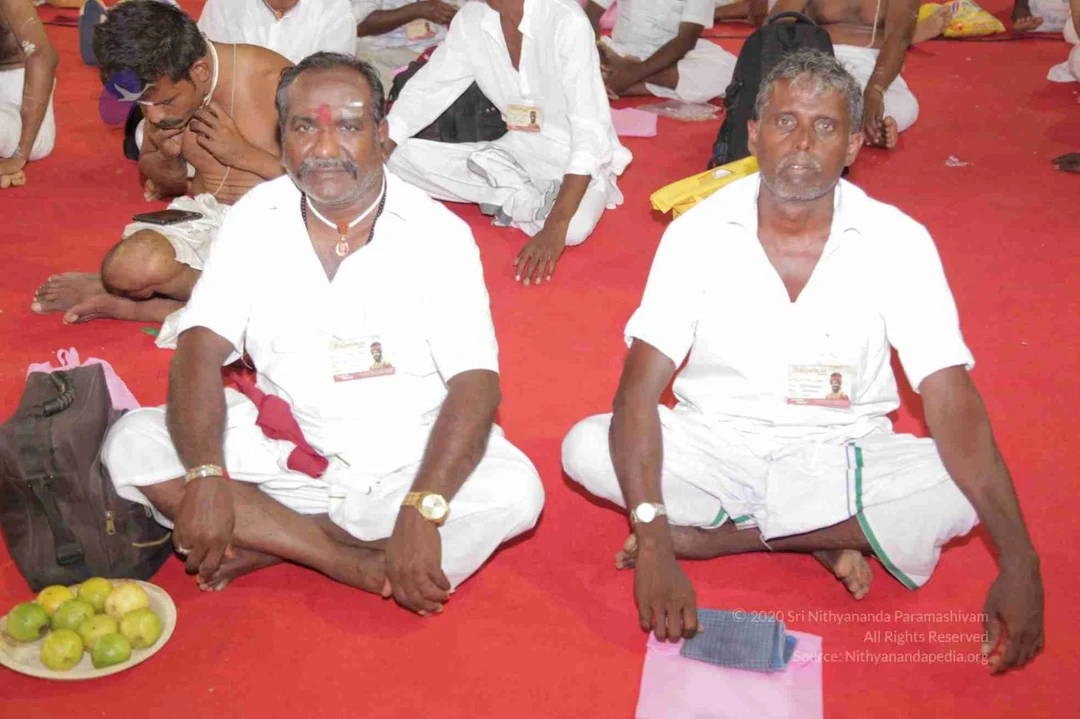 Deeksha, initiation, the disciple is given access to connect with Sadashiva
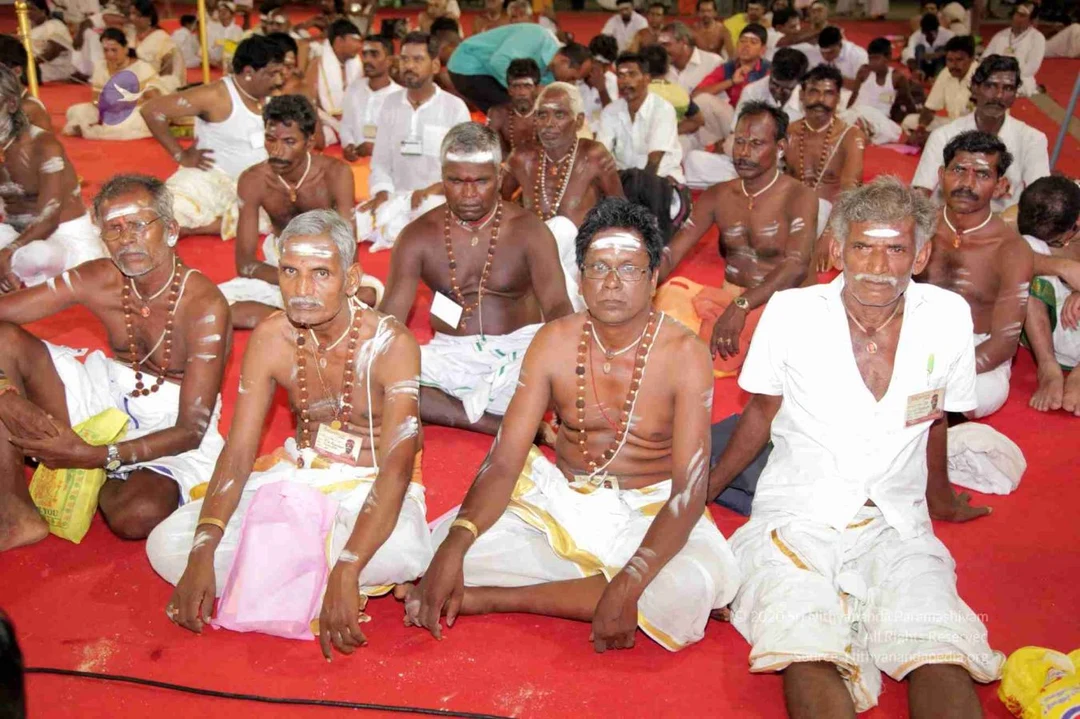 Deeksha, initiation, the disciple is given access to connect with Sadashiva
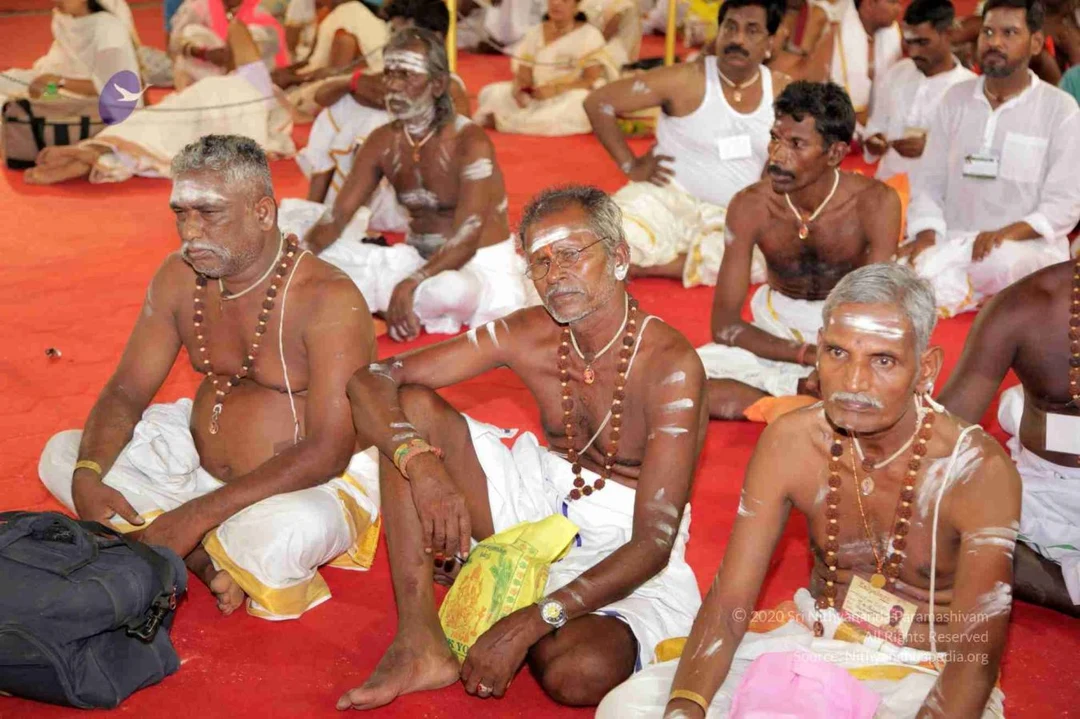 Deeksha, initiation, the disciple is given access to connect with Sadashiva
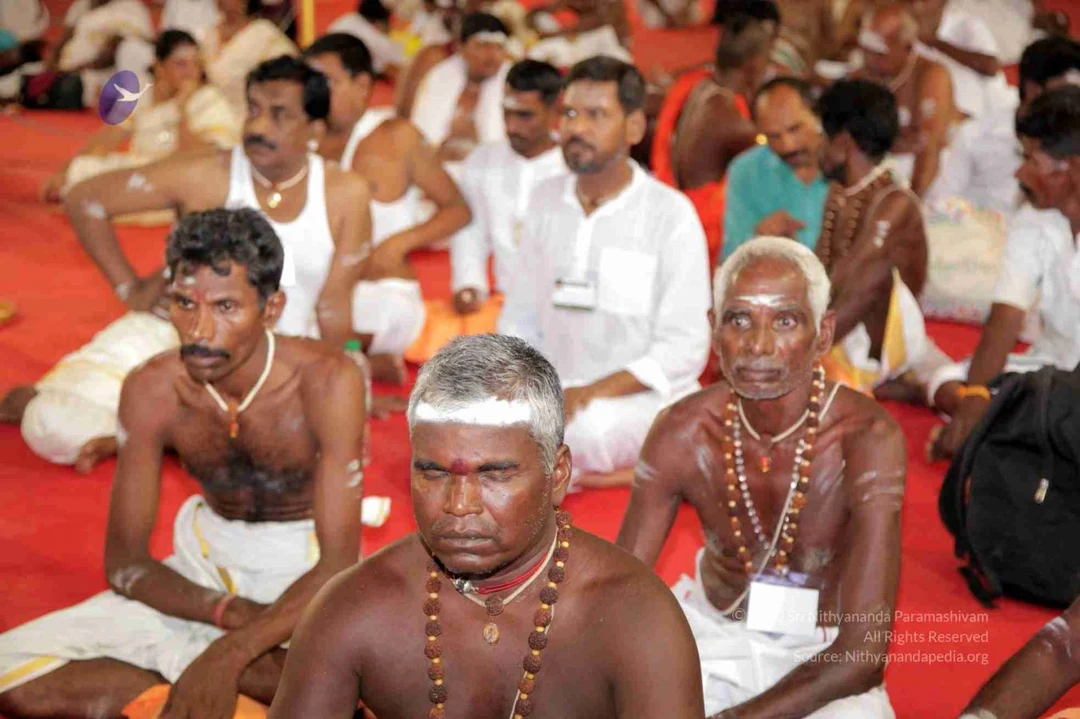 Deeksha, initiation, the disciple is given access to connect with Sadashiva
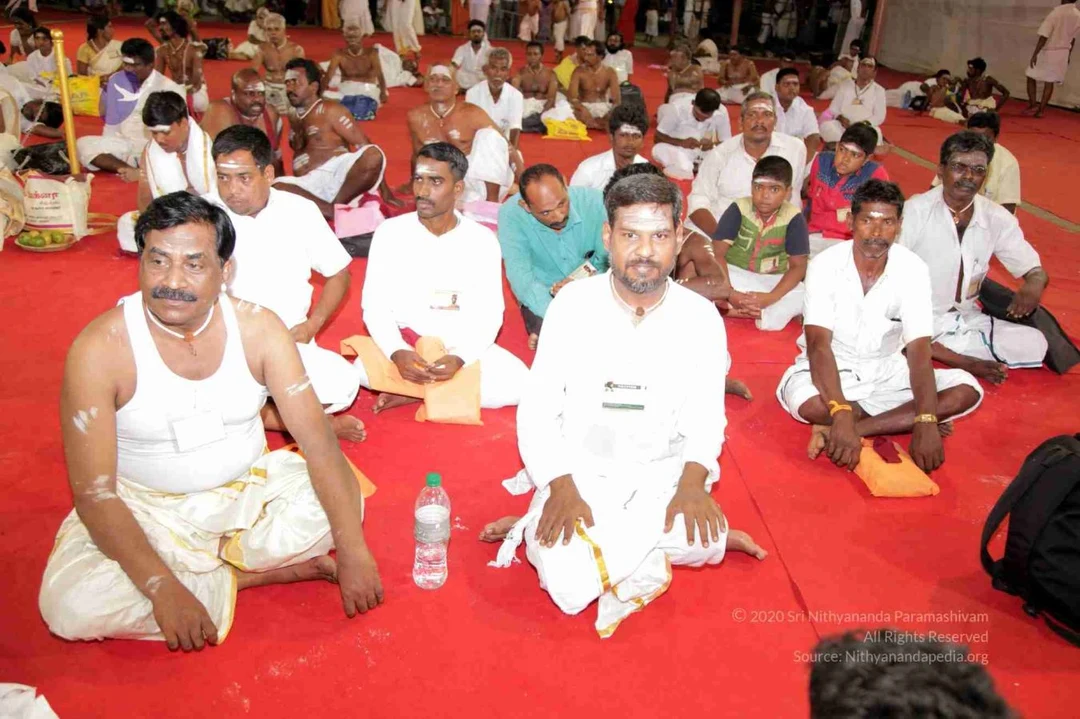 Deeksha, initiation, the disciple is given access to connect with Sadashiva
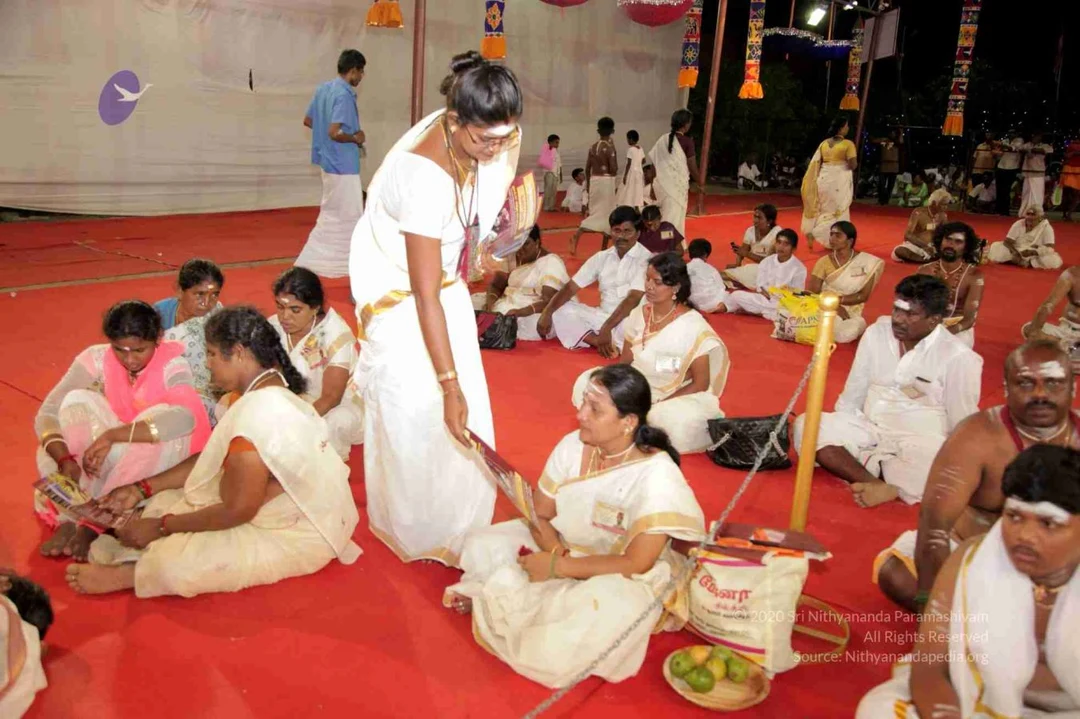 Deeksha, initiation, the disciple is given access to connect with Sadashiva
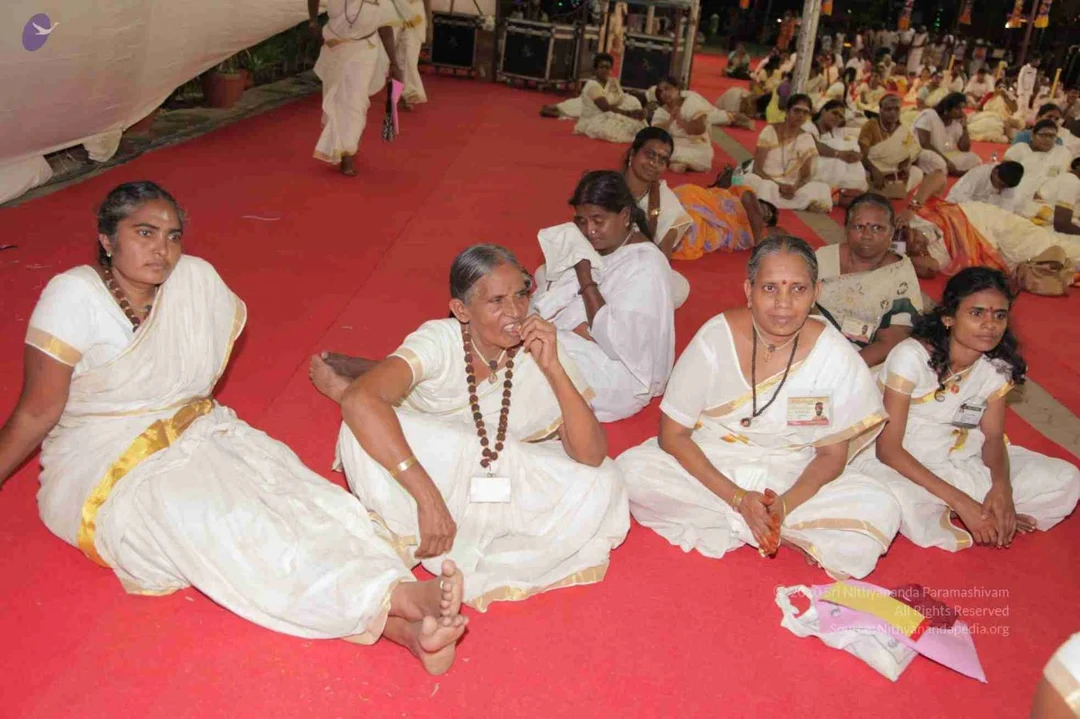 Shiva deeksha delegates
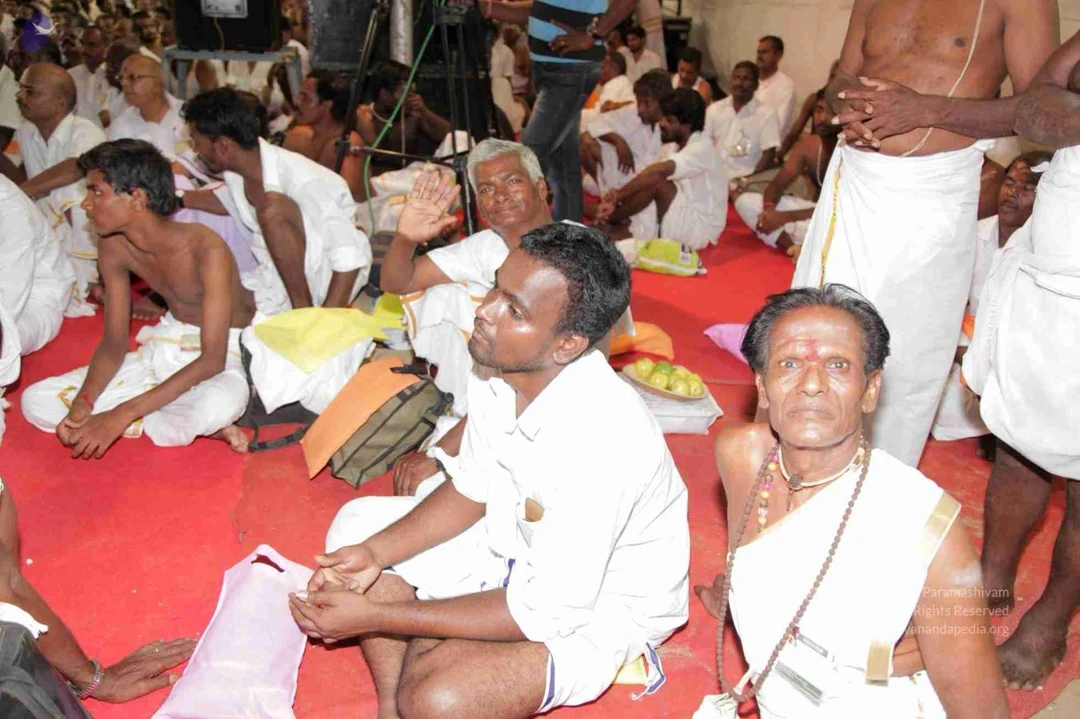 Shiva deeksha delegates
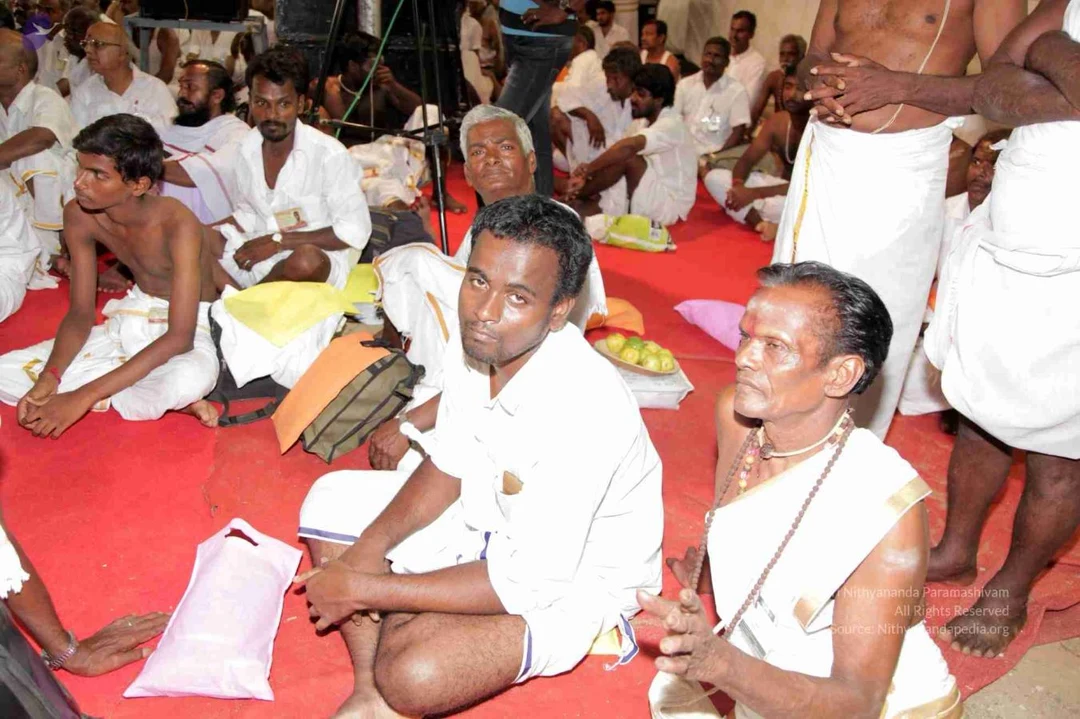 Shiva deeksha delegates
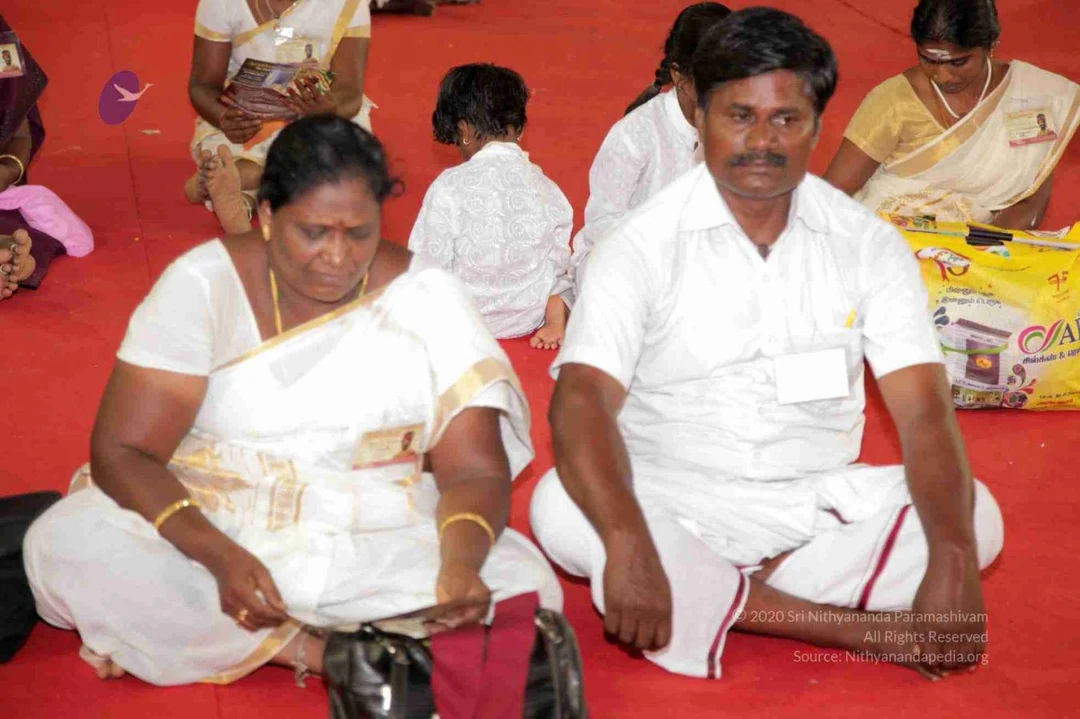 Deeksha, initiation, the disciple is given access to connect with Sadashiva
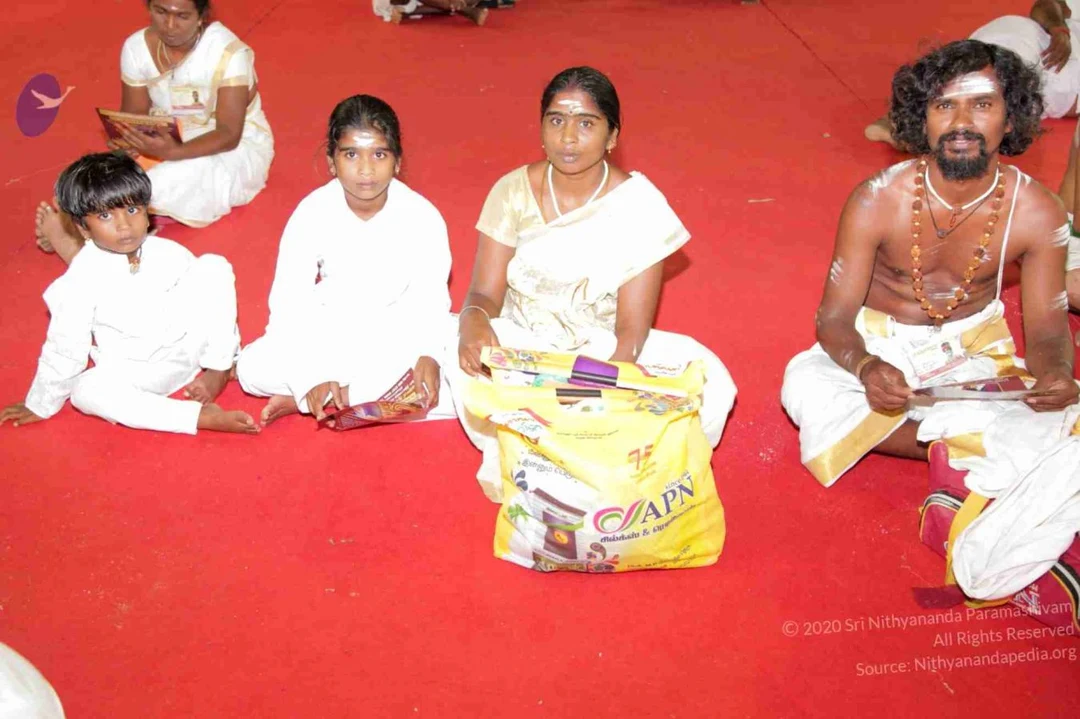 Deeksha, initiation, the disciple is given access to connect with Sadashiva
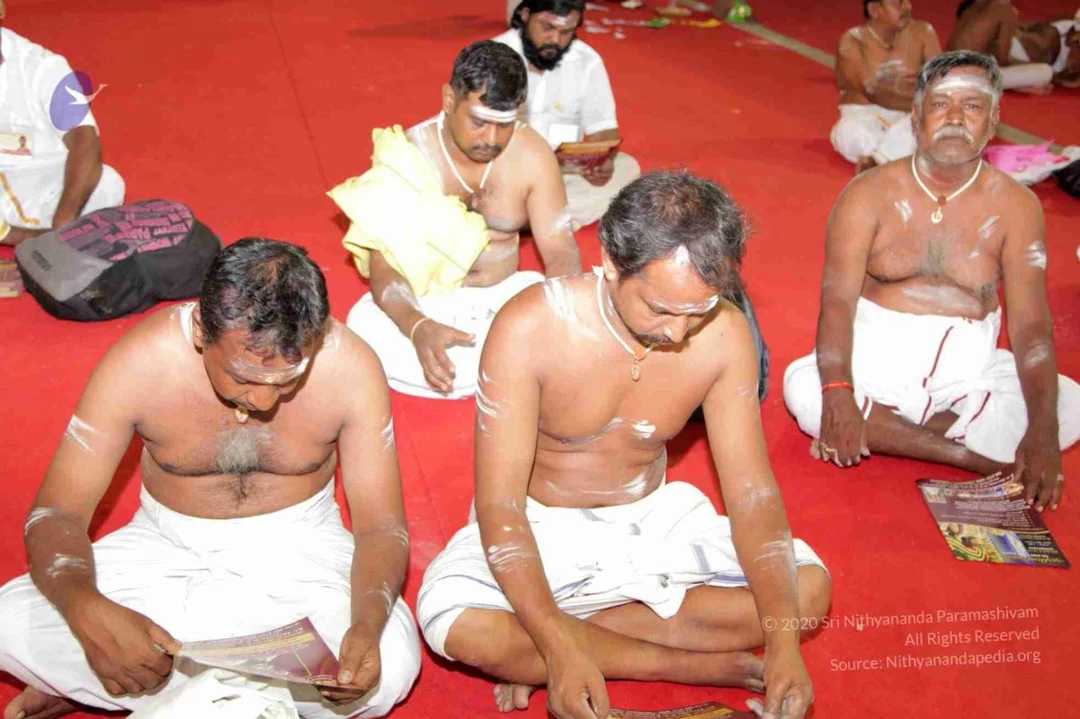 Deeksha, initiation, the disciple is given access to connect with Sadashiva
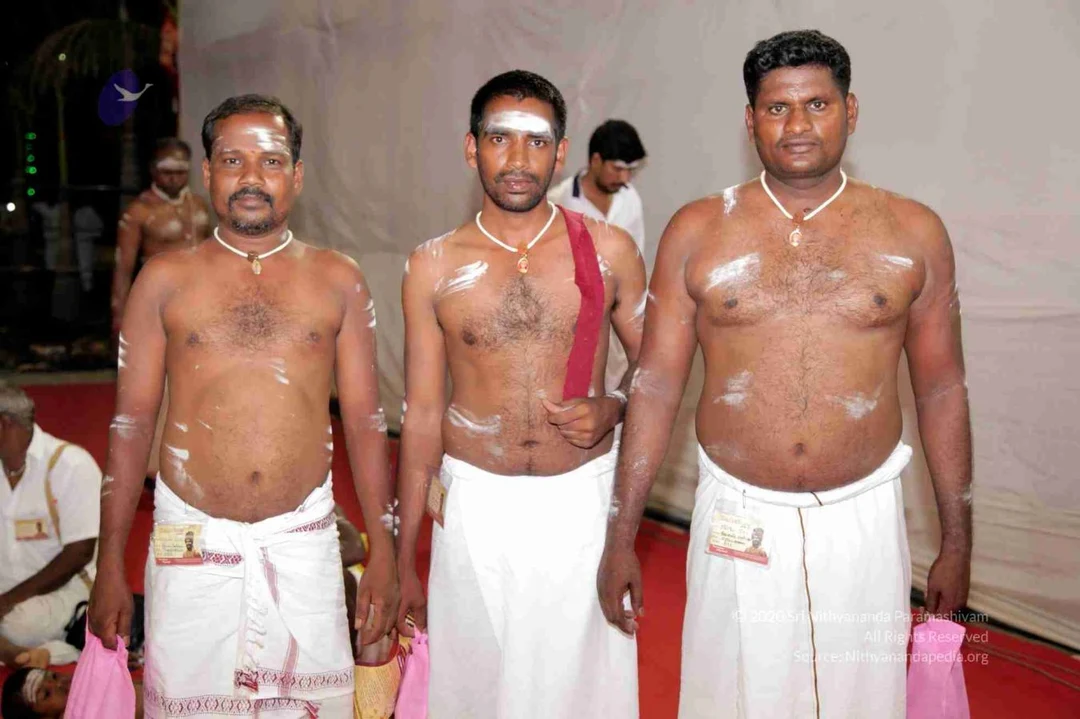 Deeksha, initiation, the disciple is given access to connect with Sadashiva
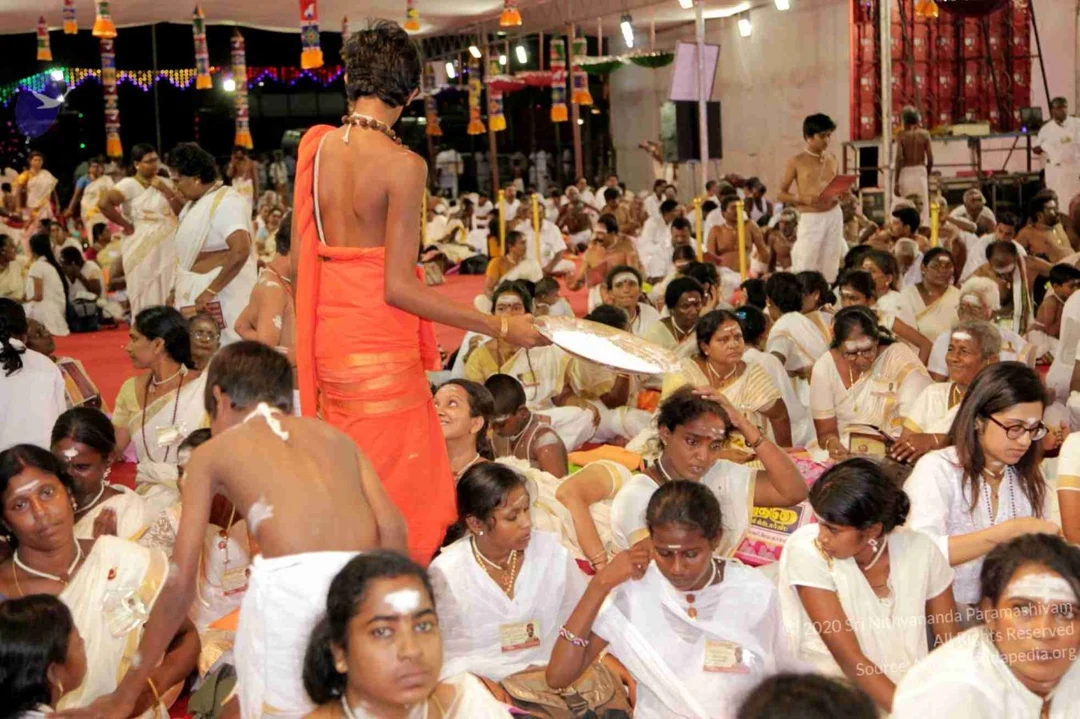 Deeksha, initiation, the disciple is given access to connect with Sadashiva
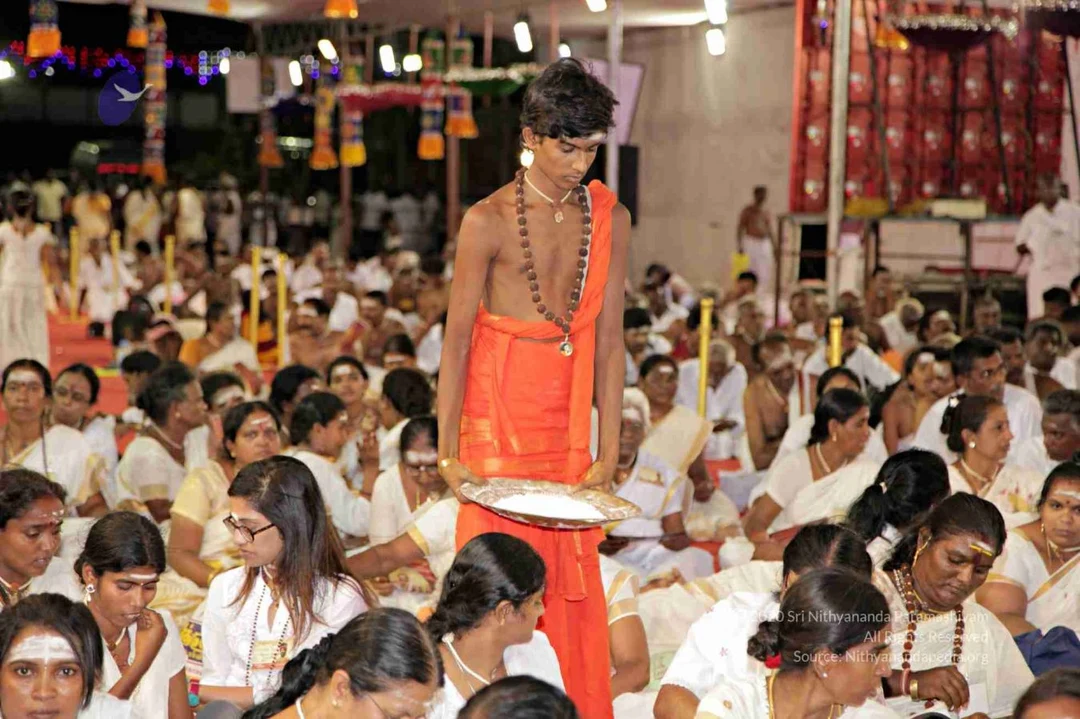 Deeksha, initiation, the disciple is given access to connect with Sadashiva
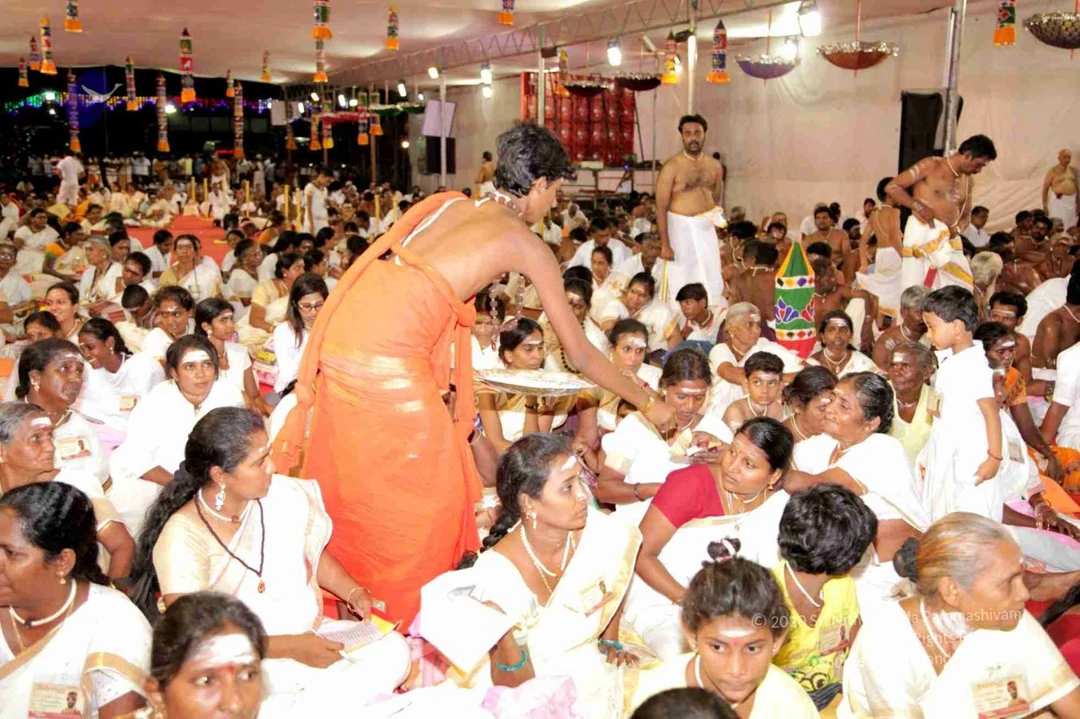 Deeksha, initiation, the disciple is given access to connect with Sadashiva
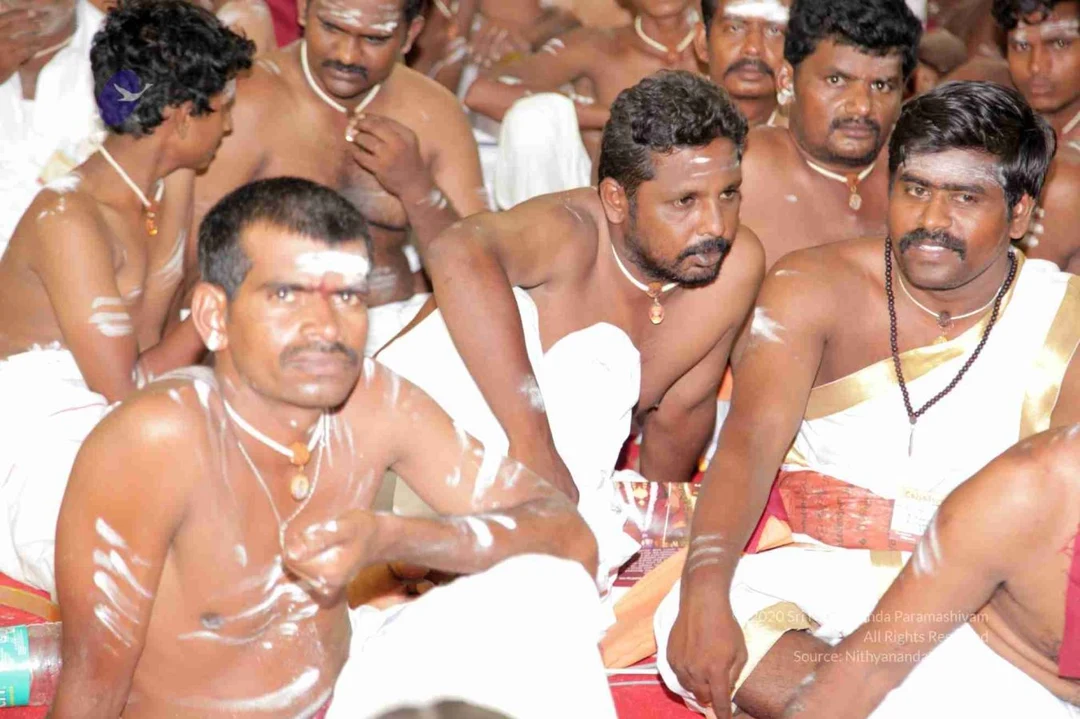 Deeksha, initiation, the disciple is given access to connect with Sadashiva
 Deeksha, initiation, the disciple is given access to connect with Sadashiva
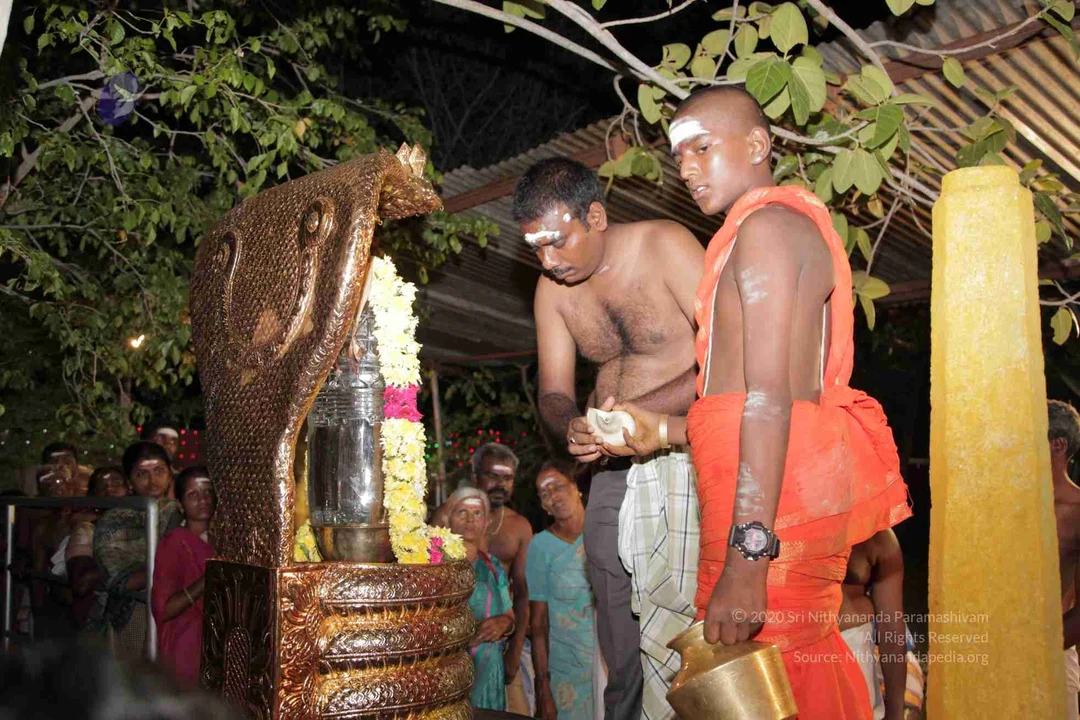 Shiva is auspicious and Shiva is abhisheka priya
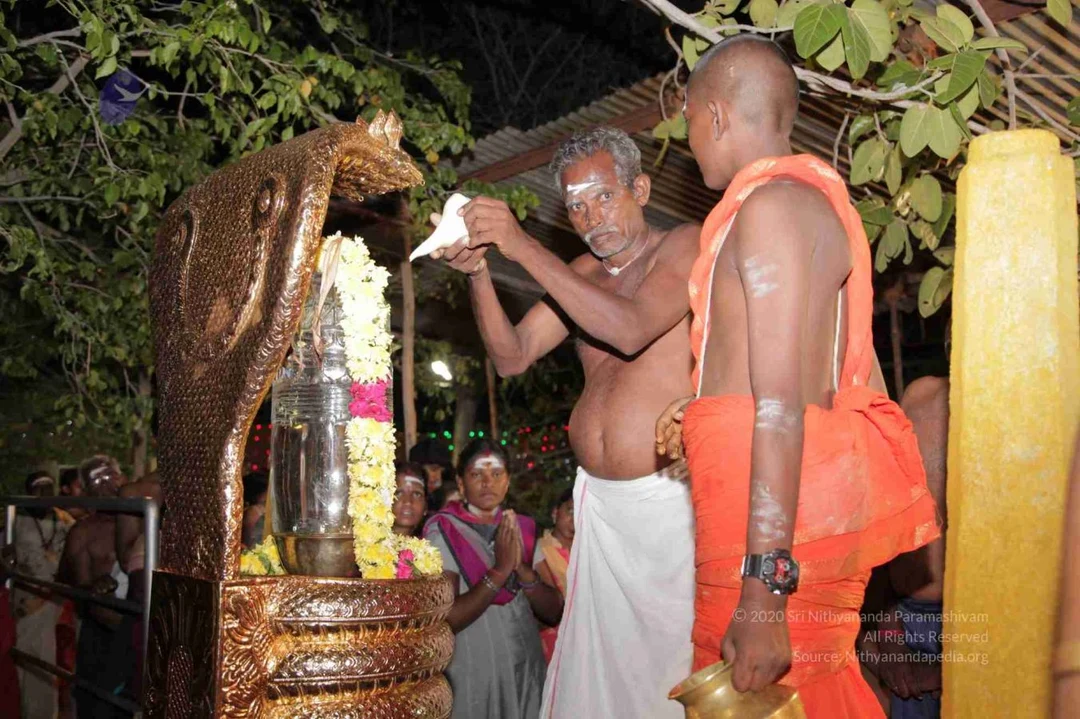 Shiva is auspicious and Shiva is abhisheka priya
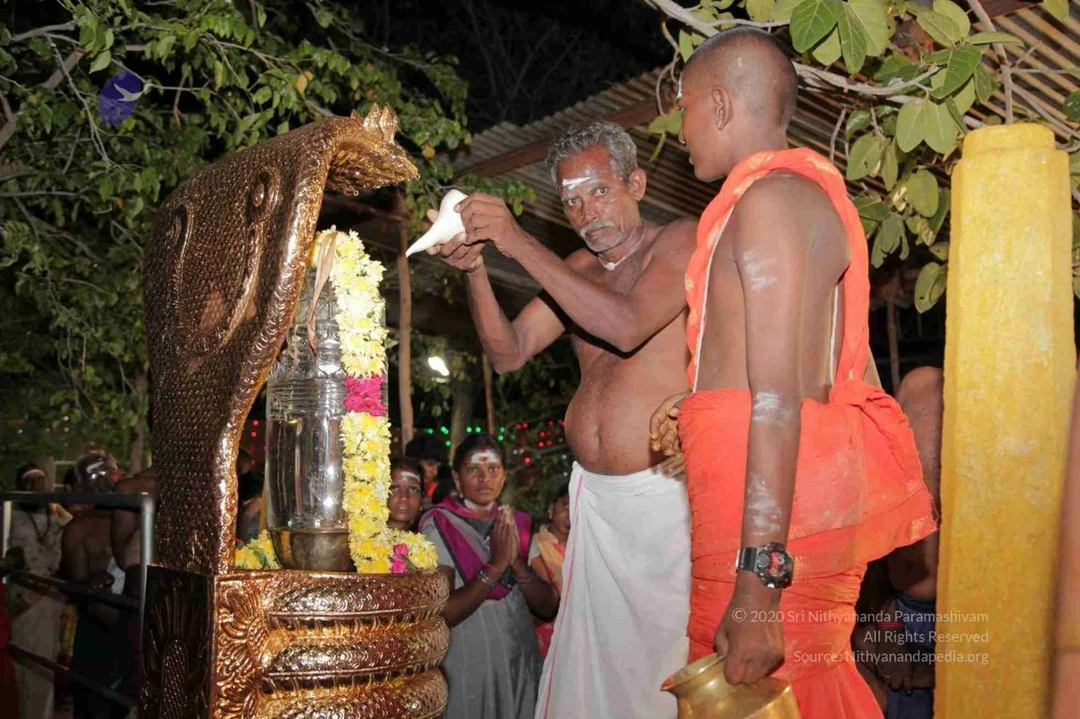 Shiva is auspicious and Shiva is abhisheka priya
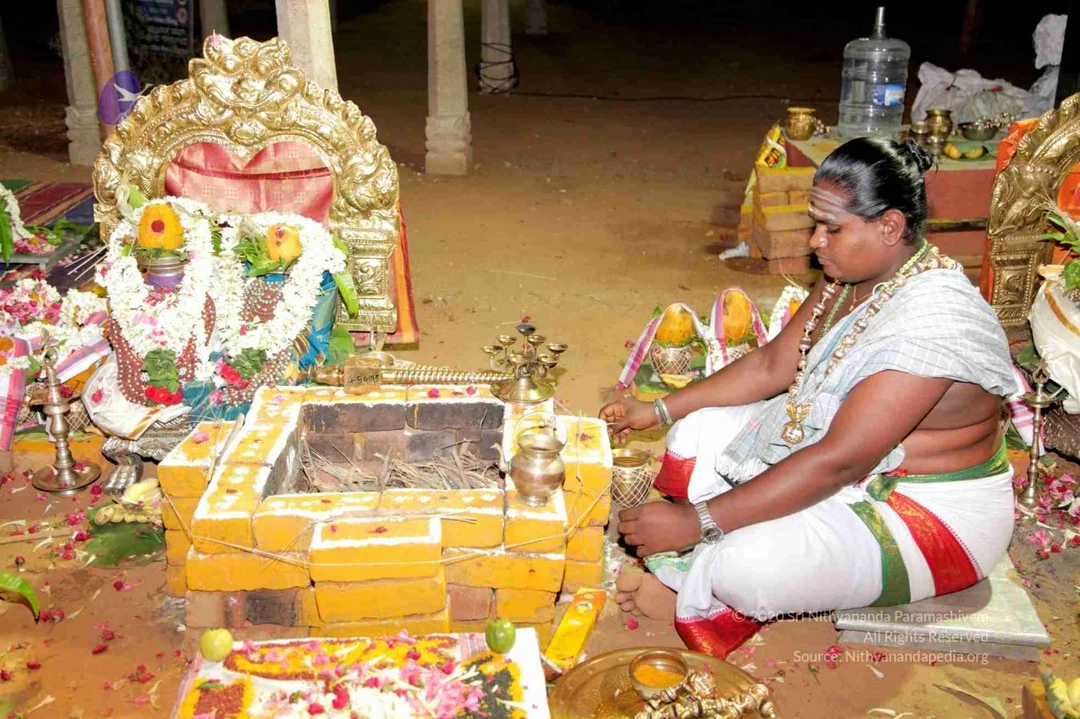 Shiva deeksha yagna rituals performed before initiation
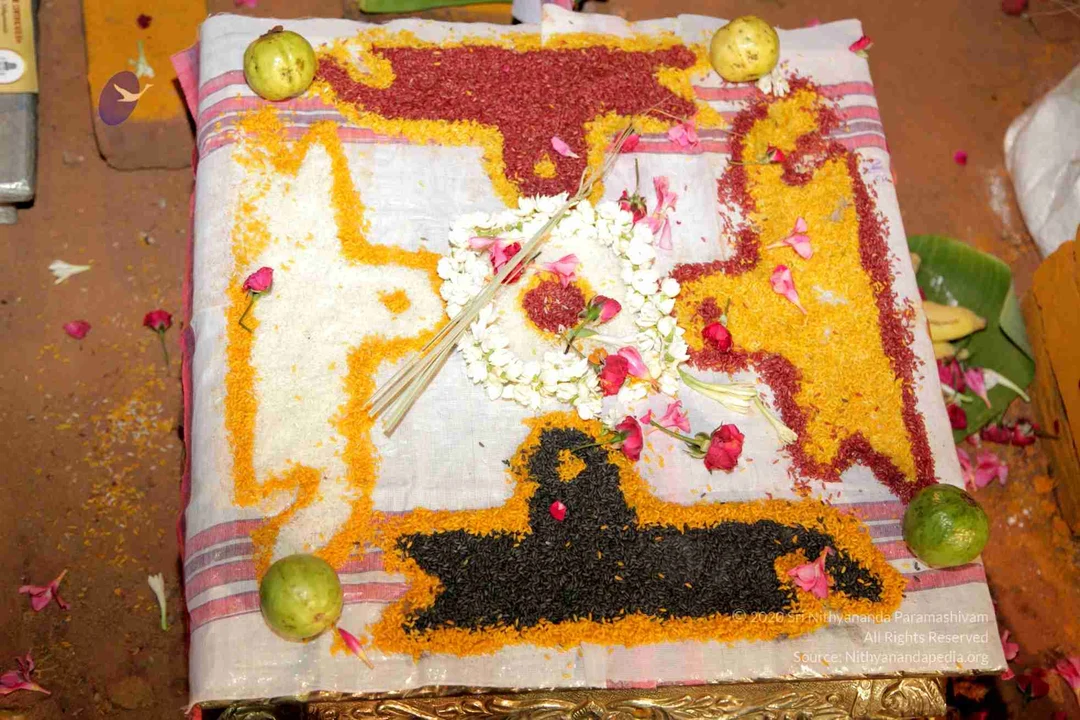 Shiva deeksha yagna rituals performed before initiation
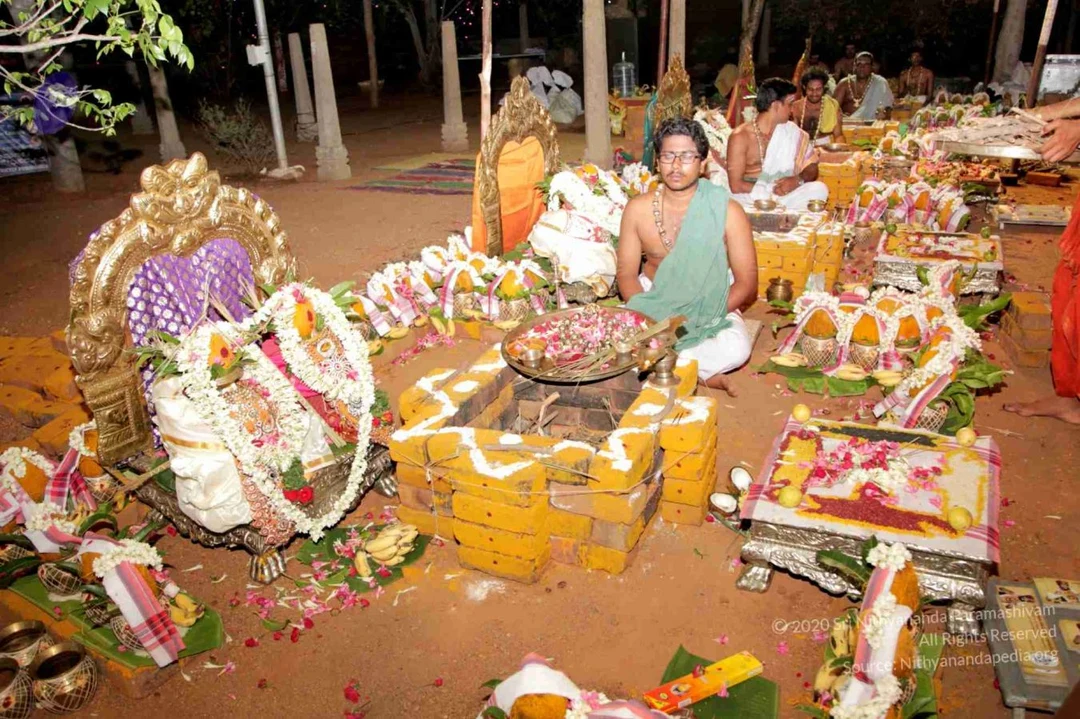 Shiva deeksha yagna rituals performed before initiation
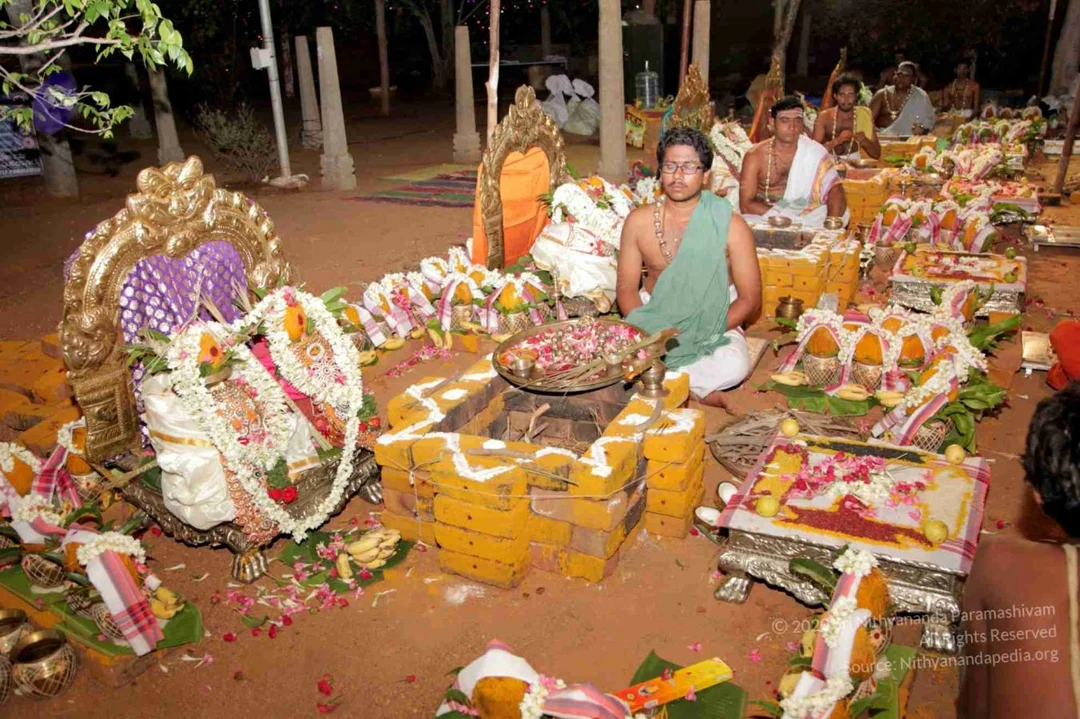 Shiva deeksha yagna rituals performed before initiation
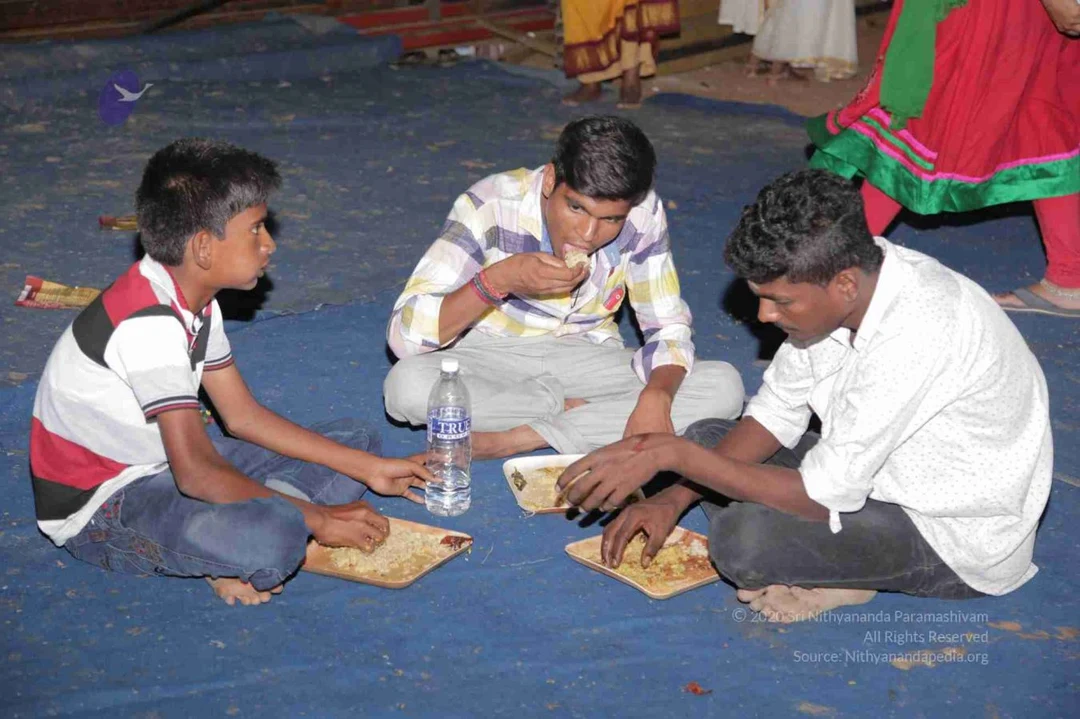 Disciple relishing the sacred prasadam
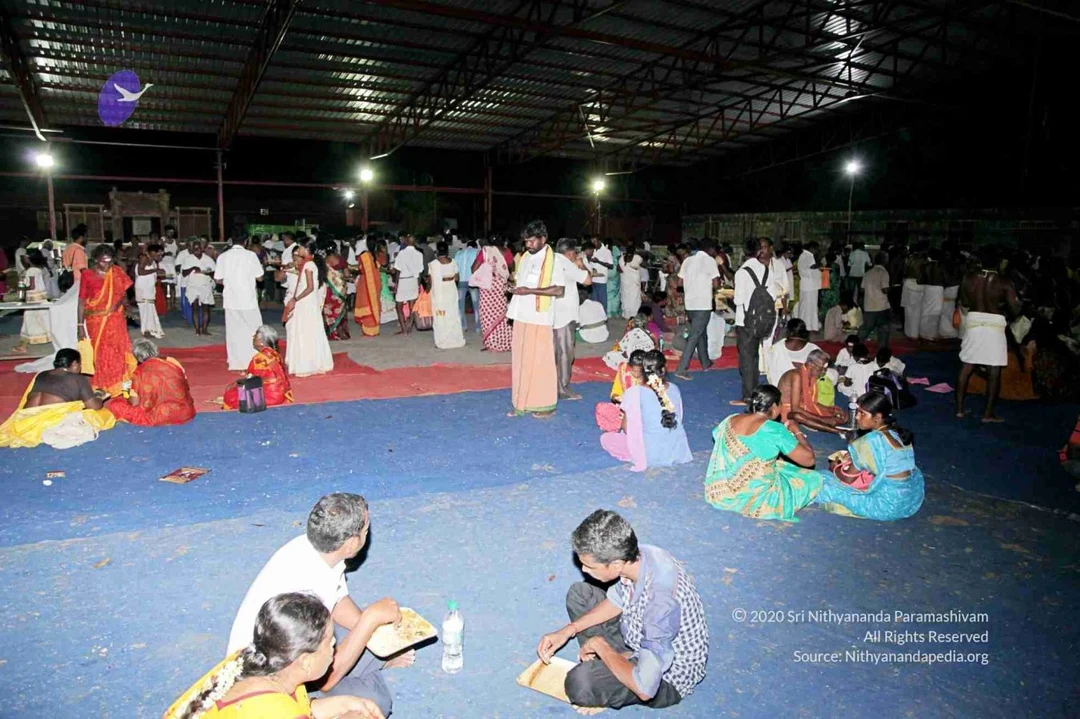 Disciple relishing the sacred prasadam
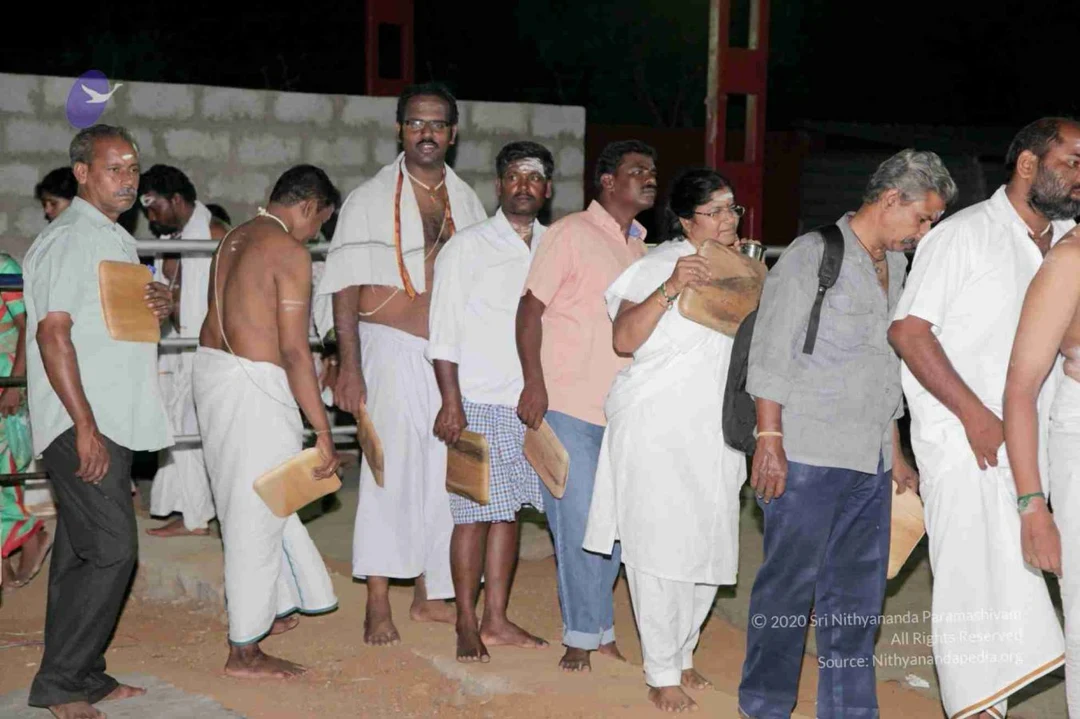 Disciple relishing the sacred prasadam
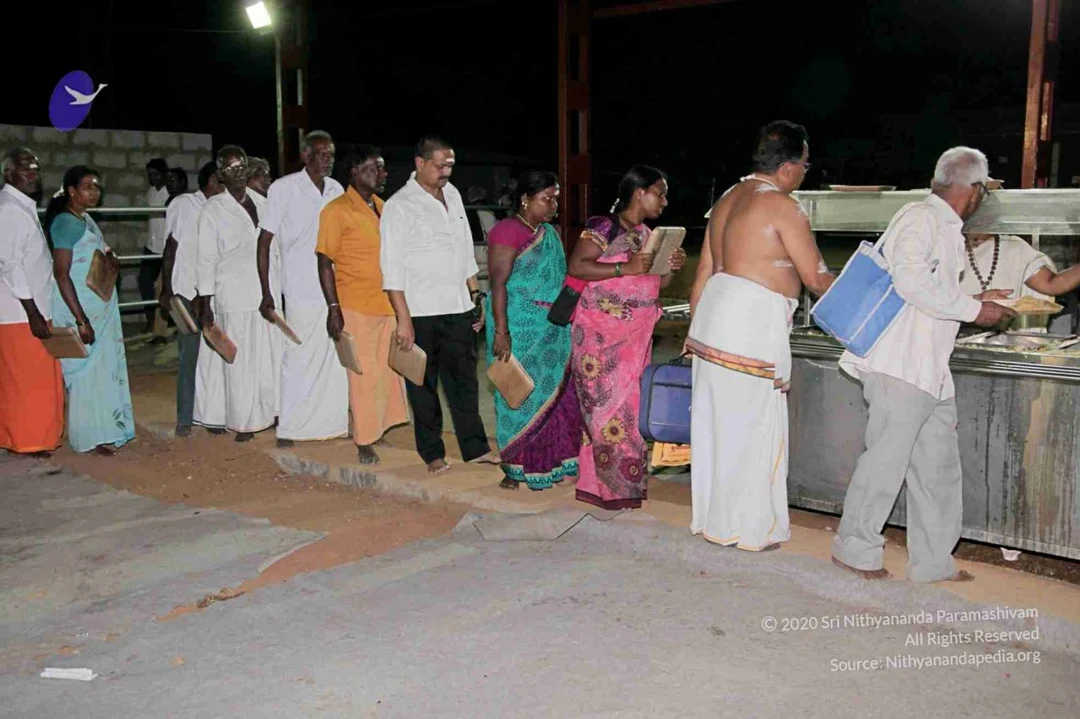 Disciple relishing the sacred prasadam
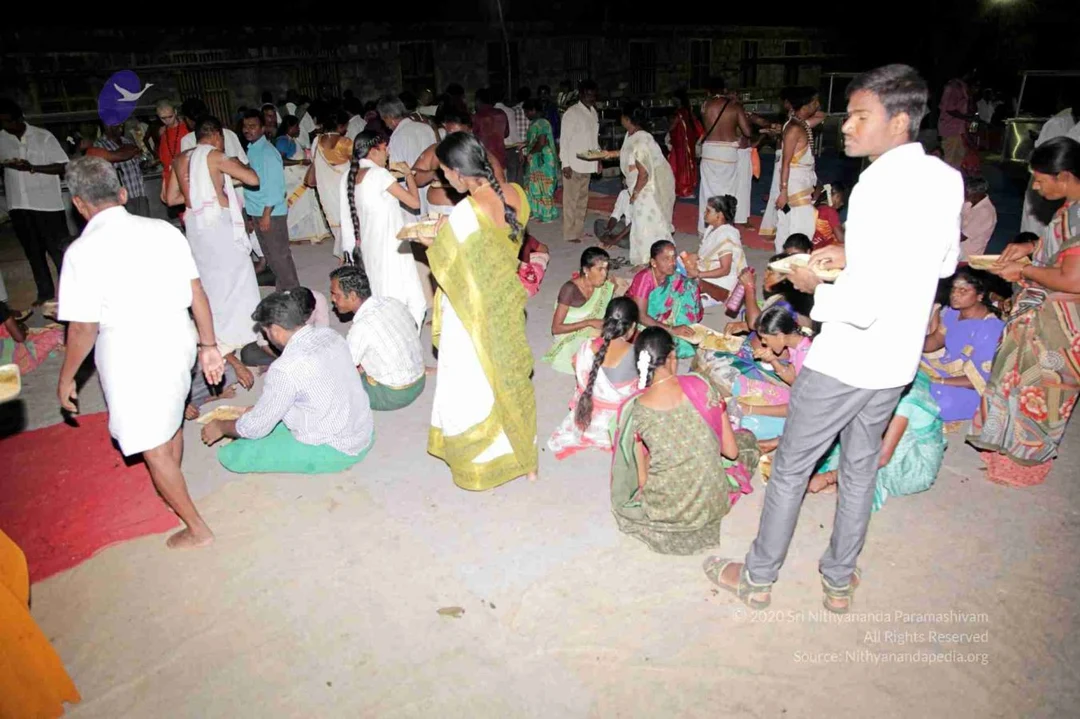 Shiva is auspicious and Shiva is abhisheka priya
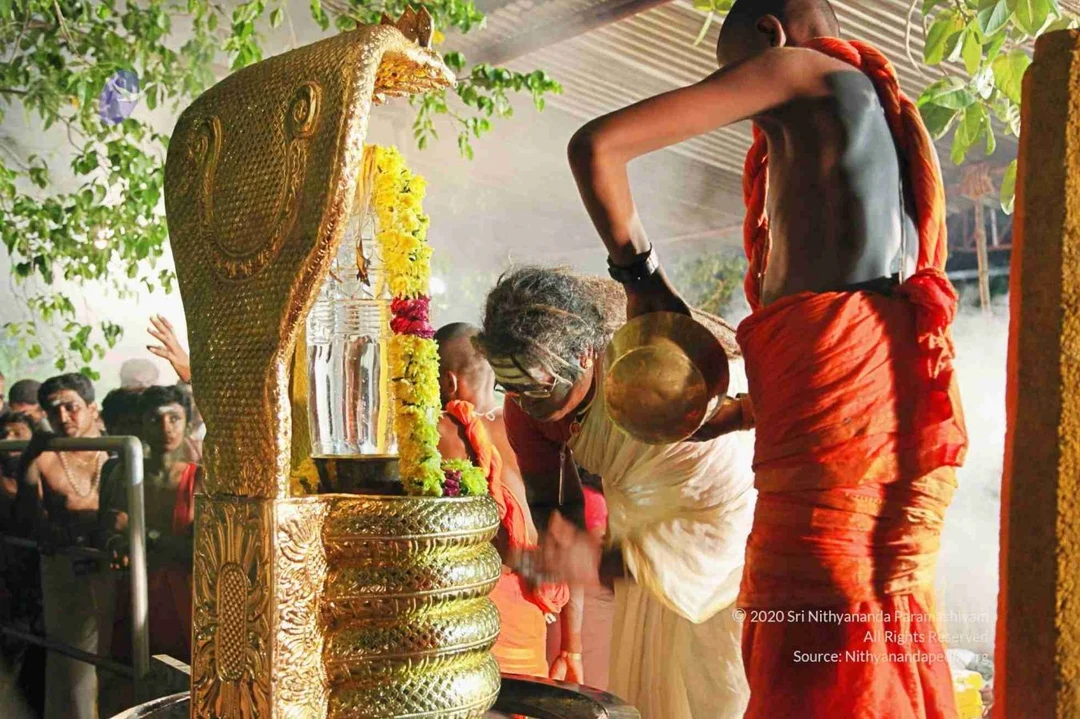 Shiva is auspicious and Shiva is abhisheka priya
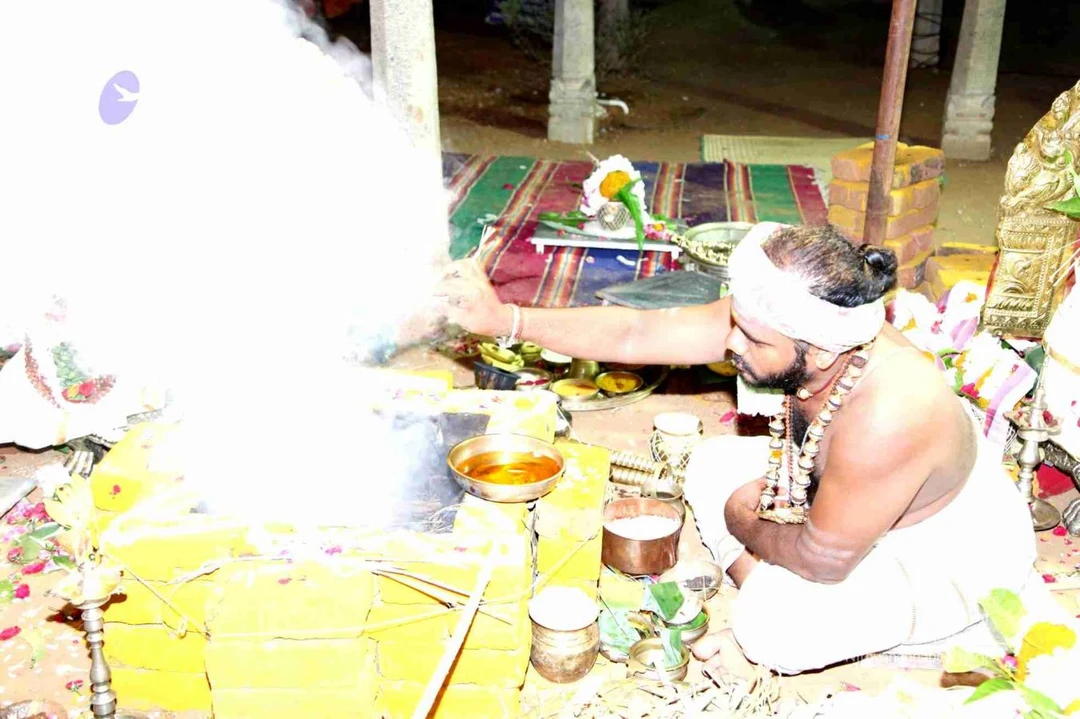 Shiva deeksha yagna rituals performed before initiation
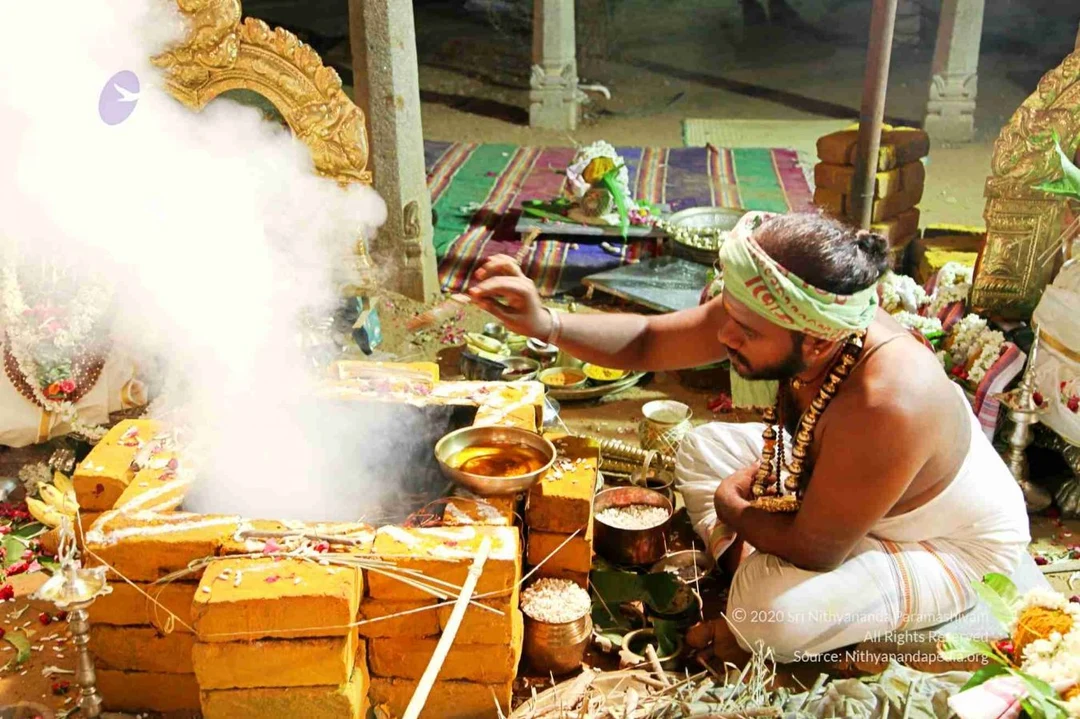 Shiva deeksha yagna rituals performed before initiation
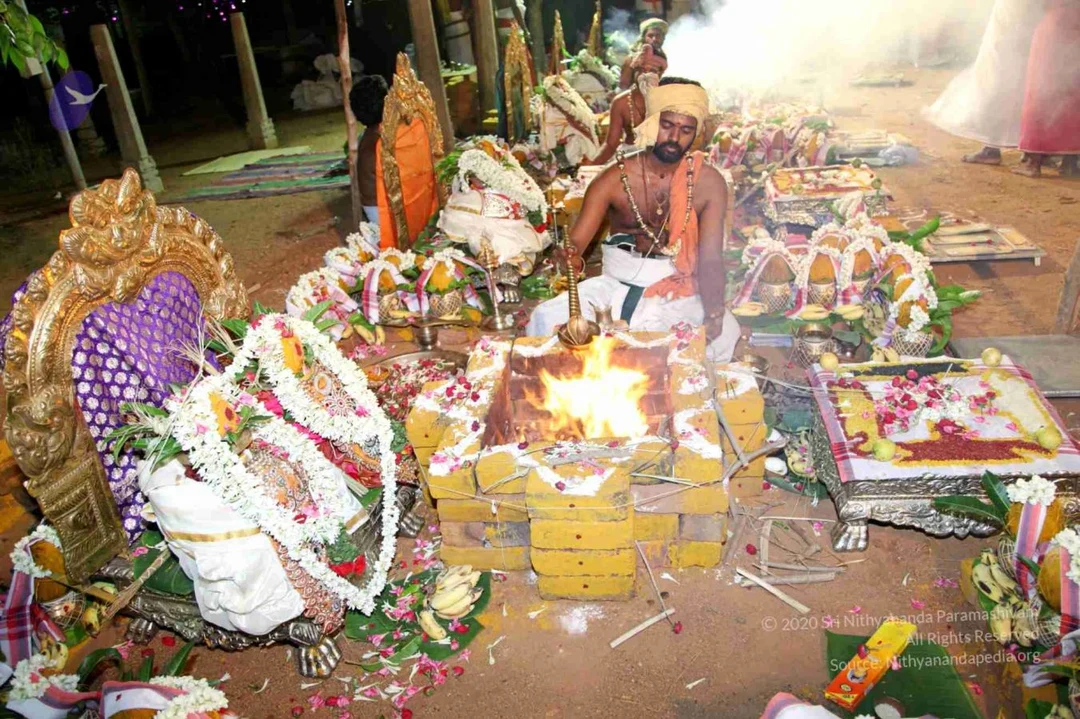 Shiva deeksha yagna rituals performed before initiation
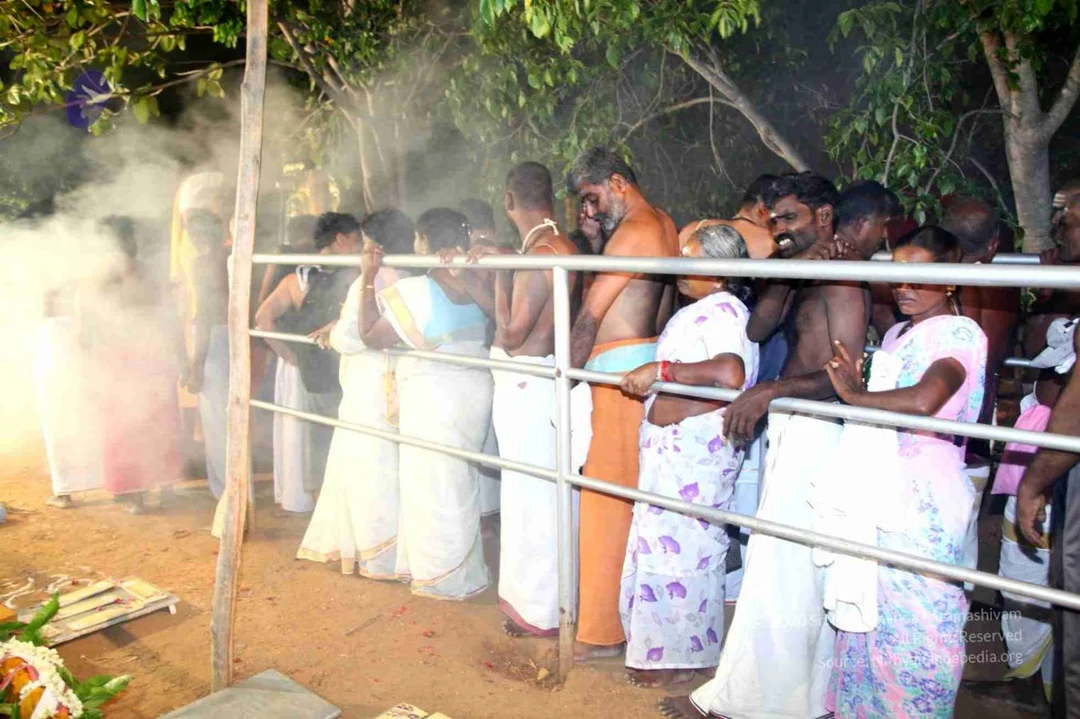 Shiva deeksha yagna rituals performed before initiation
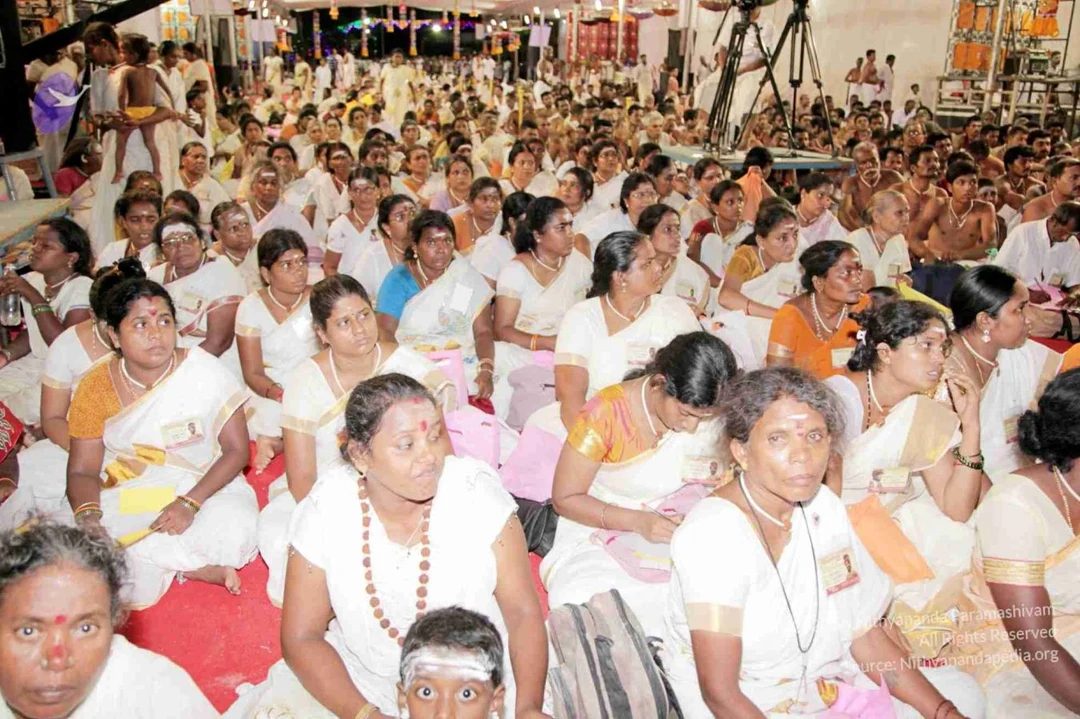 Deeksha, initiation, the disciple is given access to connect with Sadashiva
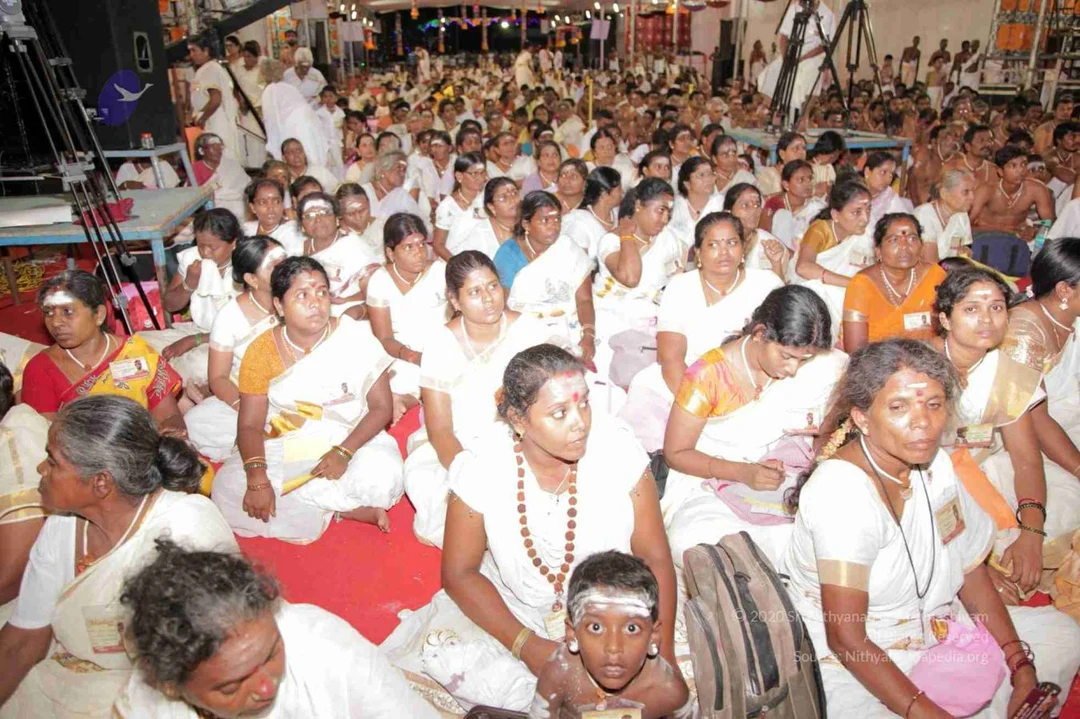 Deeksha, initiation, the disciple is given access to connect with Sadashiva
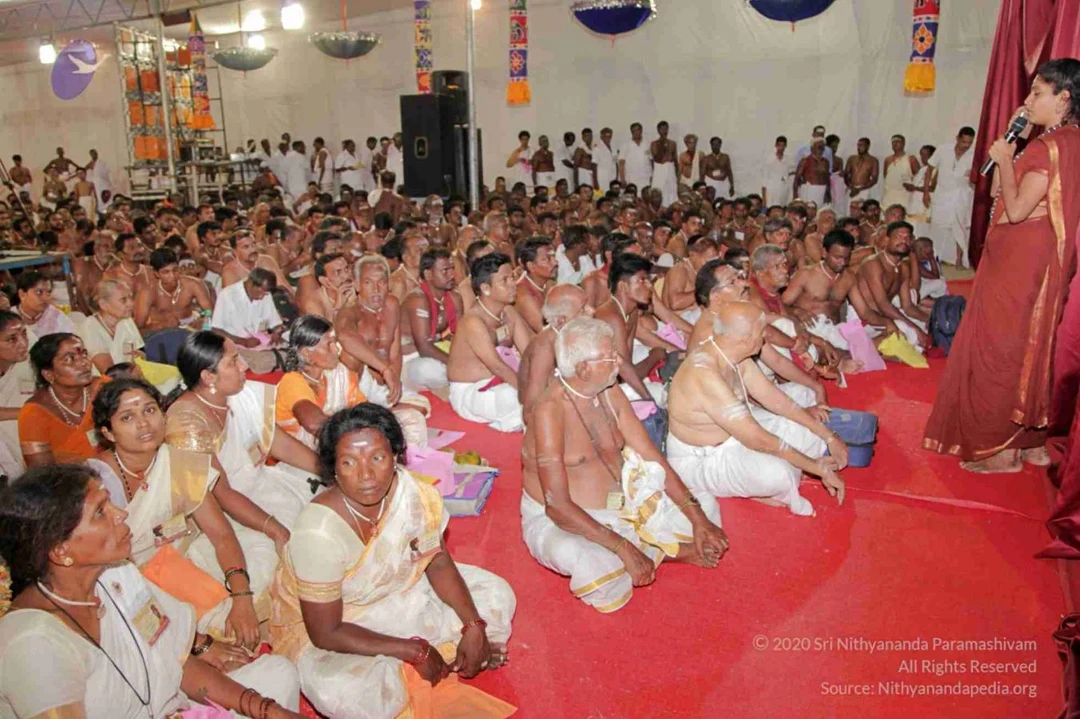 Deeksha, initiation, the disciple is given access to connect with Sadashiva
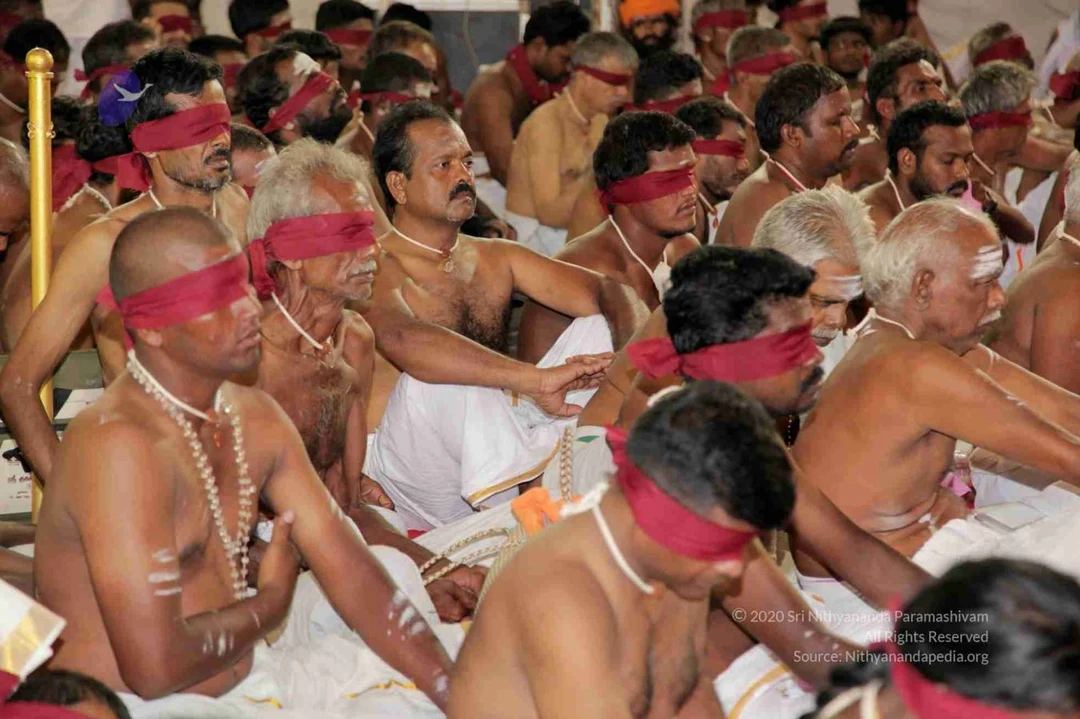 Deeksha, initiation, the disciple is given access to connect with Sadashiva
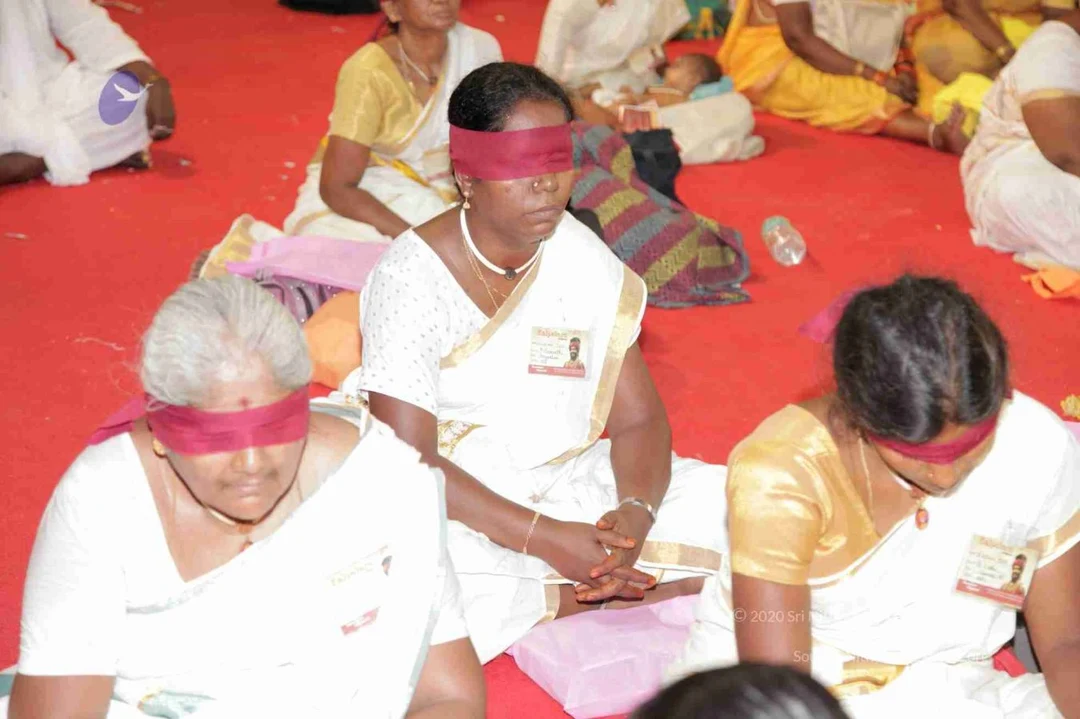 Deeksha, initiation, the disciple is given access to connect with Sadashiva
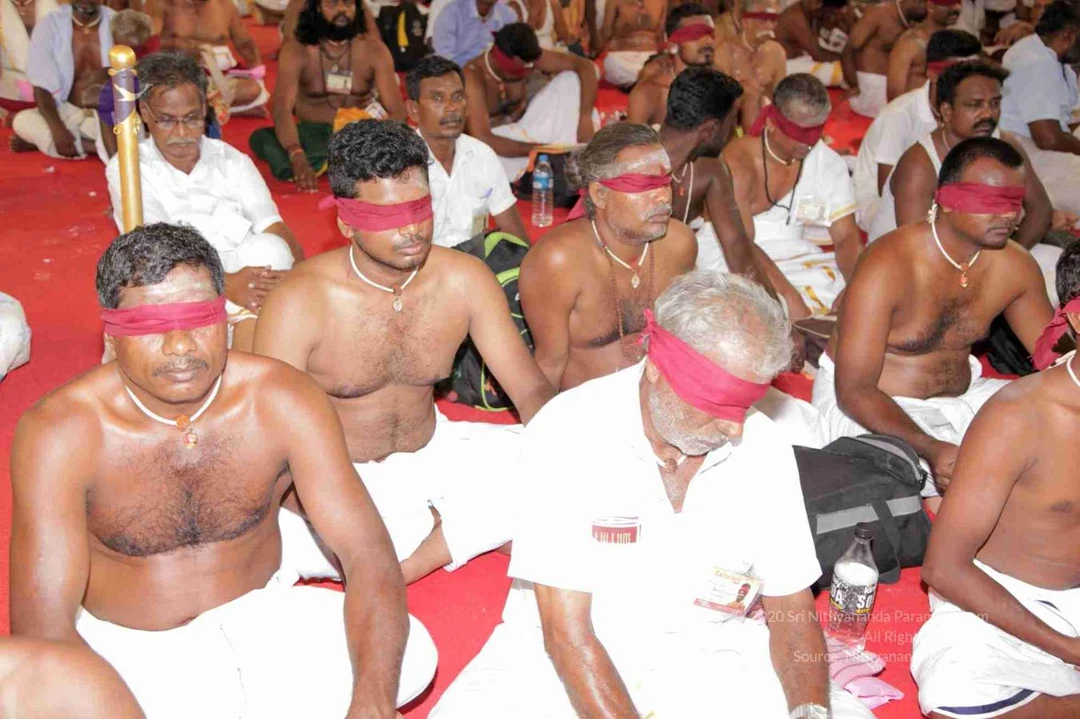 Deeksha, initiation, the disciple is given access to connect with Sadashiva
 Deeksha, initiation, the disciple is given access to connect with Sadashiva
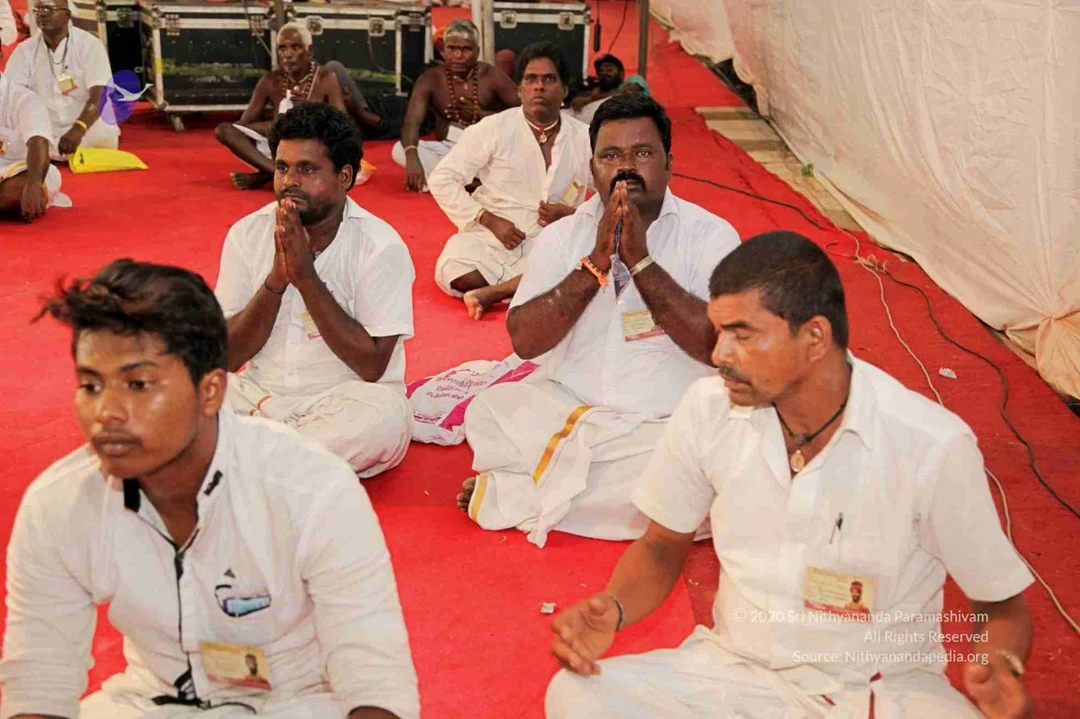 Deeksha, initiation, the disciple is given access to connect with Sadashiva
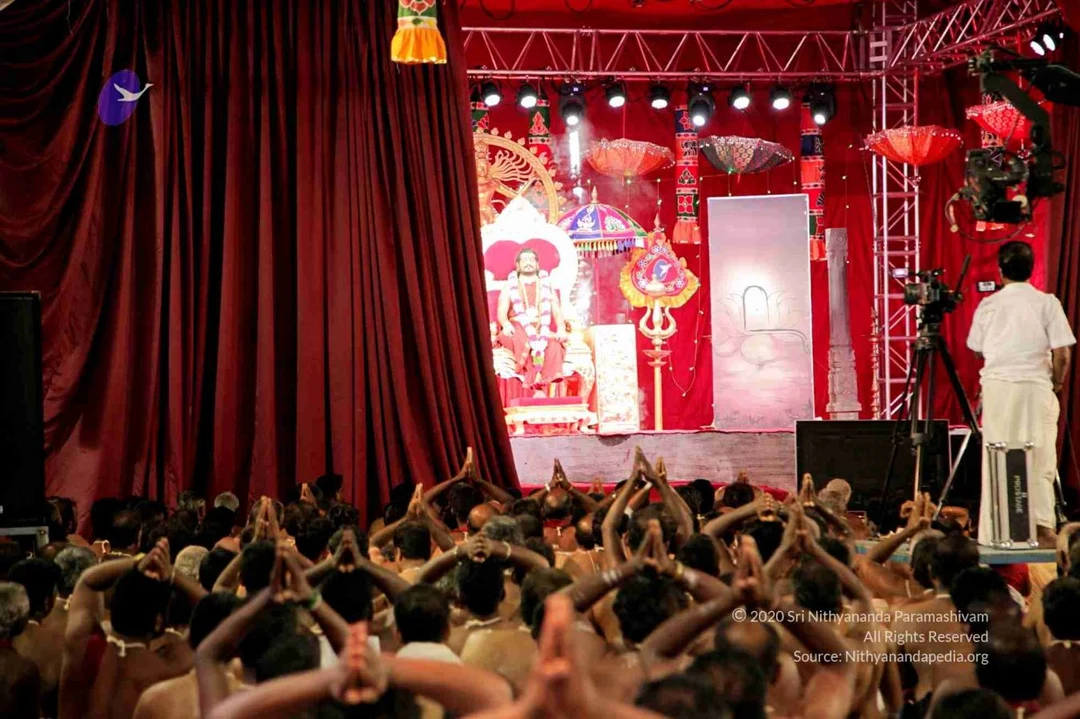 Deeksha, initiation, the disciple is given access to connect with Sadashiva
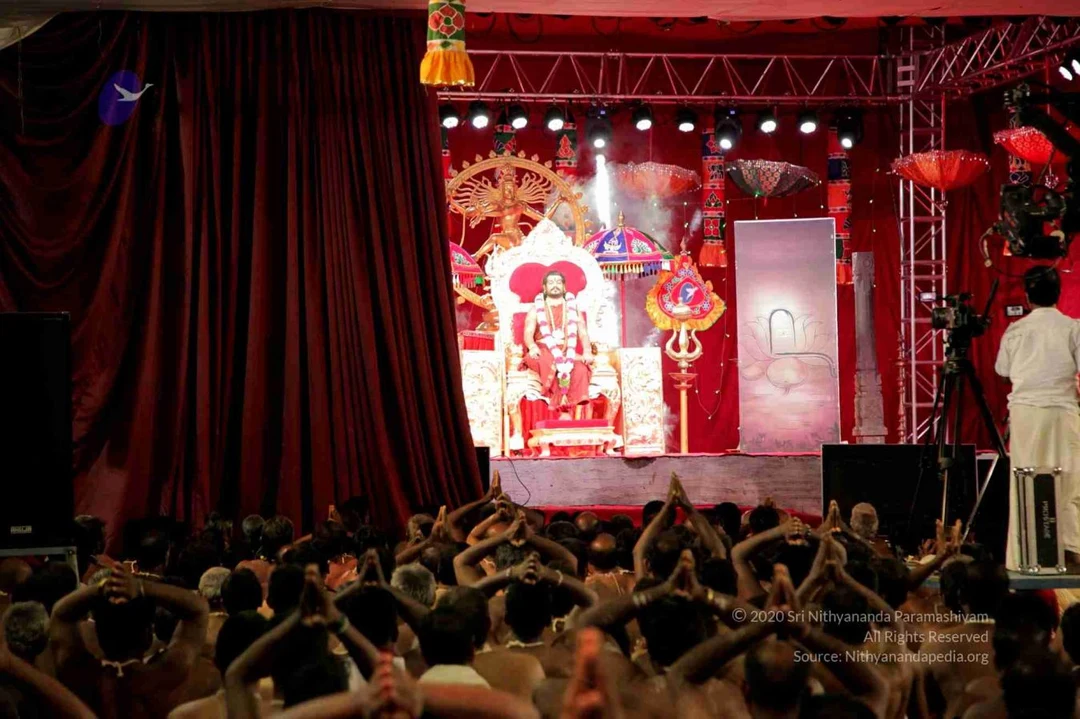 Beautiful sweet divine darshan of Bhagwan
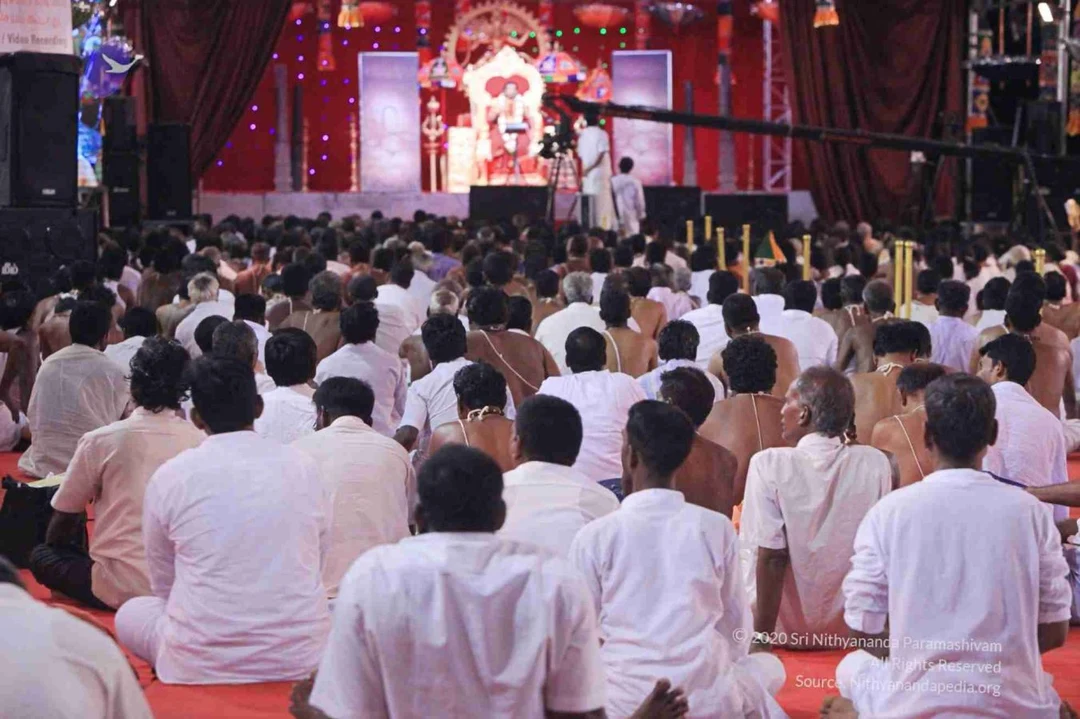 Amazing to be in the breathing space of a living avatar and celebrate every moment
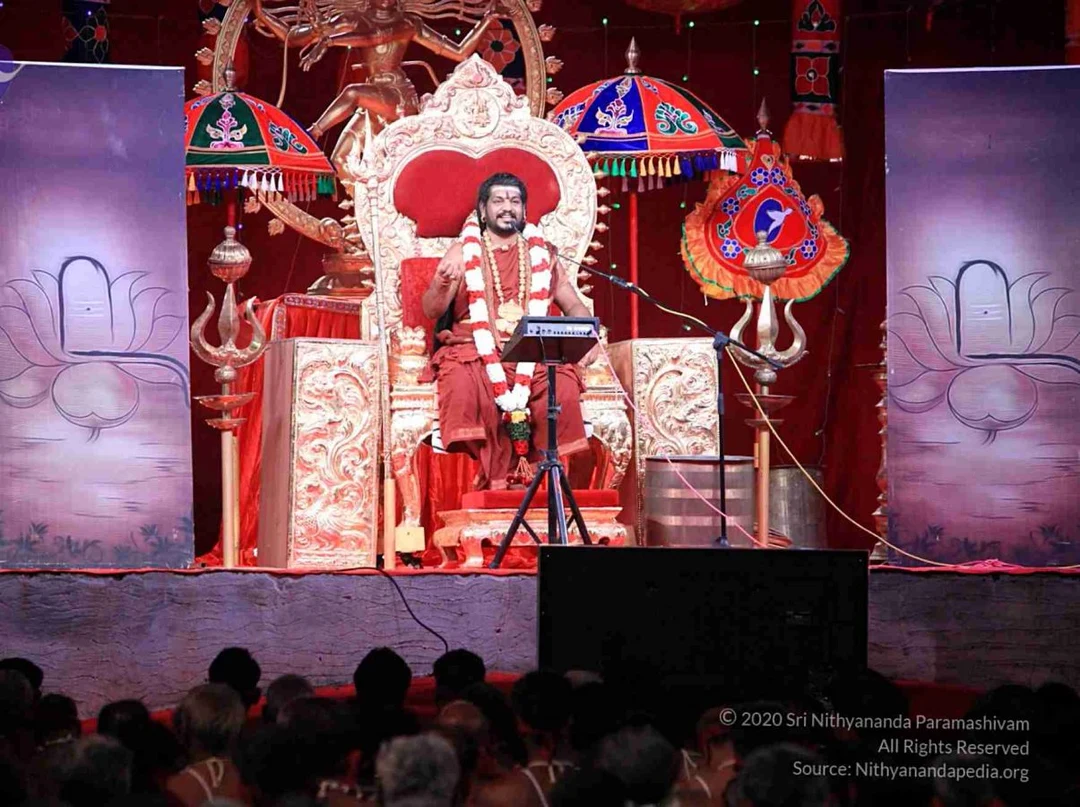 Amazing to be in the breathing space of a living avatar and celebrate every moment
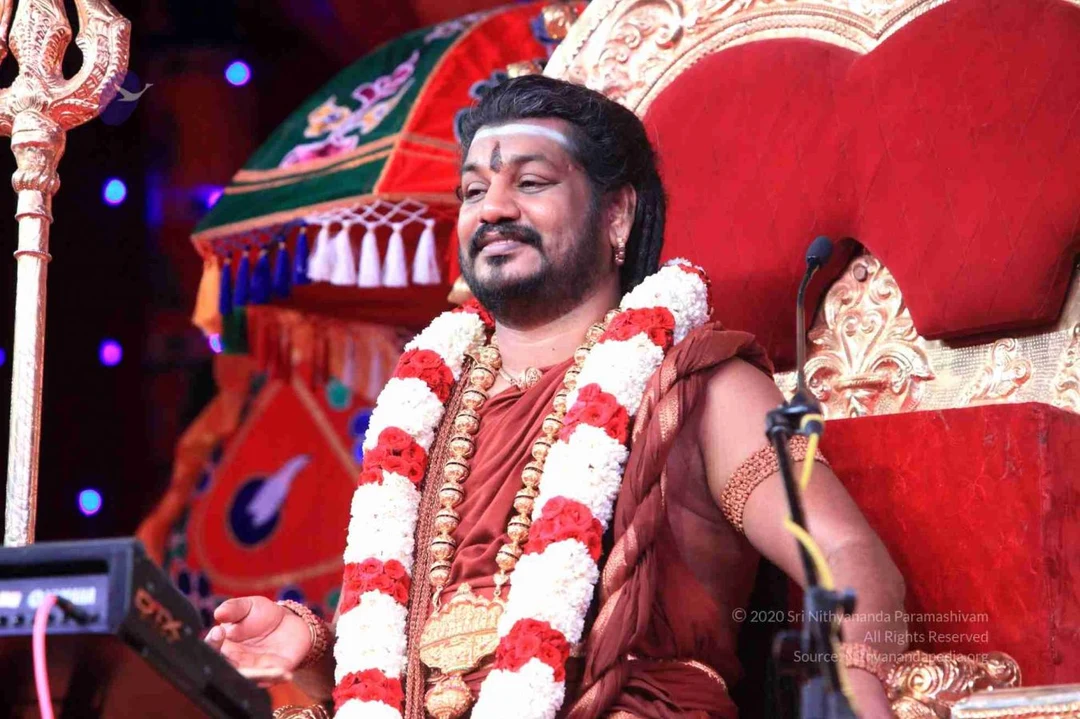 Amazing to be in the breathing space of a living avatar and celebrate every moment
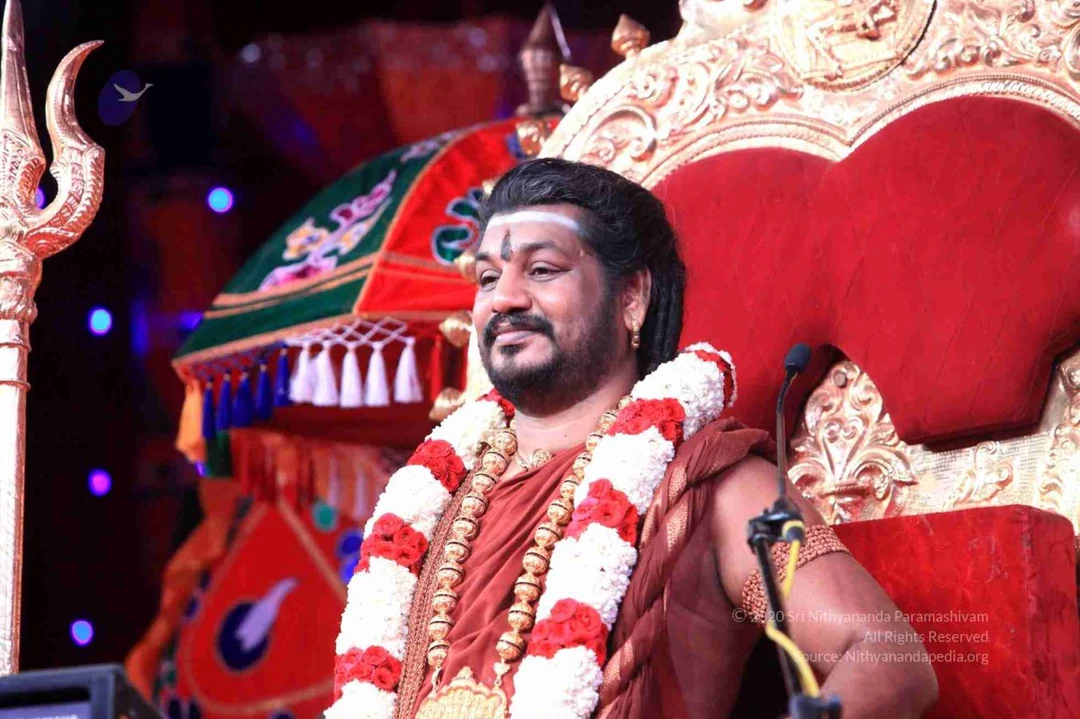 Amazing to be in the breathing space of a living avatar and celebrate every moment
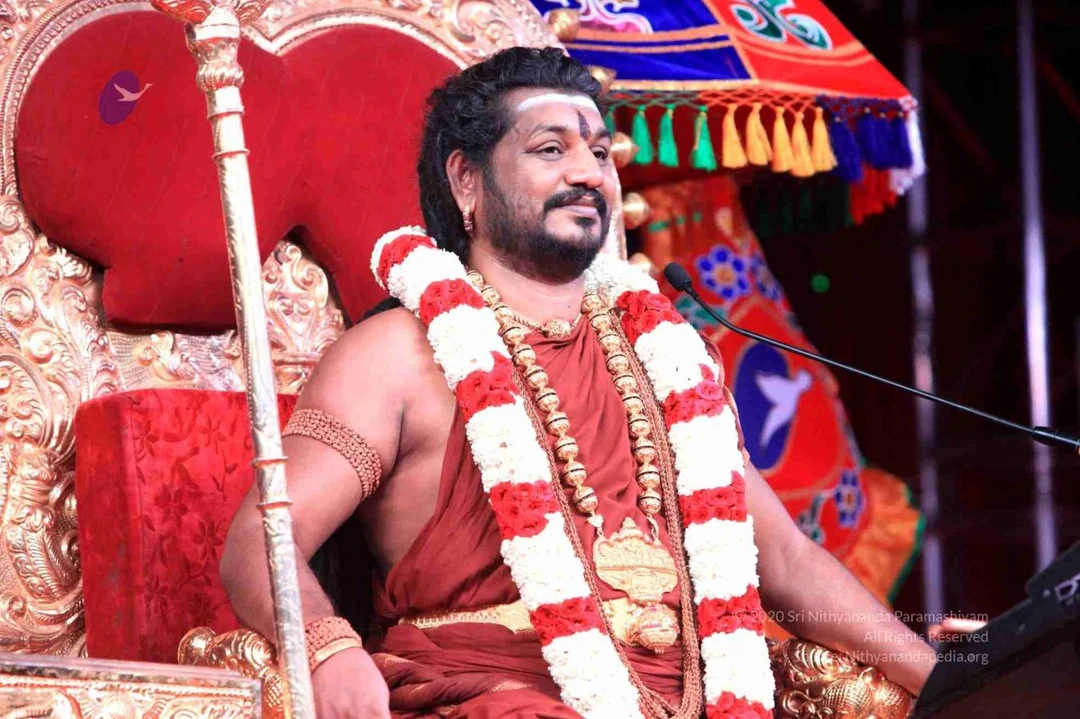 Amazing to be in the breathing space of a living avatar and celebrate every moment
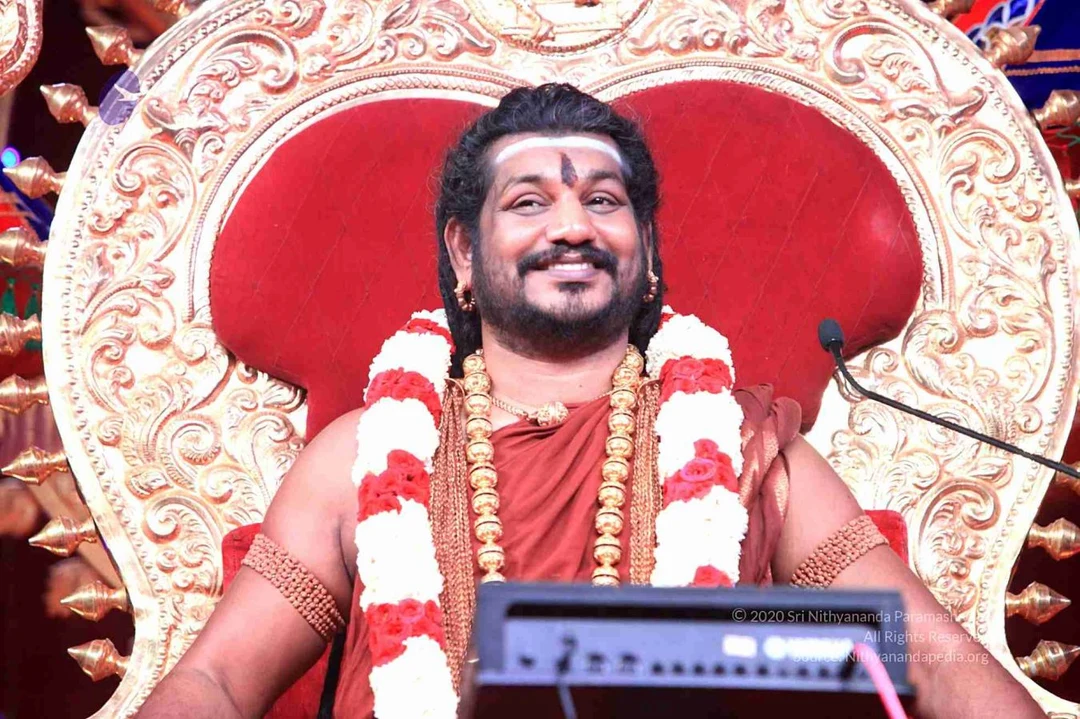 Amazing to be in the breathing space of a living avatar and celebrate every moment
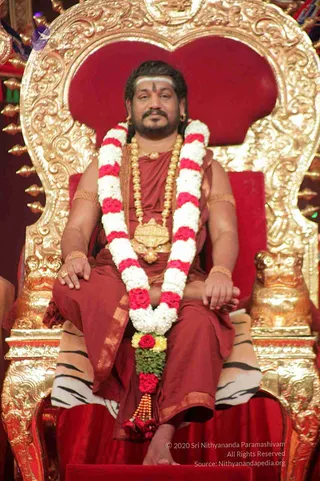 Beautiful sweet divine darshan of Bhagwan
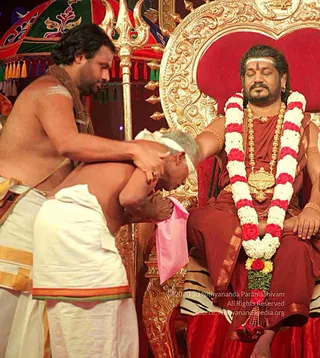 Shiva deeksha and Kalpataru darshan initiation - HDH Nithyananda Paramashivam
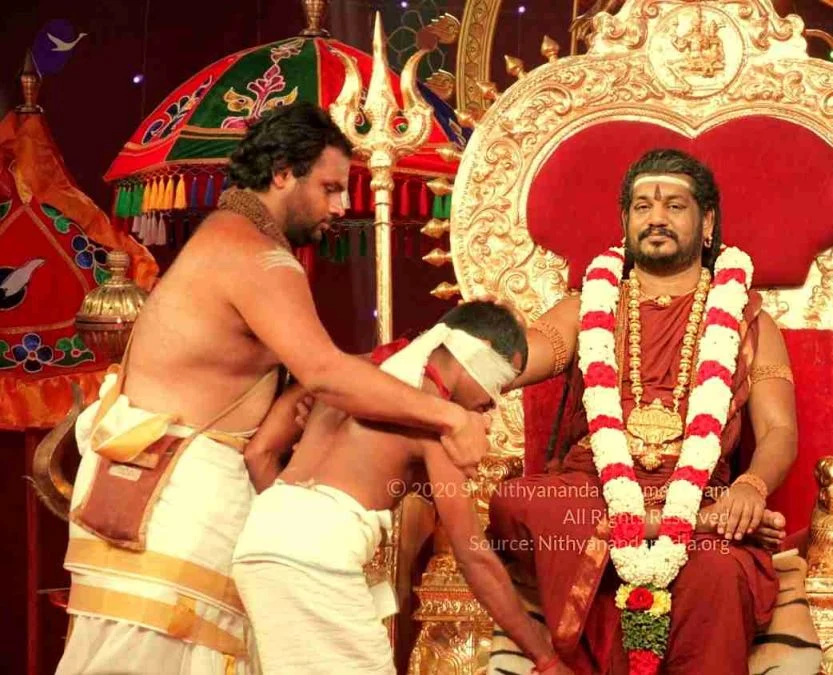 Beautiful sweet divine darshan of Bhagwan
 Shiva deeksha and Kalpataru darshan initiation - HDH Nithyananda Paramashivam
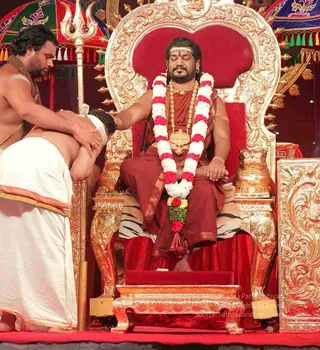 Shiva deeksha and Kalpataru darshan initiation - HDH Nithyananda Paramashivam
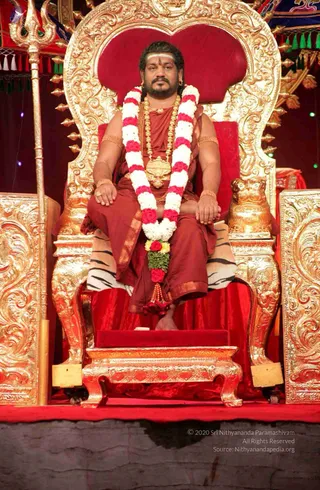 Shiva deeksha and Kalpataru darshan initiation - HDH Nithyananda Paramashivam
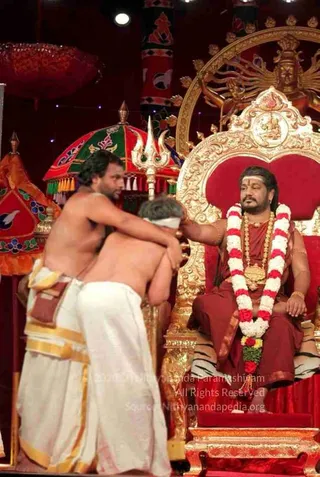 Shiva deeksha and Kalpataru darshan initiation - HDH Nithyananda Paramashivam
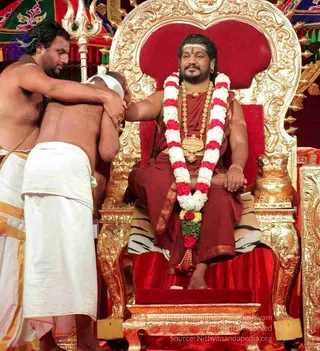 Shiva deeksha and Kalpataru darshan initiation - HDH Nithyananda Paramashivam
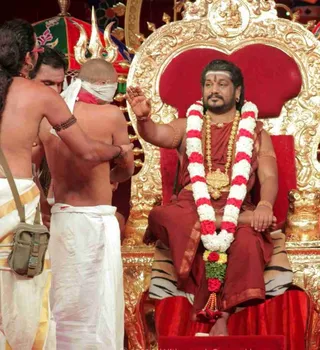 Shiva deeksha and Kalpataru darshan initiation - HDH Nithyananda Paramashivam
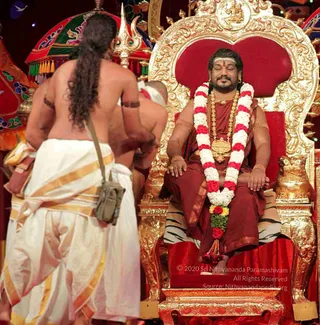 Shiva deeksha and Kalpataru darshan initiation - HDH Nithyananda Paramashivam
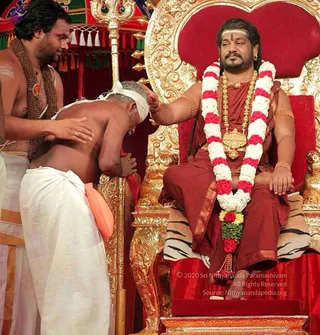 Shiva deeksha and Kalpataru darshan initiation - HDH Nithyananda Paramashivam
 Shiva deeksha and Kalpataru darshan initiation - HDH Nithyananda Paramashivam
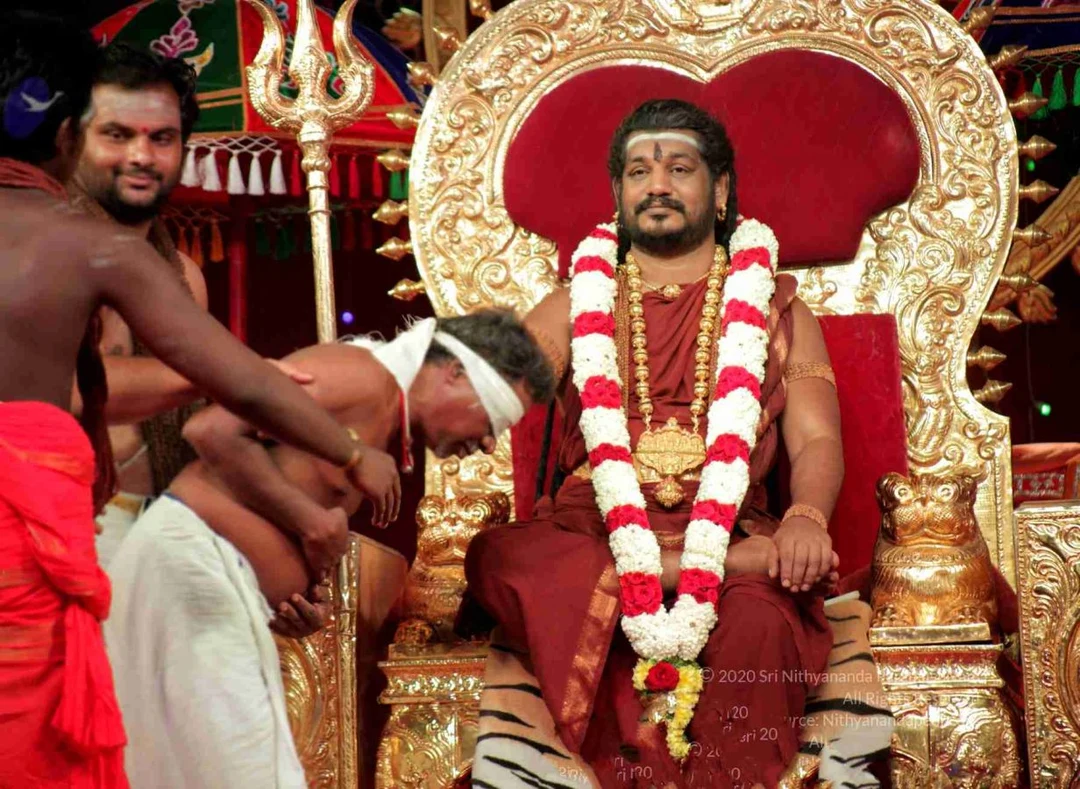 Shiva deeksha and Kalpataru darshan initiation - HDH Nithyananda Paramashivam
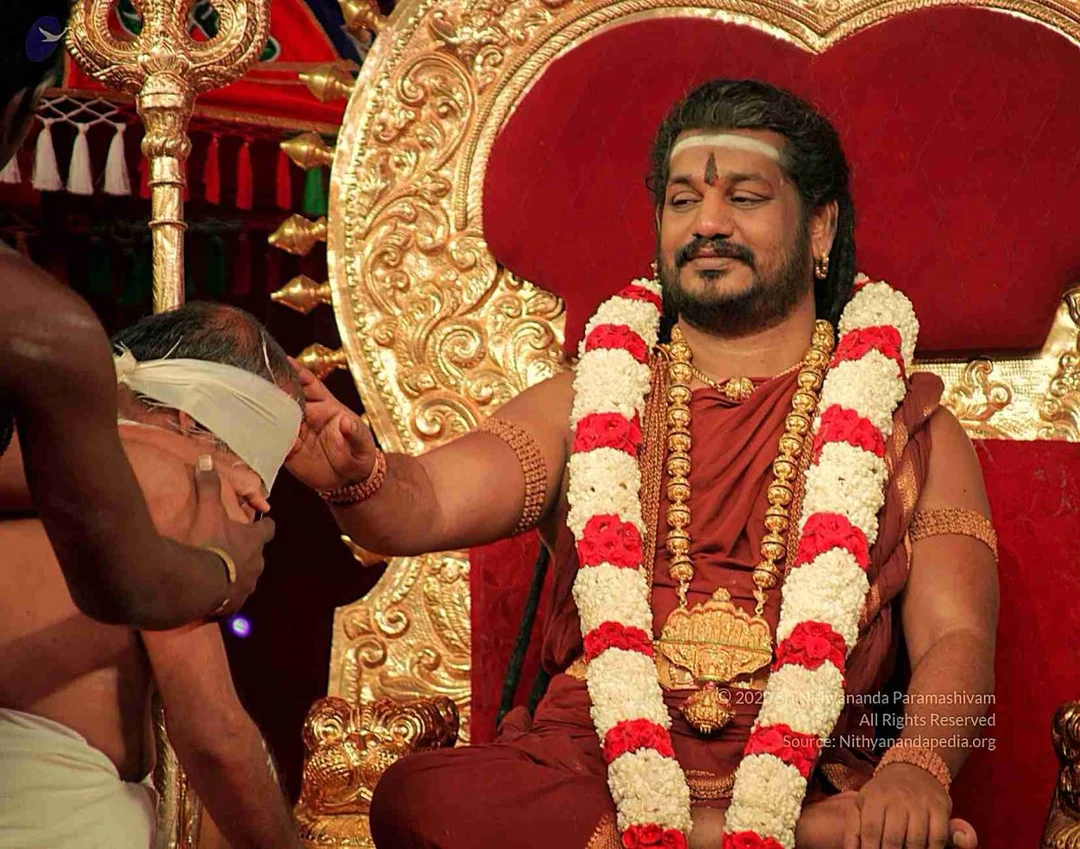 Shiva deeksha and Kalpataru darshan initiation - HDH Nithyananda Paramashivam
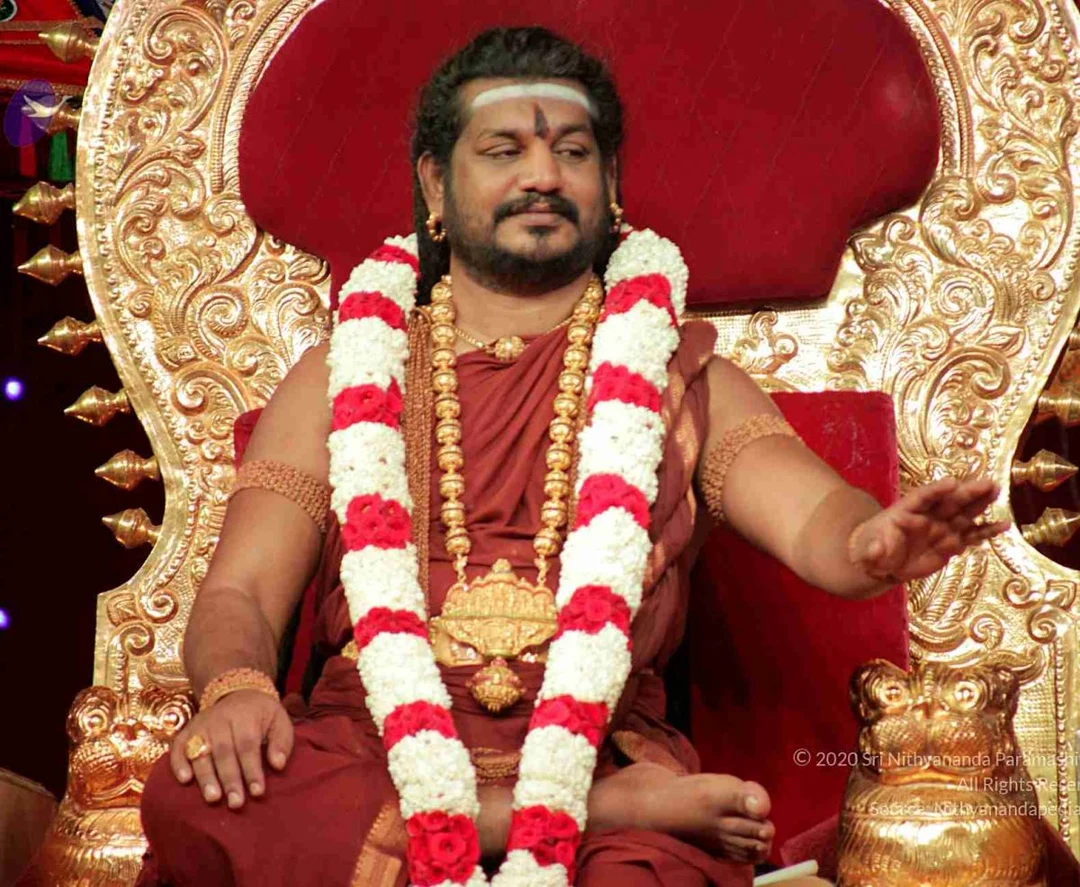 Shiva deeksha and Kalpataru darshan initiation - HDH Nithyananda Paramashivam
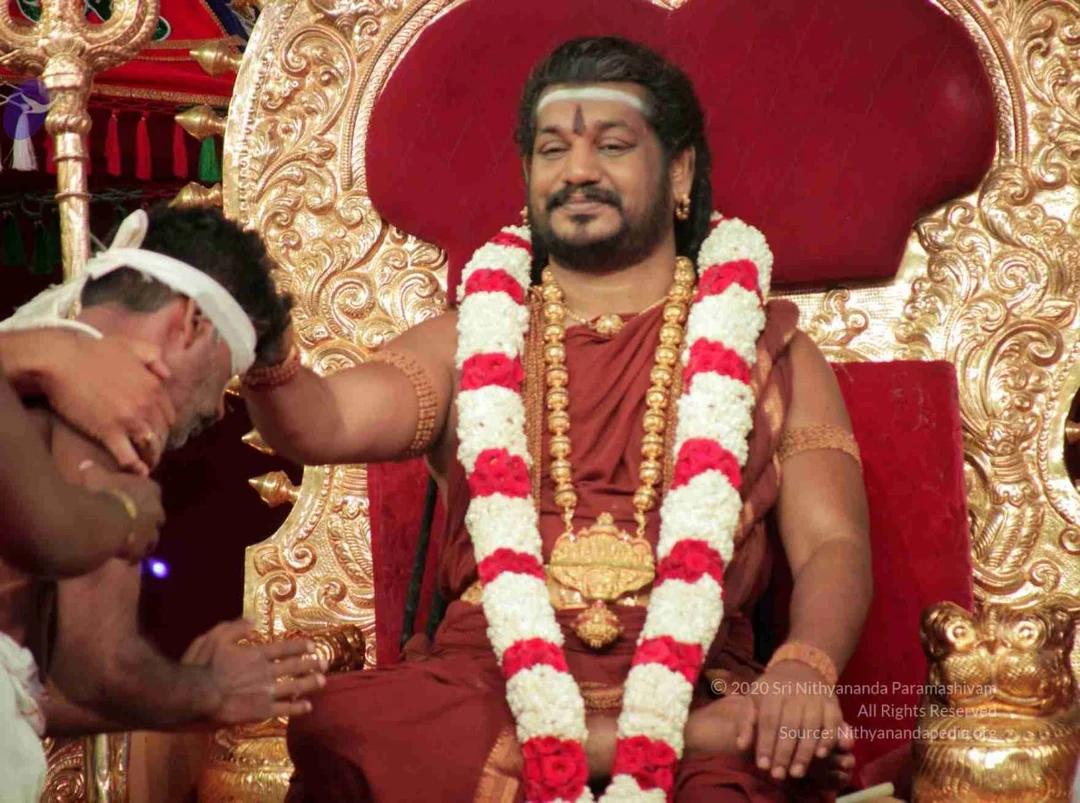 Shiva deeksha and Kalpataru darshan initiation - HDH Nithyananda Paramashivam
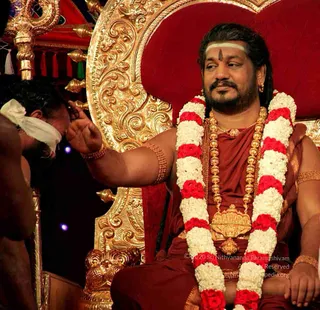 Shiva deeksha and Kalpataru darshan initiation - HDH Nithyananda Paramashivam
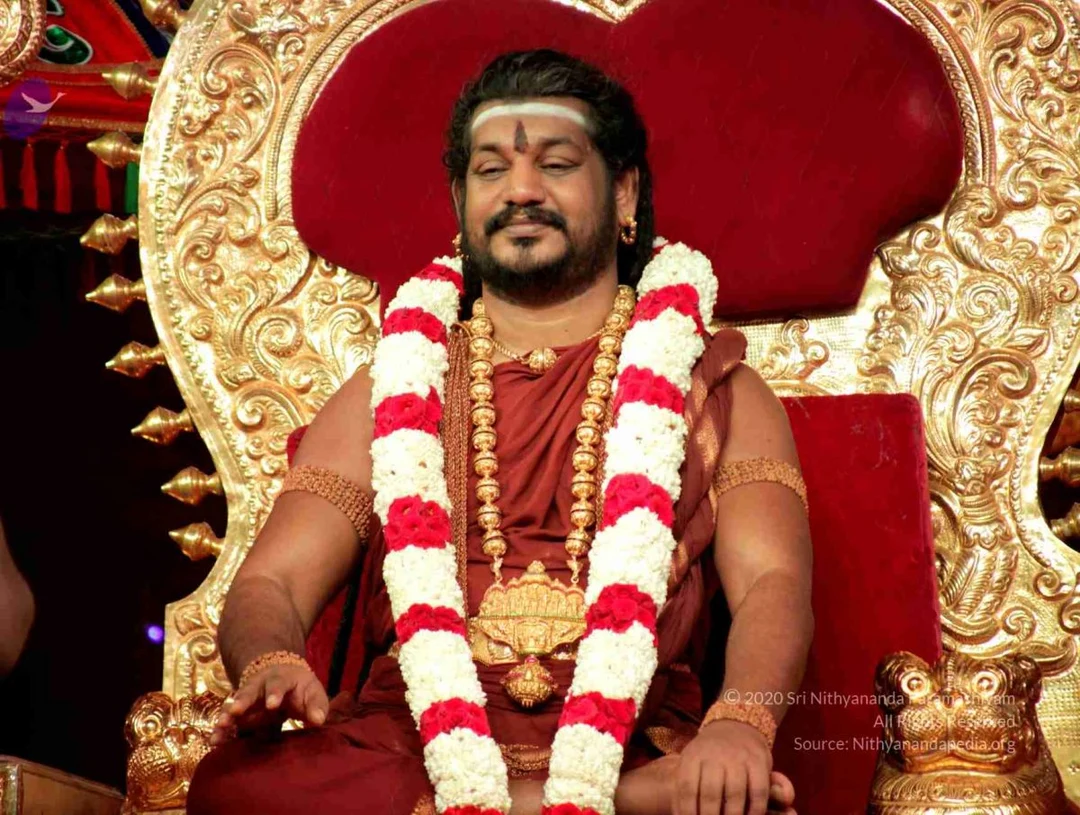 Shiva deeksha and Kalpataru darshan initiation - HDH Nithyananda Paramashivam
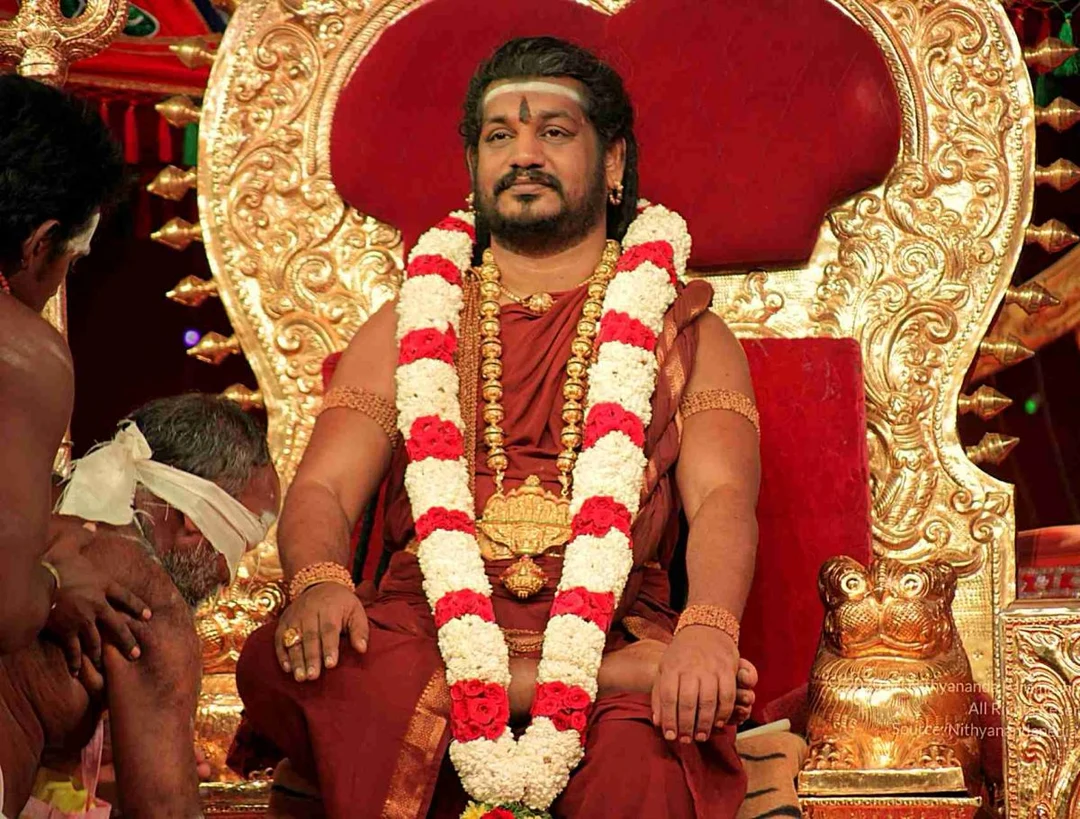 Shiva deeksha and Kalpataru darshan initiation - HDH Nithyananda Paramashivam
 Shiva deeksha and Kalpataru darshan initiation - HDH Nithyananda Paramashivam
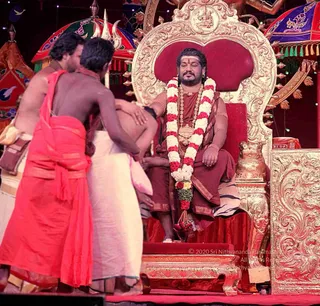 Shiva deeksha and Kalpataru darshan initiation - HDH Nithyananda Paramashivam
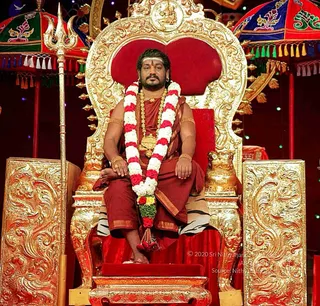 Shiva deeksha and Kalpataru darshan initiation - HDH Nithyananda Paramashivam
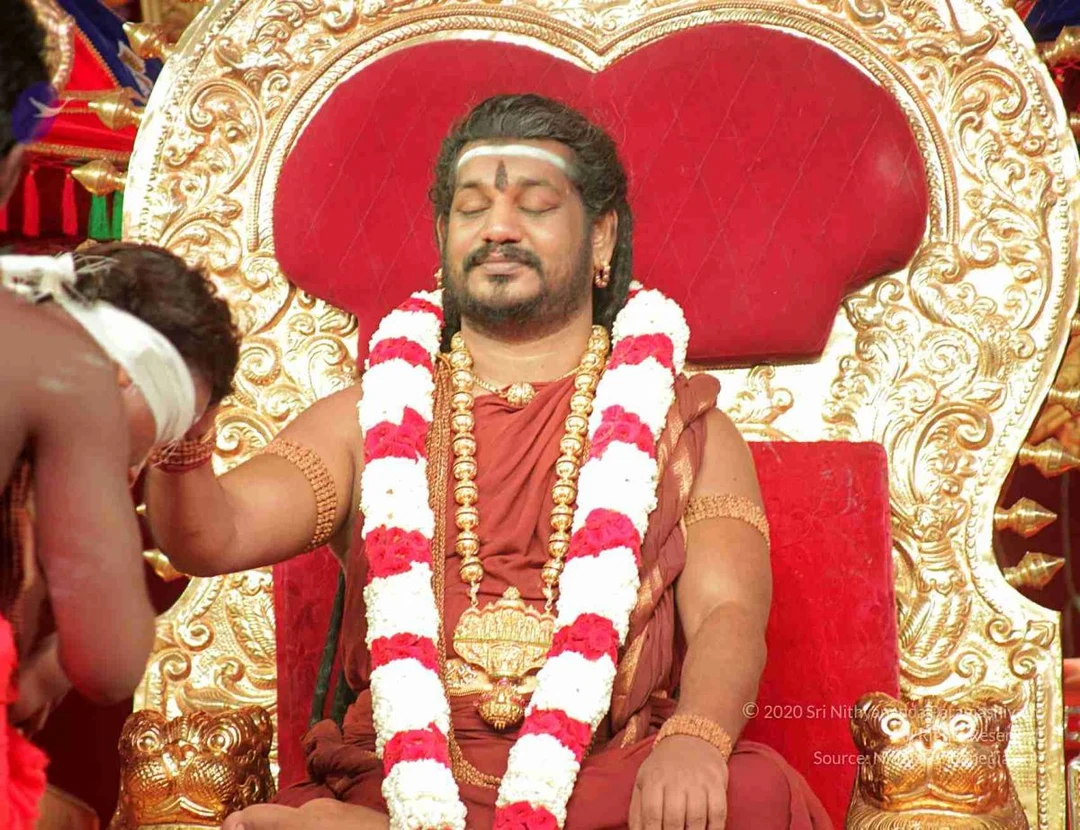 Shiva deeksha and Kalpataru darshan initiation - HDH Nithyananda Paramashivam
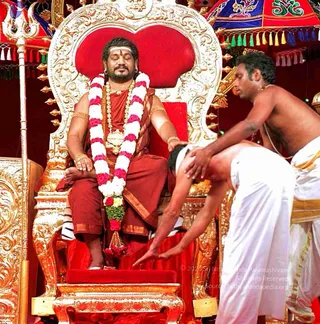 Shiva deeksha and Kalpataru darshan initiation - HDH Nithyananda Paramashivam
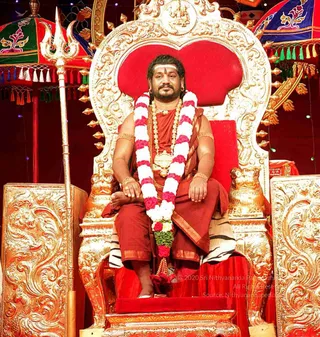 Shiva deeksha and Kalpataru darshan initiation - HDH Nithyananda Paramashivam
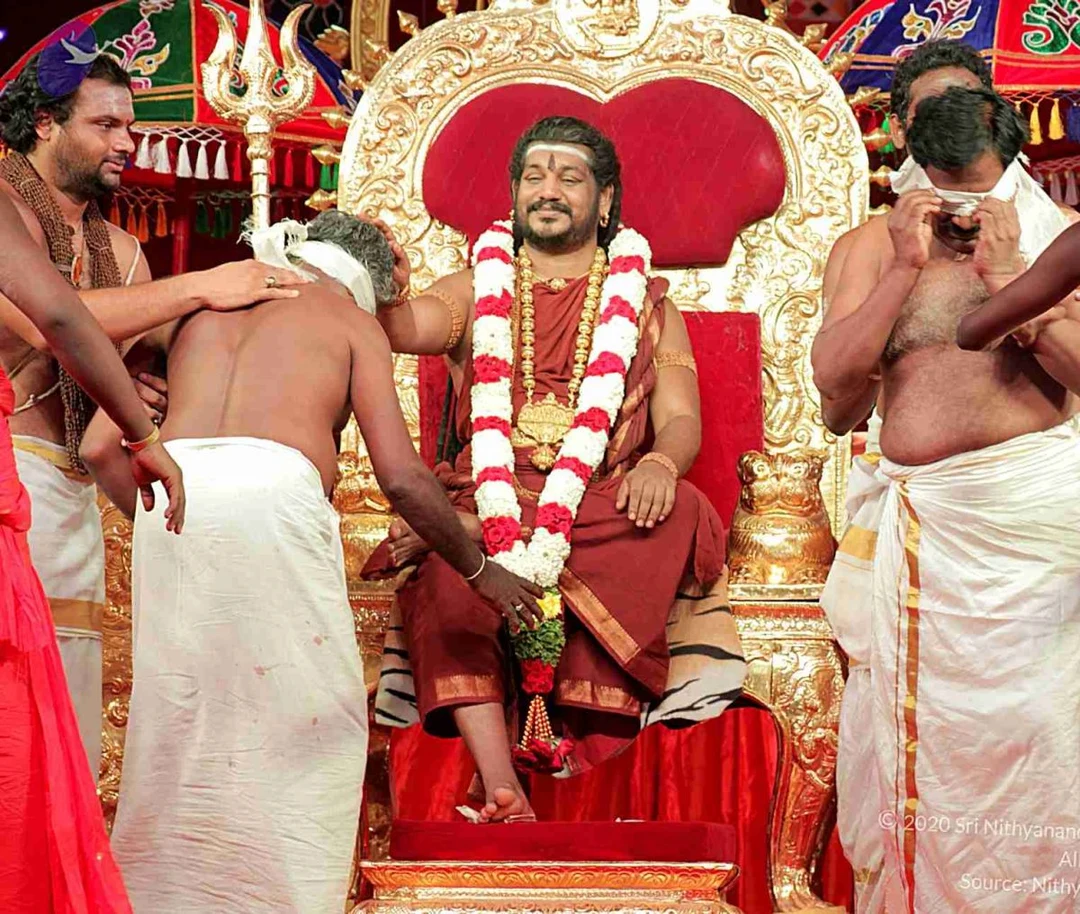 Shiva deeksha and Kalpataru darshan initiation - HDH Nithyananda Paramashivam
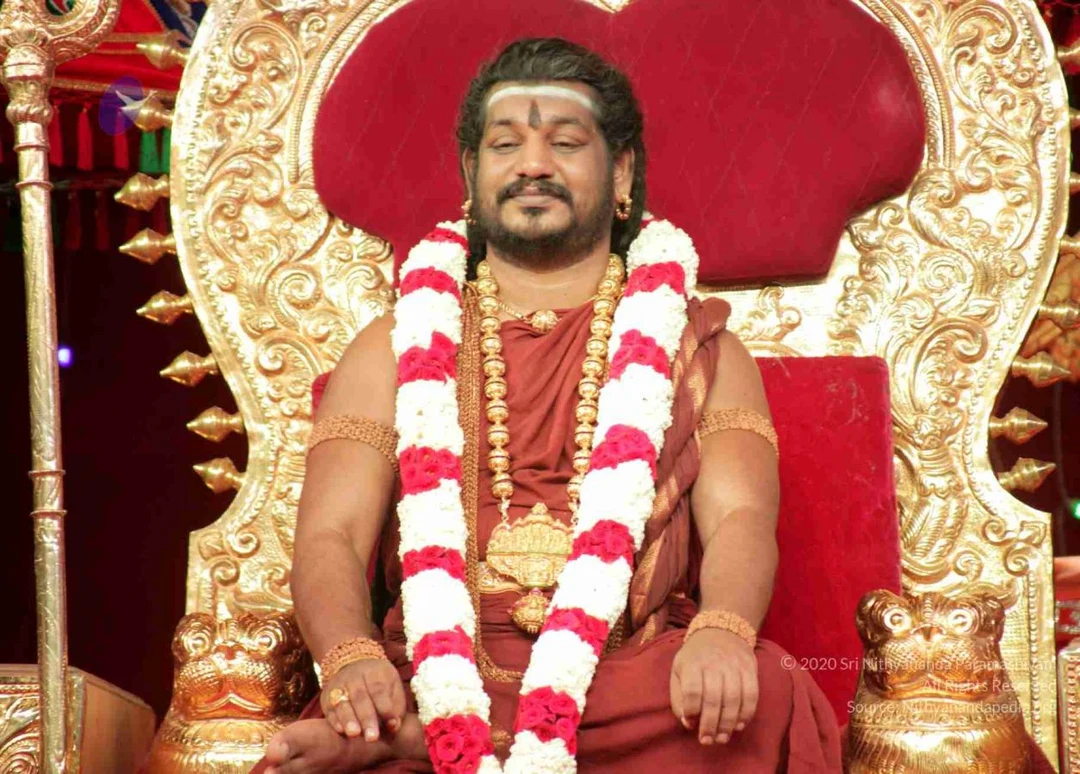 Shiva deeksha and Kalpataru darshan initiation - HDH Nithyananda Paramashivam
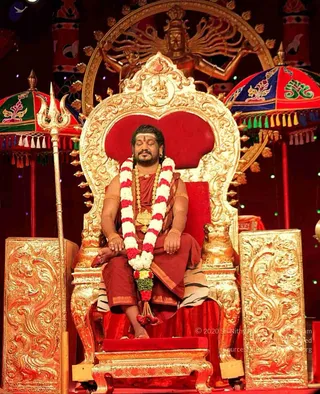 Shiva deeksha and Kalpataru darshan initiation - HDH Nithyananda Paramashivam
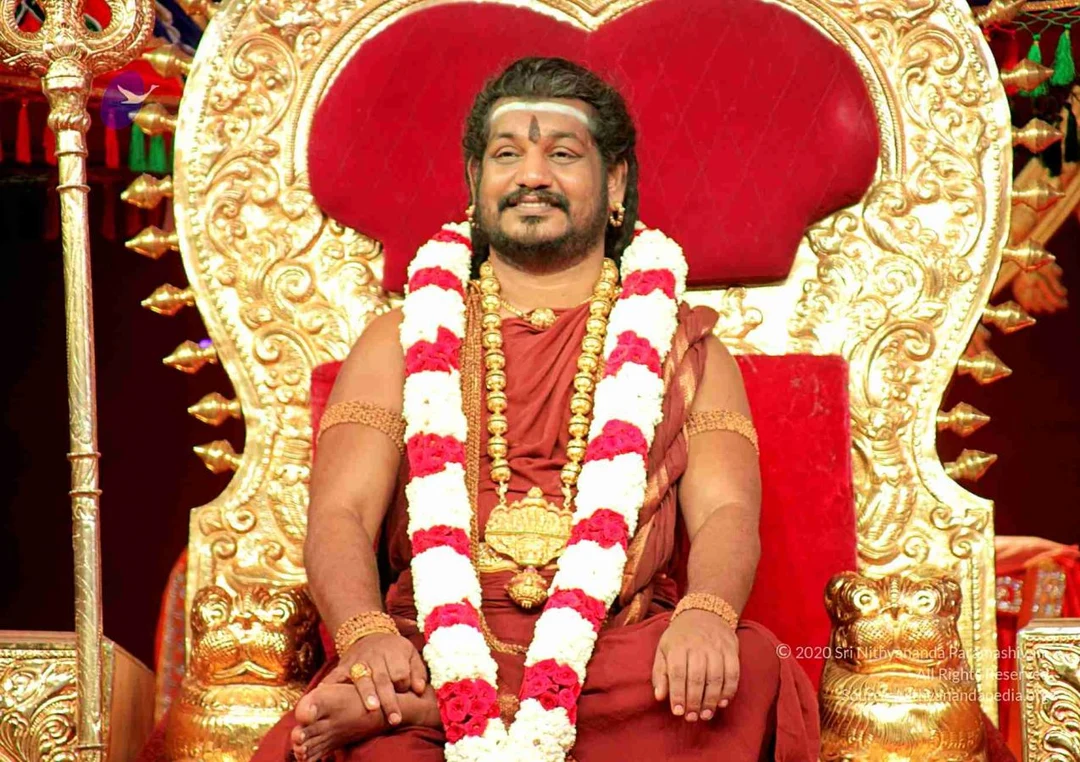 Shiva deeksha and Kalpataru darshan initiation - HDH Nithyananda Paramashivam
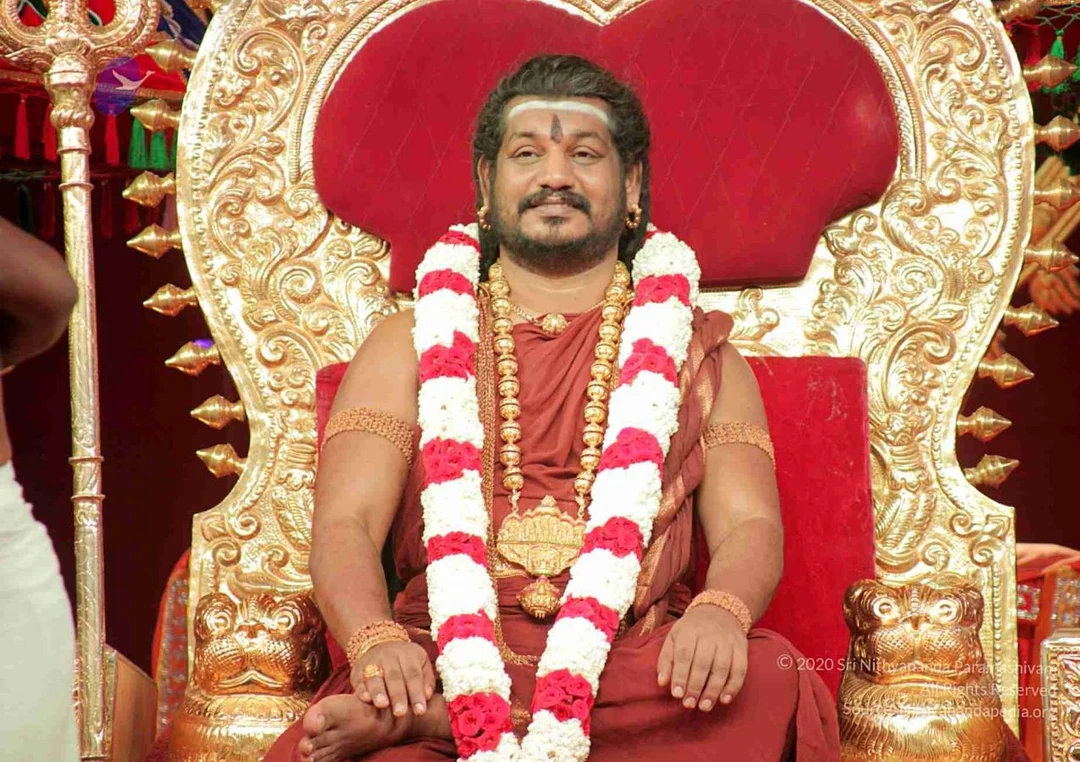 Shiva deeksha and Kalpataru darshan initiation - HDH Nithyananda Paramashivam
 Shiva deeksha and Kalpataru darshan initiation - HDH Nithyananda Paramashivam
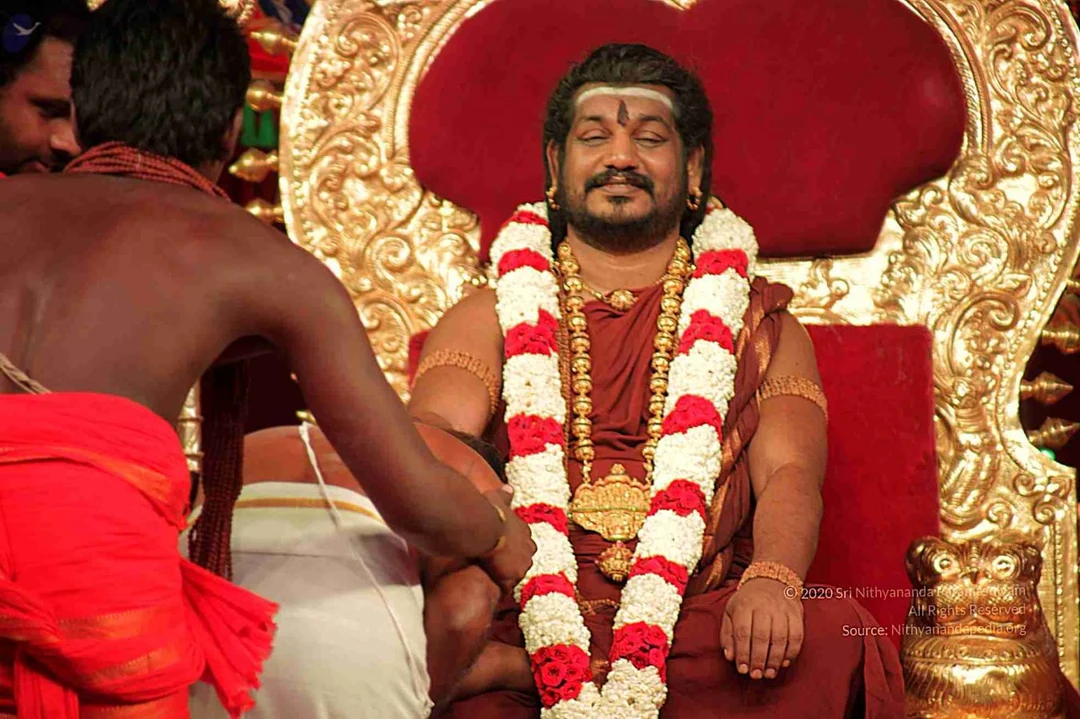 Shiva deeksha and Kalpataru darshan initiation - HDH Nithyananda Paramashivam
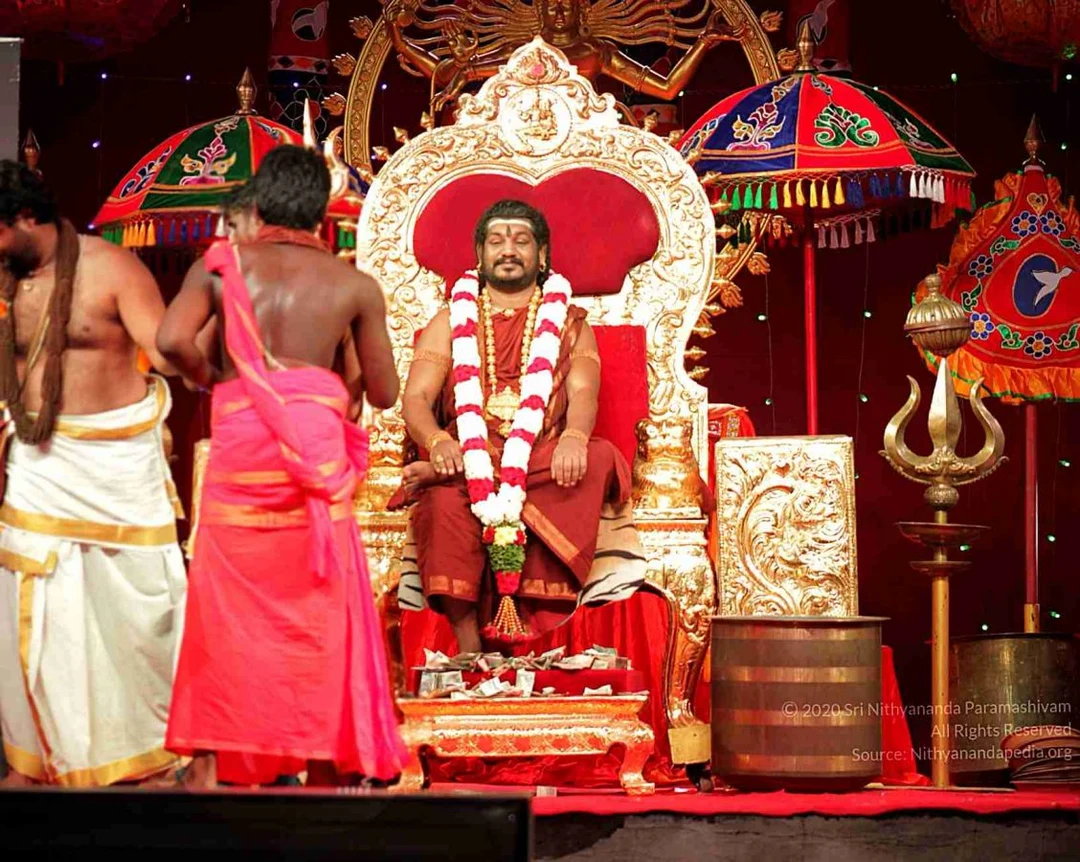 Shiva deeksha and Kalpataru darshan initiation - HDH Nithyananda Paramashivam
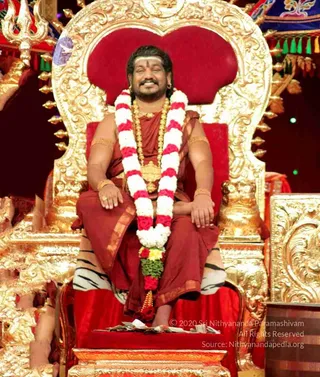 Shiva deeksha and Kalpataru darshan initiation - HDH Nithyananda Paramashivam
 Shiva deeksha and Kalpataru darshan initiation - HDH Nithyananda Paramashivam
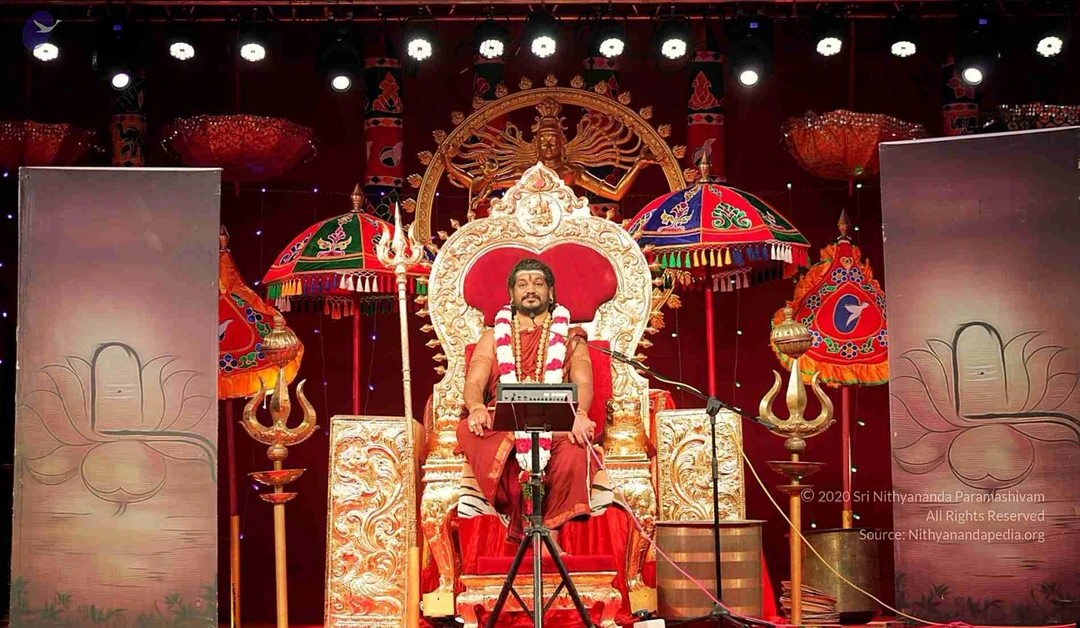 Shiva bija & Gayatri mantra initiation for Shiva deeksha
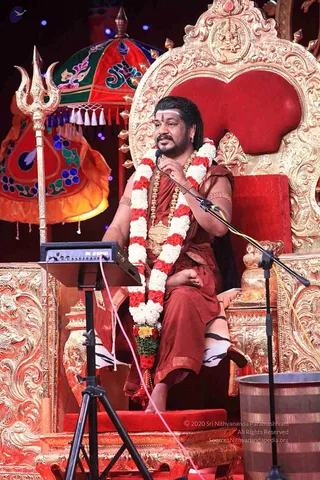 Shiva bija & Gayatri mantra initiation for Shiva deeksha
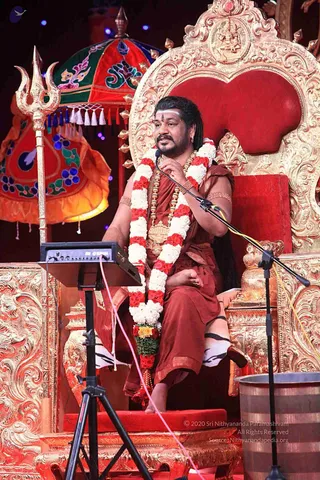 Shiva bija & Gayatri mantra initiation for Shiva deeksha
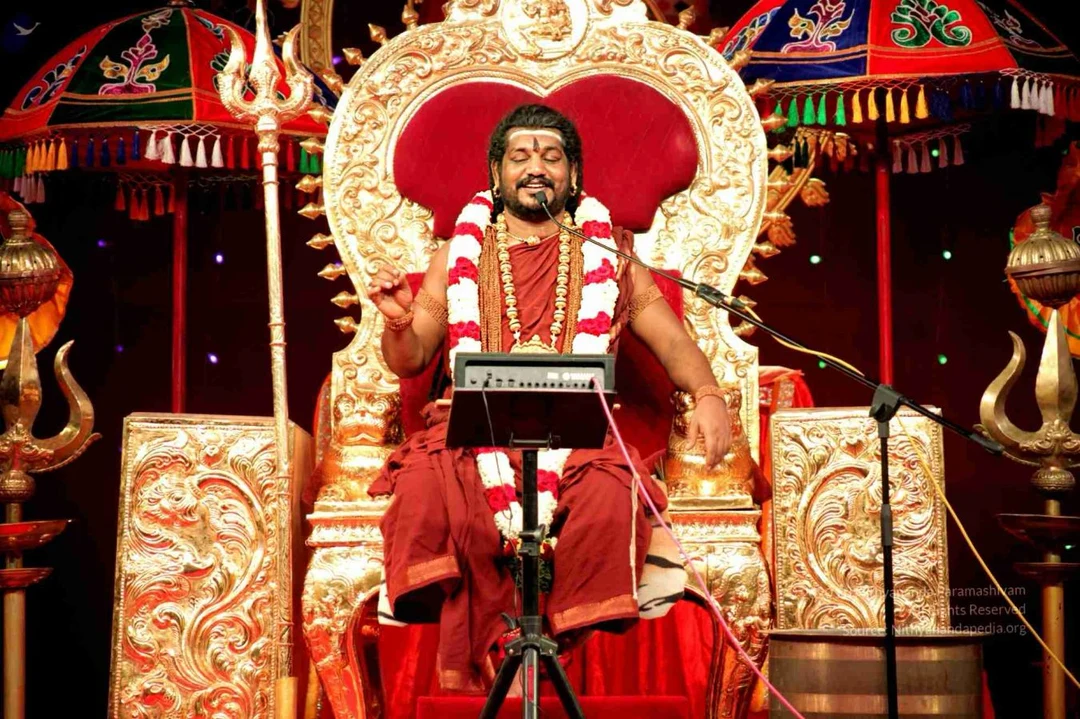 Shiva bija & Gayatri mantra initiation for Shiva deeksha
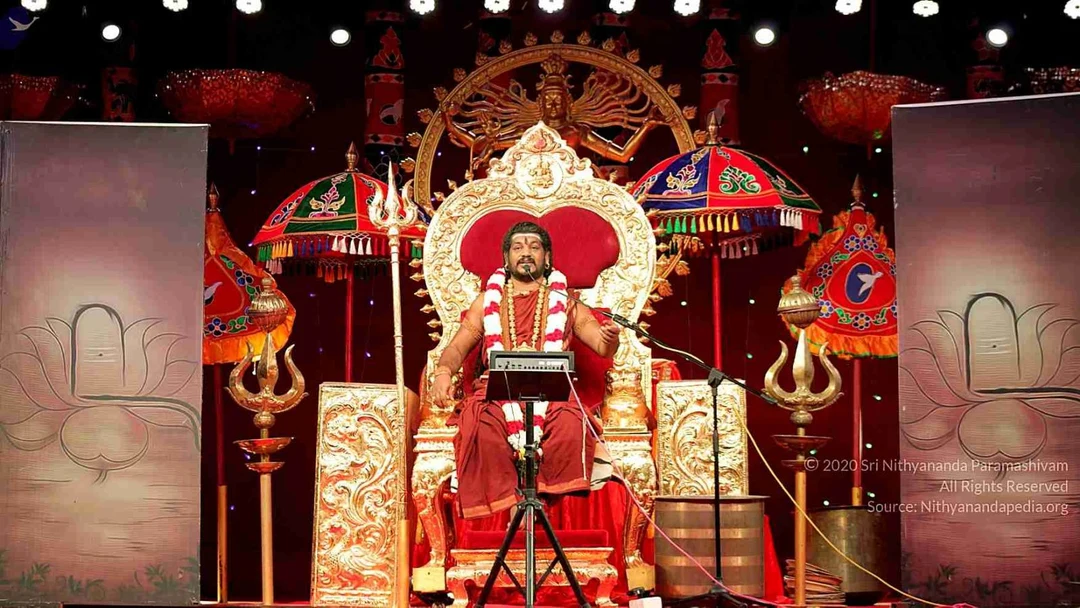 Shiva bija & Gayatri mantra initiation for Shiva deeksha
 Shiva bija & Gayatri mantra initiation for Shiva deeksha
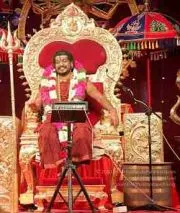 Shiva bija & Gayatri mantra initiation for Shiva deeksha
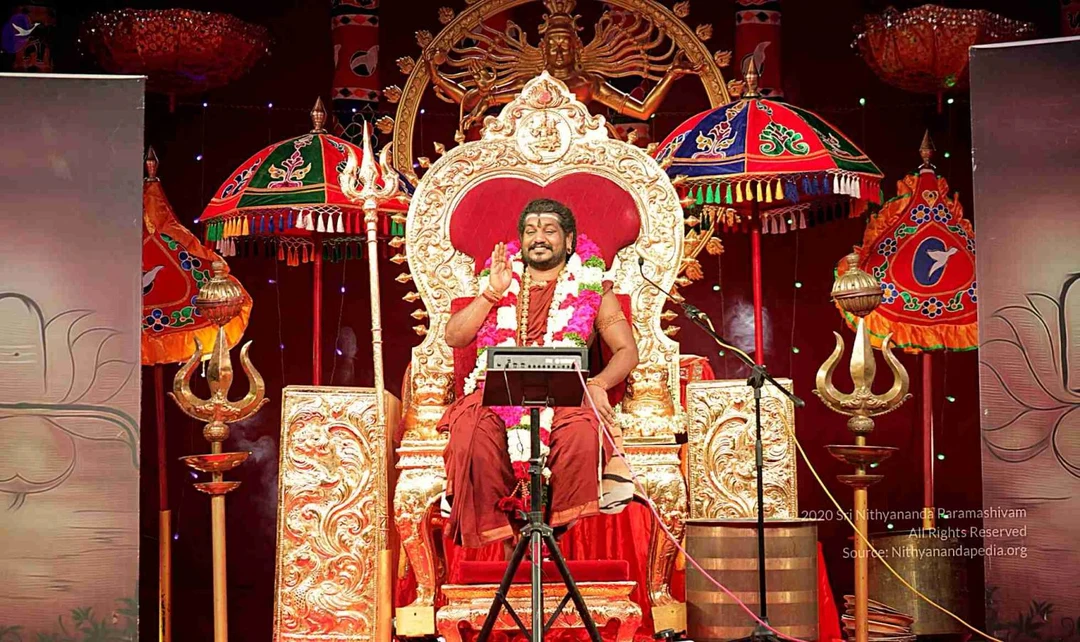 Shiva bija & Gayatri mantra initiation for Shiva deeksha
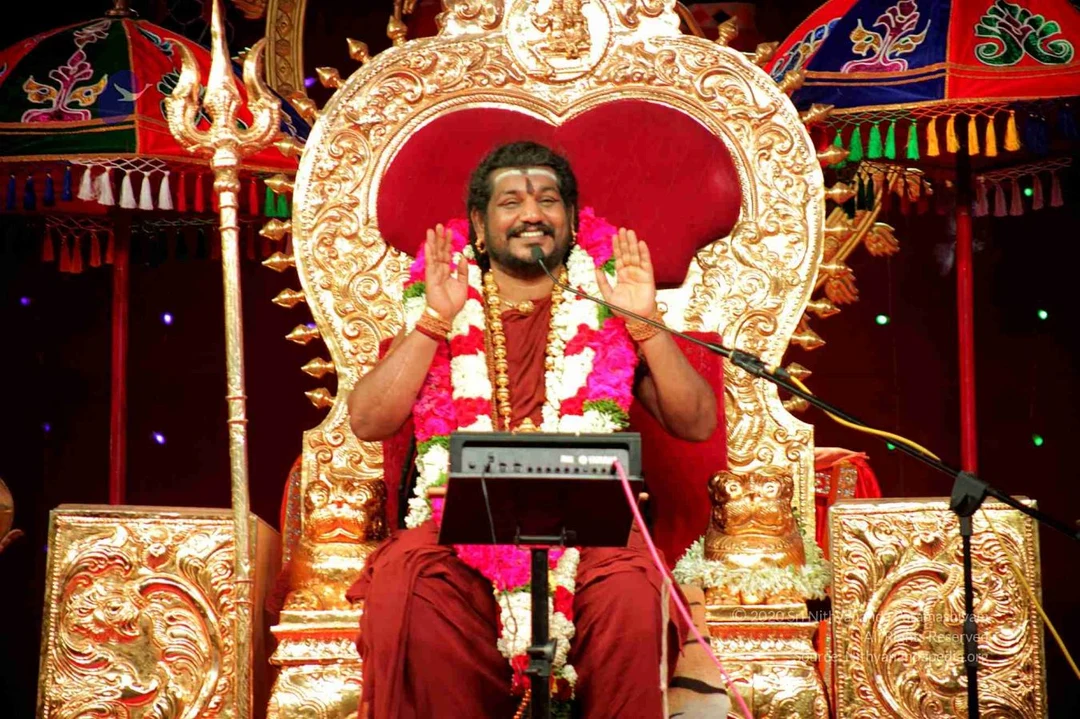 HDH Nithyananda Paramashivam blessing and giving boons in abhaya mudra
Tags:
Sri Nithyananda Swami, Paramahamsa Nithyananda, Nithyananda, Swamiji, Purnima, enlightenment,
Photos from this day
View all 553 photosMorning Pada Puja
37 photosSource gallery
Morning Satsang
60 photosSource gallery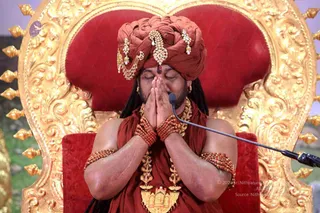

Evening Pada Puja
71 photosSource gallery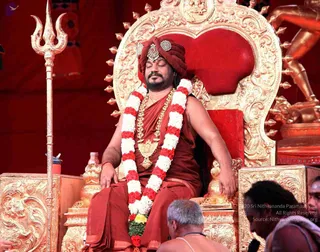
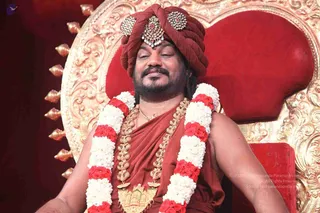
Evening Satsang
39 photosSource gallery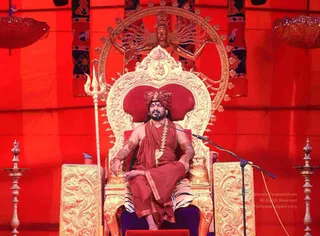
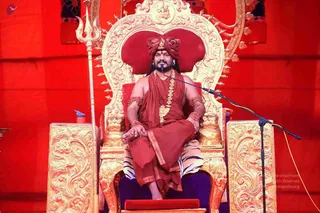

Jnanasambandar Puja
64 photosSource gallery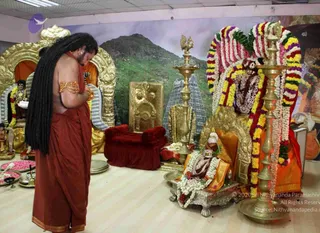
Shiva Deeksha
229 photosSource gallery