Skip to content
Saturday

19 November 2016

Introduction to Sadashivoham 2016

Dated photos
256
Source pages
1
Media
2
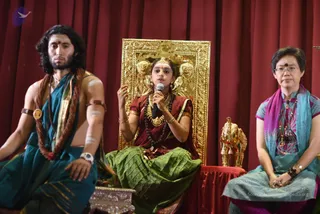
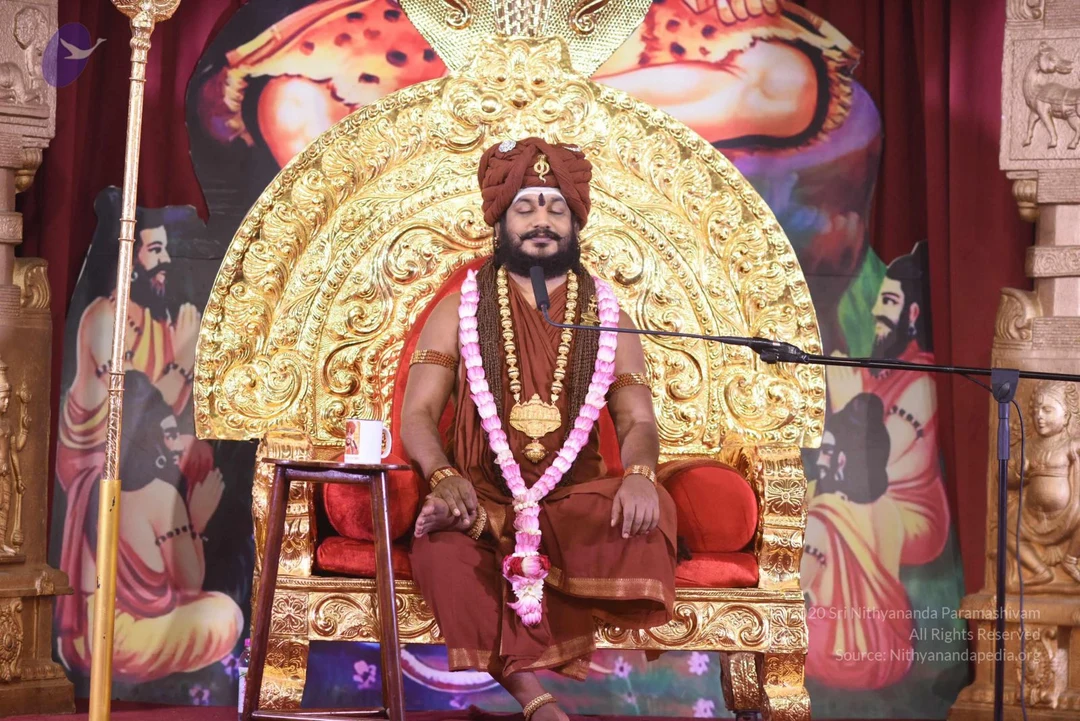
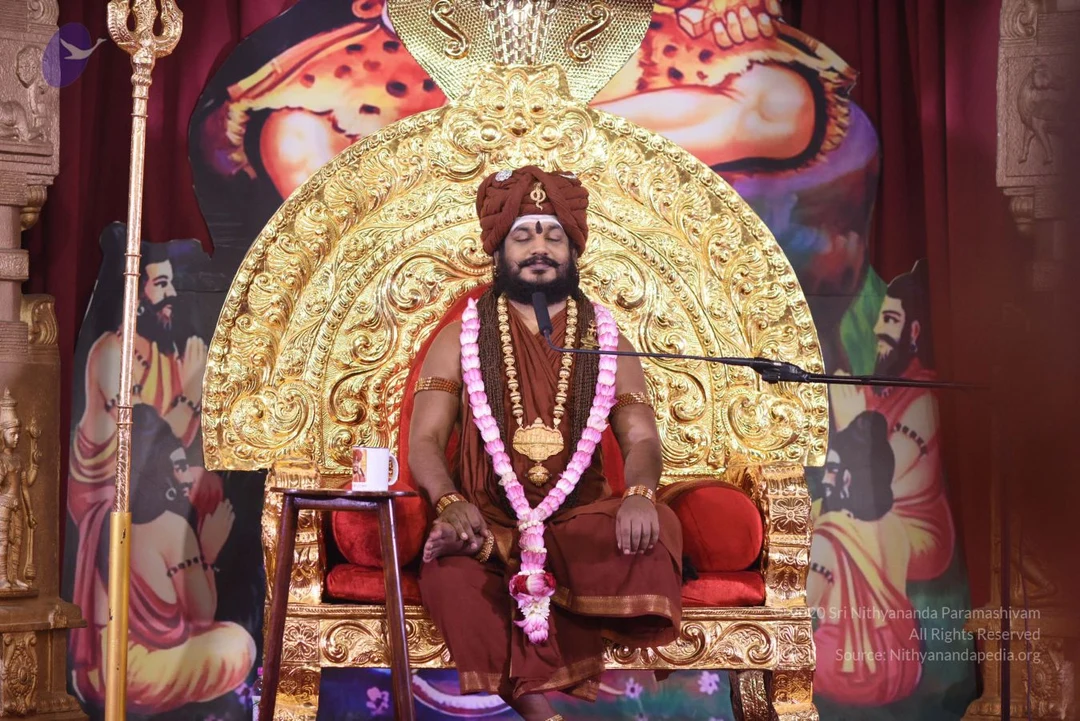
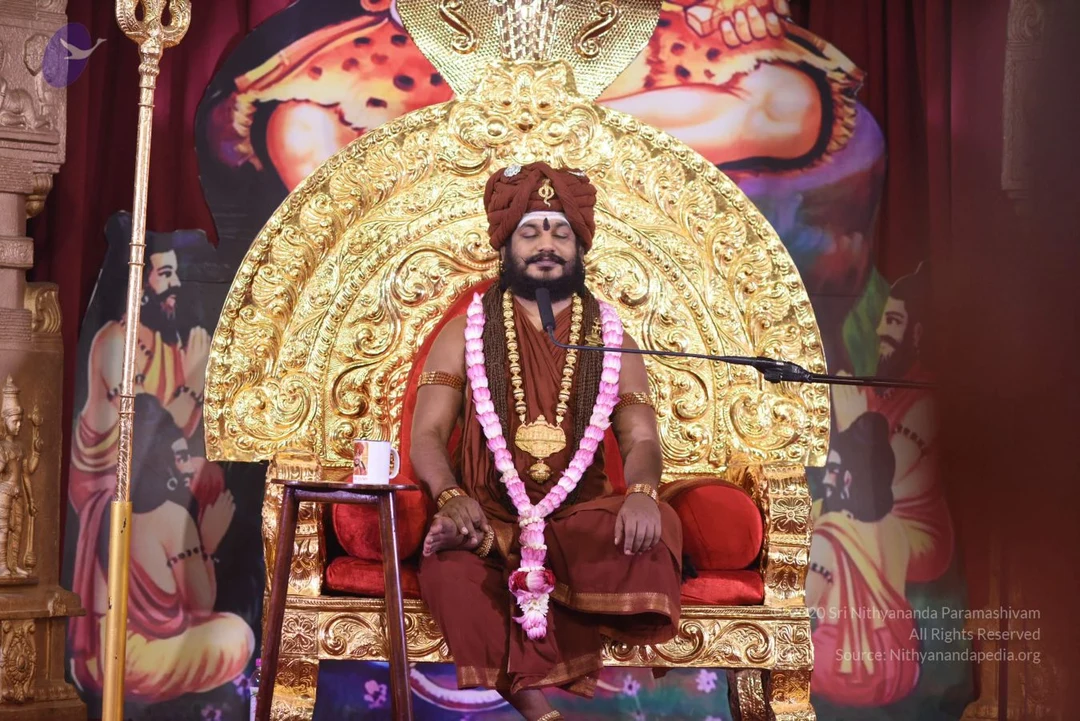
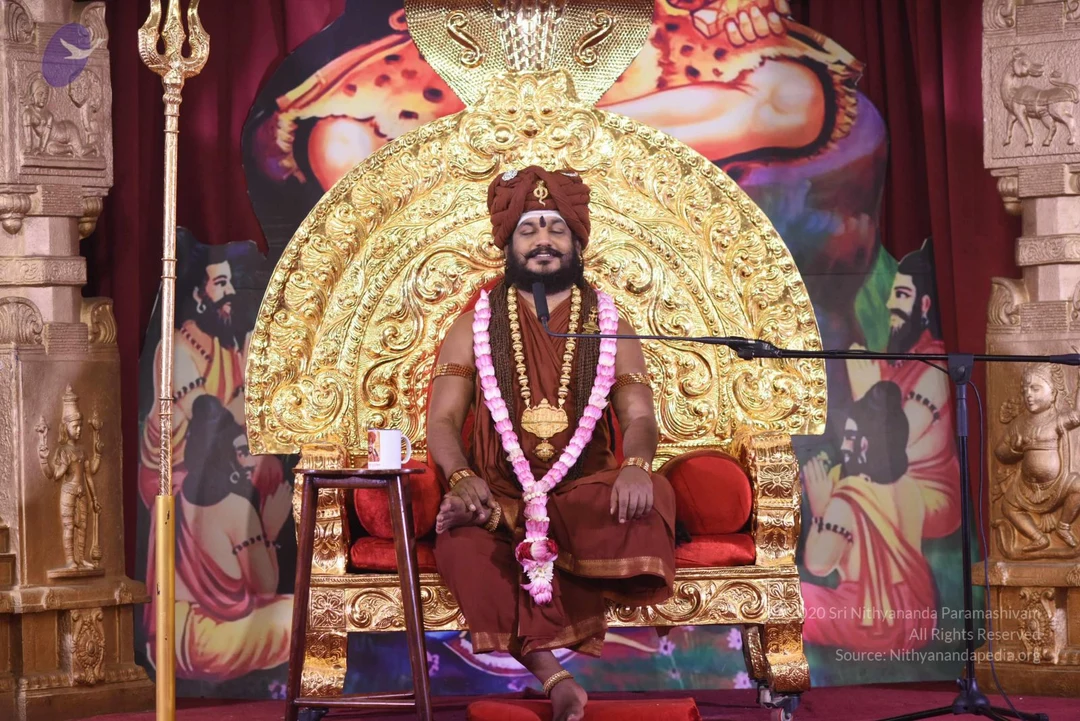
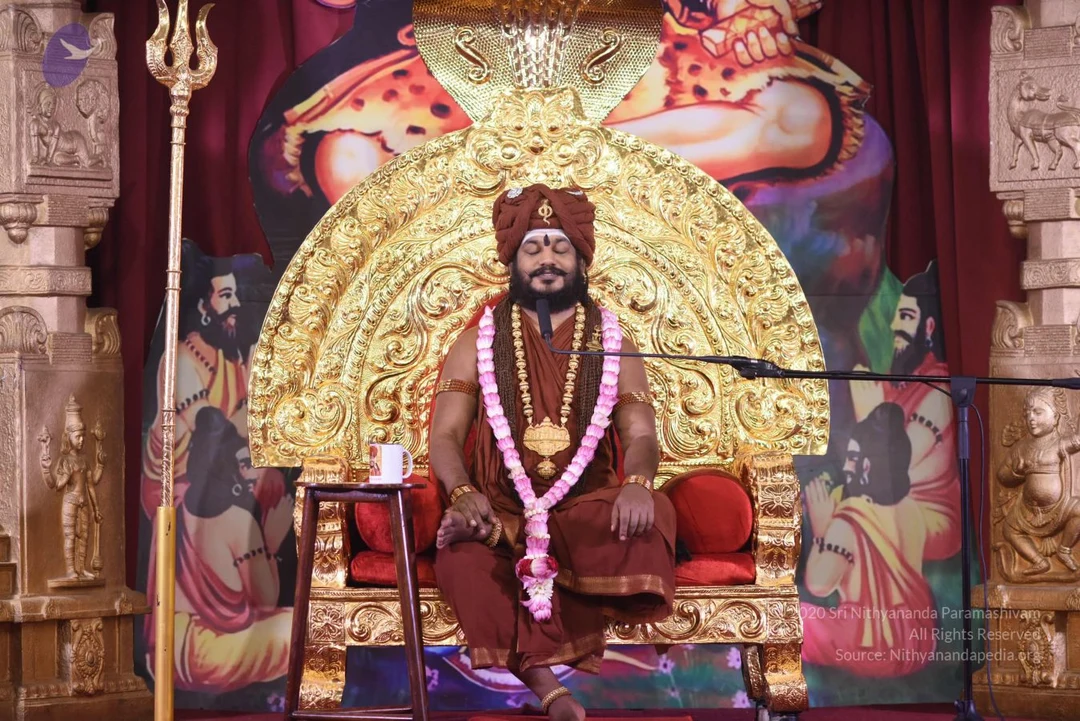
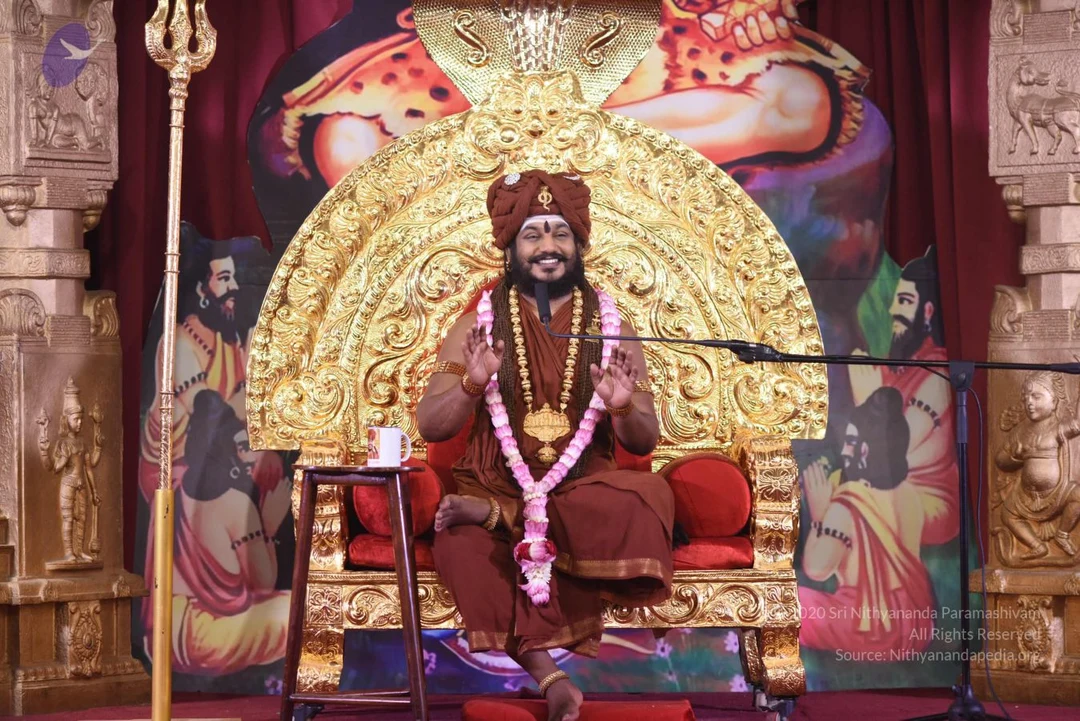
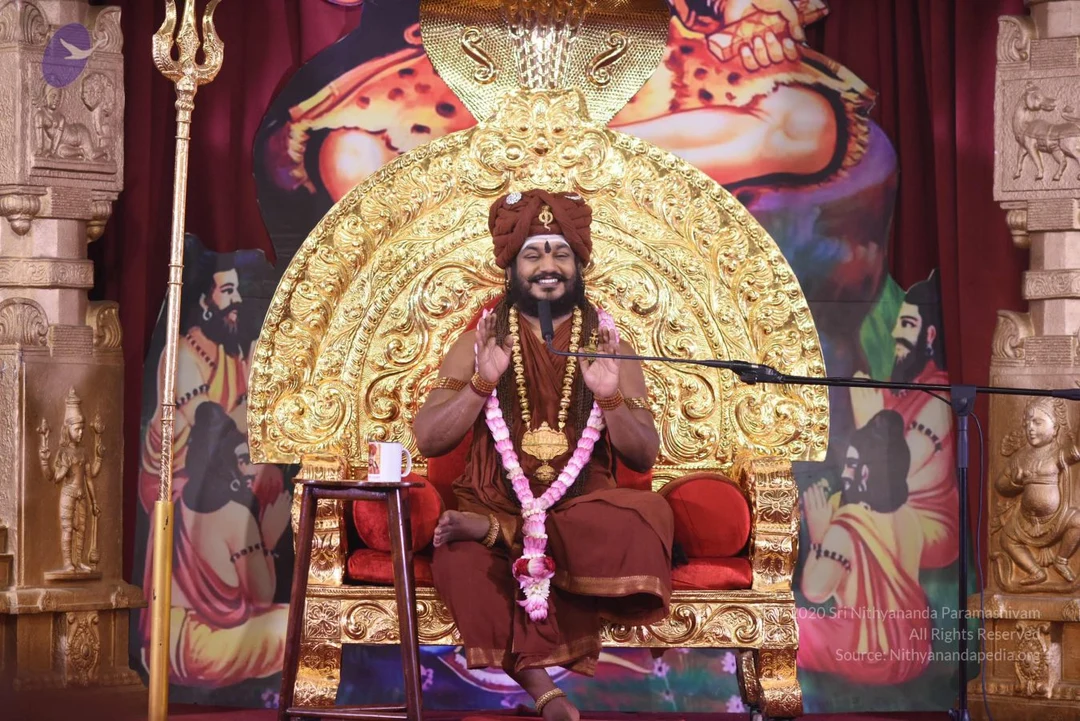
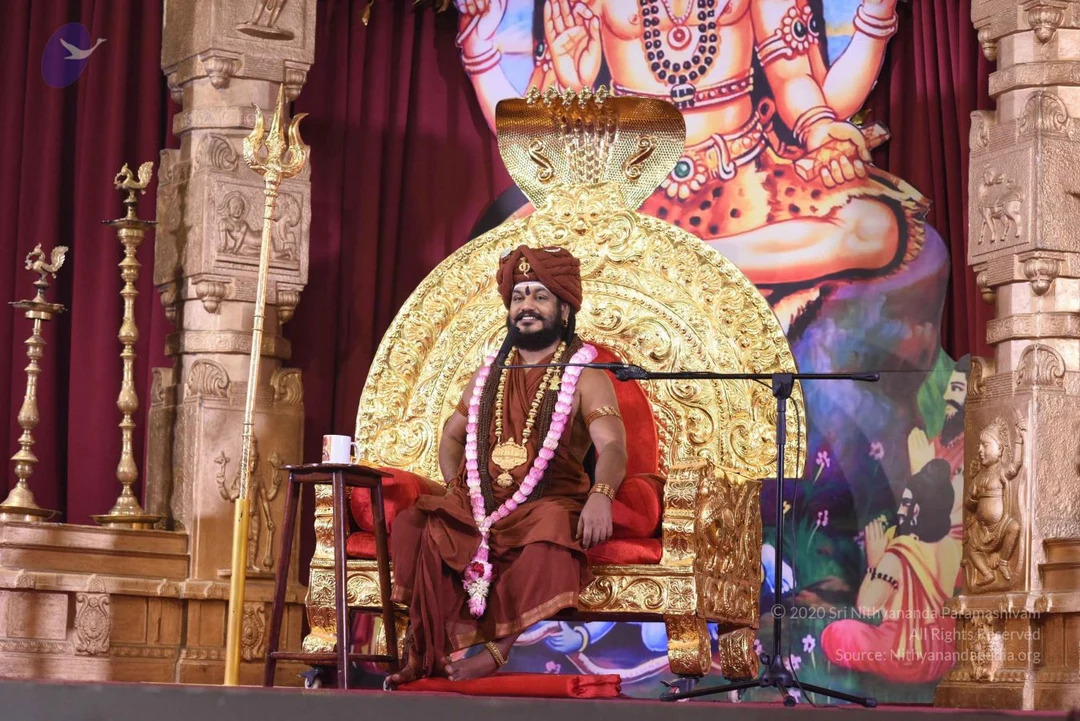
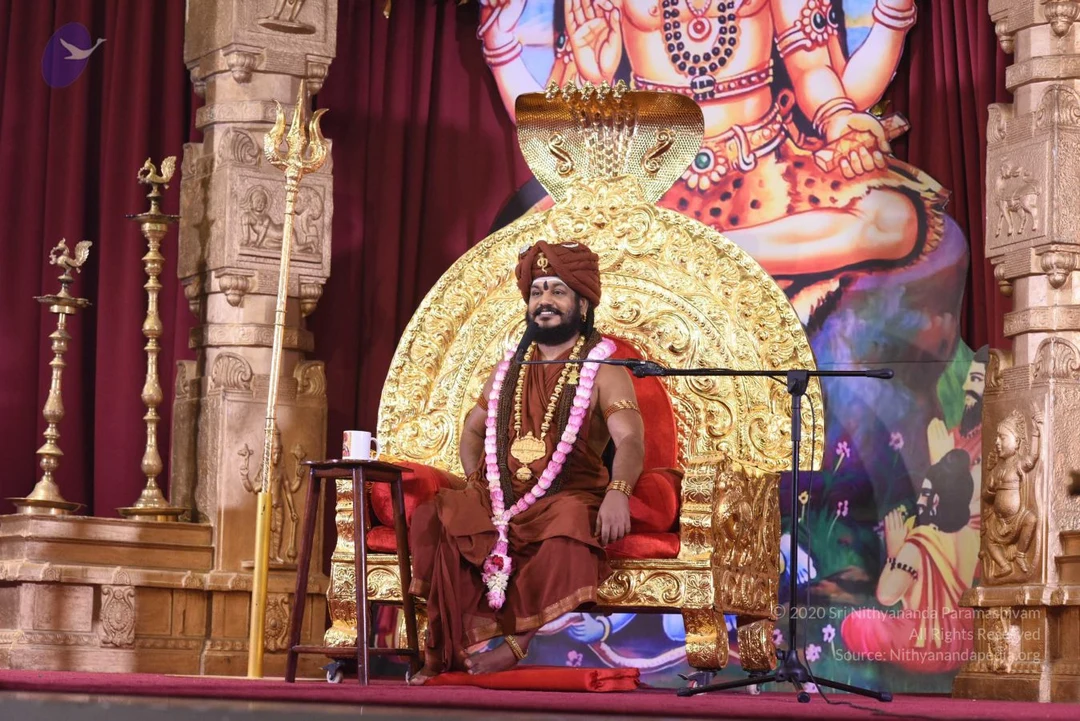
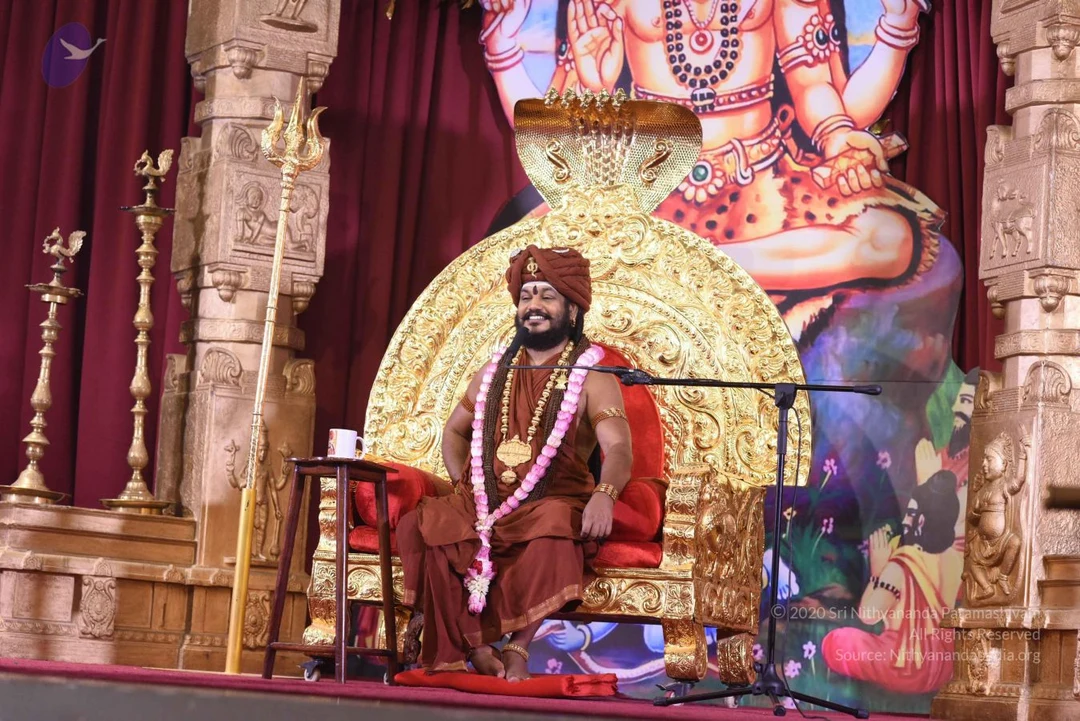
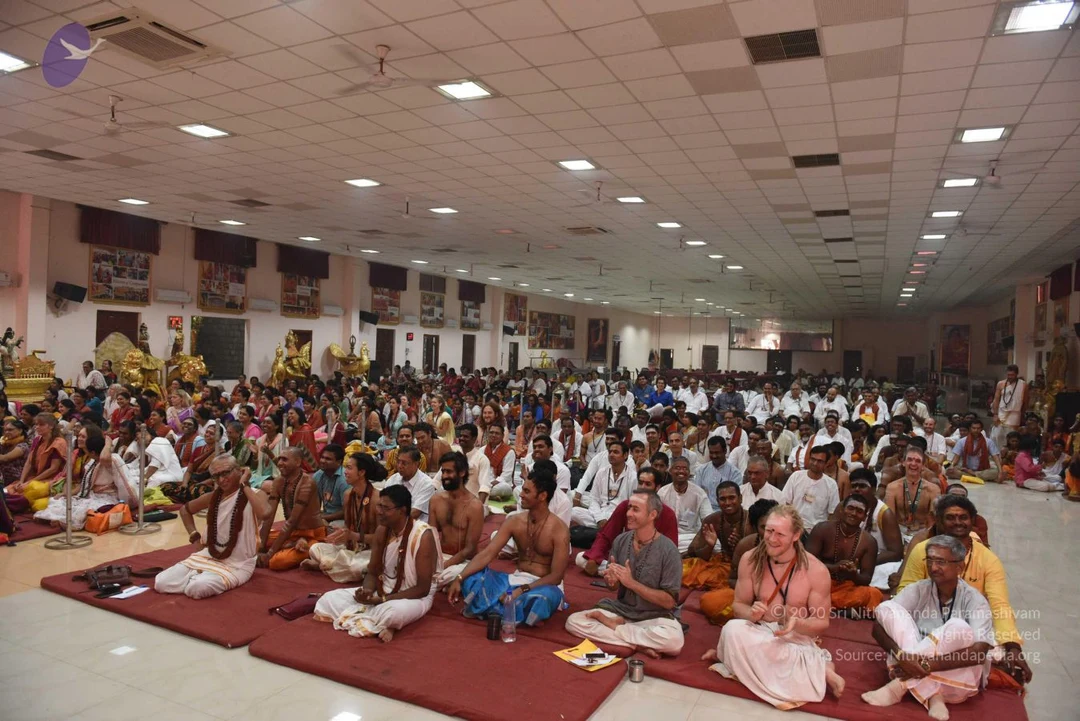
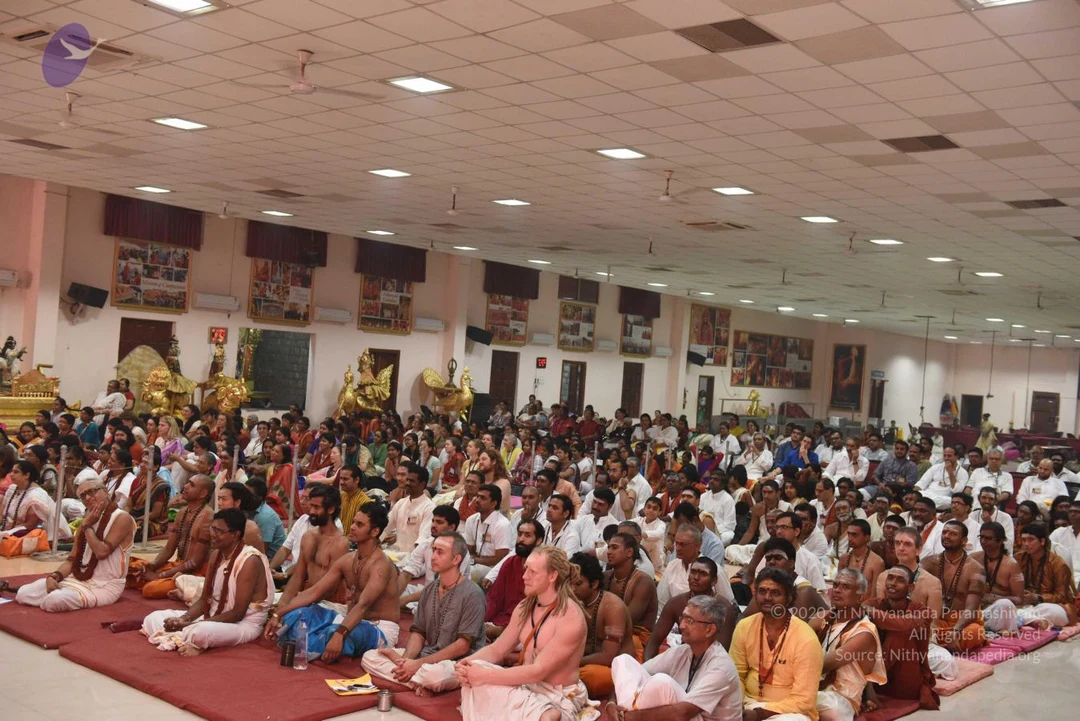
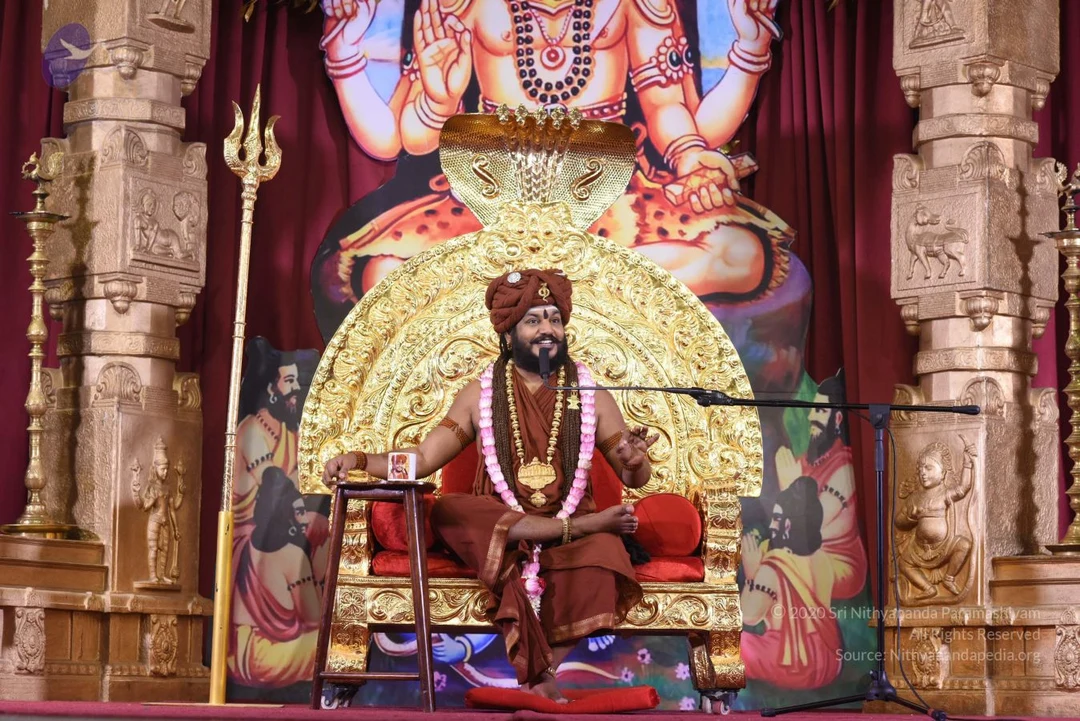
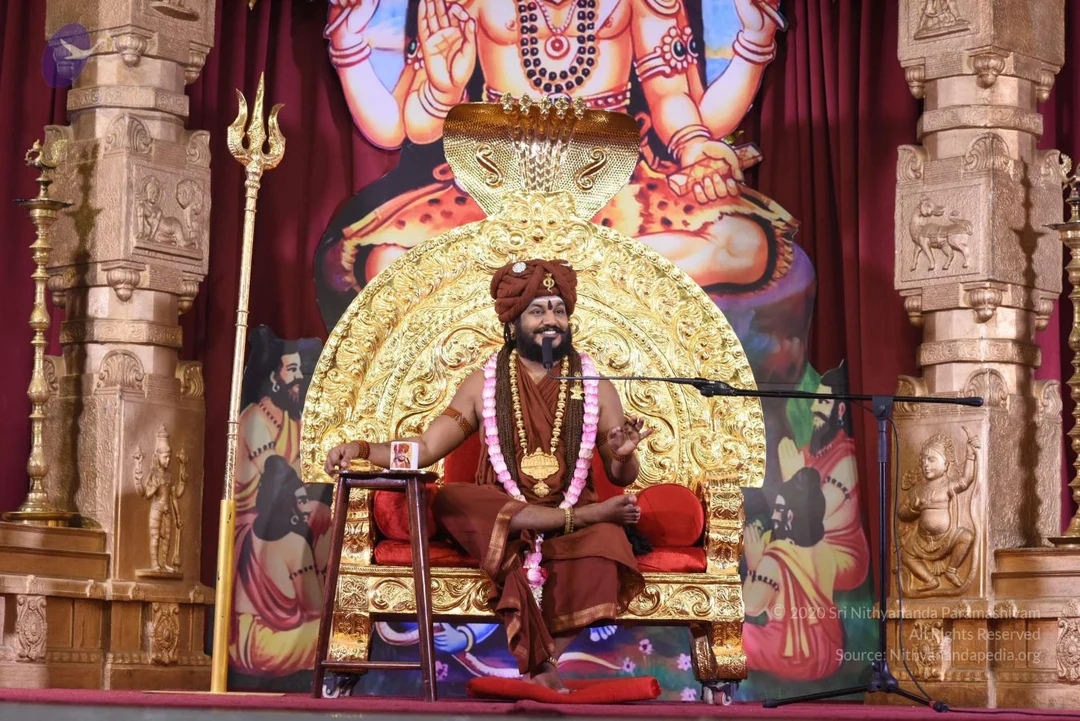
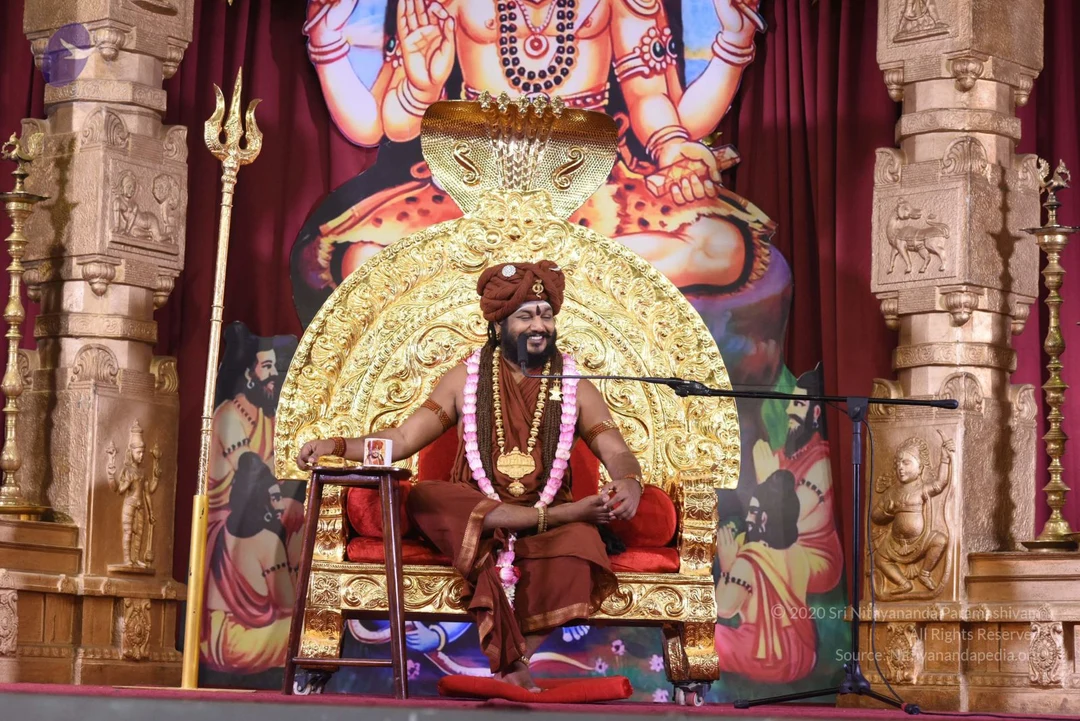
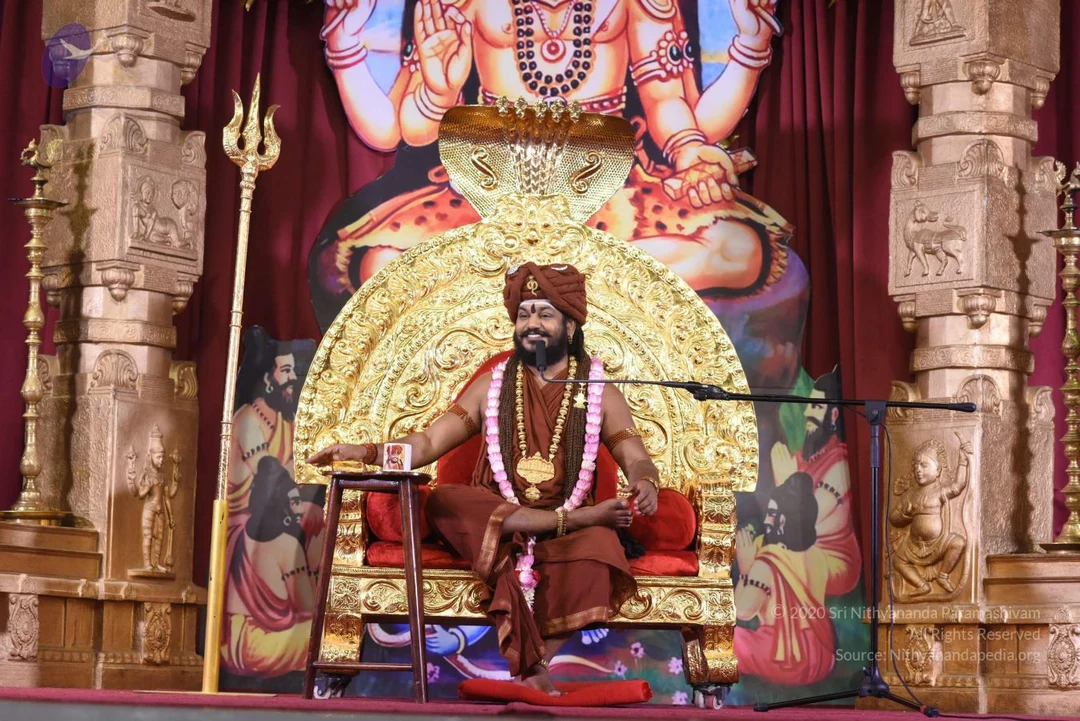
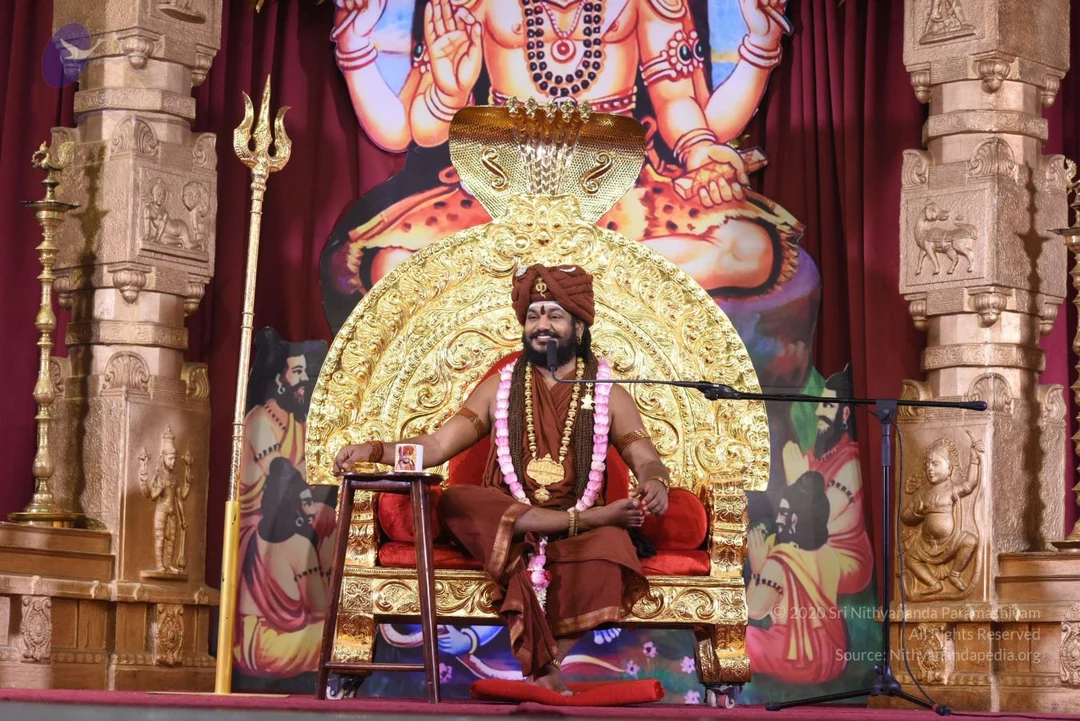
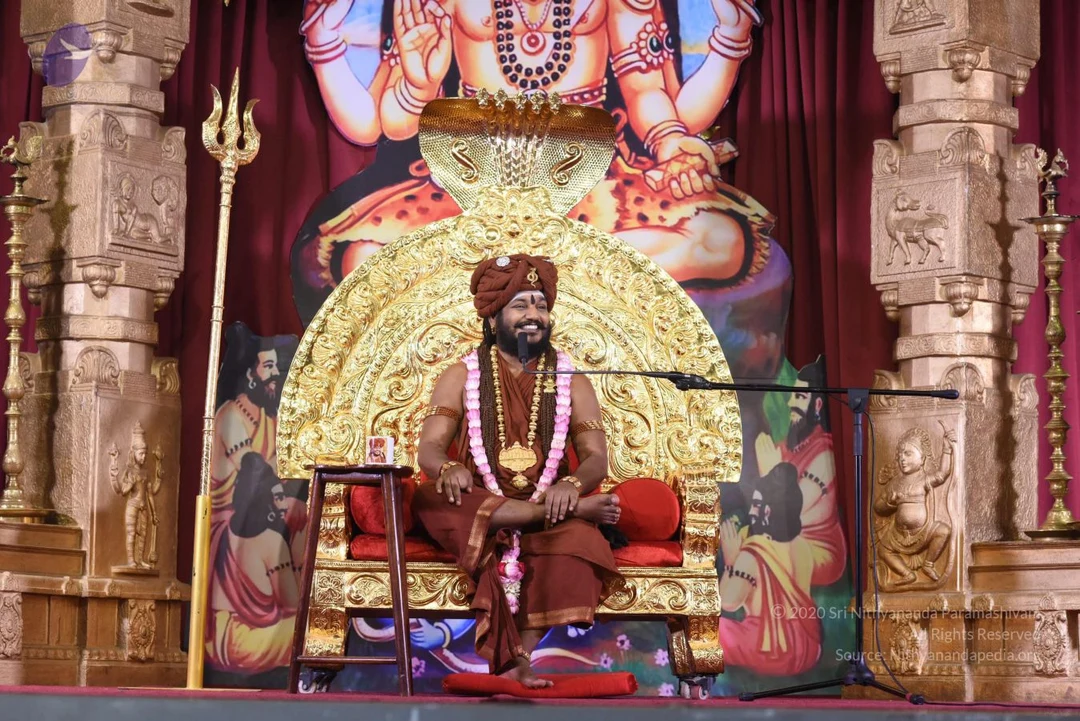
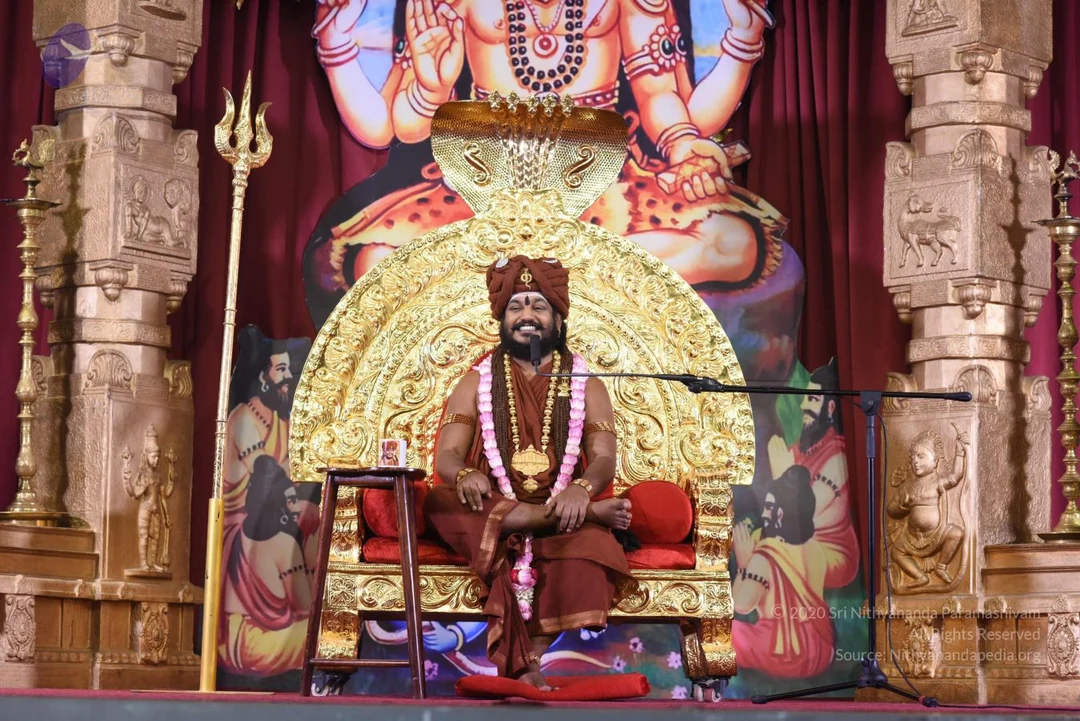
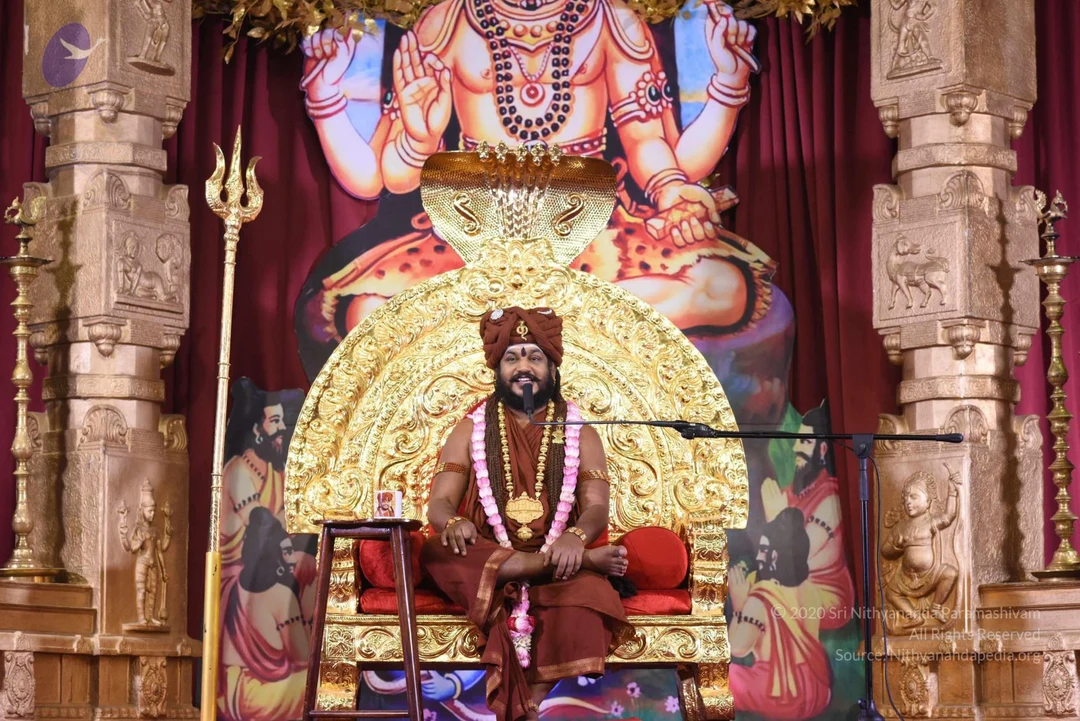
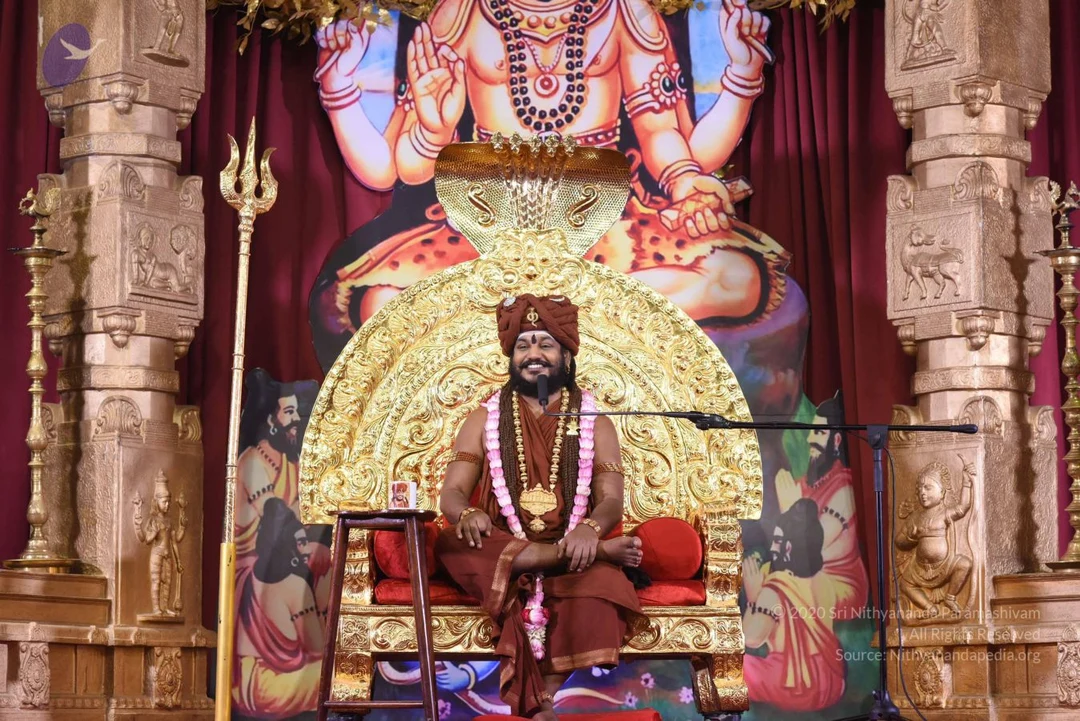
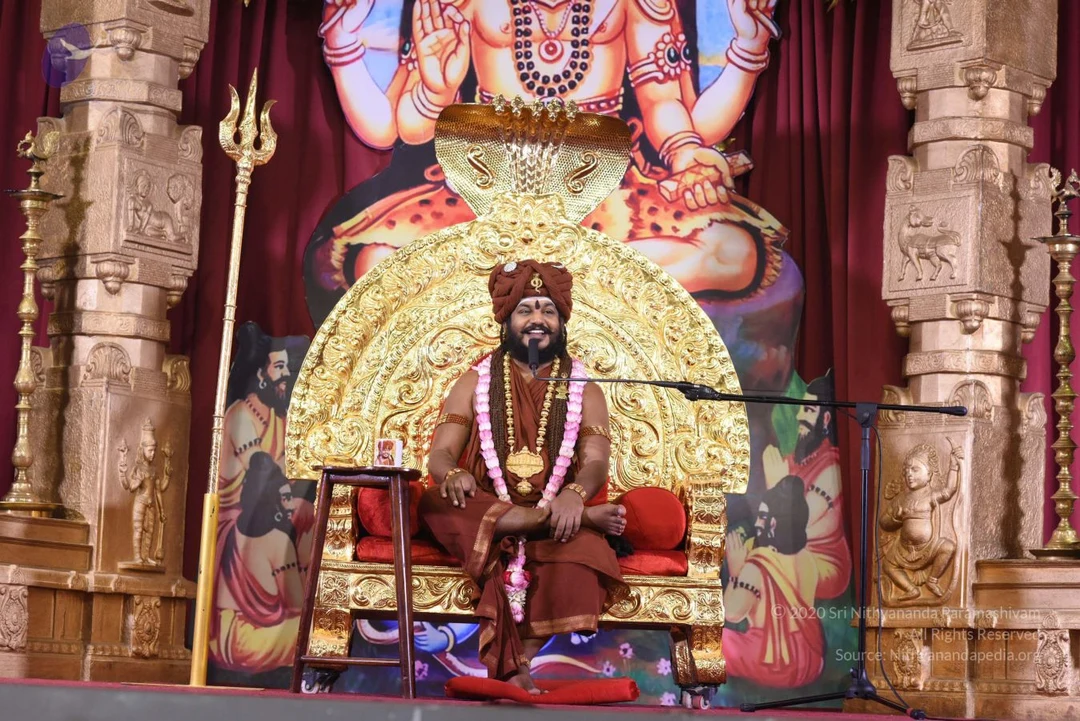
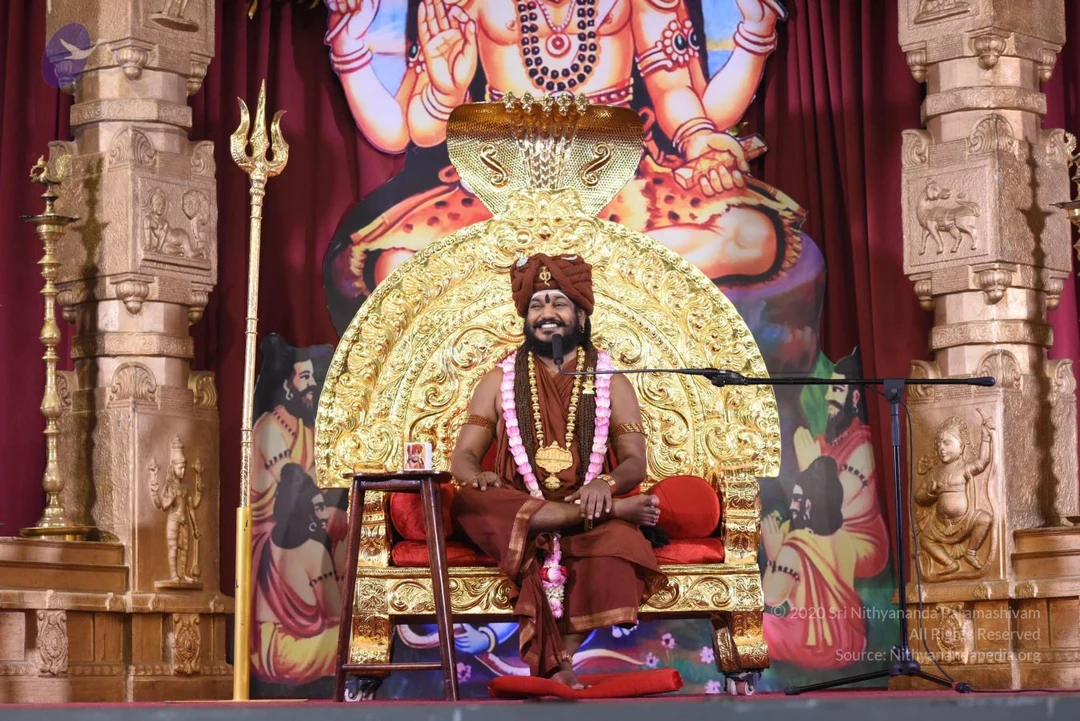
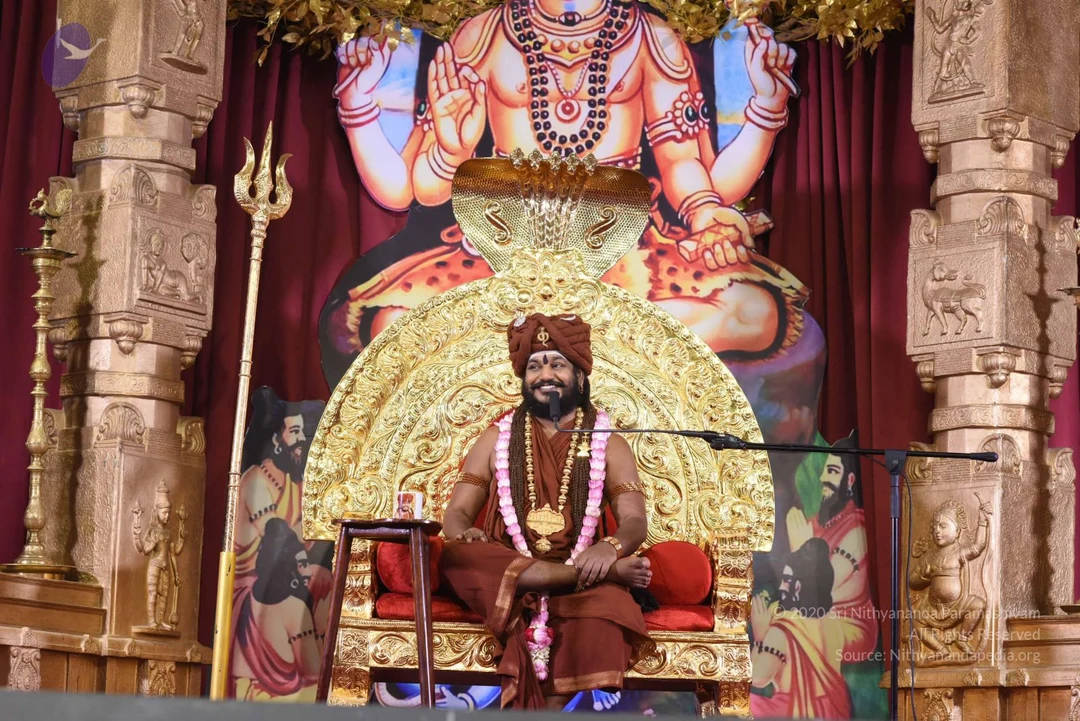
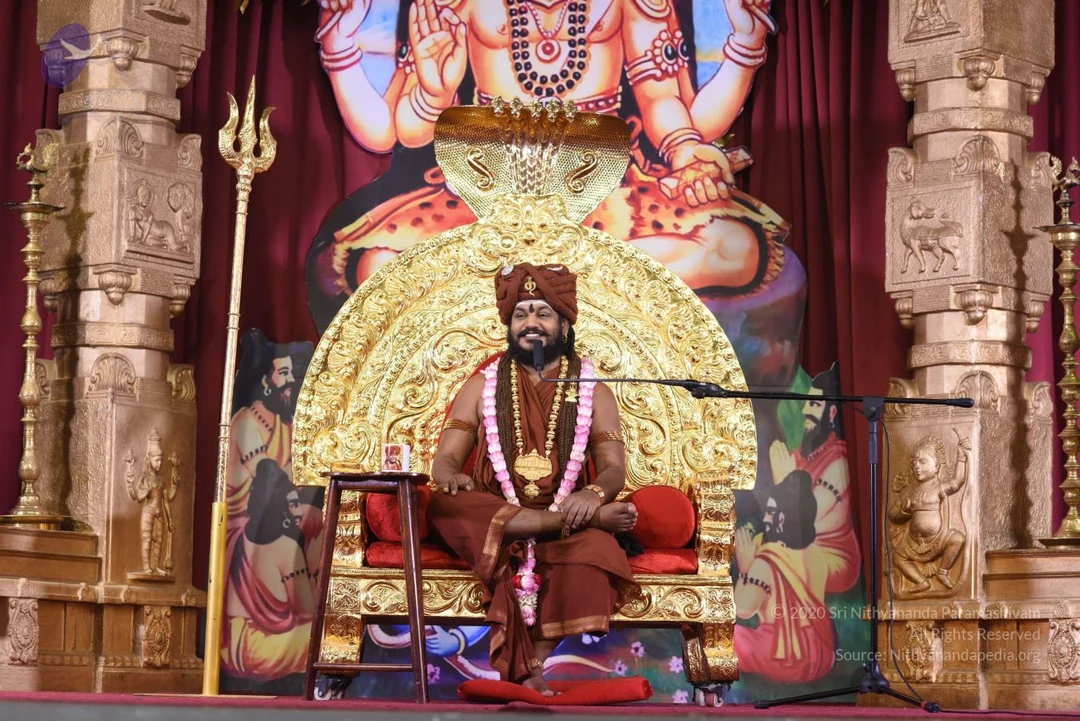
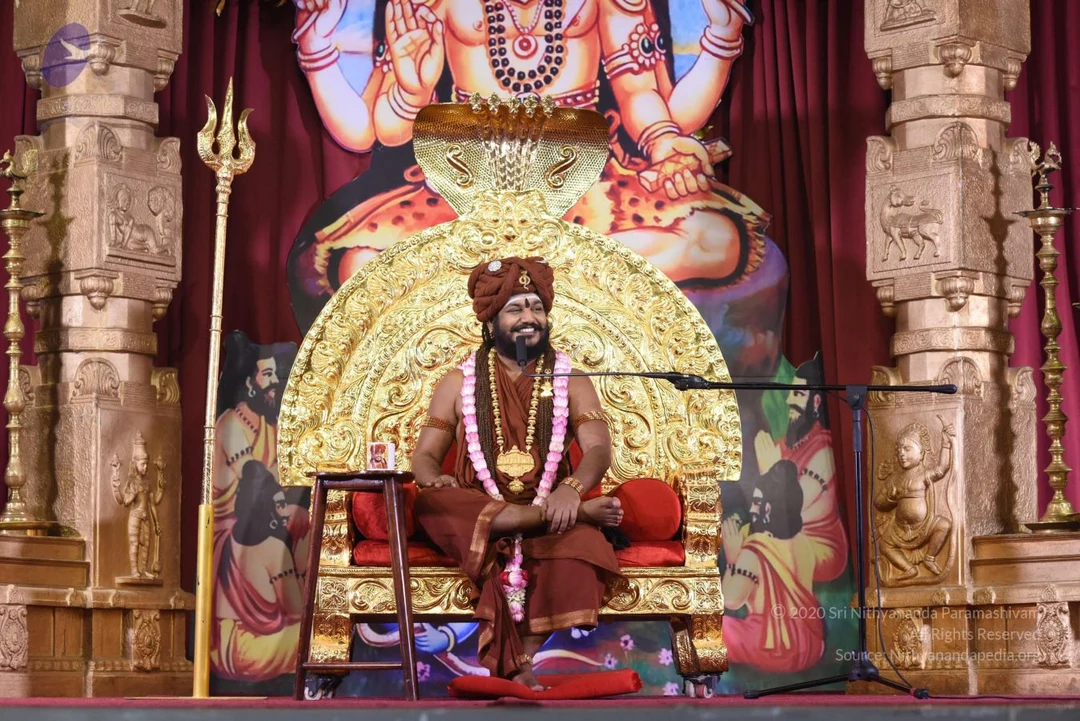
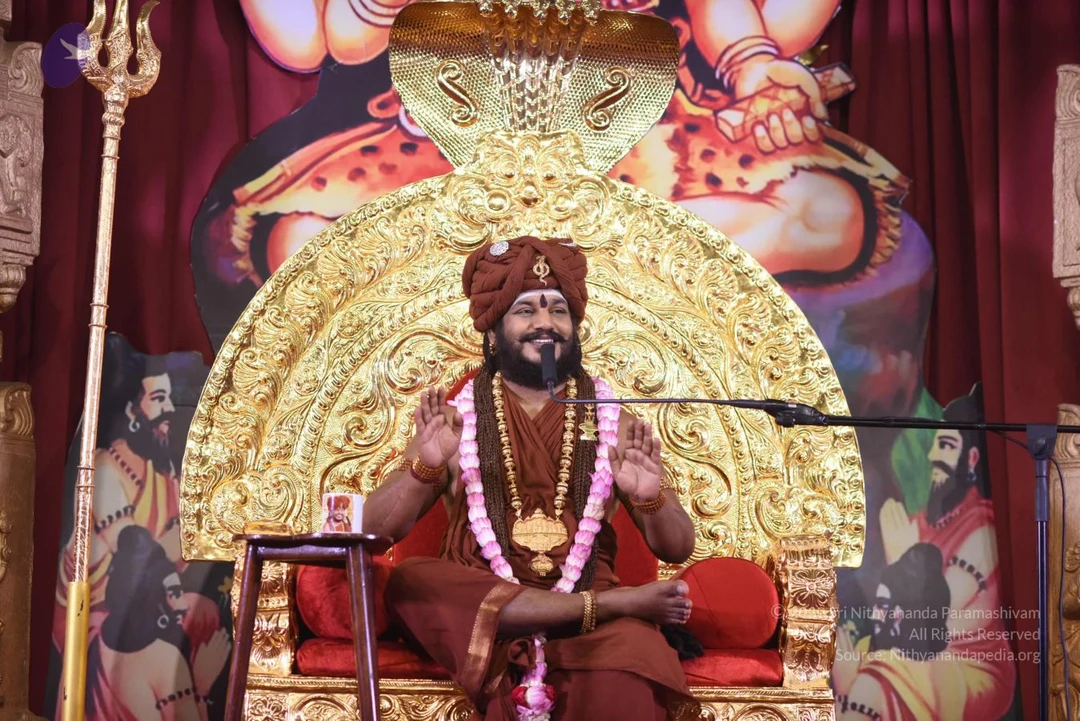
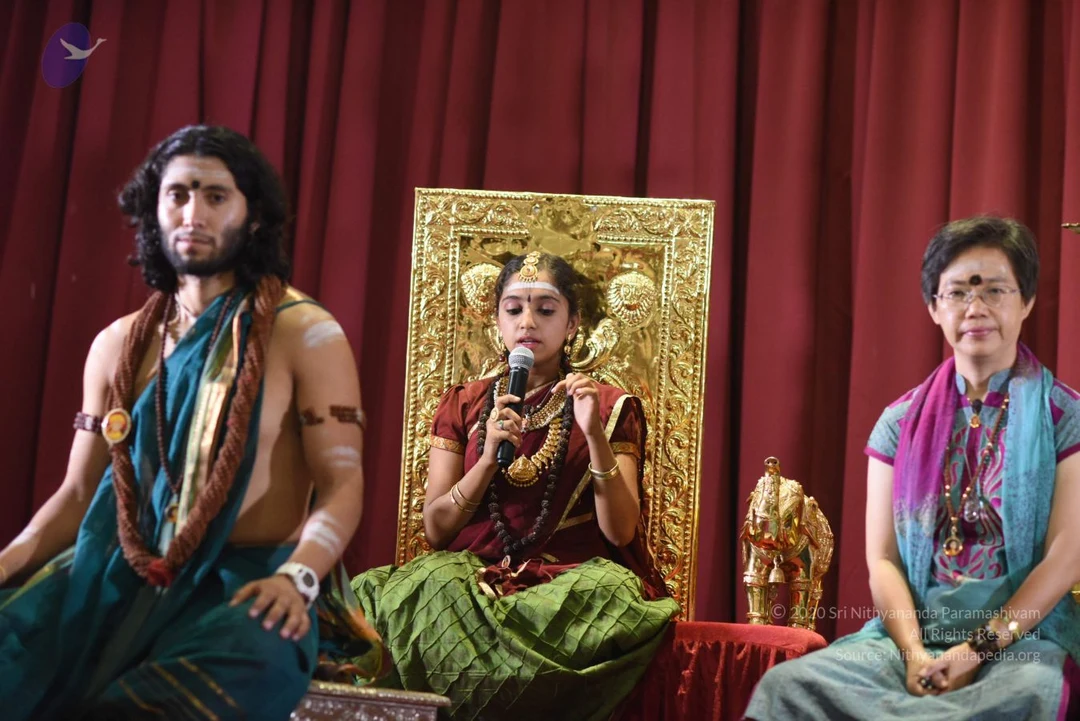
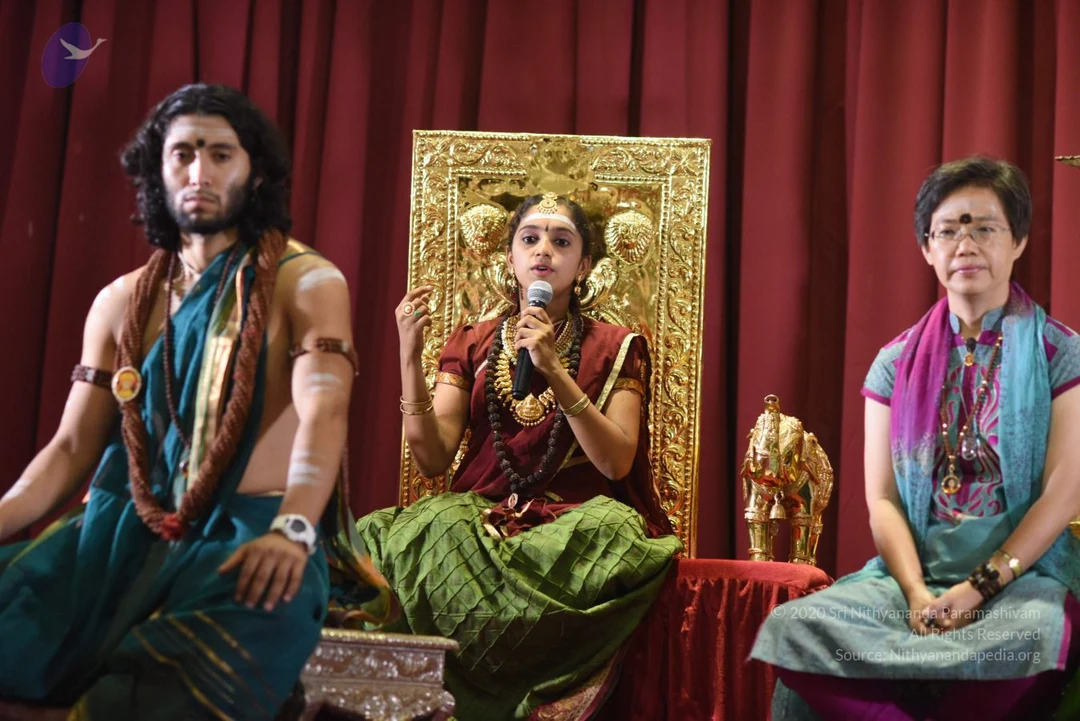
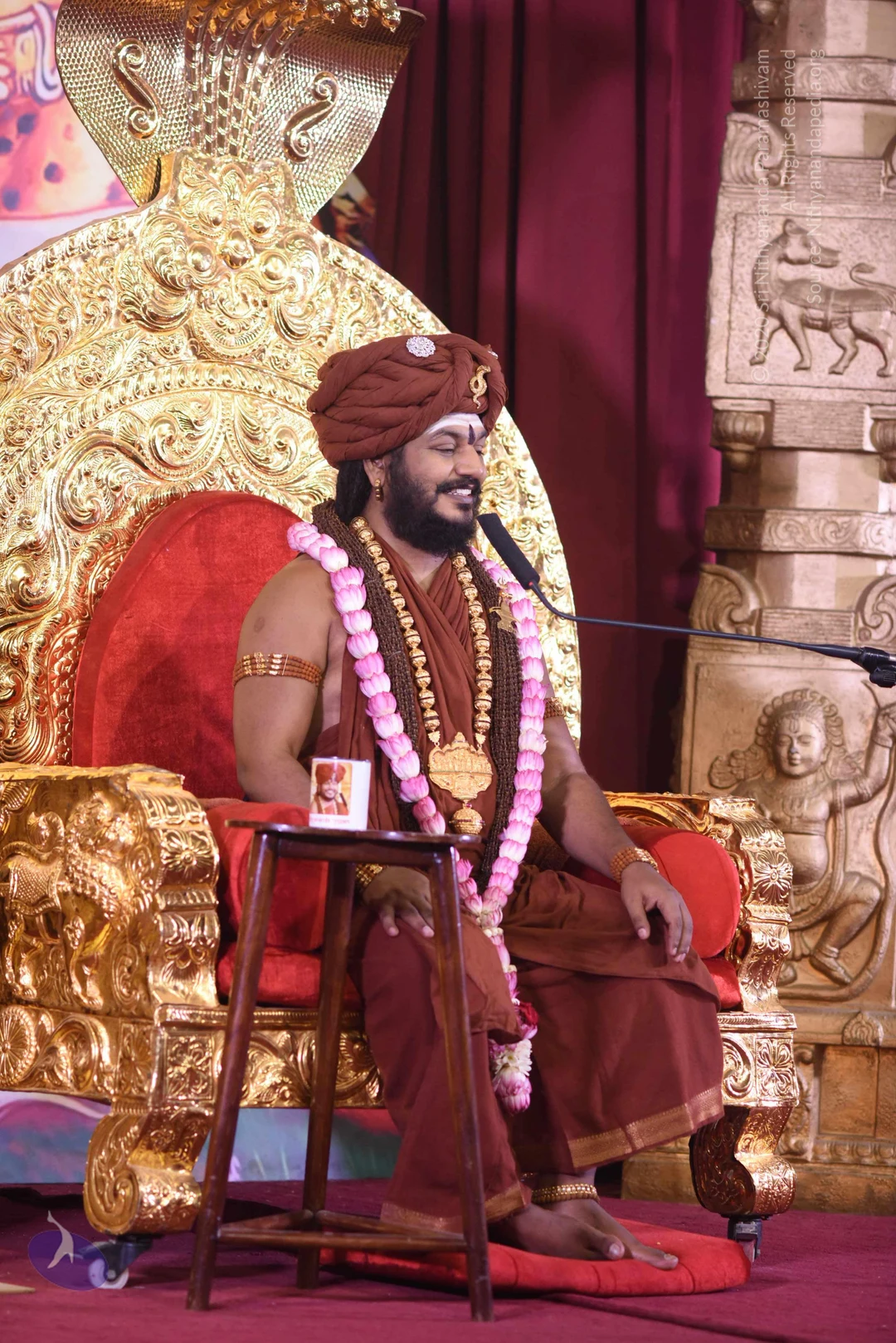
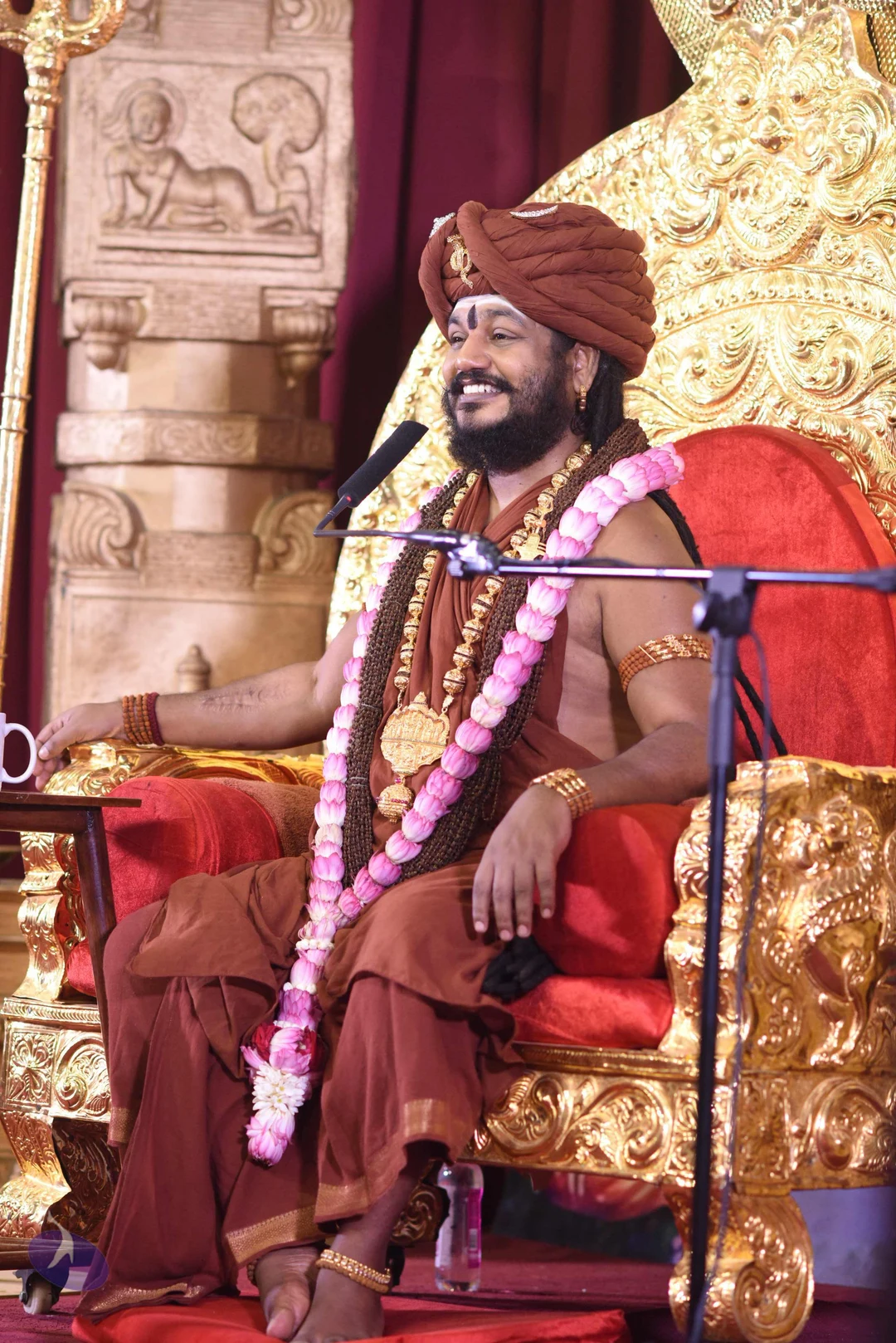
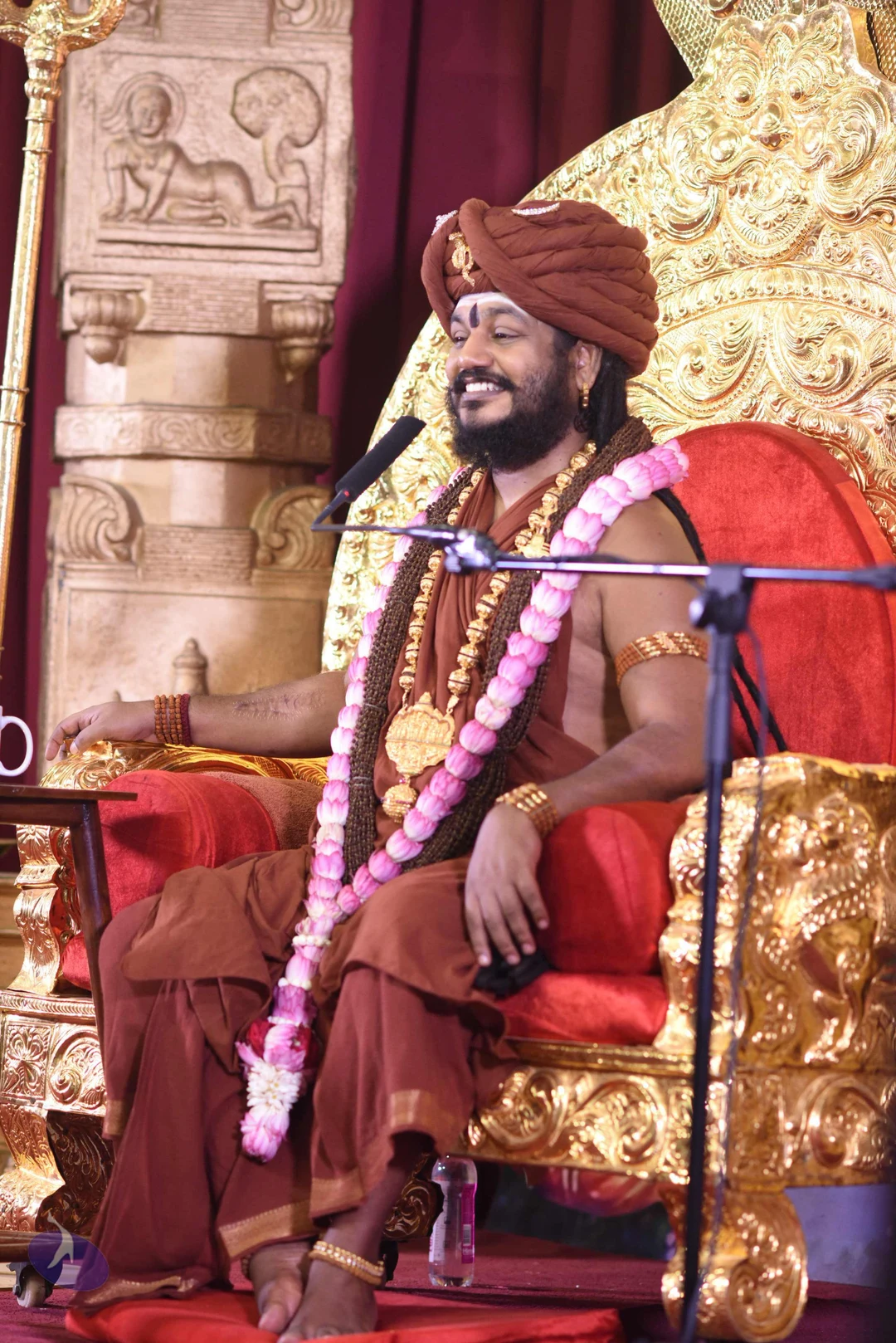
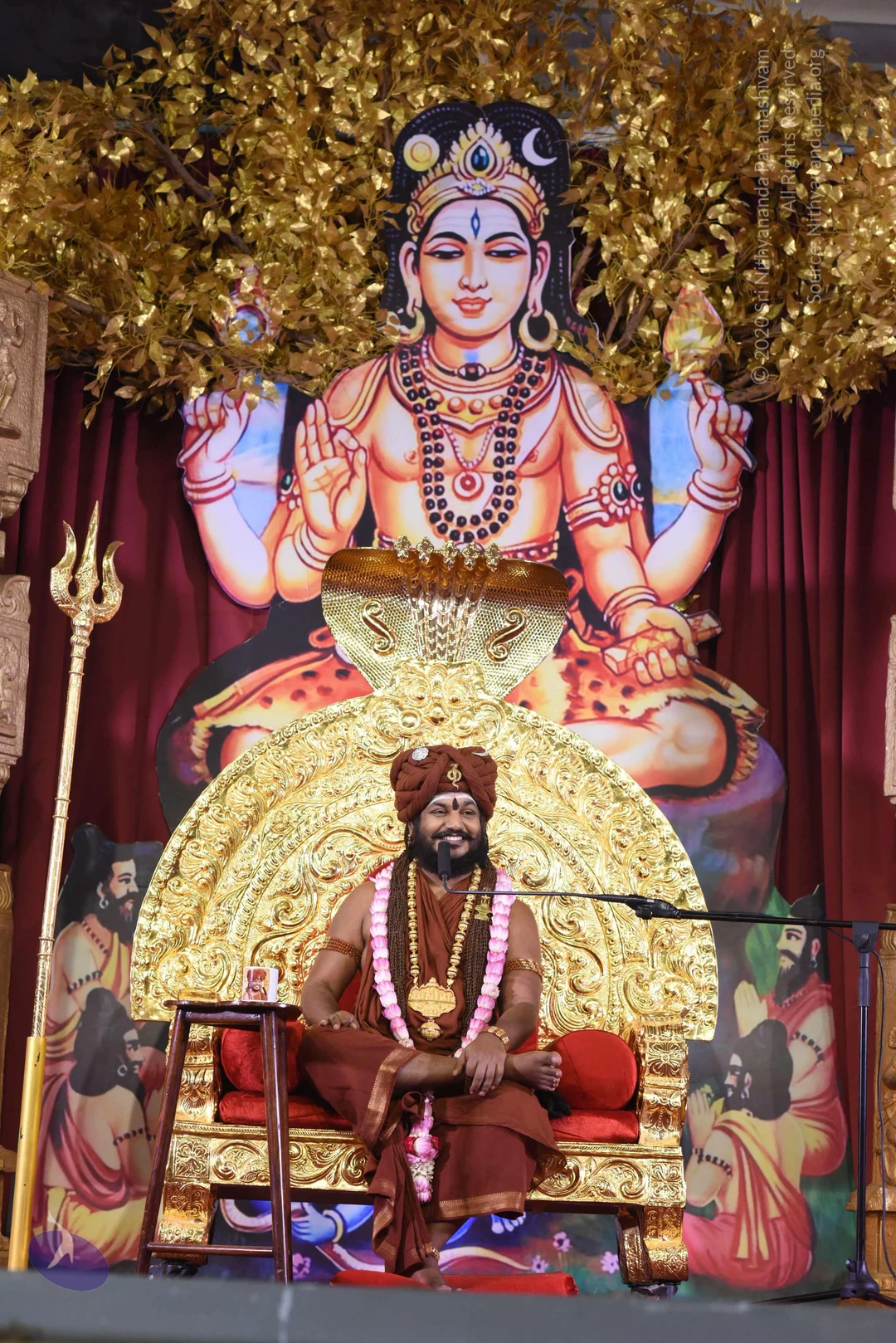
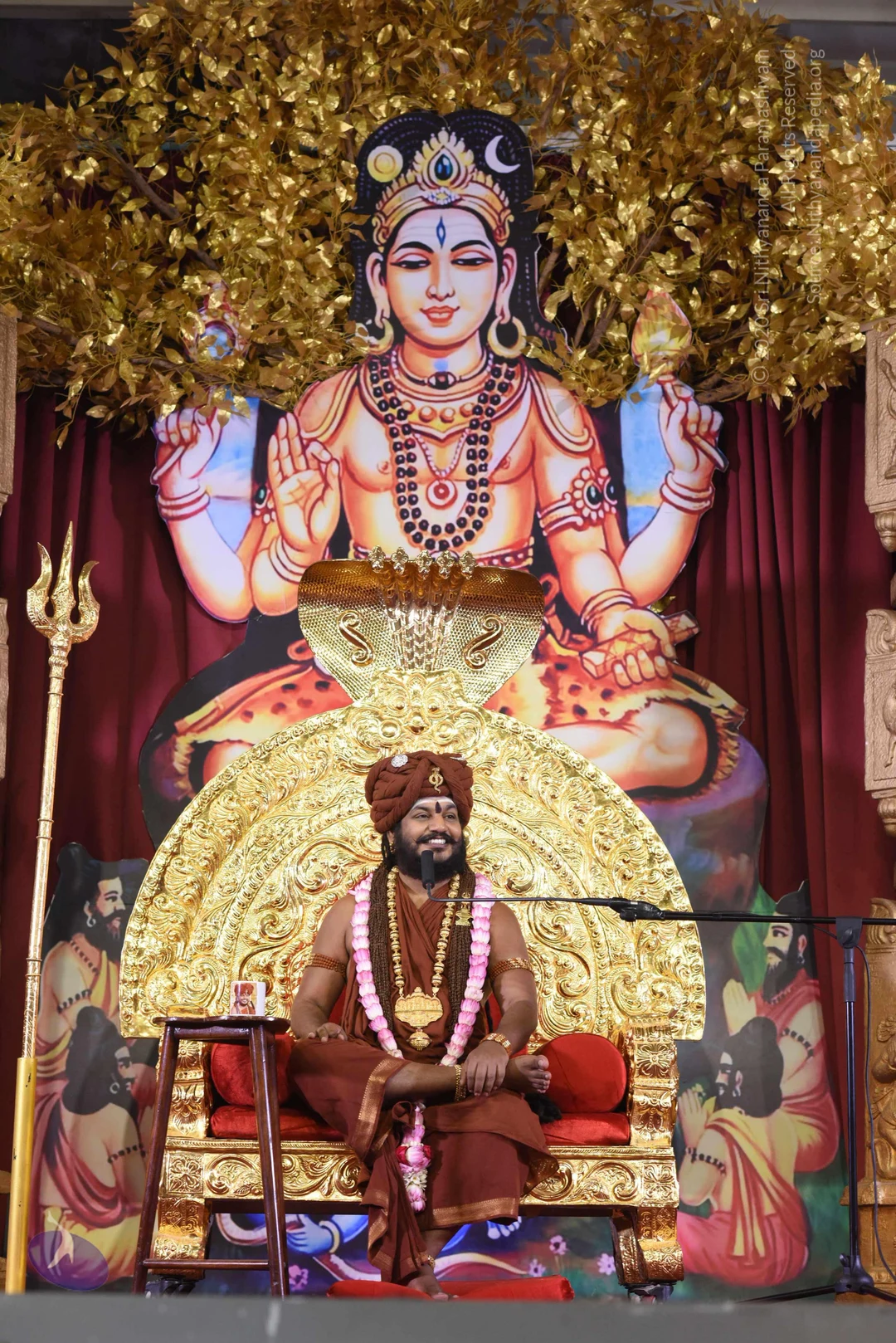
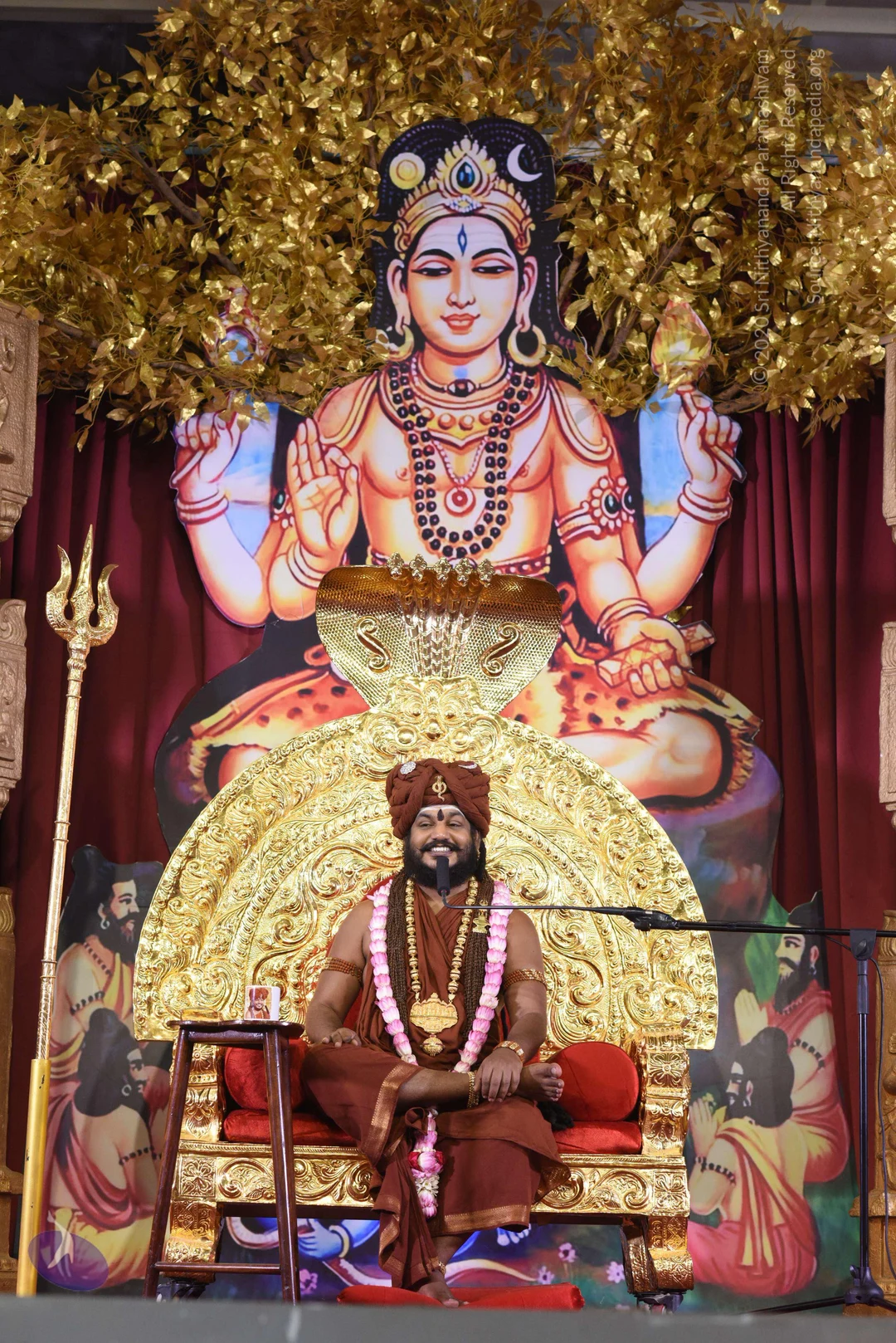
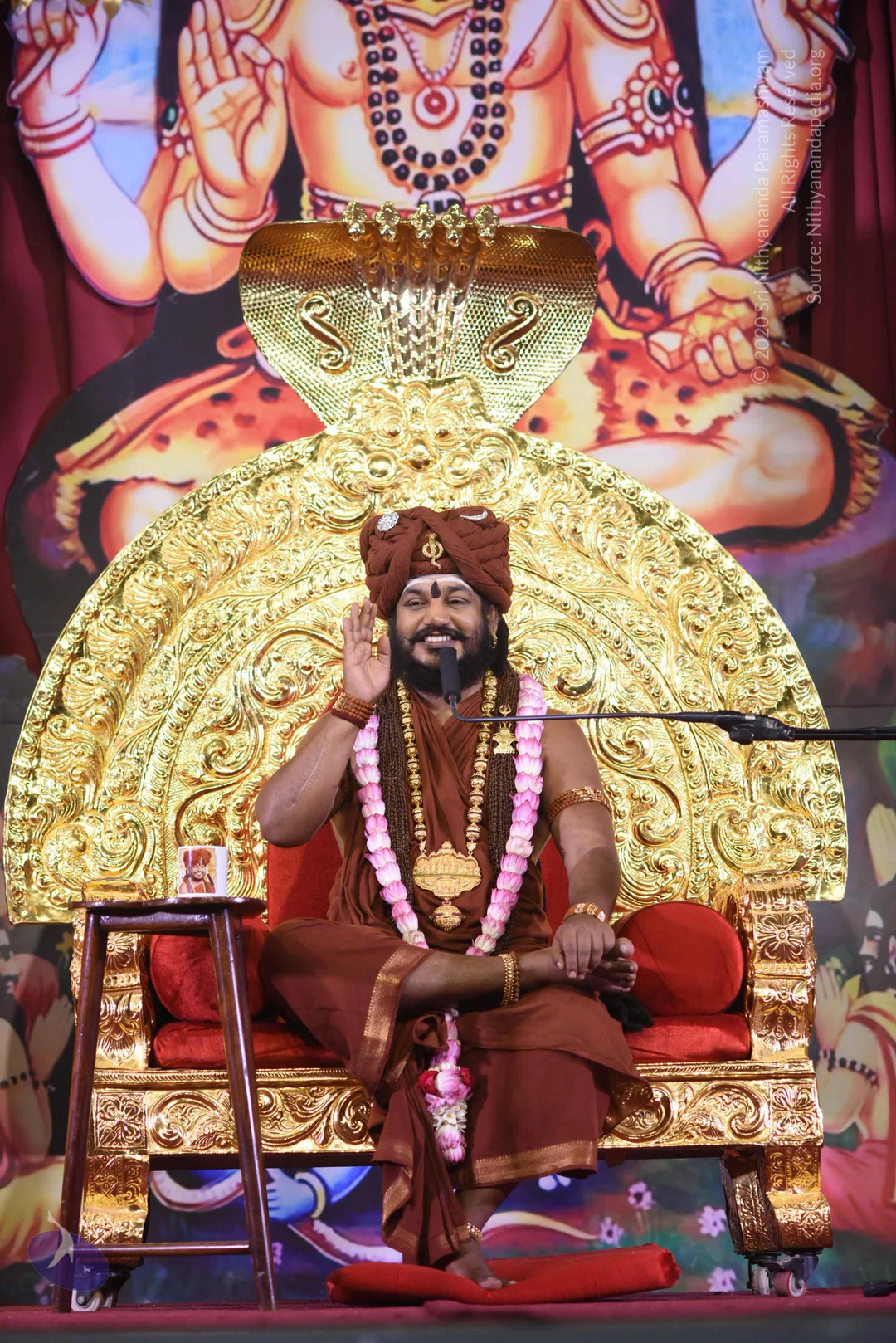
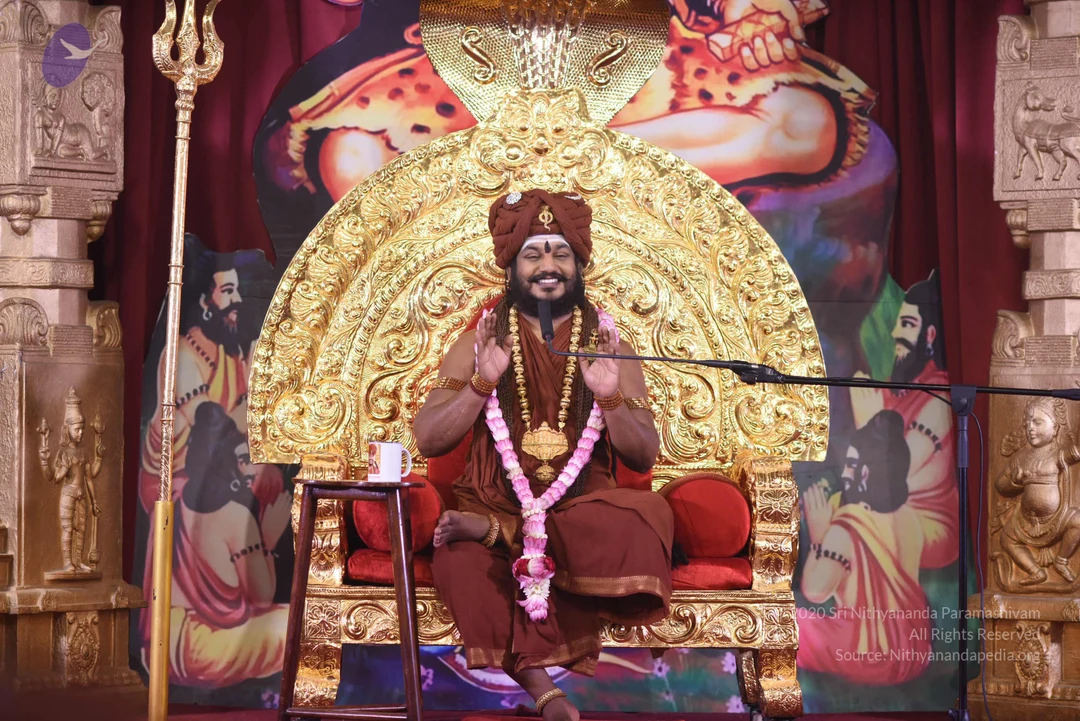
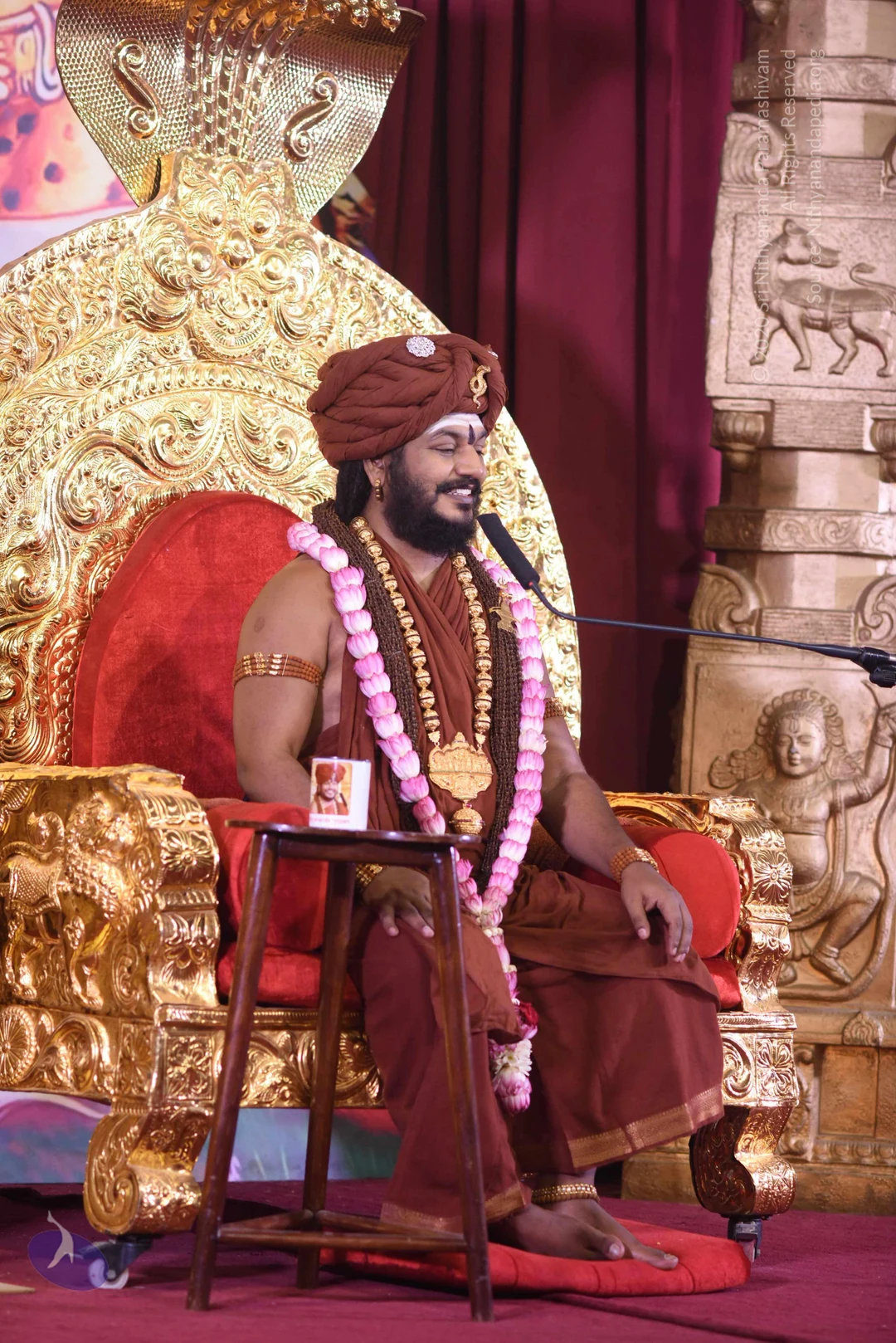
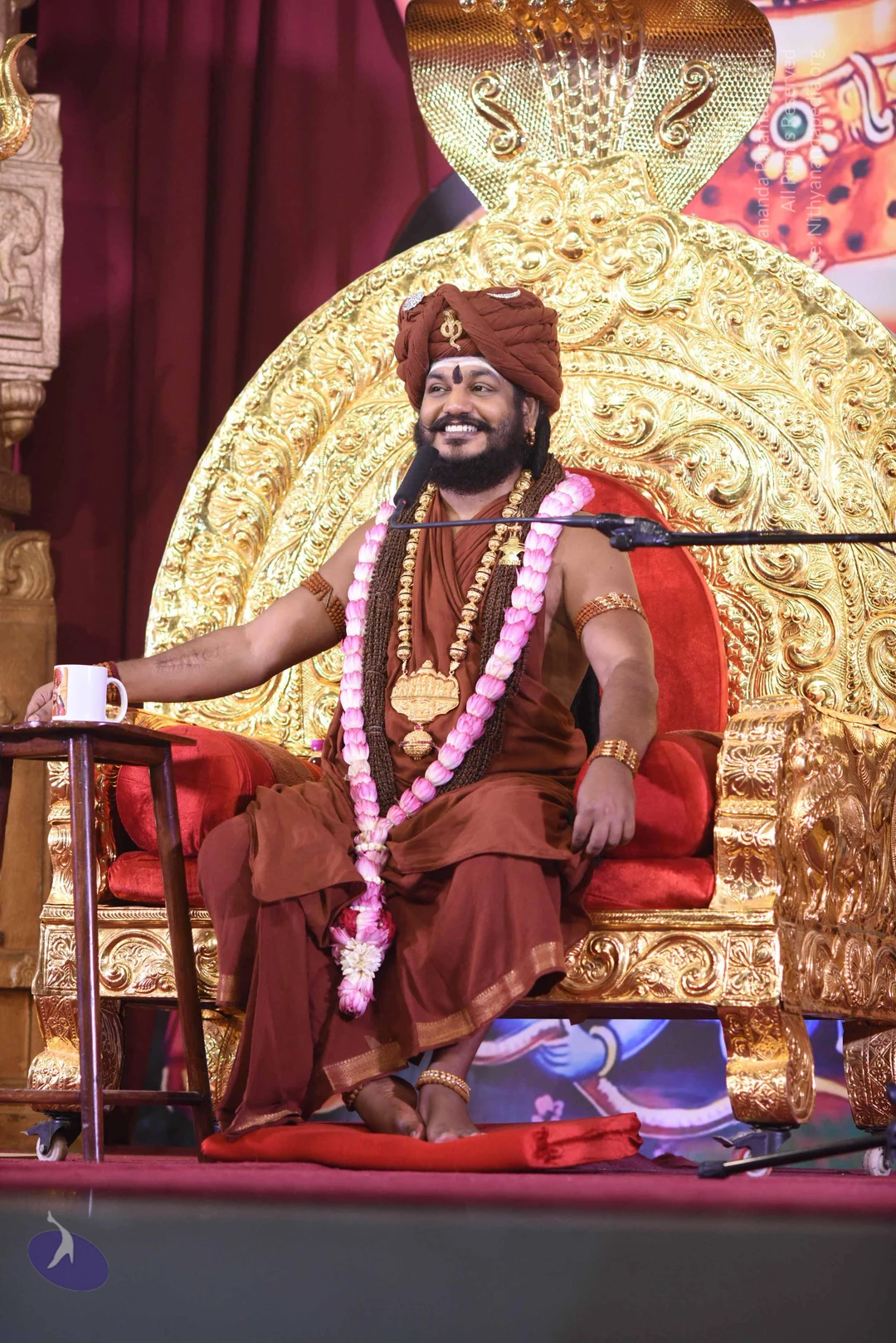
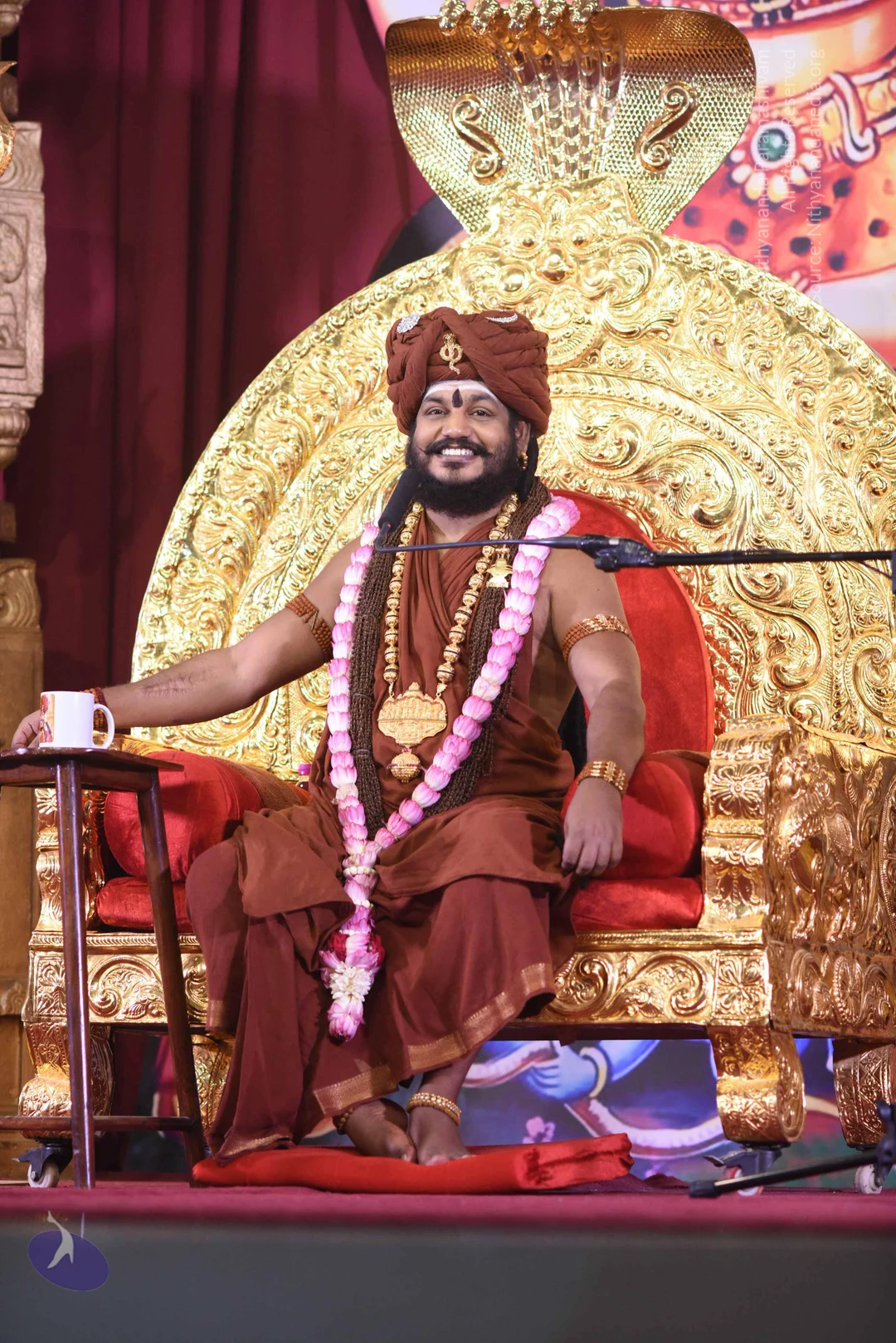
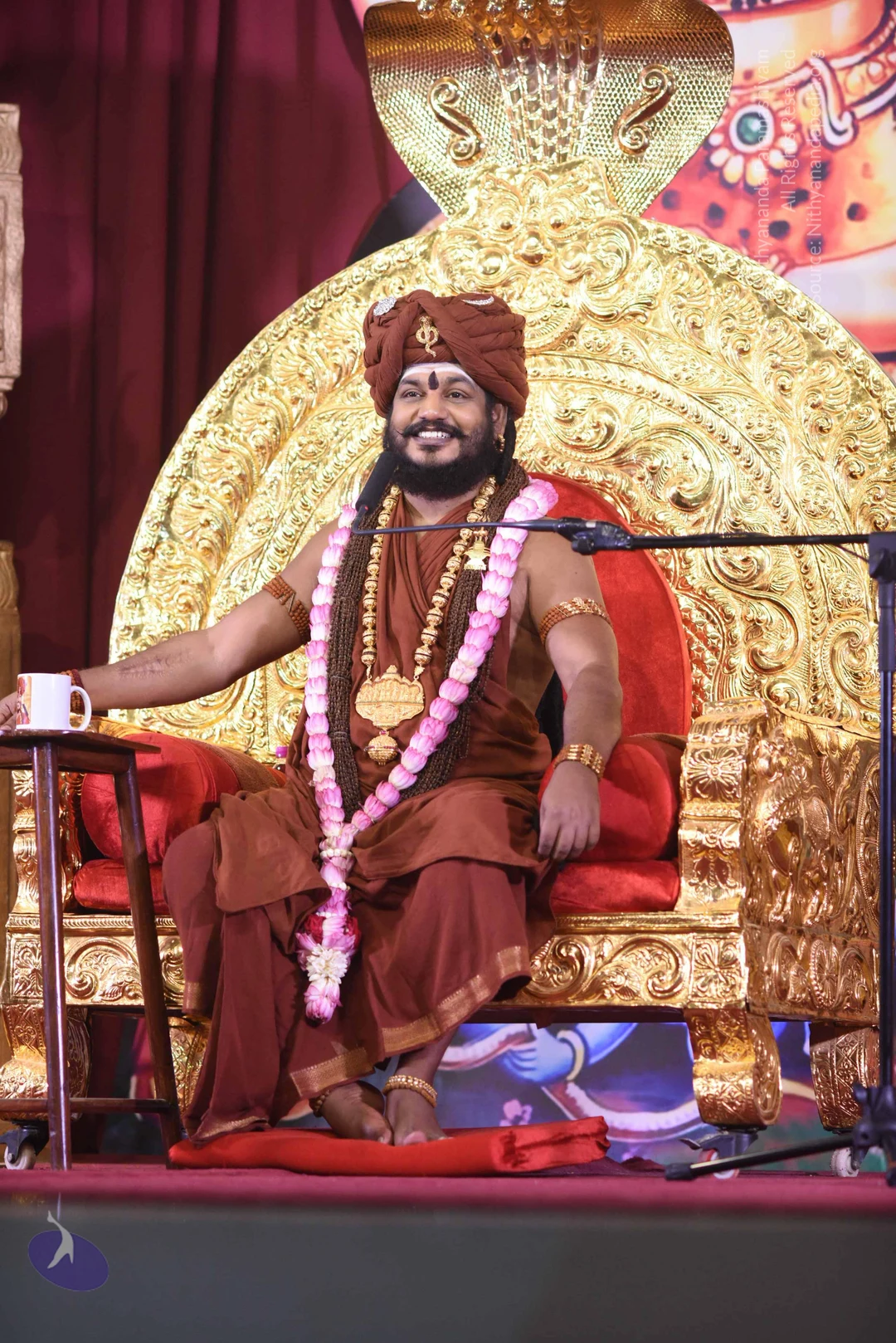
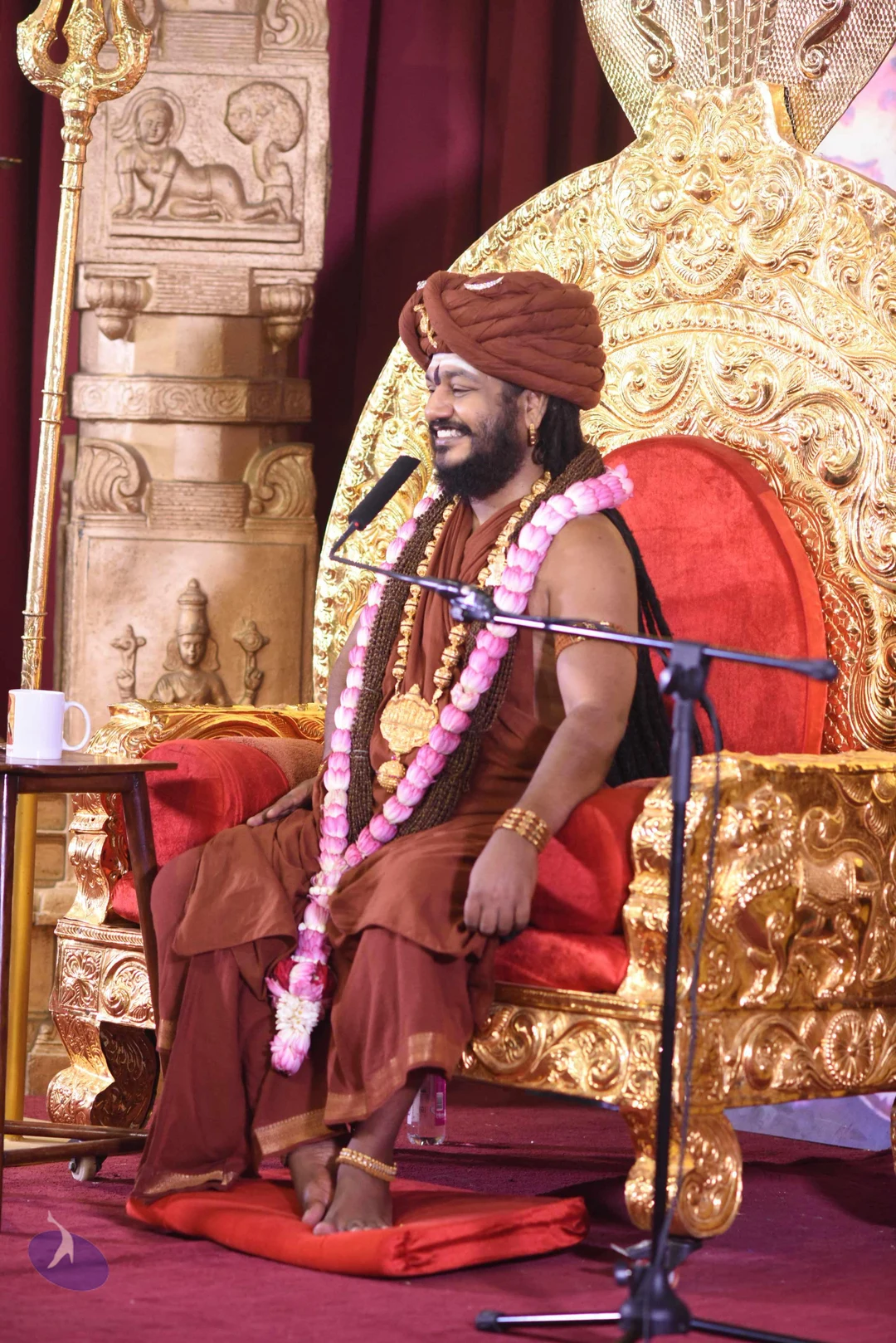
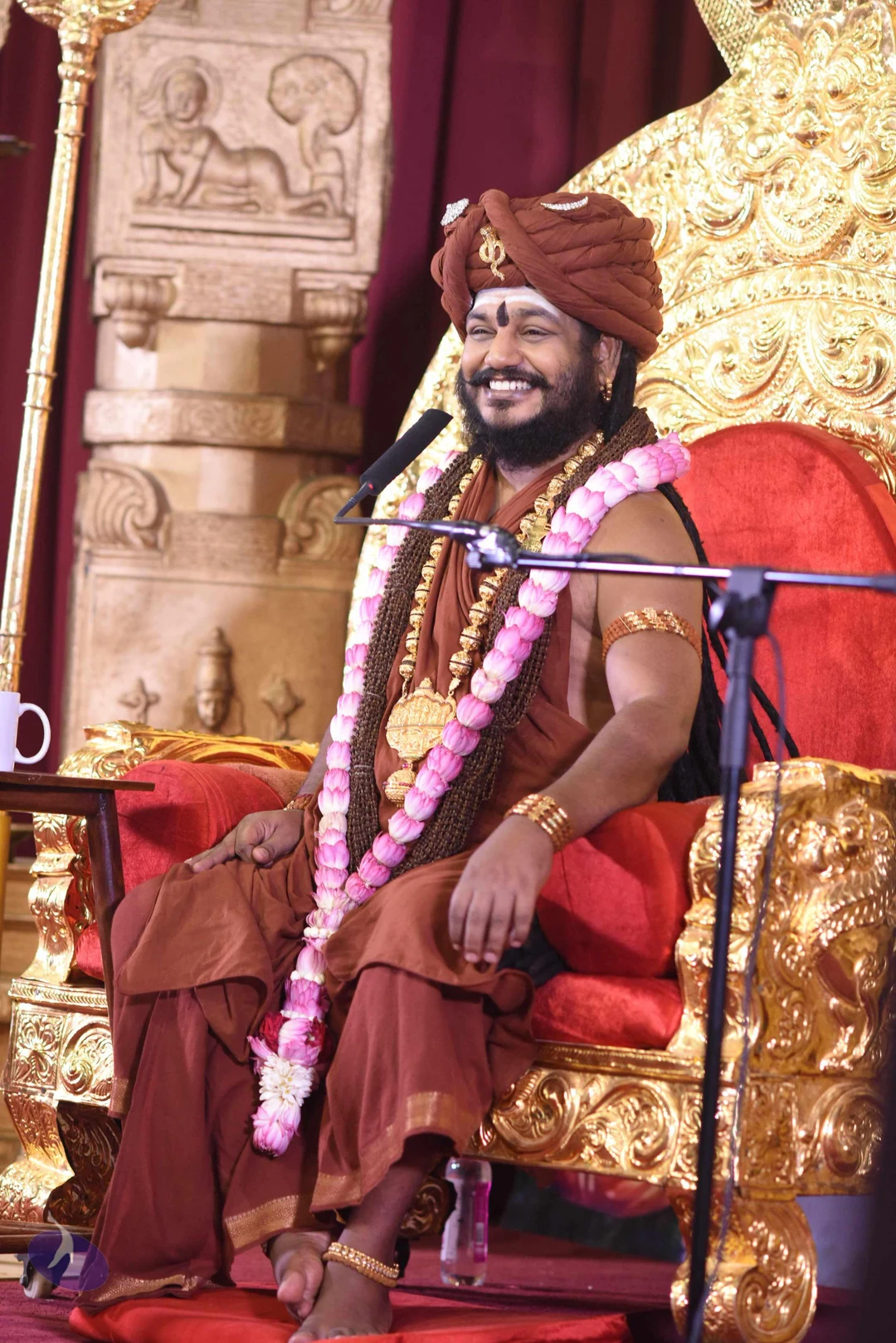
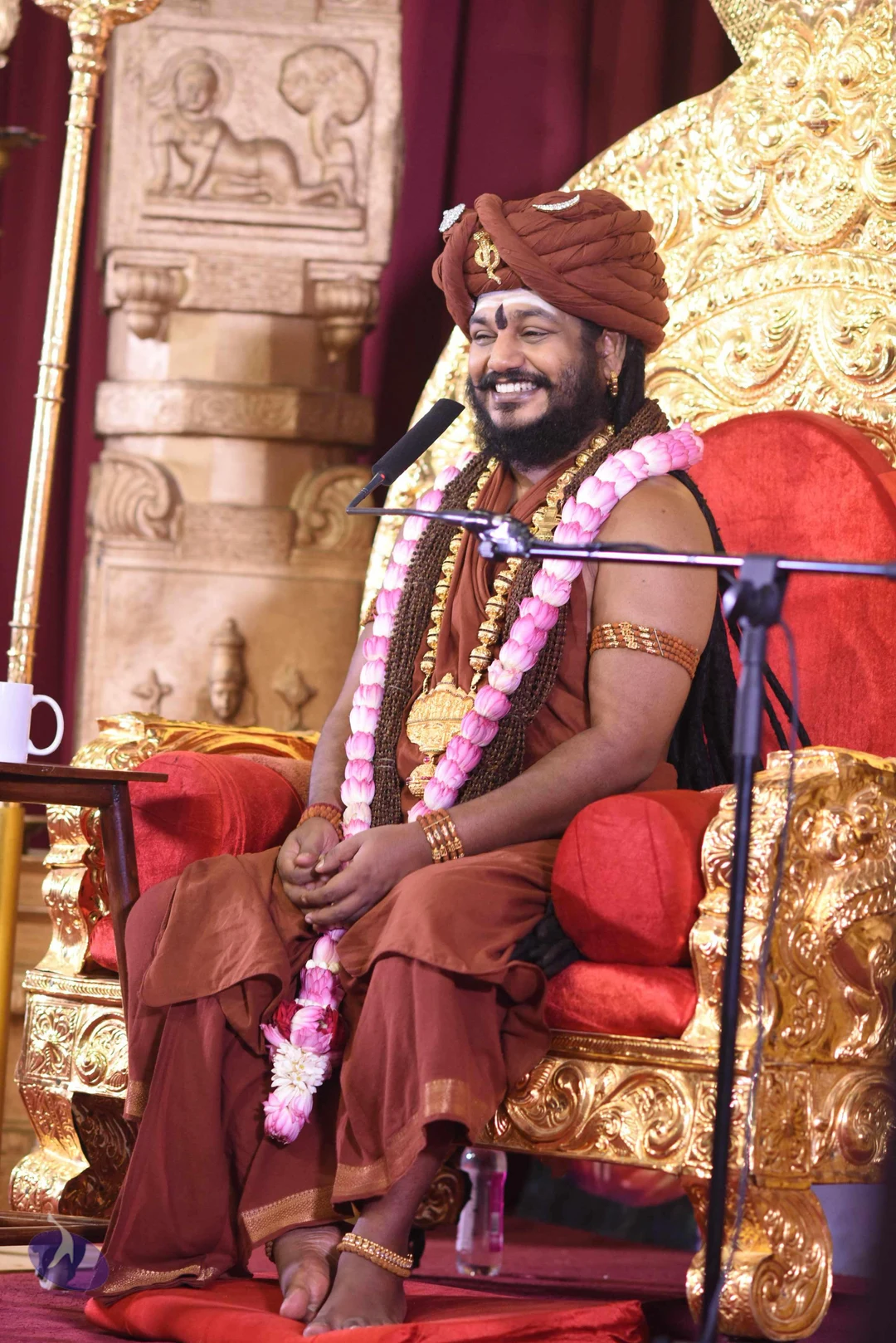
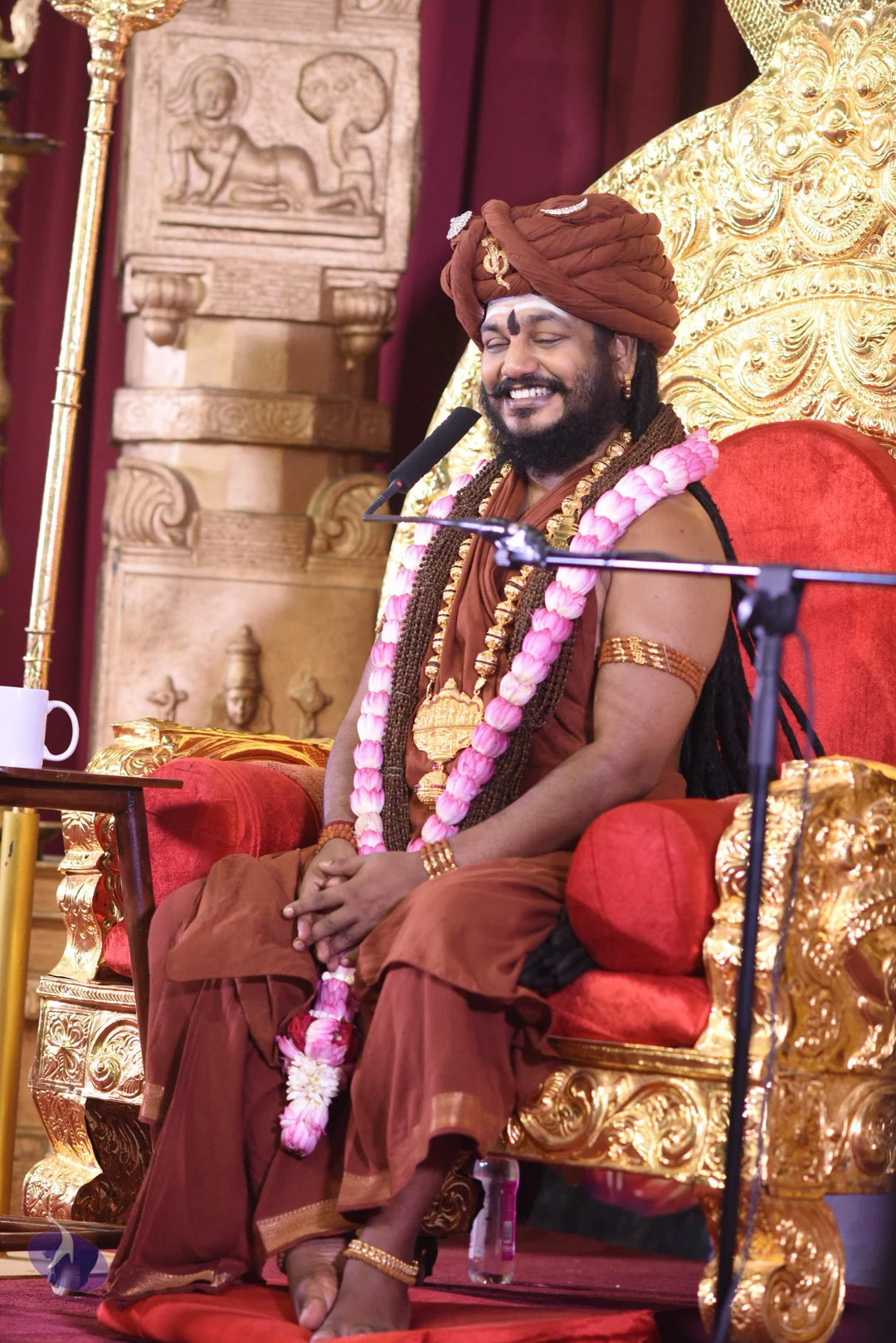
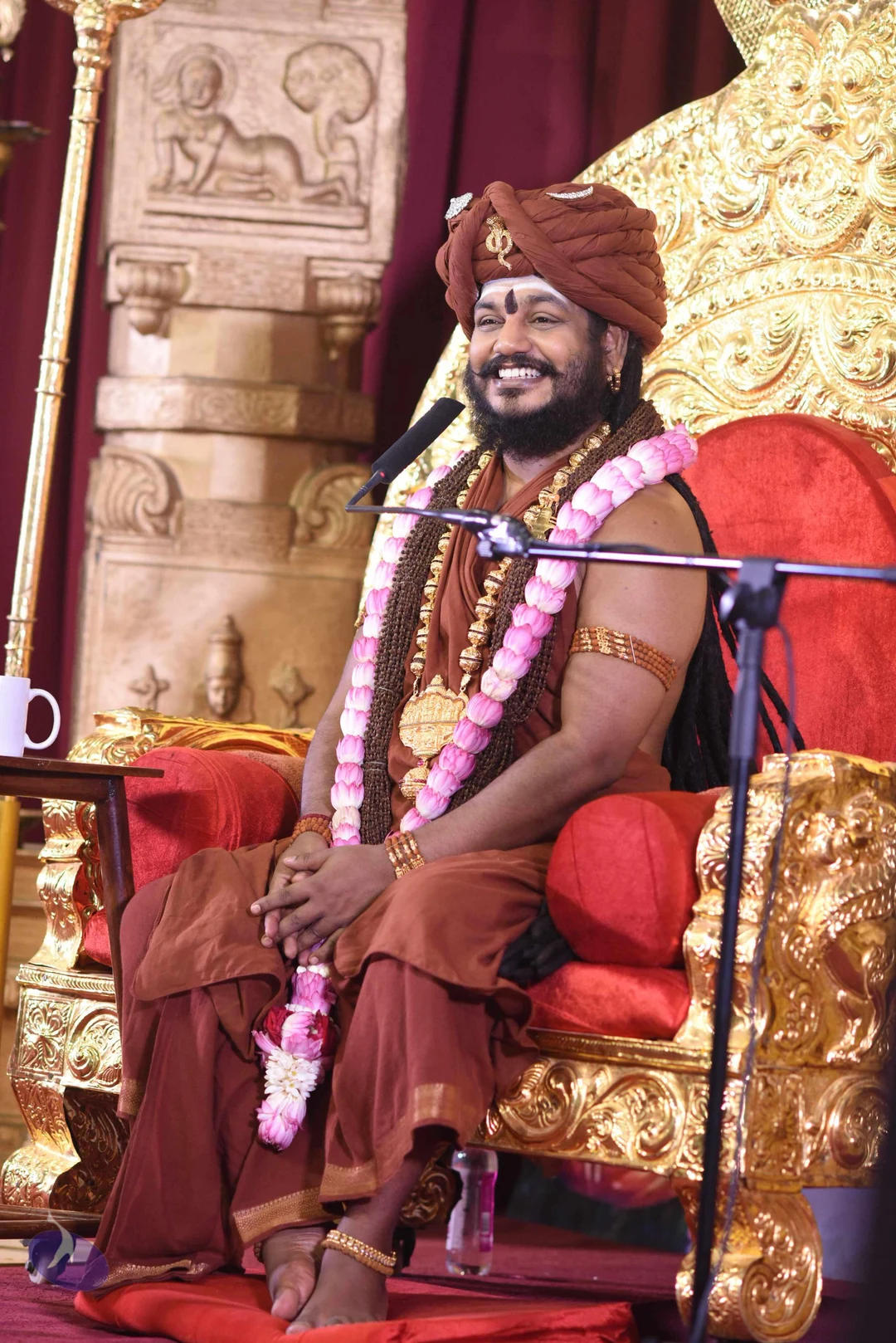
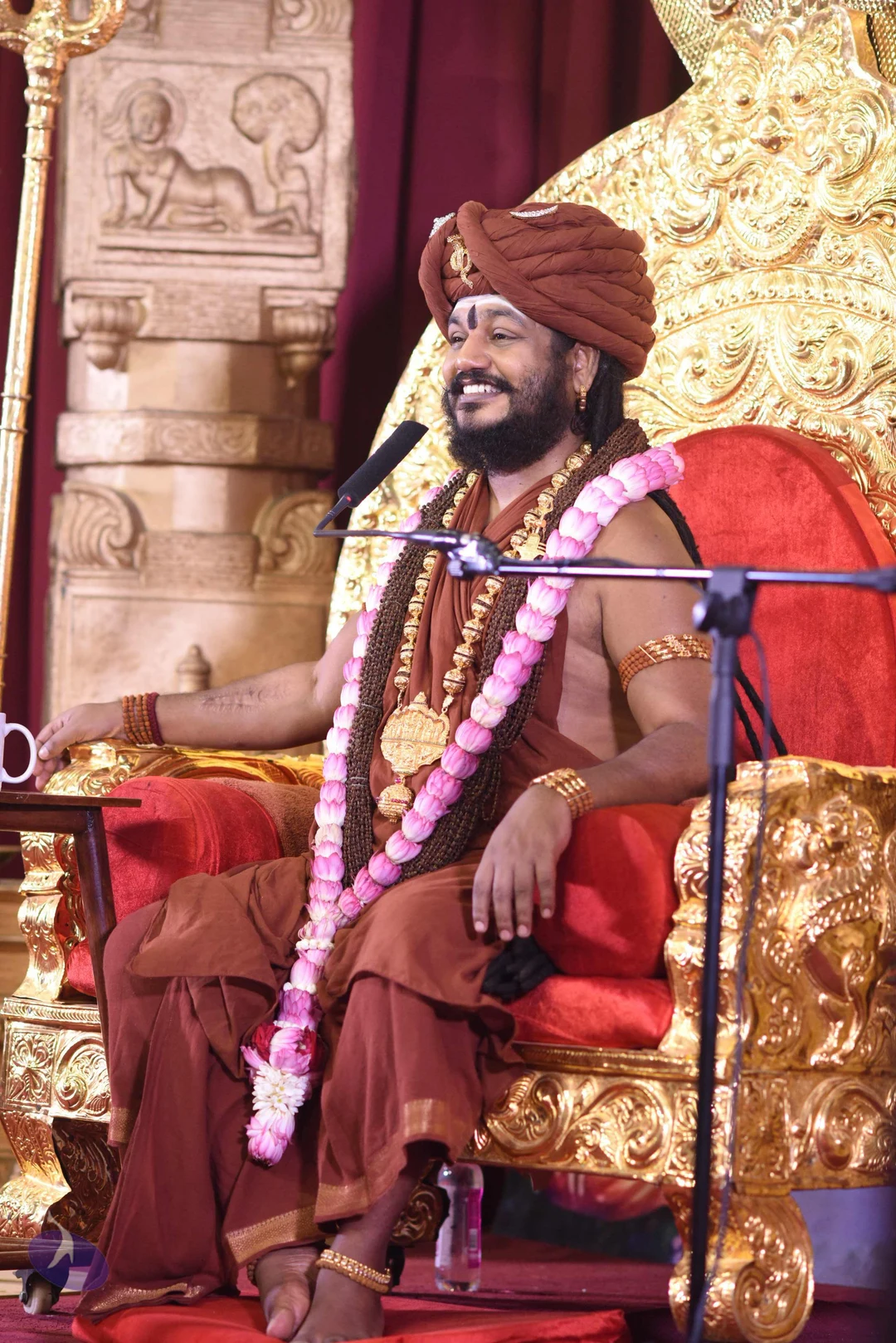
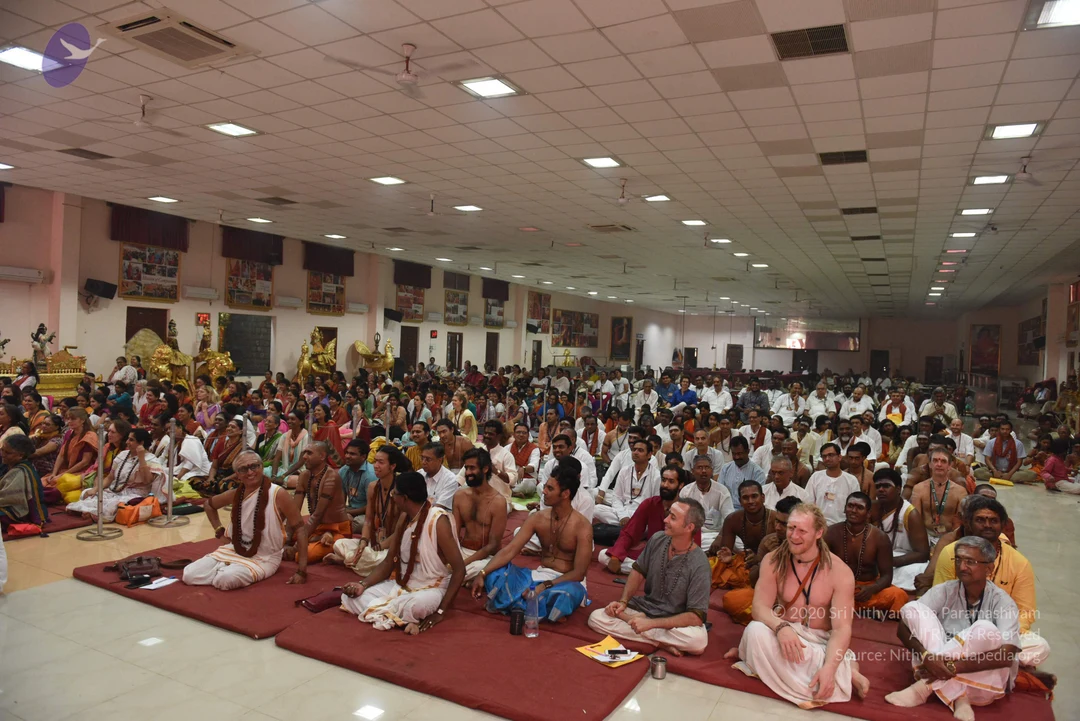
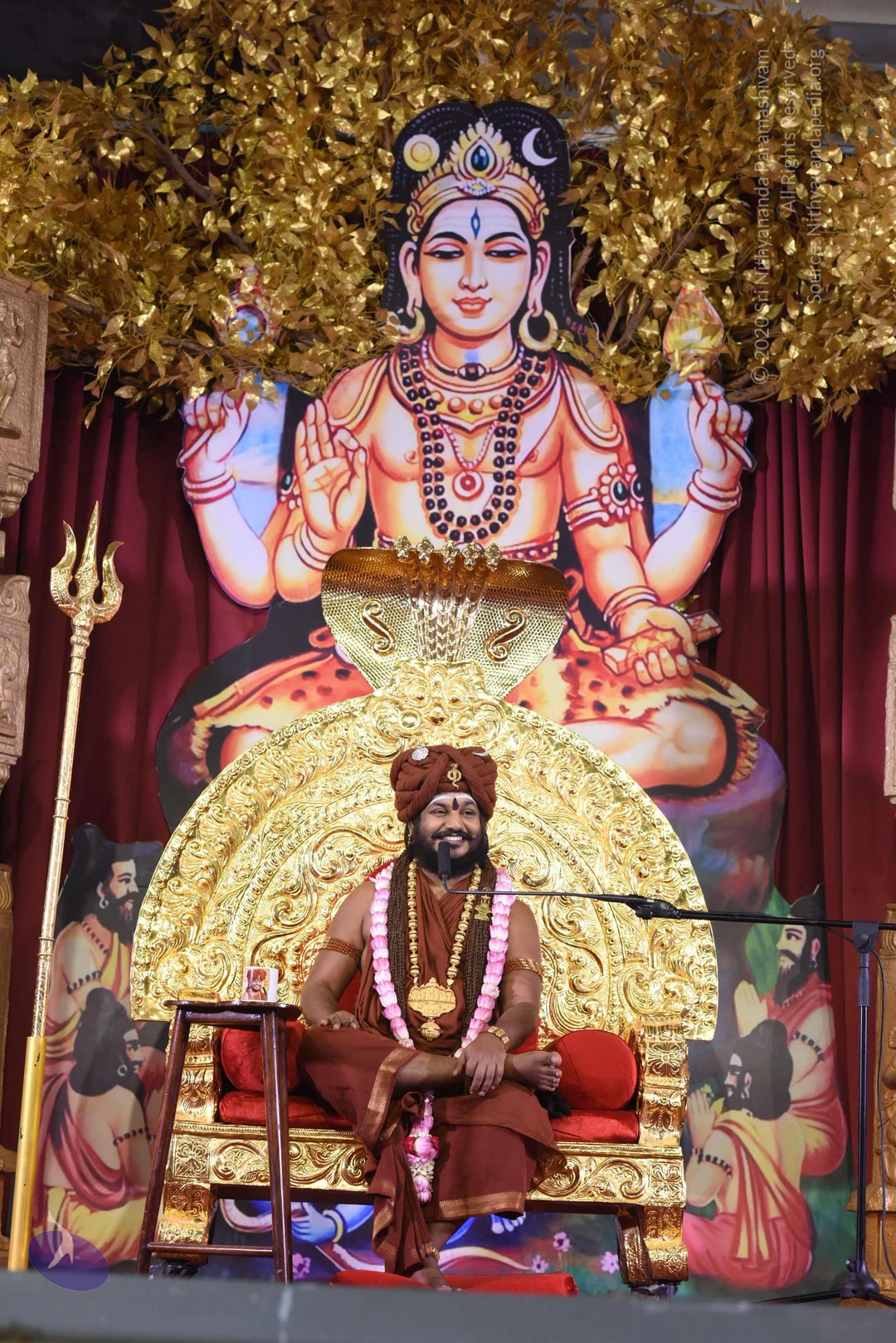
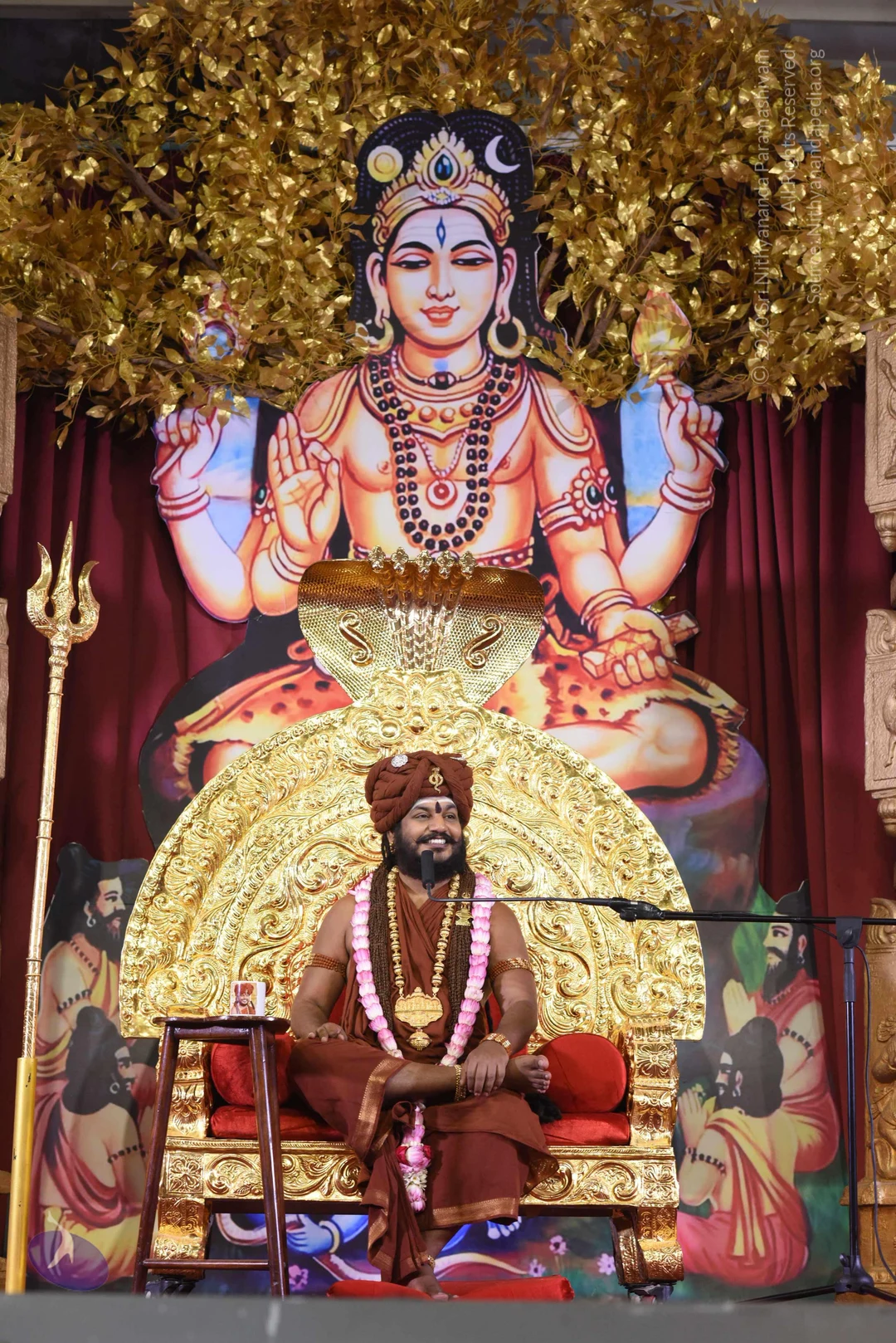
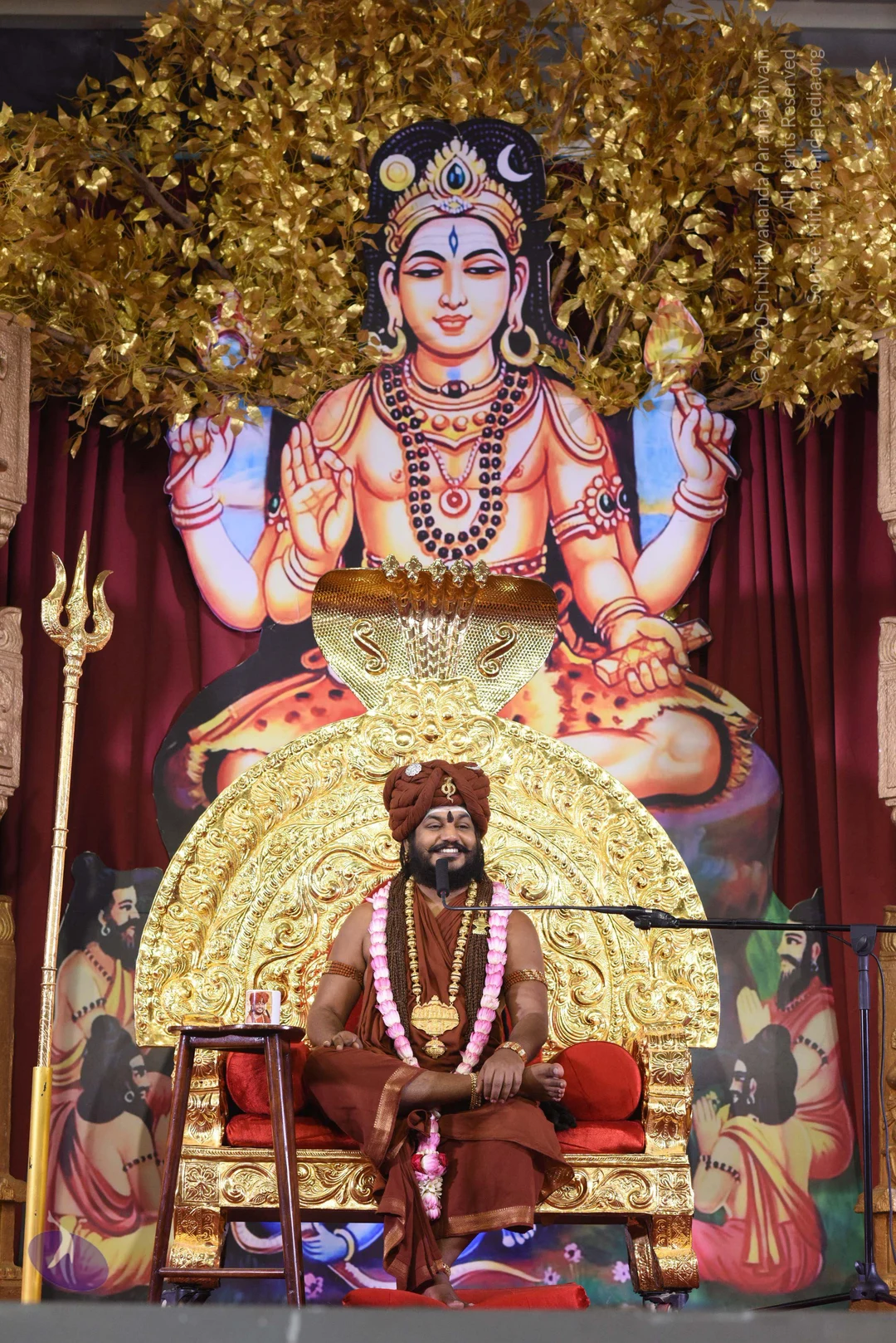
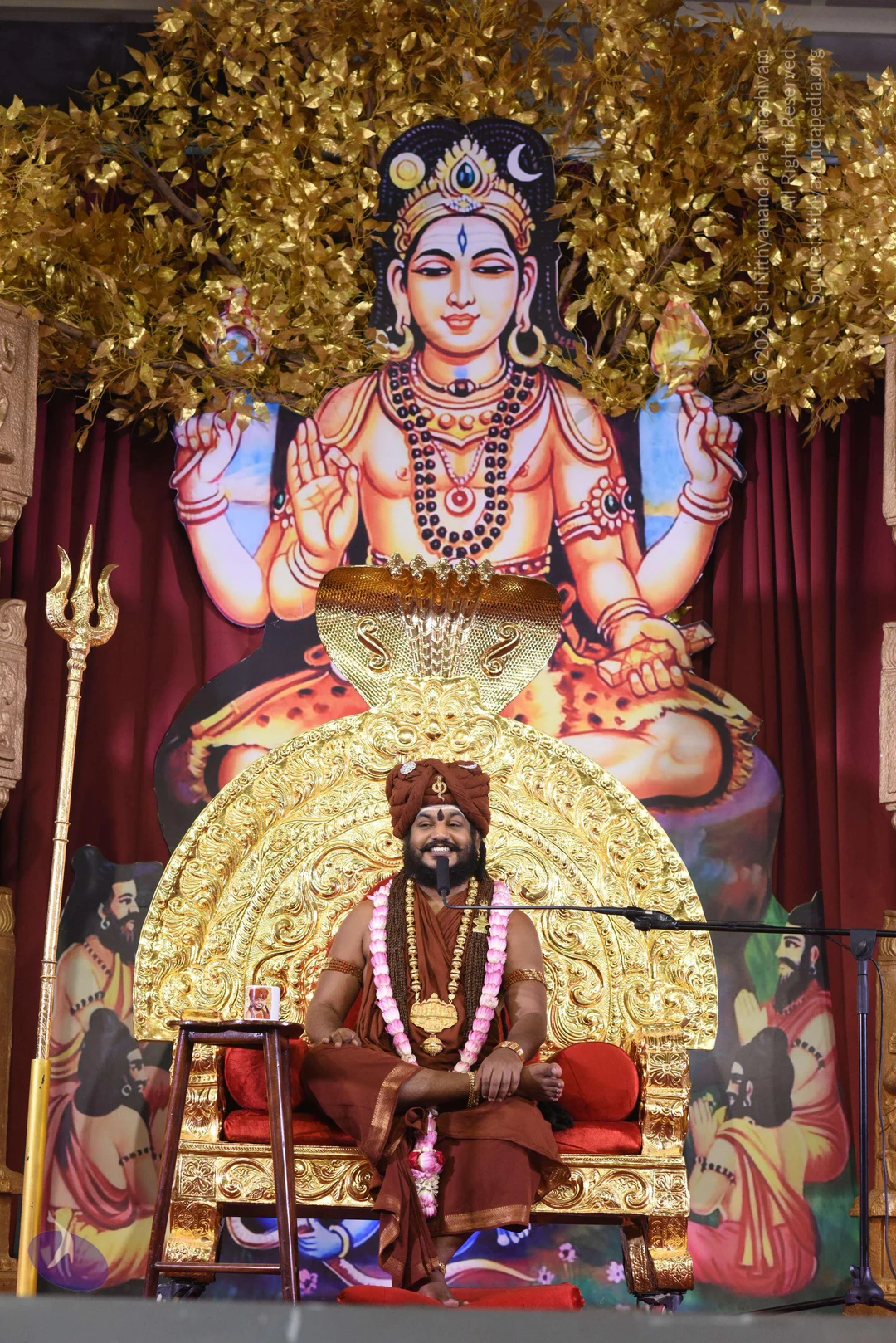
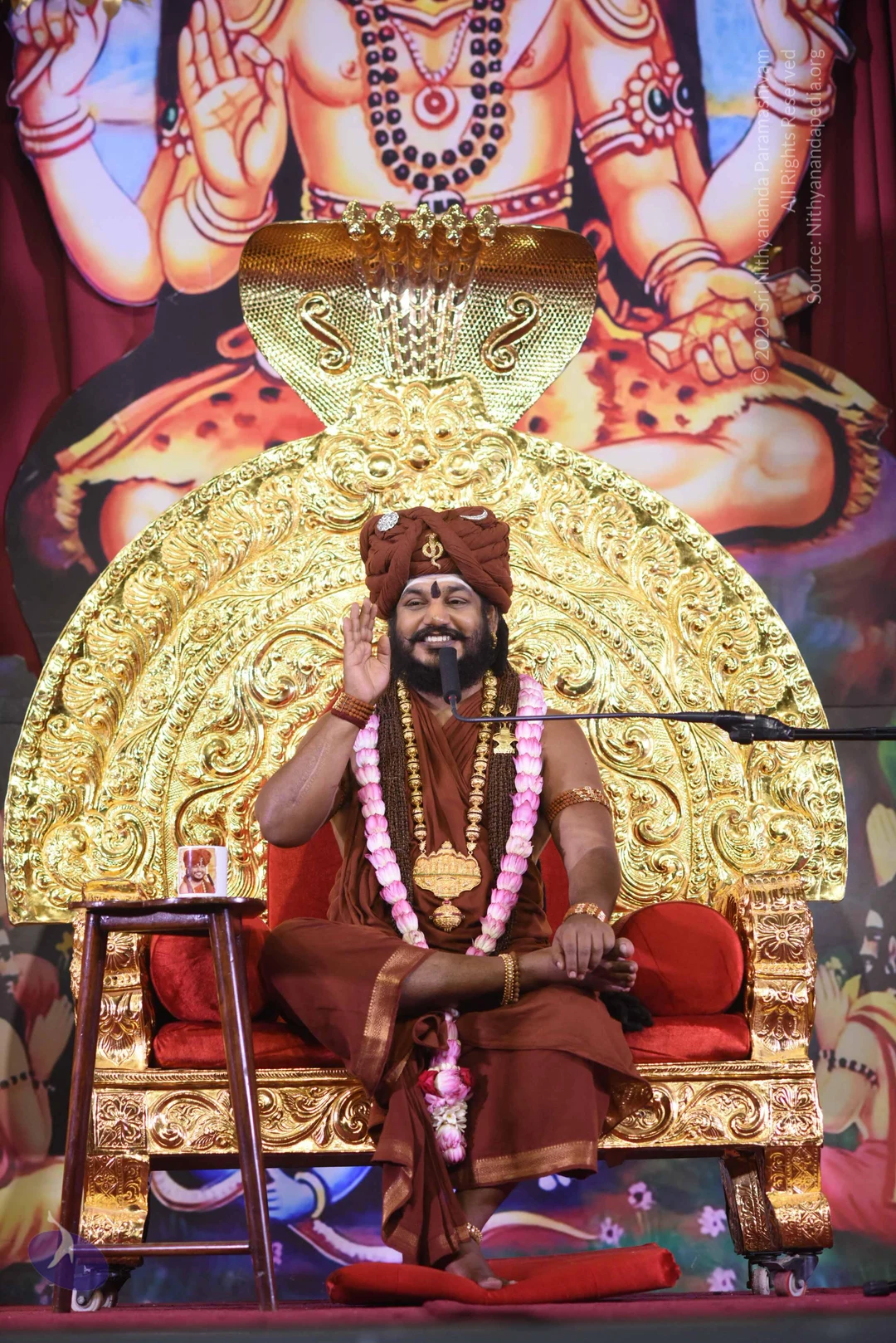
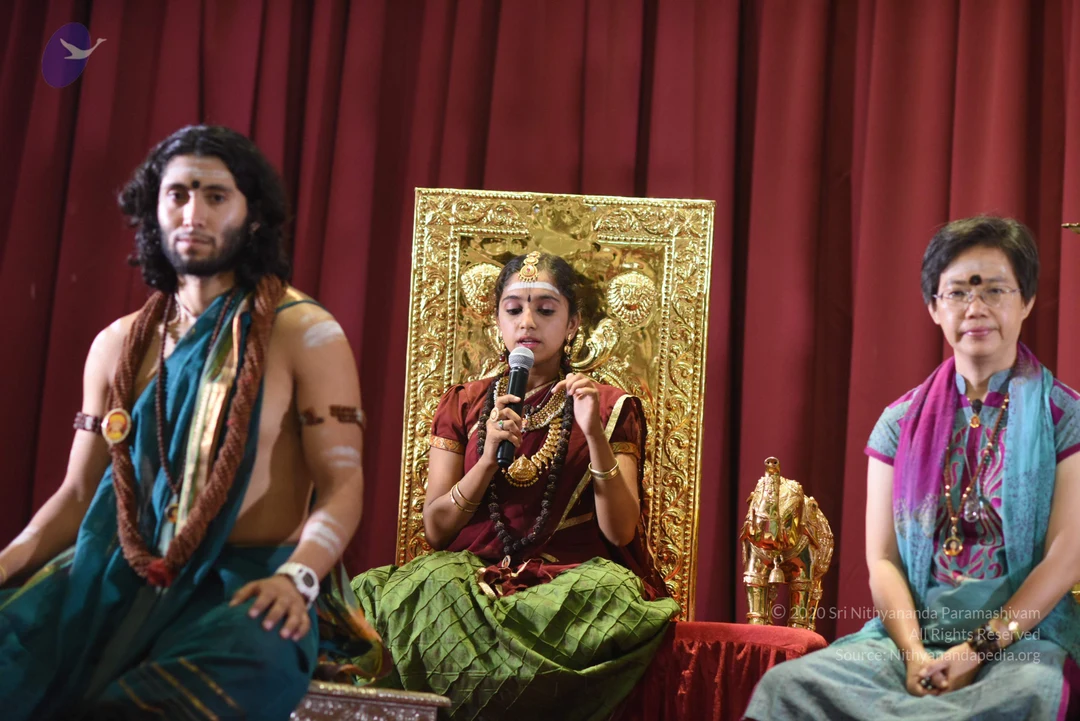
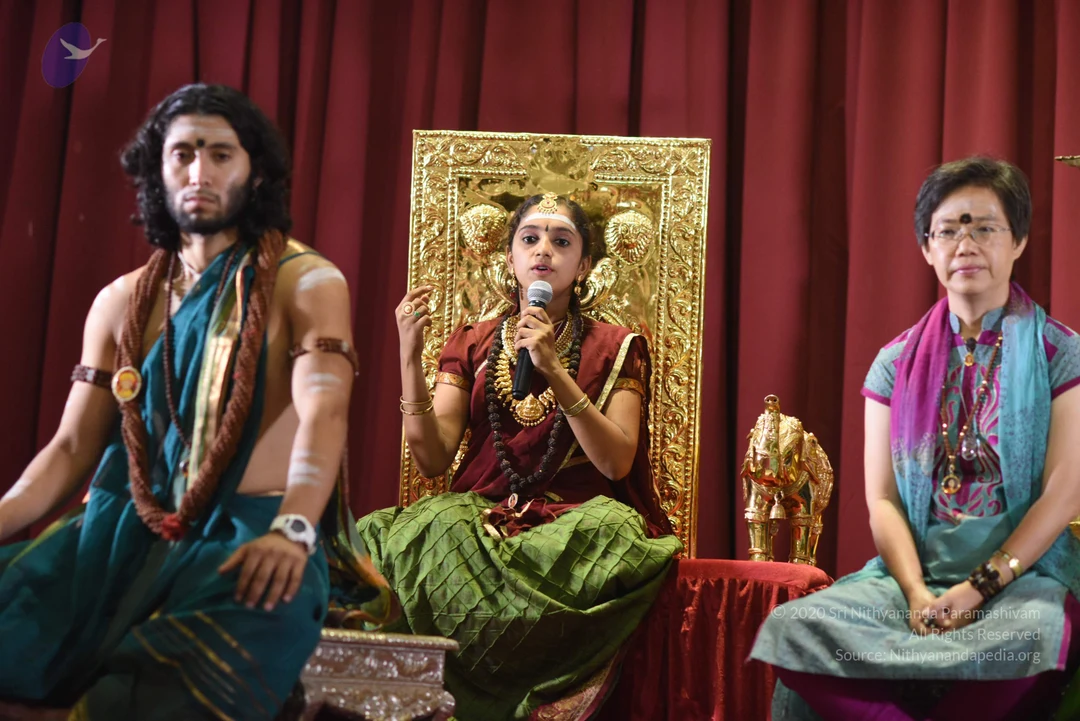
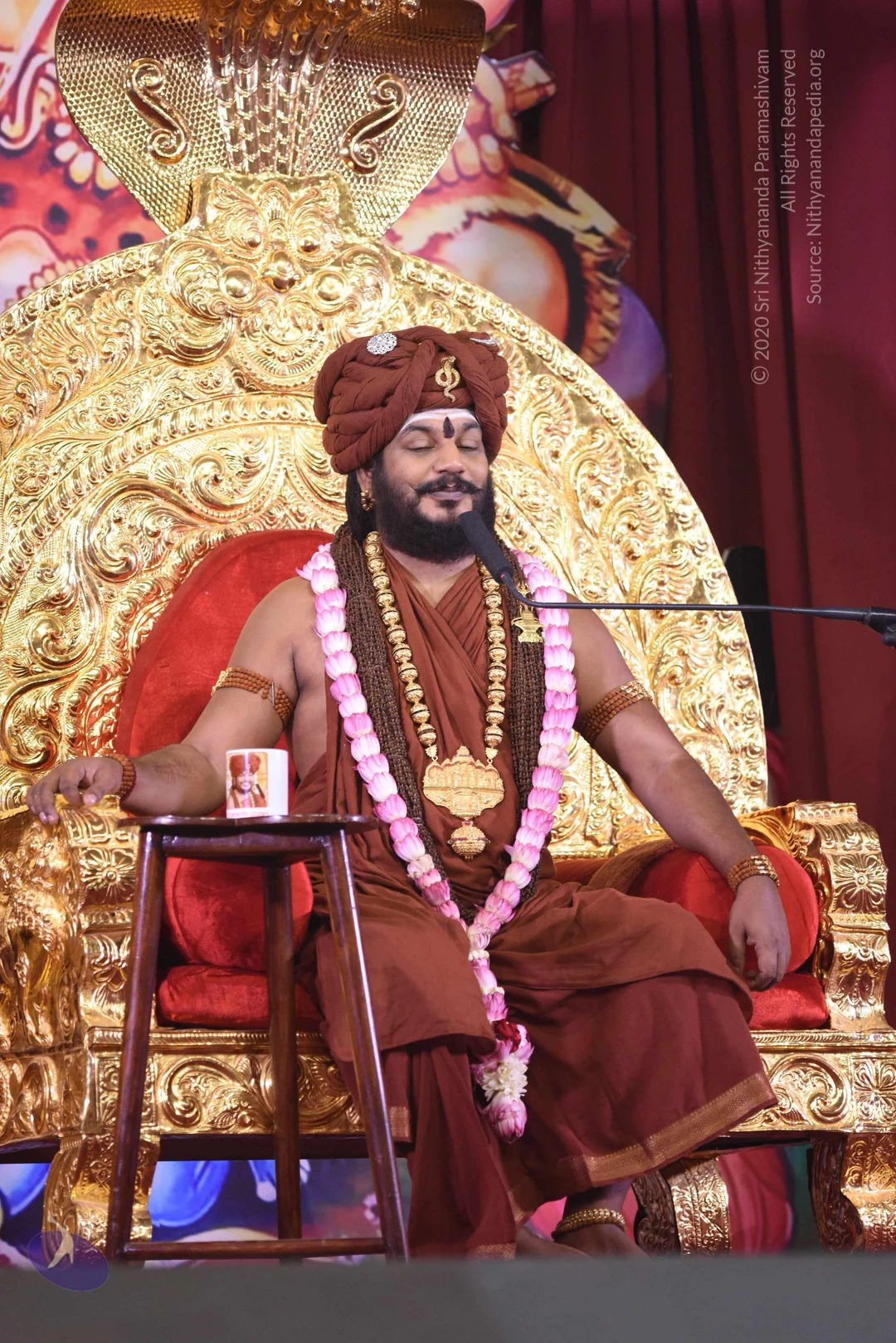
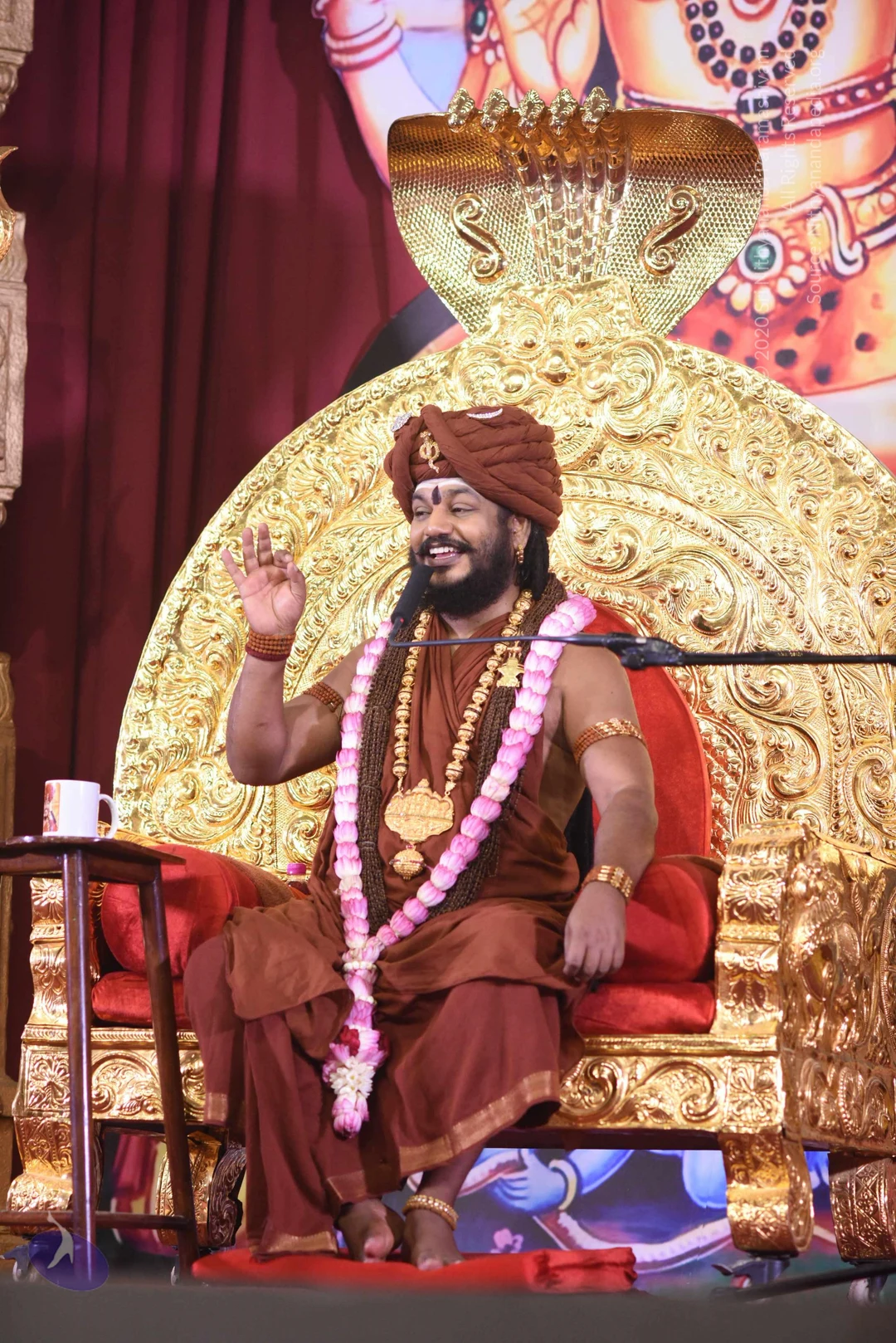
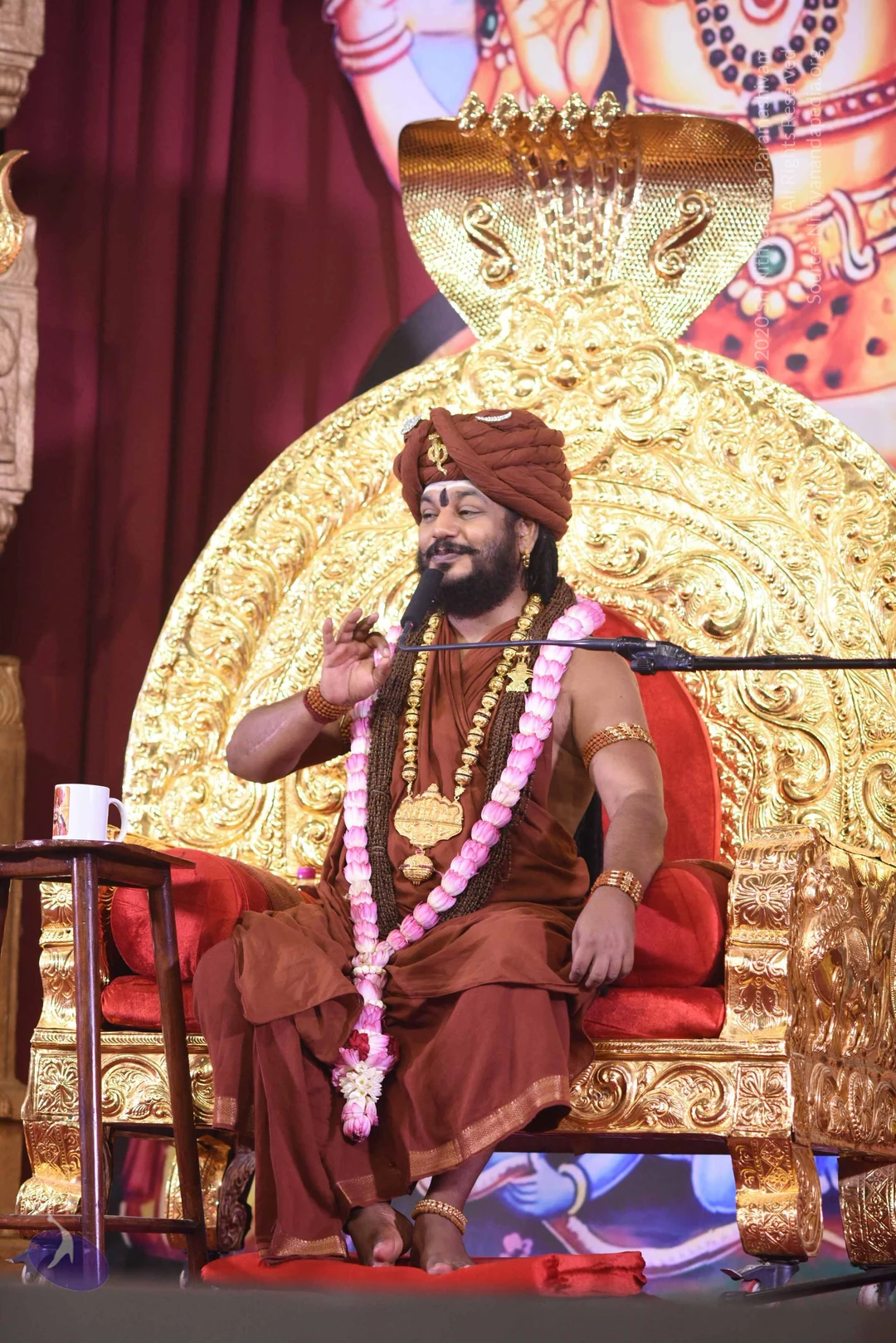
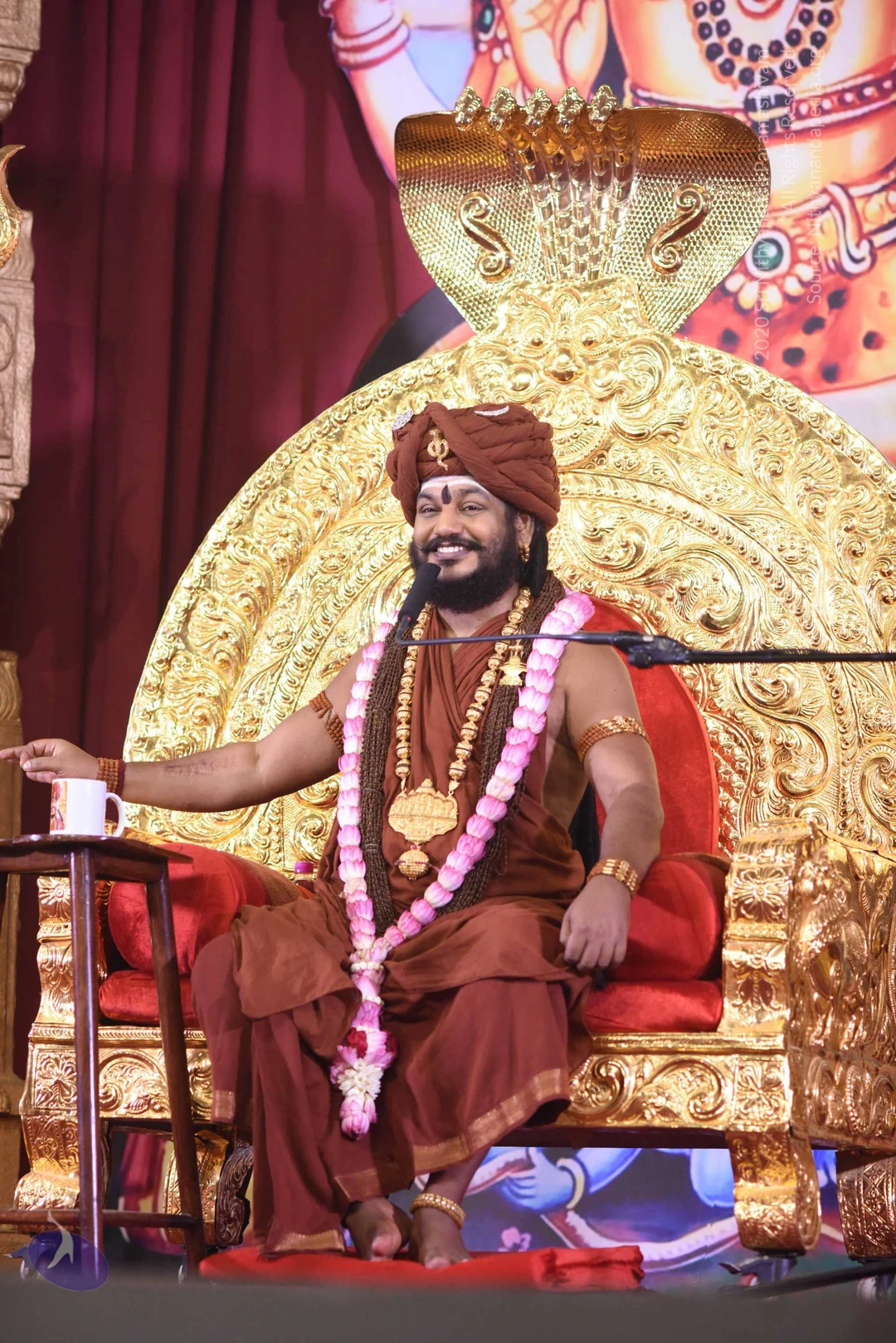
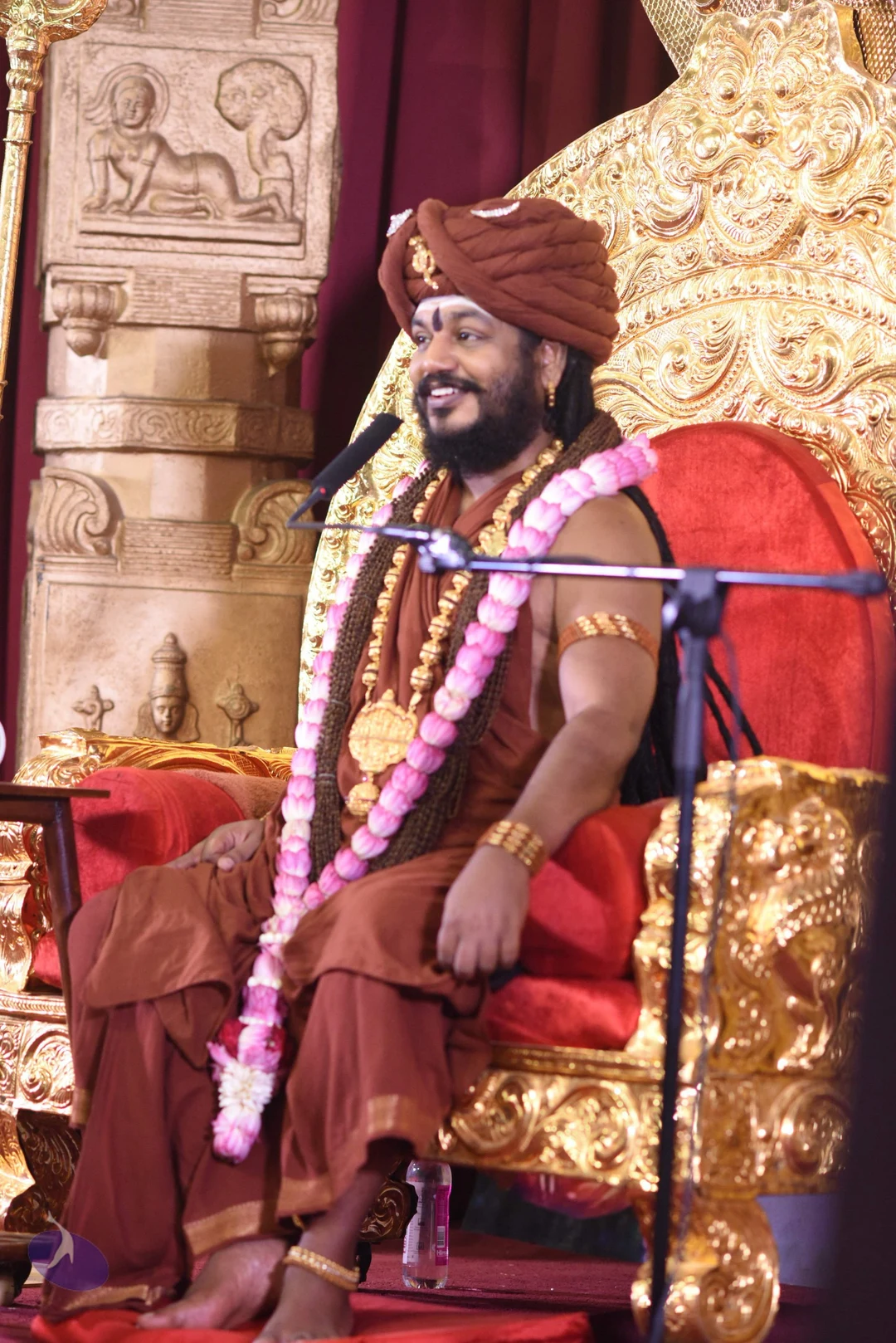
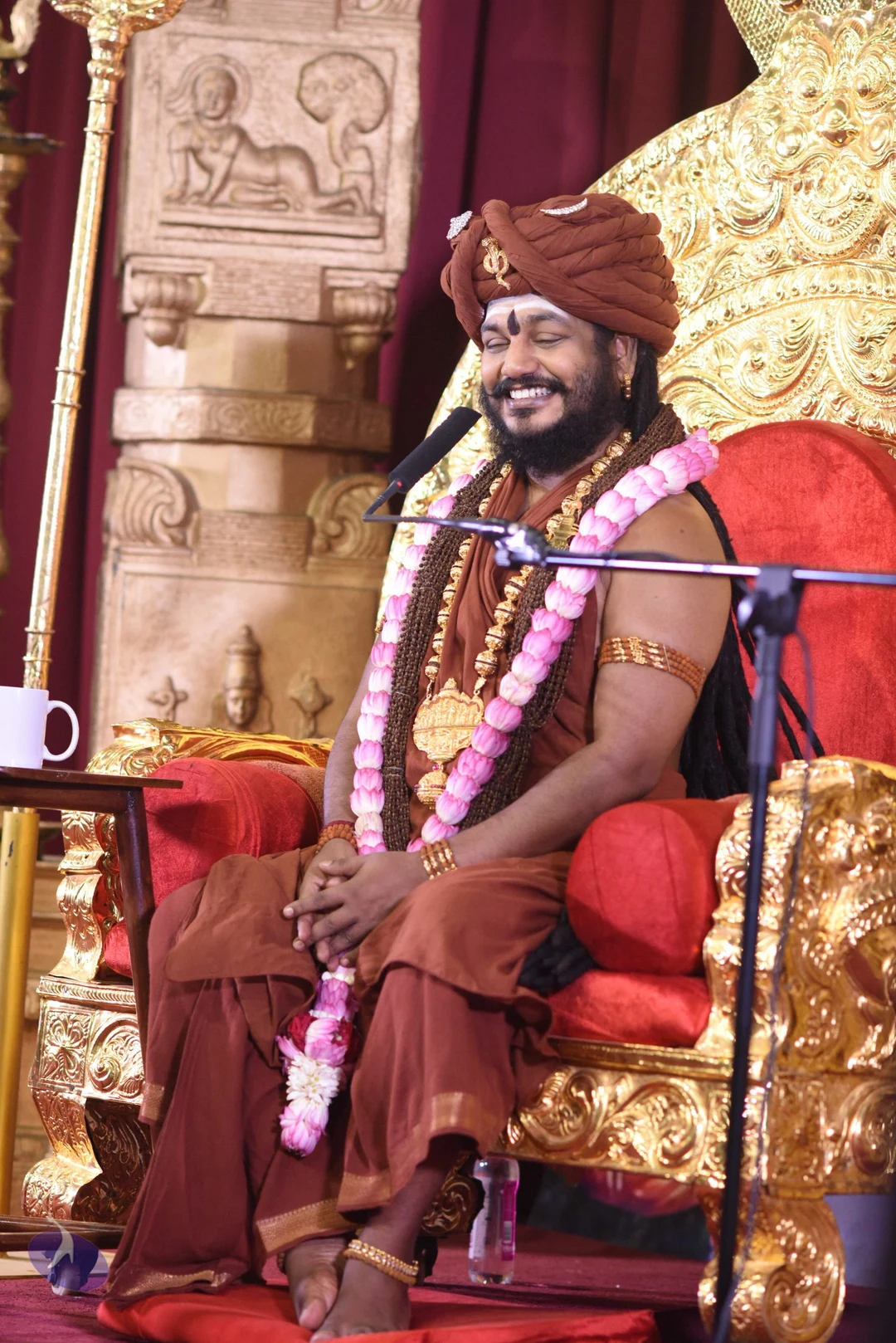
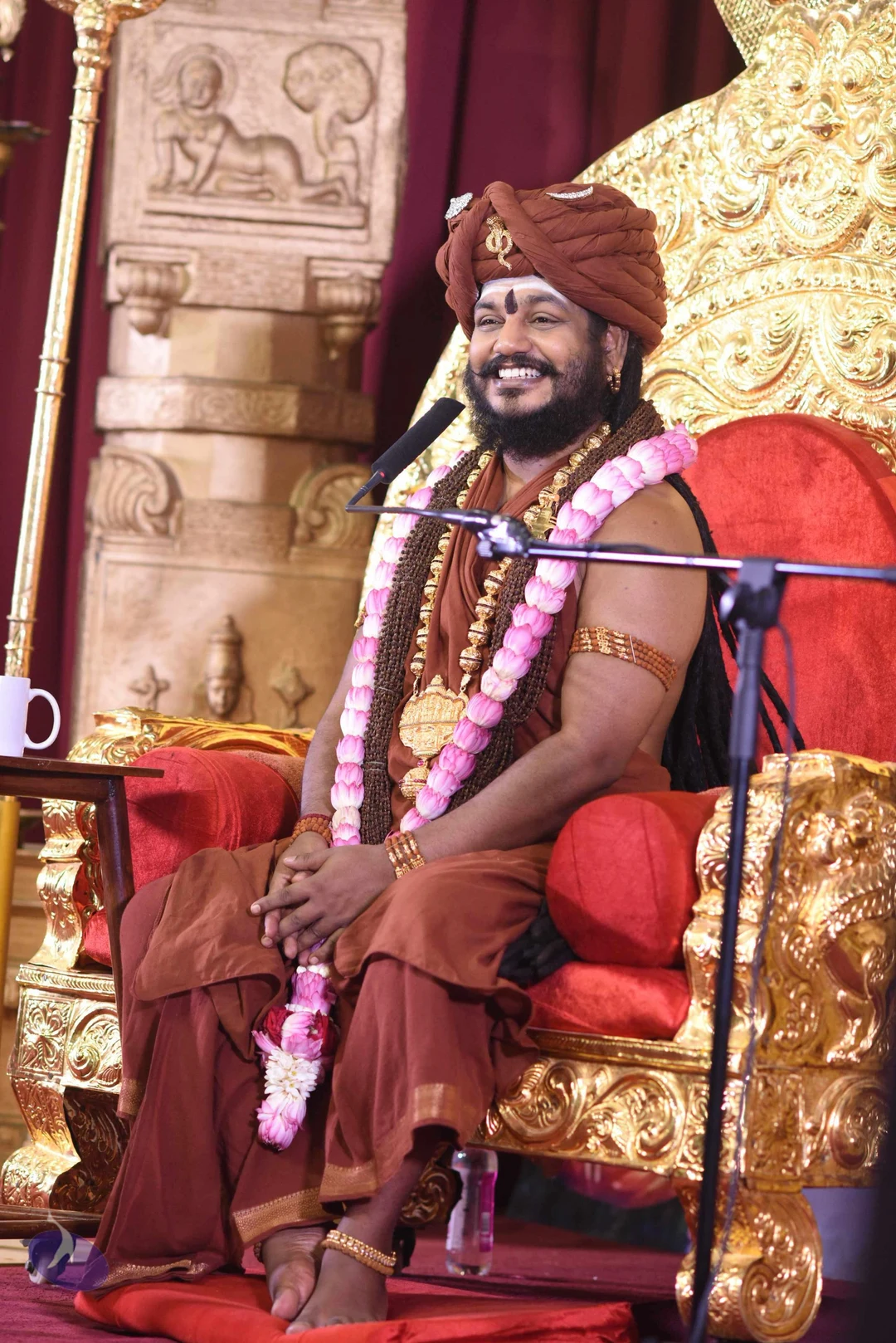
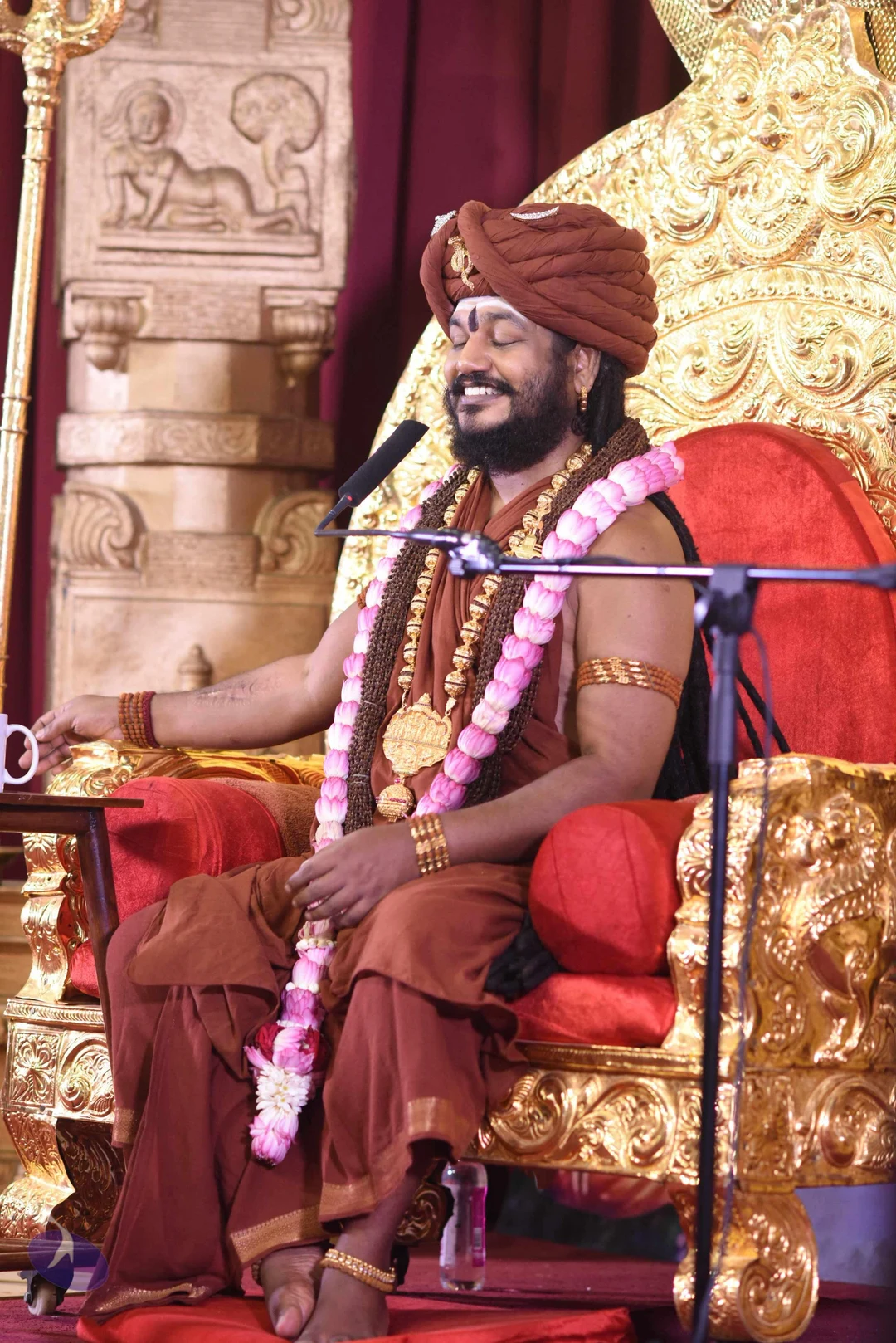
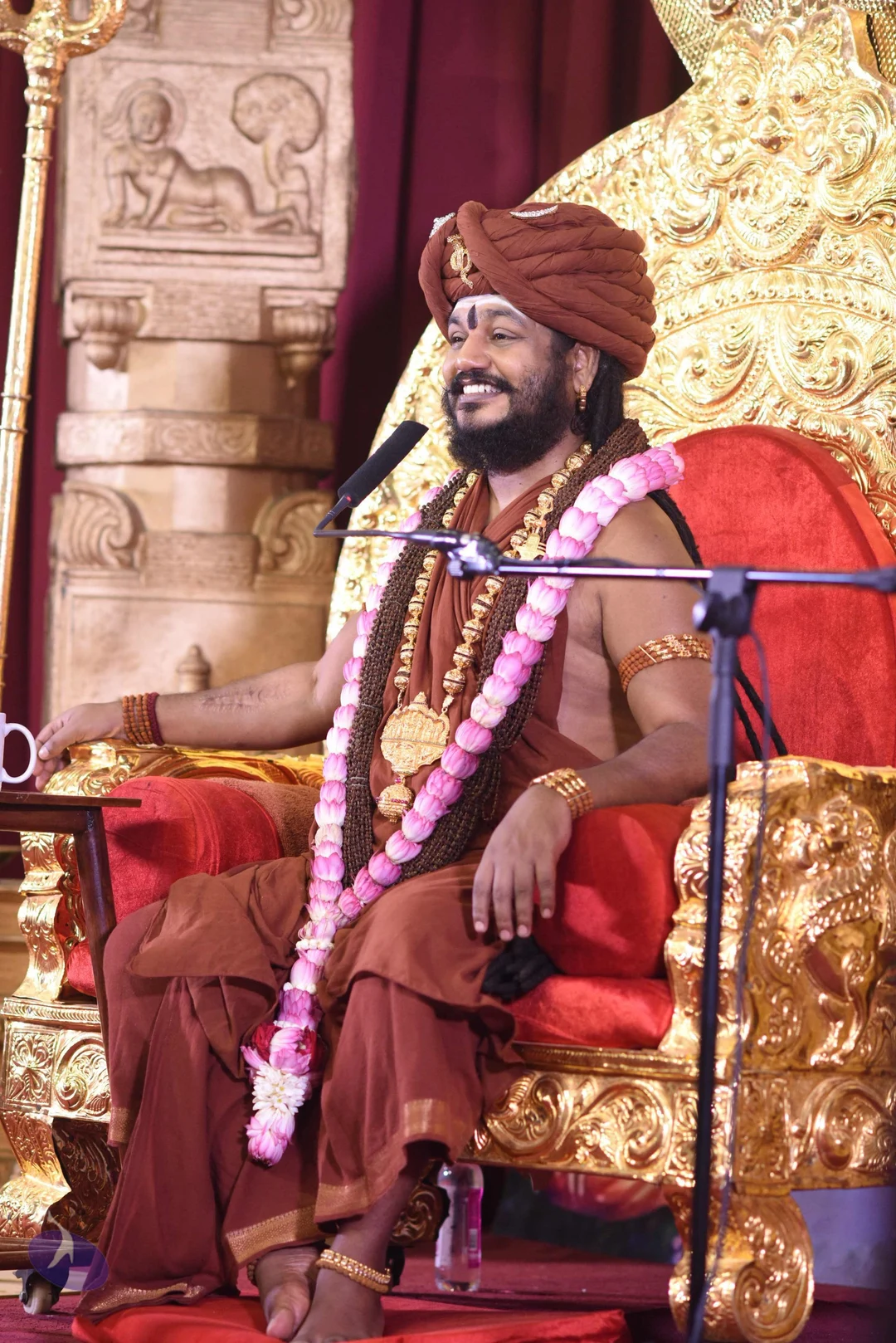
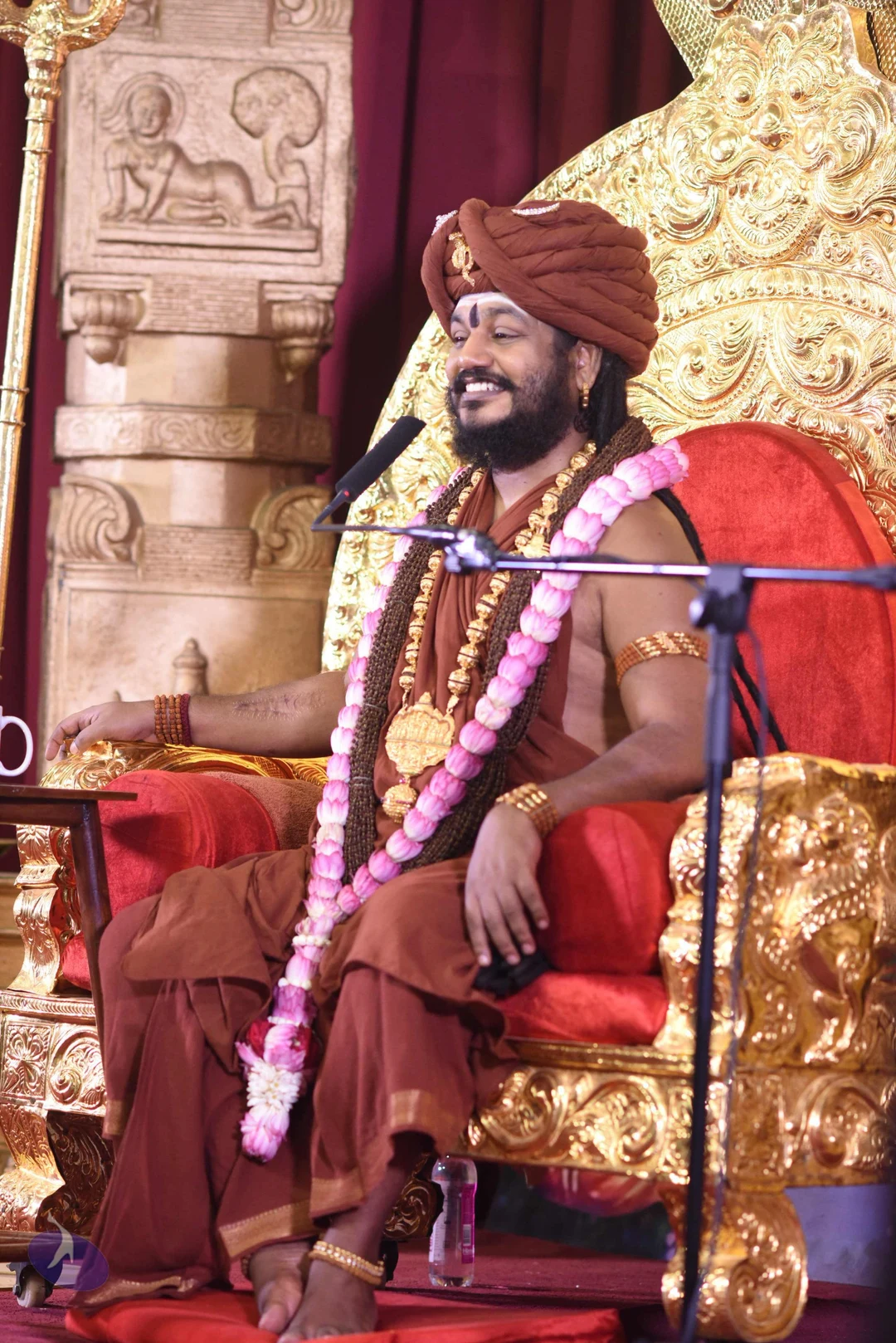
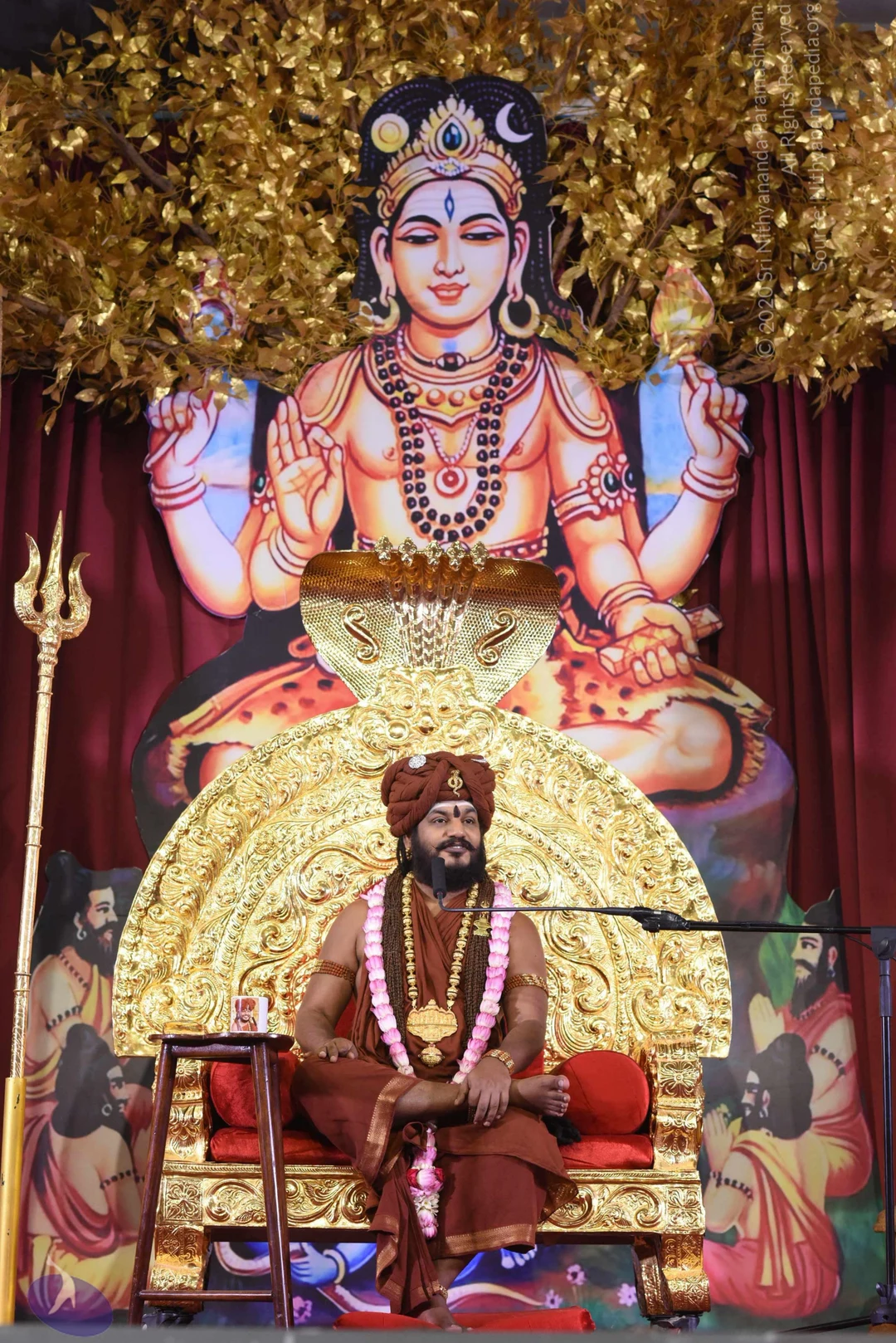
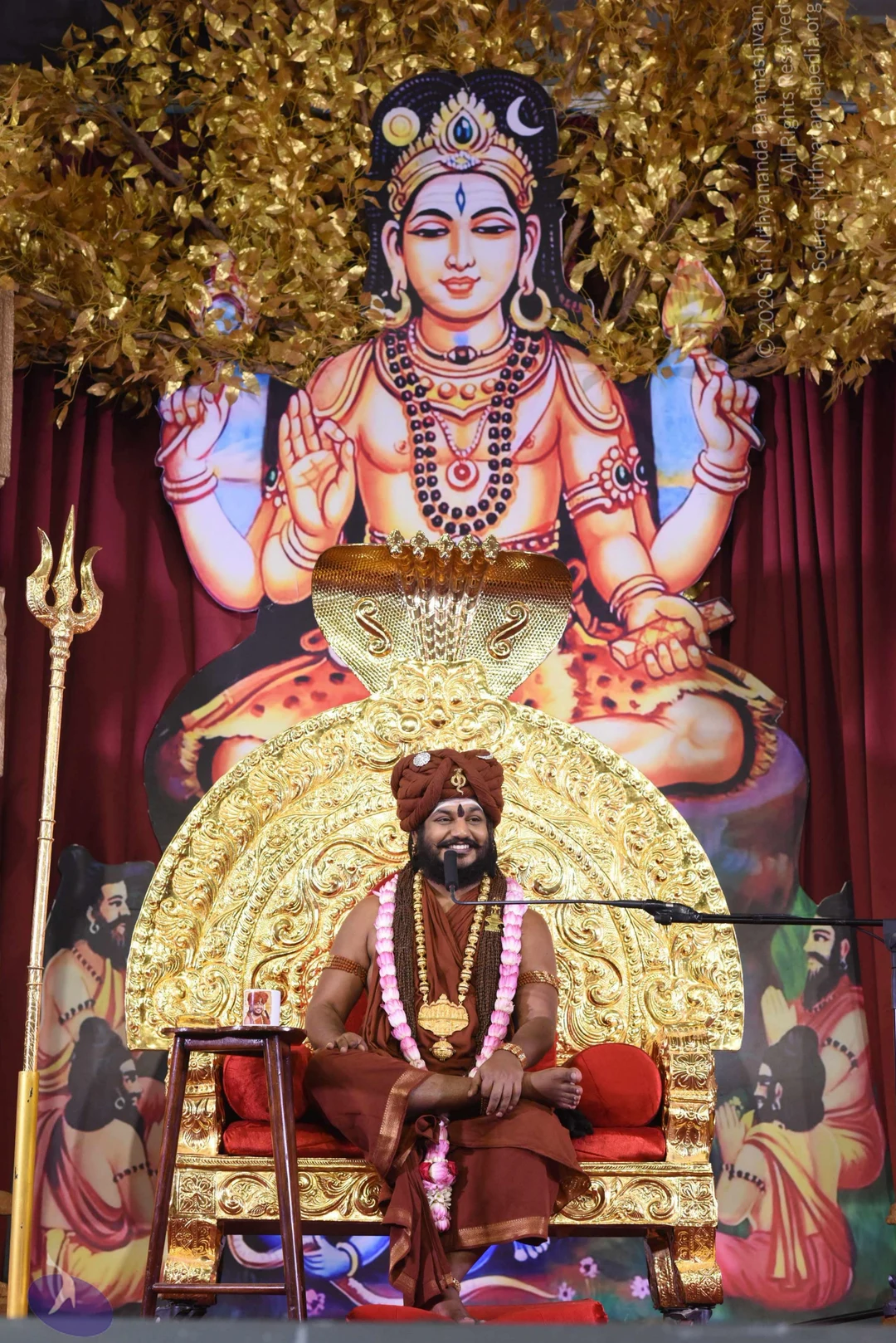
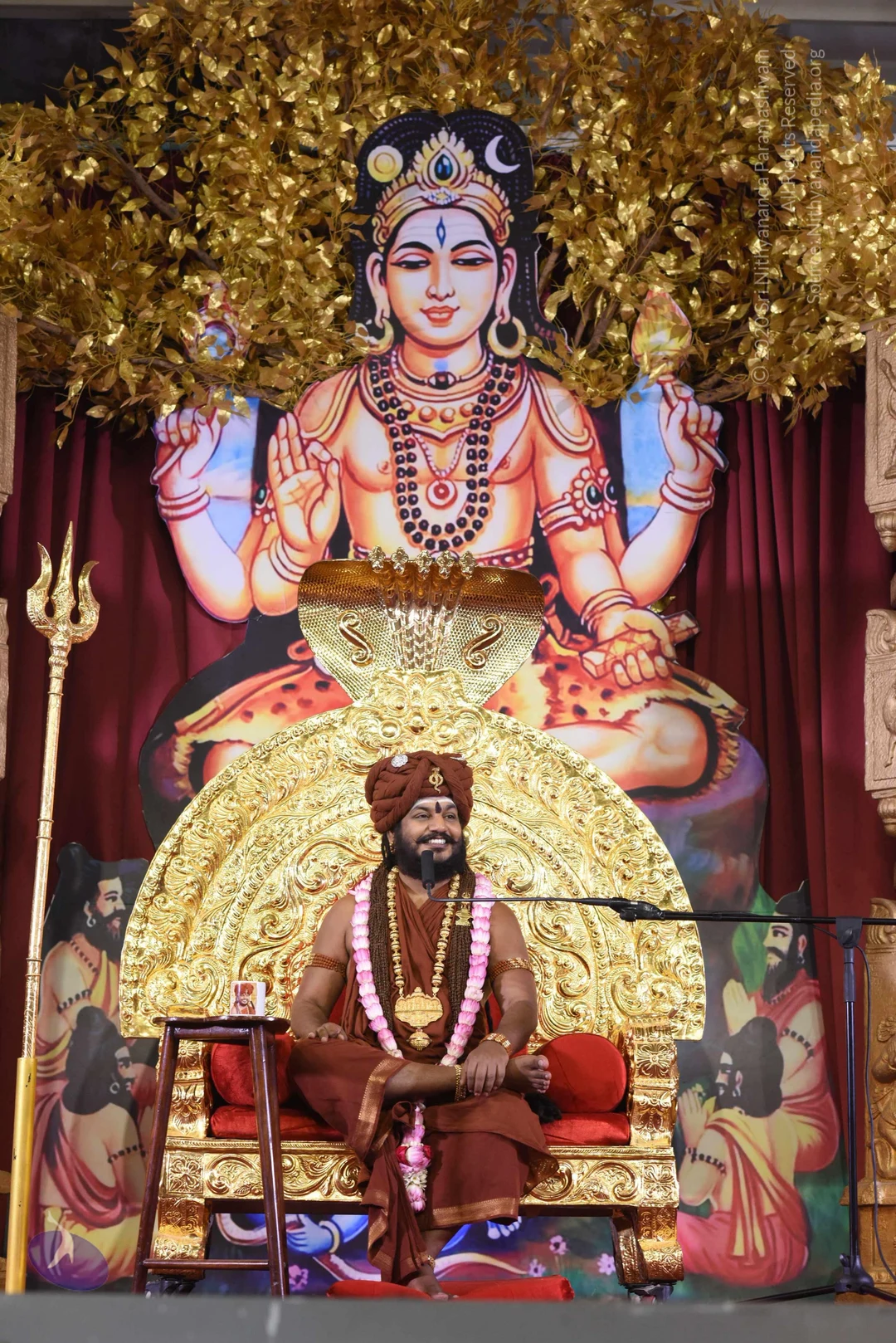
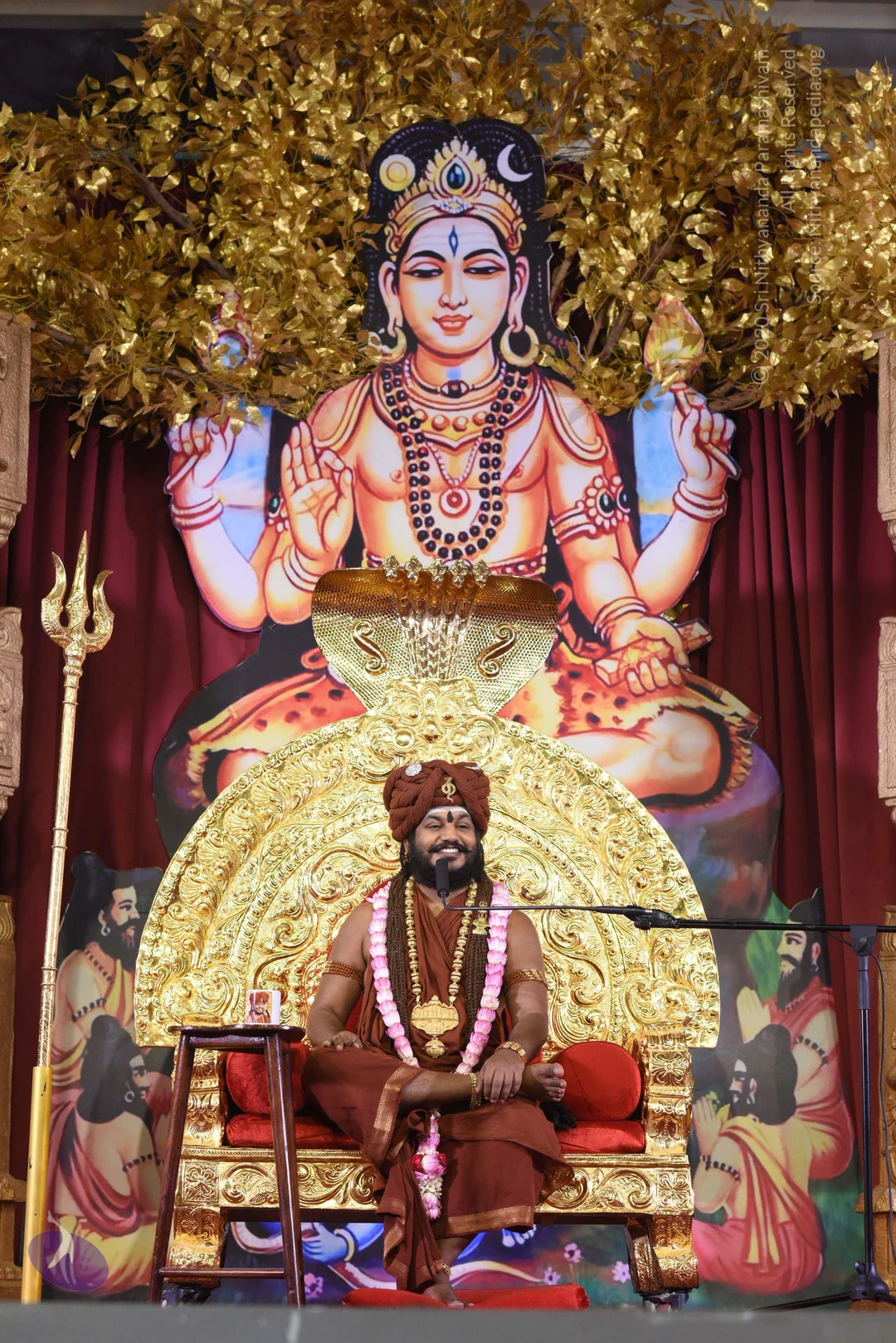
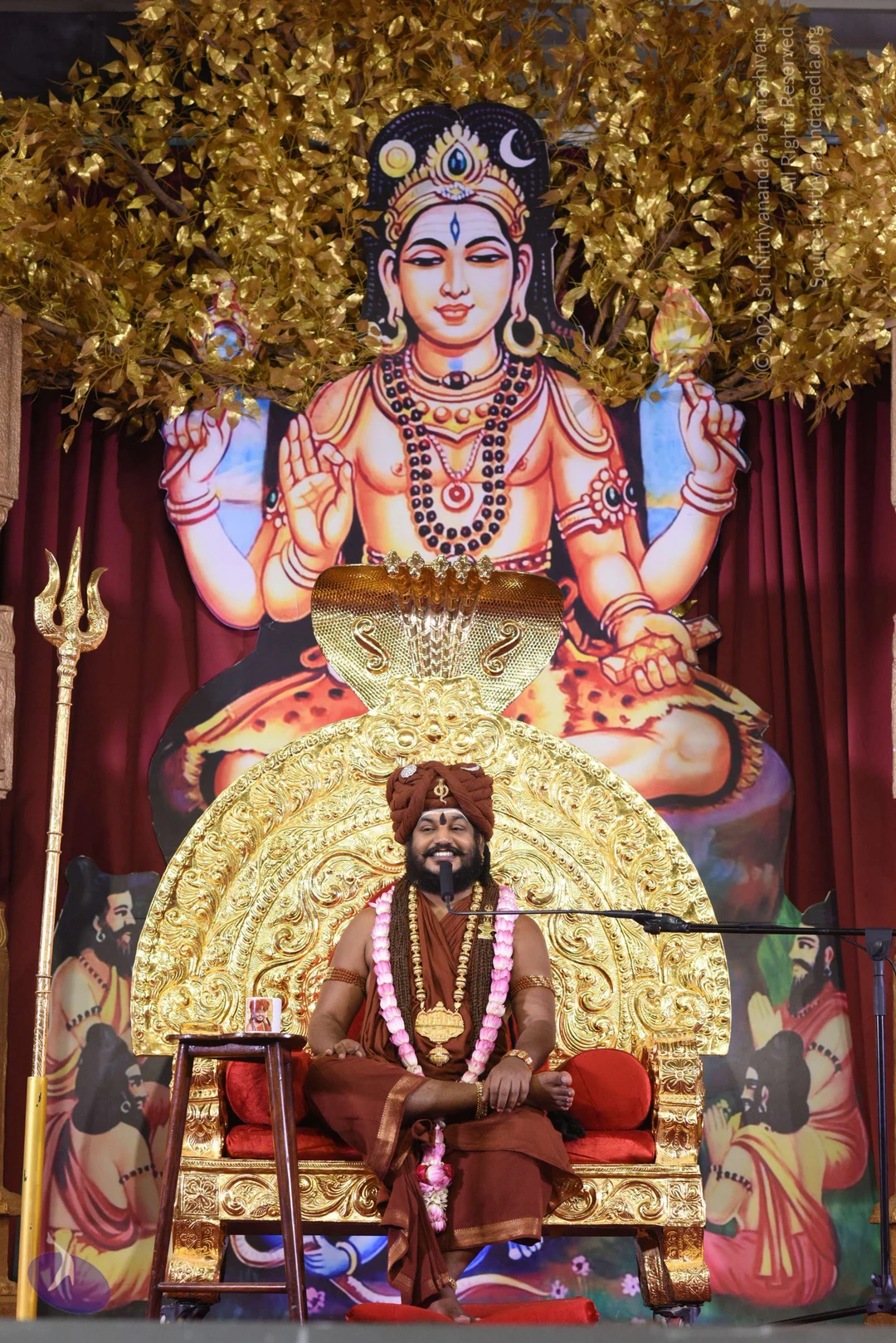
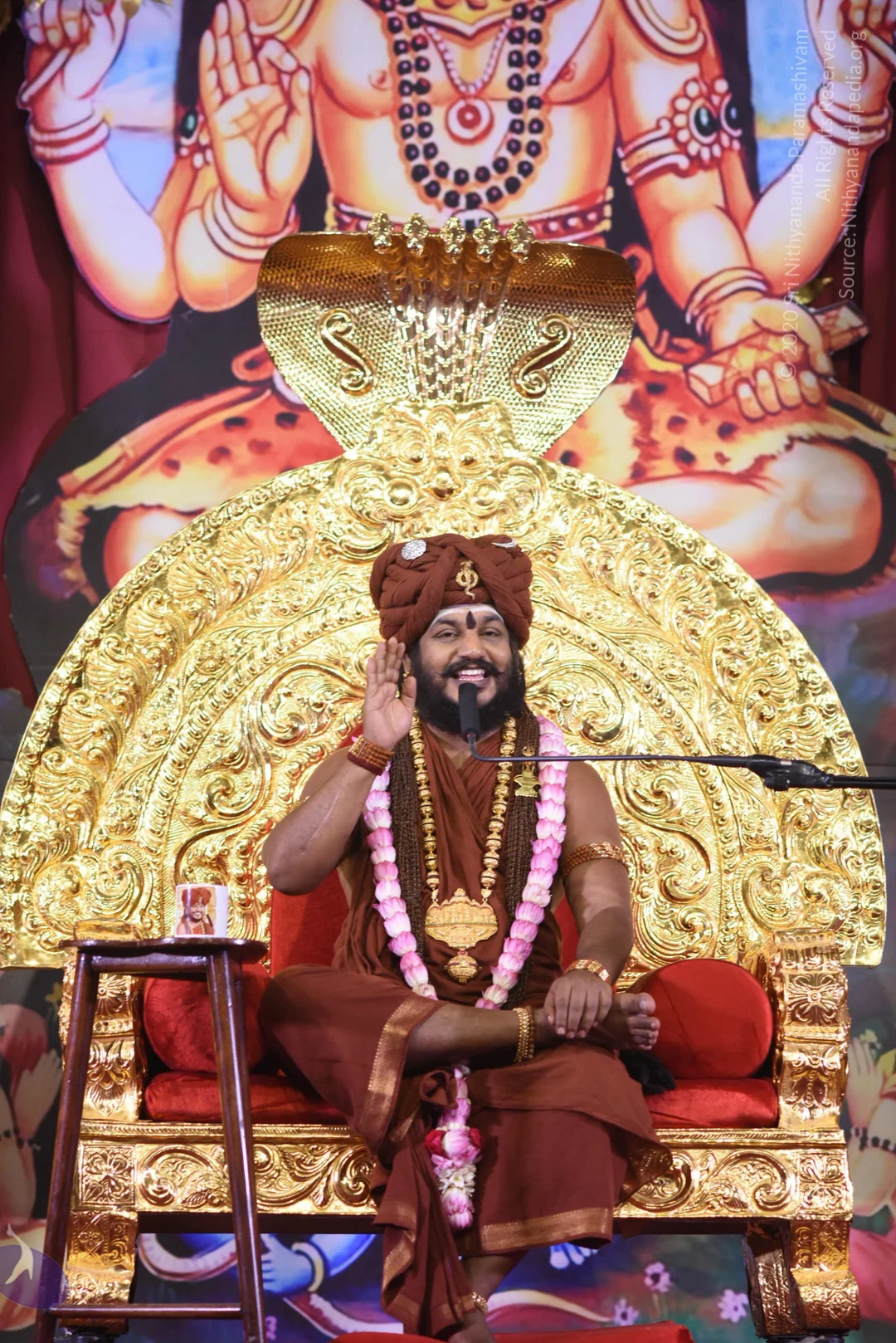
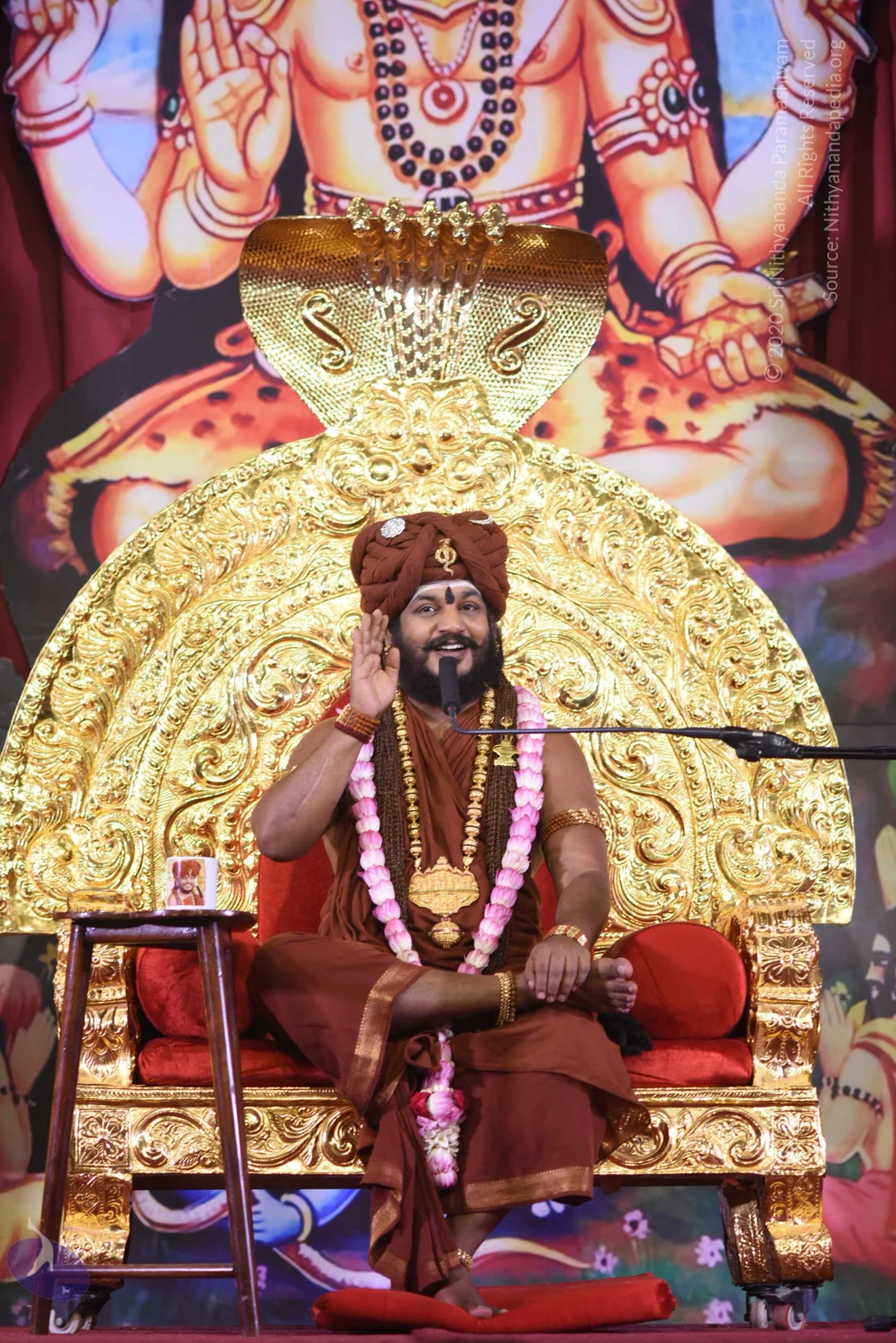
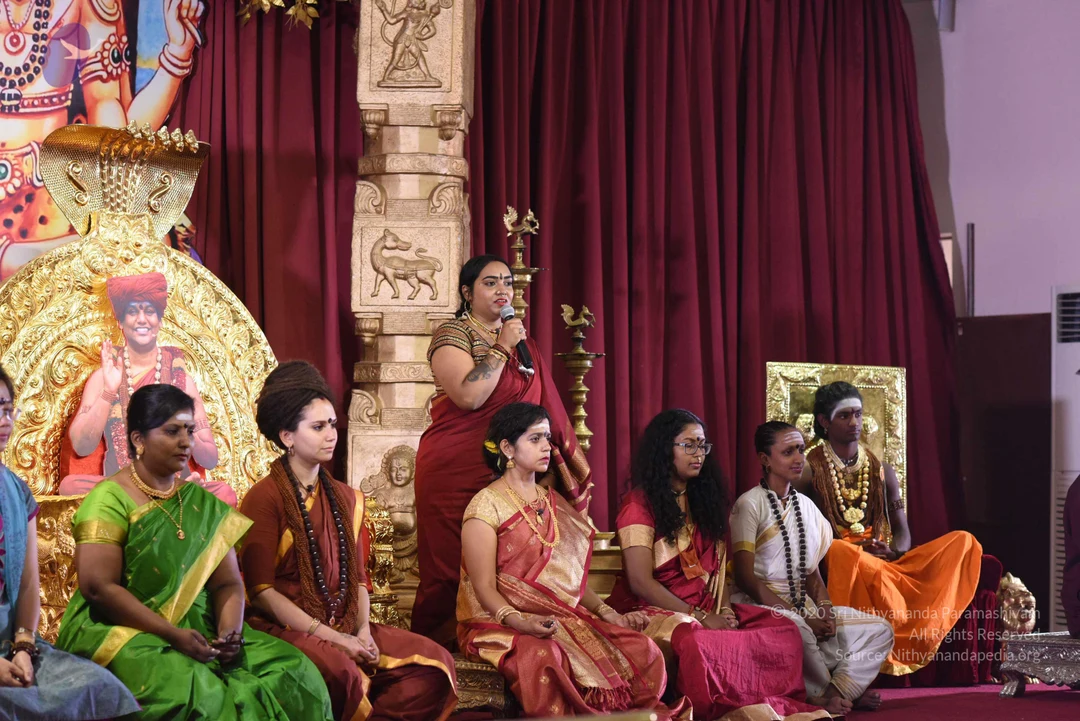
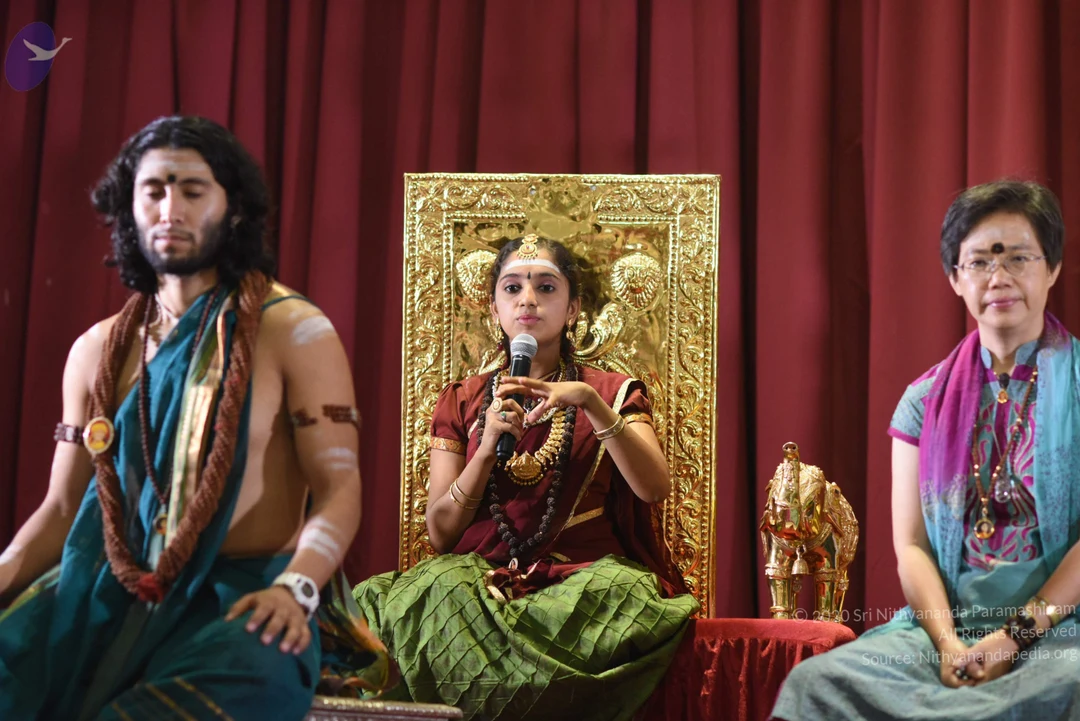
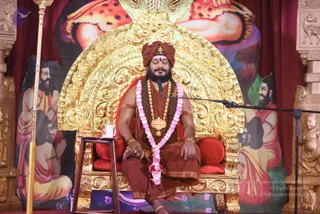
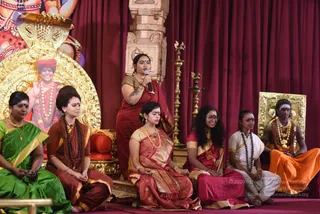
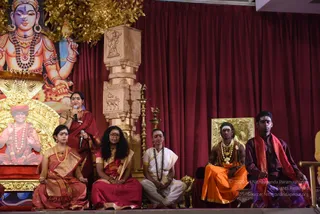
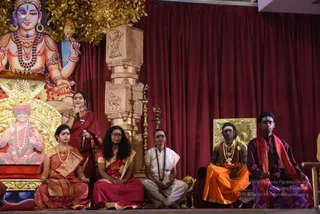
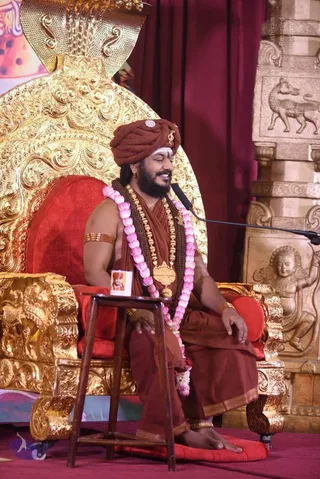
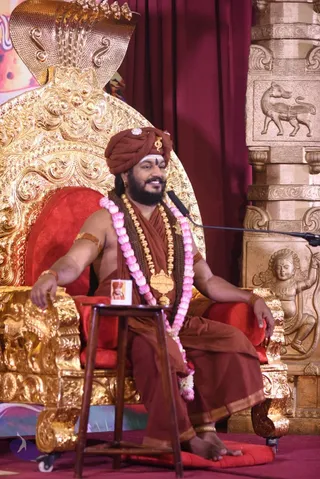
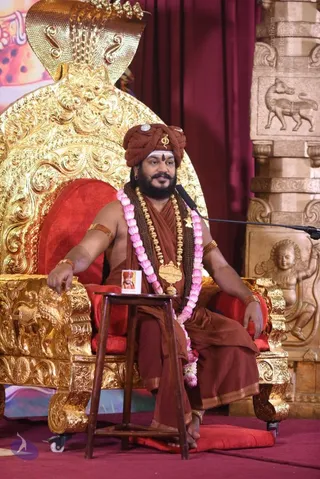
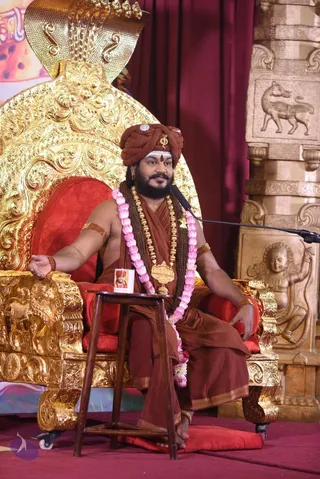
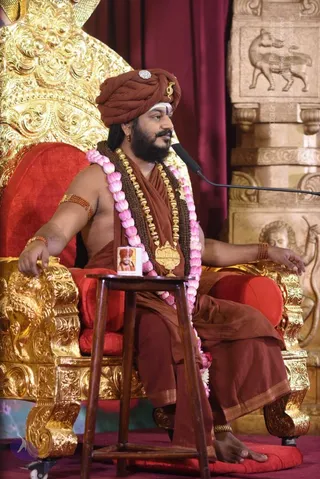
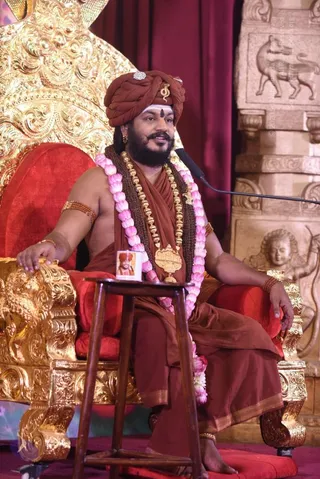
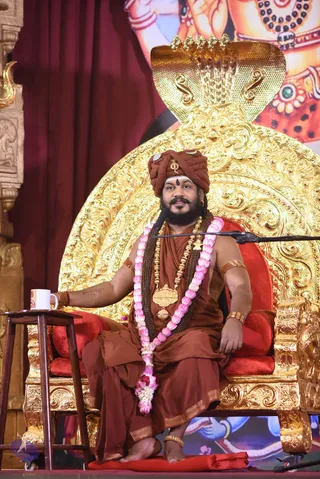
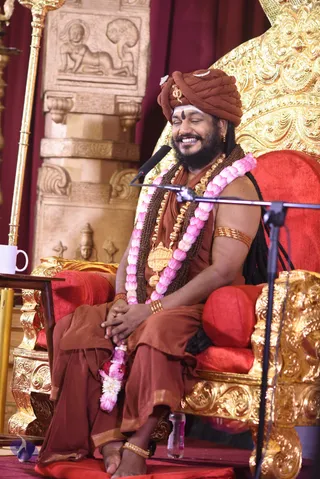
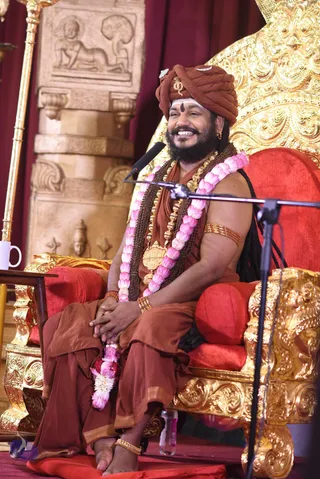
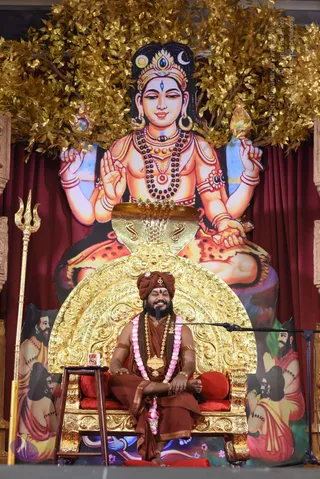
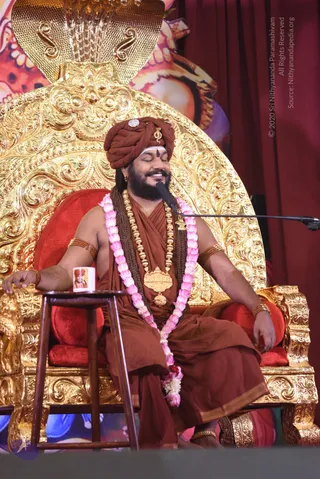
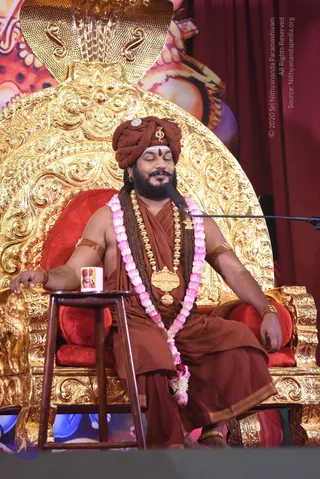
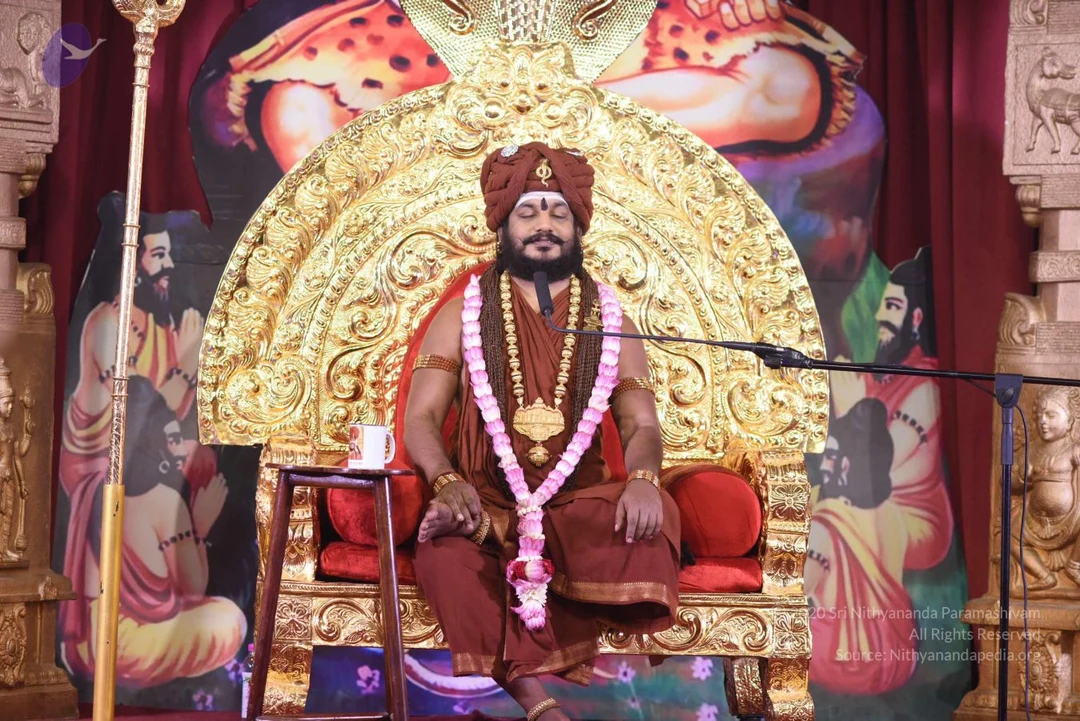
A photograph of a stage event in front of deep red curtains. In the centre, a young woman in a maroon and green sari with gold jewellery and a rudraksha mala sits on an ornate gold throne-like chair, speaking into a handheld microphone with one hand raised. To her left, a bearded man with long dark wavy hair wears a teal and green dhoti-style garment, a reddish-brown shawl and a rudraksha-style garland, seated with bare arms marked with white paint. To her right, a woman with short dark hair and glasses wears a teal and magenta sari with a magenta scarf and beaded necklaces, hands folded in her lap. A small gold animal-form armrest sits beside the throne. No swami candidate is clearly identifiable from appearance cues alone.A photograph of a shallow pond or drainage channel covered with bright green algae or duckweed. Dry tan grass and scrubby bushes line the far bank, with a low brick wall and a wire fence behind them. A tall coconut palm stands at right beside utility poles, and a few more palms rise in the background under a pale blue sky with thin clouds. Rocky brown earth and dirt banks border the water. No people, deities, rituals or a person depiction are visible.A man seated on an ornate gilded throne with a high arched back and red cushions, in front of a painted backdrop of a large mythological figure with a red-orange face and a painted scene of seated sages. He wears a rust-red turban with a small tilak-like mark, a rust-red robe, layered gold and bead necklaces including a large gold pendant, a pink and white flower garland, and gold armbands and bangles. He holds his hands on his lap with eyes closed. A microphone stands at his side, a white cup sits on a small wooden stool beside him, and a gold-tipped staff stands to the left. Swamiji (probable): the seated figure has a turban, rust-red robes, multiple rudraksha-style beaded necklaces and a gold pendant, matching the presentation cues of the page subject.

November 19 2016

Original wiki page
Contents

Title

Introduction to Sadashivoham 2016

Description:

In an amazing first session of the weekend program 'Introduction to Sadashivoham 2016' (19 Nov 2016), Paramahamsa Nithyananda surprises us all with new updates on what to expect for Sadashivoham 2016! Watch, share and like the video's and Subscribe to our channel to be notified of the next upload. click http://bit.ly/20j90wr to subscribe. Website and Social Media: http://www.nithyananda.org http://www.nithyananda.tv http://www.innerawakening.org https://twitter.com/SriNithyananda https://www.facebook.com/ParamahamsaNithyananda

Link to Video:

VideoAudio

Transcript:

(0:24)

Nithyānandeśvara samārambhām Nithyānandeśvari madhyamām | Asmadāchārya paryantām Vande Guru paramparām ||

I welcome all of you with My love and respects. I welcome all the Devotees, Disciples, Samajis, Satsanghis, Sri Mahants, Mahants, Thanedars, Kotharis, Sarvajnapeetha Yajamans, Visitors, Viewers, everyone sitting with us all over the world through Nithyananda TV and Two Way Video Conferencing. The cities sitting with us….it’s a long list, so I welcome all of you with My love and respects.

(1:48)

Introducing Sadashivoham is introducing Sadāshiva Himself. His words, teachings, understandings, logical conclusions, grand strategies for your existence. All this make your logical dimension, the length of you to manifest Sadashivatva. Understand. You have 3 dimensions - length, breadth, depth. Length is your logic, intellect. Breadth is your visualization, heart, love, poetry. Depth is your Being, manifesting powers. Understand. Sadashiva’s words, His teachings, His grand strategies for your existence, when He says, “Practice Completion,” it is not only His teaching, His grand strategies for your existence. He Himself is strategizing for your existence. All this will make your logic manifest Sadashivatva. Breadth, the visualization dimension, when you manifest powers, the new idea you develop about you, the new identity you develop about you, breaking all this small, old identity, the new Being you develop about you, that makes your breadth dimension manifest Sadashivatva.

(4:44)

Initiation and spiritual alchemy products, which makes your body and mind retain Initiation, they make your depth manifest Sadashivatva, your cognition manifest Sadāshivatva. Listen. Listen carefully. Sadashivoham is making you manifest Sadāshiva Himself, your highest possibility through you. Understand. Do not allow any Maya Matrix any reason. Your logic makes you believe that you can’t be here for Sadāshivoham and I tell you...a small story. King...a king built a huge fort. He did not have a child, so he wanted a successor, a Yuvaraja. So he declared to the whole country, “Whoever opens the door of the fort, with a bare hands, will be his Yuvaraja.” Fort, door, bare hands! Not even one fellow in the country, even thought of coming, so it went on and on, almost for 20 days, nobody turned. One fine morning, one young man comes and challenges the king, “I’ll open it.” The whole country laughs at him. But king says, “Try.” He builds his body, plans all the effort, energy, as if this is the last moment he is going to live. He just makes himself to his peak, from distant runs as fast as he can. The moment he goes and hits the door, suddenly door opens. Never anybody imagined including this guy. Even he was shocked. What kind of a fort it is? “With bare hands, I opened it.” He looks at the king. King says beautifully, “I closed but did not lock.” This is exactly the word I am giving for you guys.

(8:25)

I….because a Yuvaraja needs initiative, initial enthusiasm as his bio-memory. That basic test, I have to do. To do the basic test, I closed the door but never lock it. I close the door but never lock it. If you are tired, decision fatigue, you are the one who are laughing among the countrymen, without trying. Understand. It is time now. Run and hit the door, I promise I have not locked it. I have not locked it. Yes I do close it but I don’t lock it. I do need to know whether you are really interested or not. I don’t want you come and tell here, “Just casually I thought, oh I came here.” No! Before coming here, I want your logic, your whatever, whatever energies you have, everything is convinced, you need it and everything wants it. Whichever part of you wants it, only for those parts I can give it. If your body wants it, I can give it to your body. If your logic wants it, I can give it to your logic. If your breadth wants it, I can give it to your breadth. If your depth wants it, I can give it to your depth. Only whichever part of you wants it, I can give it to that part. Understand. That is why Devi, Kundalini is described as a Devi, female energy. Only if you want it, you can have. I have closed the door but I have not locked it. Last time, I did not tell the truth, now I at least told it.

(11:17)

I have closed it. I have not locked it. So understand. It is time for you to push the door, nothing else. If the door is completely opened, you don’t have the curiosity to go in and see. You never feel like going in and seeing. You feel, “Oh it is going to be open forever,” and you take it for granted. Your whole life, you never enter and see. I have seen people, “Every month Pournami, Girivalam is there, going around the hill of Arunachala Temple. We’ll go some month,” and finally they die without even going for 1 month. I have seen this happening. Same way, if you take it for granted, you may miss it. Introducing Sadāshiva Himself, how can I introduce Sadāshiva Himself? I can only introduce few things we are going to do to manifest Sadashivatva.

One, there will be a powerful elaborate experiential session on 25 states of Consciousness. We will be working almost 1 full day experientially, going through all the 25 states of Consciousness.

Second, there will be one powerful, one full day, we will be working on 11 dimensions of the Universe. One day at least 1 full day, you will experientially have darshan of all 5 aspects of Sadashiva. Preparing your physical components, manifest Sadashivatva through Completion, preparing your physiological component to manifest Sadashivatva through Rope Yoga and Mallakhamba Yoga. Many of you may be thinking, “Mallakhamba and Rope Yoga are physical.” No! No! They work on your internal organs. Understand. The Mallakhamba Yoga and Rope Yoga, they work on your internal organs. The whole India, healthiest people are Maharashtrians - Marathis. It’s a statistics. I am not talking something secret. It’s a statistics, government statistics. Because they practice Mallakhamba Yoga. Mallakhamba is their lifestyle. Understand the Mallakhamba Yoga works, of course it works on physical component also but it aims on physiological, on physiological. So understand, making your Sadashivatva manifest on your physiological components, circuits through Mallakhamba Yoga and Rope Yoga and heavy. You are going to literally practice all the 800 Asanas, Sadāshiva describes in his whole Yoga Pada.

(16:05)

Every asana available in Shāstra Pramāṇa and Āpta Pramāṇa, I have collected. You are going to practice the whole thing in the 21 days and you are going to be given a manual to take home, practice and teach. Making your psychological circuits manifest Sadashivatva through manifesting powers. Through the spiritual alchemy products, bolting Sadashivatva in your neurological circuits. I don’t want to put you in decision fatigue by describing whatever I am going to do, because who is going to do will not have fatigue, people who listen what is going to be done, sometimes gets into fatigue. The preparations….the scale in which preparations are happening is ‘the introduction’ for Sadashivoham to you. And I tell you, all the obstacles you face for coming to Sadashivoham, is an introduction to Sadashivoham to you. All the obstacles you face - money, spouse, time, convincing others, convincing yourself, jig- jig- jig-jig- jiga... what not. All that is the introduction to Sadashivoham to you. That is the introduction to Sadashivoham to you. I tell you, in every aspect whether the way you are going to be welcomed or the food you are going to eat or the way you are going to wake up, even the way you are going to wash yourself, in every step you are going to manifest Sadashivatva in this whole program.

(19:05)

One small conversation, I wanted to quote it exactly to you. It’s a Vaakyartha Sadas happening between Sapta Rishis and Devi, in the presence of Sadāshiva. You will be surprised. I wanted to quote this exactly and give you the original reference also. They are discussing about the physiology, health.

One Rishi is making a statement, “If your stomach is heavy, do not believe it is a fat,” he uses the word, very strong word, it is a pooh. It is not fat, sorry for using the word but I have to tell you the truth, what can I do? I have no other word. Even I was, “No! No, it says fat in the modern medical science and what the Rishi means.” Devi asked, “What is the percentage?”

And the Rishi responds, “ ¾ is a fat and ¼ is the Mala.”

Sadāshiva says, “No, whole thing is Mala.” Then He introduces Jala Basti. Understand. Jala Basti, Enema, I have a direct original word, reference, from Sadashiva himself, not from Āpta Pramāṇa, means the followers of Sadashiva. No, Shāstra Pramāṇa, direct words of Sadāshiva. That’s the way He is introducing Jala Basti. He says, “The food which is not digested in the last 48 hours is what we call Mala. The food which is not digested for few years is called fat.” He says, “Jala Basti melts both.” Enema melts both. It cleanses both. To that detail, please understand, everything you are going to do is to make you manifest Sadāshivatva.

(21:58)

And whether the food you taste, or the processes you’ll taste or the spiritual alchemy products you will taste, you are going to taste Sadashiva. One of the unique component; maybe it may end up as a highlight of the program, I’ll personally be doing Sri Vidya Puja for all of you. I’ll be...I’ll be personally doing, invoking Devi energy, AdiShakti, for all of you. So have an eye, not just 2, have a Third Eye to enjoy the scene. Understand. Whenever Vishnu takes the body, incarnates, He has to worship Sadāshiva. Whenever Sadāshiva assumes the body, He has to worship Devi. Kurma Purana very clearly describes 28 earlier incarnations of Sadāshiva. All 28 of them are Devi Upasakaas. All 28 of them are Shaktas. Durvaasa….Durvaasa is one of the incarnations of Sadāshiva, Rudra...actually in all their names there are Shakta Sampradayas. Shakta Sampradayas in Sri Vidya and Shodashi and all this great incarnations of Sadāshiva, their name. So first time you are going to enjoy and experience how I practiced Sri Vidya. With all the paraphernalia, the way I used to dress, everything, everything, everything to practice Sri Vidya. In the West you call it as cross-dressing but in the East it is one of the powerful manifestation of Completion. They use a very abusive word called cross-dressing, which is not right. In Sri Vidya Sampradaya, it is a reverence, the ultimate honor shown to AdiShakti.

(25:17)

You are going to see, how I practiced Sri Vidya to manifest AdiShakti in all of us. I can go on and on and on, introducing Sadashivoham. If at all you imagine, “It’s okay if we miss in this December, we can get it in next IA. Swamiji will somehow give all this in next IA.” If you think, you are fool! You are not cool. I am making it very clear because Sadashivoham needs humongous preparations. Understand. Shivoham or Nithyanandoham does not need huge preparation. Sadashivoham needs preparation. It is like a….see Shivoham and Nithyanandoham is like a marriage house of boy’s side. Nothing much is need….nothing much is needed to be prepared. No preparation is required boy’s side. Sadashivoham is the marriage house of girl’s side.

Understand. Too much….the moment doctor screams, “It’s a girl,” preparation starts. I am telling you, in India the moment nurse or girl shouts, “It’s a girl,” preparation starts for marriage. If you are a father or mother with a daughter, you will understand what I am saying. In middle class houses, grandmother starts preparing even before the daughter gets married, for the daughter’s daughter. “If she has a daughter, what to do?” And she starts collecting the vessels. No, I know for sure, both my grandmothers, collected vessels, if I was a daughter...what to do….for My marriage. Fortunately, I have become the Divya Sharira and God saved Himself. All that is….all that is secondary, I am telling you, the village traditional upper middle class house. When a daughter is given marriage, not only she is given all the vessels she needs, if at all she has a girl, what all that girl will need when she gets married, that whole thing is also prepared and sent.

(28:36)

Understand. Sadashivoham is literally marriage house of the girl’s side. You can see the amount of things getting ready. If I….if I display all the items we have prepared, which is going to be gifted to you, this stage will not be sufficient. I am not talking about powers, I am talking only about the items, the spiritual alchemy products to the bag and the yoga mat, everything you are going to be gifted. Only that if I spread, this stage will not be sufficient. And I request all of you to come with 3 empty suitcases, to carry the whole thing back. Please understand. Take this words seriously. Take this words seriously. Bring 3 empty suitcases to carry all the gifts you are going to be given and the spiritual products you are going to be given. I tell you, we have not done preparation of this scale ever in our Sangha. Not, not even Kumba Mela I tell you. Not even Kumbh Mela, because Kumba Mela many things cannot be done. Here it’s our own land and...actually even in My room, I just crawl and get into My couch because the whole room is arranged and organized with the spiritual alchemy products. I somehow get into the room. All the products getting energized. Actually I locked the room and sealed it because if somebody even by mistake opens it, they will have the shock. If you touch that door or the building, you’ll have a shock. So much energy is being generated. Never in physical and spiritual plane, this large scale preparations have happen in our Sangha, at least till now.

(31:01)

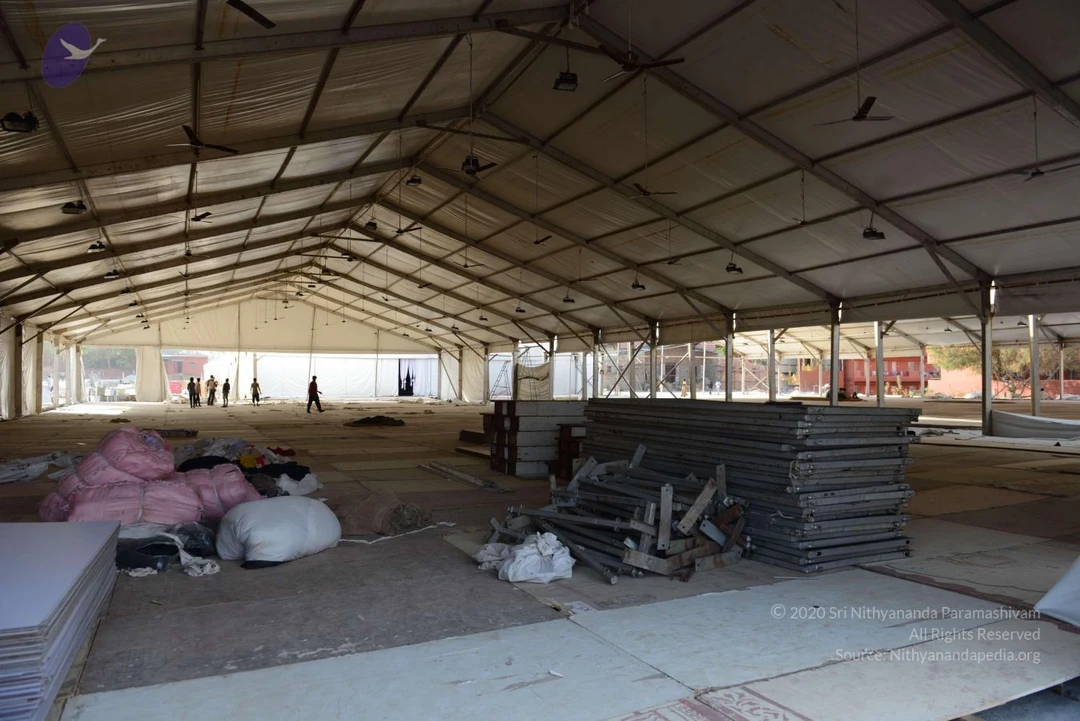
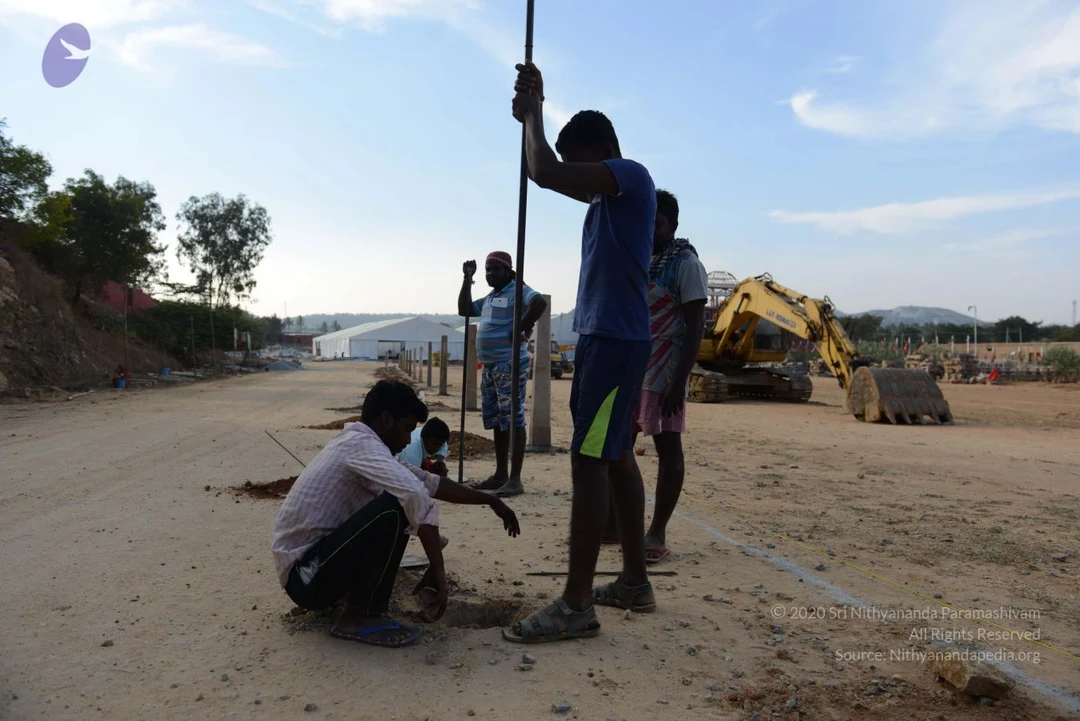
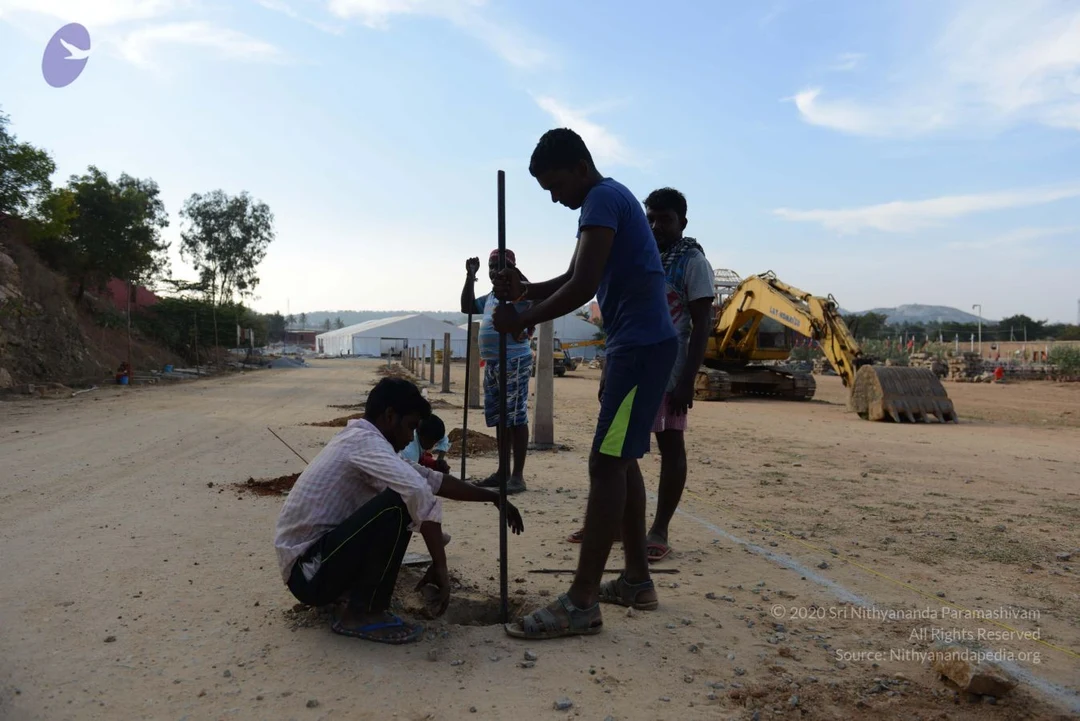
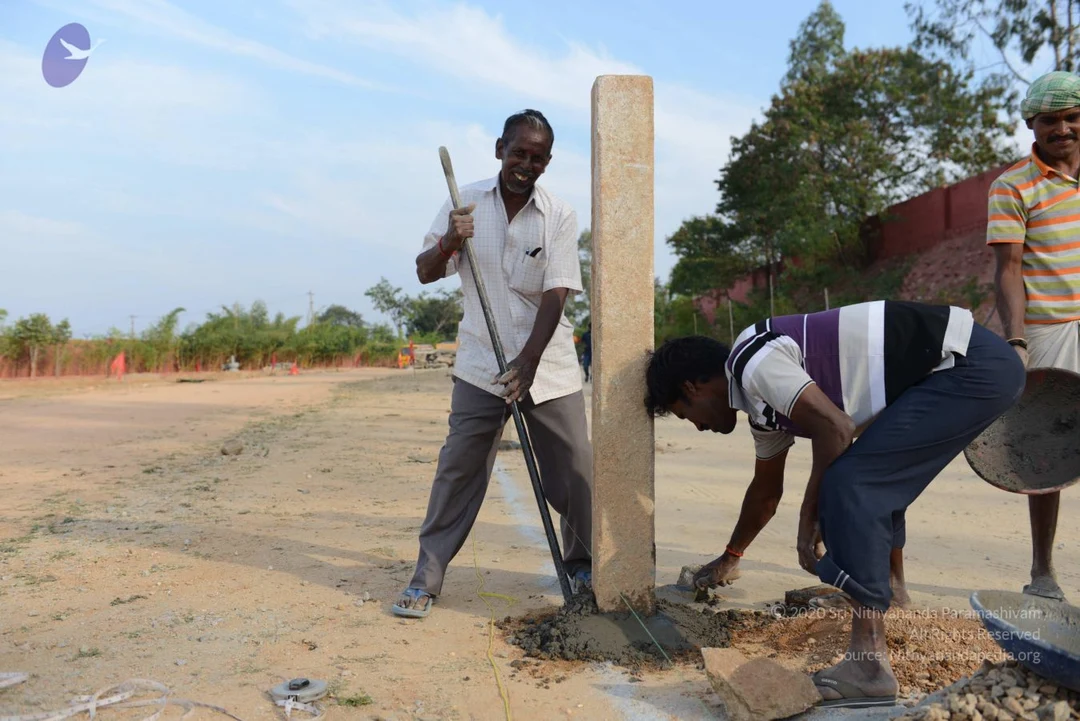
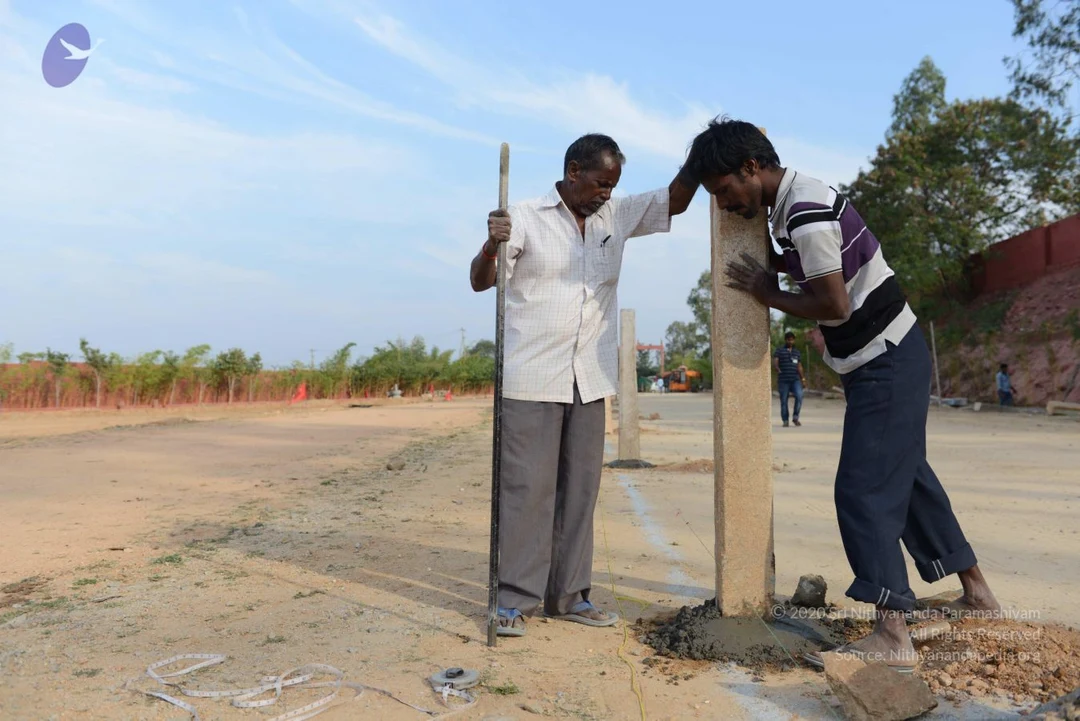
Whether going around, fetching the groceries or going around and calling, organizing, inviting, the vendors and supplies or going around the campus and digging bore wells. A lot of….a lot of things really happening, moving.

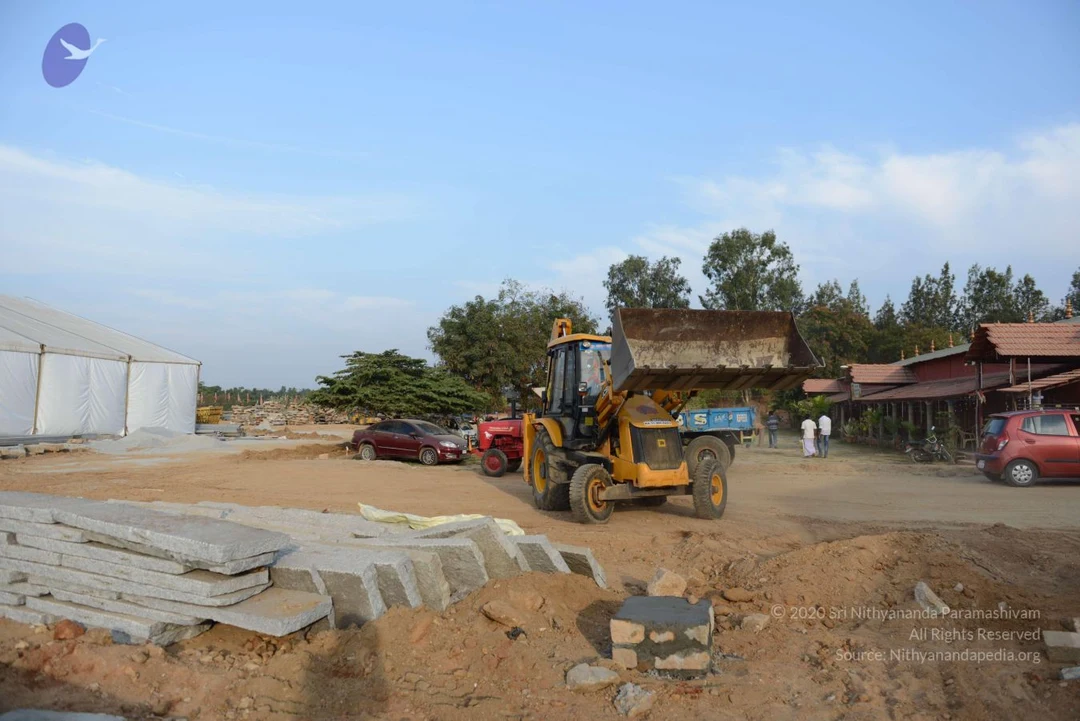
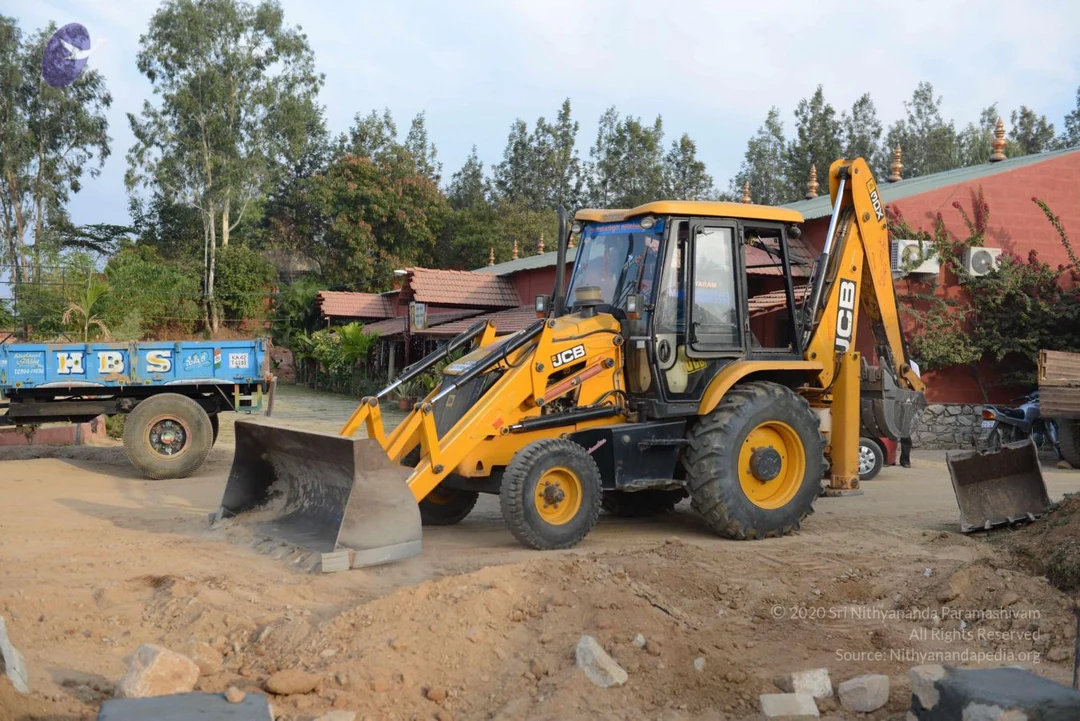
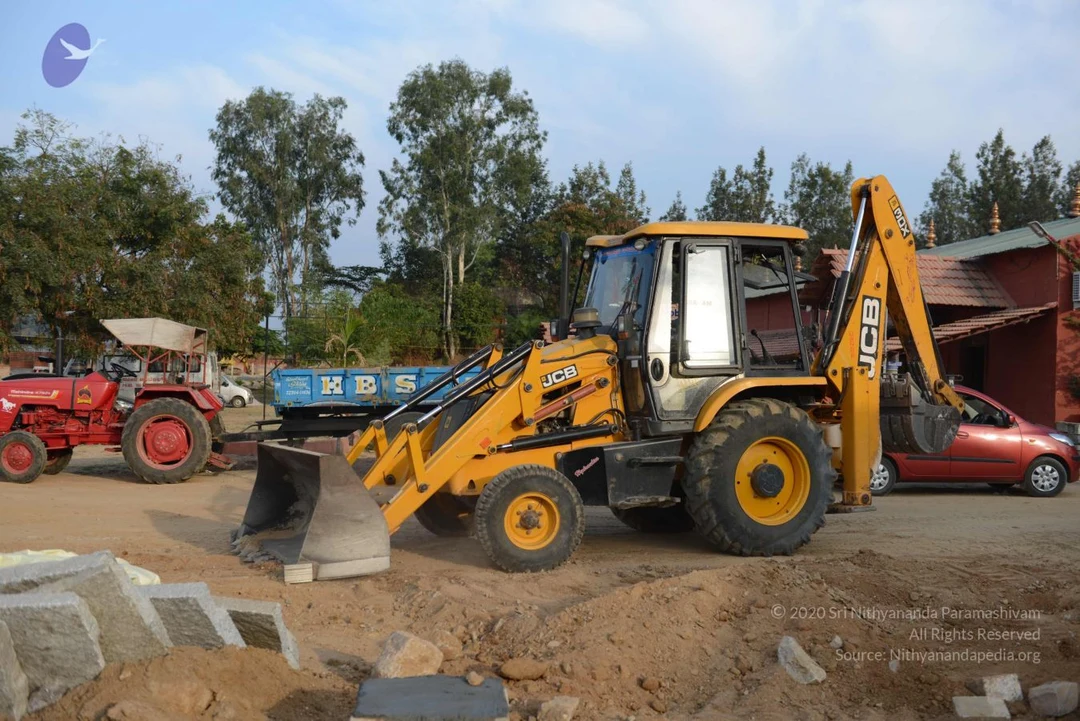
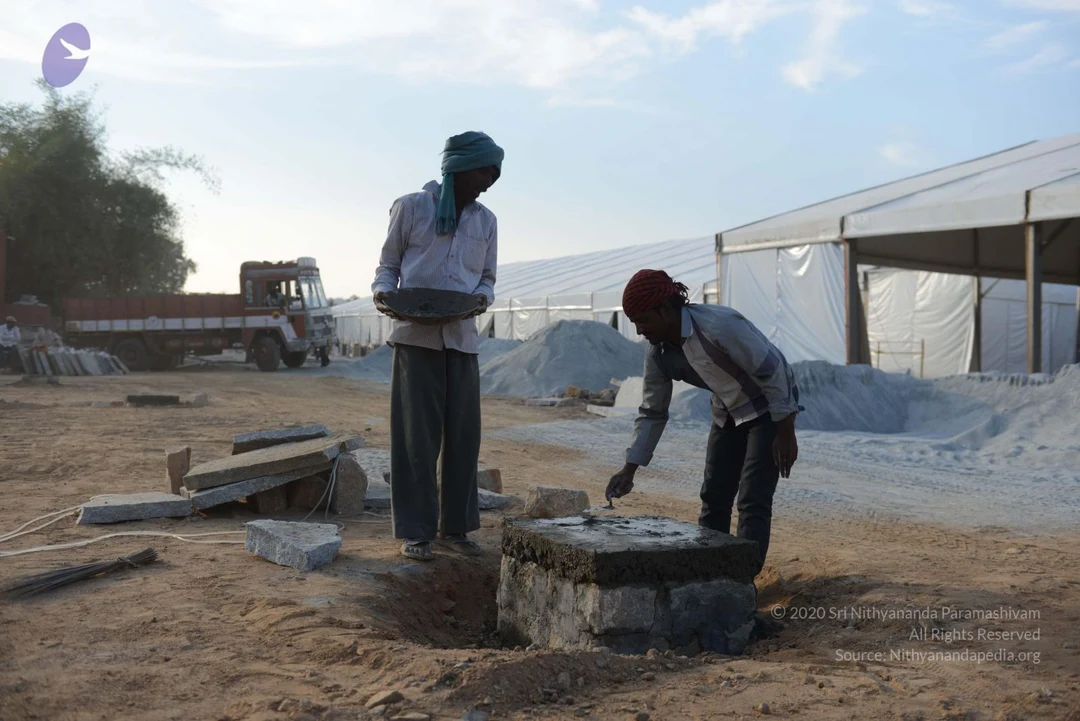
I’ll have to introduce Sadashivoham in every dimension, only then it will be complete. Only then you will know….if I don’t introduce even 1 dimension, how the restrooms are getting ready, I’ll be really missing on something. You may think, “ What is there in that, that important?” You don’t know. Come here, you will see. You’ll cleanse the whole stomach because even the restrooms are energized. All the unnecessary things will be just pulled out. In every level, in every level Sadāshiva Himself is getting ready, preparing Himself for Sadāshivoham. Get ready and be here. The spiritual alchemy products, at least 21 products, Mandalas, Kulisas, Yantras, Jnananjana which is going to be done next level.

A powerful next level Jnananjana is getting prepared. Soma Mandala which you are going to have in this 2 days, today and tomorrow, and the process. Next week….next weekend again, you are going to have 1 more program- “Entering into Sadashivoham.” Like this week,“Introduction to Sadāshivoham,” next week – “Entering into Sadashivoham”. You are going to have Surya Mandala. The right eye energy of Sadāshiva in the next weekend as a spiritual alchemy product. Experience, experience, experience. I tell you, this batch Nithyananda Yogam Participants is the most fortunate because this high energy and high activism, is getting bolted into their system. If they go back, whoever goes back, will have extreme success in everything they touch because the high energy of making it happen is becoming part of their bio-memory.

(35:02)

Preparation for Sadashivoham itself has prepared all of them for Sadashivoham. The next batch of Nithyananda Yogam students are going to have a unique different experience of 30 days of Yatra with Swamiji in 5 States of South India. From January 3rd - February 20th, almost 50 days or less than 50 days, 47 days or something. There is going to be Yatra all over India and 30 days will be in South. South, already we have prepared for all the Nithyananda Yogam Participants to travel with Me. North we are working out. Once we work out, I’ll announce that also. I really want them to come with Me for all the 50 days. We are going with 80 Balasants doing power demonstration and Akashic Records, and accepting PadaPuja from house to house, Kanyakumari to wherever I am invited all over India. The starting point will be Rameshwaram February 3rd. In Rameshwaram it is going to start and February 20th. I’ll be back to Bangalore Campus, because 24th is Shivaratri. From Shivaratri, we will be having the next Inner Awakening program. You will be literally experiencing My Pada Yatra and Parivrajaka. There will some parts by walk, of course not all day. Some places, maybe in some beautiful forest, we’ll spend some little time in walking and 30 days in South 5 States and 20 days in the North Indian States. Kalpataru Yatra….the name of the Yatra will be Kalpataru Yatra. I’ll be visiting almost 1000 homes. And the whole Aadheenam is coming with Me other than the few people, survival departments, like which need to prepare for next Inner Awakening, the whole Aadheenam is coming with me for 50 days—and Nithyananda Yogam Participants sure for 30 days. 30 days we have finished off organizing, we are ready for the first 30 days means the South India 5 States; place to stay, everything is done. The North India 20 days, we are organizing. Once it is organized, it will be announced and the next offer even the earlier batch Nithyananda Yogam Participants and this batch Nithyananda Yogam Participants, if you are interested, you are welcome to join. You can join.

(39:16)

You can join. The 30 days now itself I am giving you invitation. The South Indian 5 States - Kerala, Andhra, Karnataka, Pondicherry, Tamil Nadu. Now itself I am giving invitation. The North Indian States, I do want you guys to come but we need to organize. Things need to be organized, like food, stay, travel and everything. Once we are ready, I’ll announce. At least South, we have already organized. The AC Volvo Buses and Parivrajaka with AC Buses. Going to house to house and wherever people invite, power manifestation by Balasants, and then the Kalpataru Darshans for whoever has gathered, accepting PadaPuja and going to the next place. Actually Sadashivoham is just bundle of excitement and joy. If I have to introduce Sadashivoham in raw street smart words: bundle of excitement, joy and powers. Bundle of excitement, joy and powers. It’s bundle of joy, bundle of powers, bundle of knowledge, all this having bliss as the base material, will be fed into your system. Having bliss as the base material, it’ll all be fed into your system. Maybe by taking your questions, I’ll give lot more details; the intricate details of Sadashivoham 2016. These are the few words, I wanted to introduce Sadashivoham 2016 to all of you.

(42:01)

So with this, let’s gather for next session to answer your questions. Thank you. Be Blissful.

Tags:

Sadashiva, Sadashivoham, length, breadth, depth, manifesting powers, completion, Sadashivatva, dimension, identity, initiation, spiritual alchemy products, cognition, possibility, bio-memory, decision fatigue, devi, kundalini, pournami, girivalam, arunachala, 25 states of consciousness, 11 dimensions of universe, 5 aspects of Sadashiva, rope yoga, mallakhamba yoga, asanas, yoga patha, jnananjana, mandala, kulisa, yantra, soma mandala, surya mandala, nithyananda yogam, rameshwaram, pada yatra, parivrajaka, shivaratri, kalpataru, bliss, joy, knowledge, shastra pramana, apta pramana, psychological, neurological, sapta rishis, vaakyartha sadas, jala basti, malla, sri vidhya puja, adishakti, third eye, vishnu, kurma purana, incarnation, devi upaasakaas, shaaktas, durvaasa, rudra, shaakta sampradaya, shodashi, inner awakening, shivoham, nithyanandoham, divya shareera, kumbha mela

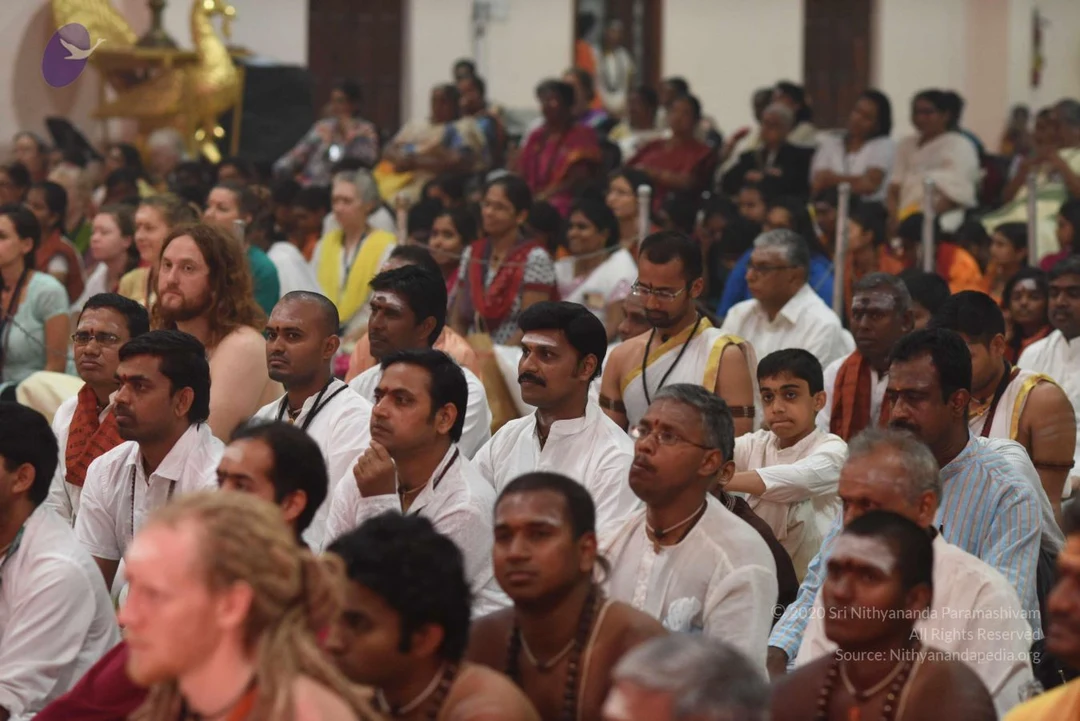
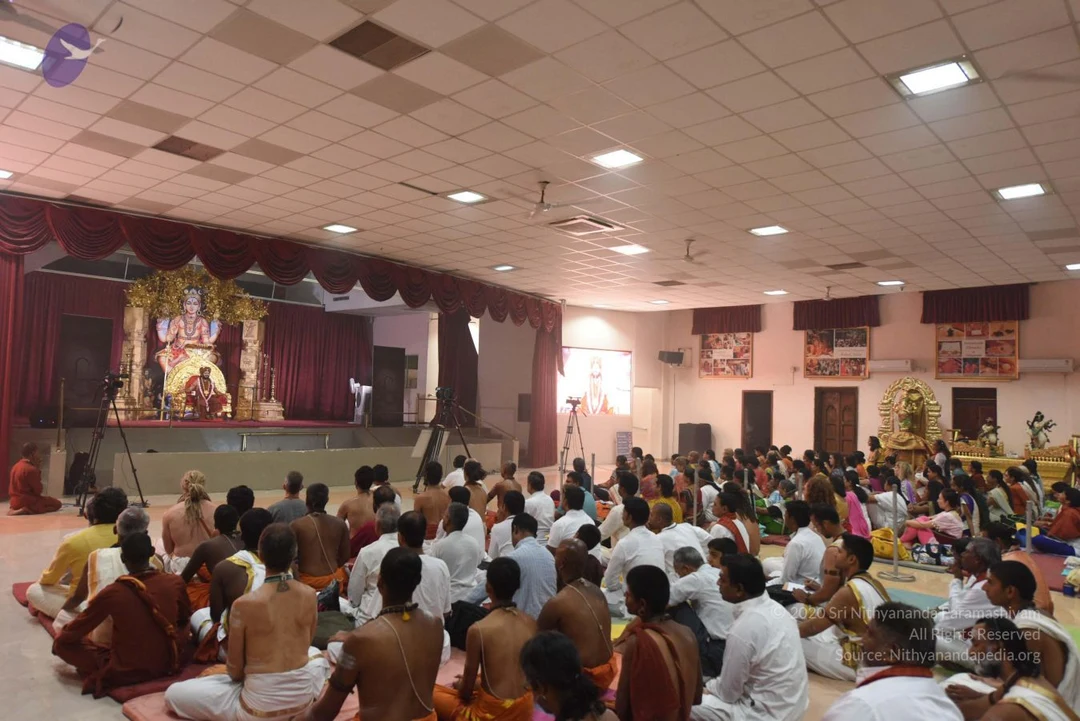
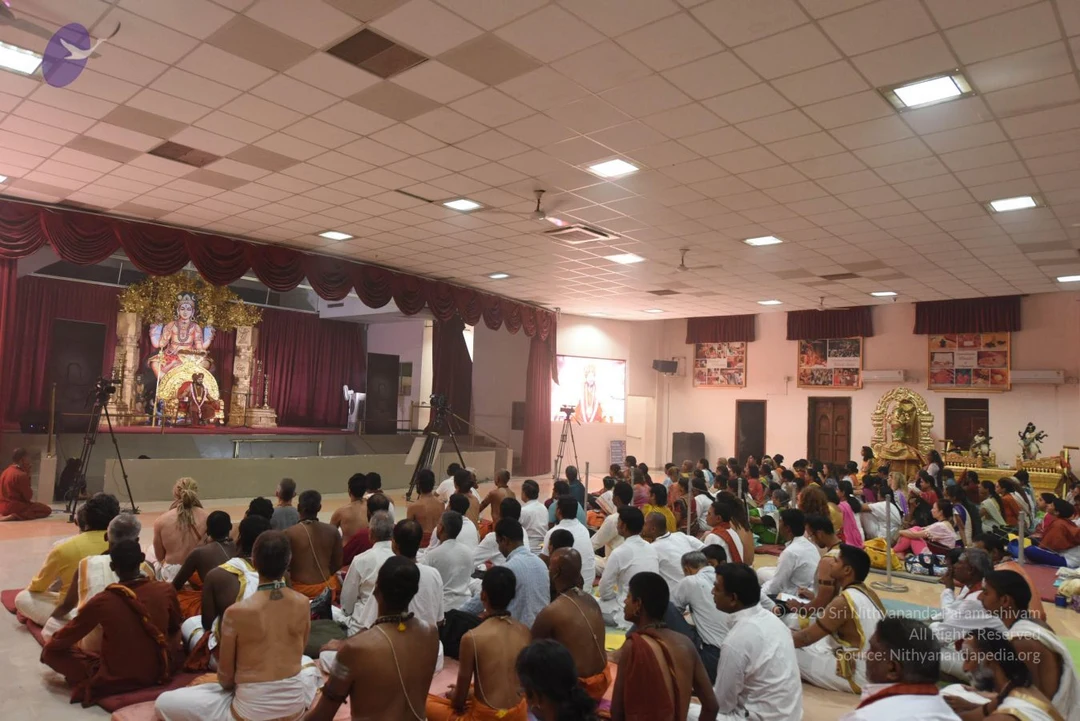
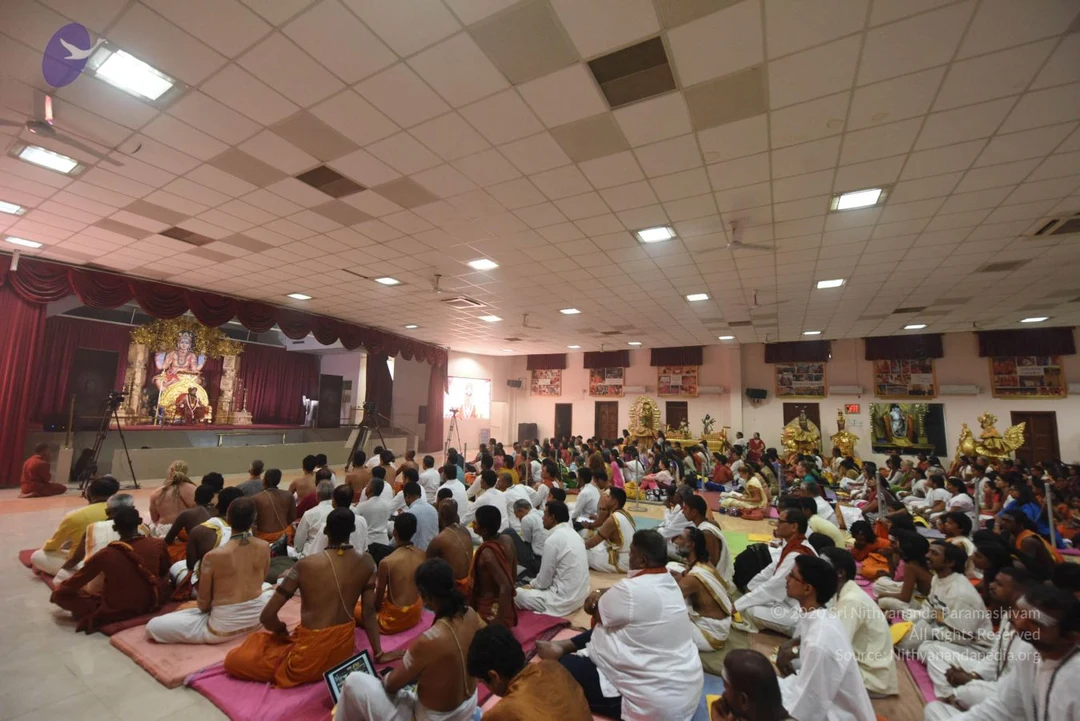
Photos Of The Day:

Introduction-To-Sadashivoham
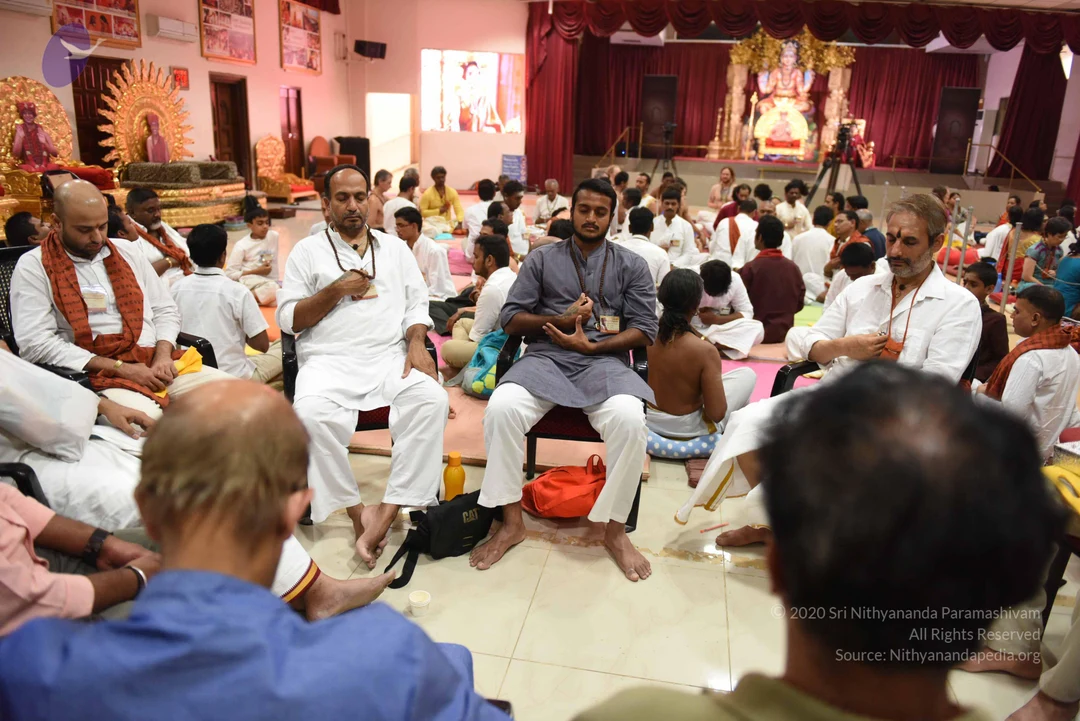
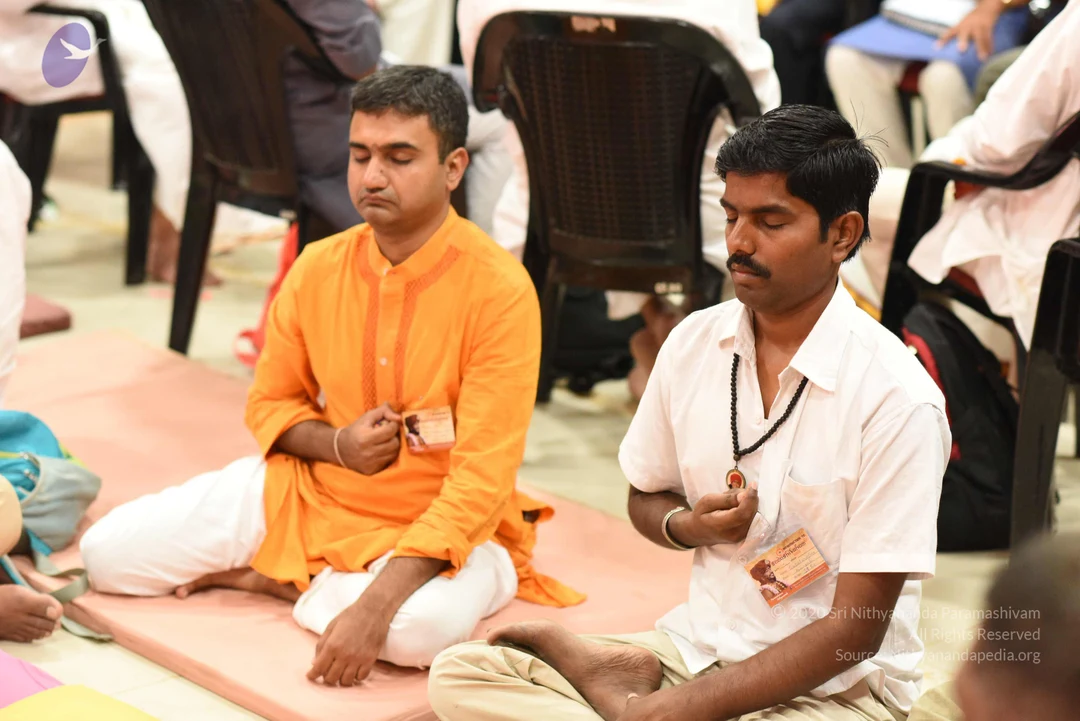
Introduction-To-Sadashivoham-Session

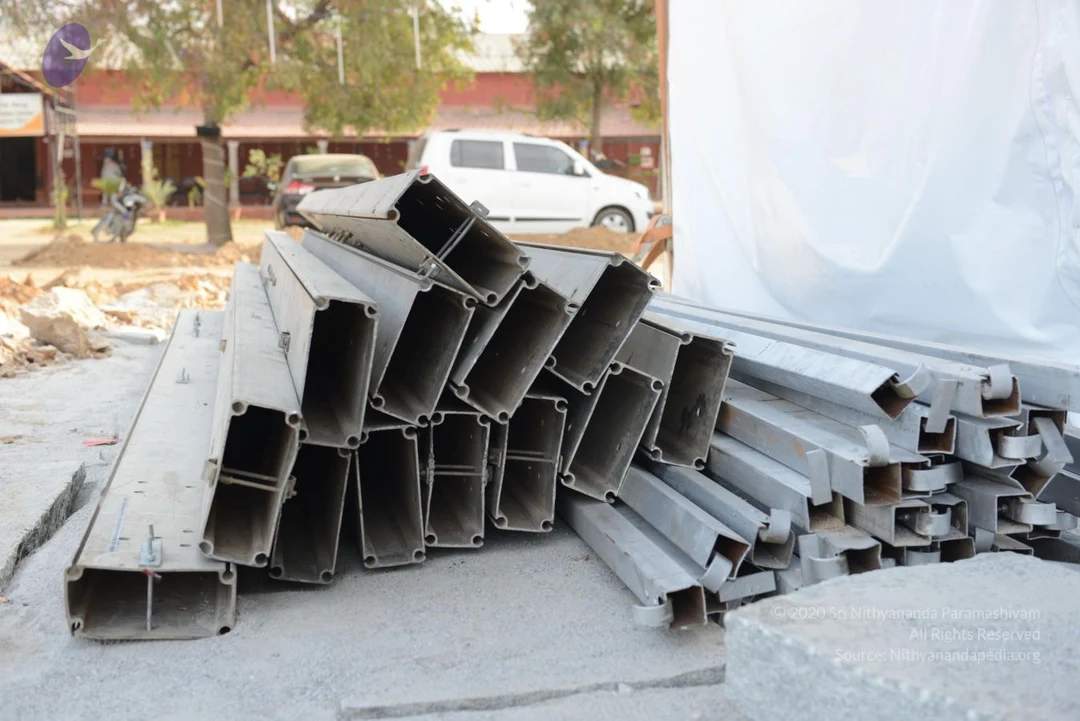
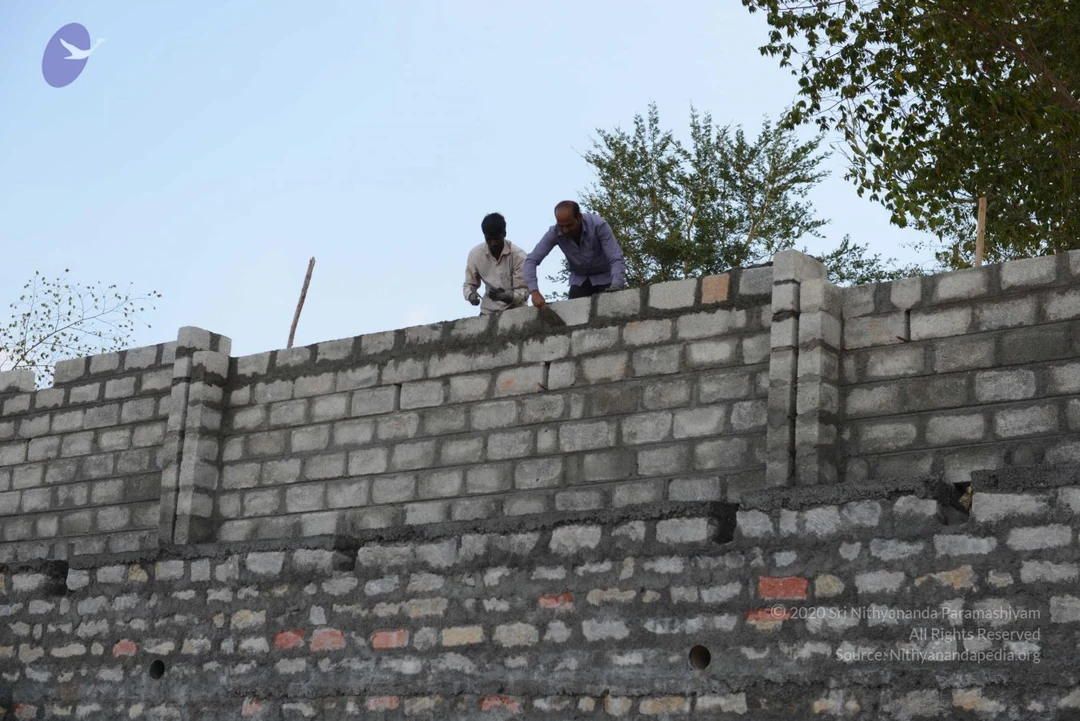
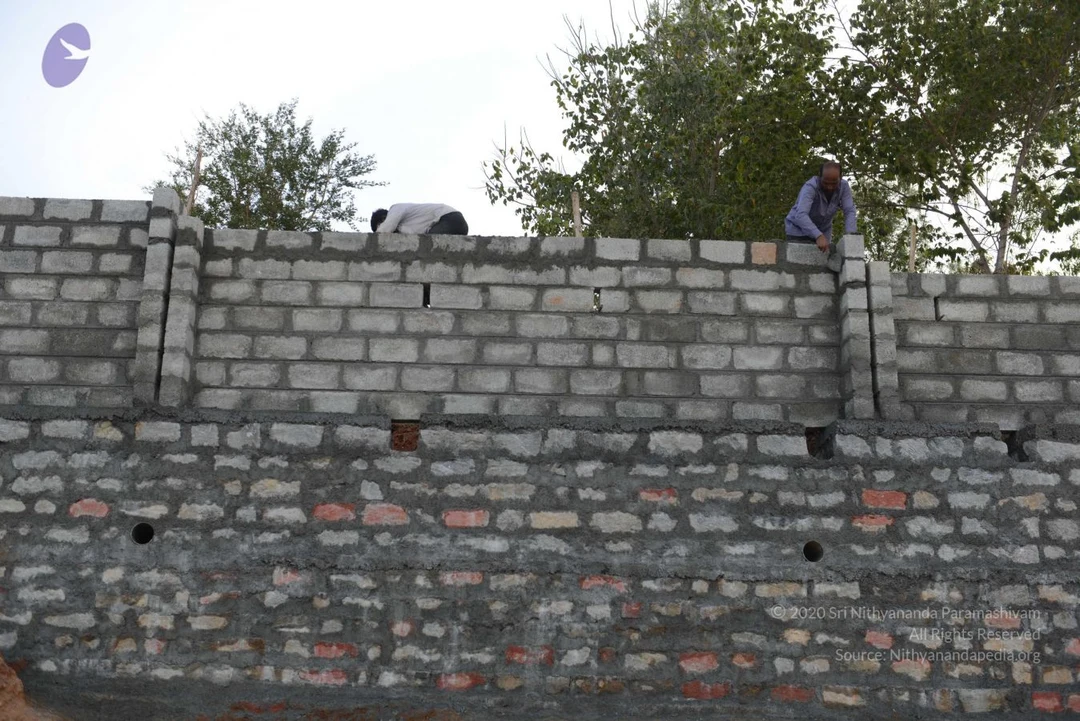
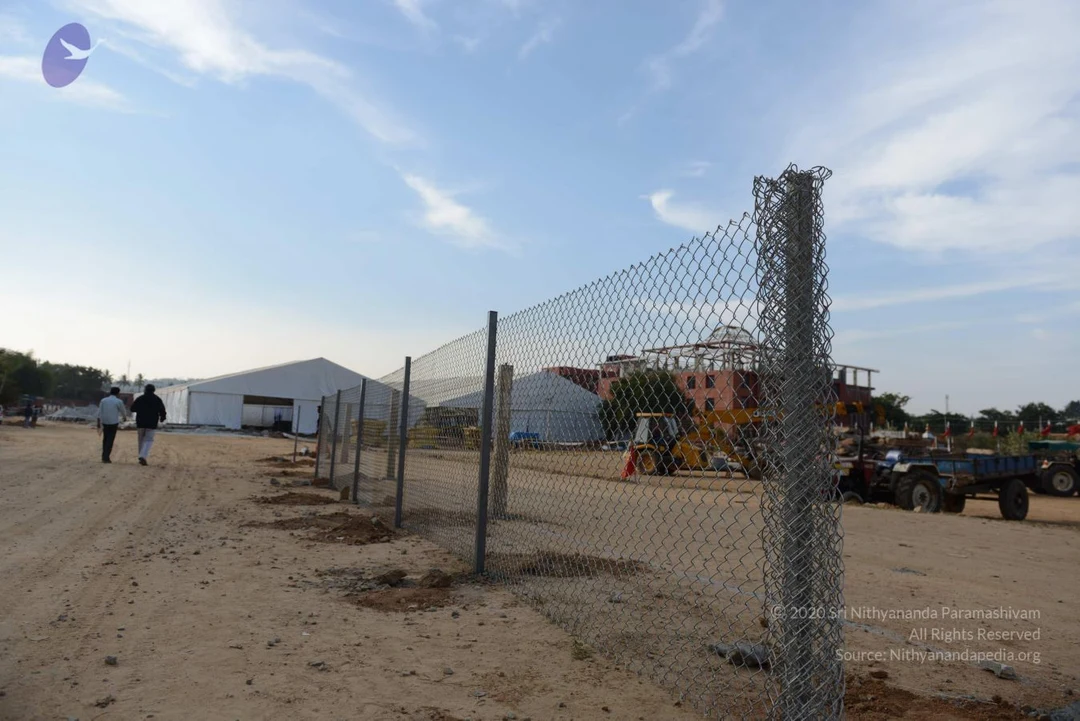
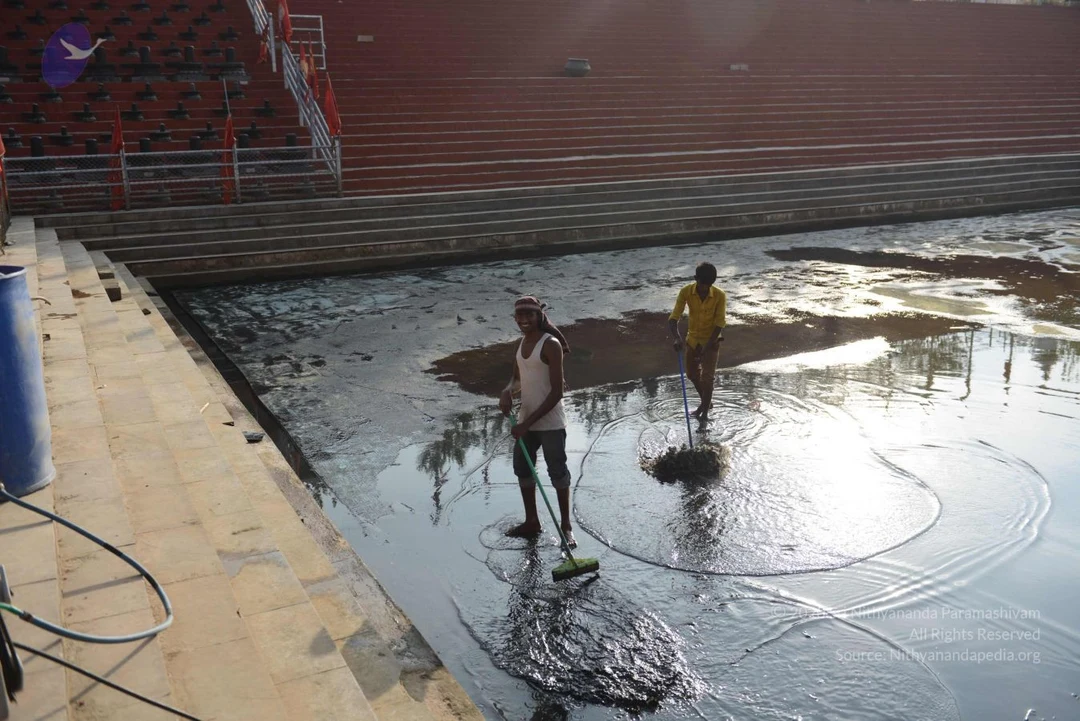
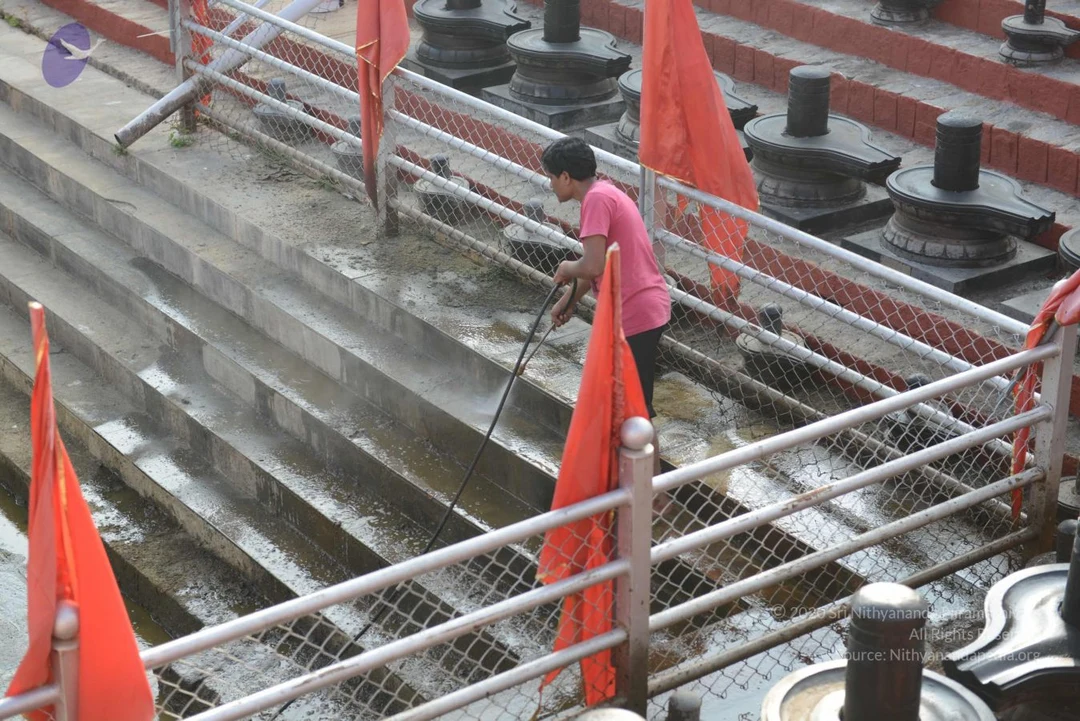
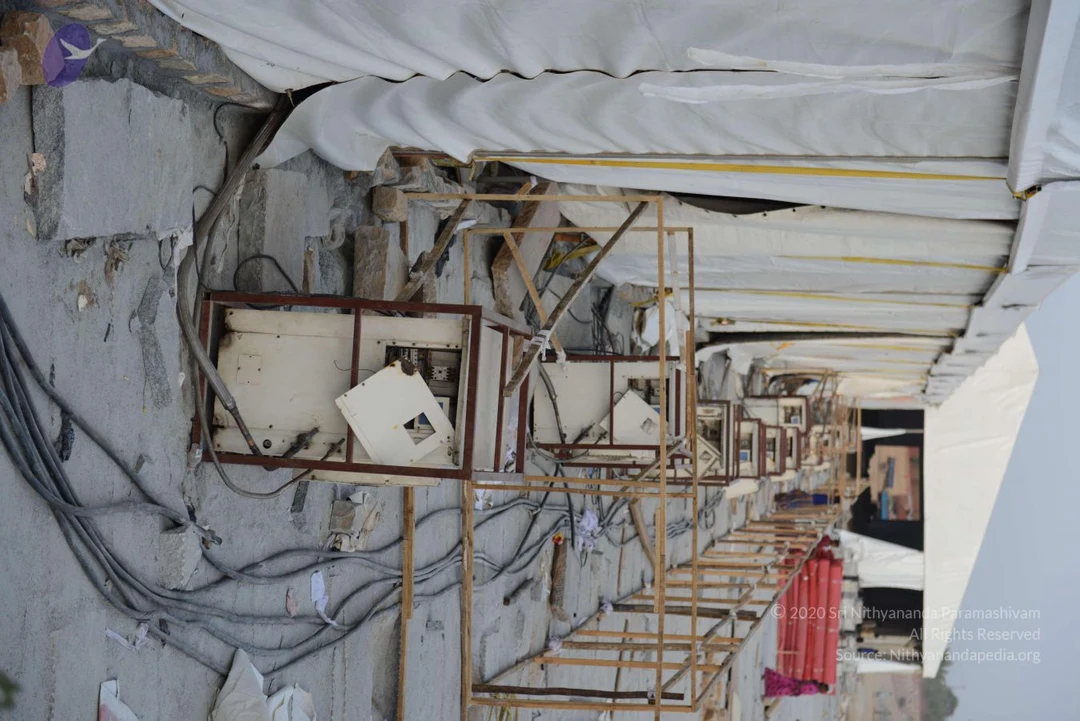
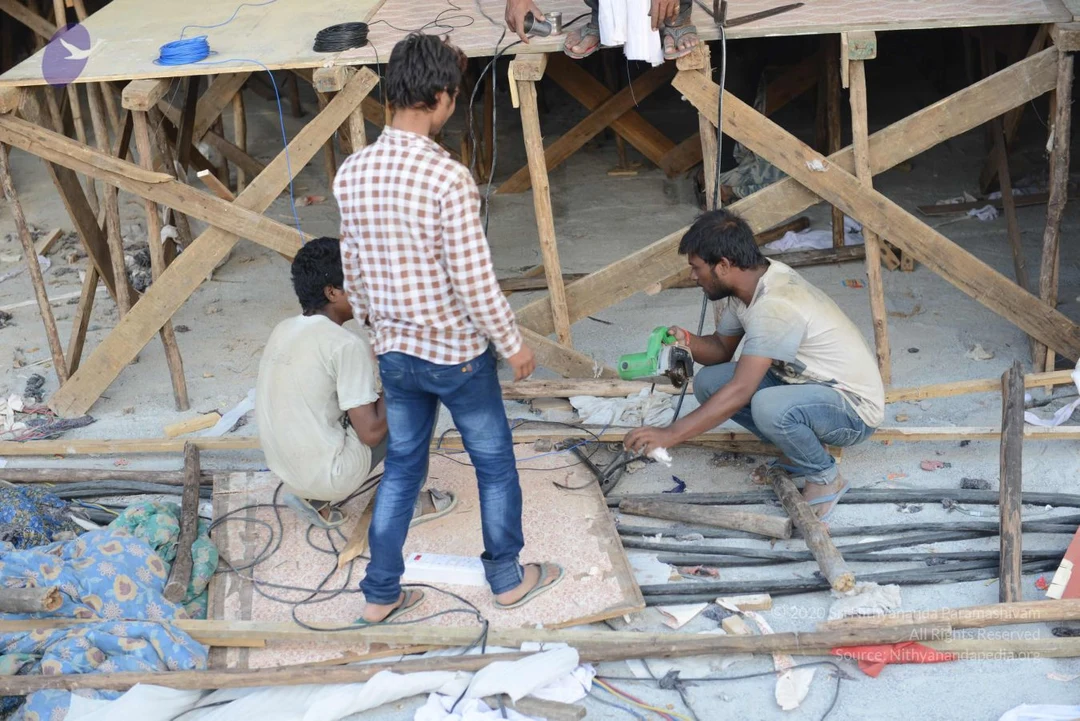
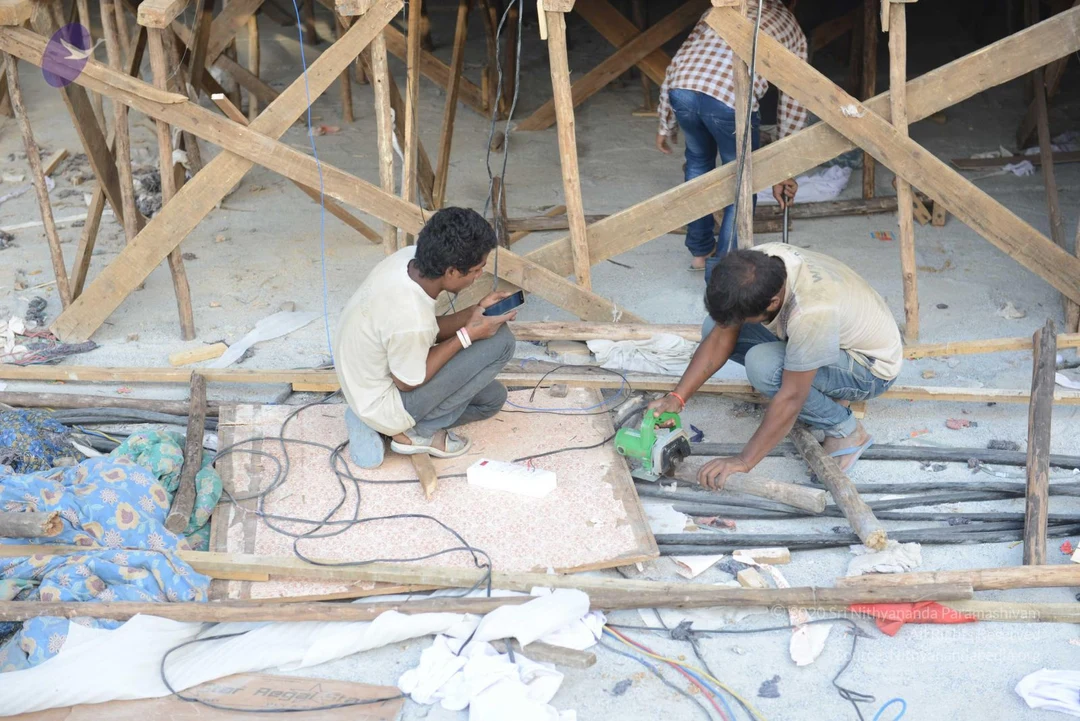
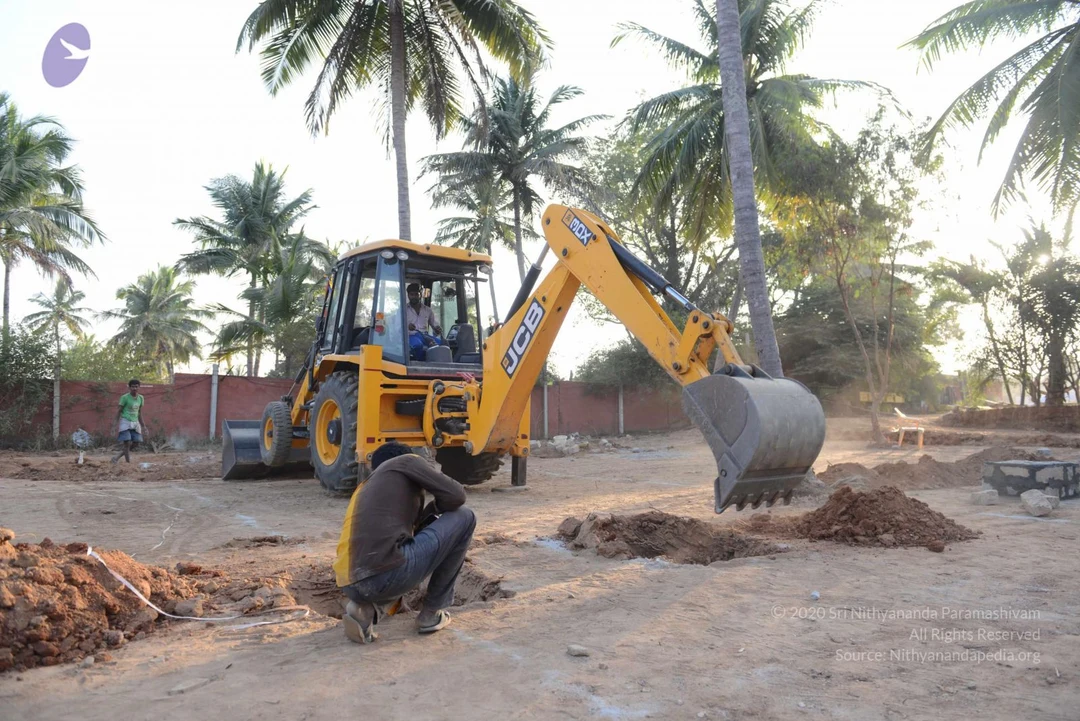
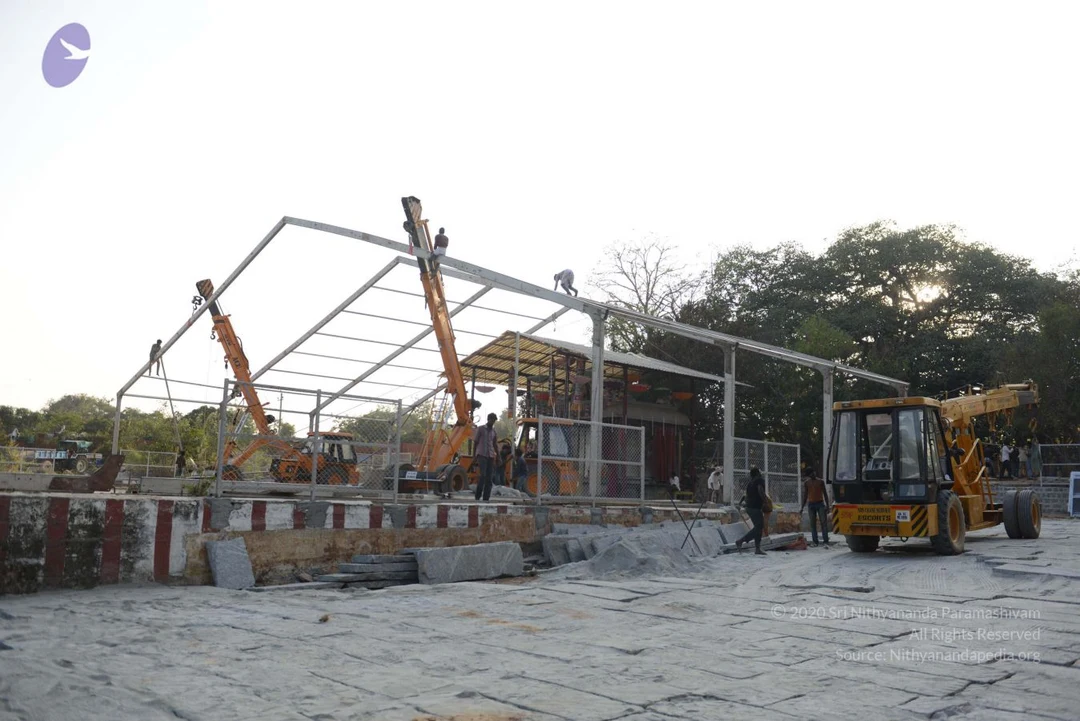
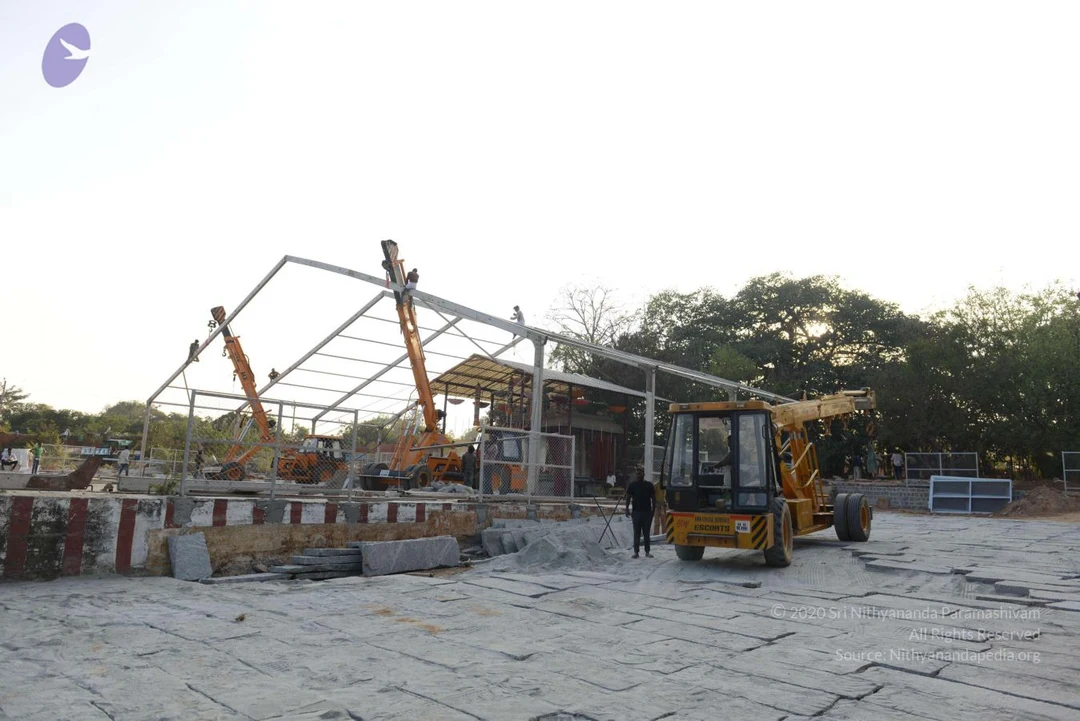
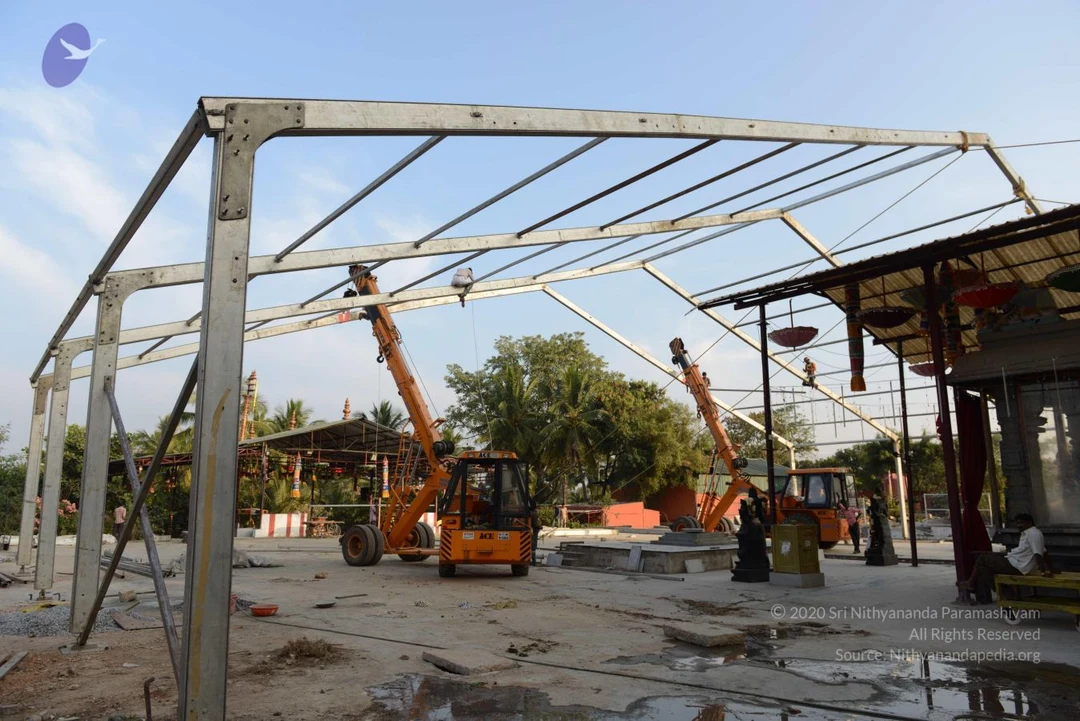
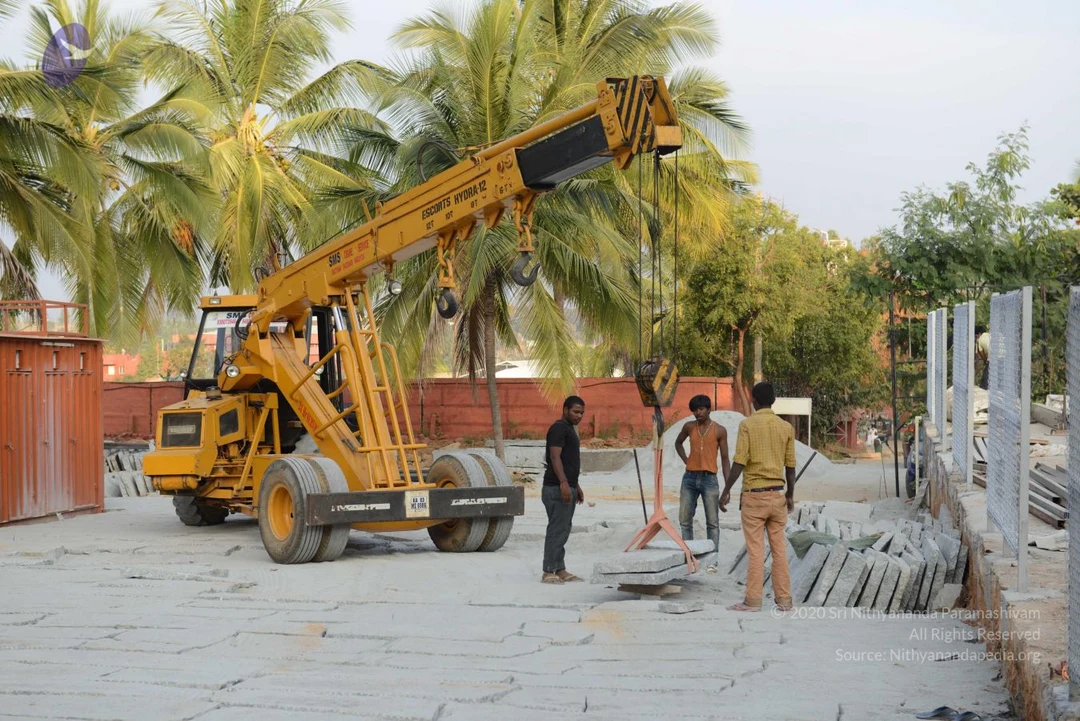
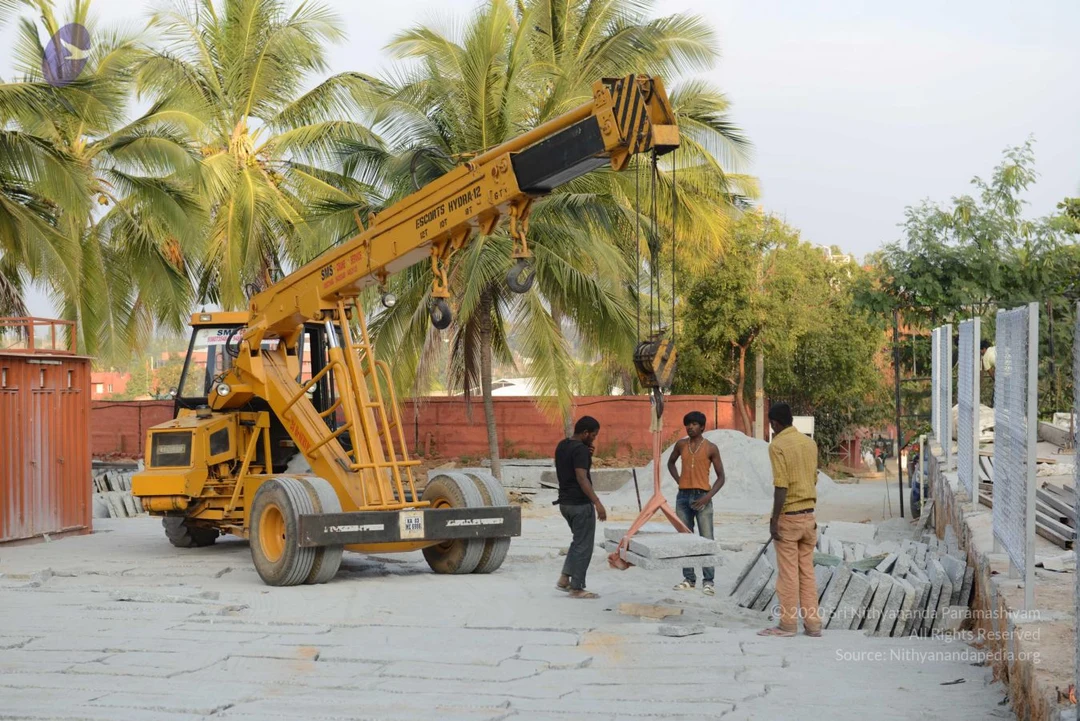
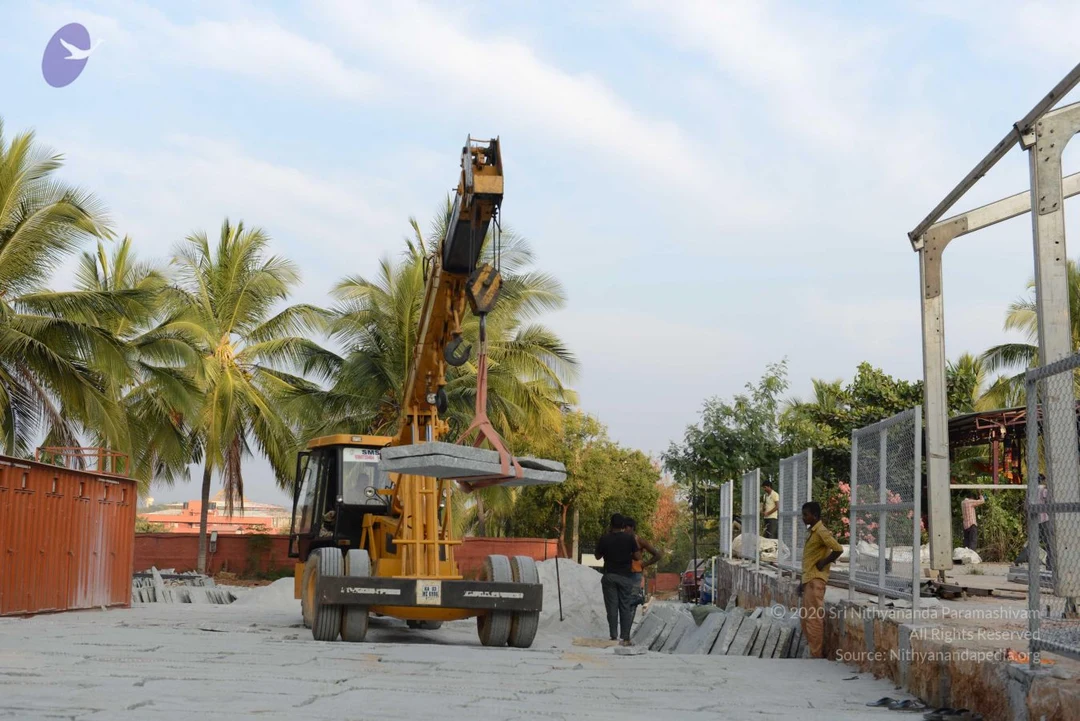
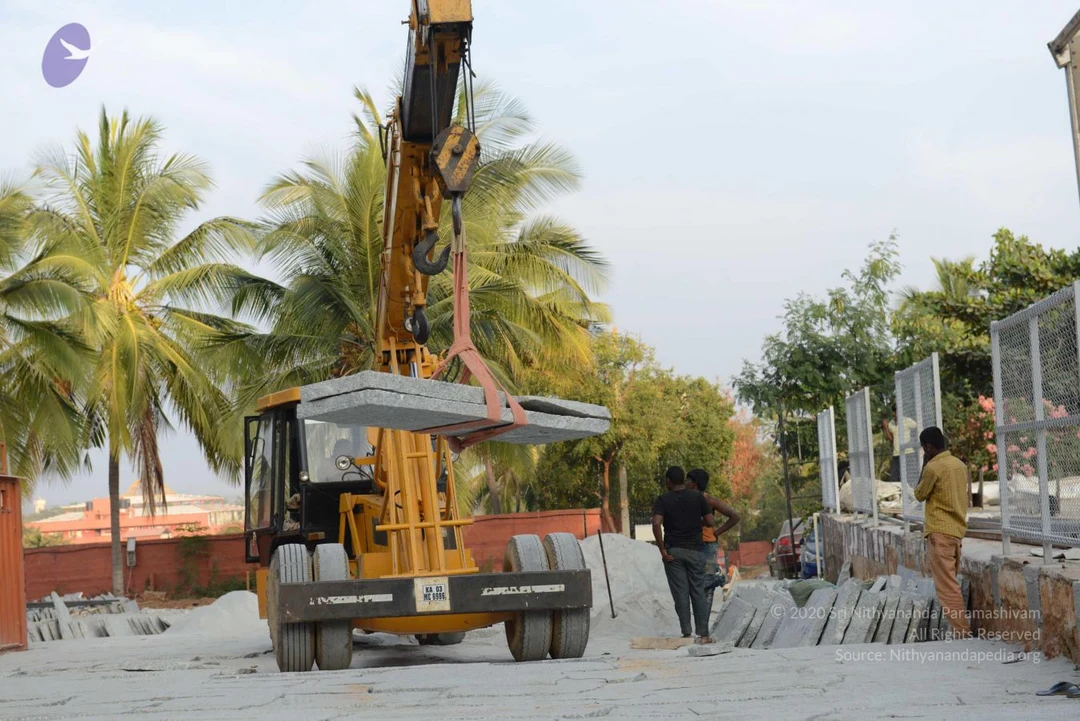
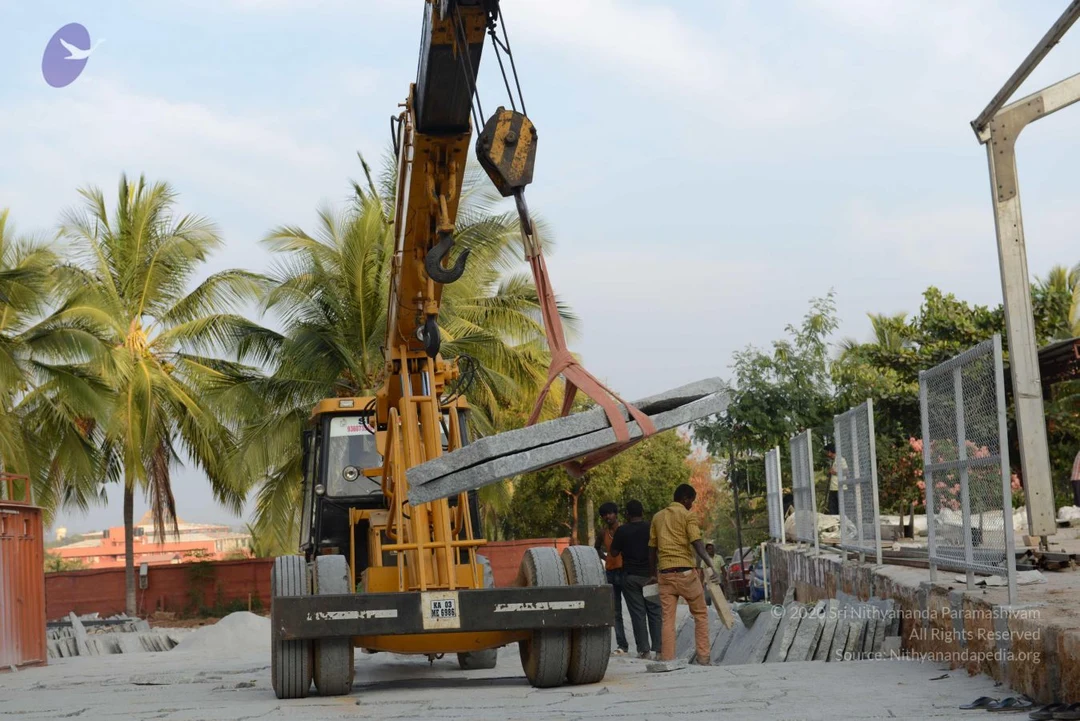
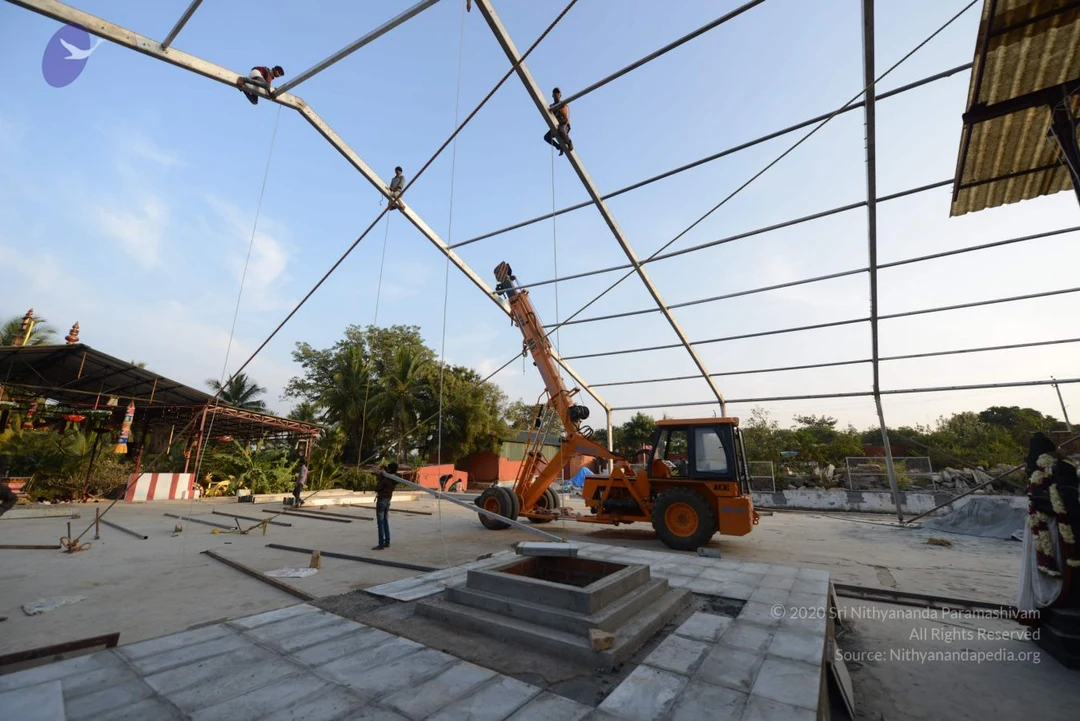
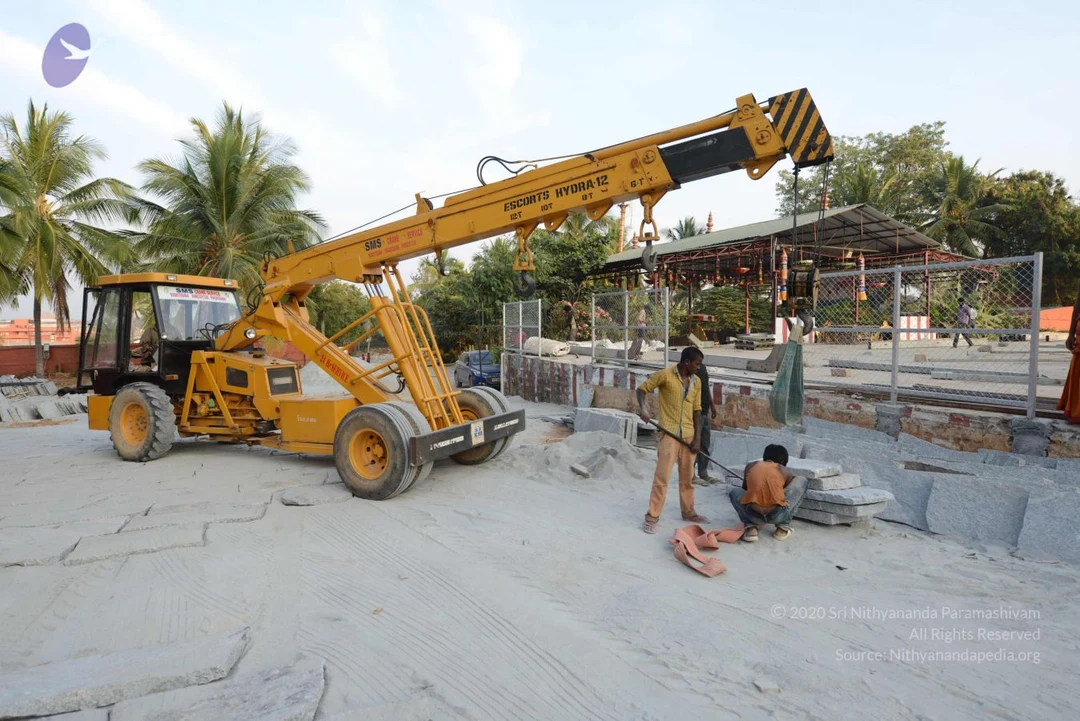
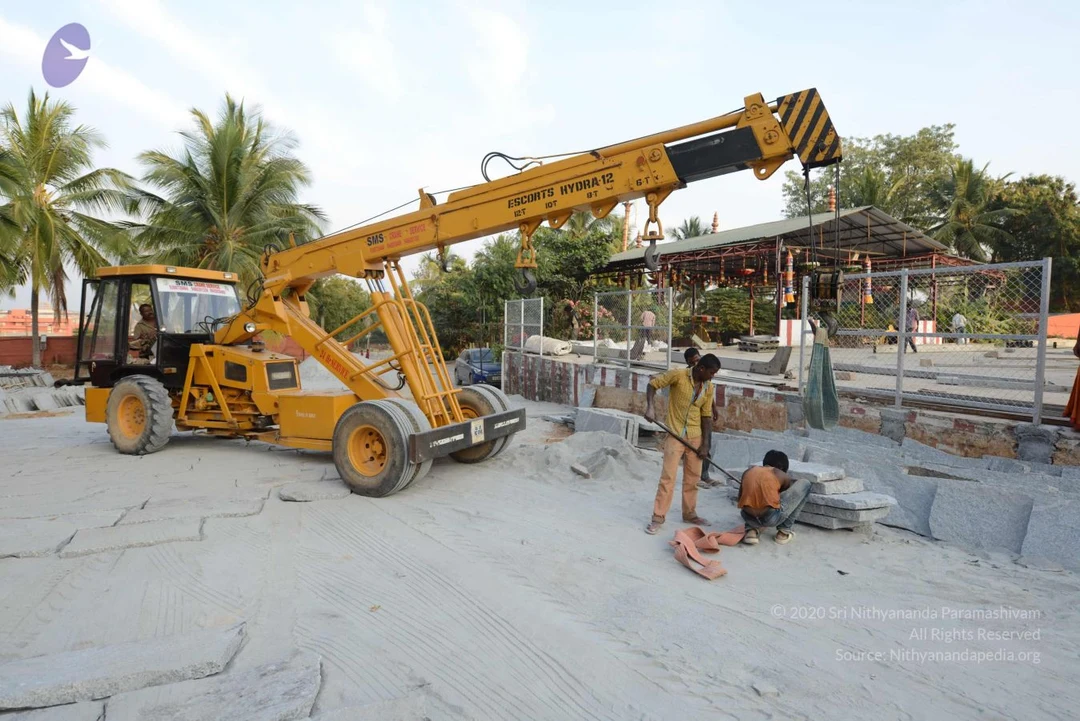
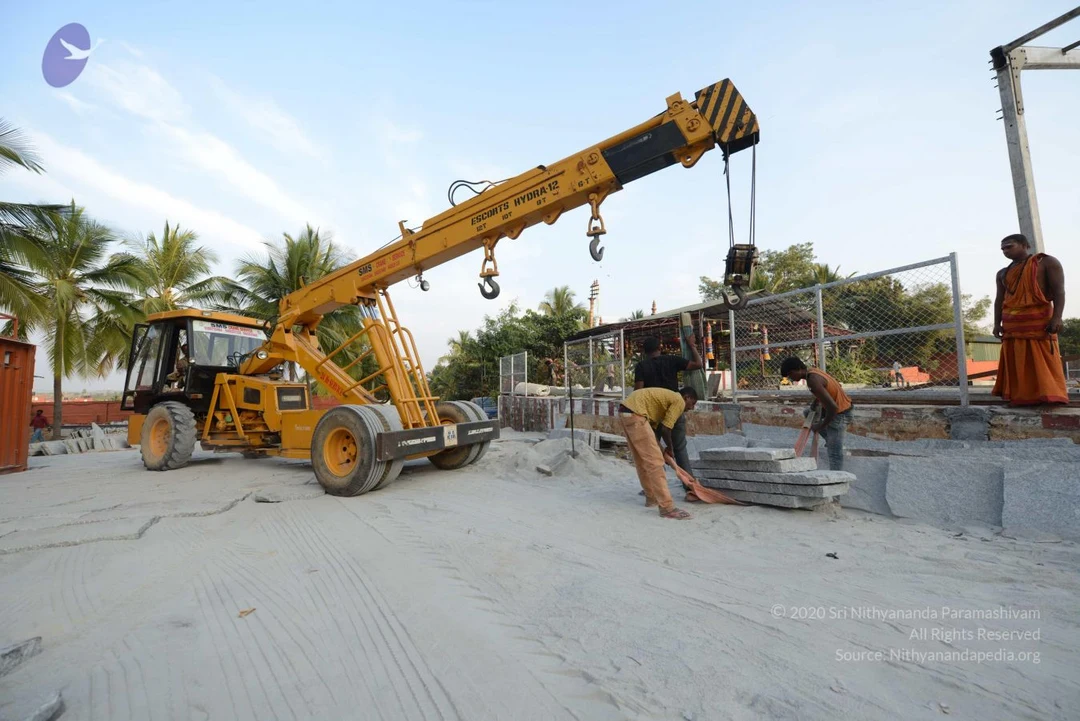
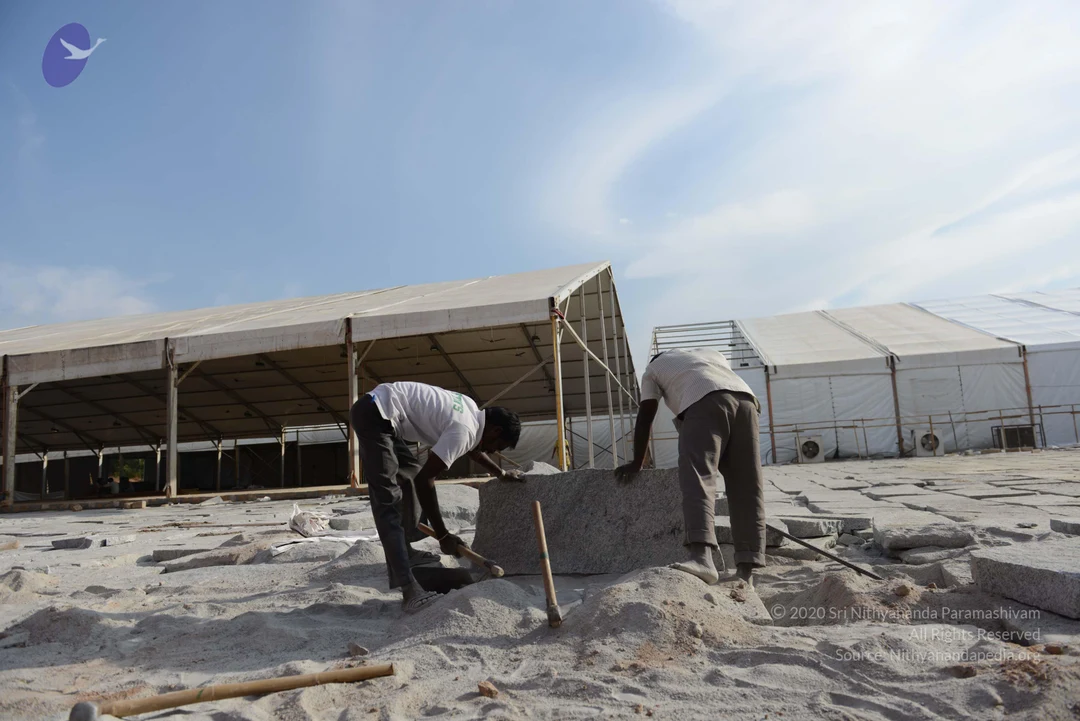
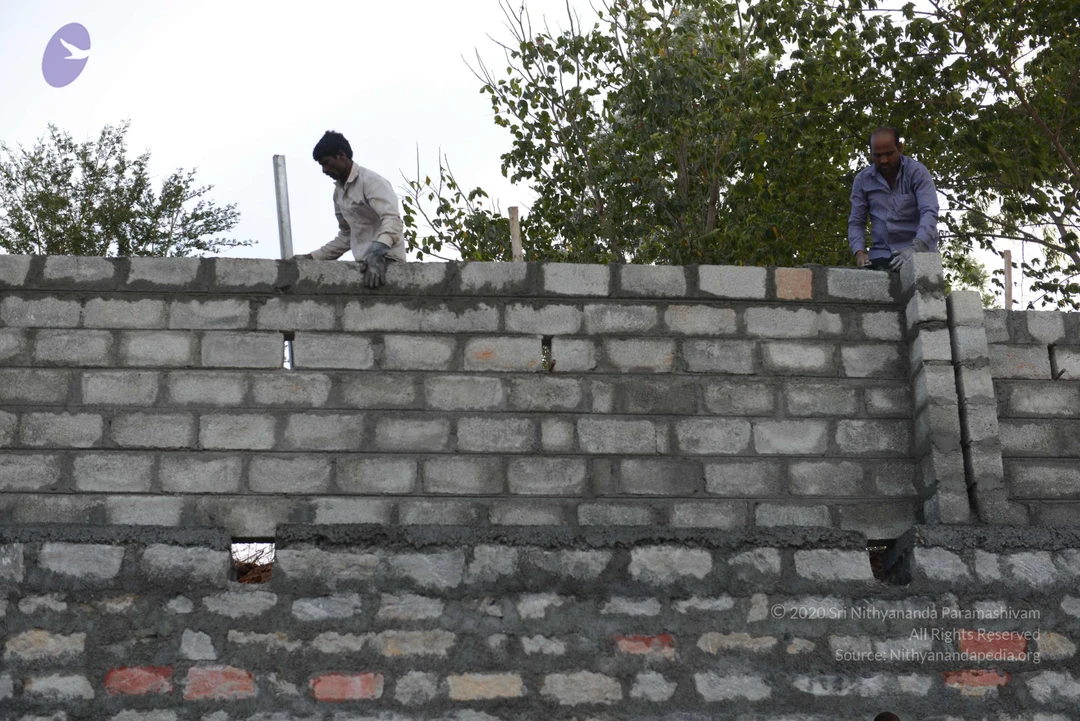
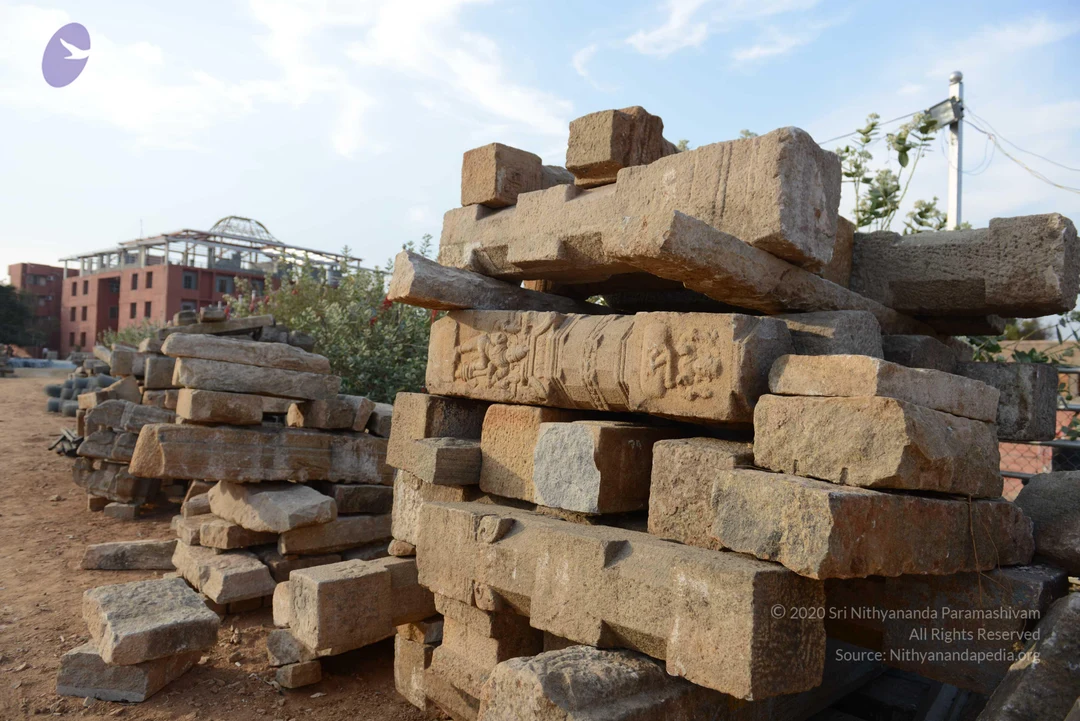
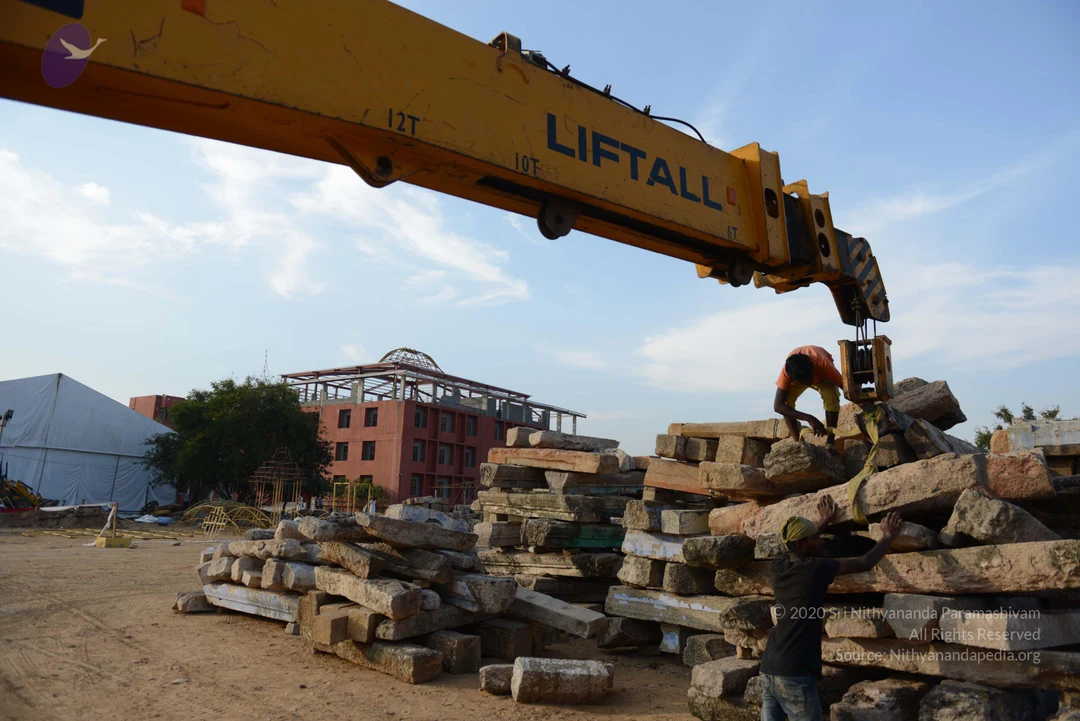
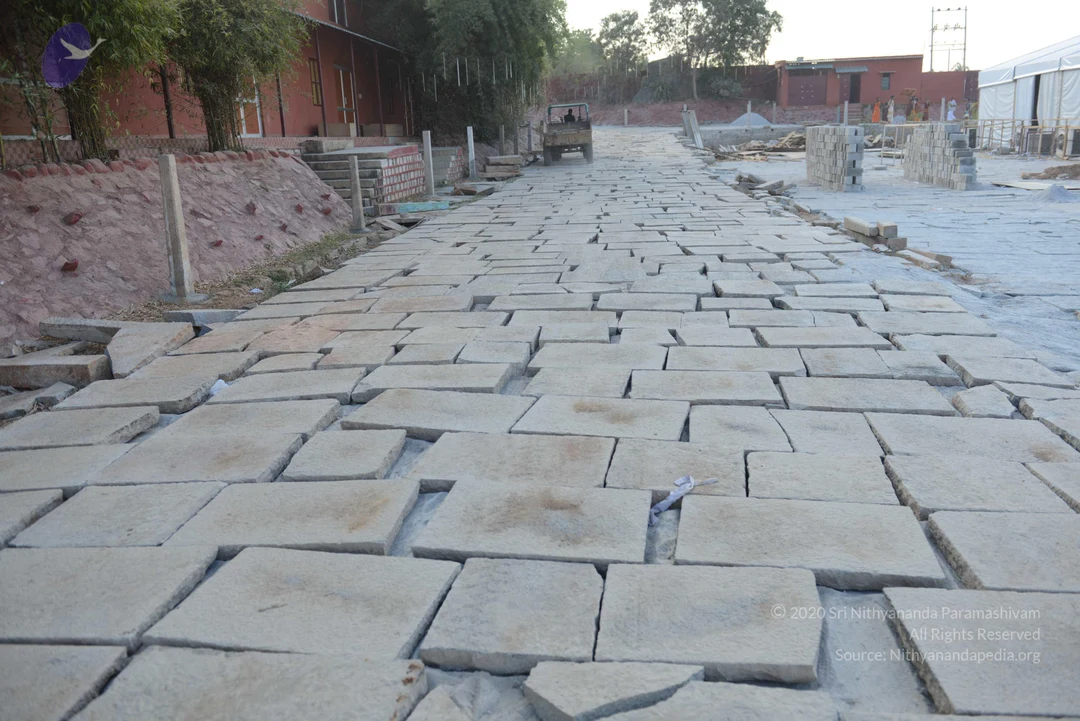
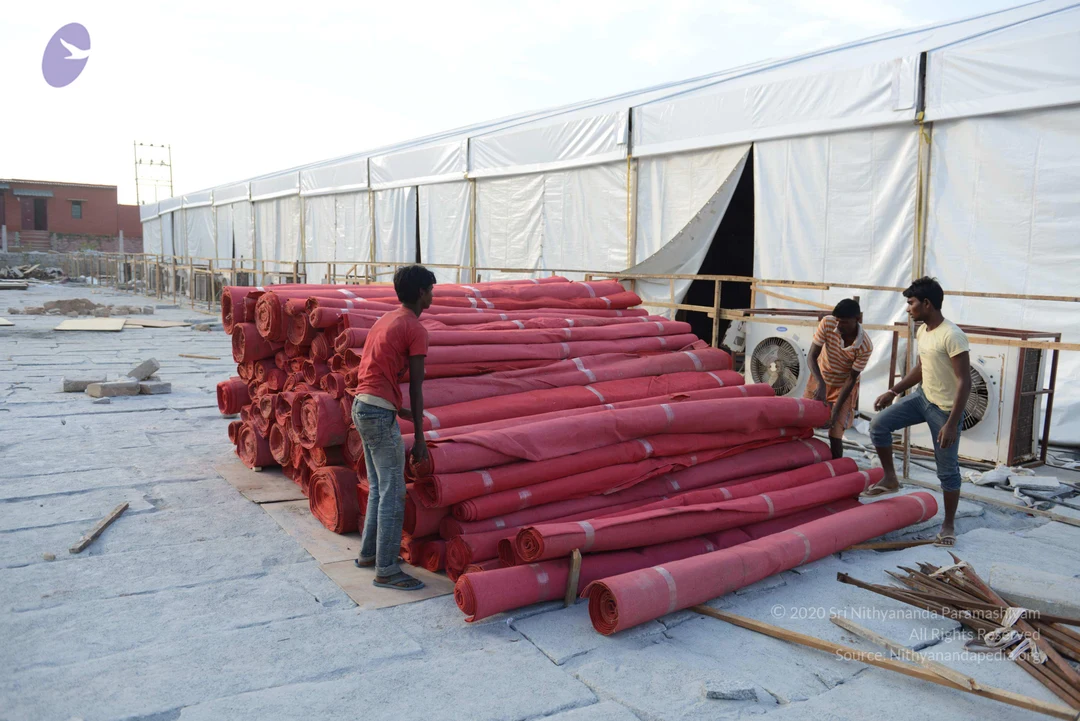
Construction

Photos Of The Day:

Intro-to-Sadashivoham

01-Intro-to-Sadashivoham

02-Intro-to-Sadashivoham-Session

03-Construction

01-Intro-to-Sadashivoham-Session

Photos from this day

View all 256 photos

Introduction-To-Sadashivoham
54 photosSource gallery
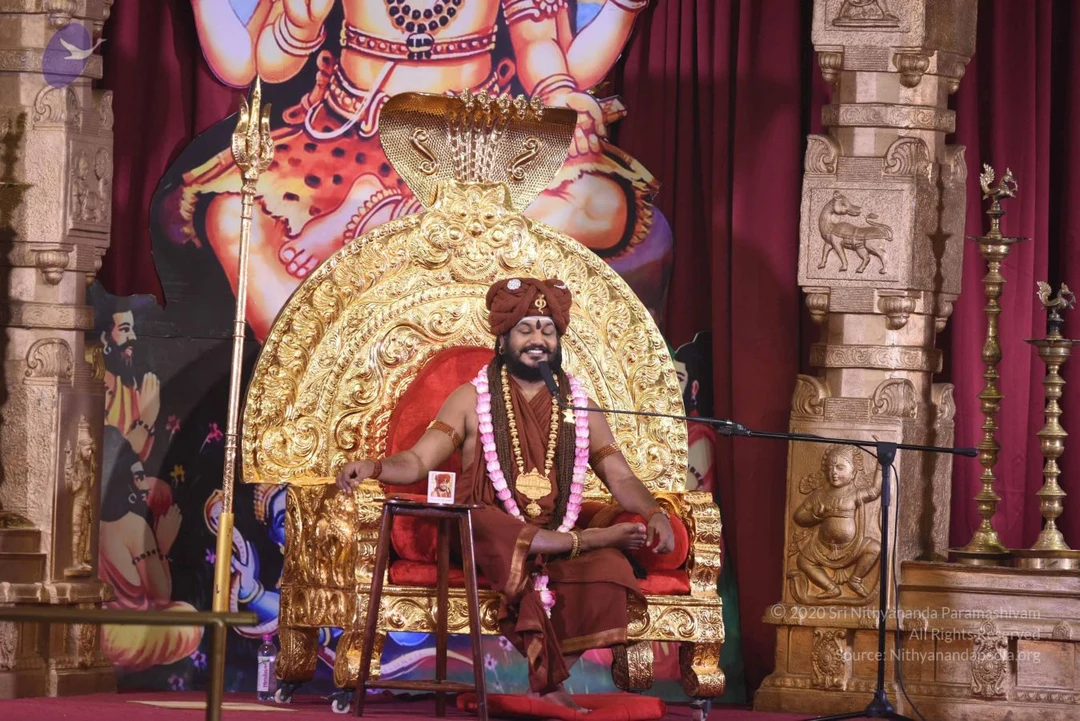
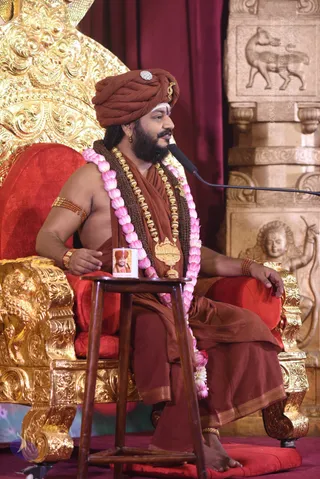
A seated man in a golden ornate throne with red cushions at a satsang stage, eyes closed in meditation. He wears a rust-red turban, red-orange robes, a long pink flower garland, rudraksha mala beads and a large gold pendant necklace, with gold armbands. A small wooden side table holds a white cup. A microphone stands at right. Behind him are painted panels of seated robed figures with hands folded, and gilded temple pillars frame the stage.A man sits with eyes closed on an ornate golden throne with red cushions at a discourse stage. He wears a rust-orange turban, rust-orange robes, a large gold pendant and a long rudraksha mala, with a pink-and-white flower garland around his neck and gold bangles on his wrists. A microphone stands at his side and a small white cup sits on a wooden stool beside the throne. Behind him are painted panels of seated sages with folded hands, flanked by golden carved pillars.A seated man in a dark red-brown robe sits with eyes closed on an ornate gilded throne with a large arched backrest and red cushions. He wears a red-orange turban, a gold necklace with a large pendant, a rudraksha mala, and a pink and white flower garland. A microphone stands before him and a small side table holds a cup. Painted background panels show robed sages, a golden staff stands at left, and a red curtain frames the scene. Whether this is the a person candidate cannot be confirmed from appearance alone.A man seated on an ornate gilded throne with a high arched back and red cushions, in front of a painted backdrop of a large mythological figure with a red-orange face and a painted scene of seated sages. He wears a rust-red turban with a small tilak-like mark, a rust-red robe, layered gold and bead necklaces including a large gold pendant, a pink and white flower garland, and gold armbands and bangles. He holds his hands on his lap with eyes closed. A microphone stands at his side, a white cup sits on a small wooden stool beside him, and a gold-tipped staff stands to the left. Swamiji (probable): the seated figure has a turban, rust-red robes, multiple rudraksha-style beaded necklaces and a gold pendant, matching the presentation cues of the page subject.A seated man in a golden ornate throne on a stage, wearing a rust-orange turban, rust-orange robe, a long pink and white flower garland, a gold pendant and beaded malas, and gold bangles. He sits with eyes closed, with a microphone on a stand before him and a white cup on a small wooden side table. Behind the throne hang red curtains and large painted backdrop panels, with carved stone pillars on either side and a trident leaning at left. A single person is visible, seated in a discourse setting.A seated man in a deep maroon-red sannyasi robe and matching turban sits on an ornate gold throne with red velvet cushions during a talk. He wears a long pink and white flower garland, a gold pendant, rudraksha-style beads, and gold bangles, with a microphone stand at his side. A small wooden stool holds a white cup. Behind him are large painted panels of bearded sages, a gold trident stands at left, and carved stone pillars frame the stage. A figure with the same robe, turban and adornments on the throne is presented as a probable identity, Swamiji (probable), seated in the role of a speaker giving a discourse.

Introduction-To-Sadashivoham-Session

26 photosSource gallery
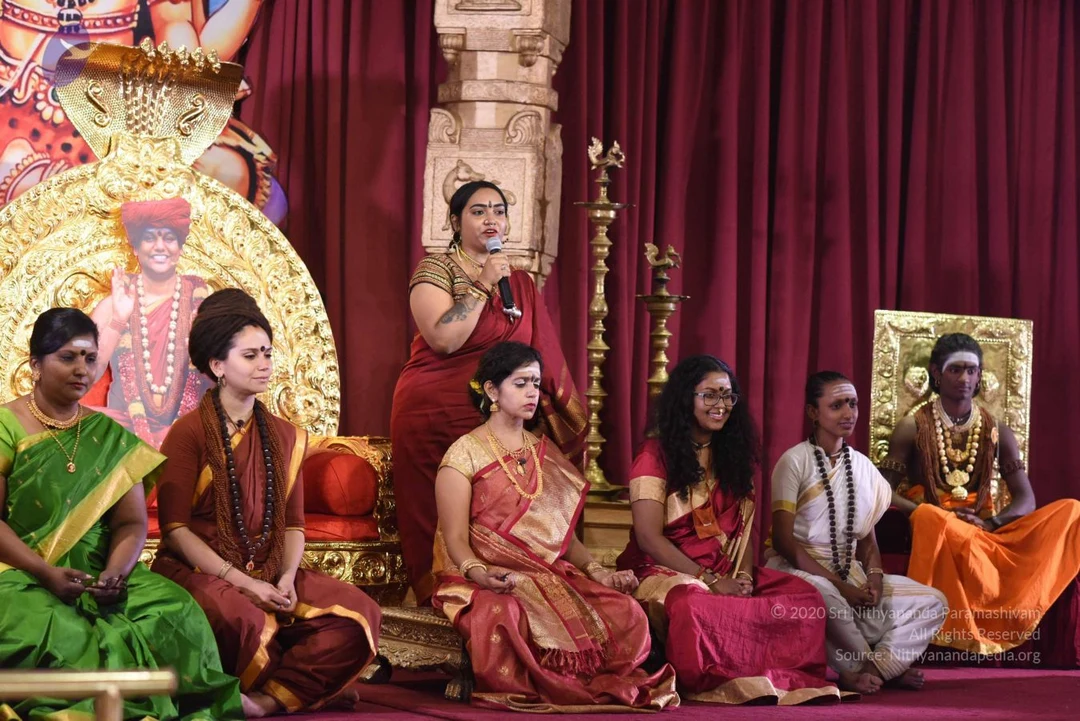
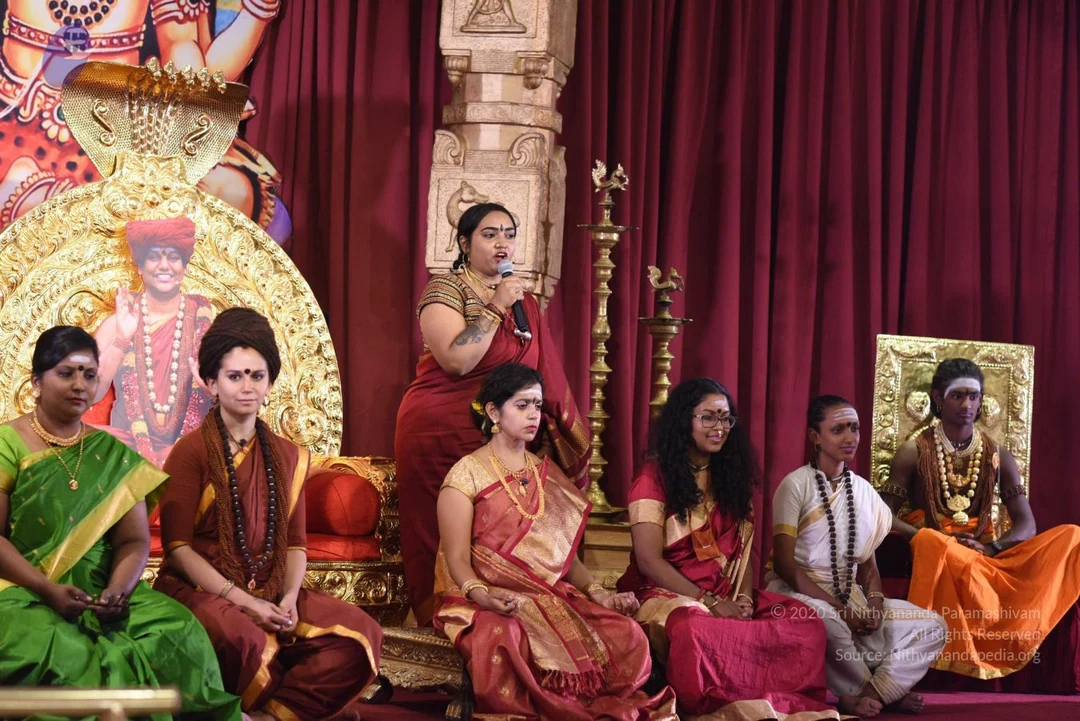
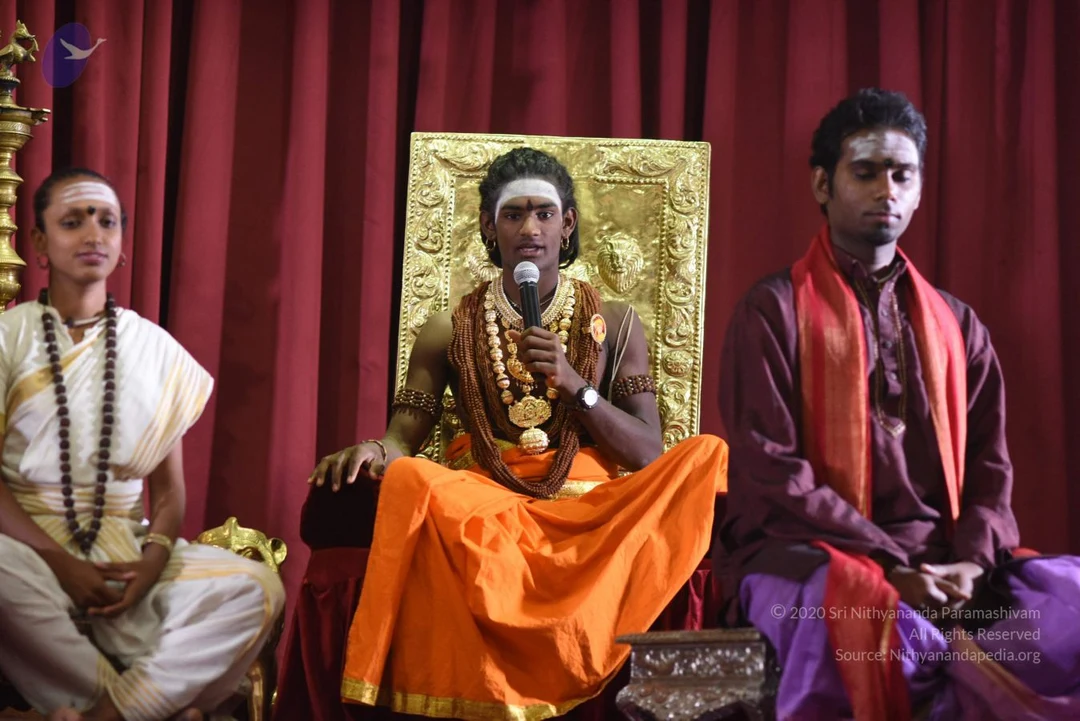
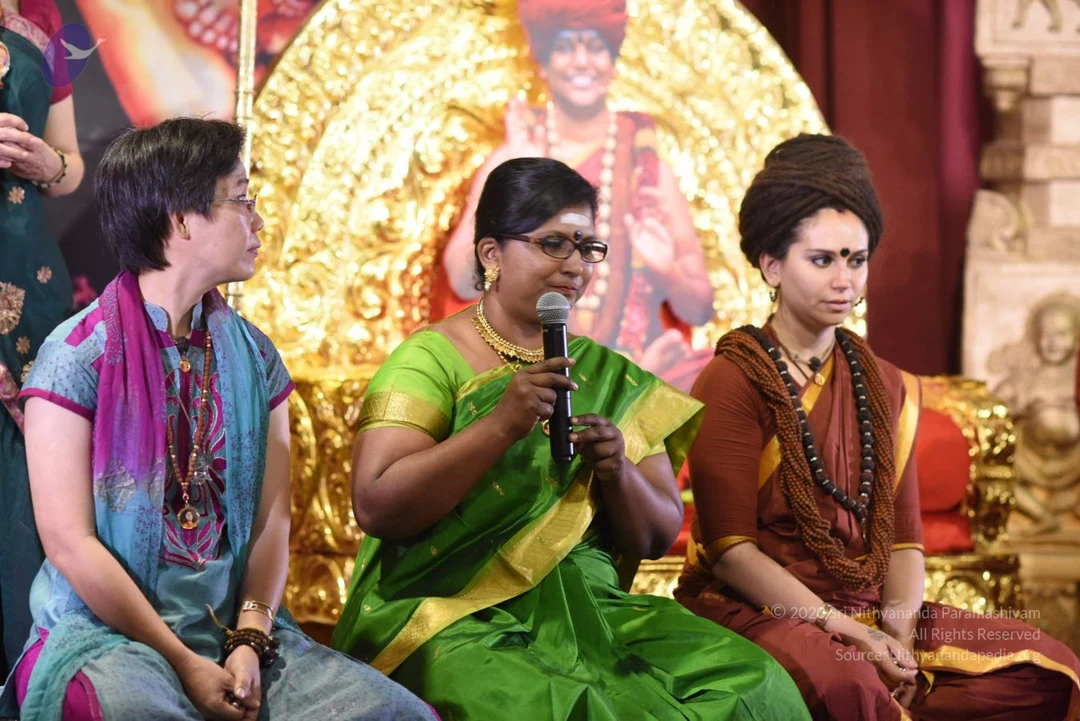
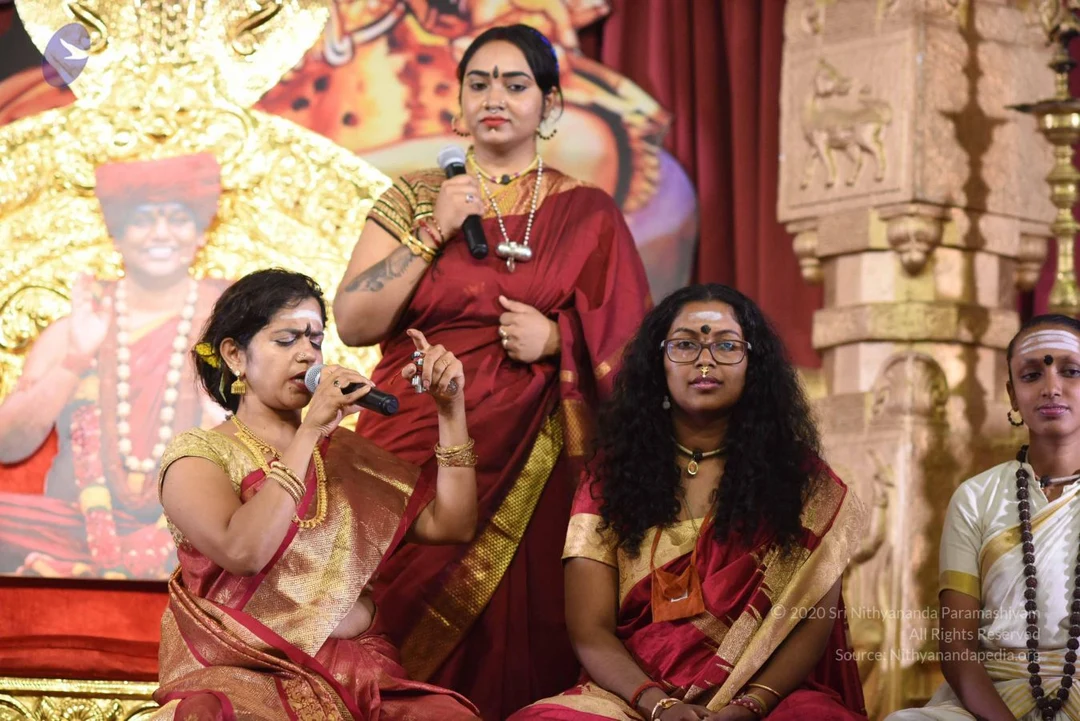
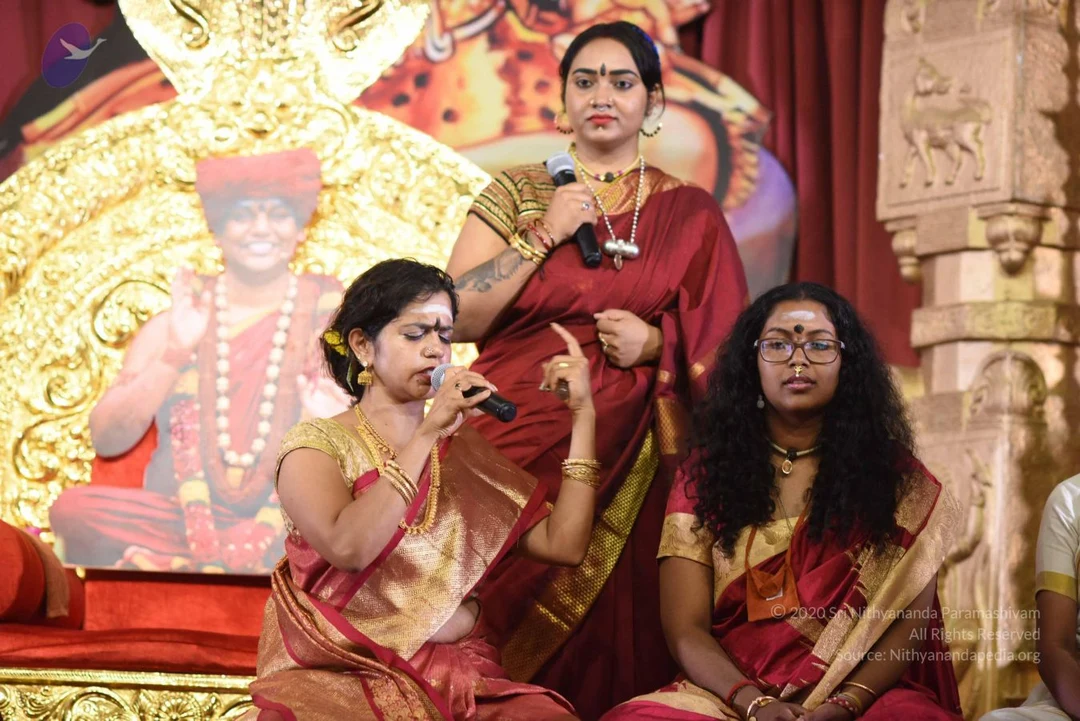
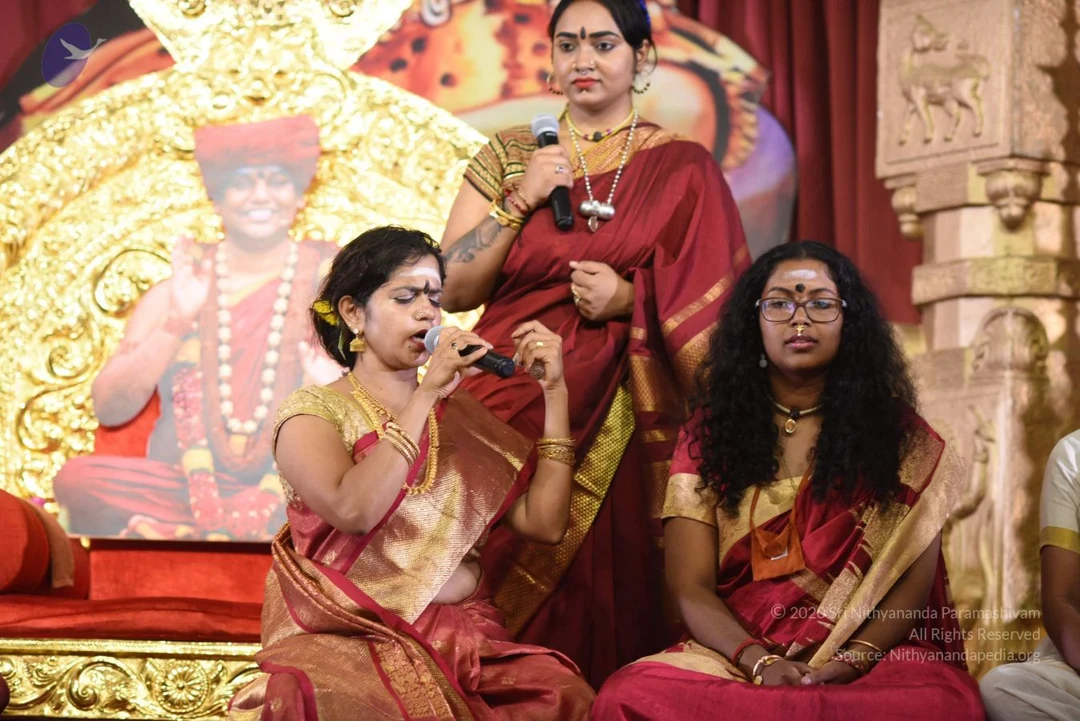
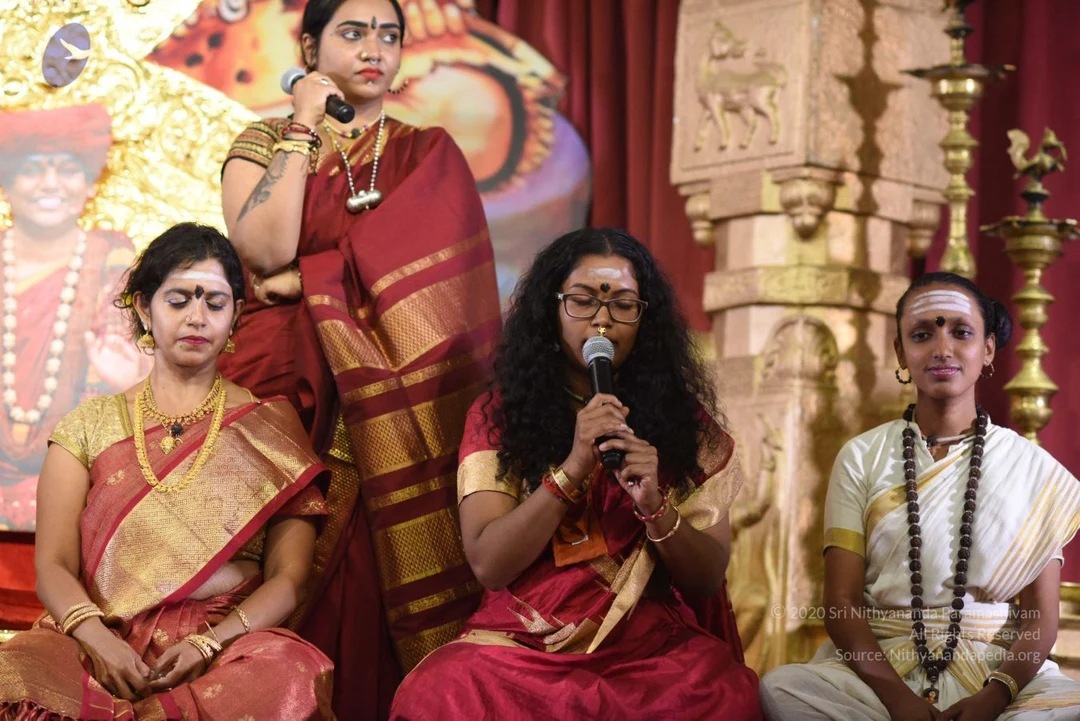
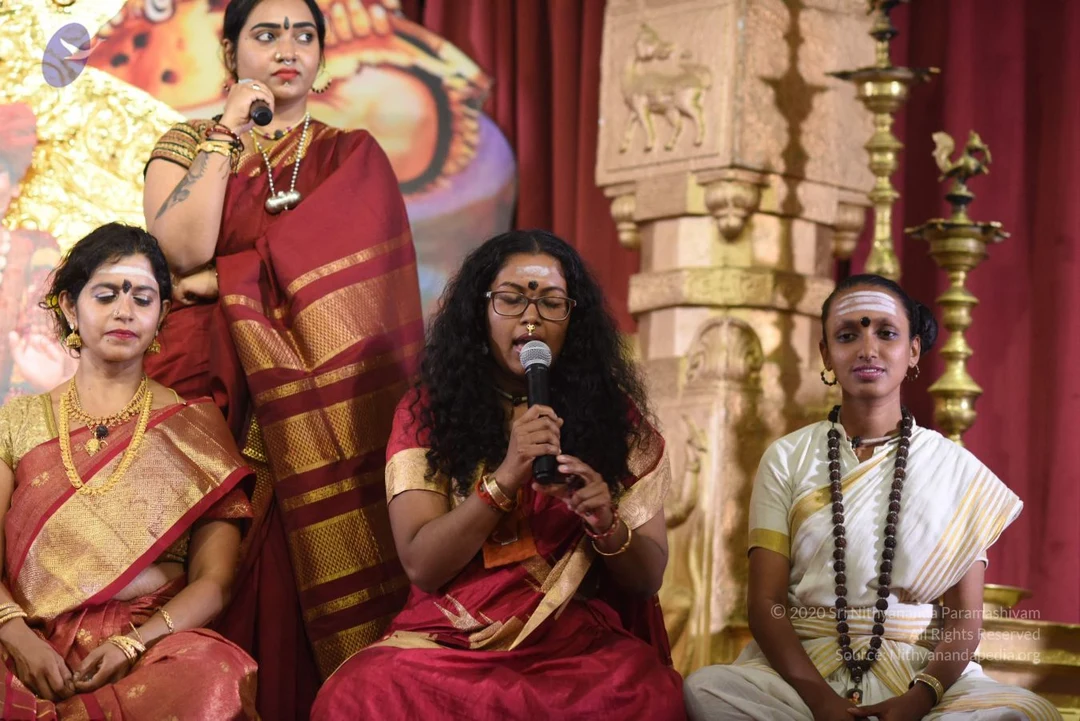
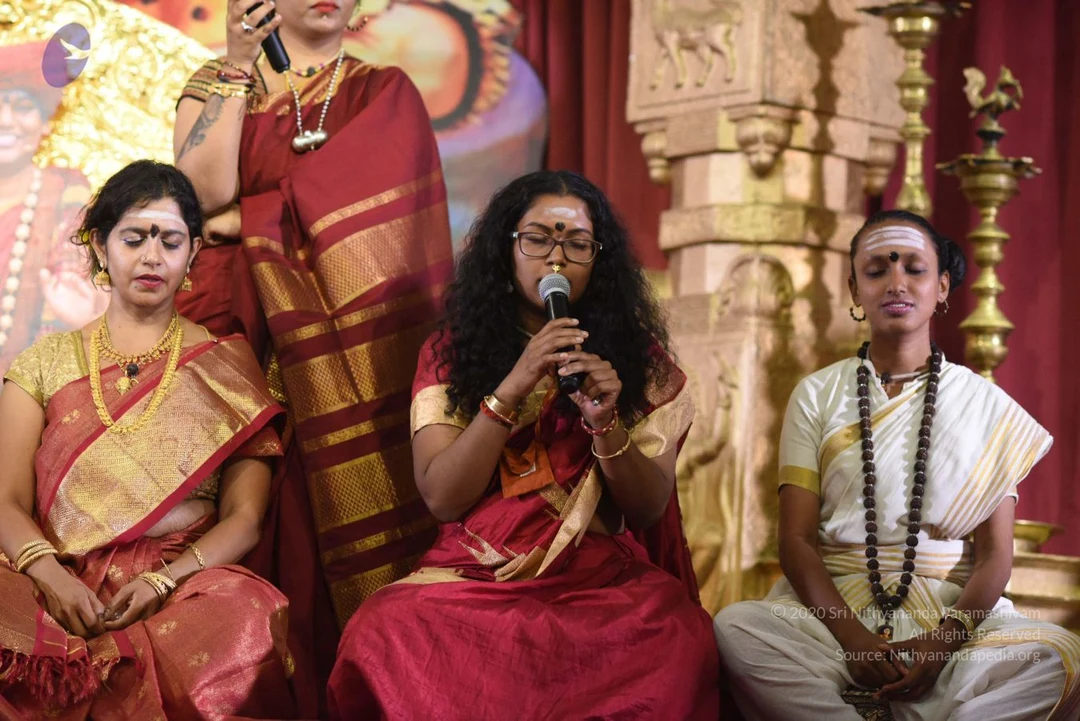
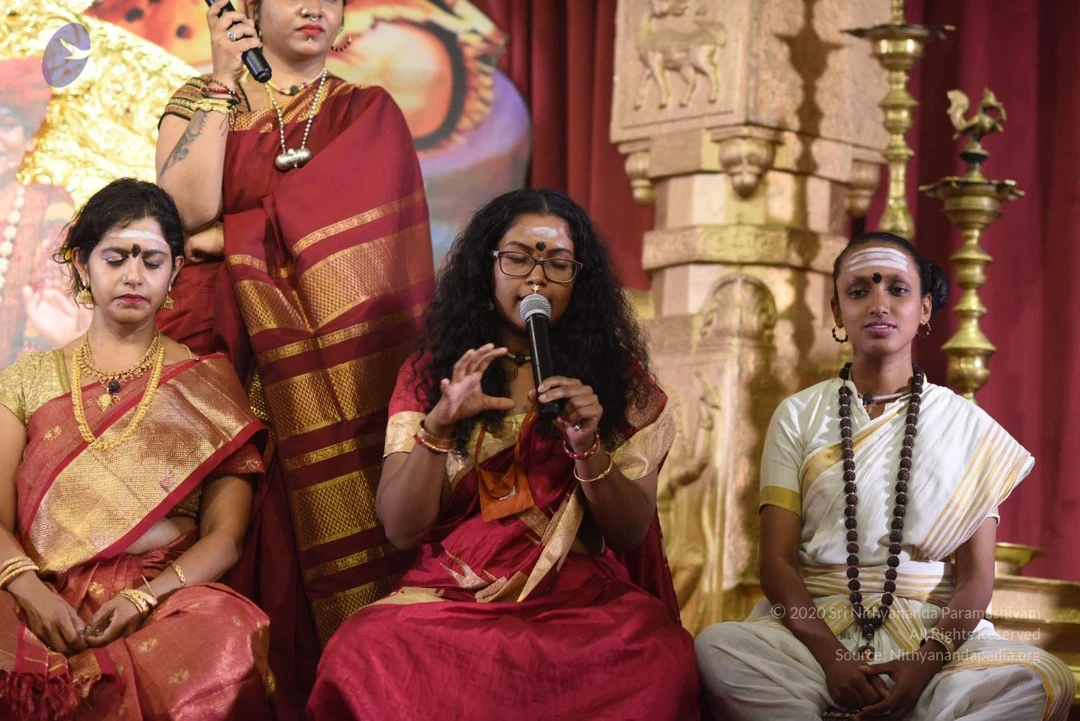
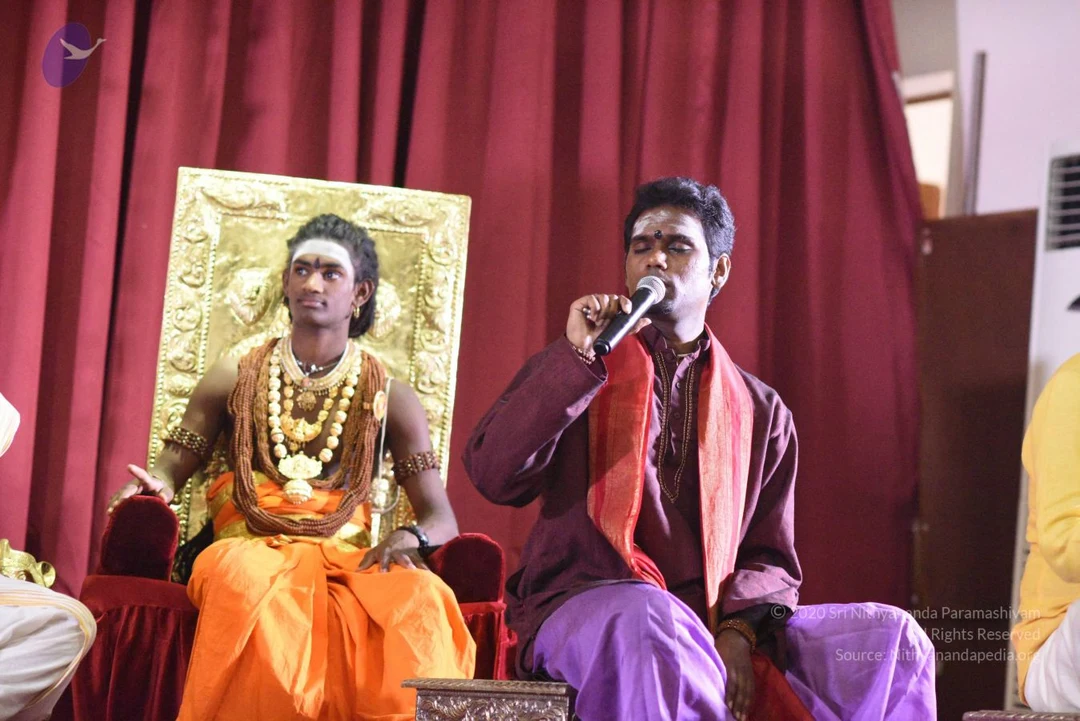
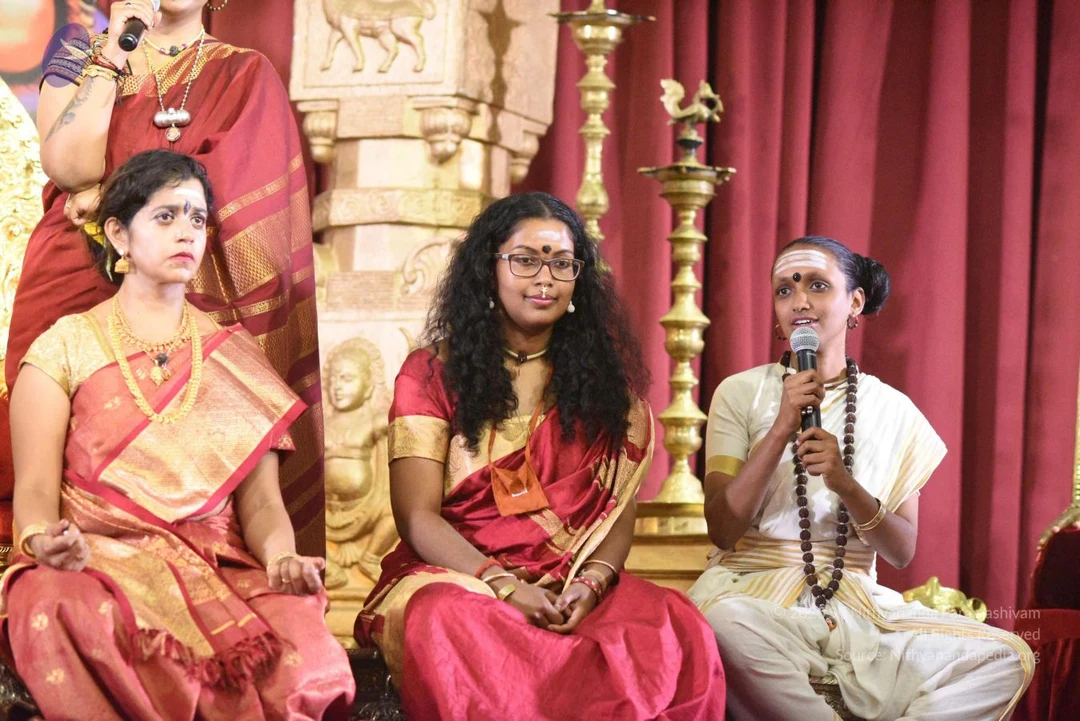
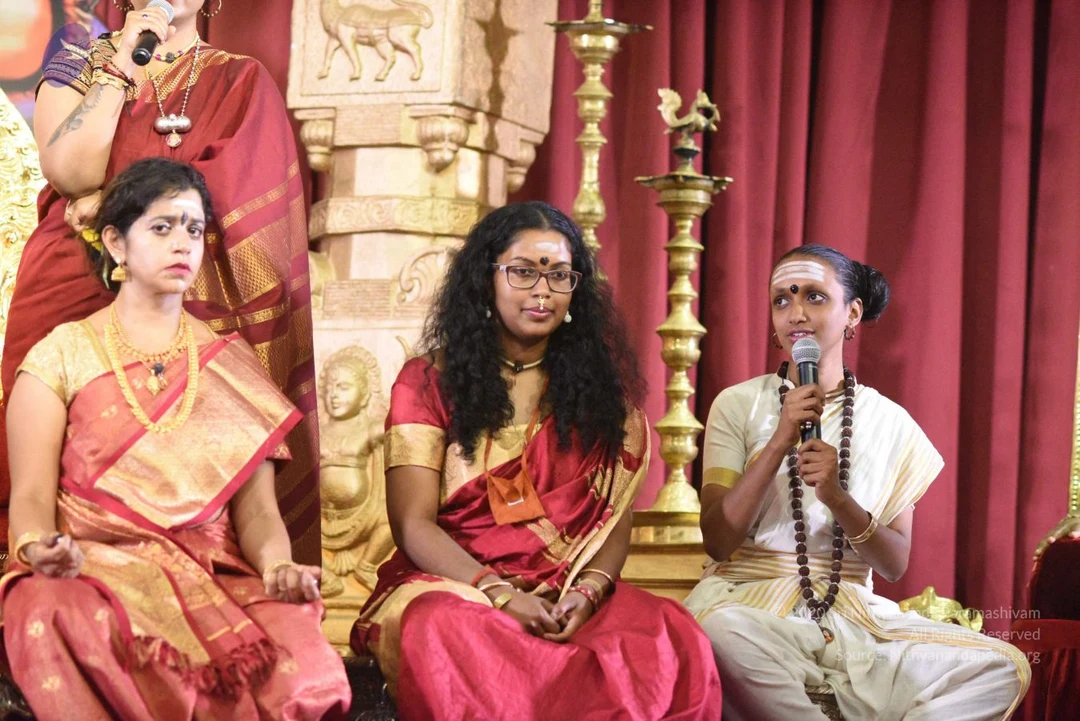
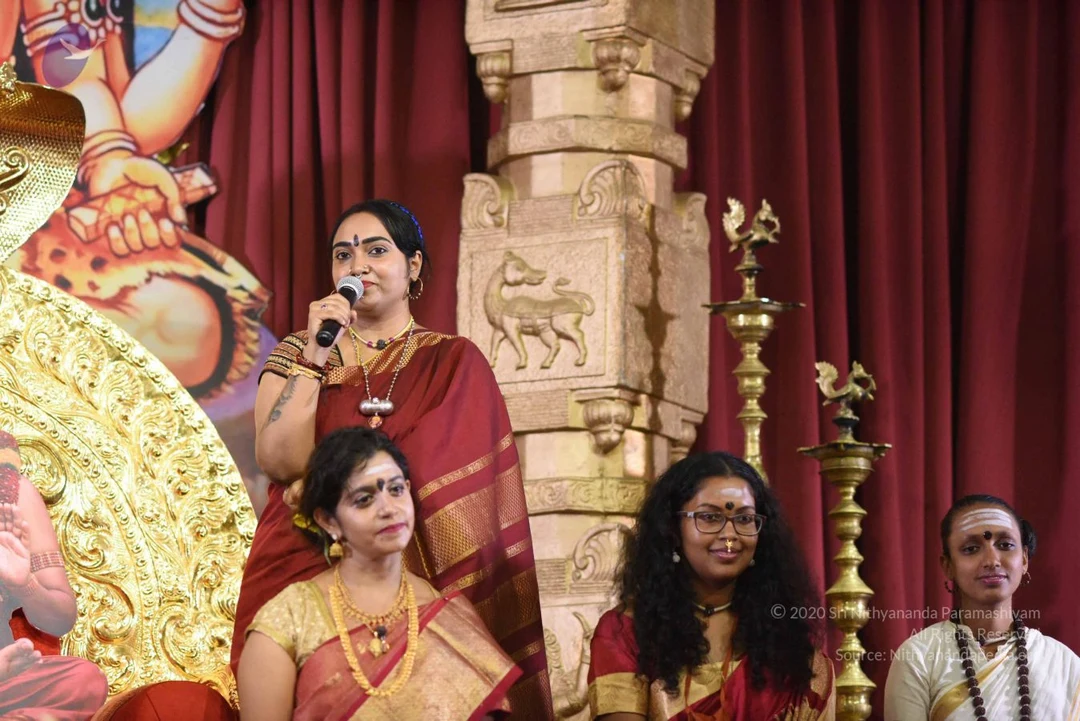
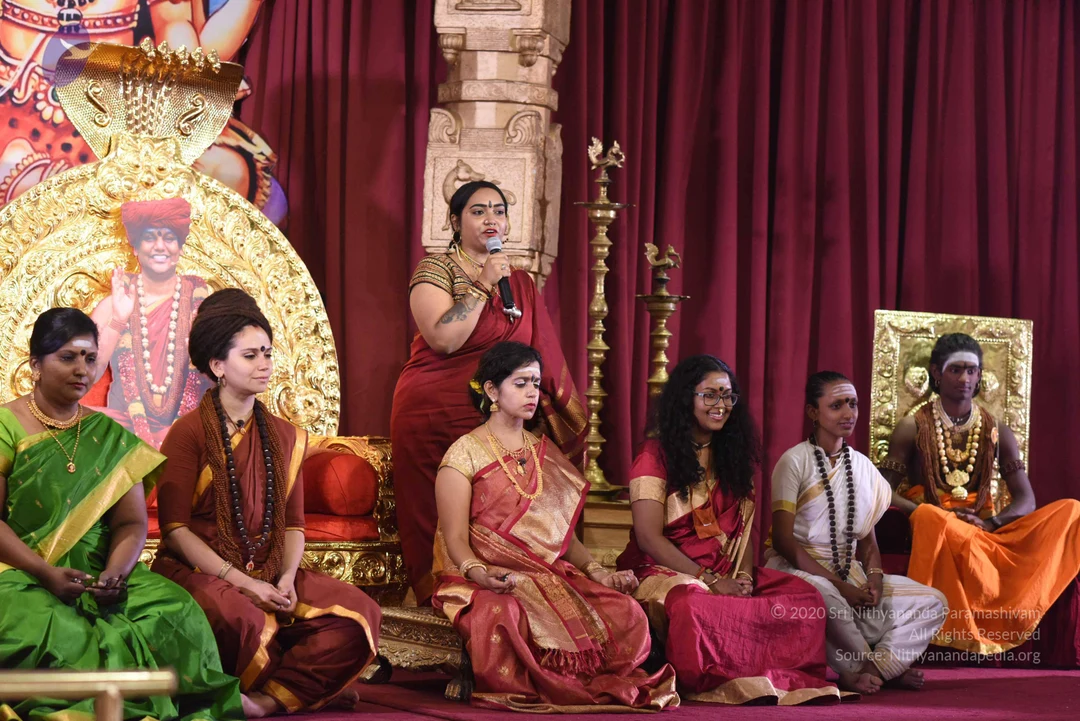
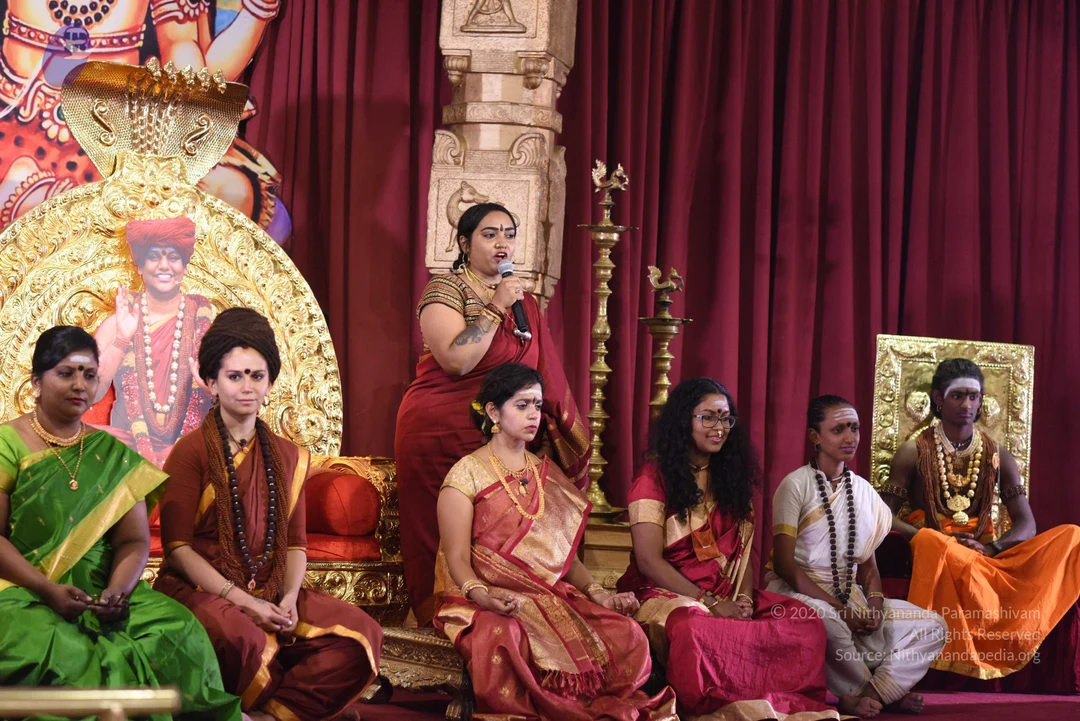
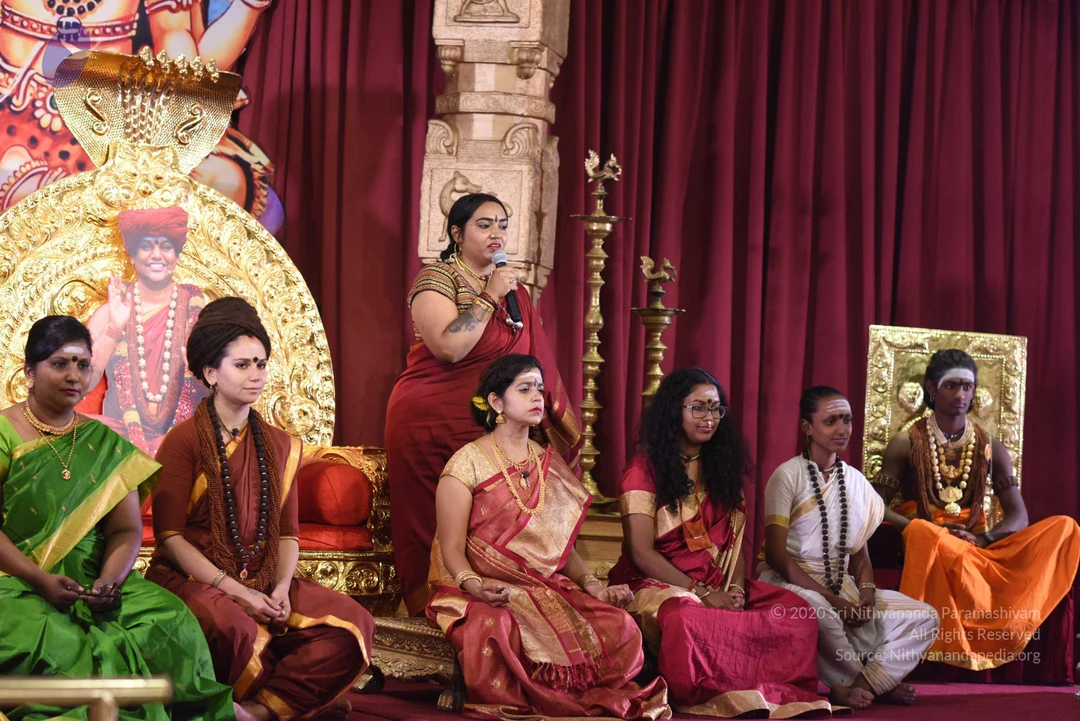
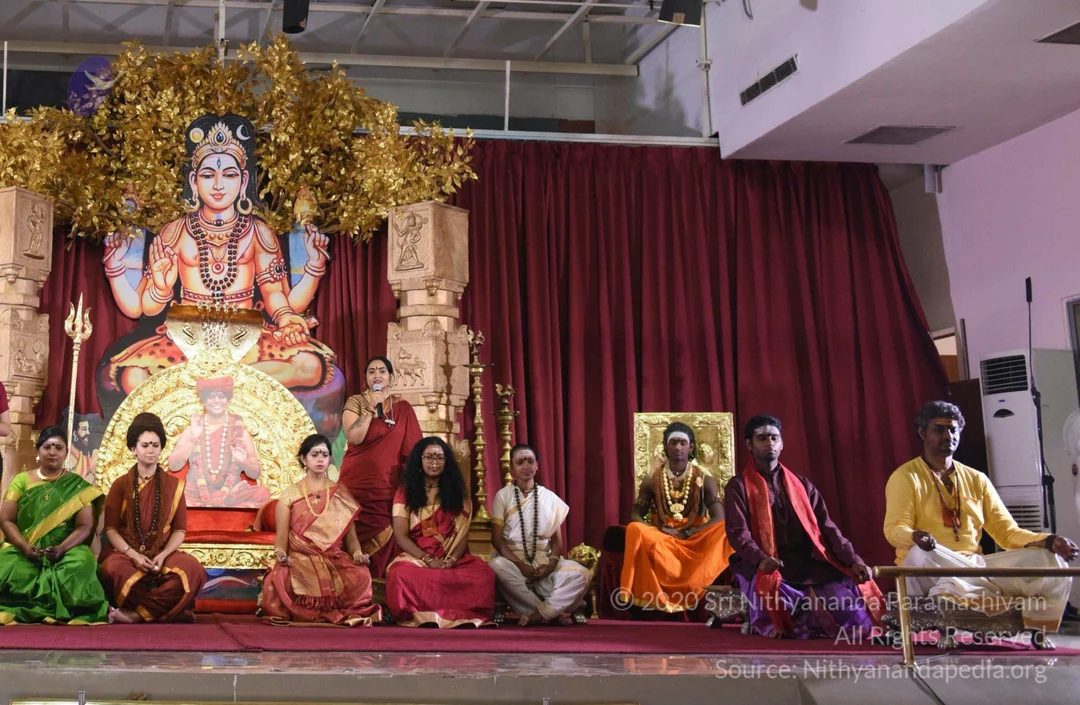
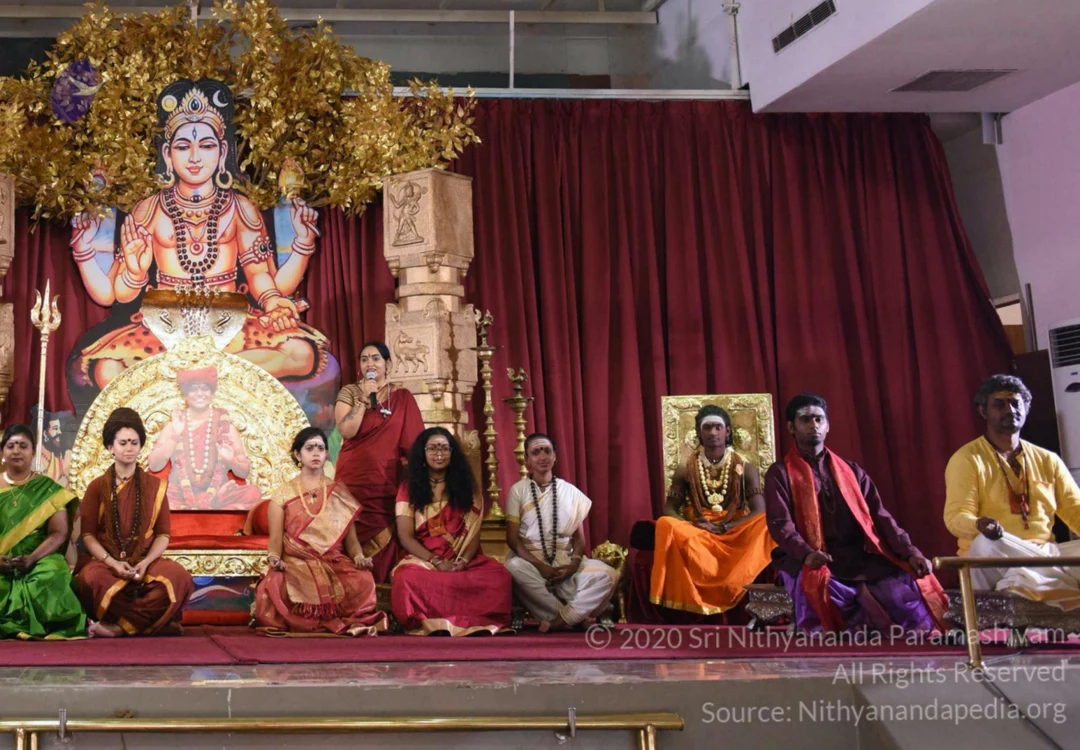
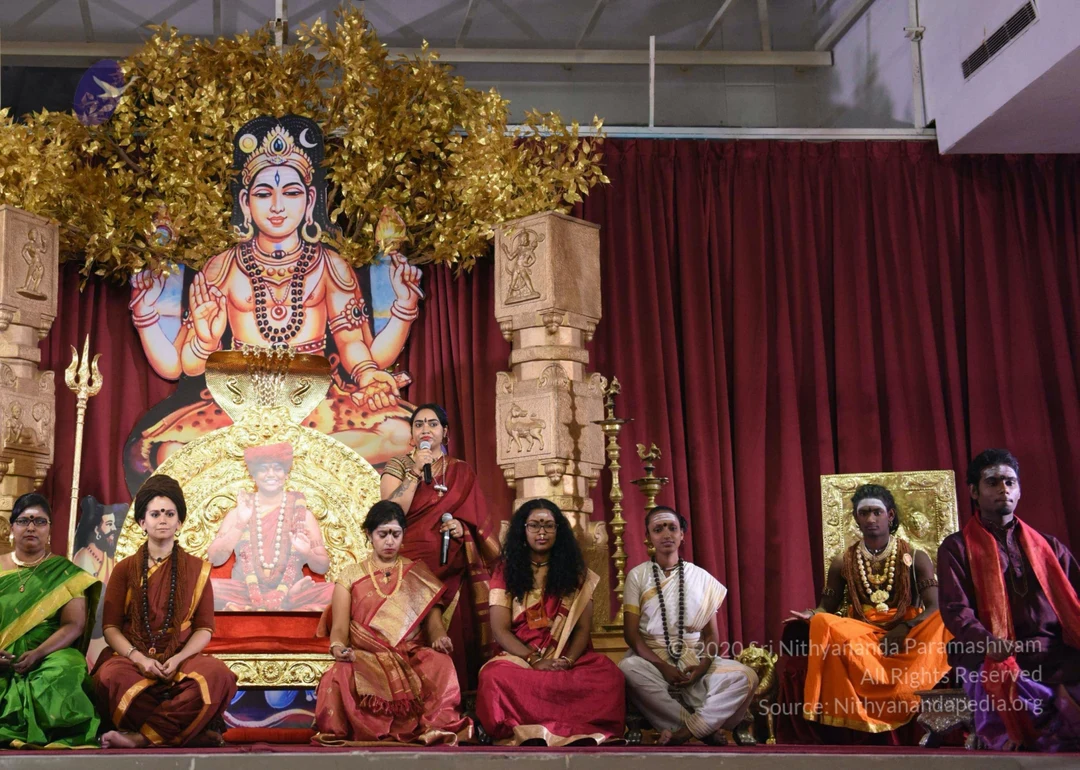
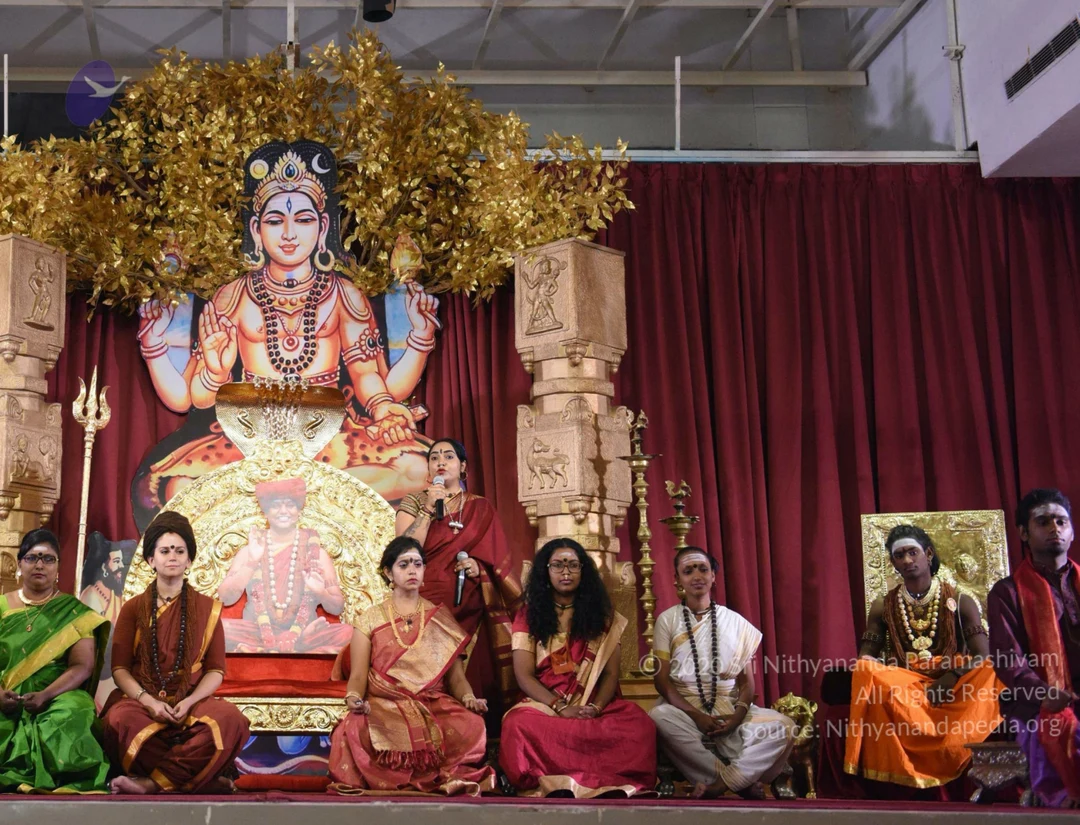
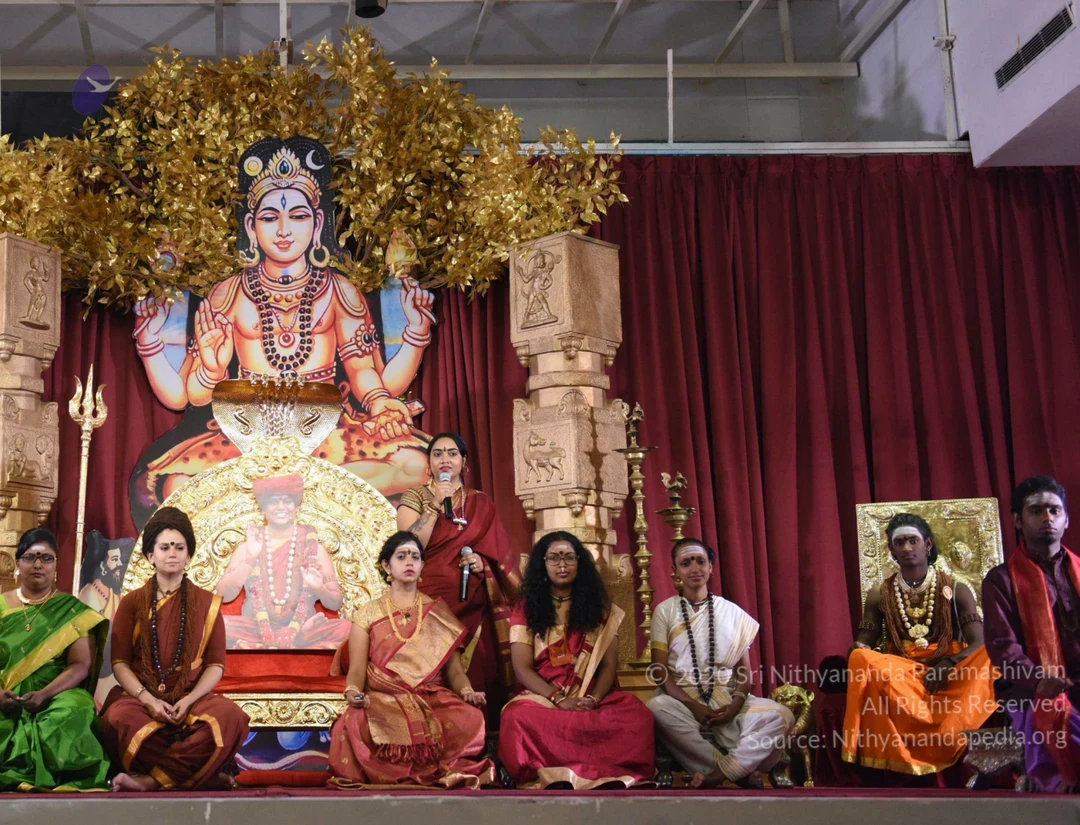
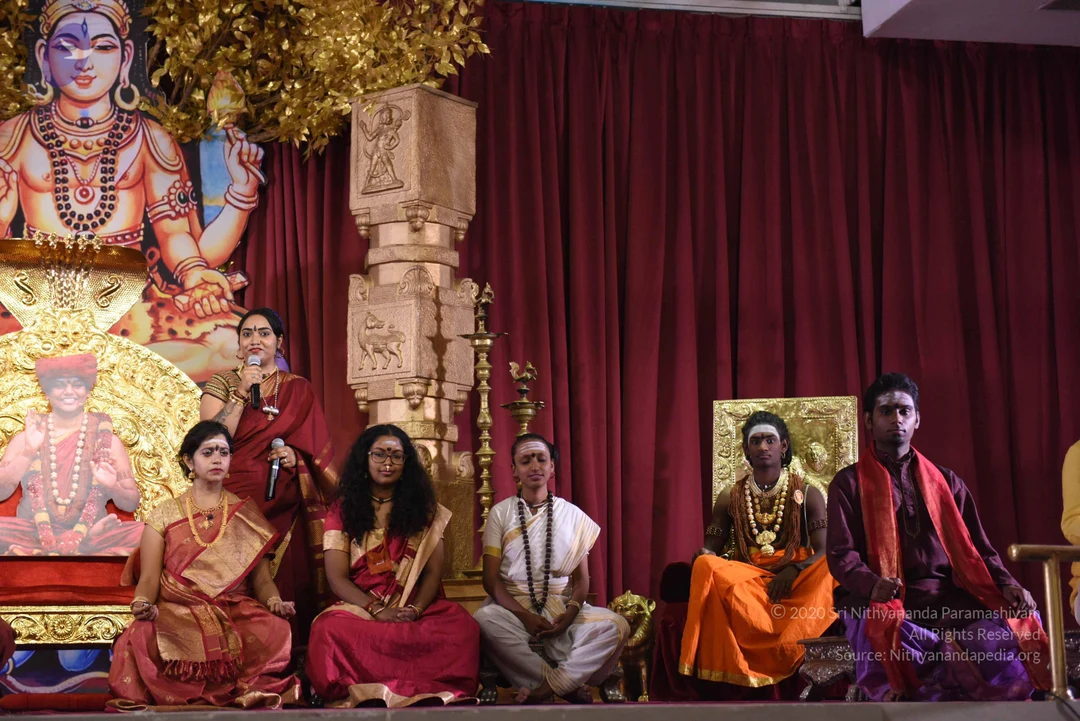
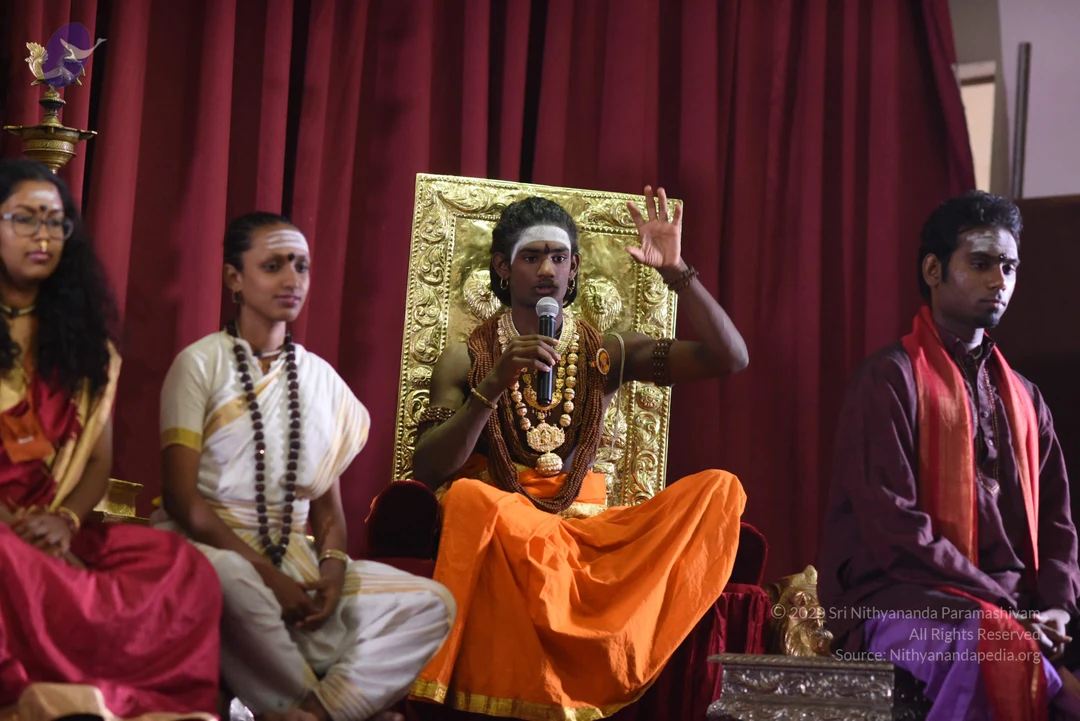
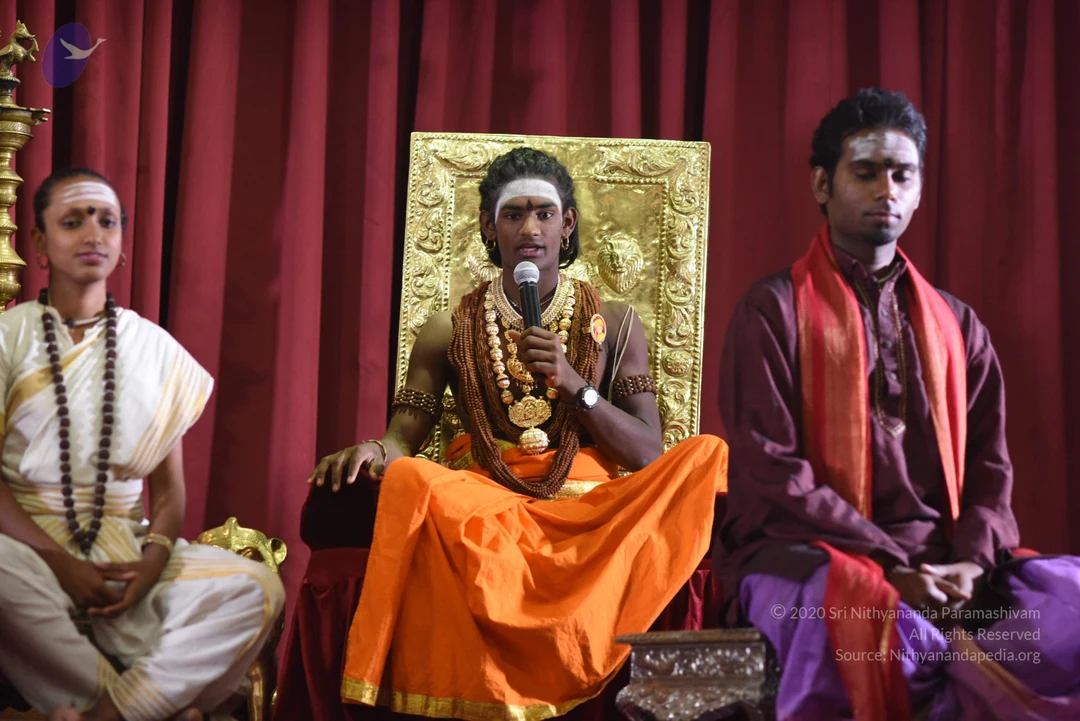
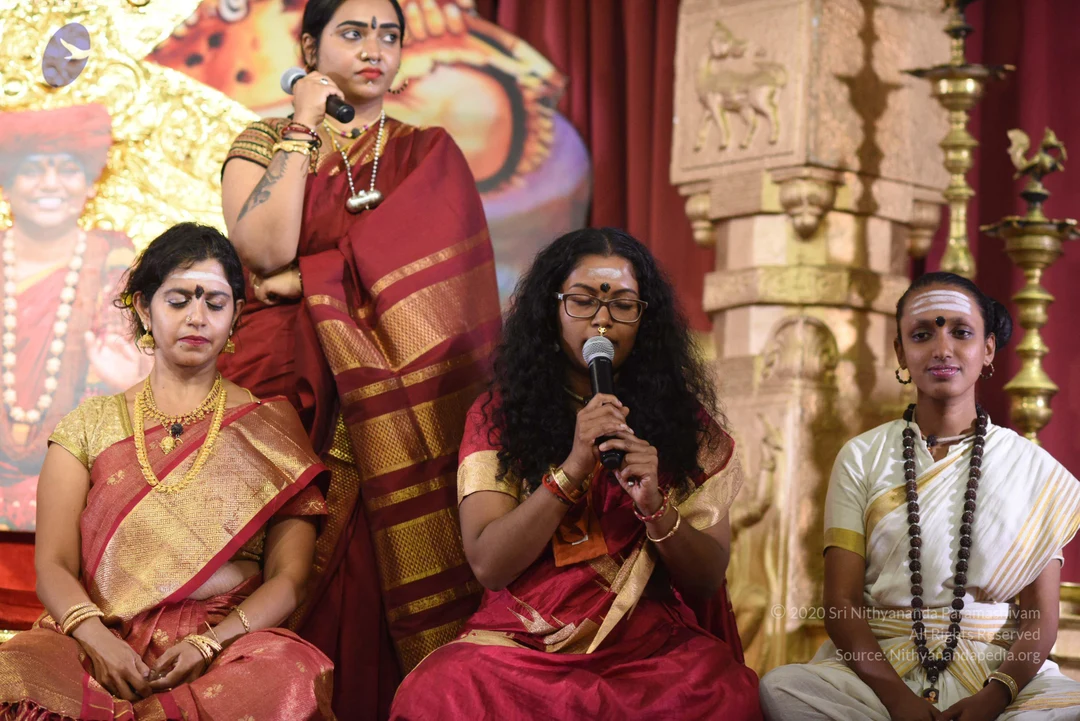
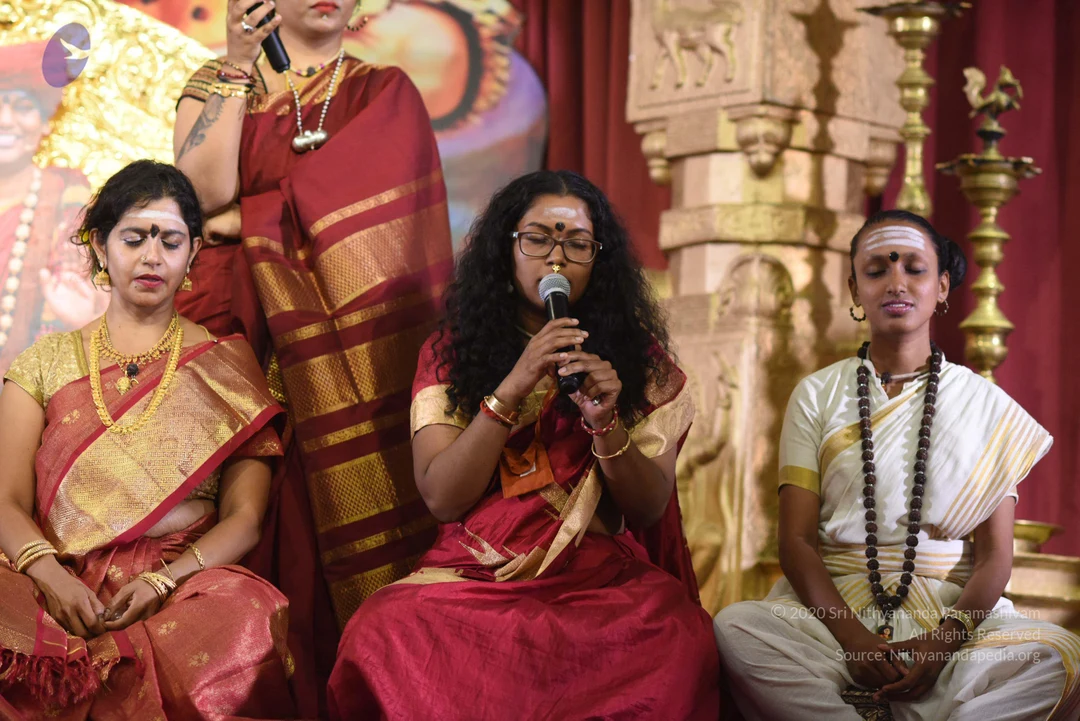
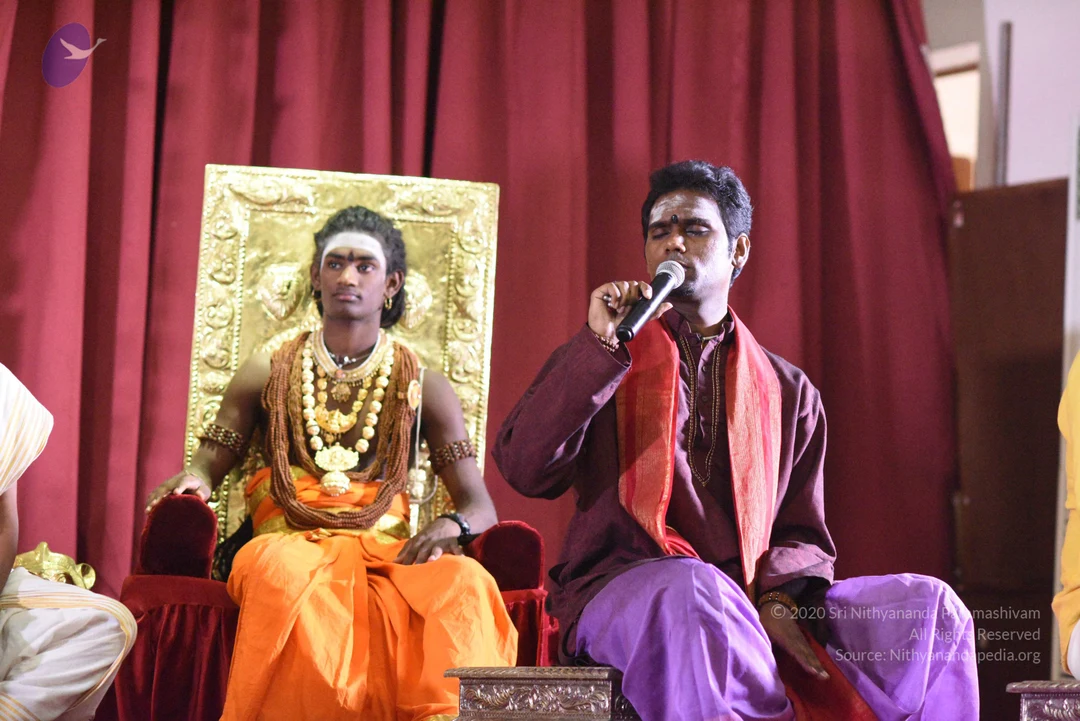
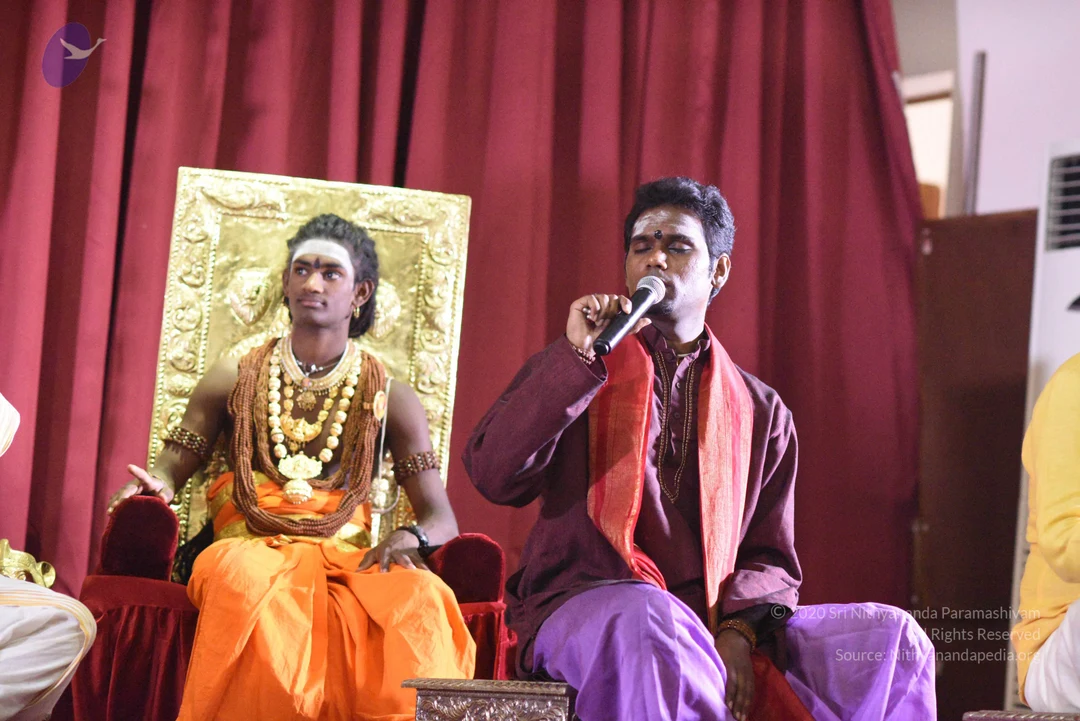
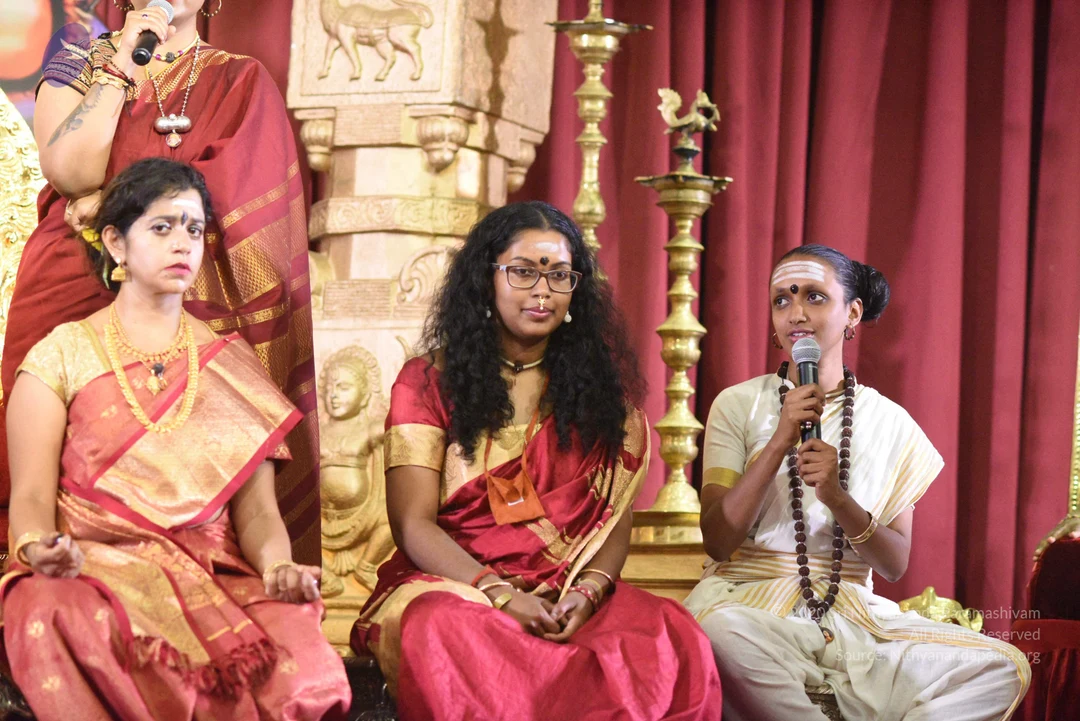
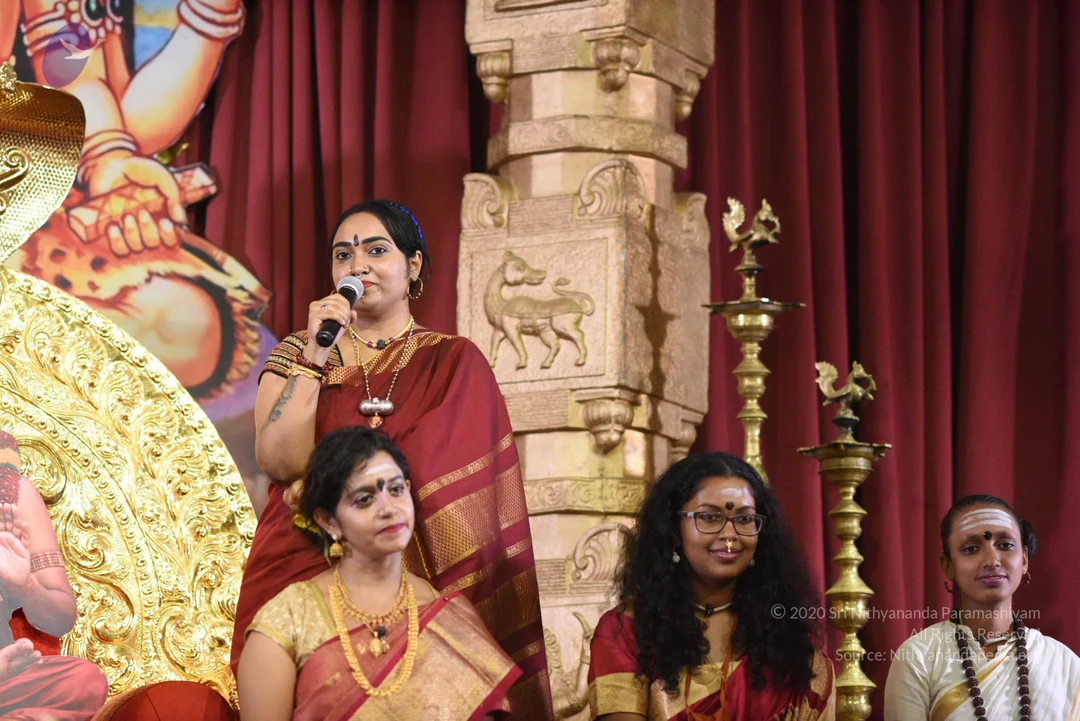
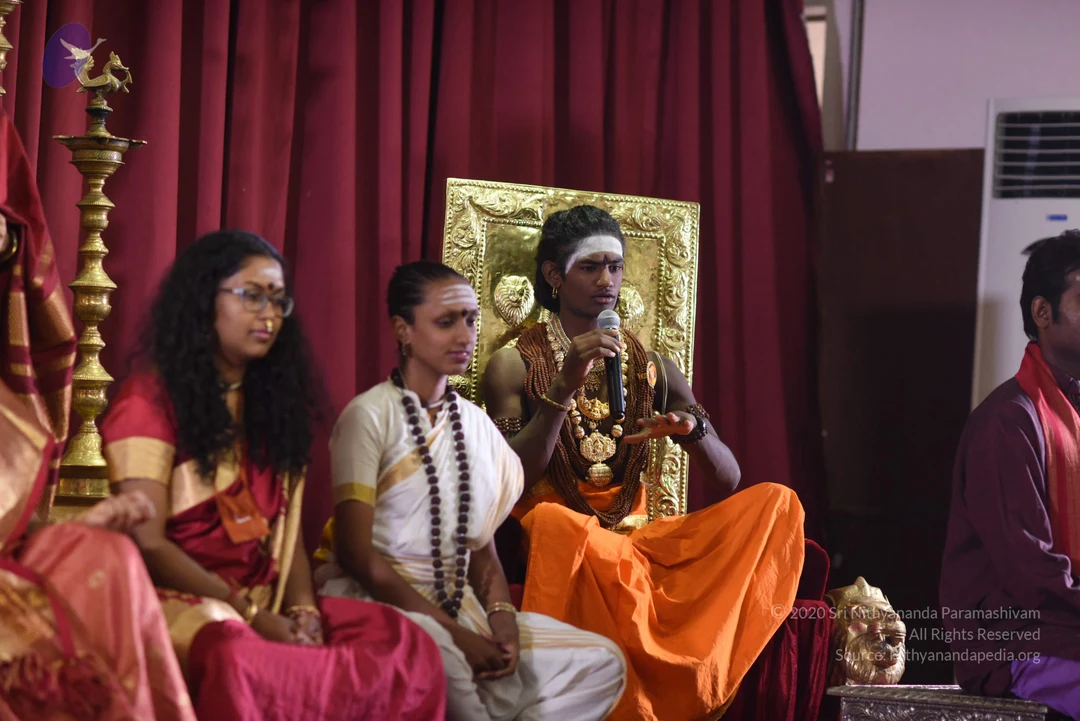
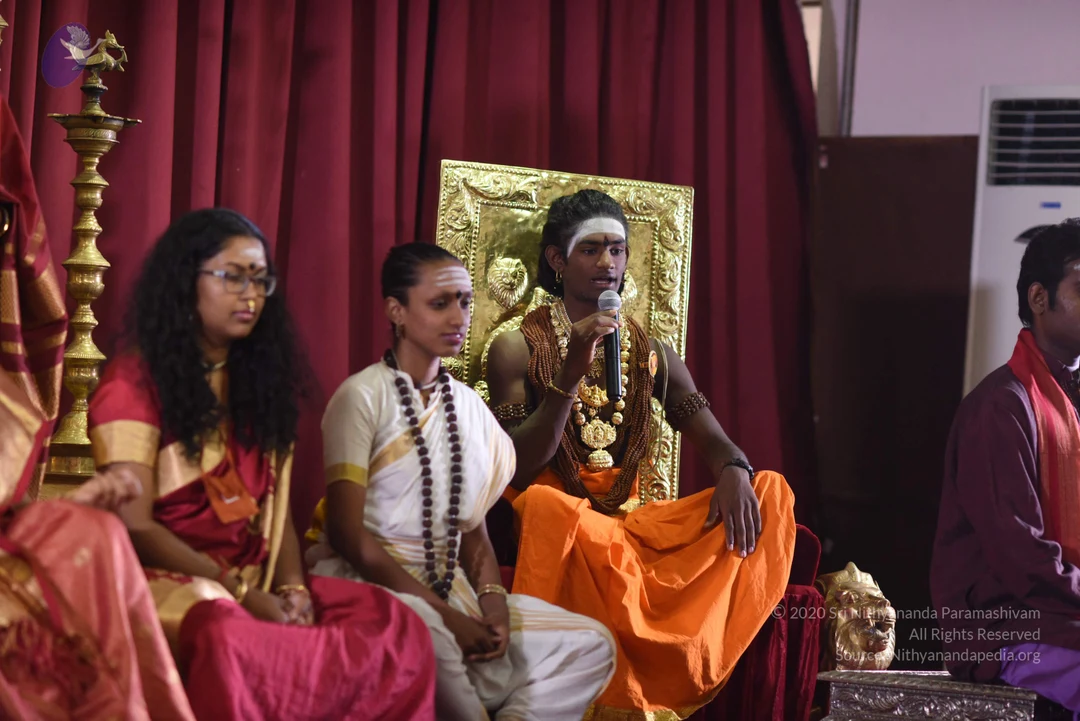
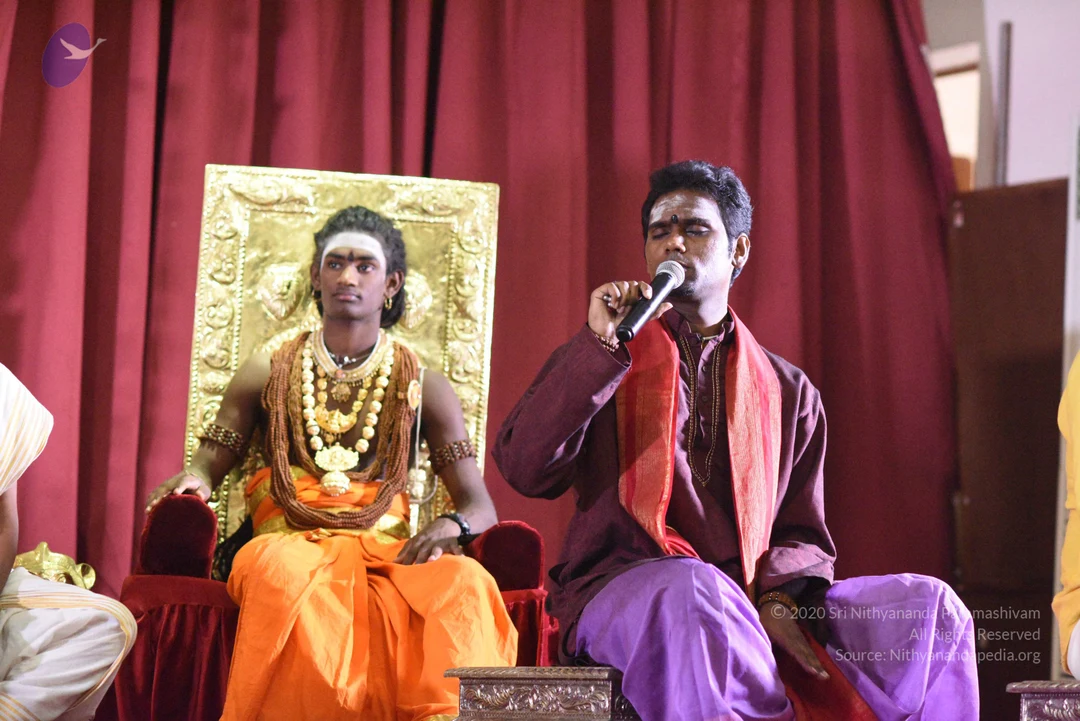
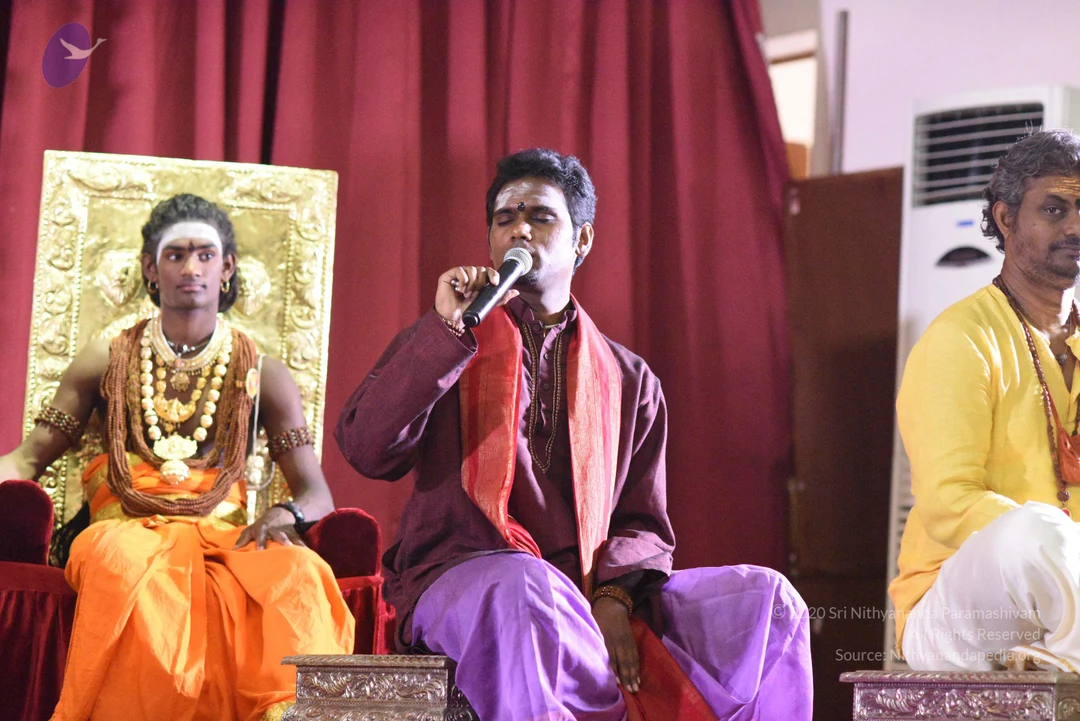
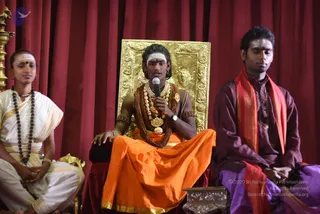
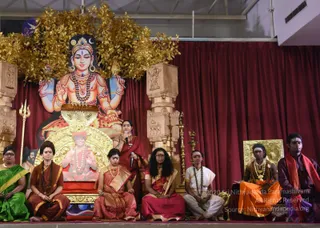
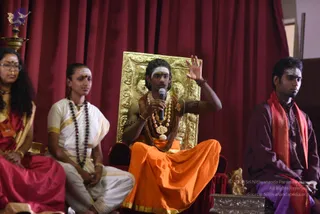
A stage event with a red curtain backdrop and an ornate gold throne on the left. A woman in a red sari with gold border stands at centre holding a microphone and speaking. Around her, six women and men sit on the stage: a woman in a green sari with gold border on the far left, a woman in brown and gold clothes with a rudraksha mala, a woman in a red and gold sari with gold jewellery, a woman in a red sari with dark curly hair and glasses, a person in white dhoti with a rudraksha mala and tilak, and a young man in orange clothes with beaded necklaces and tilak on the far right. A large framed portrait of a figure in saffron and red with a red turban and beads is on the throne, and a brass lamp stands nearby. Several people are visible, including those on the stage and the speaker; the framed portrait is not counted.A stage event with deep red drapes and a large ornate golden throne-style chair at left, beside a painted backdrop of a deity. A woman in a red sari stands at center holding a microphone and speaking. Seated before her in a row are several women in saris: one in green with gold border at far left, one in brown with a rudraksha mala, one in gold-bordered maroon sari with gold necklaces, one in pink with glasses and curly hair, and one in white sari with a dark mala. At far right a man in an orange dhoti with a white sash and beaded necklaces sits cross-legged with a white-painted forehead. Brass lamps stand on the stage and a gold-framed picture rests on an easel-like stand at right.A stage event with red drapes and a gilded throne-like chair at left. A standing woman in a red sari with gold border holds a microphone and speaks. Seated in front are six people: a woman in green sari, a woman in brown-orange robe with rudraksha mala, a woman in red and gold sari, a woman in red sari with glasses, a woman in white sari with rudraksha mala, and a man in orange dhoti with gold chains and white forehead markings. Behind them a golden framed picture and a brass oil lamp stand. A large painted backdrop of a deity figure and a smiling man in red turban with rudraksha mala appears at upper left.A stage event with a red curtain and golden tree backdrop. A woman in a red and gold sari holds a microphone and speaks, seated beside another woman in red and gold, a woman in a gold-bordered sari, a man in white dhoti with a rudraksha mala, and a man in saffron-orange cloth with a gold necklace and white forehead markings seated on a gold throne-like chair. Another man in dark maroon with a red shawl sits at right. A printed poster behind shows a blue-skinned deity holding a rudraksha mala, and a golden seated figure in red wearing garlands sits on a golden throne at left. A stone carved pillar with a relief of a cow and deity stands centre, with brass oil lamps nearby.Indoor stage event with a deep red velvet curtain backdrop and a large painted deity image at upper left showing a blue-skinned figure with a crescent and many-stranded beaded necklaces. Five people sit on the stage: at left a woman in a red and gold sari; behind her a woman in a red sari with a red shawl and hand microphone speaking; a woman in a red sari seated centre-left; a man in white dhoti and shawl with a rudraksha mala and tilak; a man in orange saffron cloth with a gold chain and rudraksha mala; and a man at far right in a maroon kurta with a red shawl. A golden throne is at left with a painted portrait of a saffron-robed seated figure with a red turban and mala; an ornate golden chair and brass lamps stand nearby. Overall a Hindu ritual discourse stage setting.A seated man speaks into a microphone on a stage before deep red curtains. He wears an orange dhoti, layered rudraksha malas, a heavy gold necklace with a pendant, and a gold-trimmed armband, and he has white tripundra markings on his forehead. Behind him stands an ornate gold-framed throne with lion motifs. To the left, a figure in white dhoti with gold border and rudraksha mala sits with hands folded, and to the right a man in maroon shirt with red and orange shawl and purple dhoti sits attentively. A brass lamp stands at the left edge. The scene resembles a satsang or discourse. a person appearance is uncertain.

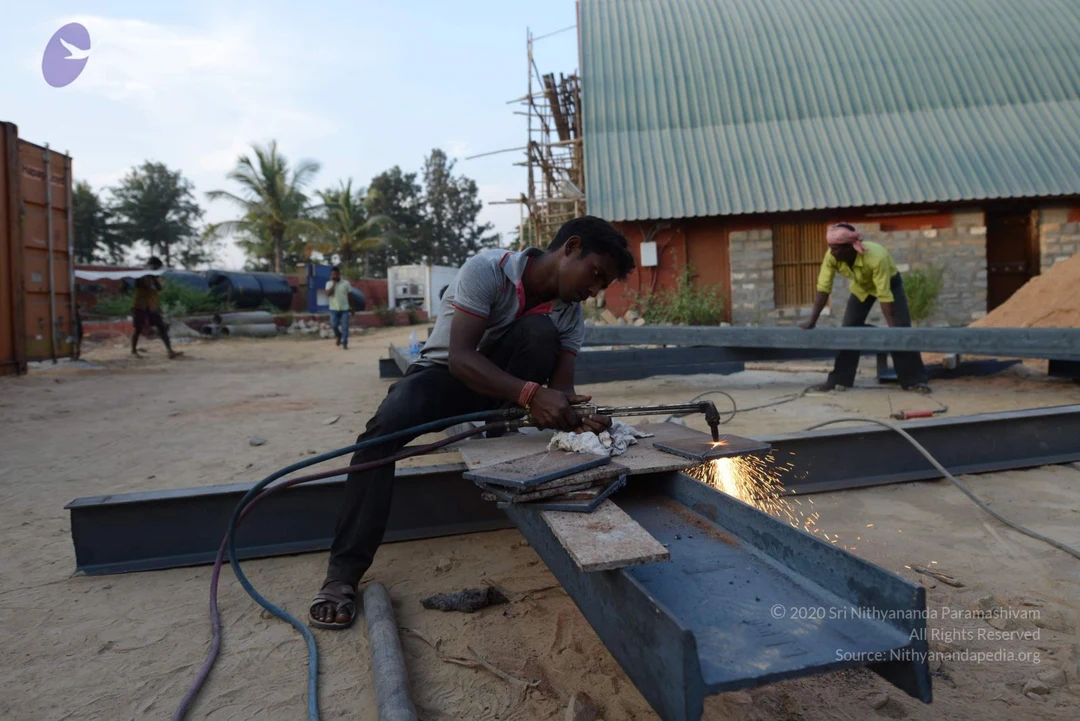
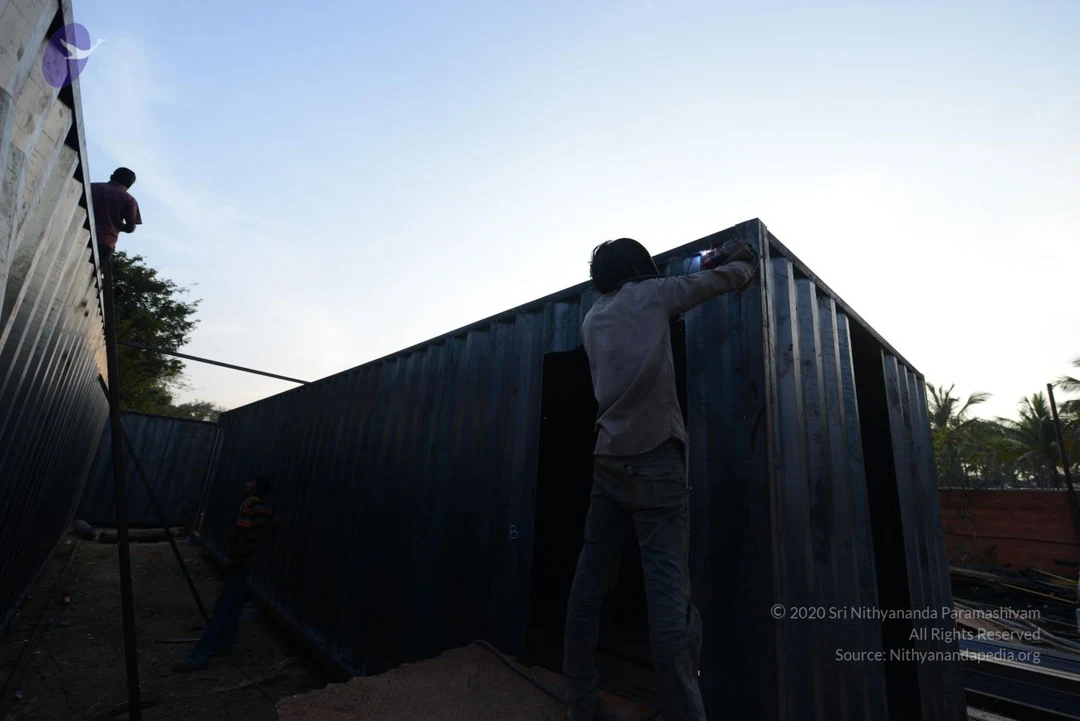
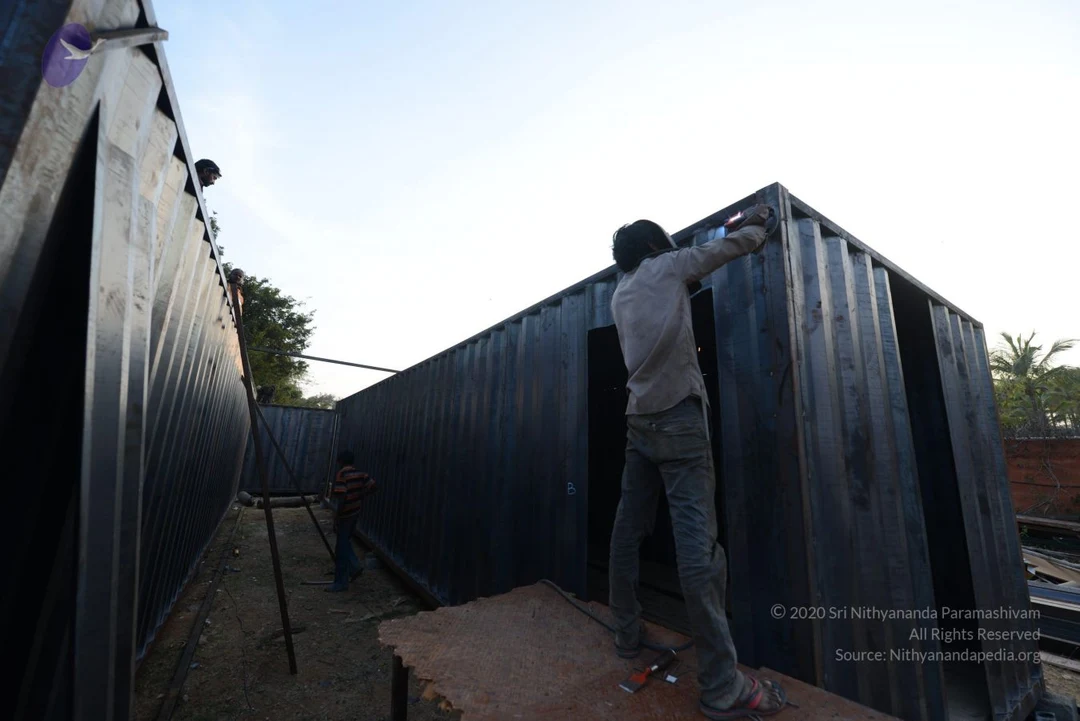
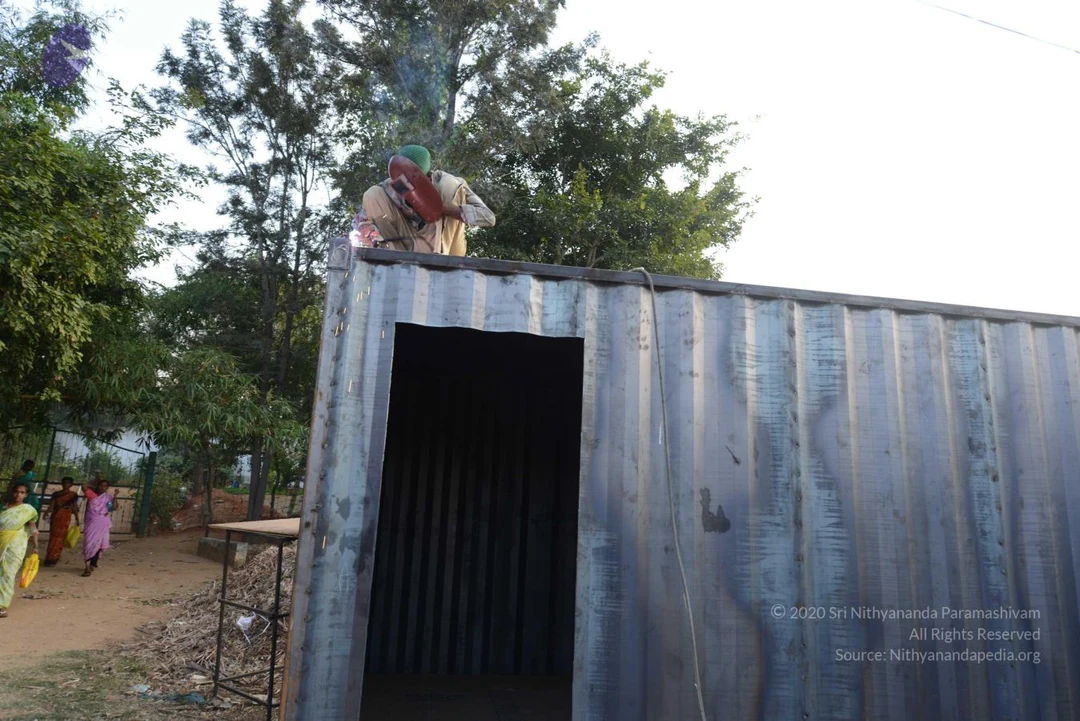
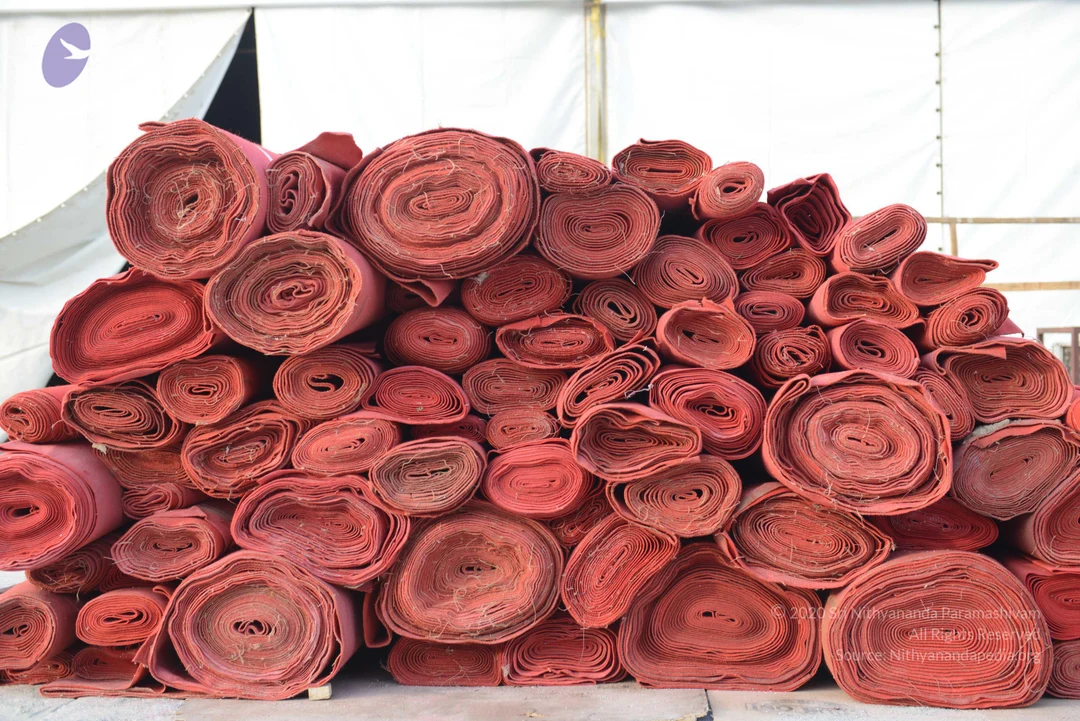
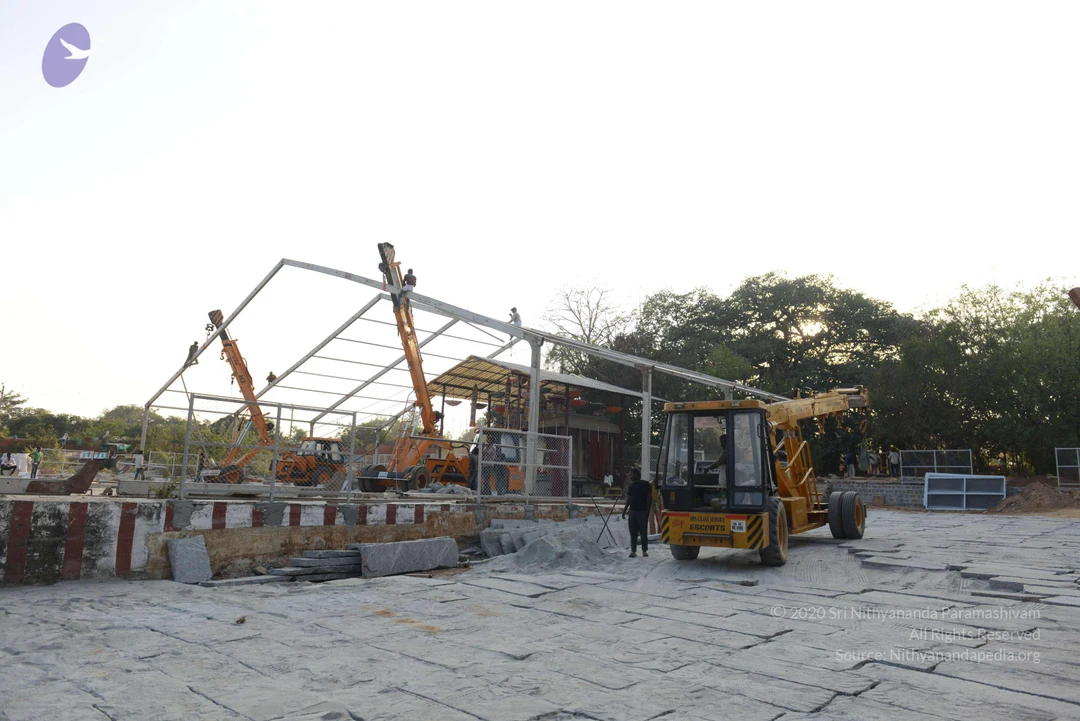
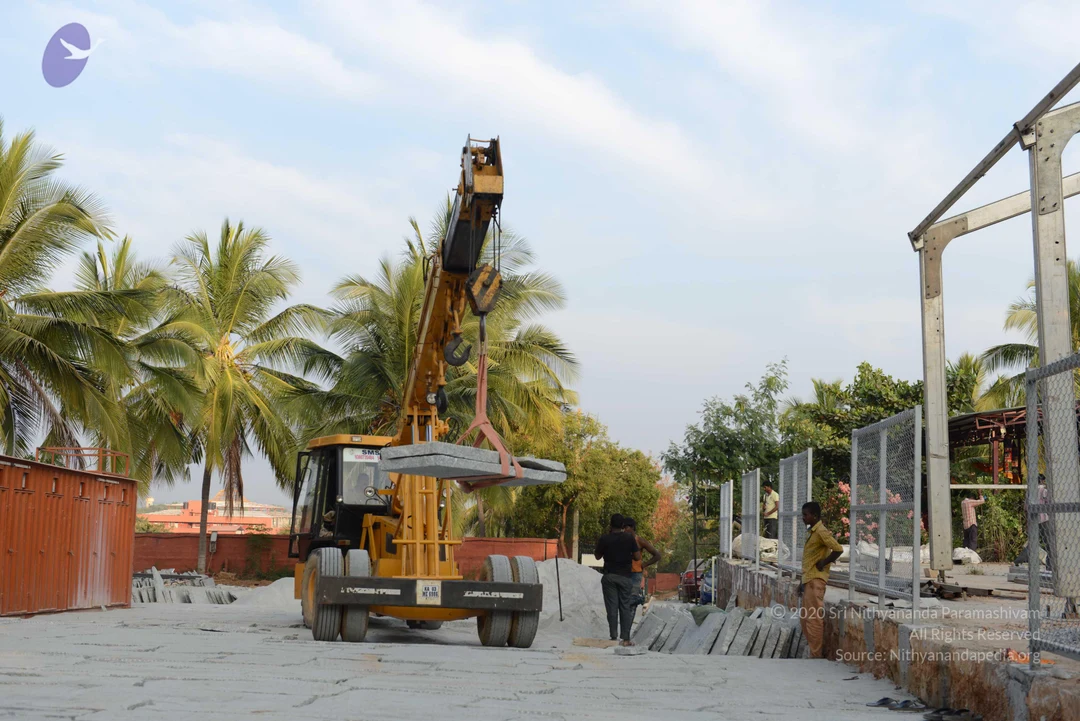
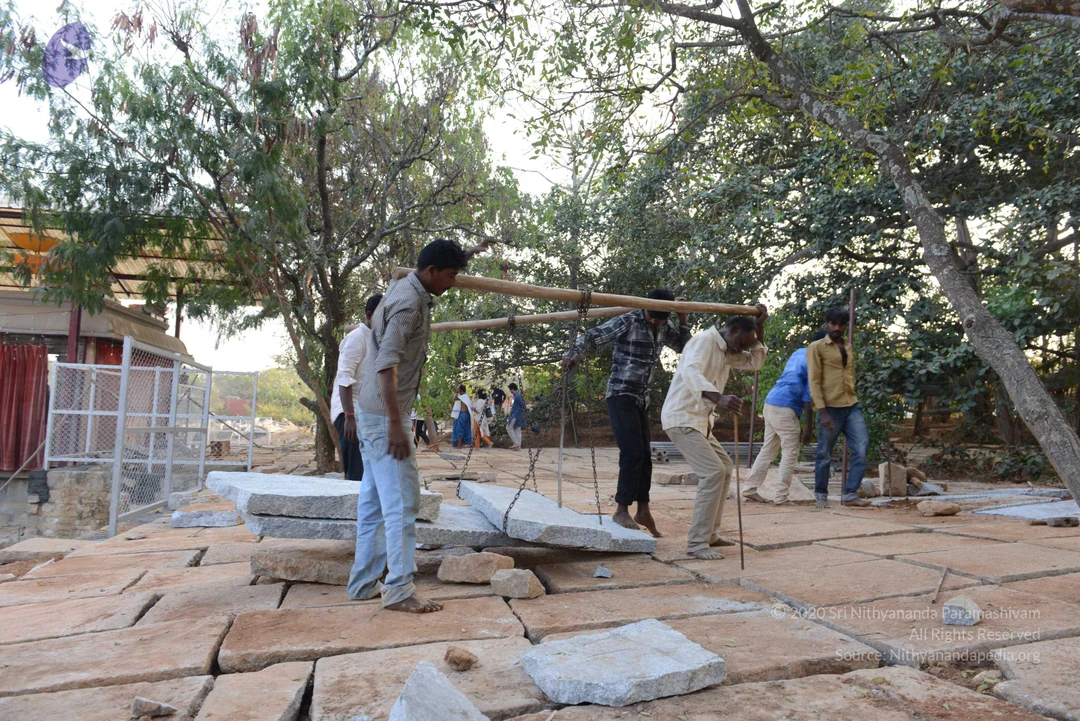
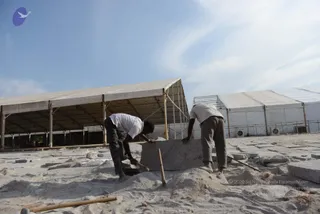
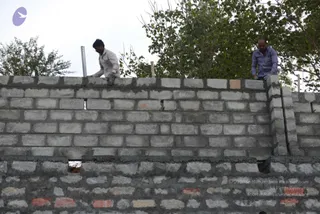
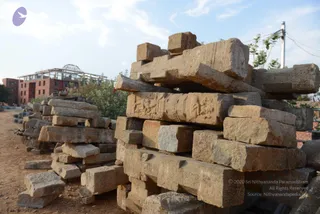
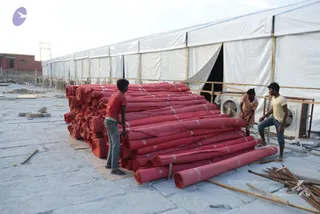
Construction

99 photosSource gallery
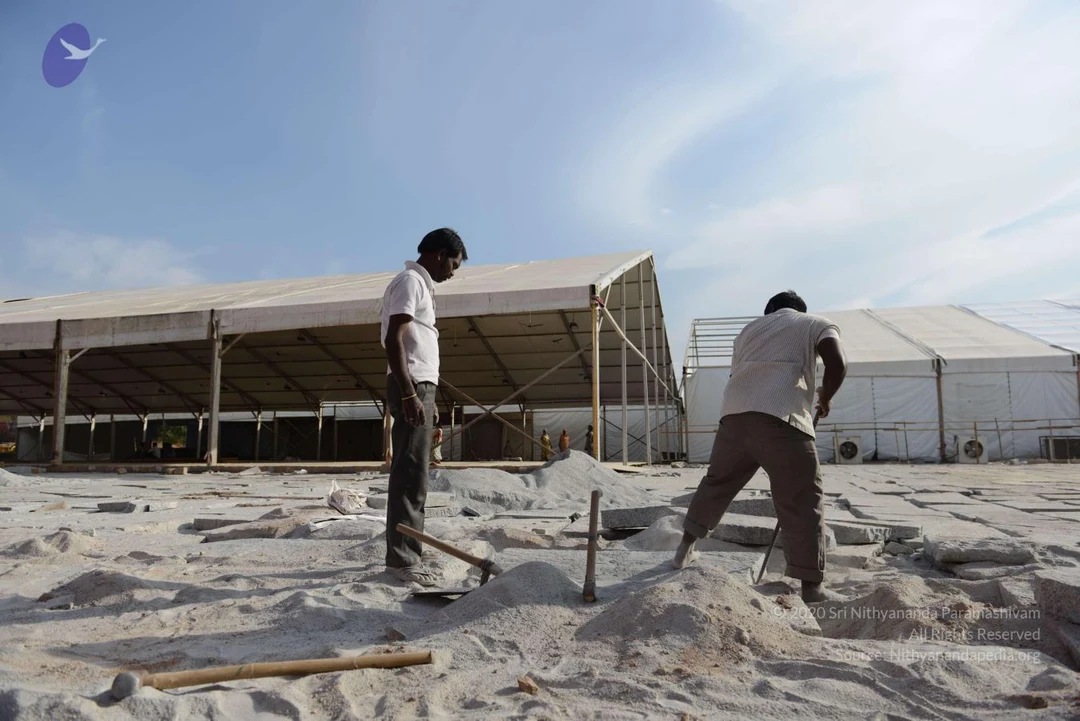
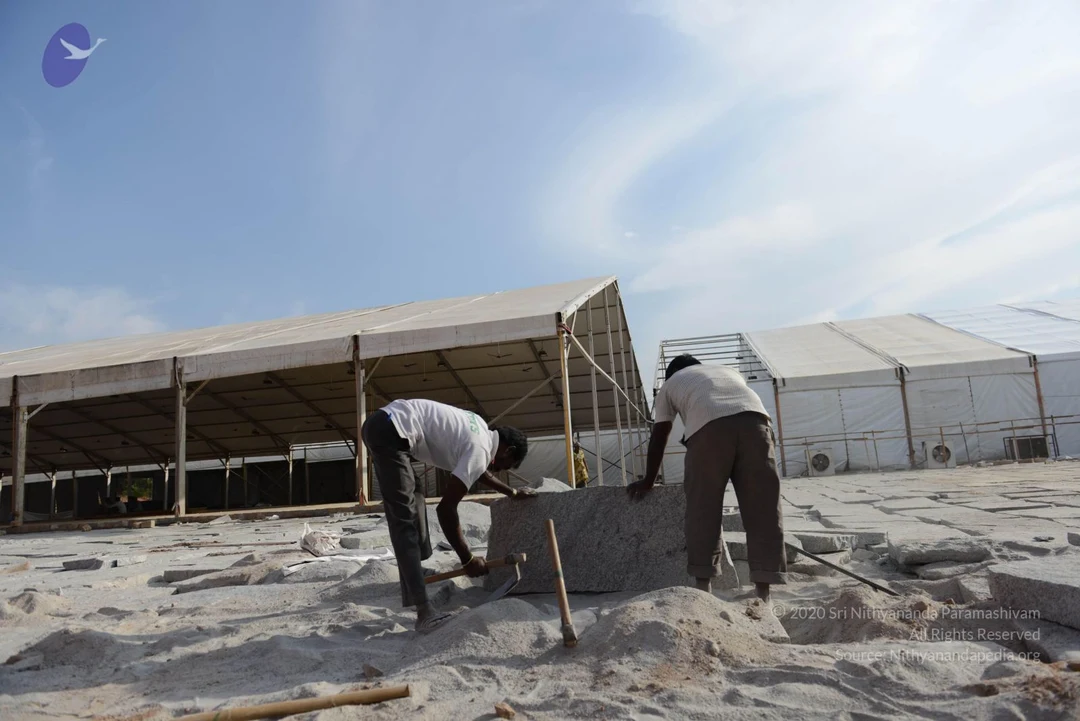
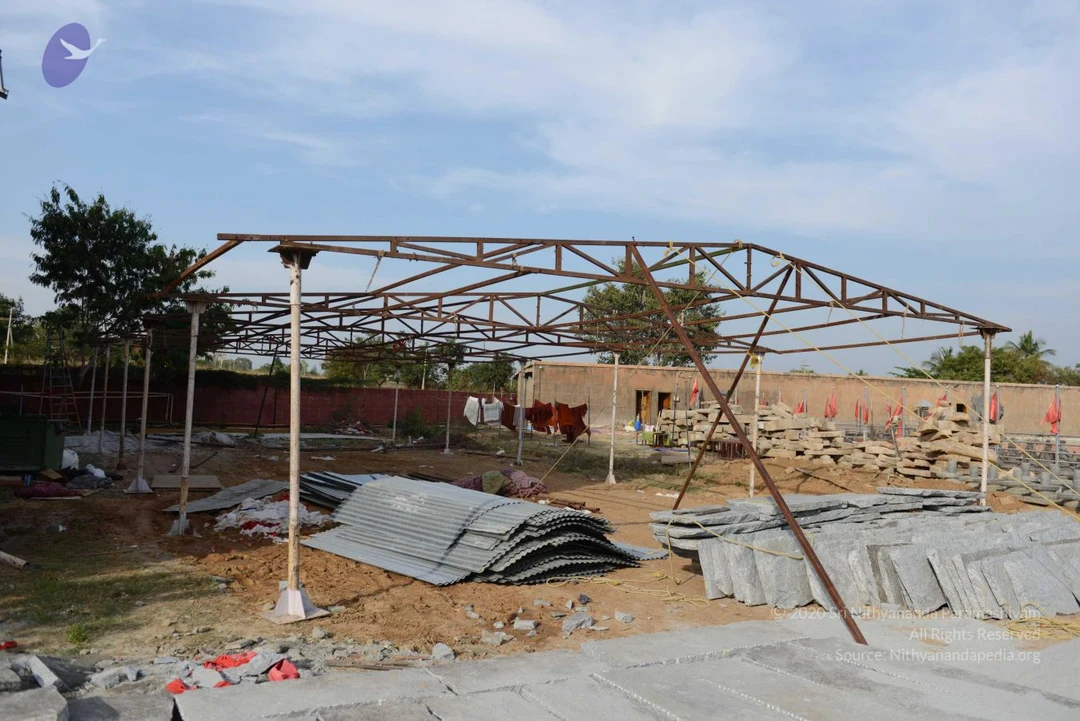
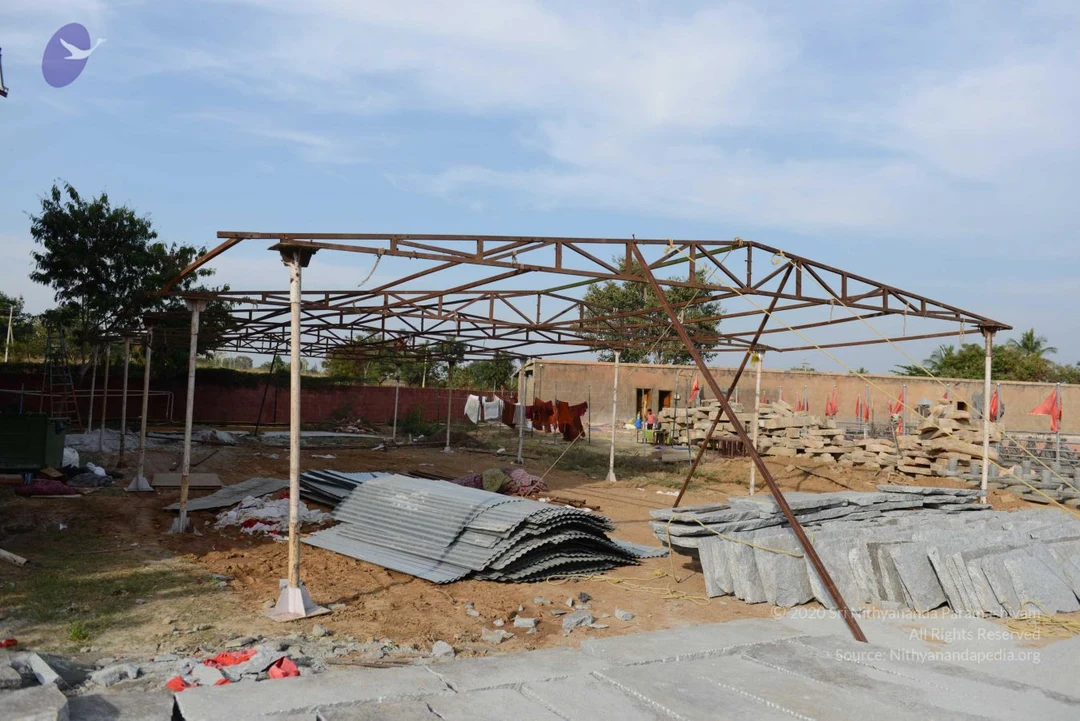
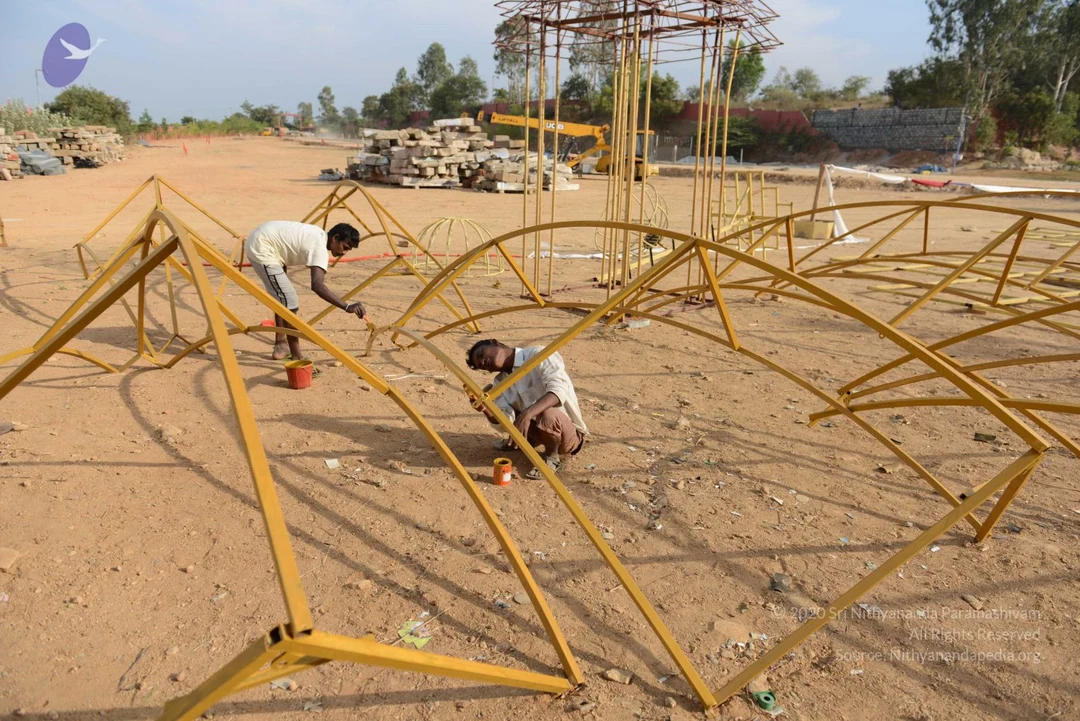
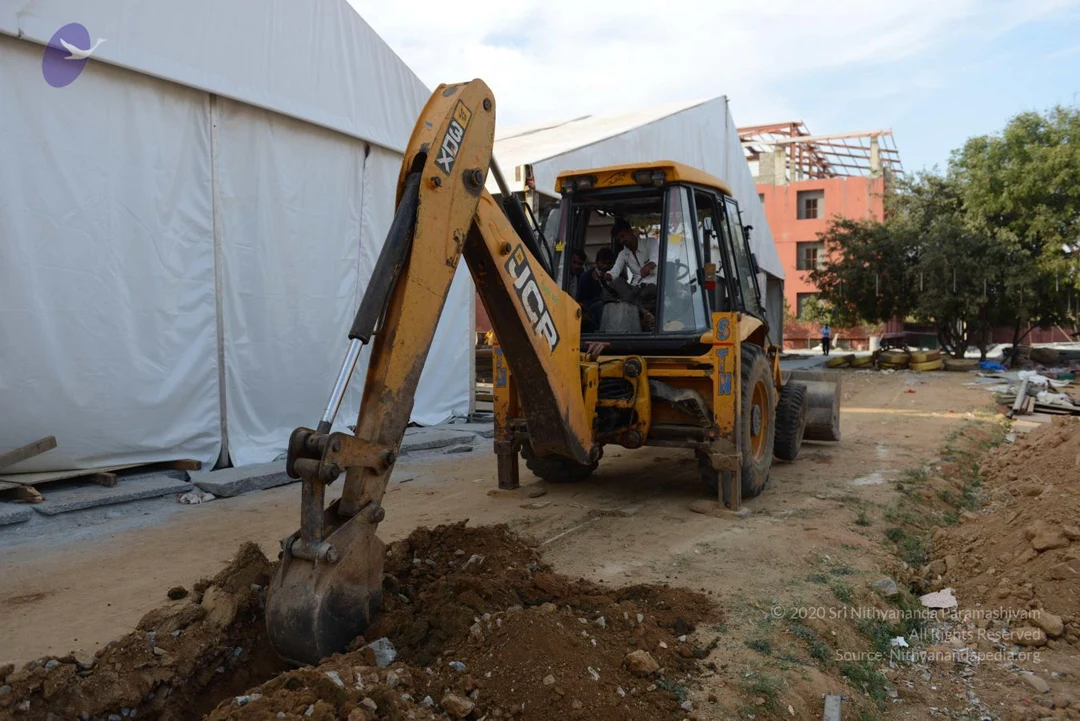
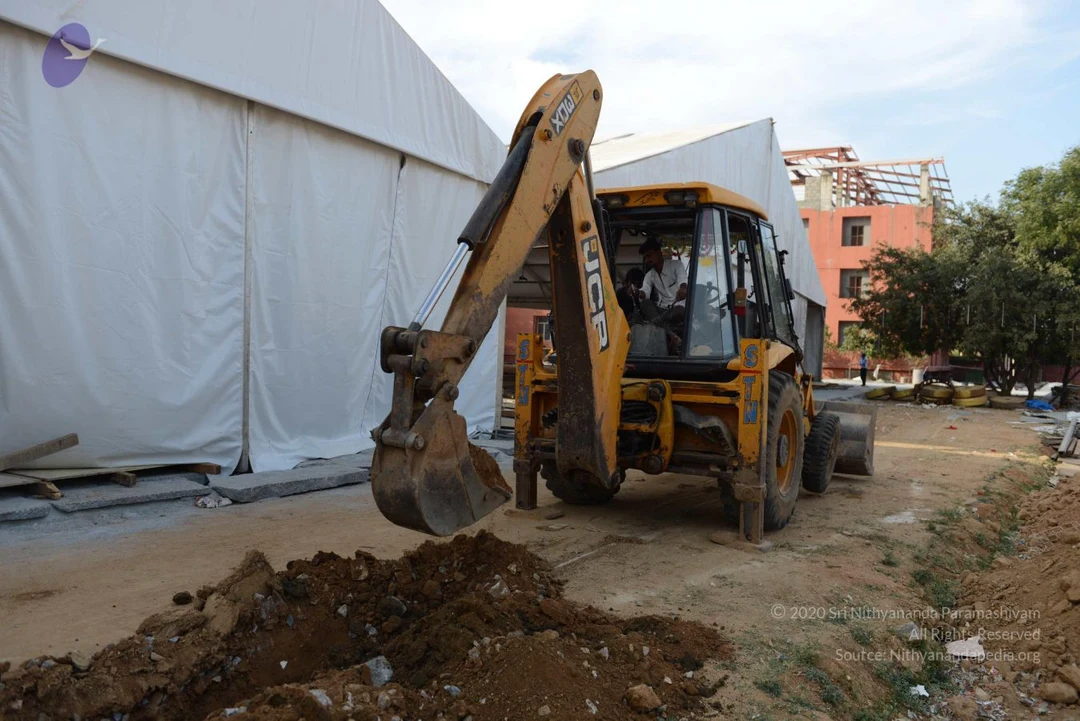
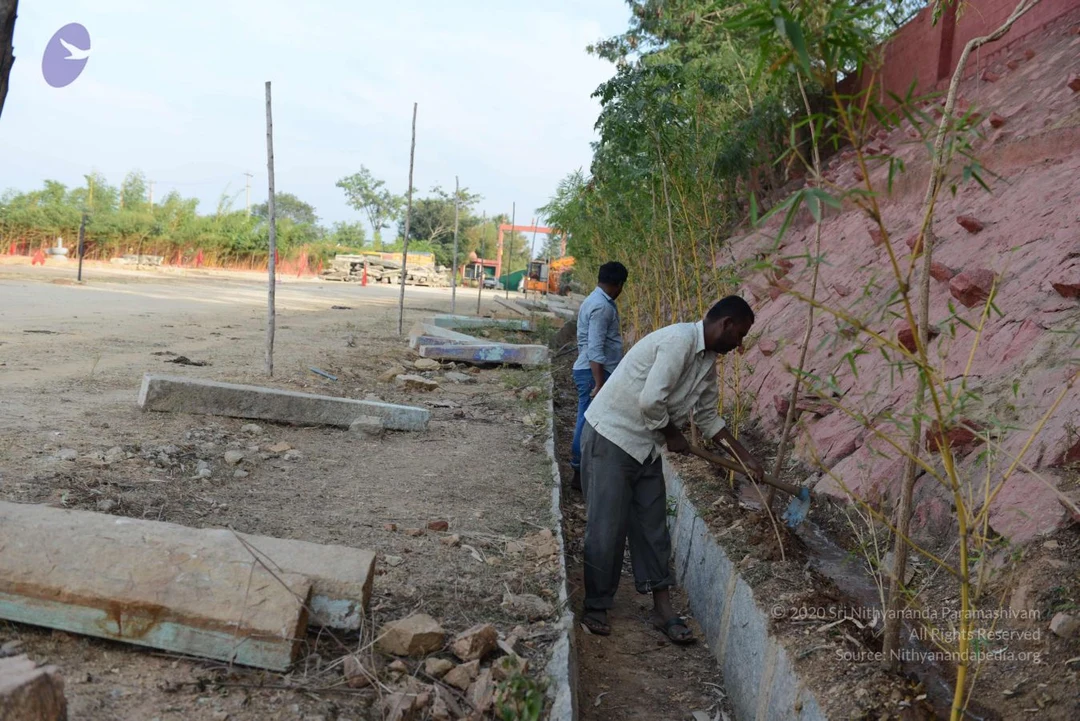
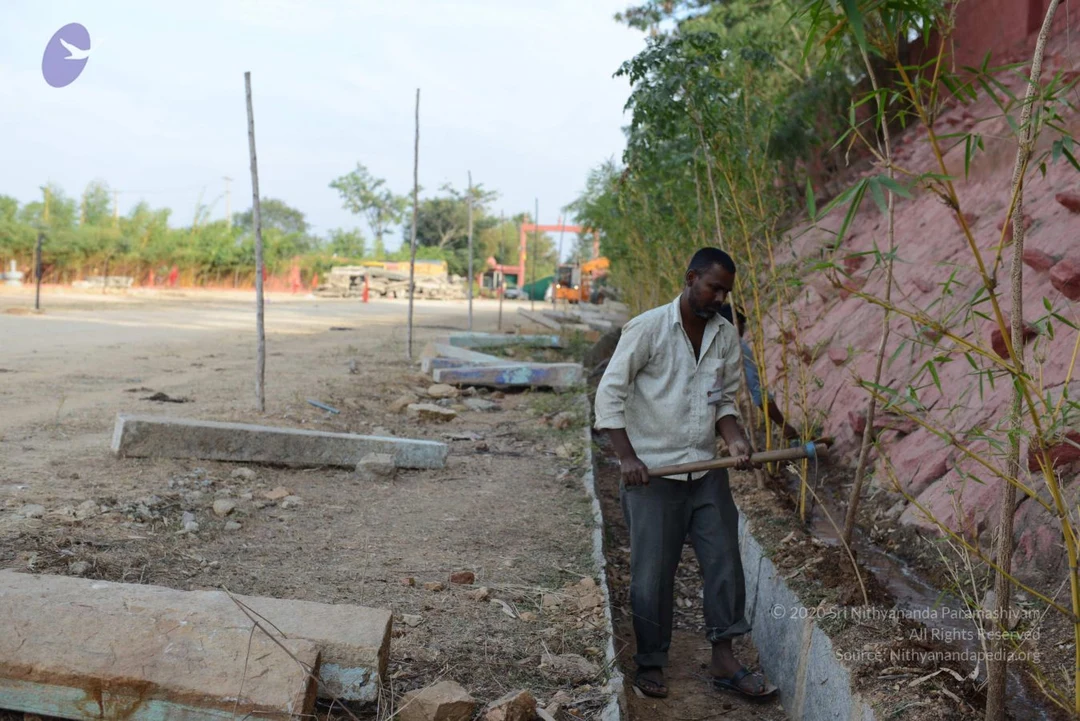
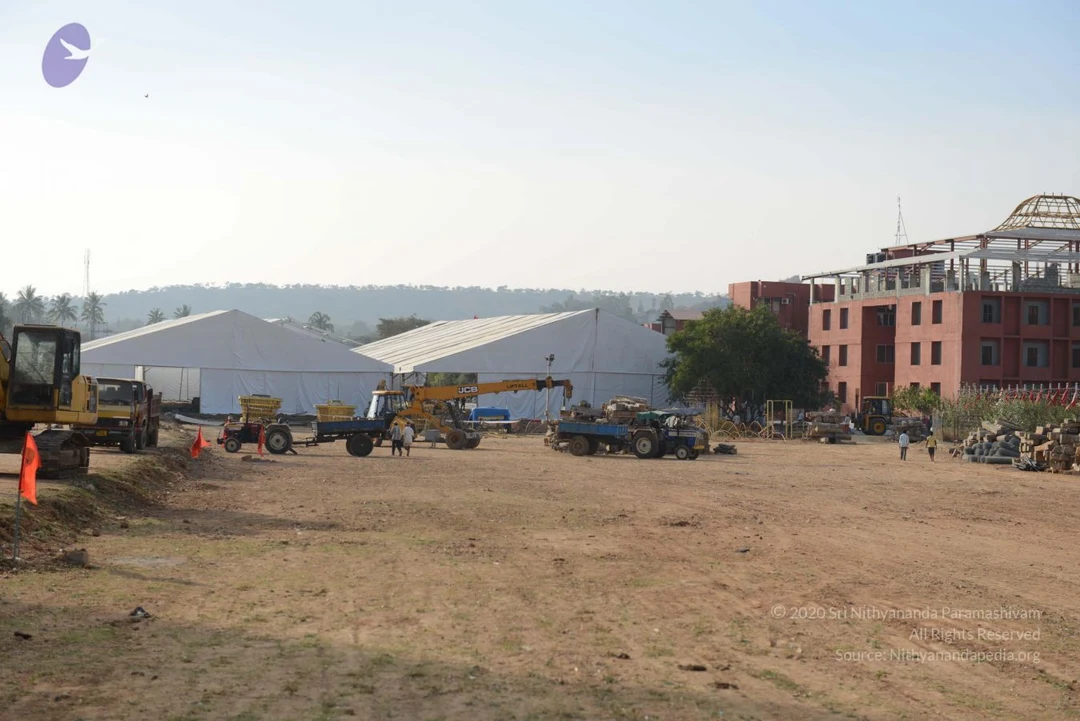
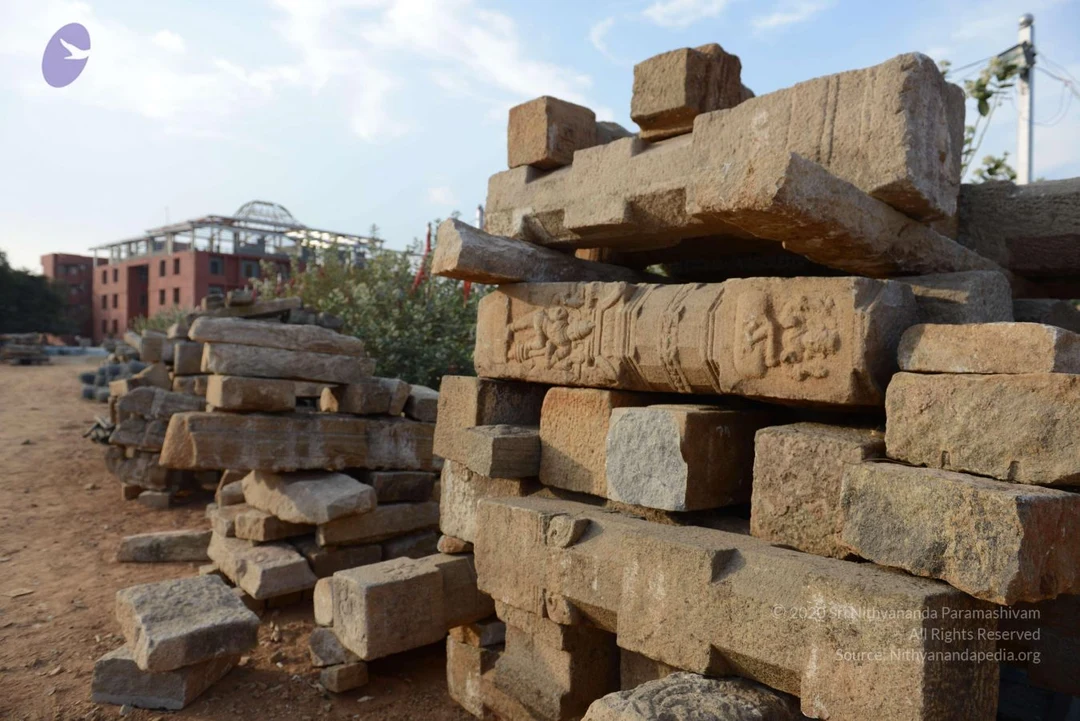
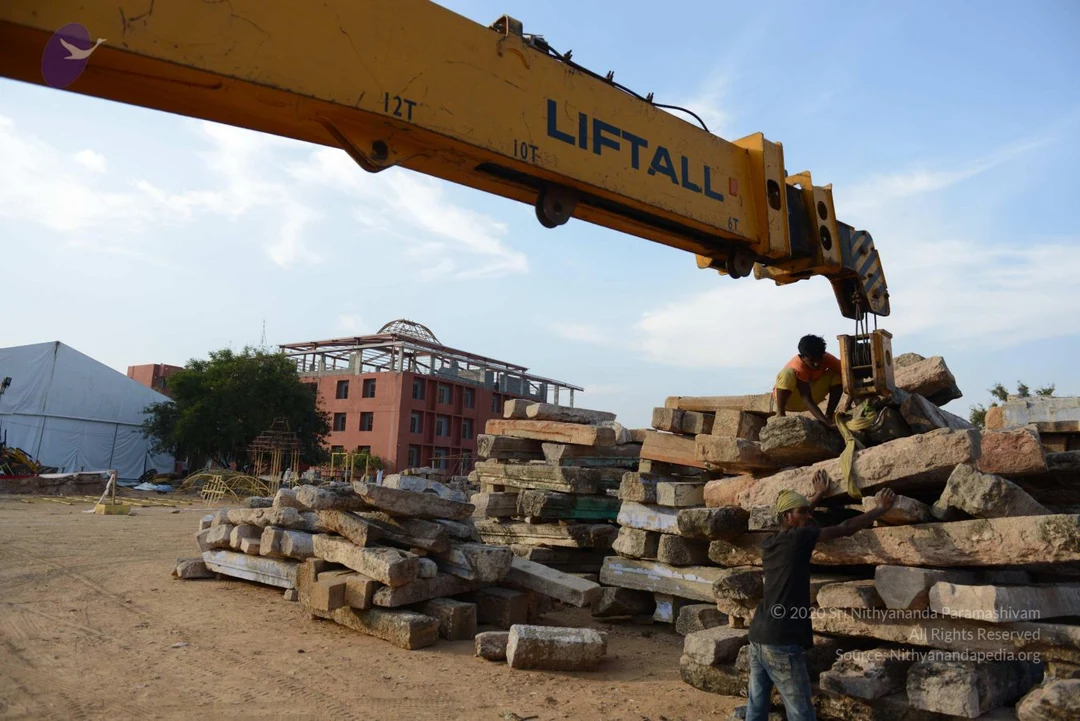
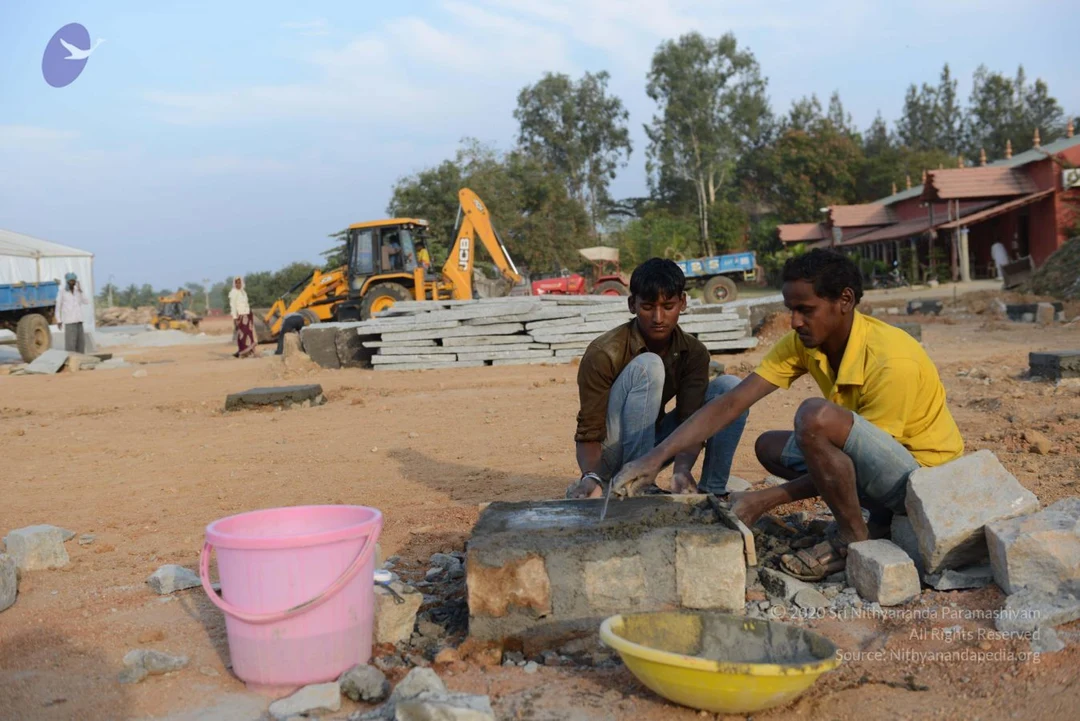
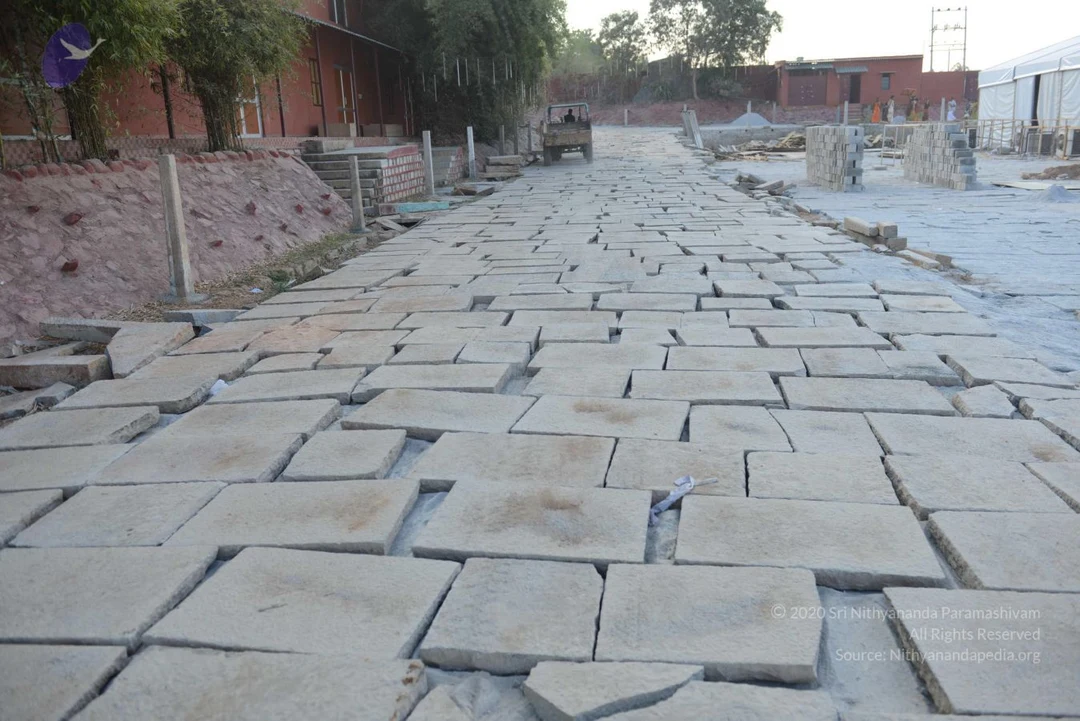
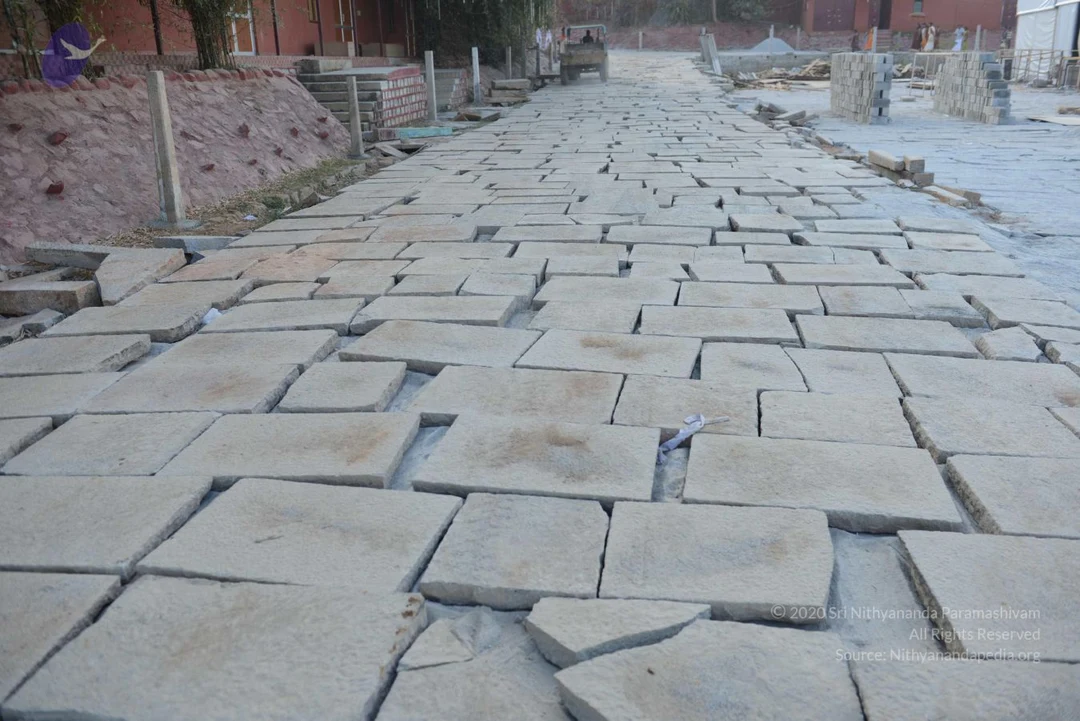
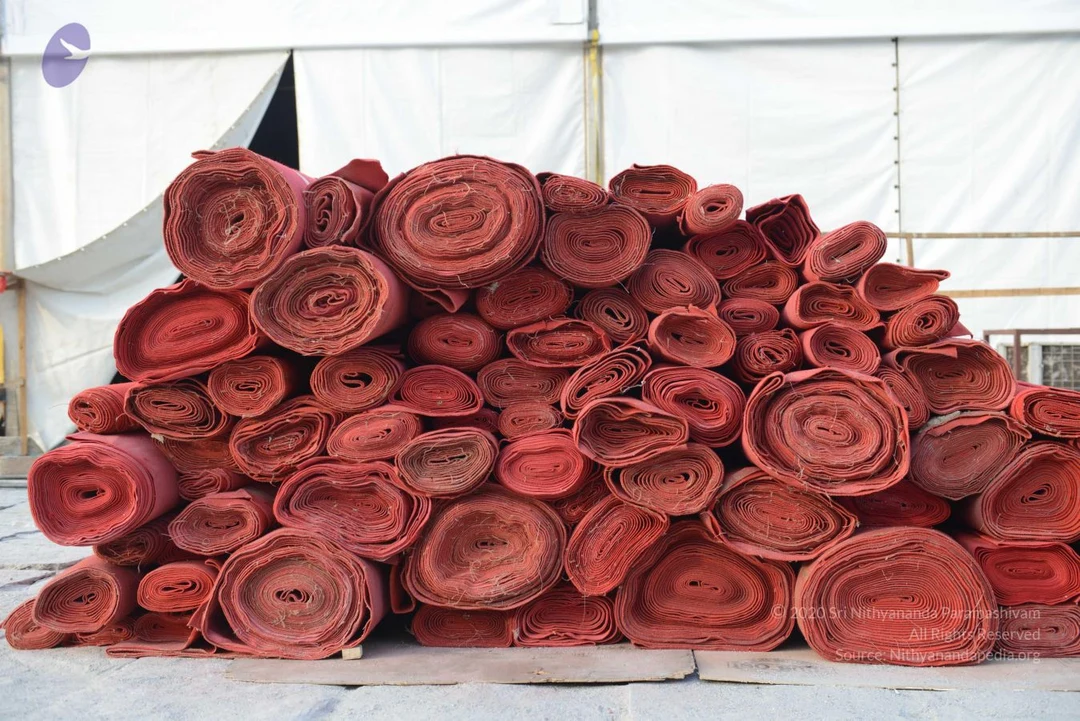
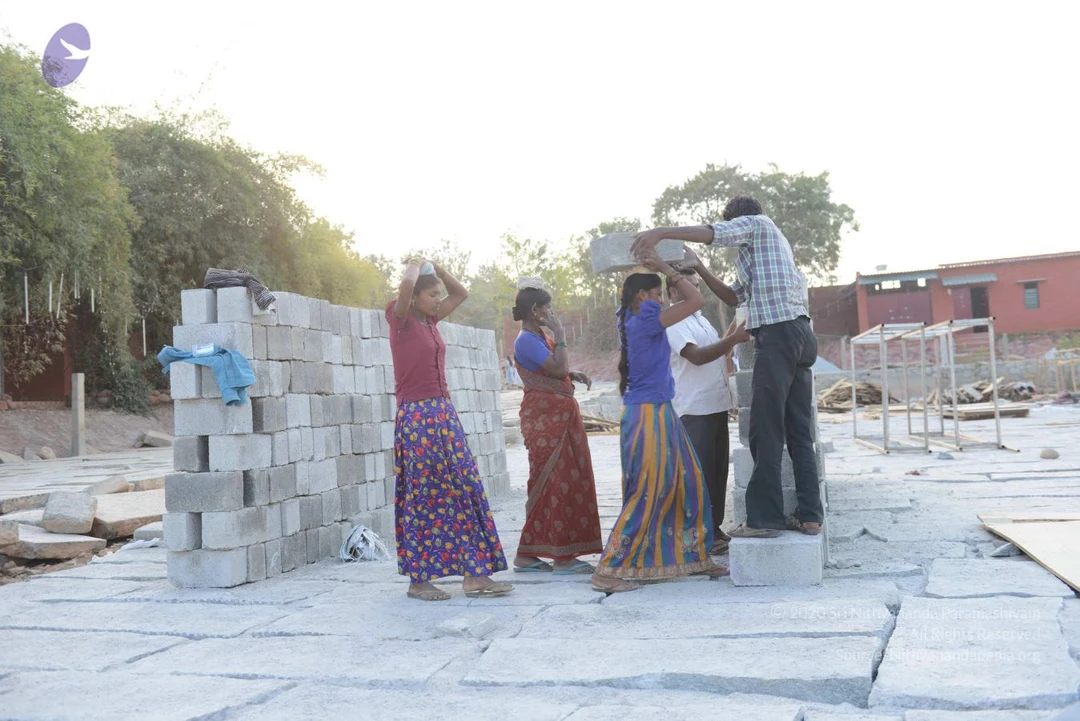
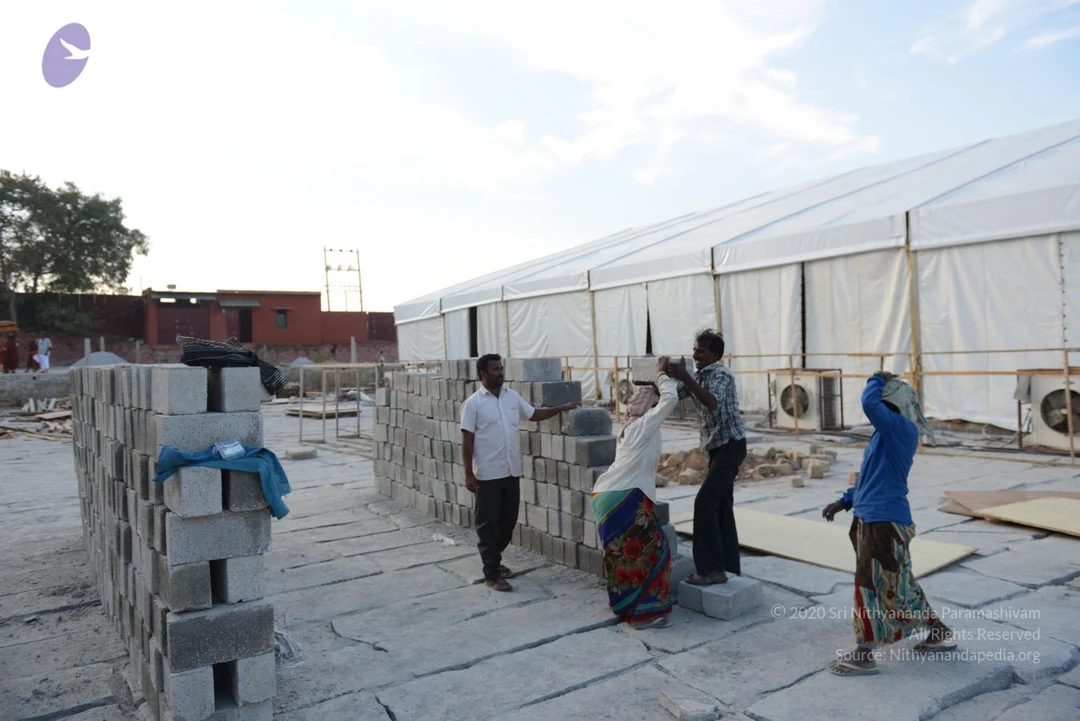
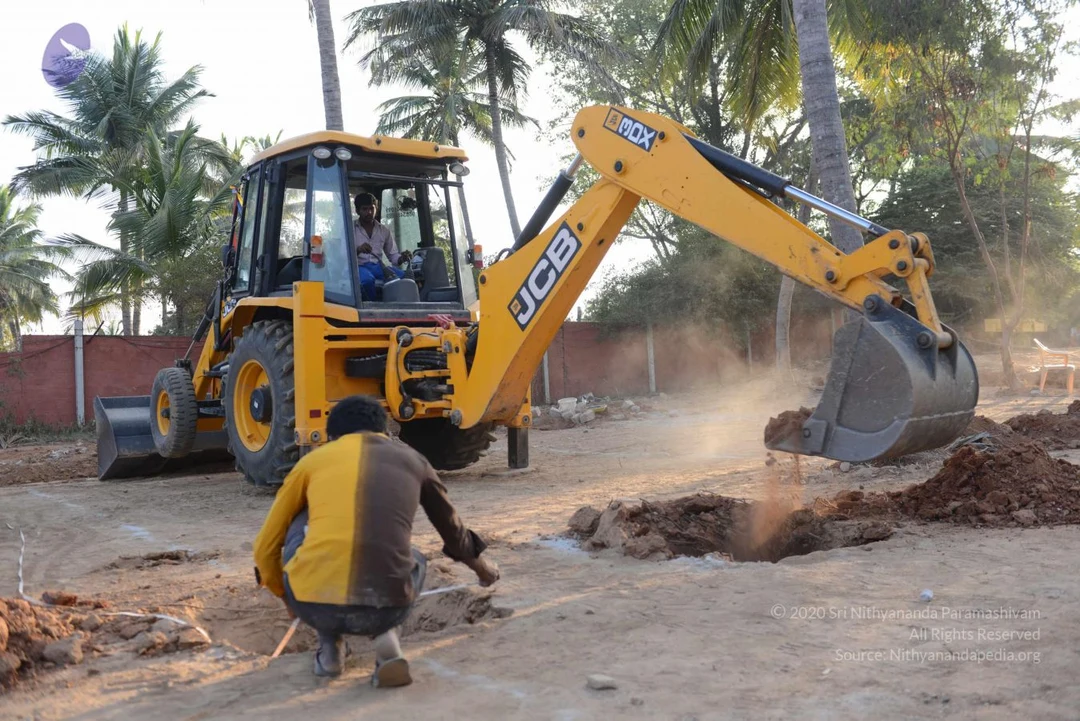
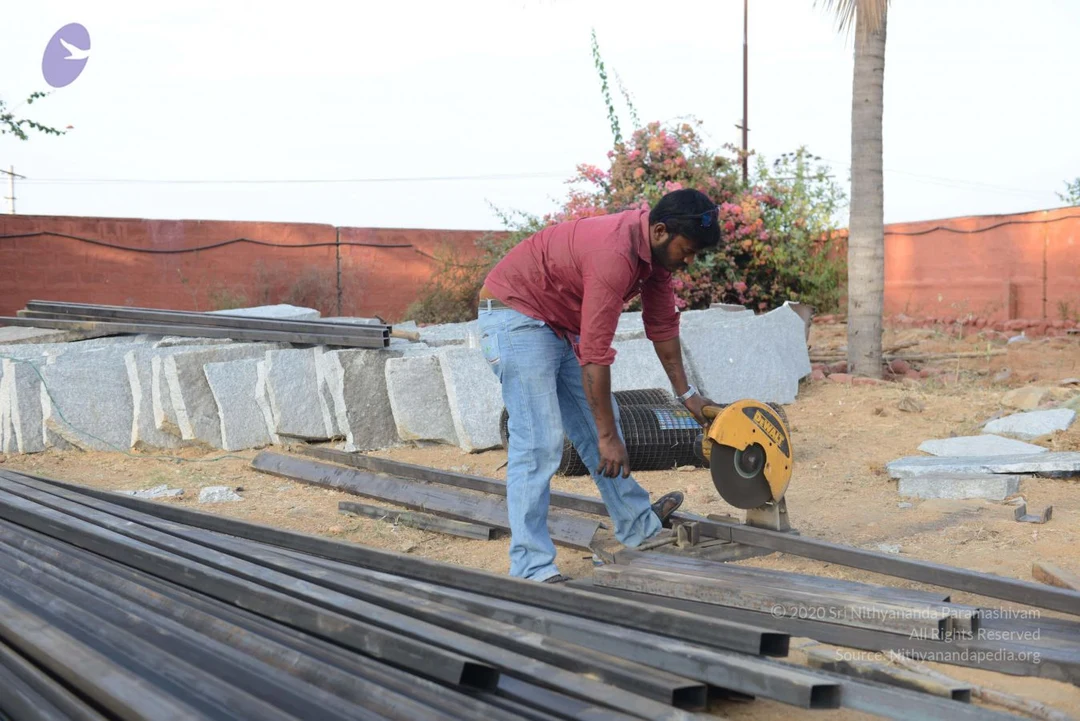
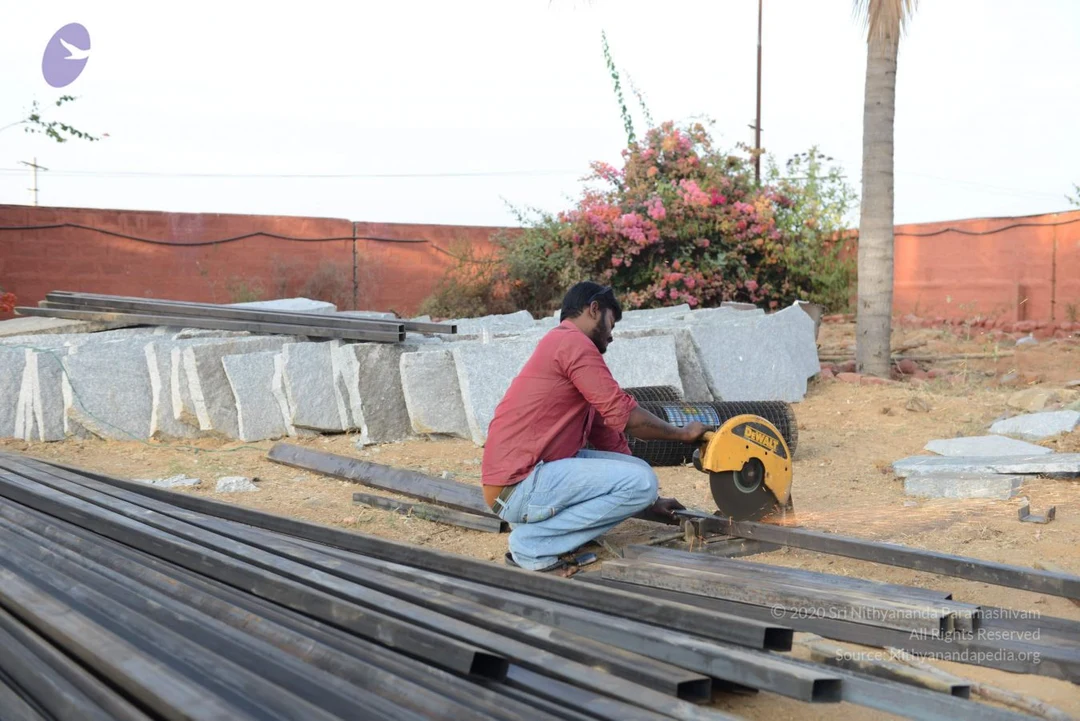
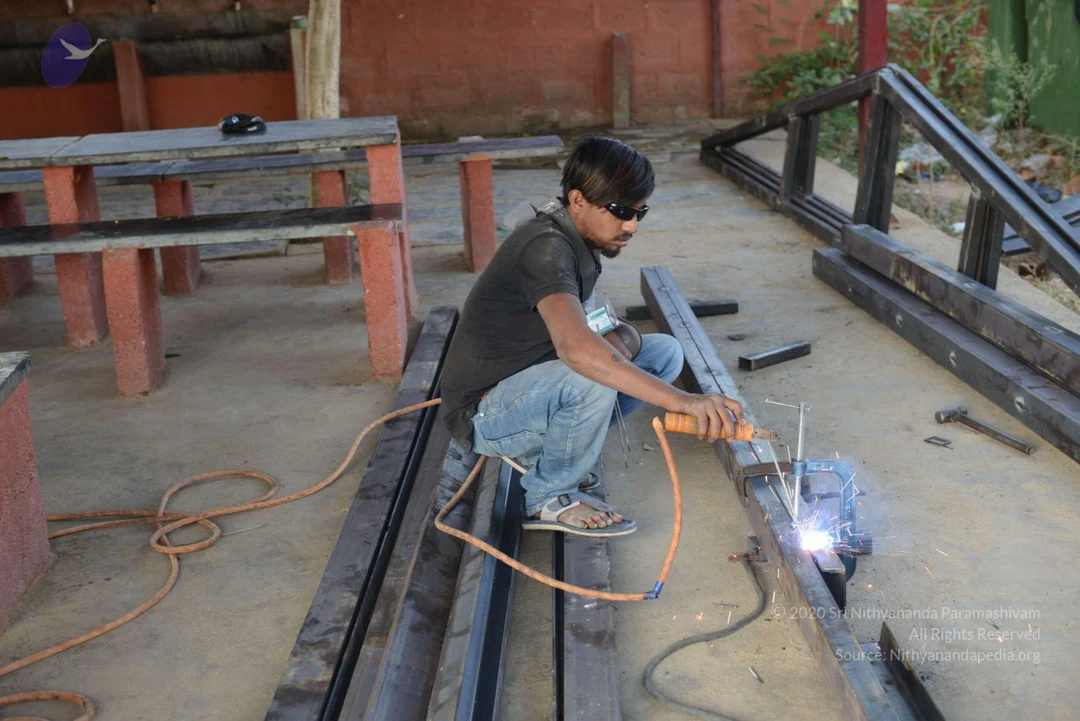
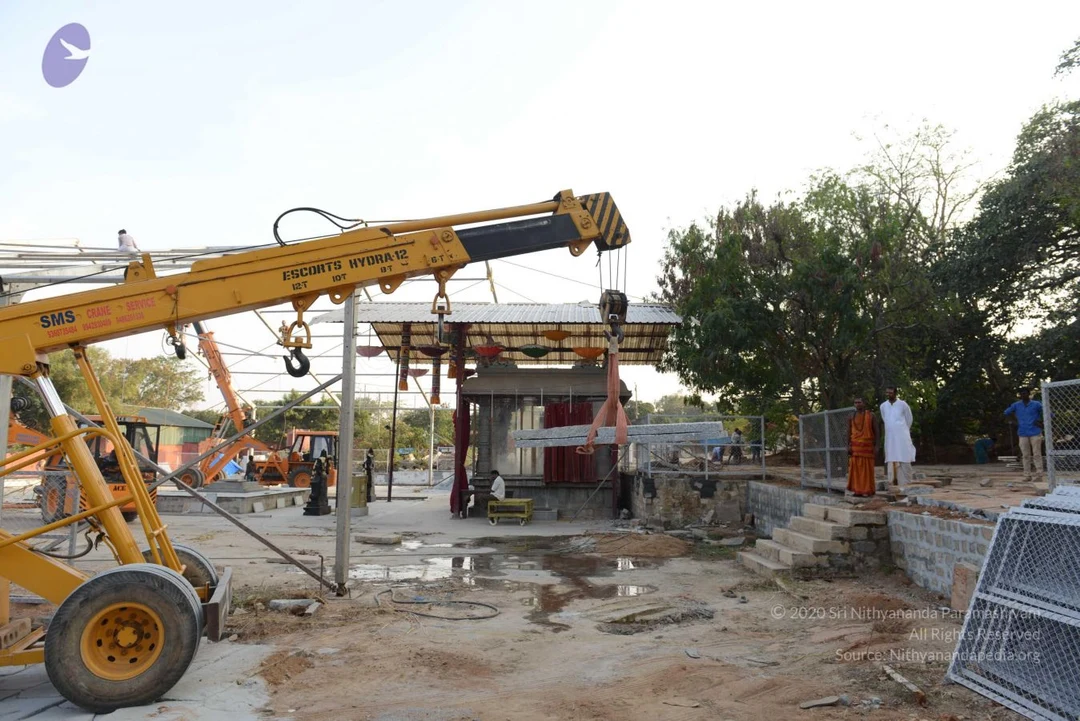
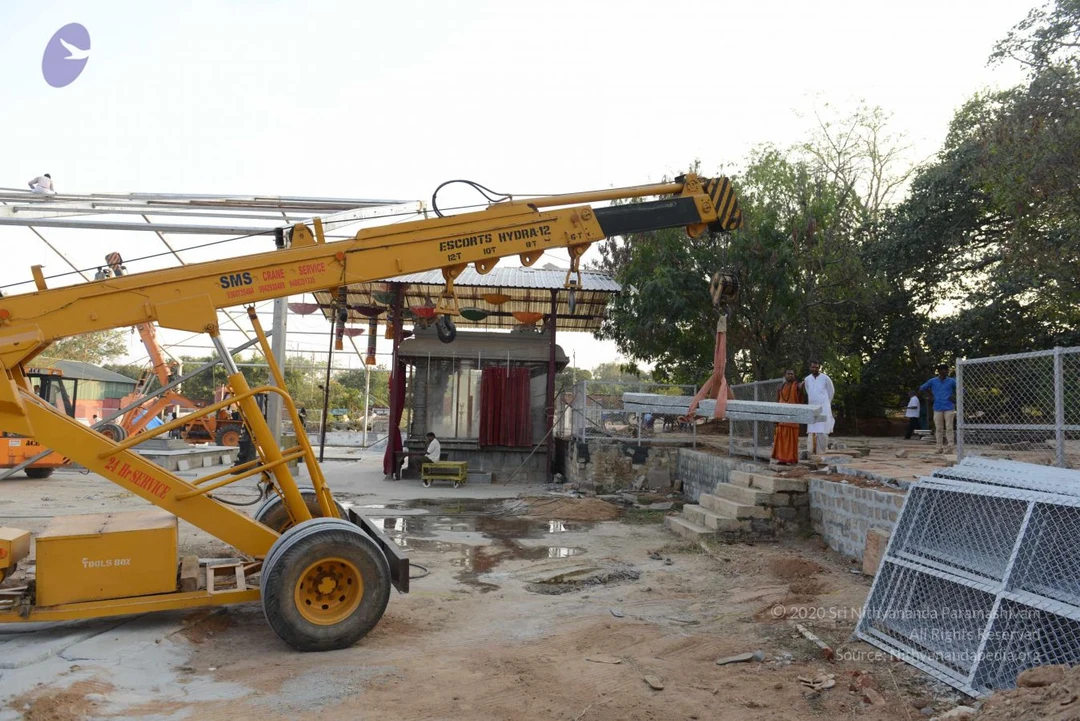
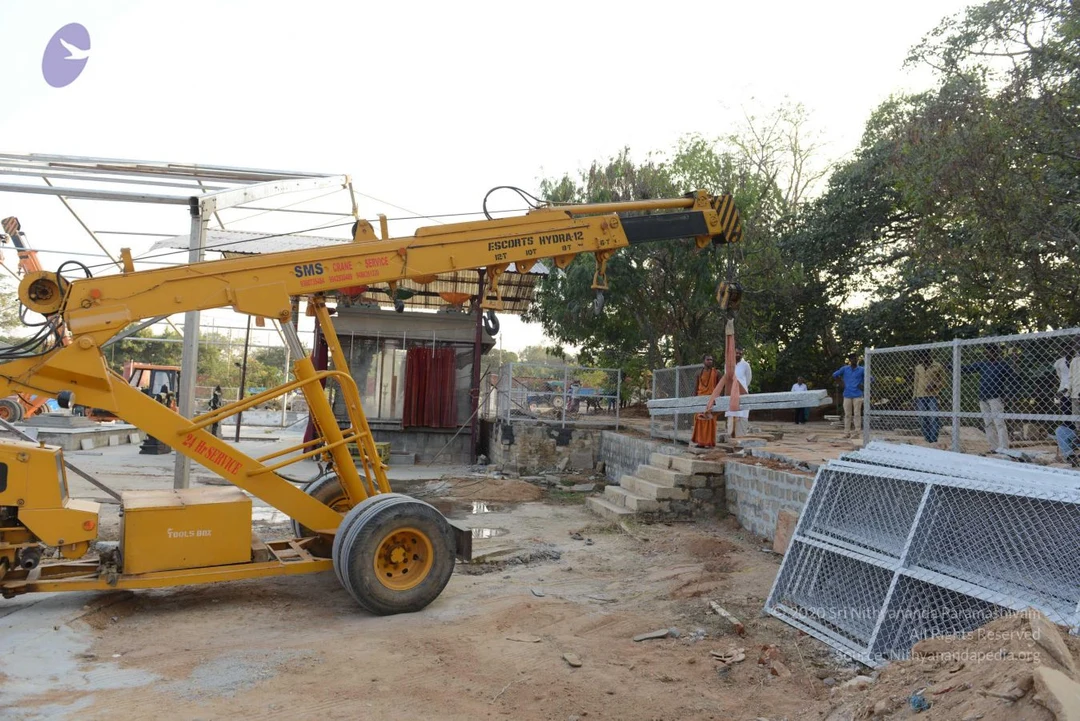
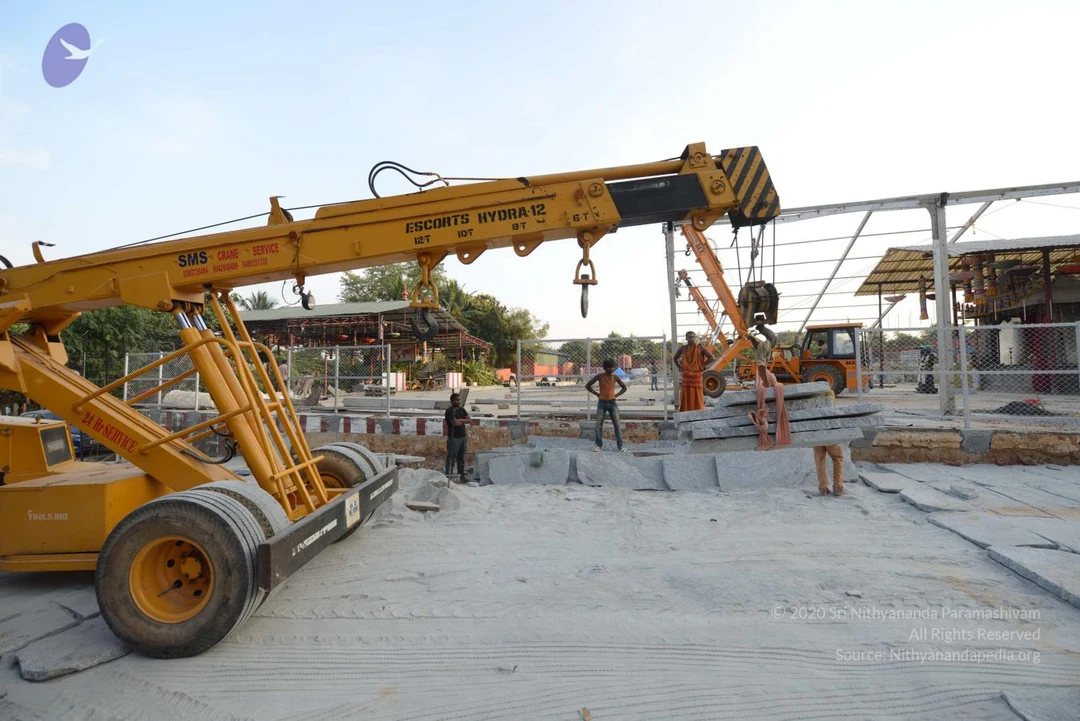
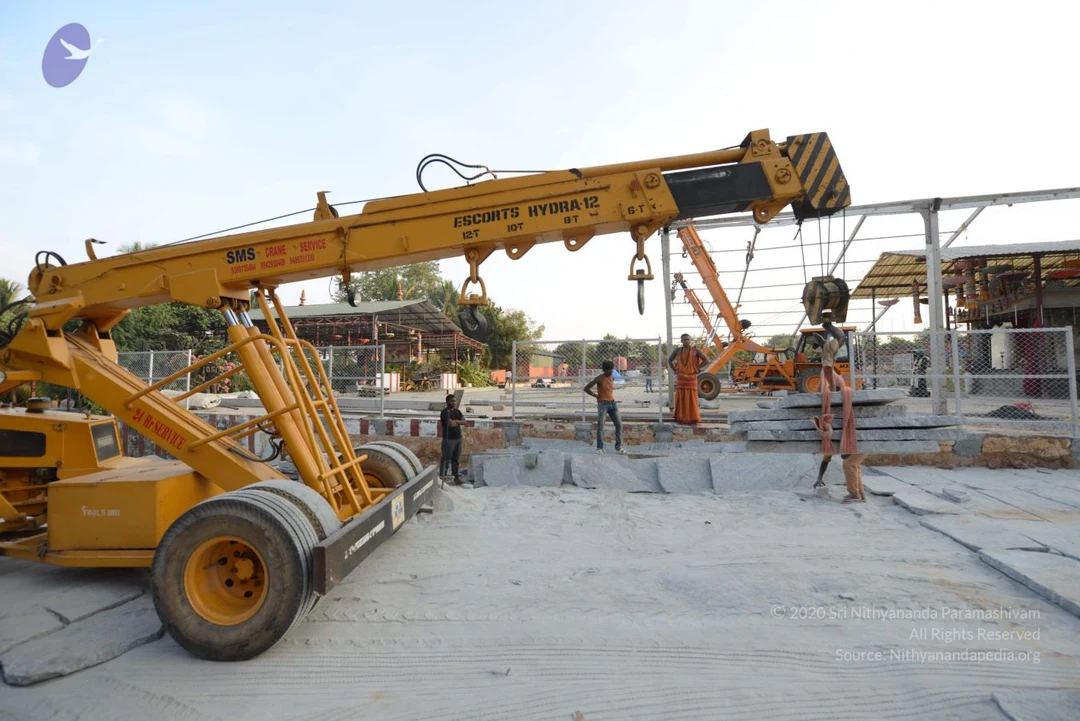
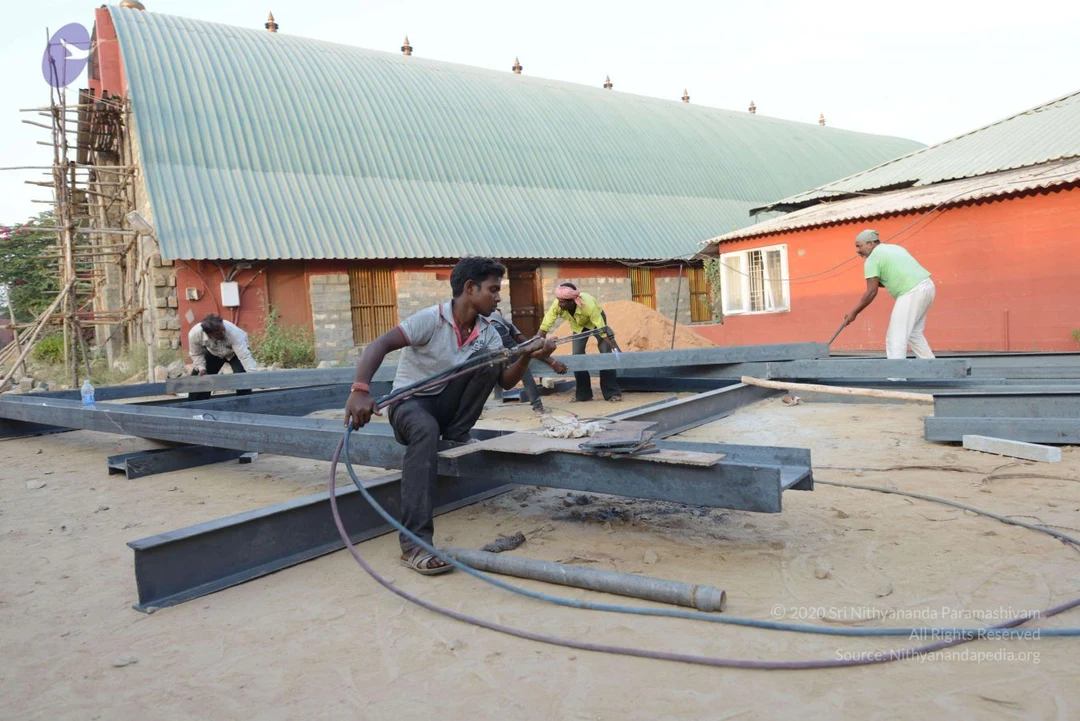
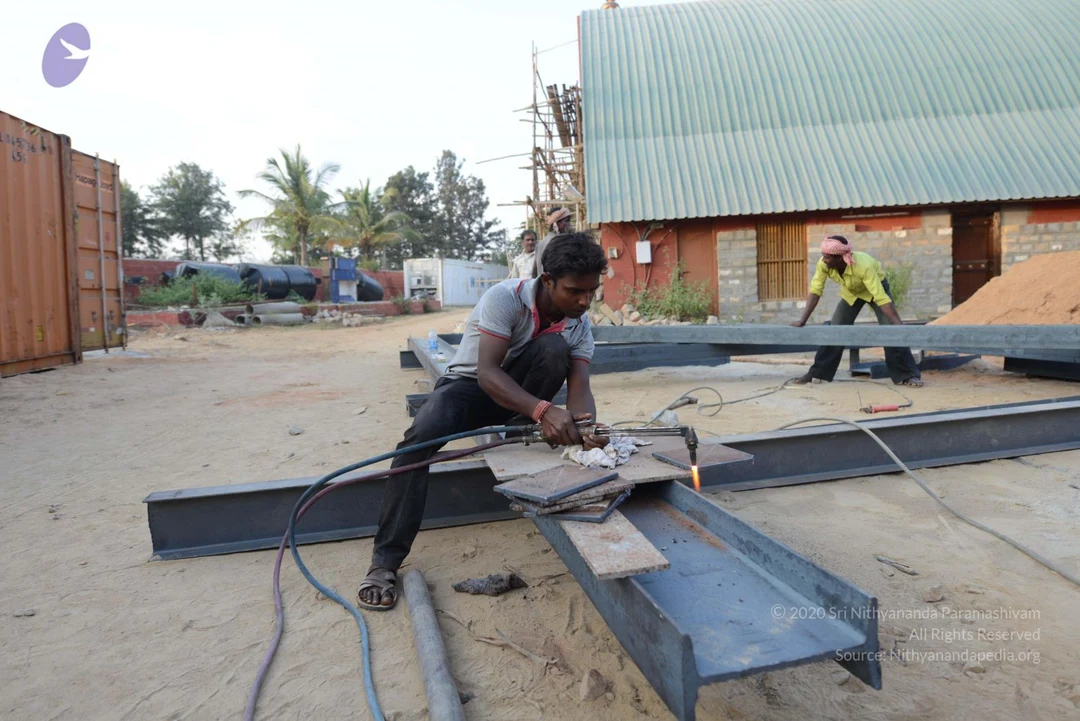
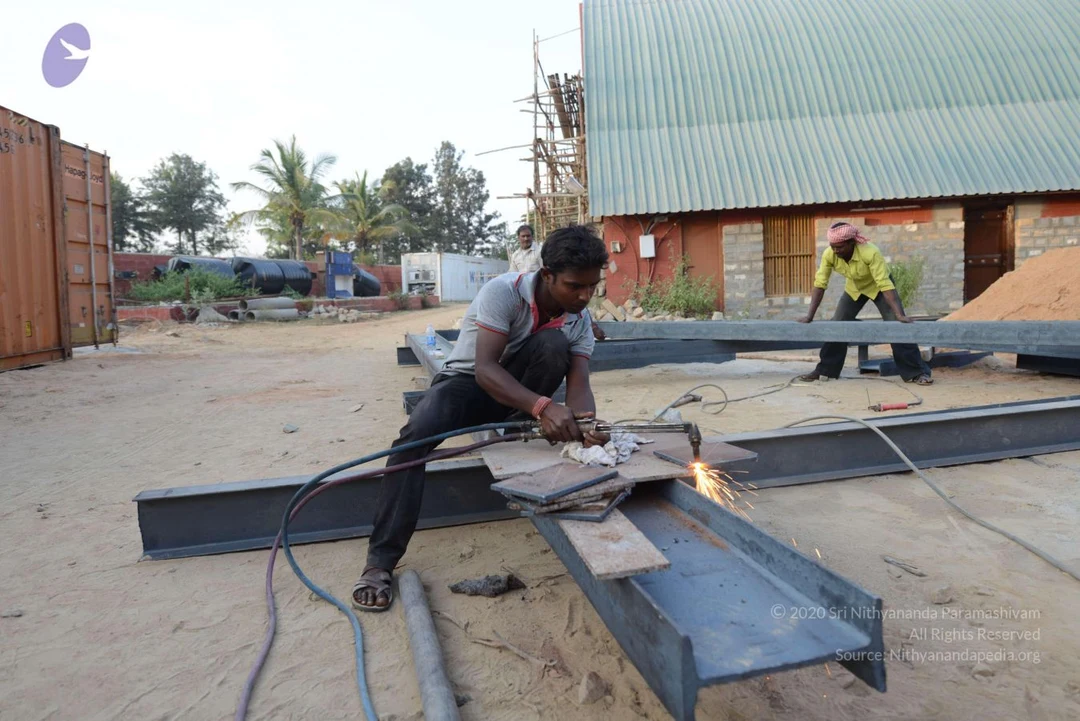
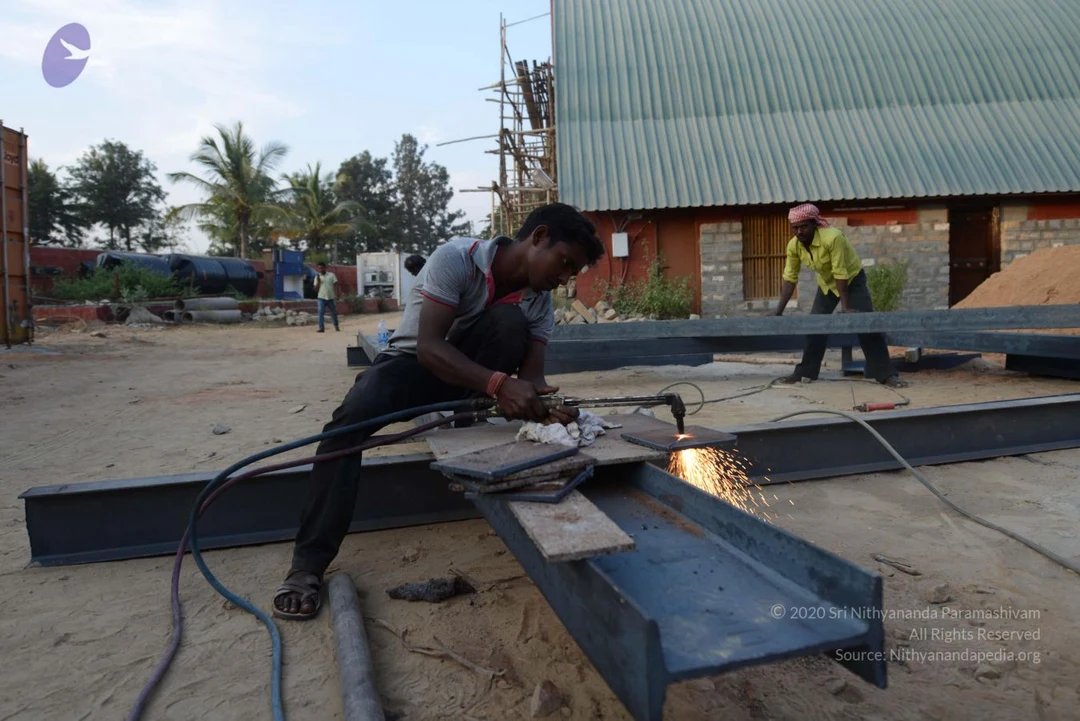
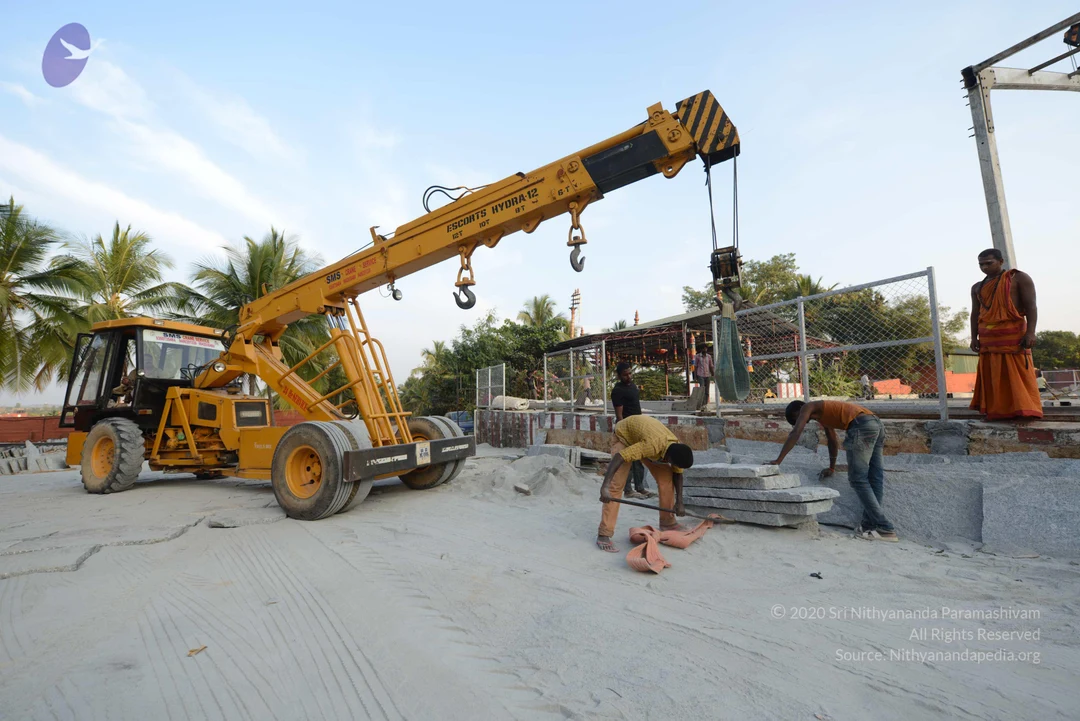
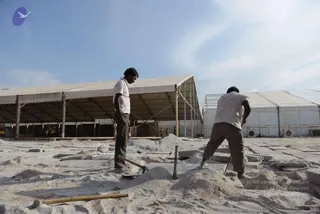
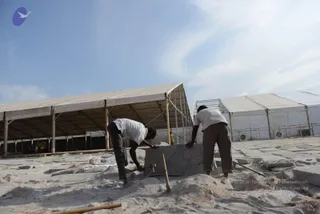
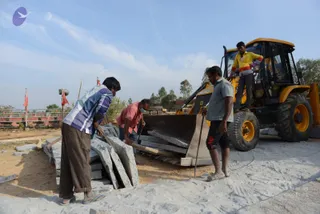
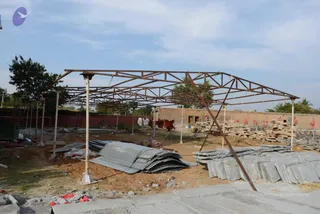
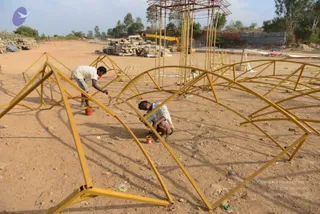
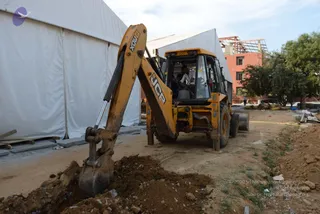
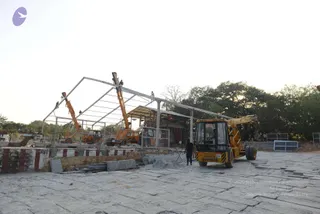
A photograph of an outdoor construction site under a pale blue sky. Two men work on sandy ground laid with flat grey stone slabs: the man on the left in a white short-sleeved shirt and dark trousers stands watching, while the man on the right in a striped shirt and khaki trousers bends over and digs with a pickaxe. Large white tented pavilions with metal frames stand behind them, and a wooden-handled hammer and a bamboo pole lie on the sand in the foreground. No deity, puja or a person appearance is visible.A photograph of two workmen laying granite slabs on a sandy site beside large white event marquee tents under a pale blue sky. The man on the left wears a white shirt and dark trousers and bends over with a tool, digging at the sand; the man on the right, in a white shirt and brown trousers, leans over a grey granite slab. Scattered granite paving stones lie across the ground and a metal rod rests in the sand. Two people are visible.A construction site with workers handling granite slabs. A man in a blue-and-white striped shirt and brown trousers bends to lift a grey granite slab from a stack, while a second worker in a red shirt and face mask guides another slab beside him. A third man in a grey shirt and dark shorts stands near a yellow JCB backhoe loader, and a fourth in a yellow shirt stands on its step. The bucket holds more granite slabs. Orange flags and a fence line the background under a pale sky, with white sand or dust covering the ground.An outdoor construction site showing a steel truss roof frame supported on tall metal posts over bare earth. Stacks of corrugated metal sheets and grey granite slabs lie on the ground, and a pile of cut timber and wooden planks rests against a low wall. Red and orange flags hang from a line along the wall, with laundry drying nearby. Trees and a palm stand behind under a pale blue sky. No people are visible.Outdoor photo of a dusty open ground where workers are painting yellow metal frames for a large structure. Two men are bent over the arched yellow steel ribs: the man on the left in a white shirt and grey shorts, the man in the centre crouching in a white shirt and brown trousers, each with a small paint bucket beside them. Curved yellow arches and a tall yellow lattice tower rise around them, with stacks of stone blocks, a yellow excavator and trees in the background.A yellow JCB backhoe loader digs into soil at a construction site beside large white tent walls. Its bucket arm is lowered and a pile of freshly excavated brown earth lies in the foreground. Two or three men sit inside the open cab, one wearing a white shirt. Behind the tent is a partly built red-brick building with exposed concrete framing and a row of trees. Stacked paving stones and scattered debris lie on the ground at left.

Intro-to-Sadashivoham
39 photosSource gallery
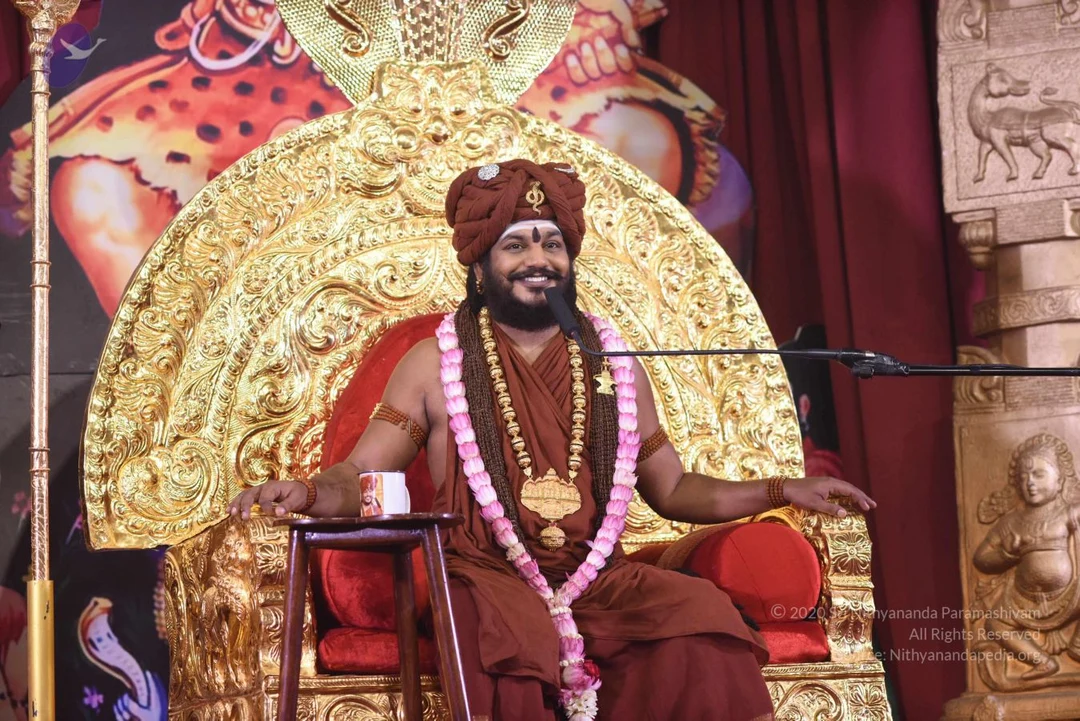
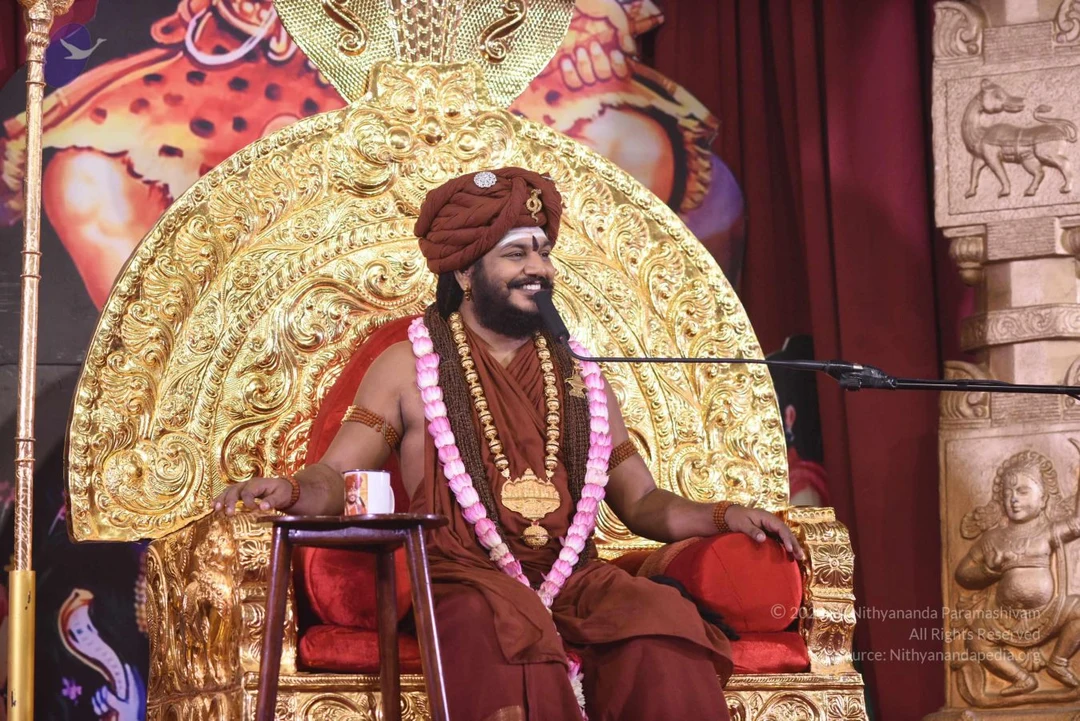
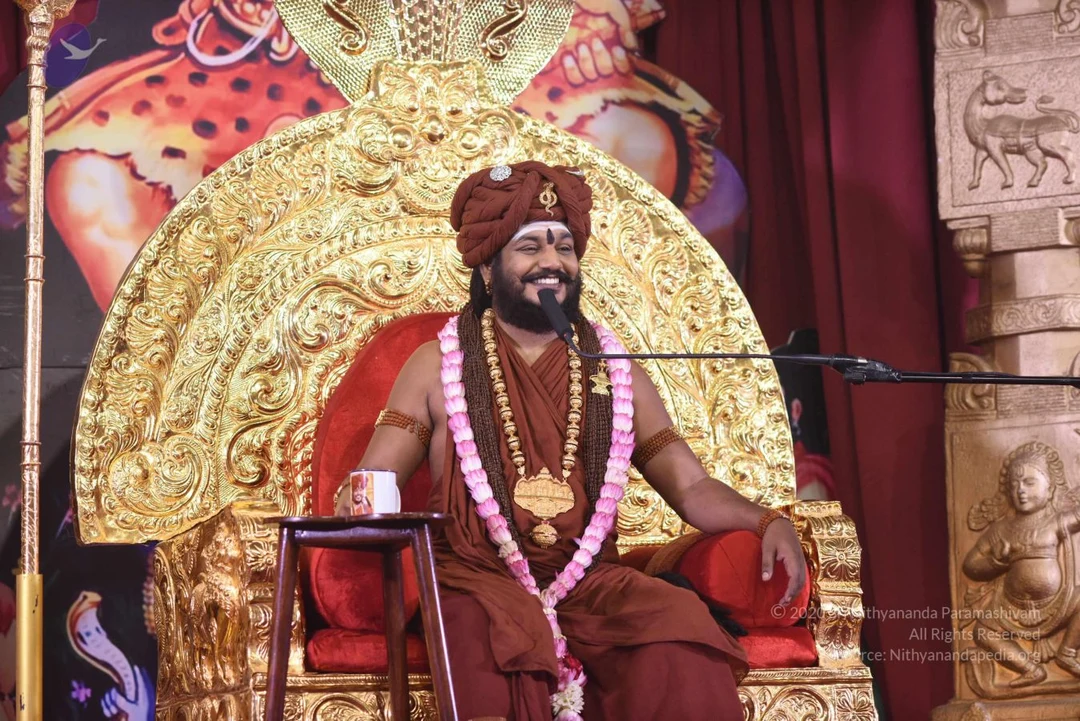
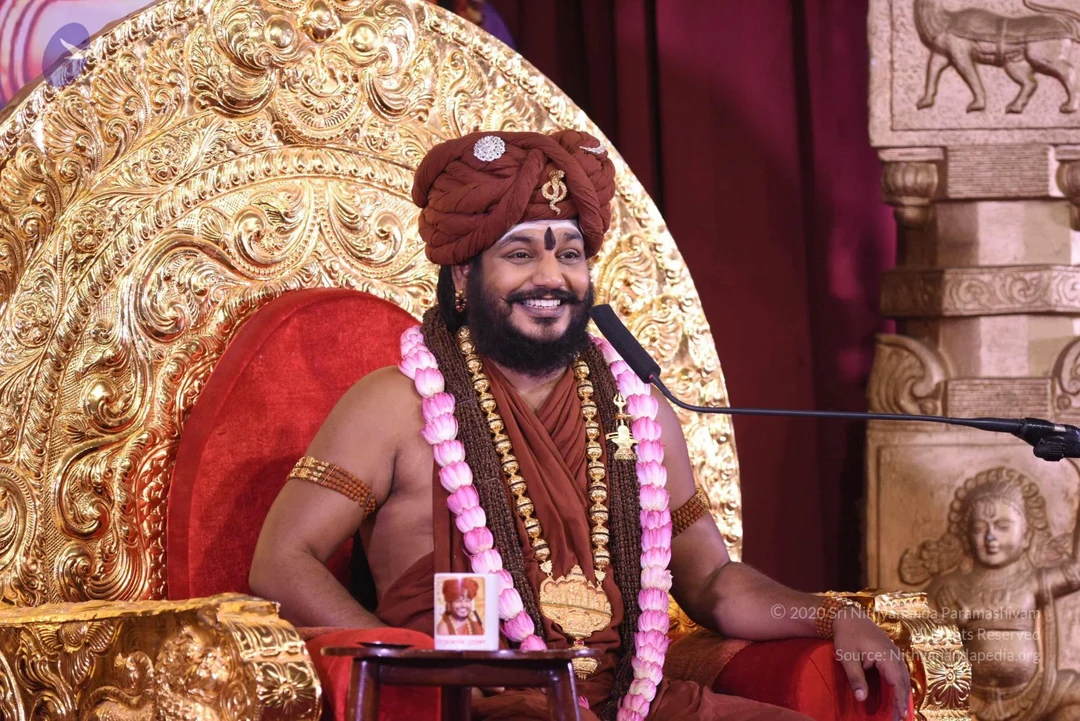
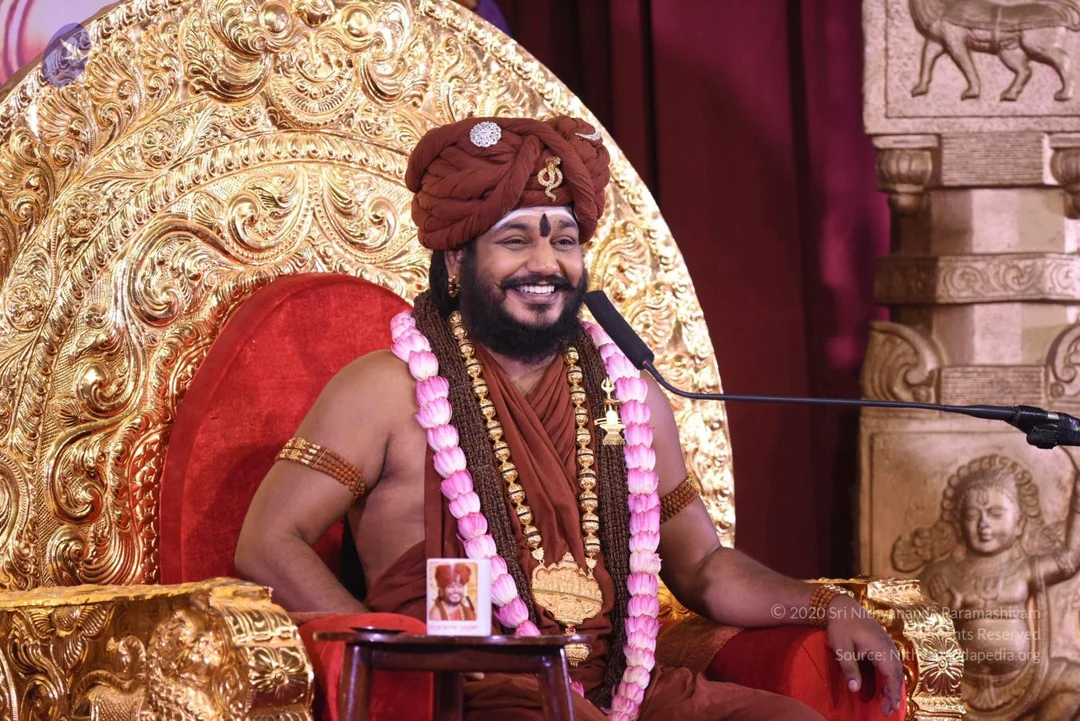
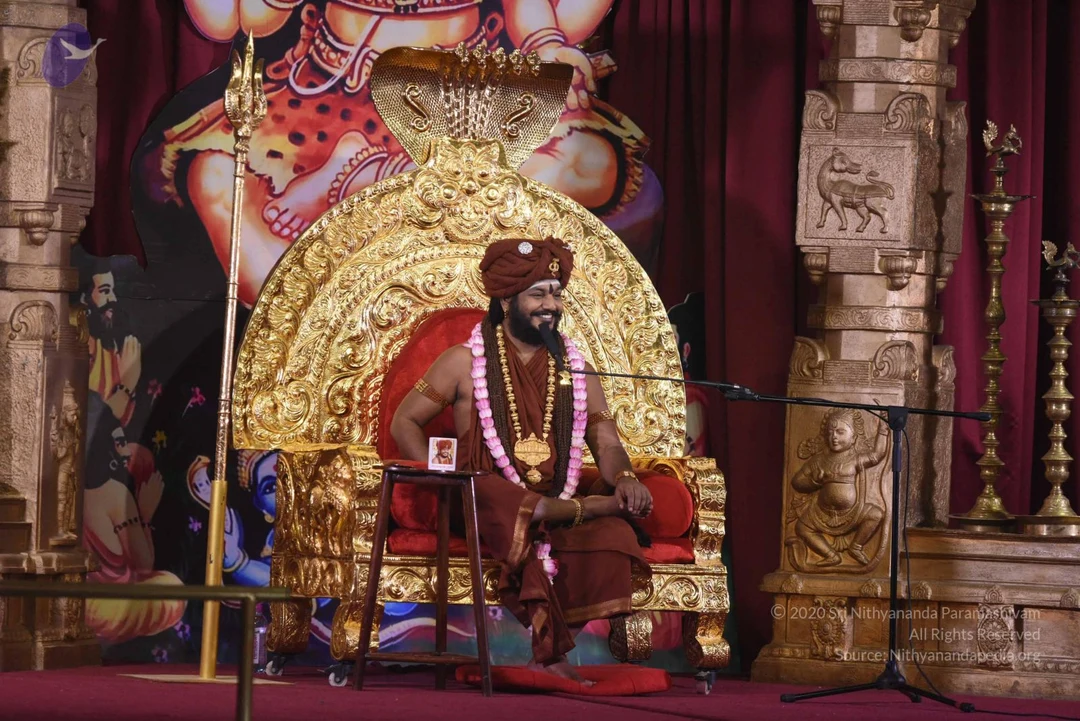
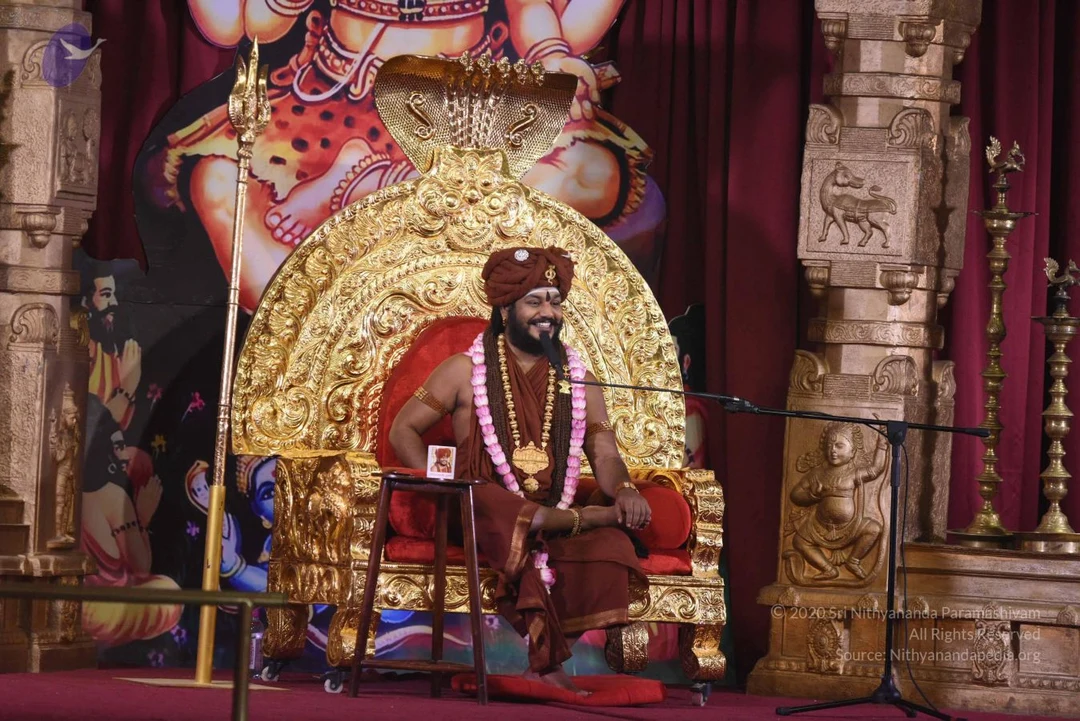
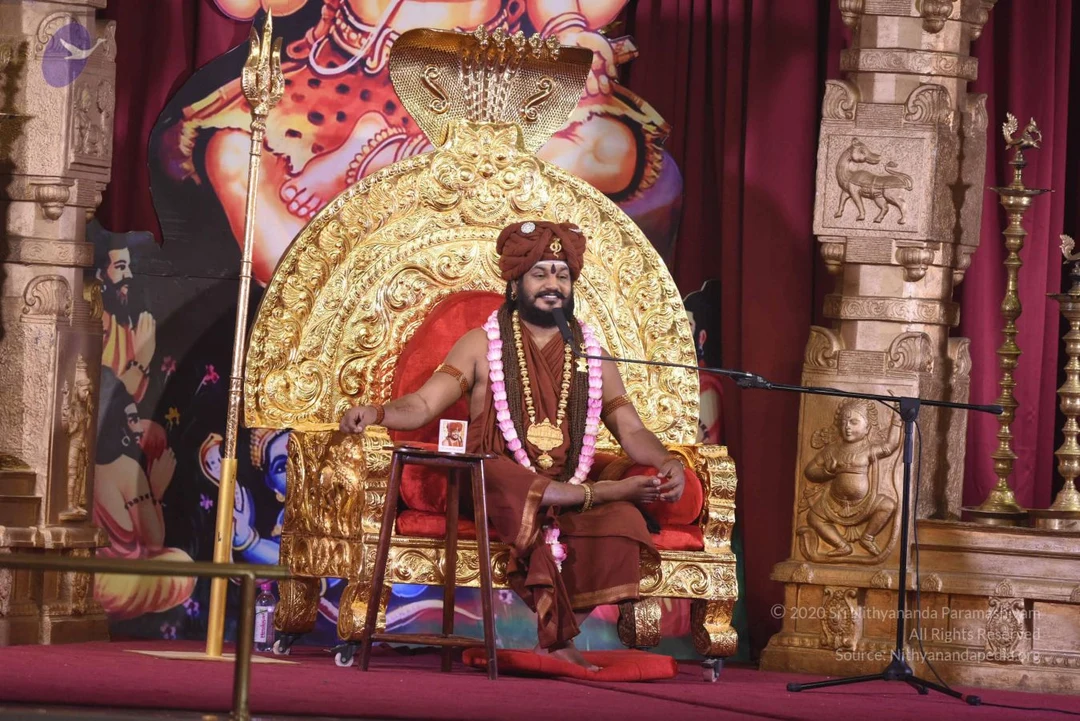
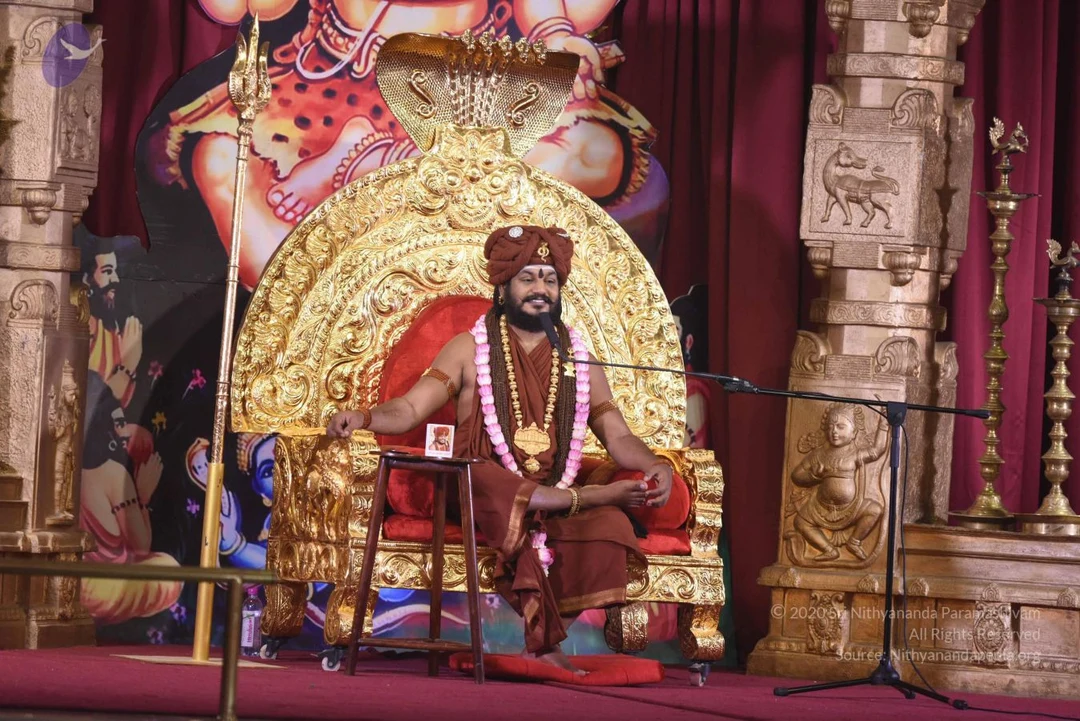
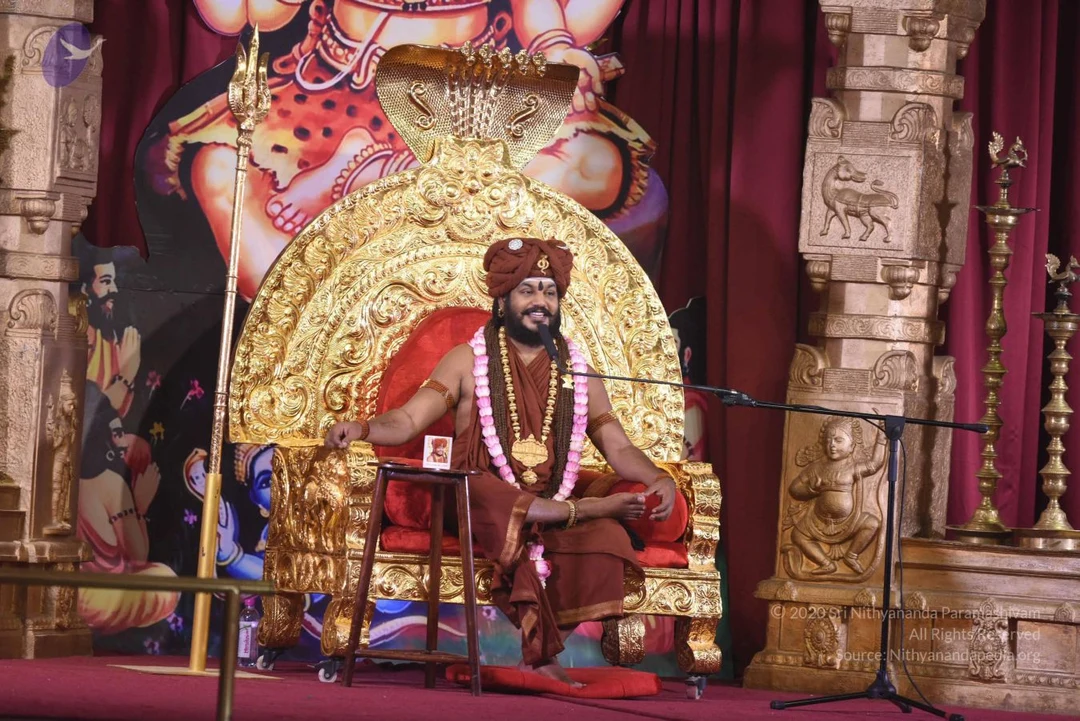
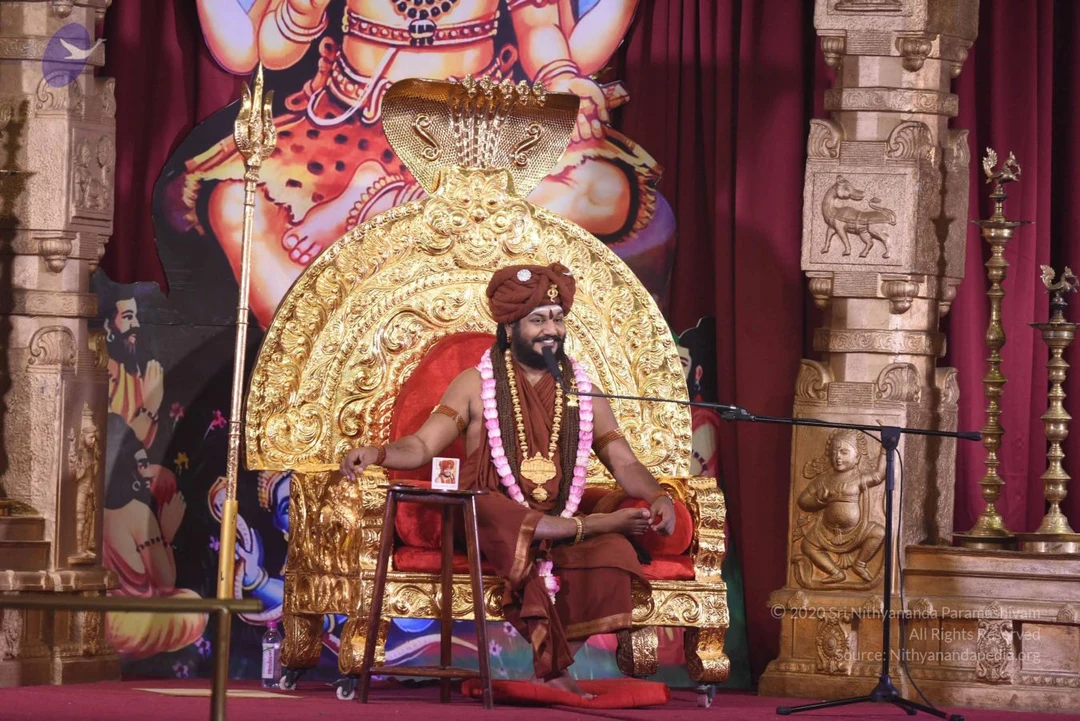
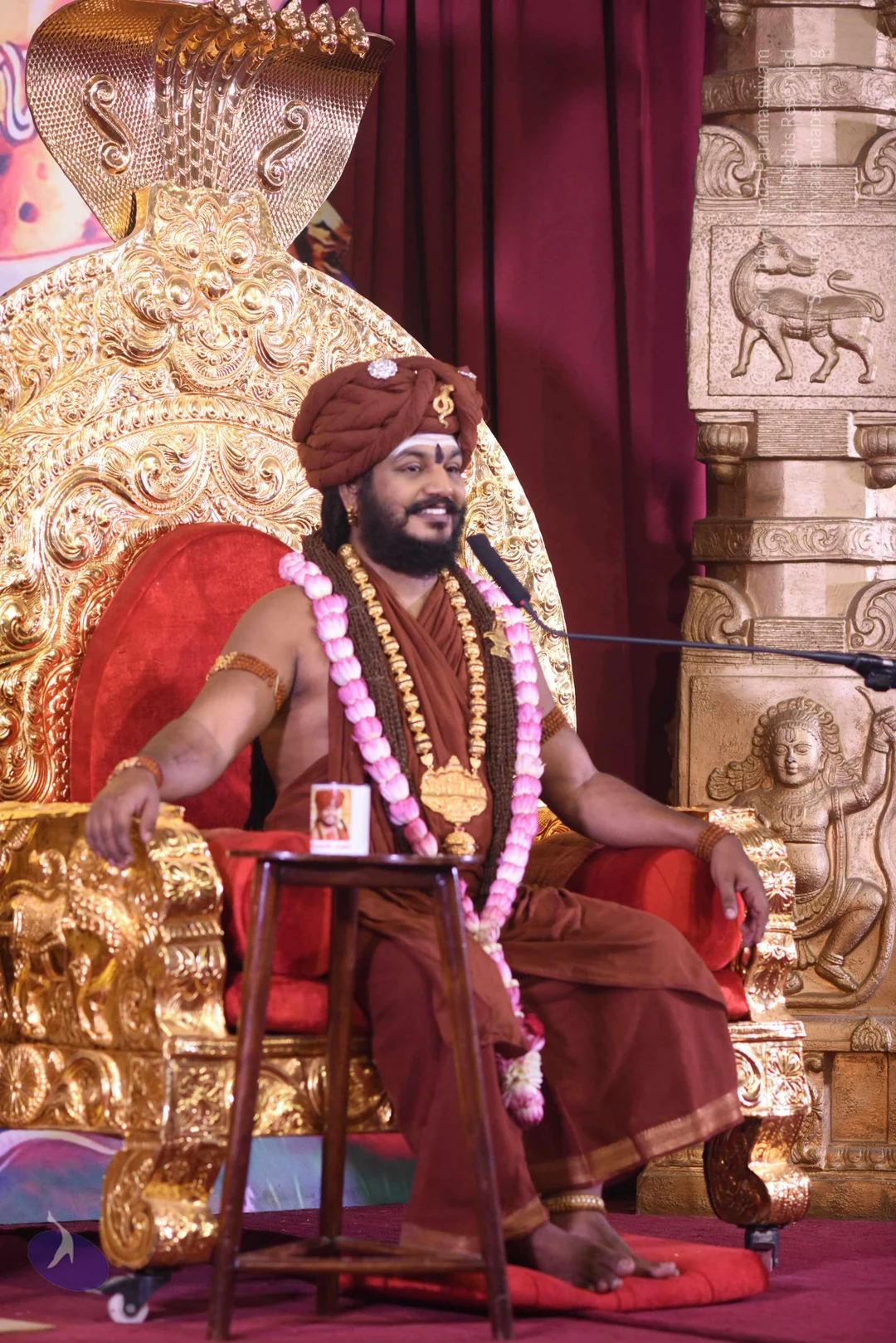
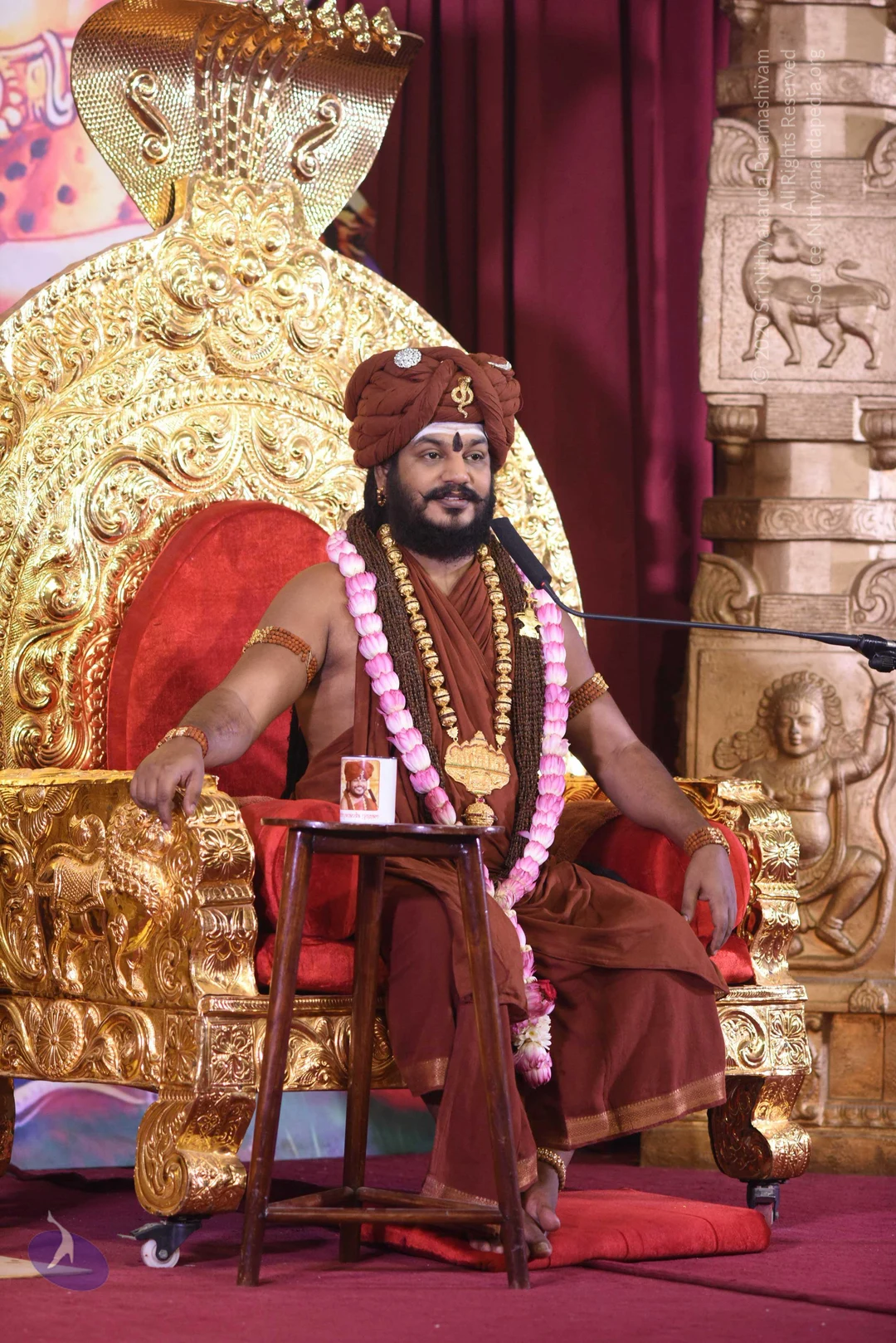
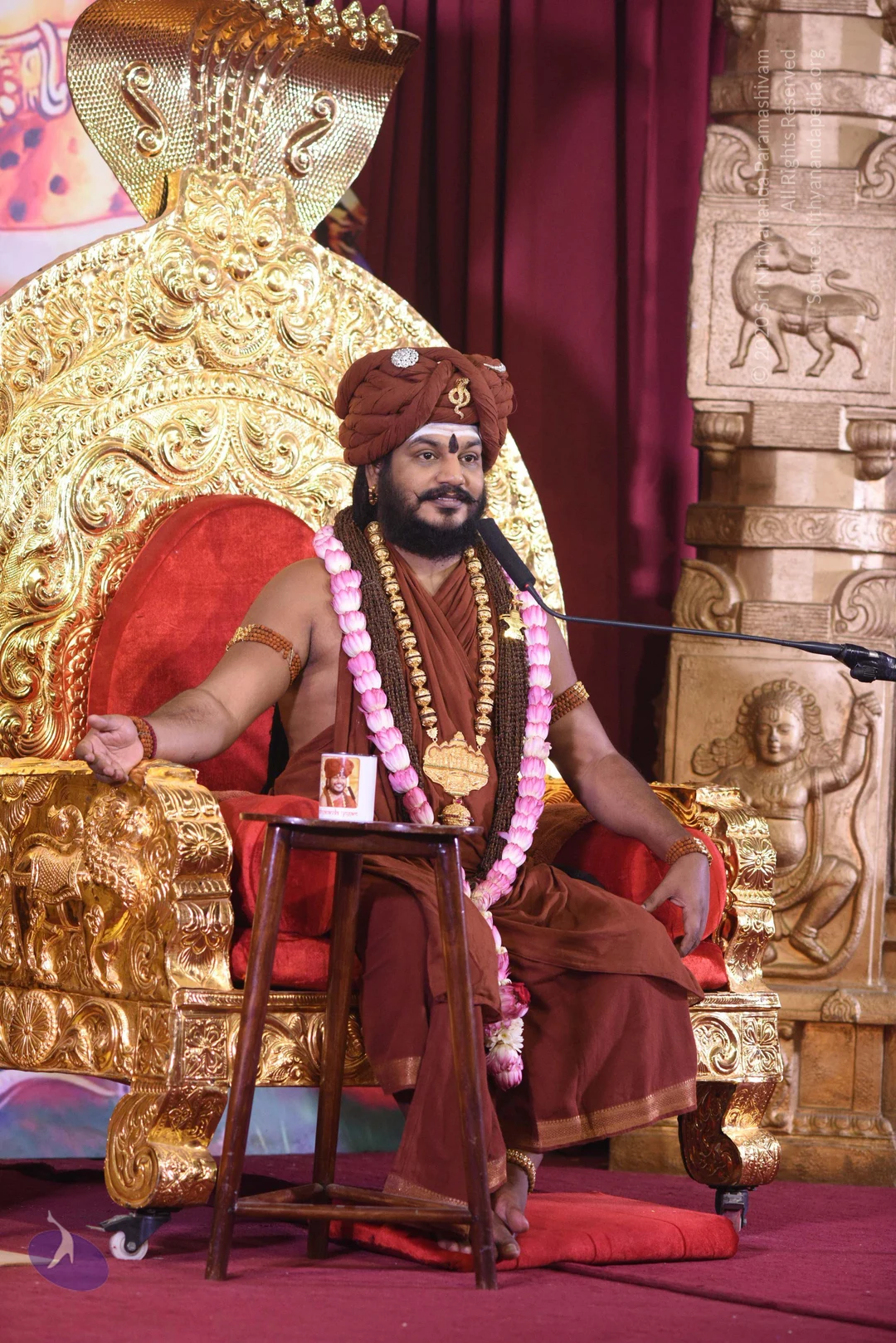
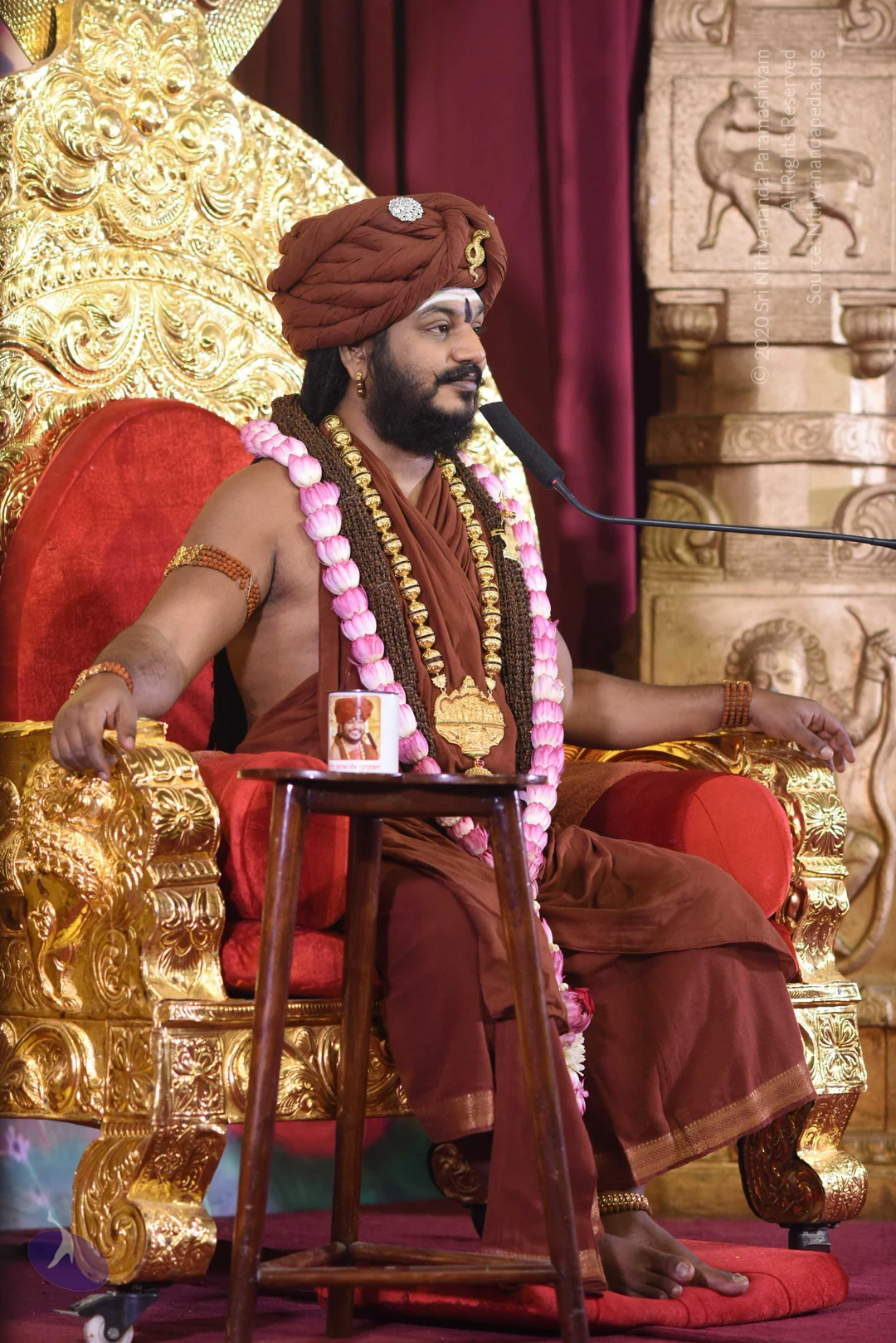
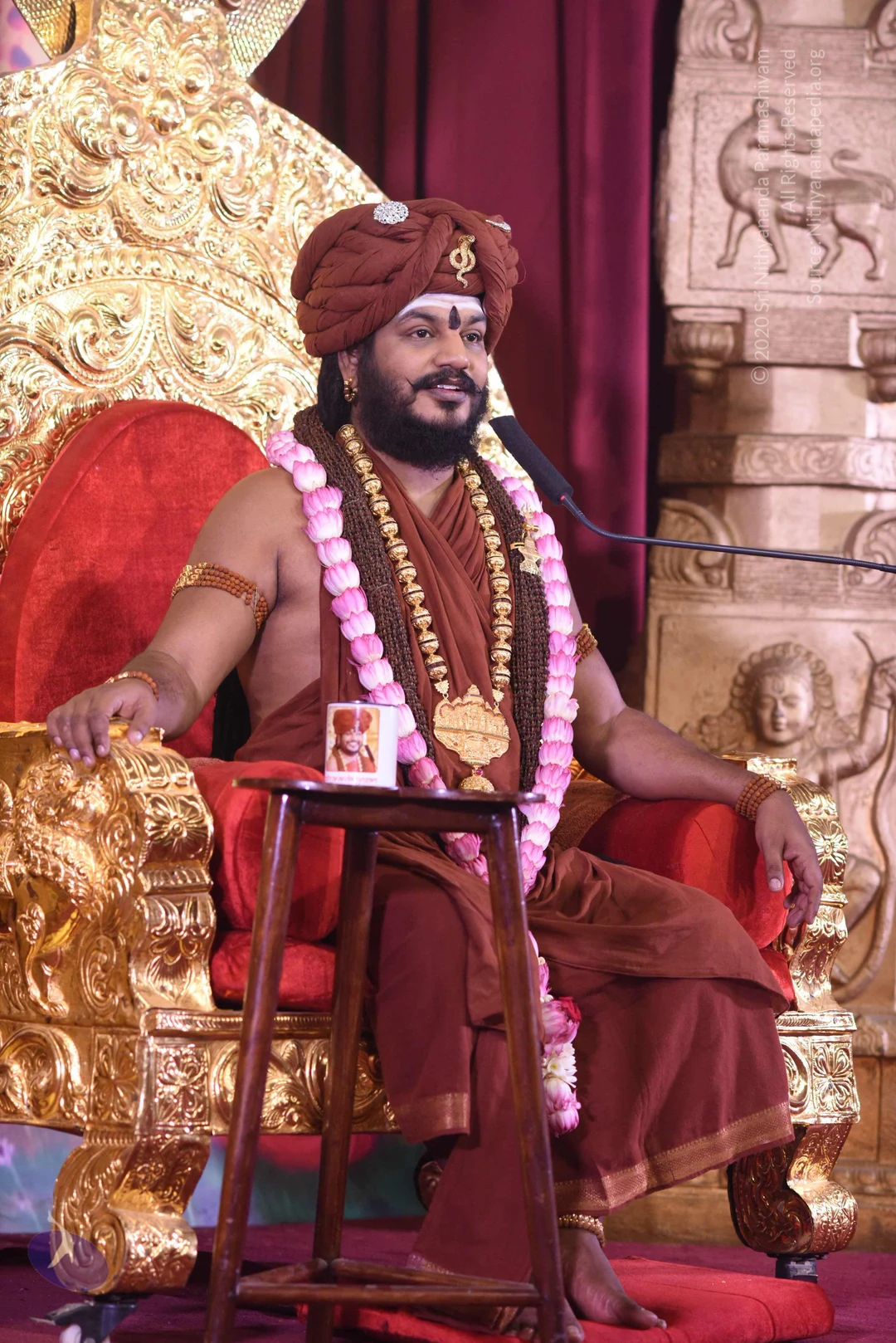
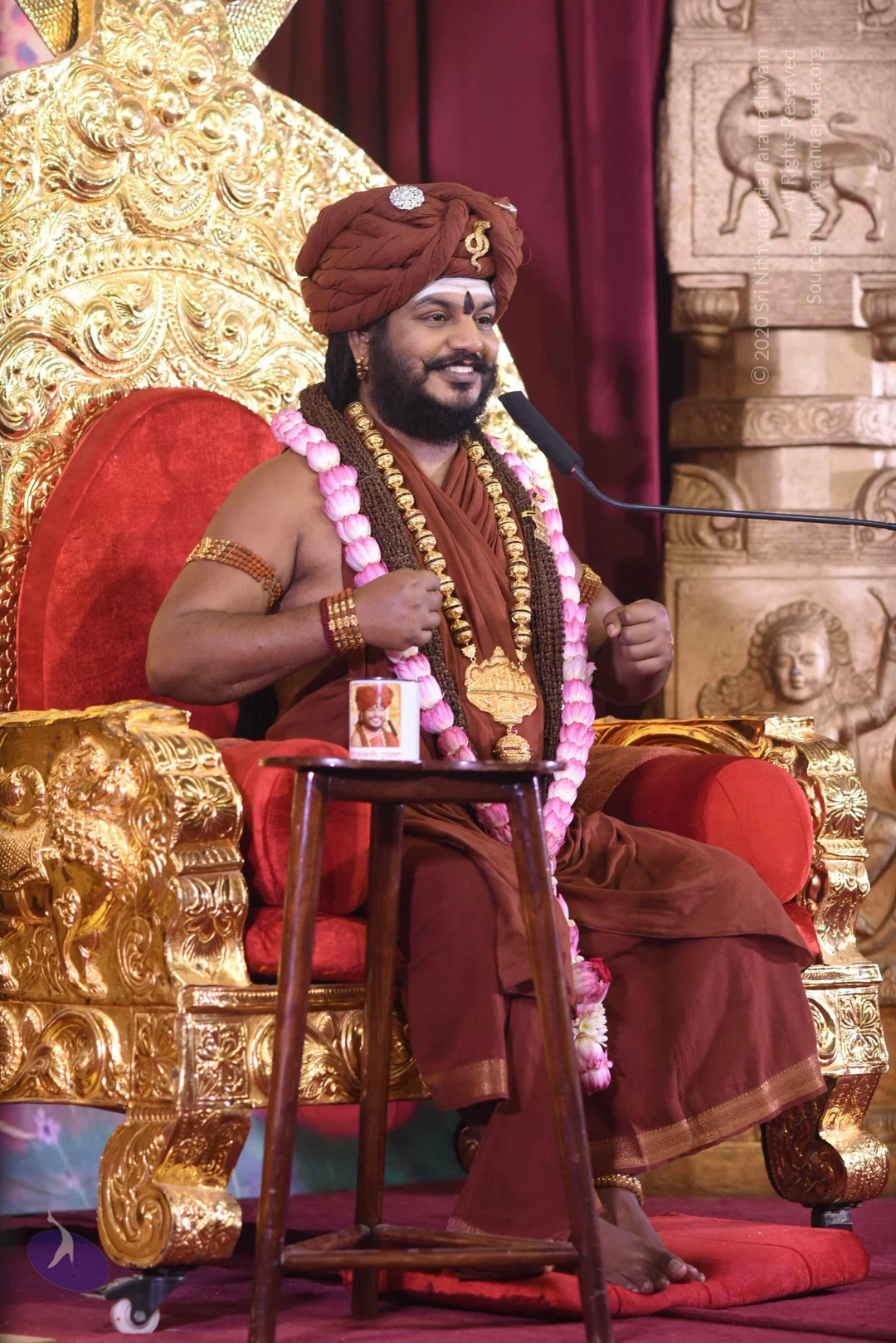
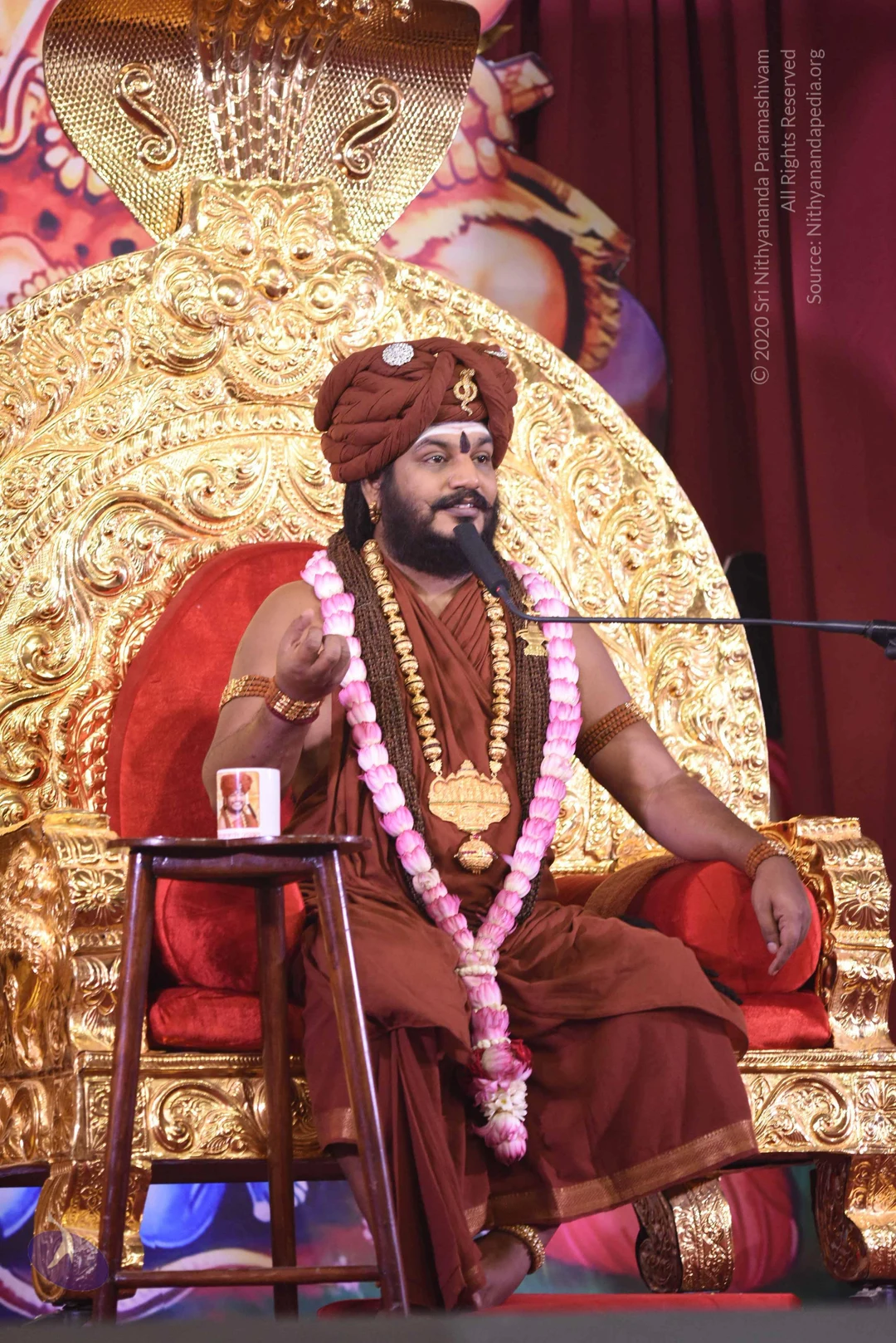
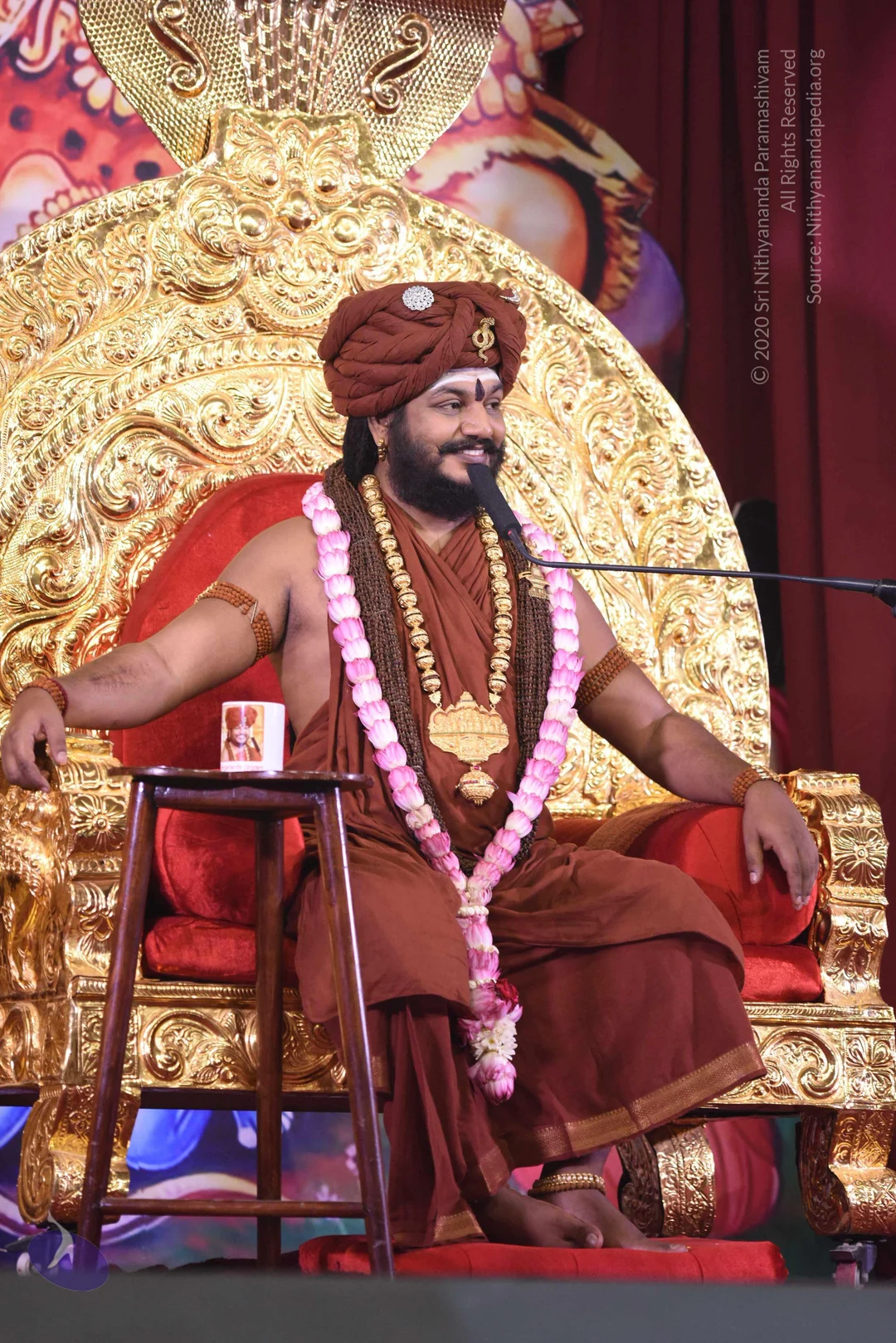
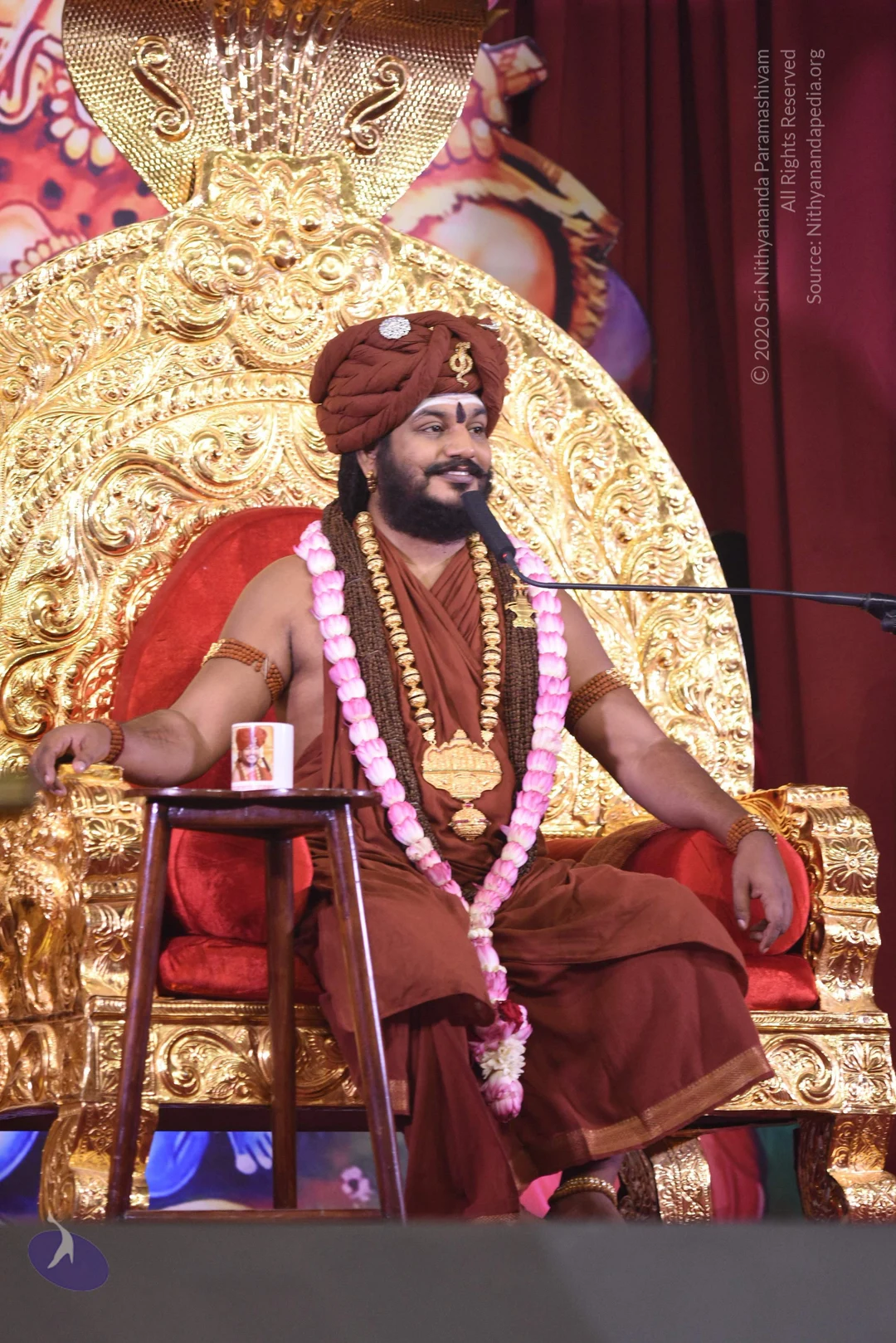
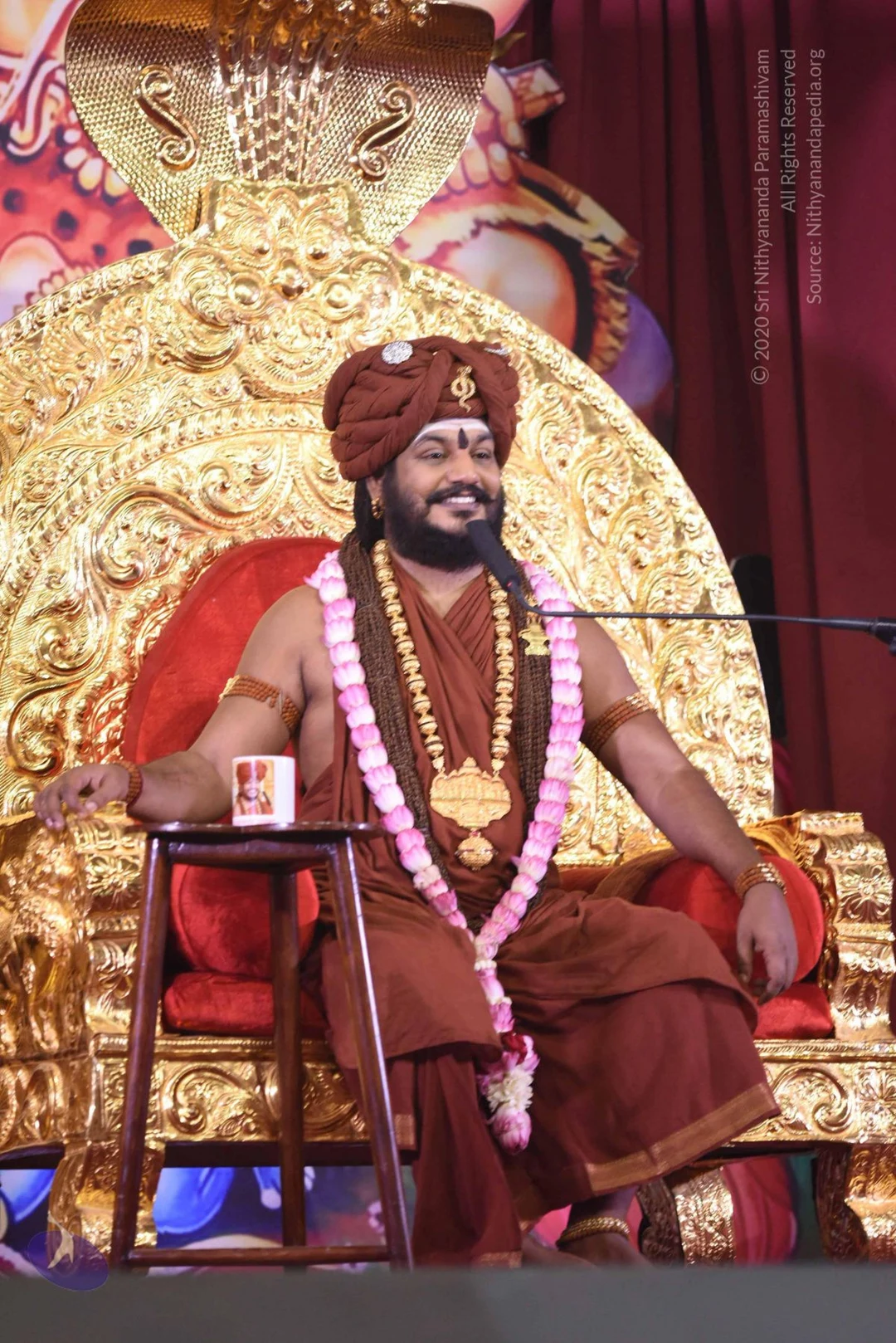
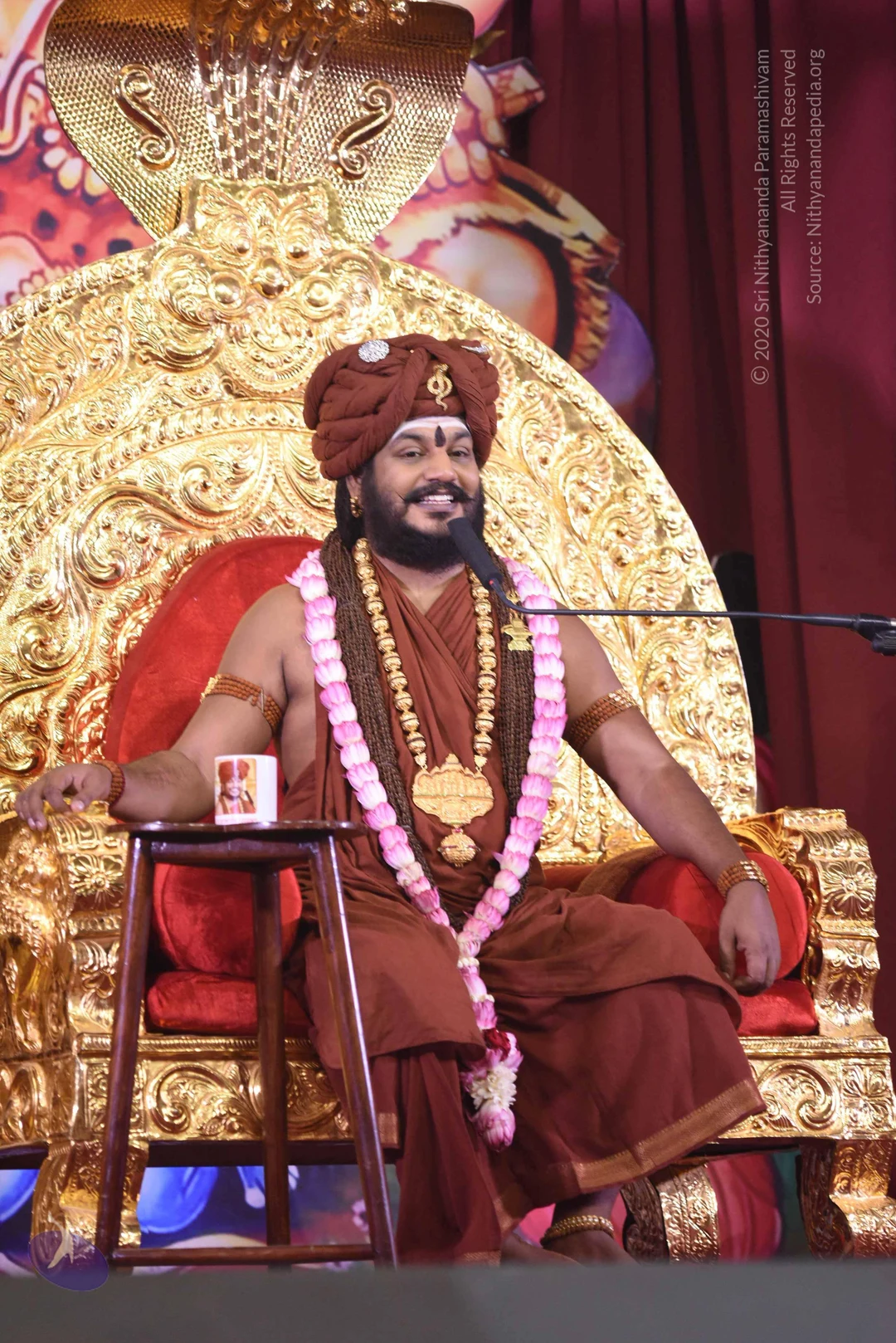
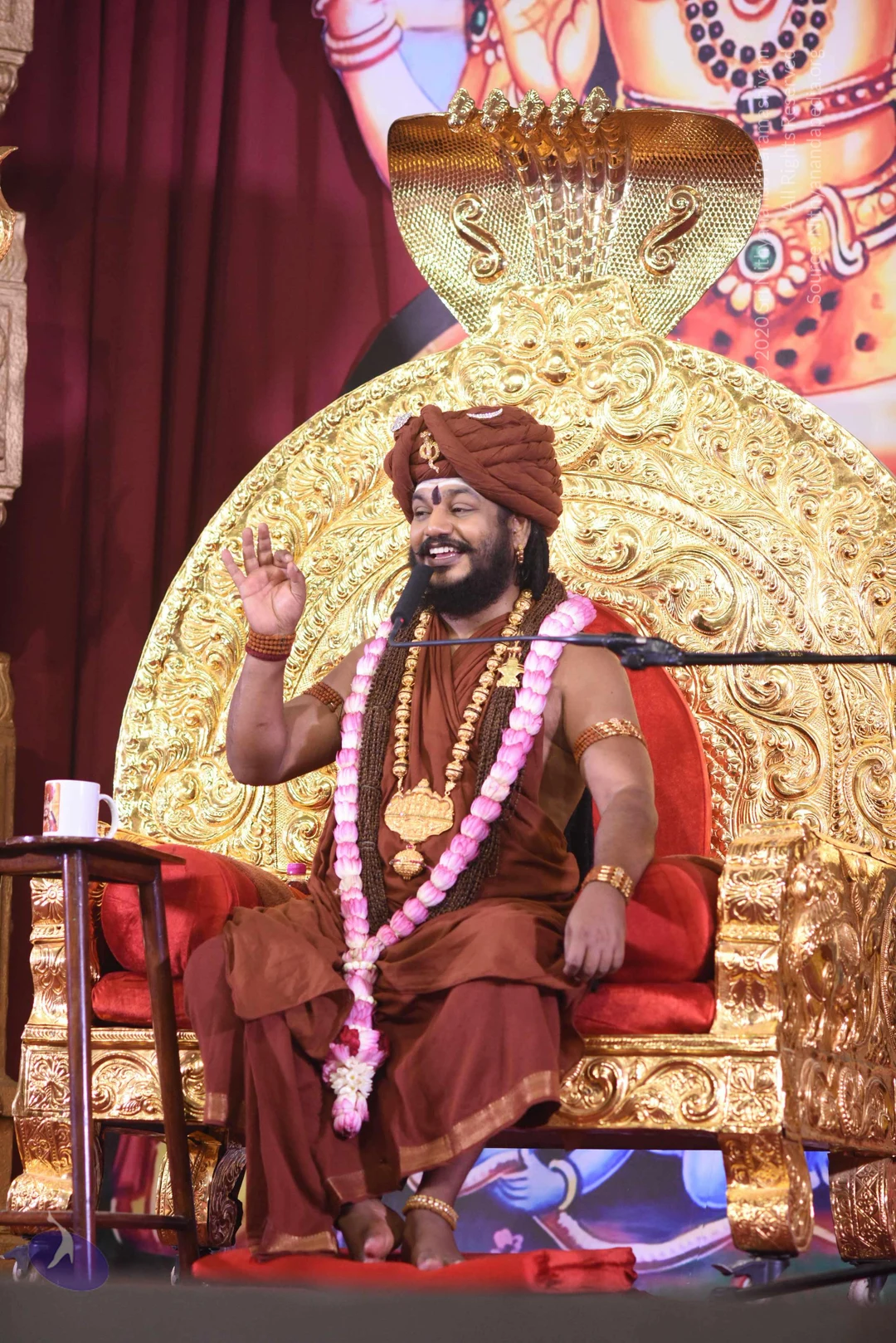
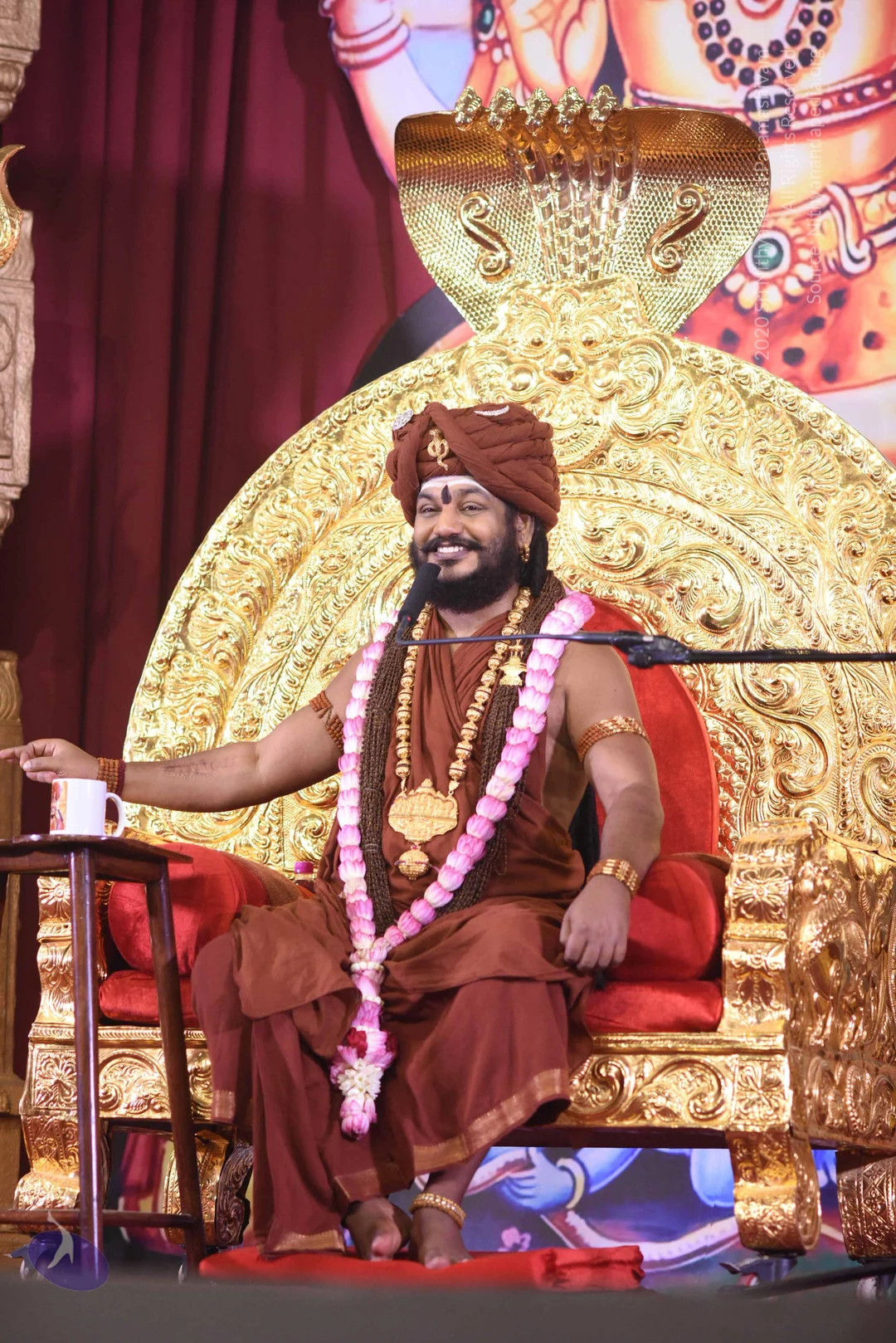
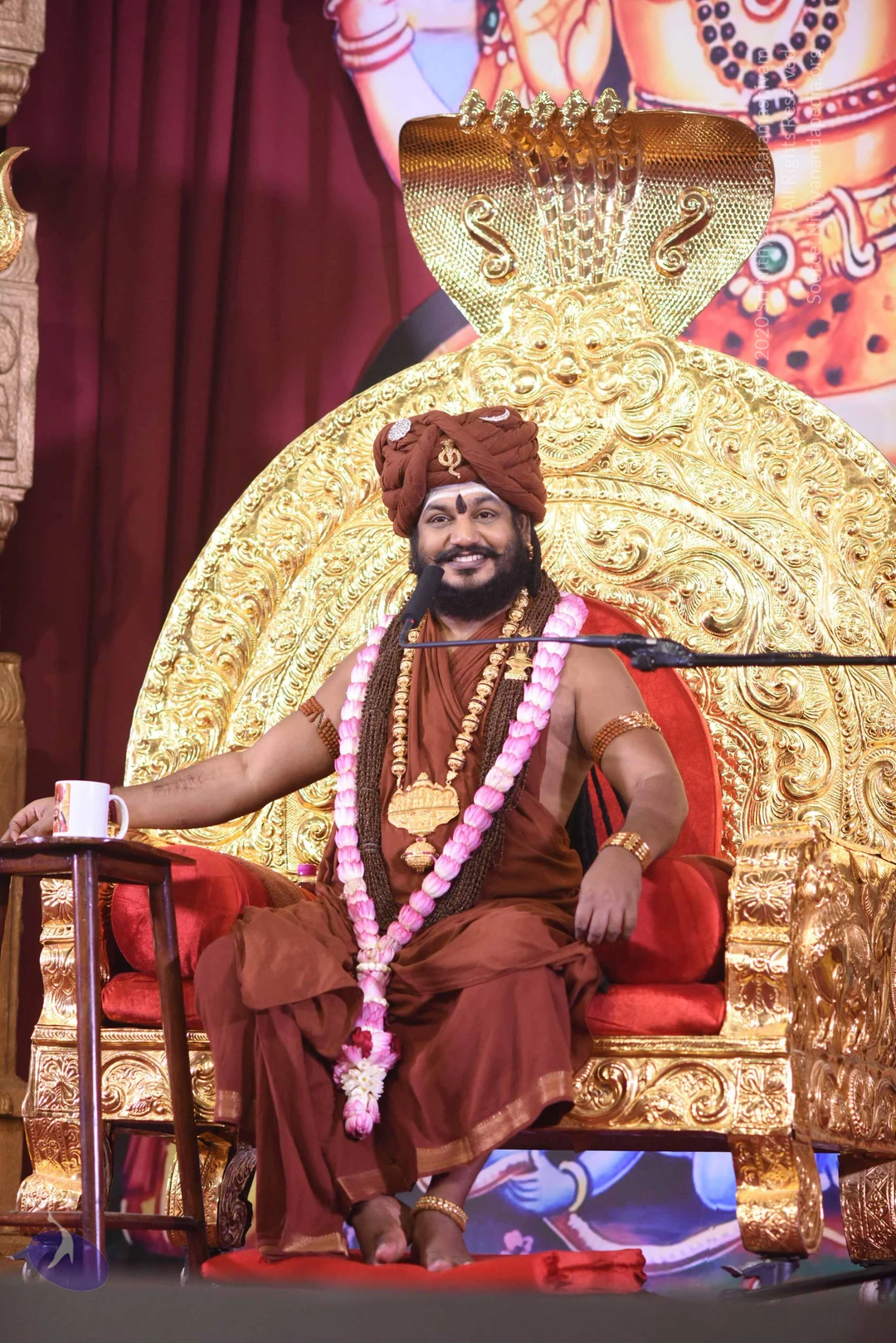
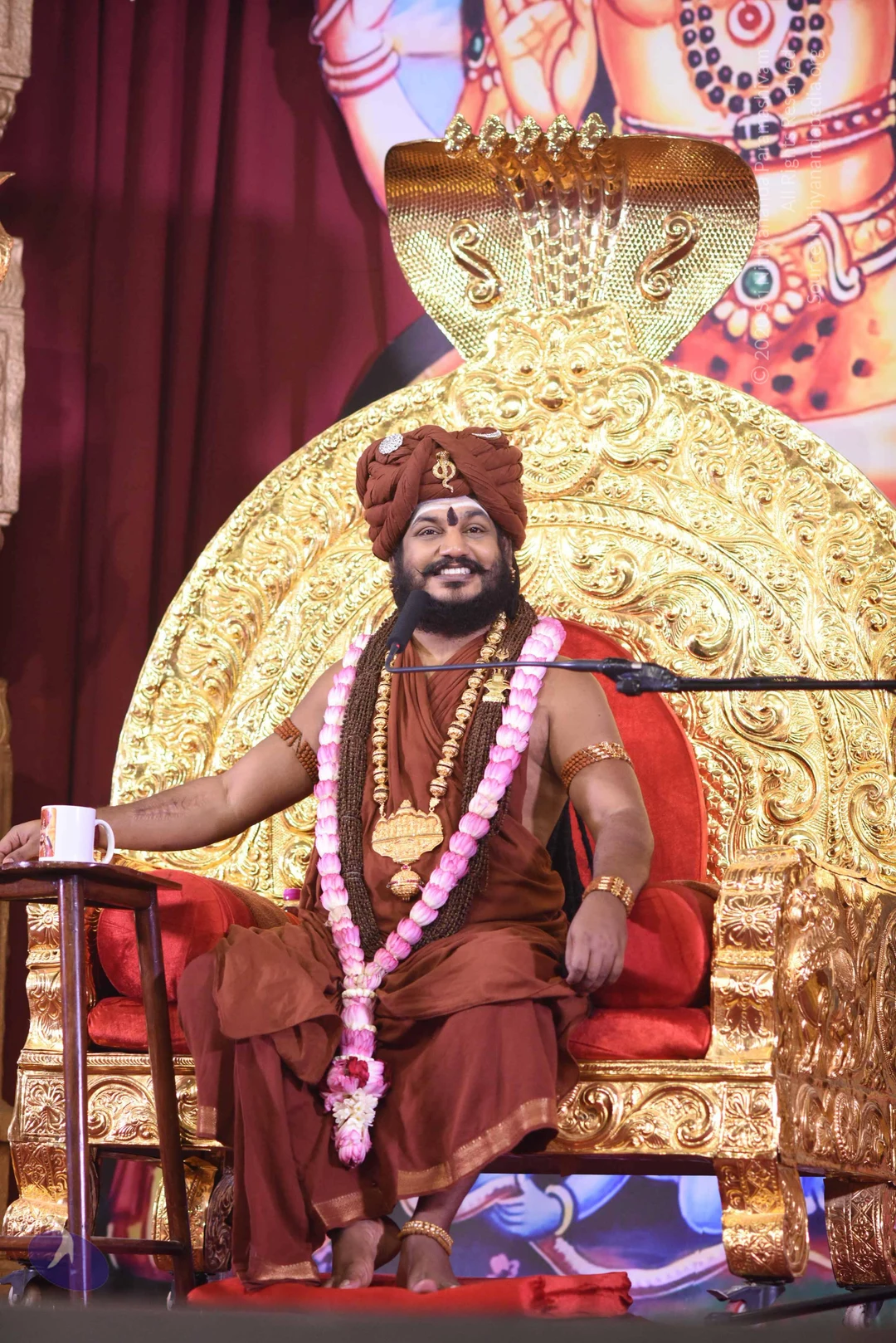
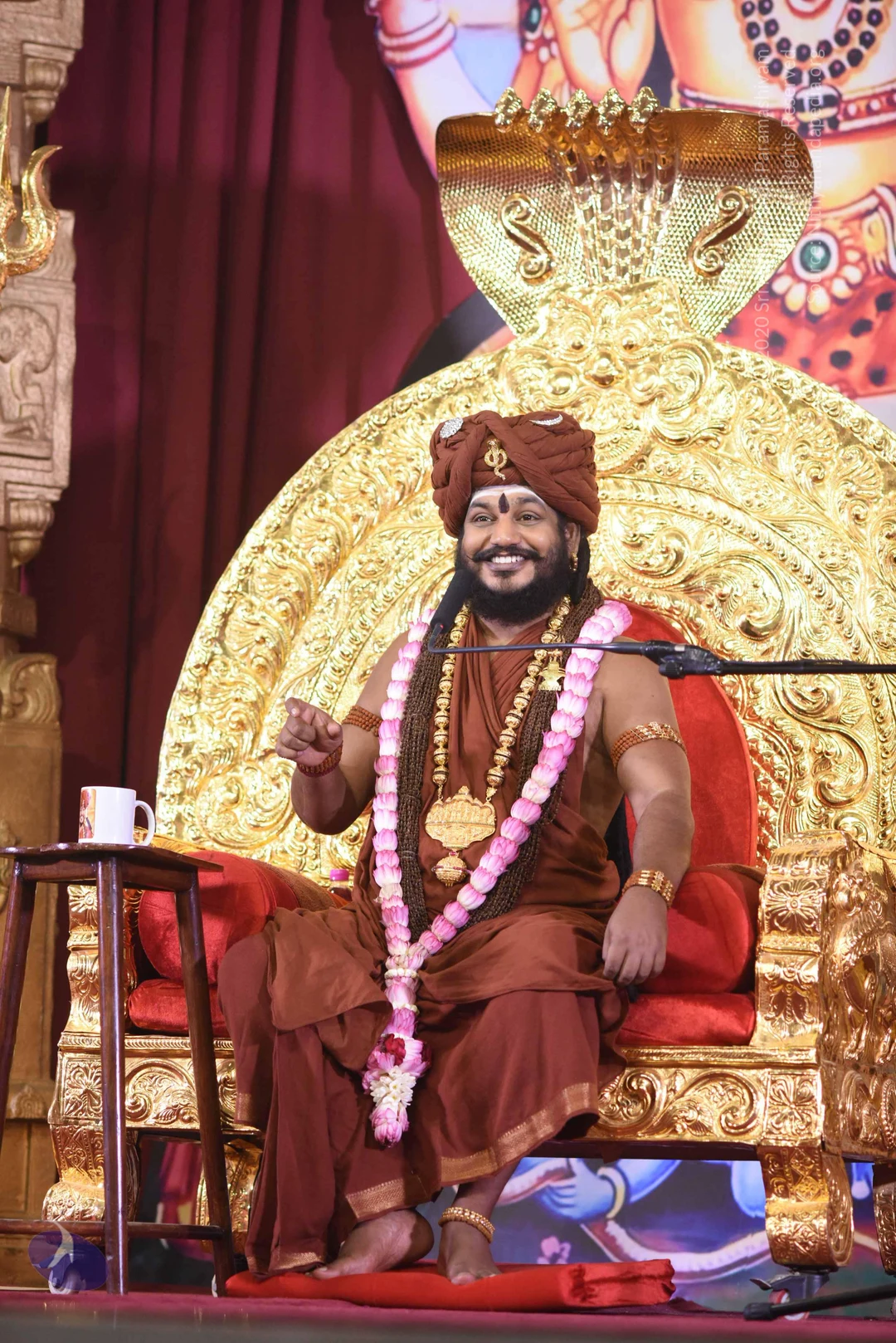
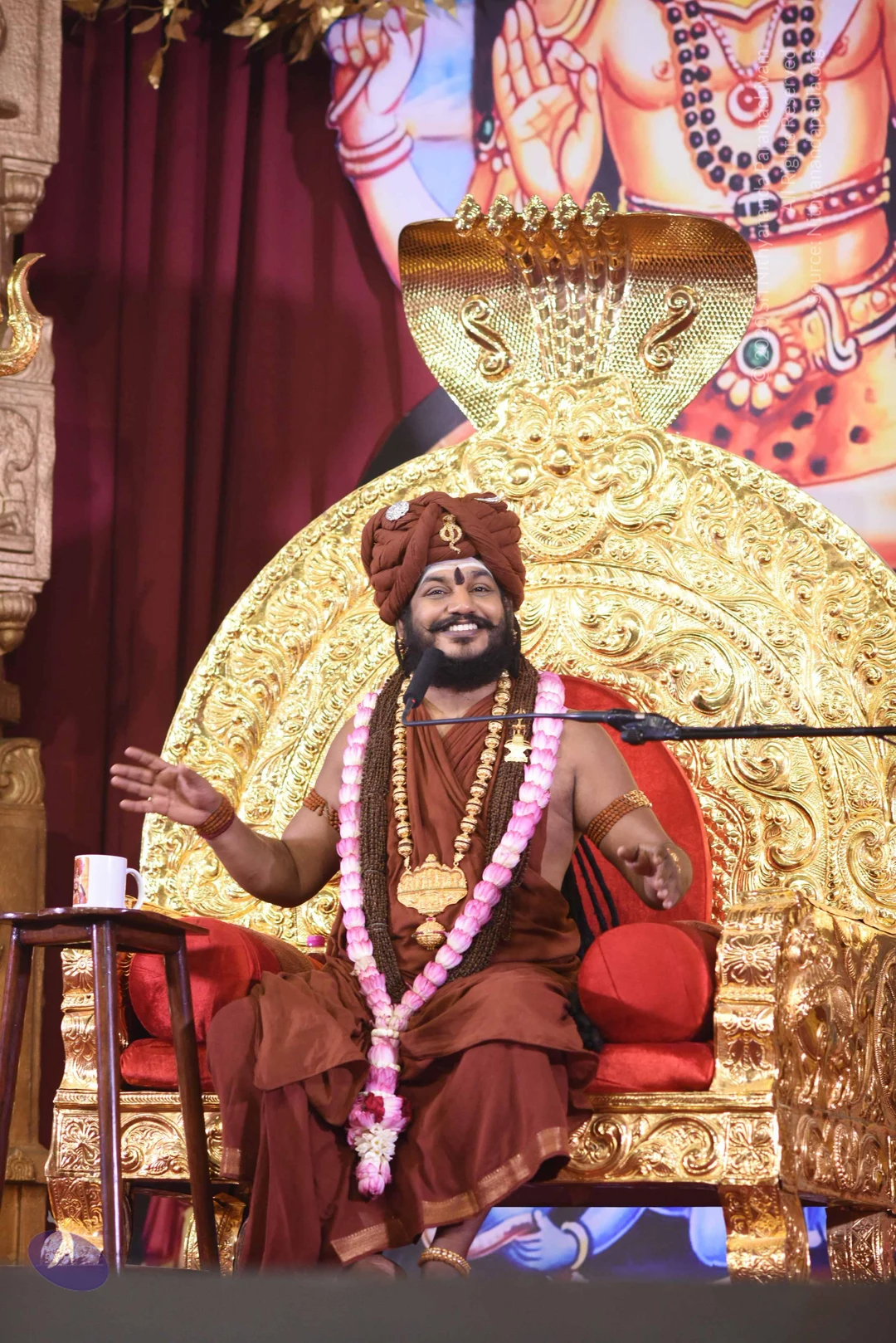
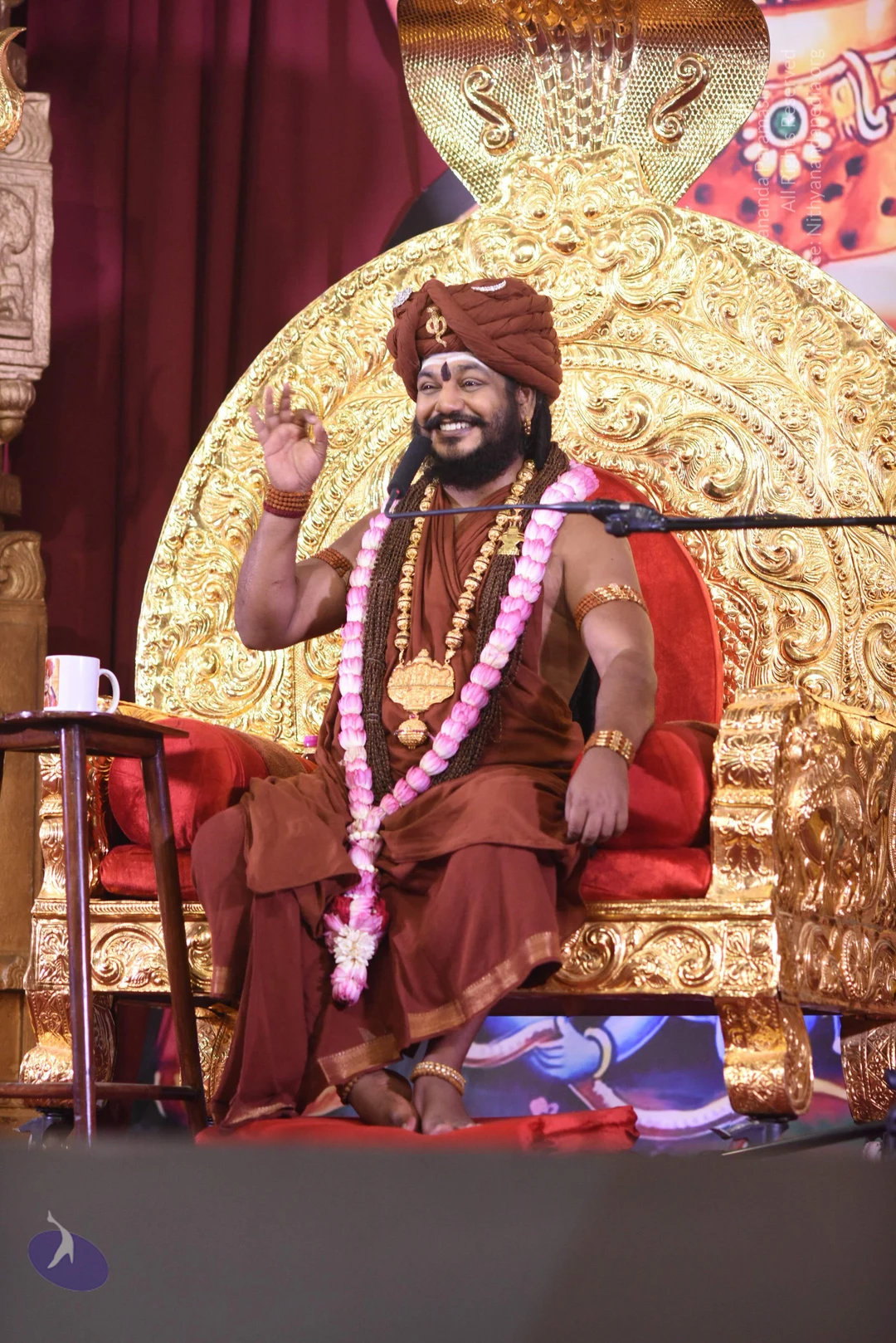
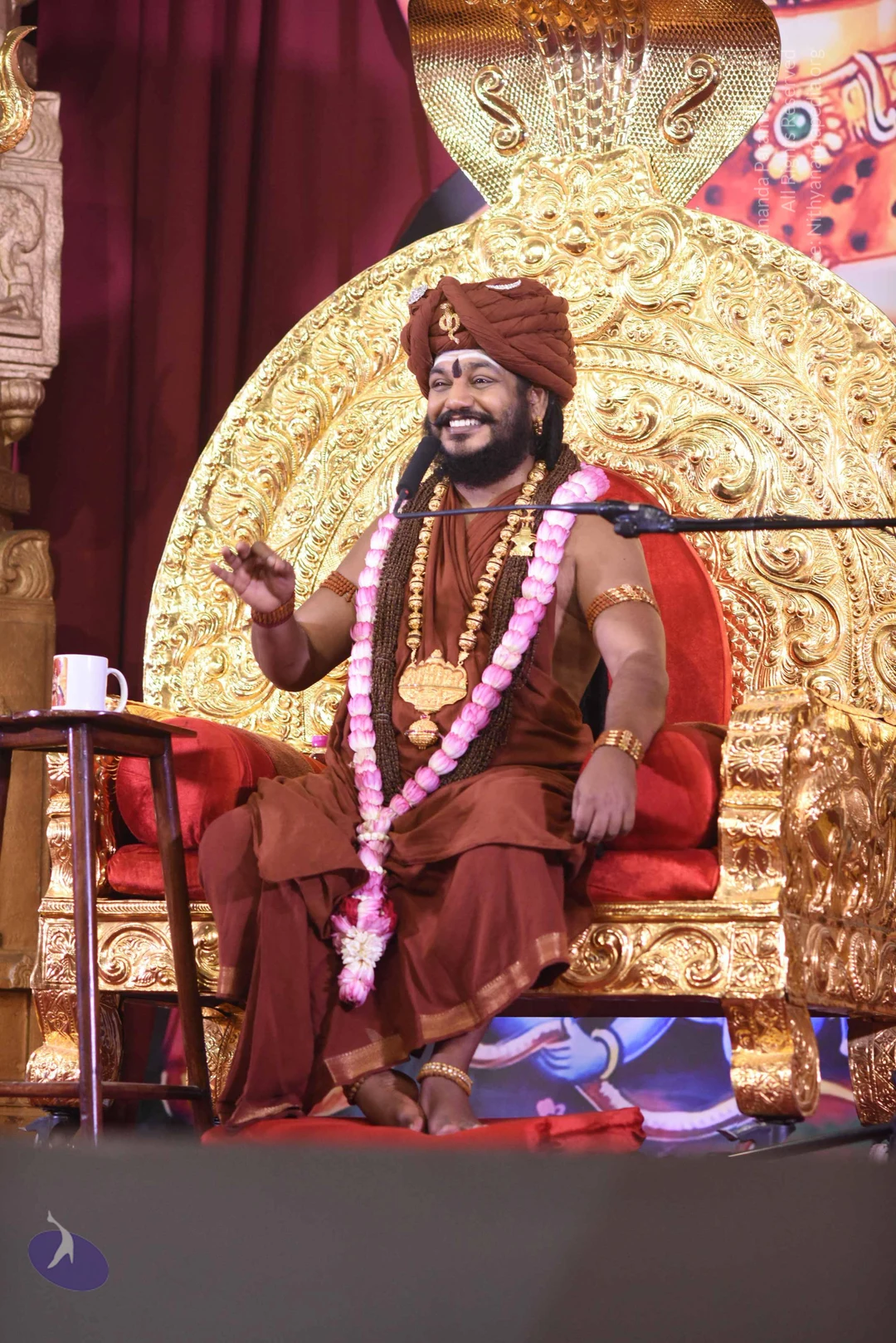
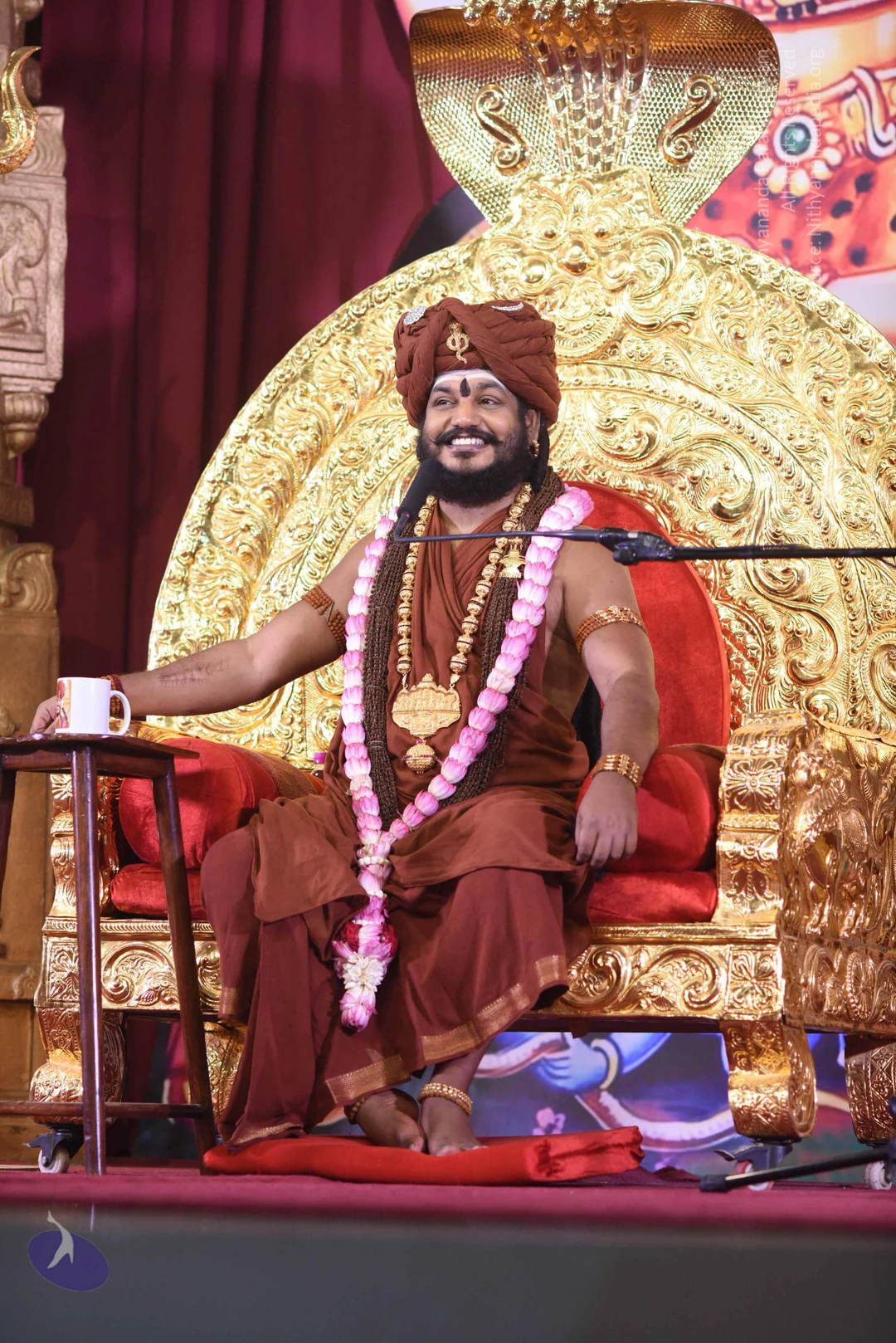
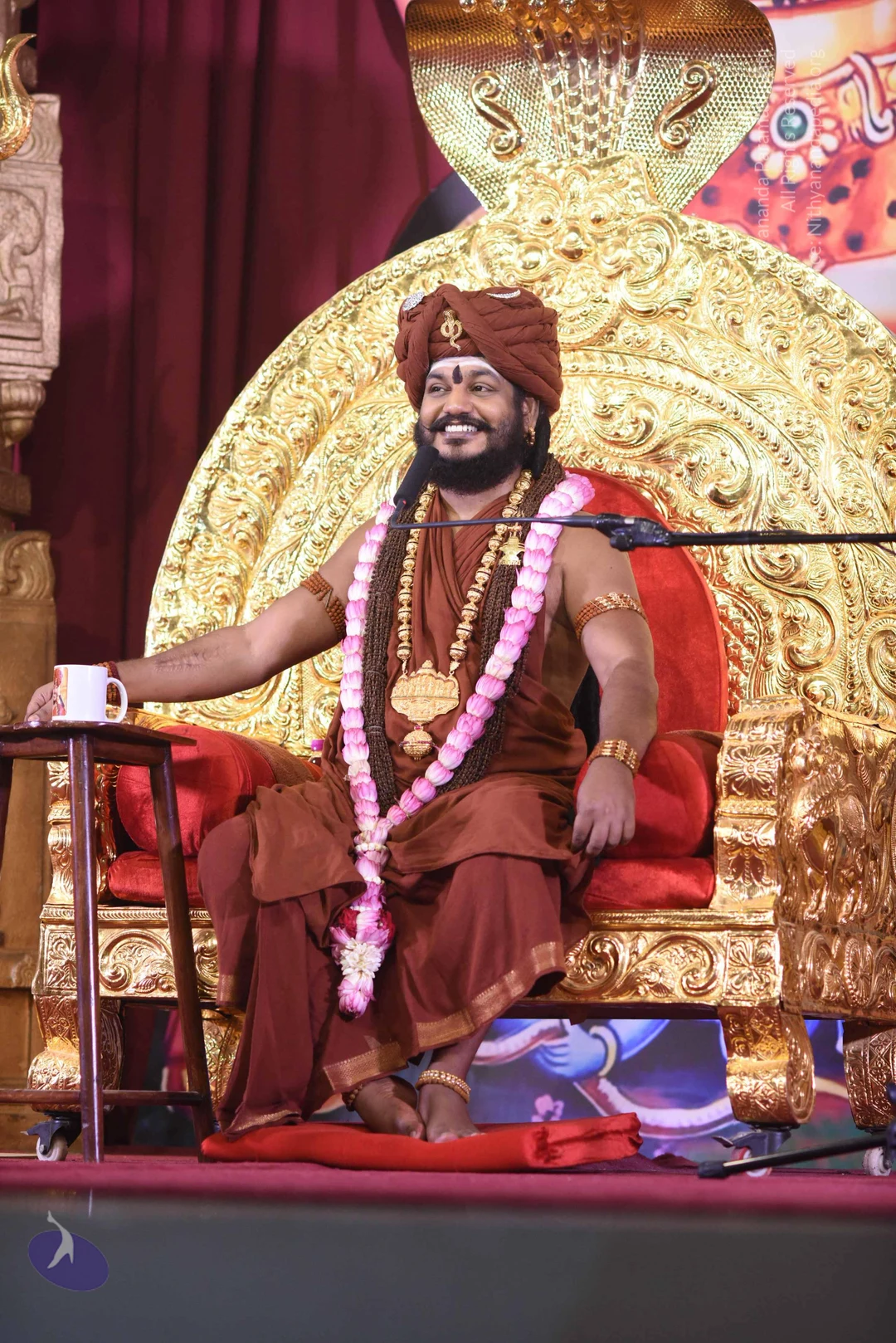
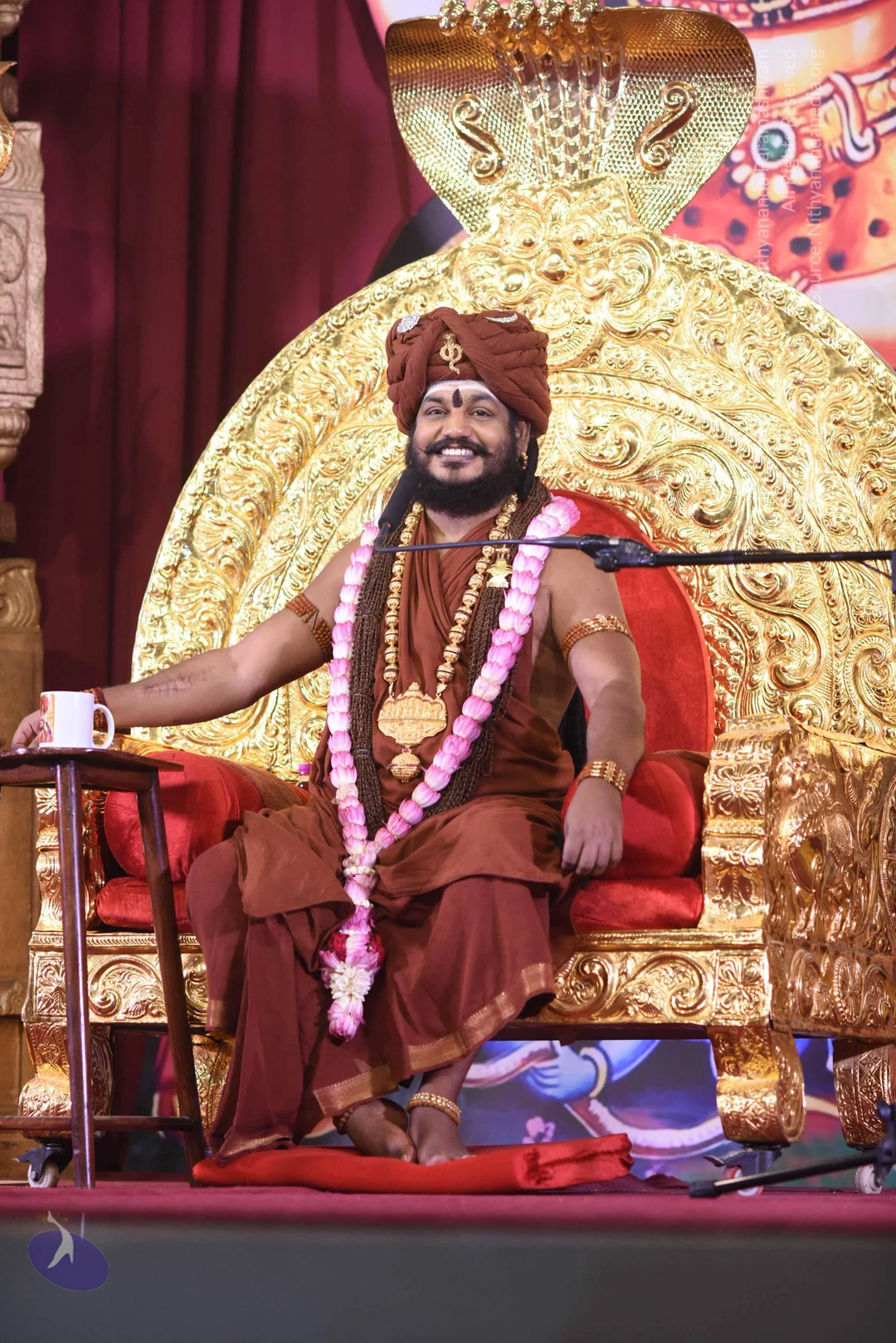
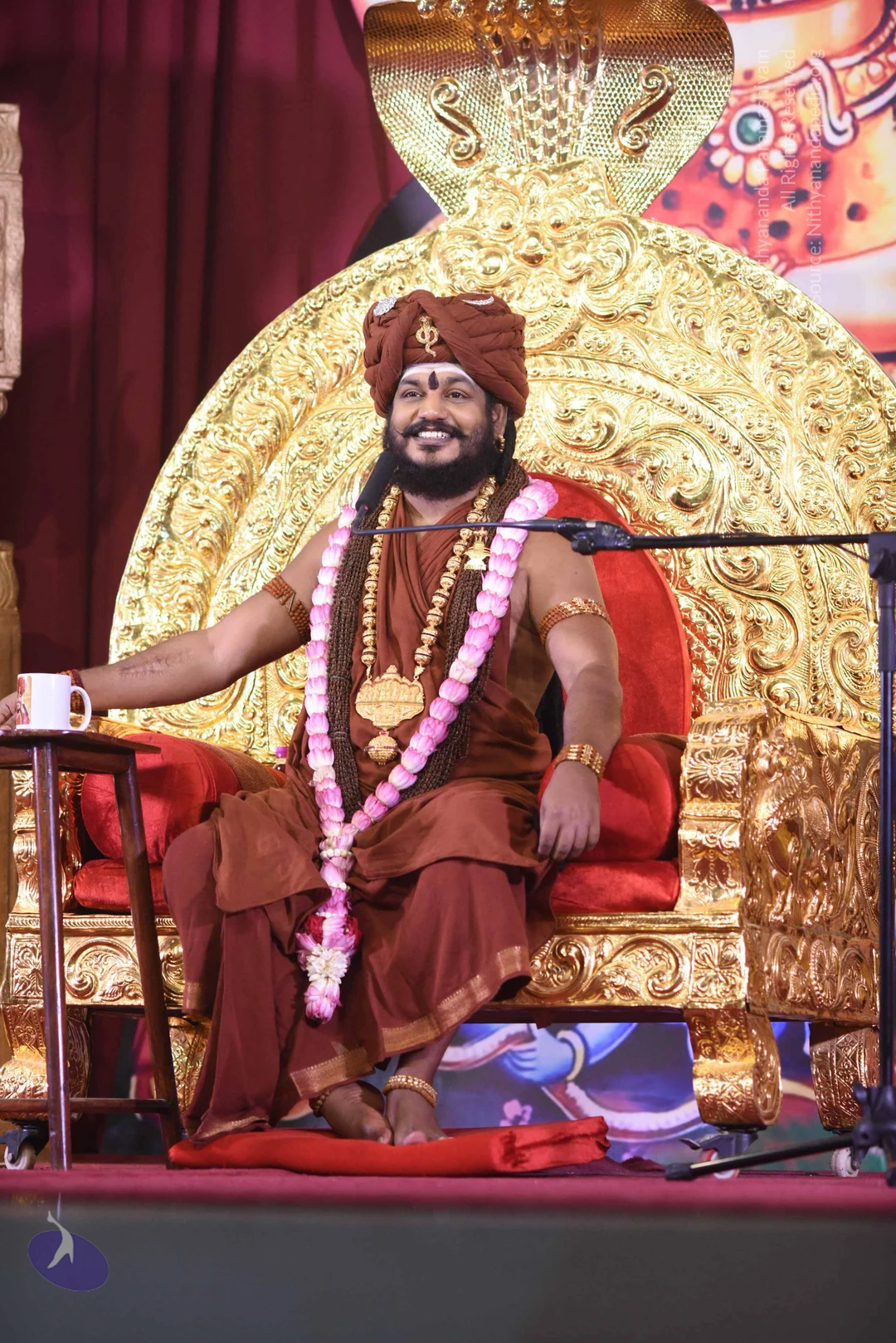
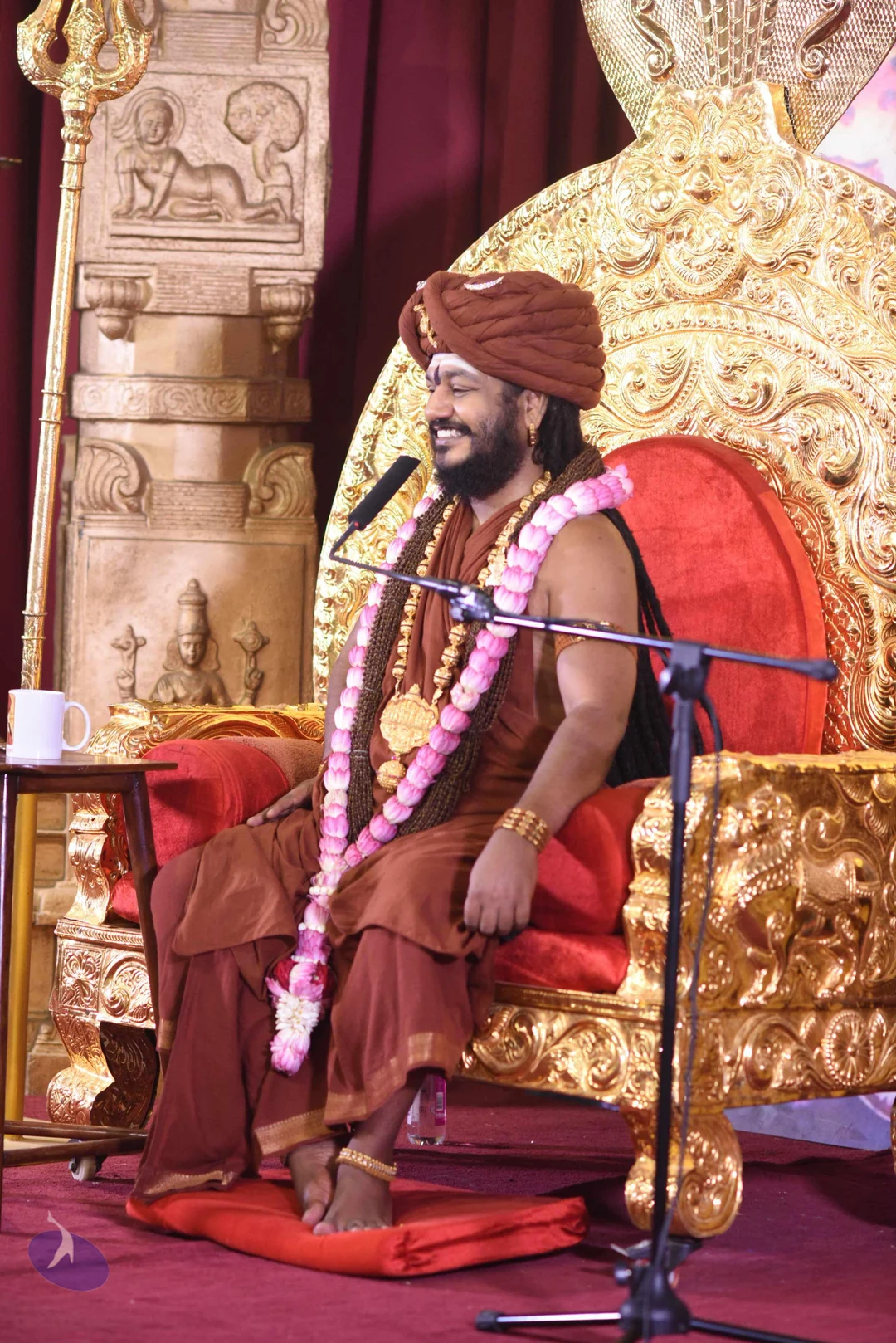
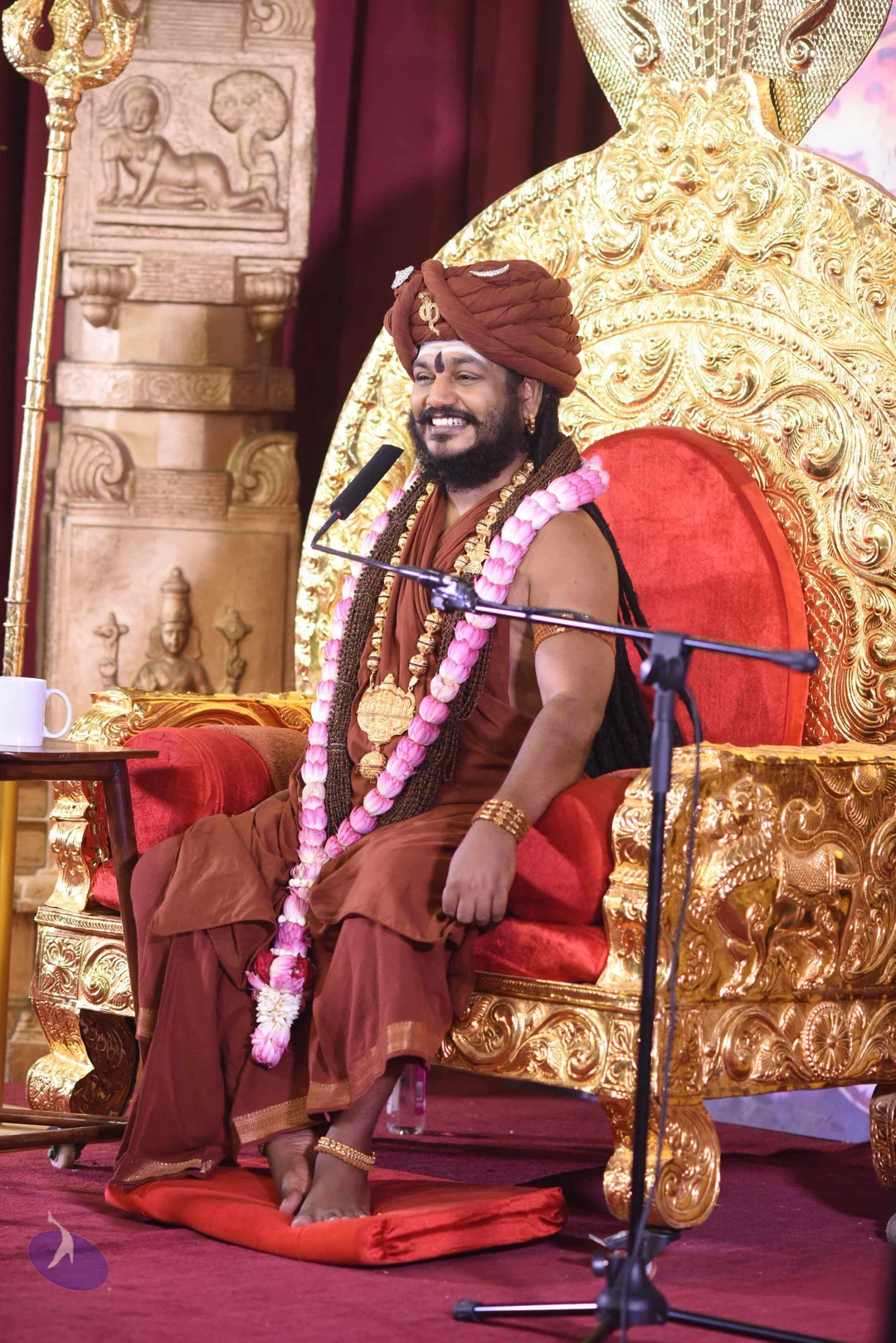
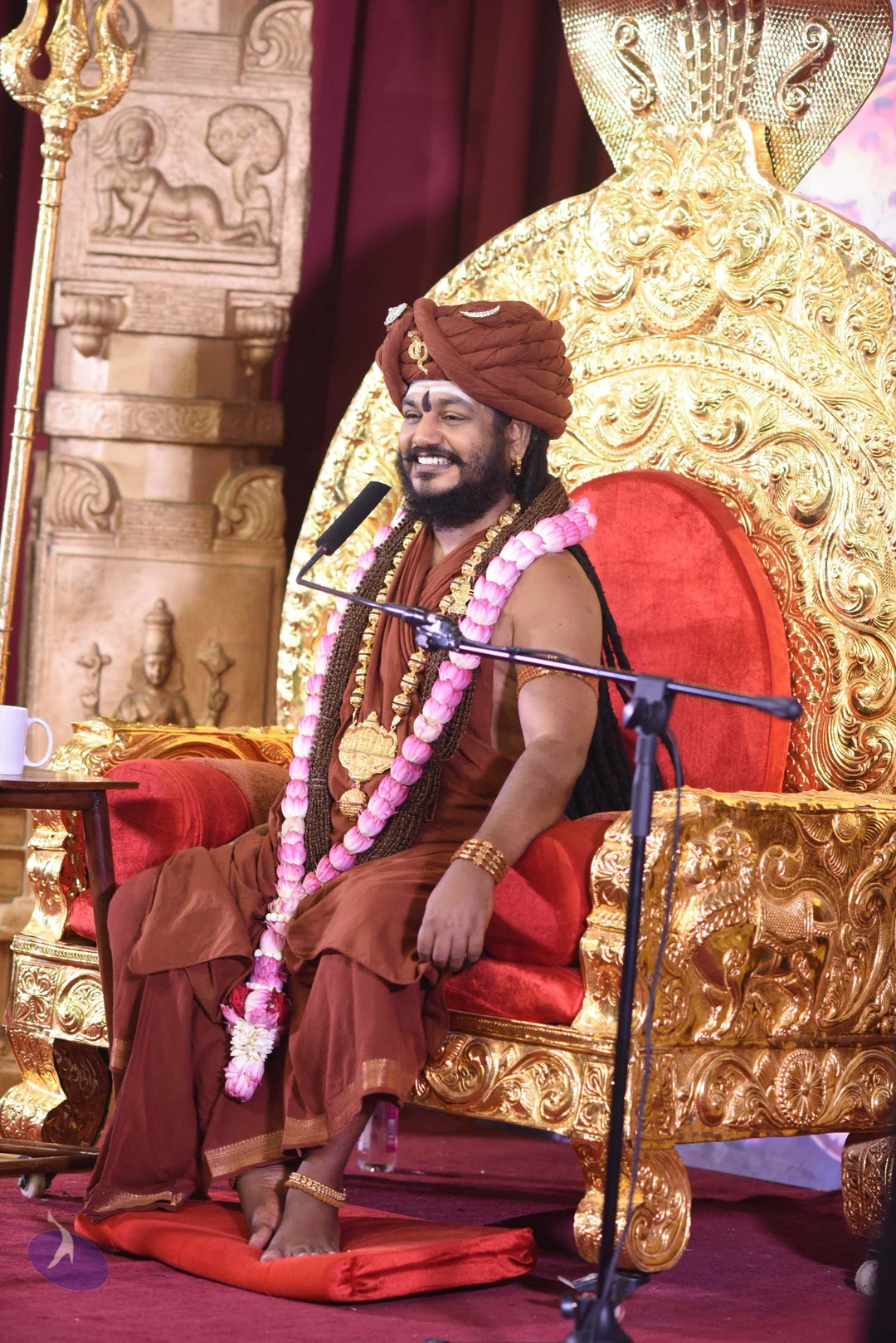
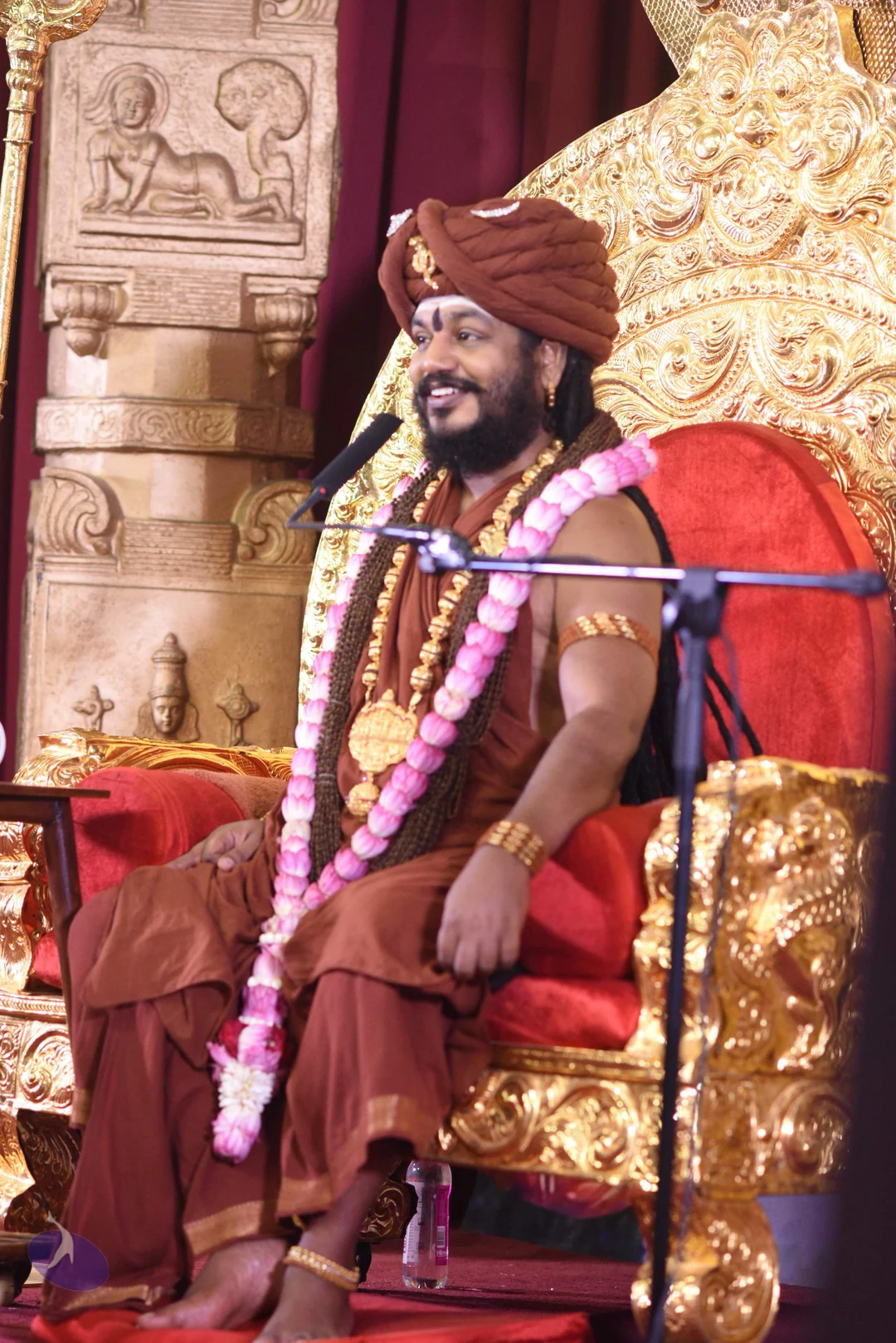
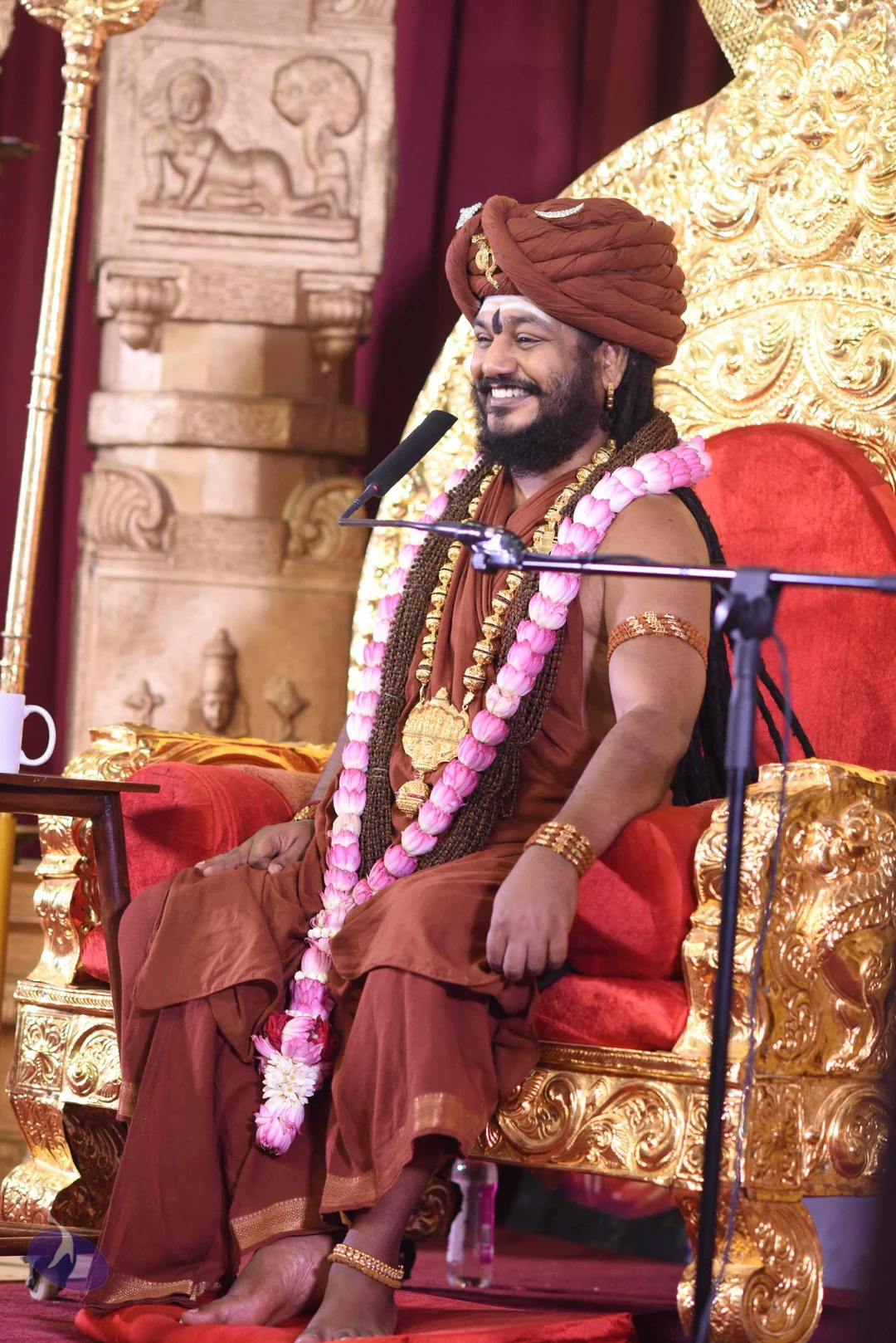
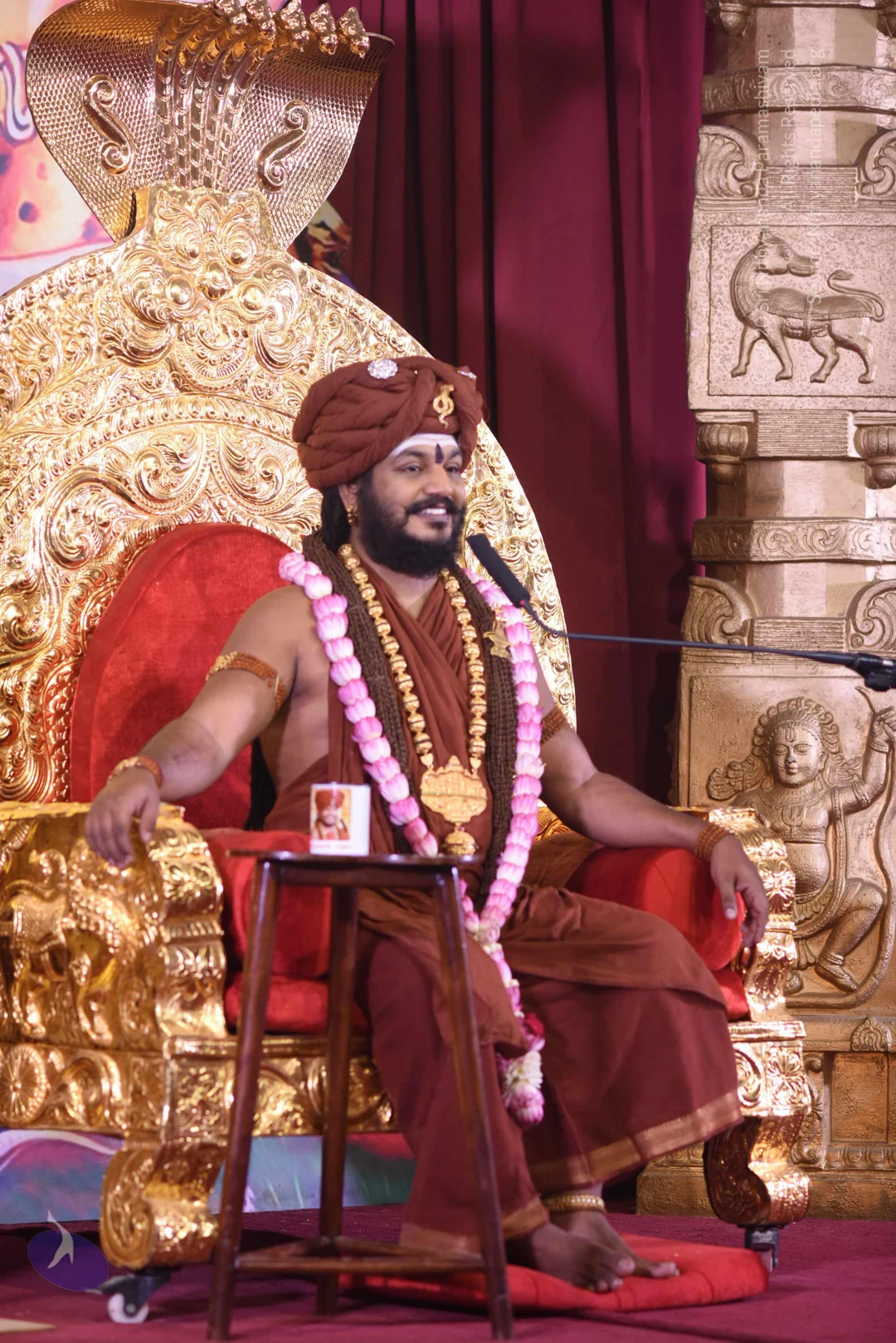
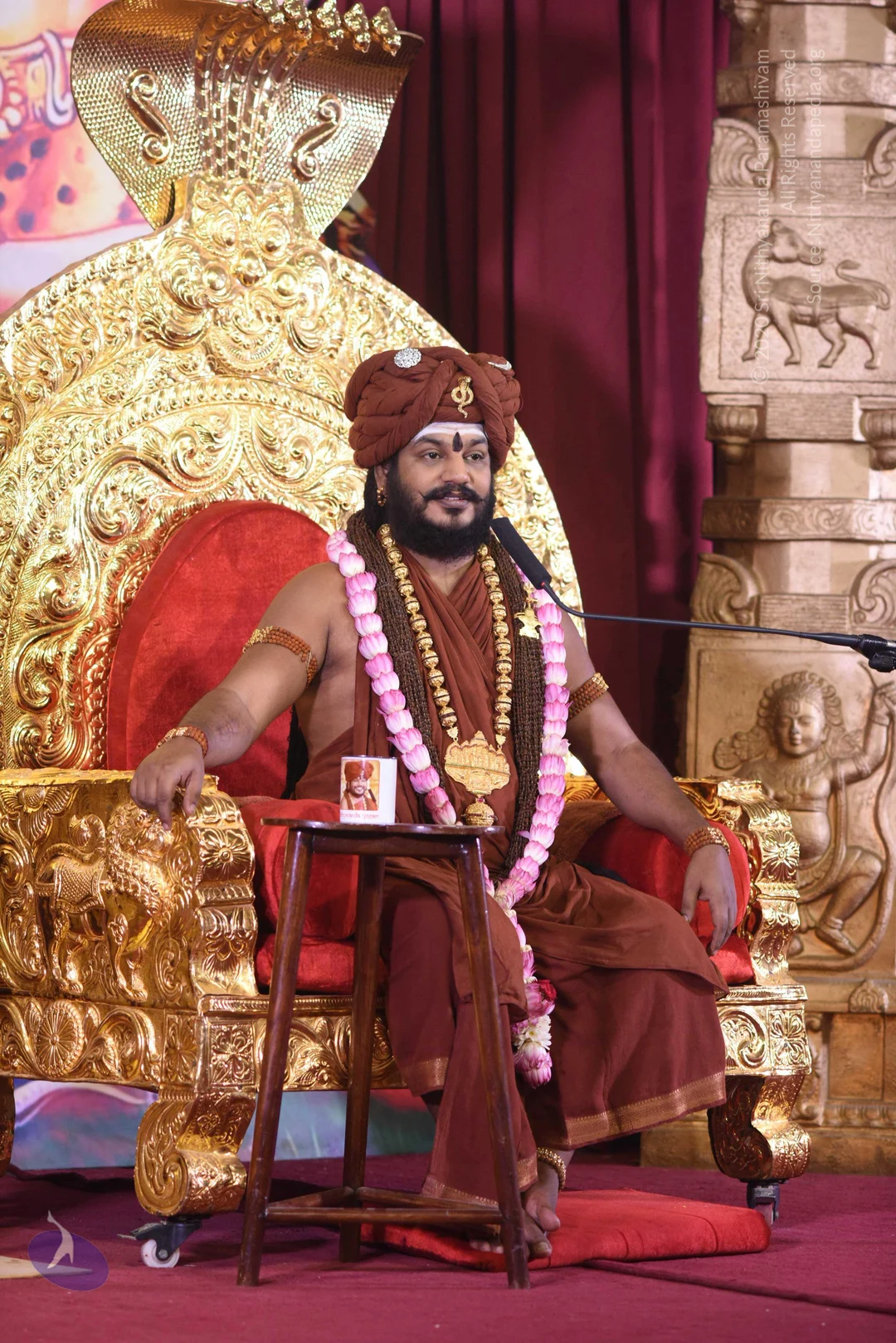
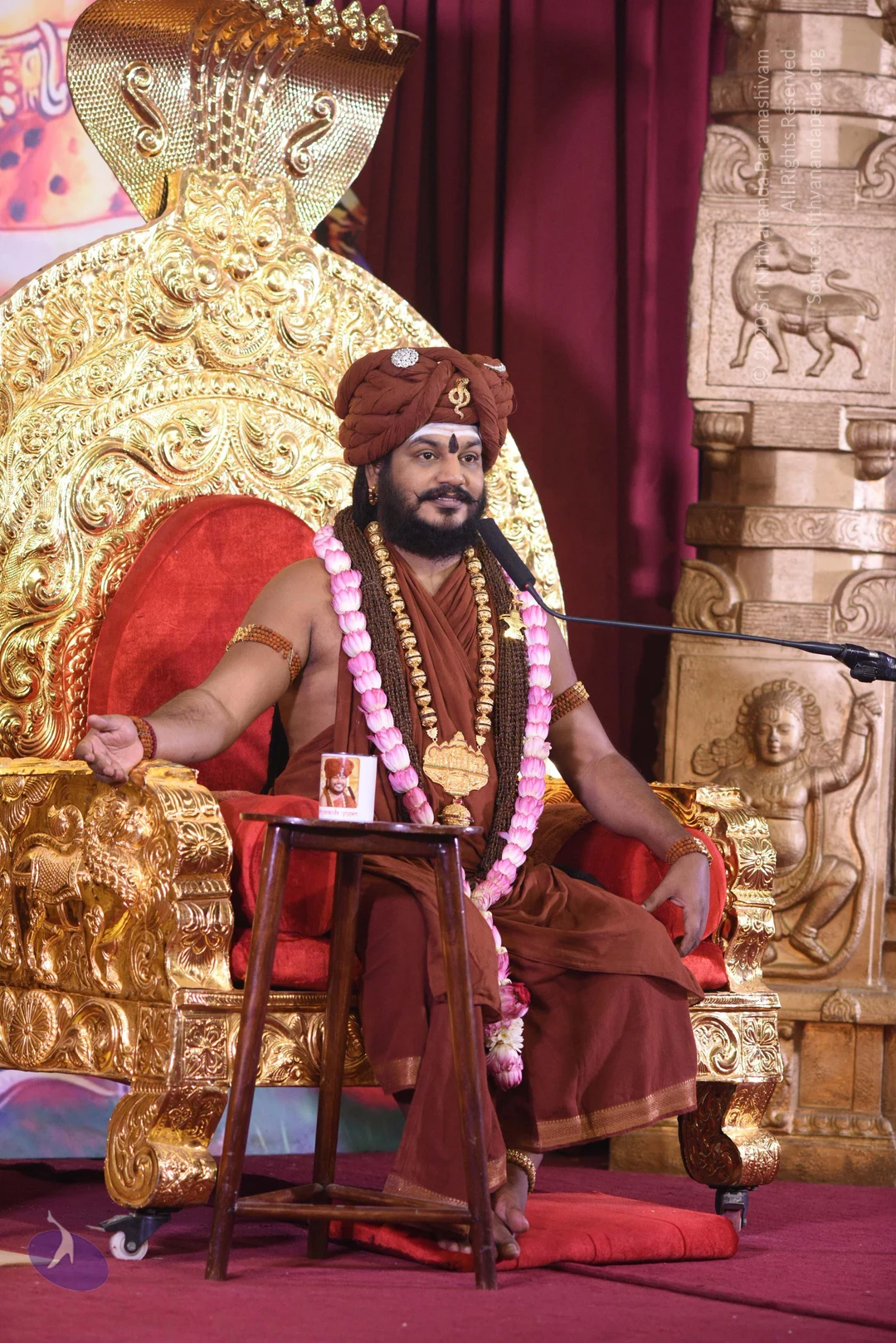
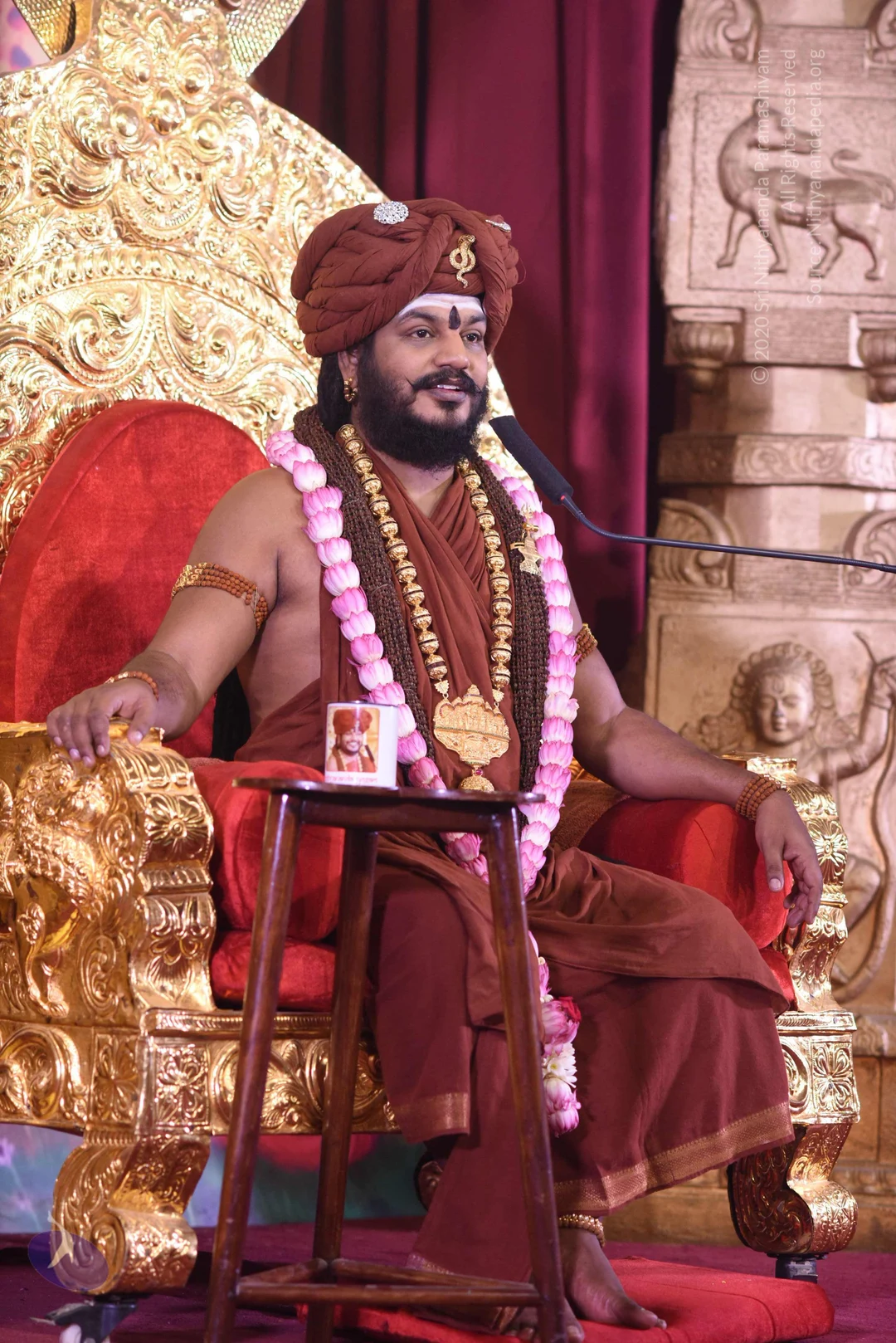
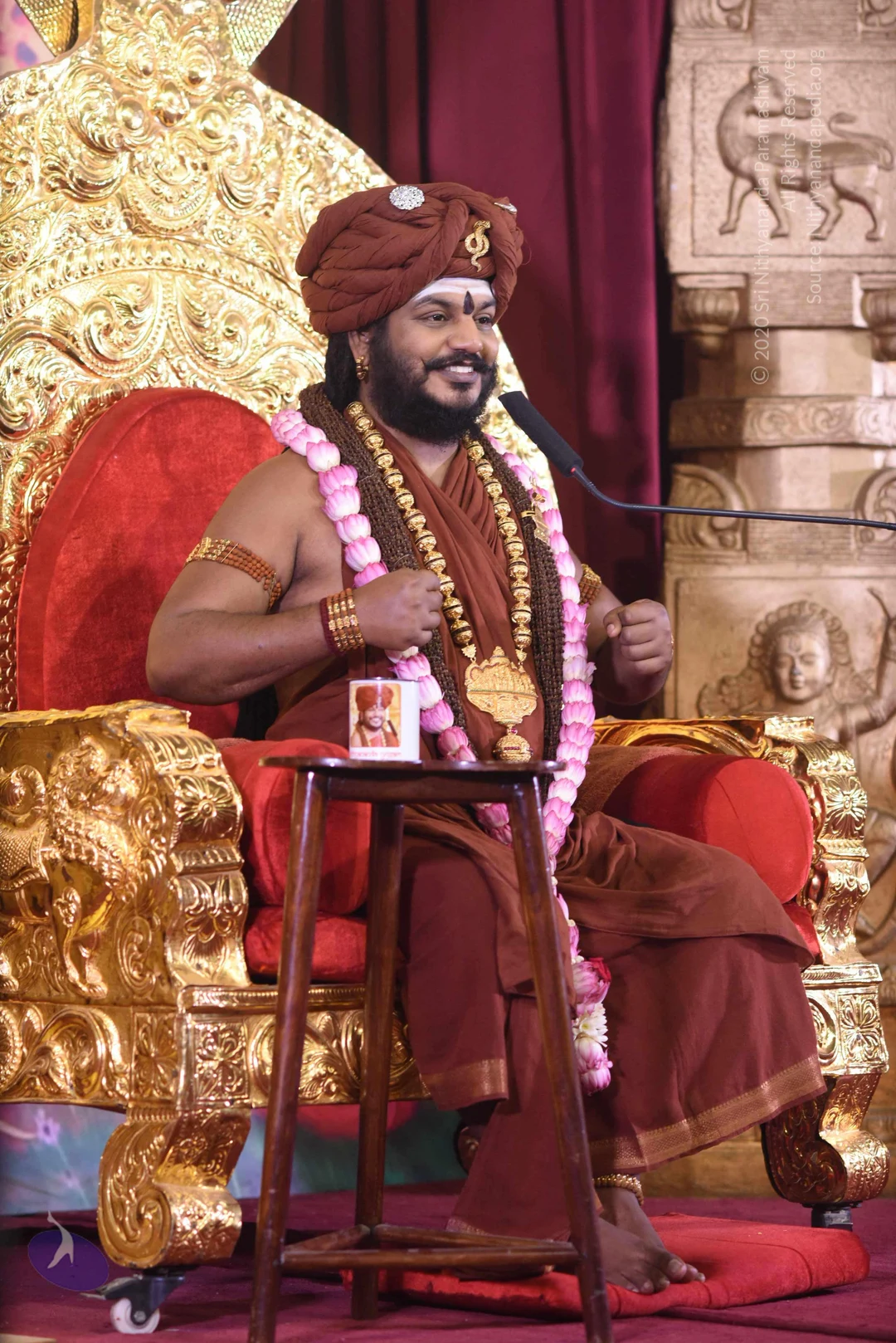
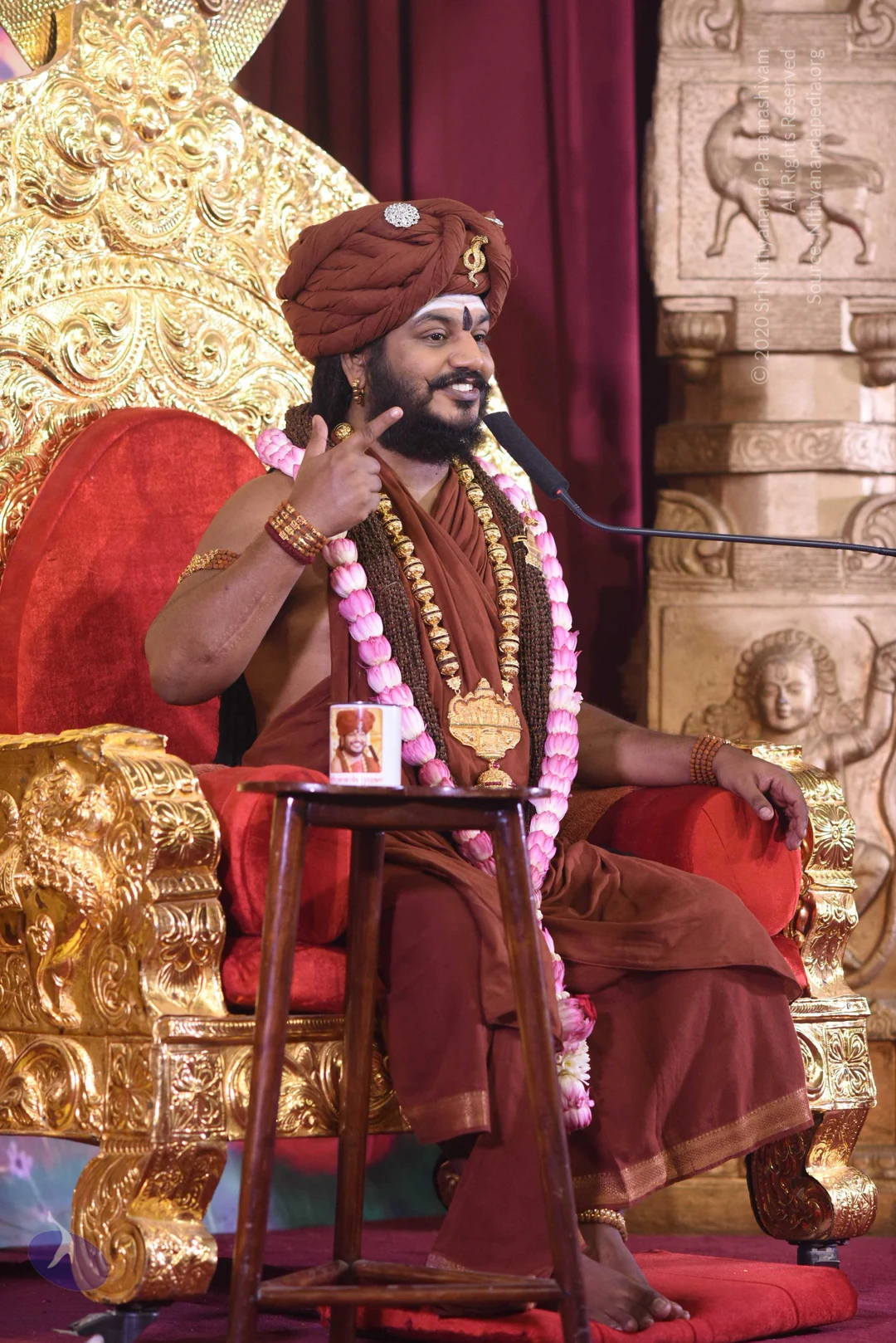
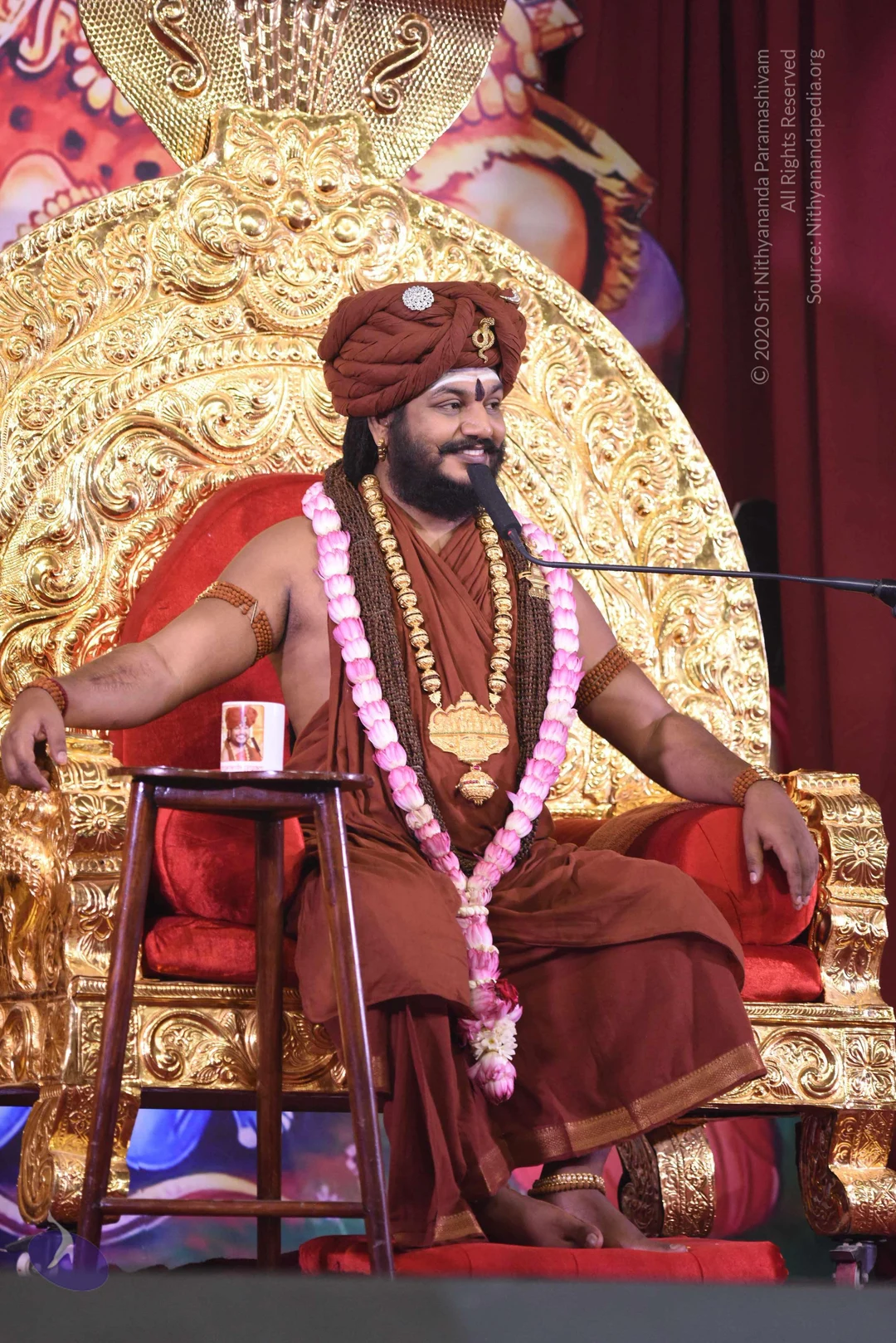
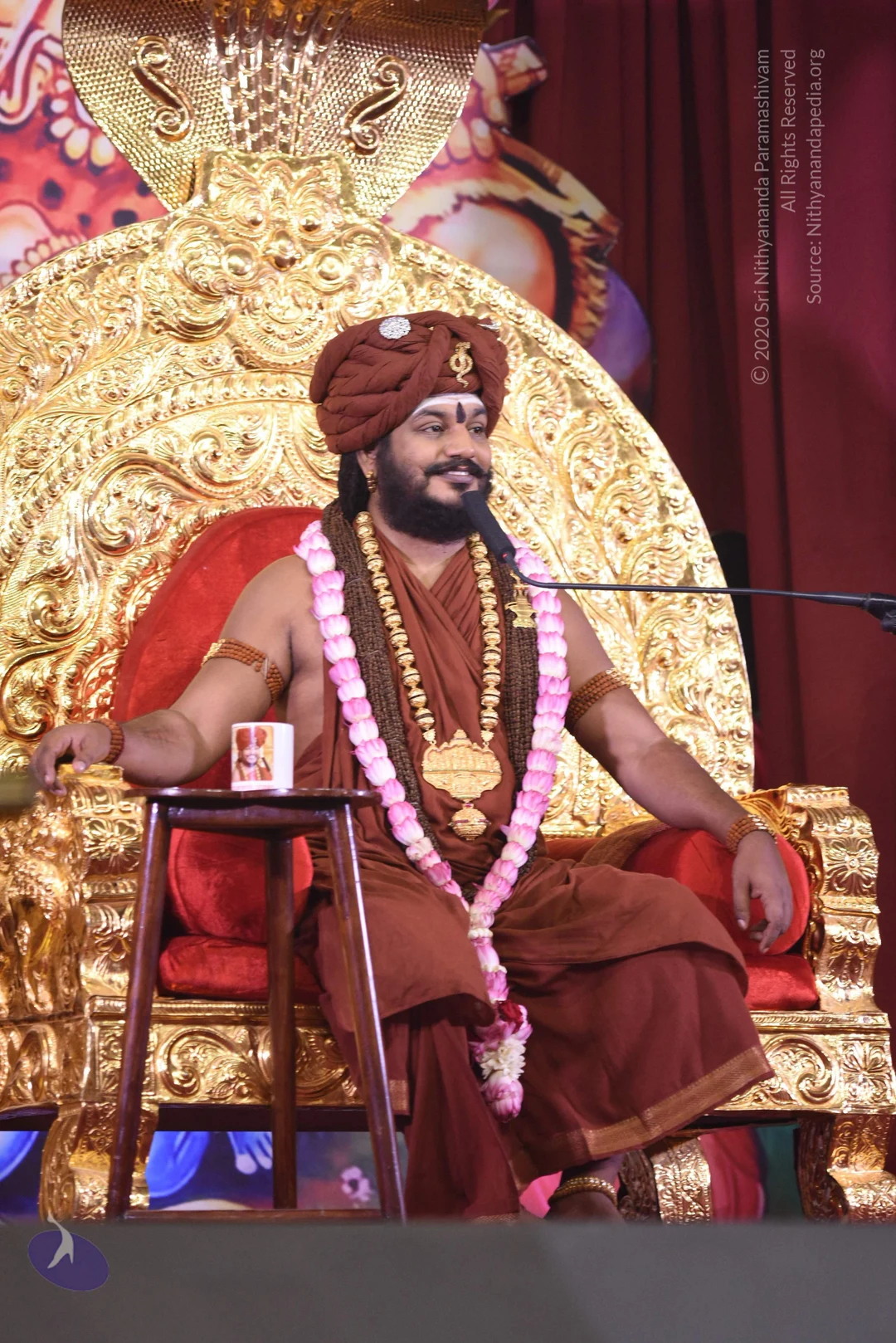
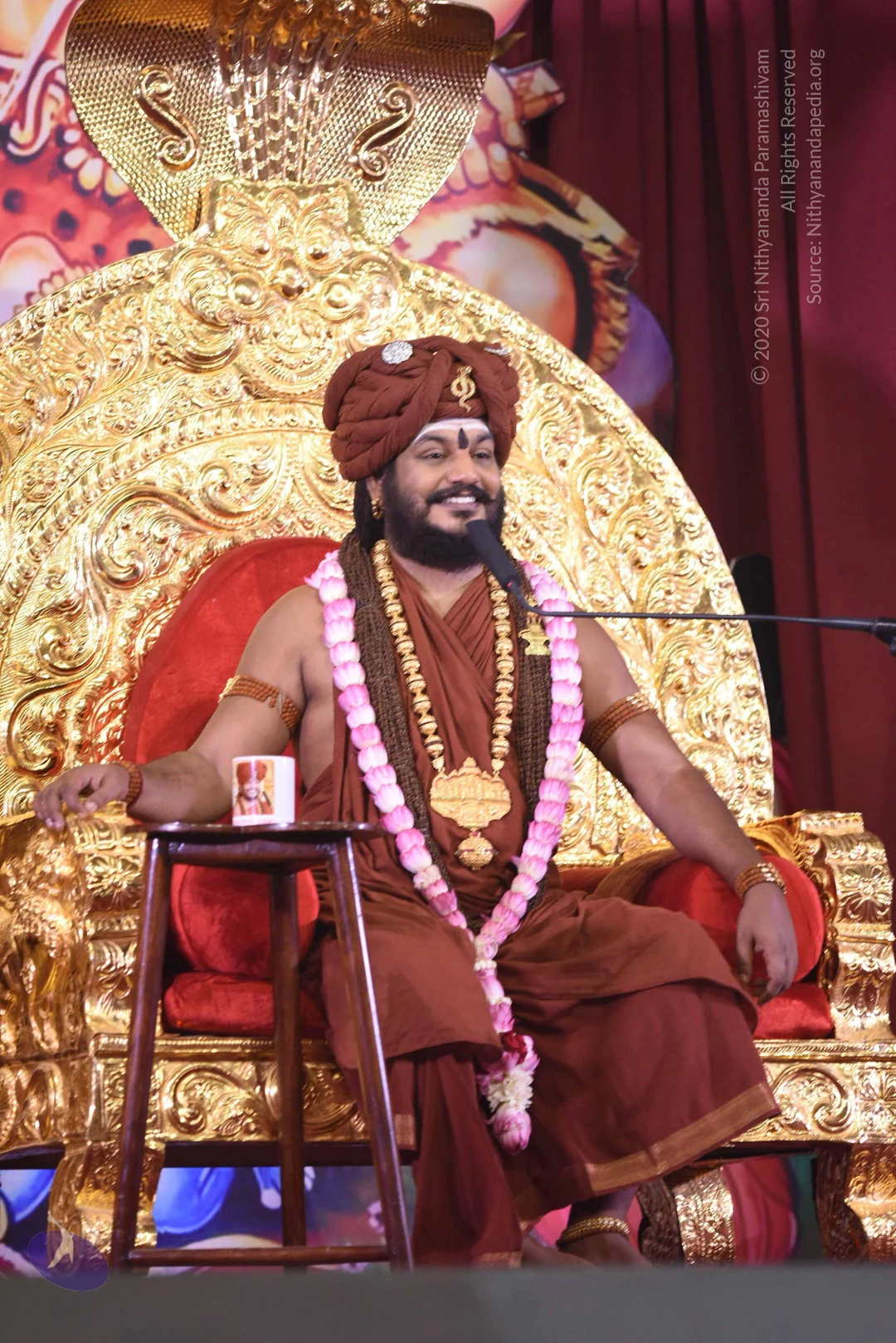
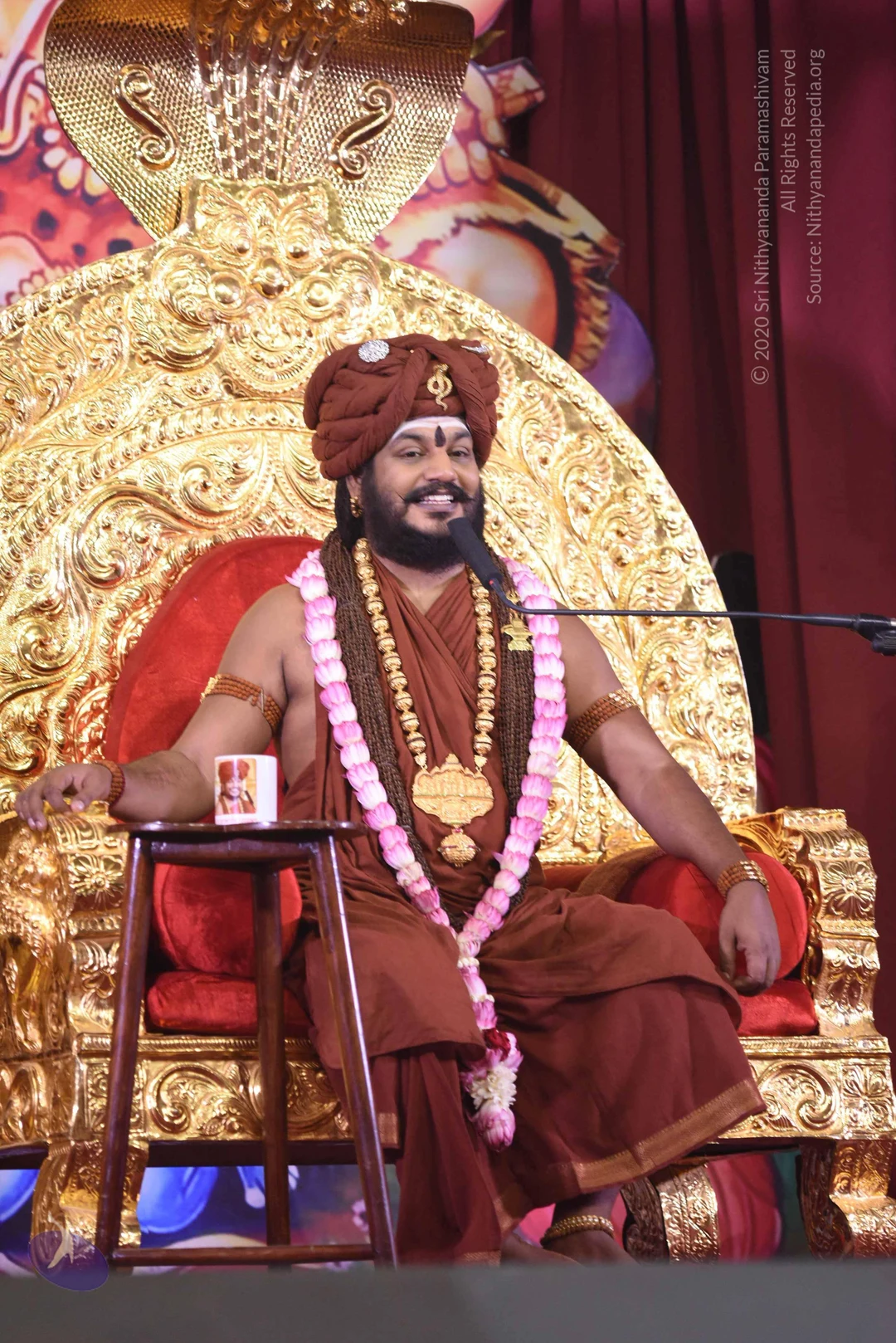
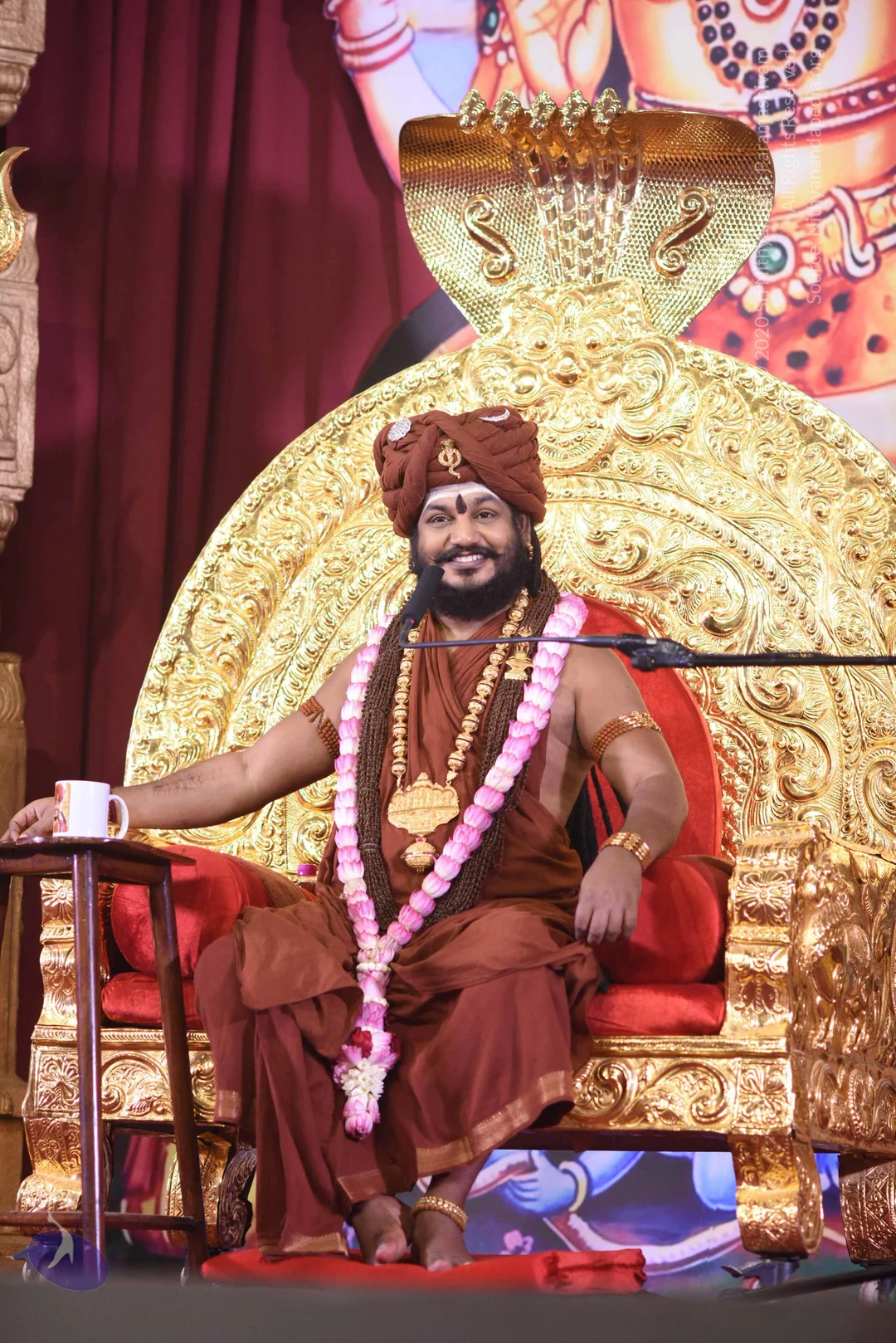
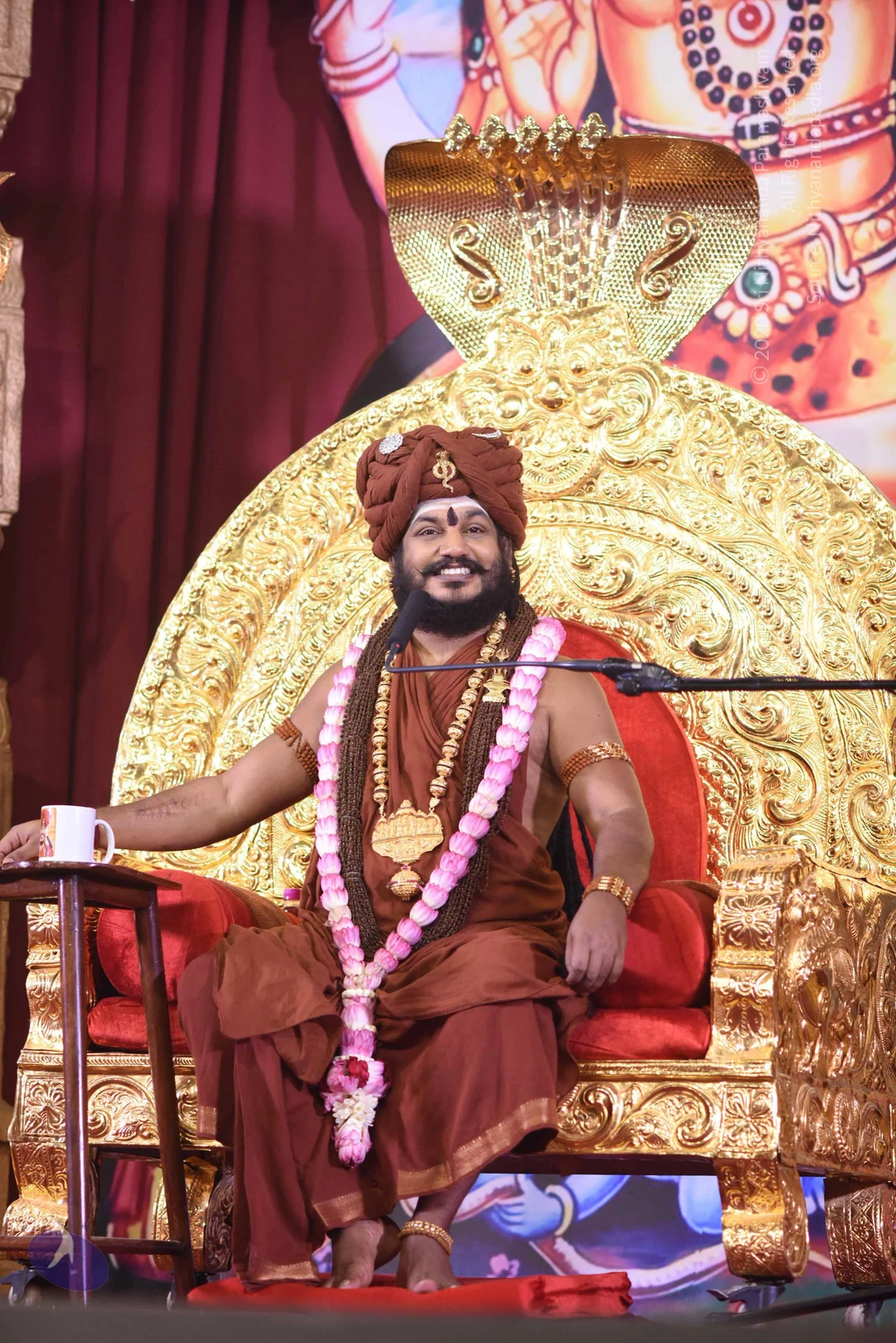
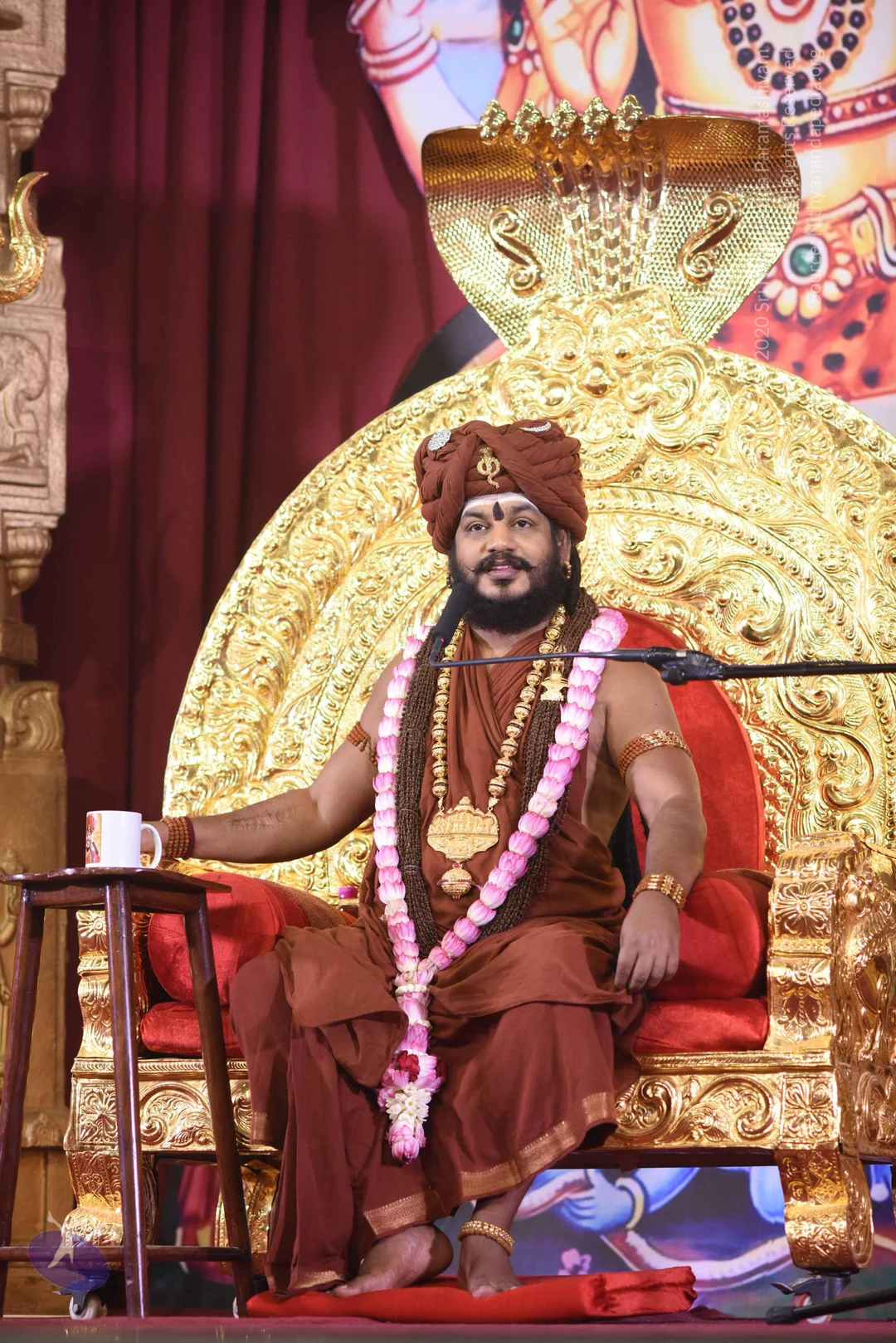
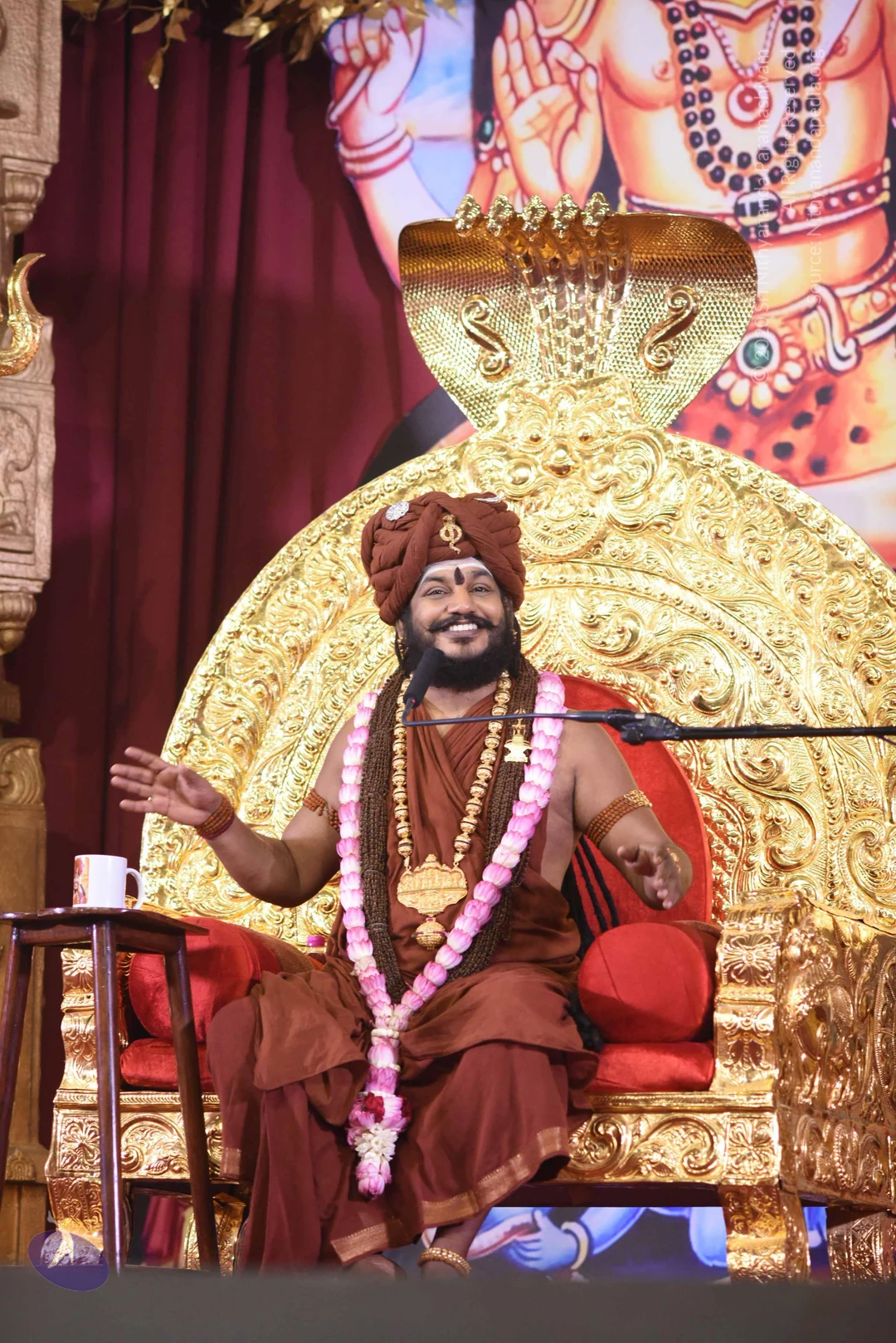
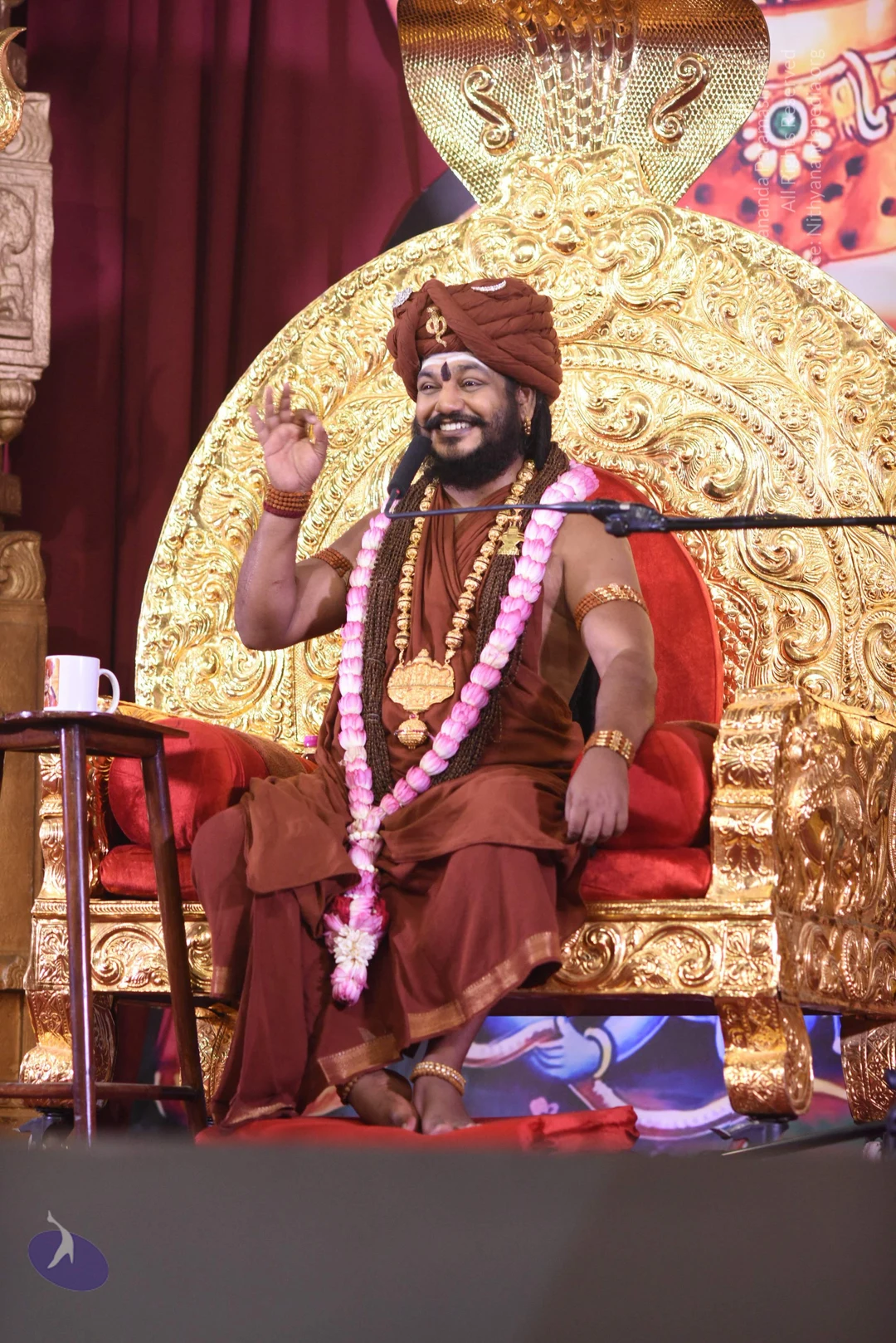
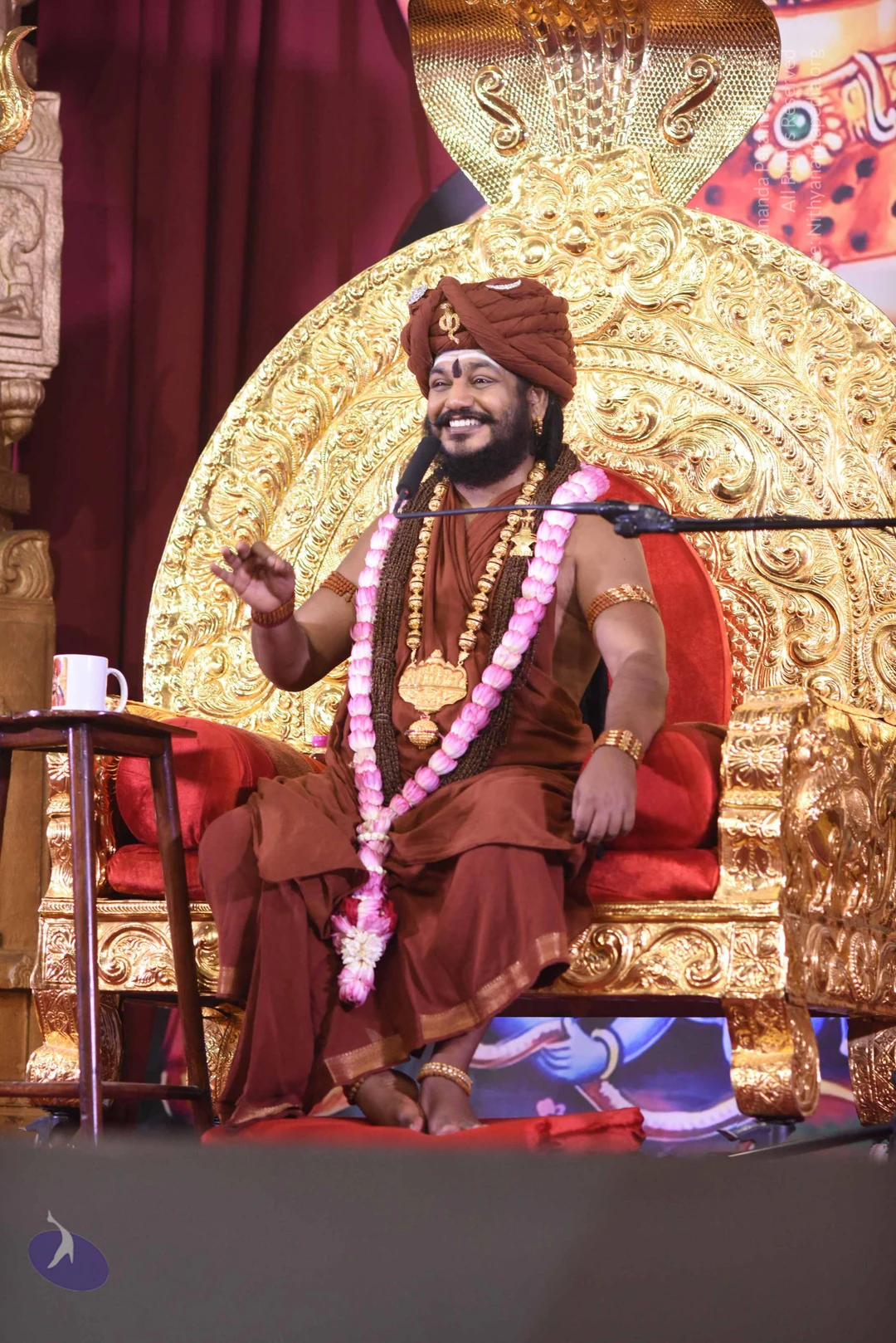
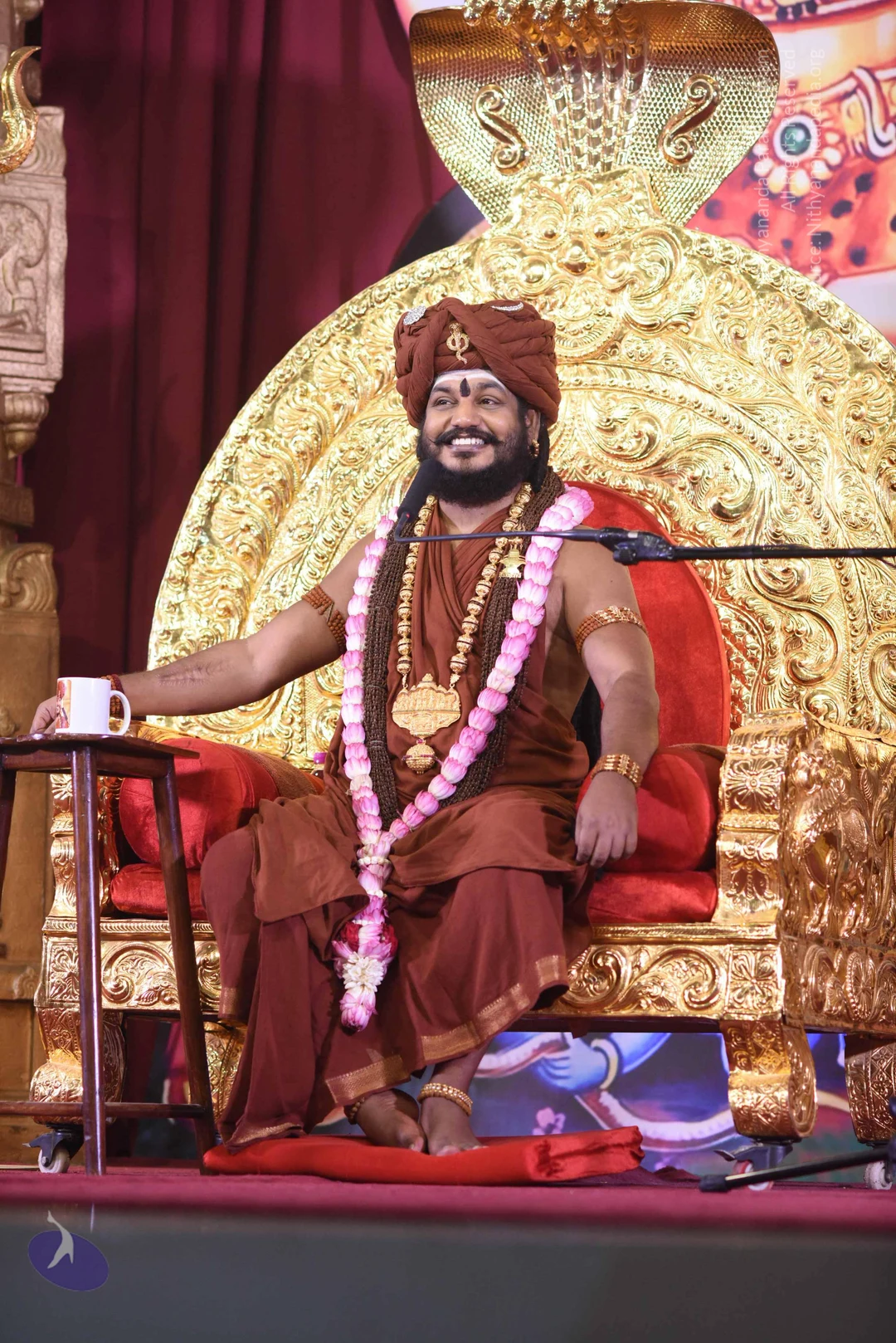
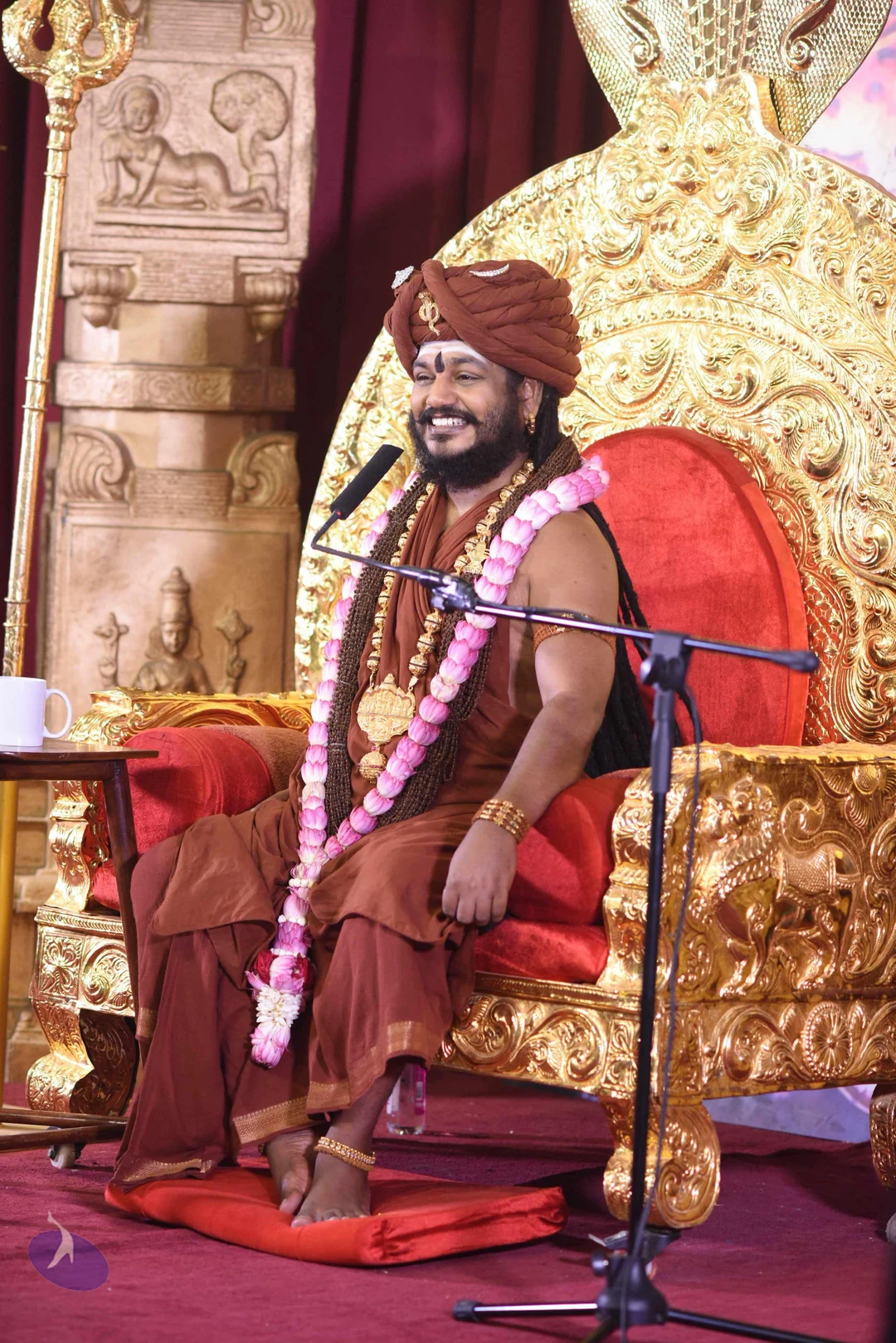
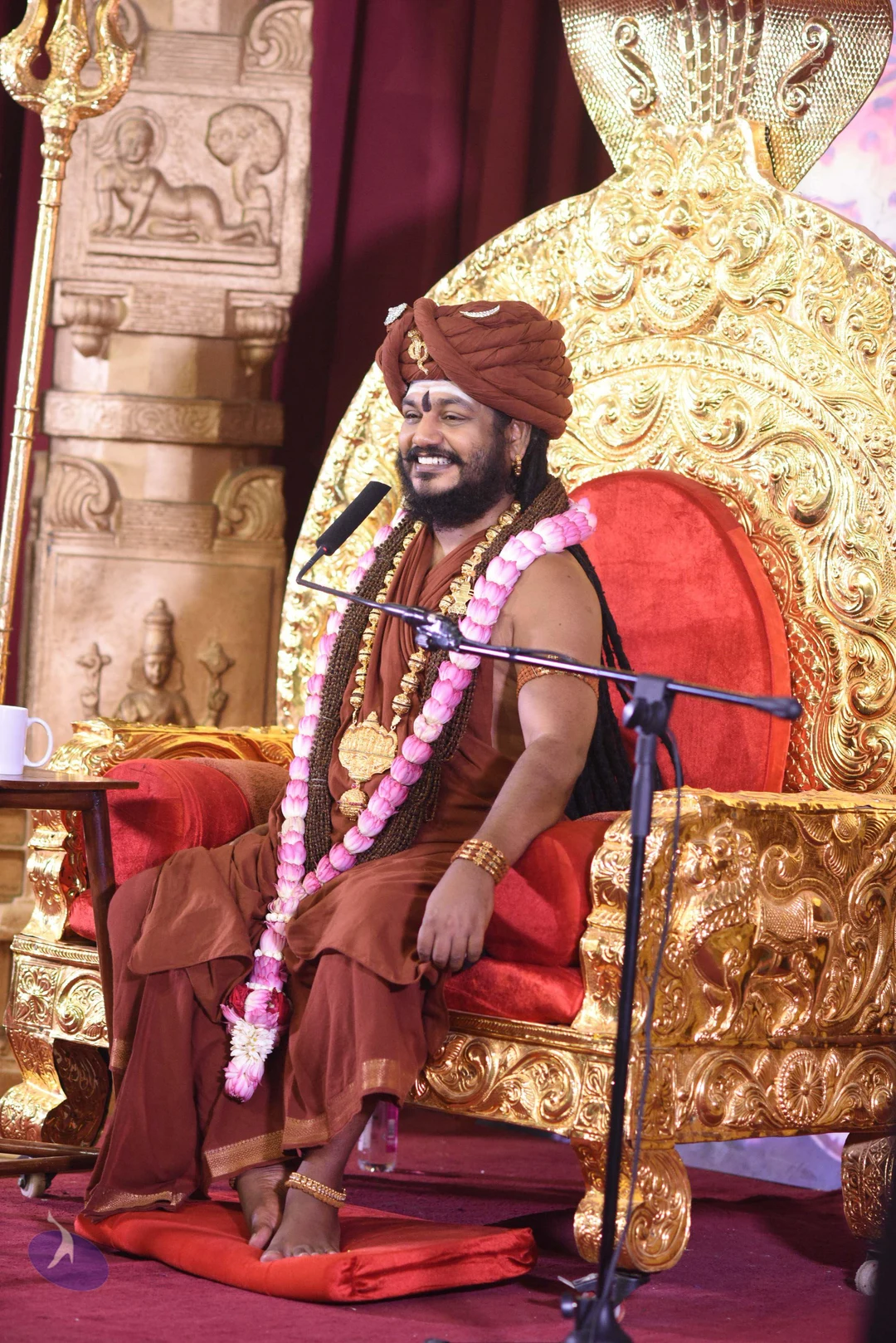
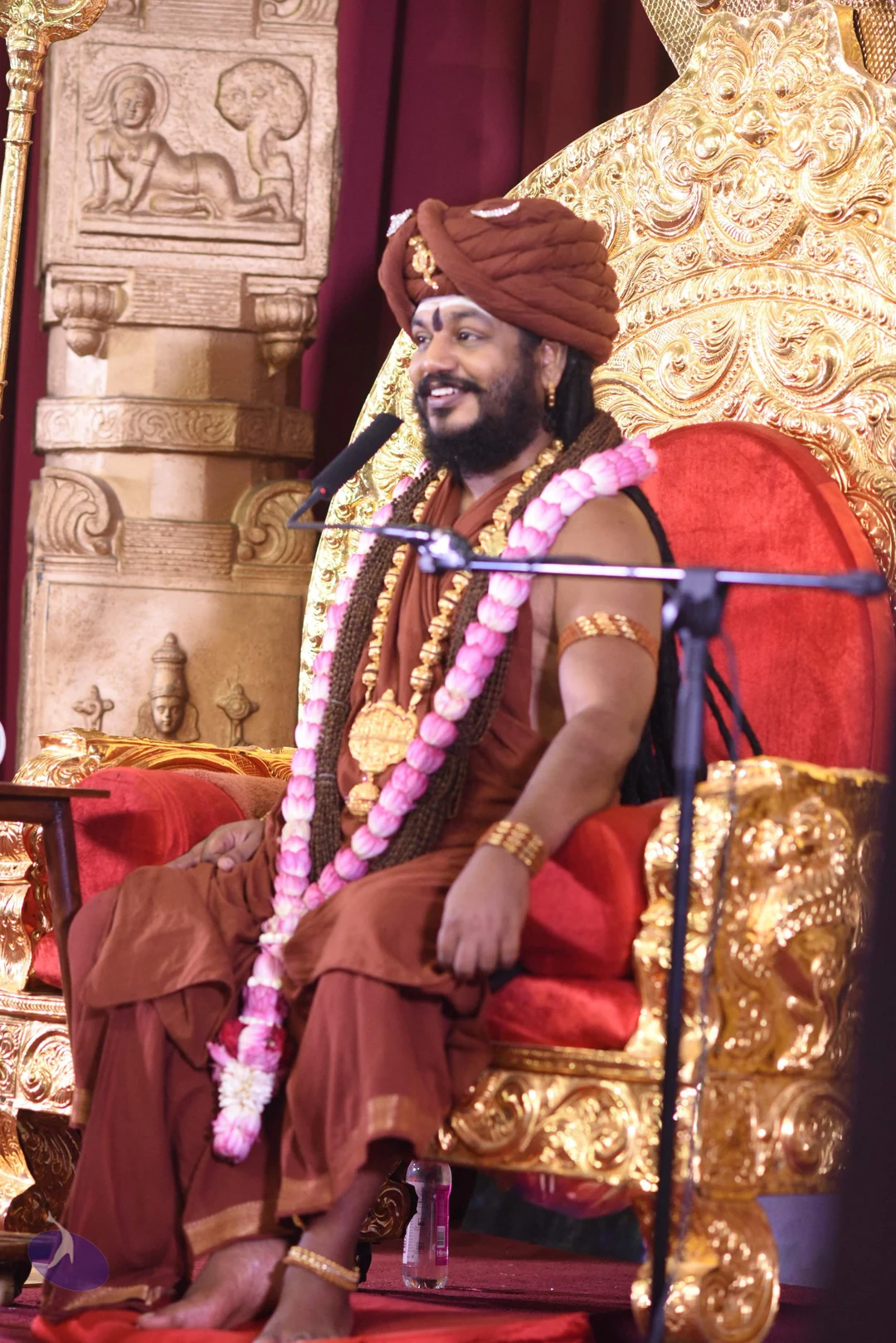
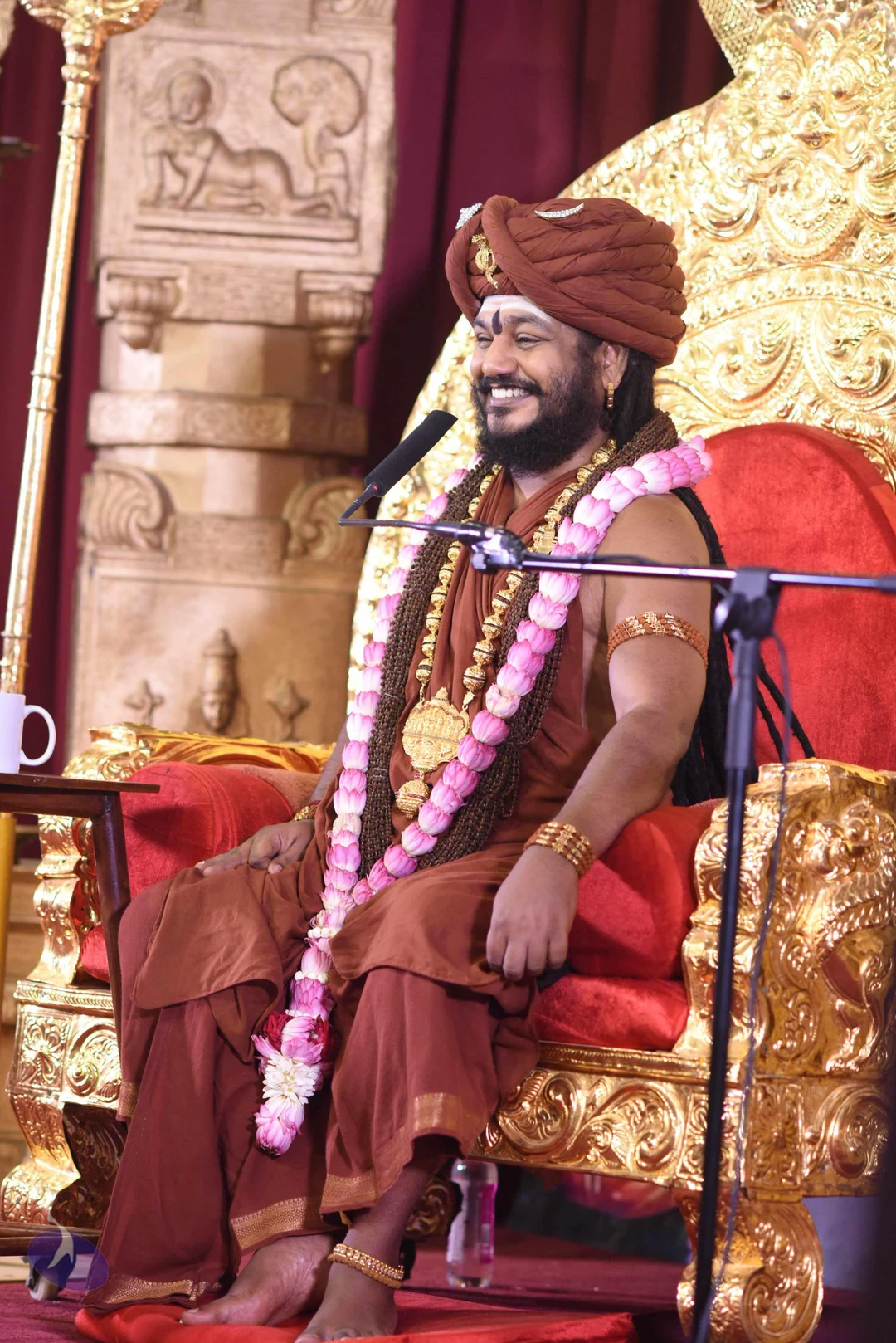
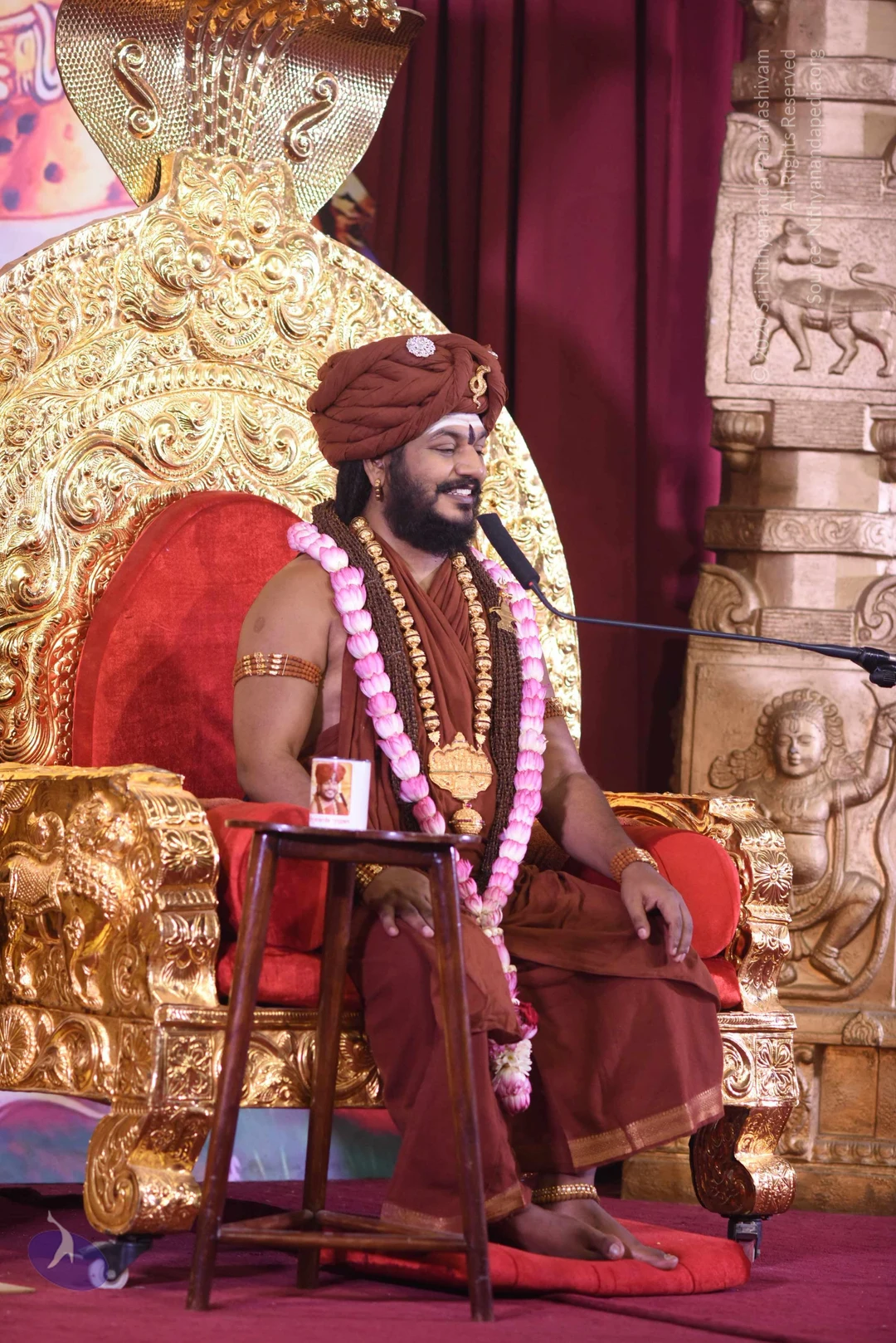
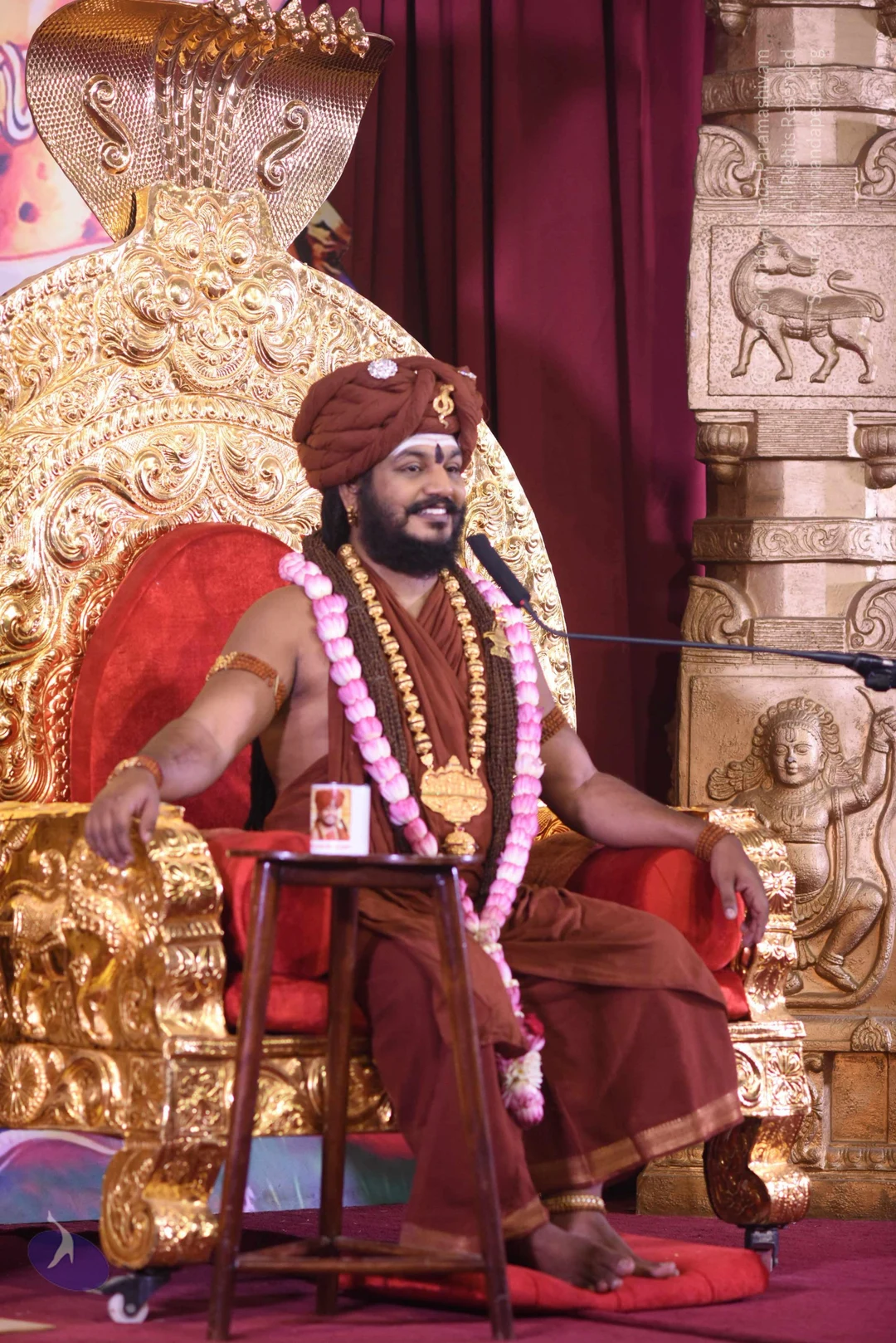
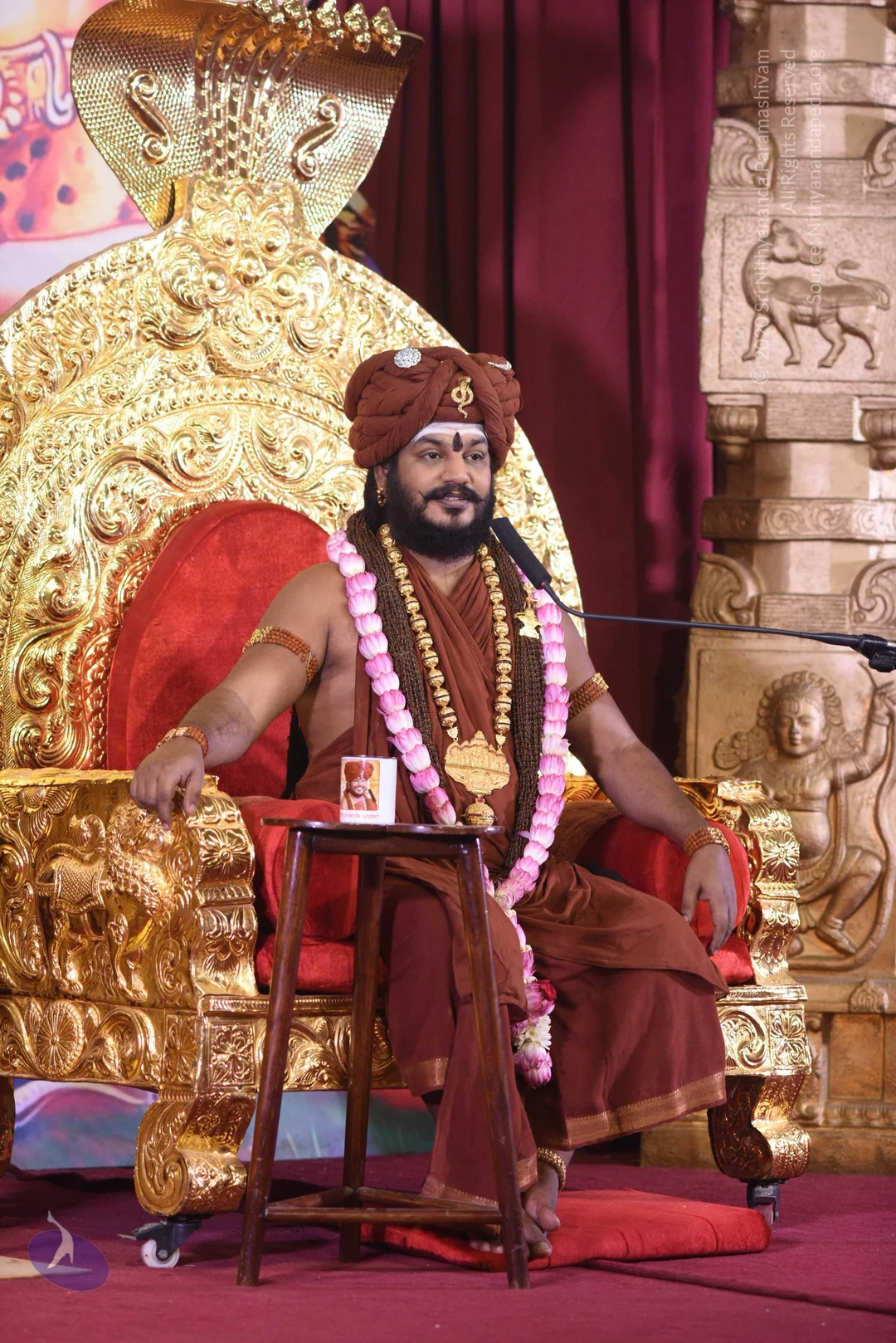
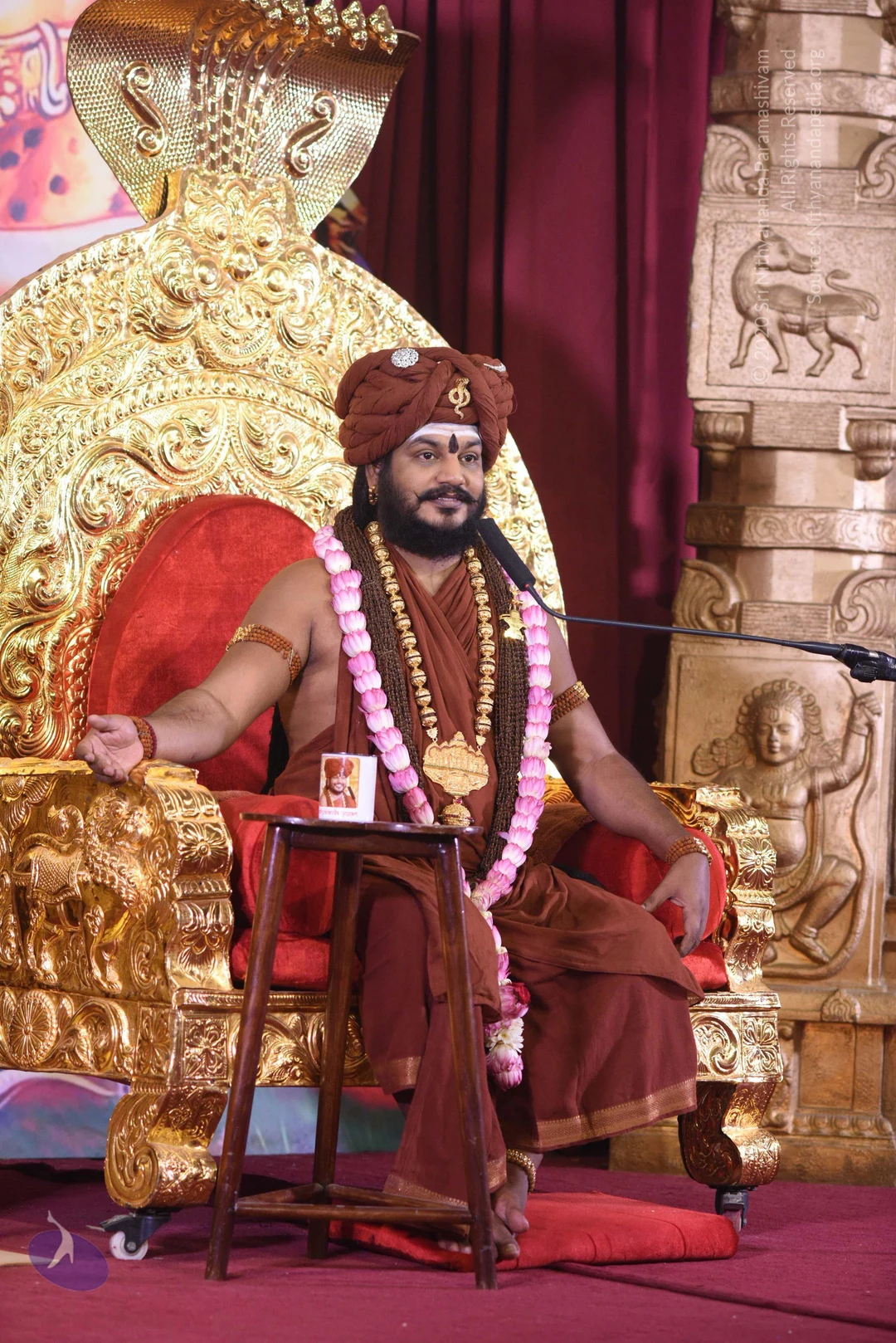
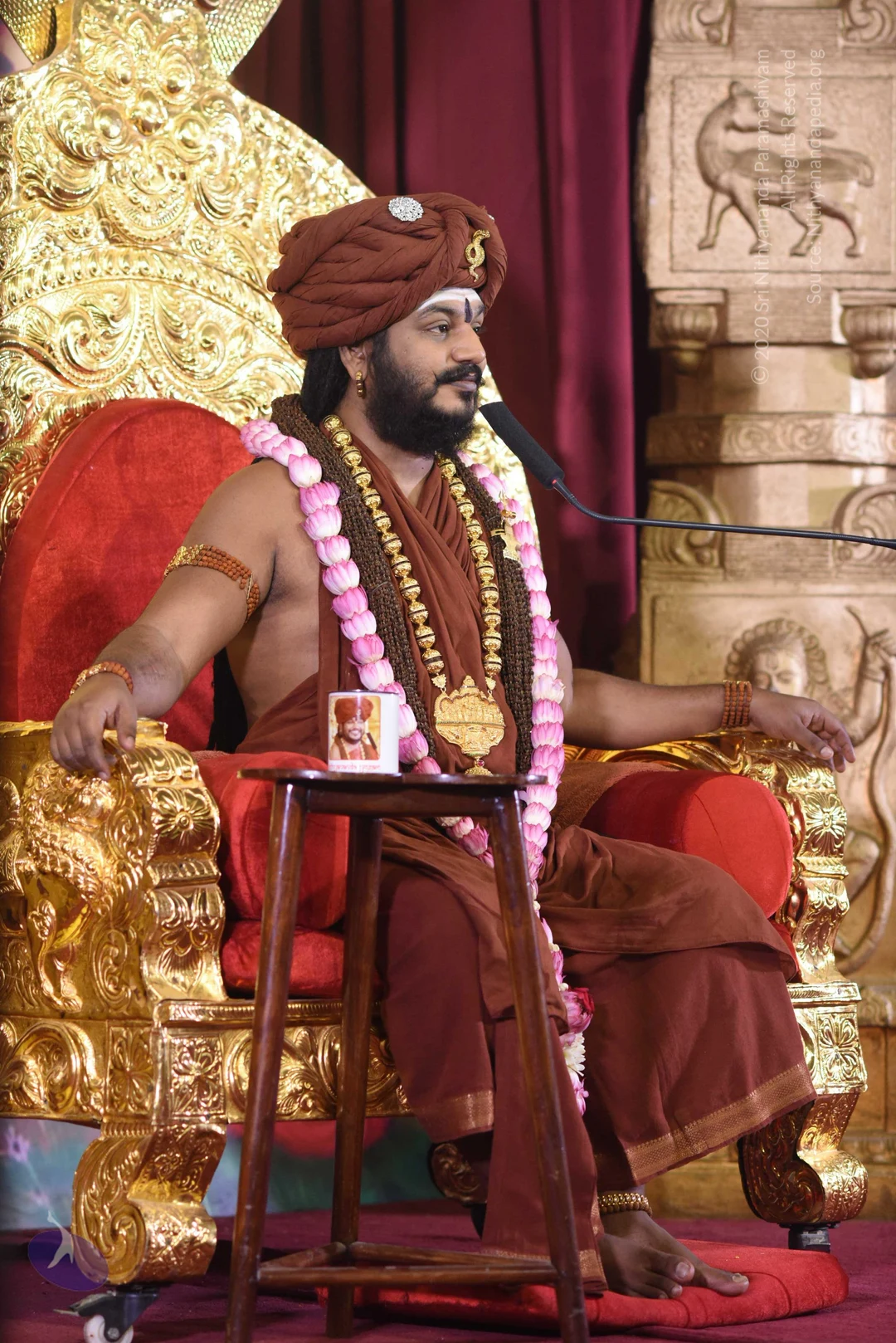
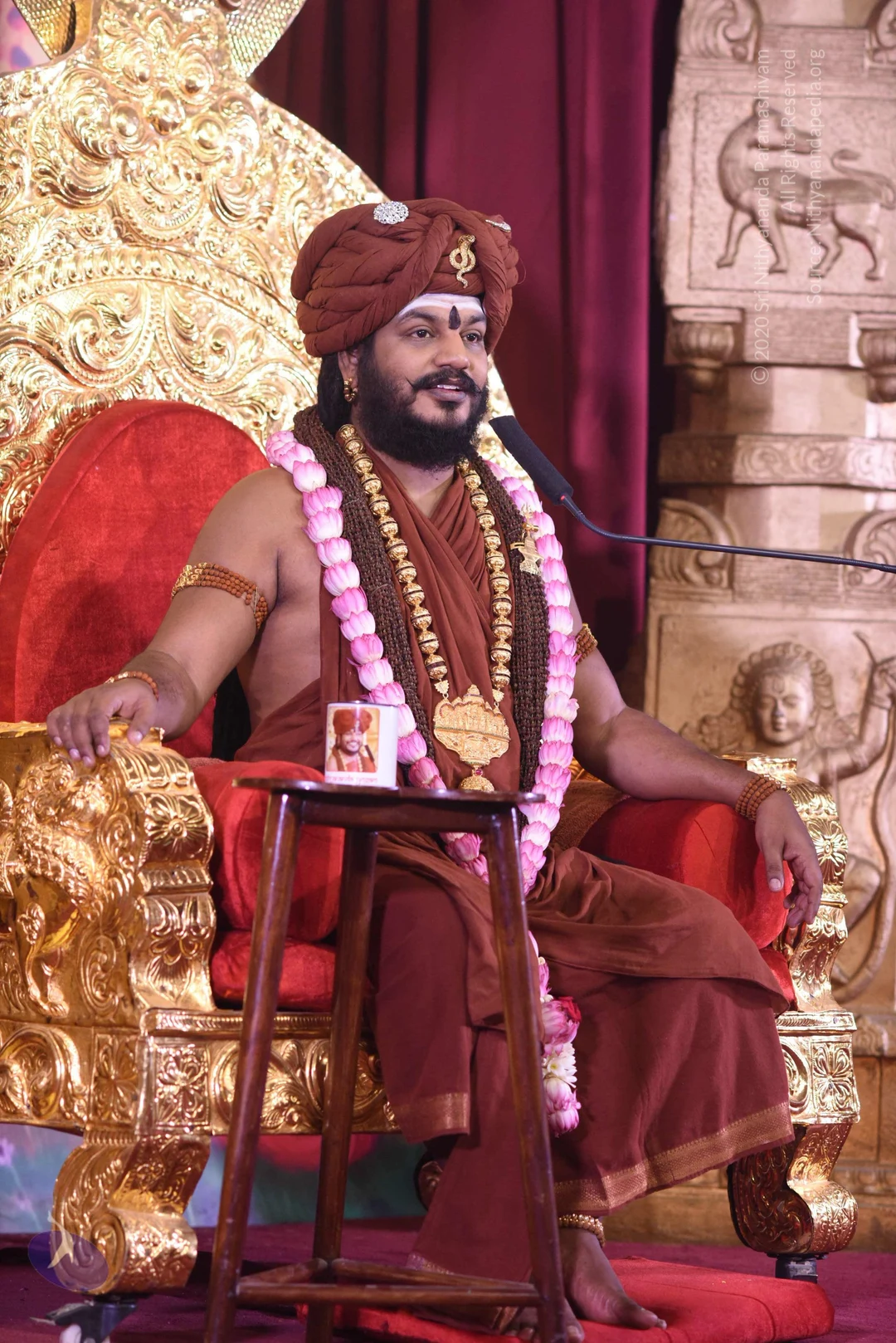
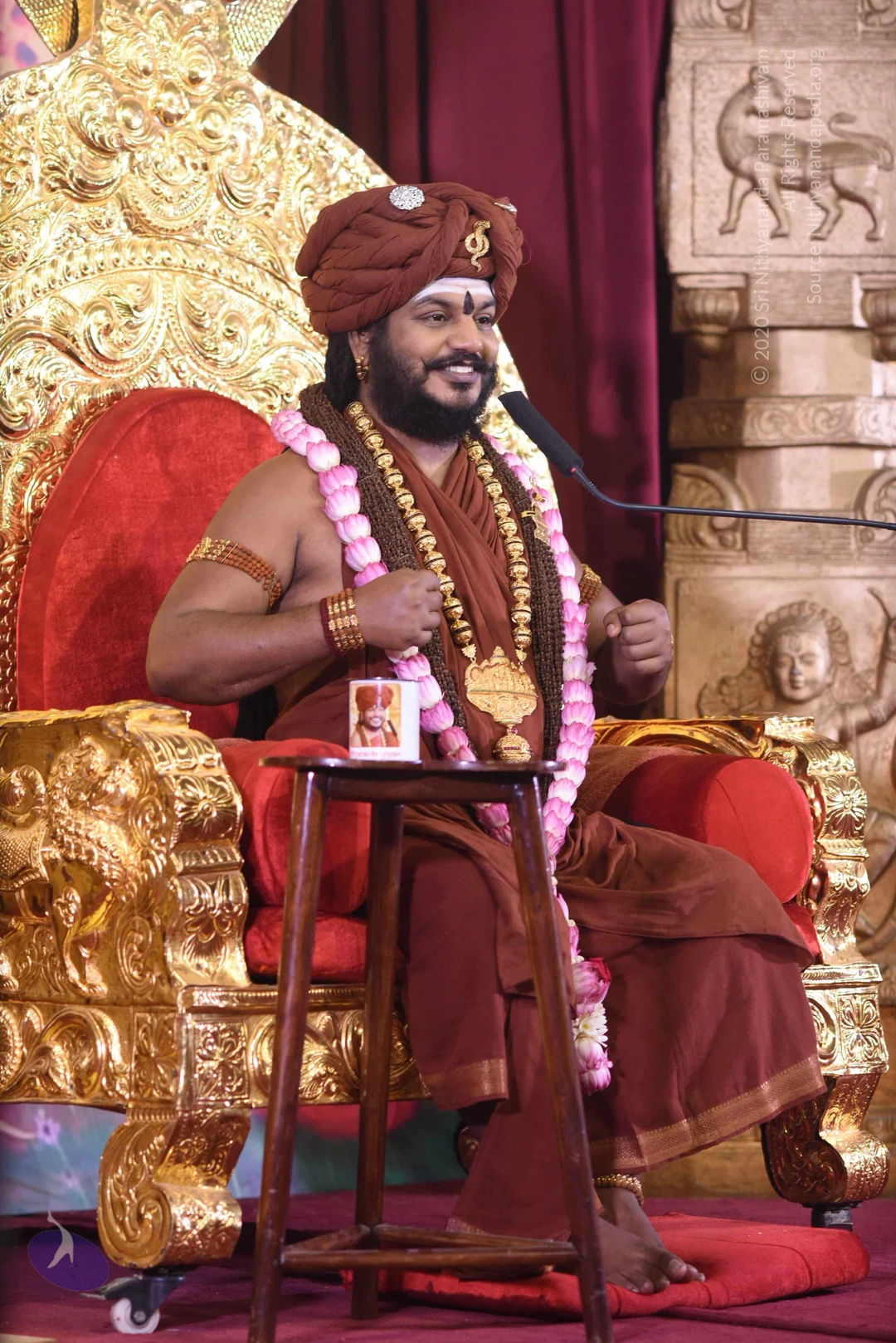
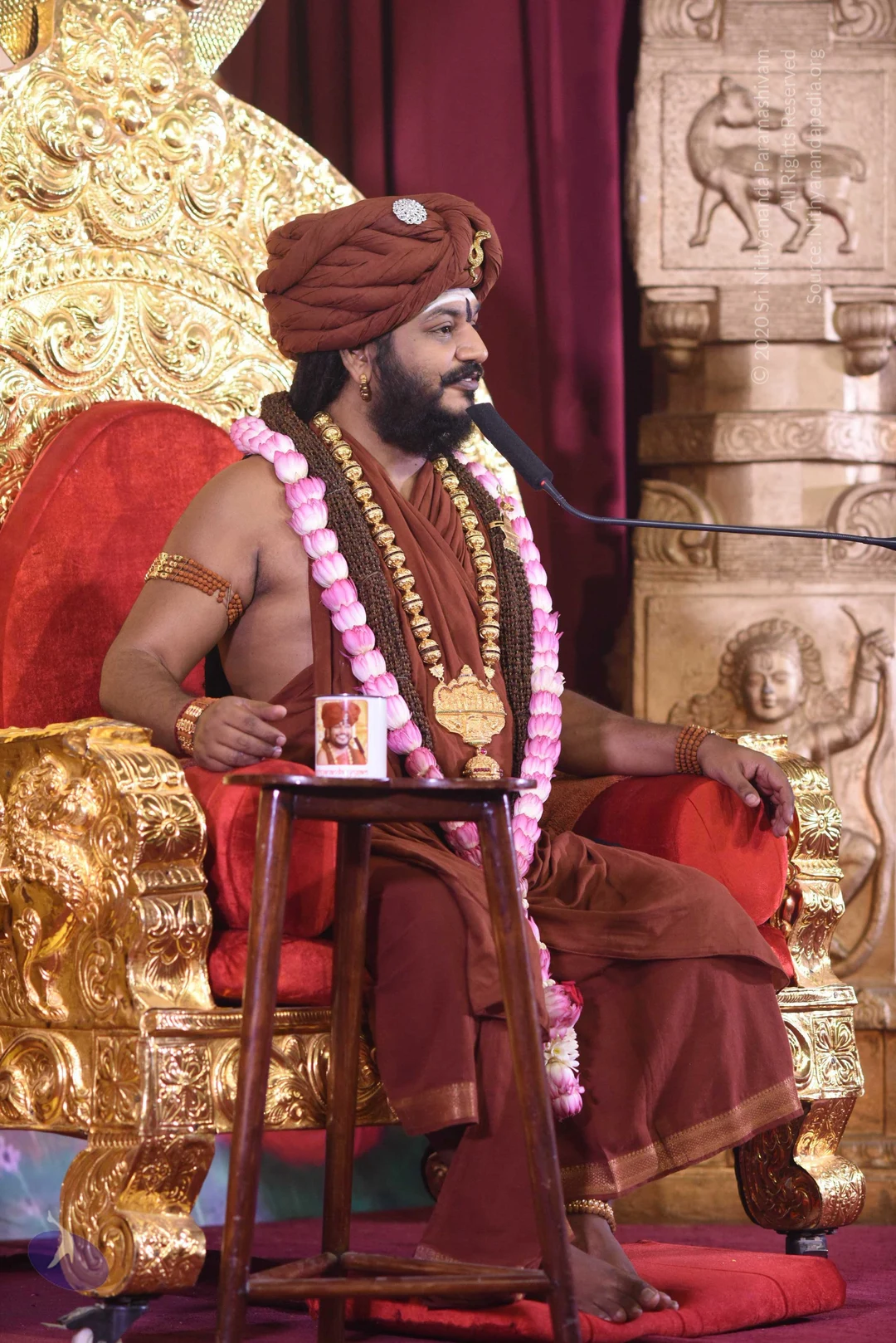
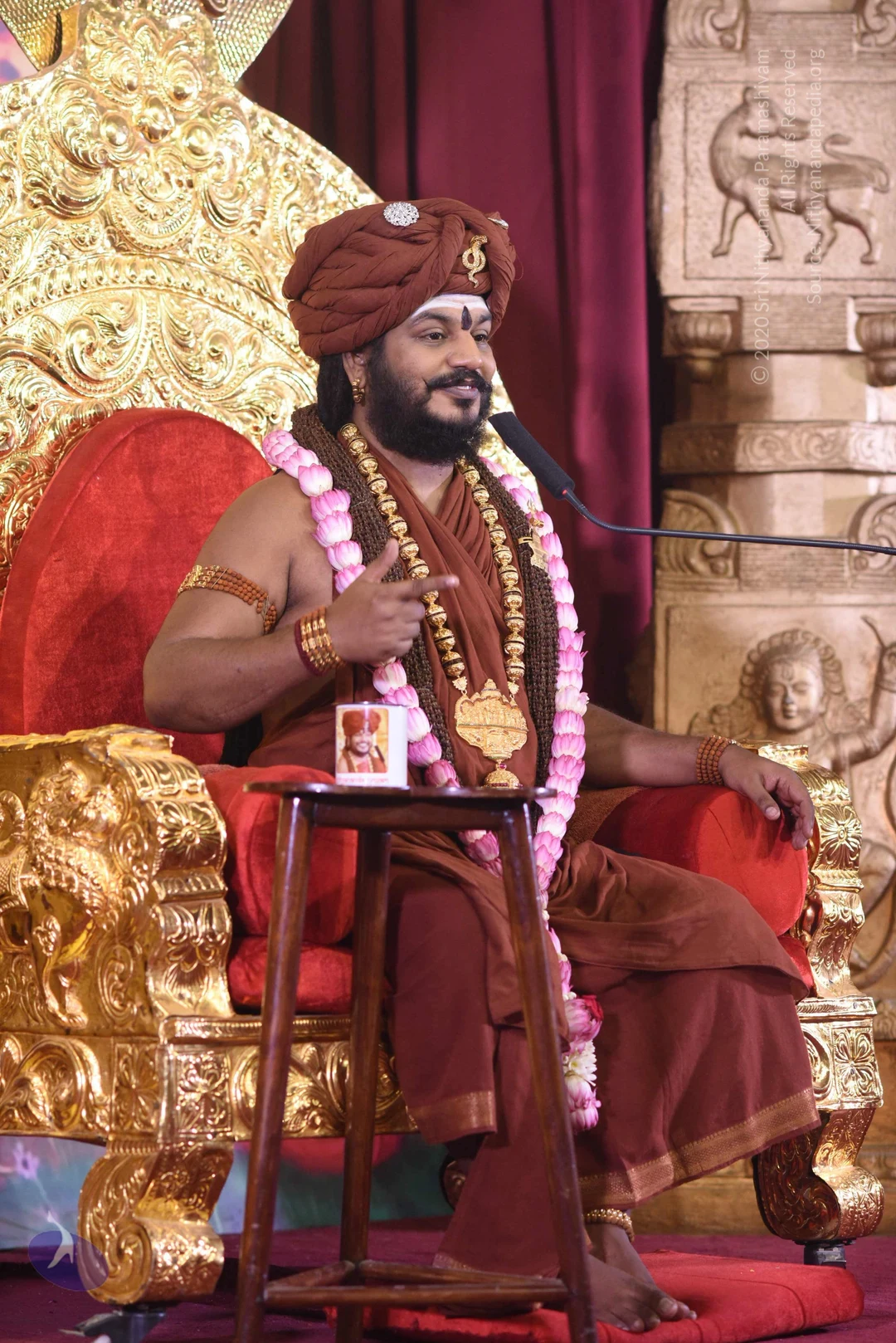
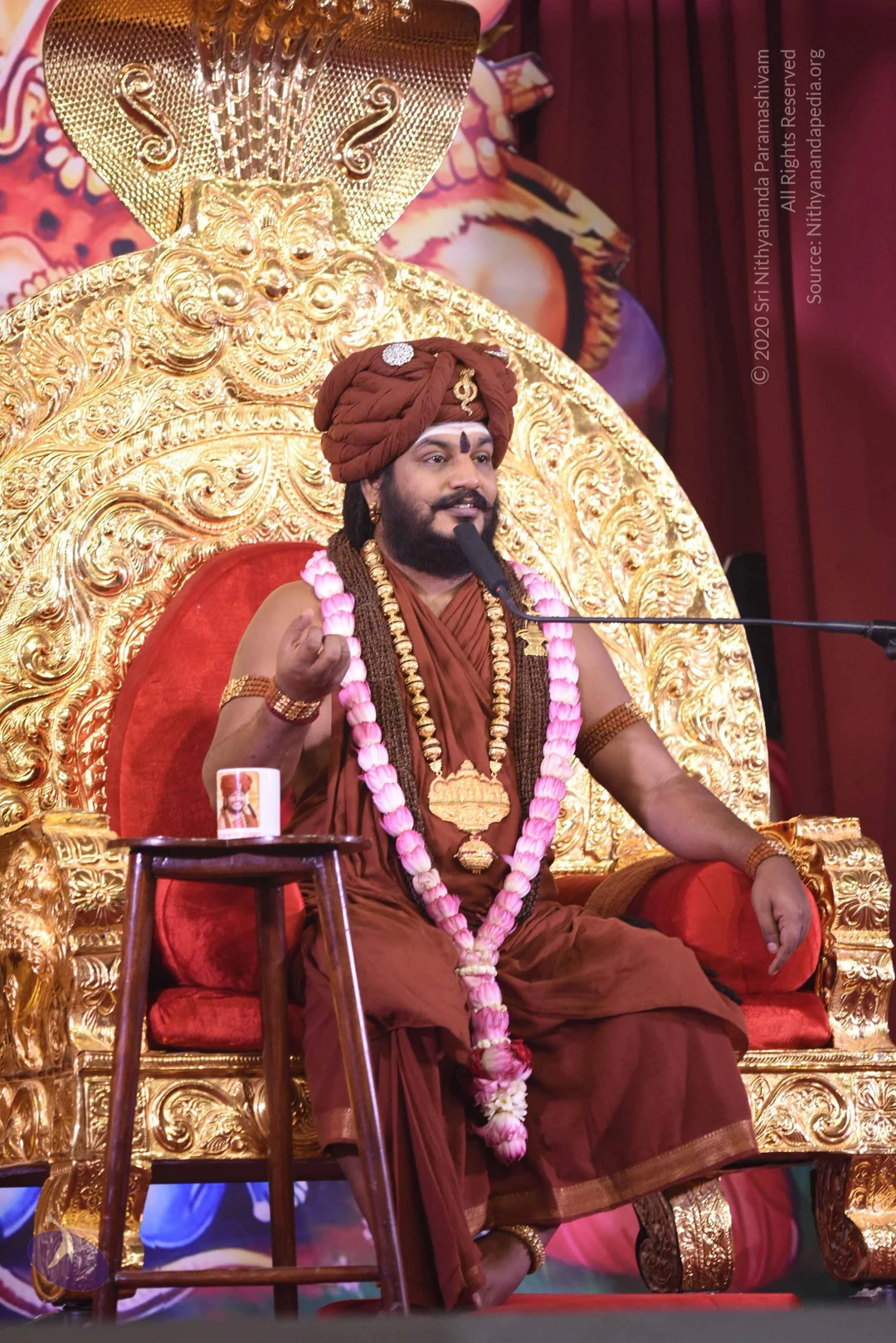
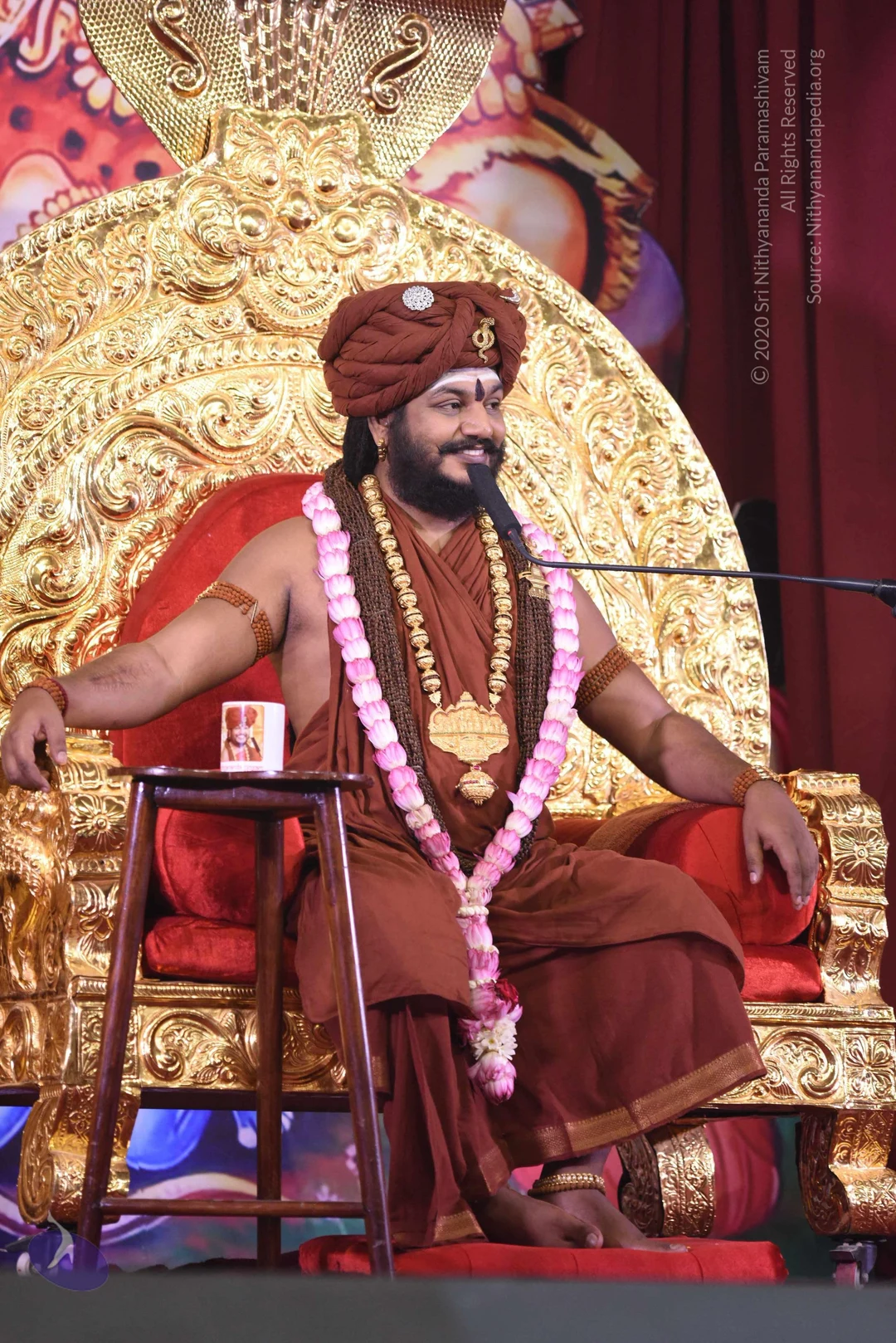
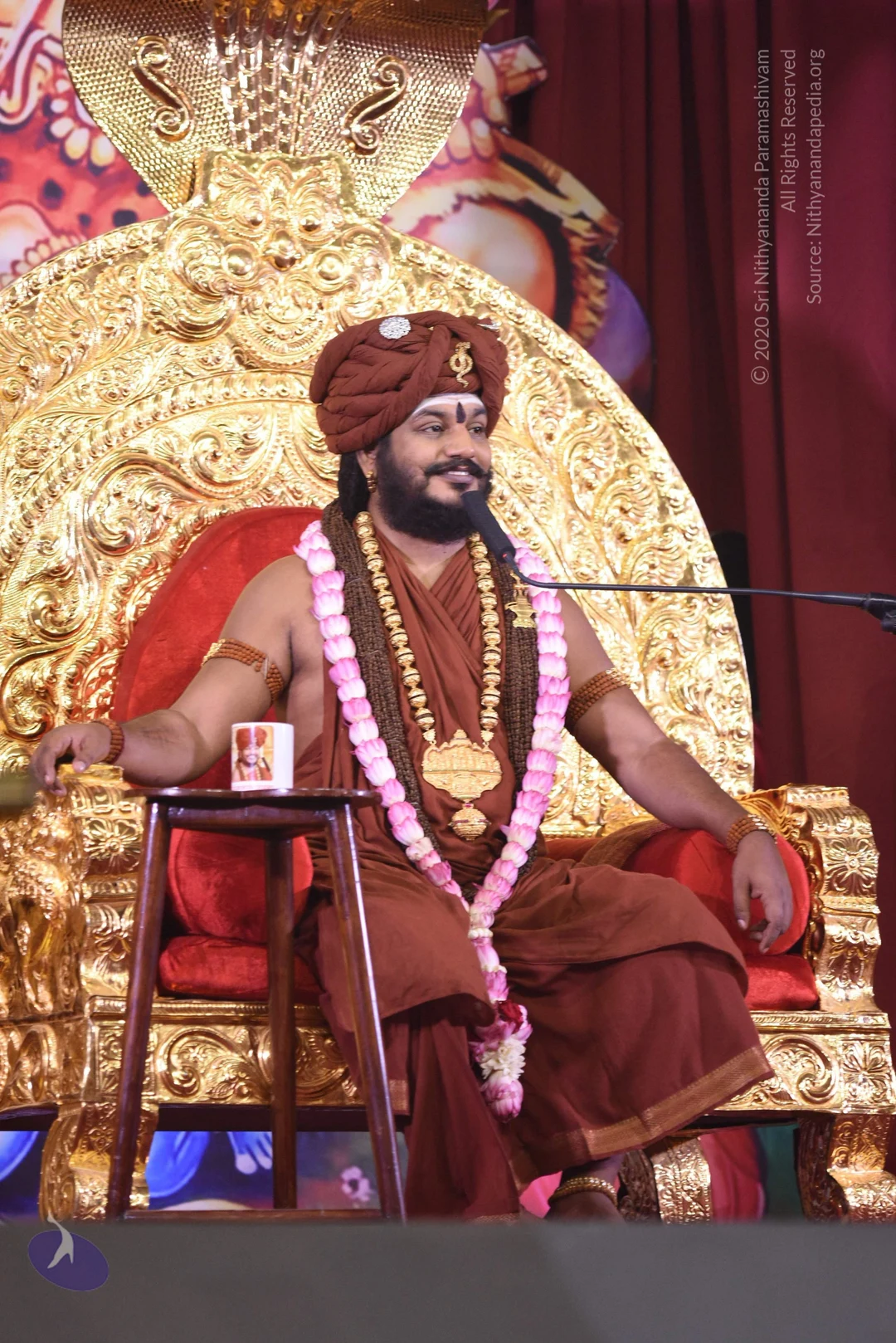
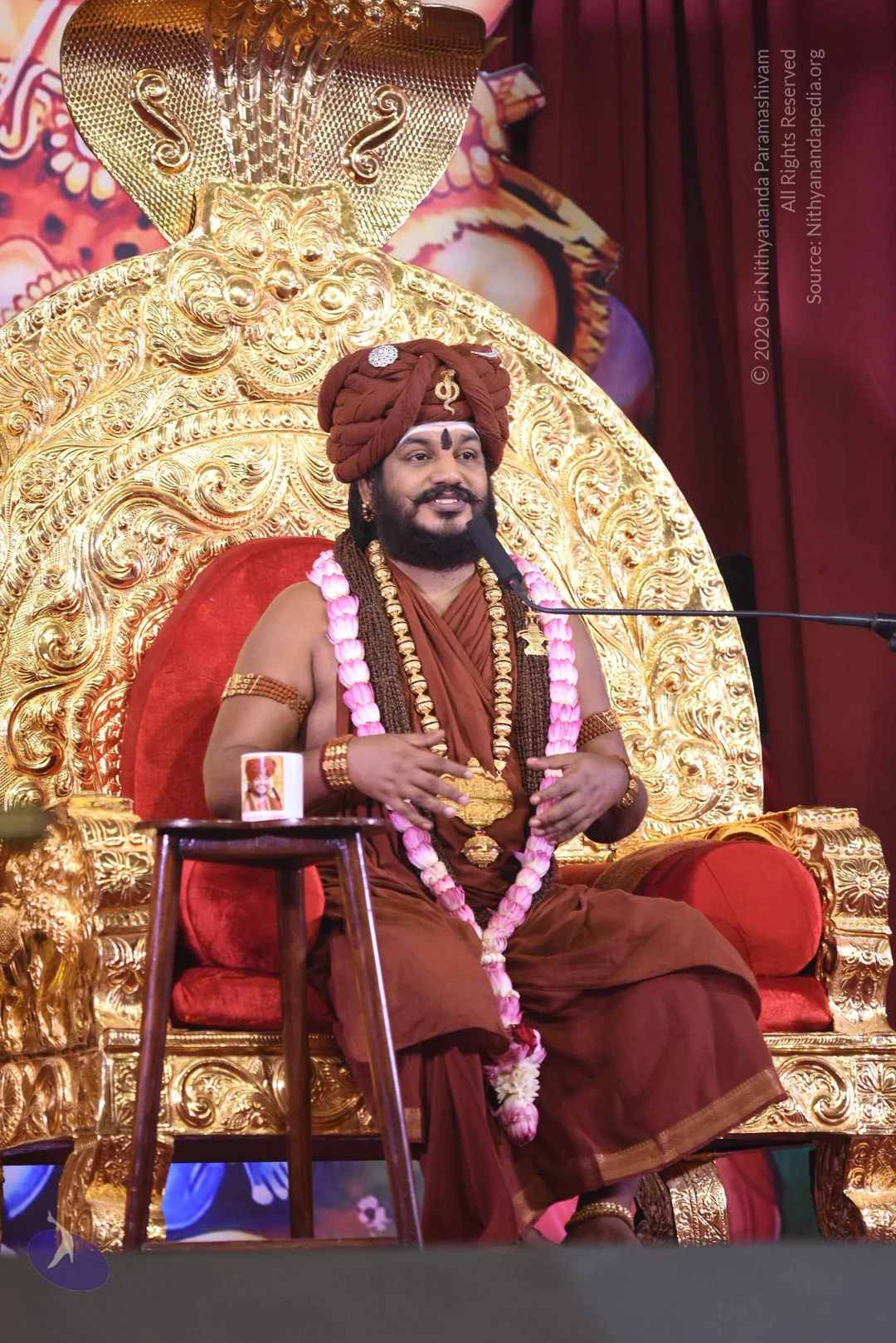
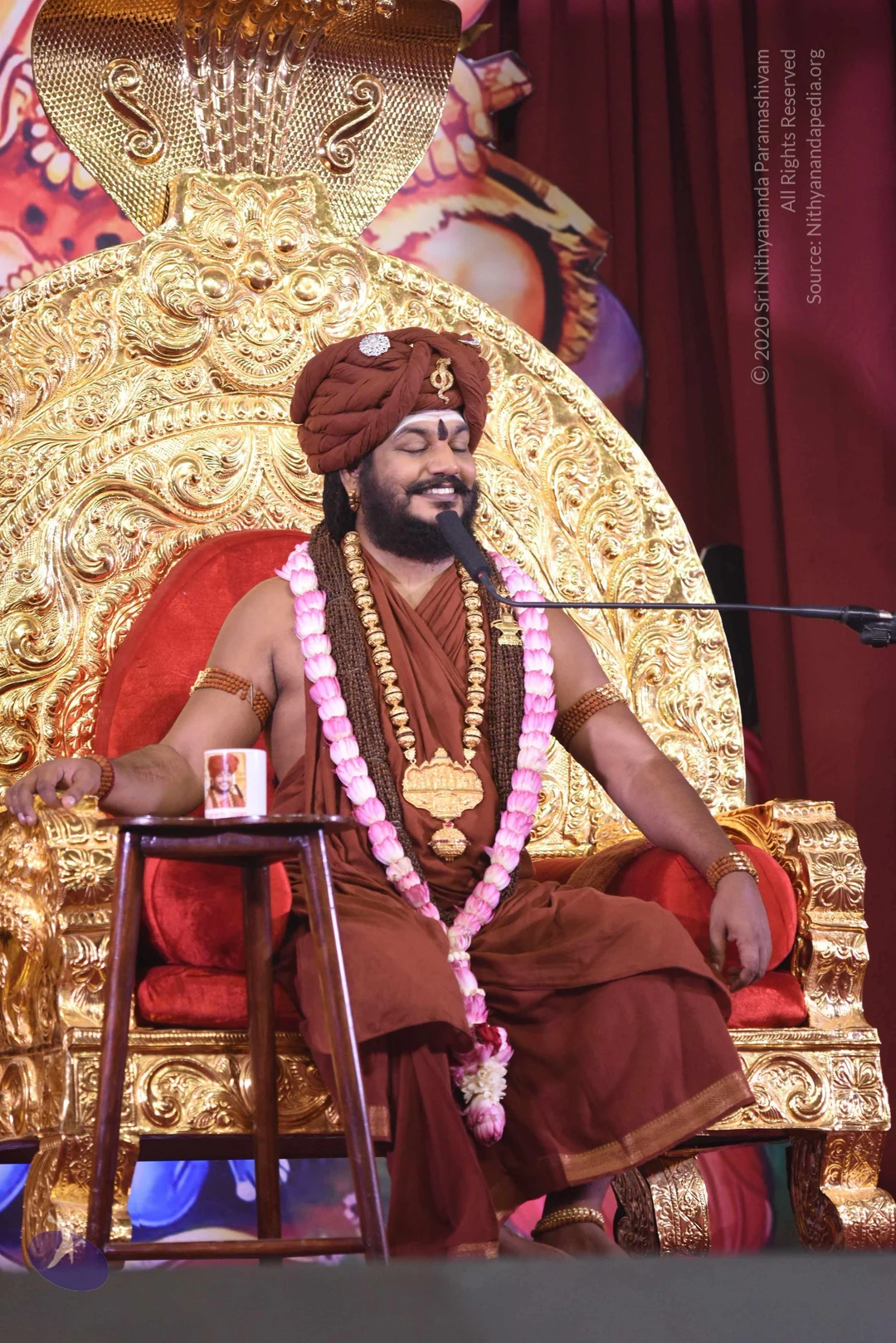
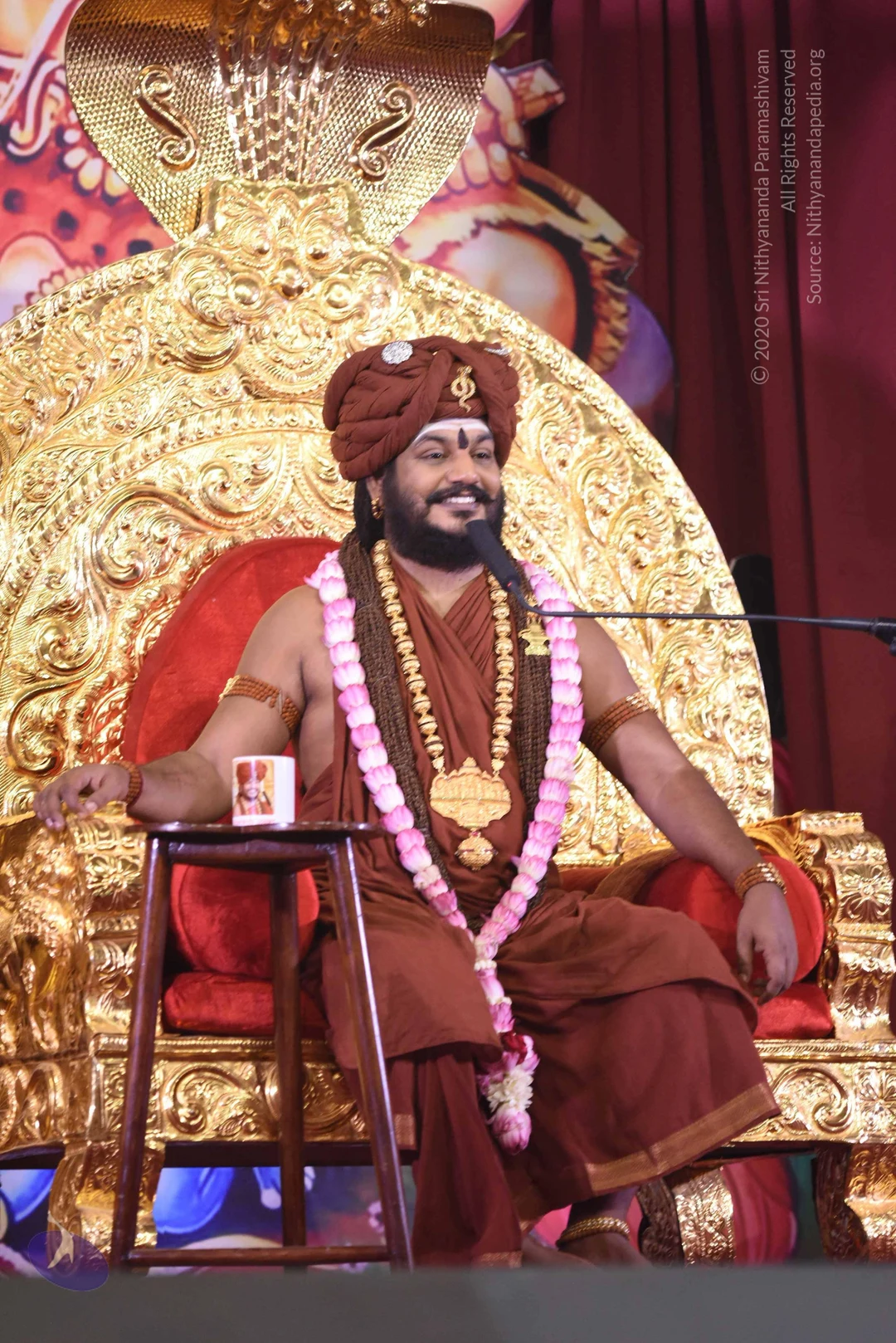
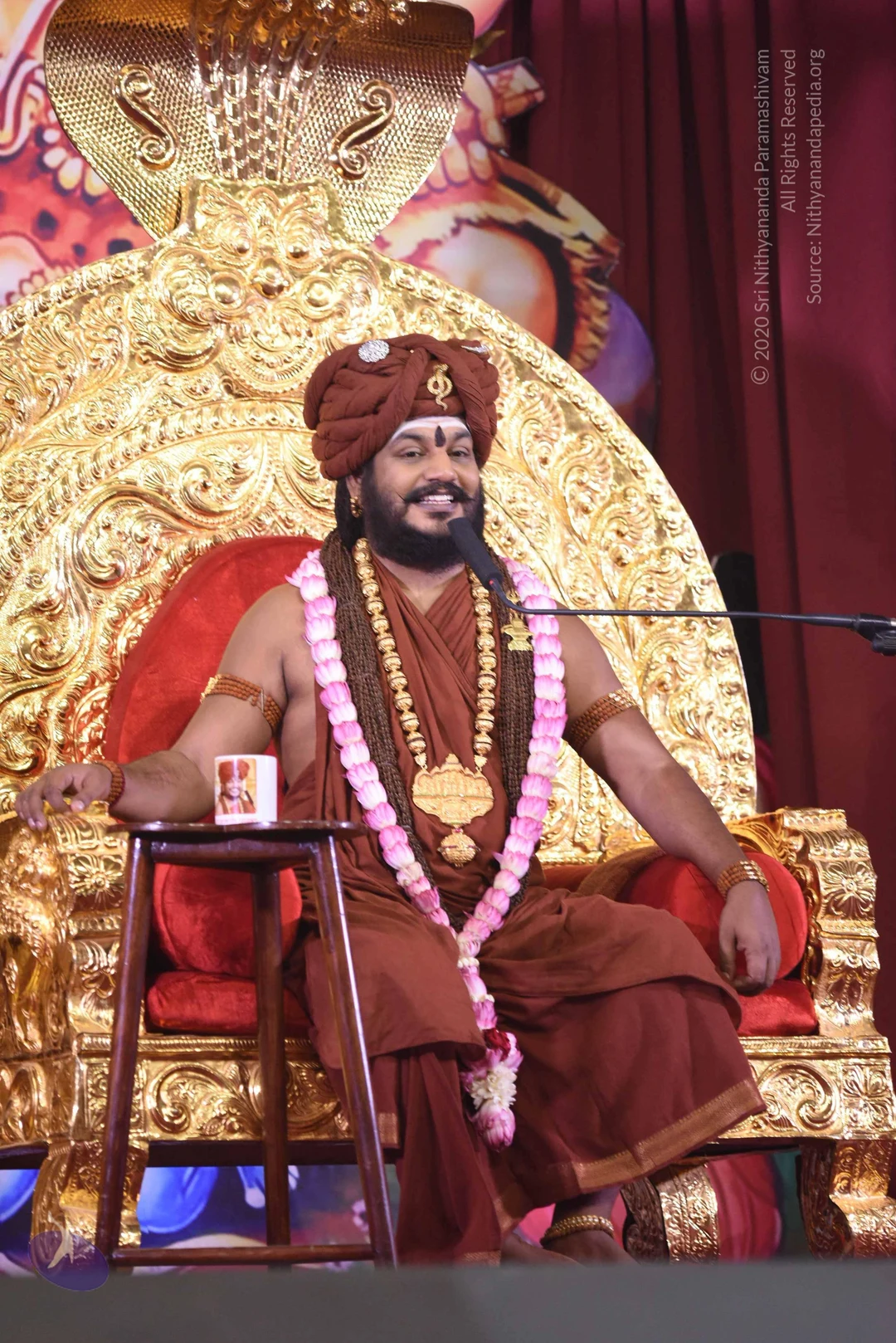
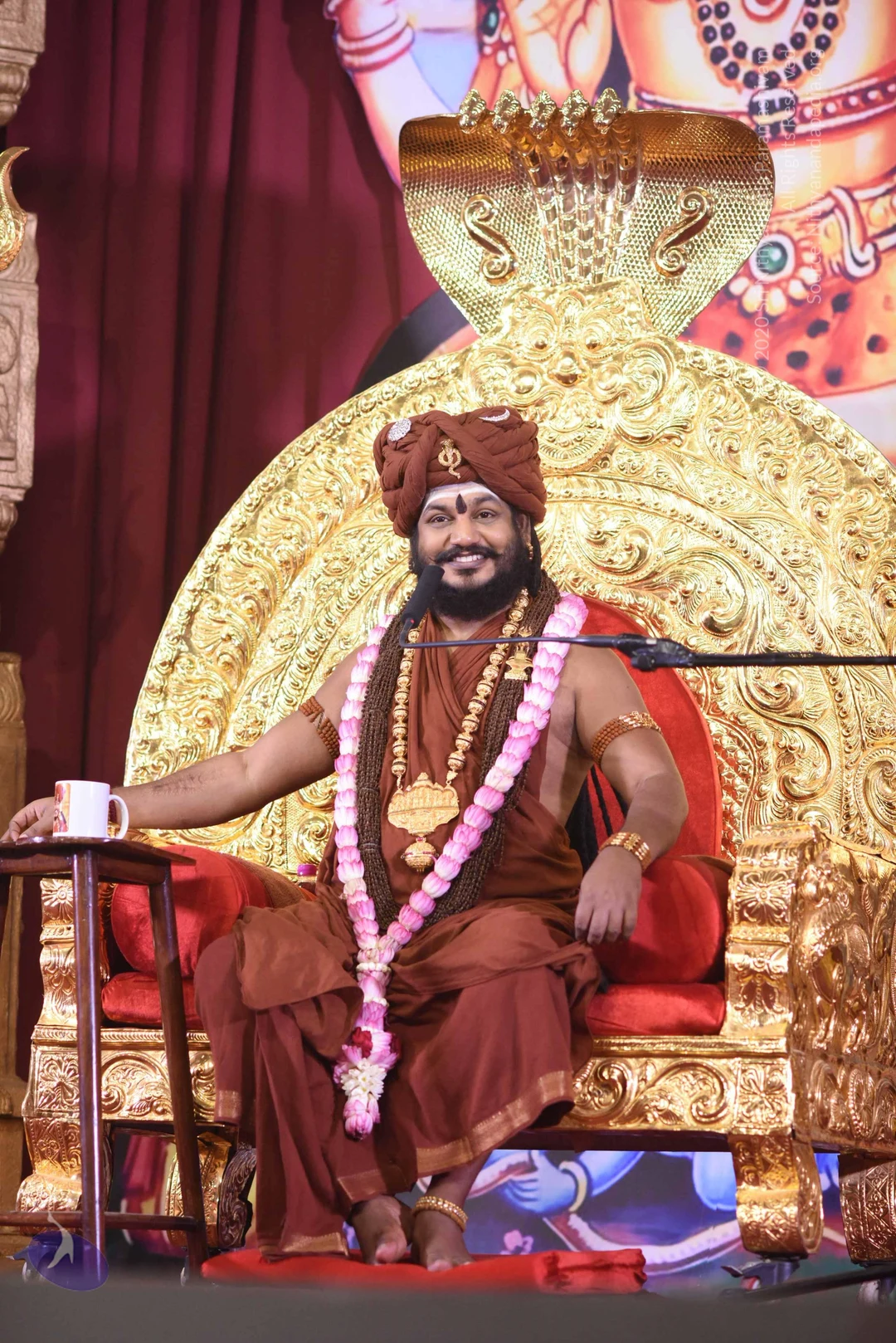
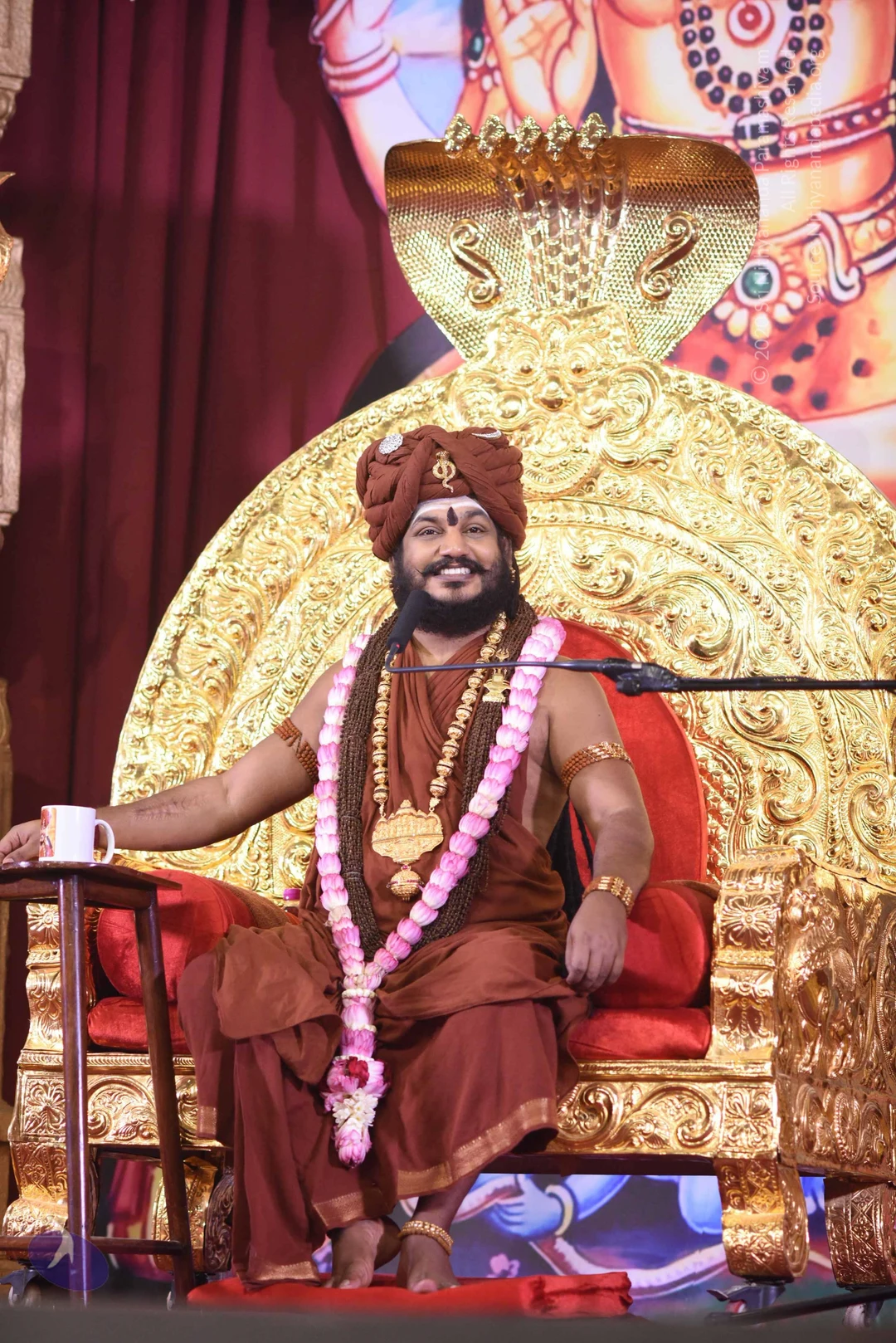
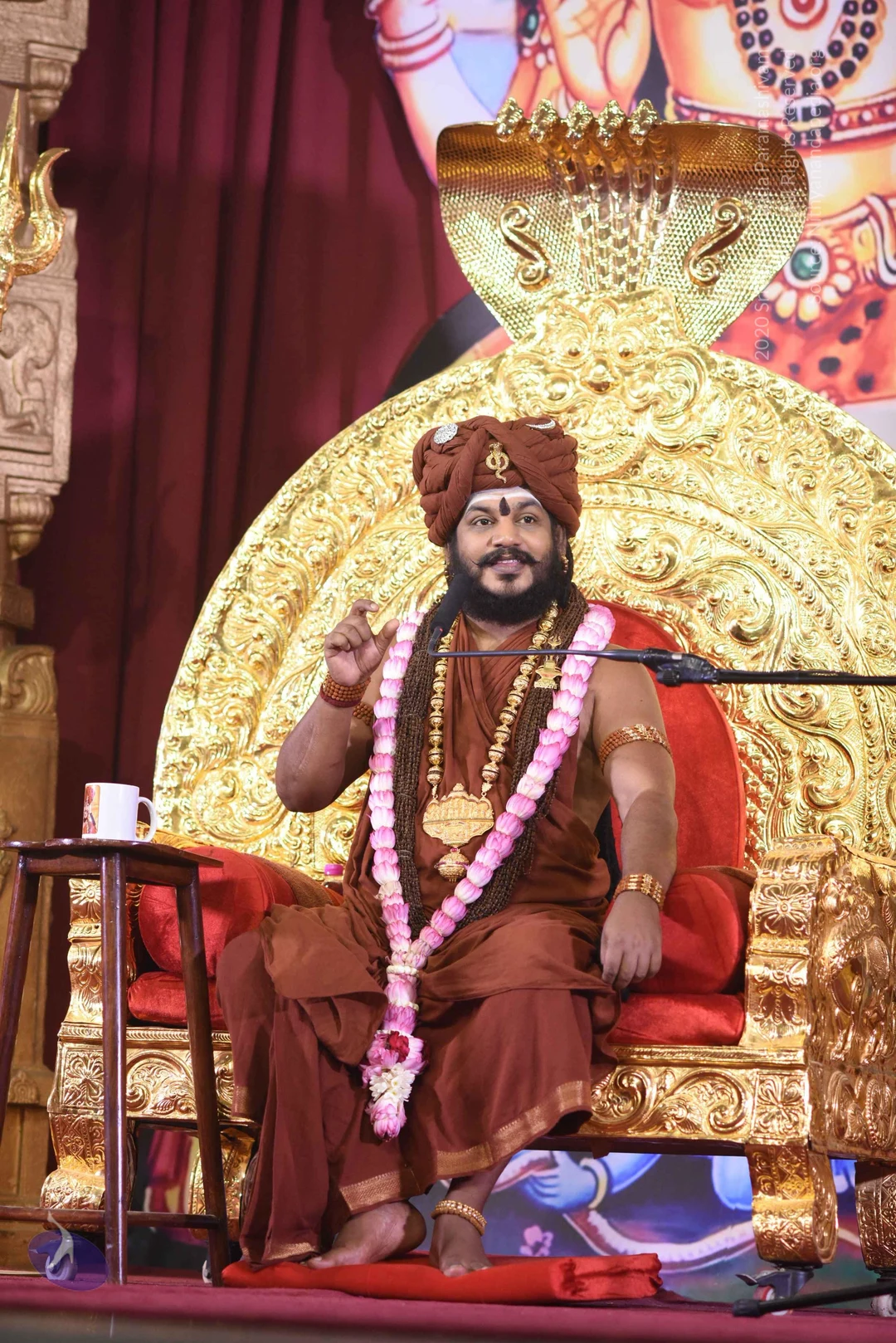
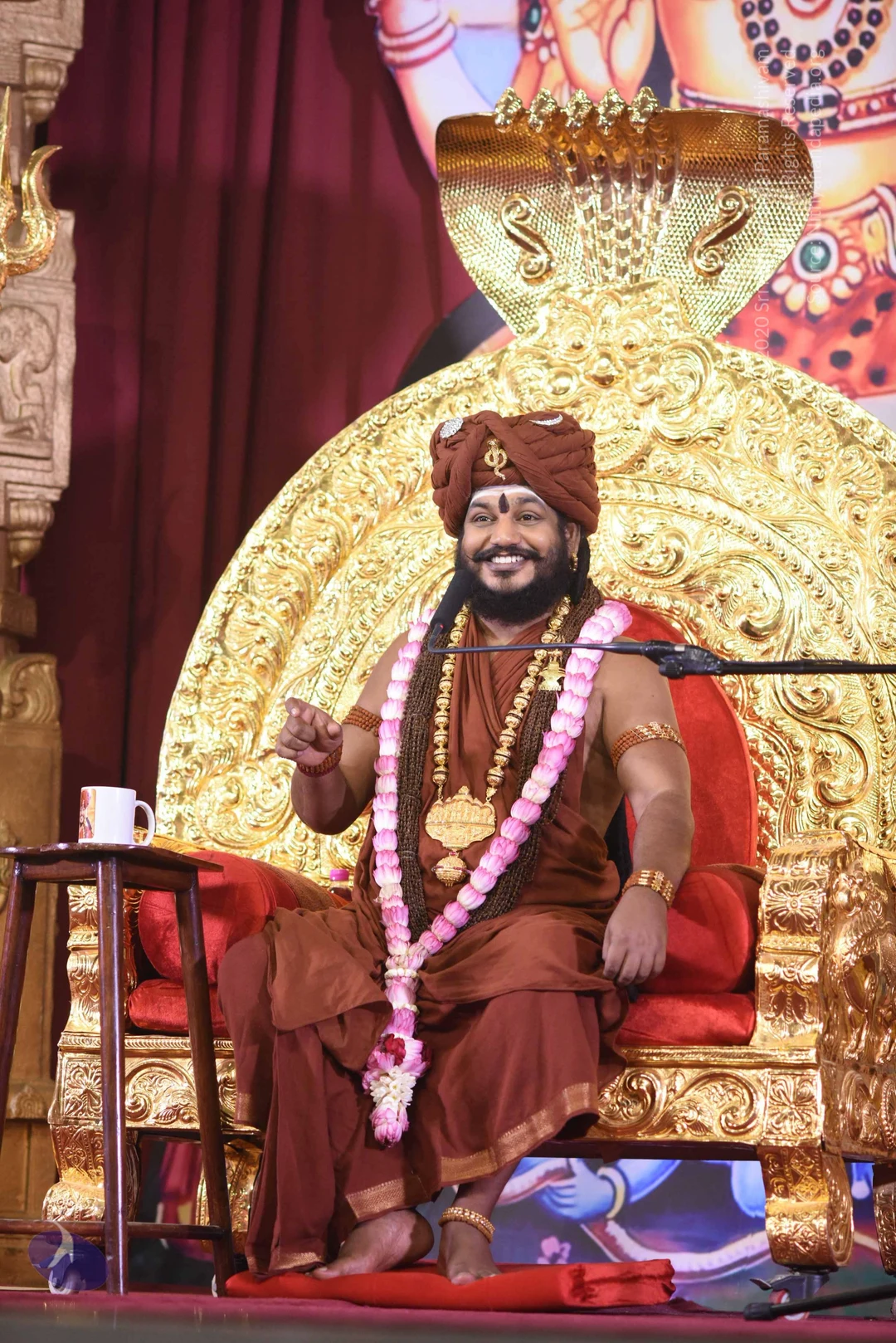
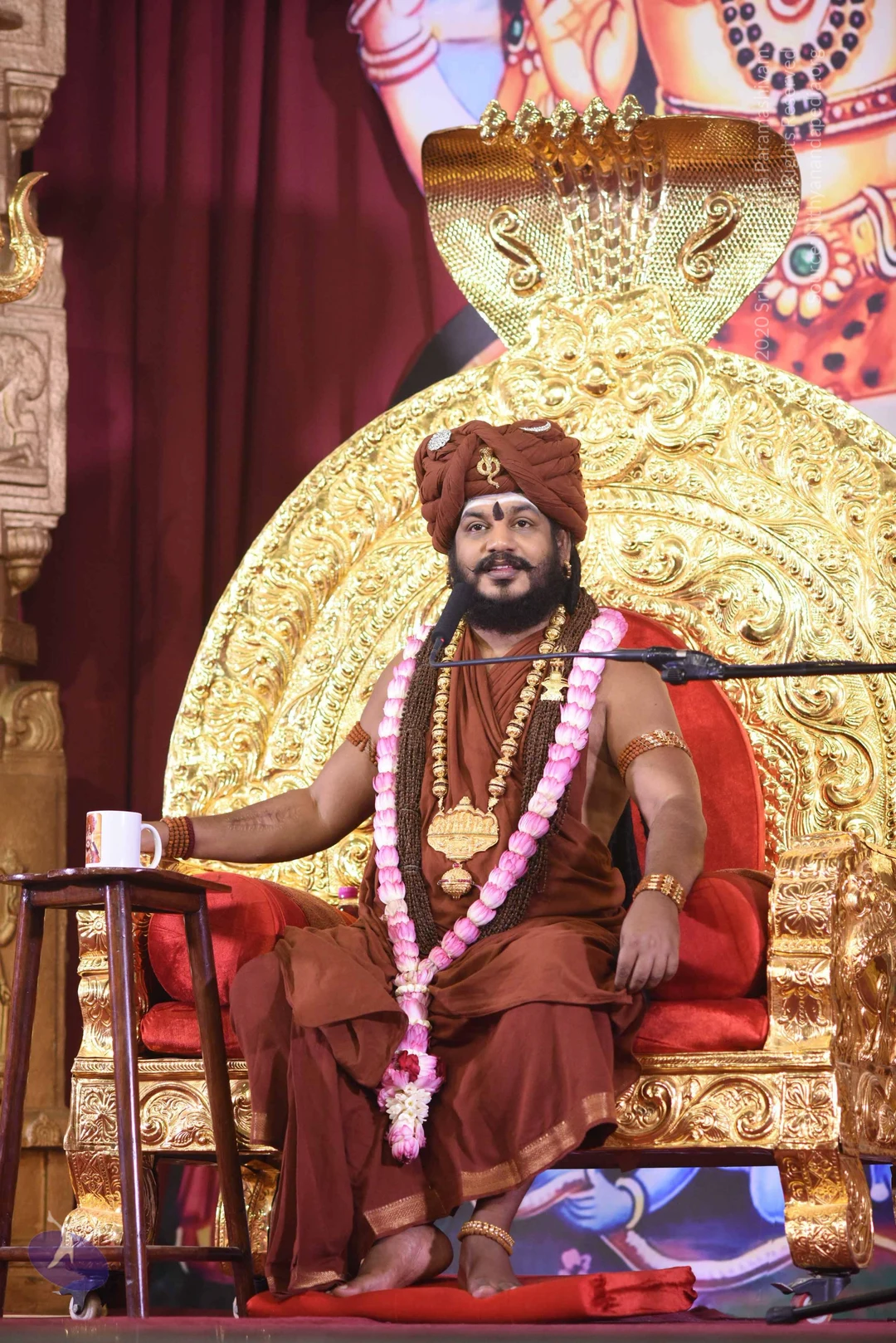
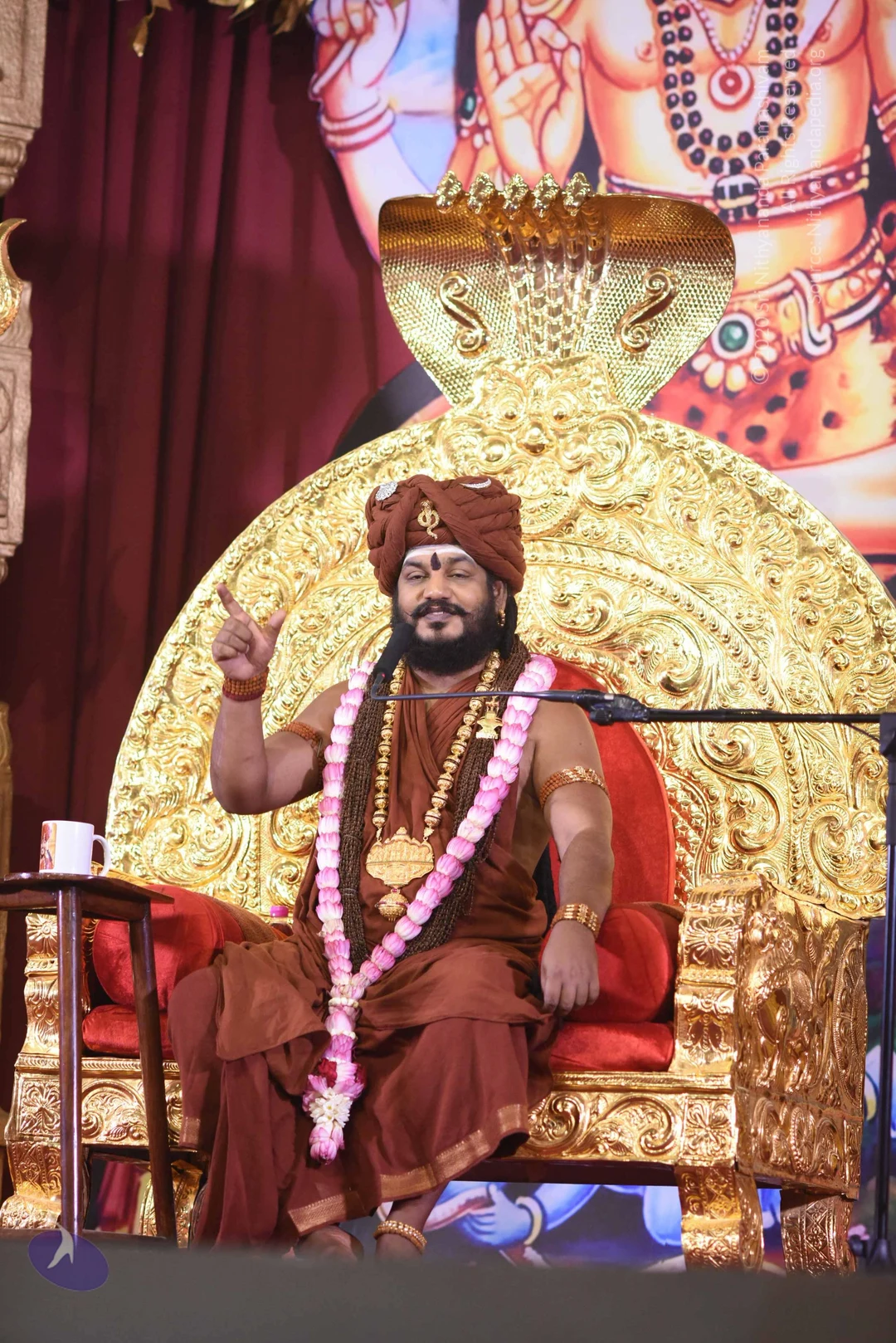
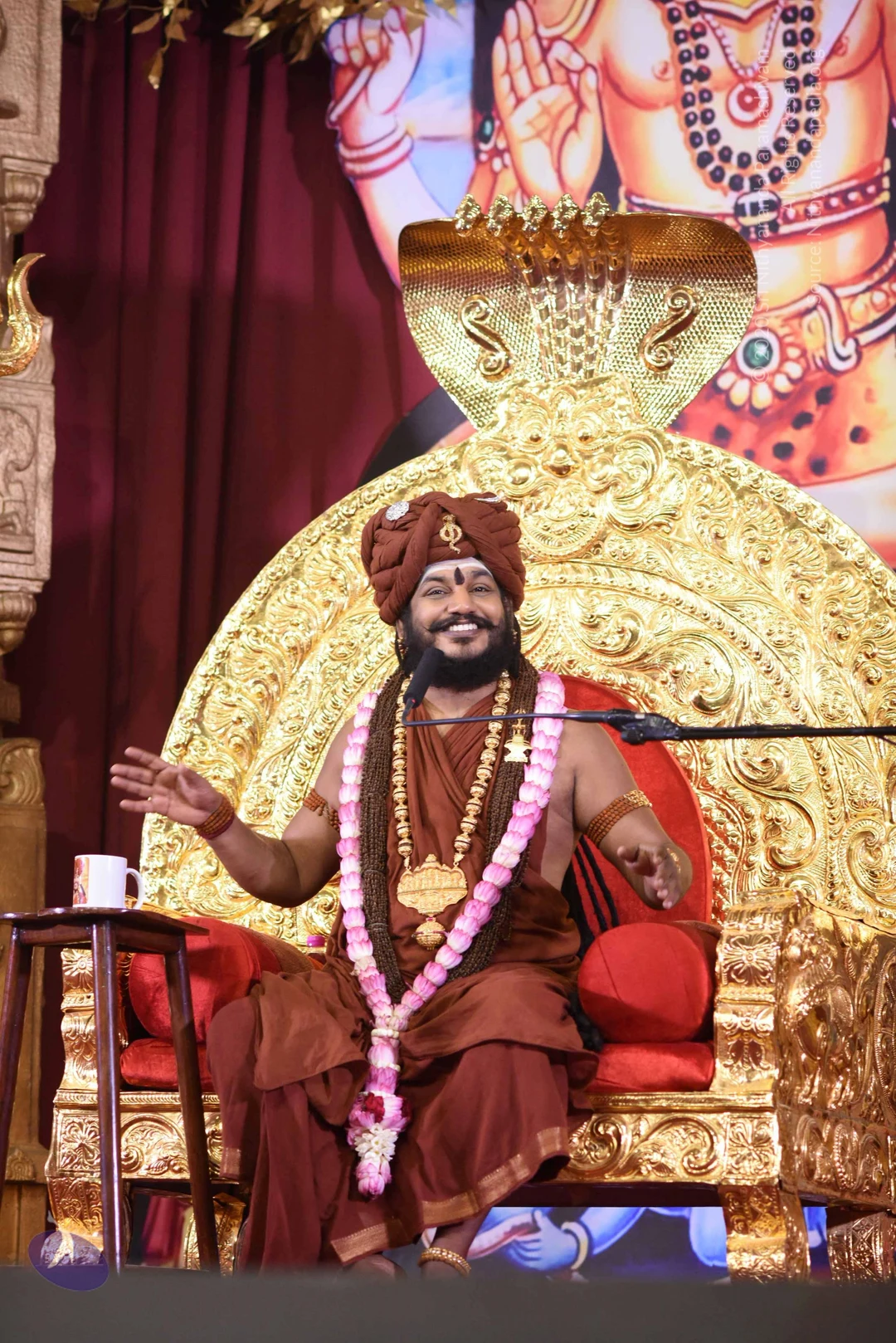
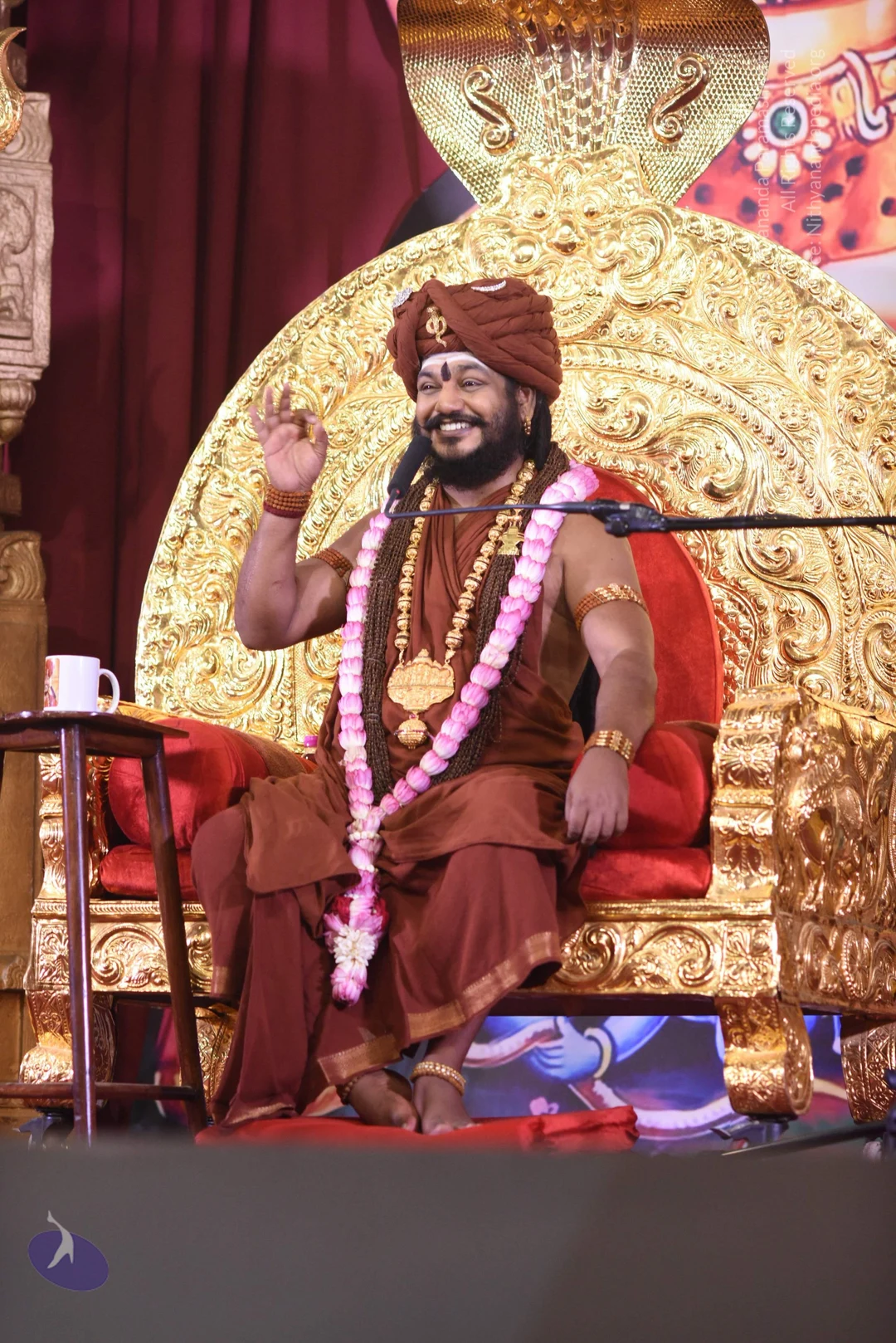
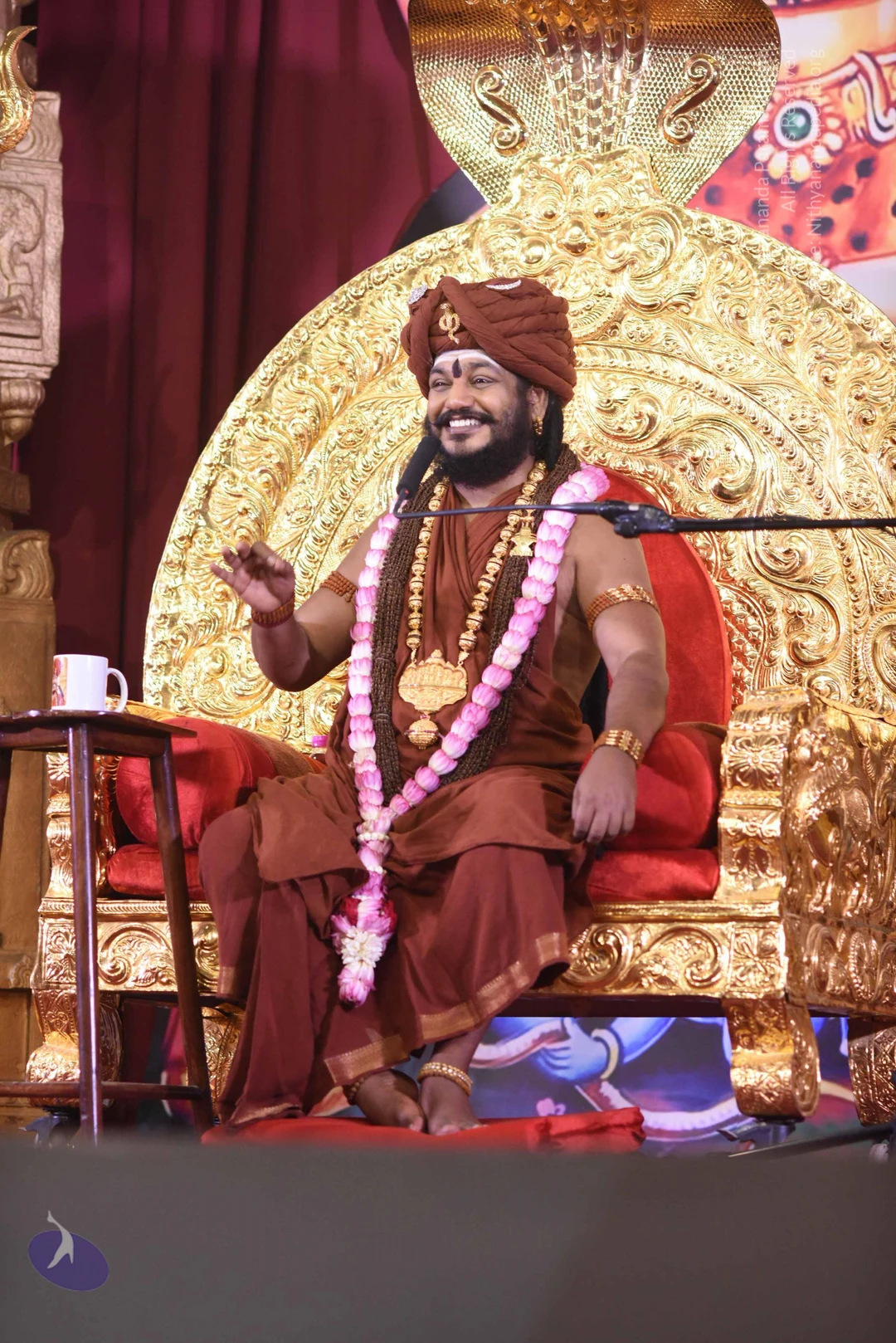
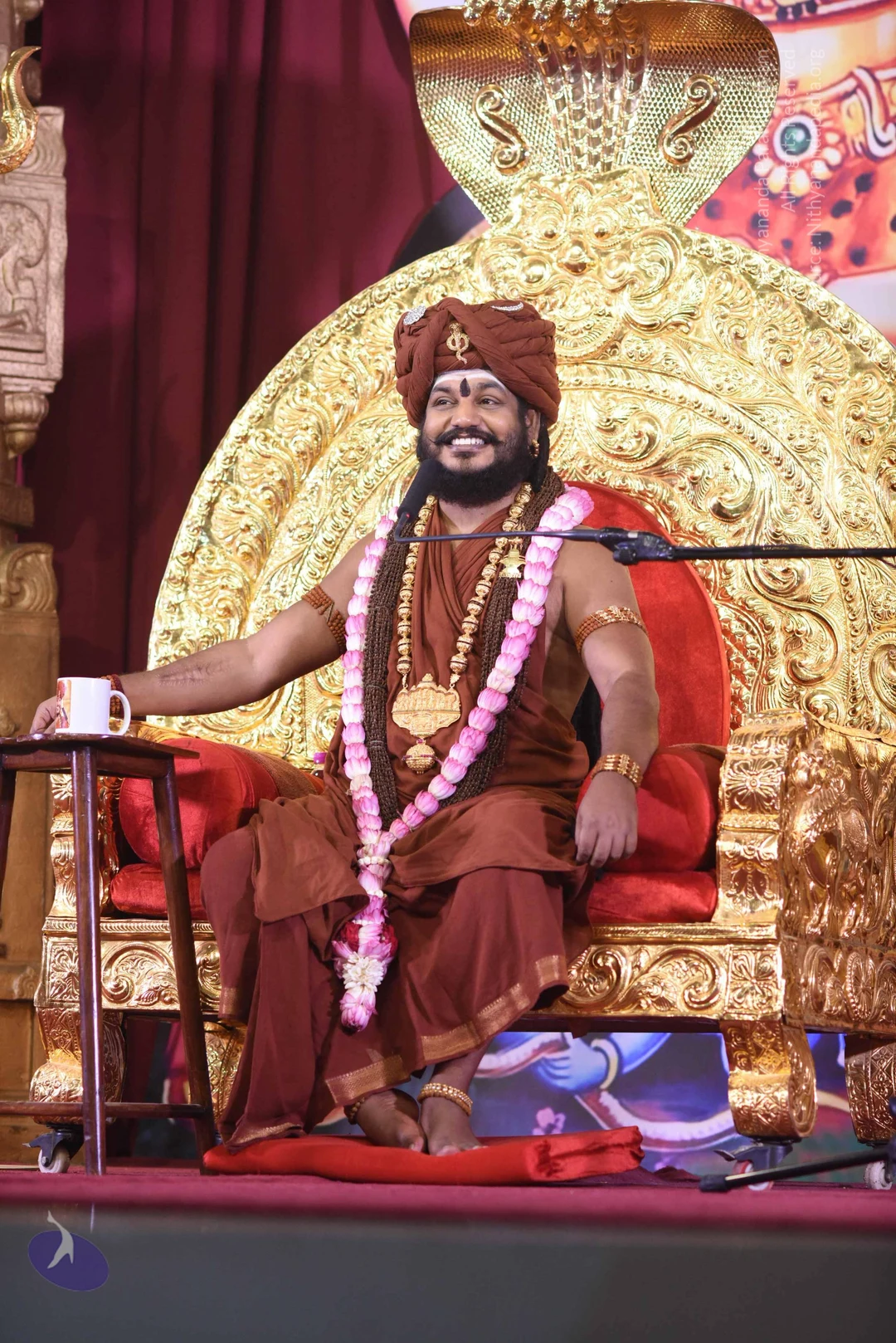
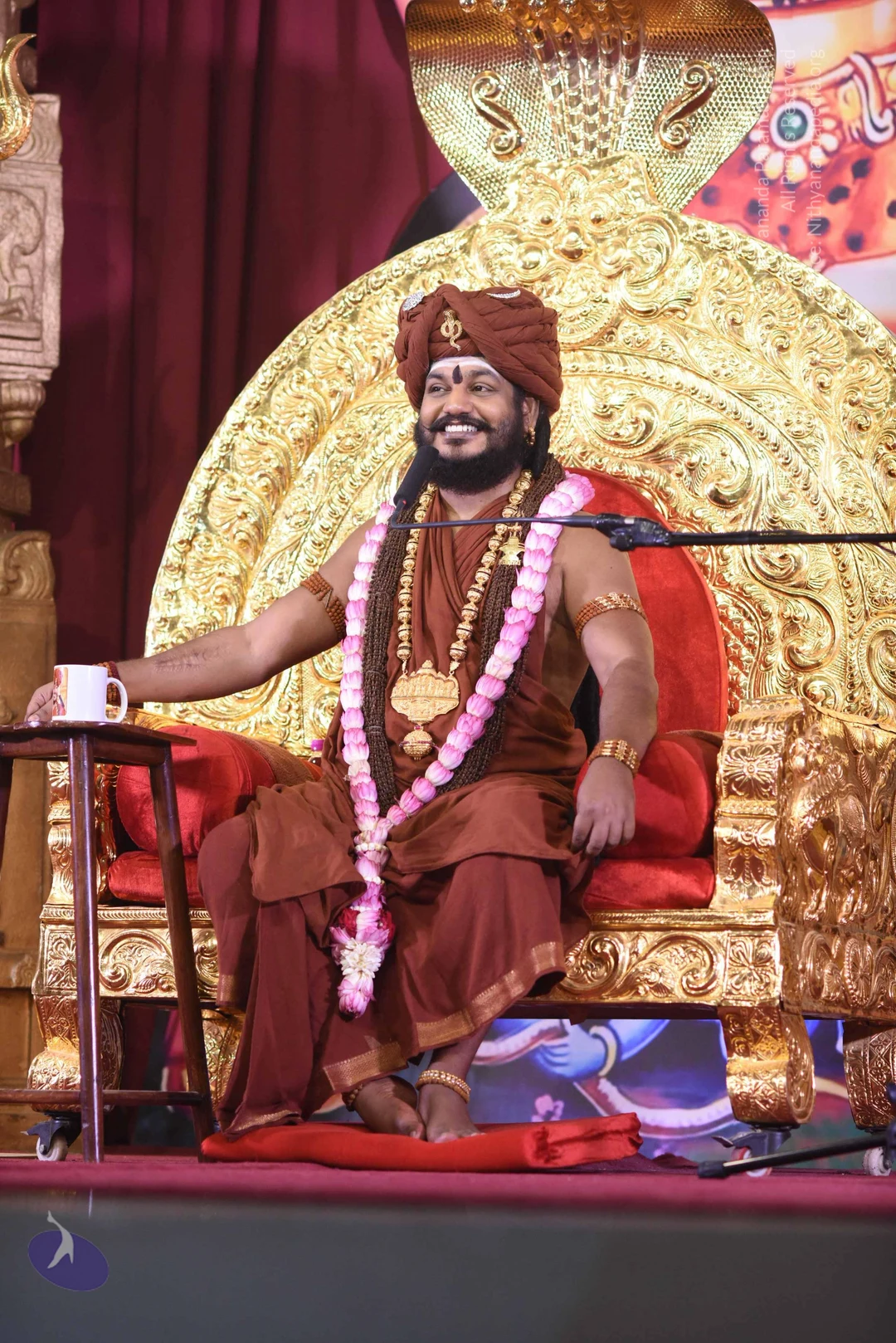
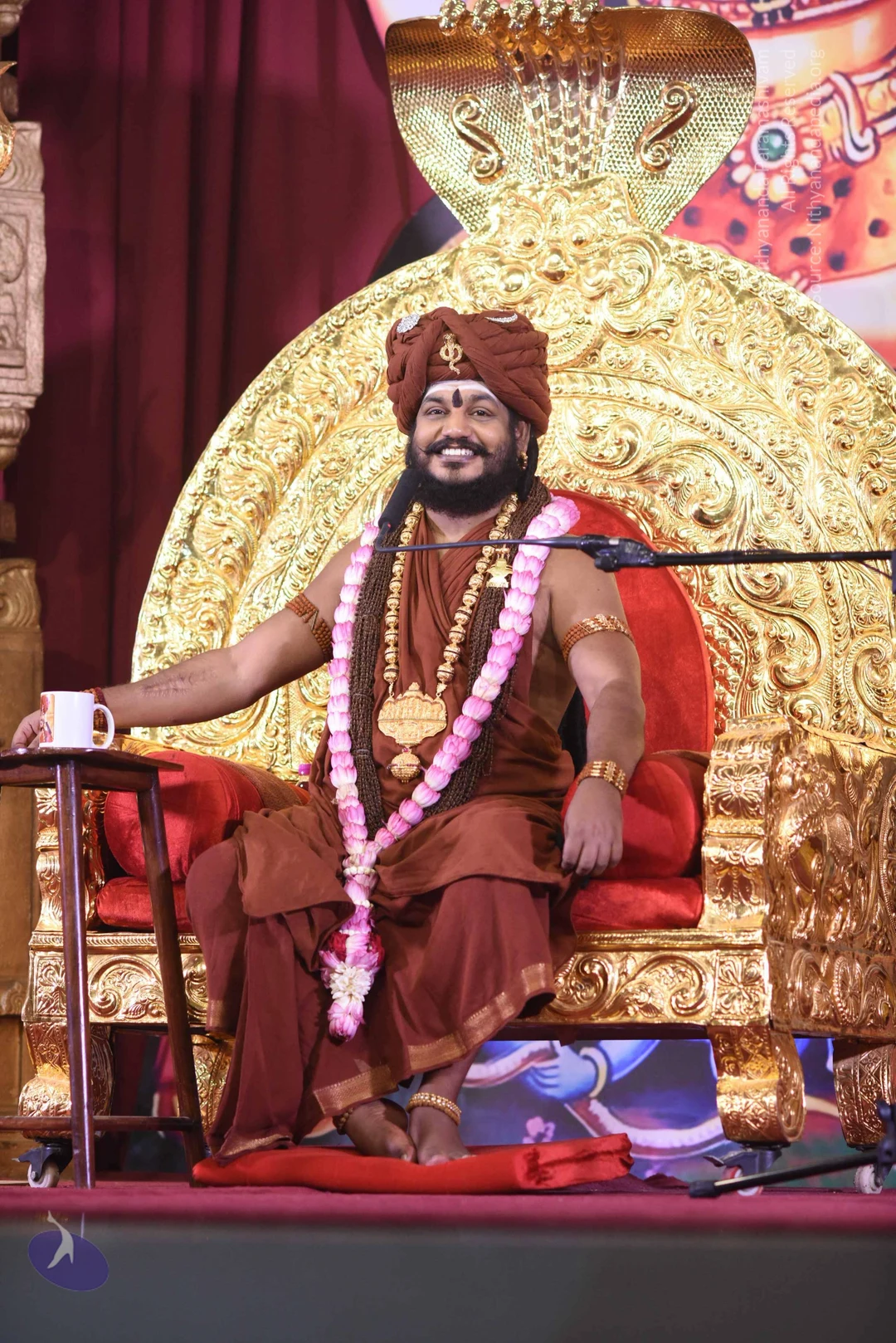
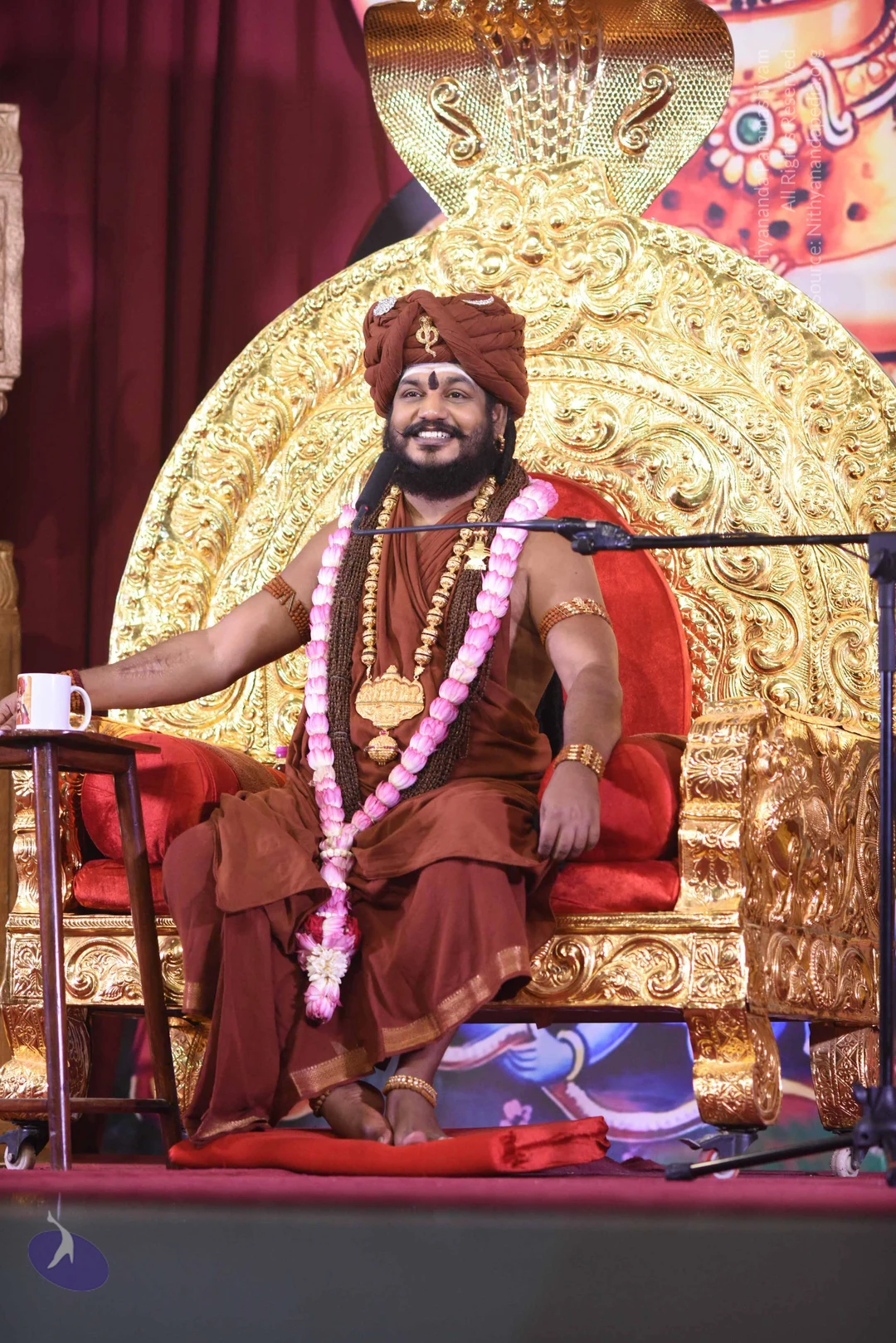
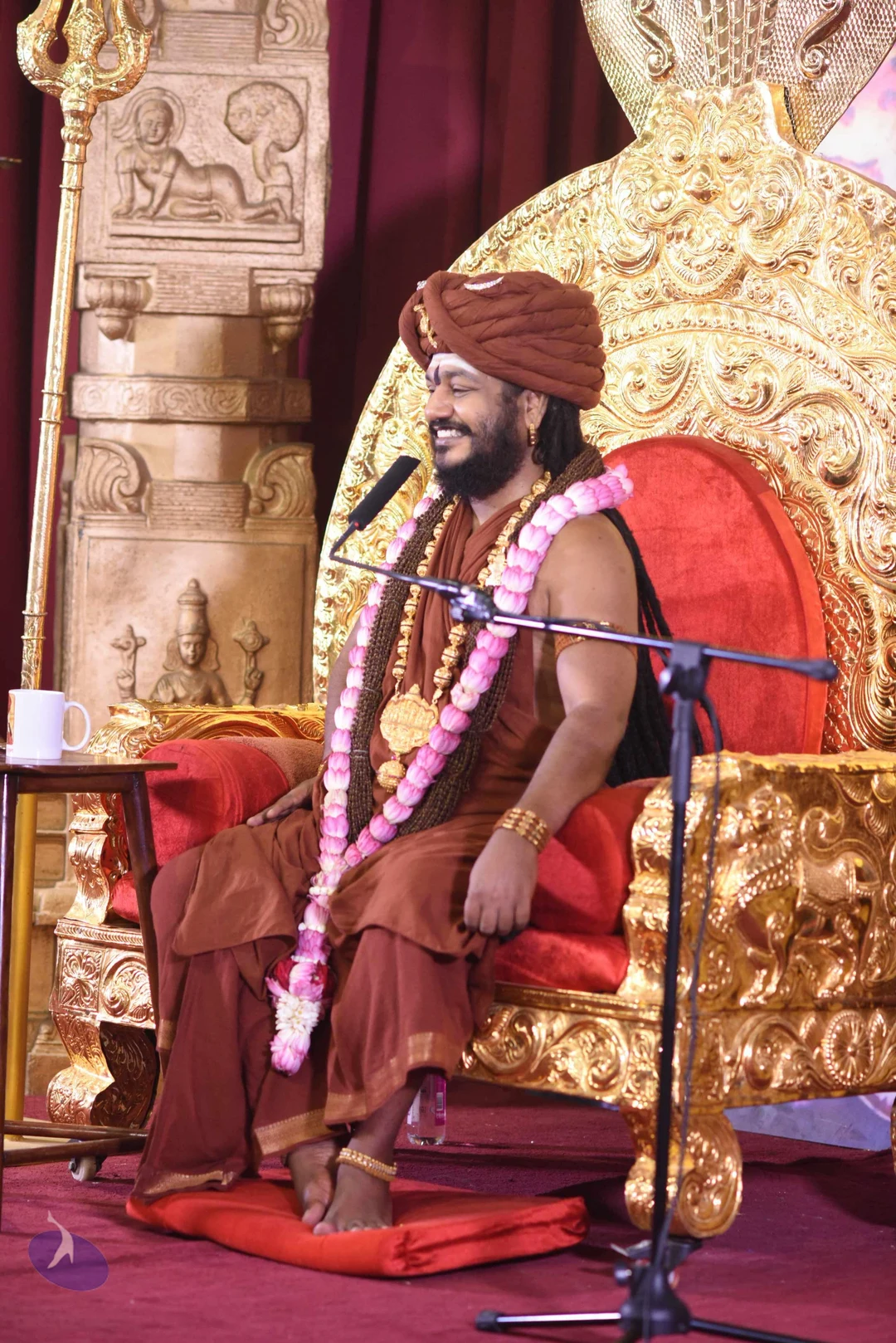
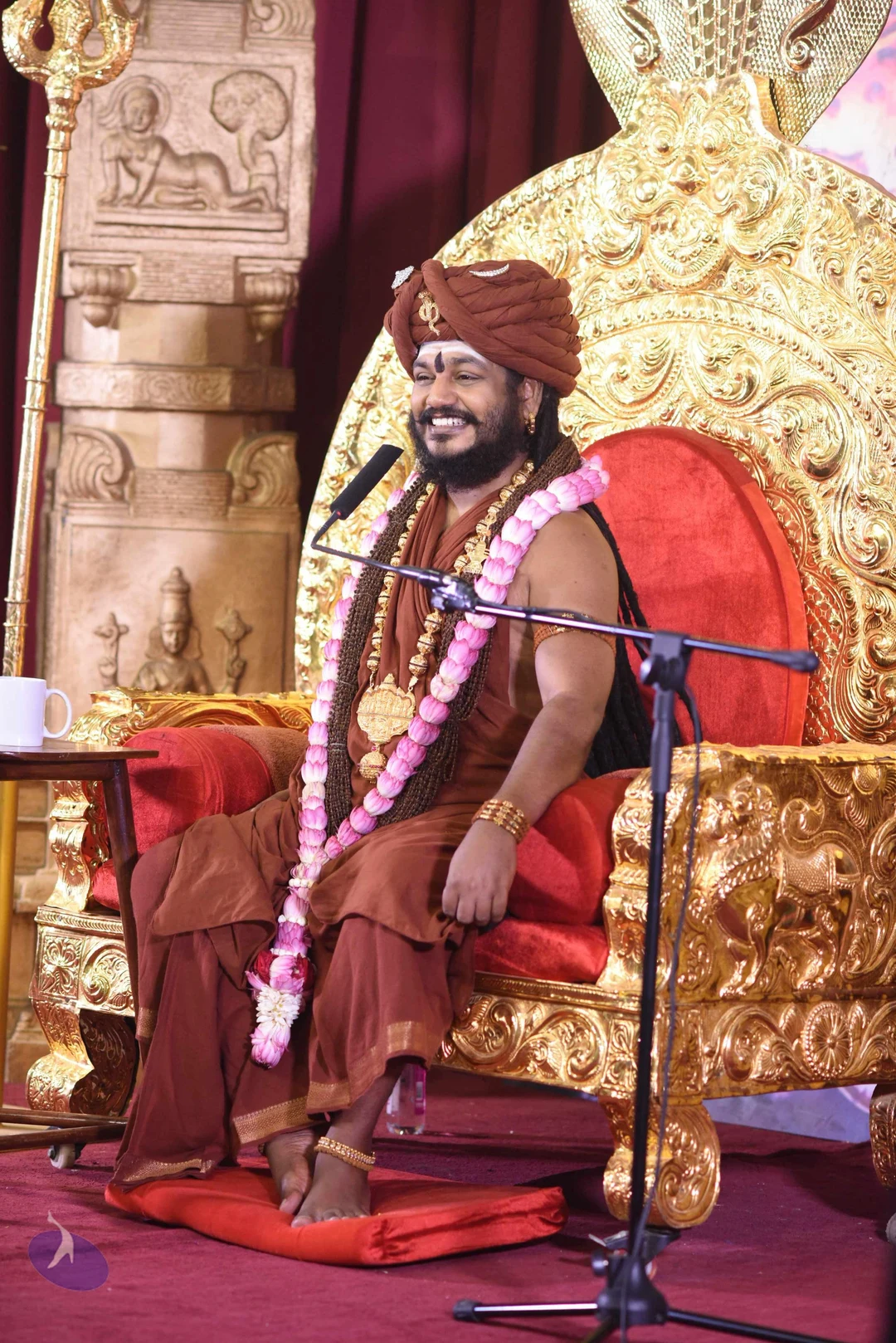
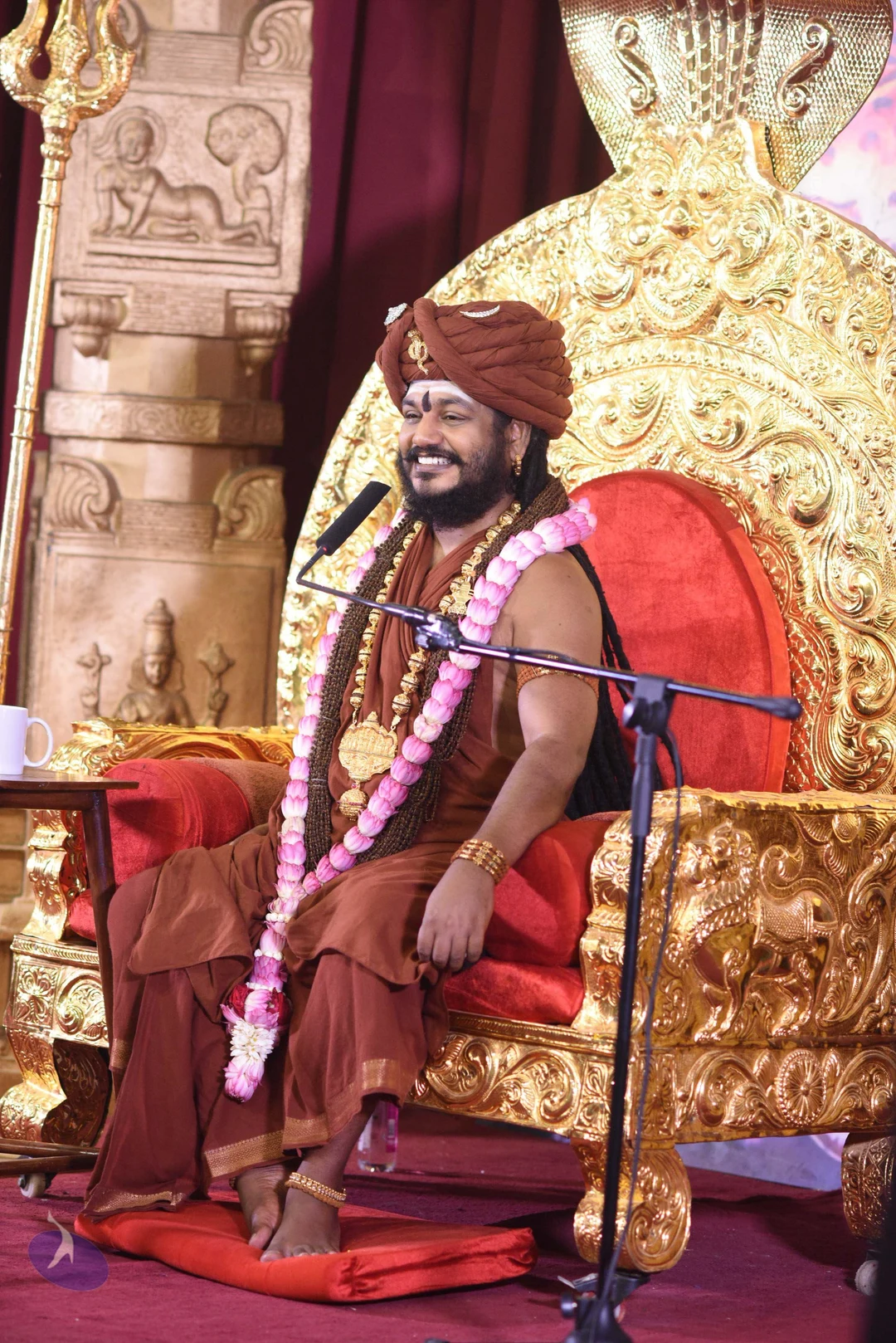
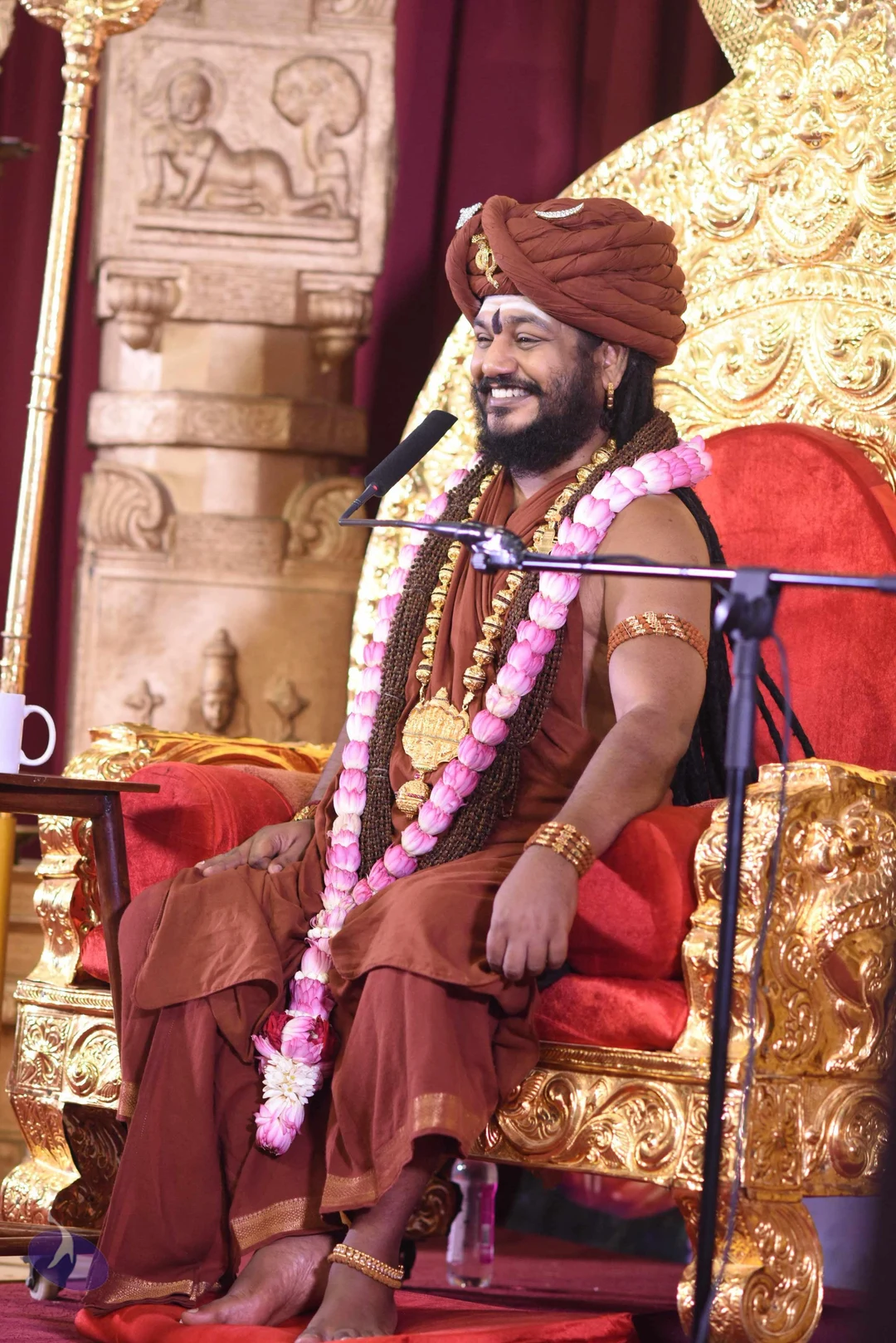
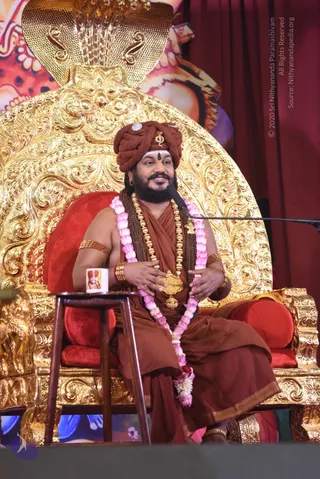
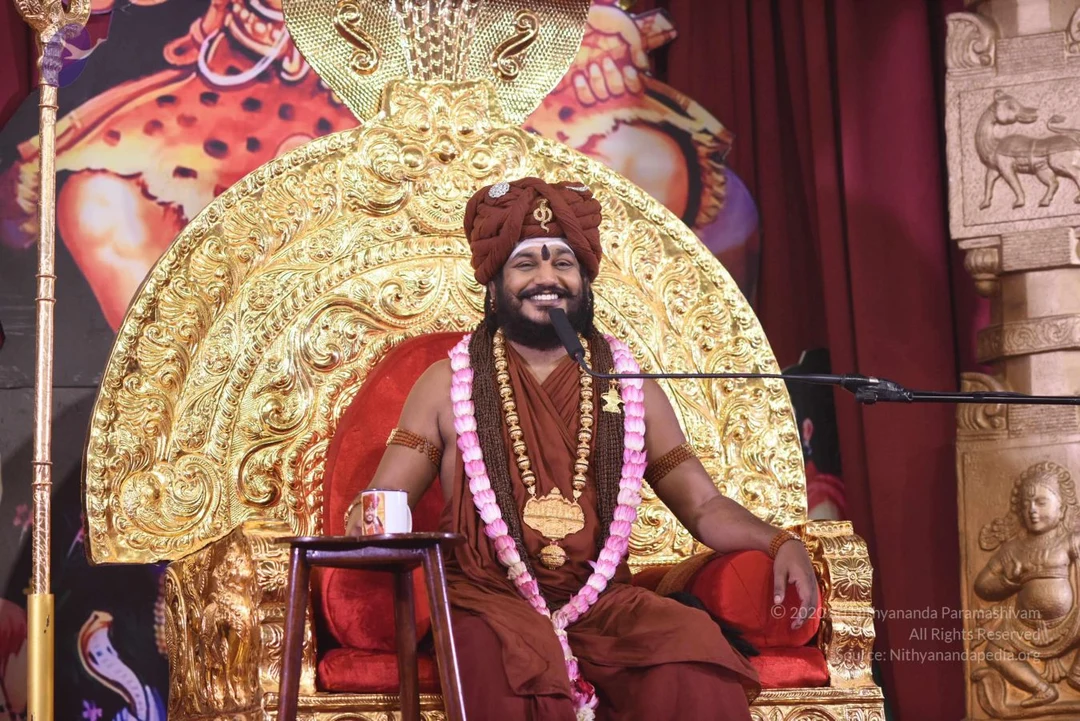
A man seated on an ornate gold and red throne with a cobra-hood carved backrest, on a red stage with a maroon curtain and carved stone pillar. He wears a rust-brown turban with a silver ornament, a white forehead mark, brown-red robes, a pink and white flower garland, gold necklaces and a rudraksha mala, and a gold armlet. He smiles and speaks into a microphone while a small framed portrait sits on a wooden stool beside him. Swamiji (probable): long dark hair under the turban, ceremonial gold necklaces and rudraksha mala, seated in discourse on the throne.A photograph of a bearded man seated on an ornate gilded throne with a carved cobra hood backrest and red velvet cushions, speaking into a microphone on a stand at right. He wears a rust-brown turban with a small gold ornament, a bare-chested rust-brown robe with a shawl, pink and white flower garlands, a long gold and brown rudraksha-style mala, and a gold pendant. A small framed photo sits on a wooden stool beside him. Behind him are maroon drapes and a carved golden pillar with relief figures. Detailed visual cues (turban, garlands, rudraksha mala, gold pendant, bare-chested robe) match the page's claim, so this is an appearance-based probable Swamiji seated in person as the speaker.A bearded man in a rust-coloured turban with a silver ornament and tilak sits on an ornate gold throne with a cobra-hood canopy, red cushions and a red velvet backdrop. He wears a rust-orange robe, a long pink flower garland, gold beaded necklaces and a gold pendant, with rudraksha bracelets on his arms, and speaks into a microphone. A small wooden stool beside him holds a framed photo of a turbaned figure. Carved stone pillars and a red-carpeted stage complete the setting. Swamiji (probable): the turban, saffron-toned robe, ornate gold throne and rudraksha mala cues are present, identifying him as the seated speaker.A man sits on an ornate gold throne with a carved cobra hood and red cushions, speaking into a microphone on a stage. He wears a rust-brown turban with a silver ornament and a red-brown saffron-toned robe, with a bare shoulder and arm. He has a pink lotus garland and a long gold-bead necklace with a large gold pendant. Behind him are maroon curtains and a carved stone pillar with animal reliefs. A small wooden stool beside him holds a framed photo. Swamiji (probable) is seated on the throne, giving a discourse; his turban, rust-brown robes and rudraksha-style gold necklaces are the qualifying cues.A seated man speaks into a microphone on an ornate gold-and-red throne with carved gilded arms and a red velvet cushion. He wears a rust-brown turban with a silver brooch and a gold ornament, a brown-red shawl and cloth, a long pink lotus garland, a rudraksha mala on his arm, and a heavy gold ceremonial necklace. A small wooden stool beside him holds a white mug printed with a portrait. Behind him are a maroon curtain and carved stone panels with an animal relief.Swamiji (probable) seated on an ornate gilded throne with red velvet cushions, speaking into a microphone on a stand at right. He wears a rust-brown turban with a jewelled brooch, a bare-shouldered rust-brown robe, a long gold pendant and a gold bead necklace over pink and white lotus garlands, rudraksha bracelets on his arm, and a white forehead marking with a dark bindi. A small wooden stool beside him holds a white mug printed with a portrait. Behind him are red drapes and carved sandstone panels with lion and figure reliefs.

01-Intro-to-Sadashivoham
4 photosSource gallery
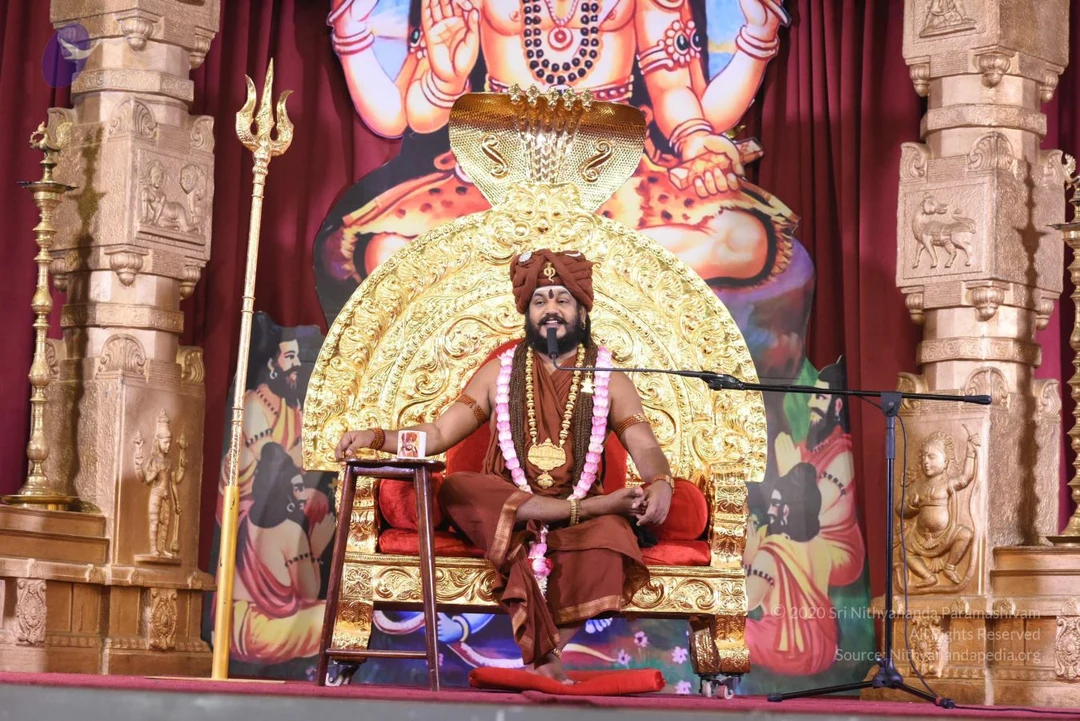
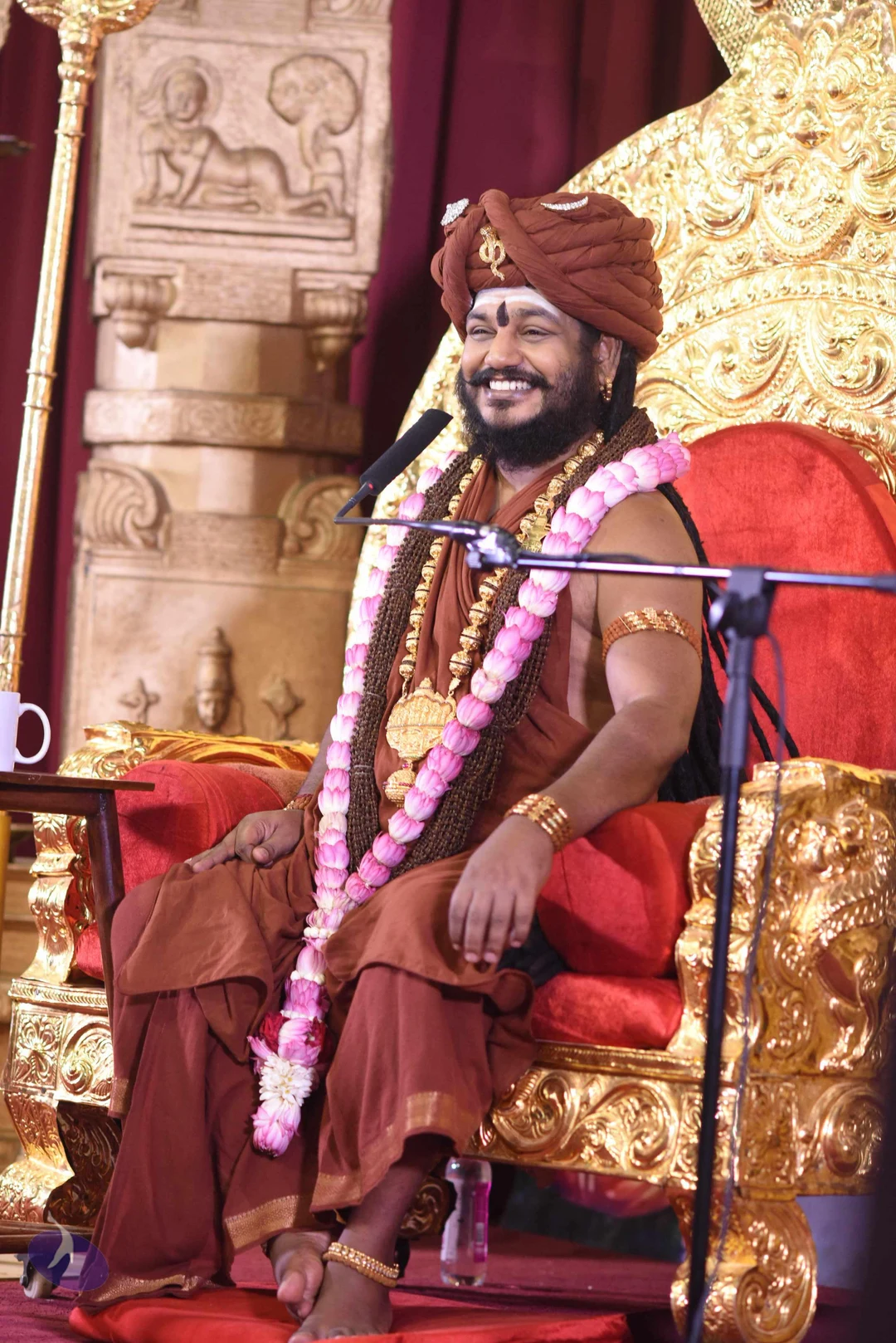
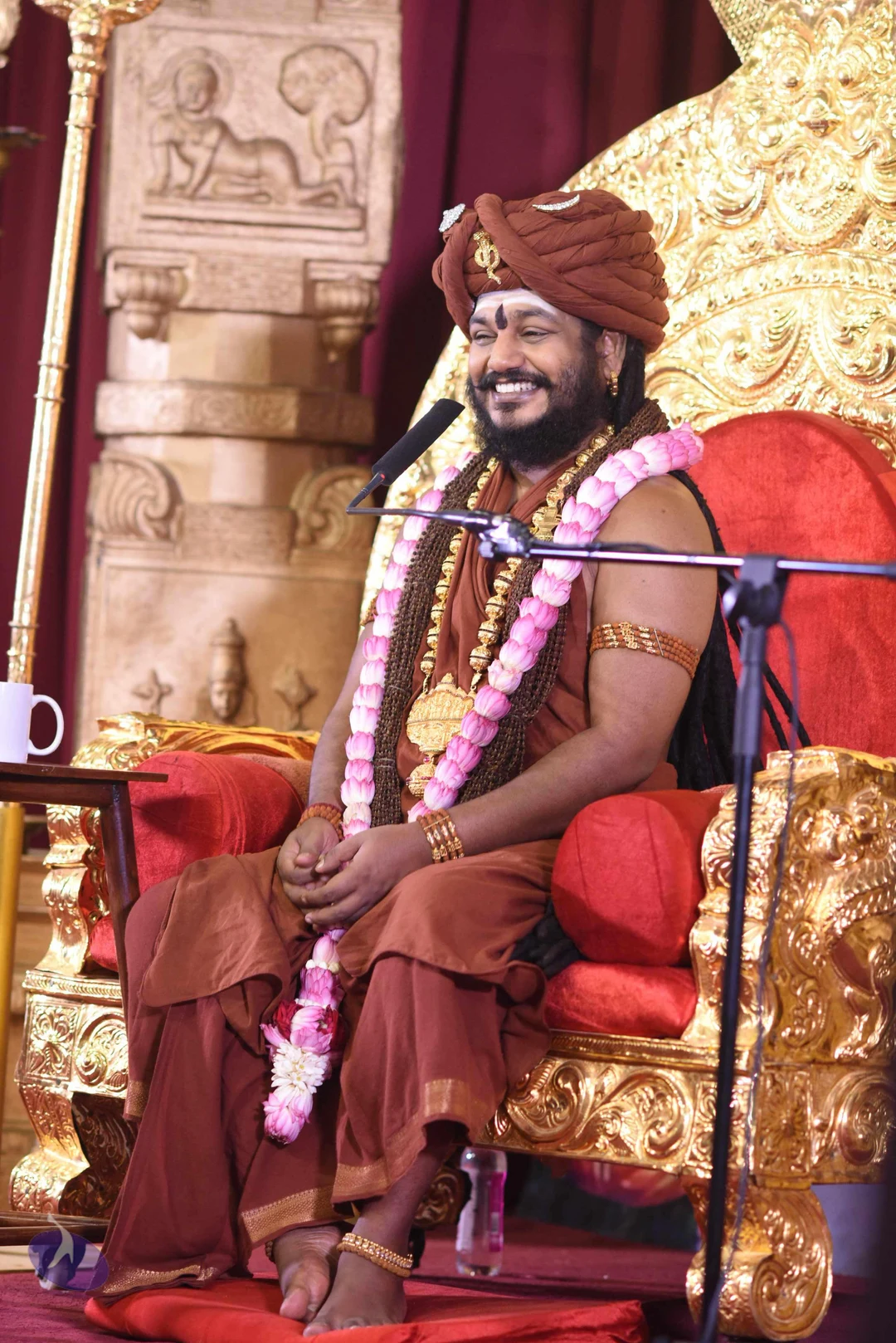
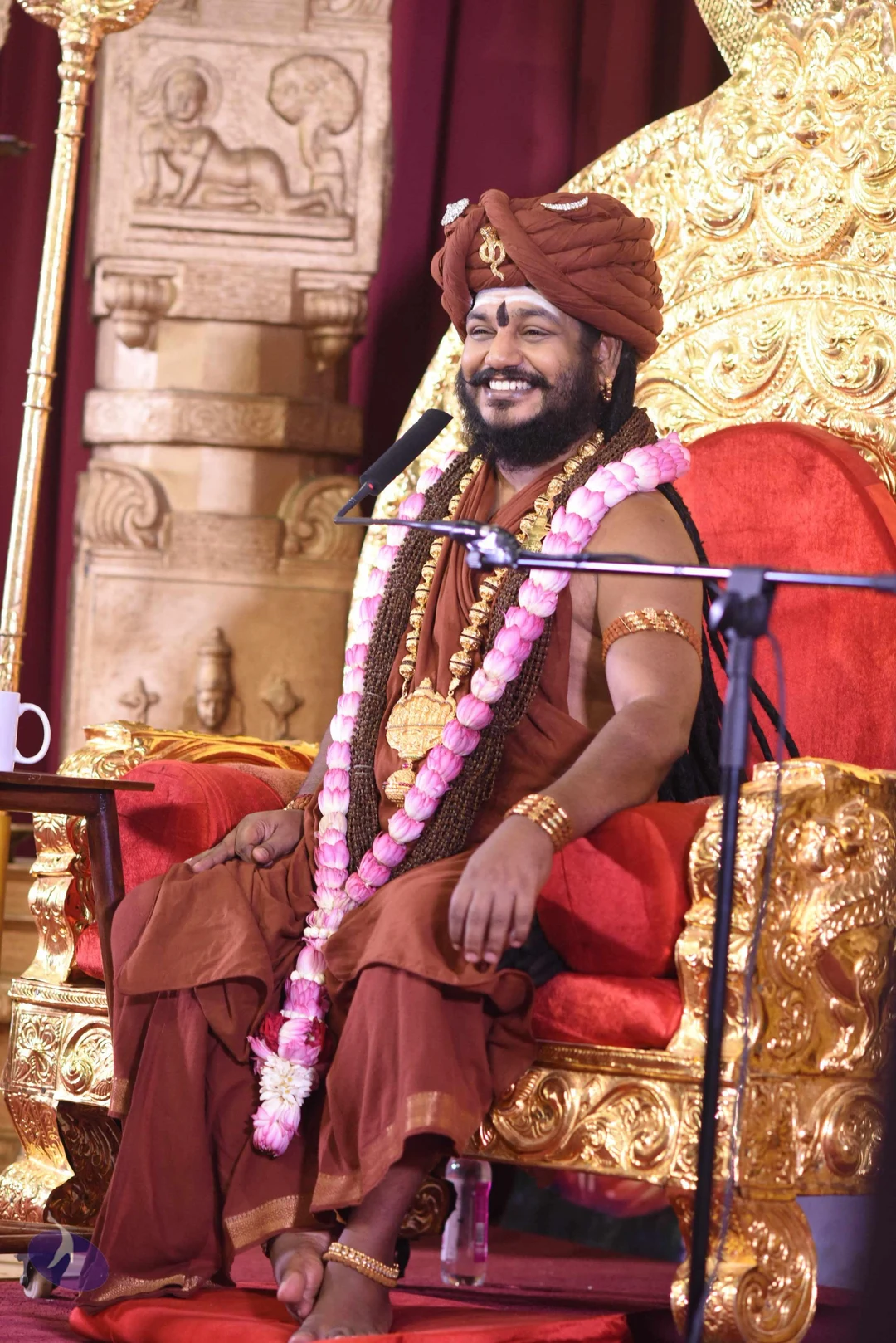
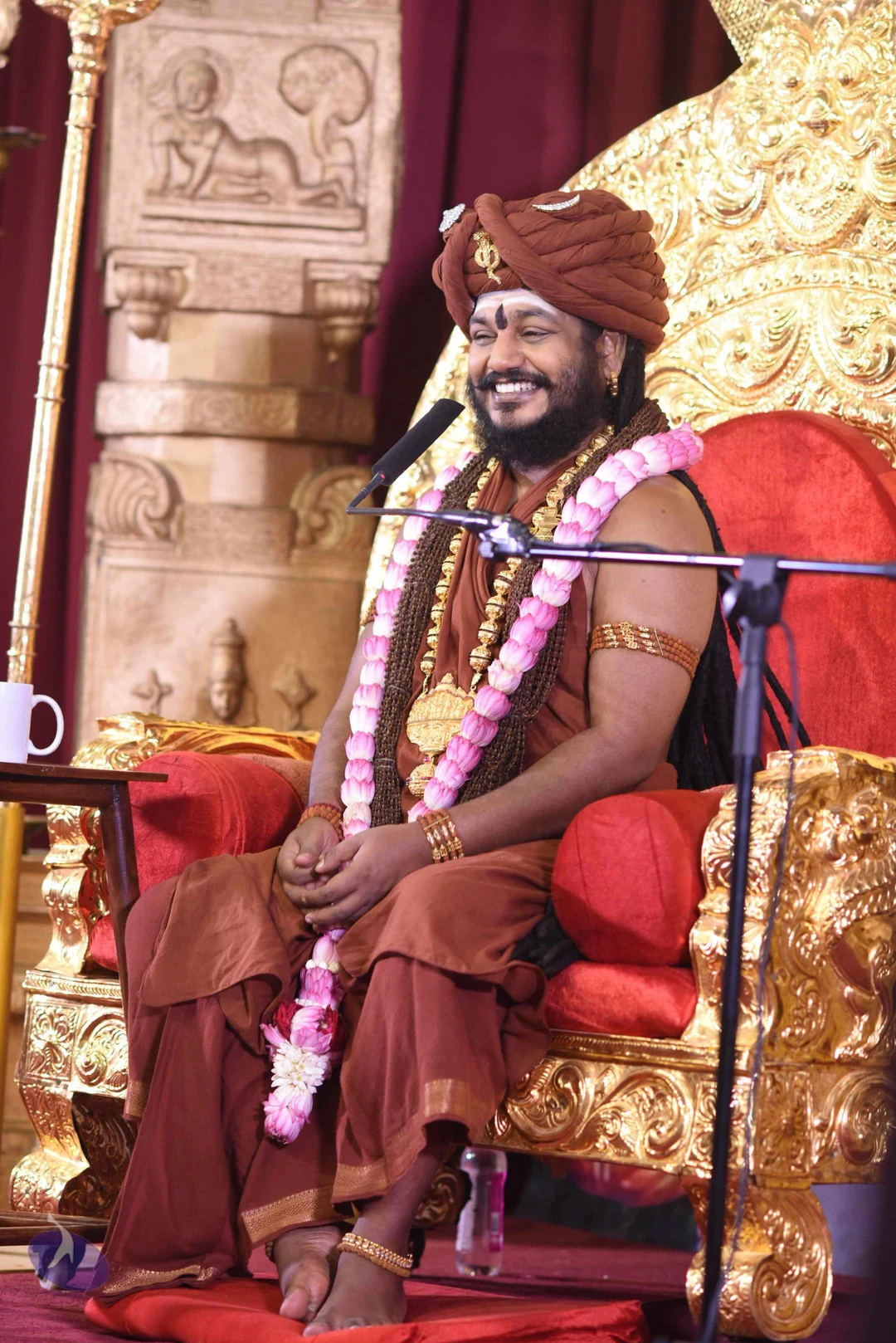
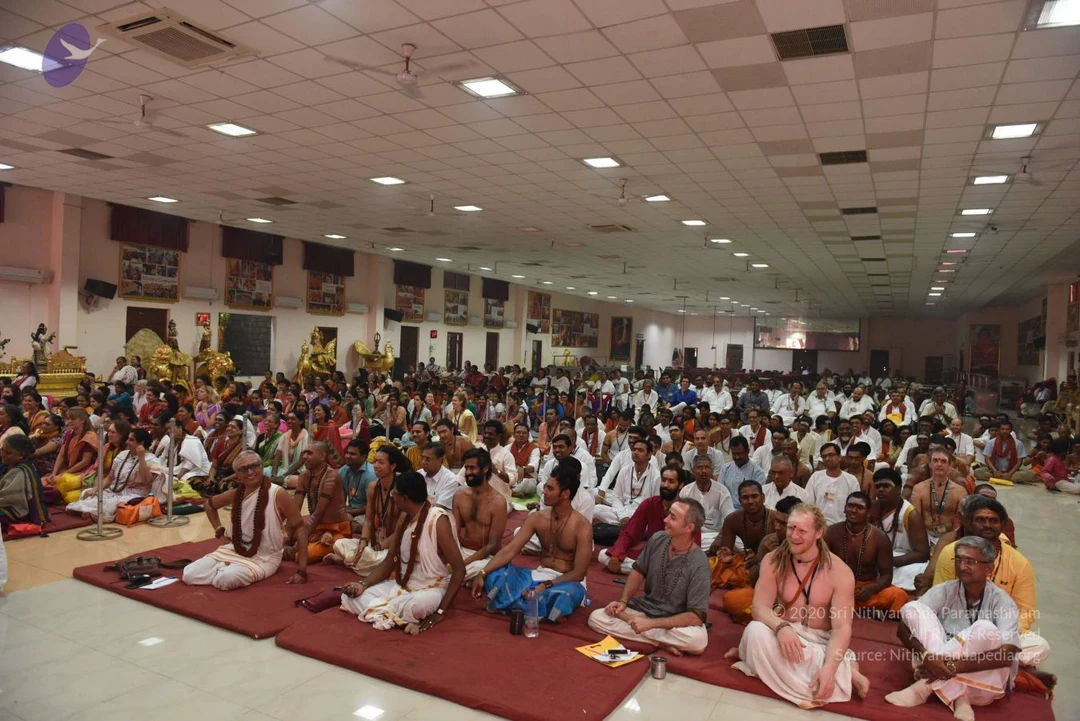
A seated man in a rust-orange turban and matching orange-brown robes sits on an ornate gold throne with a carved cobra hood and red cushions, speaking into a microphone on a stand. He wears a pink and white flower garland, a gold pendant on a beaded chain, gold bangles and a rudraksha-style bead necklace; a dark tilak marks his forehead. A white mug sits on a small wooden side table beside him. Behind the throne hang a maroon curtain and a large painted deity image with a blue arm and jewelled ornaments. Swamiji (probable): the man has long swept-back hair visible under the turban, a crown-like turban ornament, saffron-orange clothing, a rudraksha mala and ceremonial gold necklace, seated in the presiding position on the throne and giving a discourse.A smiling man with a full dark beard sits on an ornate gold-and-red throne on a stage, eyes closed in laughter. He wears a rust-orange turban with a crescent and a small gold emblem, orange-brown robes, and a thick pink and white flower garland over his shoulders. He has multiple gold necklaces, a gold armband, and a rudraksha-style mala around his neck, with a microphone stand in front of him. A white cup sits on a side table at left, and a carved stone pillar with relief figures stands behind him. Swamiji (probable): the orange turban, saffron-toned robes, gold necklaces and throne cues match the page's description of the speaker.A bearded man in a rust-brown turban with a gold ornament and rust-brown robes sits smiling on an ornate gold-and-red throne with red cushions. He wears a long rudraksha mala, gold necklaces, a large pink-and-white flower garland, and a gold armband, and holds his hands together in his lap. A microphone on a stand is in front of him, a white cup sits on a side table, and carved stone pillars and red drapes form the backdrop.A seated man in a maroon-red turban, maroon robes, a gold pendant and a pink-and-white flower garland sits cross-legged on an ornate gold throne with a cobra hood, speaking into a microphone on a stand. Behind him a large painted deity murti of a four-armed figure with a crescent crown, rudraksha malas and a gold tree backdrop stands, with a golden trident at the left edge. Painted sages with folded hands flank the throne. A small table holds an object at his side. Eight to ten people are not visible; the single seated figure is the only physical person shown.

02-Intro-to-Sadashivoham-Session

7 photosSource gallery
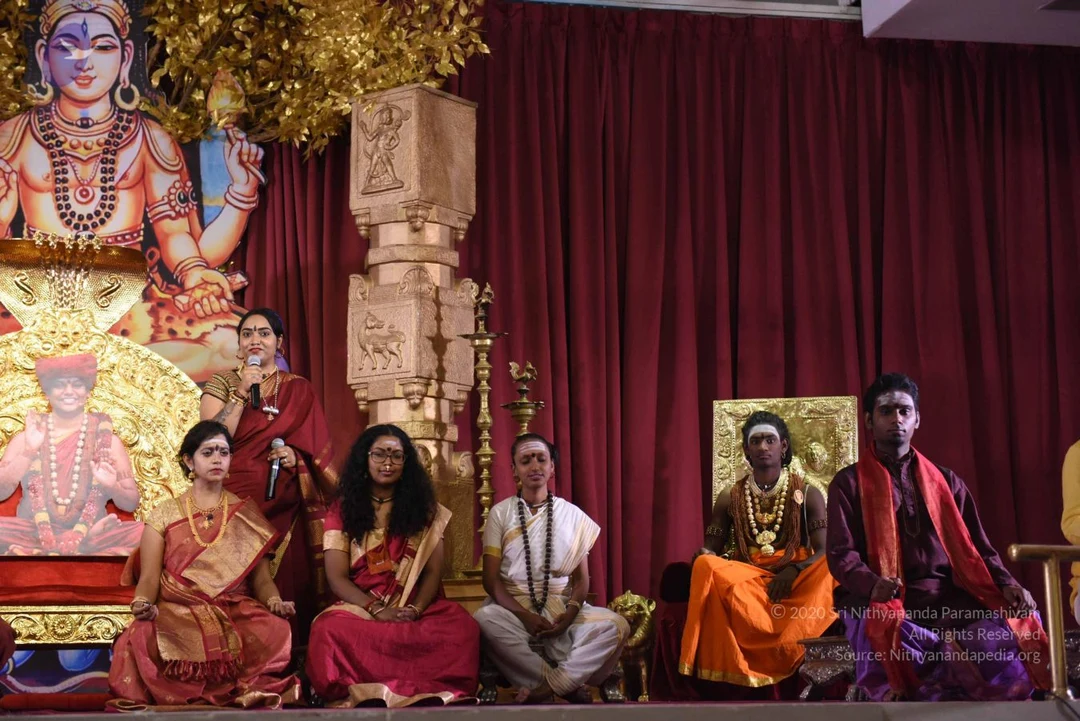
A stage event with a row of seated performers in front of a large maroon curtain and a painted backdrop of a deity figure with a crescent moon and golden foliage above. A central woman in a red sari with a microphone speaks while others sit on a red-carpeted platform. On the left, a woman in a green sari and a woman in orange-brown sit near a golden throne bearing a figure with rudraksha malas. A man in an orange dhoti and gold necklaces sits to the right of a golden chair, a man in a purple garment with a red shawl sits beside him, and a man in a yellow kurta and white dhoti sits at far right. A trident and golden lamp stands flank the scene.A stage event with a large painted deity image of a four-armed blue-skinned figure with crescent moon crown and gold foliage behind, red draped curtains, and brass lamps and a trident at the sides. Seated on a red-cushioned dais and floor is a row of about nine people. On the left a woman in a green sari sits, next to a woman in a maroon-brown outfit. A woman in a red-and-gold sari sits beside a standing-speaking woman in a red sari holding a microphone. Further right a seated man in a white dhoti with a rudraksha mala, a man in orange robes with garlands, a man in purple with a red shawl, and a man in a yellow kurta with a white dhoti sit. A small sculpted figure with a crown on a red cushioned throne-like seat appears in the left background. Several people appear as statues or portraits rather than physical attendees; the visible physical people number about nine.A stage event with a large golden-leaf canopy above a red velvet curtain. A large painted deity image with four arms, a crown and a crescent moon stands behind the stage, with a golden throne-like seat in front displaying a printed portrait of a seated figure with rudraksha malas and raised hands. Seven physical people sit on the stage: at left a woman in a green sari with a gold necklace, a woman in brown and orange robes with rudraksha beads, a woman in a red and gold sari seated with hands folded, a woman in a red sari standing and speaking into a microphone, a woman in a red sari with curly hair seated, a person in white dhoti and shawl with rudraksha malas, a seated person in an orange garment with gold necklaces, and a man in a maroon shawl with purple garments at far right. A gold trident and brass lamps stand beside the throne.A stage programme before a golden-leafed backdrop and a large painted deity image of Shiva with a crescent moon and a trident-like form, flanked by carved golden pillars and a red velvet curtain. A large framed portrait of a man in saffron and white with a rudraksha garland sits on a golden throne-like seat; the portrait is a depiction, not a physical person. Seven people sit on the stage: a woman in green on the far left, a woman in brown and rust with a mala, a woman in a red-and-gold saree holding a microphone, a woman in maroon with a microphone, a woman in a red-and-gold saree, a man in white dhoti with a mala, and a man in orange with gold necklaces, plus a man in maroon at the far right. A kalasha-like brass lamp stand and a trident stand near the seats.A stage programme with a large painted deity backdrop of Shiva in gold-and-red tones, framed by a golden tree and carved pillars over red drapes. A woman in a red sari with a microphone stands at the back centre, speaking. Seated in front are about eight people in traditional clothing: a woman in green on the left, a woman in maroon with a rudraksha mala, a woman in a red and gold silk sari, a woman in red with a microphone, a man in white dhoti with a rudraksha mala, a man in orange robes with gold necklaces, and a man in purple with a red shawl. A golden throne with a small framed portrait of a saffron-robed figure sits in the centre, with a trident and brass lamps at the sides.A seated speaker in an orange dhoti and orange shawl sits before a gold-framed throne with carved lion motifs, holding a microphone in one hand and raising the other palm while addressing an audience. He wears a long beaded necklace of rudraksha malas with a large gold pendant, a white forehead band, and gold bangles. Beside him to the left, a woman in a red sari with glasses and a bindi sits, and a man in white dhoti with a white shawl and rudraksha mala sits with a vertical tilak. To the right, a man in maroon kurta with a red-and-orange shawl sits. Deep red curtains hang behind the stage, and an oil lamp stands at the top left. a person candidate appears in the centre, distinguished by the orange robes, rudraksha malas, gold pendant and white forehead band.

03-Construction

7 photosSource gallery
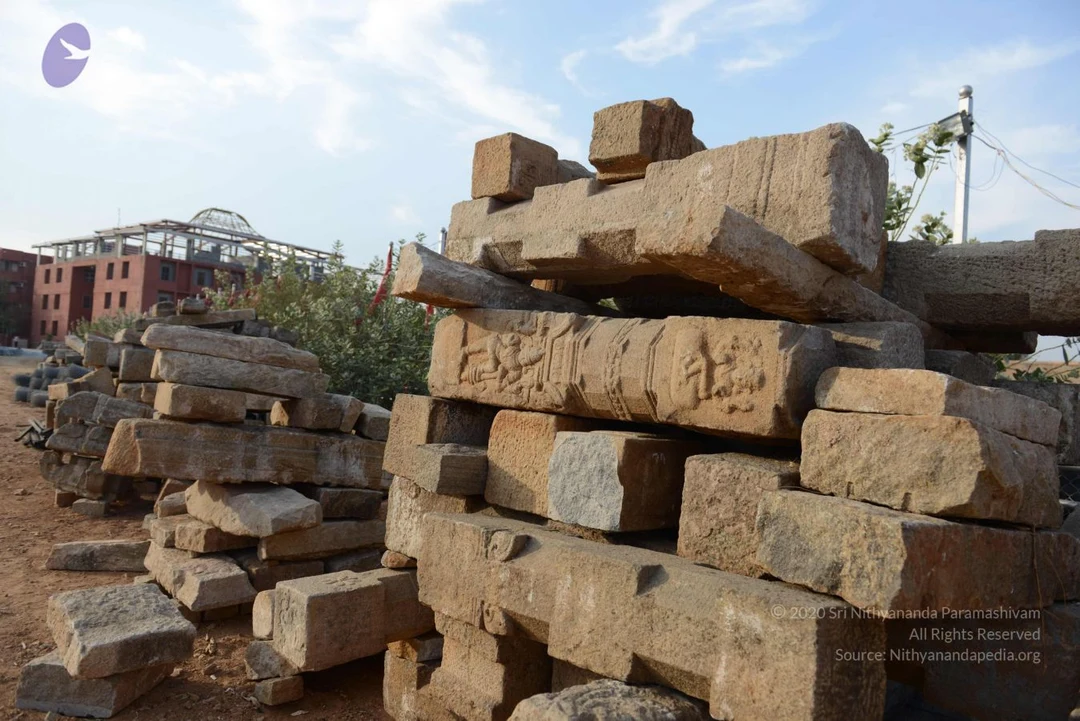
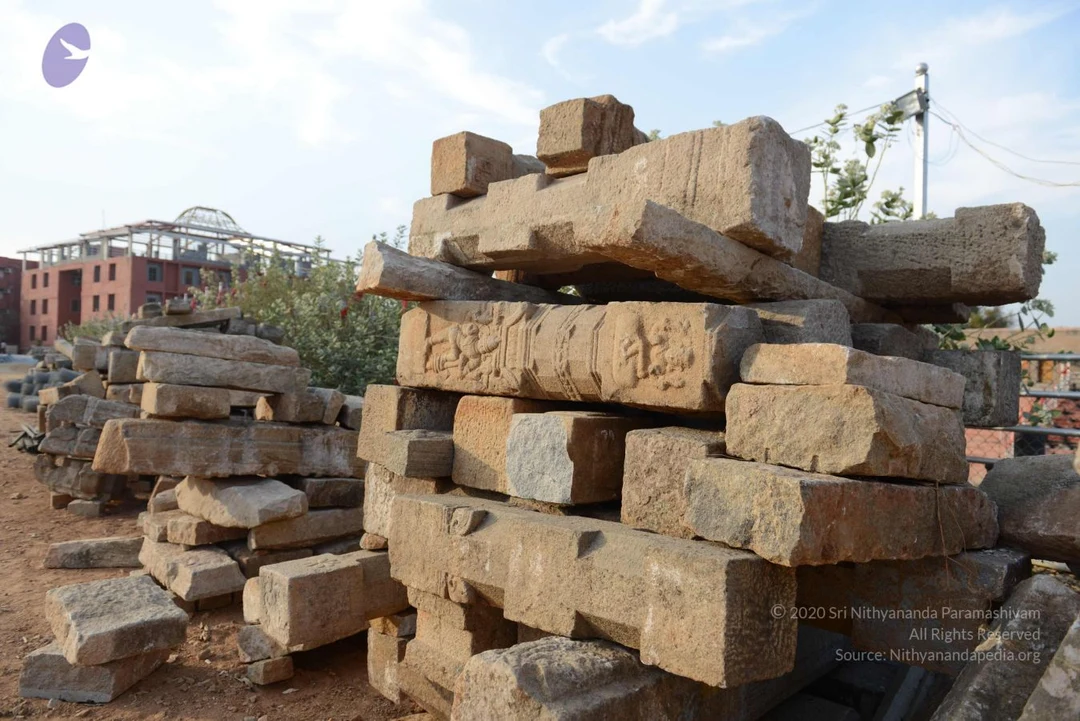
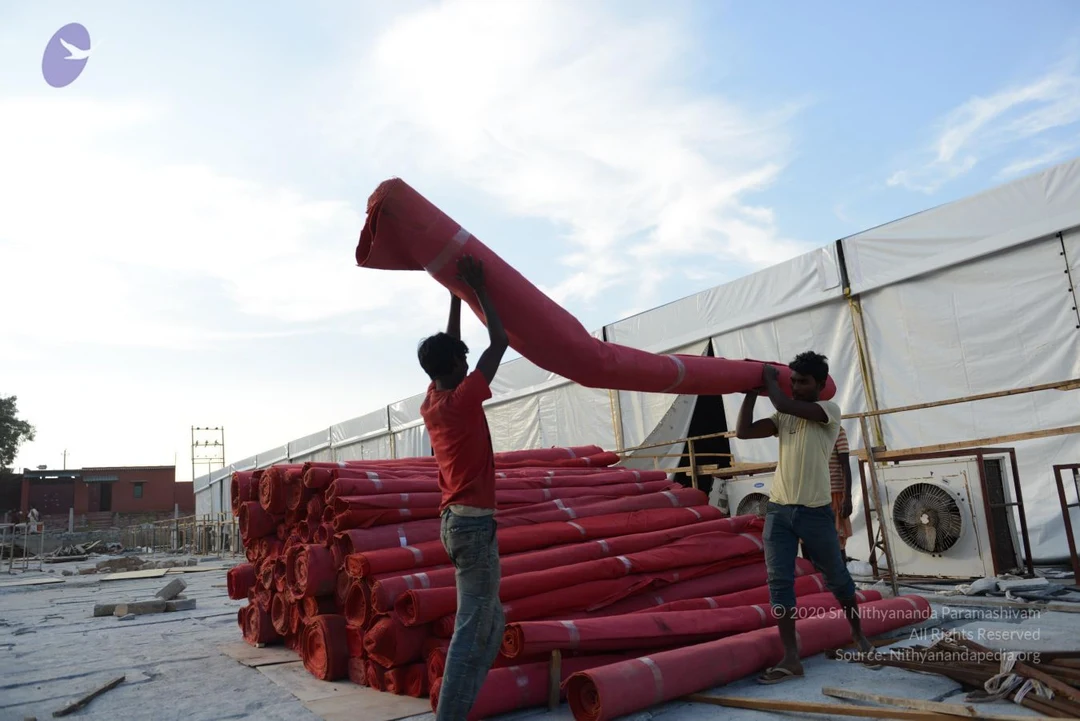
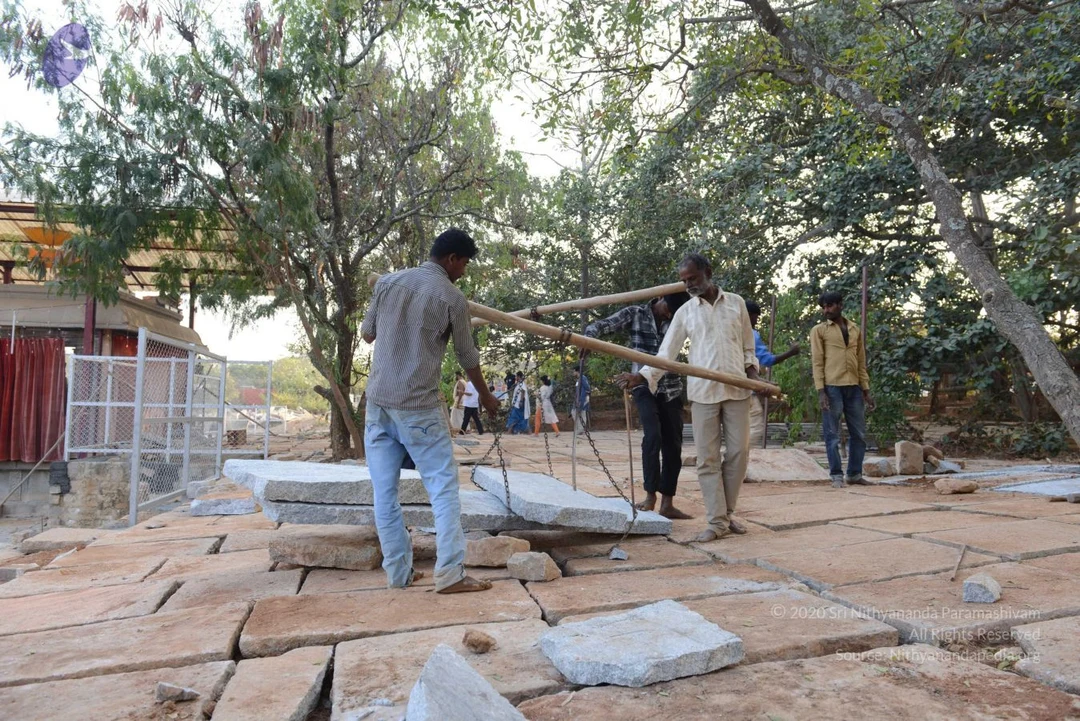
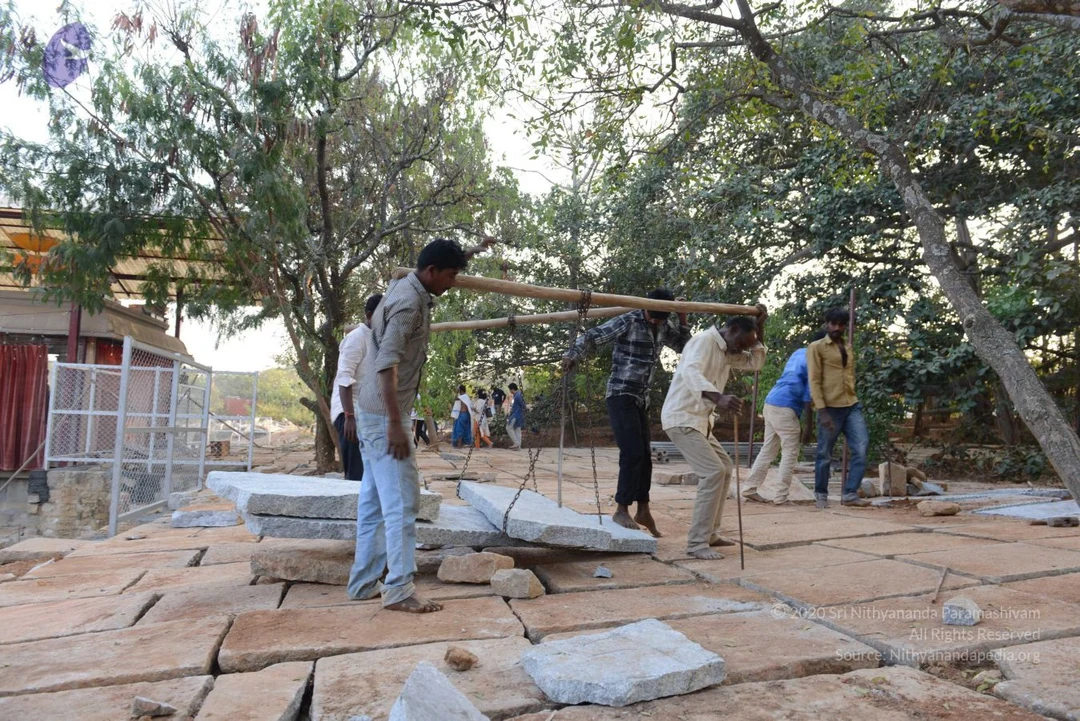
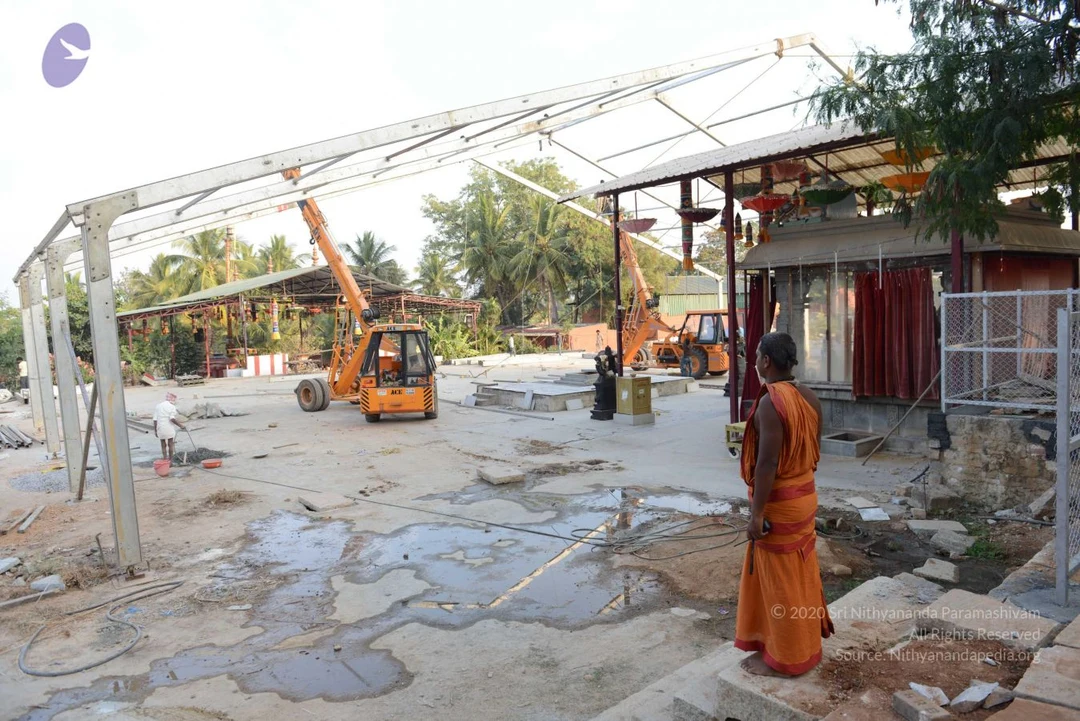
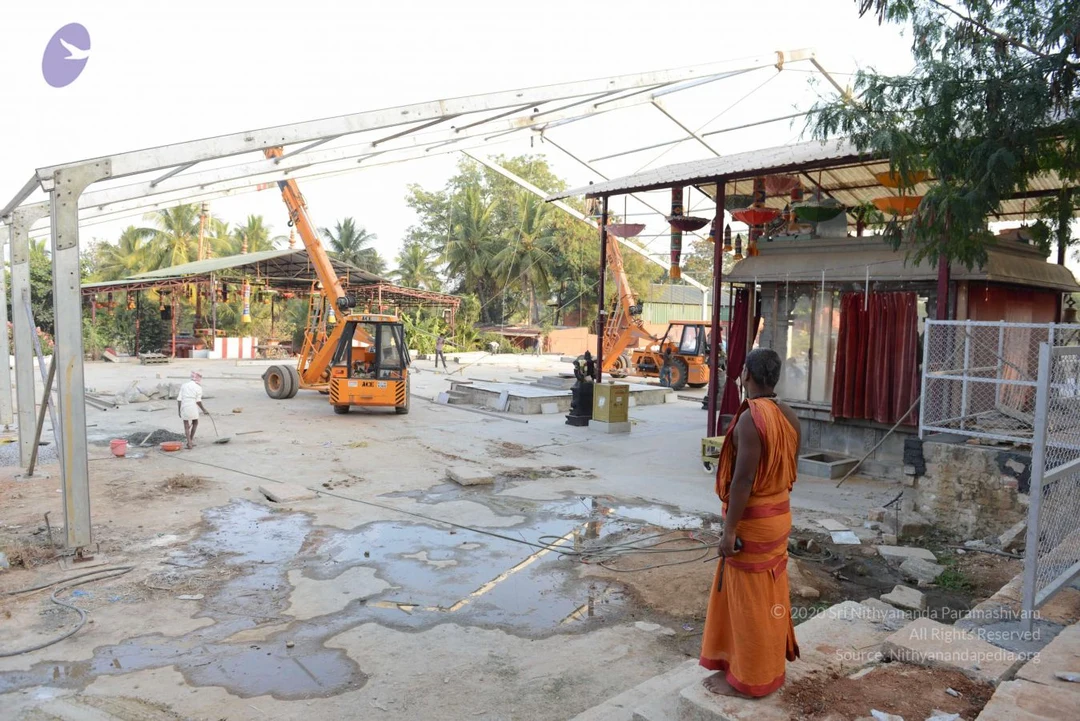
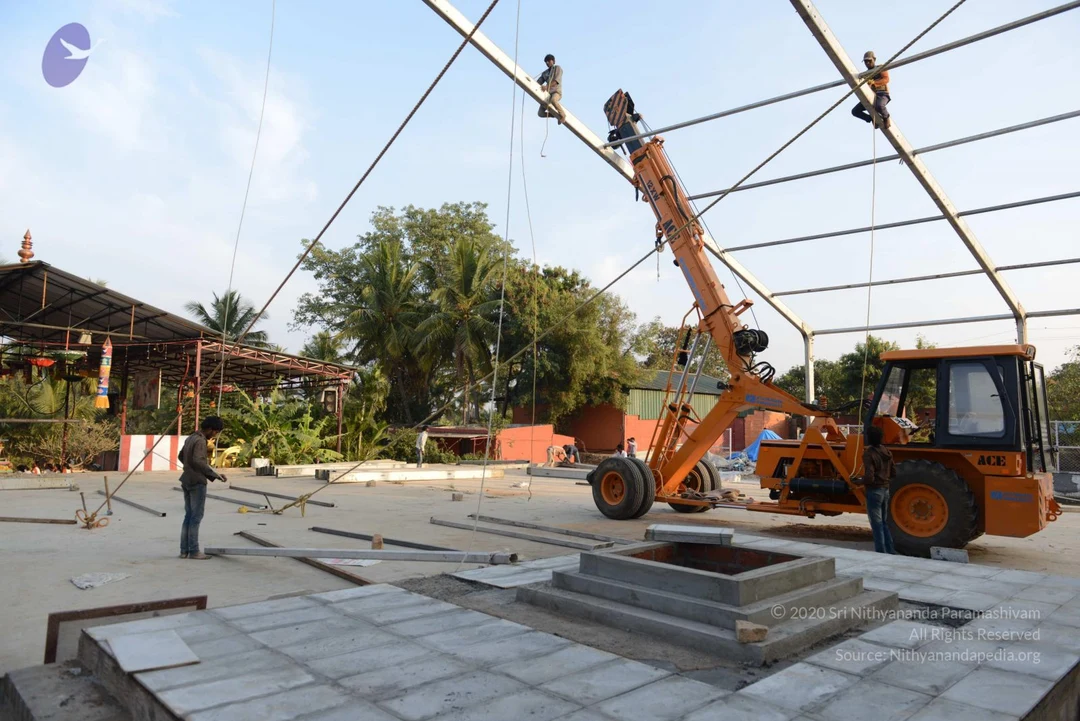
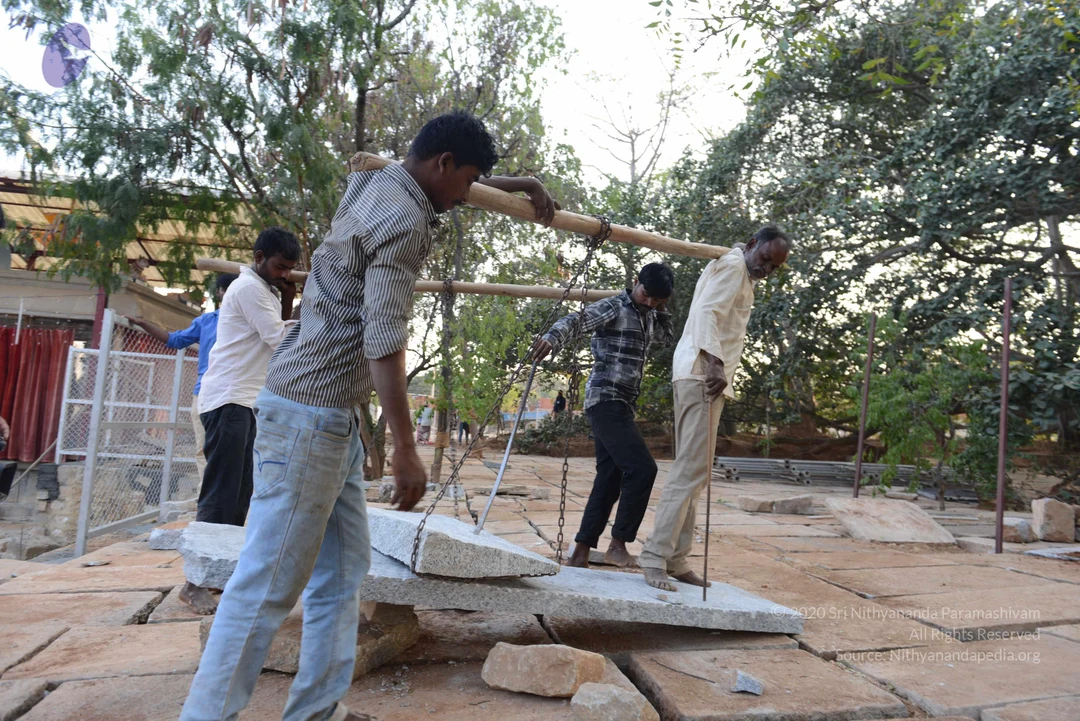
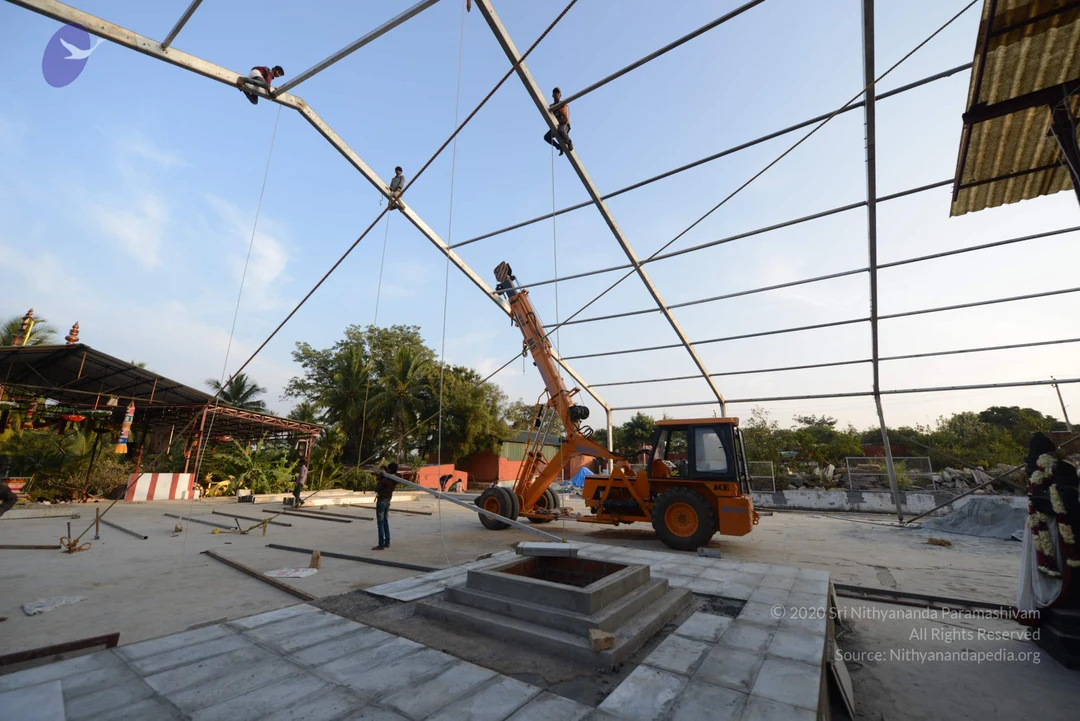
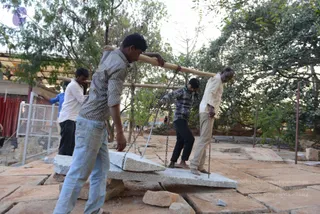
A photograph of a construction site with white tent structures under a pale blue sky. Two workers in grey trousers and white shirts bend over a large flat grey granite slab set in sand, one holding a long-handled tool and the other working at the stone's edge with a bar. Loose granite paving slabs are laid across the sand in the foreground, and a long wooden pole lies on the ground. Tents with white fabric roofs and metal frames stand behind them, with air-conditioning units along one tent wall.Two men work on top of a partially built wall of grey concrete blocks with mortar joints, set against trees and a pale sky. The man on the left wears a white long-sleeved shirt and grey work gloves and bends over the wall top. The man on the right wears a purple collared shirt and gloves and crouches on the wall. A metal pole stands upright on the left and a wooden stake rises on the right. The scene shows construction work in progress, with no ritual, discourse or person identifiable as a person.A photograph of stacks of cut sandstone blocks and carved architectural pieces piled on a dirt ground outdoors. The top block shows relief carving of figures and foliage, and other blocks have moulded edges. Behind them stands a multi-storey red-brick building under a sunny blue sky, with a partly framed structure and a dome-shaped frame visible. No people are visible in the scene.Outdoor photo of a construction site beside a long white tent structure. A tall stack of rolled red fabric or carpet sits on a stone-paved ground. Two young men work near the stack: one in a red t-shirt and jeans stands at the left, another in a striped shirt and a third in a yellow t-shirt and jeans stand beside the white air-conditioning units at right. Scattered wooden sticks and rubble lie on the paving, and a red brick building appears at the far left.Outdoor construction site on a flat granite-paved courtyard. A steel frame structure with pitched roof trusses is being erected, with yellow mobile cranes and a yellow backhoe loader with a bucket lifting materials. Workers in work clothes stand on the frame and near the machinery. Granite slabs and stone blocks are stacked along a red-and-white striped low wall at left. Mature trees and a partly built shelter with a tin roof stand in the background under a pale sky.Outdoor construction scene in a leafy compound: four workers carry a large flat granite slab suspended from a wooden pole with chains, walking over a paved stone floor. The man in front wears a striped button shirt and jeans; behind him a man in a checked shirt and black trousers, a man in a white shirt and dark trousers, and an older man in a cream shirt and khaki trousers are visible. Loose stone slabs lie on the pavement, with a chain-link fence, metal rods and green trees behind.
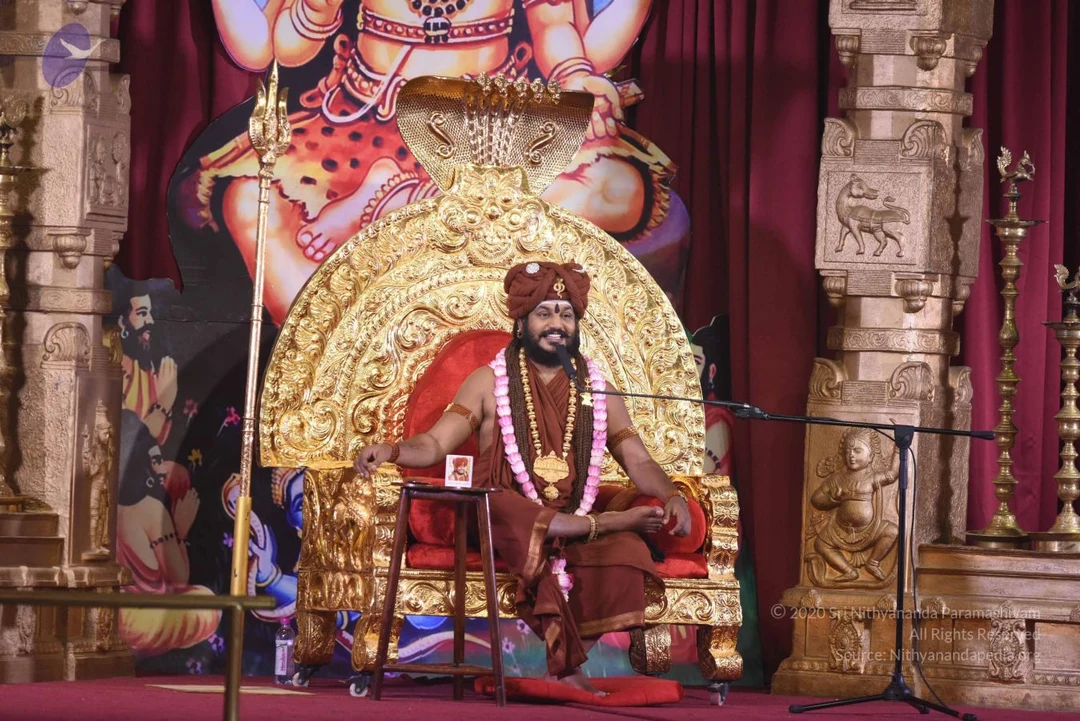
01-Intro-to-Sadashivoham-Session

20 photosSource gallery
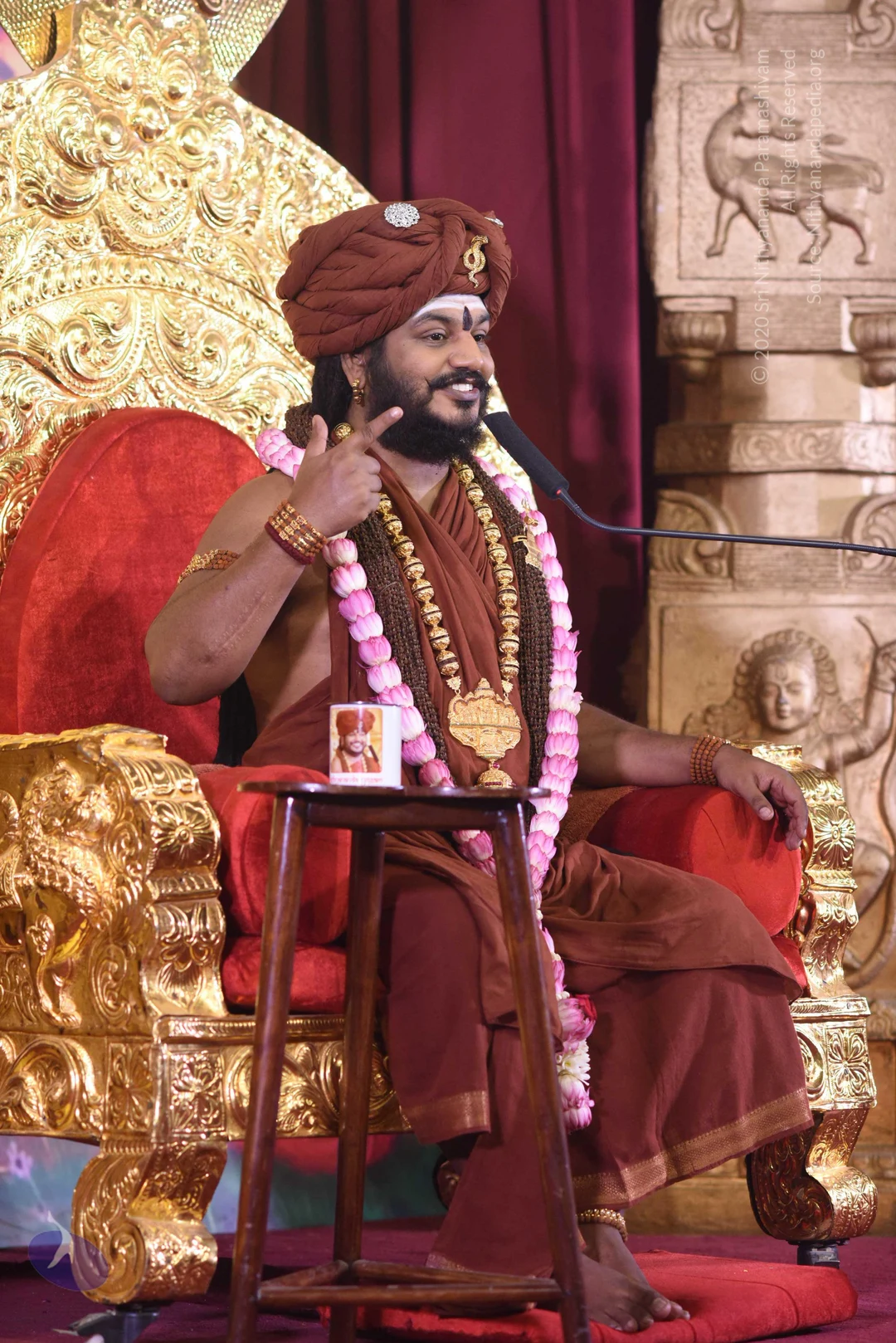
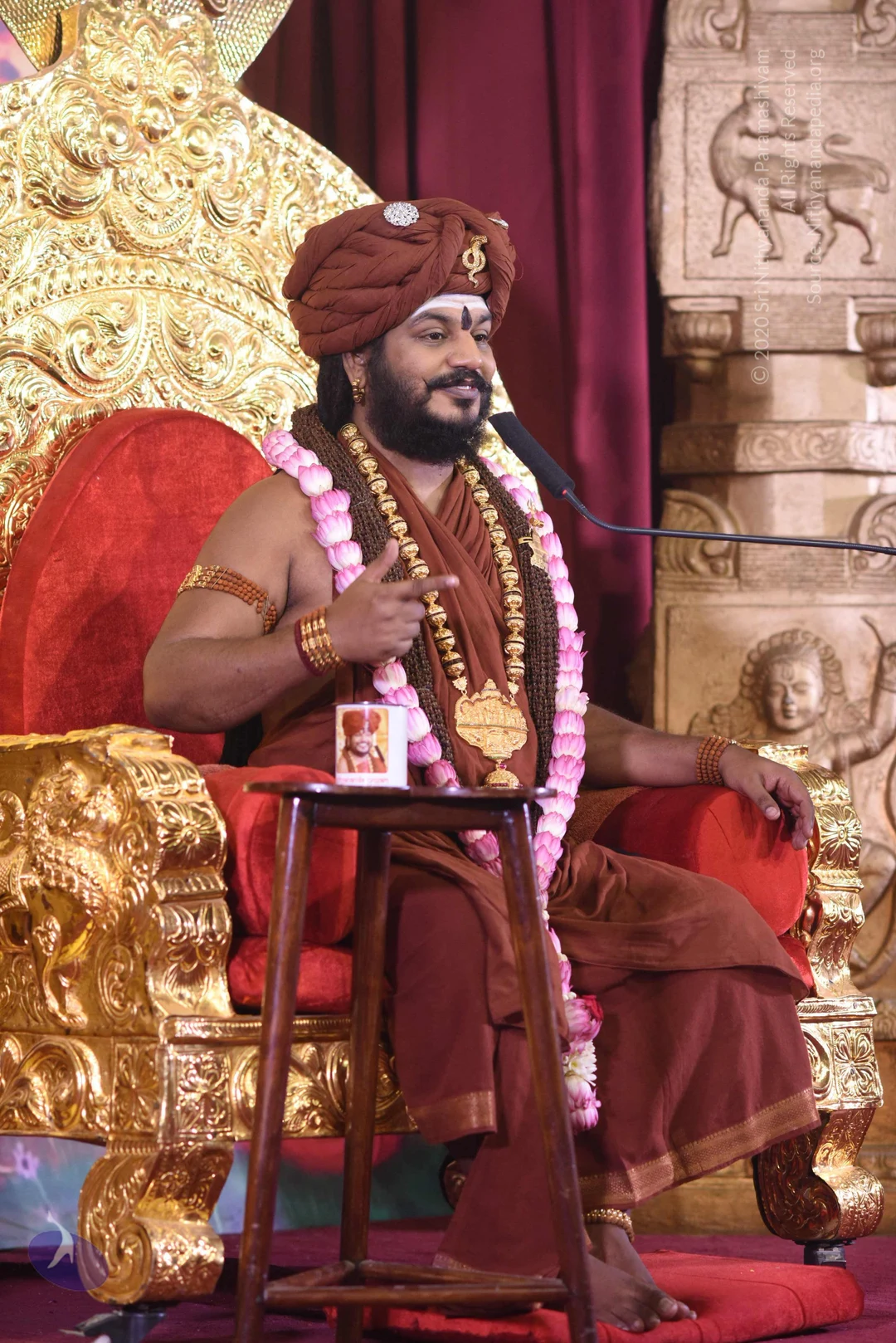
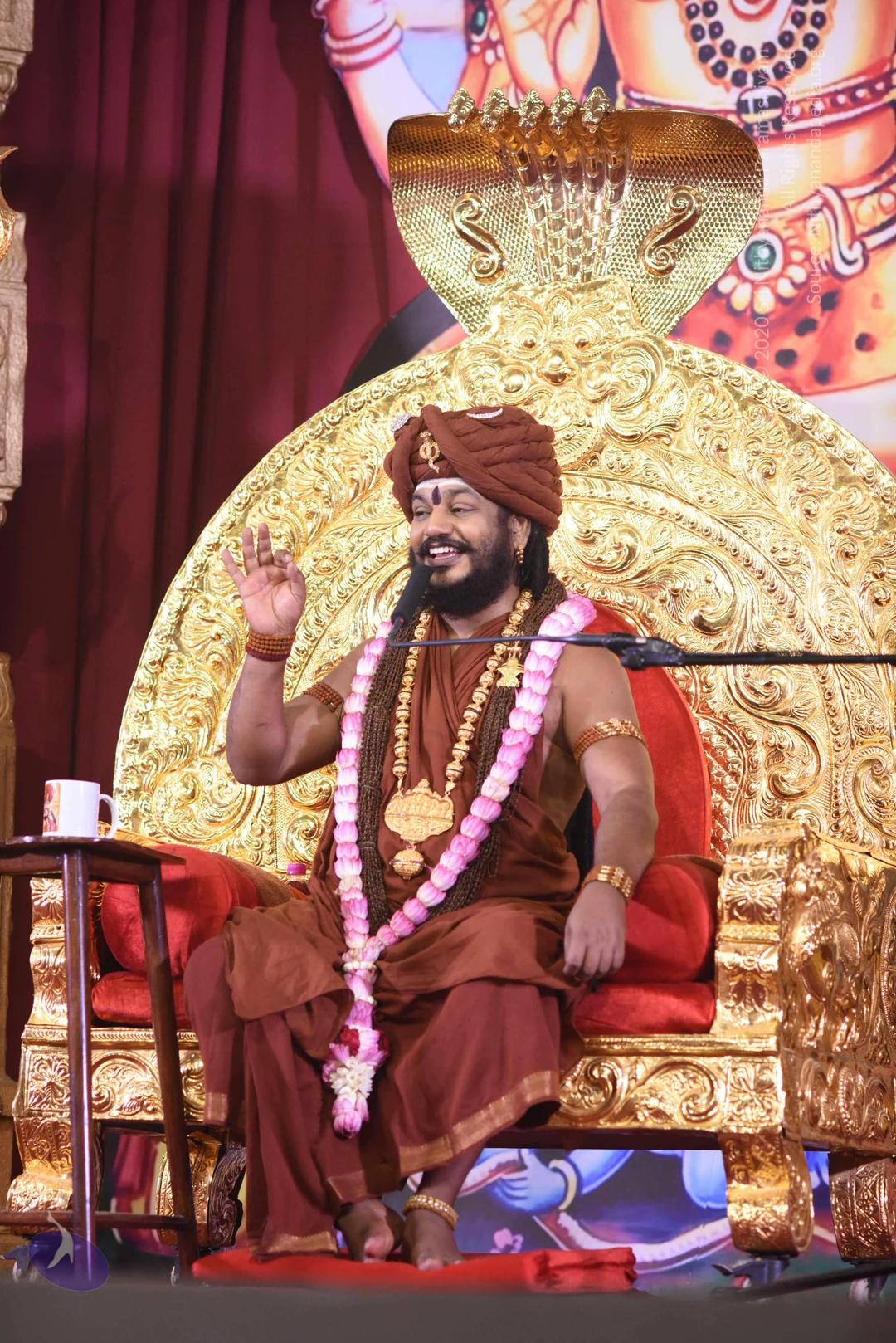
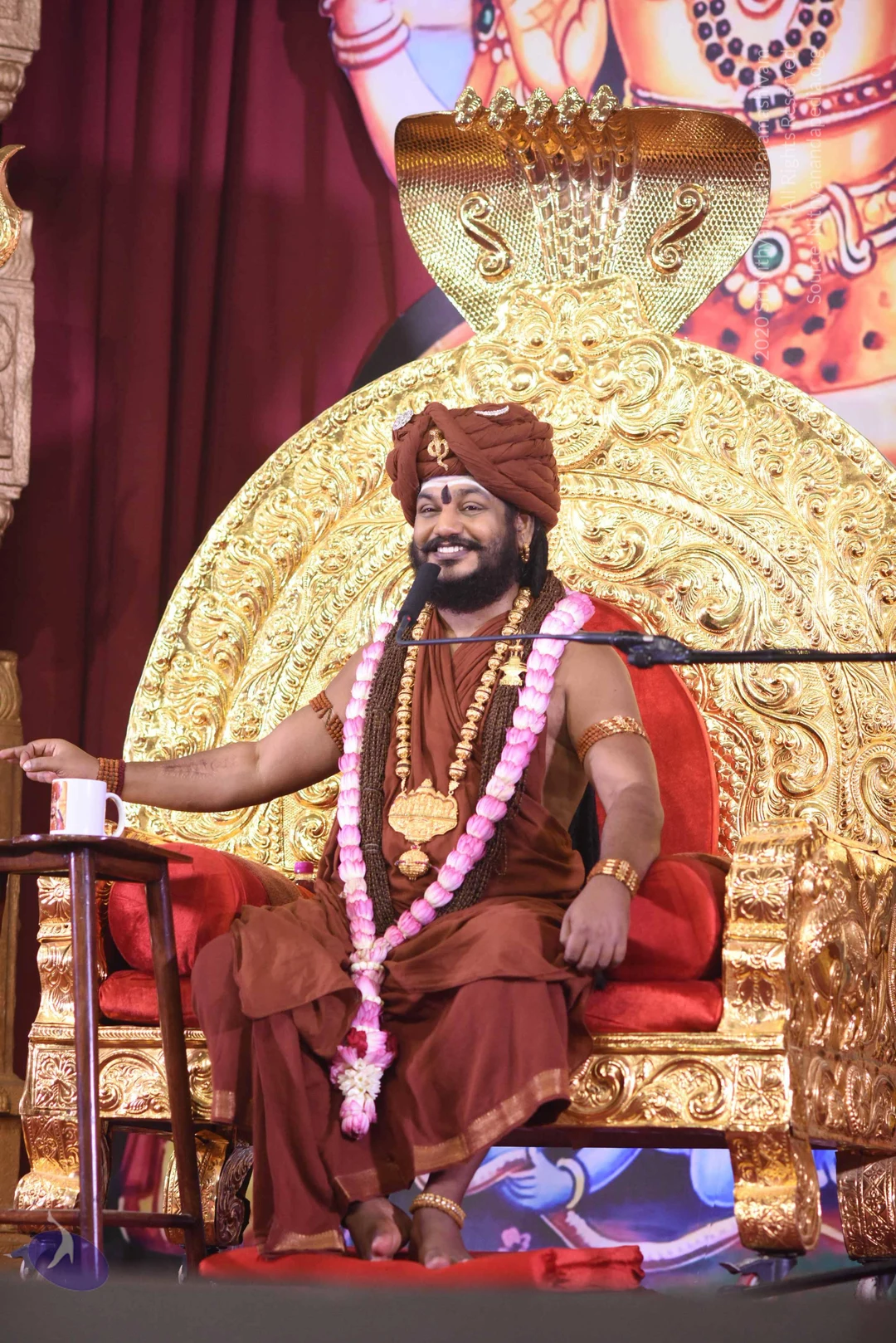
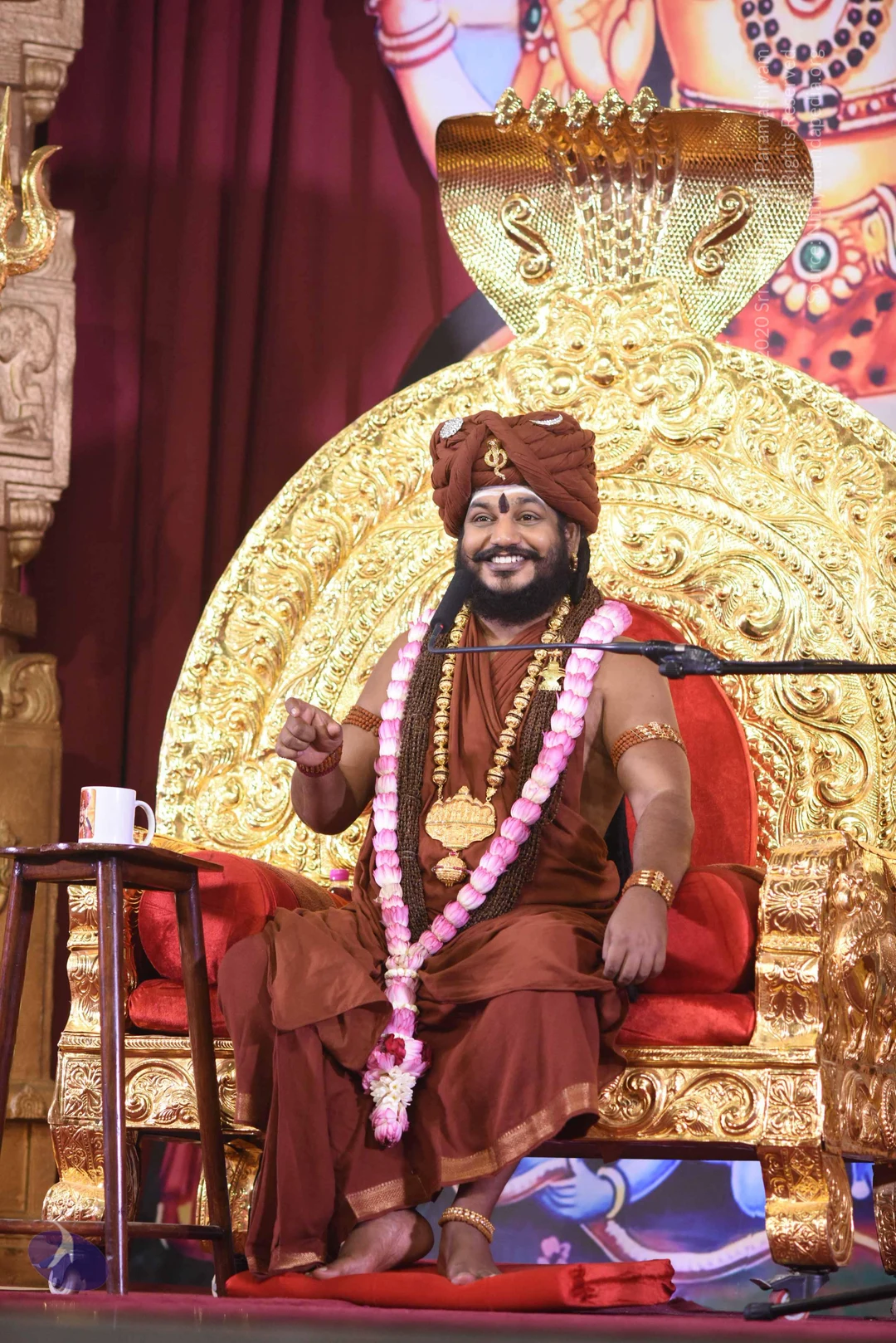
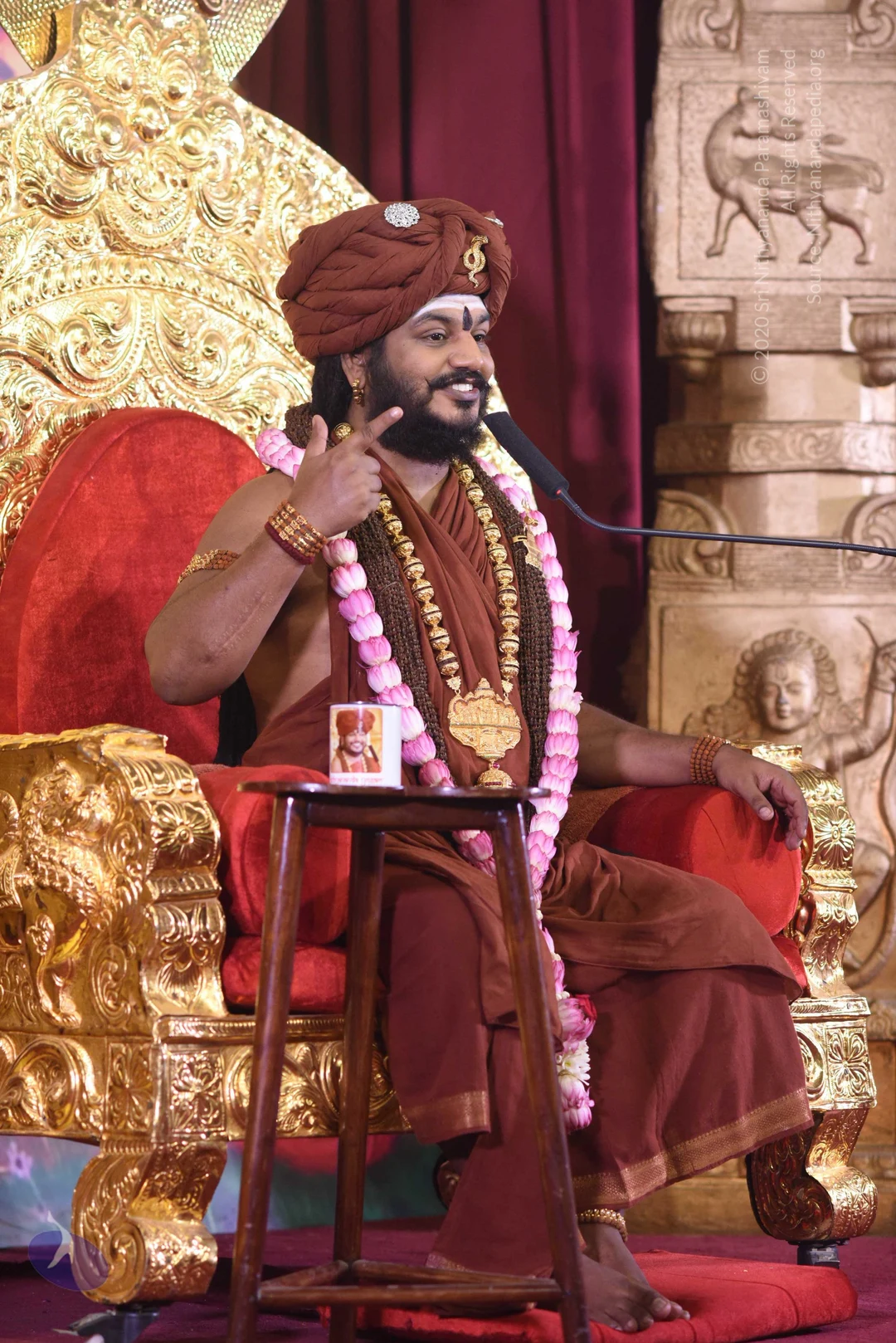
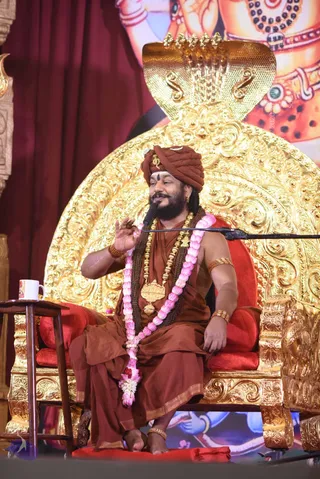
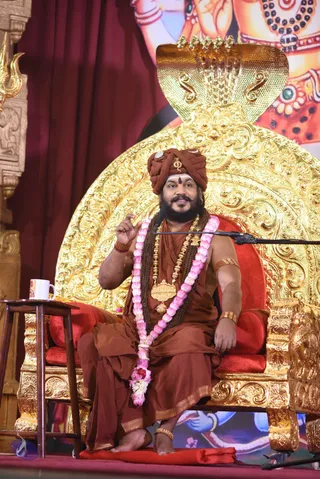
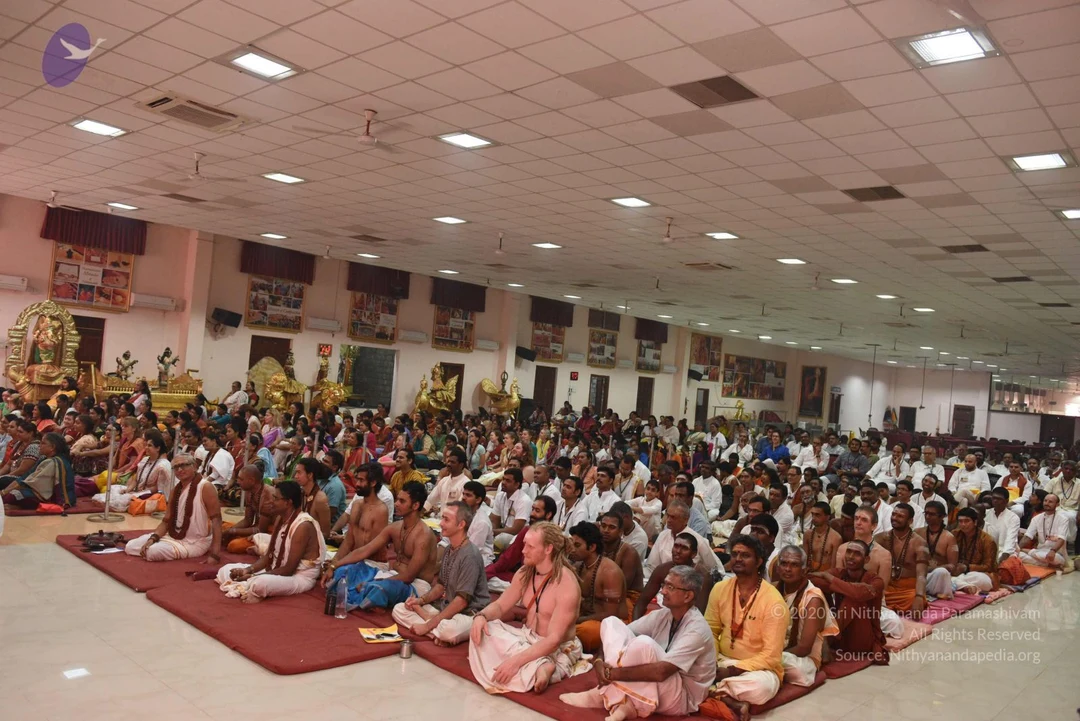
A photograph of a man seated on an ornate gold-and-red throne on a stage, speaking into a microphone. He wears a rust-brown turban with a silver brooch, a rust-brown robe over bare shoulders, and long pink and white flower garlands with gold beaded necklaces and a gold pendant. A small wooden stool beside the throne holds a white mug printed with a portrait. Carved stone pillars with figures stand in the background, along with a deep red curtain. The man appears to be Swamiji (probable), given the turban, long dark hair, rudraksha-style beads, gold ceremonial necklaces and throne setting, and is shown in the role of speaker giving a discourse.A bearded man in a rust-brown turban with a silver ornament and vertical tilak, wearing rust-brown robes, a pink and white flower garland, gold beaded necklaces and a rudraksha mala, seated on an ornate gold throne with red cushions and a golden cobra-hood canopy behind him. He gestures with both hands while speaking into a microphone. A small wooden stool beside him holds a framed photo of a turbaned man. A red curtain hangs at the back.A man with a rust-red turban decorated with a silver brooch and a gold emblem sits on an ornate gold throne with red cushions, eyes closed and smiling. He wears a rust-red robe, a pink and white flower garland, a heavy gold necklace with a pendant, rudraksha bracelets and a rudraksha mala. A microphone stand is at his side and a small wooden stool holds a white cup with a printed portrait. Swamiji (probable): the rust-red turban, rudraksha malas, ceremonial gold necklace and ornate throne are the qualifying cues for the discourse speaker. Red and gold drapery fills the background.A seated man on an ornate gold throne with red velvet cushions and a cobra-hood canopy speaks into a microphone during a discourse. He wears a rust-brown turban with a small gold snake ornament, a rust-brown robe, a long pink and white flower garland, a heavy gold necklace with a pendant, rudraksha bracelets, and a white and red forehead mark. Eyes closed, he smiles as if mid-teaching. A small wooden side table beside him holds a cup printed with a portrait. Swamiji (probable): the appearance cues of a long beard, turban, ornate gold ceremonial jewellery and rudraksha adornment are present, and he occupies the throne in an in-person satsang setting. A red and gold backdrop is behind him.A photograph of a bearded man in a rust-brown turban and matching rust-brown robe seated on an ornate golden throne with a carved cobra hood and red cushions. He wears a long pink-and-white flower garland, a gold pendant necklace, gold armbands and a red-thread wrist band, and gestures with one raised hand while speaking into a microphone. A white mug sits on a small wooden side table to his left. Behind him a large painted deity figure adorned with jewelry fills the backdrop beside a deep red curtain.A man in a rust-brown turban and rust-brown robes sits on an ornate gold throne with a red cushioned seat and a gold cobra-hood backrest. He wears a pink and white flower garland, layered rudraksha and gold bead necklaces, gold armlets and bangles, and a gold pendant. He raises one index finger while speaking into a microphone on a stand. Beside him is a small wooden side table with a white mug. Behind the throne hangs a painted deity backdrop with a gold trident at the left edge and a red curtain. Probable Swamiji: the turban, rudraksha malas and ceremonial gold necklaces match the presentation cues, and he is seated mid-discourse on the stage. One physical person is visible.