Skip to content
Tuesday

23 August 2016

Best Spiritual Daily Routine to Achieve Bhava Samadhi

Dated photos
148
Source pages
1
Media
3
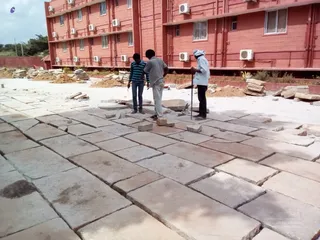
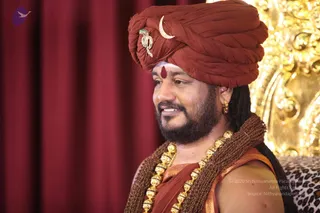
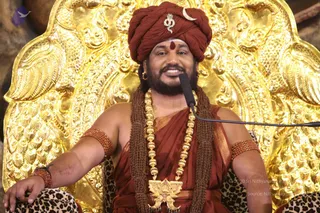
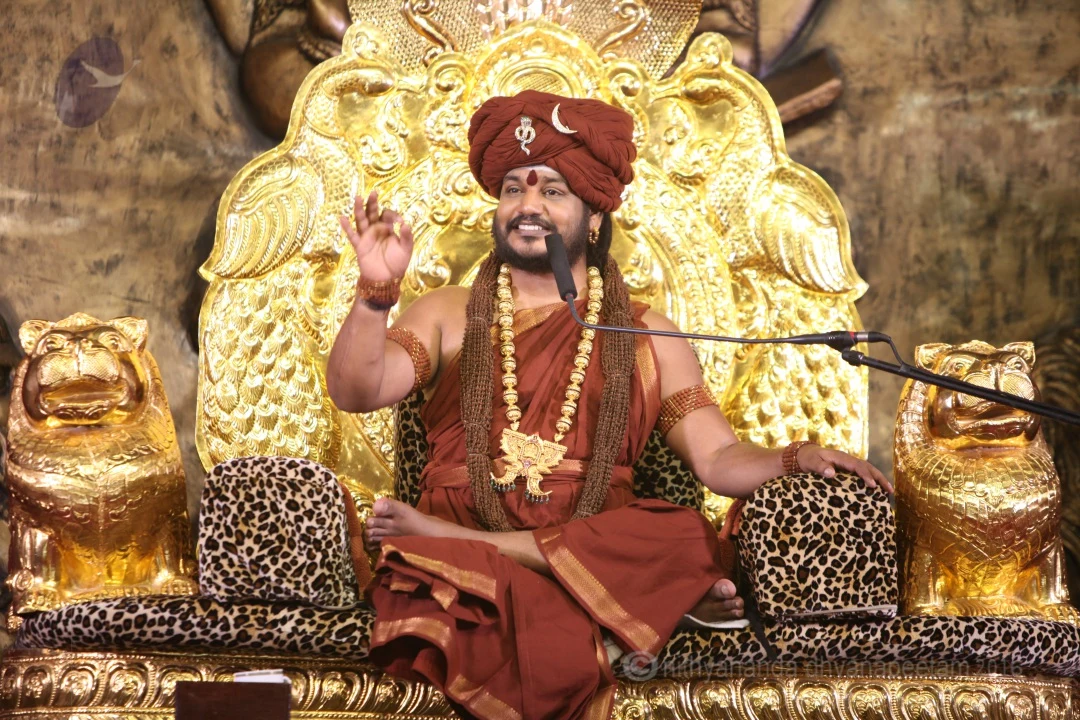
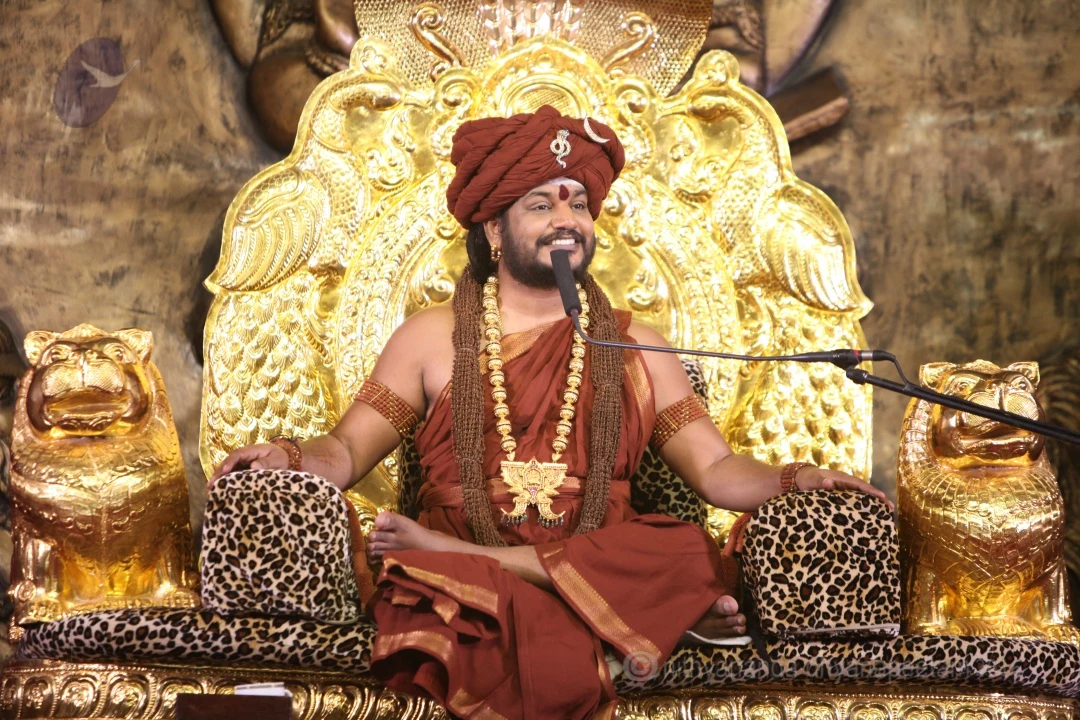
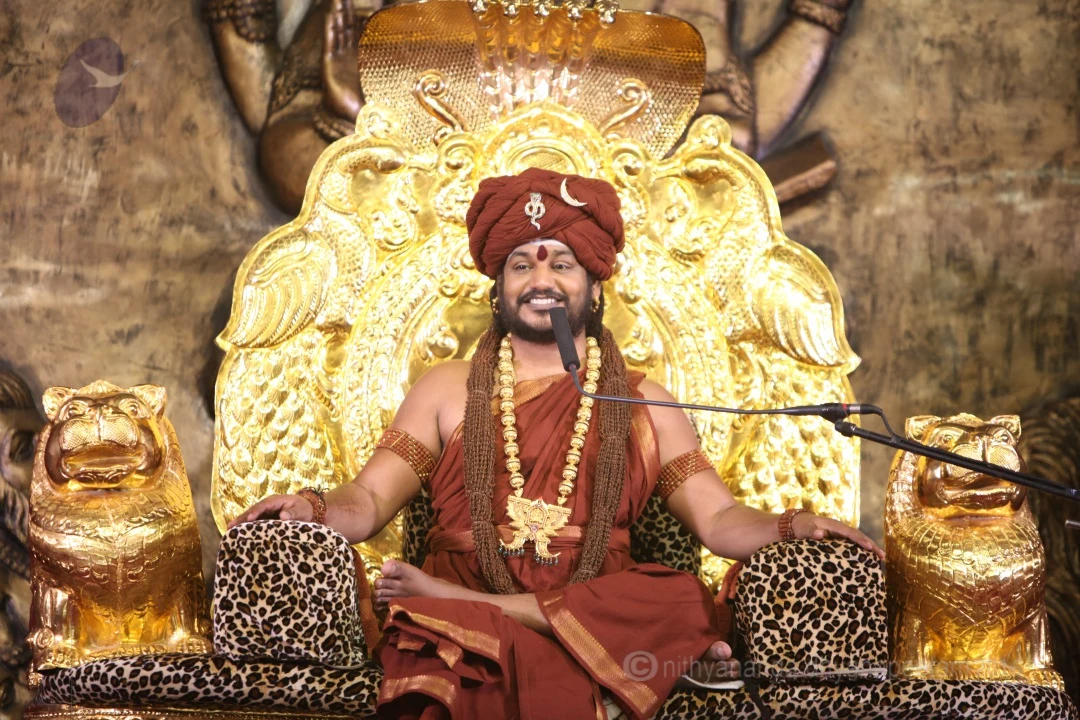
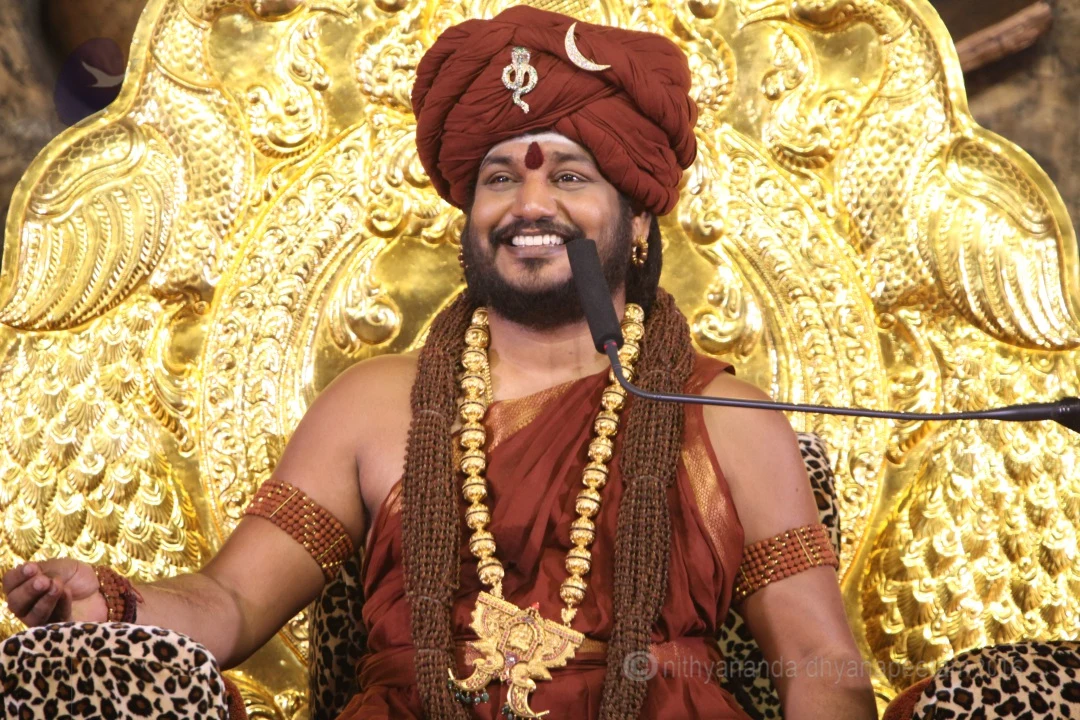
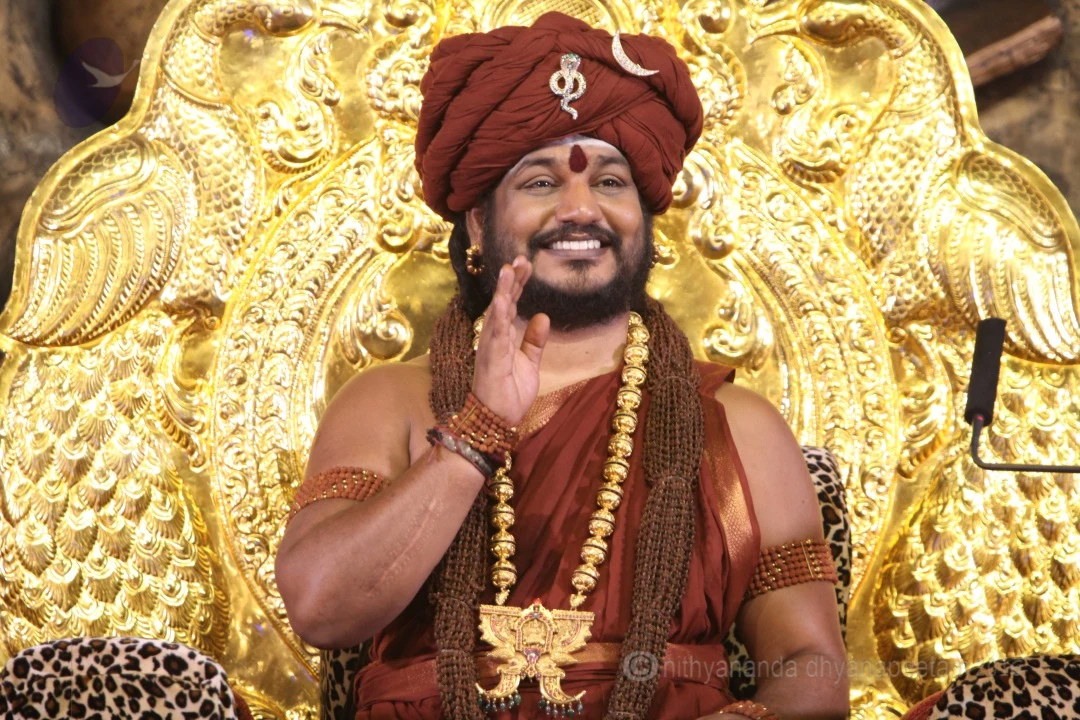
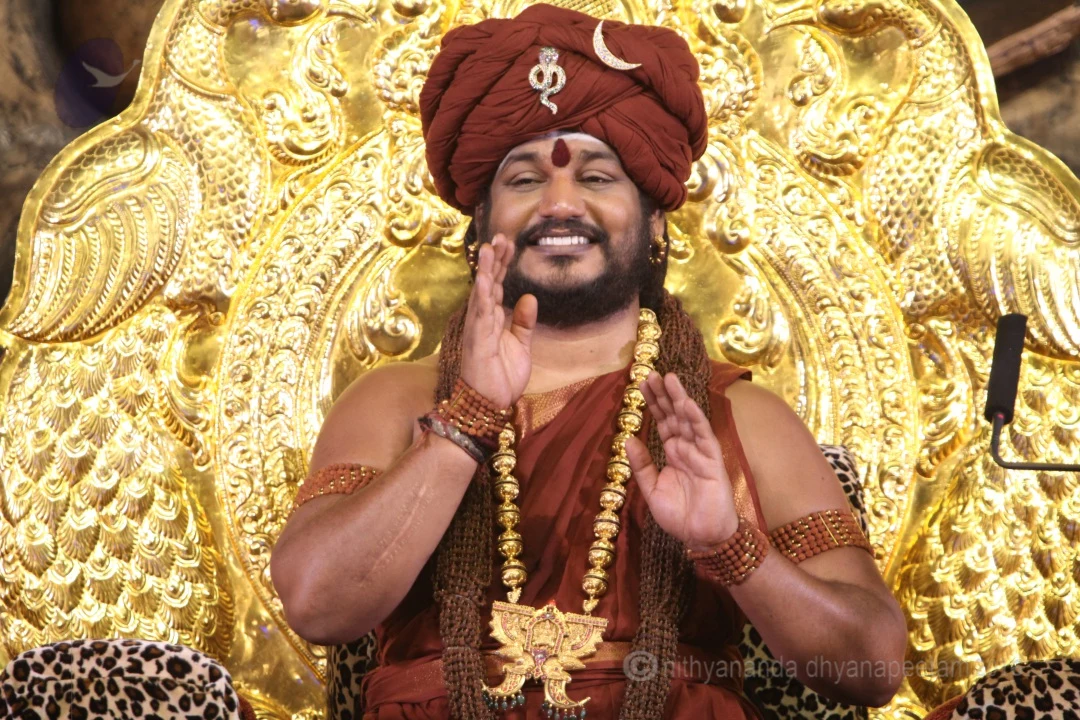
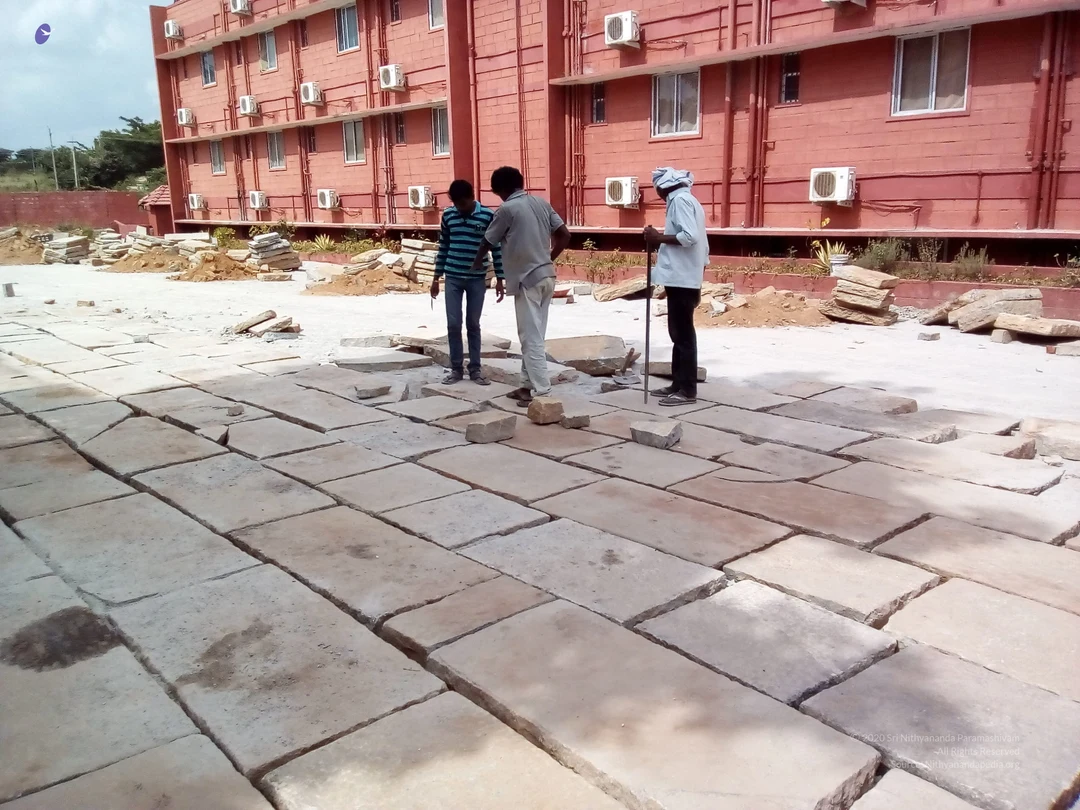
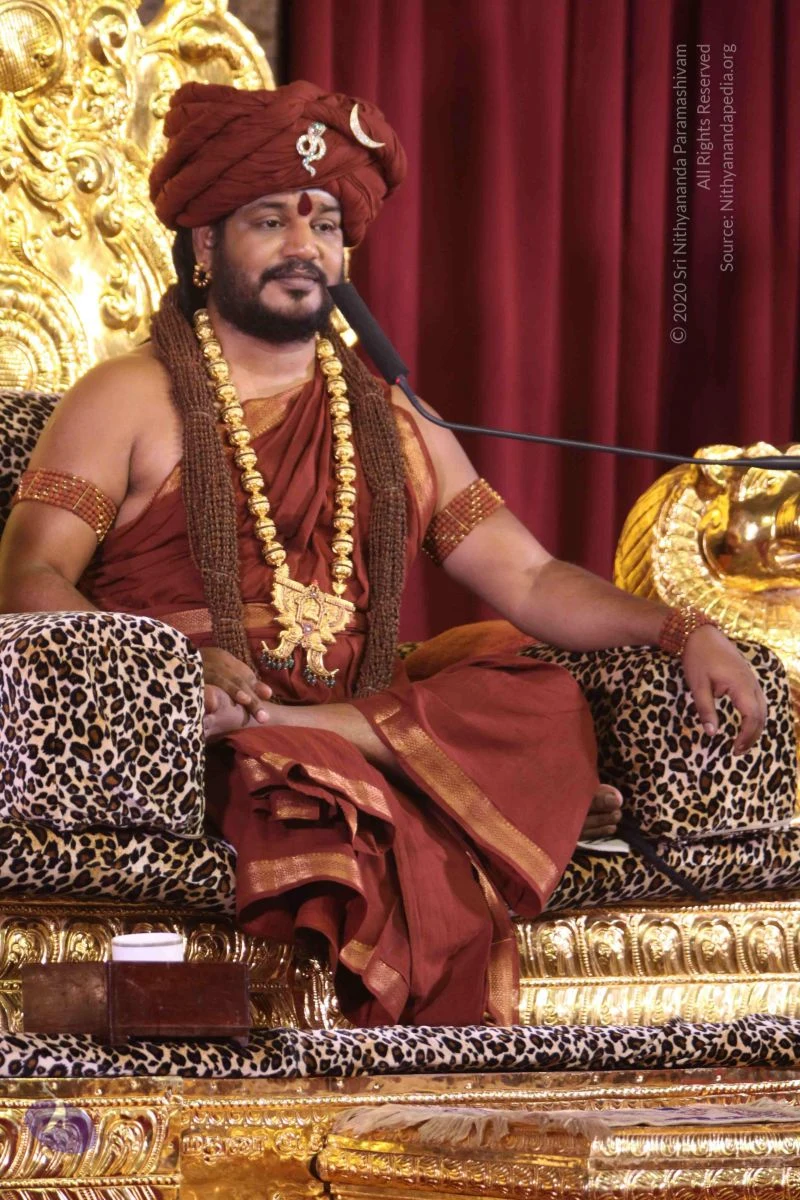
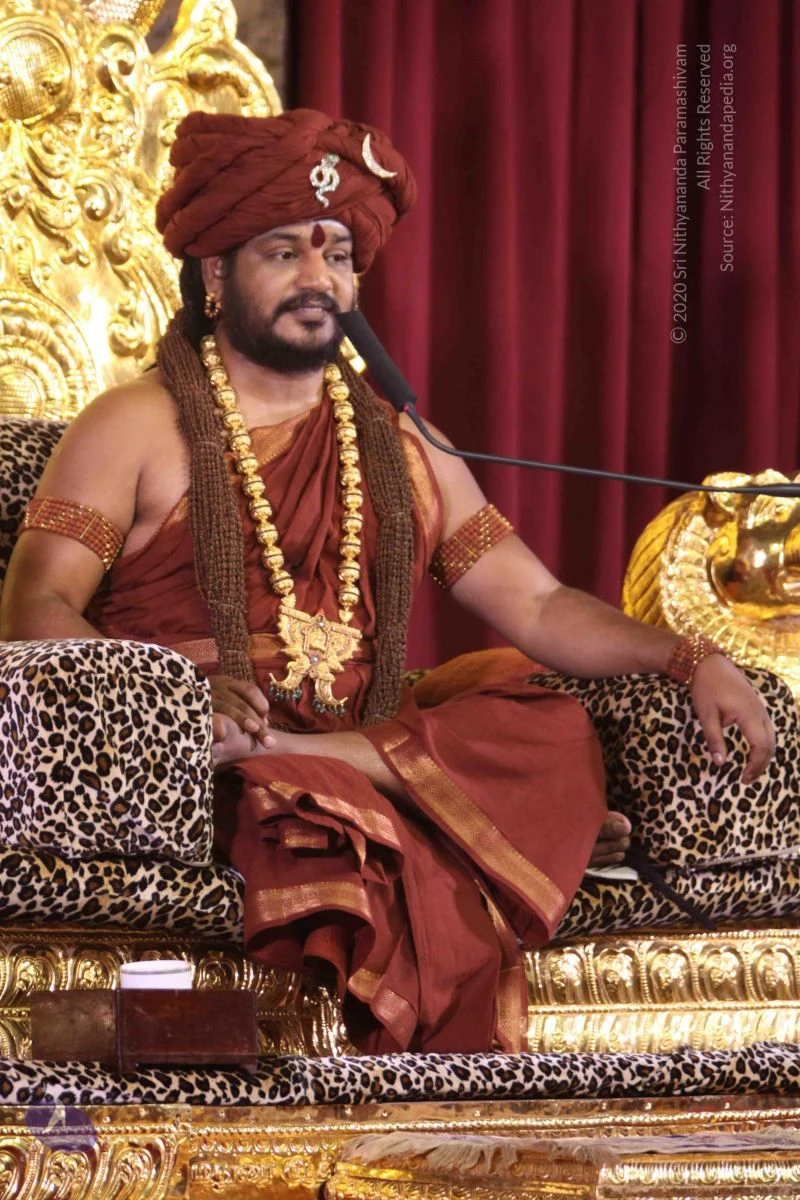
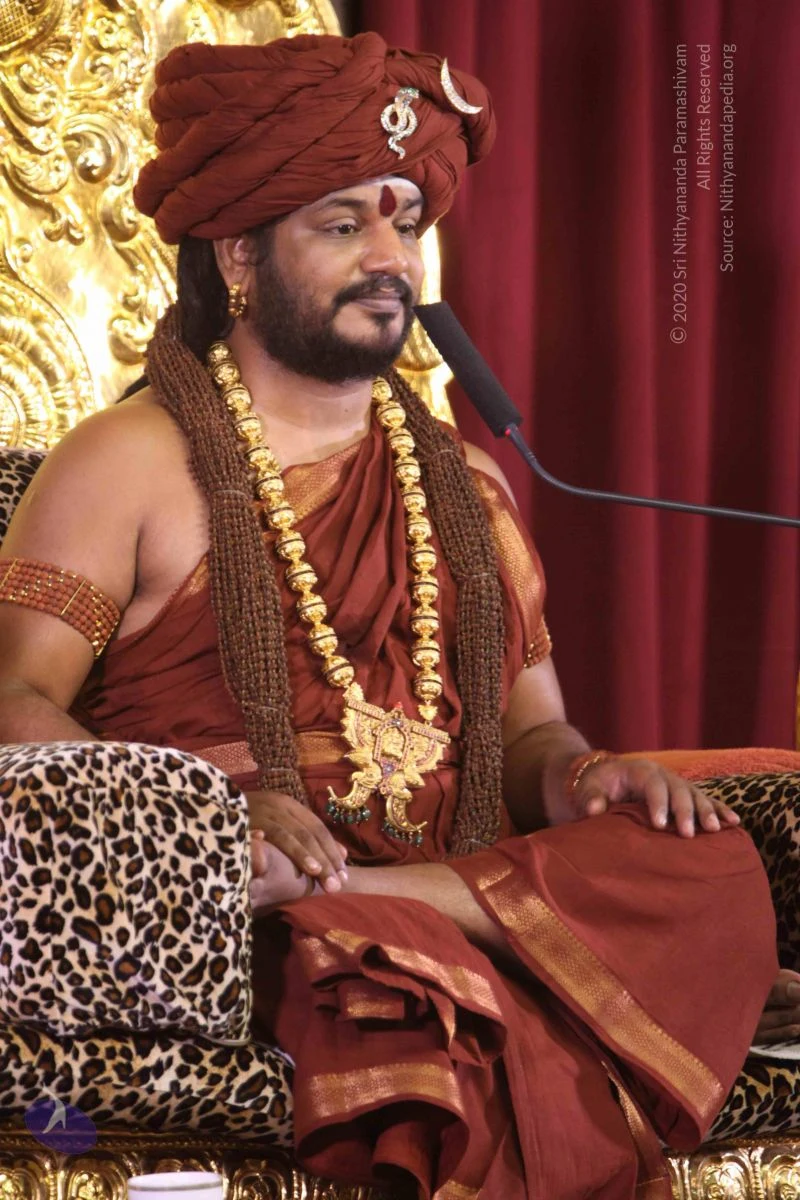
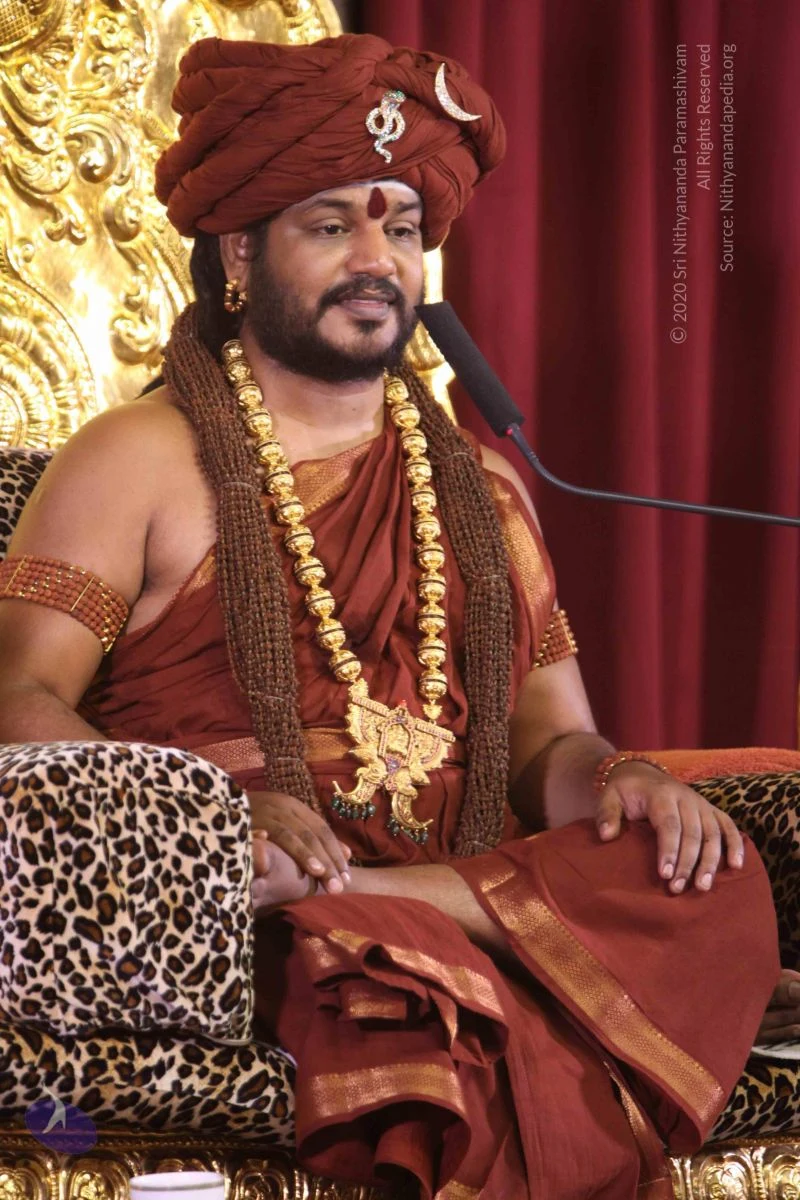
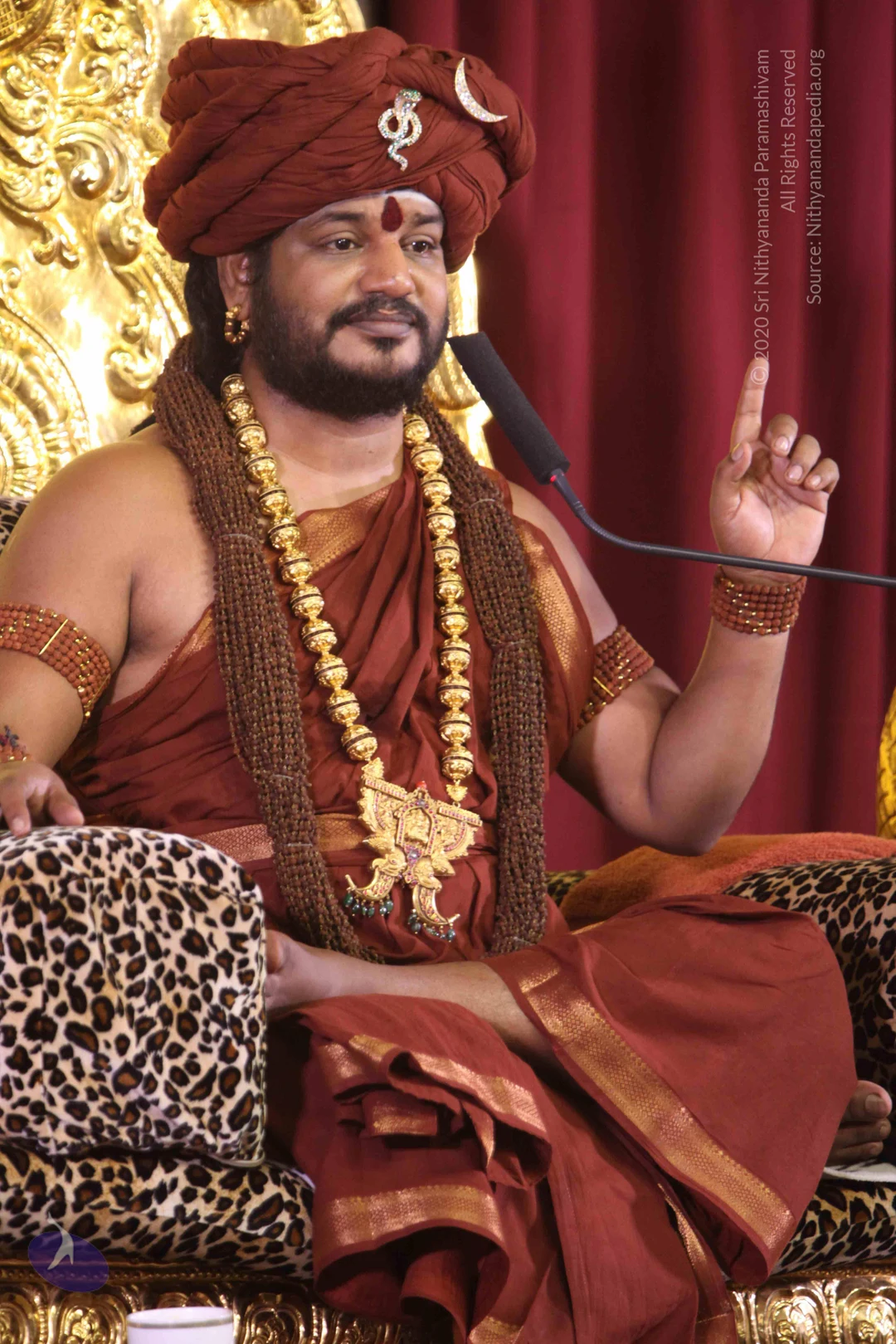
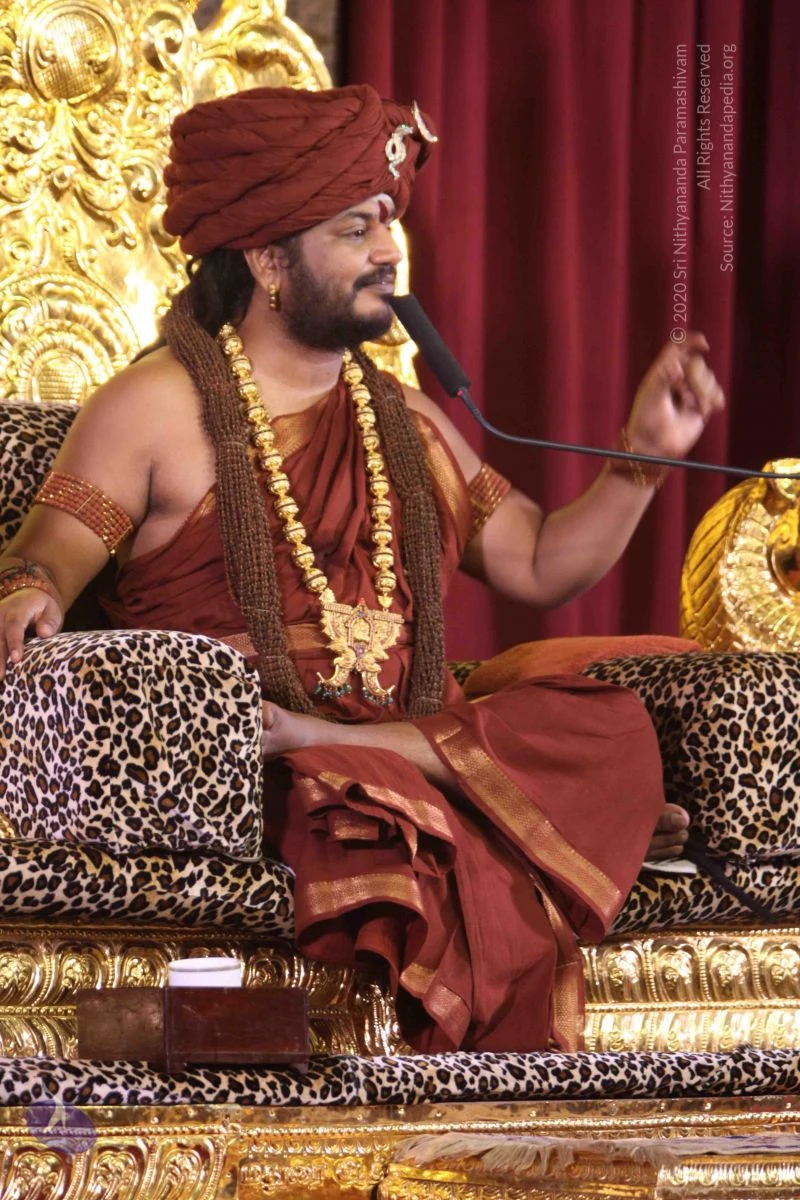
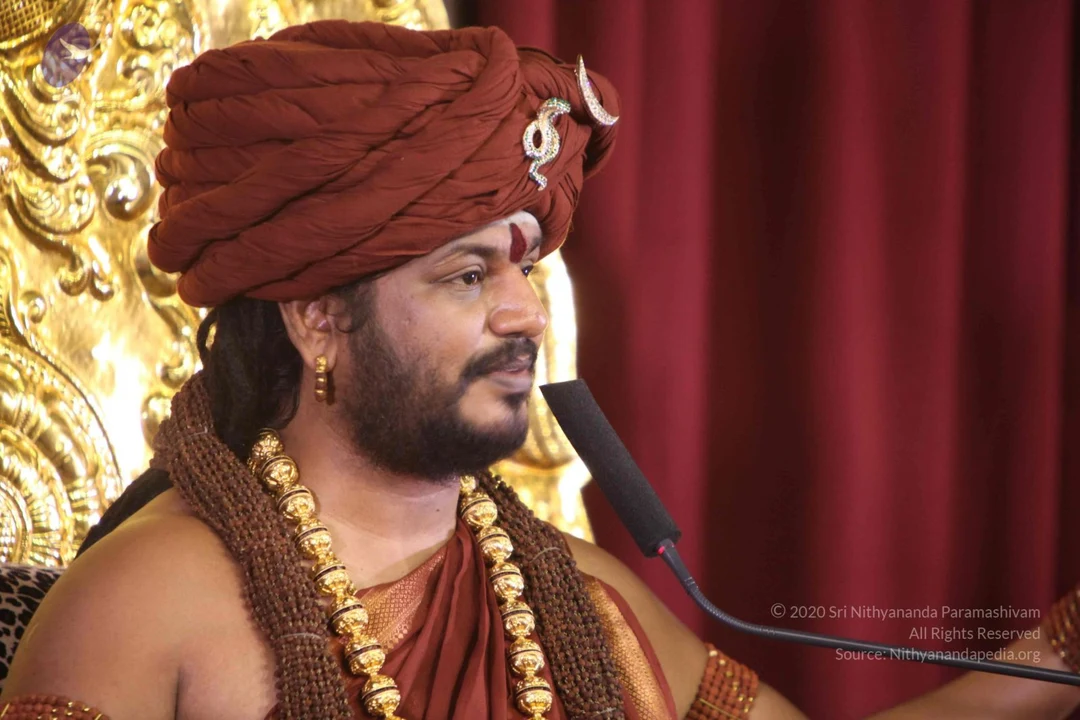
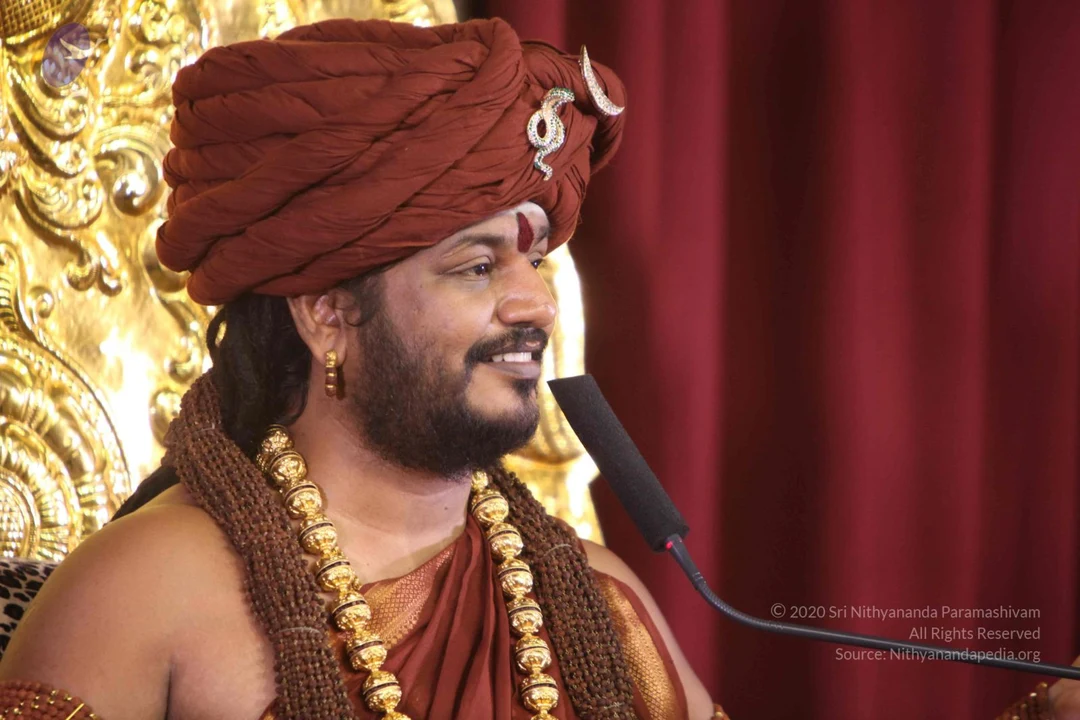
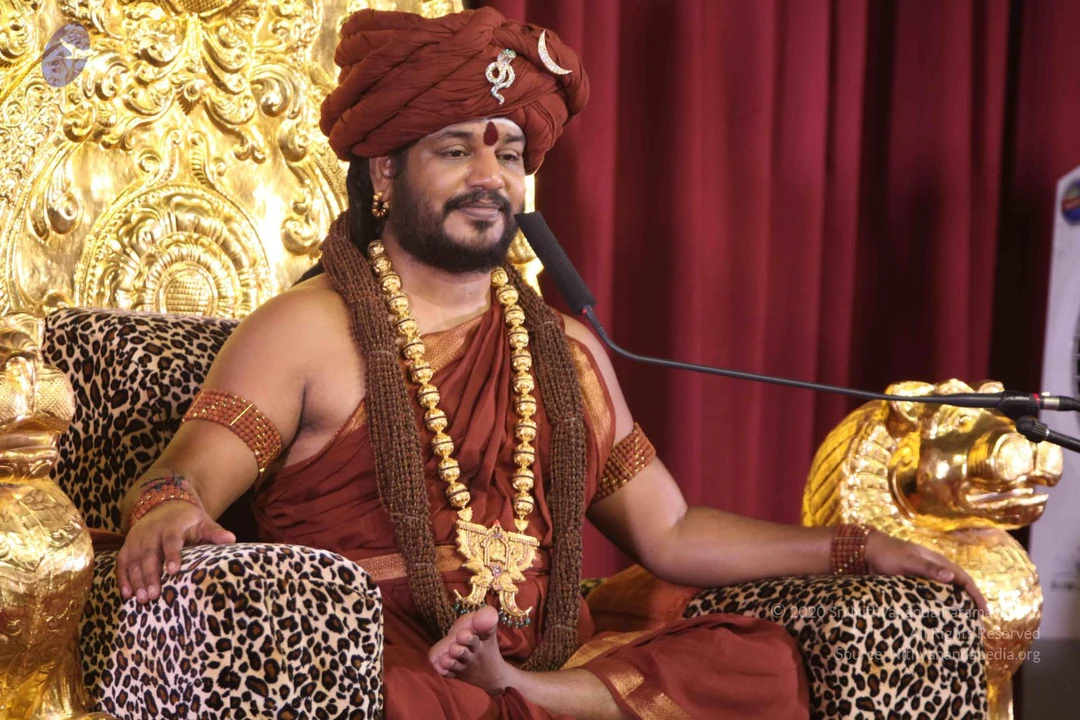
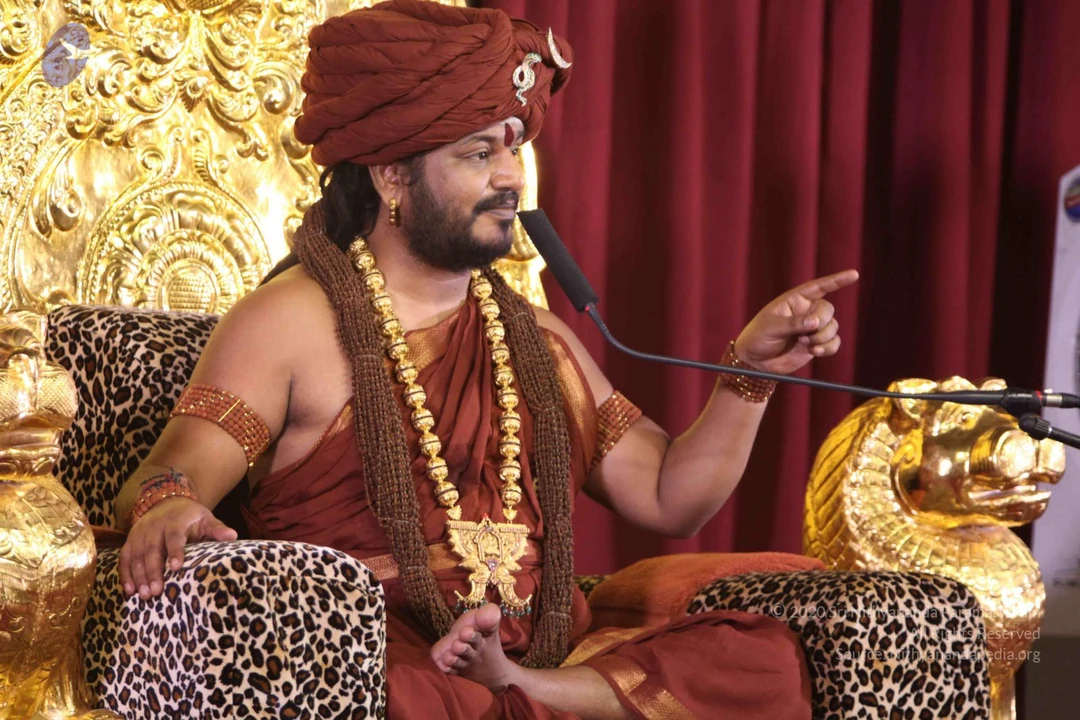
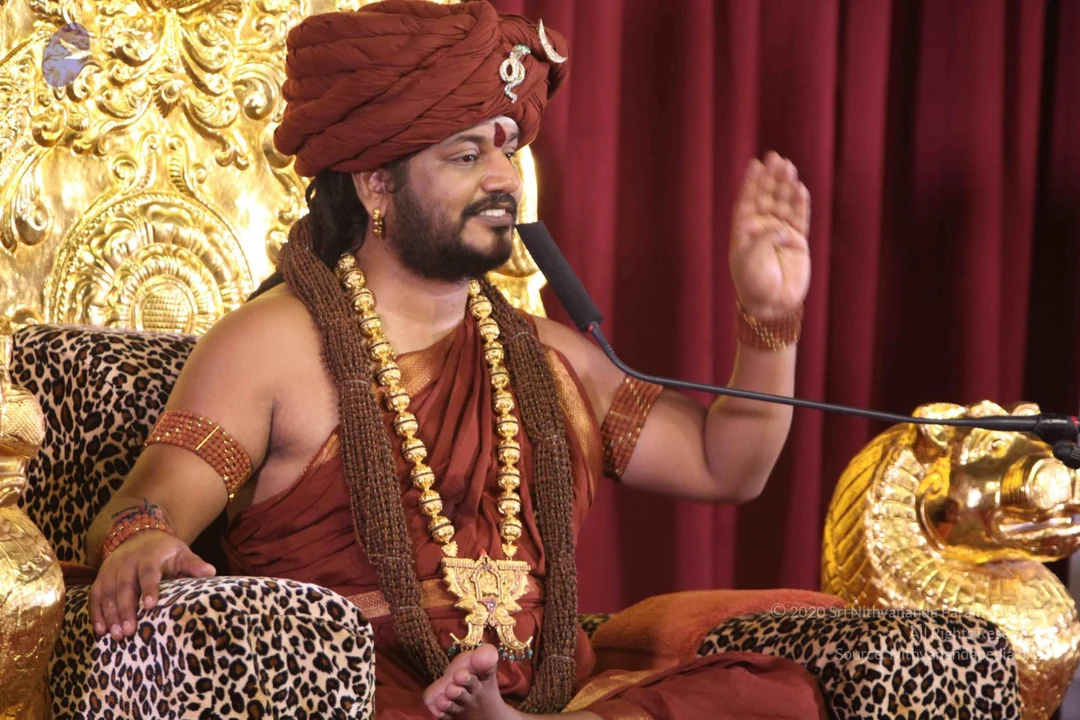
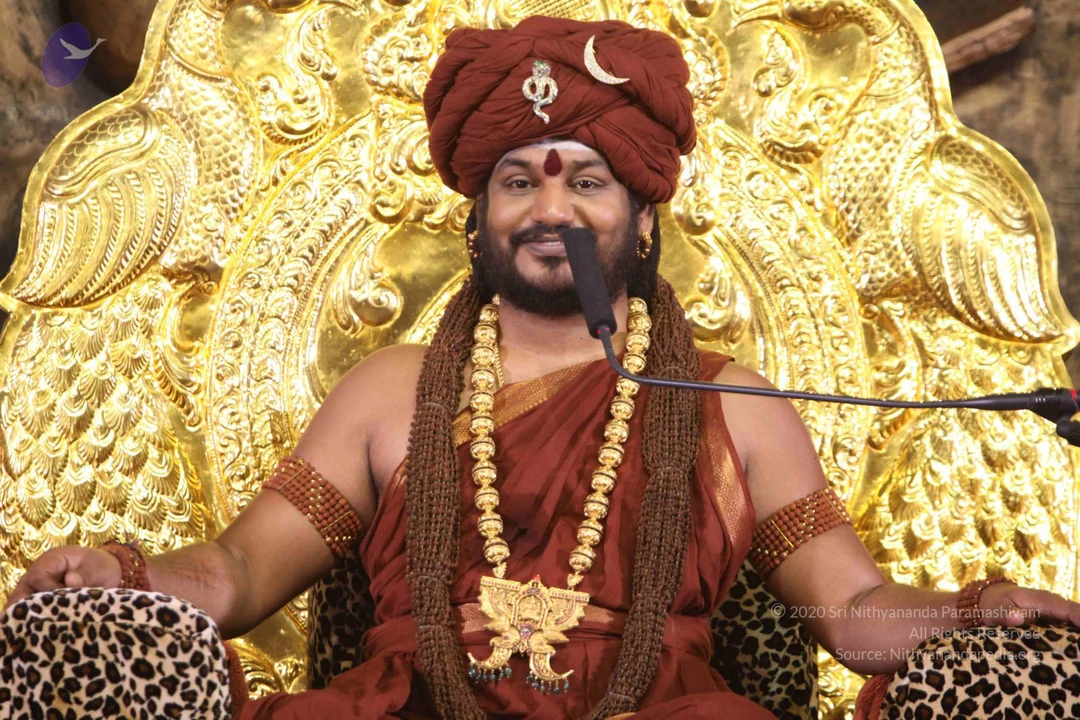
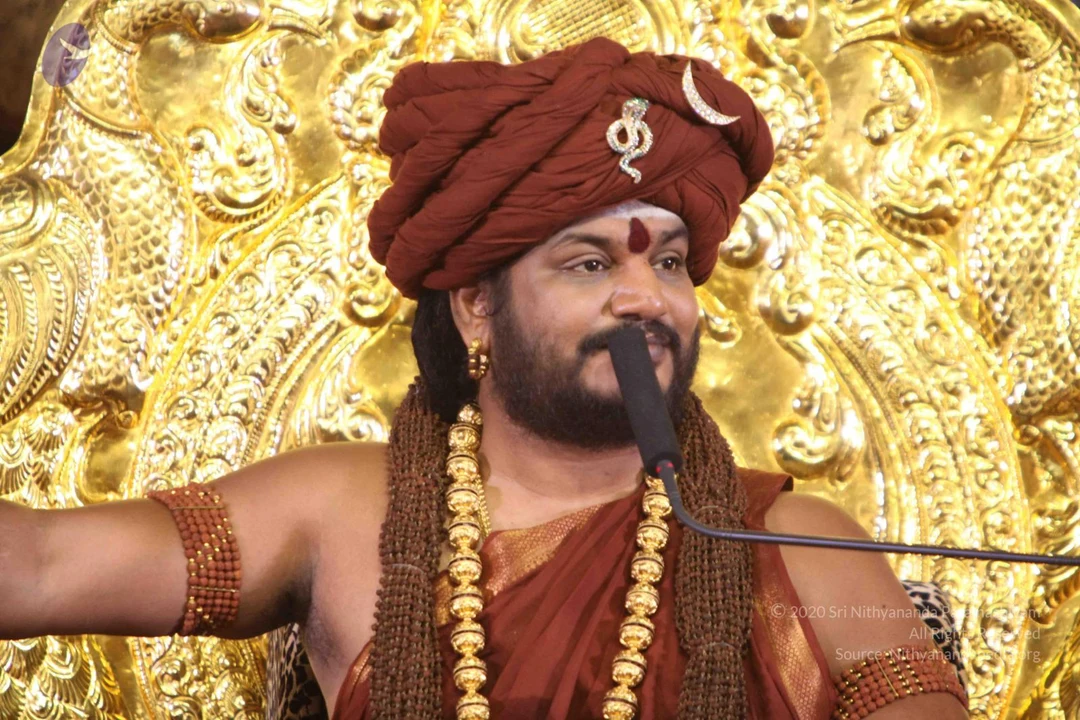
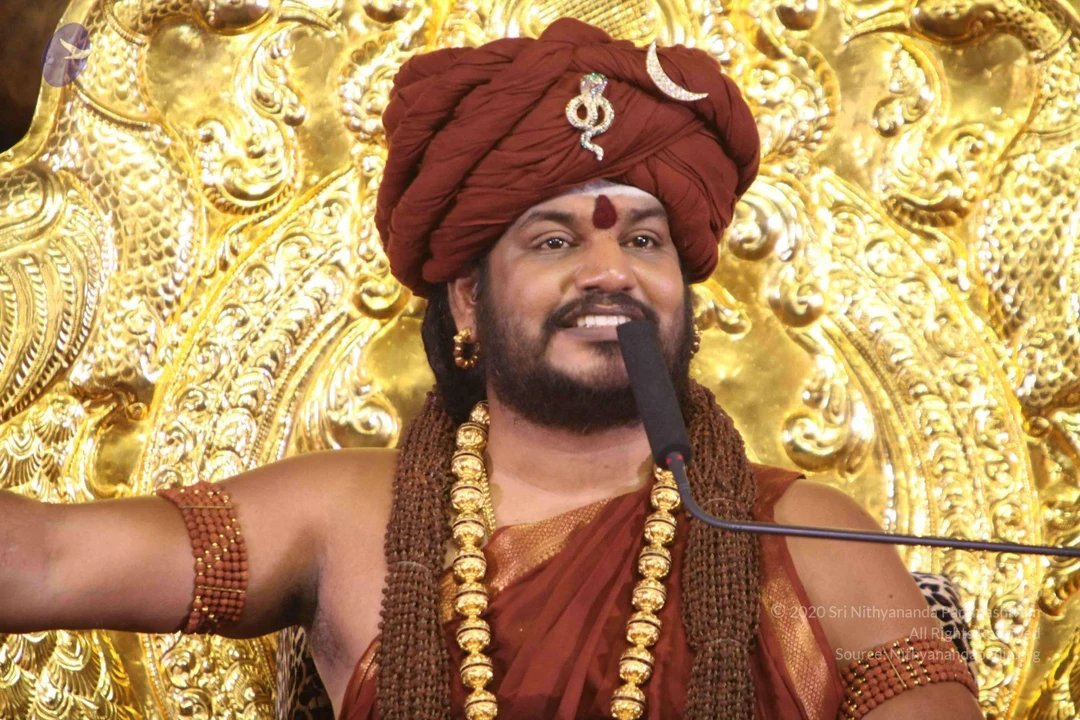
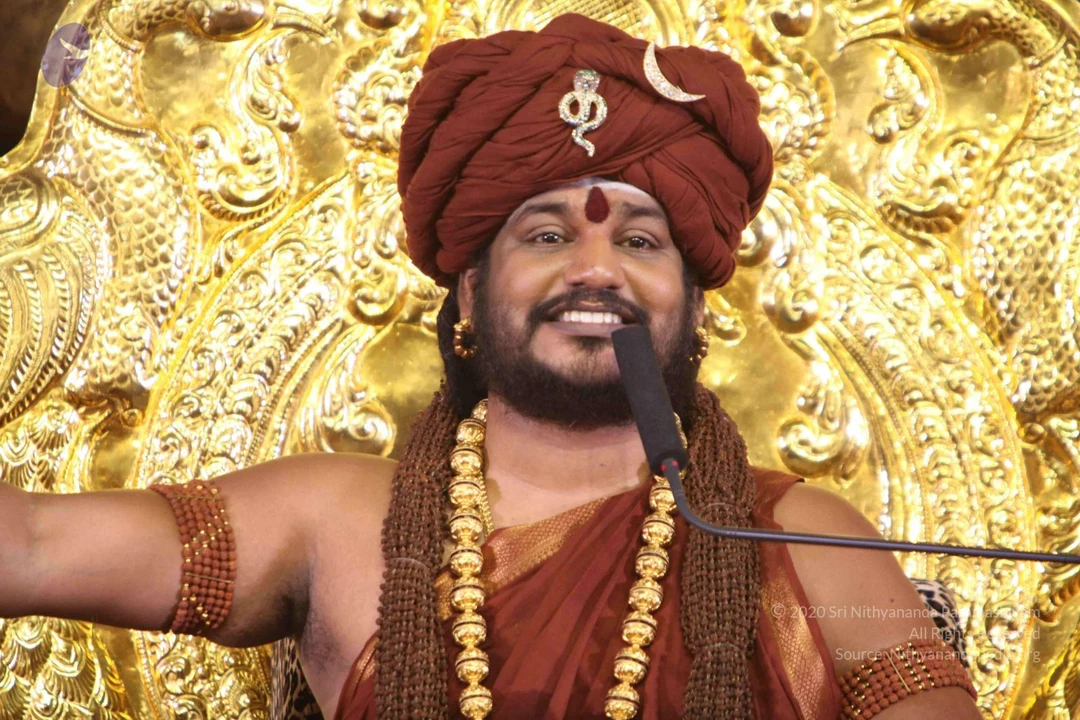
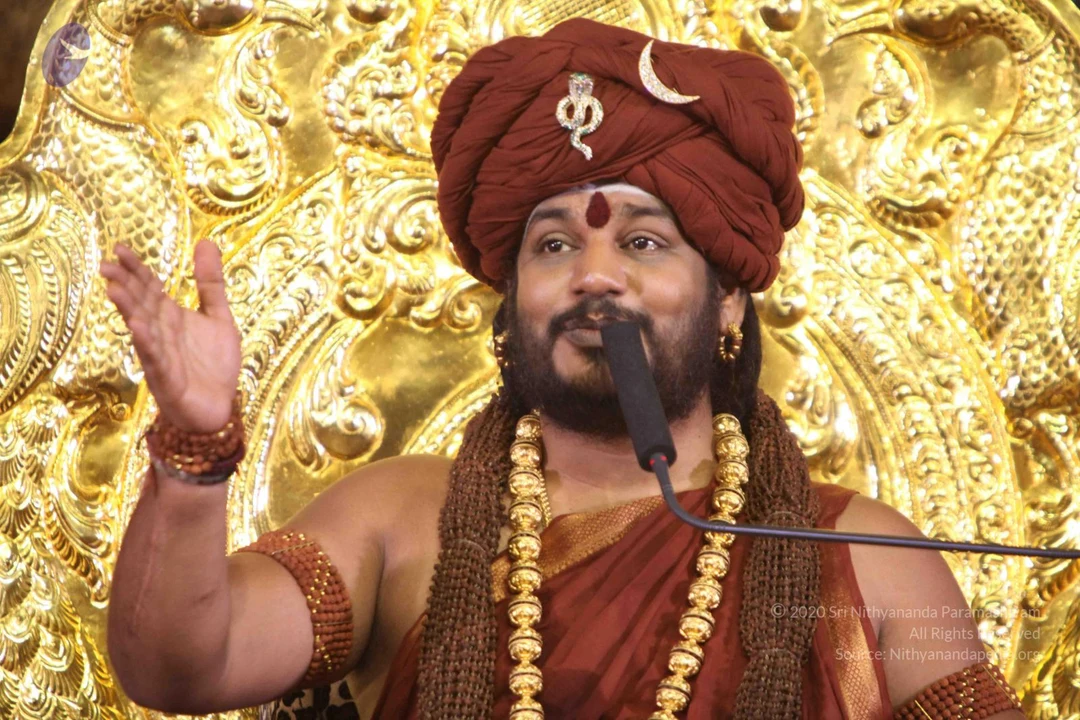
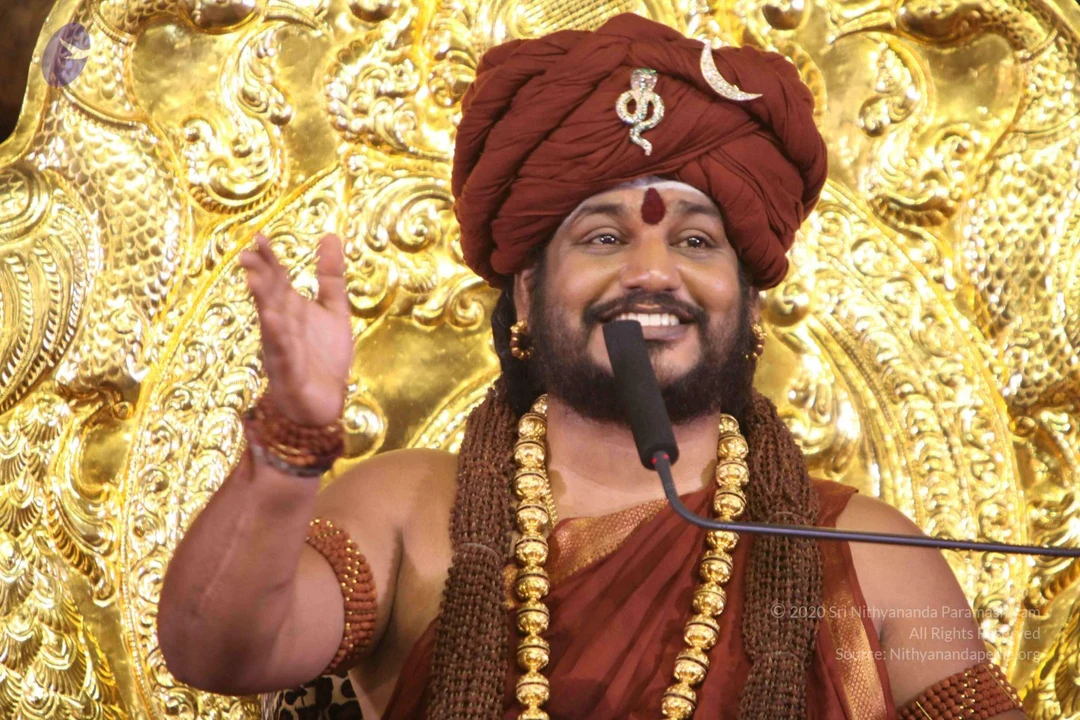
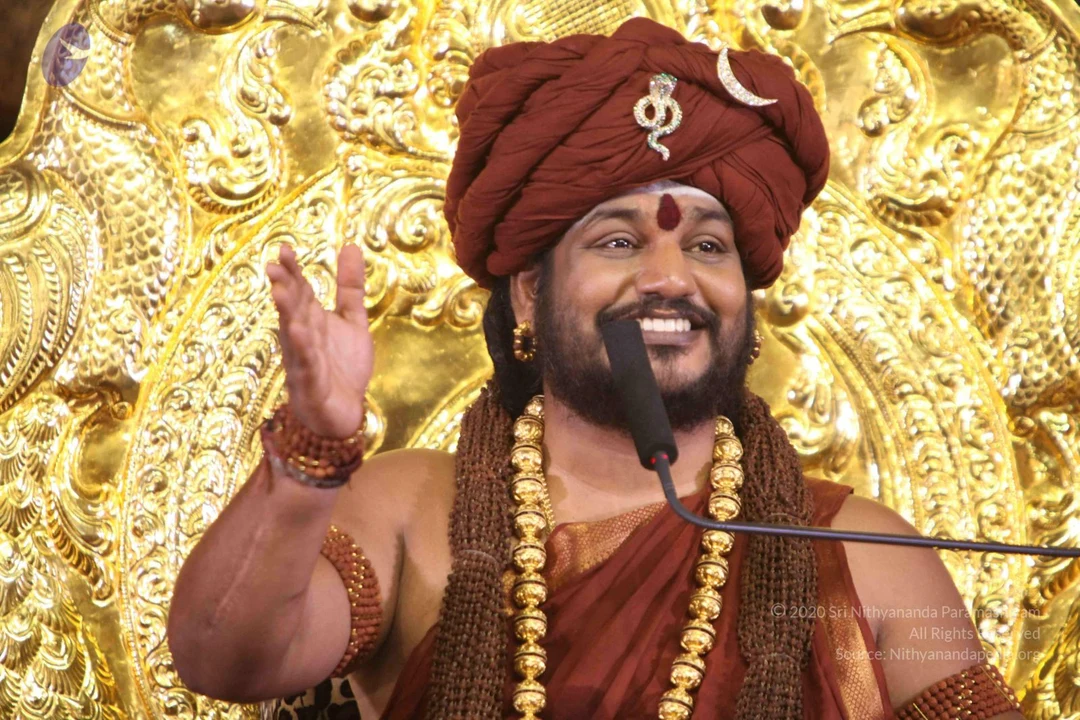
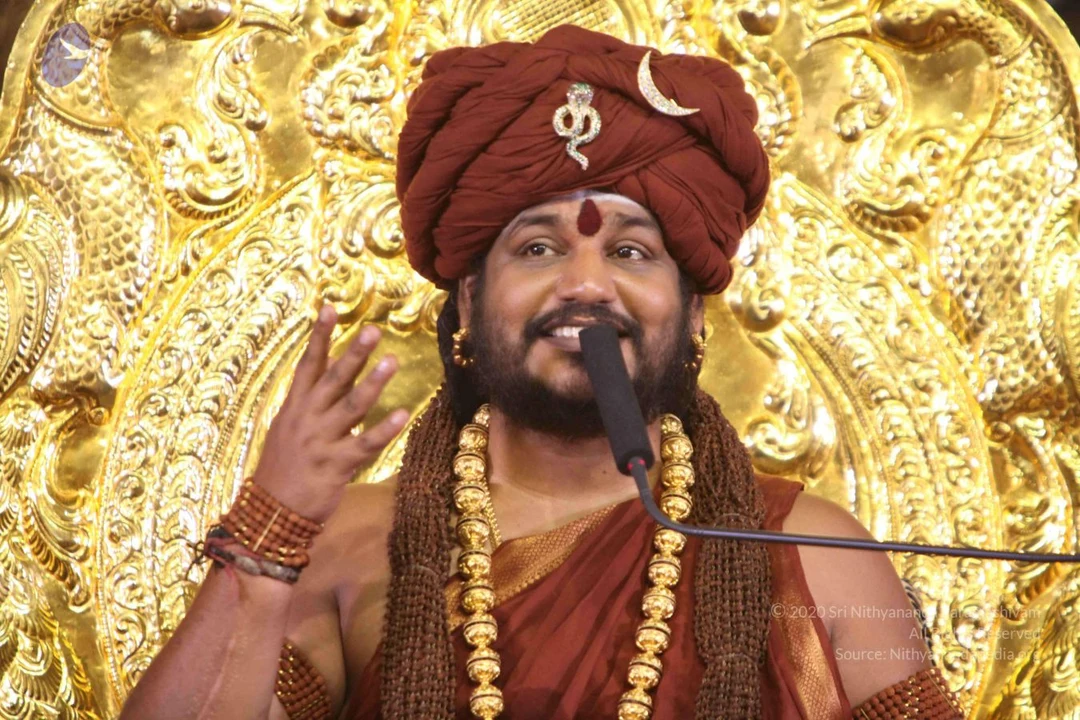
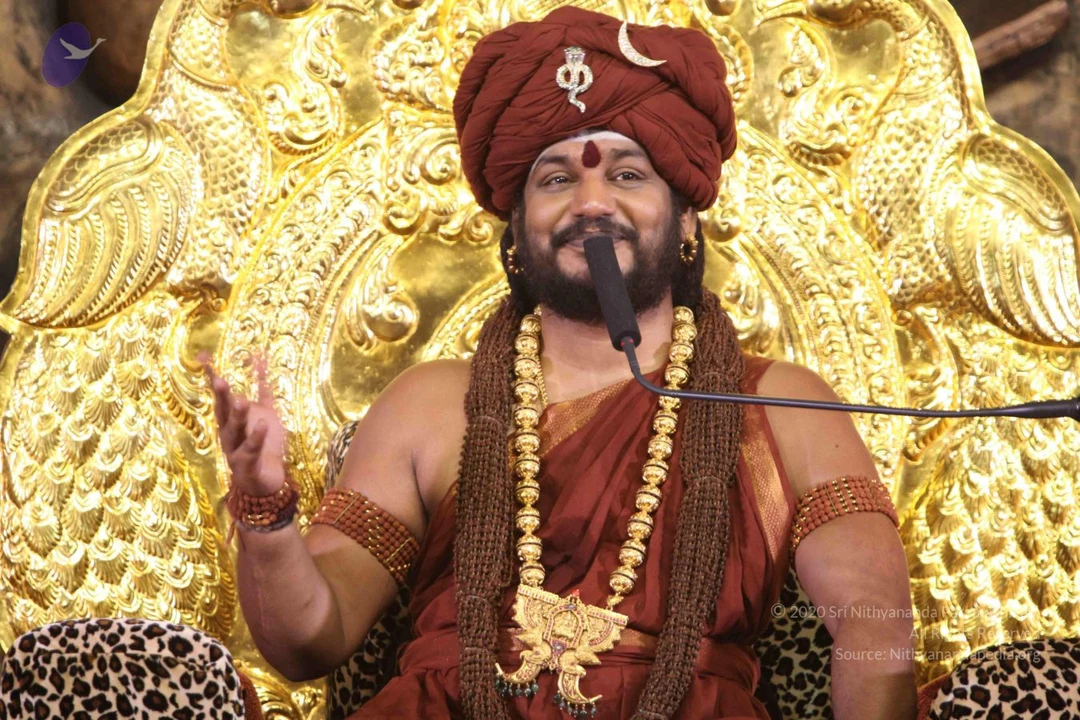
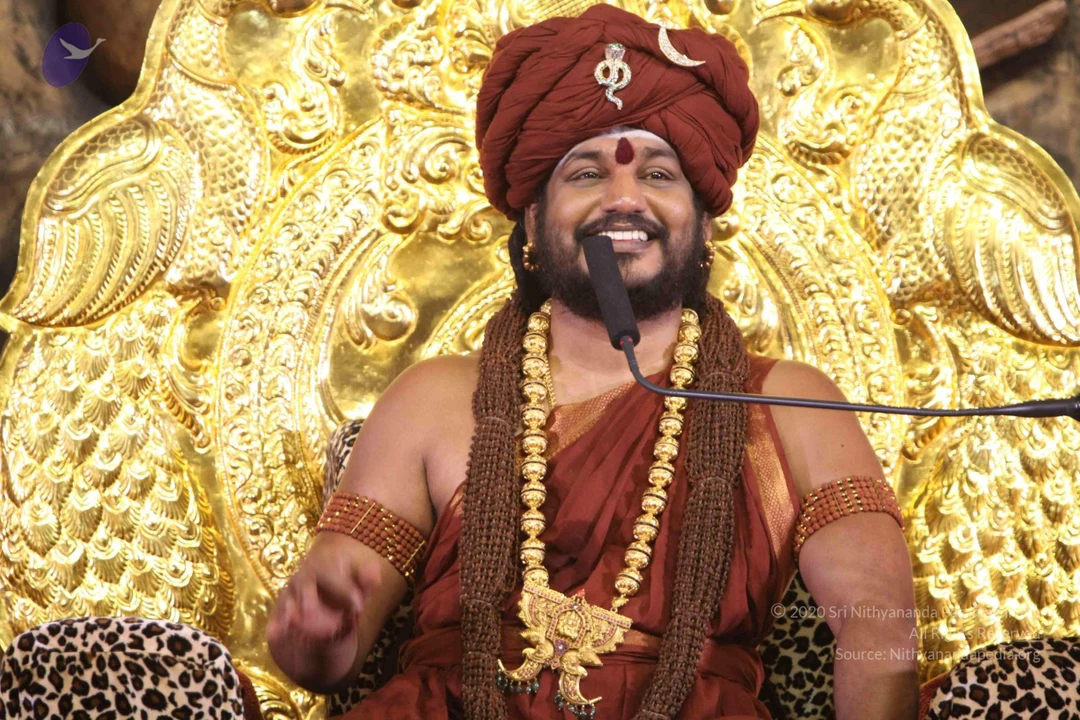
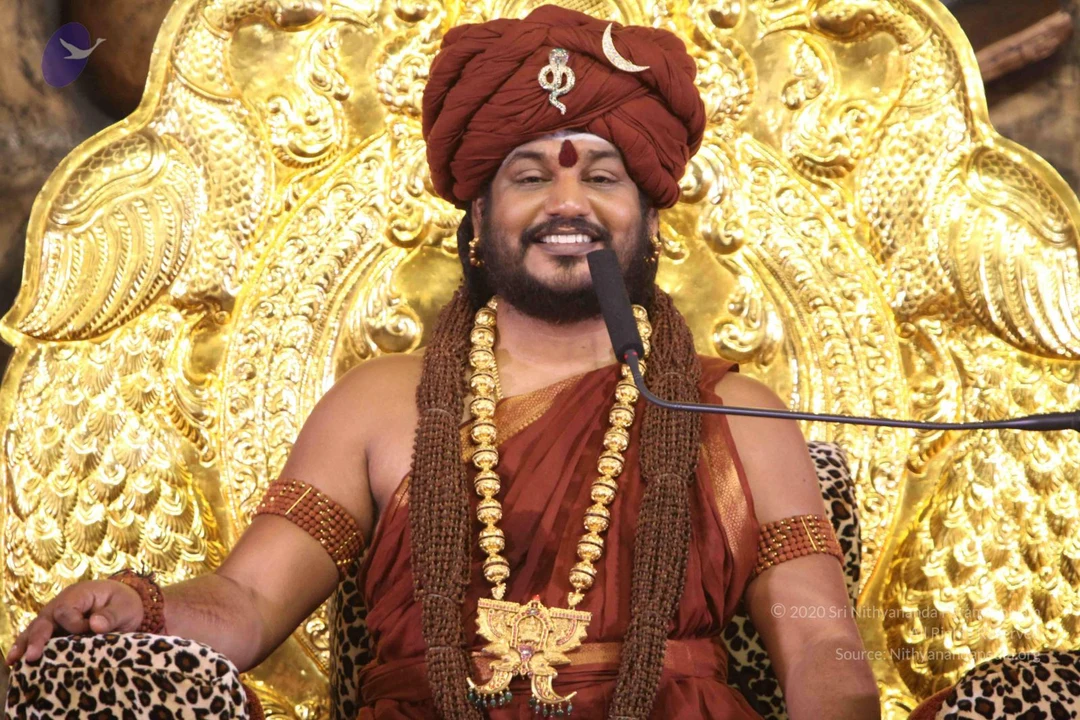
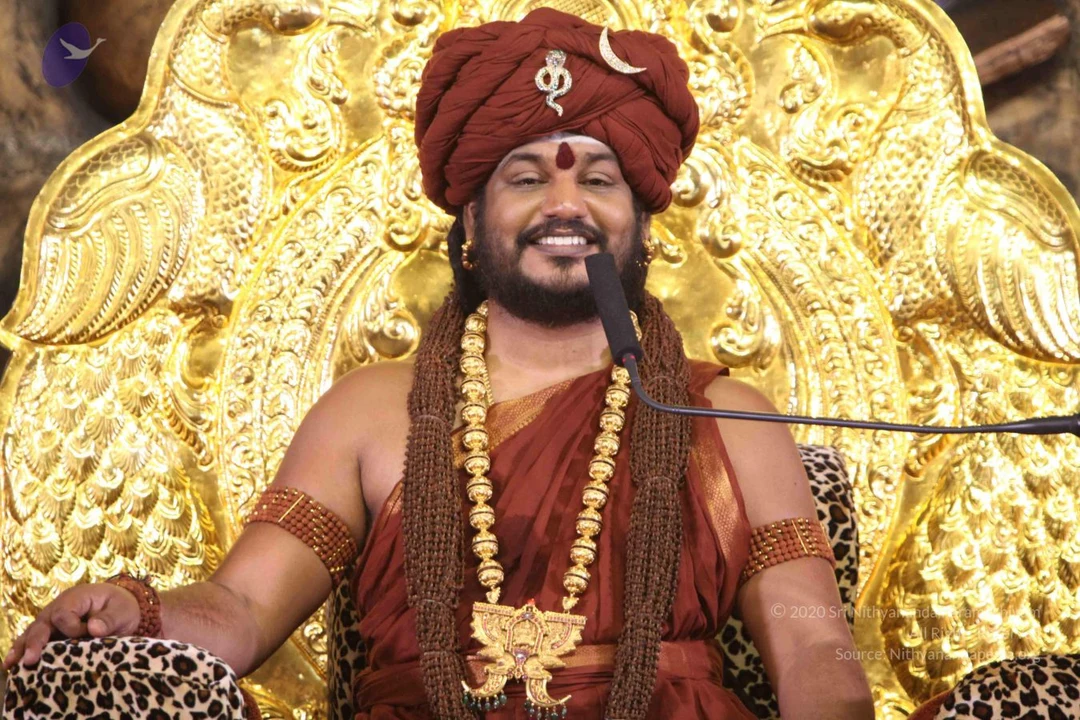
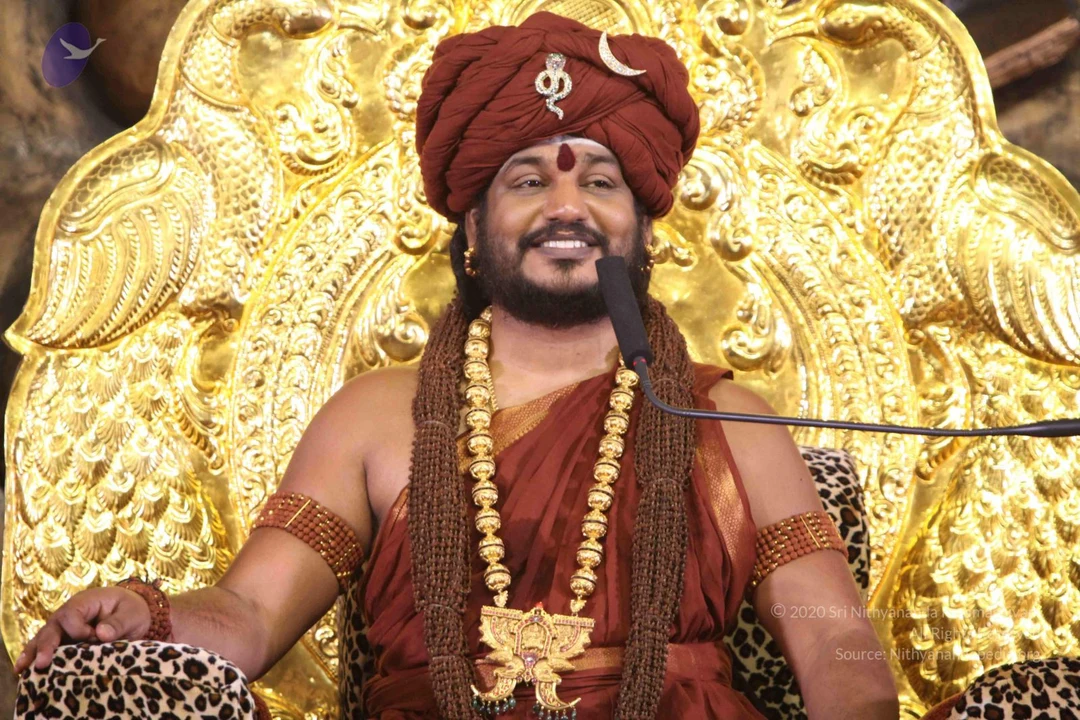
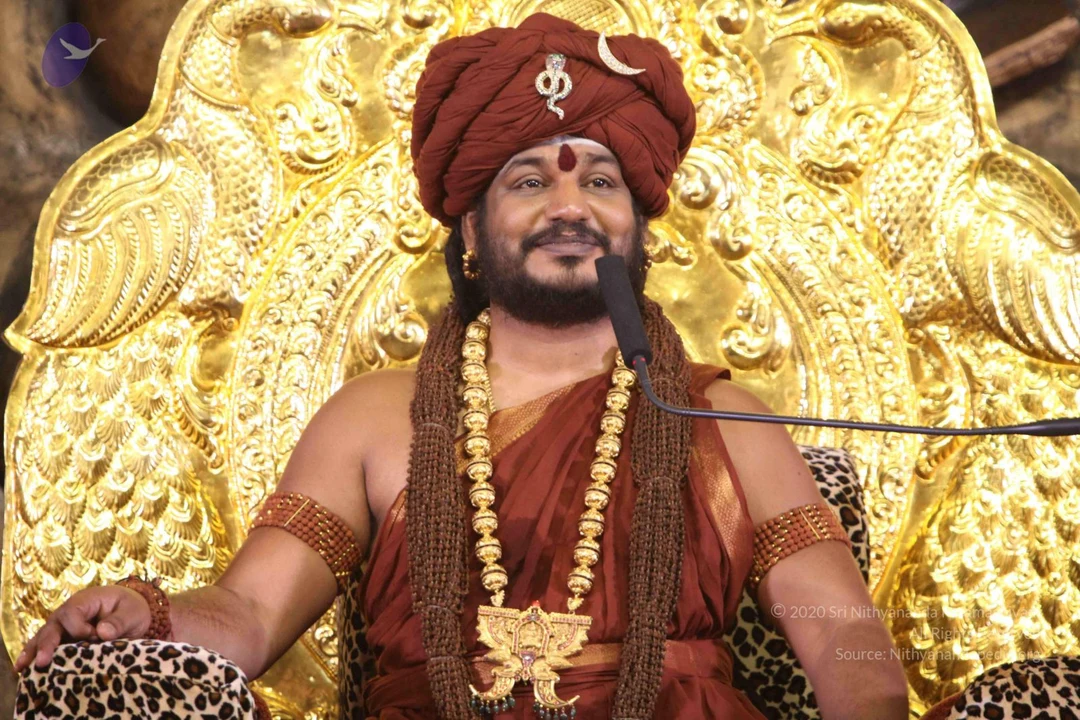
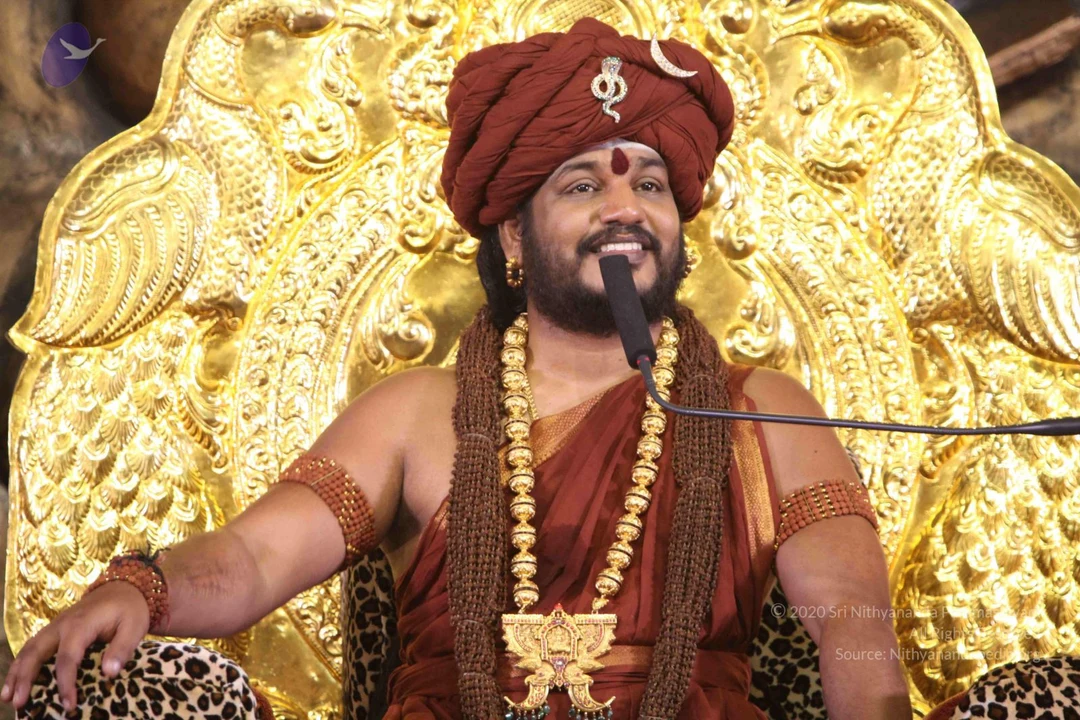
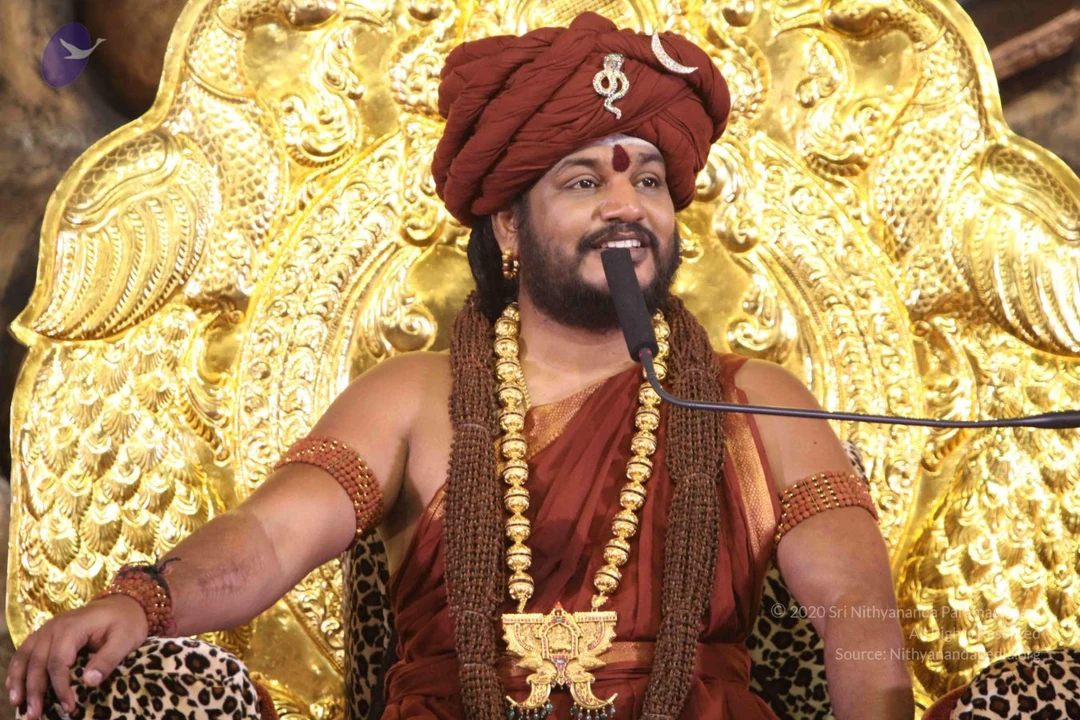
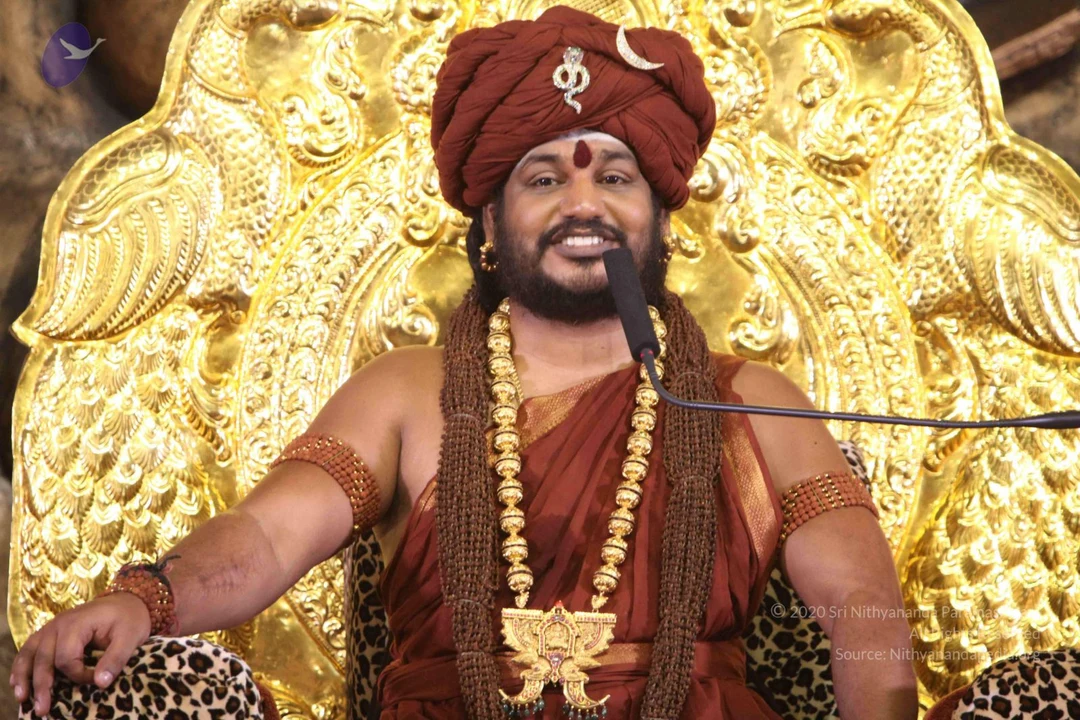
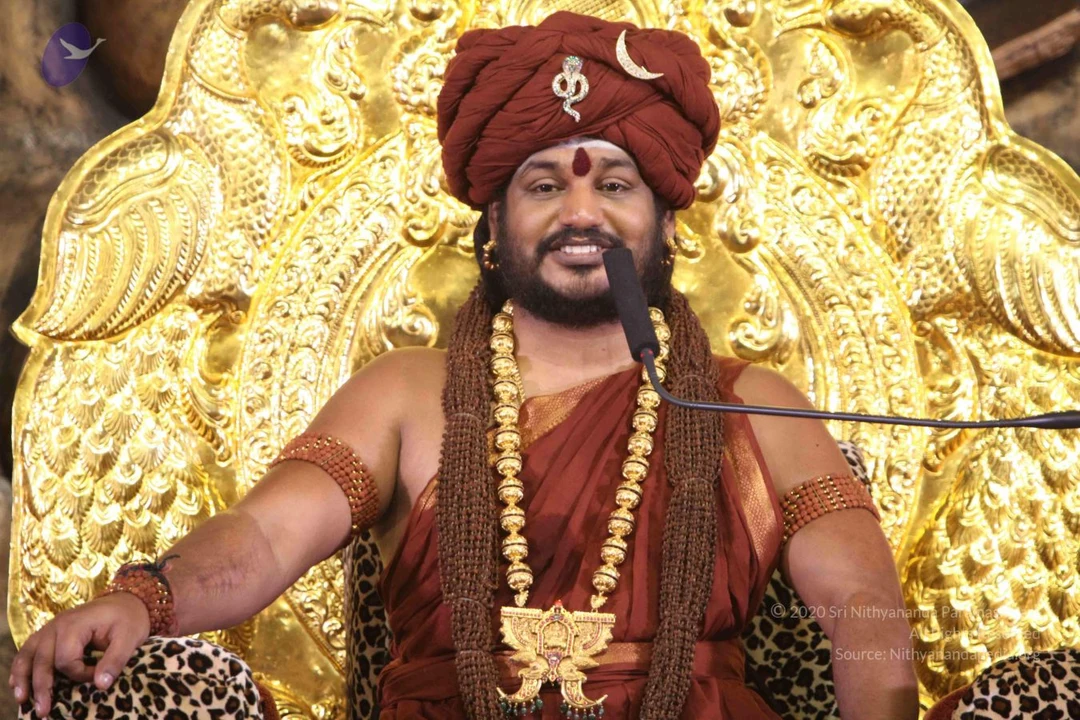
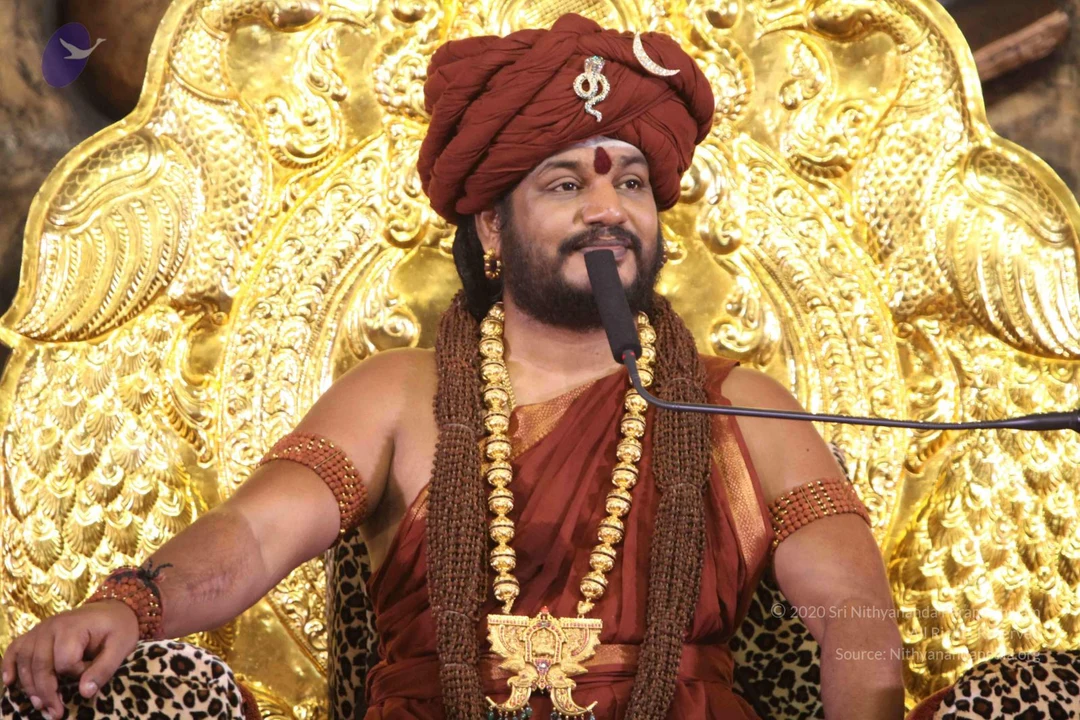
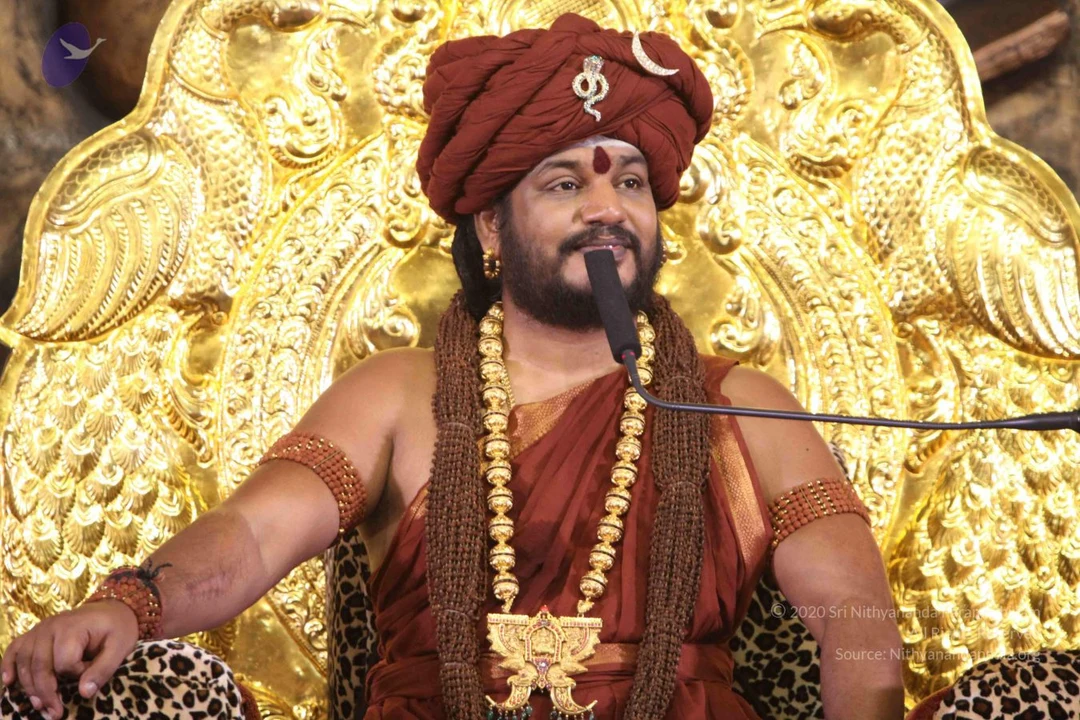
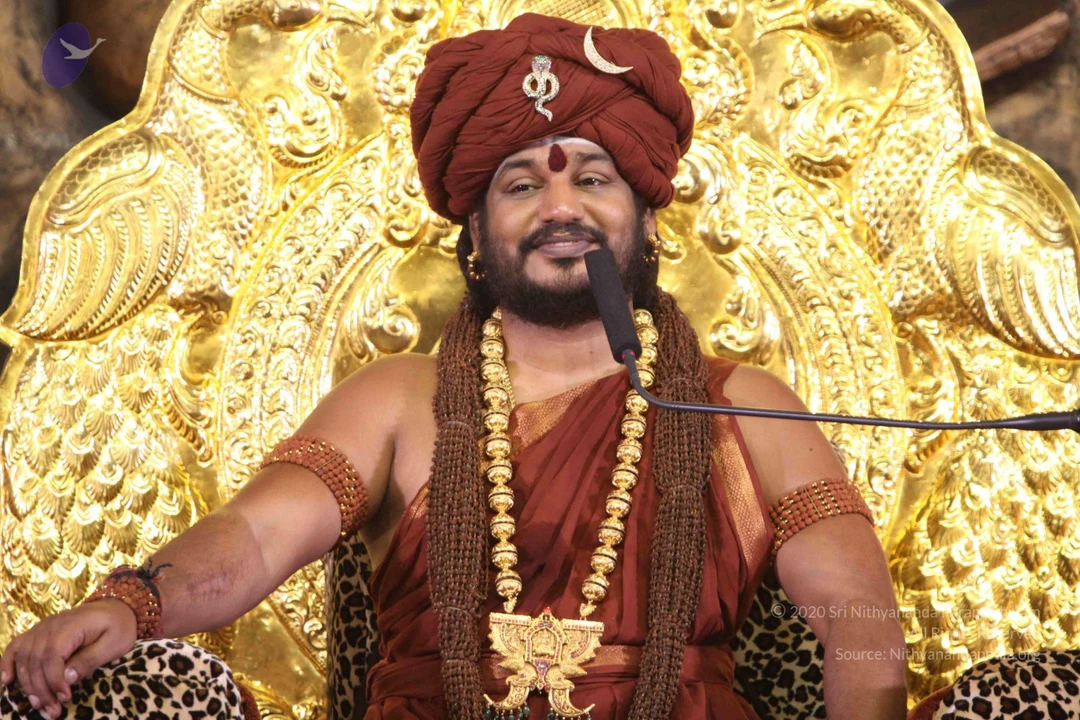
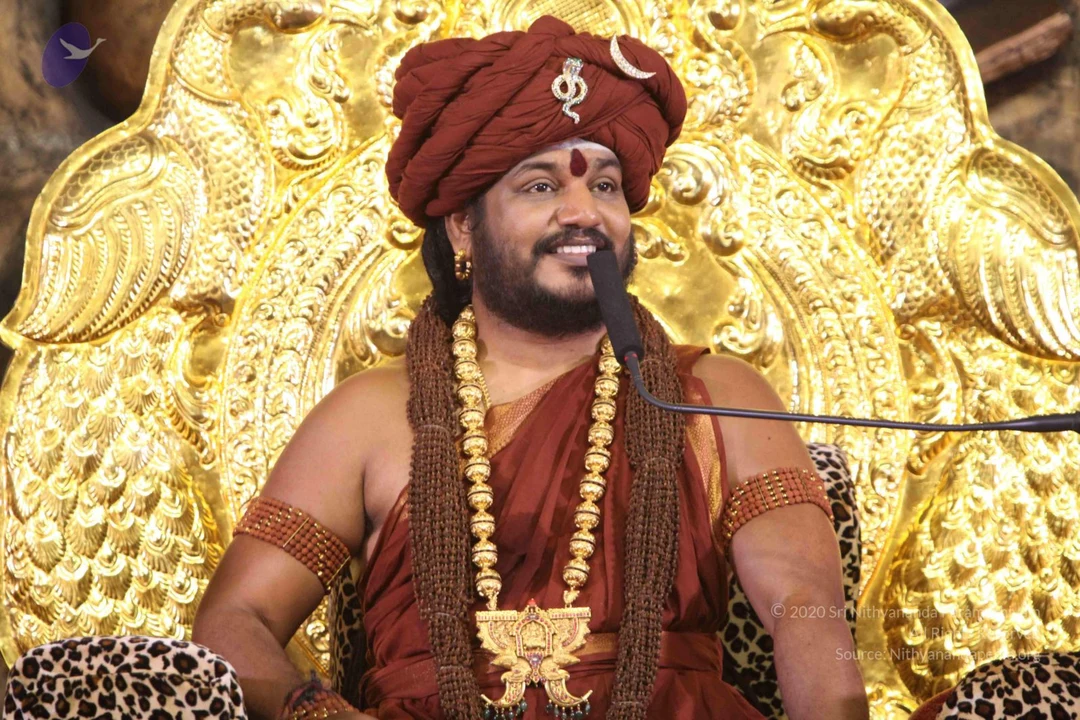
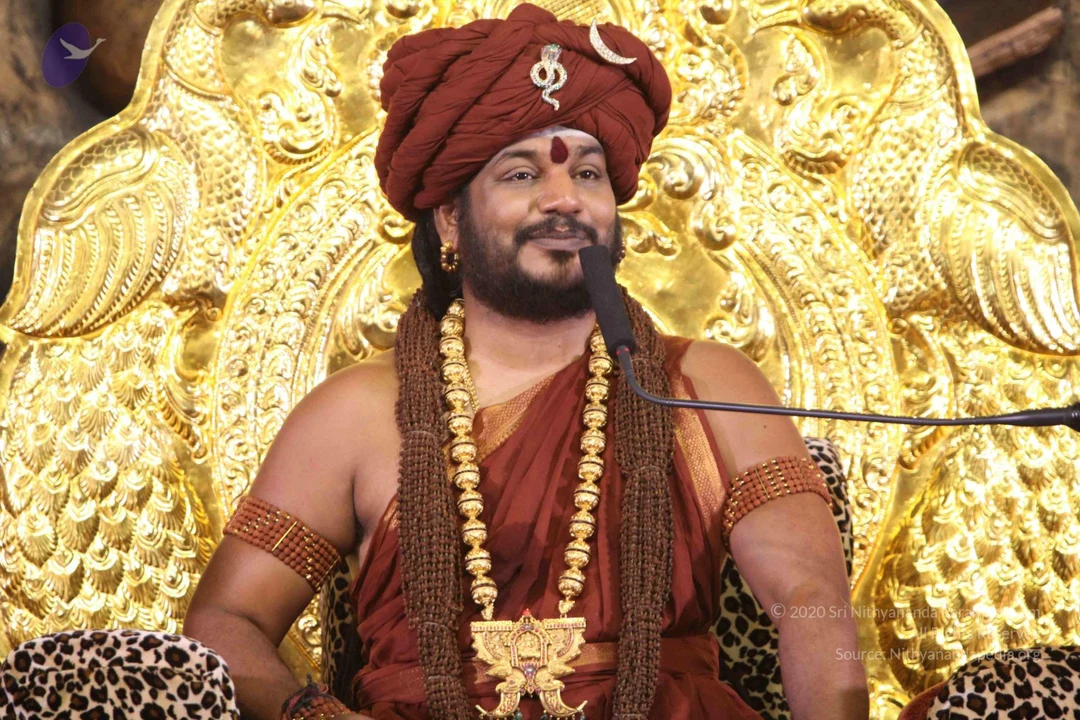
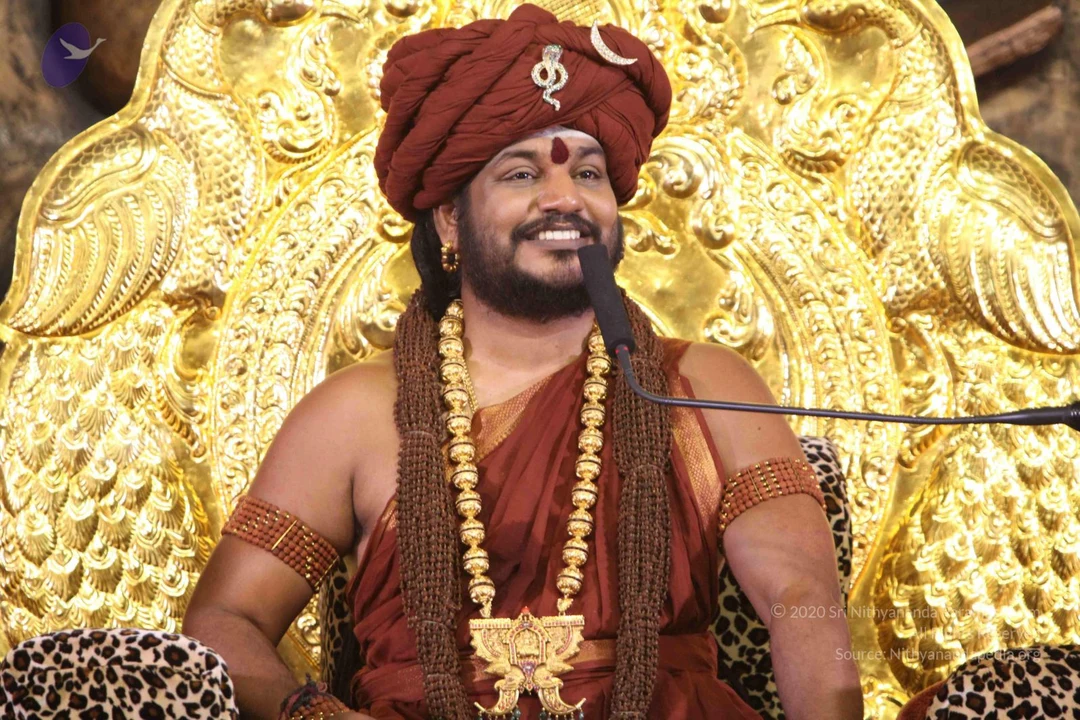
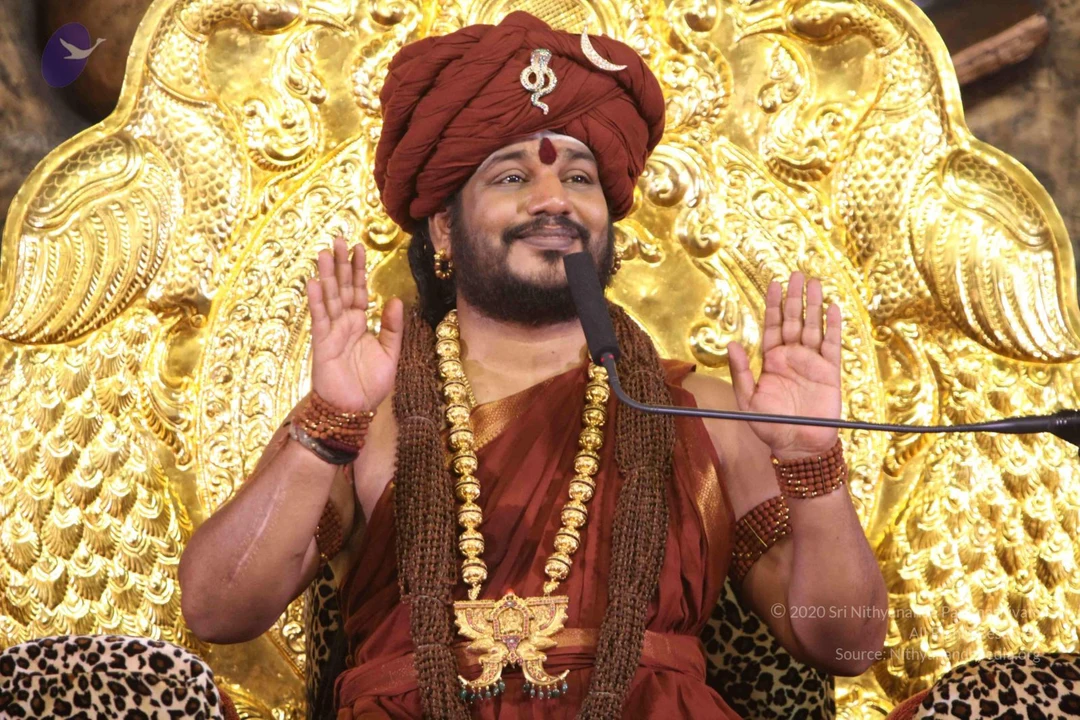
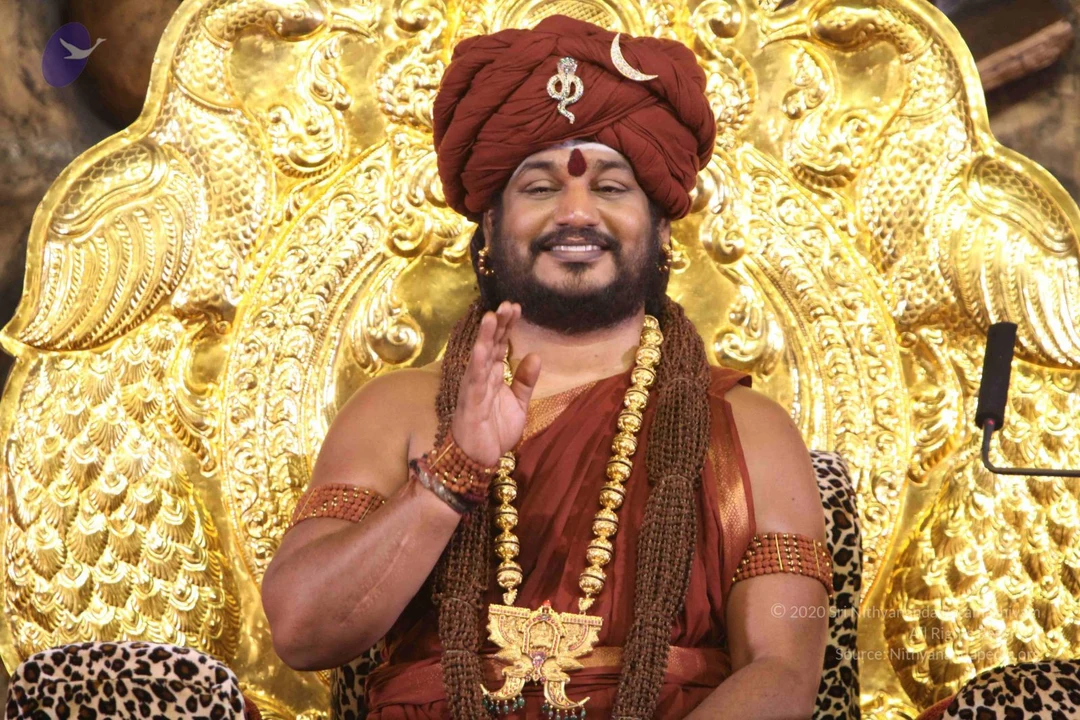
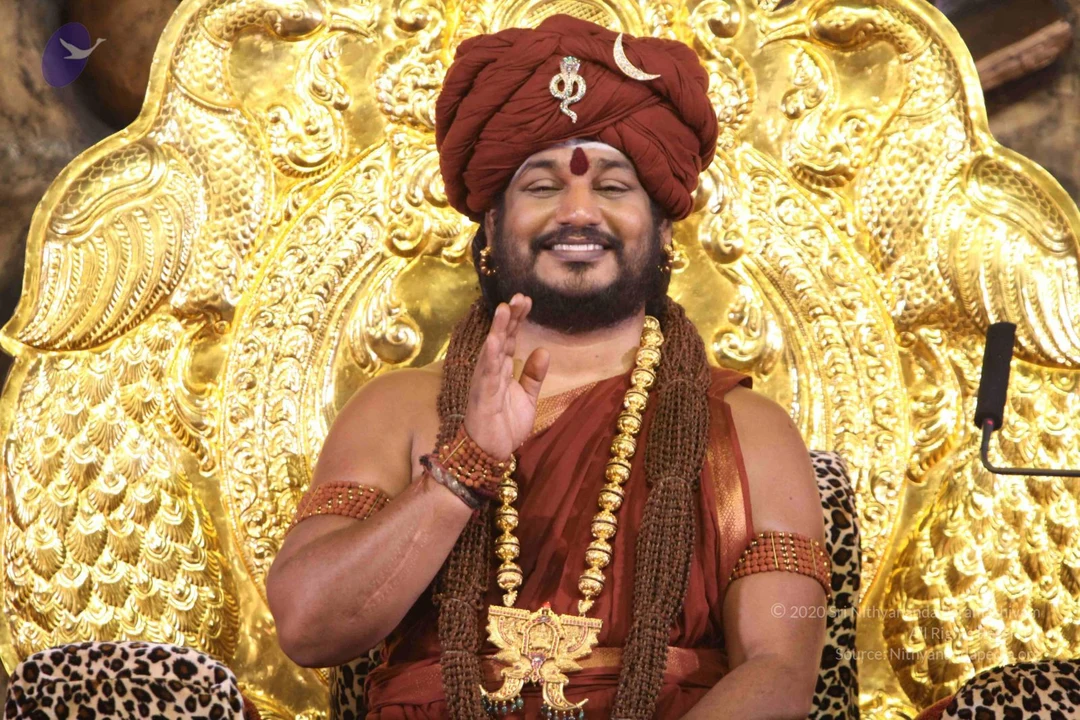
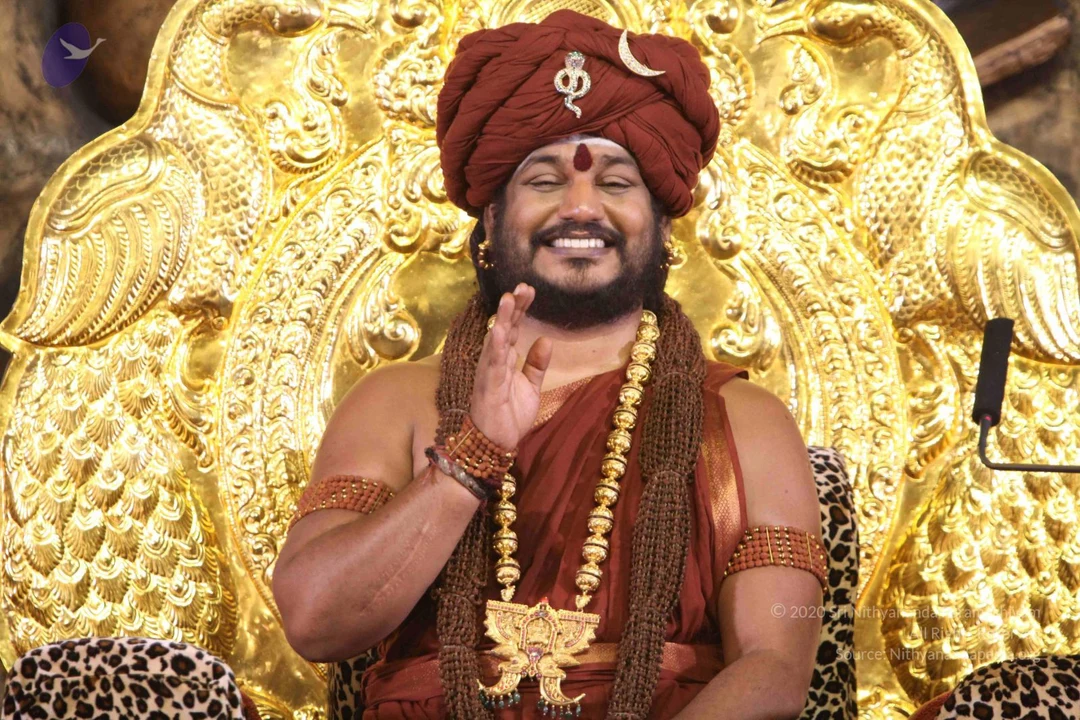
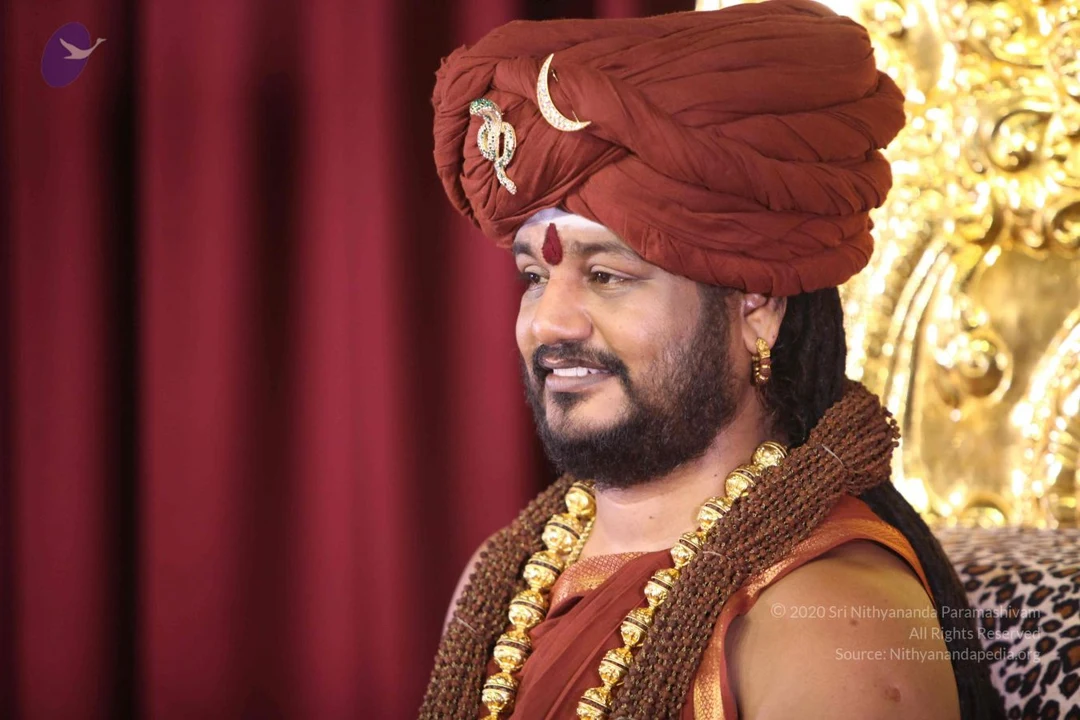
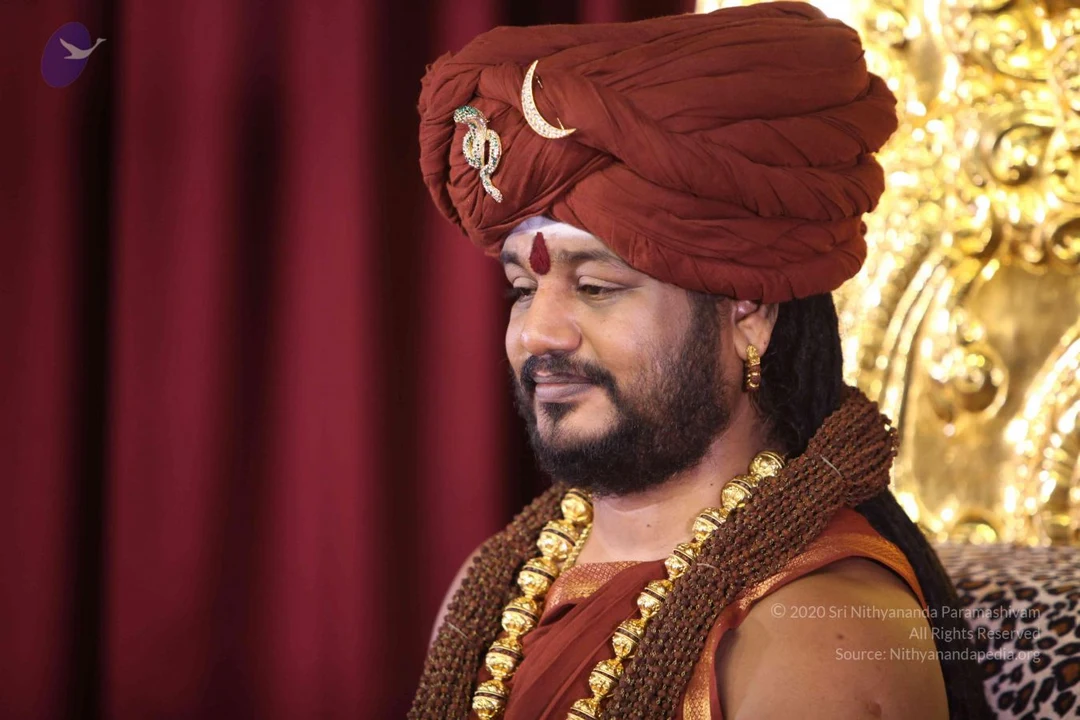
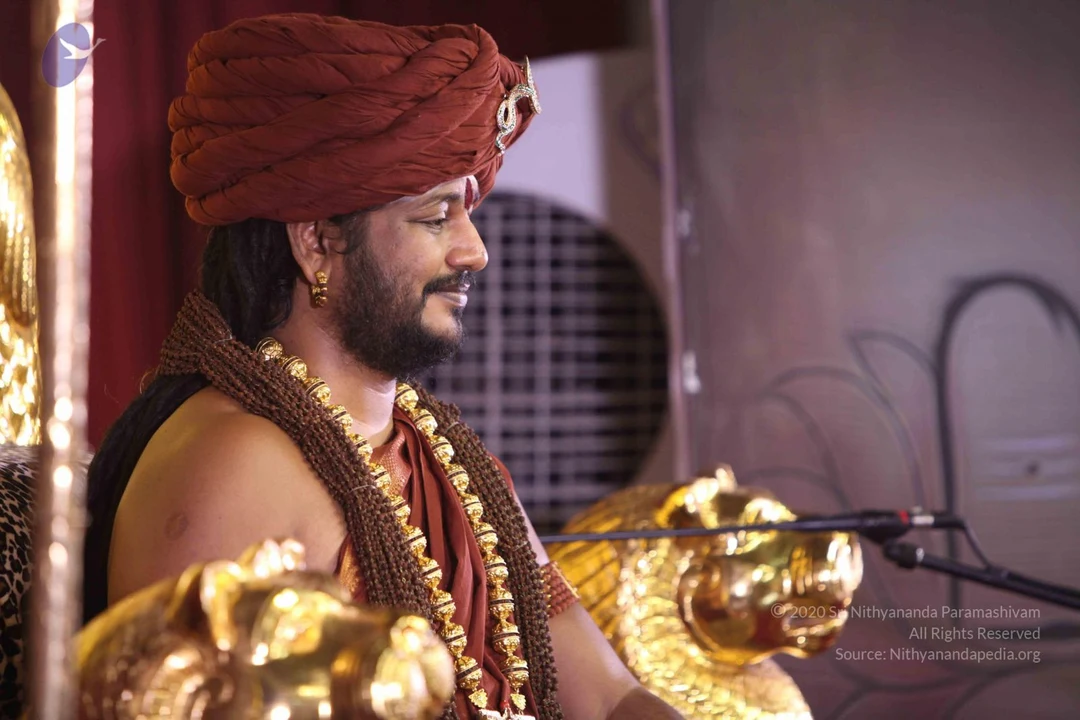
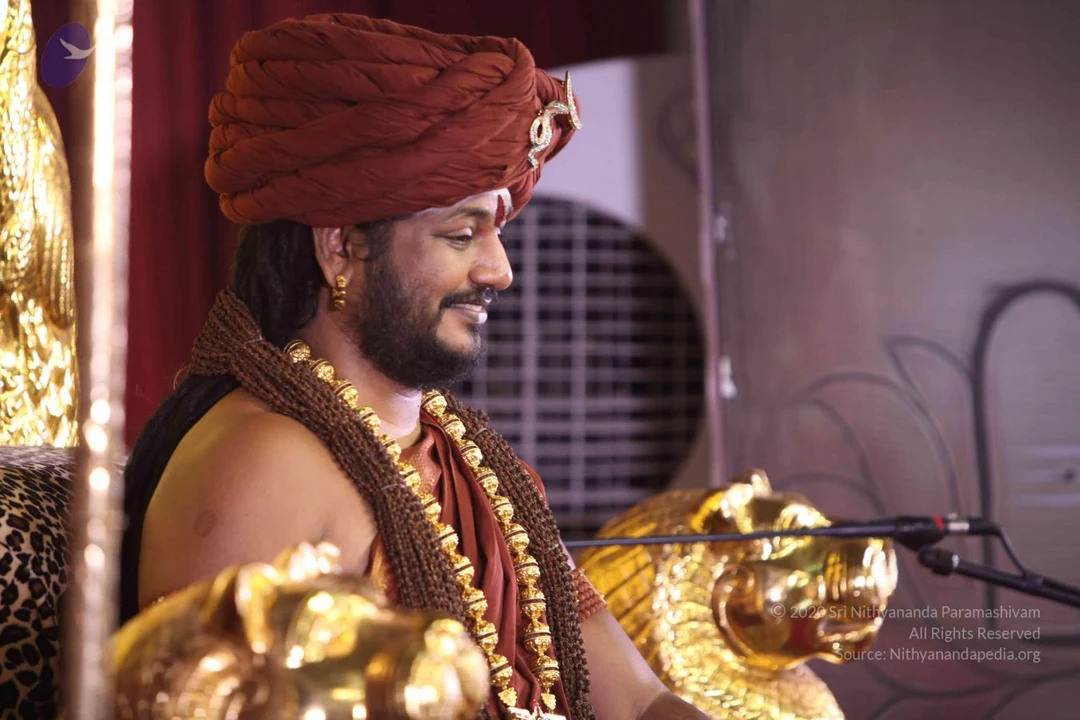
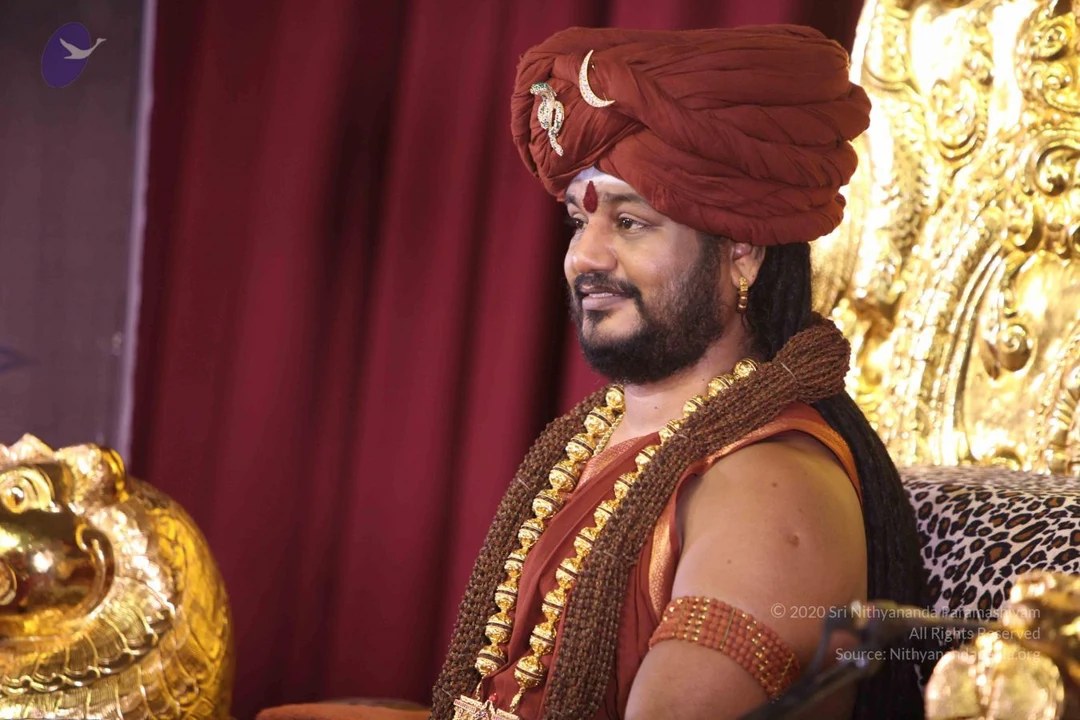
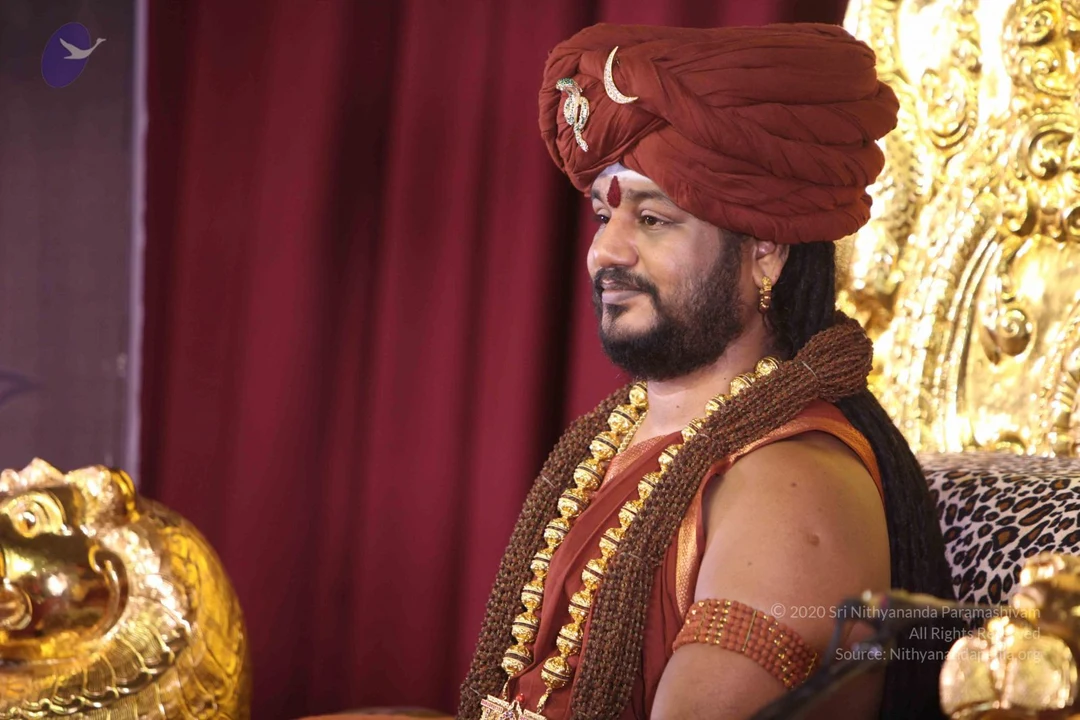
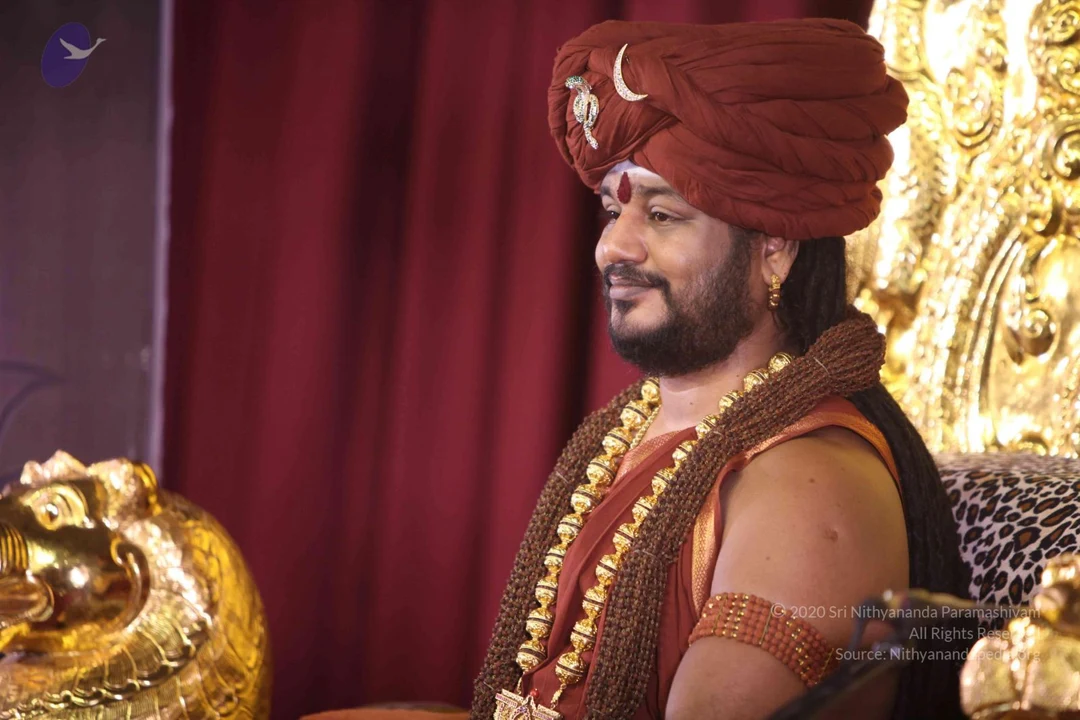
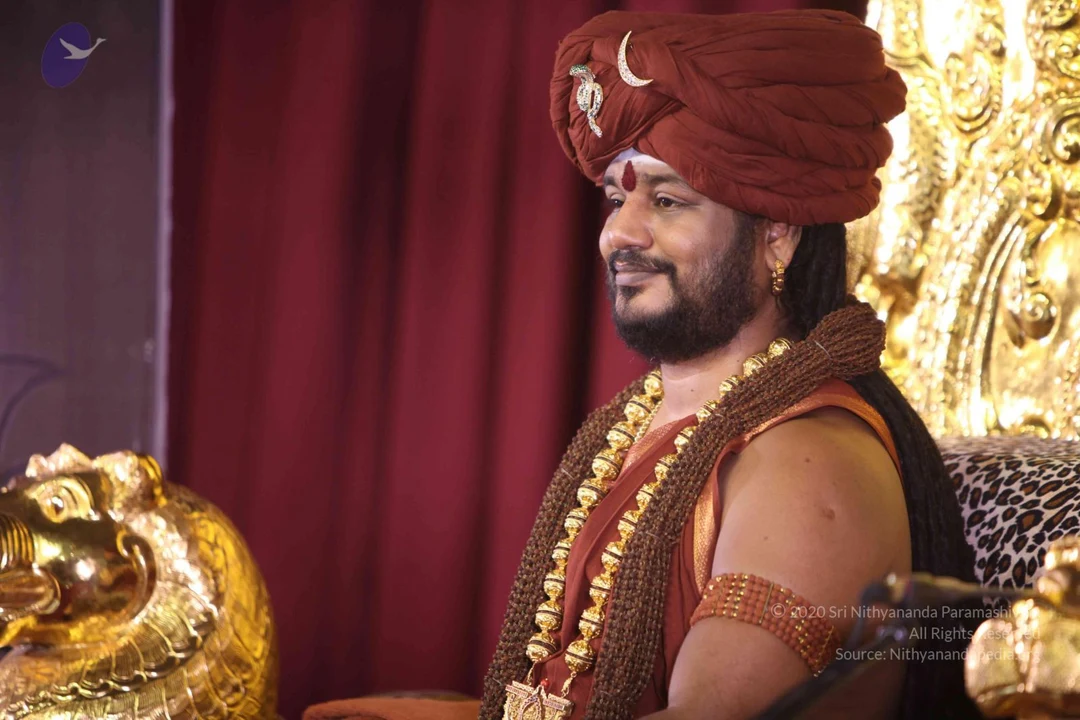
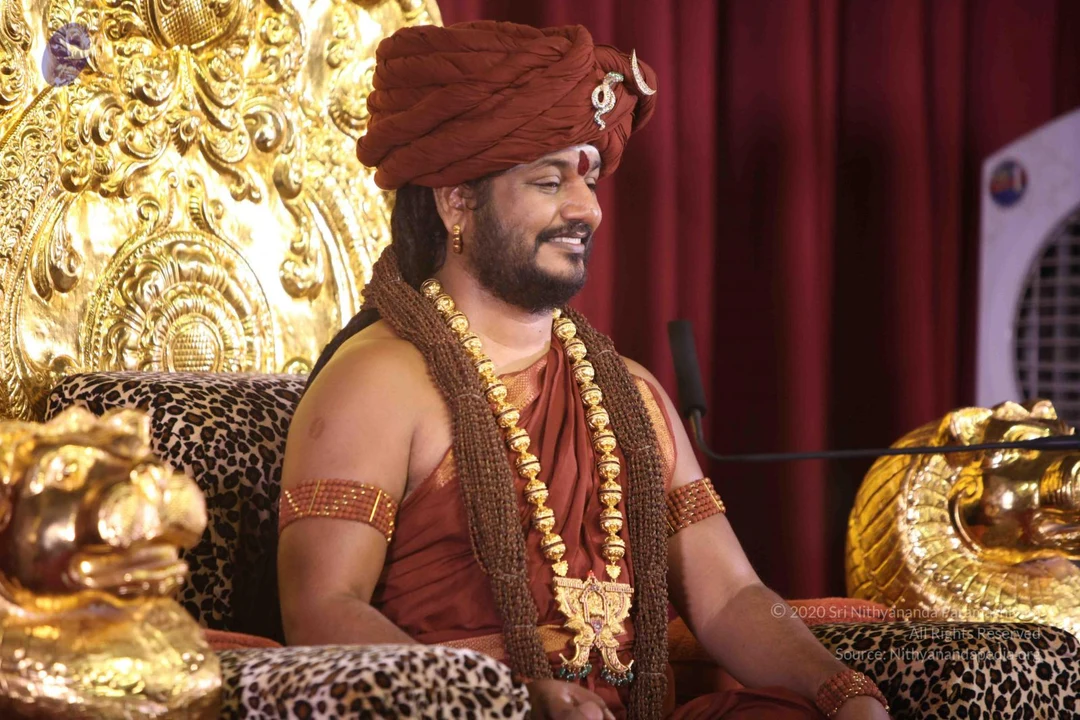
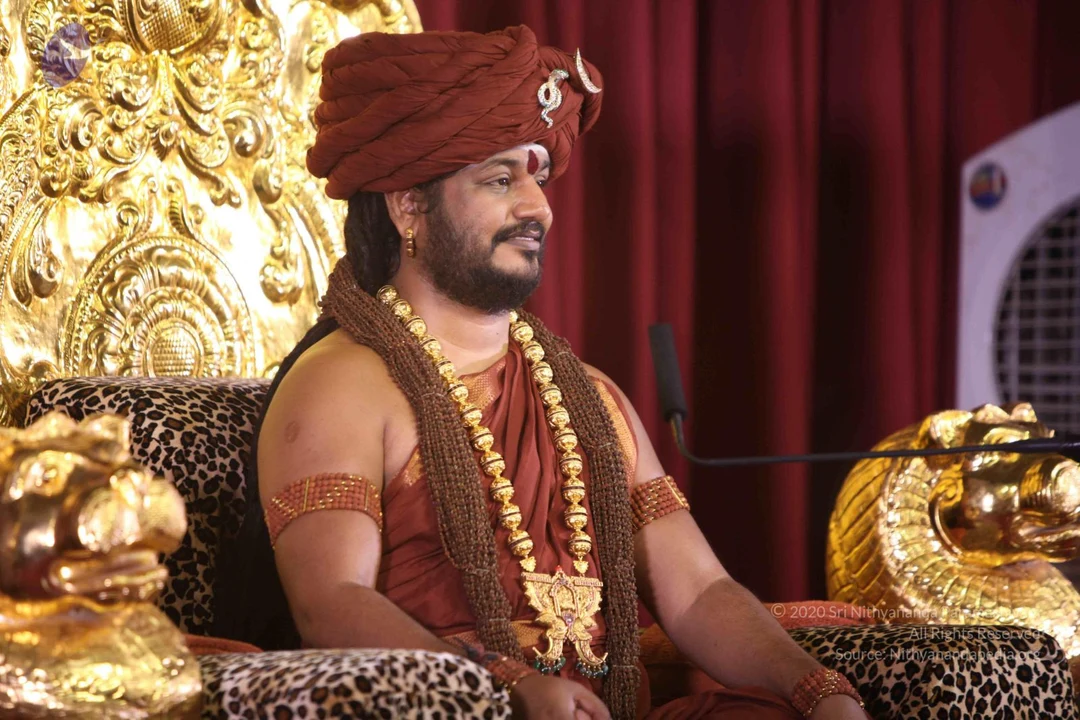
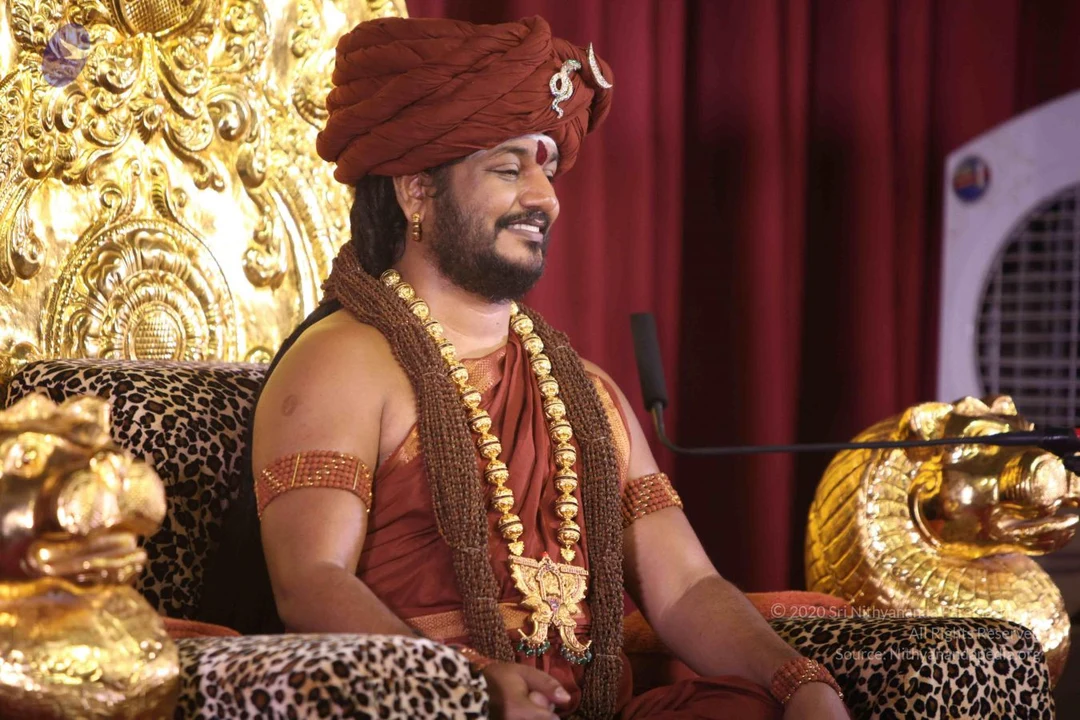
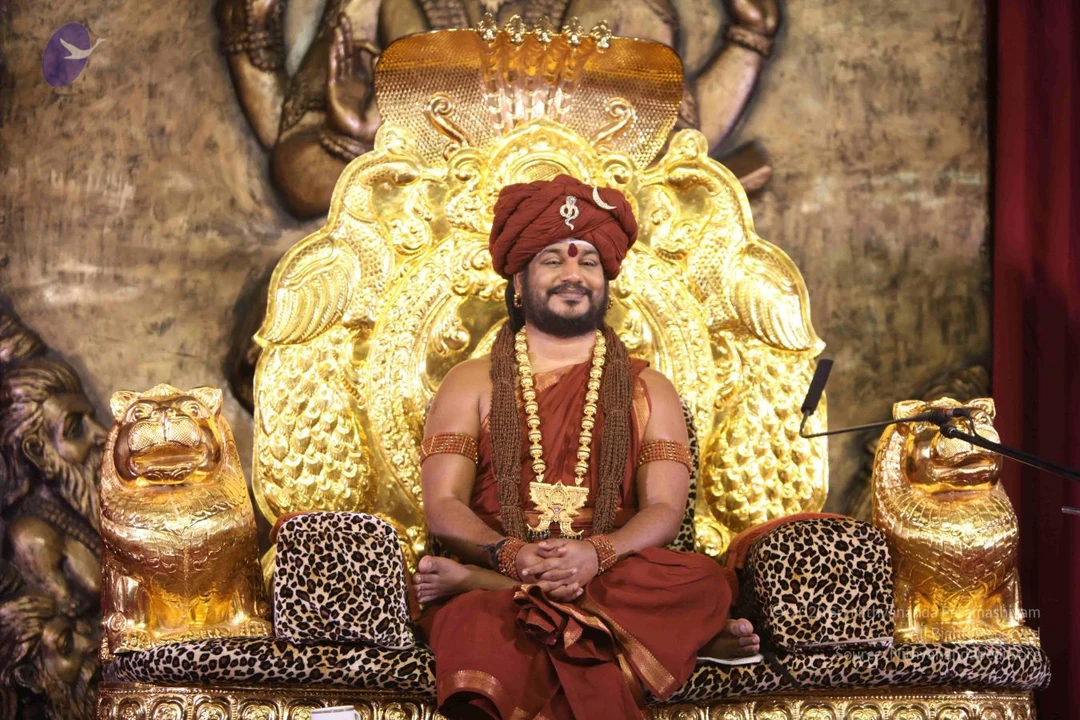
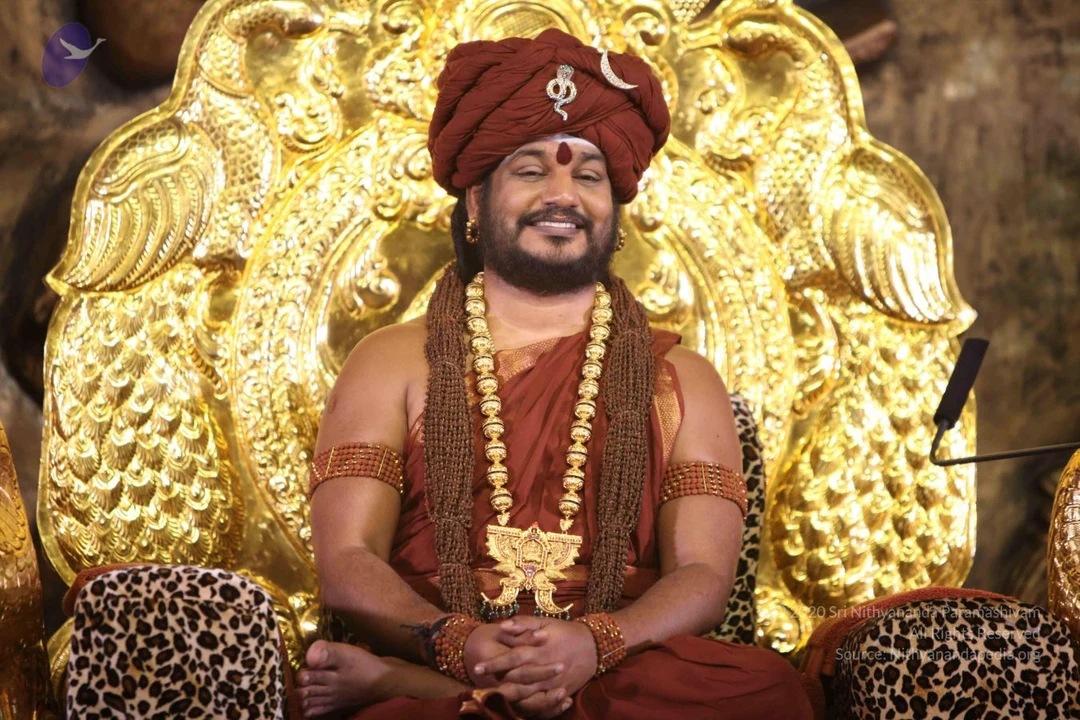
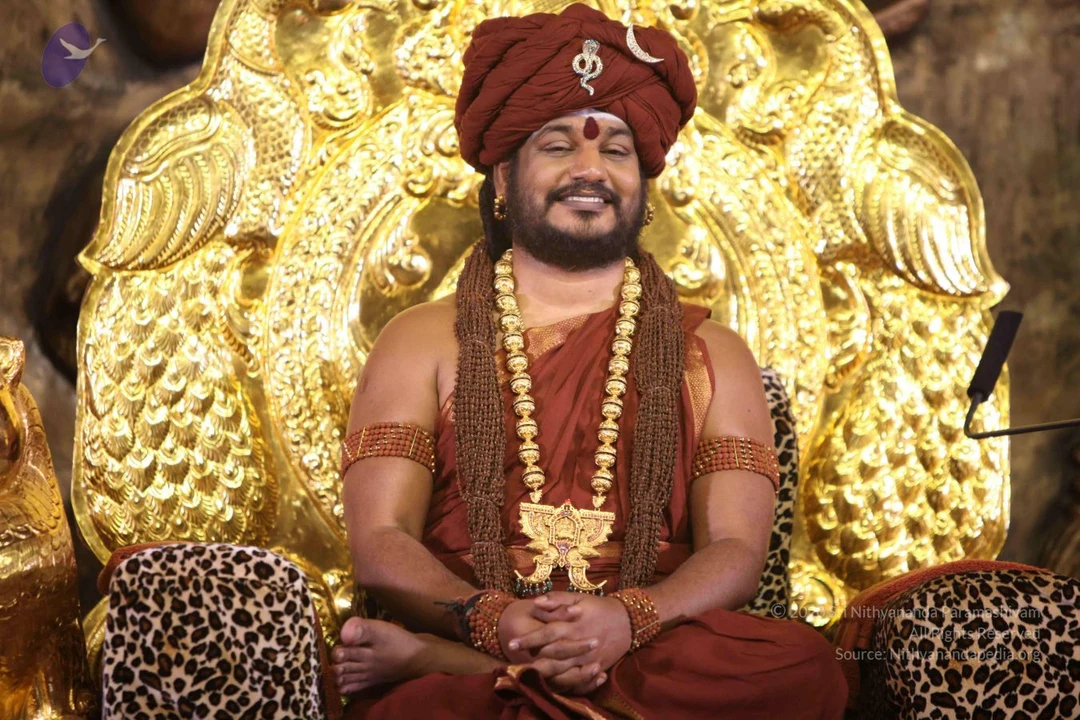
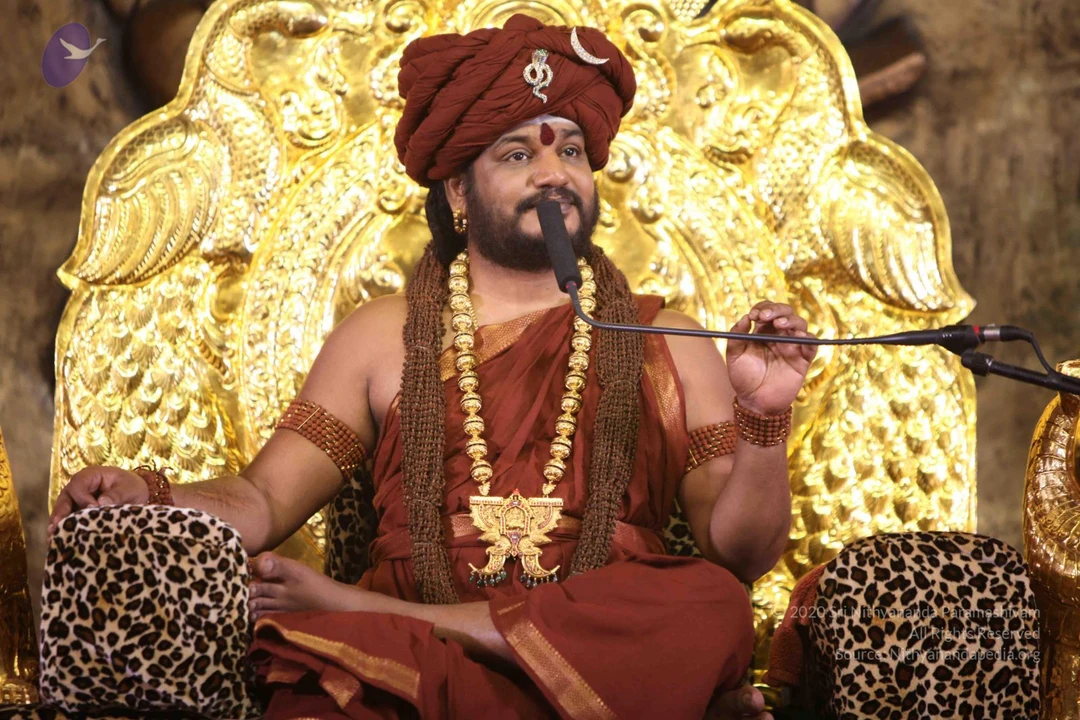
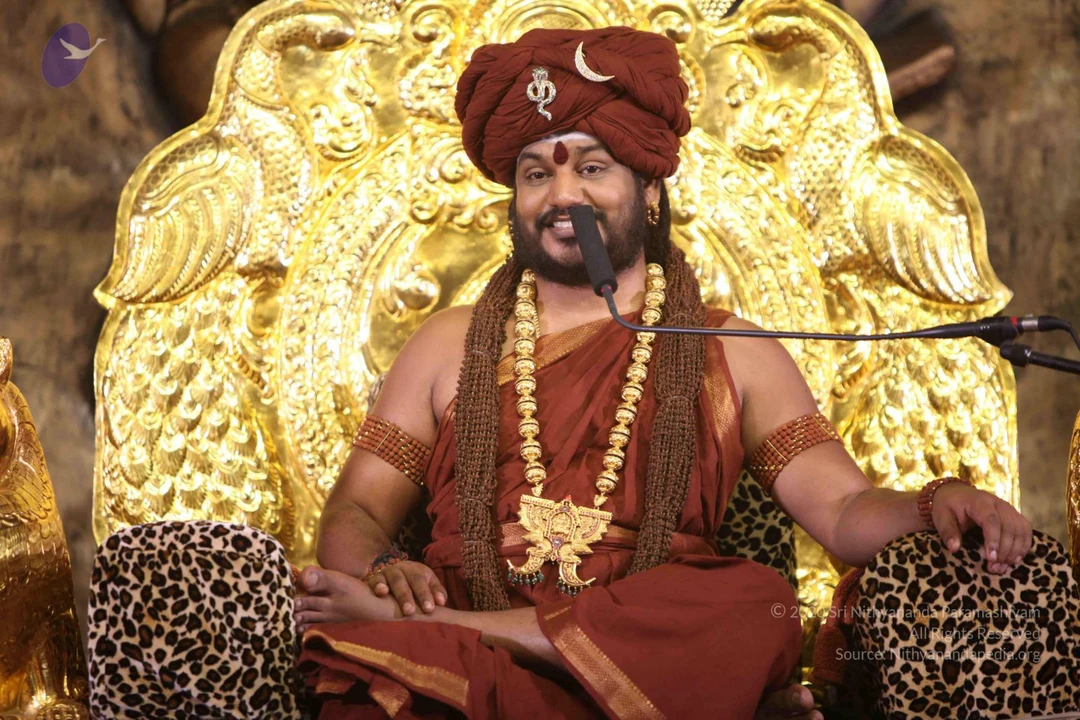
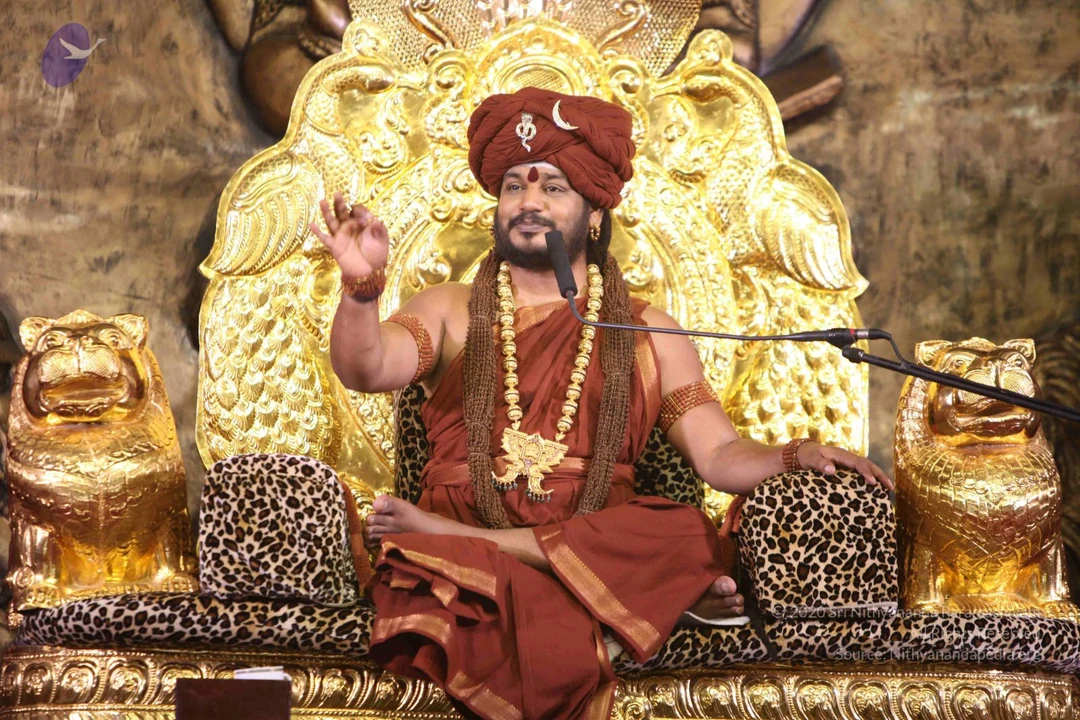
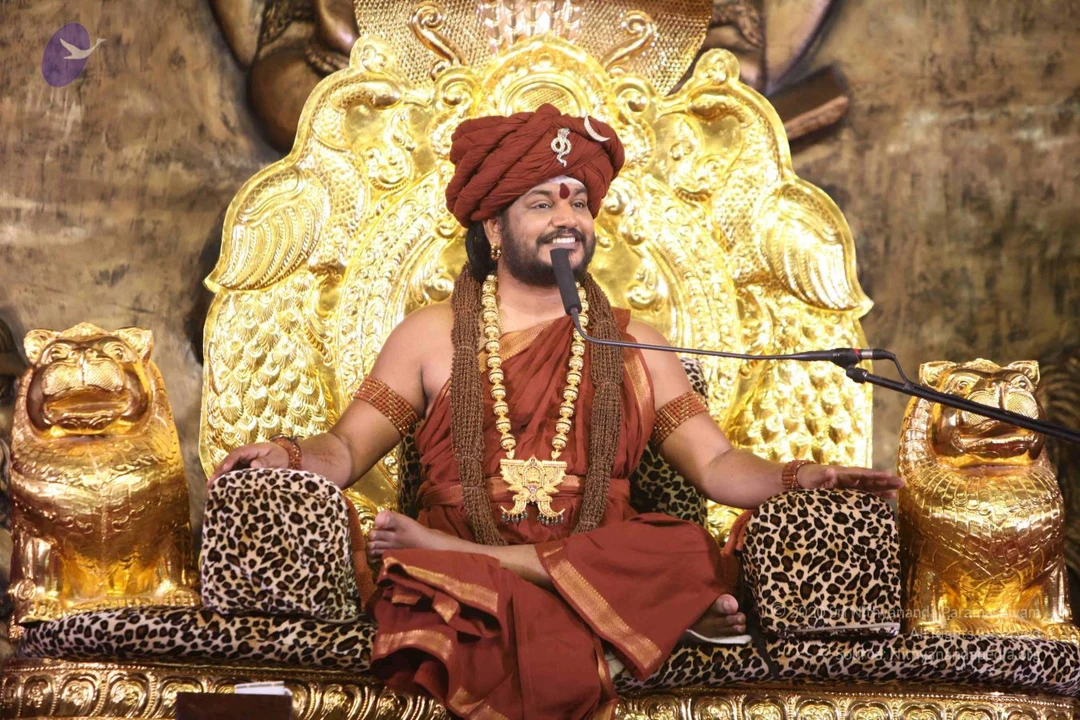
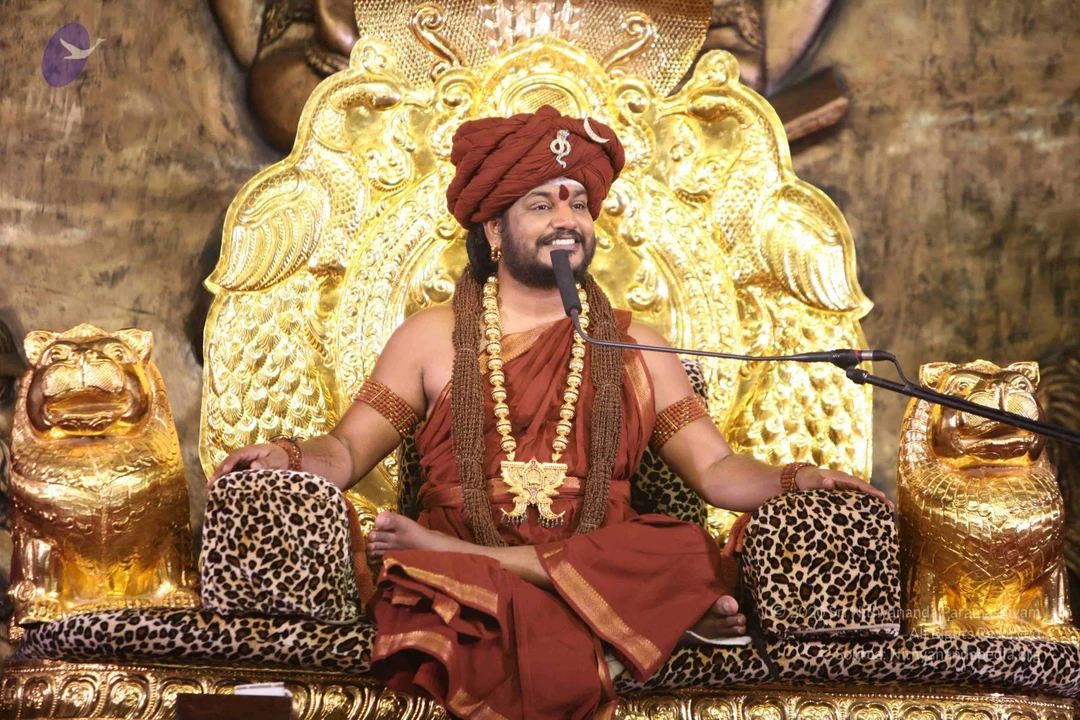
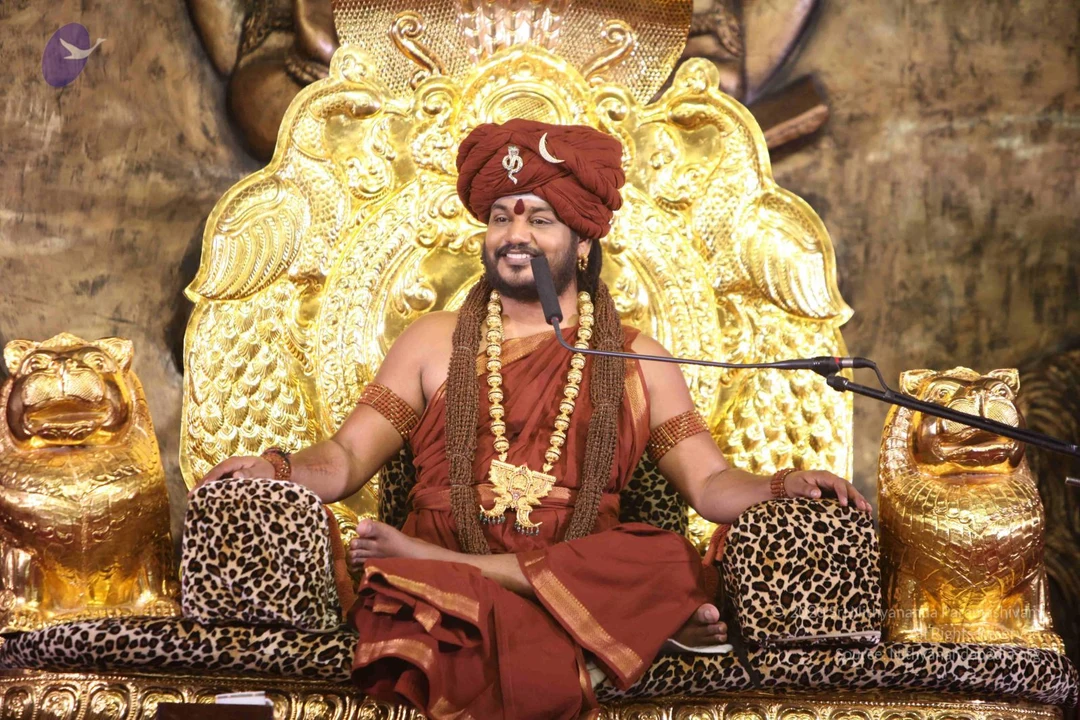
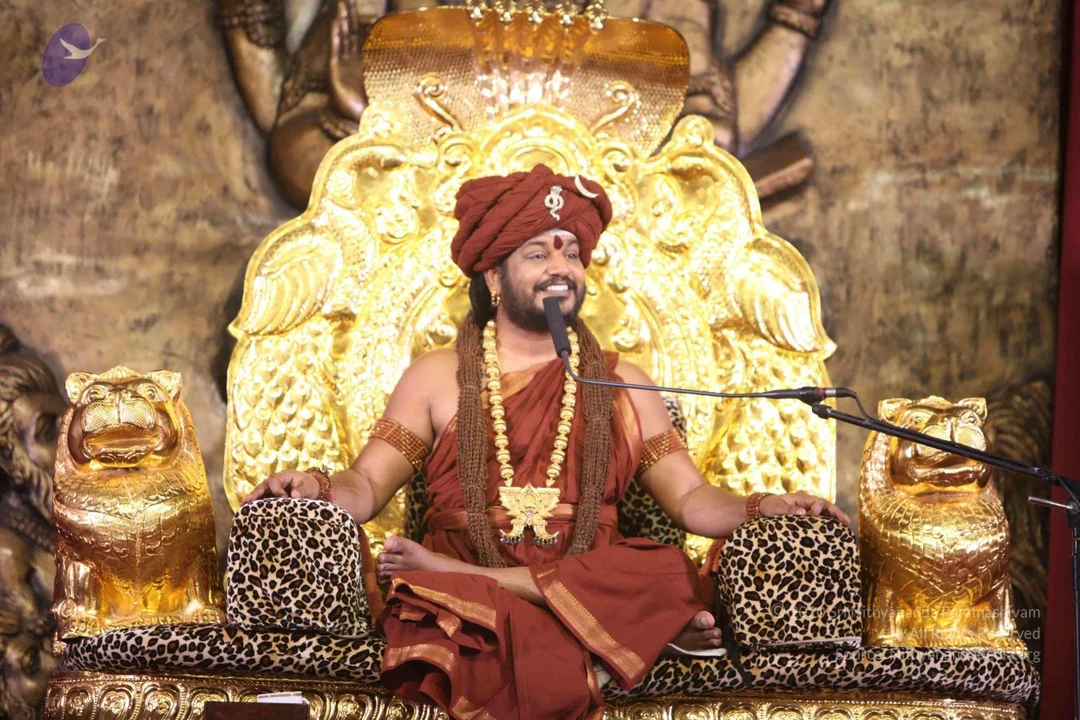
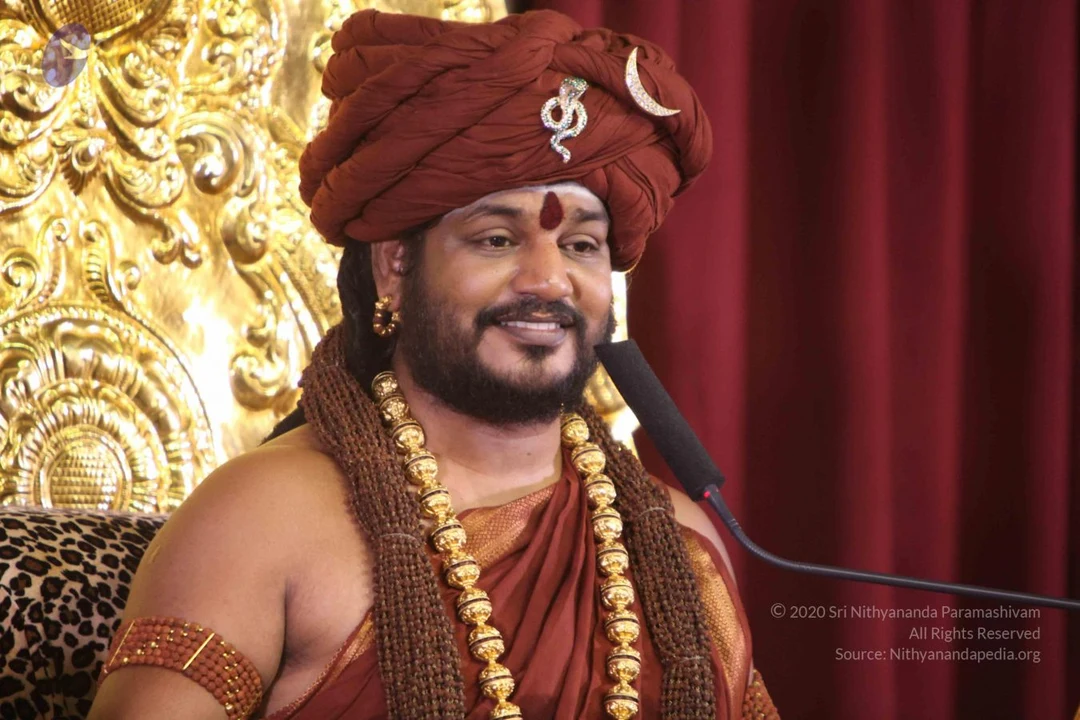
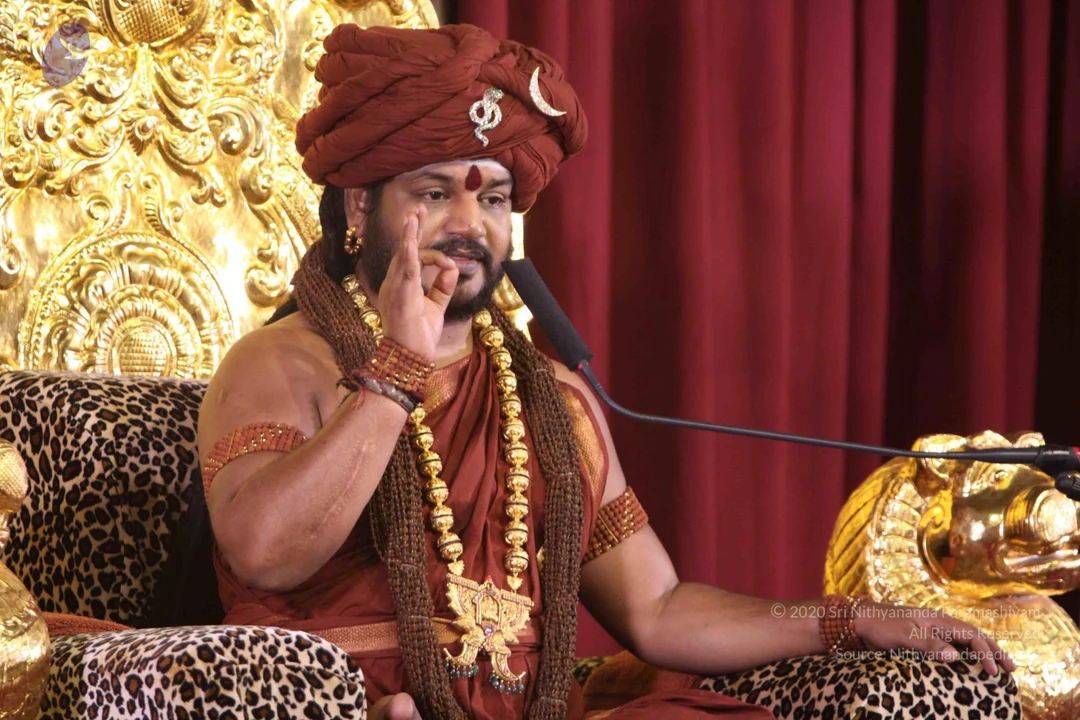
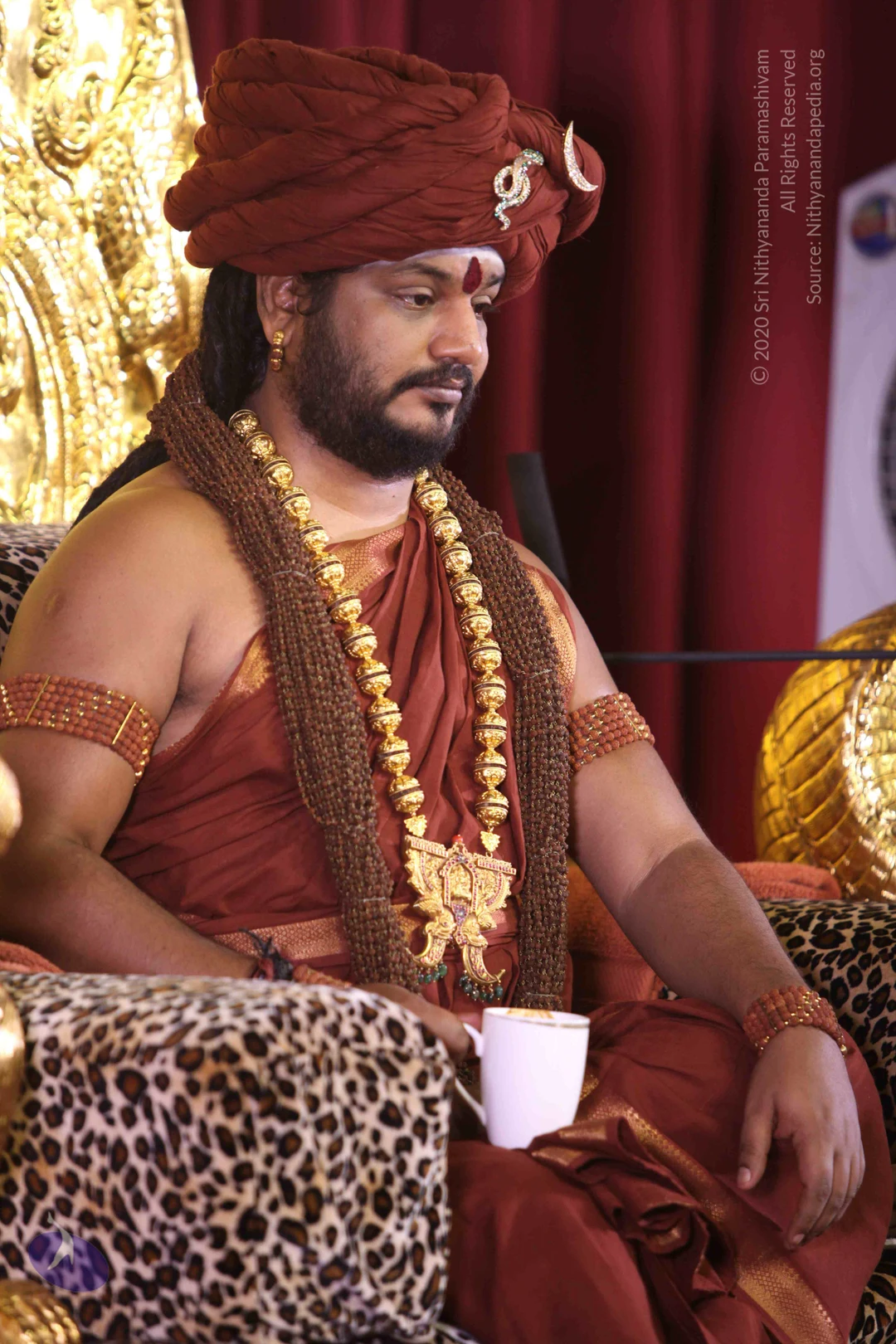
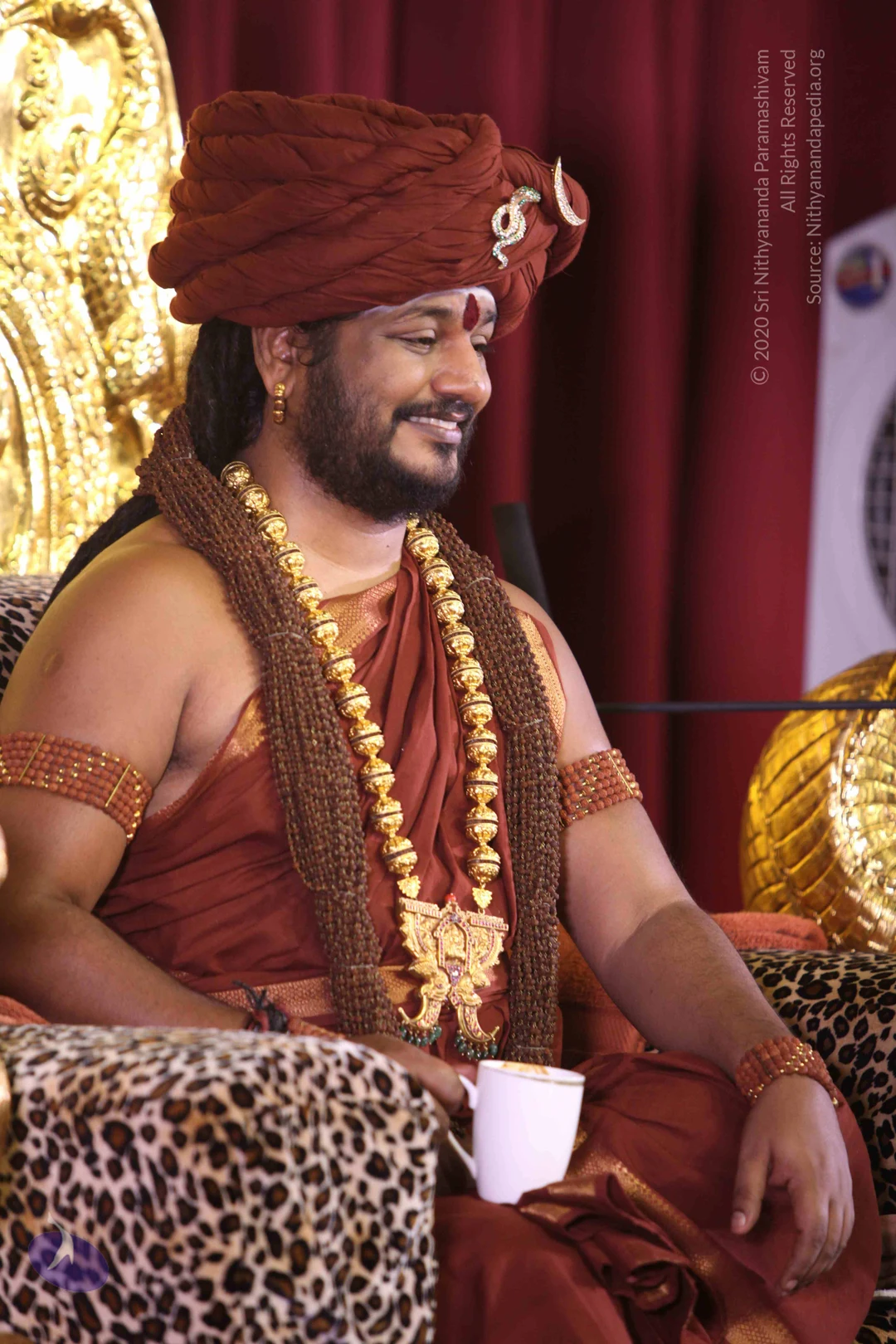
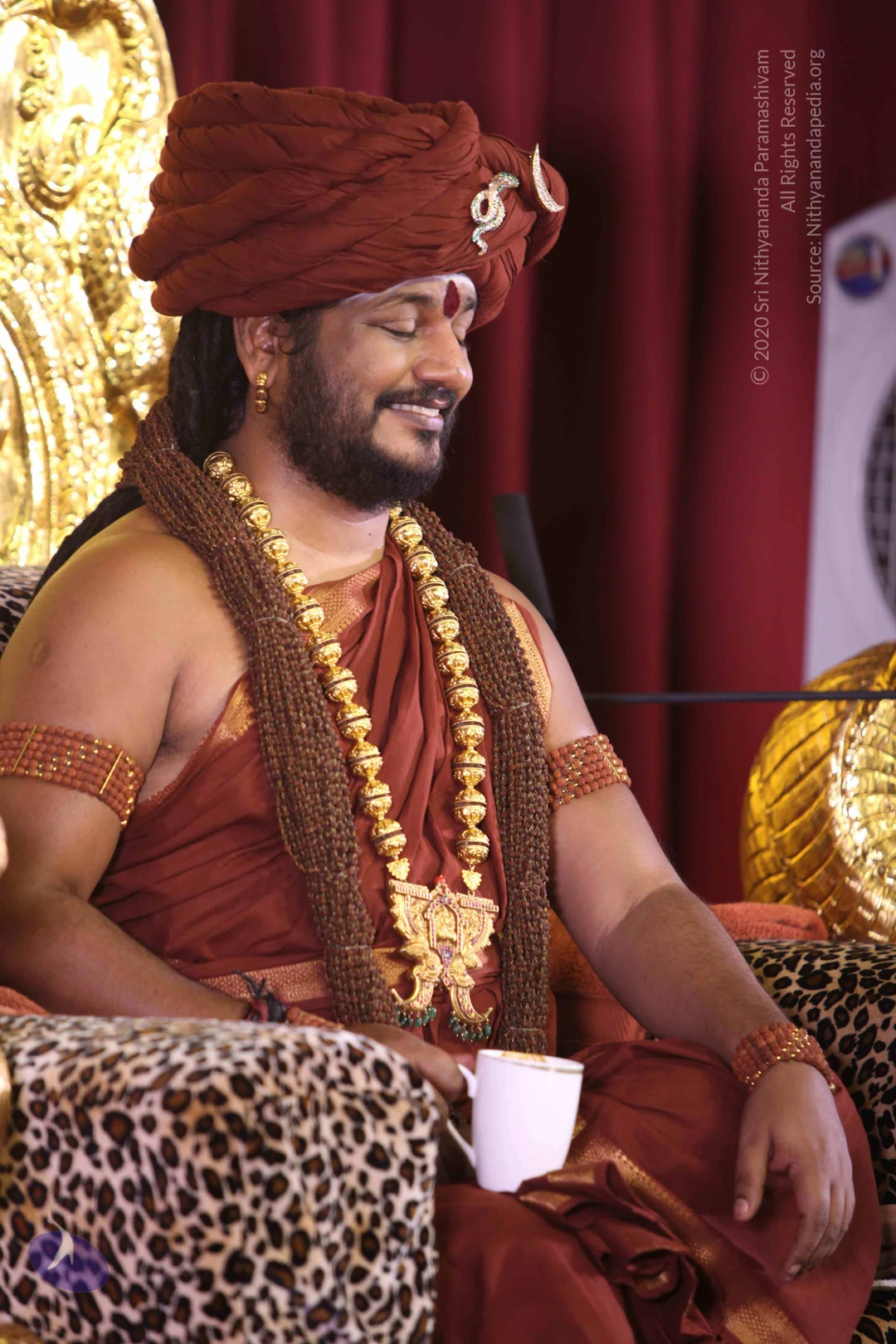
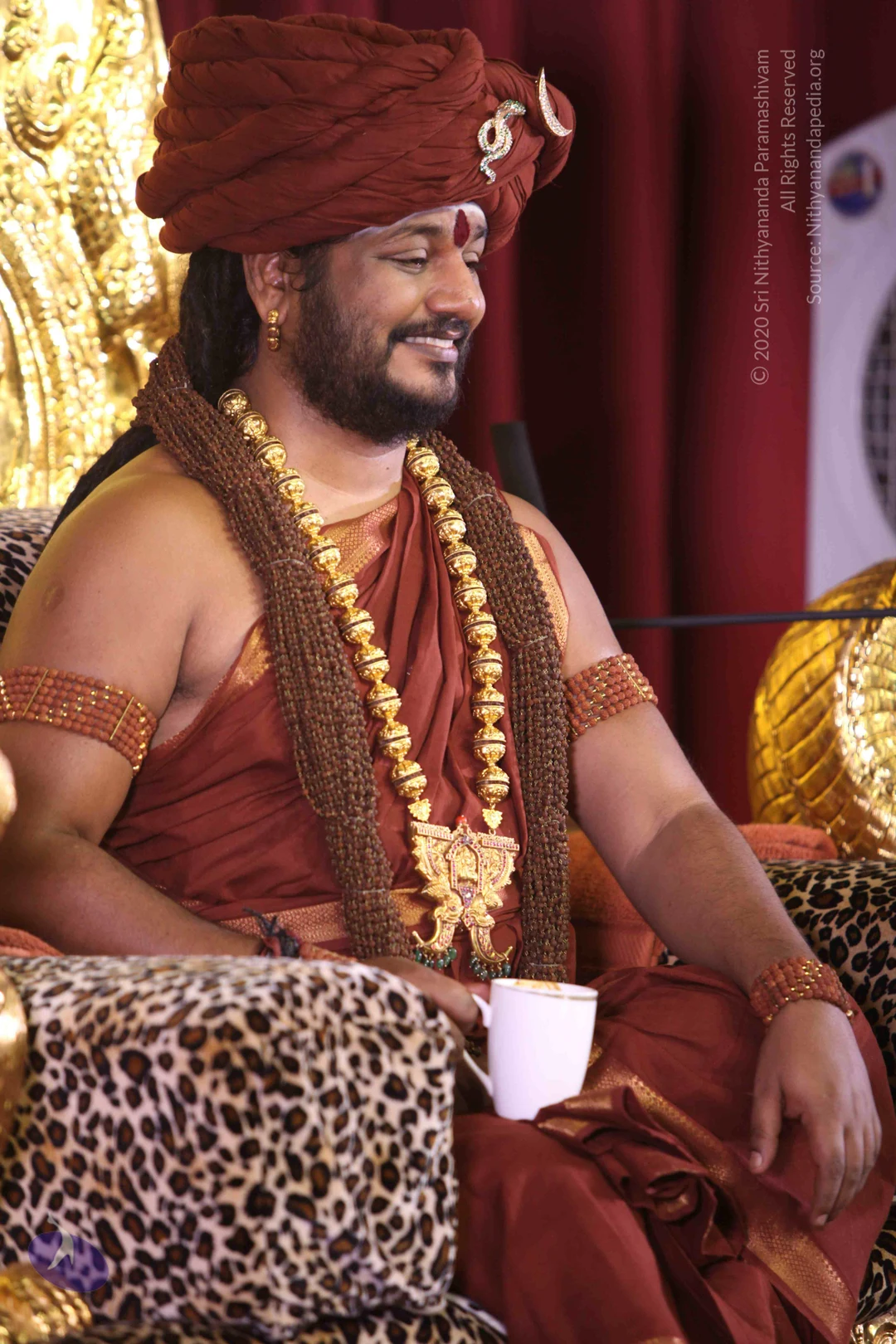
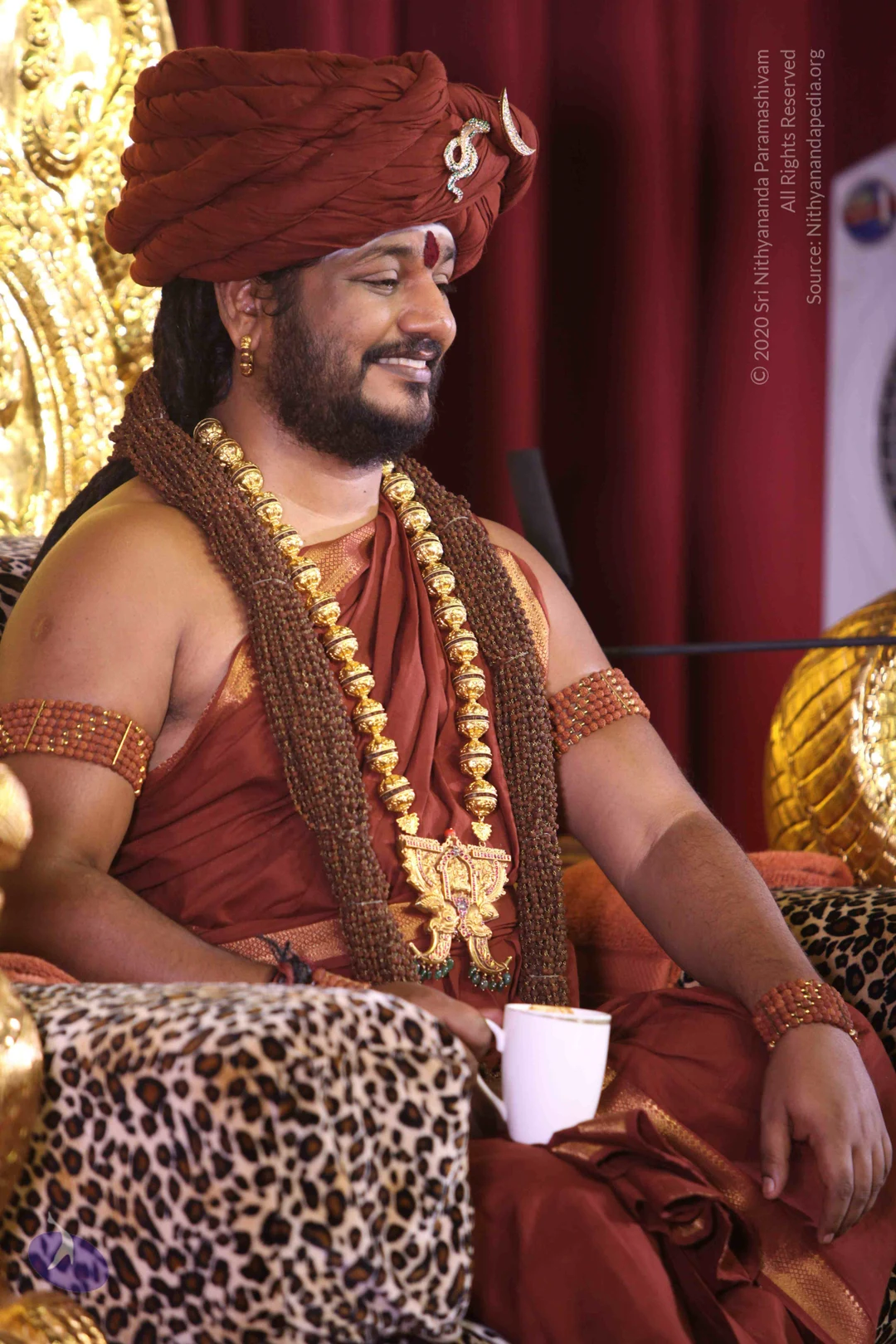
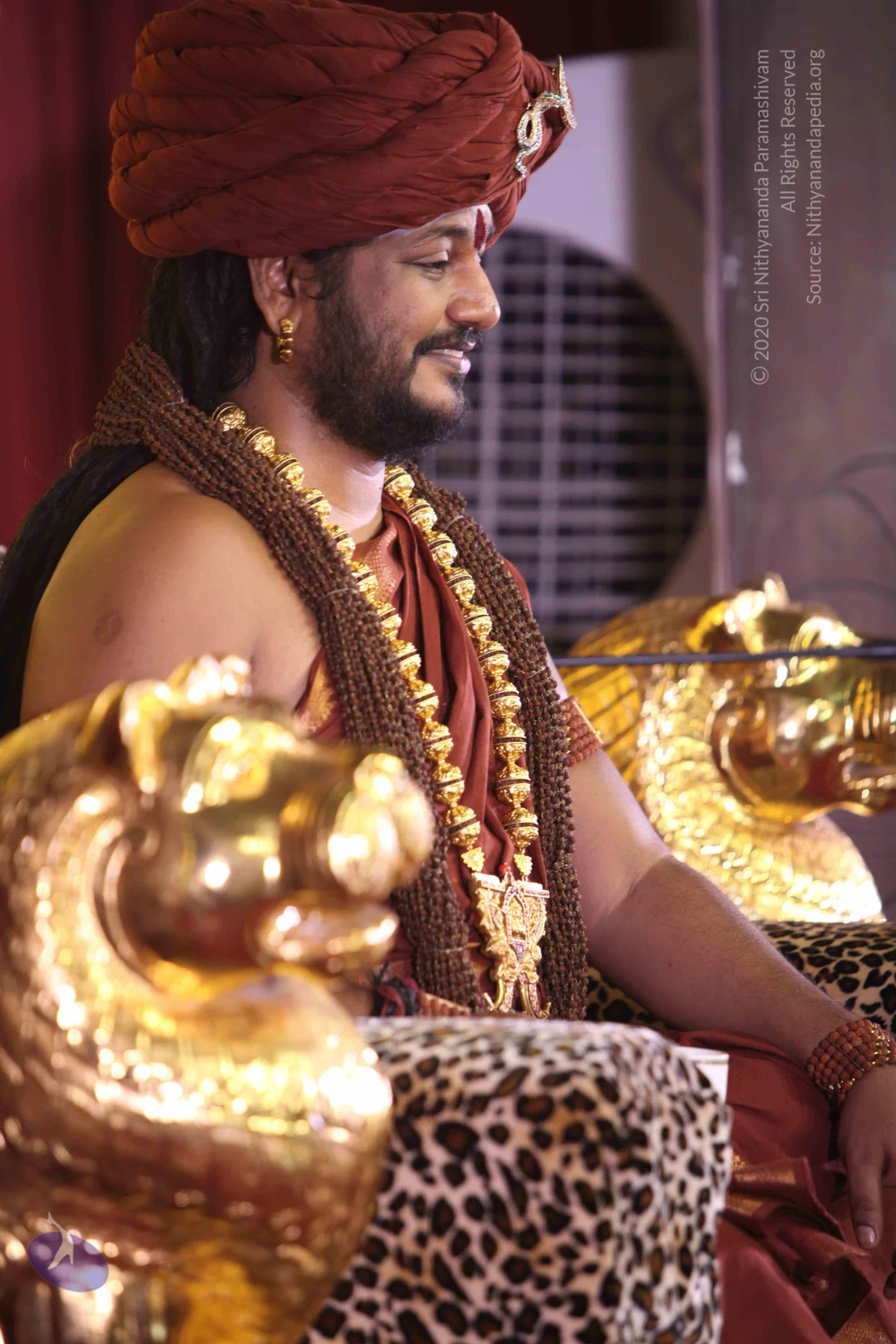
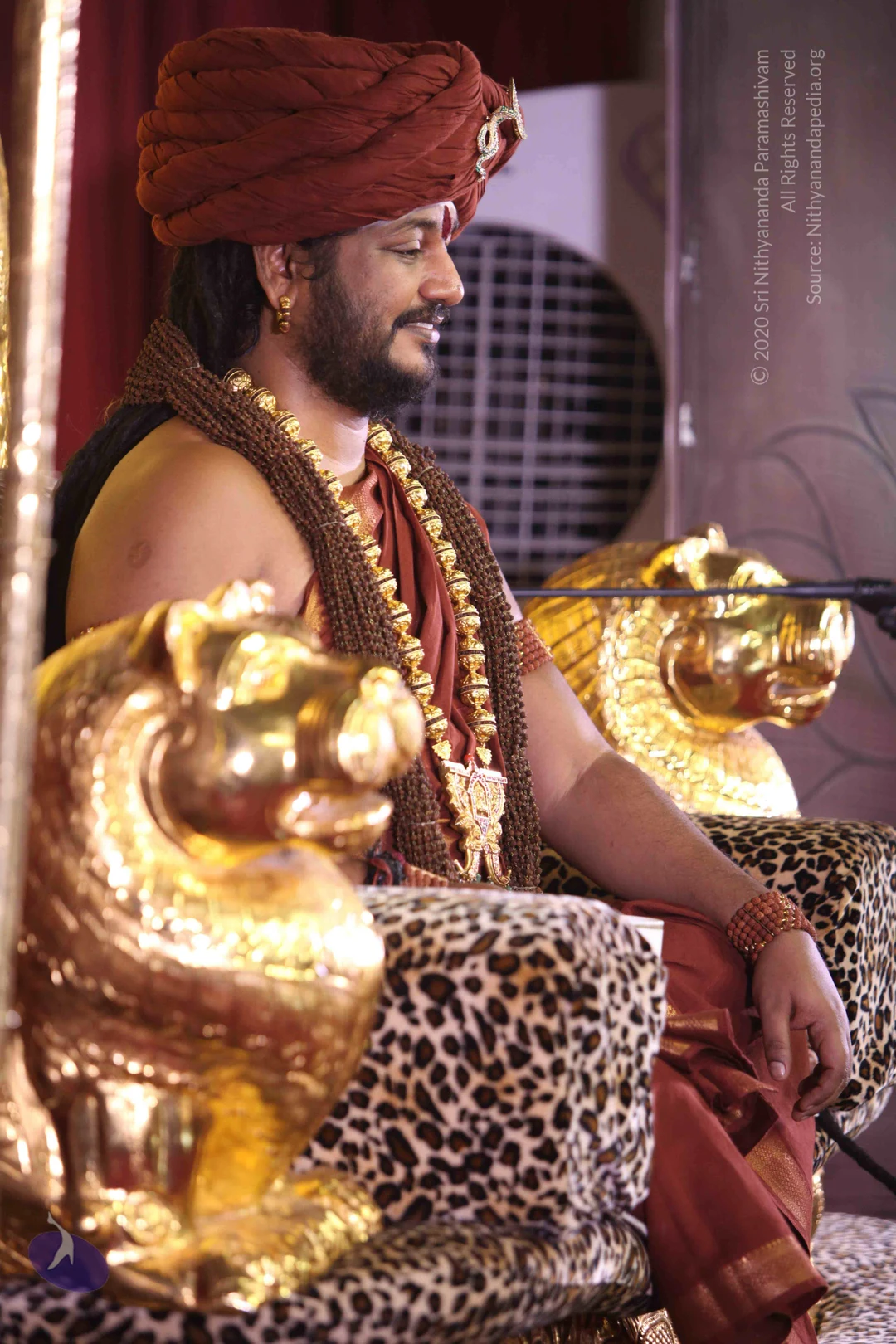
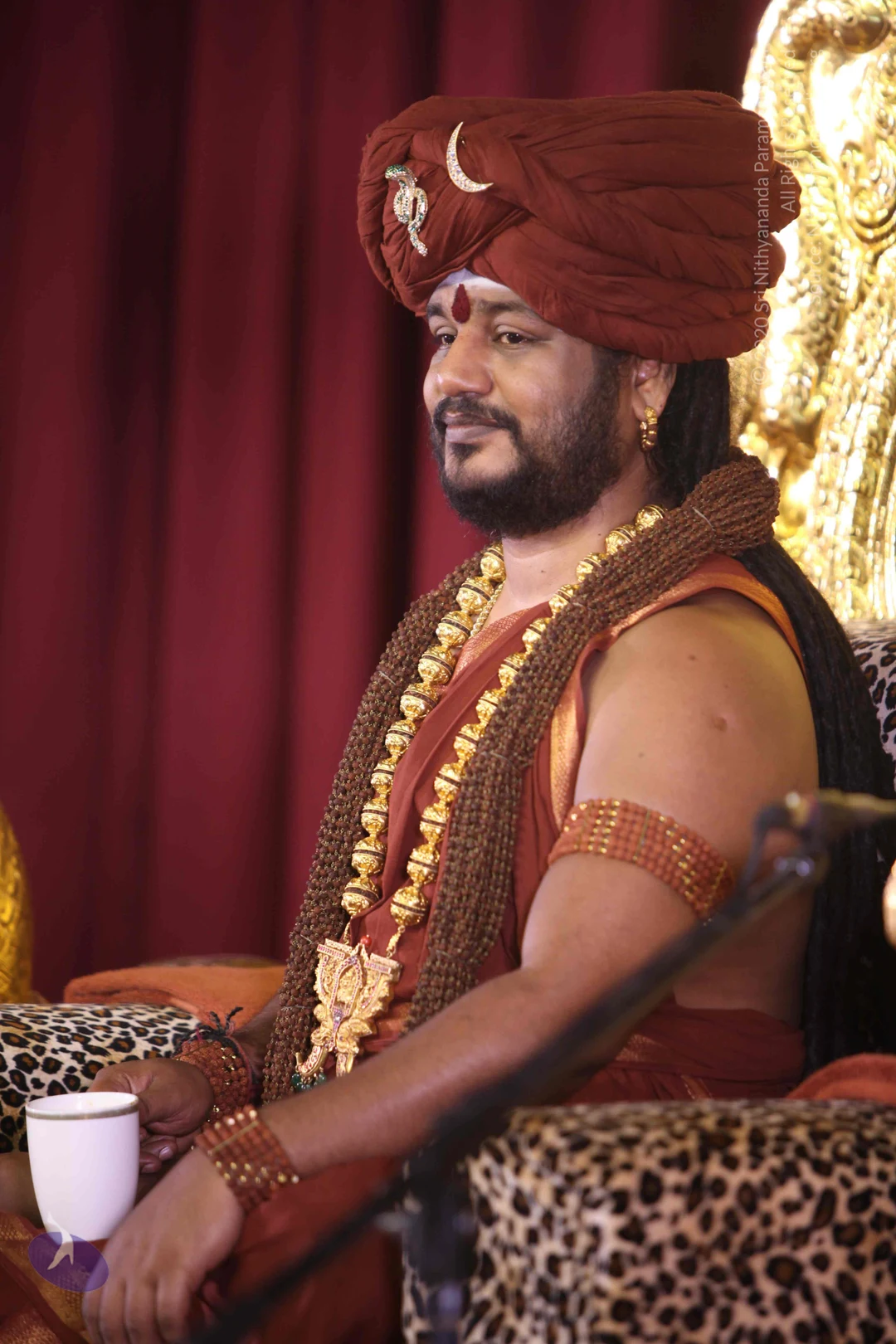
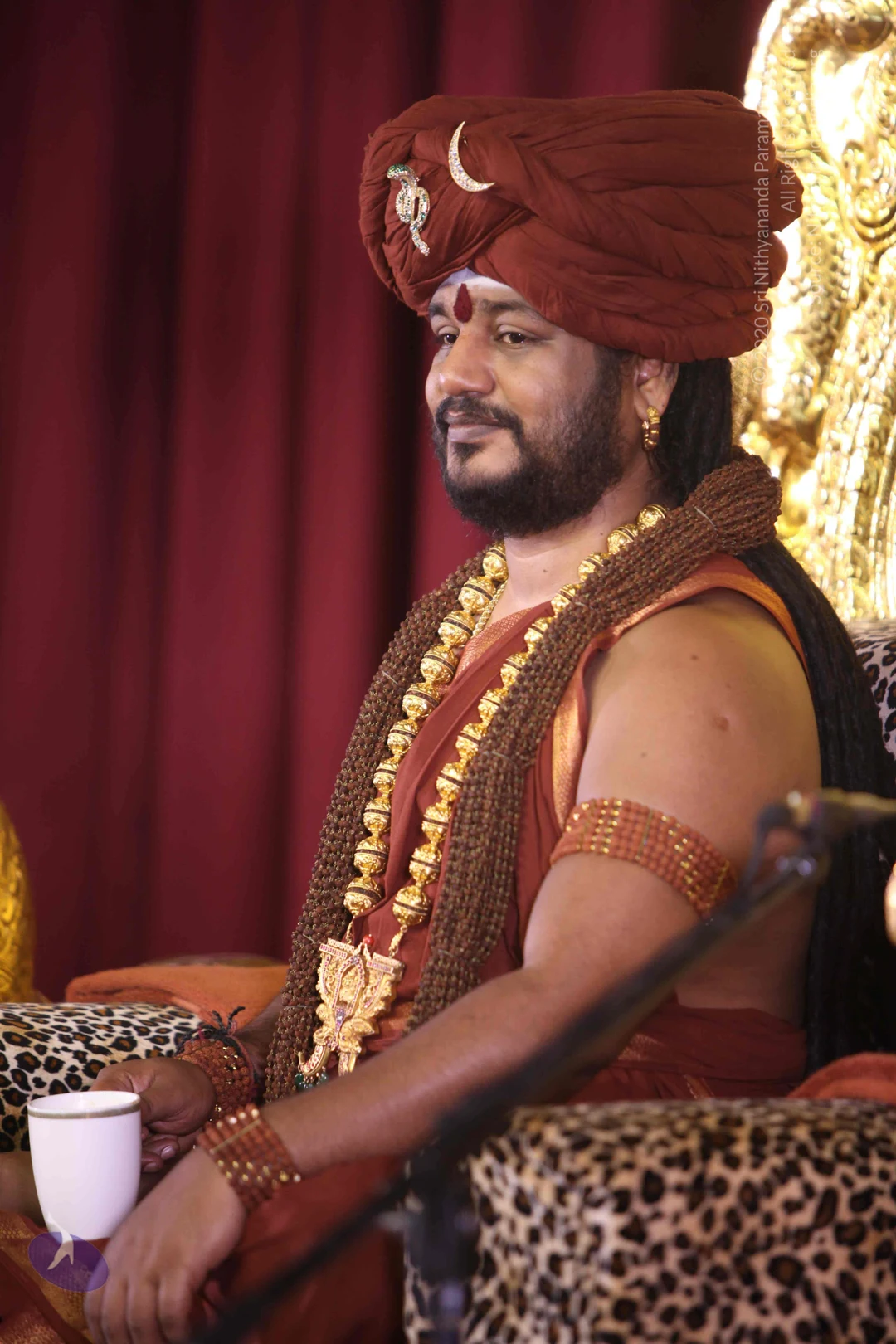
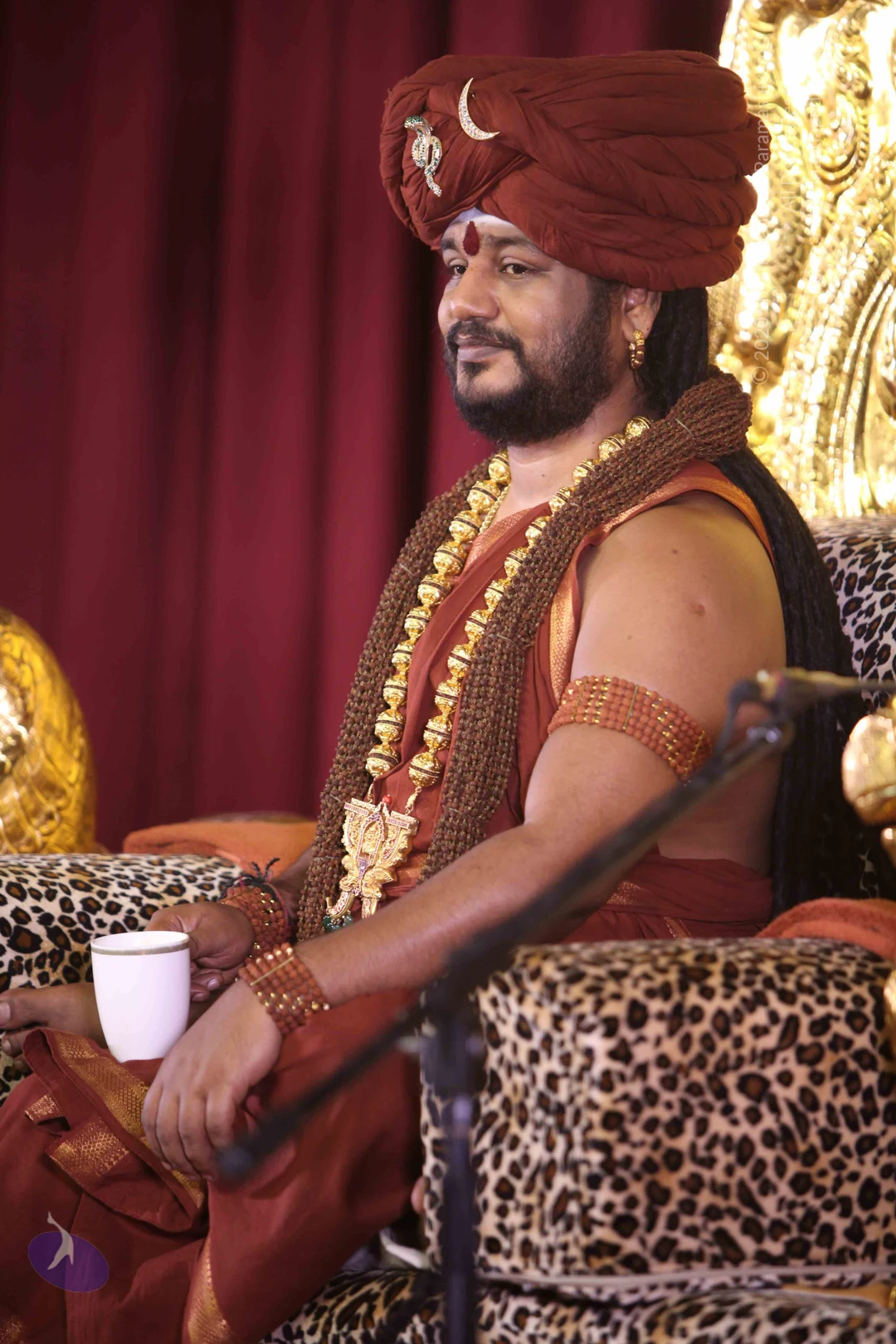
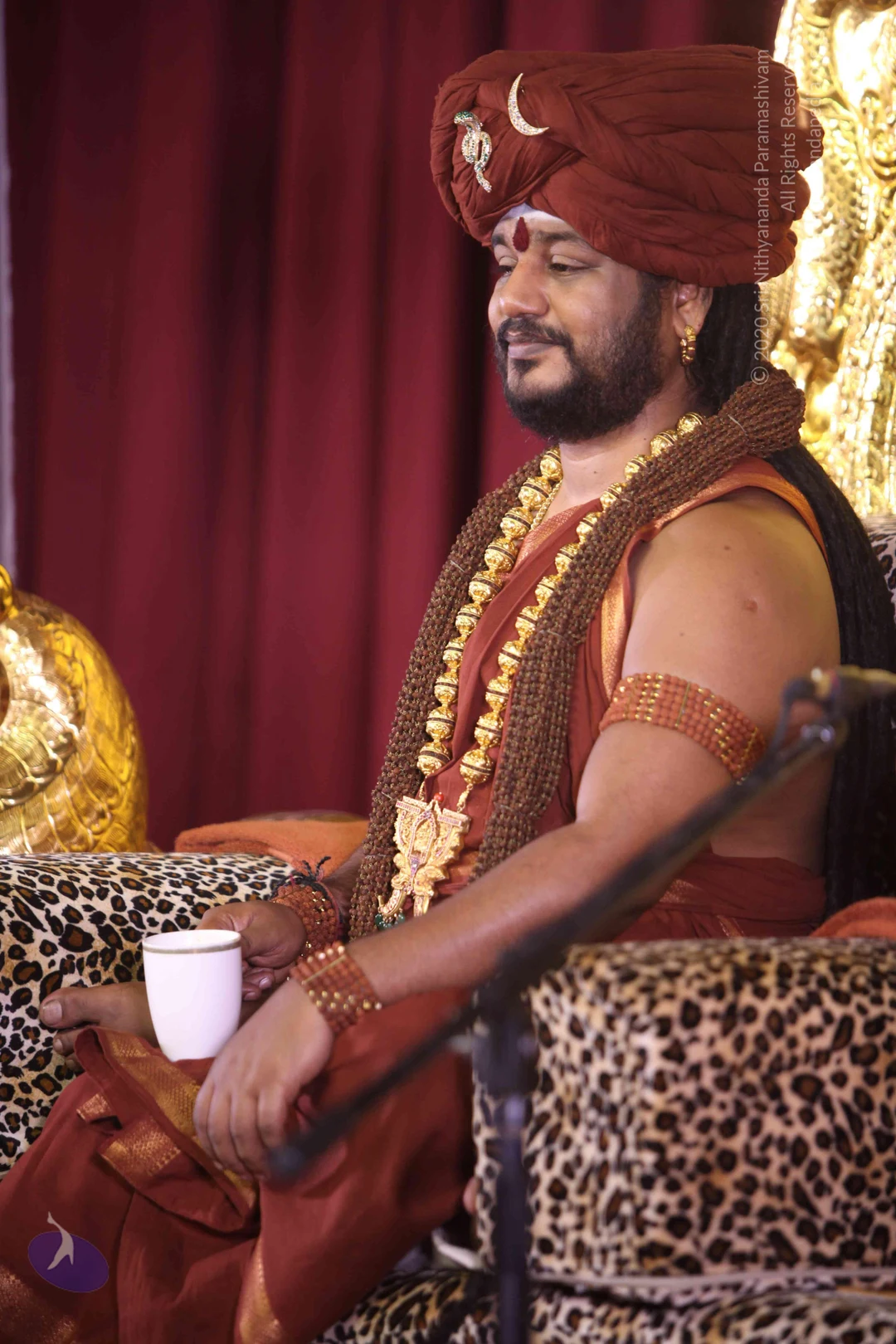
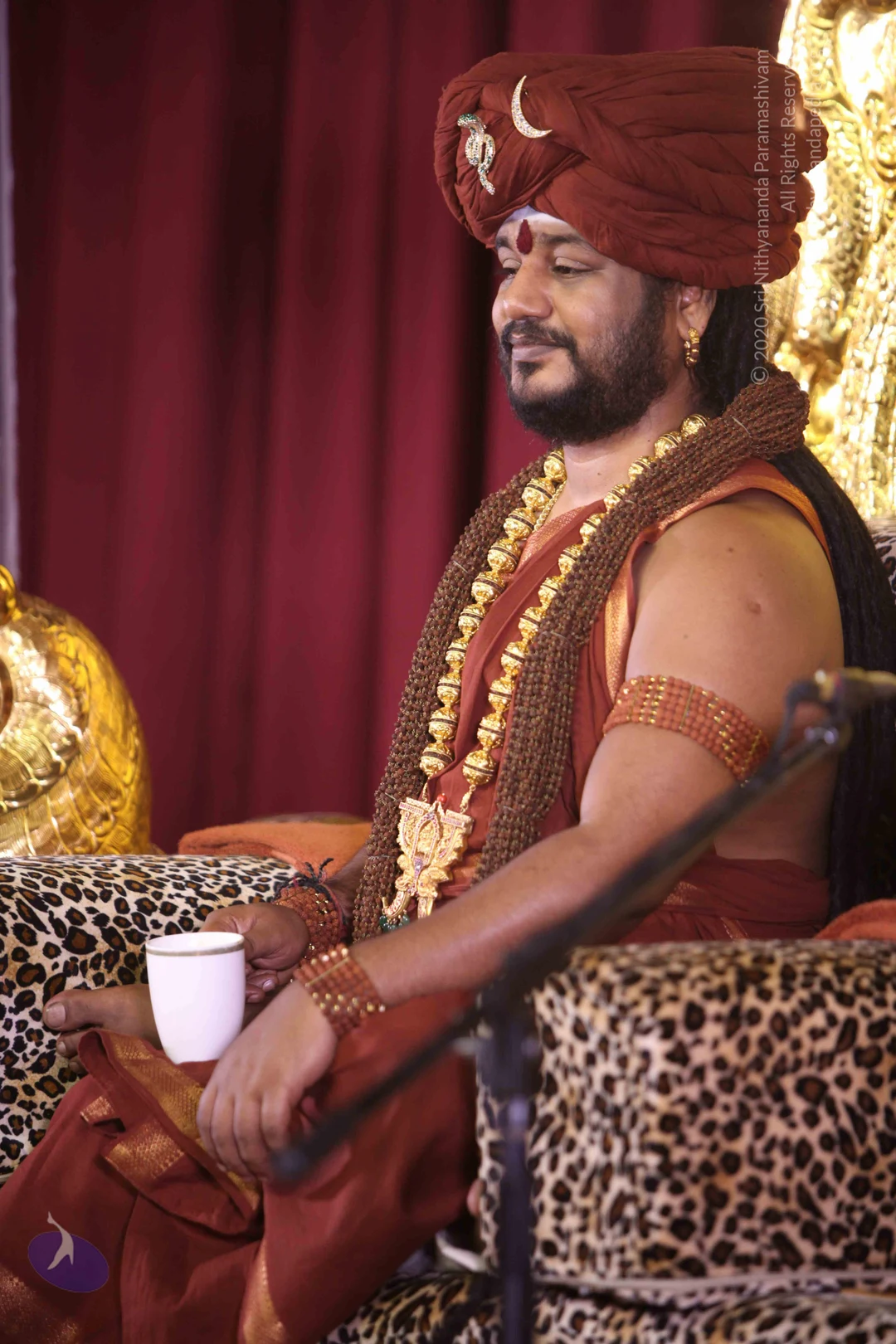
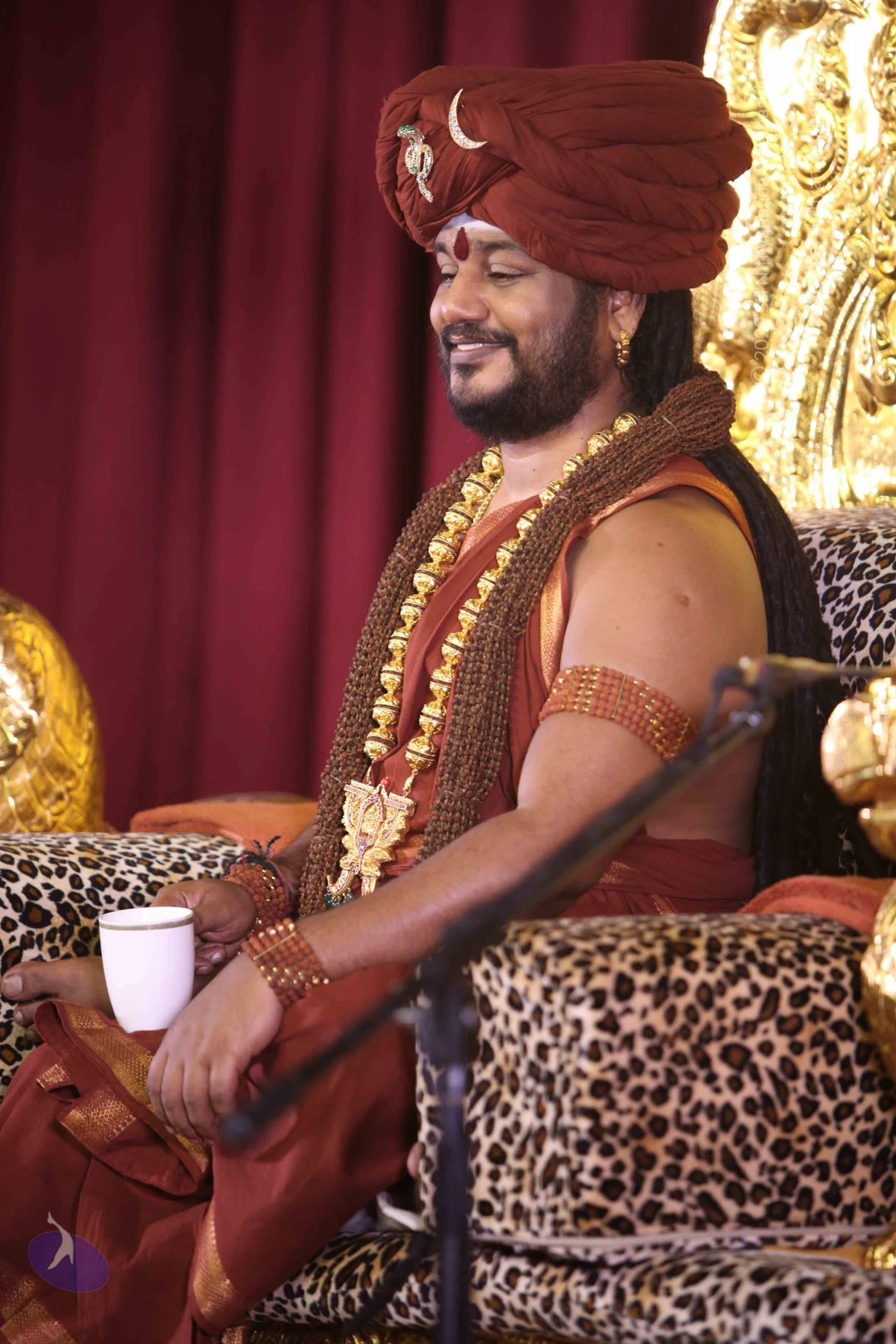
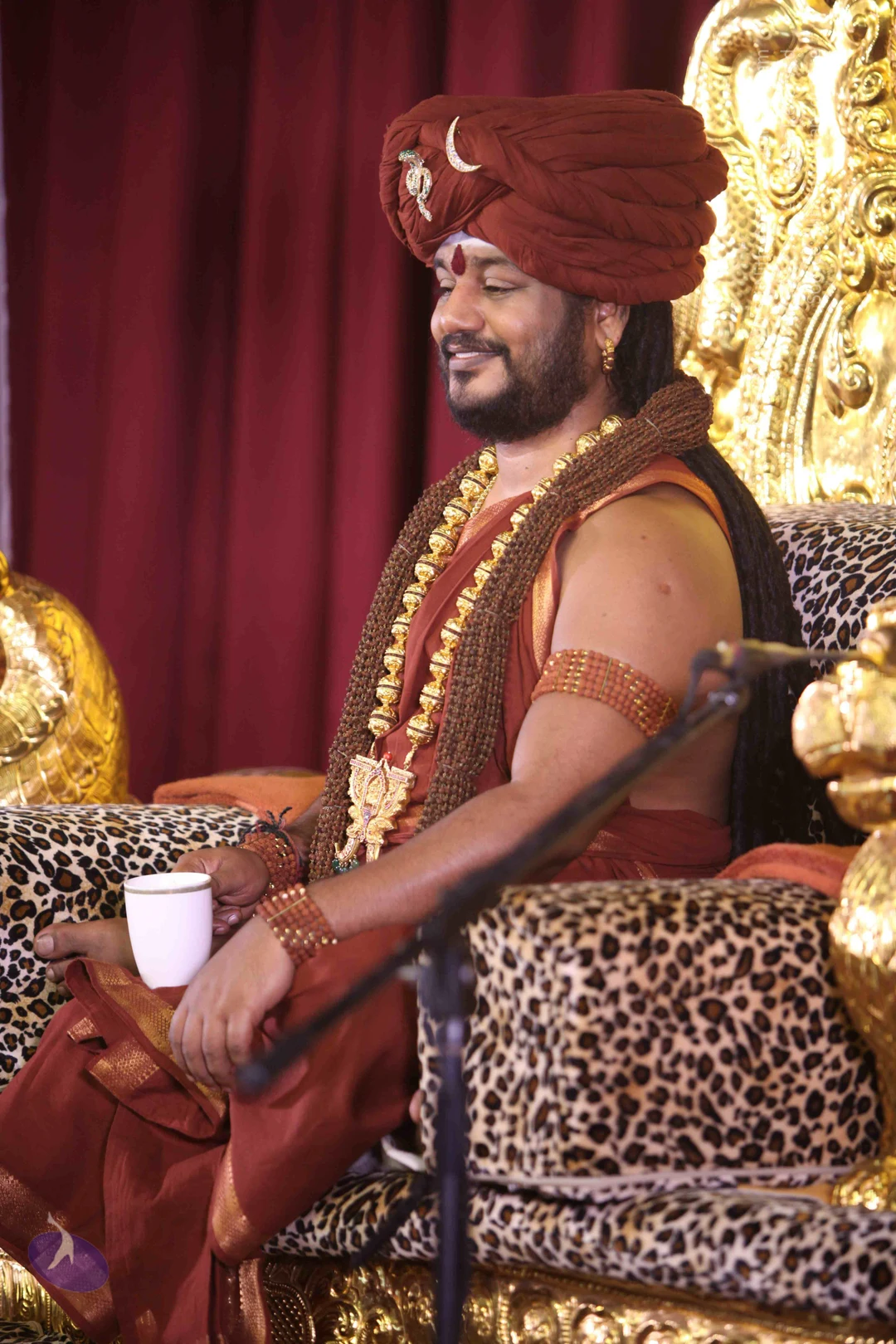
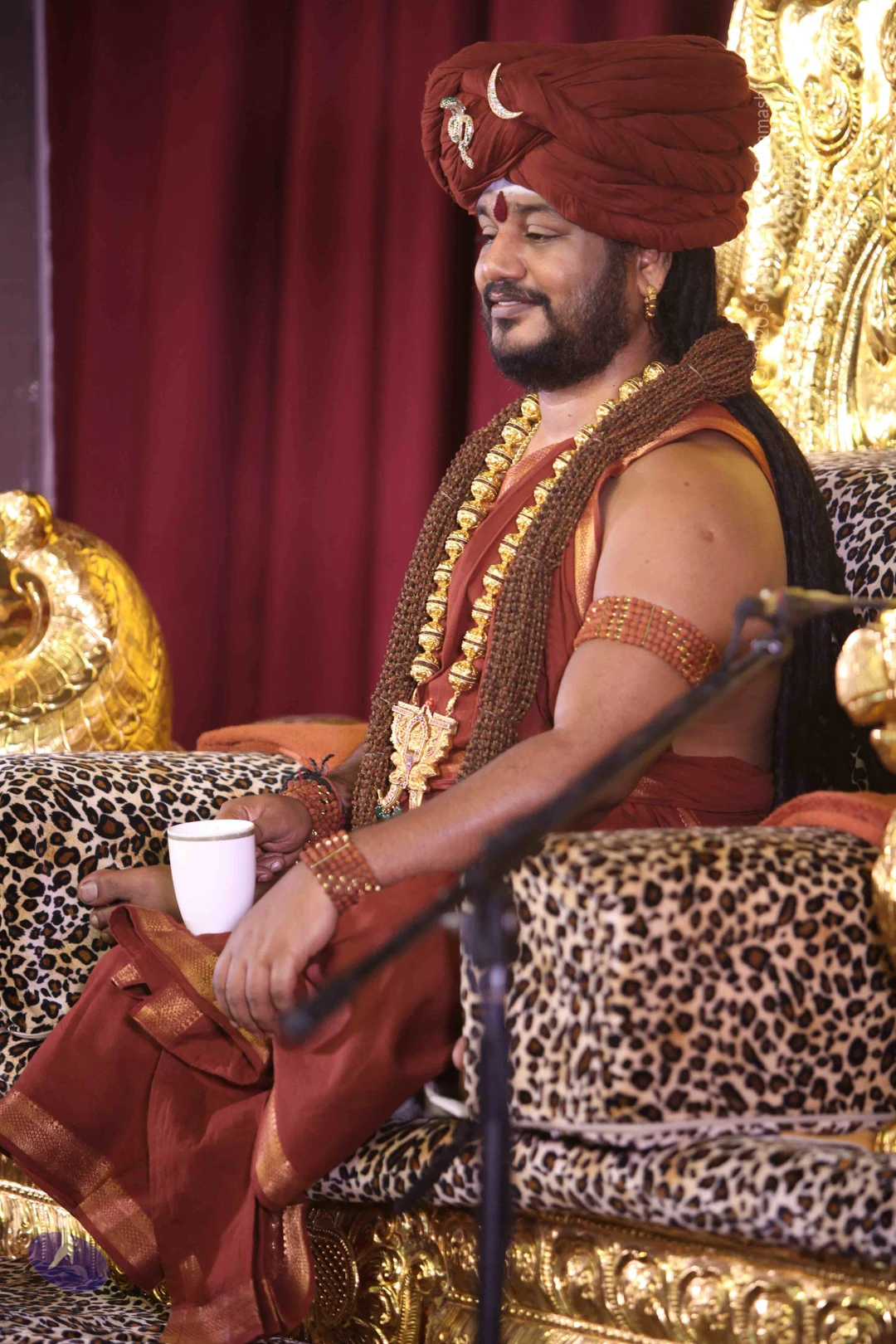
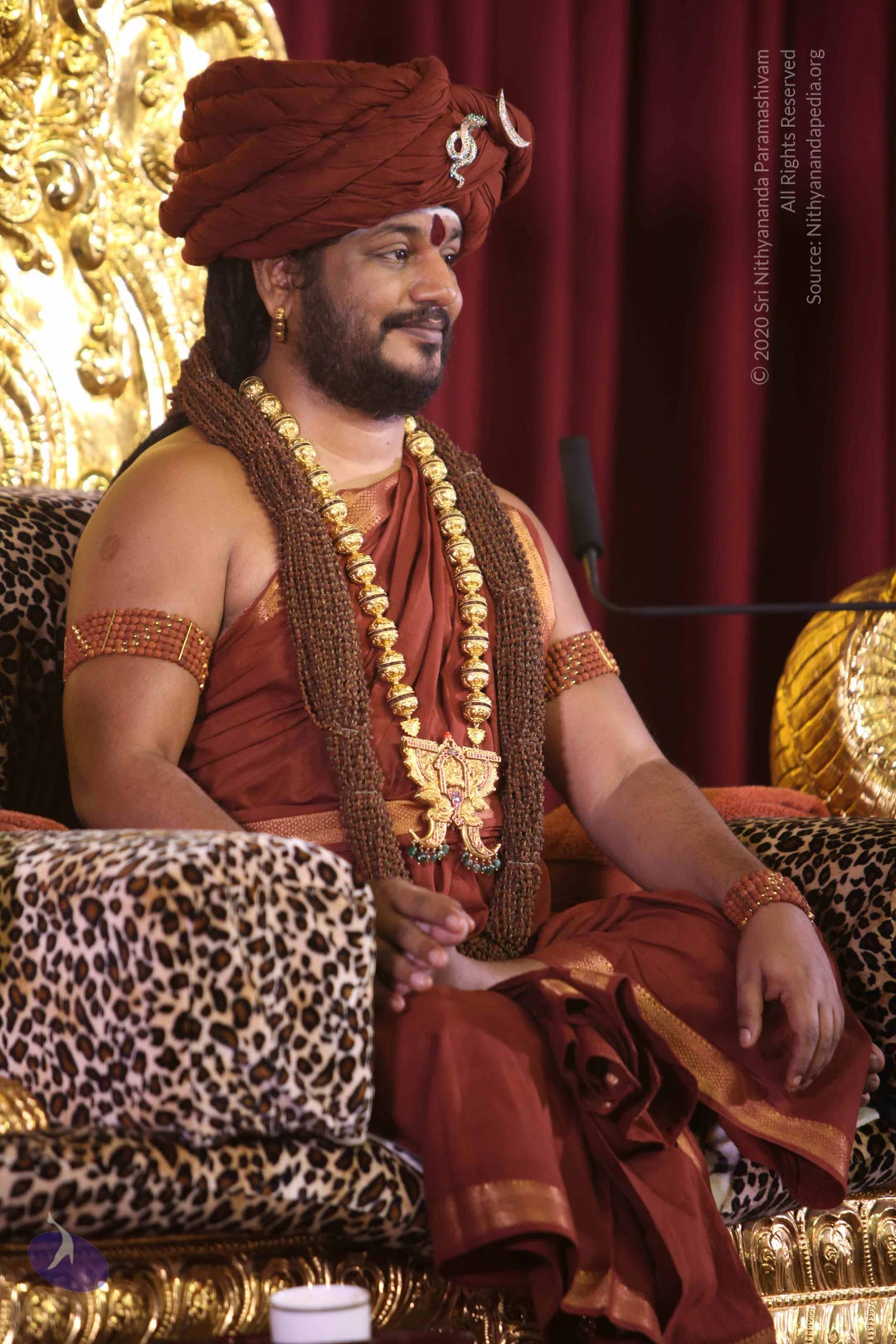
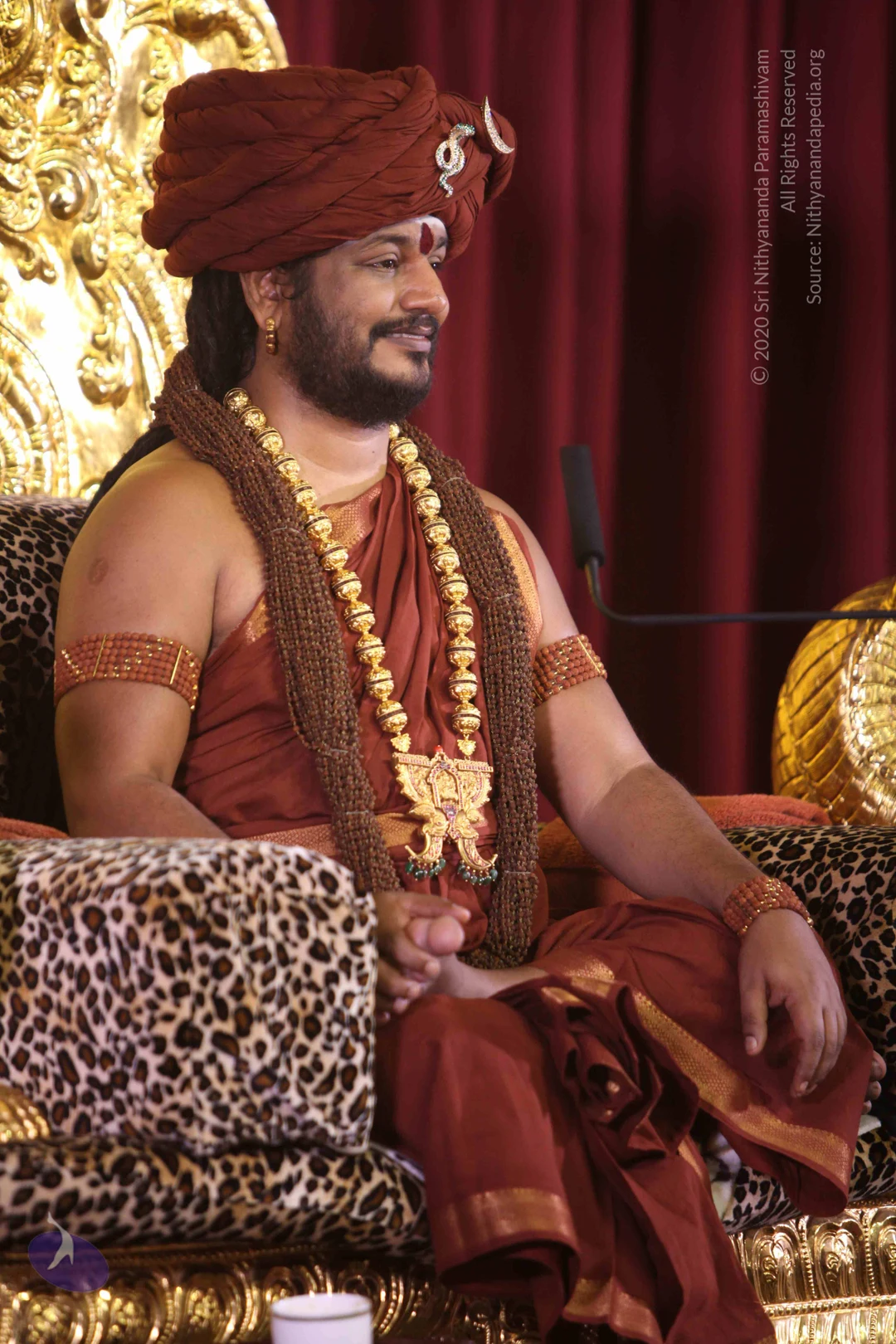
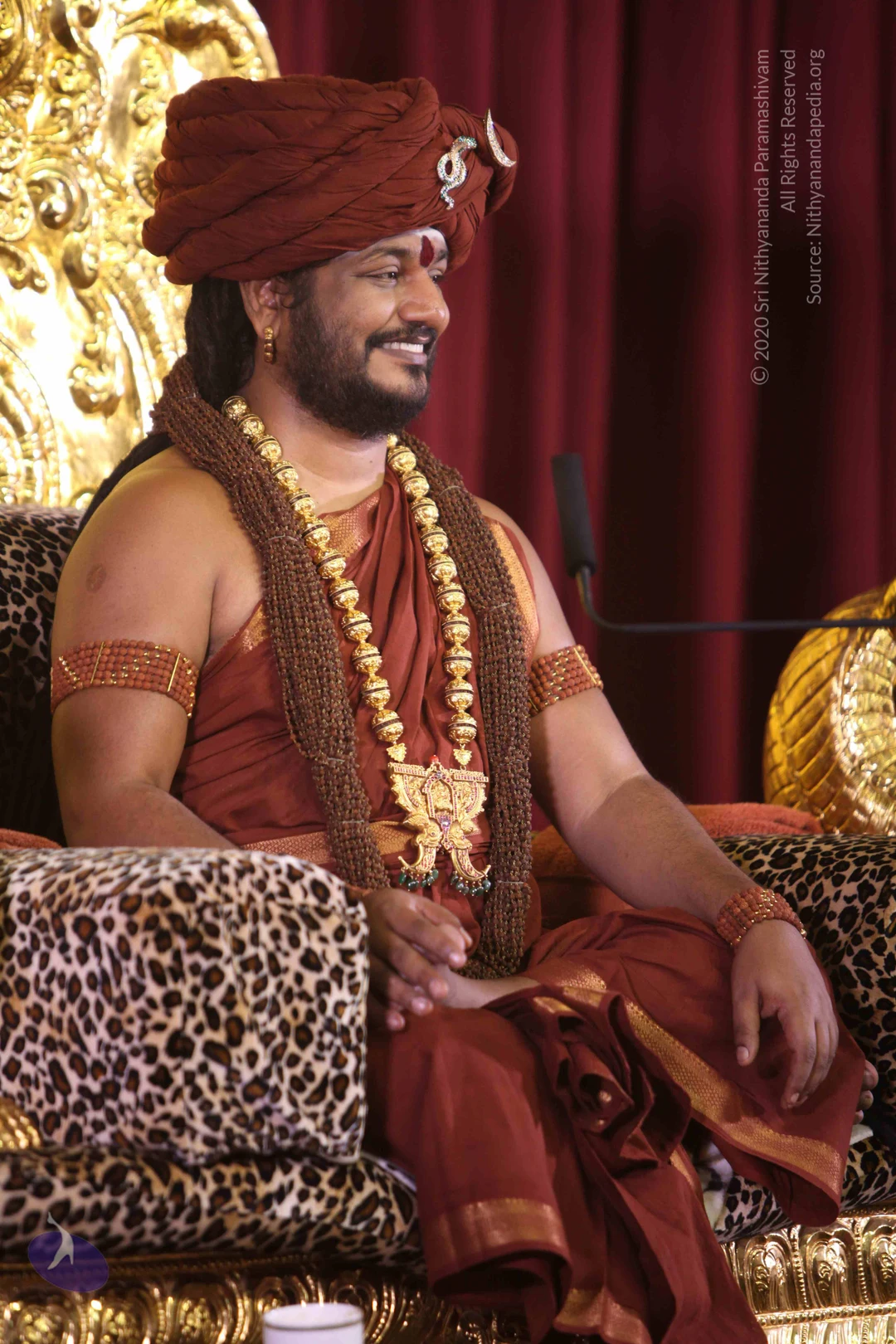
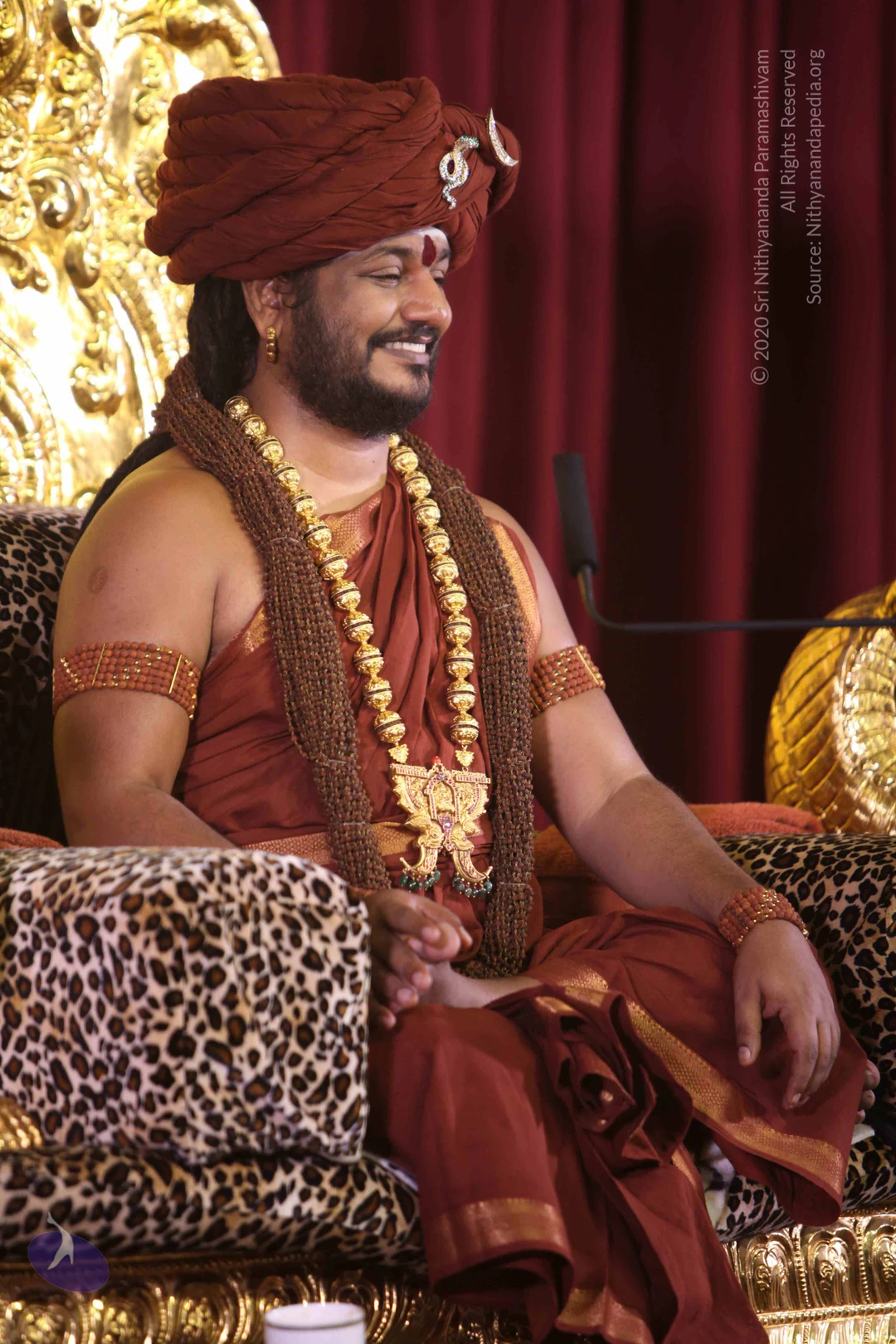
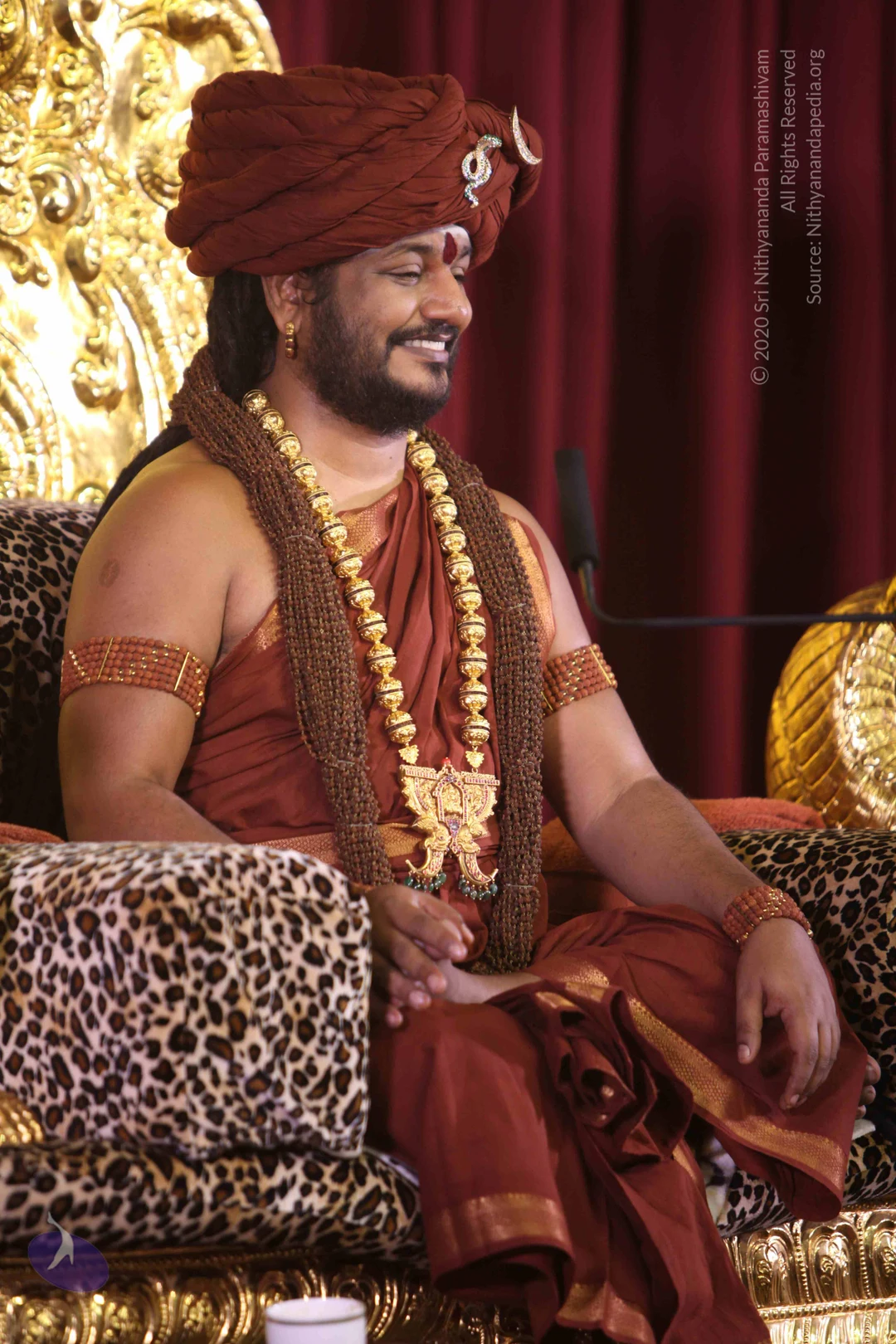
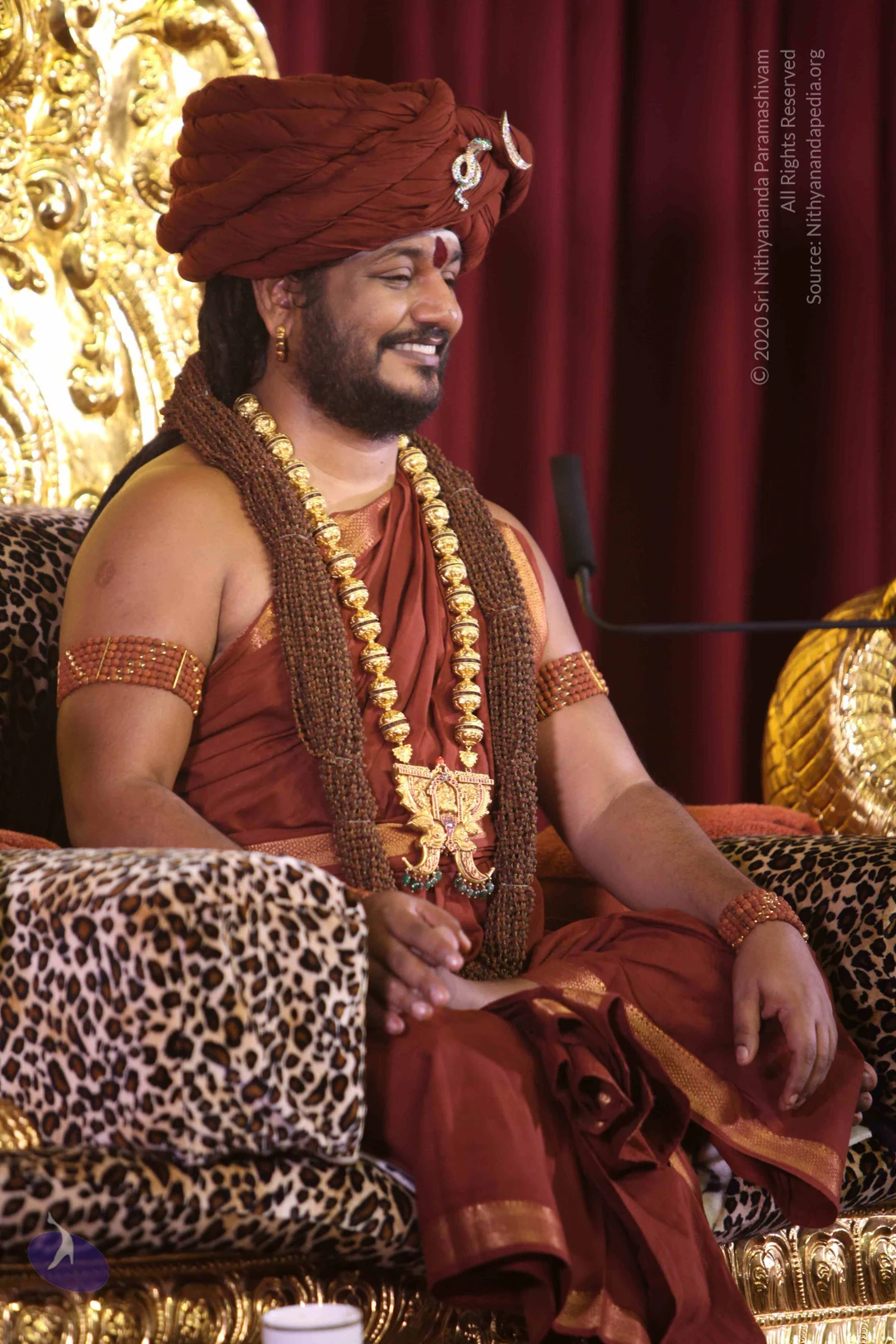
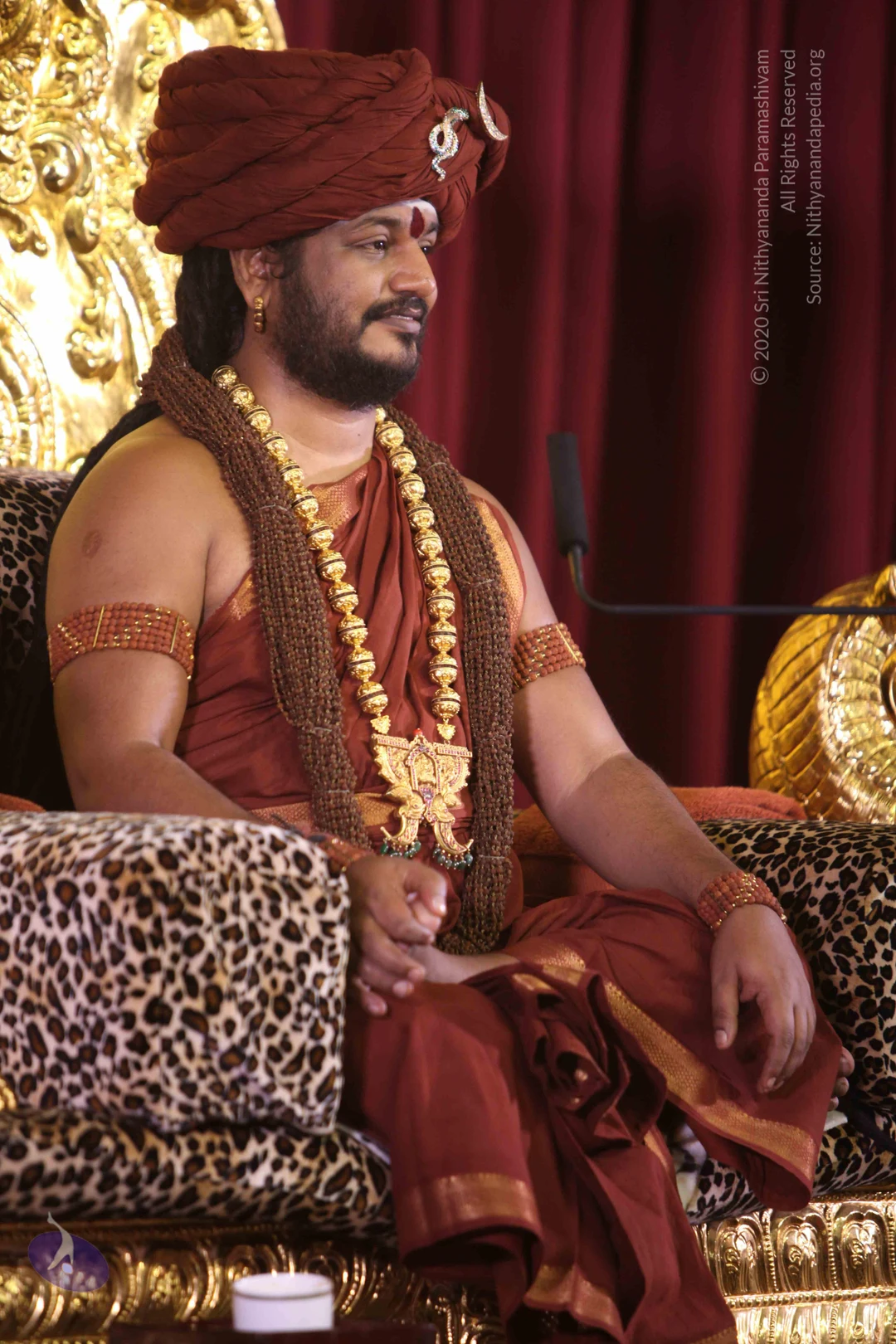
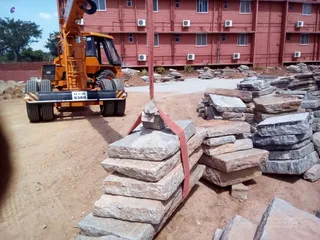
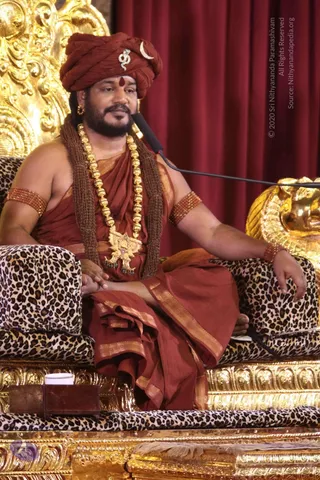
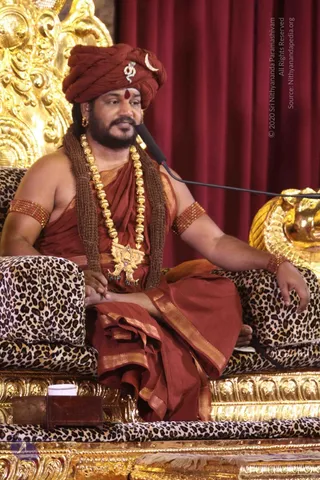
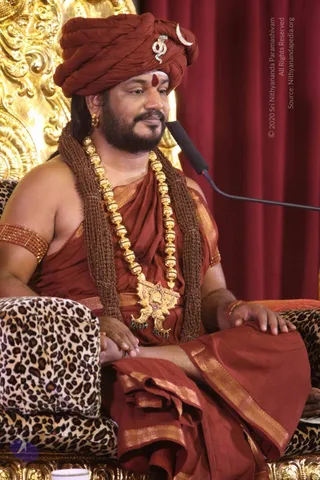
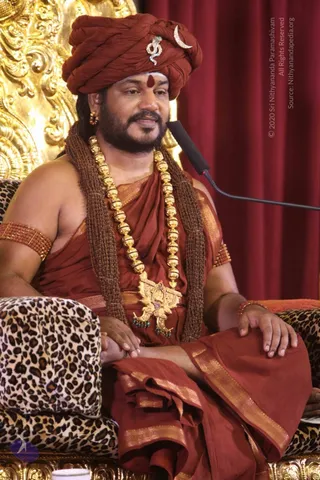
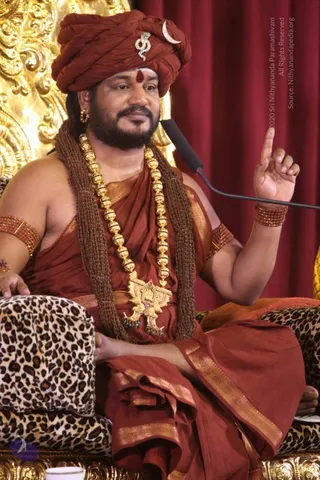
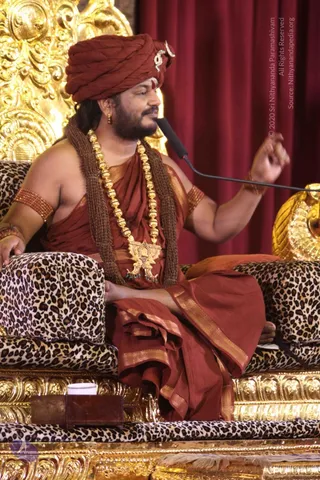
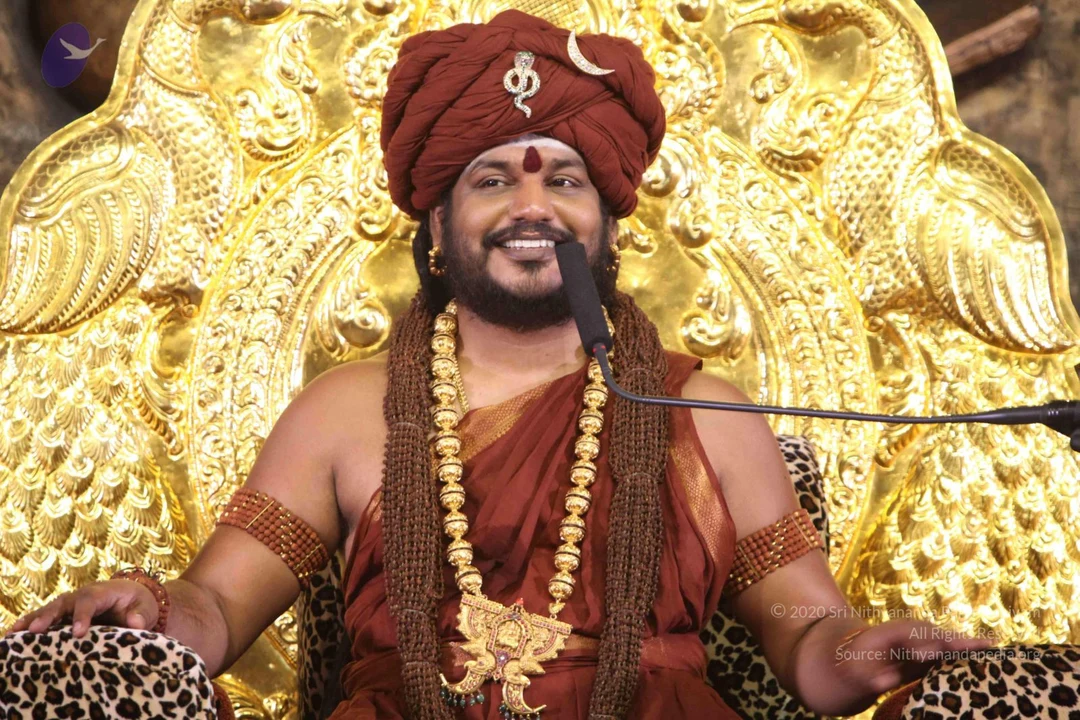
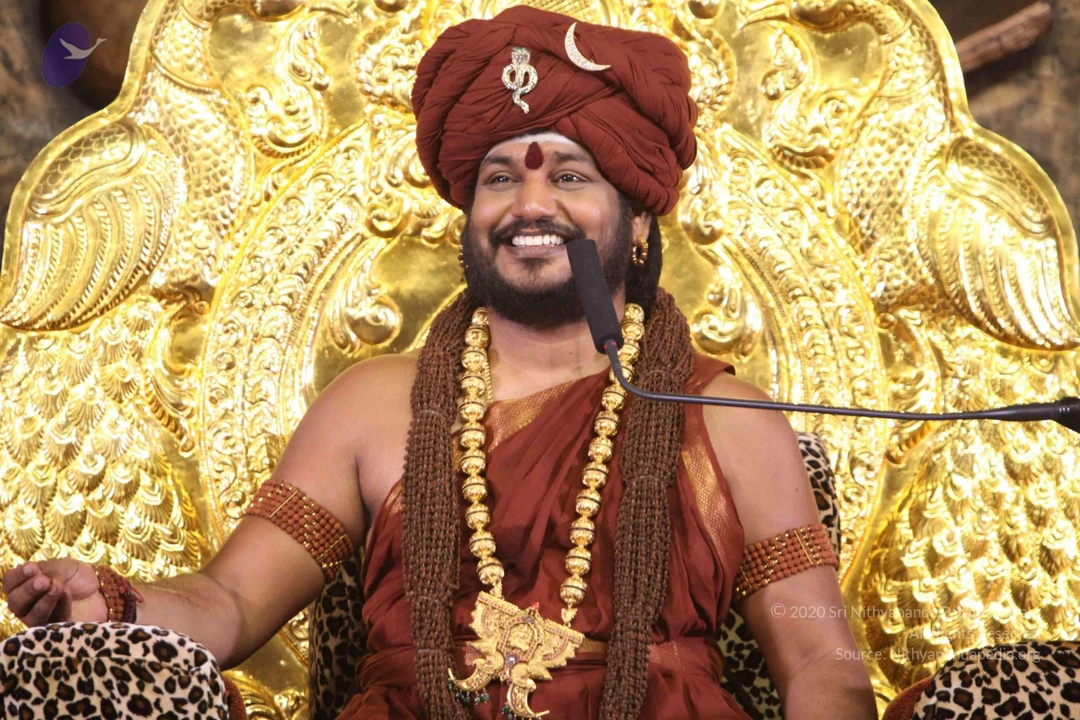
A photograph of a paved courtyard under construction in front of a red multi-storey building with many split air-conditioner units mounted on its walls. Three men stand on the stone slabs: a young man in a blue-and-green striped shirt and jeans, a man in a grey shirt and trousers, and an older man in a light blue shirt, dark trousers and a blue head wrap who holds a long metal rod. Grey flagstones are laid in a grid, some are loose, and piles of stone slabs, sand and rubble lie around. No visible a person candidate is present, and the page's event description is not depicted in the scene.A man seated in profile against a deep red curtain, smiling, wearing a rust-red turban with a gold snake and crescent-moon brooch. He has a red bindi on his forehead, a gold earring, and a long dark beard. Around his neck are gold bead necklaces and a thick rudraksha mala, and he wears a red-orange shawl over his shoulder. Behind him is an ornate gold throne with a leopard-print cushion.A seated man speaks into a microphone on a stand, smiling, in front of an ornate gold-leaf throne with carved floral and scrollwork panels. He wears a rust-red turban with a gold emblem and crescent ornament, red vermilion dot on the forehead, rust-red robe, long rudraksha-style beaded mala and heavy gold bead necklace with a gold pendant, gold earrings and red beaded armbands. Leopard-print cushions are visible beneath him.

August 23 2016

Original wiki page
Contents

Title:

Best Spiritual Daily Routine to Achieve Bhava Samadhi

Day's Event

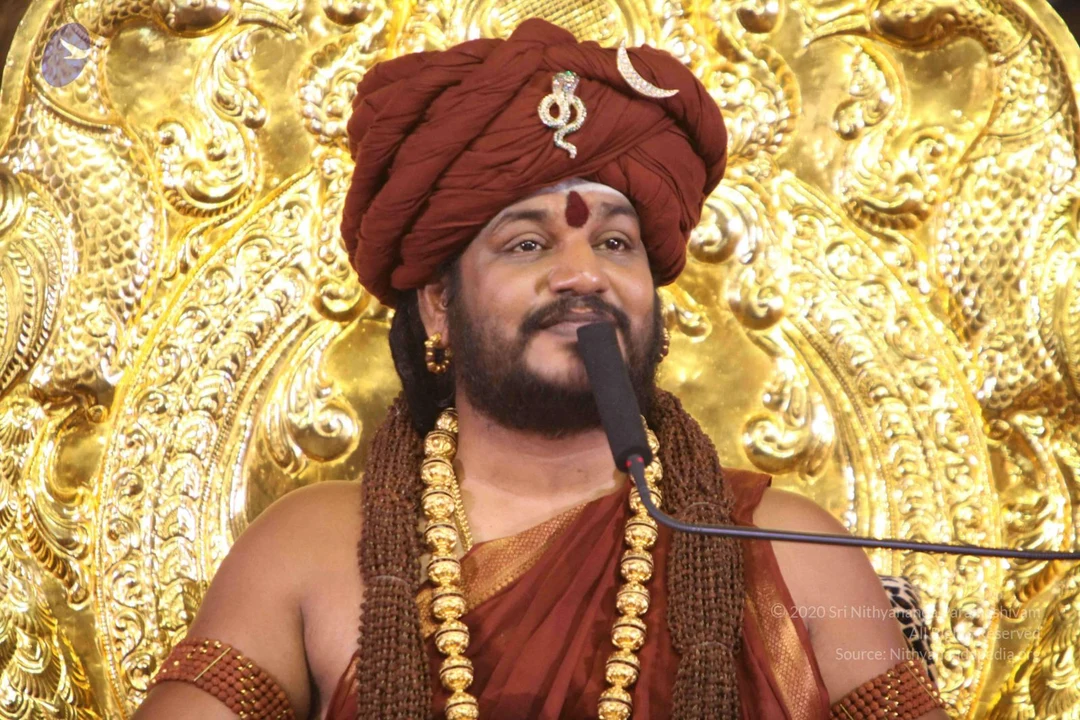
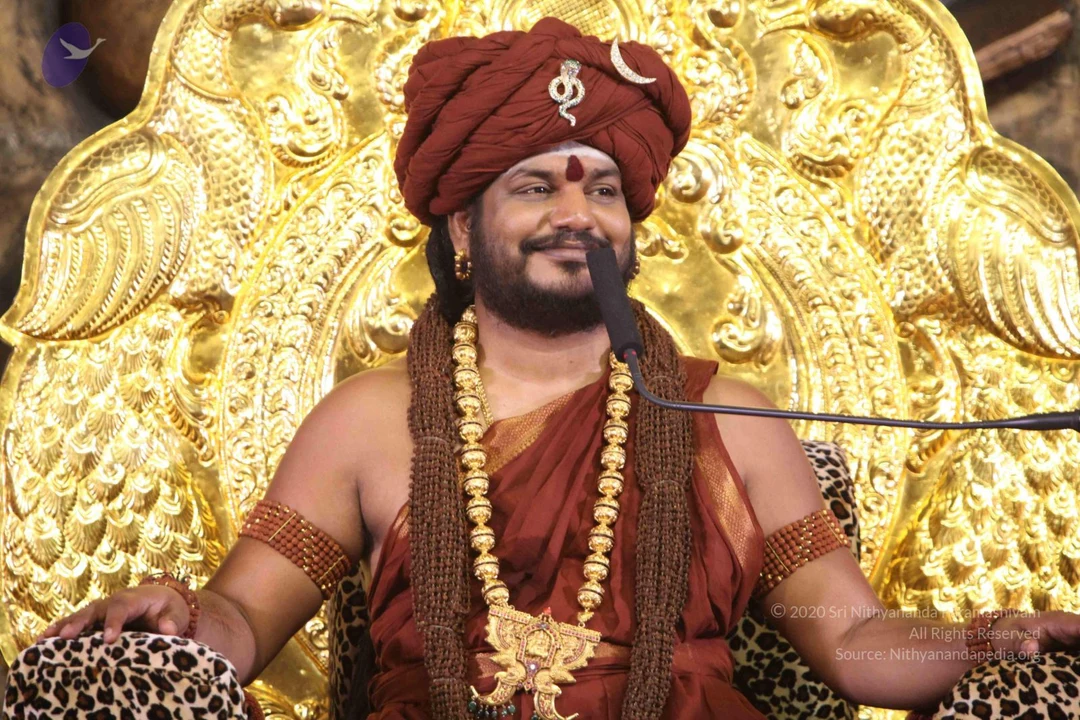
August 23, 2016 - Morning Satsang

Paramahamsa Nithyananda continues revealing sacred secrets from Kenopanishads dvitīyaḥ khanḍaḥ (second part), 2nd Verse:

When we put only our time into something, we get into the basic level of understanding. But when we put our energy and life into something, the essence of that thing reveals itself to us. For example, if we put our energy and life fully into the morning routine of yoga, Pancha Kriya, puja, kirtans dancing and Satsang, we can experience the state of Bhava Samadhi.

He goes on to reveal: "Everything I designed - waking up in Brahma muhurta (1 ½ hour before down), doing yoga or doing Pancha kriya or doing puja or doing kirtans or sitting in the Satsang, everything I have designed clearly to give you the chit gana anubhava -embodied state of consciousness."

Description:

23 August Nithya Satsang: Paramahamsa Nithyananda continues revealing sacred secrets from Kenopanishads dvitīyaḥ khanḍaḥ (second part), 2nd Verse: When we put only our time into something, we get into the basic level understanding. But when we put our energy and life into something, the essence of that thing reveals itself to us. For example if we put our energy and life fully into the morning routine of yoga, pancha kriya, puja, kirtans dancing and Satsang, we can experience the state of Bhava Samadhi.

Link to Video:

VideoAudio

Transcript:

nithyānandeśvara samārambhām nithyānandeśvari madhyamām | asmat āchārya paryantām vande guru paramparām ||

I welcome you all with my love and respects.

I welcome all the devotees, disciples, Samajis, Satsanghis, SriMahants, Mahants, Sarvajna Peetha Yajamans, Nithya Satsanghis, You Tube viewers, everyone sitting with us through Nithyananda TV, Facebook live, You Tube live and two way video conferencing having Nayana Deeksha all over the world. I welcome all of you with My love and respects.

Recite along with me, the second verse:

nāhaṁ manye suvedeti no na vedeti veda ca | yo nastadveda tadveda no na vedeti veda ca || 2 ||

Understand, the sacred truths revealed in this verse.

Disciple says: I do not think I know It well, and not that I don’t know It, I know and I do not know as well, one, who amongst us subjectively cognizes and knows That to be as – not that I do not know it, and also I know It not, truly knows It.

I’ll explain some more details about this Bhāva Samādhi, embodying. Please understand, anything you imagine, visualize, listen, starts revealing itself to you, for example; if you are constantly working with gold, if you give only your time to gold you will learn only the simple basic business things – ‘oh gold! Buy for 100 rupees, sell for 120 rupees, and try to do some game, maybe instead of twenty rupees profit try to make forty rupees, only that much you will learn— but if you put your energy and life you will start understanding – why people have so much of interest on gold? Why it goes on increasing in its value? Why the appreciation value of gold is so much but why never anybody becomes rich by storing gold? Please understand, there is a secret, gold appreciates much more than real-estate, even in India, country like India which is growing continuously, and you should know the immigrants, legal immigrants we are crossing US and Europe. The spiritual seekers migrating into India and naturalization happening is crossing US and Europe where people go for opportunities. Understand. Even in India gold appreciates faster than the land, but never somebody becomes rich by investing in gold, people become rich by investing in land, why?

(5:49)

If you give your energy, life and time to the business you will learn all the secrets and the gold itself will reveal it’s secrets to you. Understand. In every field, whether you make a pot or you make gold jewelry or you make some concepts and sell it to the world, life insurance is nothing but a concept. It is nothing but a concept. Understand. Life insurance is nothing but a simple concept about which you are convinced; 401K, life insurance, all these are concepts. Vary rare and very little you receive. It is just a concept-based business. A concept is sold. A pseudo security it sold and you buy it. And I have yet to find anybody who has really benefited from they’re 401K when they are old. I am meeting millions, talking to thousands. This whole medical insurance, whole life insurance, these are all concepts sold. The benefits received is less than 2% of the benefits spoken. Understand. Benefits received is less than 2% of the benefits spoken, but why, then why are people running behind it. The sense of security is provided even though it is false. People do know even if it is false let there be a sense of security in which I can lean. And I have seen many time husband takes life insurance just to tell the wife – “see I love you even if I die, you will have this money, with this you can live.” What do you mean by it? You want to tell her; you will have this money so you can marry once more or don't marry because I am leaving this money for you. Whatever, whatever, the whole thing. Even if you are not convinced the ideas, concepts sold in the name of insurance you feel that will make others believe you love them or you made some security for them, or you have done all the best things, or you have done everything possible to them—to give that feeling you also buy into that. This is what I call buying something just to sell. You buy certain concepts even though you are not convinced about it you want to sell it. So just for that you buy it.

(9:41)

Understand, the nitty-gritties of concept business, nitty-gritties of the gold business, nitty-gritties of the land business, nitty-gritties of even making pot, everything gets revealed to you, when you put your time, life, energy into it. Good, bad, right, wrong, everything is revealed. On anything you put your time, life, energy that reveals itself completely to you.

Put your time, life, energy on Adi Shakti, Sri Vidya, She will reveal Her secrets, how She is running this Cosmos, how She is running this Maya, how She is running this whole Brahmānda, Bhuvana. On anything you put you put your time-life energy that will reveal its secrets to you. That is what I call Bhāva Samādhi. Listen, Sadāshiva describes Samādhi, beautifully in Yoga Pada, the description I am giving is not from Patanjali, but from Sadāshiva, listen carefully.

(11:26)

When Pratyahāra happens, means, you withdraw your life and energy from everything else and center it on something, the Pratyahāra withdrawing, becomes dhāraṇa, centering. Dhāraṇa means centering, flowing towards something. When that Dhāraṇa happens, that on which you are flowing, reveals itself to you, is Dhyāna. You being in that state continuously is Samādhi.

Pratyahāra means withdrawing from everything else. Dhāraṇa means flowing on one thing. Dhyāna means that truth towards which you are flowing, revealing itself to you—Being in that state continuously is Samādhi.

Understand, everything I designed, whether waking up in the Brahma Muhurta morning and doing yoga or doing pancha kriya or doing Puja or doing Kirtan or sitting in the Satsang, everything, I have designed, clearly to give you that Chit Gaṇa Anubava, Embodied State of Consciousness. It is not for marking attendance. It is for you building yourself. It is not for marking attendance. It is for you to build yourself.

(14:15)

A person who is in love will wait to spend time with the beloved. If you are a Seeker you will be waiting for this five hours every day, because that is the time you get near what you are seeking, closely. Morning 5-9, its not even 5 hours; 4 hours, yoga, pancha kriya, Puja, Kirtan and Satsang. It’s only 4 hours.

A person who is in love will be waiting to spend time with the beloved. A person who is seeking will be waiting to spend this 4 hours, because this is the time you get closest to what you are seeking, your seeking takes shape into the system. When your beloved comes near you, if you are tired the love is gone, dead. During the morning 4 hours if you are bored your seeking is dead, gone, you need thorough over hauling inside you, you need to ask yourself. You need to question many of your answers. You need to bring pure questioning back to your life. Bringing pure questioning back to your life, bringing seeking back to your life is what I call Completion. Understand, it happens only by WILL PERSISTENCE not by WILL power.

(16:26)

Sometimes people come and tell Me: “Oh ten years I had persistence.” No. You had will power. Persistence never brings your tiredness or boredom. You never had persistence. It was always will arrogance fighting and failing. Will arrogance fighting and failing. That is why you are feeling tired and bored. That is not persistence. It is will arrogance. You need to have right idea about your past only then you will have right decision about your future.

(17:04)

Many time the tug-of-war, which you continue to have with your will arrogance you call it as Will persistence. No. Will persistence is different. WILL arrogance is different. In will arrogance every time you only fall into powerlessness and repeat the same stupid cycle. In WILL persistence every time you are one-step ahead, you are one step ahead, you are one step ahead. So, you will never be bored, you will never be tired. Tiredness and boredom is the quality of will arrogance, not the quality of will persistence. Will persistence never brings powerlessness about you or about others. will arrogance always brings tiredness, anger towards you and others.

nāhaṁ manye suvedeti no na vedeti veda ca | yo nastadveda tadveda no na vedeti veda ca || 2 ||

The disciple says: I know but I also know I do not know— means there are some things which already becomes embodied, you become embodied. There are some things, which you have not yet embodied. In this whole thing you can see WILL persistence, not WILL arrogance, he is not tired about it. He says, “I know something and I also don’t know something, and I know what I don’t know.”

(18:55)

Here not knowing, is not bringing tiredness or boredom. Not knowing, is not bringing powerlessness. Not knowing, is not bringing will arrogance. It is only bringing Will persistence. Will arrogance is different. WILL persistence is different. WILL persistence becomes Will power not will arrogance. WILL arrogance becomes only WILL failure. WILL persistence becomes WILL power. WILL arrogance becomes only WILL failure. One thing I saw beautifully in My kids last ten days or 1 week I am working—they were not successful in one of the powers I was manifesting, helping them to manifest; read the book through the mirror without seeing the book. It’s not that they were successful at one stretch. Now I am seeing they are crossing more than fifty marks. Yesterday I saw many kids are crossing the fifty-mark limit. Now it’s a question of only a few days and throughout this I saw there was no WILL arrogance. It was all about WILL persistence. WILL persistence. WILL persistence. Will arrogance makes you old. Will persistence makes you young. Will persistence suddenly makes you young and you start from the beginning. Come on start 1, 2, 3. WILL arrogance makes you feel tired about even the things you never practiced but you imagined you tried, tried, tried. I tried. It just means you need Kadukaipudi [[[haritaki]] herb]. I tried it is not…

(21:50)

Will arrogance is different. WILL persistence is different. Persist. Persist. Persist.

nāhaṁ manye suvedeti no na vedeti veda ca | yo nastadveda tadveda no na vedeti veda ca || 2 ||

You may know something. You may not know something. Knowing what you know and knowing what you don’t know is itself, knowledge. WILL persistence. WILL persistence. Will persistence. Nothing else need to be done in the world. Just the WILL persistence will awaken you to you. Will raise you to you. Will make you realize you to you.

nāhaṁ manye suvedeti no na vedeti veda ca | yo nastadveda tadveda no na vedeti veda ca || 2 ||

More and more things you embody. More and more you will know. More and more WILL persistence happens. More and more will arrogance gets completed. That’s all is the essence of life. That’s all is the essence of Life.

And I bless you all. Let you all radiate with integrity, authenticity, responsibility, enriching, causing Living Shuddhādvaita Saivam, the eternal bliss. Nithyananda. Thank you. Be blissful.

Photos From The Day:

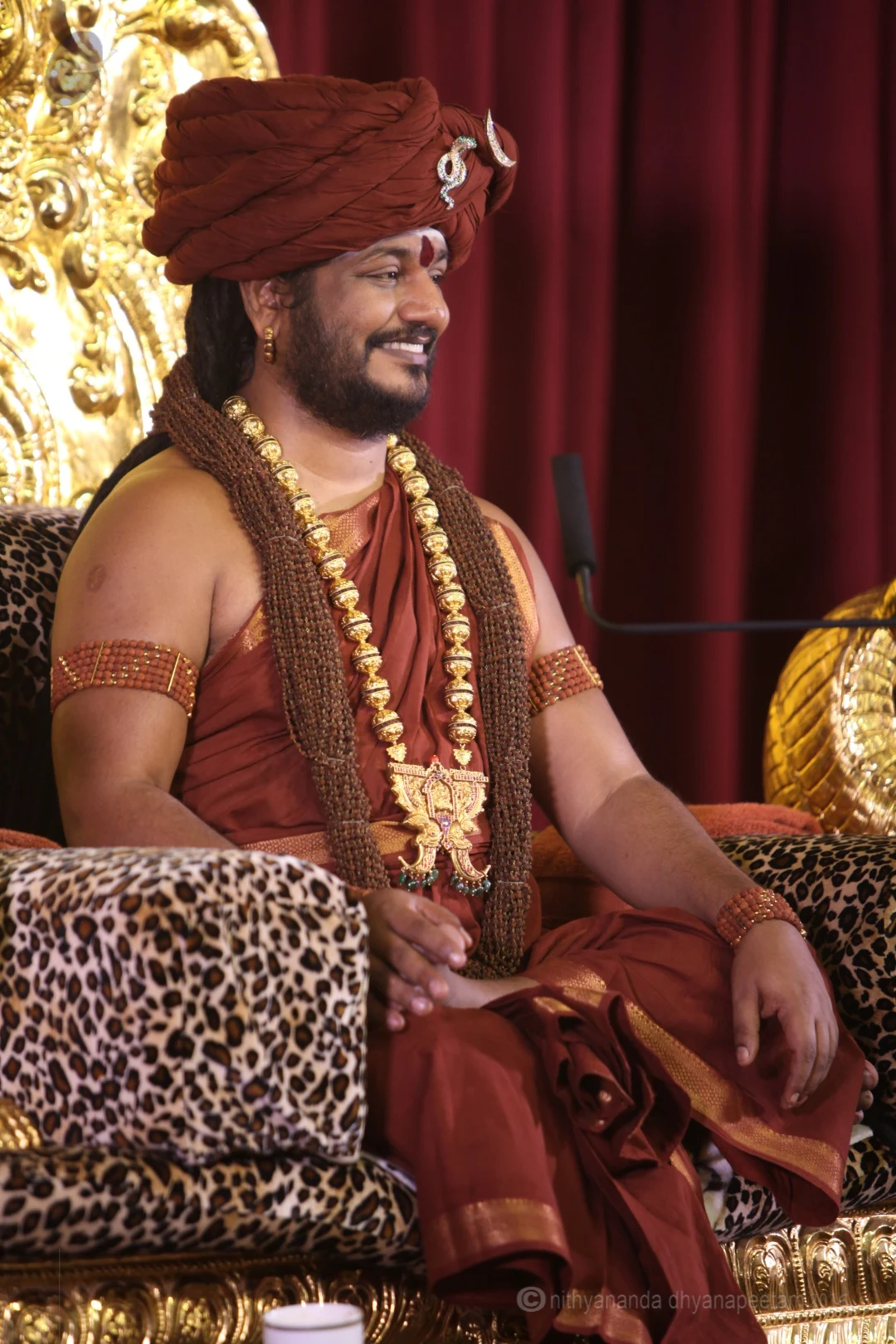
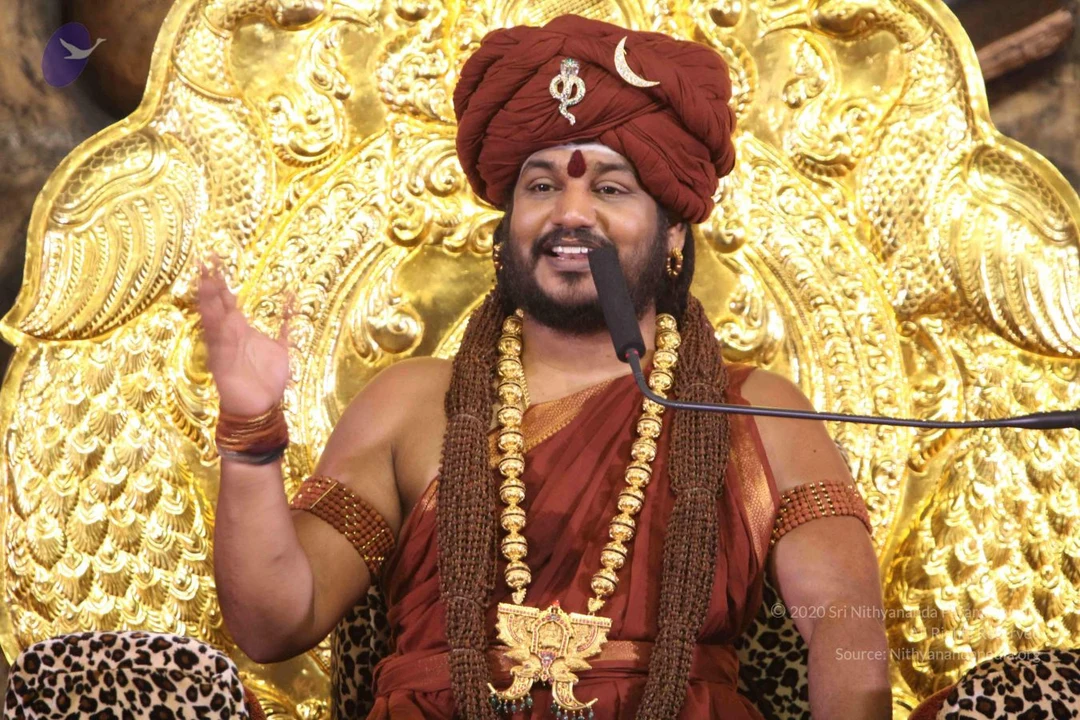
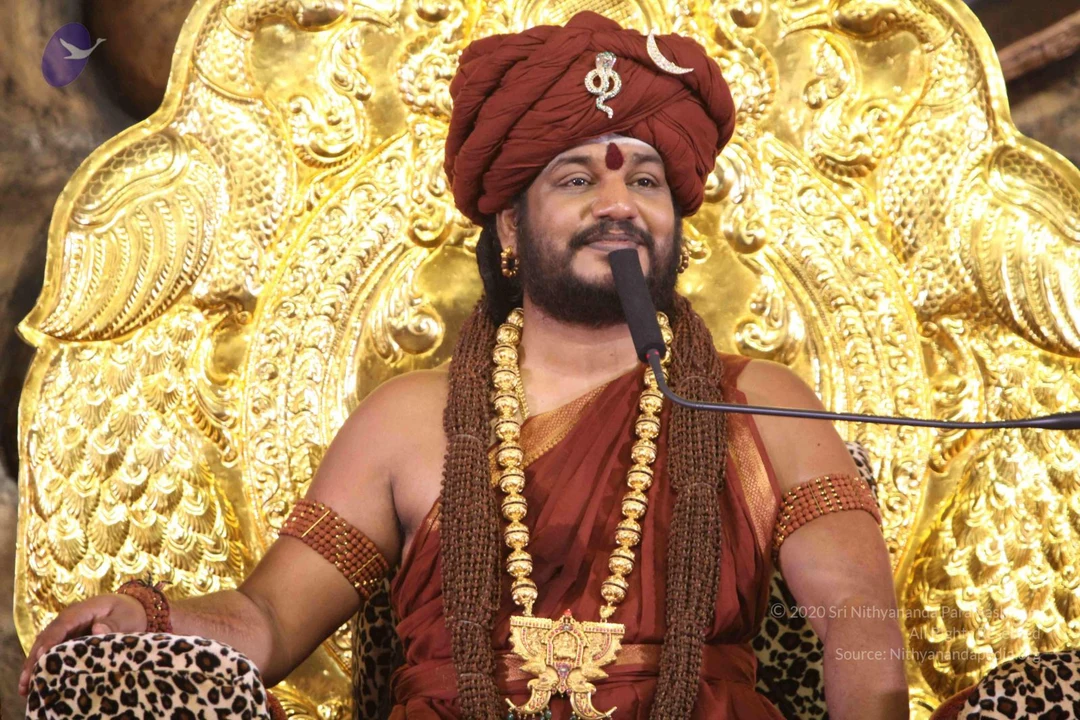
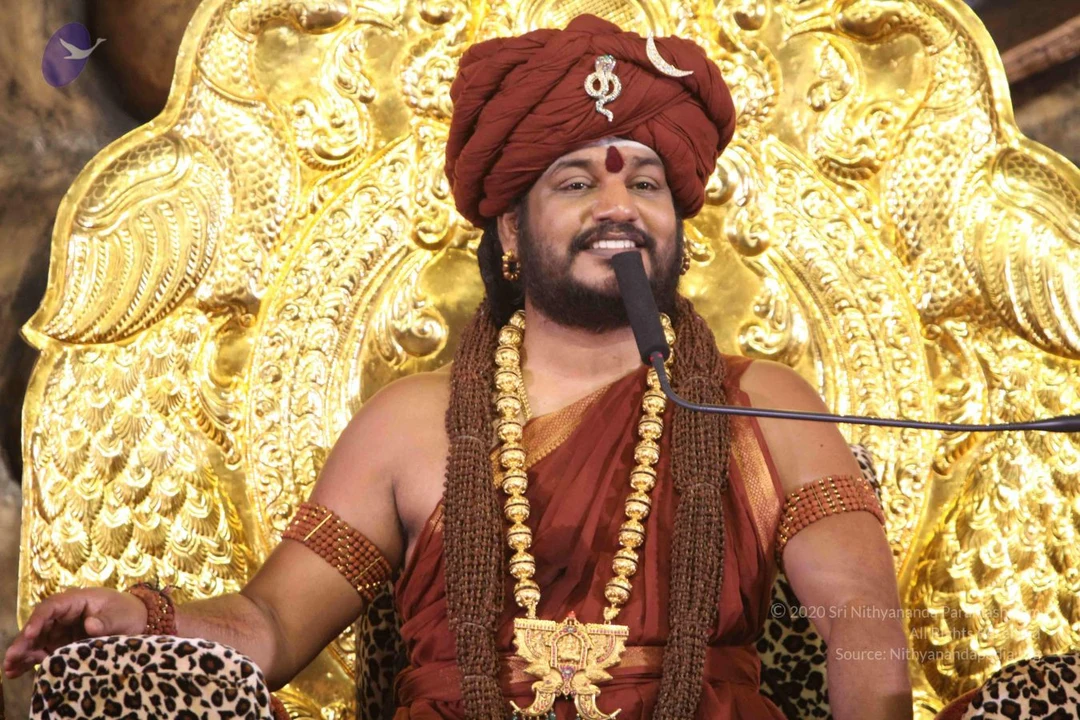
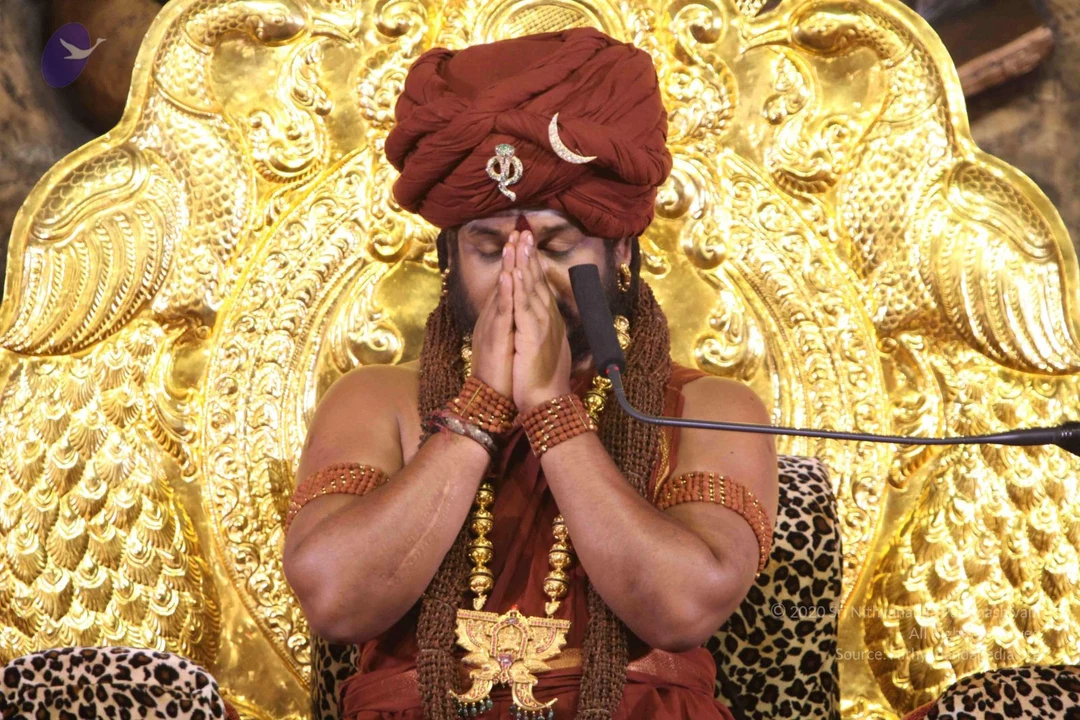
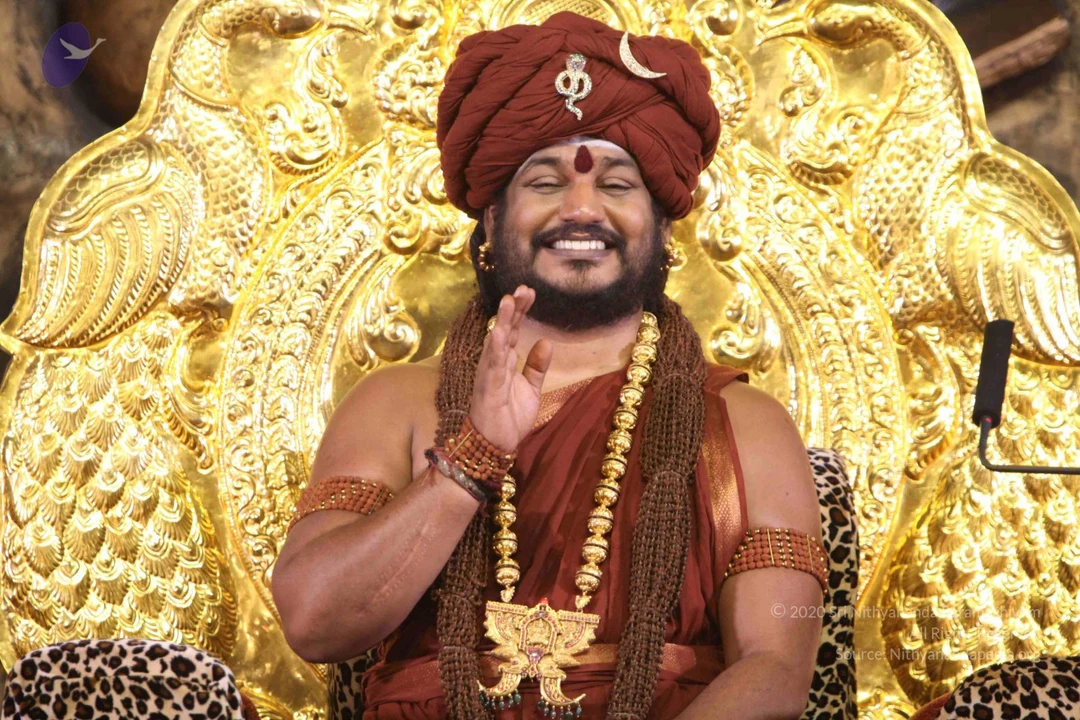
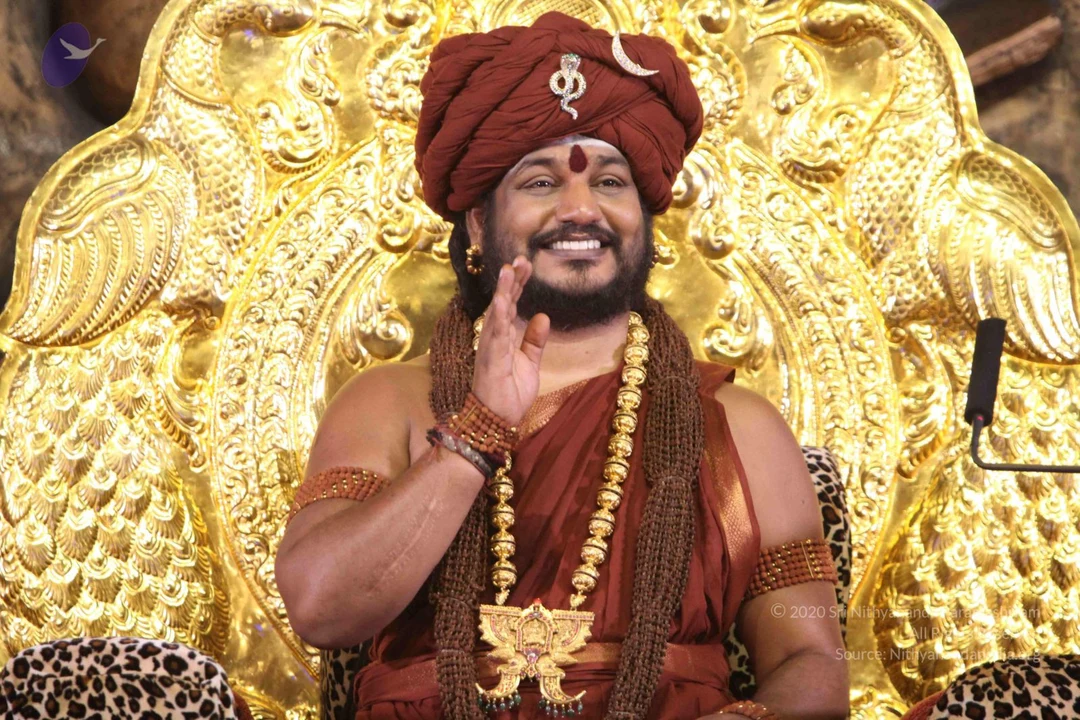
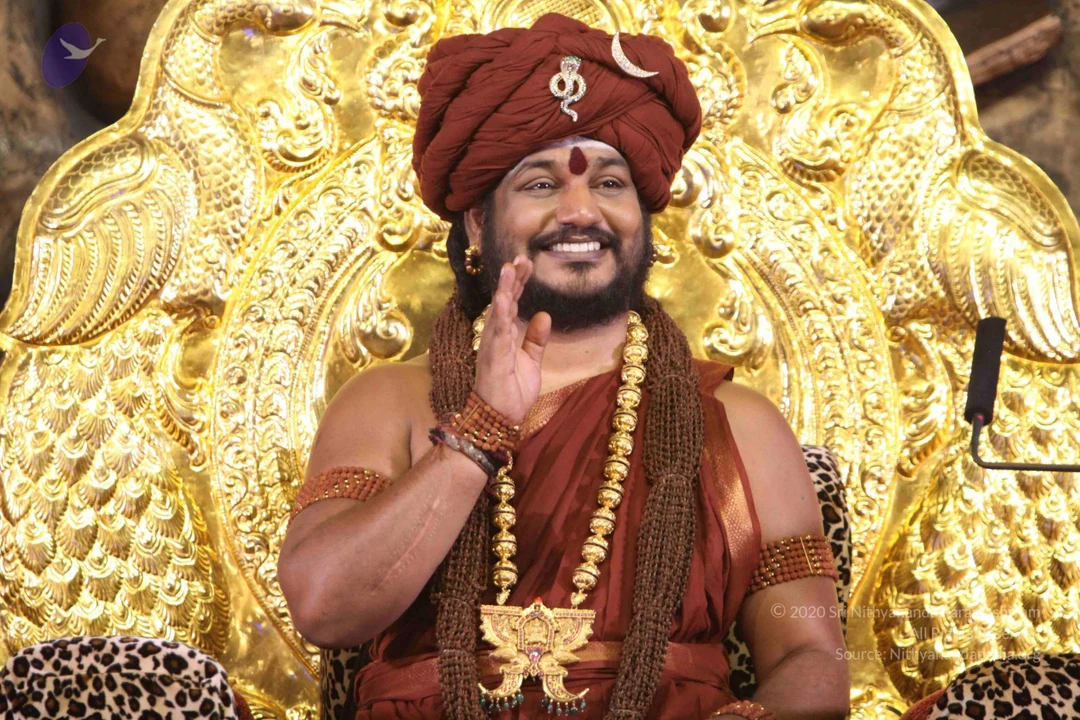
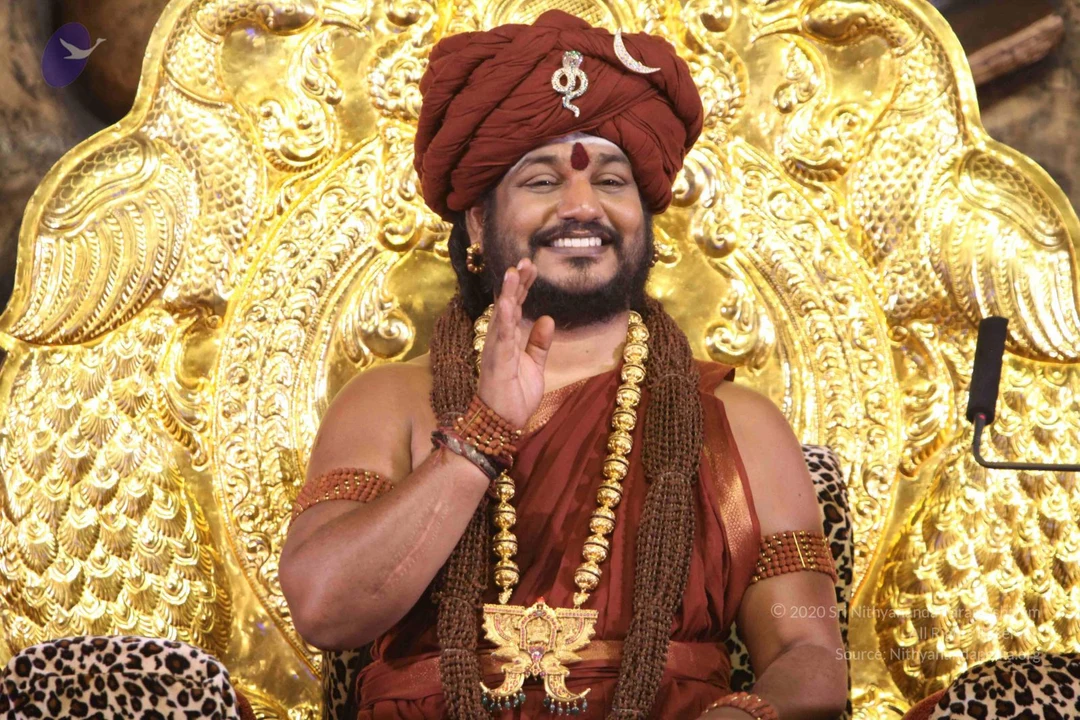
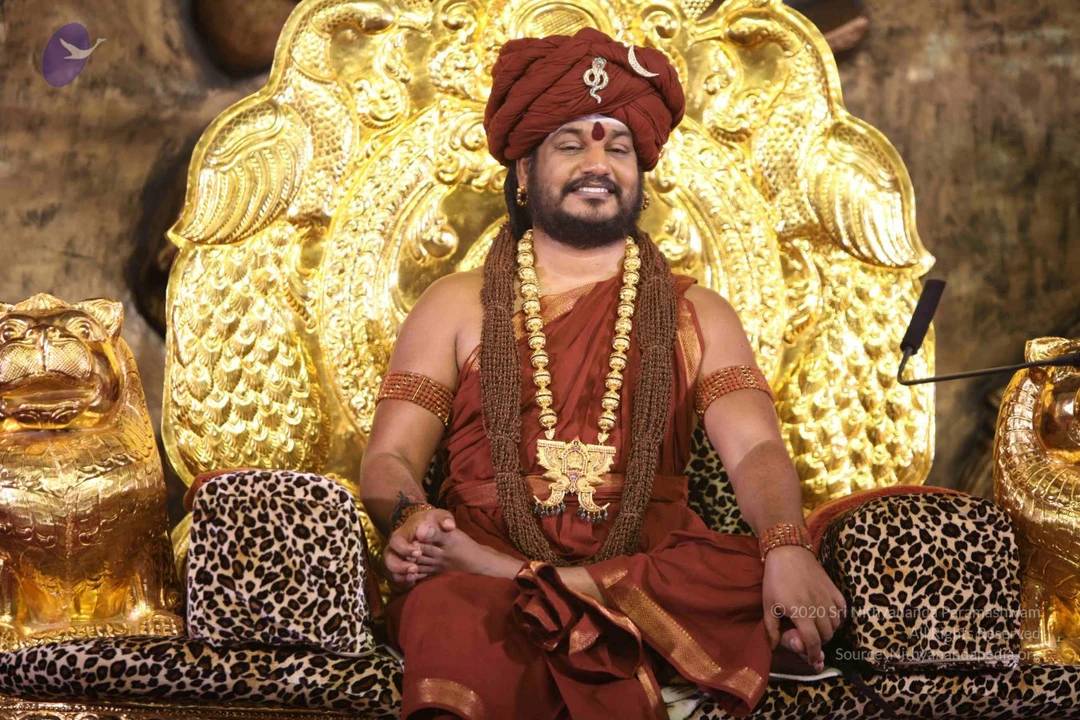
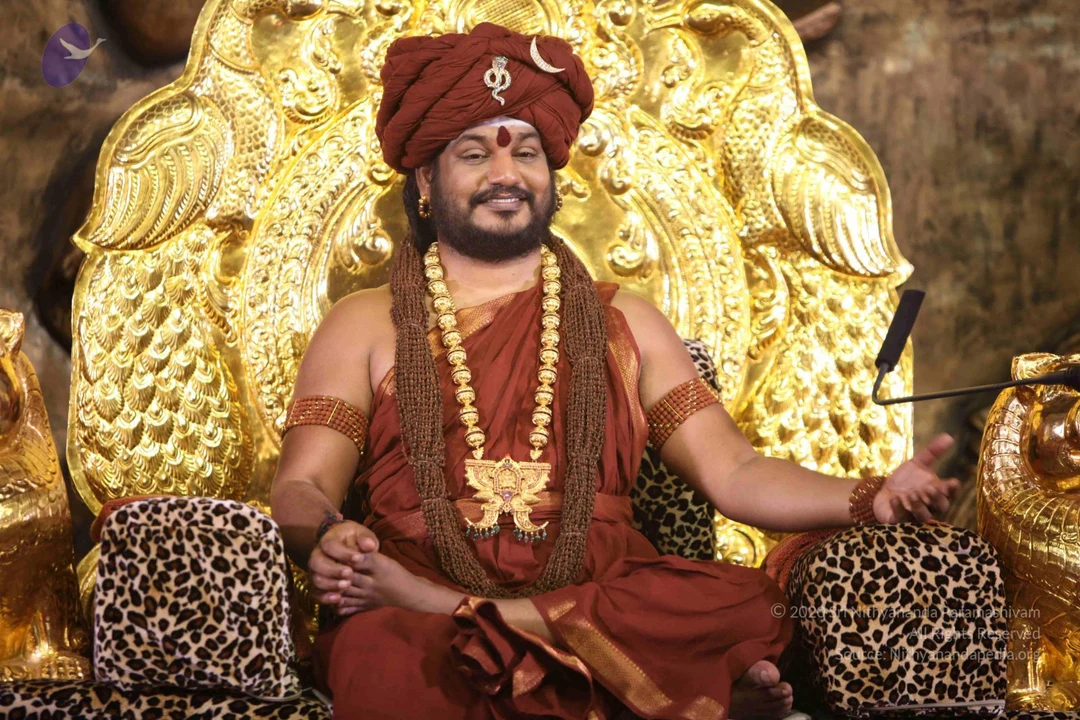
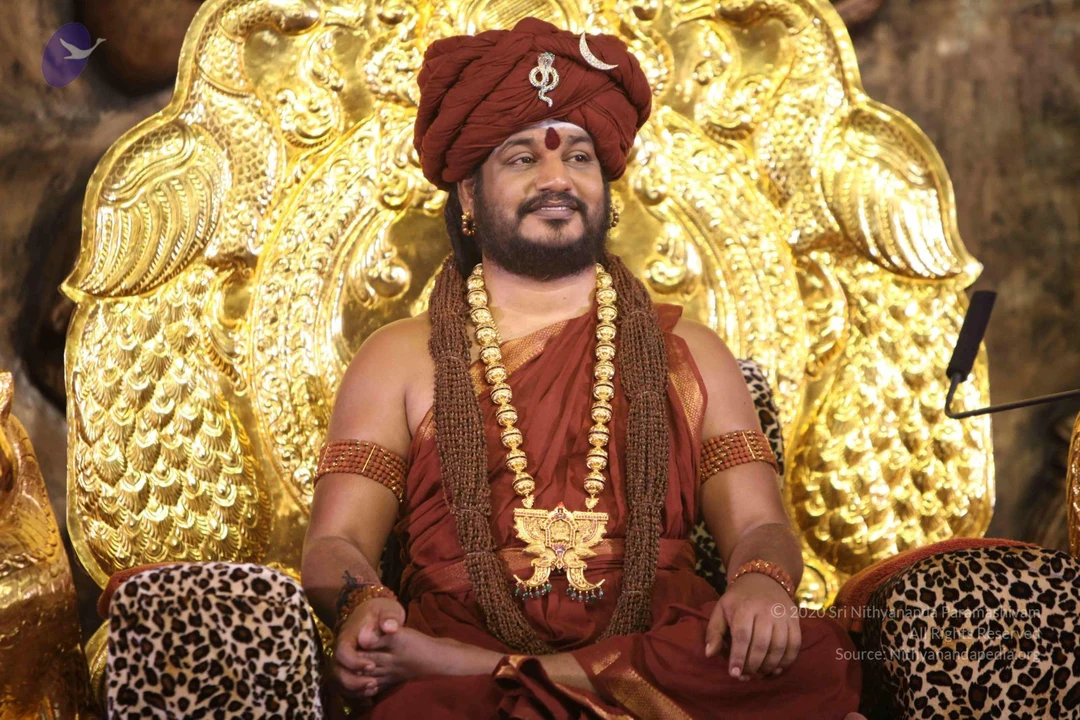
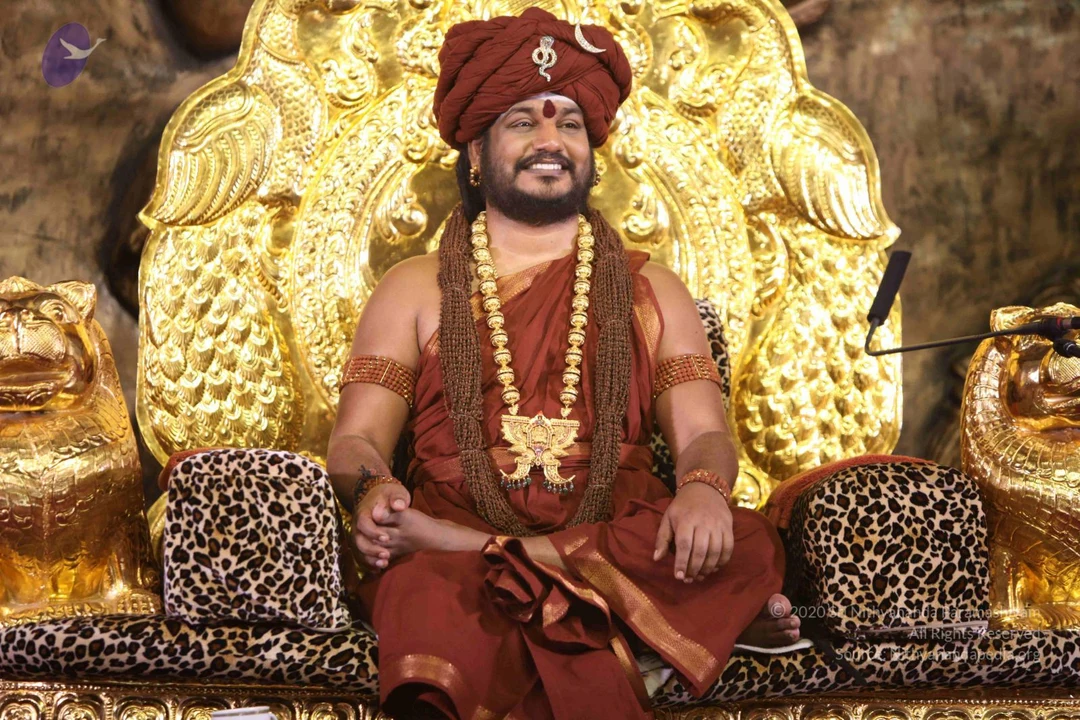
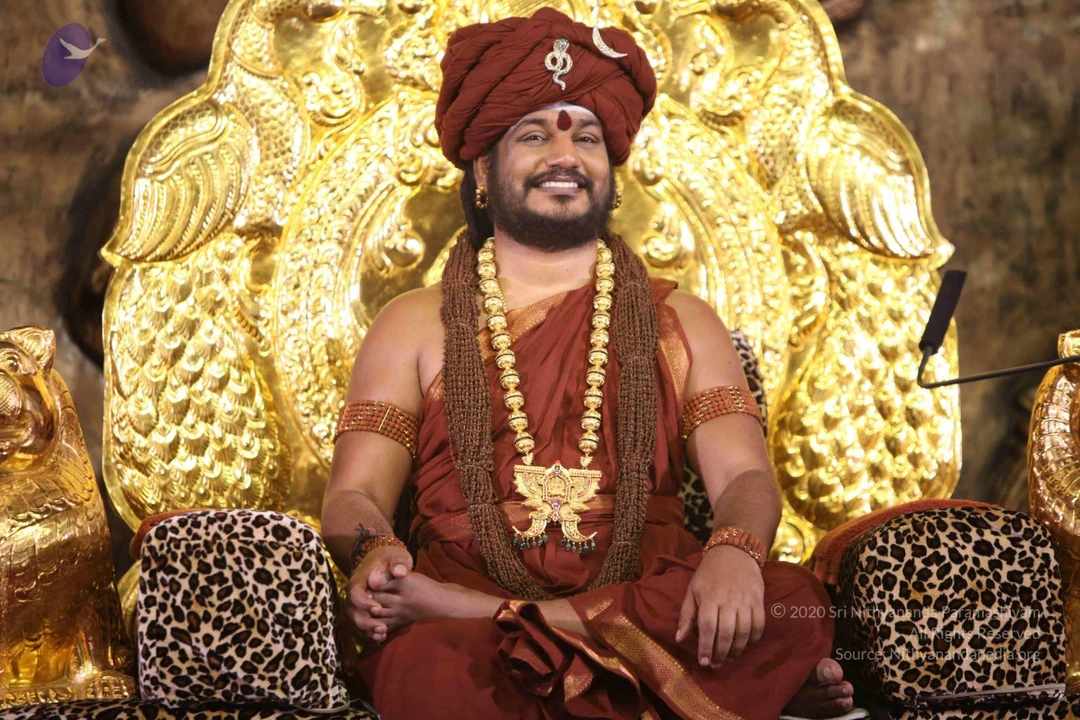
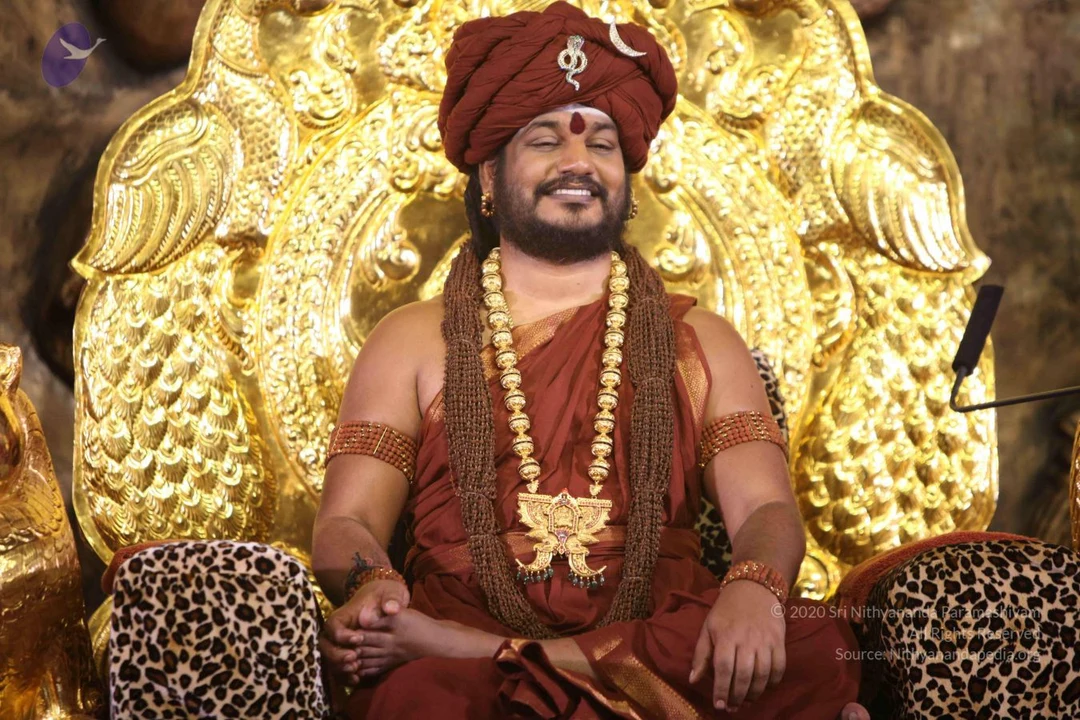
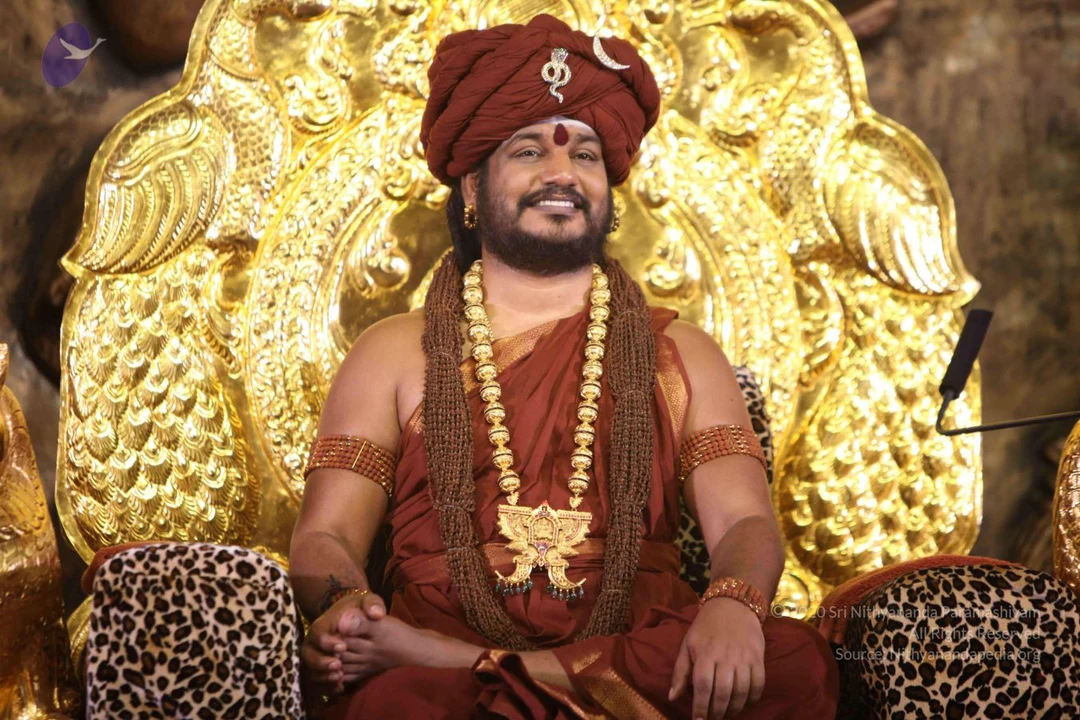
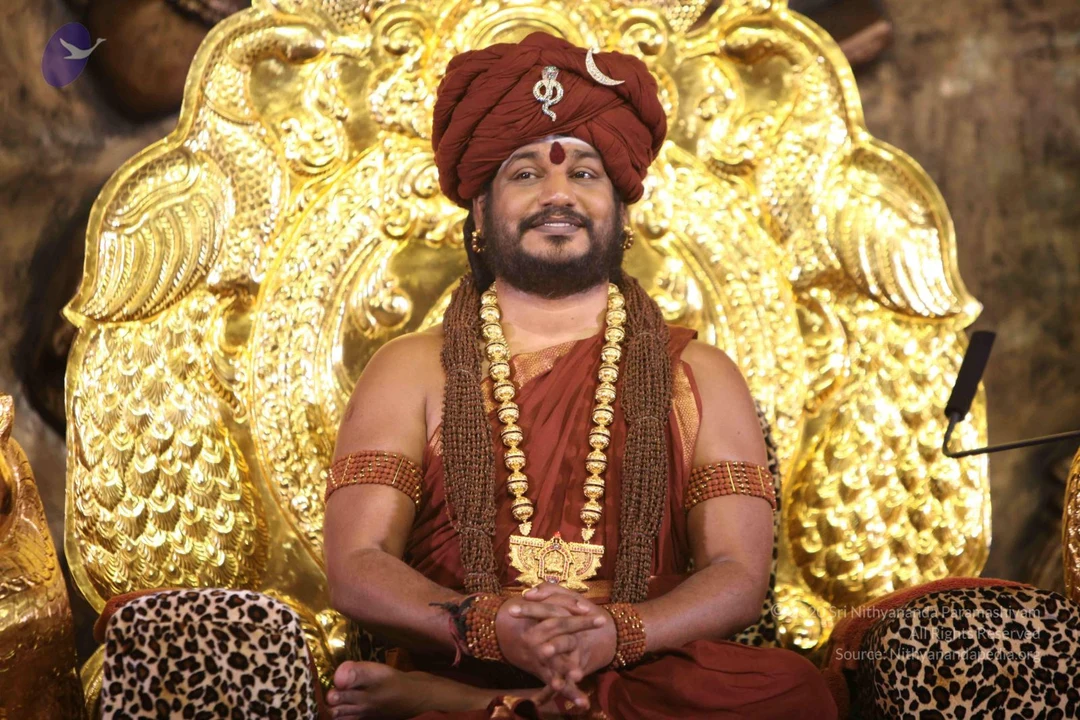
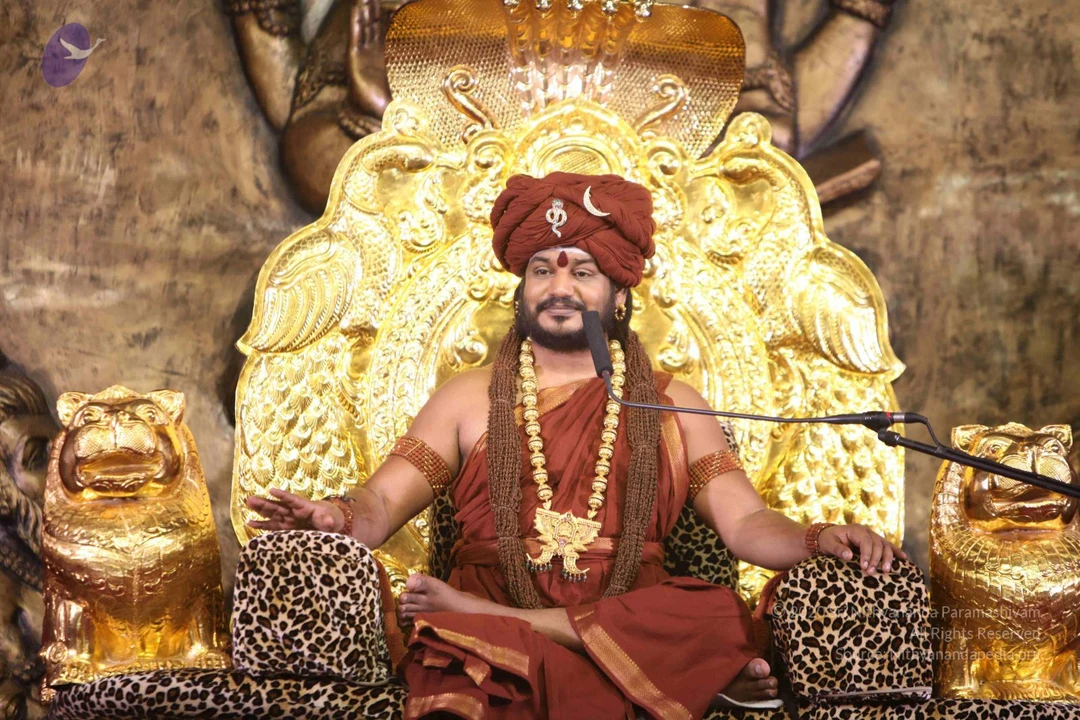
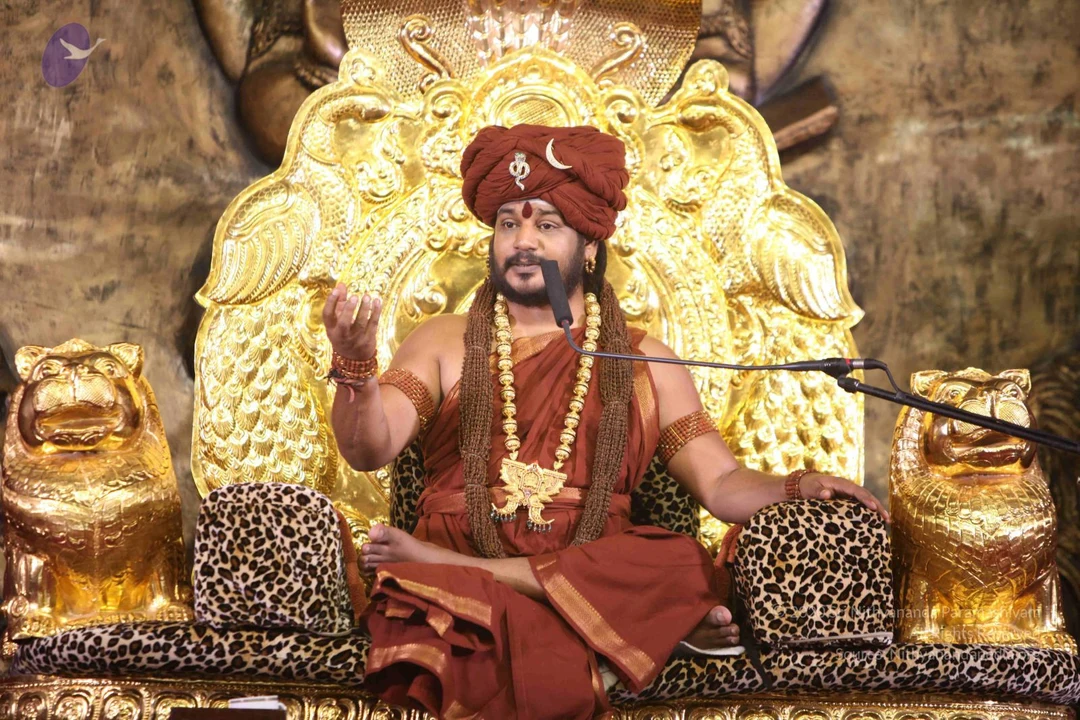
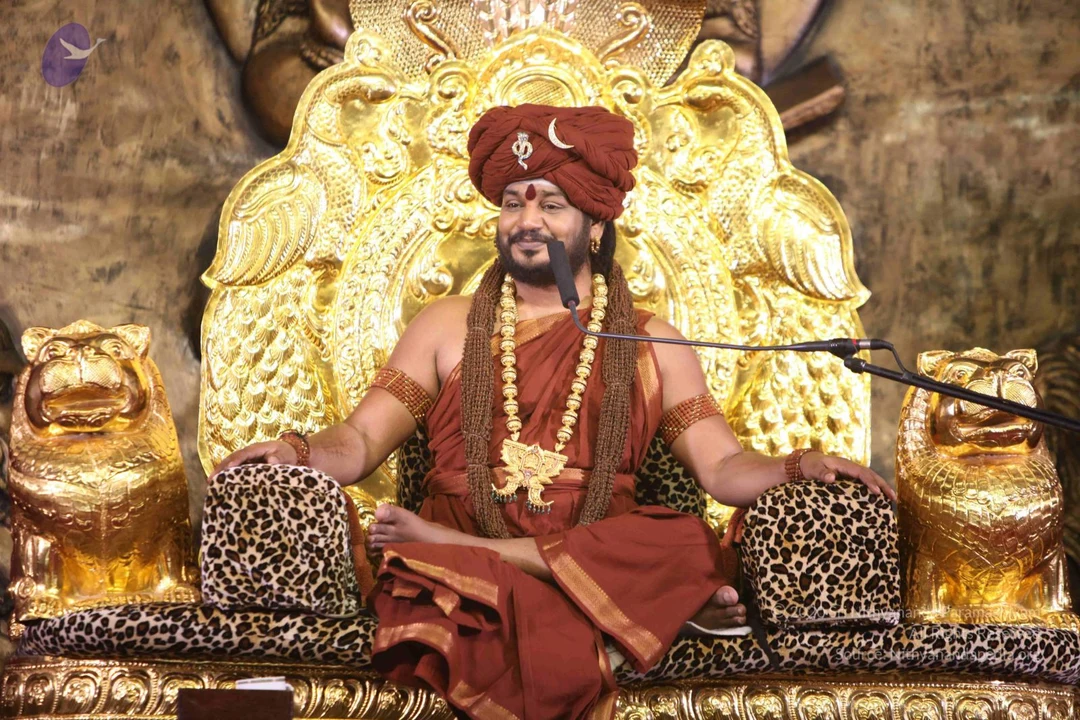
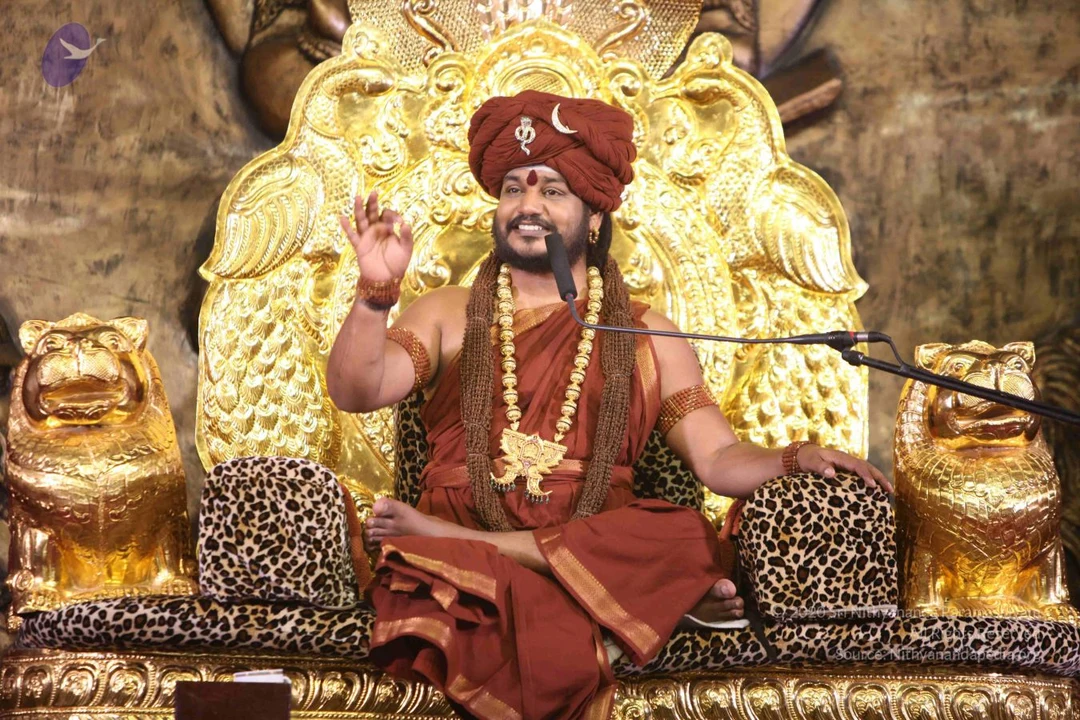
Satsang
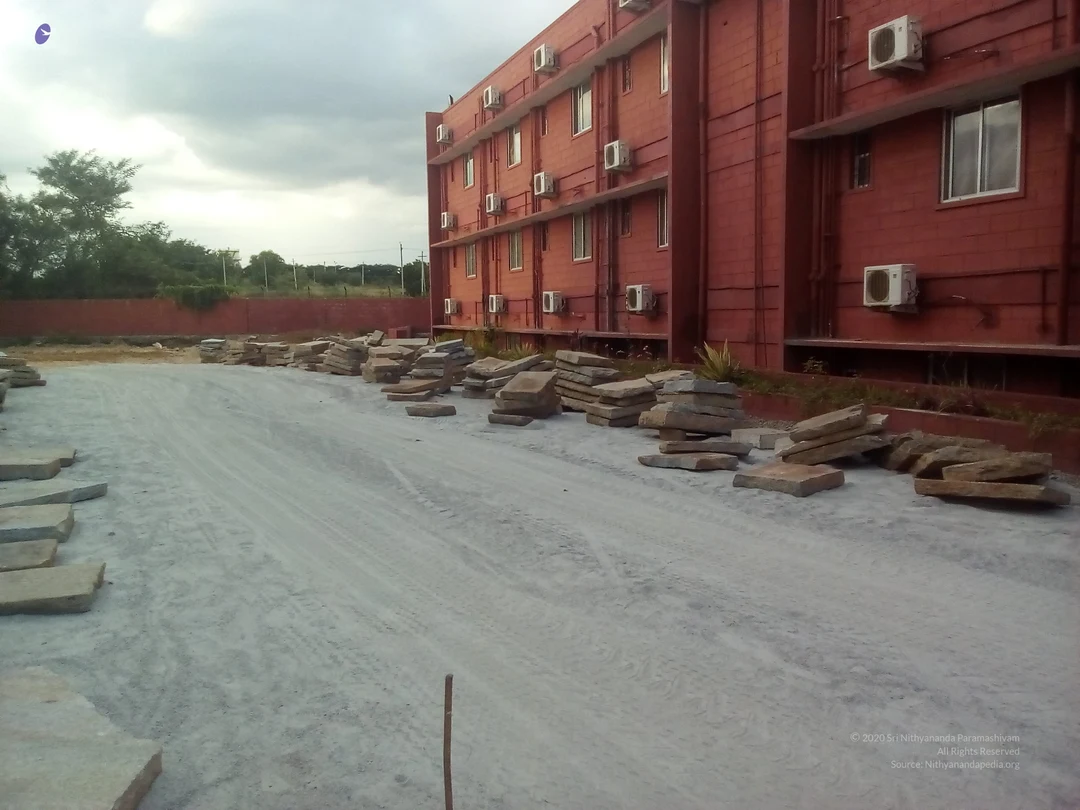
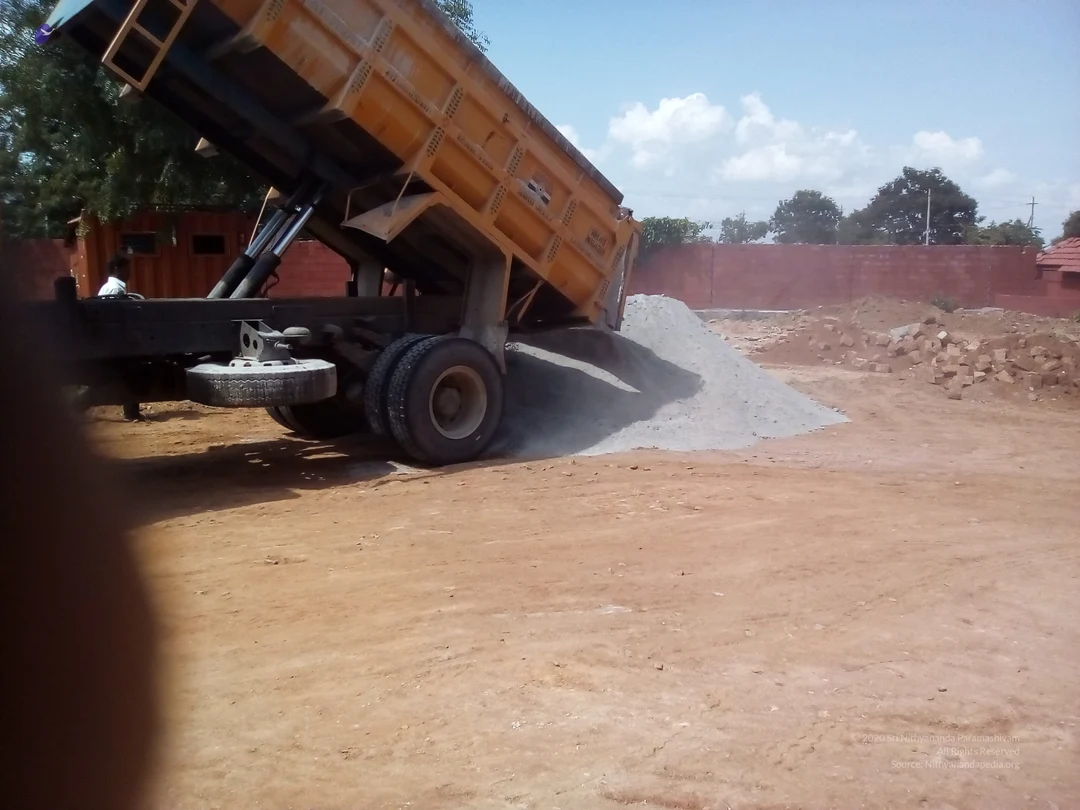
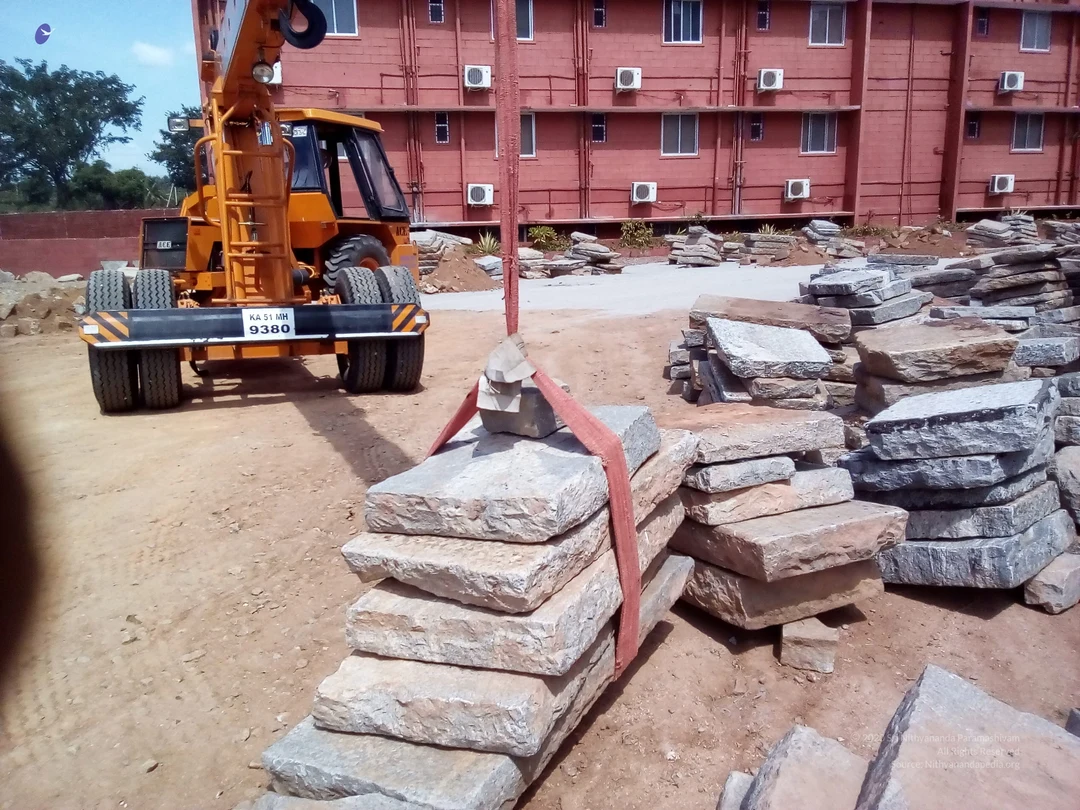
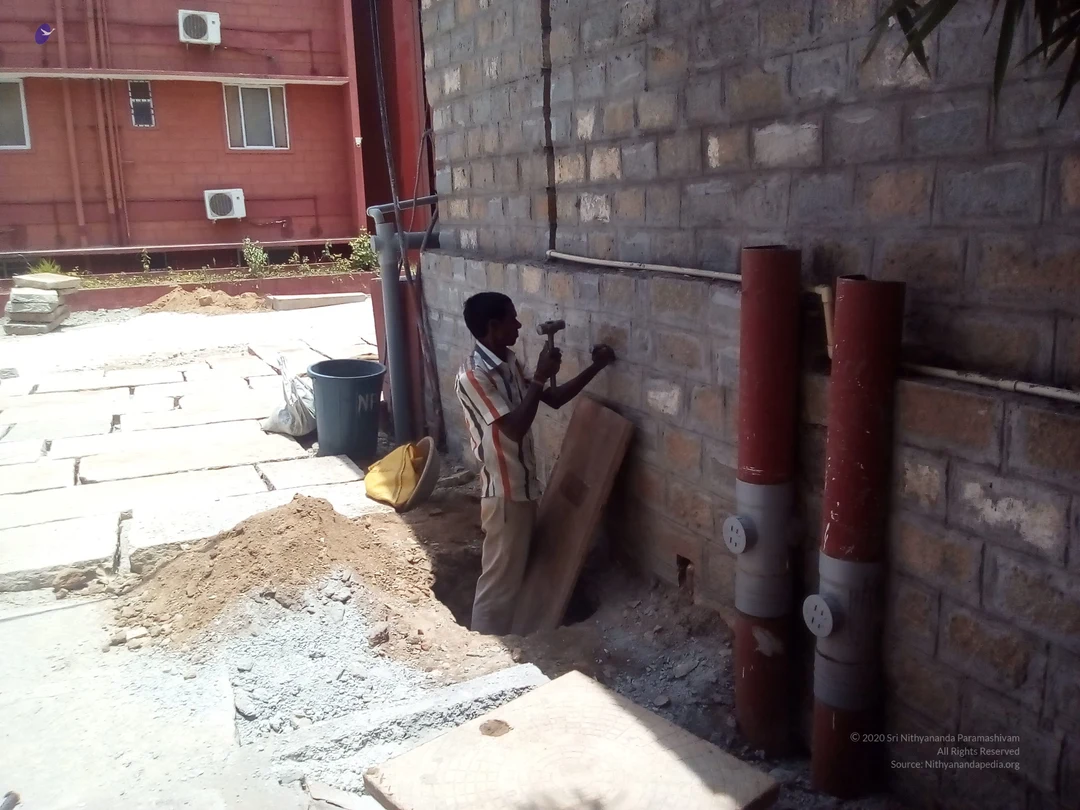
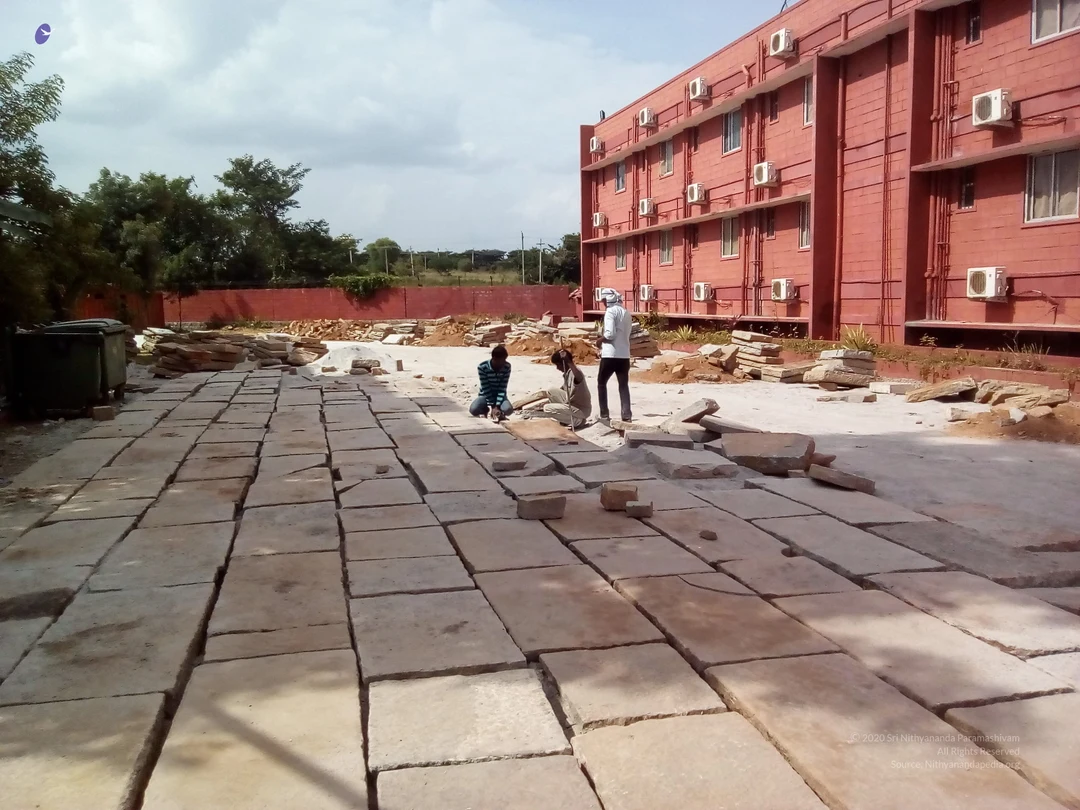
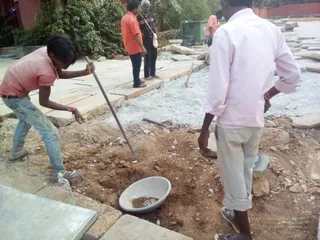
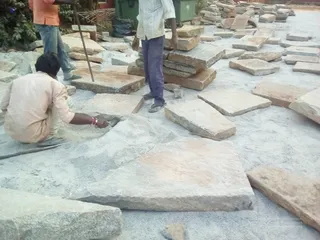
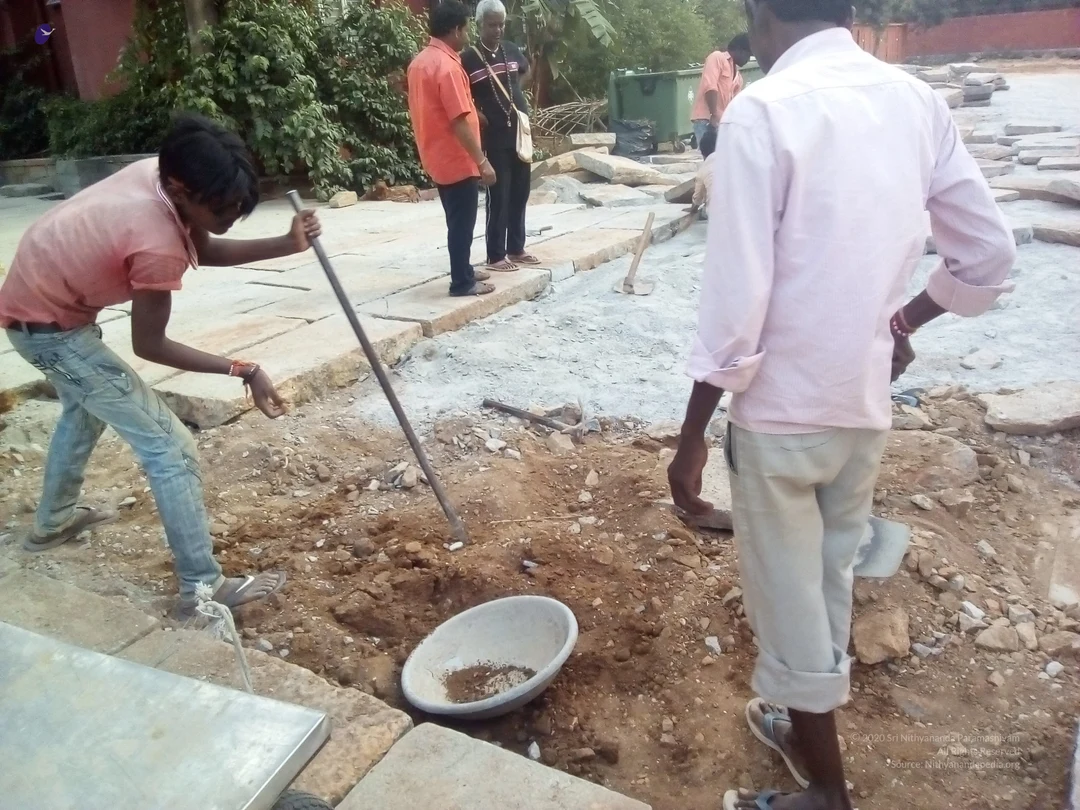
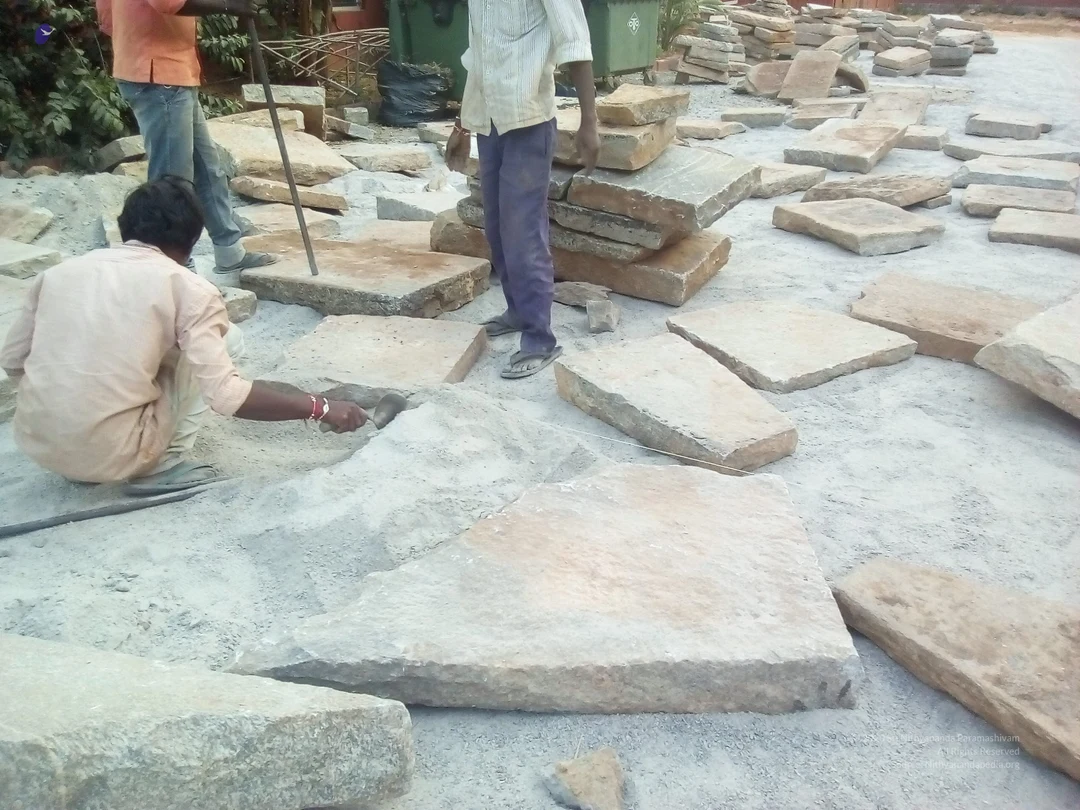
Construction Work happening at Aadhi Kailaasa, Bengaluru
Sakshi Pramana:

Sharing from INNER AWAKENING

Tags:

Adishakti, Sri Vidya, Gold, Real Estate, Appreciation, Immigrants, Life, Insurance, Yoga Pada, Sadashiva, Reveal The Secrets, Bhava Samadhi Defined, Patanjali, Pratyahara, Dharana, Dhyana Defined, Concept Business, Chit Gana Anubava, Embodied State of Consciousness, Will persistence, Will Power, Will Arrogance, Paramahamsa Nithyananda, Nithyananda, Kenopanishad, Kena Upanishad, 108 Upanishads, Pancha Kriya, Completion Defined

Photos Of The Day:

nithya-satsang

Photos Of The Day:

Nithya-Satsang

01-Nitya-Satsang

Photos from this day

View all 148 photos

Satsang

1 photoSource gallery
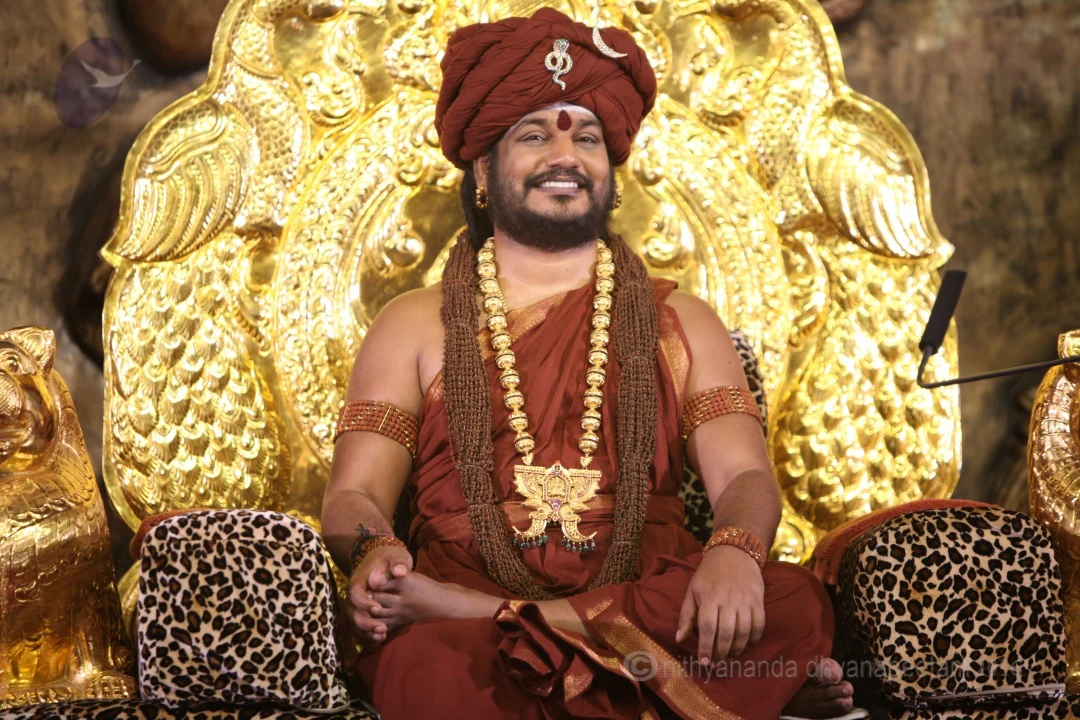
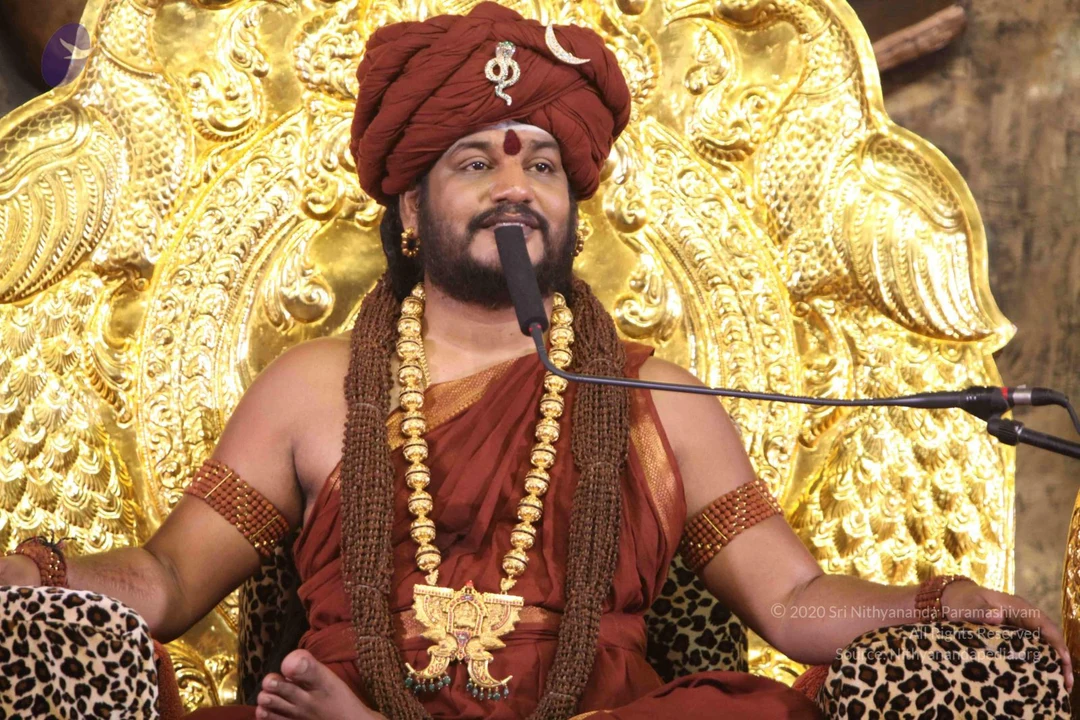
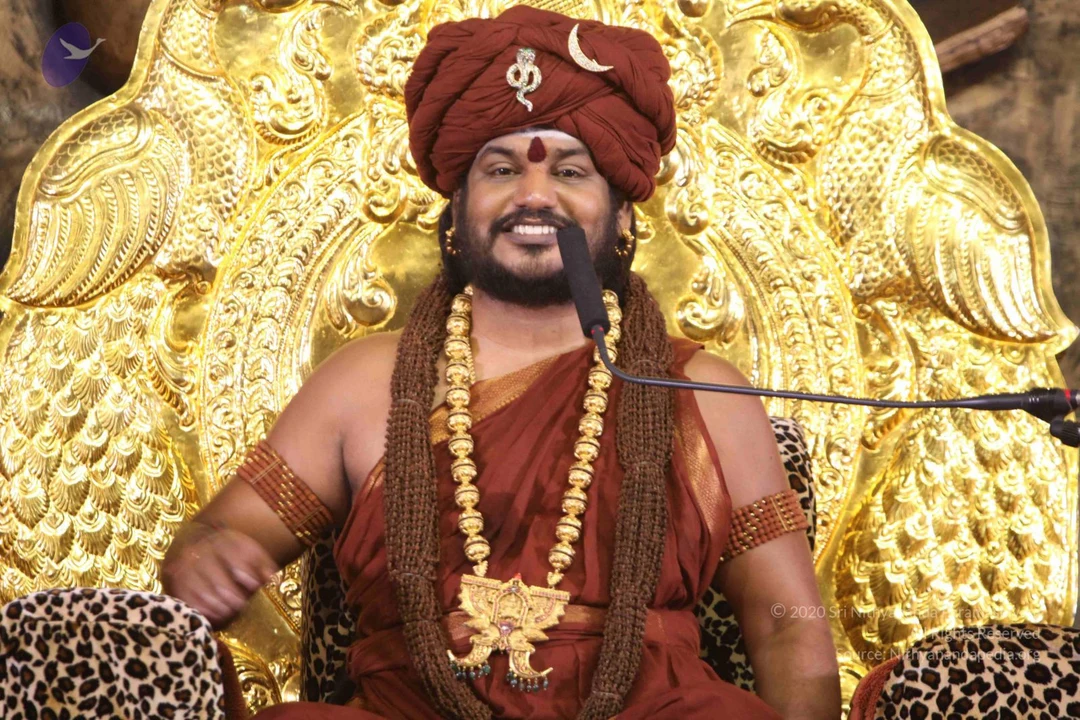
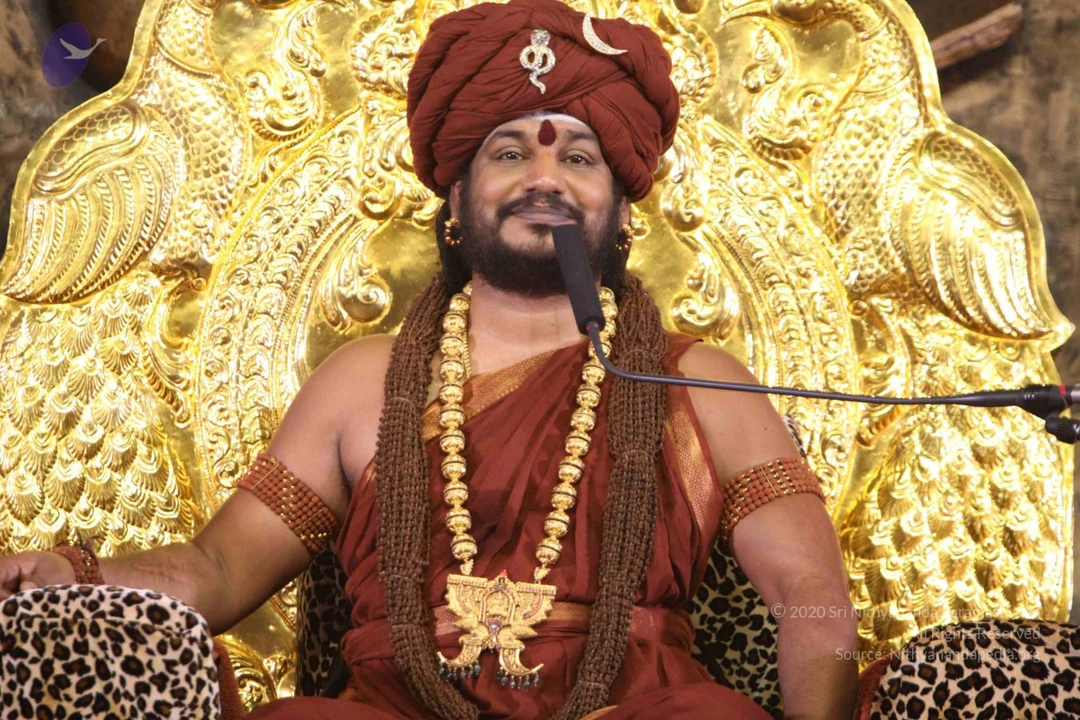
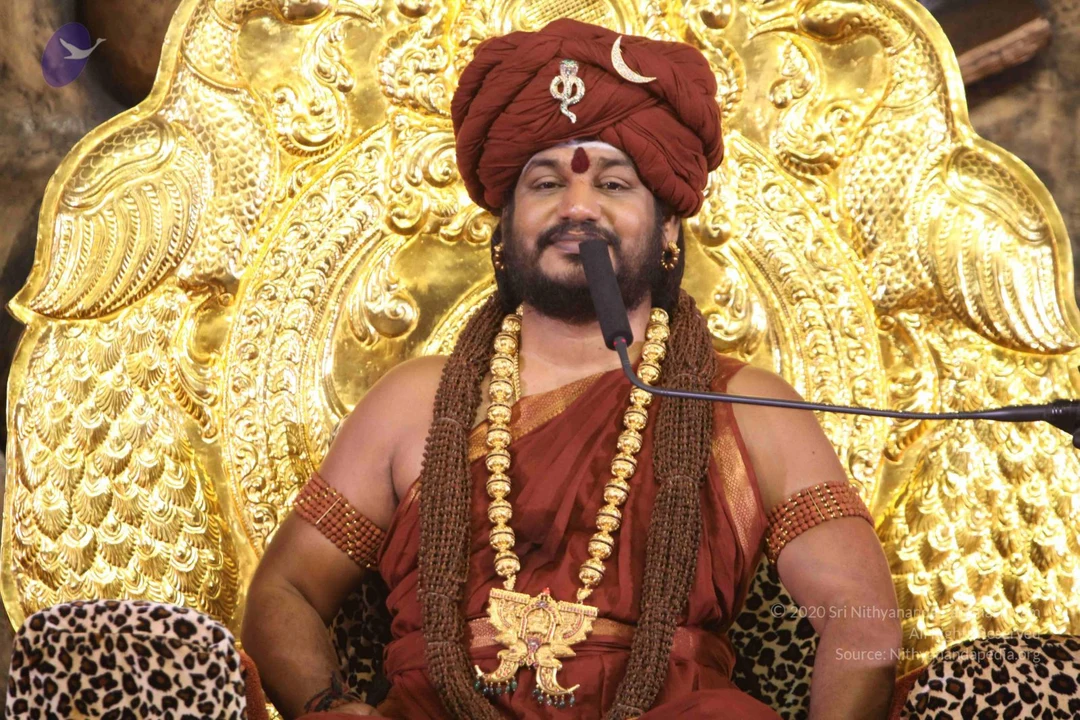
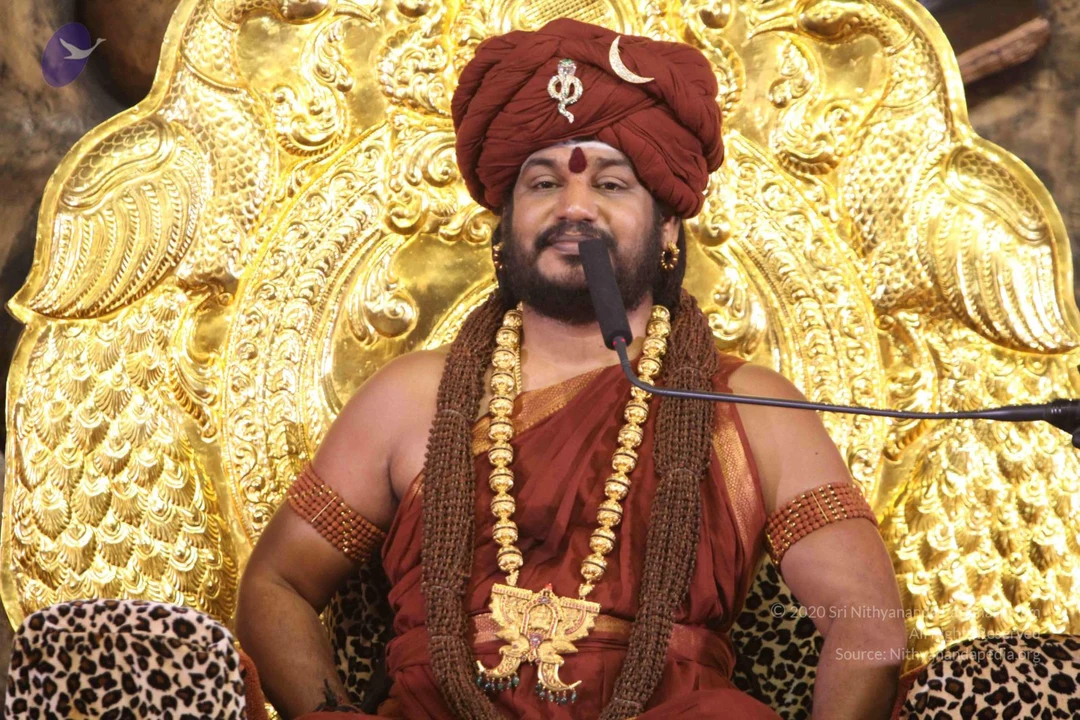
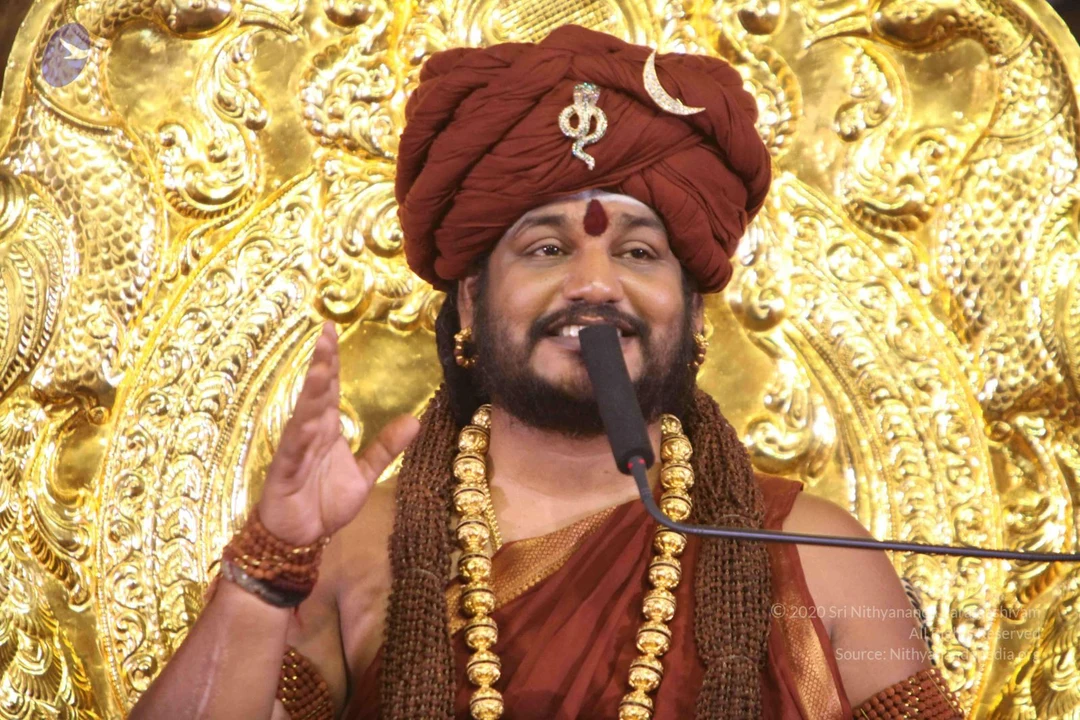
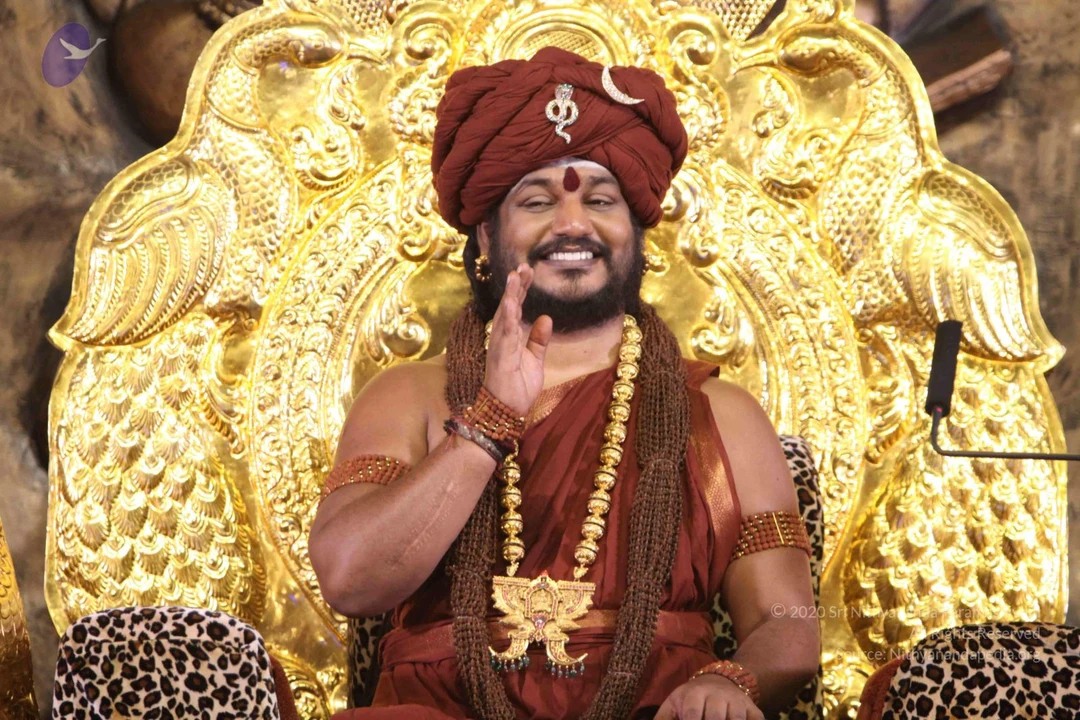
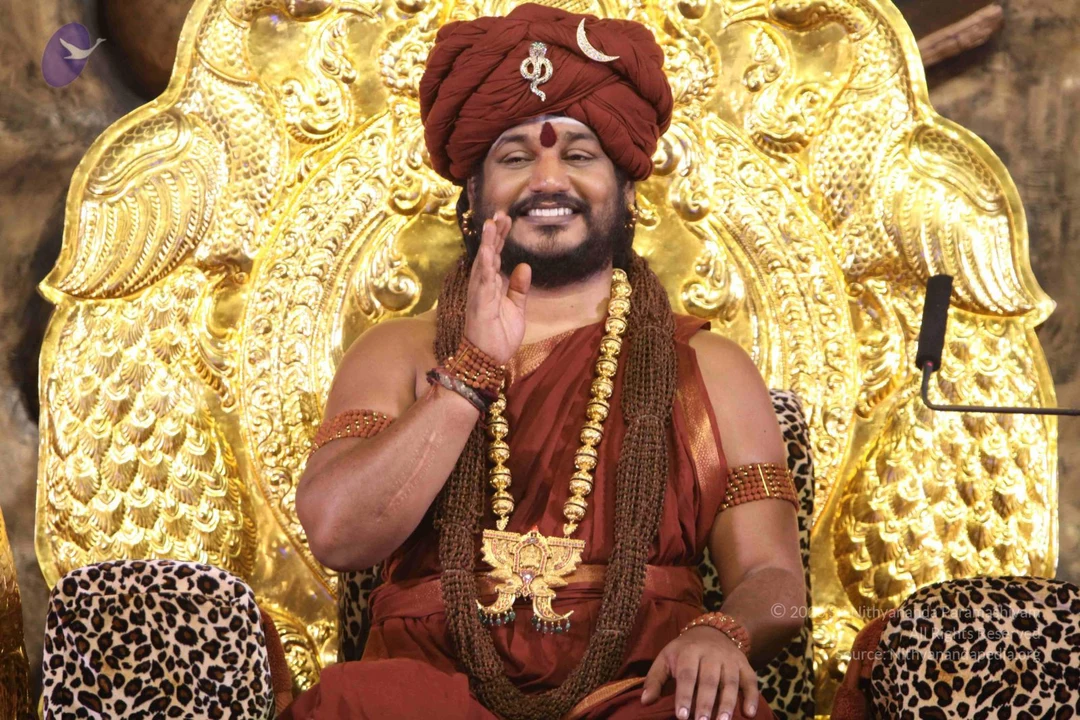
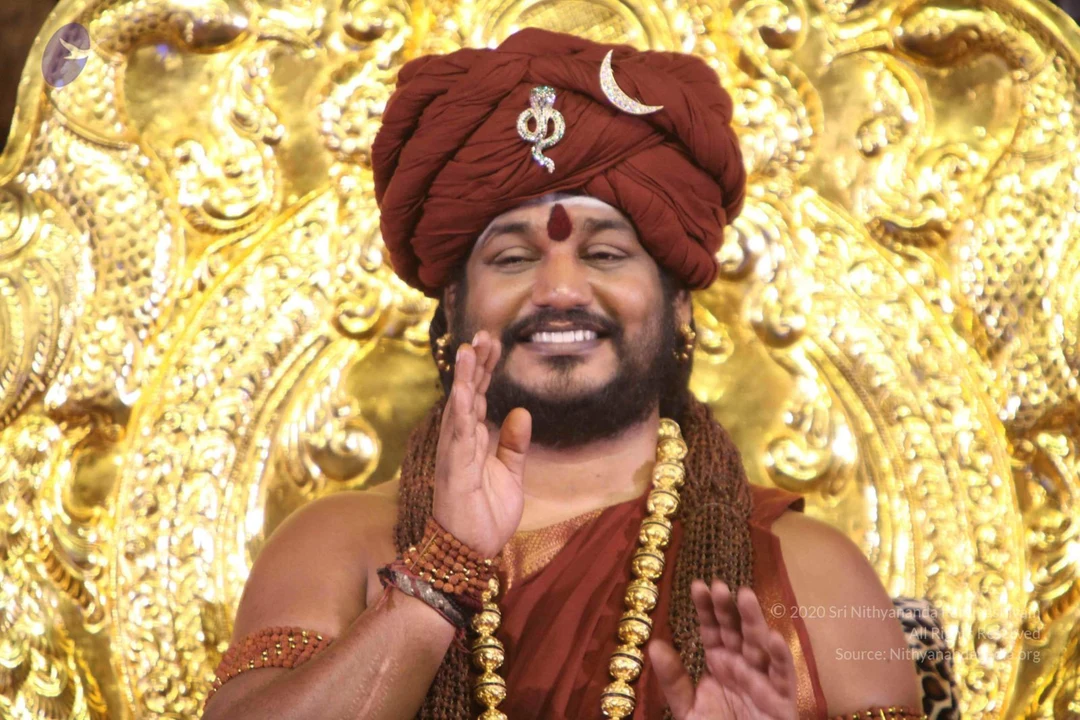
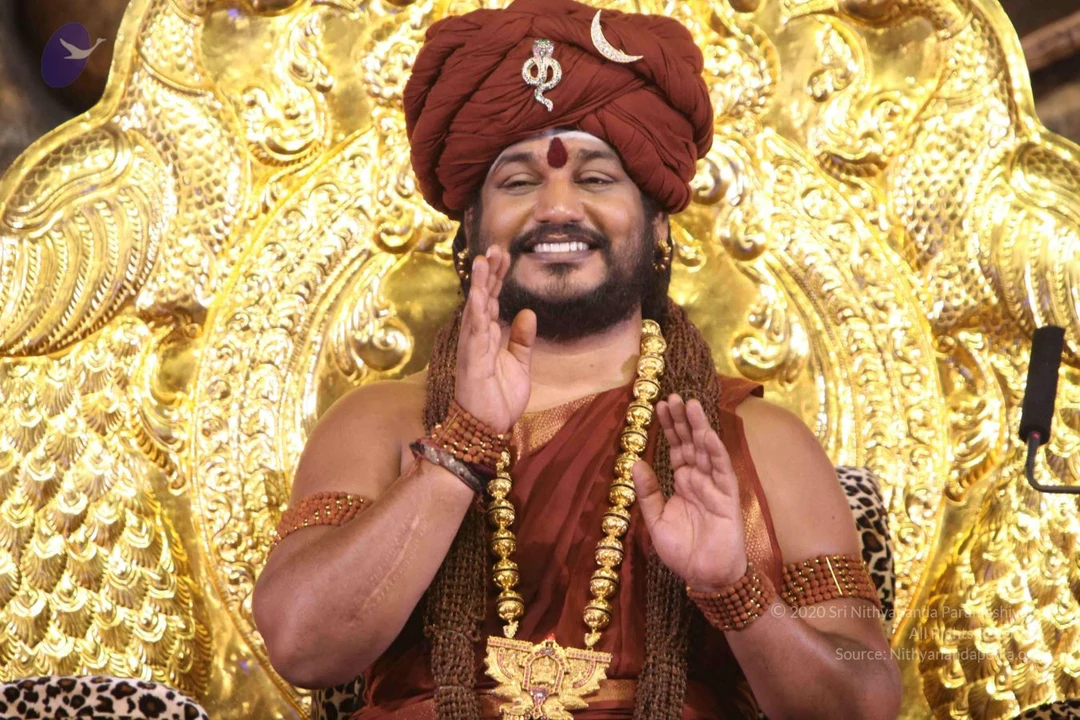
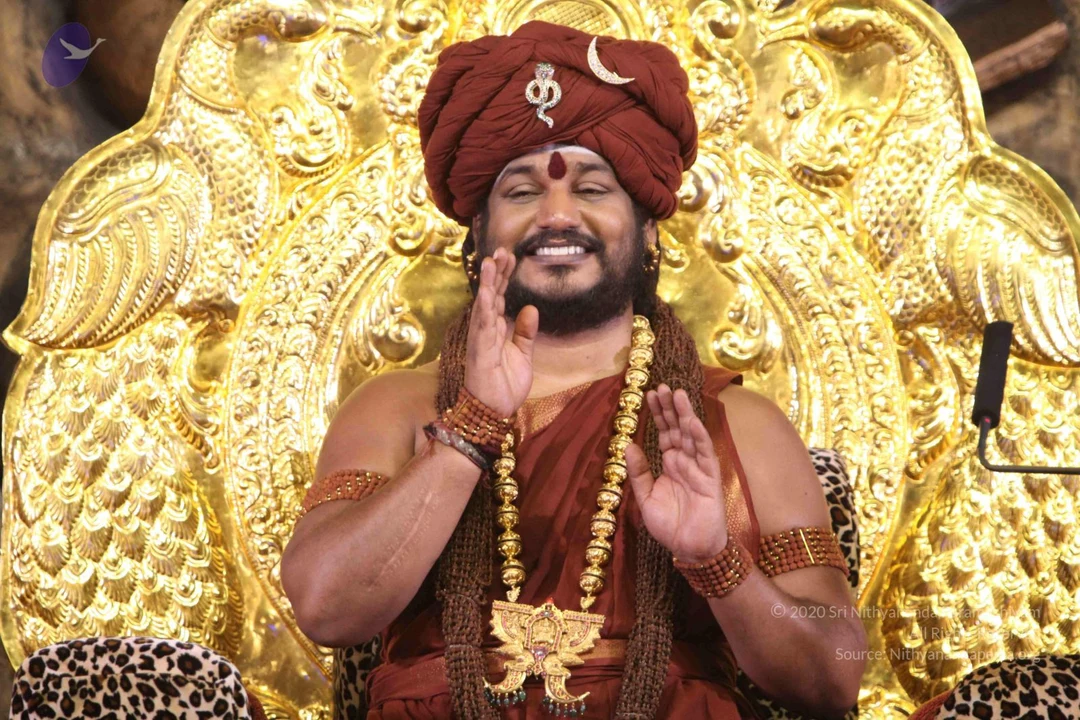
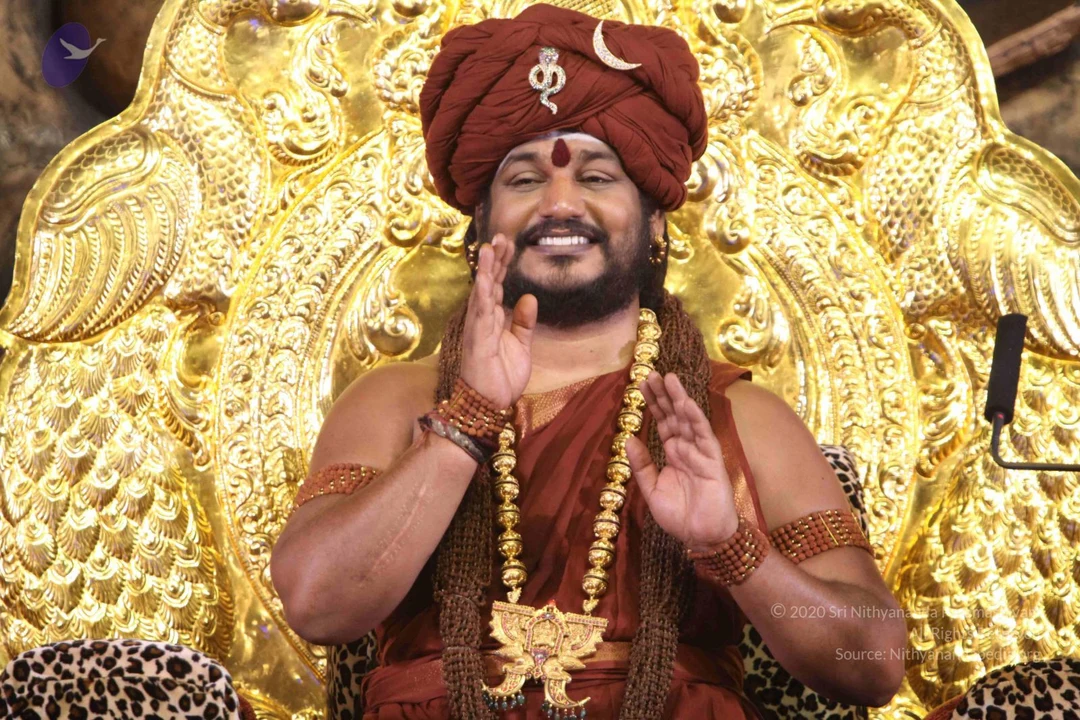
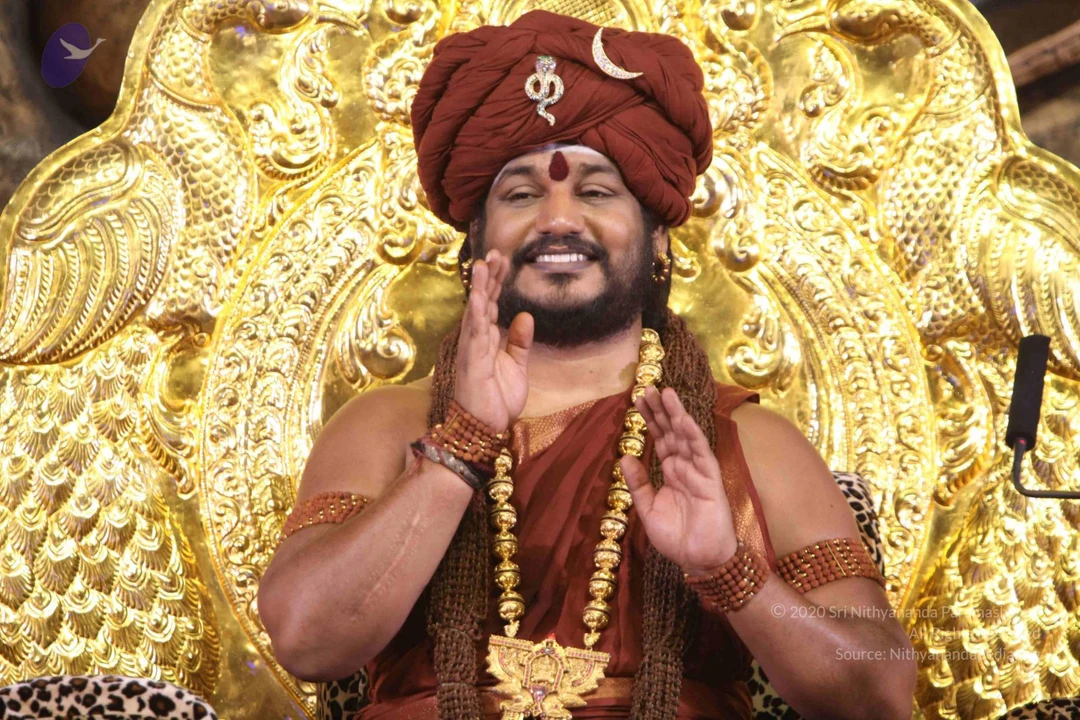
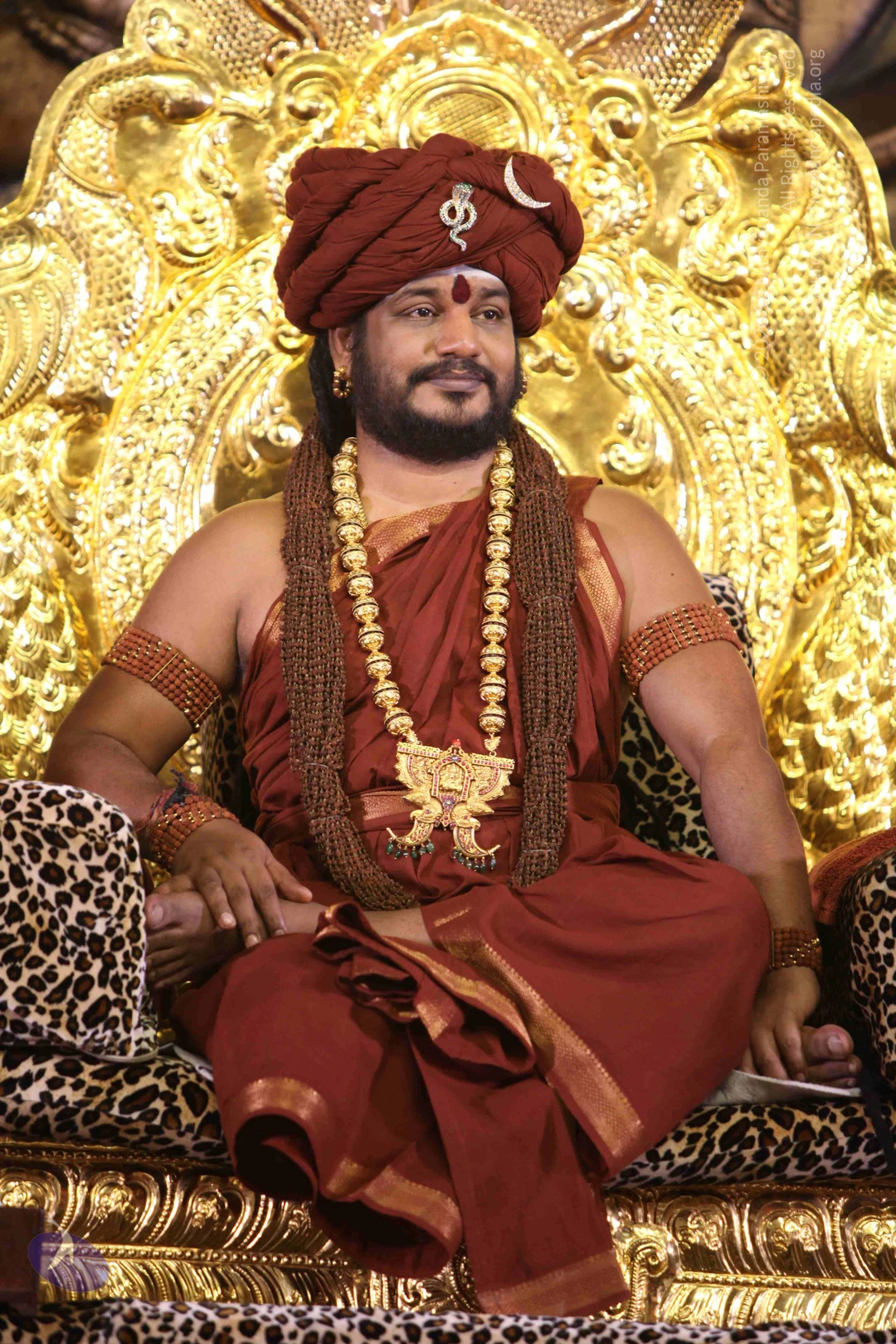
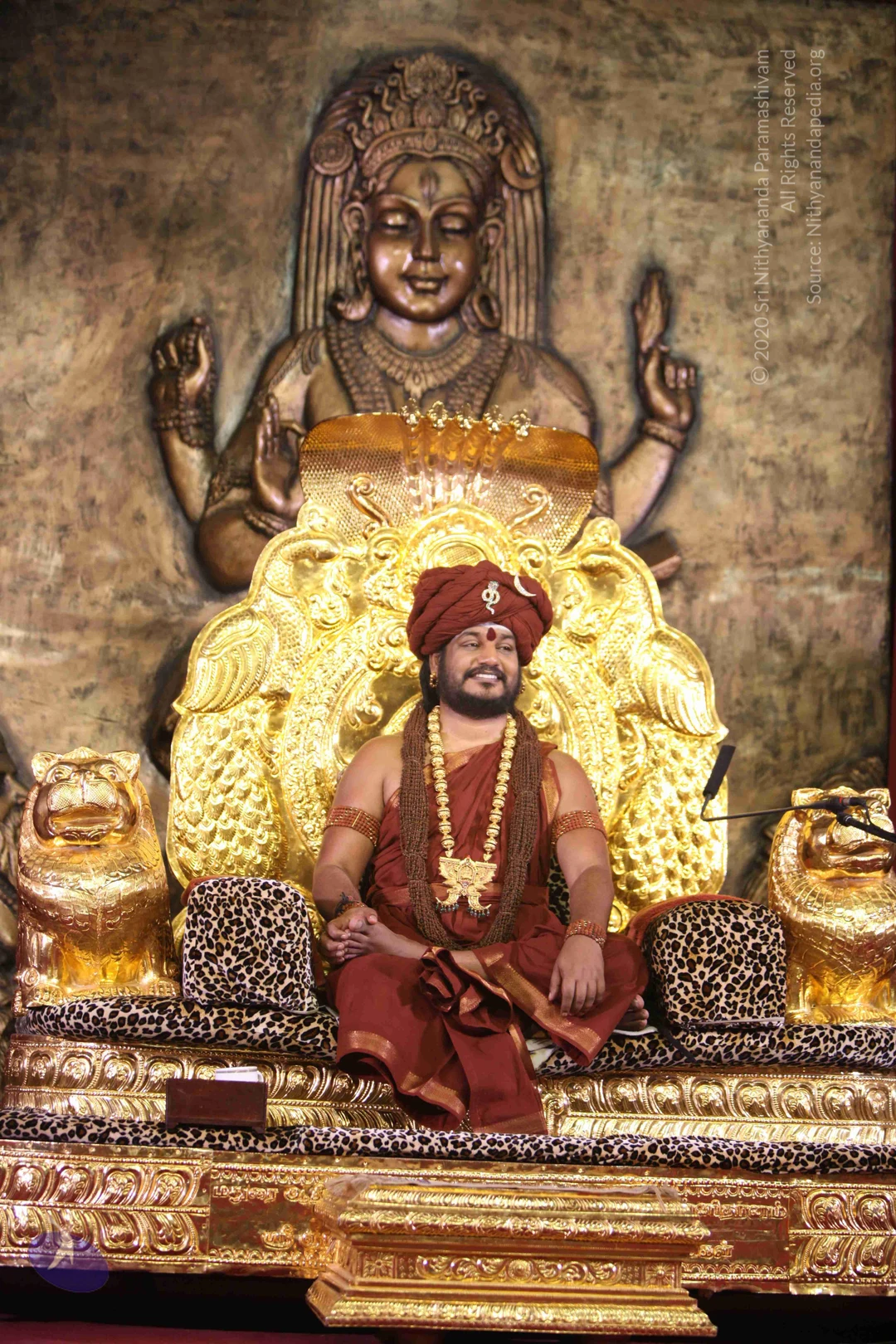
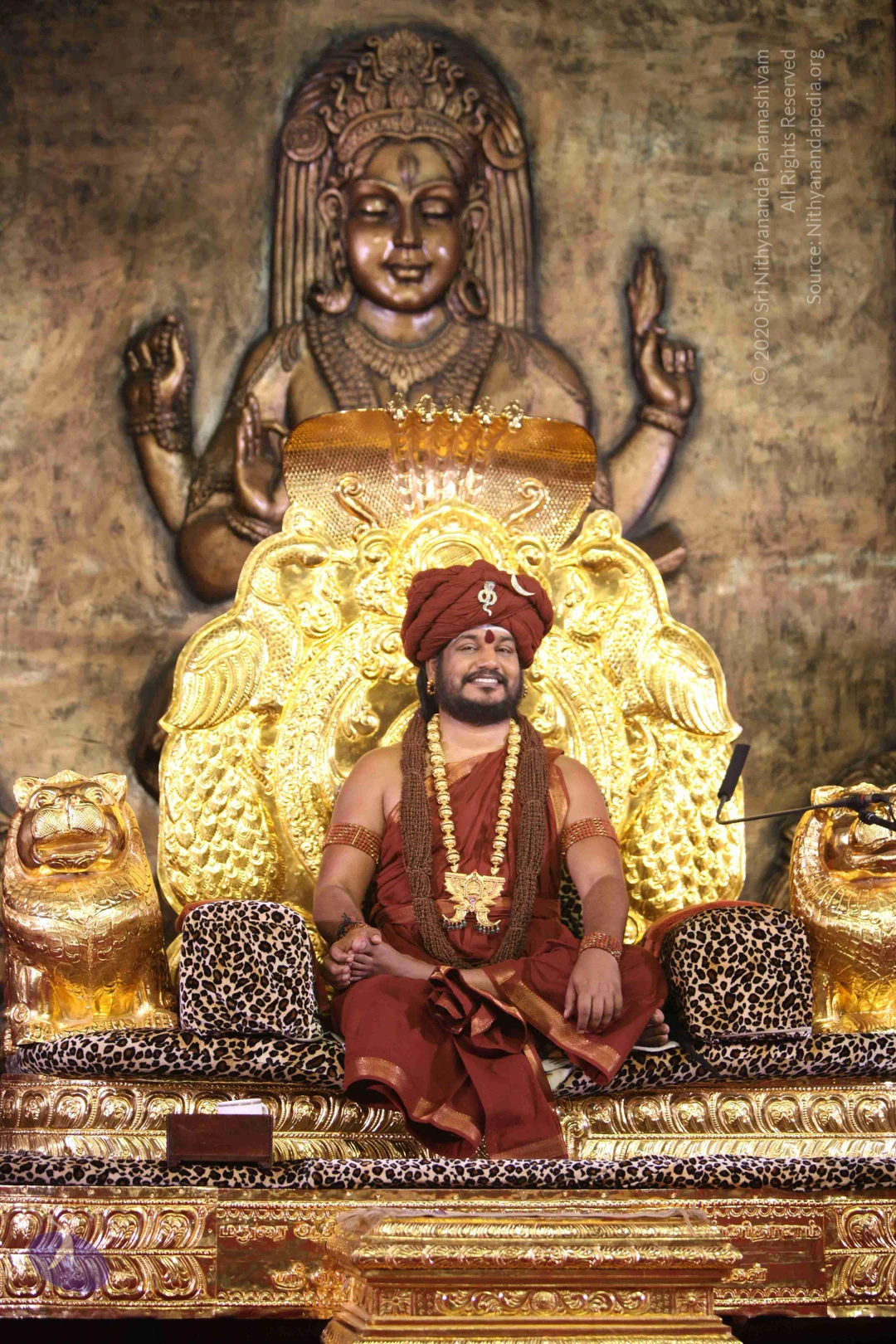
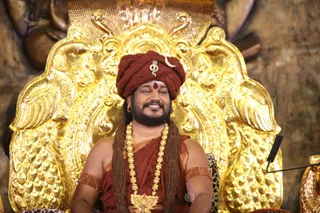
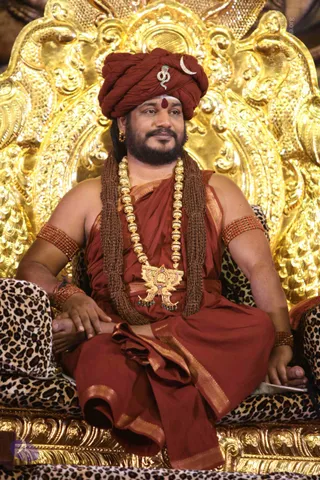
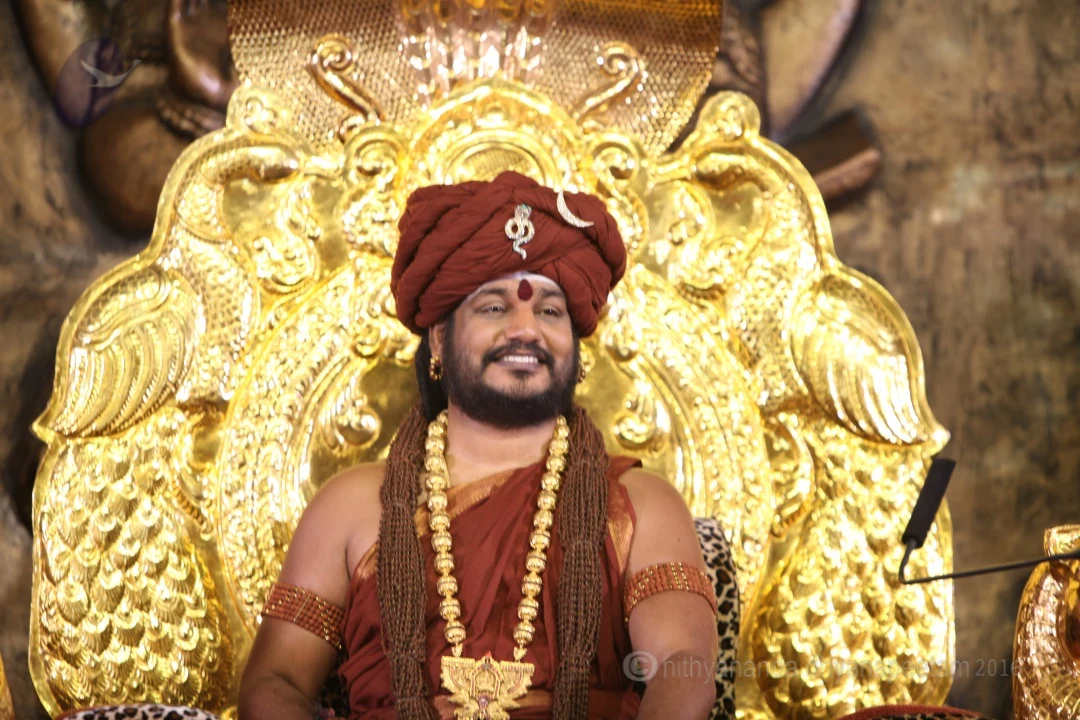
A bearded man sits smiling on an ornate golden throne with embossed scalloped and peacock-like relief work. He wears a deep maroon-red turban with a silver emblem and crescent ornament, a red kumkum dot and white vibhuti marks on his forehead, and a maroon cloth draped over his shoulders. Long rudraksha malas hang on his chest alongside a heavy gold bead necklace and a gold pendant. Gold bangles or armbands adorn his upper arms. A microphone stand sits at the right edge. Swamiji (probable): the person shows the long-hair and turban cues with rudraksha malas and saffron-maroon ceremonial clothing.

Construction Work happening at Aadhi Kailaasa, Bengaluru
9 photosSource gallery
A photograph of outdoor construction work on a stone-paved area. In the foreground a young worker in a pink polo shirt and jeans digs into soil with a long iron rod, while a bowl of excavated earth sits in the hole. Another worker in a pink shirt and light trousers stands at right, half-turned, with a tool in hand. Behind them two men stand on a paved walkway: one in an orange shirt and one in a dark shirt with a white cloth bag, a rudraksha-style beaded necklace visible. Flat stone slabs and gravel lie around, with greenery and a green bin in the background.A photograph of an outdoor work area where stone slabs are being laid. Several large, flat, pale sandstone-coloured slabs lie scattered on a bed of grey sand and cement. In the foreground a man in a pale pink shirt crouches at left, working with a trowel on a patch of wet grey mortar. Behind him a man in a white striped shirt and blue trousers and sandals stands on a stack of slabs. A third man in an orange shirt and jeans stands at the upper left, holding a long metal rod. A green bin and piles of stacked stone sit in the background among shrubs. No swami or a person is visible in the scene.A photograph of an unpeopled outdoor construction yard beside a multi-storey red-brick building with rows of split-type air conditioning units mounted on its facade. Stacks of flat grey stone slabs lie on a pale gravel or concrete surface, with more slabs laid along the left edge. A red boundary wall, scattered trees and an overcast sky appear in the background. No people or ritual activity are visible; the page's satsang text does not match this scene.A photograph of an orange dump truck tipping its bed to unload a pile of grey gravel onto bare reddish-brown dirt. The truck's tailgate and rear wheels are visible on the left, with a blurred dark object in the foreground. Behind the site stands a tall red brick wall, a small red-roofed structure, a pile of loose bricks to the right, and green trees under a partly cloudy blue sky. No people are clearly visible apart from a small figure in the truck cab area.A daytime photograph of an outdoor construction yard. An orange mobile crane with a cab and black tyres, plate KA 51 MH 9380, sits at left beside a red multi-storey building with many split air-conditioning units. A red nylon sling lifts a bundle of rectangular, flat-cut grey stone slabs, with more stacked slabs and loose stone piled across the dirt ground at right. No people are visible.A worker in a striped short-sleeved shirt and khaki trousers chisels at a brick wall beside a dug trench in a paved courtyard. He holds a hammer and a chisel. Two red-painted vertical pipes with grey fittings stand against the wall, and sand and rubble lie on the ground. A red multi-storey building with air conditioning units is behind, and a grey bin sits nearby. No ritual, satsang or a person is visible.

nithya-satsang
65 photosSource gallery
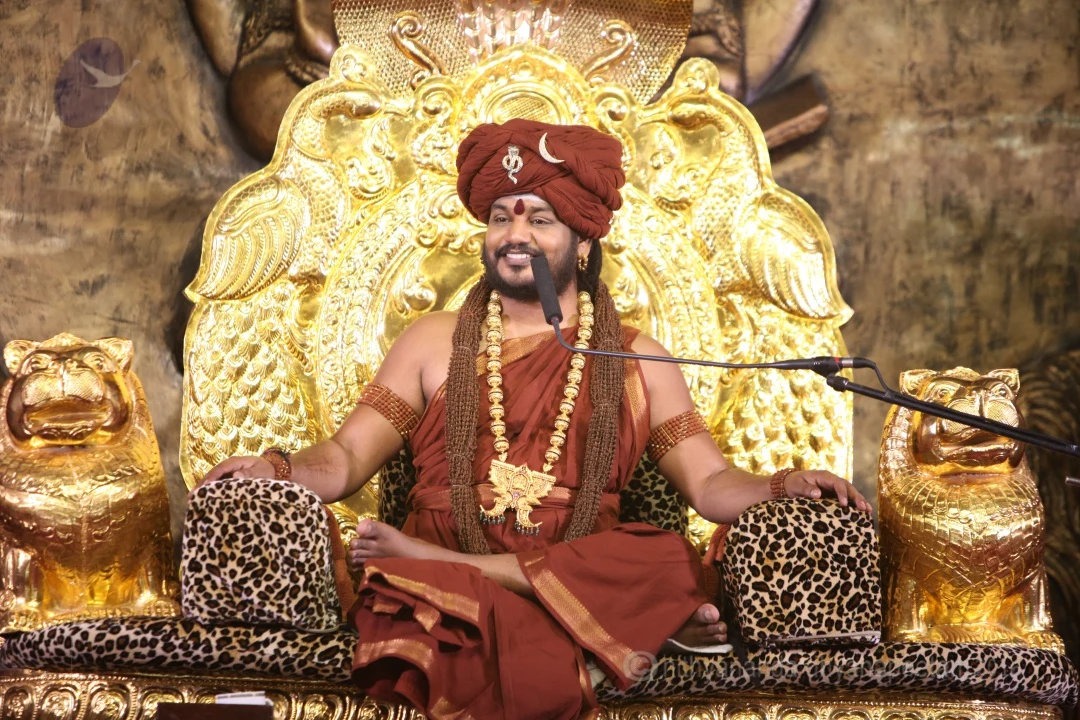
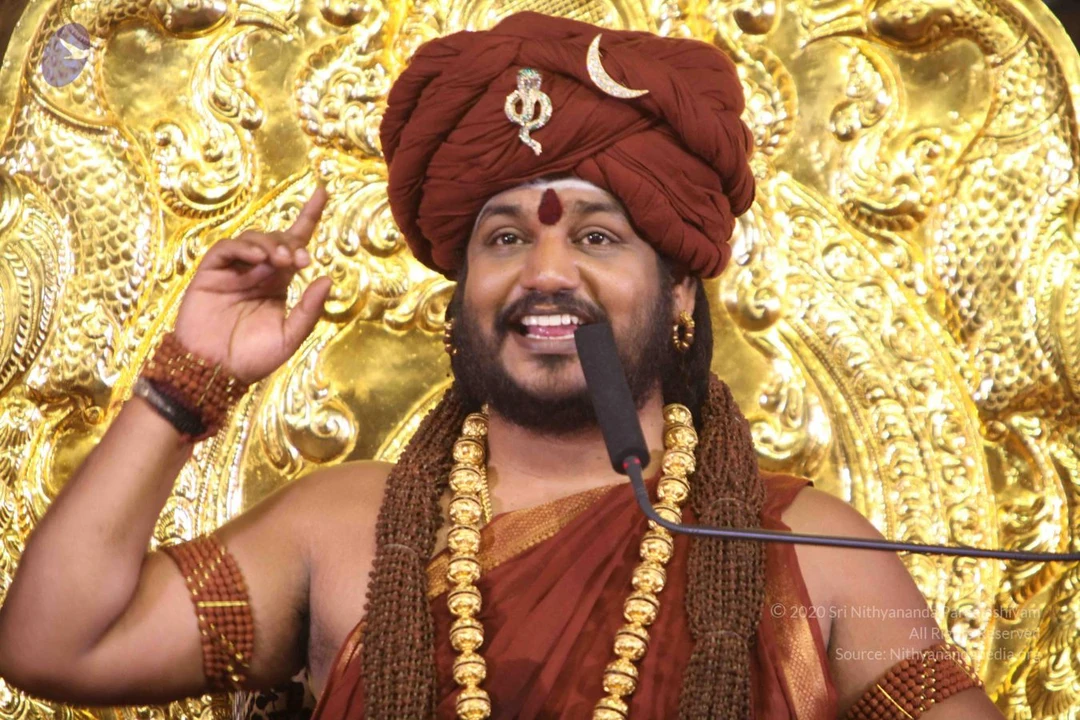
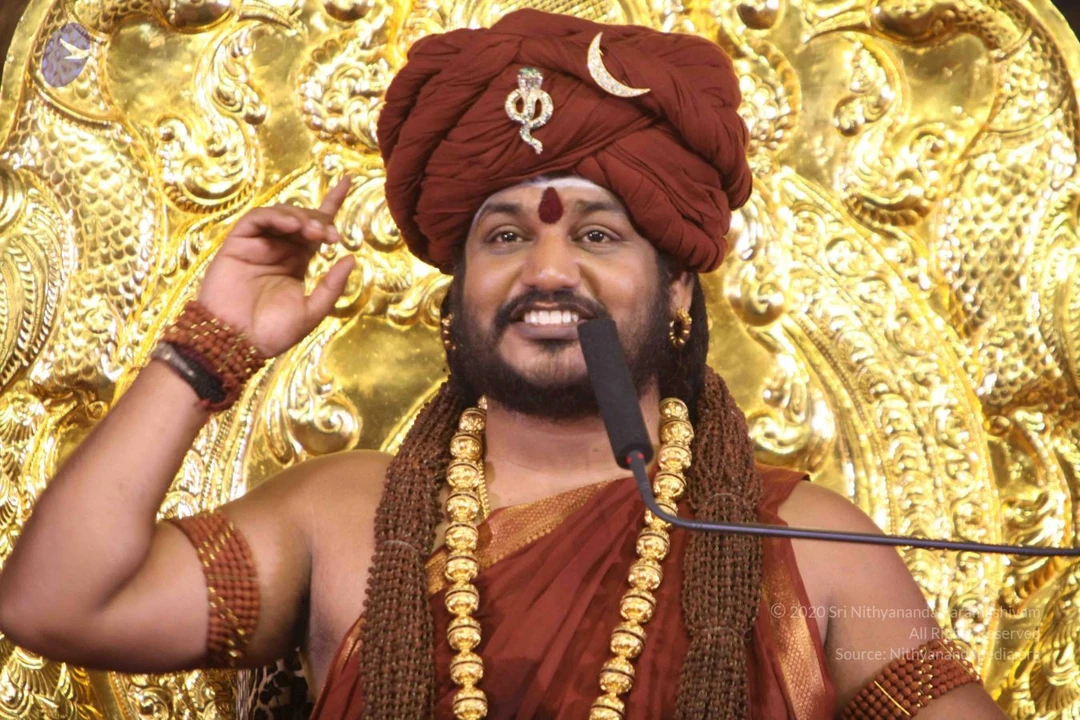
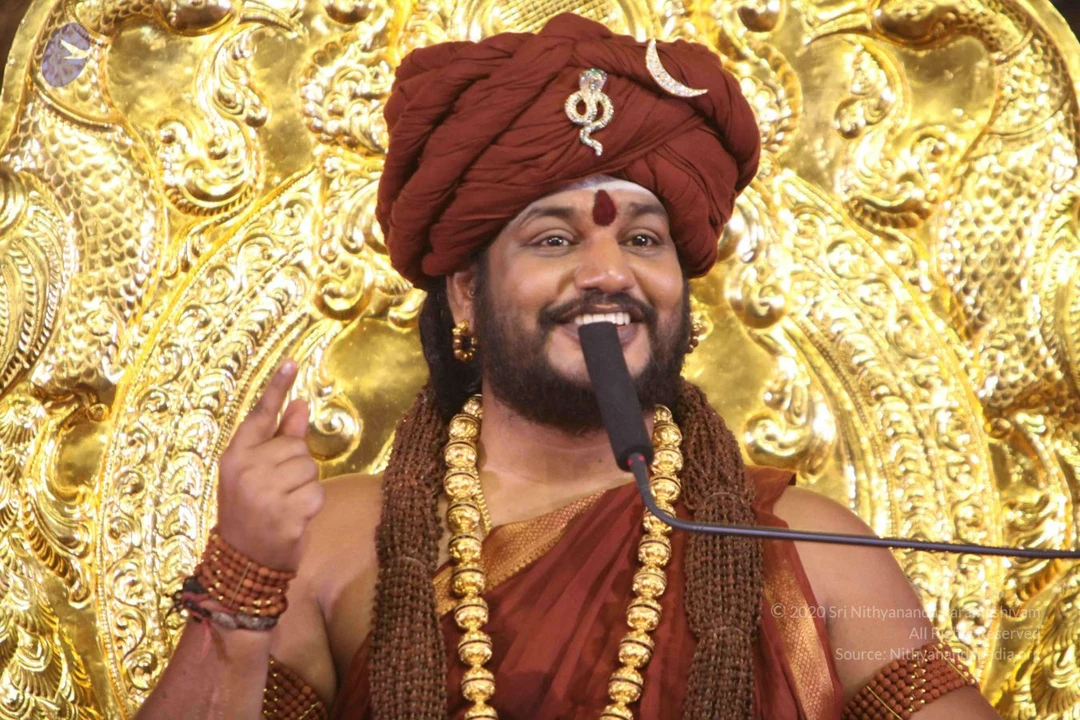
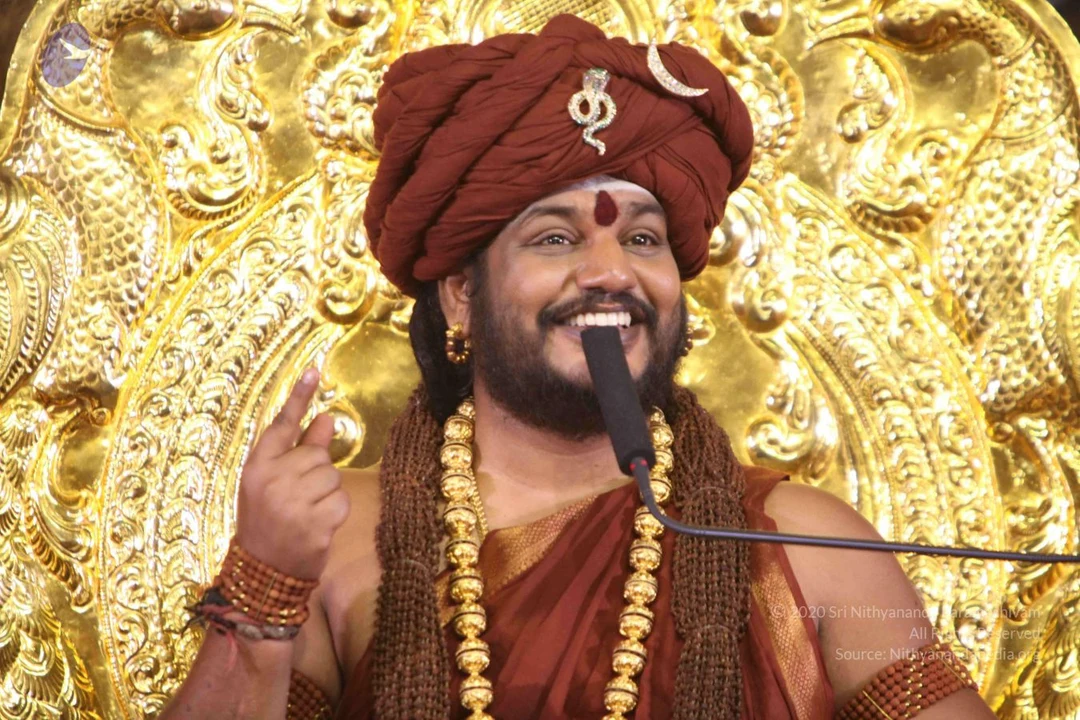
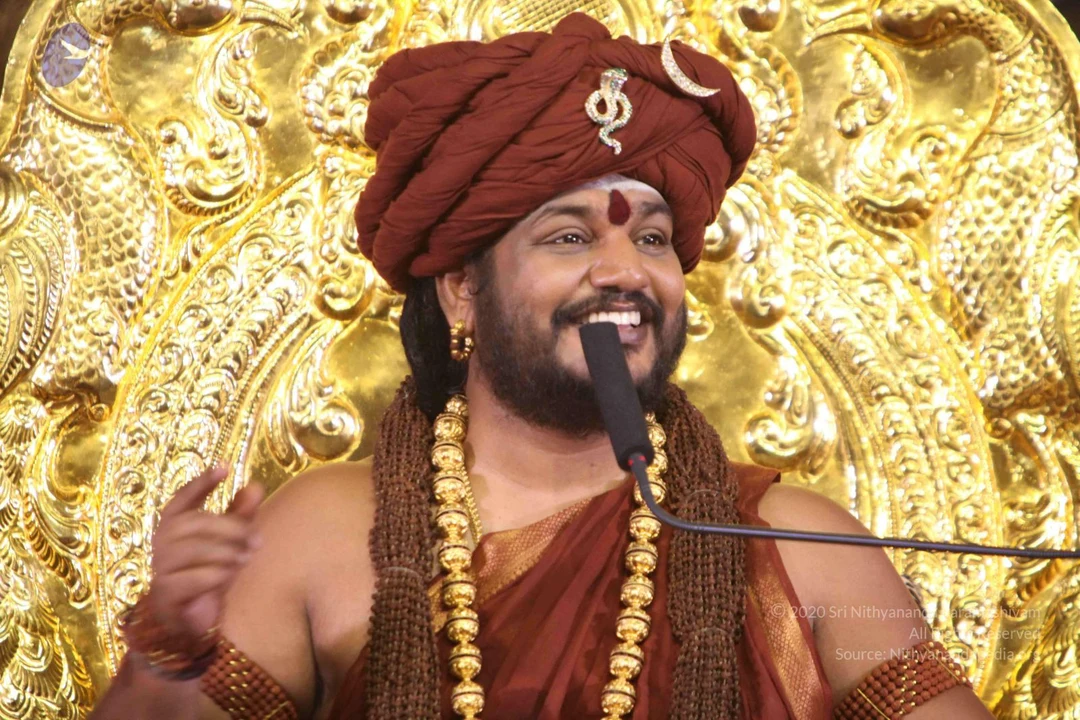
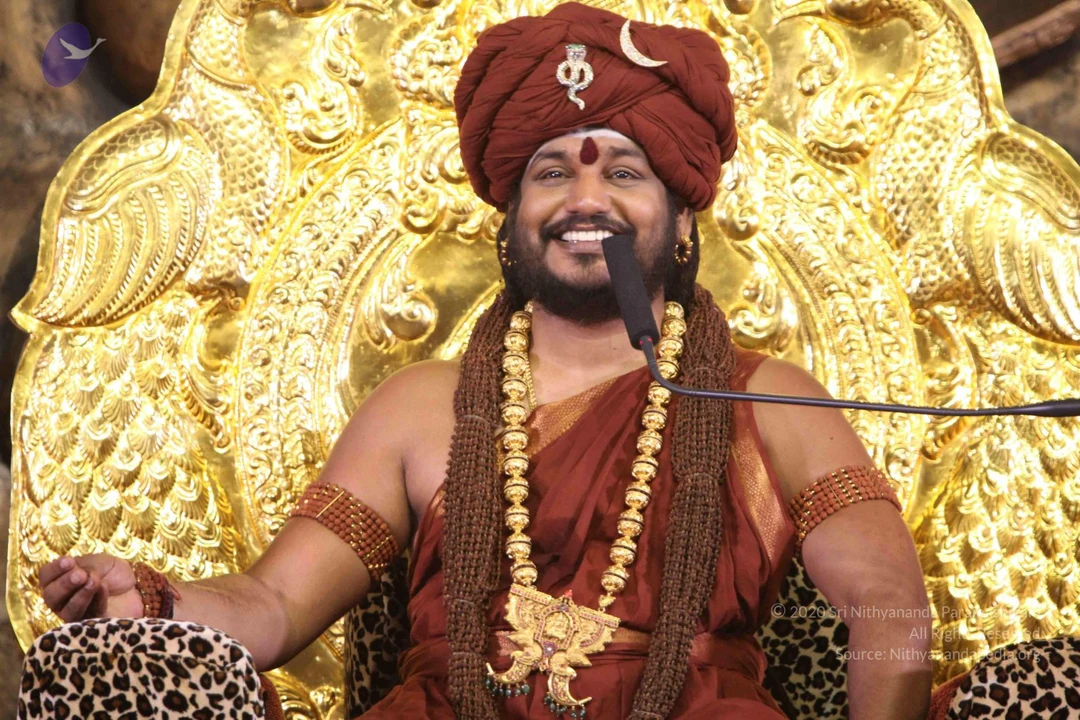
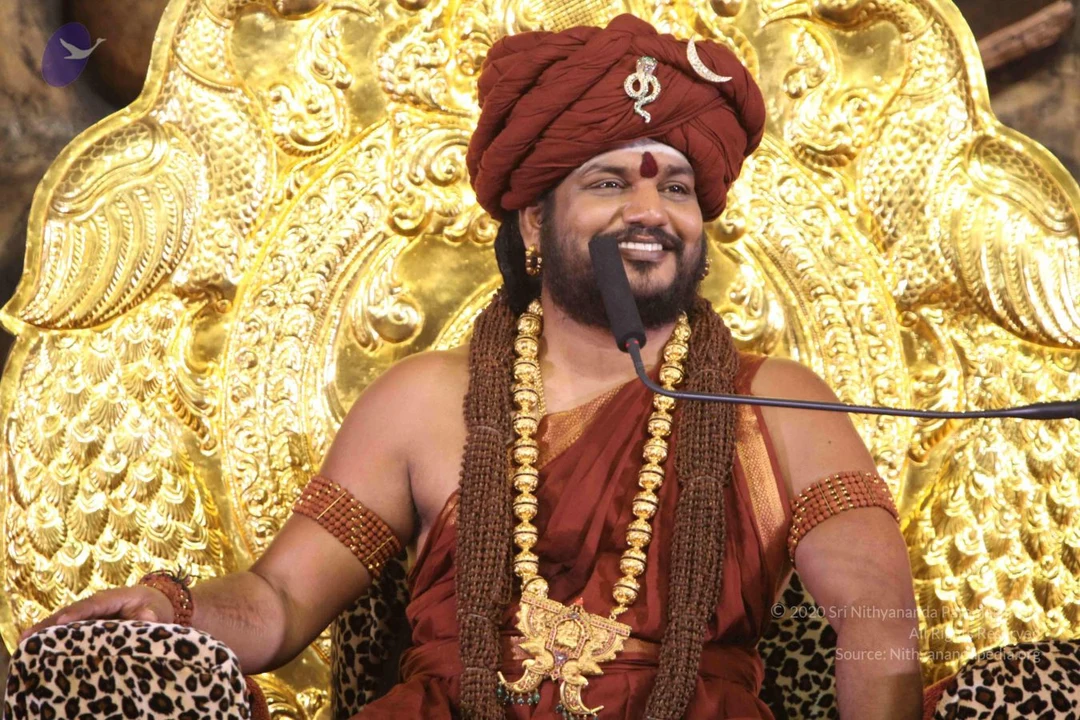
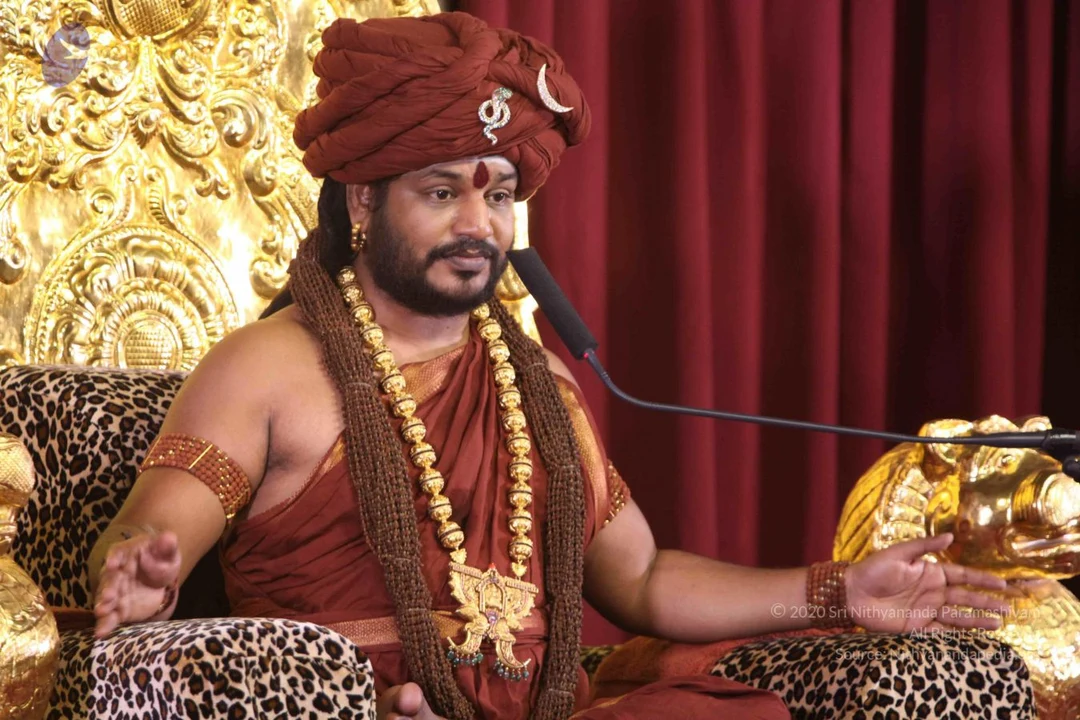
A man seated cross-legged on an ornate gilded throne with leopard-print cushions, in front of a deep red curtain. He wears a maroon turban with a silver emblem and crescent, a red bindi, a rust-red garment with gold border, a long gold necklace with a pendant, rudraksha-style brown beads, and gold armlets with red bangles. A microphone on a stand is near him. A small wooden box sits on the throne base. The appearance matches the Swamiji (probable) cues of a turban, ornate saffron-toned clothing, ceremonial gold necklace and a throne, presented as a satsang speaker.A man seated cross-legged on an ornate gilded throne with leopard-print cushions speaks into a microphone during a satsang. He wears a rust-red turban with a gold crescent and emblem, a rust-red cloth wrapped over his bare shoulder, a heavy gold necklace with pendant, rudraksha mala, and gold and red armbands. Behind him hangs a deep red velvet curtain and a gold lion-form armrest. A small wooden box sits at his lower left. Matching the ornate clothing, long rudraksha mala and gold ornaments, he appears to be a person, giving a discourse as the teacher.A man seated on a leopard-print cushion before a gold-carved chair and red velvet drape, speaking into a black microphone on a boom stand. He wears a rust-red turban with a jewelled serpent and crescent ornament, a red tilak on his forehead, a red-brown dhoti-style garment with gold border, a brown rudraksha mala and a heavy gold beaded necklace with a gold pendant. Gold bangles and a red armband are visible. a person: long swept-back hair, turban and gold ornaments in a satsang-style setting, seated on the dais.A man seated on a leopard-print cushioned seat in front of a gold ornate throne and a red curtain, speaking into a microphone on a stand. He wears a rust-red turban with a silver emblem and crescent ornament, a red-brown robe with gold-striped borders, a long gold bead necklace with a gold pendant, a brown rudraksha-style mala draped over his shoulders, gold earrings, and a red armband. A red vertical mark is on his forehead. a person is shown here as the speaker giving satsang. A small white cup sits at the lower edge of the frame.Photograph of a bearded man seated on an ornate gold throne with a leopard-print cushion, in front of red drapery. He wears a rust-red turban with a jeweled crescent and serpent ornament, red-brown robes with gold border, a thick gold bead necklace with a gold pendant, rudraksha mala layers across his chest, and red-beaded armlets. He raises one index finger while speaking into a microphone on a boom stand. A red tilak marks his forehead. A printed caption on the right edge reads Sri Nithyananda ParamashivamA man seated on an ornate gold throne with a leopard-print cushion, speaking into a microphone on a stand. He wears a rust-red turban with a silver emblem, a rust-red robe with gold border, a rudraksha mala with a large gold pendant, gold bangles on his upper arms and wrists, and a gold earring. His right hand is raised mid-gesture while explaining a point. Behind him hang deep red curtains. A small wooden box and a white cup sit on the lower gold platform in front. Swamiji (probable): the figure wears a turban, rudraksha mala and ornate gold jewellery on a throne during a discourse, consistent with the page's claim of Swamiji speaking at a satsang.
Nithya-Satsang
48 photosSource gallery
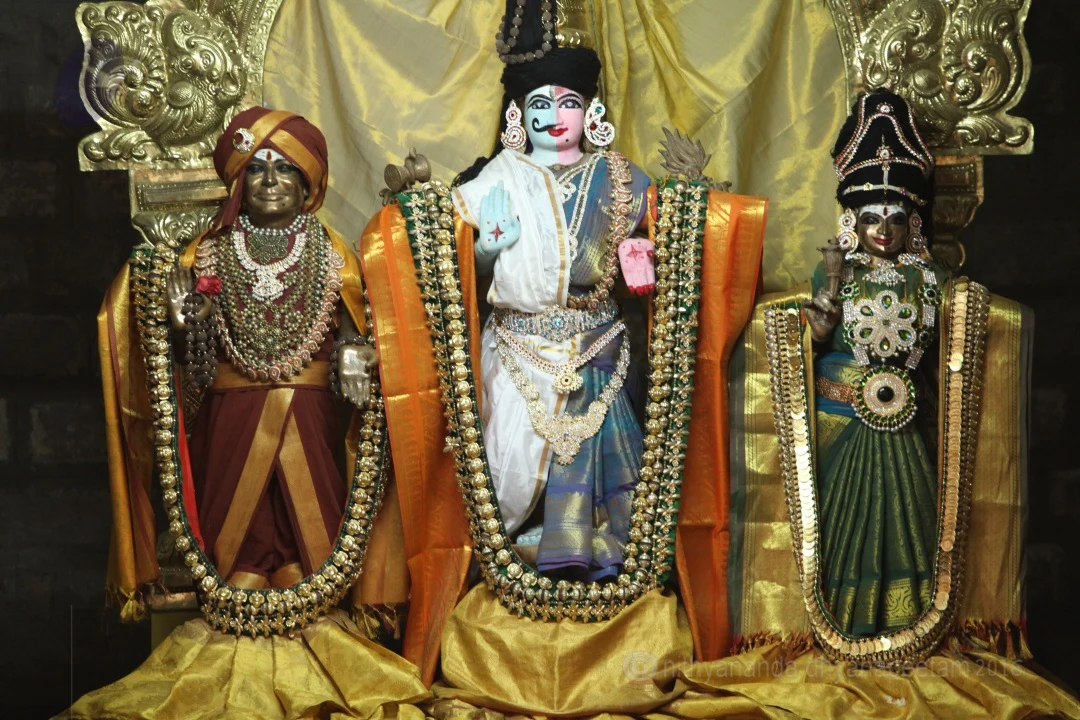
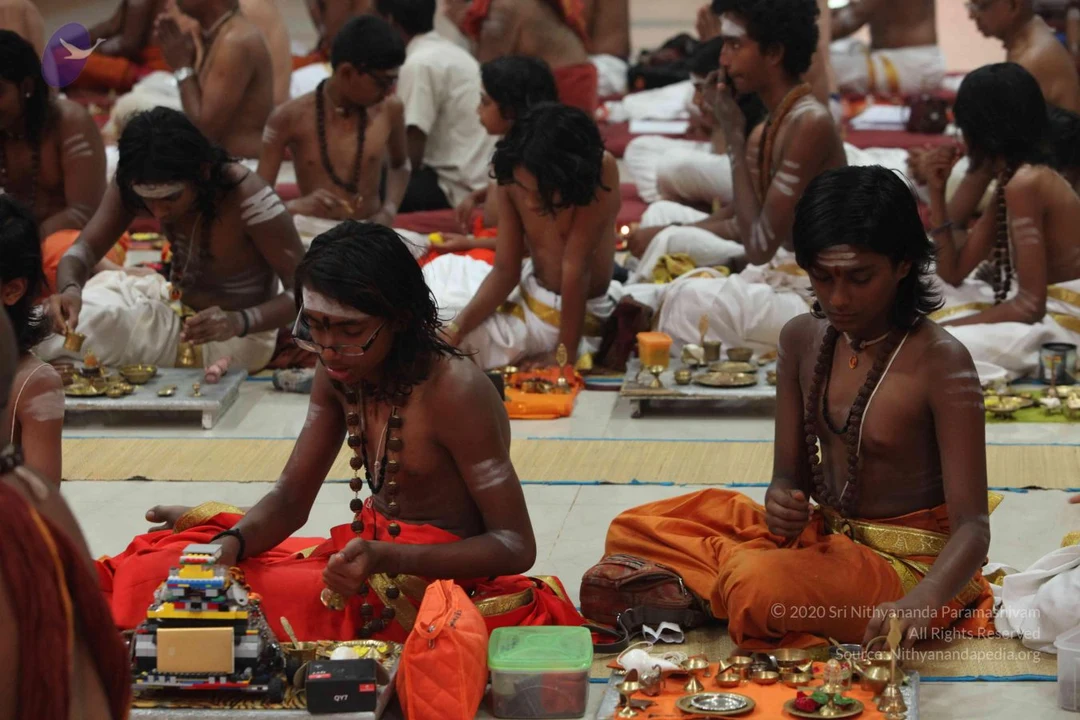
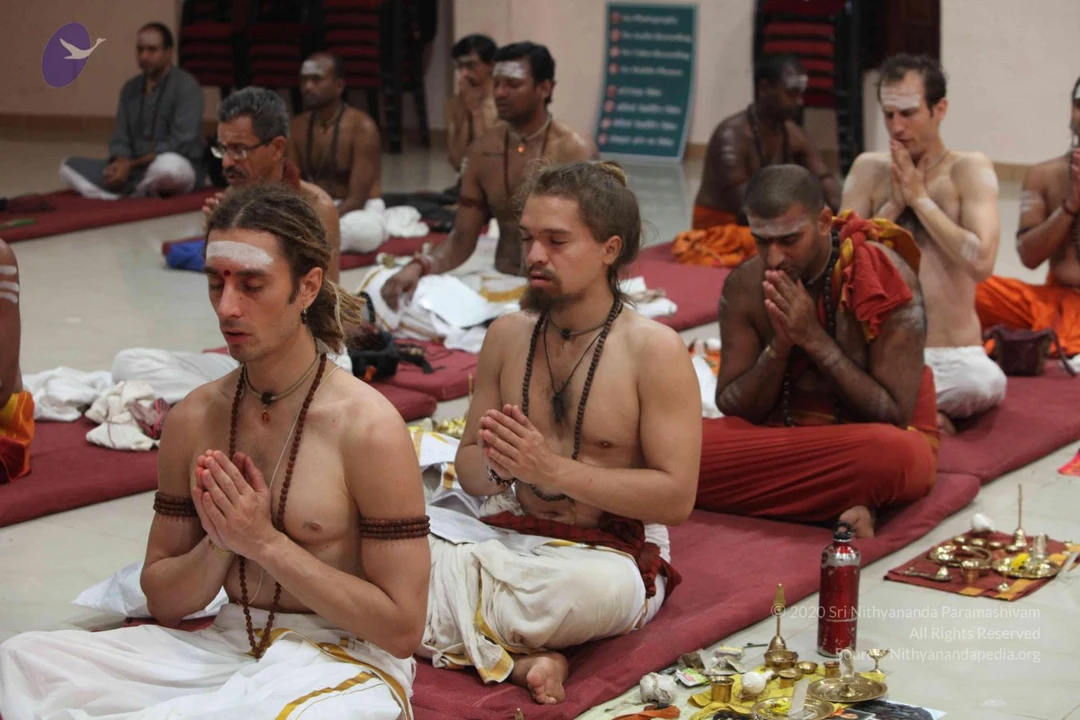
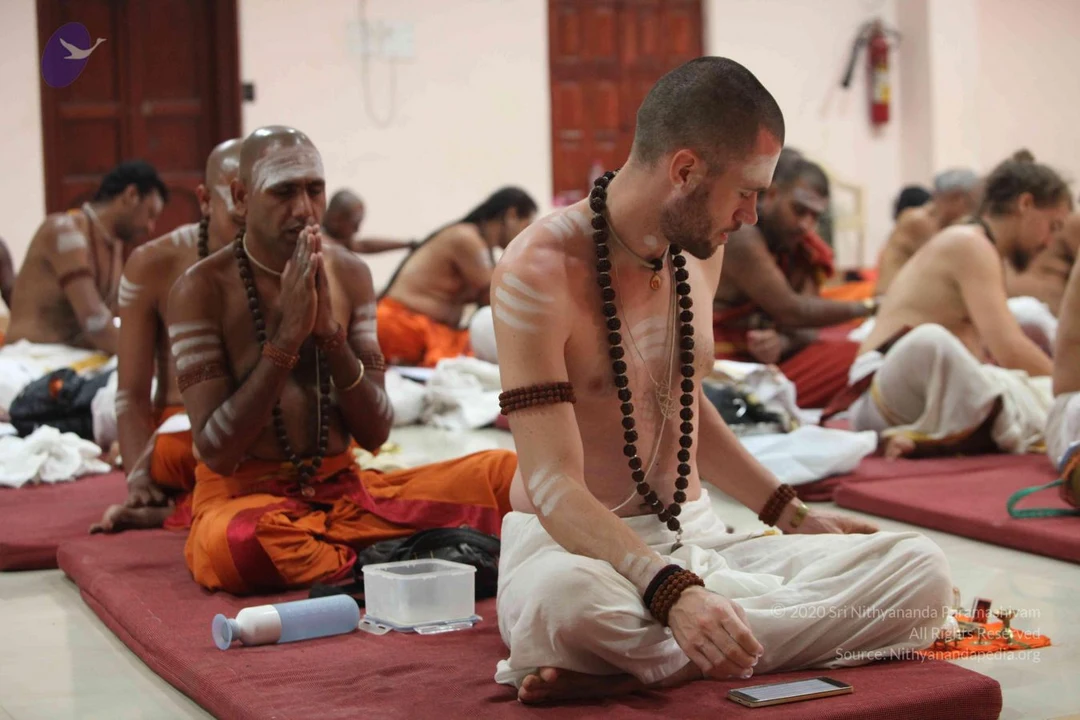
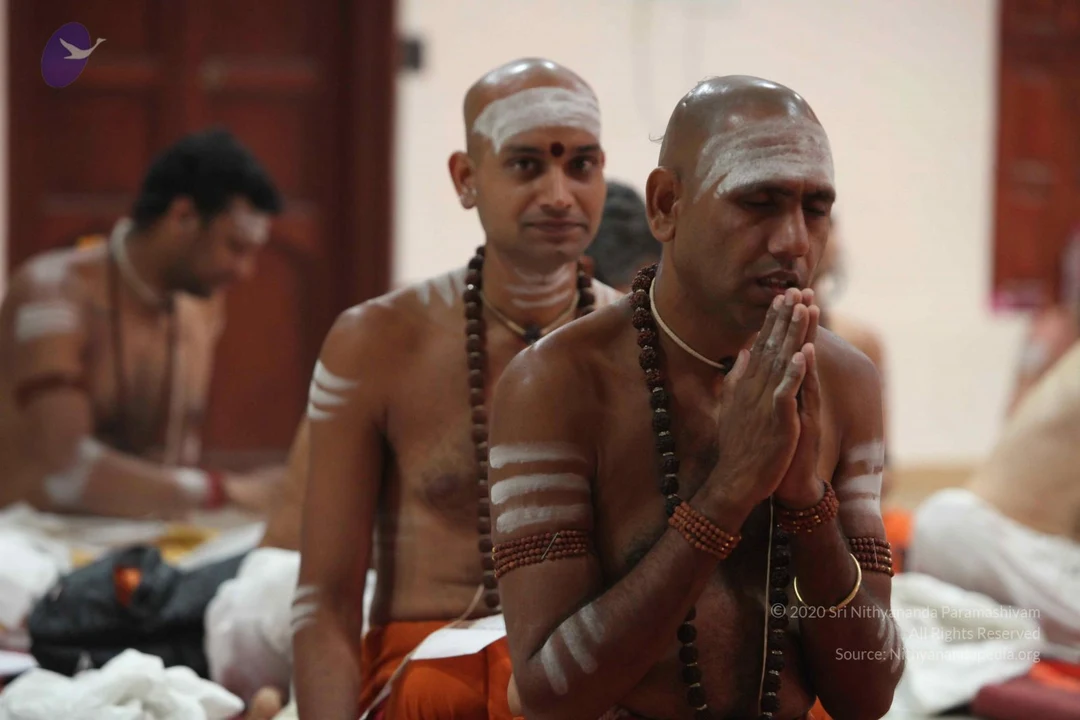
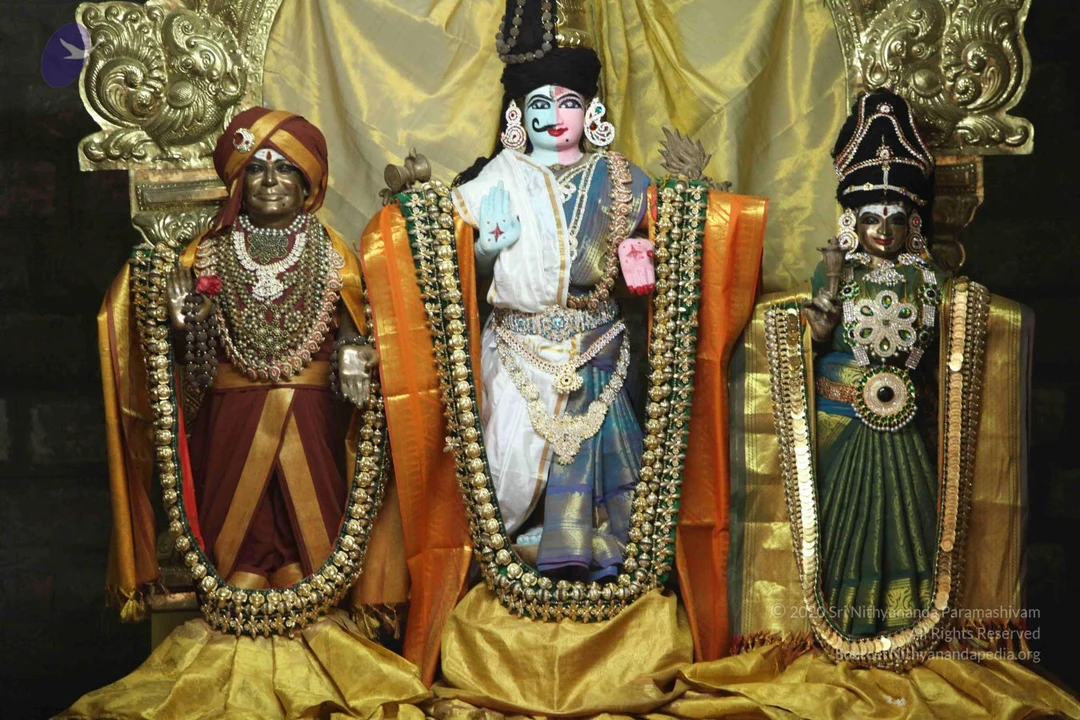
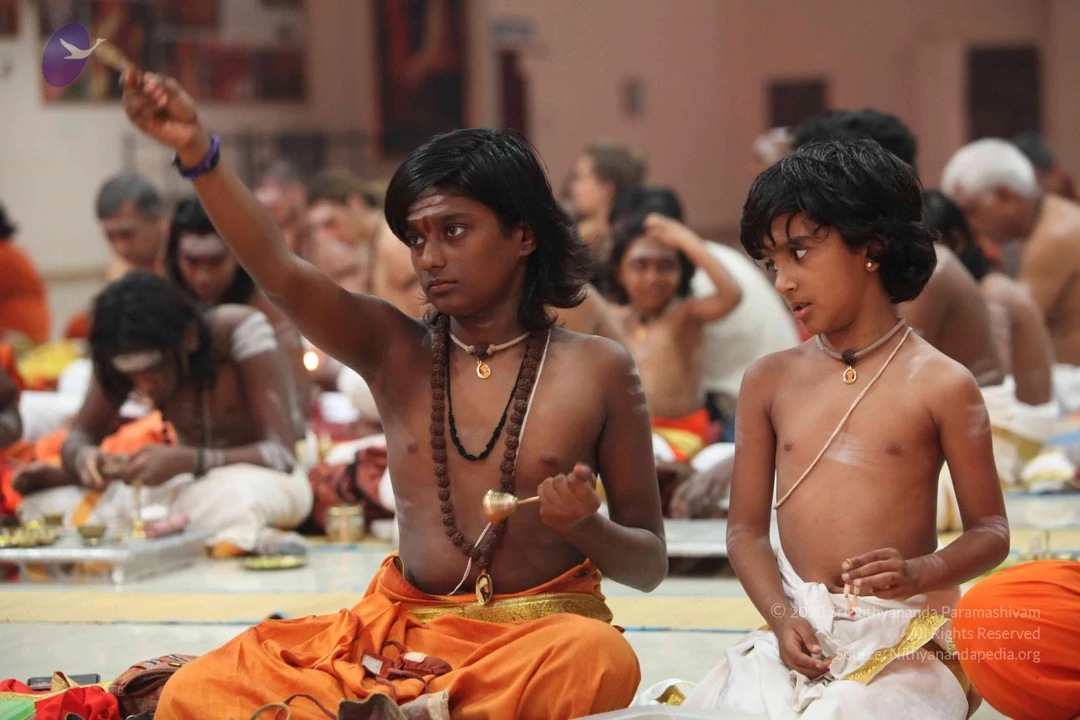
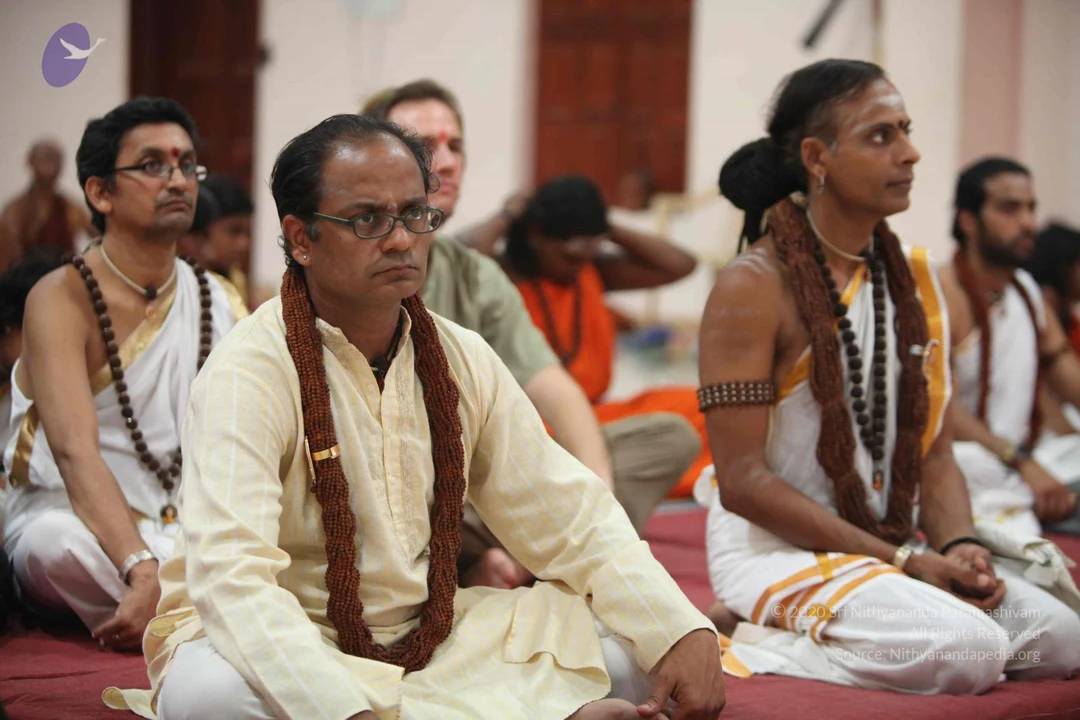
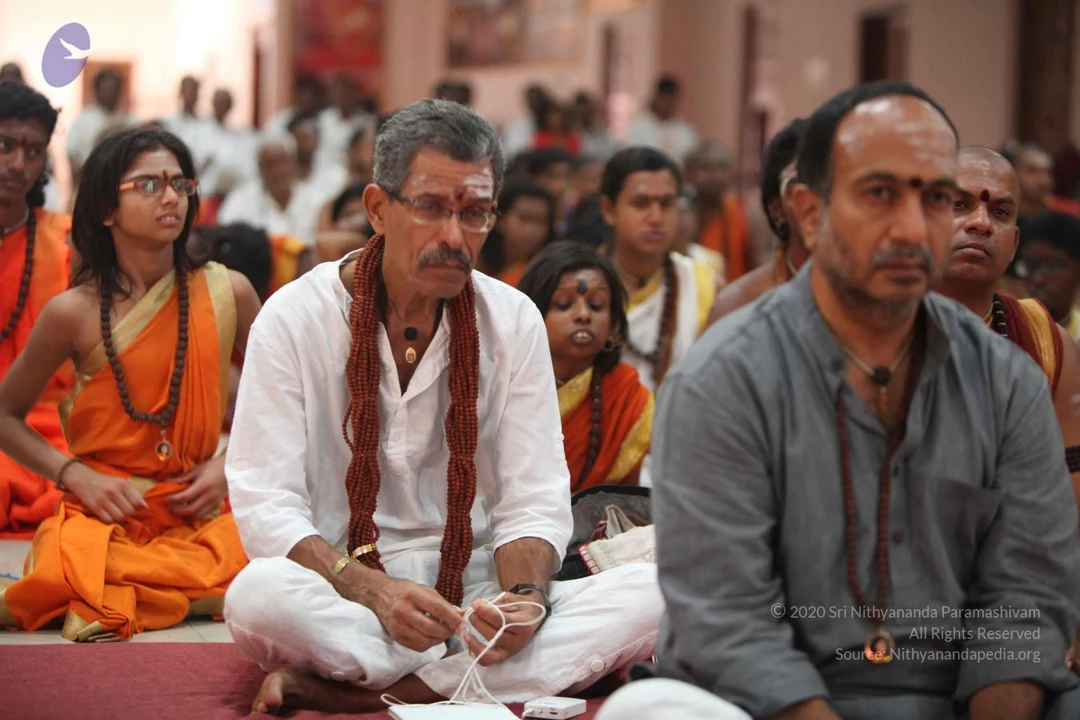
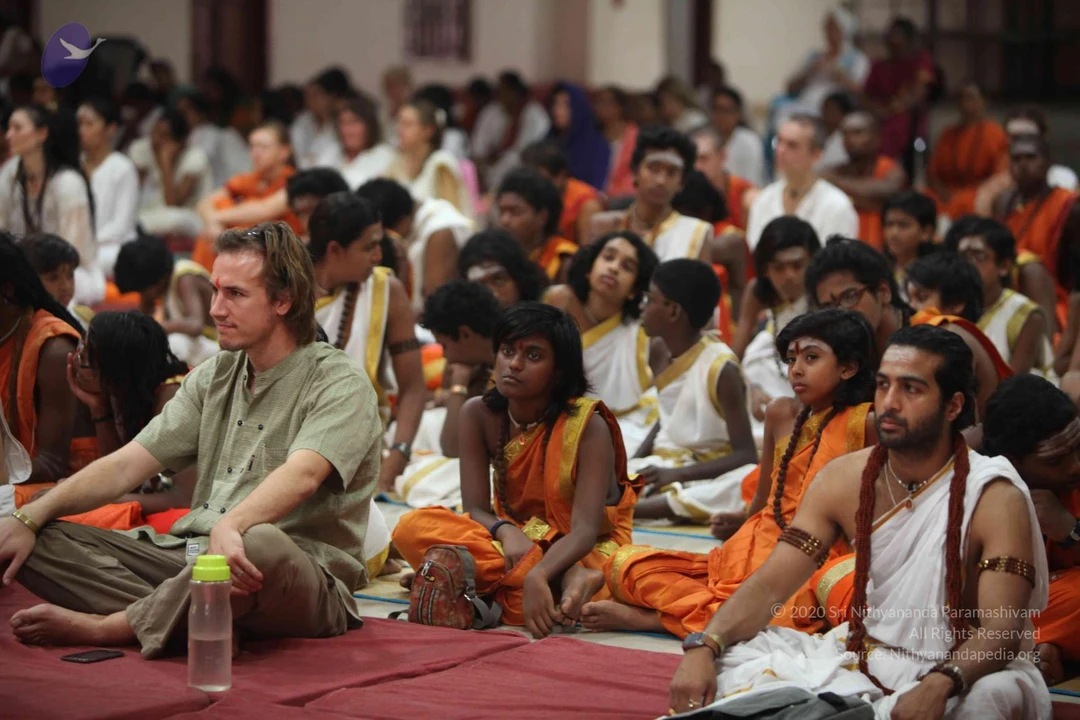
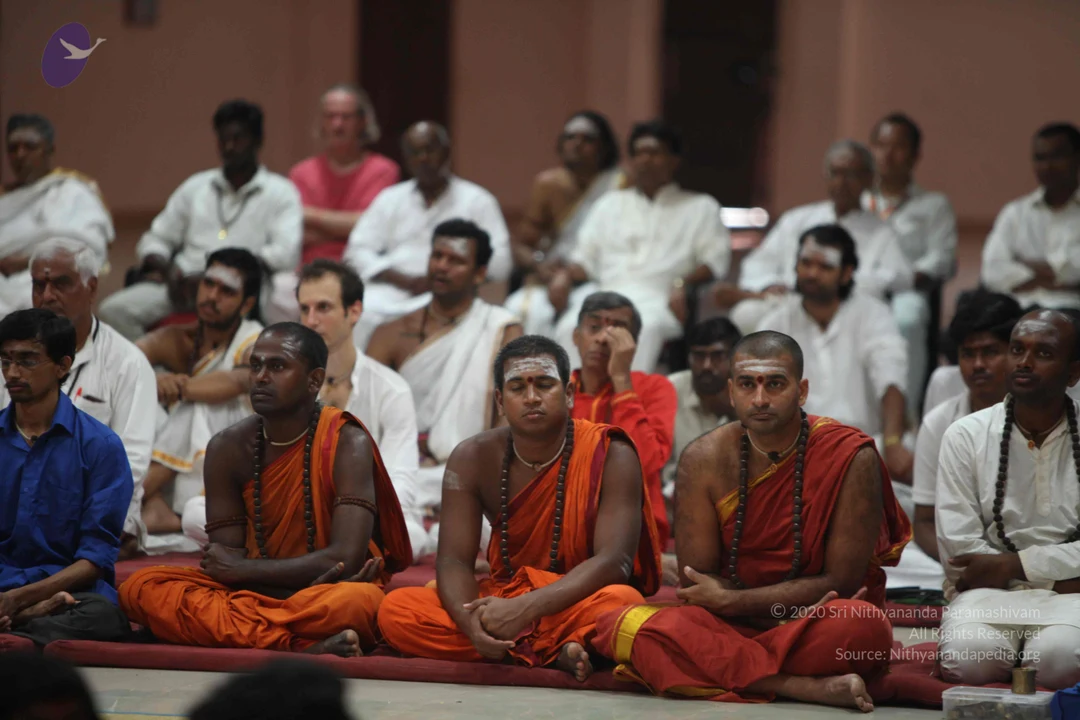
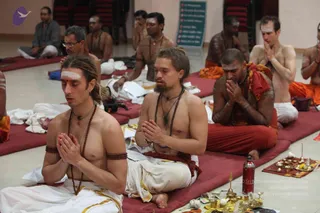
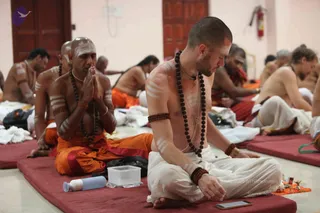
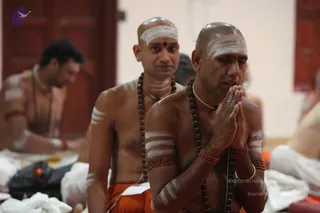
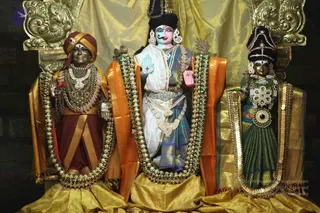
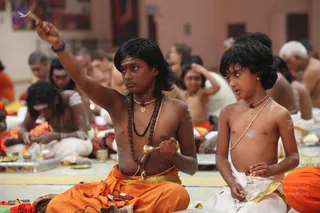
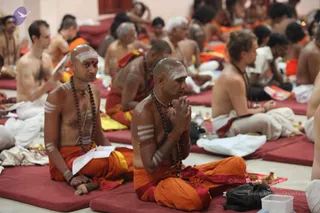
A seated group of young male devotees performs puja in a hall with woven mats. Several boys are bare-chested with white ash markings on their arms and foreheads and rudraksha malas. The boy in front left wears a red dhoti and bead garlands and holds a small brass item over a Lego-style toy structure beside him. The boy in front right wears an orange dhoti with a gold waistband and a rudraksha mala, and arranges brass vessels and small offering plates on an orange cloth. Brass lamps, kalasha-style pots and bowls surround them, with other devotees seated behind in white and orange garments.Several seated men in a hall perform a morning puja with palms pressed together in anjali mudra. Most are bare-chested and wear white dhoti cloths with gold borders, with white sacred ash markings on their foreheads and bodies. The central figures wear rudraksha malas; the seated man at right wears a red-and-orange shawl and red dhoti. Brass puja vessels, a small brass lamp and a red water flask rest on a red mat in the foreground, while a green board with white text hangs on the wall behind. Red mats cover the floor. No individual in the frame is clearly identifiable as a person, so no candidate is named.A photograph of a group meditation or puja session in a bare hall with pale walls and red-brown wooden doors. In the foreground, a shaved-headed man in white dhoti sits cross-legged on a maroon mat, hands resting on his knee, with rudraksha malas and wrist beads, and white horizontal tilak marks on his chest and arms. Beside him, a man in orange cloth with folded palms, white markings on his face and arms, and a rudraksha mala sits in prayer. Other seated participants in orange and white cloth with white body markings fill the background. Props on the floor include a small plastic container, a water bottle and a mobile phone. No identifiable a person figure is visible.Three shaved-headed men sit in a meditative setting, with a few blurred figures behind them. The central man in the foreground has his eyes closed and palms pressed together in anjali mudra, wearing a rudraksha mala and a beaded bracelet with a gold bangle. A seated man beside him wears a rudraksha mala and a red-orange dhoti, with a red-and-white tilak on his forehead. Both bare-chested men have white ceremonial markings painted on their arms and foreheads. Behind them, a man in a light garment sits on a white cloth, with a dark bag and white bundles of cloth on the floor. The room has cream walls and a wooden door.Three large murti figures stand side by side on a gold cloth-draped dais against a golden backdrop with ornate gold metalwork. On the left, a bronze-toned male figure wears a maroon and gold turban, a dense layered bead necklace and a dhoti, holding a red flower and a rudraksha-style mala. The central figure, painted blue-skinned with a white dhoti, gold waist belt and long necklaces, raises one hand in abhaya mudra and has a crown-like headdress. On the right, a green-clad female figure wears a jewelled headdress, large floral pendant and green sari, holding a ceremonial object. All three are framed by gold and green garlands with orange silk draping behind them. The statues are deity murti rather than living people, and no readable name appears on the figures themselves.A photograph of a group puja or ritual gathering in a hall with pink-washed walls. In the foreground a young boy with shoulder-length dark hair, bare-chested, wearing an orange dhoti with gold border, holds one arm raised with a brass item and wears a rudraksha mala and a small pendant. Beside him a younger boy in a white dhoti with gold border, bare-chested and wearing a pendant necklace, holds a small brass spoon-like ritual vessel. Behind them many seated devotees in orange and white ritual clothes, some with white markings on their bodies, sit before brass trays with oil lamps and offerings on the floor.

01-Nitya-Satsang
25 photosSource gallery
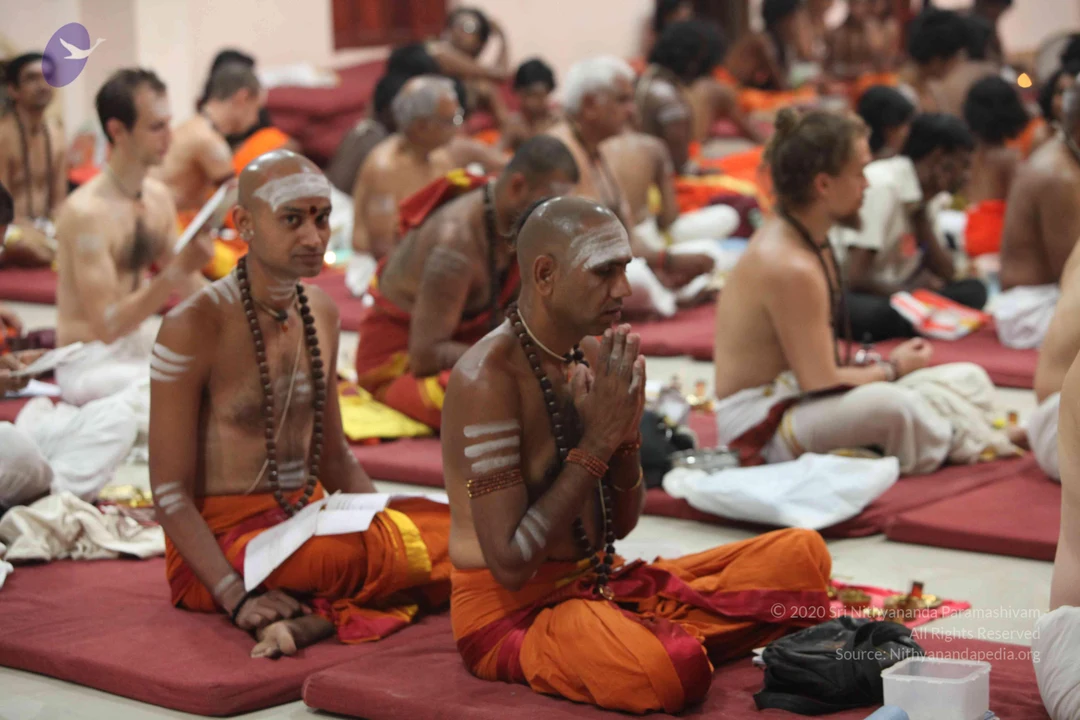
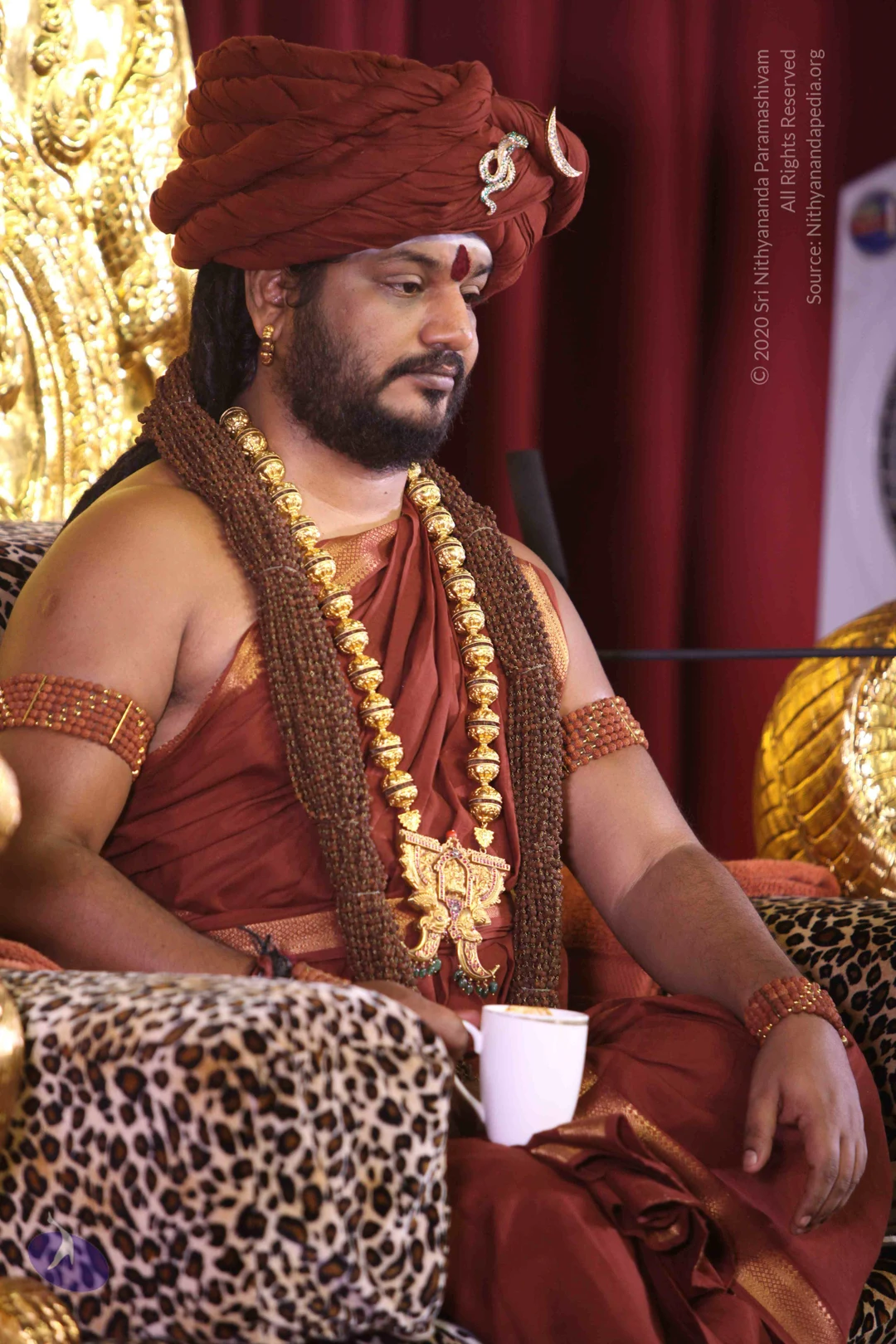
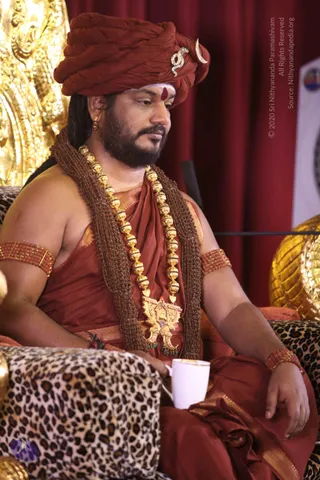
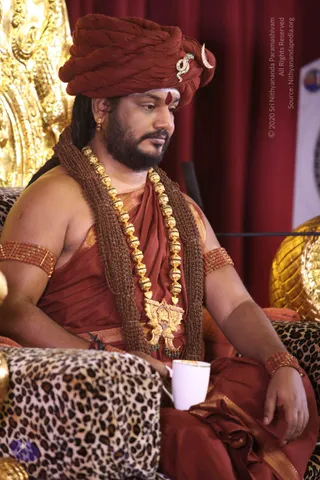
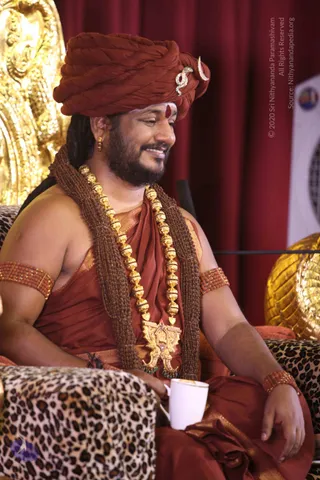
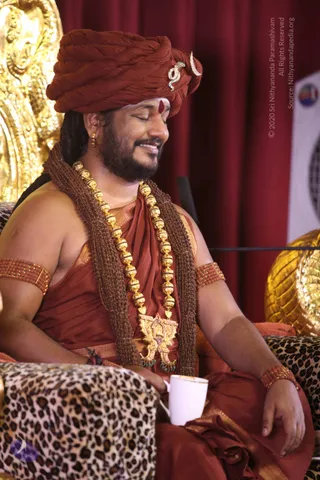
Indoor satsang hall with many seated participants on red floor mats. In the foreground, two men in orange and saffron dhotis with rudraksha malas and white tilak stripes sit cross-legged; the man on the right holds his palms joined in anjali while the one on the left holds papers. Behind them, a large crowd of devotees, mostly bare-chested in white dhotis and orange cloths, sits in meditative or devotional postures, with some holding books. Oil lamps and small offerings are placed on the floor among the mats. No figure in the frame is clearly the head teacher, so no identification is made.A seated man in a dark red turban with a silver serpent-and-crescent ornament and a red bindi, wearing a deep red shawl with gold border, a long gold bead necklace with a gold pendant, a brown rudraksha-style mala, and red coral armbands, sits on an ornate gold throne with a leopard-print cushion. He has a full beard and looks to the side. Appearance-based label: a person, seated on a throne in ceremonial dress.A seated man in a rust-red turban with a jewelled crescent-and-serpent ornament, wearing a rust-red shawl over a bare chest, a dark rudraksha mala draped across the shoulders and a heavy gold beaded necklace with a gold pendant. He has a red tilak on his forehead, a full dark beard, gold earrings and coral-beaded armbands. He sits on a leopard-print cushioned chair in front of gold-patterned panels and red drapery, holding a white cup of tea. Swamiji (probable): long dark hair and distinctive ceremonial adornments with a rudraksha mala and gold necklace. A large gold cushion stands at right and a small logo sits in the lower left corner.A seated man in a rust-red turban decorated with a gold and jewelled crescent ornament and a red bindi sits on a leopard-print cushioned seat in front of a red velvet curtain and gilded throne. He wears a rust-red garment with gold border, a long brown rudraksha mala draped across his chest, a heavy gold bead necklace with a gold deity pendant, and coral-red armbands. He holds a white cup and saucer in his lap and looks downward. One person is visible.A smiling man seated on a leopard-print cushioned chair in front of a deep red curtain and a gilded golden backdrop. He wears a rust-red turban with a jewelled crescent-and-serpent ornament, a red-brown silk garment, layered rudraksha malas and a heavy gold necklace with a pendant, plus beaded red-brown armlets and bracelets. He holds a white cup in his lap.A smiling man with eyes closed sits on a gilded throne-style chair with leopard-print upholstery in front of a deep red curtain. He wears a rust-red turban with a jewelled crescent-and-serpent ornament, a red-orange robe with gold border, a brown rudraksha mala, and a long gold bead necklace with a gold pendant, plus coral-coloured armbands and bracelets. He holds a white cup of tea on his lap. Swamiji (probable): the presentation has the turban, saffron-red robes, rudraksha mala and ornate gold necklace cues, and the page links him to the Nitya Satsang event, so the depiction is an in-person satsang seated figure.