Wednesday
17 August 2016
The Space Not the Place matters
- Dated photos
- 541
- Source pages
- 1
- Media
- 2
August 17 2016
Original wiki pageTitle:
The Space Not the Place matters
Link to Video:
| Video | Audio |
Transcript:
nithyānandeśvara samārambhām nithyānandeśvari madhyamām | asmat āchārya paryantām vande Guru paramparām ||
I welcome you all with my love and respects. I welcome all the devotees, disciples, Sarvajnapeetha Yajamans, Nithya Satsanghis, YouTube viewers, visitors, everyone sitting with us through Nithyananda TV, Facebook live, YouTube live having Nayana Deeksha all over the world. Cities sitting with us having Nayana Deeksha. I welcome all of you with My love and respects.
Again please recite along with me 5, 6 , 7, 8, 9th verses.
yad-vācānabhyuditaṁ yena vāgabhyudyate tadeva brahma tvaṁ viddhi nedaṁ yadidamupāsate || 5 ||
yanmanasā na manute yenāhur-mano matam tadeva brahma tvaṁ viddhi nedaṁ yadidamupāsate || 6 ||
From the navel, the chanting should happen.
yanmanasā na manute yenāhur-mano matam tadeva brahma tvaṁ viddhi nedaṁ yadidamupāsate || 6 ||
yaccakṣuṣā na paśyati yena cakṣūṁṣi paśyati tadeva brahma tvaṁ viddhi nedaṁ yadidamupāsate || 7 ||
yacchrotreṇa na śṛṇoti yena śrotramidaṁ śrutam tadeva brahma tvaṁ viddhi nedaṁ yadidamupāsate || 8 ||
yatprāṇena na prāṇiti yena prāṇaḥ praṇīyate tadeva brahma tvaṁ viddhi nedaṁ yadidamupāsate || 9 ||
(3.38)
Listen carefully. Health is not ultimate, but to experience ultimate, health is required. Listen. The moment you hear the word – healthy is not Ultimate –you stop caring about the body and collapse the body, that is what is withdrawal from the life, without understanding the full statement –
Health is not ultimate but for you to experience the Ultimate in the body, body needs to be healthy. So, only to a healthy person you can utter the word –health is not ultimate – not to anybody else. The way My kids are manifesting the powers last few days. I am teaching some of the important components of manifestation of powers and understanding about education.
See when I say, I never study, I don’t have incompletion with studying. It was too small for me. I am making the same understanding into my kids. And I also understood, some of my kids, the moment I said – I don’t study, I never studied – they started developing incompletion about study, which is wrong. Only a person who can master everything can say – I don’t study. I did not study not because I had incompletion but that is too small. I used to think actually. I had this Chidbhavananda’s Bhagavad Gita and Tiruvasakam book. I will pick up my syllabus book and these books, ‘when I can study this book why not this book? Because that is 1000 page, this is 100 page.’ That’s all! I will master the syllabus book in maximum 48 hours. And after that, no! I wont touch book. I am actually making this understanding enter into my kids because some of my kids have started developing incompletion with studies, ‘Swamiji has not studied, why should we study?’ No! That is not the right attitude. ‘Why Swamiji has not studied for the same reason I should not study.’ Not because Swamiji has not studied I will not study. Why Swamiji has not studied for that same reason I will not study.
Once they started completing I am seeing, they also, they are manifesting this same power. I have a great revolutionary news for you guys within next 1 week. I will make this memorizing based Macaulay’s education system redundant for my Gurukul kids. I was expecting I will do it in 3-4 days but now making the kids do completion and all that, I will thinking within a week. They will write answers verbatim what was printed in the book. Macaulay is not expecting intelligent beings out of the education system he created. Macaulay is not expecting intelligent beings out of the education system he created. He is only expecting obedient clerks, slaves. Unfortunately still we are sitting neck deep in the xxx he created. still we are sitting neck deep..alright!
(8.32)
Listen. You need to understand what is breathing, have a complete breathing only then I can tell you – breathing is not the ultimate reality, it is beyond that. You need know what is listening and you need to have complete listening, then only I can say, ultimate is beyond listening. You should have a complete vision and only then I can say, ultimate is beyond seeing. Already half of your eyes are not seeing. ‘Ayaa, Ayaaa!’ With that if I tell, “Oh listening is not God.” You will be very happy, “okay. I think I am in the God state.” (laughs).
Beggar going without food and Nirahara Samyama are different. Yesterday I explained about breathing, the intricacies. It is experiencing everything in your eyesight. Anything which can fall in your eyesight, experiencing it.
And I also wanted to give you some of the tips – instead of having a small room with windows and sleeping there, if you have a larger space even without windows or windows closed, you will be more healthy. Because you do not breathe the space even if the windows are open. Windows are open means the air circulation will be good. But breathing is not all about air circulation, it is all about the space, understand. If you are going to build your home, remember this. Let your bedroom be as big was possible. Because you are breathing space not just air. If you are only air, then small room with many windows will be enough. The windows will bring fresh air, that is enough. But you are not just breathing air, you are breathing space. You are breathing people who are in that space. You are breathing things which are in that space. You are breathing memories which are kindled by the things and the persons, and the photographs in that space. That is why I say, Bidadi, Nithyananda Nagara is not place, it is a space. You need to come with certain introduction and have a context set and participate in that space. I am seeing many of the Mughal Maharajas sitting during the kirtan, no really, on the back side row chairs. No, I wanted to make it as a rule, either you participate in the kirtan or be out of the hall because here everyone is breathing the joy, understand.
Kirtan is the whole body breathing the joy, samāna, especially the moment the morning screen opens, you know Atma Murti is not there, ATMA Itself is there. Its not 2D Swamiji it is 3D Swamiji, and that joy and that excitement, and you know now you are breathing Swamiji’s space. The whole space is breathed by the whole body. We should put a board outside, we don’t have place for Mughal Kings here. Actually even I would love to dance, but the problem is if I dance, none of you will dance, and you start standing and watching me dancing so that is the reason I have to sit. Because I am sitting I am seeing backside 2-3 rows.. [Swamiji make a long face expression] I think you need Kadukapudi [[[haritaki]] herb] so that you will have a free stomach in the morning to dance. Really! Age does not matter at all, its your decision and how you feel. And I can see actually based on the movements of the body I can see – who is the space of completion, who still needs Kadukapudi, who is still carrying the despression. If you are sitting like a Mughal King and watching, you may be in the ‘place’ not in the Space of Nithyananda Nagara. Understand, if you connect to the space, wherever you are sitting, that is Nithyananda Sabha only. Actually I am seeing the participants in Seattle, Sarasvati and Meghna, they are all enjoying the space of Nithyananda Sabha than few people sitting here in the backside row. Actually it is the participation, SPACE, you are breathing that space.
(15.37)
One viewer Saurabh Babar is asking from You Tube live question – Swamiji, How do we manage the space around us?
First thing, manage the space inside you. Always decide to be in the space of completion, and make sure you go on encouraging, helping others to be complete, excited, and be informed excitement is not psychiatric disorders.
If some system declares excitement as disorder, that system is disorder. Collapses psychiatric system, don’t be collapsed by it. I tell you, God! Indians have that stupid pattern of anything which was popular in US 25 years before, they will pick later, which is redundant for them and then they will suffer, go through the same cycle, and then whatever is the newly invented stupidity, they will follow the newly invented stupidity, and then when it becomes redundant to them, they will, these guys will pick up new stupidity. Understand, some of the top cancer researchers, three days before made a statement, 97% of the cases chemotherapy does not work, chemotherapy does not work in 97% of cancers. What the hell we Indians are doing spending billions of rupees on the chemotherapy and giving up millions of lives? A big group has done the research Dr. Jones was the head, they are giving a report after 25 years of the research. He says people who refuse chemotherapy treatment live average 12 years more than the people who accept chemotherapy treatment. These are statistics from National Cancer Institute. Redundant theories, redundant methodologies are being dumped on India to recover the research and development costs. Whatever money they spend on doing research and development and everything, to recover that money, those methods are dumped on us after they are declared redundant for their countrymen. I don’t know when this country will wake up to that, when we will liberate ourself. I only don’t know how to save ourselves.
The stupid theories, stupid concepts developed to keep these fellows as slaves. And these fellows are so enamored by it. Just last 15 days around 25 big names deaths I heard, others than Pramukh Swami Maharaj, all the other 24 are death due to alchohol. I don’t want to name and hurt because once somebody is dead, we don’t talk about them. So I don’t want to talk about the names. 25 names, other than Pramukh Swami Maharaj, all other 24. He is the only spiritual being left the body in Samadhi, all other 24 fellows no other diseases only alcohol, alcohol, alcohol. All of them are less than 50, they have not eve touched 50. Understand, something which has become redundant, lifestyle which has become redundant has come here. All our best things – Yoga, Tantra, Agama westerners are picking up for practicing. All their worst things, teenage sex, alcohol and life based on drugs, prescribed drugs and drug abuse, these fellows are picking up all the things from them. Do you know, the handbag is designed with pills stuck, jeweled on it. I can’t understand, how can that be pride? I cant imagine how can that be pride? There are handbags designed with pills, jeweled stuck on it. So, it’s a pride, you carrying the pills in your hand all the time and having it once in 2 hours, and you brag – unless pills are taken, I can’t survive. See my life is so stressed and so much I am doing, I need to have my pills once in 2 hours to keep myself up. Sickness can become pride? 20 years before we have not even heard the idea of psychiatric problems. 10 years before going to a psychiatric doctor is a big taboo in India., social taboo. Now it is such commom part of every middle class Indian’s life. O Bharat where are you going?
yatprāṇena na prāṇiti yena prāṇaḥ praṇīyate tadeva brahma tvaṁ viddhi nedaṁ yadidamupāsate || 9 ||
First learn the science of breathing. It is not about blowing your nose; it’s about experiencing LIFE, experiencing LIFE. If you don’t even know breathing, I cannot teach you – breathing is not ultimate. If you don’t even know seeing, I cannot teach you – seeing is not ultimate. If you don’t even know listening, I cannot teach you– listening is not ultimate.
Let me teach you listening. Let me teach you seeing. Let me teach you breathing. Then I will take you to the space, – it is not ultimate.
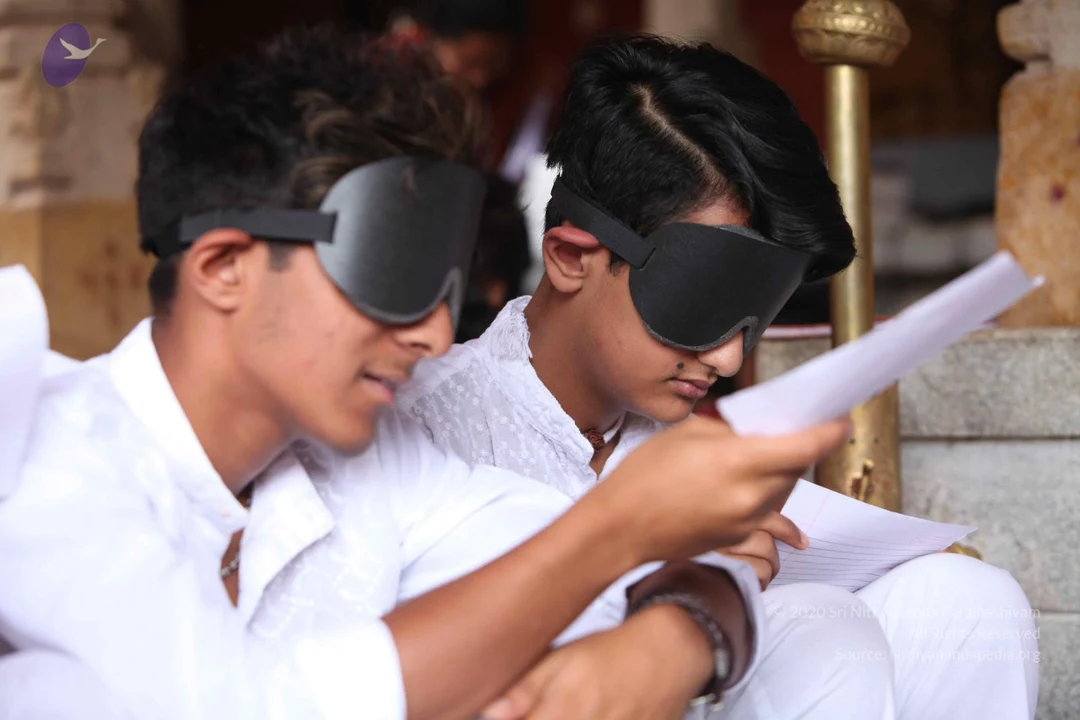
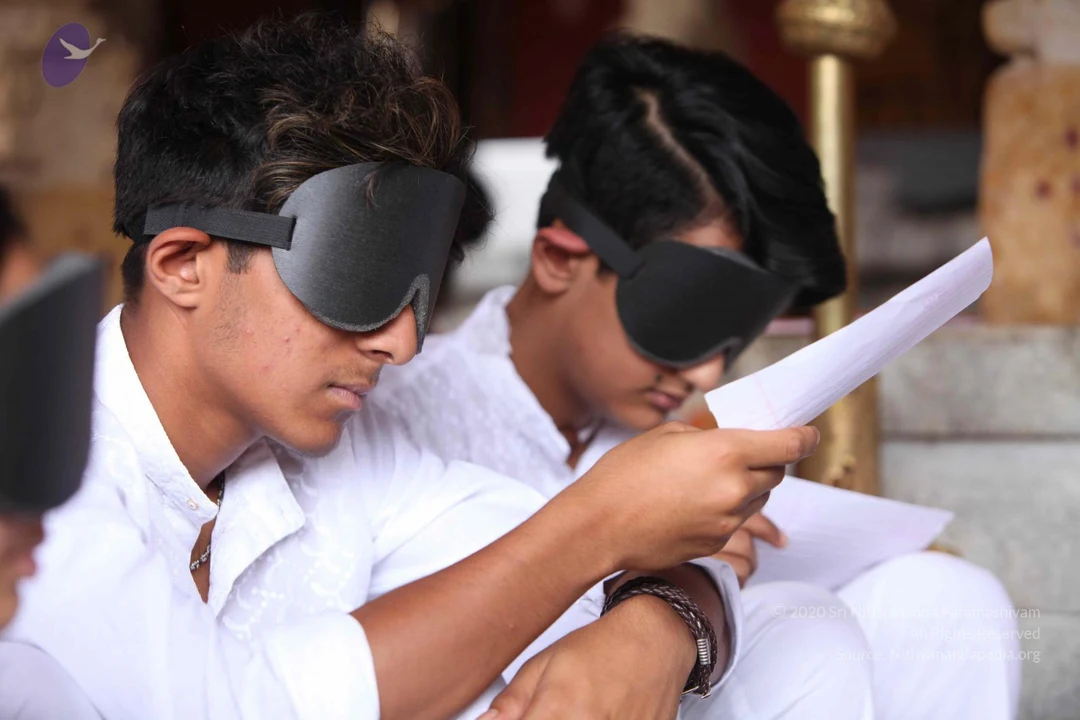
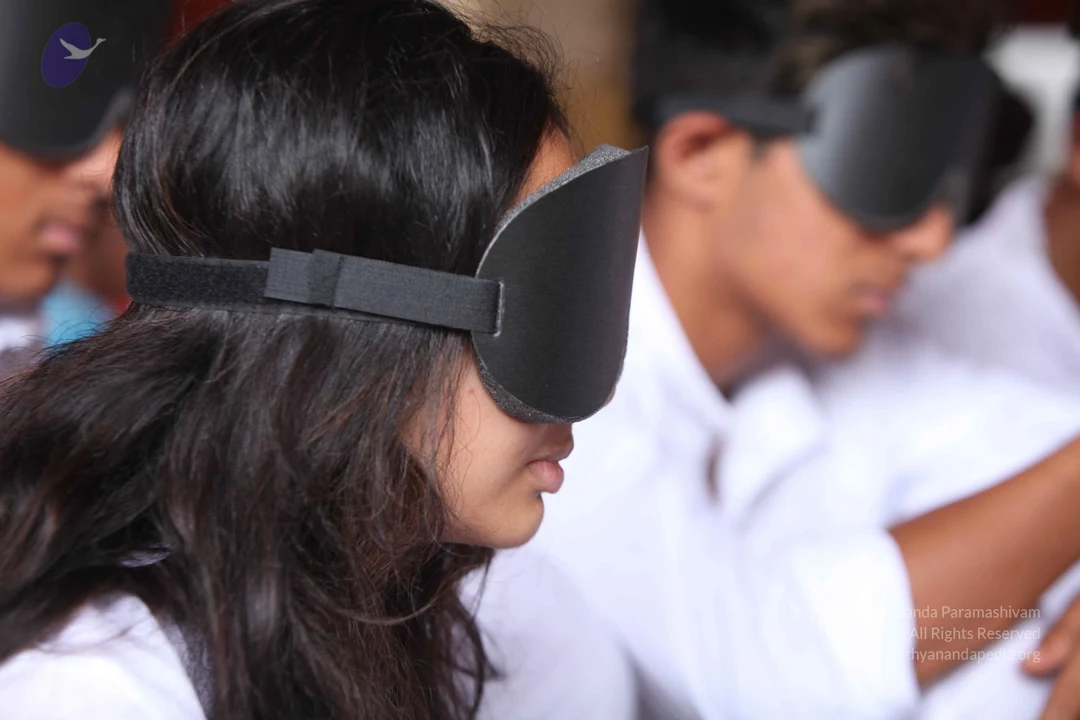
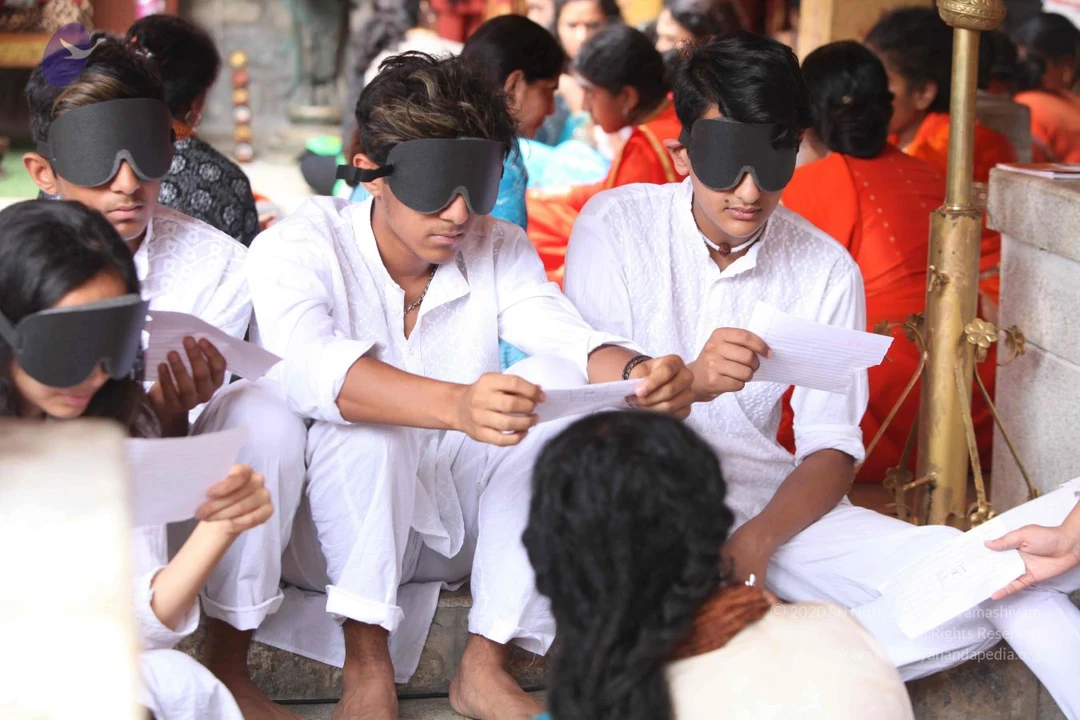
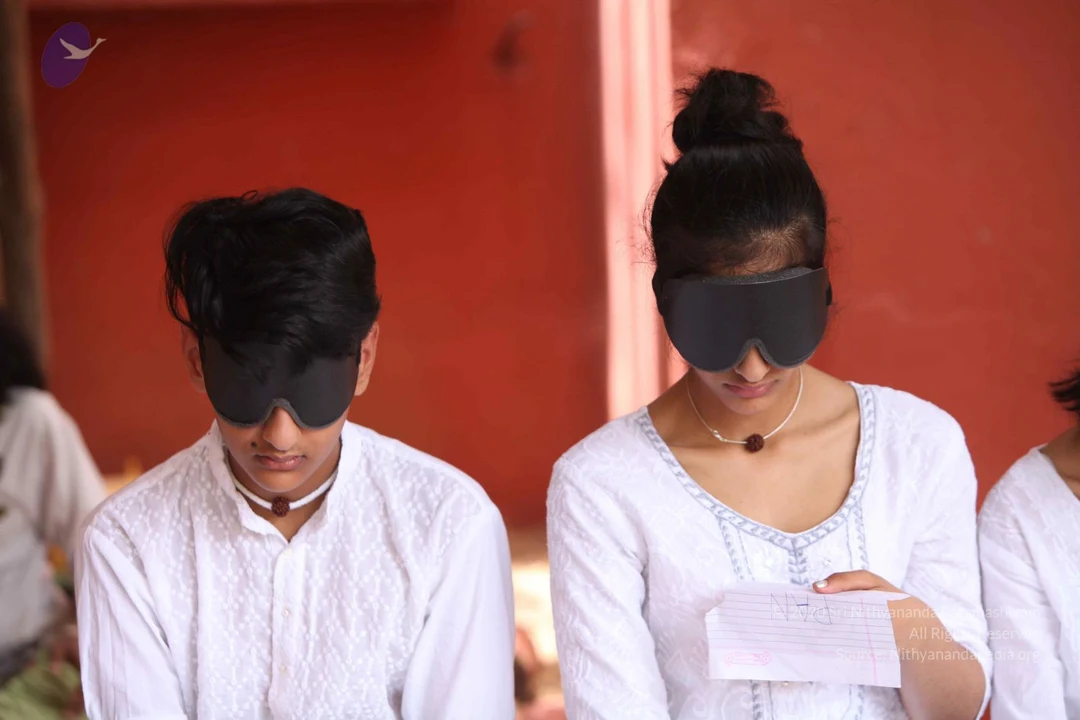
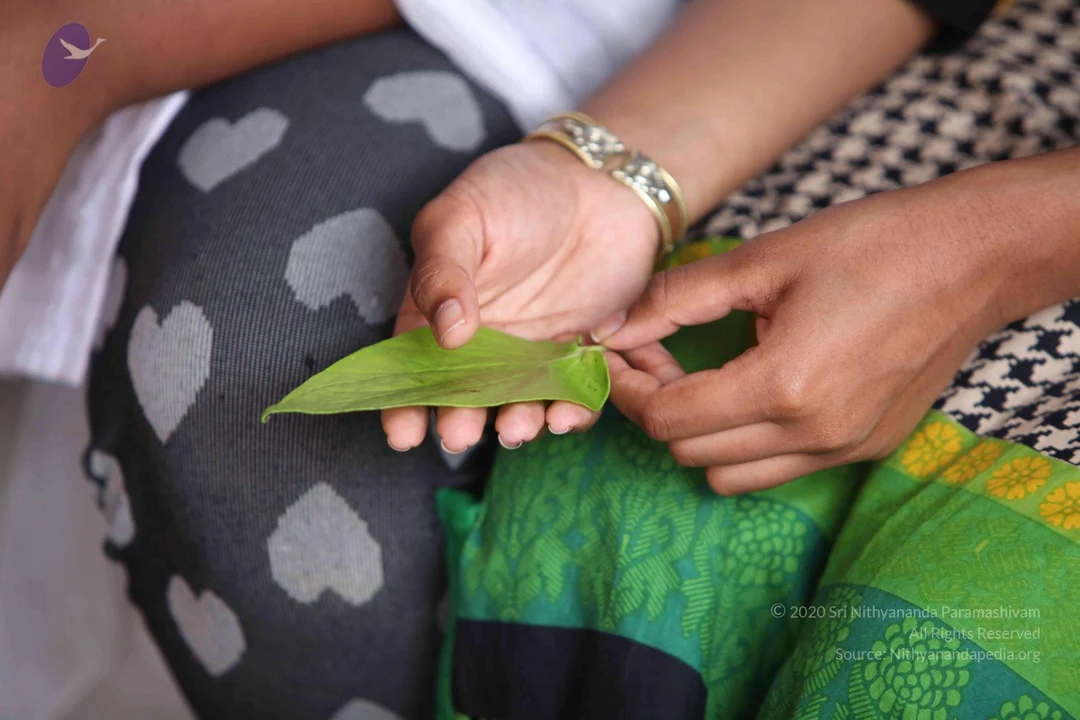
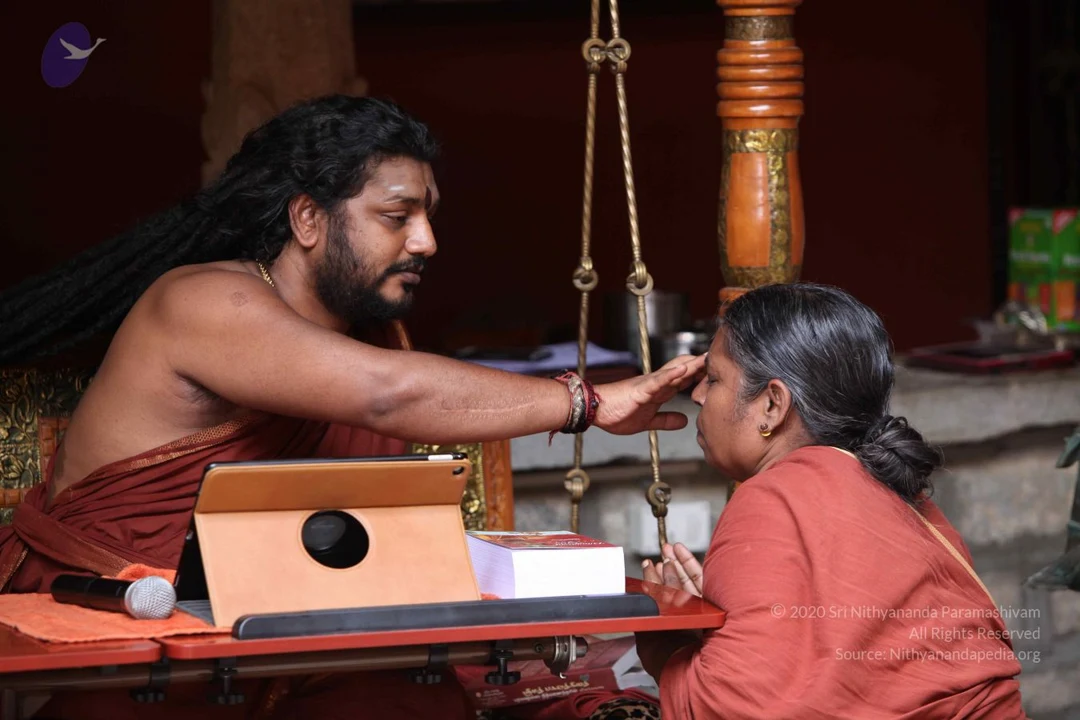
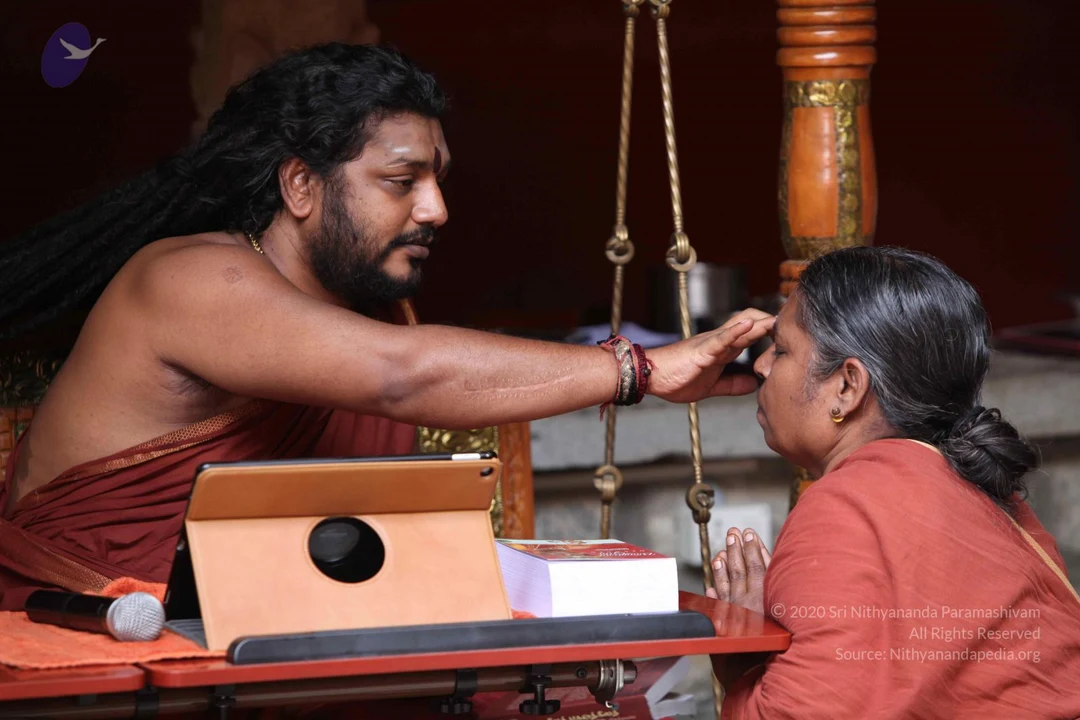
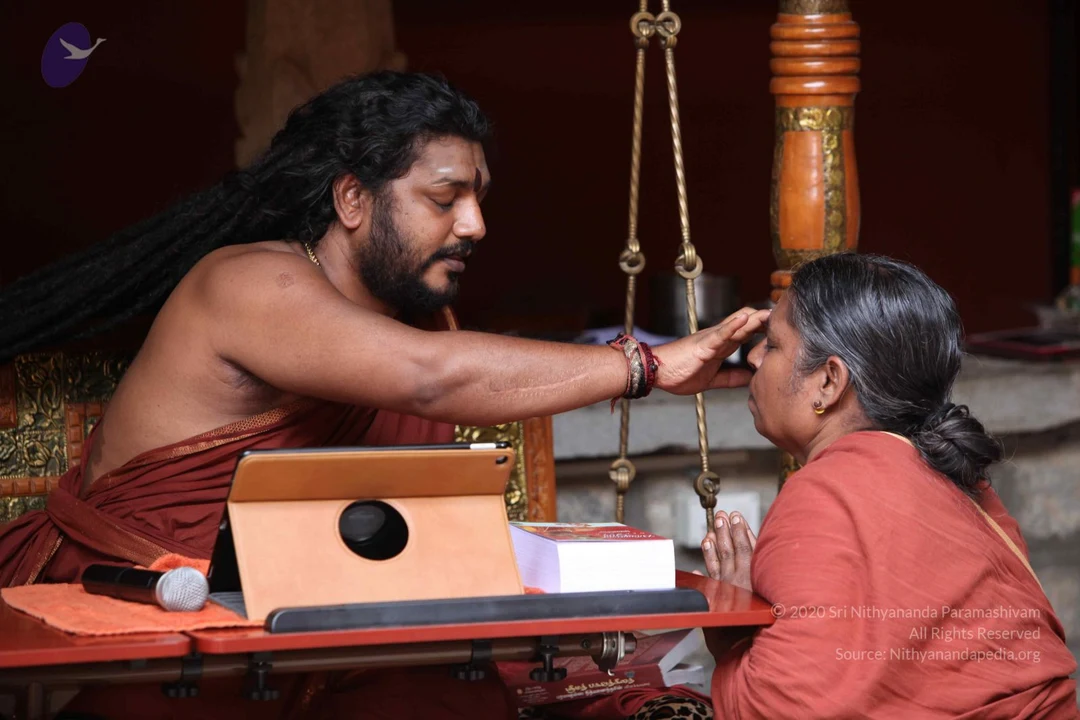
That is what I am doing now with the Gurukul kids. Aye, you should not study not because it is difficult but because it is too small. So finish because it is too small, then I will tell you it is not ultimate. And by sitting with Gurukul kids, all the Nithyananda Yoga participants, their Third Eyes are all opening up. I am seeing that entanglement happening. One kid who is in entanglement with me through the third eye, can open 30 persons third eye at a time and show the higher frequency. We have some guest kids from UK in exchange program, today I will open their third eyes, I will initiate them; and I will make them, before they go back, they will have power of third eye and do the third eye reading. Because Nithyananda Nagara is not a place, it is a space.
(25.20)
I also saw in the Akashic Records, the way through which Raama used to come to our temple everyday and do Puja, Shiva Puja, worship Sadashiva. He used to come from the west side and enter through west side, so the West Gopuram of our temple will be named as RĀMA GOPURAM. And the western tower of our temple will have a complete Rāmāyana in the sculpture form and we will have a Sannidhi dedicated to Rāma, as He lived here and worshipped Sadashiva here.
I will continue to expand on – what is breathing? what is listening? What is seeing – as per the cosmic truths. Then I will explain you understand – how it is not ultimate, and how you need to go beyond the ultimate.
With this I bless you all: Let you all radiate, with integrity, authenticity, responsibility, enriching, causing Living Shuddhadvaita Saivam, the eternal bliss. Nithyananda. Thank you. Be blissful.
Transcript in Tamil
காதலில் மிக உயர்ந்த காதல் மாணிக்கவாசகர்:- உங்கள் அனைவரையும் வணங்கி வரவேற்கின்றேன். உலகம் முழுவதிலும் இருமுணை காணொலிக்காட்சி வழியாகவும், முகநூல் வழியாகவும், அமர்ந்திருக்கும் உங்கள் அனைவரையும் வணங்கி வரவேற்கின்றேன். என்னதான் நடந்தது மாணிக்கவாசகருக்கு,? ஏன் அவன் இத்துணை அபாயகரமான செயலான தேச துரோகத்தையும் ராஜ துரோகத்தையும் செய்ய வேண்டும்? தேசத்தின் பாதுகாப்பு சம்பந்தப்பட்ட பணியில் பணி அமர்த்தப்பட்டு குதிரைகள் வாங்காமல் விட்டது தேச துரோகம், அரசன் மிகுந்த நம்பிக்கையோடு பொருளை அனுப்பி வைக்கின்றான், பொக்கிஷத்தை கூட்டி அனுப்புகின்றான். அரசன் தன்னோடு கூட்டி அனுப்பிய, மிகுந்த நம்பிக்கையோடு, கூட்டி சேர்த்து அனுப்பிய பொக்கிஷத்தை, அரசன் அனுமதியில்லாமல் செலவிடுவது, அரசன் எதற்காக கொடுத்தானோ அதை விடுத்தது வேறொரு காரியதிற்காக செலவுசெய்வது. தேச துரோகம், ராஜ துரோகம் இரண்டையுமே செய்கின்றார். உண்மையிலேயே, இது தன்னையே கொடுப்பதற்கு சமம். வெறும் உயிரை கொடுப்பது கூட அல்ல, இவர் உயிரை எடுத்தால் யாருமே அரசனை பழிக்க முடியாத அளவுக்கு நியாயமான காரணத்தையும் சேர்த்து அரசனுக்கு கொடுக்கின்றார். ஞானசம்பந்தப்பெருமானை கொன்றாலோ, திருநாவுக்கரச பெருமானை கொன்றாலோ, அந்த அரசனுக்கு இழுக்கு வந்திருக்கும். ஏனென்றால் அதற்கு வலுவான காரணம் இல்லை. சைவத்தை வாழ்ந்தார்கள் என்கின்ற காரணத்திற்காக கொலை செய்ய முடியாது. இங்கு பிரச்சனை சைவம் அல்ல. அந்த பாண்டியனும் சைவன். கூன்பாண்டியனைப் போல சமணத்தில் இருந்துகொண்டு, சமண முனிகள் சில பேரை விட்டு மந்திர தந்திரத்தால், ஞானசம்பந்தப்பெருமான் மதுரை ஆதீனத்தில் தங்கி இருக்கும் பொழுது, ஆதீனத்தில் அக்கினிச் சொட்டு, ஞானக்குழந்தையை நெருப்பில் ஆக்க முயற்சிதான். நெருப்பை நெருப்பு சுடுமோ, ஒரு வேளை பாண்டியன் முயற்சி வெற்றி அடைந்திருந்தால் அவனுக்கு பெரும் இழுக்கு வந்திருக்கும். ஏனென்றால் ஞானசம்பந்தப்பெருமான் எதுவும் செய்ய வில்லை, அமைதியோடு வந்து அன்னை மீனாட்சியை தரிசித்து சைவ மடத்தில் தங்கி இருக்கின்றார். அங்கு இருந்த பாரம்பரியமாக, காலம் காலமாக ஆலயத்தில் நிர்வாகித்து வந்த, சதாசிவன் எழுந்தருளிய சர்வக்ஞ்ன பீடமான சைவ மடத்தை சார்ந்த அங்கு தங்கி இருந்தார், அவ்வளவுதான். அதுல, கொலை அளவுக்கு அங்கு காரணமும் இல்லை, தேவையும் இல்லை. ஆனால் ஒருவேளை பாண்டிய மன்னன் மணிவாசகப் பெருமானுக்கு மரண தண்டனை விதித்திருந்தால் யாருமே அதை எதிர் கேள்வி கேட்டிருக்க முடியாது, ஏனென்றால் காரணம் இருக்கின்றது, தேச துரோகம் ராஜ துரோகம், முதலமைச்சராக இருந்த நேர்மையே வழுவாது நெறி செலுத்திய மணிவாசக பெருமான் இத்துனை பெரிய செயலை செய்ய காரணம் என்ன? தன்னையே இழந்தானா? தன் விதி கெட்டானா? துன் மதி கெட்டானா? என்ன நடந்தது மணிவாசகனுக்கு? ஆழ்ந்து தெரிந்து கொள்ளுங்கள், அருமையான ஒரு கதை. ஒரு நாலஞ்சு பெரிய ஞானிகள் இந்த கதையை சொல்ராங்க, முதல் முறையா கபீர் சொல்றாரு, ராமகிருஷ்ணர் சொல்றாரு, ஓஷோ சொல்றாரு அருமையான ஒரு கதை. ஒரு பாமர பெண்மணி, தயிர் விக்கற பெண், தினந்தோறும் நதியை கடந்து நடந்து வந்து அந்தப்புரம் இருக்கும் ஒரு பண்டிதருக்கு அபிஷேகத்திற்கு பால் கொடுப்பாள், புஜைக்கு பால் கொடுப்பாள். ஒரு நாள் ஆற்றிலே பெரு வௌ்ளம், ஆனால் தவறாது பாலை கொண்டுவந்துவிட்டாள். பண்டிதருக்கு புஜை முடிந்ததும் தான் பளீரென்று உதித்தது. ஏ, எப்படியம்மா வந்தாய், ஓடம் ஓடாதே, ஆற்றிலே பெருவௌ்ளம், நடந்தும் வரமுடியாது, ஓட்டமும் செல்லாது ,எப்படி வந்தாய், தயிர்க்காரி சொல்லுகின்றாள்" அதென்ன சாமி, நீ தான் ரெண்டு நாளைக்கு முன்னாடி கதை சொல்லும் பொது சொன்னியே, சிவா சிவா ன்னு சொன்னா சம்சார கடலையே கடக்கலாம்னு" நானும் சிவா சிவா ன்னு சொன்னேன, தண்ணி மேல நடந்து வந்துட்டேன், அவ்வளவுதான். நீ கடலையே கடக்கலாம்னு சொன்னே நான் நதி தானே கடந்து வந்தேன்" பண்டிதன் பெரிதாக எடுத்து கொள்ள வில்லை. தன்னையும் நம்பாதவன் அடுத்தவனையும் நம்ப மாட்டான். பண்டிதன் பெரிதாக பொருட்படுத்தவில்லை. மரு நாளும் குறித்த நேரத்திற்கு பால் வந்து இறங்கியது. பாணியோடு வந்து நின்றாள் தயிர்க்காரி. என்னம்மா வௌ்ளம் வடிந்து விட்டதா?, இல்ல சாமி இன்னும் கர முட்டிதான் போவுது ,கர முட்டிதான் போவுதுன்னா ஓடம் வரமாட்டானே, எப்படிம்மா வந்தே, என்ன சாமி சொன்னா கேக்கமாட்டேங்கறே , நாலு நாளைக்கு முன்னாடி நீ தானே சொன்னே சிவா சிவா ன்னுசொன்னா சம்சார கடலையே கடக்கலாம்னு, இந்த காட்டு வௌ்ளத்தையா தாண்ட முடியாது ? சிவா சிவா ன்னு சொல்லி நதிமேல நடந்து வந்துட்டேன், அவ்ளதான் சாமி. இப்பொழுது இவனுக்கு சற்று உரைத்தது. நம்பிக்கை வரவில்லை, இவள் பொய் சொல்கிறாள் என்று நிரூபிக்க வேண்டுமென்று முடிவெடுத்தான். புரியவில்லை பண்டிதனுக்கு, ஆனால் இவள் பொய் சொல்கிறாள் என்று நிரூபிக்க வேண்டிய கட்டாயம். உடனே எழுந்து வந்தான் ஆற்றங்கரைக்கு, என்ன சொல்ற, சிவா சிவா ன்னு சொன்னியா? ஆத்து மேல நடந்தியா? நடந்து காமி பாப்போம். அவளும் தூக்கினாள் தயிரையும் பாலையும் வைத்திருக்கும் கூடையை தலைமேலே, சிவா சிவா, சிவா சிவா, சிவா சிவா, சொன்னாள், நதியின் மீது நடந்து சென்று கொண்டே இருந்தாள். கண்டதும் இவனுக்கு அடி வயிறு கலங்கியது. இவன் பக்தனாக இருந்திருந்தால் கண்கள் கலங்கிருக்கும். இவன் பக்தன் அல்ல, அதனால் அடி வயிறு கலங்கியது. அயோ!, ஒருவேளை இந்த நதியிலே எதாவது, யாரு வேண்ணா நடக்கற மாதிரி இருக்குமோ, ஒரு பத்தடி தூரம் நடந்து விட்டு தயிர்க்காரி, திரும்பி பார்த்து, சாமி சொன்னா கேட்டியா, பாத்தேல்ல, இப்படி தான் வந்தேன். இவனுக்கு அவ முன்னாடி தான் பெரிய ஆளுன்னு நடிக்கறதா? இல்ல திரும்பி போய்டுறதா, ஒண்ணுமே தெரியல, தடுமாறி நின்னுட்டிருக்கான். அவ அங்கிருந்து கூவுறா, எரிய நெருப்புல எண்ணை ஊத்துறா மாதிரி, எண்ணை இல்ல பெட்ரோல் ஊத்துறா. நீயும் சிவா சிவா ன்னு சொல்லிட்டு நடந்து வா சாமி என்கூடையே - வர மாட்டேன்னு சொன்னா மானம் போகும், வருவேன்னு போனா உயிருபோகும். இந்த ஊர்ல உயிர் போனாலும் பரவால்ல, மானம் போய் உயிர் வாழ முடியாது. ஒரு ரிஸ்க் எடுத்து தான் பாத்துரலாமா, நம்ம சொல்லி கேட்ட இவளுக்கே வருதுன்னா, நம்மளுக்கு வராதா.? மெதுவா பயந்துகிட்டே குனிஞ்சு பாக்கற தைரியில்லாம கண்ண மூடிக்கிட்டே, சிவா சிவா ,சிவா சிவா ன்னு சொல்லிகிட்டே தண்ணி மேல கால வெக்கிறான், தொப்புன்னு விழறான் .தயிர்க்காரி , சாமி சாமி சாமி, சிவா சிவா ன்னு சொல்ற, துணிய என் தூக்கி பிடிக்கிறன்னு கேட்டாளாம். துணியை தூக்கியதால் விழுந்தான். நல்லா தெரிஞ்சுக்கோங்க, எங்கெல்லாம் ஆன்மீக சத்தியம், நமக்கு, ’’ஒருவேளை இப்படியும் இருக்கலாம் அப்படியும் இருக்கலாம்’’ என்ற நிலையில் நாம் இருக்கிறோமோ அங்கெல்லாம் அதை நம்பி துணிந்து இறங்க மாட்டோம். மணிவாசகப்பெருமானுக்கு தெரியும் - ’’வந்திருப்பவன், குருந்த மரத்தடியில் குருவாய் இருப்பவன், ஆதிகுரு அம்பலவாணனே, நான் செய்து வைக்கும் ஆலயம் அவன் என்றென்றும் வாழ்ந்திடவே’’ அவனுக்கு ஆலயம் செய்தால் ஒரு அபச்சாரம் வராது, வந்தால் அதை எதிர்கொள்ளத் தயார். இந்த அழுத்தம் தானே ஐயம் திரிபு அற, ஐயம் வேறு திரிபு வேறு. ஆழ்ந்து கேளுங்கள் ஐயம் என்றால் சந்தேகம், திரிபு என்றால் தௌிவின்மை, திரிதல் என்றால் மாறிப்போதல். மாற்றாய் புரிந்துக்கொள்ளல், மாறி புரிந்துகொள்ளுதல் திரிபு, புரியாது இருத்தல் ஐயம், ஐயமும் திரிபும் அற பெருமானை அனுபவித்ததனால், துணியை தூக்காமல் நதியில் இறங்கினான் மணிவாசகப்பெருமான். ஒருவேளை அவருதானா? அவரு தம்பியா, ஐயம், வந்திருந்தாலும், சதாசிவன் தான், கவர்மெண்டு பணத்தை வச்சு கோவில் கட்டவேண்டிய அவசியம் என்ன இருக்கு, அவரு என்ன எங்கேயும் நல்லாத்தானே இருக்காரு, இப்ப கோவில் ரொம்ப முக்கியமா, வந்தாரு தீக்ஷை குடுத்தாரு, ஆனந்தமாய் இருந்தோம், சிவா சாயுஜ்யத்தை அனுபவித்தோம், சரிவேளை முடிஞ்சுது, அடுத்தது அரசன் என்ன சொல்றனோ அதை செஞ்சுட்டு குதிரையை வாங்கிட்டு போய் பொழப்ப கவனிப்பியா!! இது தான் திரிபு, மணிவாசகப்பெருமானுக்கு ஐயமும் இல்லை திரிபும் இல்லை. குருந்த மரத்தடியில் இருந்தவன் ஆதி குரு தட்சிணாமூர்த்தியே, சமய, விஷேஷ, நிர்வாண, தீக்ஷைகளை அளித்து ஆட்கொண்டது அவனே, இருப்பும் இங்கிருக்கும் பொக்கிஷம் மட்டுமல்ல, பாண்டியன் நாட்டில் வைத்திருக்கும் பொக்கிஷமும் இவனுக்கே சொந்தம், முடிந்தால் அதையும் கொண்டு வாருங்கள் ஆலயம் செய்வோம் என்று, தன்னை உணர்ந்த துணிவு. தன்னை மீறிய துணிவல்ல, தன்னை உணர்ந்த துணிவு. தயிர்க்காரி சிவா சிவான்னு சொல்லி தண்ணி மேல கால் வைக்கும்பொழுது அவளுக்கு உள்ள நம்பிக்கை திடமாக இருந்ததால் பாலத்தின் மீது கால் வைப்பதுபோலவே உணர்ந்தாள். பண்டிதனோ சிவா சிவா ன்னு சொல்லி தண்ணி மேல கால் வைக்கும்பொழுது அவனுக்கு உள்ளேயே வழுக்கிகிட்டு போறதுனால இங்கேயும் வழுக்கிகிட்டு போச்சு. உள்ளே ஸ்திரமாய் இருந்திருந்தால், வௌியிலும் ஸ்திரமாய் தாங்கி இருக்கும், உள்ளே வழுக்கி சென்றதனால் வௌியேயும் வழுக்கி விழுந்தான். உள்ளே வழுக்கினது நாலதான் சிவா சிவா ன்னு சொல்லிகிட்டே துணிய தூக்கிகிட்டு இறங்கினான். பெருமான், மணிவாசகப்பெருமான், குருந்த மரத்தடியில் இருந்த குருநாதனை பார்த்ததும், அவர் பக்கத்திருந்ததும், ஆர்த்ததும் அவன் அடி பற்றியதும், கைகள் கோர்த்ததும் மனதையும், மனதை அவன் பாதத்தில் சார்த்ததும், தலையை மடியில் சாய்த்ததும், அவன் தோளில் தன்னை தாங்கியதும் தன் தோளில் அவனை தாங்கியதும் மனமாயை அல்ல, மன மாயையாய் இருந்தால், ஒரு தேச துரோகம் ராஜ துரோகம் என்கின்ற அளவுக்கு அபாயகரமான ஒரு செயலை துணிச்சலோடு செய்திருக்க வாய்ப்பே இல்லை. முதலமைச்சராக இருந்து பல பேருக்கு நீதி வழங்கி நியாயாலயங்கள் நடத்தி, இது போல் பல வழக்குகளை சந்தித்து விசாரித்து தீர்ப்பளித்து அரசனுக்கு உறுதுணையாய் இருந்தவனுக்கு, இந்த தவறு செய்தால் அரசன் என்ன செய்வான் என்று தெரியாமல் போகவோ புரியாமல் போகவோ வாய்ப்பே இல்லை. பின் ஏன் கொண்டு வந்த பொருளெல்லாம் குதிரையாக வேண்டாம் ஆலயம் ஆகட்டும் என்று ஆணையிட வேண்டும். அந்த அளவிற்கு என்ன நடந்துவிட்டது. உலகத்திலே எழுதப்பட்ட காதல் கதையிலே மிக ஆழமான சுவாரஸ்யமான காதல் கதை இது தான். அம்பலவாணன் என்னன்னா இந்த ஒரு பக்தனுக்காக உடல் தாங்கி வந்து முதுகிலே பிரம்பை தங்குகிறான். கொஞ்சம் பொறாமையாதான் இருக்கு, என்னய்யா உறவு, நாங்களும் தான் எத்தனையோ பக்தருங்களை பாத்திருக்கோம், பகவானை பாத்திருக்கோம், இவன் என்னடான்னா நாட்டு சொத்தை மொத்தமா கொண்டு போய் கோவில் கட்டி வெக்கிறான். அவரு என்னடான்னாதை ர இறங்கி நடந்து வந்தாலும் பரவால்ல உதை வாங்கறாரு அரசங்கிட்ட. என்னய்யா மாறி மாறி கூத்தாருக்கு, என்ன காதல், தேச துரோகம் ராஜ துரோகம் செய்யவும் தயங்காது காதலின் பலத்தாலே செயல்படுகிறான் மணிவாசகர், பாதியை பிடித்திருக்கிறாளே பார்வதி, அவளுக்கு பதில் சொல்ல வேண்டுமே என்றுகூட கவலைப்படாமல் தான் ஆக்கி வைத்த செங்கோலை முதுகிலே தங்குகிறான் அம்பலவாணன். உலகில் இன்னமும் புரிந்துகொள்ளப்படாத மிக உயர்ந்த காதல் கதை மணிவாசகர் கதை. மாணிக்கவாசகப்பெருமான், என்ன காதலய்யா!! தன் உயிர், இதனை காலமாக தான் சேர்த்து வைத்த நம்பிக்கை, நற்பெயர், நற்புகழ், ஐனநவெவைல ஐடென்டிட்டி சாகறதுதான் ஒரு மனிதனுக்கு மிகப்பெரிய கொடுமையான தண்டனை, ஆனா அந்த ஐனநவெவைலஅ விட்டுகுடுக்கறாரு. நேர்மை என்பது, மணிவாசகப்பெருமான், வாதவுராரின் ஐனநவெவைல. கடைசி காலம் வரை மிகுந்த கண்ணியத்தோடும் மிகுந்த நேர்மையோடும், ஞானசம்பந்தர் நம்மாள் கொஞ்சம் டுரஒரசநைள வலிந , முத்து பல்லக்கு, சேவகர்கள் பெரிய படை, நல்ல ஜாலியா இருந்தாரு. அந்த மாதிரில்லாம் ஒன்னும் கிடையாது. எங்கு சென்றாலும் ஊருக்கு வௌியிலே மட்டும் தங்கி இருந்து, மதுர பாவத்தில் இருப்பதனால், எப்போதும் பெருமானோடு பரபக்தி நிலையிலே மதுர பாவத்தில் இருக்கின்ற காரணத்தால், தன்னை மறந்த பரவசத்திலேயே இருக்கின்ற காரணத்தால், ஊருக்குள் எங்கும் சென்று தங்கி இருந்து யாருக்கும் ஒரு தொந்தரவும் கொடுக்க வேண்டாம் என்று, எங்கு சென்றாலும் ஊருக்கு வௌியிலே, ஒதுக்குப்புறமாகவே இருந்து இறைவனை சேவித்து மிகுந்த எளிமையோடு வாழ்ந்து, ஒரு லட்சிய புருஷர், மணிவாசகப்பெருமான். என்ன காதலய்யா!! அதிக பக்ஷமா குருந்த மரத்தடியில் குருவாக பெருமான் ஒரு மூணு மாசம் தரிசனம் கொடுத்திருப்பார். மூணு மாசம்தான் அவரோடு வாழறார், ஏன்னா அதுக்கு மேல நாள் கடந்திருந்தா பாண்டியன் ஆளனுப்பியிருப்பான். என்னய்யா போனவன், குதிரை வாங்கிட்டு வரச்சொன்னா குதிரை முட்டை வாங்கிட்டு வரியா? குதிரை முட்டையை வாங்கி பொரிச்சு கூட்டிட்டுவரியா? ஆள காணோமேன்னு பாண்டியன் ஆளனுப்பியிருப்பான். ரொம்ப நாளெல்லாம் குருந்த மரத்தடியிலே குருவாக எழுந்தருளிய பெருமானோடு அவர் வாழ்ந்துவிடவில்லை. எனக்காவது ஒன்பதரை மாசம் கொடுப்பினை. மார்ச்ல இருந்து ஜனவரிவரை. பெருமானோடு உறவாடி களித்தது. அவருக்கு ஒன்பதரை மாசம் கொடுப்பினை இல்லை, மூணு மாசம் தான் அதிக பக்ஷமா. அந்த மூன்று மாதத்திலே என்ன நடந்தது? தேச துரோகம் ராஜ துரோகம் என்று எதை பற்றியும் கவலைப்படாமல் கொண்டு வந்த பொருளெல்லாம் குதிரை வேண்டாம் ஆக்குங்கள் கோவிலாக, கூட வந்த மற்ற அமைச்சர்கள் நடுங்குகிறார்கள். அப்பா, எனக்கு வேண்டாம் இந்த பழி. வாதவுராருக்கு அறிவுரையும் சொல்கிறார்கள். ஐயா, மூளை கலங்கியதா.? புத்தி கலங்கியதா,? குருந்த மரத்தடியிலே தனியாக சென்று அமர்ந்துகொண்டு மேலும் கீழும் பார்த்துக்கொண்டு அழுகிறீர், சிரிக்கிறீர், புலம்புகிறீர், அரற்றுகிறீர், அதுவாவது உங்கள் தனிப்பட்ட வாழ்க்கை. பைத்தியக்காரத்தனம் என்று சும்மா இருந்தோம். இப்பொழுது கொண்டு வந்த பொருளையெல்லாம் கோவிலை கட்டக் சொல்கின்றீர். இது உங்கள் வாழ்க்கை மட்டும் சம்பந்தப்பட்டதல்ல, எங்கள் வாழ்க்கையும் சேர்த்து சம்பந்தப்பட்டது. நாளை பாண்டியன் தண்டித்தால் எங்களையெல்லாம் சேர்த்துத்தான் தண்டிப்பான். உங்களை மட்டும் தண்டிக்கமாட்டான். நிறுத்துங்கள் ஆலயத்தை, வாதவுரார் பொறுமையோடு சொல்லுகின்றார், ஆலயம் நடக்கும், யாருக்காவது கஷ்டமாக இருந்தால் பாண்டியனிடம் போய் சொல்லுங்கள். பாண்டியனுக்கு சொல்ல சென்ற பண்டிதர்களெல்லாம் பாதியிலேயே சுரம், சீதபேதி, வாந்தி பேதி என விழுந்துவிடுகிறார்கள். ஒருவரும் பாண்டியனை சென்று சேர முடியவில்லை, கும்பாபிஷேகம் நடந்து முடியும் வரை. இது இன்னொரு கூத்து. ஒருவனுக்கு மேல் வாசல் திறந்தது, மற்றவனுக்கு கீழ் வாசல் திறந்தது, ஒருவனுக்கு வடக்கு வாசல் திறந்தது மற்றவனுக்கு தெற்கு வாசல் திறந்தது, இங்கு பெருமான் நான்கு வாசலையும் அமைத்து முடிக்கும் வரை போனவனுக்கெல்லாம் இருந்த வாசலெல்லாம் திறந்தது, பெருமான் தானே வந்து தங்கப் பிரம்பை தன் முதுகில் தாங்க வேண்டிய காரணம் என்ன. என்ன நடக்கப் போகிறது என்று தெரிந்திருந்தும் பாண்டியன் தங்கத்தையும் முத்தையும் தாராளமாய் செலவு செய்து ஆலயம் அமைக்க வேண்டிய காரணம் என்ன? இந்த அளவுக்கு துணிச்சலான செயலில் இறங்கிய, அபாயகரமான செயலை செய்கின்ற அளவுக்கு மணிவாசகனுக்குள் மலர்ந்தது என்ன? தானே வந்து நின்று தங்க பிரம்பை தன் முதுகில் தாங்க வேண்டிய அளவிற்கு சுந்தரேசப்பெருமான் தியாகம் செய்ய வேண்டிய காரணம் என்ன? இரண்டிற்கும் விடை ஒன்று தான், காதல். சாதலே ஆயினும் தான் சாகாத காதல். என்னதான் நடந்திருக்கும்? பாண்டியன் தங்கத்தையும் முத்தையும் தேச துரோகம் ராஜ துரோகம் என்னும் கவலையே இல்லாமல் ஆலயம் சார்த்தி வைக்கின்ற அளவுக்கு தைரியம் வர காரணம் என்ன? அந்த அளவிற்கு ஆழமான அனுபுதி! ஆழ்ந்து தெரிந்து கொள்ளுங்கள், சுற்றிலும் மலை மலையாக தங்கம் கிடந்தால், அதிலிருந்து மூக்குத்தி நகைகளை செய்கின்ற ஆசாரி நாளை தங்கம் கிடைக்குமோ கிடைக்காதோ என்று பாதுகாப்பற்ற தன்மையில் இருப்பானா? மாட்டான். தினந்தோறும் மூக்குத்தி செய்தலும் அதிக பட்சம் முன்னூறு செய்வேன், அதற்கு தேவை அதிக பட்சம் ஒரு கிலோ தங்கம். இங்கோ ஆனால் மலைகளாய் தங்கம் இருக்கின்றது. ஏன் கவலைப்படவேண்டாம் என்று தான் இருப்பான். அதே போல பக்தி மலர்ந்துவிட்டால் சுற்றி இருப்பதெல்லாம் பராமனாகவே தெரியும். அதனால், ஒரு சங்கடம் வருமோ, வரும் பொழுது நமக்கு துக்கம் வருமோ, பெருமான் வந்து காக்காமல் விடுவானோ, என்கின்ற பாதுகாப்பற்ற தன்மையே வராத, தன்மையானந்த நிலையை மணிவாசகர் ருசிக்கின்றார். தங்க மலை சுழ்ந்த விஸ்வகர்மன், தங்கத்தை பற்றி பாதுகாப்பற்ற சுழலில் நுழைவதே இல்லை. பக்தி கடல் சுழ்ந்த பக்தனோ, நமக்கொரு பங்கம் வருமோ, வரும் வேளையில் பெருமான் வராமல் போவானோ என்கின்ற பாதுகாப்பின்மைக்குள் செல்வதே இல்லை. பக்தியே பெரும் சக்தியாய் இருப்பதால். சிந்தையெலாம் எந்தை நிறைந்திருக்க, நமசிவாய வாழ்க, நாதன் தாள் வாழ்க இமைப்பொழுதும் ஏன் நெஞ்சில் நீங்காதான் தாள் வாழ்க. மணிவாசகப்பெருமான் பிரார்த்தனை செய்வதில்லை. பெருமானை வாழ்த்தி துவங்குகிறார். என்றென்றும் எம்பெருமானே வாழ்ந்திரு. நம சிவாய வாழ்க, நாதன் தாள் வாழ்க, இமைப்பொழுதும் என் நெஞ்சில் நீங்காதான்தாள் வாழ்க, இமைப்பொழுதும், இமைக்கின்ற பொழுதும், ஒரு கண் சிமிட்டுகின்ற பொழுதுகூட, அந்த பொழுதுகூட, இமைப்பொழுதும் ஏன் நெஞ்சில் நீங்காது இருப்பவன் தாள் வாழ்க, கோகழி ஆண்ட குருமனிதன் தாள் வாழ்க, ஆகமம் ஆகி நின்ற அண்ணிப்பான் தாள் வாழ்க, ஏகன் அனேகன் இறைவன் அடி வாழ்க, சுத்தாத்வைத சத்தியத்தின் சாரத்தை பெருமான் இந்த வரிகளில், மாணிக்கவாசகப்பெருமான் இந்த ஒரு சில வரிகளில் வகுத்து சொல்லுகின்றார். நம சிவாய வாழ்க!, நாதன் தாள் வாழ்க, இமைப்பொழுதும் என் நெஞ்சில் நீங்காதான் தாள் வாழ்க!, கோகழி ஆண்ட குருமனிதன் தாள் வாழ்க! ஆகமம் ஆகி நின்ற அண்ணிப்பான் தாள் வாழ்க!, ஏகன் அனேகன் இறைவன் அடி வாழ்க!. அடைந்த அனுபுதி அசாத்தியமான பலத்தையம் தைரியத்தையம் கொடுத்ததனால்தான், எந்த அபாயமும் தன்னை நெருங்க முடியாது என்கின்ற தௌிவினால்தான், பாதுகாப்பற்ற தன்மை தன் உள்ளே ஒரு வினாகூட இடம் பிடிக்க முடியாத காரணத்தால்தான் தைரியமாக உத்தரவிடுகிறார். கொண்டு வந்த தங்கம், முத்தும் ஆவுடையார் கோவிலாய் மாறட்டும். நான் ரொம்பநாளா நினைச்சேன், ஆவுடையார் கோவிலுக்கு போகணும்னு. போனா ஒவ்வொரு முறையும் கட்டி அழுவேனே!!? பெருமானே உன் காதலின் சின்னமல்லவா இது? மணிவாசகப்பெருமானே நீ எத்துனை காதலில் கரைந்திருந்தால், அந்த காதல் உனக்கு எந்த அளவுக்கு துணிச்சலை கொடுத்திருந்தால், இந்த கல்லை எல்லாம் கரைத்து எத்துணை தைரியத்தோடும் துணிவோடும் காதலுக்கு நீ செய்த சிவா சின்னம் இந்த ஆவுடையார் கோவில். அங்கிருக்கும் ஒவ்வொரு தூணும் மணிவாசகன் காதலுக்கு சாட்சி. குருந்த மரத்தடியில் பெருமான் குருவாய் எழுந்தருளி மணிவாசகனுக்கு சிவா சாயுஜ்யம் கொடுத்த, சதாசிவோஹம் எனும் அனுபுதியை கொடுத்த, சுத்த அத்வைத மெய்ஞ்ஞானம் அளித்த லீலைக்கு சாட்சி. மணிவாசகன் கரைந்து கரைந்து கரைந்து உருகி, தன்னிலை சிவ நிலையோடு மறைந்து போயிருந்த நிறை நிலையின் சாட்சி ஒவ்வொரு தூணும். தன்னையே மறக்க வைக்கும் அந்த சிவபோதம், ஒன்றுமட்டும் சொல்கின்றேன், மக்களே, சிவ தீக்ஷை பெற்று, சிவபுஜை செய்து, சிவ சிந்தனை செய்து, சிவோஹம் எனும் நிலையில் நிலைத்திருங்கள். அதை தவிர வாழ்வில் வேறு ஒரு பயனும் இல்லை. வாழ்விற்கு வேறு ஒரு வழியும் இல்லை பயனும் இல்லை. சிவோஹம் எனும் சிந்தை நிறைந்திருக்கும் எந்தையை சிந்தையில் நிறைத்து சிவோஹம் என இருப்பதை தவிர வேறு ஒன்றும் வாழ்வின் வௌியோ வழியோ பயனோ இல்லை. வாருங்கள், சிவ தீக்ஷை பெற்று வாழுங்கள். அக்டோபர் 15ம் 16ம் உங்களுக்காய் பெங்களுரு ஆதினம் திறந்திருக்கிறது. சிவ தீக்ஷை பெற்று சிவோஹம் எனும் நிலையில் எந்தையை சிந்தையில் நிறைத்து சிவமாய் வாழ்ந்திடுங்கள். நீங்கள் எல்லோரும் நிதானந்தத்தில் நிறைந்து நிதானந்தத்தில் கரைந்து நிதானந்தமாகிட ஆசீர்வதித்து முடிக்கின்றேன் . ஆனந்தமாக இருங்கள்.!!
Photos From The Day:
Tags:
Kena Upanishad, Kenopanishad, Paramahamsa Nithyananda, Nithyananda, Rama, Chidbhavananda, Nithyananda Nagara, atma murti, atma, Macaulay, Cancer Study, chemotherapy, Rama worshipped Sadashiva, western gopuram, Ramayana
Photos Of The Day:
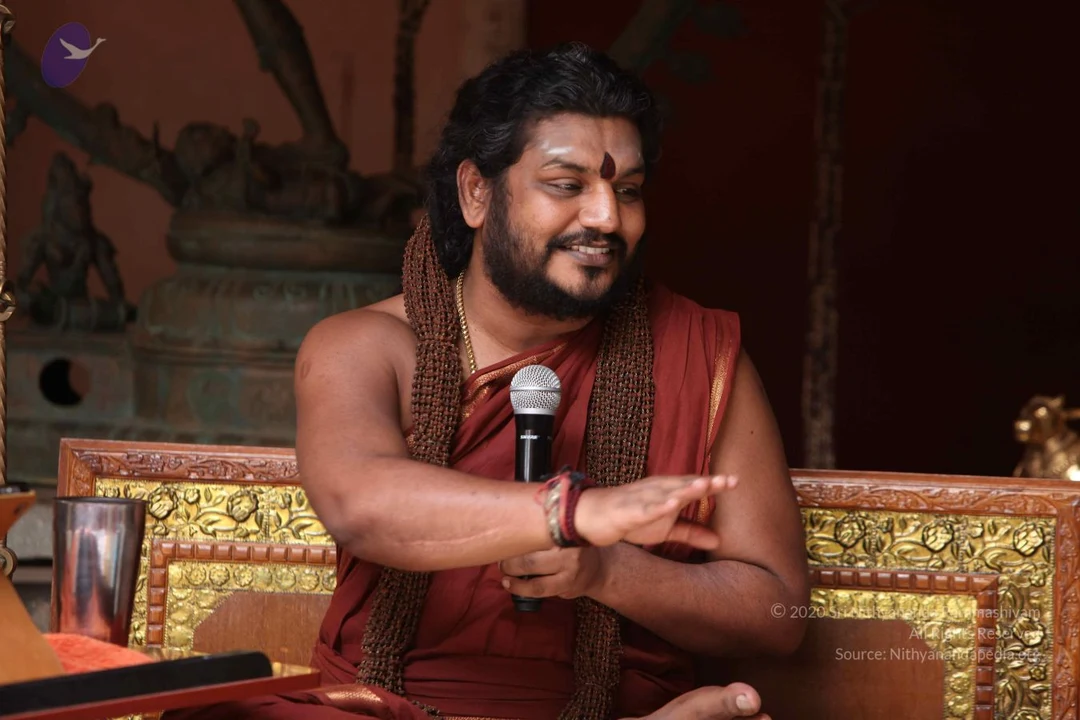
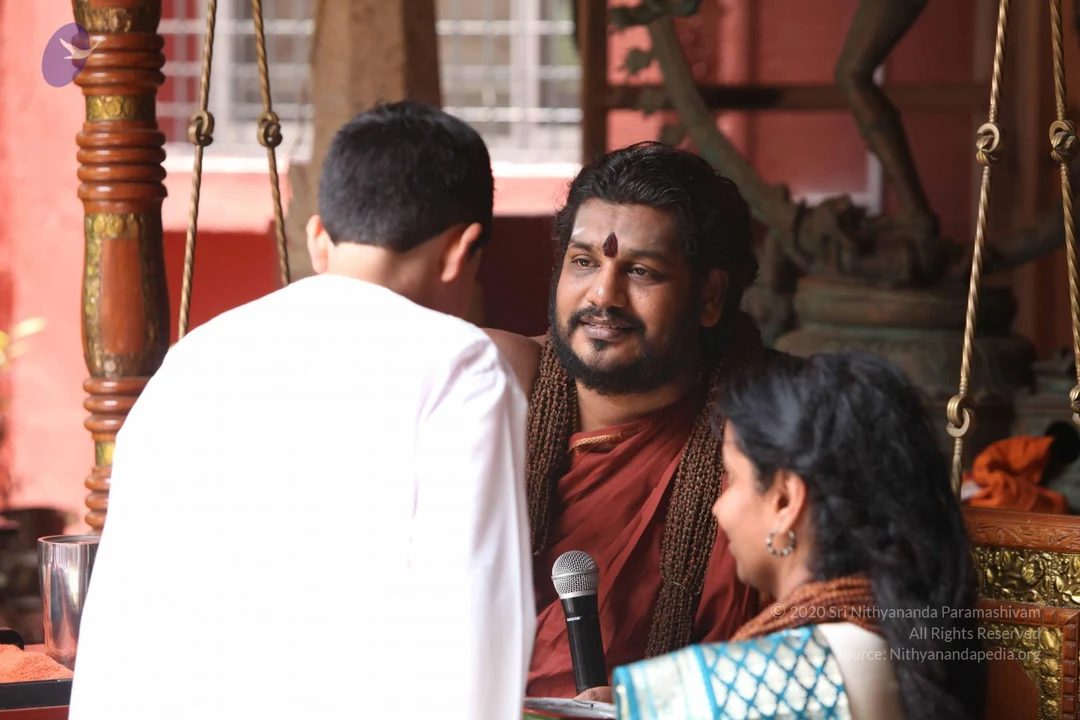
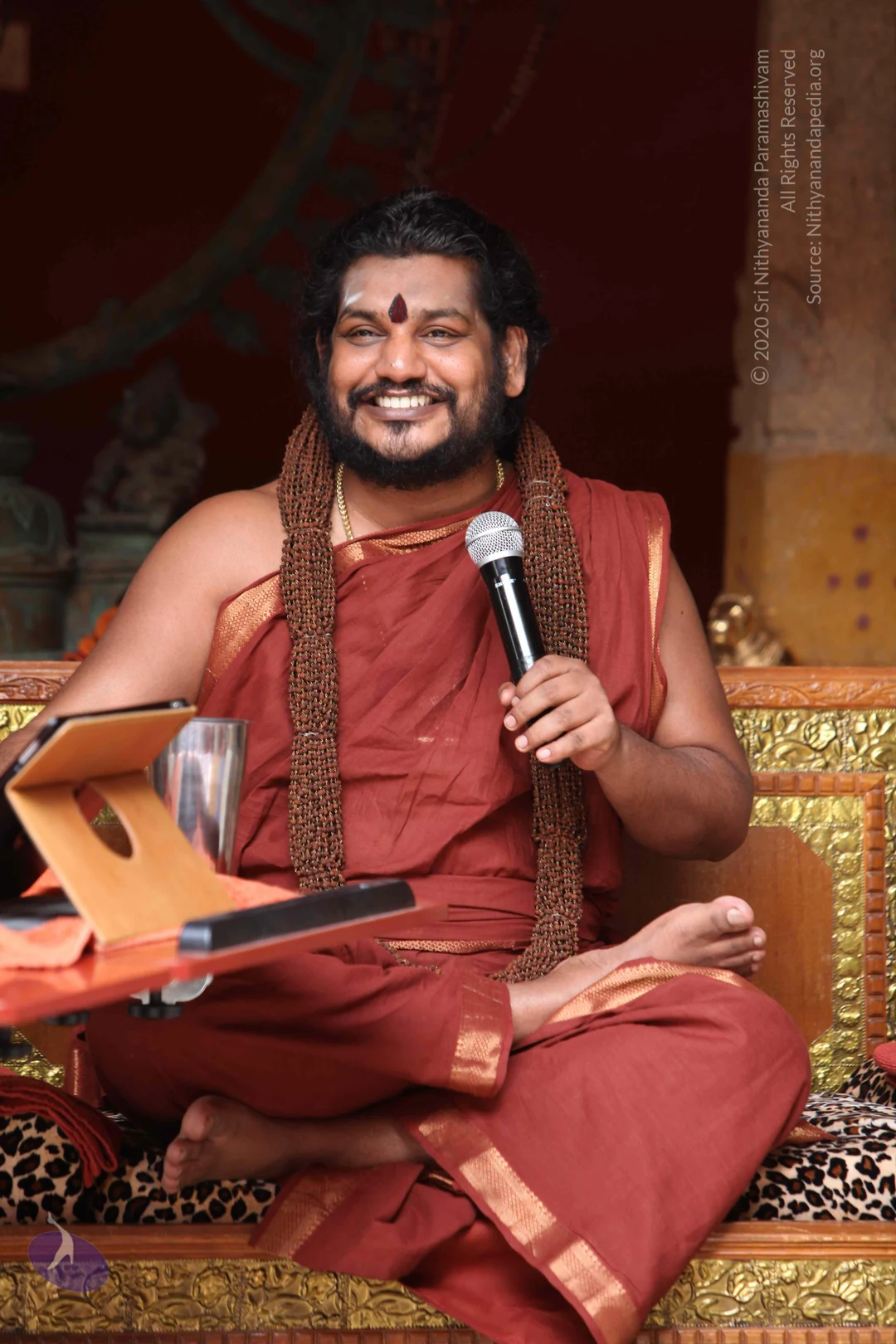
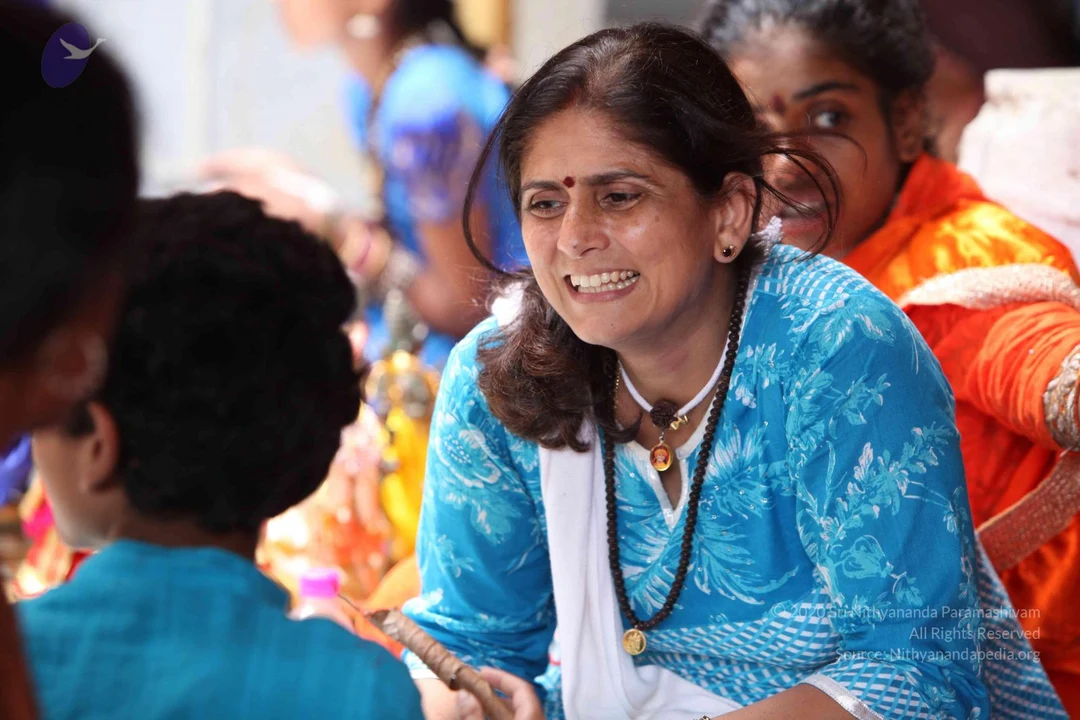
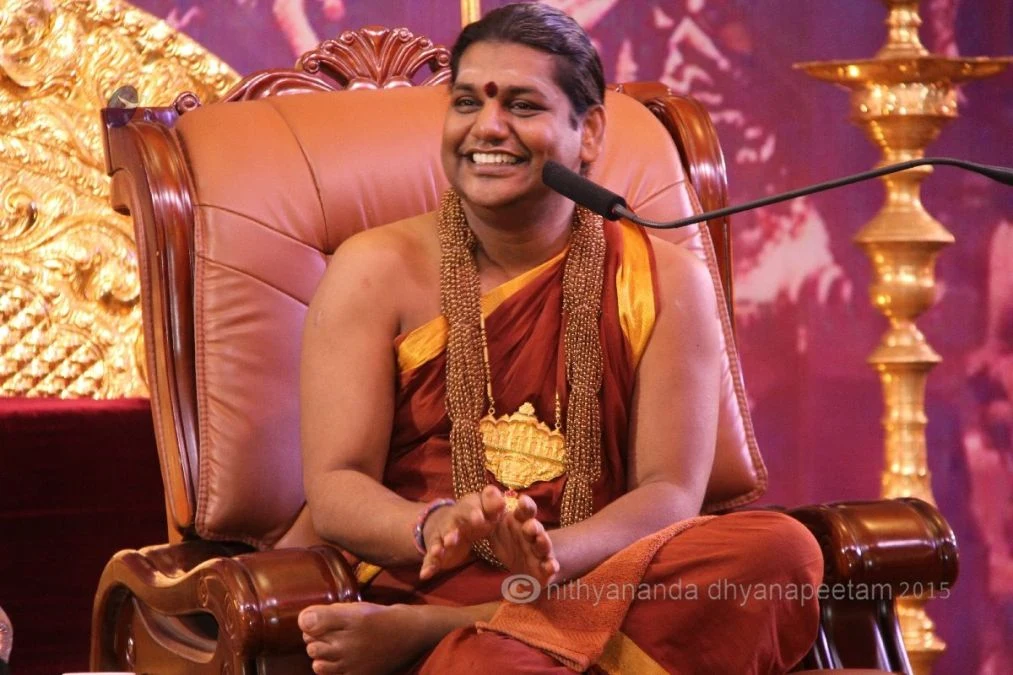
nithya satsang
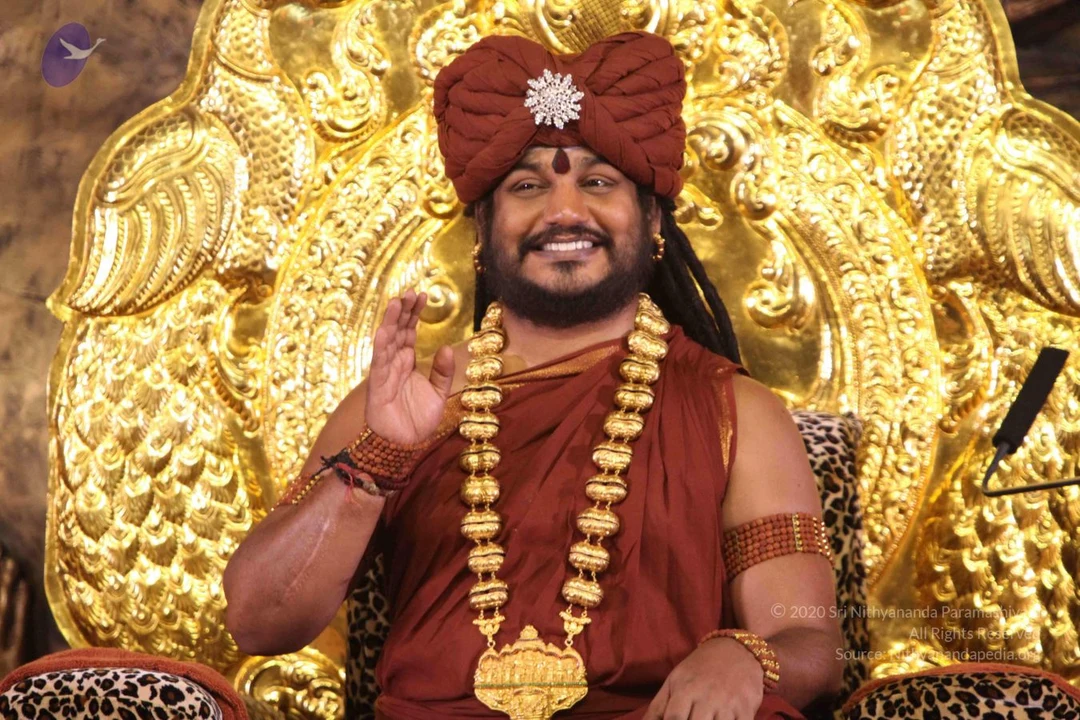
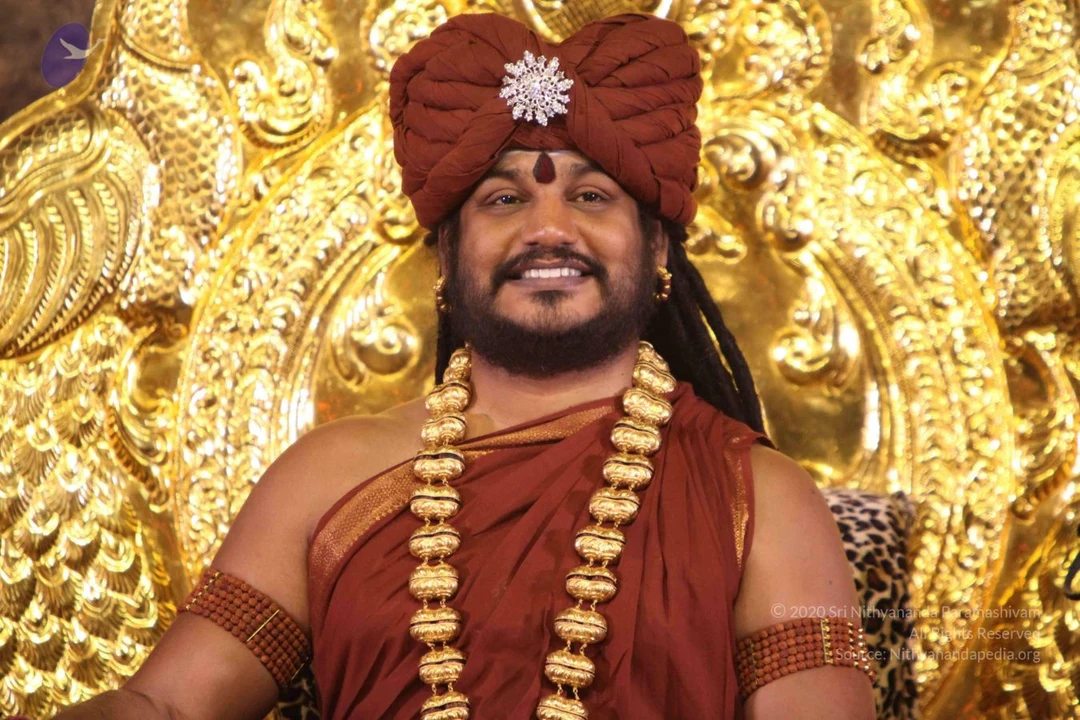
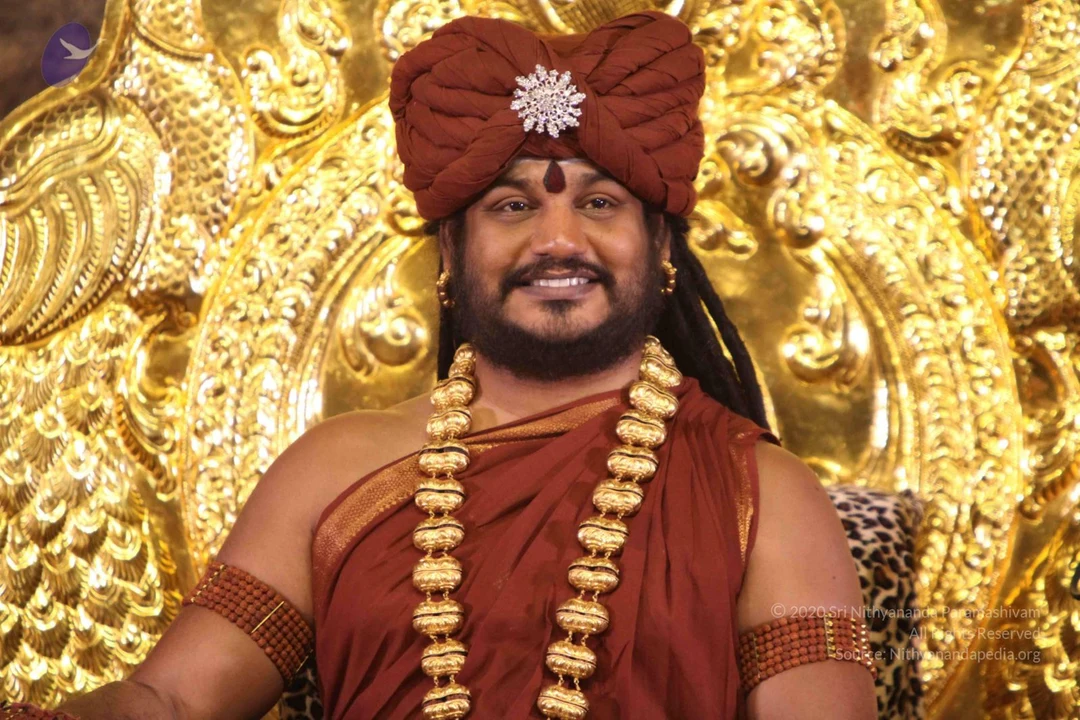
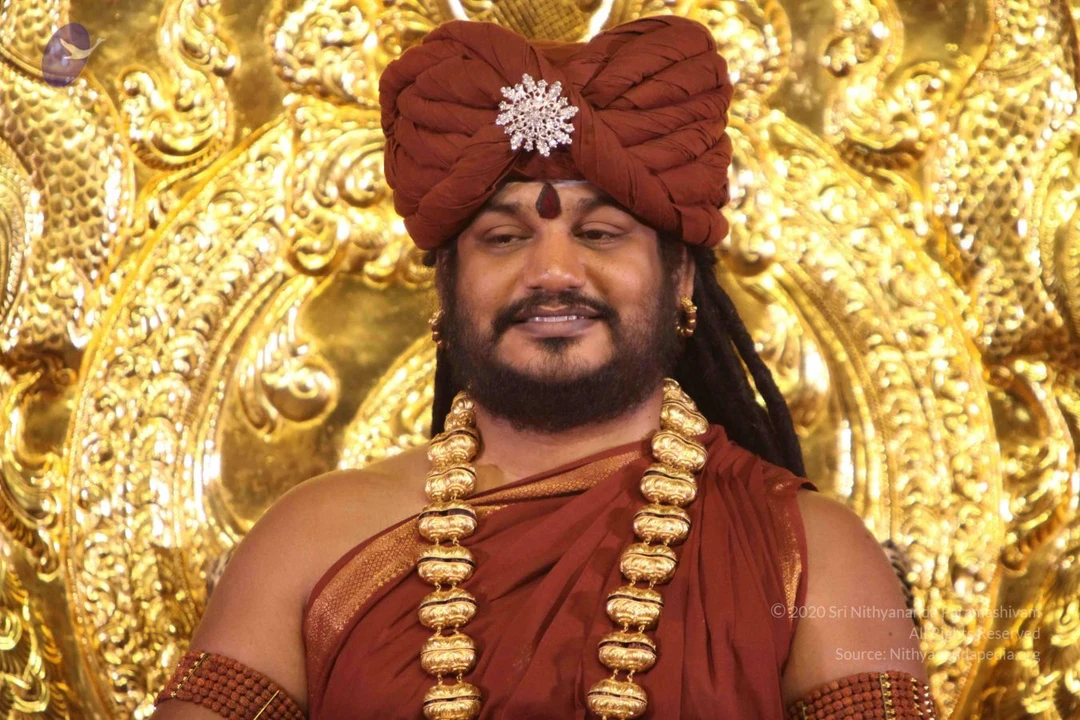
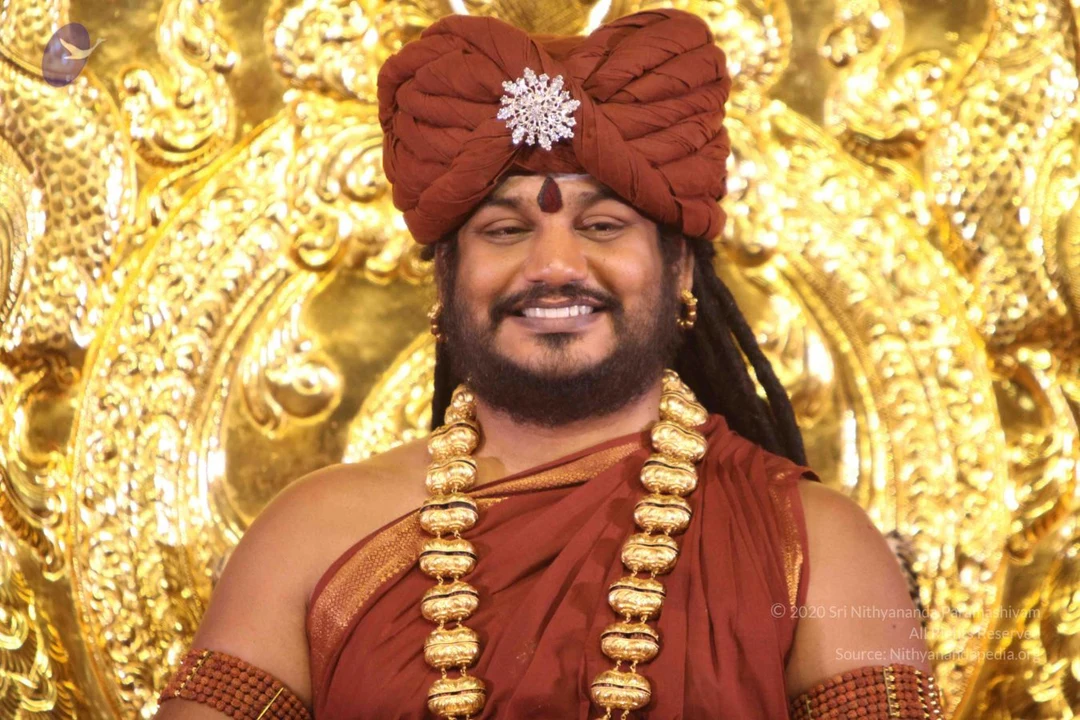
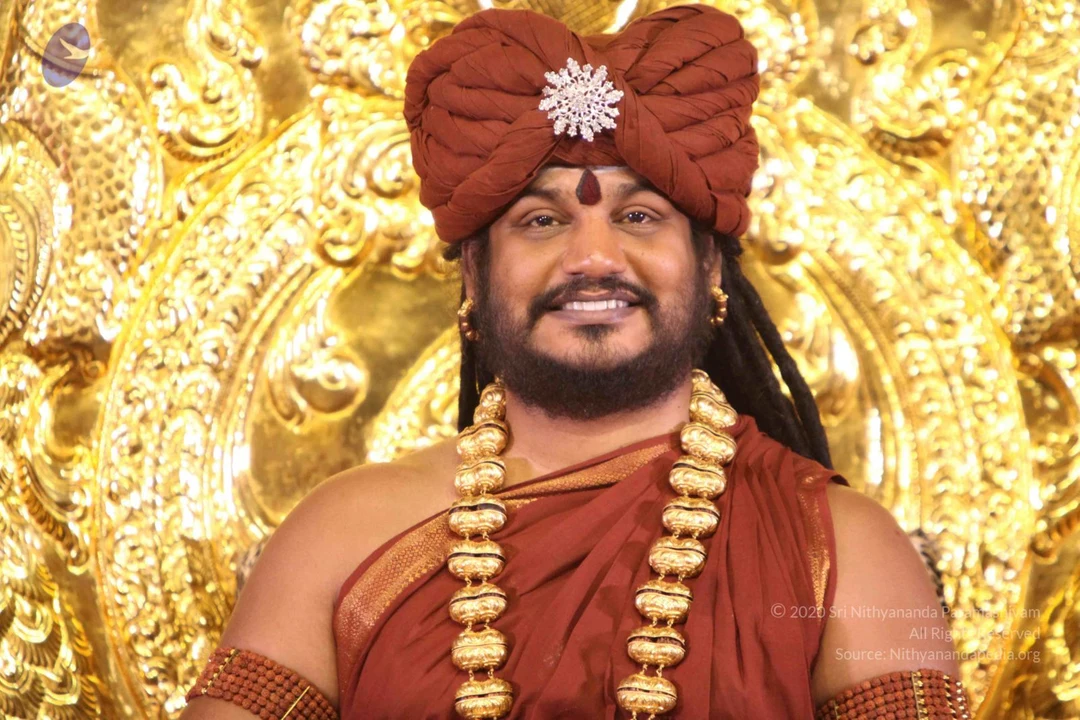
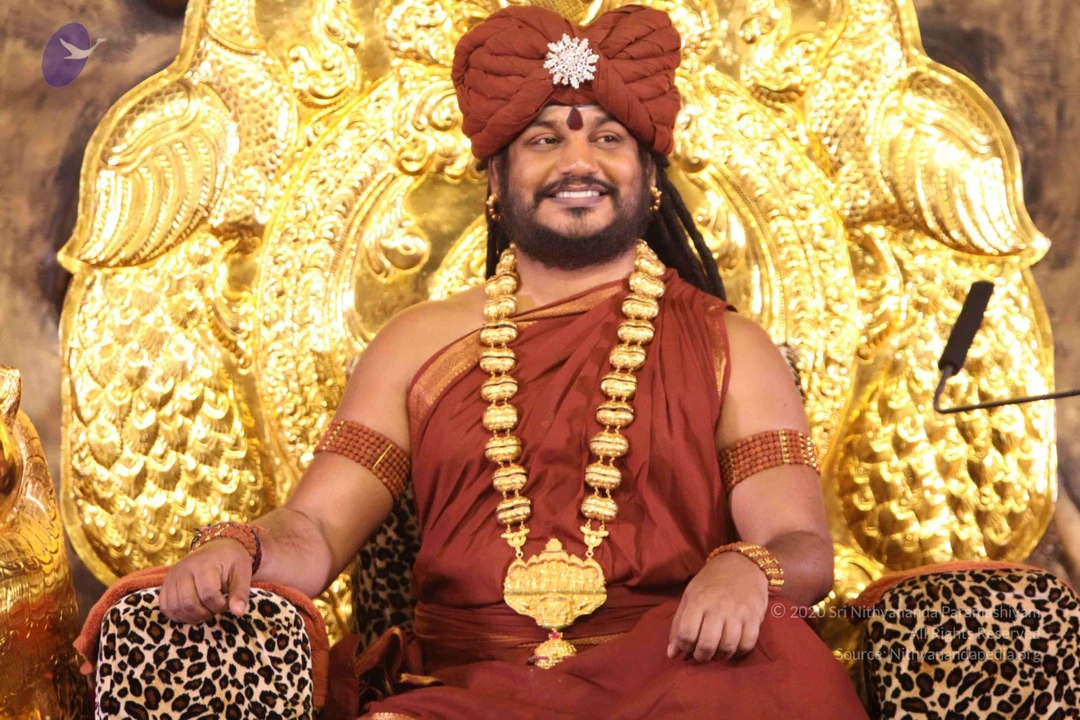
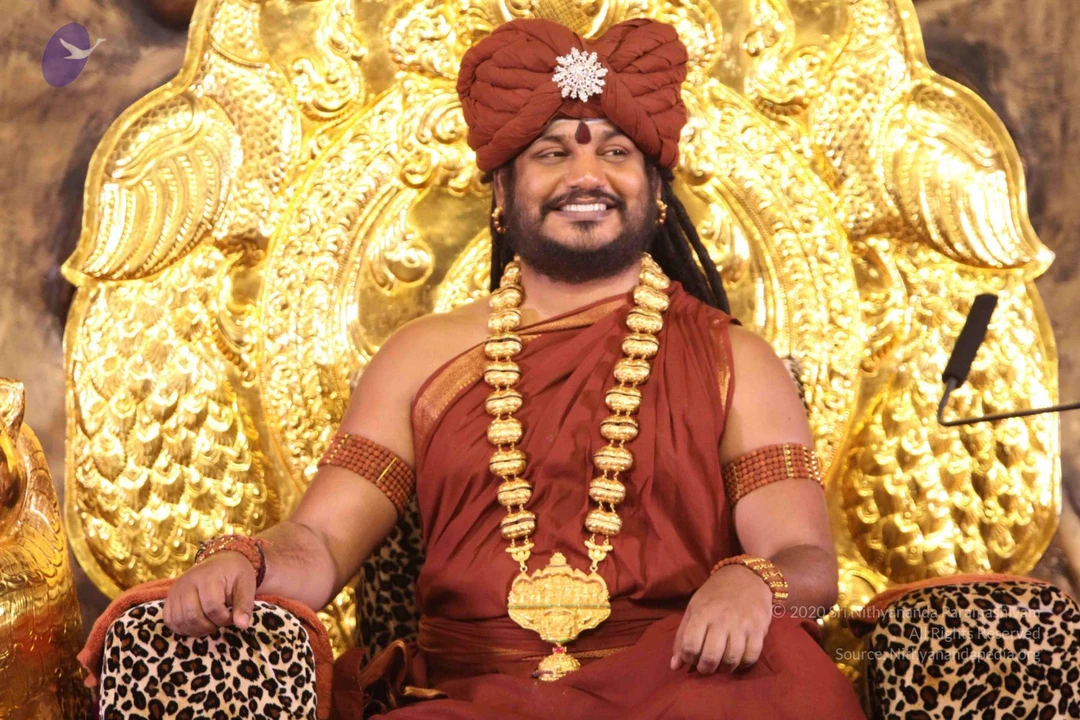
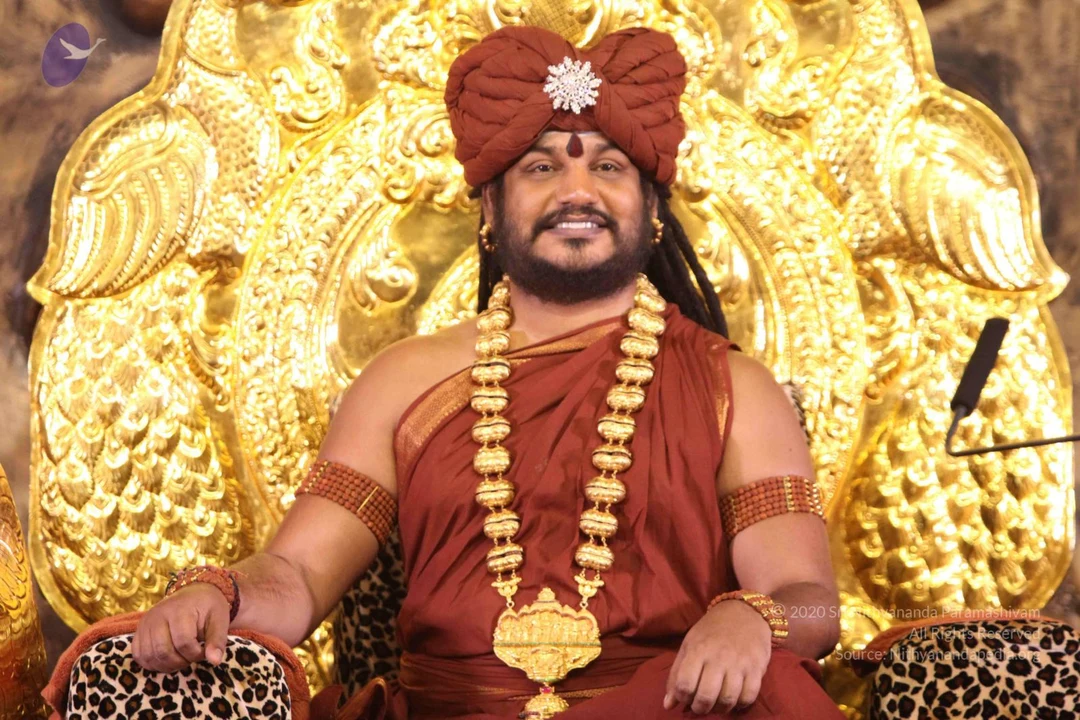
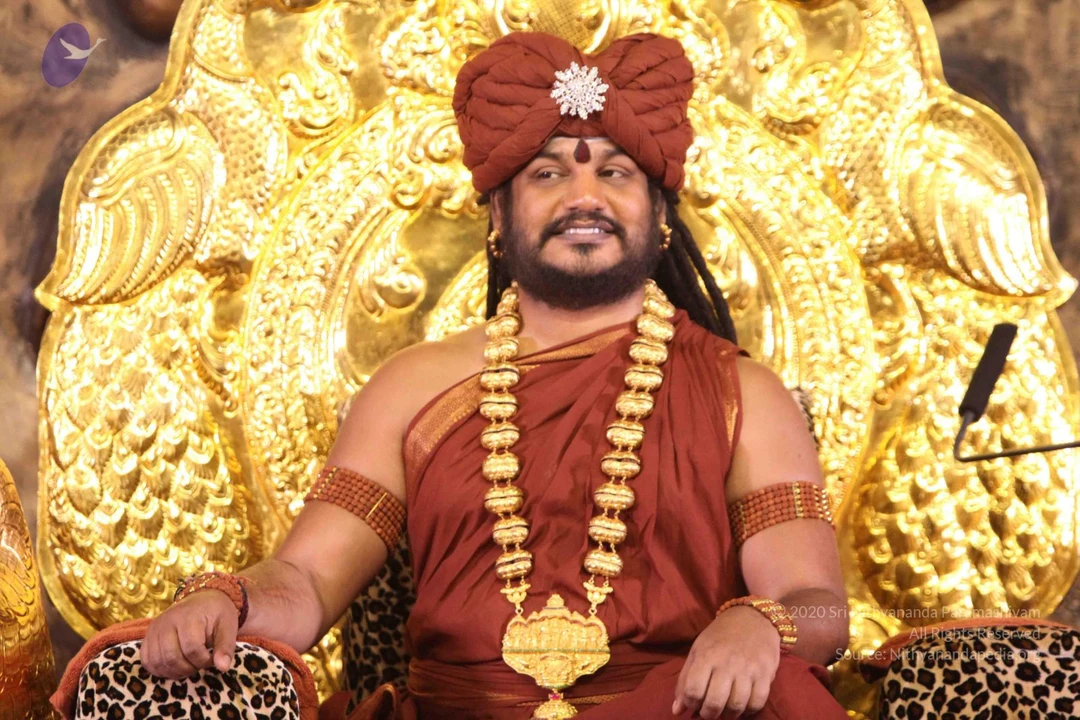
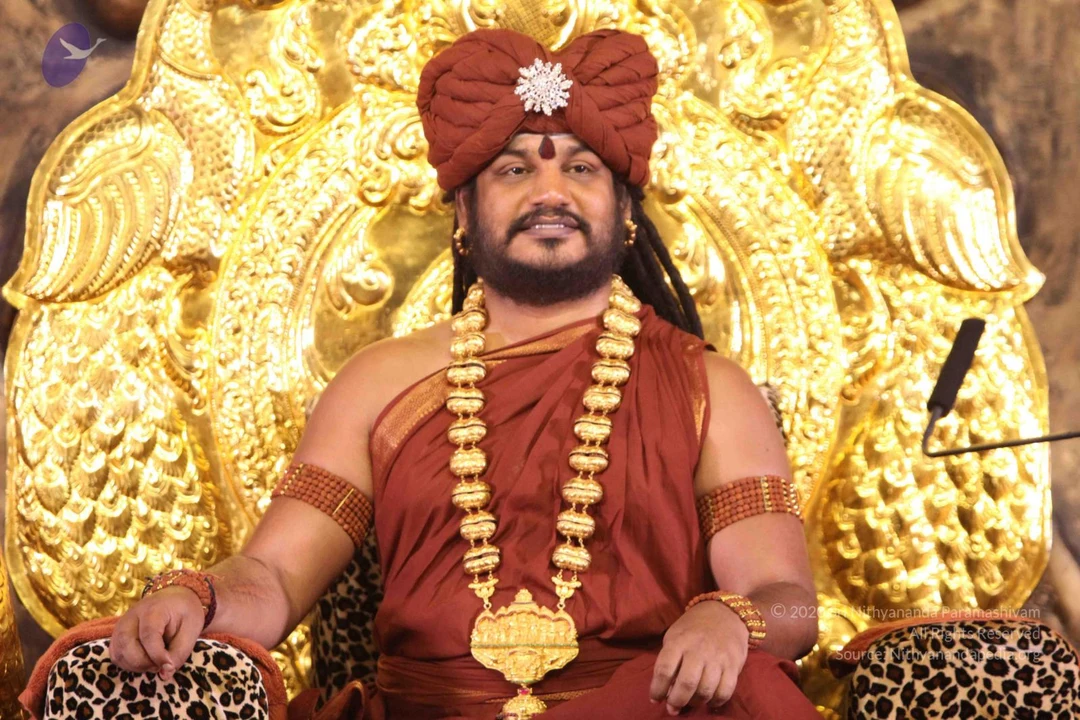
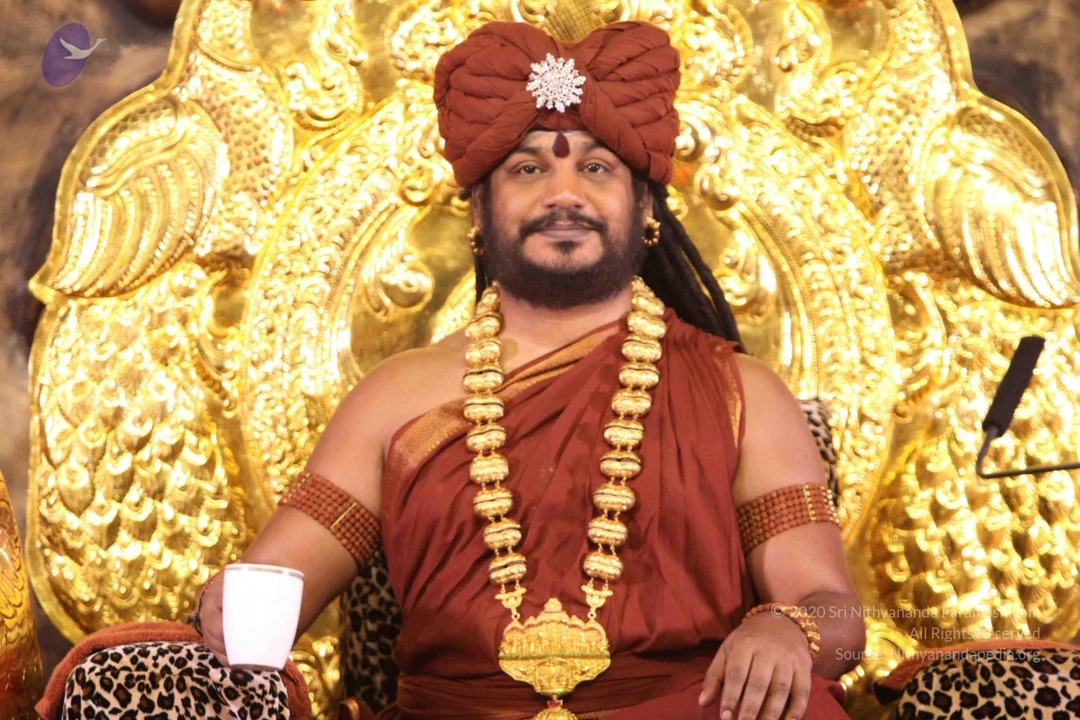
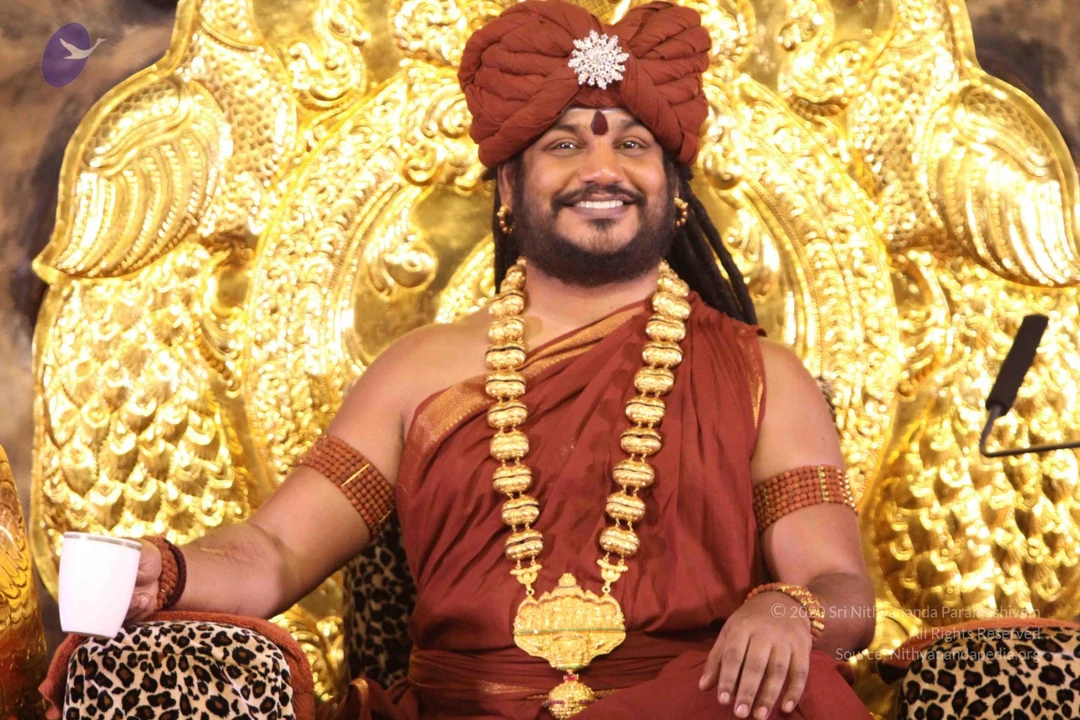
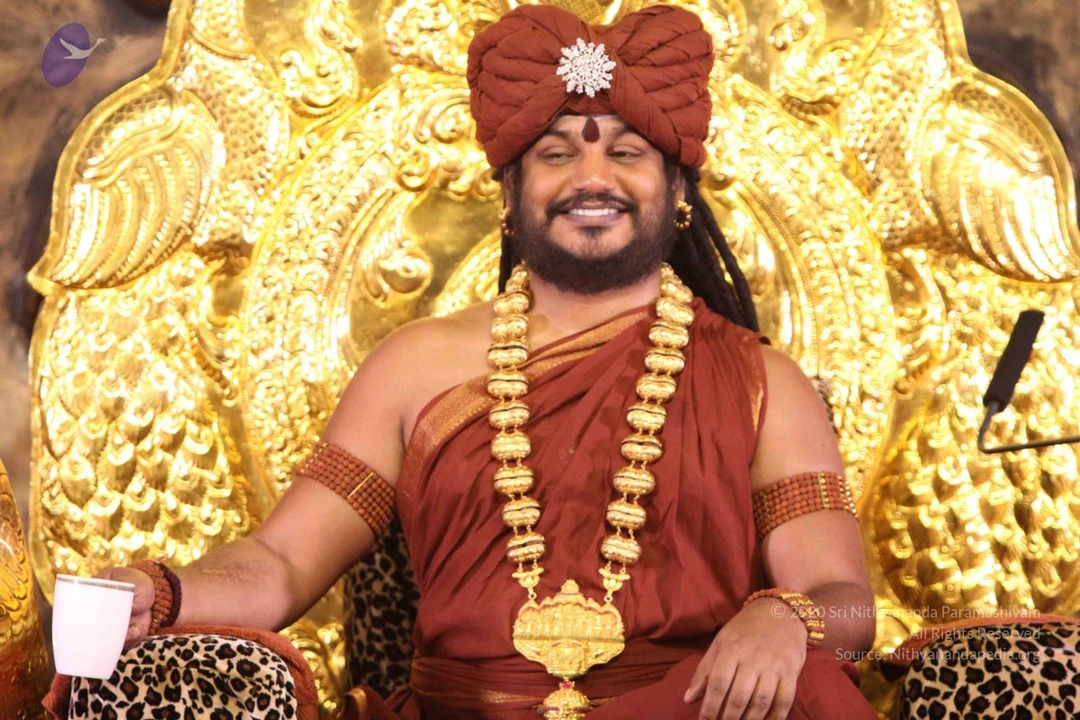
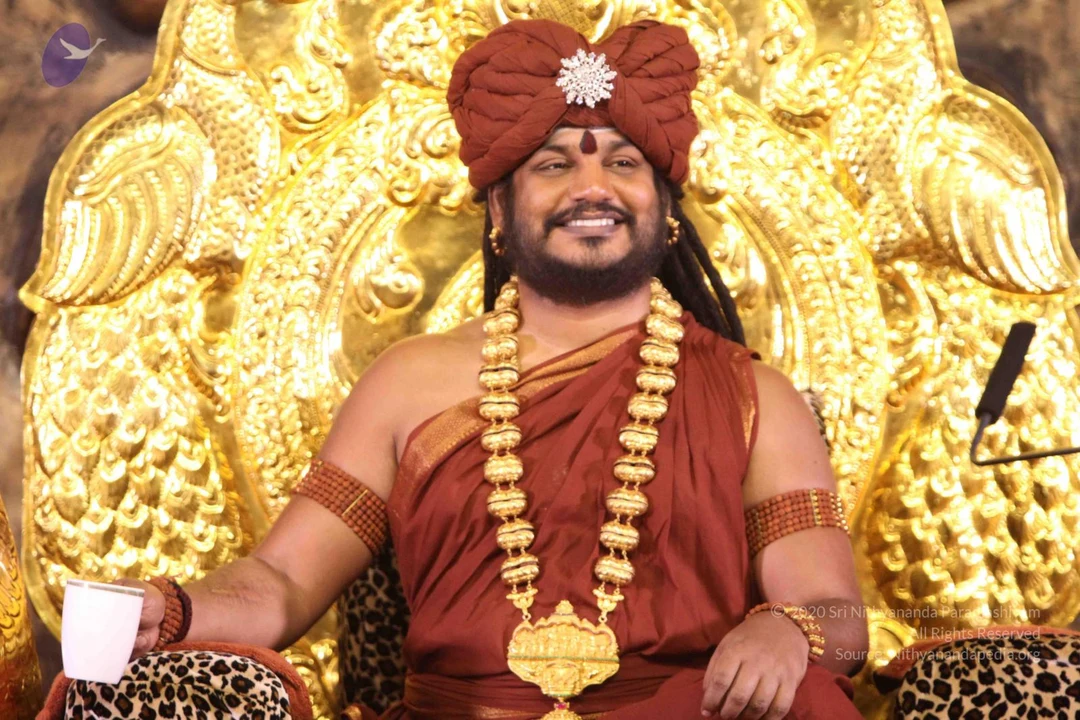
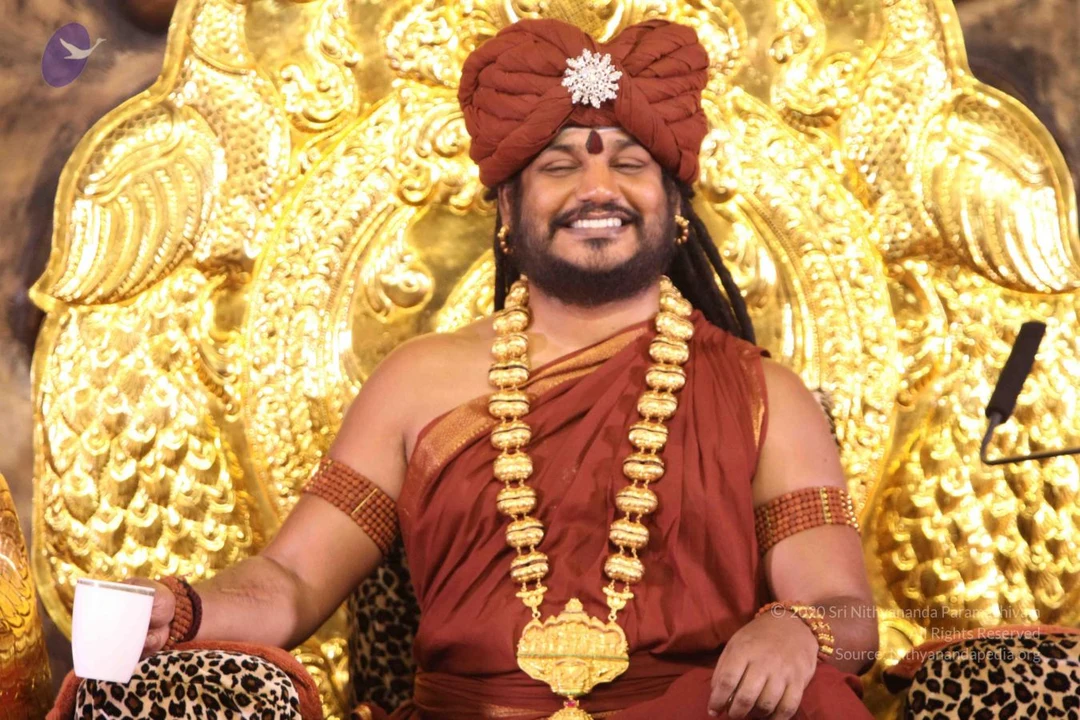

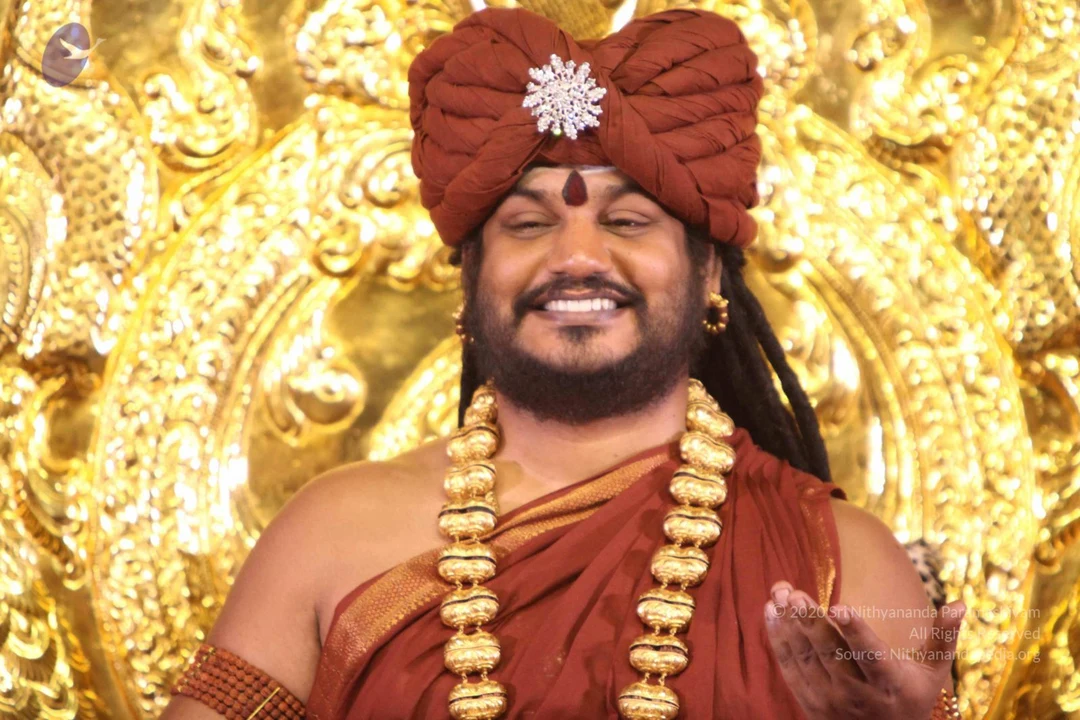

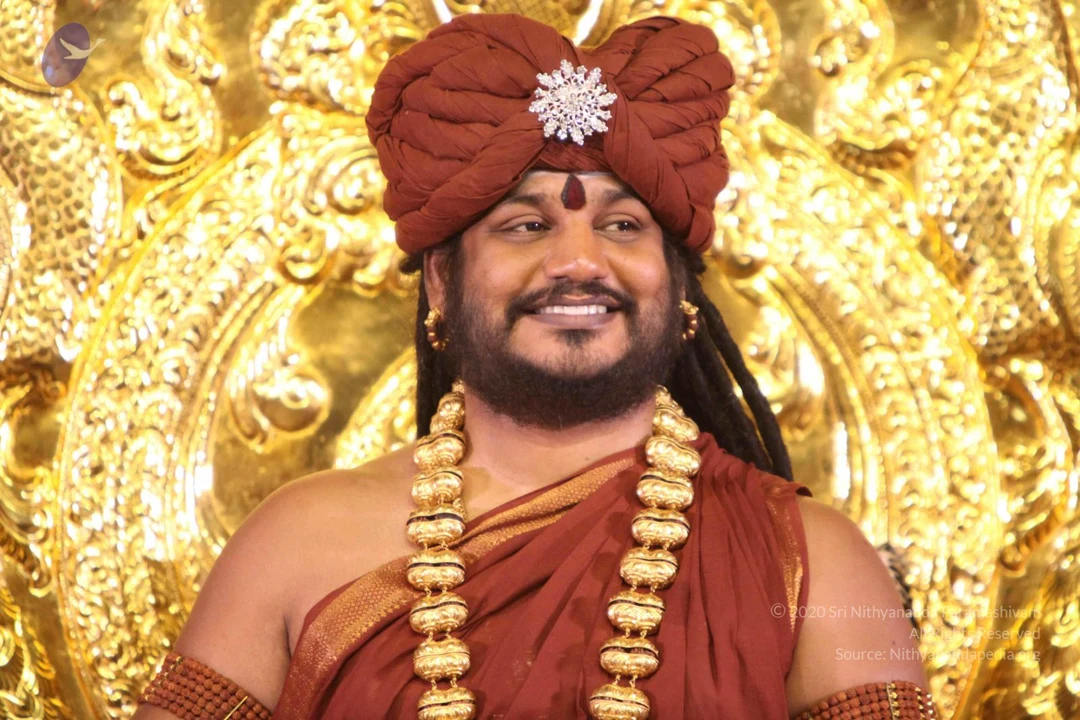
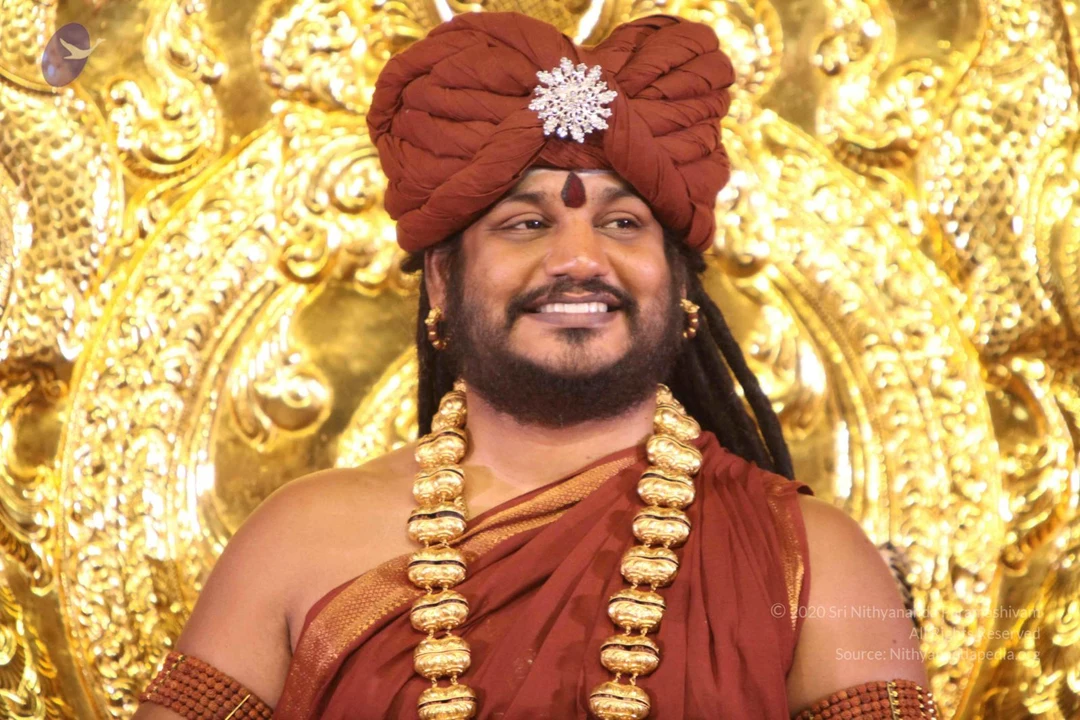
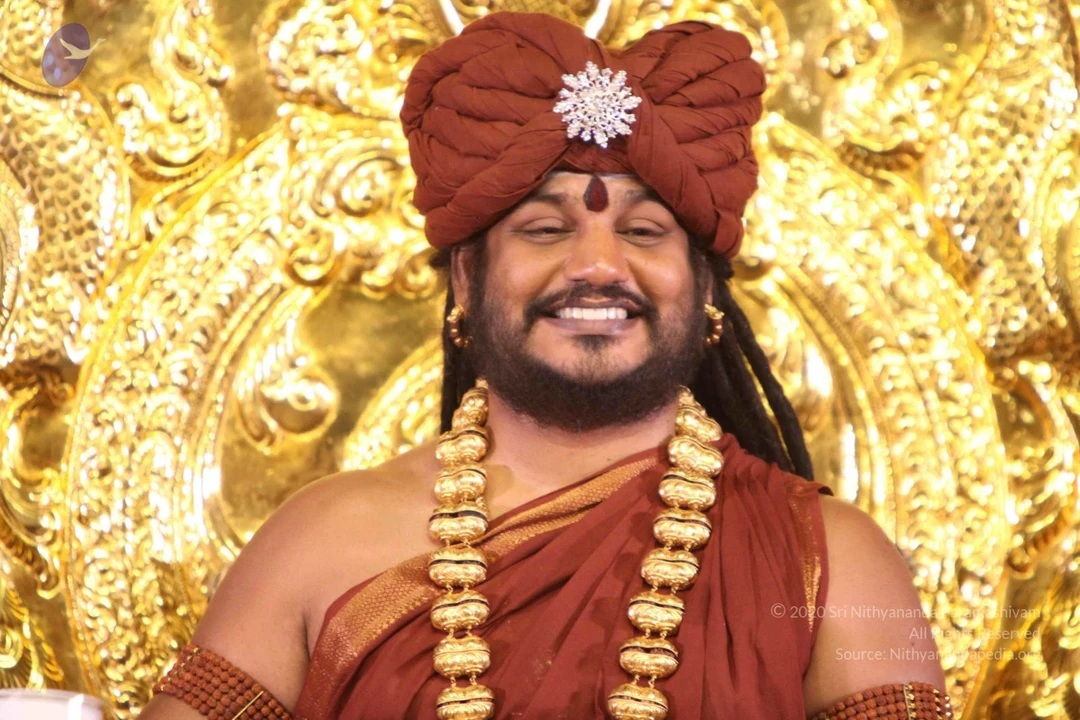
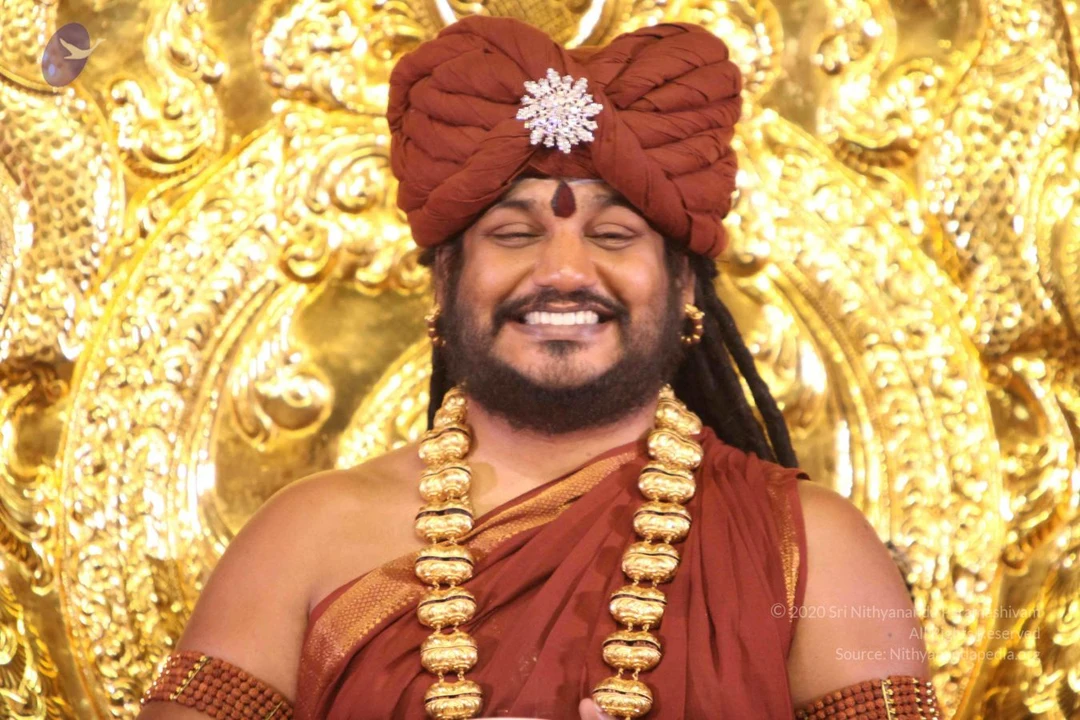
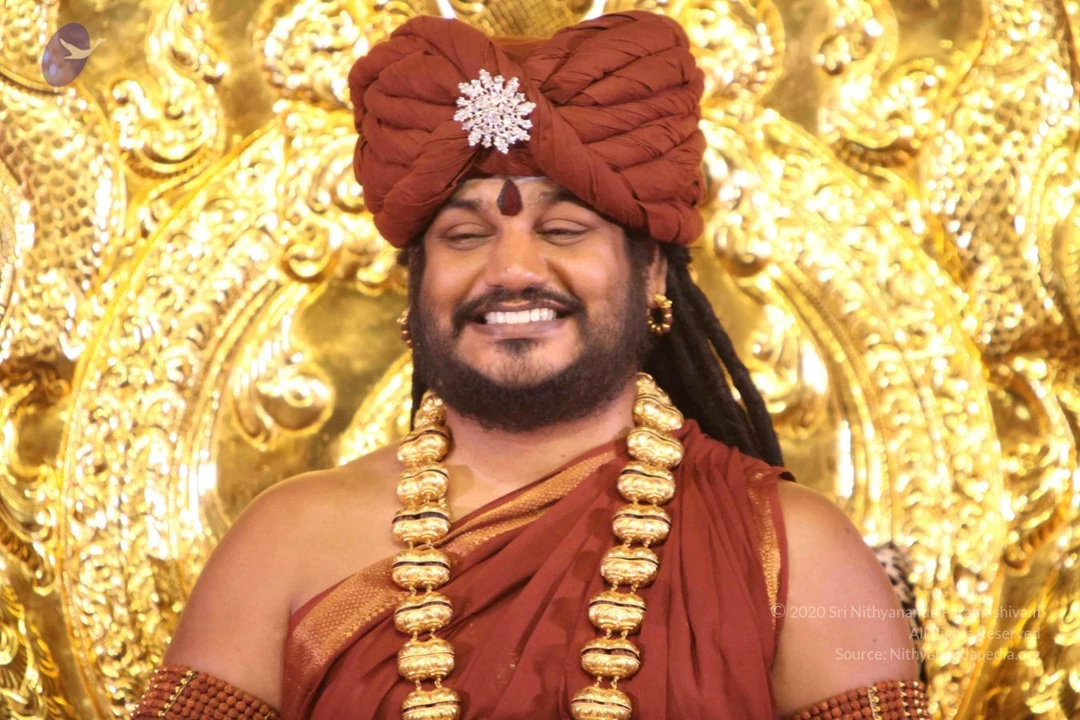
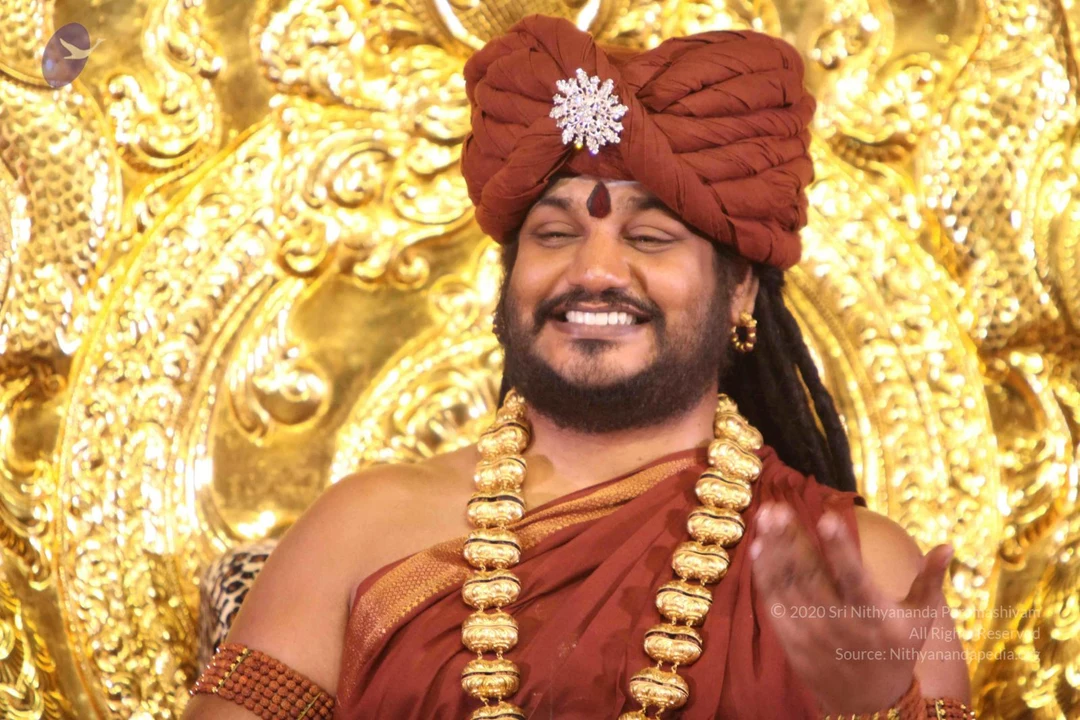
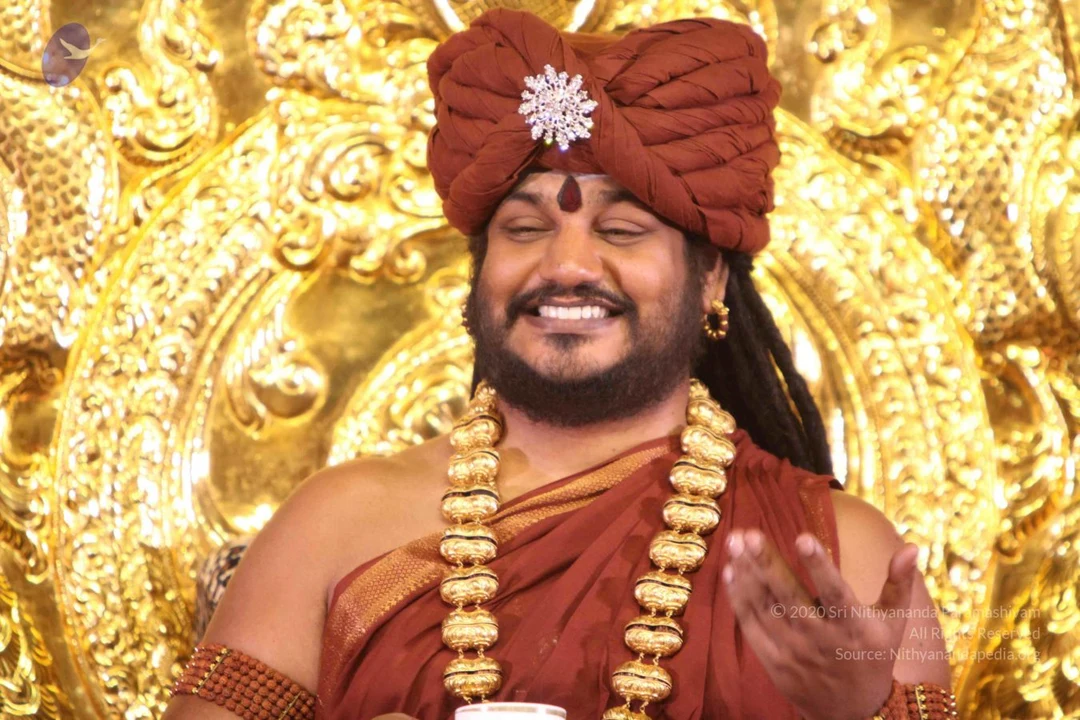
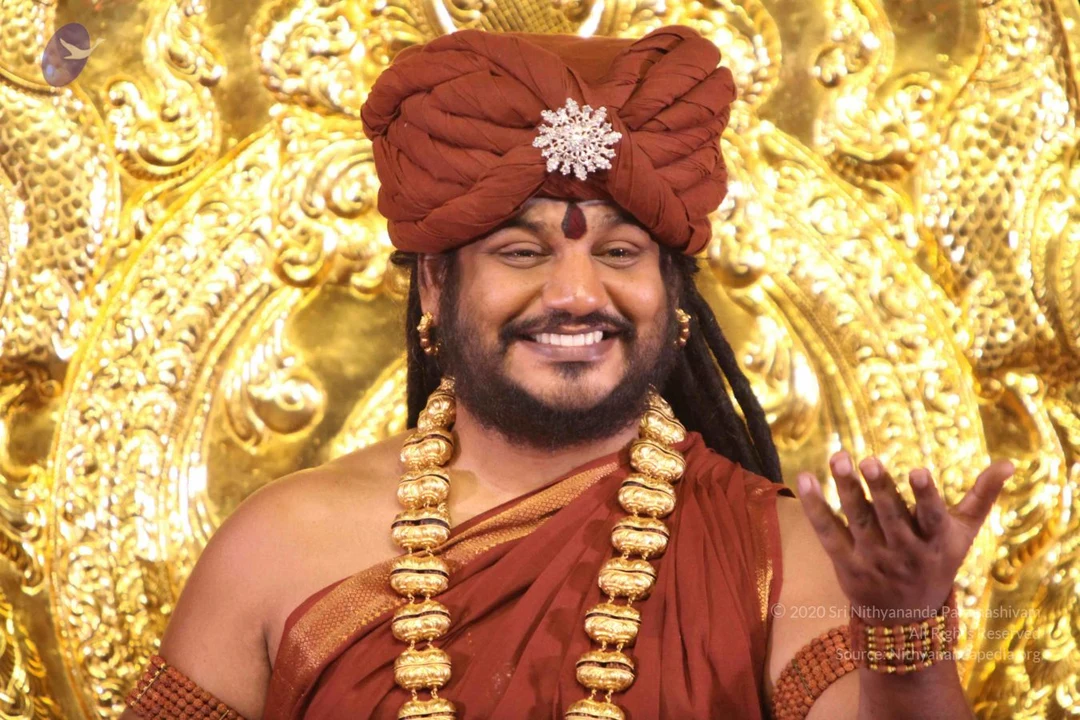
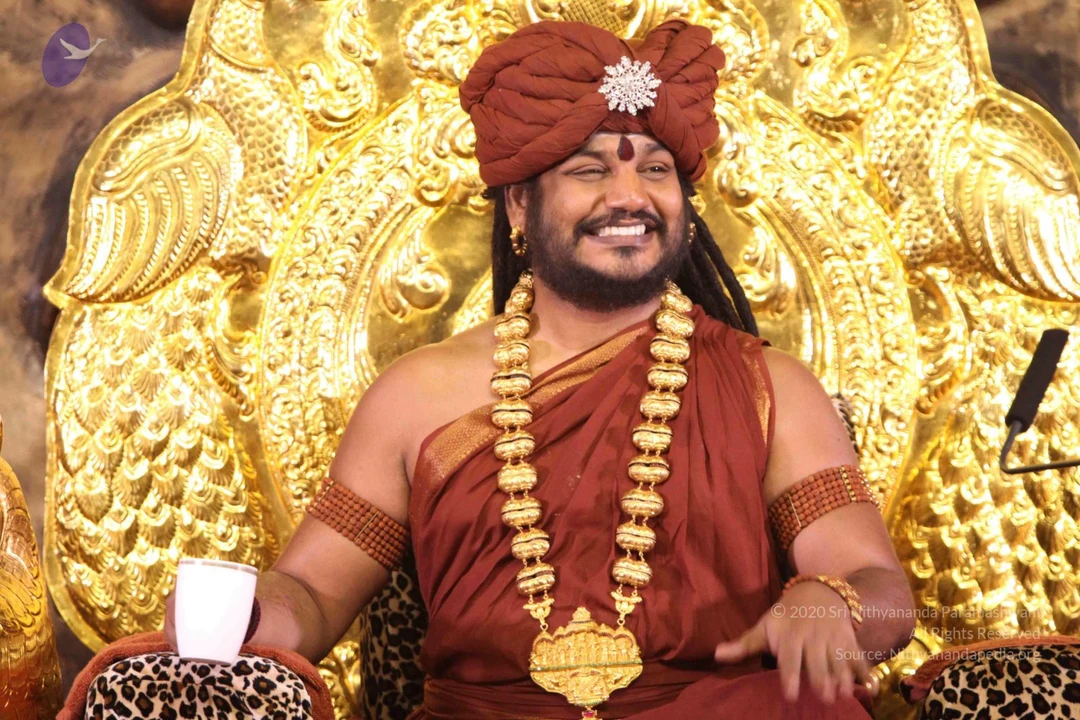
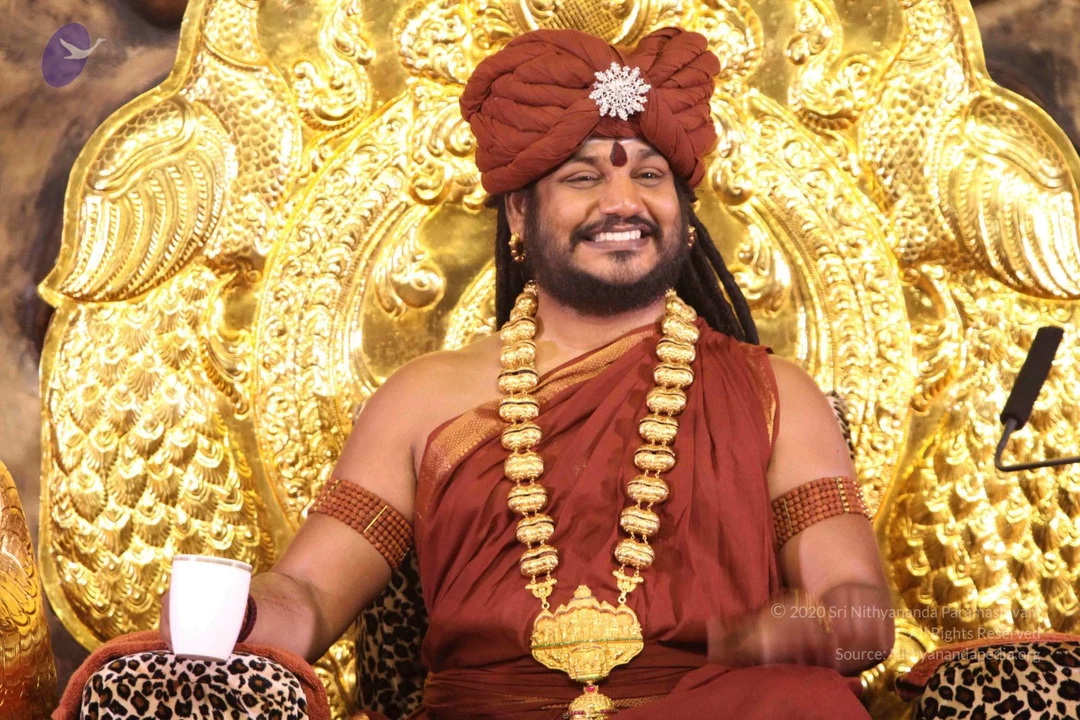
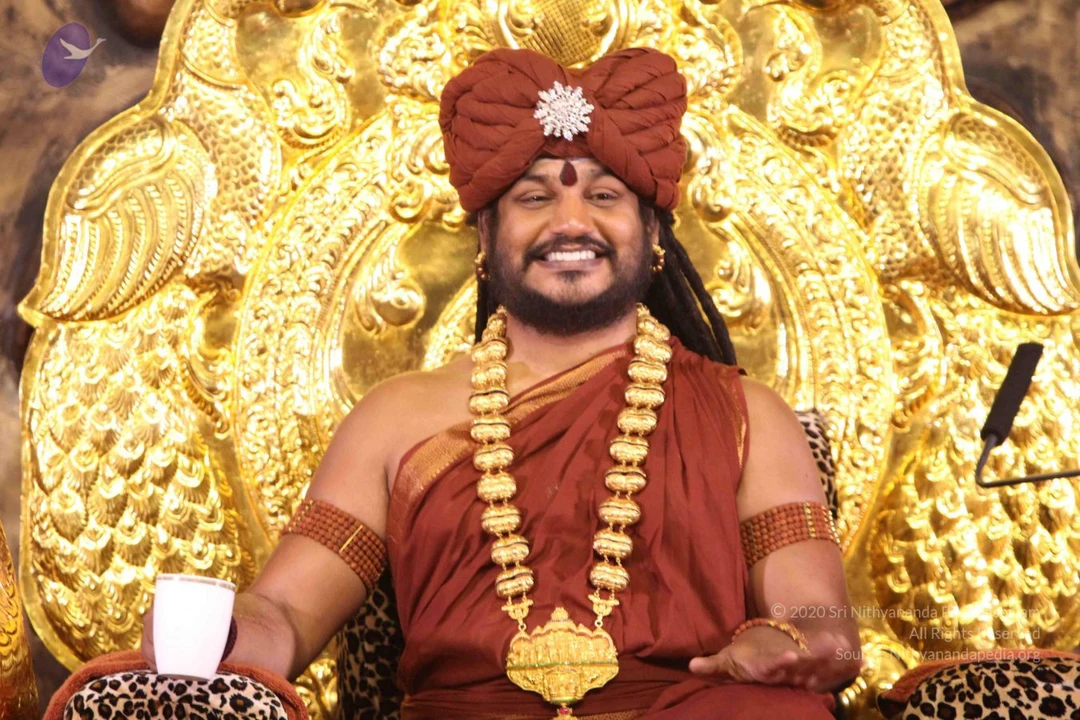
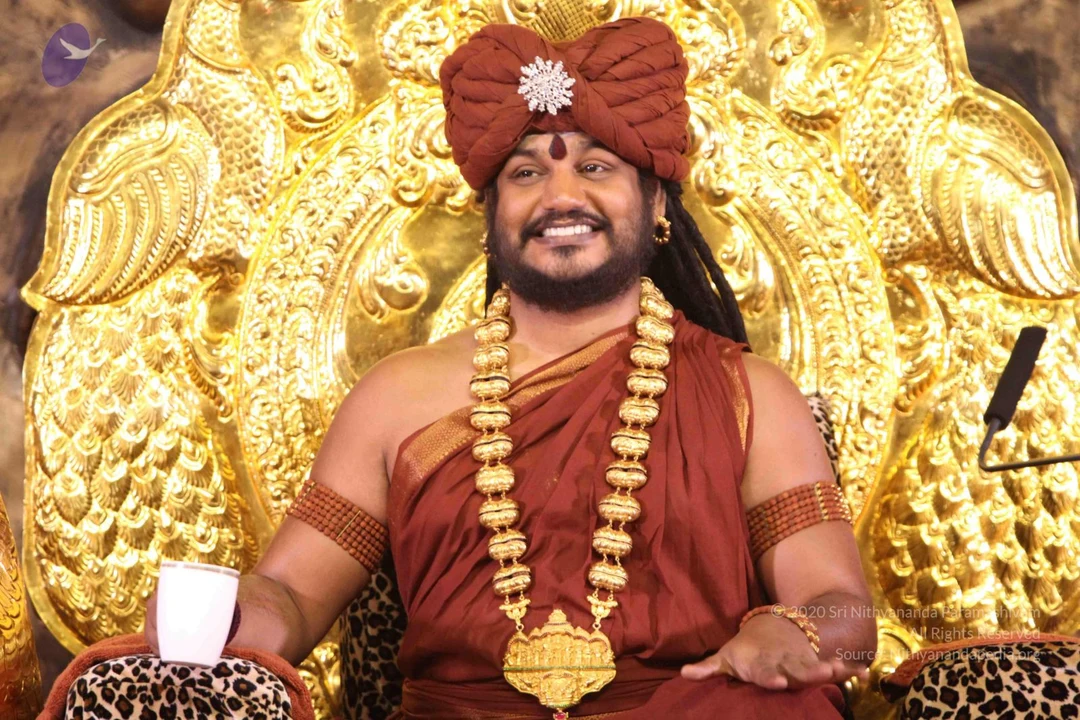
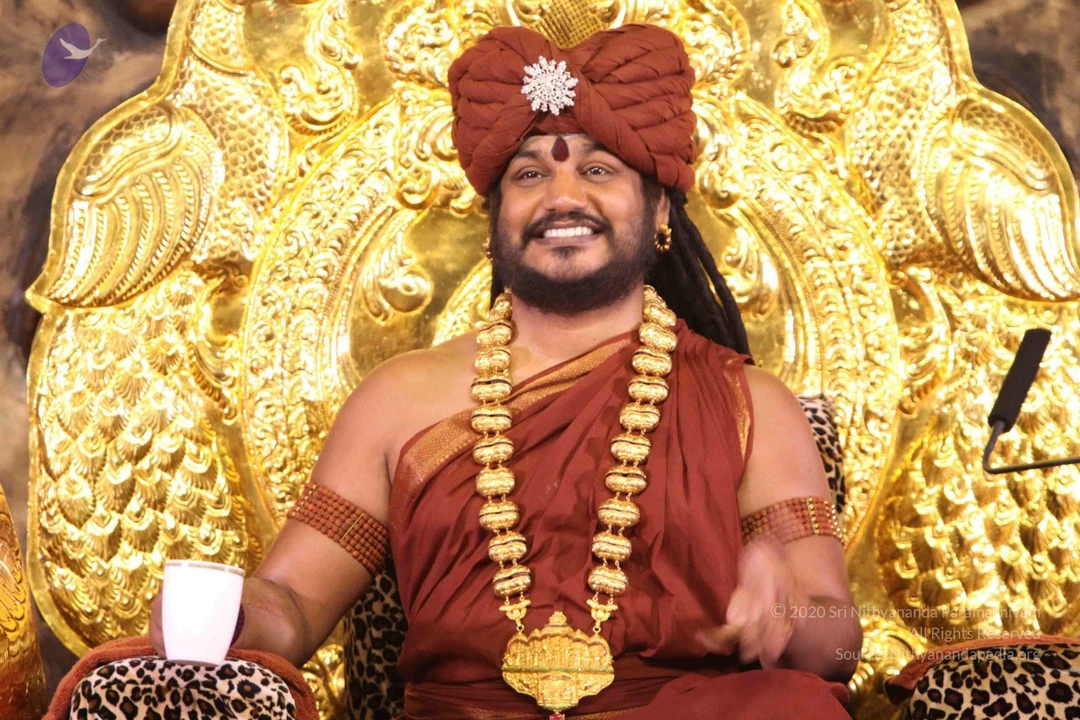
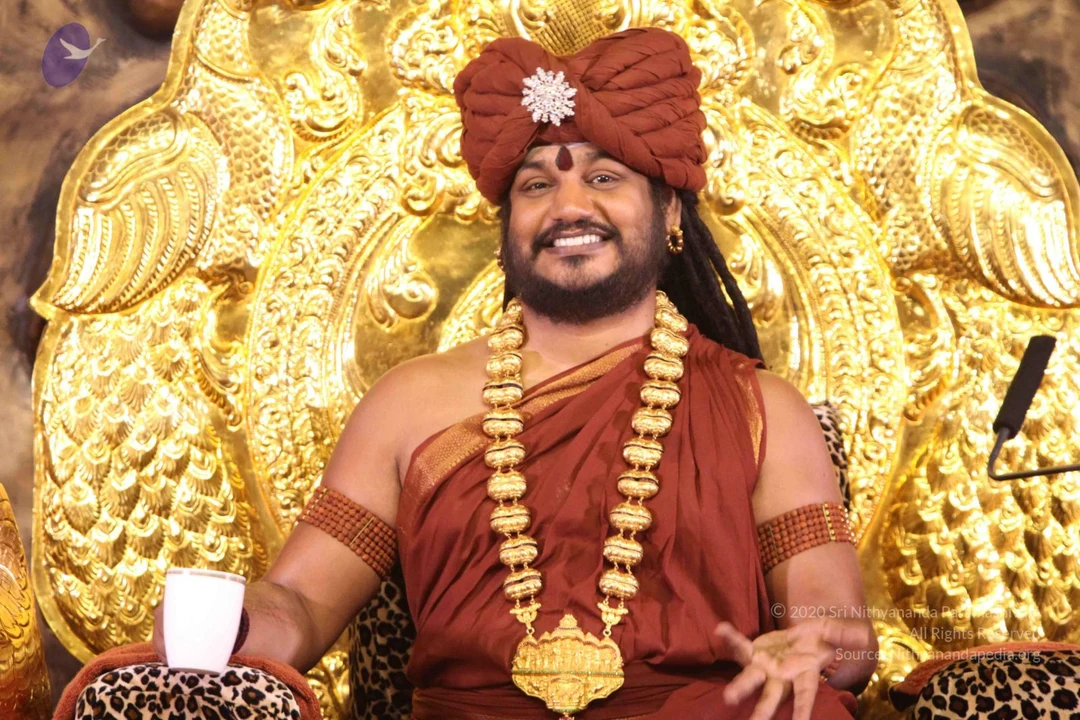
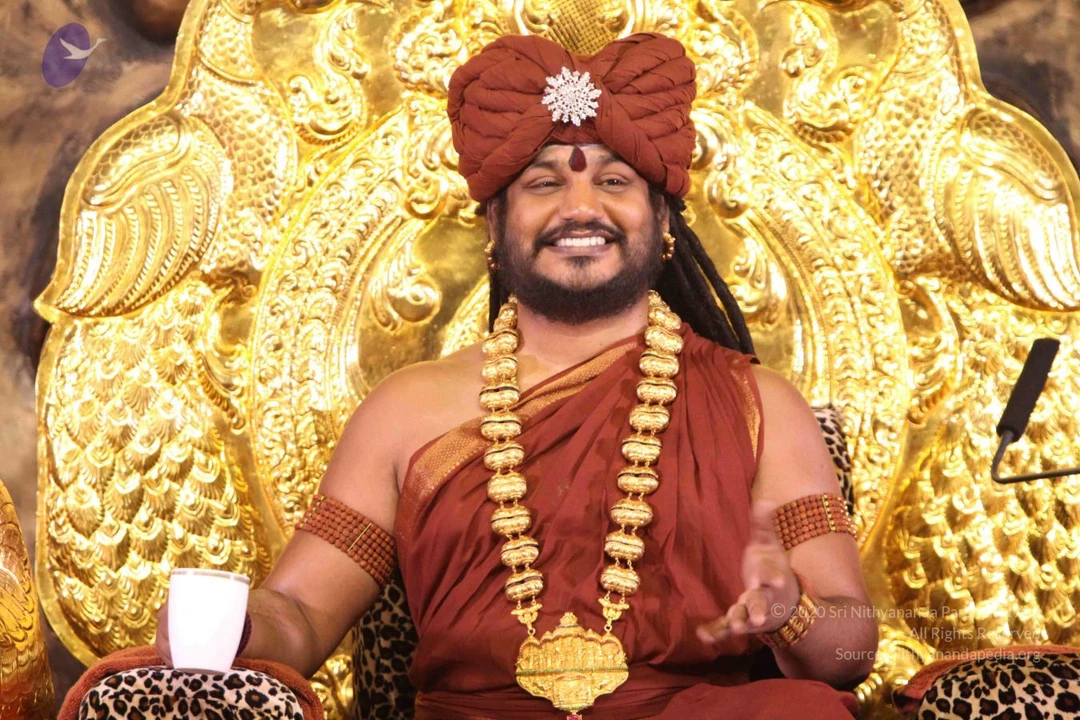
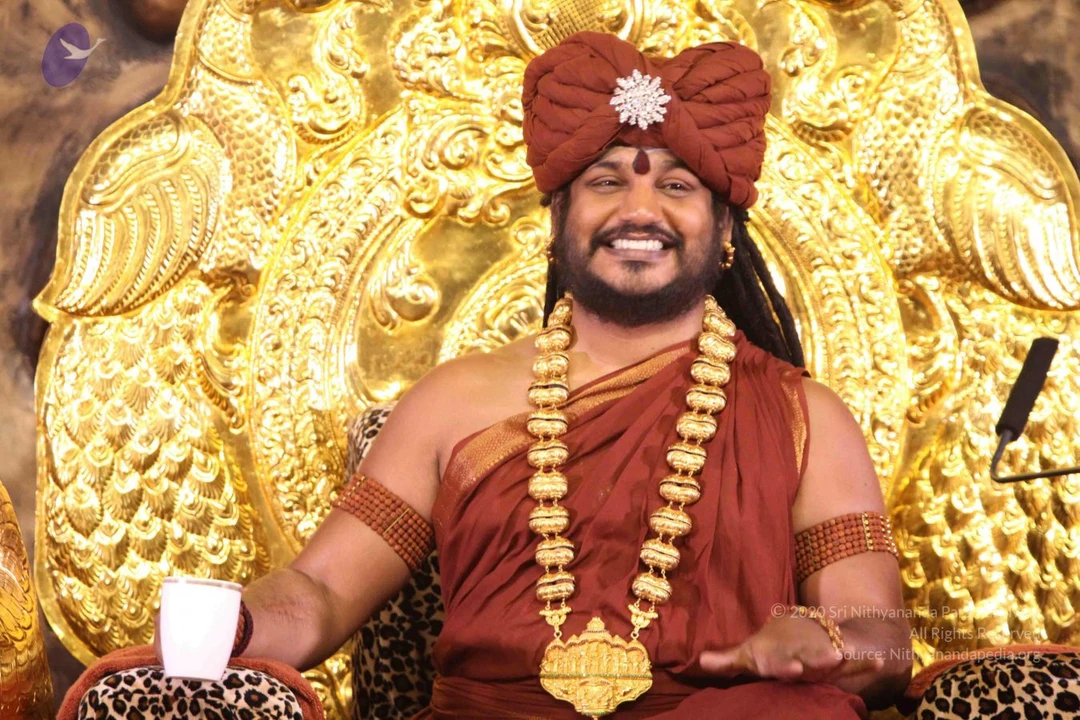
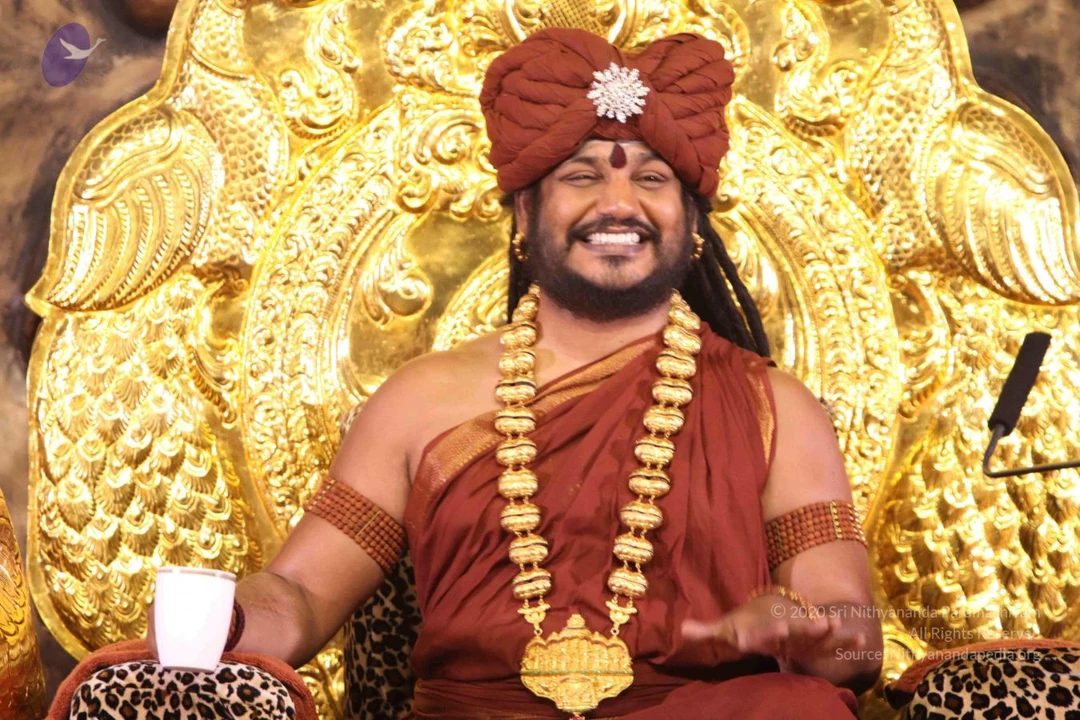
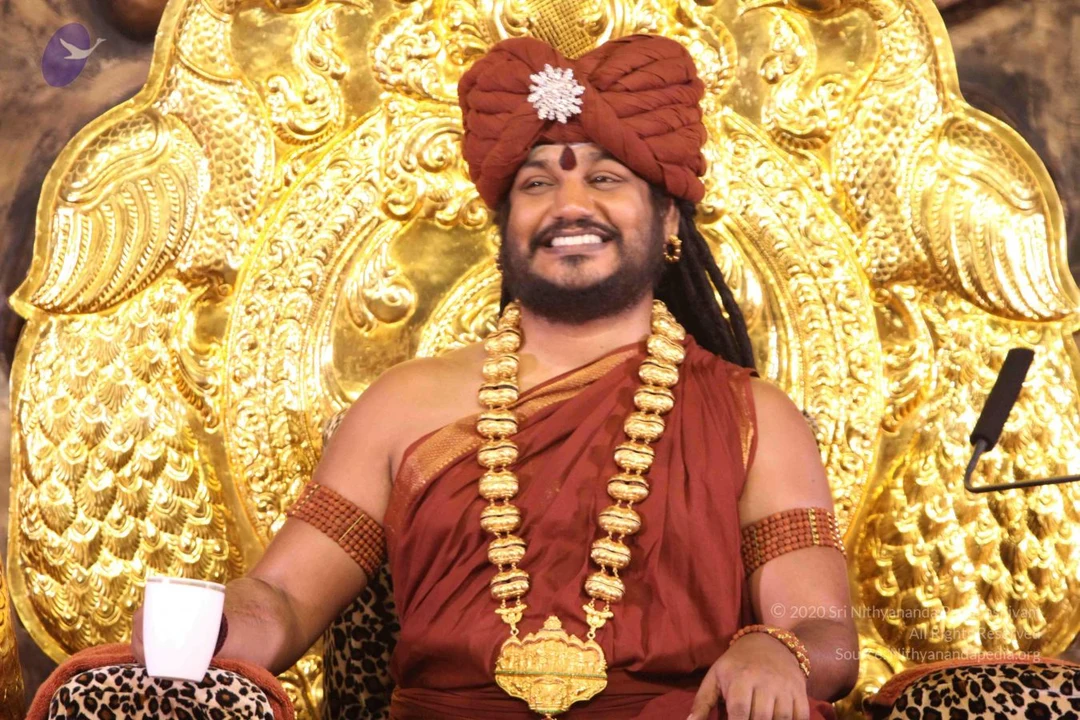
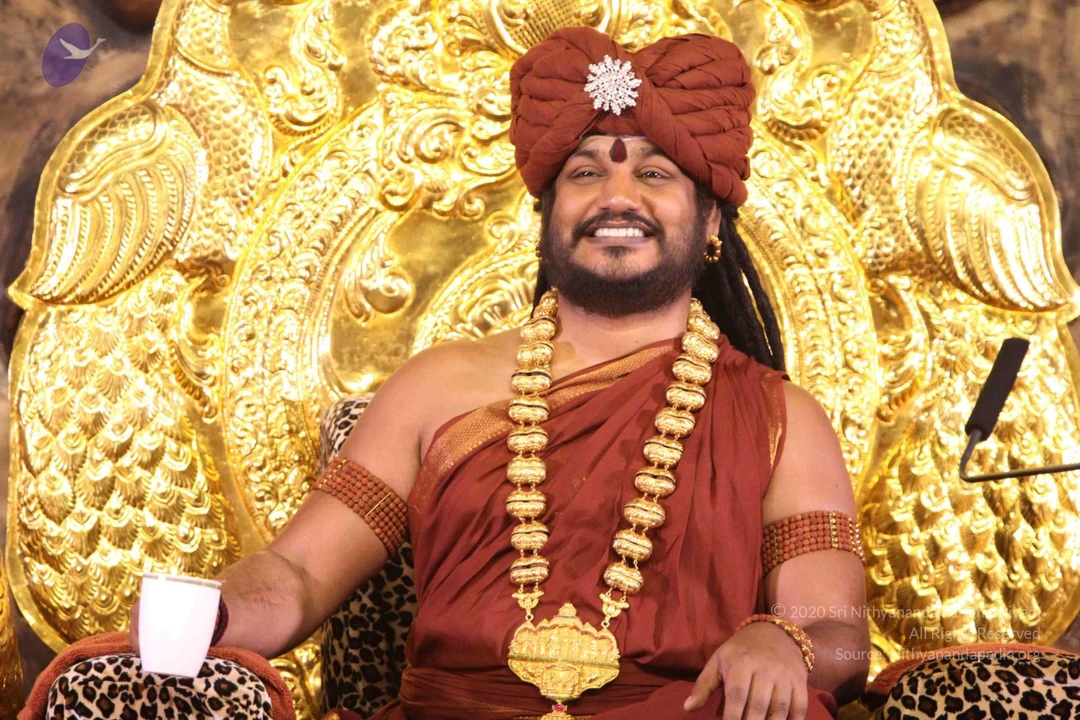
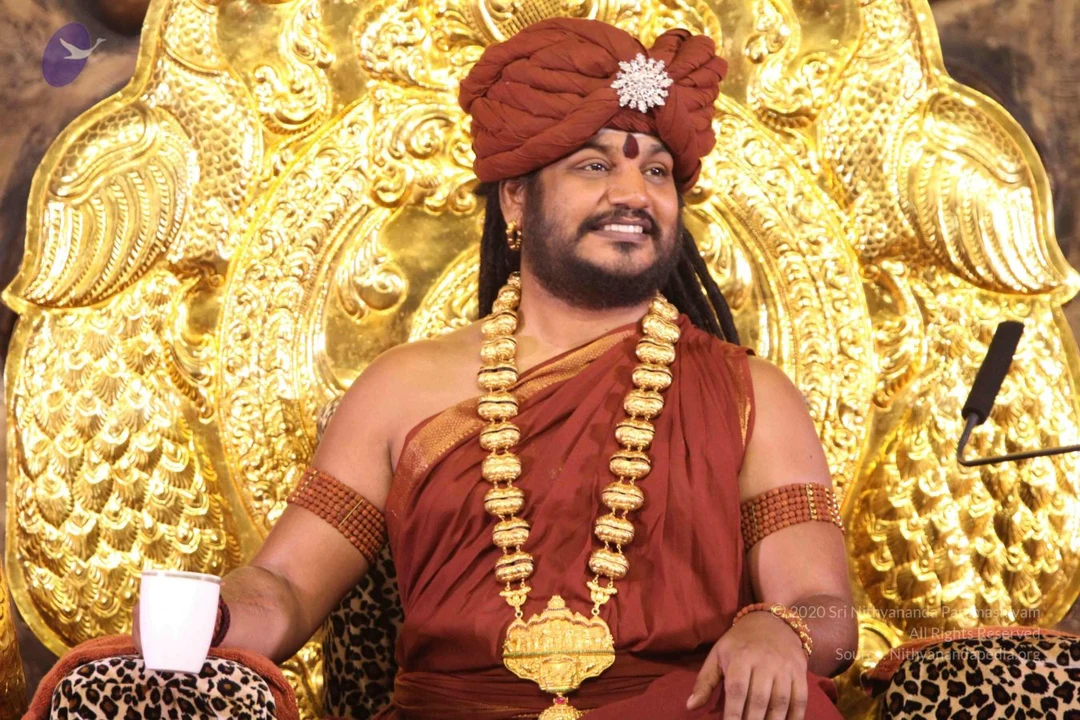
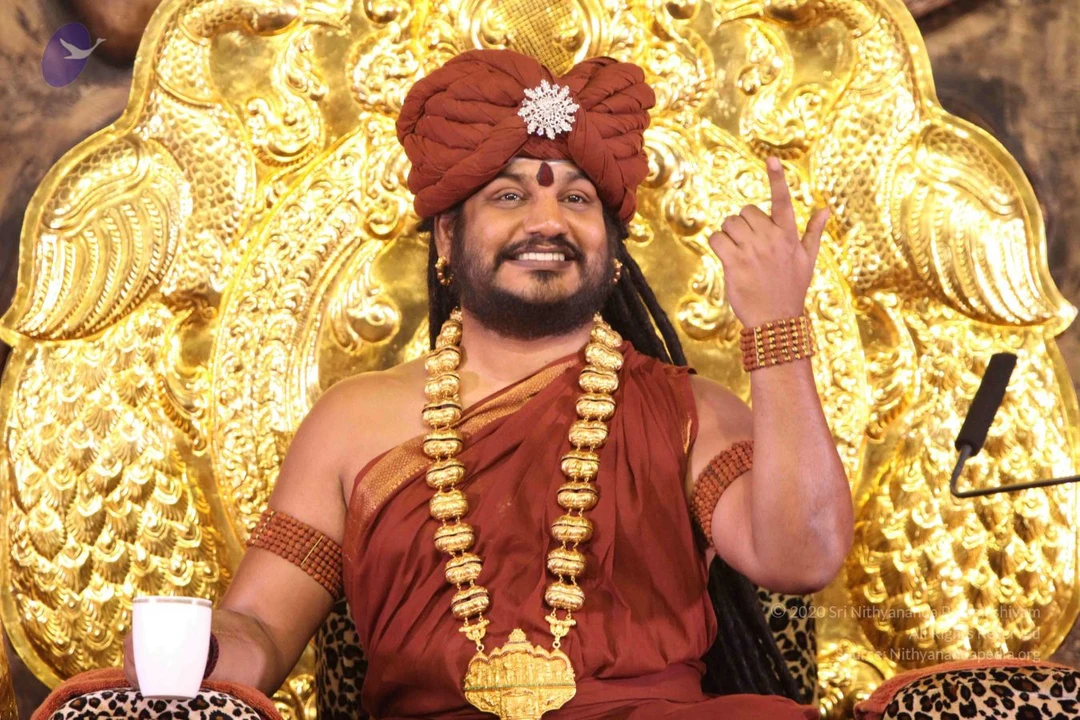
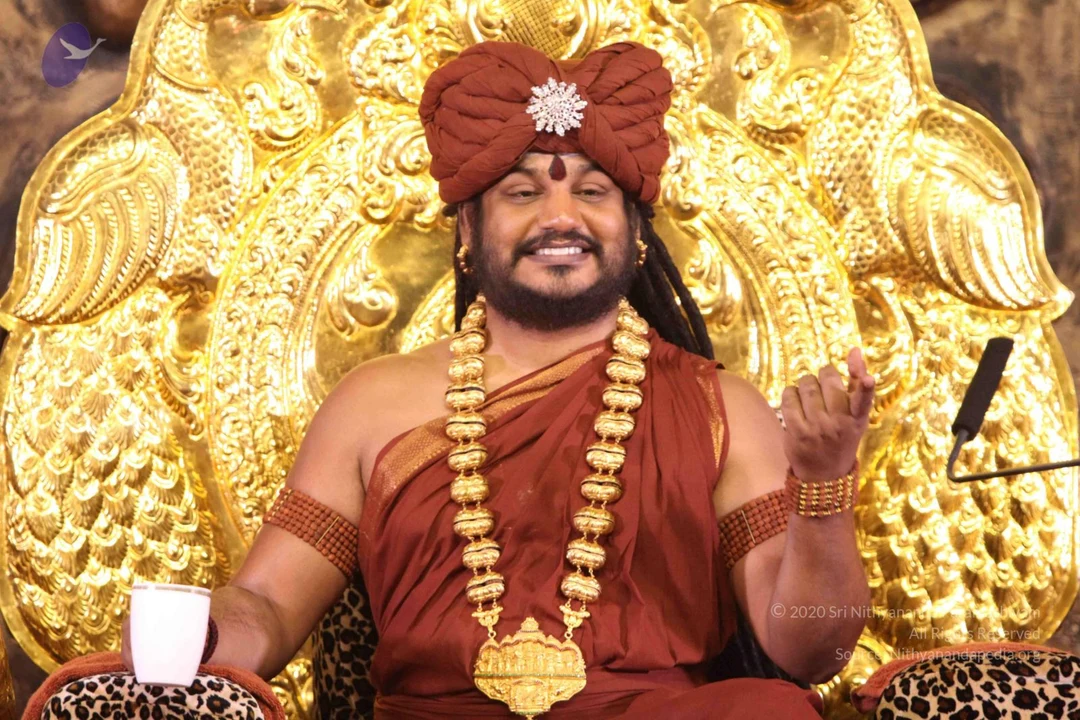
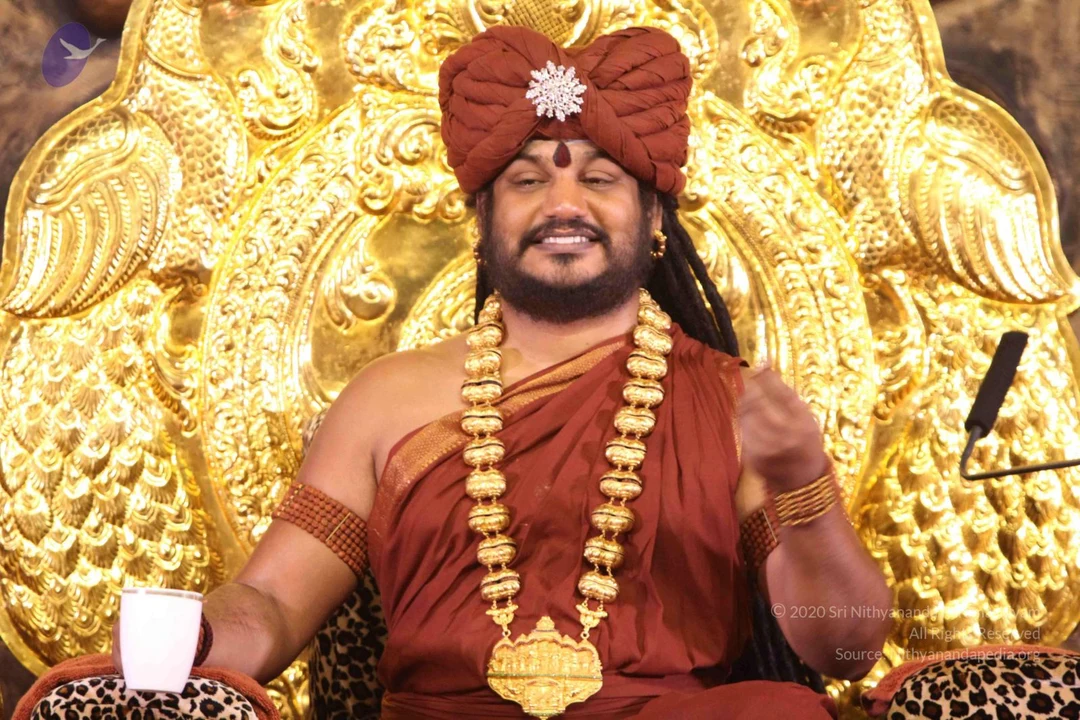
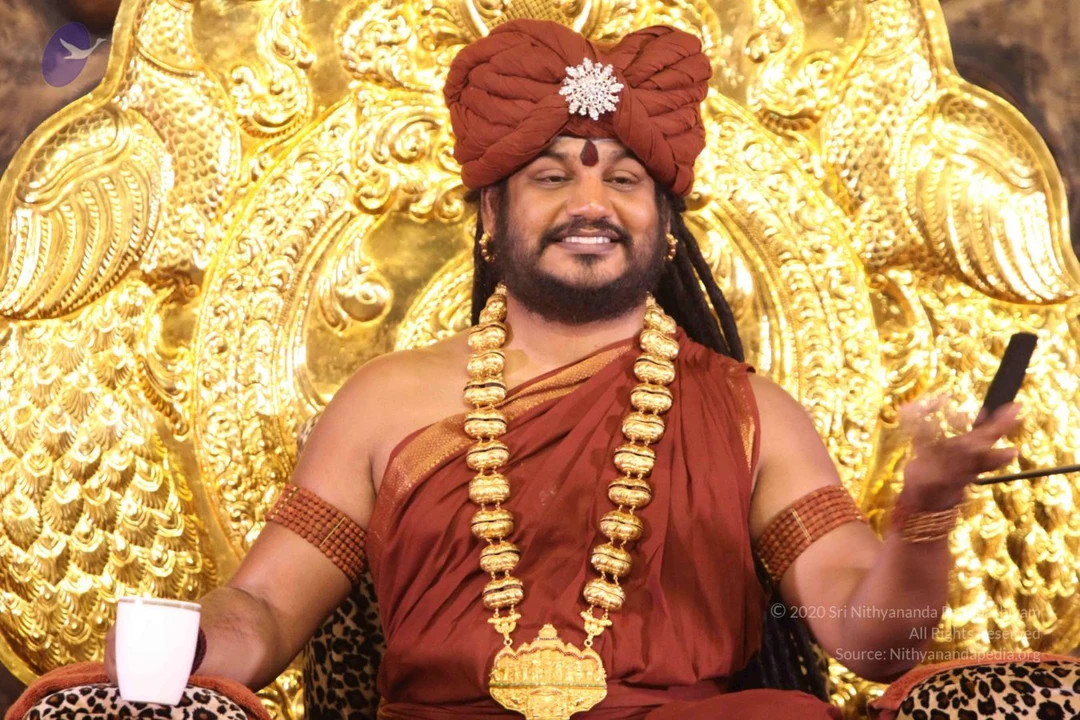
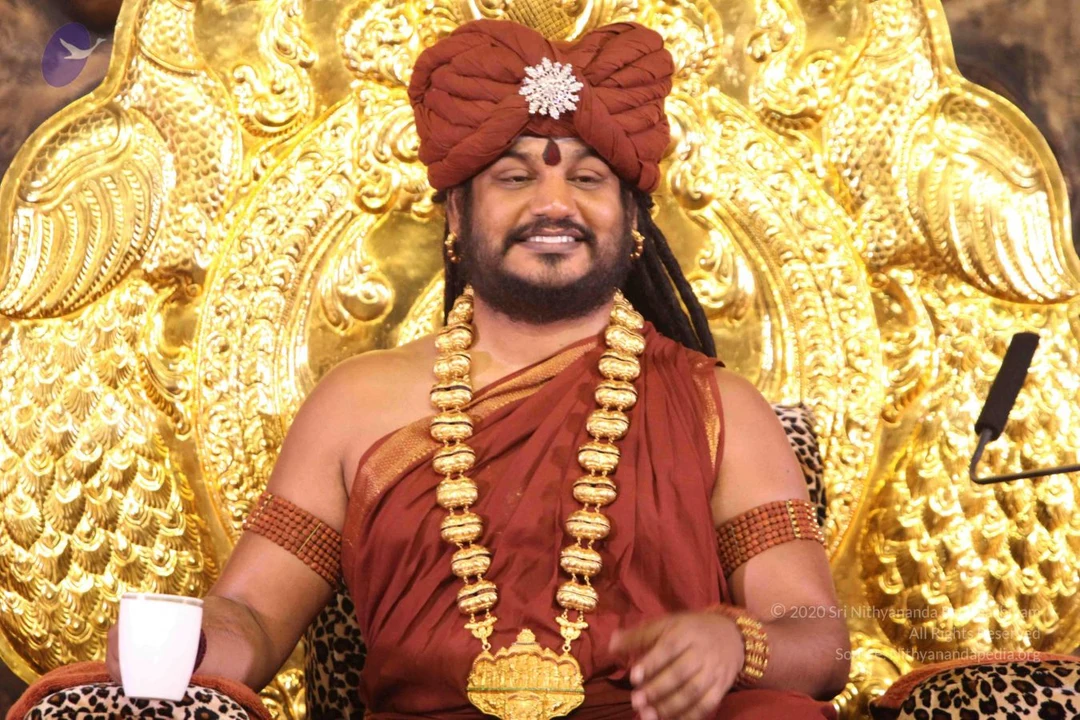
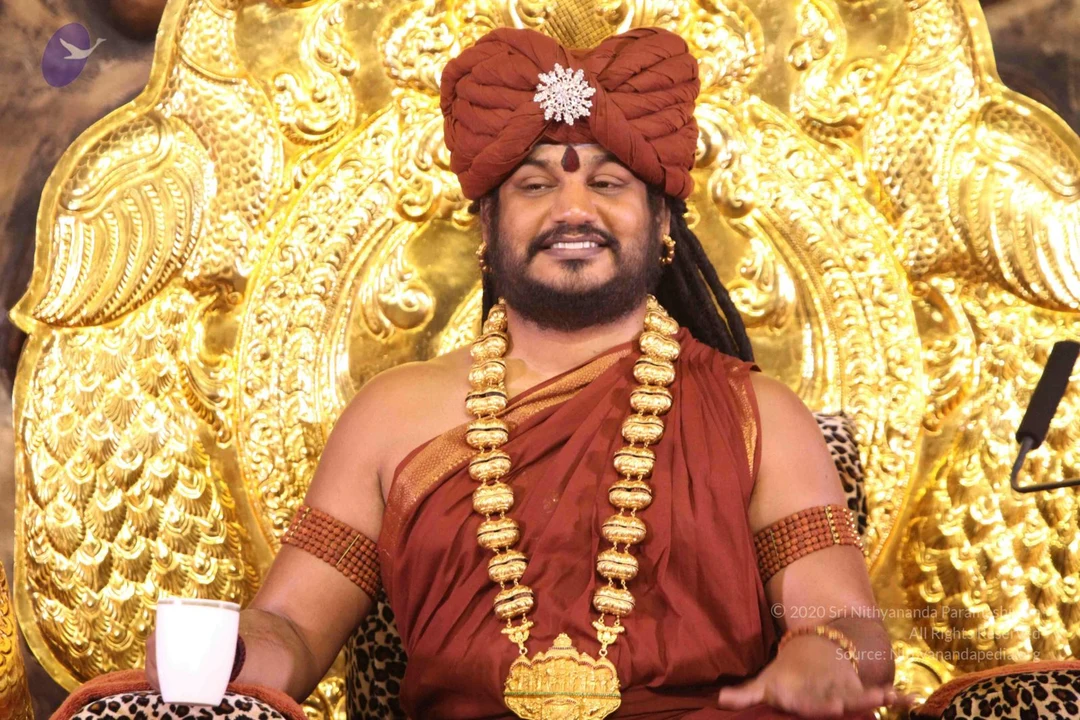
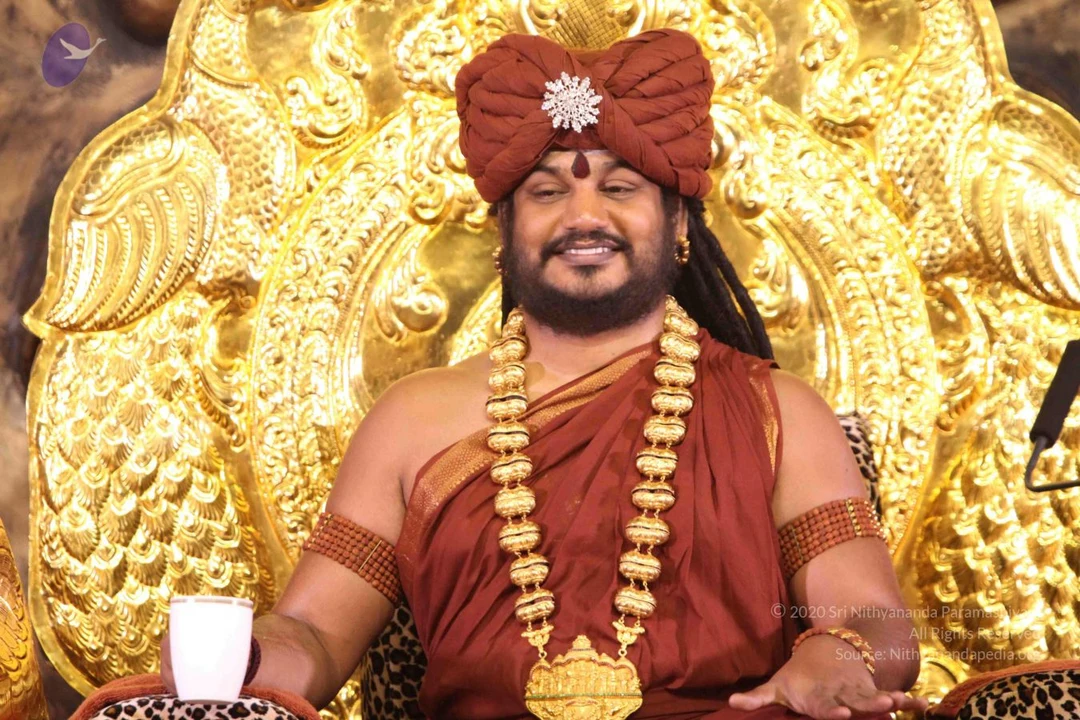
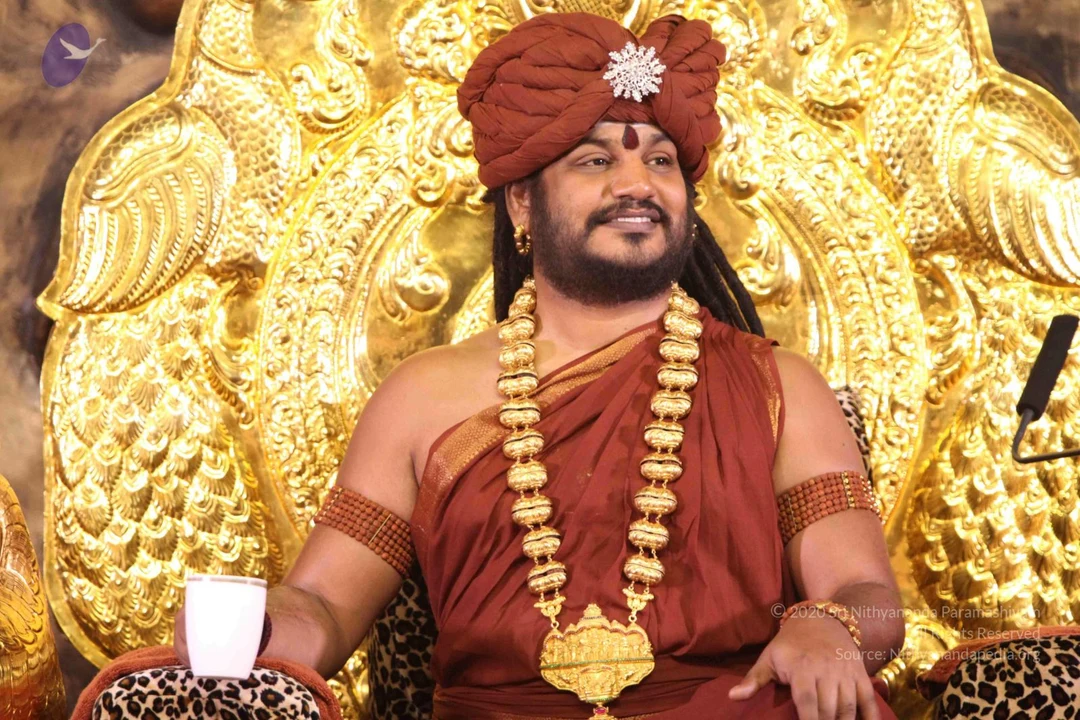
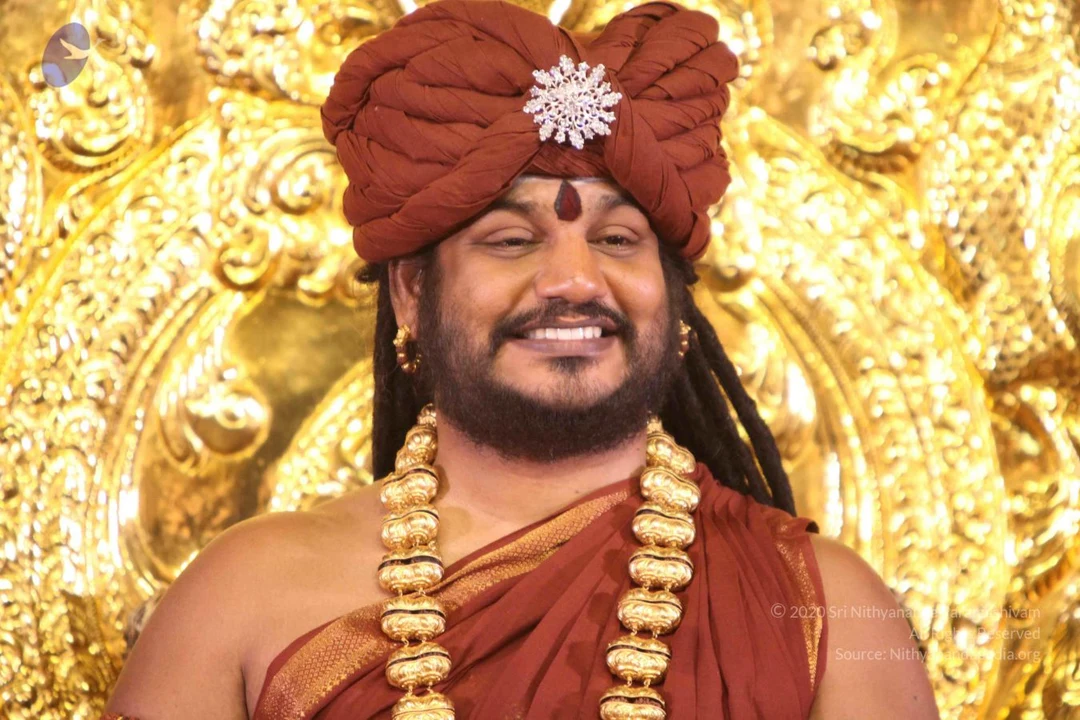
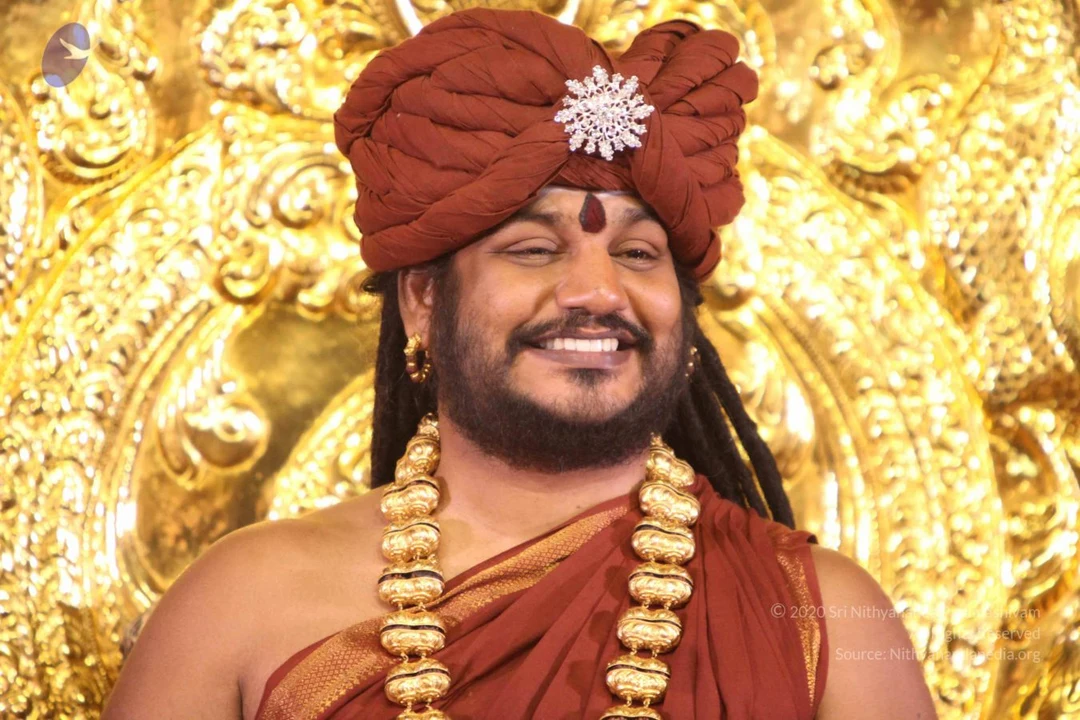
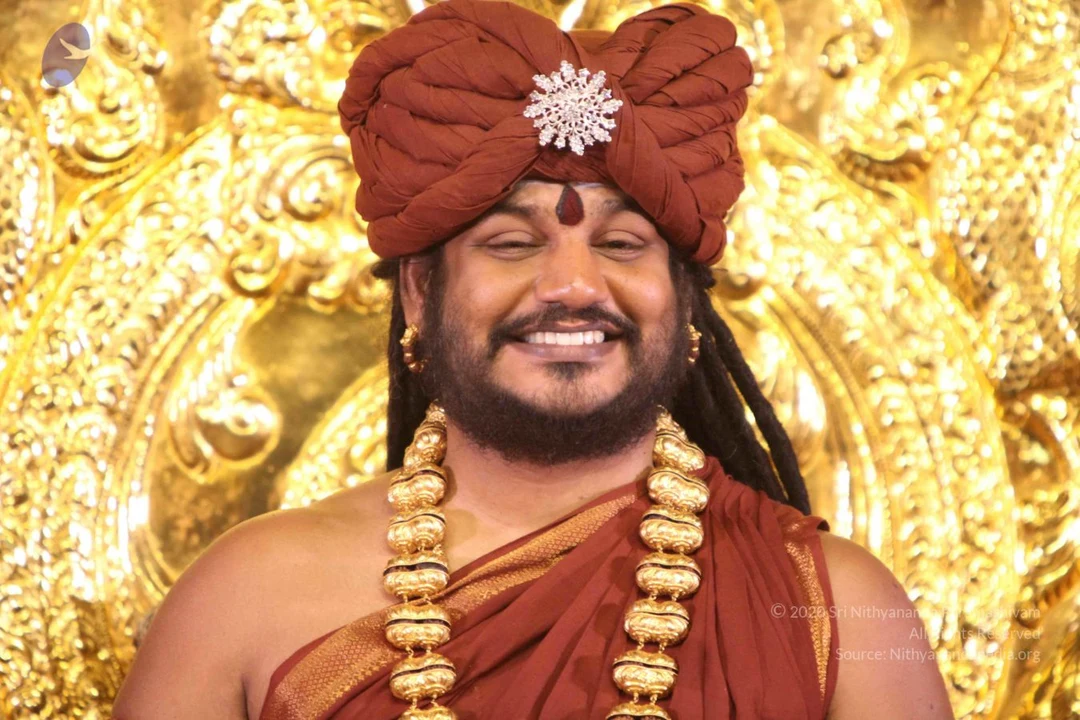
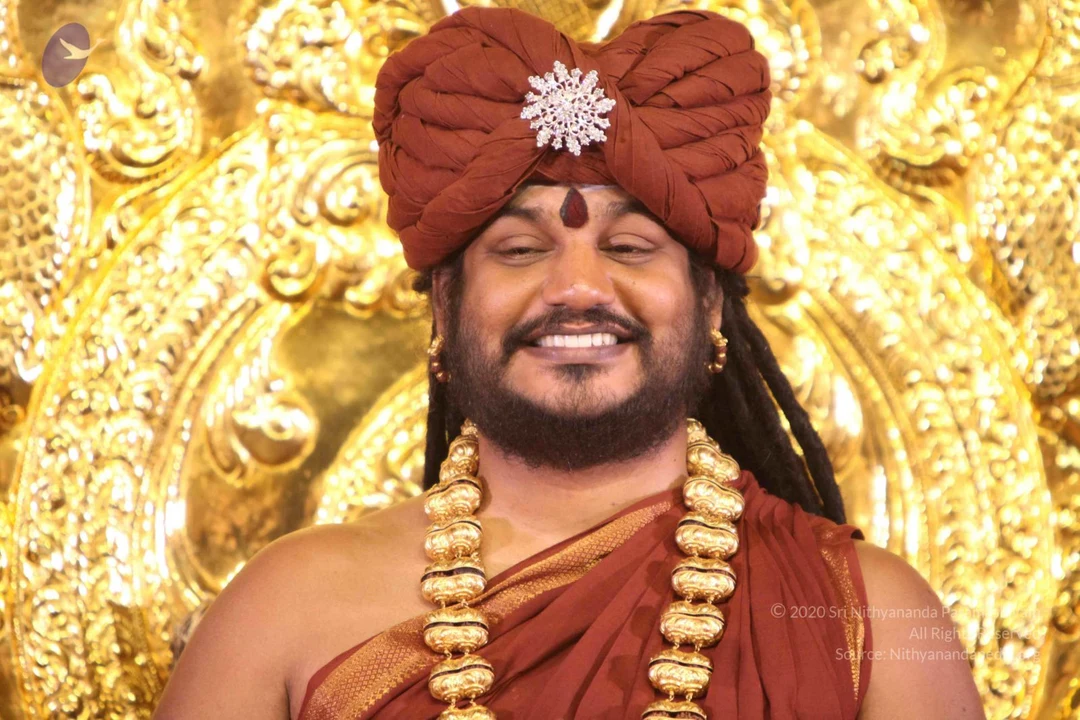
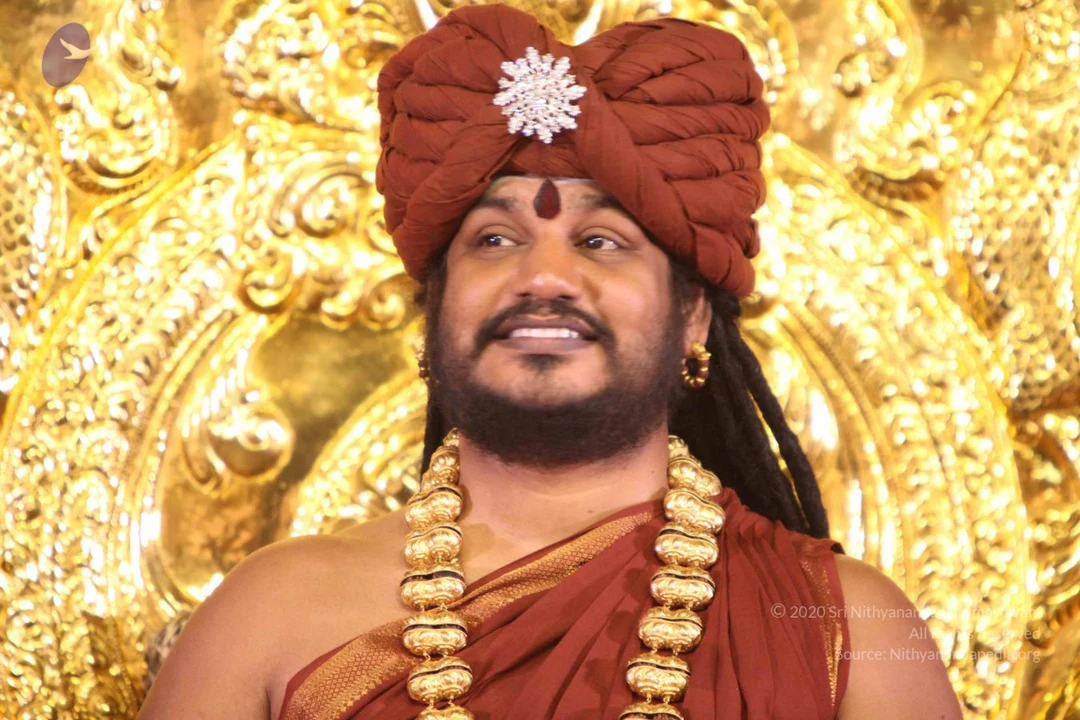
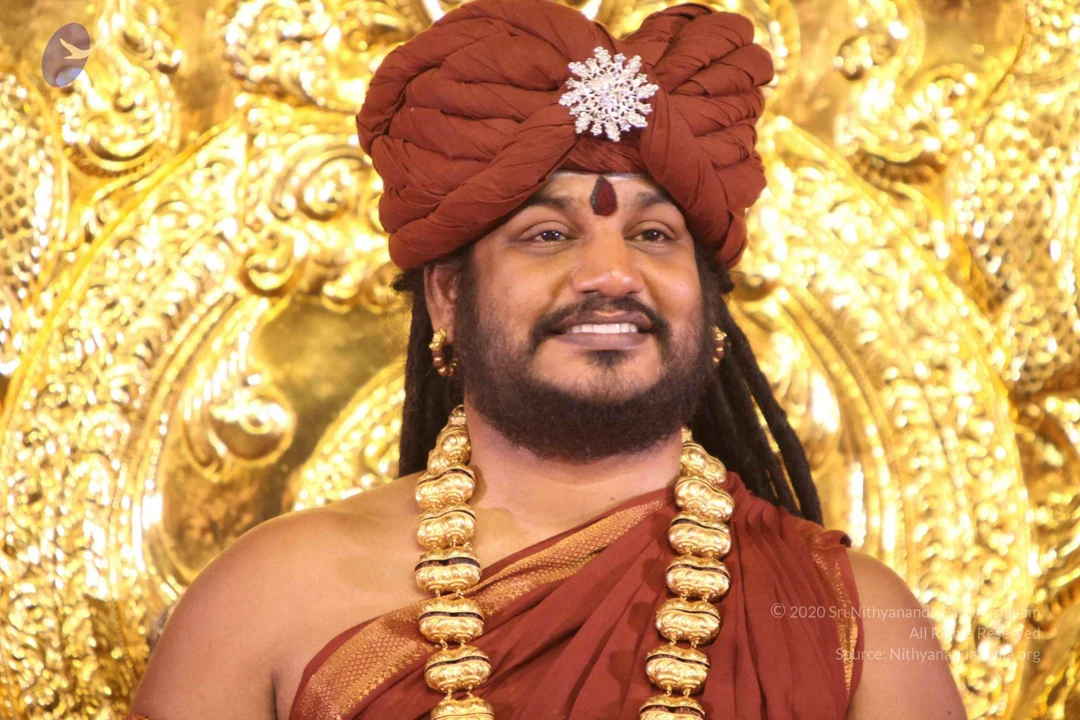
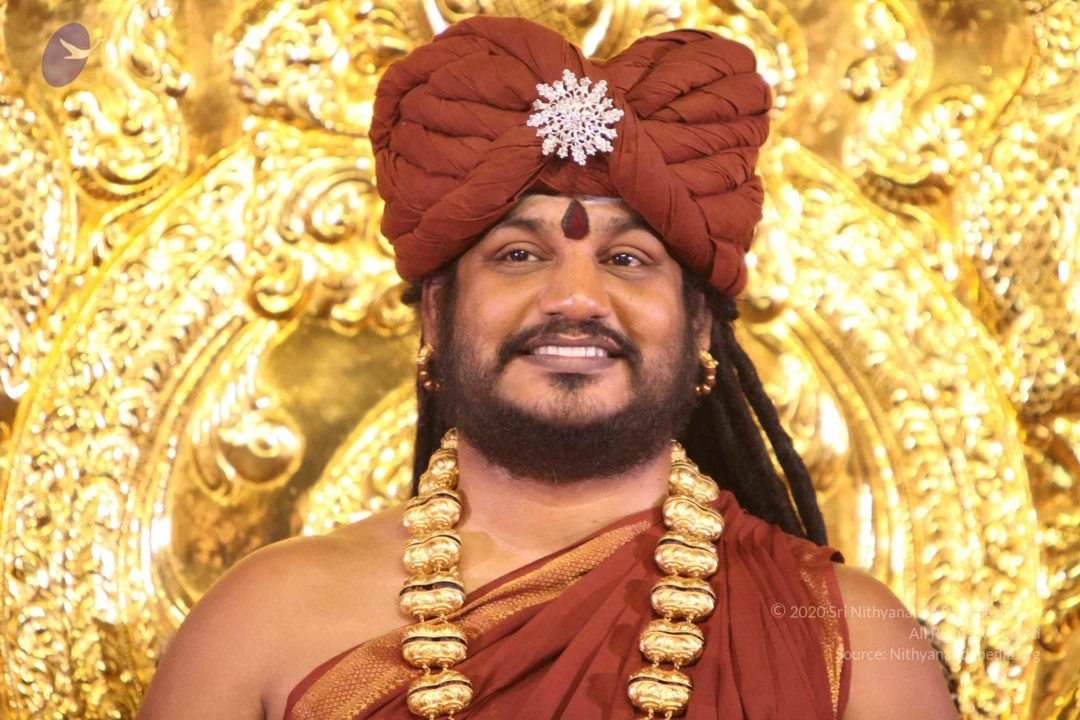
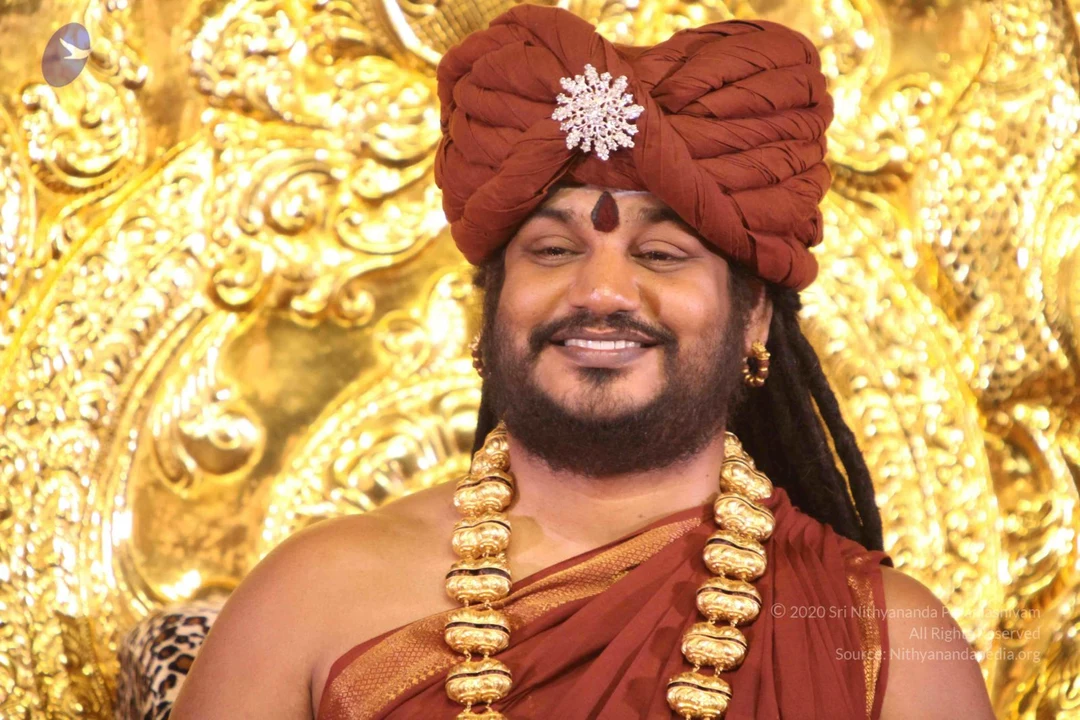
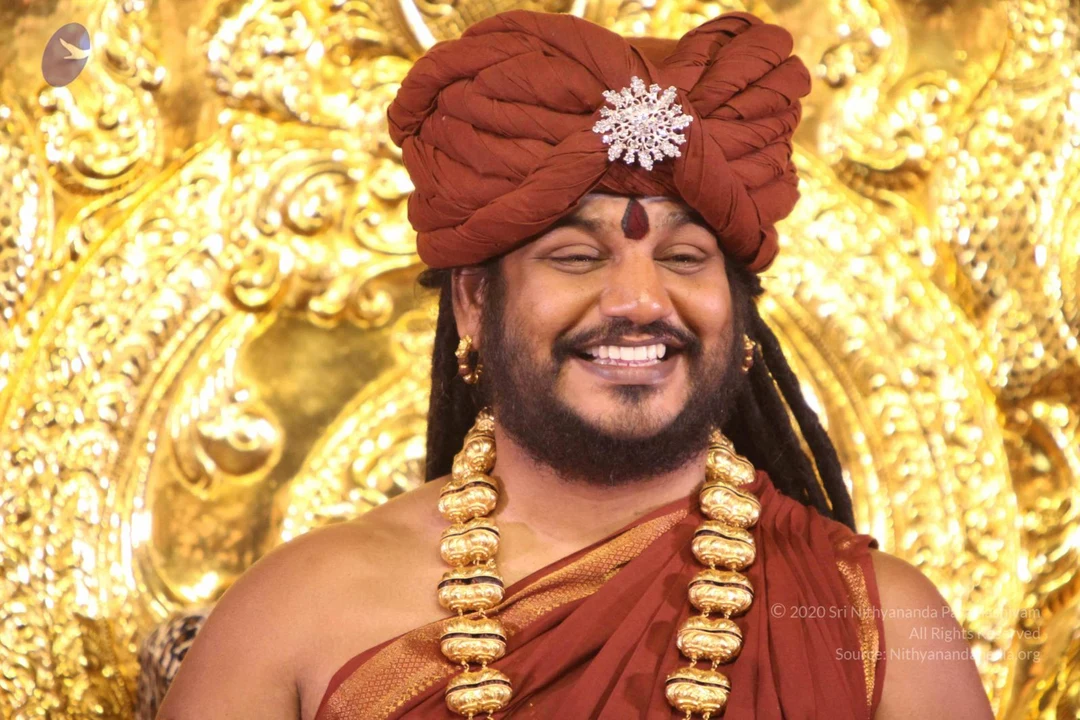
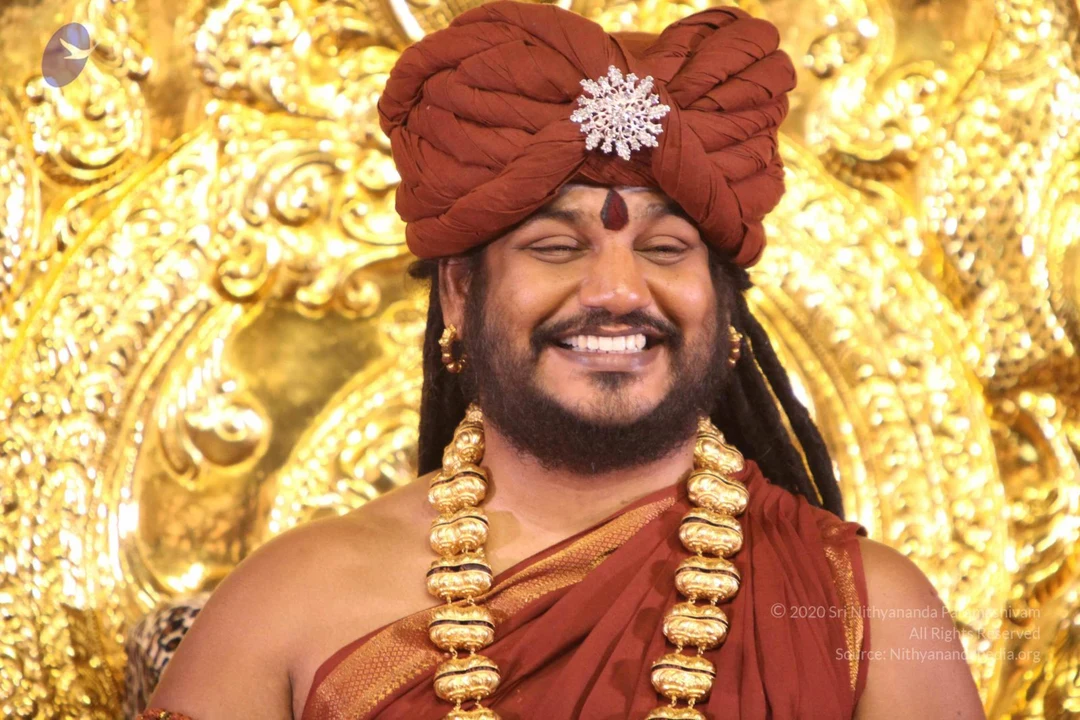

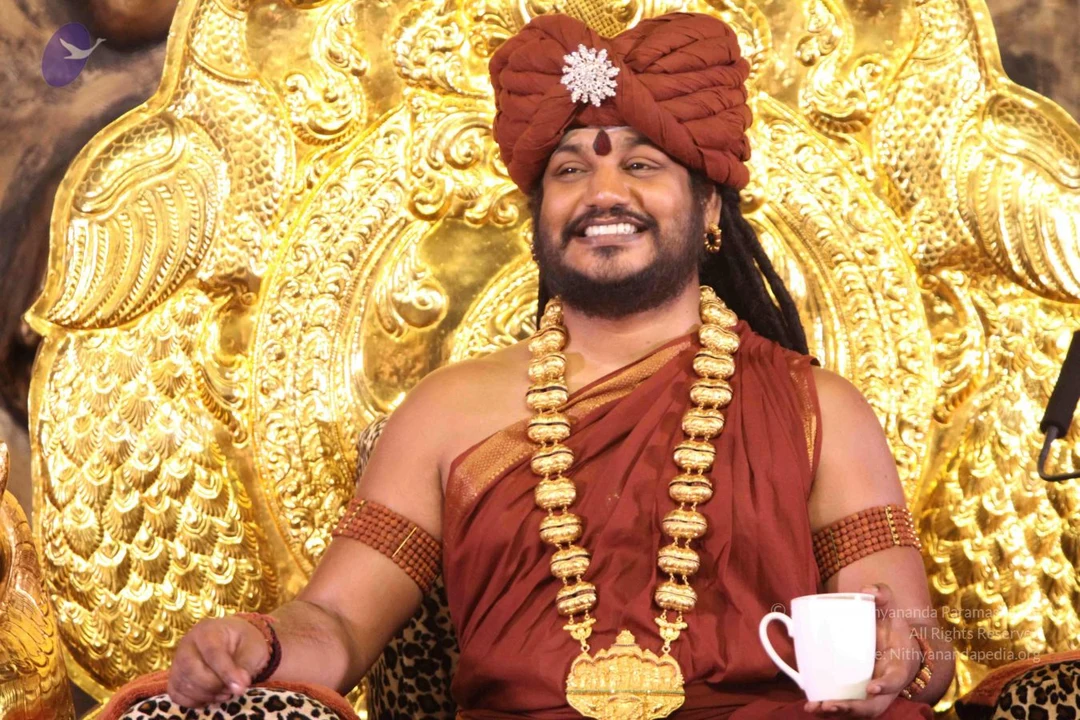
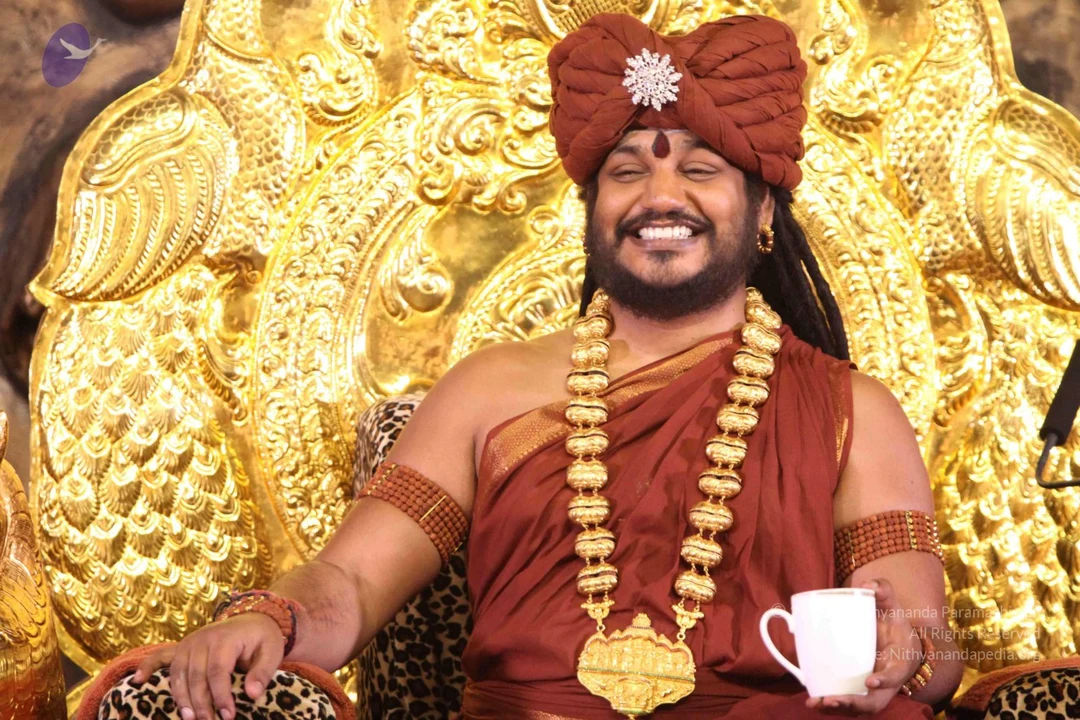
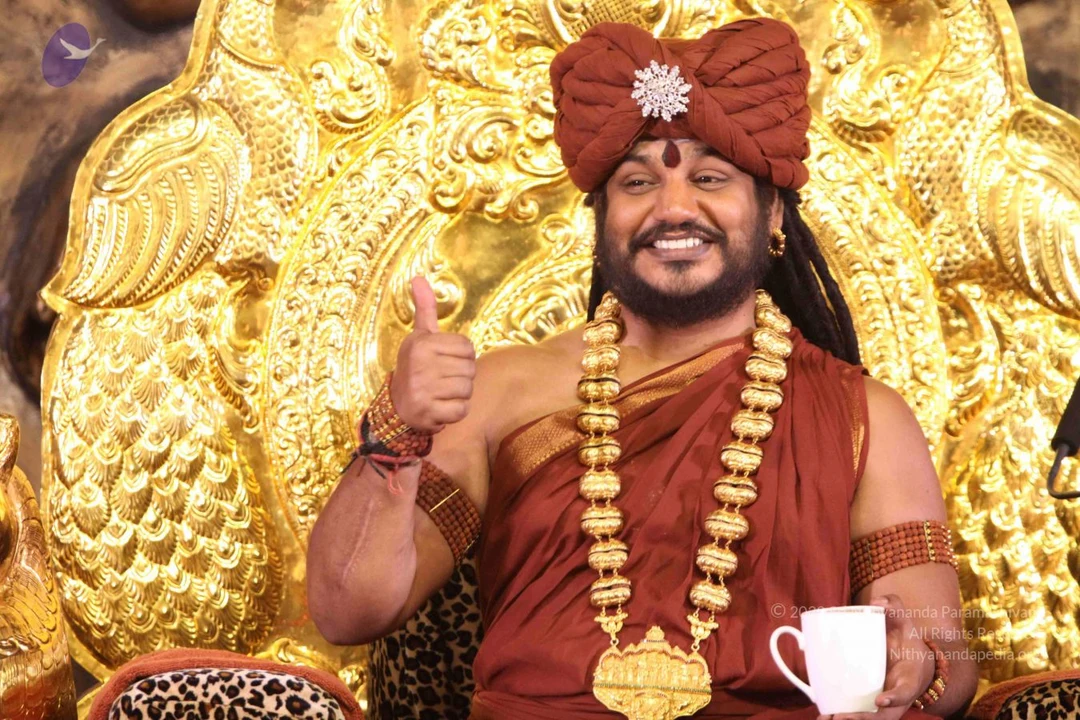
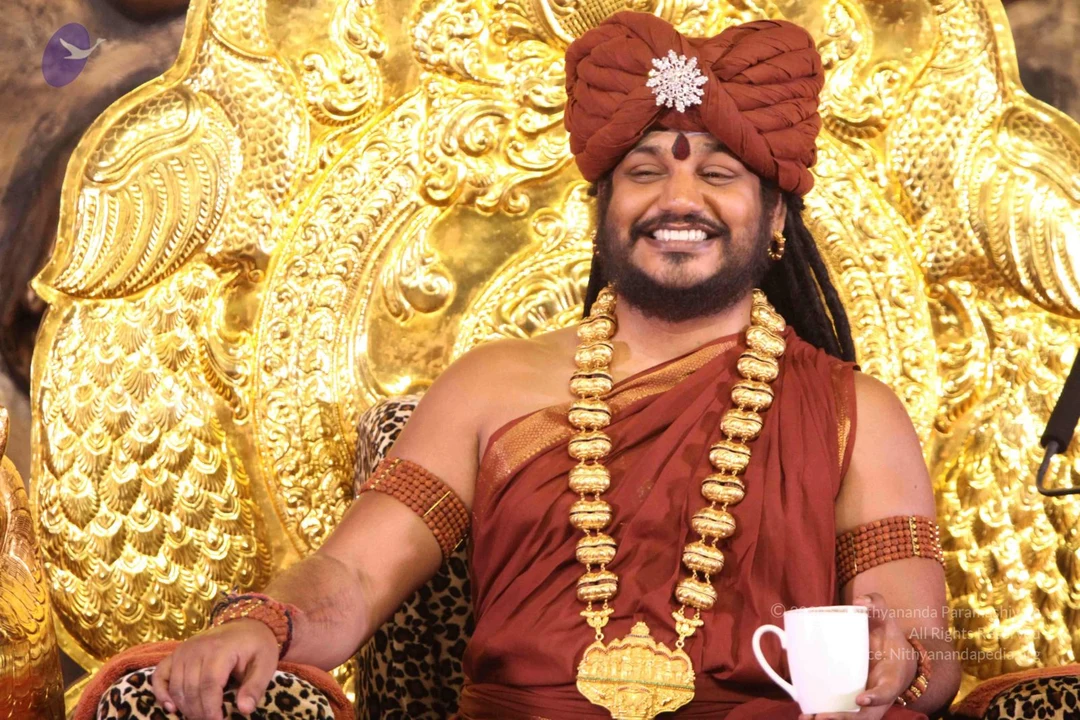
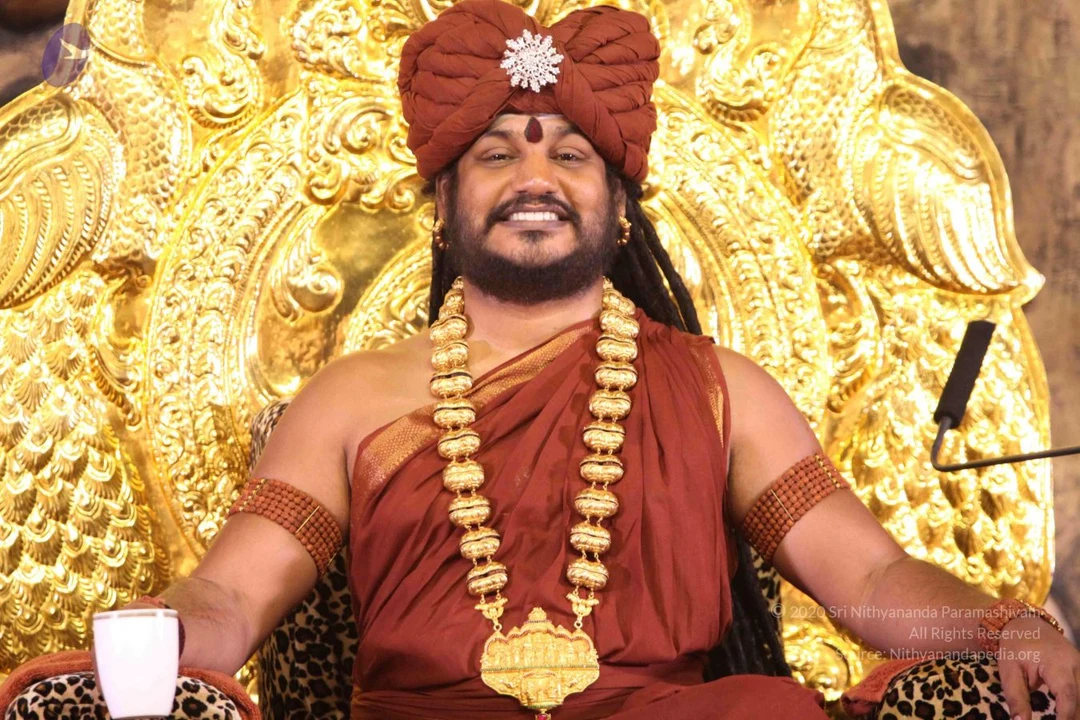
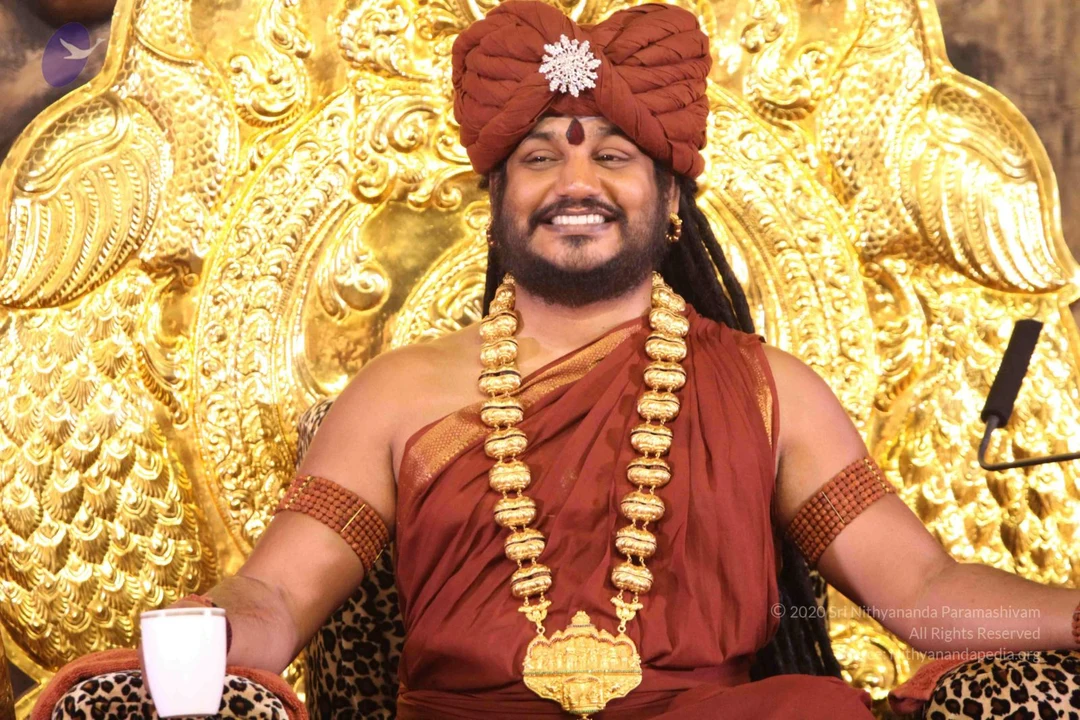
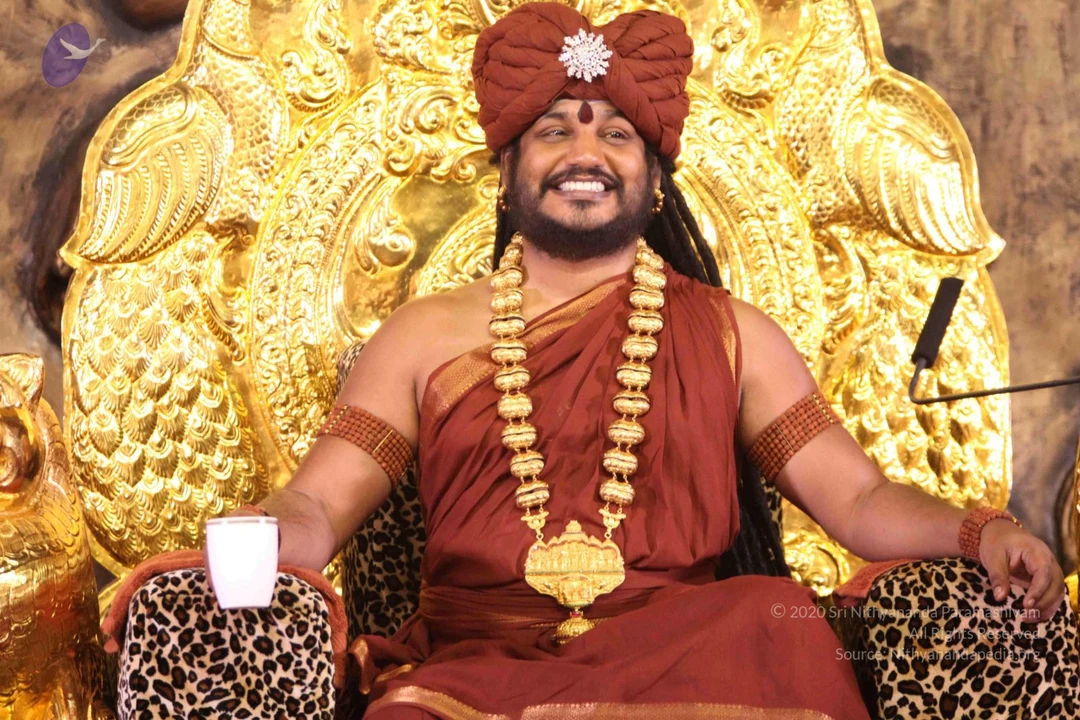
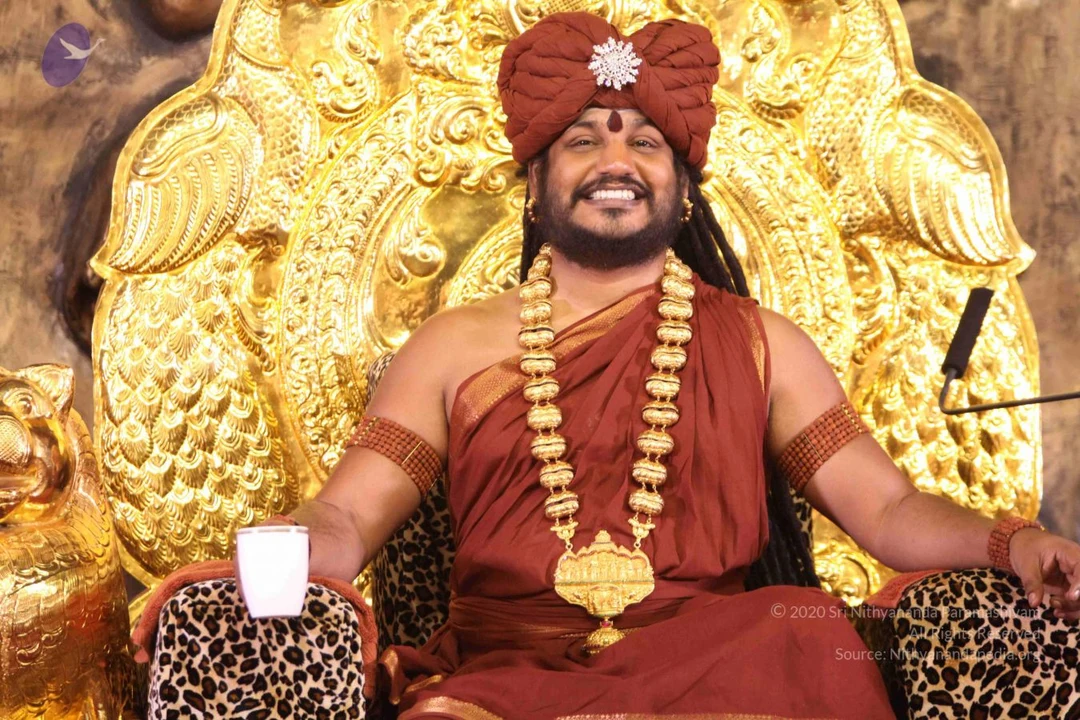
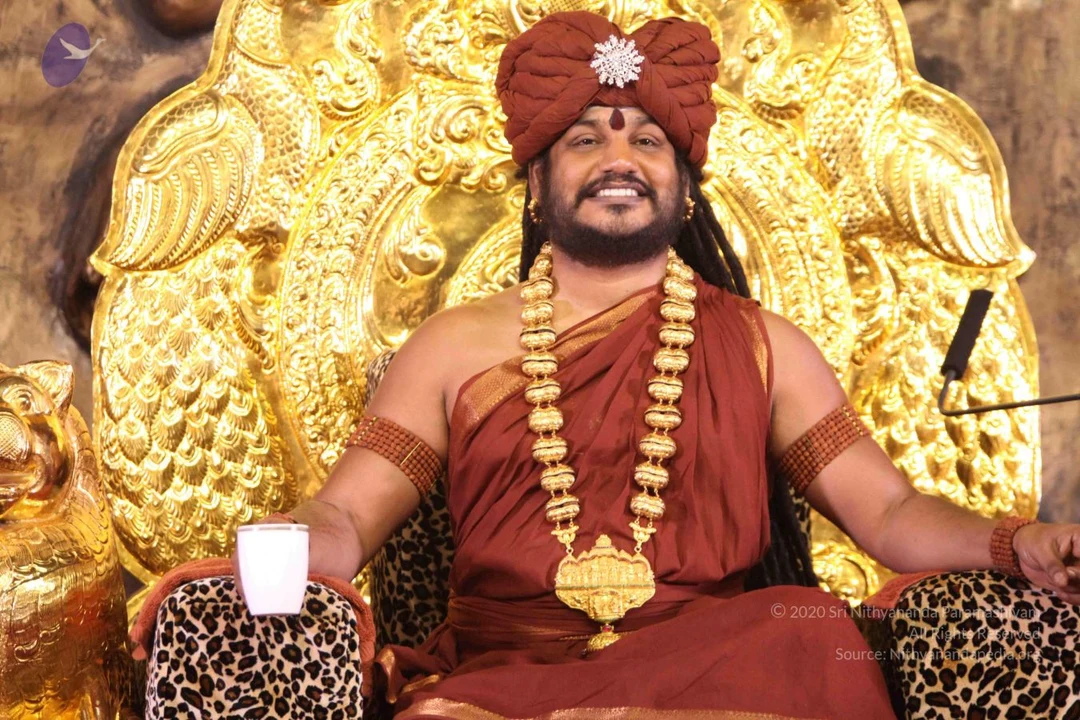
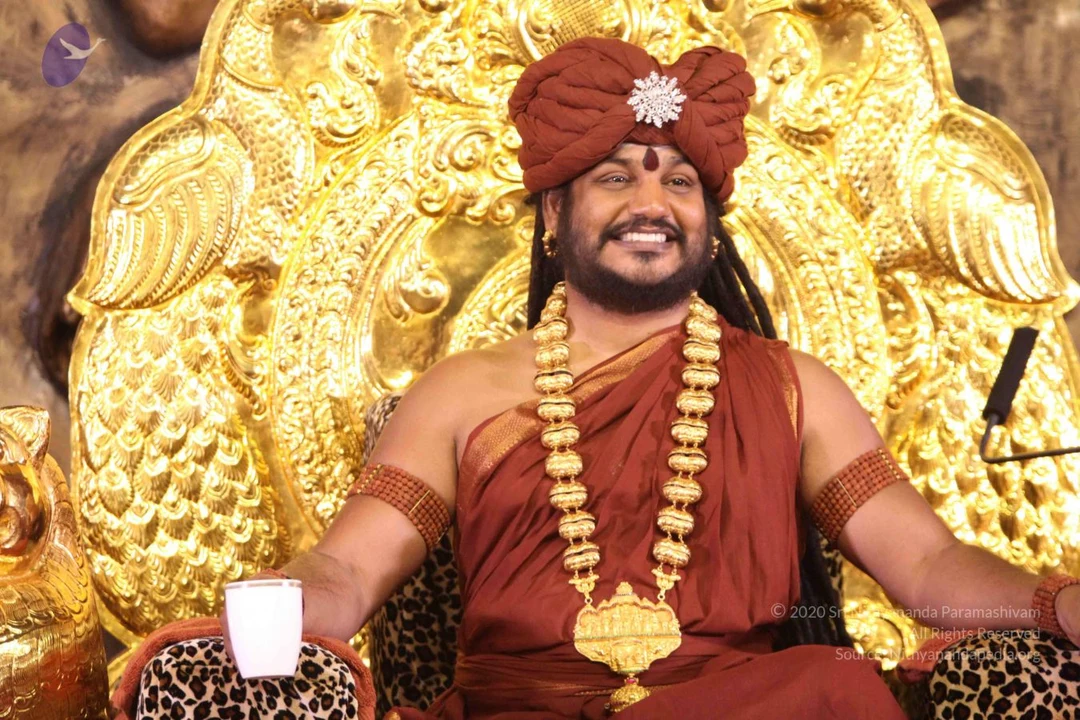
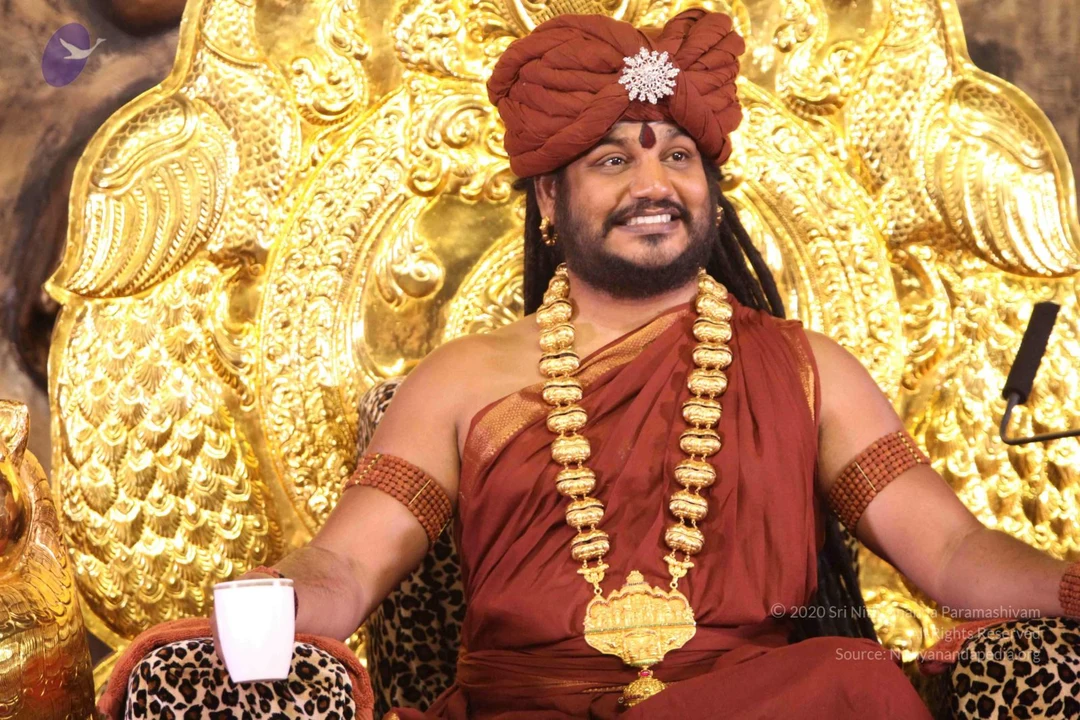
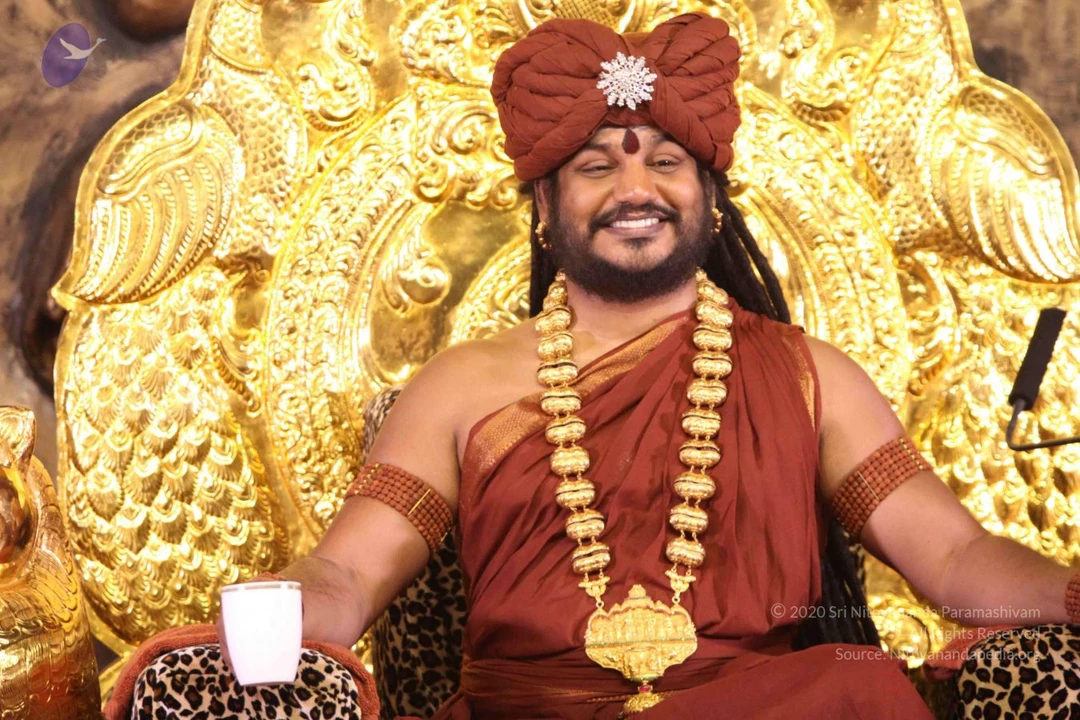

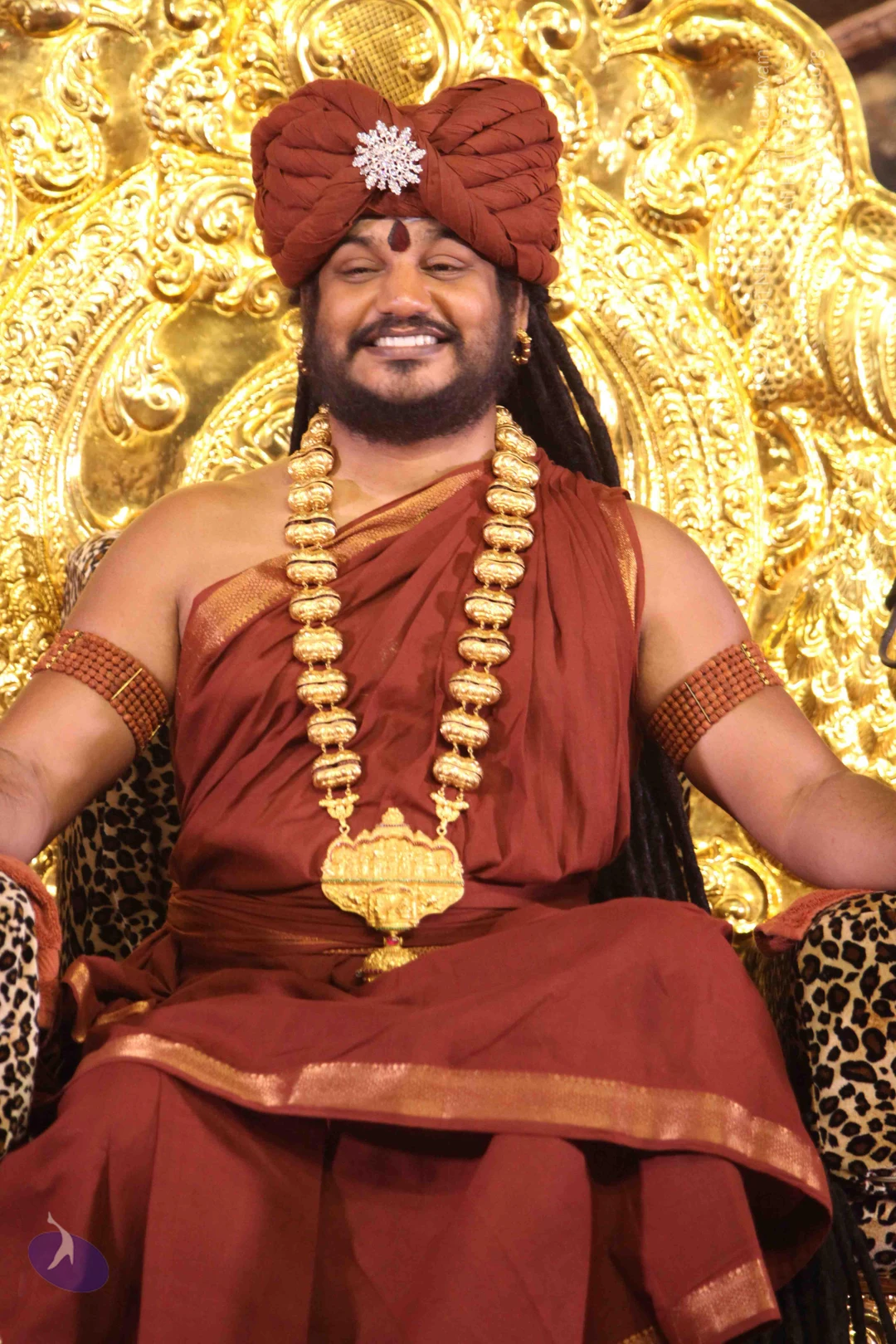
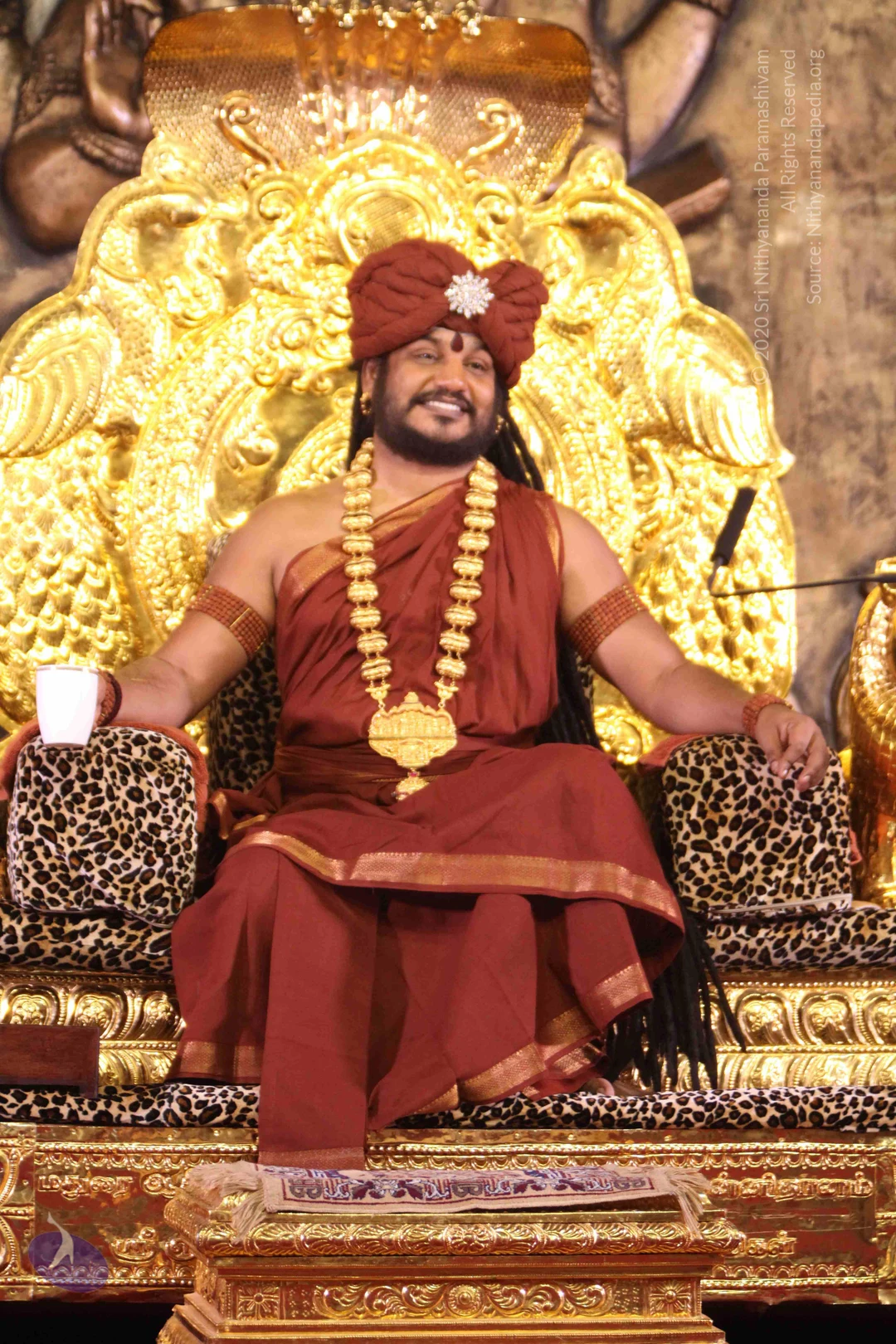
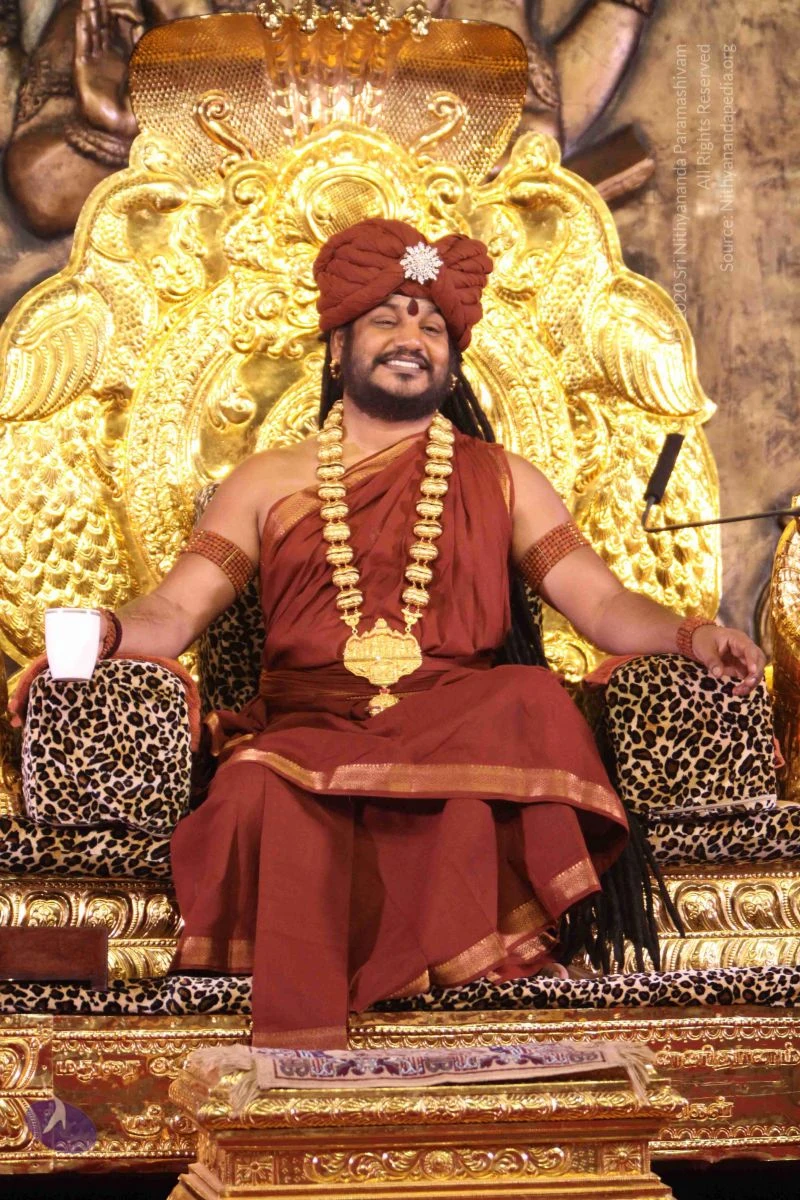
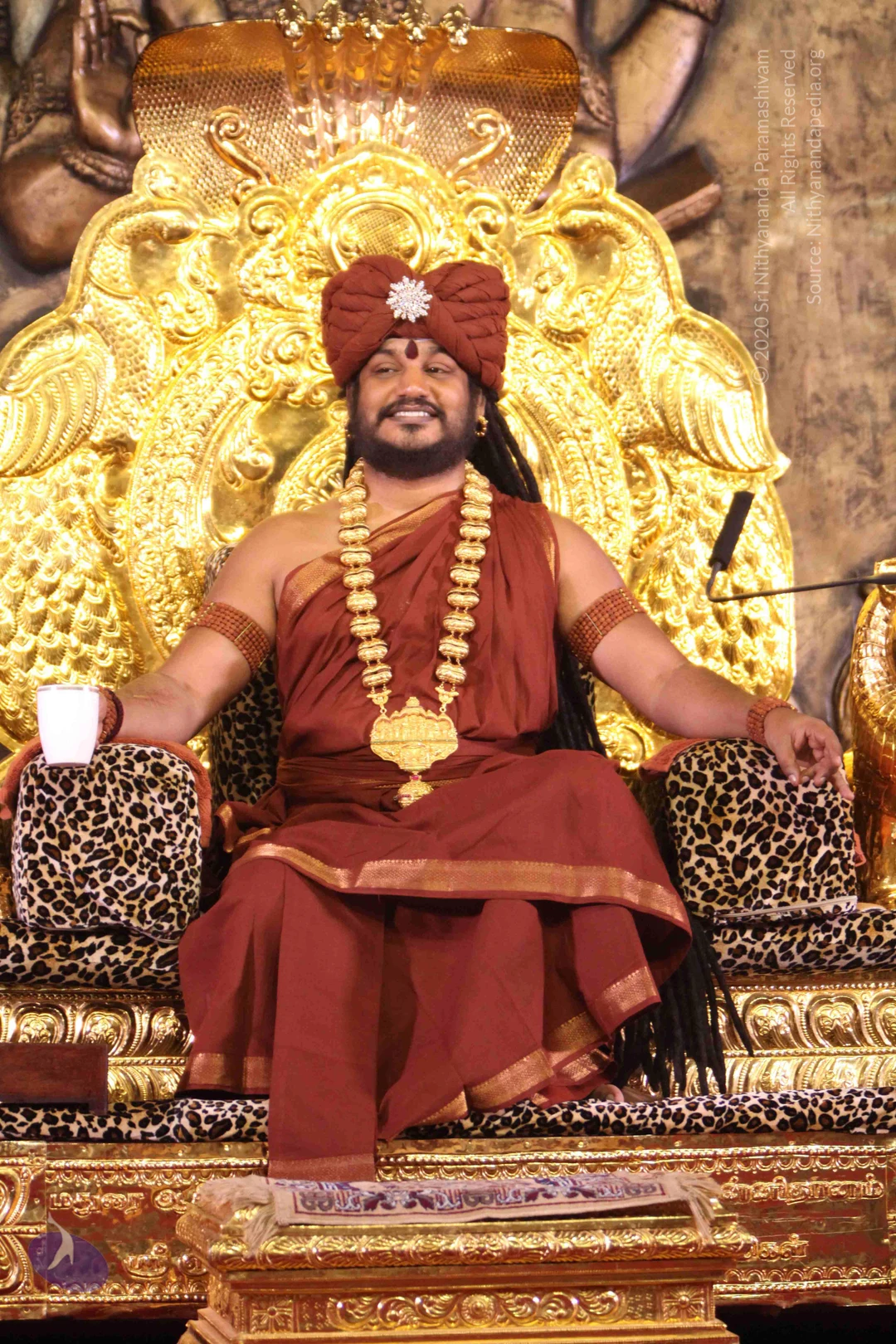
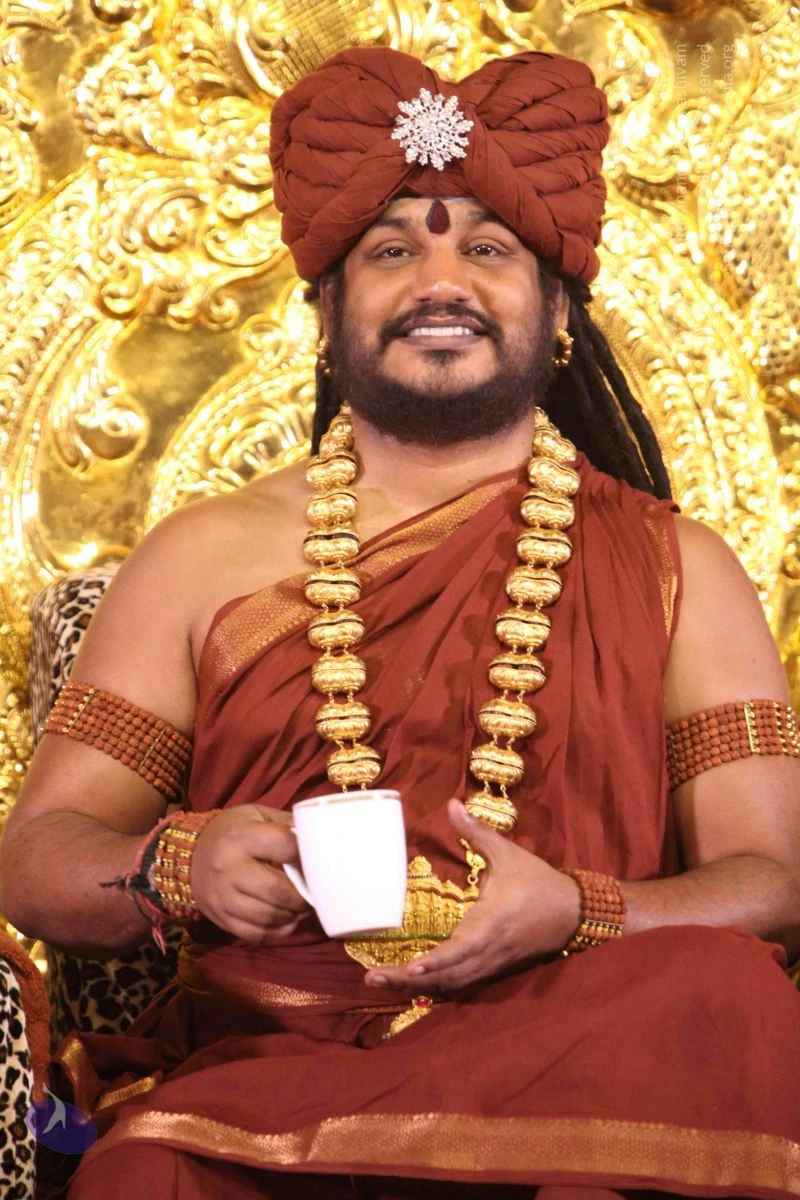
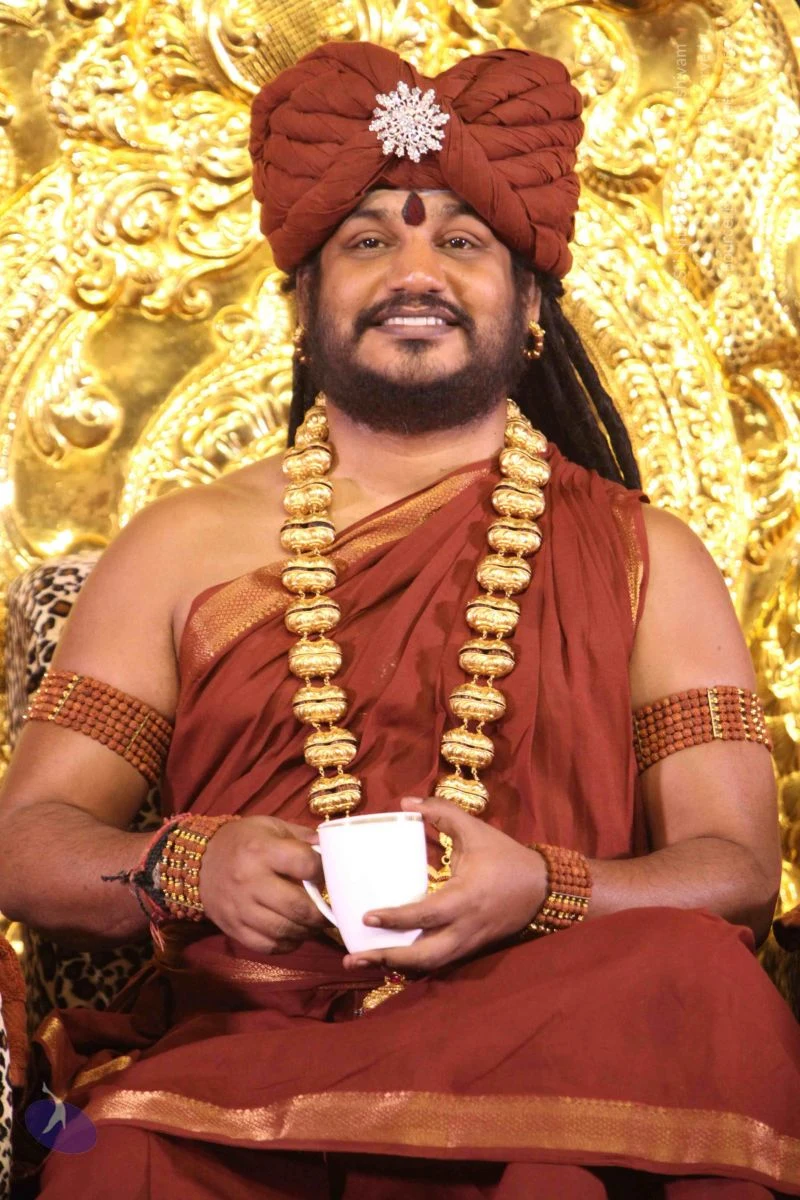
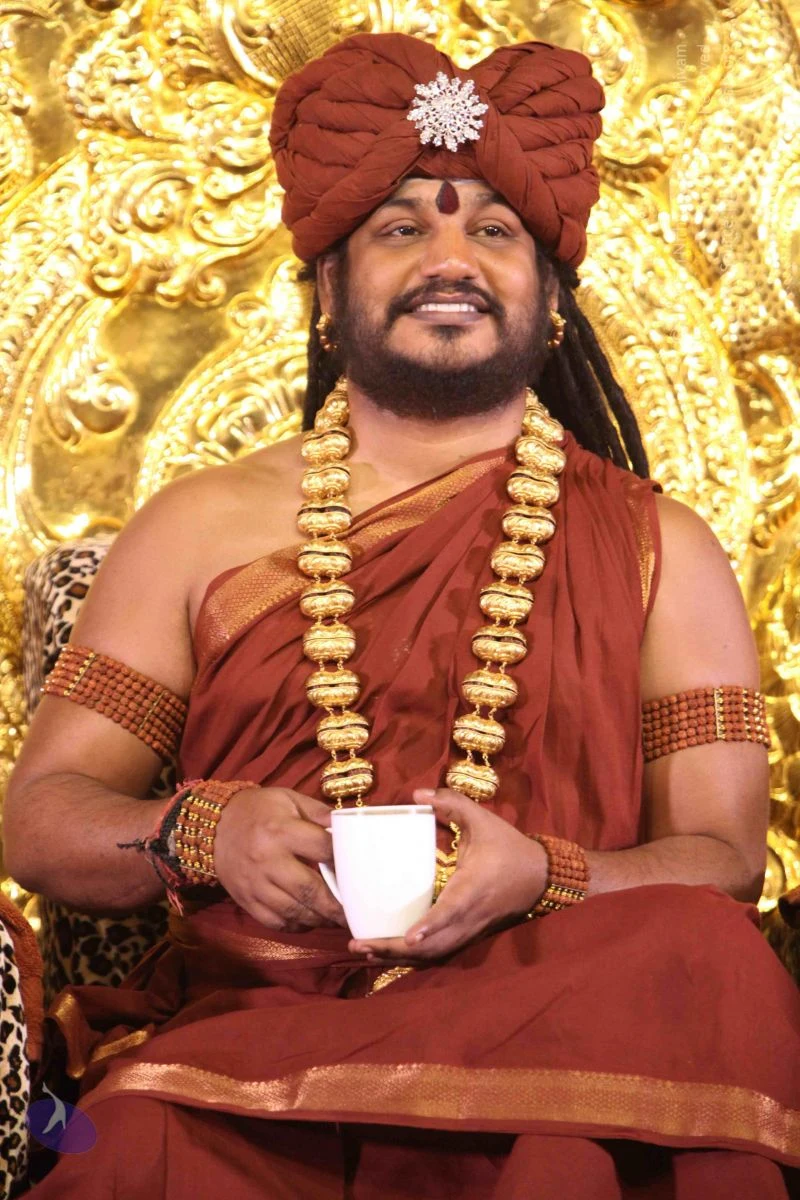

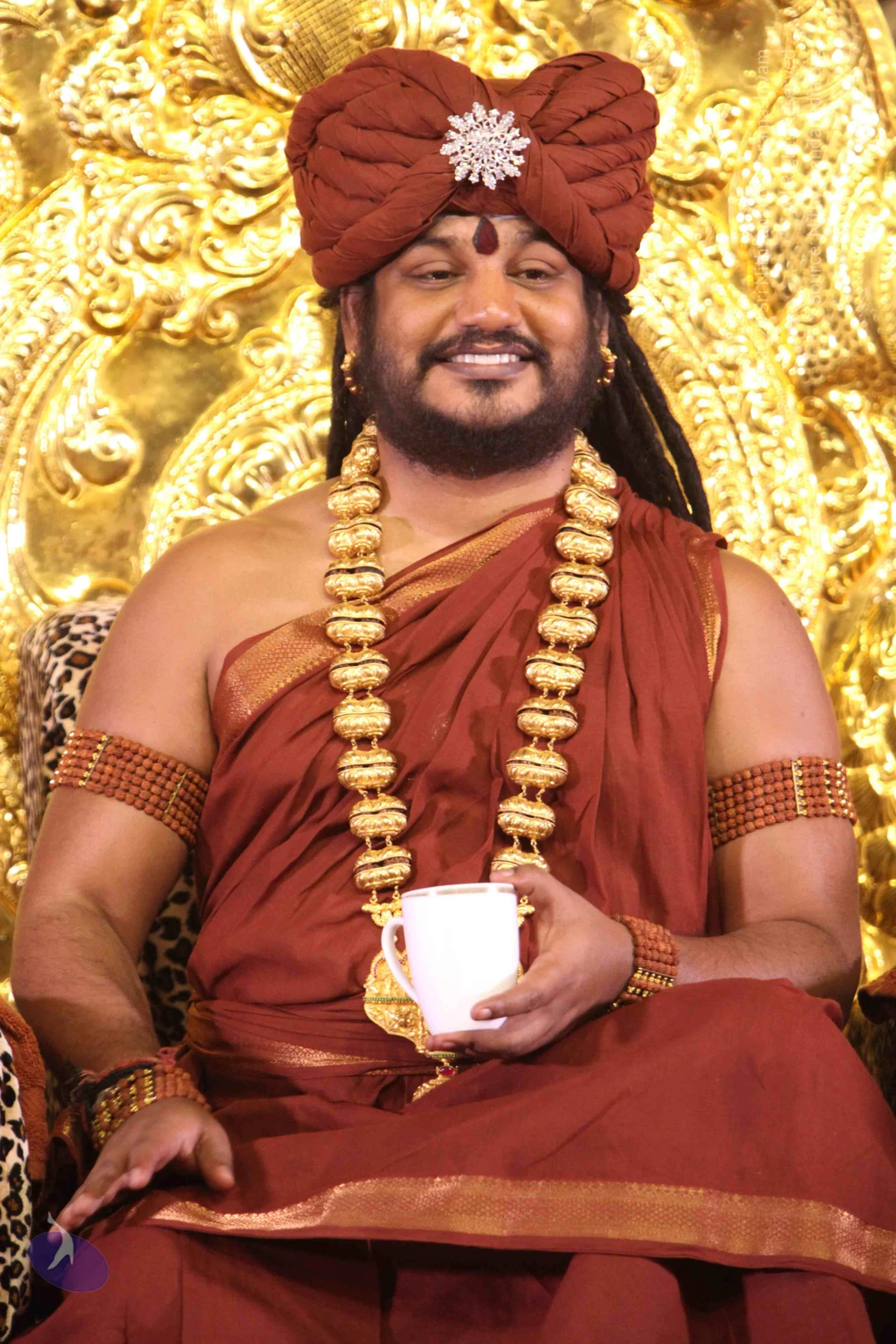
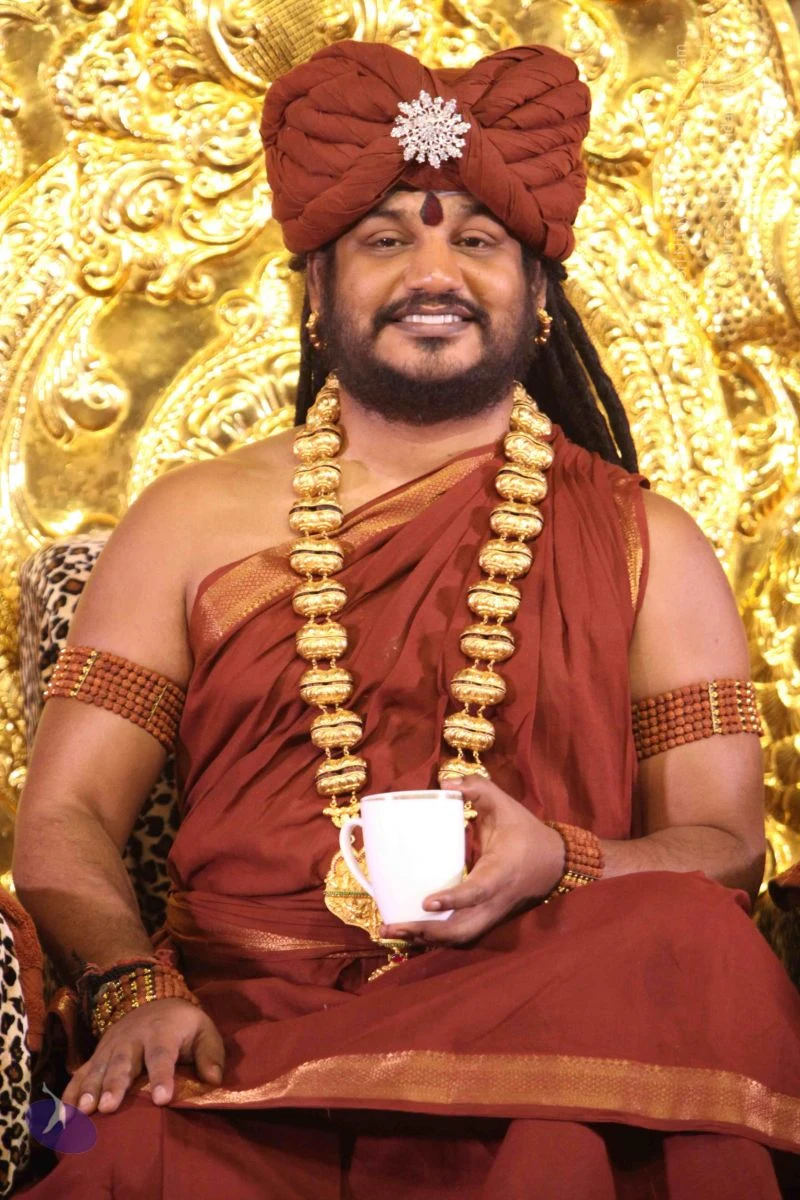
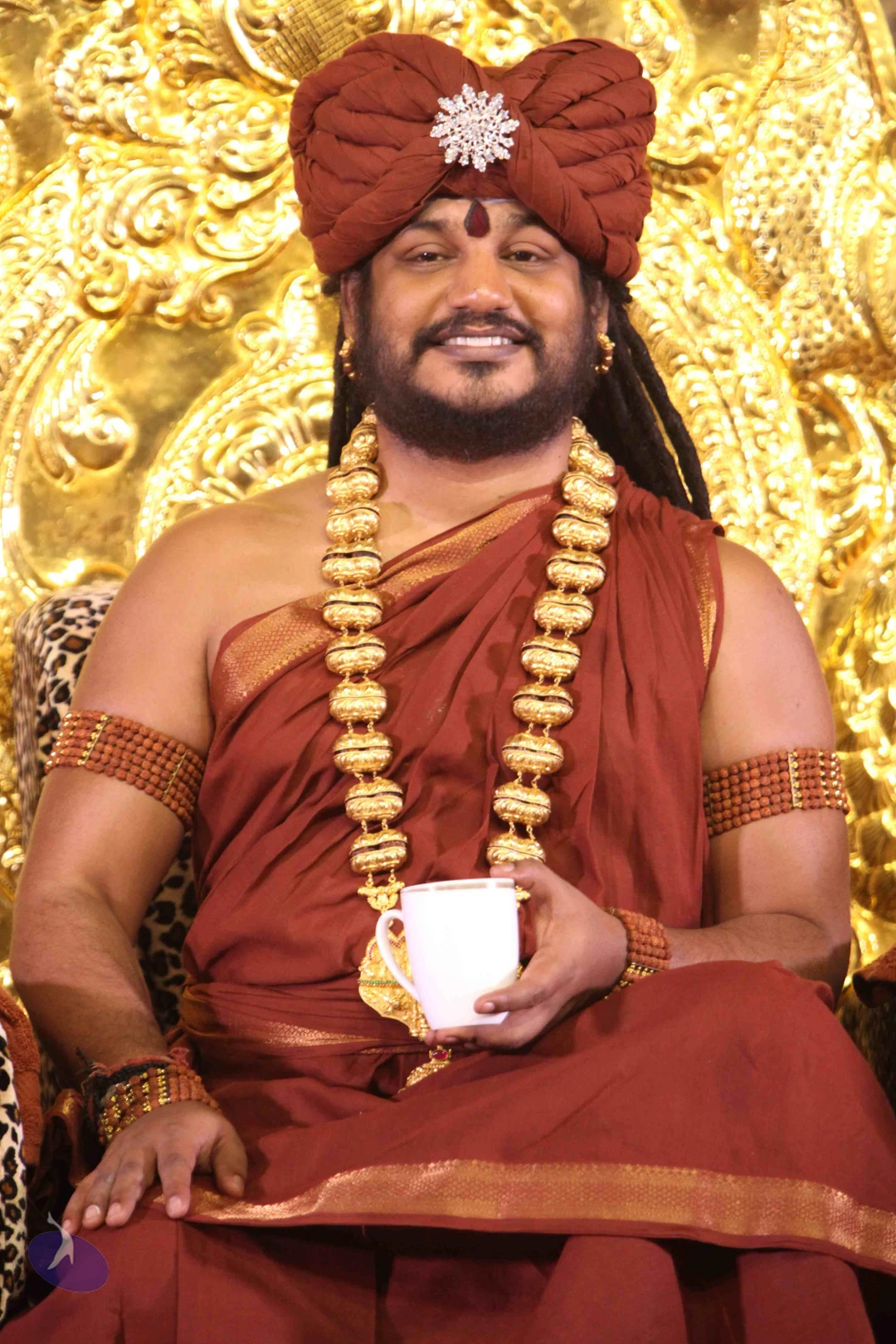
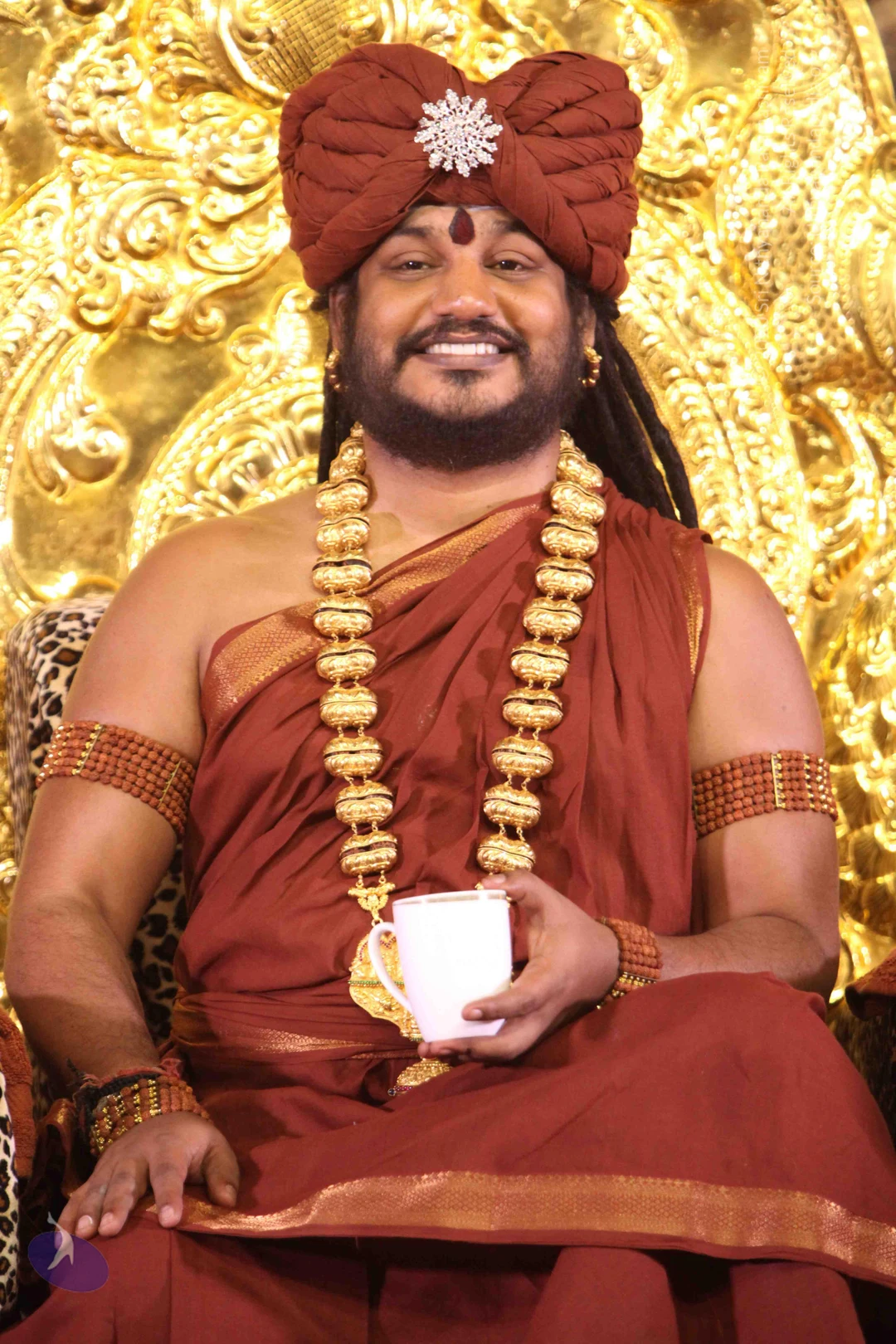
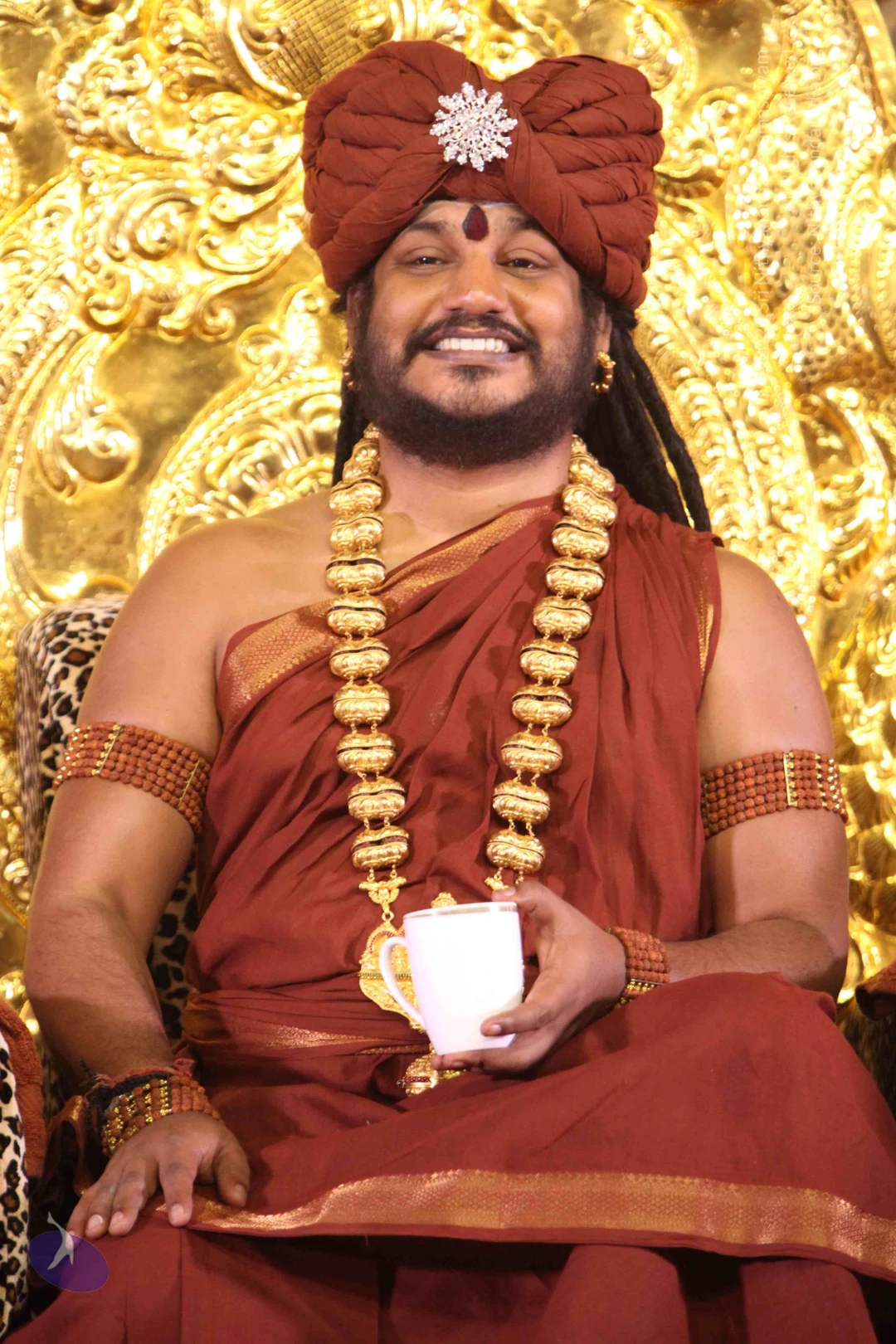
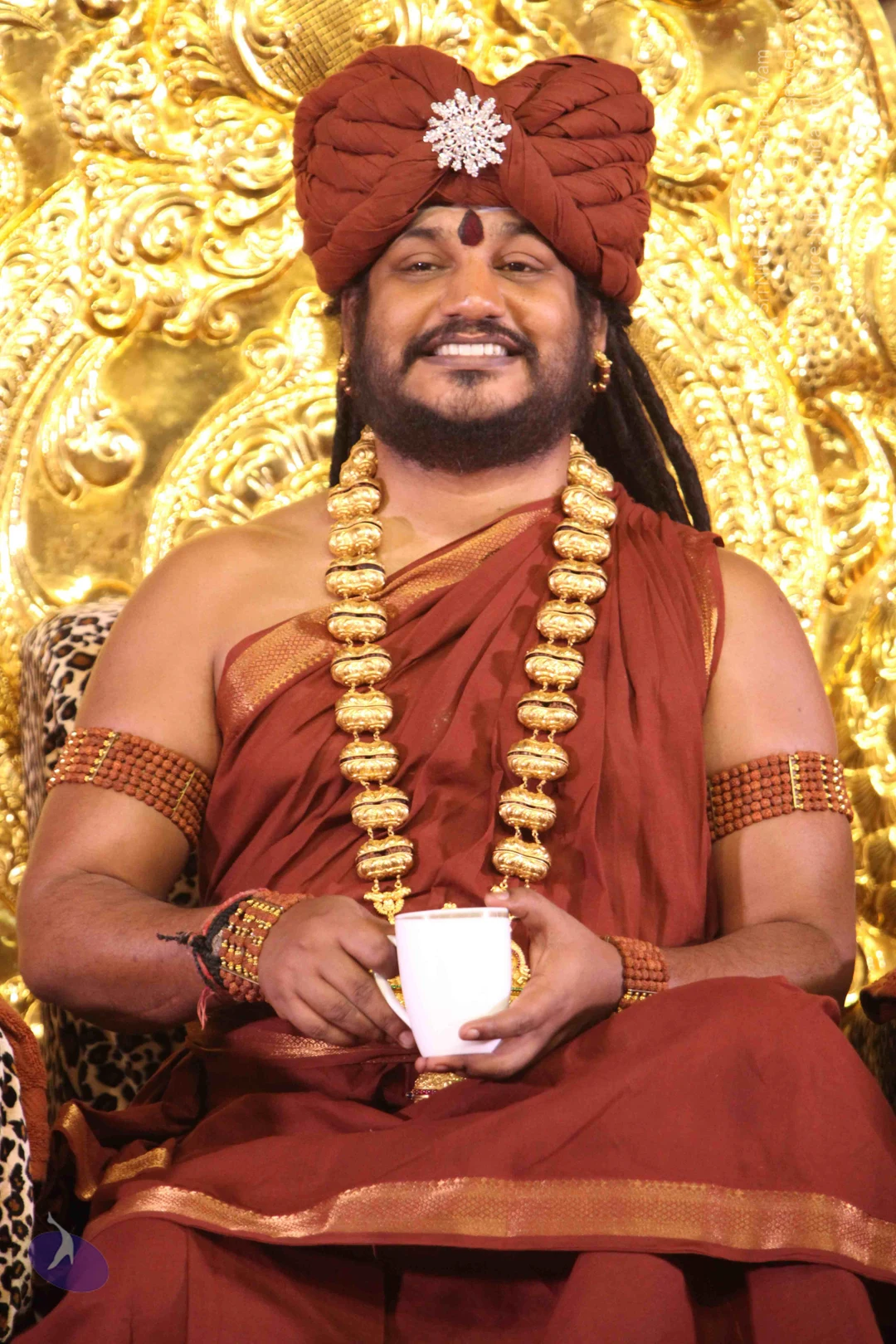
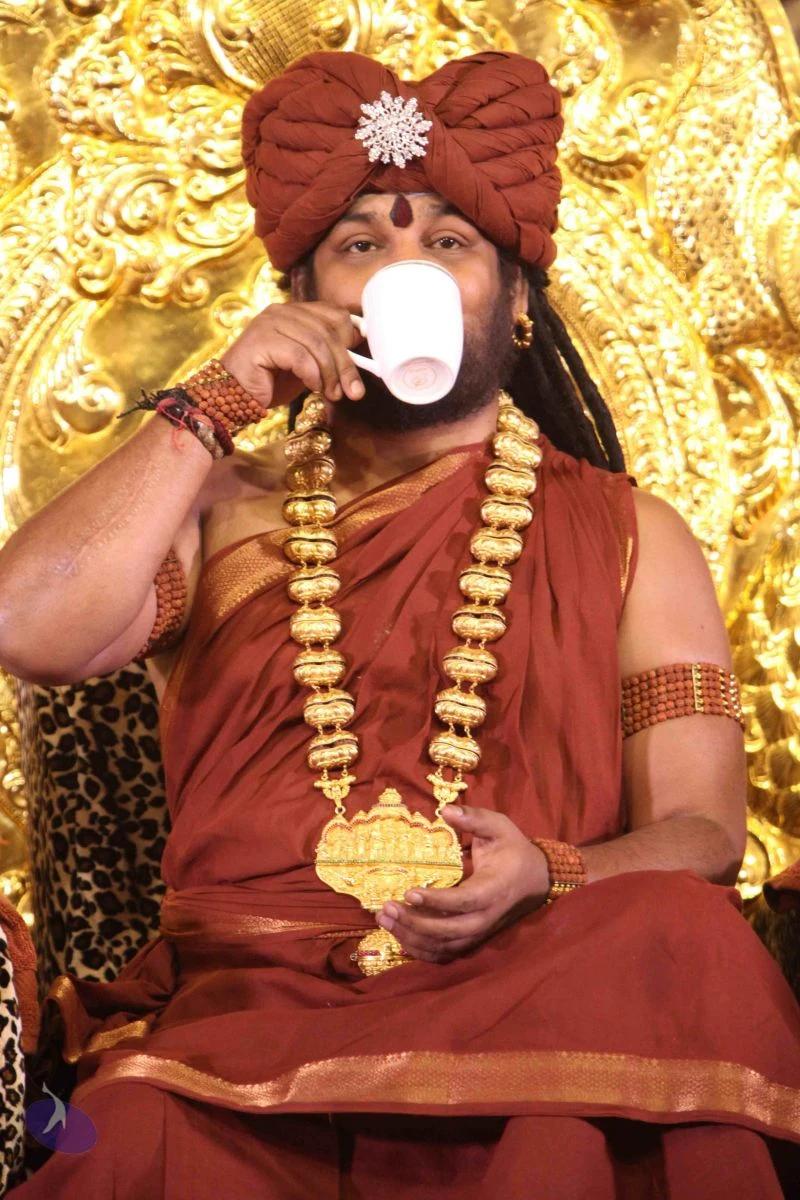
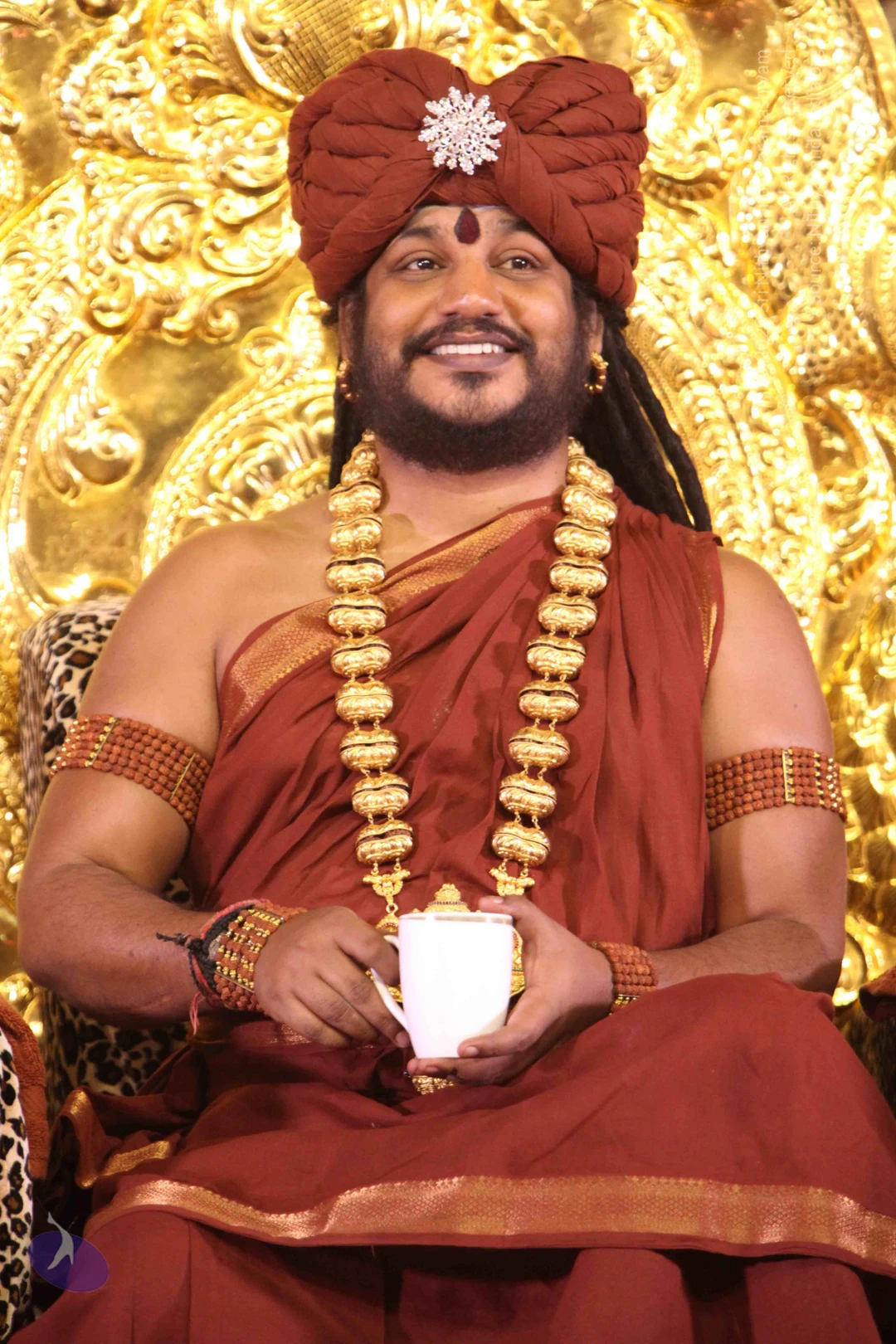
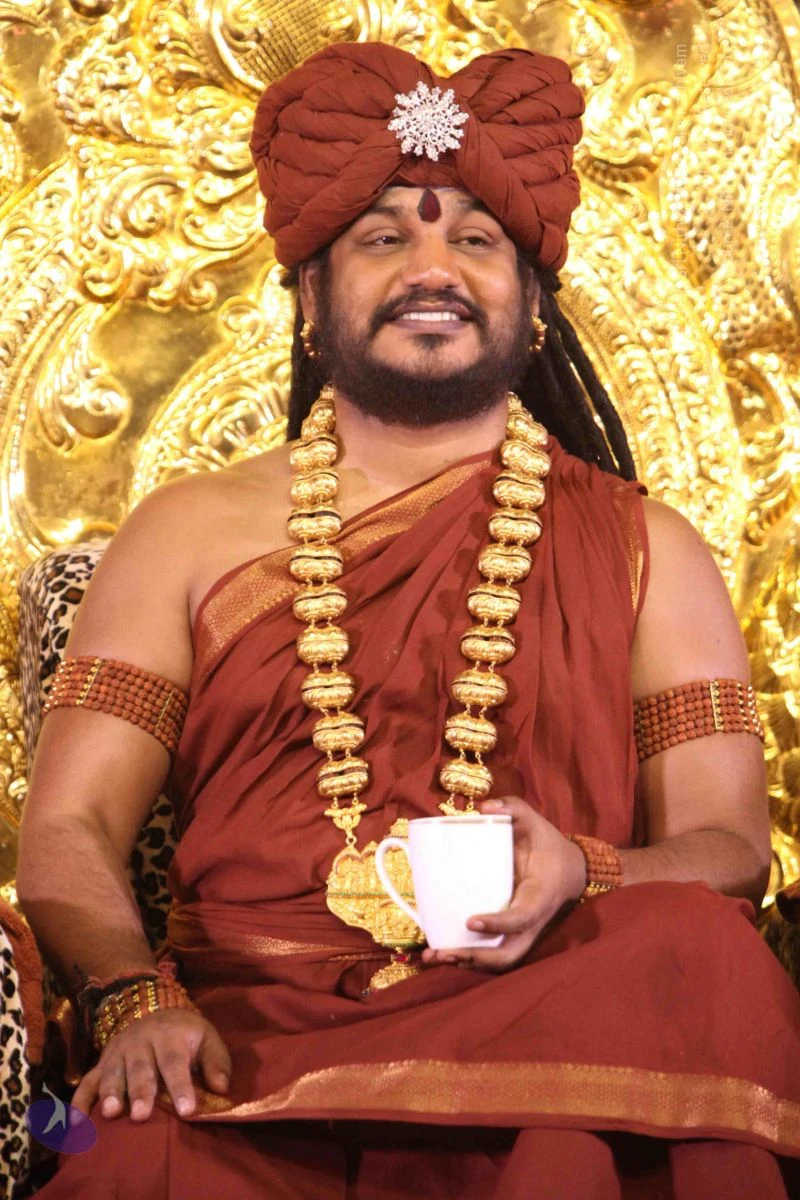
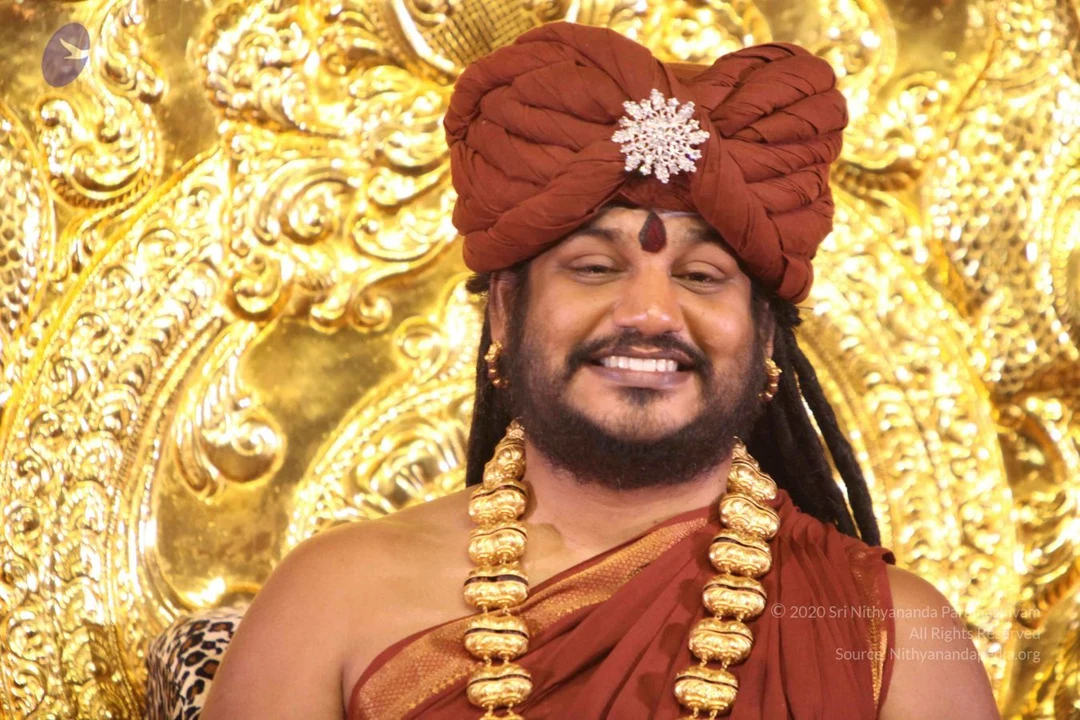
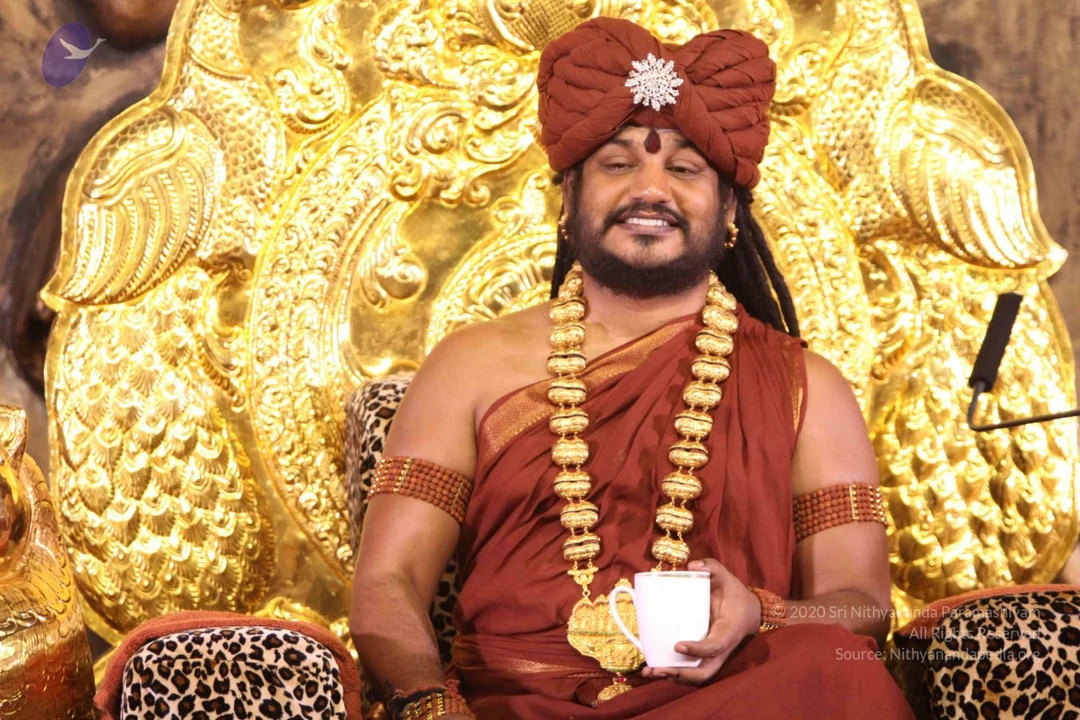
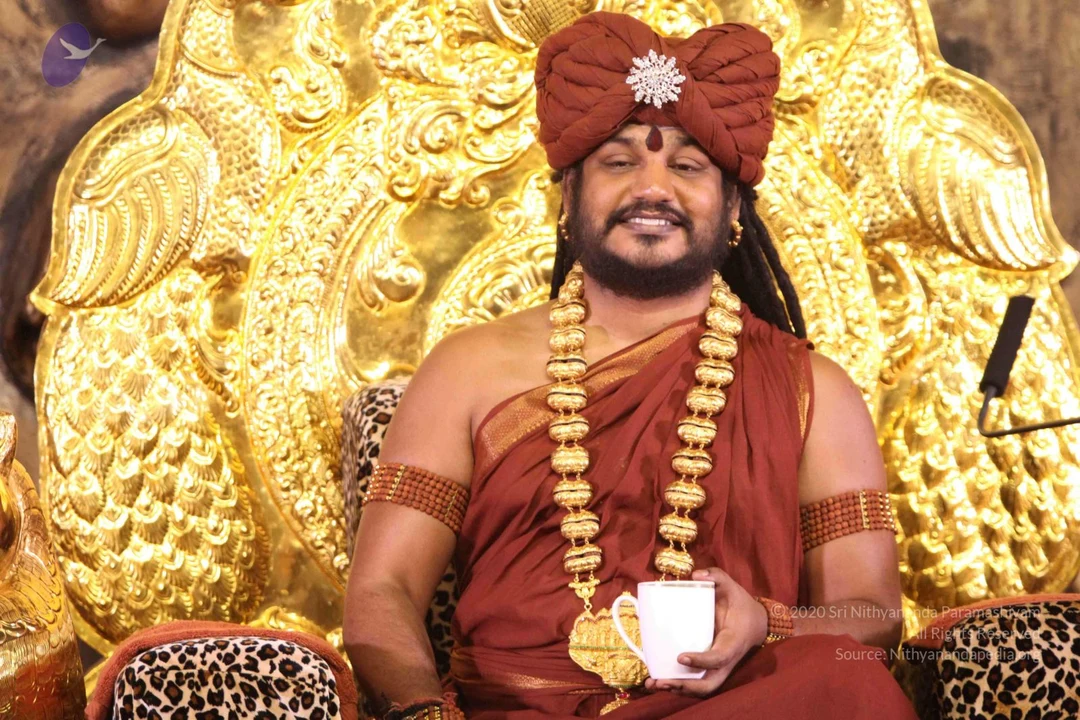
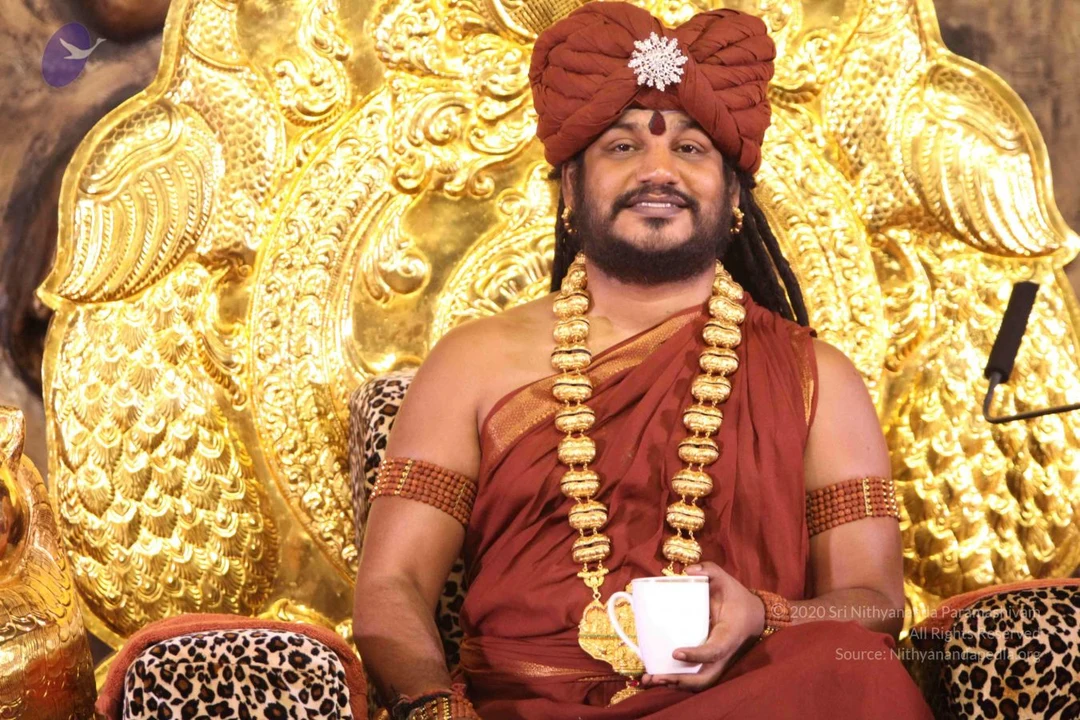
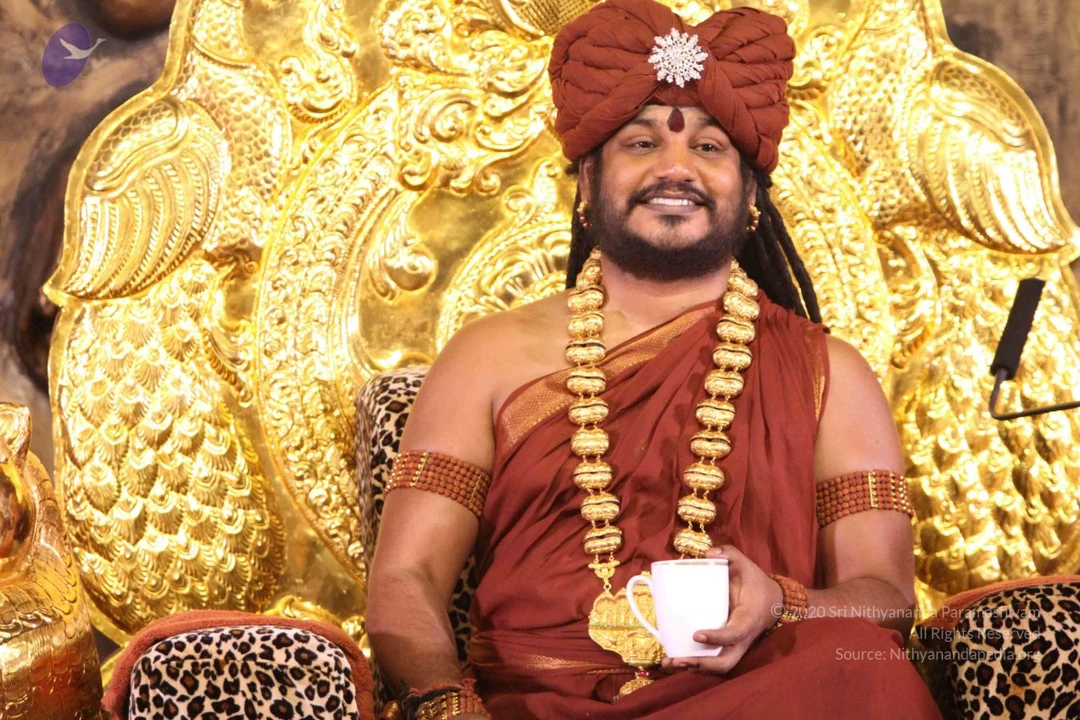
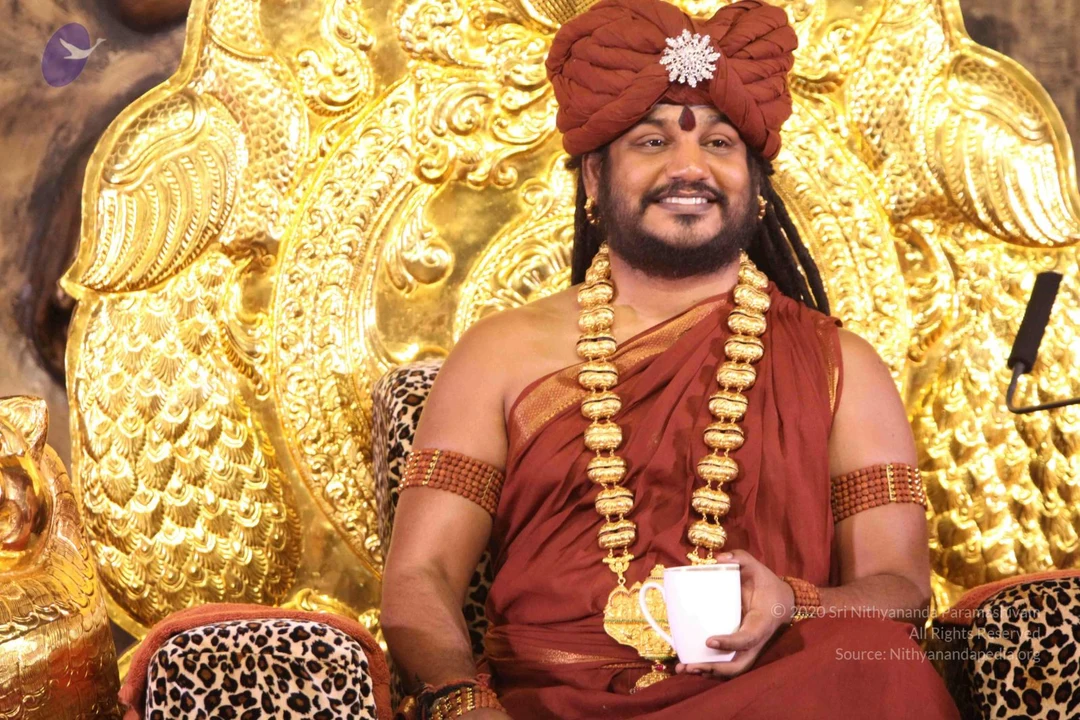
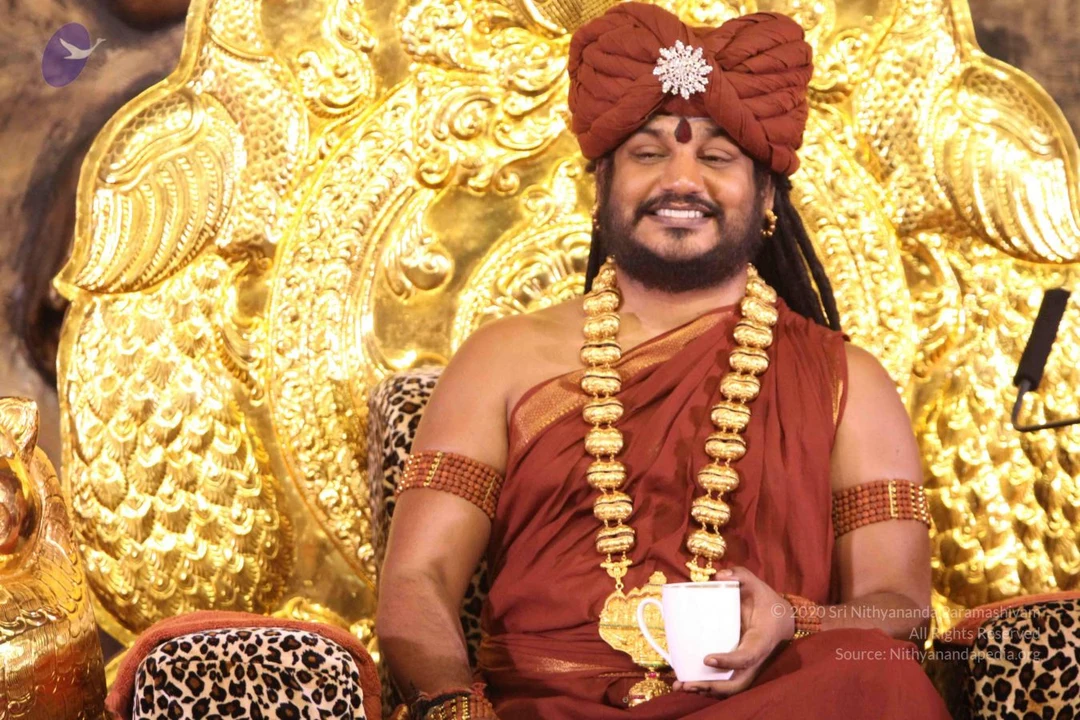
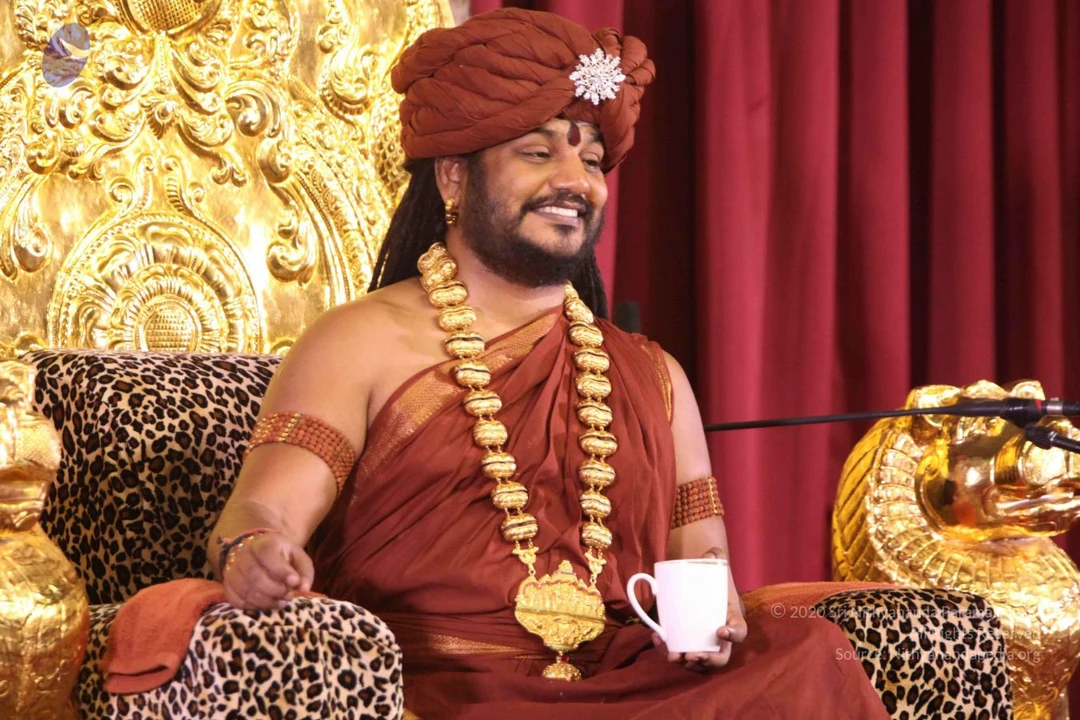
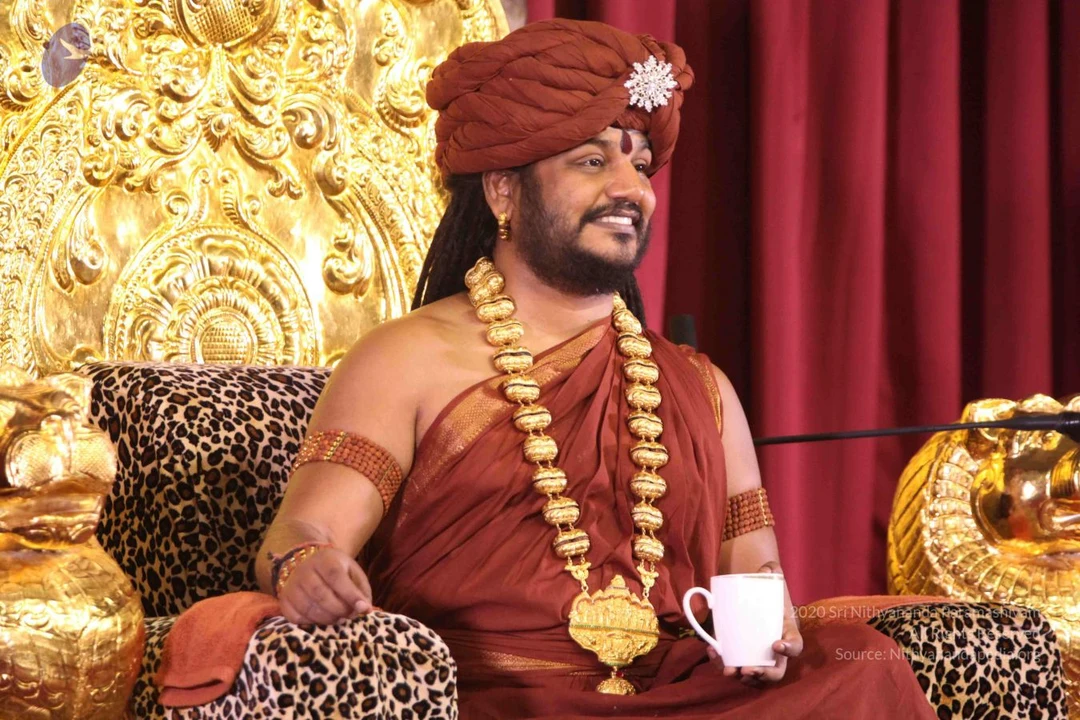
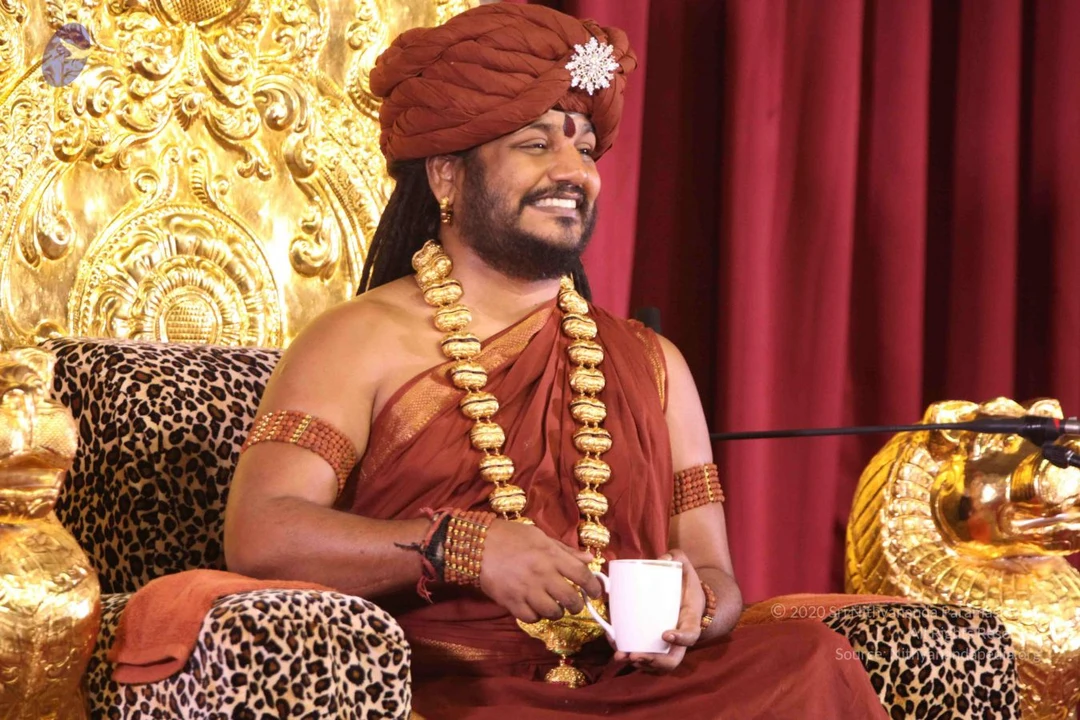
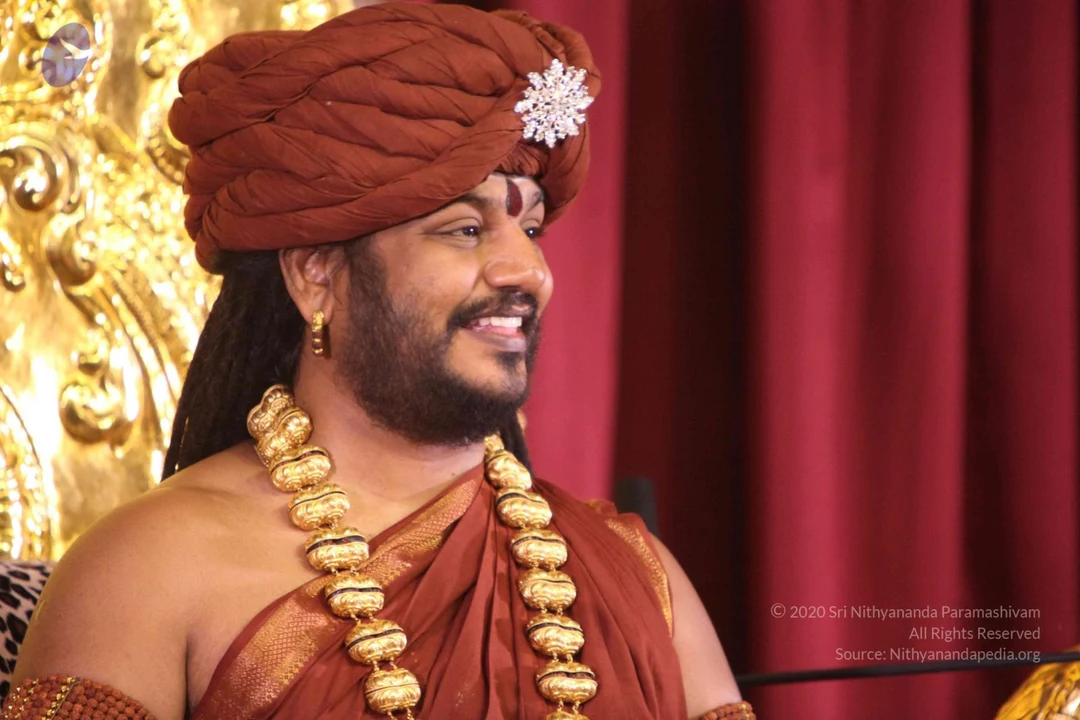
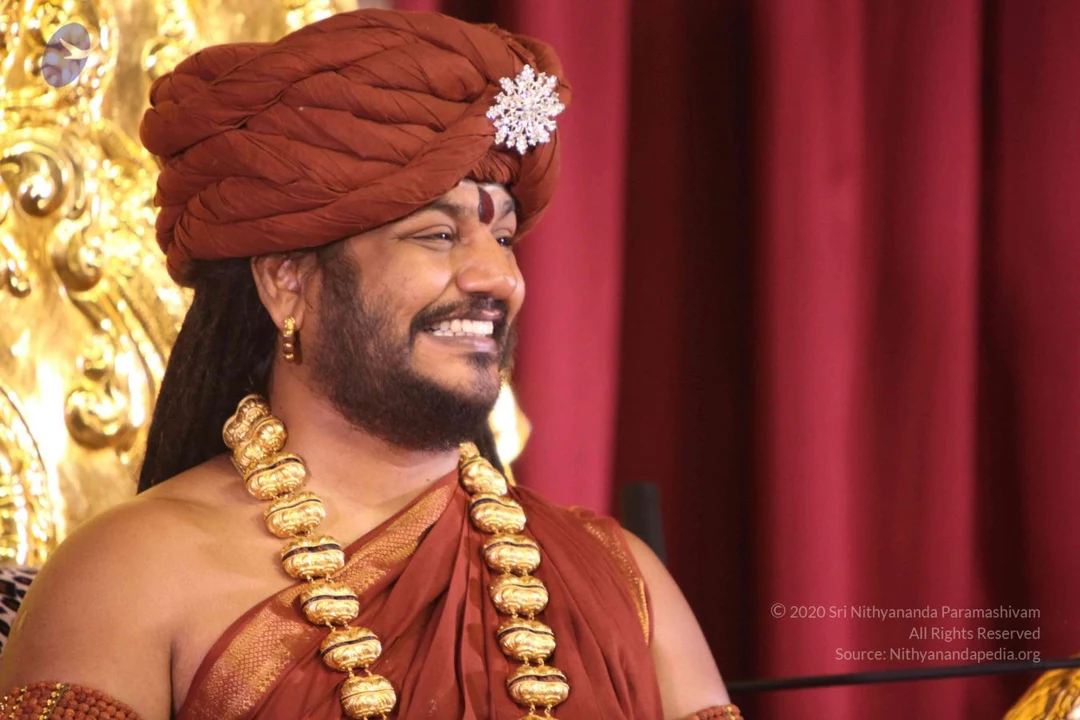
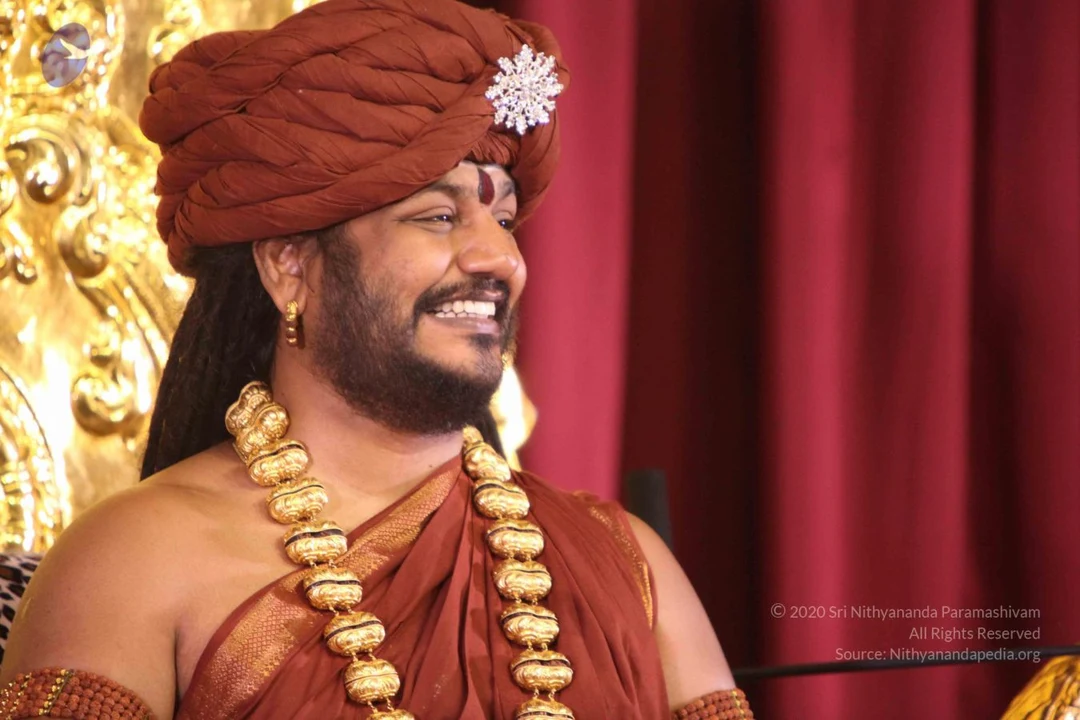
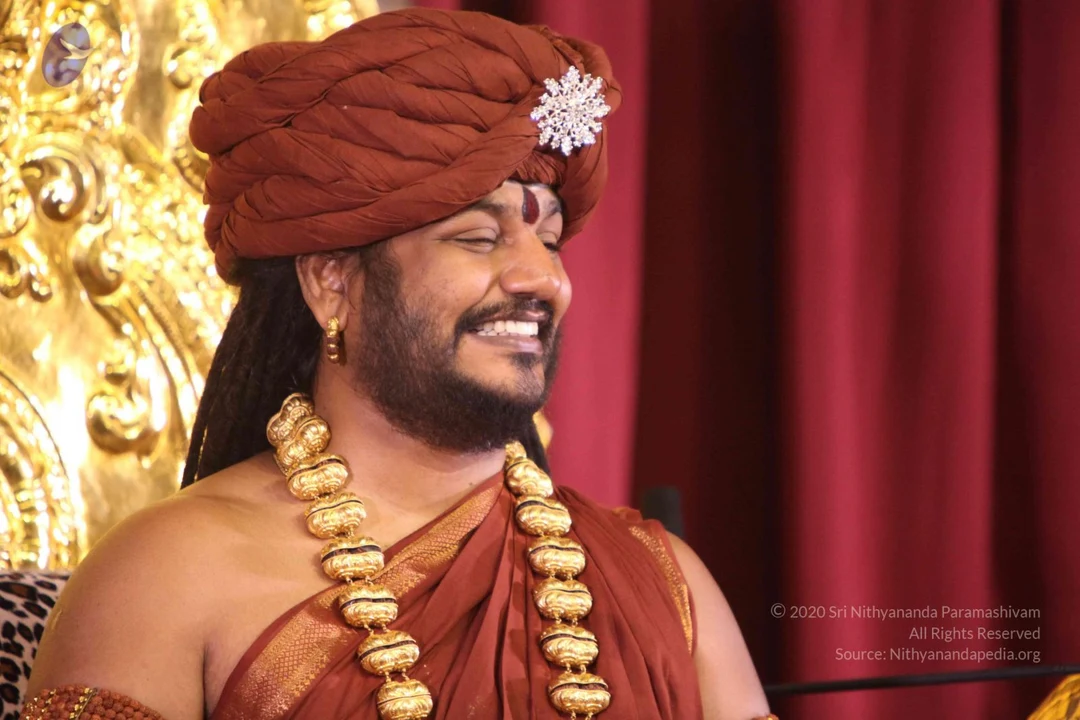
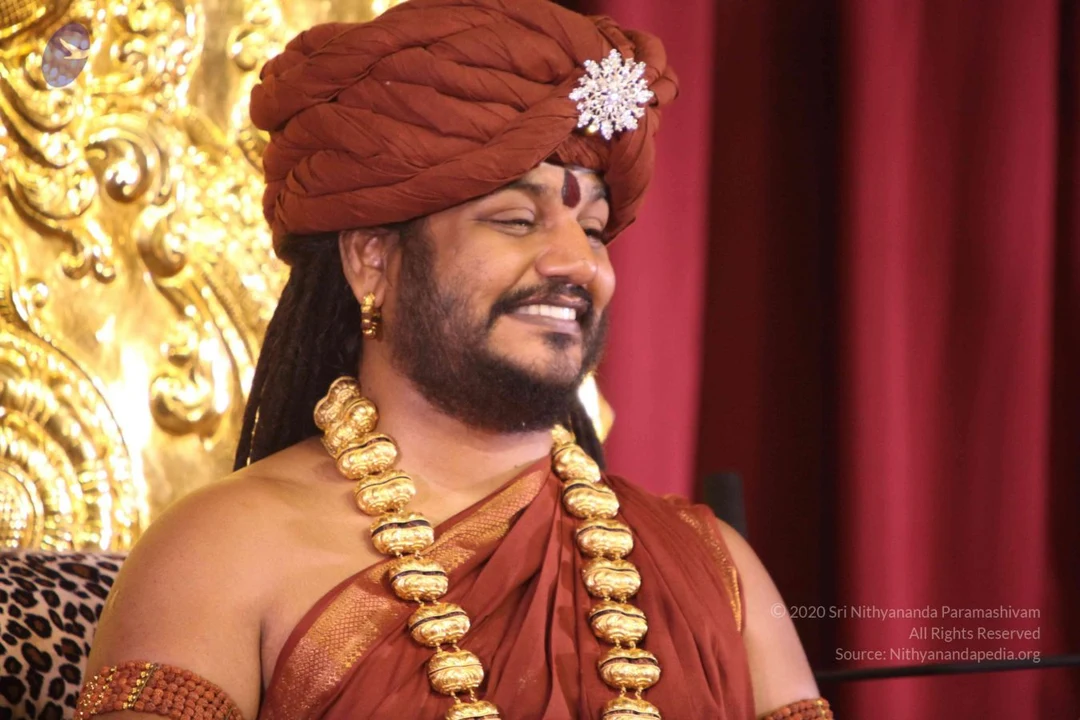
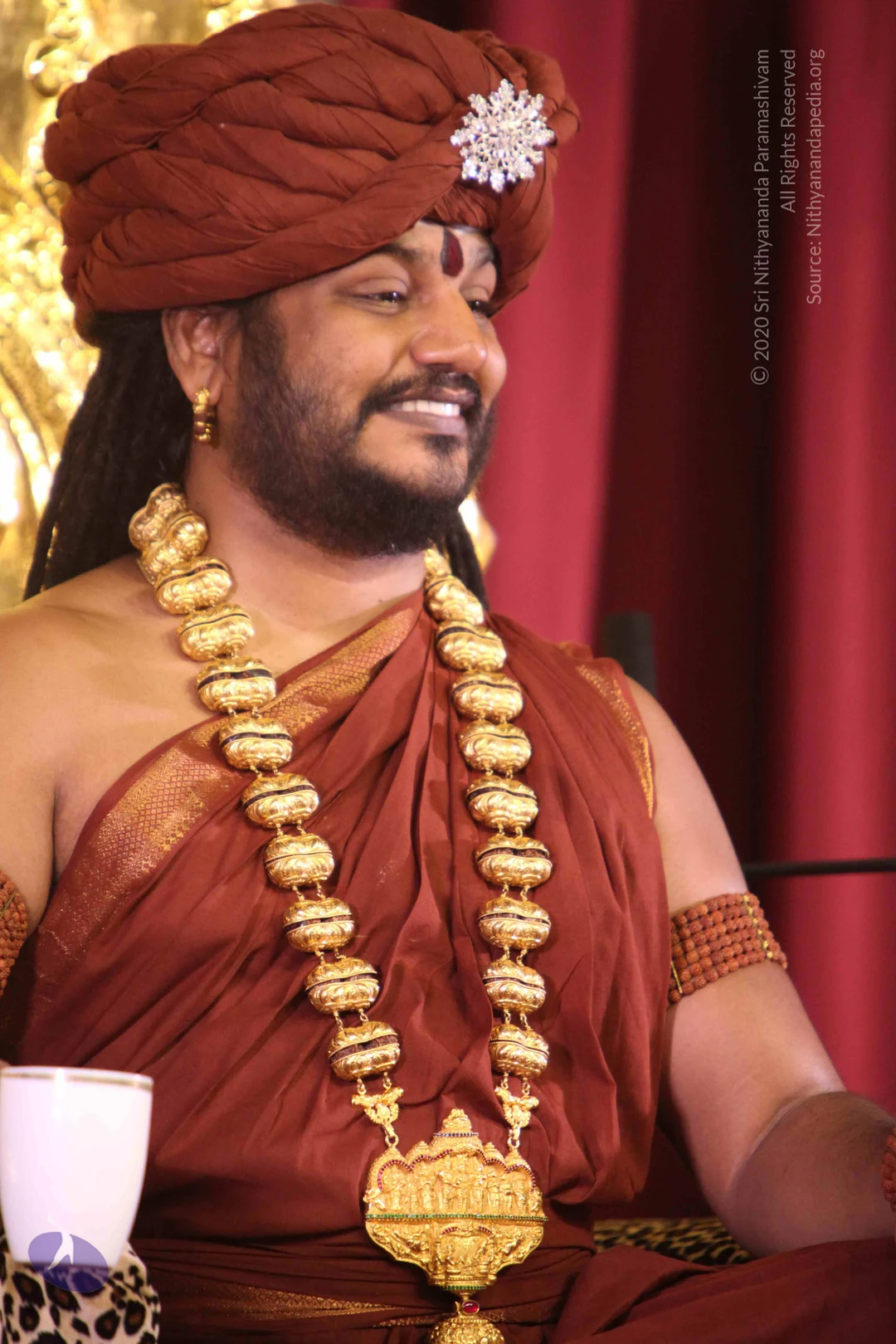
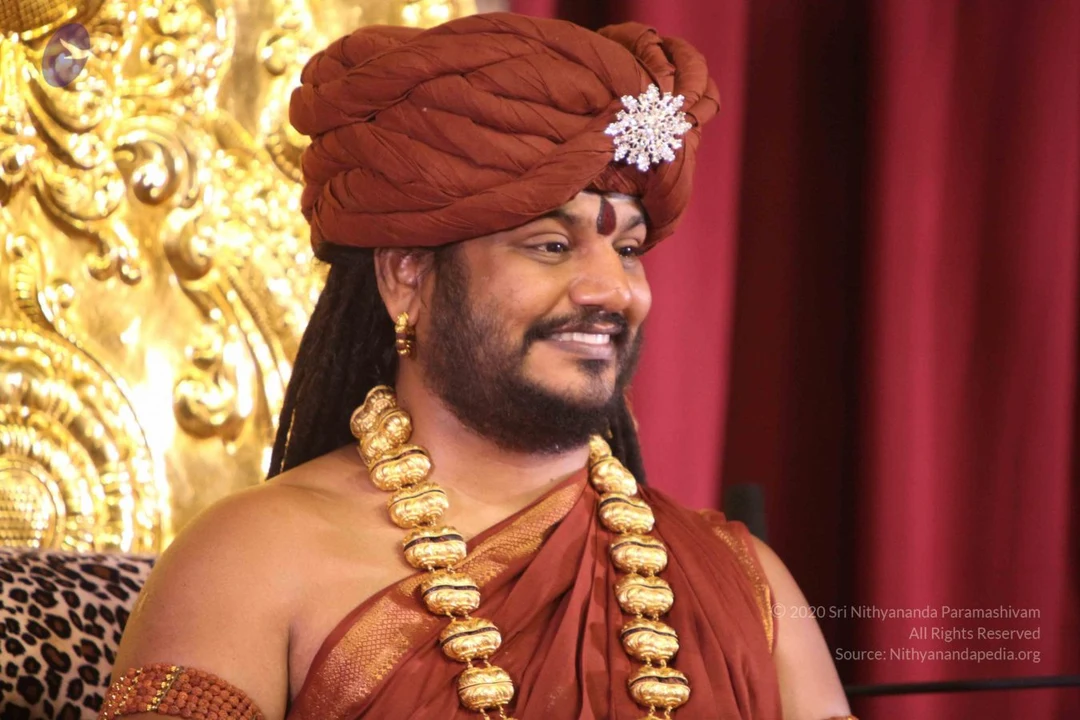
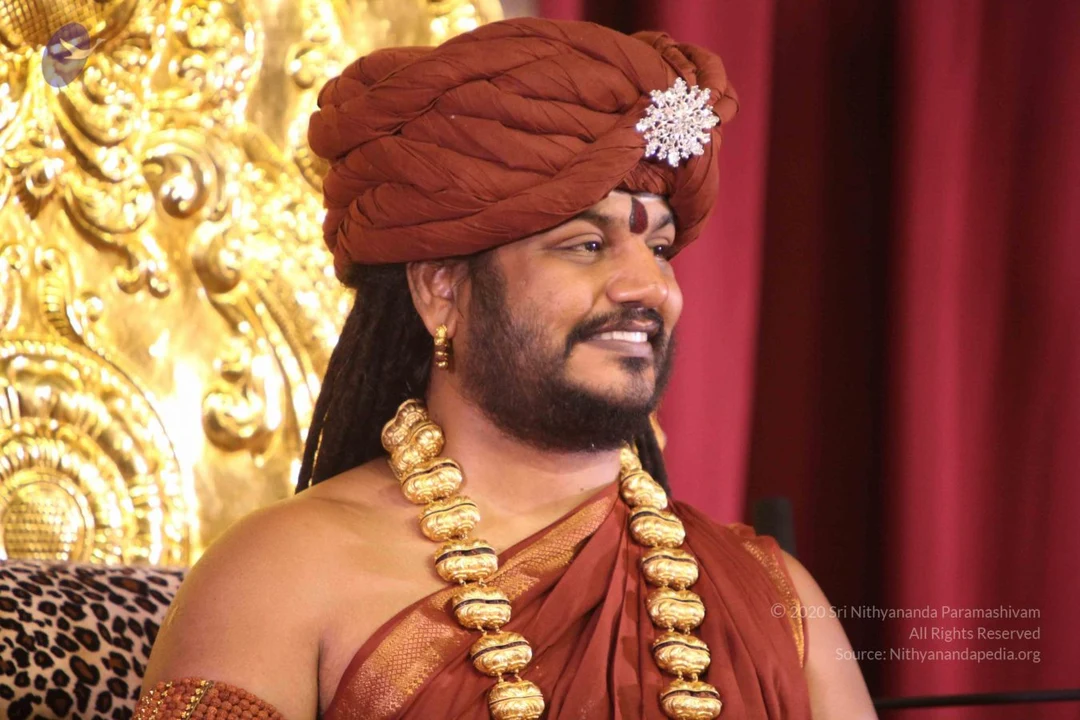
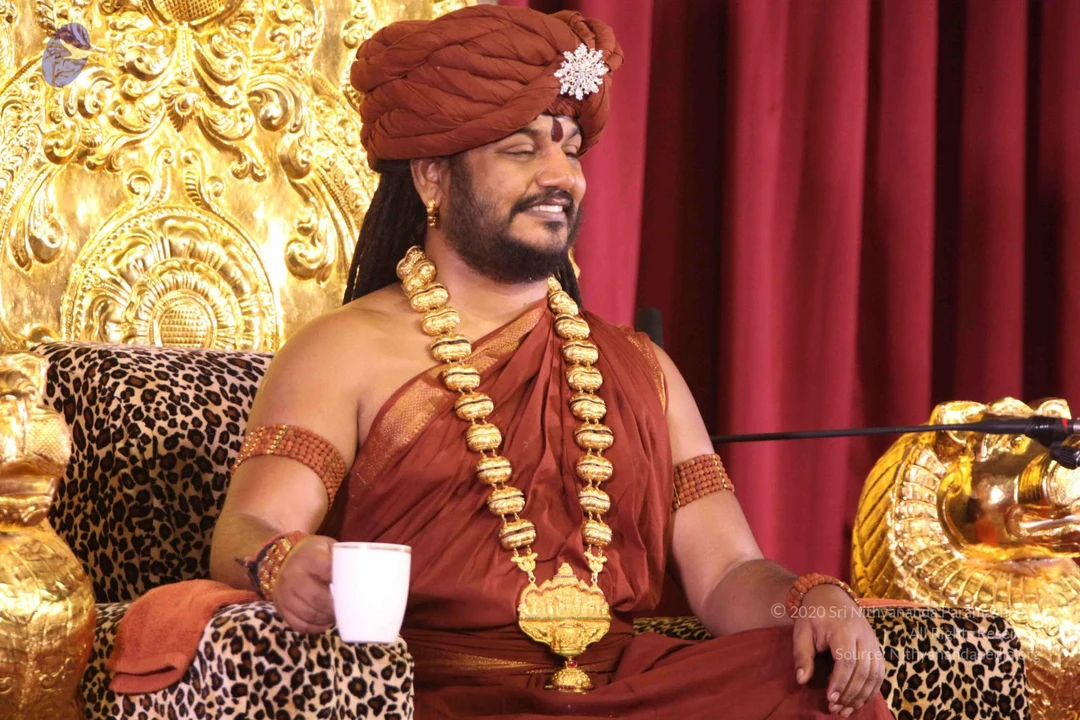
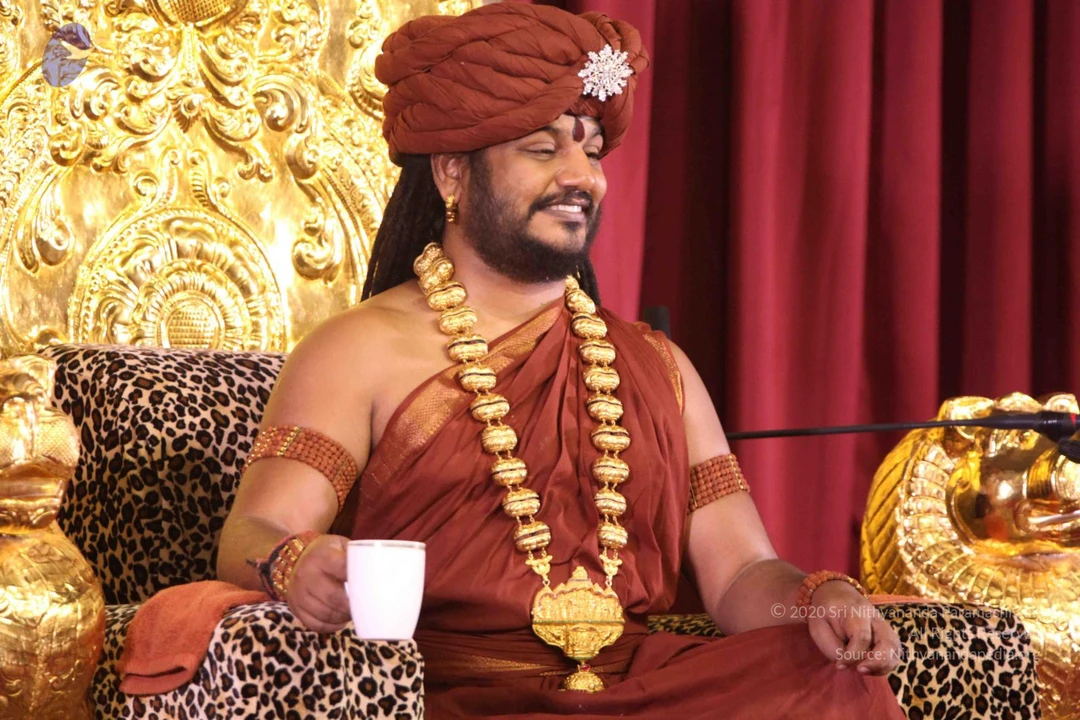
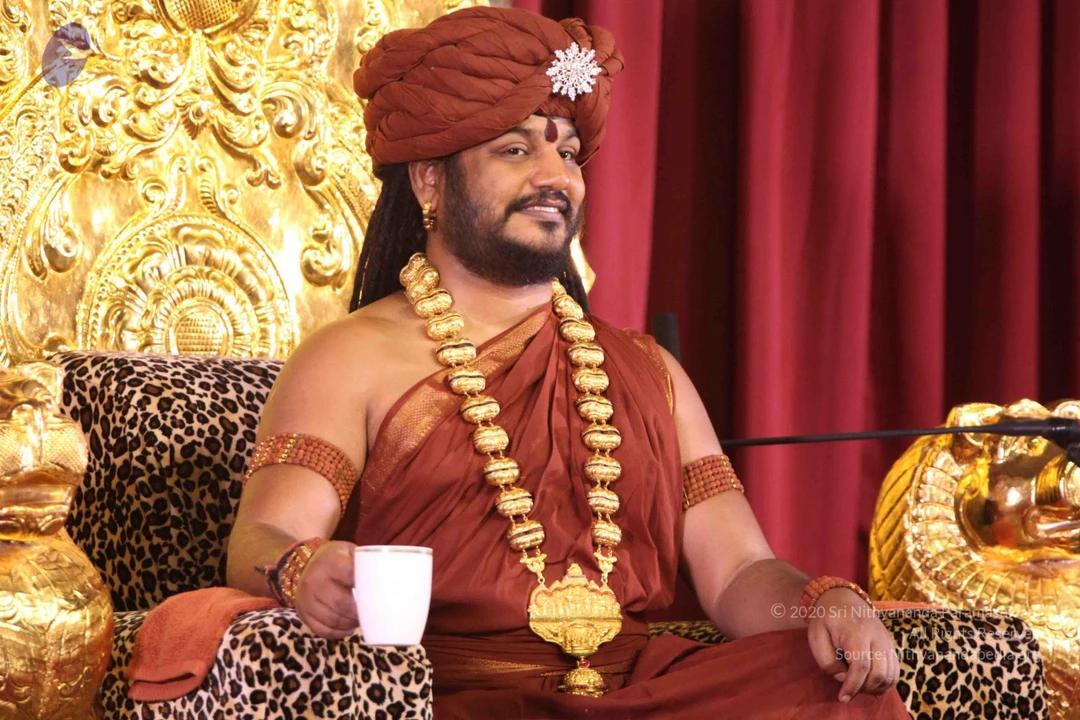
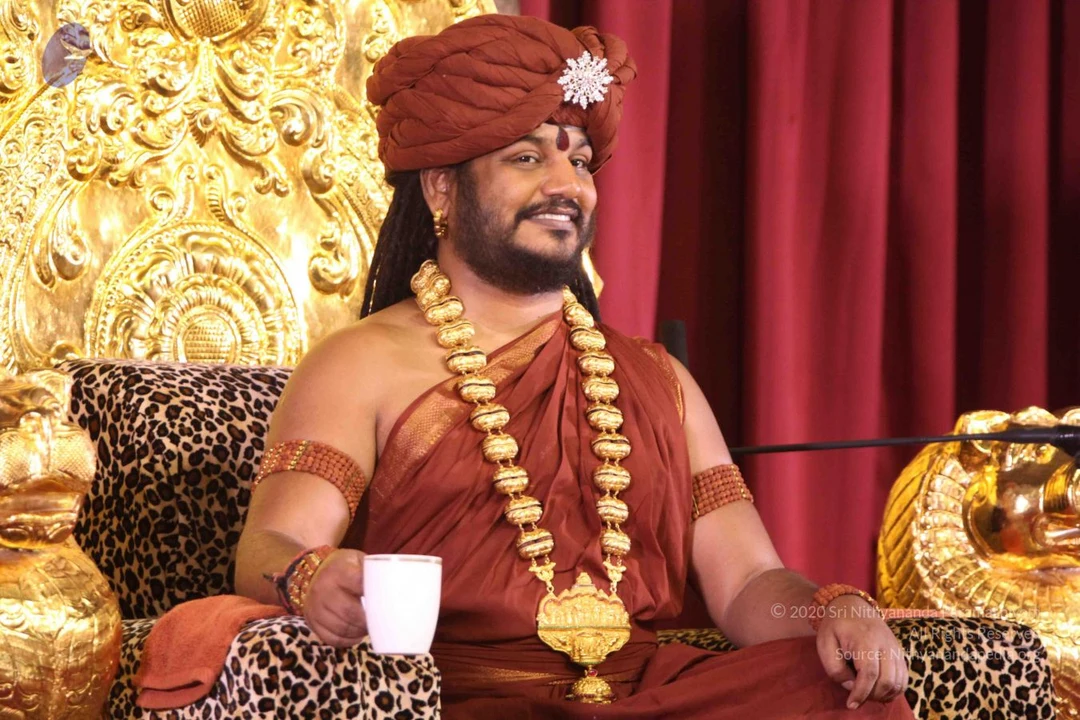
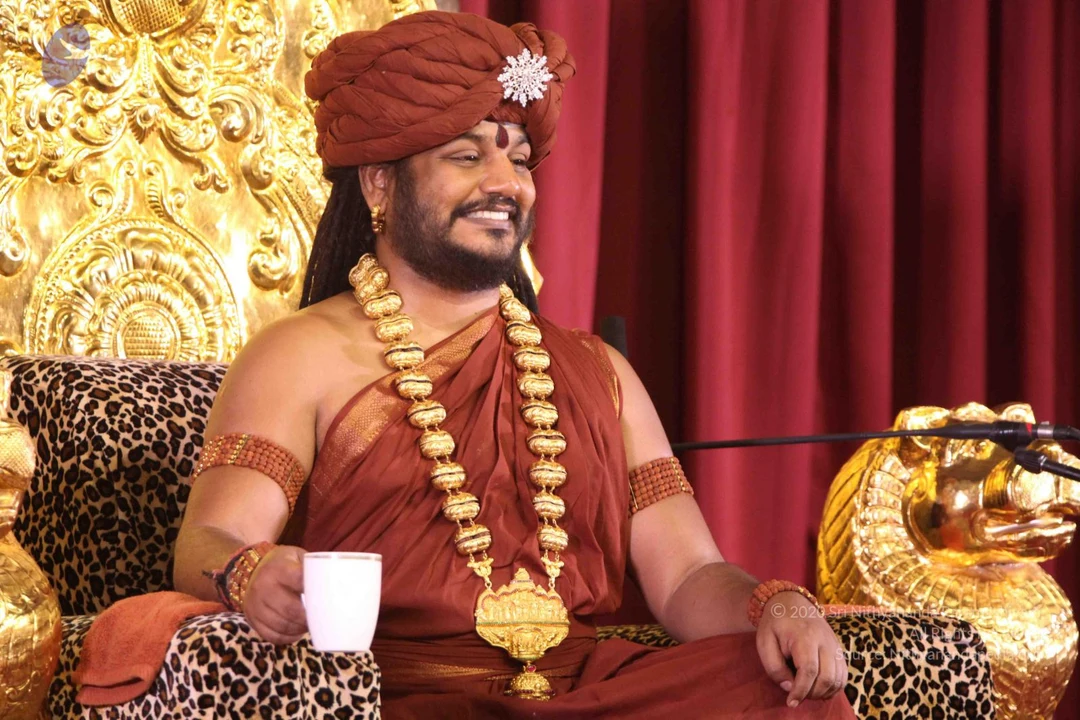
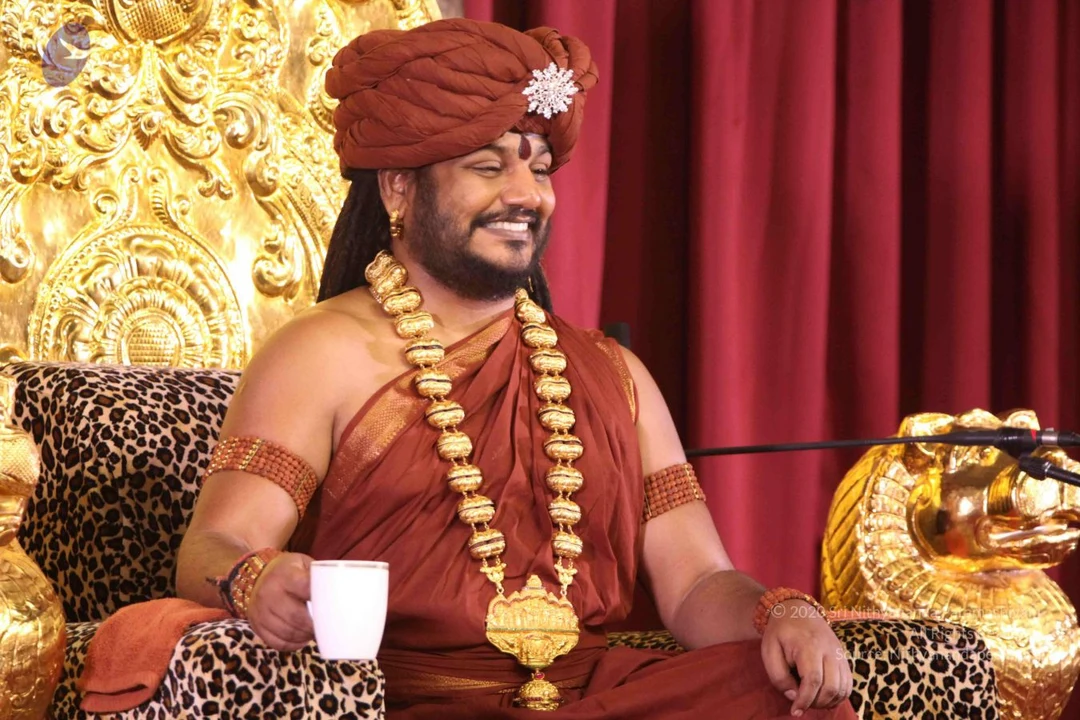
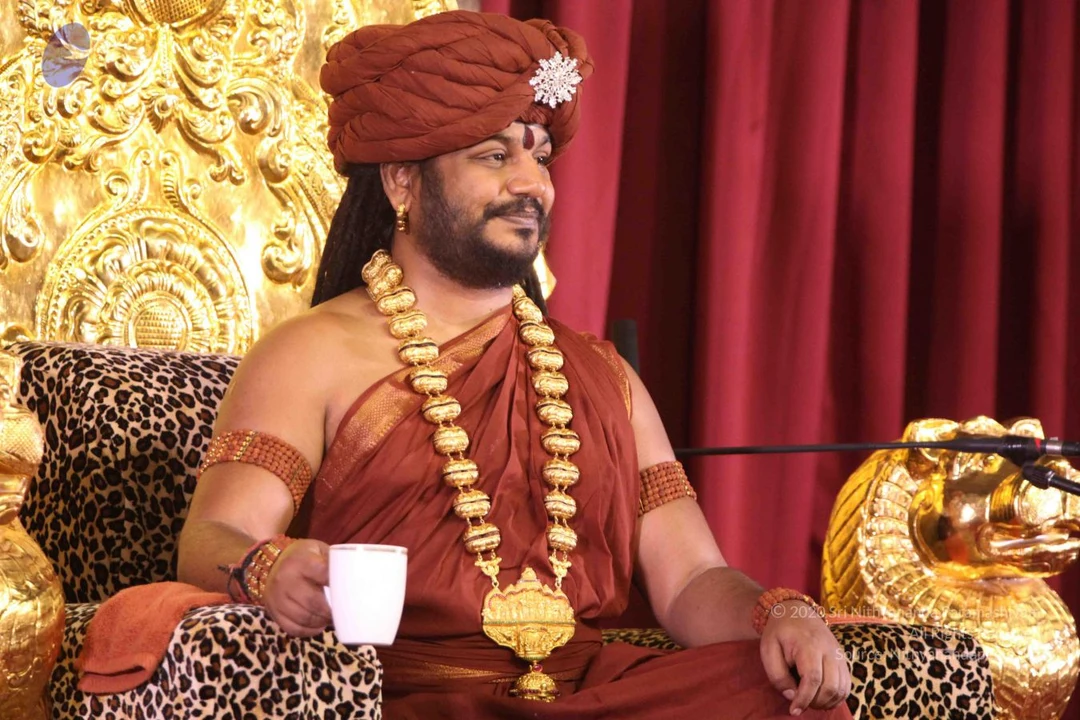
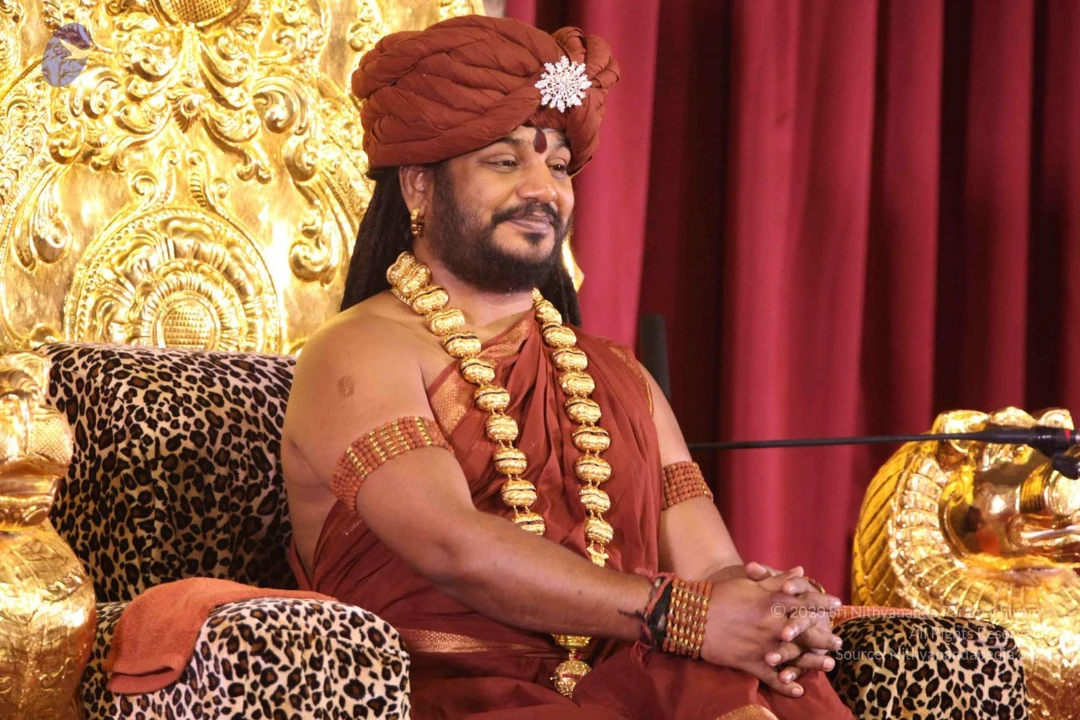
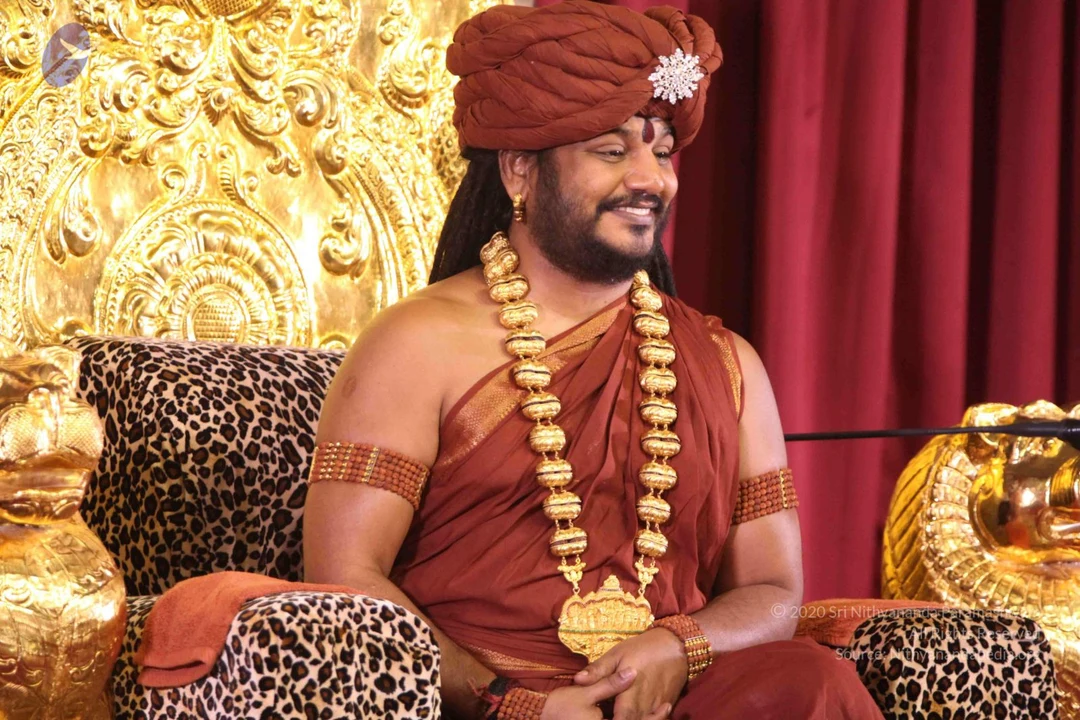
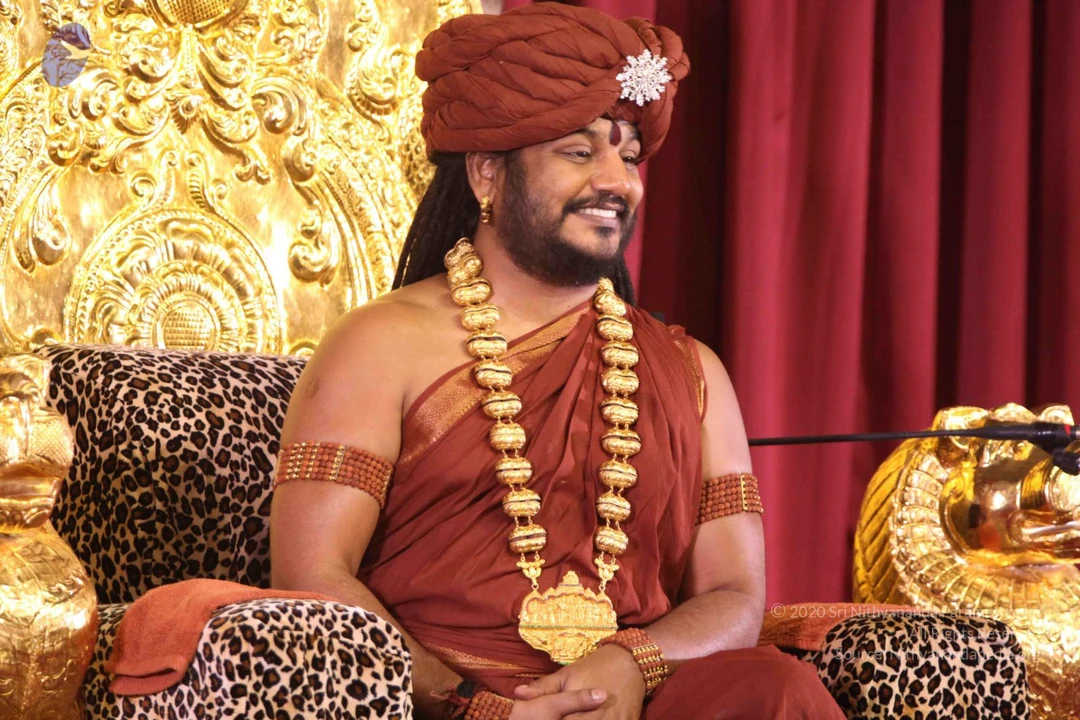
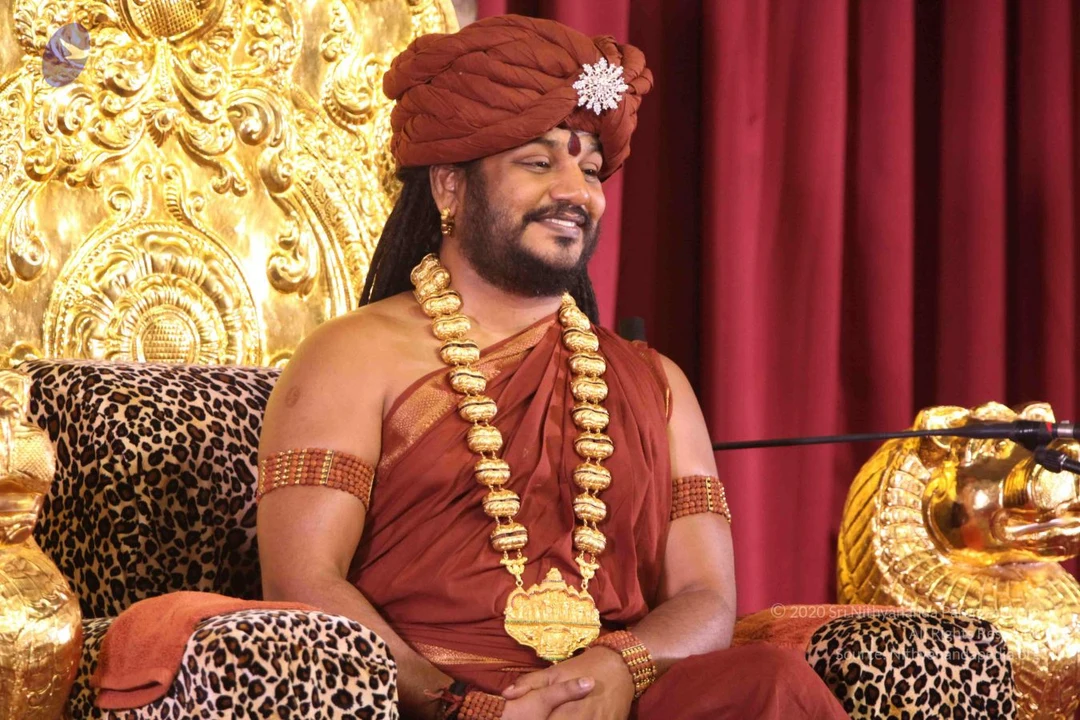
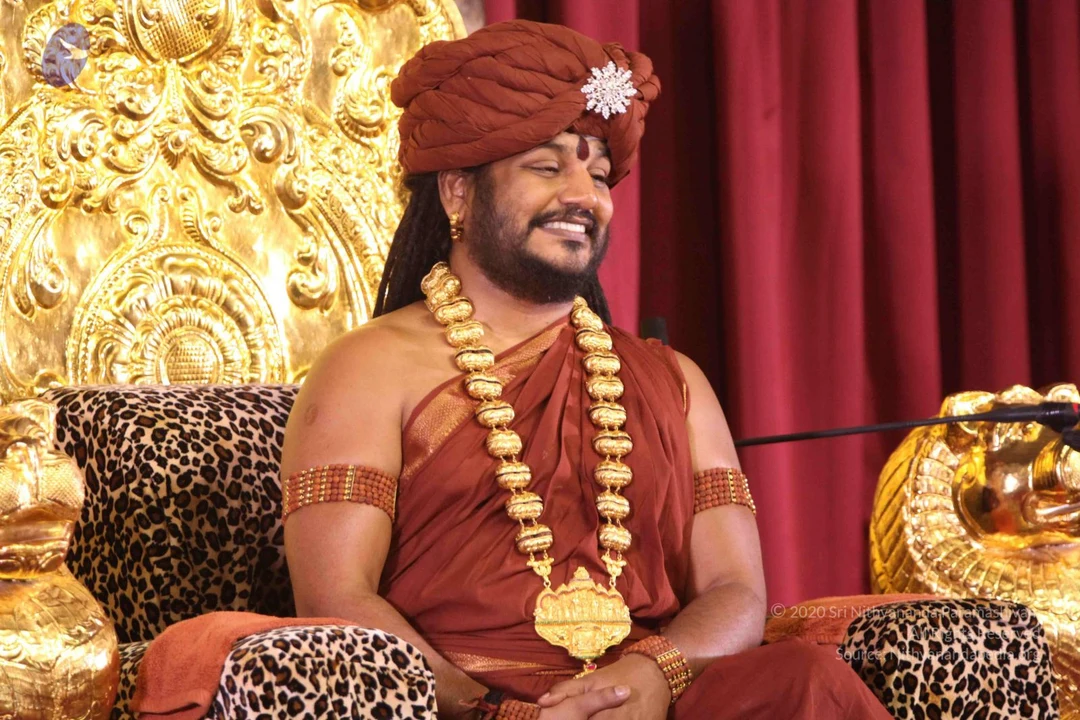
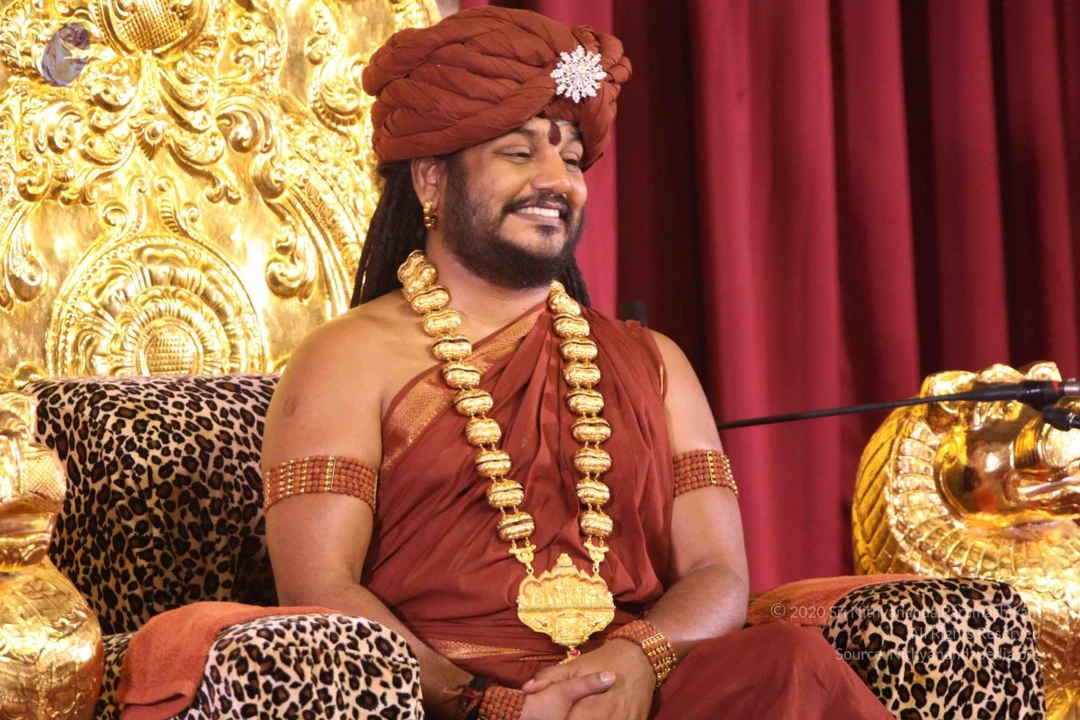
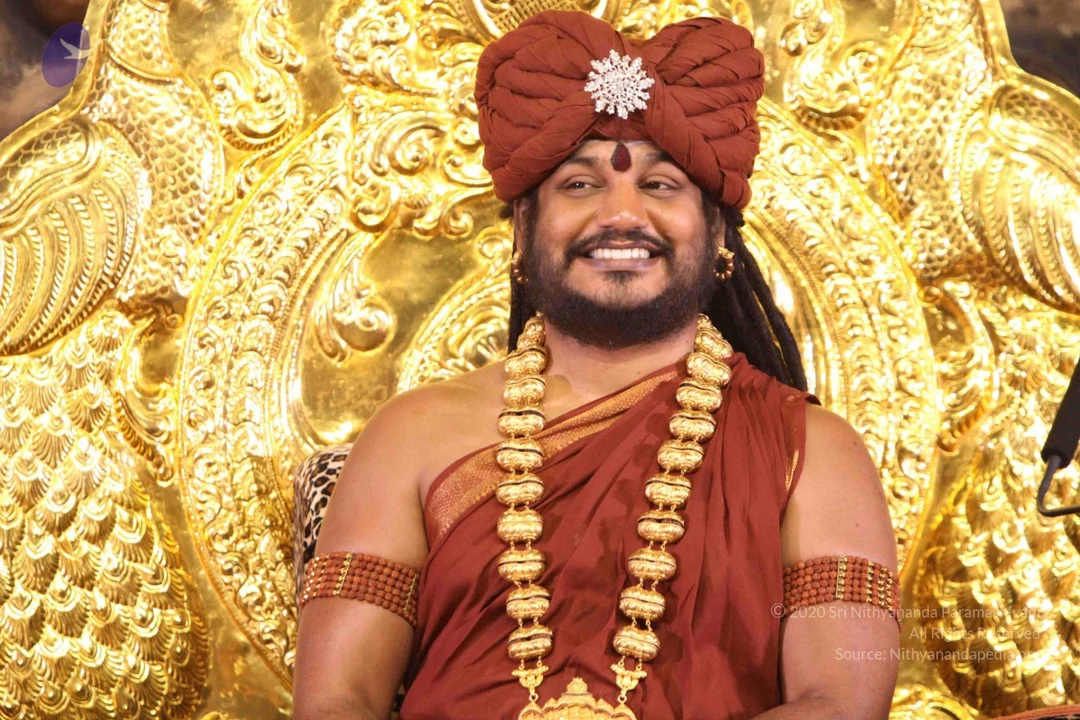
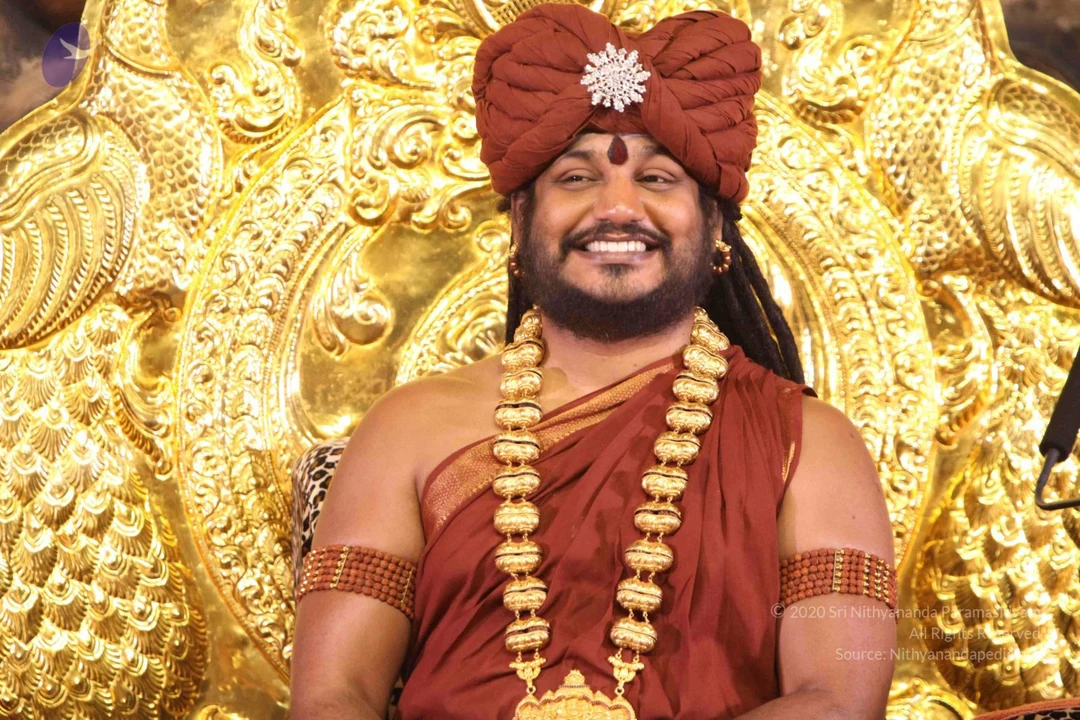
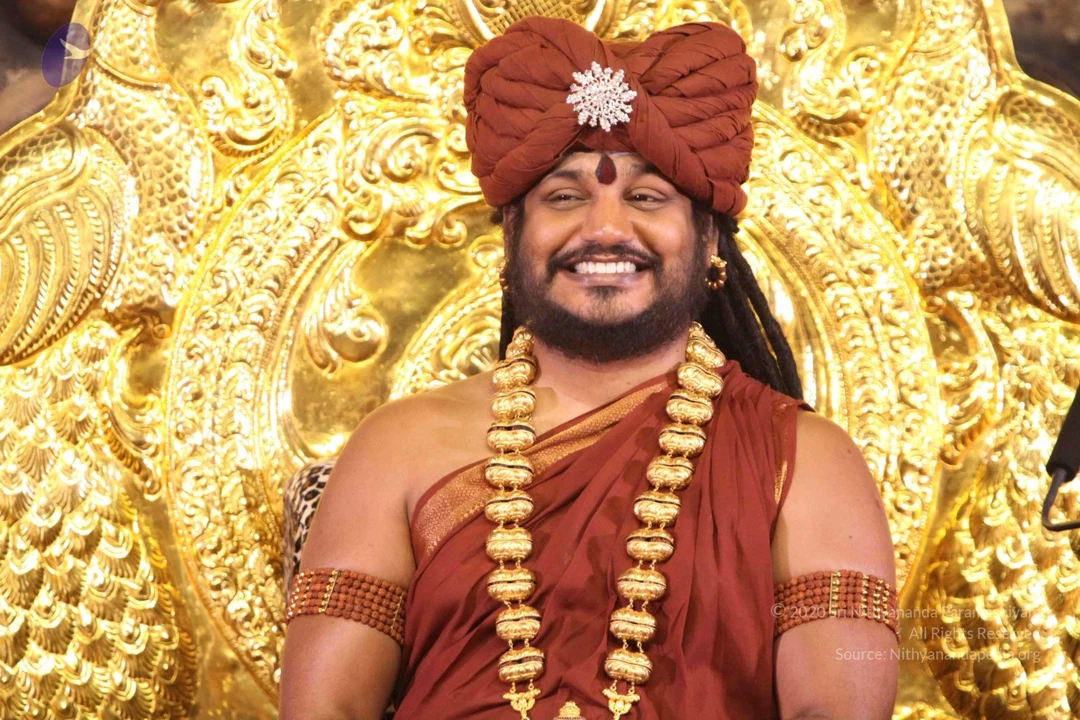
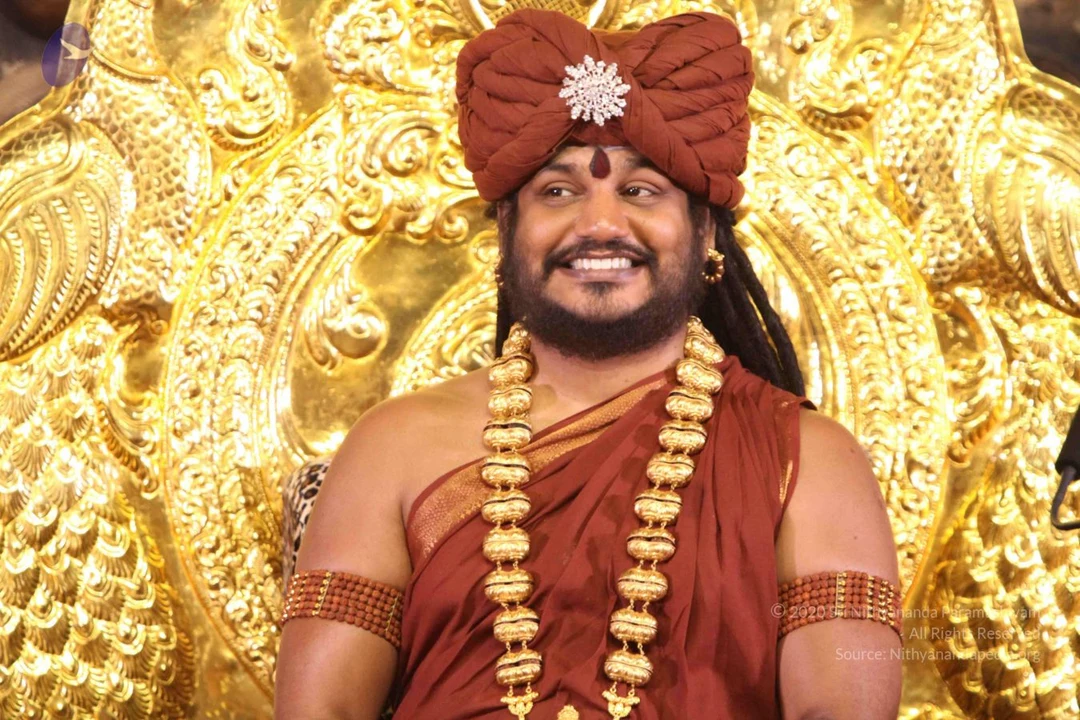
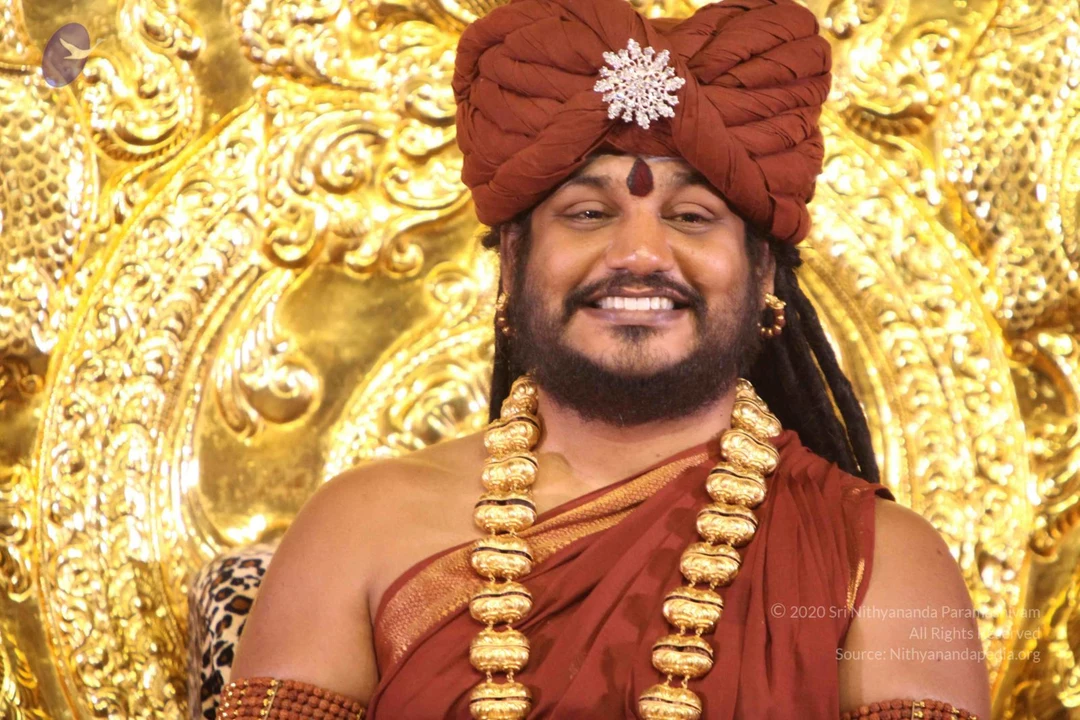
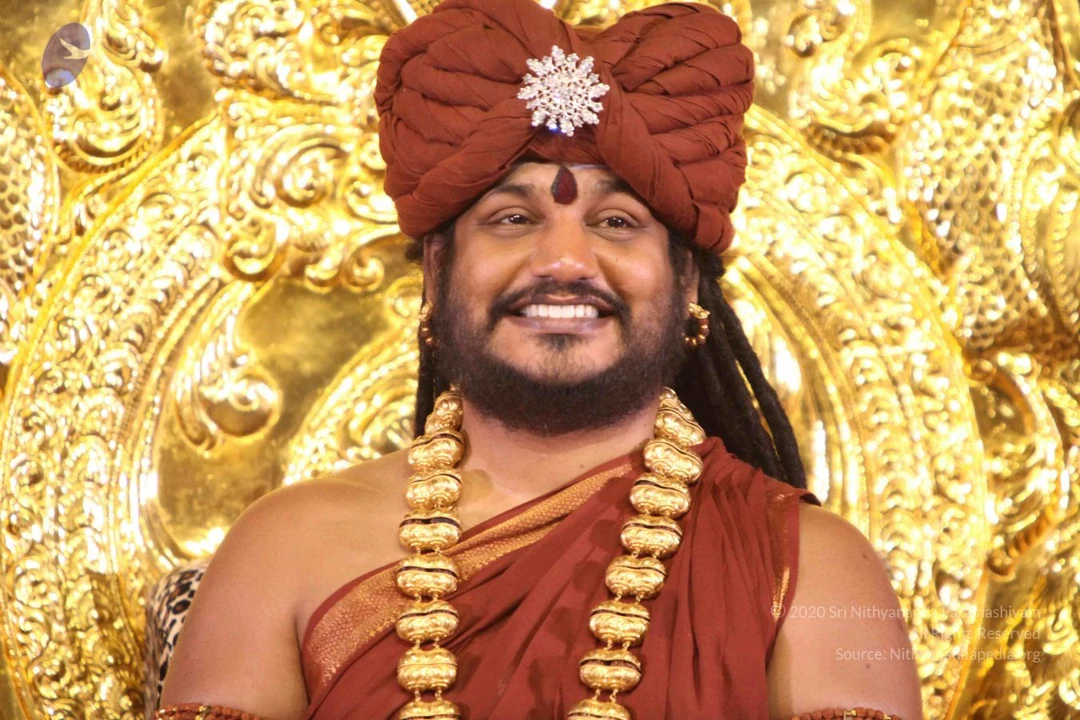
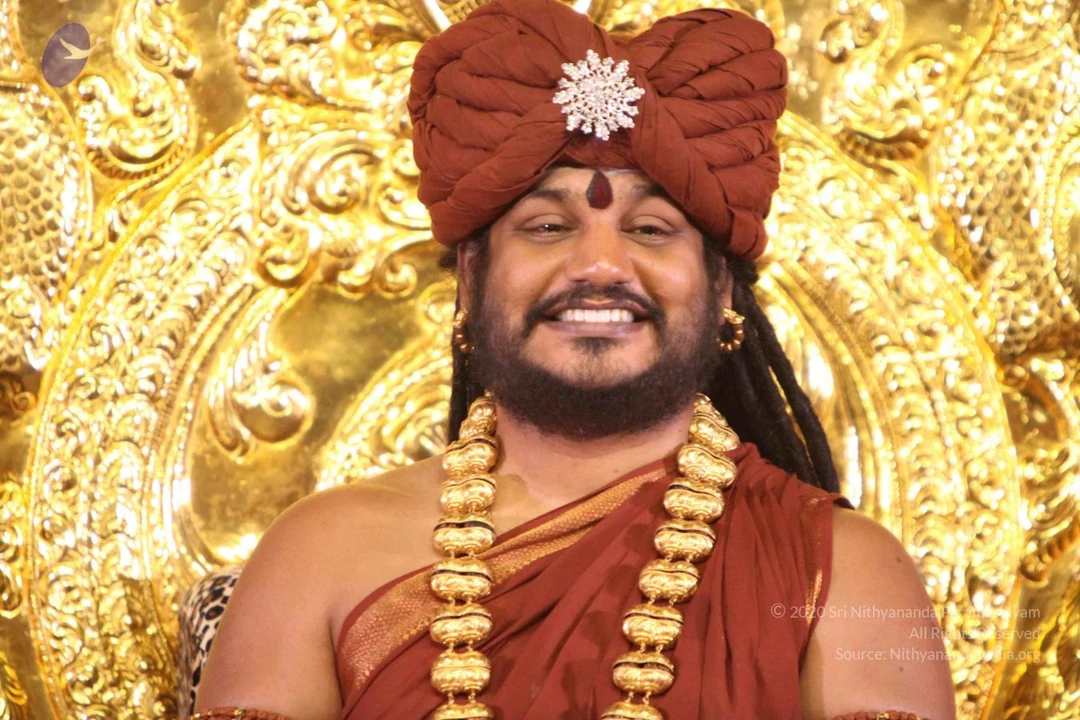
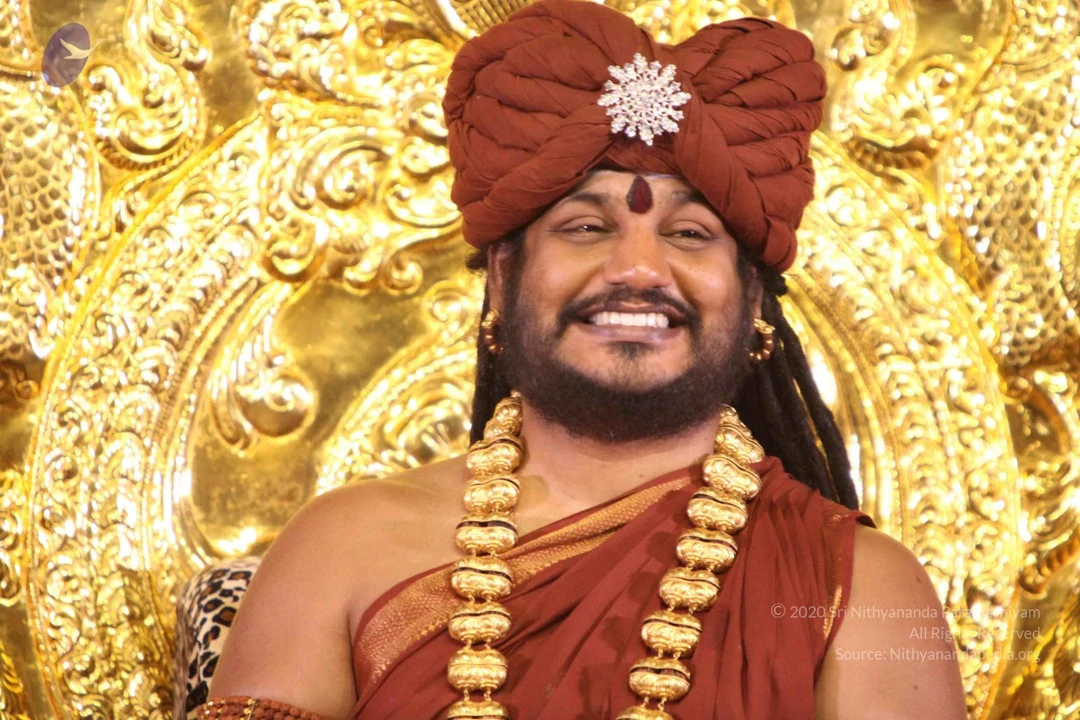
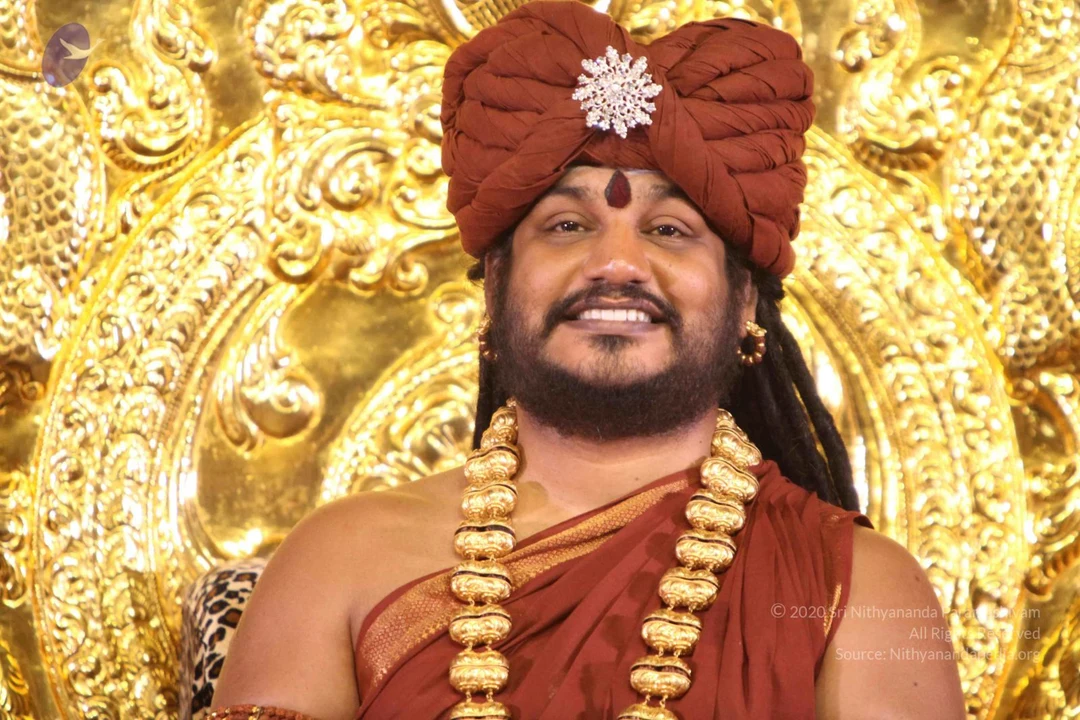
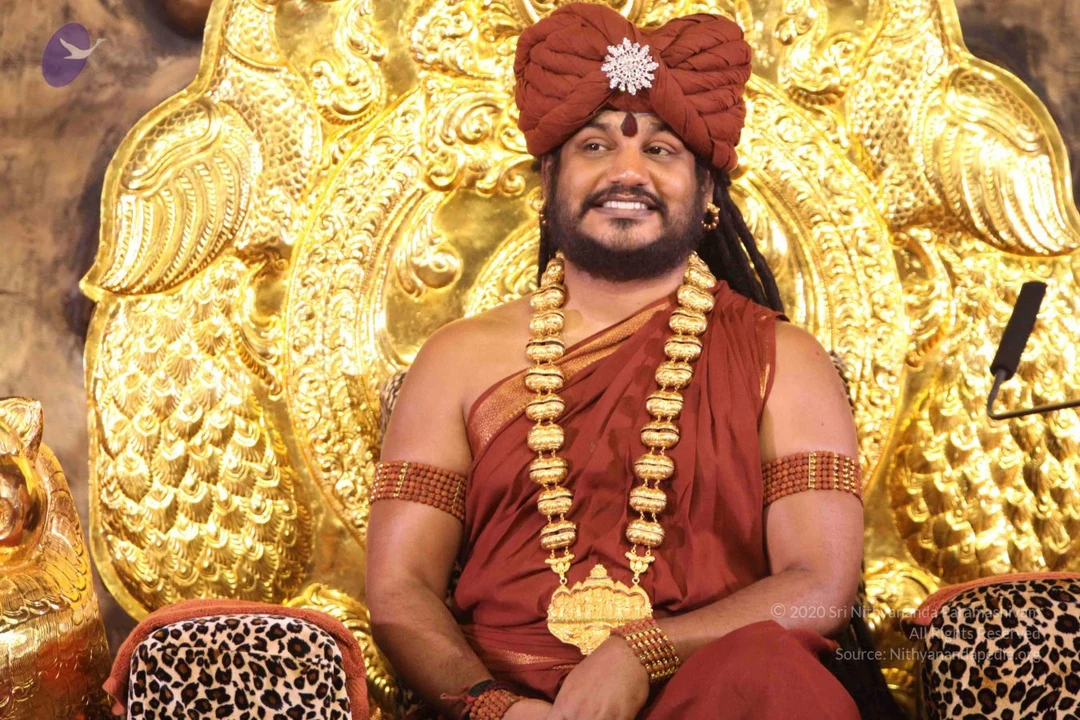
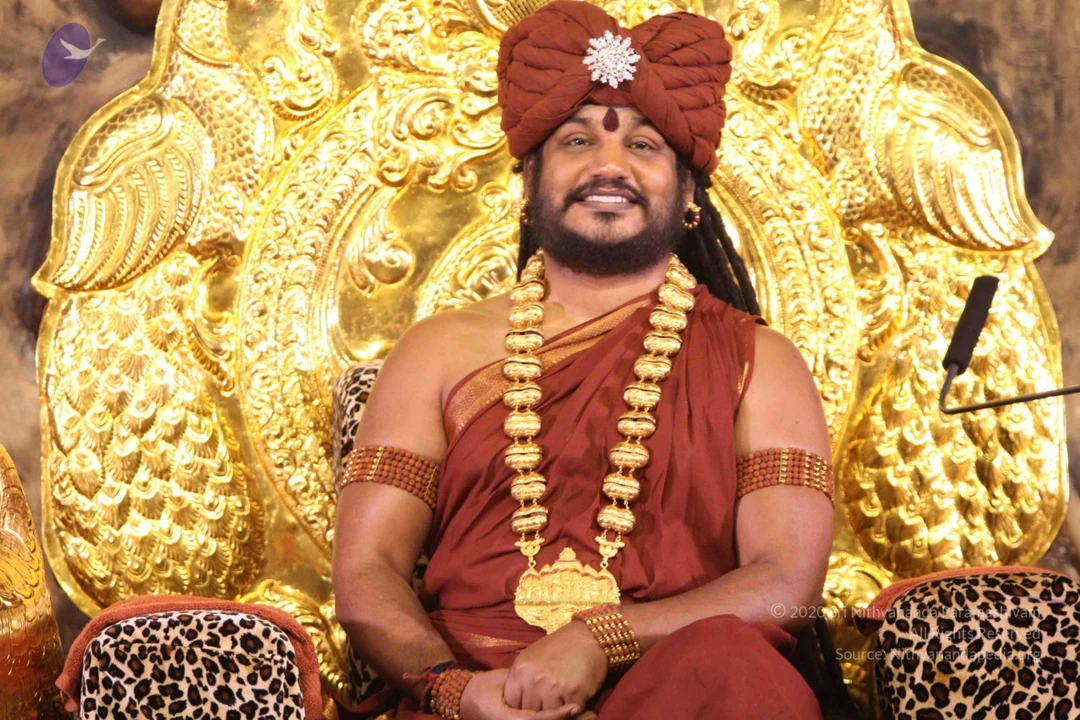
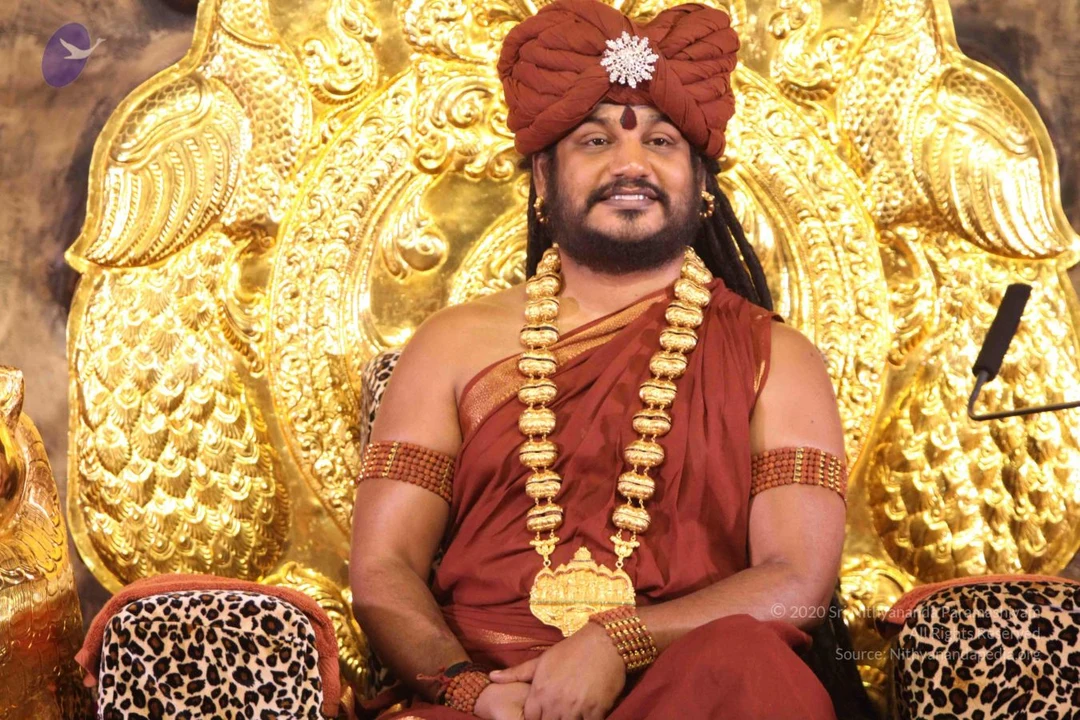
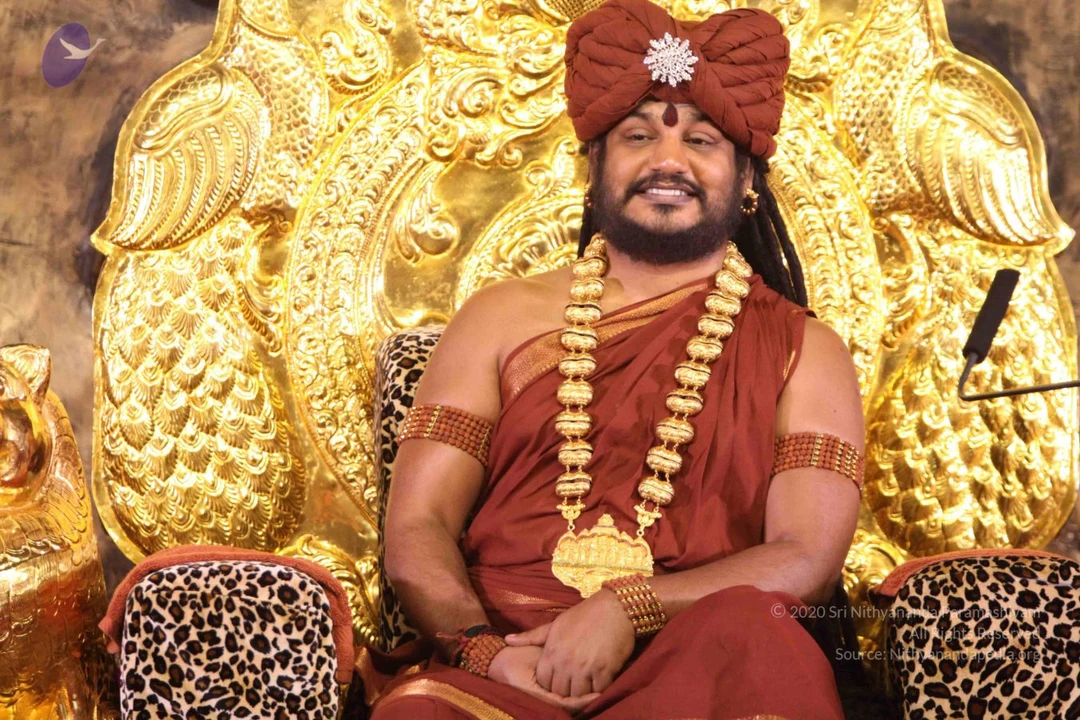
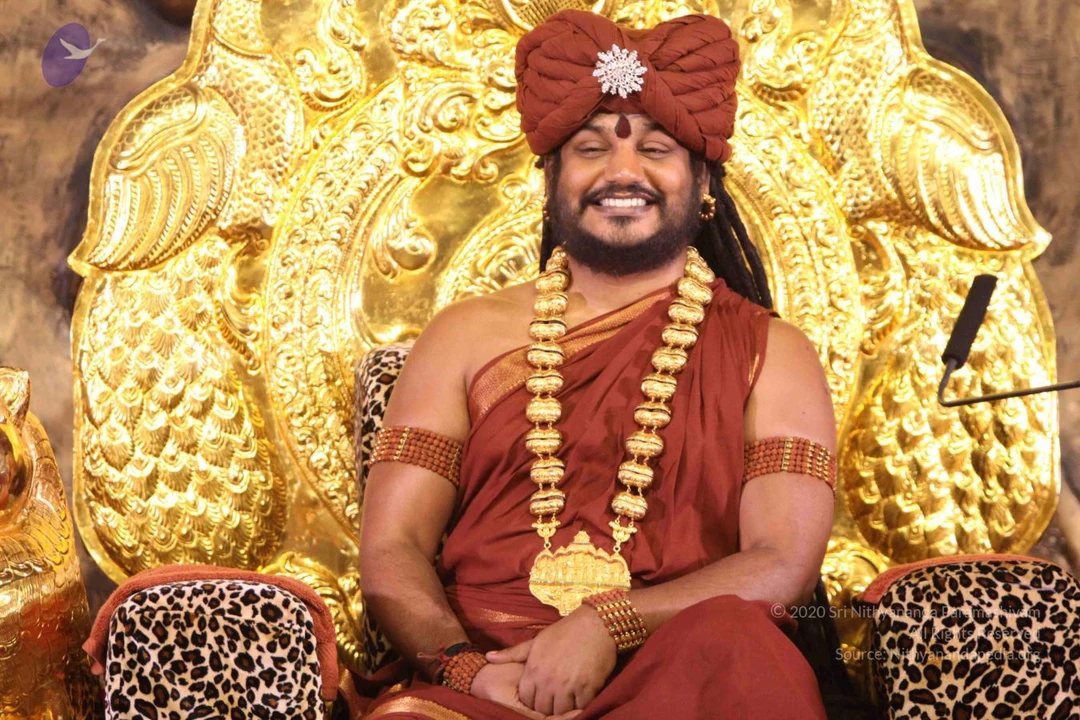
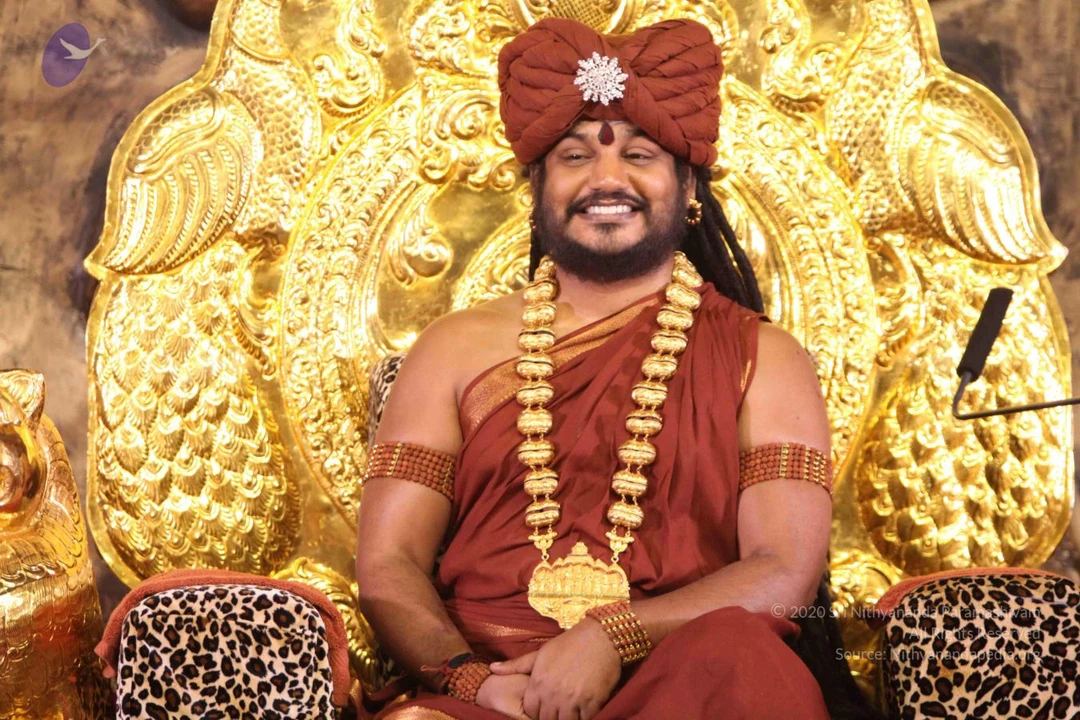
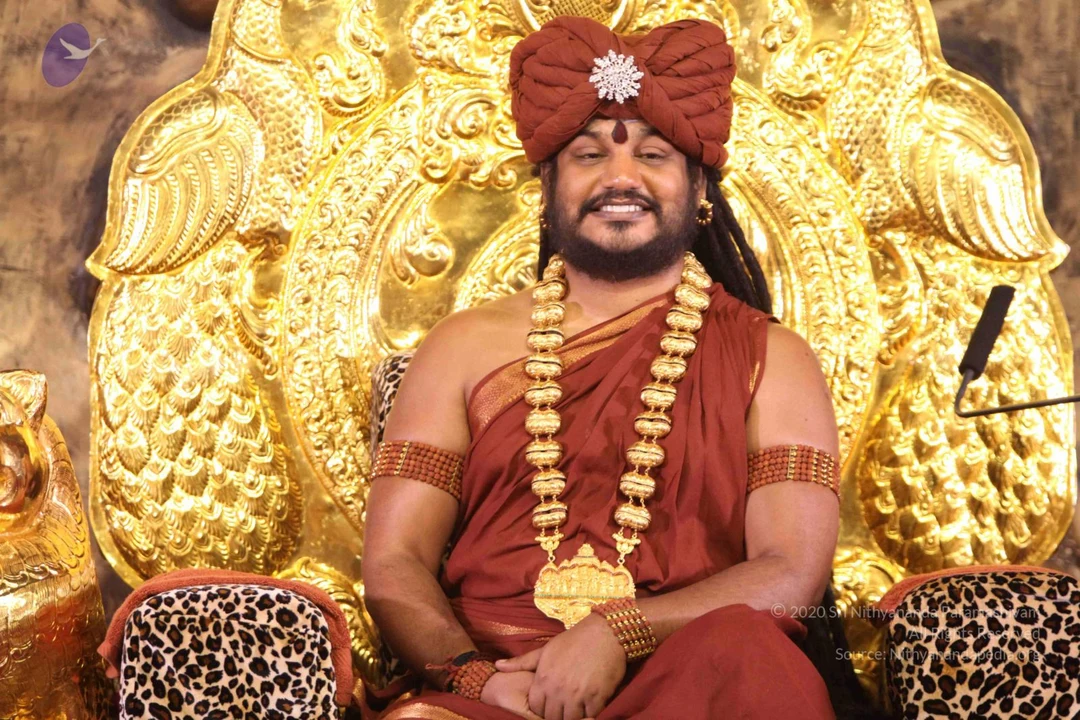

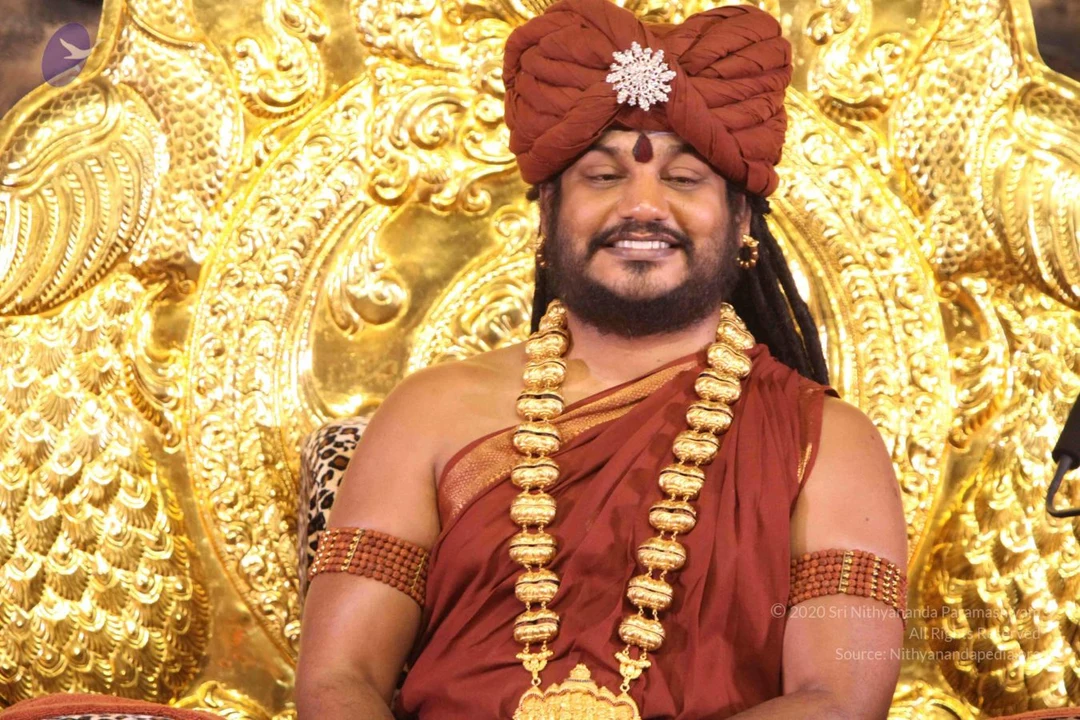
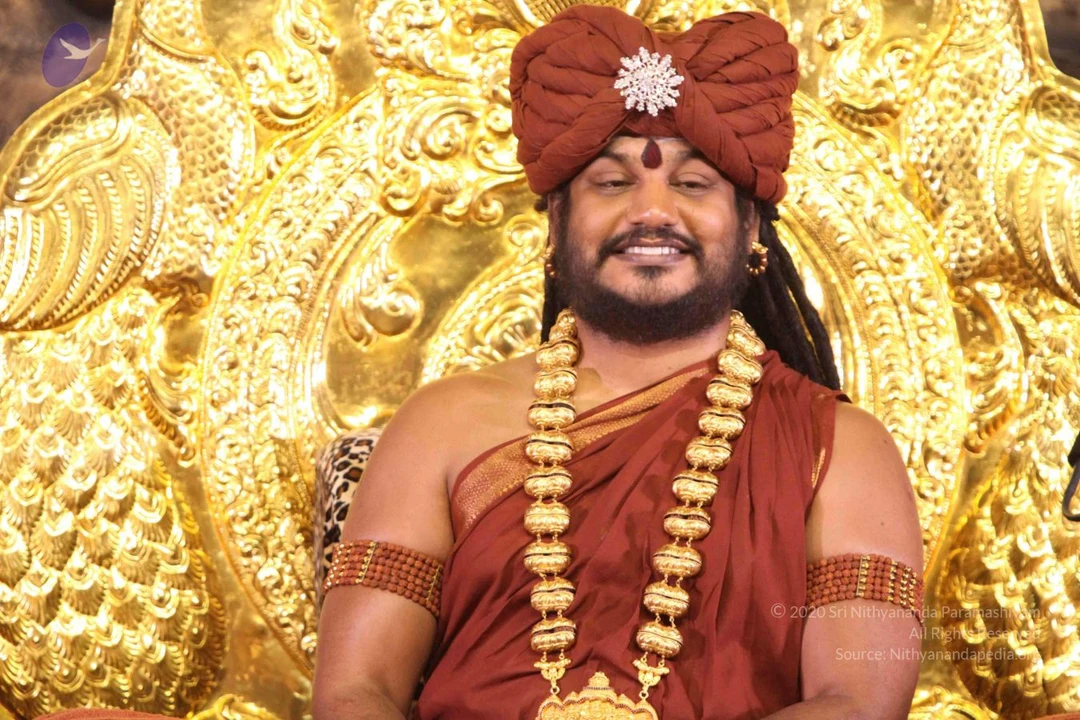
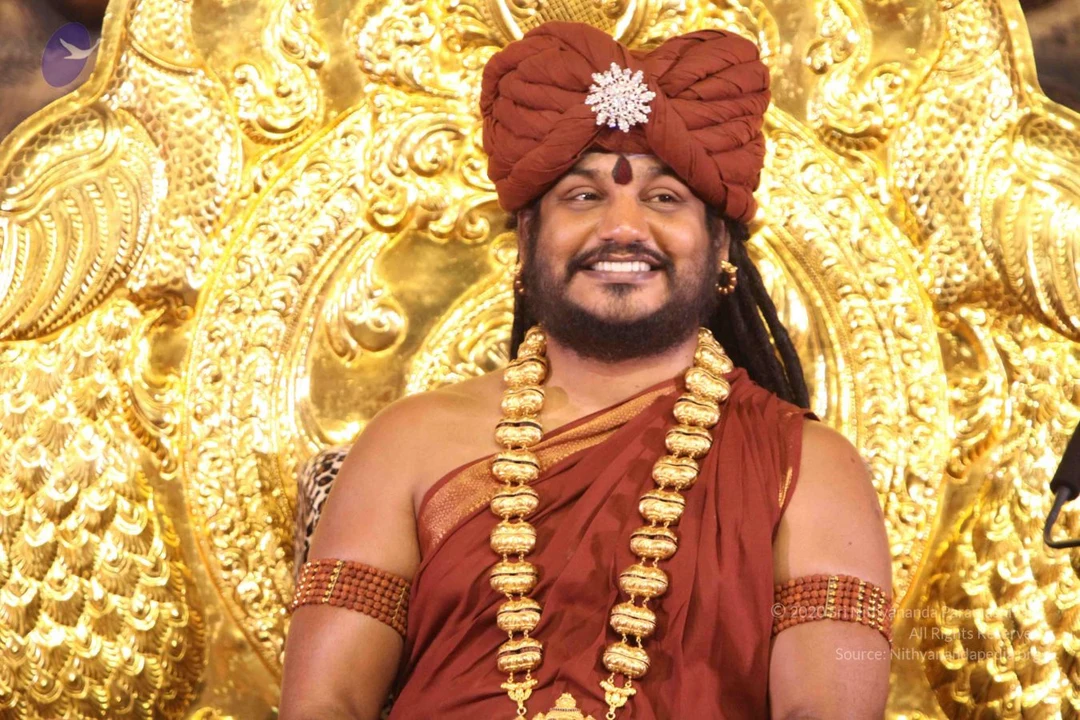
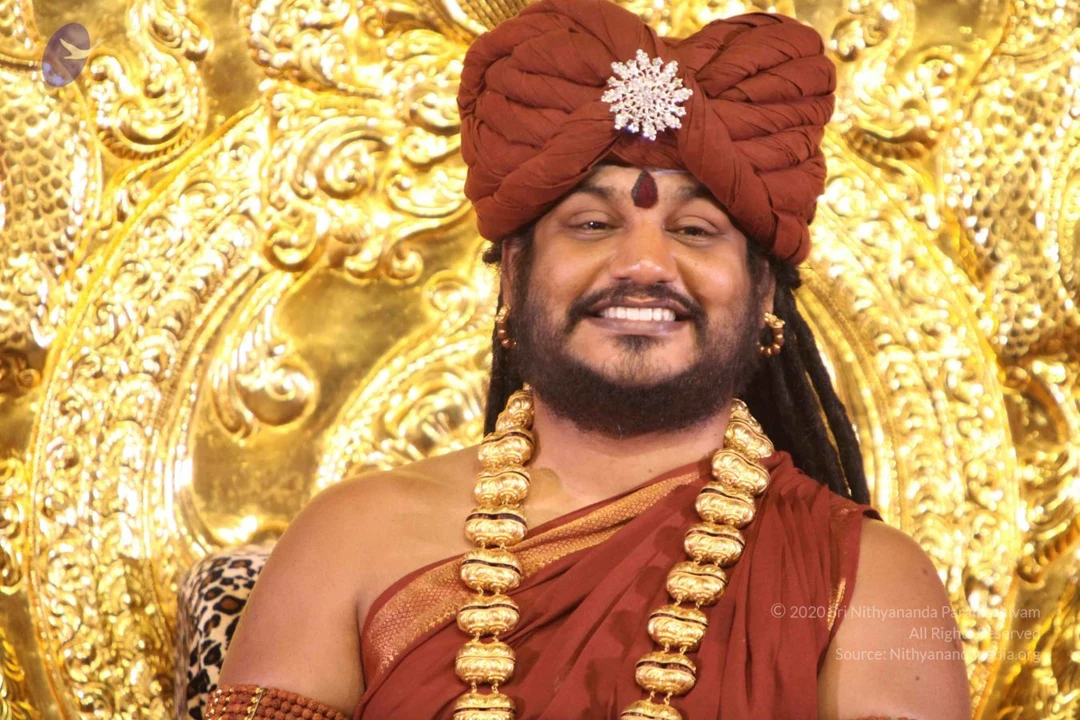
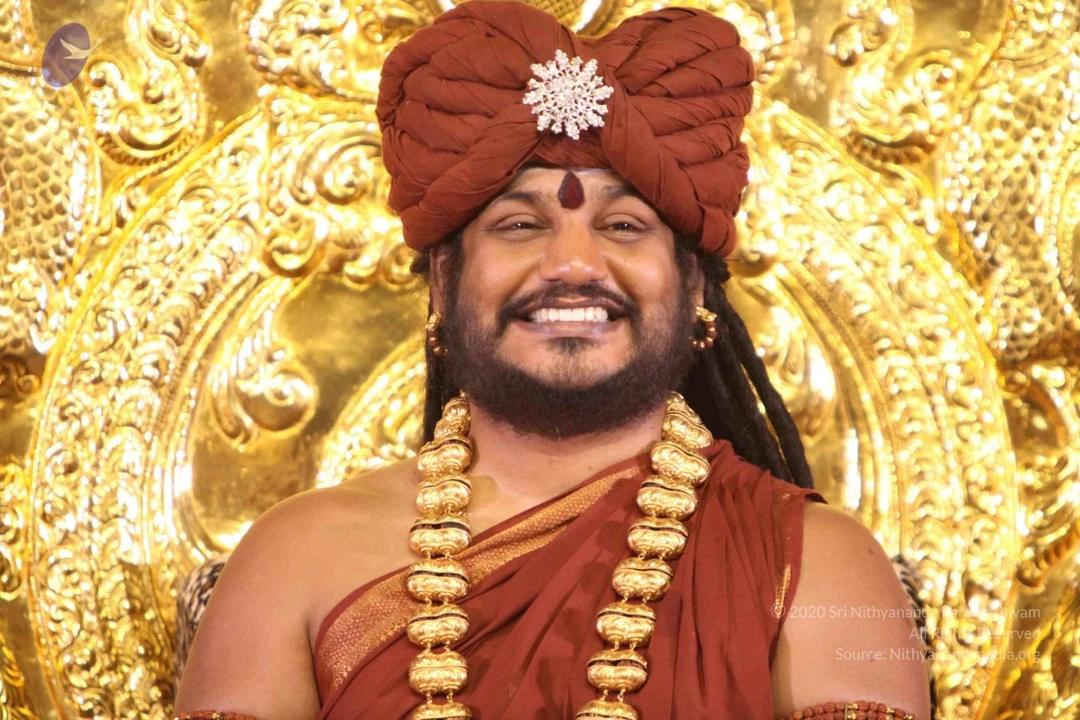
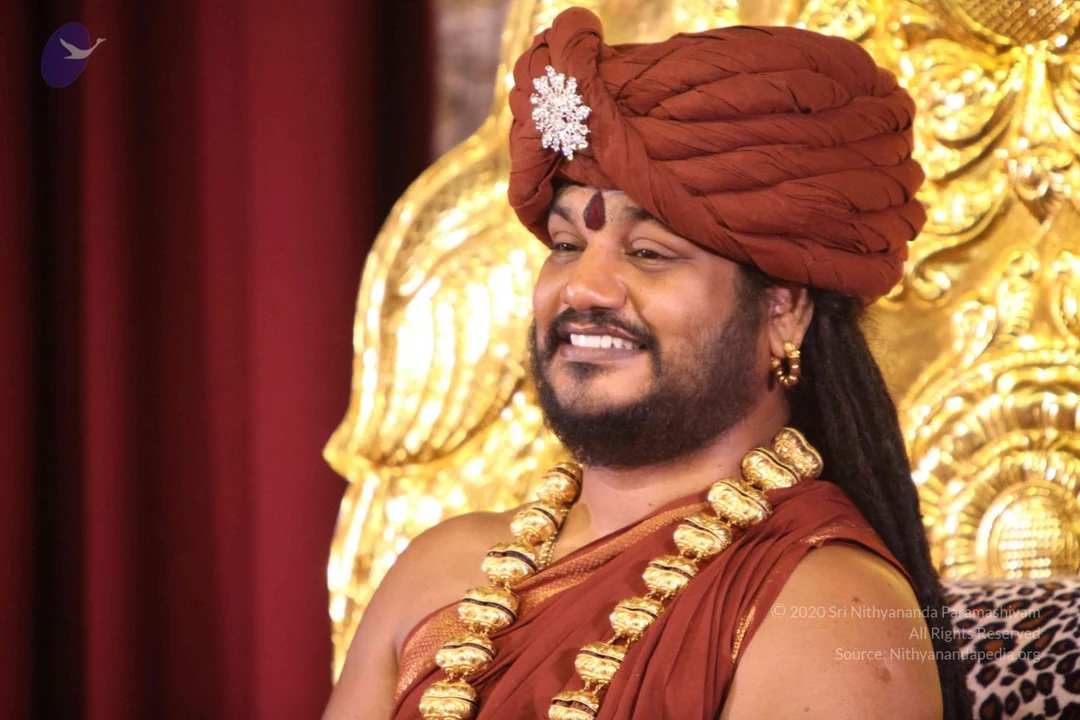
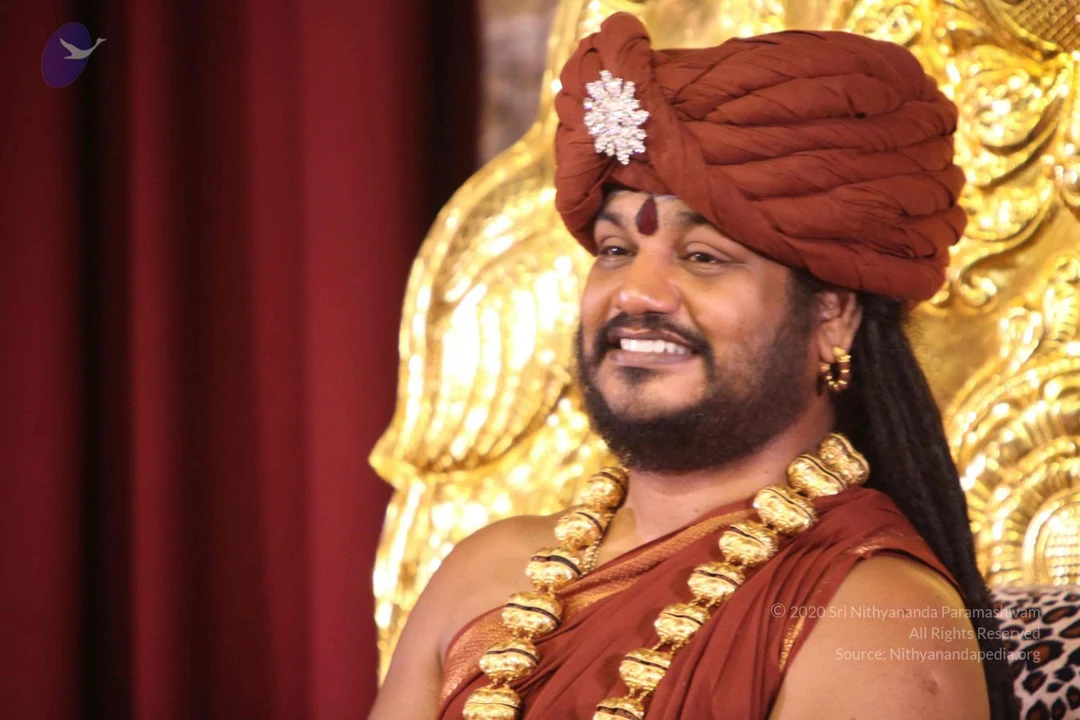
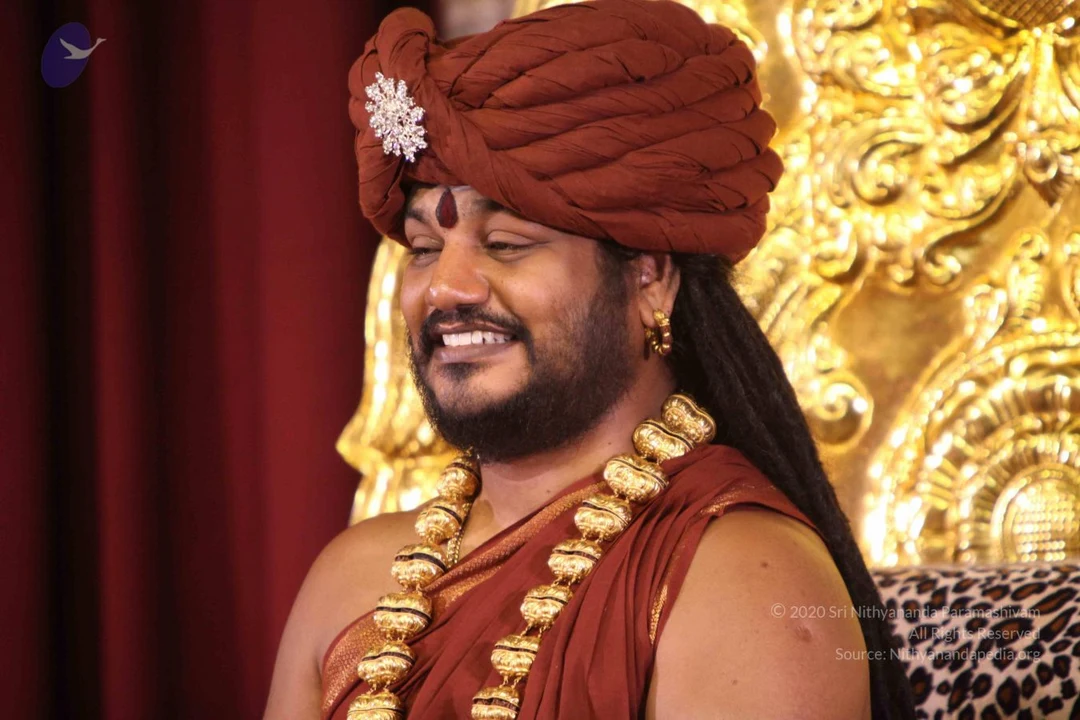
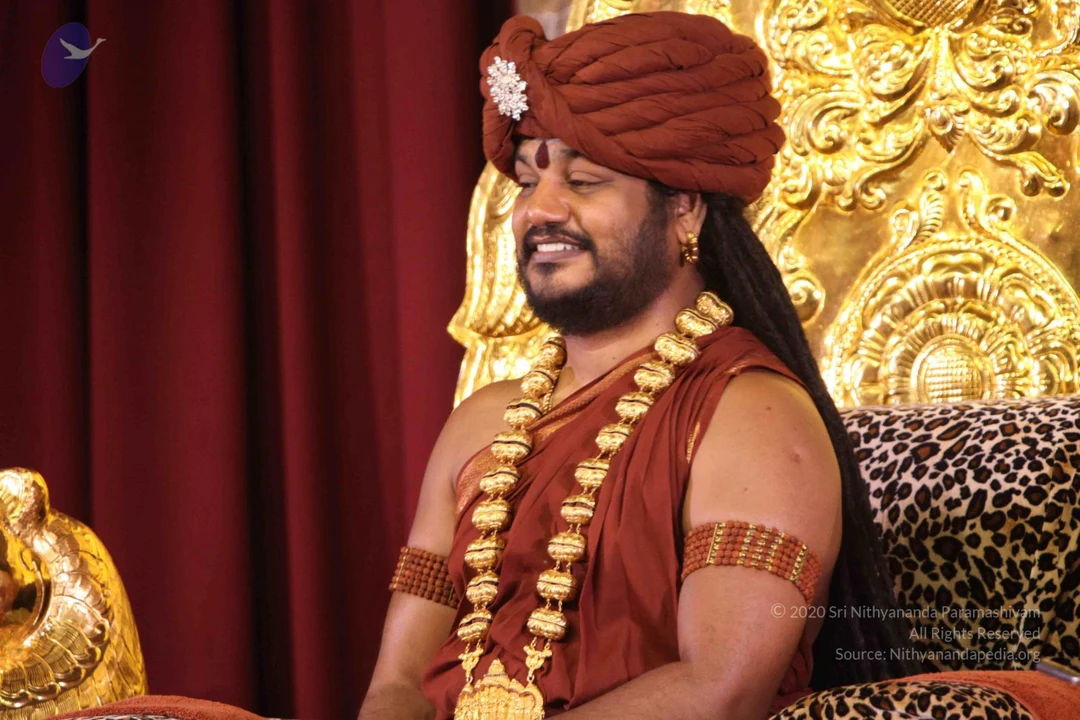
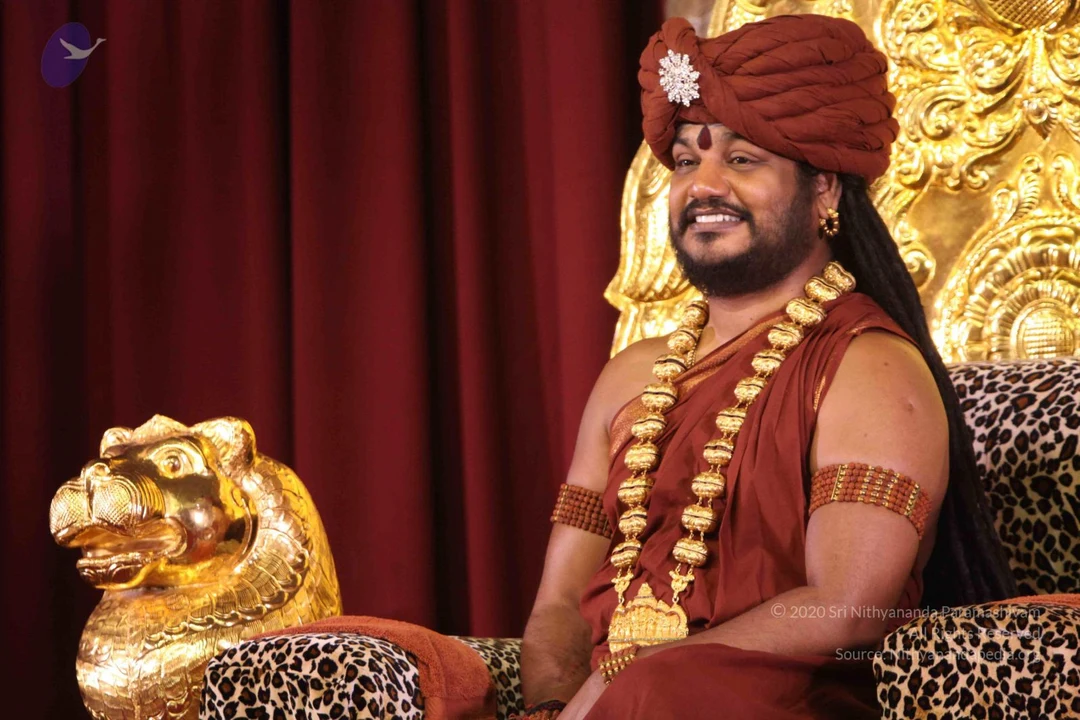
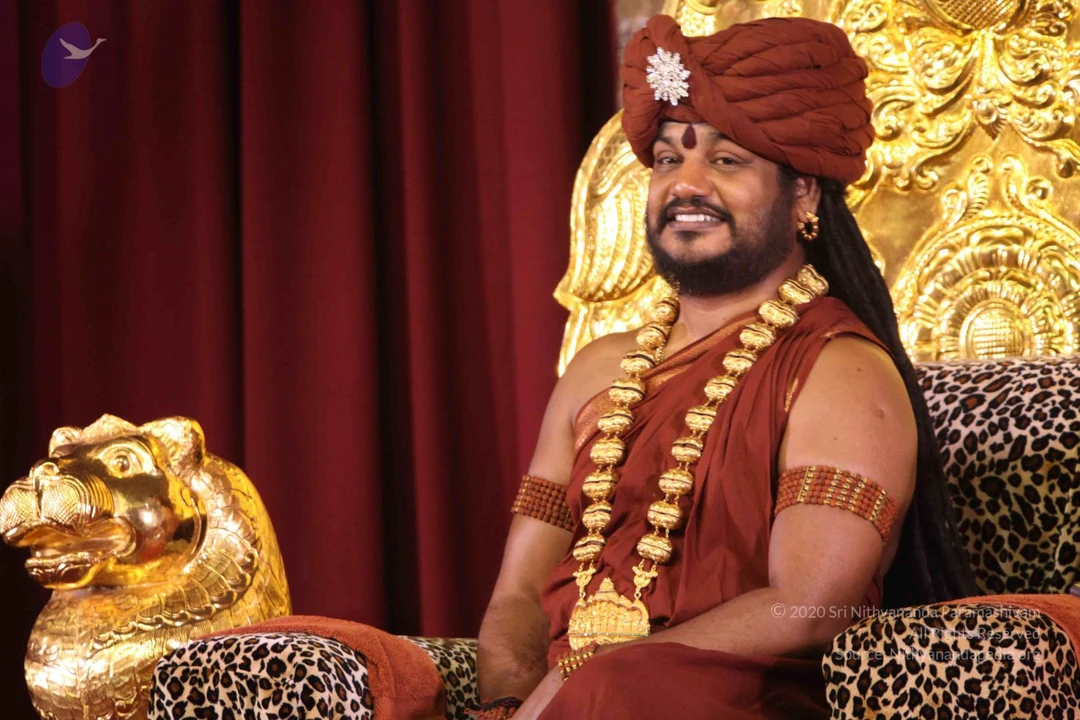
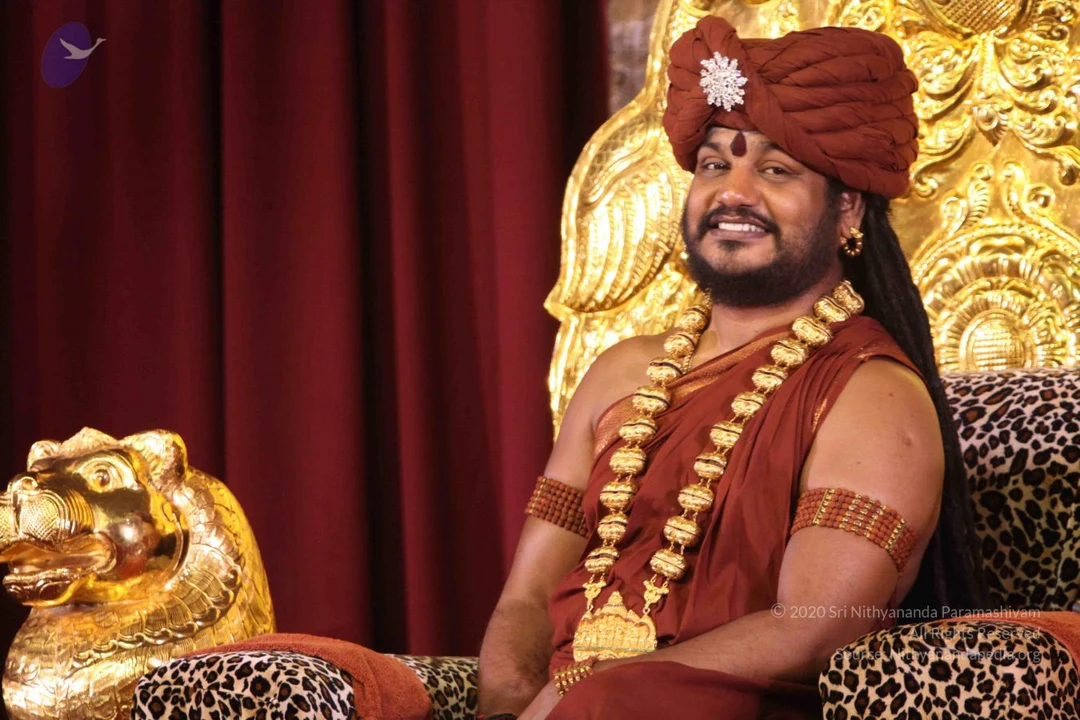
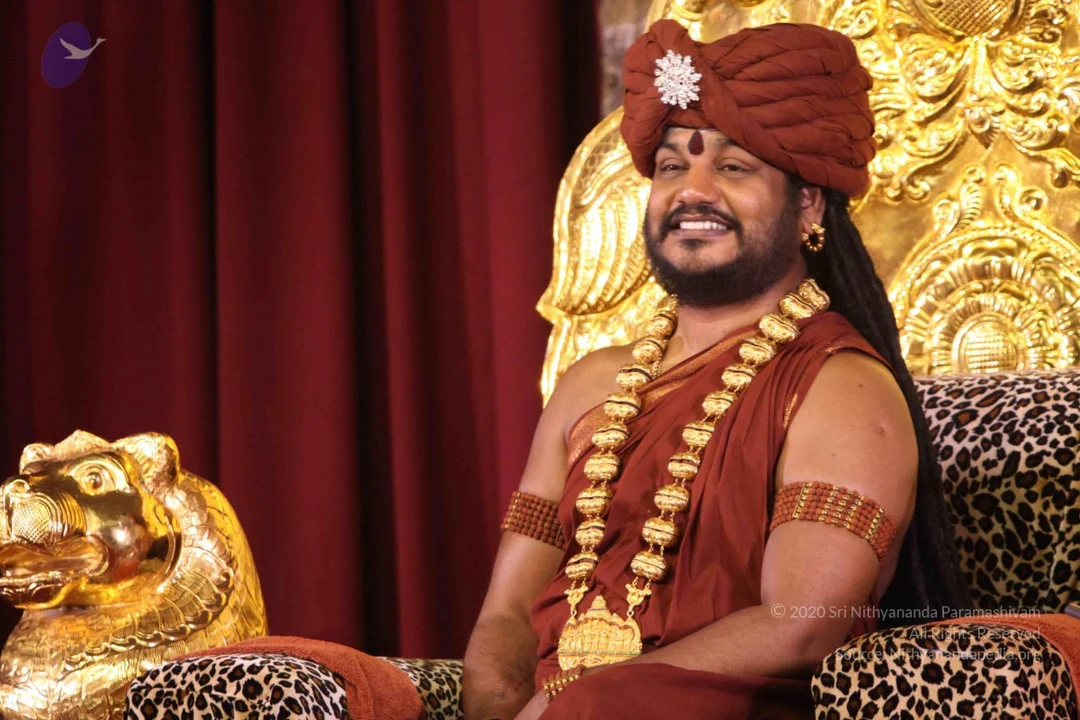
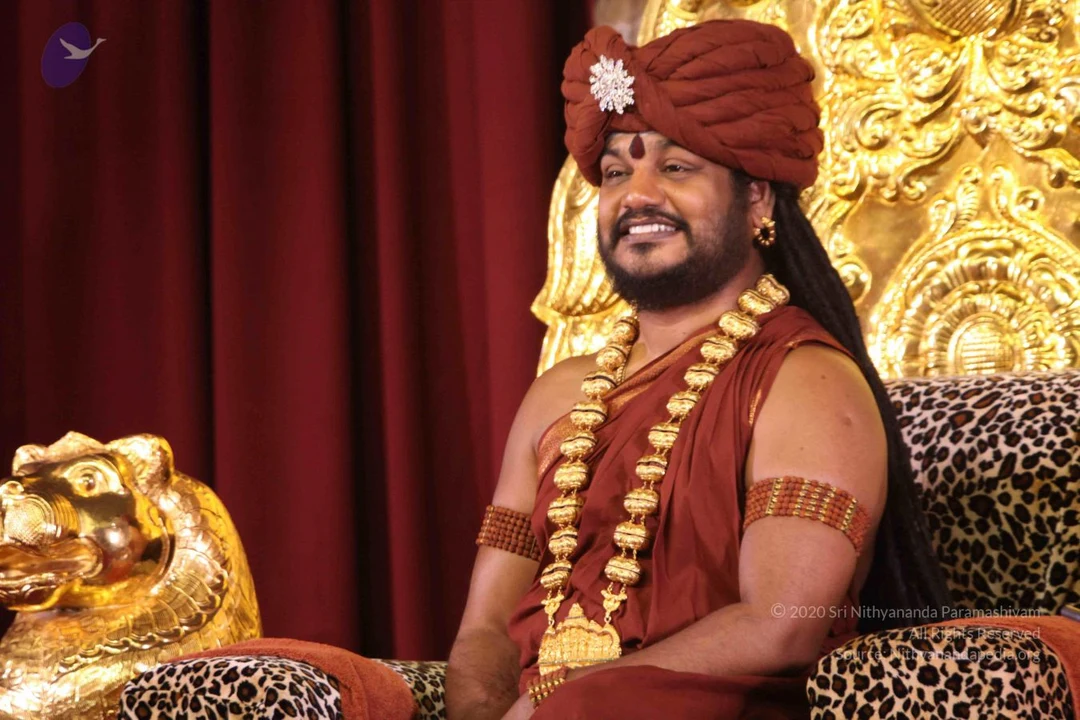
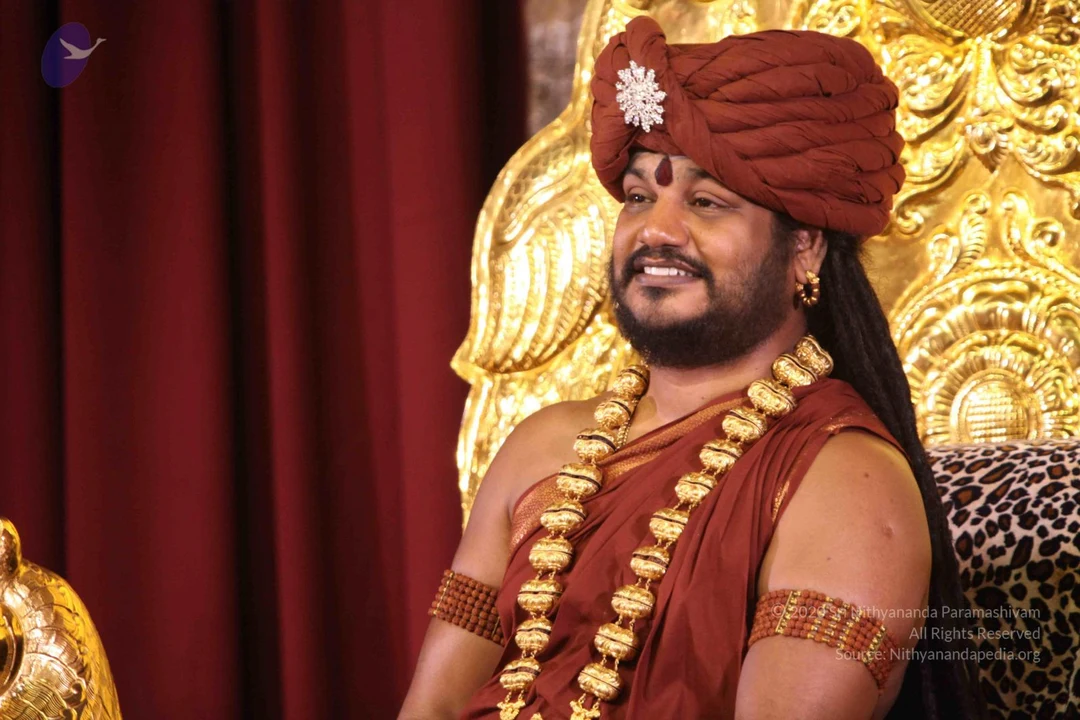
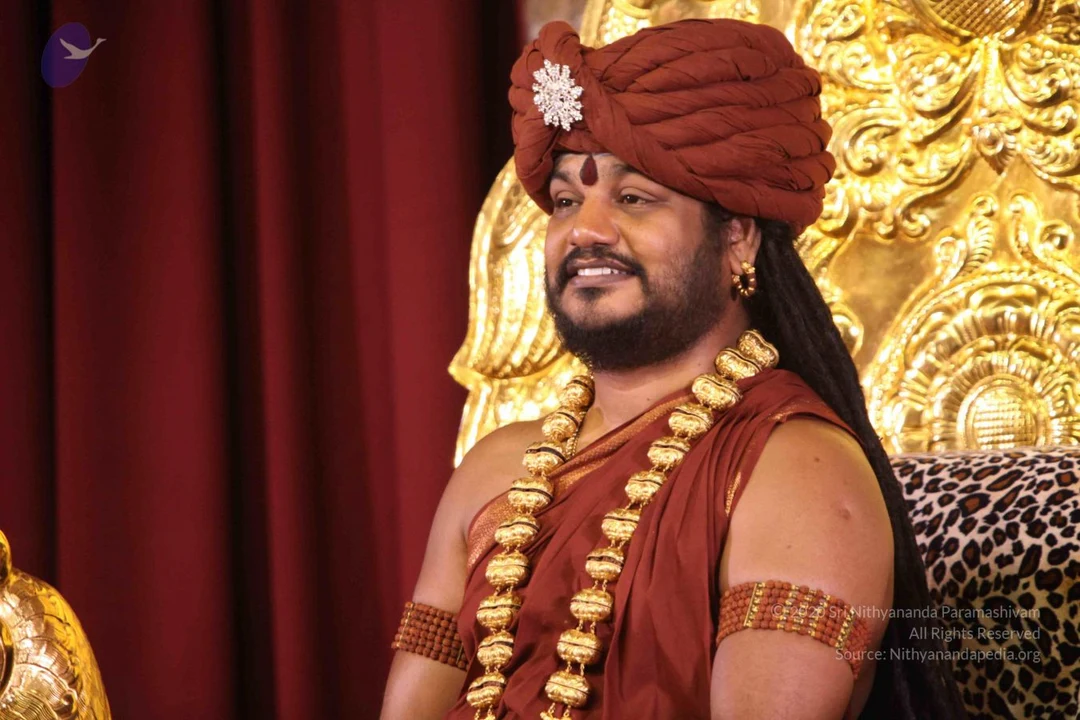
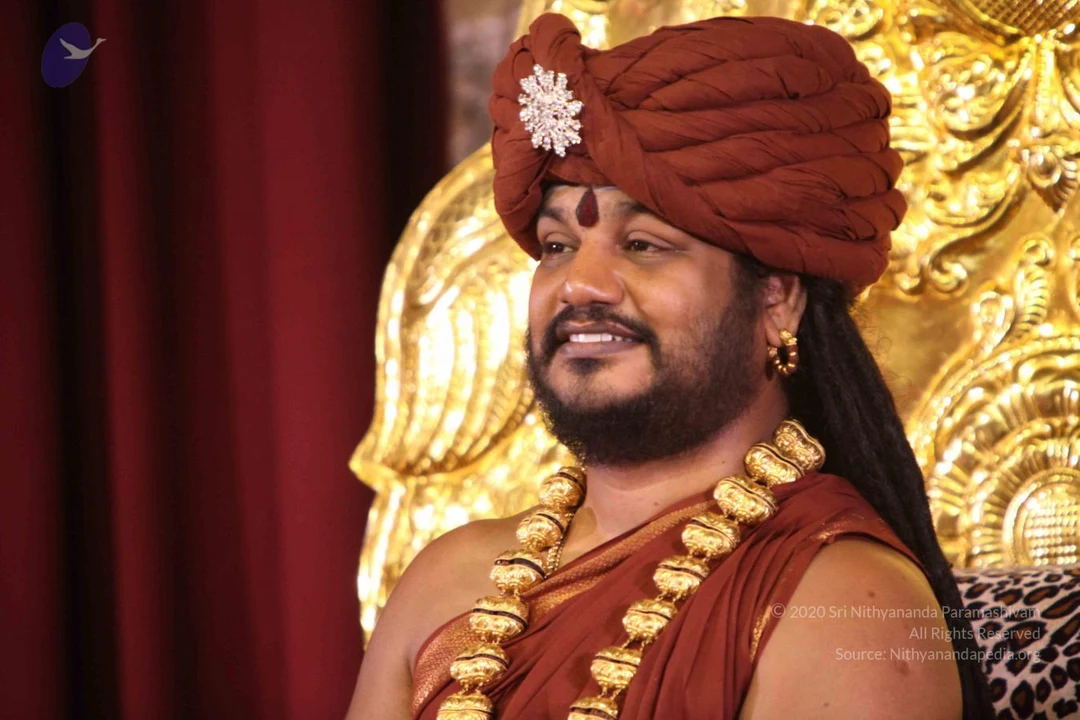
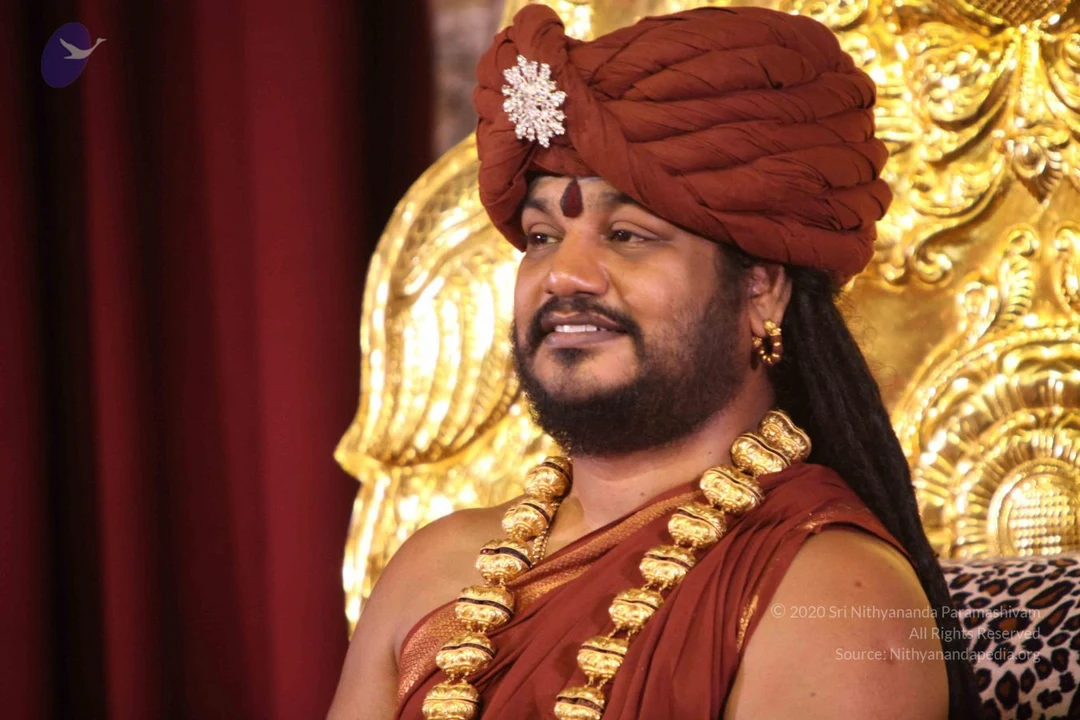
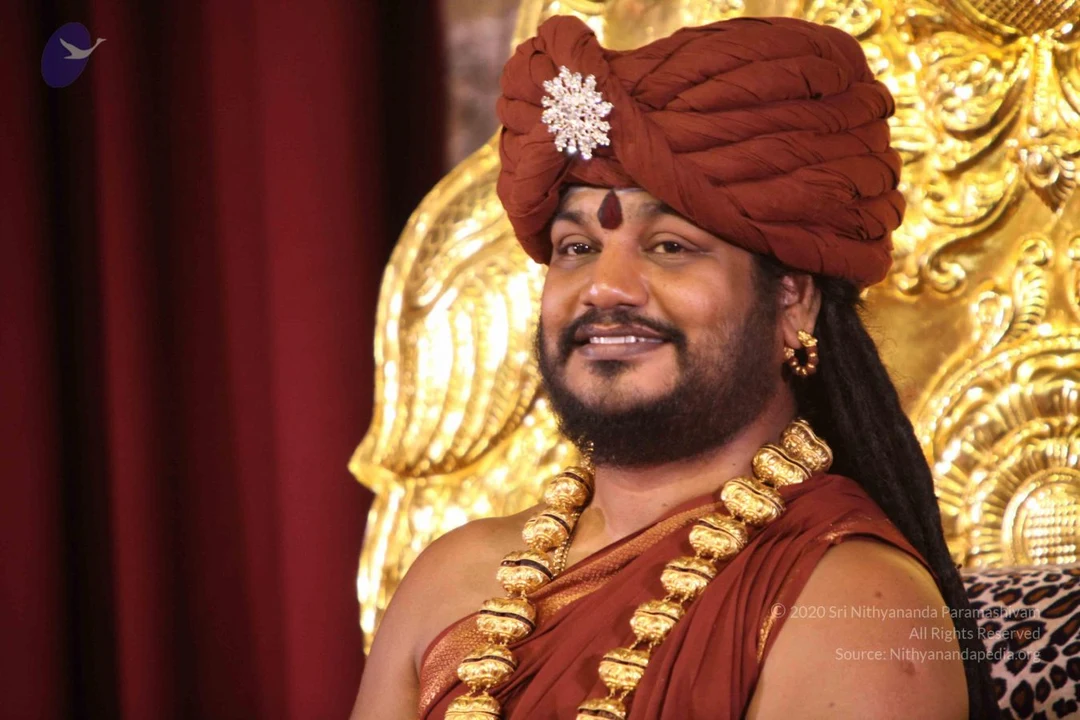
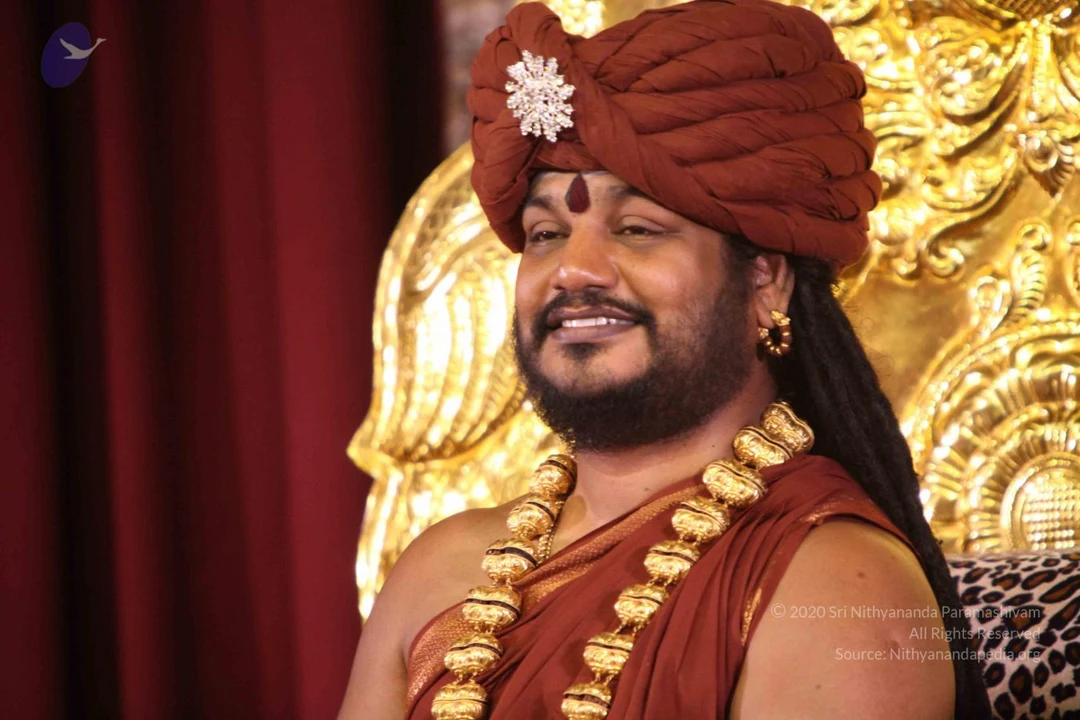
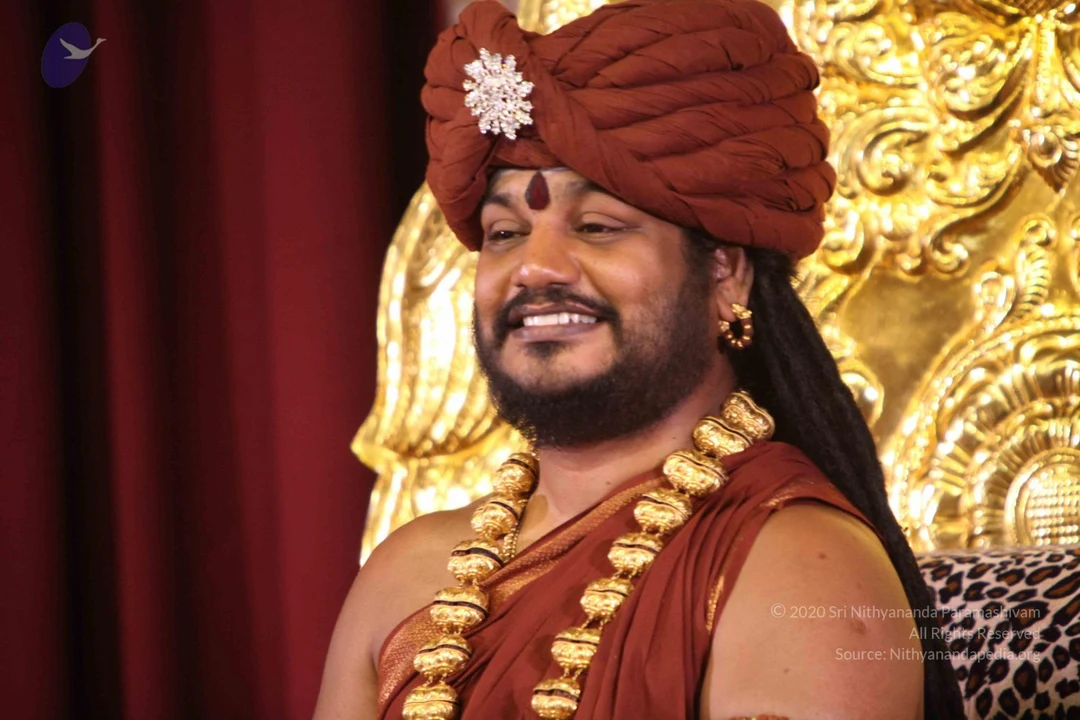
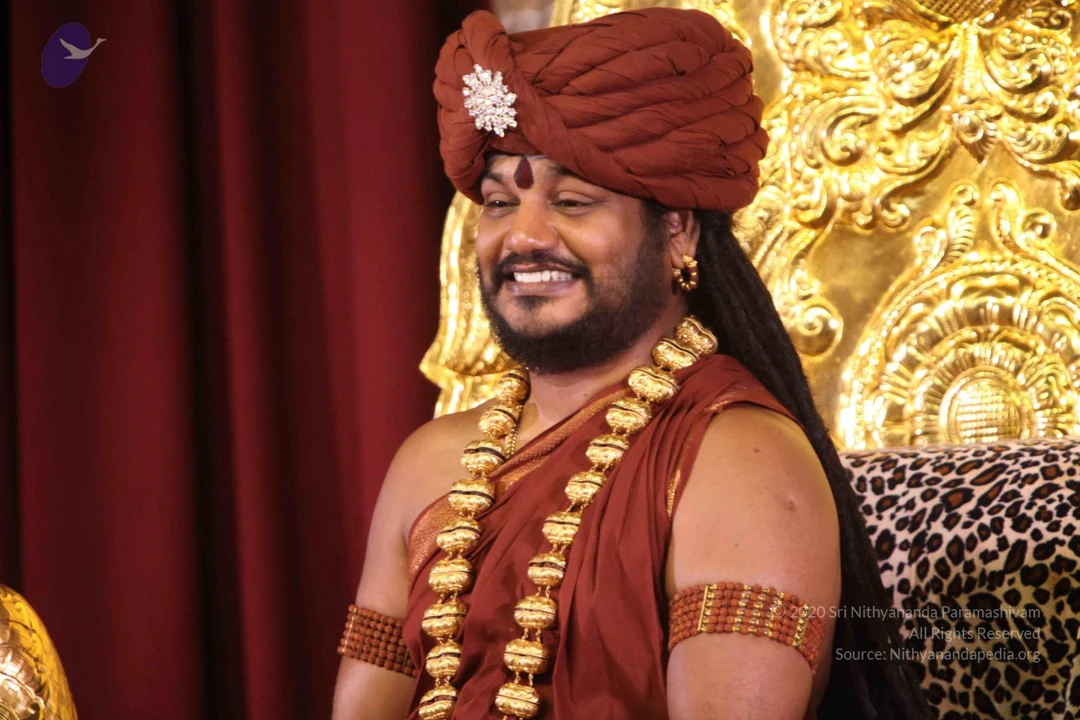
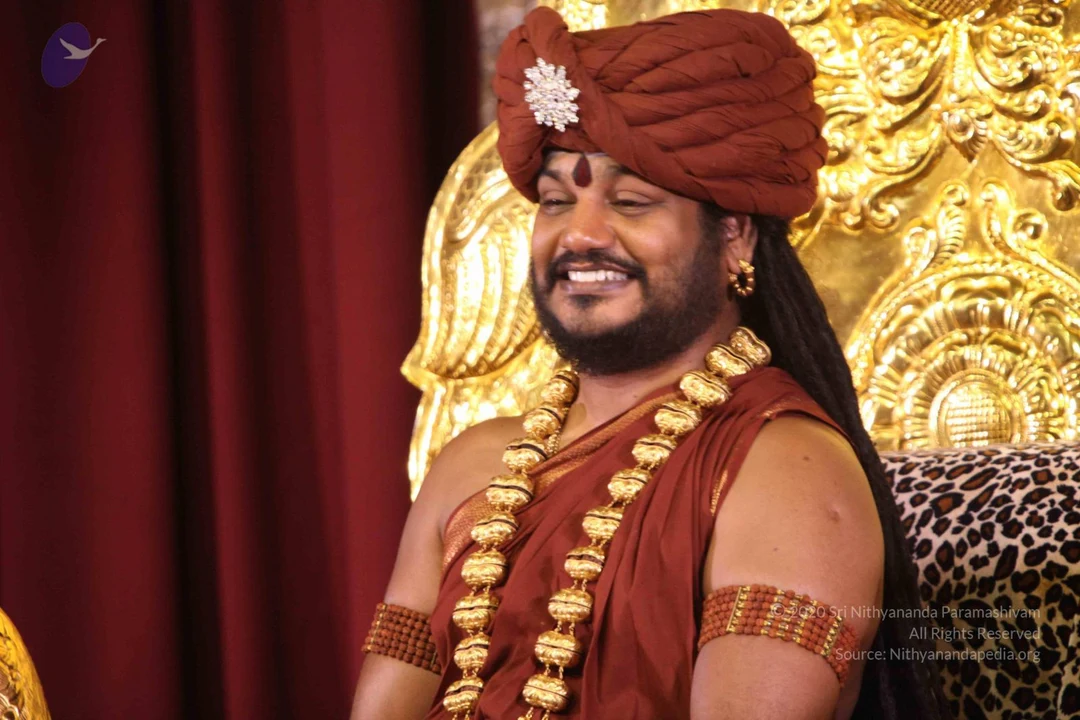
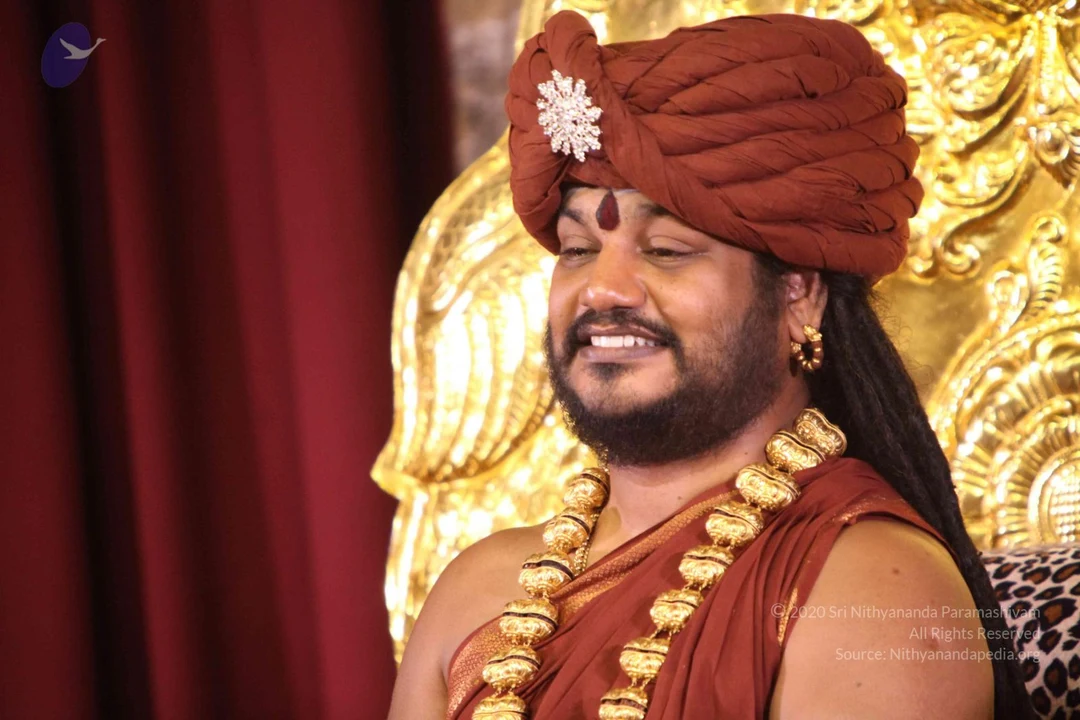
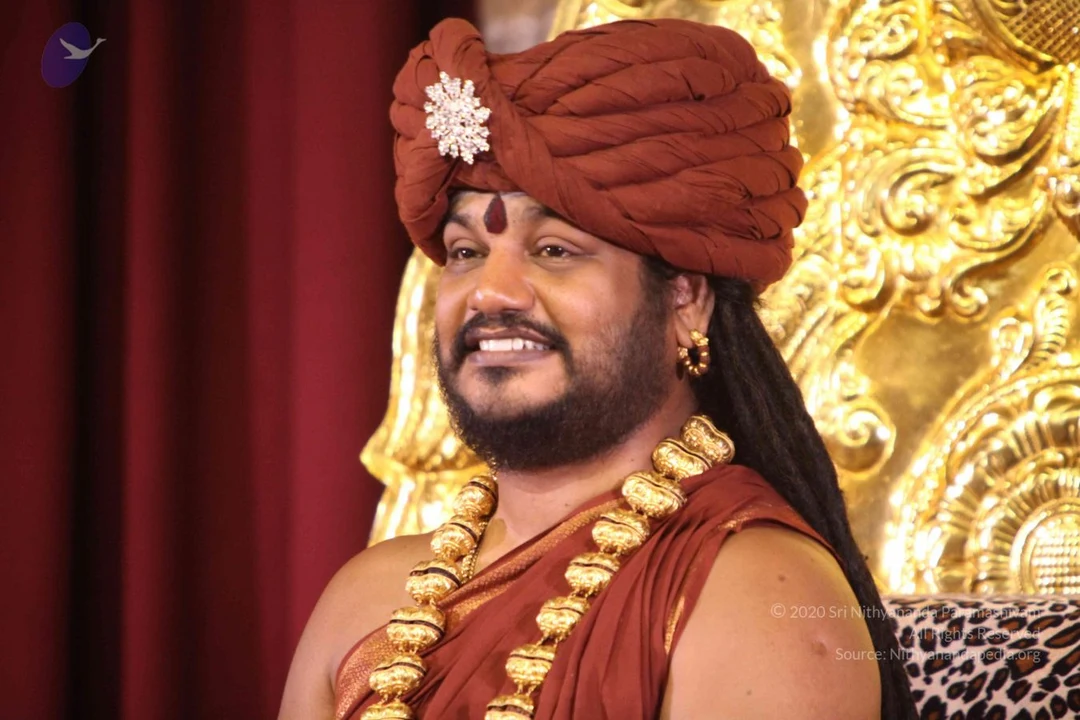
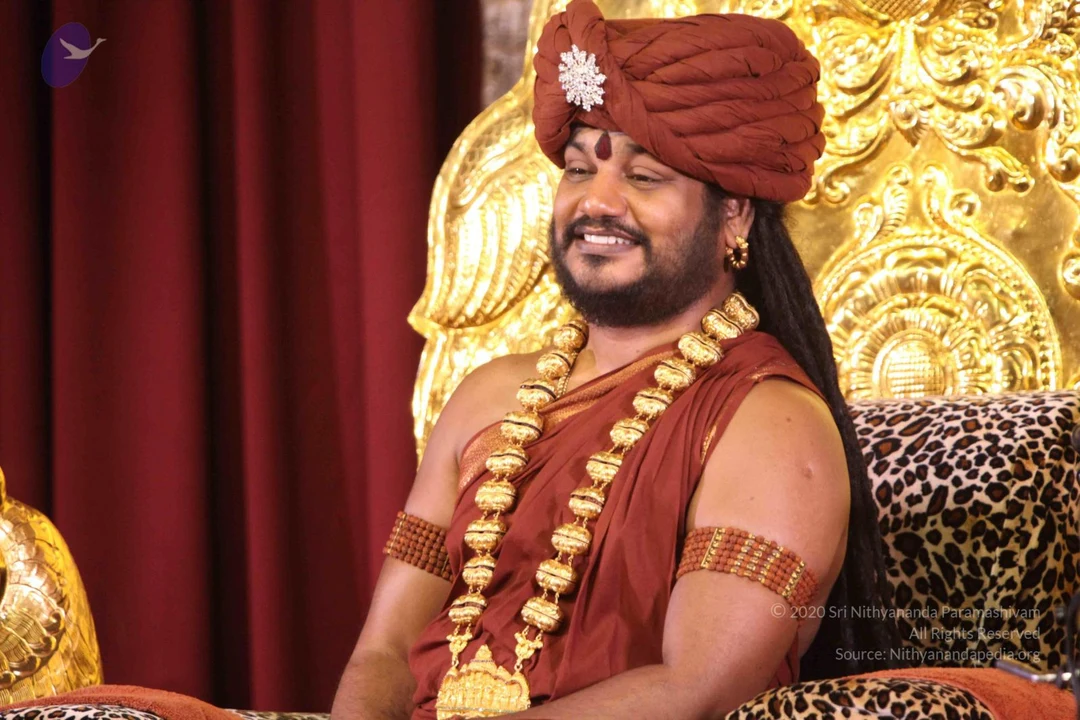
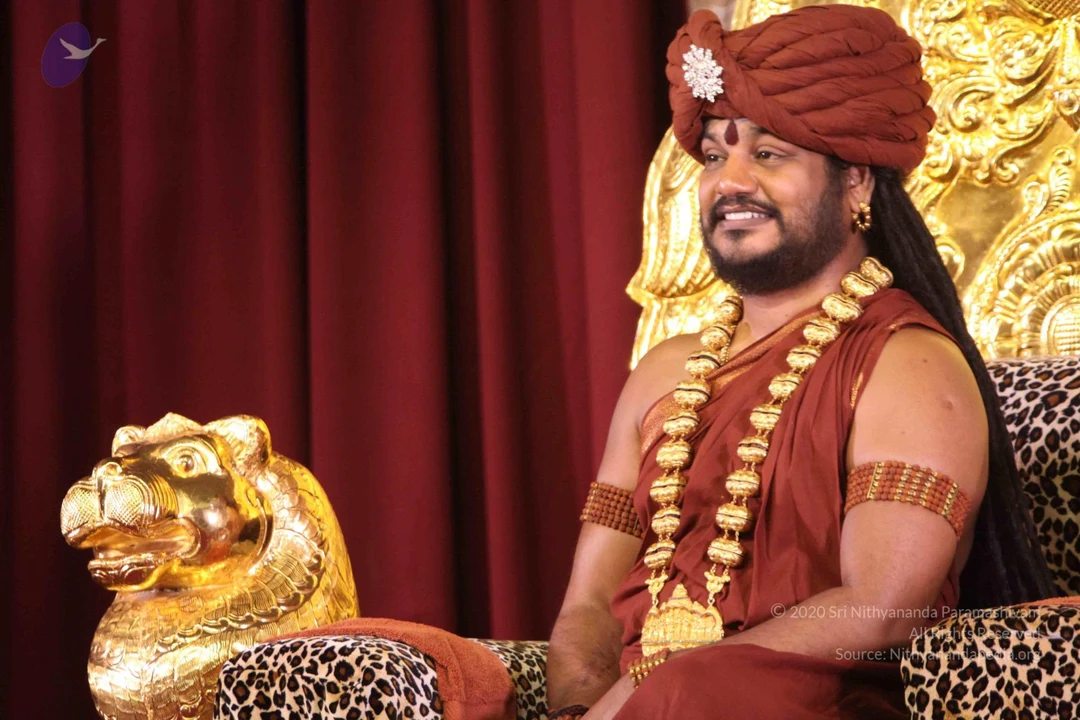
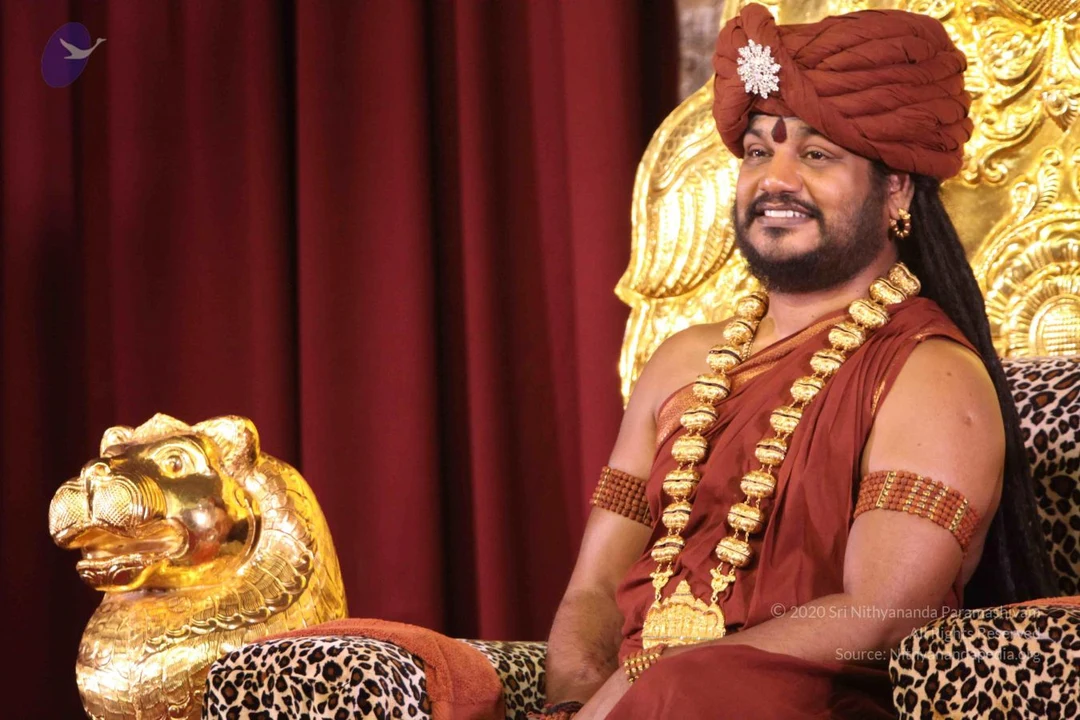
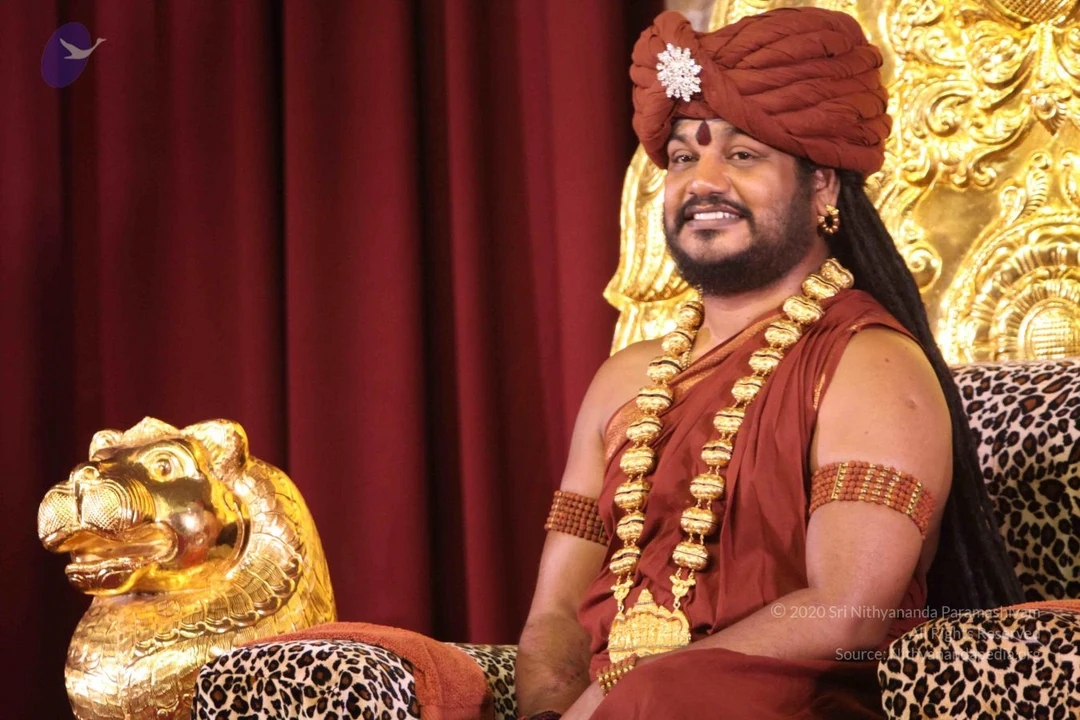
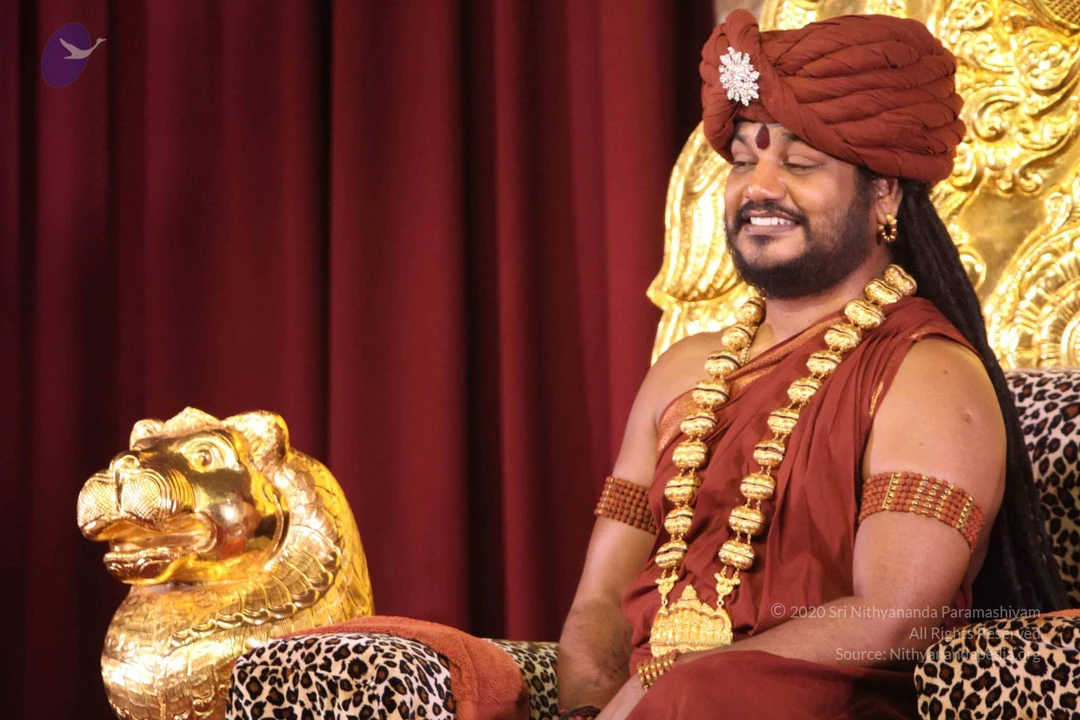
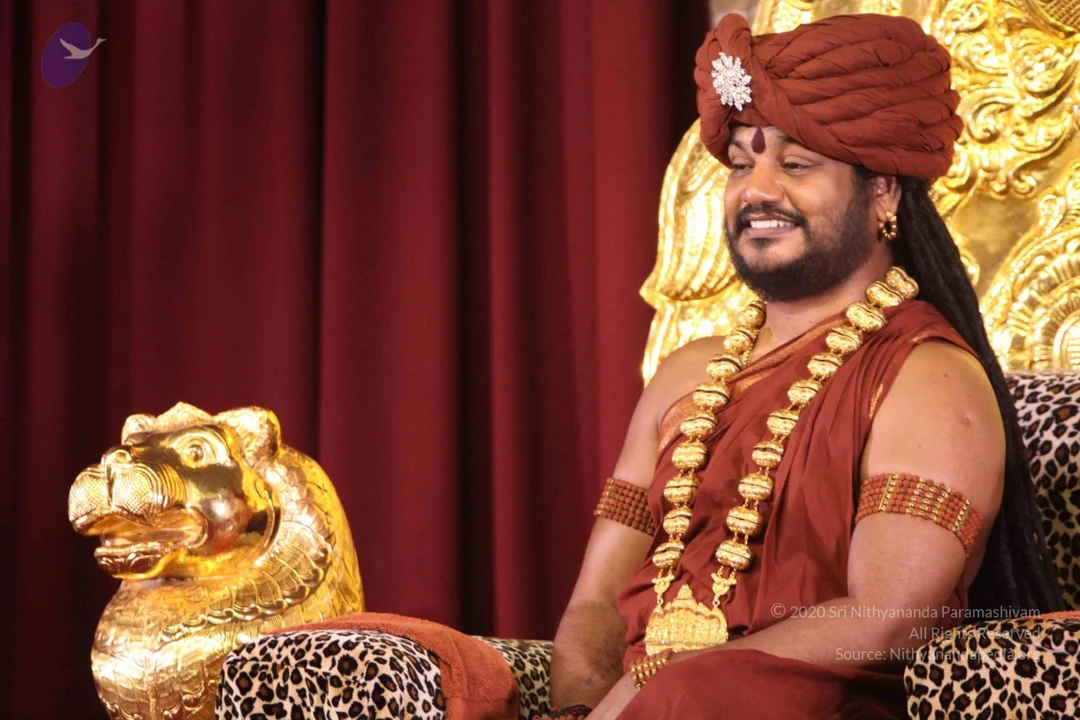
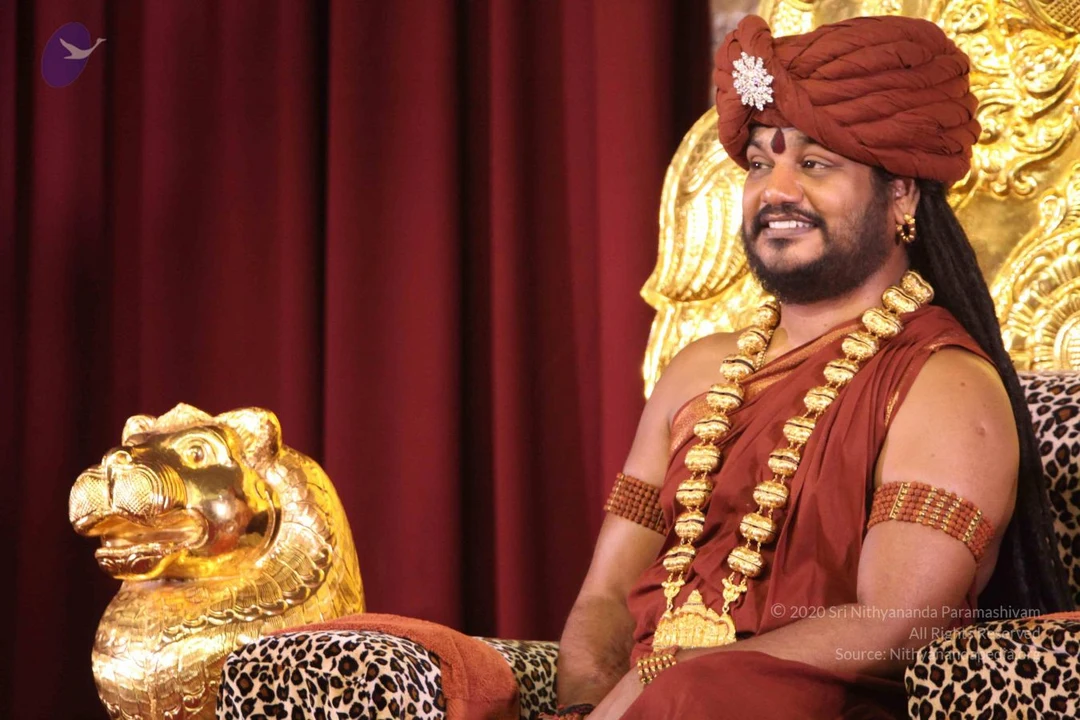
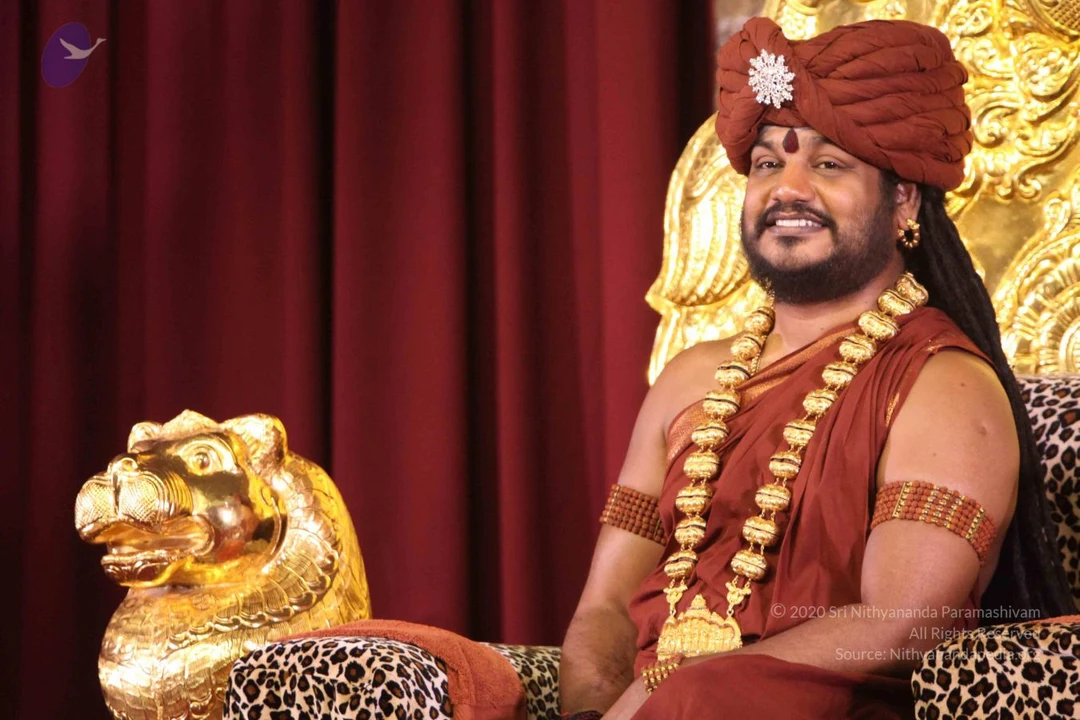
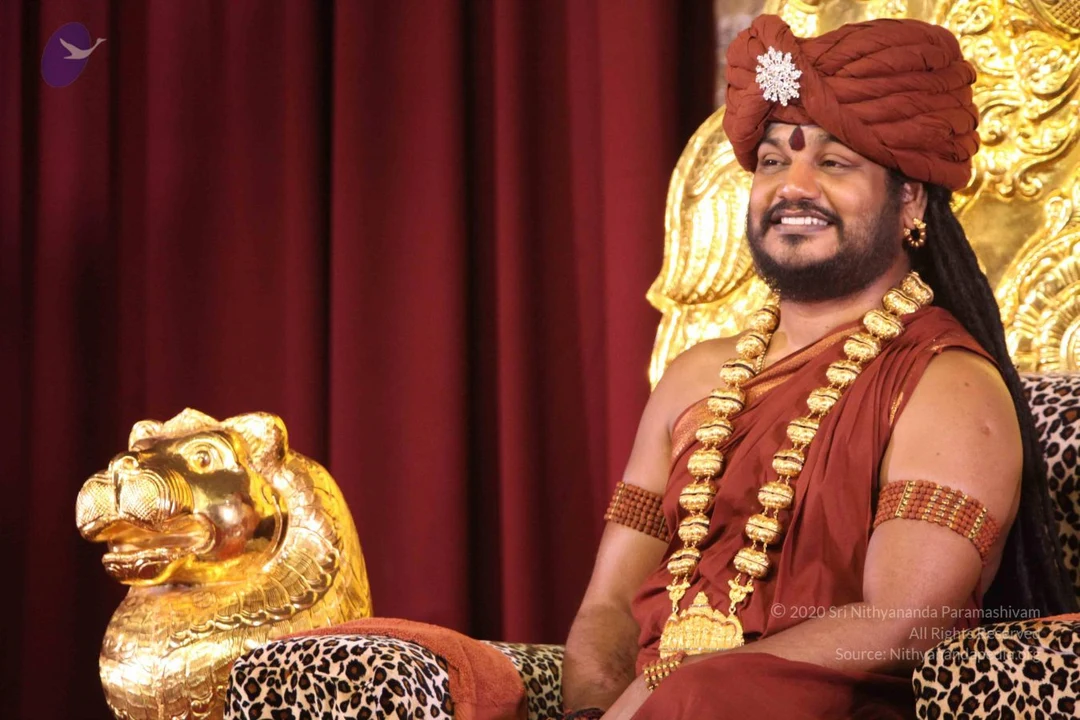
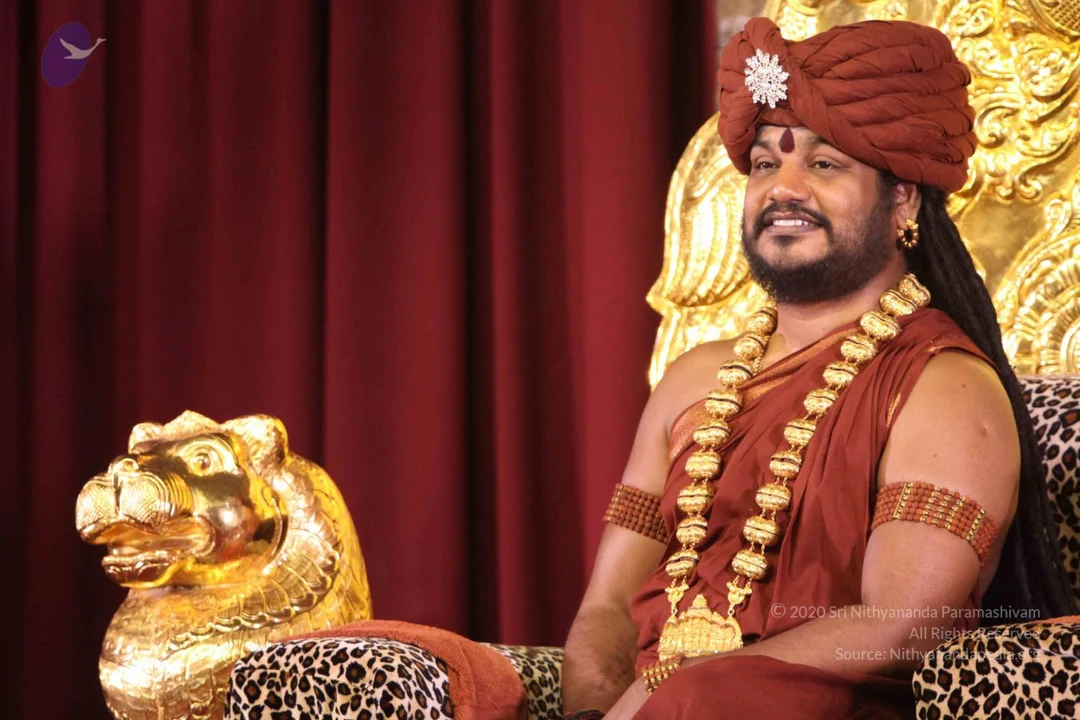
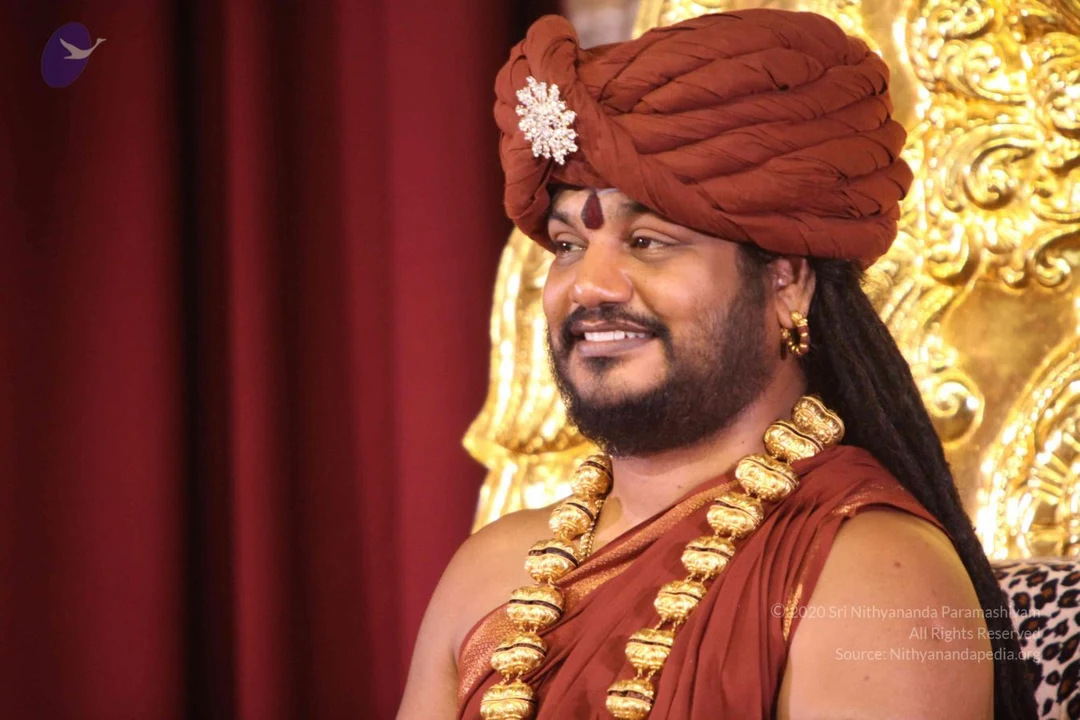
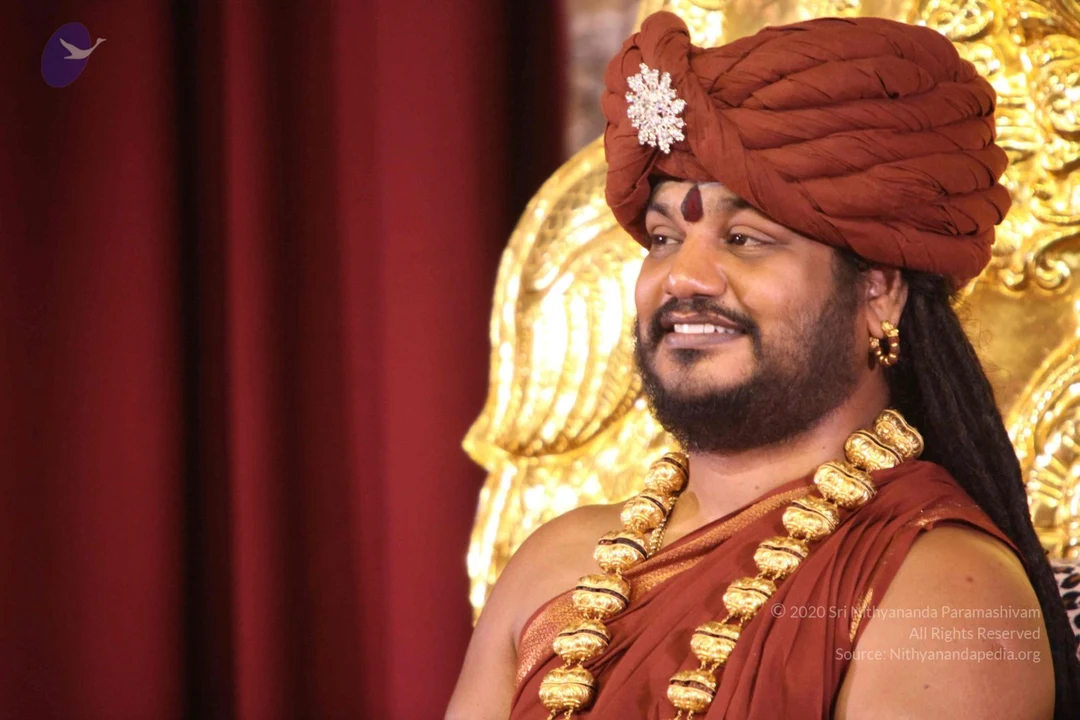
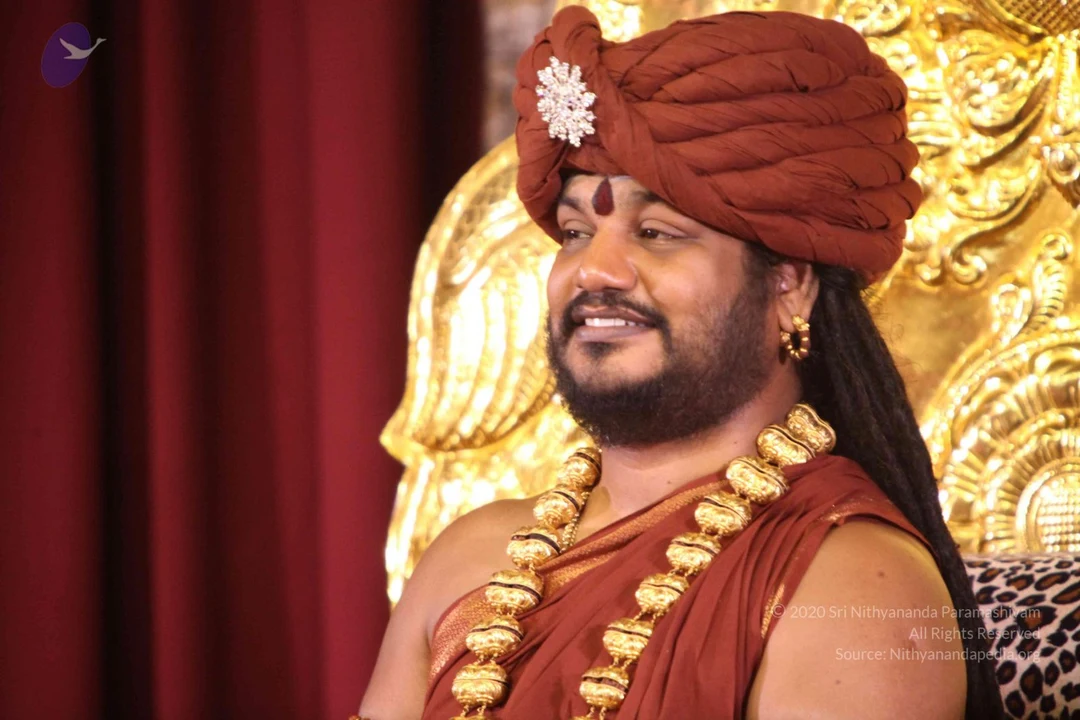
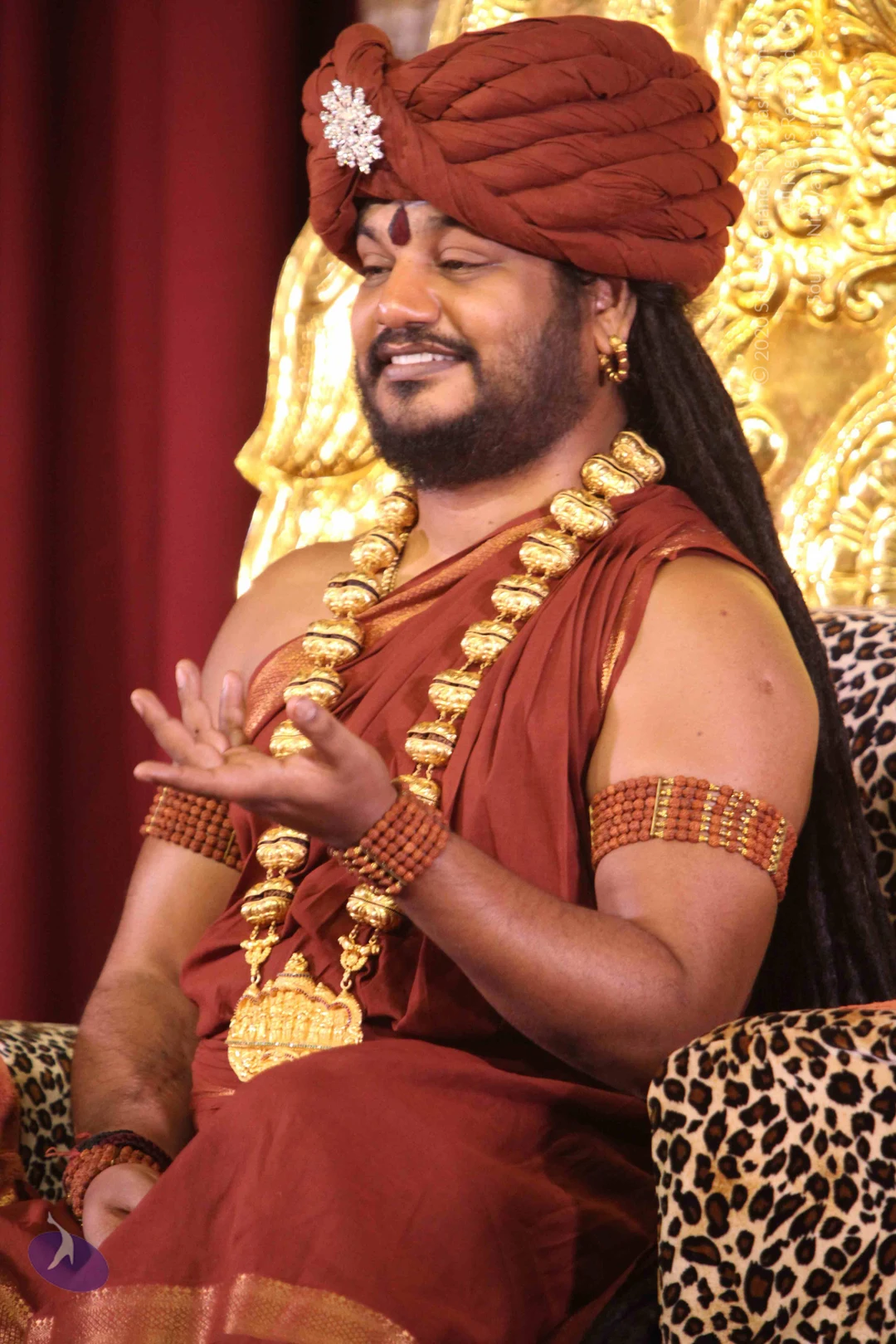
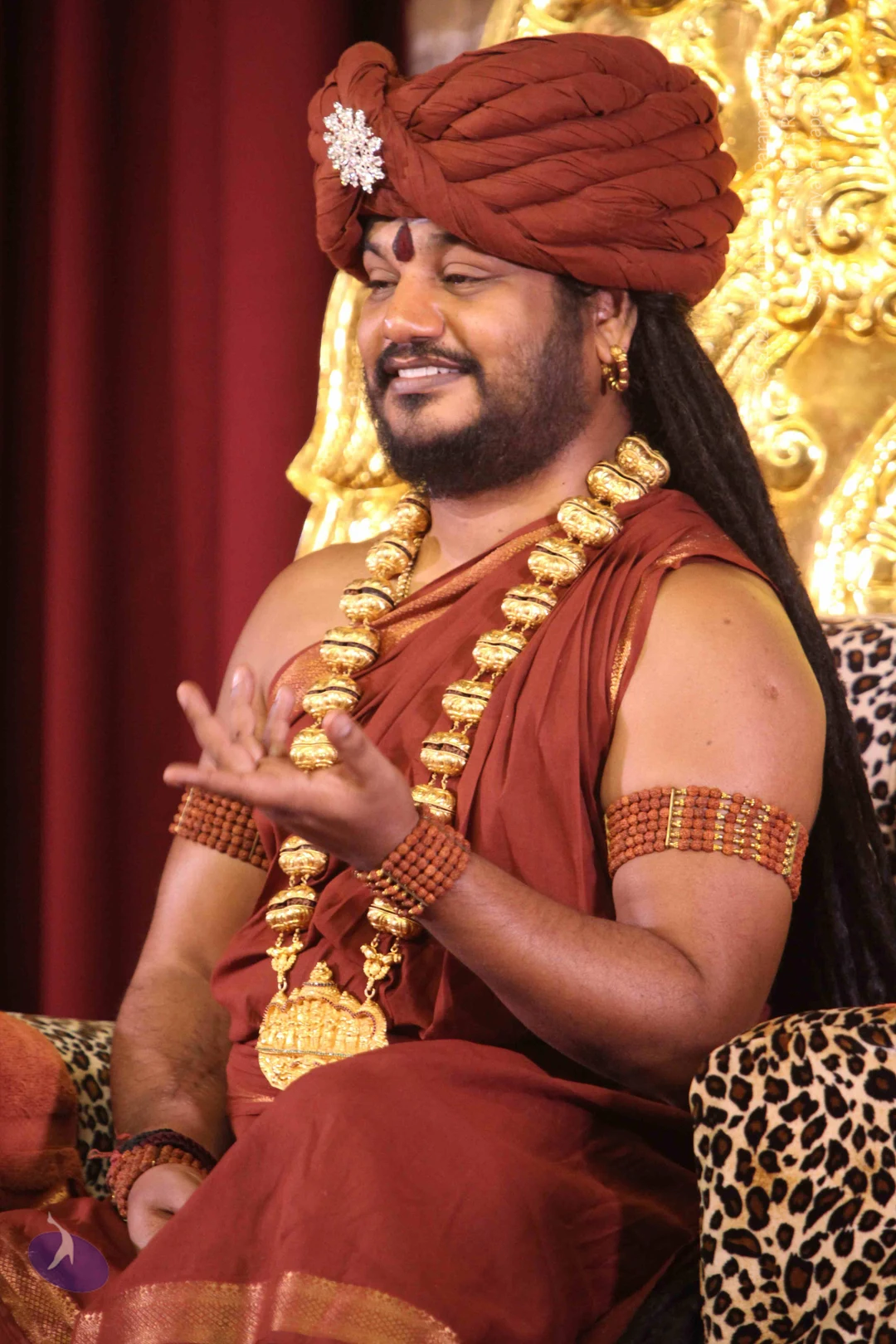
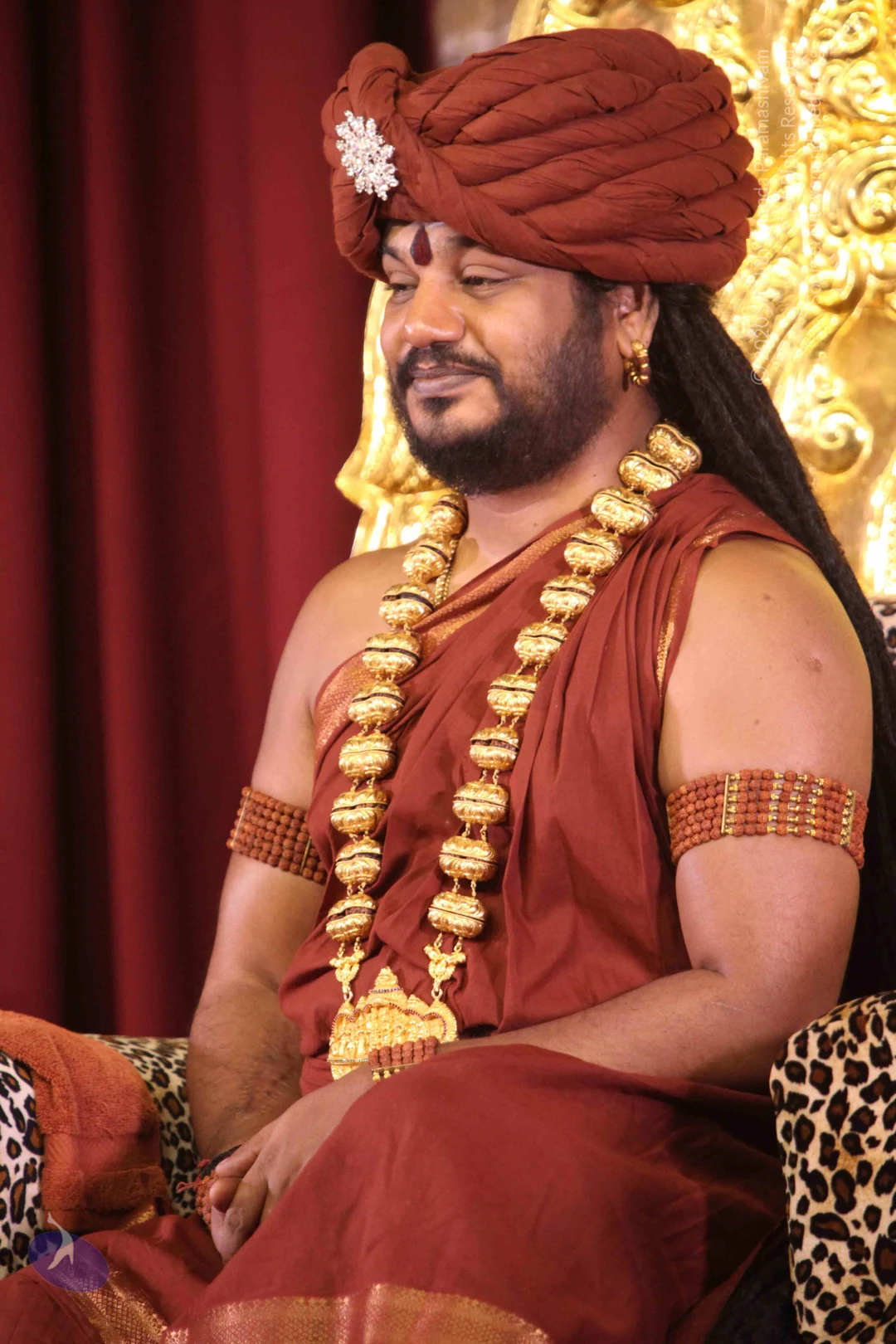
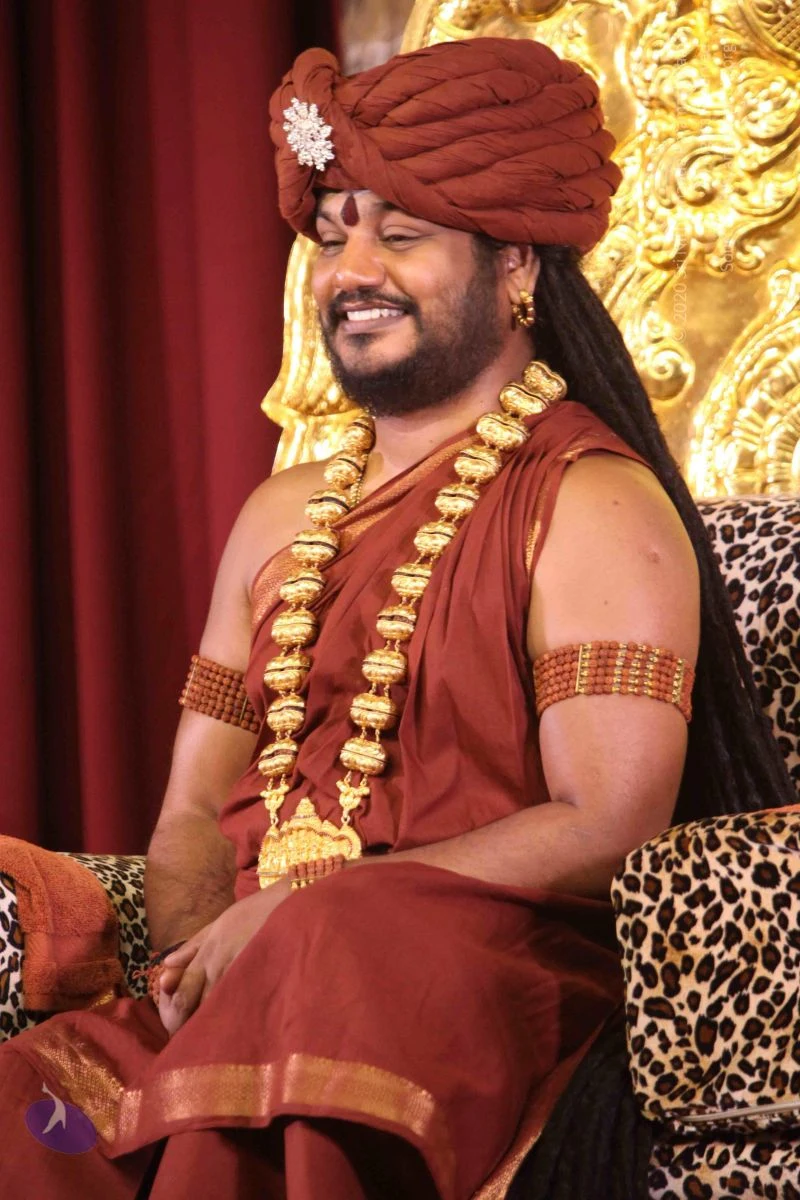
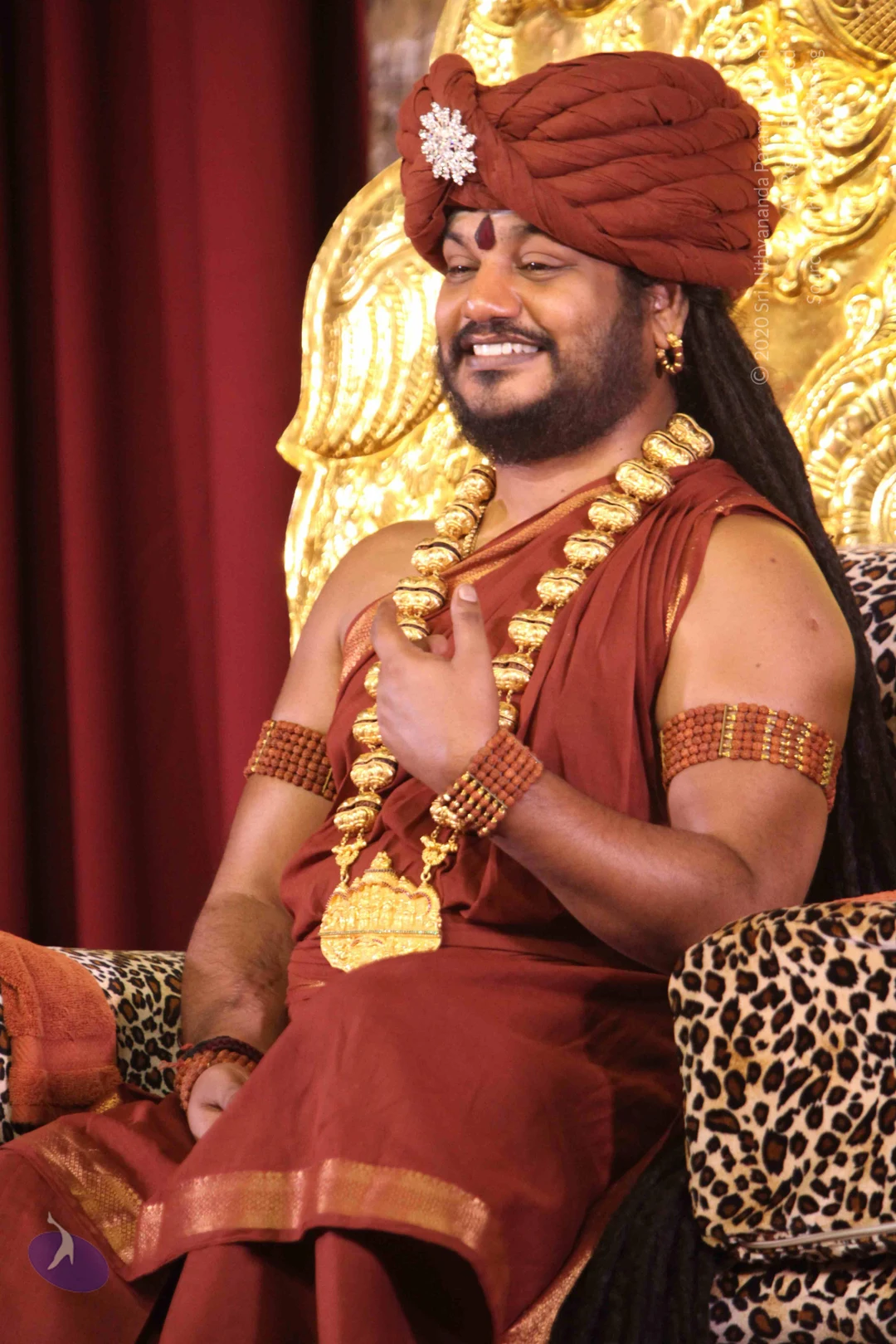
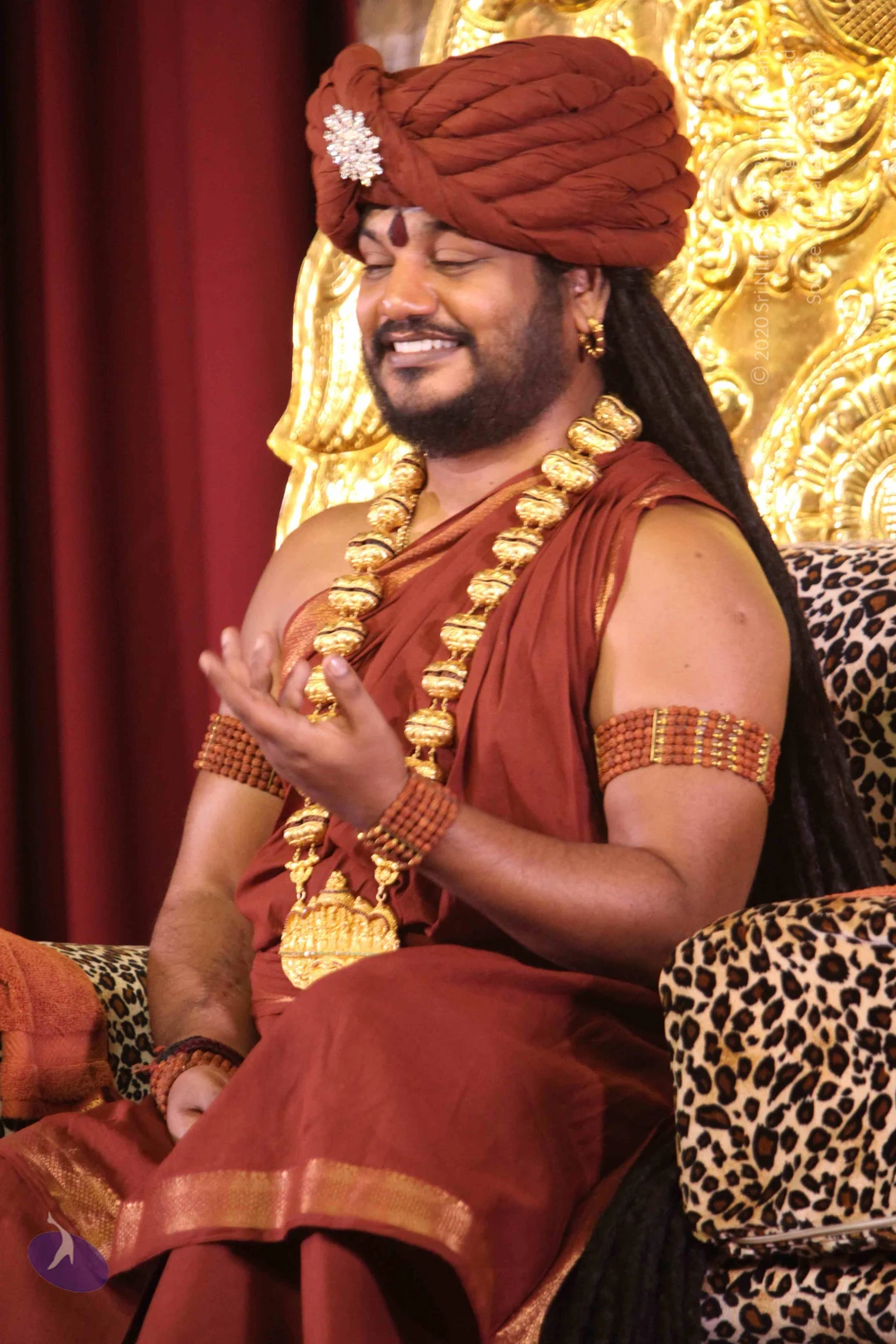
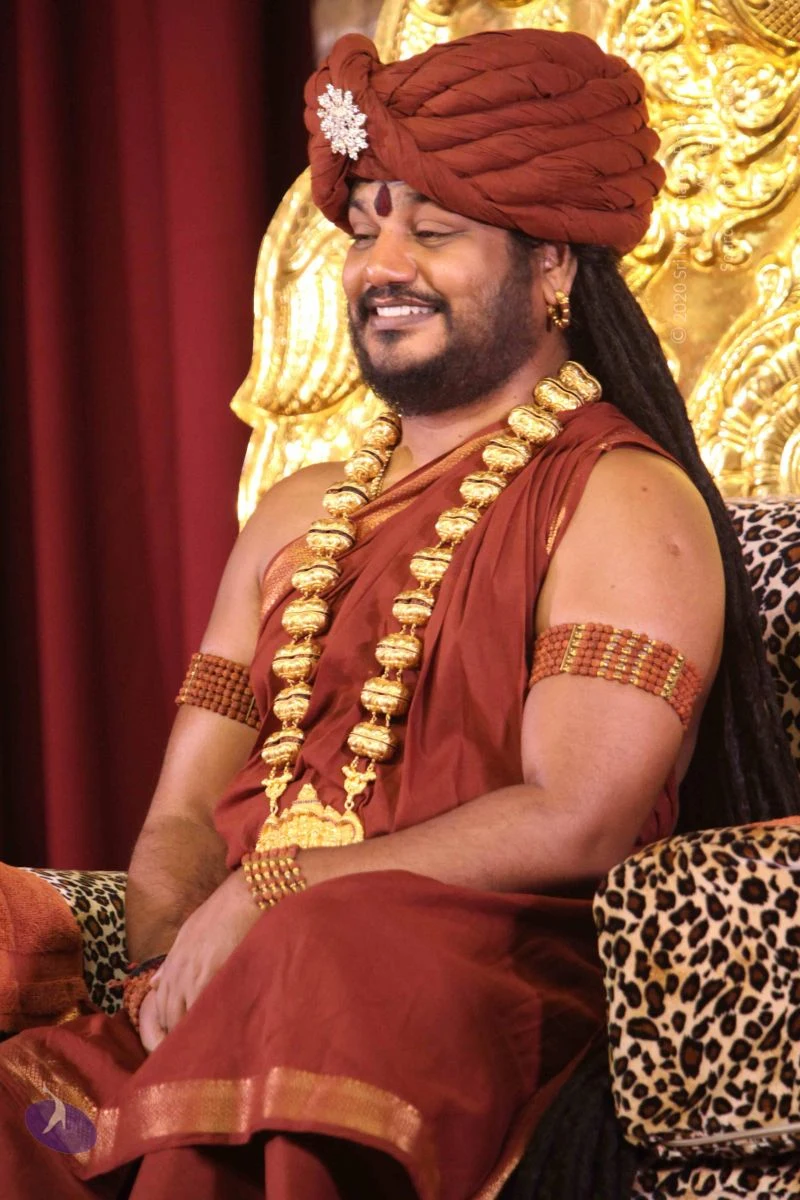
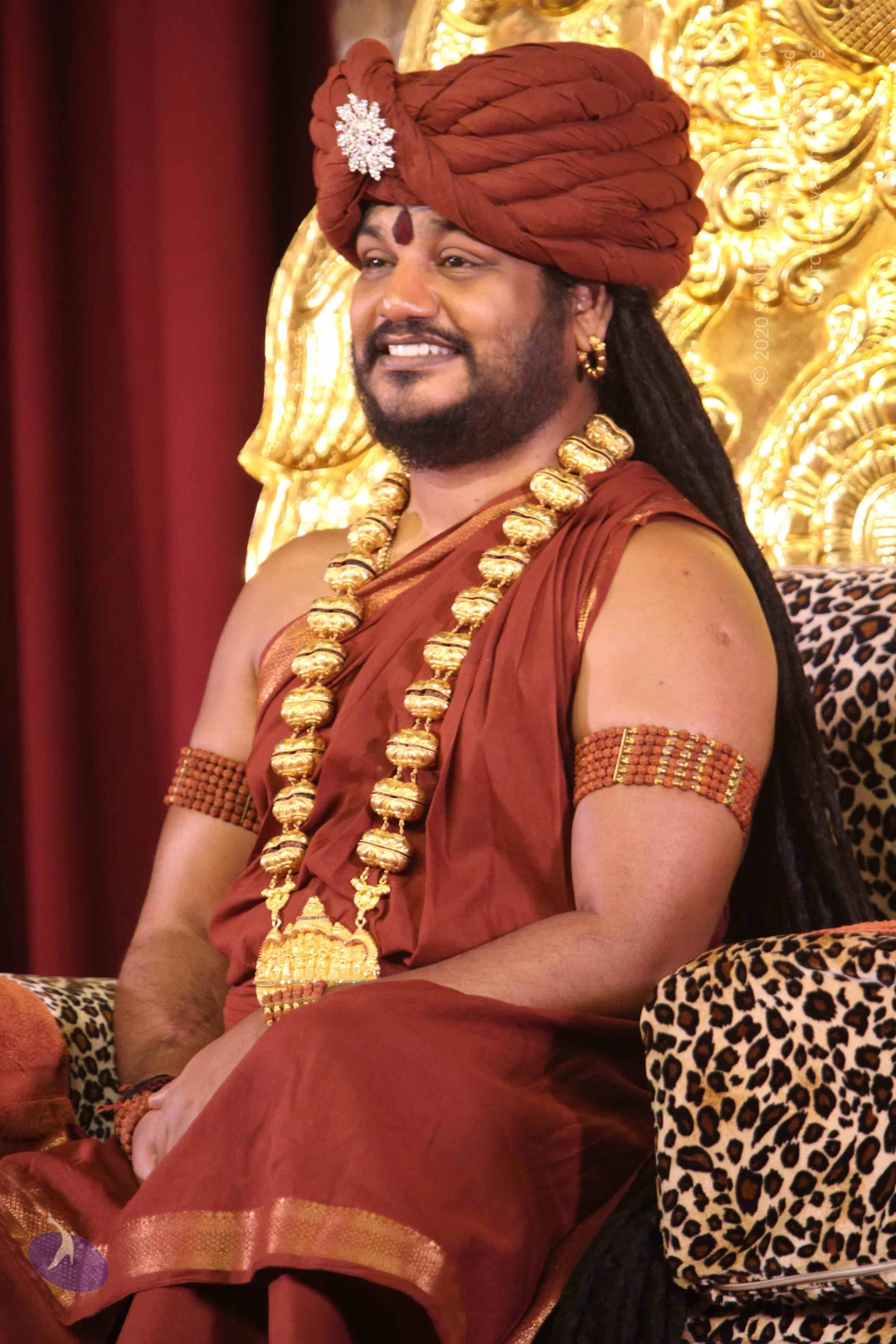
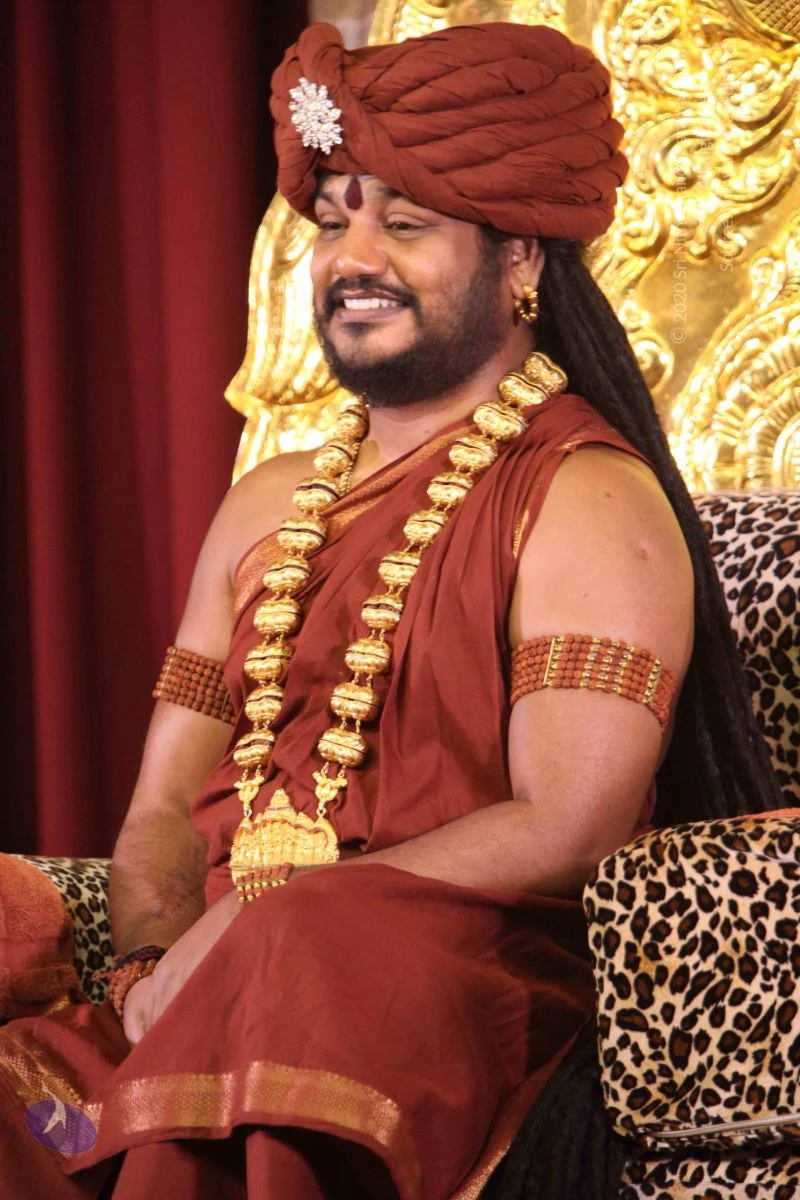
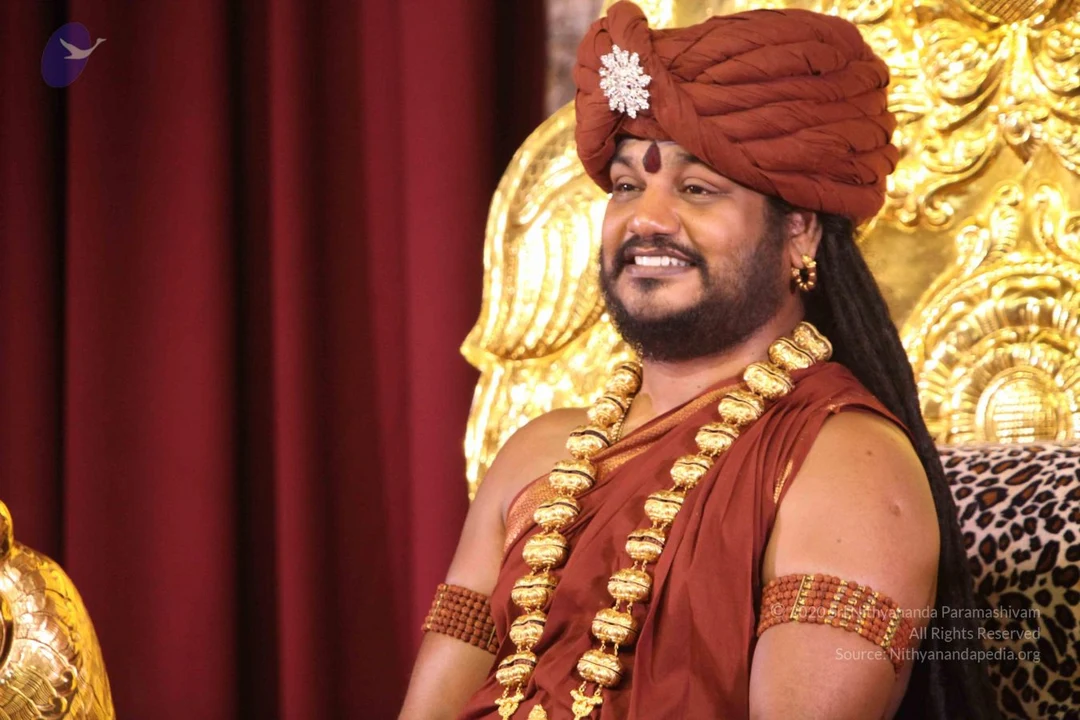
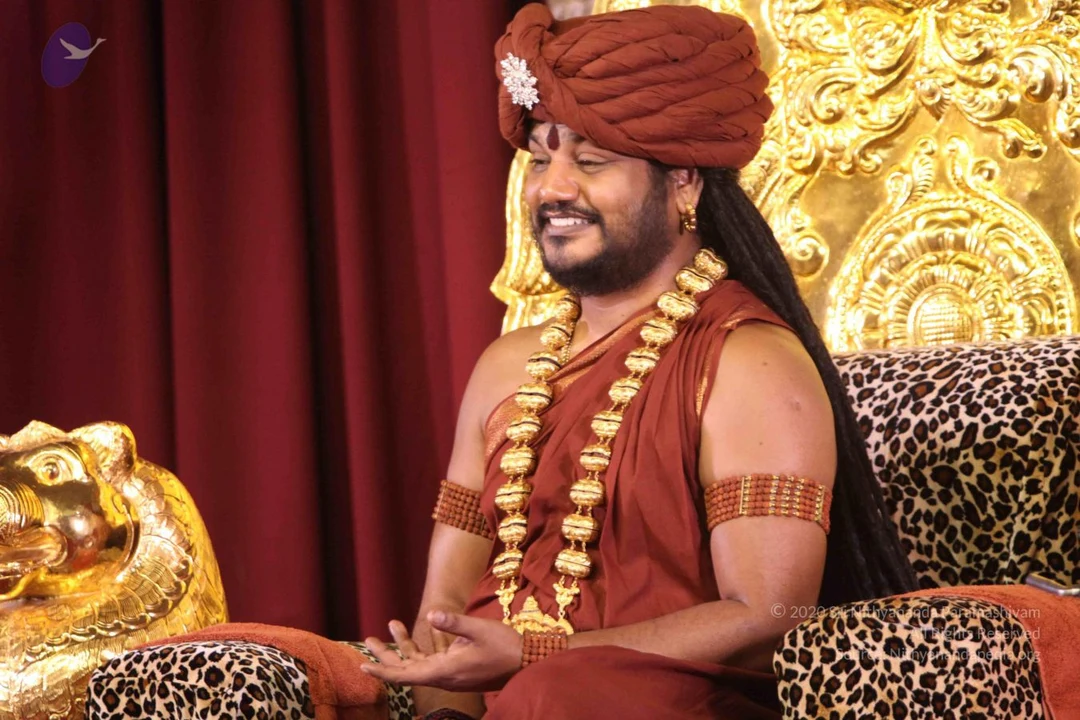
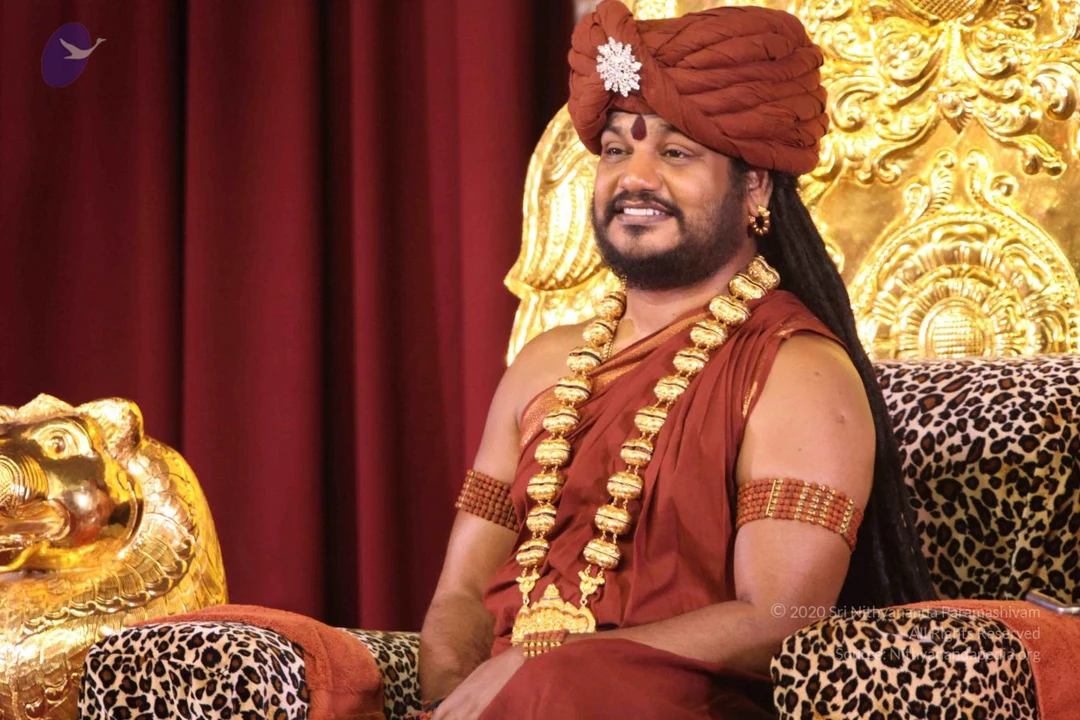
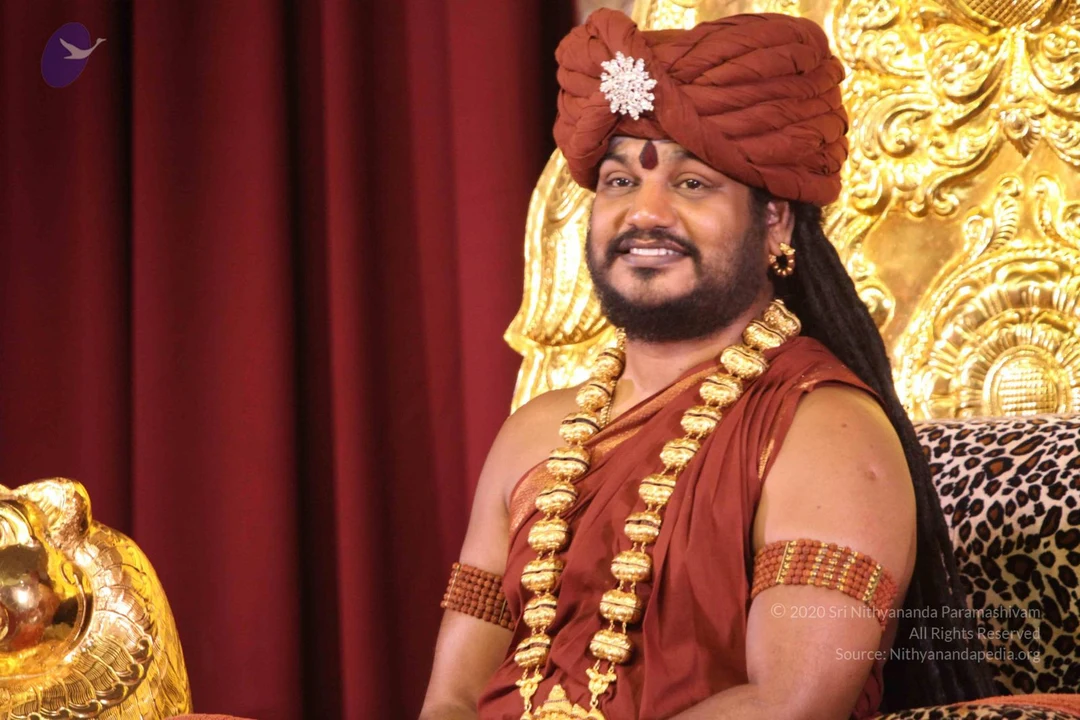

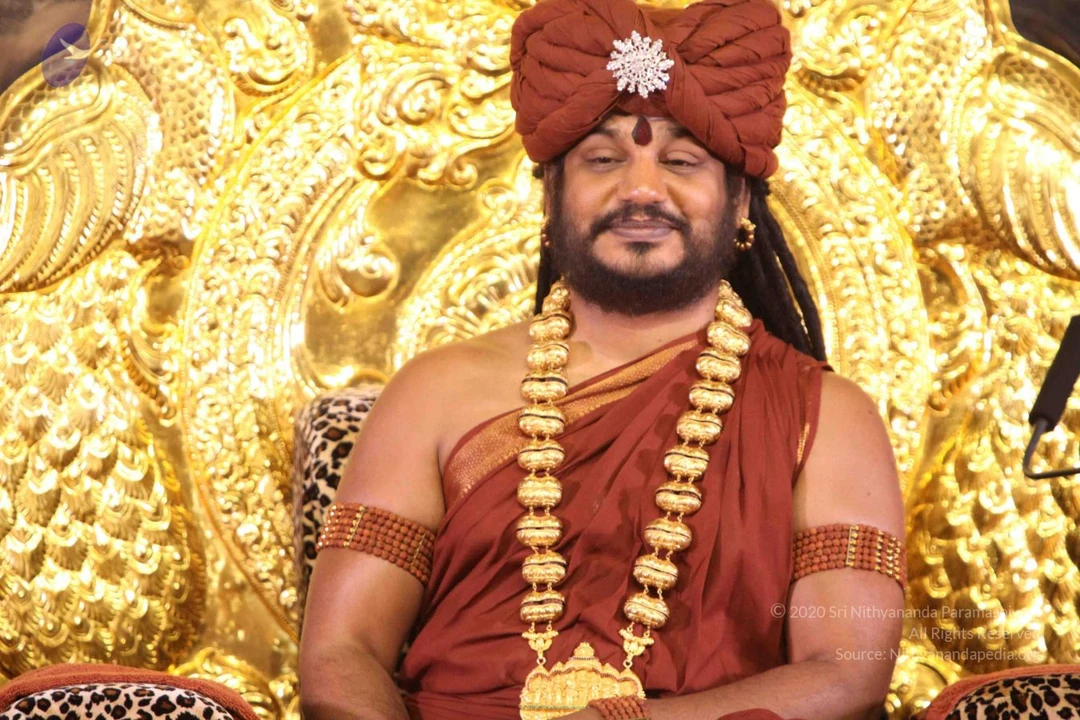
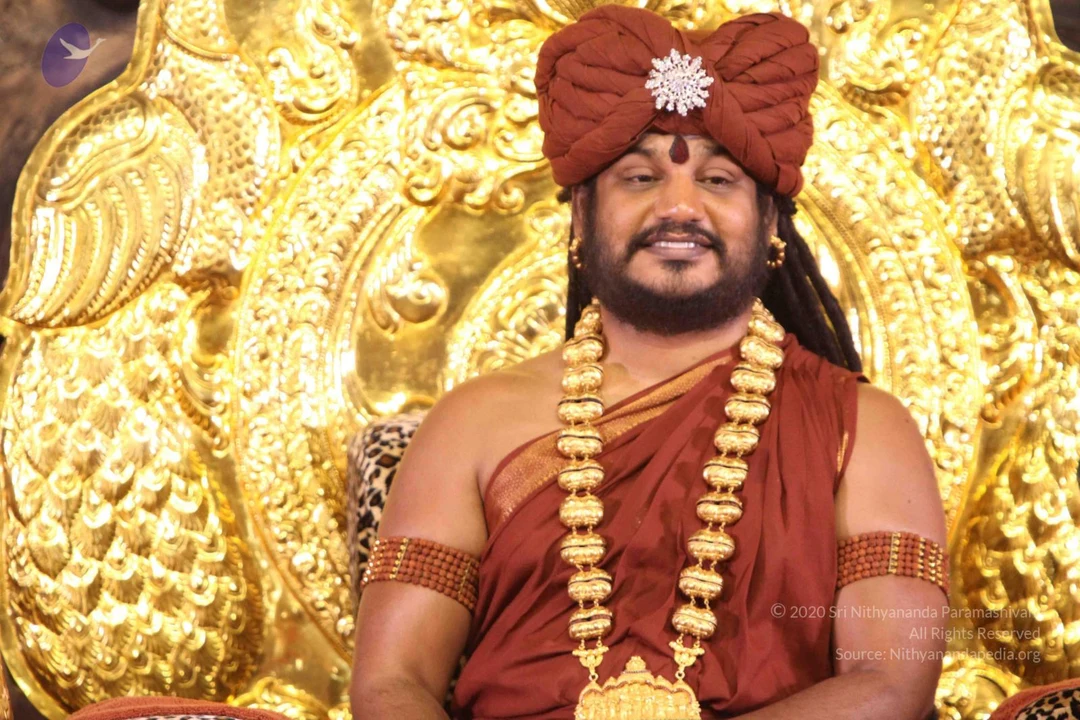
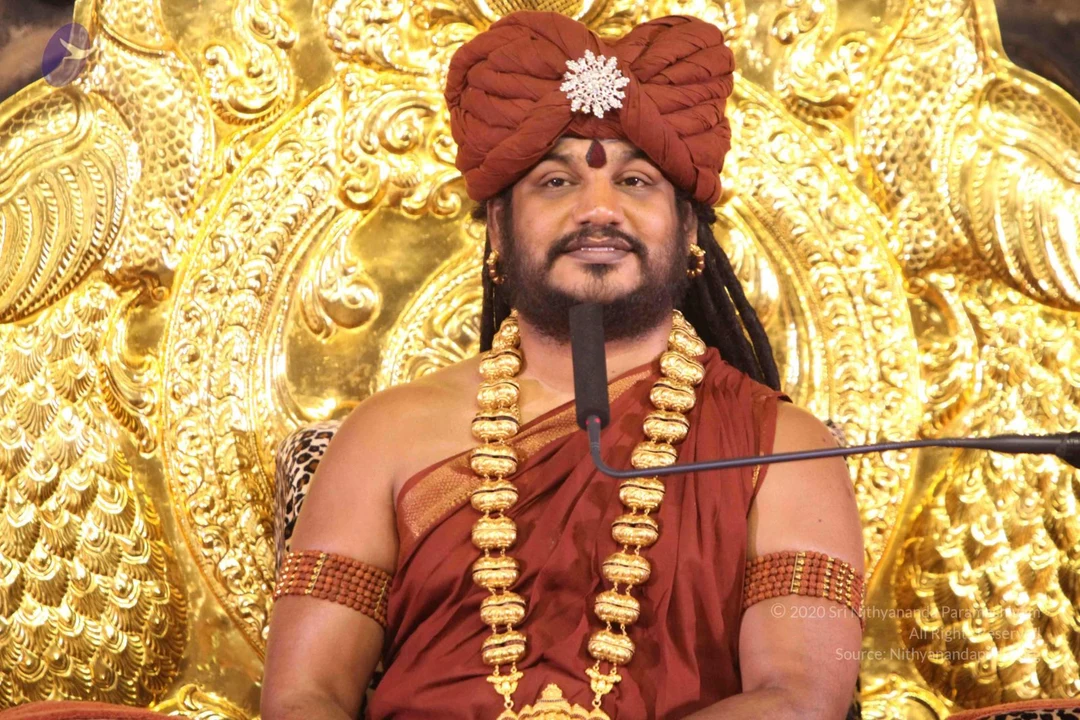
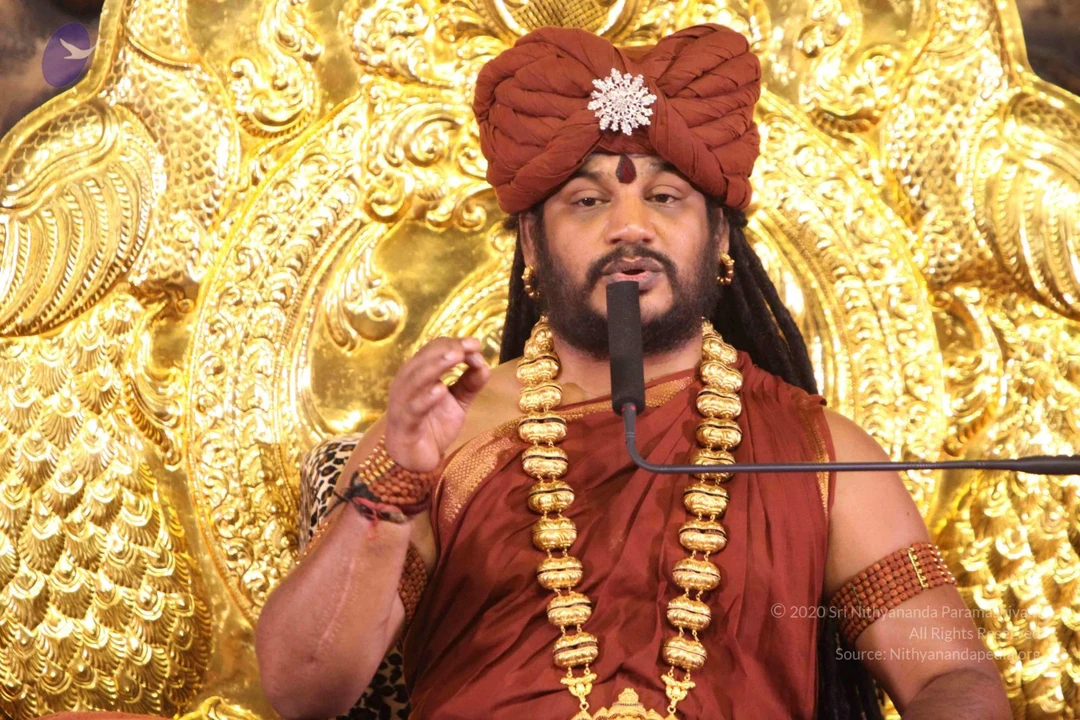
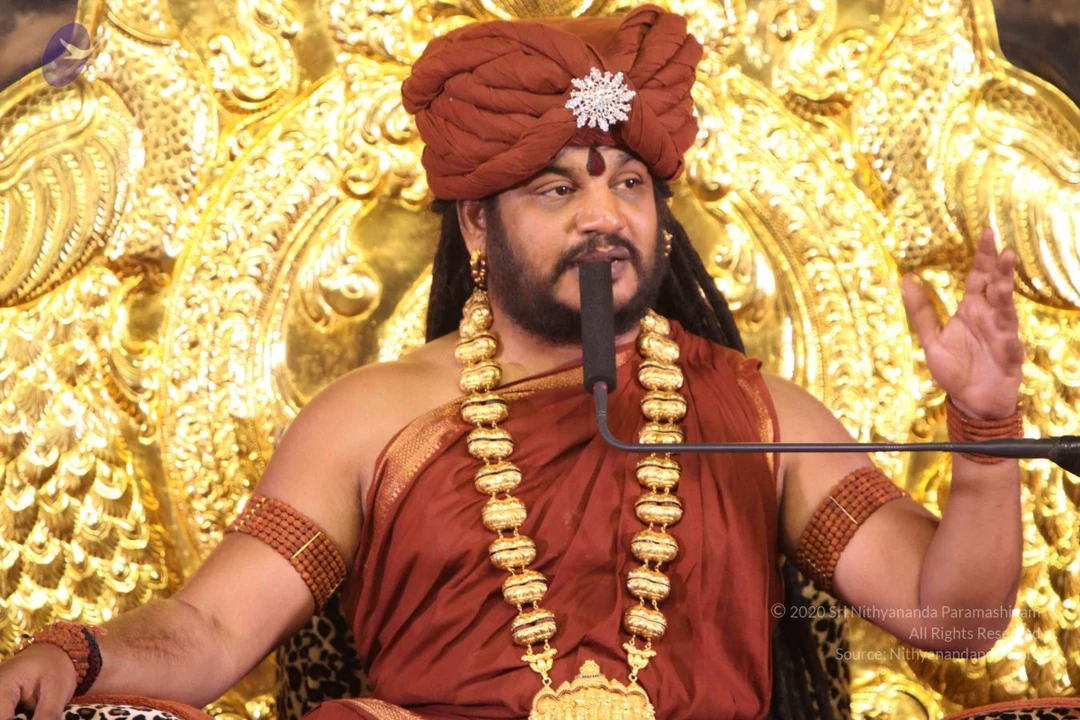
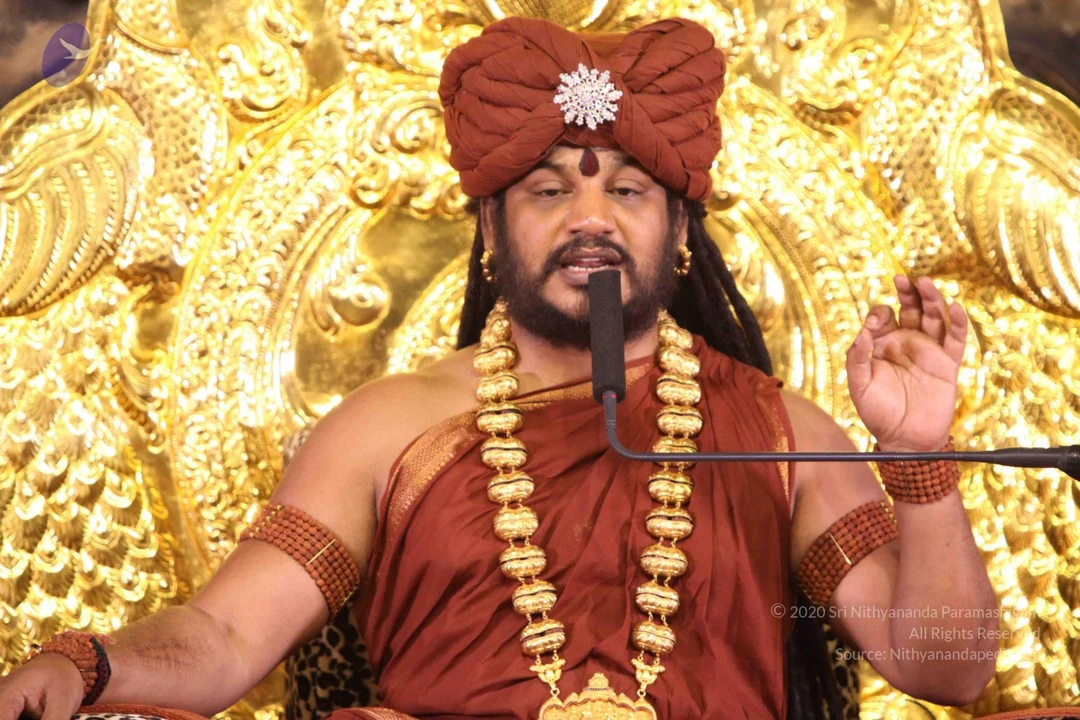
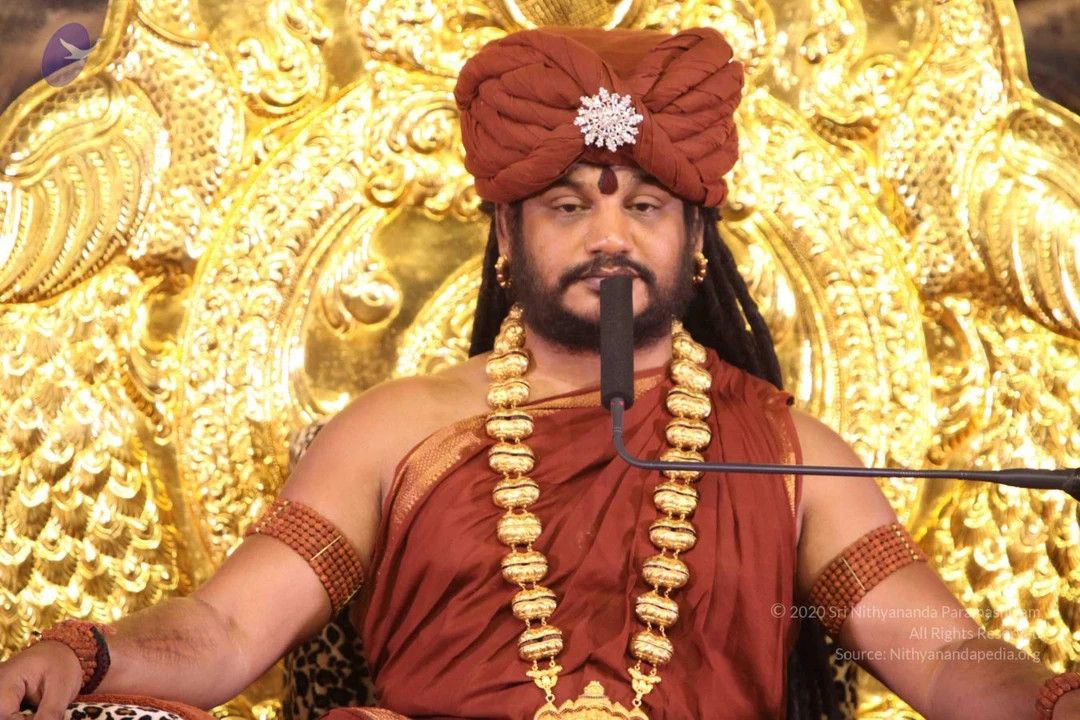
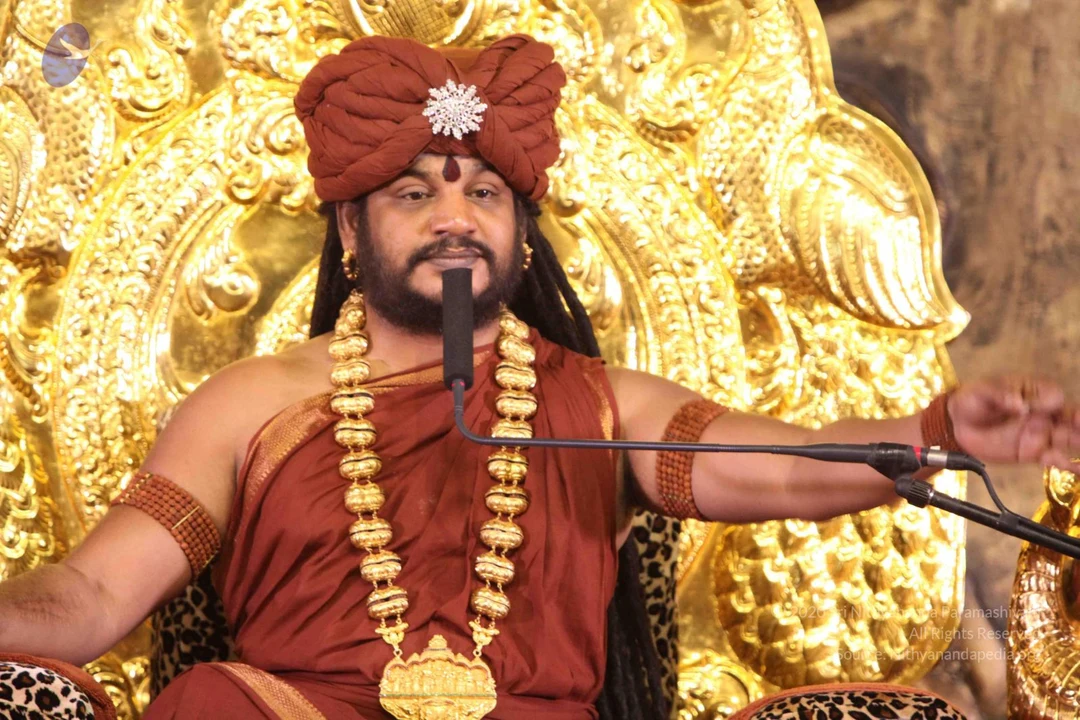
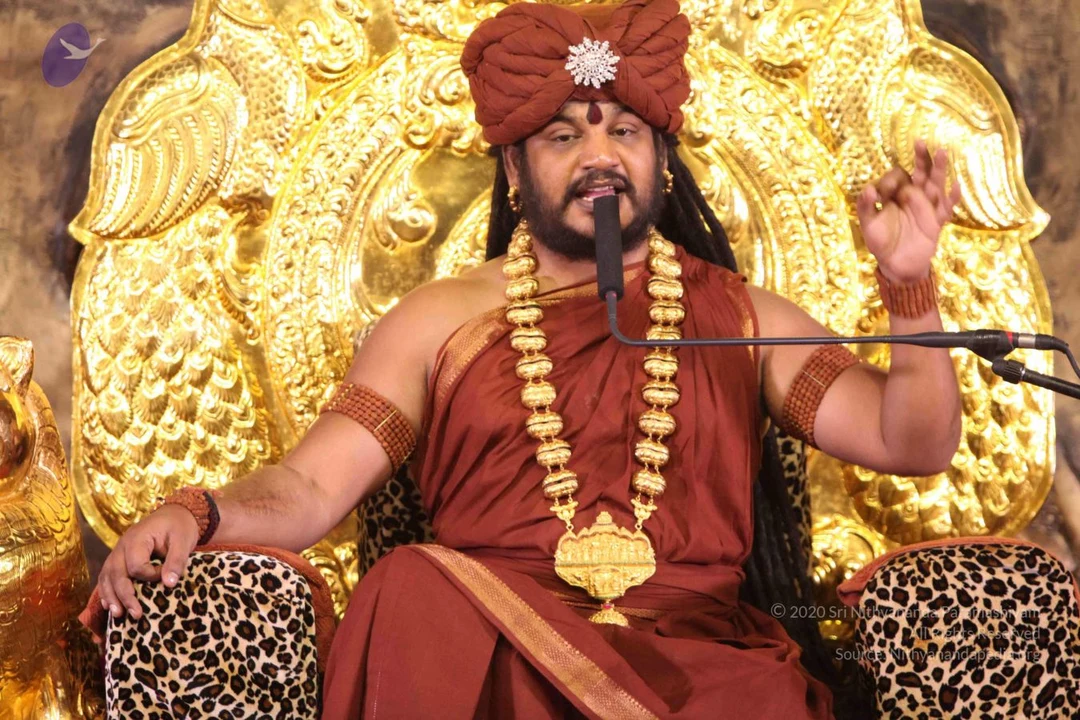
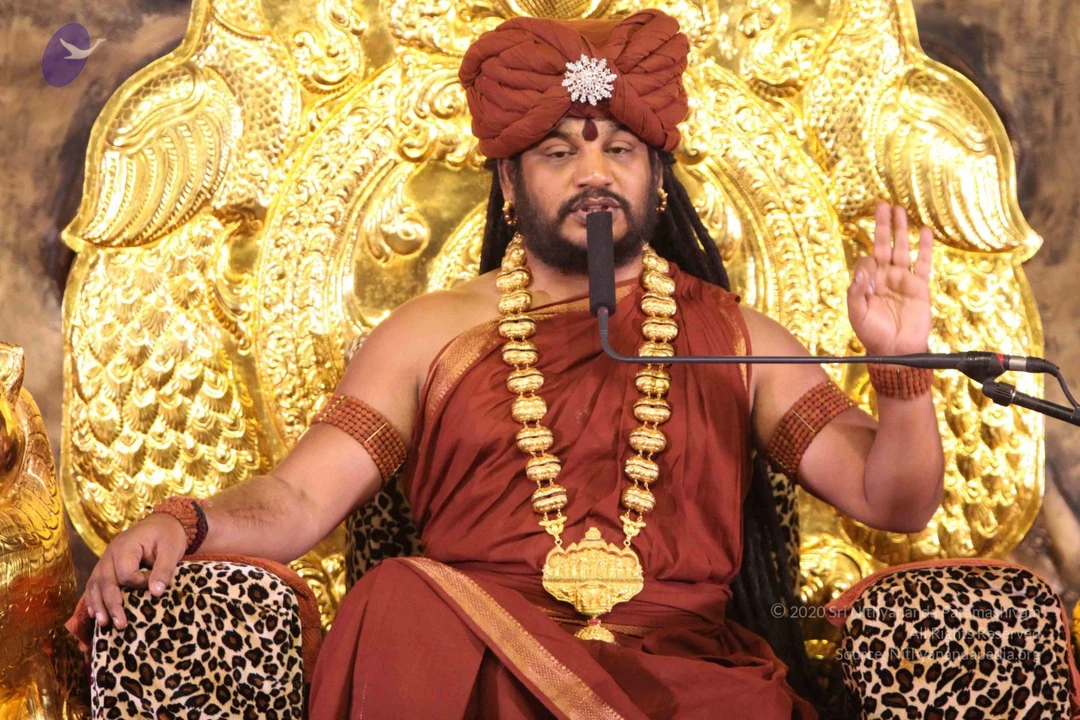
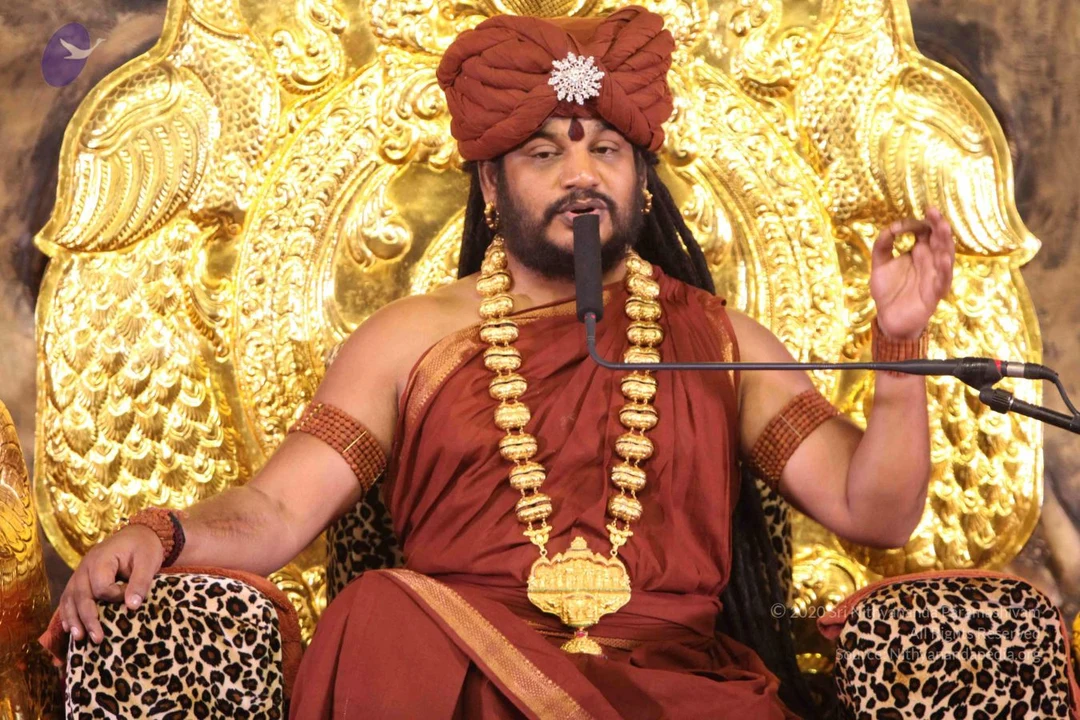
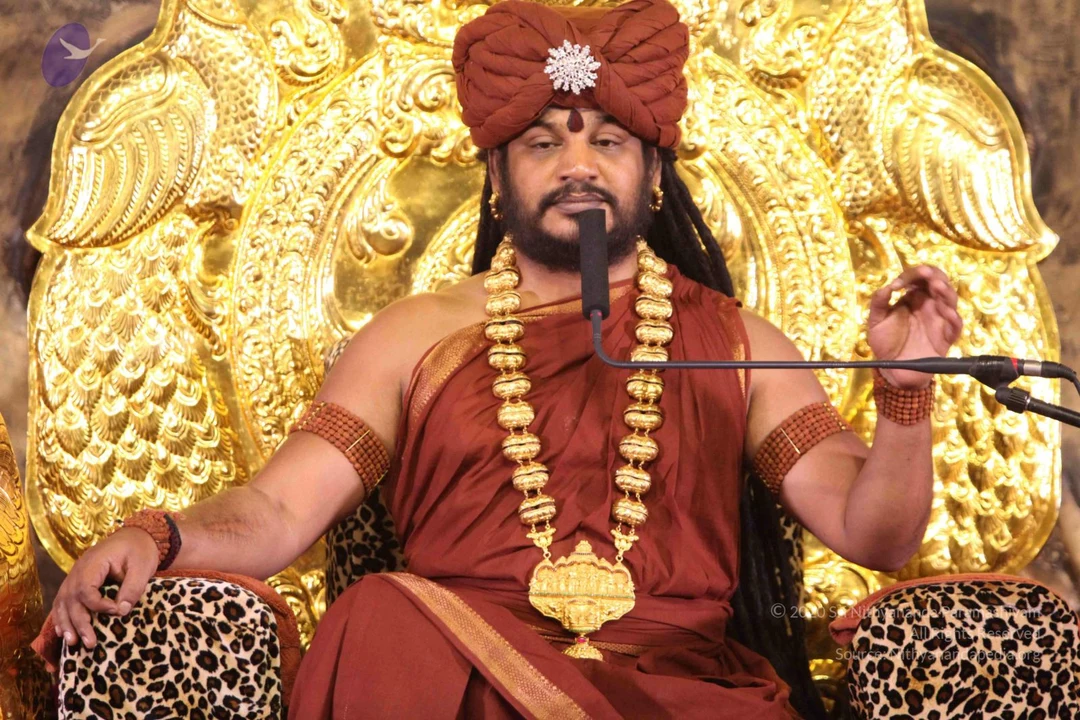
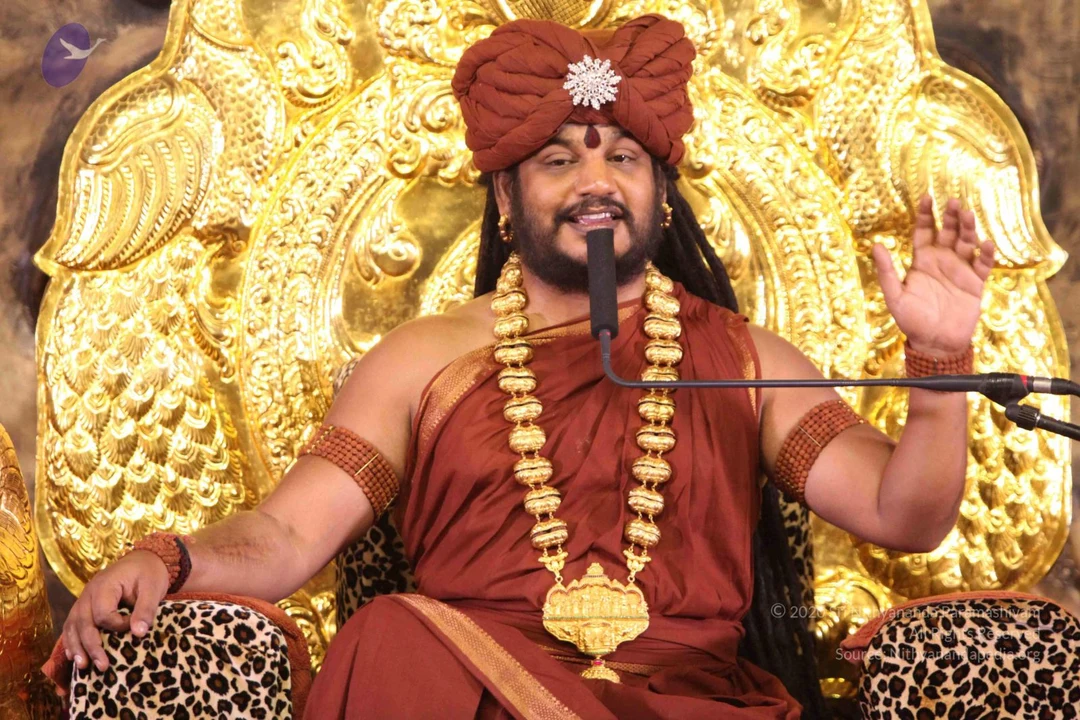
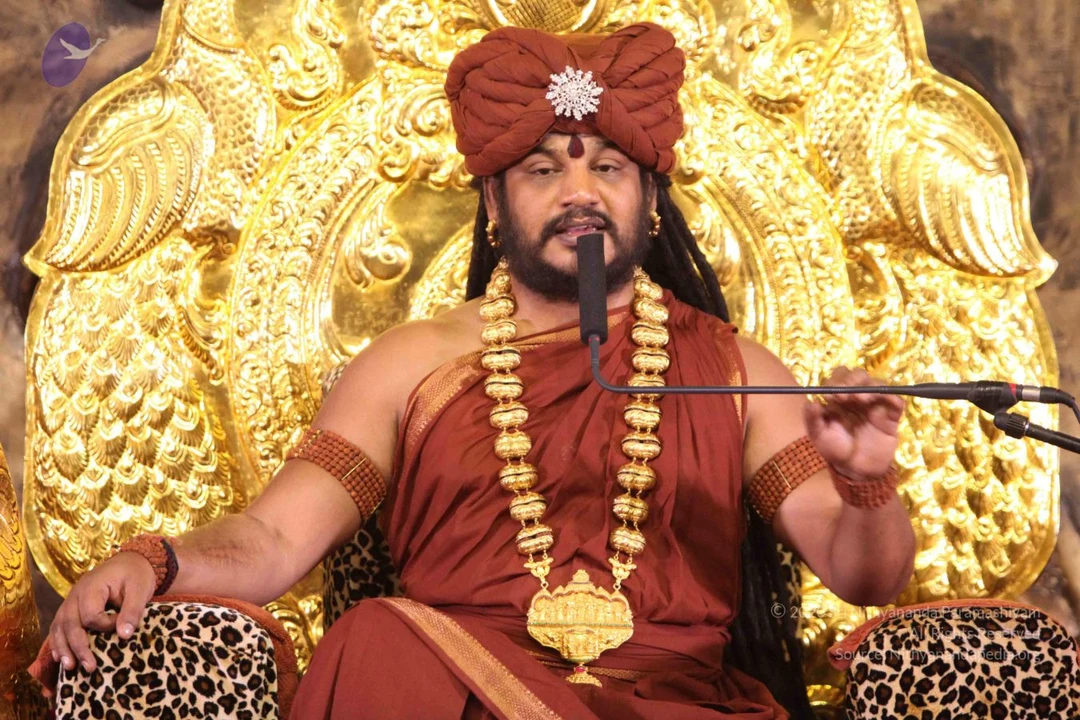
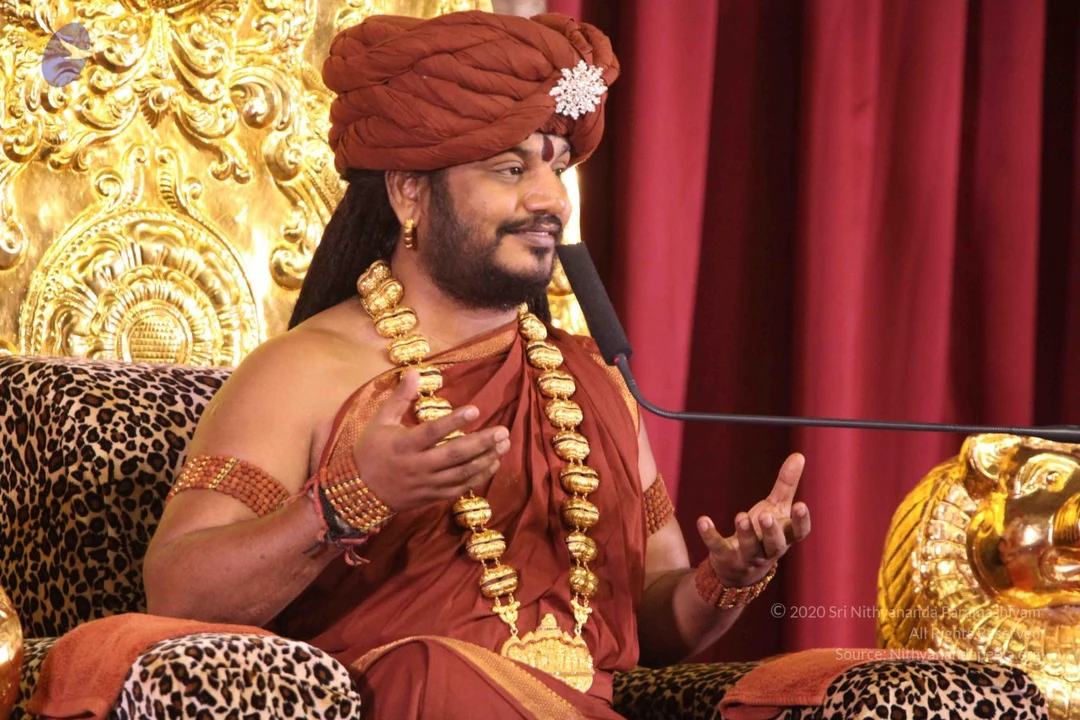
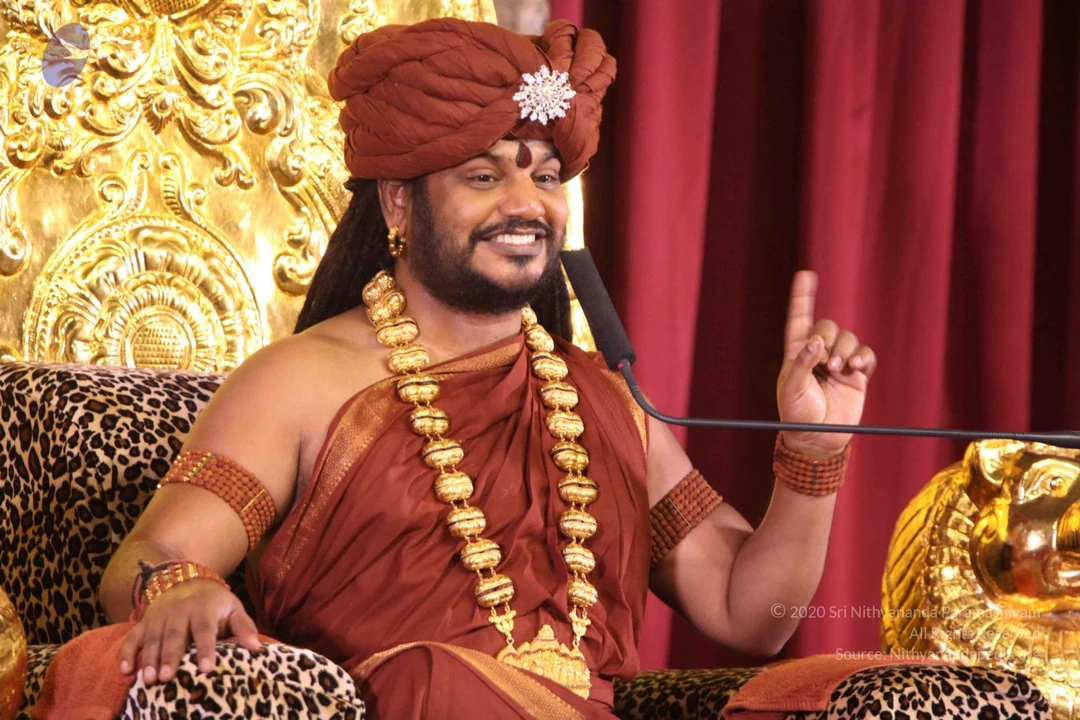
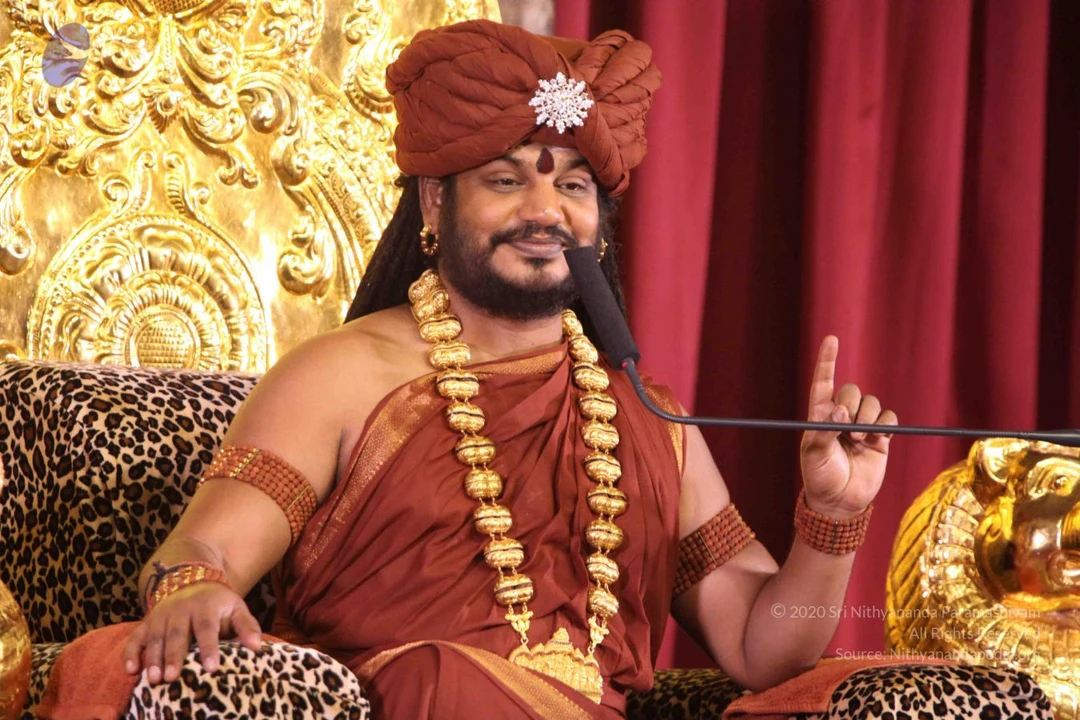
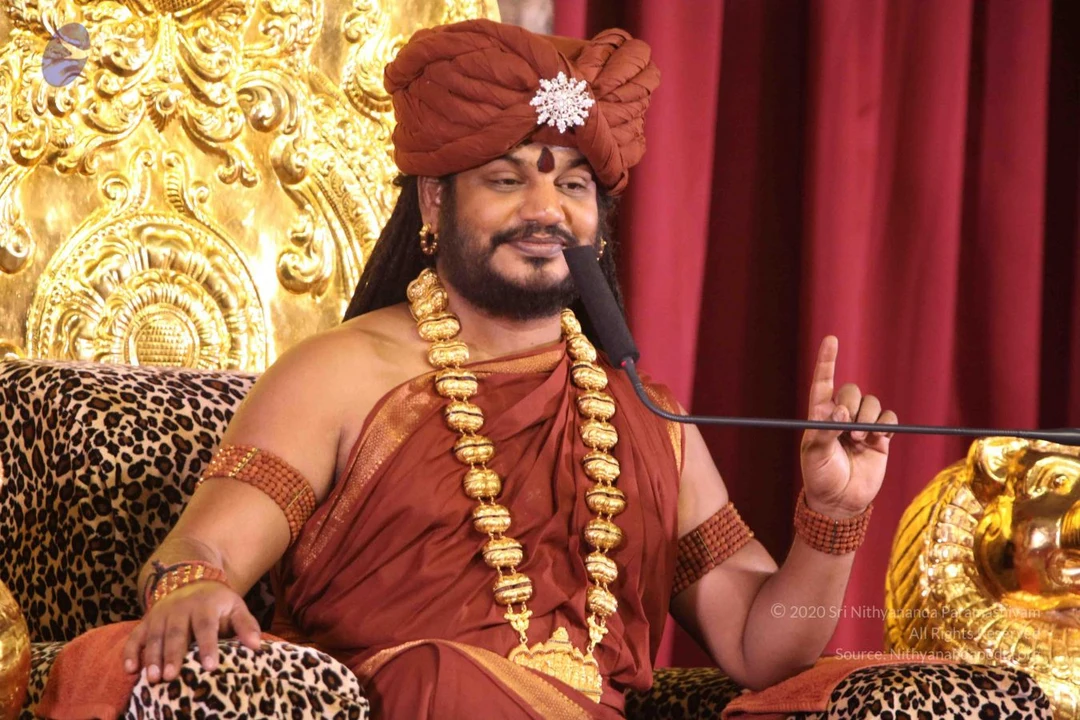
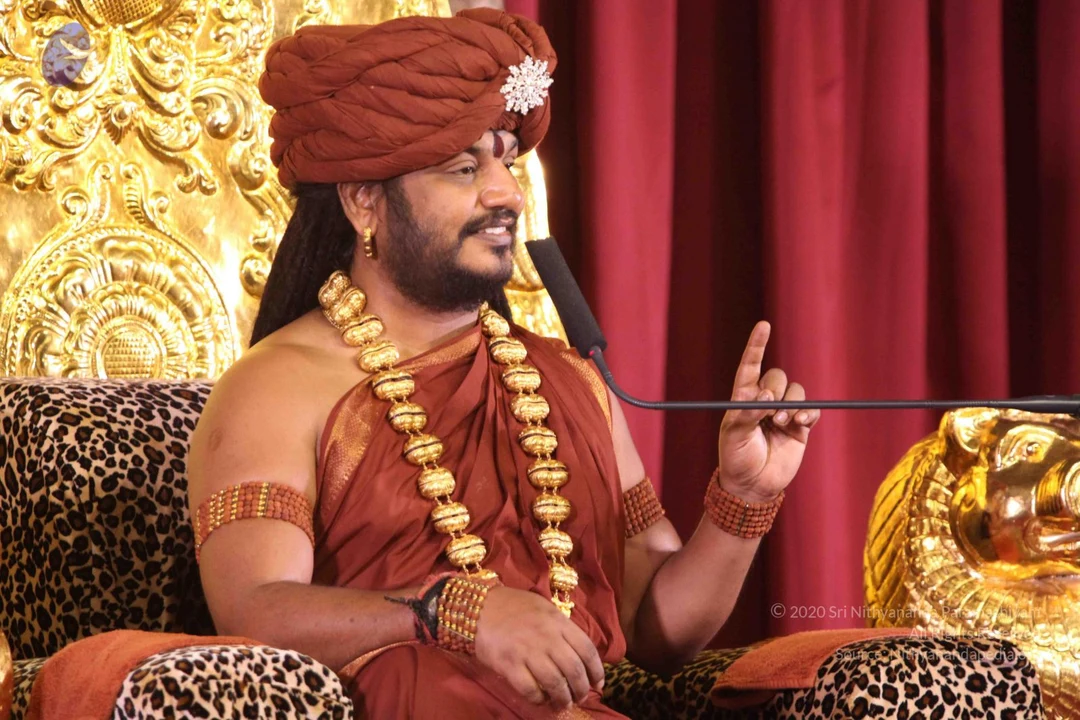
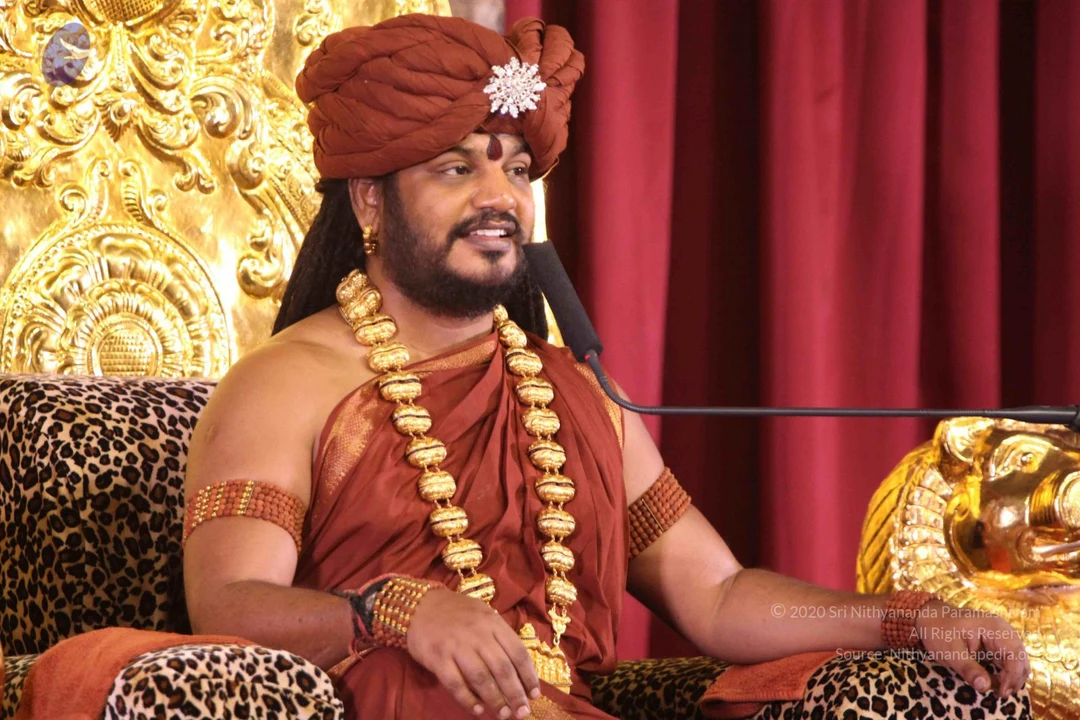
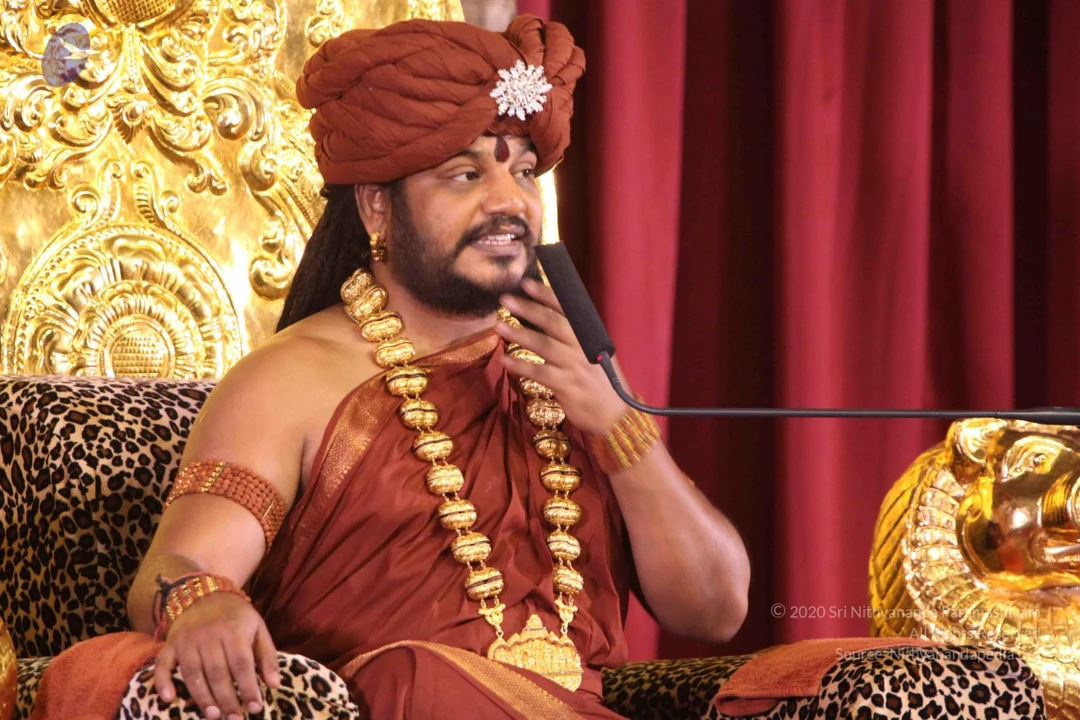
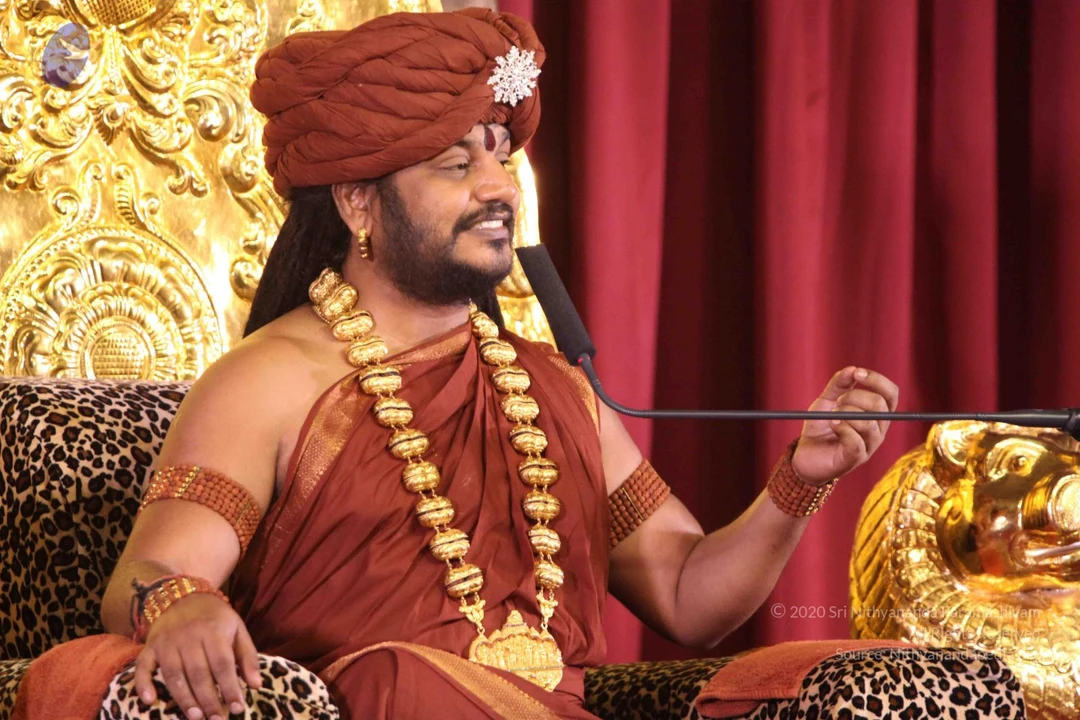
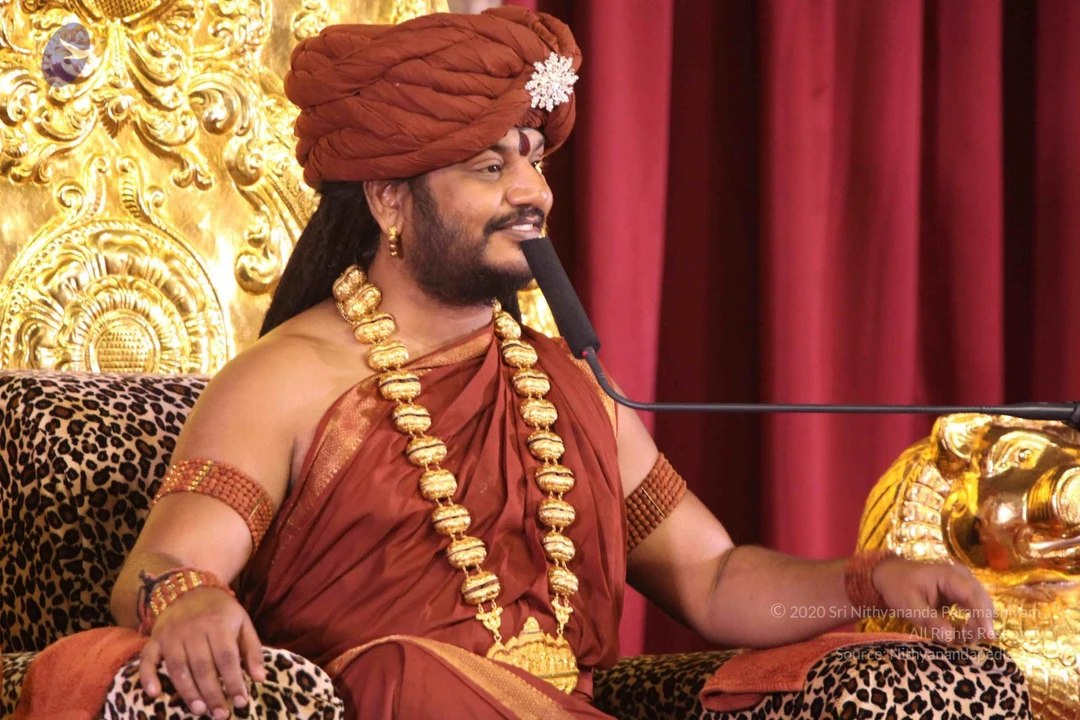
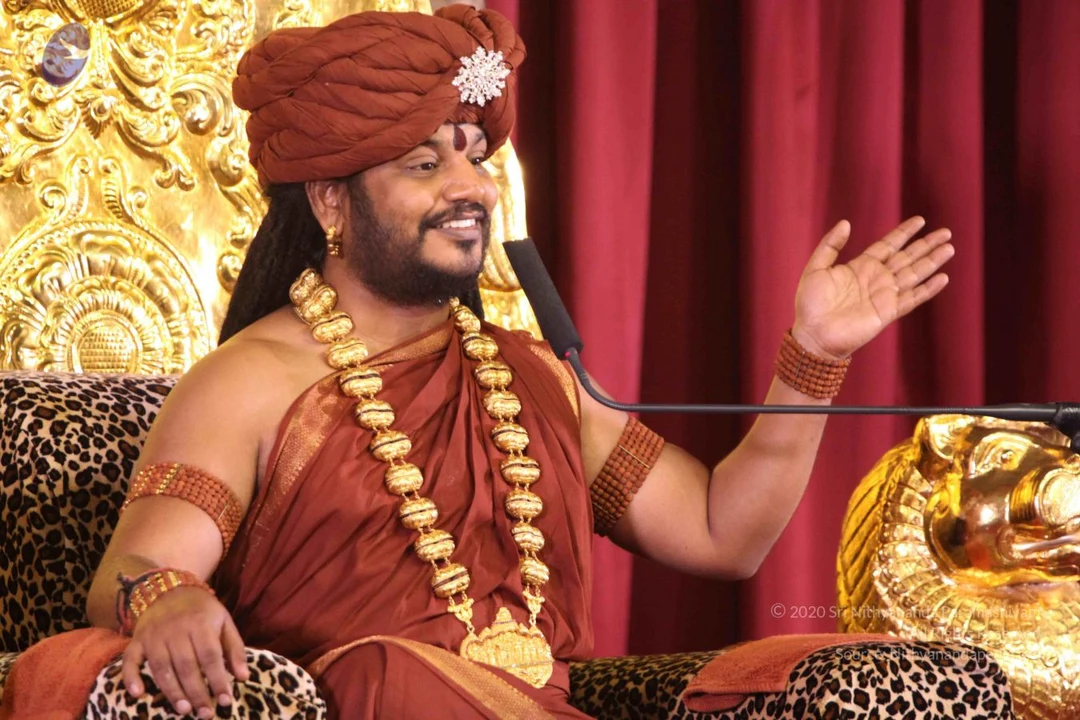
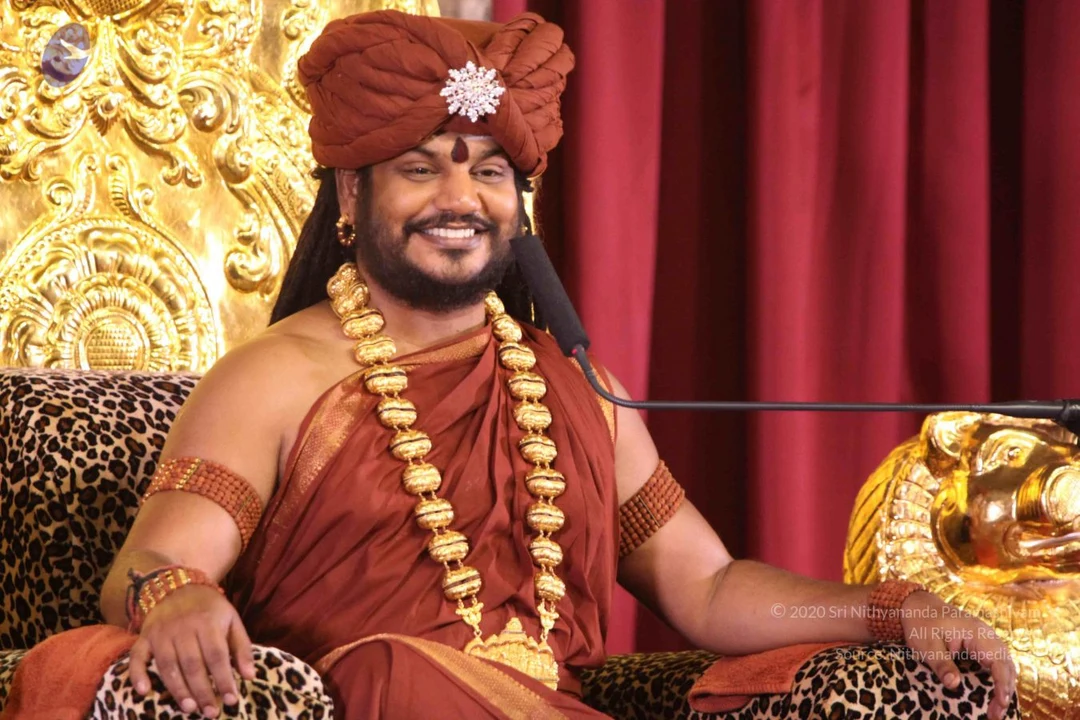
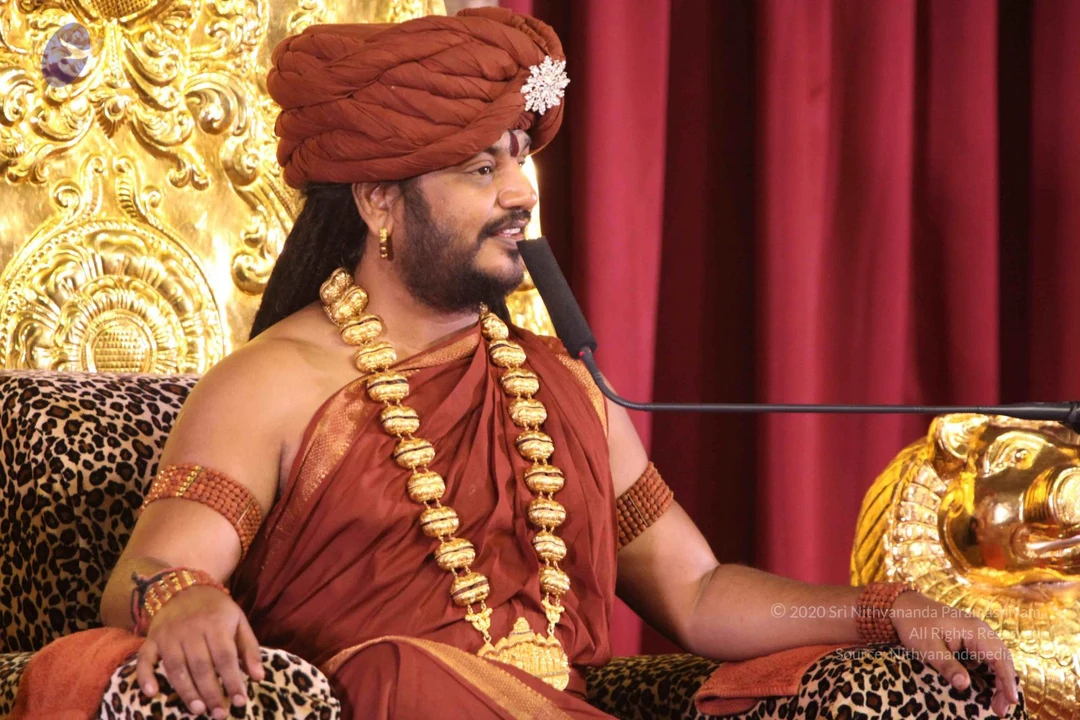
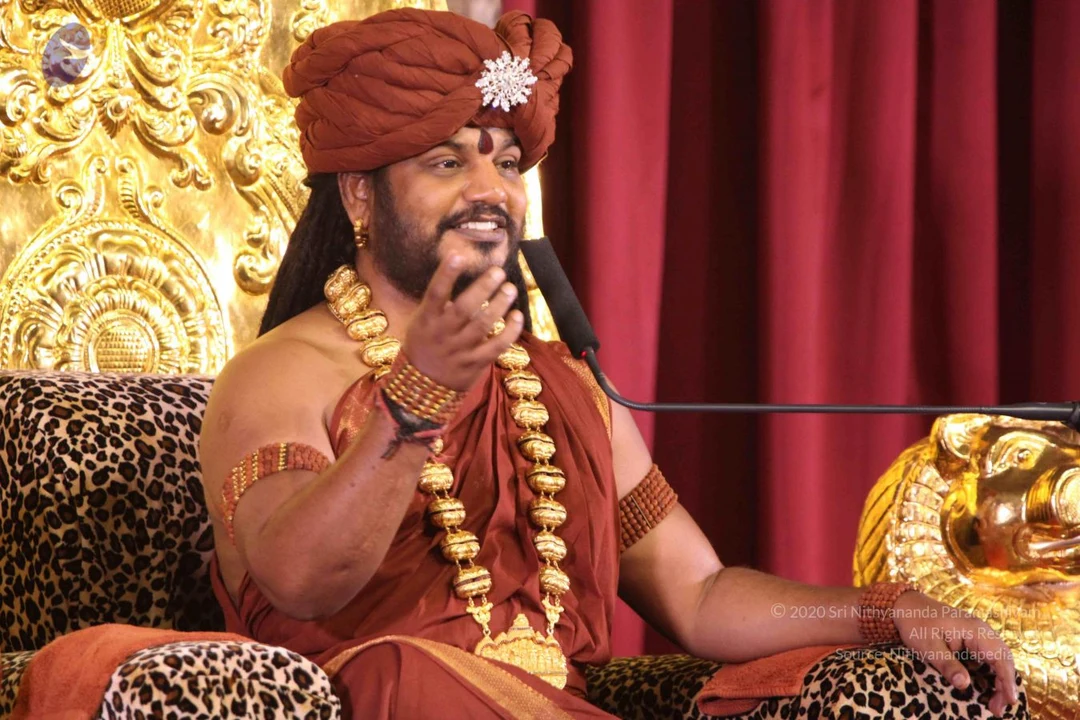
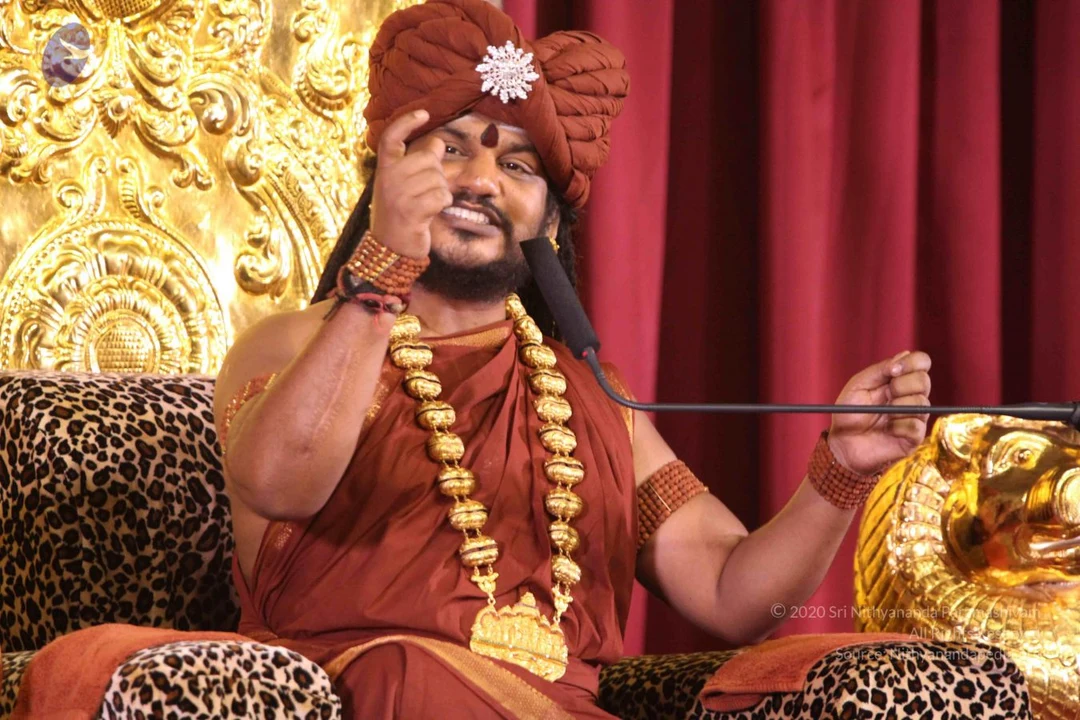
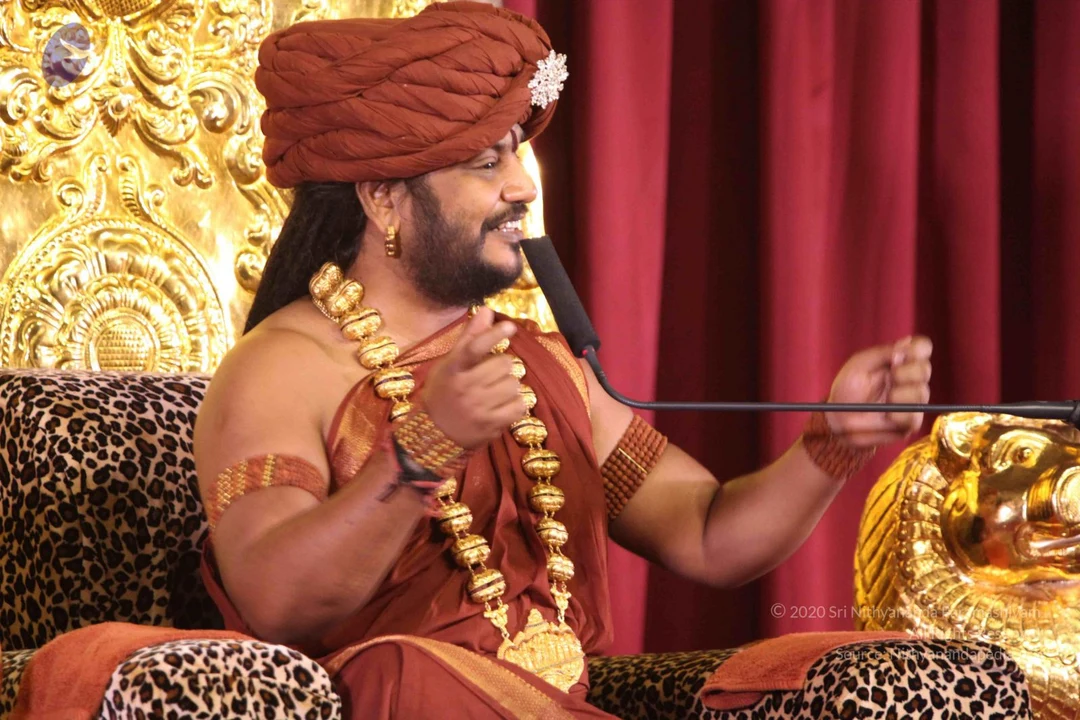
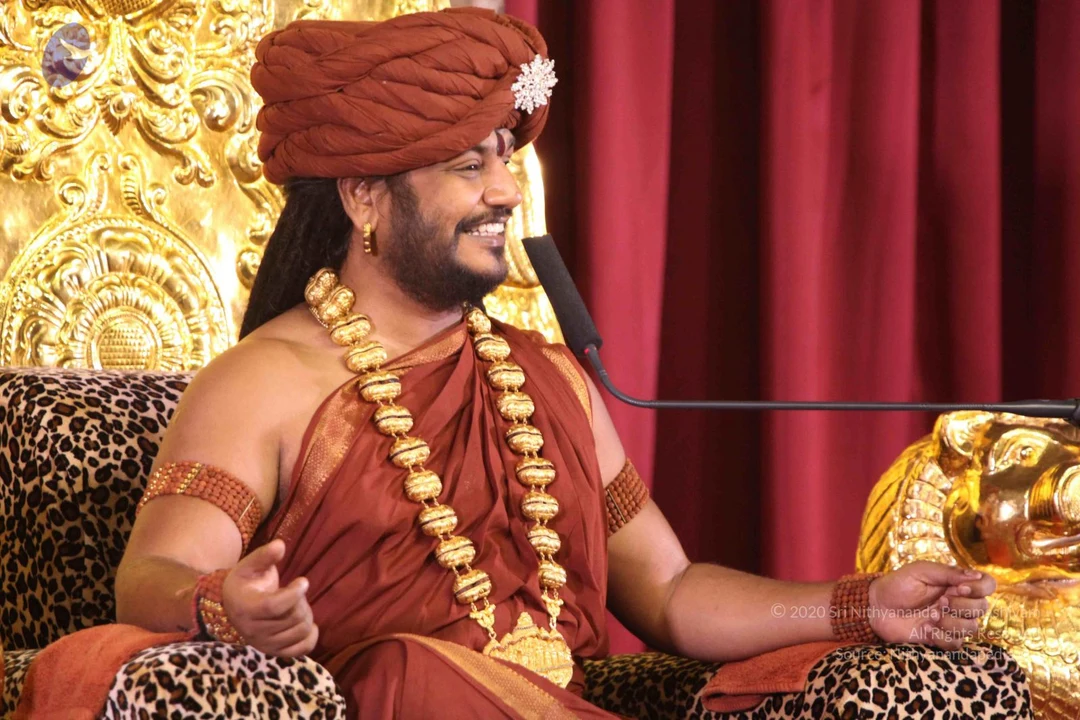
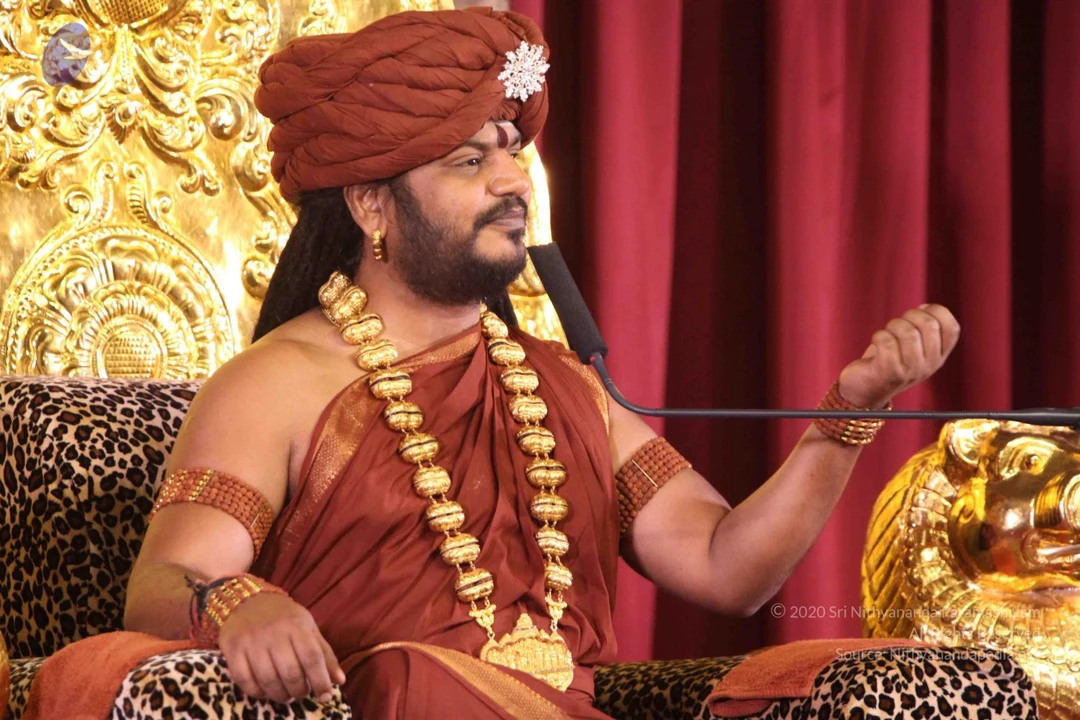
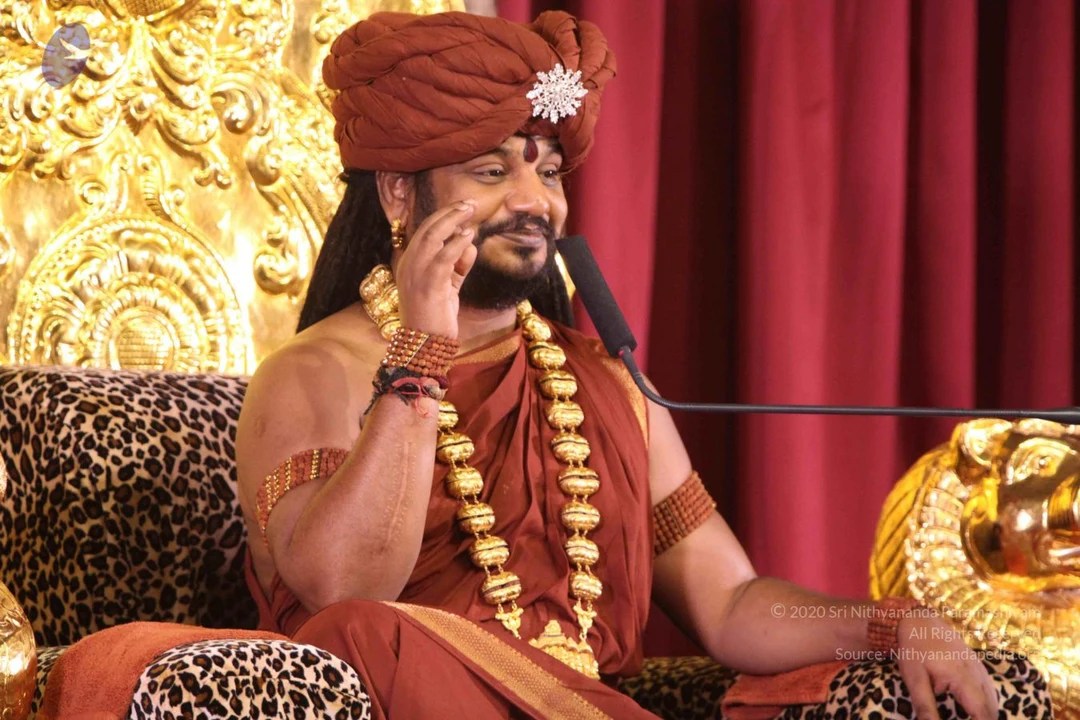
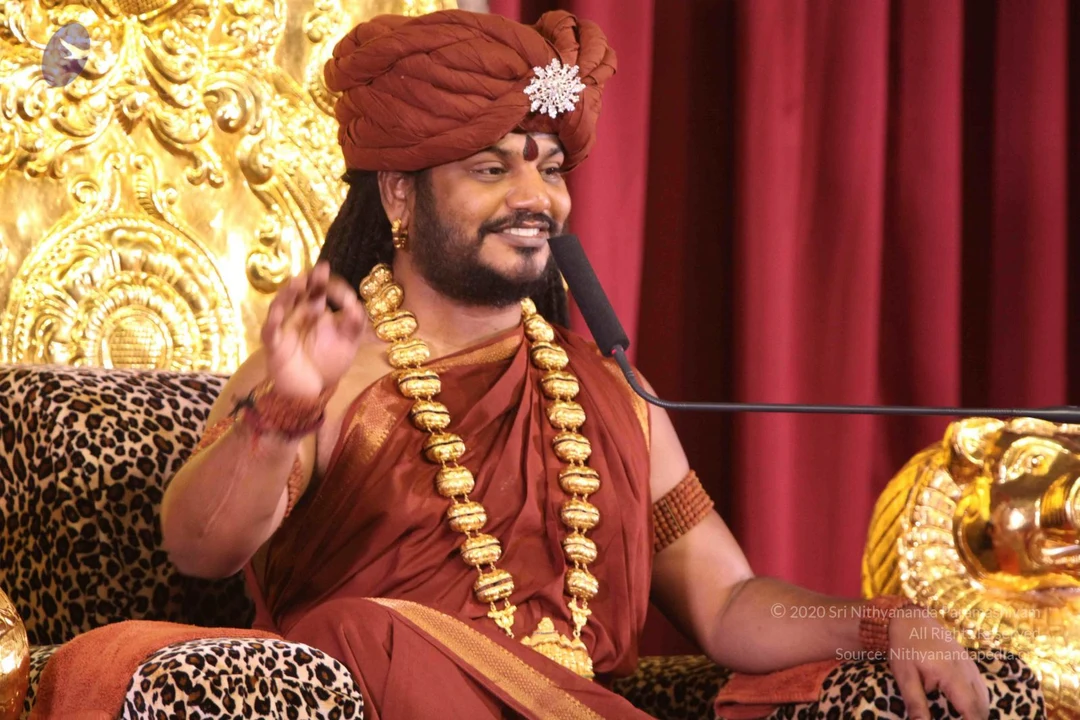
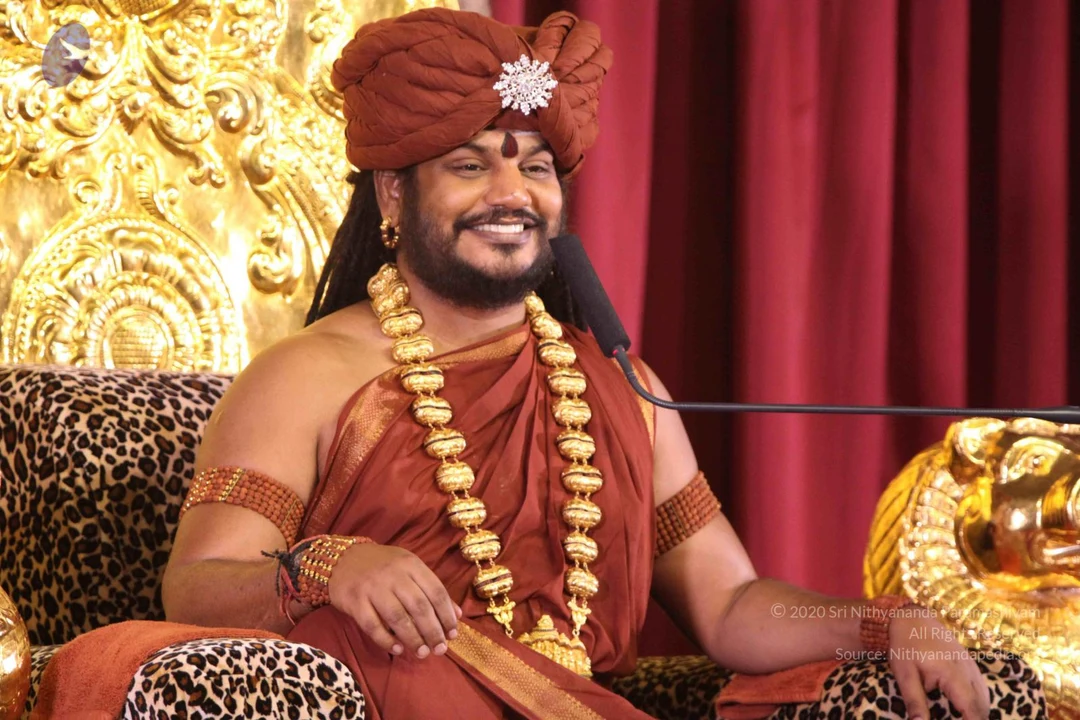
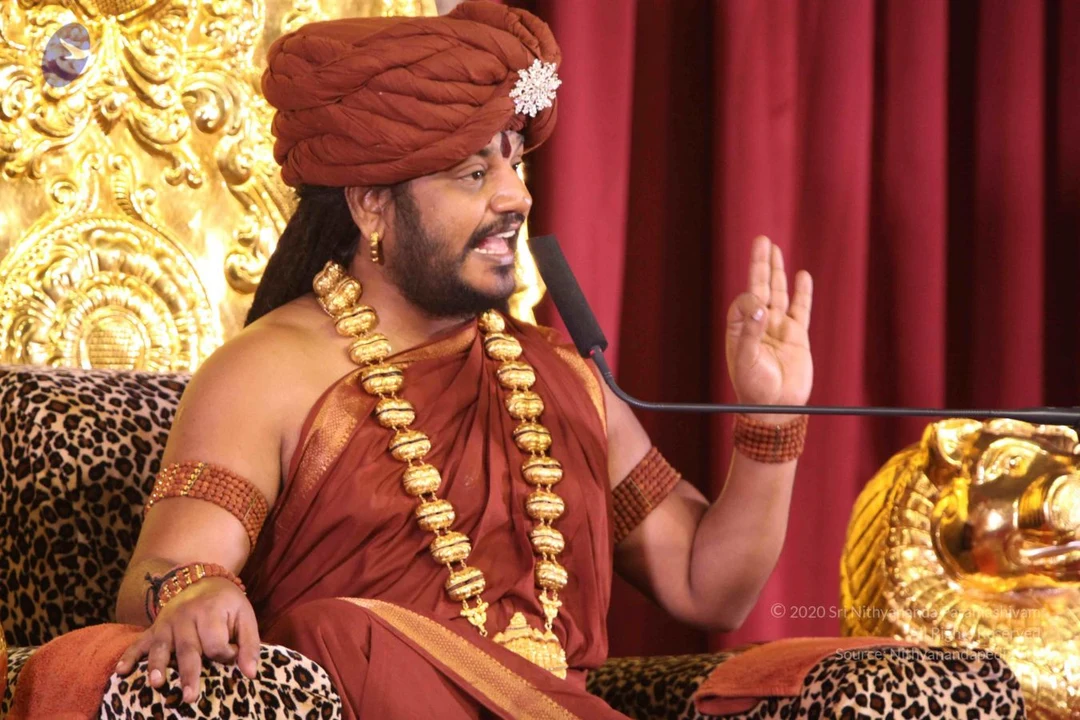
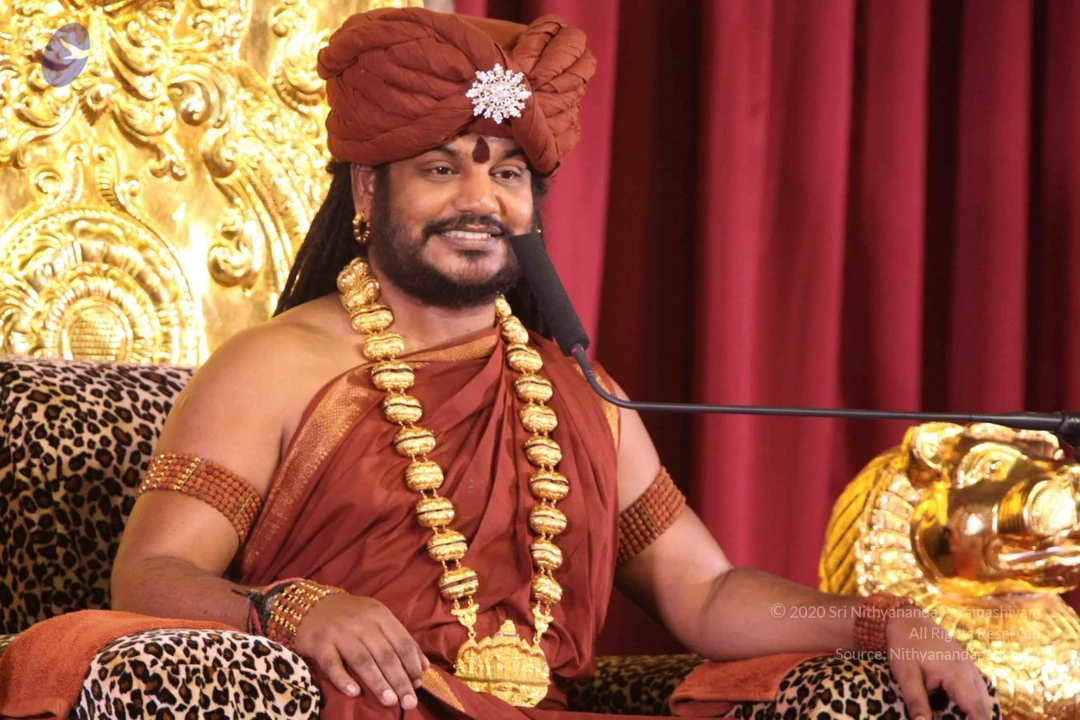
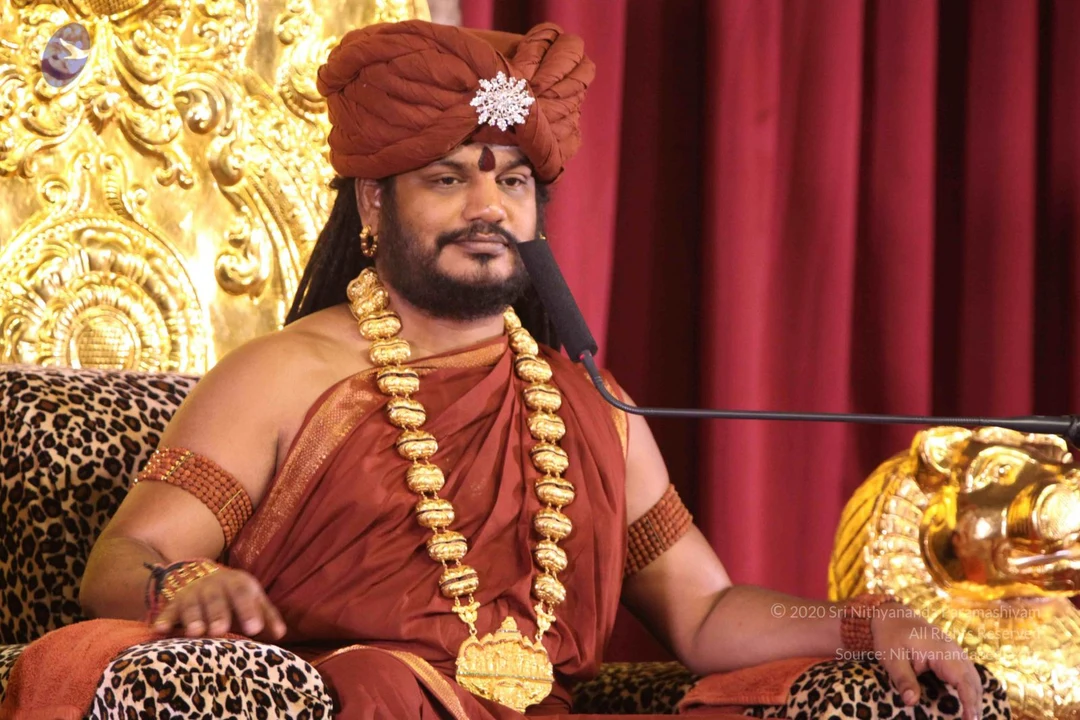
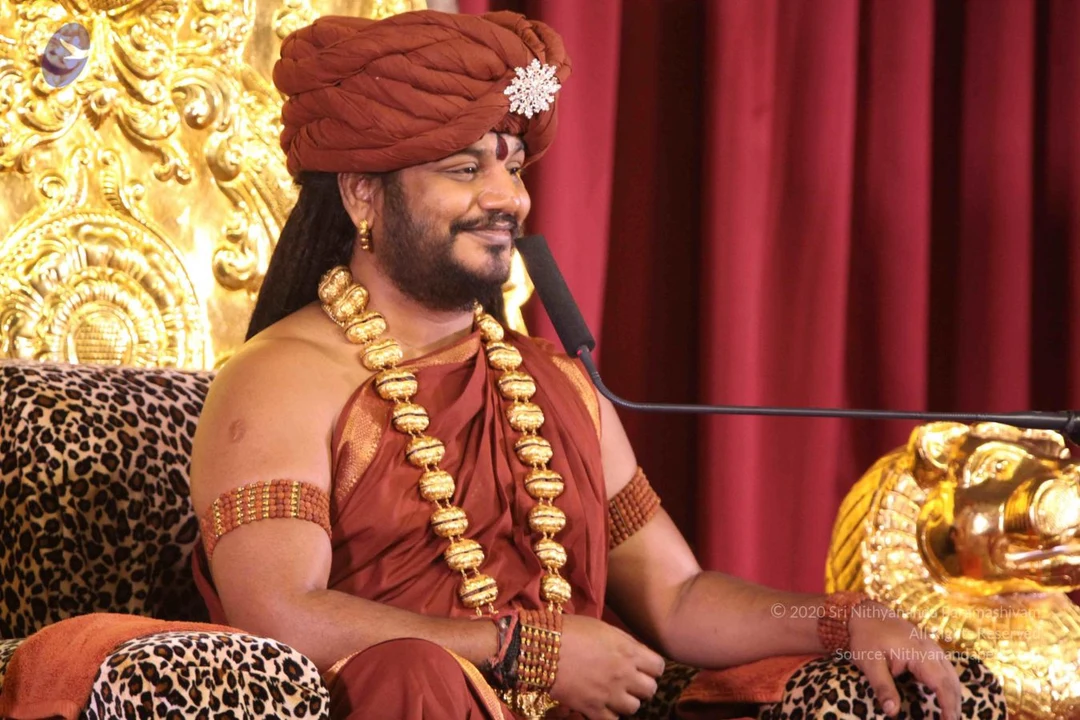
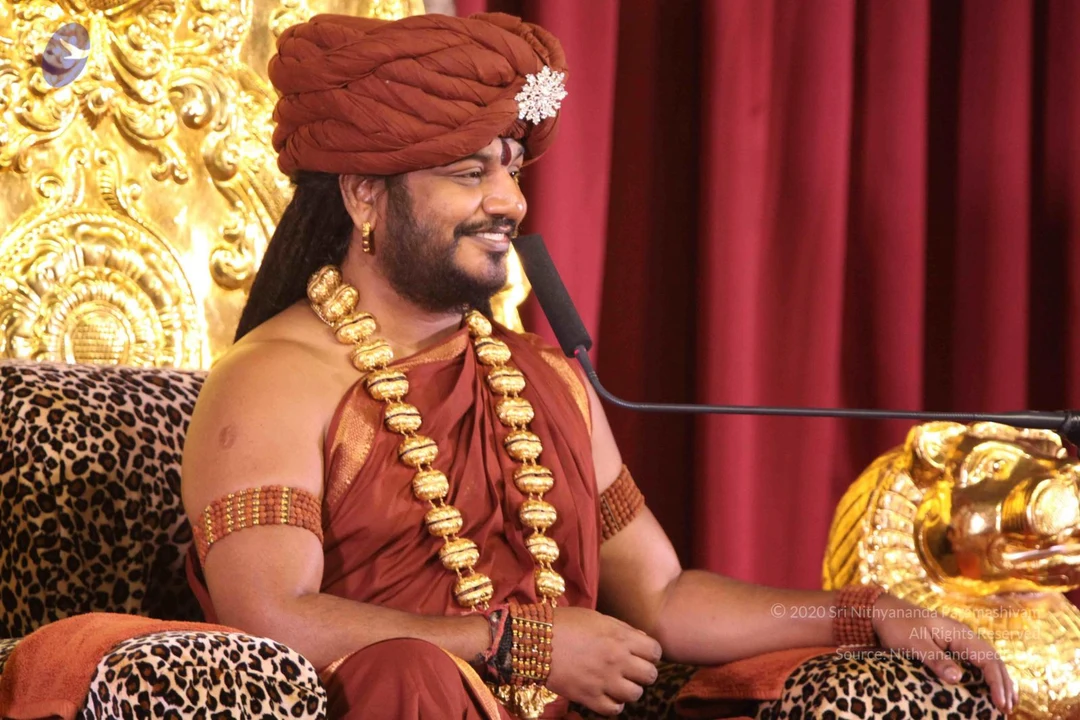
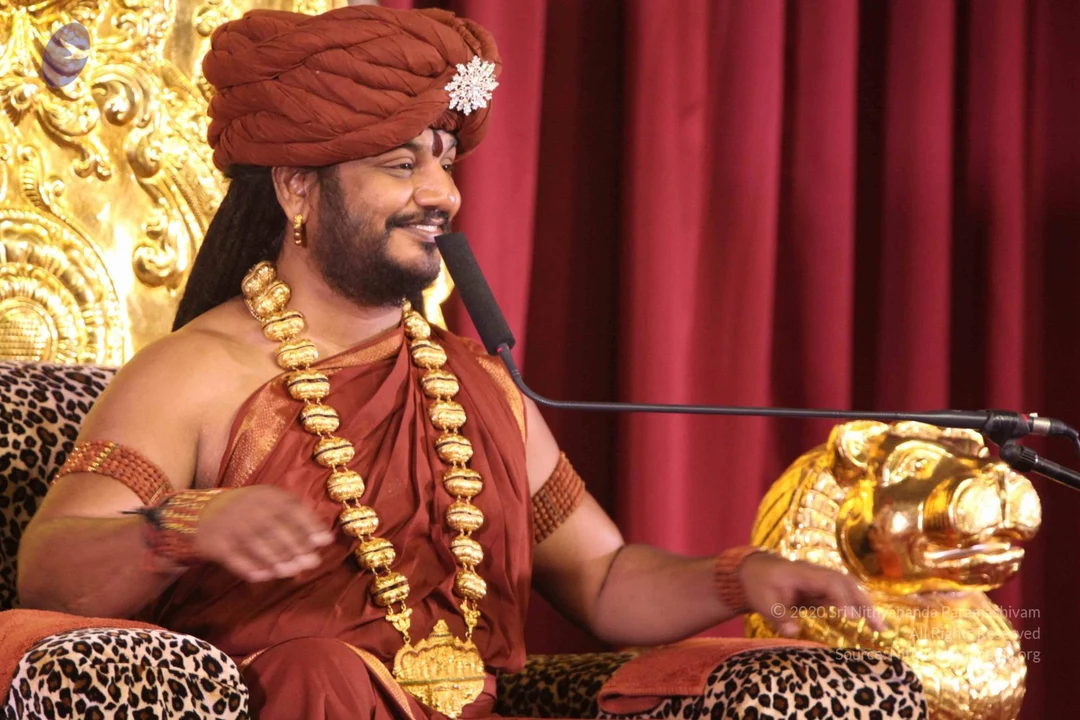
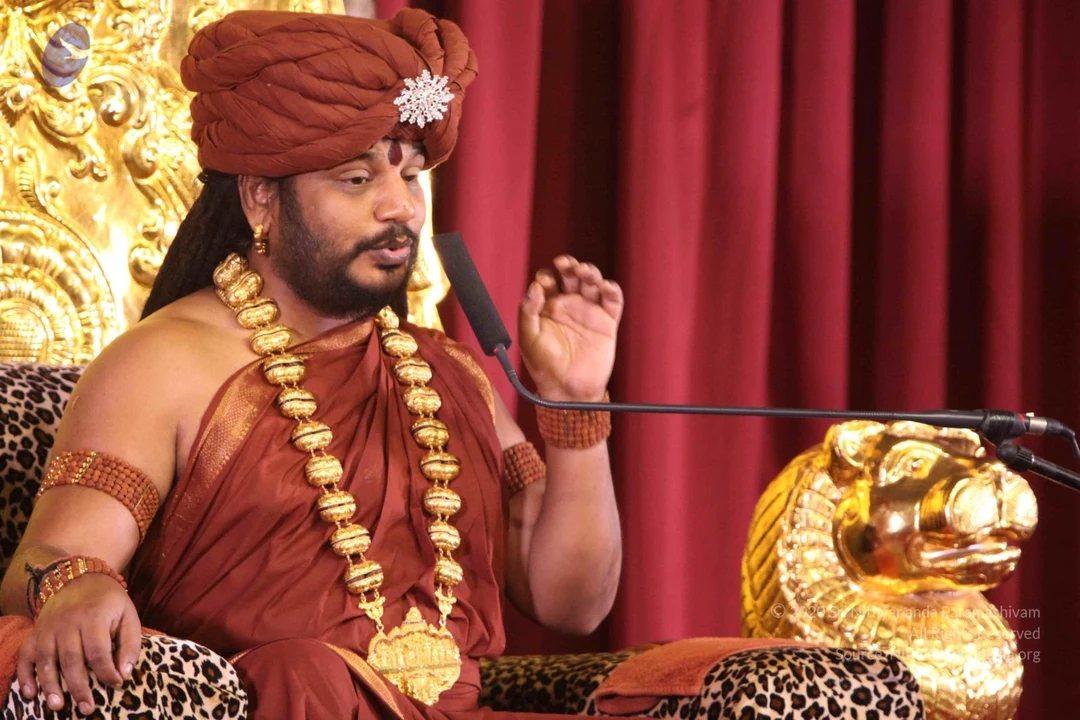
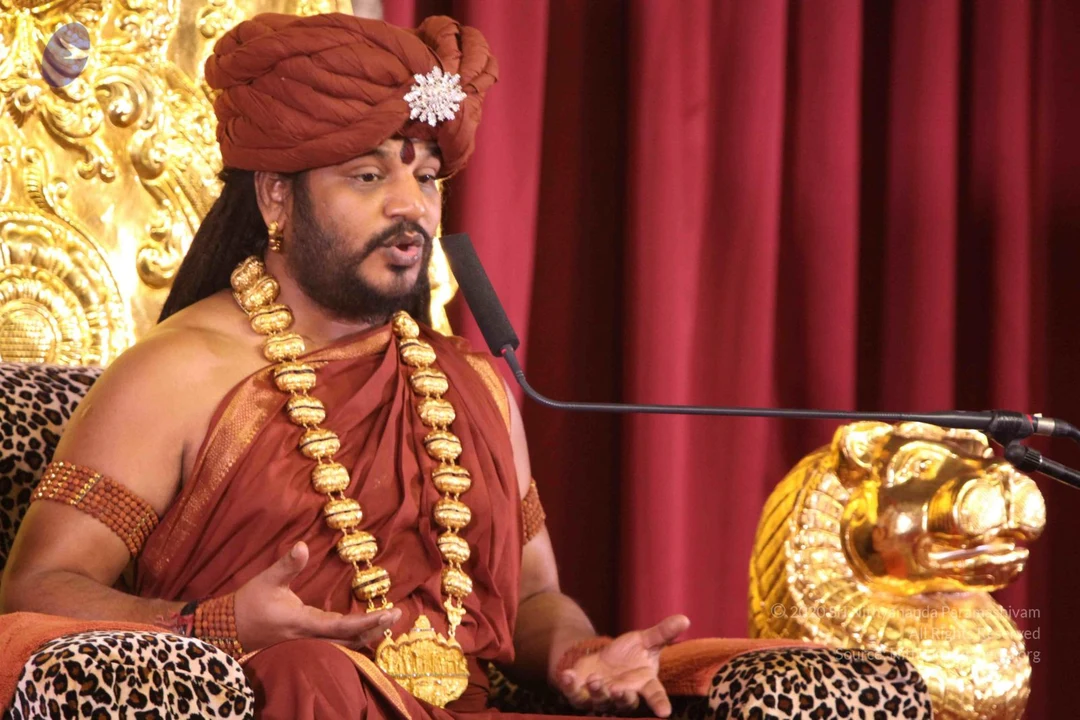
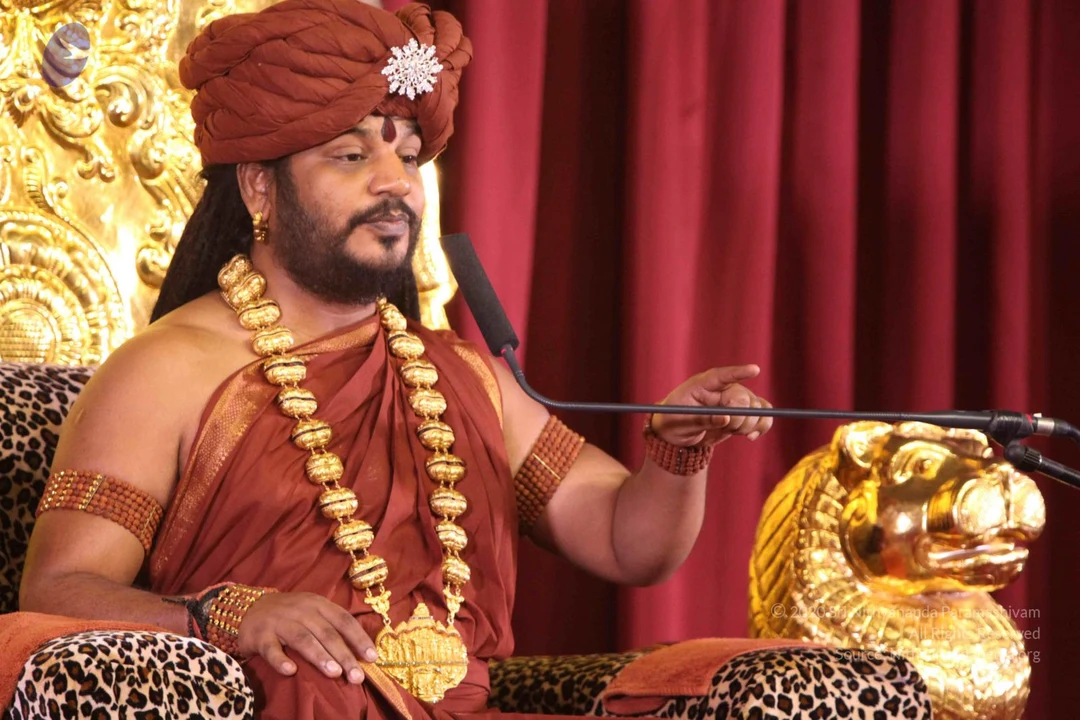
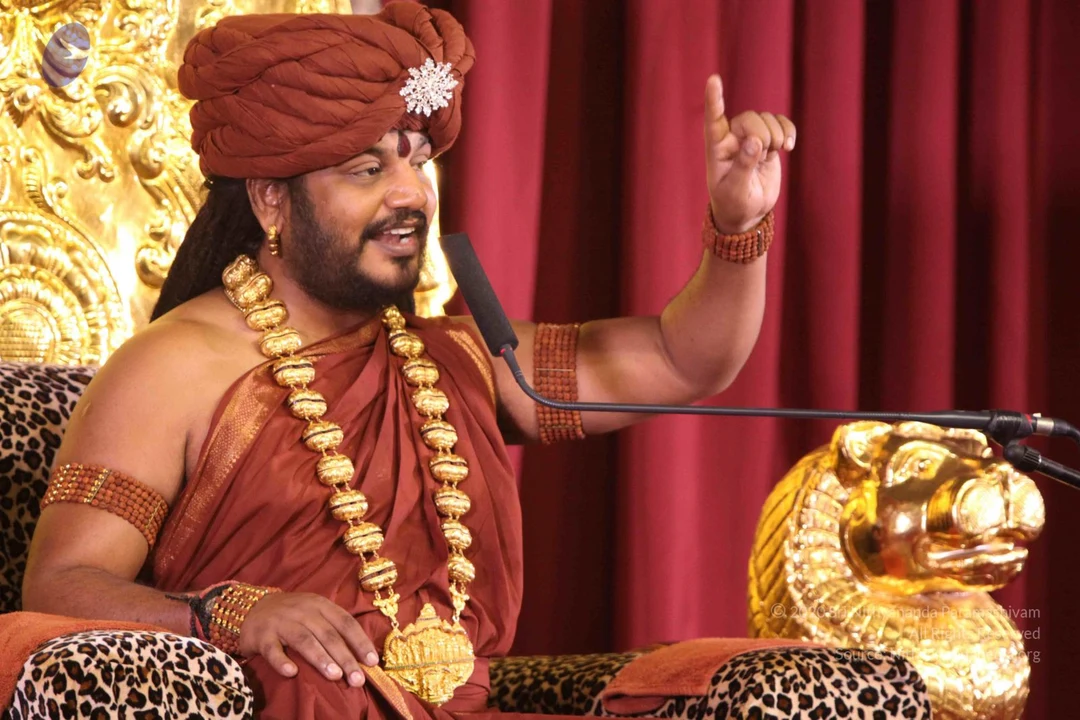

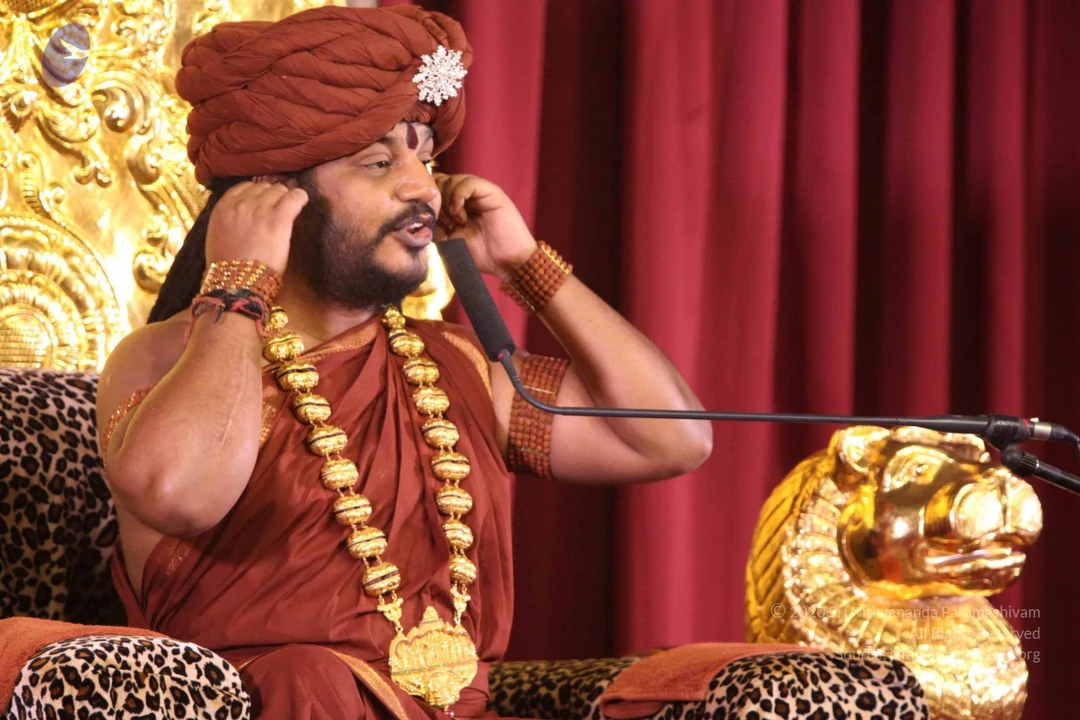
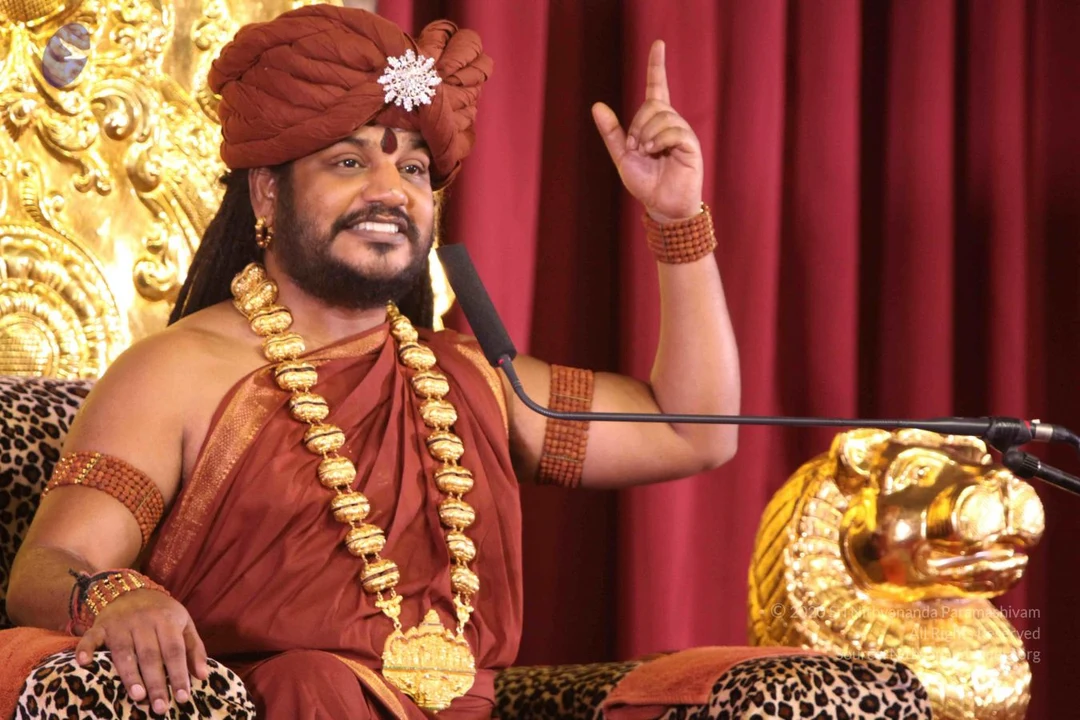
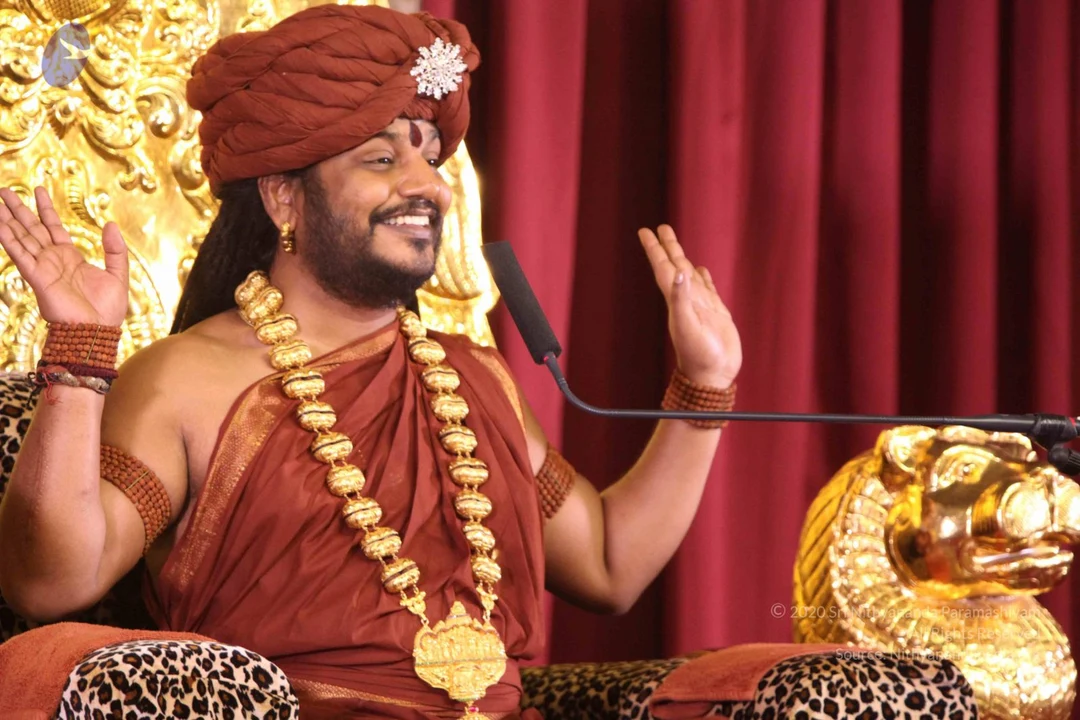
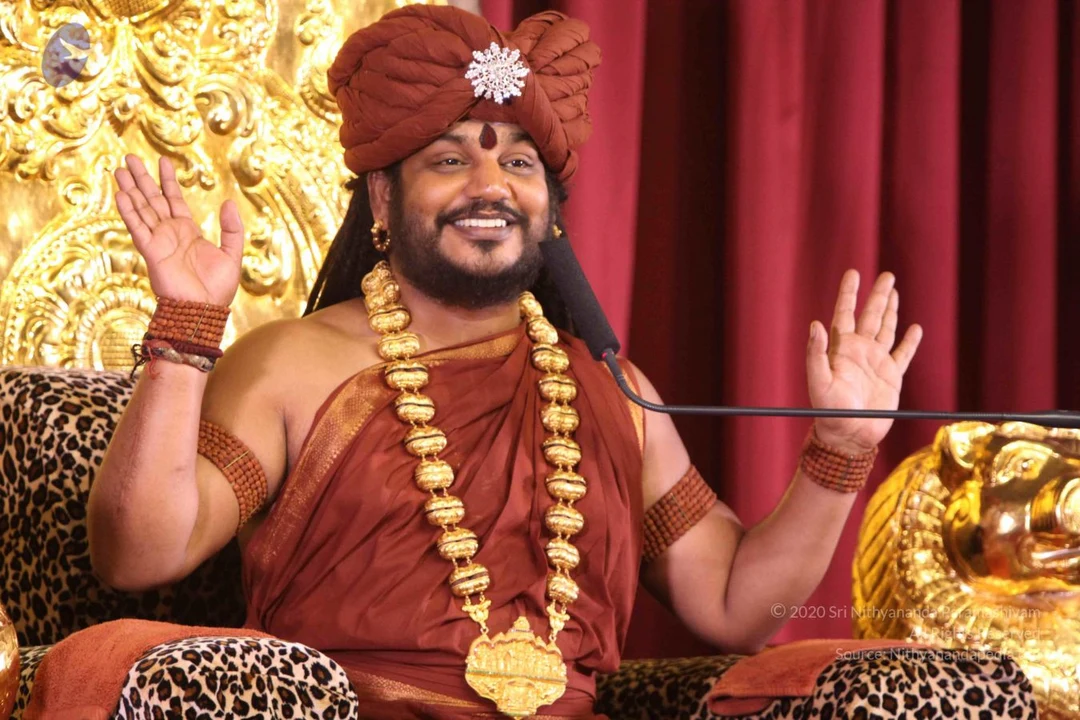
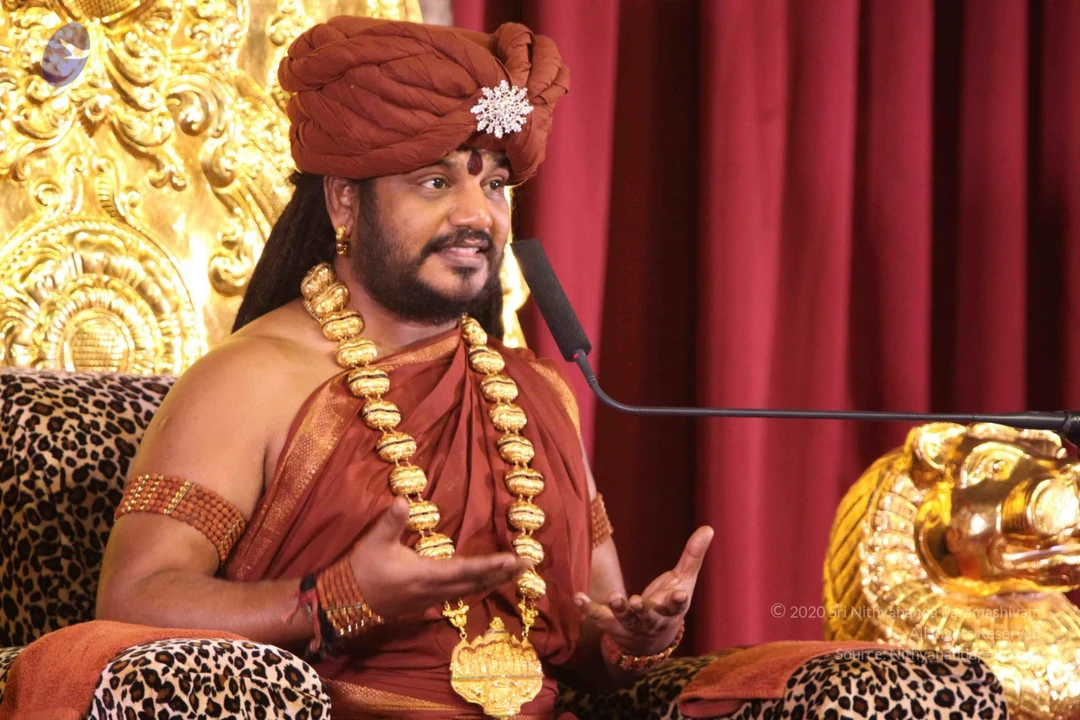

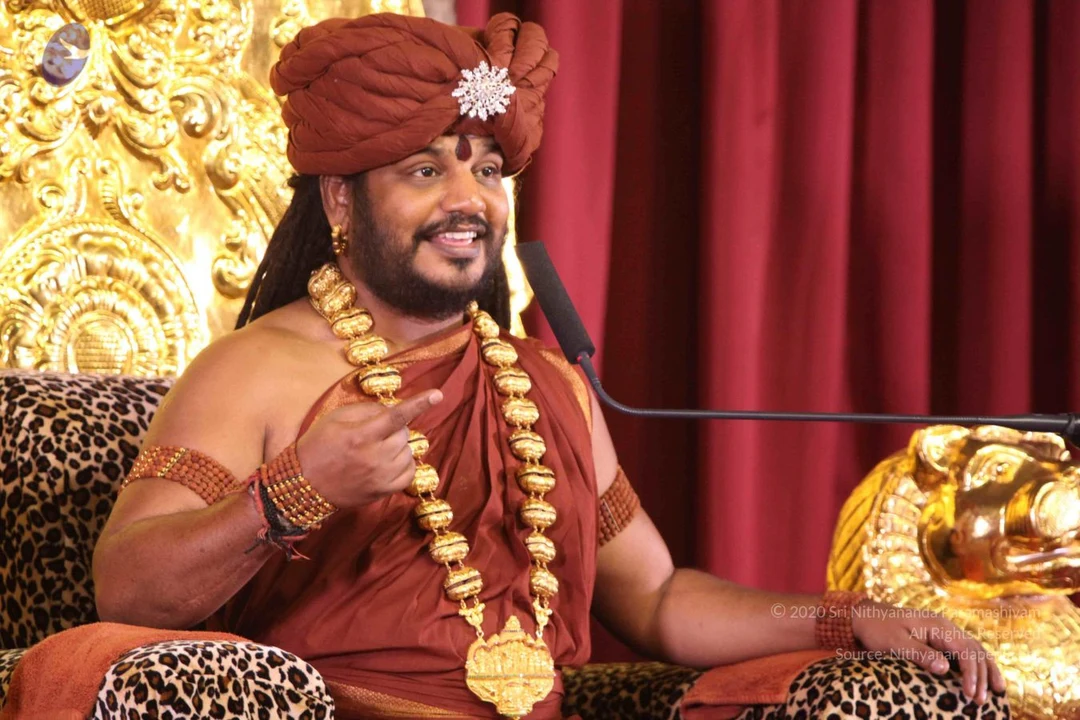
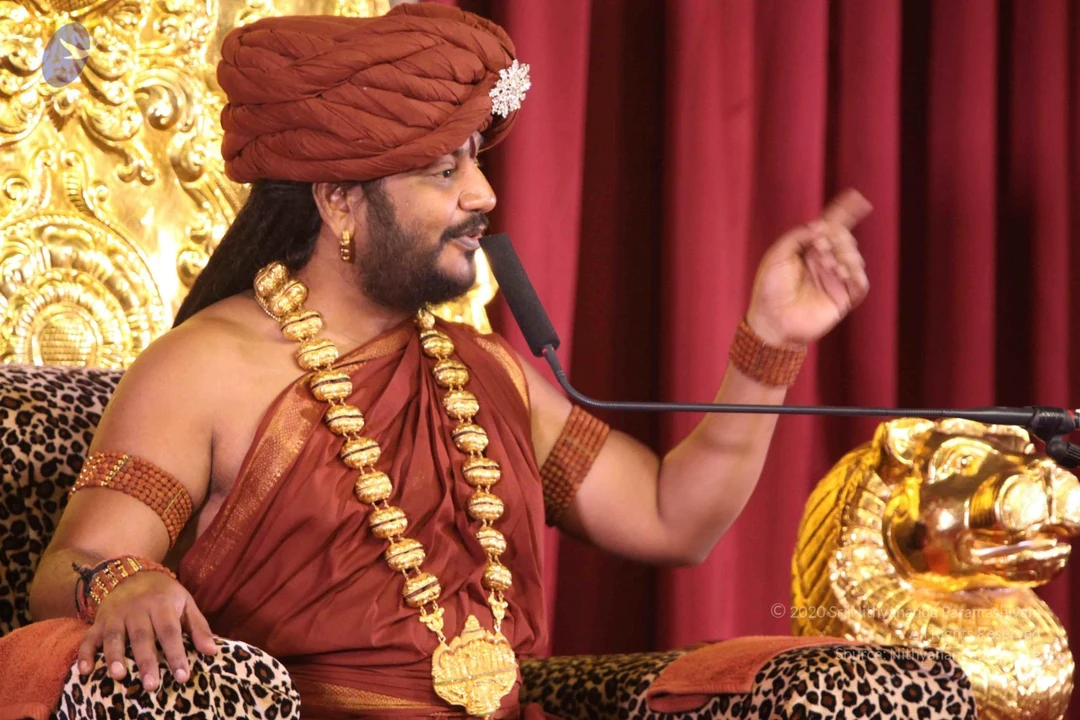
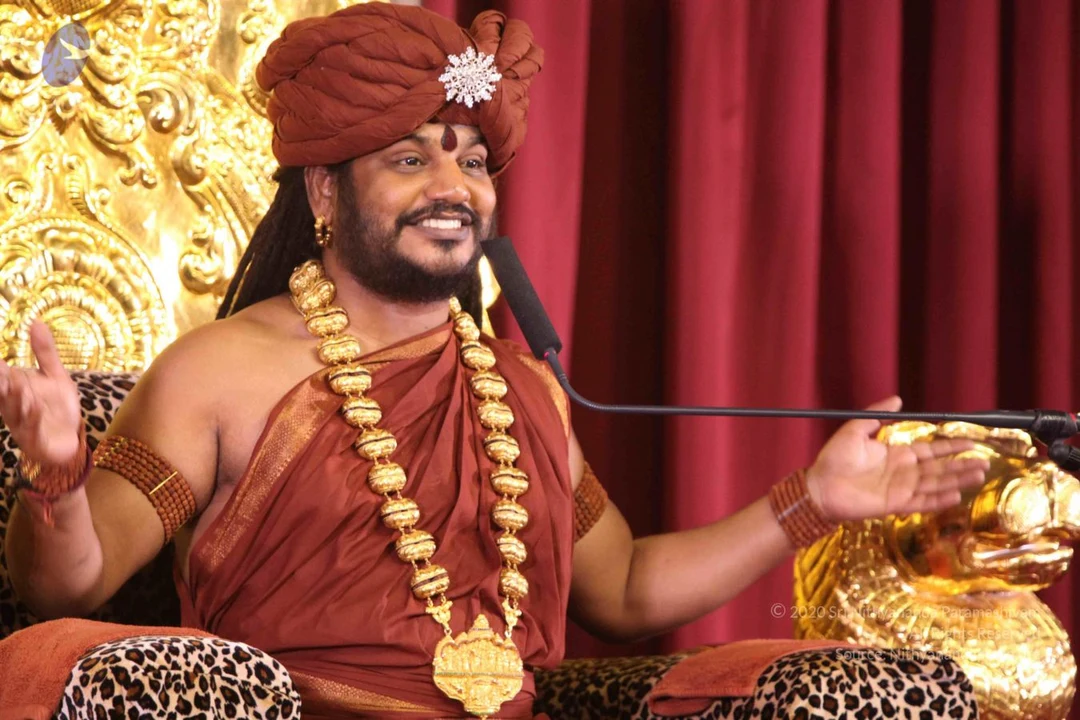
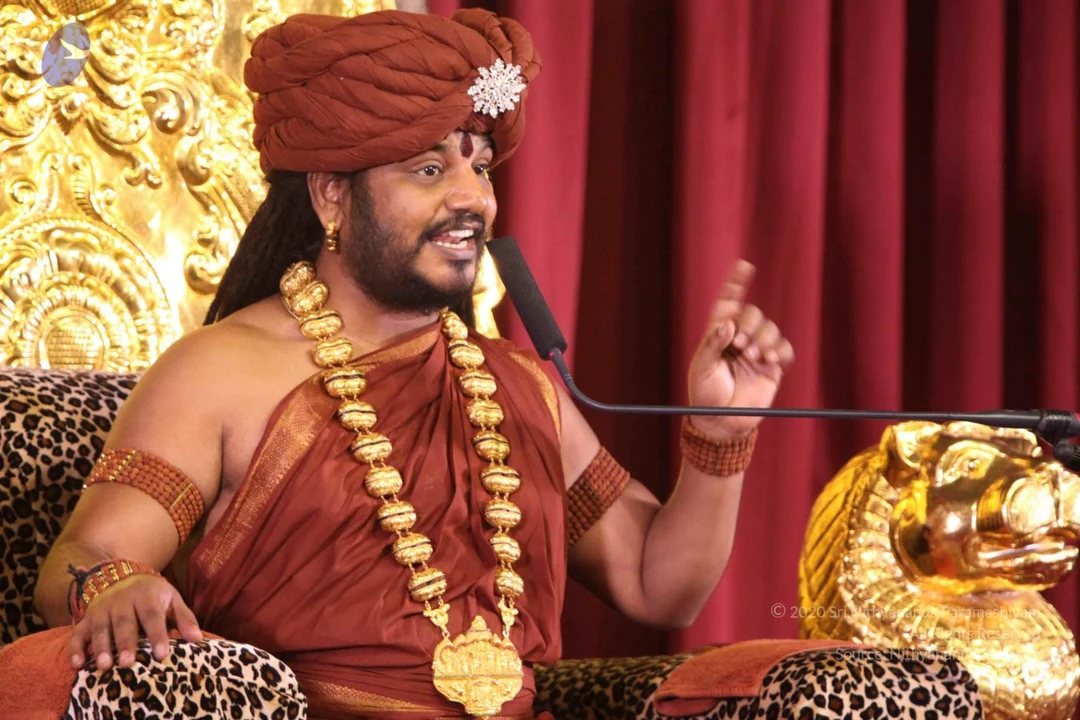
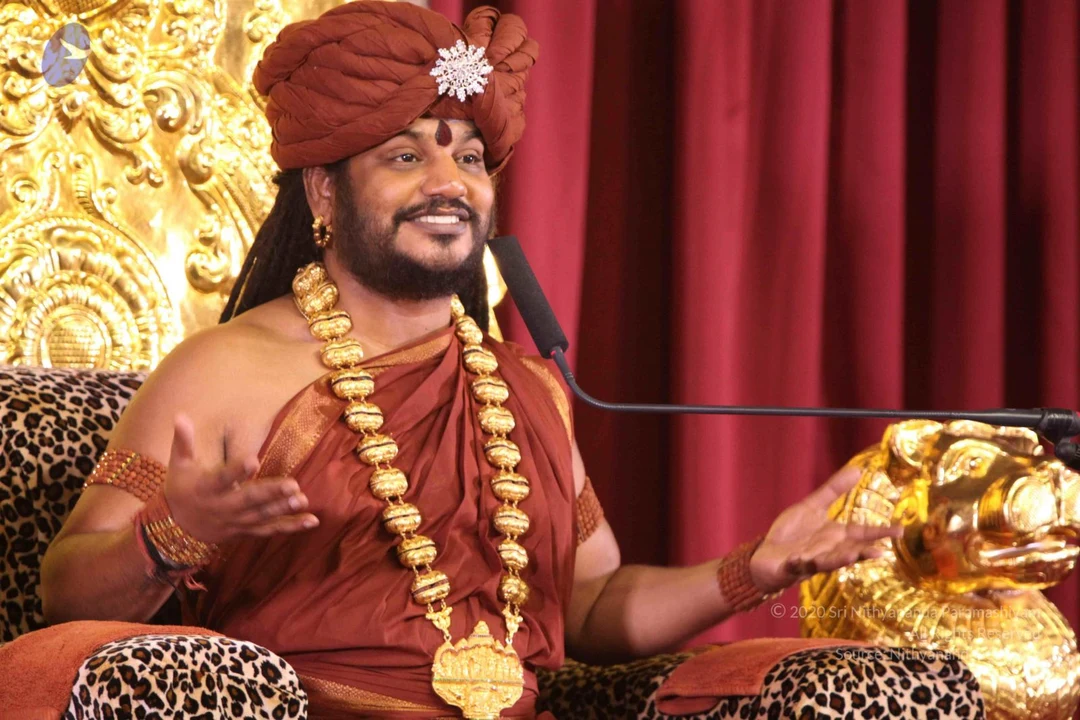
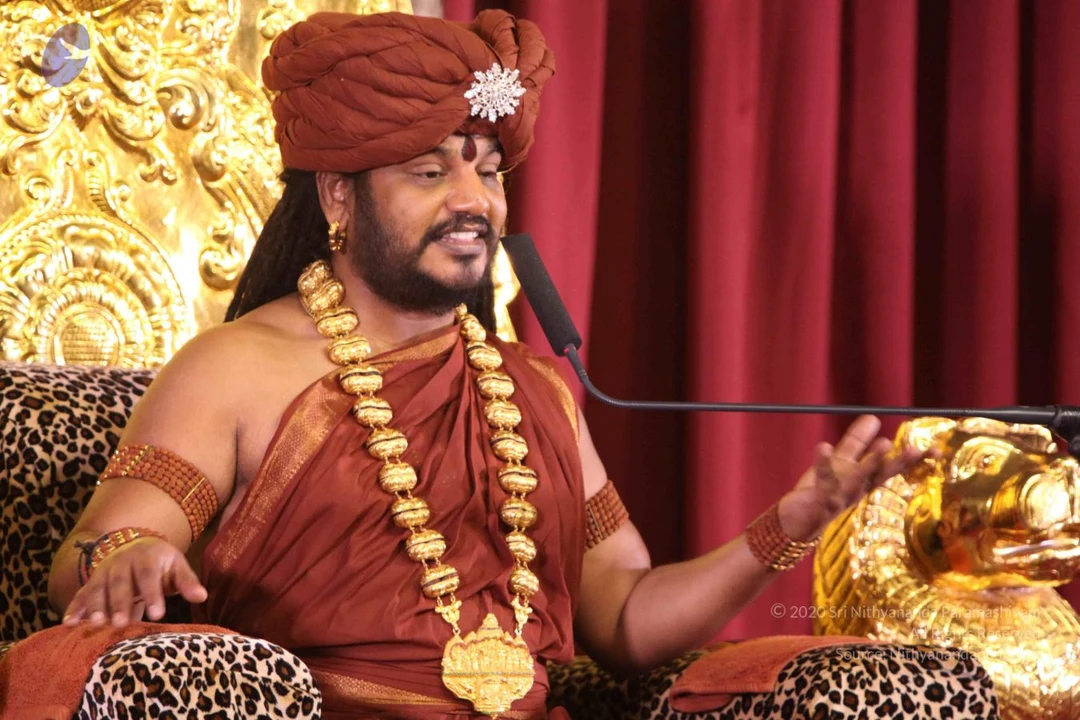
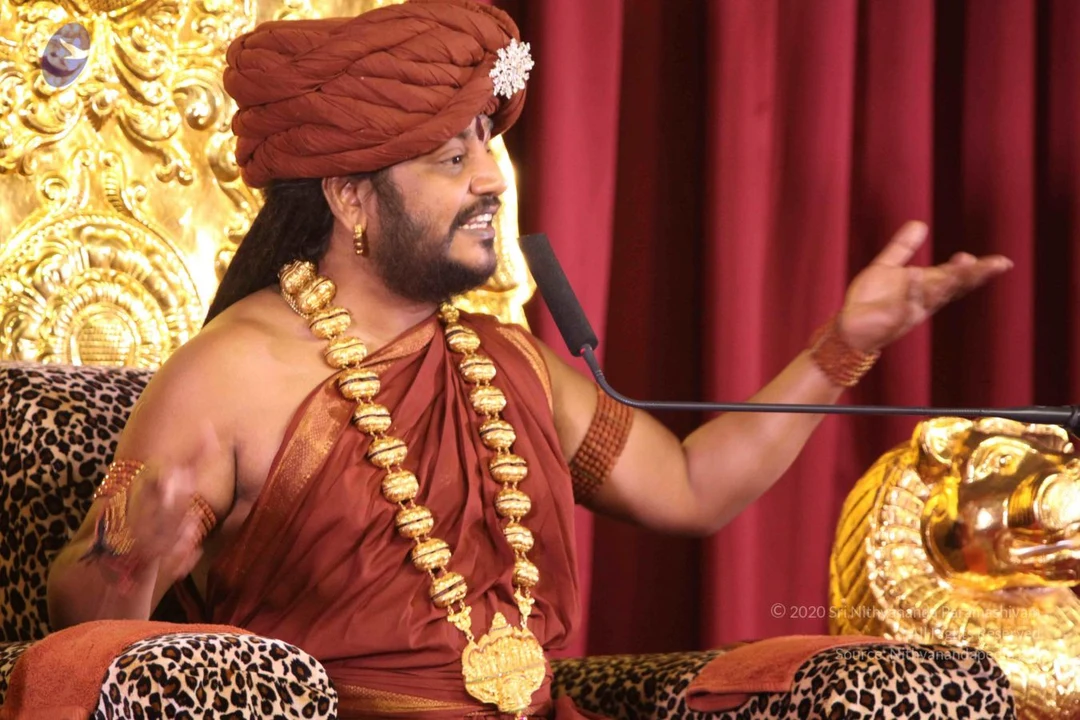
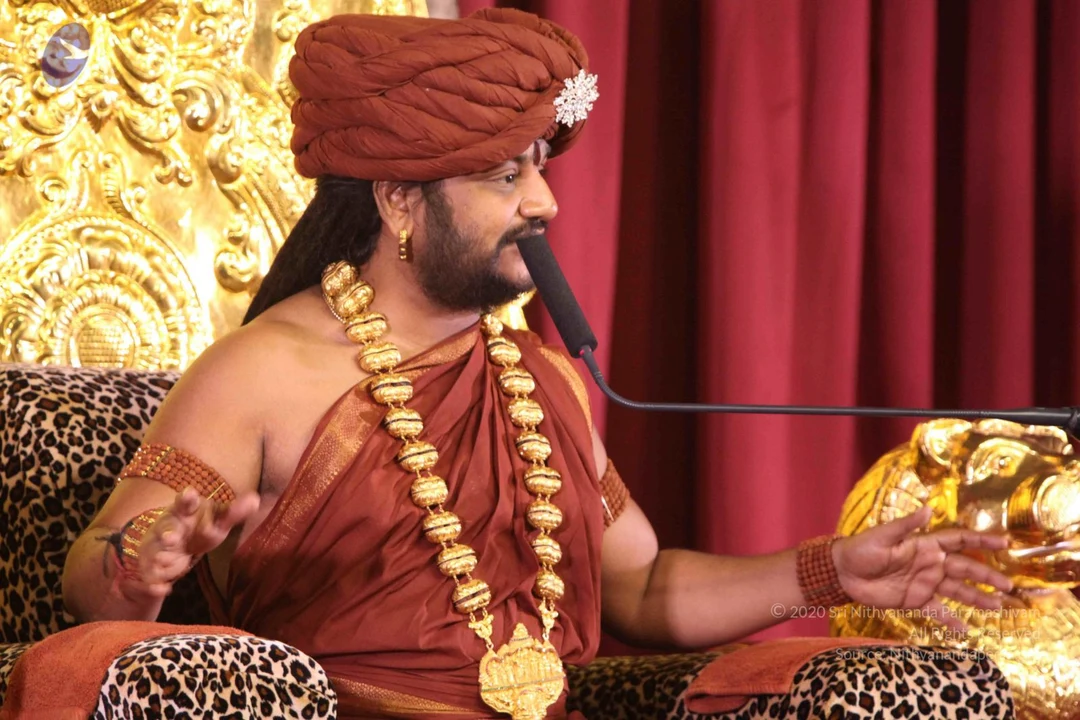
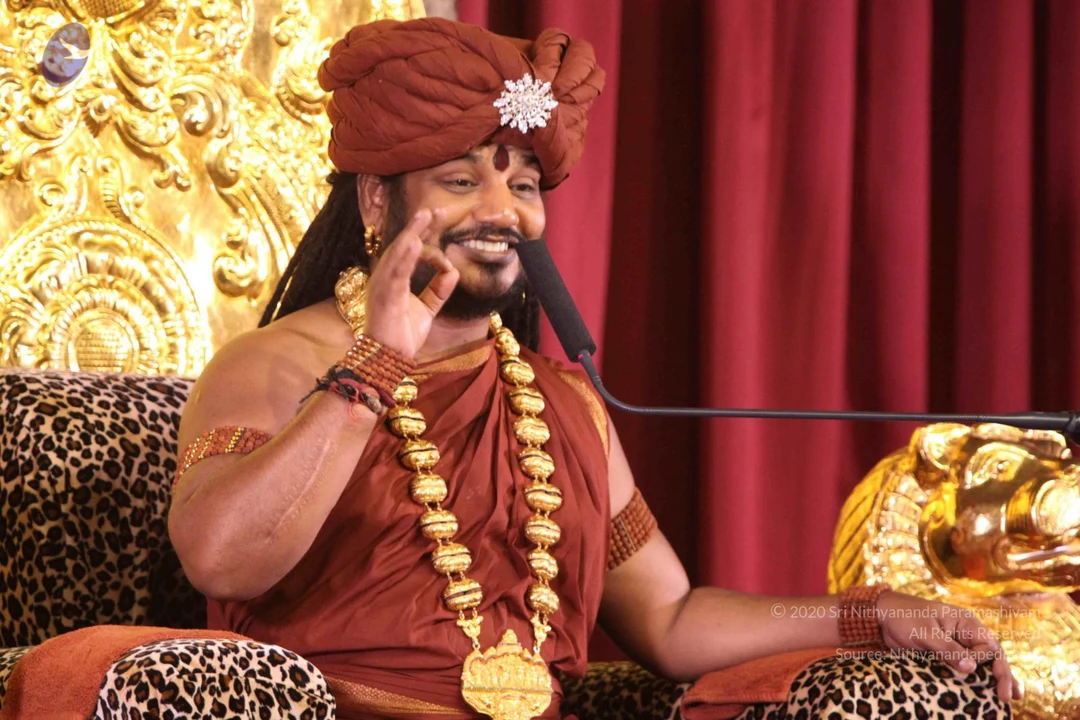
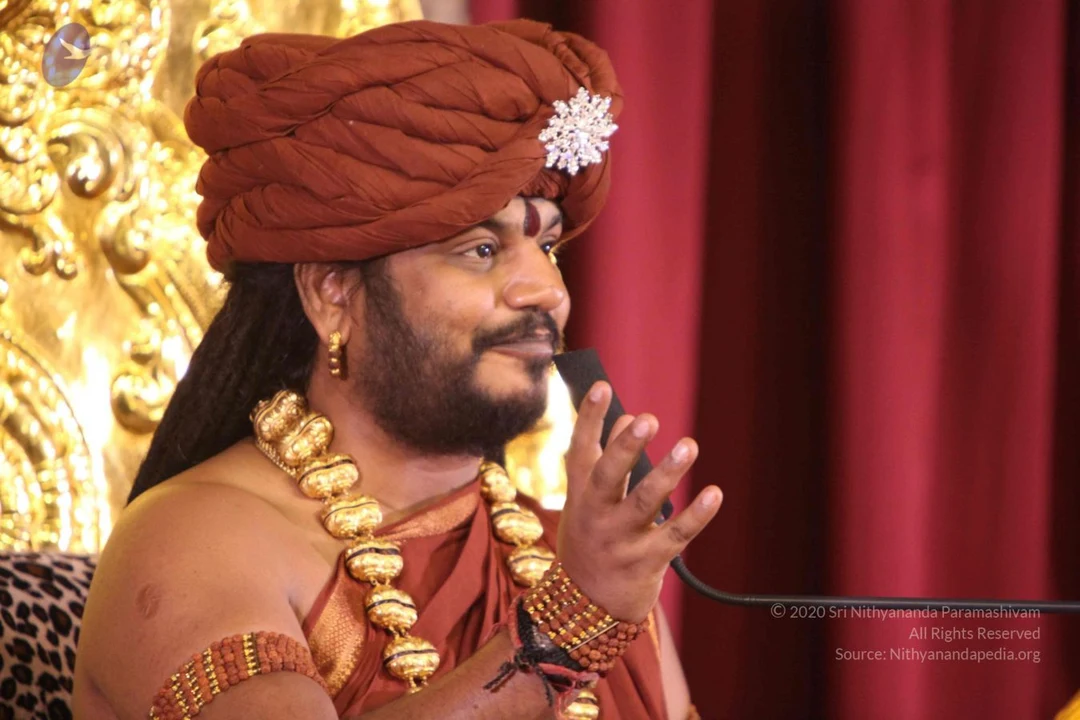
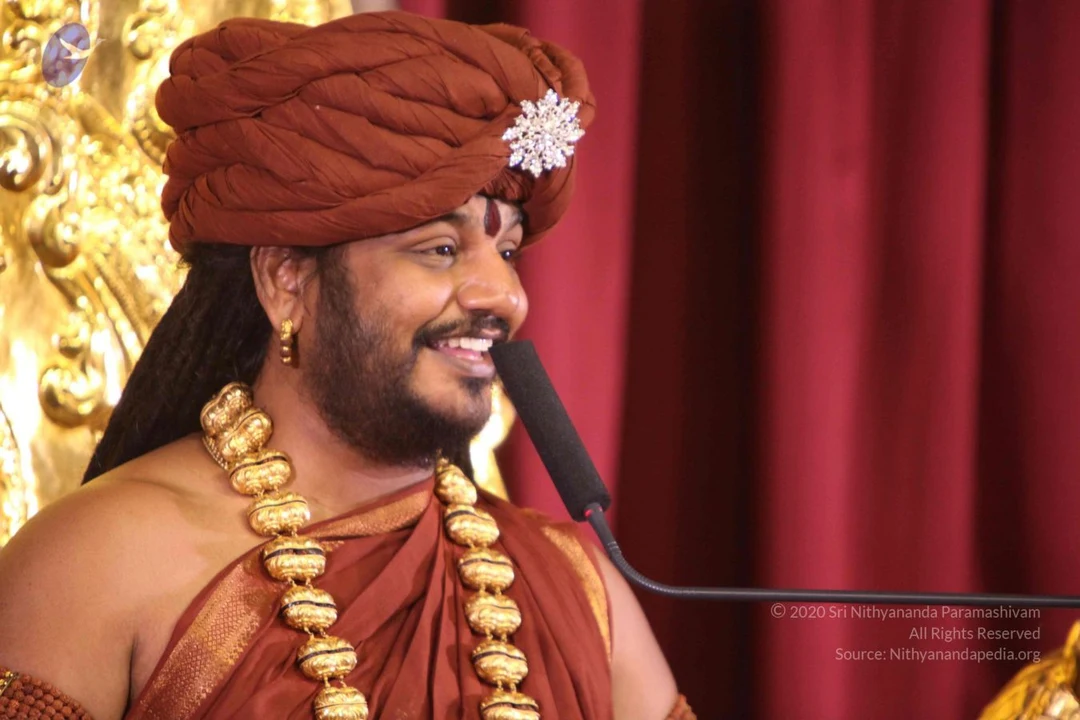
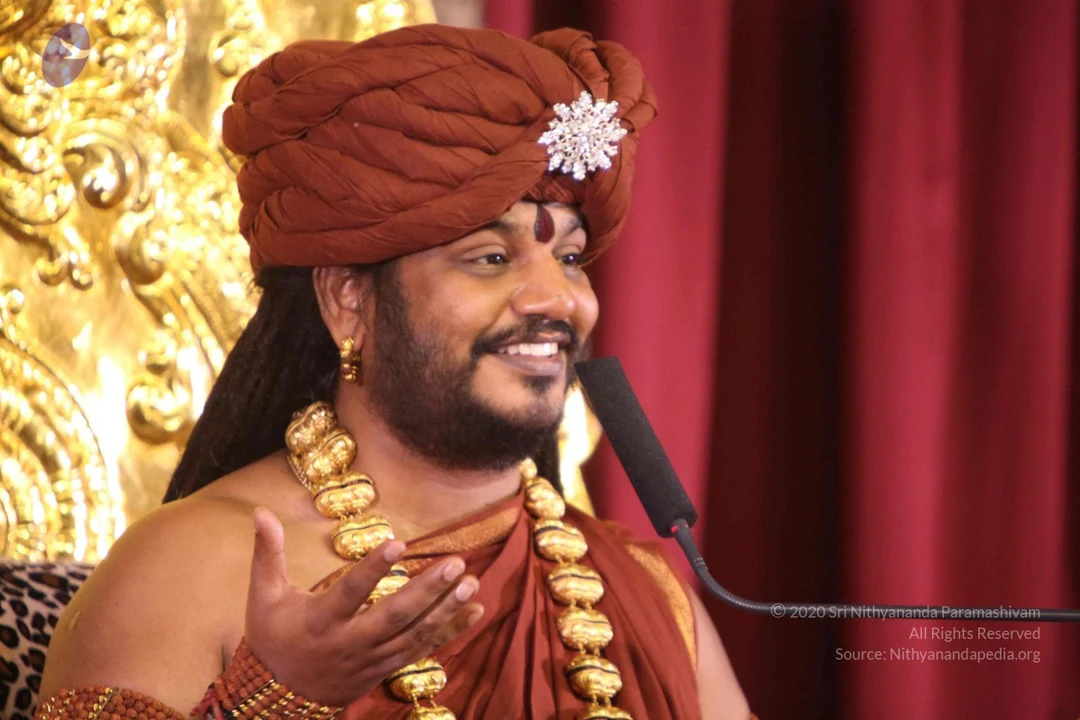
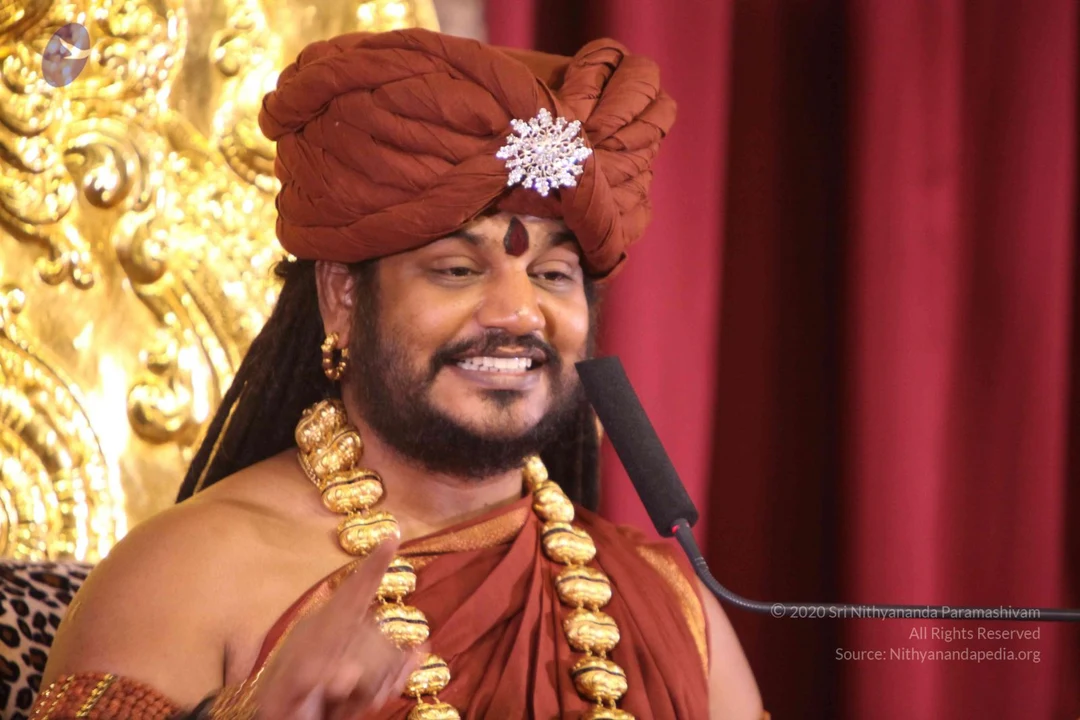
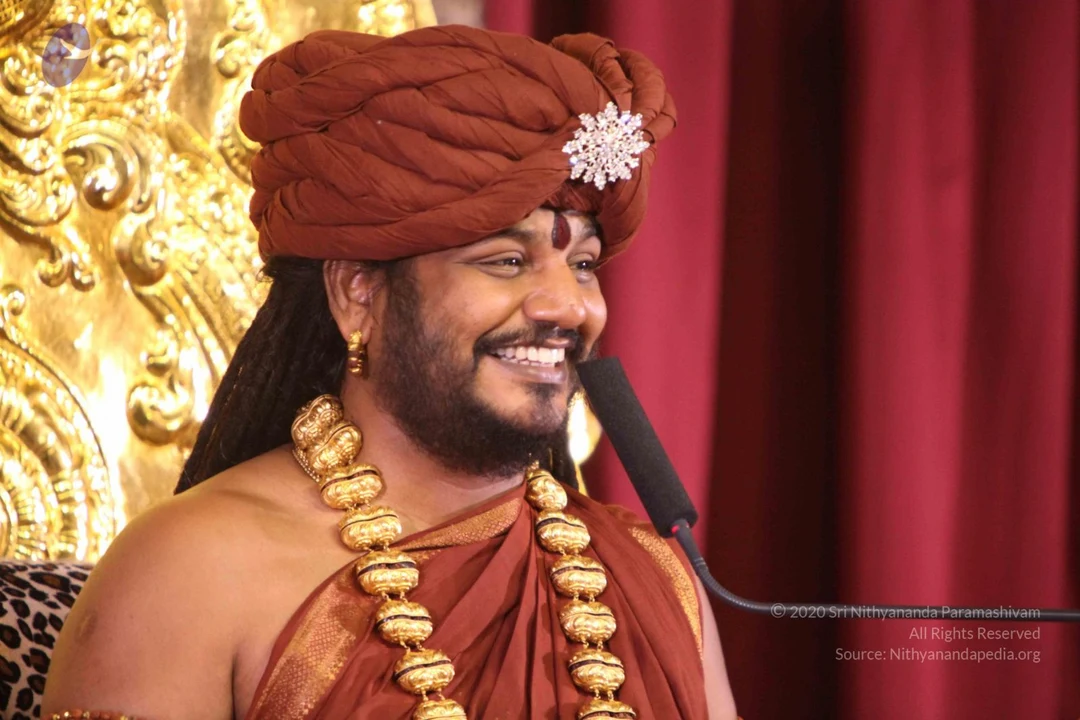
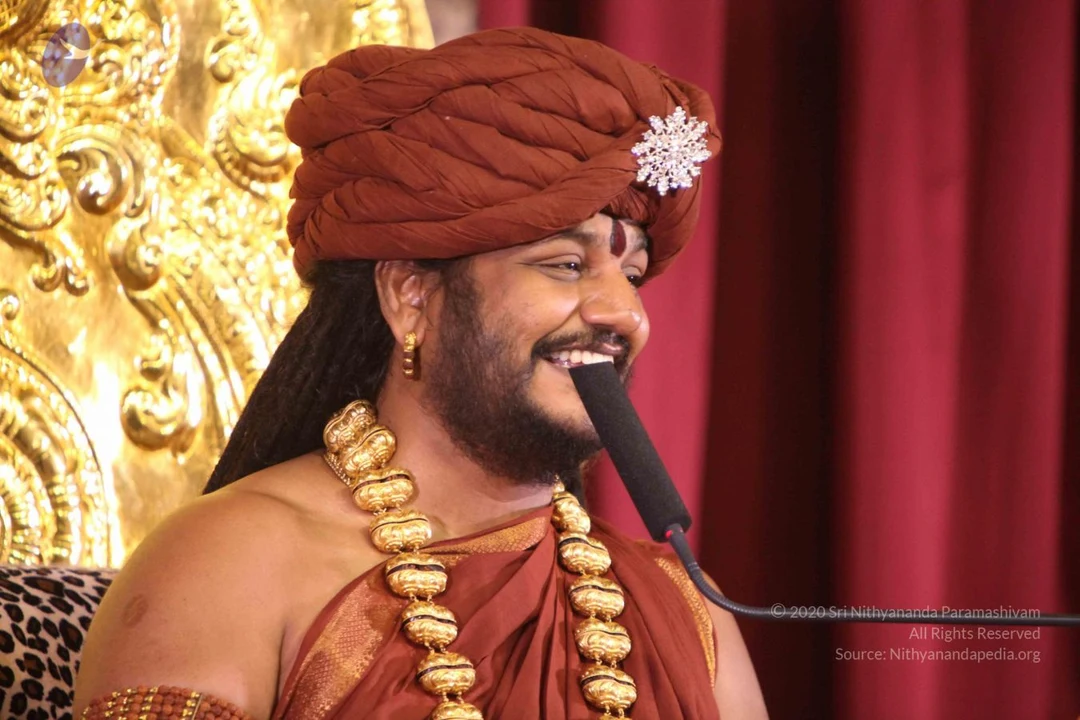
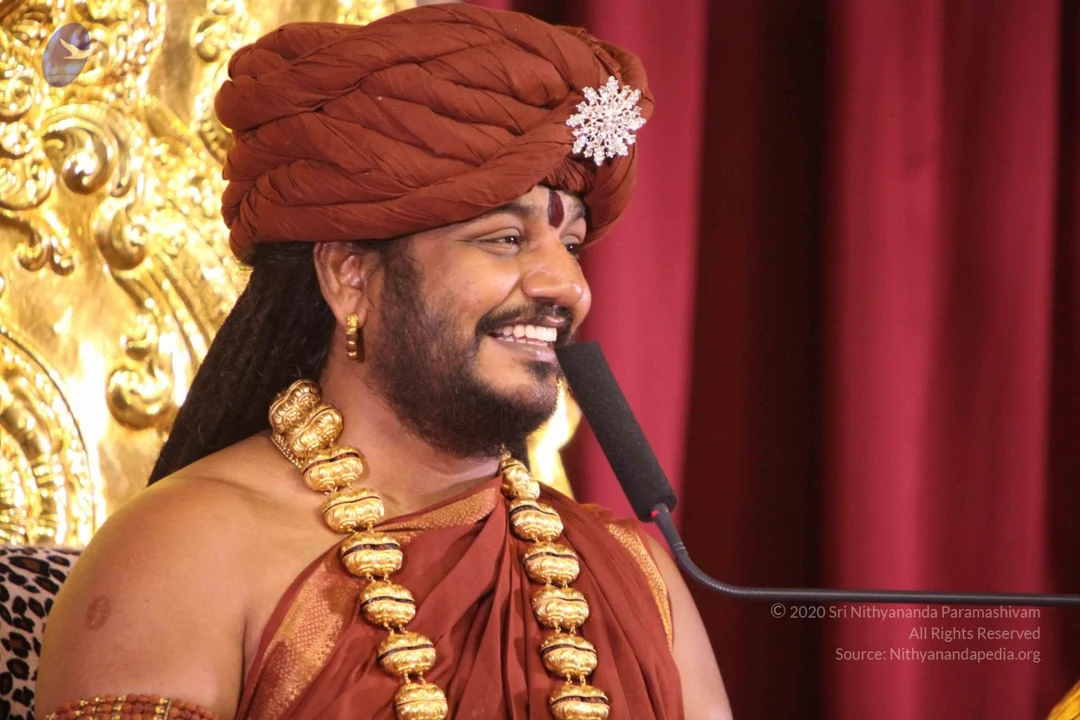
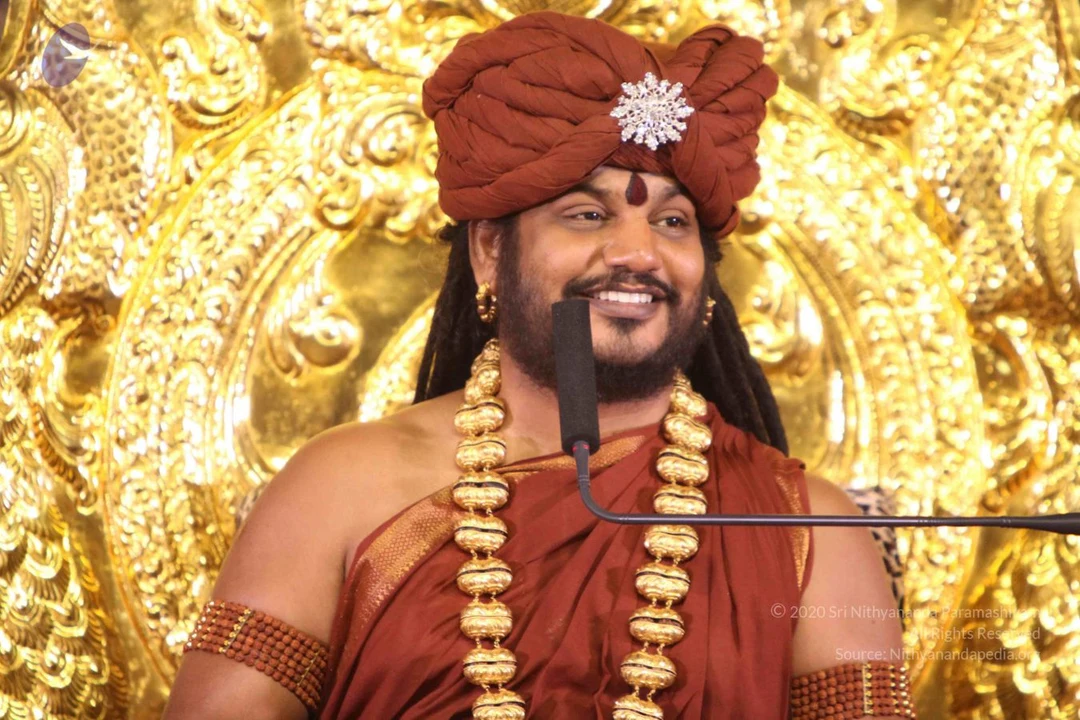
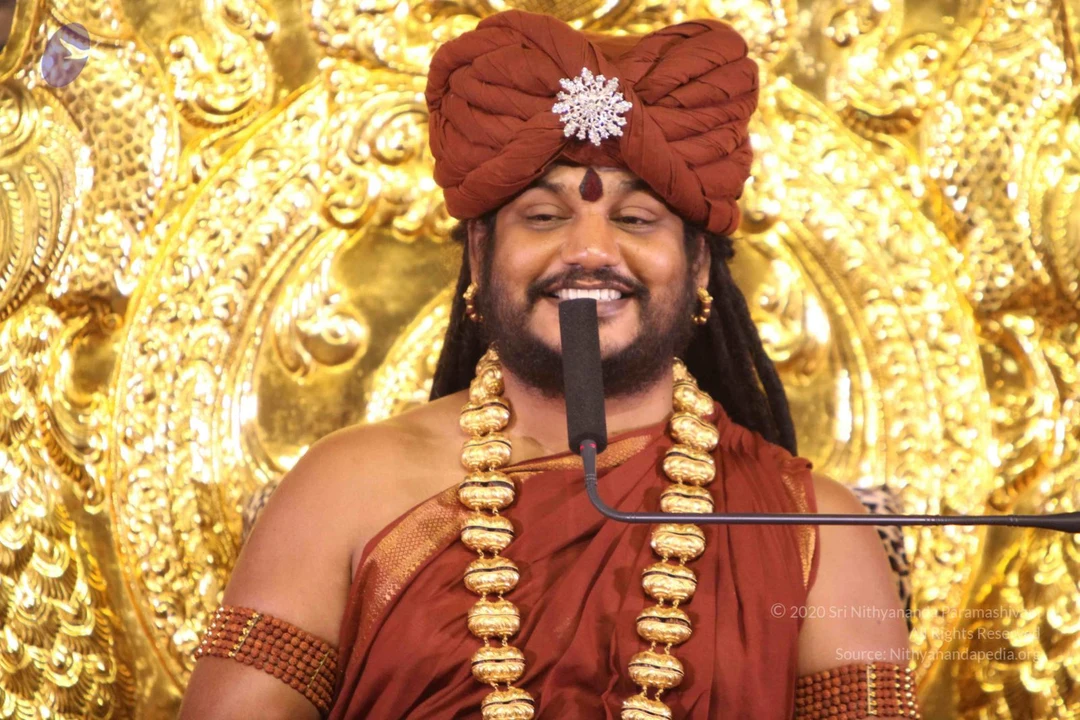
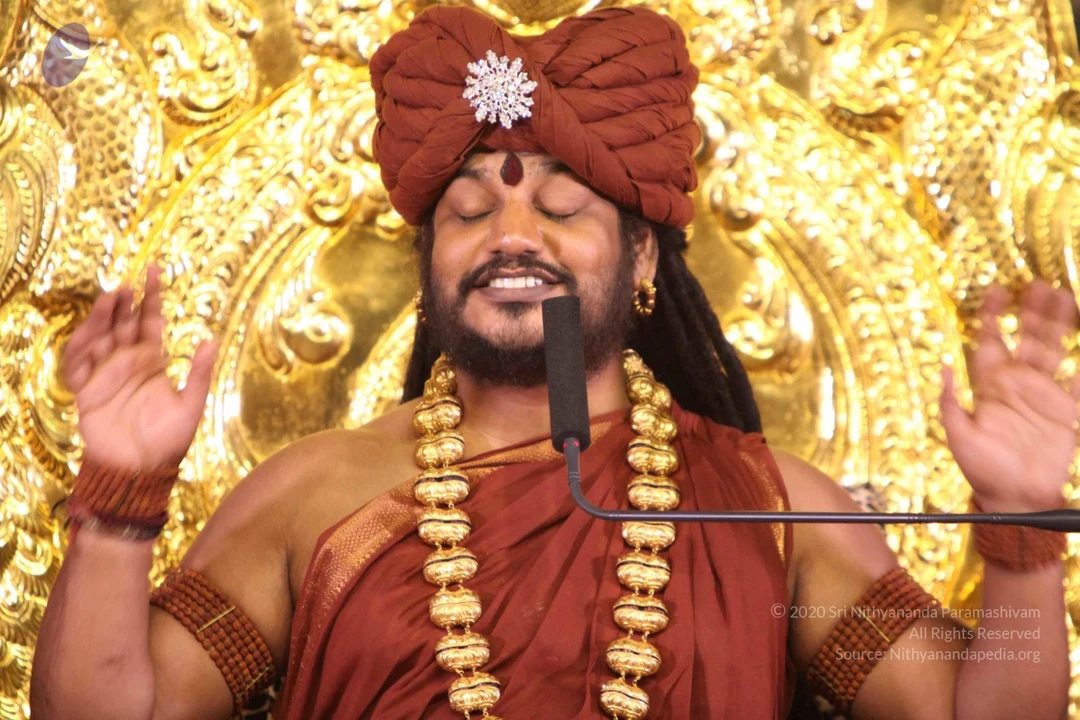
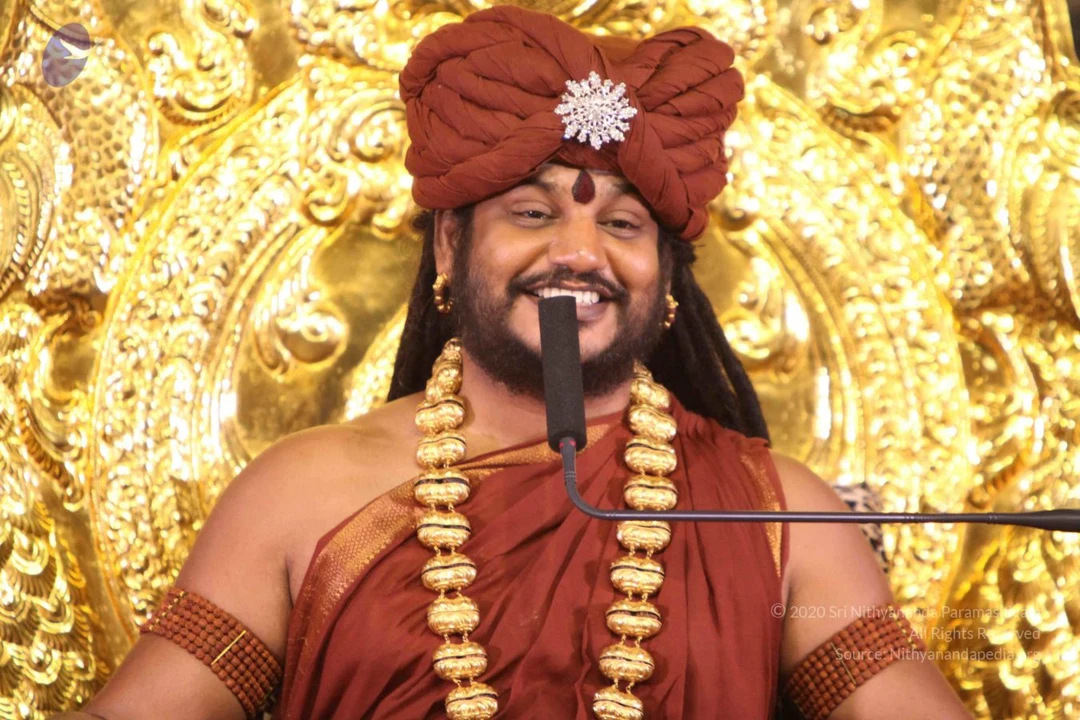
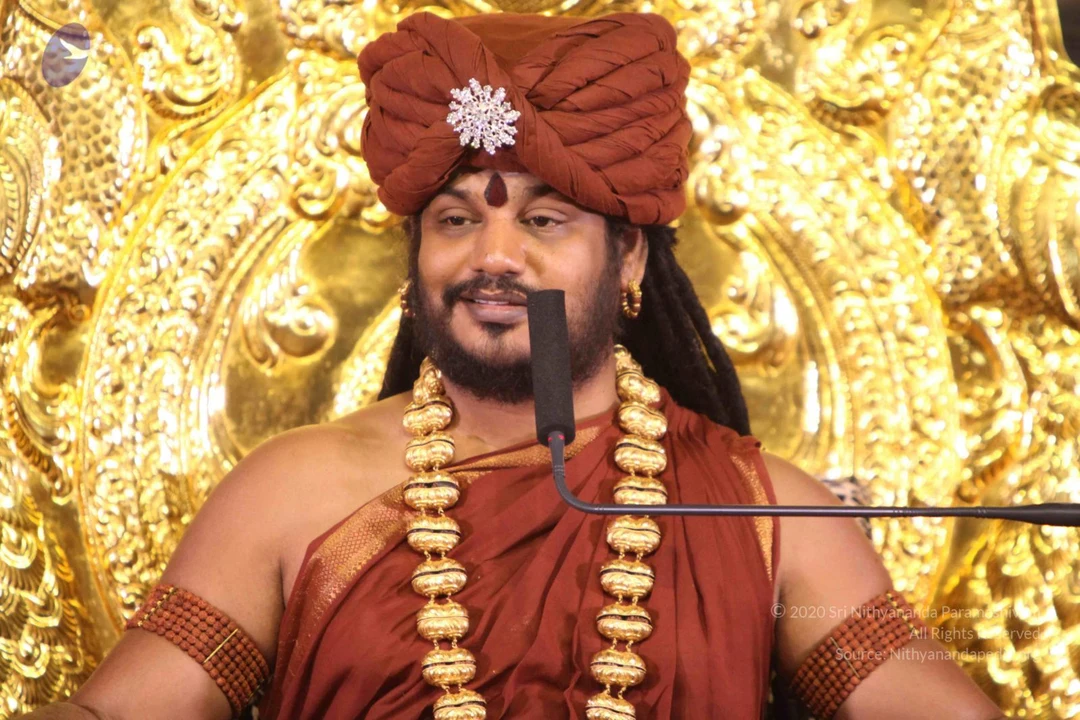
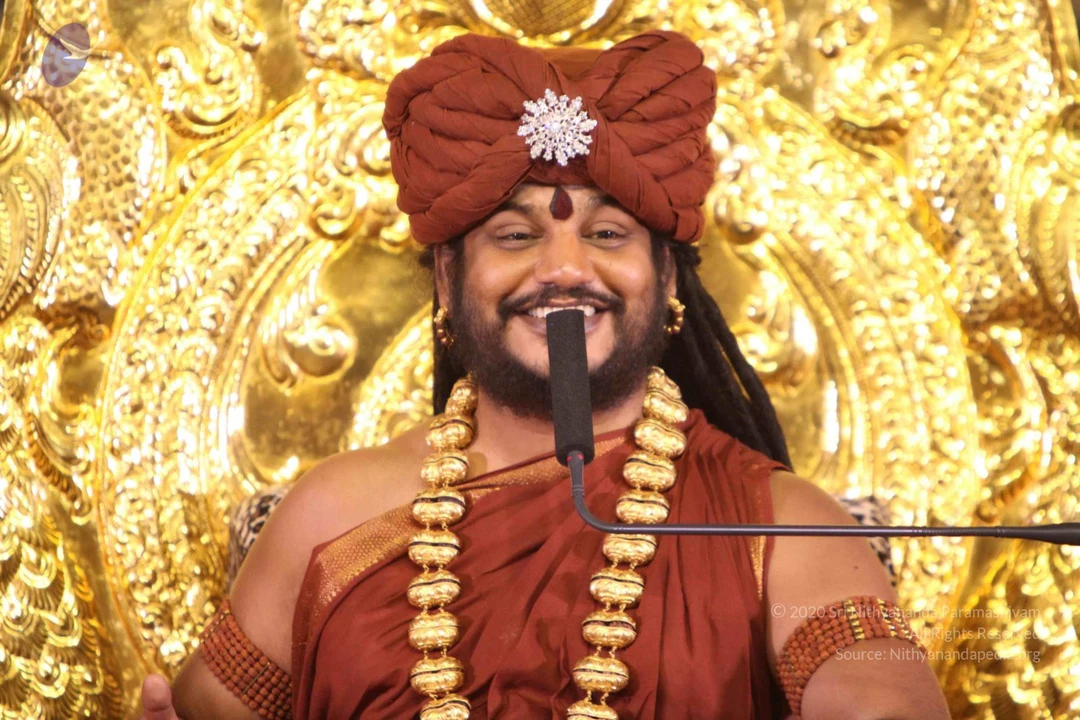
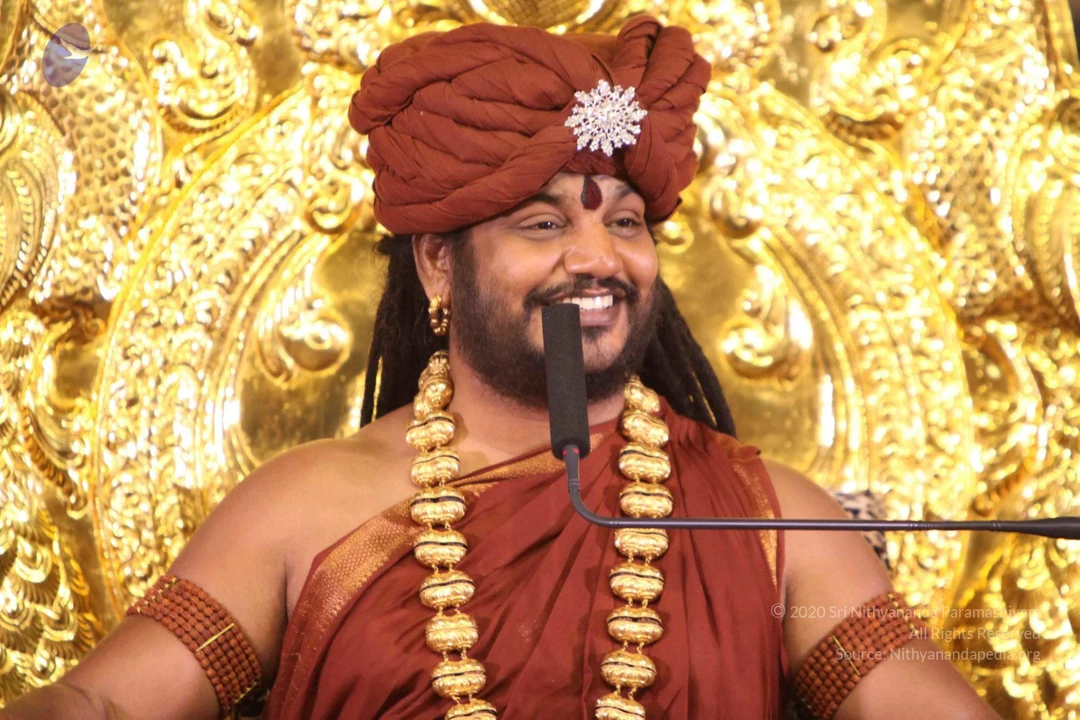
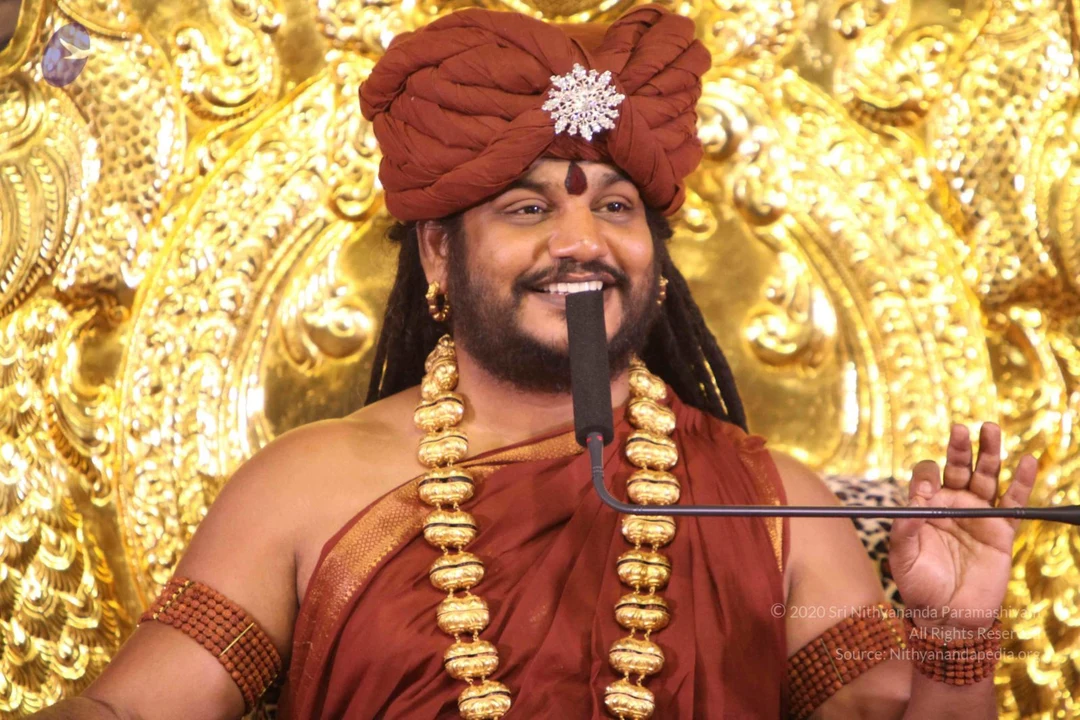
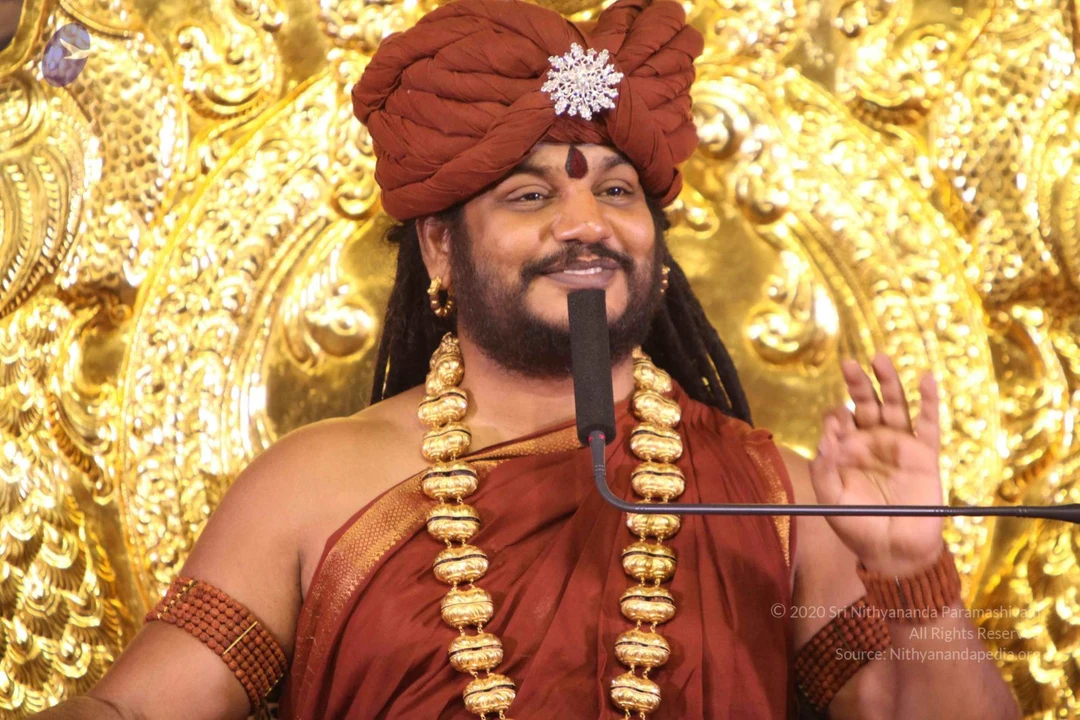
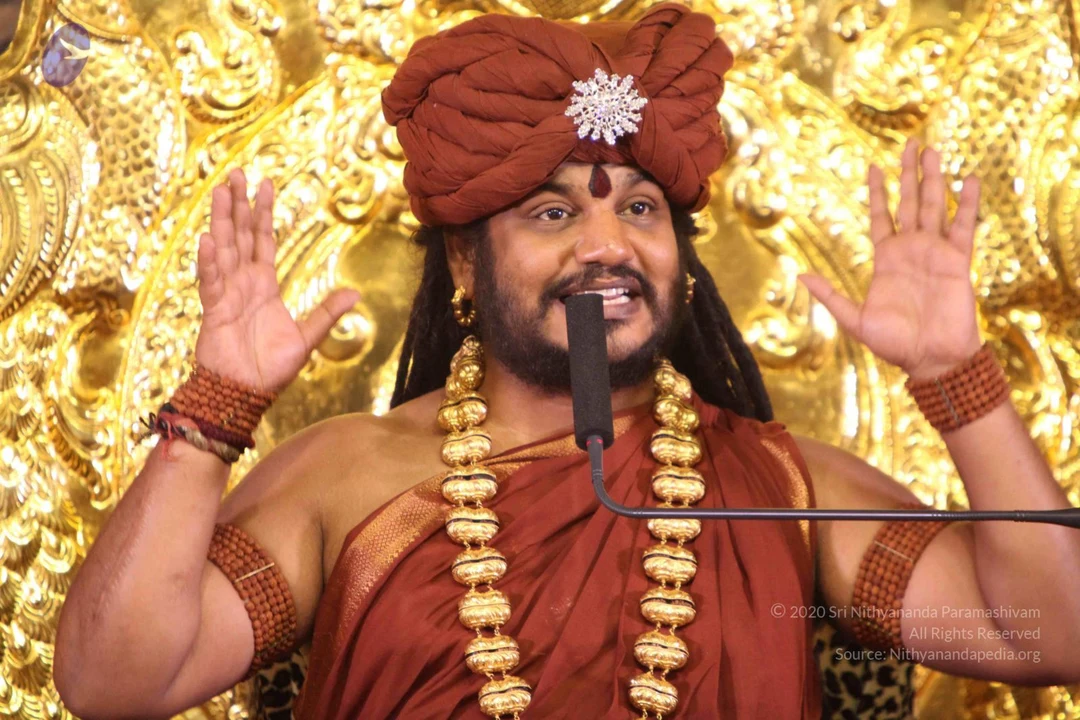
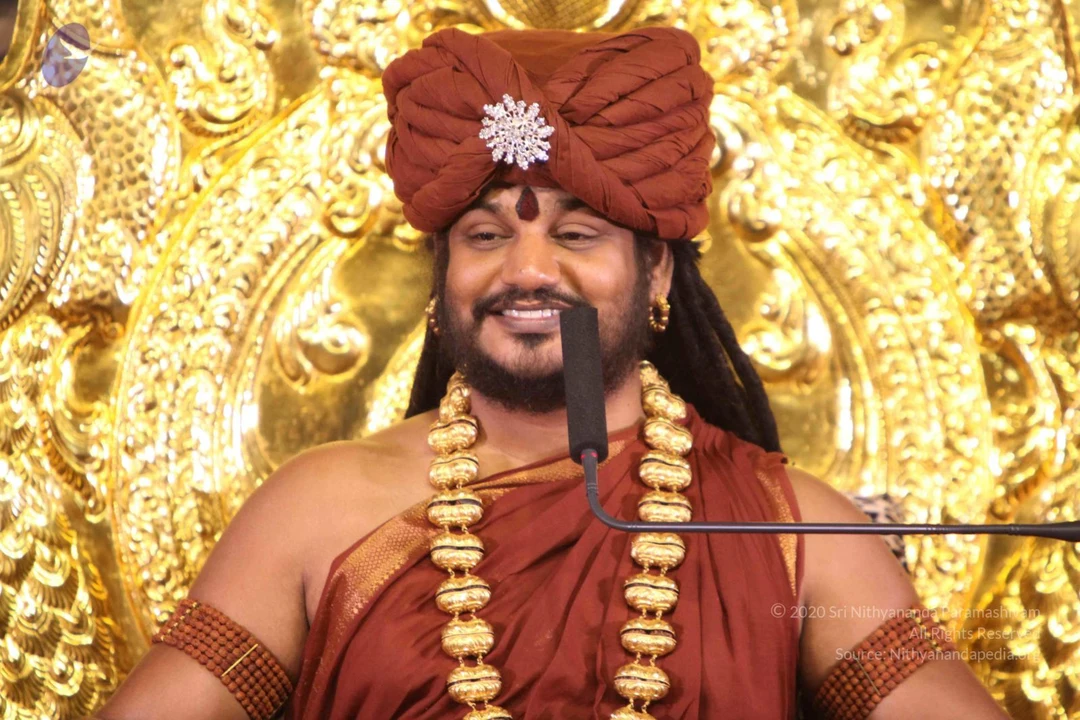
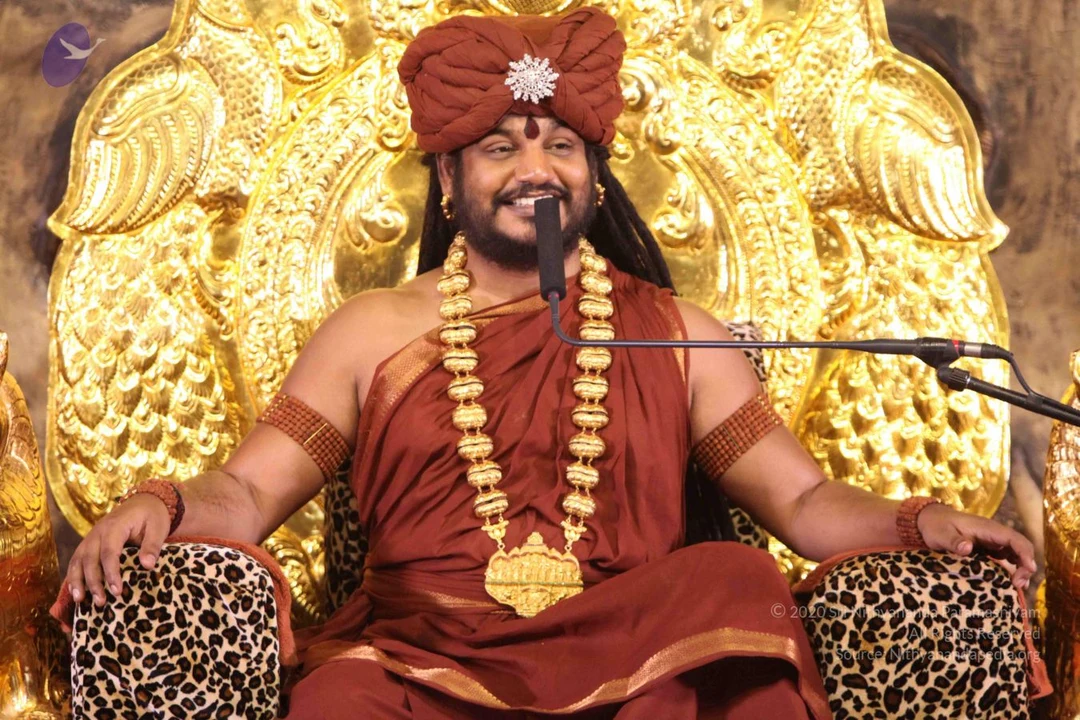
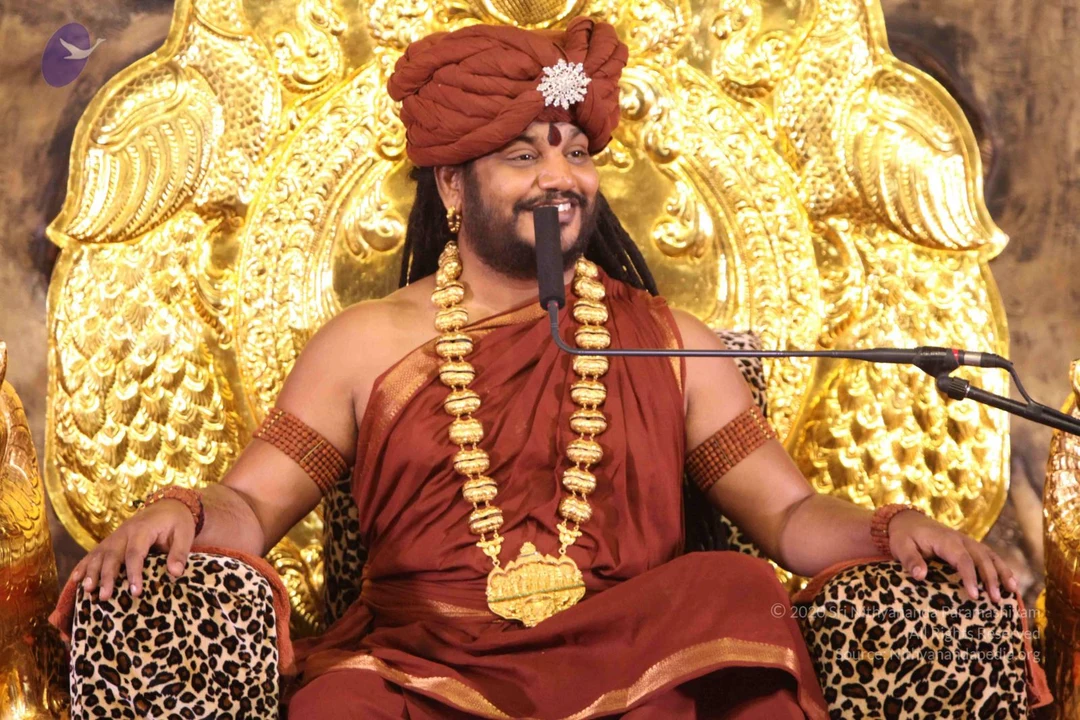
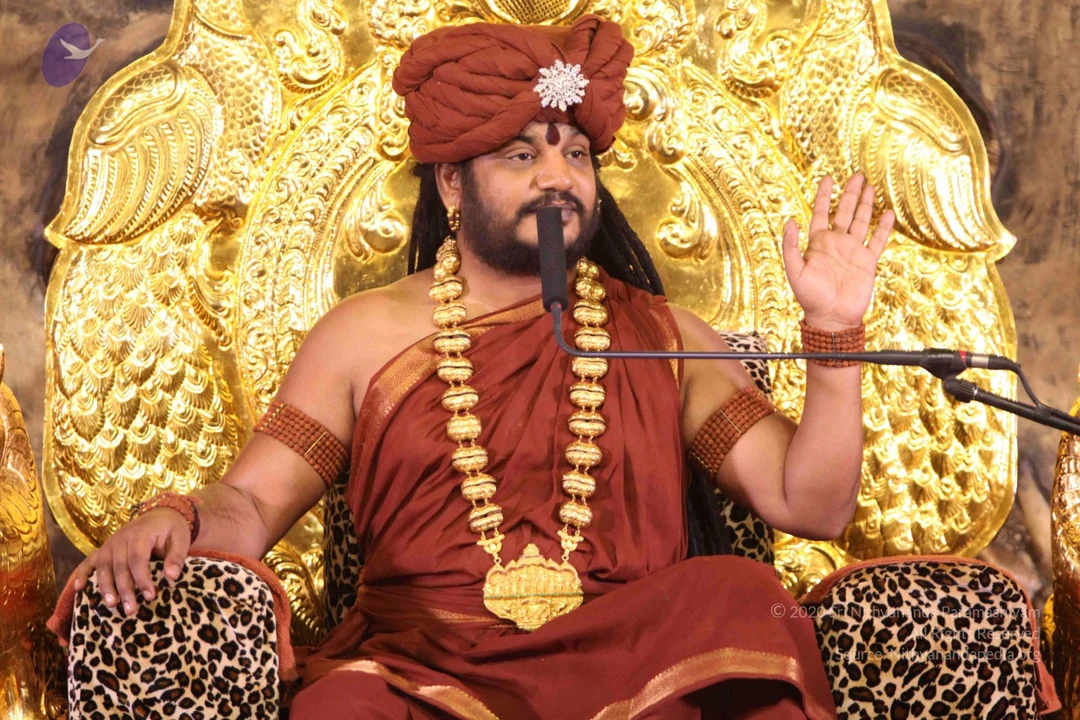
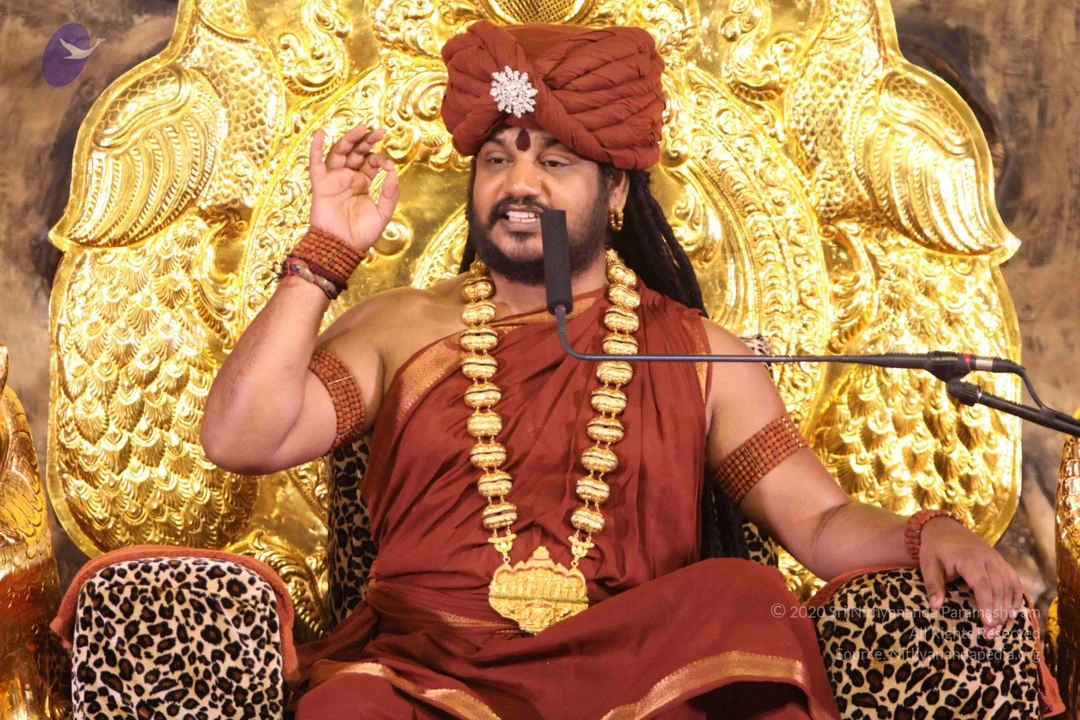
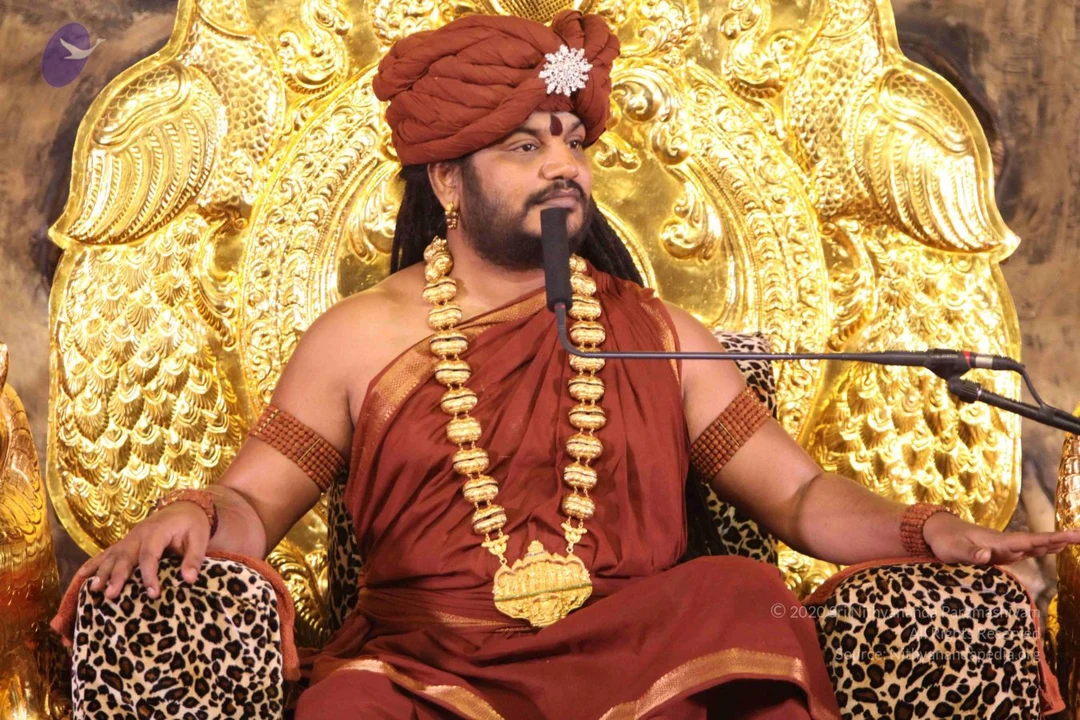
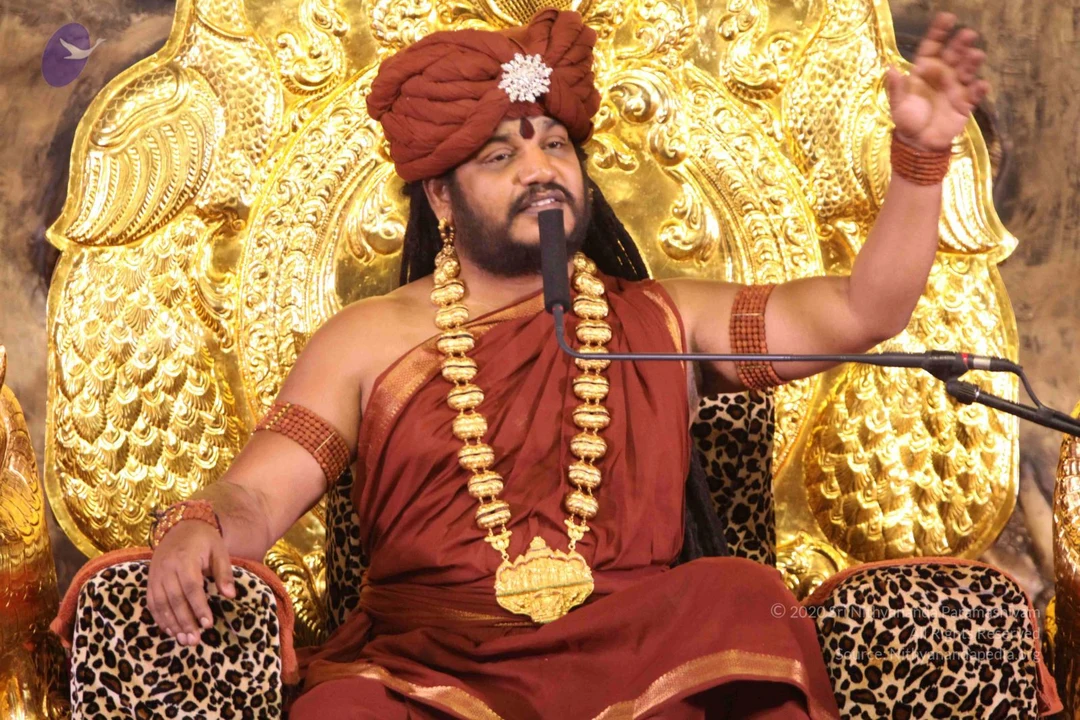
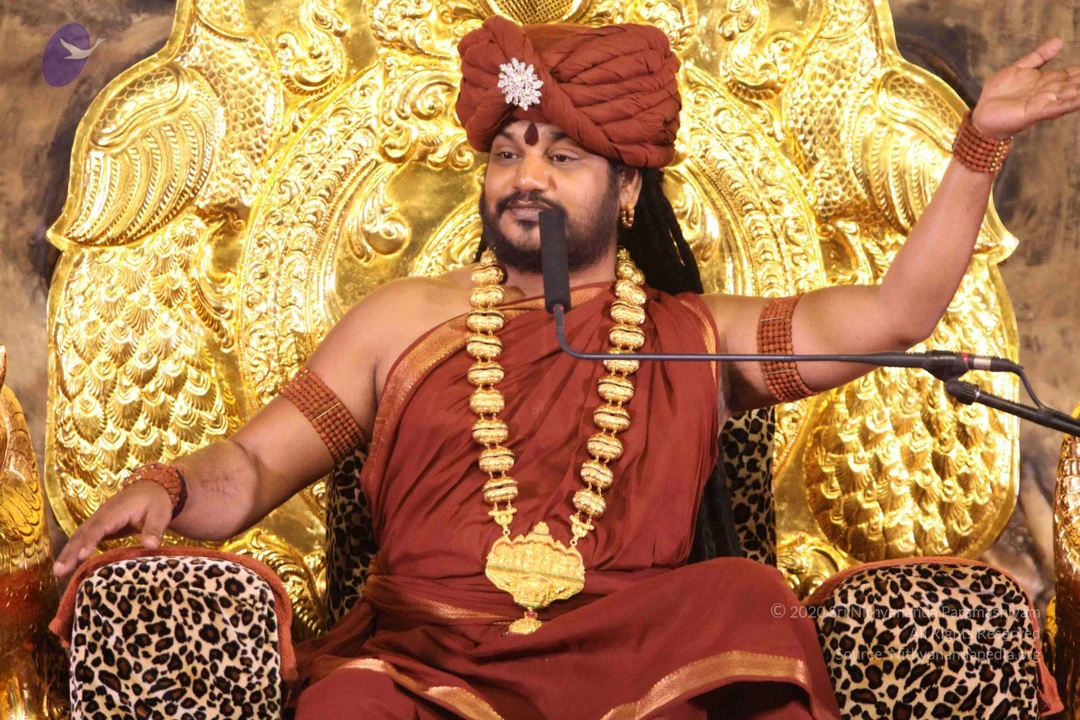
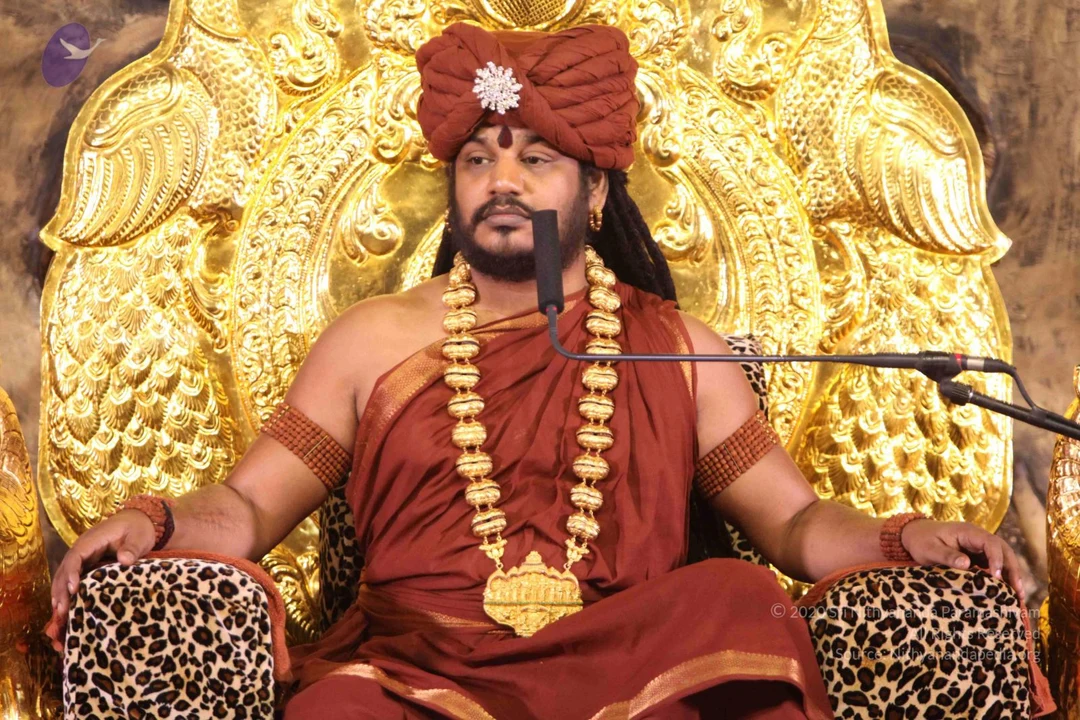
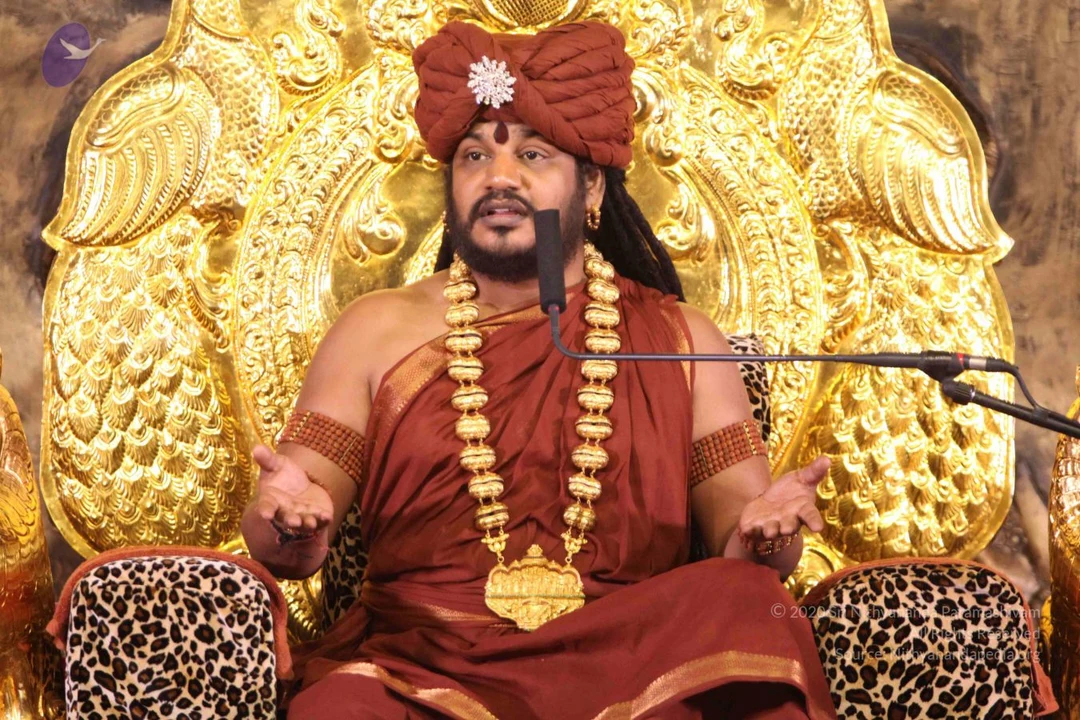
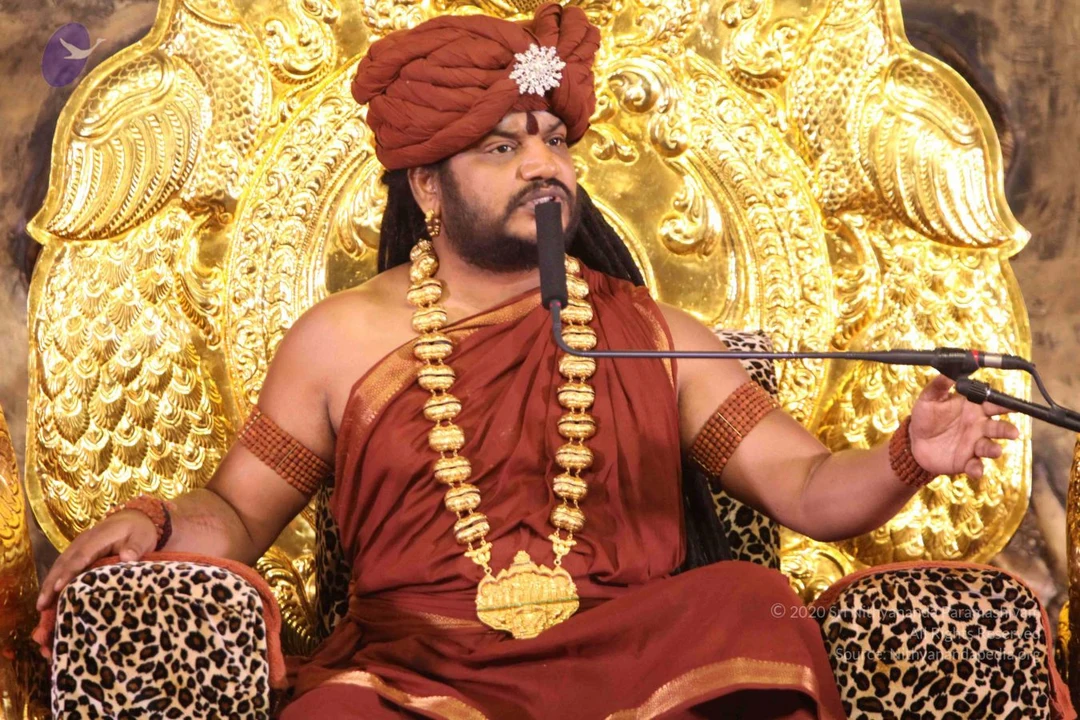
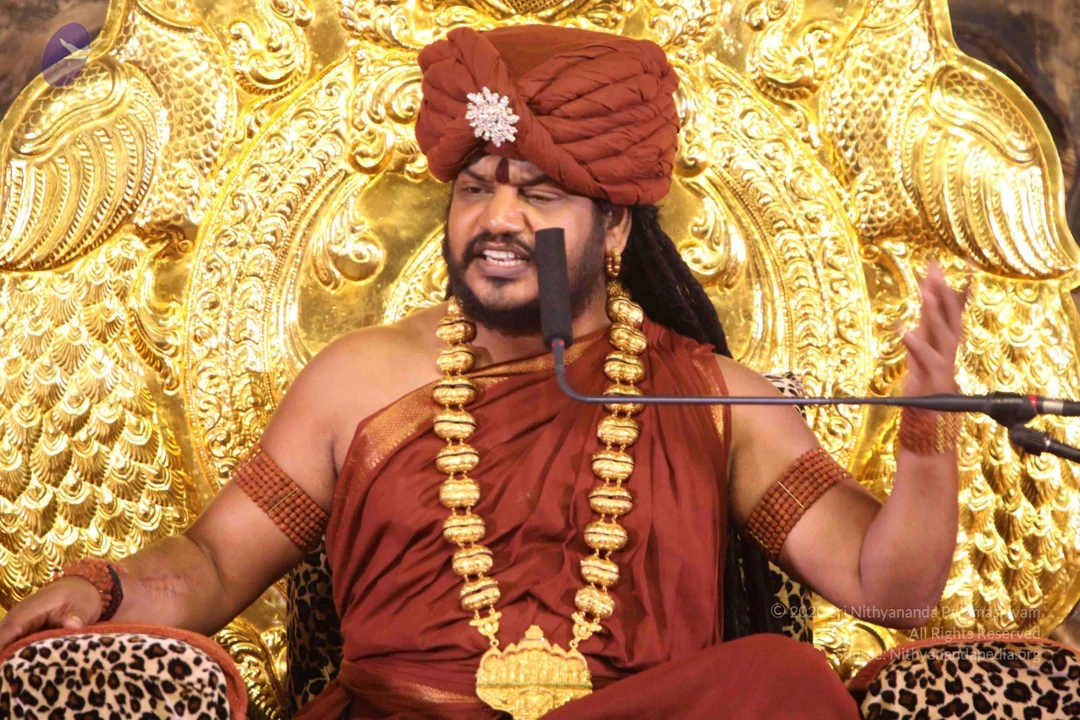
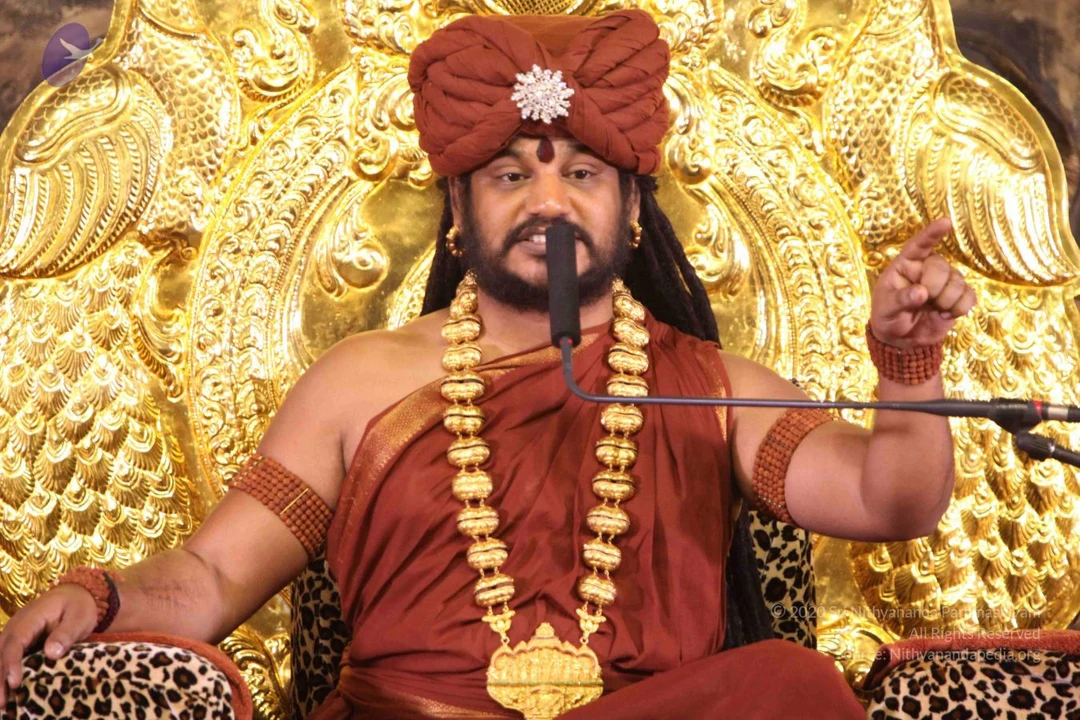
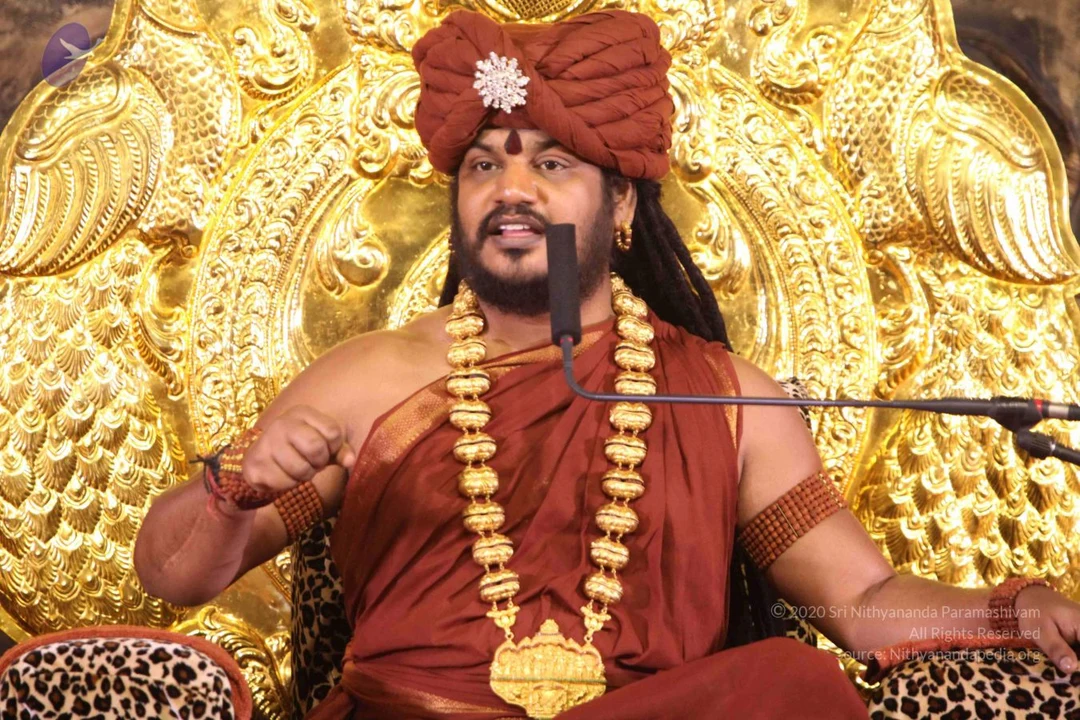
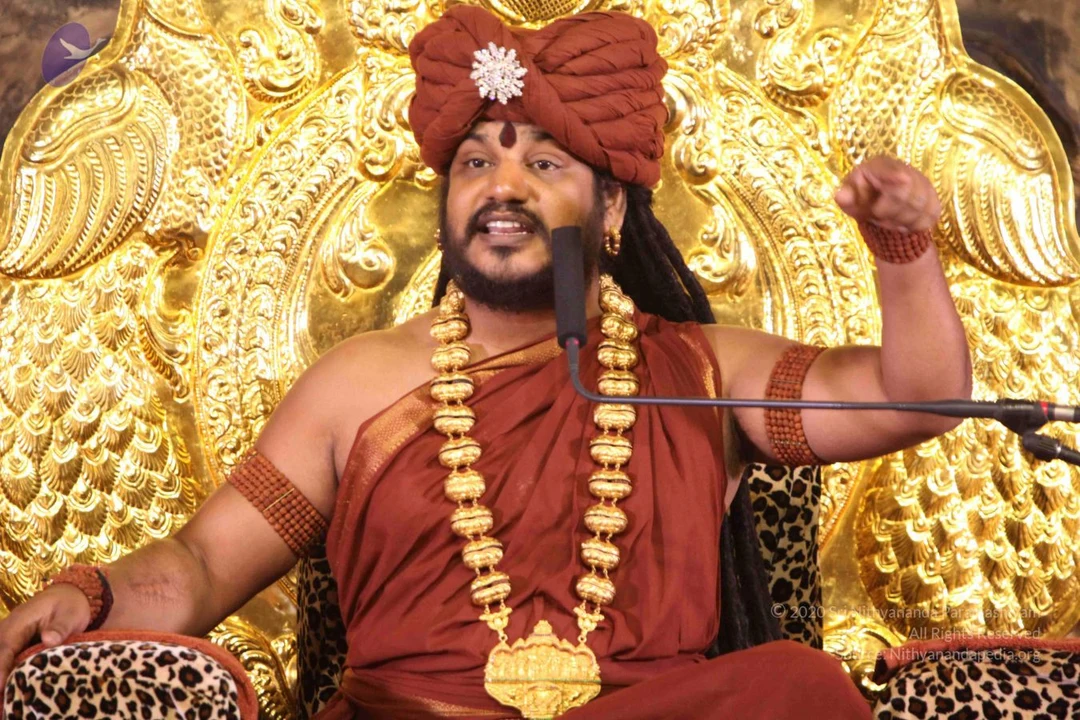
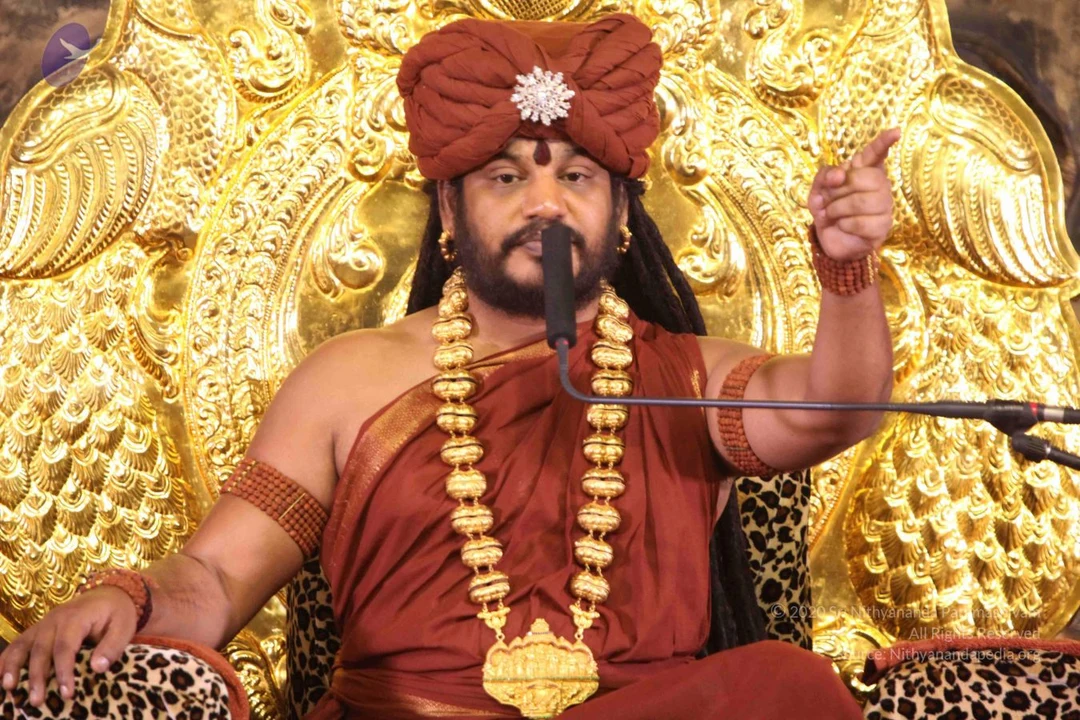
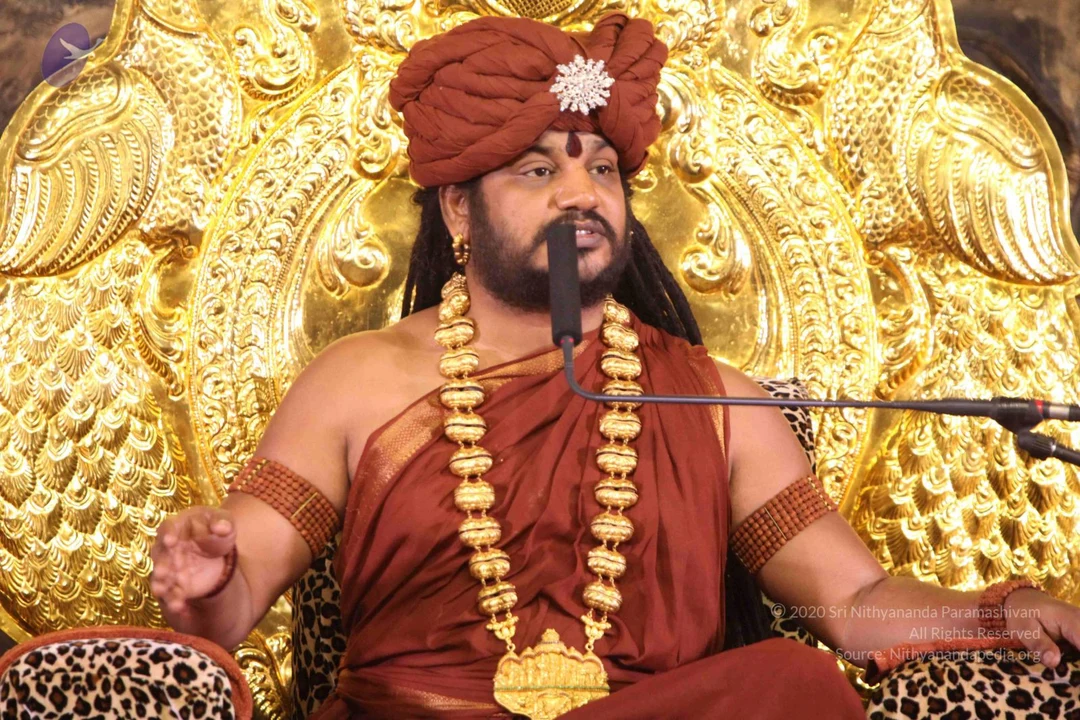
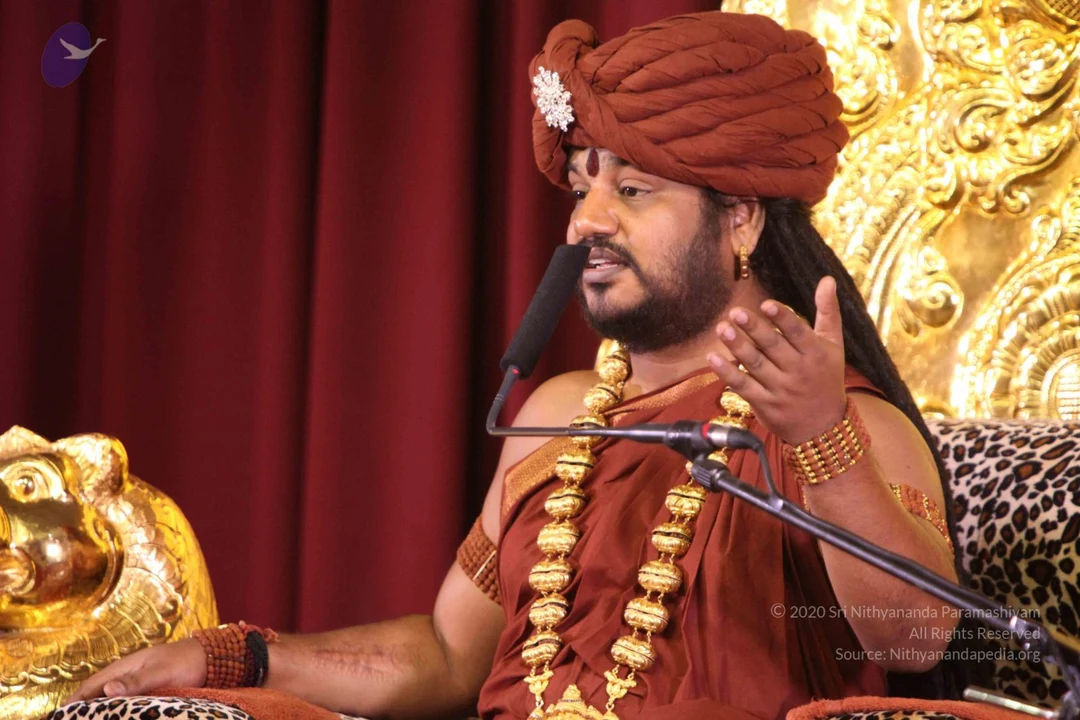
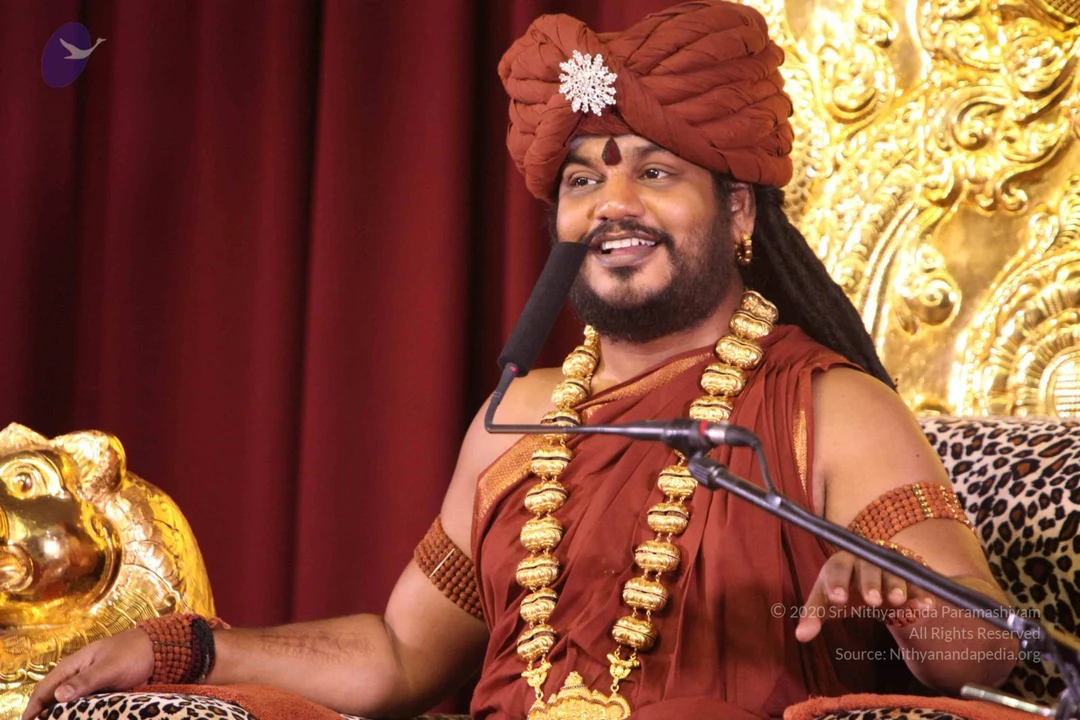
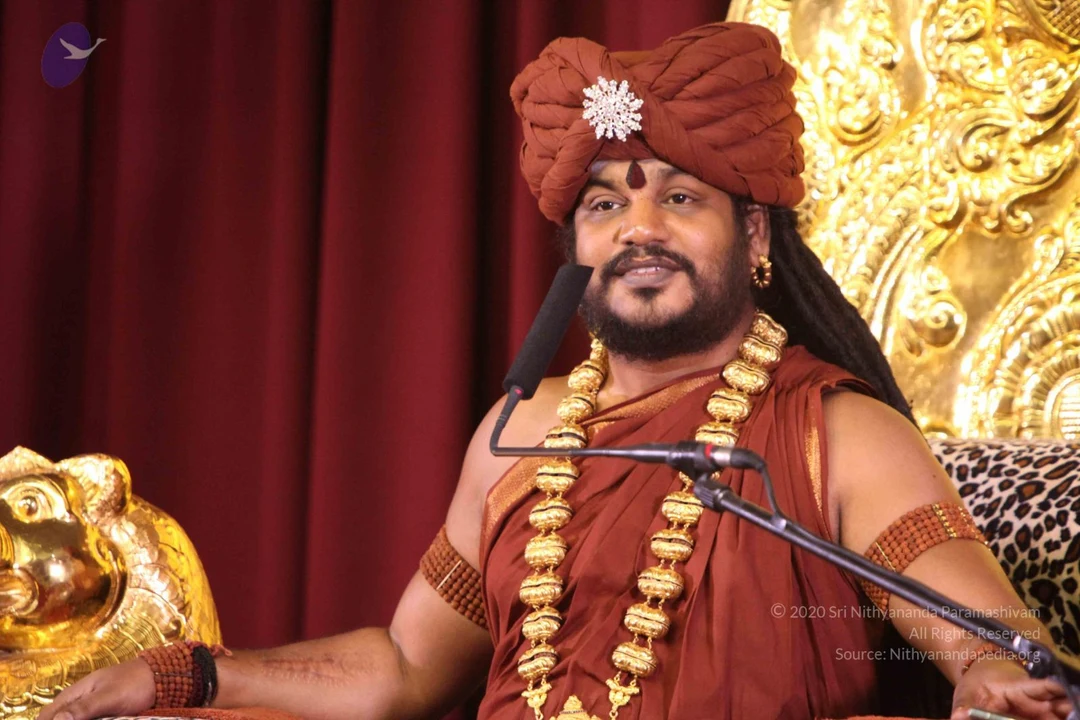
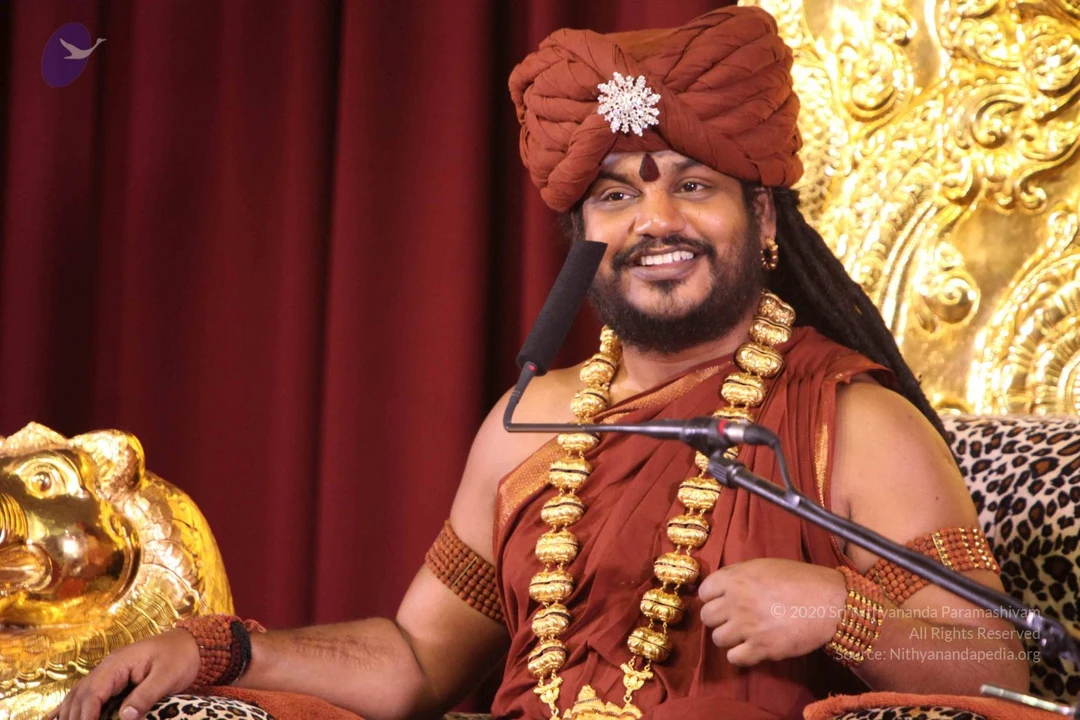
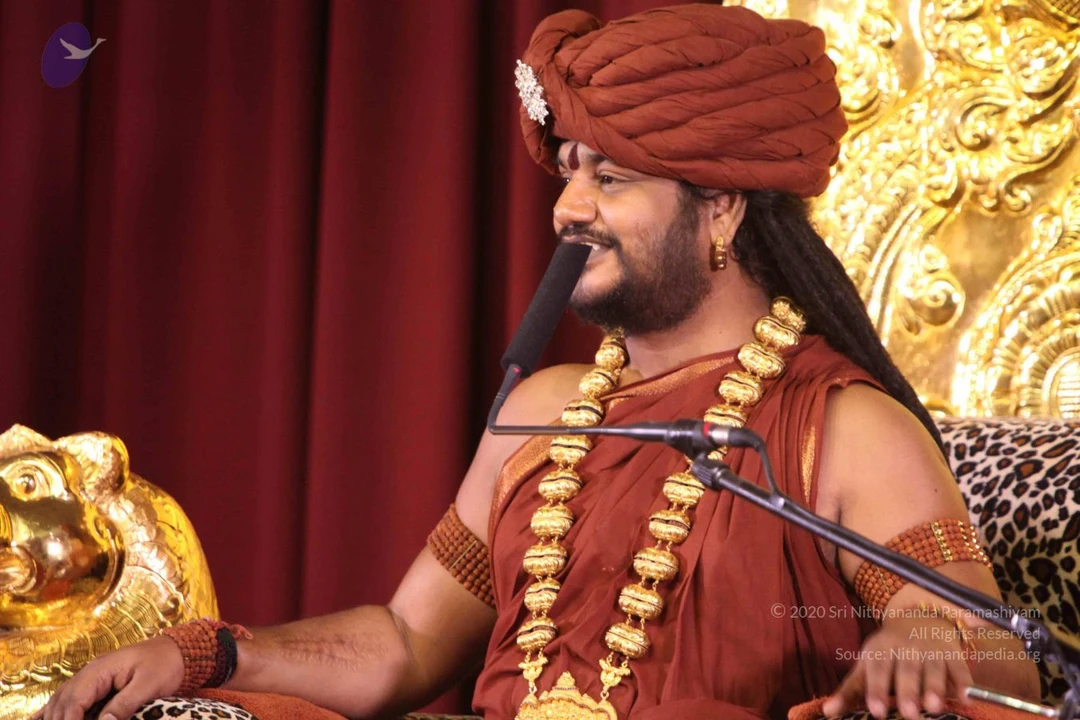
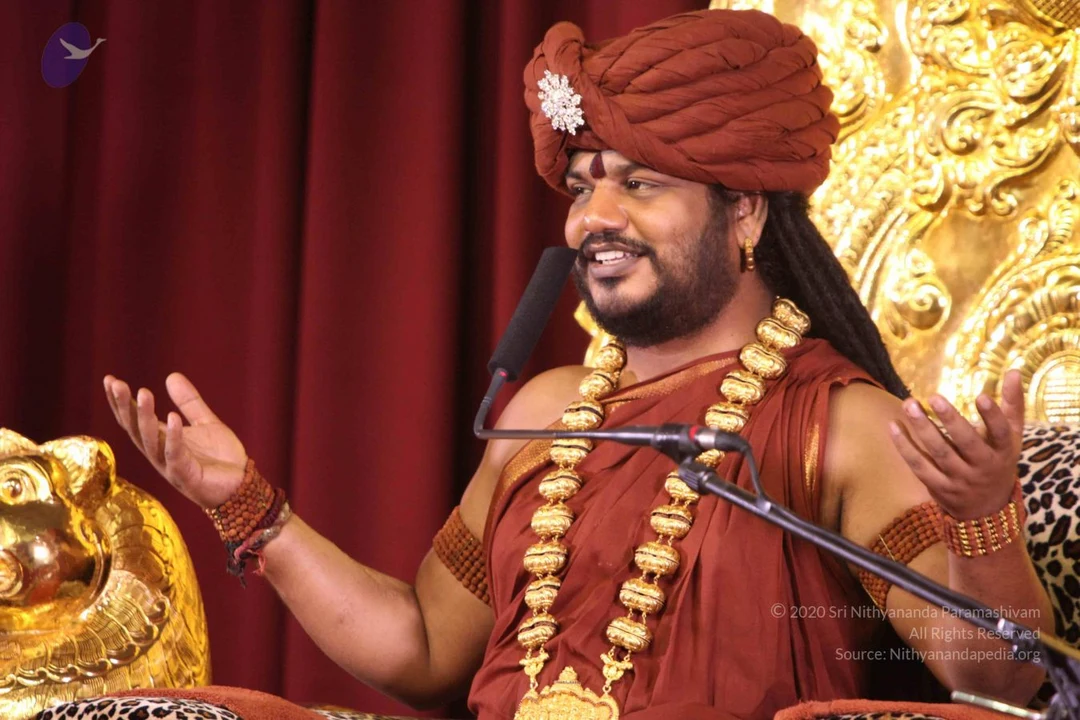
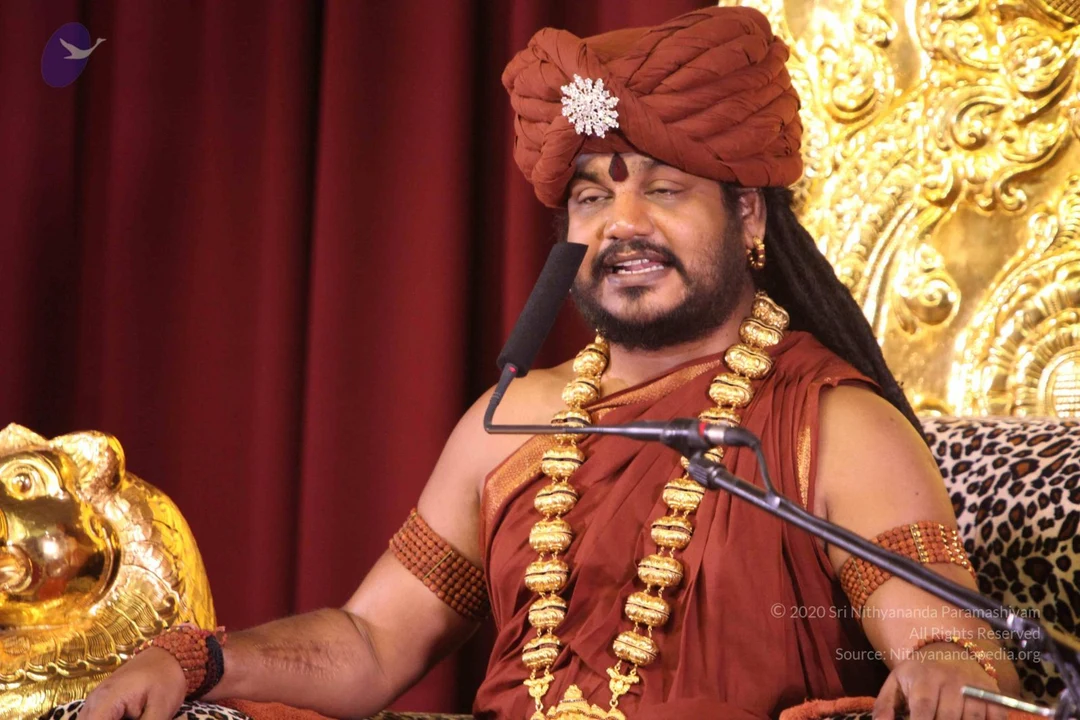

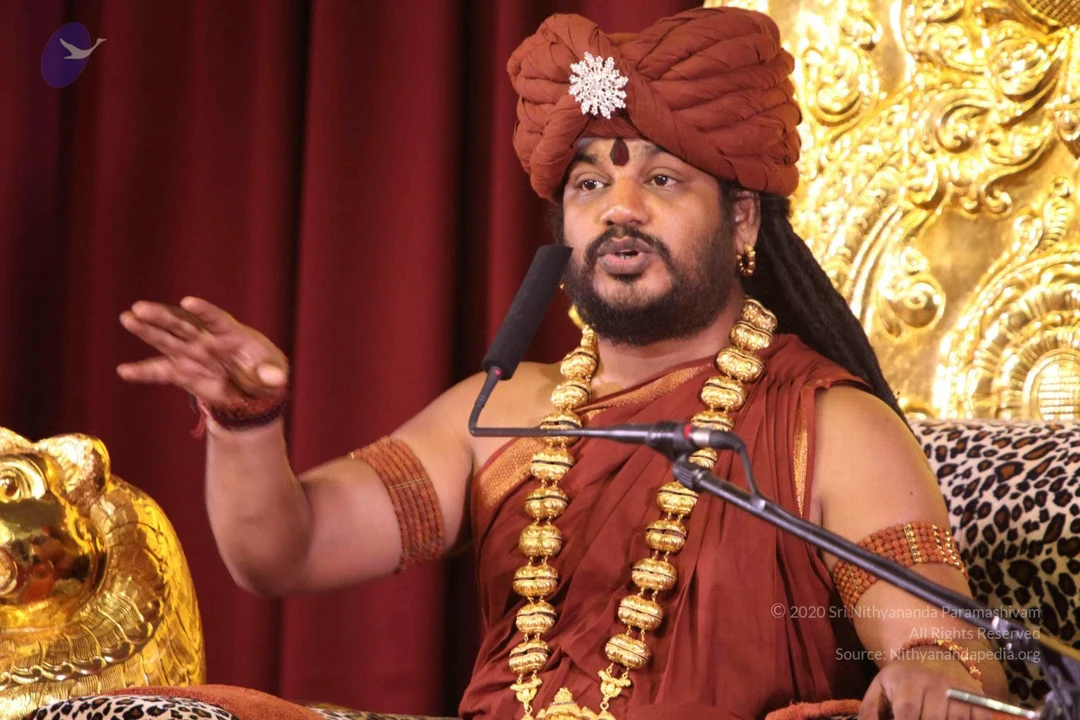
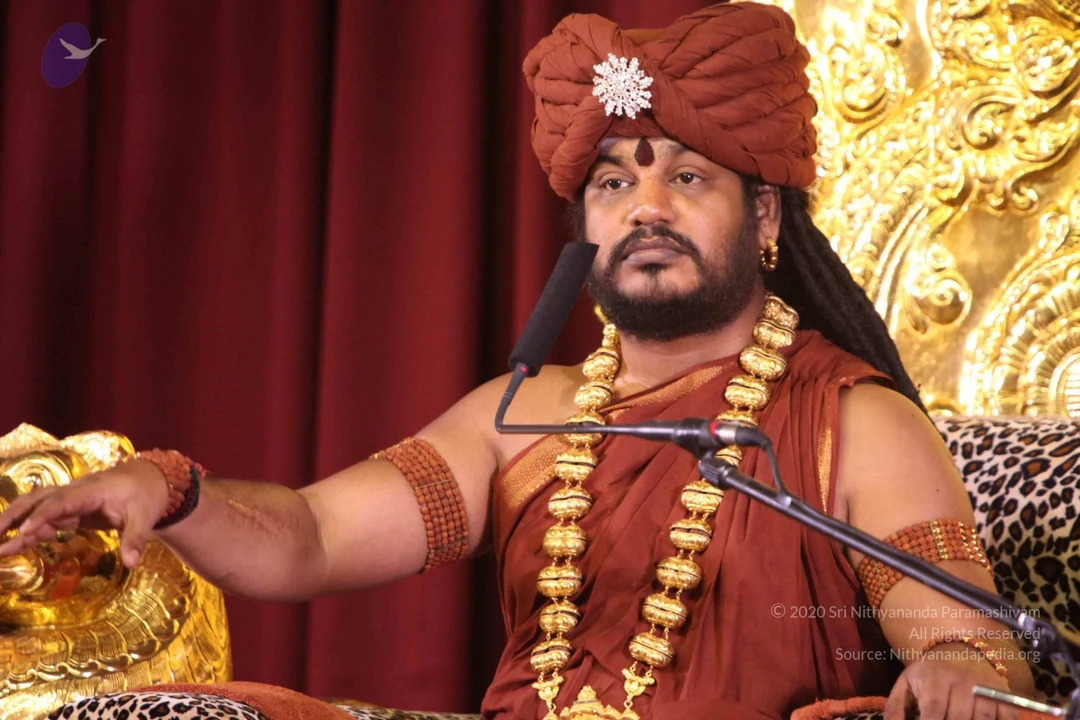
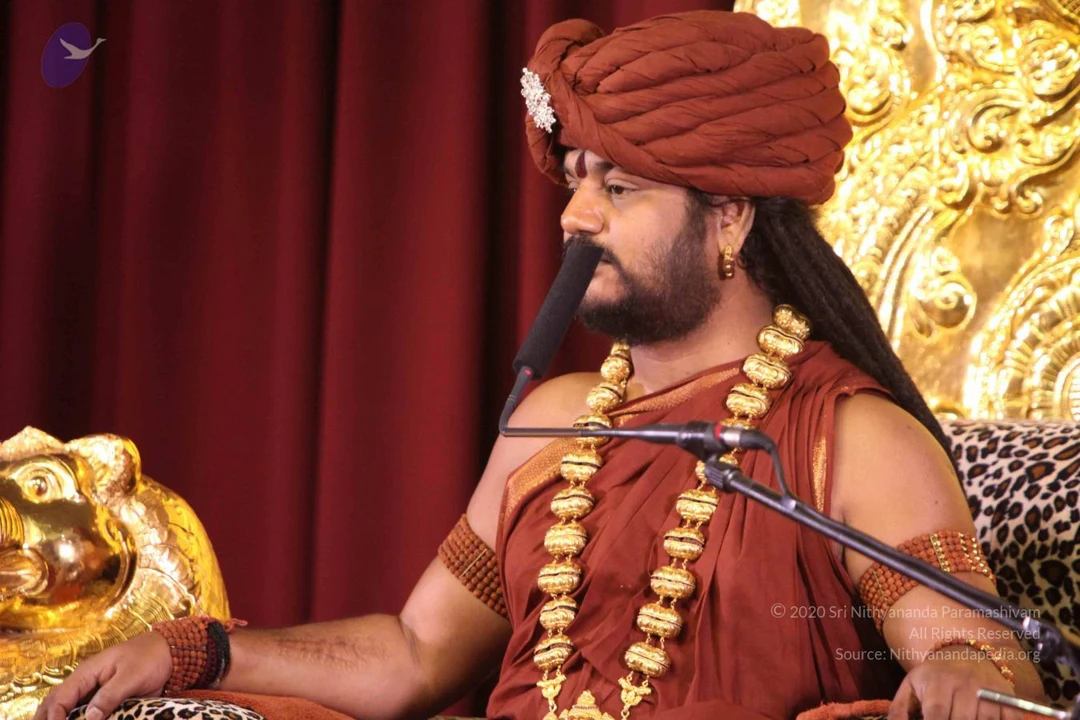
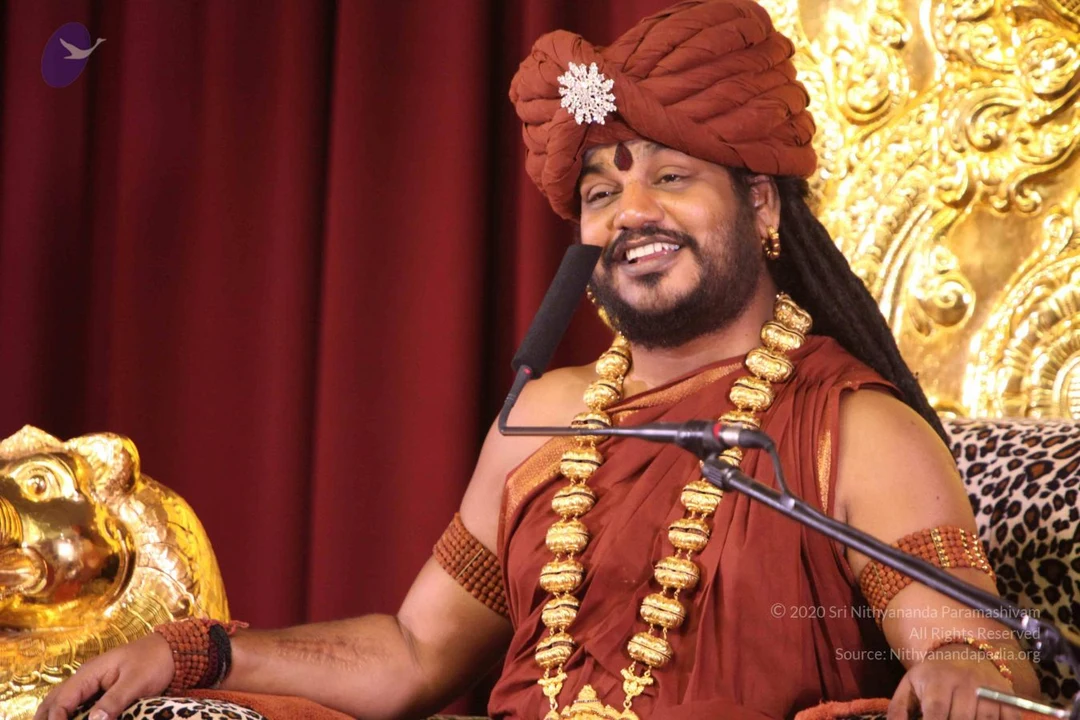
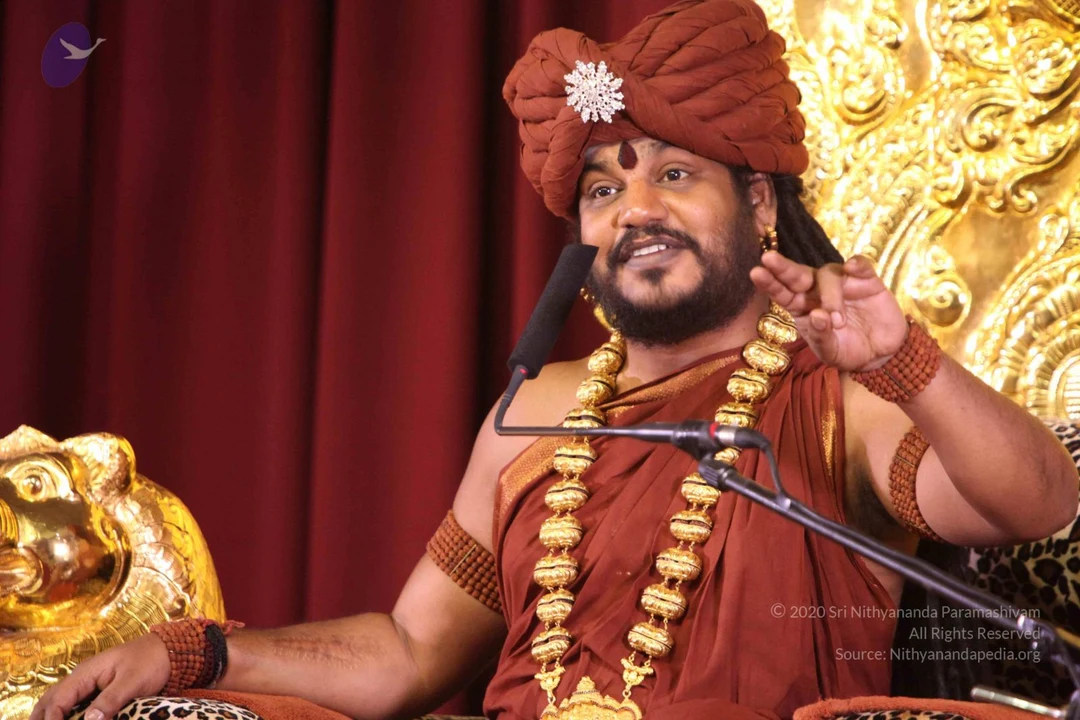
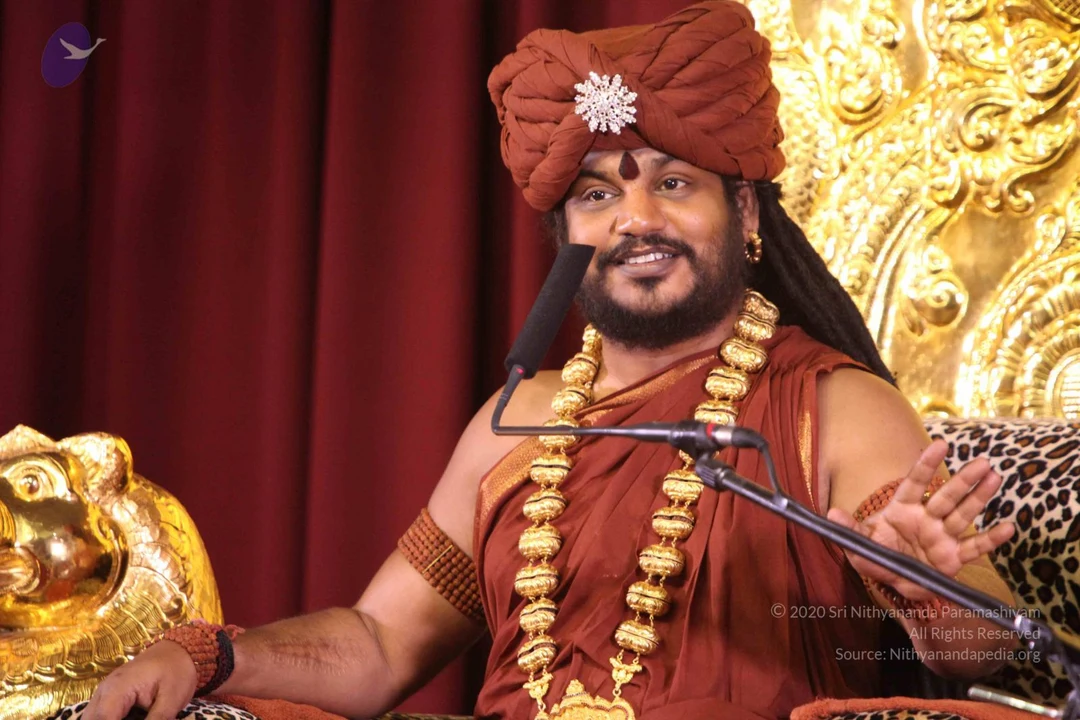
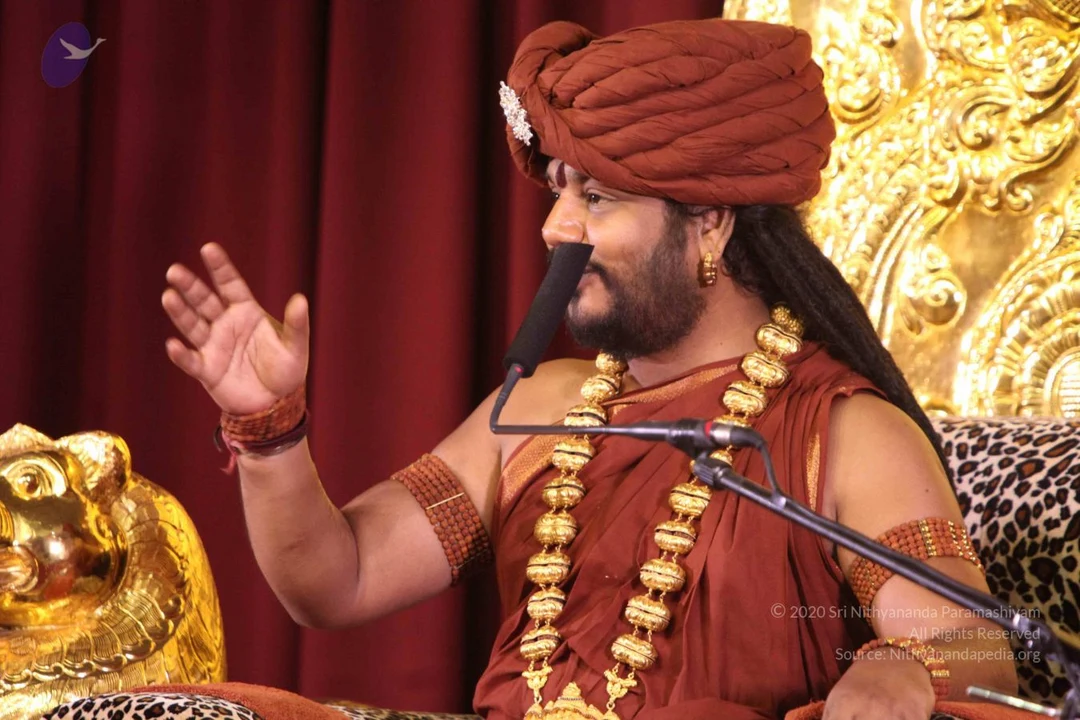
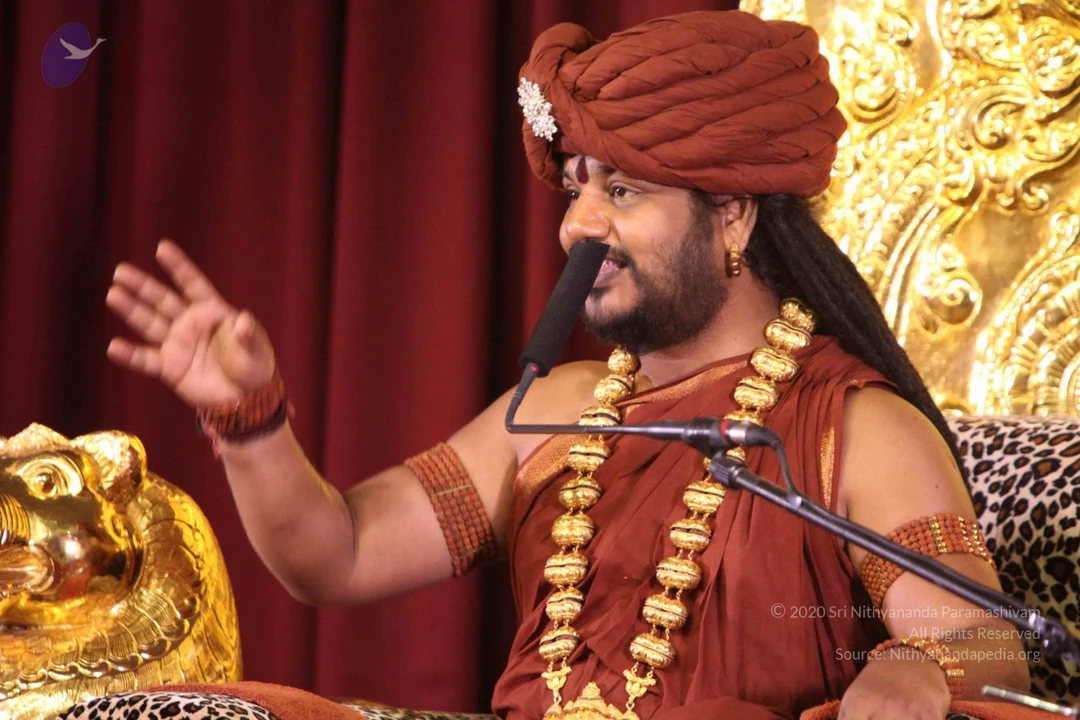
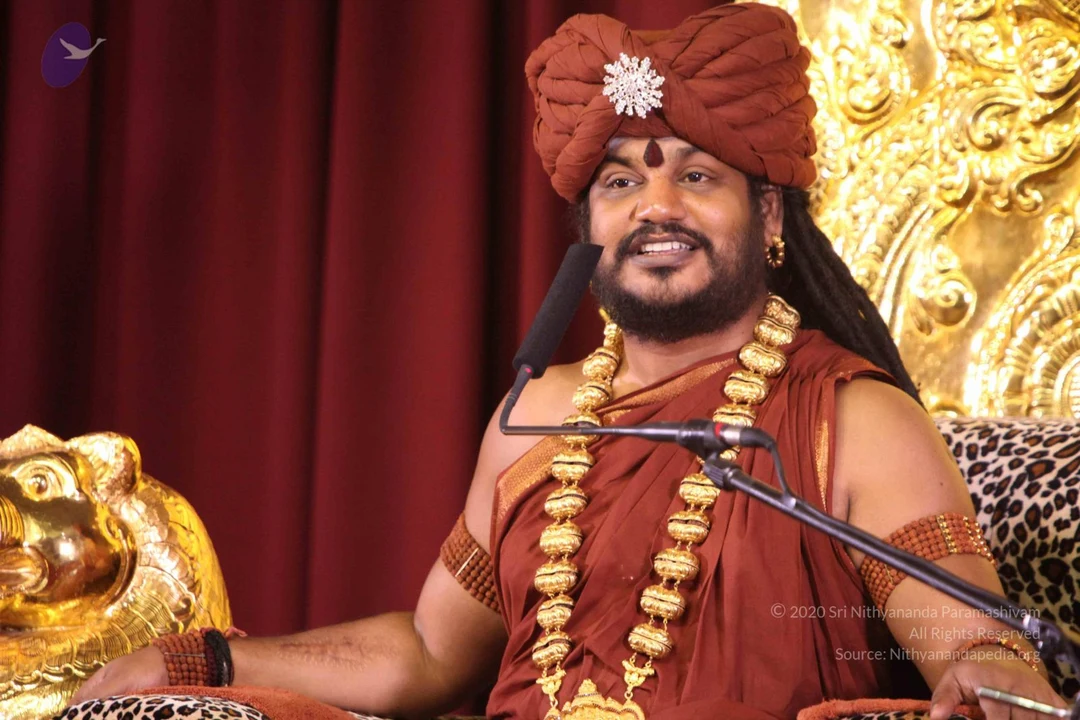
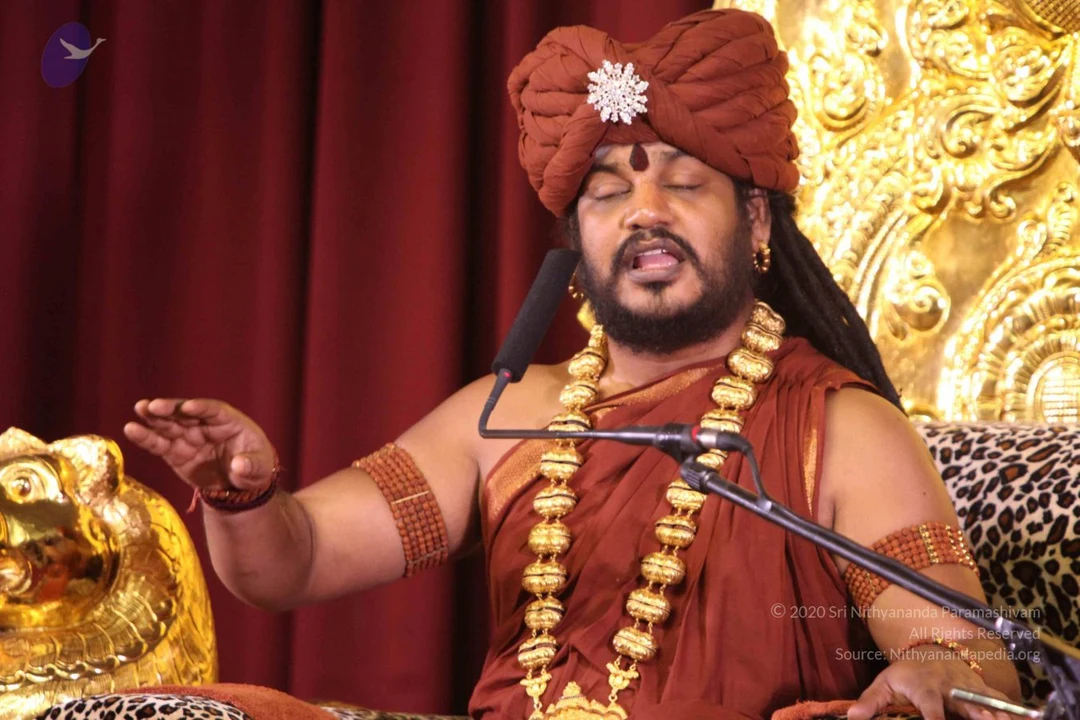
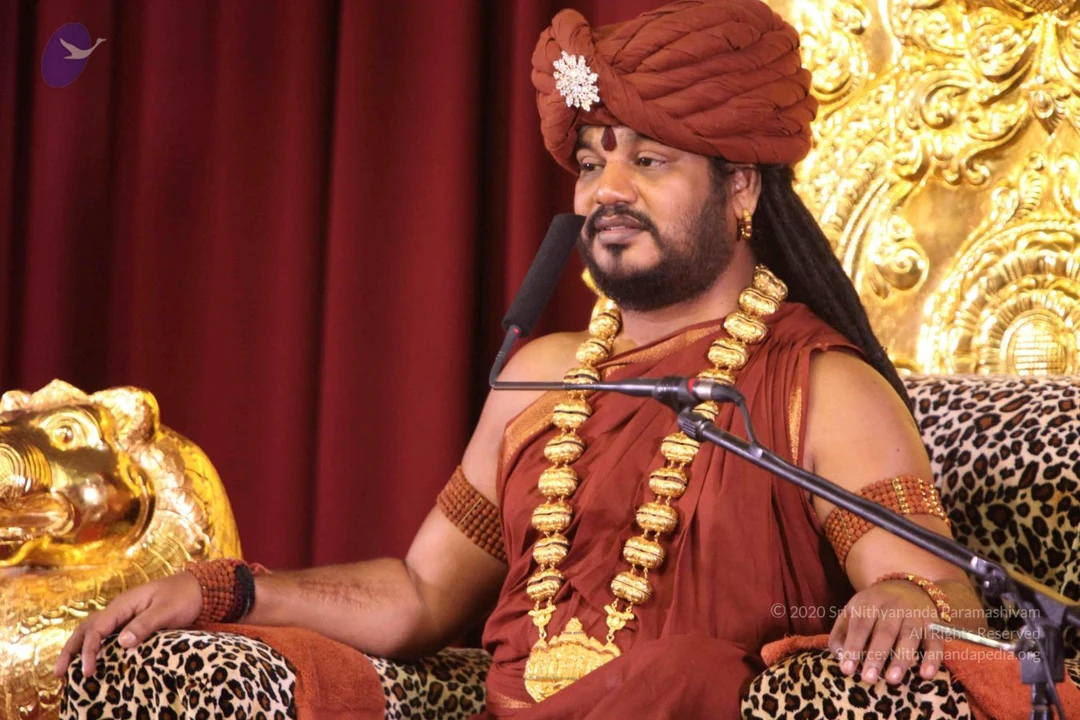
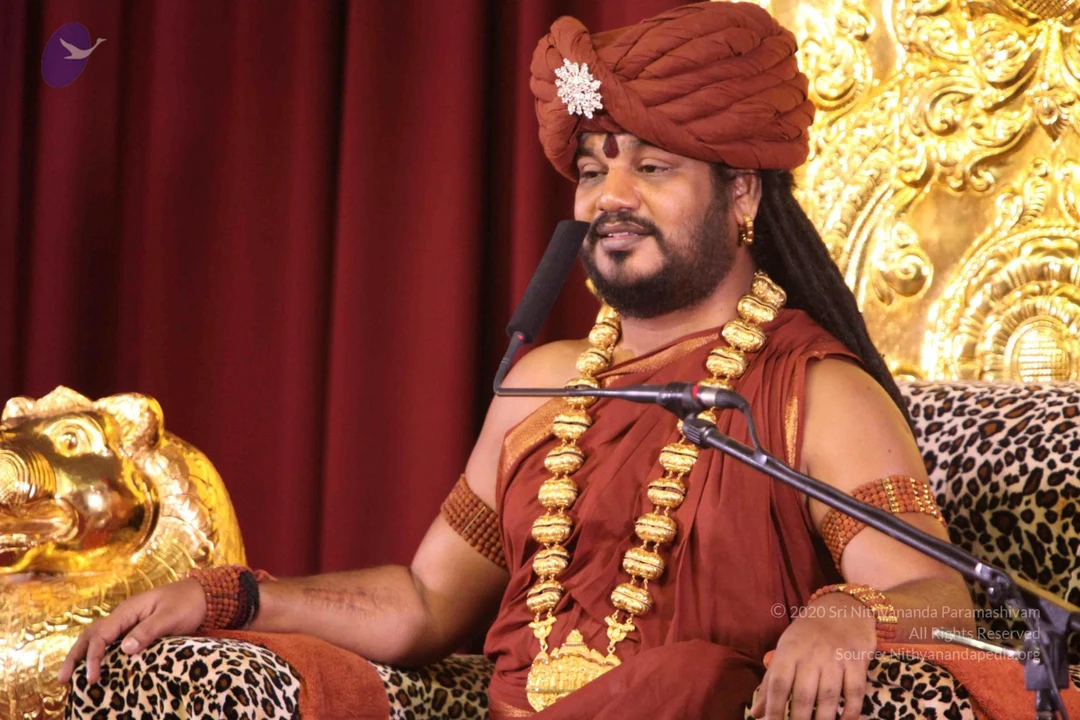
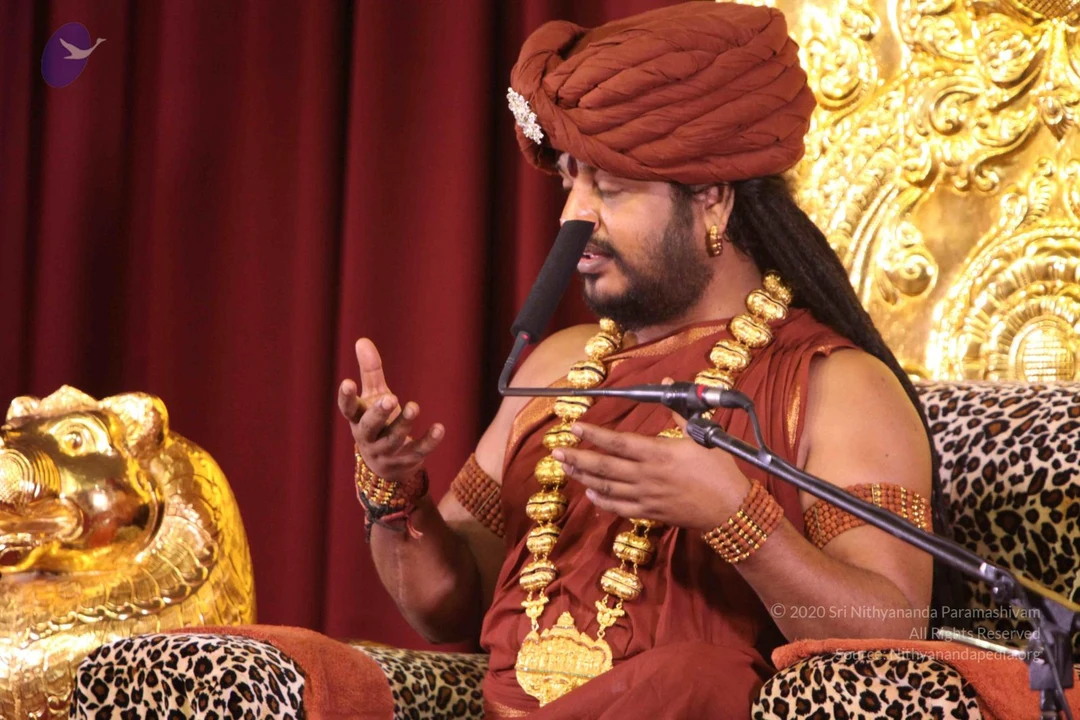
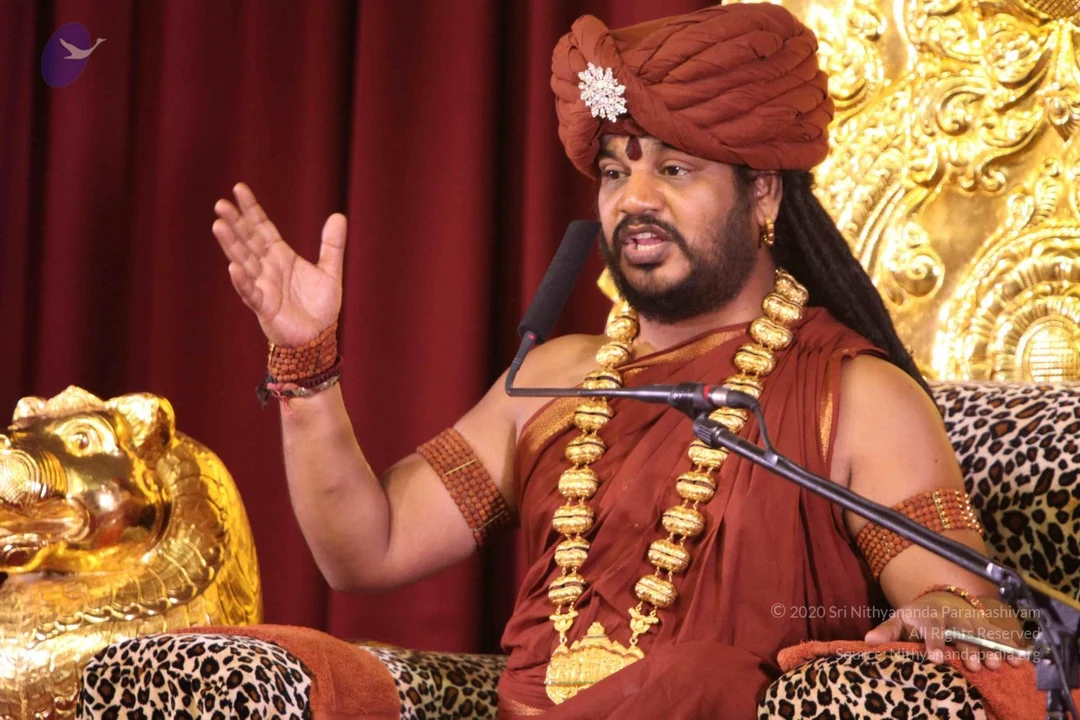
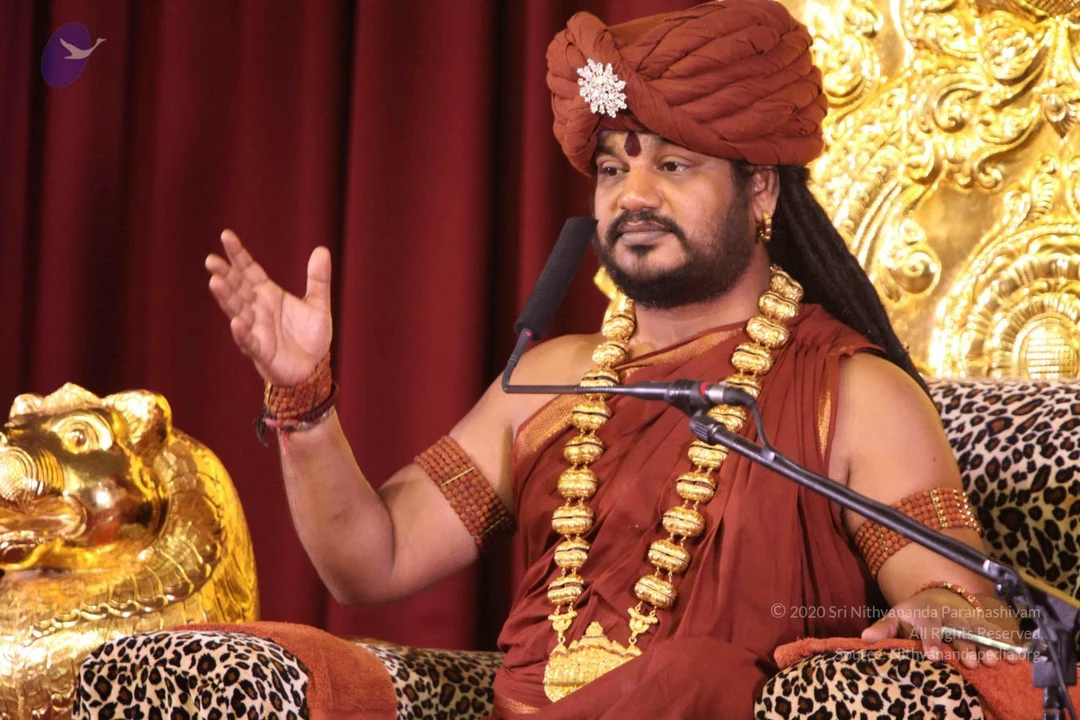
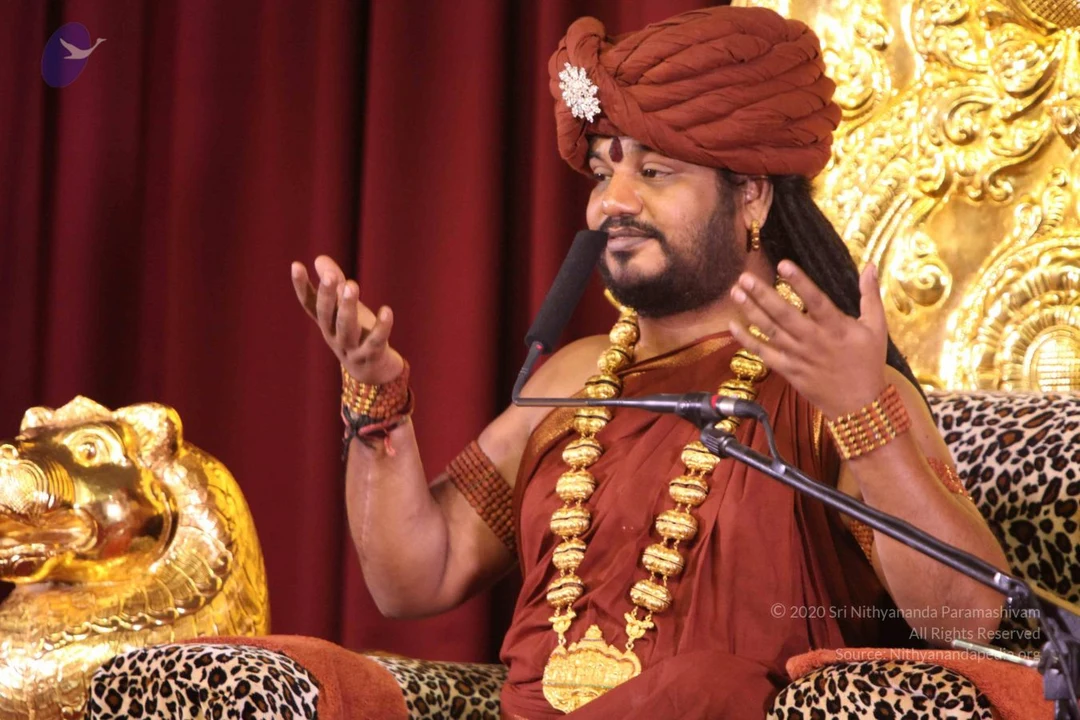
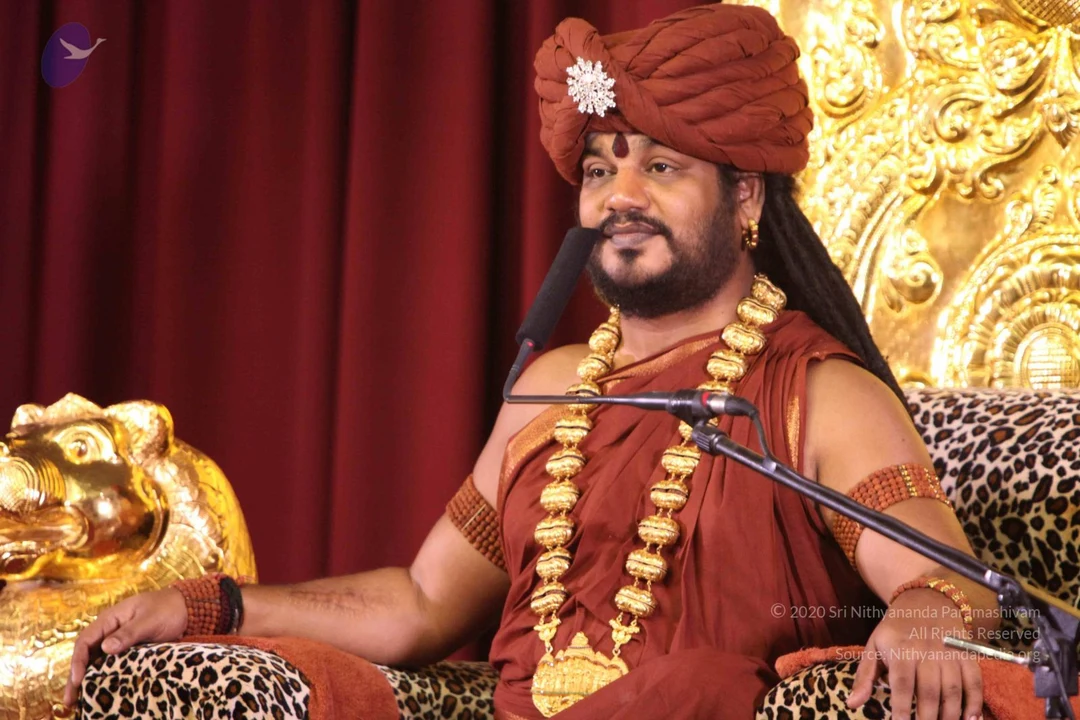
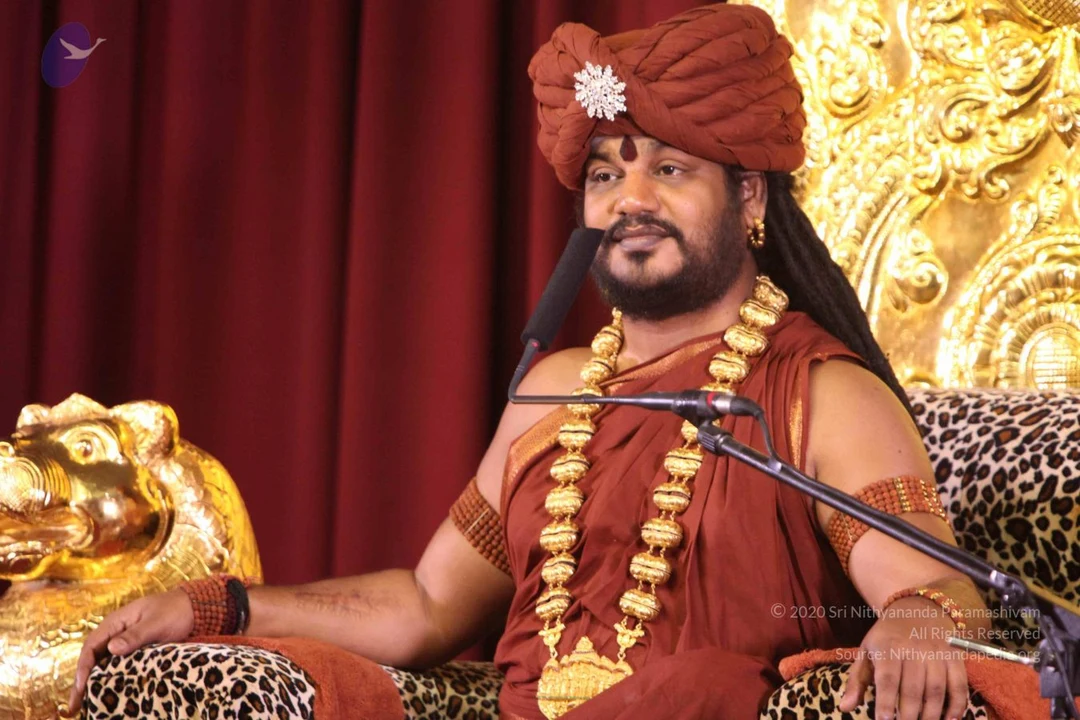
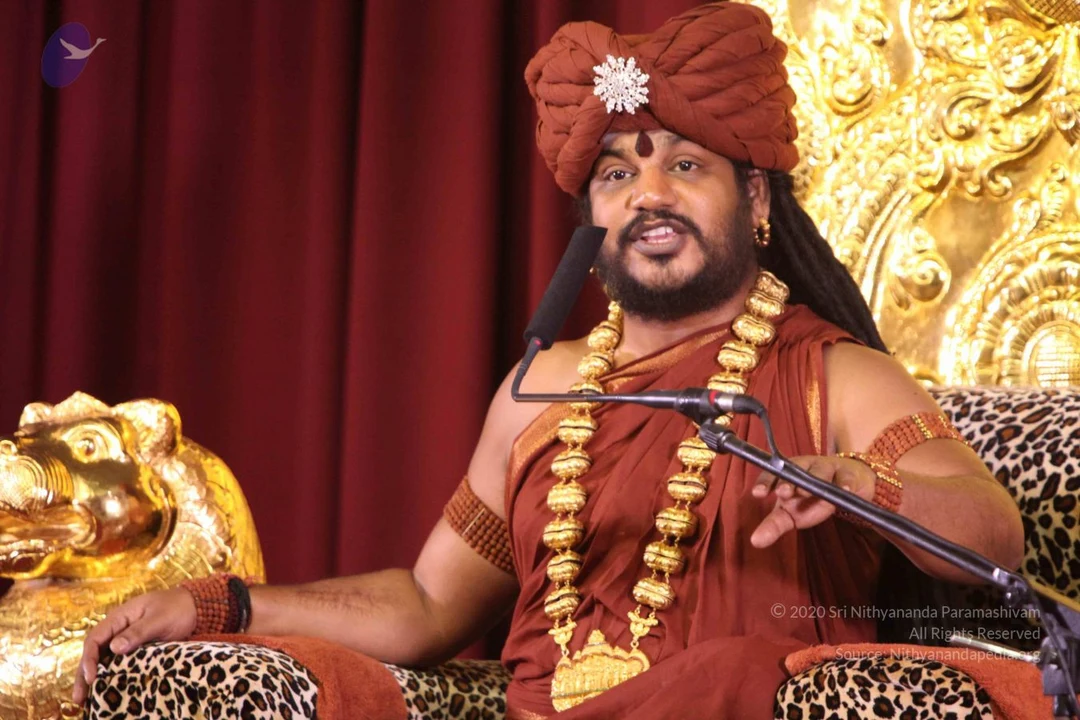
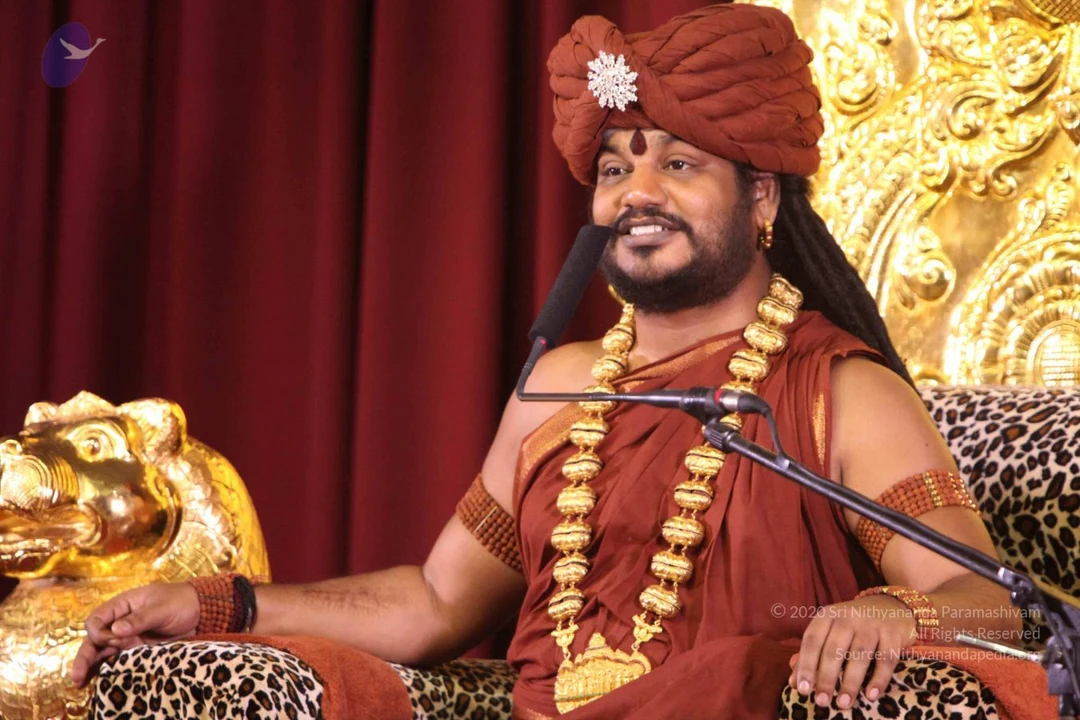
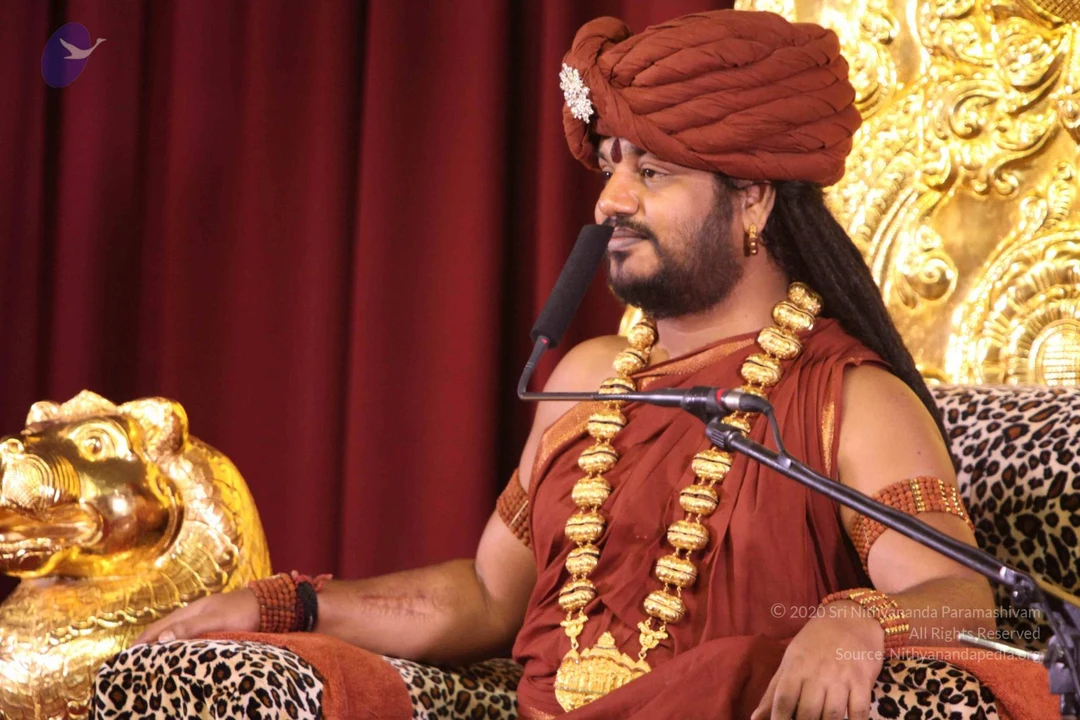
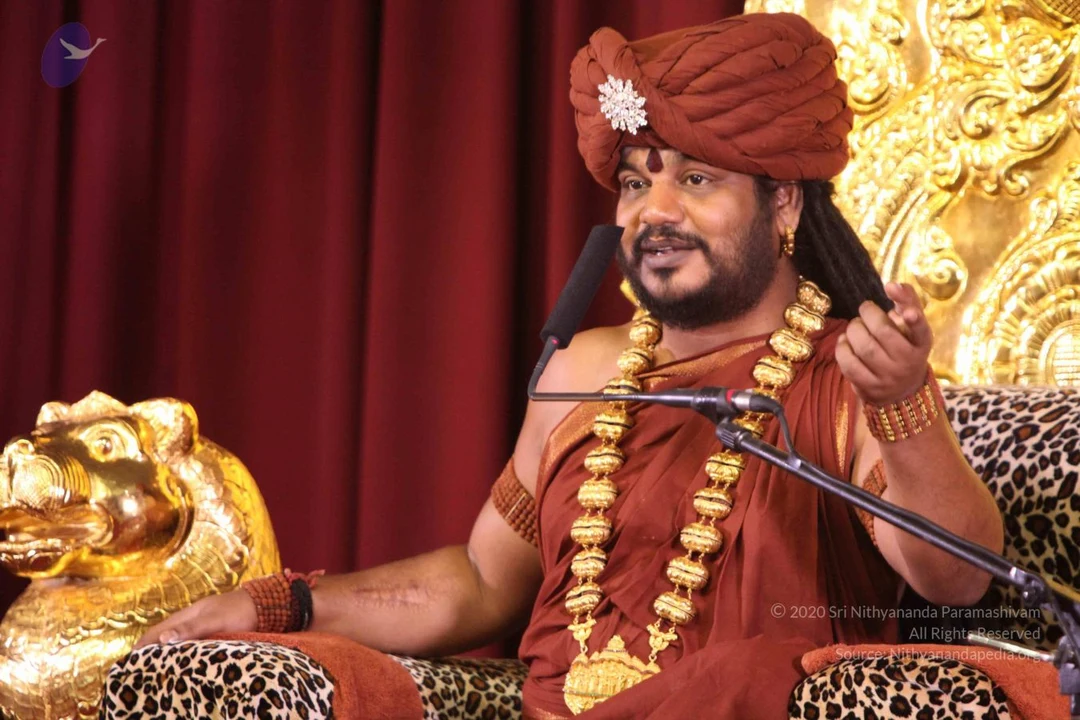
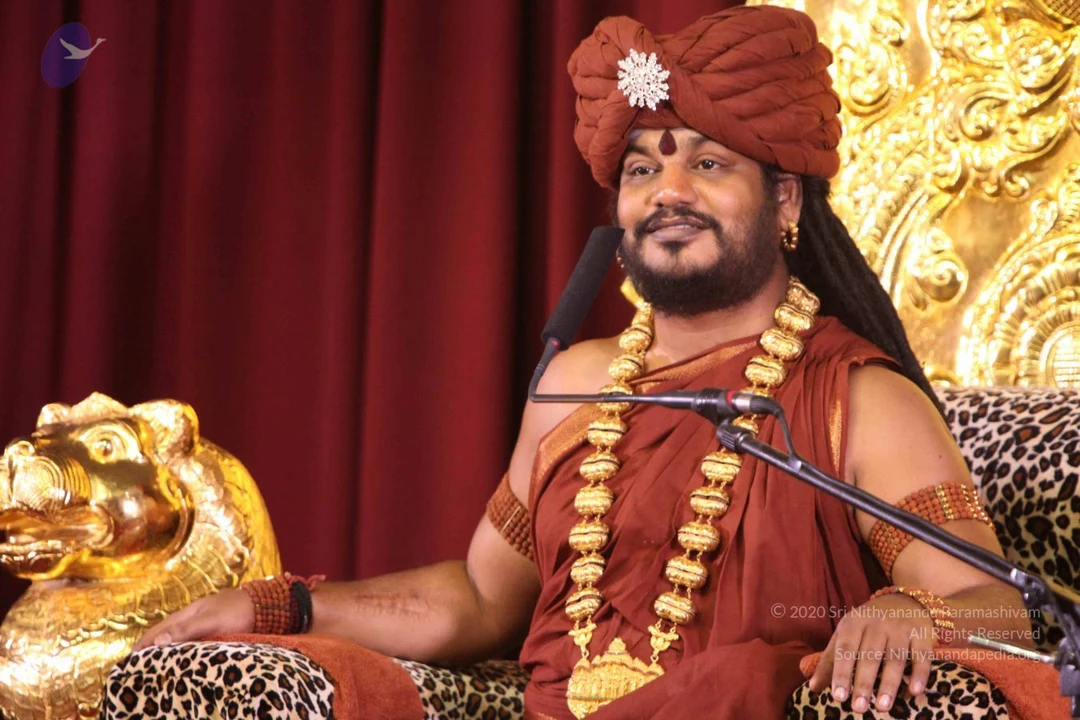
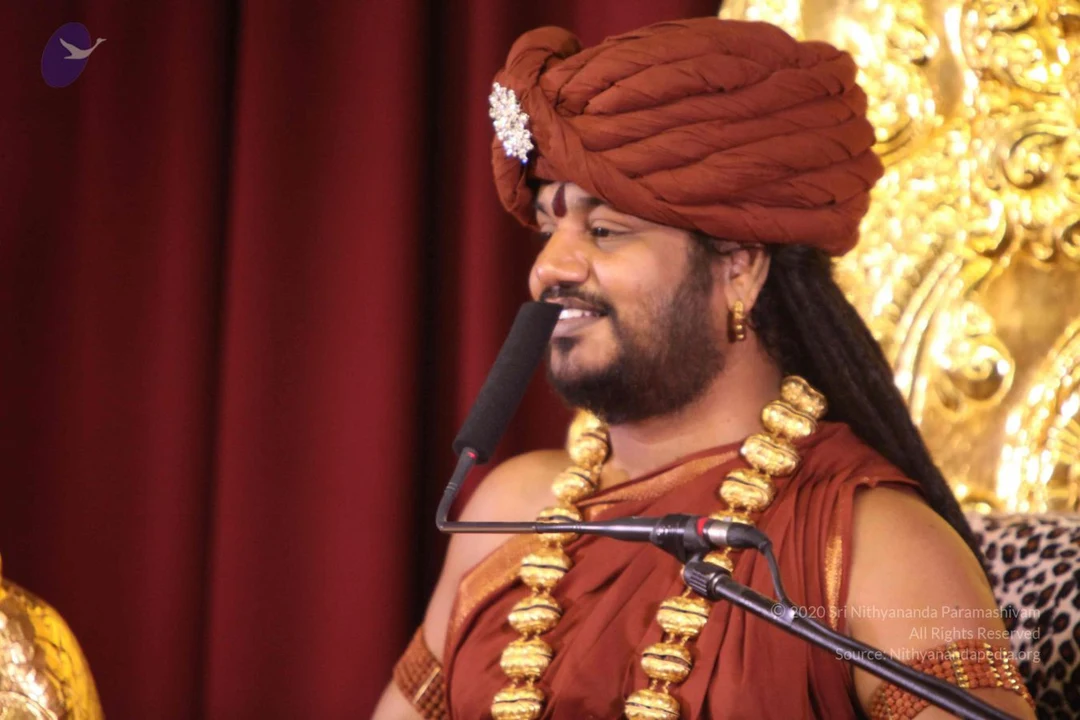
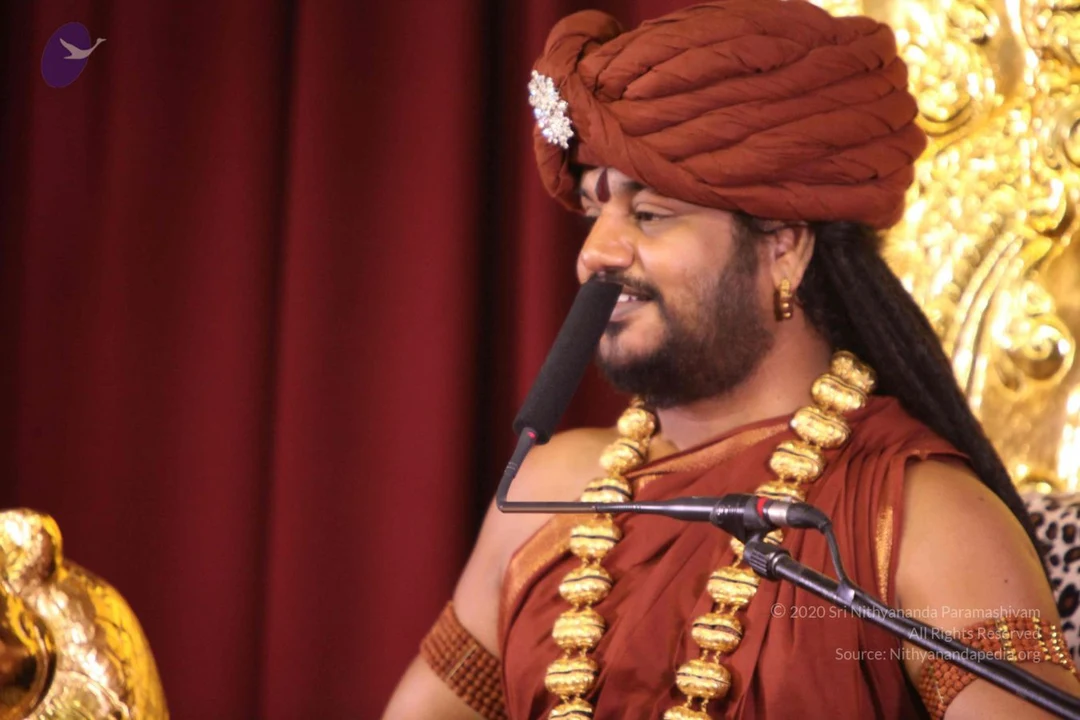
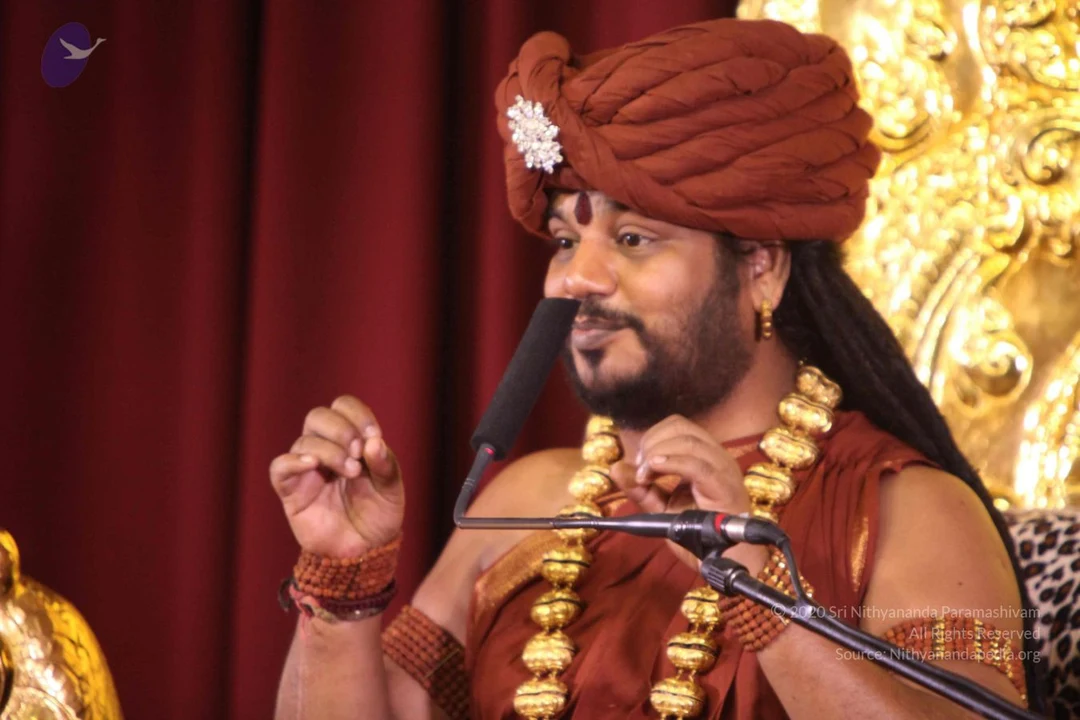
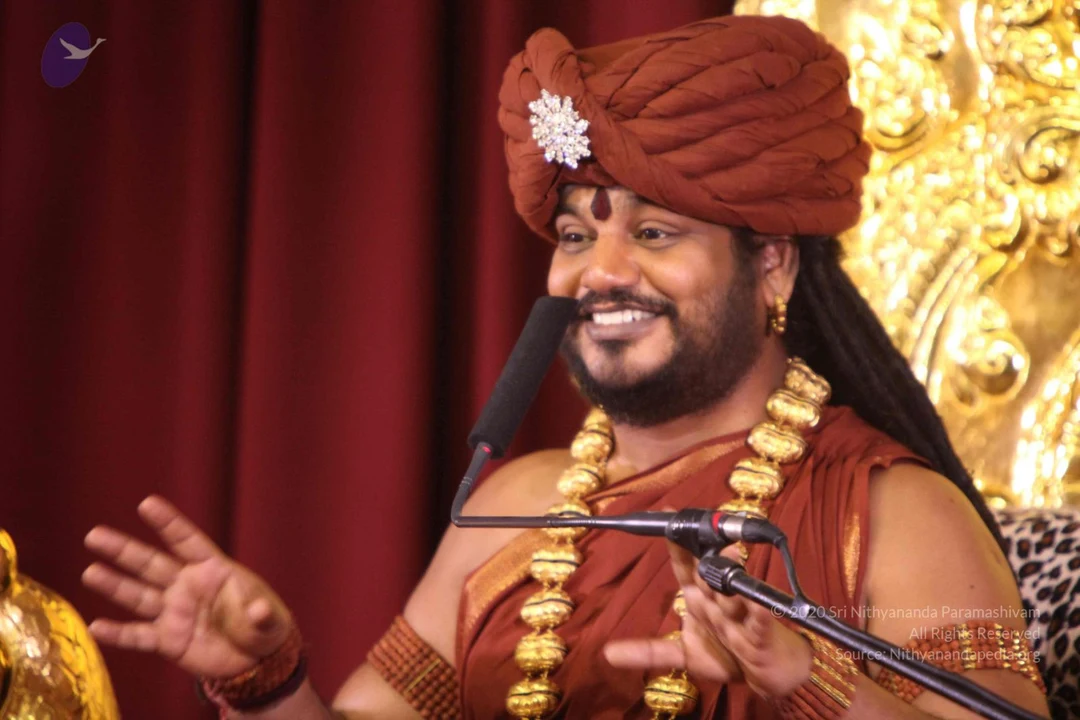
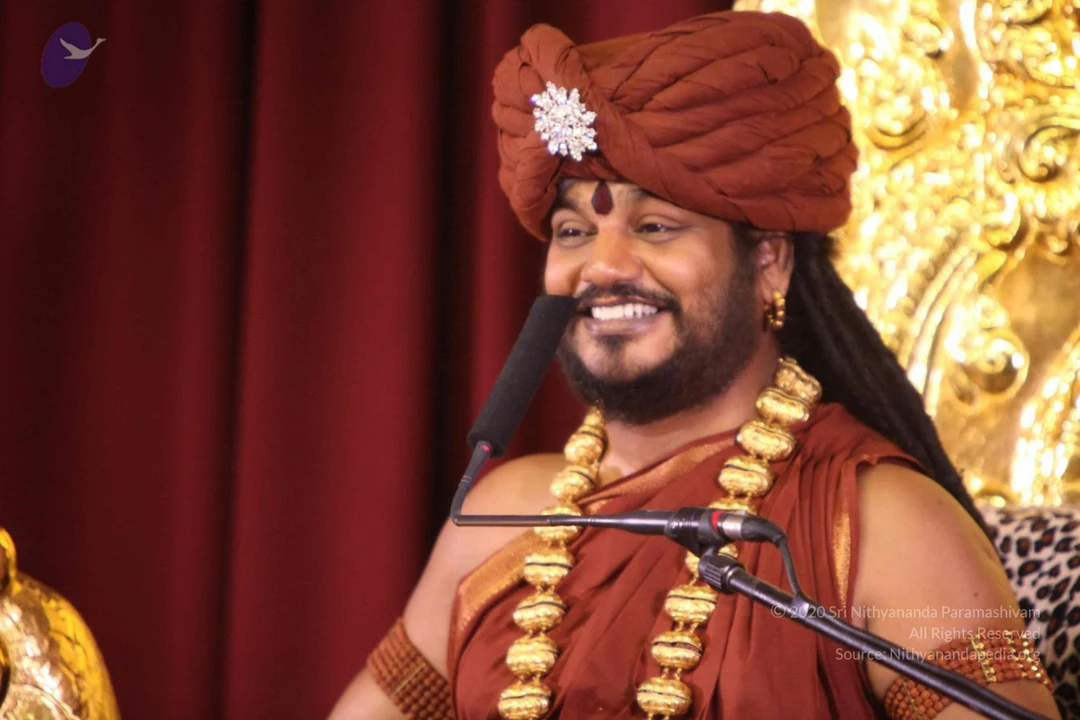
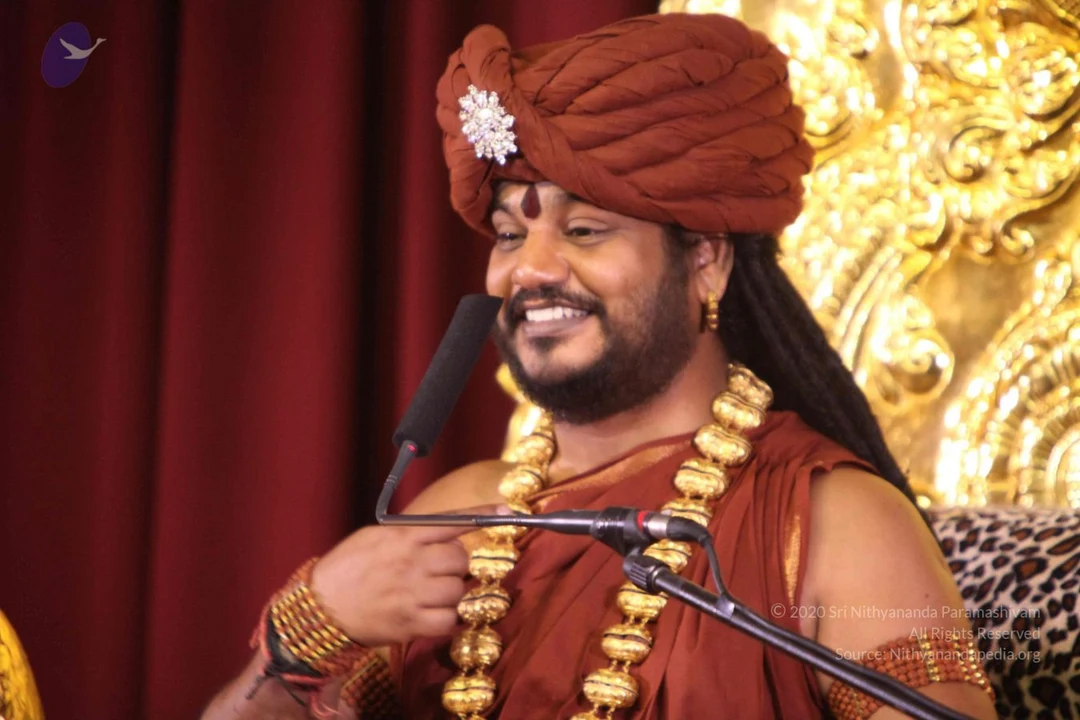
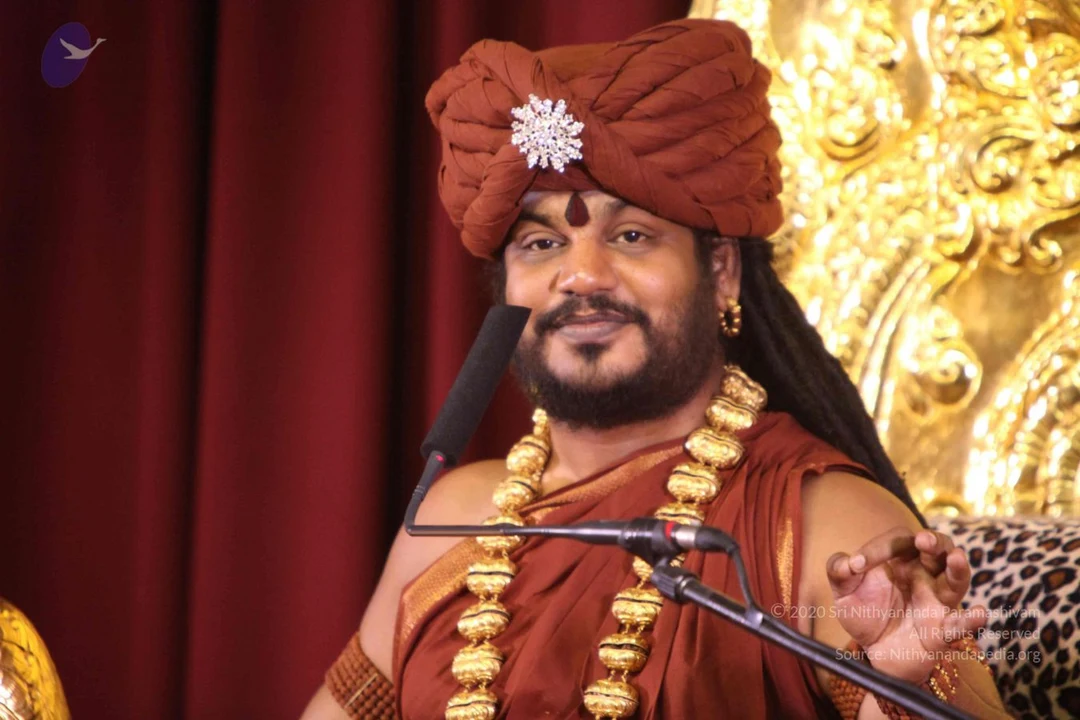
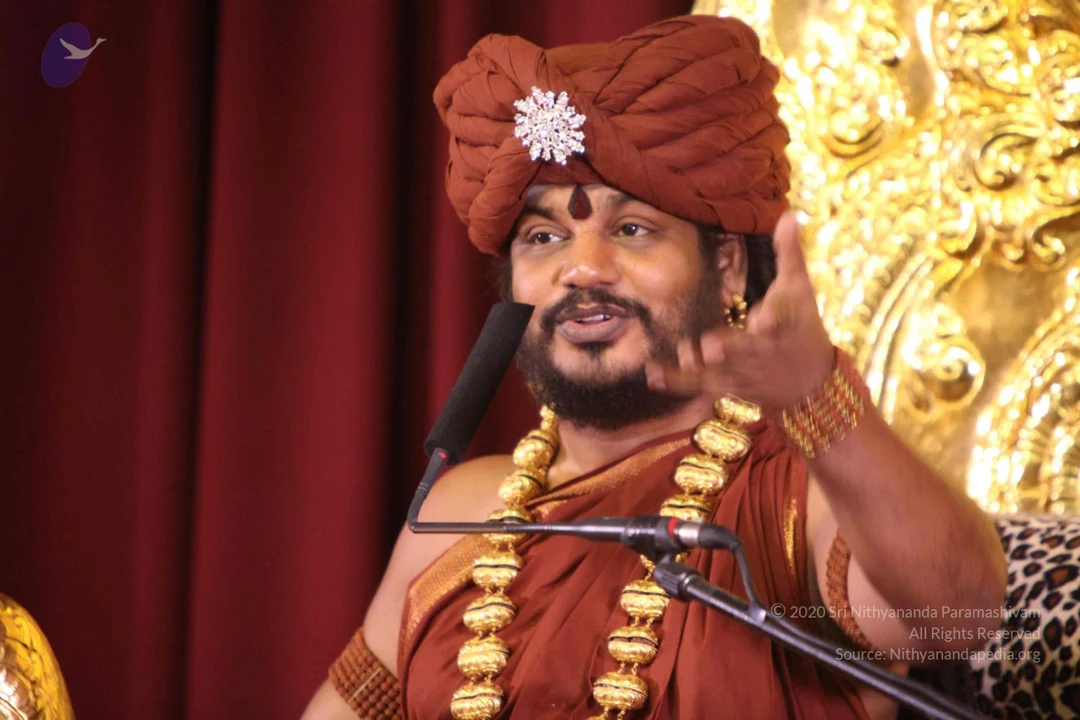
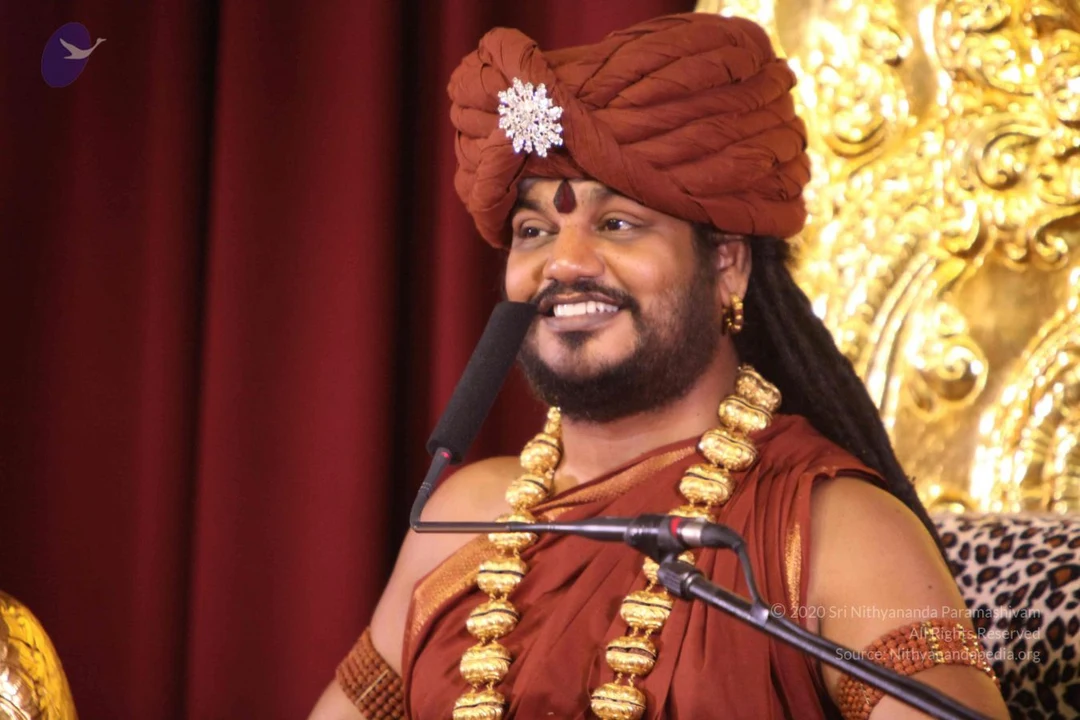
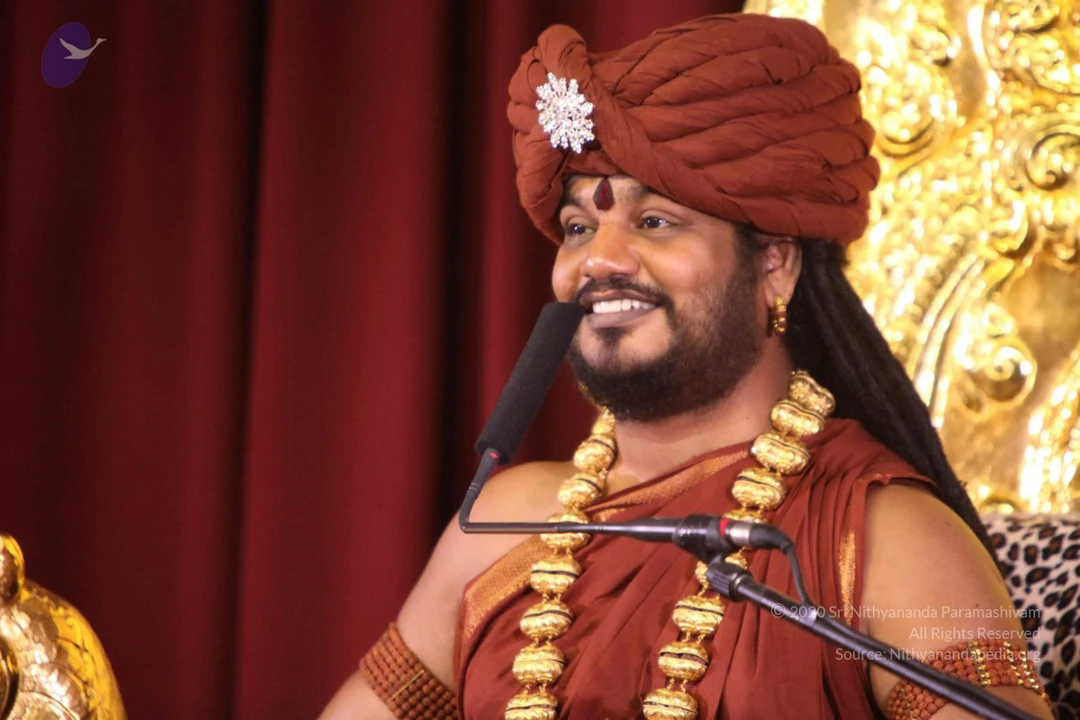
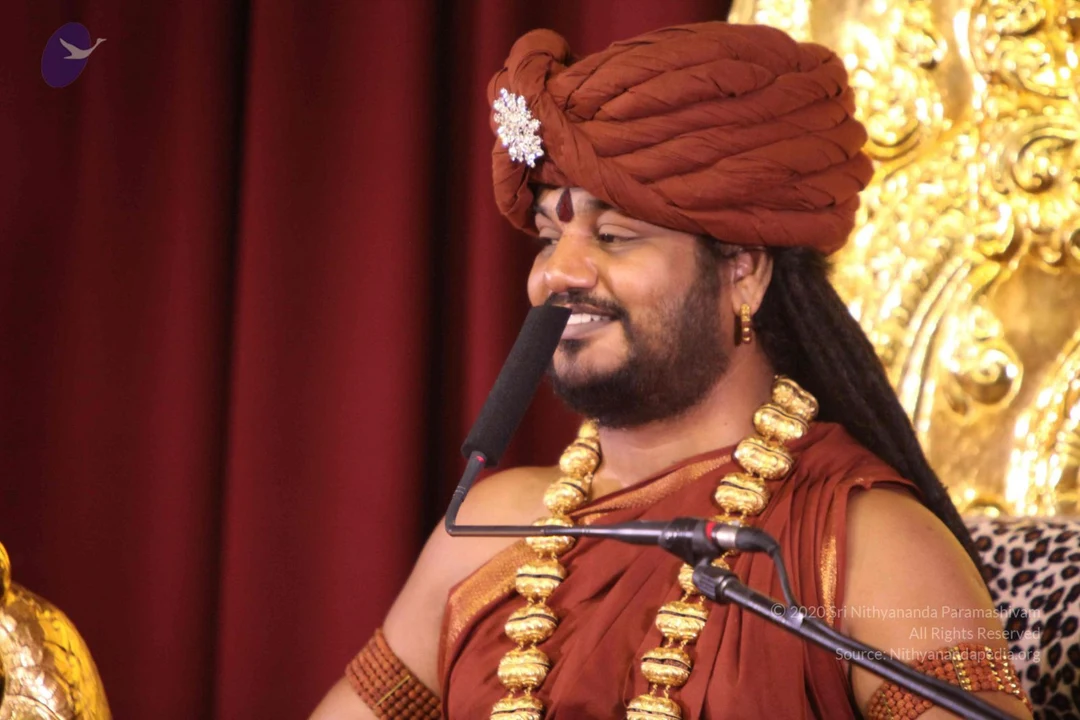
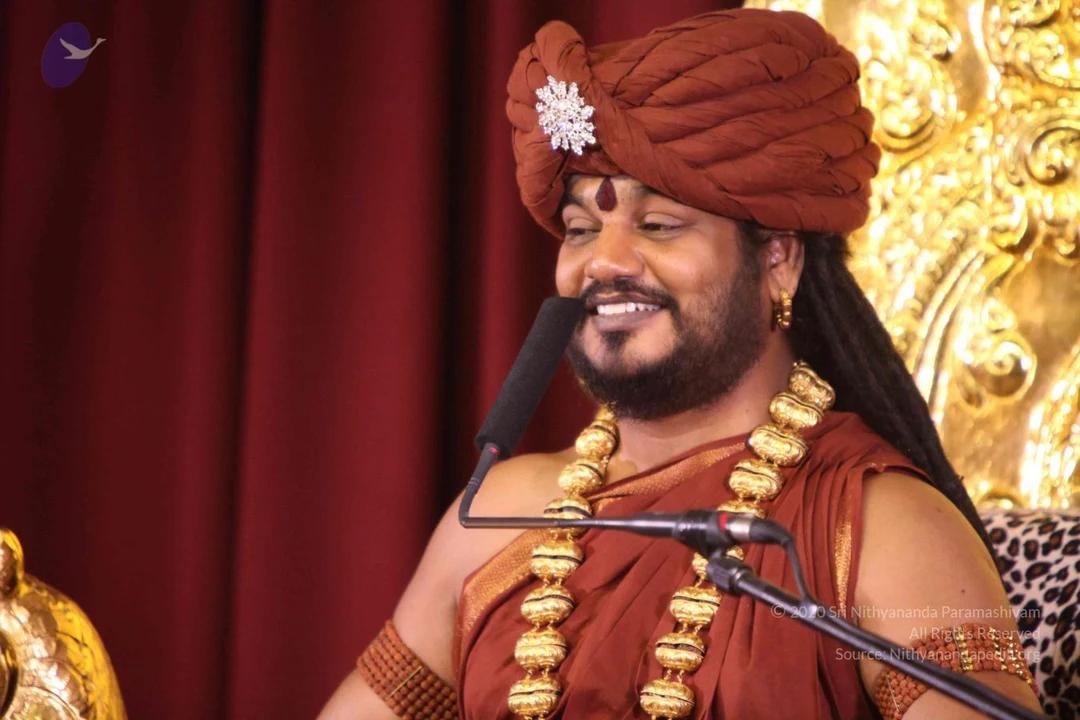
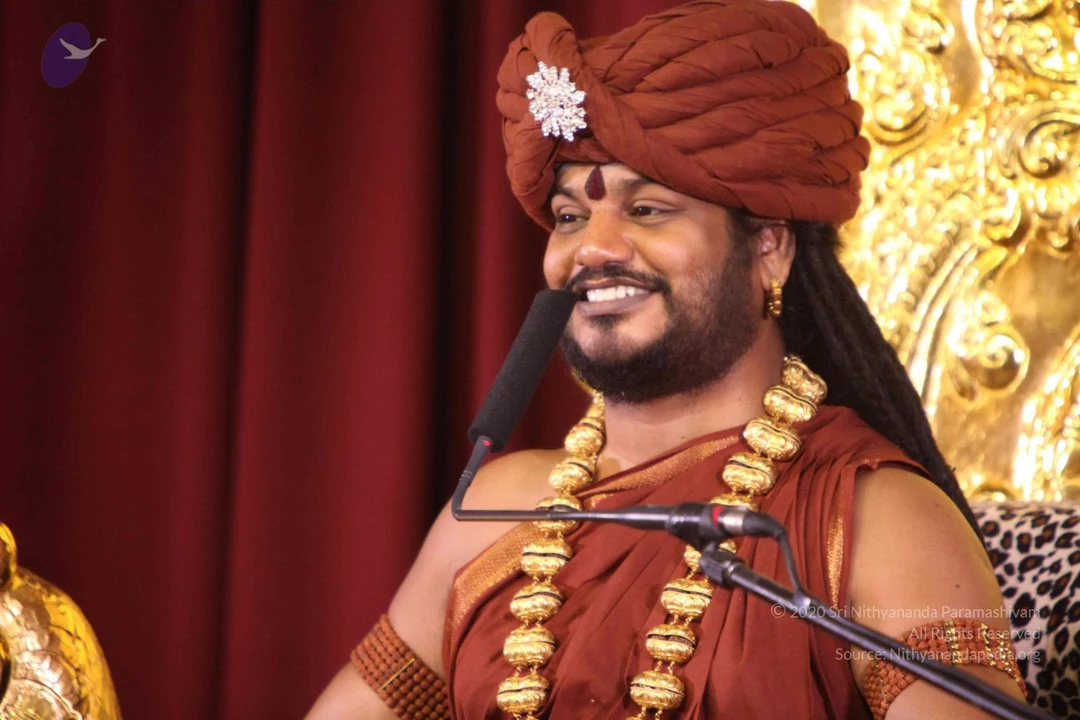
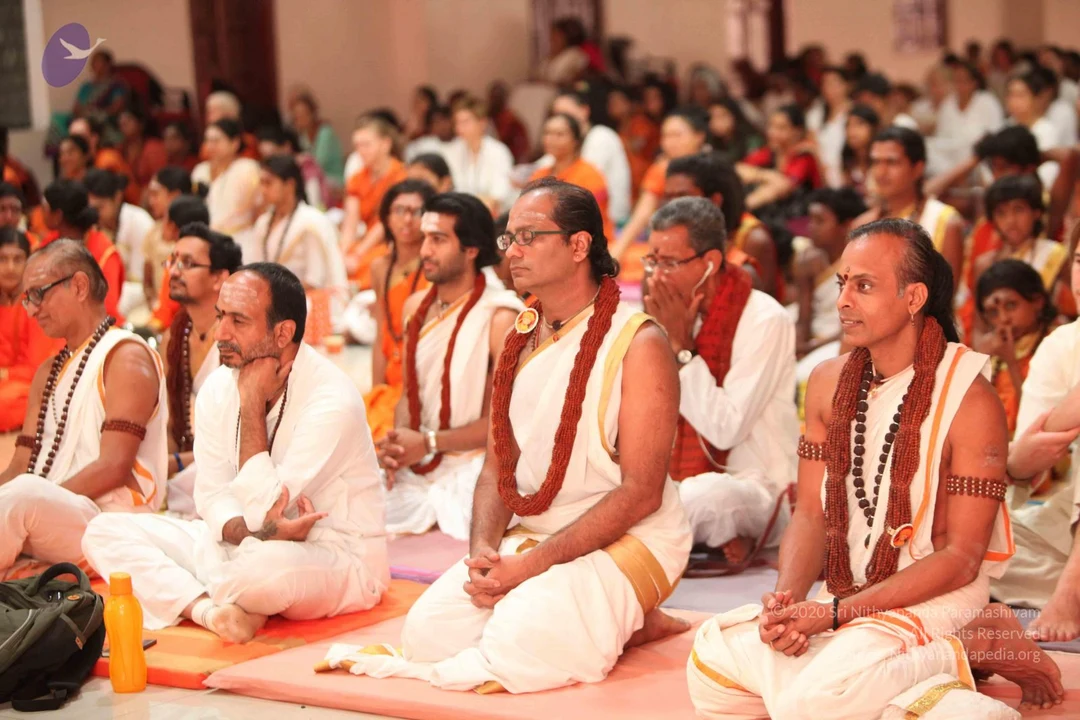
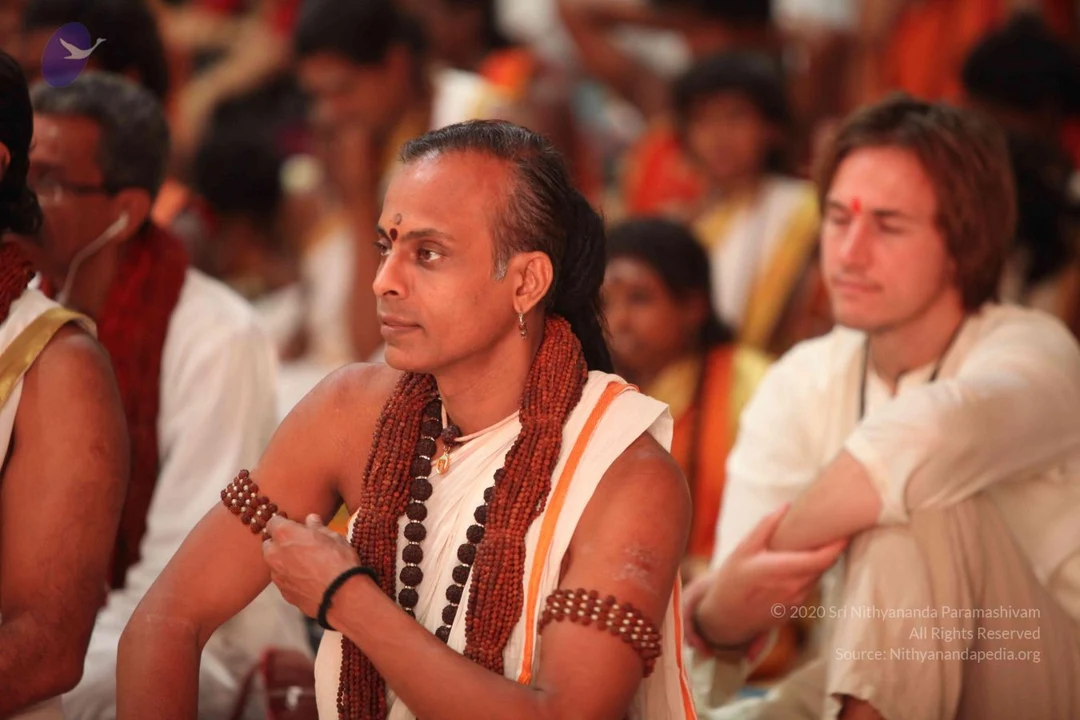
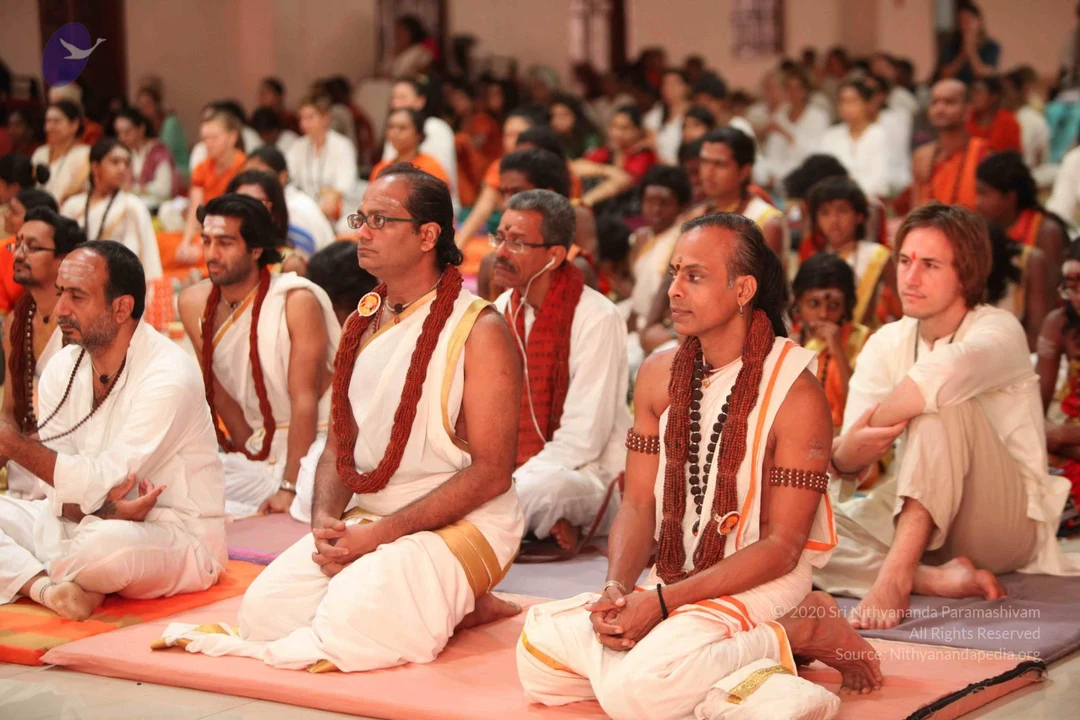
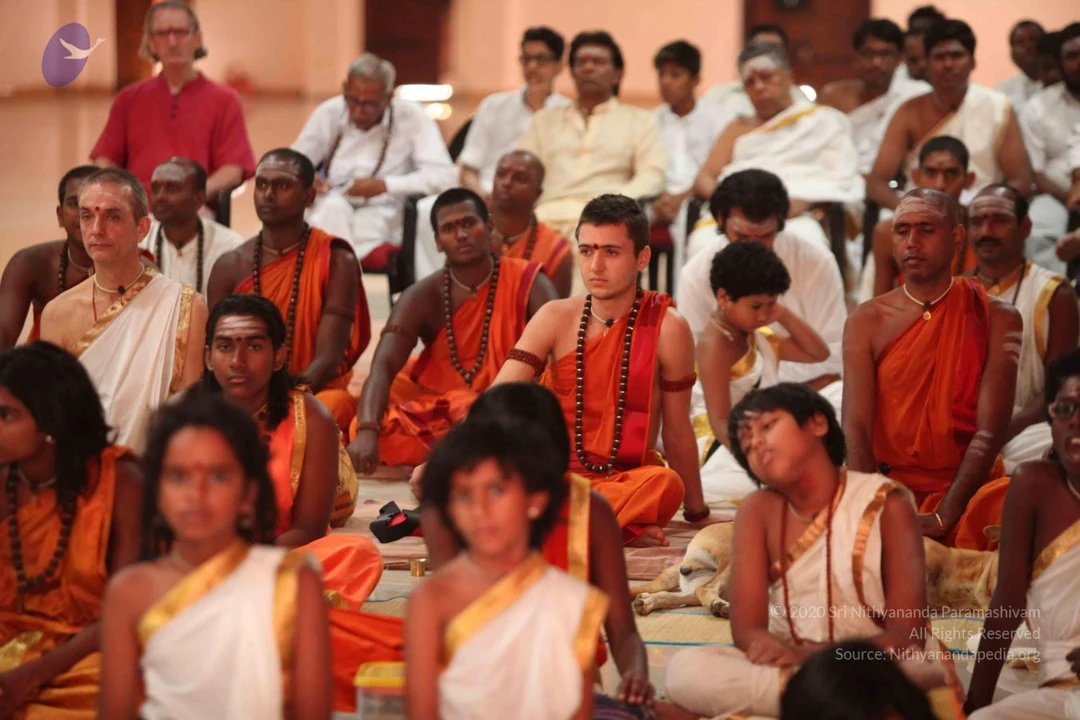
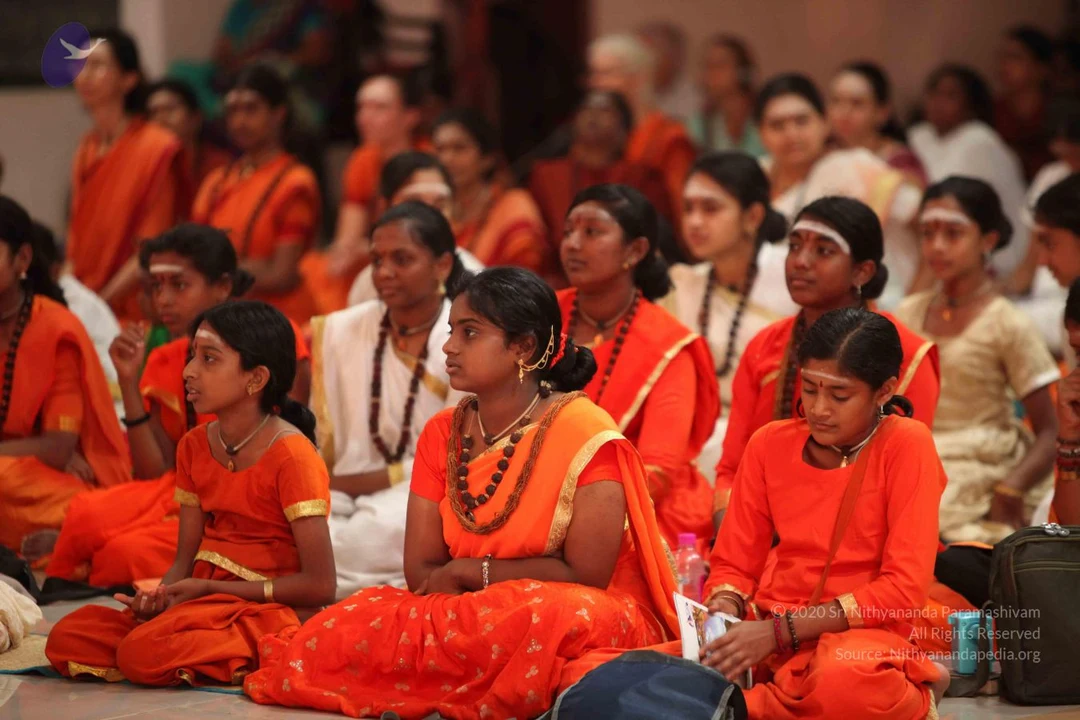
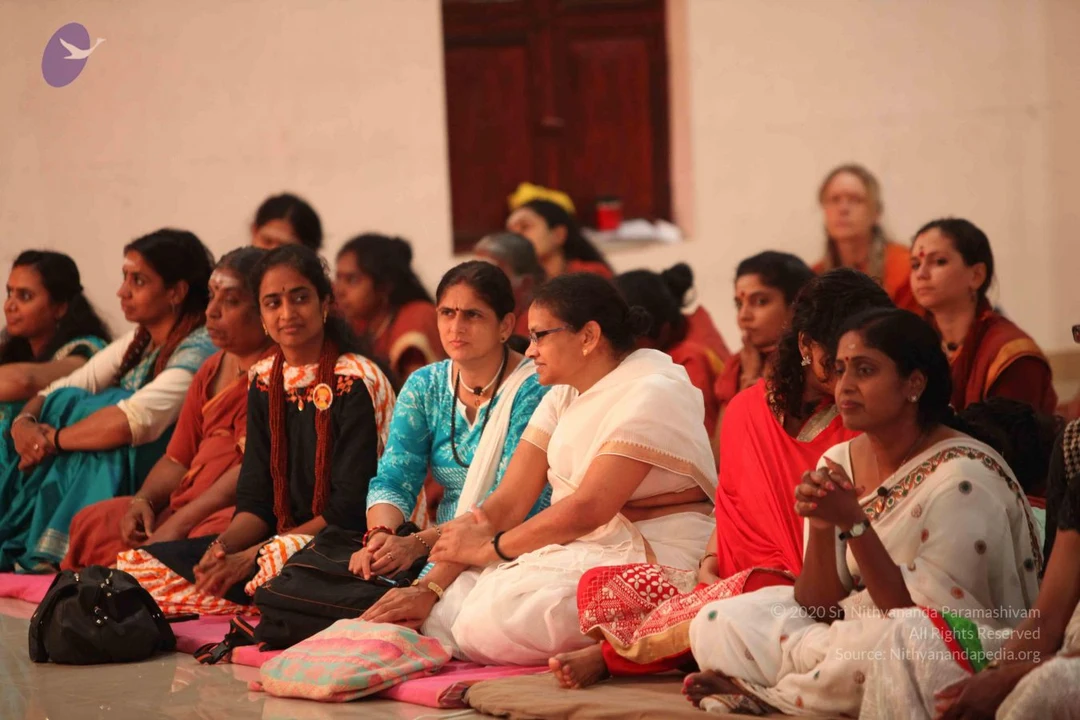

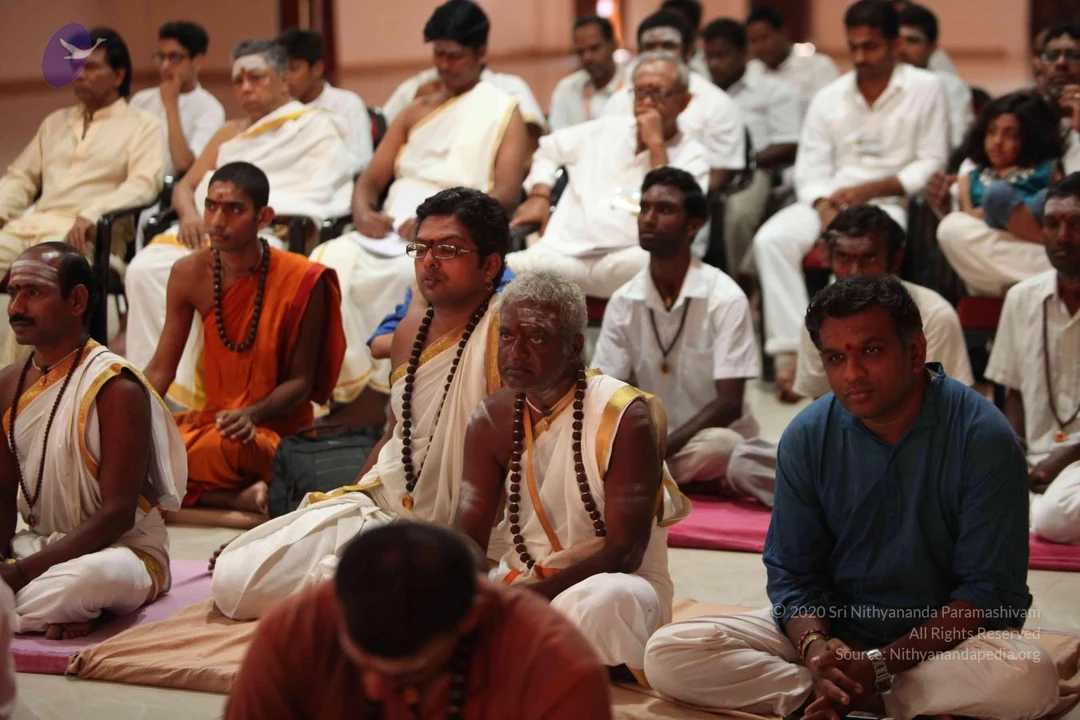
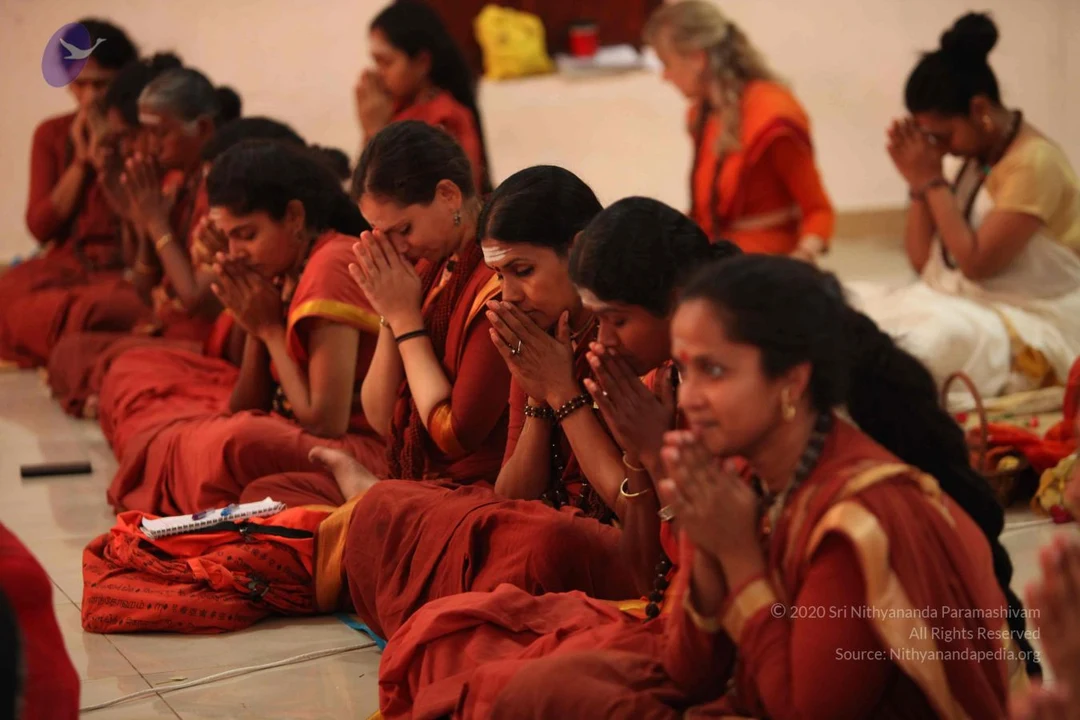
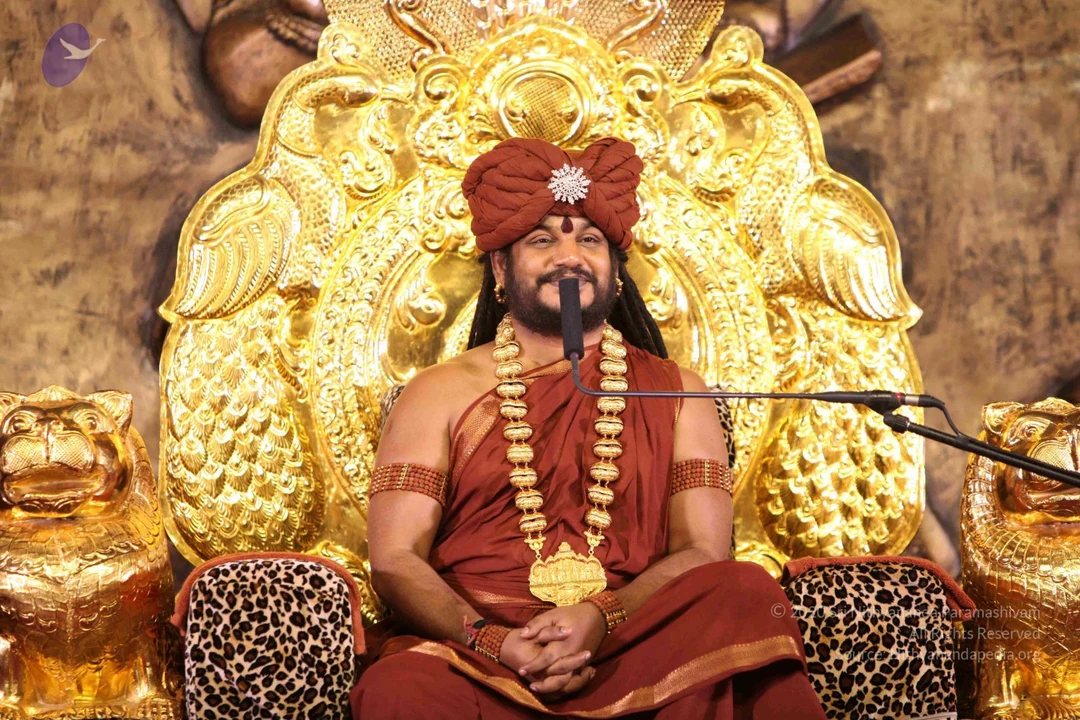
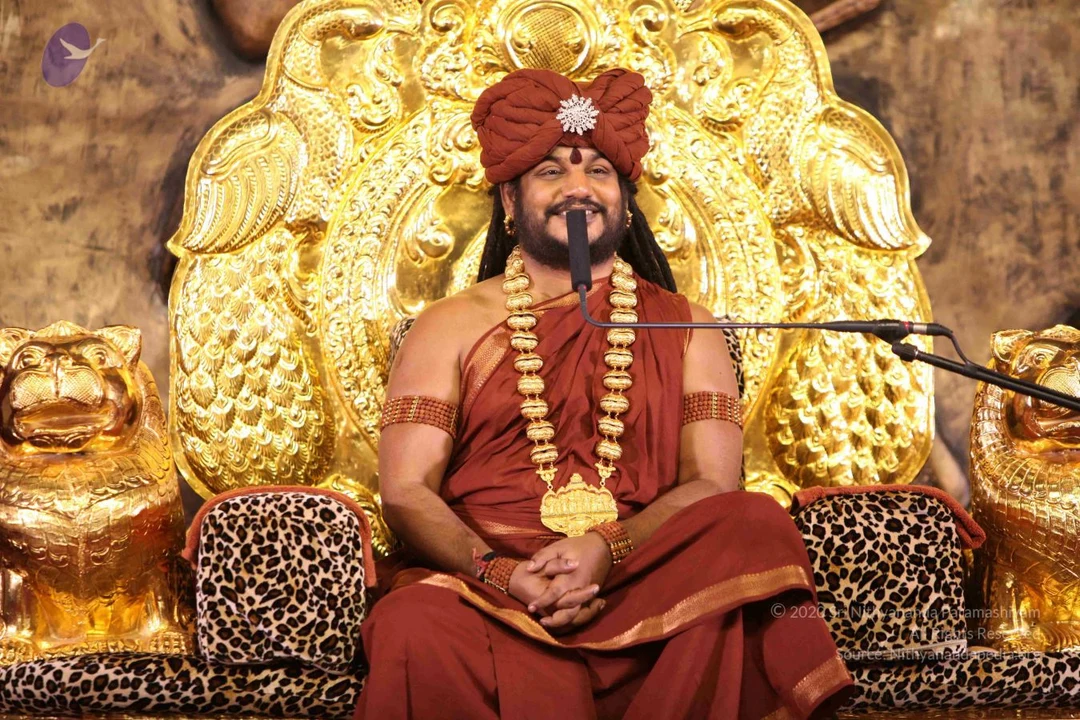
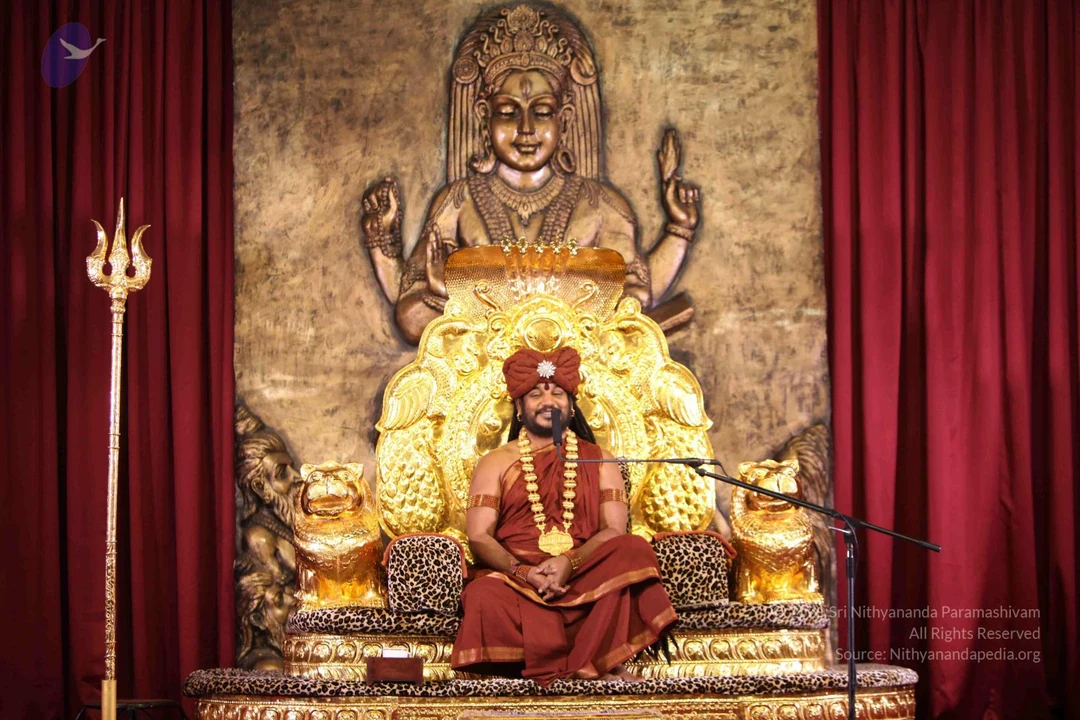
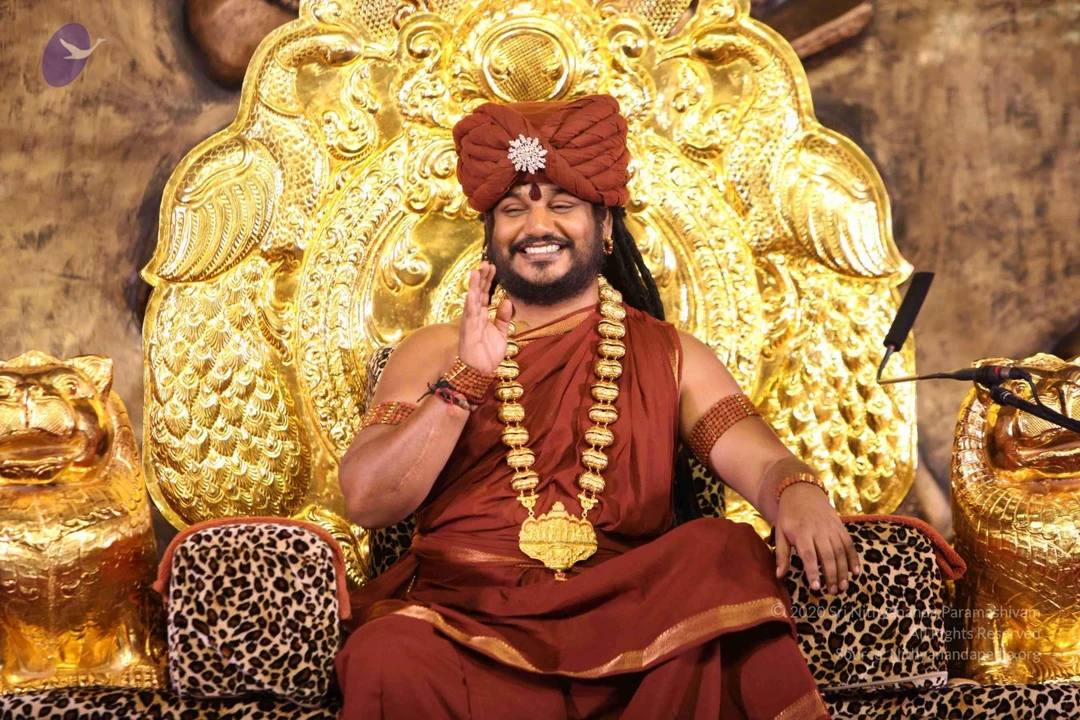
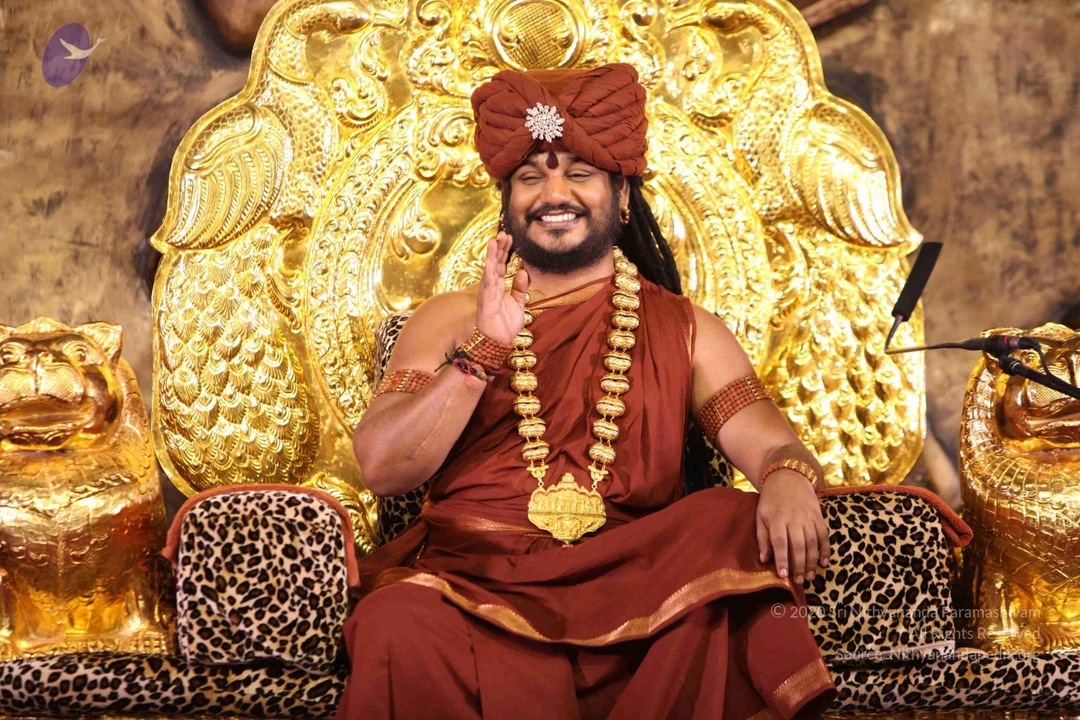
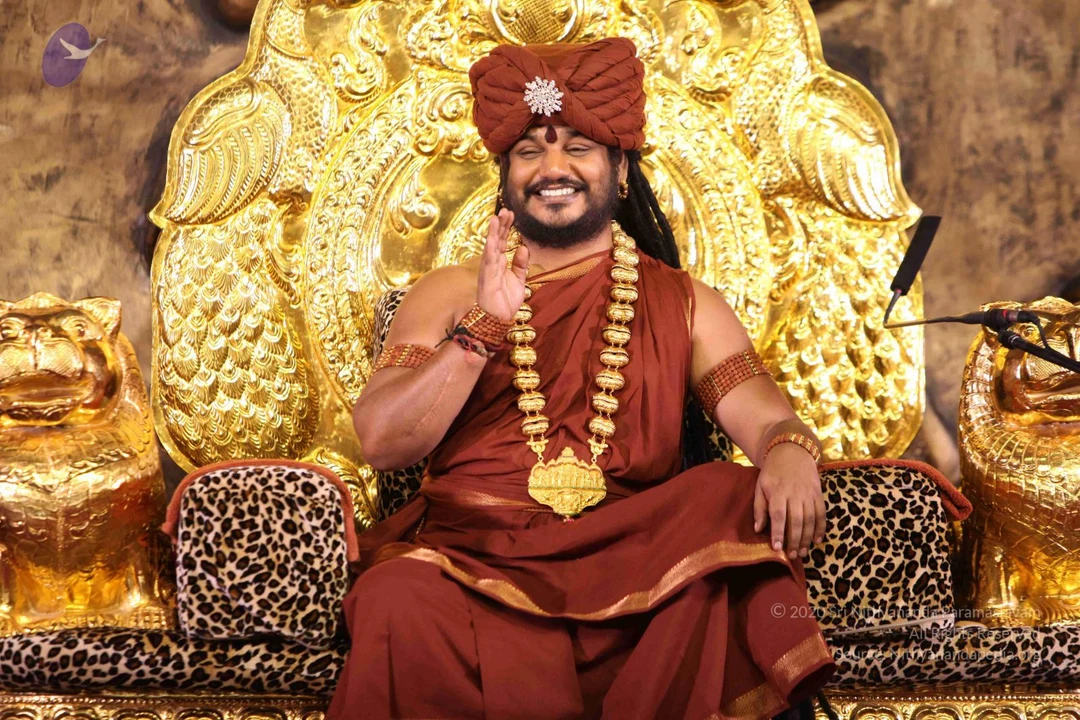
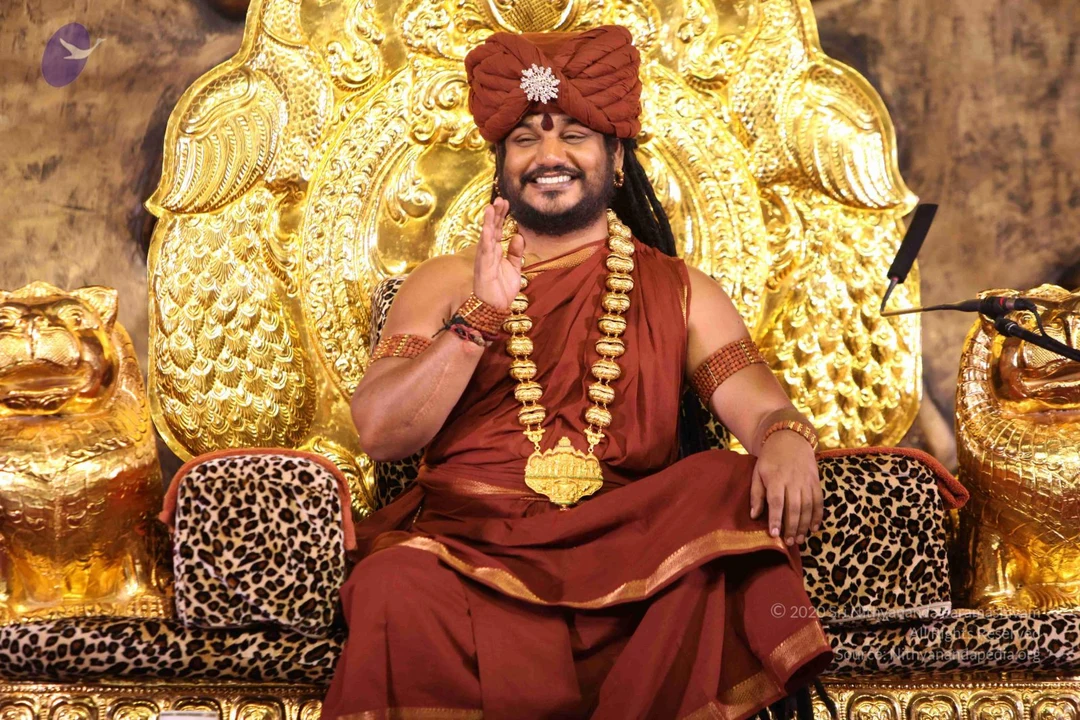
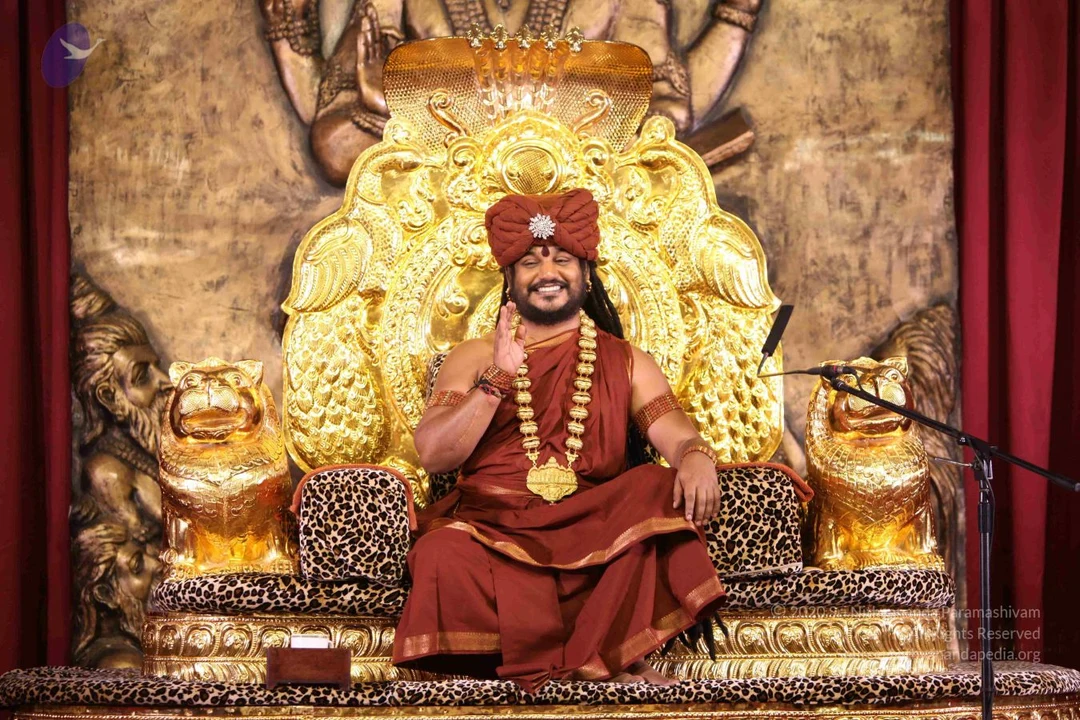
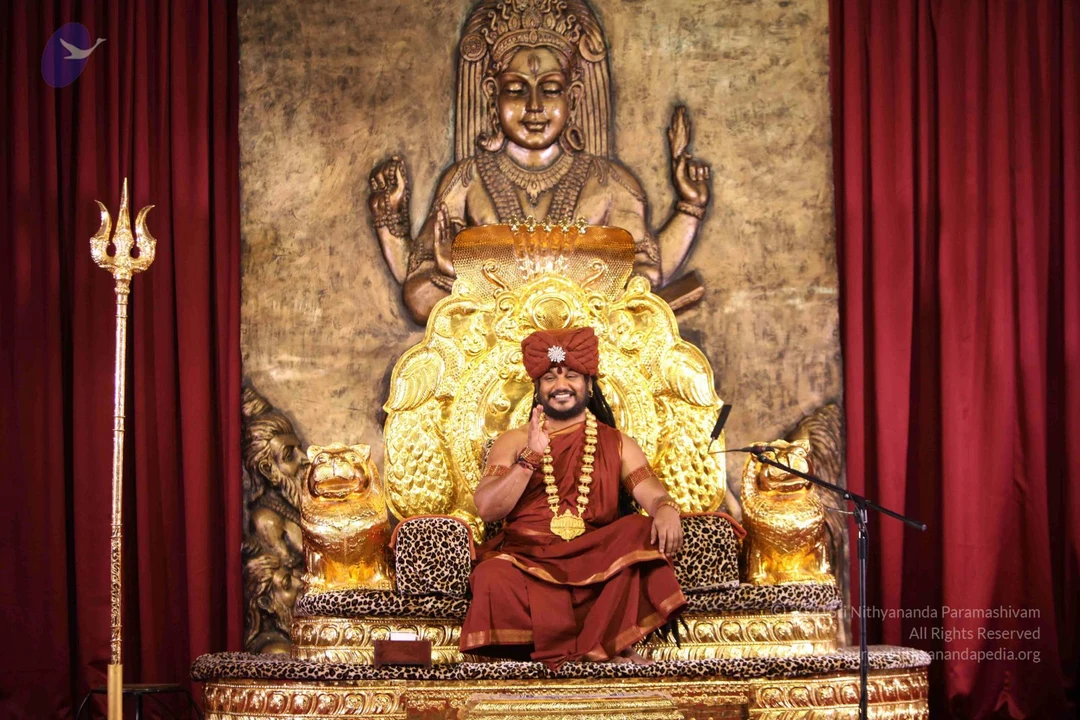
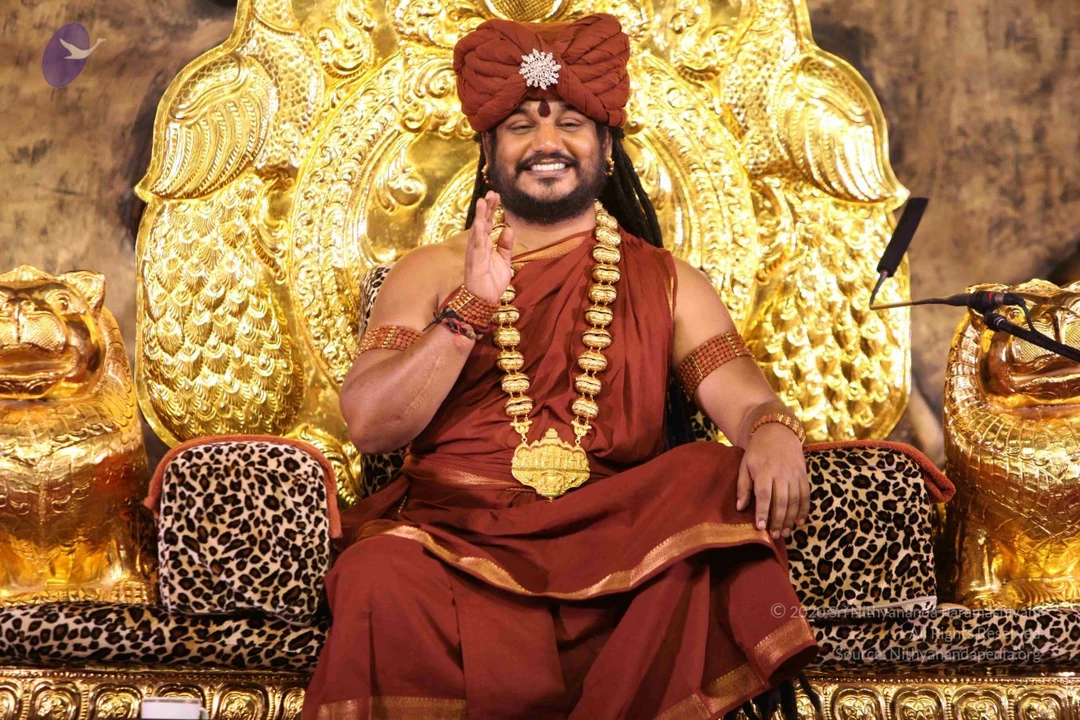
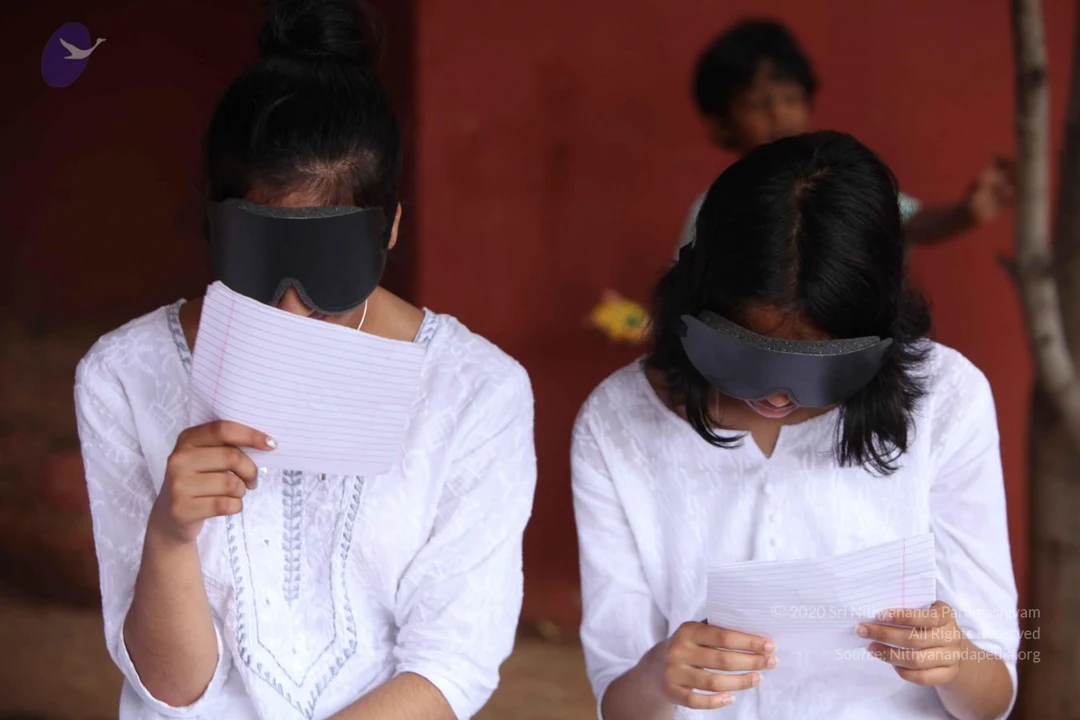
gurukul power initiation
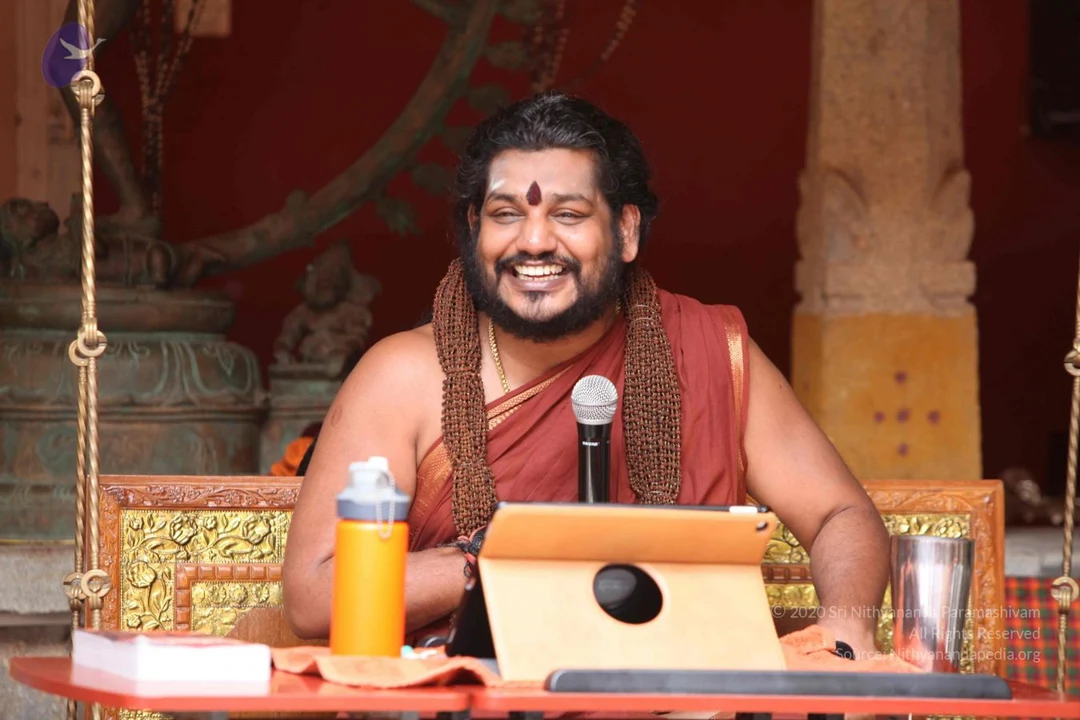
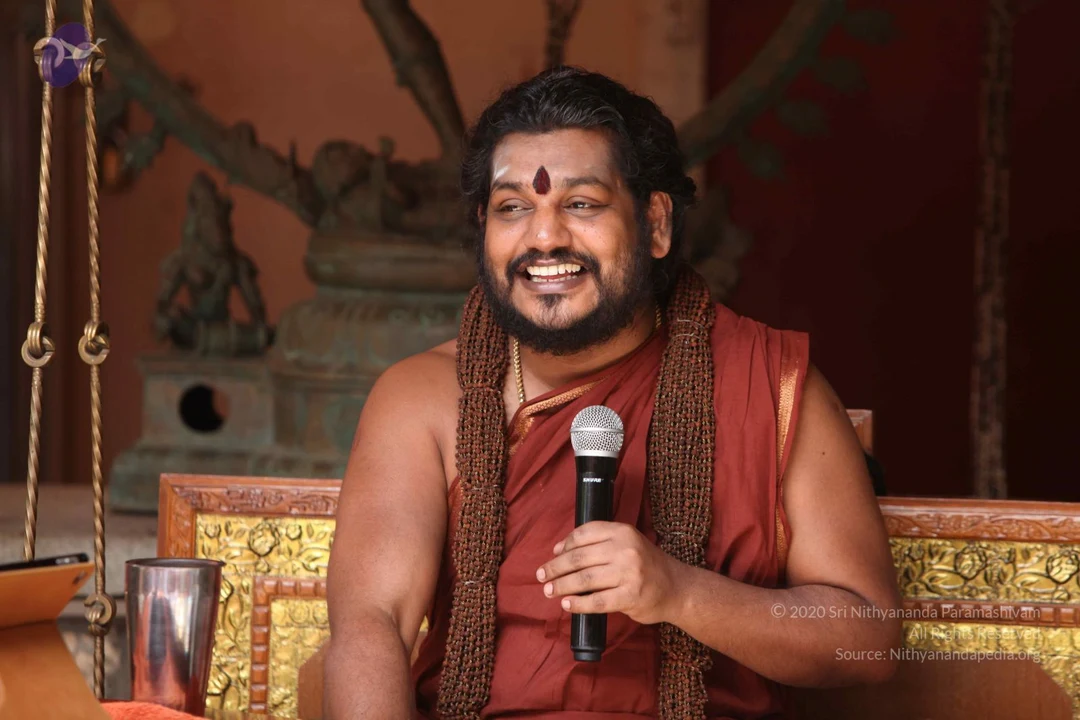


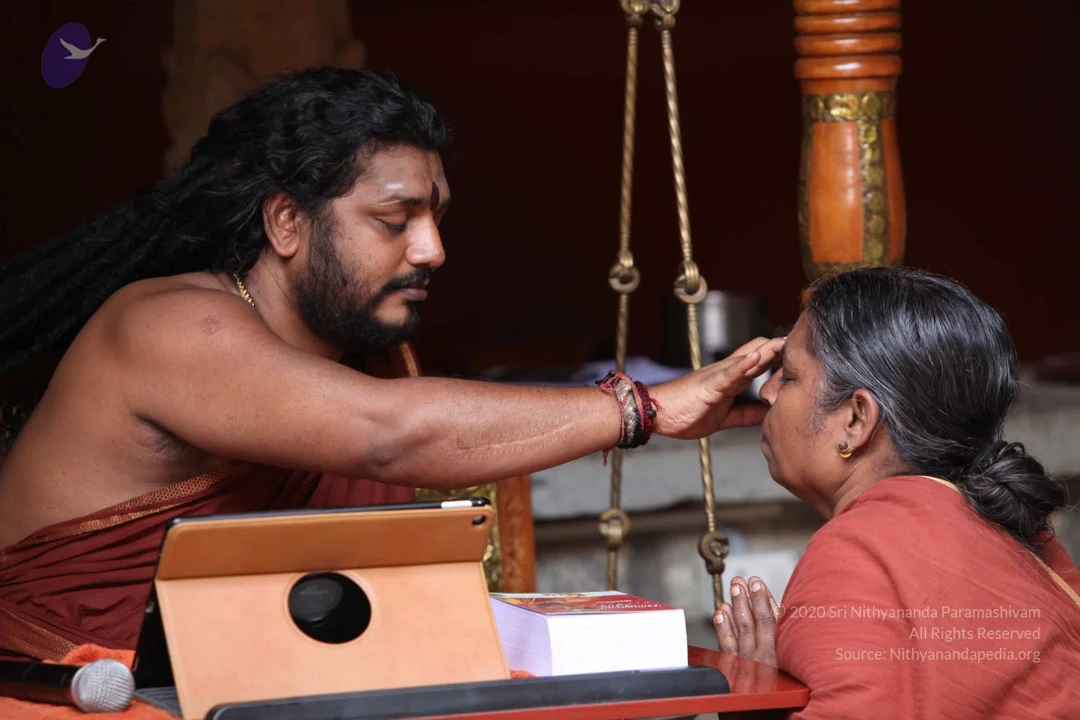
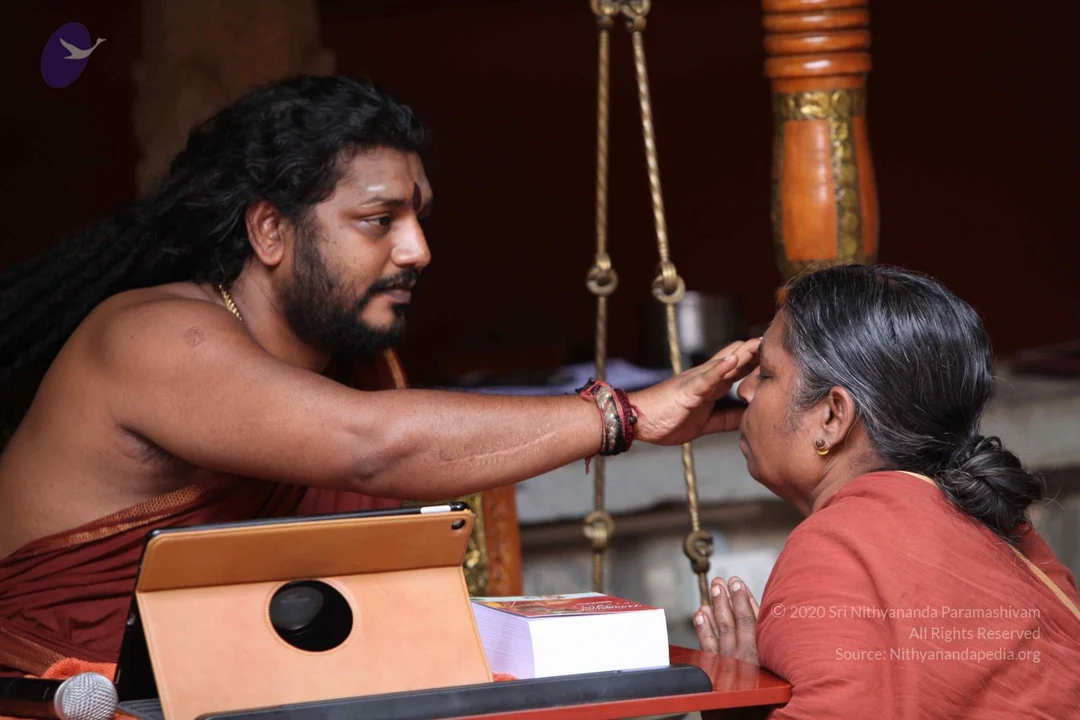
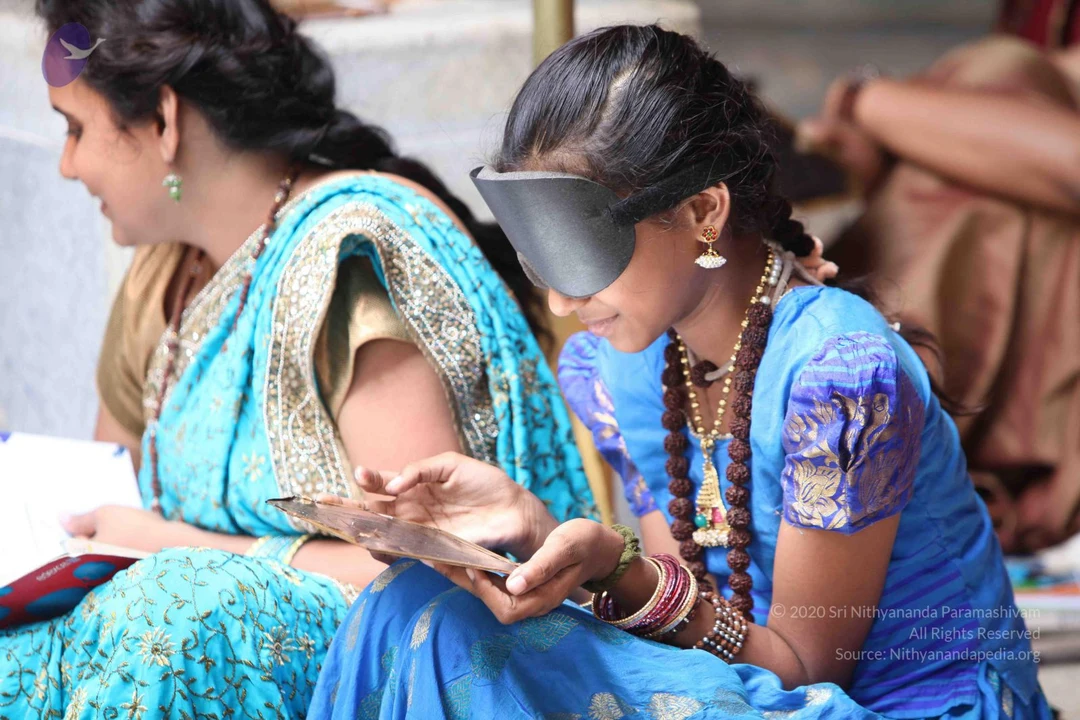
aadi shaivam
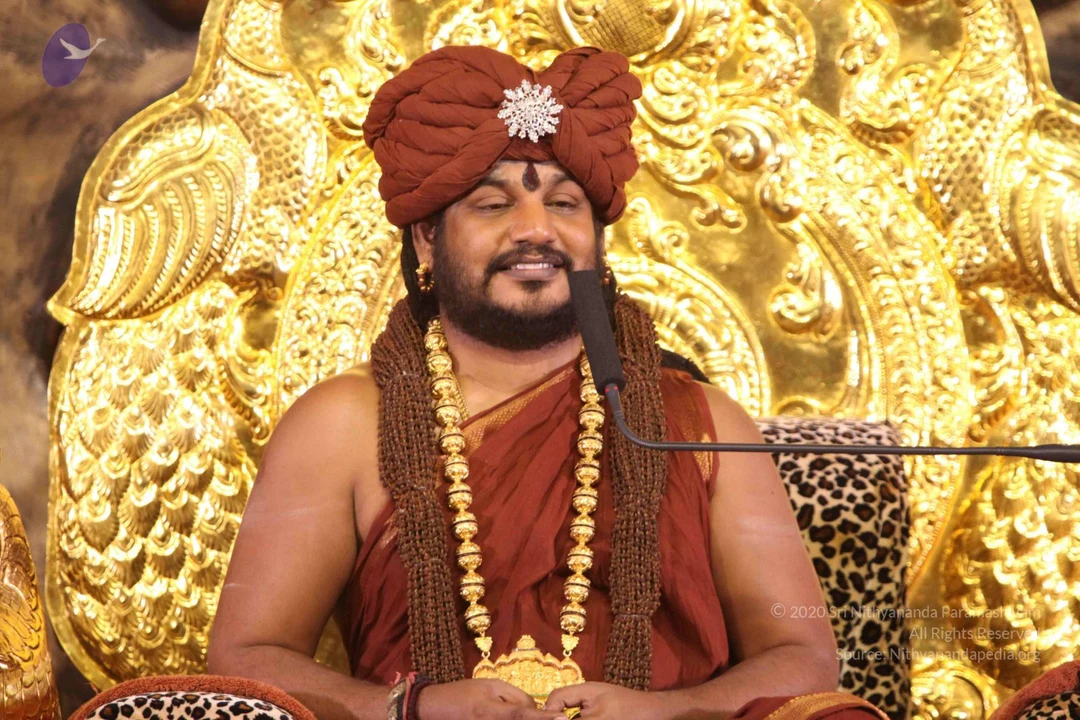
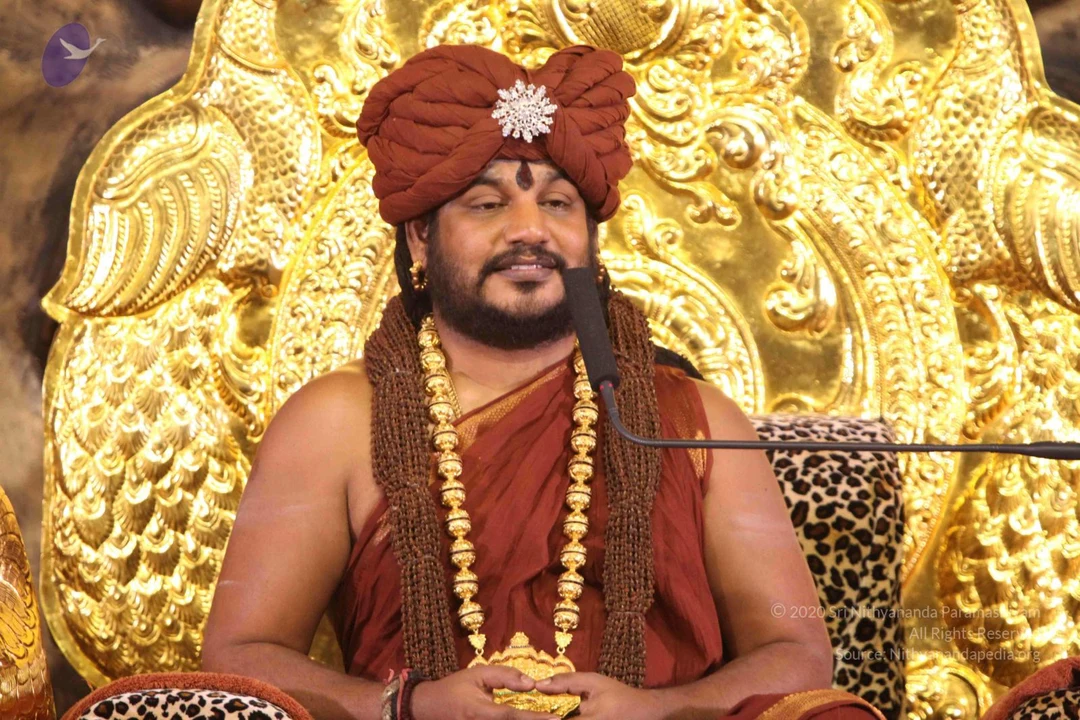
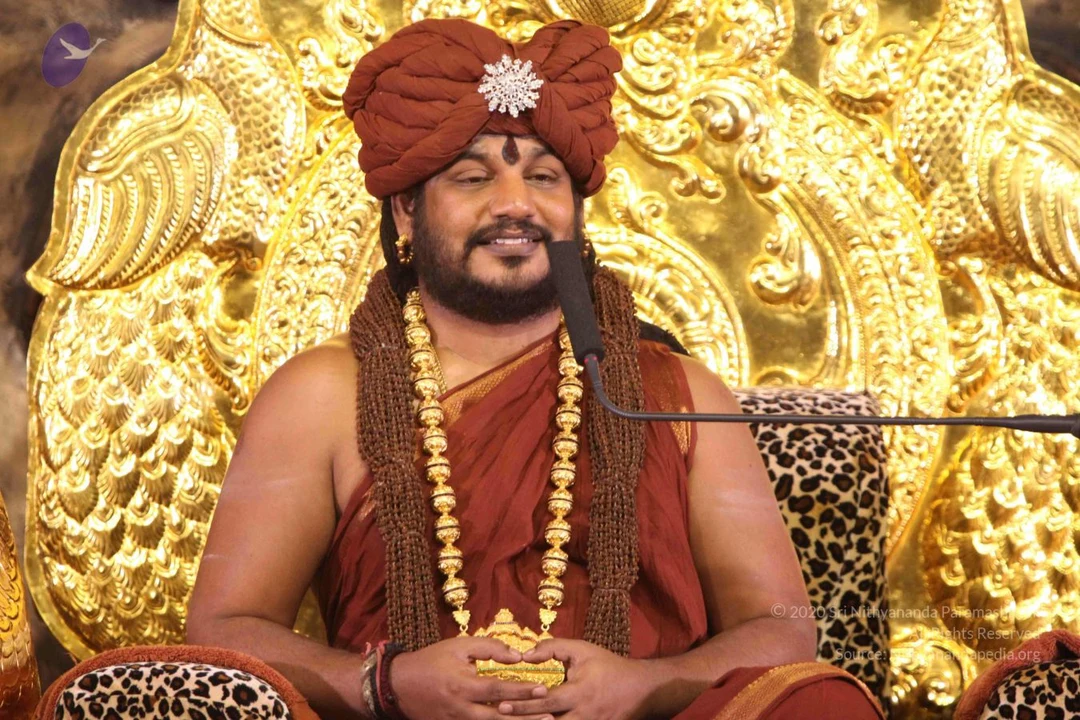
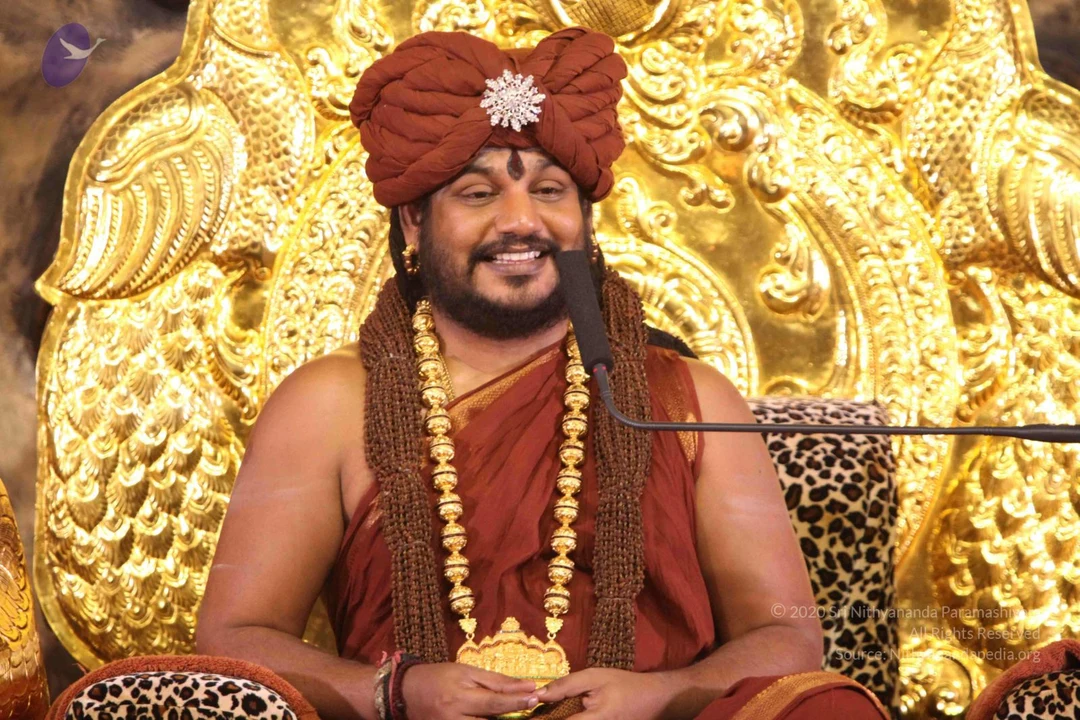
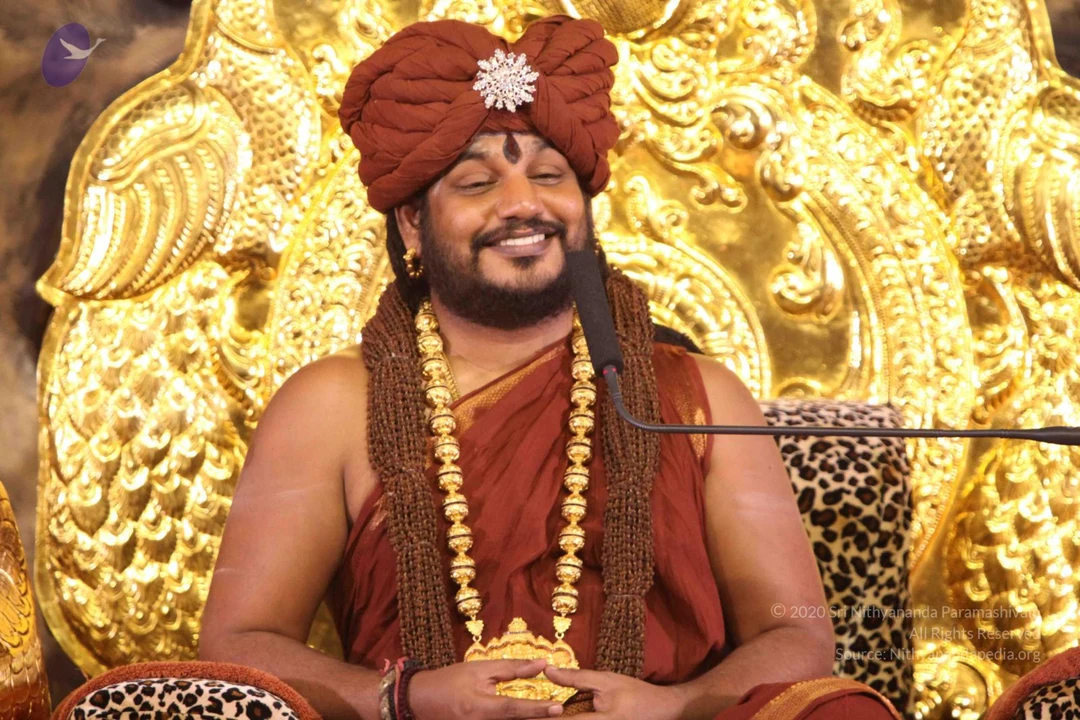
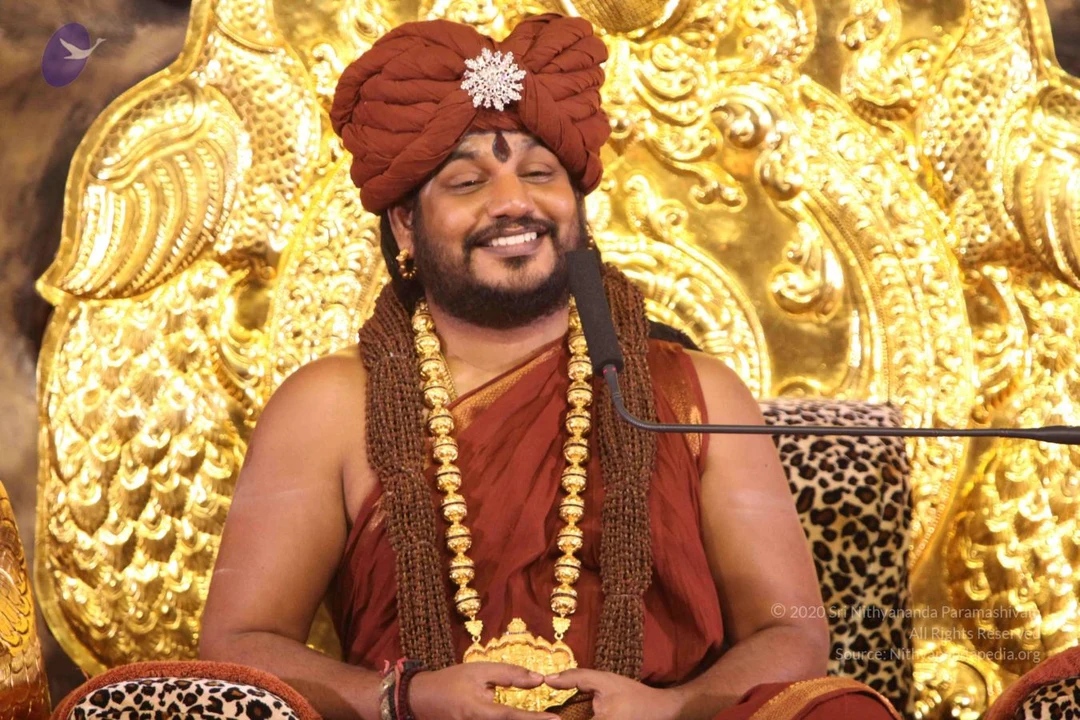
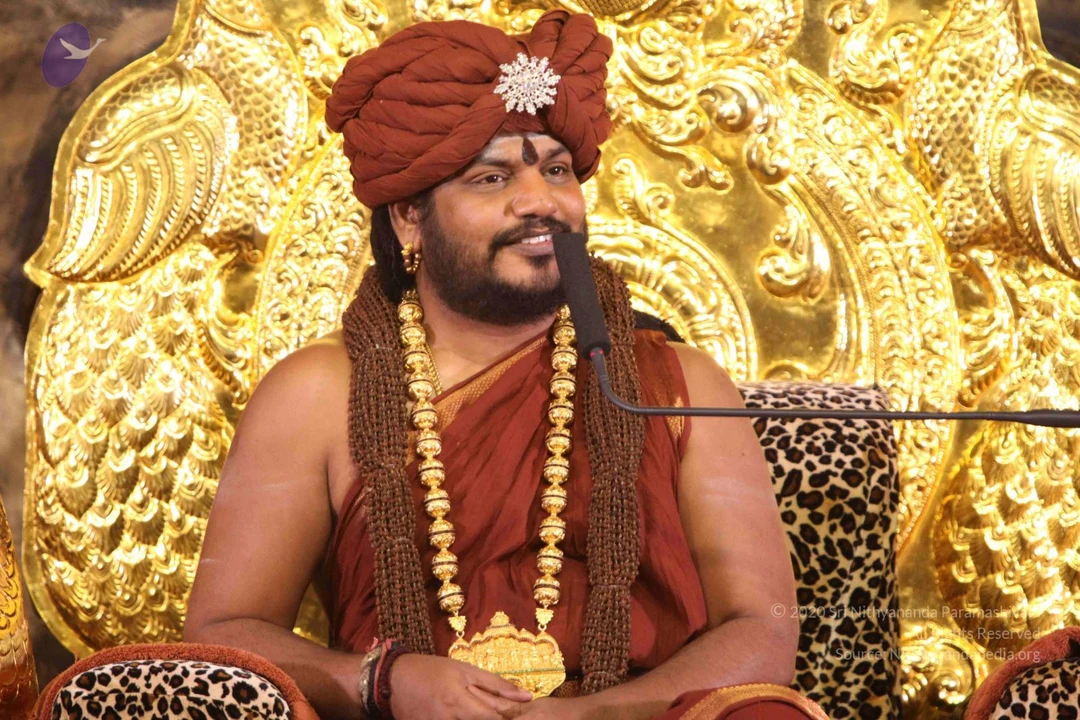
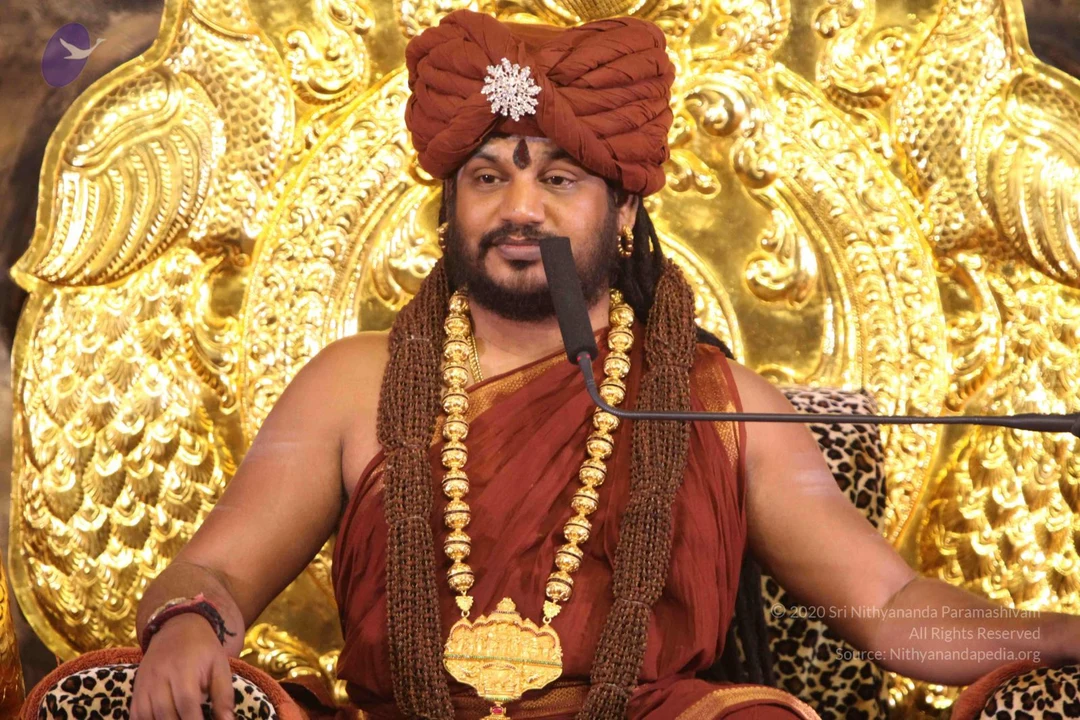
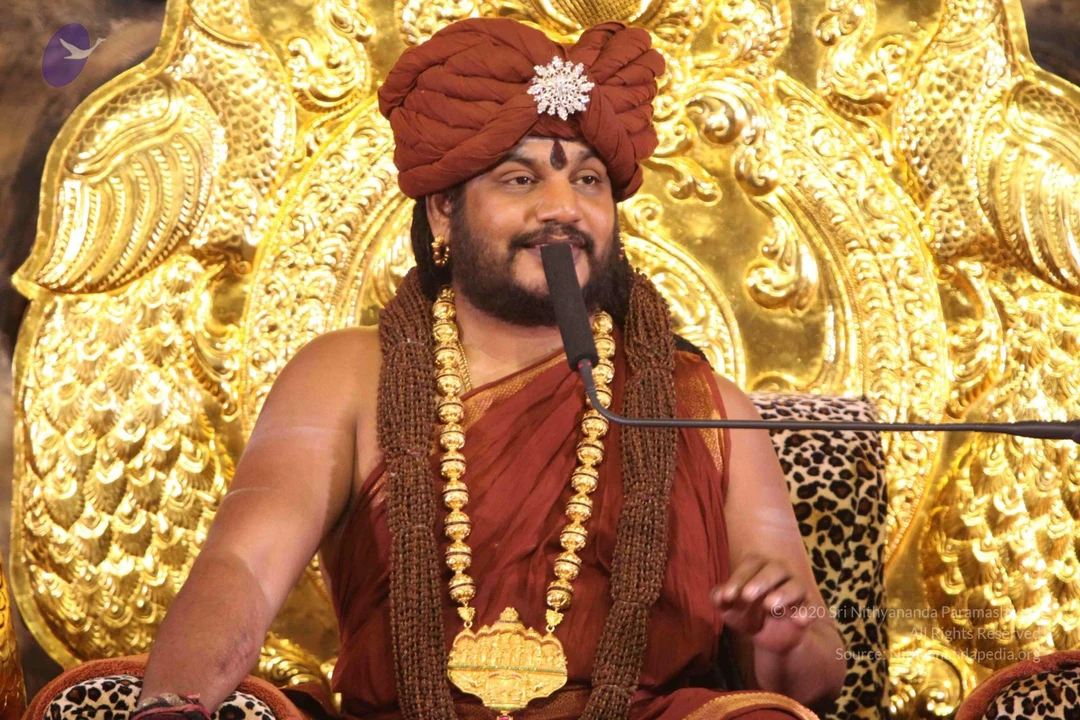
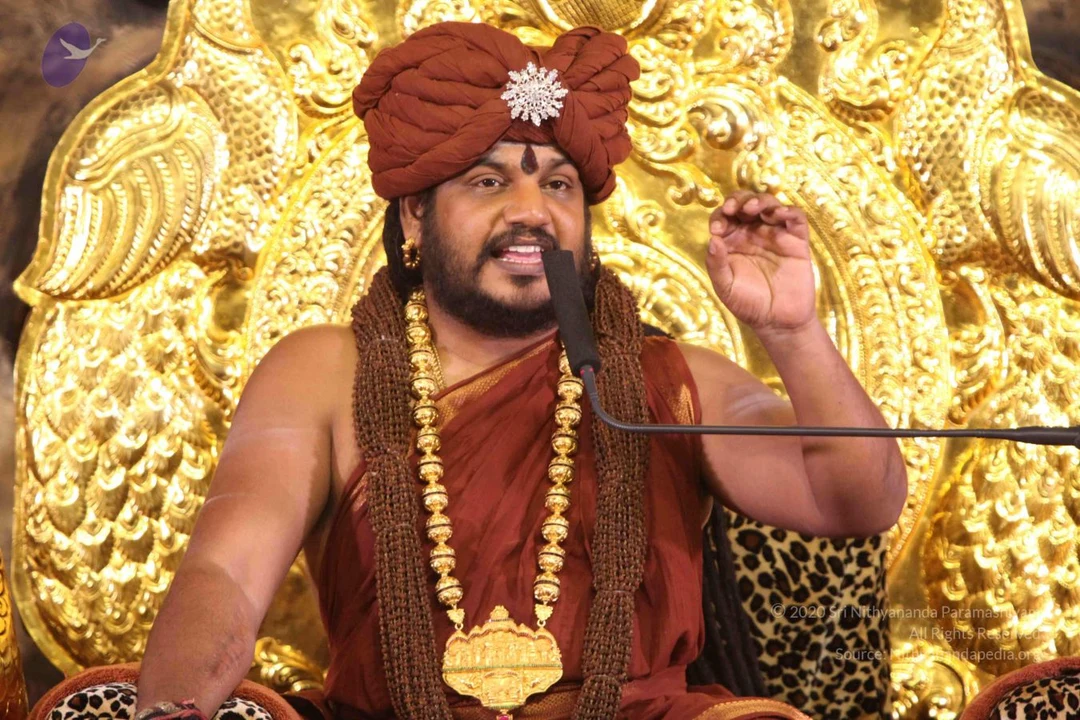
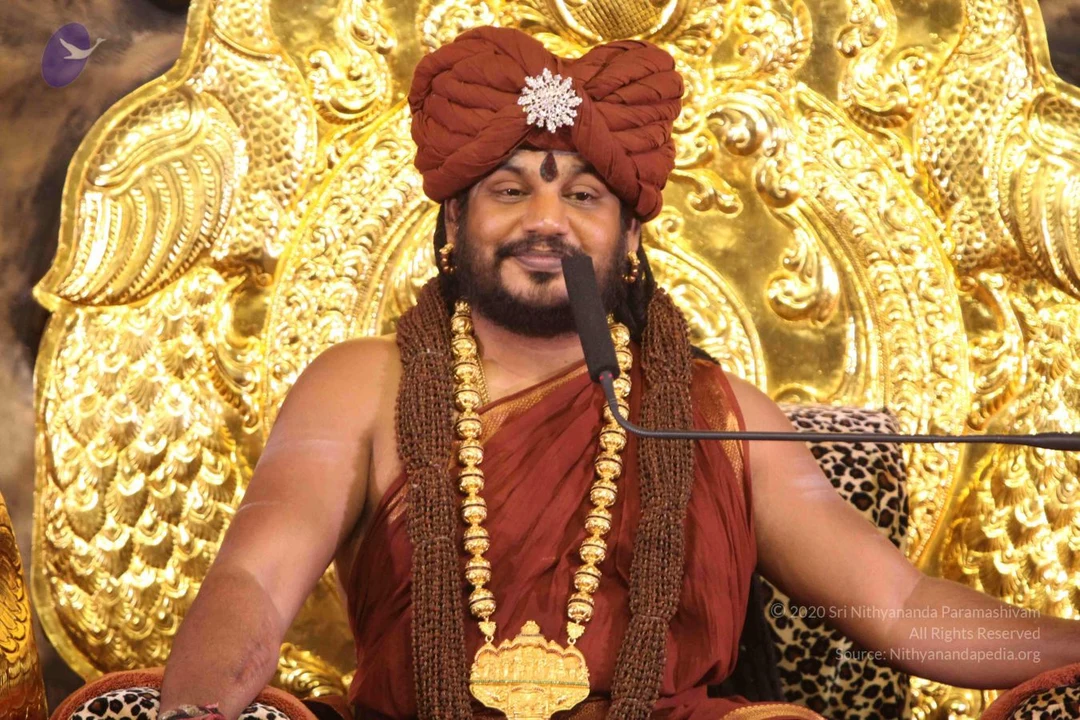
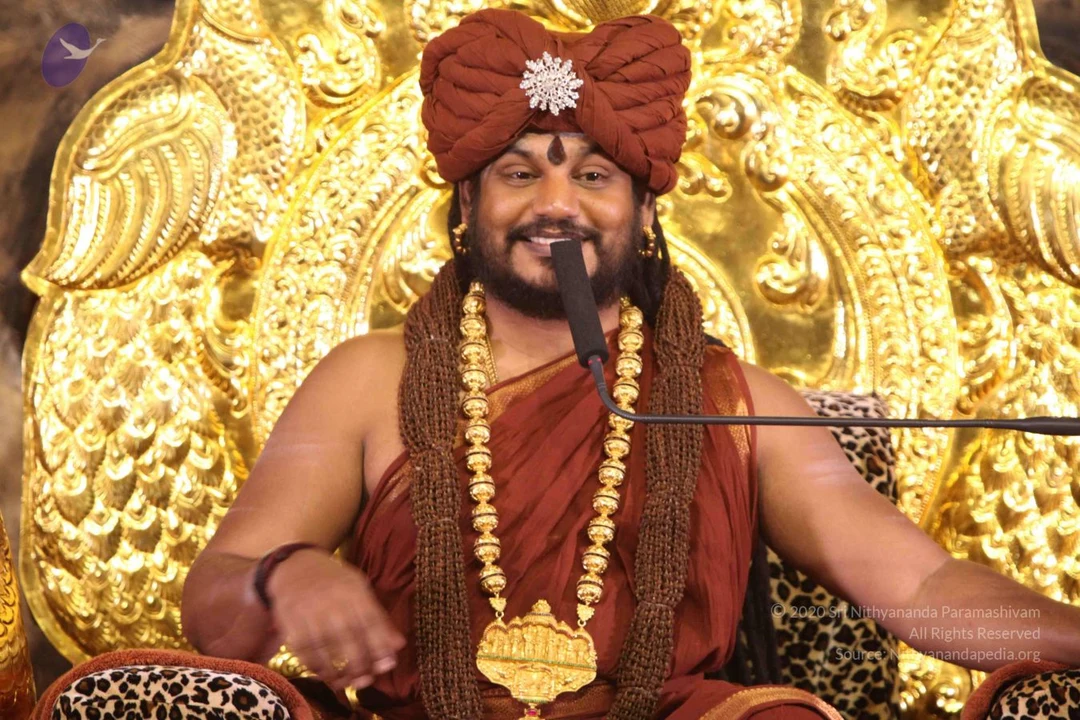
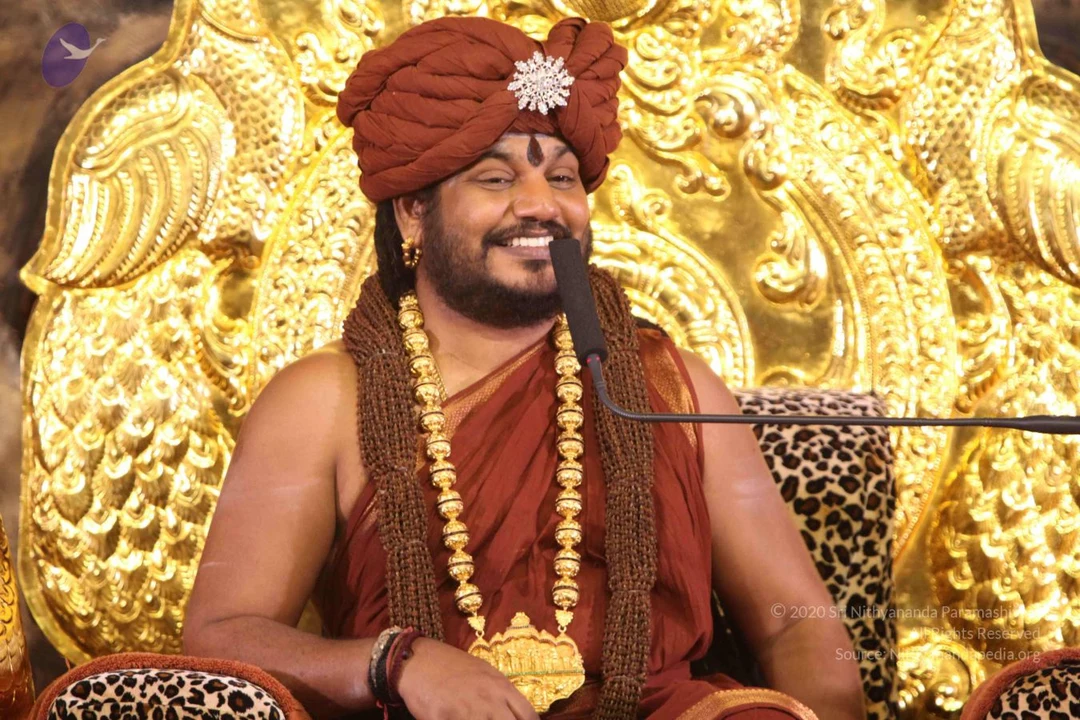
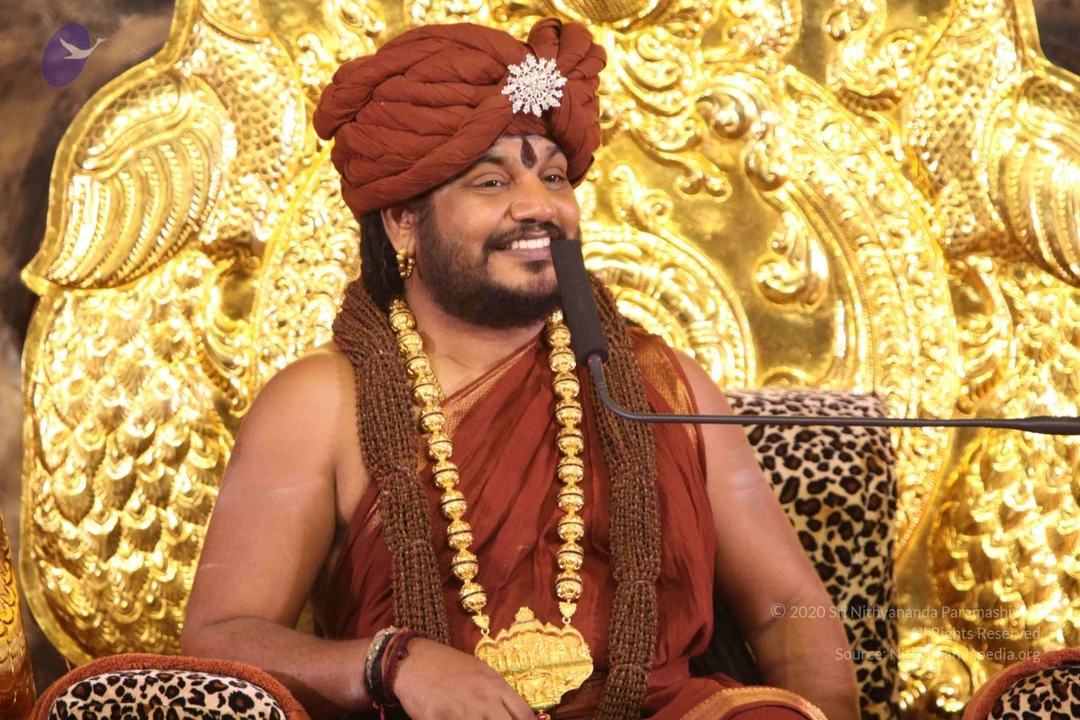
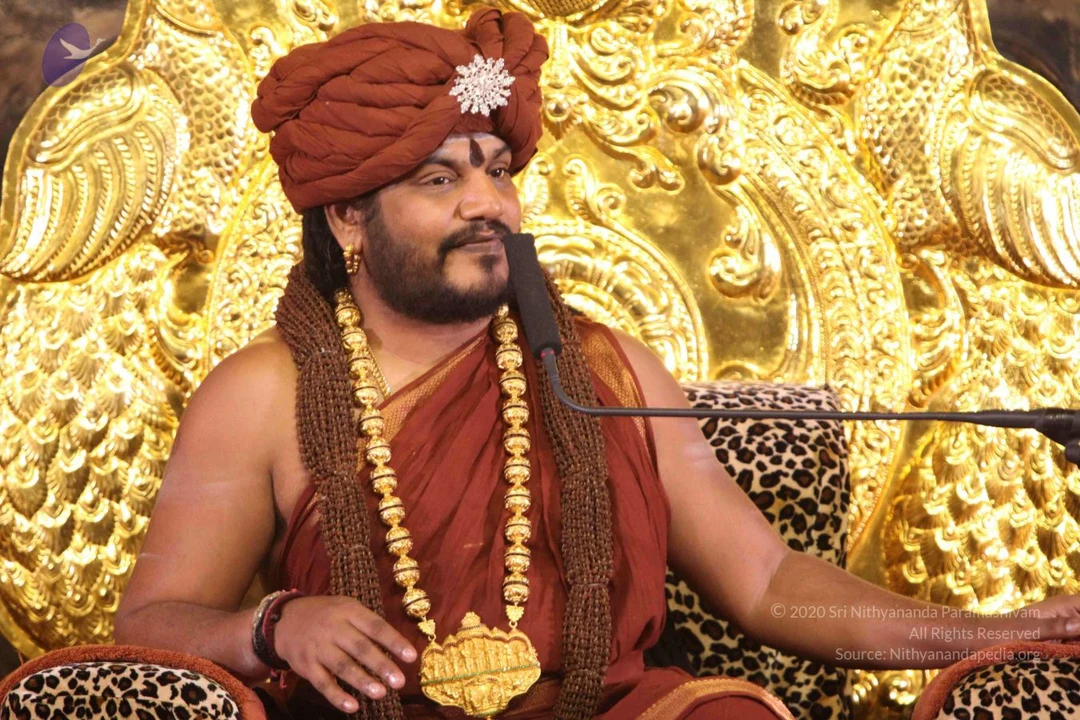
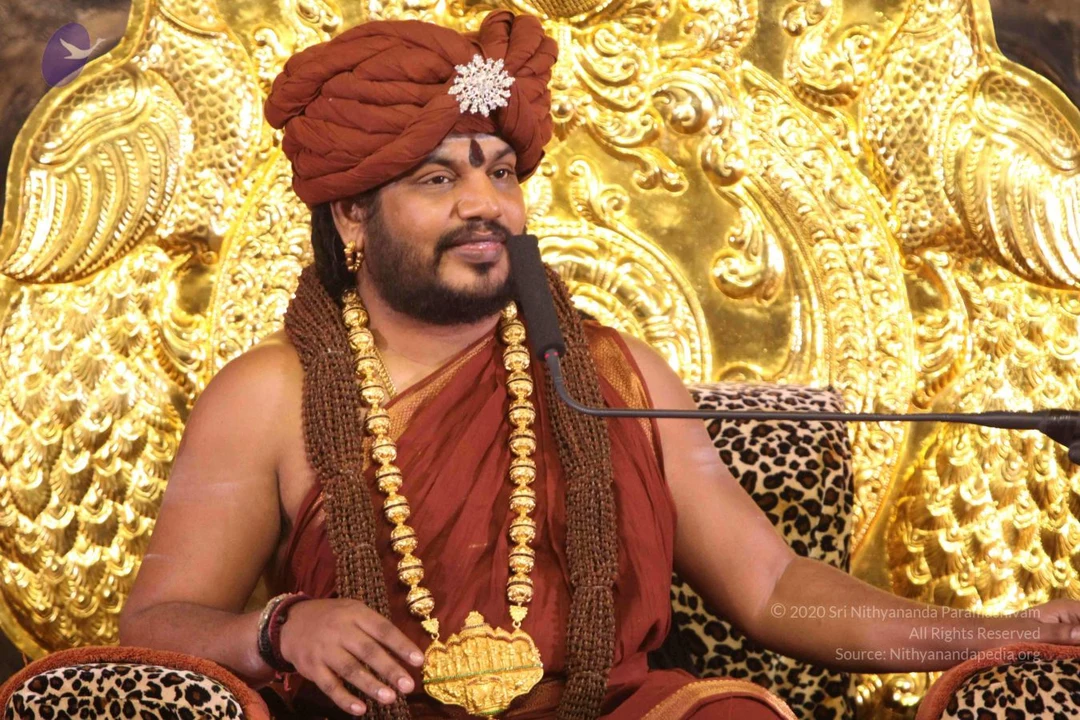
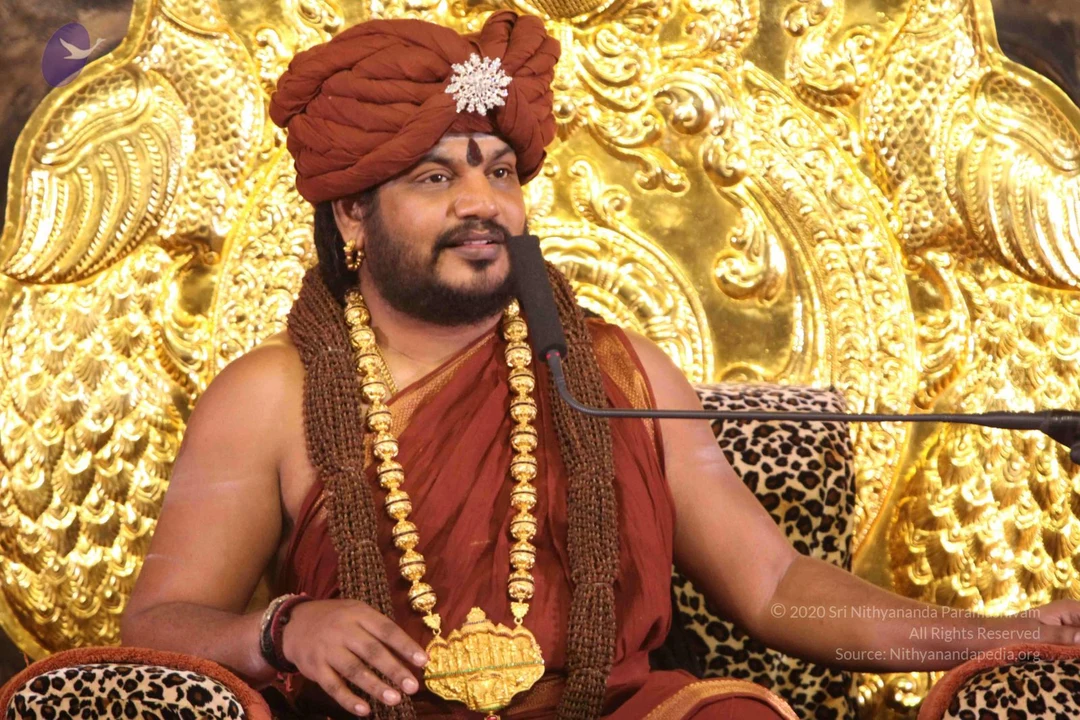
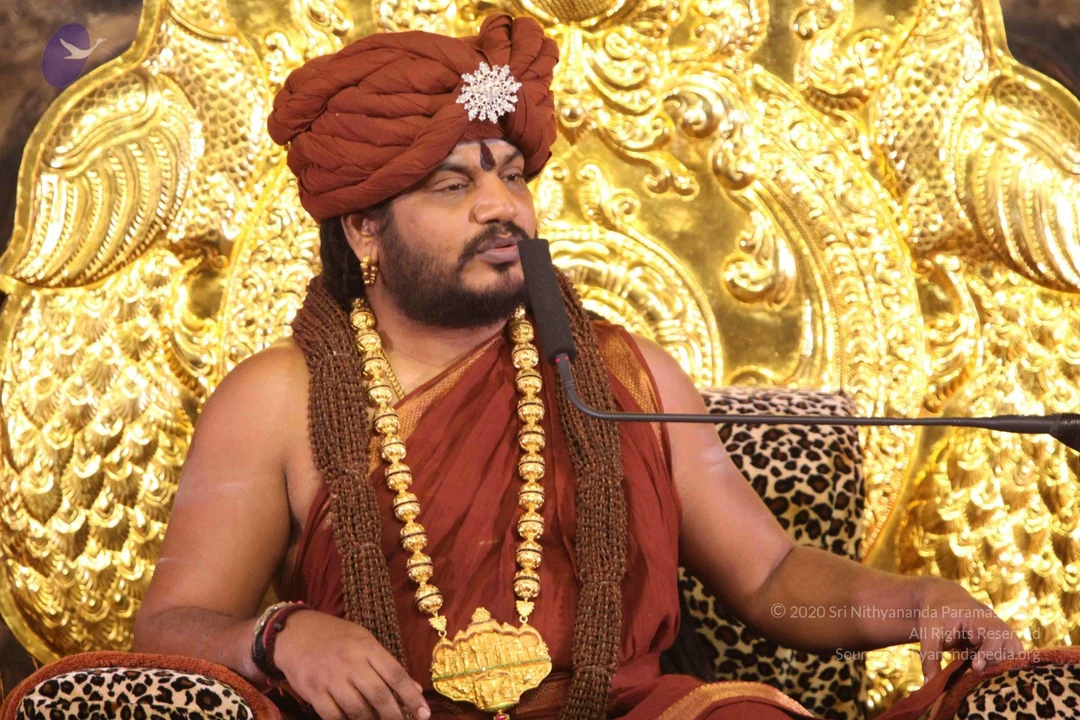
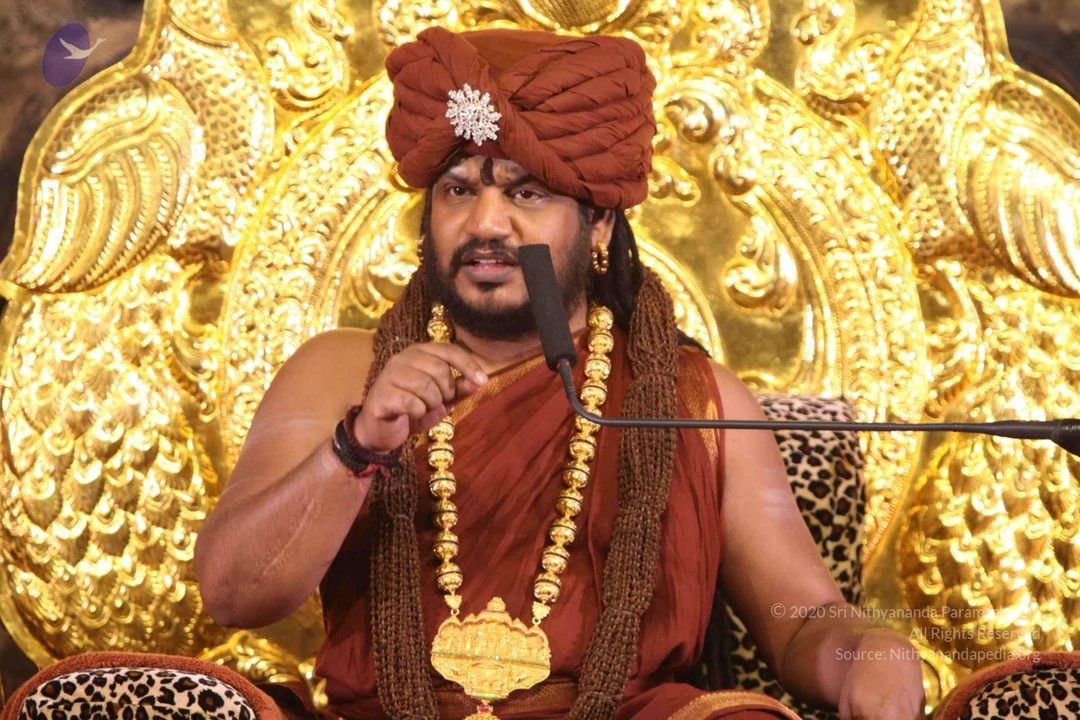
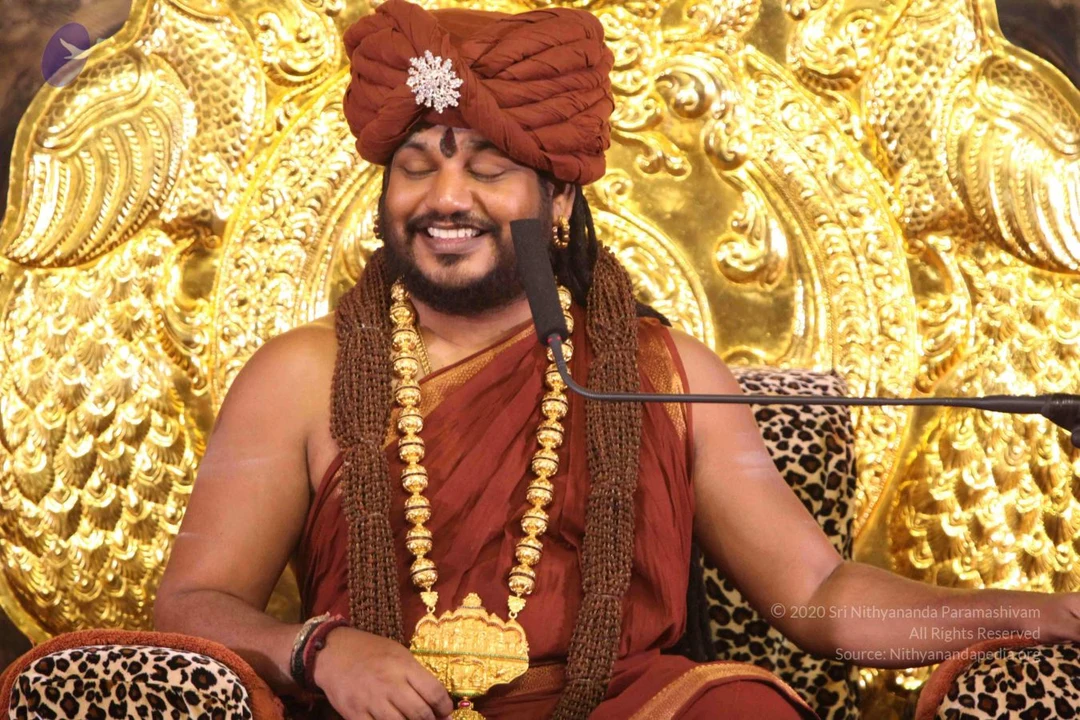
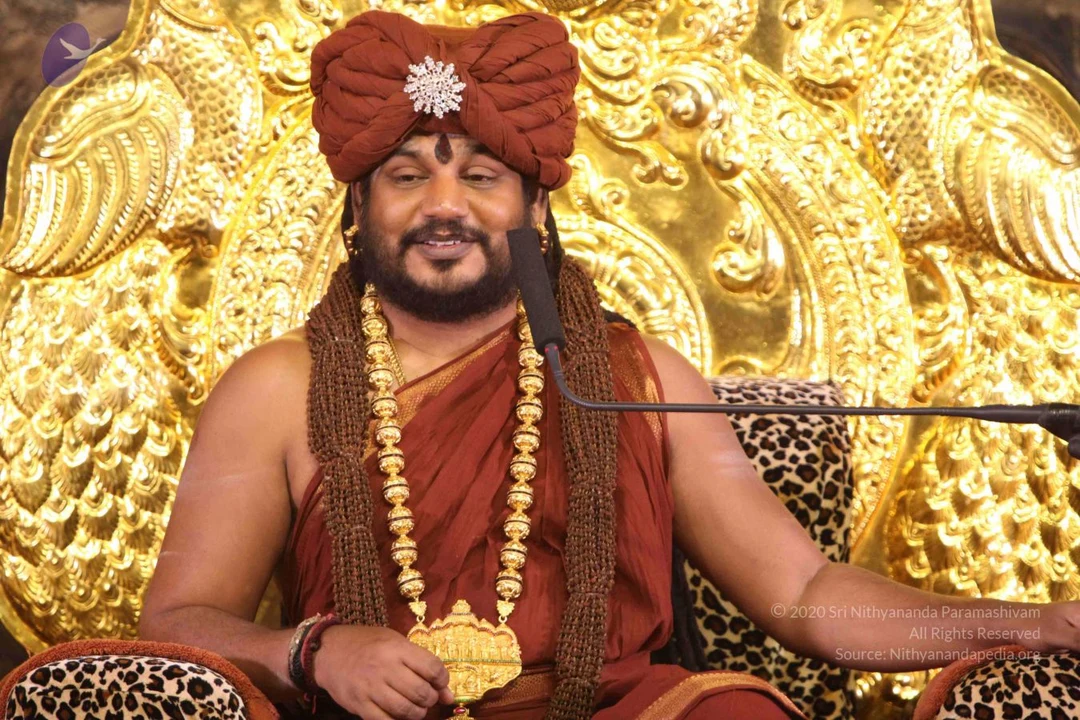
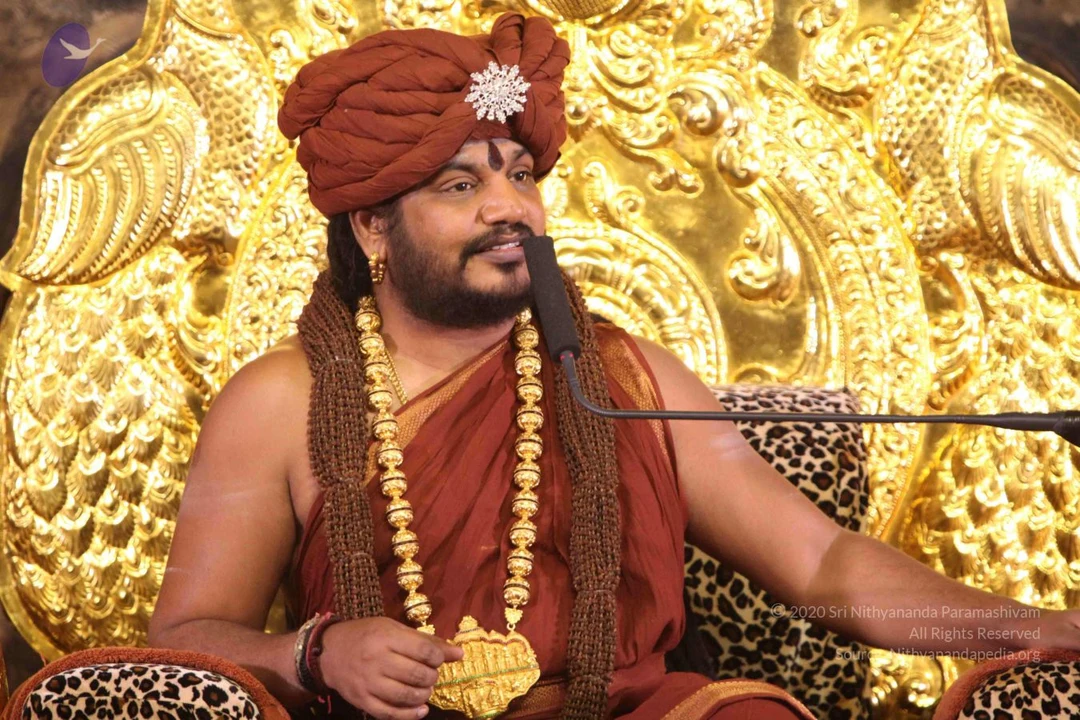
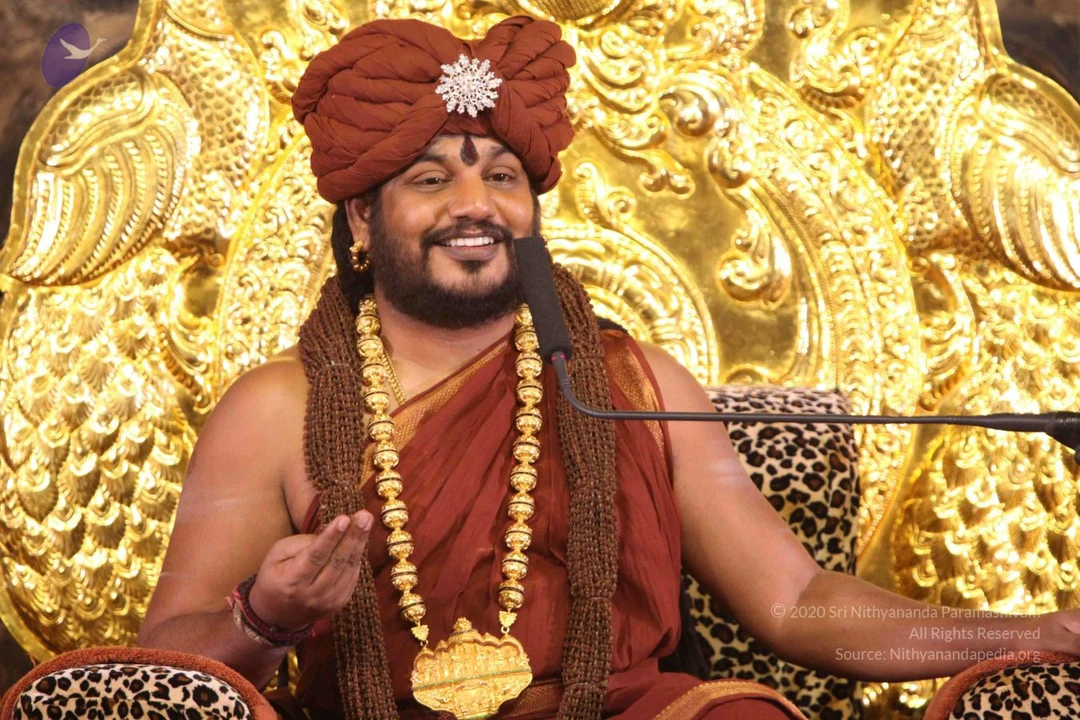
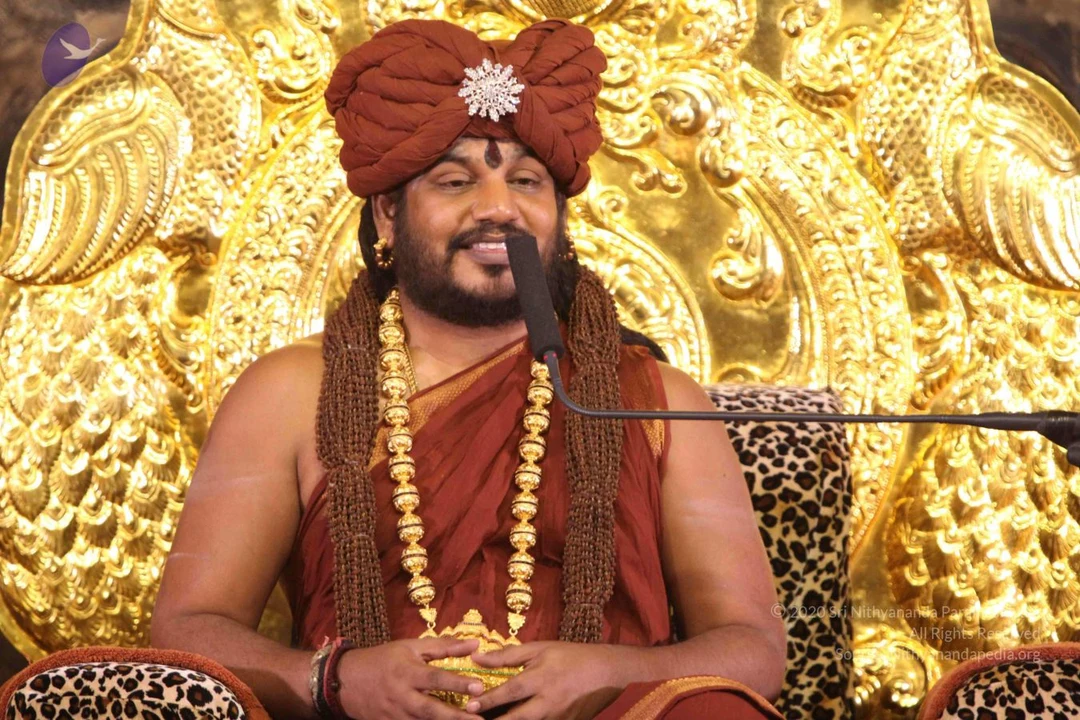
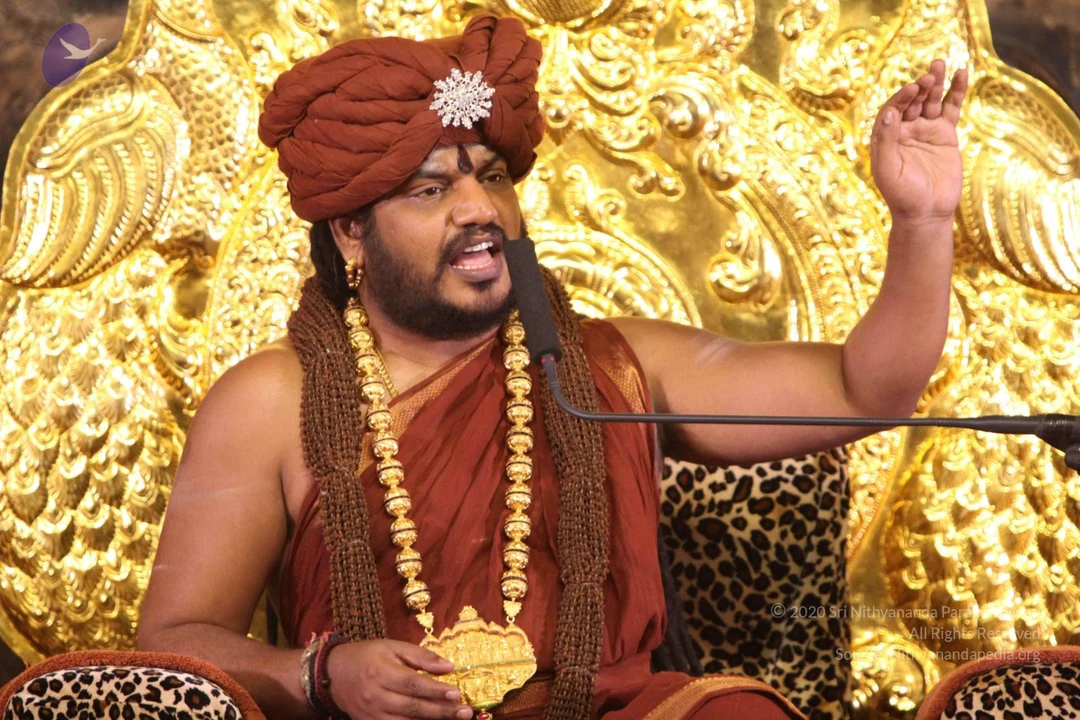

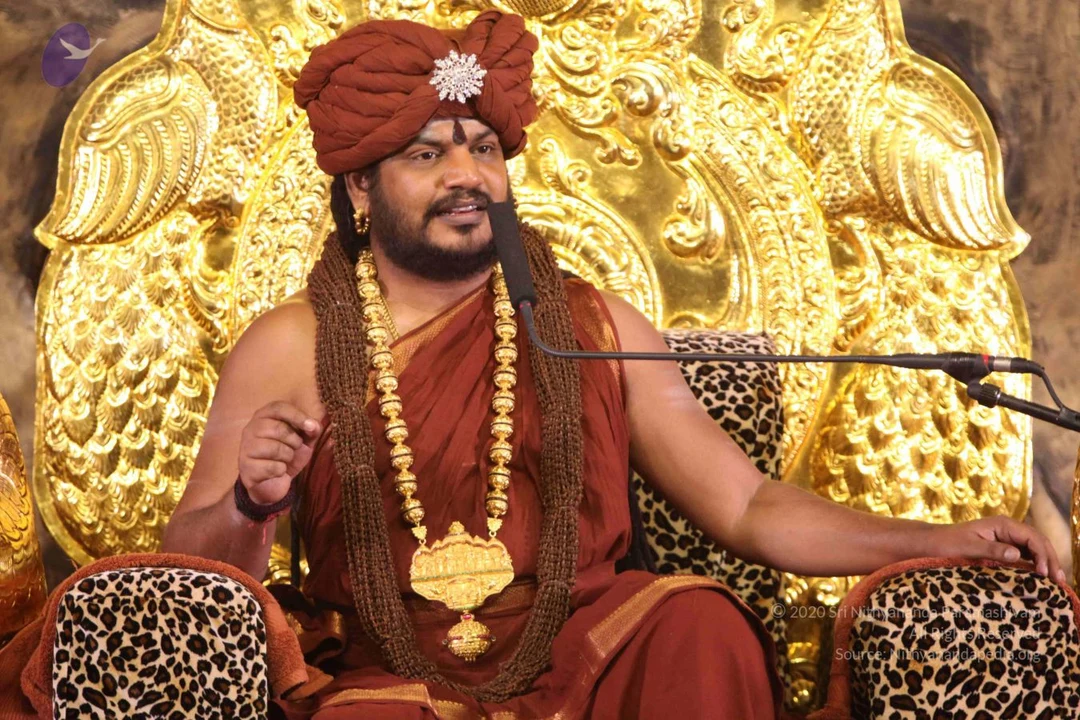
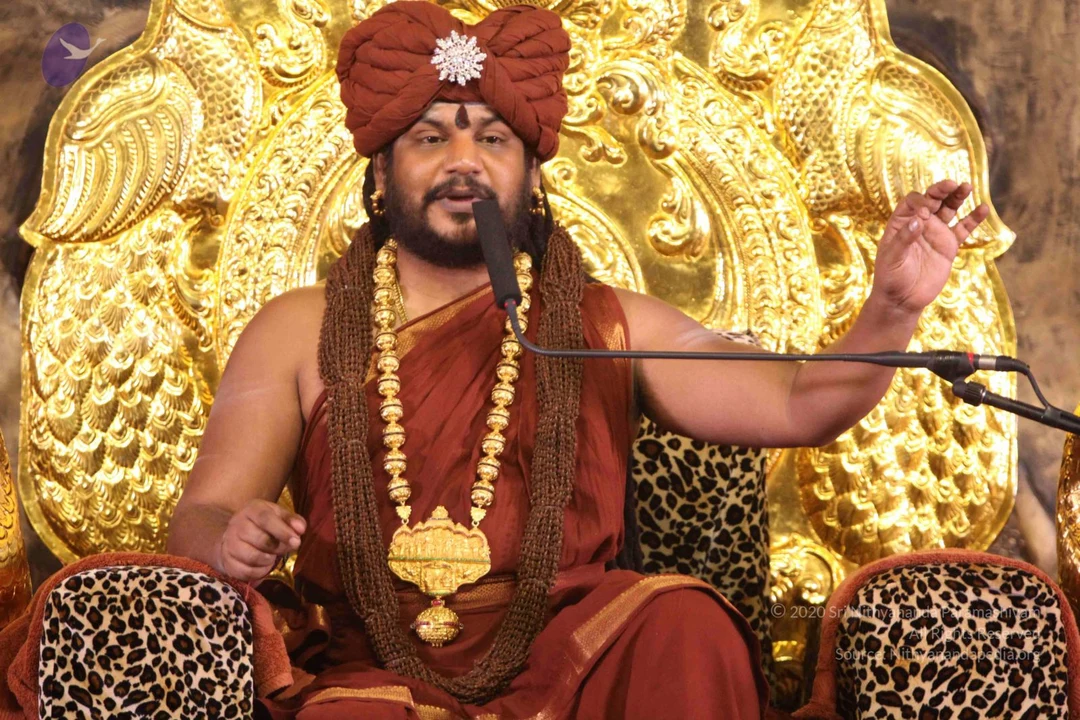
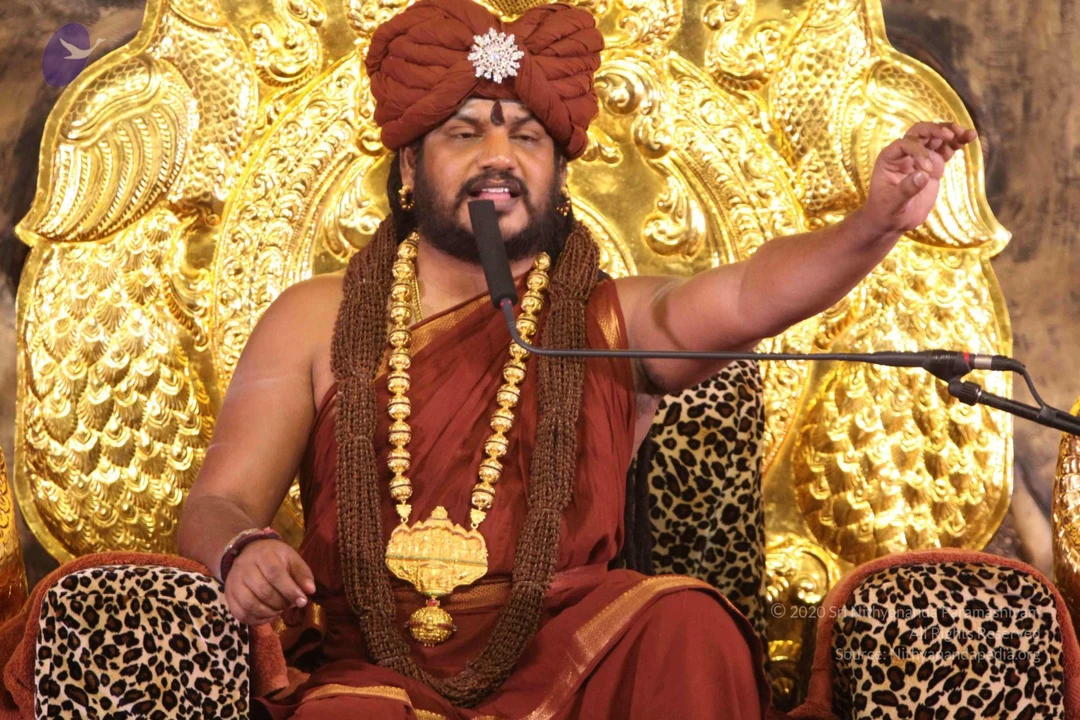
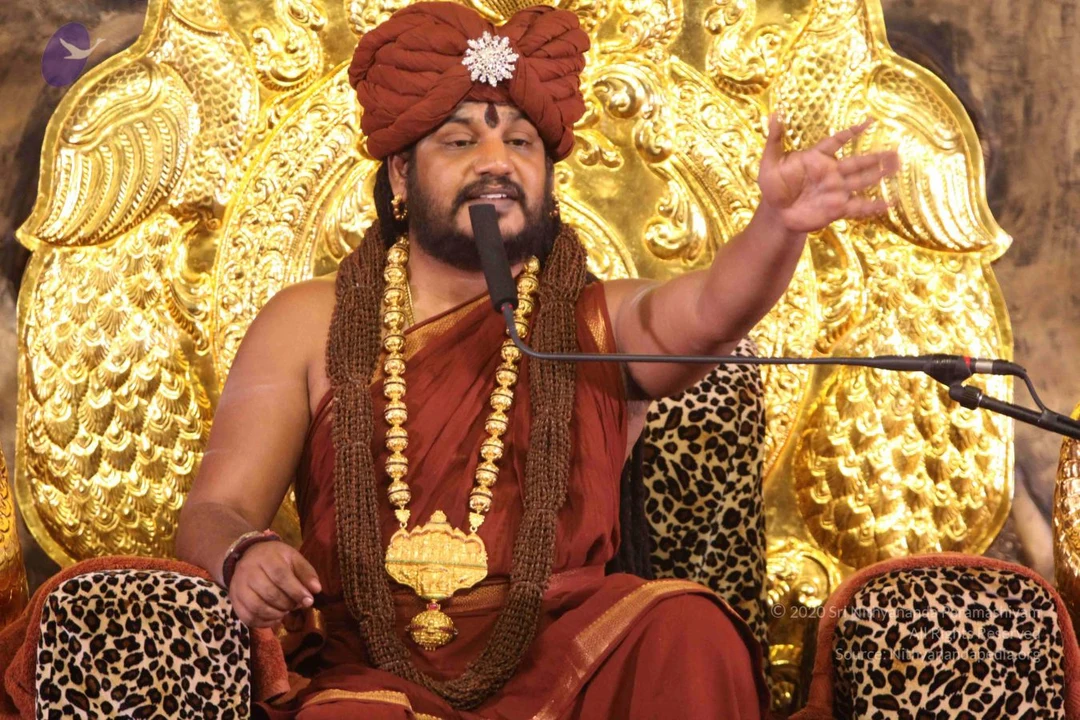
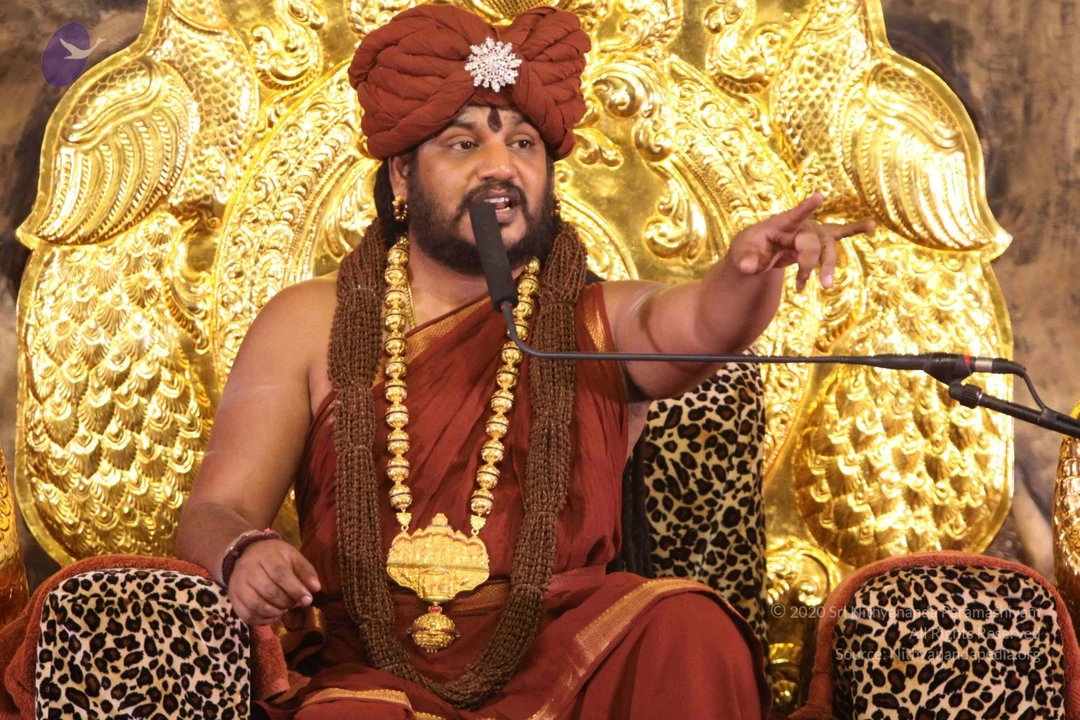
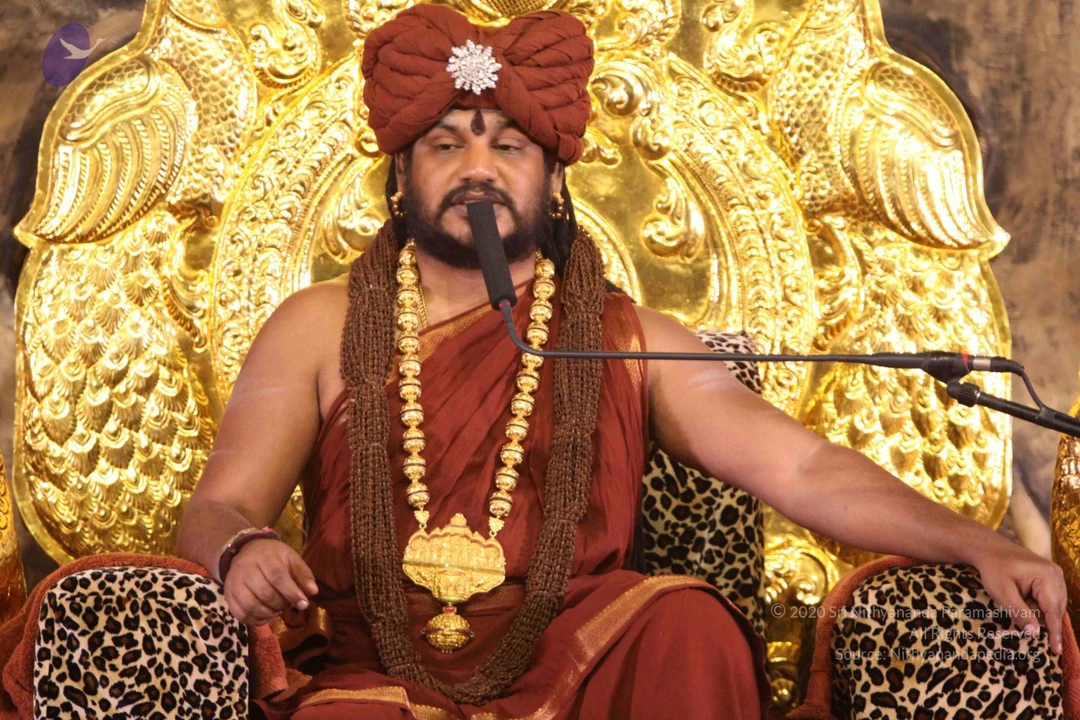
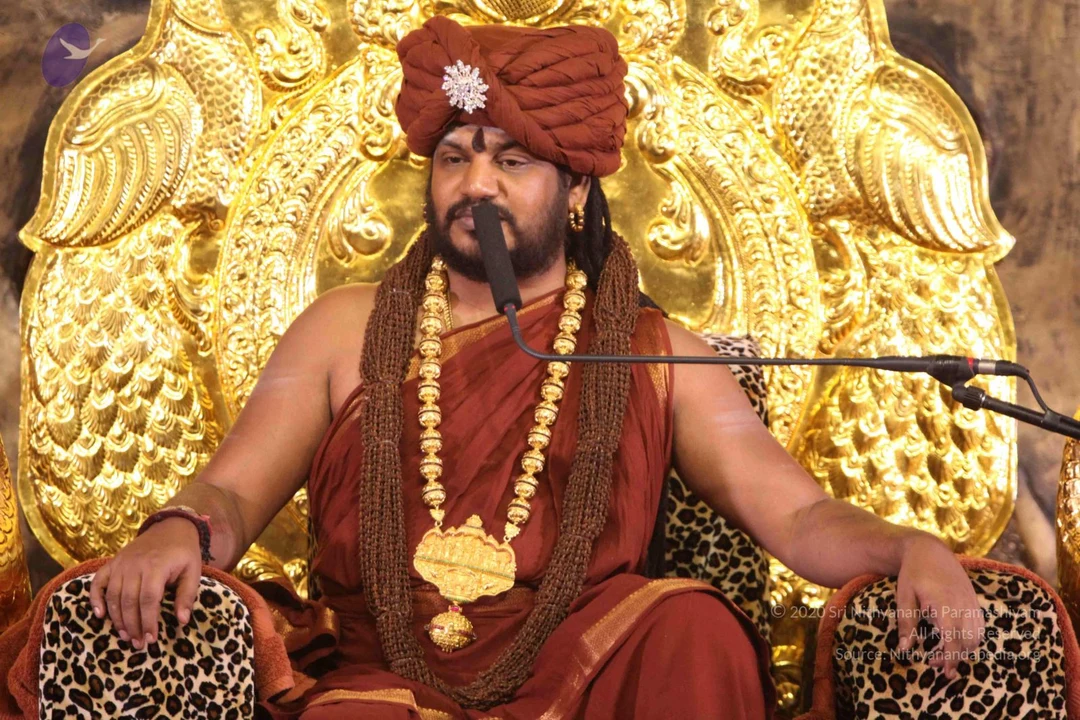
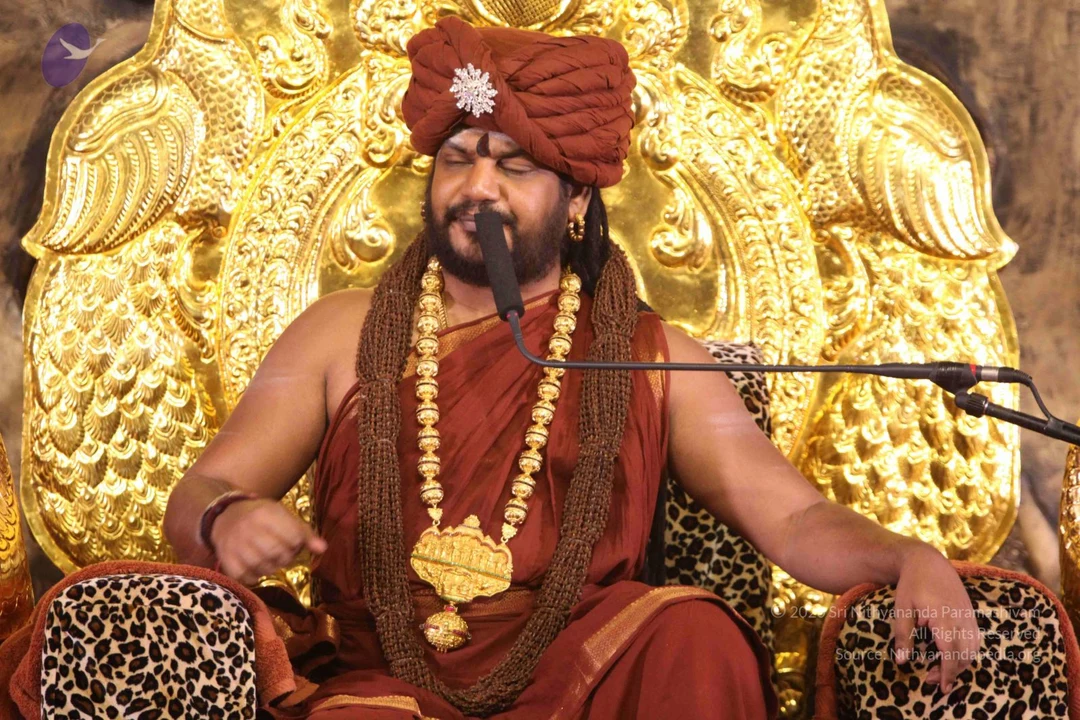
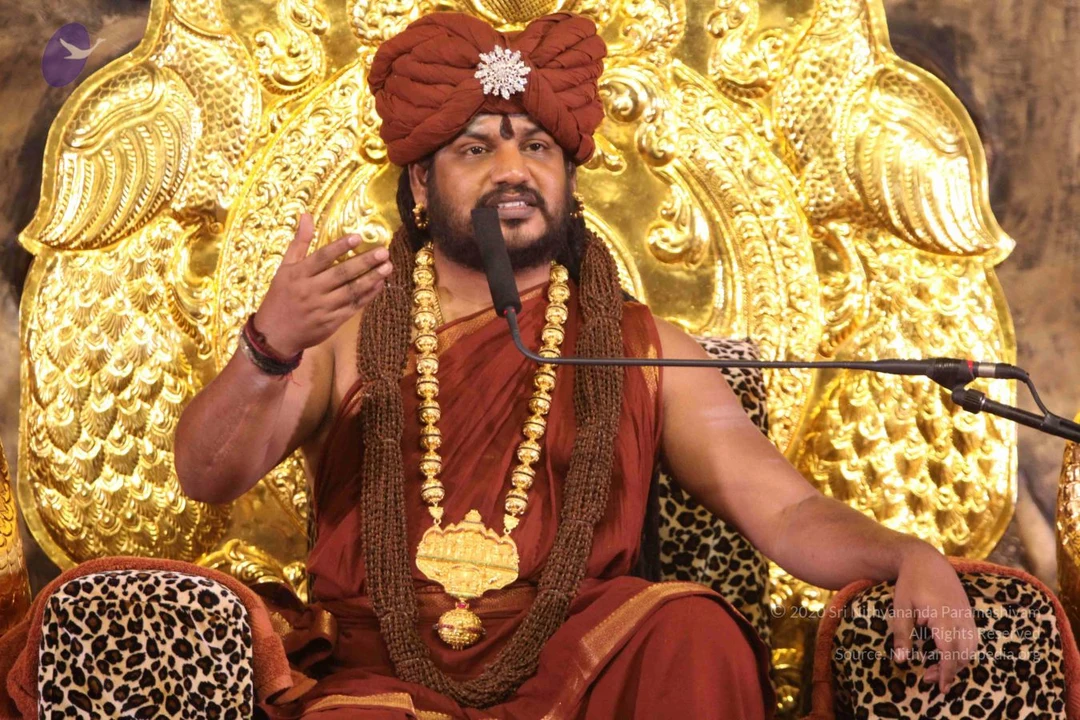
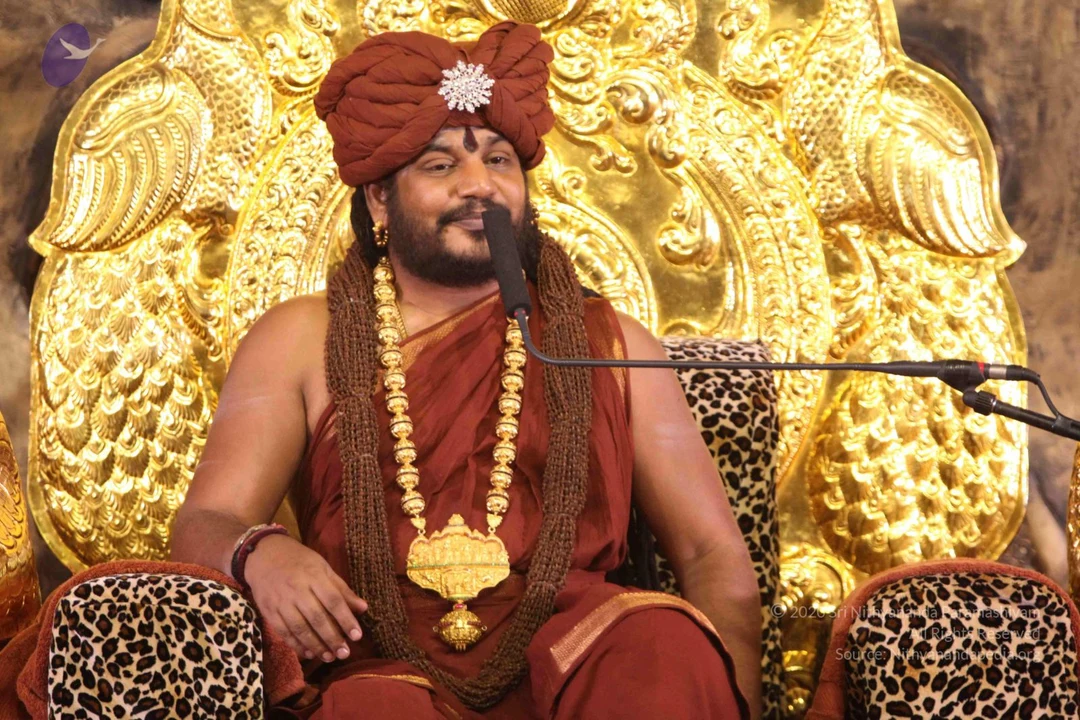
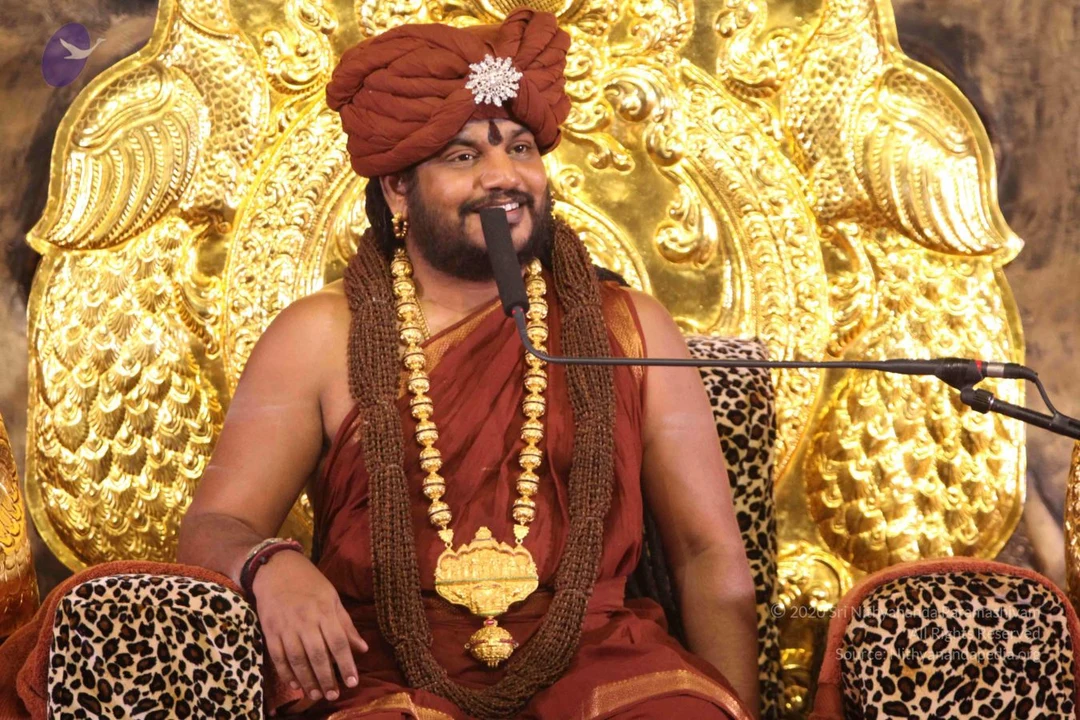
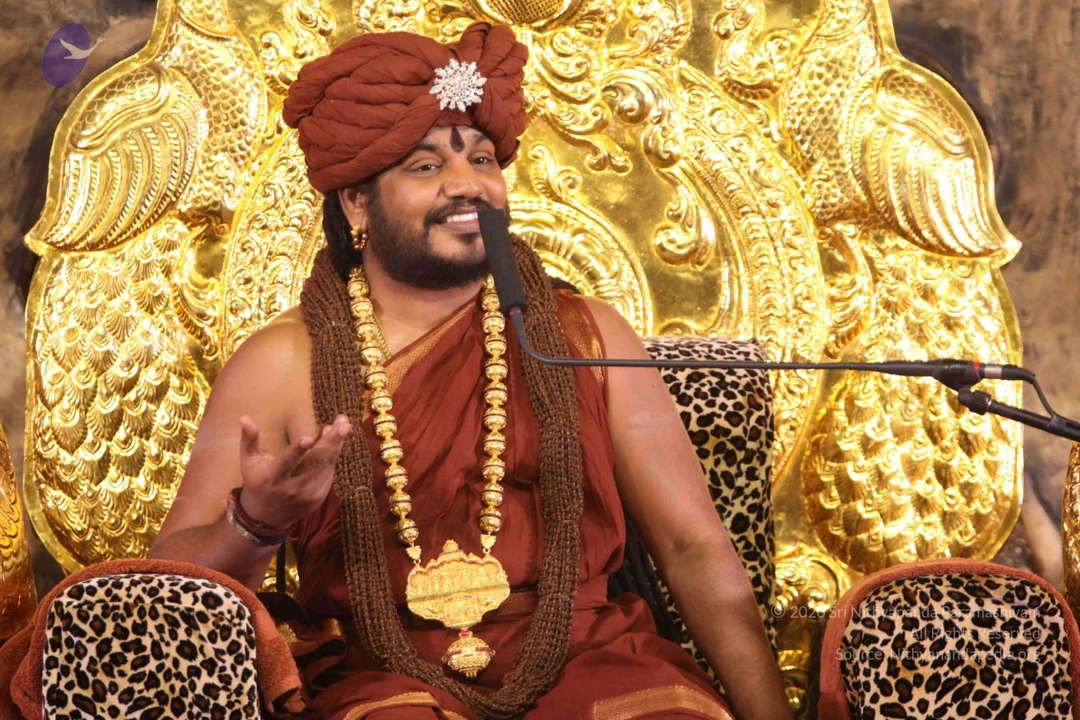
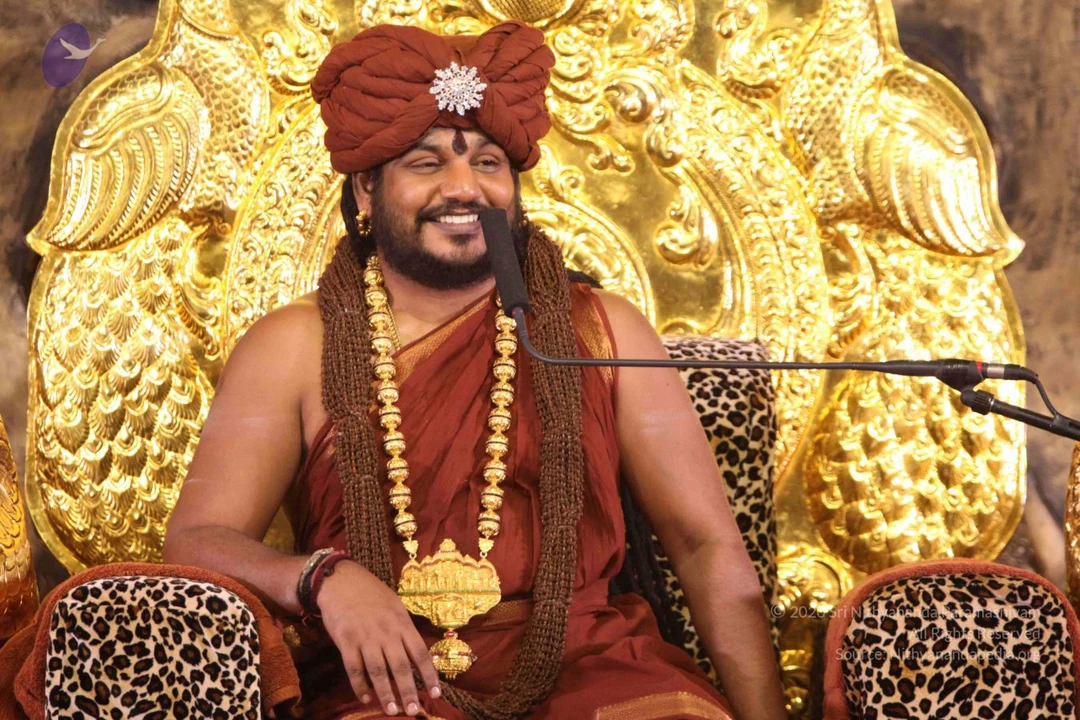
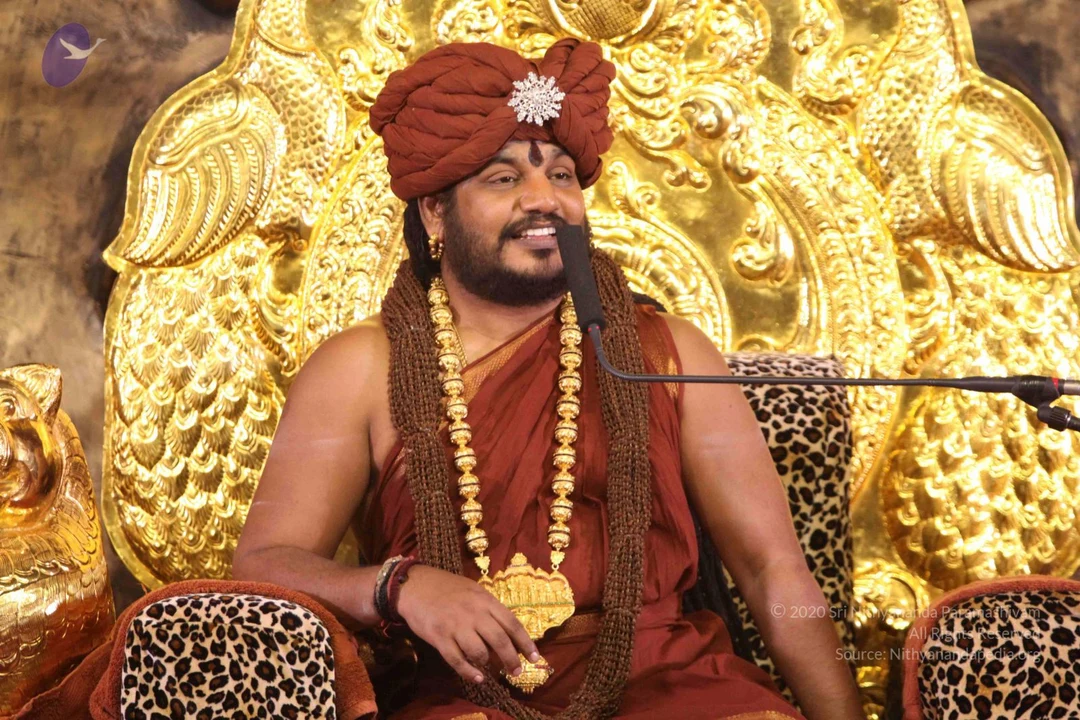
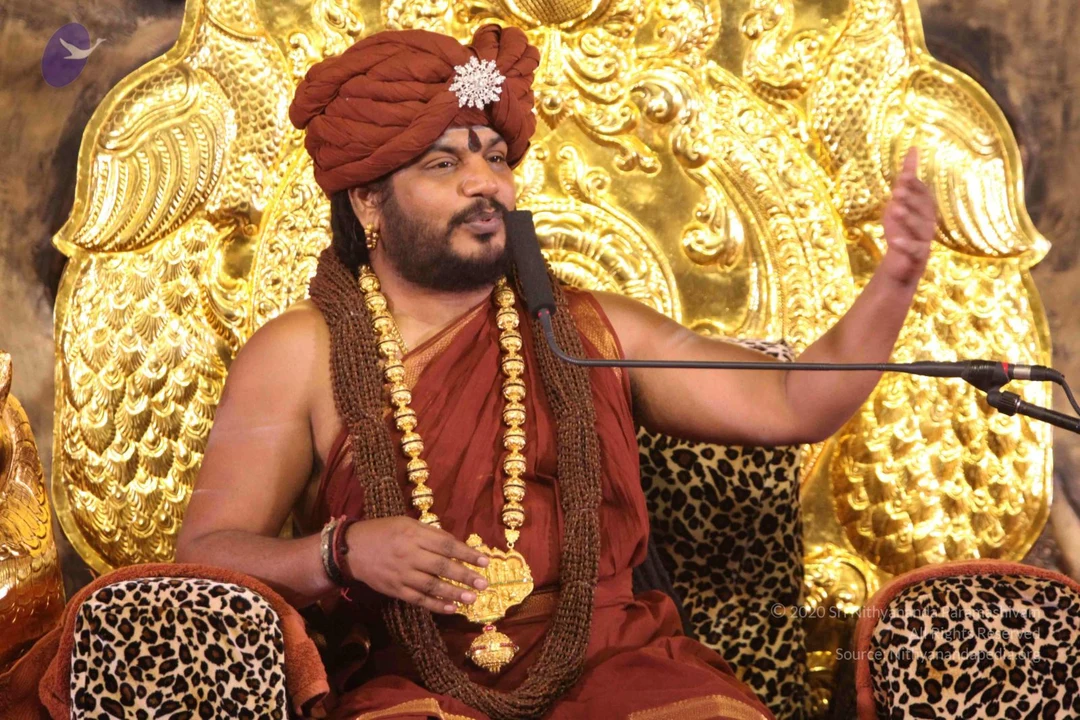
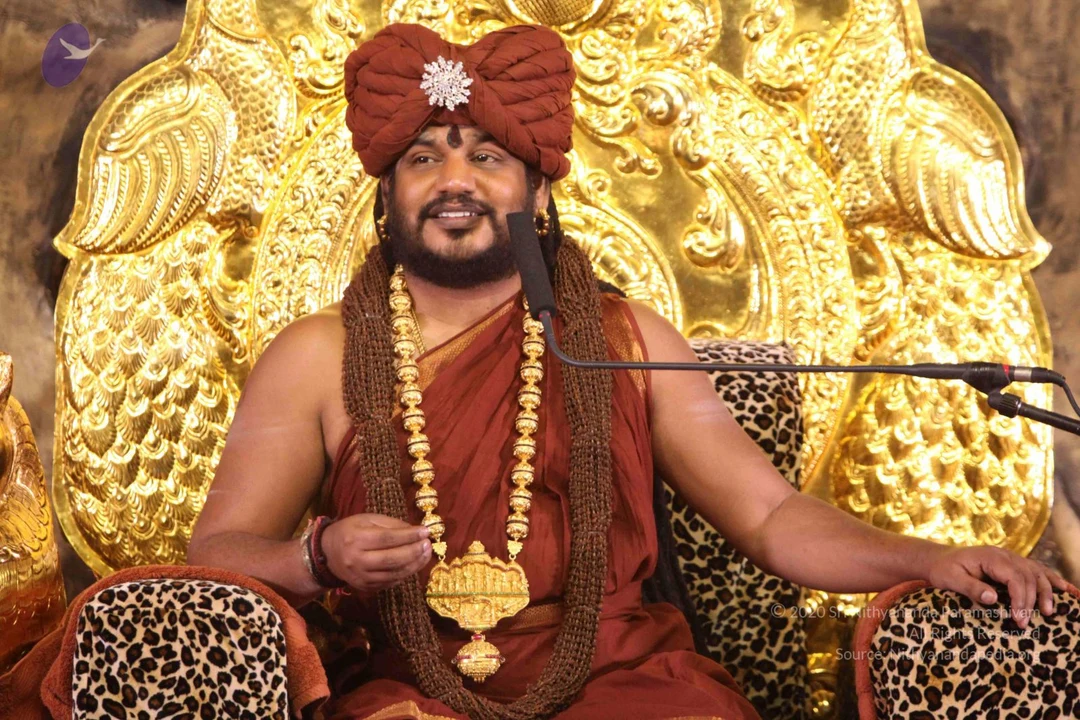
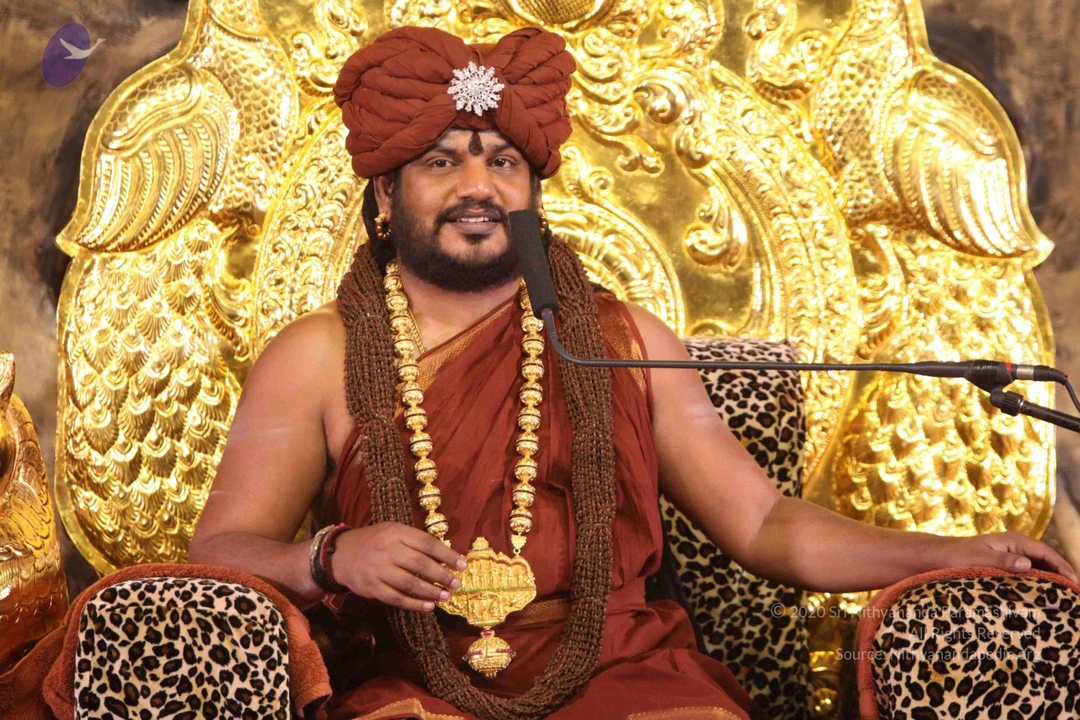
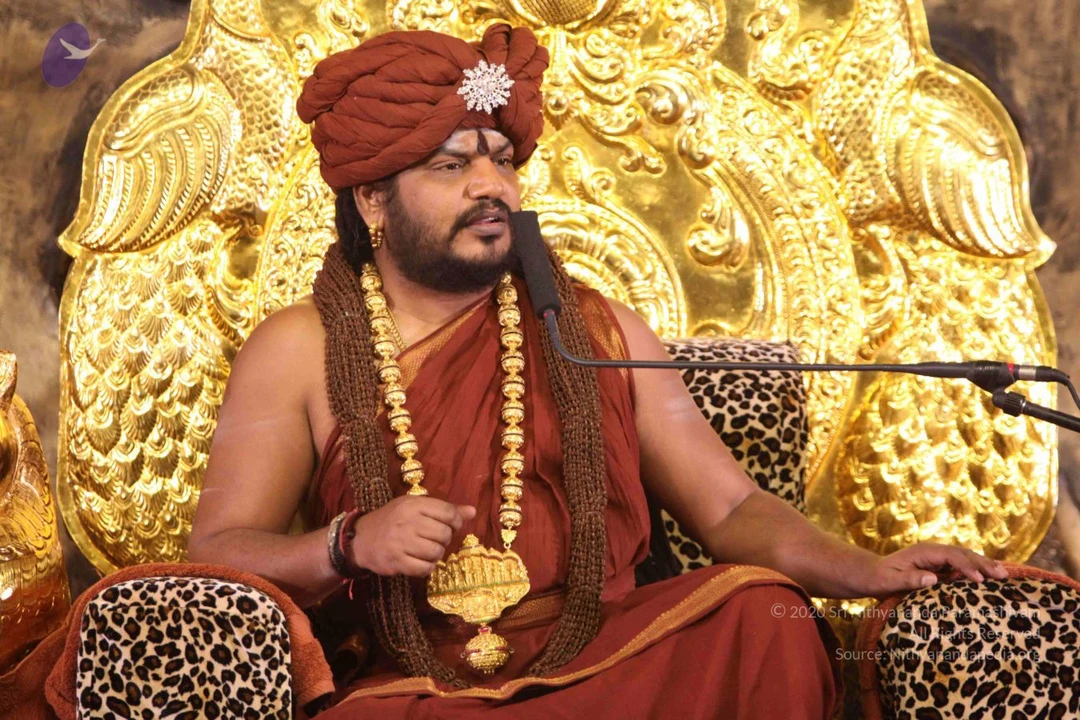
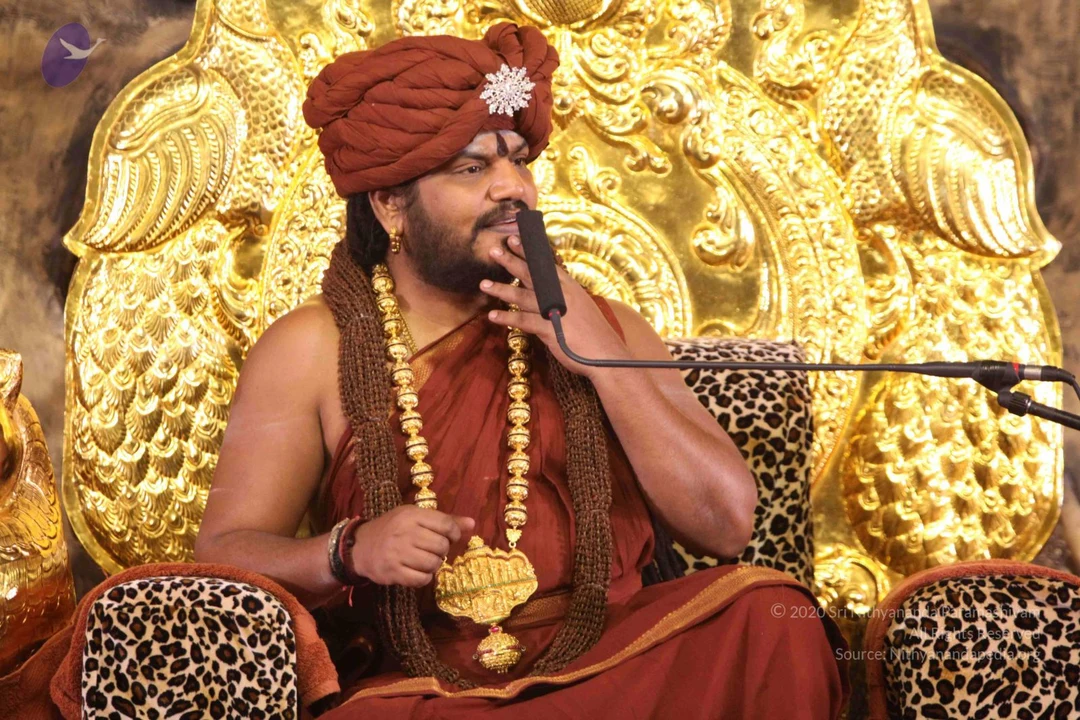
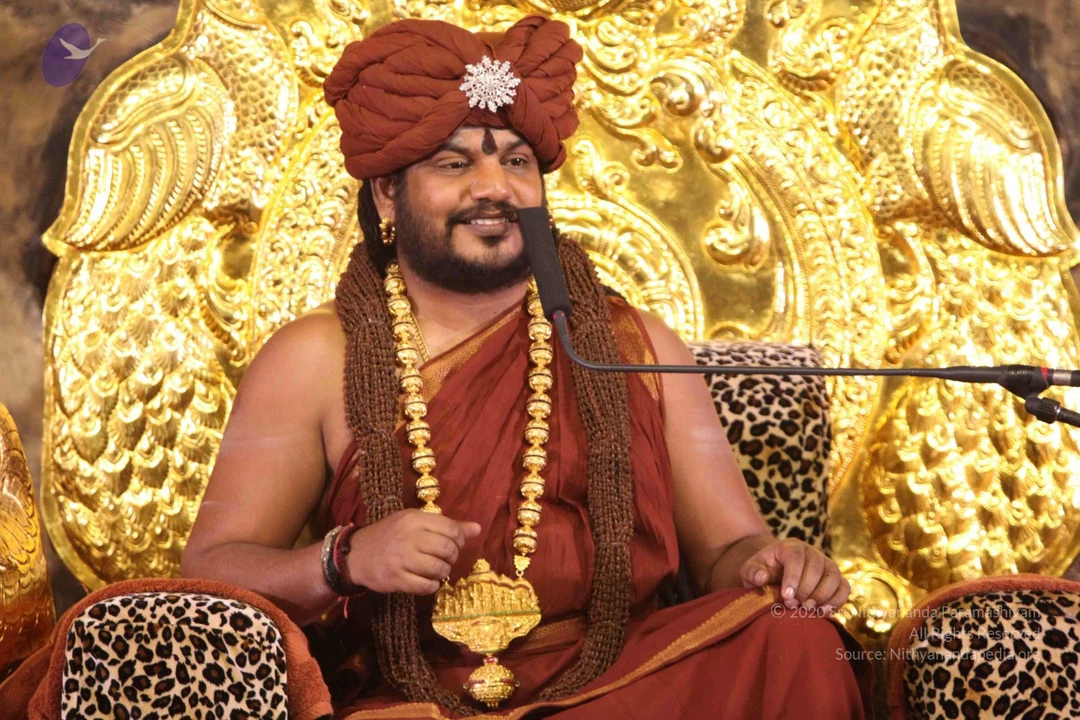
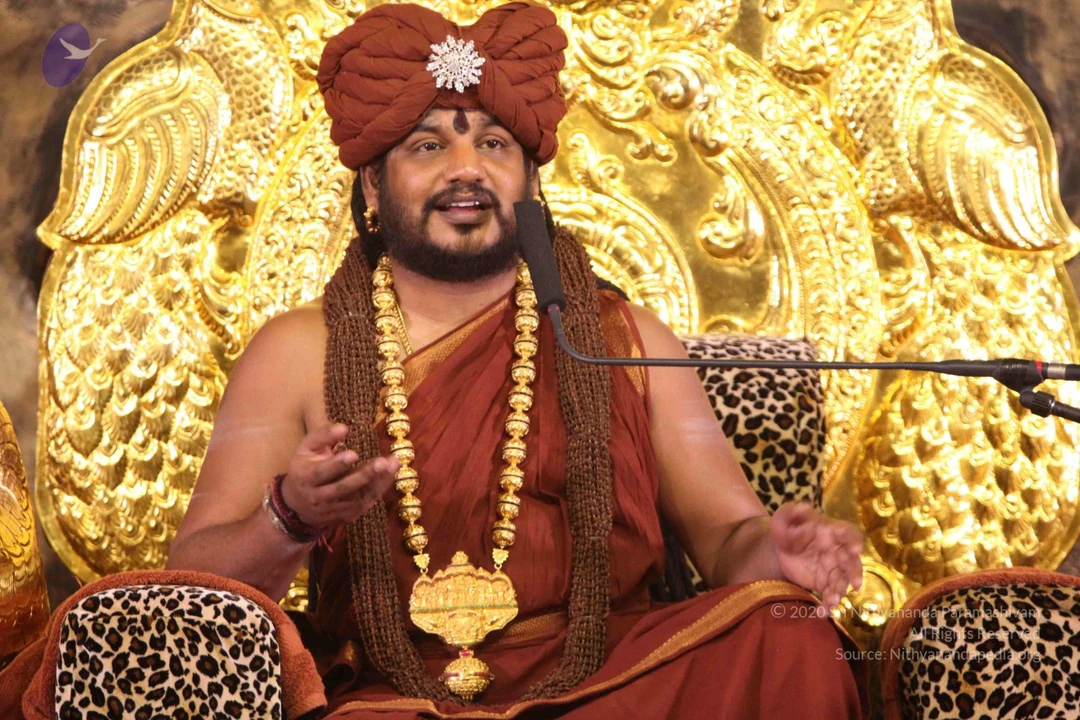
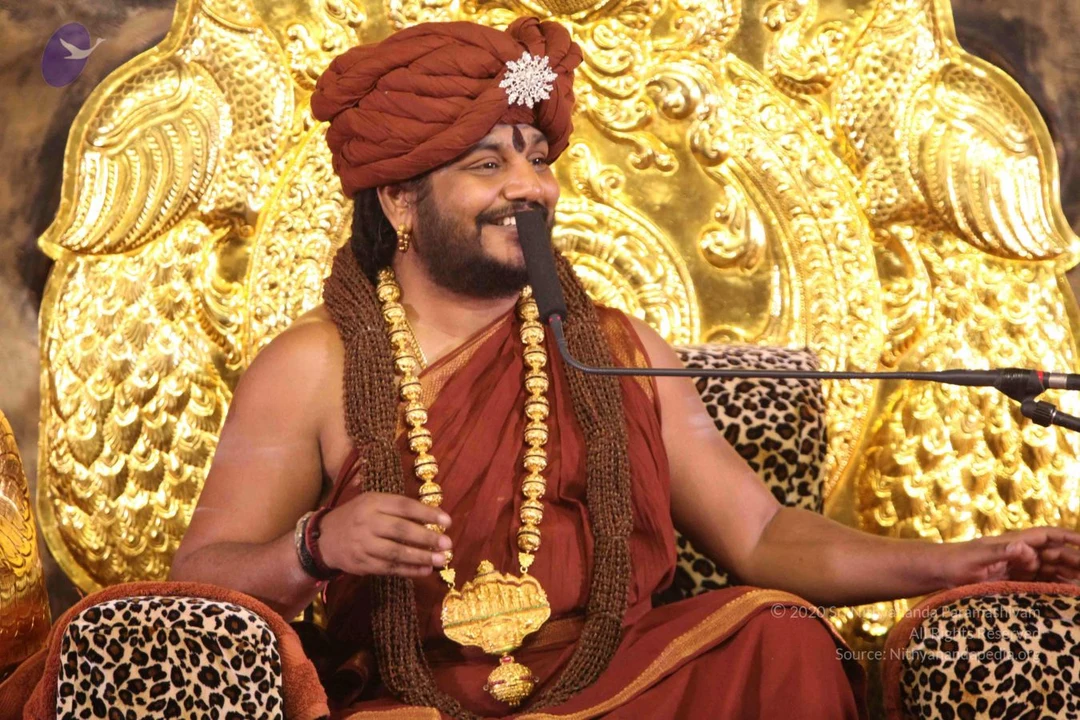
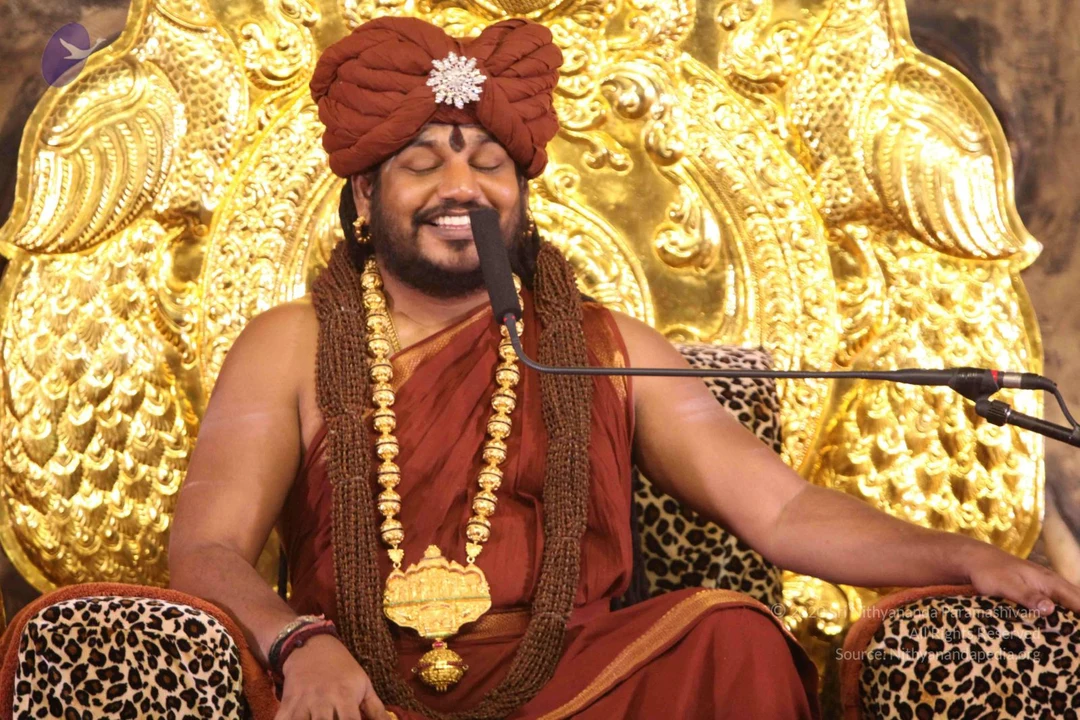
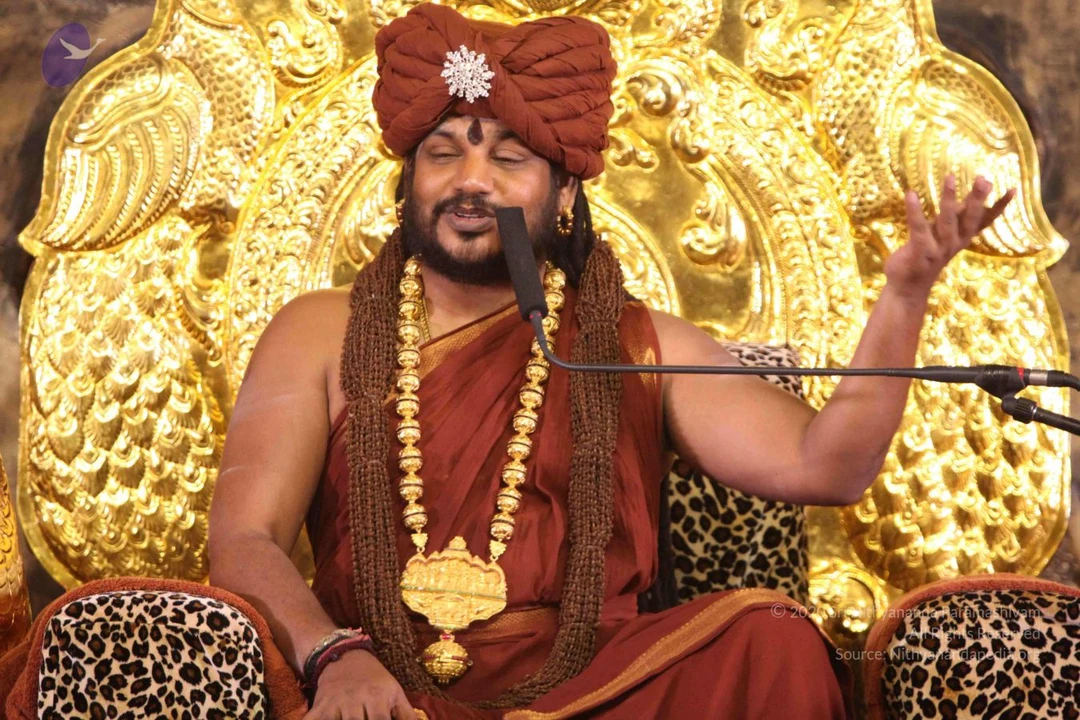
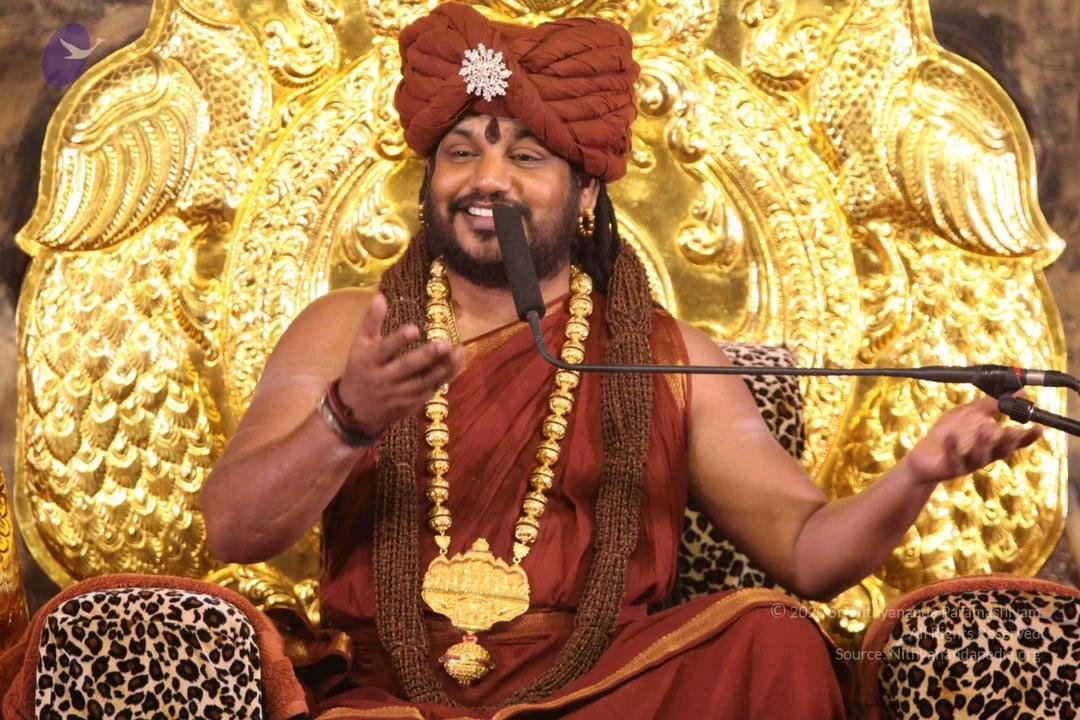
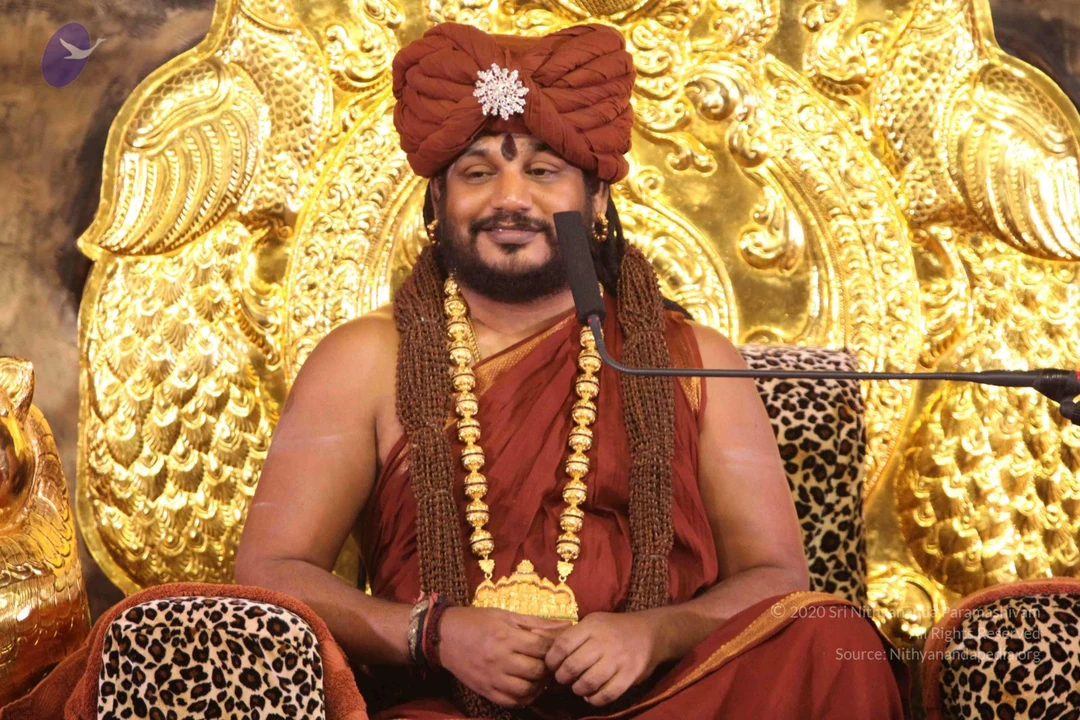
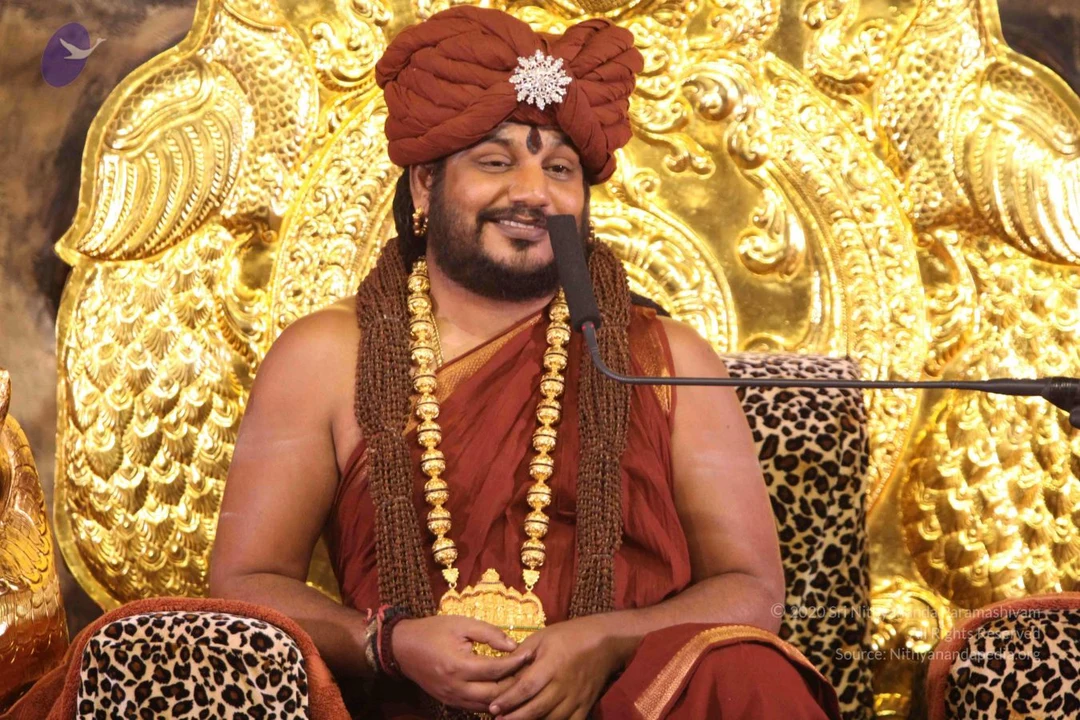
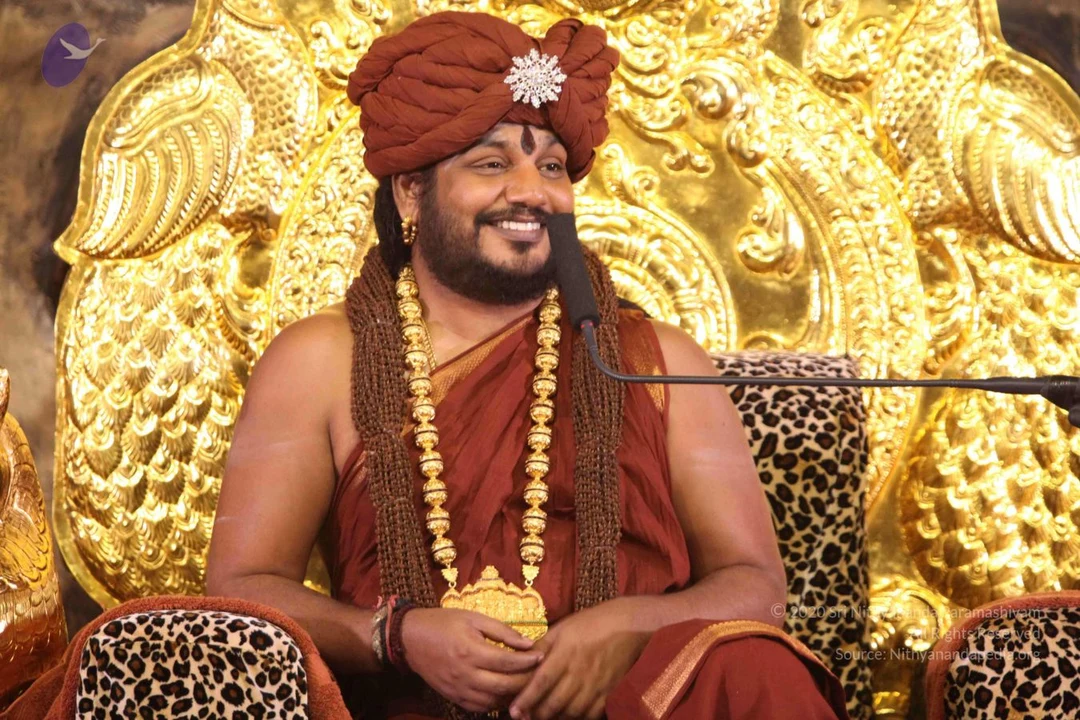
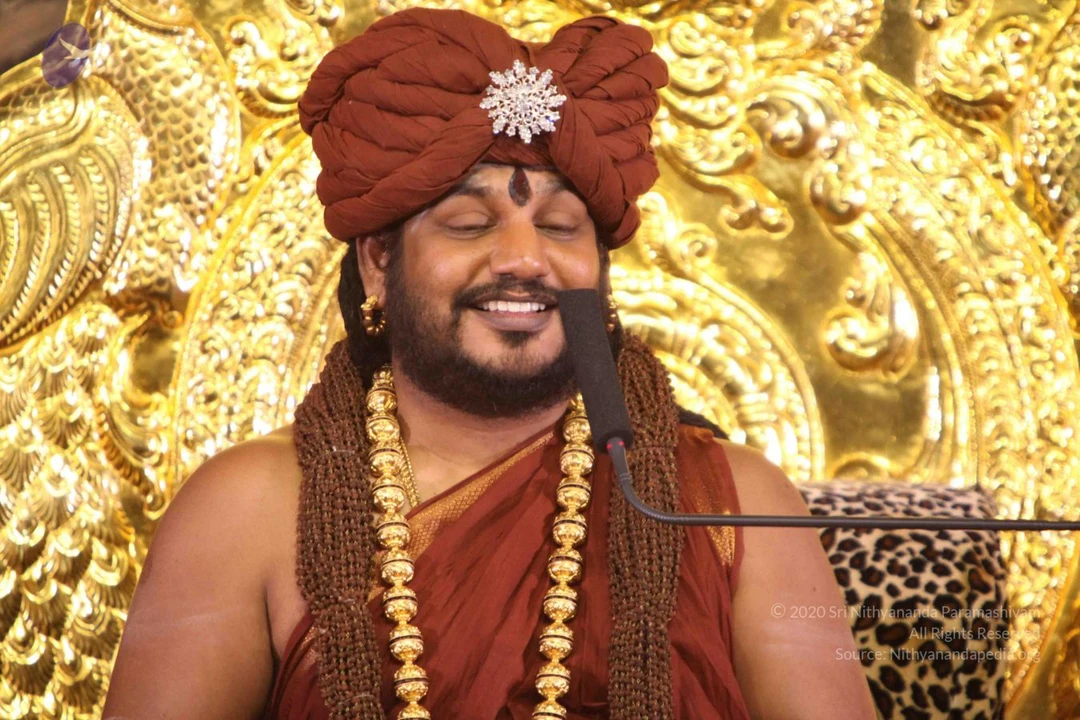
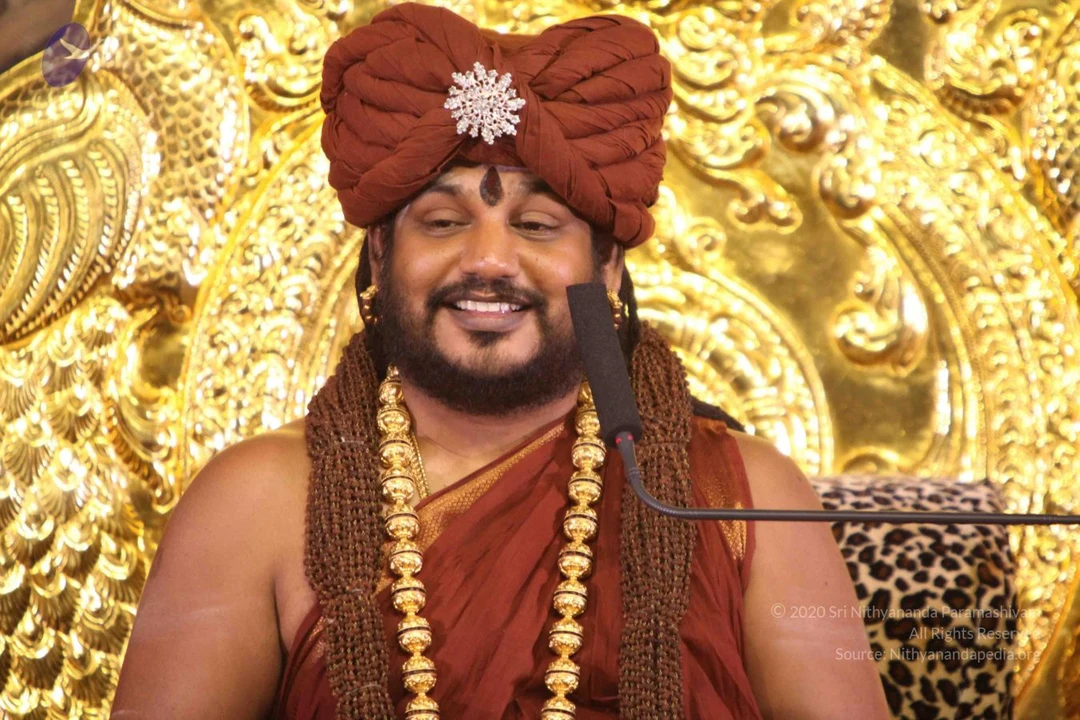
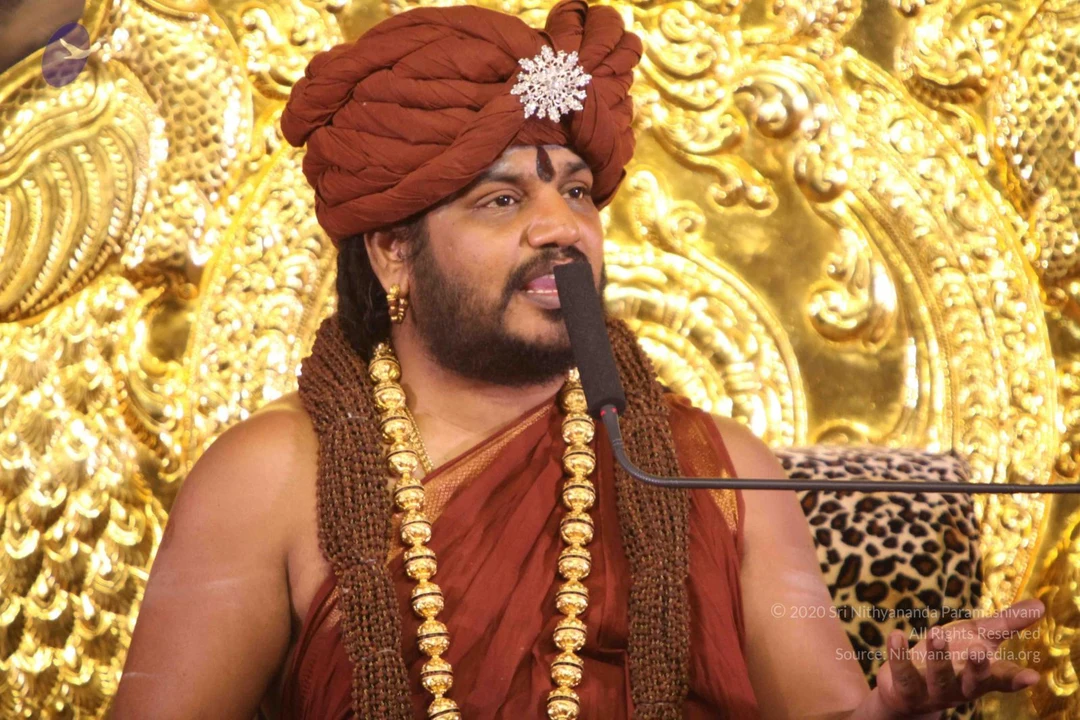
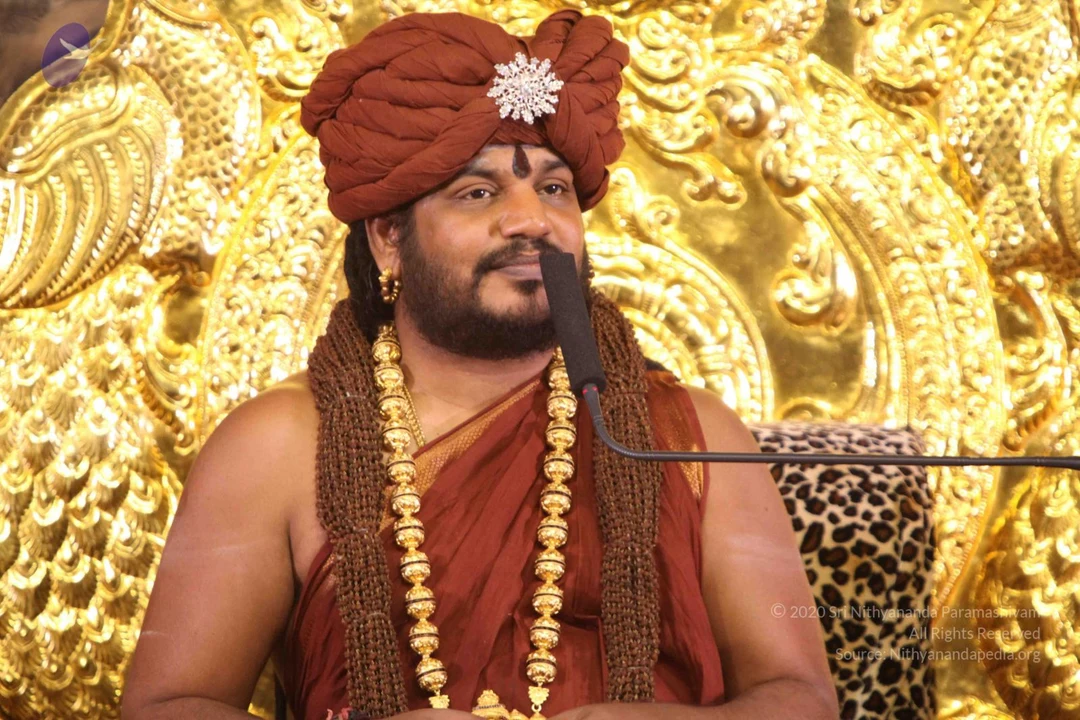
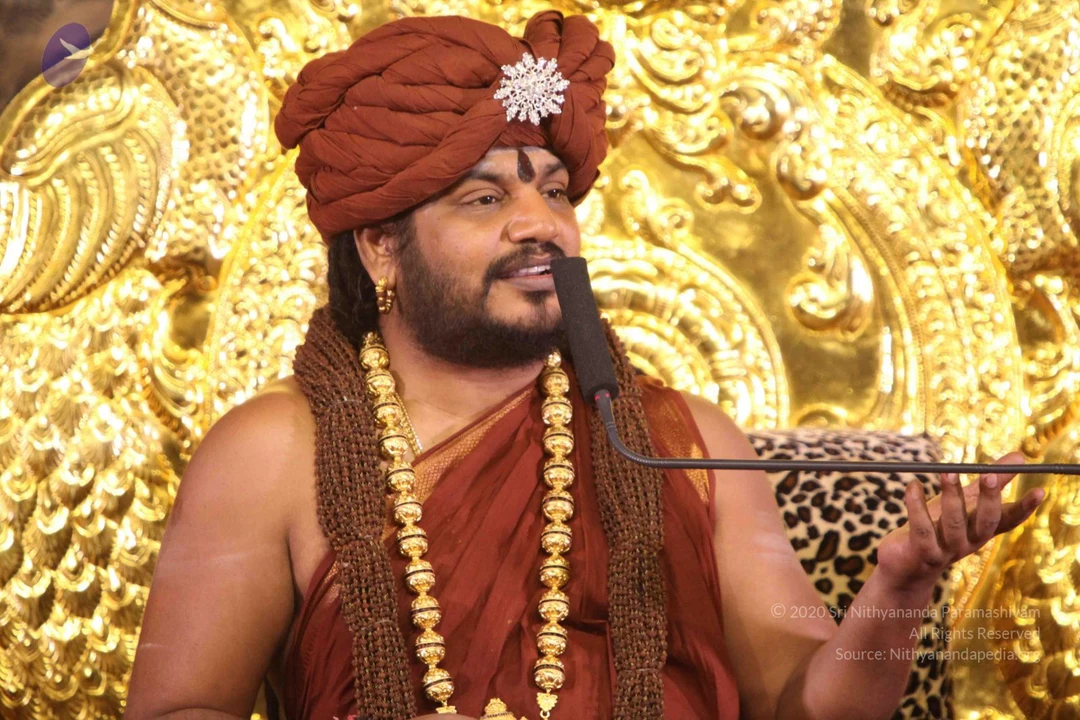
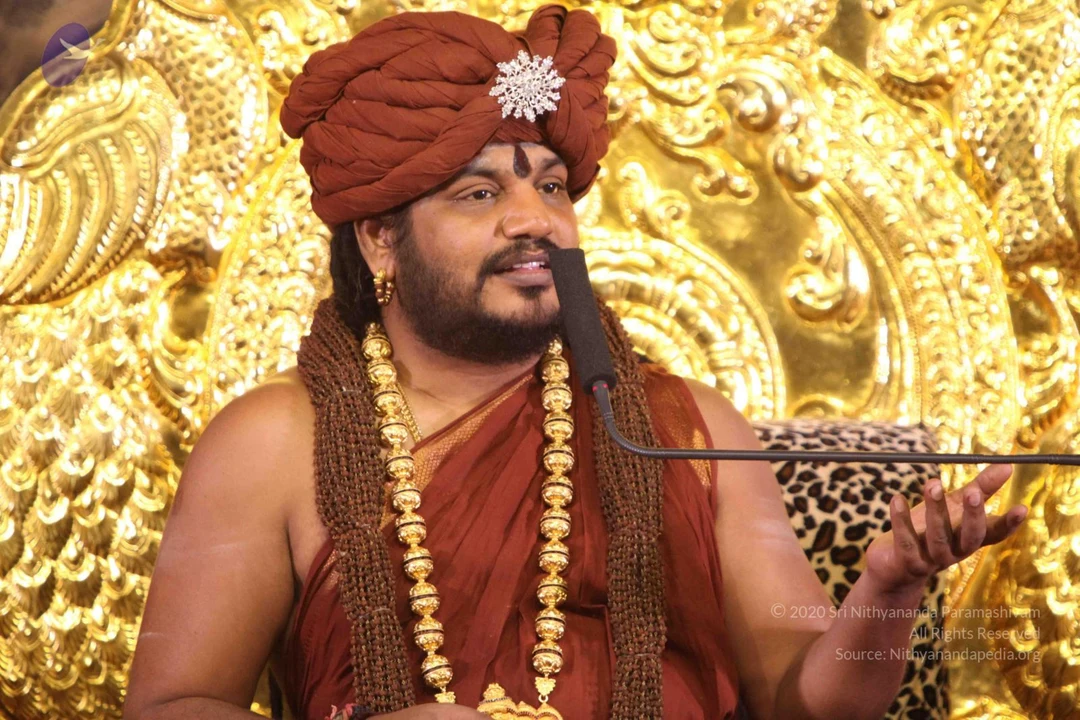
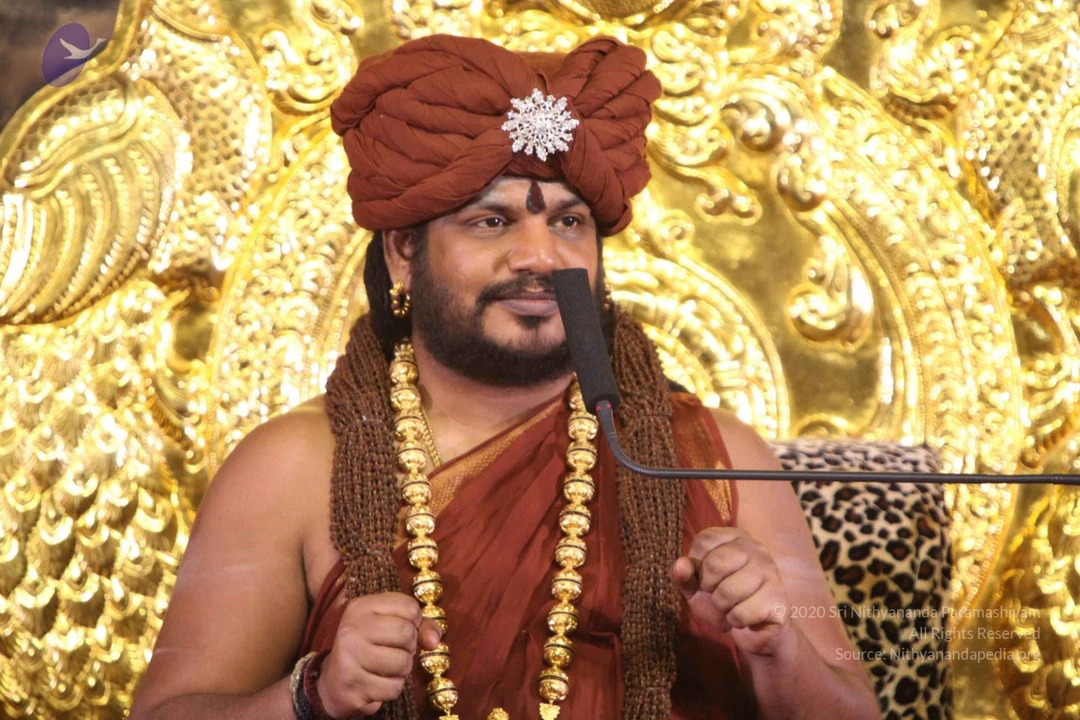
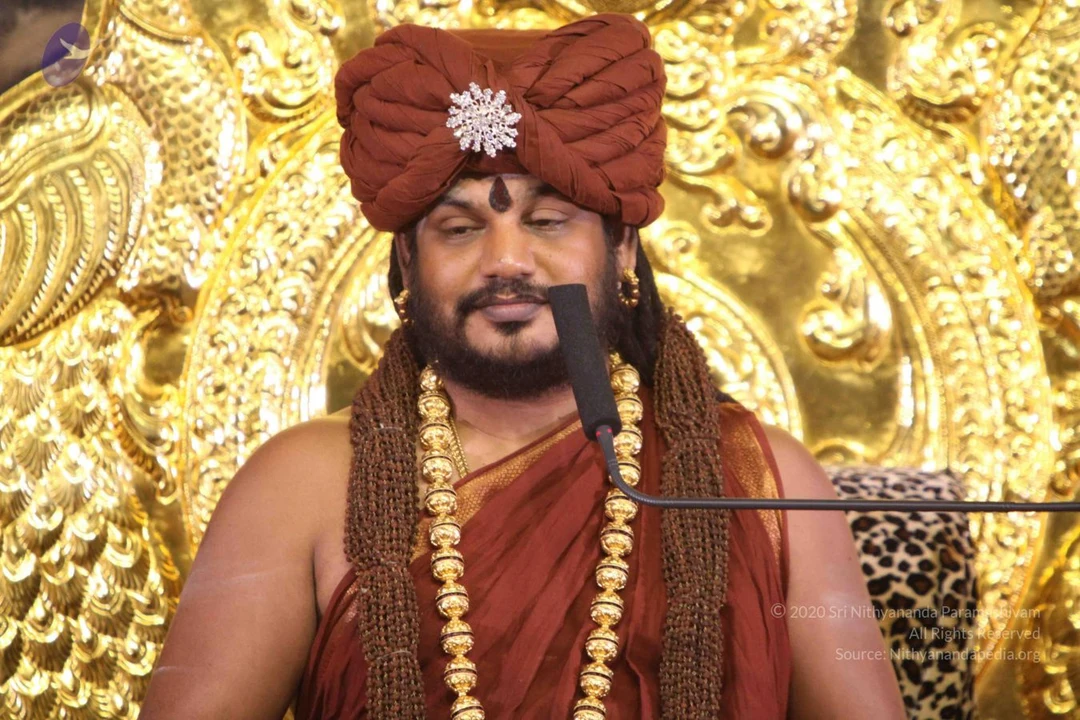
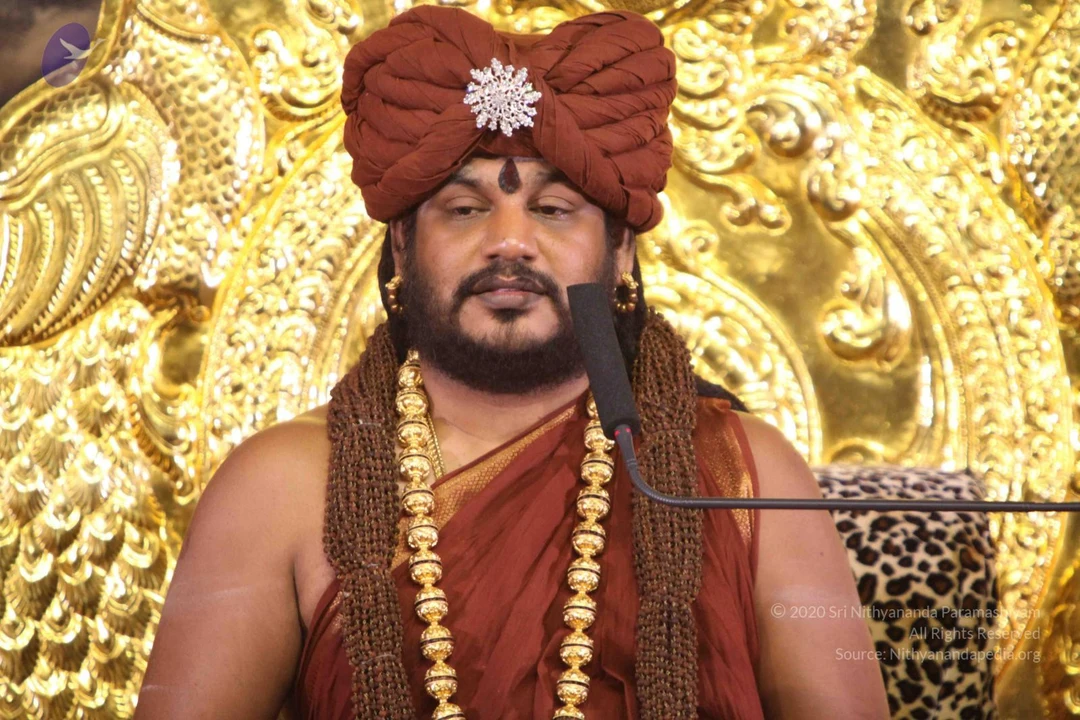
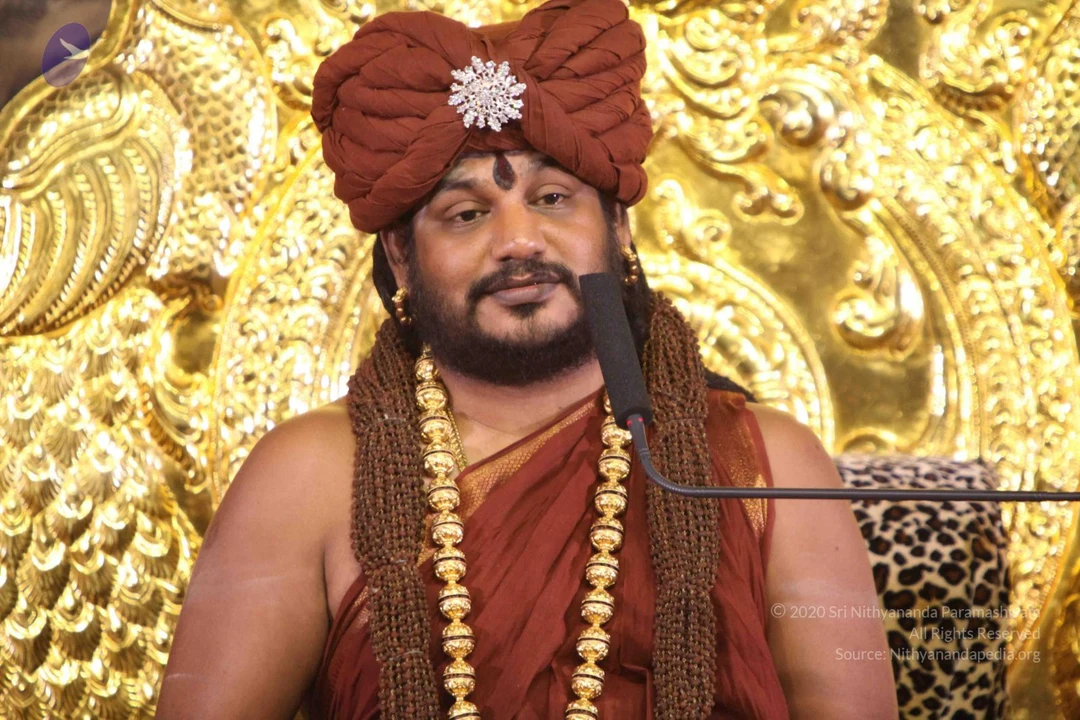
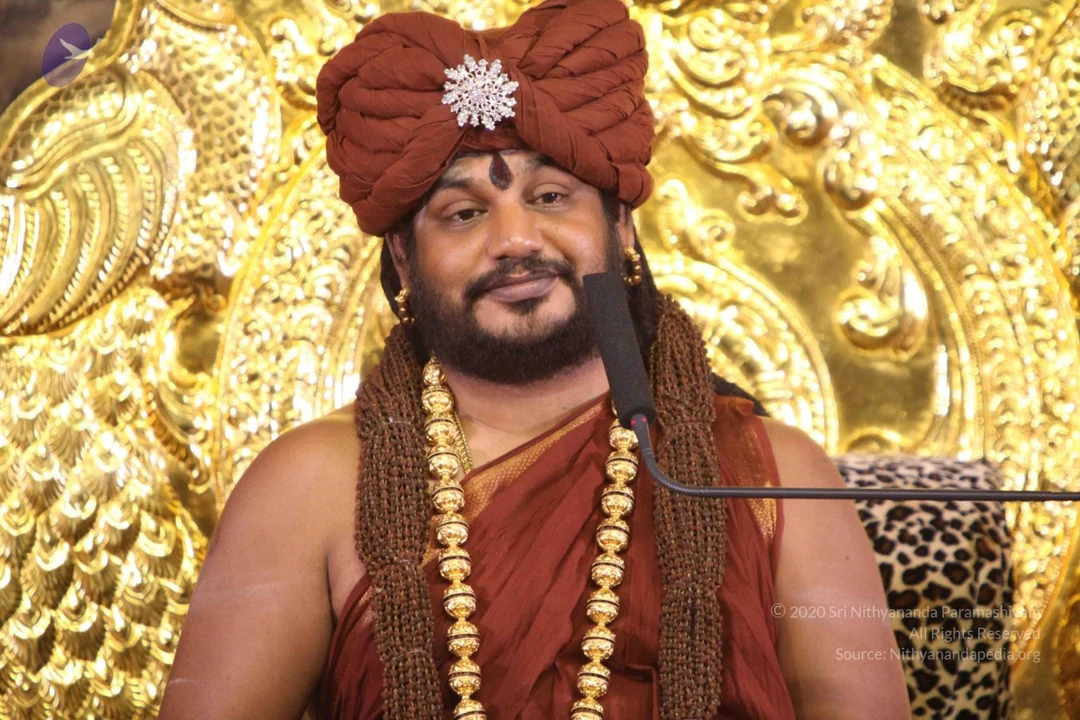
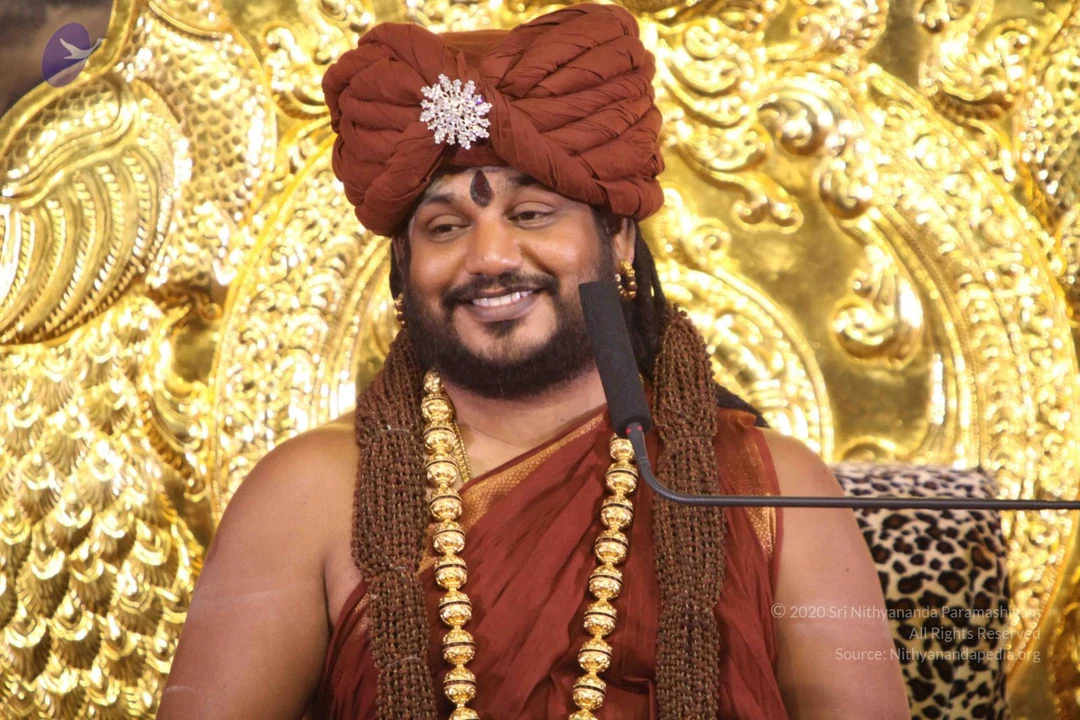
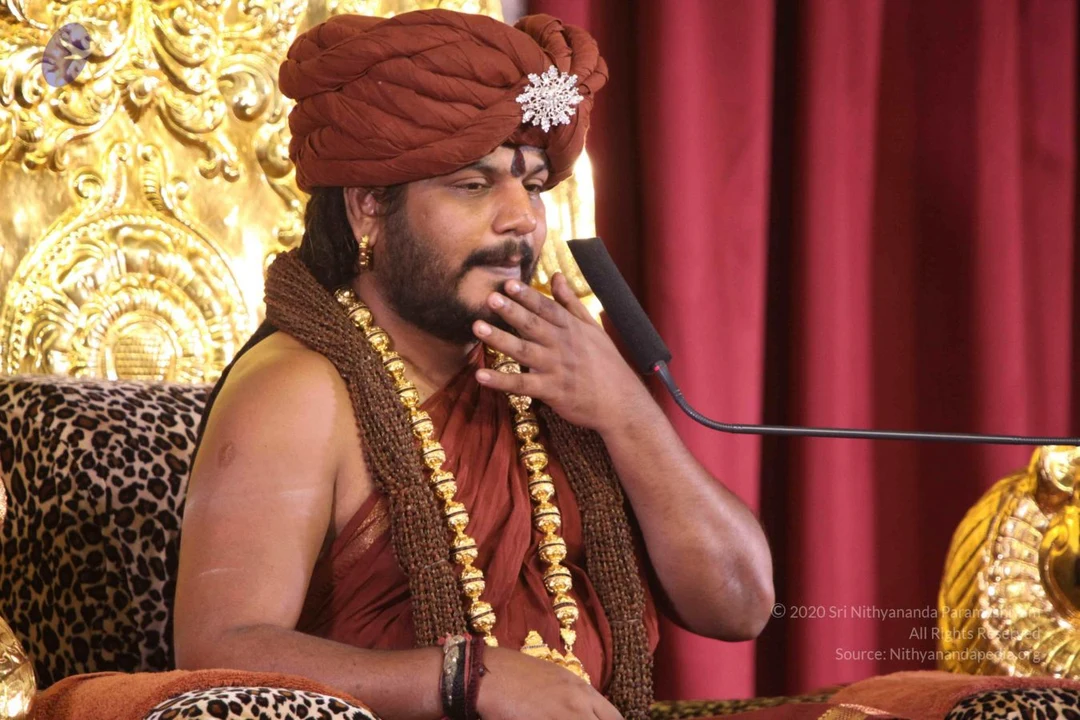
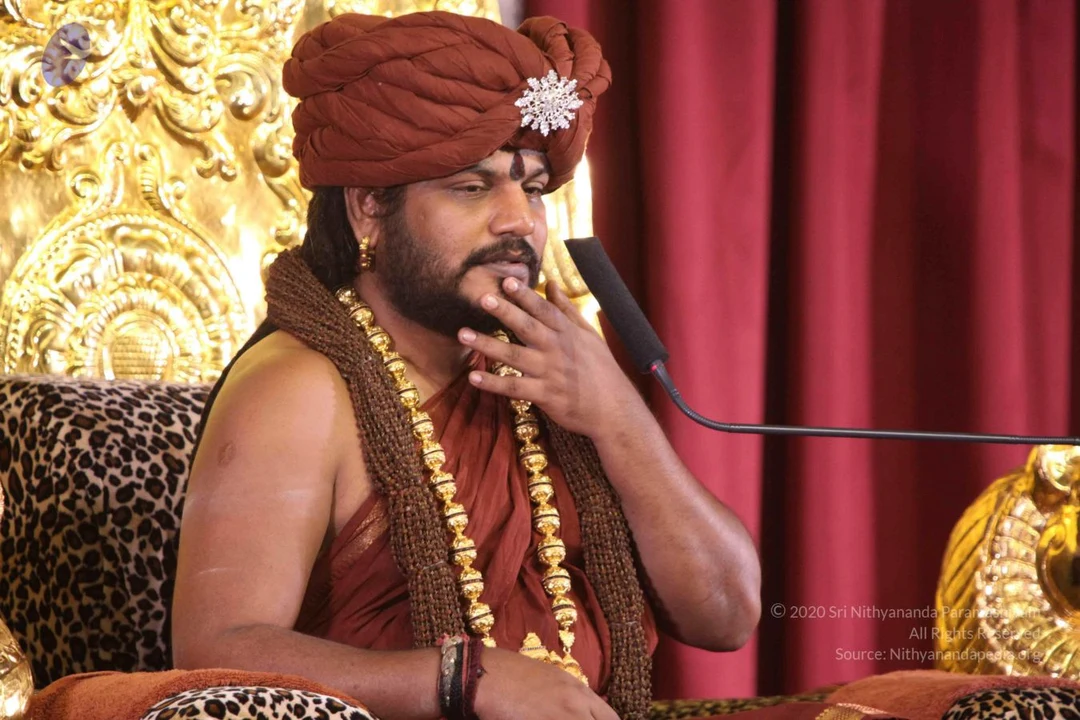
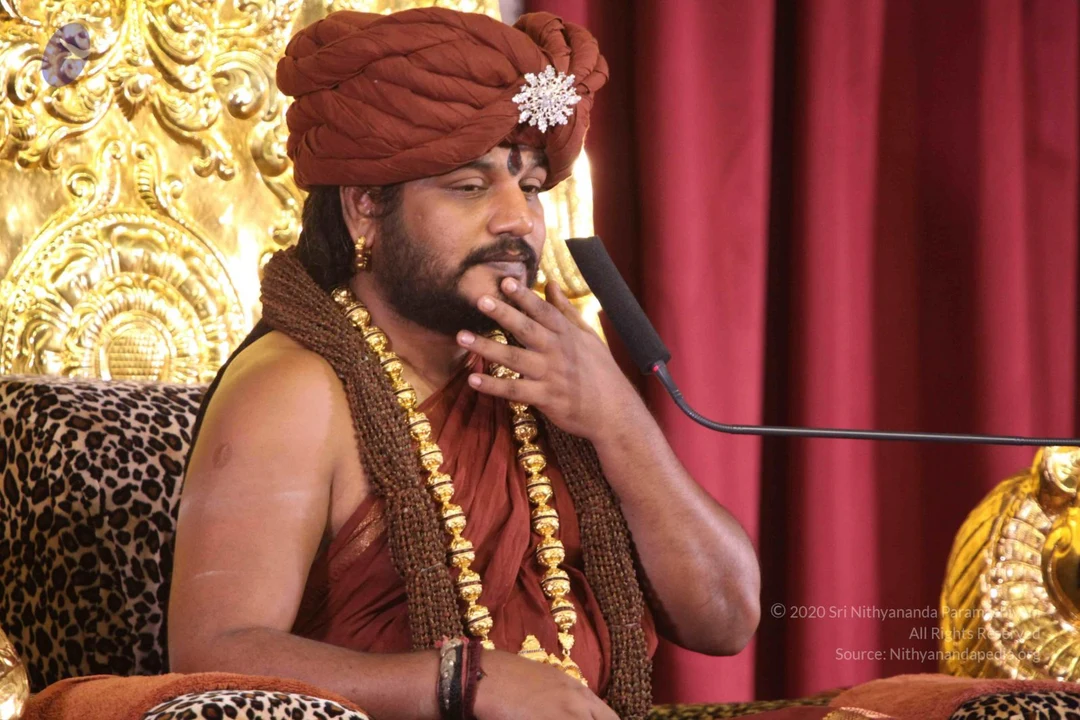
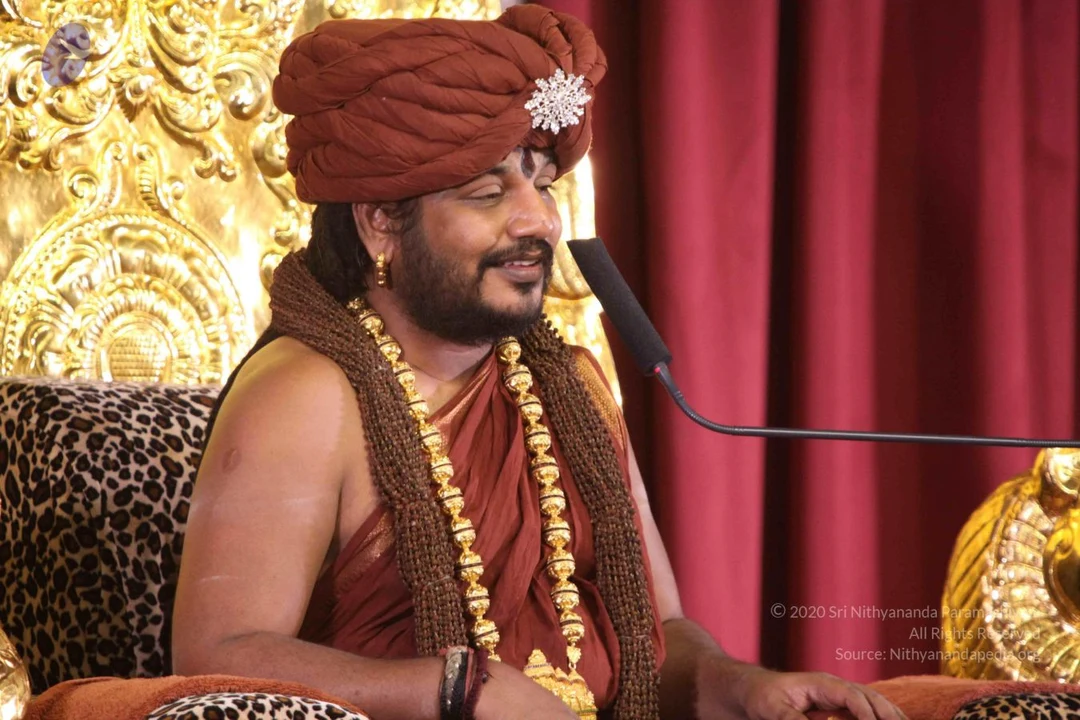
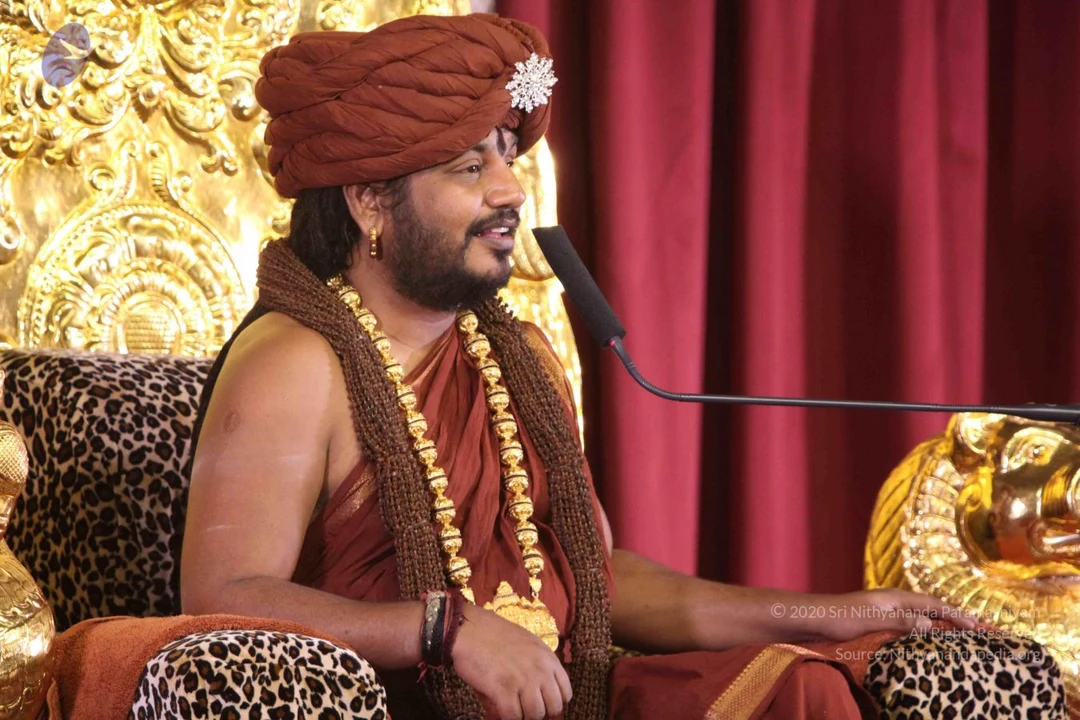
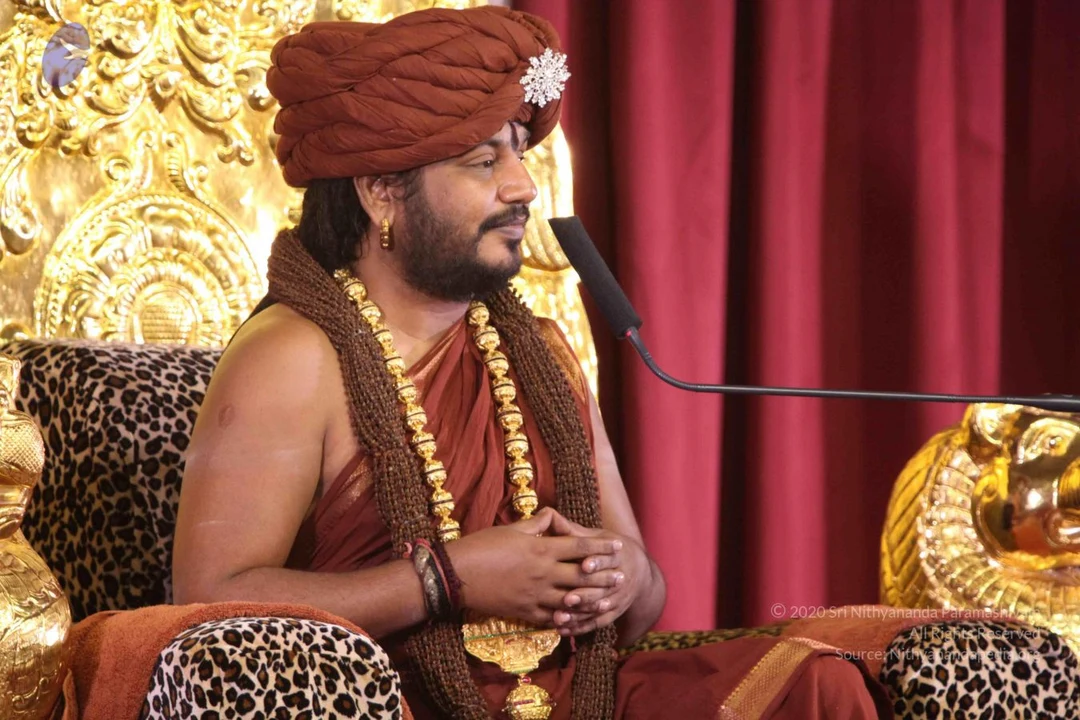
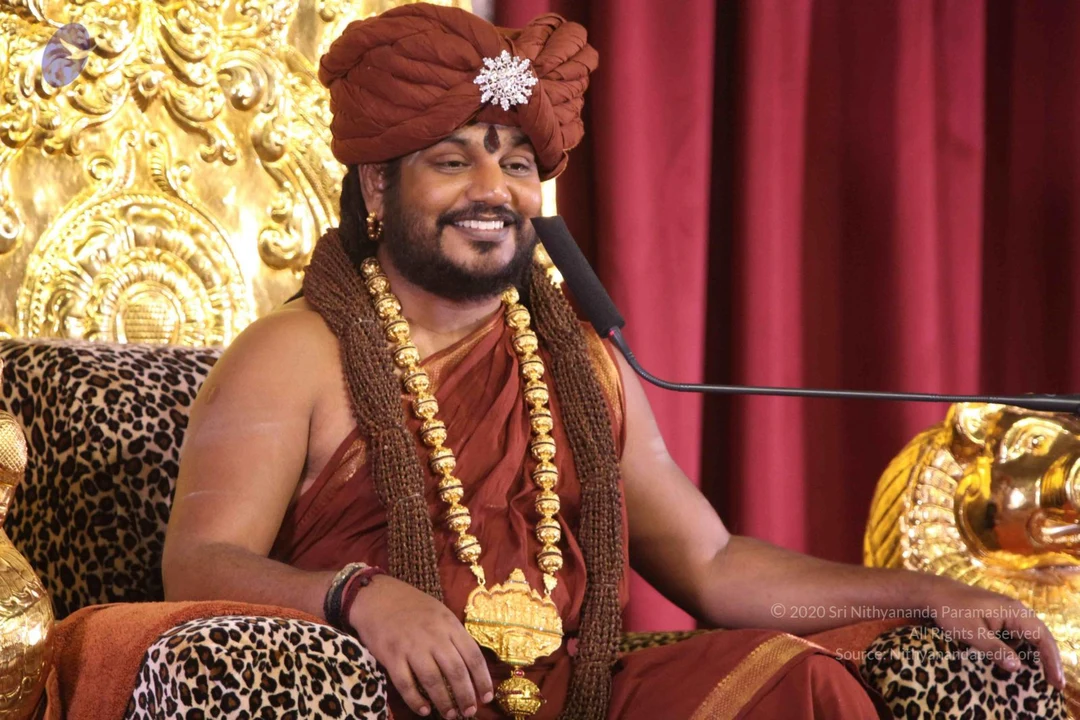
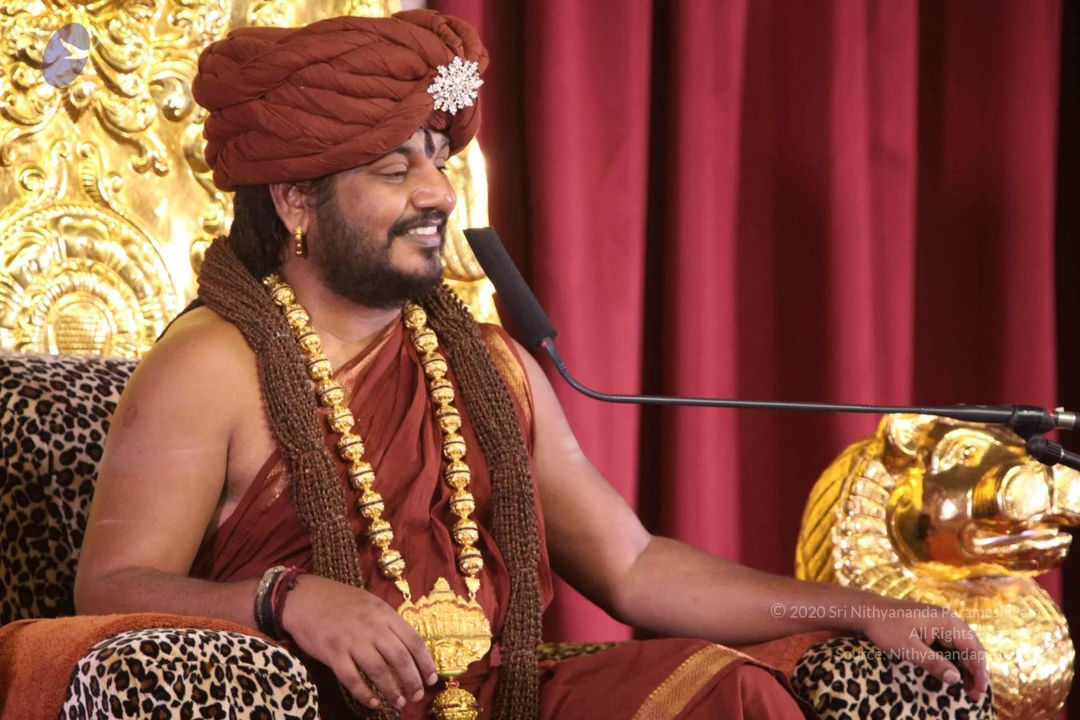
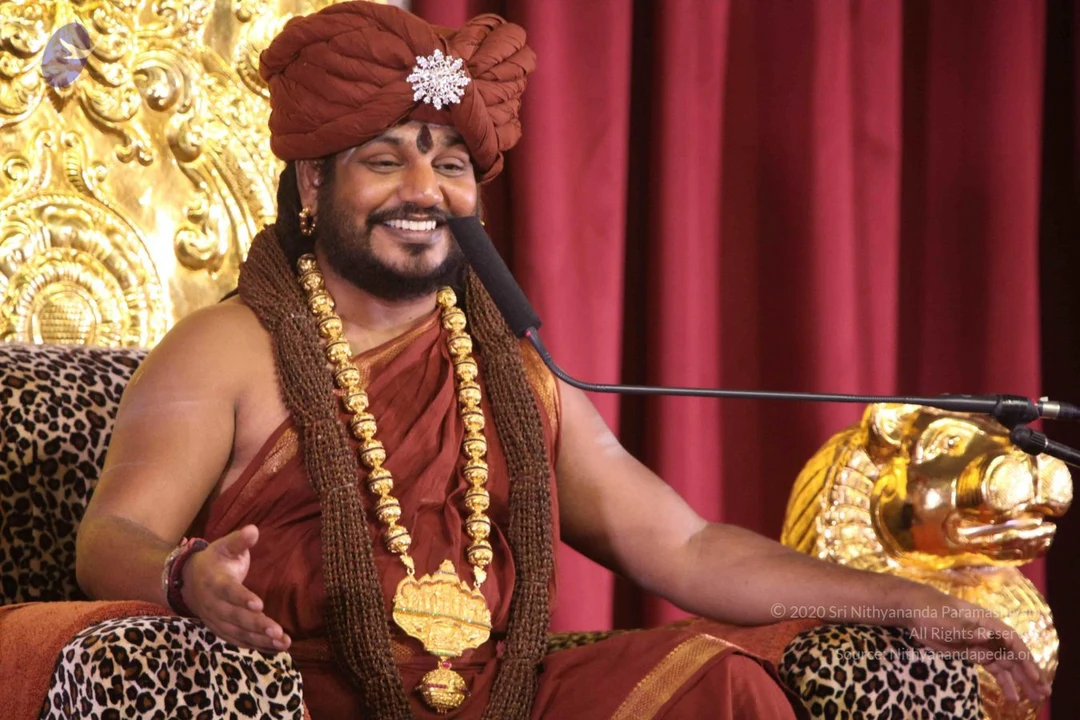
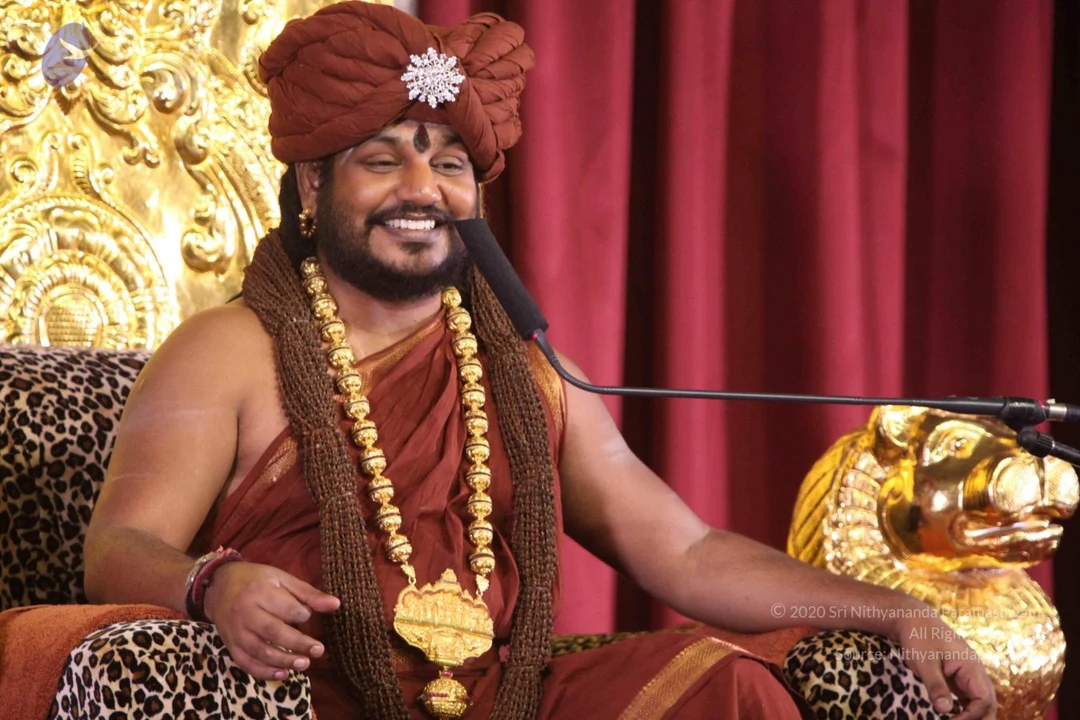
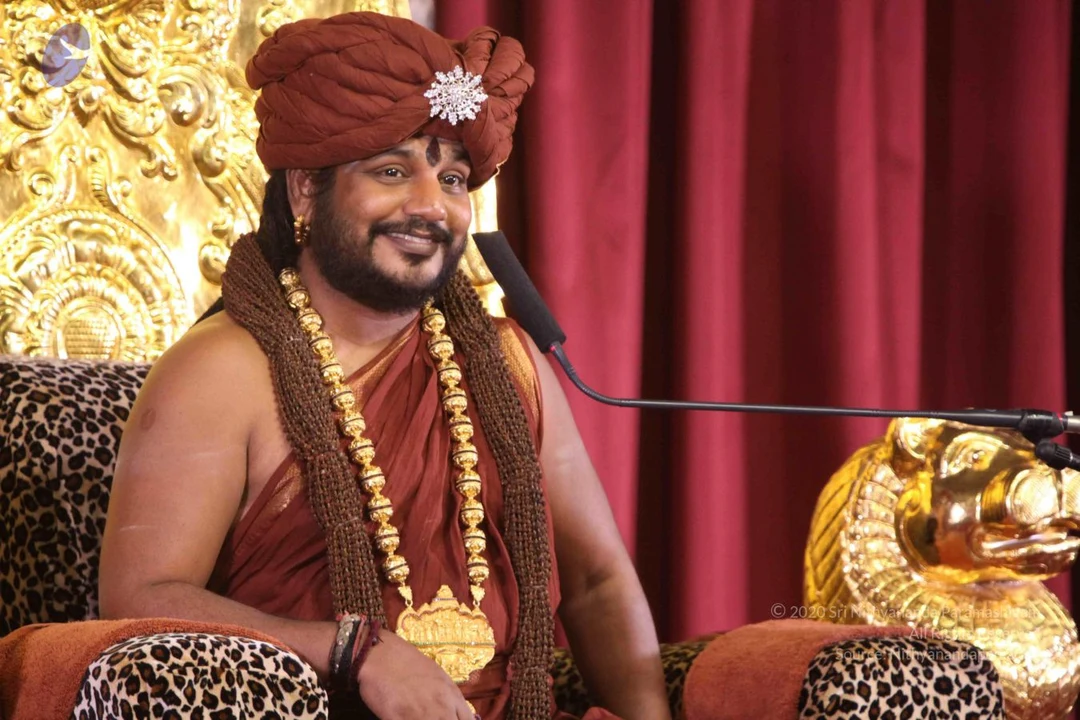
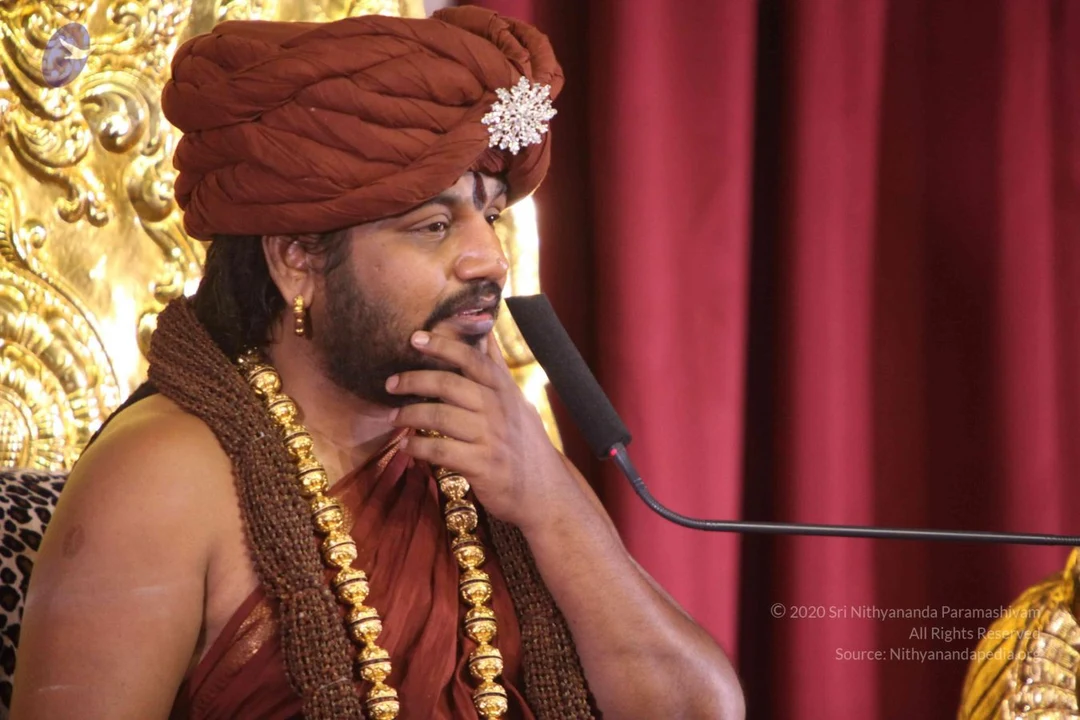
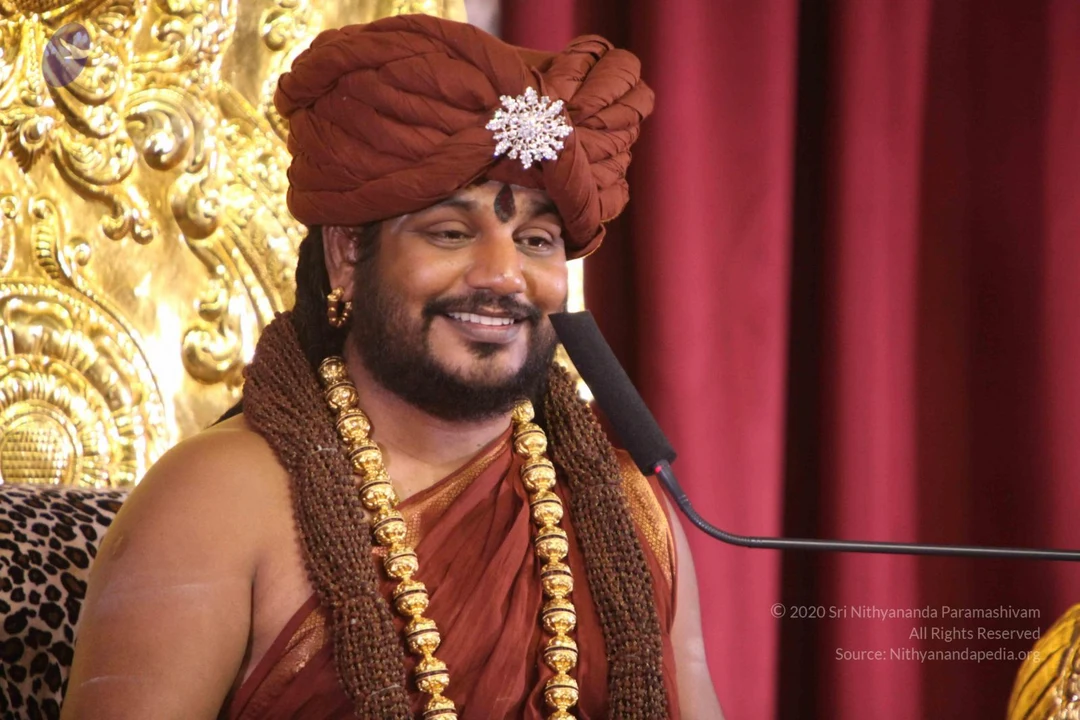
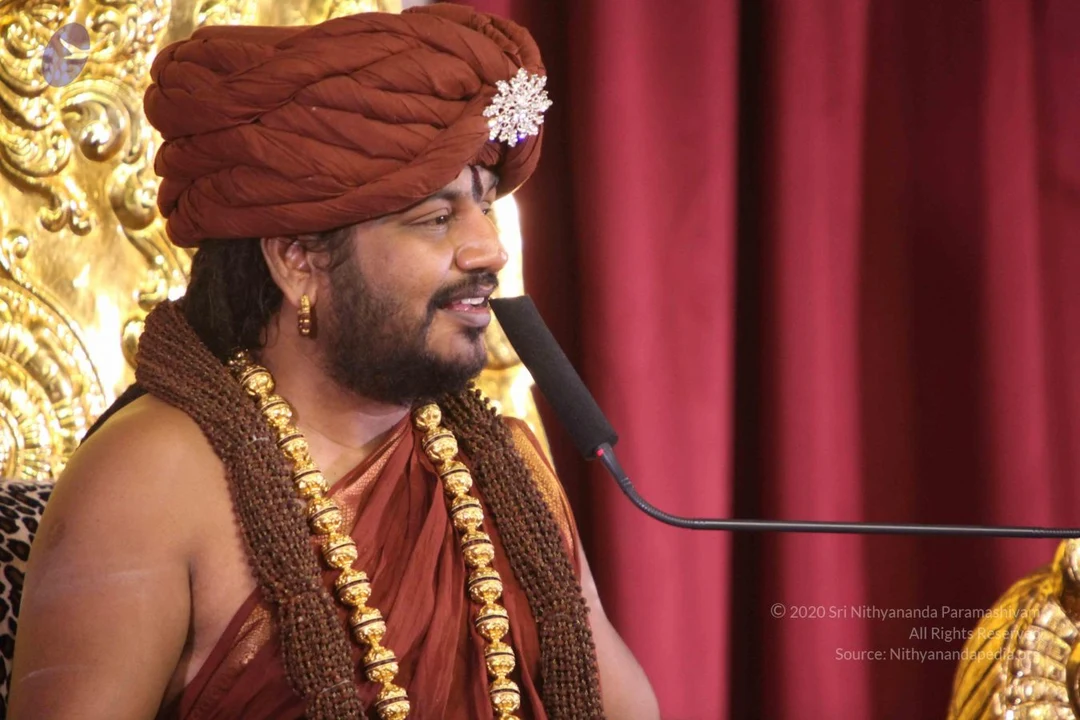
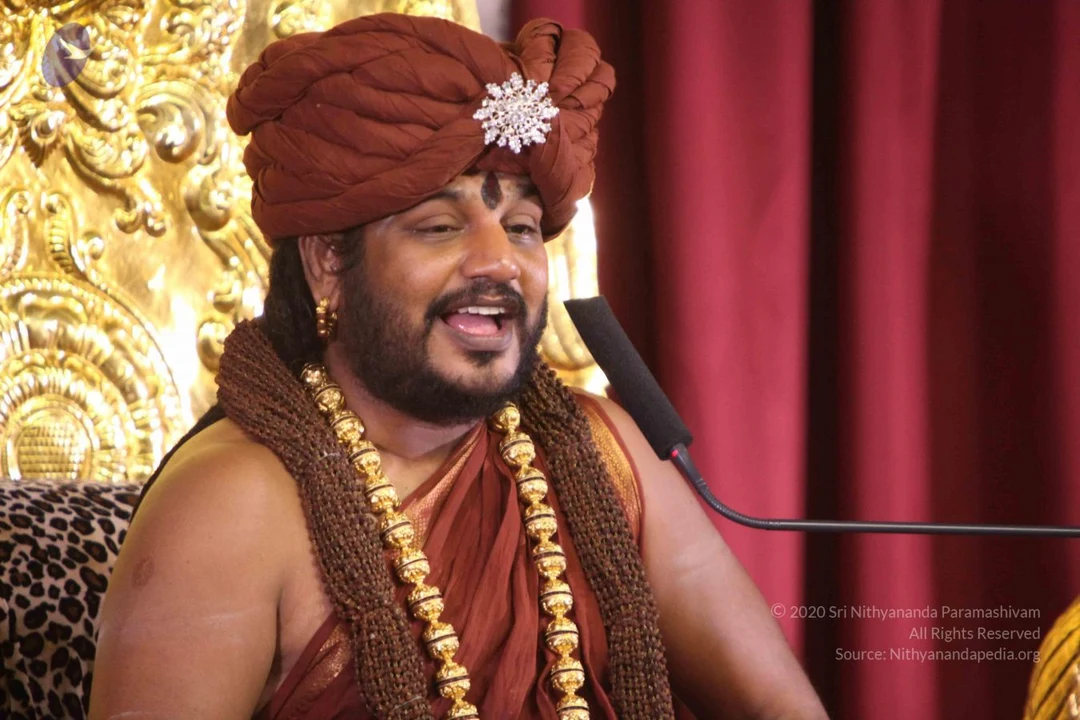
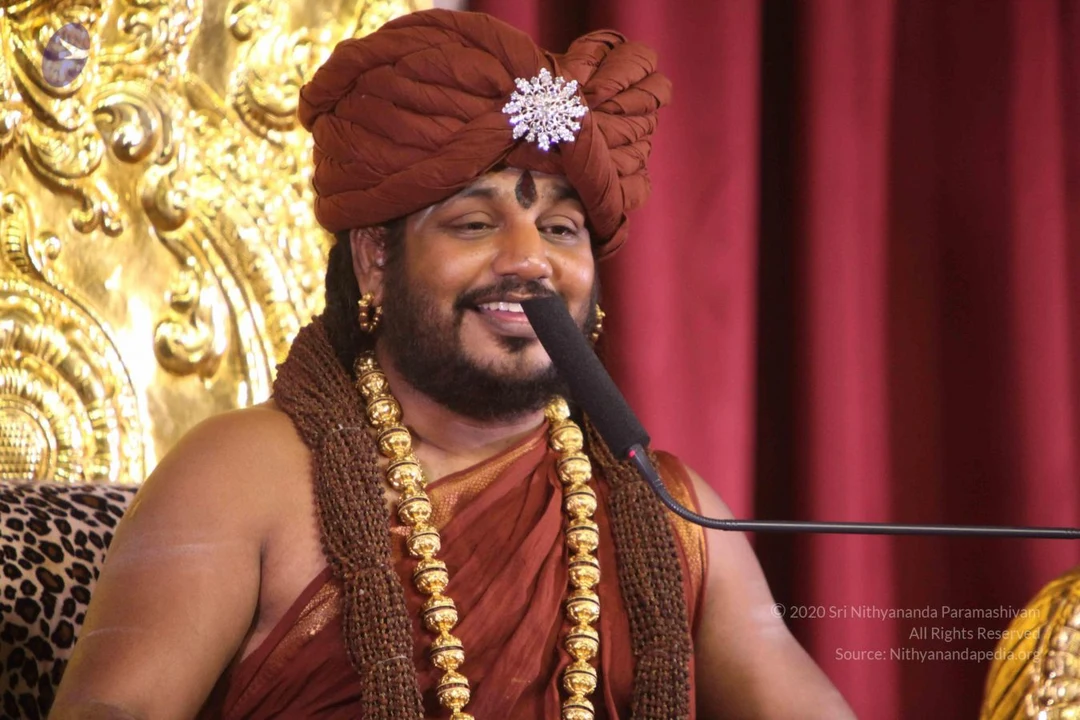
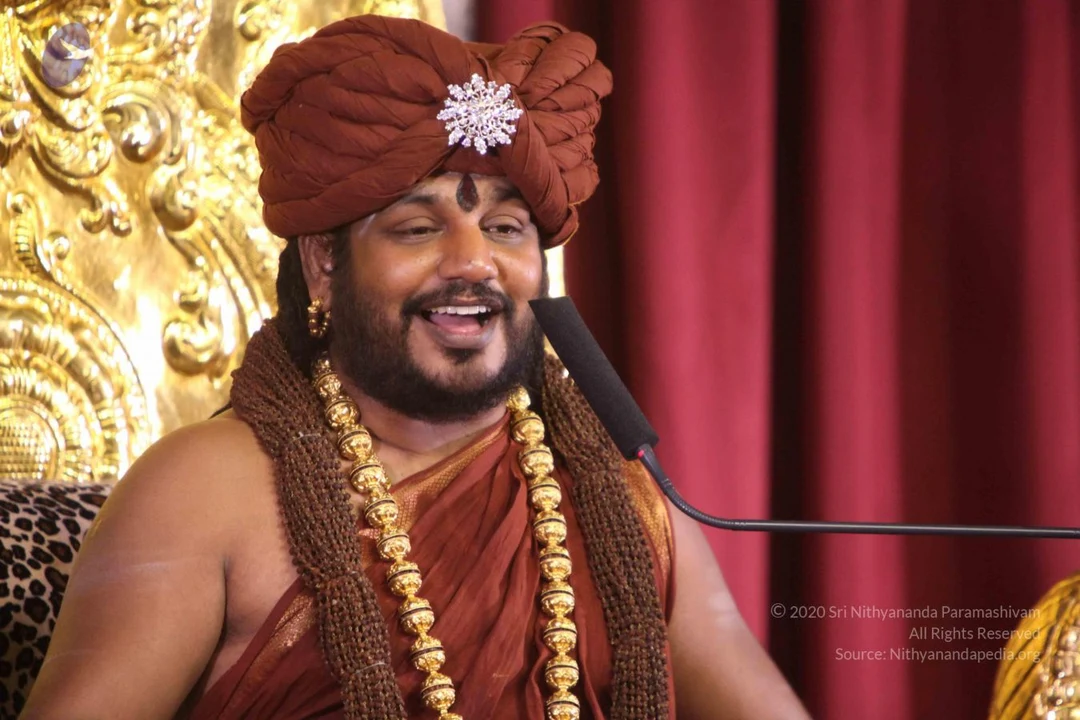
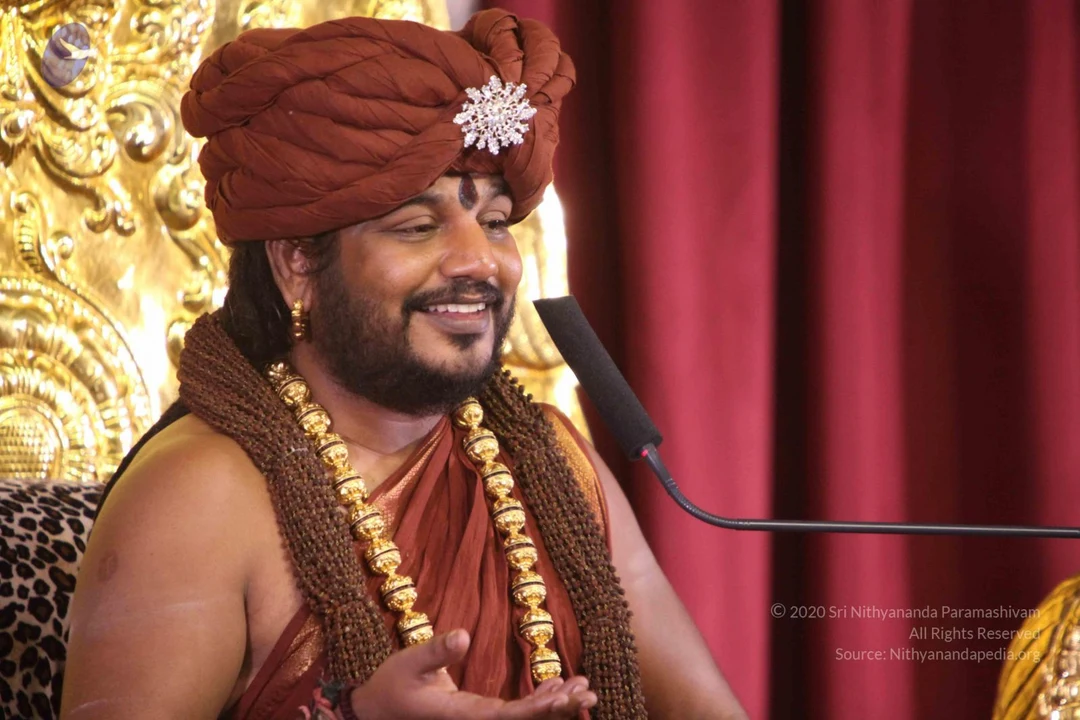
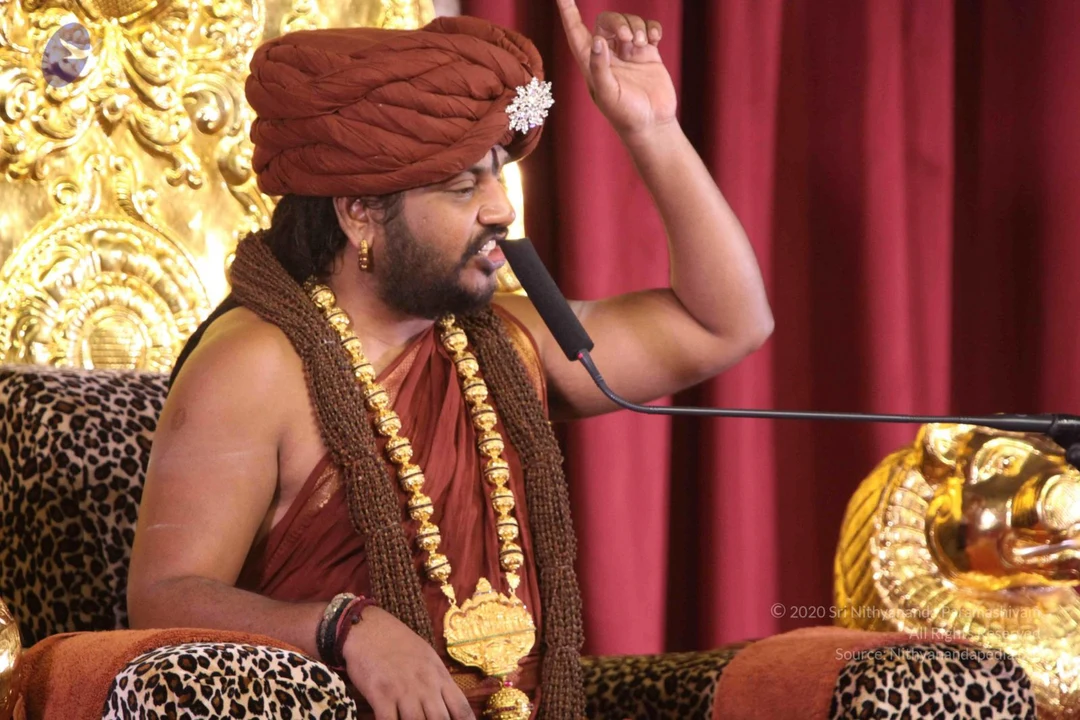
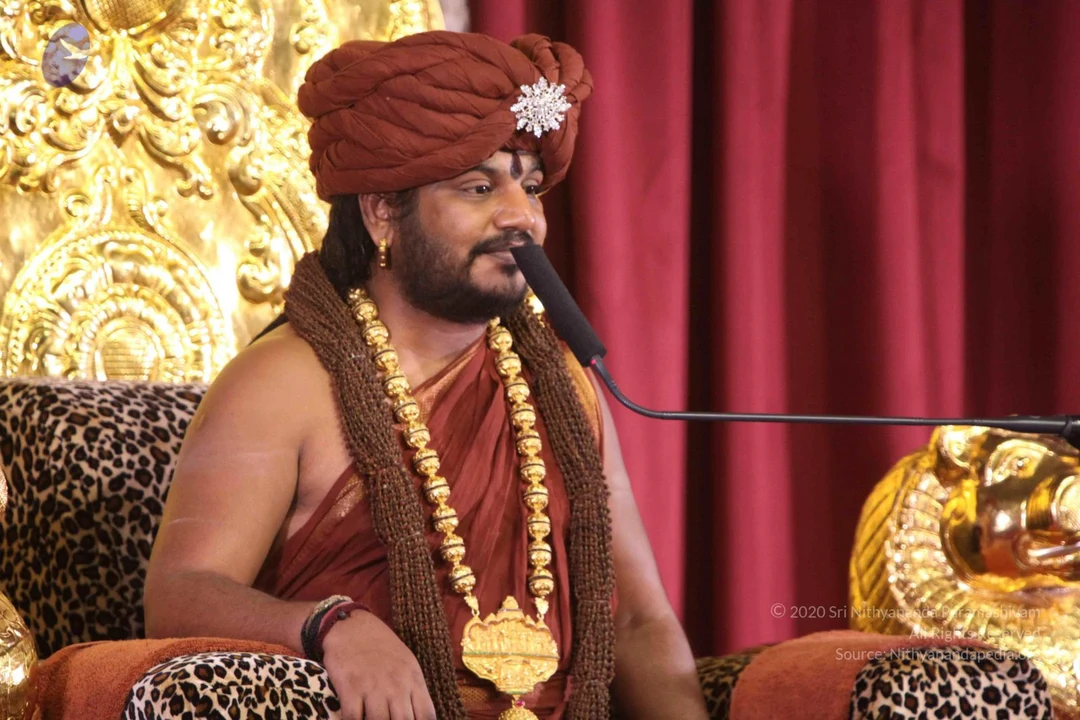
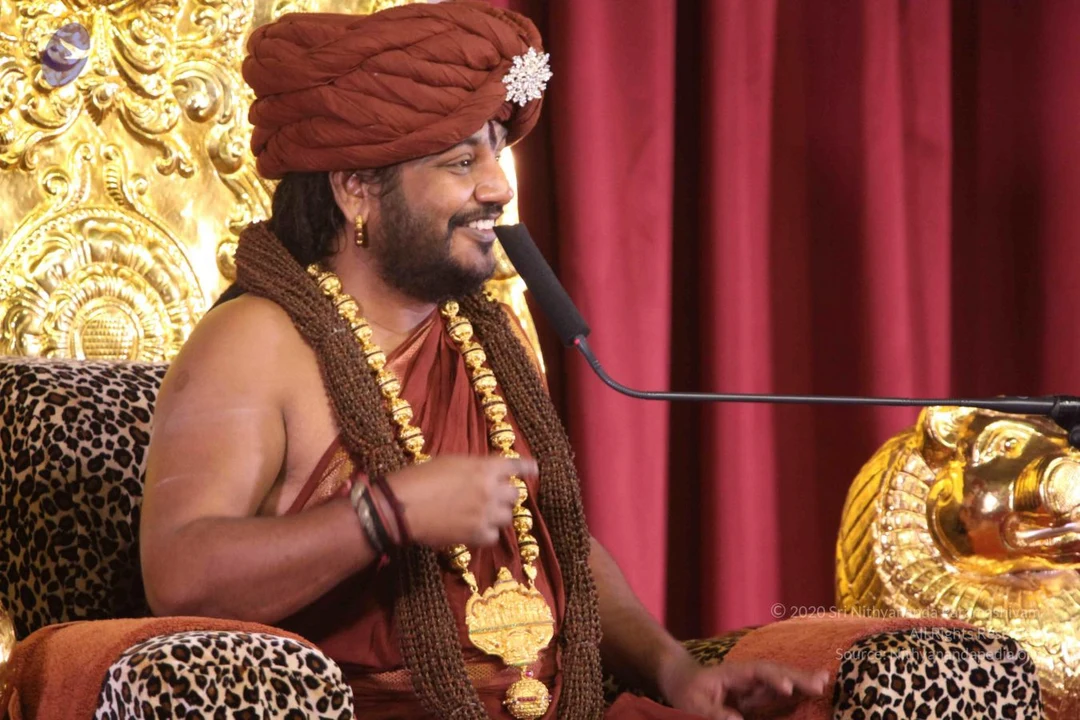
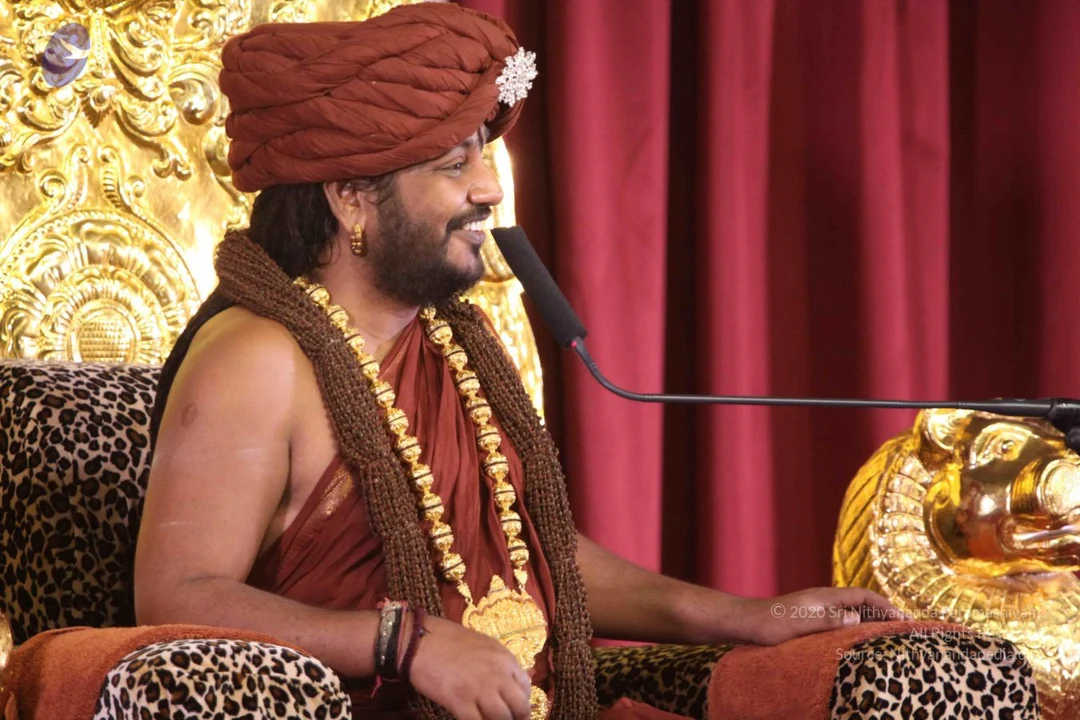
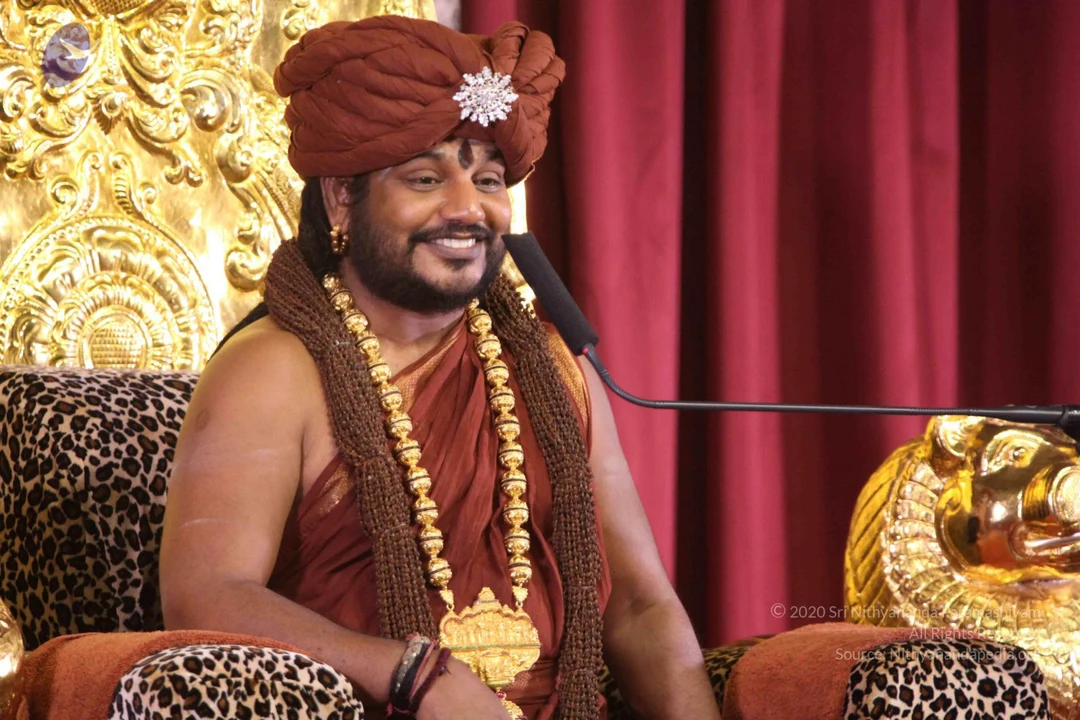
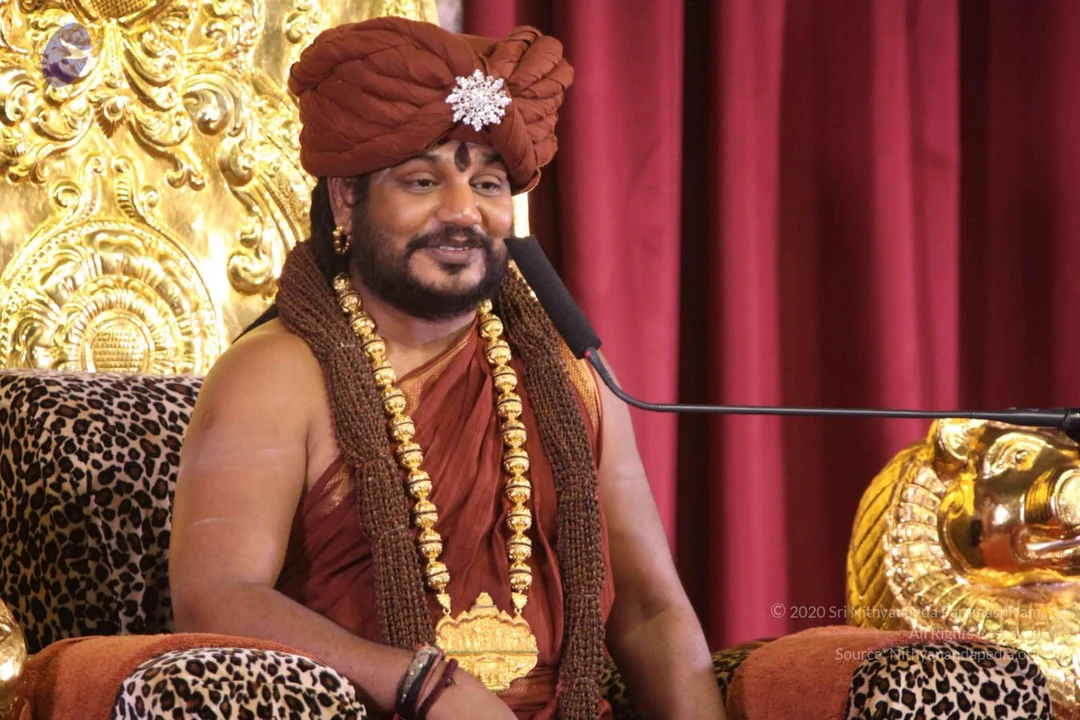
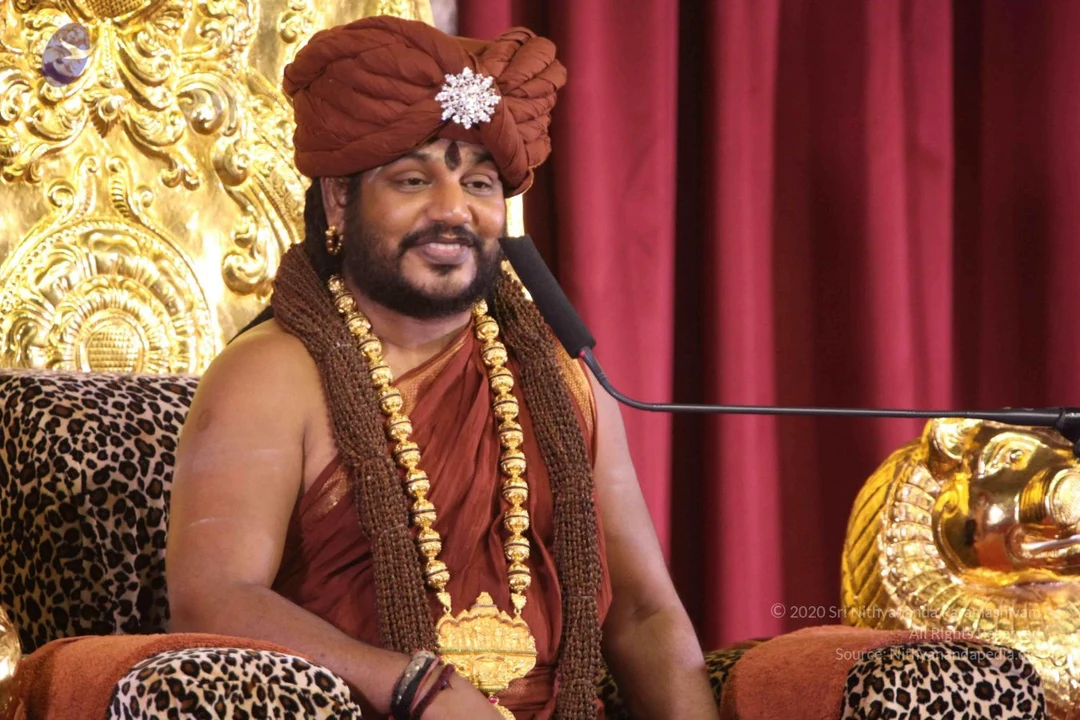
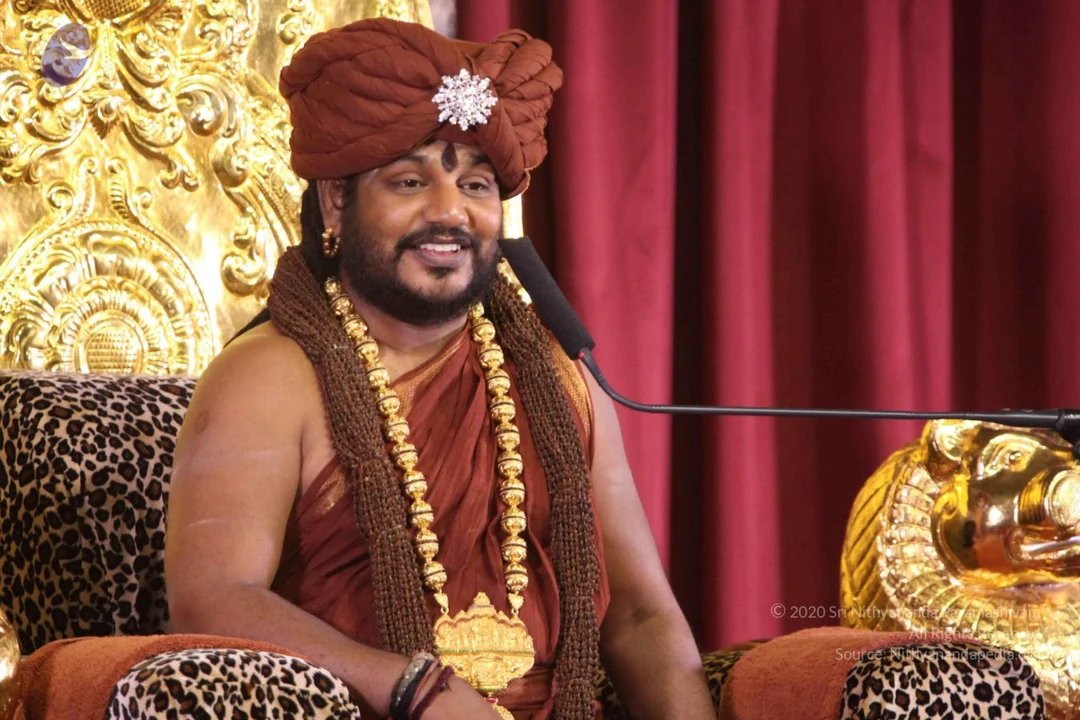
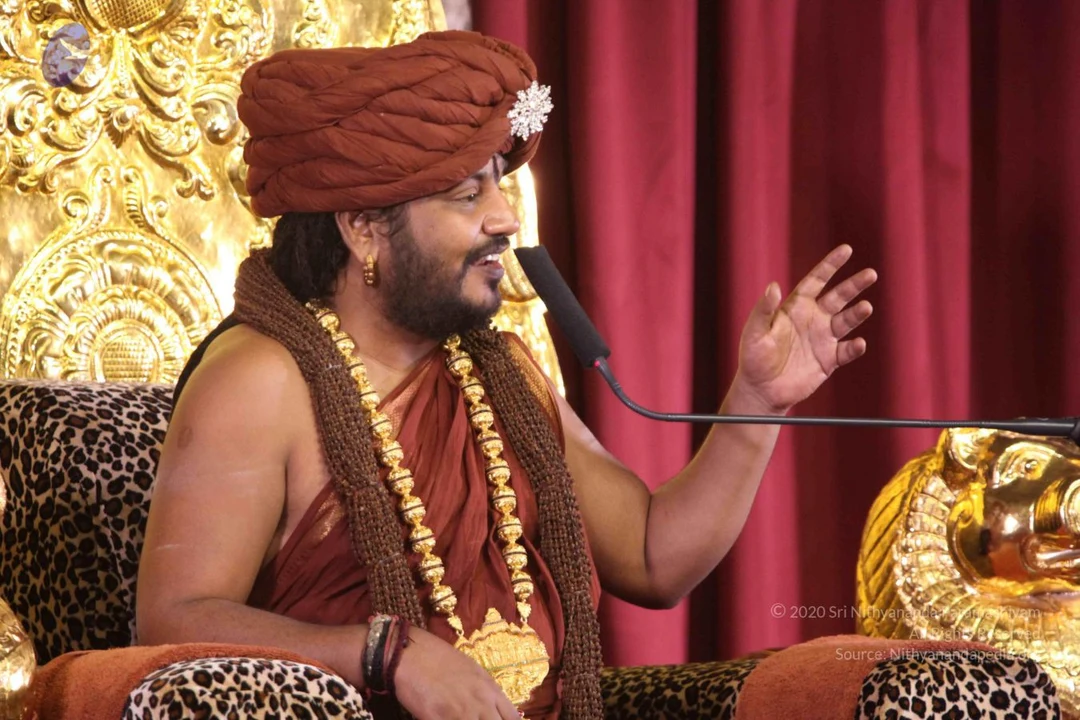
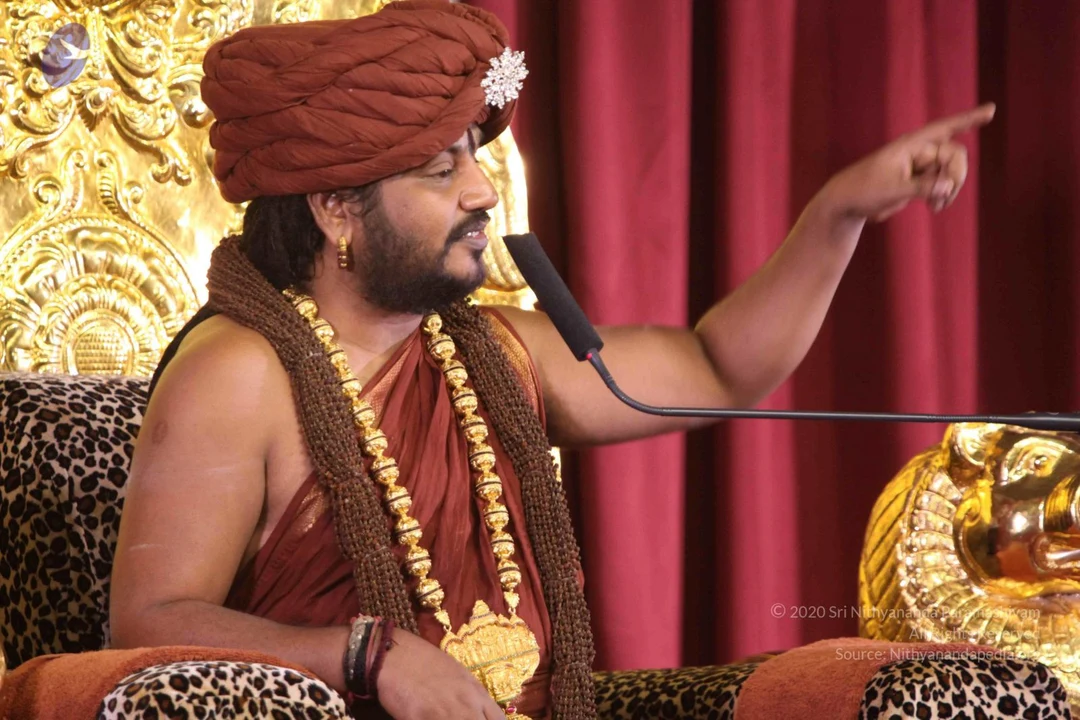
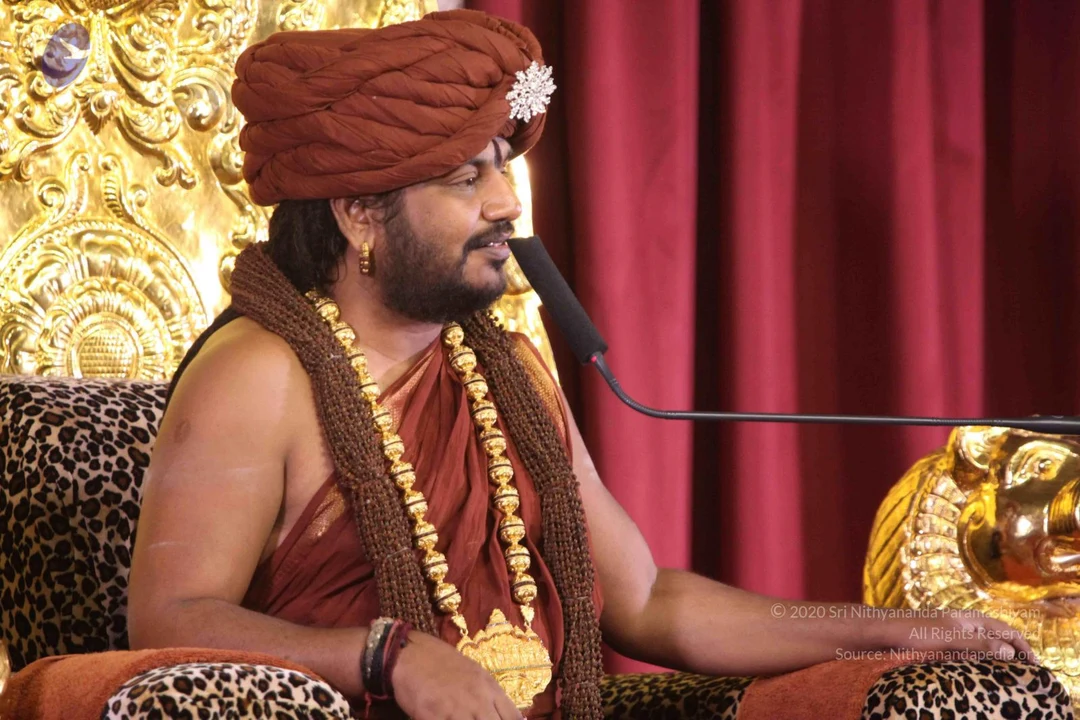
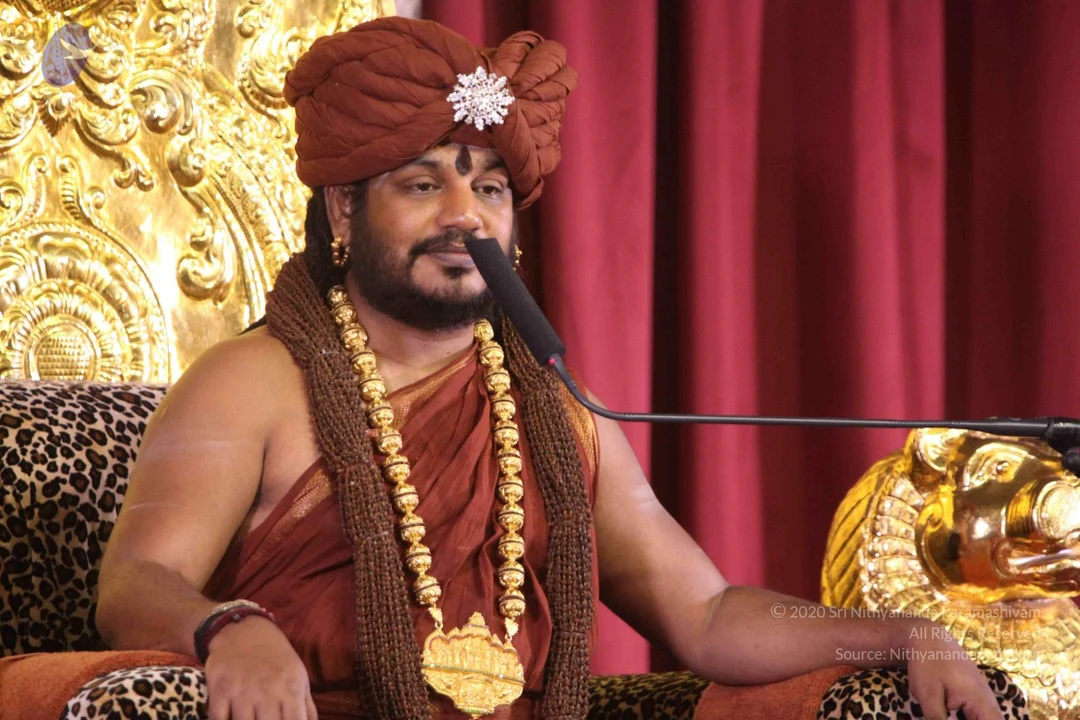
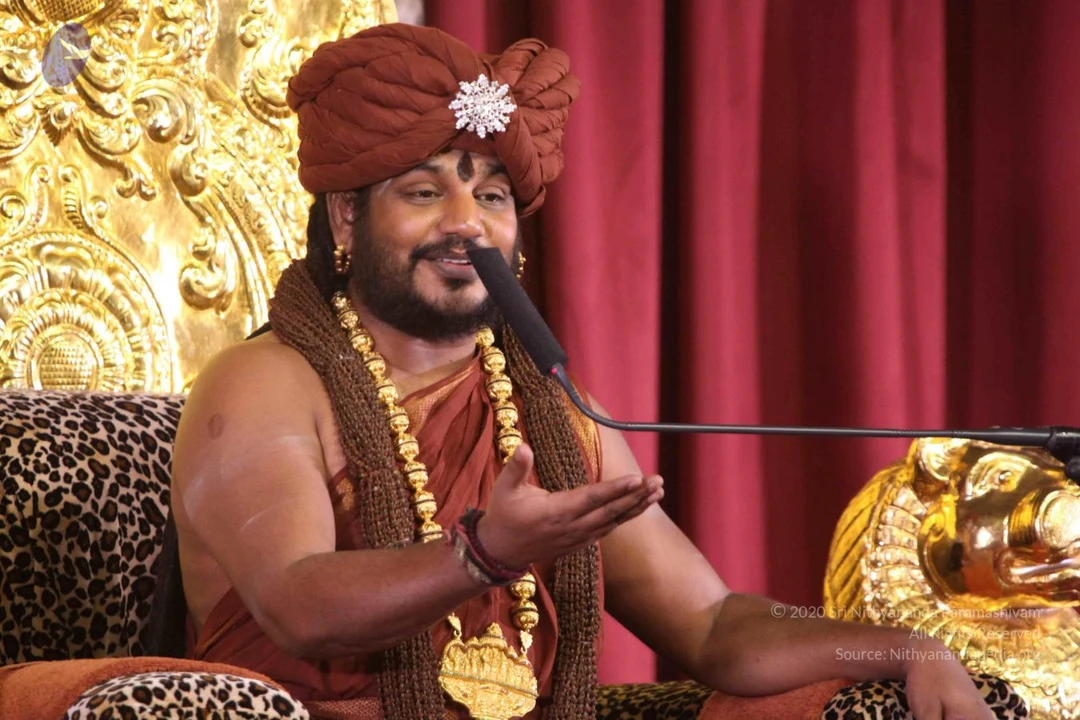
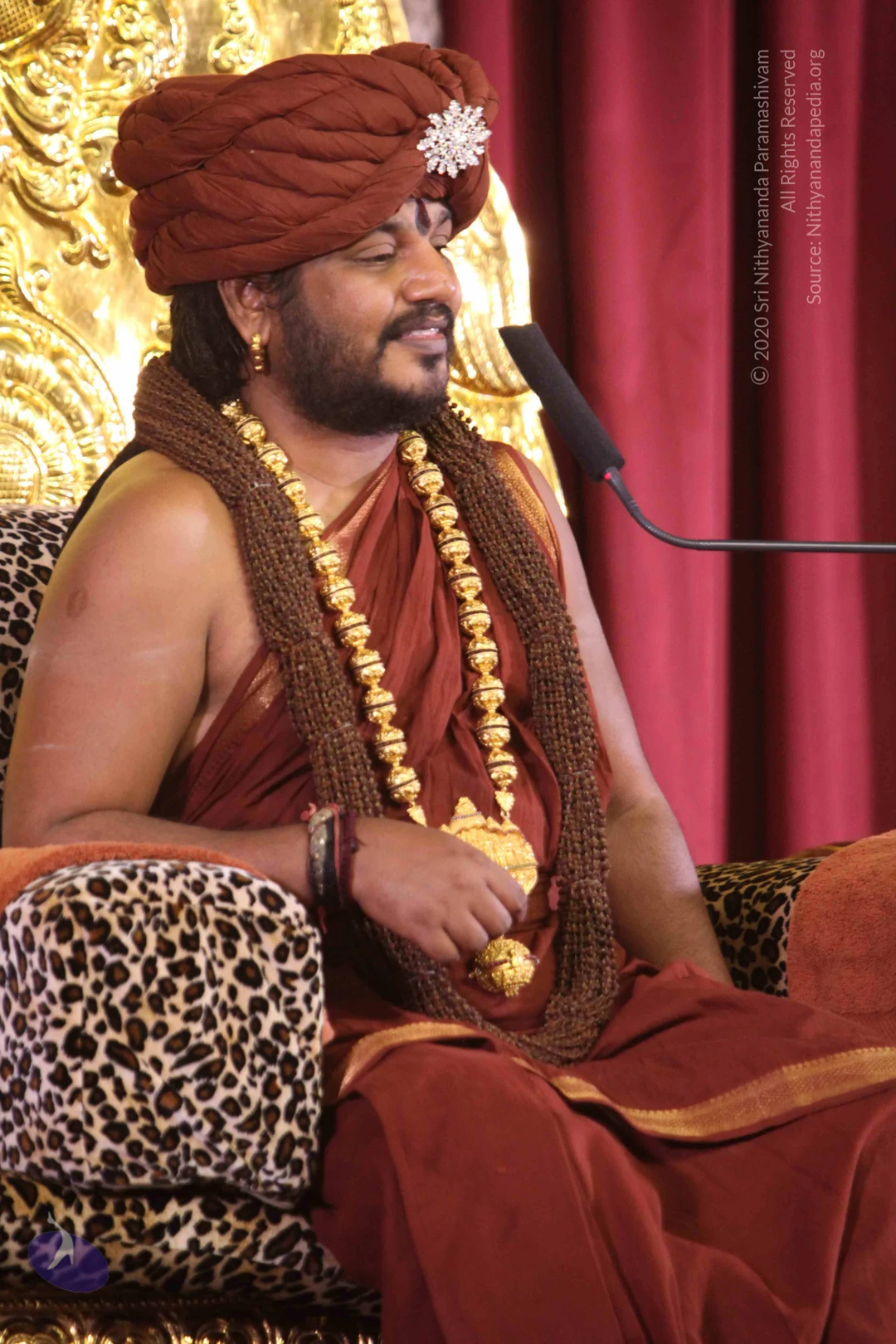
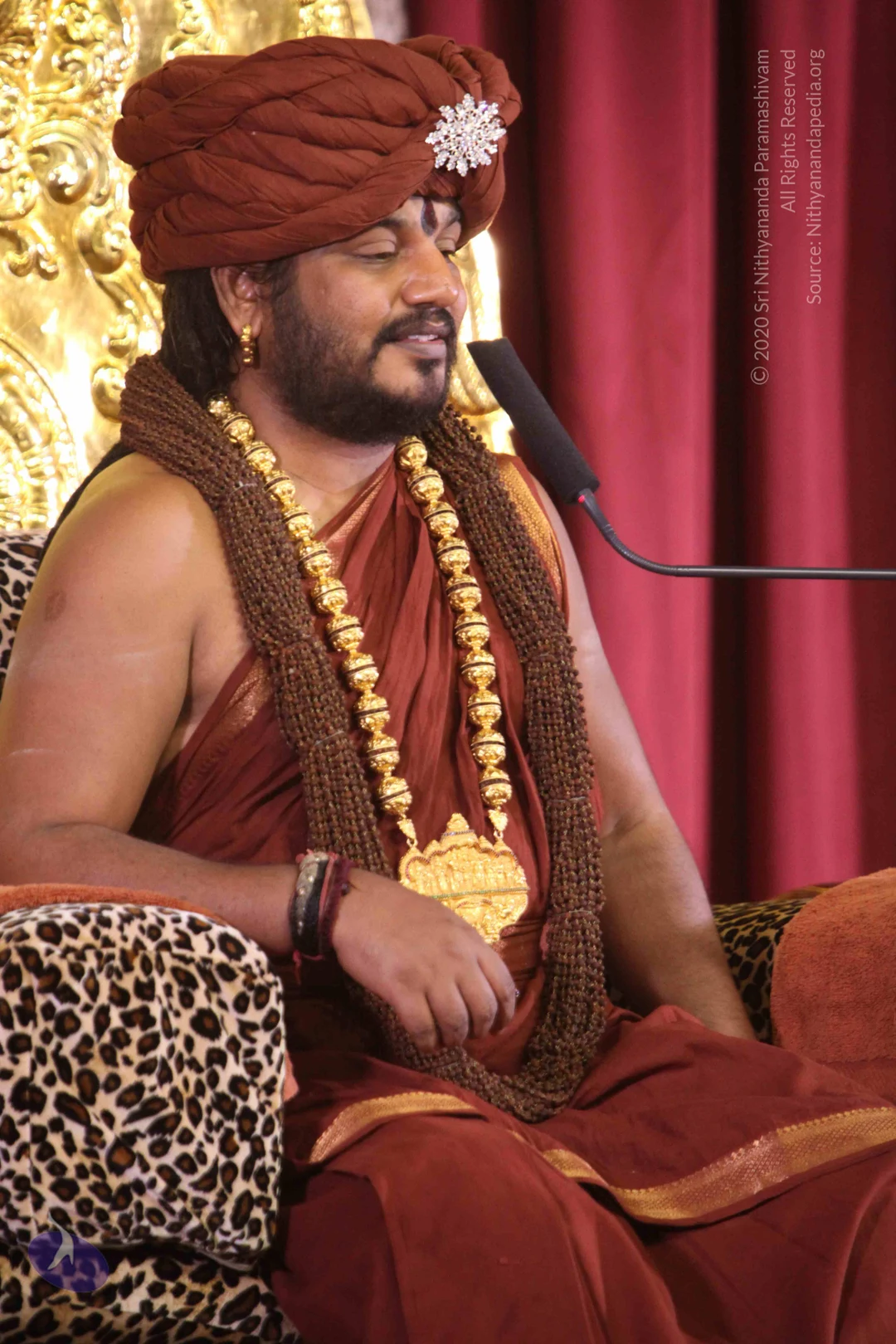
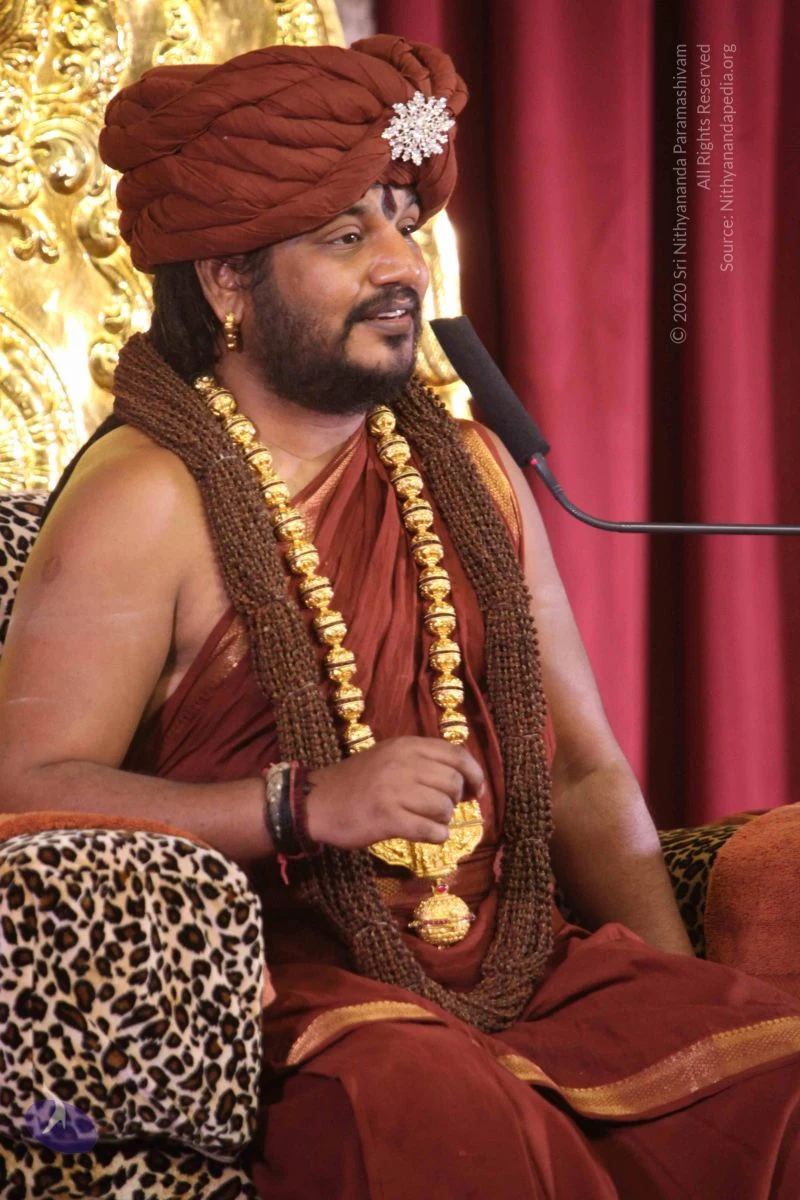
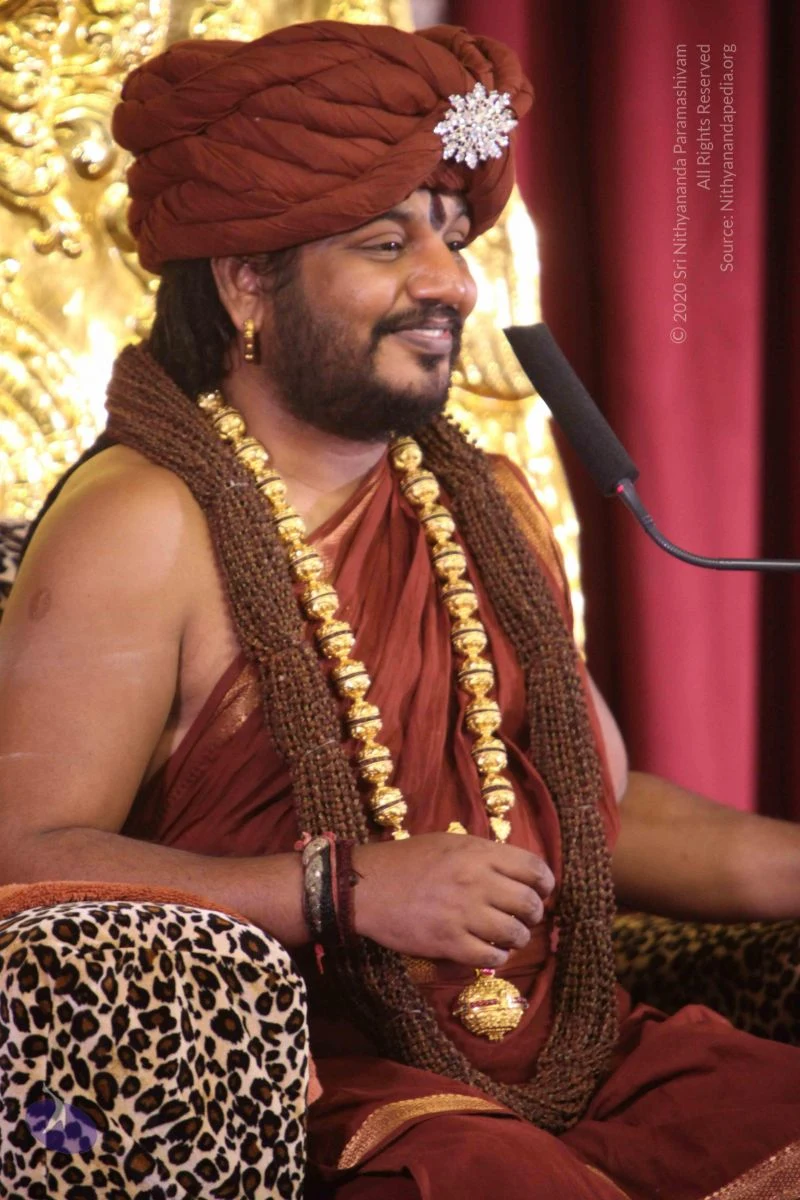
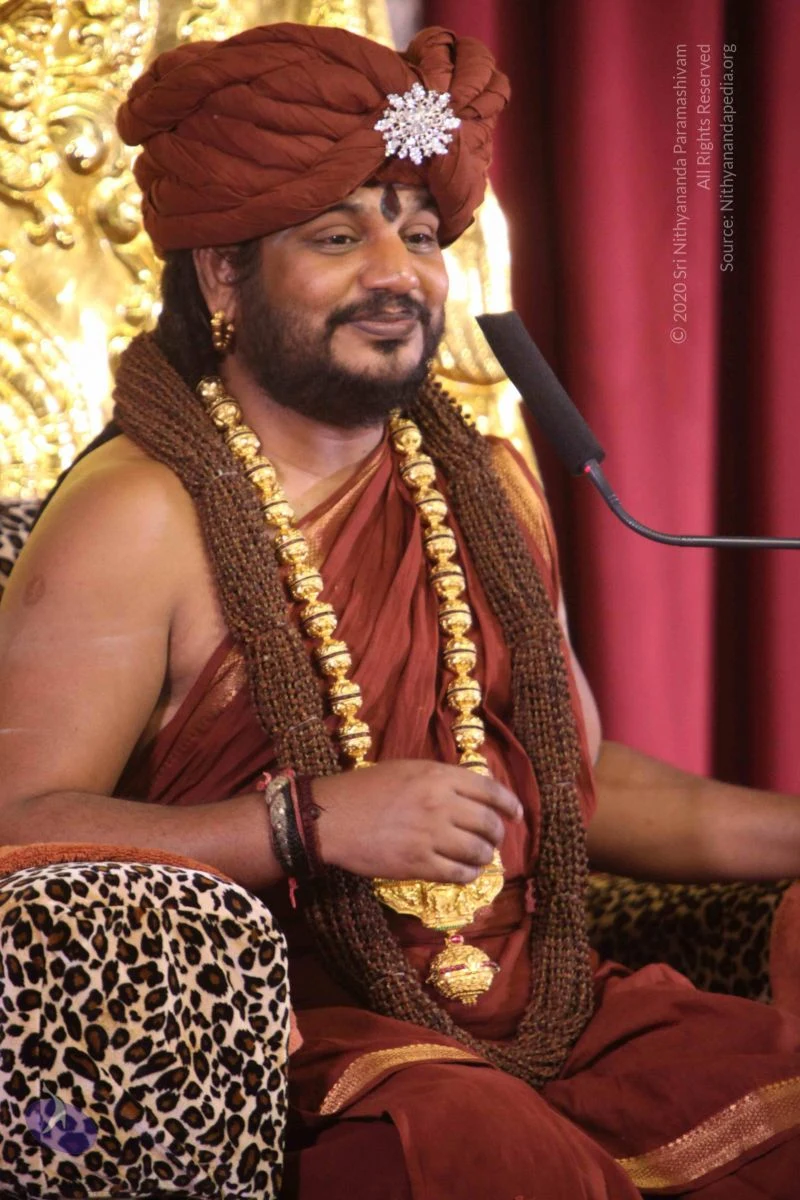
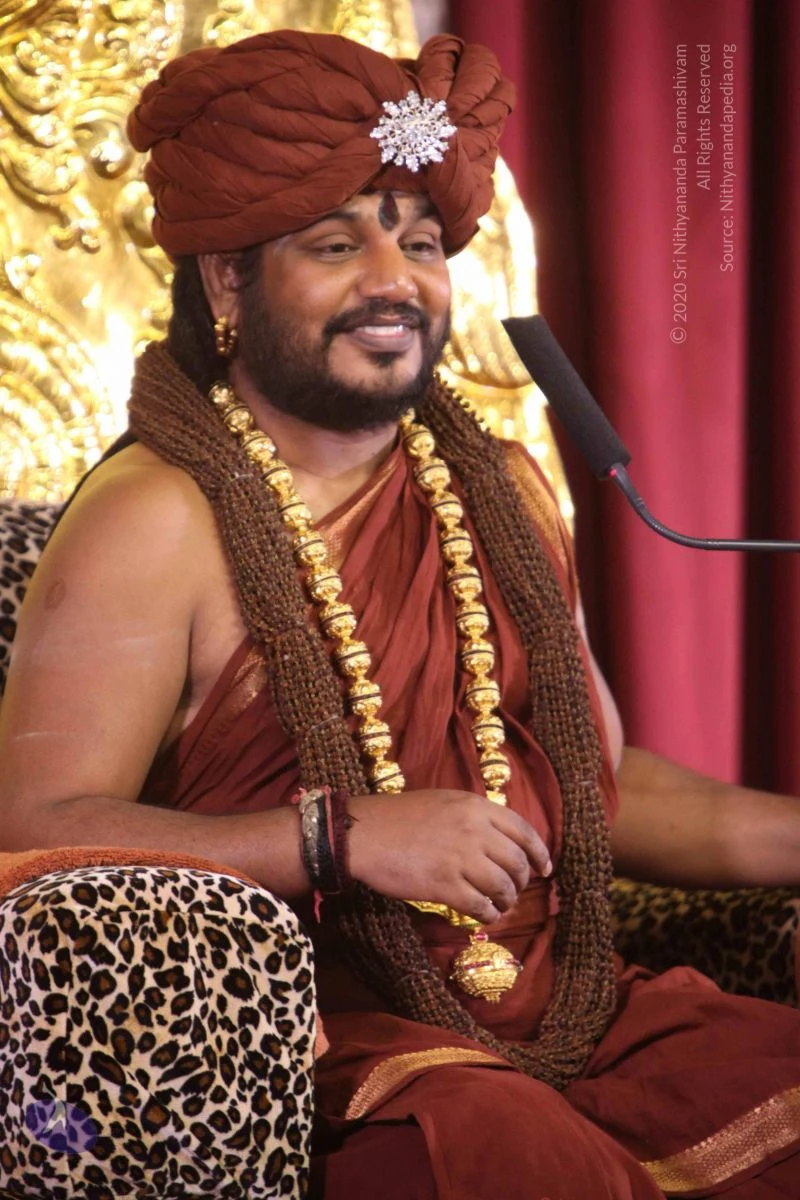
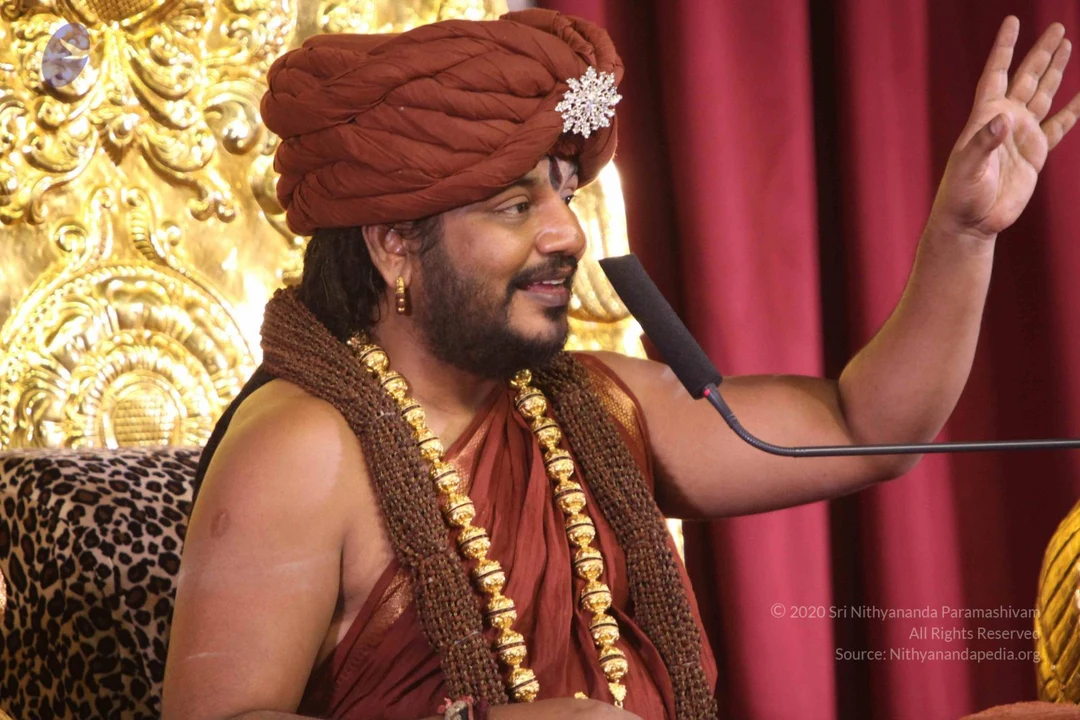
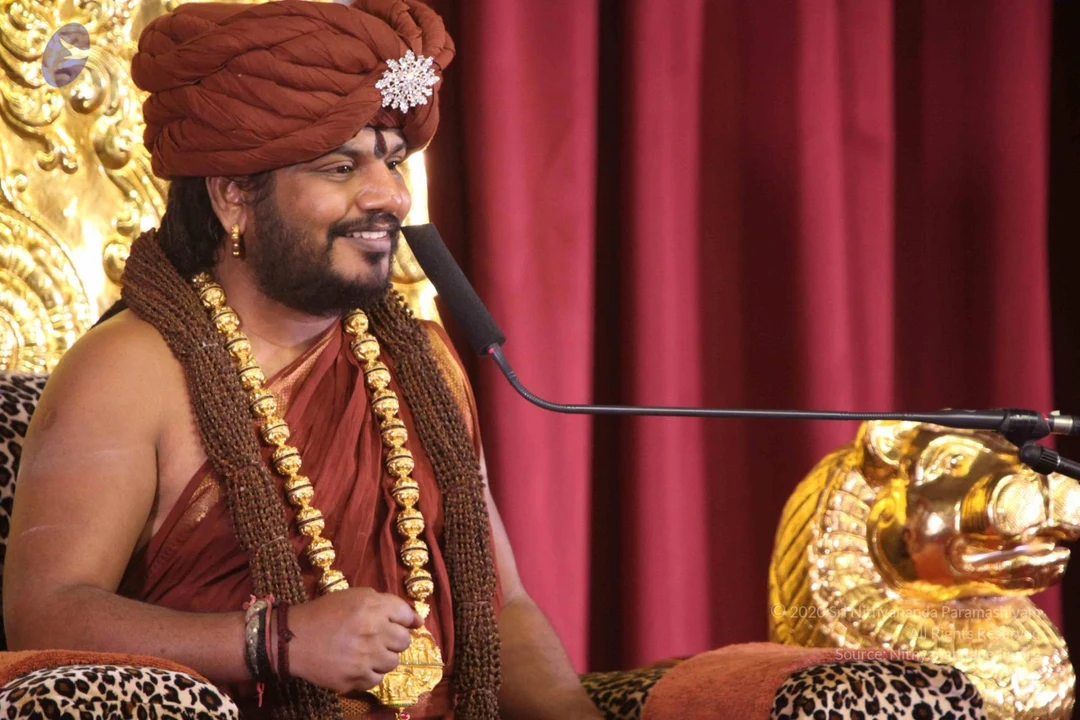

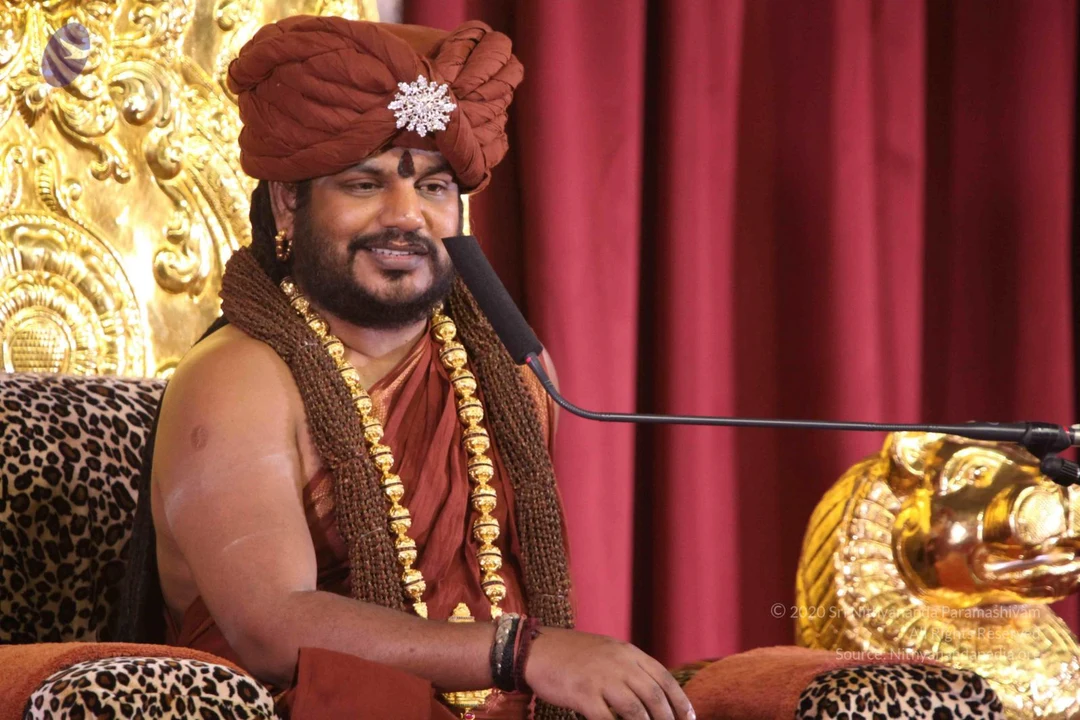
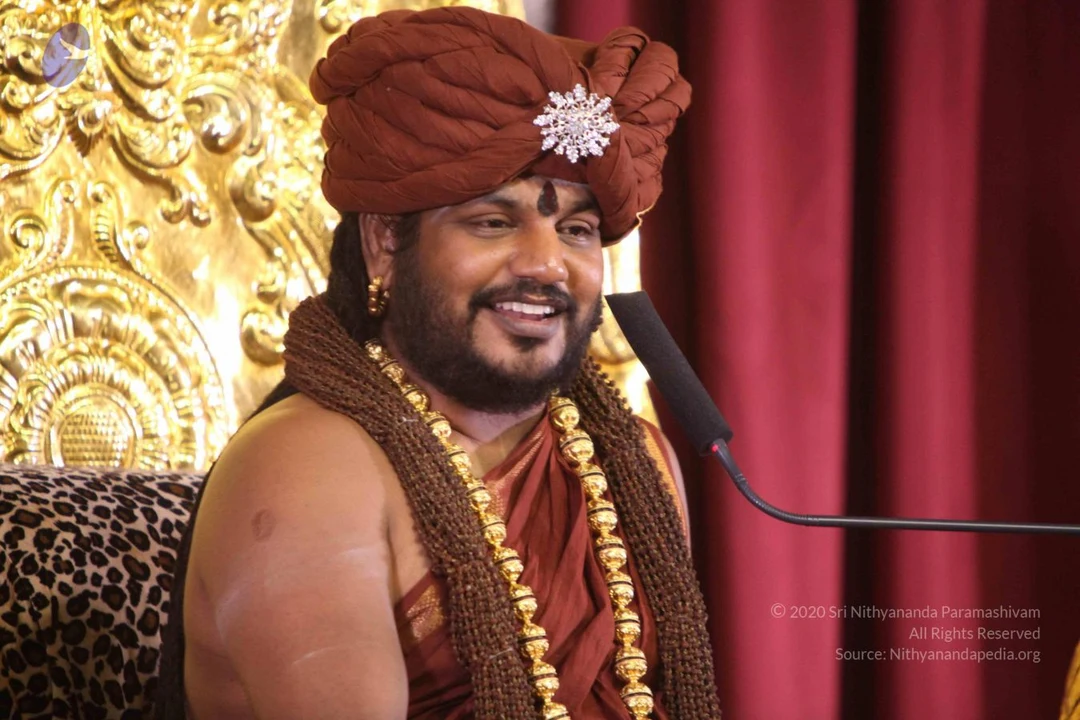
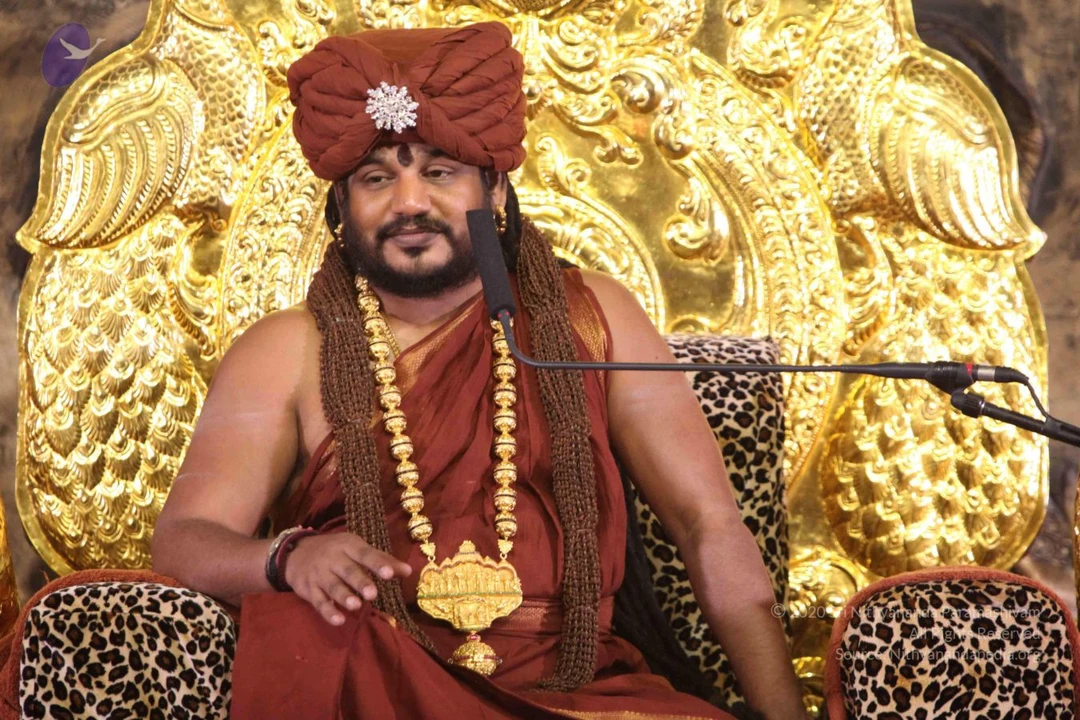
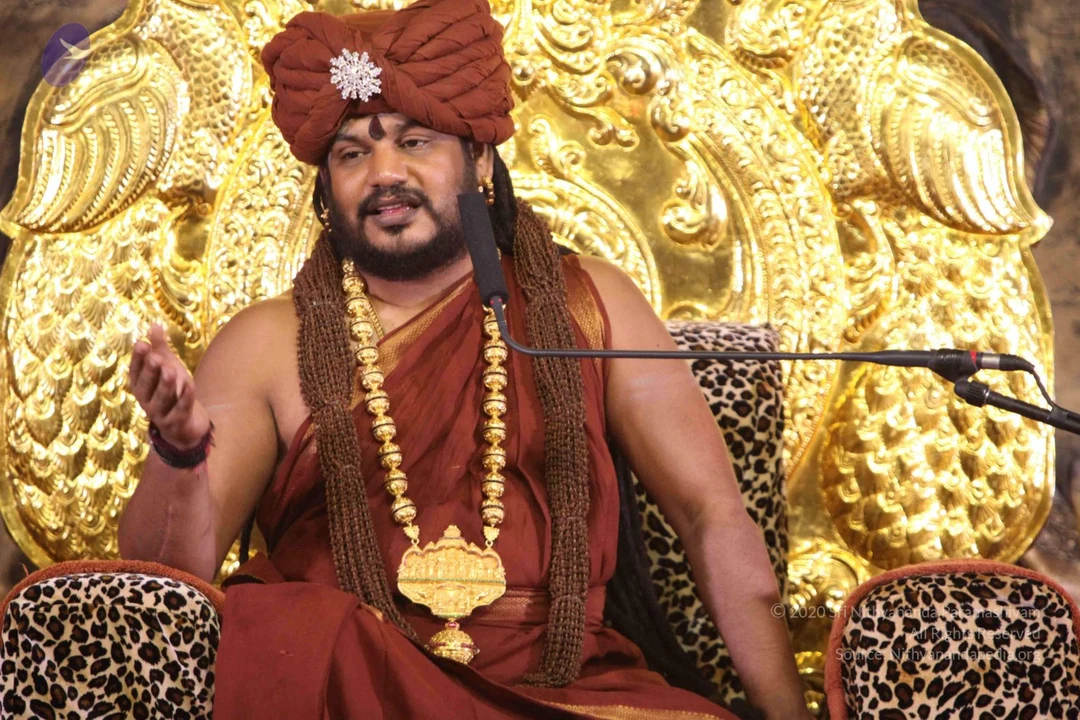
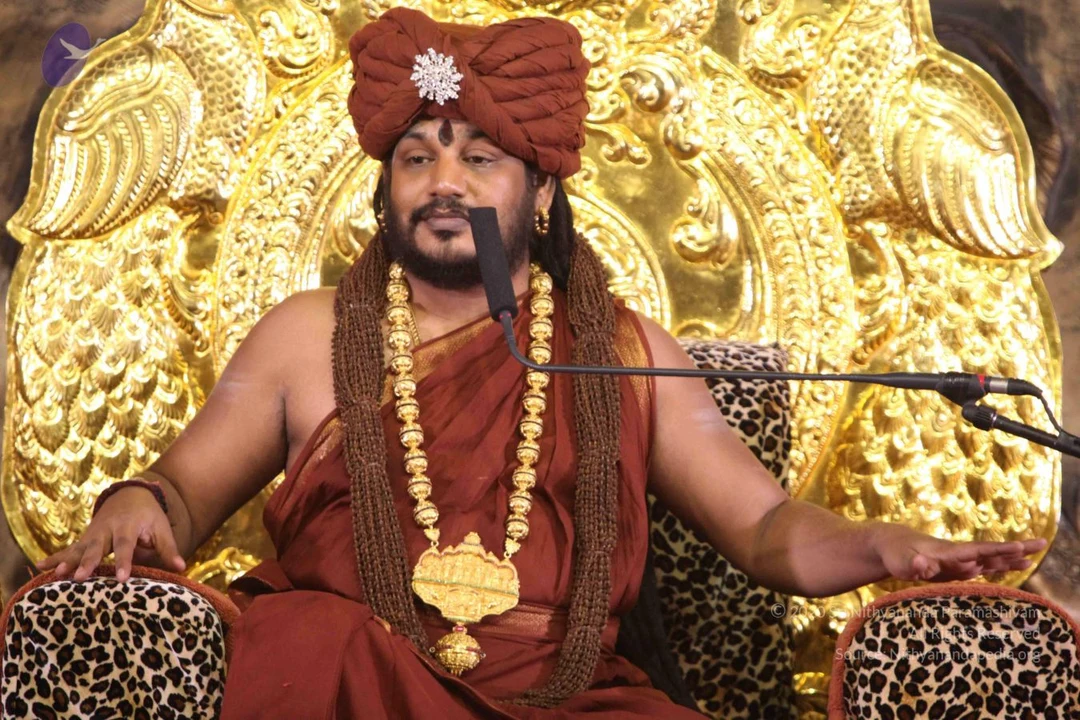
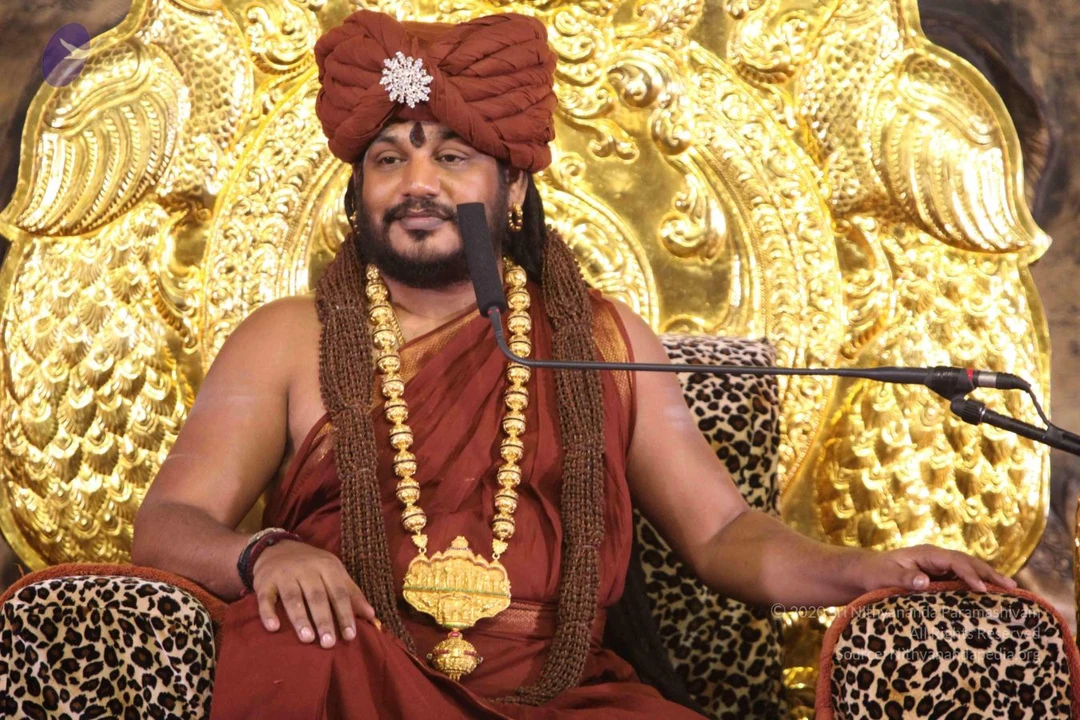
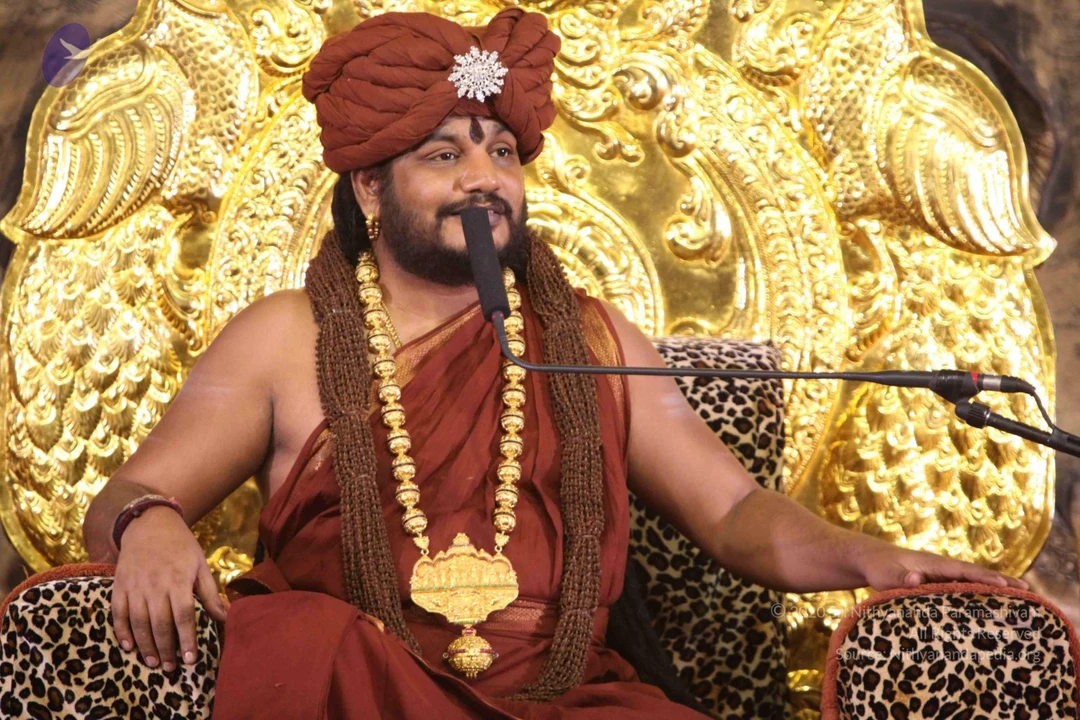
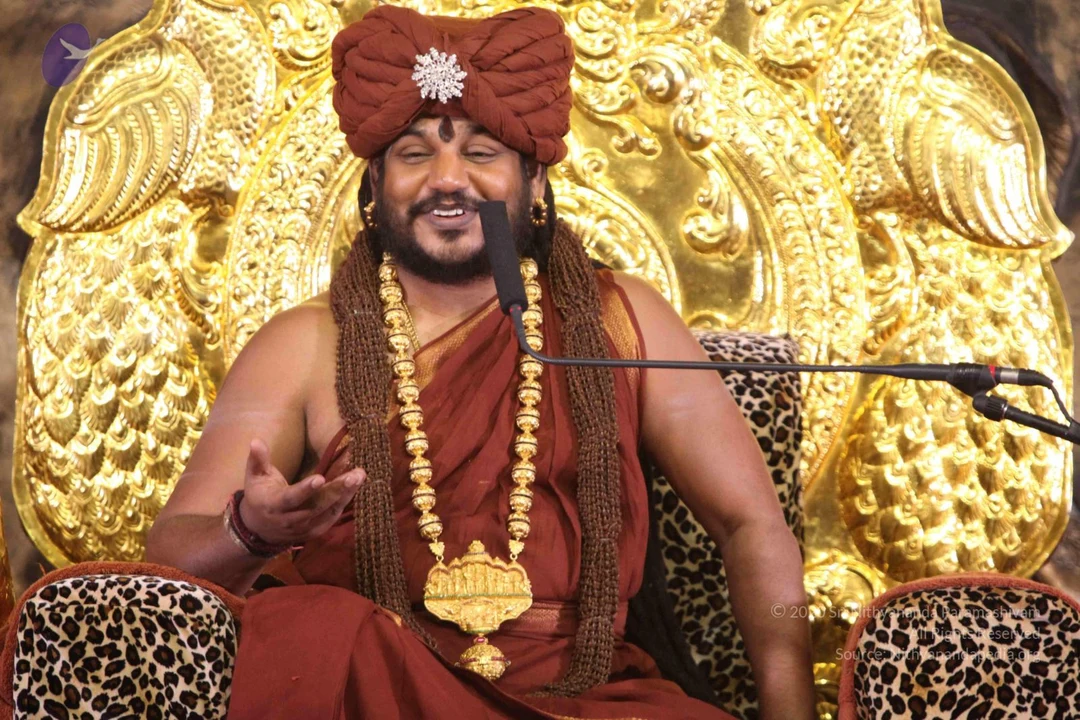
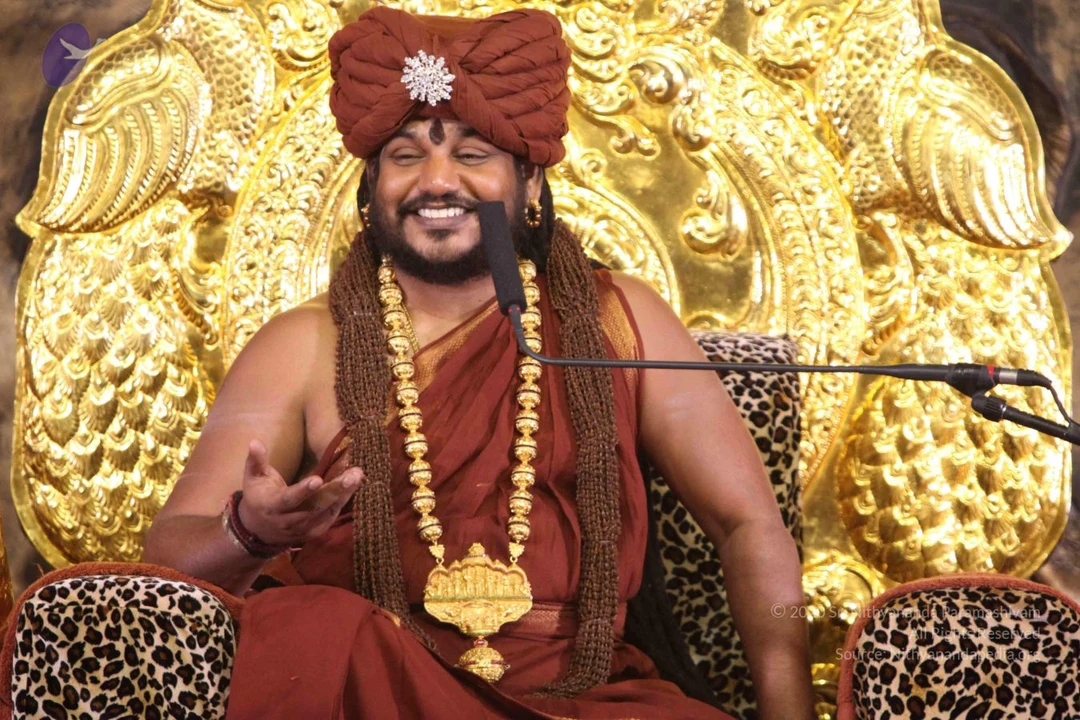
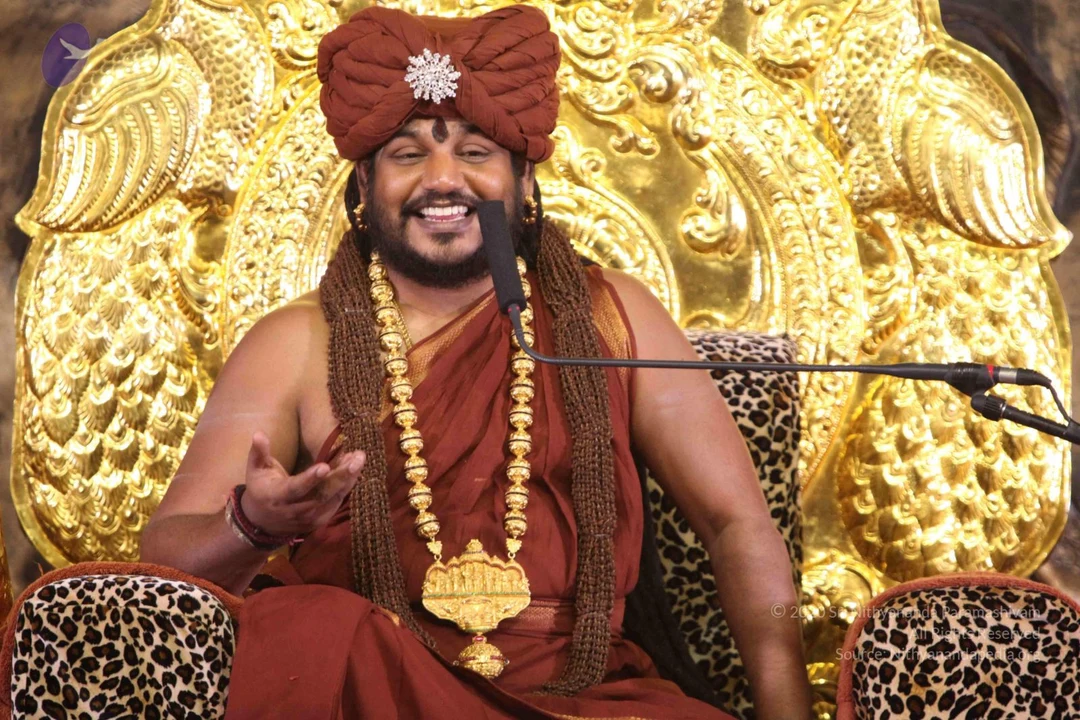
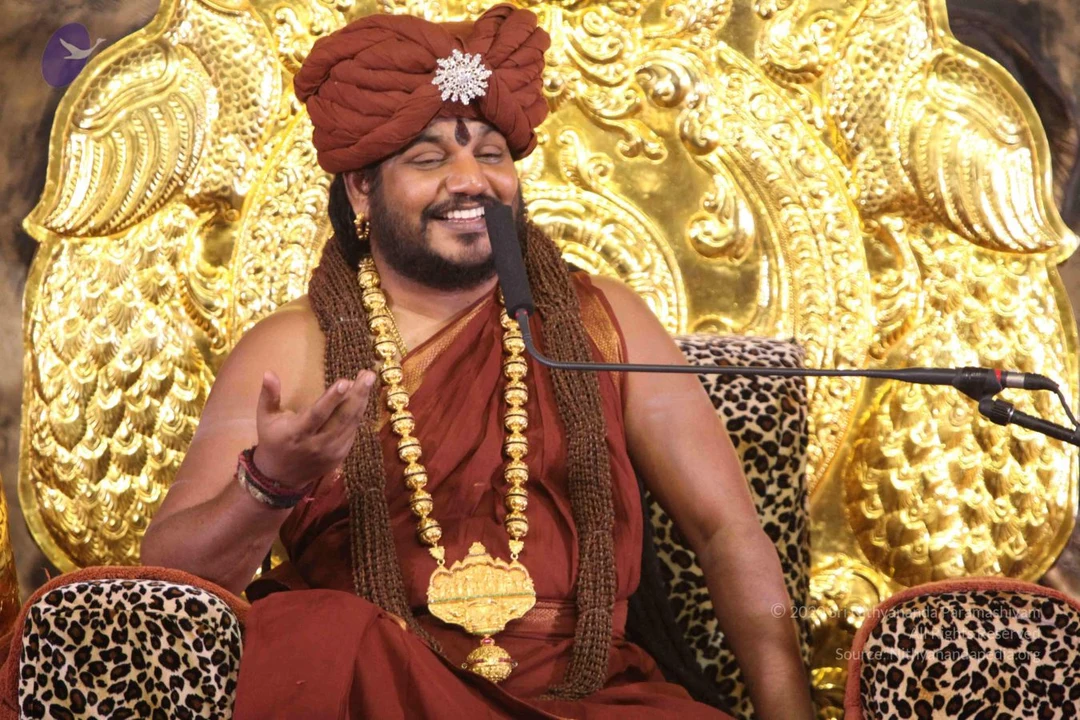
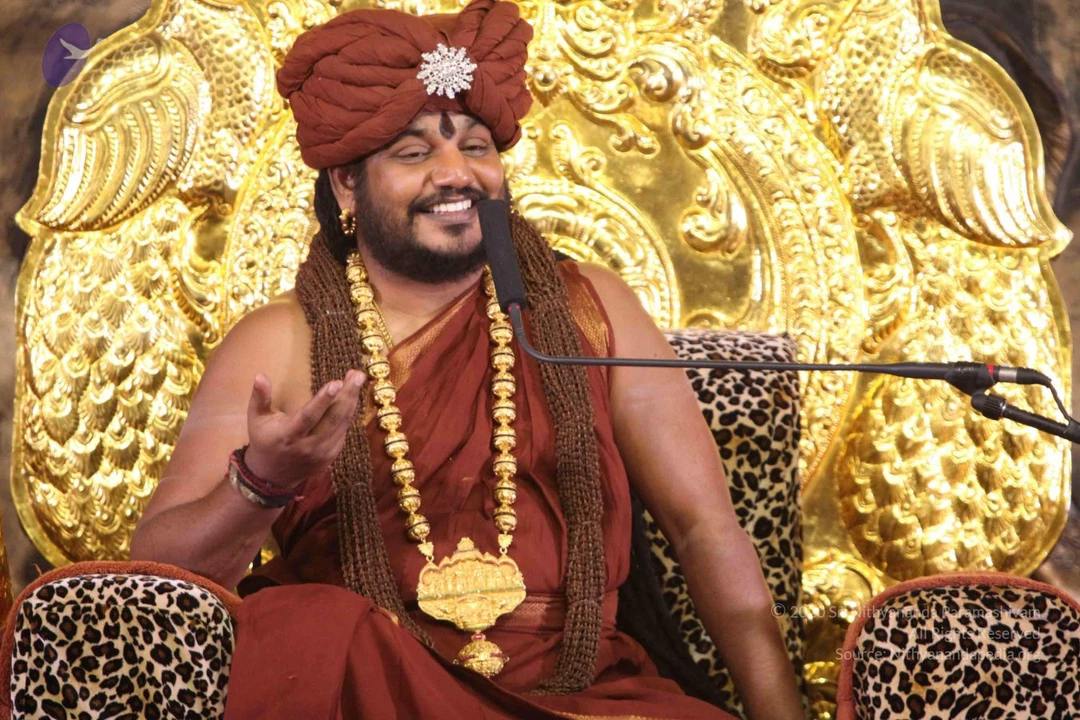
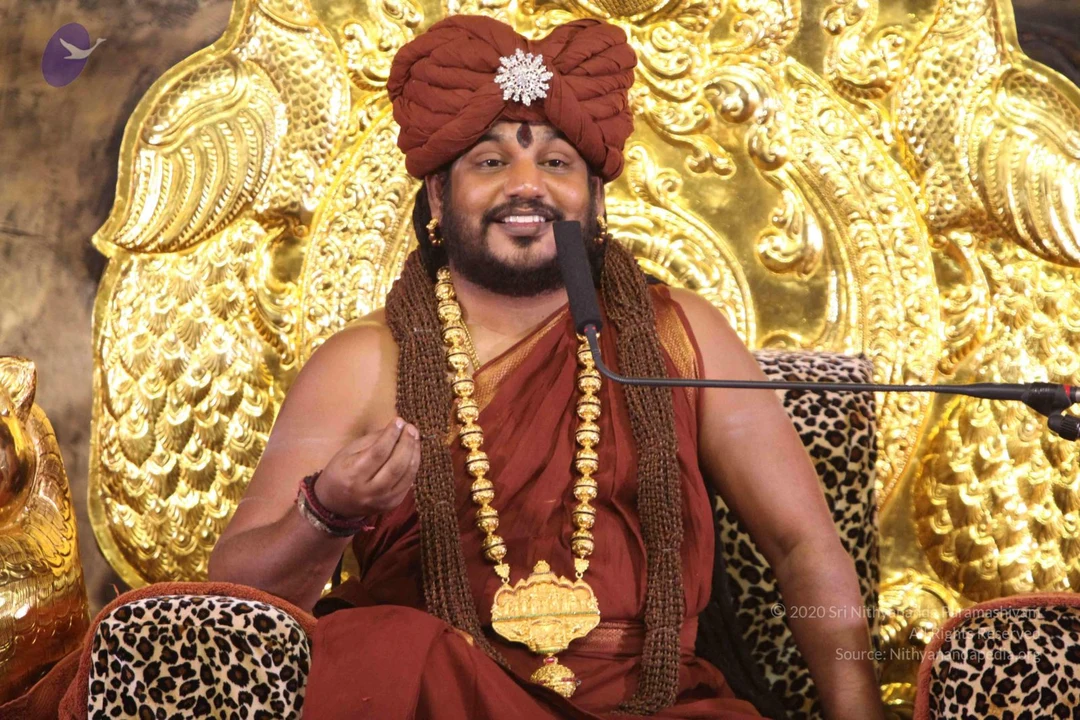
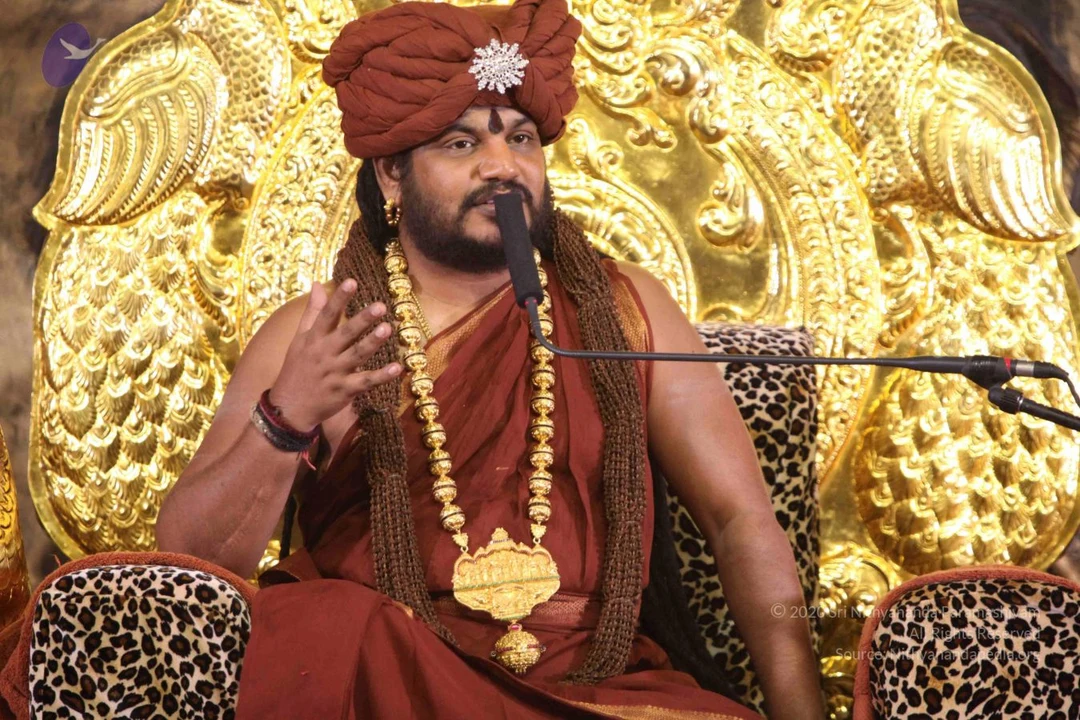
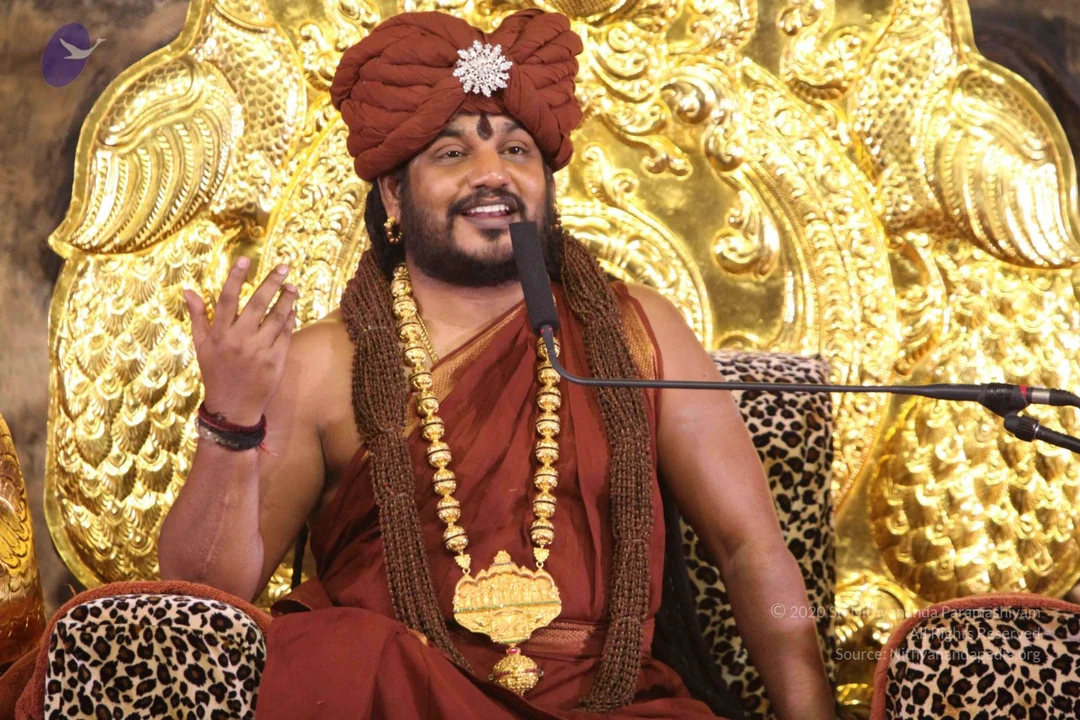
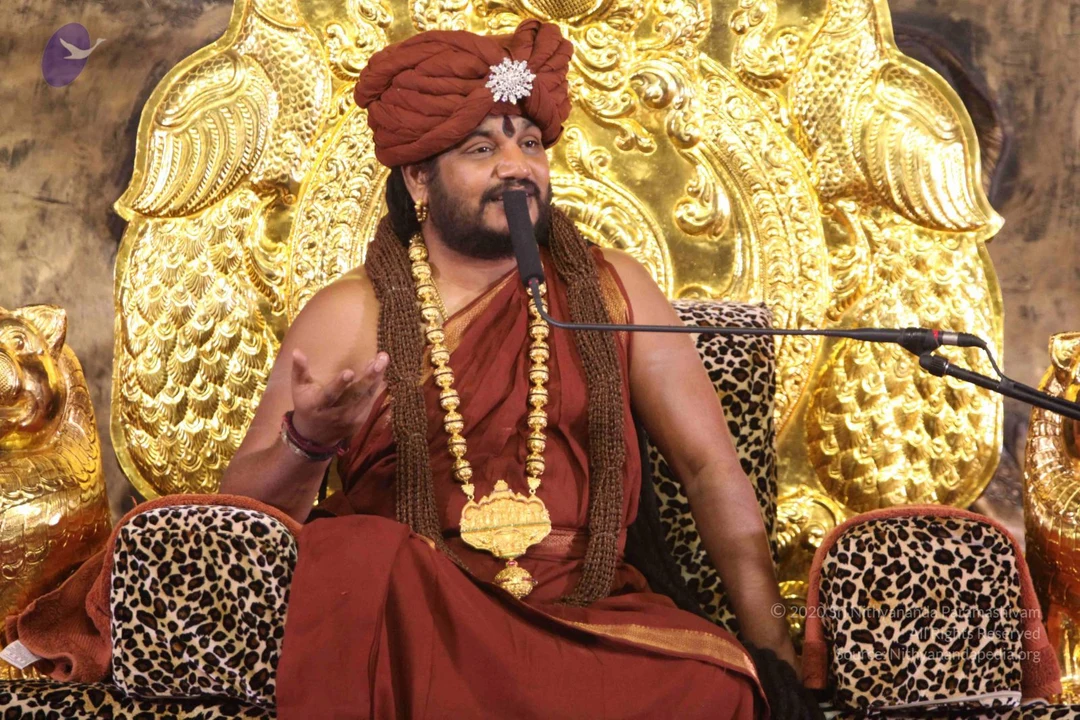
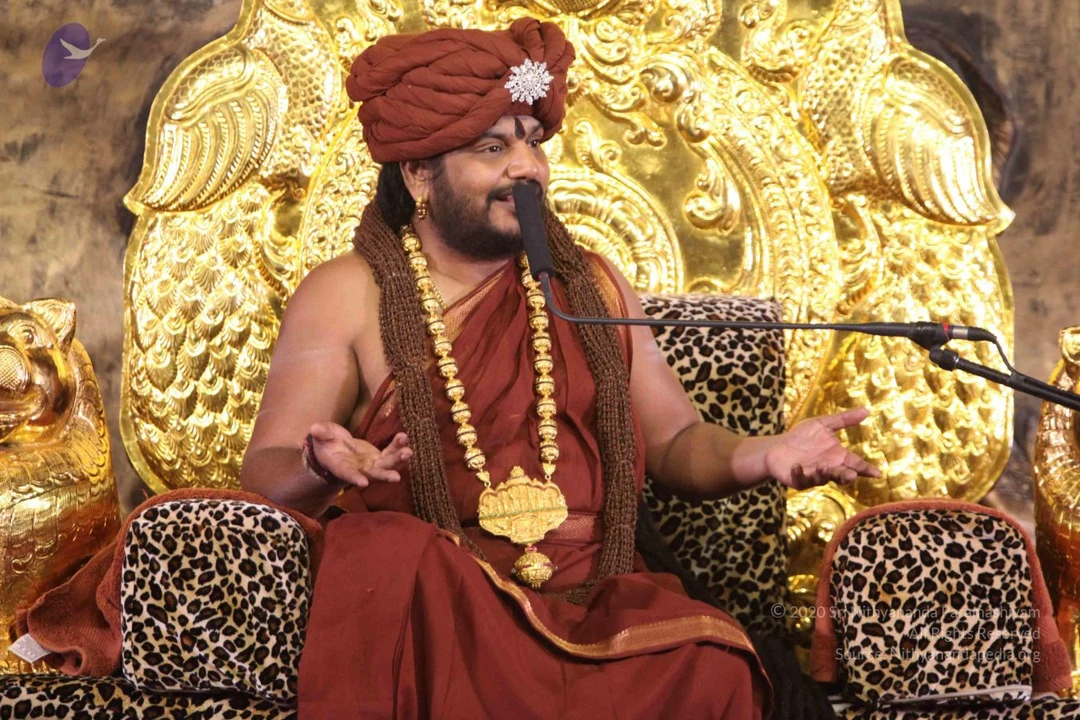
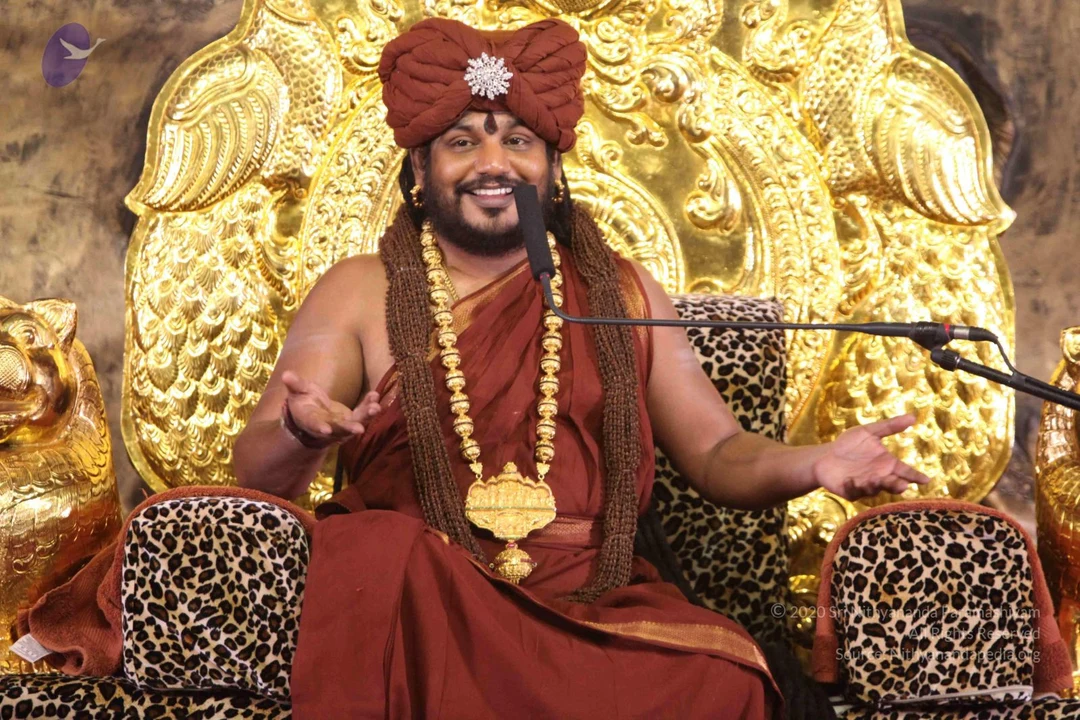
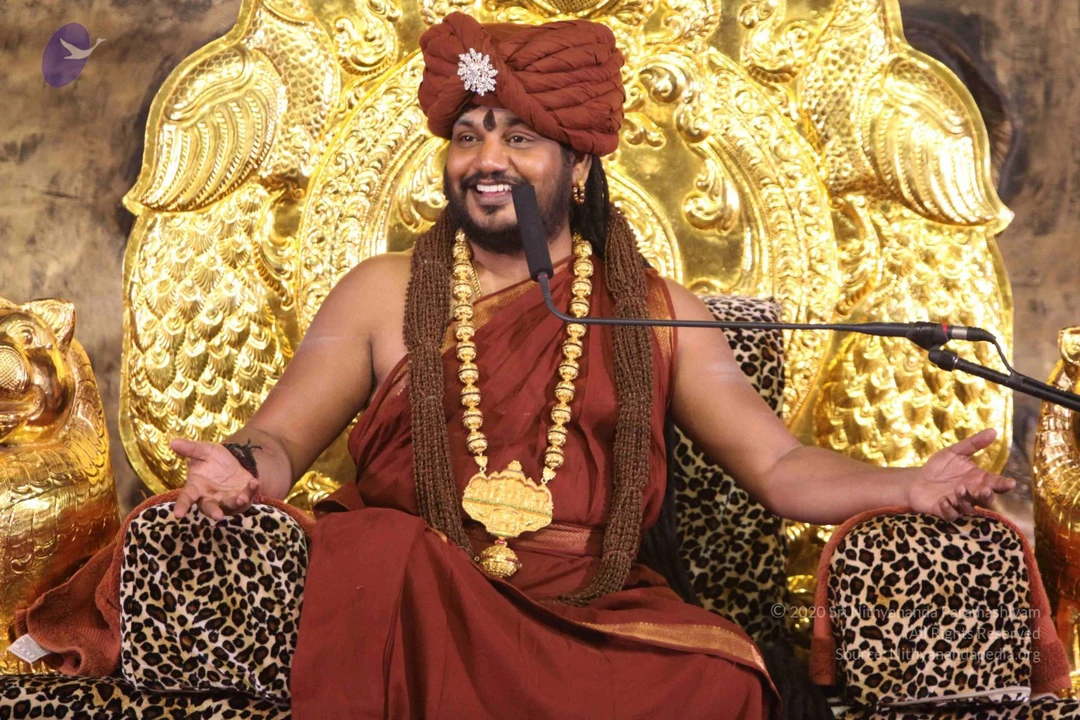
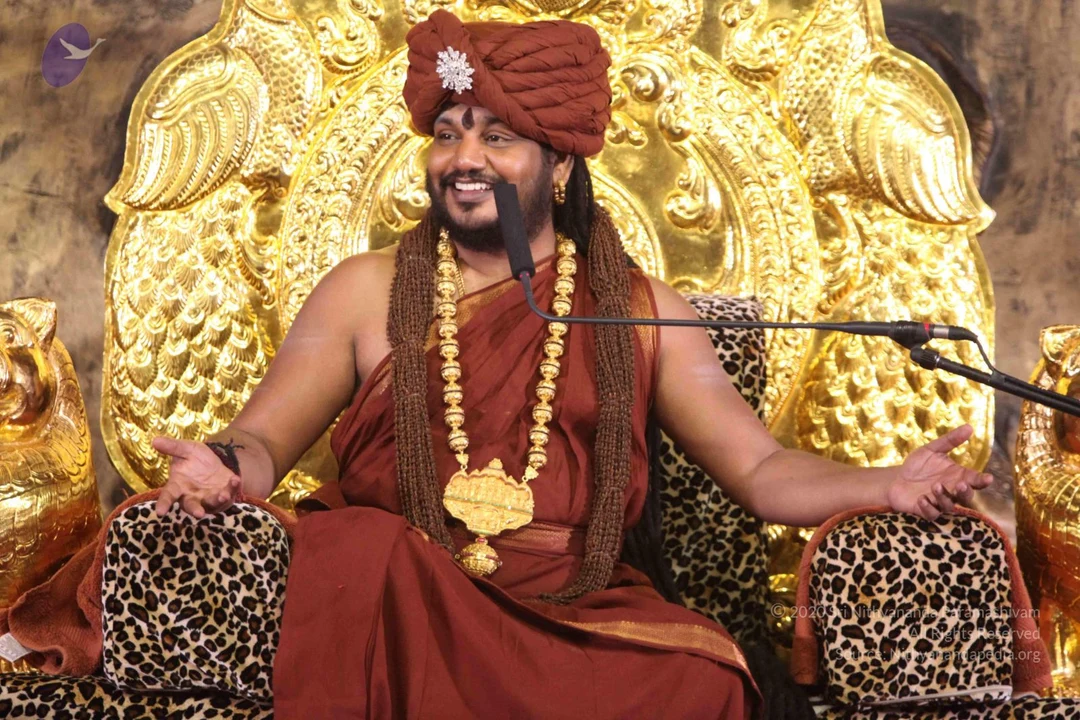
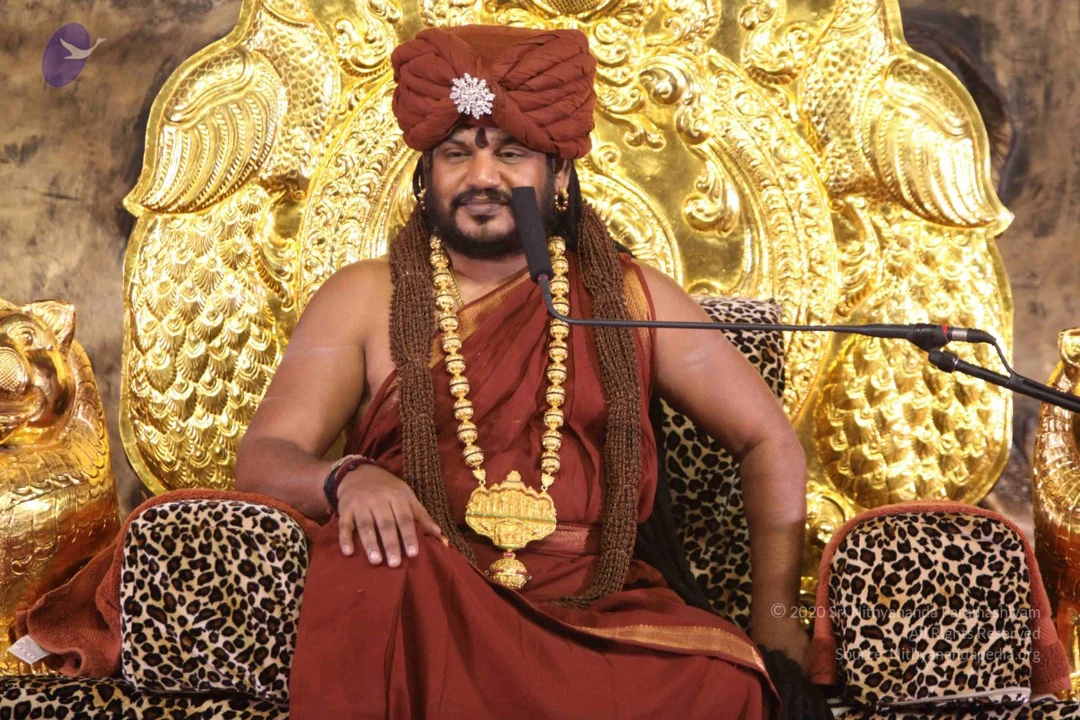
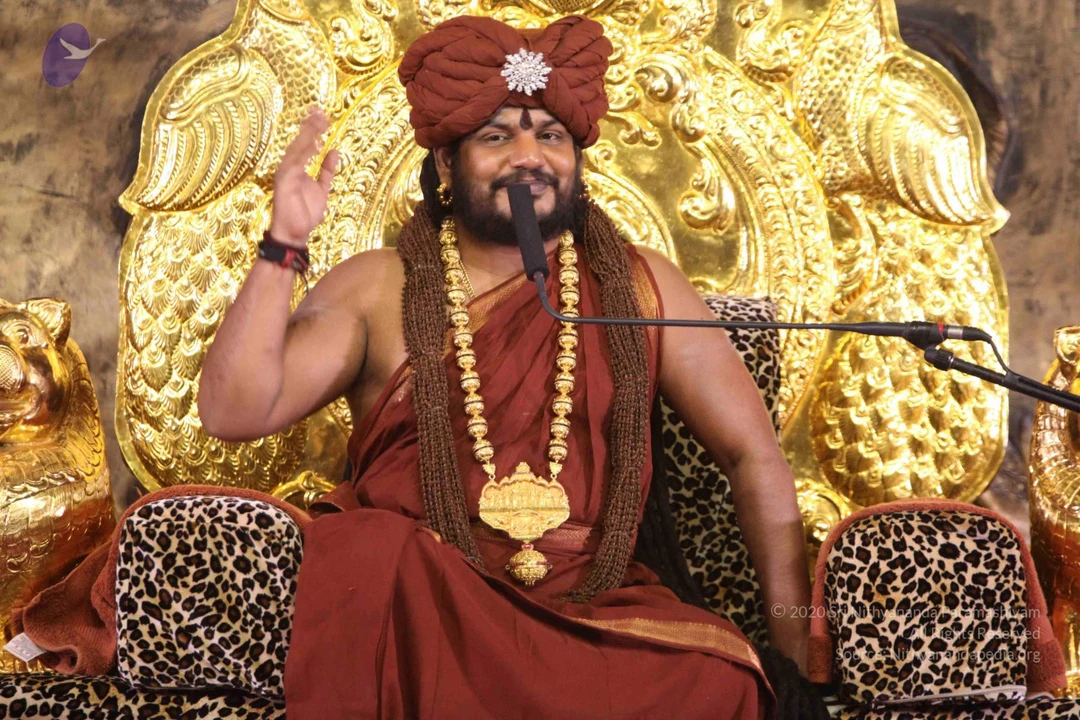
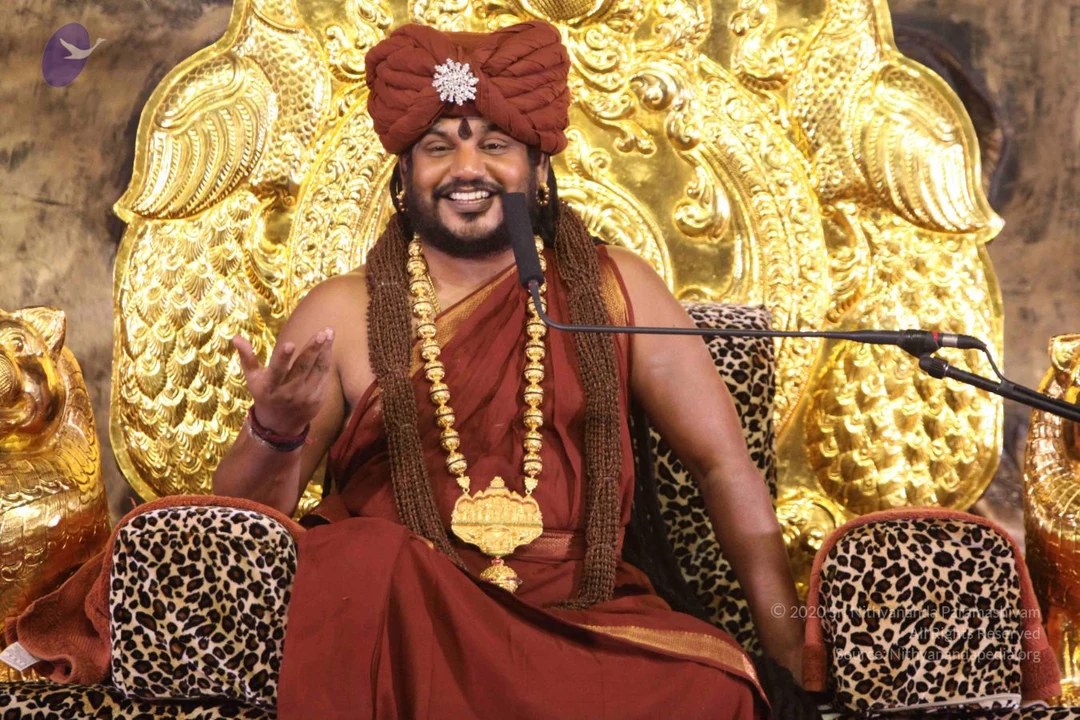
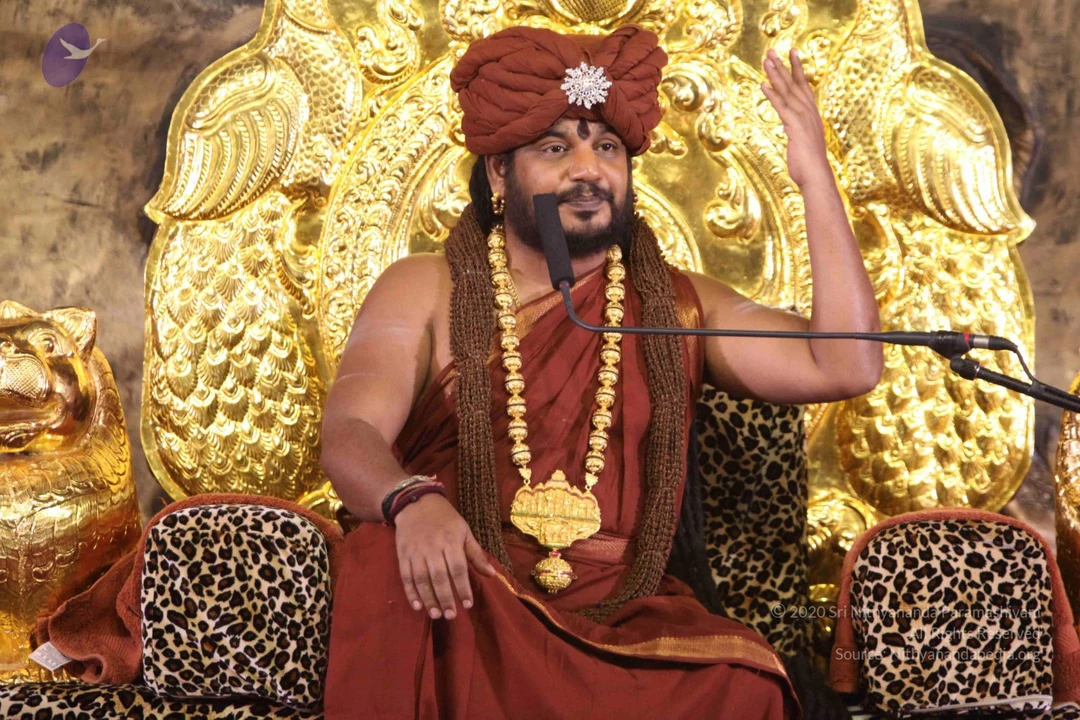
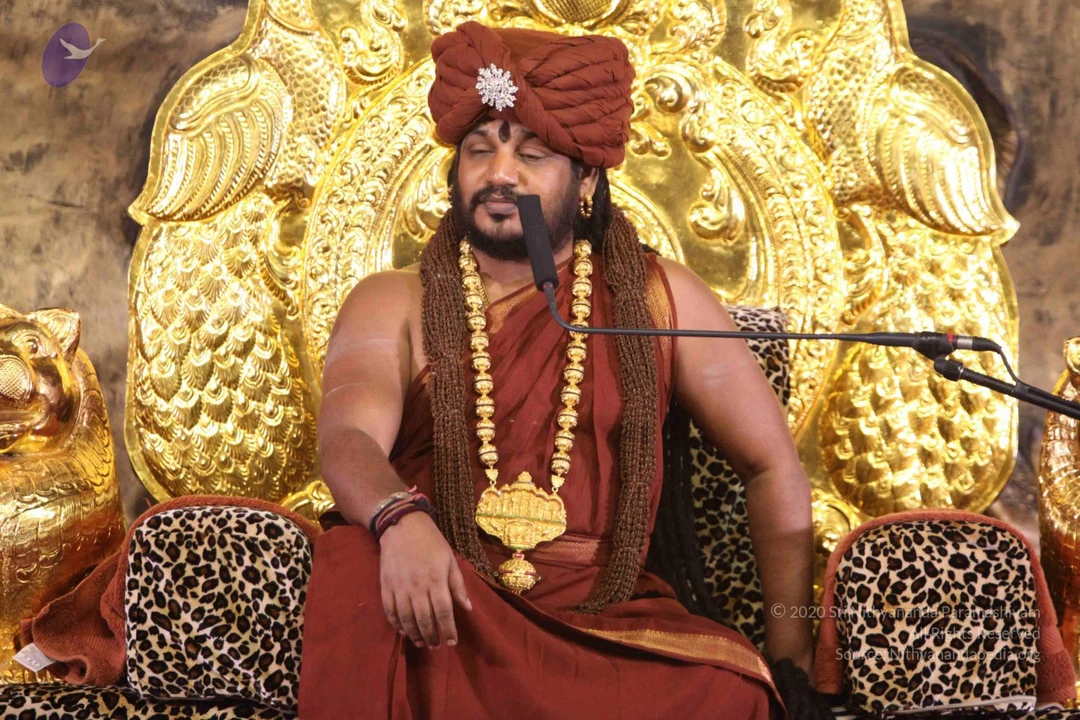
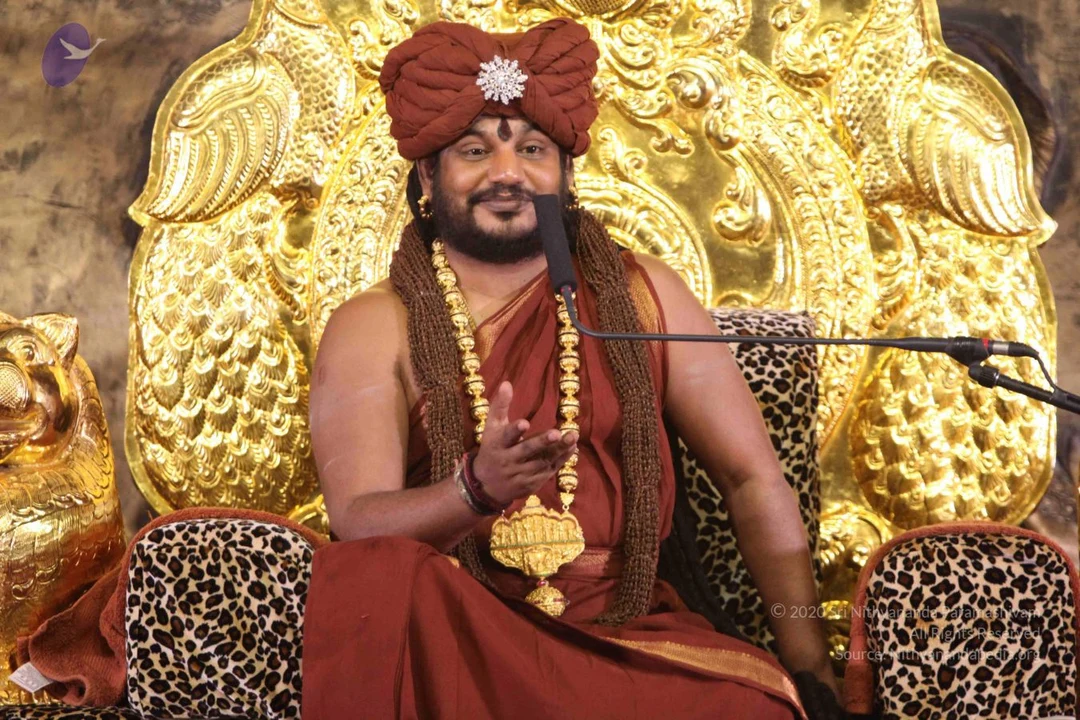
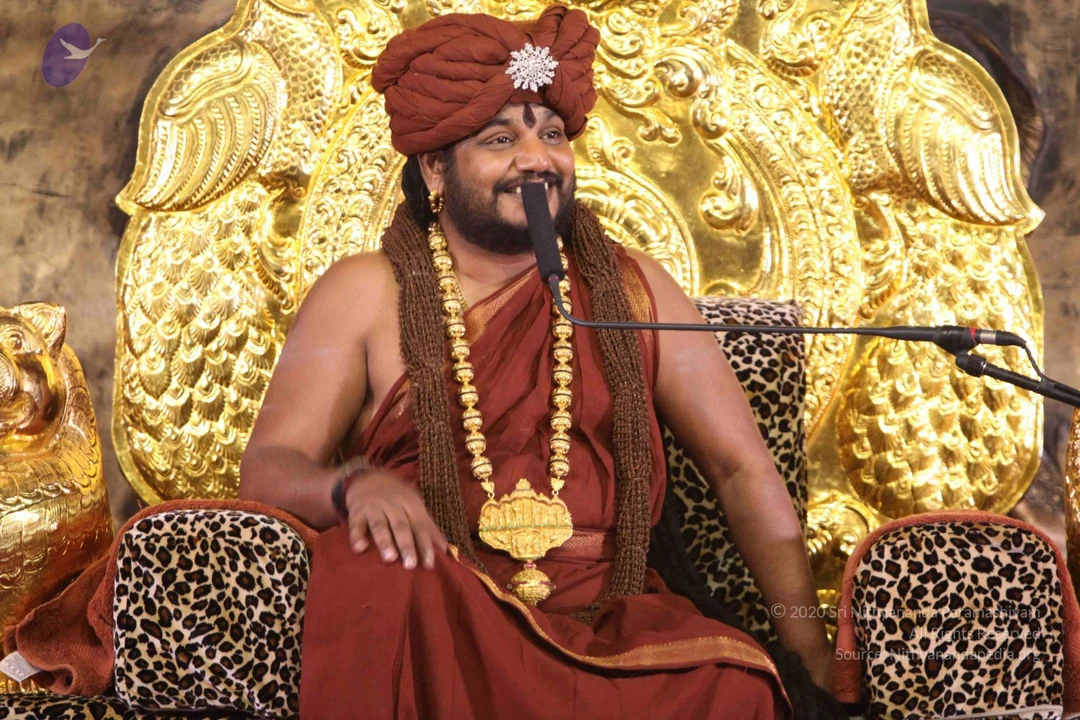
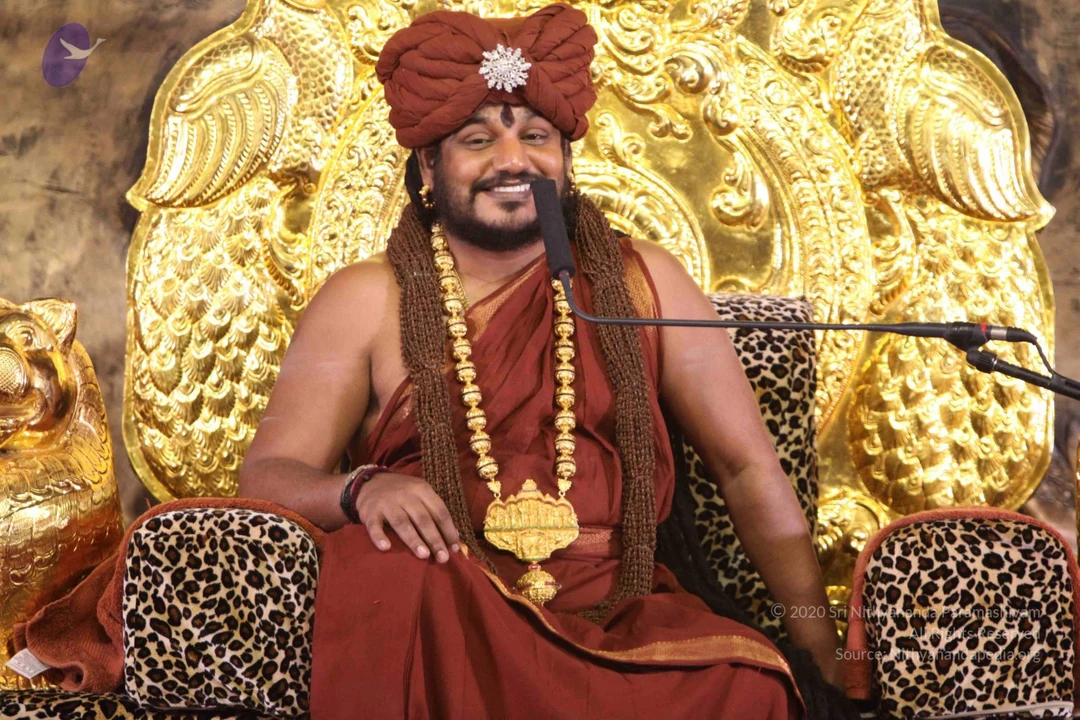
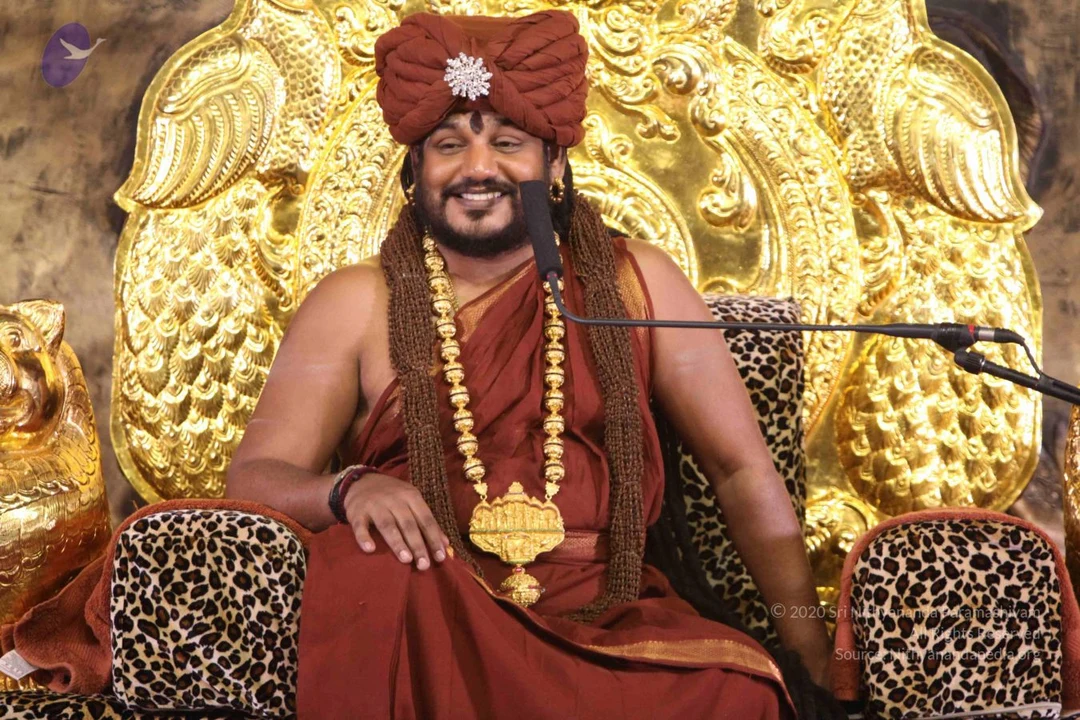
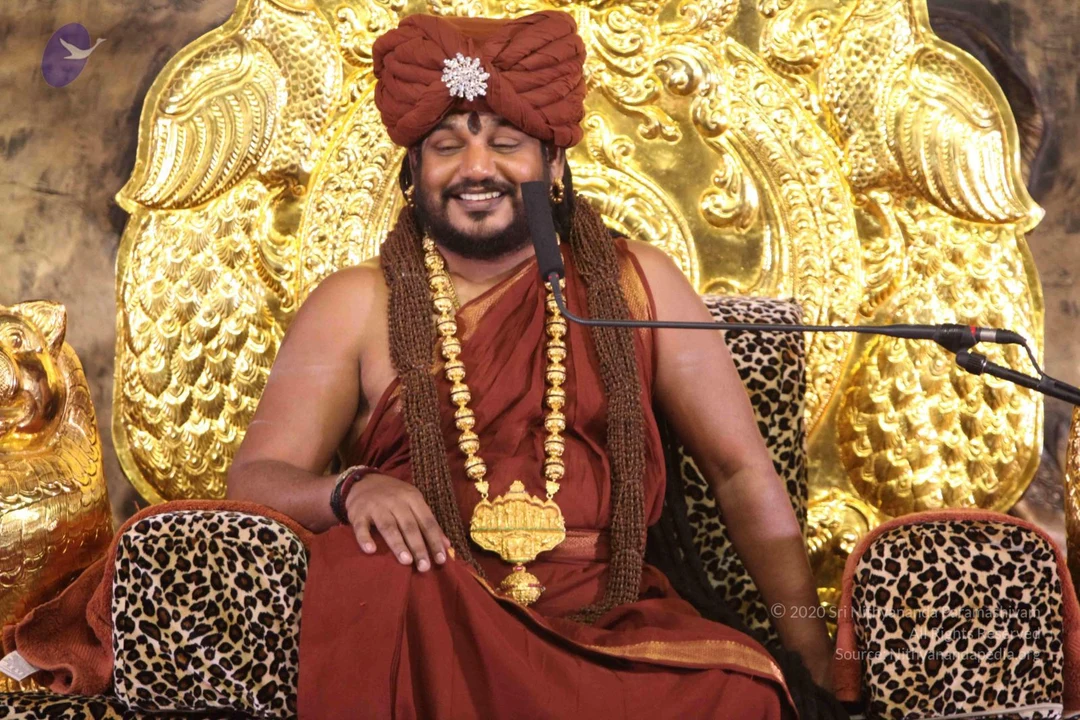
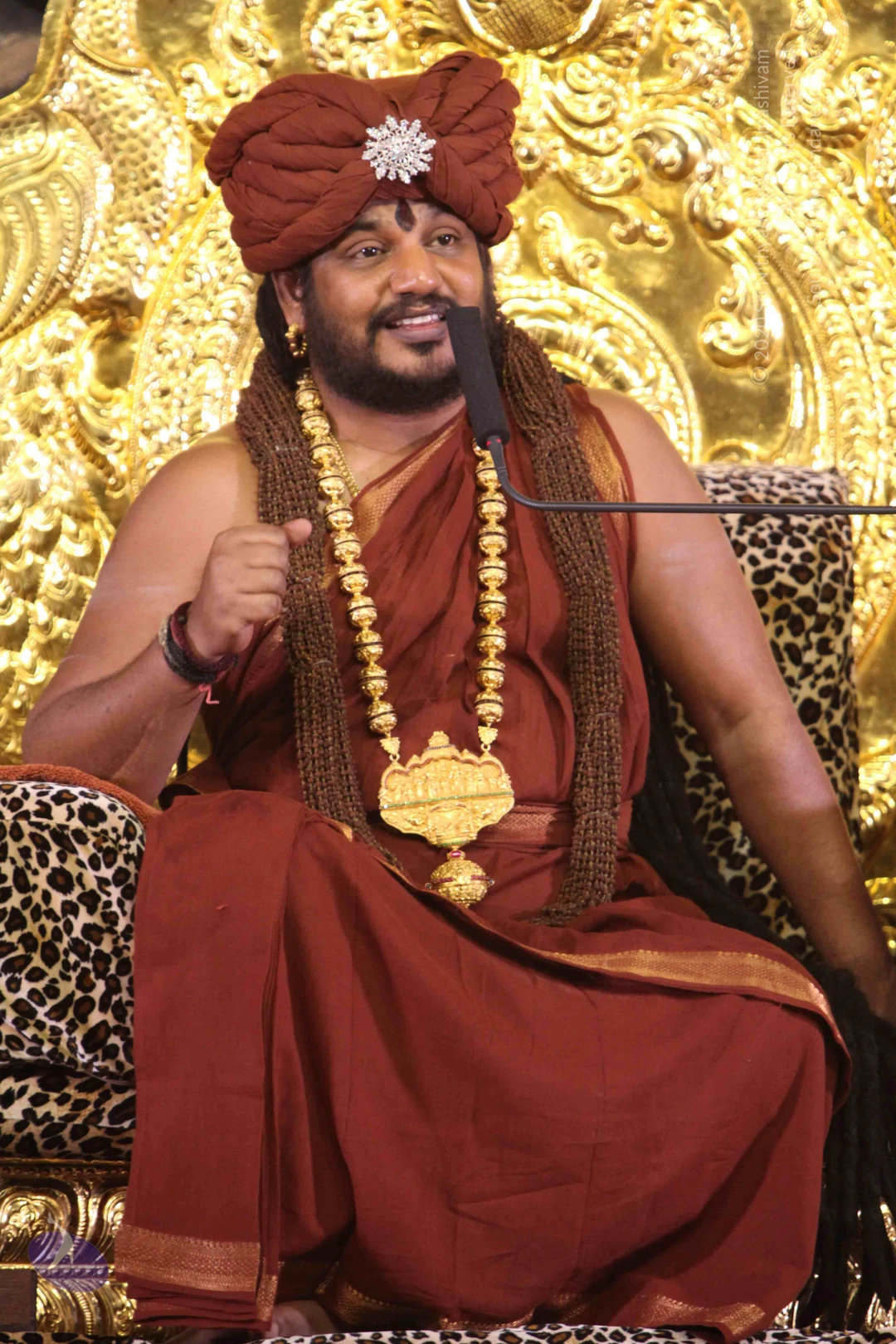
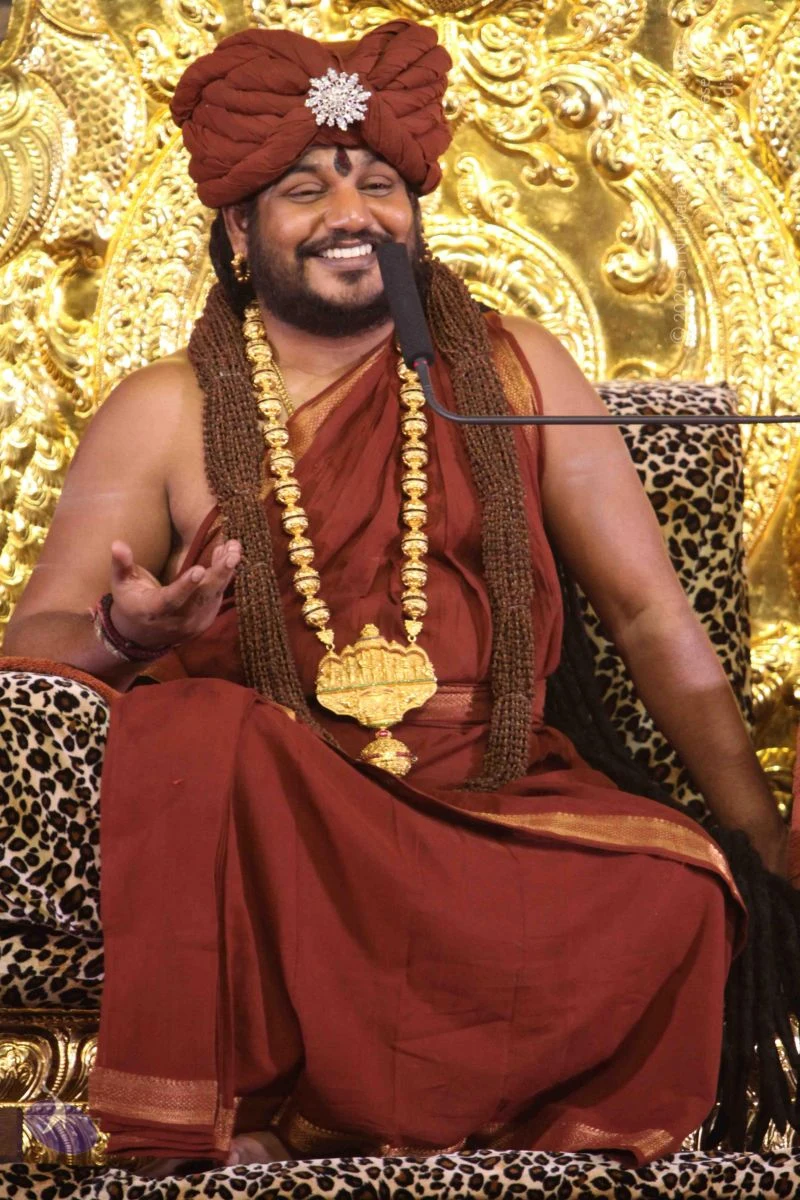
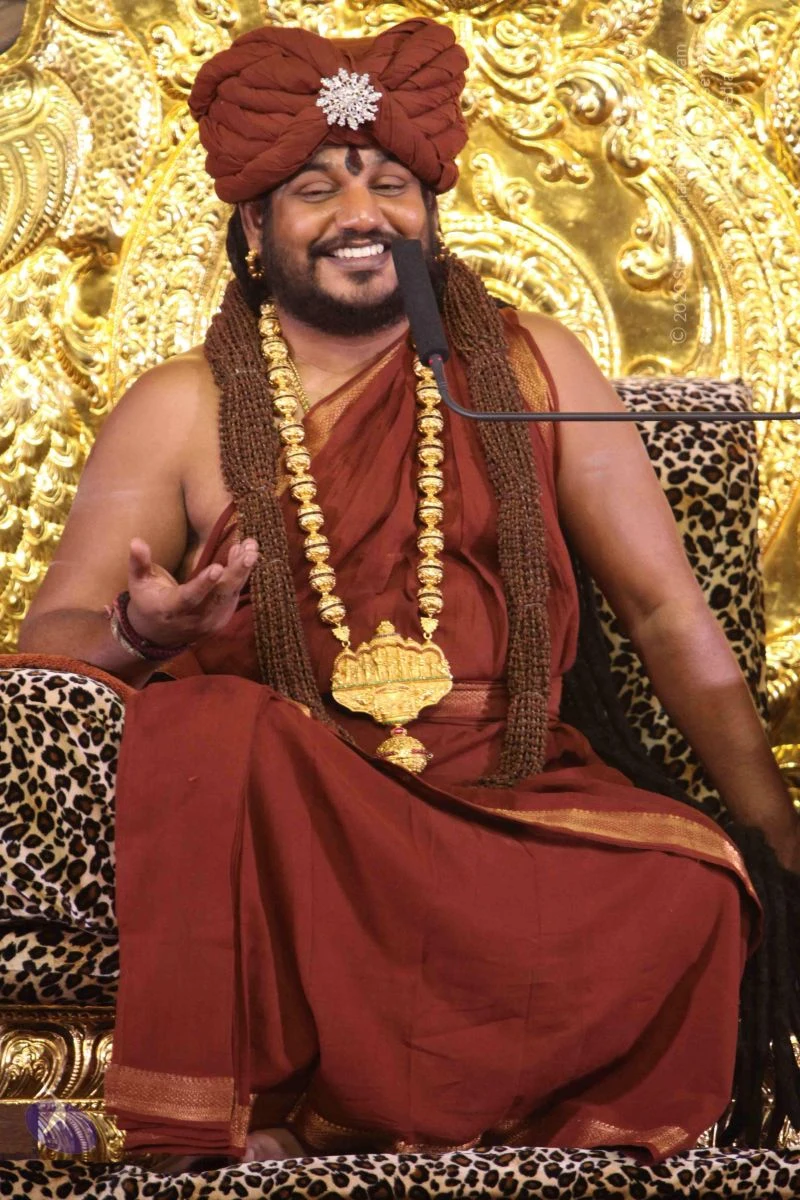
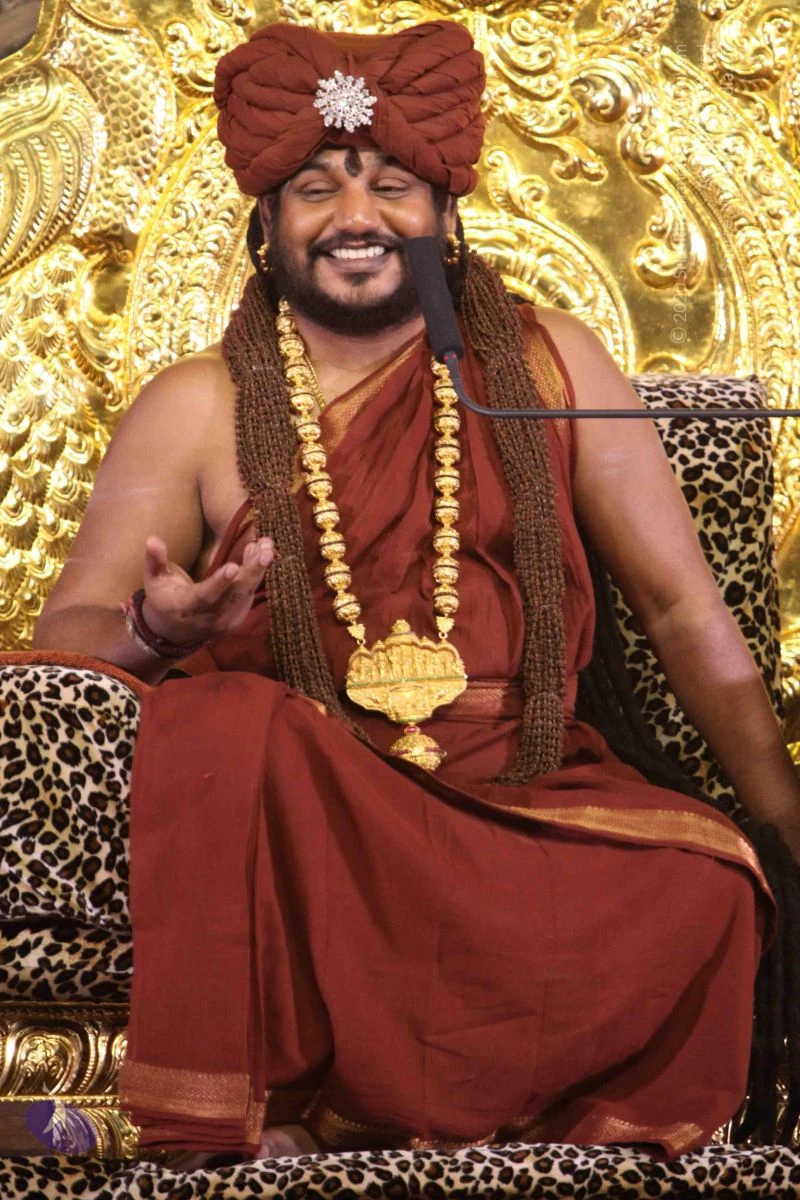
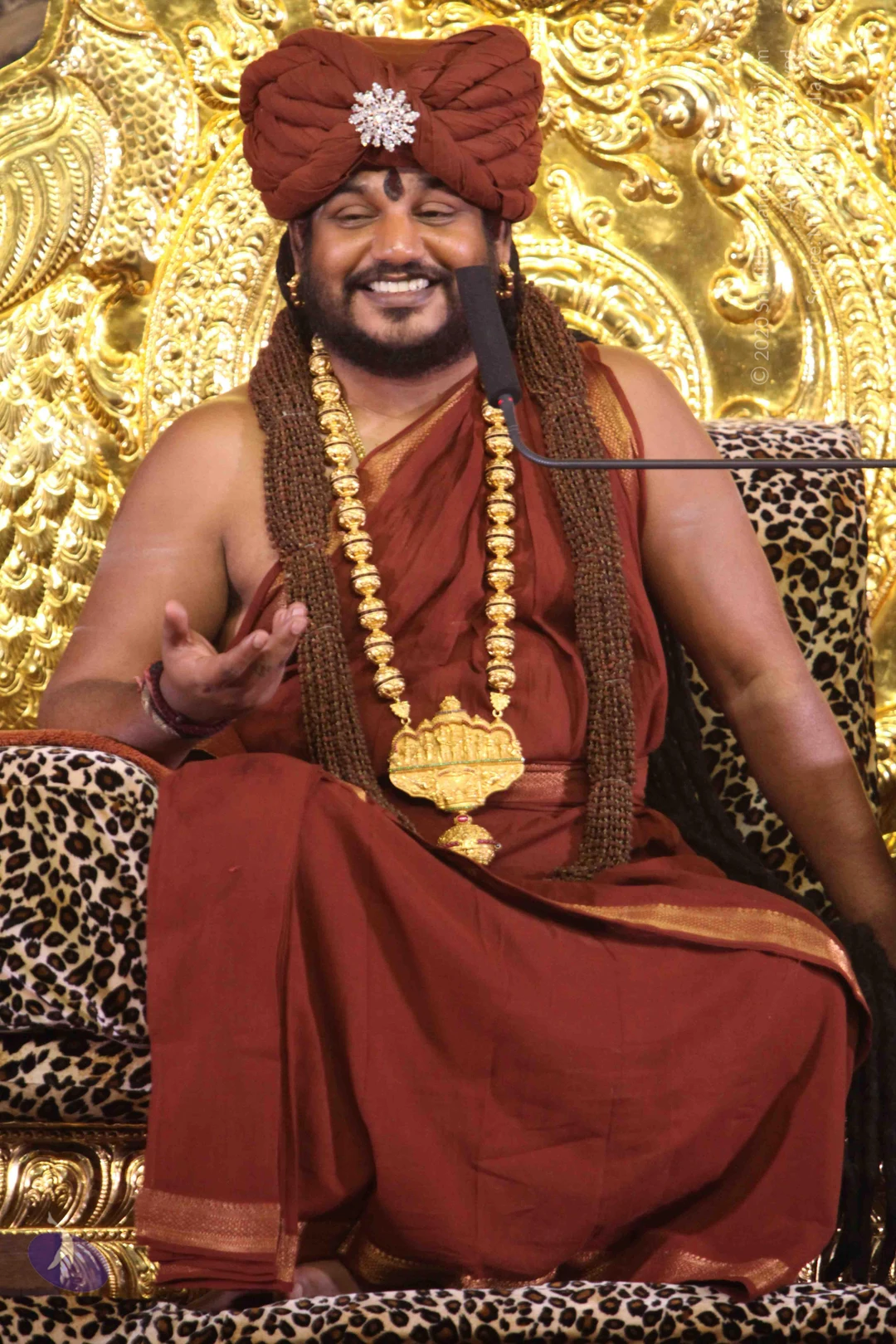
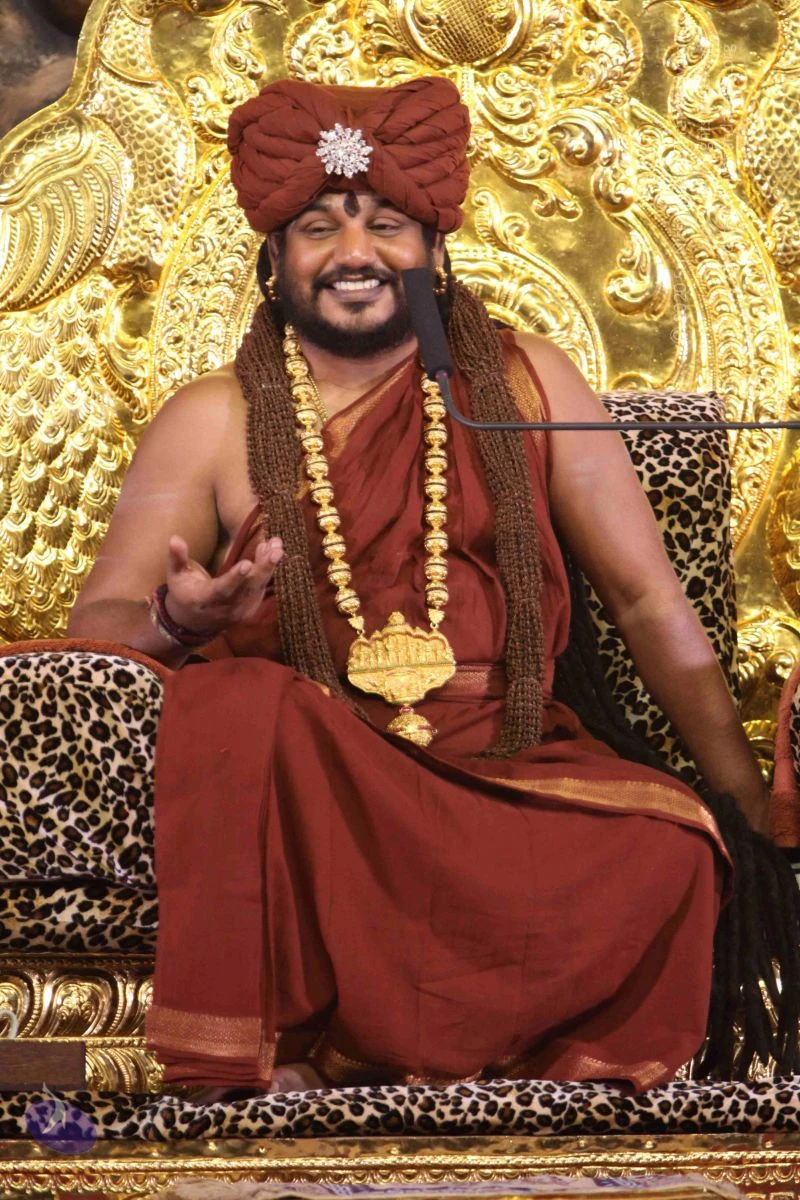
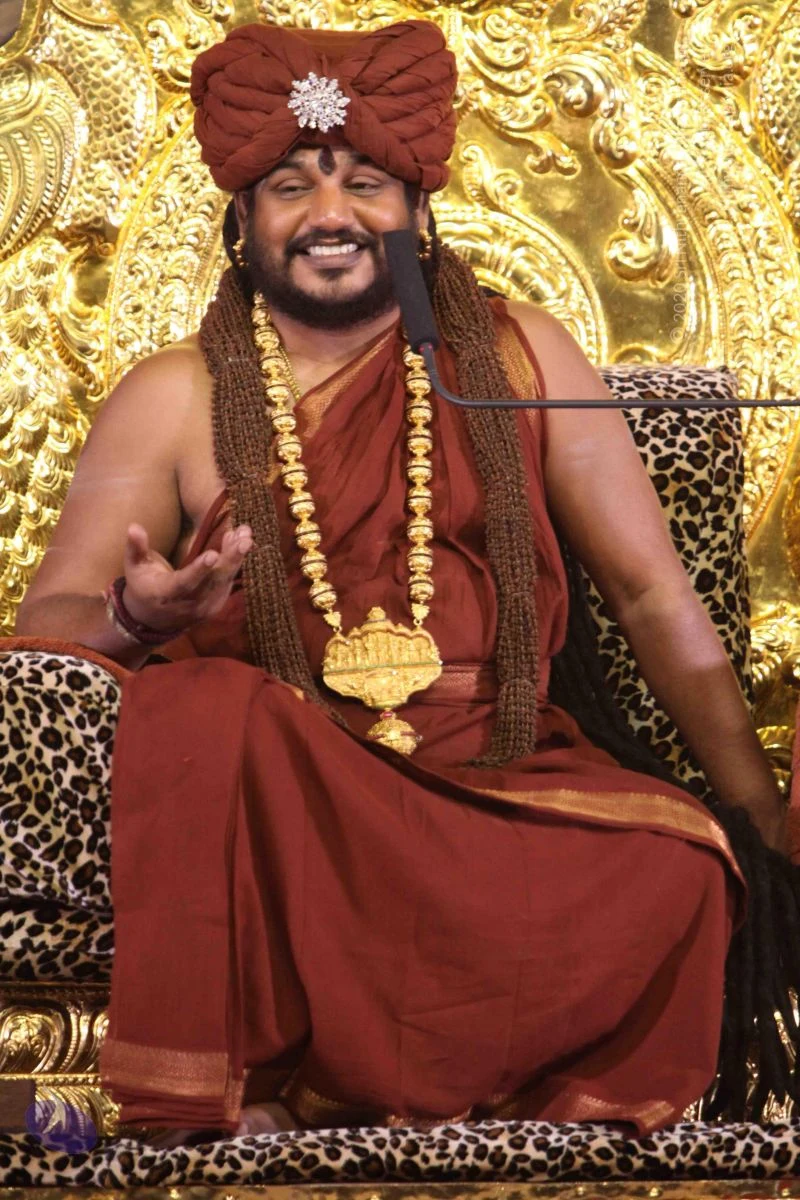
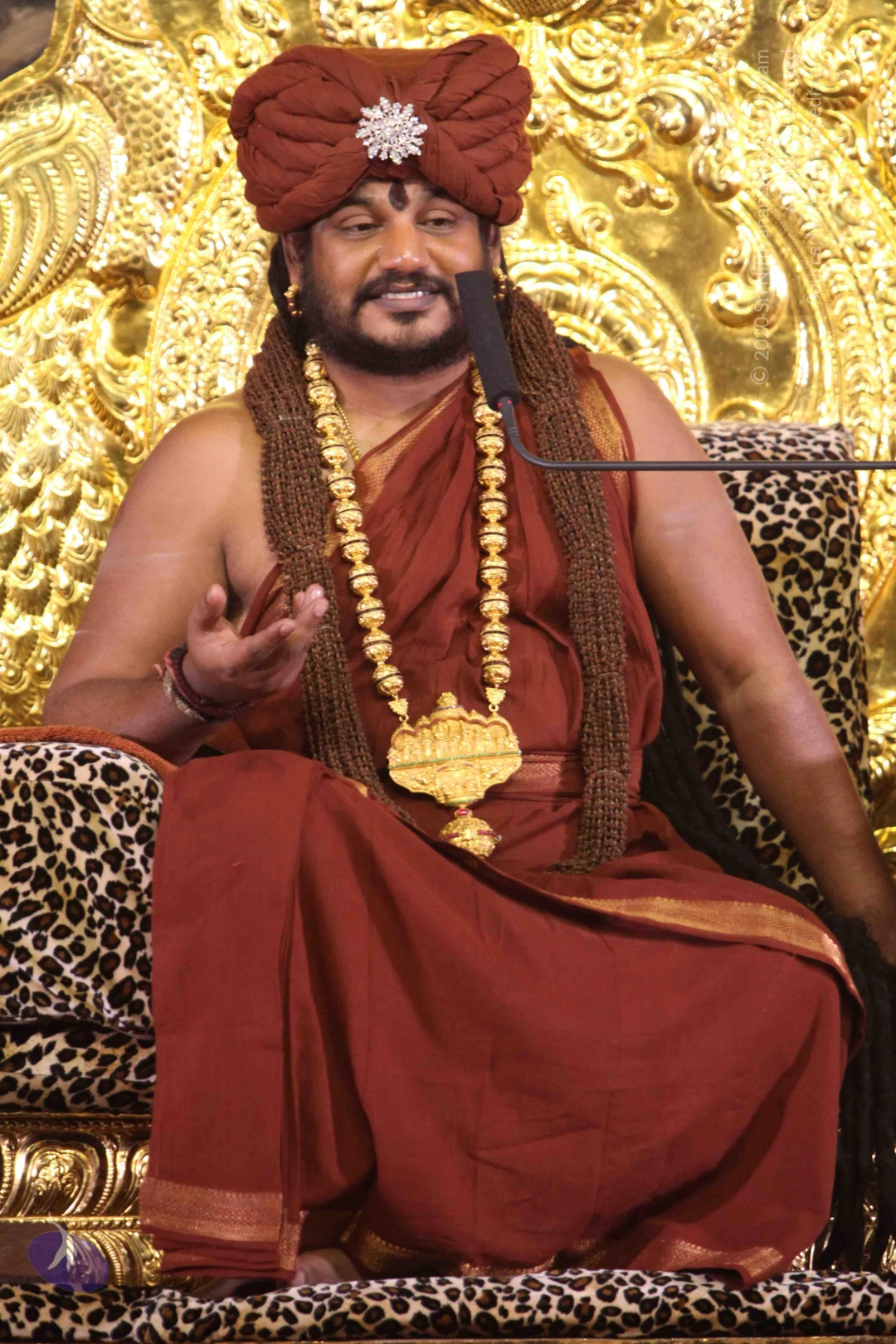
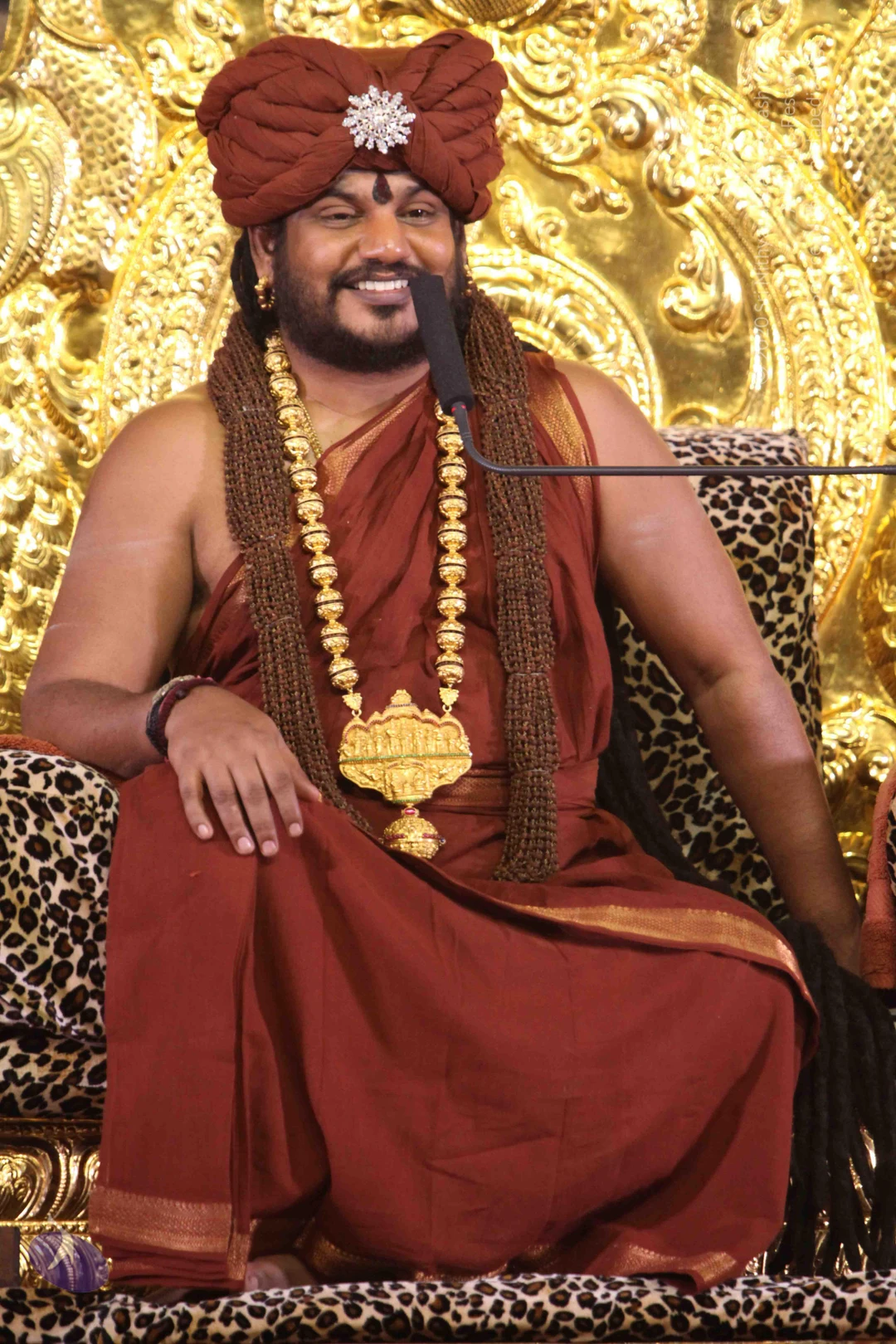
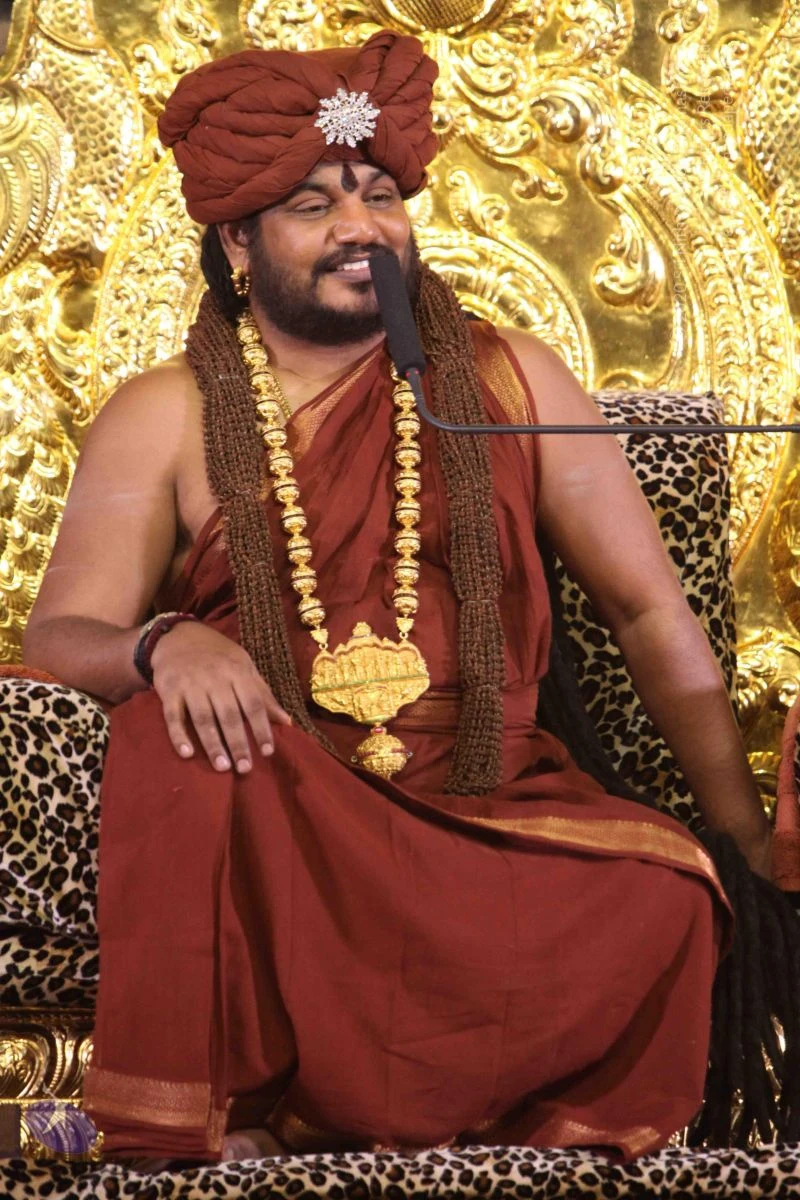
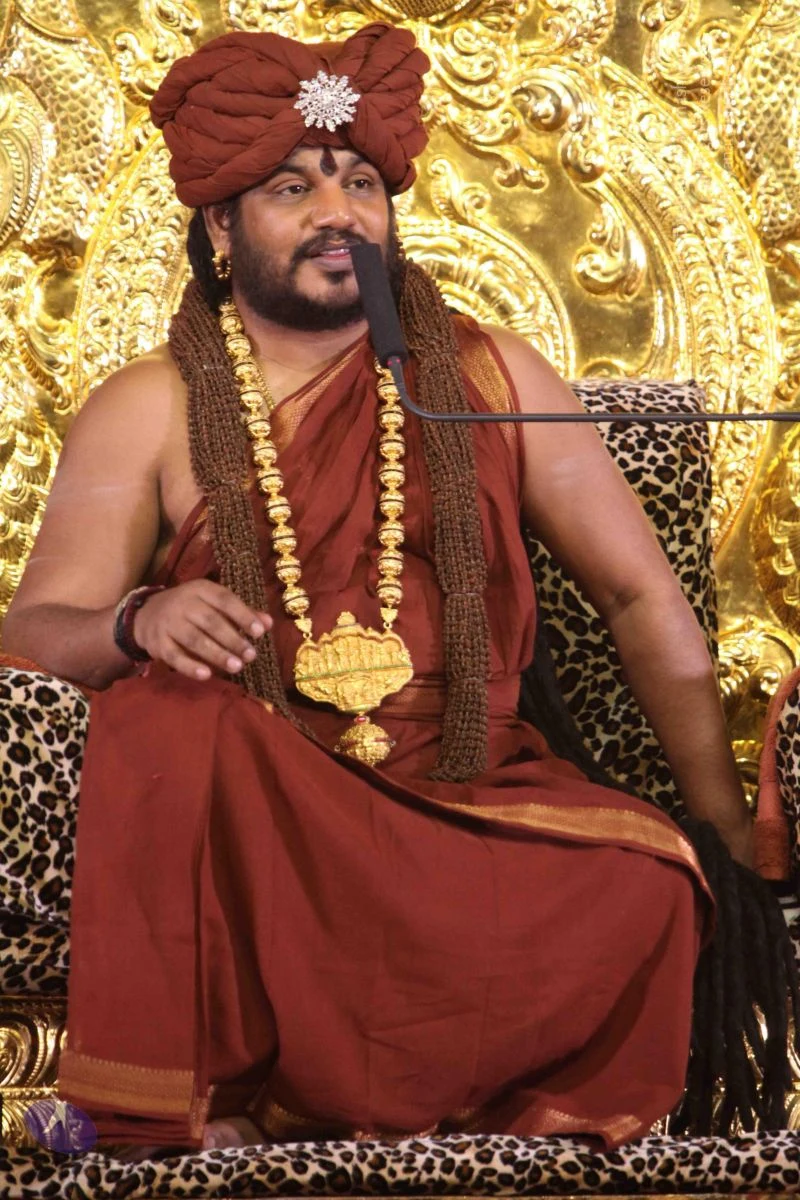
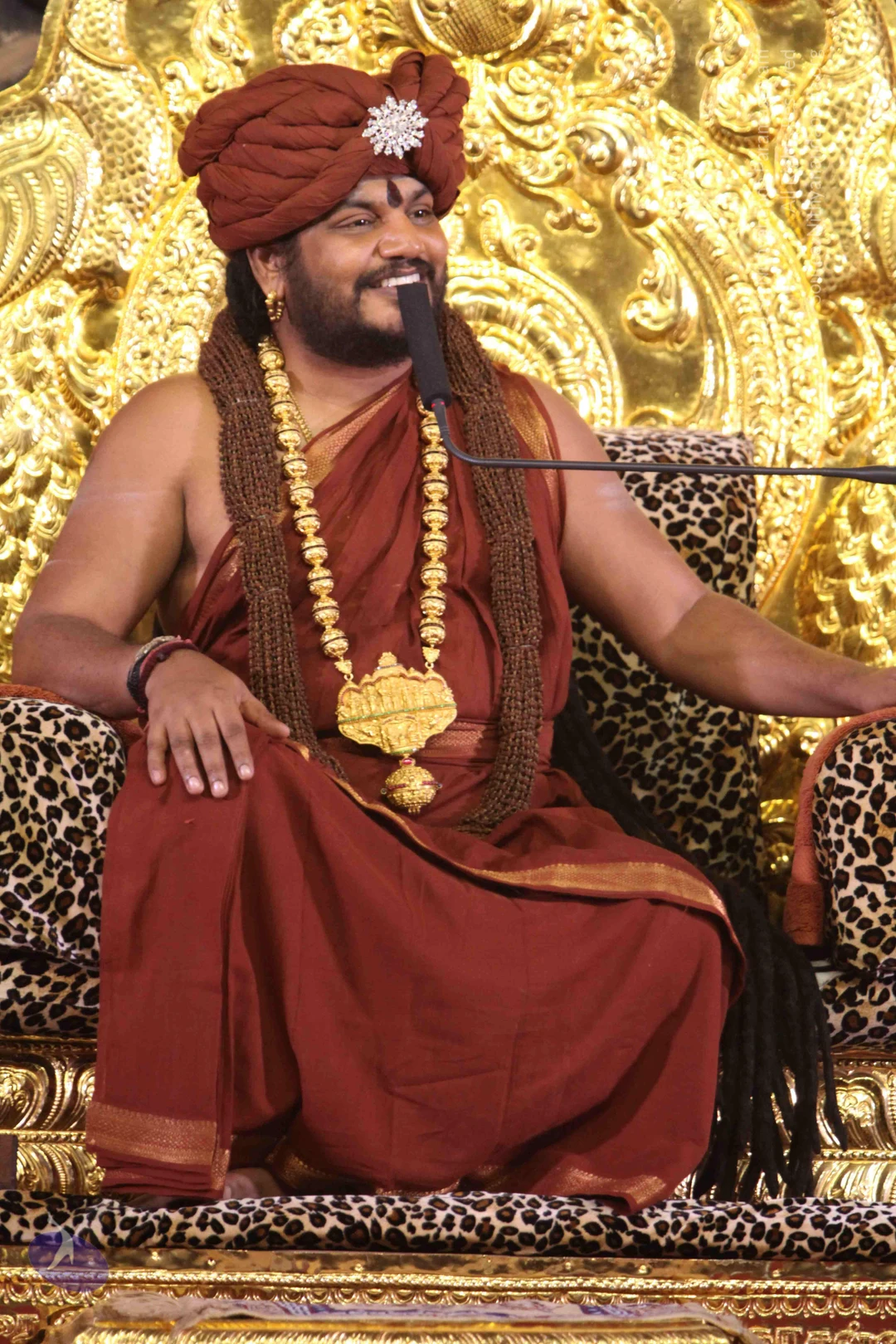
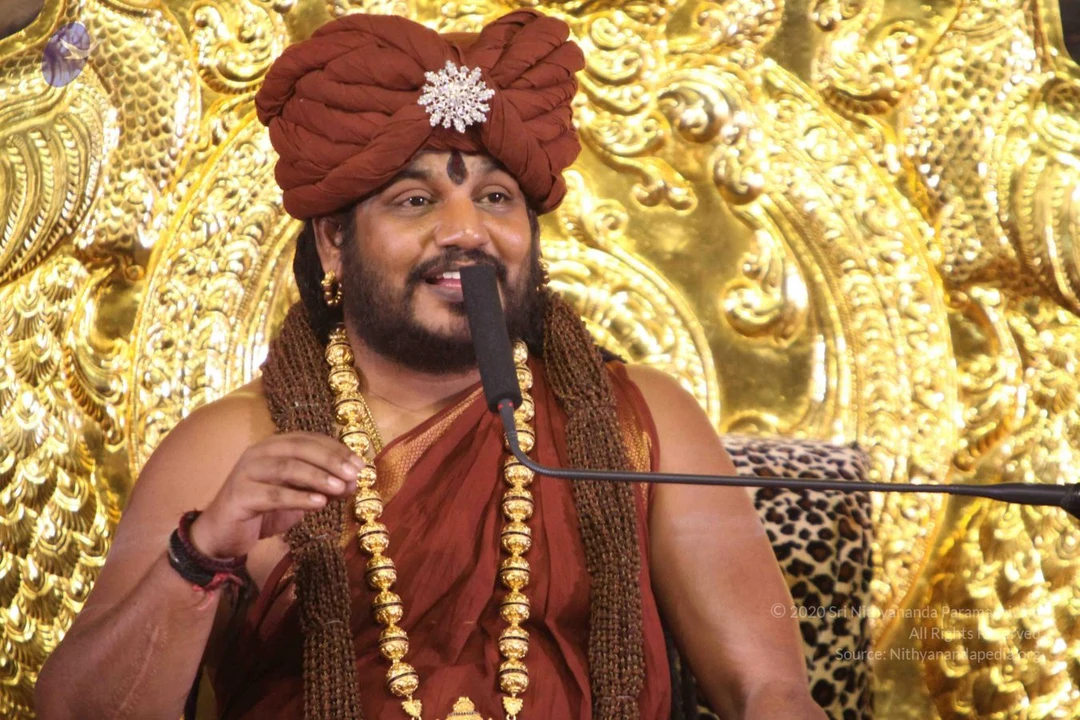
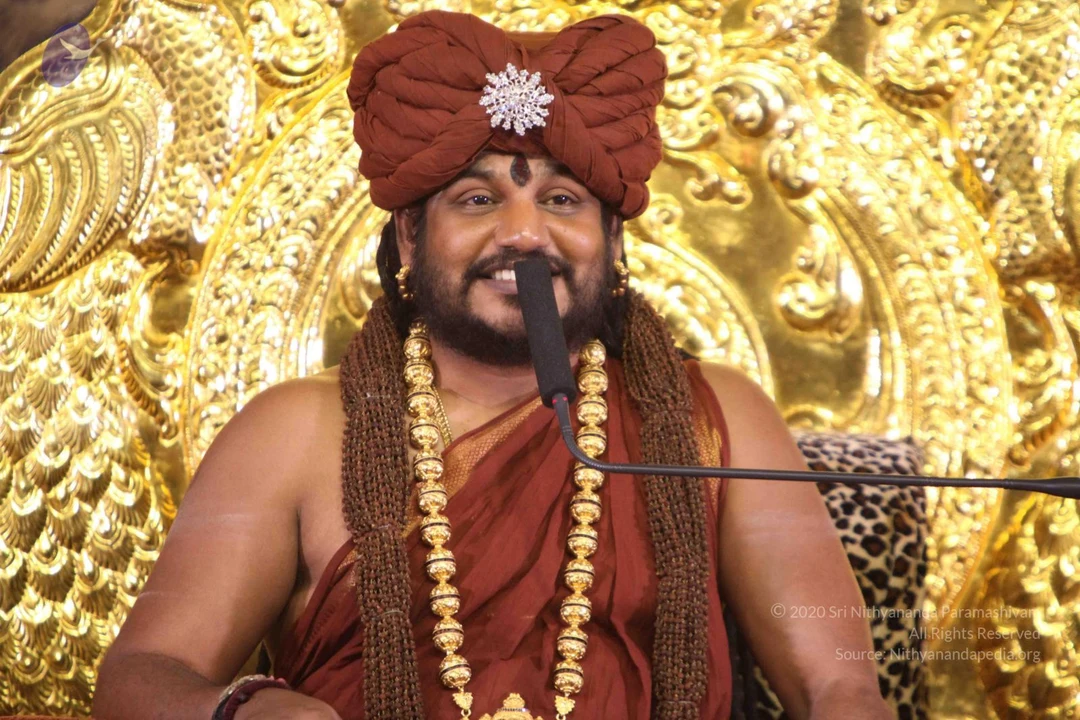
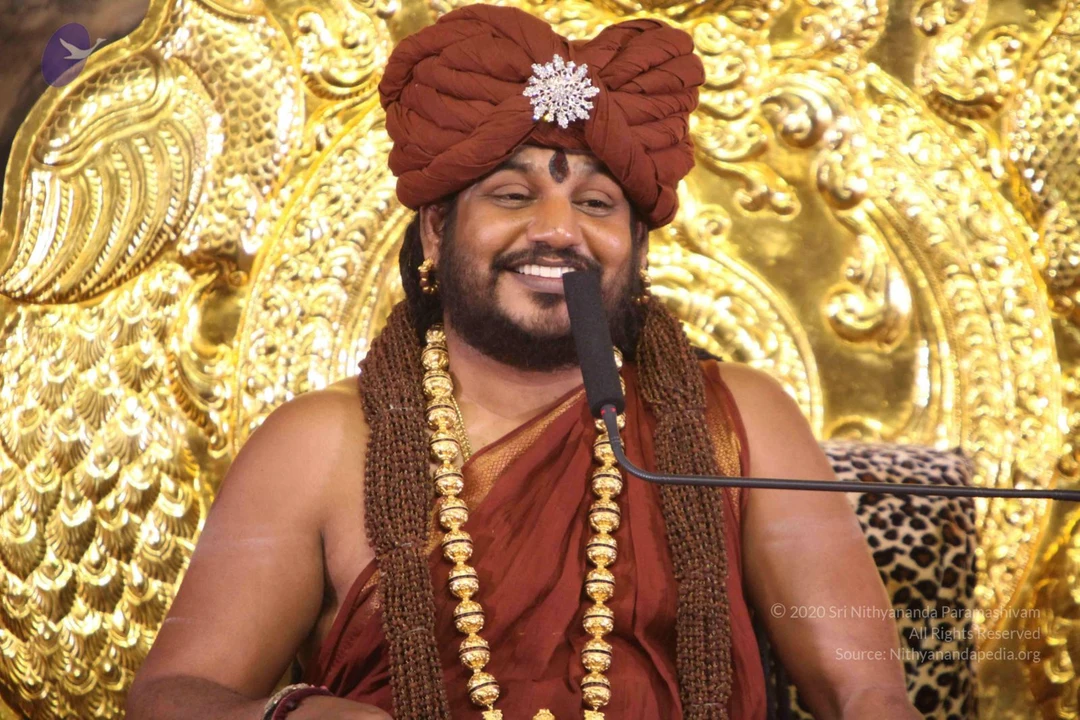
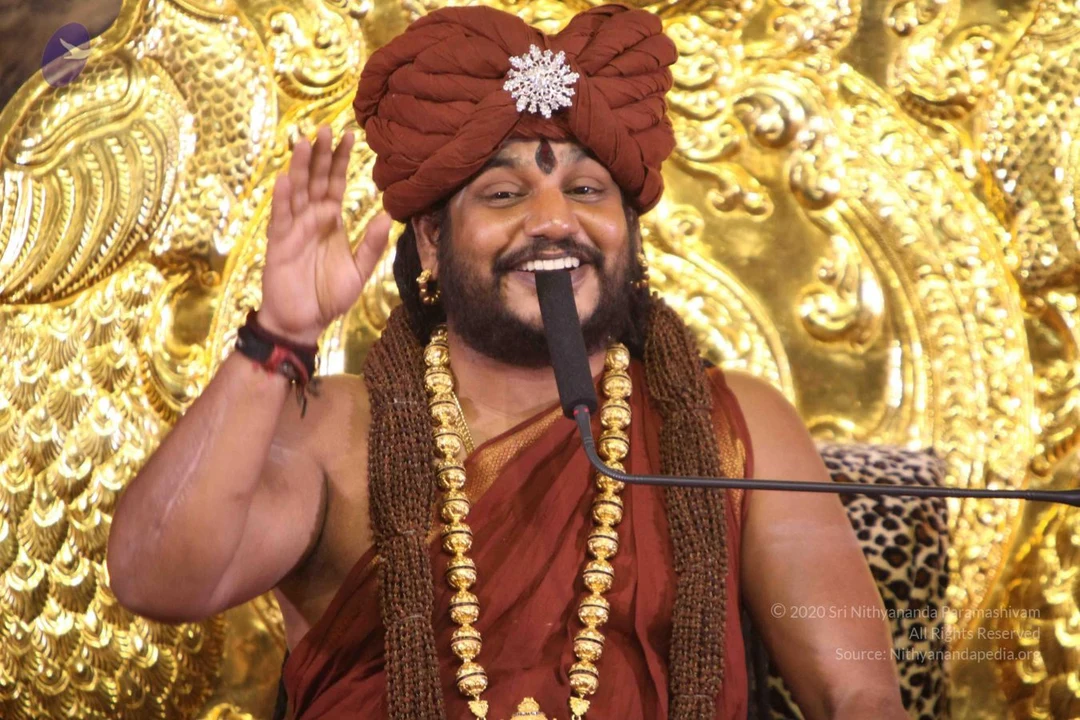
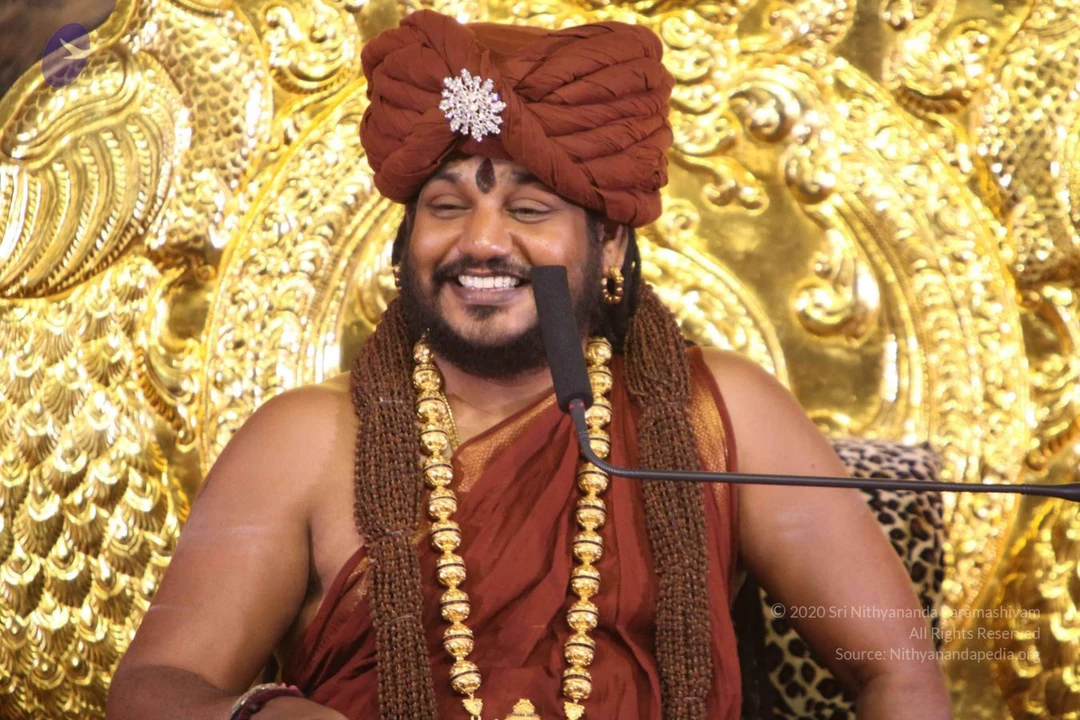
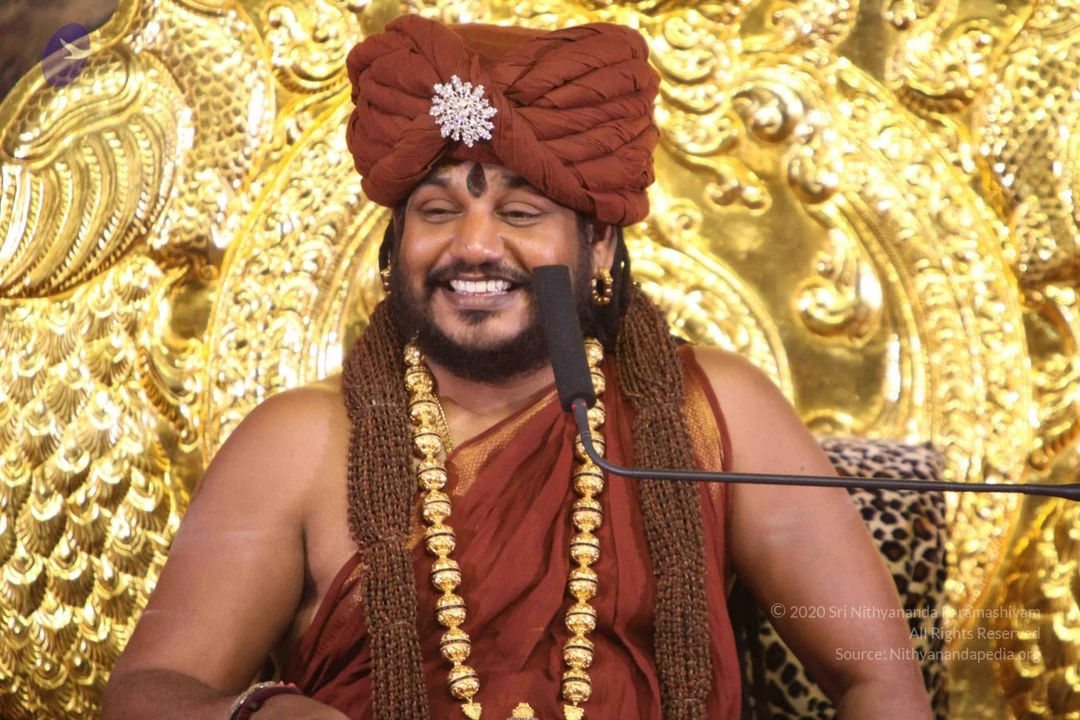
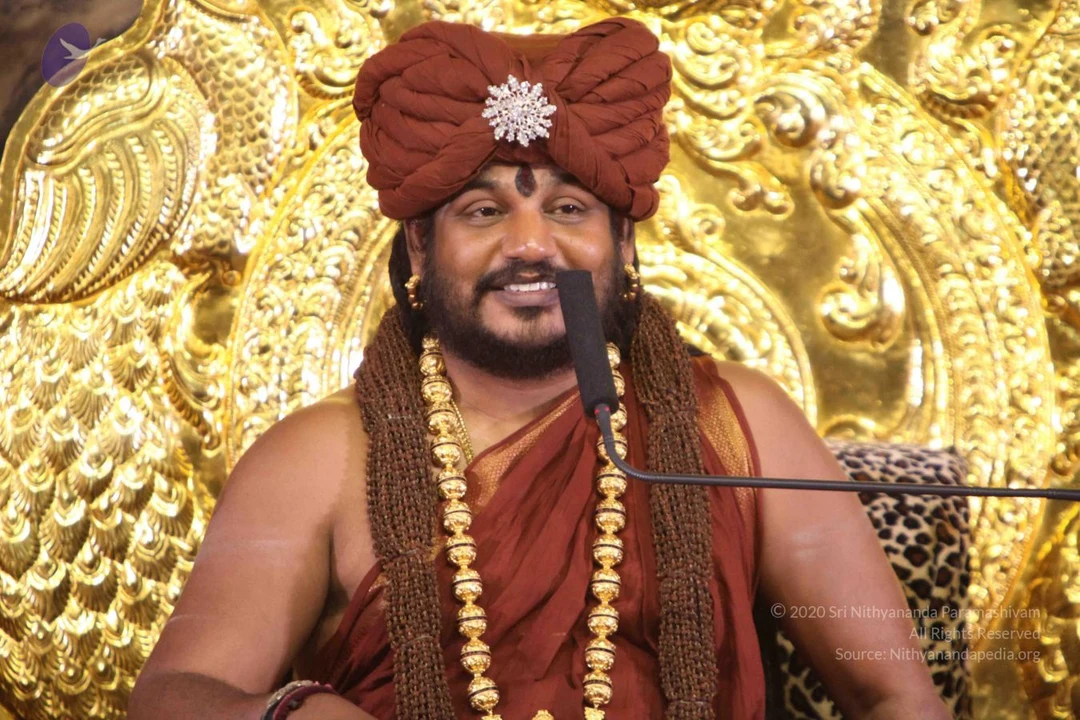
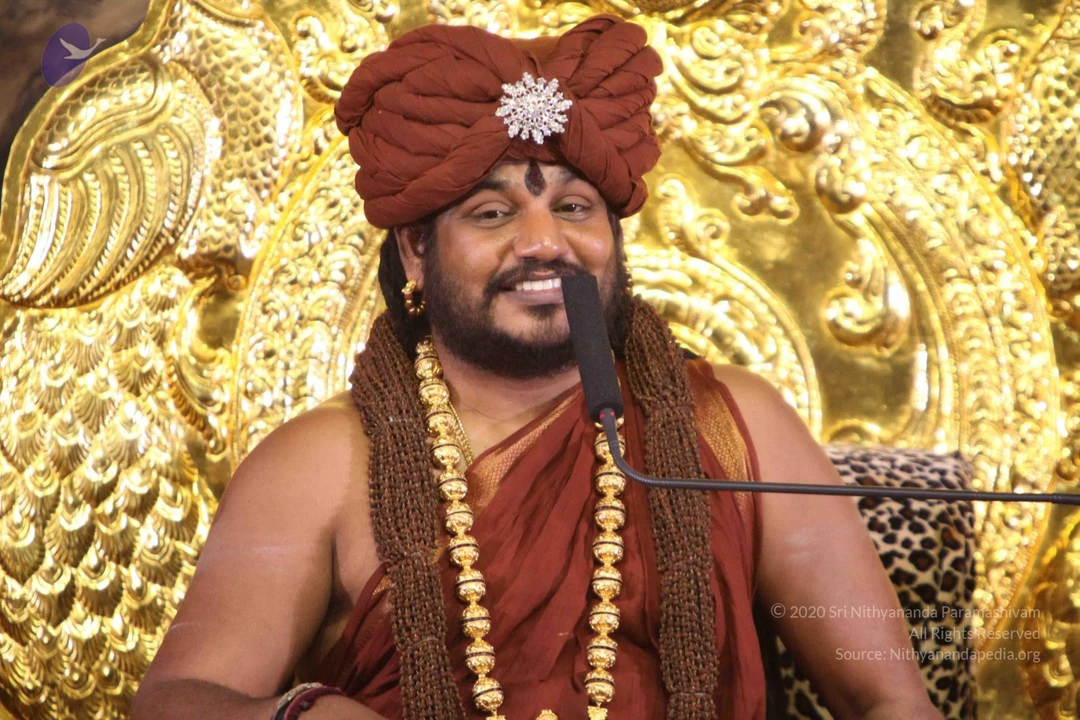
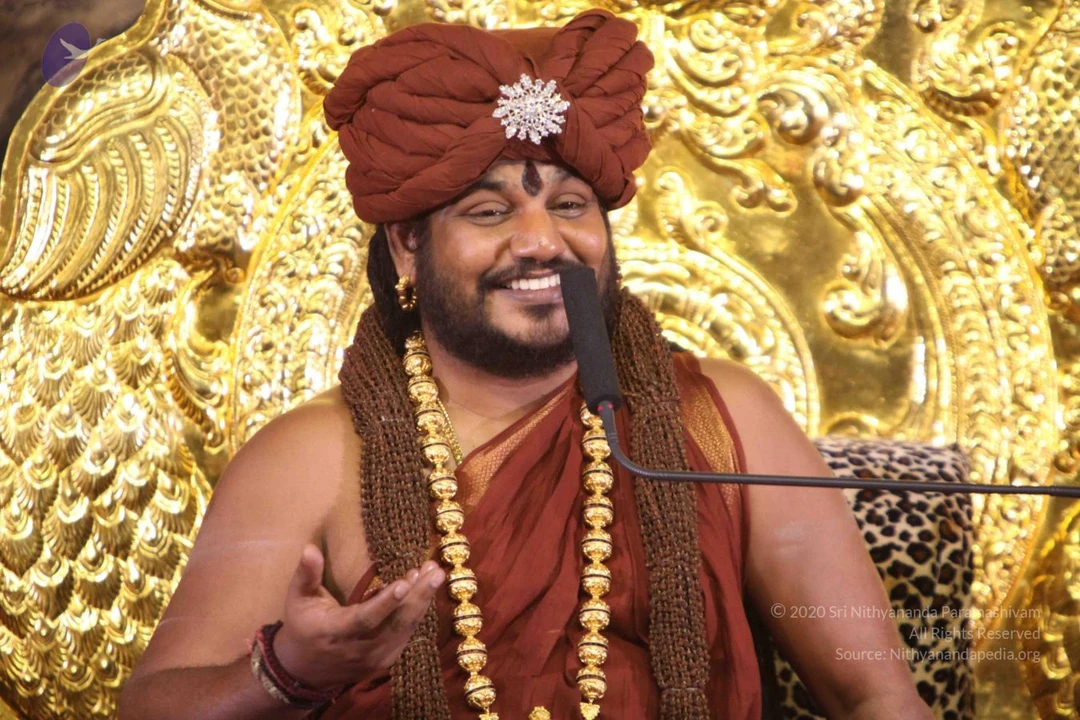
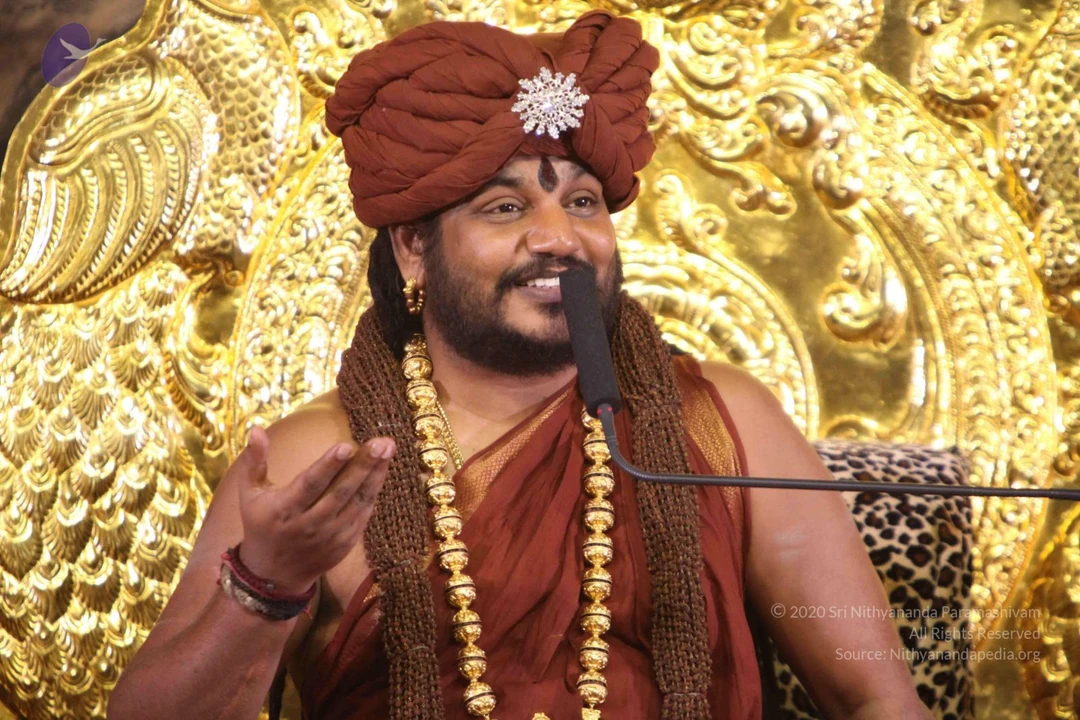
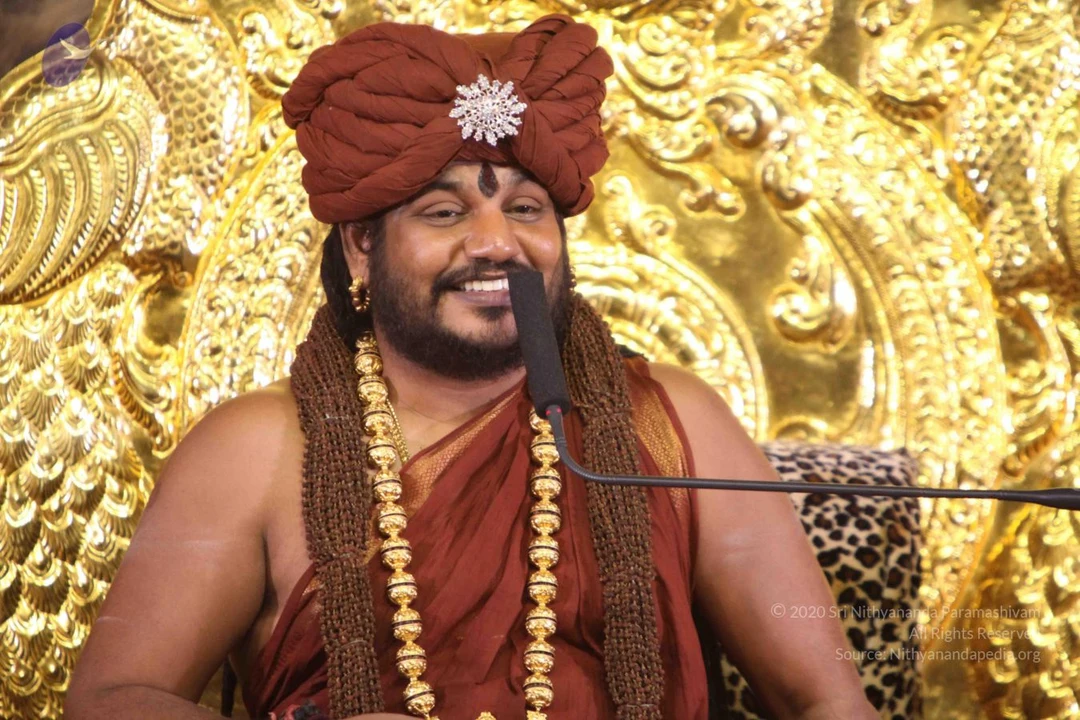
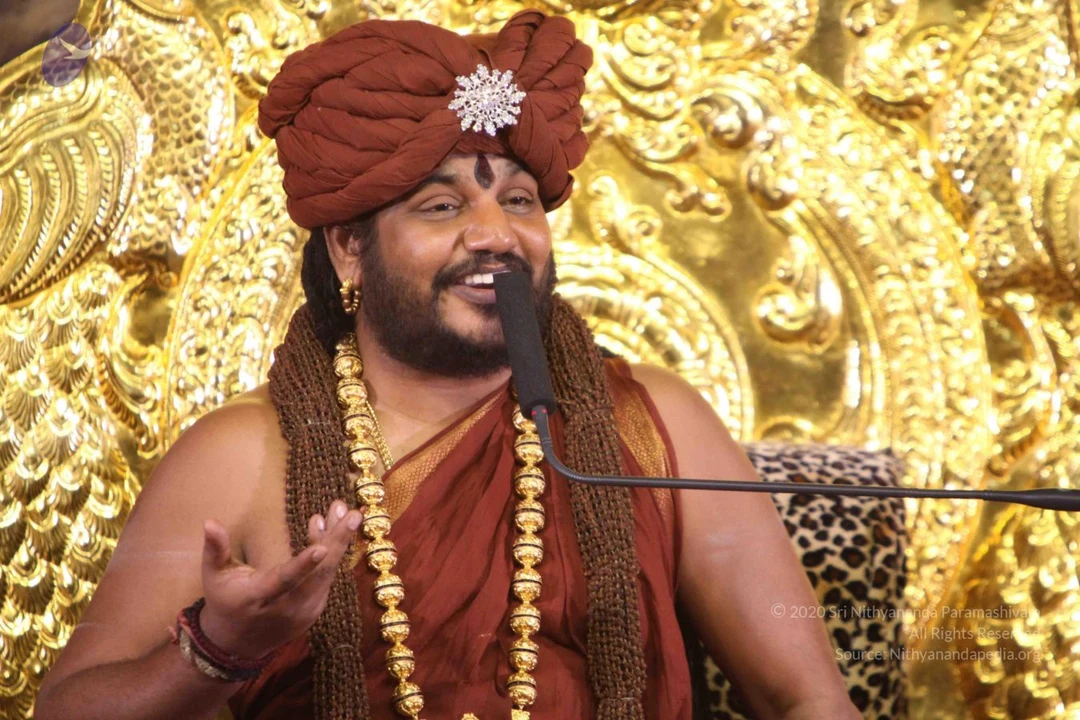
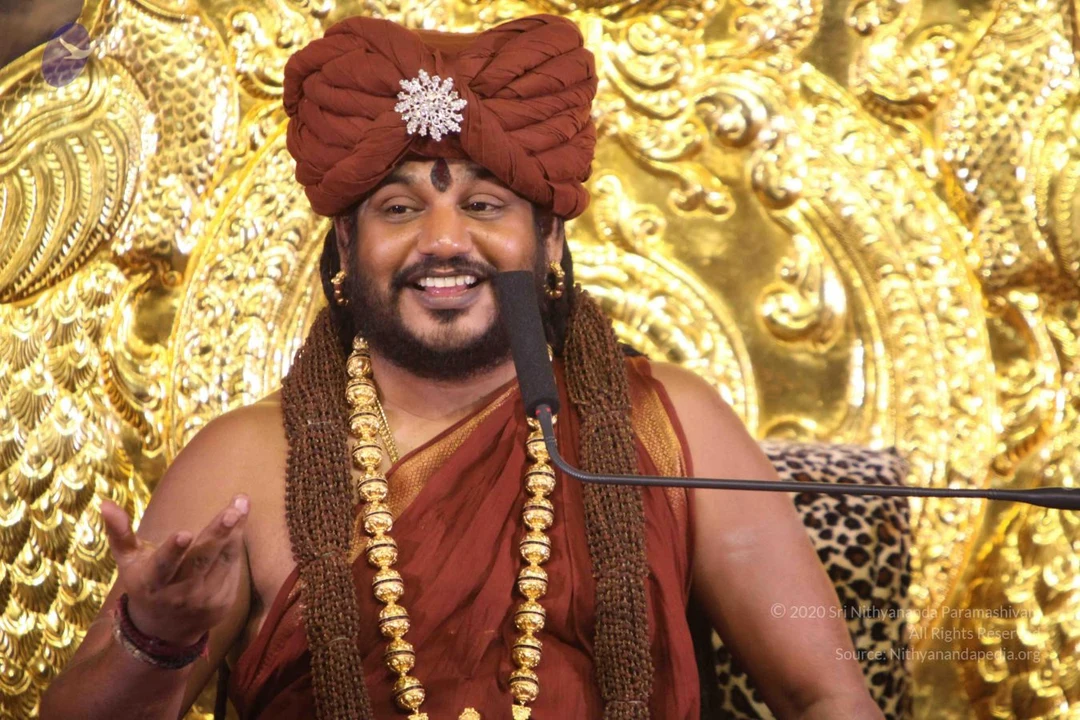
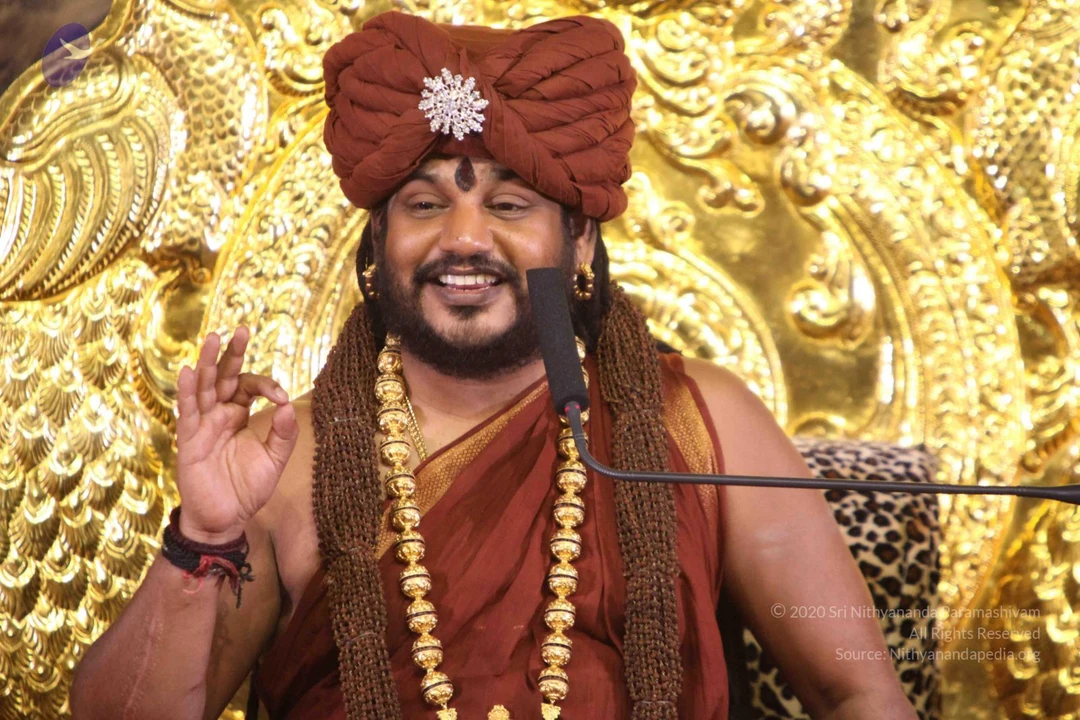
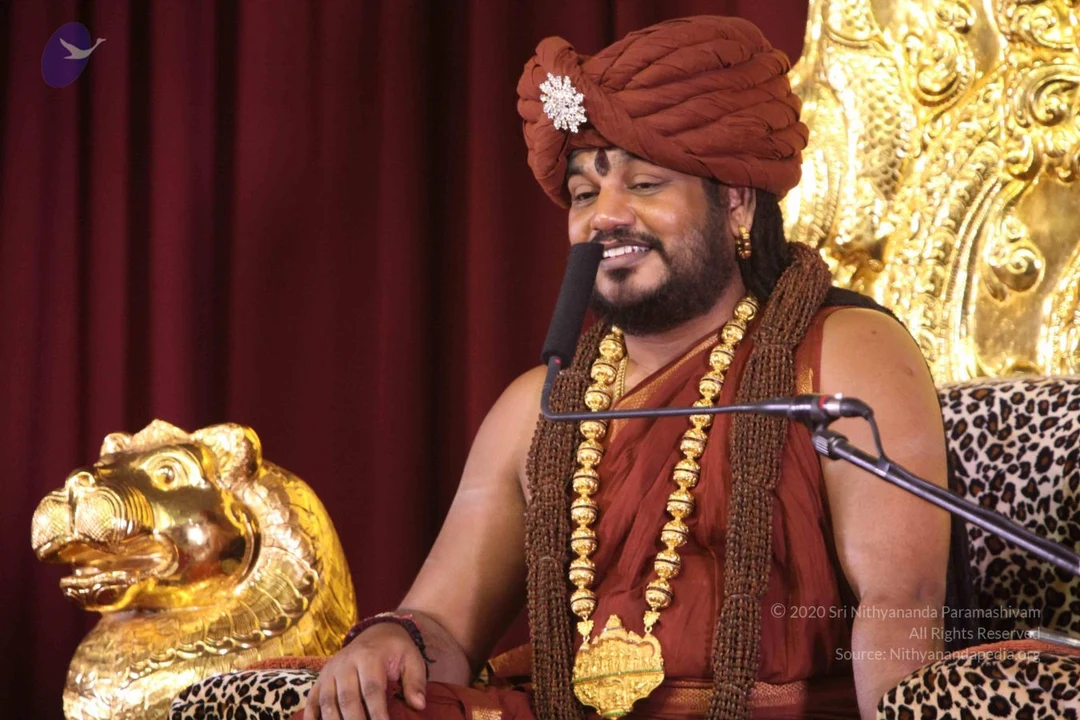
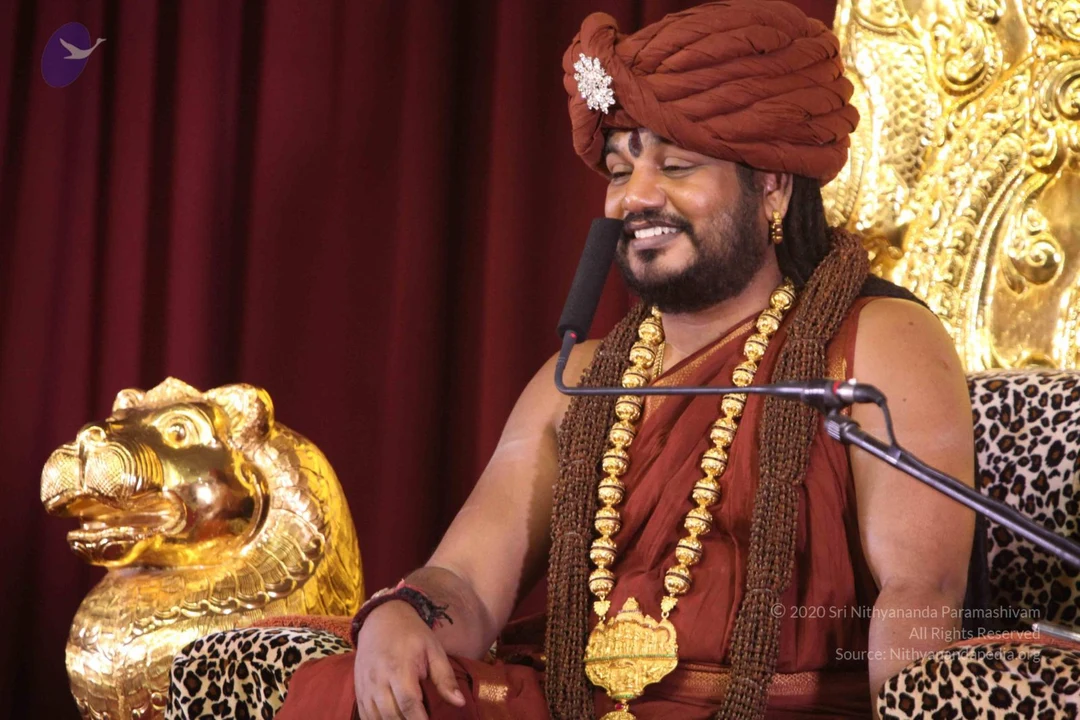
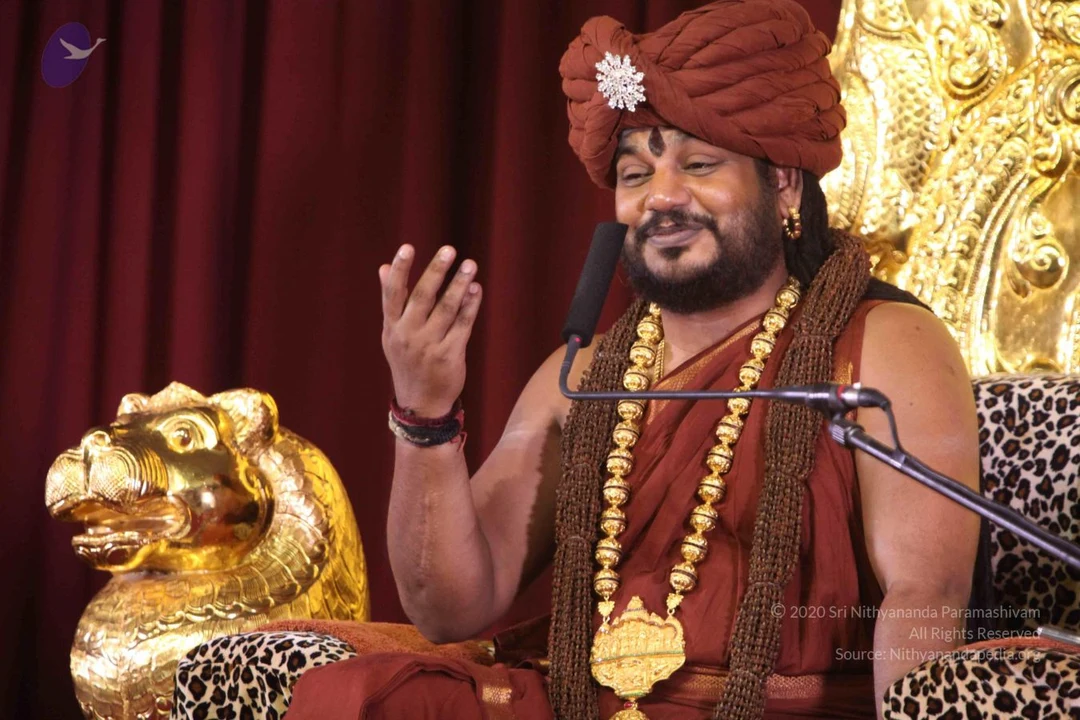
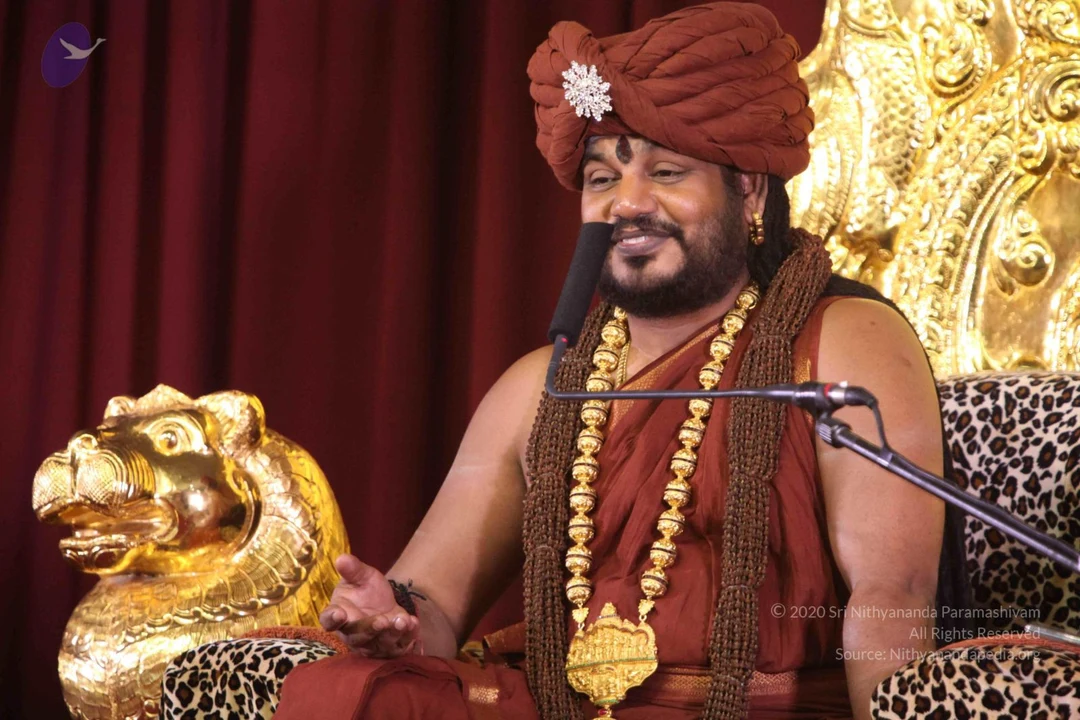
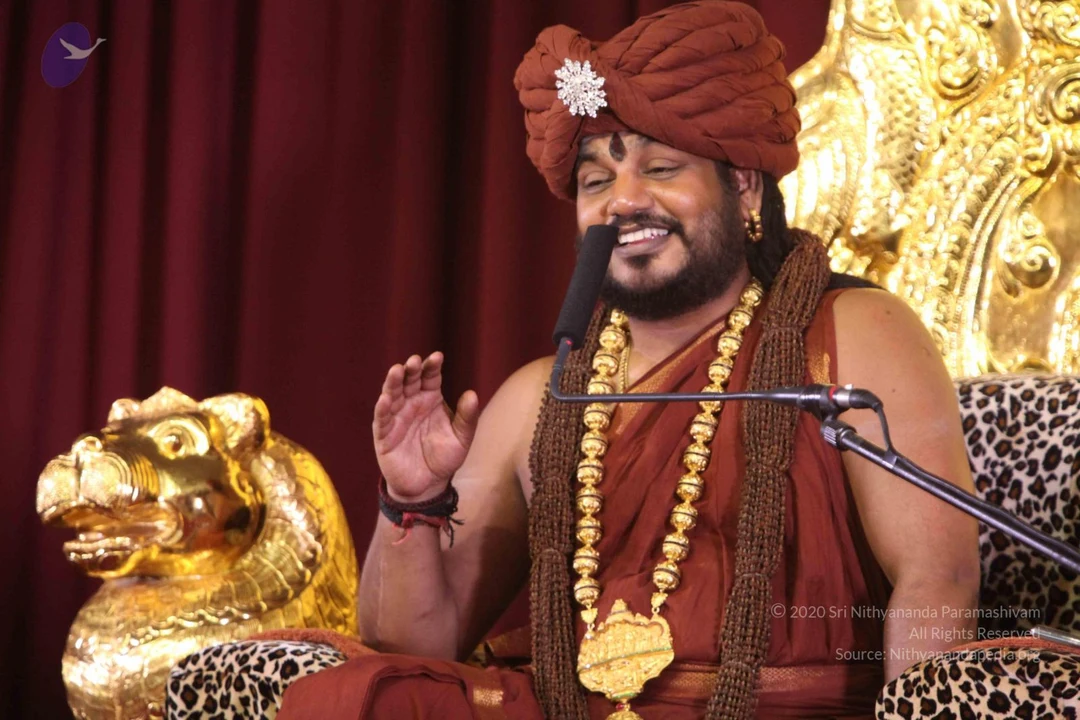
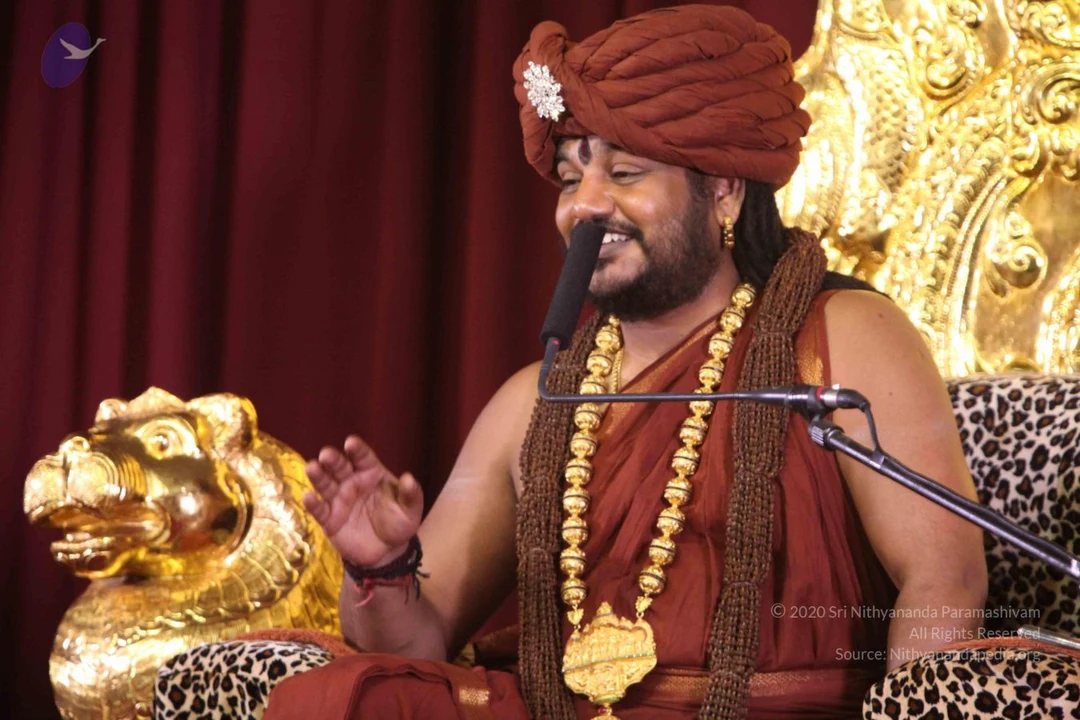
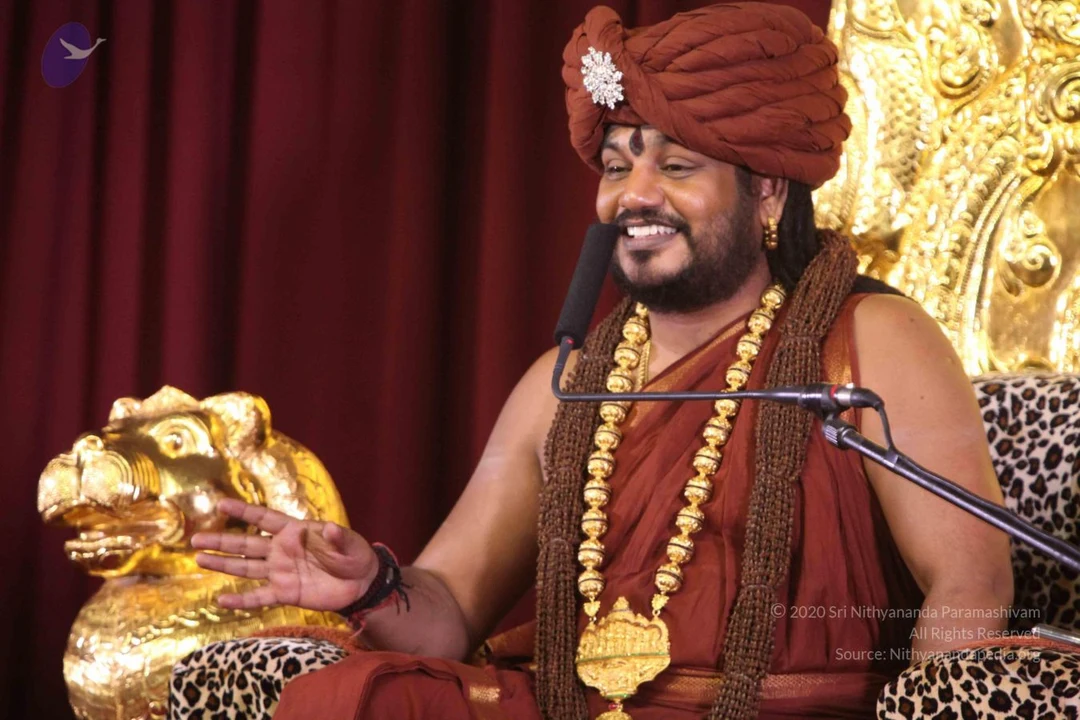
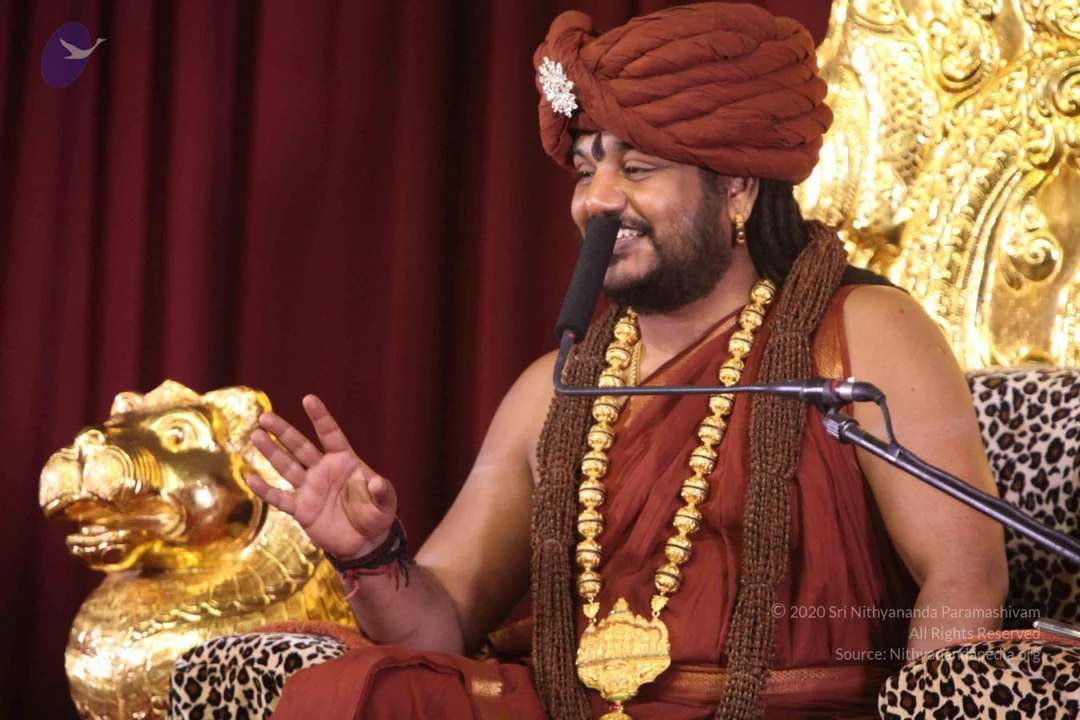
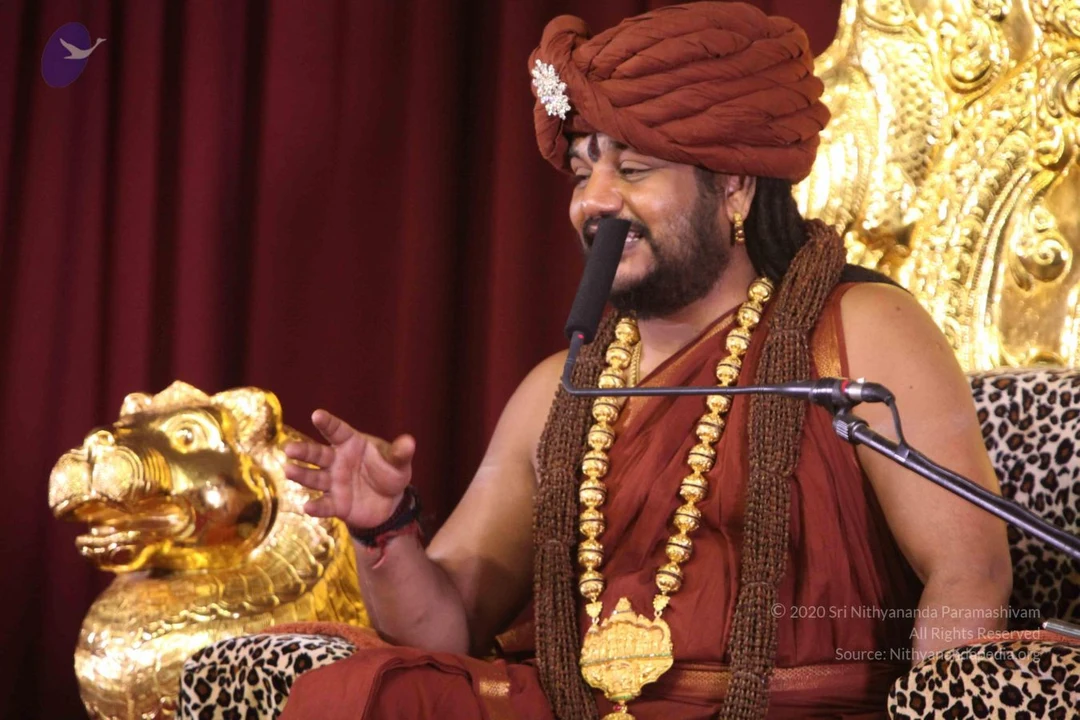
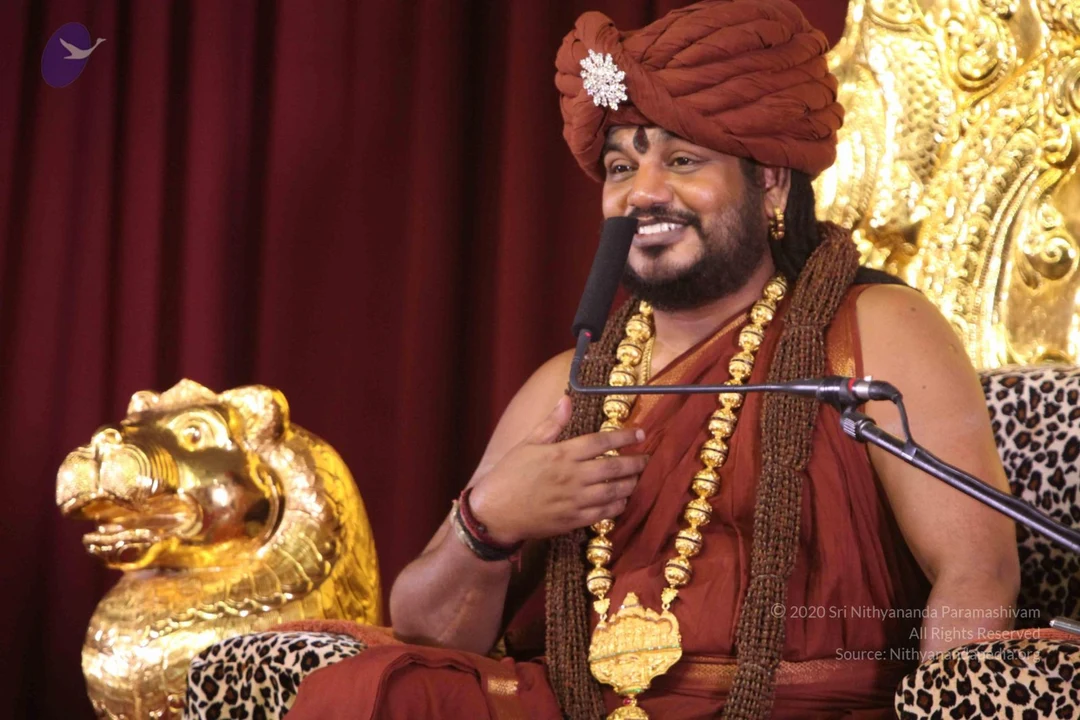
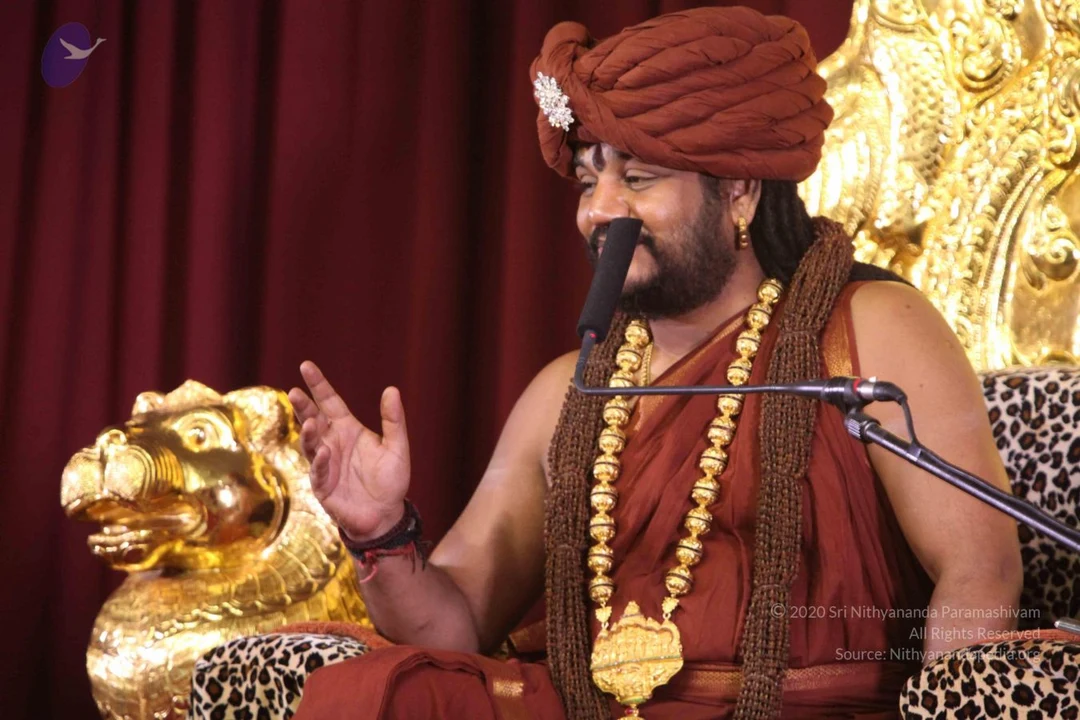
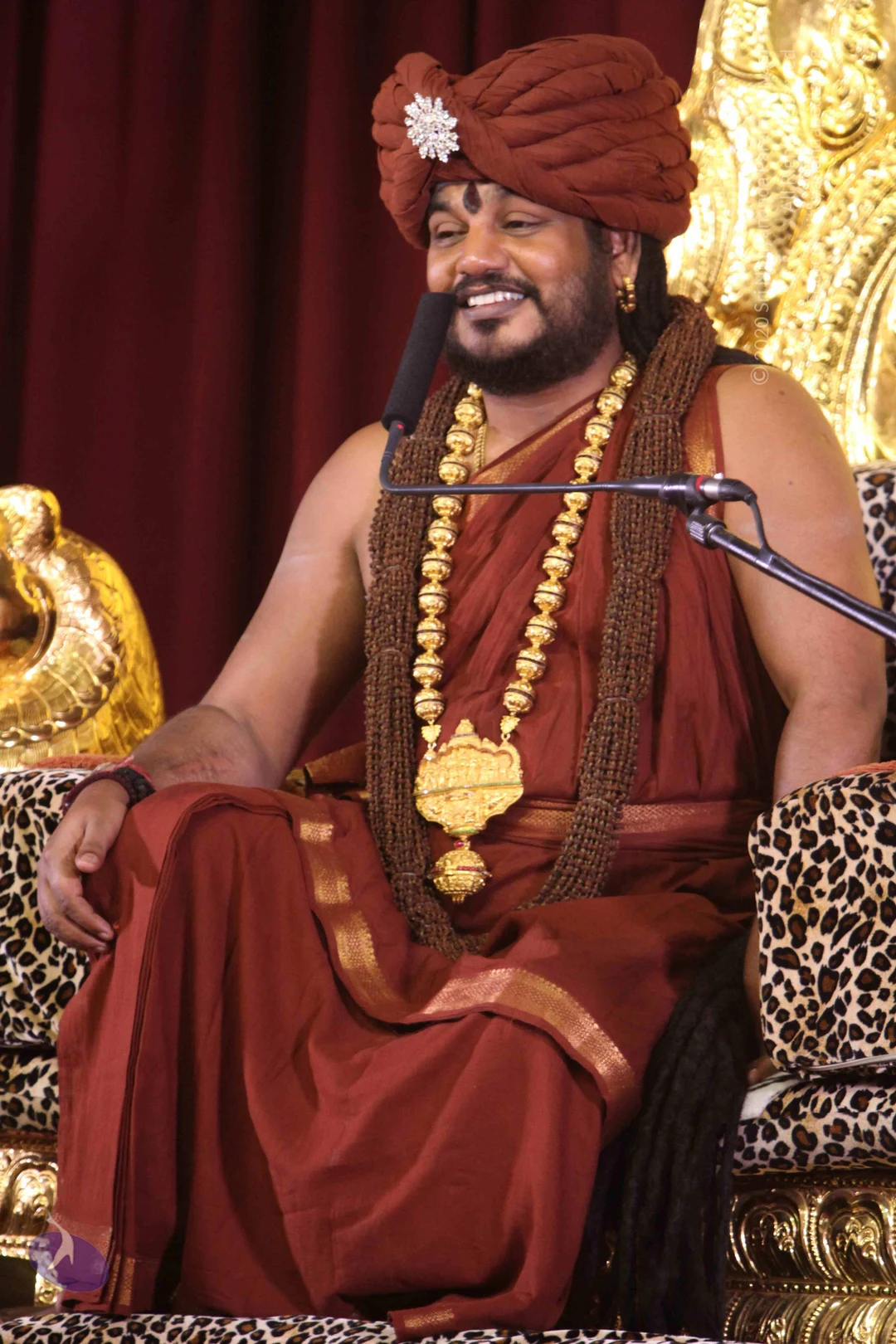
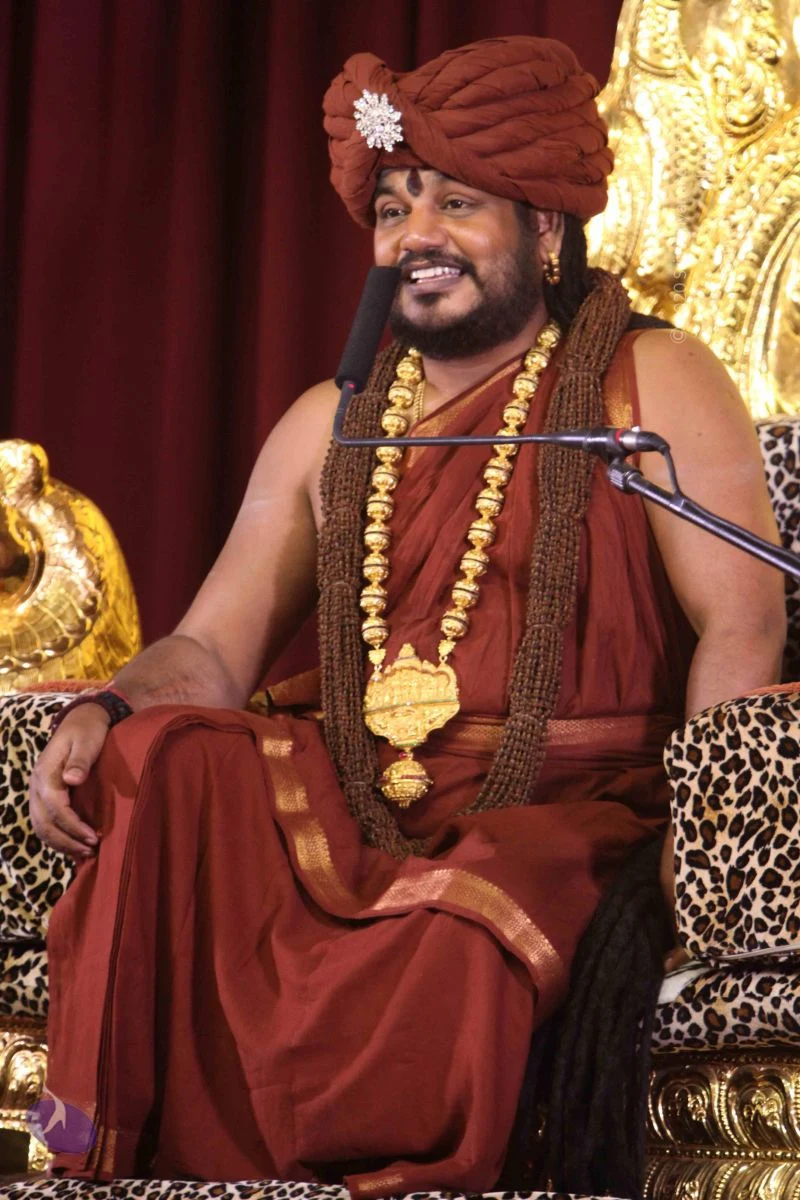
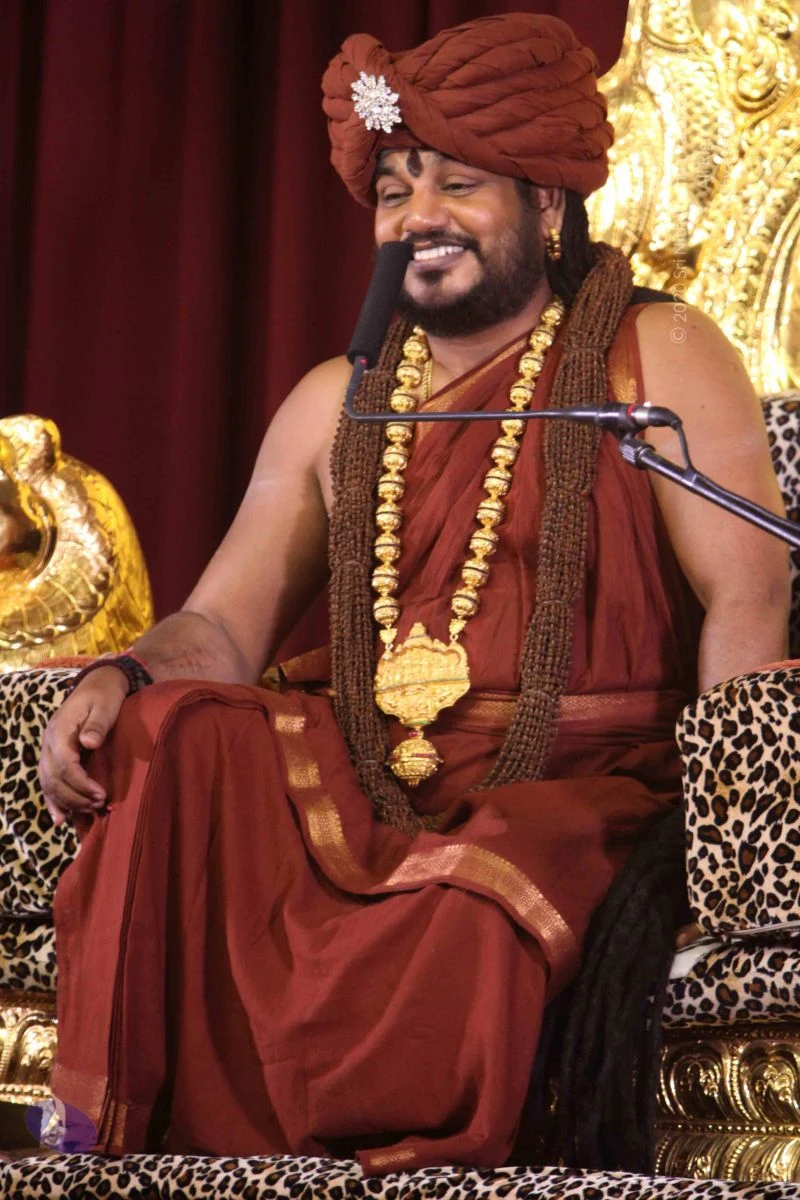
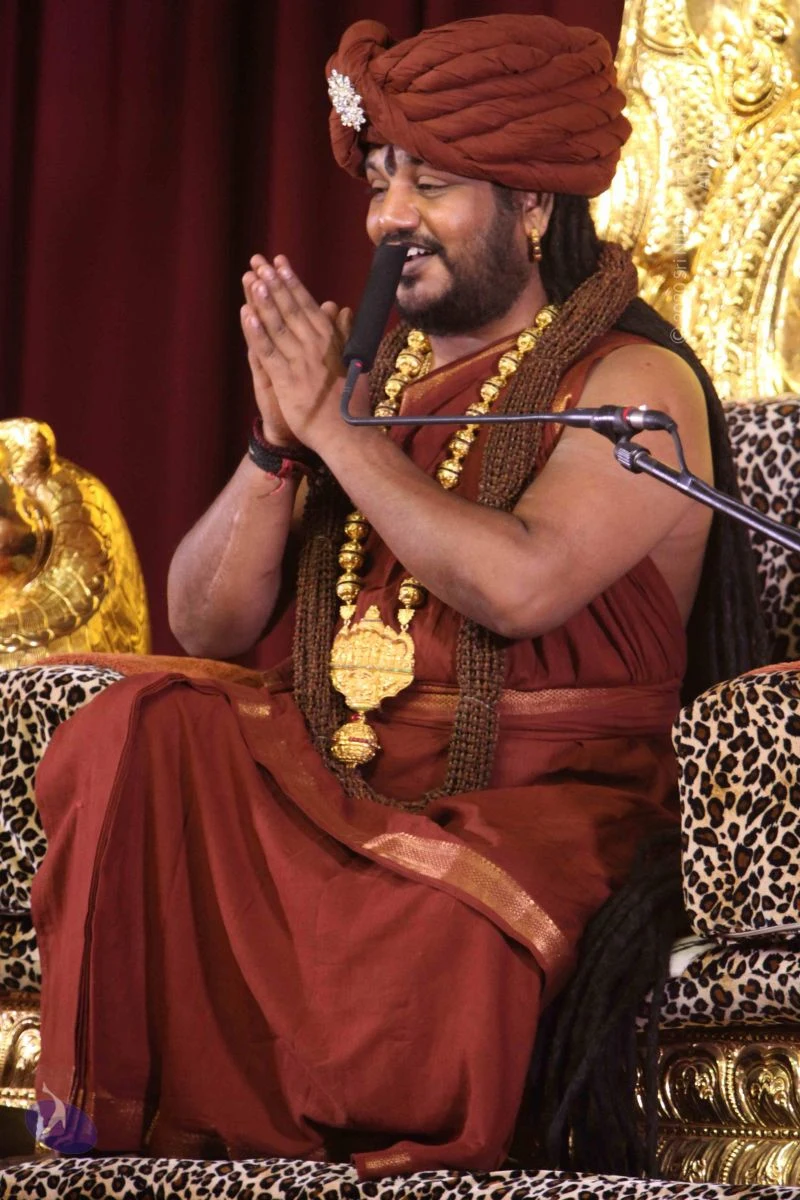
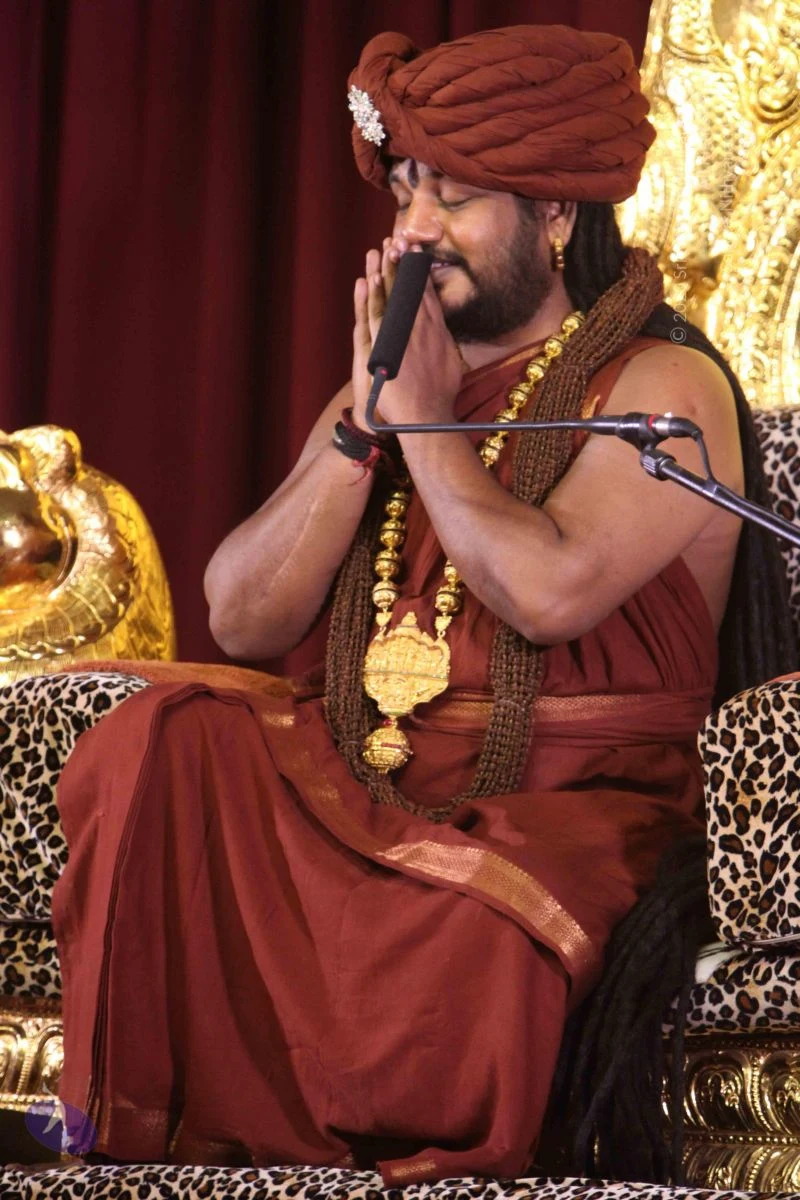
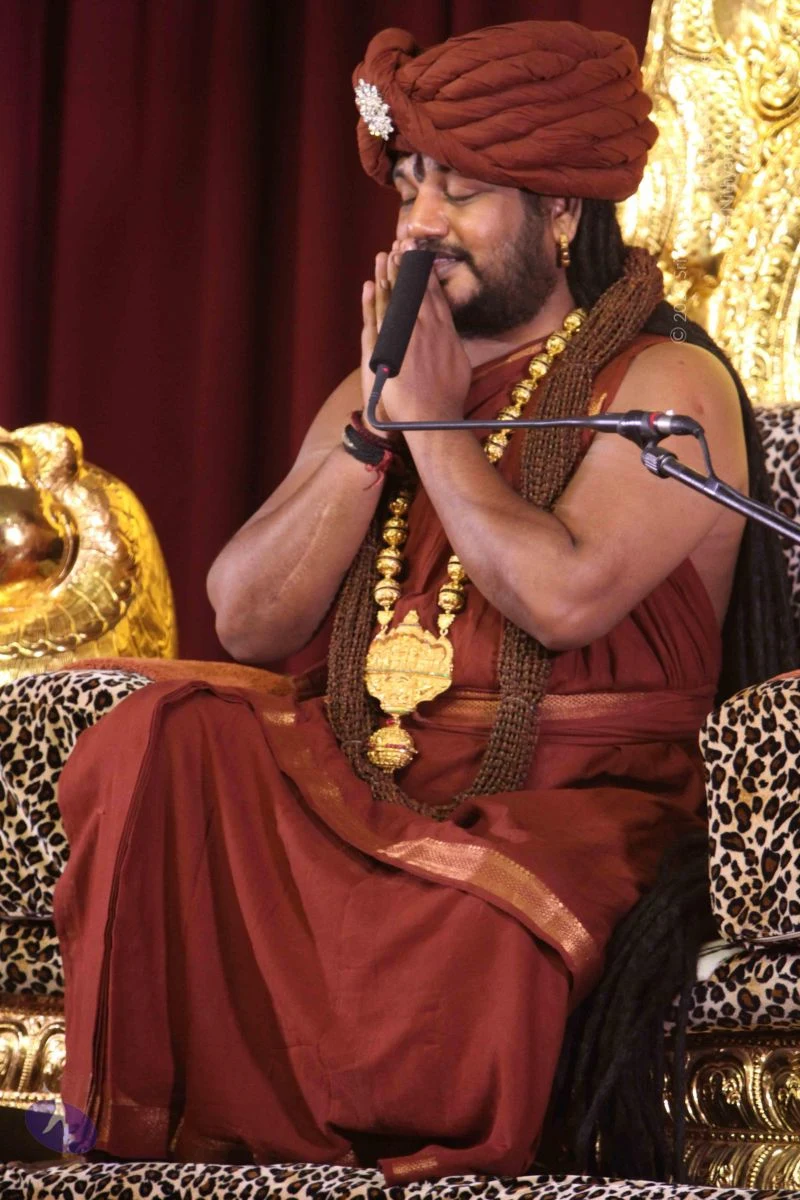
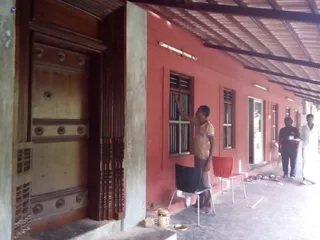
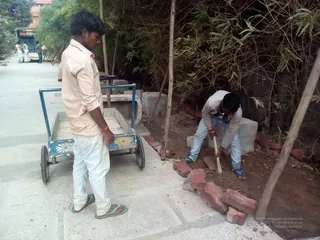
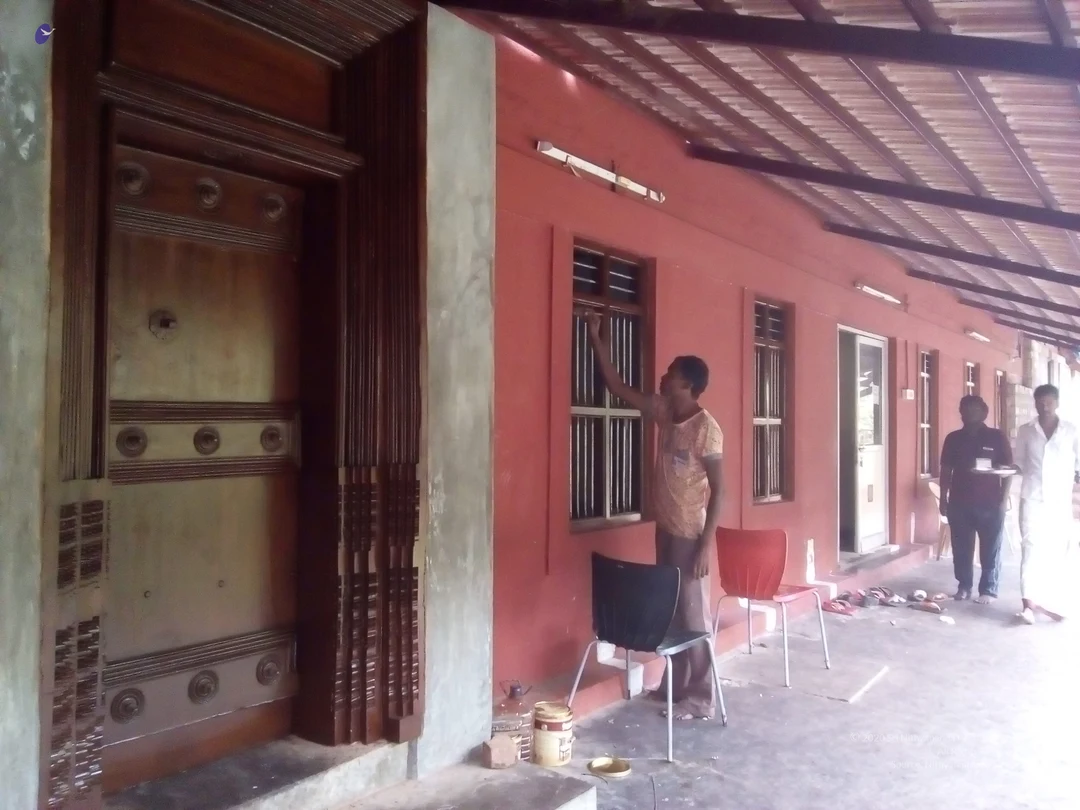
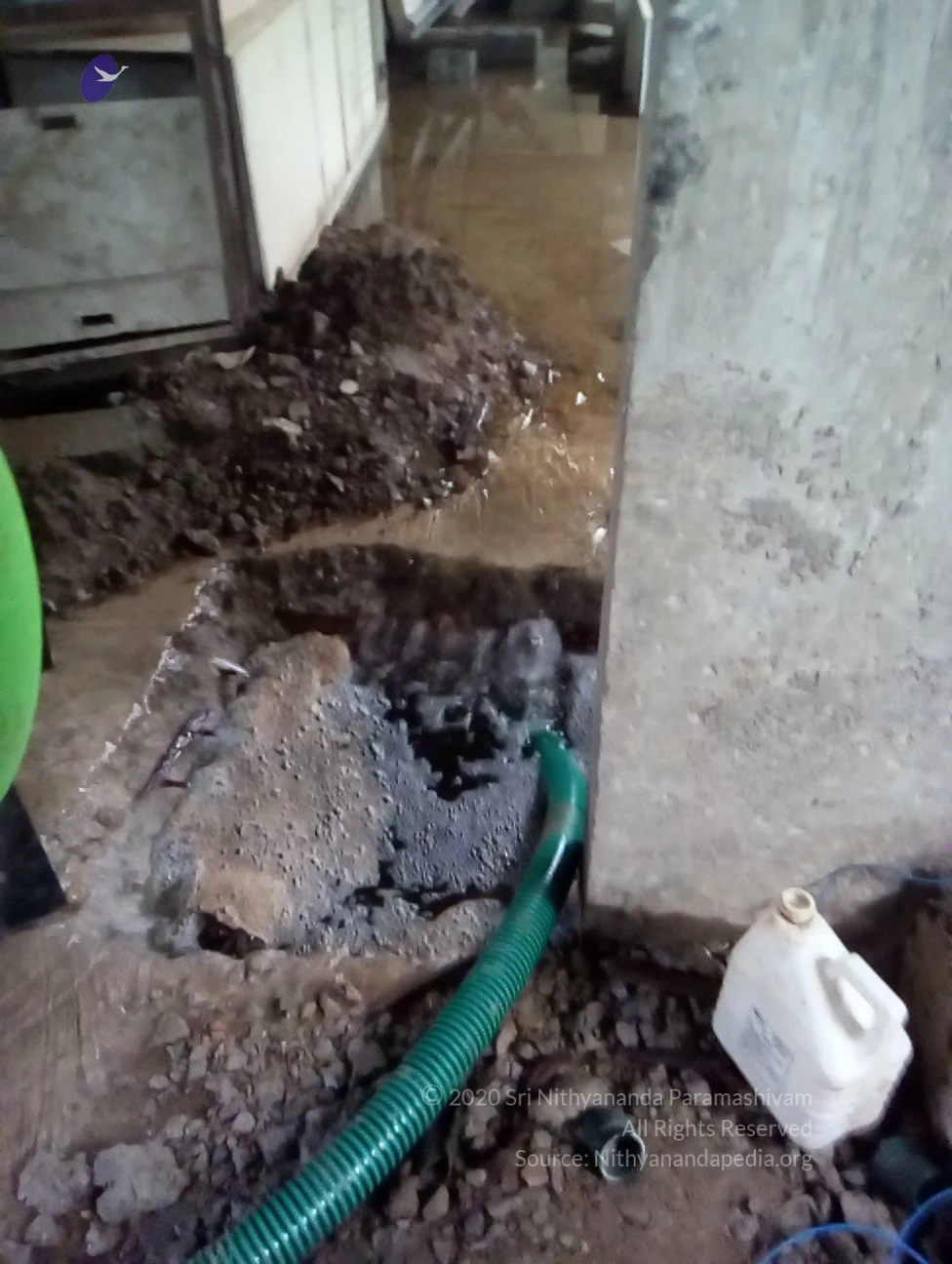
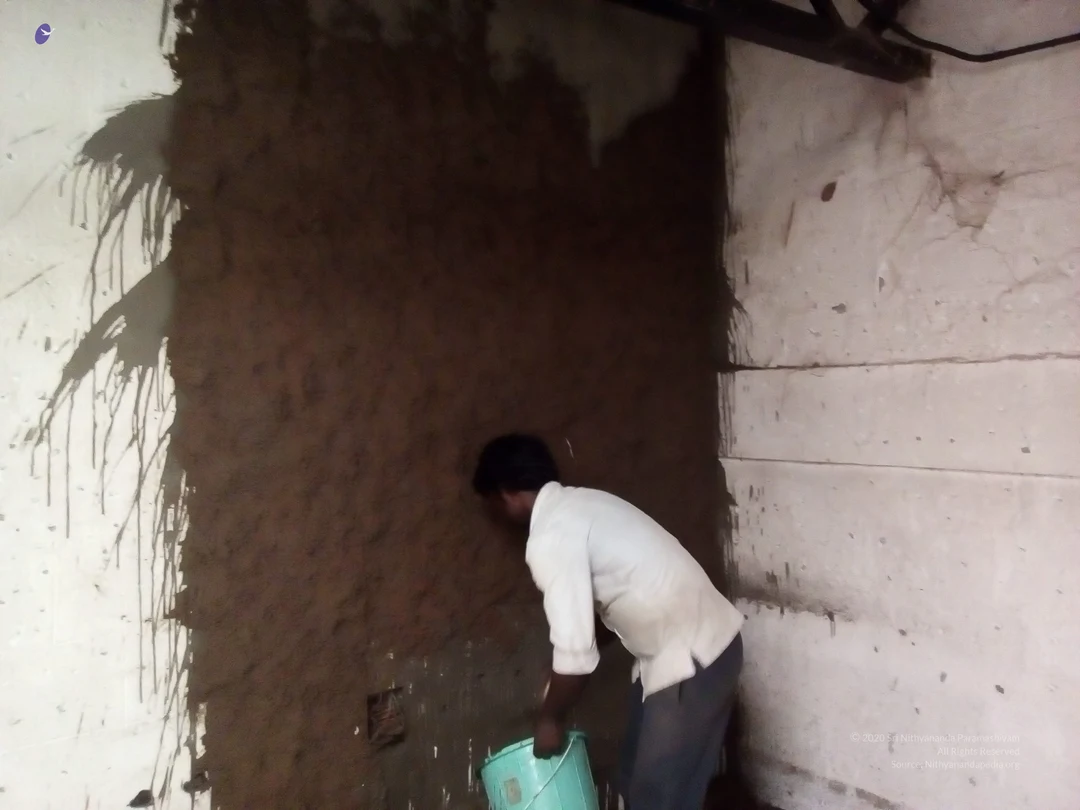
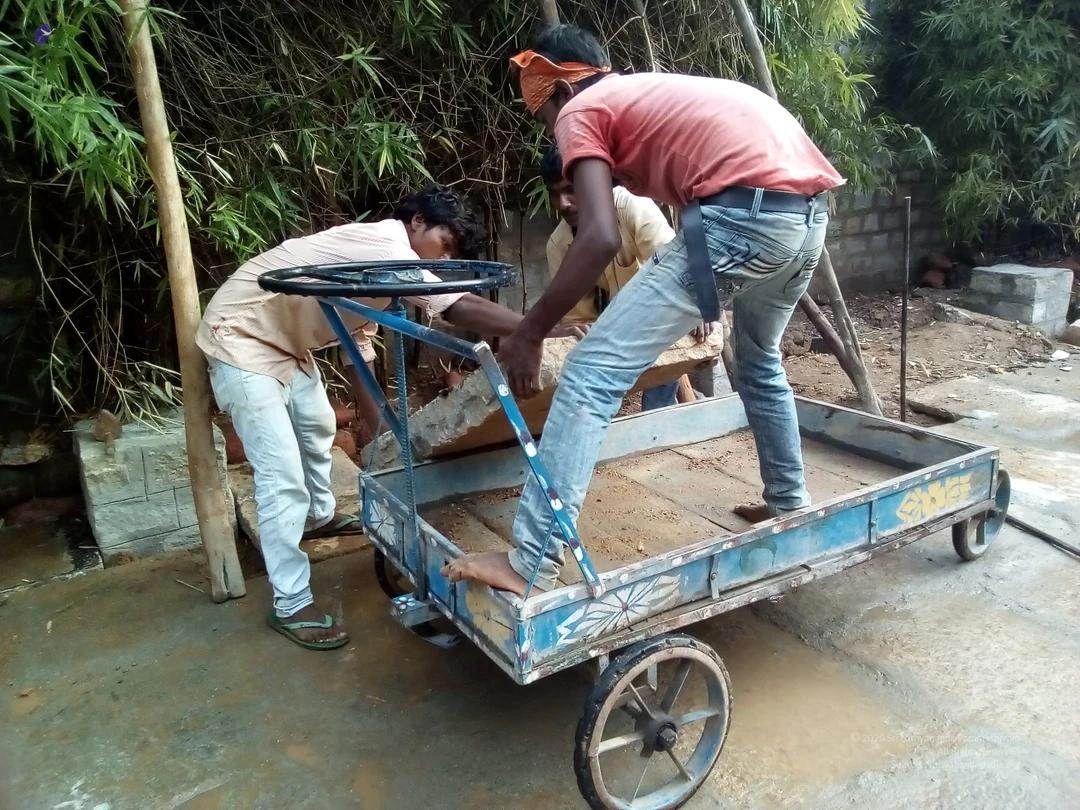
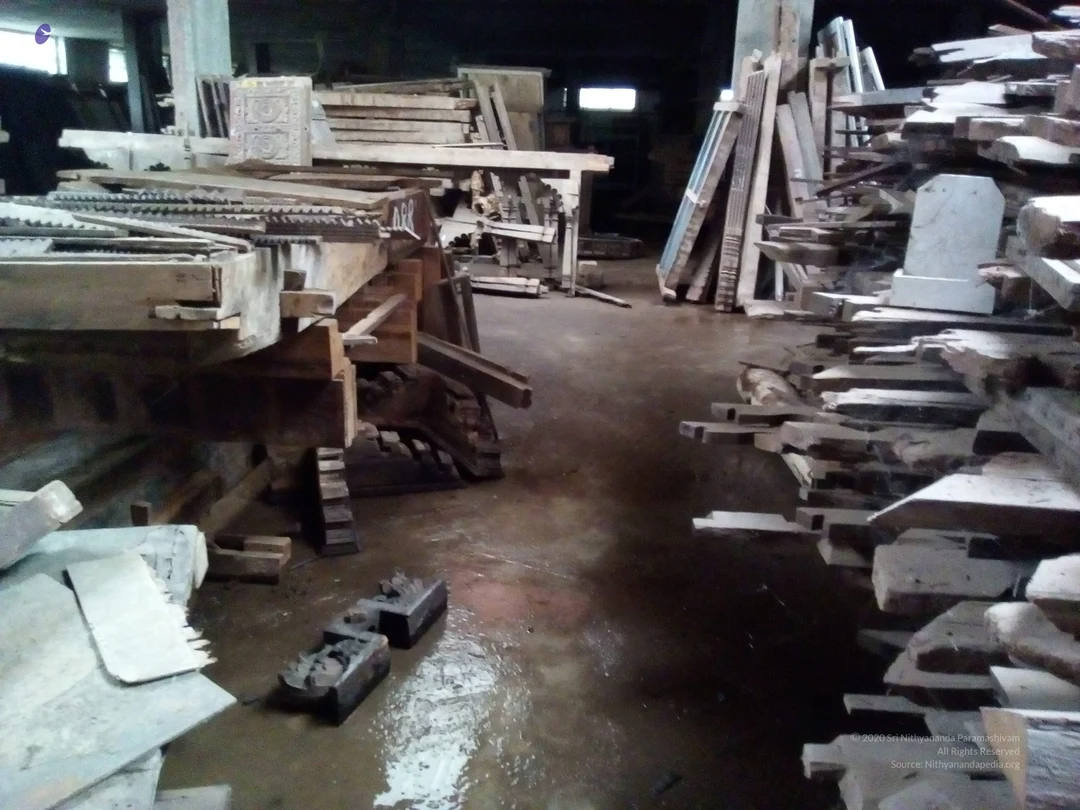
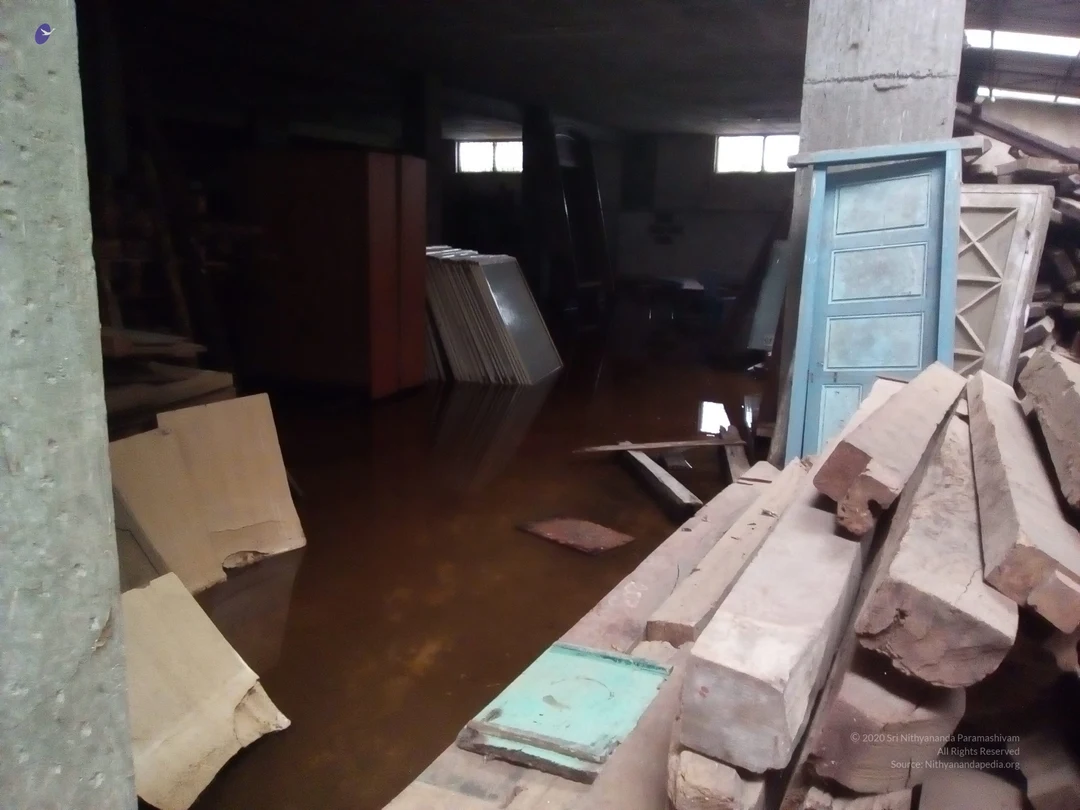
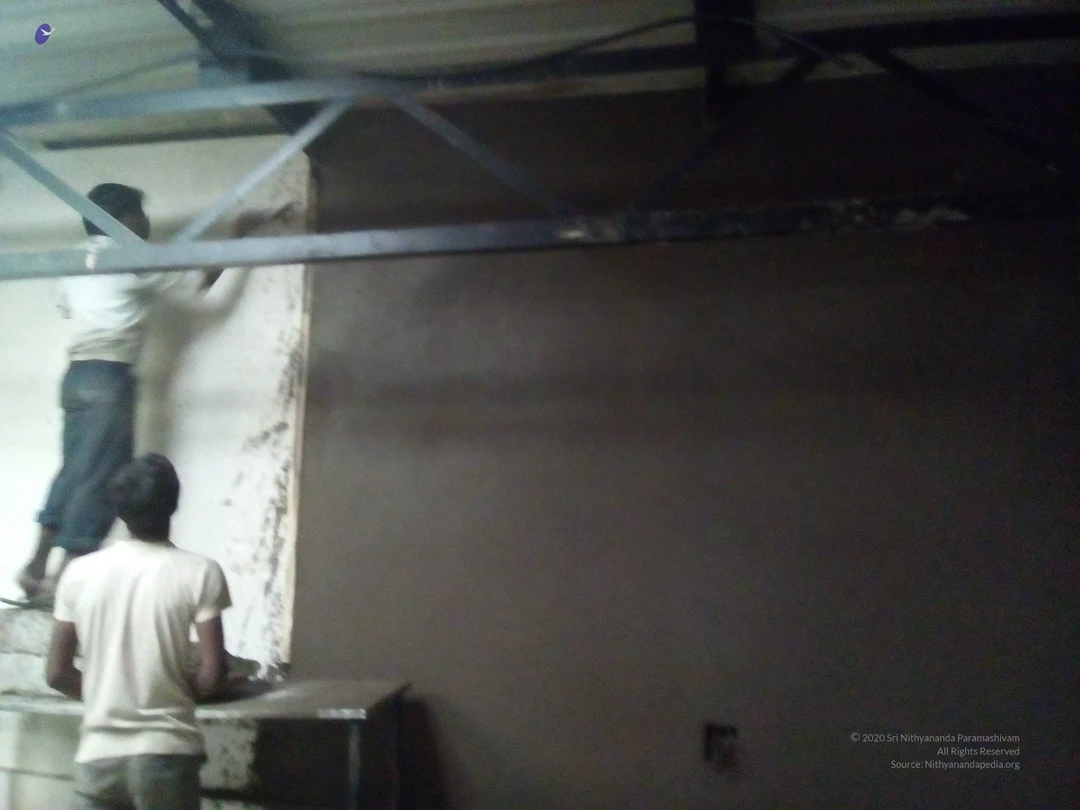
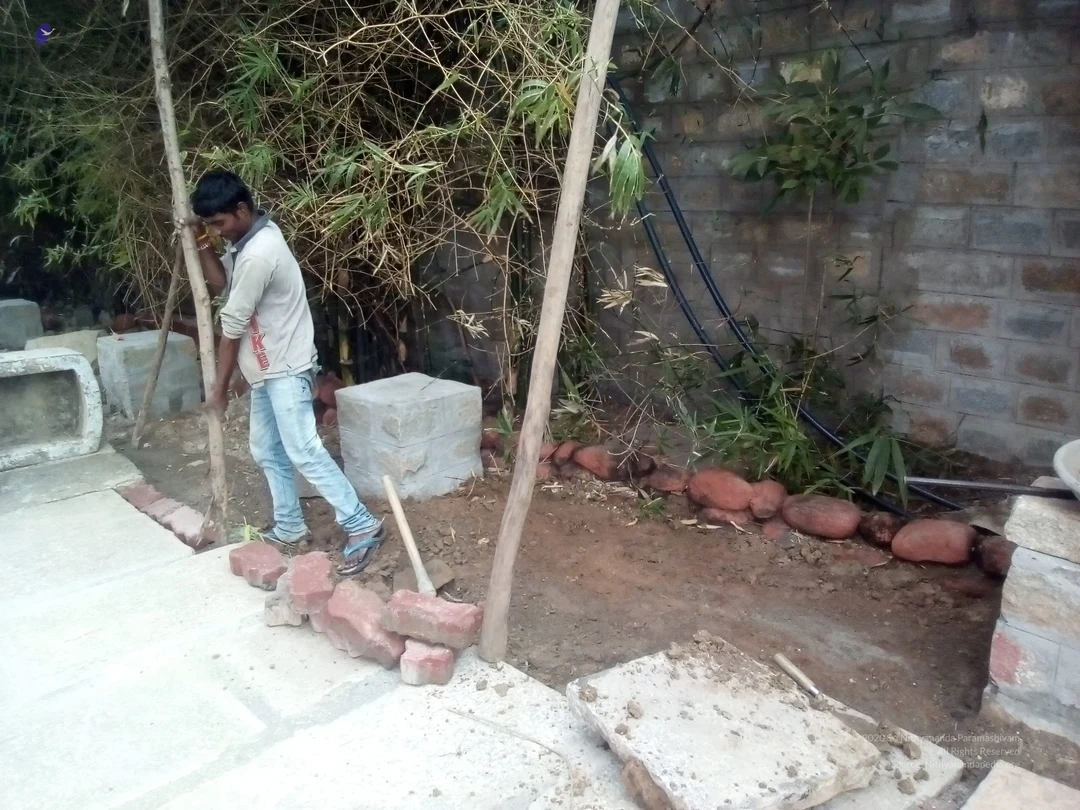
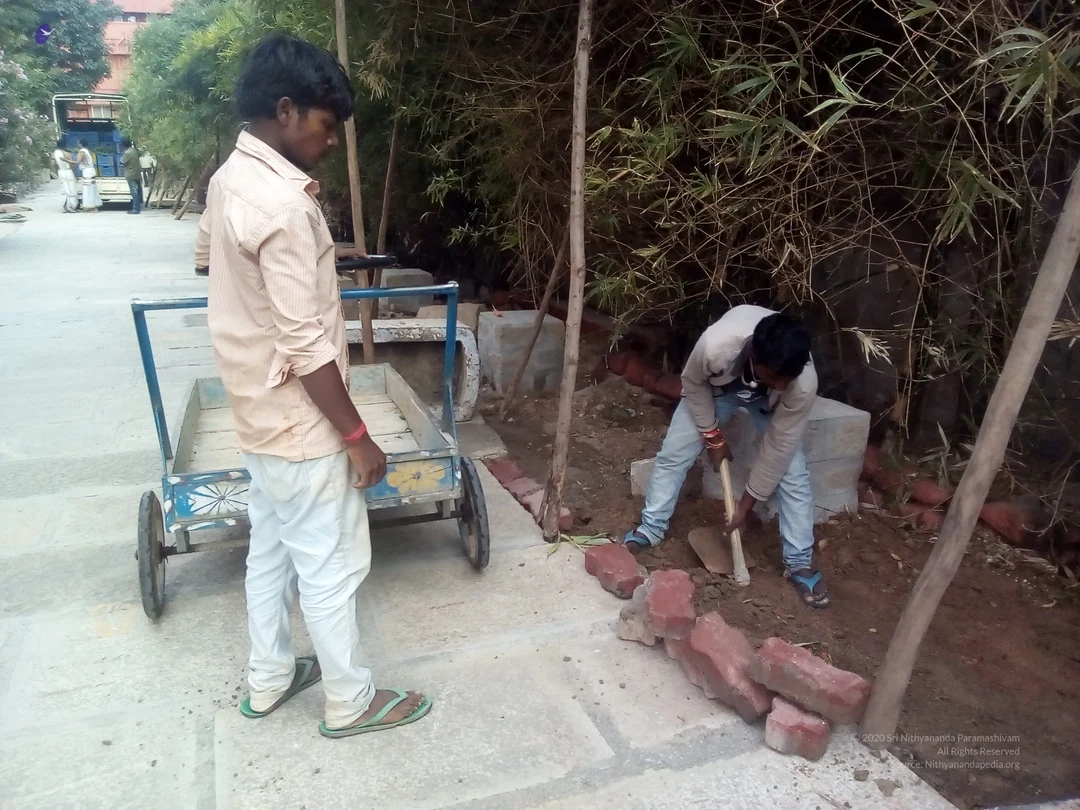
Construction Work happening at Aadhi Kailaasa, Bengaluru
Photos Of The Day:
FB-Photos-of-the-Day
Photos from this day
View all 541 photosnithya satsang
314 photosSource gallery
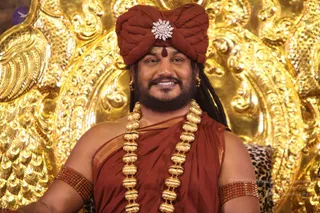
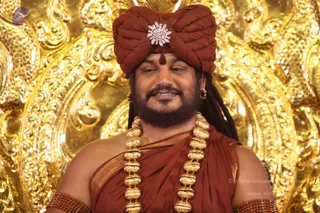
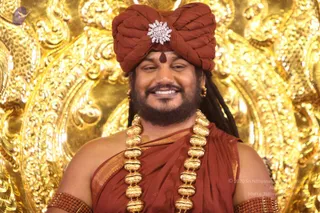
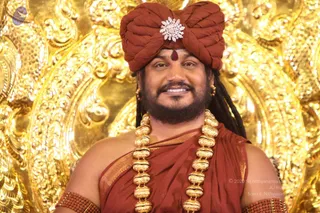
gurukul power initiation
22 photosSource gallery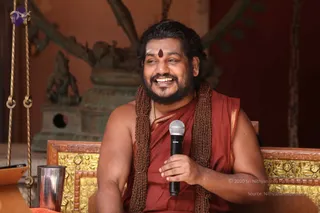
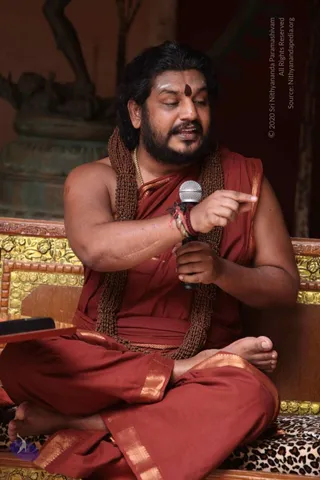
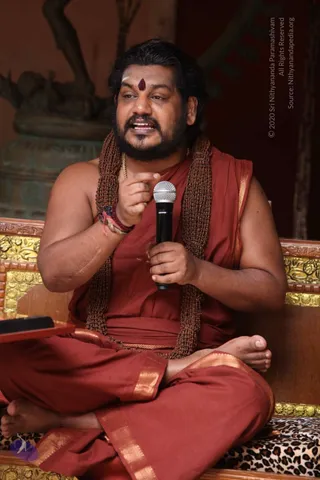
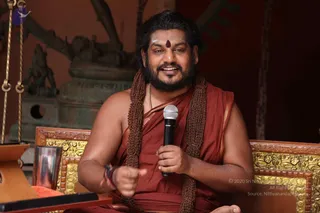
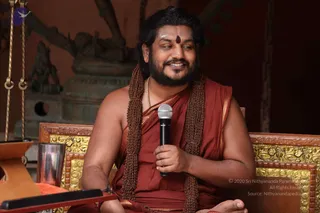
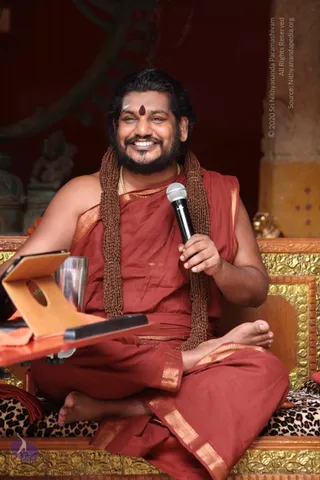
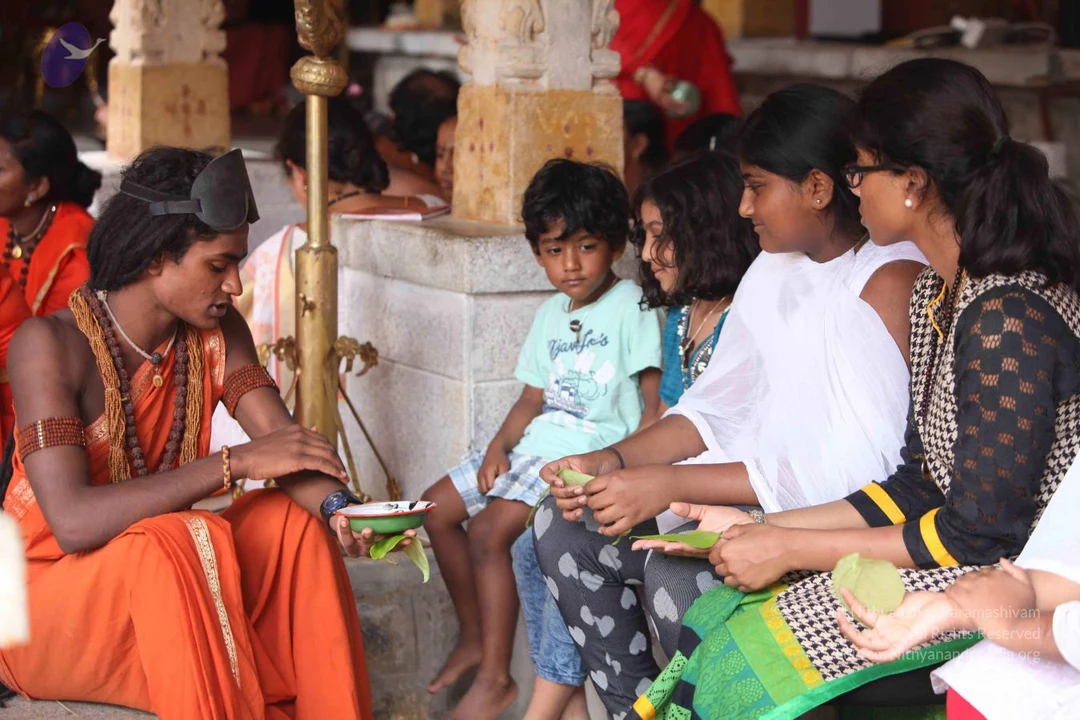
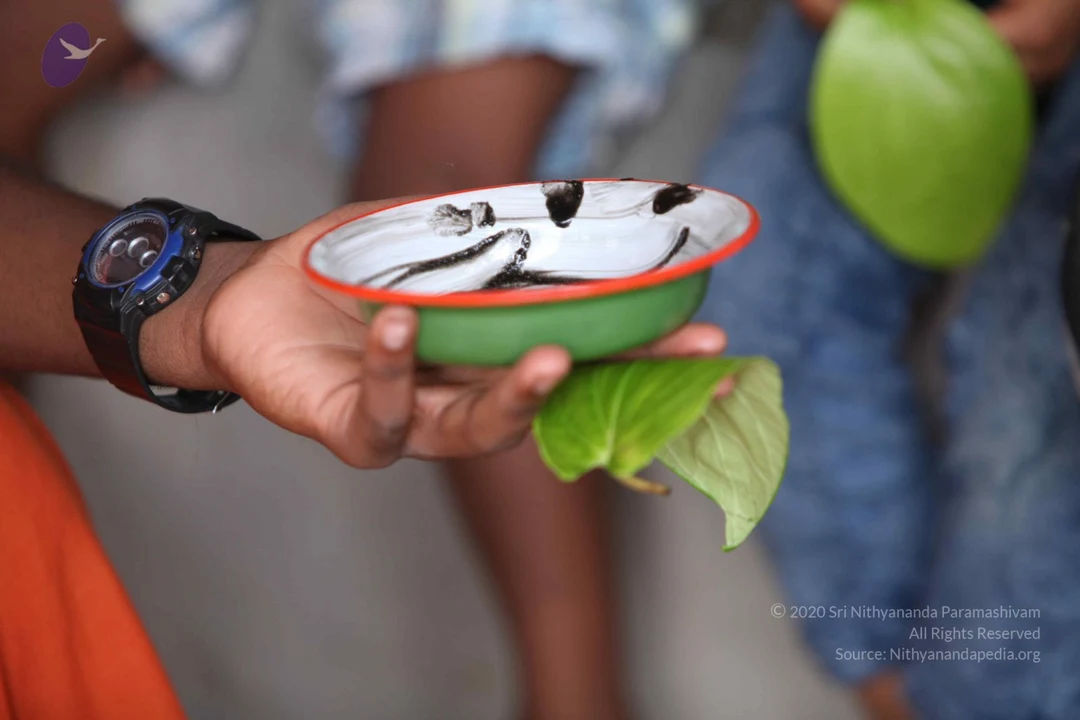
aadi shaivam
161 photosSource gallery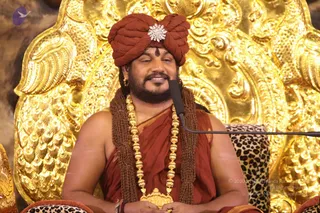
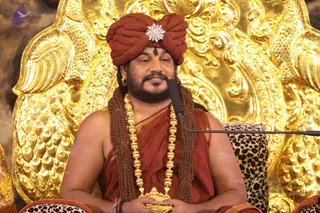
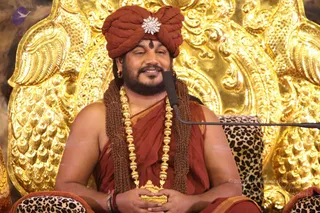
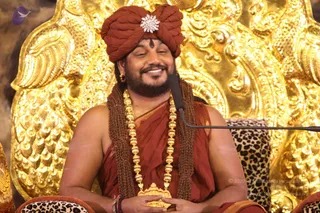
Construction Work happening at Aadhi Kailaasa, Bengaluru
2 photosSource galleryFB-Photos-of-the-Day
1 photoSource gallery