Saturday
17 August 2013
Identify your Conflicting Thought Patterns
- Dated photos
- 144
- Source pages
- 1
- Media
- 6
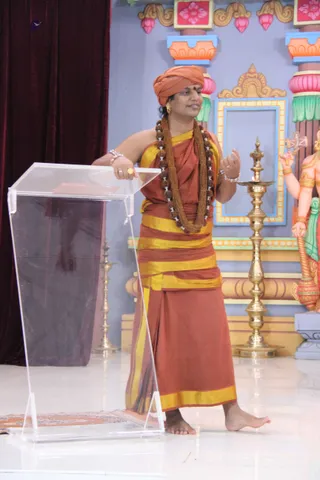
August 17 2013
Original wiki pageTitle
Identify your Conflicting Thought Patterns
Description:
In this session from IA program, Swamiji describes root patterns and how to come out of root patterns. Participants are guided to acquire the highest asset- moving to the space of completion. In the space of completion, all internal and external problems melt away and become irrelevant.
Link to Video:
| Video | Audio |
Transcript:
Nithyanandeshwara Samaarambhaam Nithyanandeshwari Madhyamaam |
Asmath Aachaarya Paryanthaam Vandhey Guru Paramparaam ||
I welcome all of you with my love and blessings.
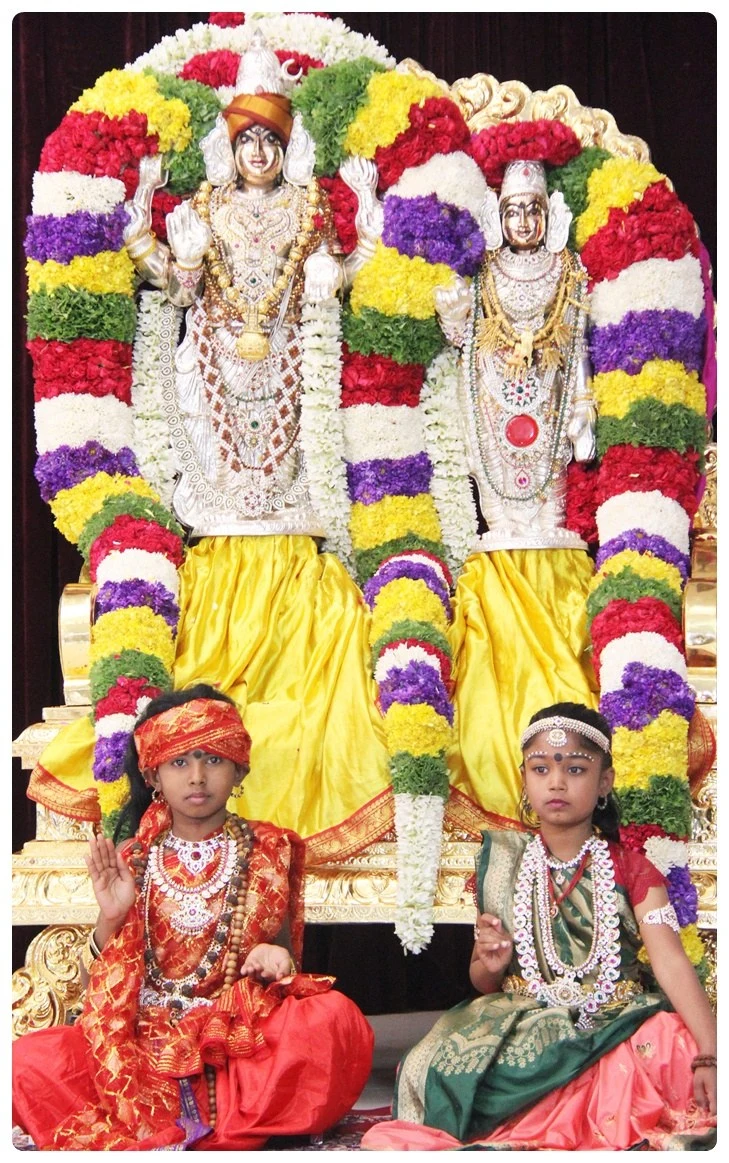
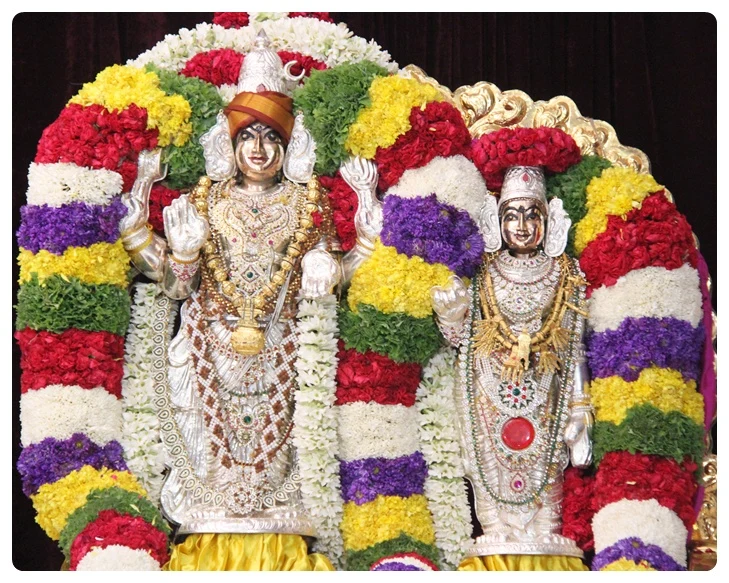
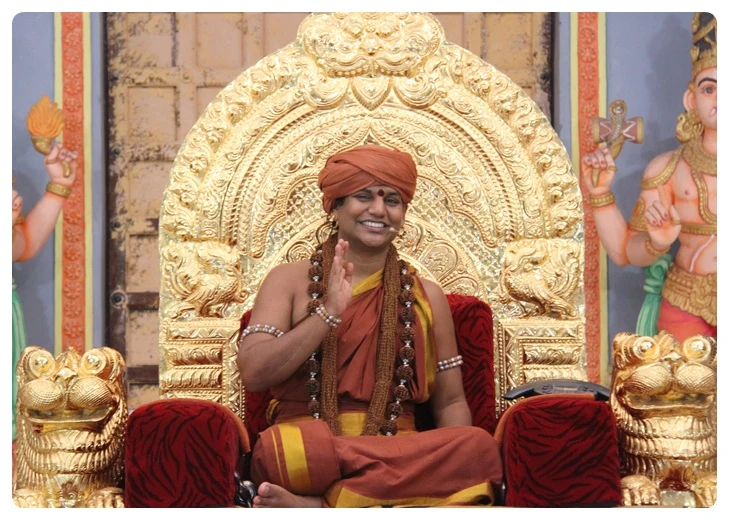
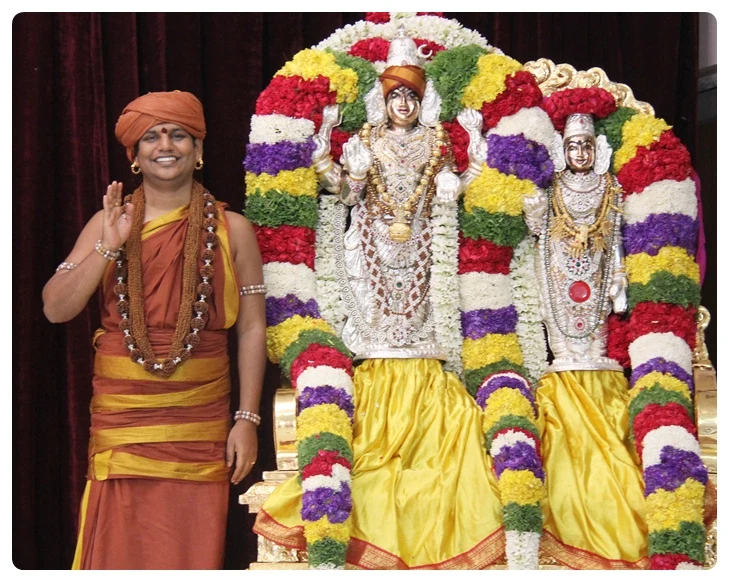
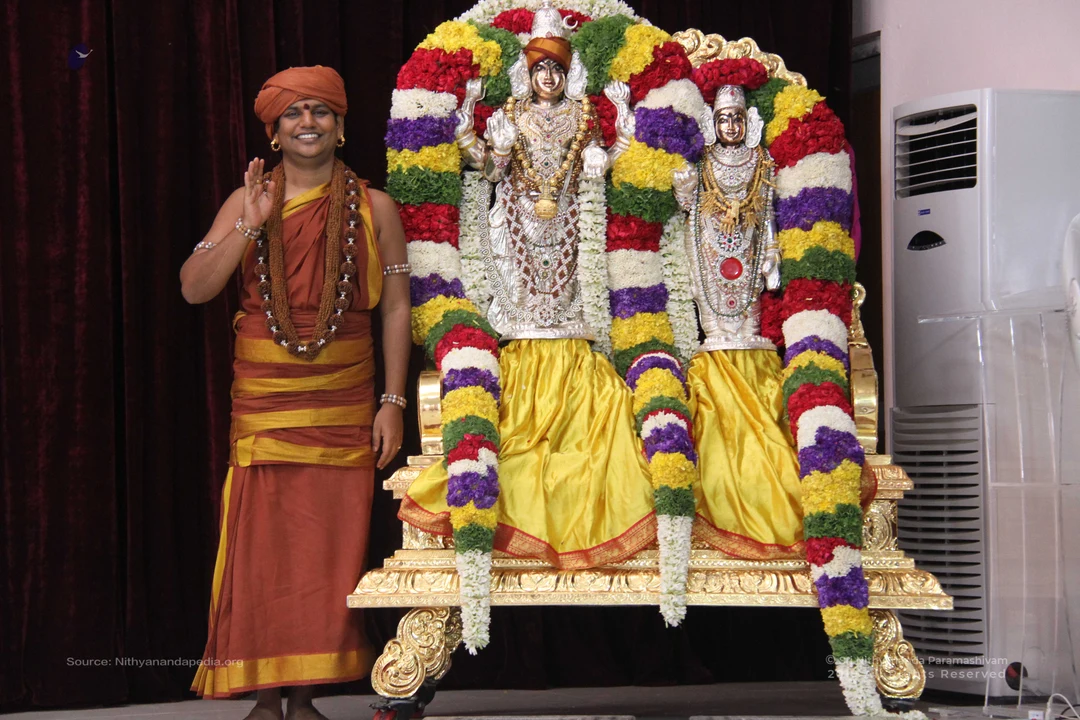
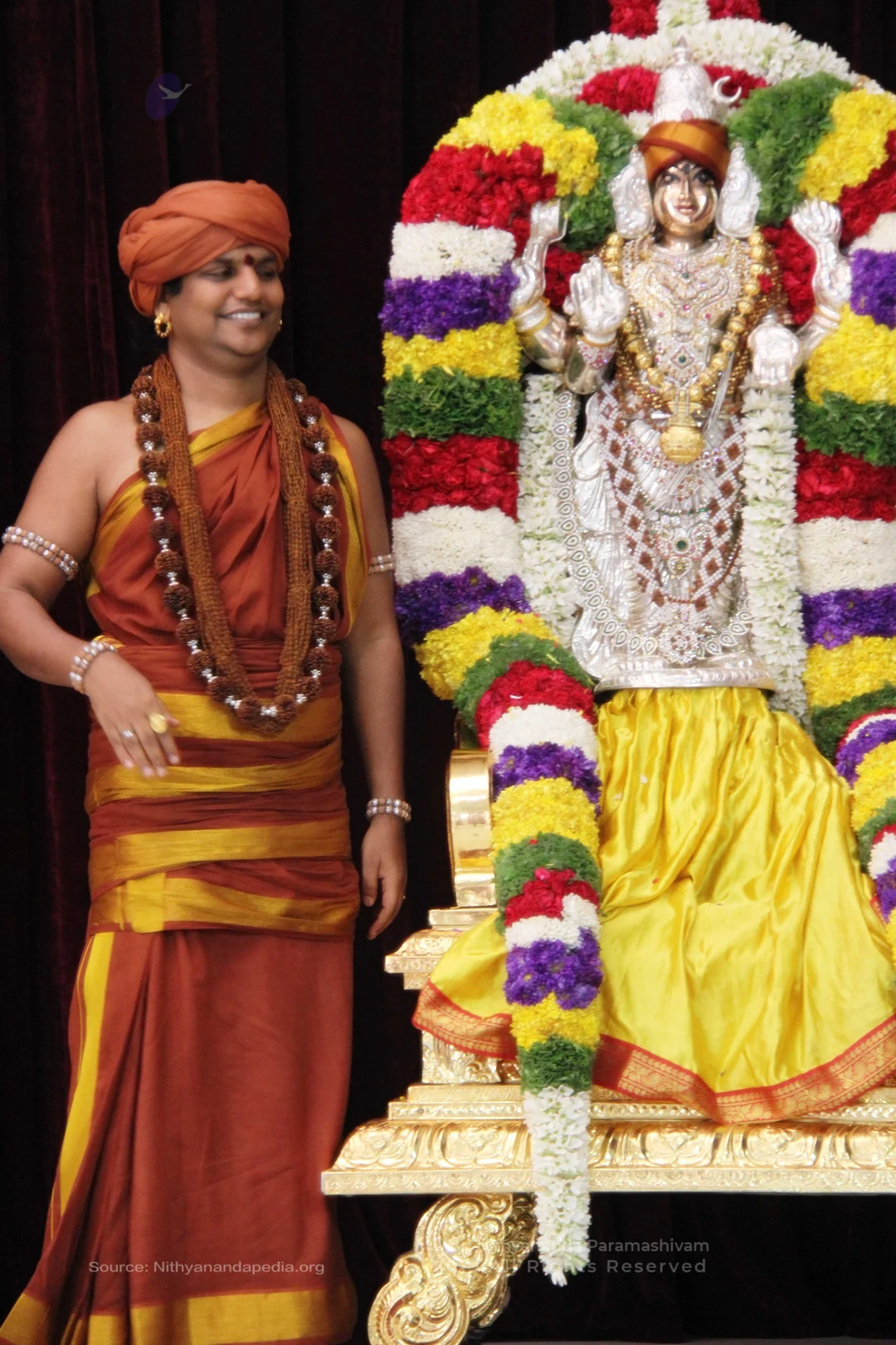
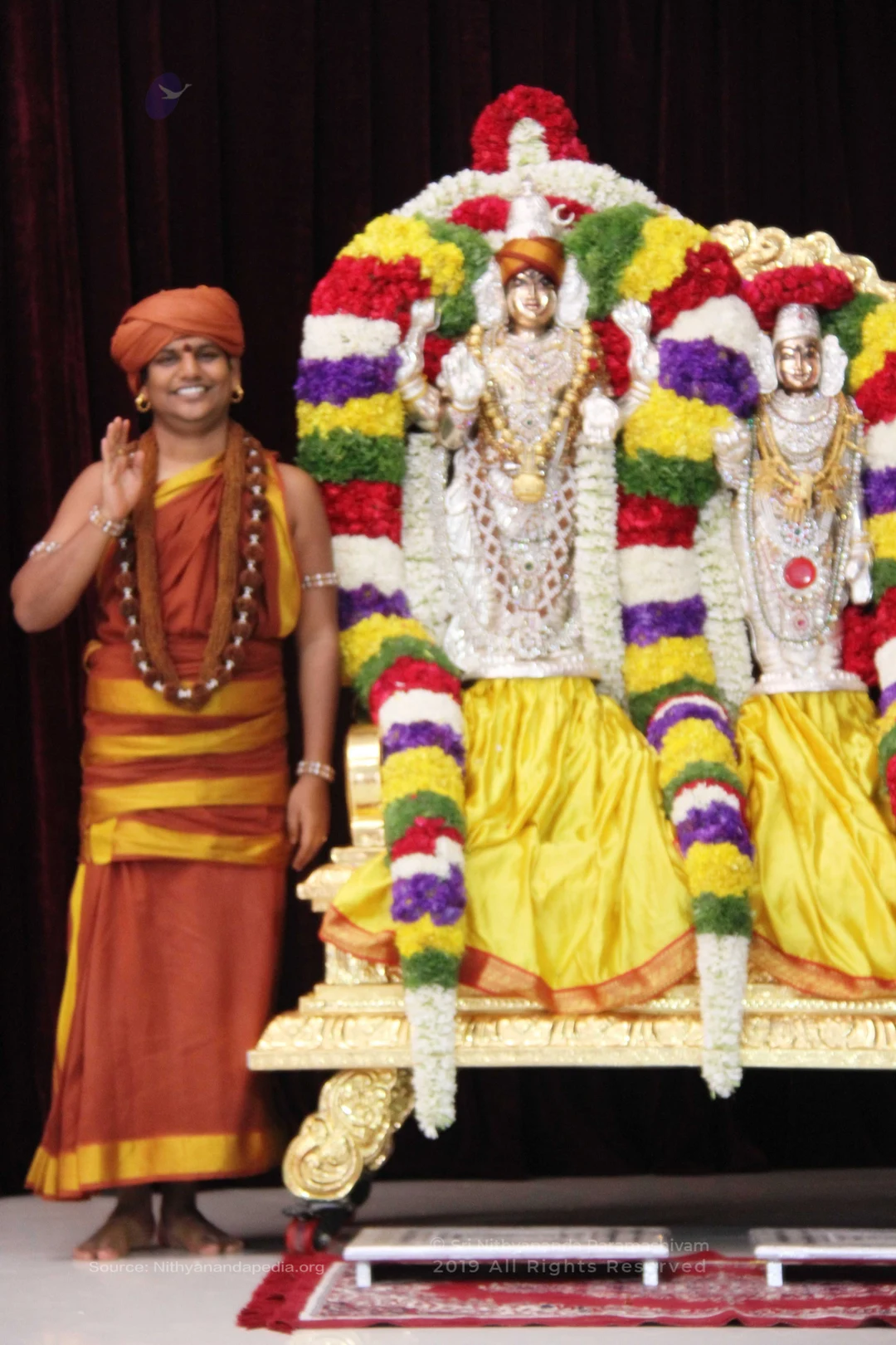
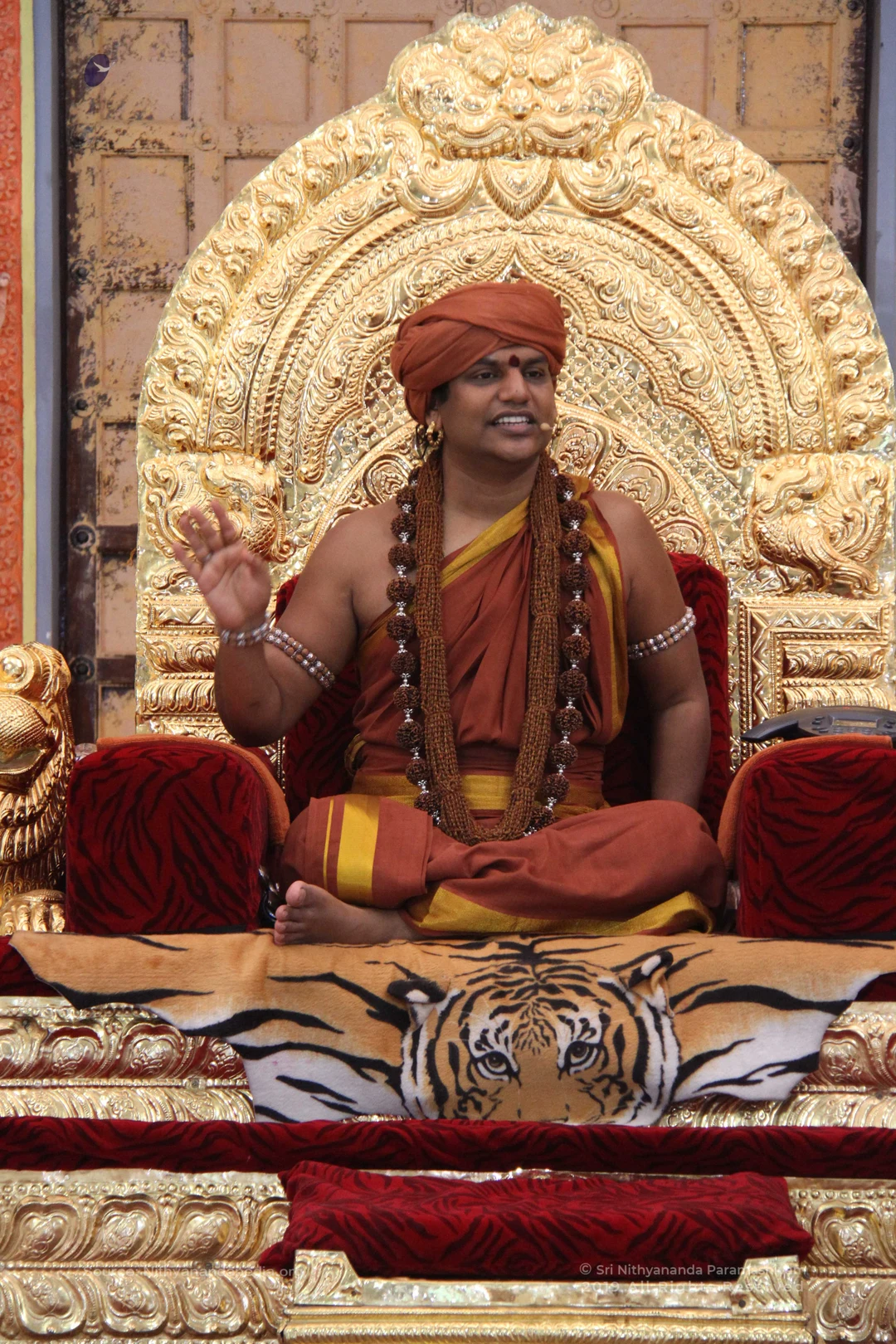
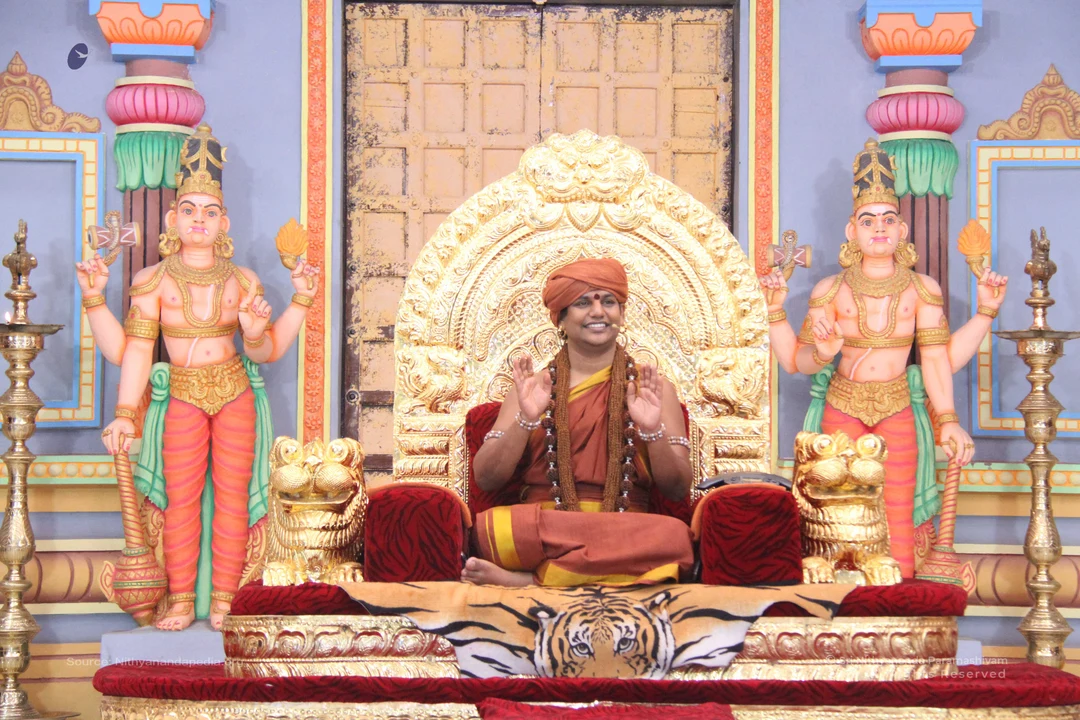
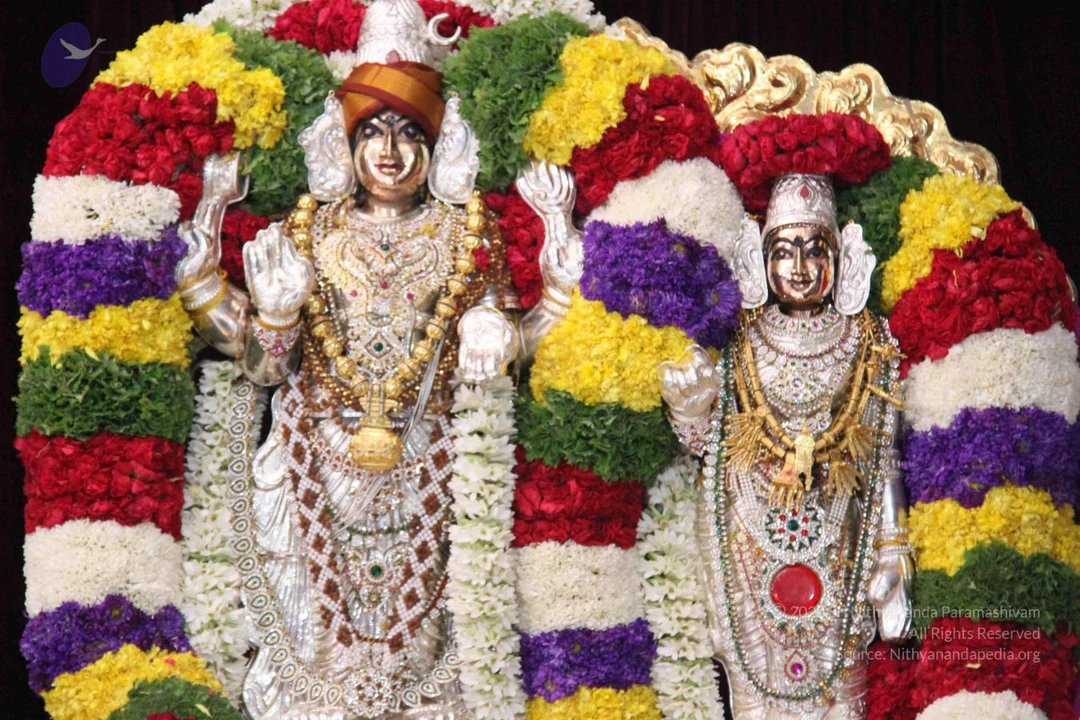
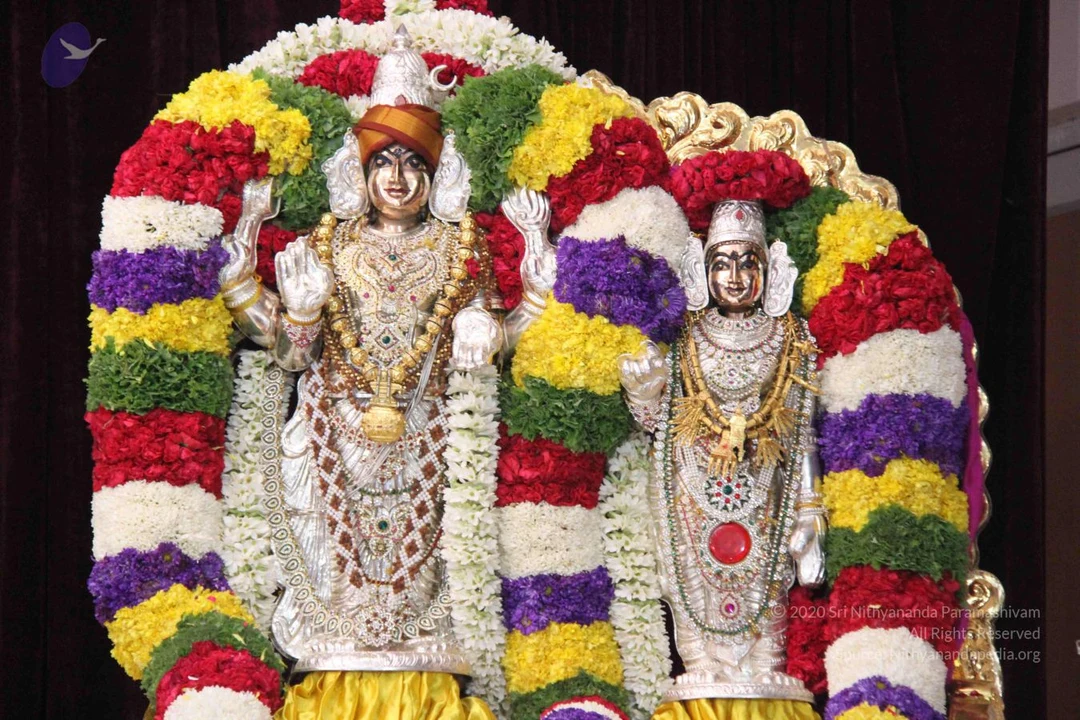
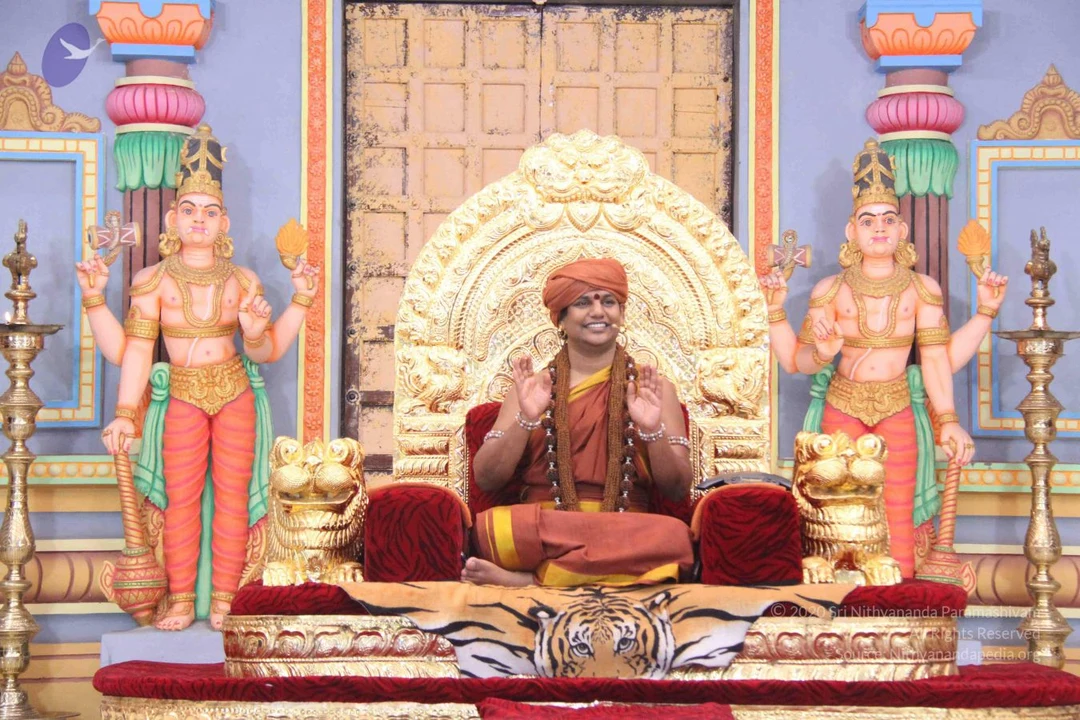
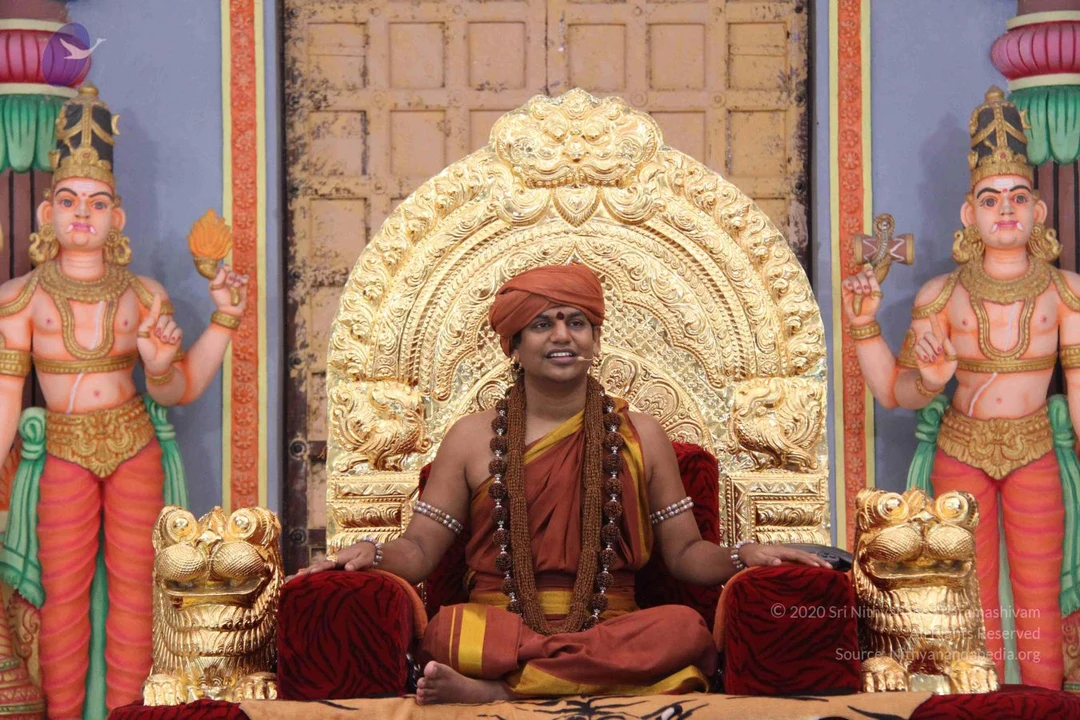
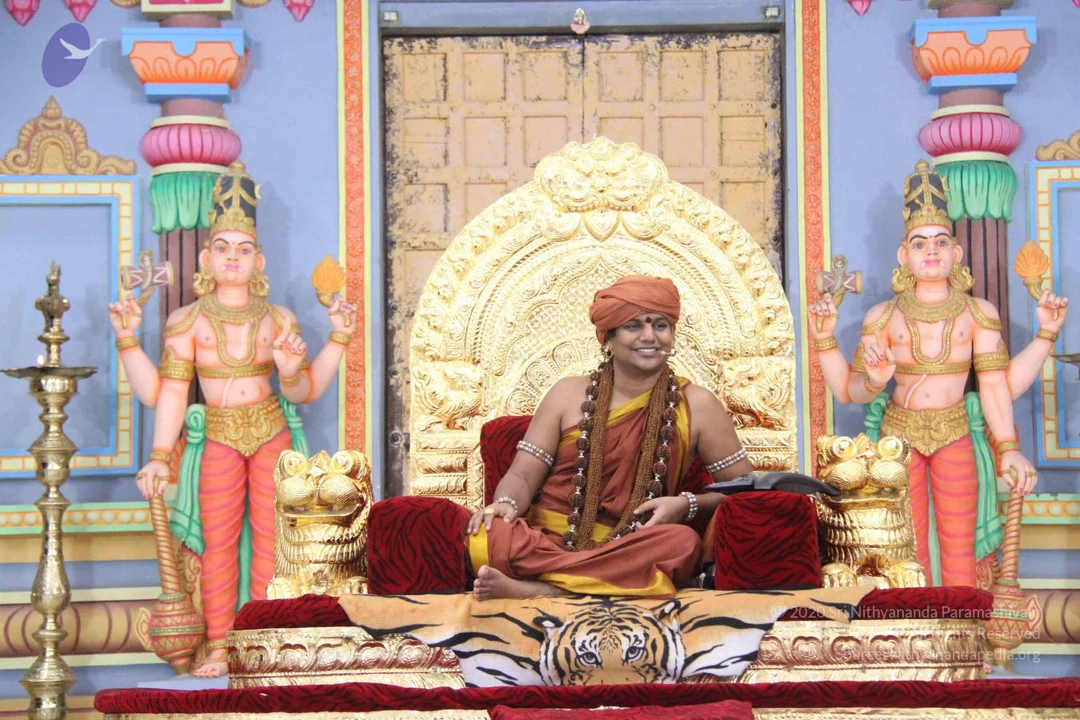
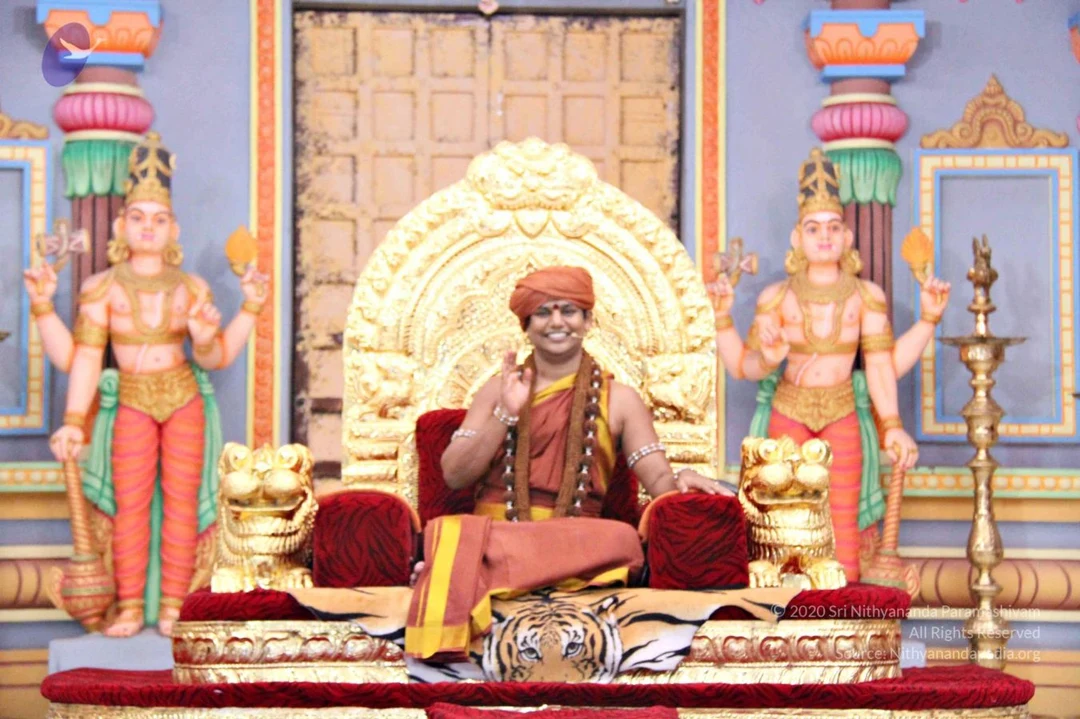
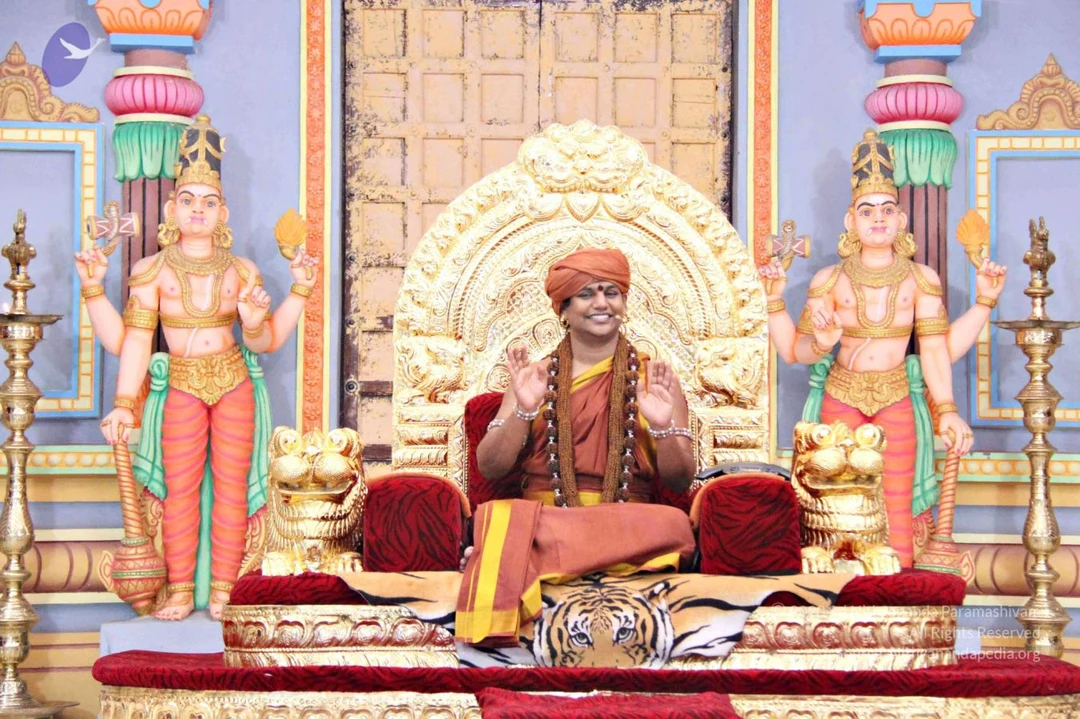
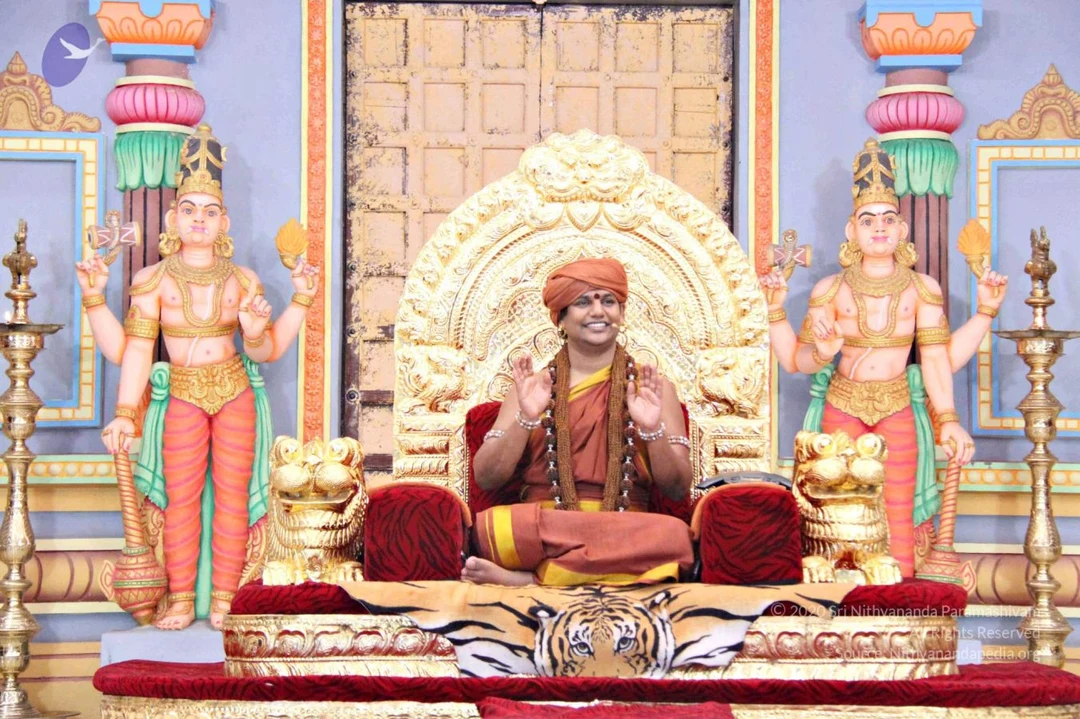
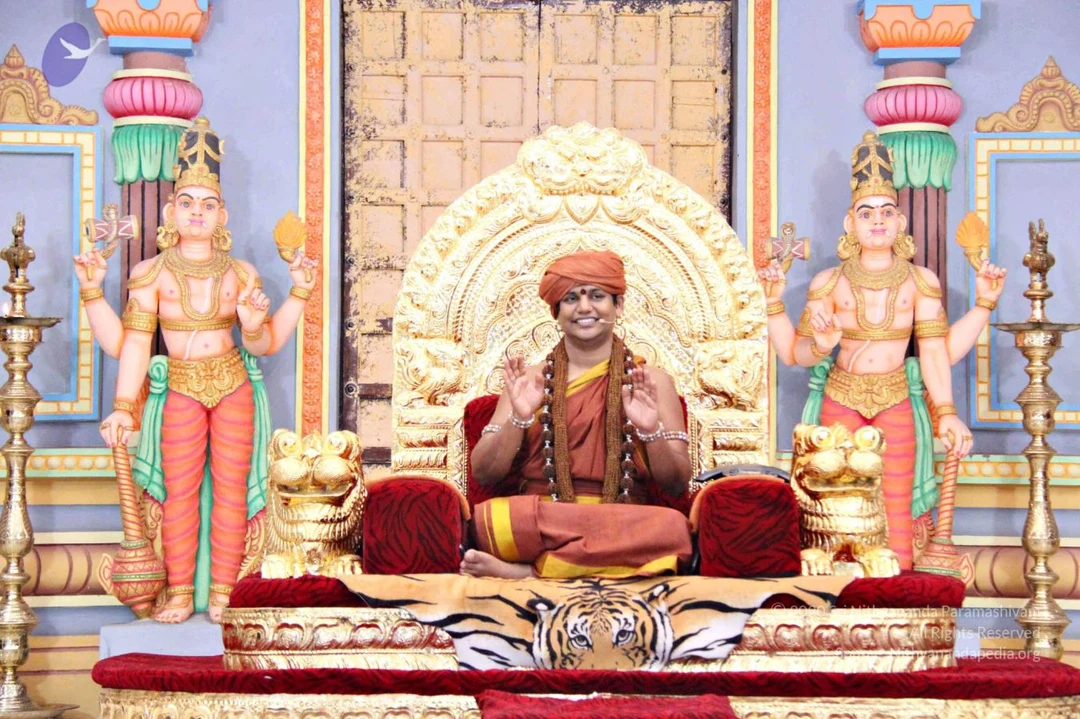
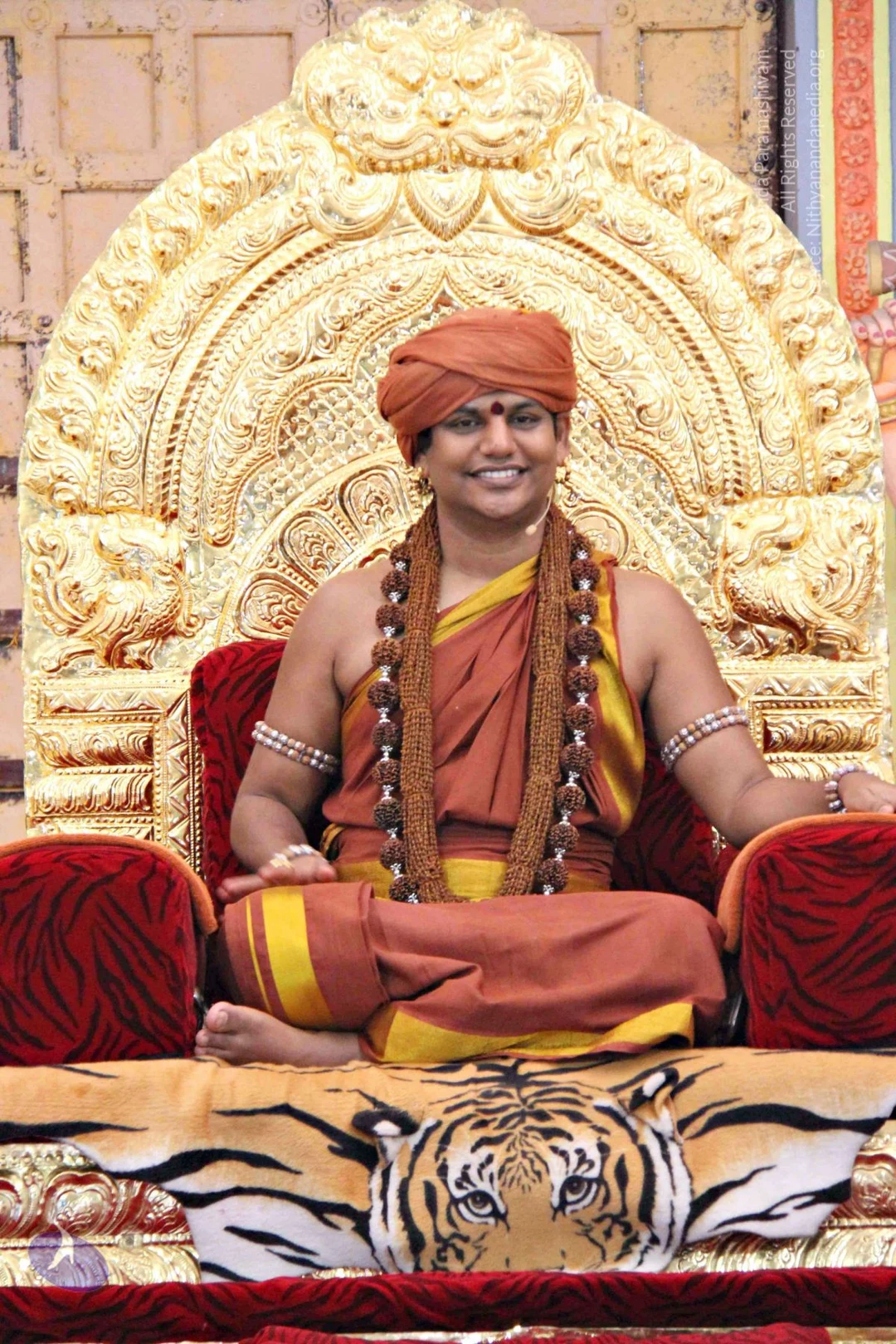
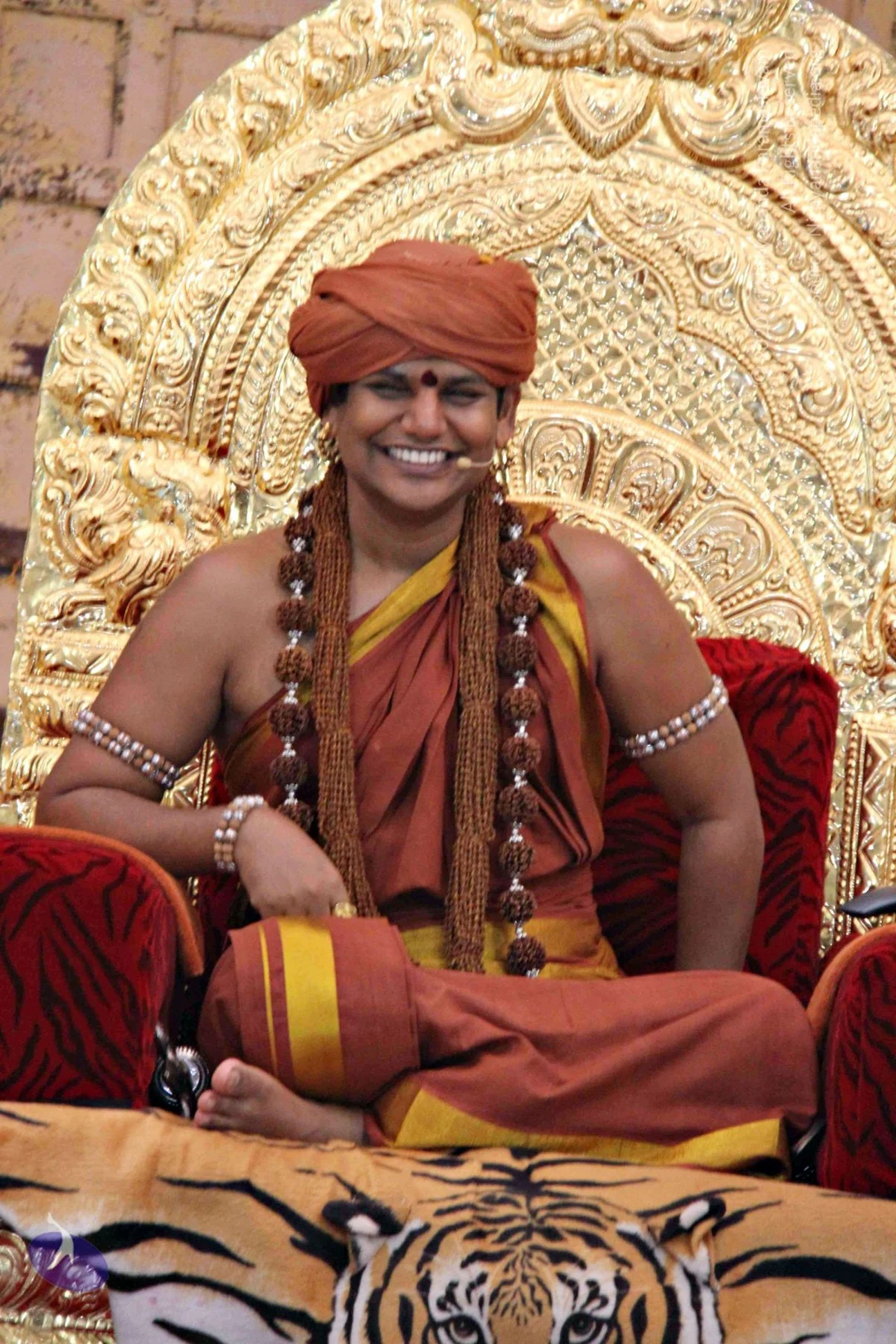
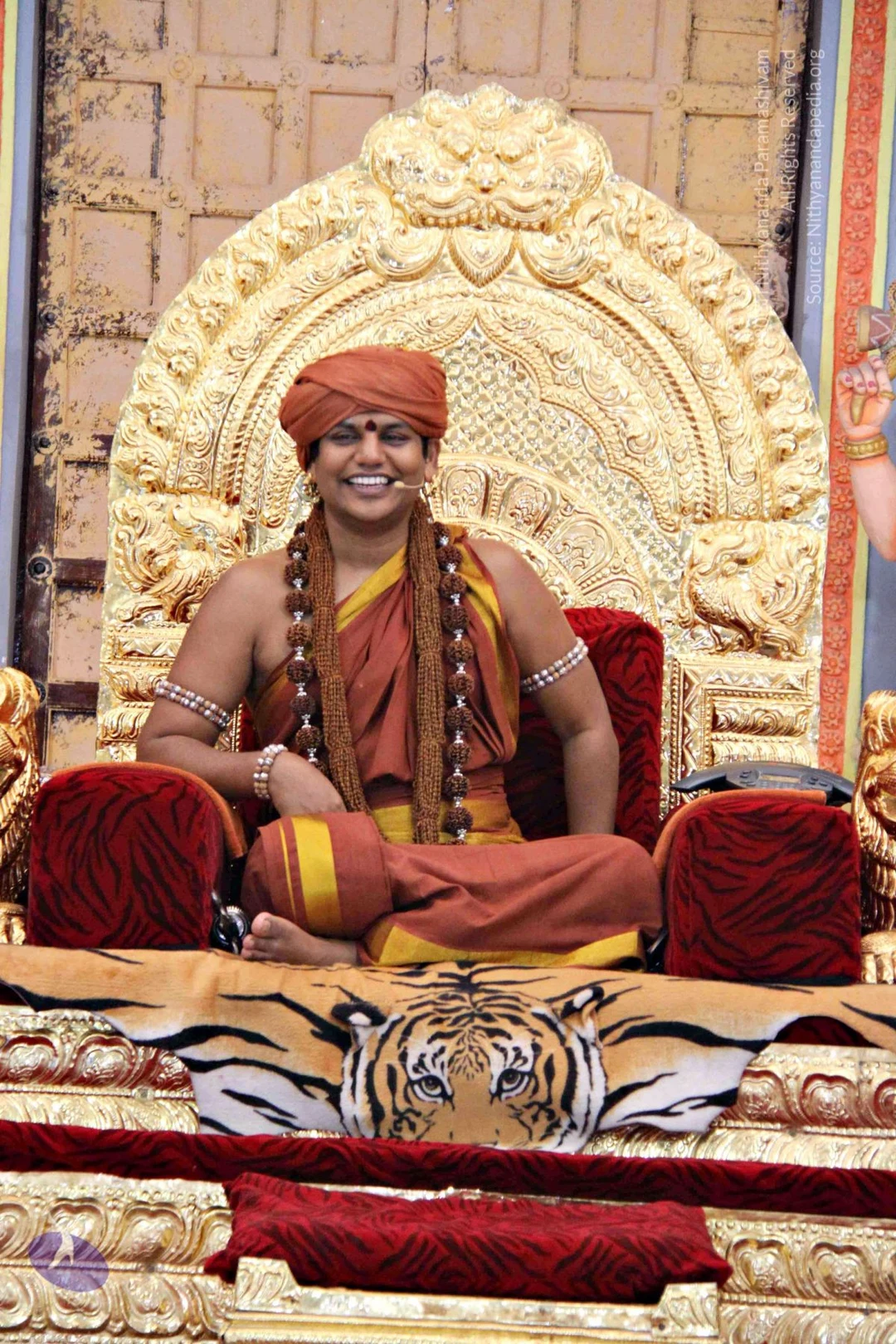
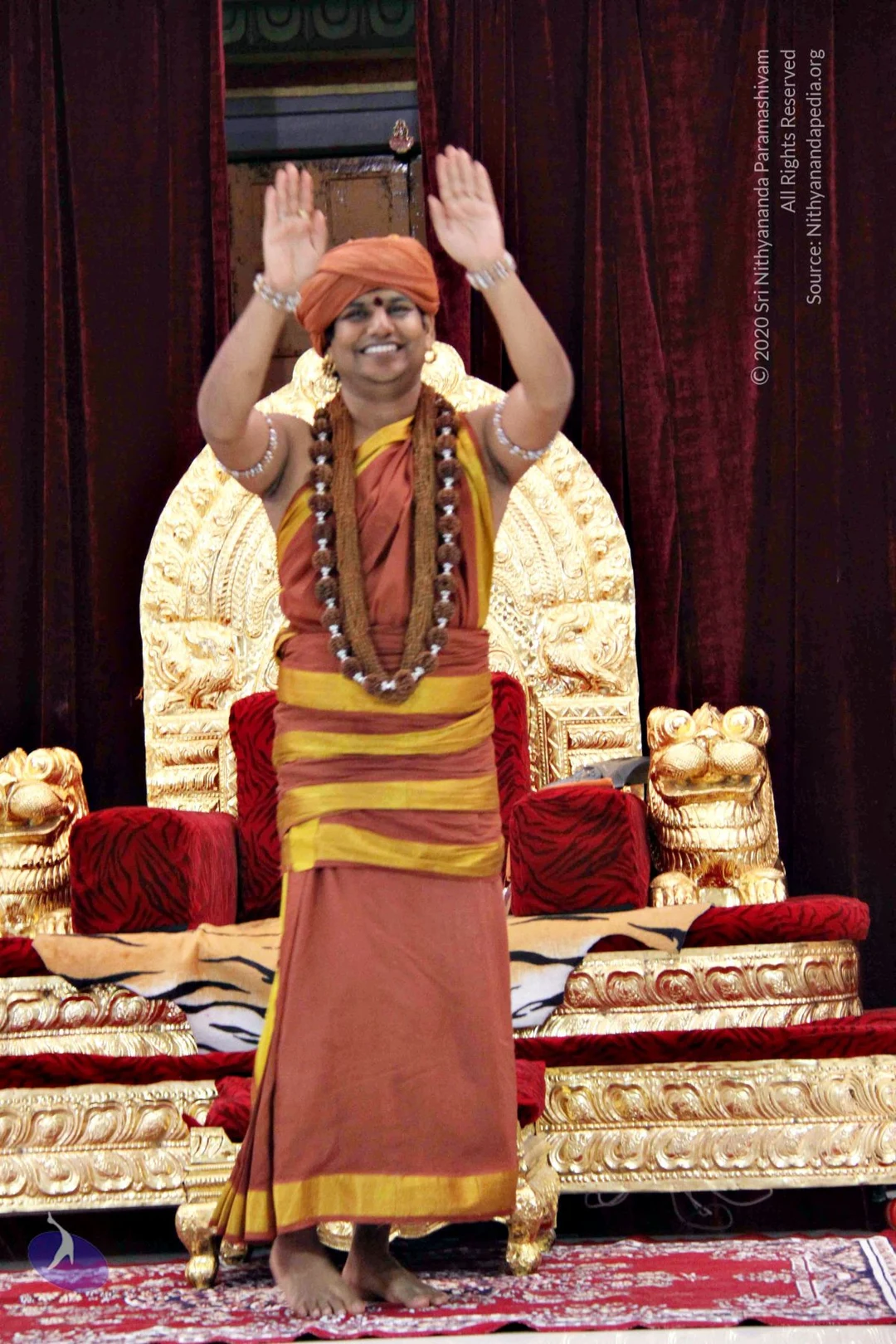
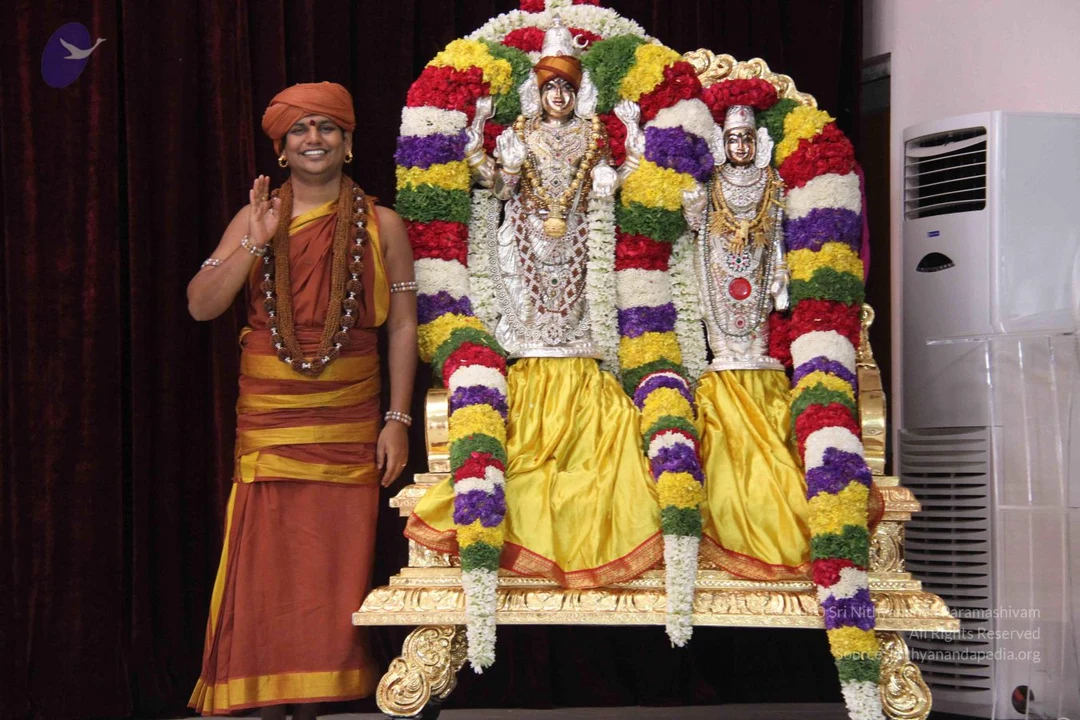
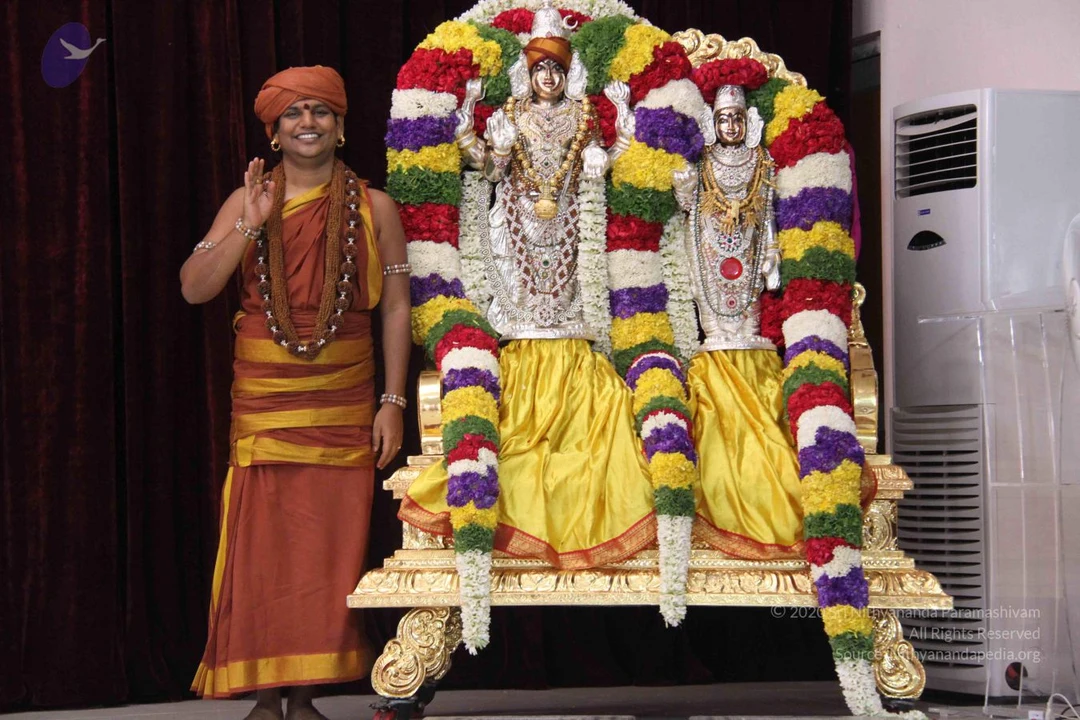
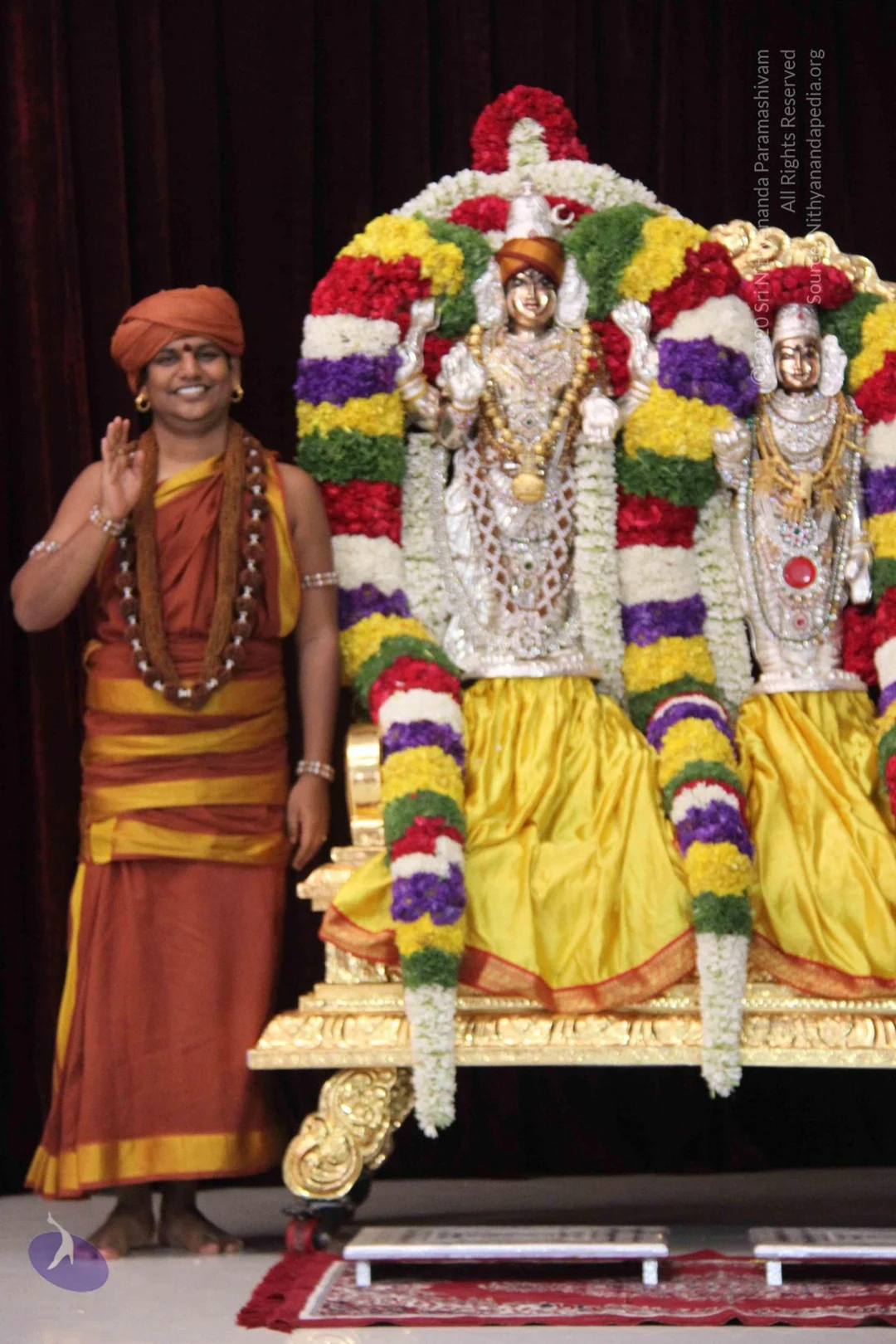
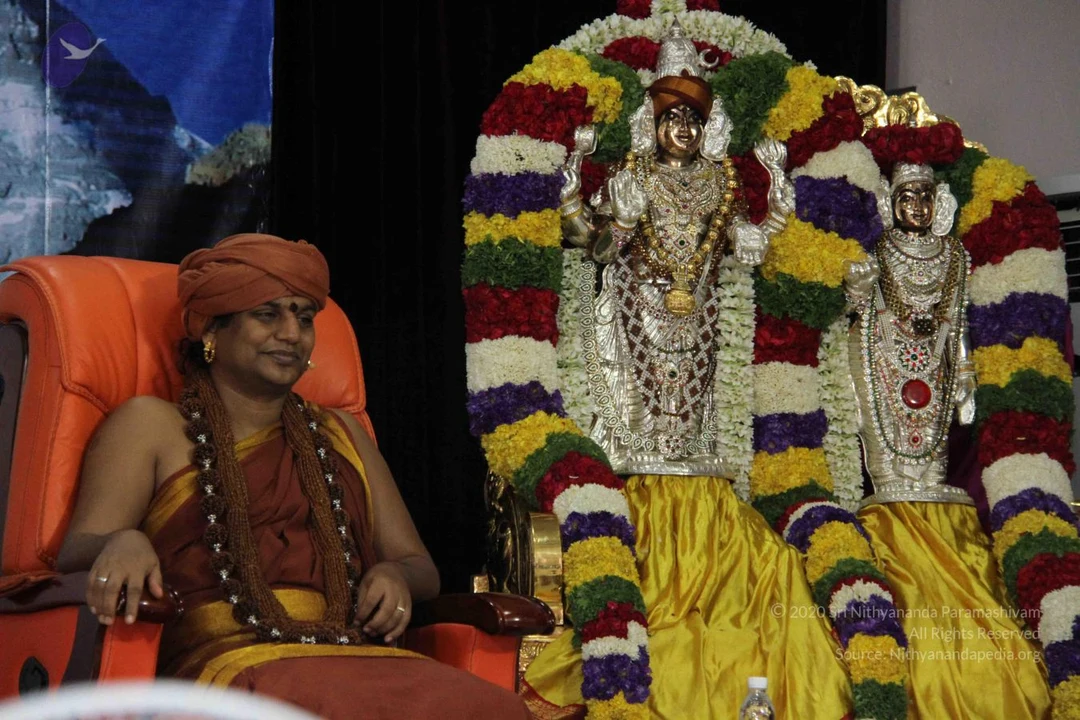
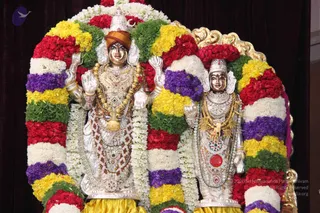
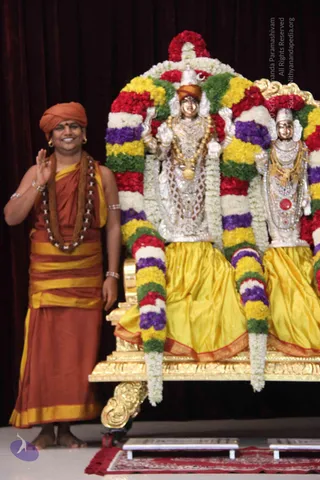
Today, Mahadeva is gracing us in the form of Chandrashekhara, the Leela of “PROTECTING THE MOON”.
Once, Prajapathi Daksha (son of Lord Brahma, the God of Creation), whose twenty-seven daughters are married to the Moon, Chandra; the Prajapathi Daksha got angry, because Chandra was more attracted towards Rohini, and Daksha cursed Chandra, his own son-in-law that ‘Let you lose all the glory and luminescence of sixteen parts!’ (The sixteen parts refer to the waxing and waning of the moon. The moon goes through a fifteen-day waxing period; on the sixteenth day it becomes the Full Moon – “Poornima” in Sanskrit, or “Pournami” in Tamil. Similarly, it goes through a fifteen-day waning period; on the sixteenth day it disappears from sight – No Moon or New Moon day – “Amavasya” in Sanskrit).
So, when Chandra started losing all the parts and was dying, he ran to Mahadeva and took refuge under Mahadeva asking for protection.
Mahadeva put the Moon on his head. The moment Mahadeva put the Moon on his head, the Moon’s curse disappeared, the curse cannot come to Moon anymore and thus he protected Chandra and the world. Because, without Chandra, the Moon, many herbs cannot grow.
See, the medicinal properties in the herbs are because of Chandra’s light, the Moon’s light in the night. And the herb survives by the sunlight. But it acquires the healing properties by the moonlight. When the moonlight is not there, all the herbs started losing its healing quality.
So, by saving Chandra, Mahadeva becomes not only “Chandrashekhara” (one who holds the Moon in his hair) but also “Vaidyanatha” (Lord of Physicians).
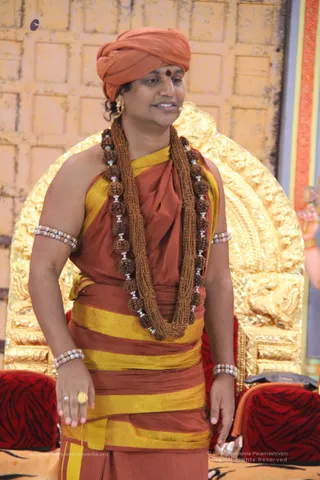
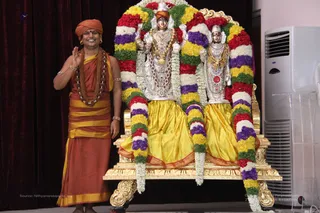
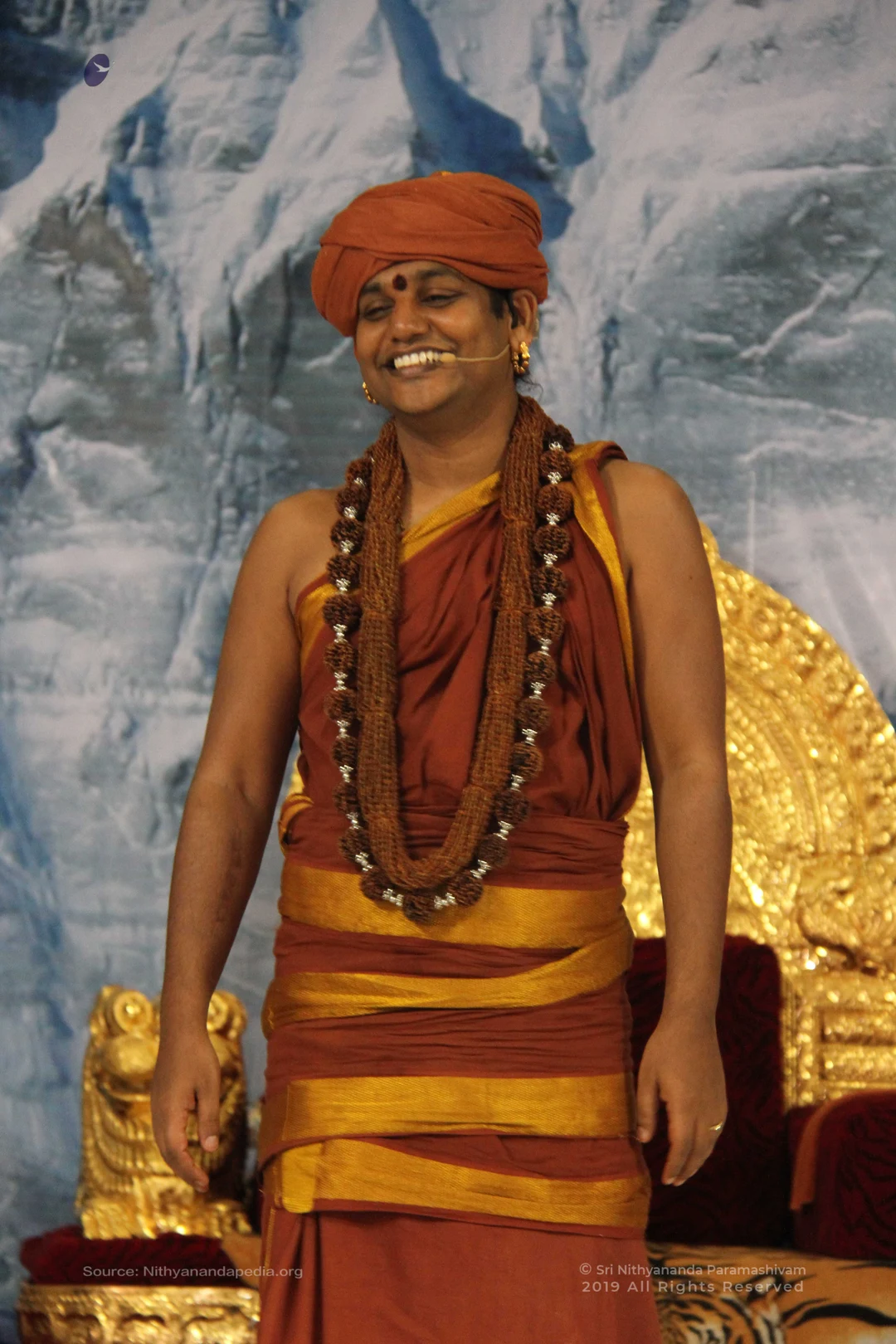
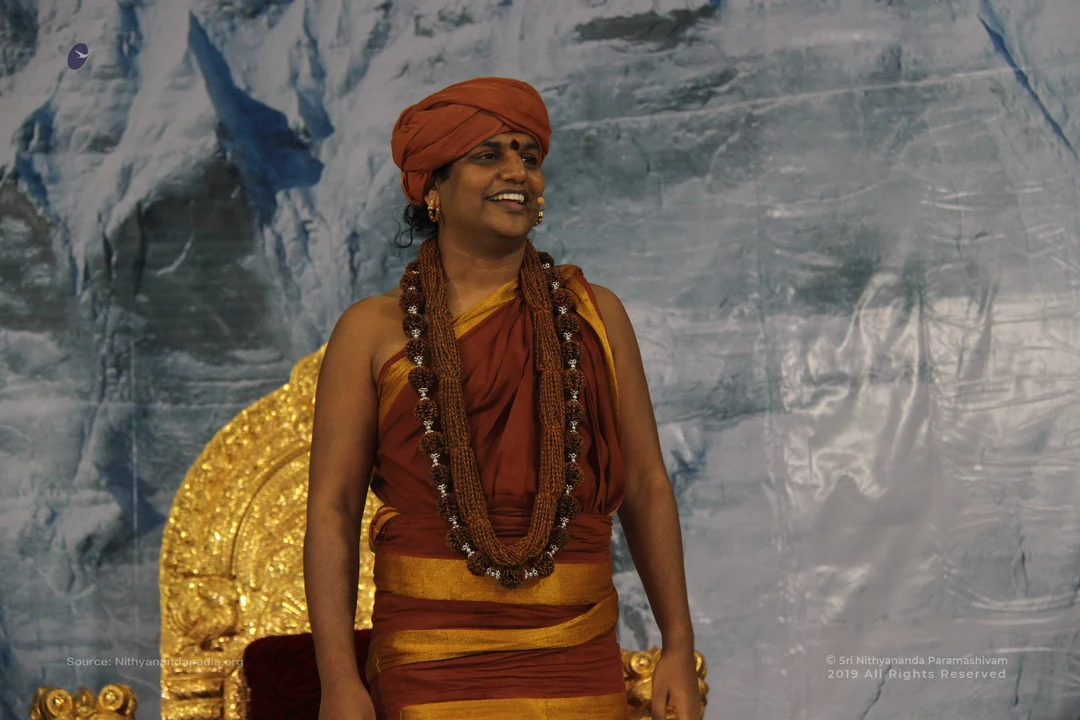
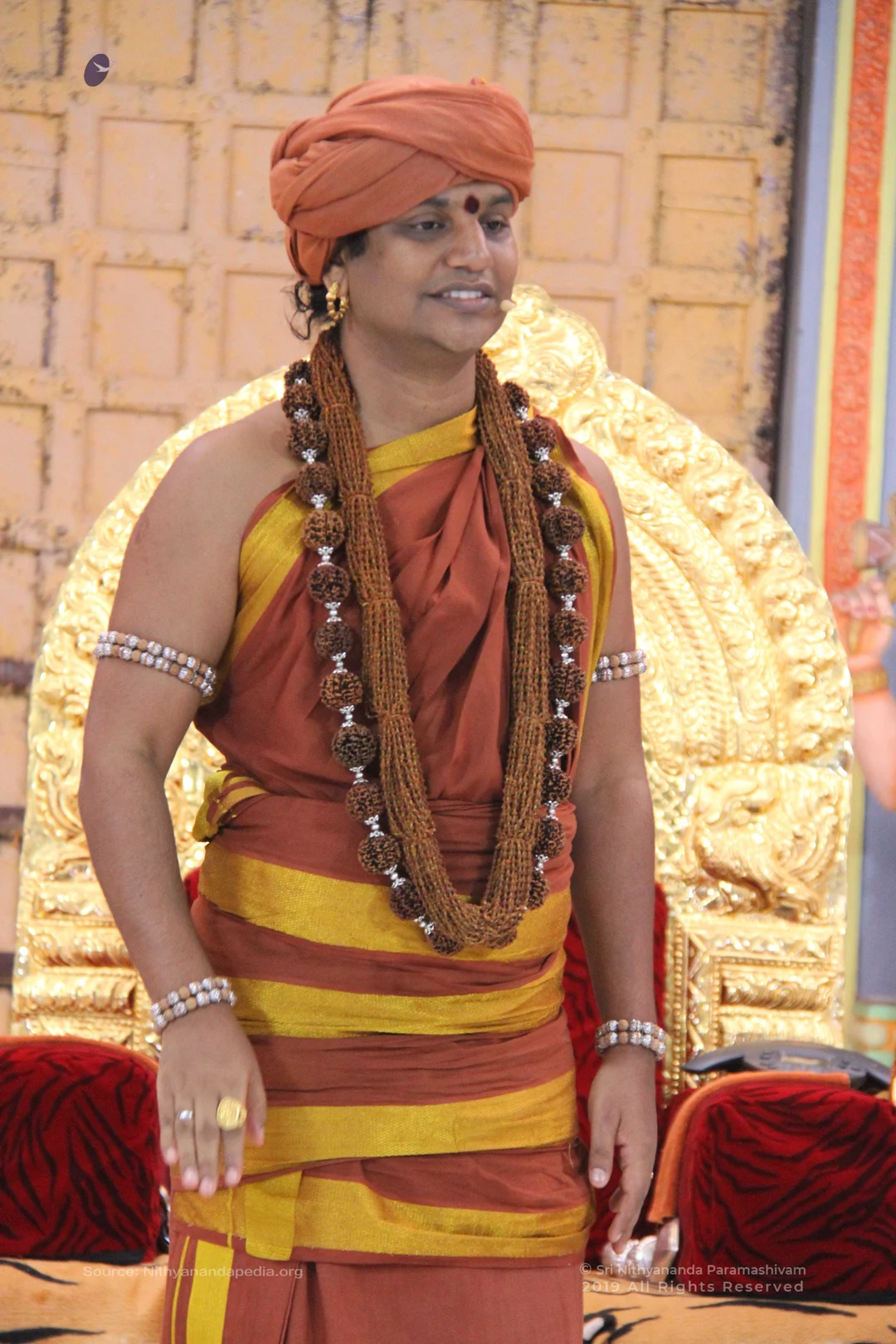
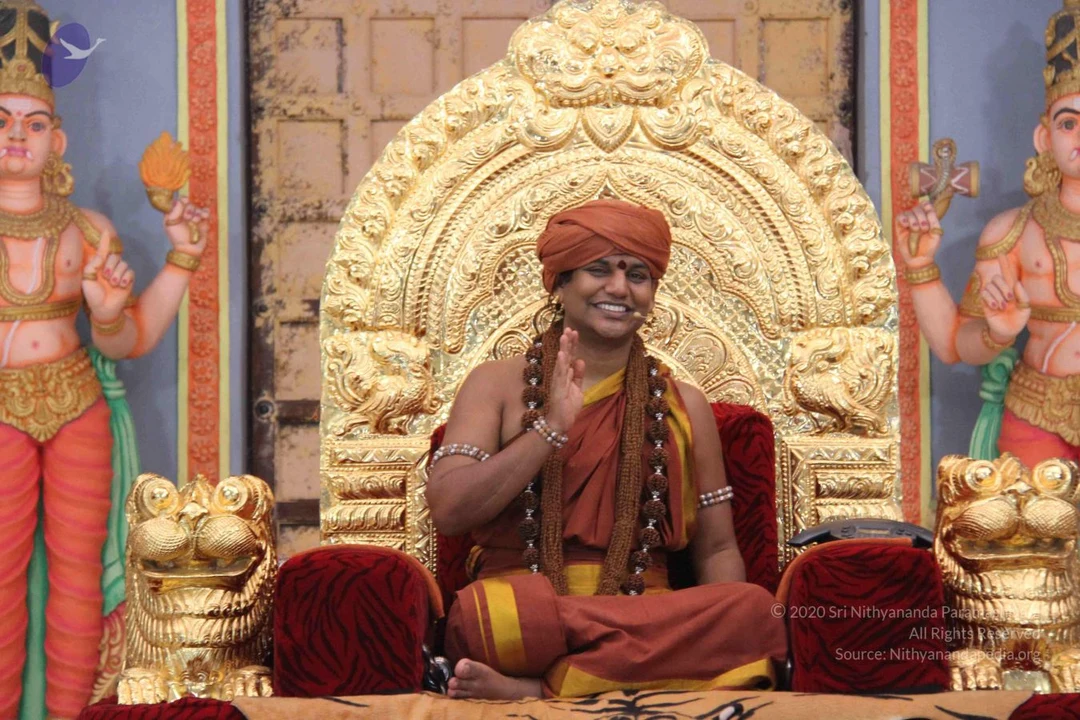
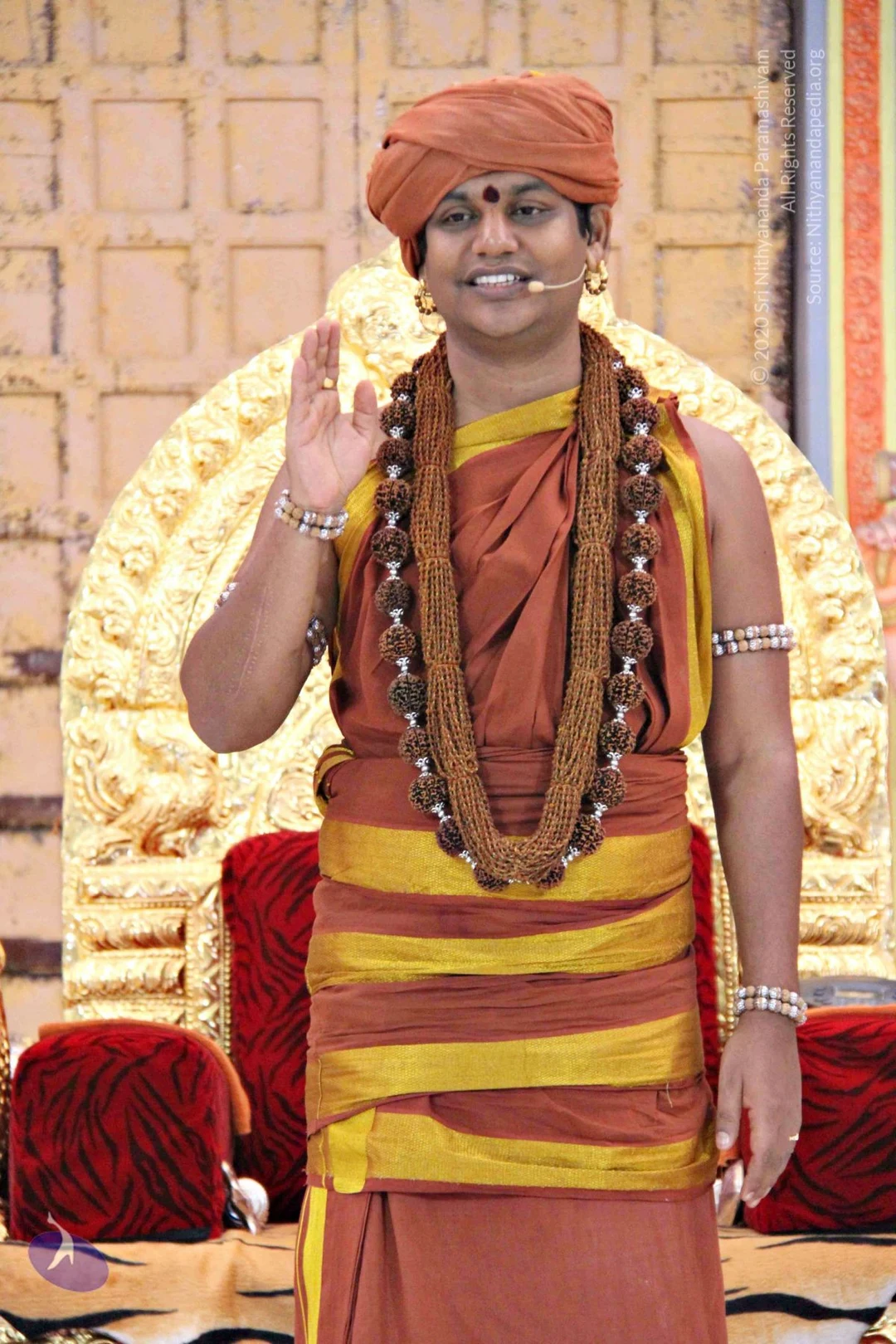
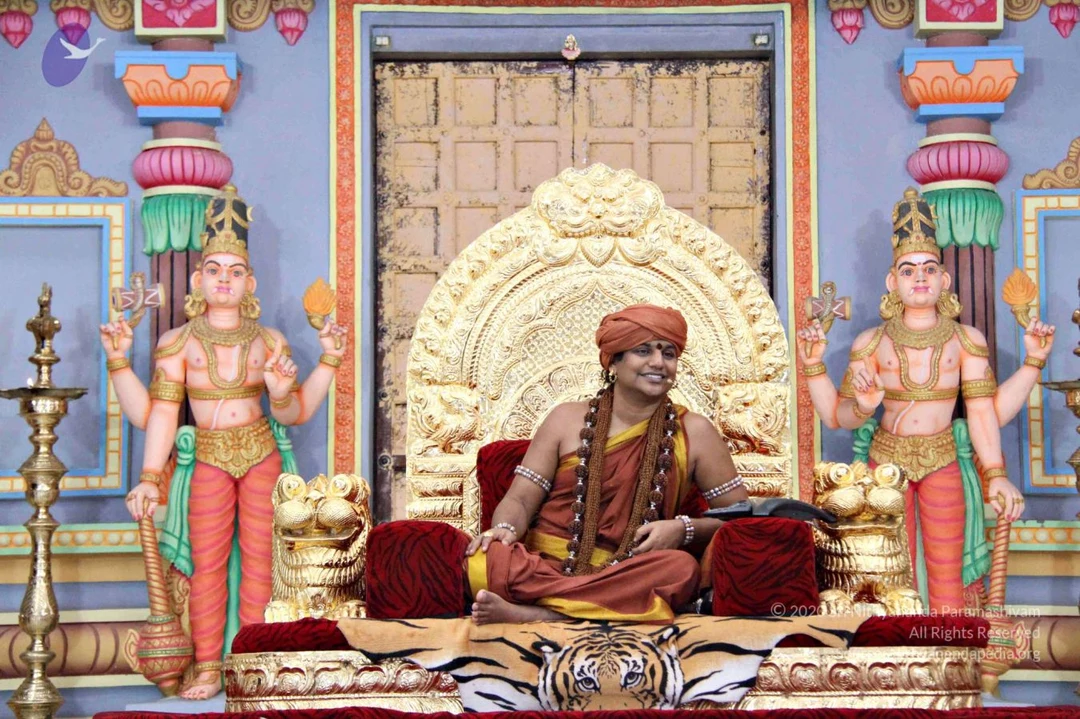
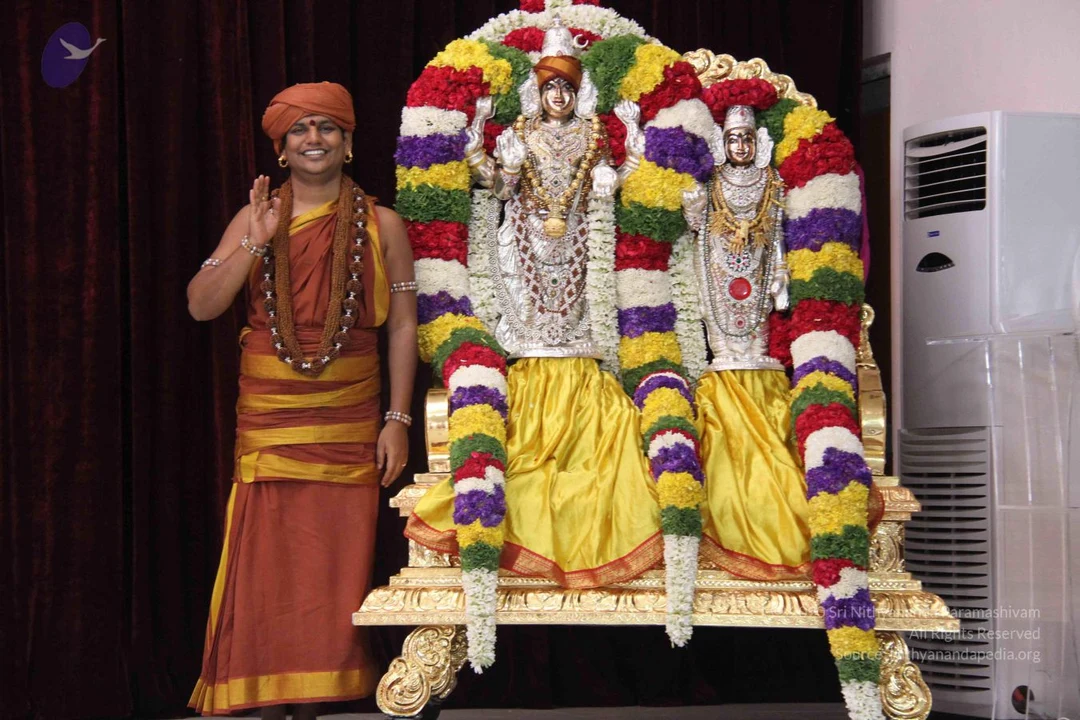
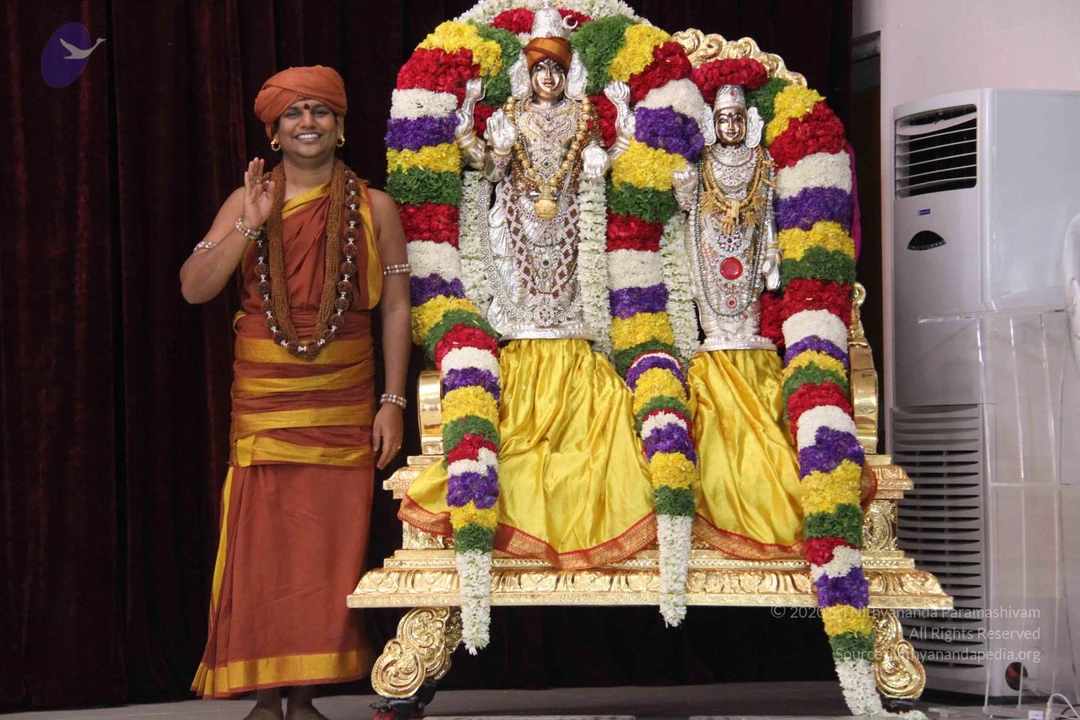
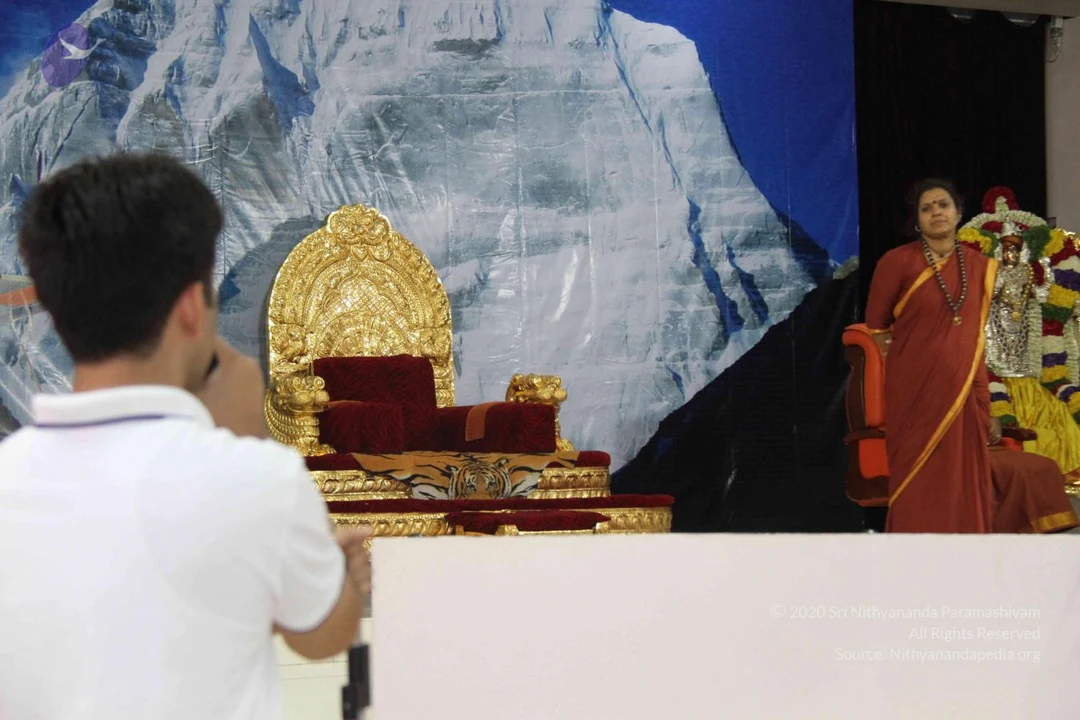
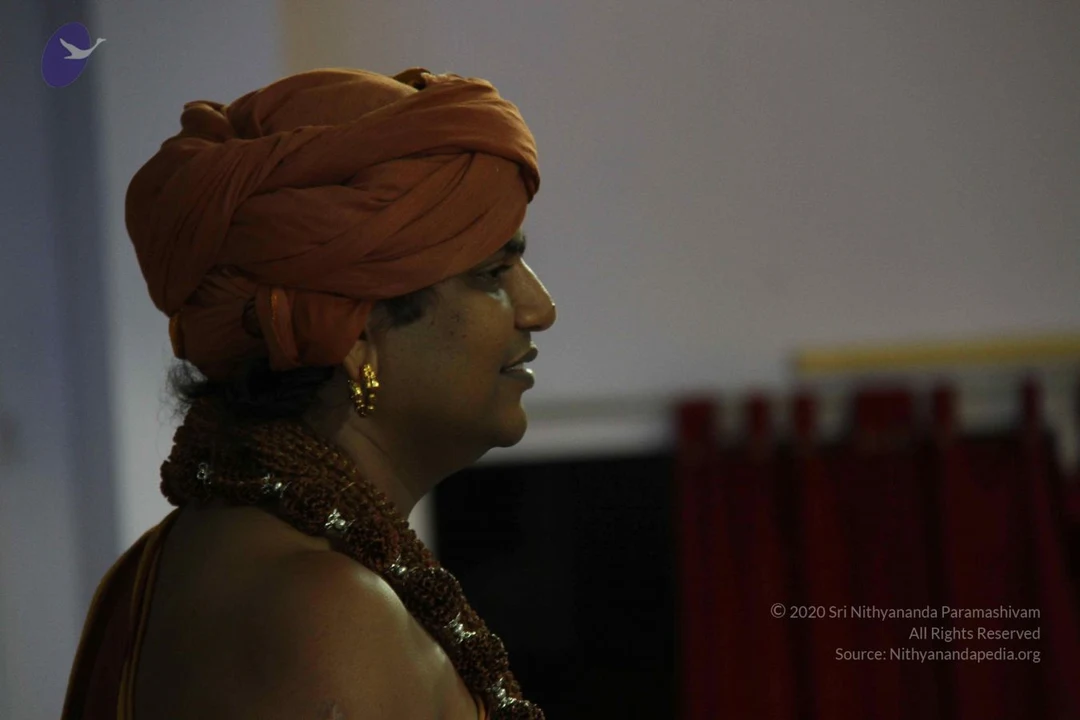
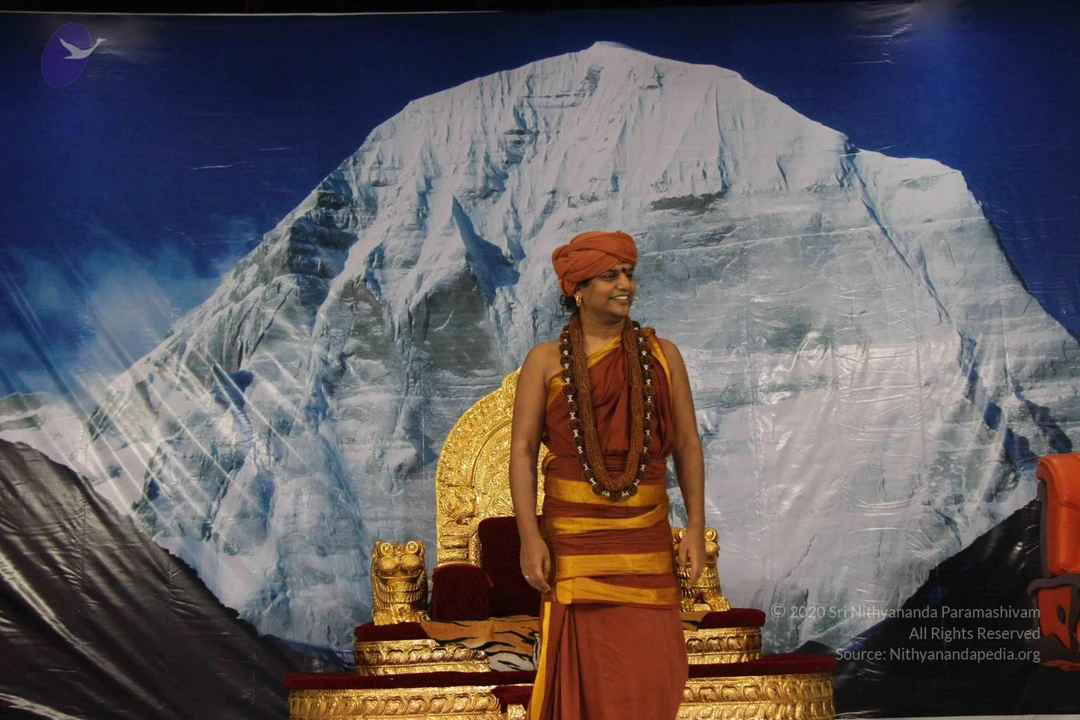
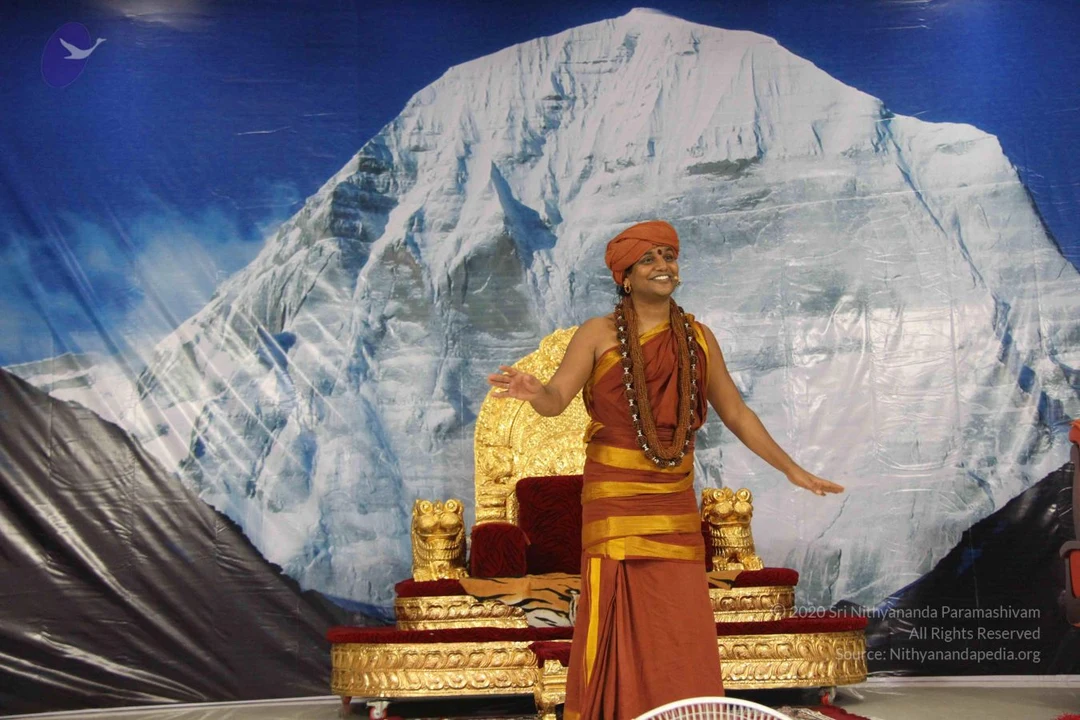
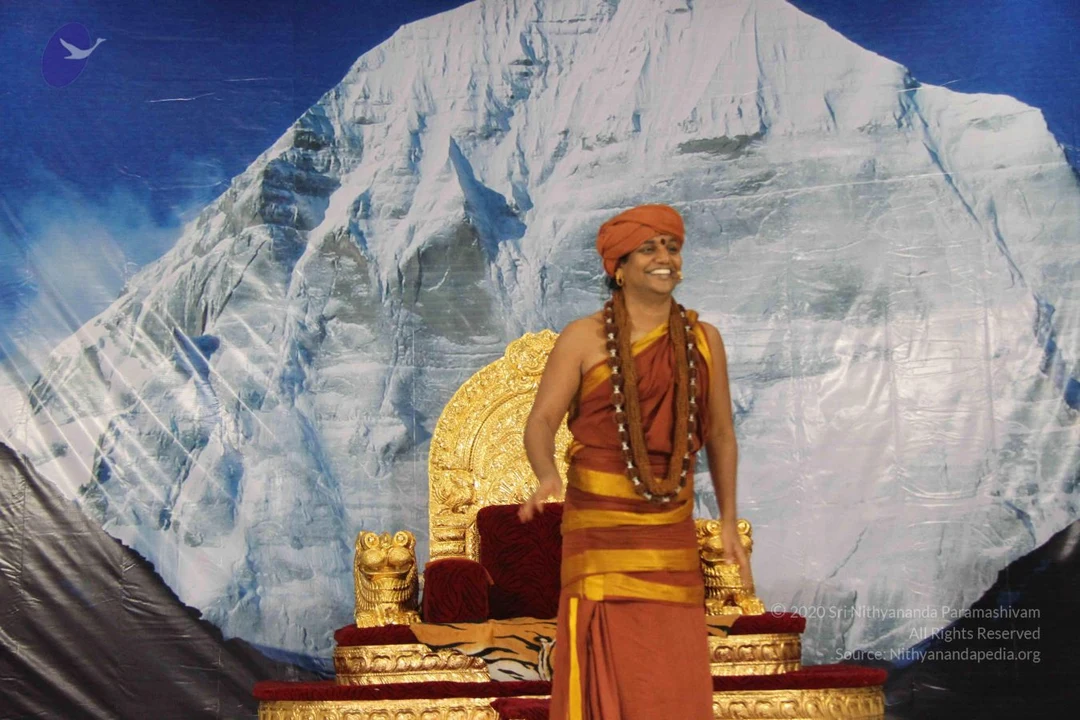
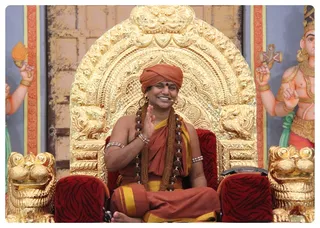
Today, Mahadeva is gracing us as the protector of the Moon by wearing the Moon on his crown. You can see the Moon on his crown. Close up… Moon on his crown, you can see the Moon on his crown. Yes. Today Mahadeva is gracing all of us as Chandrashekhara, but Mahadeva’s duplicate forgot to wear the Moon as per the tradition.
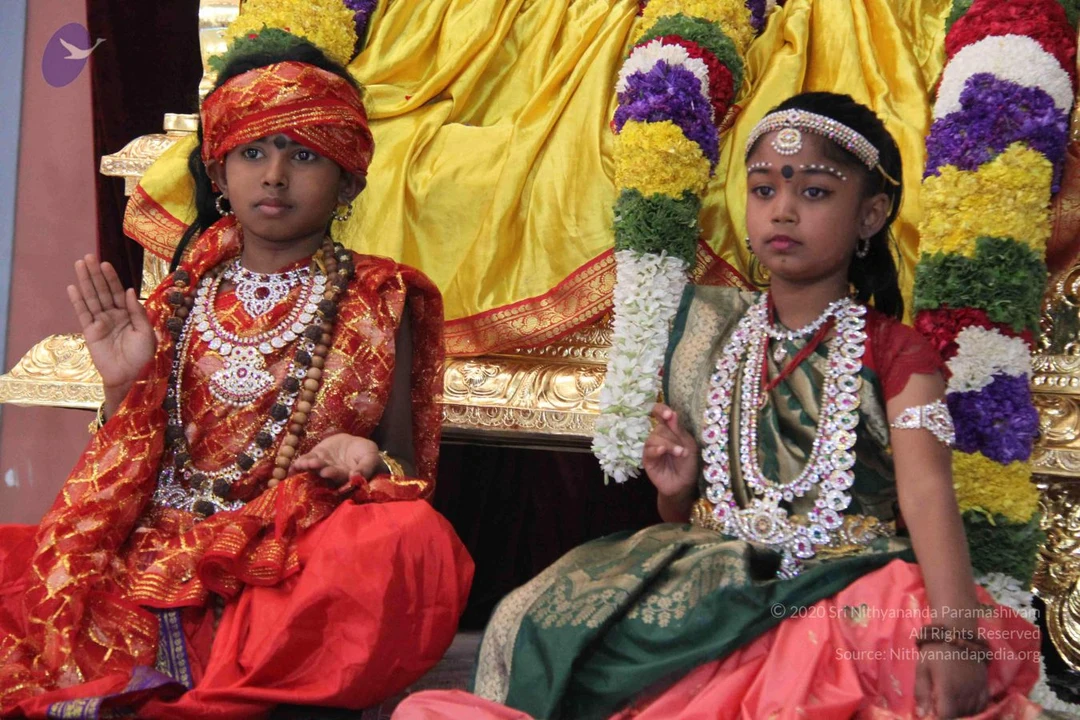
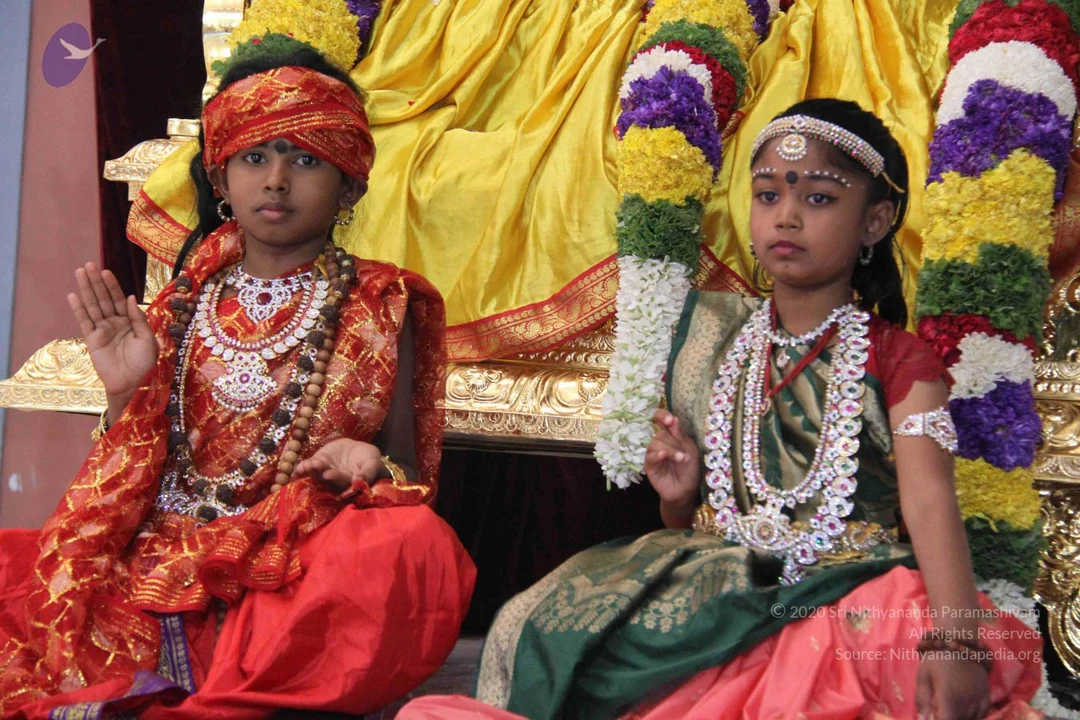
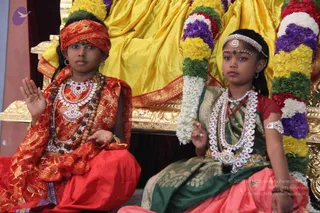
As per the tradition – it is a tradition in Madurai, because Mahadeva came in the human body and did all his Leelas (divine play) there – one child from the Pattar family, the Madurai Pattar family, the child will be decorated during each Leela (to represent Mahadeva/Mahadevi). There are some Leelas which are a little complicated; so the Pattar himself will be decorated as Mahadeva, and they will enact the whole Leela. So, as per the tradition, we also follow that. One Krama Brahmachari or Krama Brahmacharini wears the dress of Mahadeva and Devi and represents them and enact.
Beautiful! Only from the last program I started having this aspect of having every day Mahadeva in one Leela alankara. See, he performed sixty-four Leelas as per Thiruvilaiyadal Puranam, and around hundred and seventy Leelas as per Shiva Puranam. So, every day if we decorate him in one Leela alankara, even then almost for a full year we have a way to decorate him. From the last Inner Awakening we started, because I wanted all these to be remembered, all these temples, the deities, all these to be protected, promoted, preserved.
Any civilization will be alive only through three major pillars:
· One: the Lifestyle Knowledge;
· Second: Art and Festivals; and
· Third: Language.
So, by the satsanghs, I am keeping the Lifestyle Knowledge of the Vedic tradition alive, but I am not doing anything for these temples and sacred arts, festivals. That is why I decided we will have every day one festival, remembering one Leela of Mahadeva, one Shiva Leela, so that the whole science will be kept alive, these festivals will be kept alive, this temple lifestyle, this temple tradition will be kept alive, and all the arts and the culture related to temples will be kept alive. When you see this each day, you will take it for granted. We will show you. We will make everything inside our campus. We will show you; then you will understand how much it takes to make one jewelry, one deity, one piece of jewelry this deity is wearing. So much has to be done to keep these festivities and festivals alive. And I wanted to keep all these alive. That is the reason in the last Inner Awakening we started this tradition of Mahadeva gracing us. Whenever there is a program, Mahadeva will grace us with one Leela alankara.
And I am also working to keep this language alive by creating a Sanskrit University, so that the Vedic mantras, everything, is kept alive, the tradition is kept alive, the knowledge is kept alive.
All right!
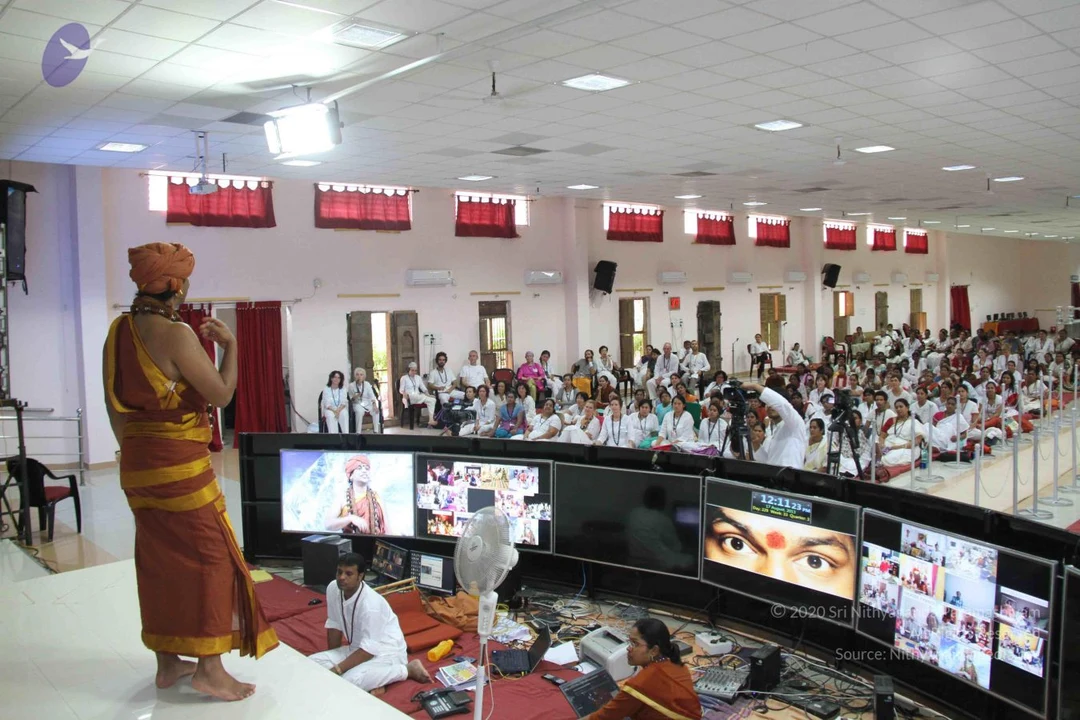
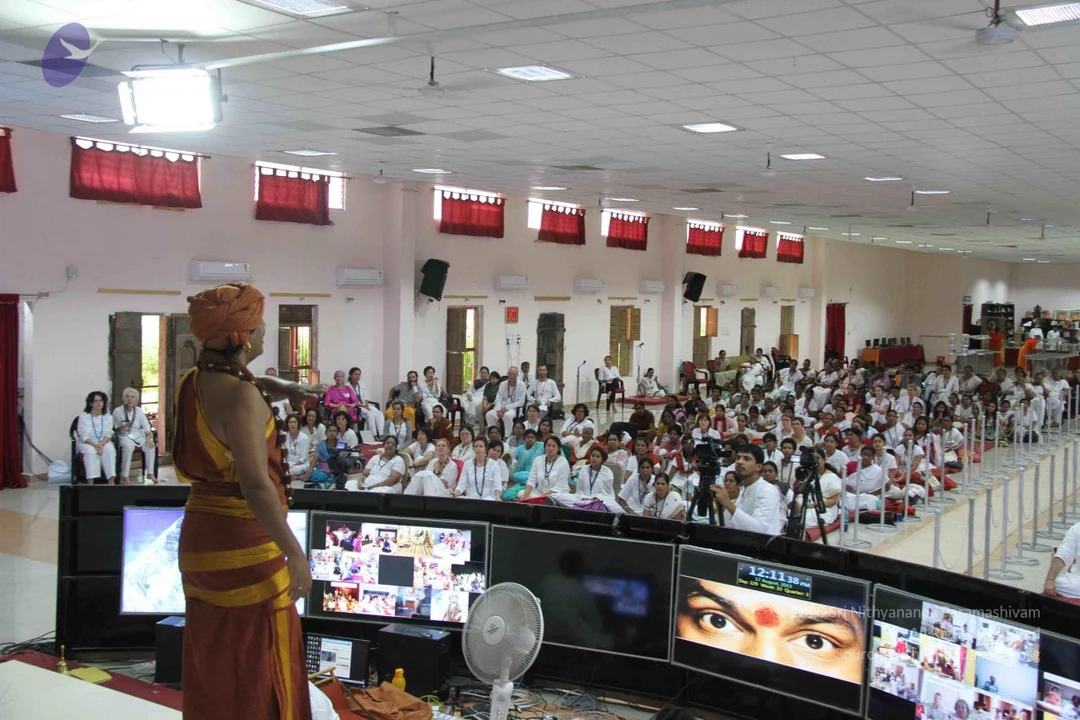
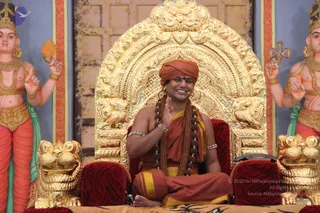
In today’s Nithya Satsang, I will expand on “THE ROOT-PATTERNS, ROOT OF THE ROOT-PATTERNS, AND HOW TO COME OUT OF THE ROOT-PATTERNS”.
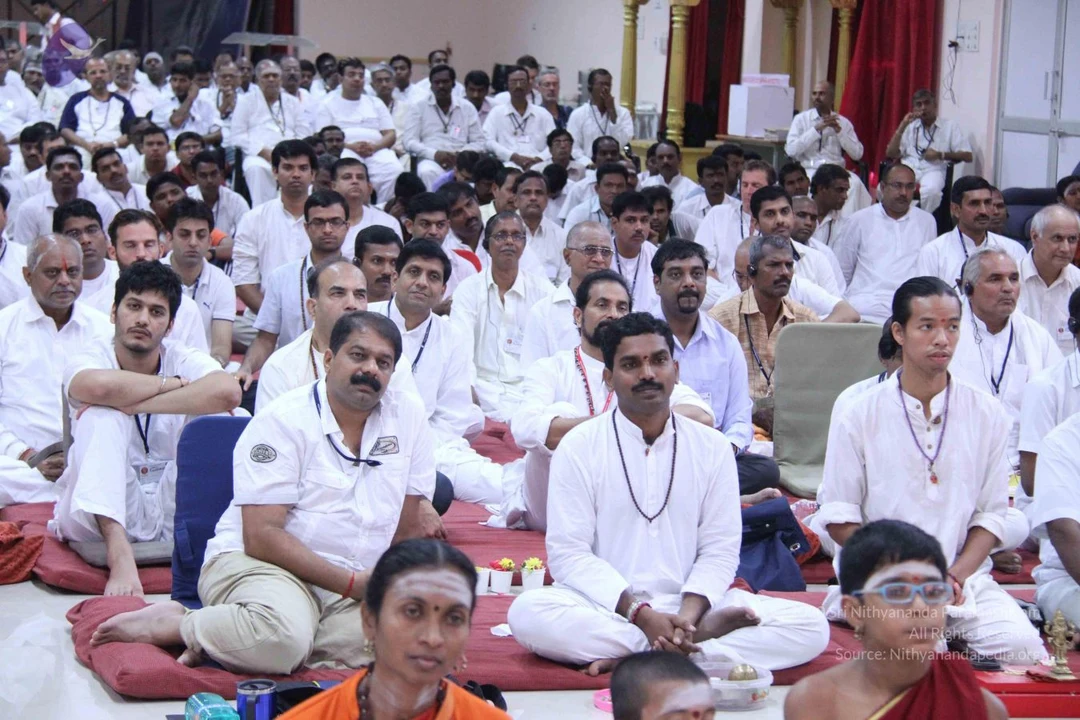
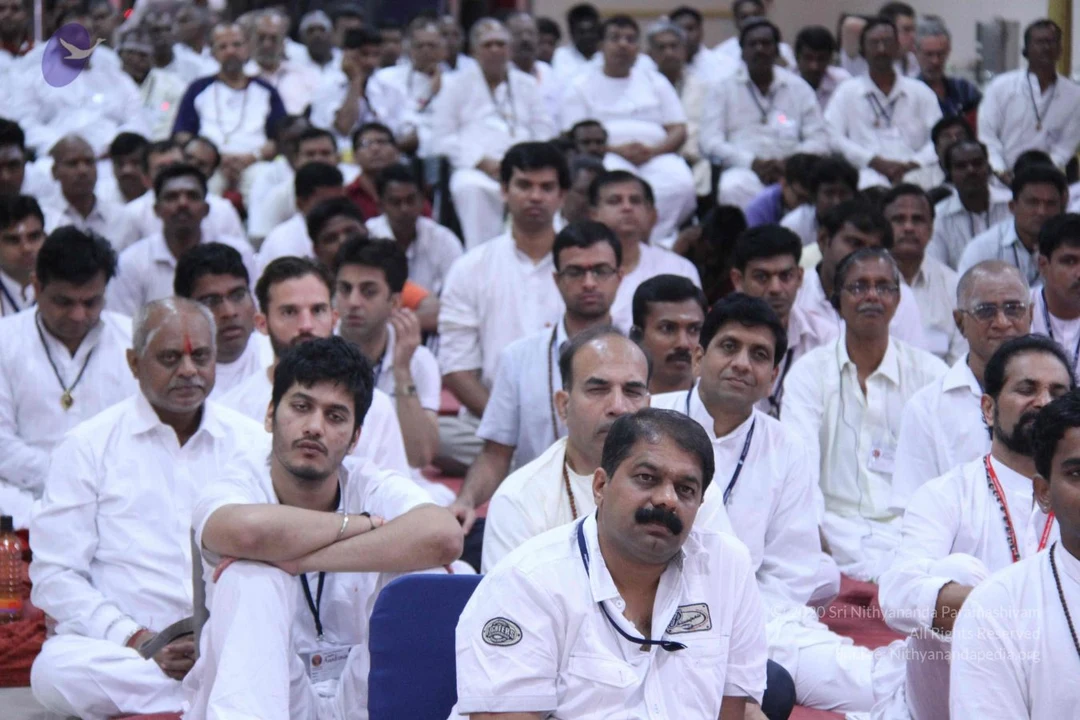
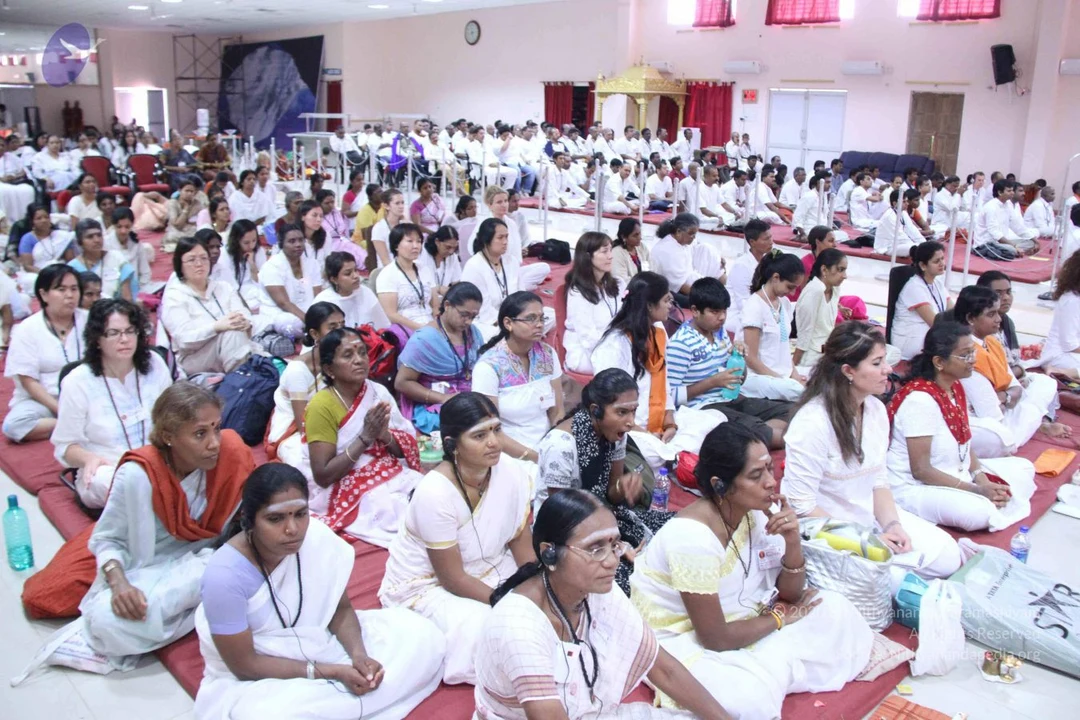
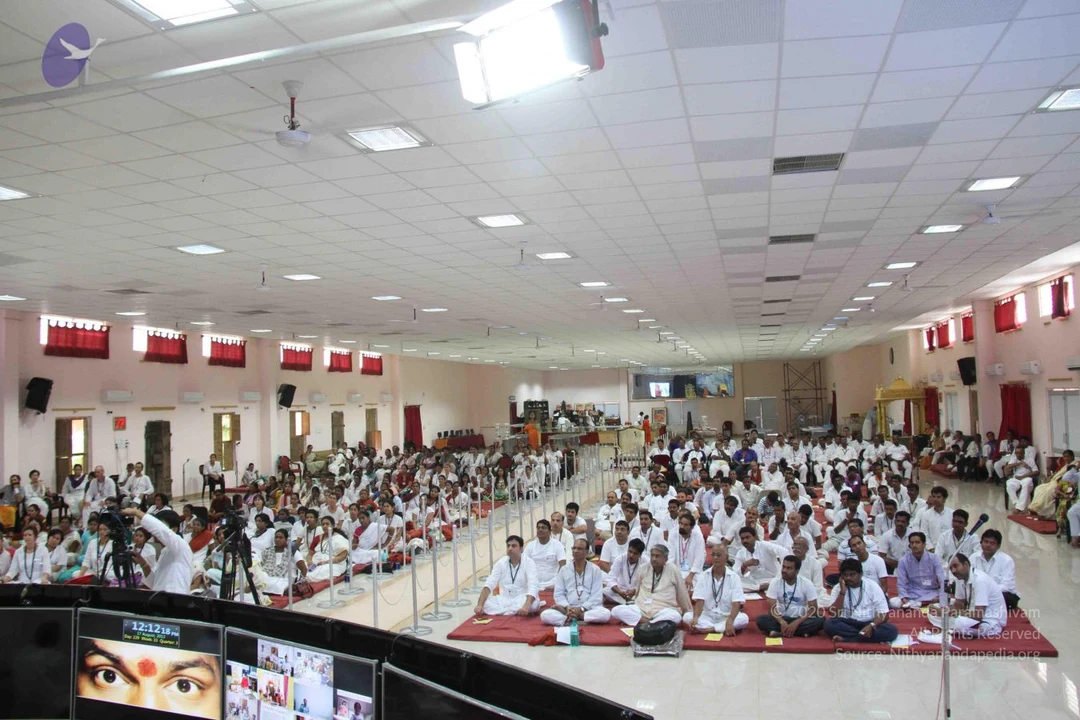
Please listen! Please come to the space of listening!
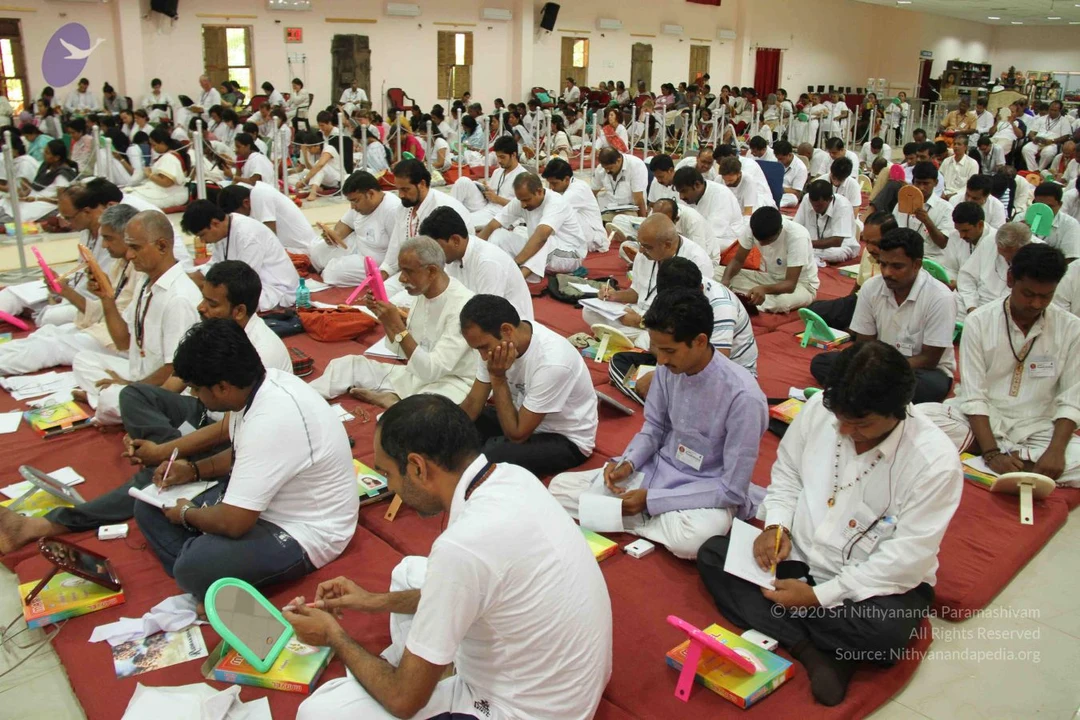
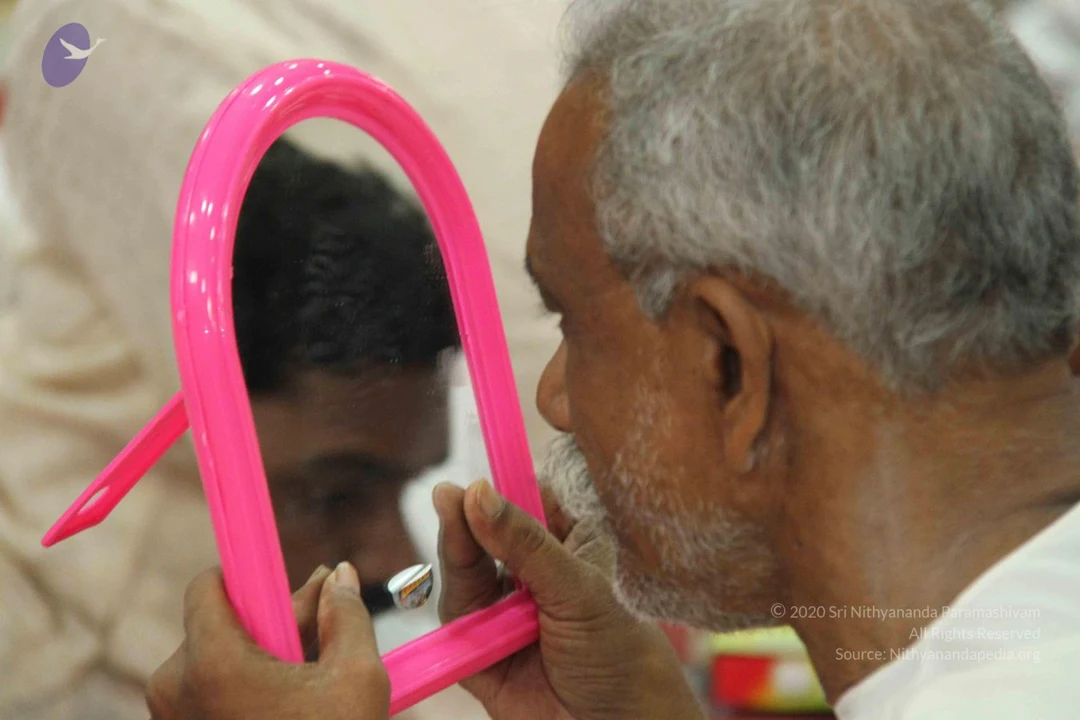
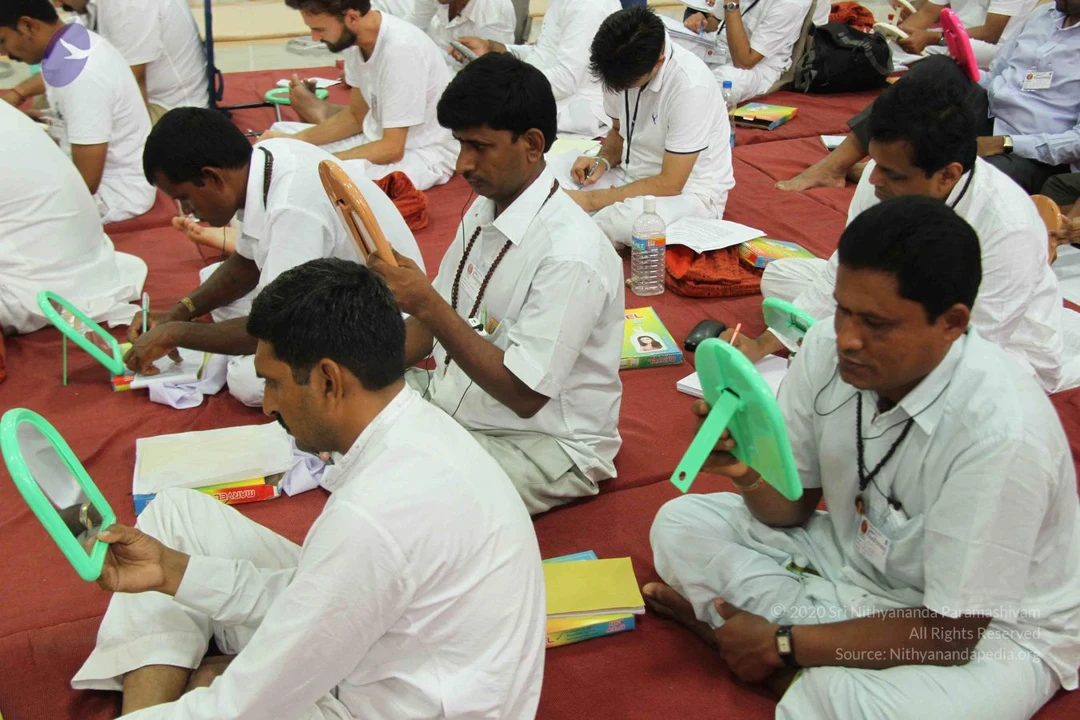
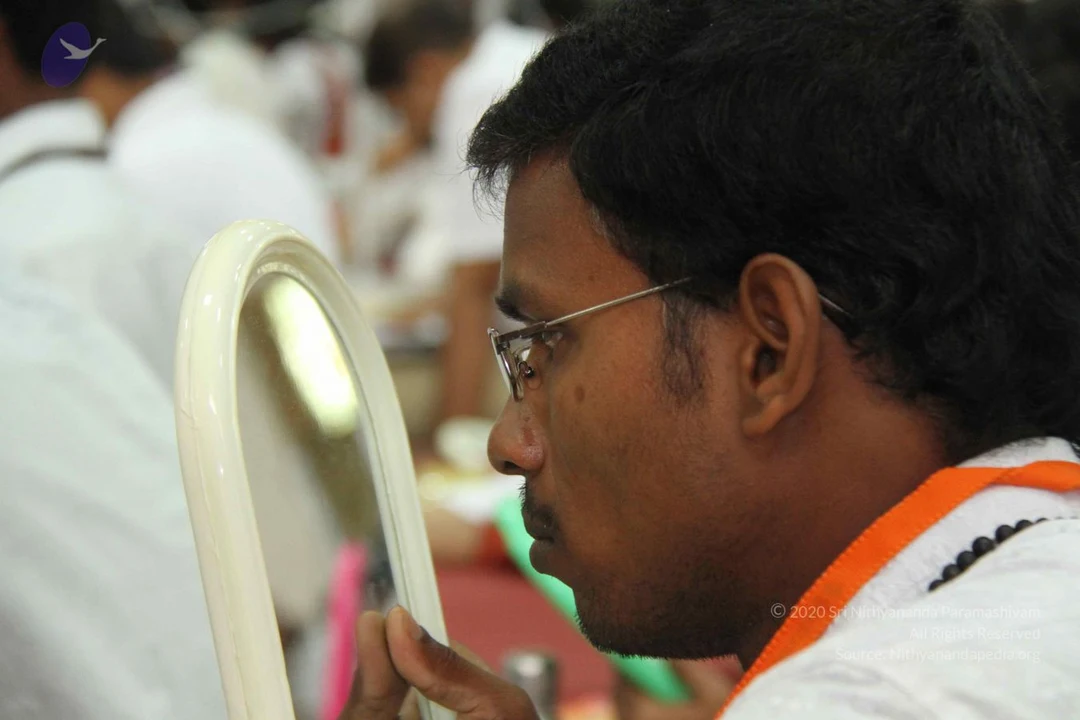
The first step you need to do to find the root of your root-pattern is, you have to find the conflicting patterns. That is what we are going to do today in the Inner Awakening program.
Please understand, all your problems from the external world, how much ever serious it may be, how much ever complicated it may be – I am not disrespecting you when I am making this statement – how much ever complicated it may be, how much ever difficult it may look, we are the source of the problem. If we complete the conflict and contradictions we carry inside, the problem appears outside will just melt down and disappear.
Please understand, I am not at all disrespecting, underestimating the suffering each one of you go through in the life. I am not insensitive to your sufferings in the life. I tell you, the amount of suffering I go through, the amount of abuse, the harassment, persecution, I am going through, how many false cases I faced! And in the midst of all these harassment, I am telling you from the experience, keeping Mahakala as the witness, Mahadeva as the witness, with Integrity and Authenticity, Responsibility and Enriching, I am telling you, once we solve the inner conflicting, contradicting patterns, immediately the problem which appears outside, which you think unsolvable – sometimes you think my husband cannot be changed, my legal problem cannot be solved, my financial problem cannot be solved – which you believe so strongly that which cannot be solved, which you think just melts down, melts away.
I tell you, I have faced the worst demons. If I am the incarnation of Mahadeva, I have seen the incarnations of the worst demons! I tell you, if you think I am an incarnation of the divine, I have seen incarnations of demons! But, I tell you, even the problems created by those big, big demons, melts away when you do something internally! I tell you, I strongly feel all these problems itself happened in my life for me to prove to the world experientially, that once you work inside you, the outside of you simply changes! Otherwise, I tell you, no one imagined I will stand back, I will rise back, I will have a comeback. For the amount of abuse and harassment done to me socially, morally, through legal set-up (using the judiciary) and through economically stopping us in all possible ways, the amount of harassment and abuse and persecution dumped on my head, nobody, even close devotees didn’t think I would again stand back. I tell you, I again stood back just because of only one thing, I was very clear and complete within me, the power of completion within me, please listen, the power of completion within me beyond my self-doubts.
You also complete many times, but you allow self-doubt to take over. So, complete with the self-doubt also. The power of completion beyond self-doubt is responsible for me standing up beyond all these harassments. Now even the people who harassed me are tired. They say, ‘Tchah, tchah! Leave it! What to do? Nothing can be done!’
I tell you, whatever you may think is your problem, whether it is social, political, moral, economical, legal…... Please understand, I am talking Cosmic Law which has power over all country Laws. Understand, still the Cosmic Constitution and the Cosmic Law is the most powerful force and energy and power working on the Planet Earth. I am telling you, from Cosmic Law, from the experience of experiencing Cosmic Law, I very strongly feel all these problems happened in my life just for the world to have a living proof, evidence of the power of dhamma, the power of spiritual principles. When you stand on the spiritual solutions, it just melts away, destroys all the possible problems which came, coming, or yet to come! Which came, coming, or yet to come! Please understand!
Understand, when you understand your conflicting patterns, when you complete with your conflicting patterns, many of the problems which attracts your attention in your life, the source of the problems melts away, the source melts away.
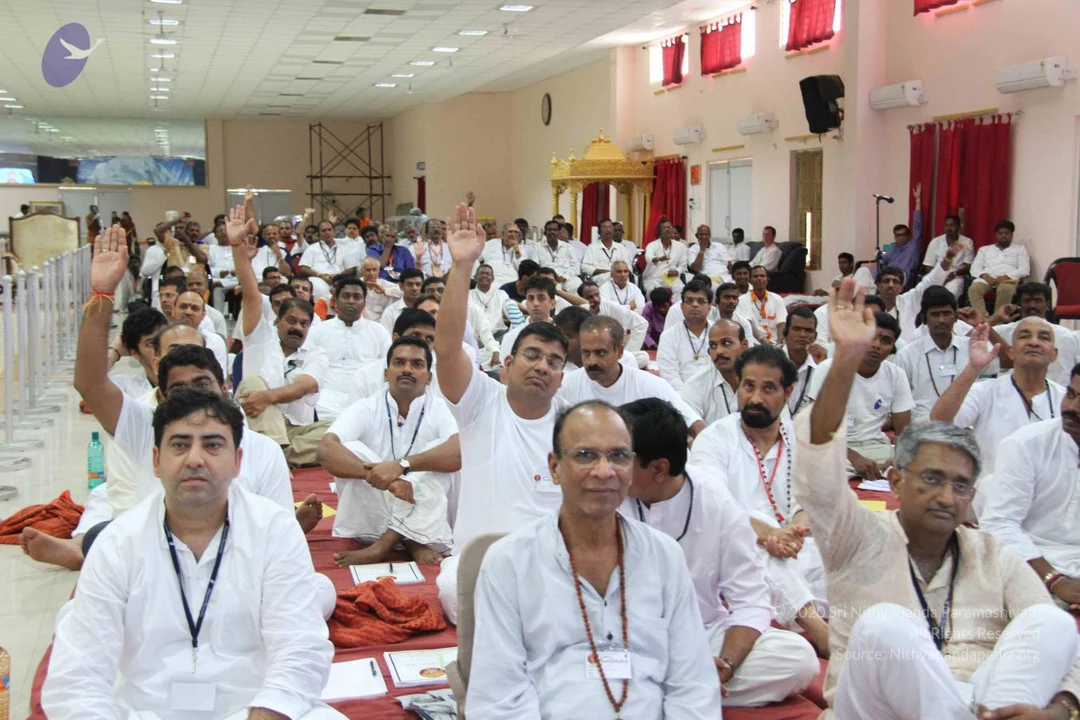
Please listen, the pattern of getting agitated does not let you believe in any solution. Listen! Listen! How many of you cognize that many times, just because of the agitation, unable to tolerate the agitation, you make the decision knowing it is not a solution for the problem? Raise your hand! I tell you, that is the biggest problem.
I have a story:
A businessman makes a call to his home.
Servant picks up the Phone.
The business man says, ‘Give the phone to my Wife.’
The servant says, ‘She is sleeping with her husband.’
The business man, say ‘What? I am her husband!’
The servant says, ‘What to do?’
The business man says, ‘Kill both of them’
After killing them, the servant comes back and asks, ‘What to do with the dead bodies?’
The business man says, ‘Put them in our swimming pool.’
The servant says, ‘But there is no swimming pool in our house!’
Wrong number…!!!
Understand, many a time, while in agitation, just because we are not able to tolerate the agitation inside, you make the decision, knowing the decision is not going to be the solution, just because you have to do something to convince yourself that you are responding to the agitation which is inside.
Please understand, how many of you cognize you do something without knowing whether this action is going to solve the problem or bring even closer to the solution; without knowing, just to escape from the agitation doing something? How many of you do this kind of action?
I tell you, that is what lands us always in more trouble and never lets us find the solution. So, whenever there is a problem, the first enemy to be attacked is not the external cause of the problem, but the internal cognition of the problem.
Then immediately we ask the question, ‘What? internally if we change the cognition, the external legal summons, or the court arrest warrant, or the police arrest warrant, or my divorce, or my husband abusing me, wife abusing me, my bankruptcy, my company which is getting bankrupt, will all these problem be solved? Will my bills be paid?’ This is the biggest question we have.
I tell you, I tell you, I am not talking because in fluke, some like a miracle or accident, some one or two things happened in my life. I am not talking out of that courage or anything. I am telling you, you can never imagine more number of miracles in anybody’s life than in my life! If I am sitting here, it is the totality of some two-thousand miracles! Not one miracle or two miracles! It is like in two-thousand spots I have escaped. In two-thousand spots you cannot escape just by accident. It is a science! Understand, in two places if you escape, you can call that as ‘Some miracle happened in your life, some accident happened in your life. Why are you making that as a philosophy?’ If it happened once or twice, I can say, ‘Oh, I went to the banyan tree, and the banyan tree blessed!’ No, I am not saying banyan tree does not bless; it blessed. If it happens once or twice, you can brush it aside saying, ‘It is a miracle or accident. He escaped. He missed.’ You can say. But escaping two-thousand times! I am telling two-thousand is a small number. Melting all the problems which appeared thousands and thousands of times is not a miracle or accident; it is a science.
I am telling you, whenever an external problem or a big powerlessness is faced by you, a conflict or a contradiction is faced by you, please understand, the first thing you need to attend to is your cognition process. And, I also tell you one more thing, many of you listen to what I say very seriously, and, based on this, you make the strategy for your life. You do strategy planning for the majority of your decisions, you make major decisions listening to my words. Please understand, I am talking to you with that responsibility. I am not talking irresponsibly: ‘Let me tell what I want. What is there for me?’ No! People handled me irresponsibly; but I cannot afford to handle you all irresponsibly. I am handling each one of you with deep responsibility.
Please understand, every time when you face a problem, you face the conflict or contradiction, powerlessness, externally, please understand, the first thing you need to attend to is not what you perceive as external cognition, but the internal reason for your cognition. Attend that first. And when you attend to that internal reason for your cognition, you will have enough space to attend to the external reason. I am not saying don’t attend to the external reason. But, I tell you, with a settled, internal cognition, you will attend exactly to the external reason, you will know exactly what is the reason, you will not be throwing stones towards the Mars to hit at the Moon, you will not attack the Sun to be free from the Saturn. With agitation, with agitation your cognition is so completely terrorized, confused, shaken, you completely see, thinks the way which you should not see it, you perceive it the way it should not be perceived, you attend to it the way it should not be attended, you trust people who should not be trusted, you suspect people who should not be suspected, you doubt people who should not be doubted.
Please understand, the biggest asset a man can acquire is the space of completion. I am so happy I am getting that wealth for my gurukul kids. The biggest asset for any man, the best thing a human-being can have in his life is completion, the space of completion. I can go out to beg from door to door, touching people’s feet, requesting them to acquire the space of completion. I can do anything if somebody can be inspired to acquire the space of completion inside. Because, when the conflicting patterns were healed inside you, when the confusion patterns were healed inside you, suddenly you will see the heaviness of the problem externally melts down. It is not a miracle I am talking; it is a simple science I am talking.
I tell you, many times my Gurukul kids give me the confidence on this dhamma. When I see, when I see my Gurukul kids playing with the Nature, bringing rain or stopping rain without failing even once! Please understand, it is not that they can play with rain only in the rainy season! And even while they practicing the completion process! They actually everyday sit and practice one unique process of completion, healing themselves and healing others. Each child has this own rose plant. The child talks to that plant and gives security to that rose plant. Automatically, the rose plant drops all the thorns!
Please listen, one day I went to see the process they do with the rose plant. Each child has a rose plant and they sit and talk to the rose plant and do the completion process. It has actually been done by Paramahamsa Yogananda. Paramahamsa Yogananda used to have a rose pot next to his bed near the window. Every morning, he used to look at them with deep love and give them his blessings or support or care. In one month, all the rose plants have dropped their thorns! They felt so secure that they felt they don’t need the thorns to protect themselves anymore. They dropped their thorns! If you read Paramahamsa Yogananda’s memoirs, you get this evidence. I started teaching this to our kids and I have seen many of our devotees are also able to do this.
So, one day I went where our kids, all our Gurukul kids sit, each one of them with their plant. From a distance I stood and saw exactly what is happening. Please understand, if a hundred priests, pundits, Shivacharyas sit and do Adi Rudra Yagna with integrity, what amount of positive energy will be released, I saw so much of energy being released just by these few kids! Please understand, of course, nowadays you don’t need to believe all these ideas of energy and all. Unique photography methods have come - Kirillian Photography, Unique photography methods have come - where you can photograph all the energy released, energy expansion and all that. I am already planning; soon I will release the Kirillian photography’s, or the unique photographs, which captures the energy released when they sit and do completion with the plants.
All I am trying to tell you is, when you acquire the space of completion in you, so much unimaginable, auspicious good things happens in your system which are incomprehensible. Please listen! If I say – see I am making a statement – if you acquire the space of completion in you, all your problems externally and internally melts away, all the moments of powerlessness disappears externally and internally from your life, you may think it is too big promise, too good to be true. I tell you, it is too small promise!
Because, when you create the space of Completion, whatever I promise like your external, internal problems will melt away will be only a small benefit you will be having. That is the problem. When the dhamma is there in front of you, one group always feels it is too big promise, so it is difficult, it is not for immediate. ‘Alright, may be if I practice for twelve years, I will come out of headache.’ No! I am not talking like a Alzheimer’s researchers. Do you know, these Alzheimers researchers, their motto is to make sure some medicine or method is there that will push life for at least five years, for five years people should not die due to Alzheimers, because by that time they will die of some other disease which is not their problem! So the Alzheimers Researchers association, their only aim is delay the death just by five years, so that the record does not show the person is dead by Alzheimers. You understand. They don’t bother about how you die. You can die with other diseases. That is not their problem! And they say usually some other diseases will come and they die from that disease, so now it is that disease researcher’s problem. People who try to find the cure for Alzheimers, their problem is, somehow delay it. I am not talking from that kind of cognition. Please understand, I am not talking from that kind of cognition or space where I am trying to delay one thing or it’s like. ‘If you practice for twelve years this dhamma, this headache will disappear, because by that time you will have stomach pain, and because of the stomach pain the headache will disappear!’ No! I am not talking those kind of impractical words. I am not planning any fine-print words when I publish this solution. The fine-print, ‘If you don’t do this, this, this, or if you do this, this, this, only then this will work’, which is almost like a disclaimer. When I tell my story, I cannot have a disclaimer. If I have a disclaimer, then my story is not worth of listening; forget about it! I tell you, the strength of my story is without disclaimer I tell you, just exactly as Krishna said in his Bhagavad Gita, in the Bhagavad Gita, Krishna says beautifully, ‘Understand my inner space; you will also experience my inner space!’, I tell you, understand exactly my inner space. And these satsanghs are nothing but I am opening the door for you all to look into my inner space. Understand, I tell you, whatever you think you have in your life as powerlessness, as a conflict, as a contradiction…..
Sometimes, people ask me, ‘Swamiji, I know if I practice all these truths, in future I will not have problem; but what about the mess I have already created?’
I tell you, always you get the knowledge only after you create the mess. Always you search for the medicine only after you got the disease. Do you go around search for the medicine for all the diseases? No! Only after you get the disease you search for the medicine. Only after you get into the mess, you will search for the solution. So, if the solution I am giving you is not going to work for the problem which you already created, then what is the use of this solution? I tell you, if you start creating the space of completion now, even the mess you created in the past will simply melt down, it melts down. I am telling you from my experience.
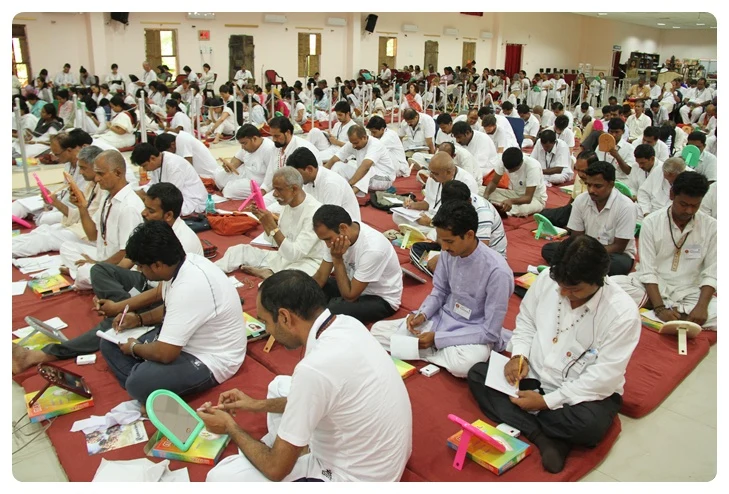
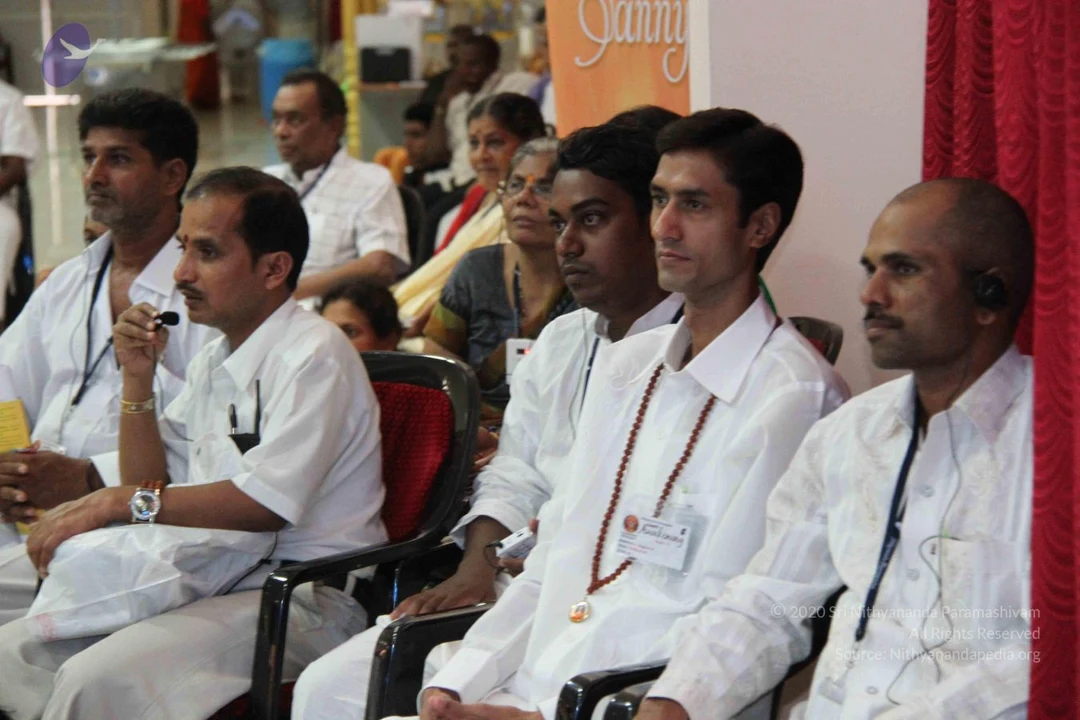
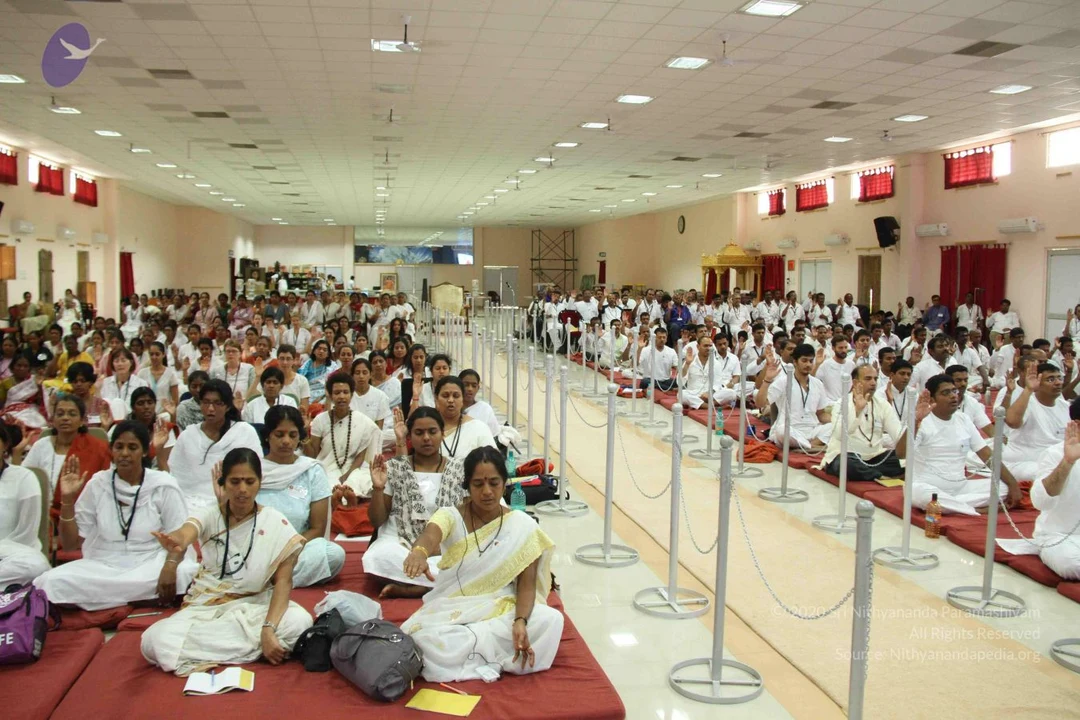
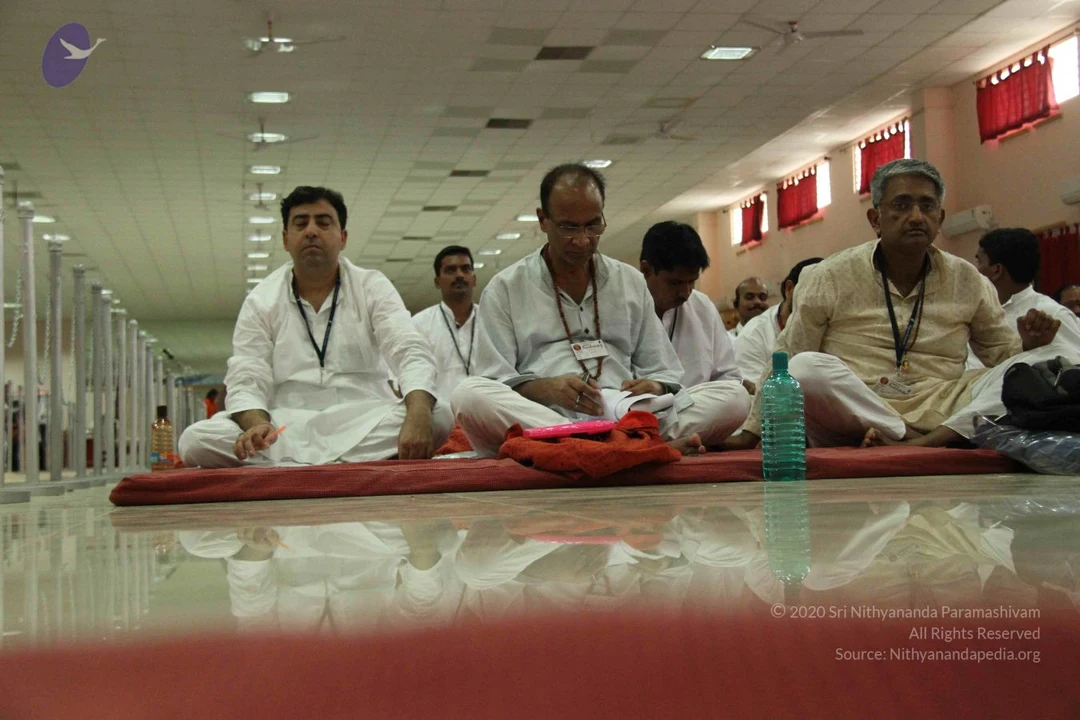
First thing you need to do in your life is finding the conflicting patterns inside you, the patterns which keeps you in constant powerlessness in your cognition every time, the ideas which you strongly carry about you, about others, about life, the strong perceptions you have about the world, life out there. Understand, the first step, we need to diagnose, find the conflicting patterns. We will do that today in the Inner Awakening session, so that you move to the space of completion.
Understand one more thing, because this completion is going to give you so much of benefit, don’t think this completion process is very difficult. No! It is not! Many times, the medicine for a big disease is a small pill. We always think, ‘Oh, all over my skin I have a disease psoriasis or rashes, I think my whole skin have to be peeled and new skin have to be put’. No! The solution for the problem is not always equivalent to the size of the problem. Many times, it is just few neem leaves. Neem is a very powerful medicine for skin diseases. Of course, I am not saying “all” skin diseases; for “many”. So, sometimes, just a pill is the solution for a big disease. Same way, because the completion is going to give such big benefits, don’t think completion is a big work, to get the completion, to have the space of completion is very difficult. No!
We will start discovering our conflicting patterns today and move to the space of completion.
Now, I will move to the next segment of the morning satsangh – Nirahara Samyama.
Hindi Translation <50:13 – 51:25>
All the Nirahara Samyama participants, sit straight. Close your eyes. Cognize you have become Bidadi Kalpavriksha. Inhale through both nostrils and the mouth simultaneously as slowly as possible. Hold the breath inside as much as you can be comfortable, as long as you can comfortably. Exhale through both the nostrils as slowly as possible and continue to experience, cognize you have become Bidadi Kalpavriksha.
I bless you all with my Integrity, Authenticity, Responsibility and Enriching! Let you all produce the energy directly from space and experience Kundalini awakening, live the life of health, bliss and enlightenment! Namah Shivaya!
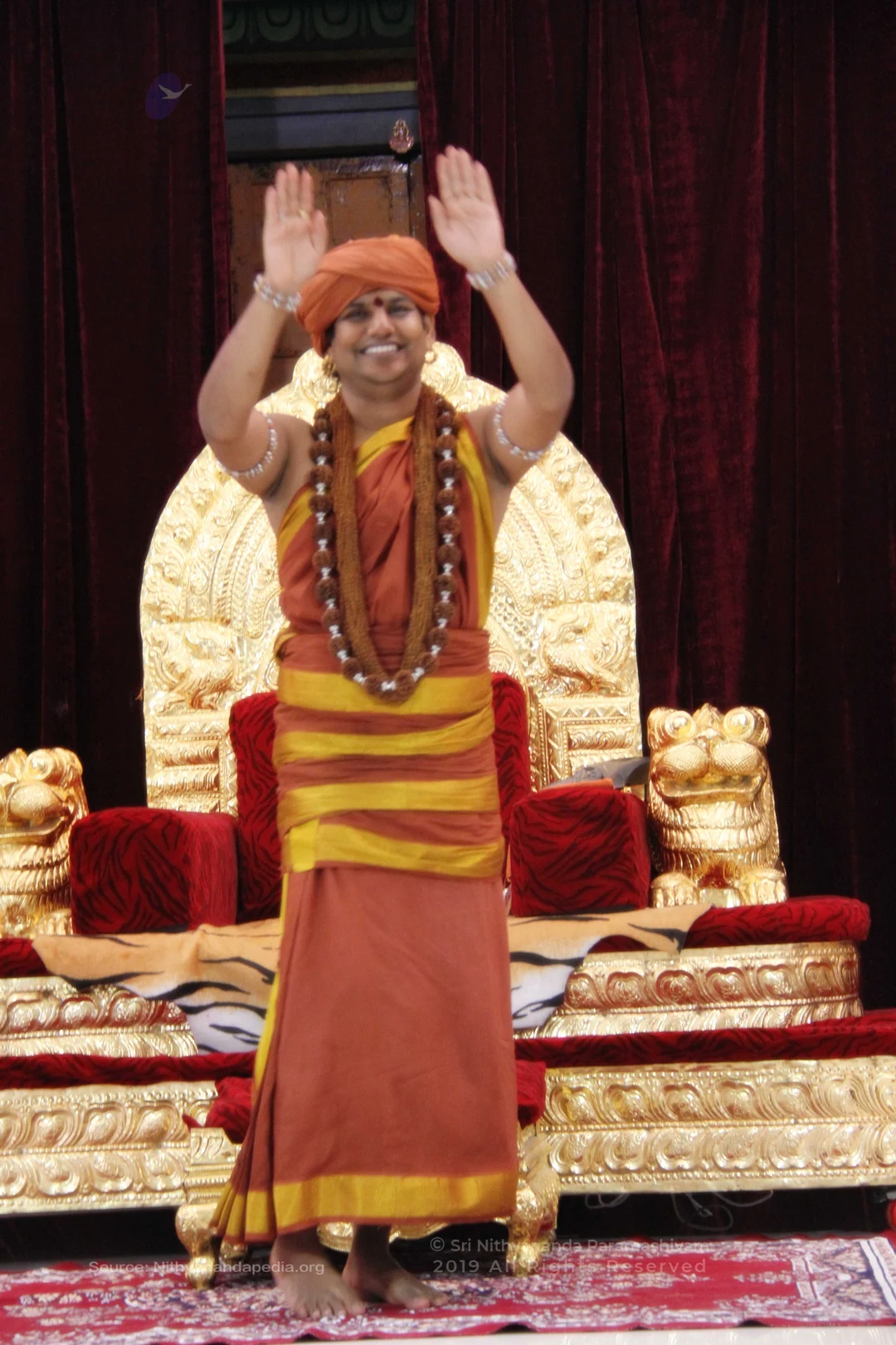
I will bless you all! Let you all radiate with Integrity, Authenticity, Responsibility and Enriching, with eternal bliss, Nithyananda! Thank you!
Title:
How To Do The Swapoornatva Kriya.
Link to Video:
| Video | Audio |
Title:
Shiva's Divine Play Saving the Moon.
Link to Video:
| Video | Audio |
Photos
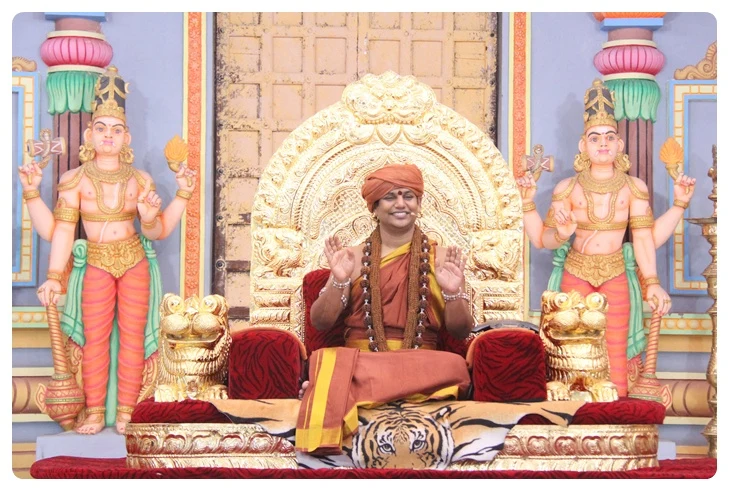
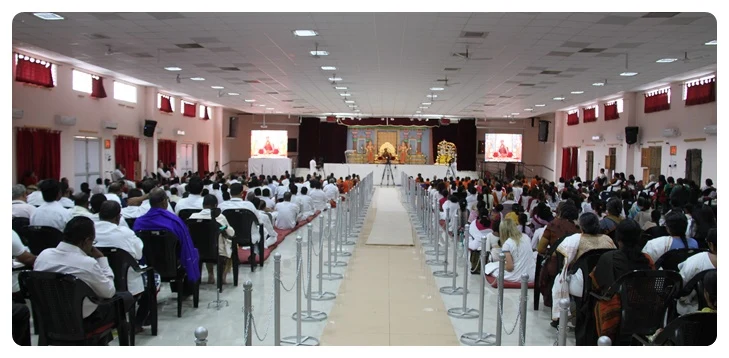
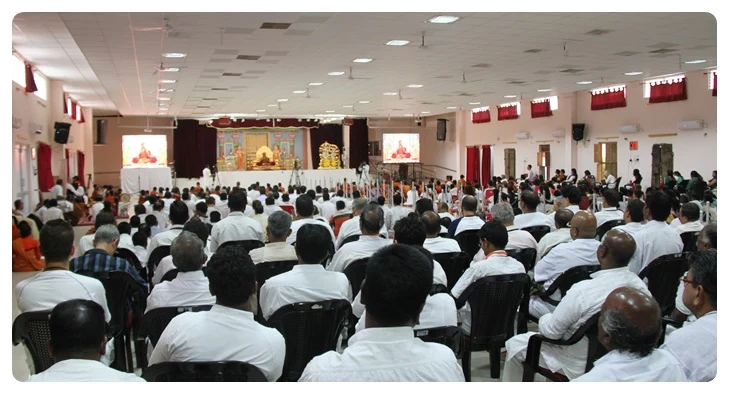
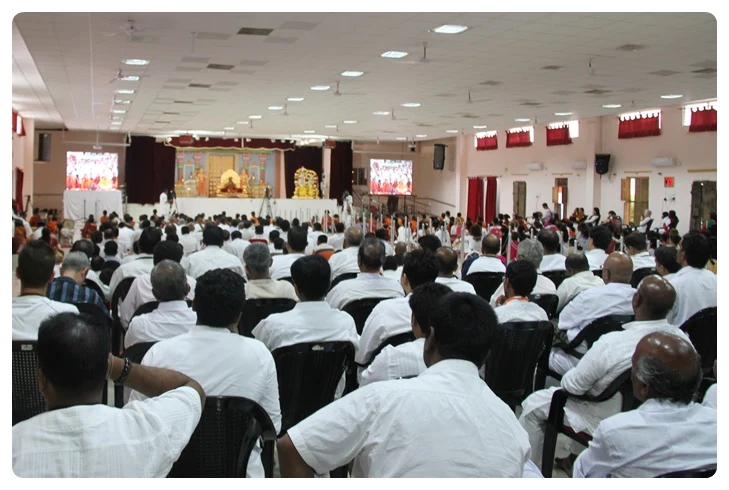
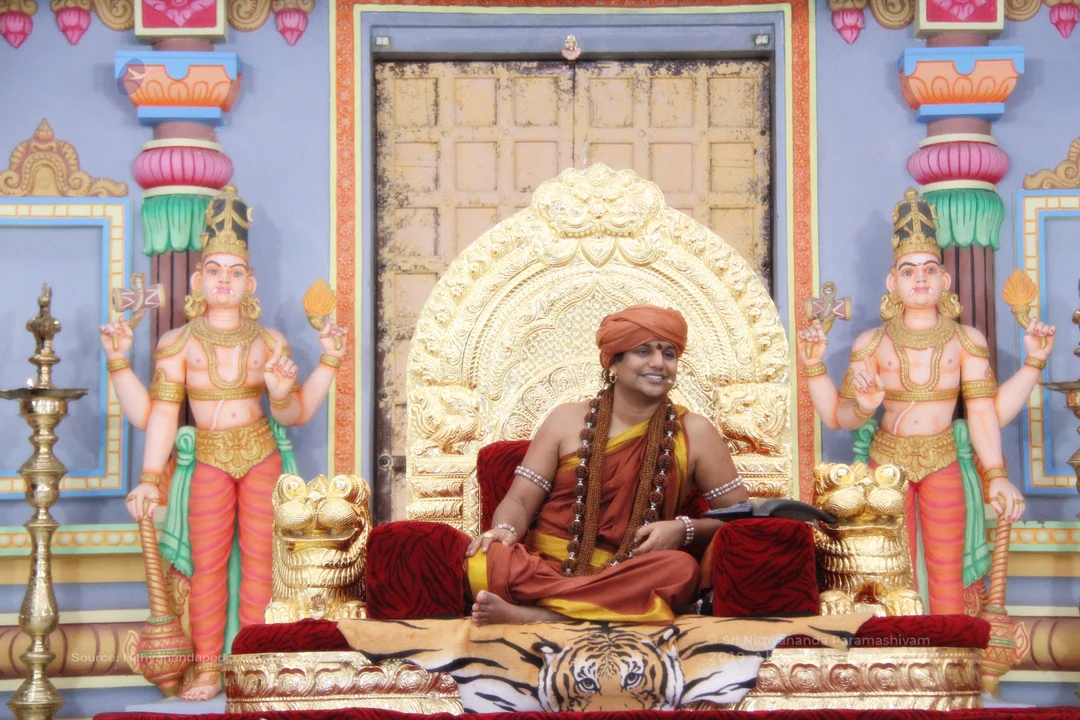
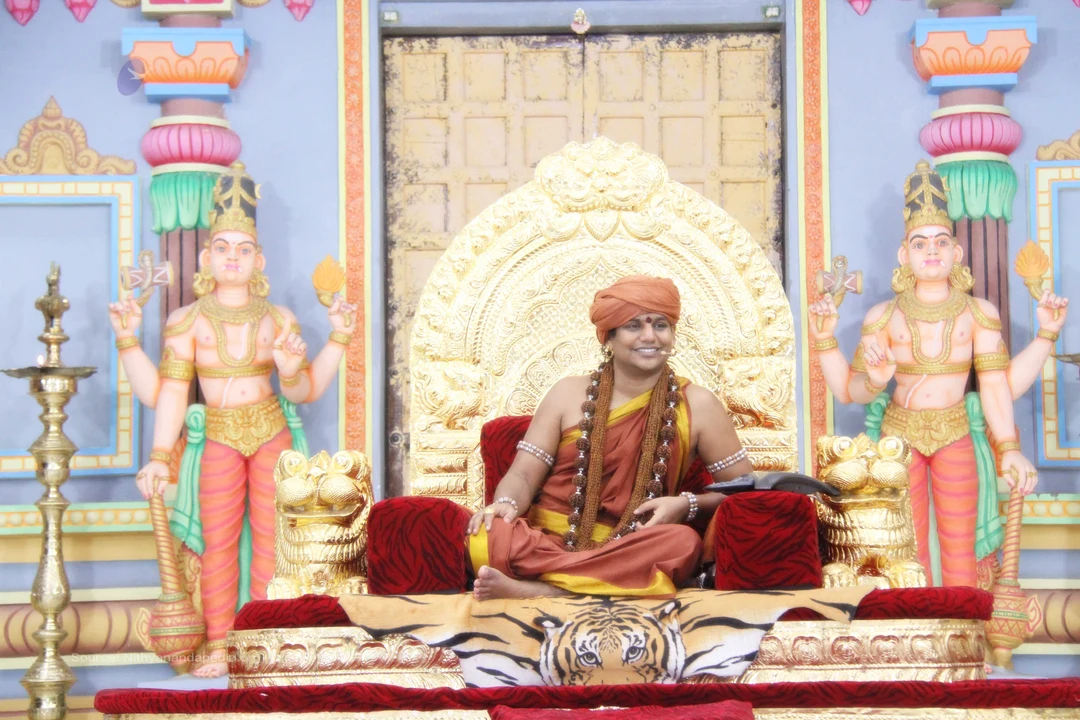
Photos Of The Day:
Deities-Darshan
Nithya-Satsang

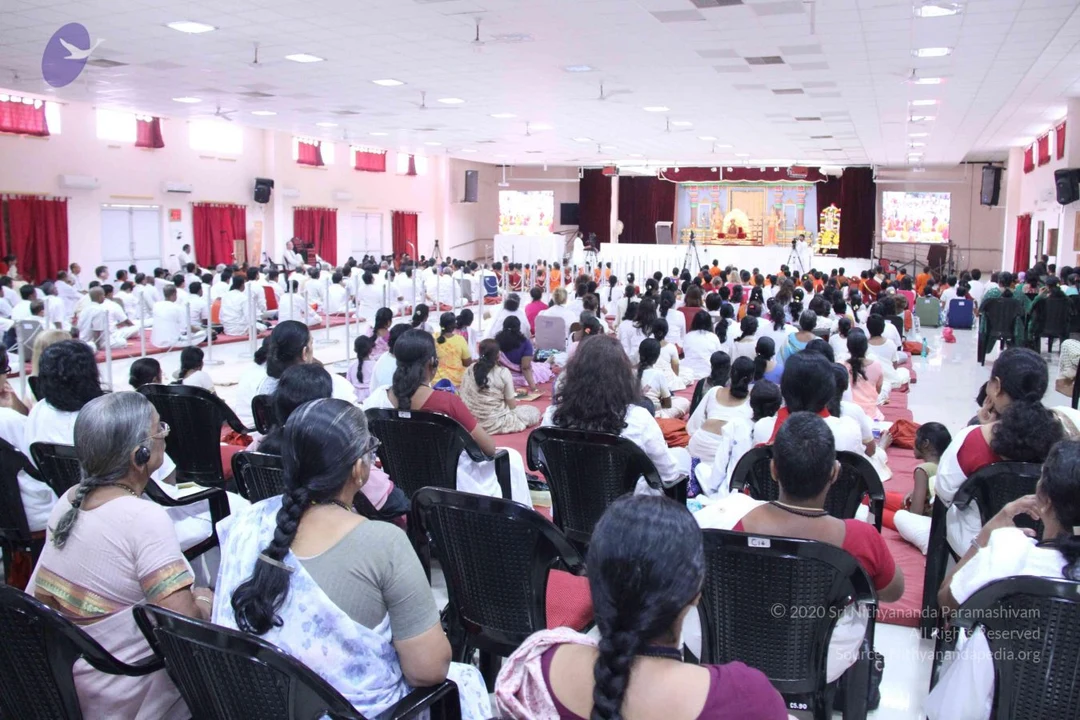
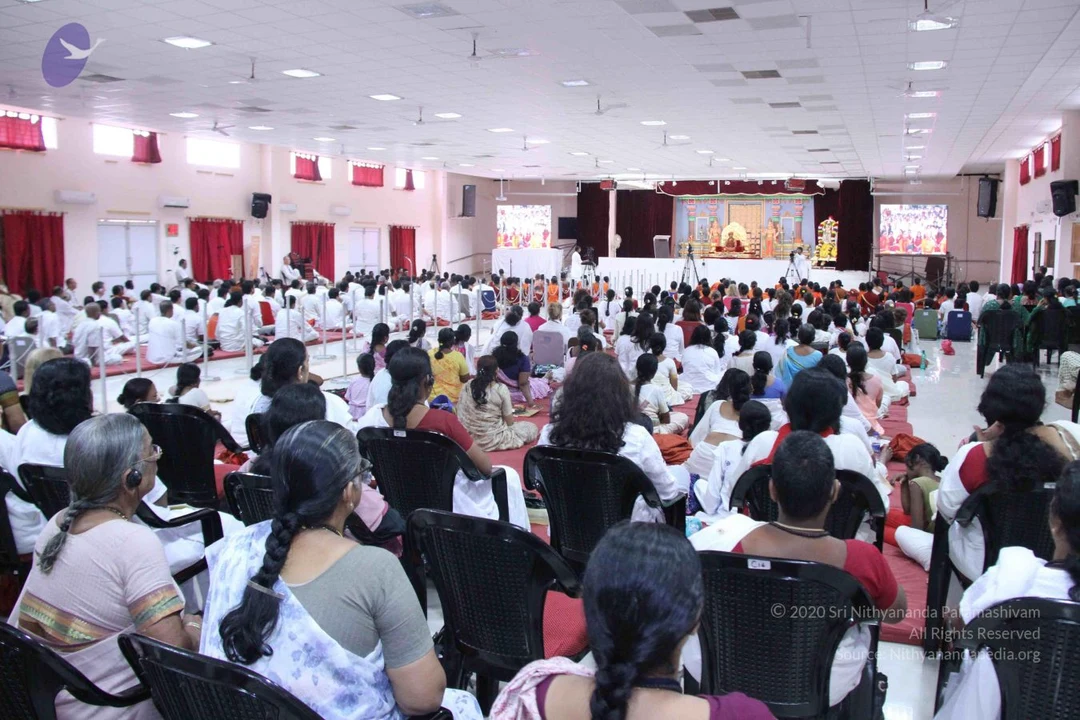
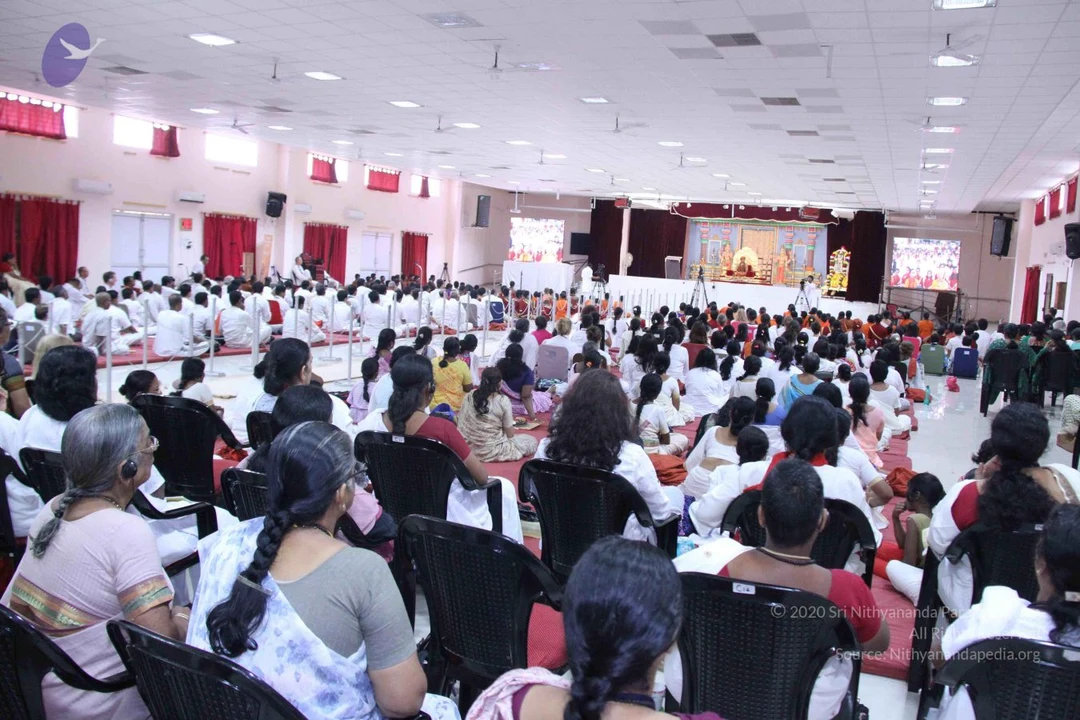

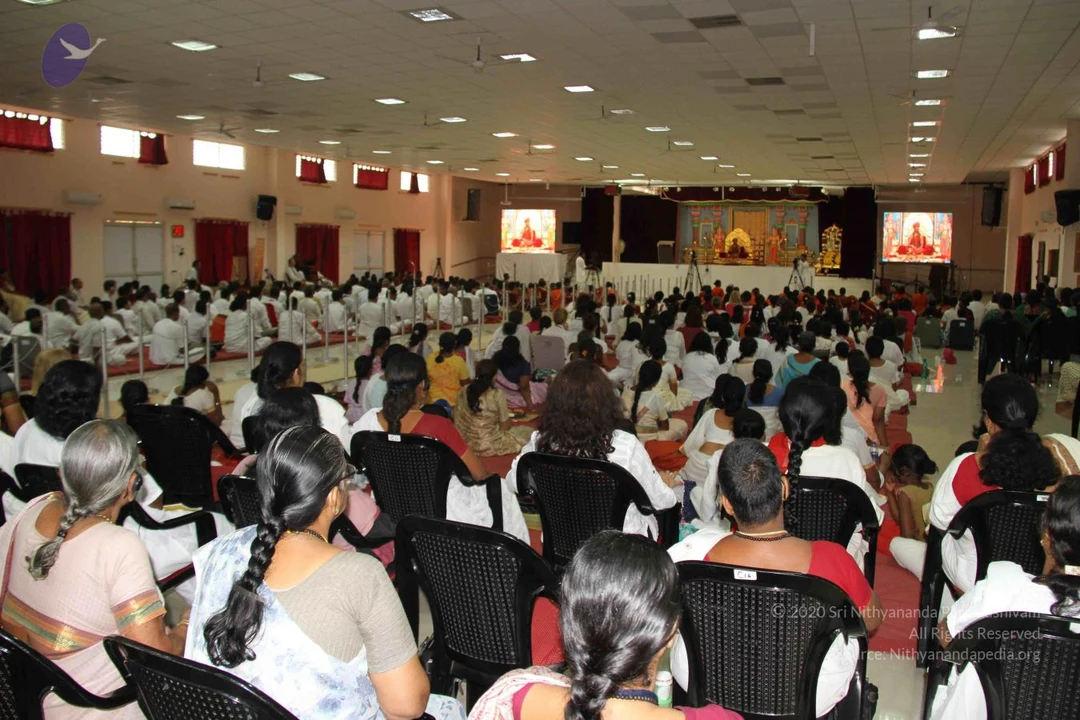
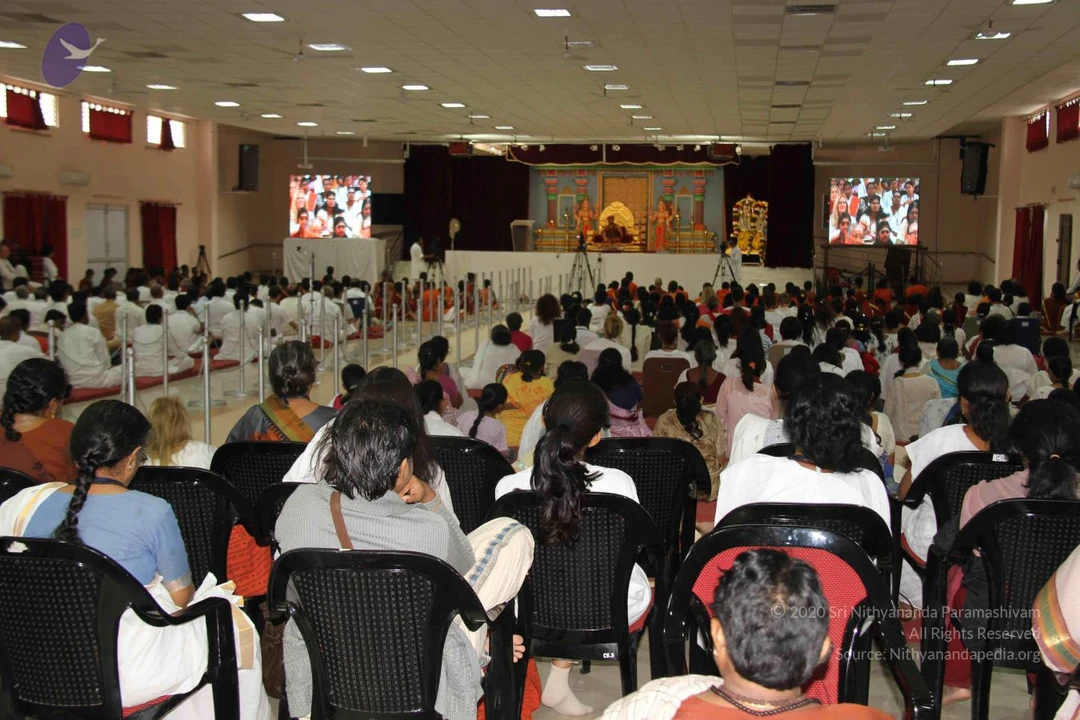
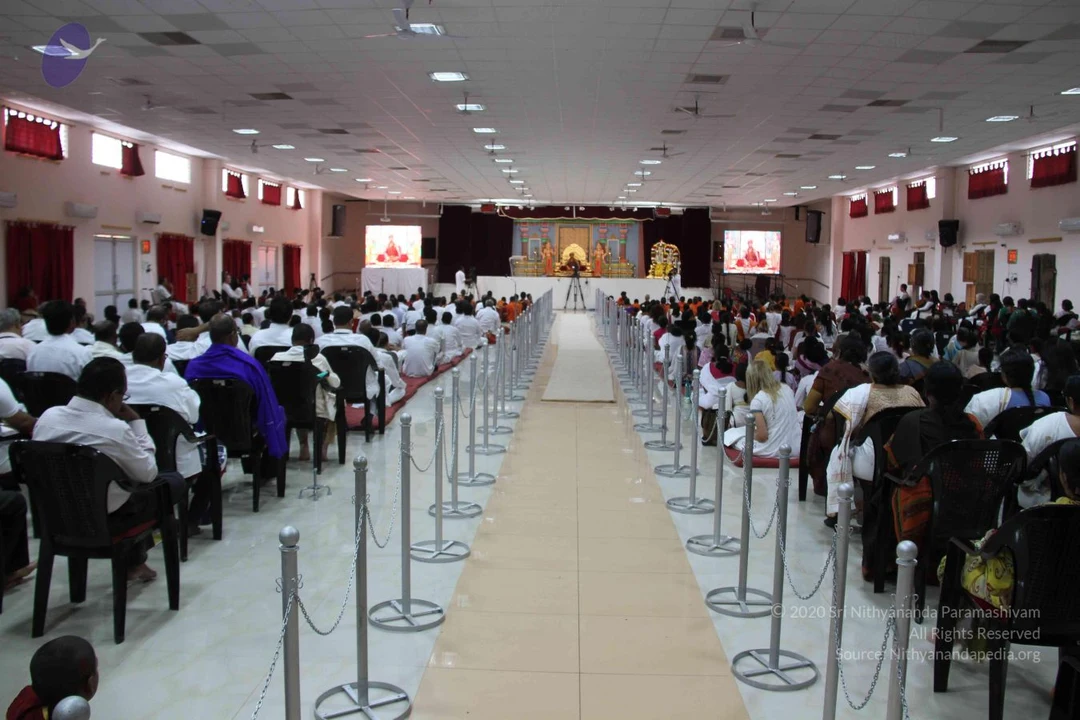
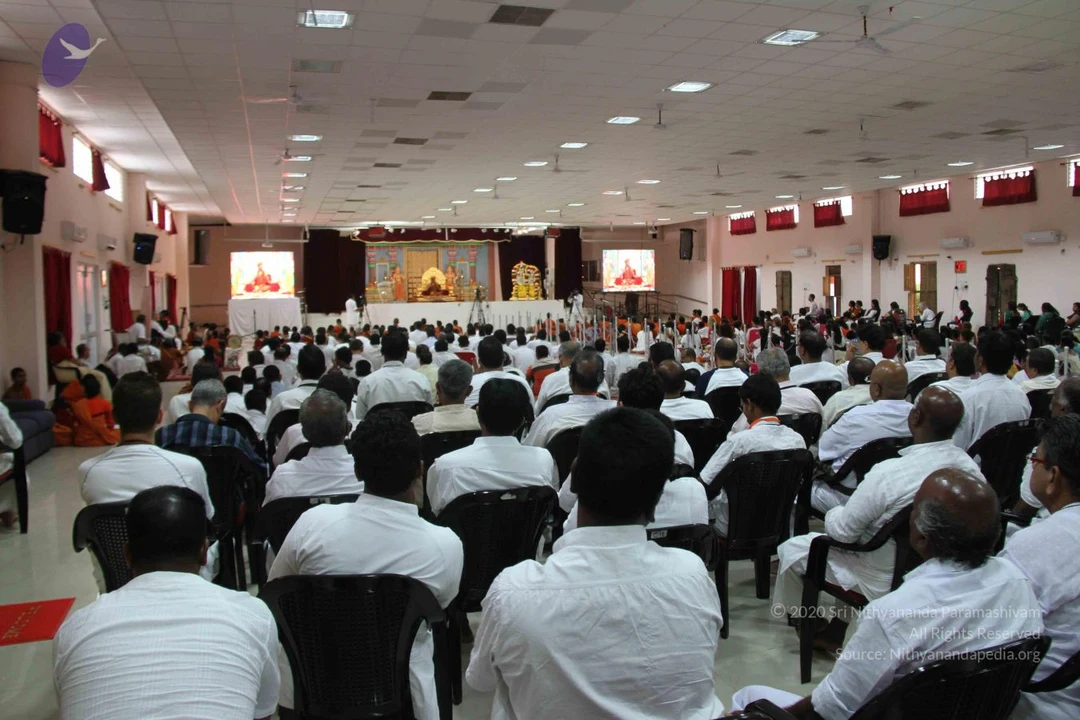
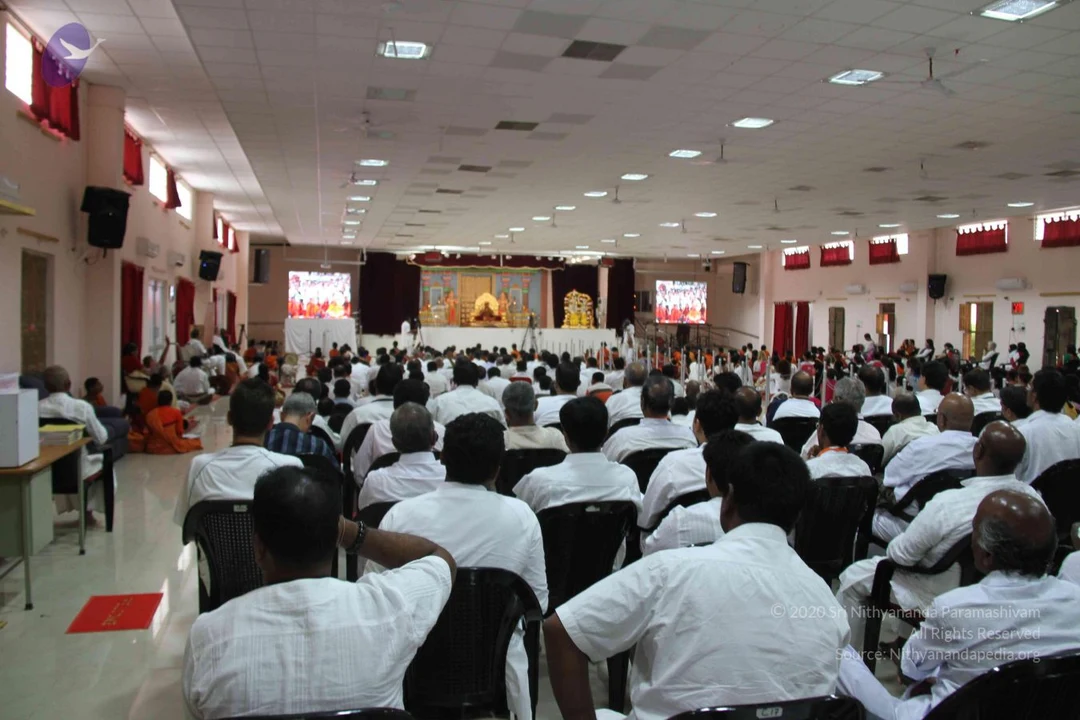
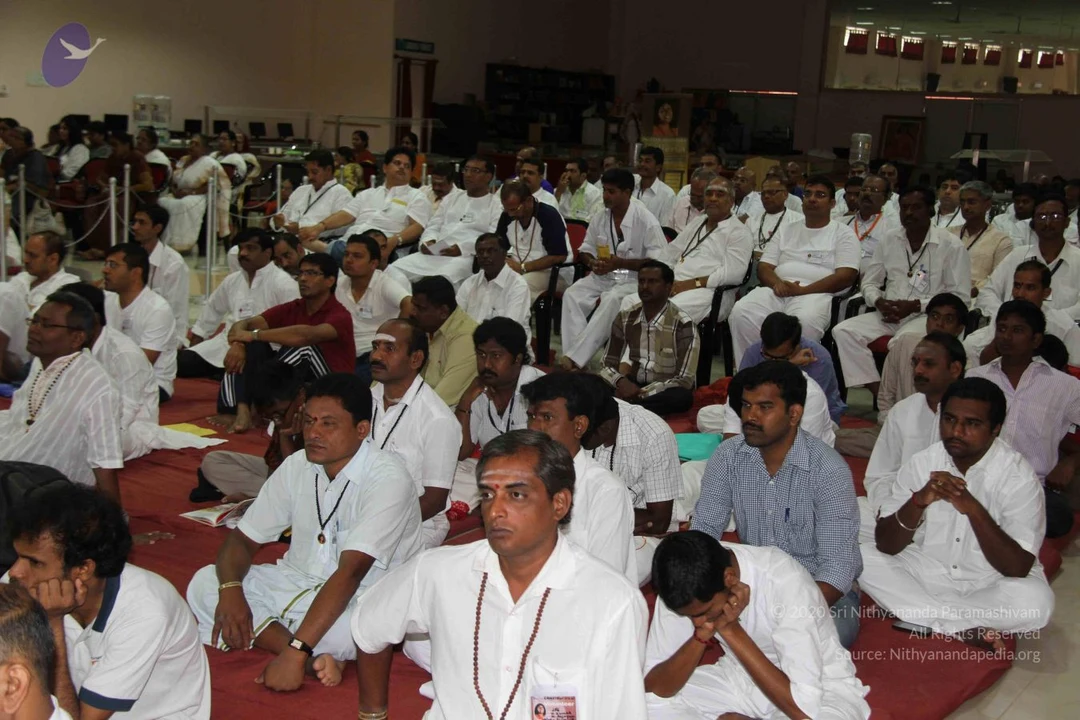
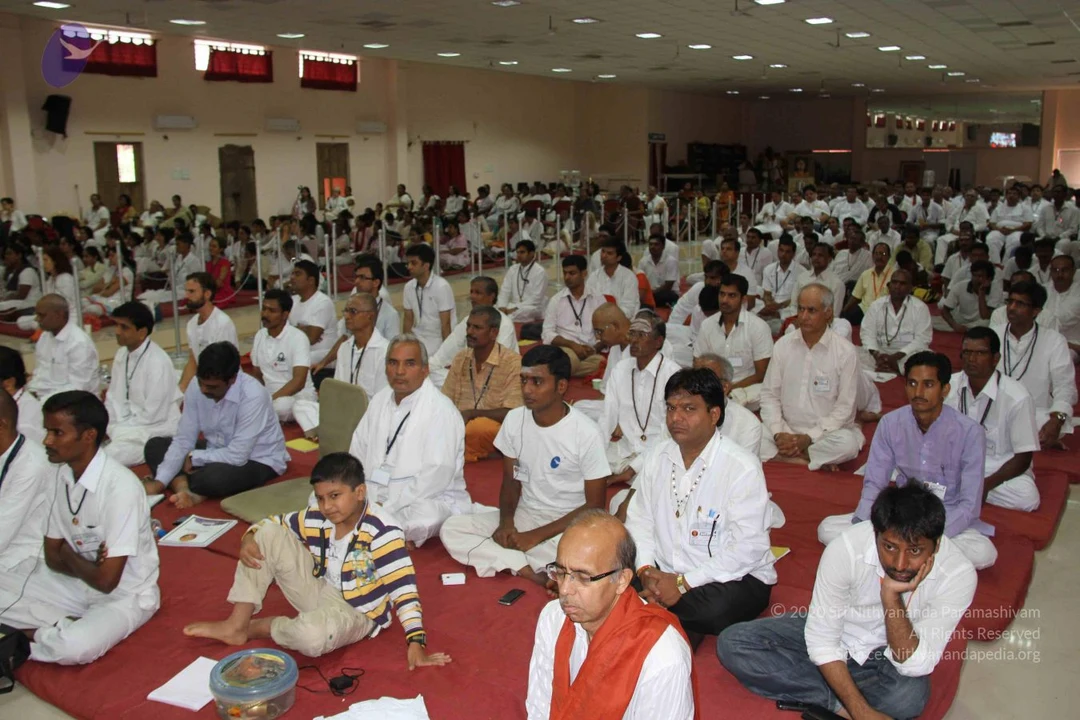
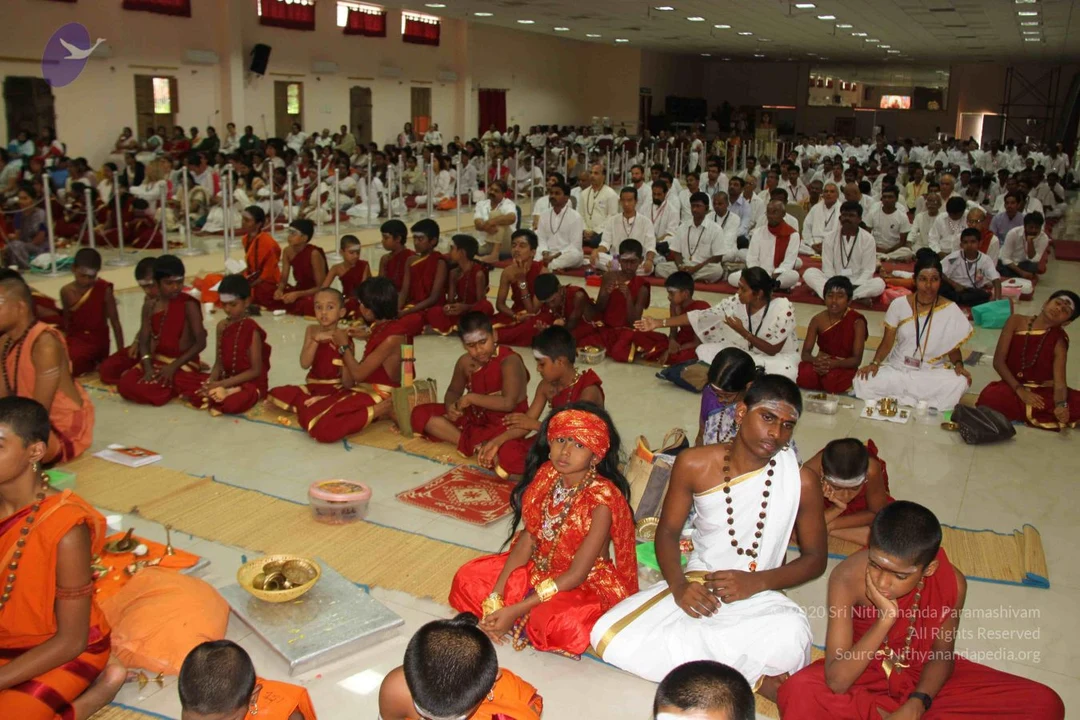
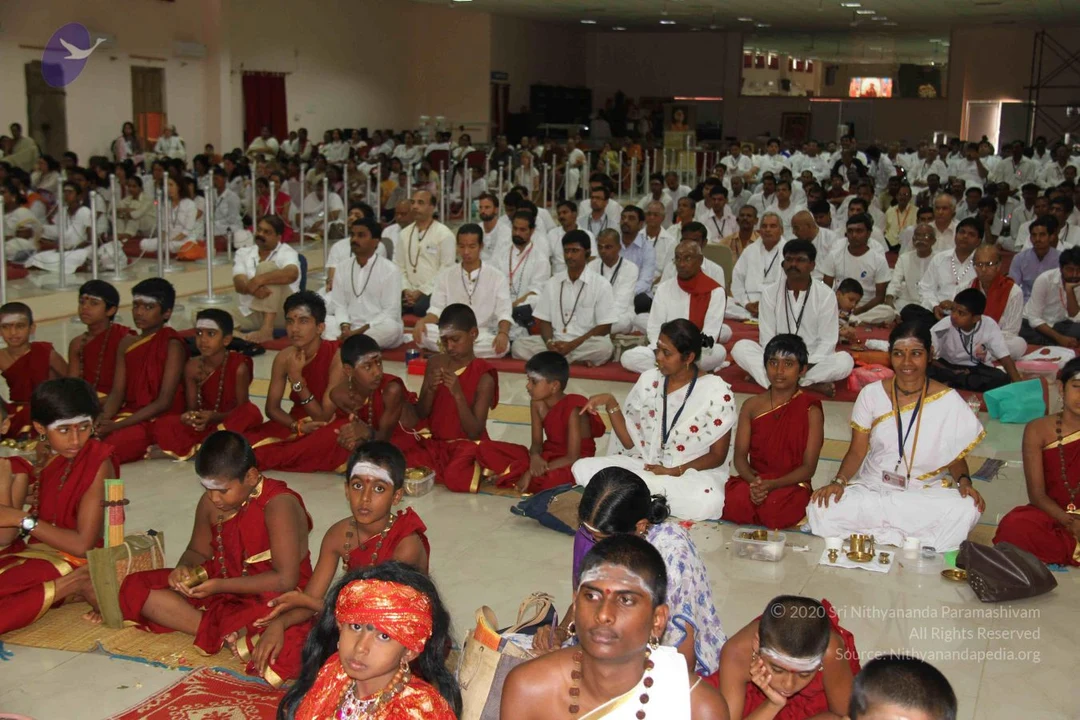
Final-Blessings
Inner-Awakening-Day-2
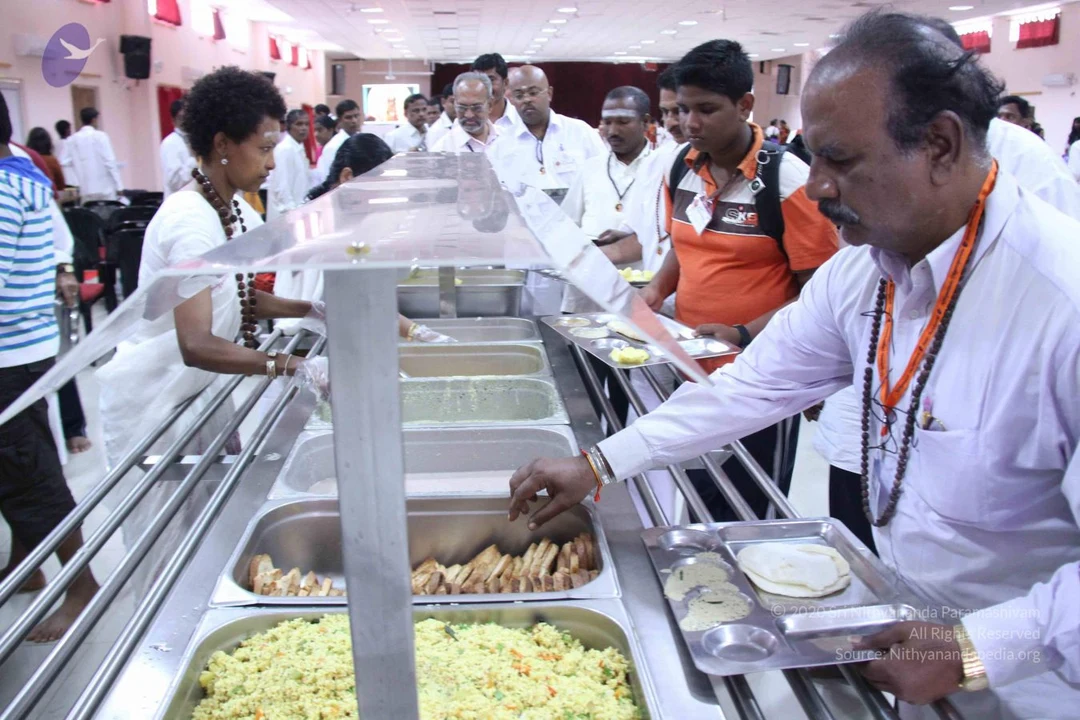
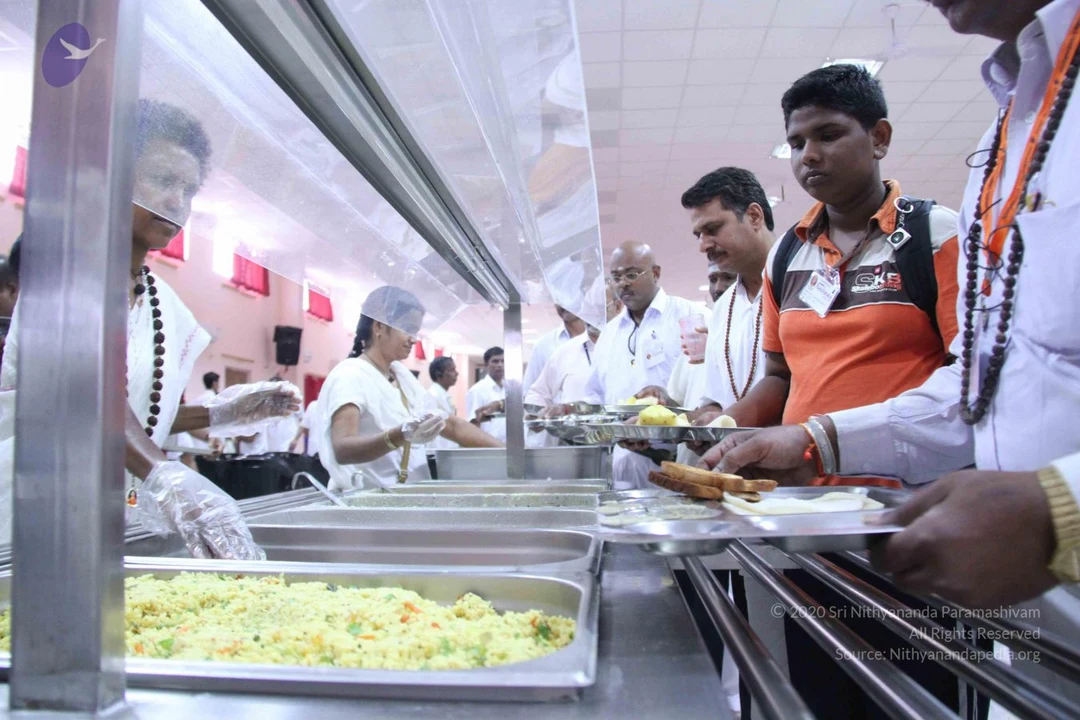

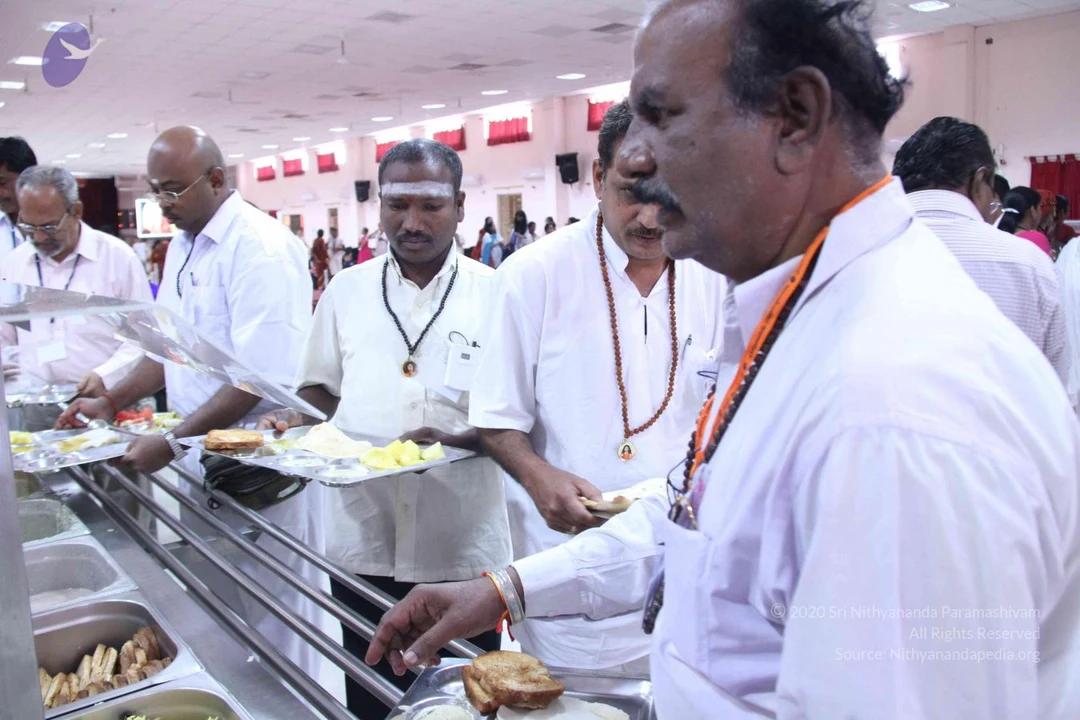
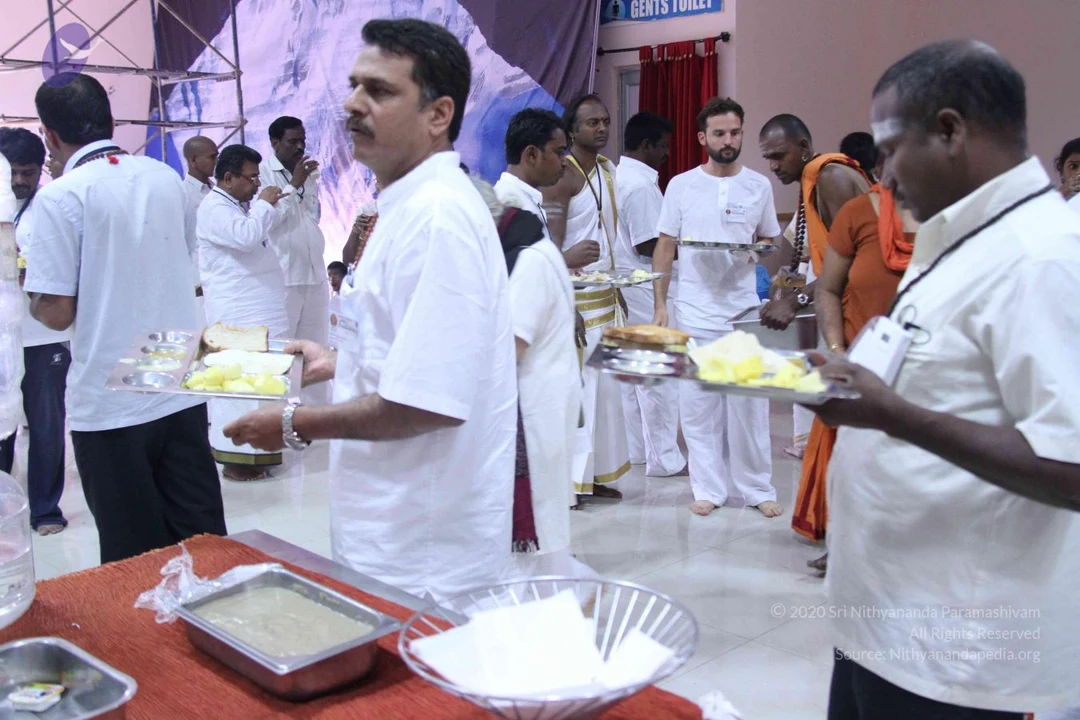
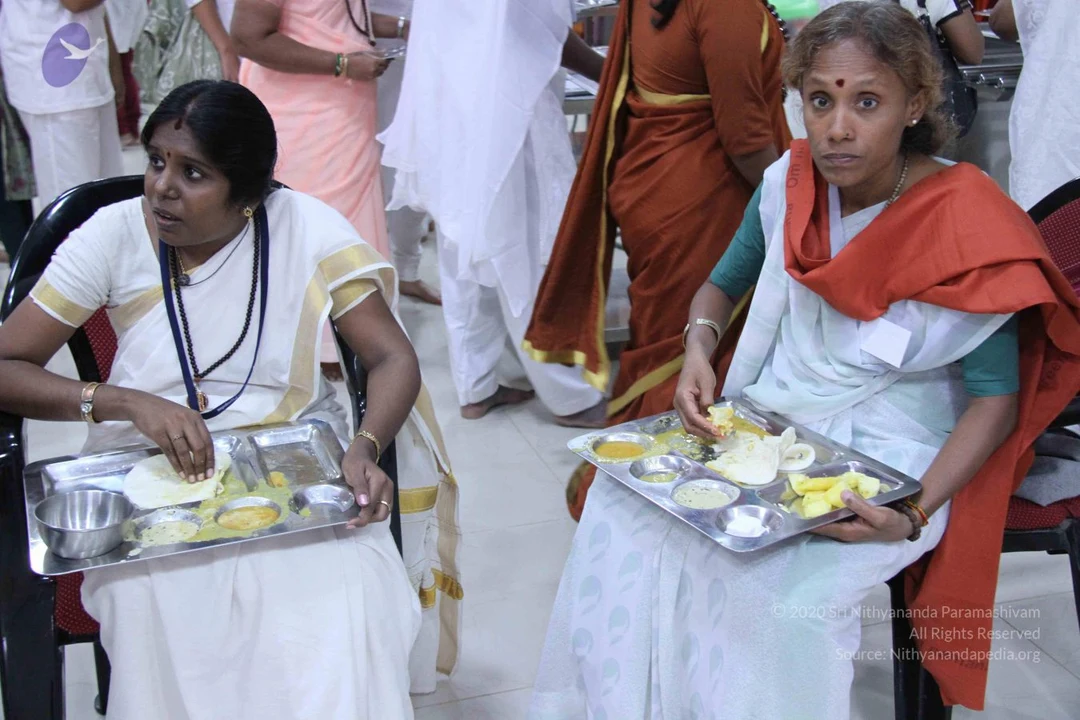
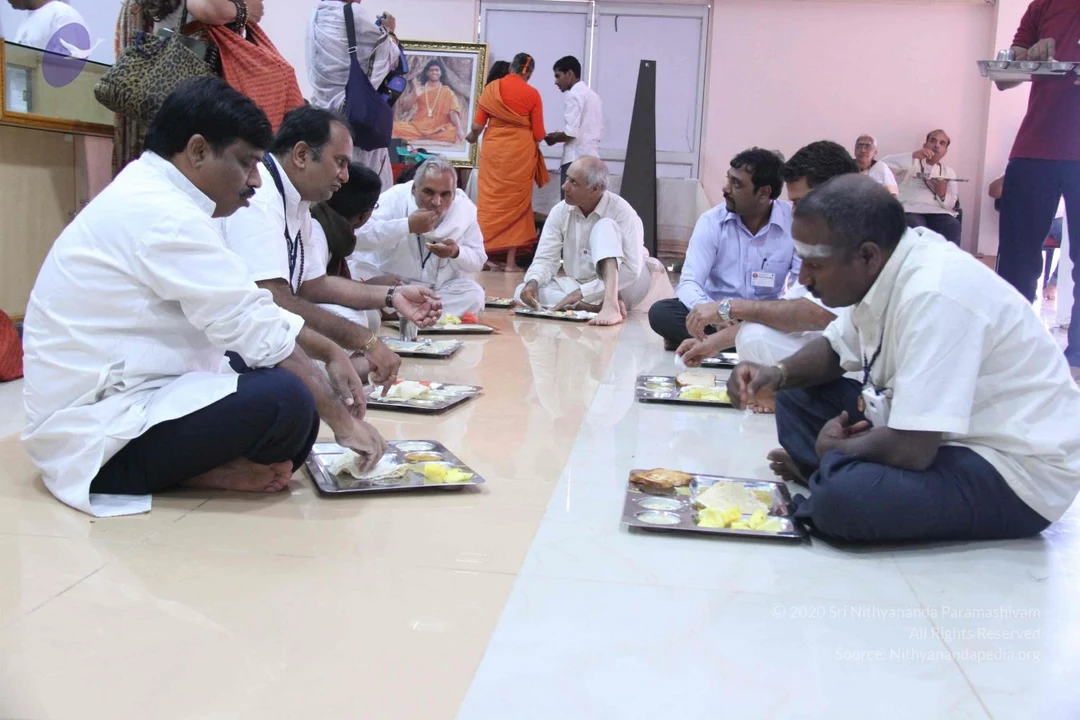
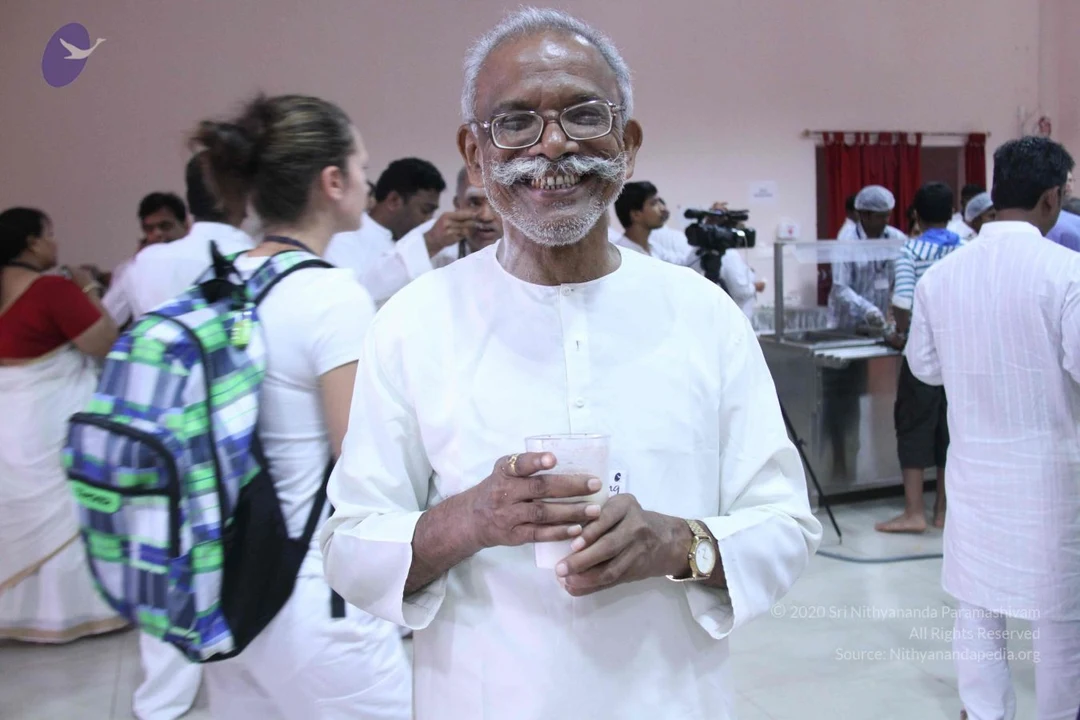
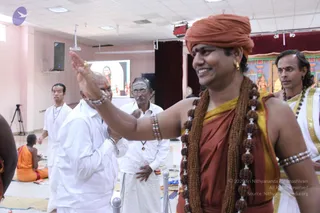
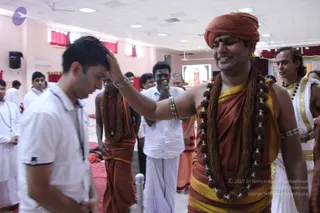
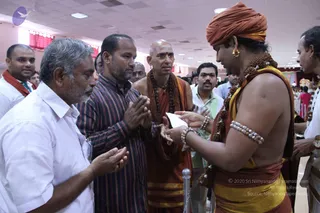
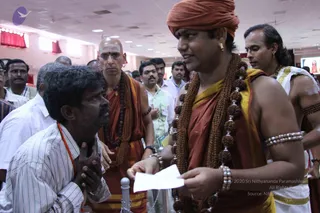
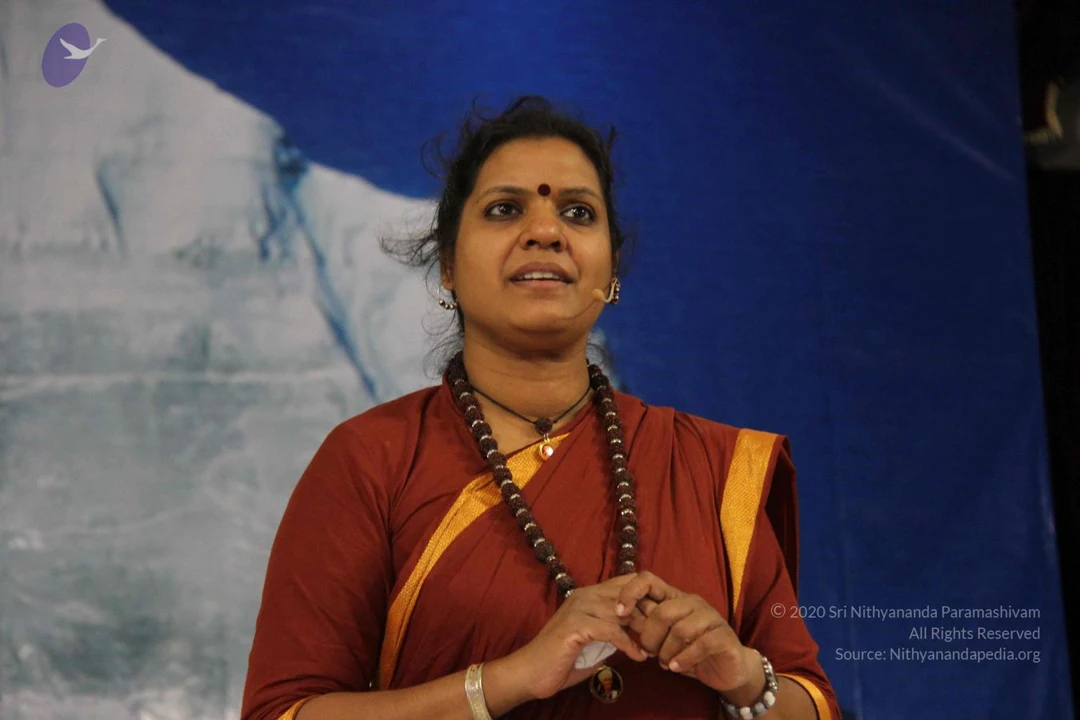
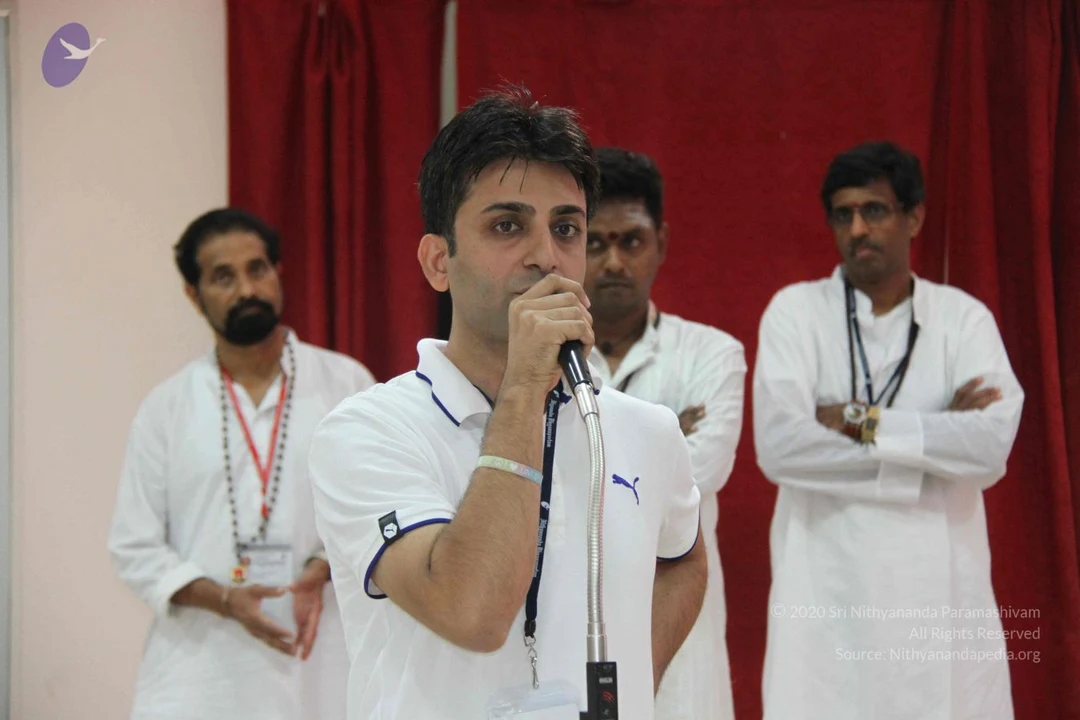
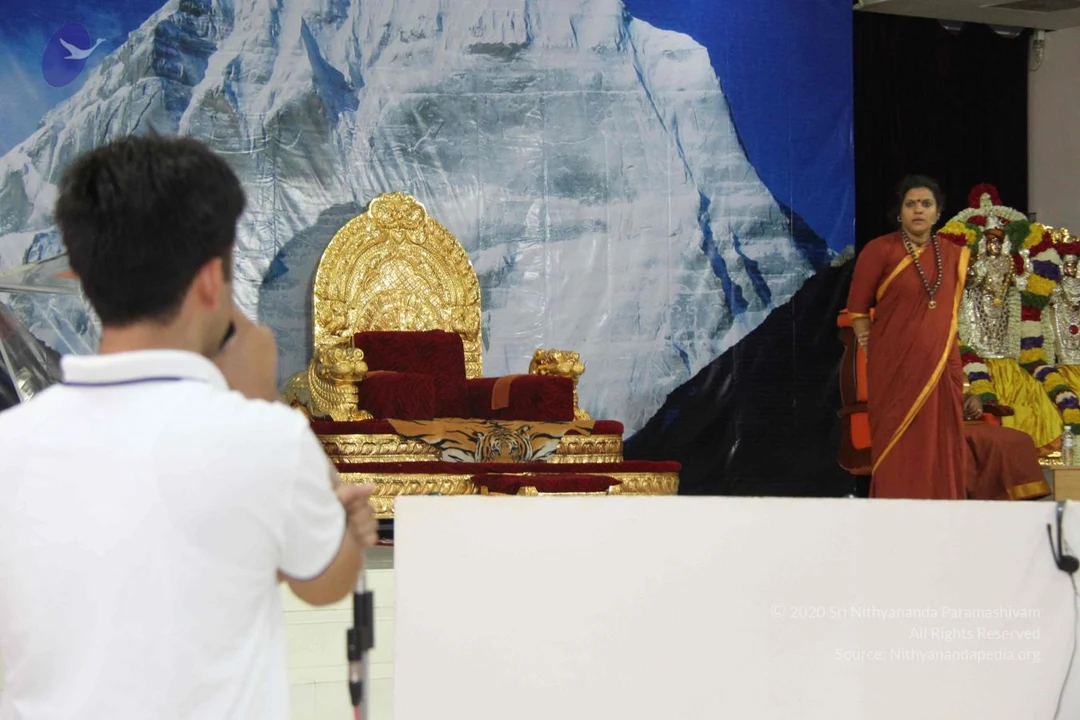
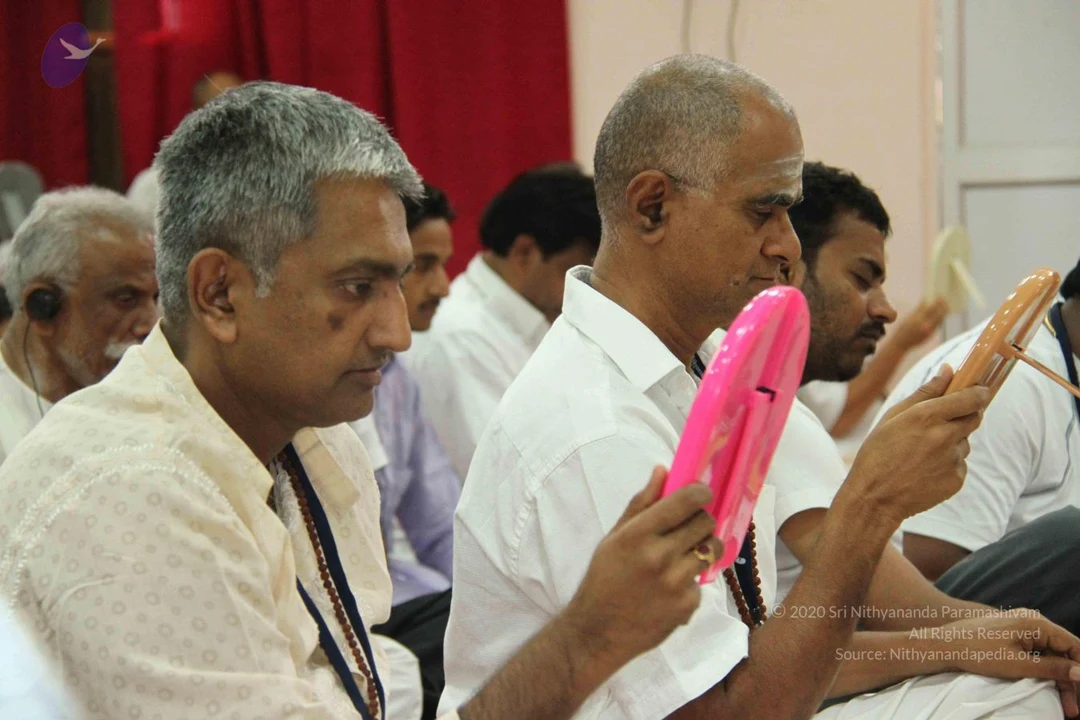
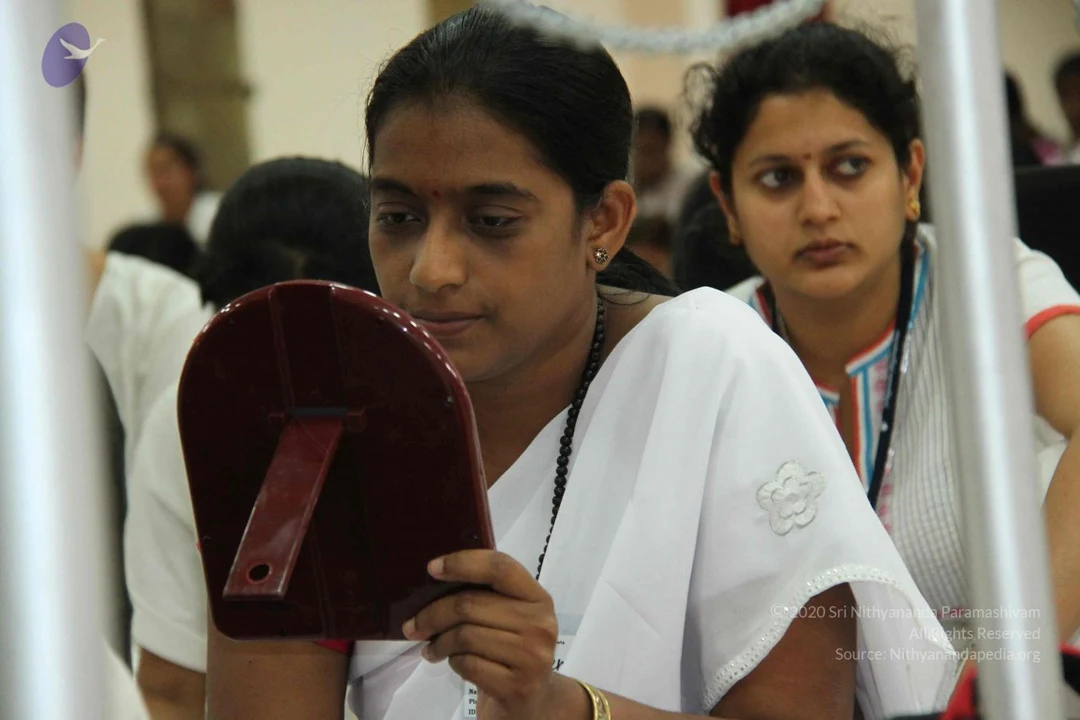
Inner-Awakening-Session-Swamiji-Maneesha-Participants
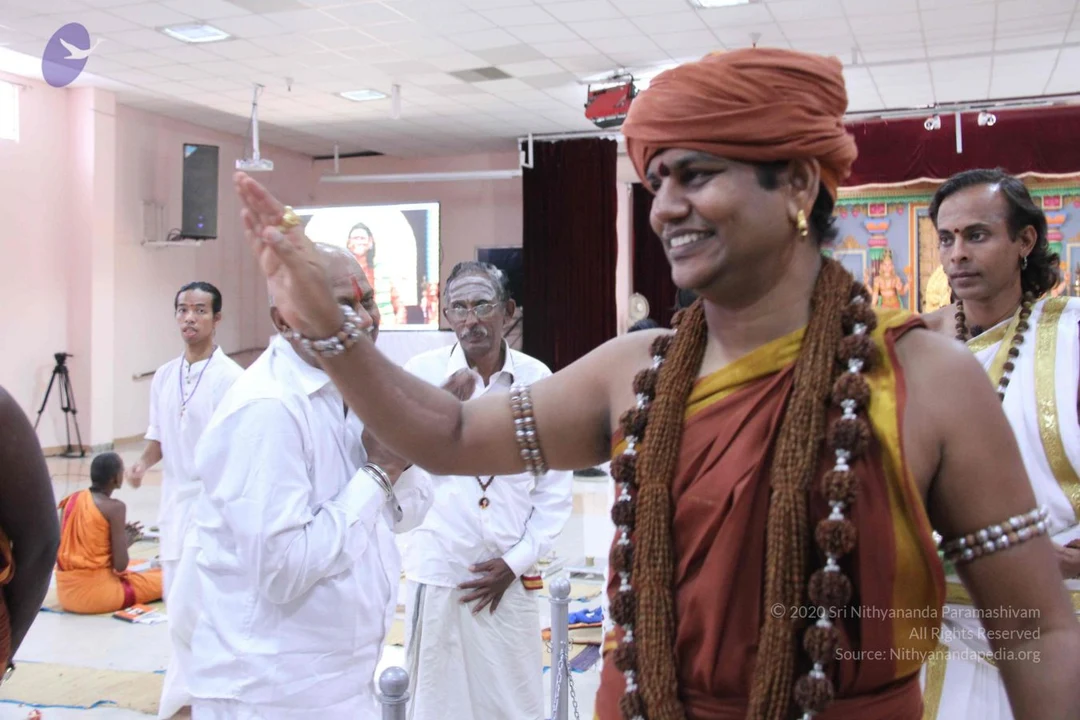
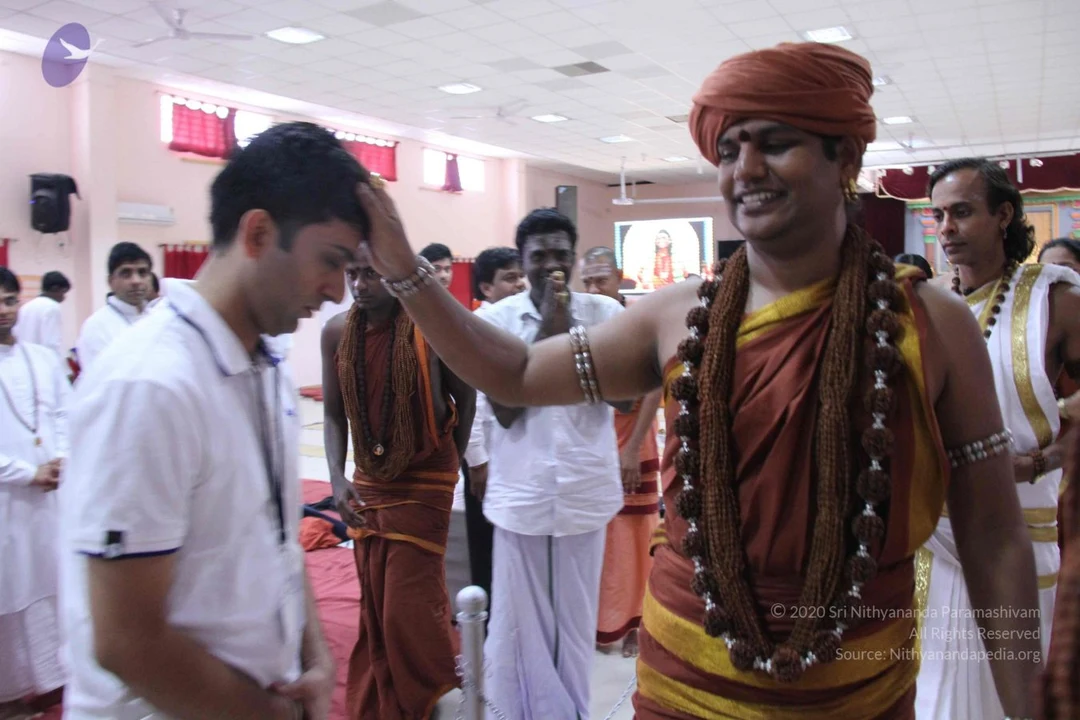

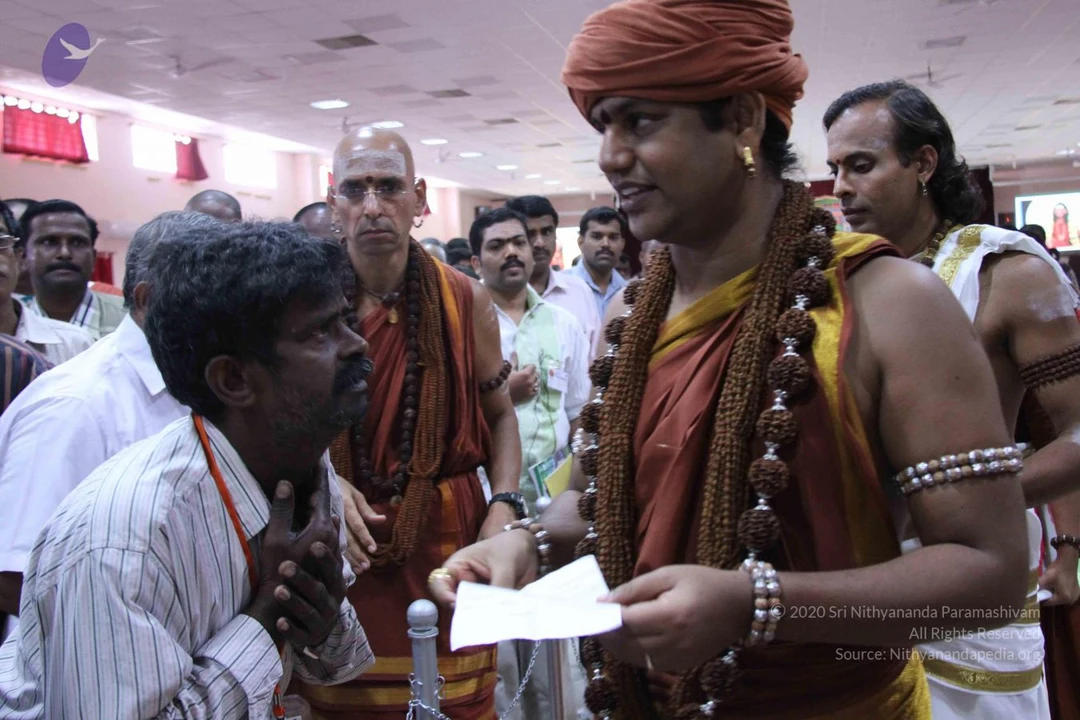
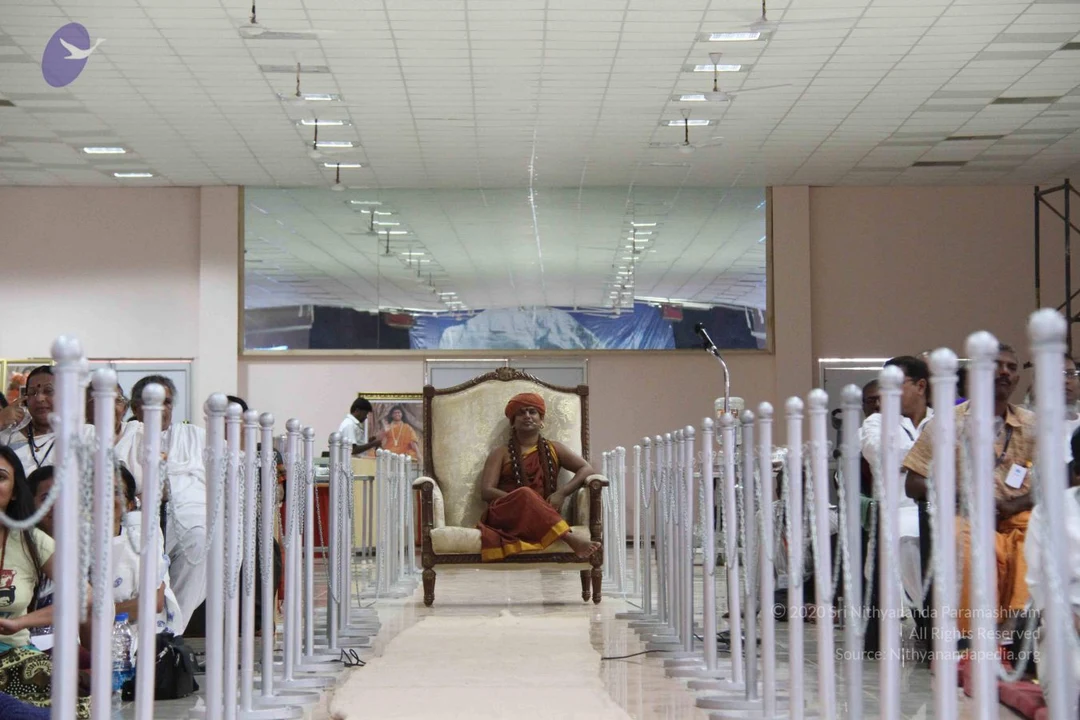
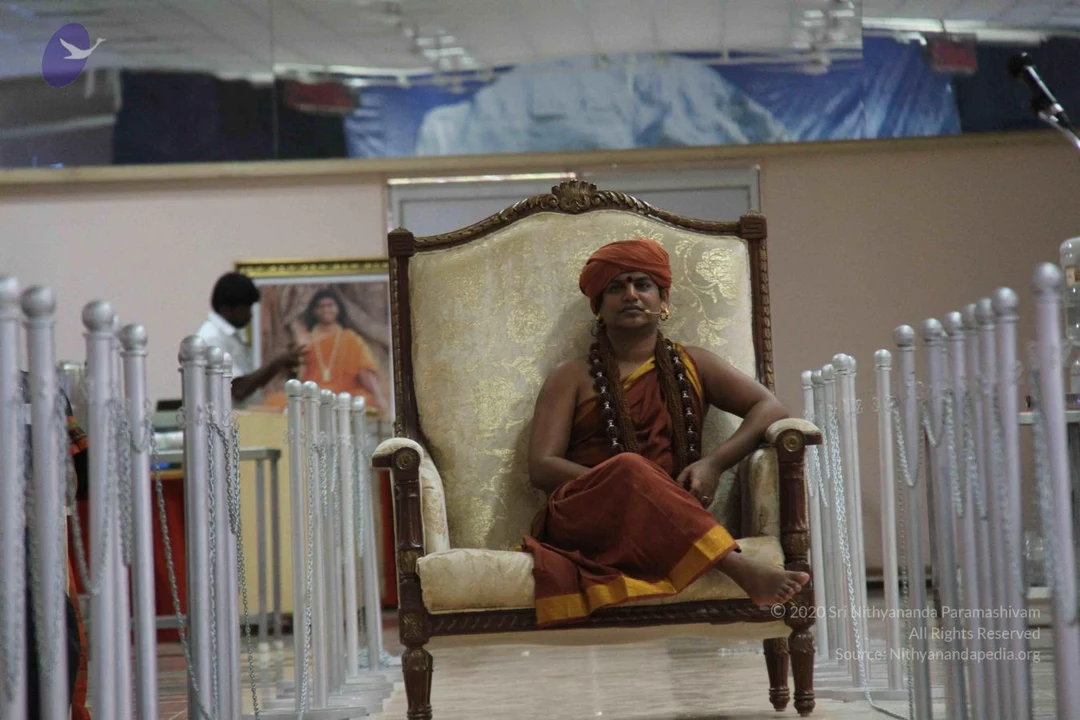
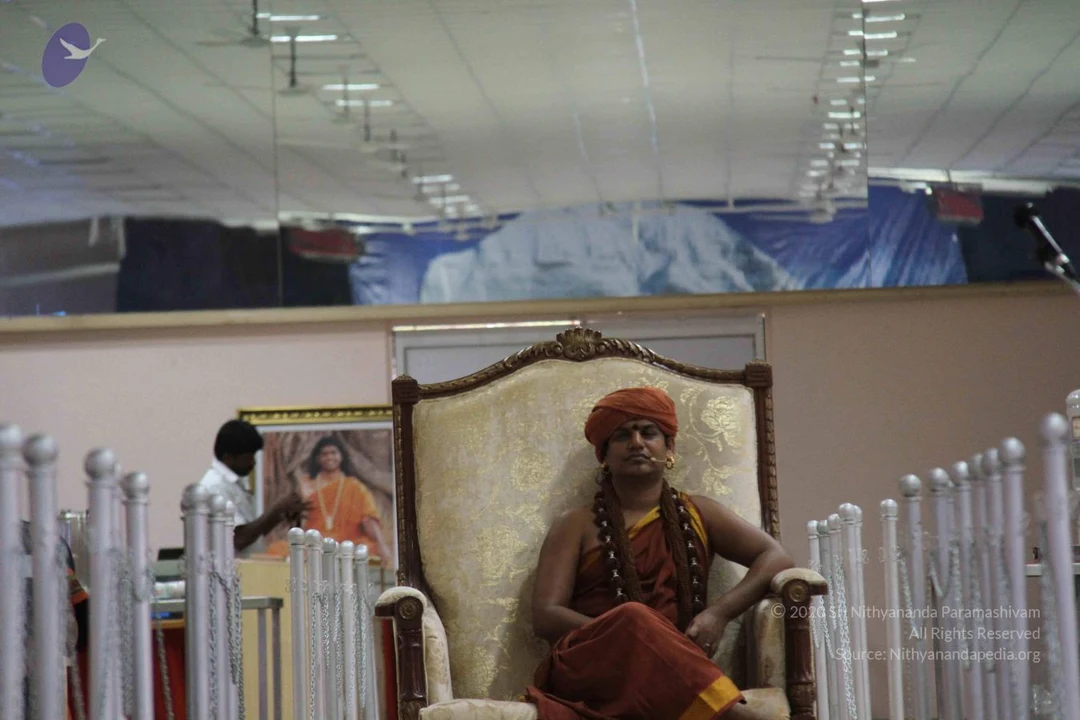
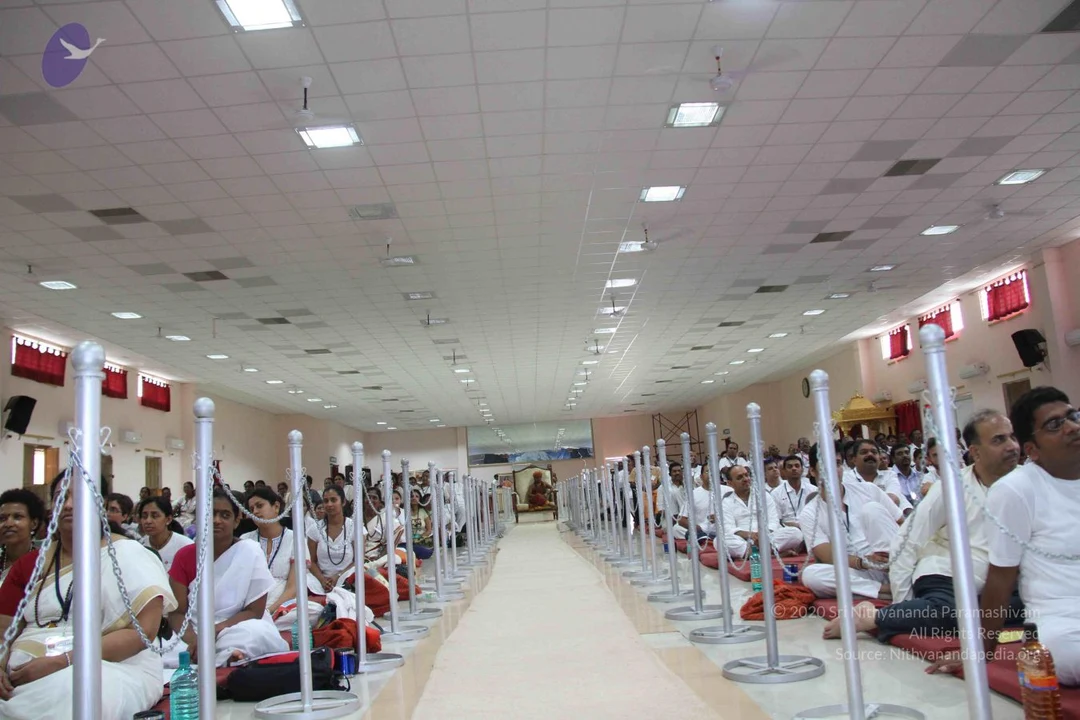
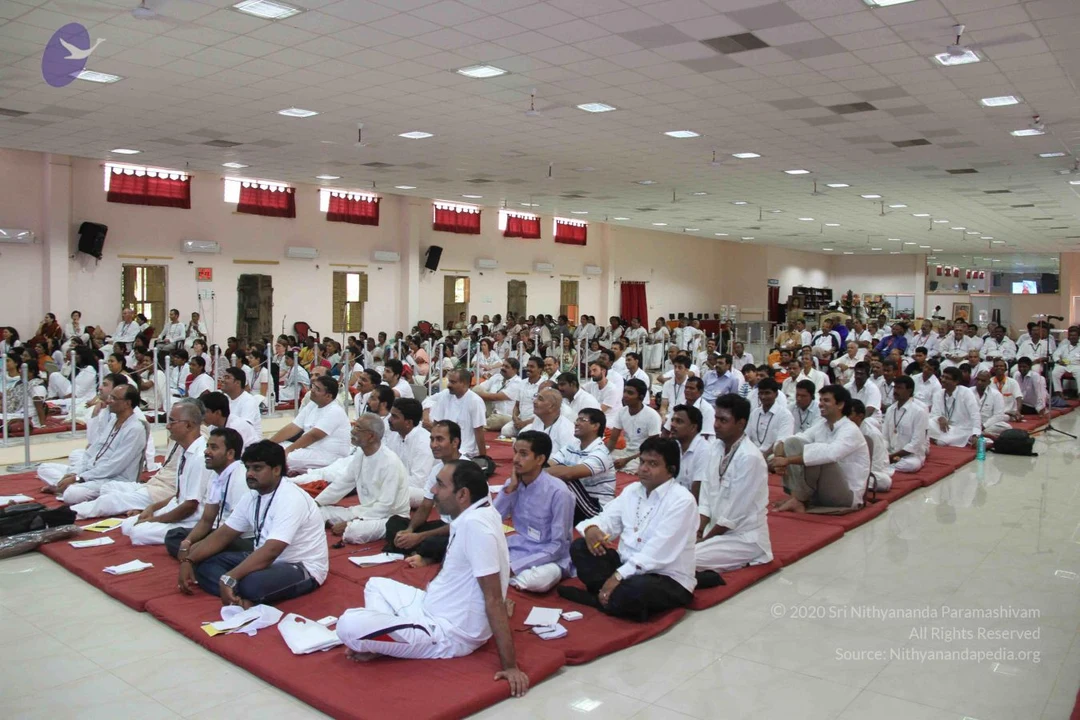
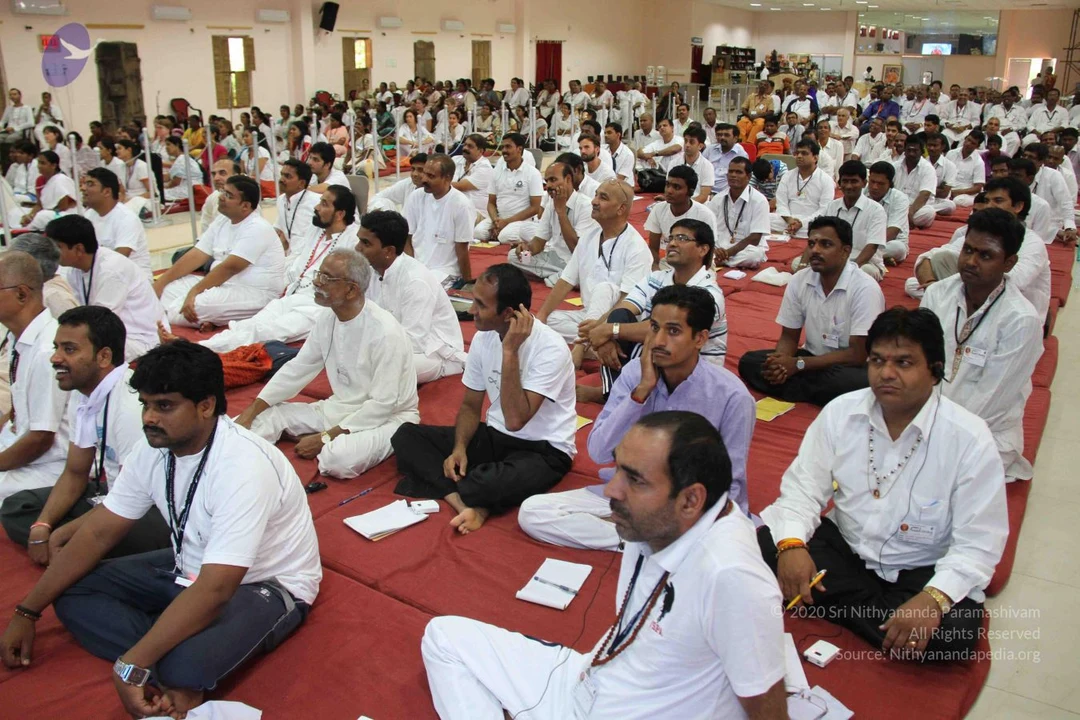
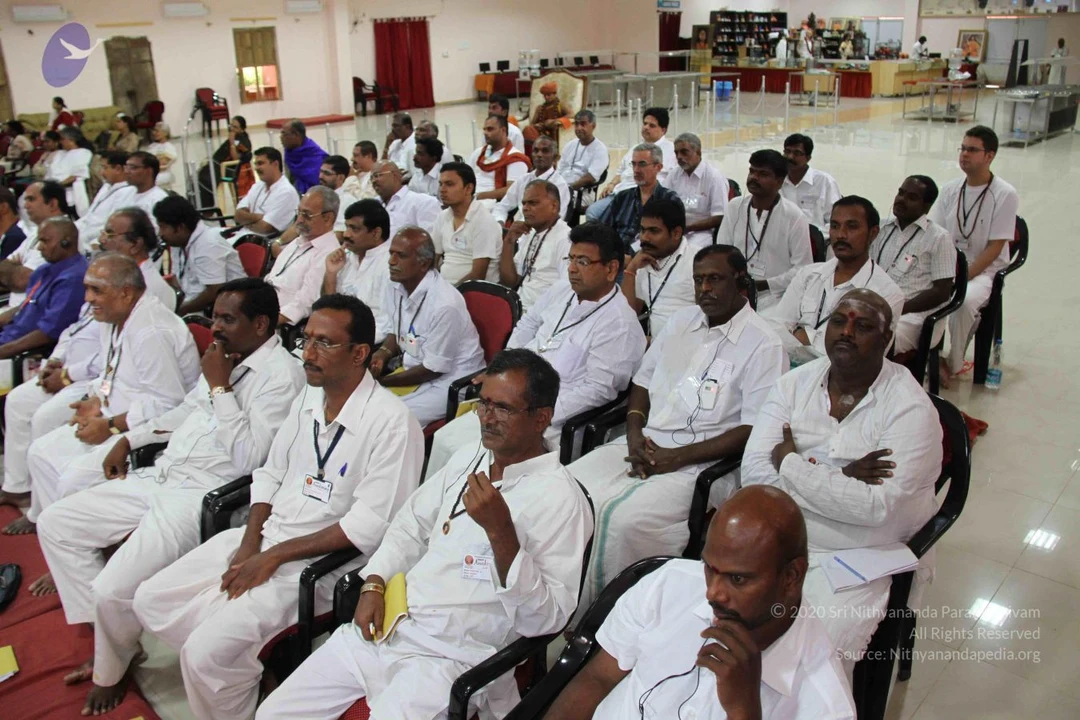
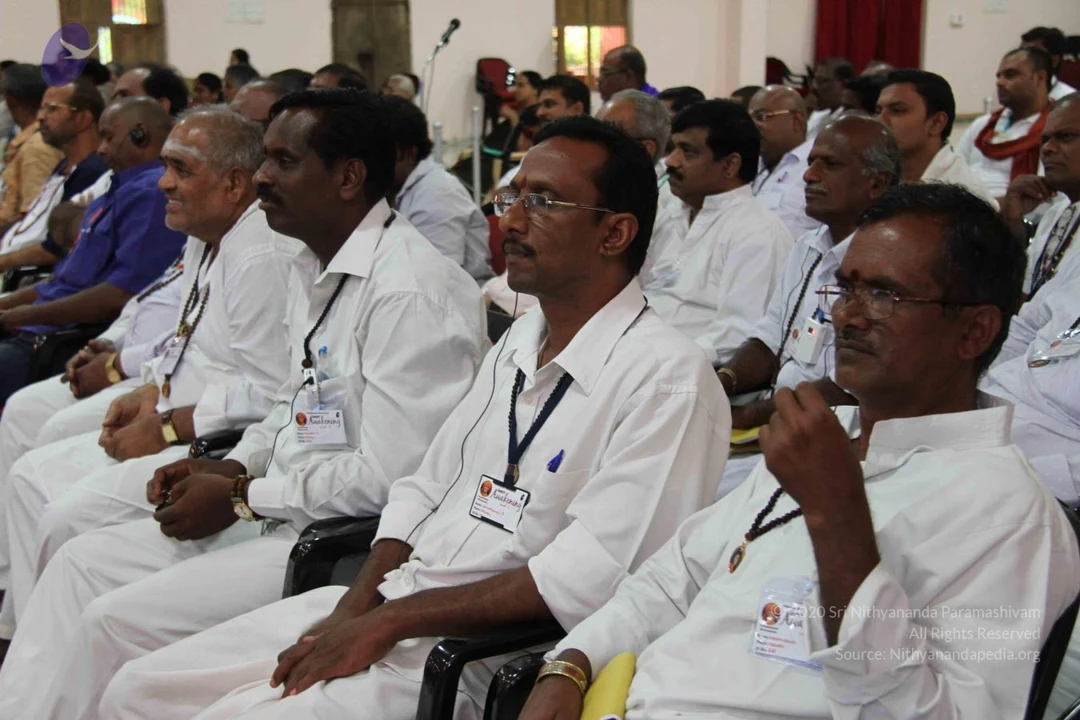
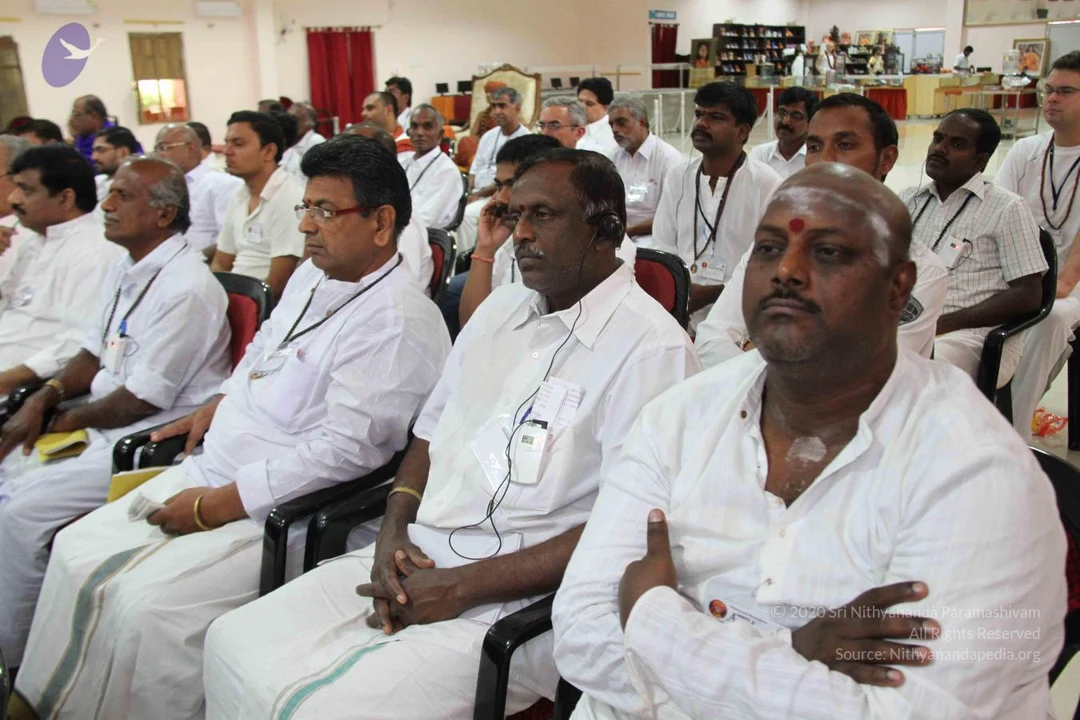
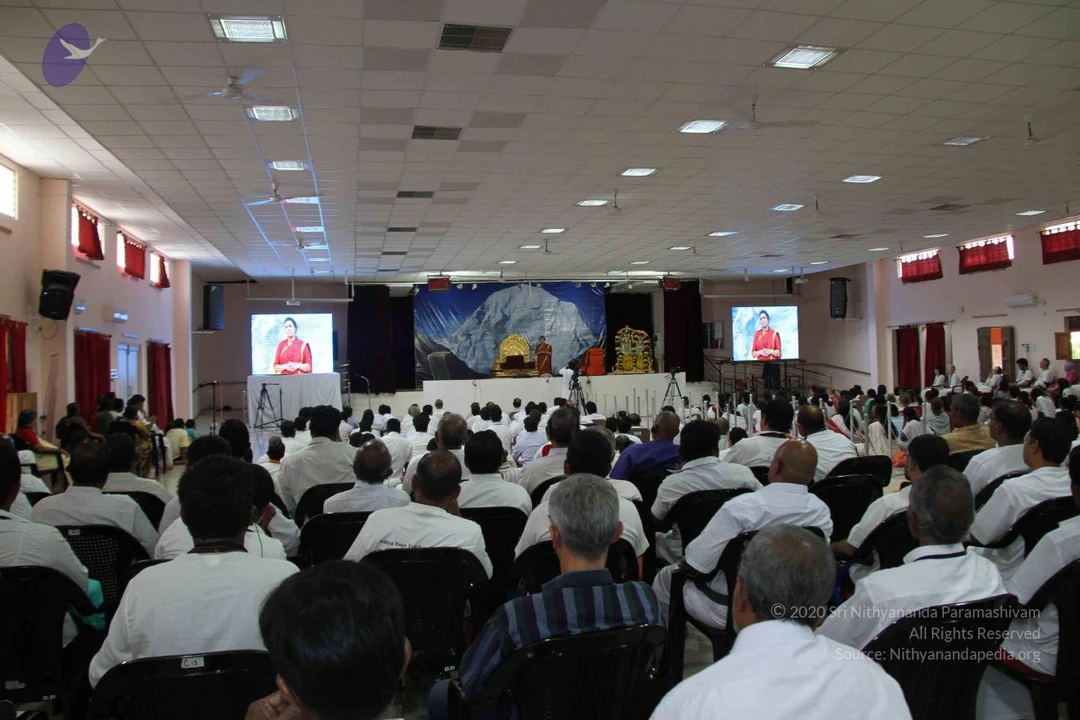
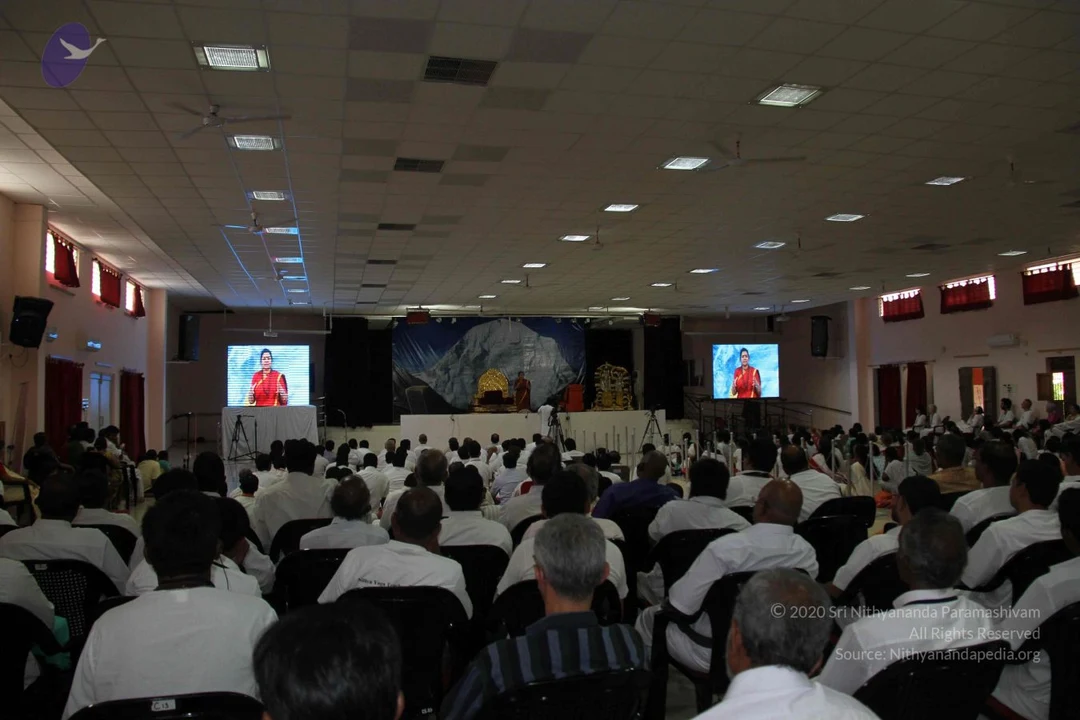
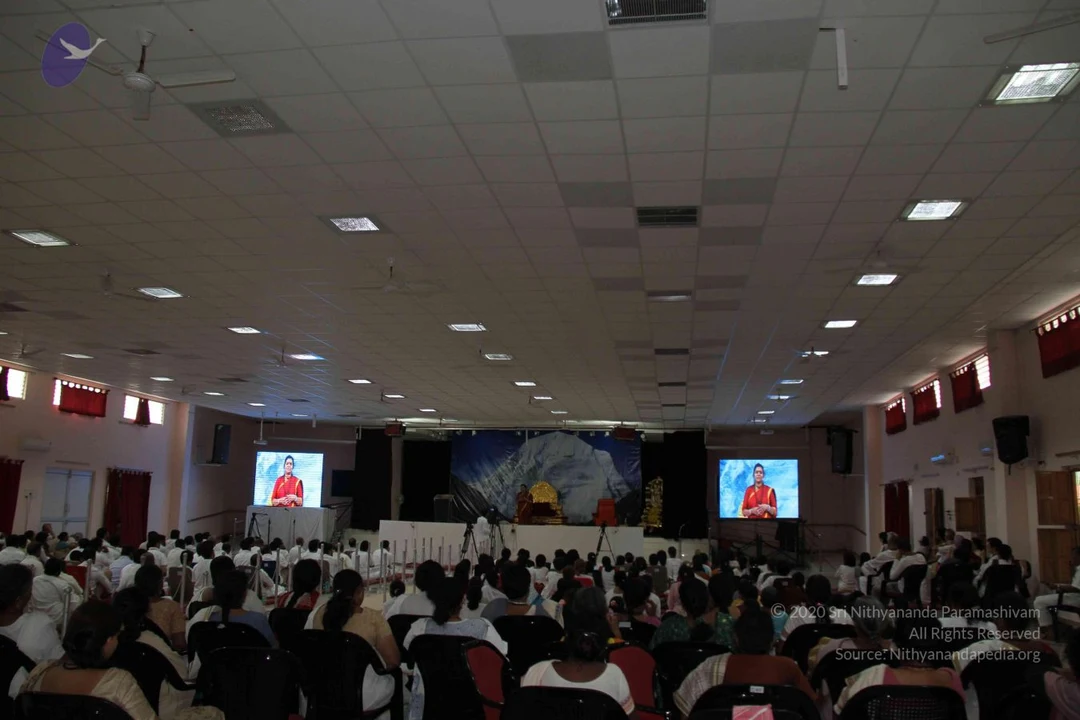
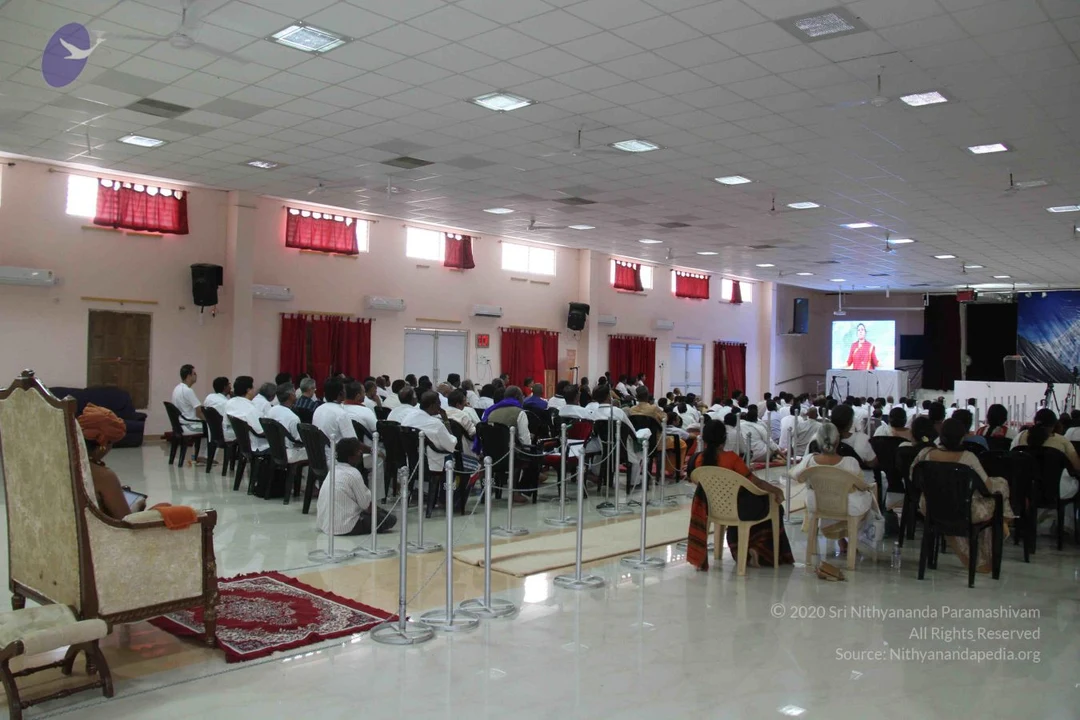
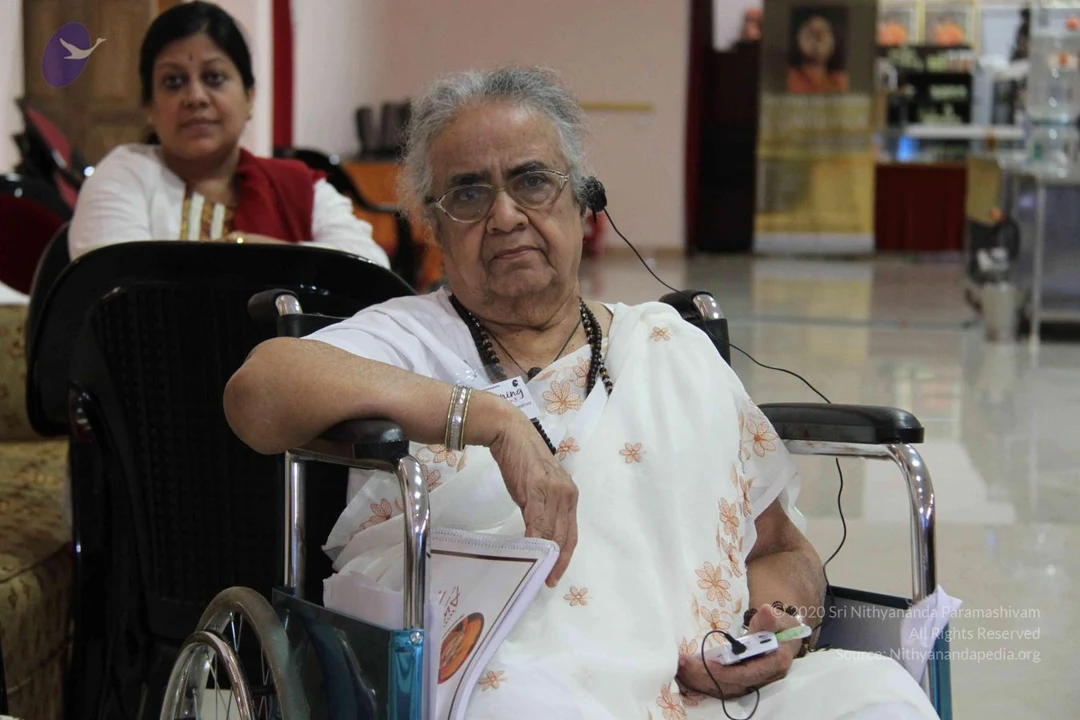
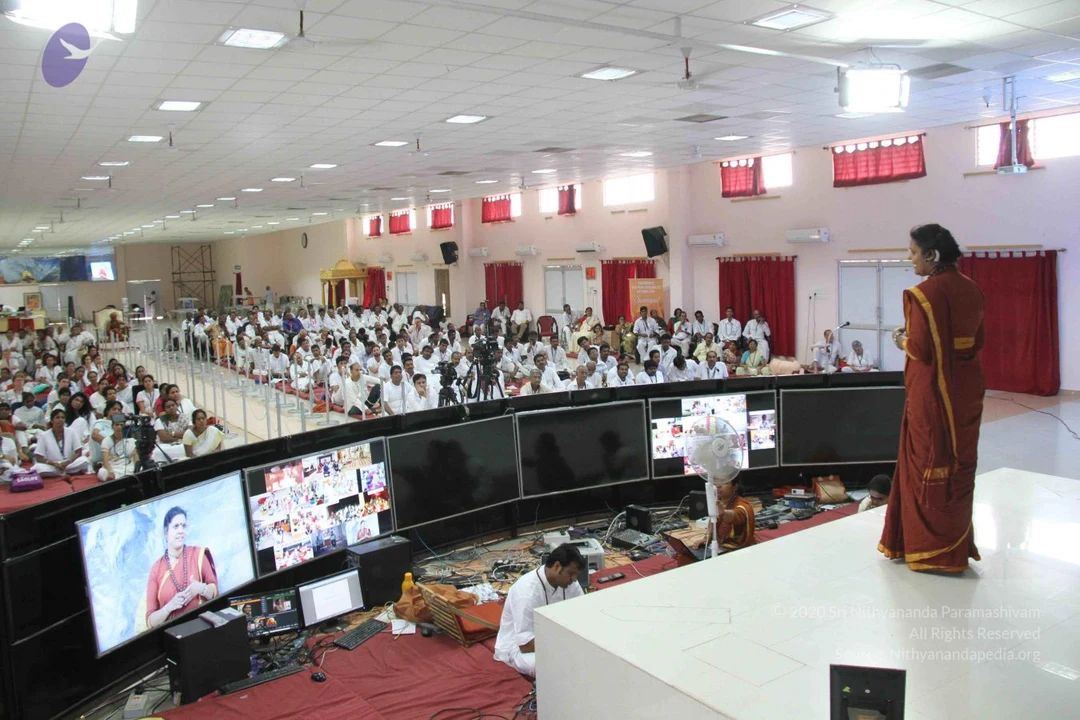
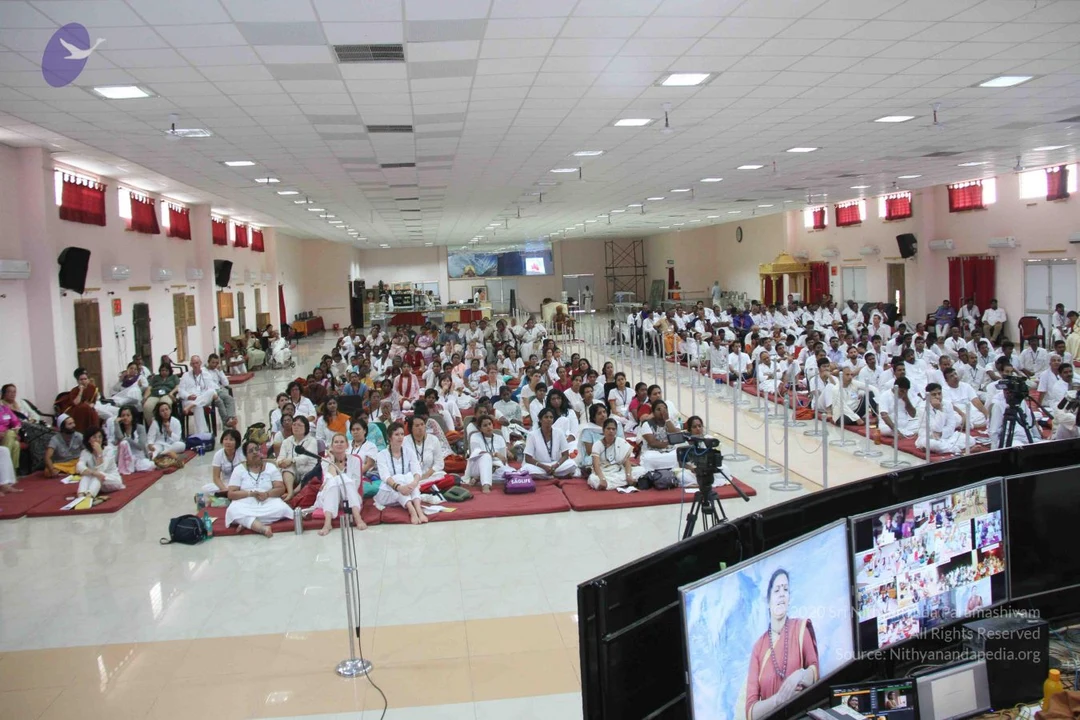
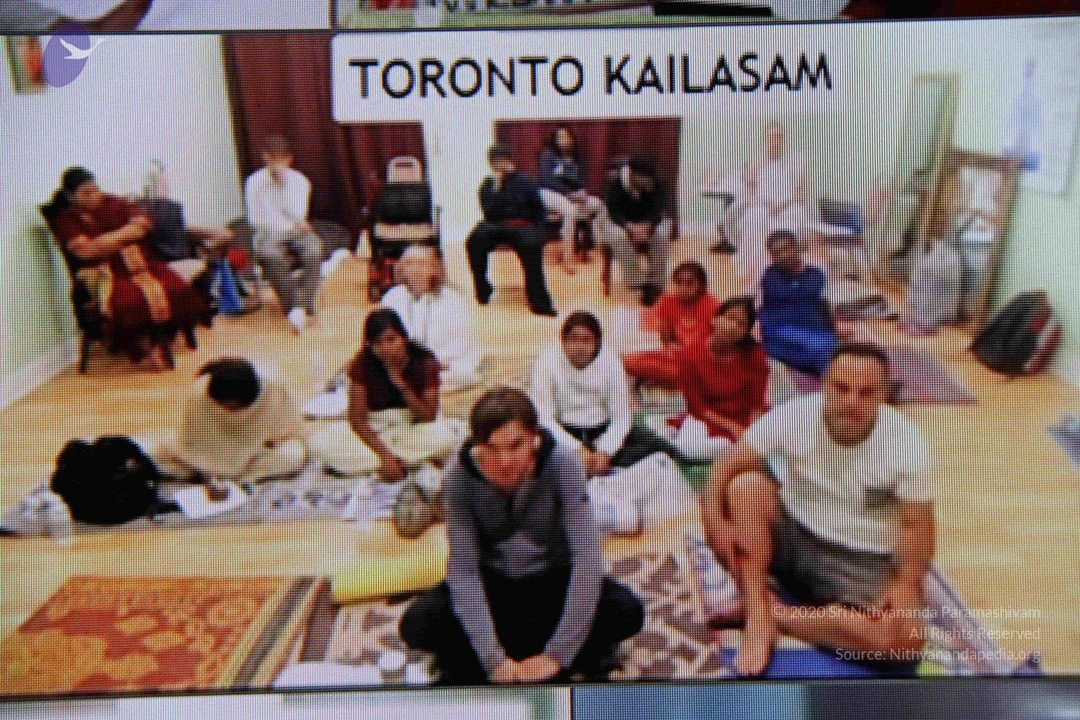

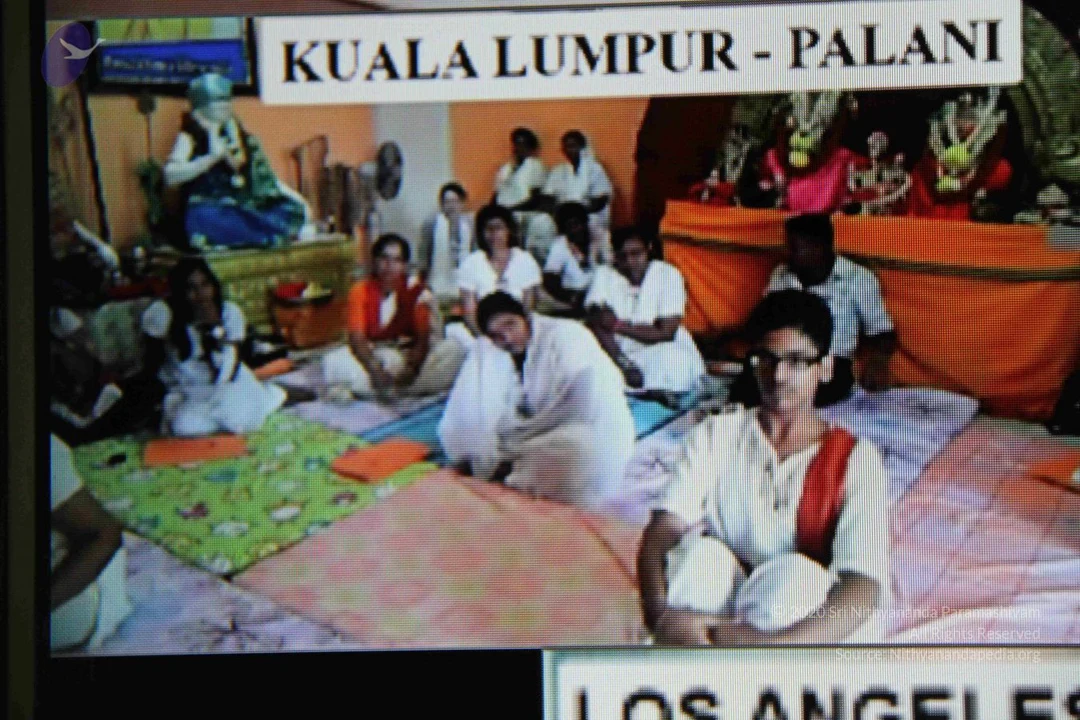
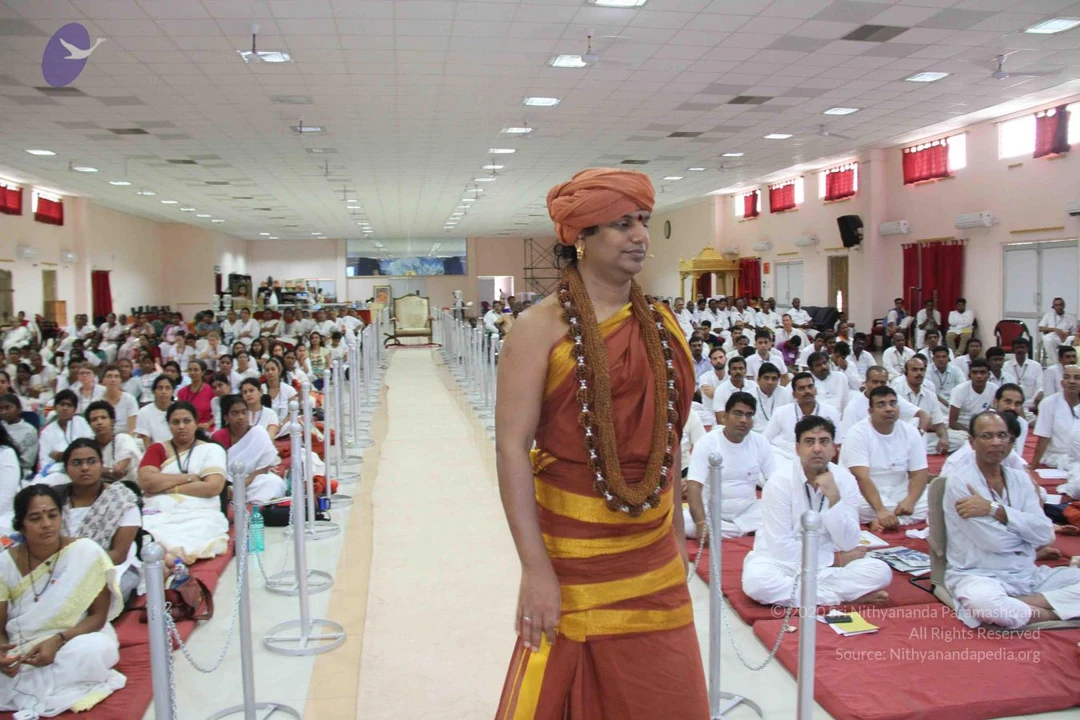
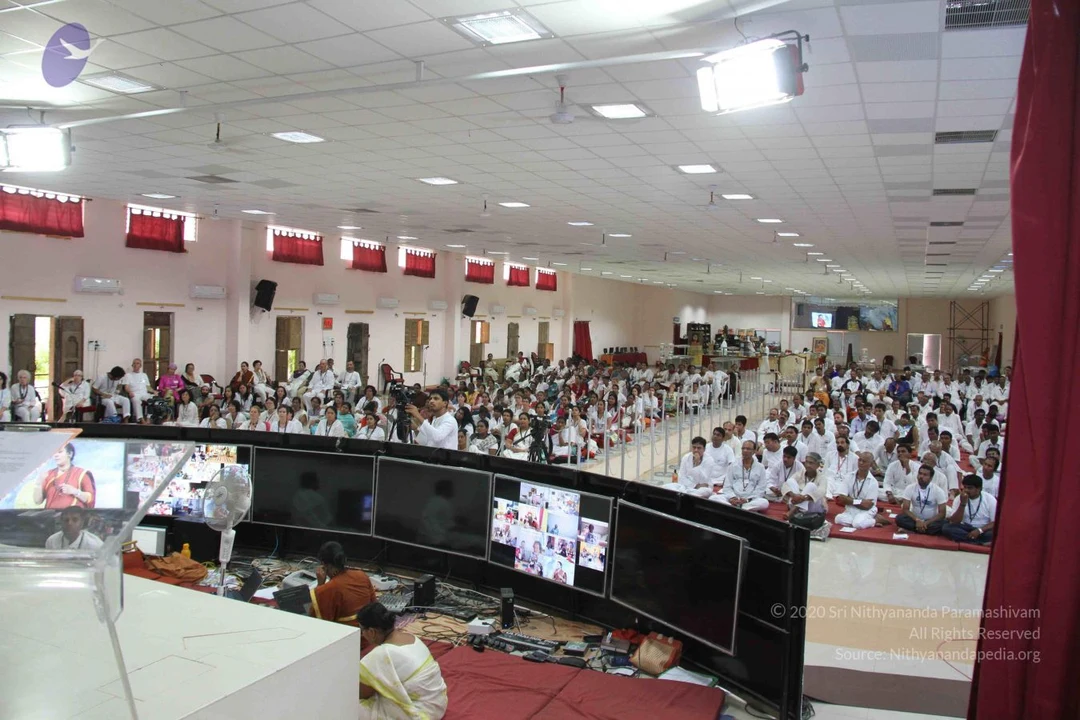
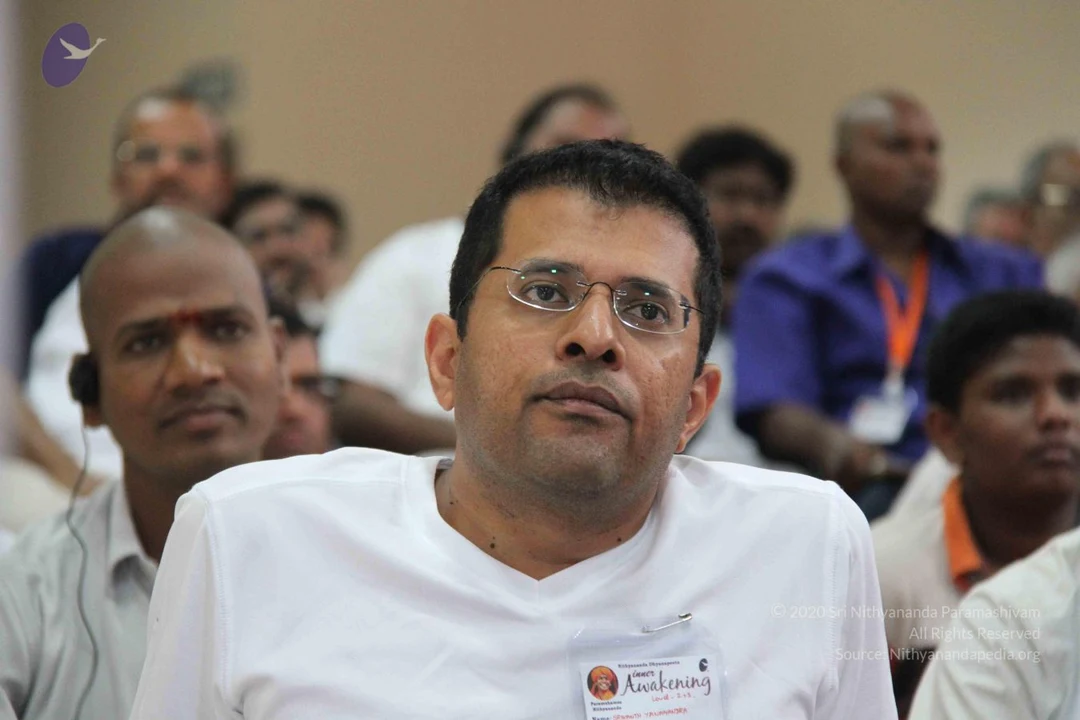
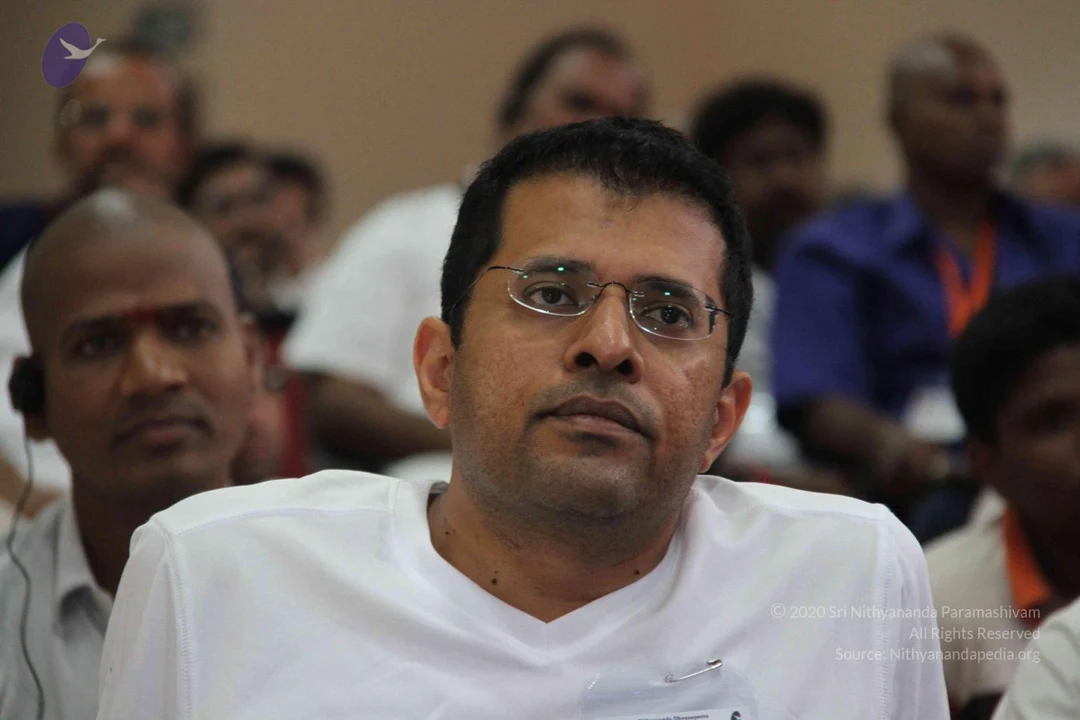
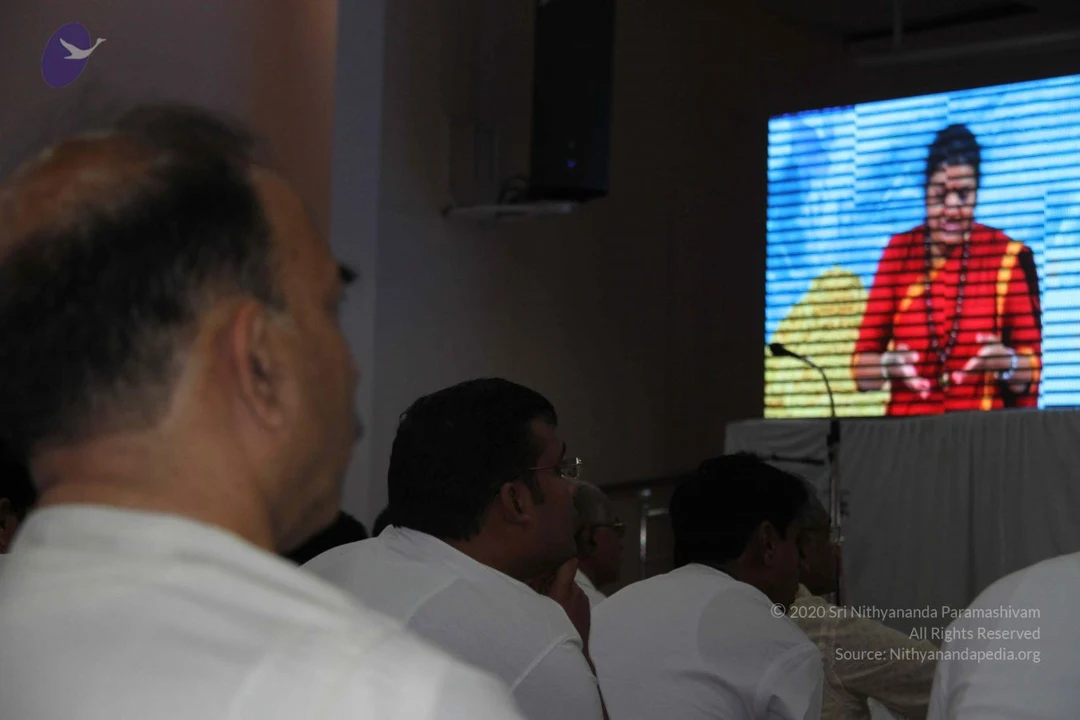
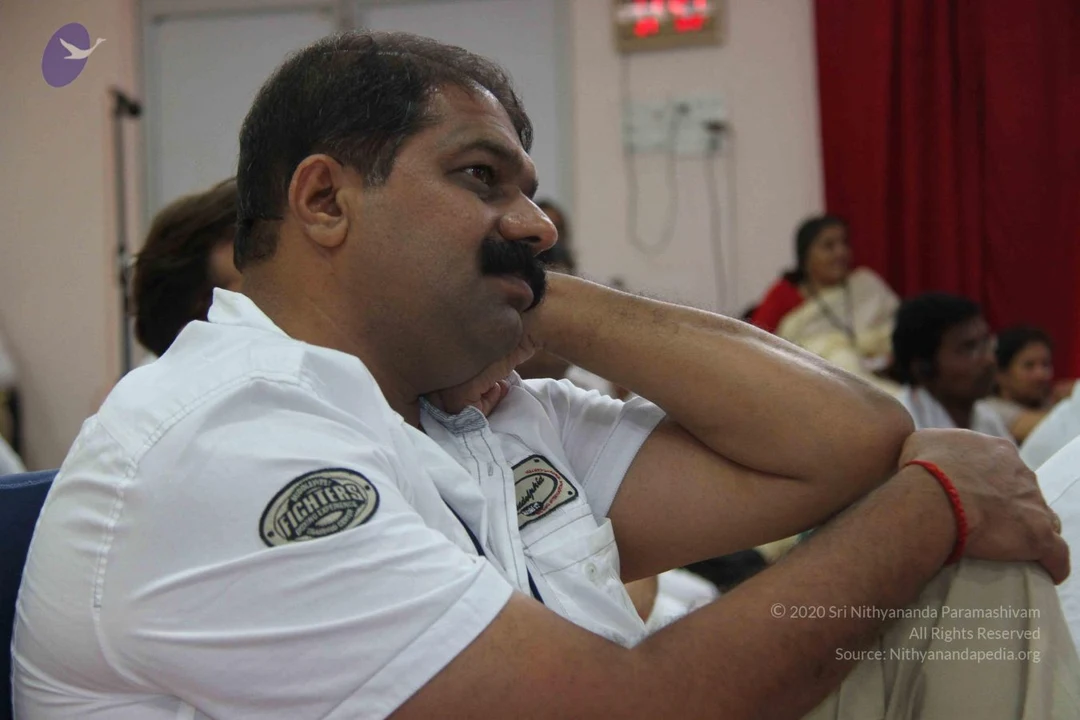
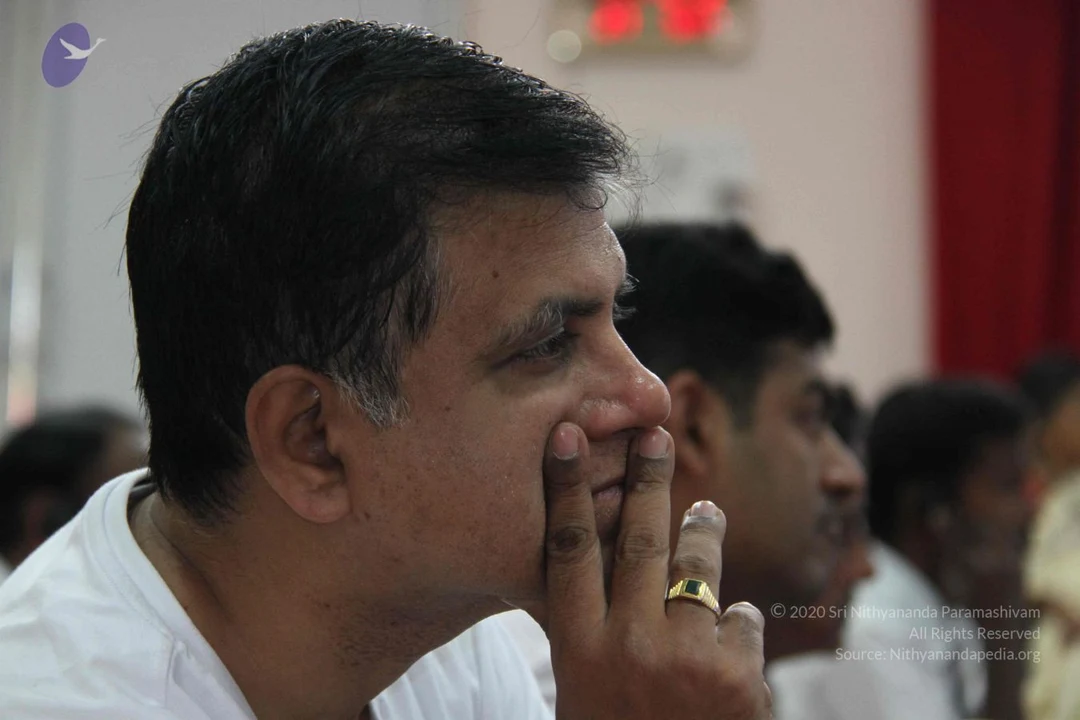
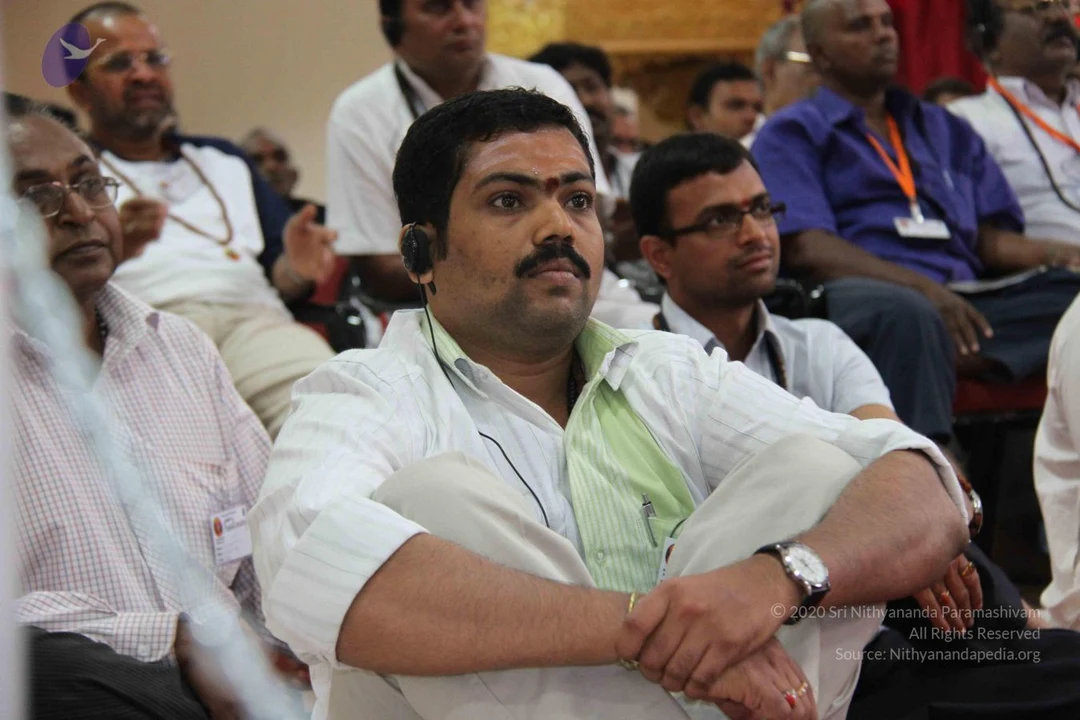
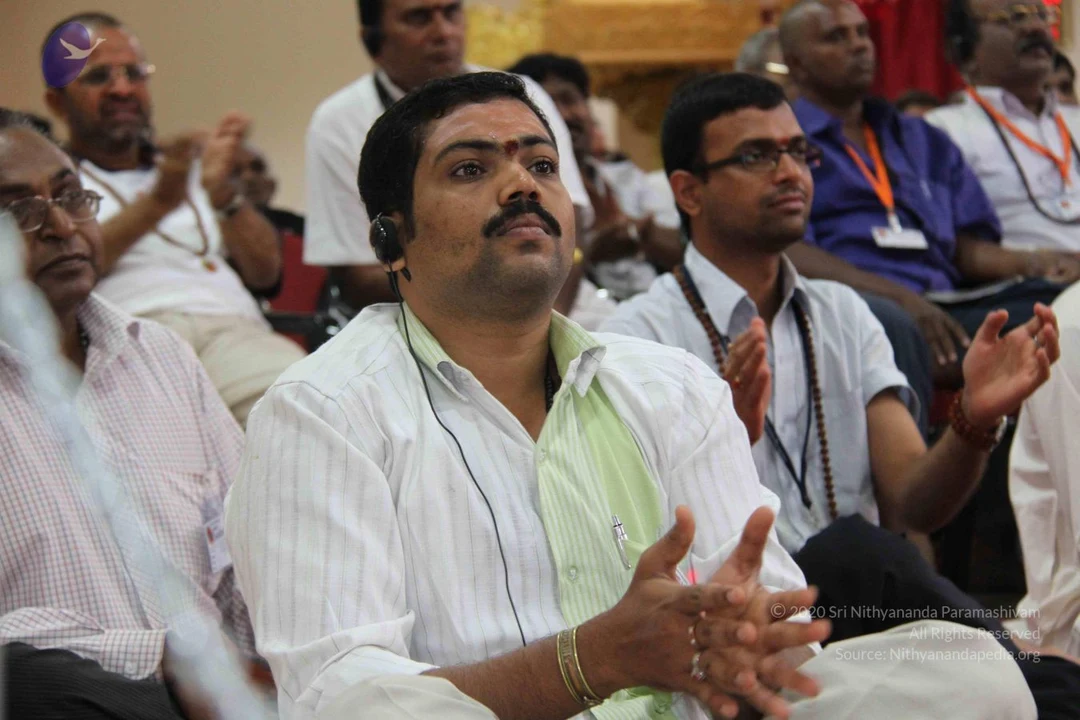
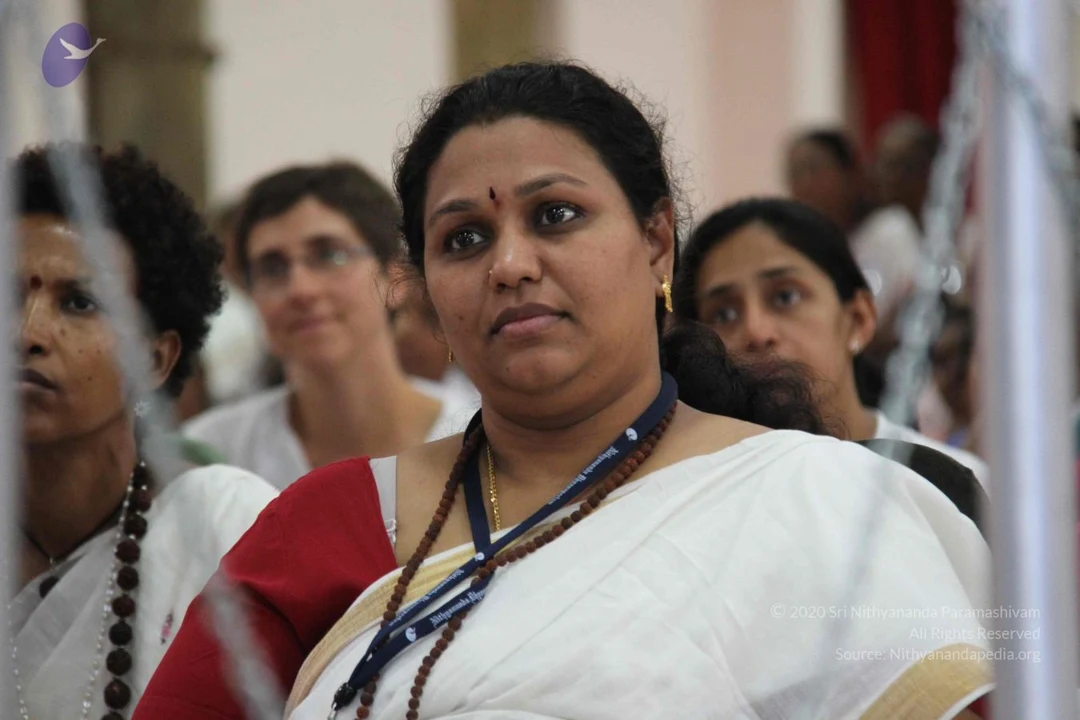
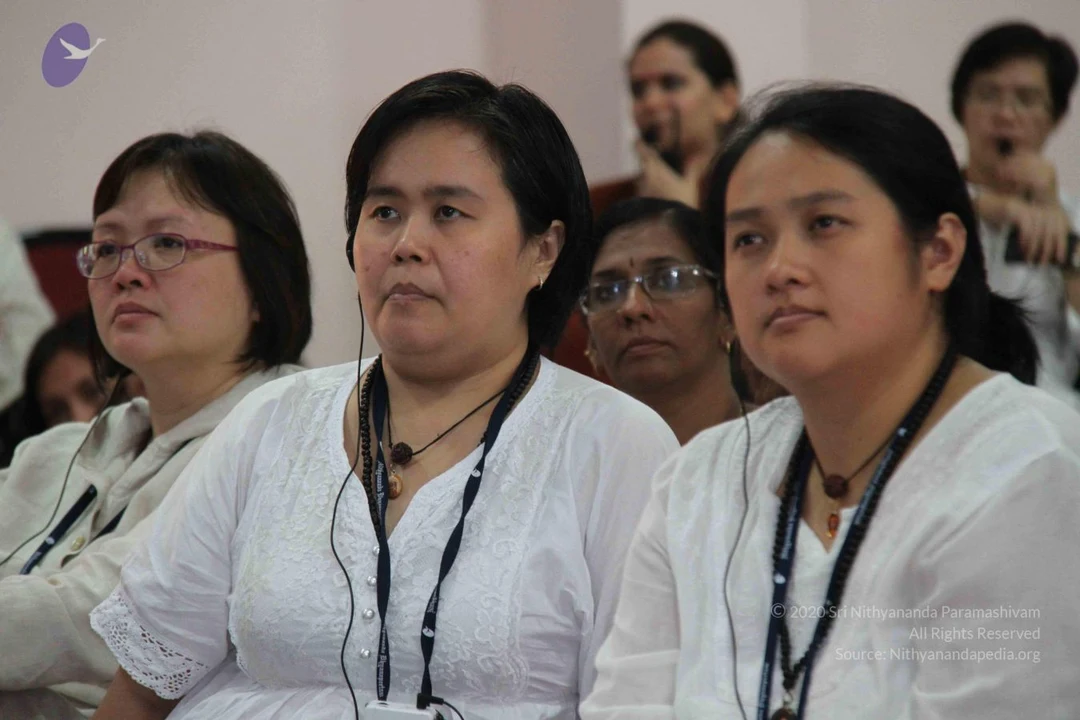
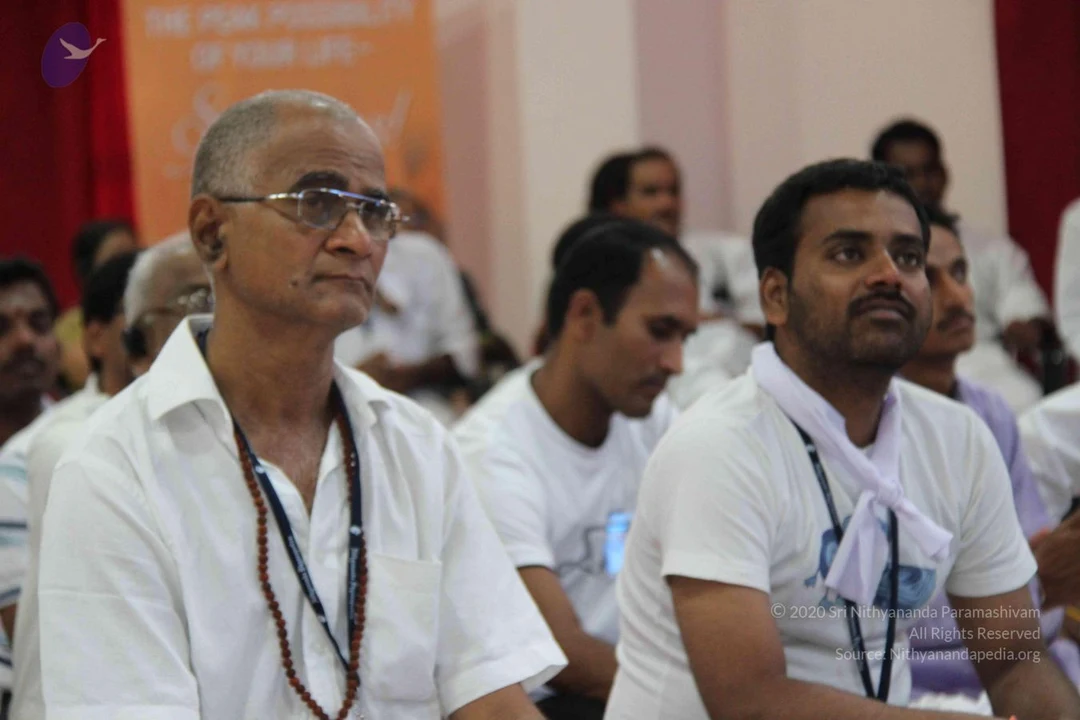

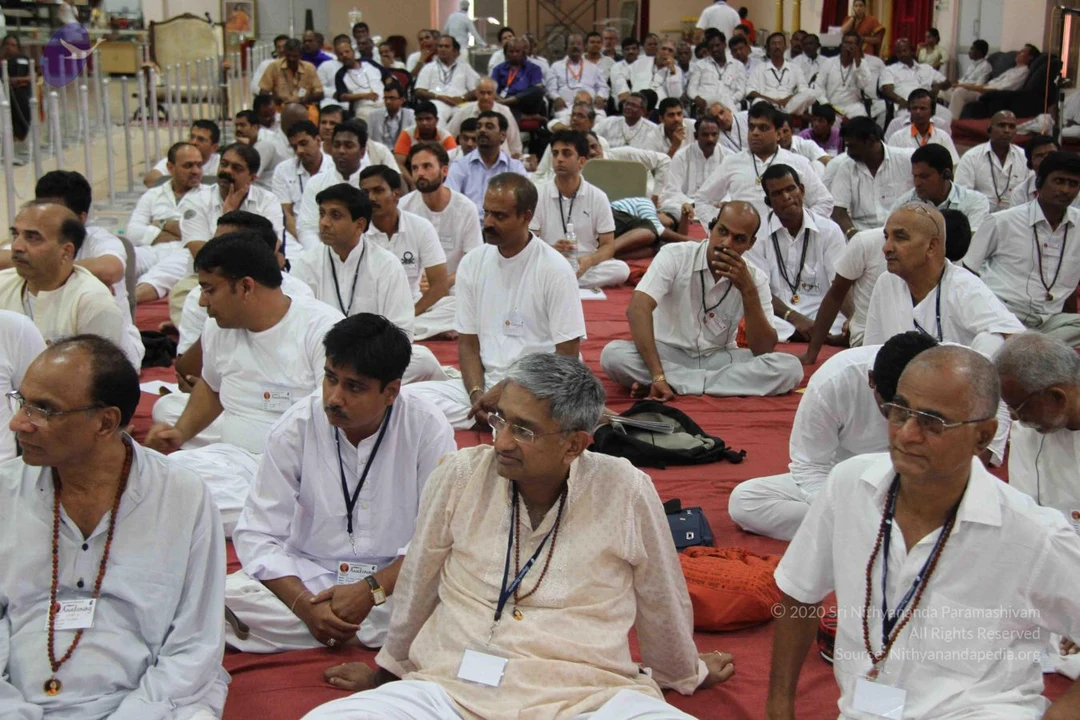
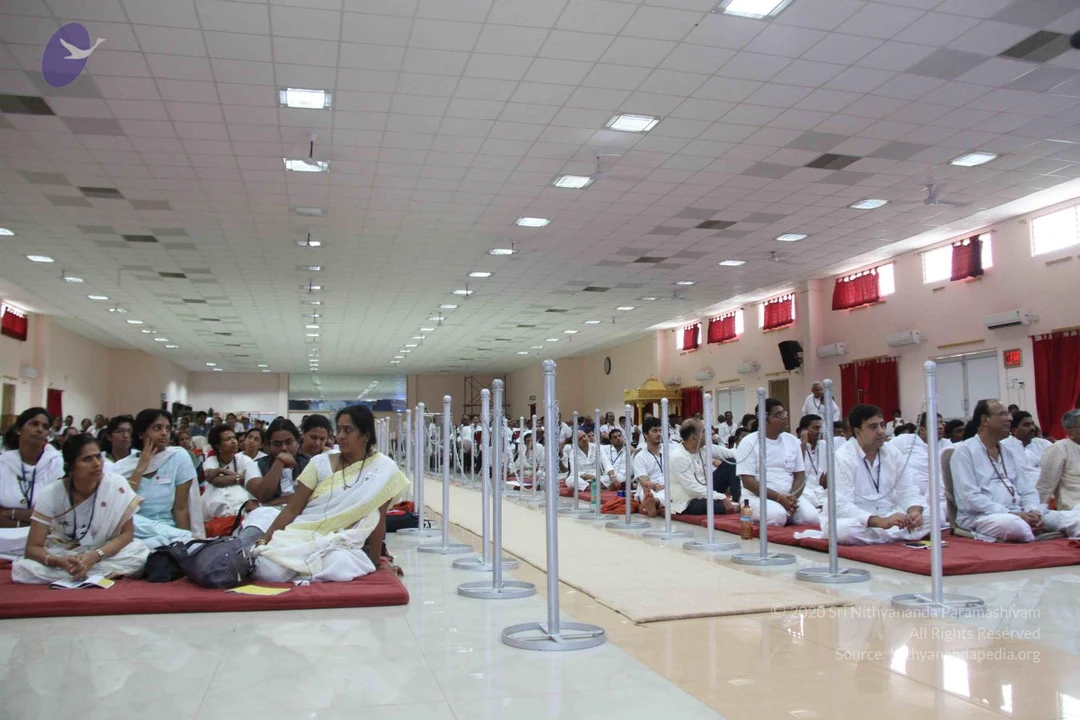
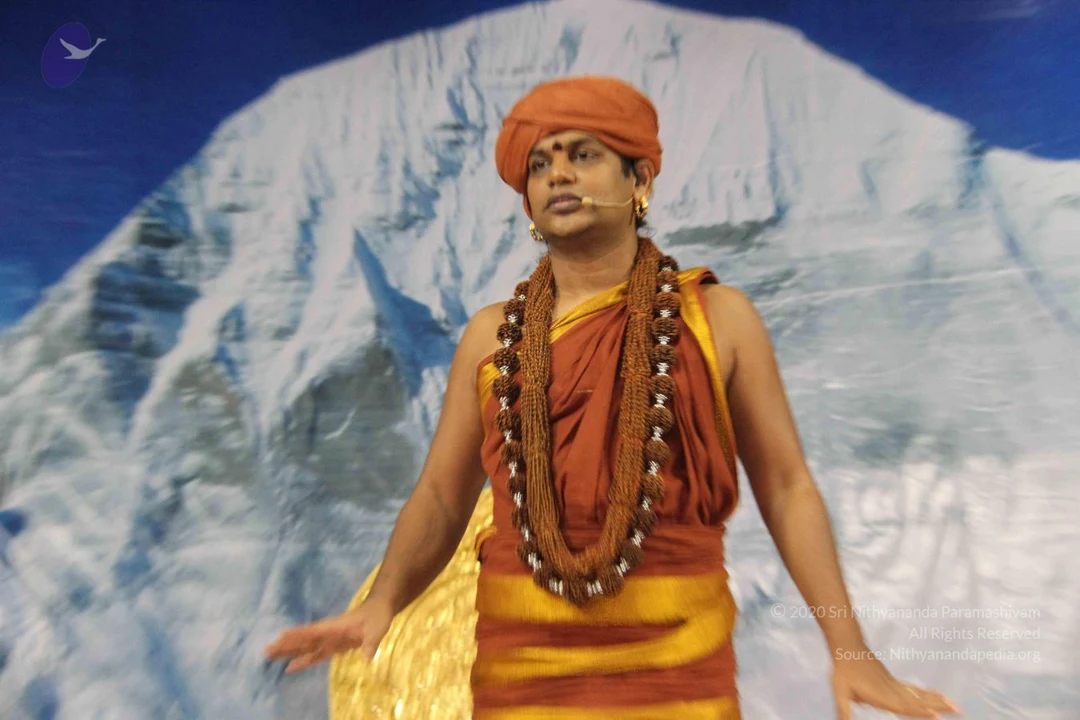
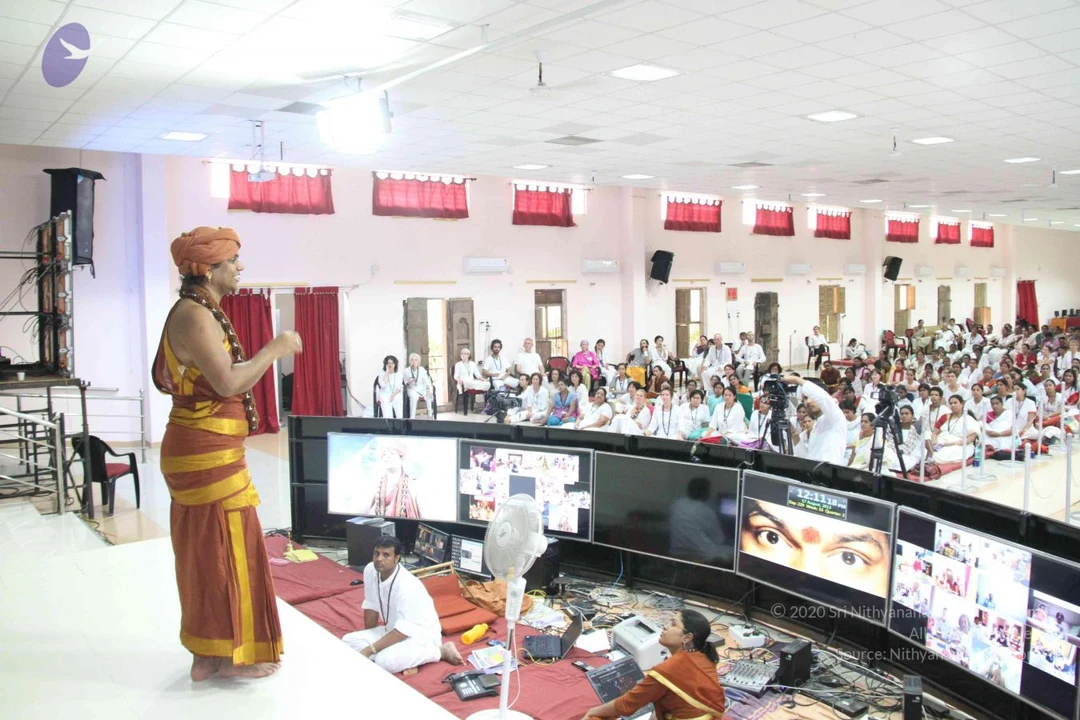

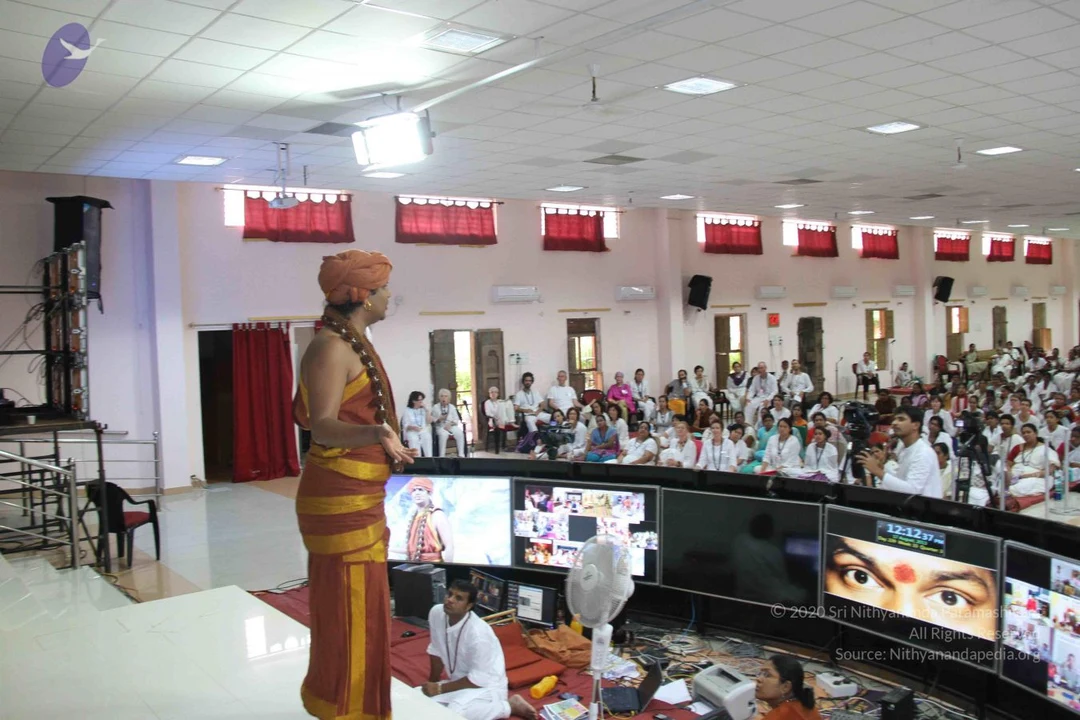
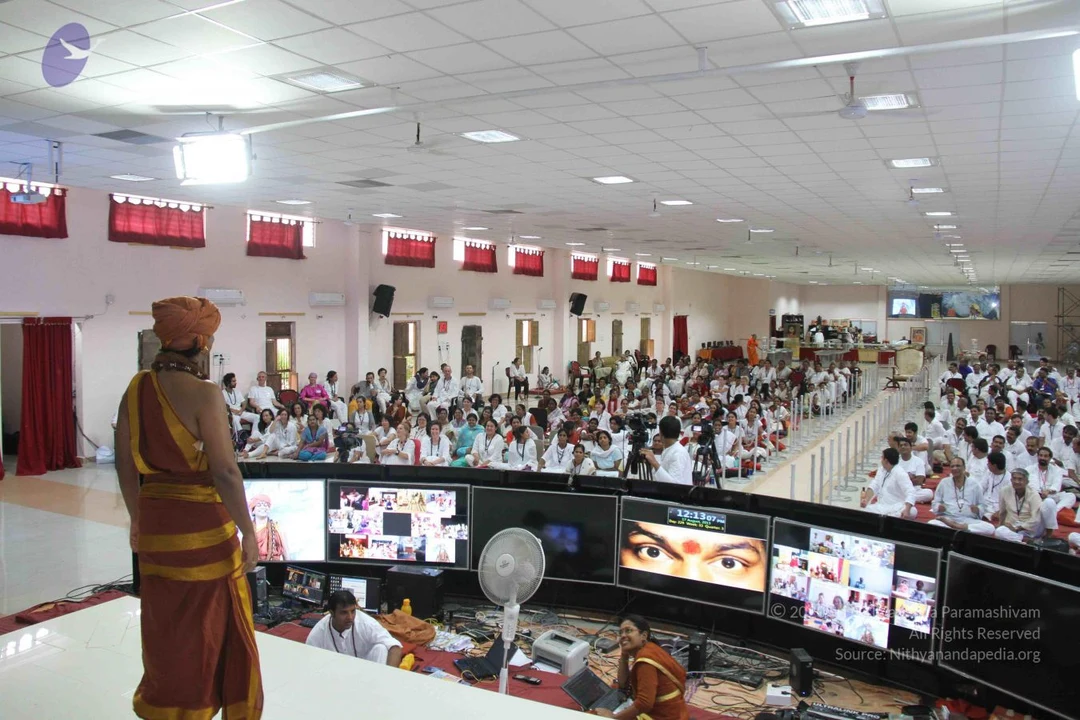
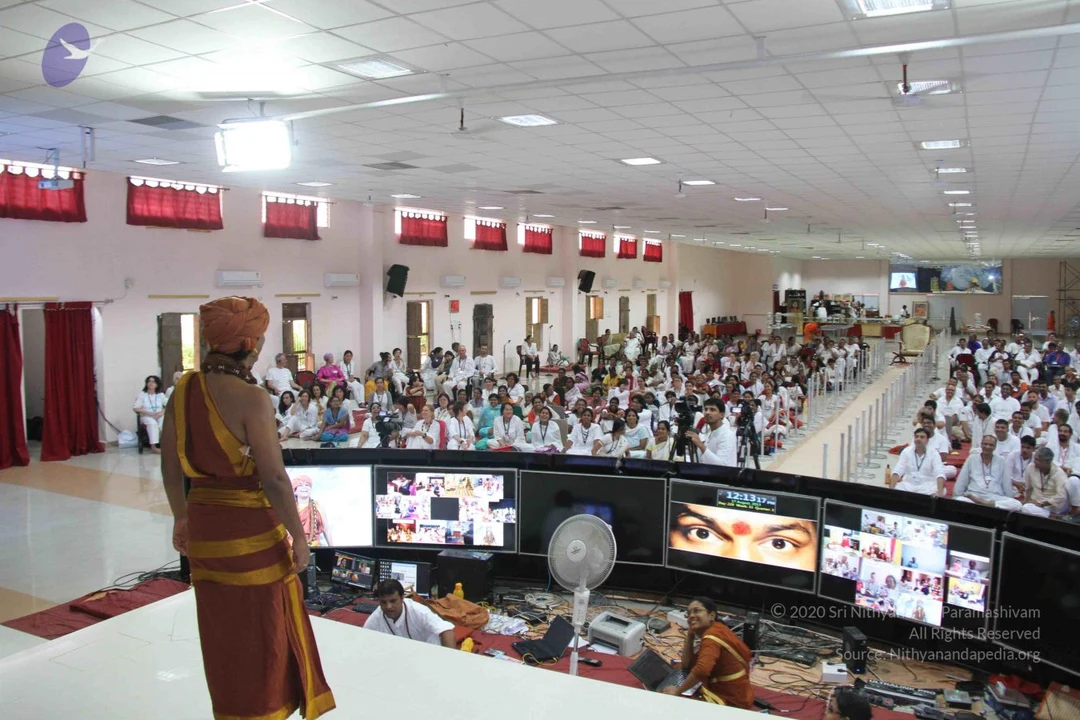
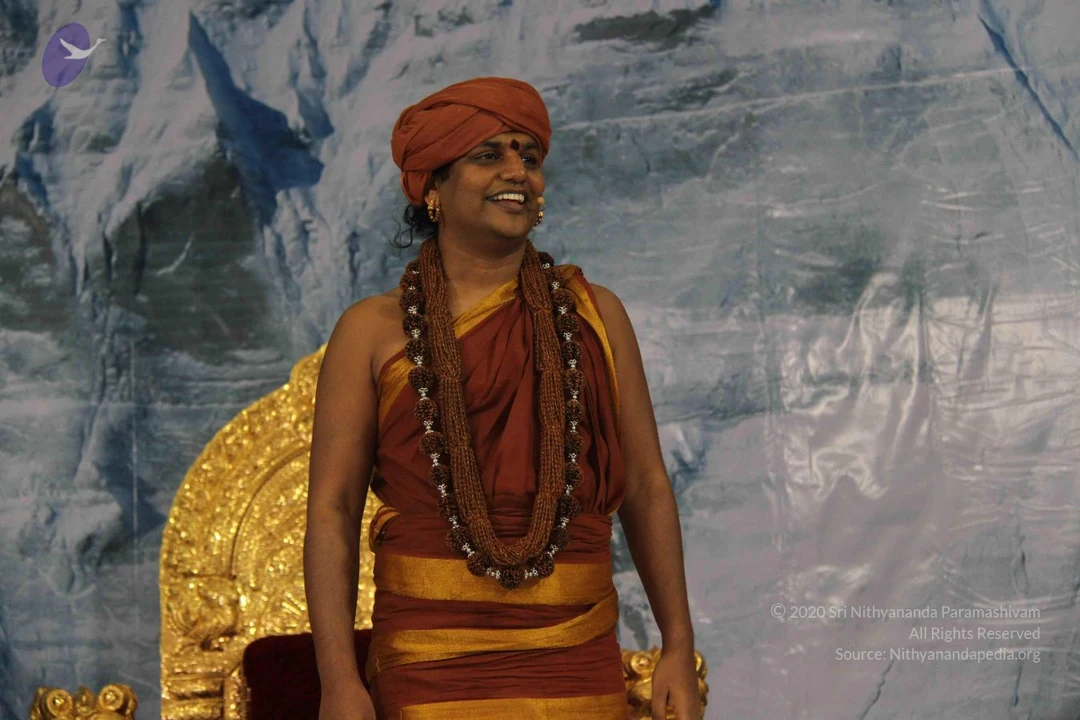
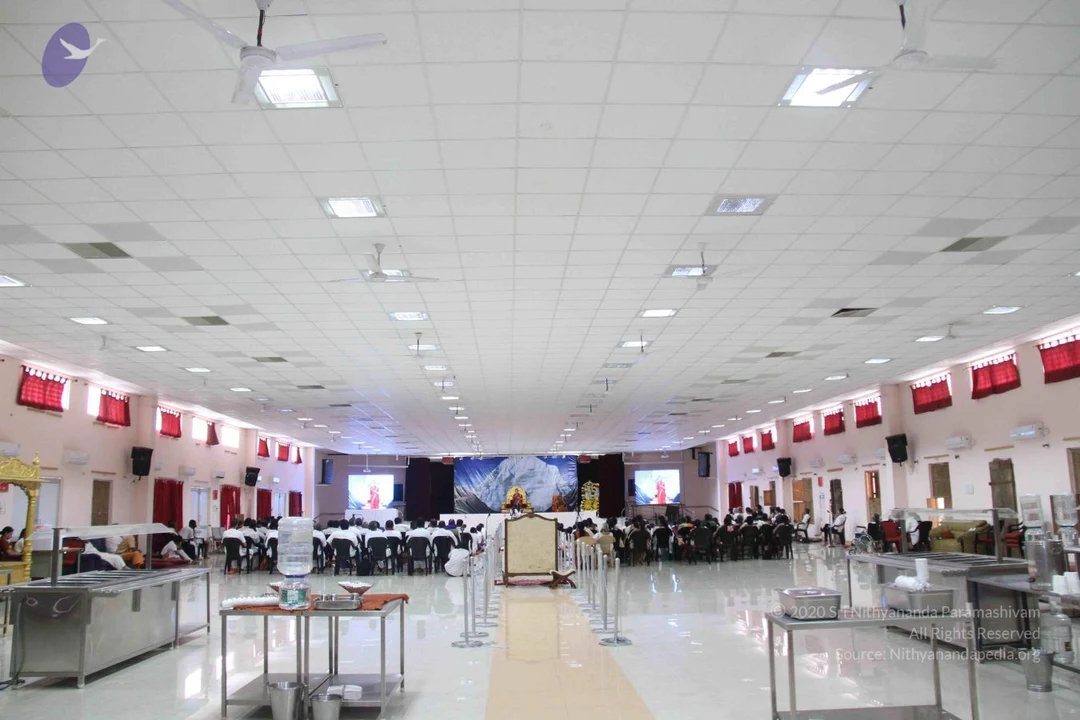

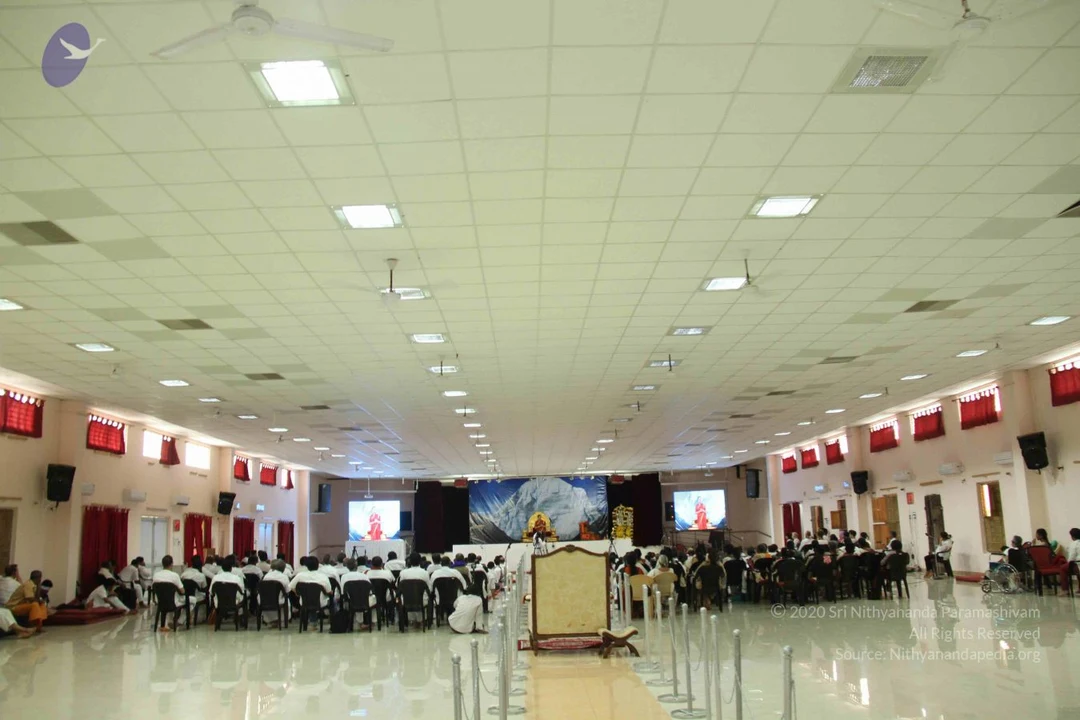
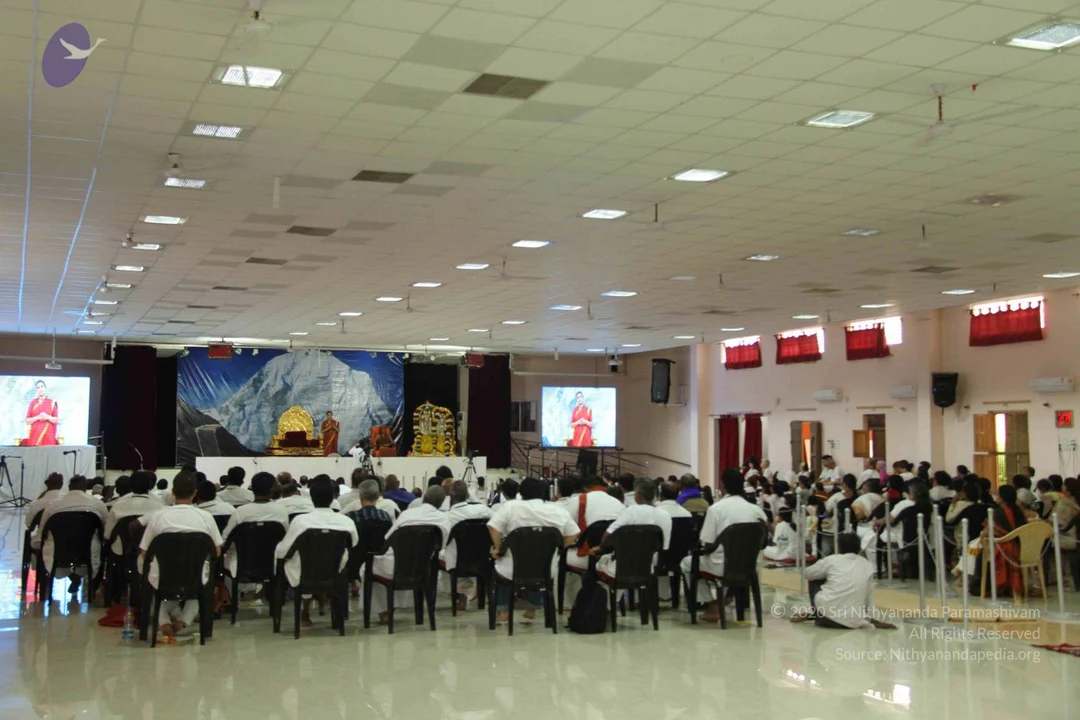
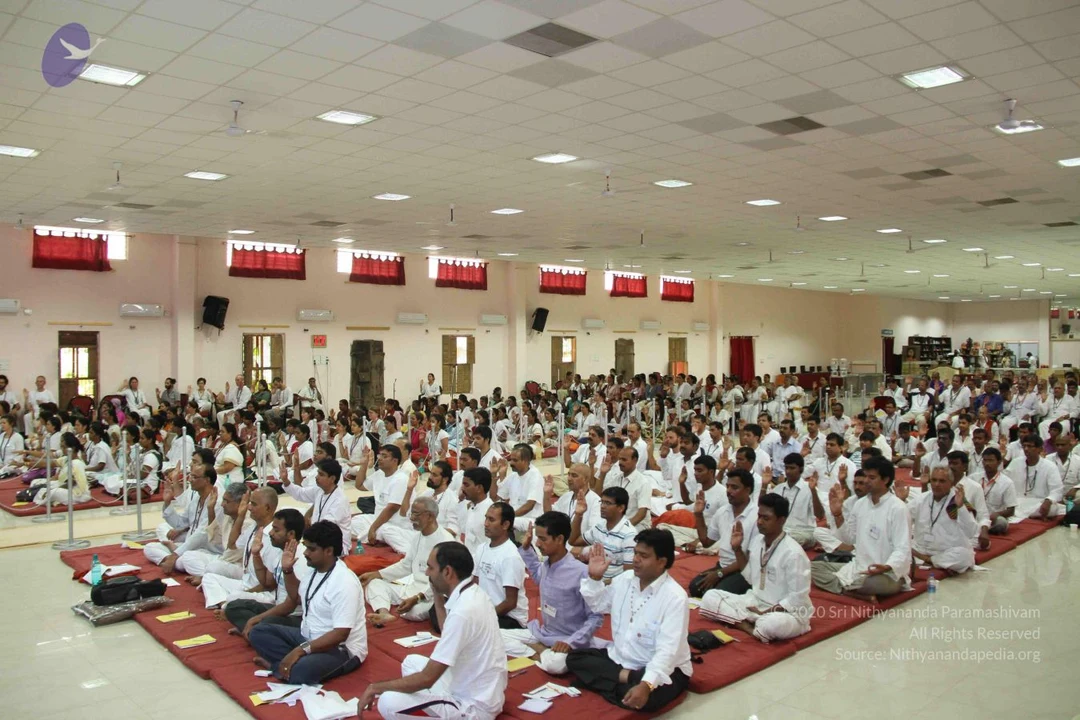
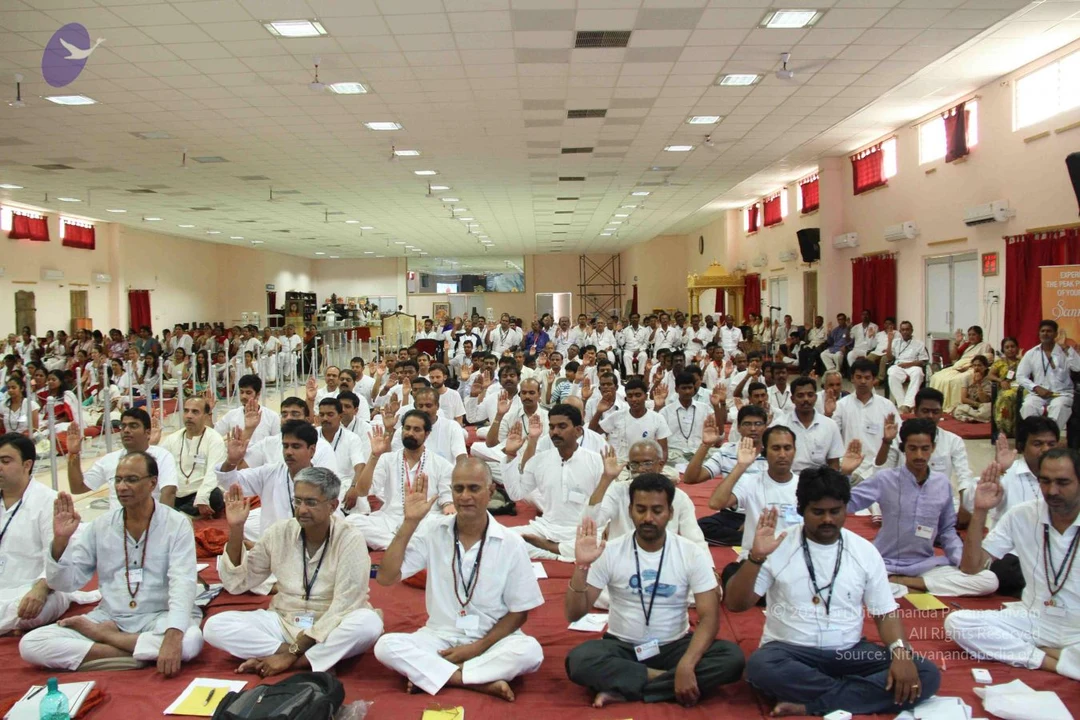
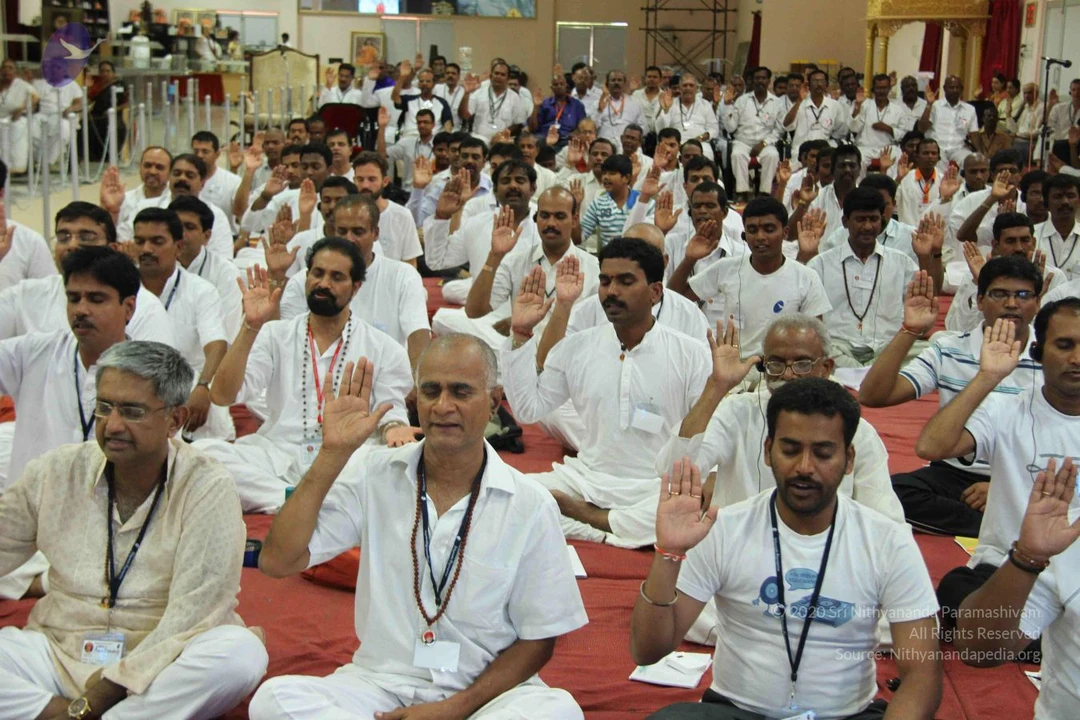
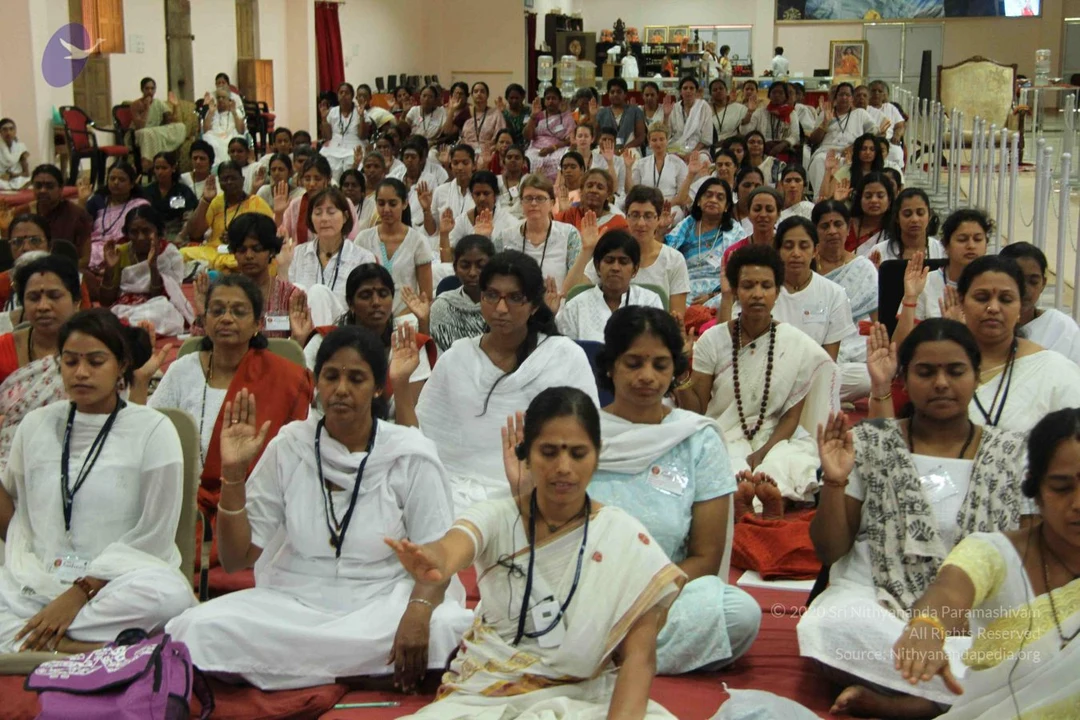

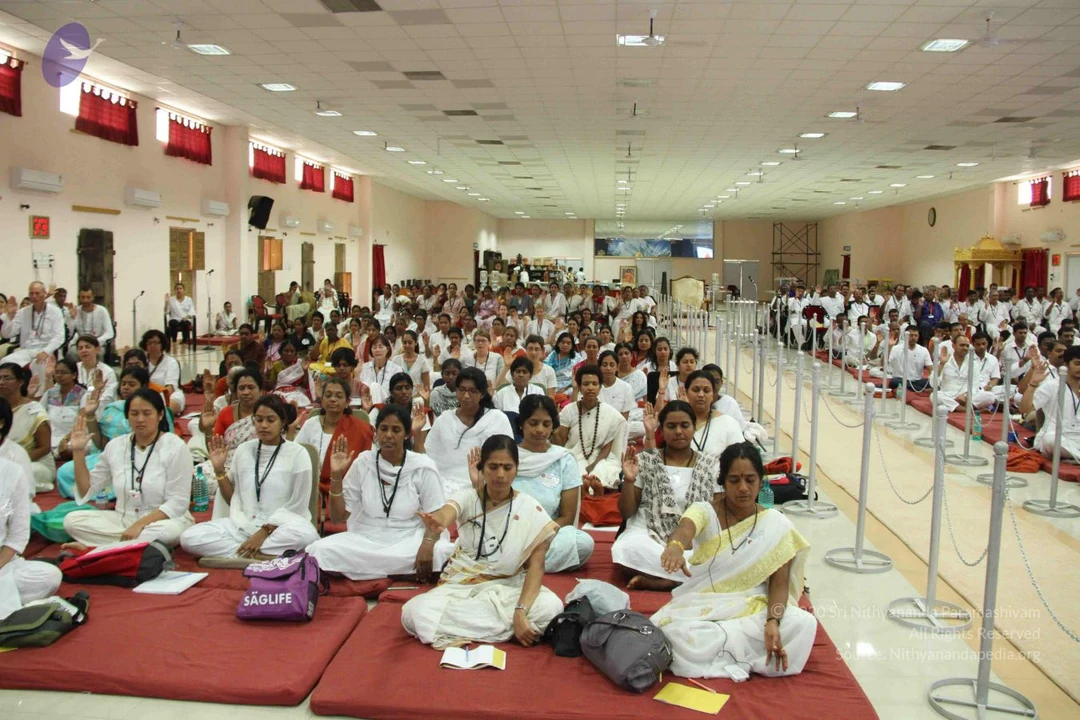
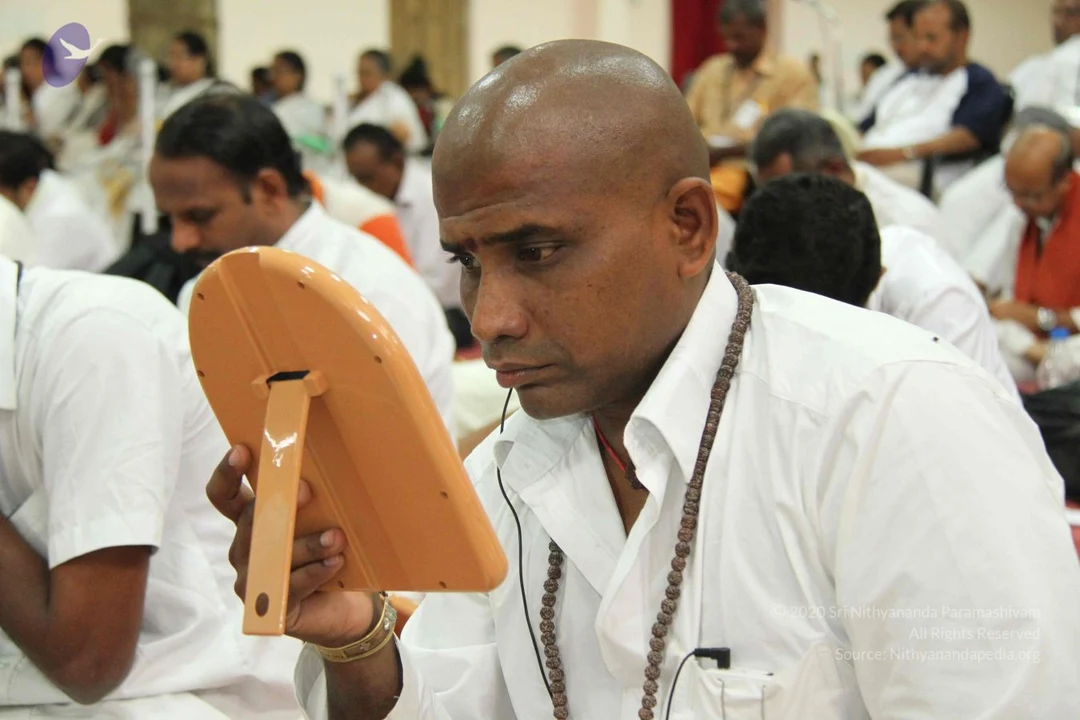
Photos from this day
View all 144 photosPhotos
18 photosSource gallery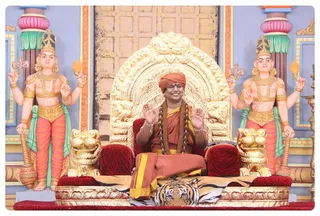
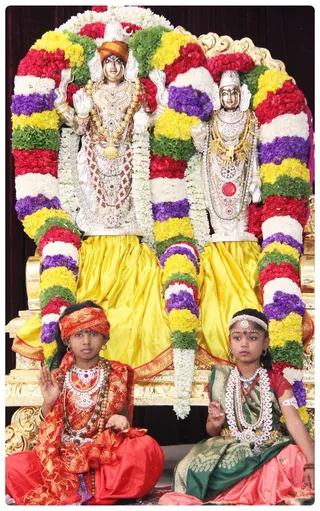
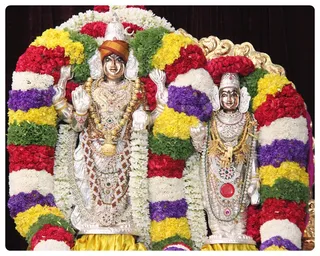
Deities-Darshan
2 photosSource gallery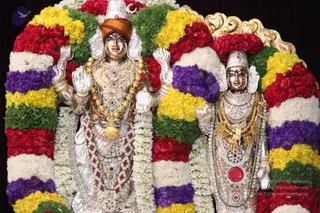
Nithya-Satsang
30 photosSource gallery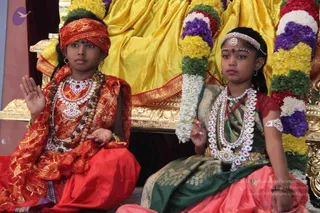

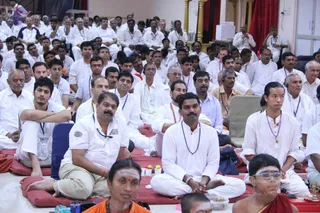
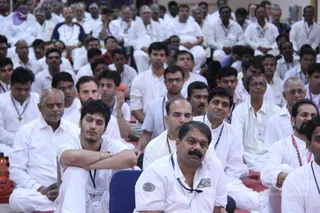
Final-Blessings
3 photosSource gallery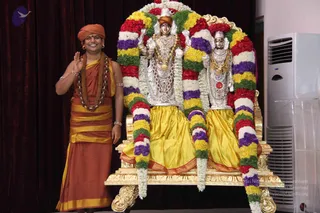
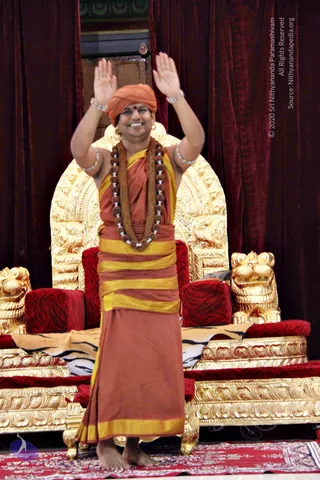
Inner-Awakening-Day-2
8 photosSource gallery


Inner-Awakening-Session-Swamiji-Maneesha-Participants
83 photosSource gallery