Thursday
28 July 2016
Answers Create Conflict - Only Experience Can Liberate You
- Dated photos
- 147
- Source pages
- 1
- Media
- 4
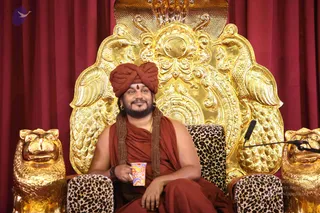
July 28 2016
Original wiki pageTitle:
Answers Create Conflict - Only Experience Can Liberate You
Link to Video:
| Video | Audio |
Transcript:
nithyānandeśvara samārambhām nithyānandeśvari madhyamām | asmat āchārya paryantām vande Guru paramparām ||
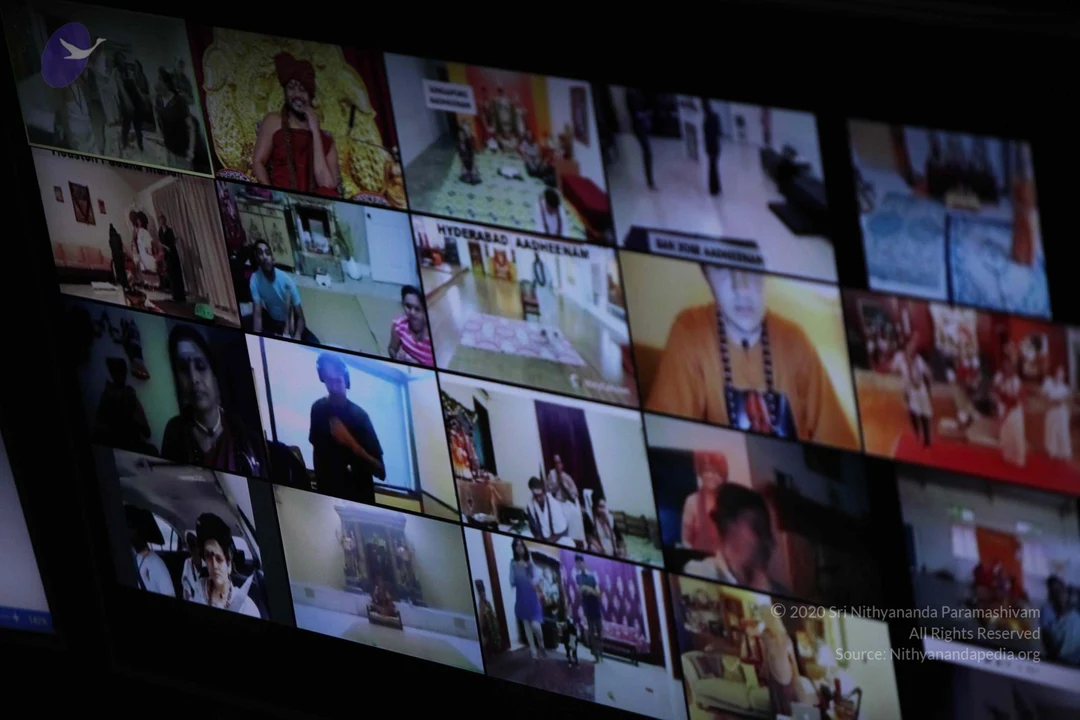
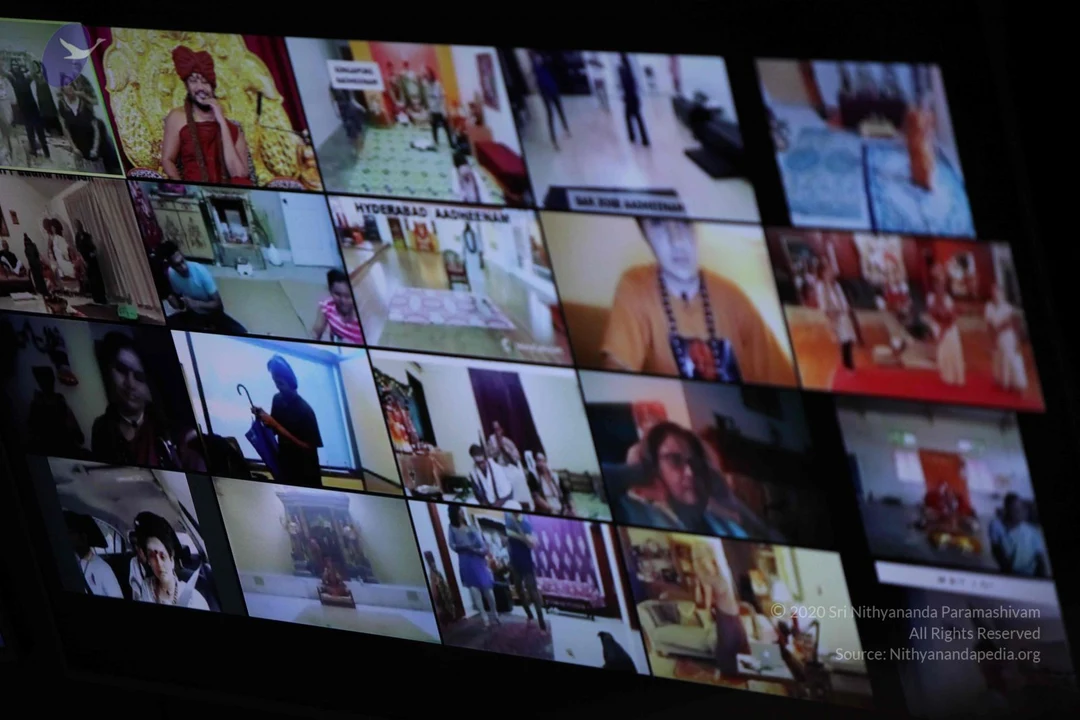
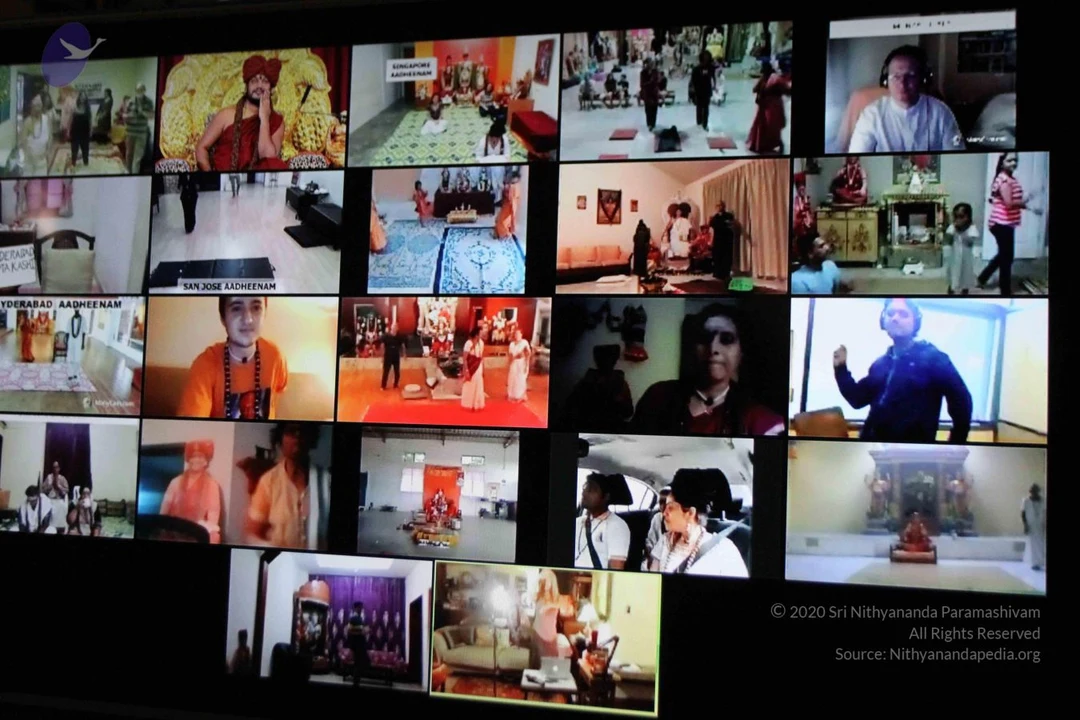
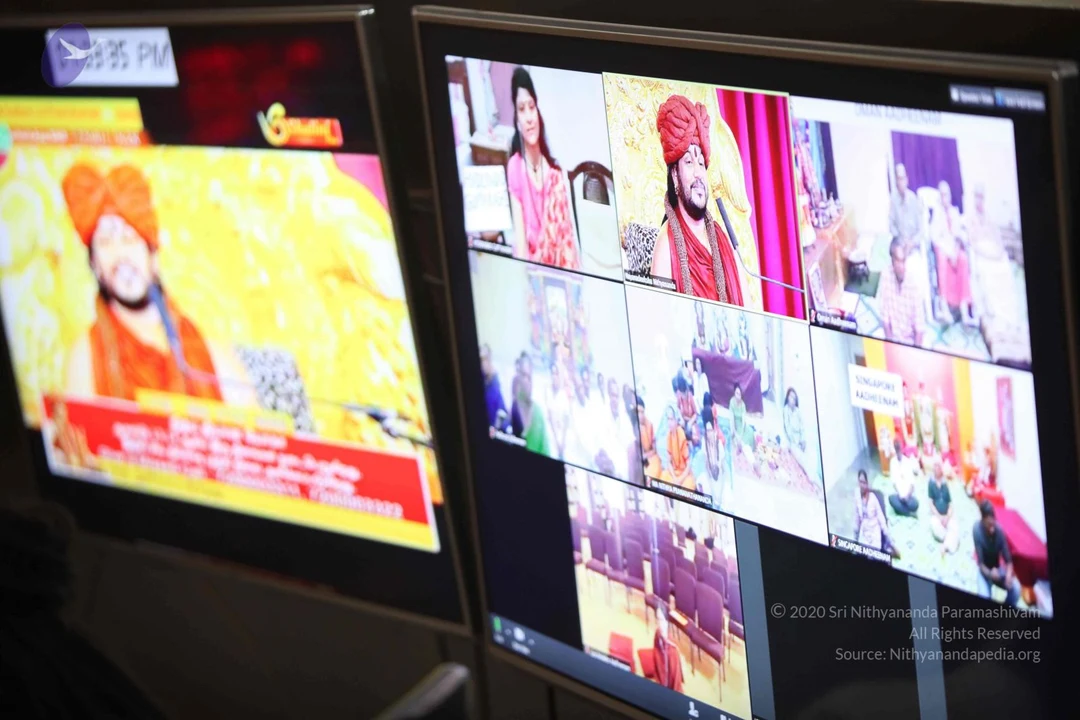
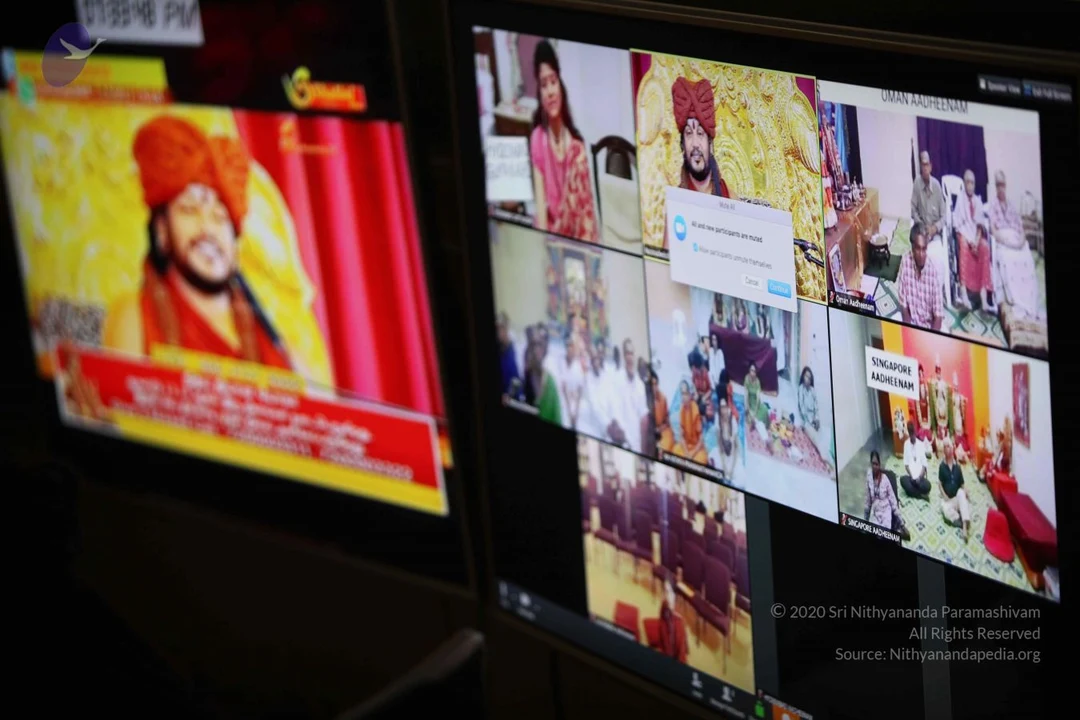
I welcome you all, with my love and respects. I welcome all the devotees, disciples, Samajis, Satsanghis, Sarvajnapeetha Yajamans, SriMahants, Mahants, Kotharis, Thanedar, everyone sitting with us through Facebook live, YouTube live, Nithyananda TV, and two-way video conferencing, having Nayana Deeksha, I welcome all of you with My love and blessings.
Today I’ll just at least enter into the second verse of Kenopanishad. At least I’ll start.
Please recite the second verse, Kenopanishad, along with me:
śrotrasya śrotraṁ manaso mano yad
vāco ha vācaṁ sa u prāṇasya prāṇaḥ |
cakṣuṣaś-cakṣur-atimucya dhīrāḥ
pretyāsmāllokād-amṛtā bhavanti || 2 ||
Chant once more.
śrotrasya śrotraṁ manaso mano yad
vāco ha vācaṁ sa u prāṇasya prāṇaḥ |
cakṣuṣaś-cakṣur-atimucya dhīrāḥ
pretyāsmāllokād-amṛtā bhavanti || 2 ||
śrotrasya śrotraṁ manaso mano yad
vāco ha vācaṁ sa u prāṇasya prāṇaḥ |
cakṣuṣaś-cakṣur-atimucya dhīrāḥ
pretyāsmāllokād-amṛtā bhavanti || 2 ||
The translation:
It is the ear of the ear, that by which one hears, the mind of the mind, the faculty of thinking and intellect, the speech of the speech, vaak that which creates sound vibration, it indeed is the vital life of the life energy, the power of sustaining life, and it also is the eye of the eye, the power of sight, the wise Enlightened Beings having liberated themselves from the senses and identifying with the subtle, inexhaustible source, on leaving and rising beyond this ephemeral world, become immortal and eternal.
Understand, the whole verse, is declaring the answer for the Pure Questioning. First verse was pure questioning.
keneṣitaṁ patati preṣitaṁ |
It is pure questioning. Now the answer! But the danger in answer is – anything your mind can grasp is not truth, because anything your mind can grasp it can deny that is ultimate. Anything known is already dead for your mind. Please understand. Anything known is already dead for your mind. The existence cannot be dead, only your mind has to die in the existence.
So the declaration of the truth has to be such, where your mind cannot succeed in knowing, it just gets drowned and becomes ‘knowing.’ Understand, if your mind succeeds in knowing anything and retains its existence, it is knowledge. If your mind is drowned and disappears in the process of knowing, it is experience. If your mind sustains the process of knowing, and retains it’s original form even after knowing, it is process of knowledge. If your mind drowns and dissolves in the process of very knowing, it is experience, reality, truth, existence, Brahman, Sadashiva, Paramporul.
Upanishad is declaring the truth, without even getting polluted by the saliva of the tongue through which it comes out. Understand, like Meenakshi, immaculate birth. She was never conceived in the woman’s womb, and given birth like usual birth. She just appeared in chidagni kunḍa sambhūtā, in chidagni kunḍa that is why she is called as Sri Maata Sri Mahārāgni chidagni kunḍa sambhūtā in Lalita Sahasranamam, just came out of conscious, agni kunda, conscious fire pit. Pure, untouched by any human components or elements.
This verse is pure, as pure as Meenakshi, untouched by the mind or the tongue through which it rolled out and came. That is why when we declare, Upanishads are Apaurusheya, not by any human being, they can’t understand such beautiful pure poetry can exist, without a poet. Yes, it is possible.
śrotrasya śrotraṁ manaso mano yad
vāco ha vācaṁ sa u prāṇasya prāṇaḥ |
See, the whole verse is not pointing towards anything, it just says.
It is ear of the ear by which one hears, mind of the mind through which you think, speech of the speech, which creates sound vibrations, it indeed is the vital life of the life energy, the power of sustaining life. It is also eye of the eye, the power of sight. The wise Enlightened Beings having liberated themselves, from the senses and identifying with the subtle, inexhaustible source on leaving and rising beyond, this ephemeral world, become immortal and eternal, amṛtābhavanti.
Even when I remember, this truth I see nectar, amrita is just getting flooded into the body. The joy, clarity, experience – that I am immortal. Thanks to the Upanishads, gratitude to the Upanishic Rishis.
śrotrasya śrotraṁ manaso mano yad |
Nowhere they are pointing, this is Consciousness. They are not even using the word ‘consciousness’ in this. Some alien translators, alien historians are trying to translate this verse using the word ‘consciousness’. No. The word ‘consciousness’ does not exist in the whole verse.
śrotrasya śrotraṁ manaso mano yad
vāco ha vācaṁ sa u prāṇasya prāṇaḥ |
cakṣuṣaś-cakṣur-atimucya dhīrāḥ
pretyāsmāllokād-amṛtā bhavanti || 2 ||
Where is the word ‘consciousness’? No. The alien translators, alien historians try to corrupt this verse, by putting the word ‘consciousness’, Atman, Soul. No. The original Upanishad does not have anything mentioning, pointing the finger. No. It just says – IT is ear of the ear. Contemplate. Discover.
Answer for pure questioning is anubhuti [experience] not knowledge. Any answer will create conflicts, only experience liberates you.
The other day I was telling one of My team member, he was telling Pure Questioning creates more conflict in me. I said, no. Then it is not Pure Questioning, you are having too many answers. Pure questioning completely heals you and brings tremendous Completion. Only too many answers brings conflicts, not too many questioning. Pure questioning can never bring conflicts. You may be having many answers, presumptions, question that. Question that.
śrotrasya śrotraṁ manaso mano yad
vāco ha vācaṁ sa u prāṇasya prāṇaḥ |
cakṣuṣaś-cakṣur-atimucya dhīrāḥ
pretyāsmāllokād-amṛtā bhavanti || 2 ||
The pure truth in its original untouched virgin form. I don’t think these words even rolled through the mind and the tongue of the human Rishis. No. Even if it rolls through the mind and the tongue, it may have the touch of saliva. No. I don’t see the touch of human saliva in this verse, I only see the touch of the nectar. Even if they used one word something which points, gone. The Truth is gone. It is no more an answer to Pure Questioning. Then you will try to find the dictionary meaning of that word, which they are using ‘Atman’. Come on, let’s find the ‘nikhandu’ meaning. It would have become one more intellectual exercise, brain candy play. No, Upanishads are not interested in making you go through any intellectual exercise or brain candy play.
It declares authentic truths by It’s own authority. Authority for authenticity. I can go on enjoying this verse, repeating it, repeating it.
śrotrasya śrotraṁ manaso mano yad
vāco ha vācaṁ sa u prāṇasya prāṇaḥ |
cakṣuṣaś-cakṣur-atimucya dhīrāḥ
pretyāsmāllokād-amṛtā bhavanti || 2 ||
I can go on be sitting and reciting this verse, and doing yagna lakhs of time, because every time I read this verse, the purity! The purity of Unborn, but reality of Existence. Yes, there are some things unborn, they are pure, but they don’t exist. Here something exists by retaining its purity of unborn. The purity of ajātā, unborn, not corrupted by it’s coming into Existence, by it’s coming into presence. Neither the mind nor the tongue, through which the truth rolled out was able to corrupt the Truth. It retains its virginity, original purity, Sadashivatva. Untouched, unadulterated, unabused, uncompromised, as it is.
śrotrasya śrotraṁ manaso mano yad
vāco ha vācaṁ sa u prāṇasya prāṇaḥ |
cakṣuṣaś-cakṣur-atimucya dhīrāḥ
pretyāsmāllokād-amṛtā bhavanti || 2 ||
amṛtā bhavanti |
amṛtā bhavanti |
In the form of questioning or in the form of answers, Upanishads continues to raise us to the higher frequency. Contemplate, and have Vaakyartha Sadas on this verse. I’ll continue in the next satsangs, the deeper sacred secrets from this verse.
With this, I bless you all. Let you all radiate, with integrity, authenticity, responsibility, enriching, causing Living Shuddhādvaita Saivam, the eternal bliss, Nithyananda. Thank you. Be blissful.
Title
பக்தியின் இலக்கணம் - மாணிக்கவாசகர்
Link to Video:
28 July 2016 இந்த கல்பதரு த்யான சத்சங்கத்தில் பரமஹம்ச நித்யானந்தா ஸ்வாமிகள் கல்பதரு என்றால் என்ன ? வாழ்வின் அதிநுட்பமான வாழ்வியல் ரகசியங்களை பெருமான் உரைத்ததை பற்றி தெளிவாக எடுத்துரைக்கின்றார் . நம் கற்பனைக்கும் எதை உருவாக்க நினைத்தாலும் அதை நிஜமாக்கி தருகின்ற சக்தியை கல்பதரு என்றழைக்கின்றனர் .
| Video | Audio |
Transcript
பக்தியின் இலக்கணம் - மாணிக்கவாசகர் உங்கள் அனைவரையும் வணங்கி வரவேற்கின்றேன். உலகம் முழுவதிலிம், நித்யானந்த இணையதள தொலைக்காட்சி, சாலினி தொலைக்காட்சி, முகநூல் நேரடி ஔிபரப்பு, சமூக வளைதளமான யுடியூப் நேரடி ஔிபரப்பு போன்றற்றின் மூலமாக, இருமுணை காணொளி காட்சி மூலமாக அமர்ந்திருக்கும் எல்லோரையும வணங்கி வரவேற்கின்றேன். கல்பதரு - ஞானத்தை நம்முடைய வாழ்நாளில் தினசரி உபயோகத்திற்காக, ஞானநெறியினை வெறும் நூலறிவாகவும் ஏட்டறிவாகவும் விட்டு வைக்காது நம் தினசரி வாழ்வில் பட்டறிவாய் அனுபுதியாய் மாற்றிக்கொண்டு வாழ்வதற்கான வழியான வேதாந்த சித்தாந்த ஆகமாந்தத்தின் சாரமான சதாசிவன், ஆகமங்களிலும் உபநிடதங்களிலும் எடுத்துரைக்கும் இந்த ஆழமான சத்தியங்களை வாழ்வியல் நெறியாக கல்பதரு எனும் ஞான சத்சங்கமாக தொடர்ந்து உங்களோடு பகிர்ந்து கொள்கின்றேன். ஞானம் தினசரி வாழ்க்கையில் அனுபுதியாக மாறும்பொழுது சாக்ஷிப்பிரமானமாக மாறும்பொழுது விஞ்ஞானமாய் சுவிஞ்ஞானமாய் நினைக்க நினைக்க நெஞ்செல்லாம் இனிக்கும், சத்தியத்தின் வடிவமாய் எப்படி ஒவ்வொரு சுவாசத்தின் பாகமாய் பிராணன் உள் சென்று உயிரை உயிர்ப்பித்து உயிரை உயிரோடு இருக்க வைக்கின்றதோ அதுபோல நம் சிந்தனையின் ஒவ்வொரு கீற்றின் வழியாகவும், எண்ண ஓட்டத்தின் ஒவ்வொரு ஊற்றின் வழியாகவும் மன ஓட்டத்தின் ஒவ்வொரு மாற்றத்தின் வழியாகவும் நமக்குள் ஊடுருவி, நம் உள்ளுக்குள் ஜீவனை சிவமாக்கும் சிவத்தன்மையை ஜீவன் வௌிப்படுத்தும் சிவனாரின் அனுபுதியும் ஆனந்தமும் சக்திகளும் சாத்தியங்களும் ஜீவனுக்குள் பொங்கி மலர்ந்தருள எழுந்தருள அனுபுதியாய் இருந்தருளும் இந்த அறிவியல் சுத்தாத்வைதம் எனும் பெயரால் சதாசிவனாலேயே அழைக்கப்பட்ட இந்த அறிவியல் நினைத்ததை எல்லாம் நிஜமாக்கவும் நினைப்பே ஒழிந்து நிறைநிலையில் நின்றிருக்கவும் சாத்தியமாக்கும் இந்த சுத்தாத்வைத சத்தியத்தின் அறிவியலைத்தான் கல்பதரு என்கின்ற தியான சத்சங்கமாக நித்ய சத்சங்கமாக தினந்தோறும் நீங்கள் கண்டும் கேட்டும் உணர்ந்தும் அறிந்தும் வாழ்ந்தும் ரசித்து வருகிண்றீர்கள.் புசித்து வருகிண்றீர்கள். உணர்வால் ருசித்தும்வருகிண்றீர்கள். உள்ளக்களிப்பும் காணமகிழ்தலும் கள்ளுக்கு இல் குருநாதன் சத்சங்கத்திற்கே உண்டு. தொடர்ந்து ஞானத்தின் சாரத்தை வாழ்வியல் விஞ்ஞானத்தின் சாரத்தை கர்நாடகத்தில் பிறந்து, பாண்டி நாட்டில் வாழ்ந்து பரமனையே பறி சேவகனாய் பெற்று, சித்தத்தை சிவன் பாலே வைத்ததால் சீவன் முக்திக்கே இலக்கணம், வகுத்து இரண்டற பெருமானோடு ஒன்றாய் கலந்து இன்றும் இறைவனுக்கு உற்சவ மூர்த்தியாகவே எழுந்தருளி நிற்கும் மாணிக்க வாசகப்பெருமான் வாழ்வமுதை காண்போம். வேறு எந்த அடியார்க்கும் சைவம் கொடுக்காத சிறப்பு, ஆதி சைவத்தின் அடிப்படையான ஒரு சத்தியம், சகல நிஷ்கல ஸ்வரூபத்தில் சதாசிவன் வீற்றிருக்க ஞான குருமார்கள் உற்சவ மூர்த்தியாக அவதார புருஷரின், பெருமானின் உற்சவ மூர்த்தியாக இவ்வுலகிற்கு வந்து, ஆலயங்களில் பார்த்தீங்கன்னா மூலவர் அசயமாட்டார், கருவறையிலேயே எப்போதும் நிறைந்திருக்கும் திருமேனி, மிகச்சிறிய ஆலயங்களில் மட்டும்தான், மிகச்சில ஆலயங்களில் மட்டும்தான், கருவறையிலிருந்து மூலவரே உற்சவத்திக்கு வருவது வழக்கம். பெரும்பாலான ஆலயங்களில் மூலவர் கருவறையிலேயே இருப்பார், உற்சவர் தான் ஊரெல்லாம் சுற்றி மக்களுக்கு பெருநன்மை செய்வார். ஆசியளித்து தரிசனம் தந்து, பக்தியை பெருக்குவார்கள். அதேபோல சதாசிவன் மூலவரைபோல சகல நிஷ்கல ஸ்வரூபியாக, தன்னிலையில் இருக்க ஞானிகள்தான், அவதார புருஷர்கள்தான், பெருமானின் உற்சவ மூர்த்திகளாக புவுலகிற்கு வந்து மக்களுக்கு ஞானத்தையும் ஆன்மீக விஞ்ஞானத்தையும் அளிப்பது வழக்கம். இந்த சத்தியத்தின்படி திருமேனி தாங்கி வந்த குருநாதரான மாணிக்கவாசகரையே உற்சவ மூர்த்தியாக வைத்து, தனி உற்சவ மூர்த்தி இல்லாமல் மாணிக்கவாசகரையே உற்சவ மூர்த்தியாக வைத்து நடைபெறும் திருக்கோயில் ஆவுடையார் கோயில். வேறு எந்த ஞானிக்கும் அவதார புருஷருக்கும் இல்லாத பெருமை, பல ஆலயங்களிலும் ஞான சம்பந்தருக்கு திருமேனி இருக்கும், சுந்தரருக்கு இருக்கும், அப்பருக்கு இருக்கும் மாணிக்கவாசகருக்கு இருக்கும், பெரும்பாலான சிவாலயங்களில் அறுபத்தி மூவர்களுக்கு கூடதிருமேனி இருக்கும் ஆனால் யாருடைய திருமேனியும் பெருமான் உற்சவ மூர்த்திக்கு பதிலாக இருக்காது. இங்கு மாத்திரமே பெருமானுக்கு உற்சவ மூர்த்தி கிடையாது. ஆலயத்தின் ஒரே உற்சவ மூர்த்தி மாணிக்கவாசக பெருமான். அவருக்கே அம்பலவாணன் நடராசனைபோல் அலங்காரம் செய்யப்பட்டு, பிட்டுக்கு மண் சுமந்த லீலை சுந்தரேசர் செய்தாலும், அந்த அலங்காரமும் மாணிக்கவாசகருக்கே சாற்றப்பட்டு, இறைவனின் லீலையெல்லாம் மாணிக்கவாசகர் செய்ததாகவே அலங்காரம் செய்யப்பட்டு, இறைவியின் லீலைகூட இவரே செய்ததாக அலங்காரம் செய்யப்பட்டு, உற்சவங்கள், ஊர்வலங்கள் திருவிழாக்கள் நடத்தப்படுகின்றது. சைவத்தில், வேறு யாருக்குமே அளிக்கப்படாத தனி சிறப்பான, இறைவன் திருமேனிக்கே மாற்றாக இவர் திருமேனி வழிபடப்படுவது, மாணிக்கவாசகருக்கு மட்டுமே அளிக்கப்பட்டிருக்கும் சிறப்பு. தம்பிரான் தோழனே ஆனாலும், சுந்தரமூர்த்தி நாயனாருக்கோ, தாய்ப்பால் குடித்த தனயன் ஆனாலும் ஞானசம்பந்த மூர்த்திக்கோ, வாழ்வெல்லாம் சைவம் பரப்பிய நாவுக்கே அரசன் என்று போற்றப்படும், வாகீசர், அப்பரே ஆனாலும், வேறு யாருக்குமே அளிக்கப்படாத தனிச்சிறப்பு, இறைவன் வழிபடப்படும் அதே நிலையில், சைவத்திலே இறைவனுக்கு சமமாக நாம் யாரையும் வைப்பதில்லை. பெருமானுக்கு சமமாக வைத்து, ஏனென்றால் தன் உரு மேனியை கூட மிச்சம் விடாது திருமேனியில் கலந்துவிட்ட பெருமான் மாணிக்கவாசகர். தான் உற்ற மேனியைக்கூட மிச்சம் வைக்காது, பஞ்சாக்ஷரபடி தாண்டி பொன்னம்பலத்துலே சென்று சிதம்பரநாதன், அம்பலவாணன், சபாநாயகரோடு, தன் மேனியே அவர் திருமேனியில் கலந்திட்ட, சாயுஜ்ய முக்தி பெற்ற நாதர், சாயுஜ்ய முக்தி பெற்ற தம்பிரான். மாணிக்கவாசகருக்கு வேறொரு ஈடோ இணையோ சொல்ல முடியாத ஒரு நிலையை சைவம் தந்திருக்கின்றது. அவர் பிறந்து வளர்ந்த இடமான, பெங்களுருவில் அவர் பிறந்த இடமான ஆதிபீடம் கொளத மதம் என்னும் பெயரோடு இன்றும் விளங்குகின்றது. அங்கு திருவாசகம் அருளிய மாணிக்கவாசகருக்கு என்று தனி சந்நிதியும் இருக்கின்றது. அது மாத்திரம் அல்லாது, அவர் இங்கு தான் பிறந்தார் என்கின்ற கல்வெட்டும் வரலாற்று ஆதாரங்களும் இருக்கின்றன. வேறு யாருக்கும் சைவம் கொடுக்காத பேரிடத்தை தந்து, இறைவன் திருமேனிக்கே மாற்று திருமேனியாக மாணிக்கவாசகர் திருமேனி செய்து வைத்து, சைவத்தில் மணிவாசகப்பெருமான் மாத்திரம் தான், பெருமான் ஏறும் திருநந்தித்தேவரான ரிஷப வாஹனம் ஏறும் உரிமை பெற்றவர். வேறு எவருக்கும் நந்தியெம்பெருமான் வணங்குவதோ முதுகு வளைப்பதோ இல்லை. பெருமாட்டிகூட பெருமானோடு சேர்ந்து தான் அமர்ந்திருப்பார். திருநந்தித்தேவரான நந்தியம்பிரான் மீதே ஊர்வலம் வந்து பெருமானுக்கு சமமாய், எல்லா மரியாதைகளும் புஜையும் ஏற்று, பெருமானுக்கே மறு மேனியாக சைவம் மாணிக்கவாசகப்பெருமானை வைத்திருக்கின்றது. மாணிக்கவாசகர் திருமேனி இருக்கின்ற காரணத்தால், ஆவுடையார் கோவிலில் லிங்கம்கூட கிடையாது. ஆவுடைக்கே புஜை. அங்கு நீங்கள் காண இயலும் ஒரே திருமேனி மாணிக்கவாசகபெருமான் மட்டுமே. இத்துணை மகத்துவமான மாணிக்கவாசக பெருமான் வாழ்வையும் வாக்கையும் நினைக்க நினைக்க நெஞ்சே உருகும் திருவாசகத்திற்கு உருகார் ஒரு வாசகத்திற்கு உருகார் என்று சைவம் போற்றும் சங்கரன், வாதவுரன், அவன் வாழ்வும் நினைக்க இனிது வாக்கோ பாட இனிது, திருமேனி காண இனிது, மனம் அவனை சிந்திக்க இனிது, அவருடைய வாழ்வையும் வாக்கையும் குழைத்து தென் தமிழால் தீண்டி, கேட்போர் காதெல்லாம் குளிர்ந்து, நெஞ்சமெல்லாம் காதலால் தித்தித்திருக்க மாணிக்கவாசகன் வாழ்வினையும் வாக்கினையும் உங்கள் எல்லோர் முன்னும் எடுத்து வைக்க, எம்பெருமானும், தமிழ் கடவுள் முருகனும், தடையெல்லாம் நீக்கிடும் கணபதியும், ஞானதாய் சரஸ்வதியும் தமிழன்னையும் இப்பெருநாவிலிருந்து பொங்கியெழுந்து உங்கள் உணர்வெல்லாம் நிறைந்திட, நிறைக்கவைக்க வேண்டுமென்று வேண்டுகின்றேன். மாணிக்கவாசகன் கதை..., கடல் துவங்குவதும் இல்லை முடிவதும் இல்லை. நாம் கரையில் இருப்பதனால், ஒரு இடத்தில் அது துவங்குவதாயும் முடிவதாயும் கற்பனை செய்கின்றோம். அதேபோல பக்தி ஒருநாளும் மனிதன் மனதில் துவங்குவதும் இல்லை முடிவதும் இல்லை. பக்தி இல்லாத பாழ் நிலை நமக்குள் இன்னும் ஒரு பாகம் இருப்பதனால், அதன்மீது நாம் நின்று கொண்டிருப்பதால்தான் ஒன்றை பக்தி என்றும், இன்னொன்றை பக்தி இல்லாத நிலை என்றும் நம்மால் பிரித்துப்பார்க்க முடிகின்றது. கரை மீது நின்றிருப்பவன் தான் கடலுக்கு துவக்கமும் முடிவும் சொல்வான். கடலுக்குள் மூழ்கியவனுக்கு கடலின் துவக்கமும் முடிவும் தெரிவதில்லை. பக்திக்குள் மூழ்கியவனுக்கு பக்தியின் துவக்கமும் முடிவும் தெரிவதில்லை. மாணிக்கவாசகர் வாழ்க்கையை பார்த்தால் அவர் வாழ்வில் பக்தி துவங்கியதாகவே தெரிய வில்லை. ஏனென்றால் துவக்கமும் முடிவும் அற்ற நிலையில் அவர் வாழ்க்கையின் அடித்தளமாய் பக்தி இருந்திருக்கின்றது. உண்மையான பக்தின்னா என்னன்ன, அந்த உணர்வு இல்லாத ஒரு நிலை உங்கள் வாழ்க்கையில் இருந்தது என்பதே மறைந்து விட்டிருப்பதுதான் உண்மையான பக்தி. இந்த பக்தி இல்லாத ஒரு நிலை உங்கள் வாழ்க்கையில் இருந்தது என்கின்ற ஒரு நினைவே மறந்து, நினைவே இல்லாமல் வாழ்கின்ற நிலைதான் உண்மையான பக்தி. பக்தியின் இலக்கணம் மாணிக்கவாசக பெருமான். பெருமானின் சக்தி ஞானசம்பந்தர். கண்ட இடதில்லெல்லாம் சக்தியை வௌிப்படுத்தி விளையாடினார். பெருமானின் யுக்தி சுந்தரமூர்த்தி நாயனார். அருமையான ளவயசவநபல மூலமா பெருமன்கிட்டயே விளையாடினார். பெருமானின் முக்தி திருநாவுக்கரசர். அப்பர். ஜீவன்முக்தி அன்றி வேறொரு குறிக்கோள் இல்லாமல் அதையே வாழ்ந்து, அதையே பேசி அதுவாகவே நின்றார். பெருமானின் பக்தி மாணிக்கவாசகர். மாணிக்கவாசகரை அறிமுகப்படுத்தவே ஆயிரம் நாட்கள் வேண்டும். அவர் வாழ்வையும் வாக்கையும் அறிமுகப்படுத்தவே ஆயிரம் நாட்கள் வேண்டும். மடை திறந்த வௌ்ளம் போல் மனம் திறந்த பக்தி மாணிக்கவாசகர். நினைத்ததை நிஜமாகும் சக்தி மட்டுமல்ல நினைப்பே நிஜத்தில் இருக்கும் தௌிவு பக்தி. ஆழ்ந்து தெரிந்து கொள்ளுங்கள் நினைப்பு நிஜம் விட்டு விலகாத நிலை பக்தி. நினைத்ததை நிஜமாக்க தேவை சக்தி, நினைப்பு நிஜத்தை விட்டு விலகாத நிலை பக்தி. நினைப்பு நிஜத்தை விட்டு விலகாத நிலையான மாணிக்கவாசகன் மாண்பை, பக்தியை, வாழ்க்கையை, வாக்கை தொடர்ந்து சத்சங்கங்களின் மூலம் உங்களோடு பகிர்ந்து கொள்கிறேன். அவர் வாழ்க்கையை தெரிந்து கொள்ள தொடர்ந்து தினந்தோறும் நித்ய சத்சங்கத்திற்கு வாருங்கள். நித்யசத்சங்கத்தின் மூலம் இணைந்திருங்கள். நீங்கள் எல்லோரும் நித்யானந்த நிலையில் நிறைந்து நித்யானந்த நிலையில் மலர்ந்து, நித்யானந்தமாகிட ஆசீர்வதித்து முடிக்கின்றேன். ஆனந்தமாக இருங்கள்
Tags:
Nithyananda, Paramahamsa Nithyananda, Kena Upanishad, Kenopanishad, Upanishad Series, Living Advaita, Shanti Mantra, Mantra for Peace, Mantra for Bliss, Mantra for Education, Mantra for Knowledge, Varanasi, Nithya Satsang, Mahadeva Rahasya, Rajvidya Rajguhya, Devarahasya, Declara Sadashivoham, Declaration of Your Will, Straight Method to Manifest Powers
Photos Of The Day:
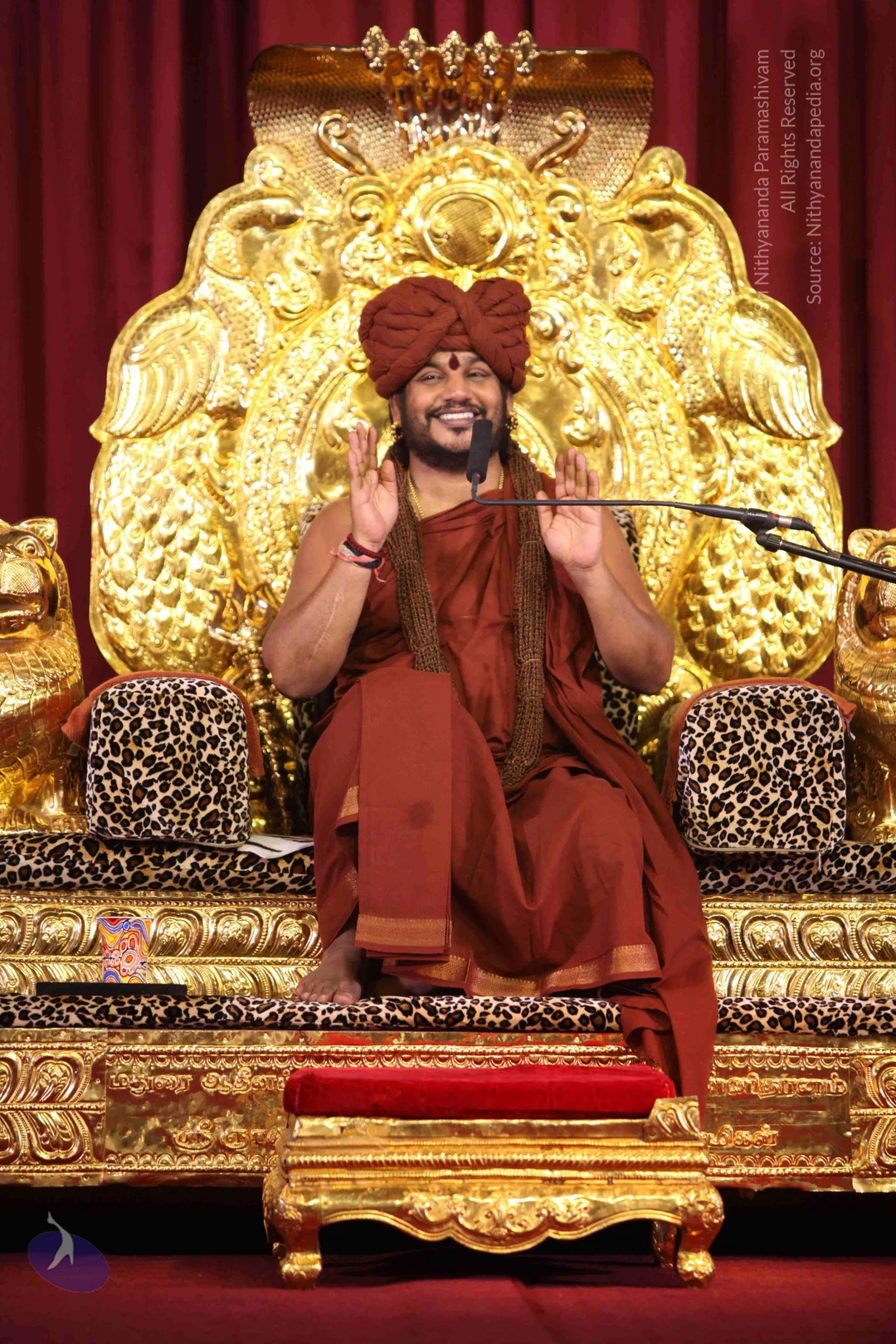
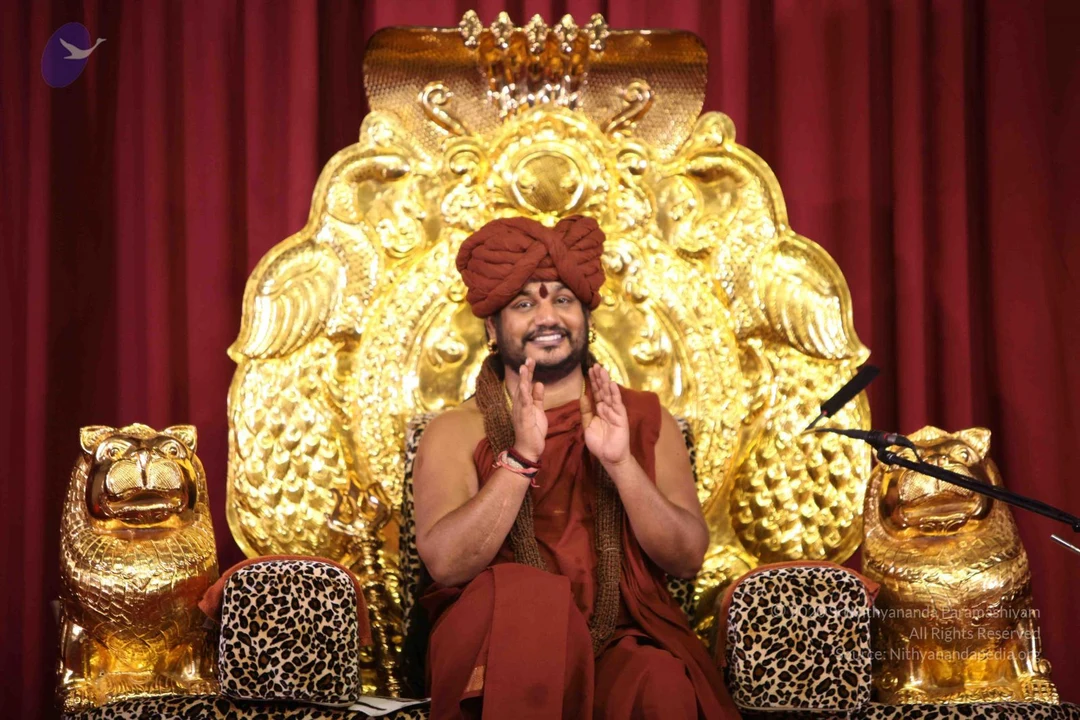
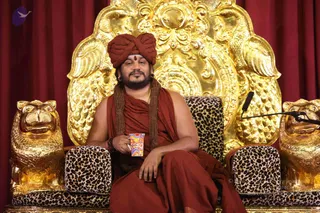
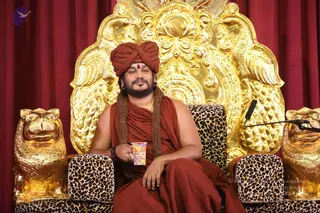
Nithya-Satsang

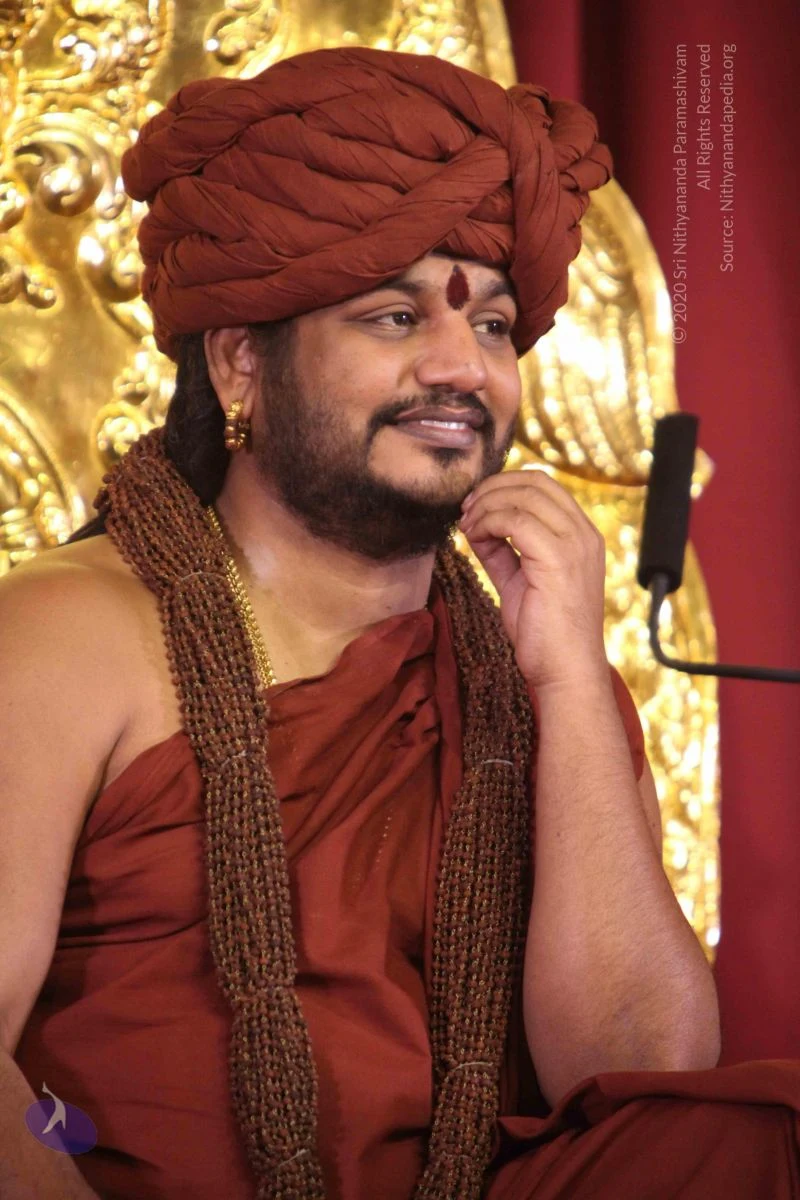
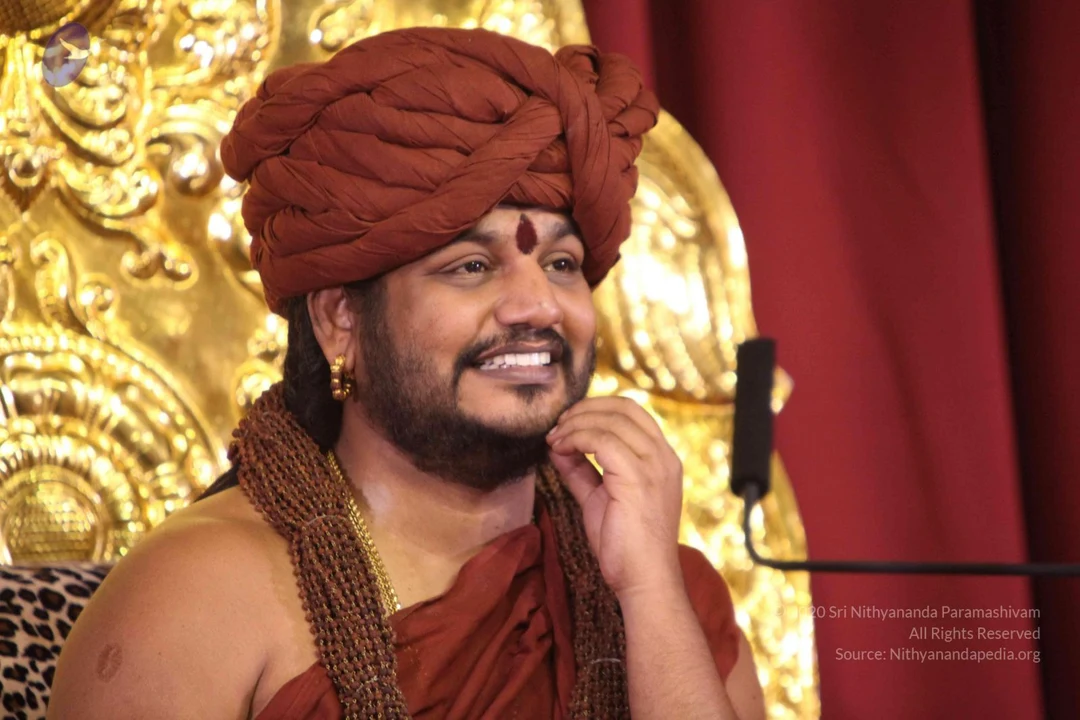
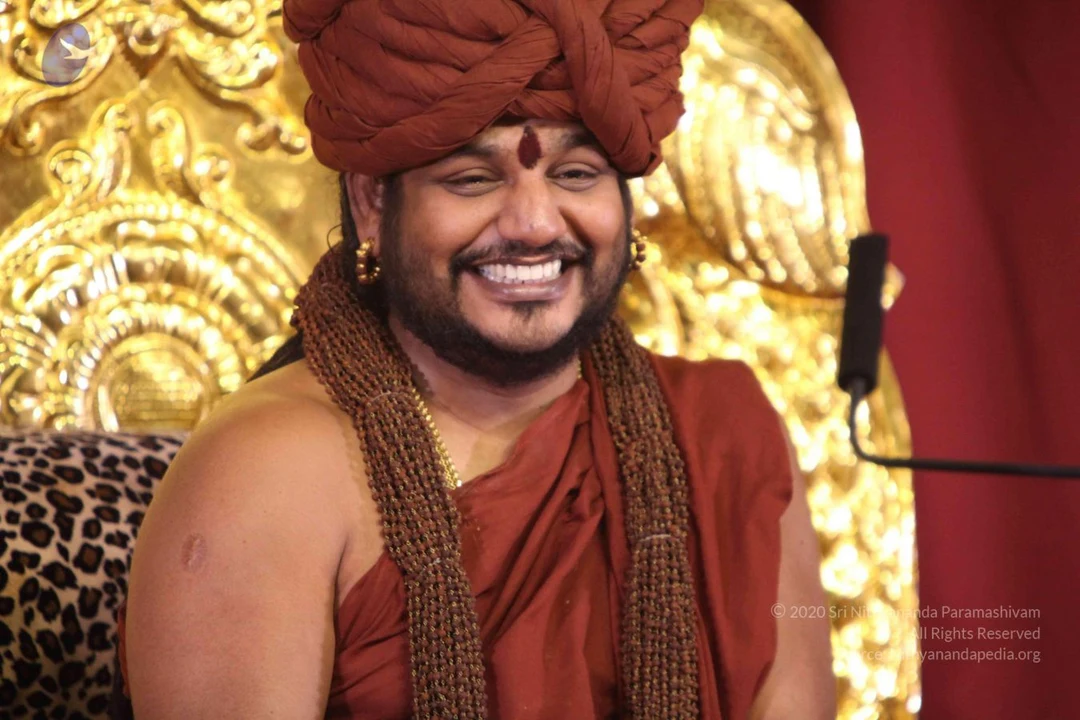
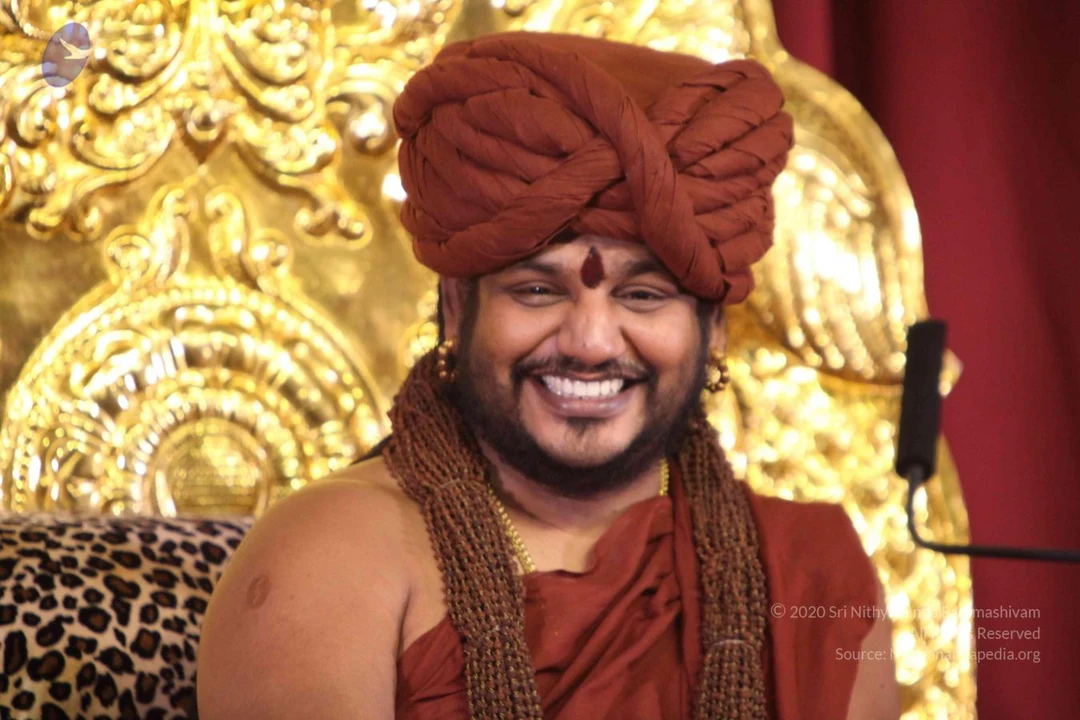
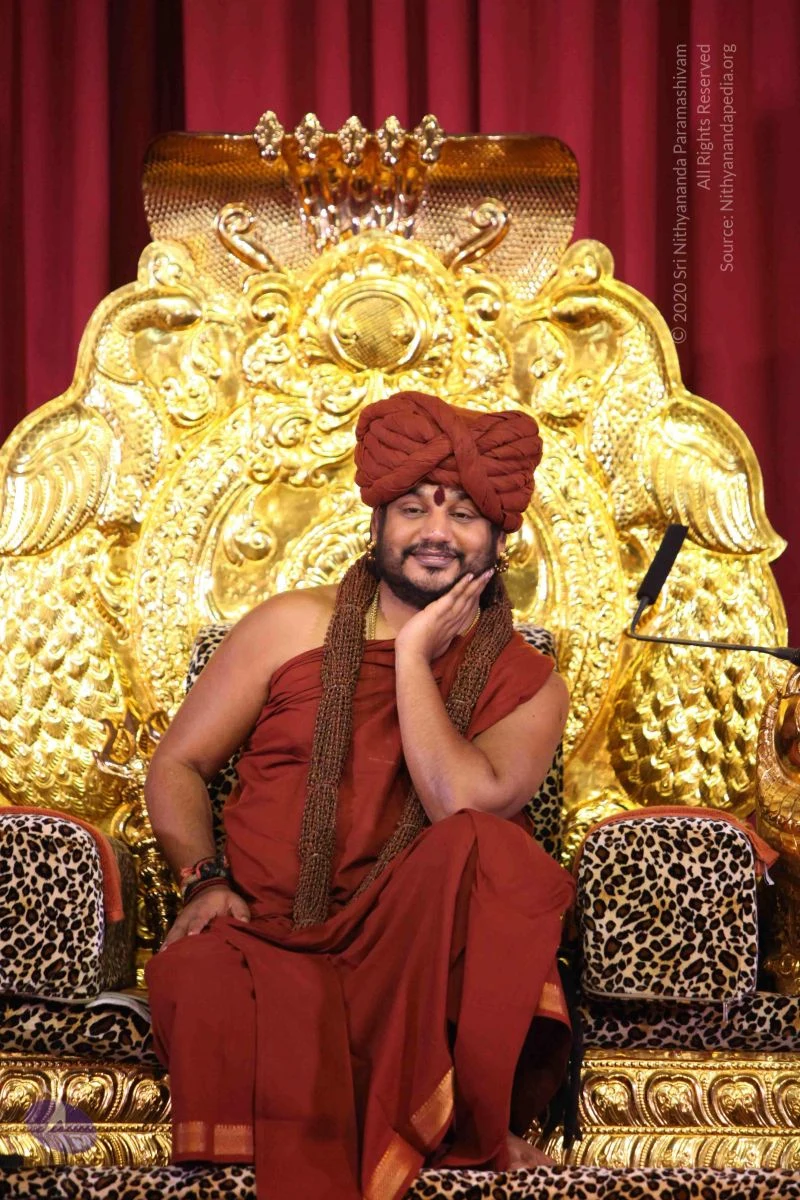
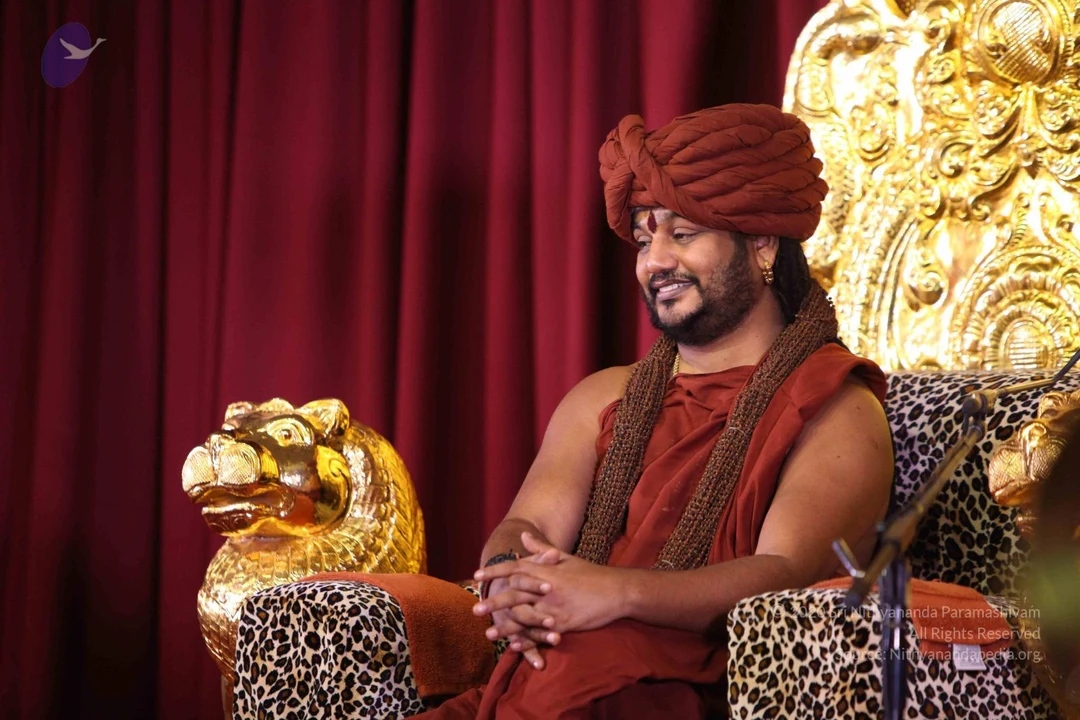
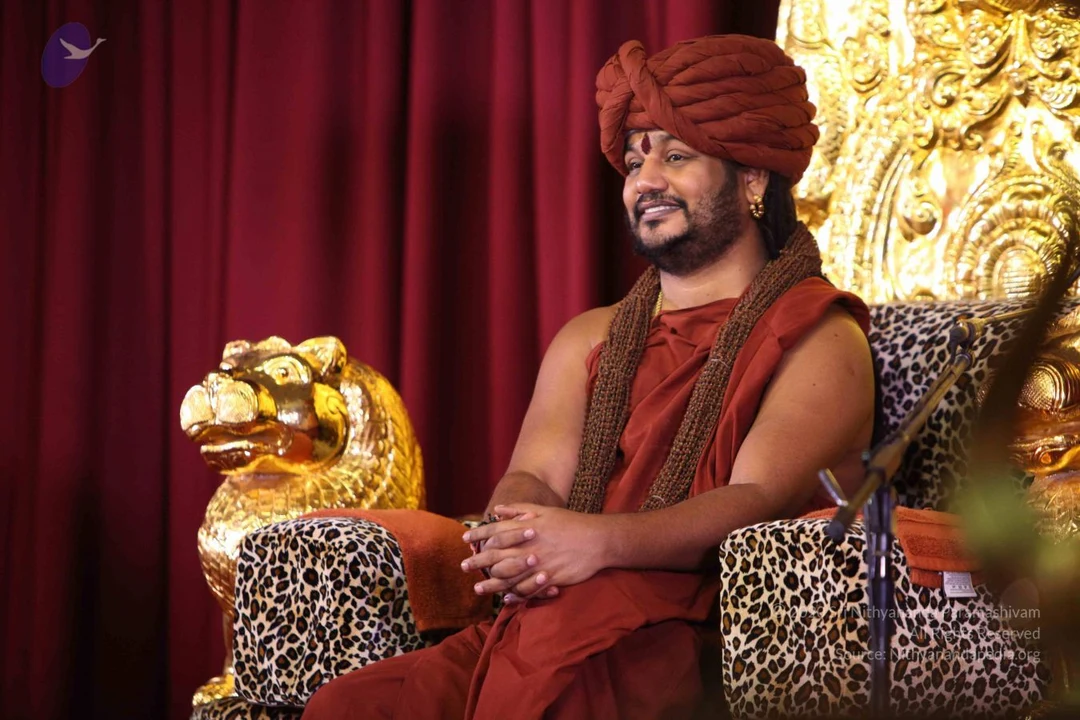
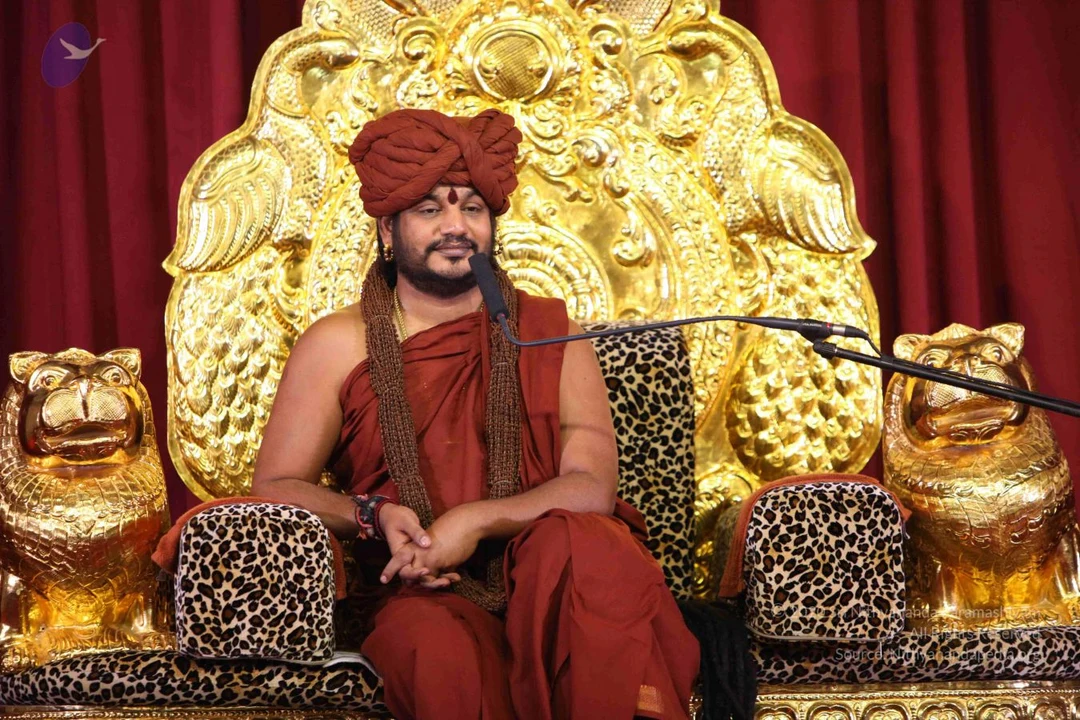
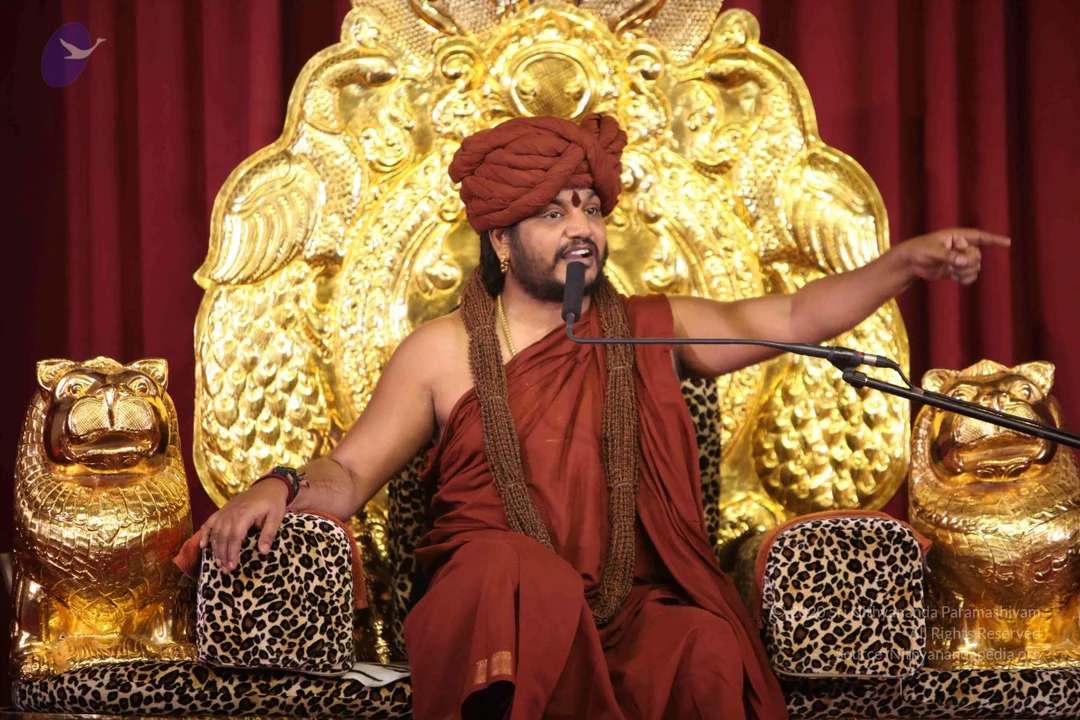
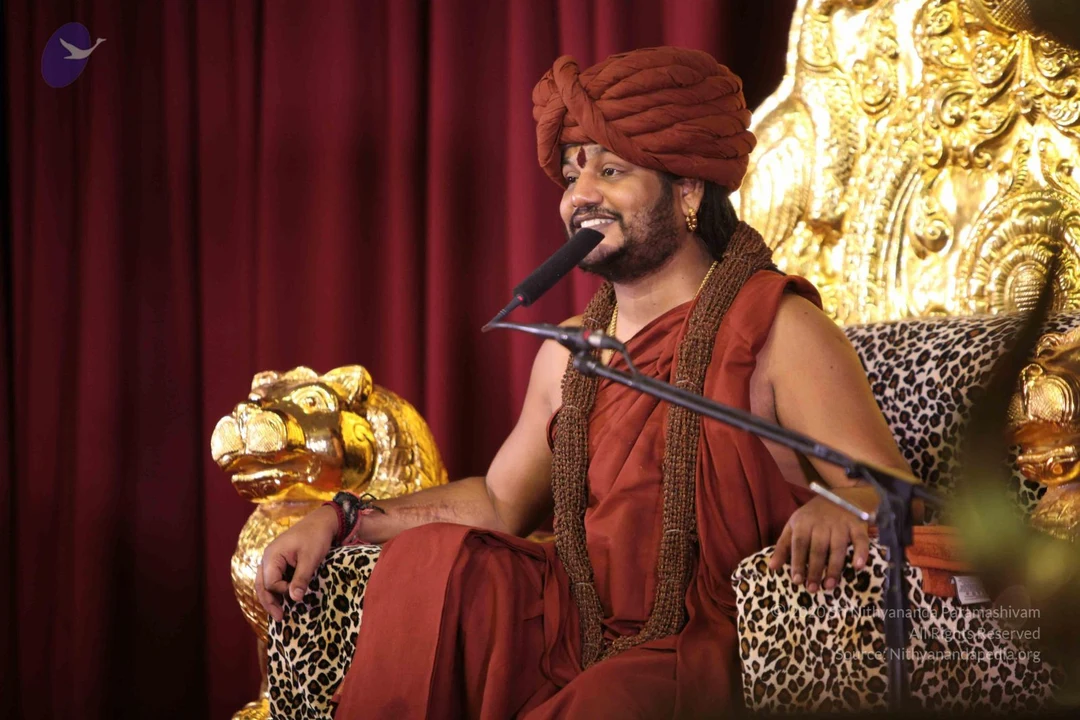
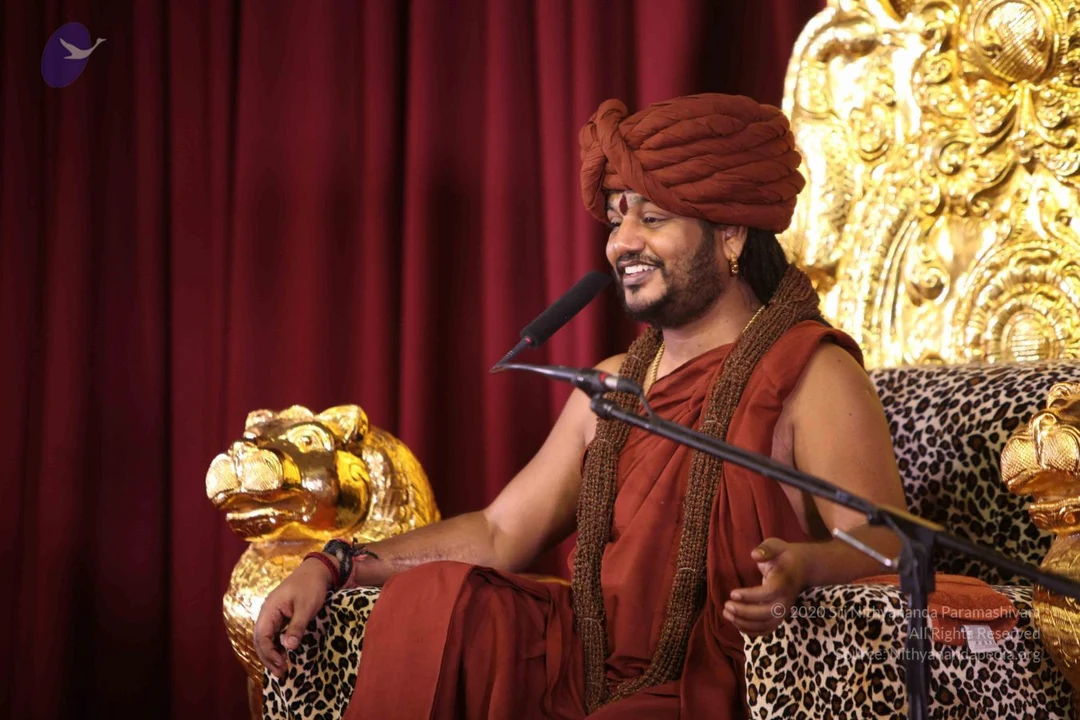
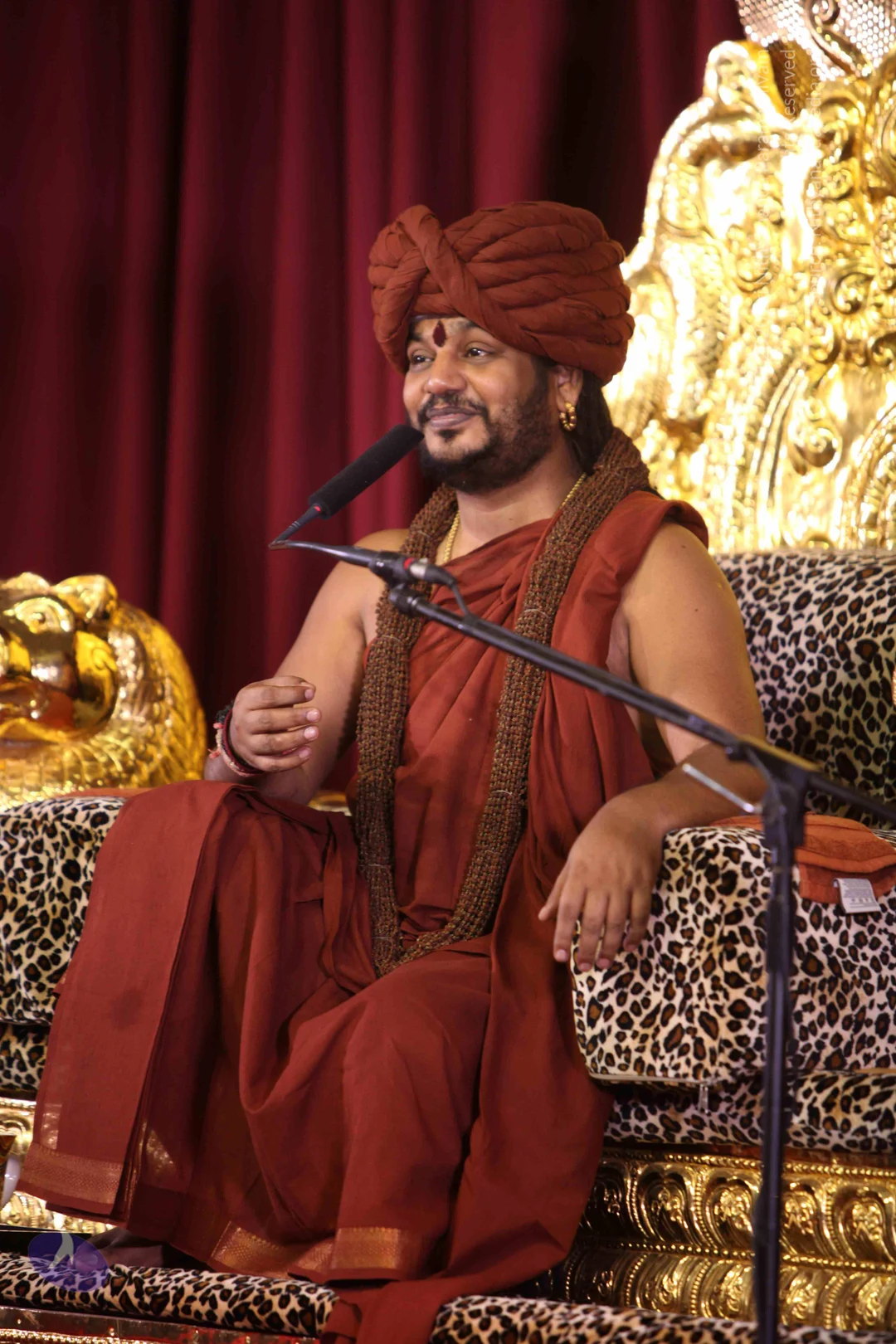
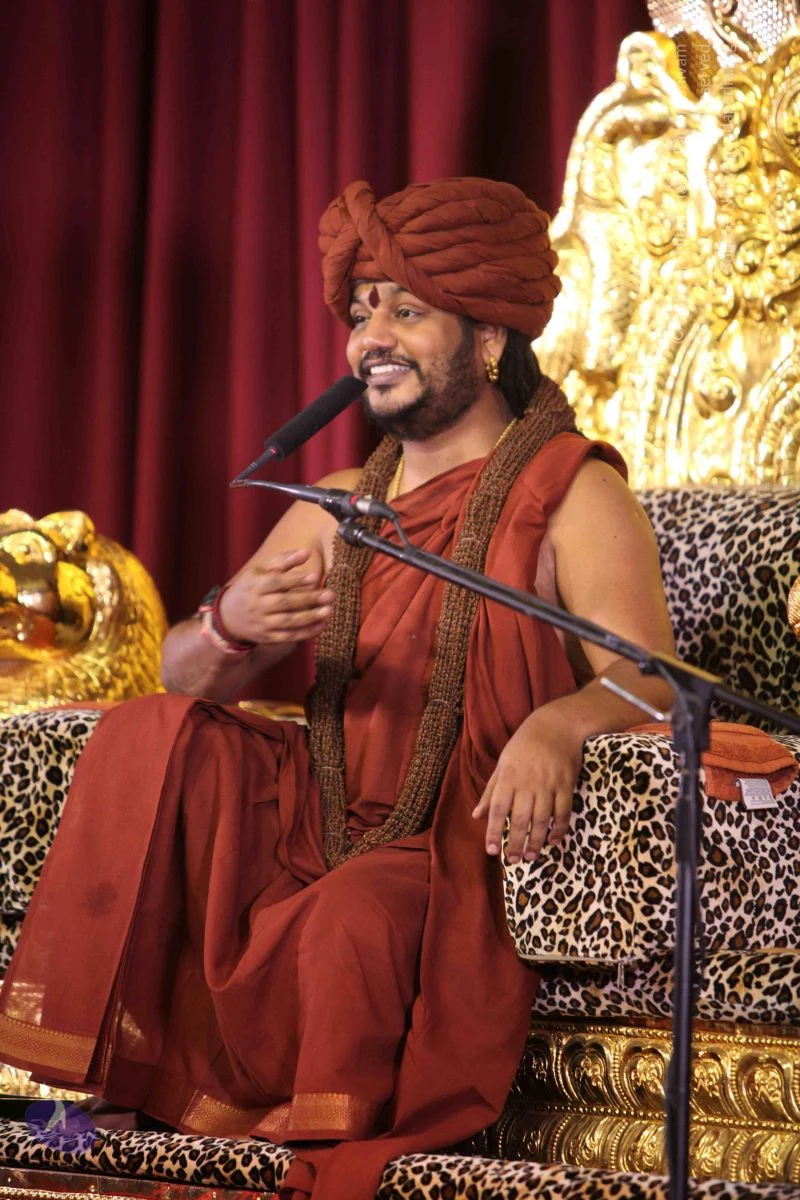
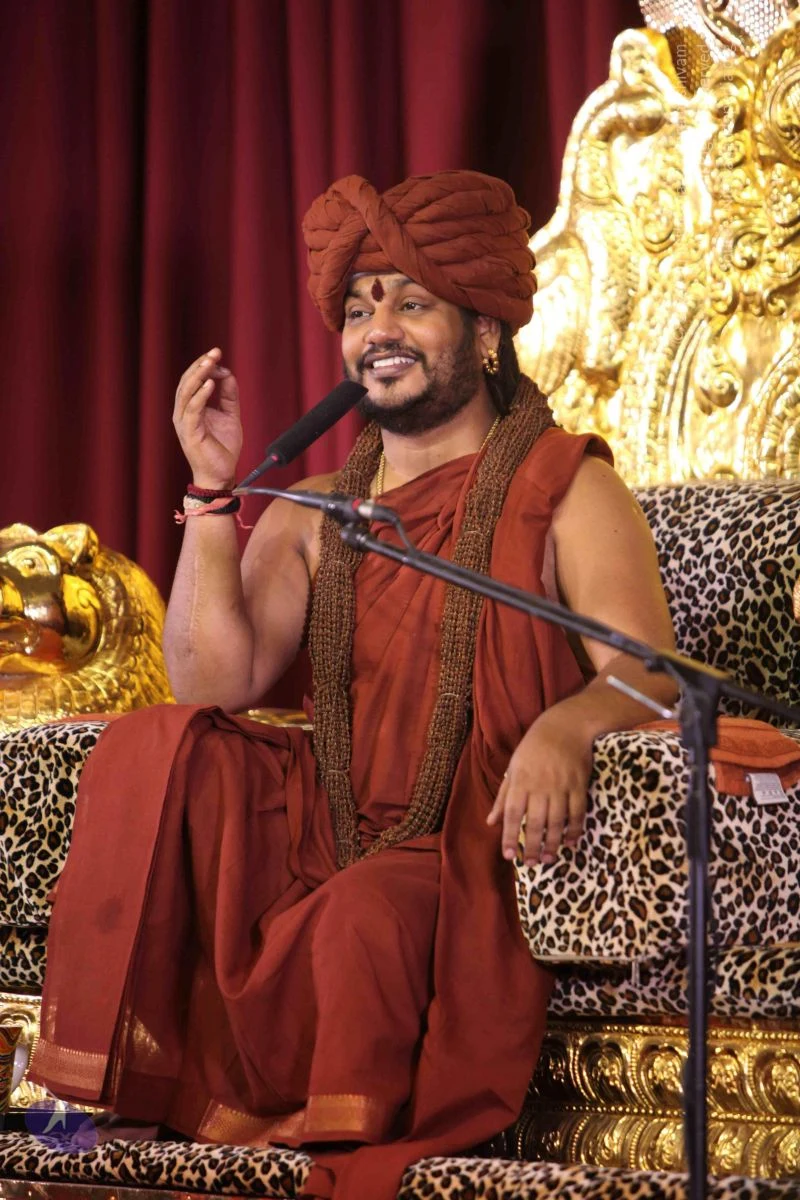
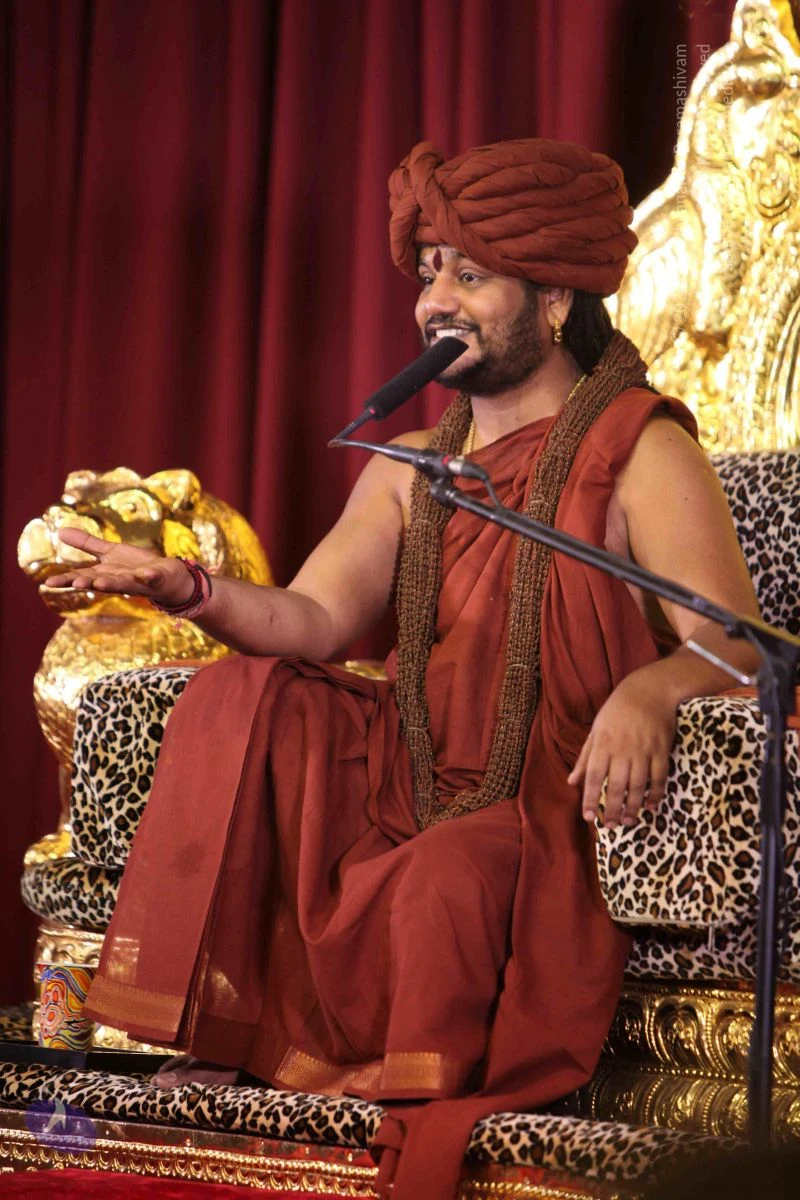
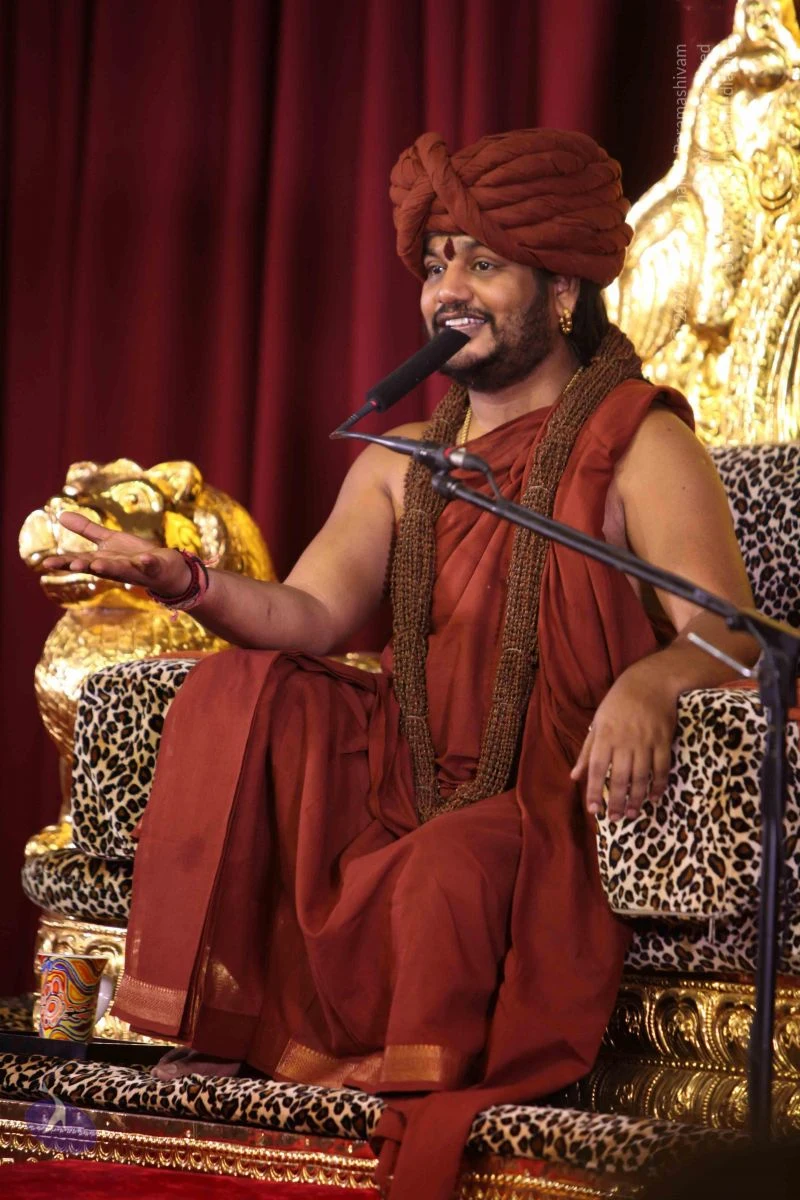

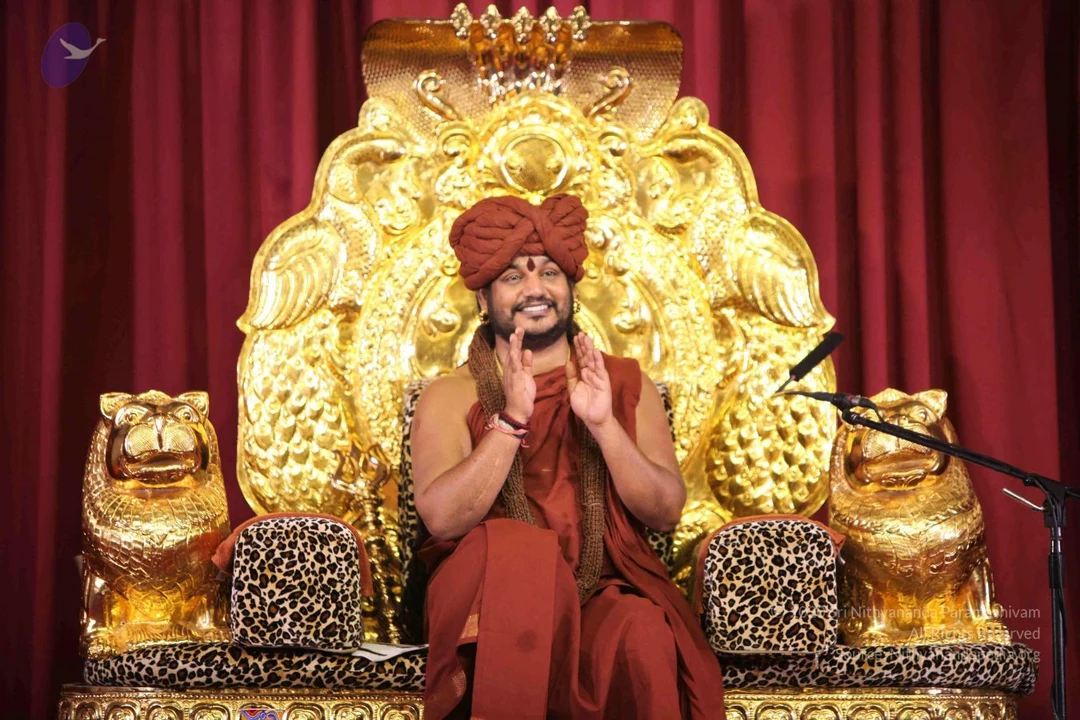
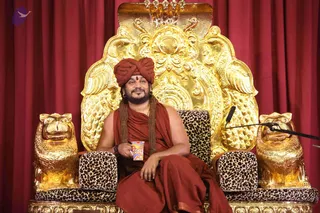
aadi-shaivam tamil satsang
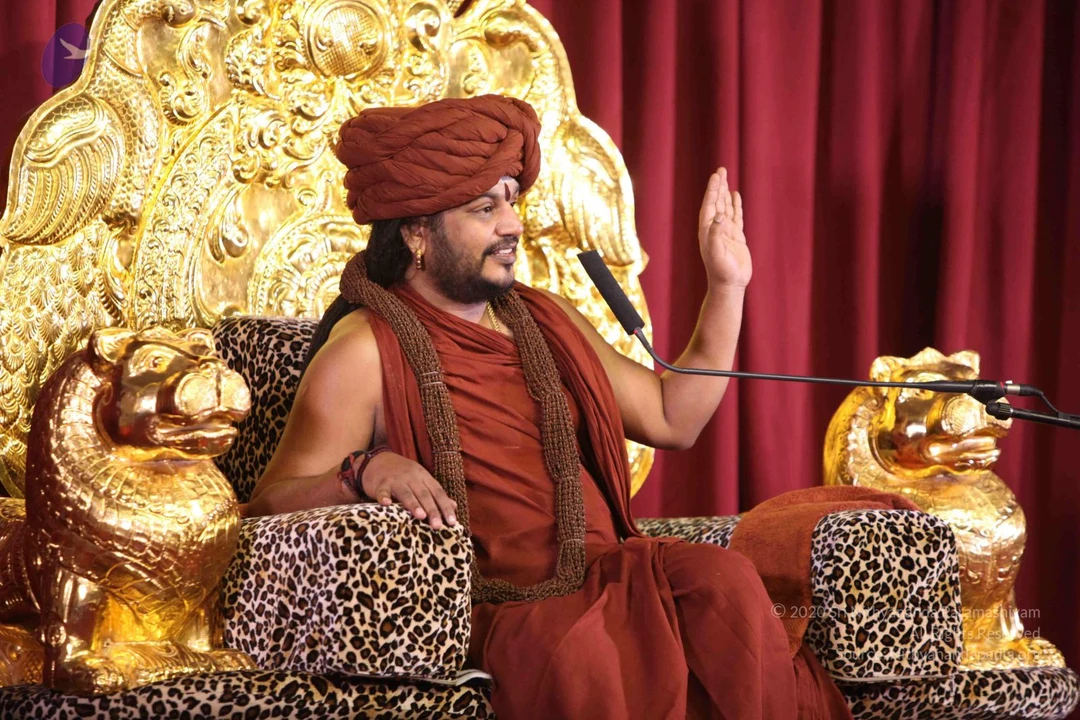
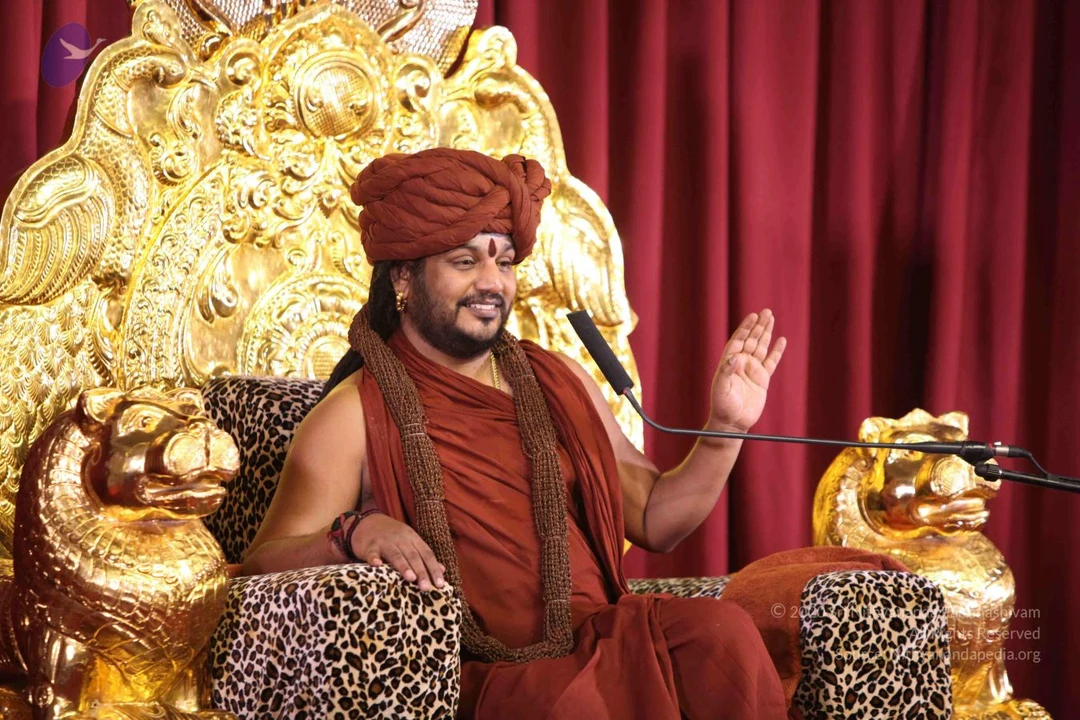
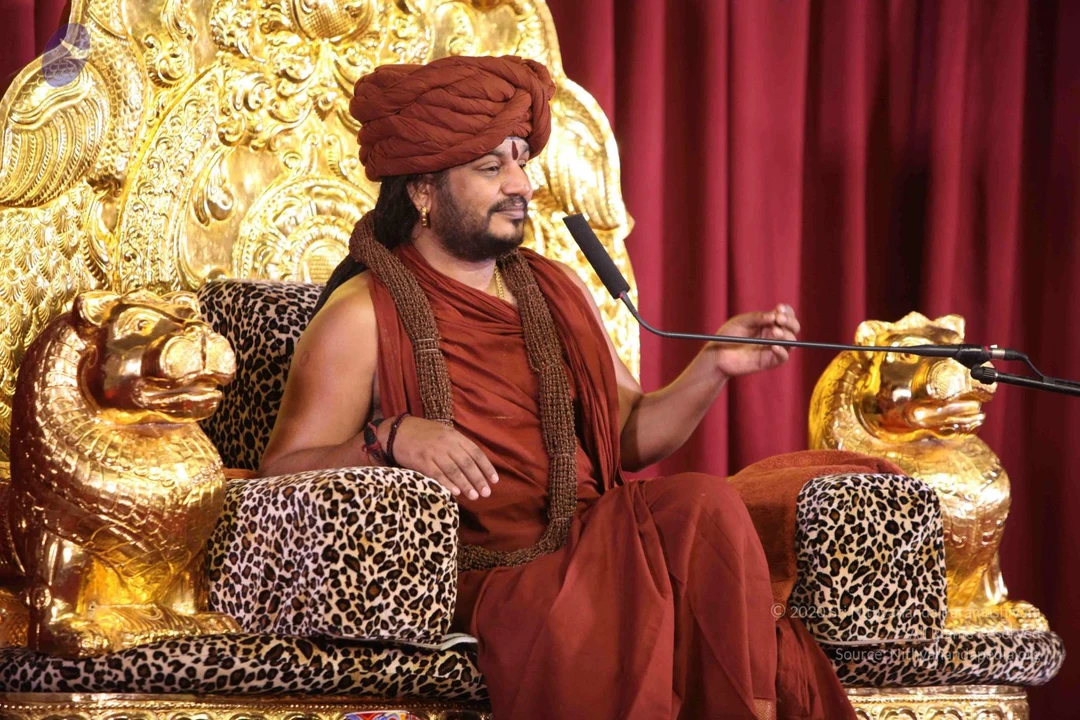
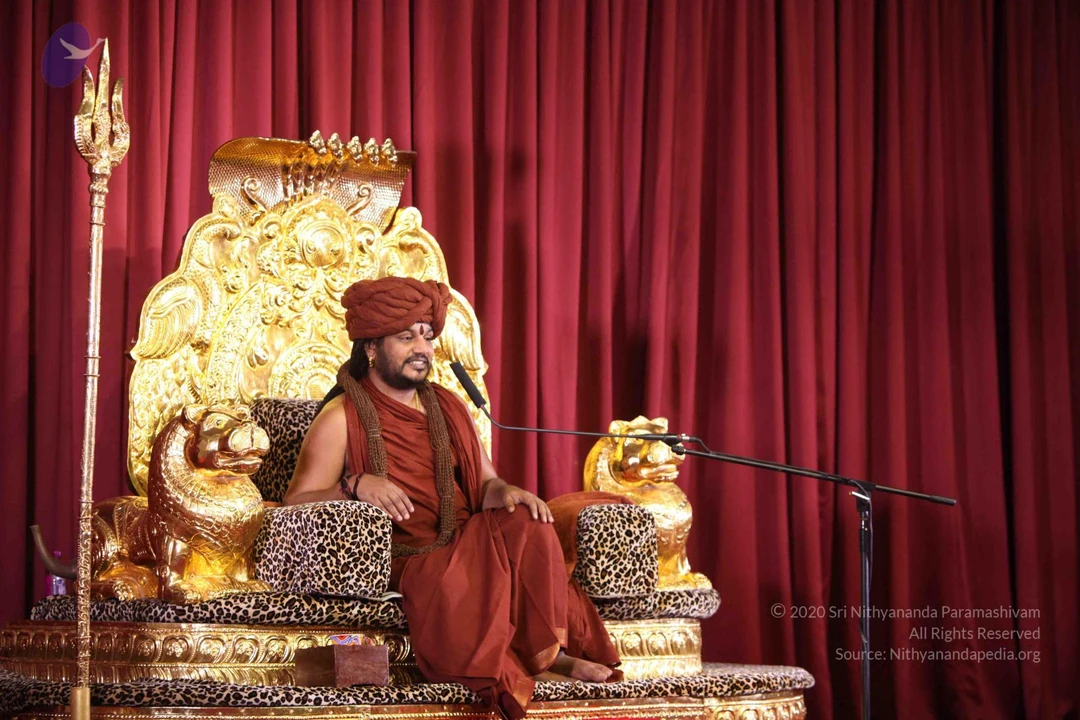
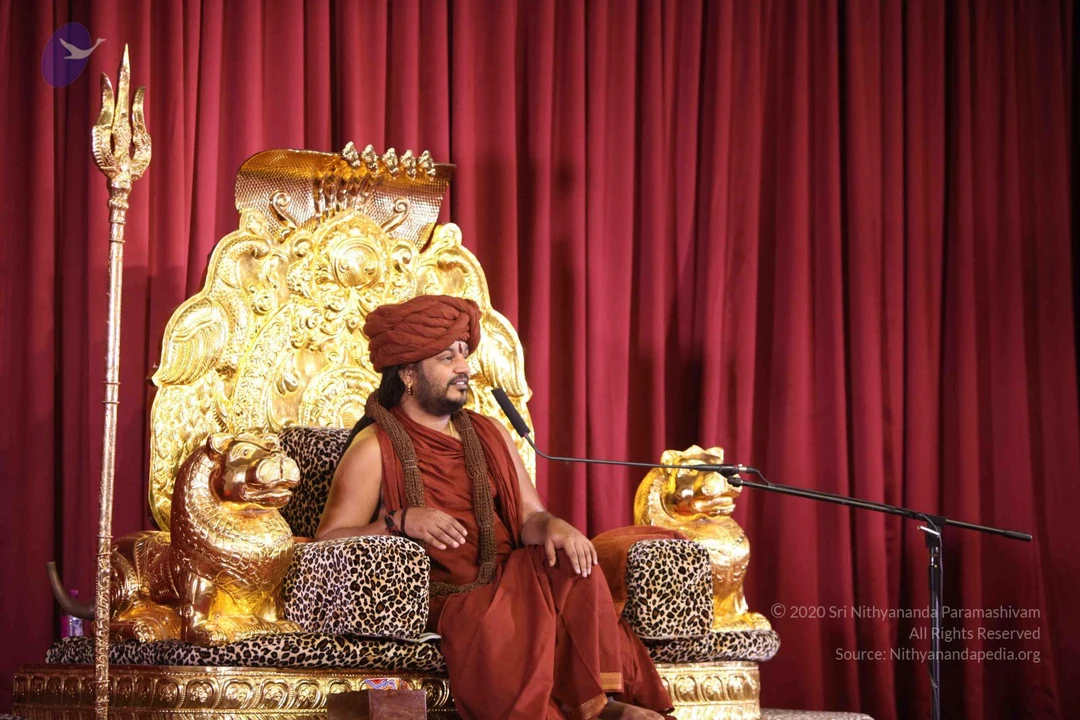
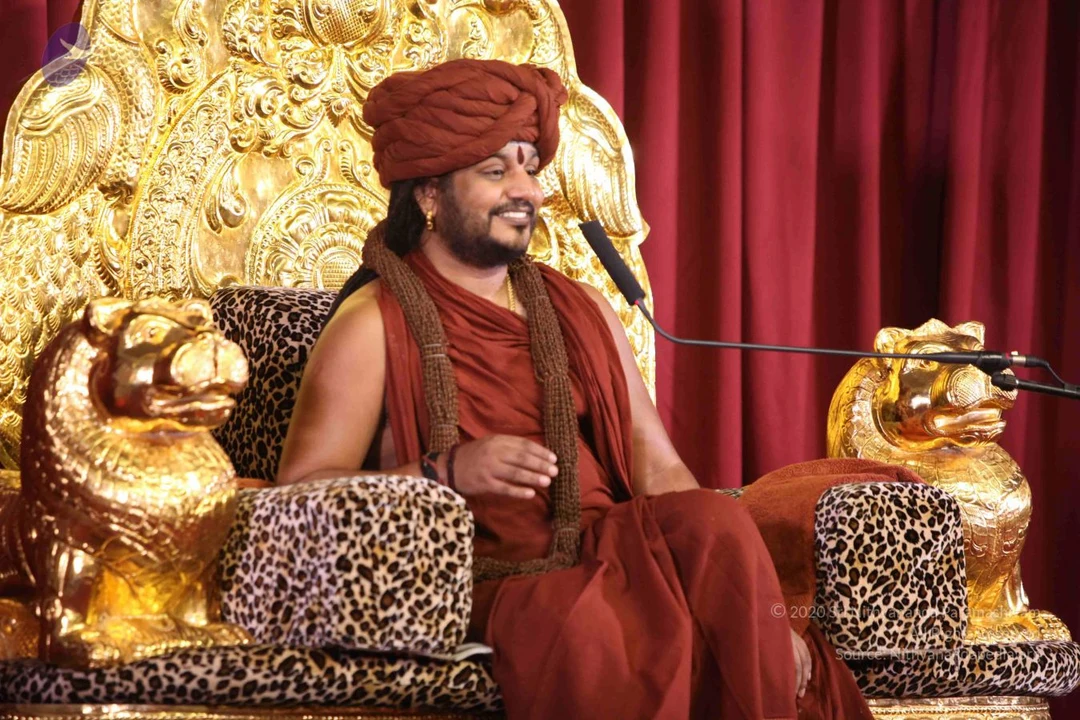
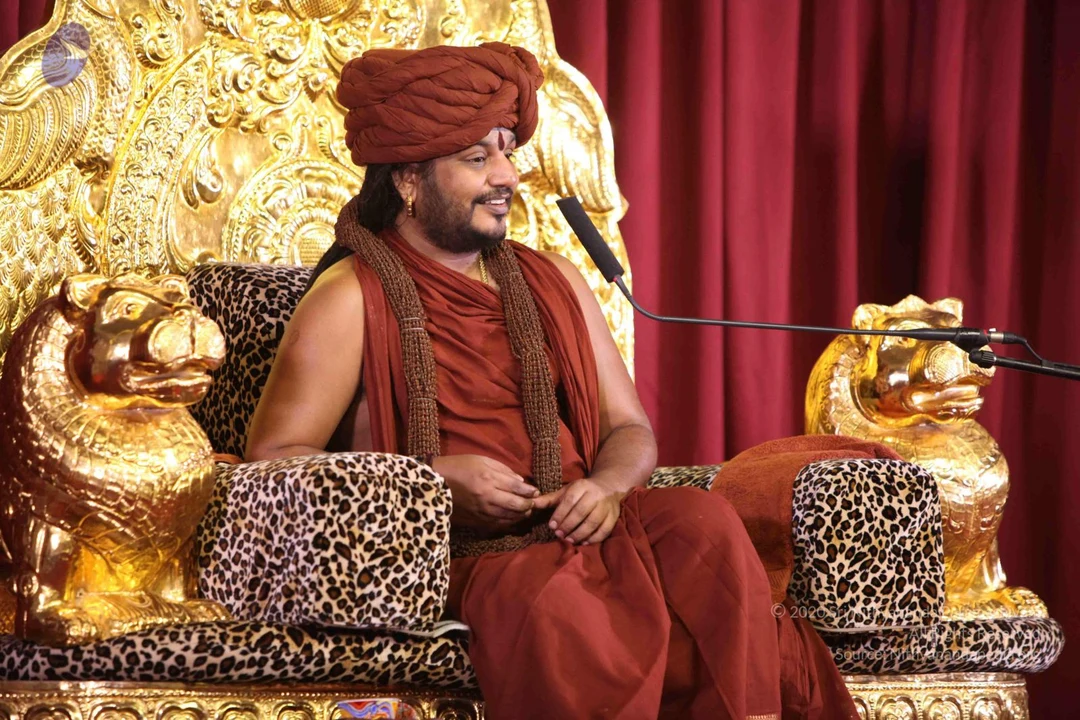
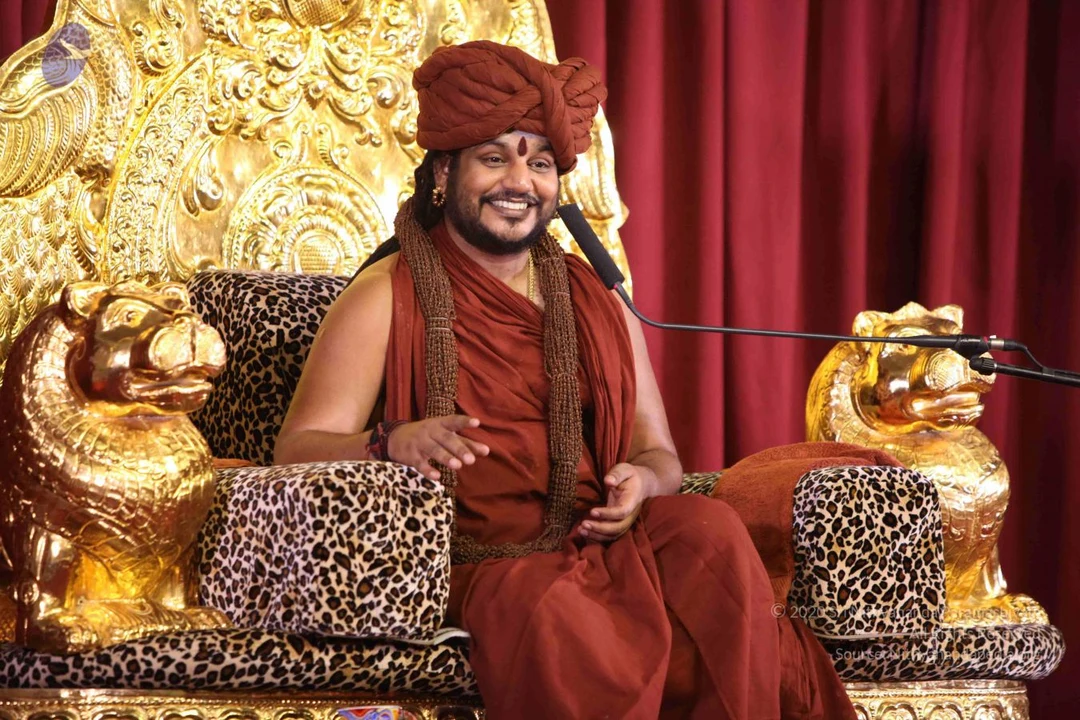
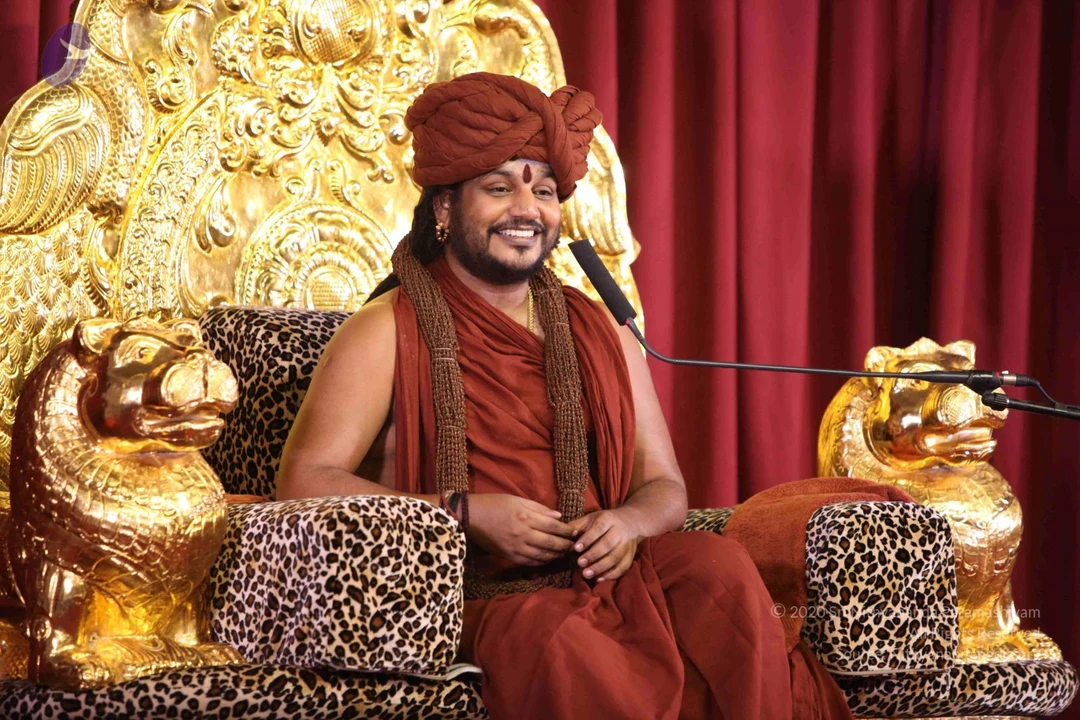
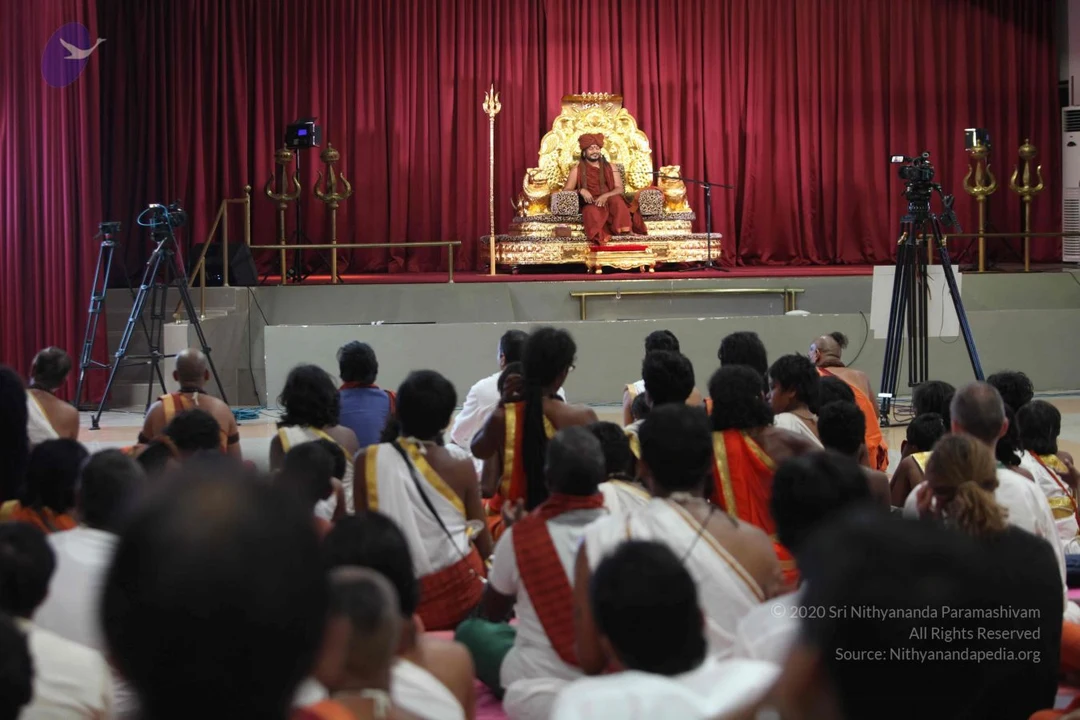

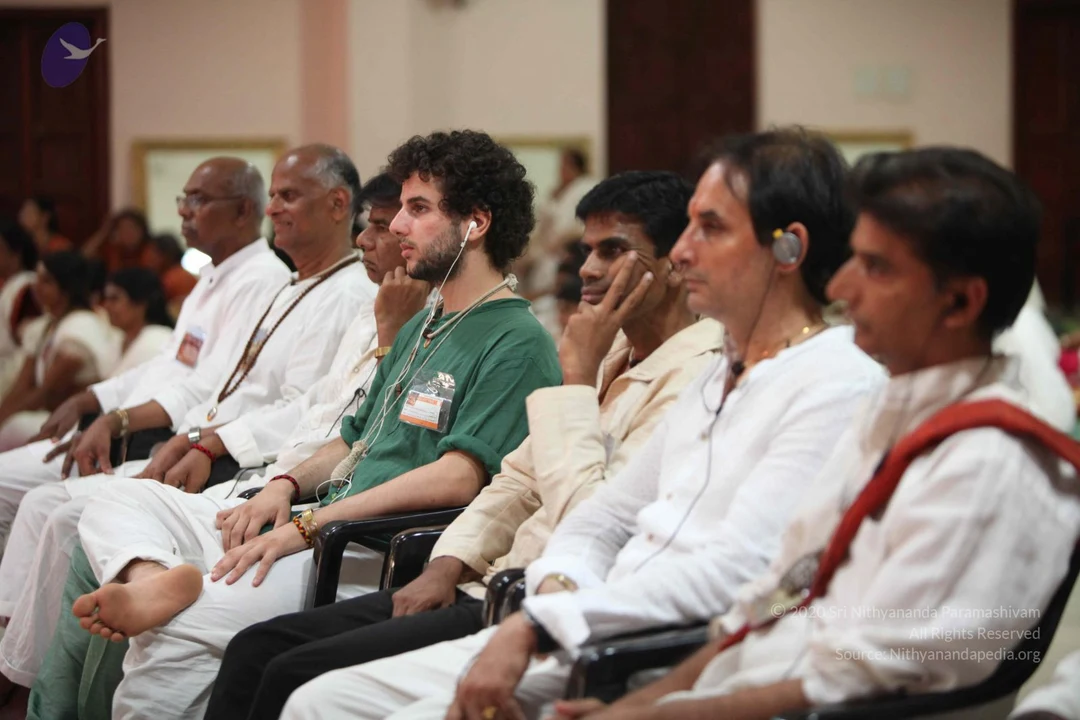
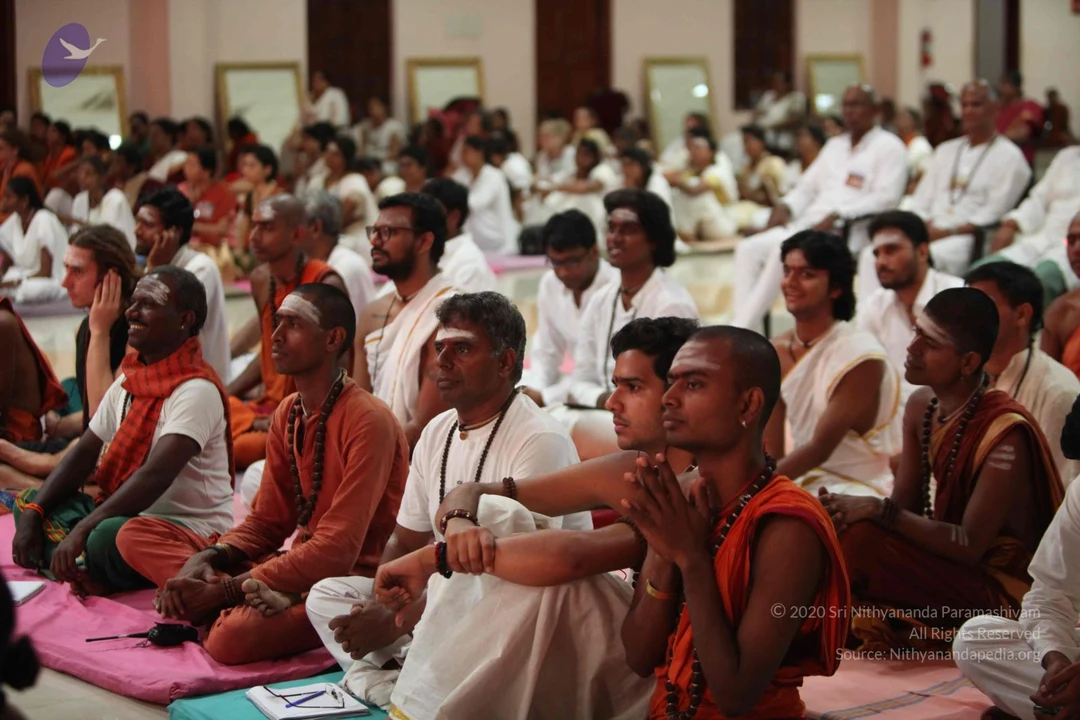
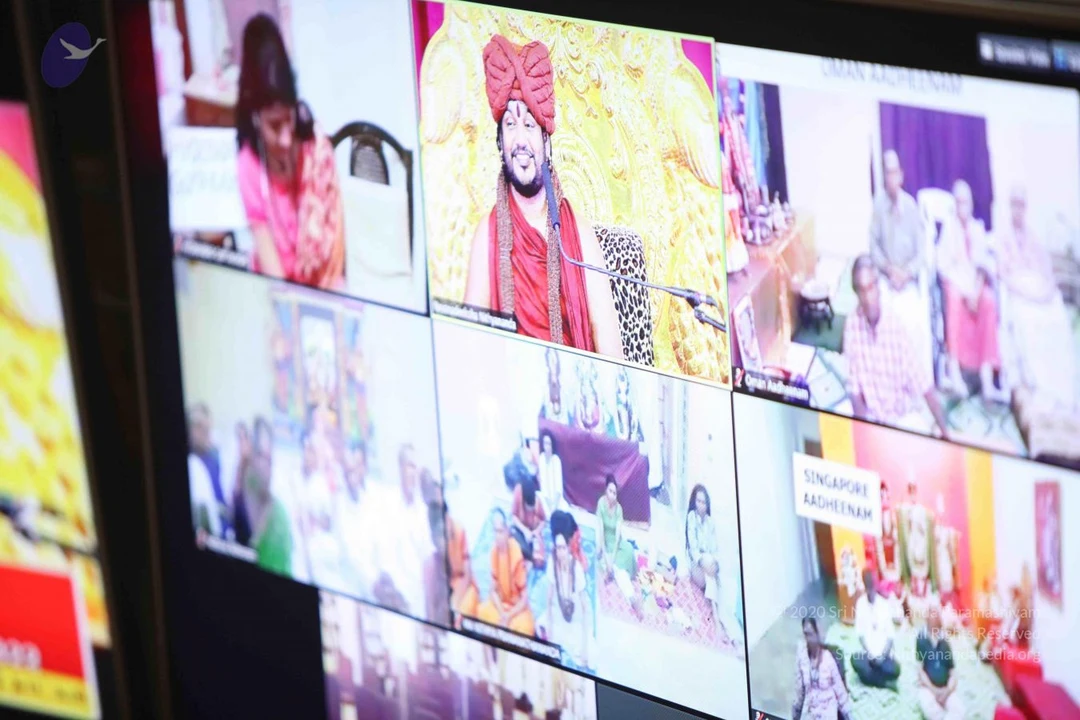
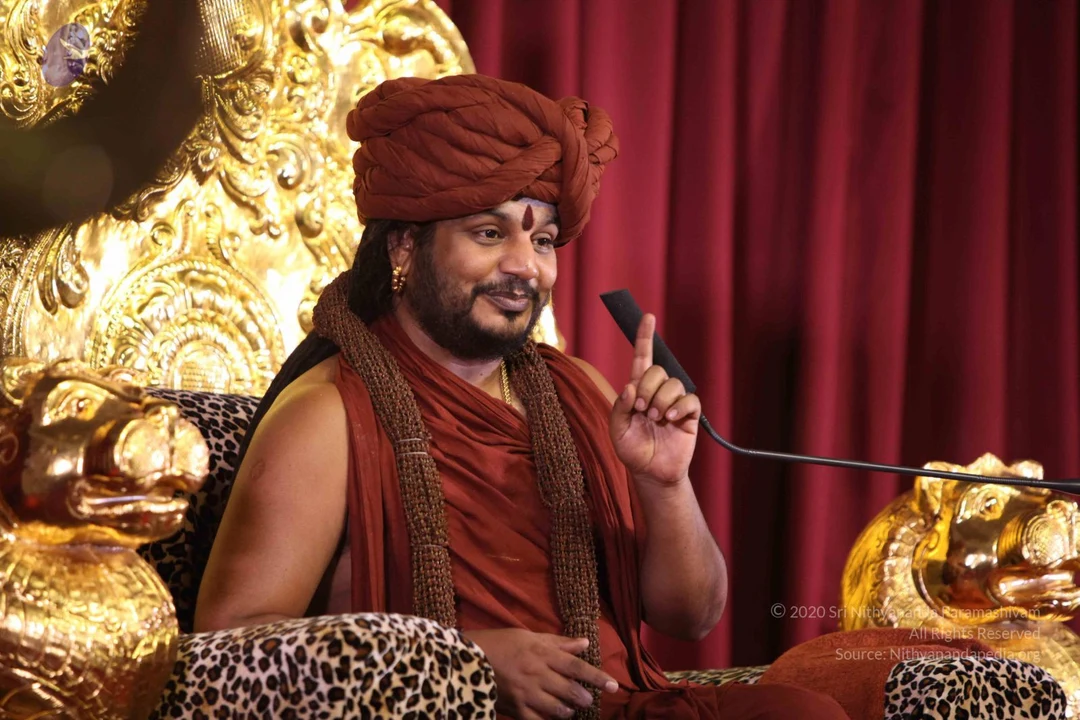
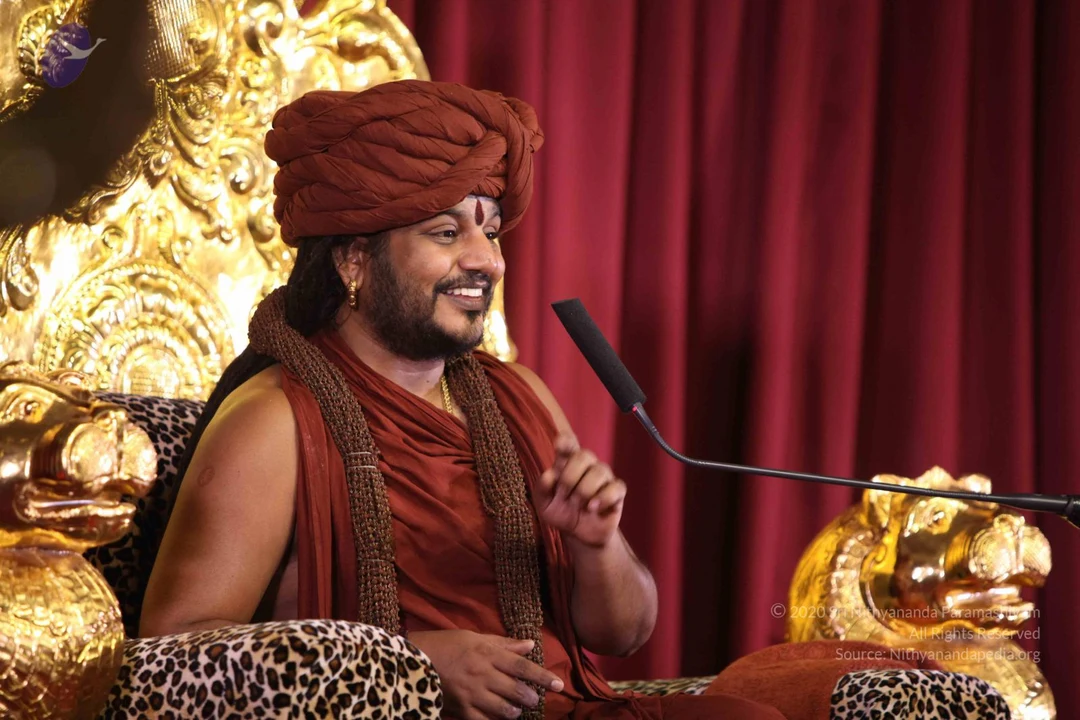
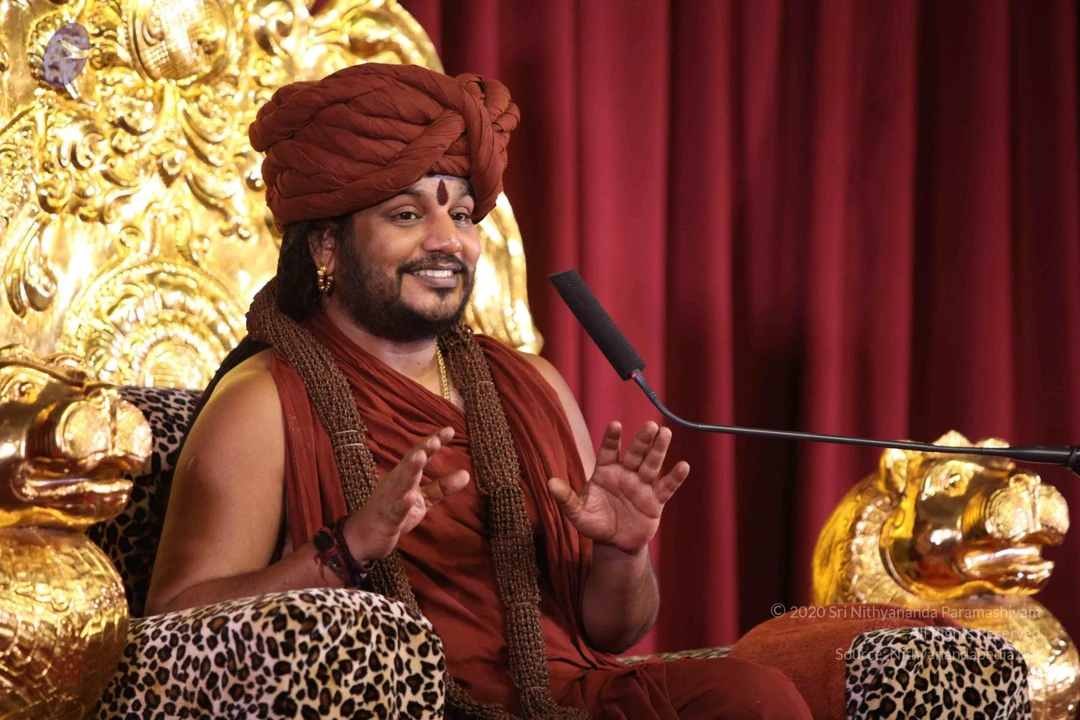
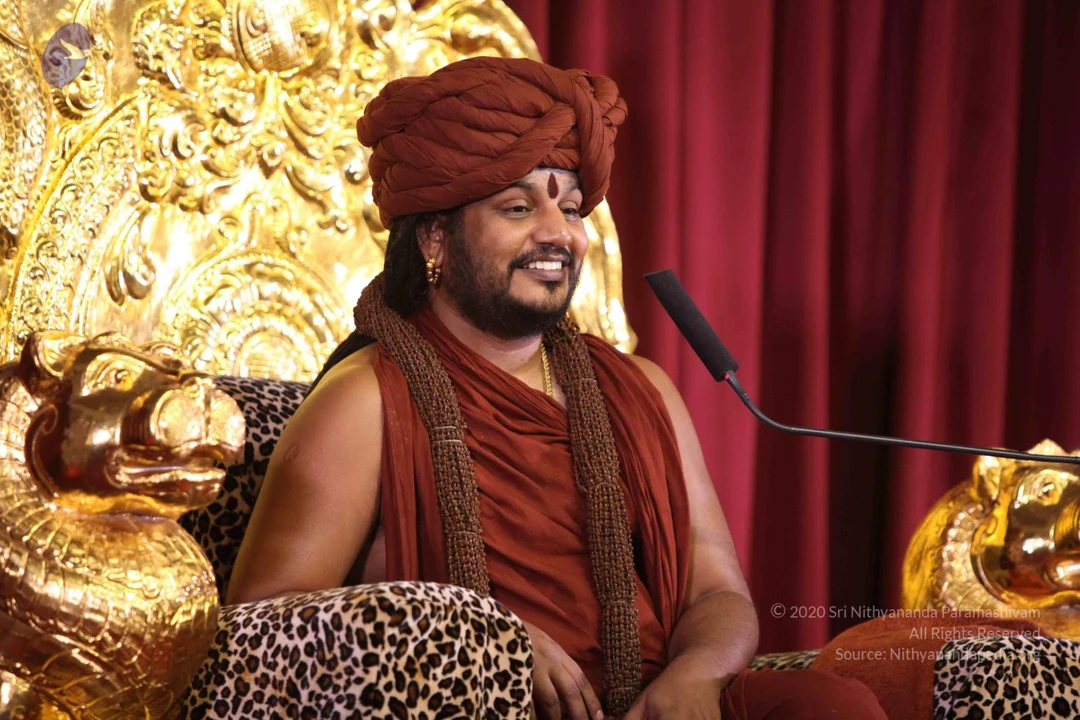

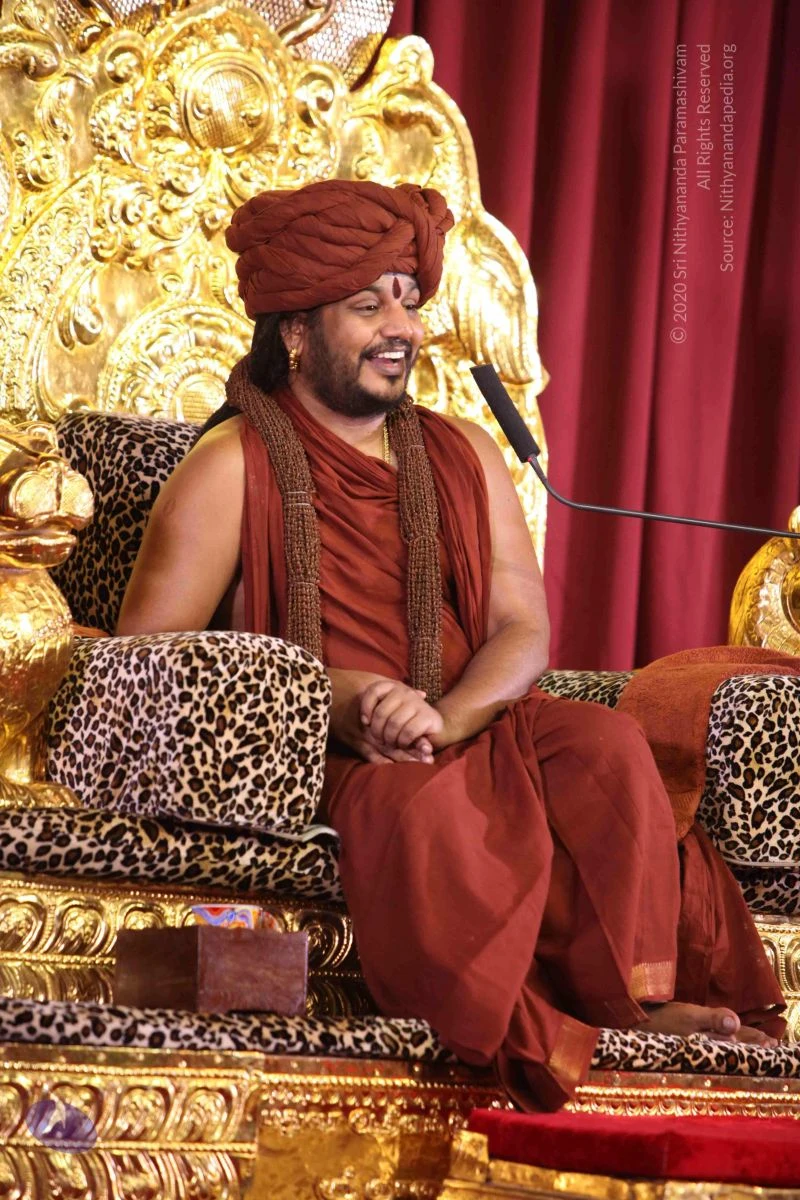
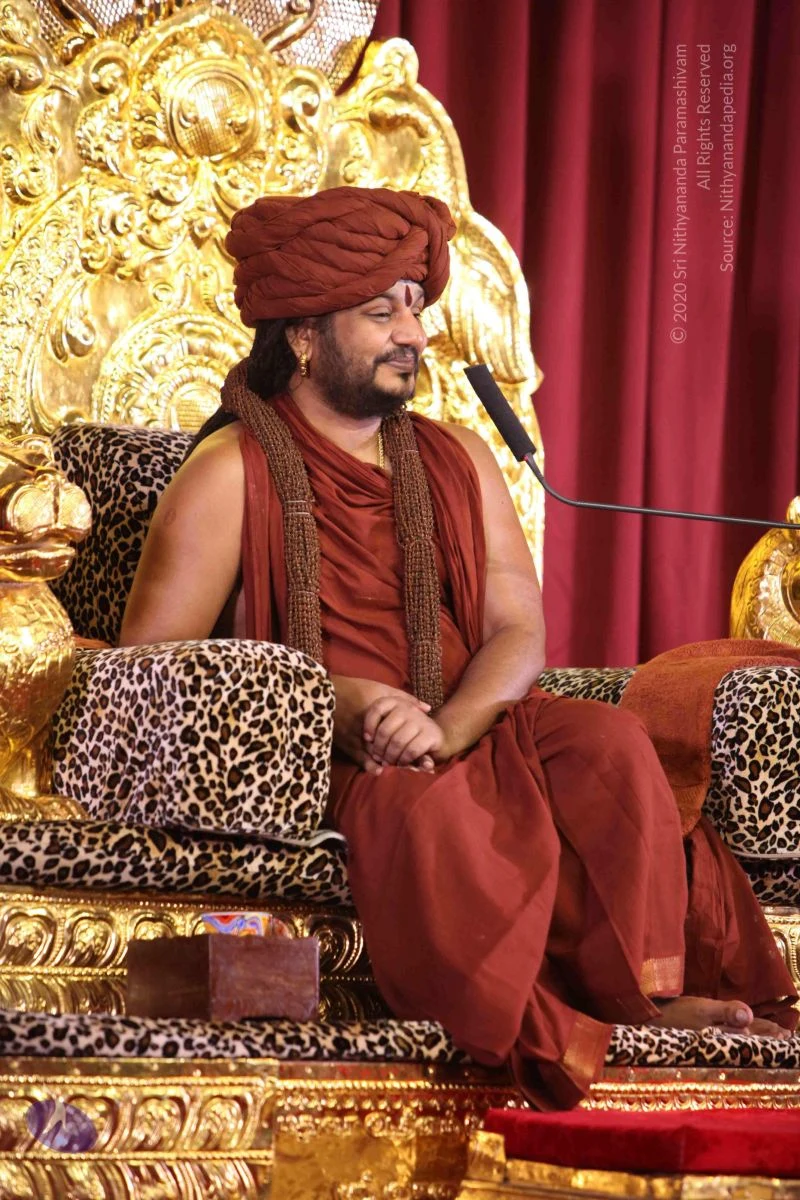
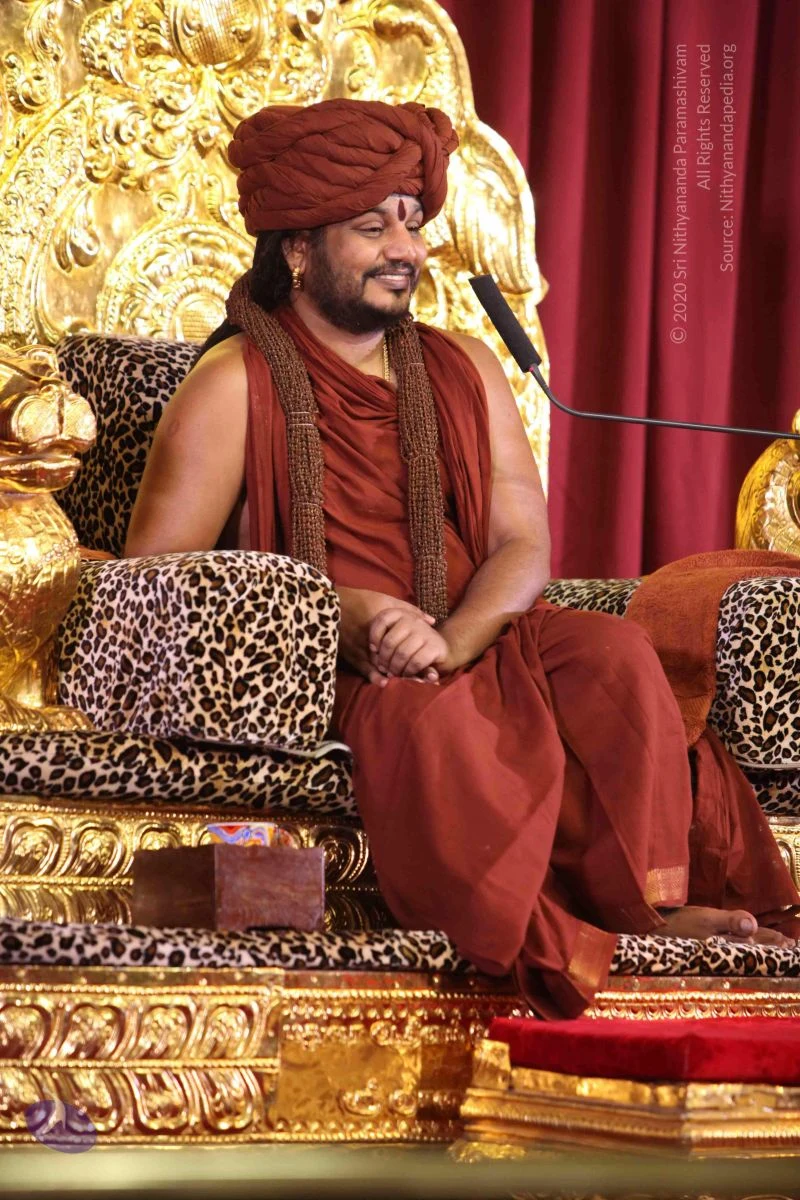
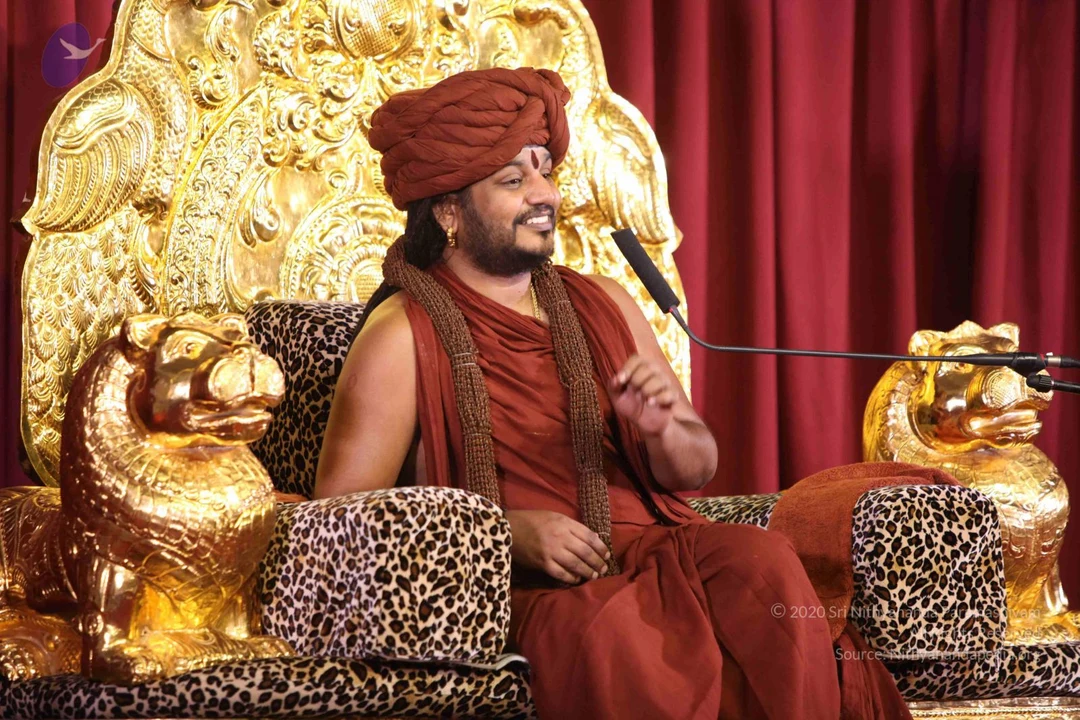
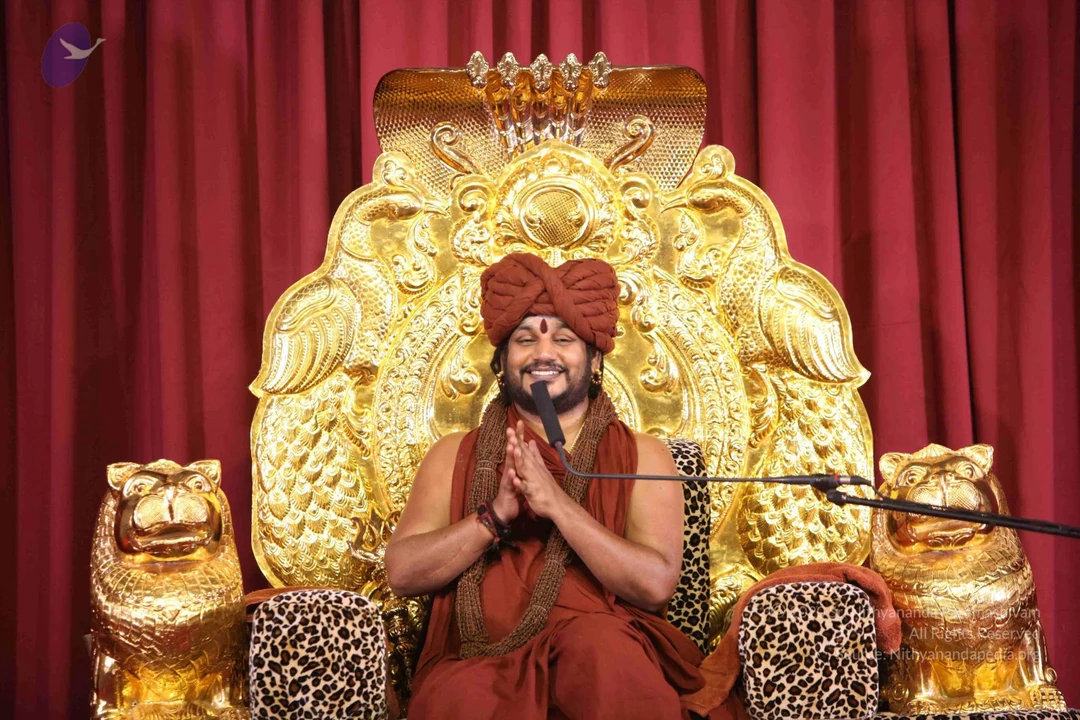
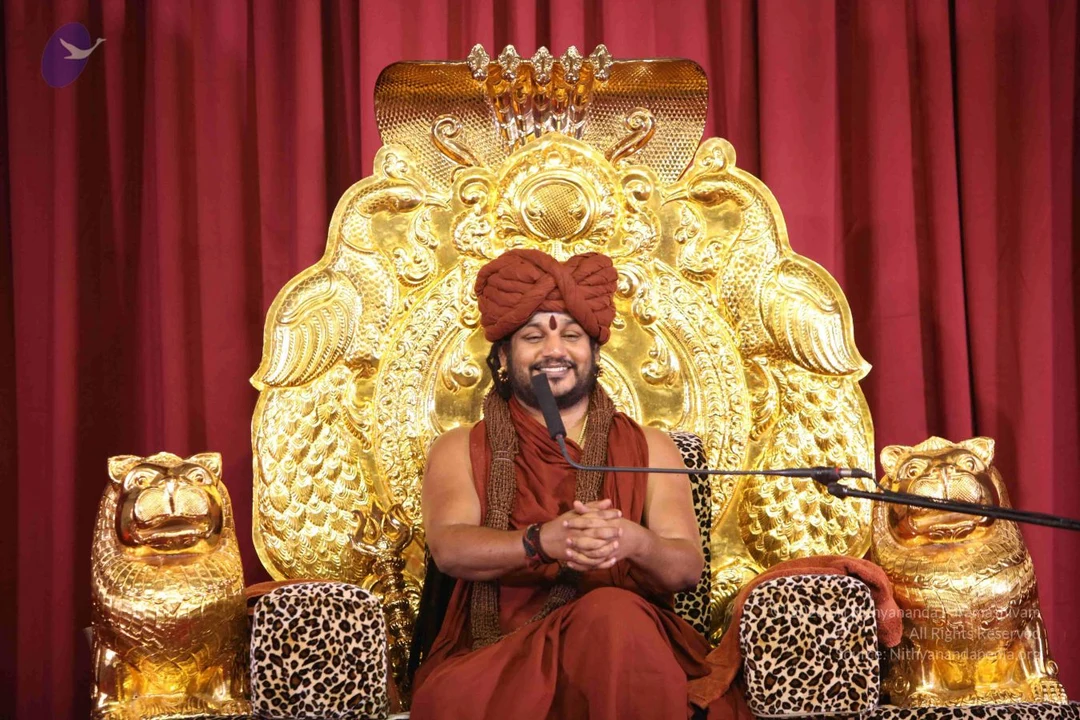
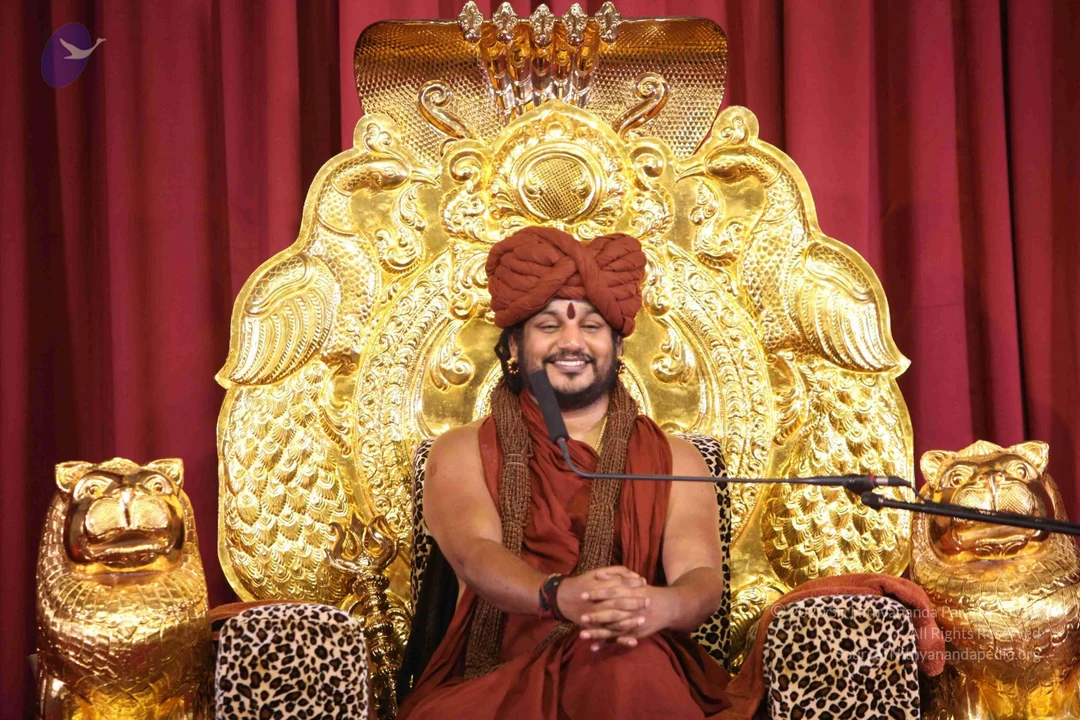
Kirthan
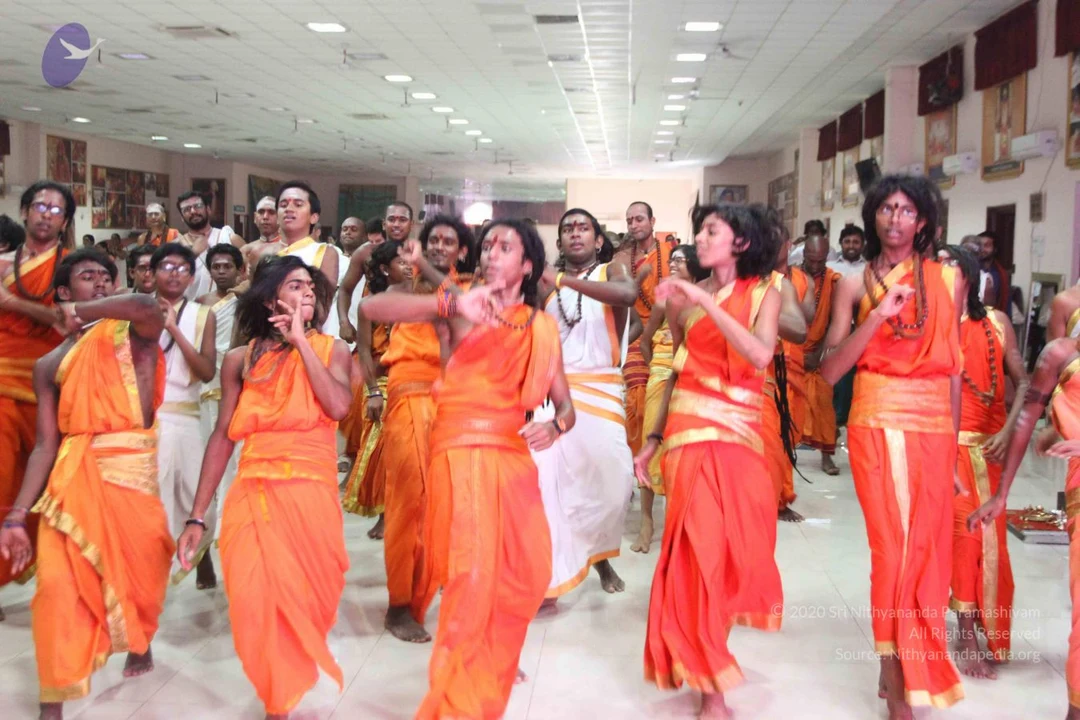
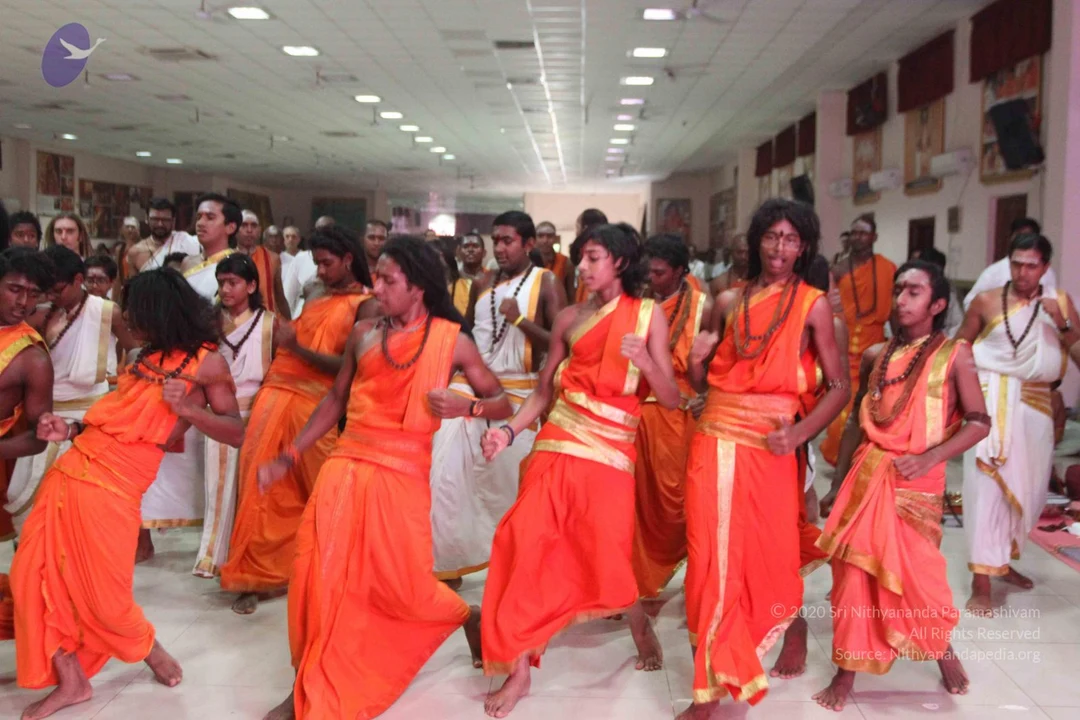
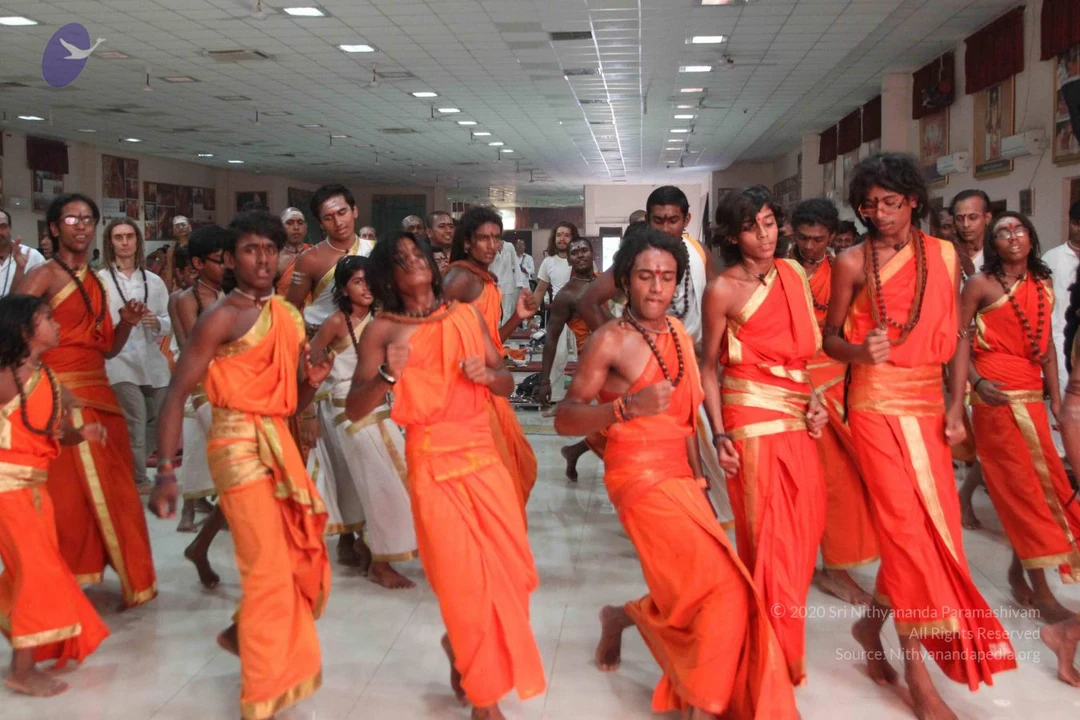
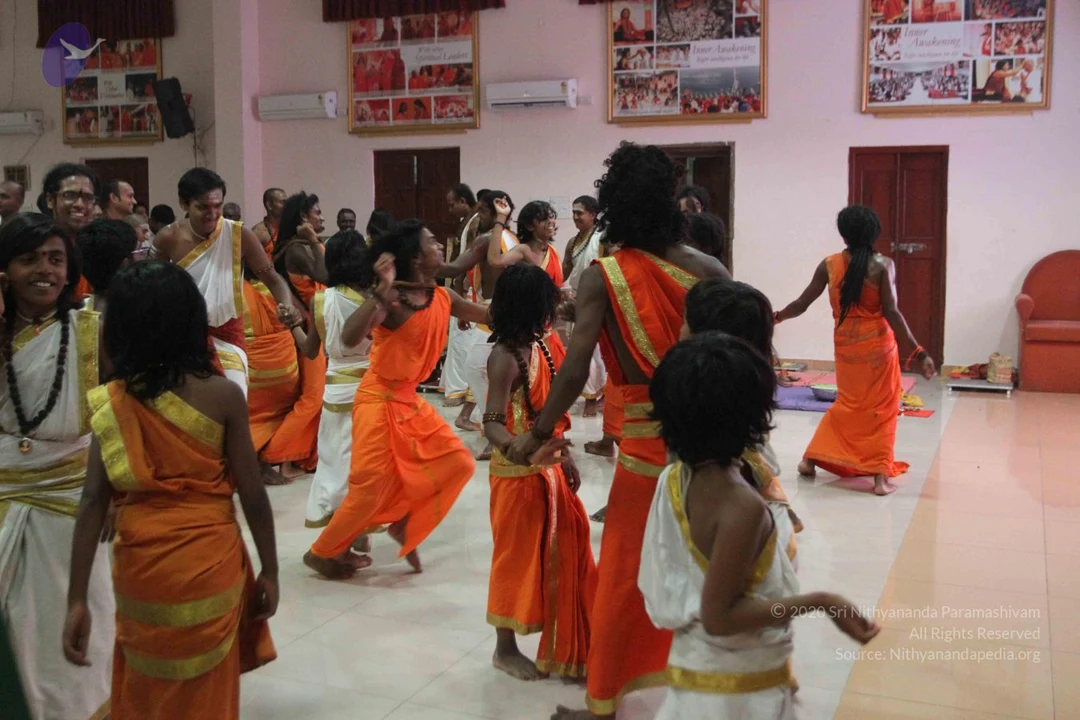
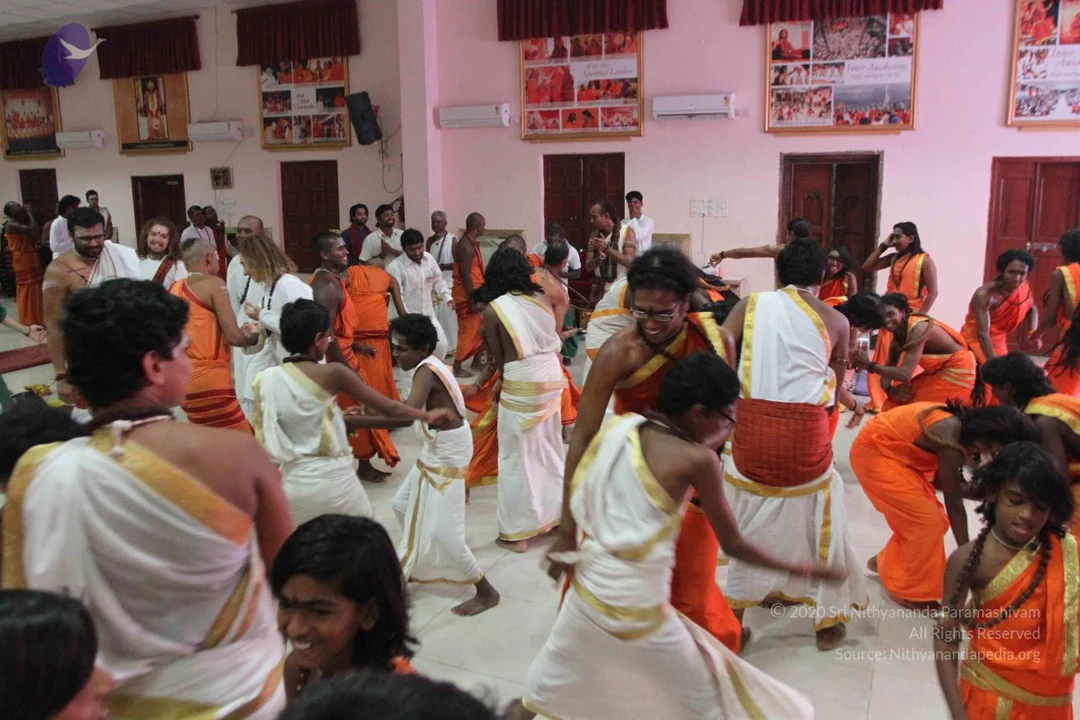
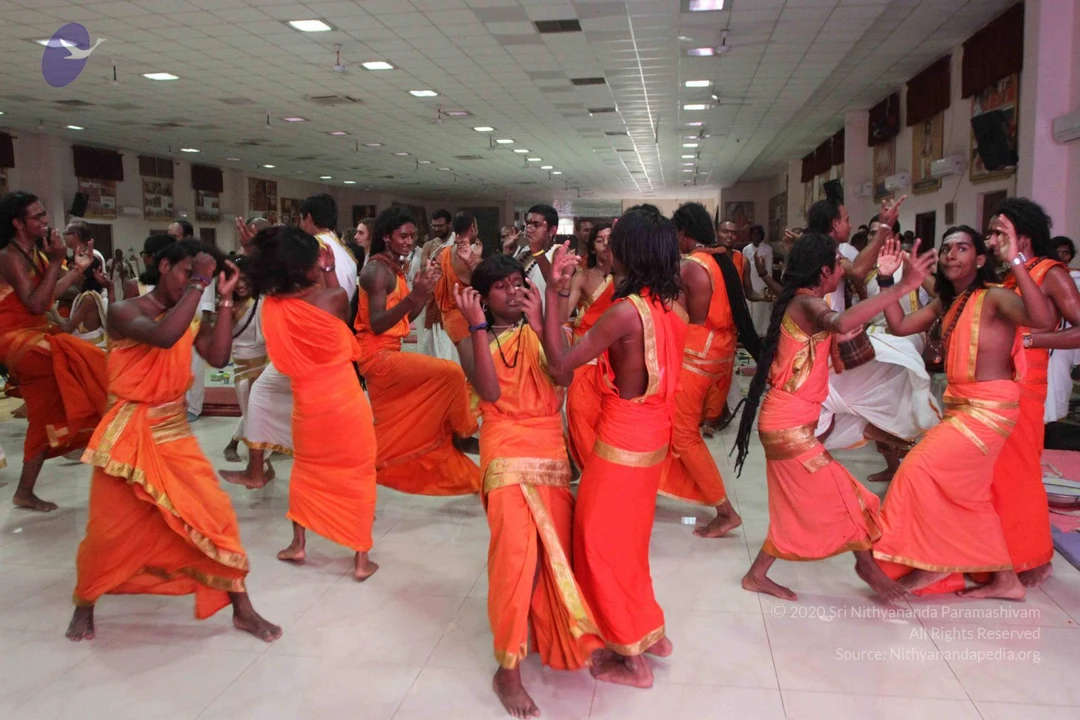
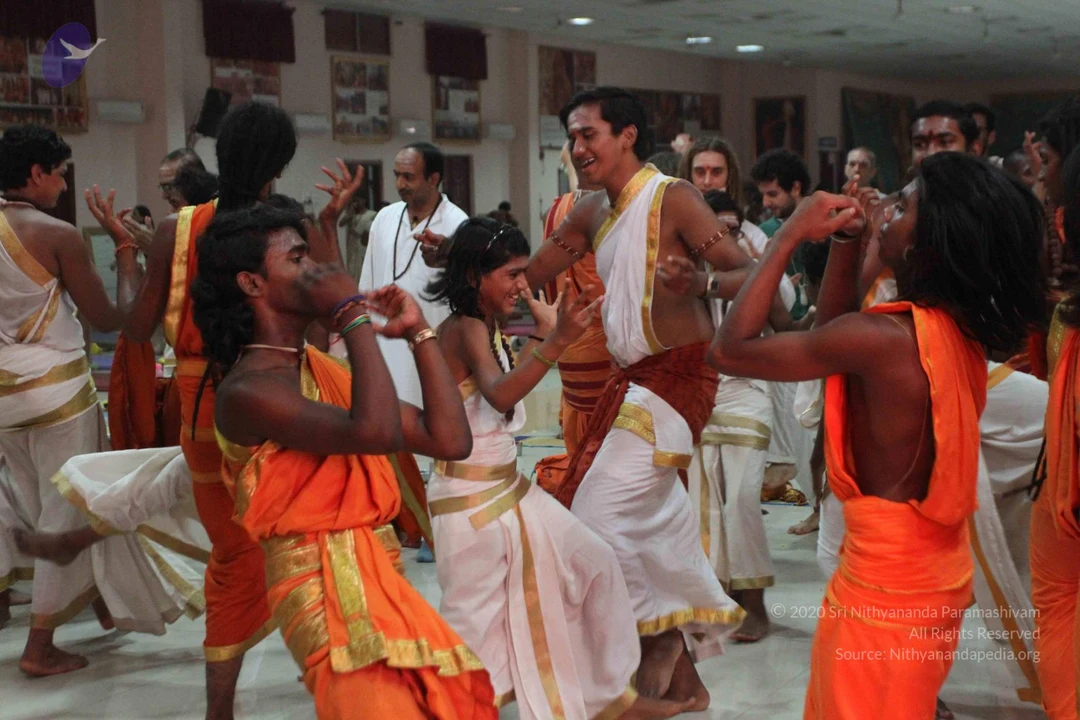
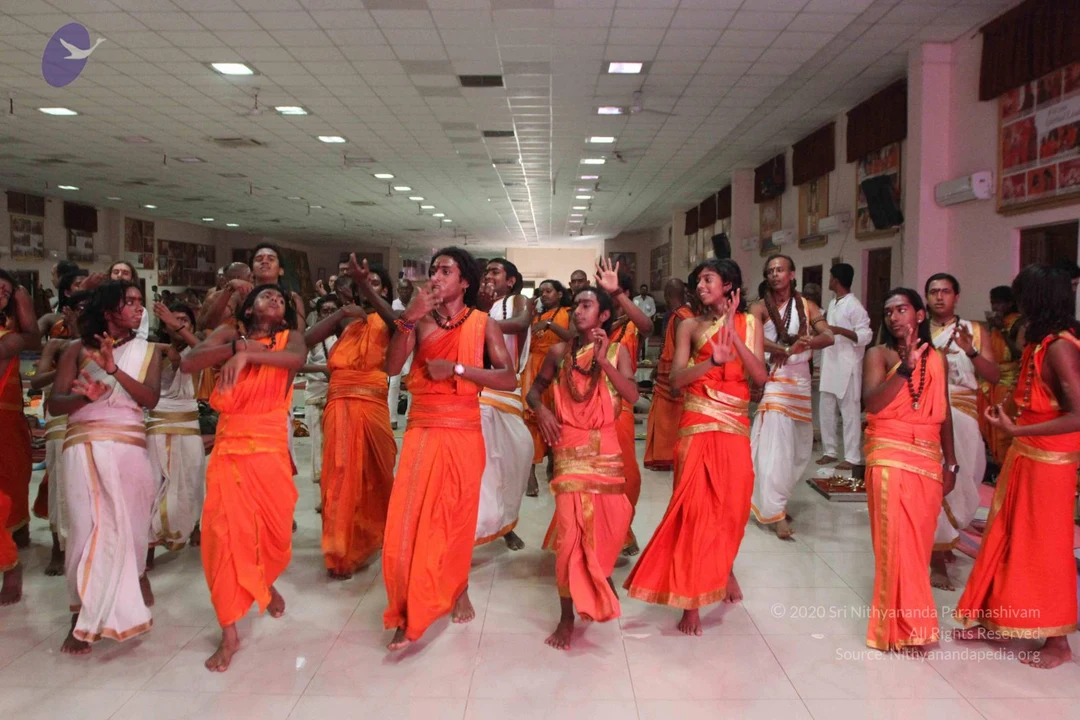
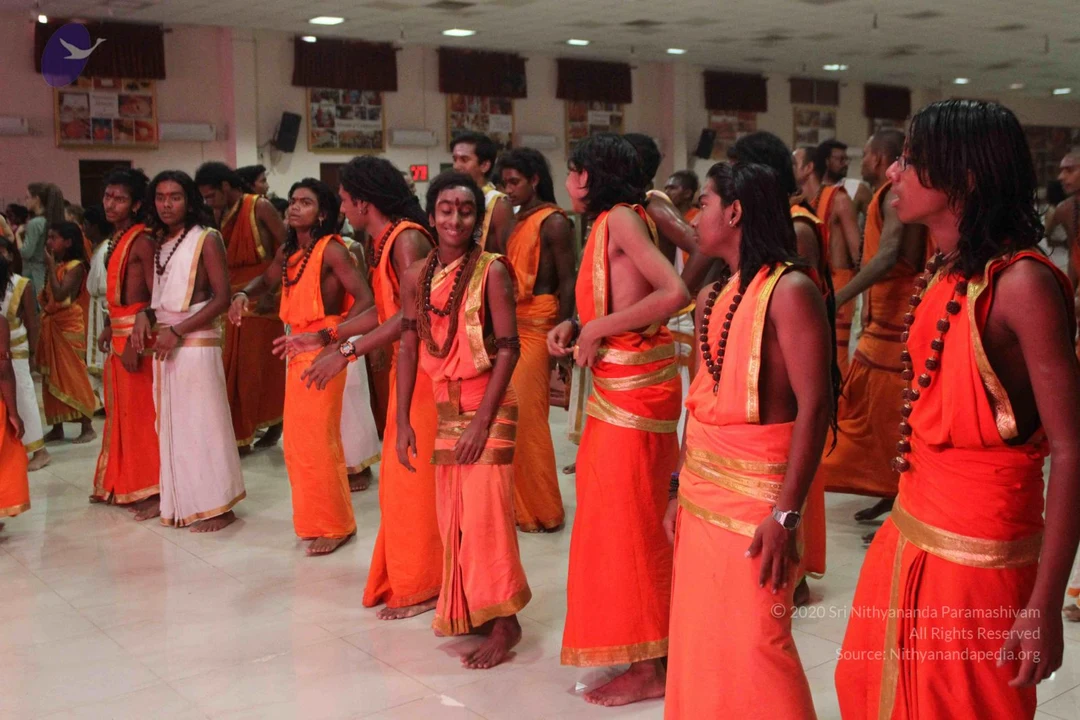
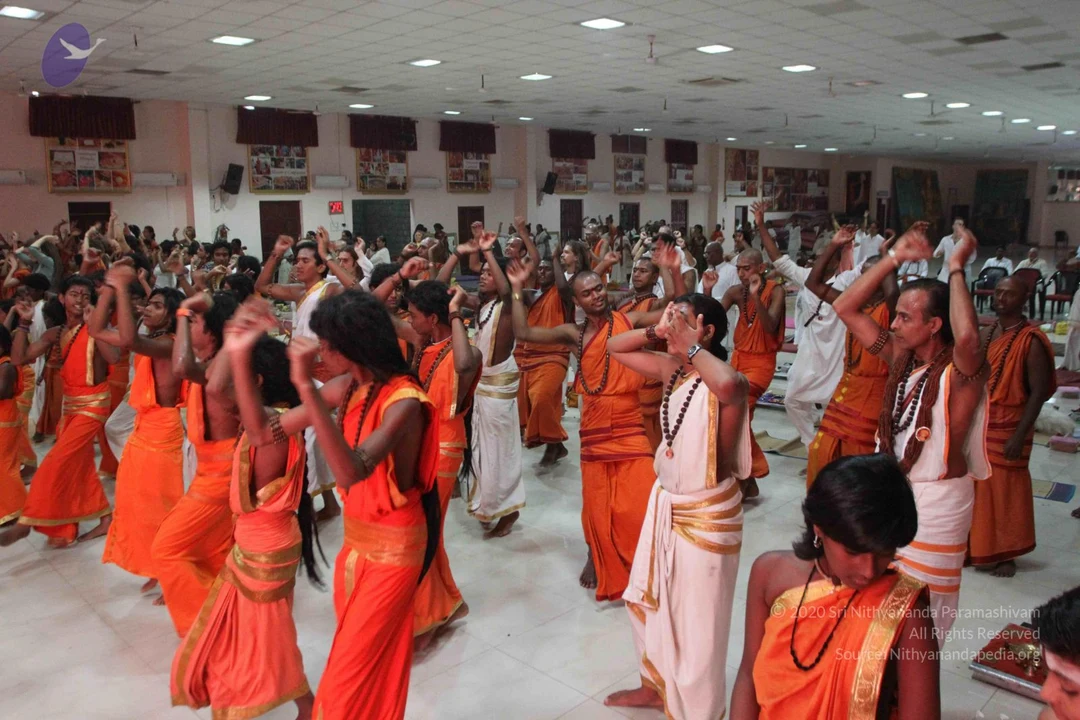
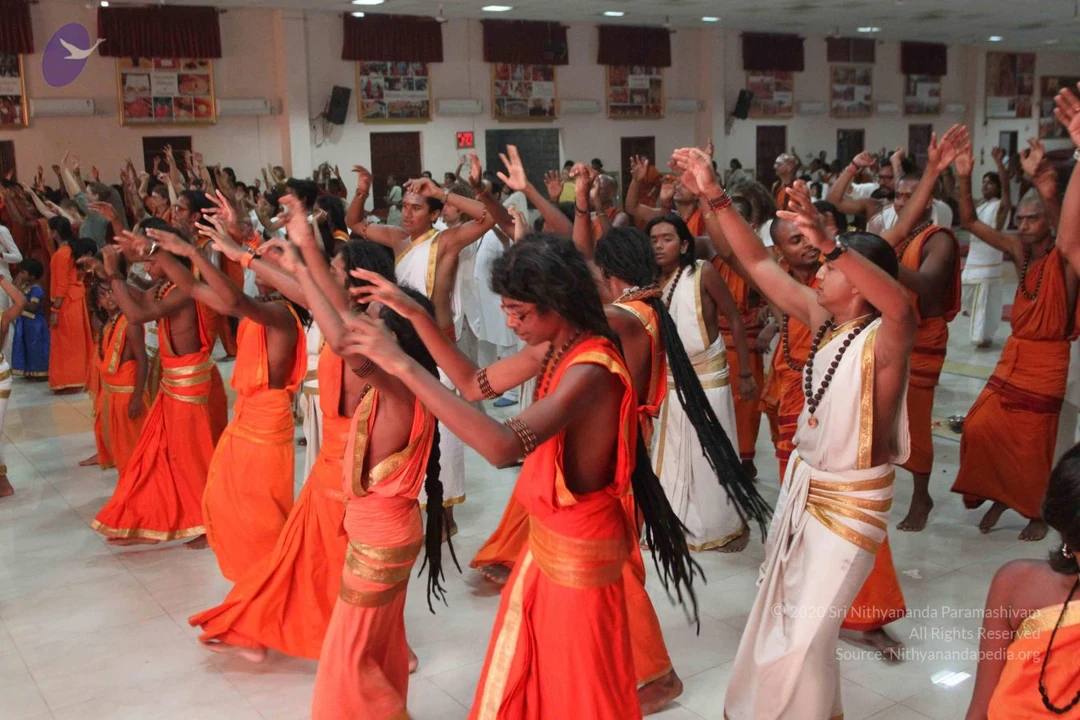
Photos from this day
View all 147 photosNithya-Satsang
104 photosSource gallery
aadi-shaivam tamil satsang
32 photosSource gallery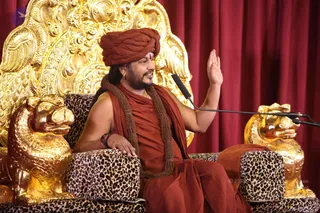
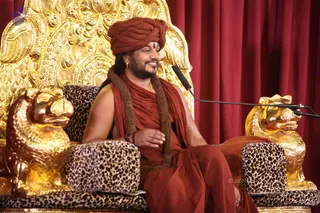
Kirthan
11 photosSource gallery