Saturday
30 July 2016
Conquering life part -1
- Dated photos
- 213
- Source pages
- 1
- Media
- 3


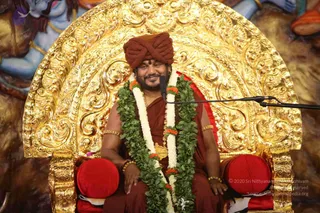
July 30 2016
Original wiki pageTitle:
Conquering life part -1
Link to Video:
| Video | Audio |
Transcript
Whatever may be your perception, whatever may be the way life occurs to you, don’t try to find reason now. Please understand, I only asked you to pen down how life is occurring to you? I have not asked you to find your reason. No, all your reasons... please understand; when you try to find reason, even finding the reason, the way you find the reason itself should lead you towards solution. The “Why?” should be attended with the view of the future. Sometime even the reason you diagnose your problem is such, you come to the conclusion, “It cannot be solved”. (02:48) I always tell people, “Your reason should be reasonable”. The reasons you find should be reasonable. It should be useful for you, it should be about future. Please understand; I am giving you one example << Discontinued 03:12 >> even if you feel like I am not interested in writing, I am not convinced why should I write, I am bored; all these things I heard again and again and I am not interested in all these things. Some people even say, “Oh! I am not interested in all these, doing what you say, can you just directly do something and clear the mess I created for myself without asking us to do anything”. Understand; when you want your freedom, you need to take responsibility. I can do it for you, it is possible, it is not that it is not possible but you will never enjoy your life. You won’t feel complete about who you are. It is not only you making the way you want your life, enjoying that you made it the way you want. I tell you, only if you make it, you will not take it for granted. You will not lose it again. If I make it for you, you may take this for granted, you may just lose it in ten seconds or in ten minutes. (05:06) I am giving you one example, “Somebody is suffering with depression, if you want him to get healed, the very diagnosis and the context with which diagnosis is done itself should be towards the goal of curing, healing, Completion”. Pharmaceutical companies finding solution for your diseases, what a fun! Why will he find a cure, he only want a customer. They don’t want cure, they want customers; that is why, the way they diagnose the diabetes and high blood pressure, “It cannot be cured forever”. The cognition which is put inside you, “It cannot be cured forever”, “Depression cannot be cured forever. It can only be managed”. The way you diagnose, the way you discover the reason, that itself should be from the context of solving it. (06:43) The way life is occurring to you now; please understand; the second secret I want you to know from this program is, right method of diagnosing your problems. Diagnosis should be done from the angle of future possibility not from the aspect of how you can dump the responsibility on the past. The “Why?” should be attended from future that is only then it will become Z – Zest or it will be X – caught. If you try to deal the “Why?” from the past it will be just X – caught, cross. Only if you deal it from the future, it can become Z – Zest. Listen, always attend the “Why?” to make Z, not to dump as cross, X. (08:18) Depression - If the simple diagnosis can be done to a depression, any depression has to attract the high energy. It’s a simple logic whether in the water body or in the weather, if there is a depression there is going to be a fulfilment. Never you will listen this diagnosis or reason understanding about depression because nobody is interested in curing it, everybody wants to encash on it. I tell you, most of the people enjoy your problems because only when you have a problem, you will be dependent on them. By and by you yourself start enjoying it because with problems, the infrastructure you established seems very useful and fruitful. You look very brilliant. When the problems become redundant, the infrastructure you establish looks redundant, so the time you spent on all that, looks very redundant. Just to make your past worthy, you go on making your problems relevant.
(10:00) Listen carefully, listen carefully; there are at least... I can give you one example, there are at least 100 methods of transportation, more convenient, comfortable methods are already available without using the roads and petrol, diesel. The oil... without using the oil and road at least hundred methods of transportations have already available. Enough of balloons, methods... just you can raise for 200 feet and reach your office, all that is available. Nobody wants to make that popular because all the energy, time we spent on road and oil will become irrelevant. So we will look like a fools. I am giving you one example. Whether in the field of health or whether in the field of communication, whether in the field of transportation, in every field enough has happened. If you look at the “Why?” from the angle of solving it but, the “Why?” is not looked from the angle of solving it. (11:43) Let me give you some more example which you can directly understand and analyze. See now you have written lot of lines, thoughts, ideas, “How life is occurring to you?”. You always think, “I know the problem. I know the solution. Only I don’t know how to execute it”. Please understand; if you don’t know how to make it into reality at least be very clear you don’t know the solution. Don’t have this half understanding, “No, no. I know the solution. I only don’t know how to make it happen”. No, that is what I call, “Consolation out of confusion”. Trying to console yourself out of confusion. (13:05) Understand; till the result happens, effort cannot be called as effort. Till the effect happens, effort cannot be called as effort. Somebody came and told Me just few days before one of My team person, teamily person, “I am putting so much of effort, result is not happening Swamiji”. I said, “No. Be very clear till the result happens, what you do cannot be called as effort”. Don’t have the wrong diagnosis, wrong reasoning. Wrong reasoning is delusion. Wrong reasoning is suicidal. Wrong reasoning makes you feel you are stuck in the life. Sometime people say, “Oh whatever you say it feels like going above My head Swamiji. I don’t understand” means what? If it is going above your head, just catch it and put it inside. After all it is going just above your head. It’s not going somewhere.
(14:43) The first step, seeing how life is occurring. The second step, next step, always look at the life, perceive the life, understand the life, reason with the life from the context of making it as you want. Making it as a reality as you want, not dumping the responsibility or playing the blame game on your past; on everything. We can blame everything including ourselves and say, “This is the way it is. What can be done?”. No, that is what I call suicidal. Many time we even start enjoying our belief that we are only capable of this much, this is the way it is. (16:15) I will give you an example, you want to be healthy, you want to wake up early morning 04:30 and do Yoga everyday and healthy. Is there anybody putting you in prison and tying you with chains on your bed at 04:30? No, but you enjoy, “I can’t get up at 04:30 you see. I tried my best. I had enough of alarms, Yoga mats, shoes. I watch tons of Yoga videos, gymming videos, workout in ten minutes, six minutes for six-pack, eight minutes for eight-pack, ten minutes for total workout. All these videos I watch but you see I can’t get up in the morning” and you start either getting comfortable or give up or even enjoying your inability. (17:34) Please understand; I am not even saying you need to put all your effort. I want to make only this statement as, essence of this session. If you can start looking at the whole, analyze each and every situation from the angle of manifesting it as you want instead of the blame game of why the way it is? See, when you look at, “Why the way you think? The why the way you act? Why the way you talk? Why the way you feel, the way you feel? Why the way you exist, the way you exist?”. If you feel tremendous pain, inability; you are only enjoying, entertaining blame game, putting the blame on the past. (19:17) Now it is time even the “Why?” should be from the context of “How?” Even the “Why?” should be from the context of “How?”. See, the why… “Why the way you exist the way you are? Why you have stomach pain? Why you have depressed mind? Why your relationships are falling apart? Why your thinking is so shallow? Why you are all the time irritated or bored? Why you are all the time tired or collapsing? Why your decisions are not becoming fruitful?” This “Why?”... if you approach this “Why?” only to blame the past, the existence of past... “Oh, you don’t know Swami my background. For my background even how I survived is extraordinary, no one else other than me would have survived in my background, the way I grew up or the place I was in”. If you are interested in that, you will never find solution. You will never find the life as you want. You will never find the reality which you want to manifest. (21:17) If you want to conquer the life... that’s why I use the word, “Conquering Life” for this program. Actually you have to conquer it. There is no way you can have agreement with your past. The way as life is happening to you, there is no way you can just paint, do the tinkering, touch-up here and there and use it again. No, it is just straight your enemy. The way the life is occurring to you now is not your business partner, he is not your friend. I think not your friend all of you know already but, you always think there is a possibility for negotiation. I will do little negotiation and just do this touch-up and that touch-up, little lip-stick and little combing and little painting here and there, little tinkering, polishing; no. (22:18) Only if you understand, your past should become redundant and you should not expect inspiration from your past. You should generate a mechanism in you as a source of inspiration and make the whole redundant. The whole should become irrelevant only then conquering can happen to you. Please listen; the spirit with which you need to approach whatever the way life is occurring to you, is conquering; not adjusting, not manipulating, not withdrawing. No question of withdrawing, no question of adjusting, no question of touching-up. Engineering is not possible. Art is not possible. Conquering is only possible. Understand; if you think with life, you can do some art; no. Or you can do some science; no. You can do some engineering; no. (23:55) The way the life is occurring to you, you just need to conquer. That’s the only solution. As long as you have the light soft corner and sympathy for you and justification about the way you exist, conquering is not possible. You just need to know; please understand; when I am telling this truth I am not angry with your past. I am not angry with your past. I am ferocious with your past. I am not asking you to be angry with your past. No, I am asking you to be ferocious with your past. Be ferocious with the way your life is occurring to you. Don’t be angry. No, that is no way going to work. You had enough of anger, enough of guilt, enough of powerlessness. Guilt, anger, powerlessness, enough all that. (26:01) Listen; if you approach why the way you are? Why the way you think the way you think? Why the way you feel the way you feel? Why the way you act the way you act? Why the way you exist the way you exist? If you approach all this, all this put together only is called life. The way you approach your life should be the attitude of conquering, not angry but ferocious, not angry but ferocious. This is one small but great shift needed to happen, the way you look at the life, the way you diagnose your life, the way you find the reason. (27:39) People ask Me, “If I am successful in my career and earn good money? Does it mean I conquered life?”. I can say, if you feel you are earning good money and you are happy about it, you conquered your life in the field of career. In that field you have conquered. Conquering is not winning. In winning somebody has to be a loser. In conquering nobody needs to be loser. There is a big difference. If the resources are very limited, it has to winning. Somebody has to win, somebody has to lose. If the resources are unlimited, that is when conquering. (28:41) Listen carefully; the next step I want you to do. Look at your, the first exercise you wrote, “How the life is occurring to you?” Look at this with the ferociousness and find reasons. Please understand; don’t find reasons which makes you feel you can’t do anything about it. Look at it ferociously. If you look at it... see for a... I can give you some example - even depression if you look at it ferociously, you can find a reason, “Hey this is happening just because of my unattentiveness about my inner space”. If you find that as a reason you just know you can heal it, cure it, you can be out of it. But if you start, “Oh my ex-wife who cheated me and took all my money and ran away and my boss who dumped me from his office and my stomach which is not able to digest the food for last 12 years and the Mc Donald’s fellows who spoiled my stomach by putting all the chemicals in the food. All this put together... my pastor who does not give any spiritual counselling to me. All this put together is the reason for my depression”. Are you going to ever cure it? Or are you interested in writing a book about your depression and selling it?
(30:43) All best sellers are only pathetic repenting sympathizers not never solutions because people enjoy that somebody else is also suffering like me and it is very common and I have lot of people on my side. They want only that confirmation, nobody wants solution that is why read all the bestsellers. When you read you find a tremendous relief, “Wow! Lot of people are suffering like me”. Never a solution because you want consolation not solution. Now drop that for next ten minutes. Look at your life with ferociousness of finding solution. Finding even the reason why you are the way you are with the context of ferociousness of finding solution will solve 90% of the problem. 90% of the problem will become non-existent. Your past will become redundant, irrelevant. (32:17) Even if you find reason as I gave this example. If you find the reason for depression as, “My non-attentiveness” you will simply find solution. If you find the reason for your depression starting from the first girl friend who ran away and the second wife who ran away with all your wealth and who cheated on you then discovering your pastor is not giving you spiritual counselling and the Mc Donald’s has put all the chemicals and toxins in your food and spoiled. Even your diagnosis, even your “Why?” if it is from the angle, you only need consolation not solution. You need only the reason why you are suffering and justification why you are the way you are? If you are looking for that, you won’t find solution. Maybe the shallow teachers will be a great help for you. Sorry, unfortunately I am not the one. (33:49) Look at yourself ferociously not angrily, ferociously. I will give you few minutes. Diagnose whatever you wrote now. Why the way you are the way you are? Diagnose all of them from the angle of solving. Find reasons for all of them from the angle of solving not from the angle of blaming. From the angle of creating the new reality you want, not from the angle of justifying the way you are. Look at the whole thing you wrote ferociously. Please have few minutes. Find reasons. Reasons why you are enjoying this thought current the way you are enjoying? Why the diseases are there the way it is there? Why the relationship failures are there the way it is there? Why the tiredness and boredom, irritation, all these exist in you, the way it is existing? Why? Ask all the Whys from the angle of solving it not from the angle of blaming it. Few minutes of contemplation. Please take it up. Pick up your paper and pen. Read what you wrote. (38:45) Thank you. Be Blissful.
Sakshi Pramana:
sharing from SADASHIVATVA PROGRAM
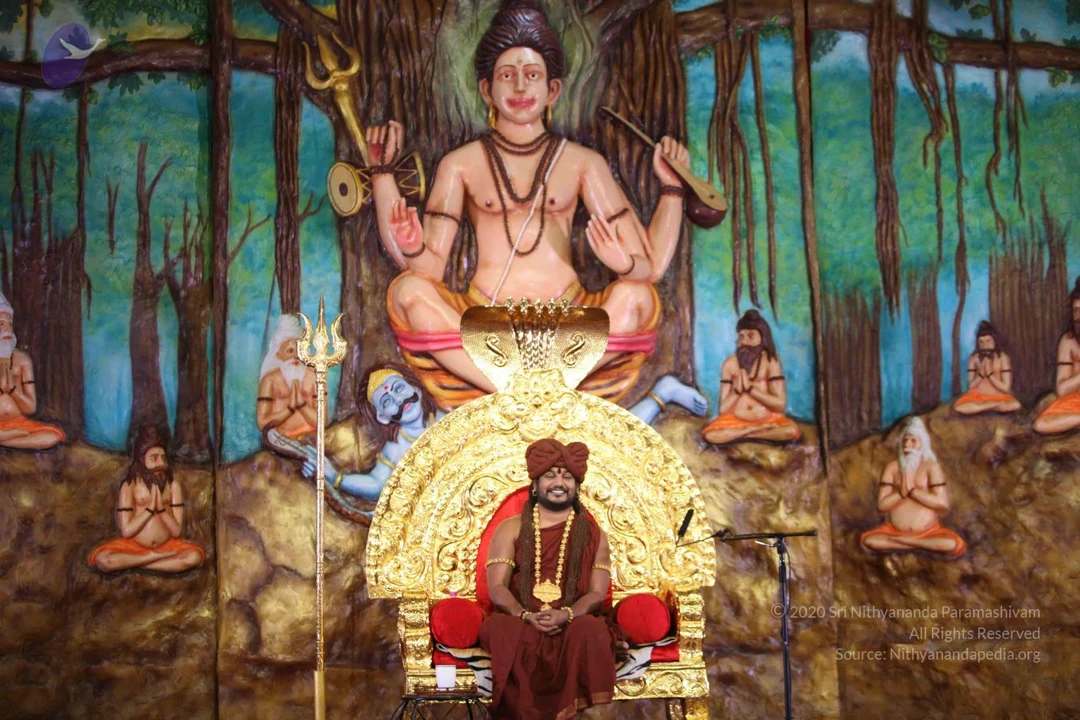
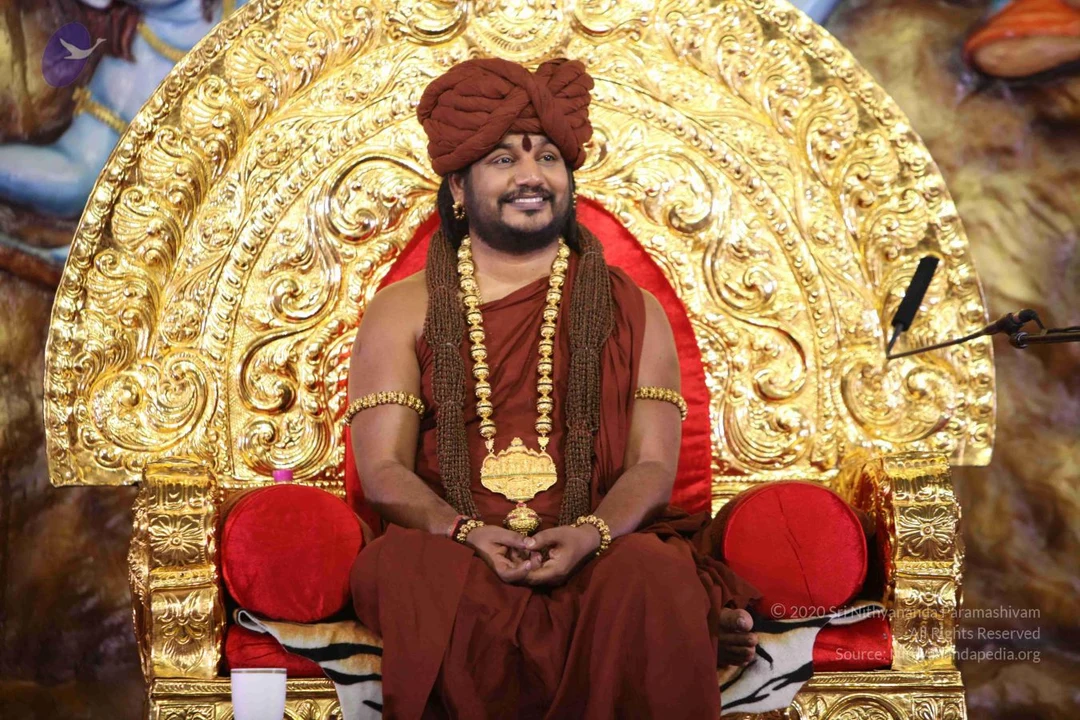
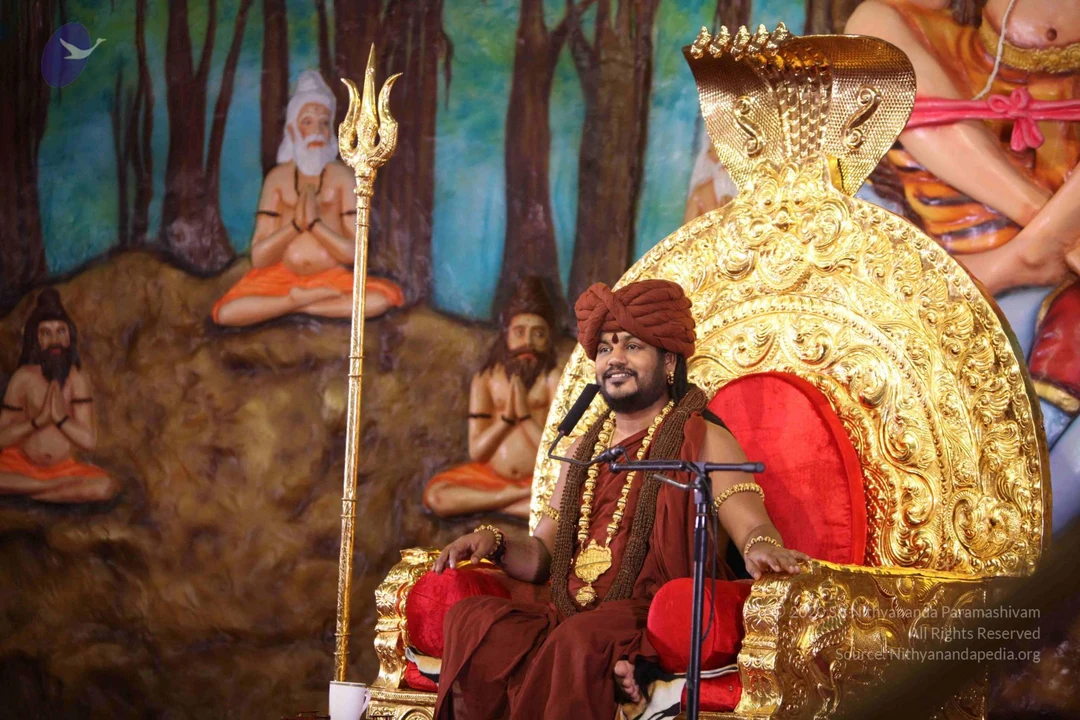
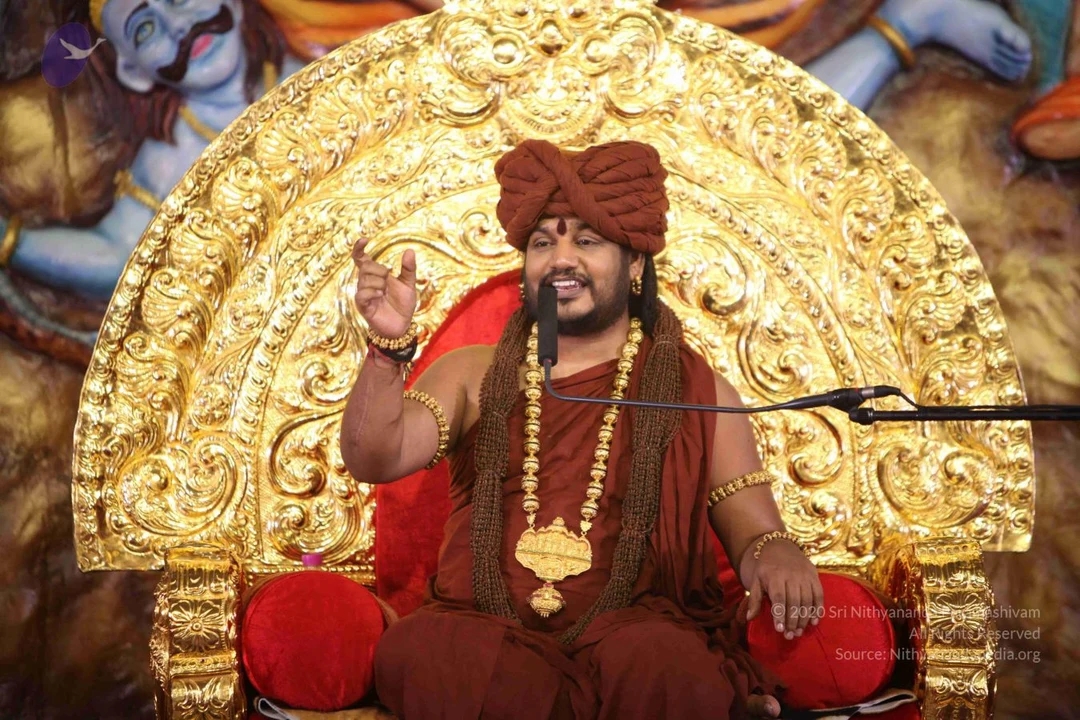
Photos Of The Day:
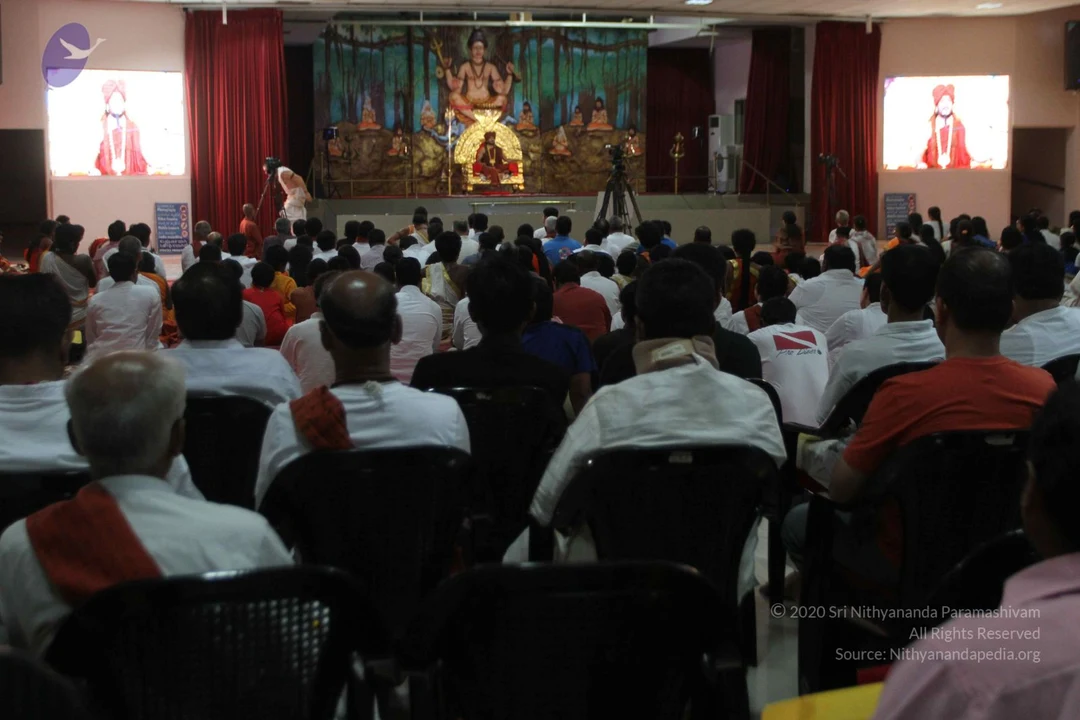
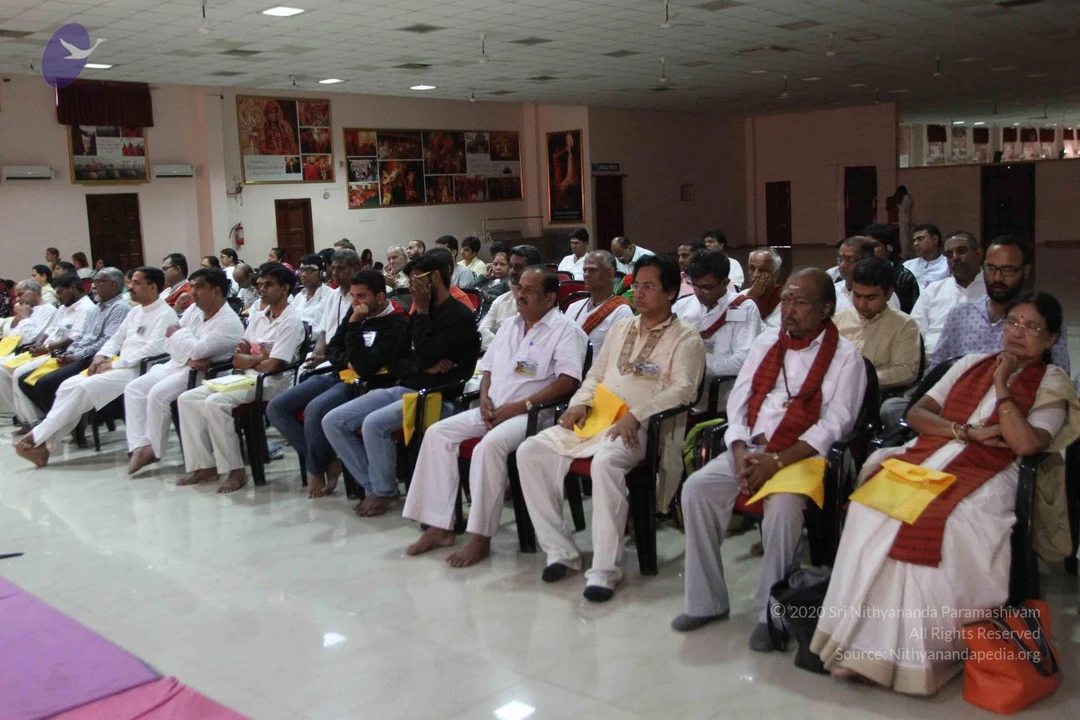
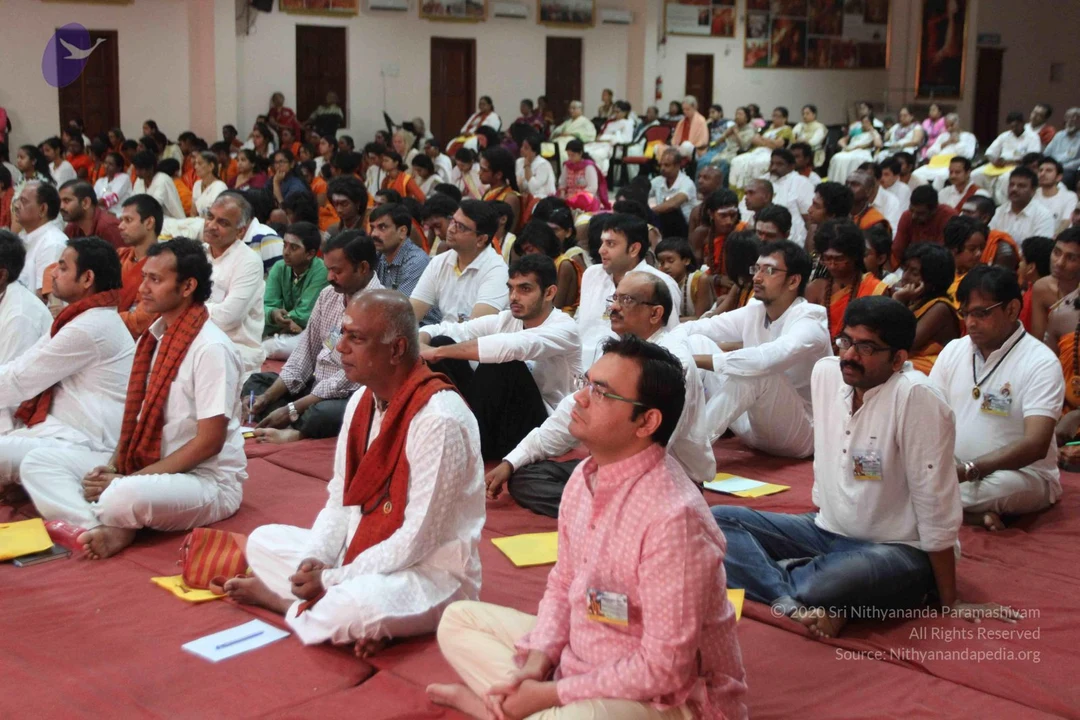
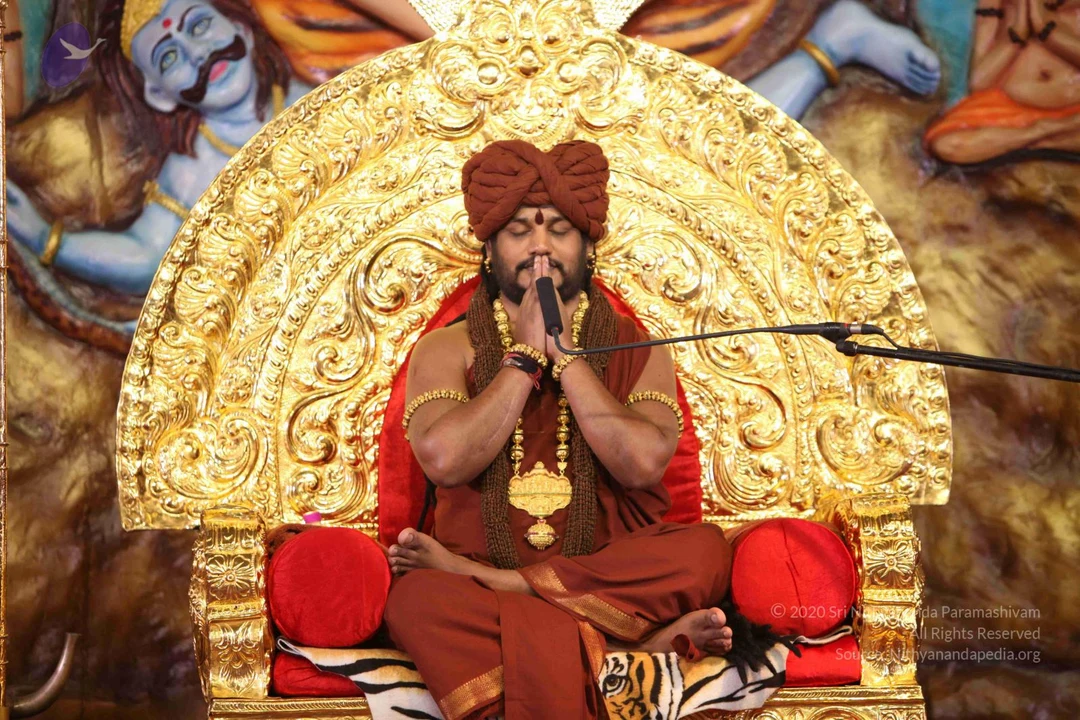
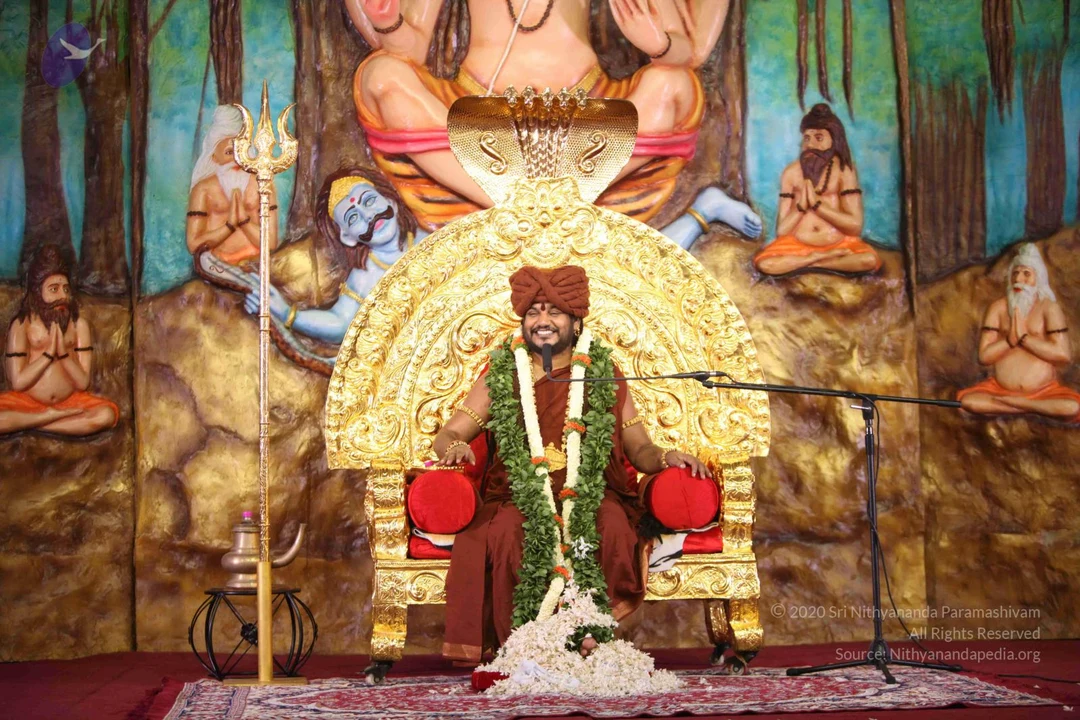
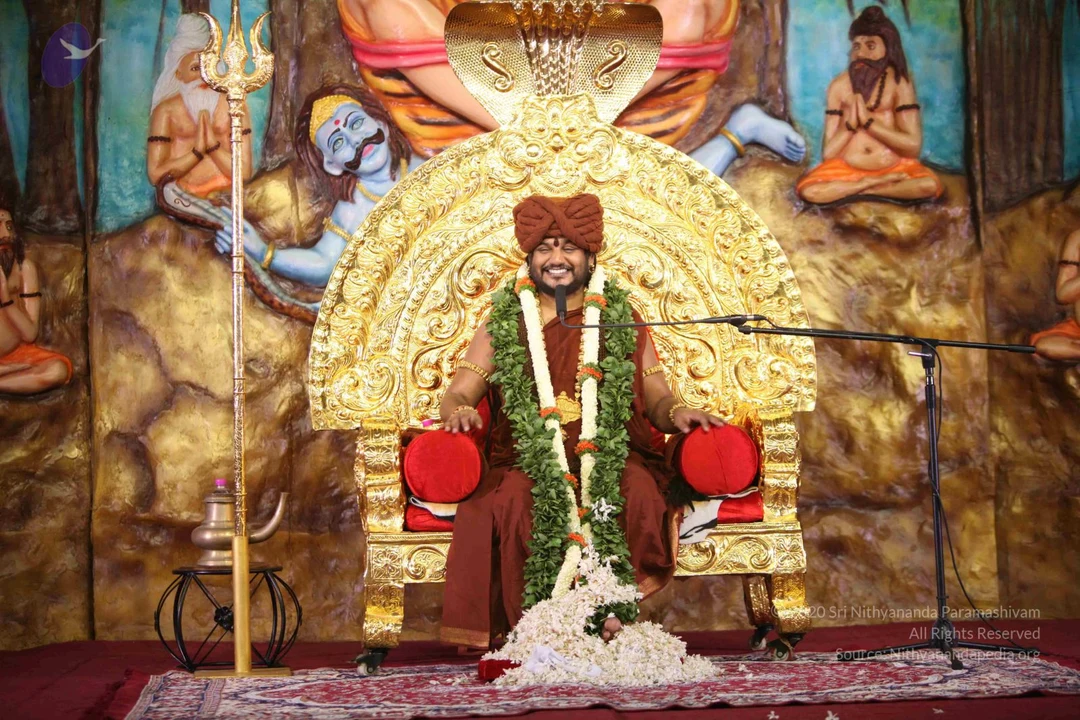
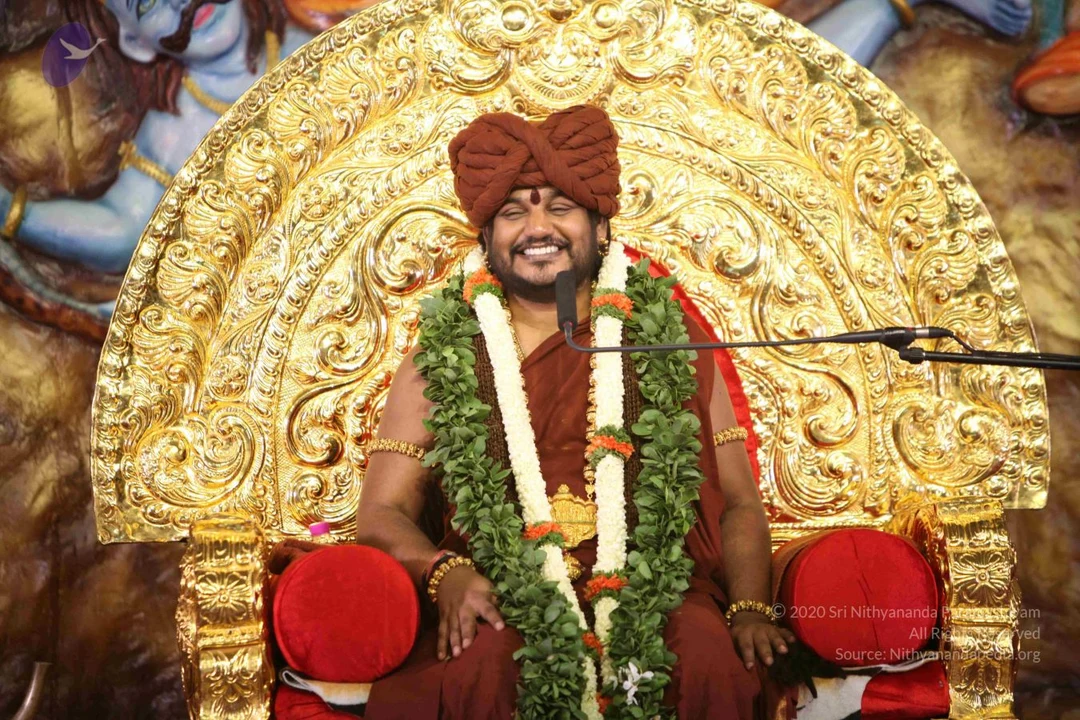
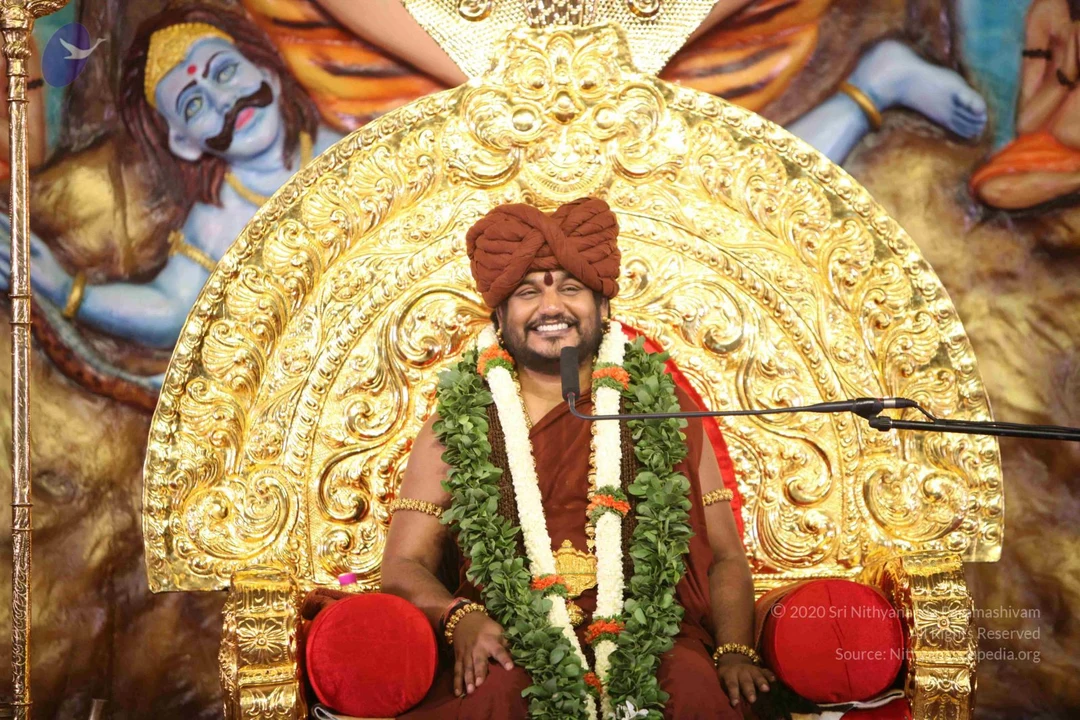
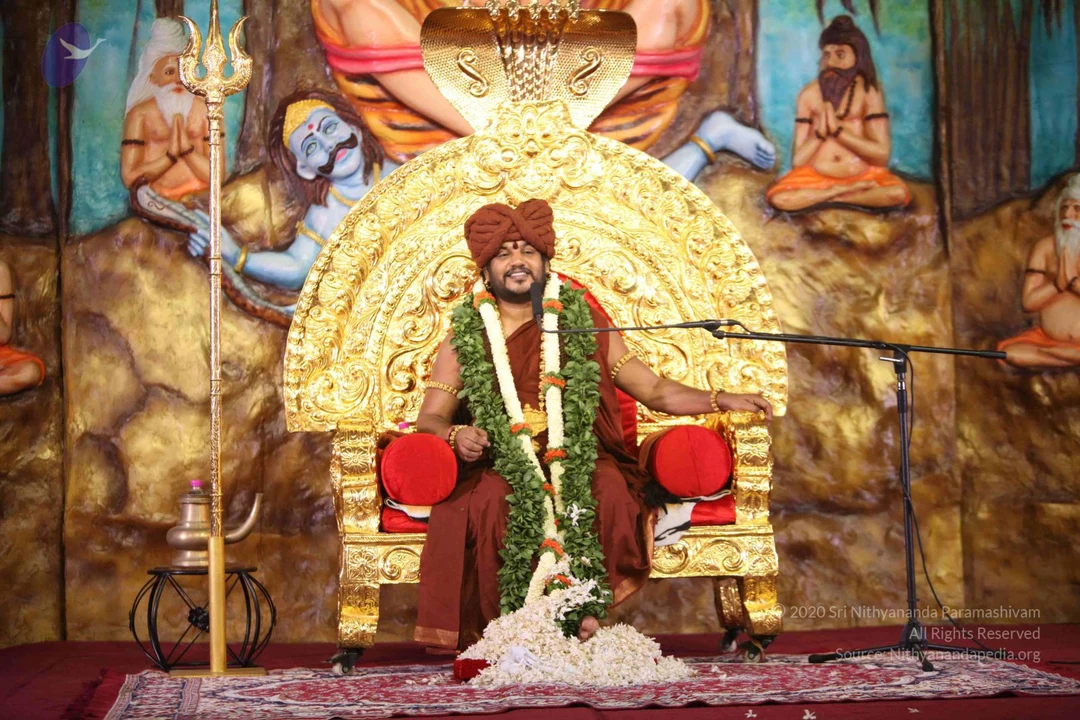
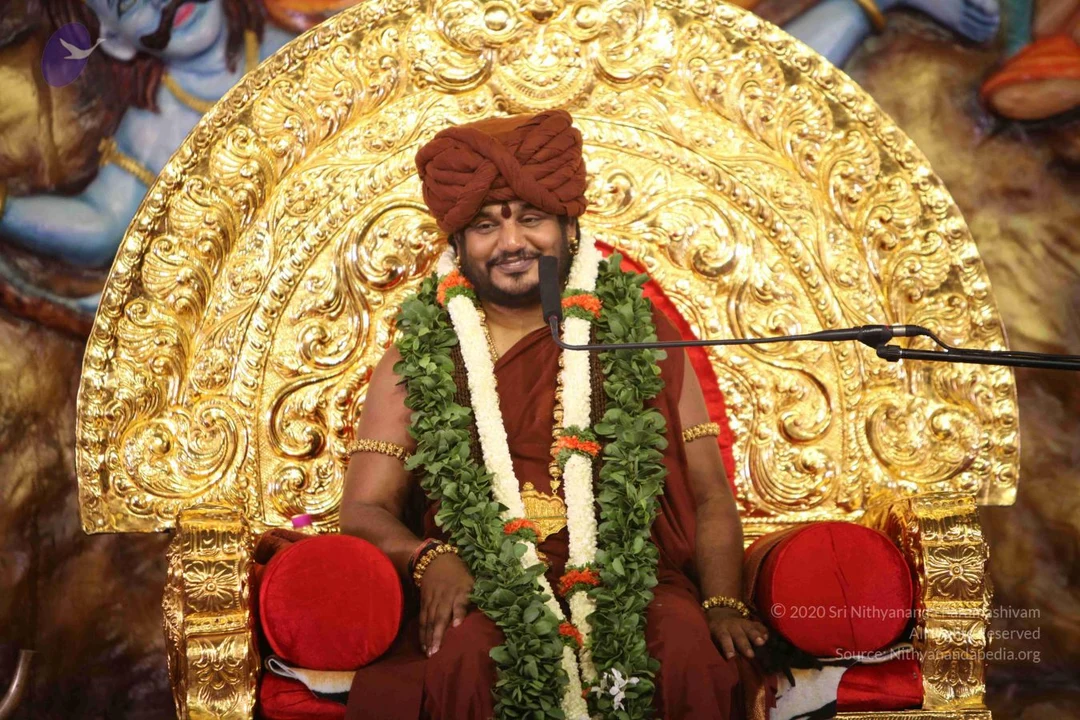
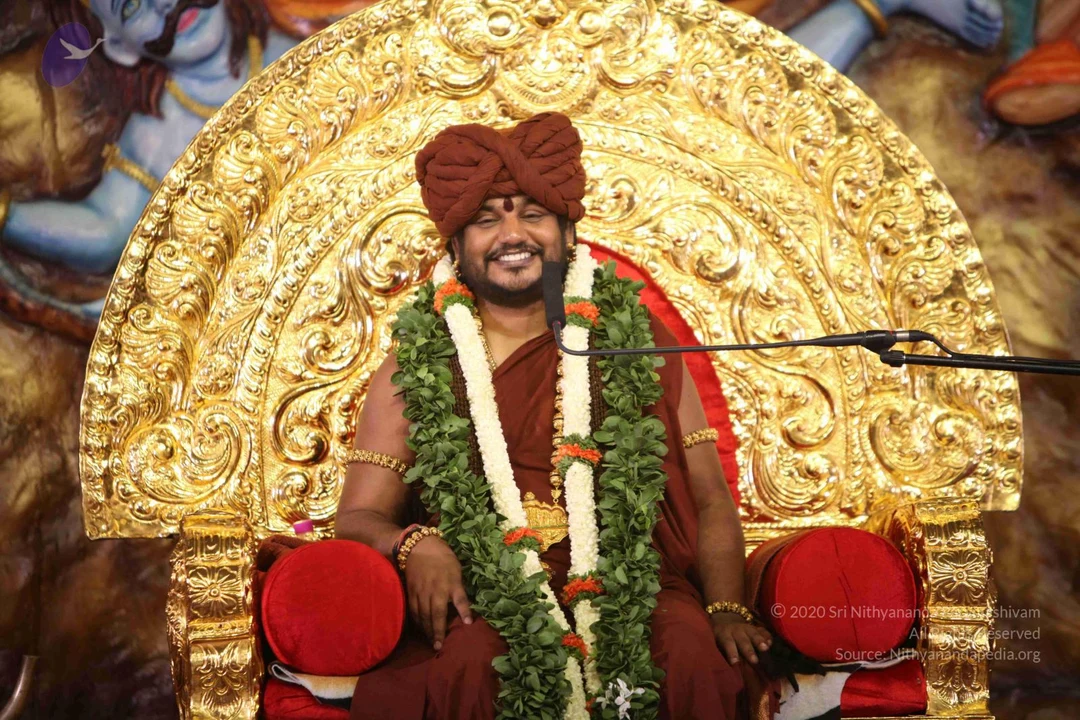
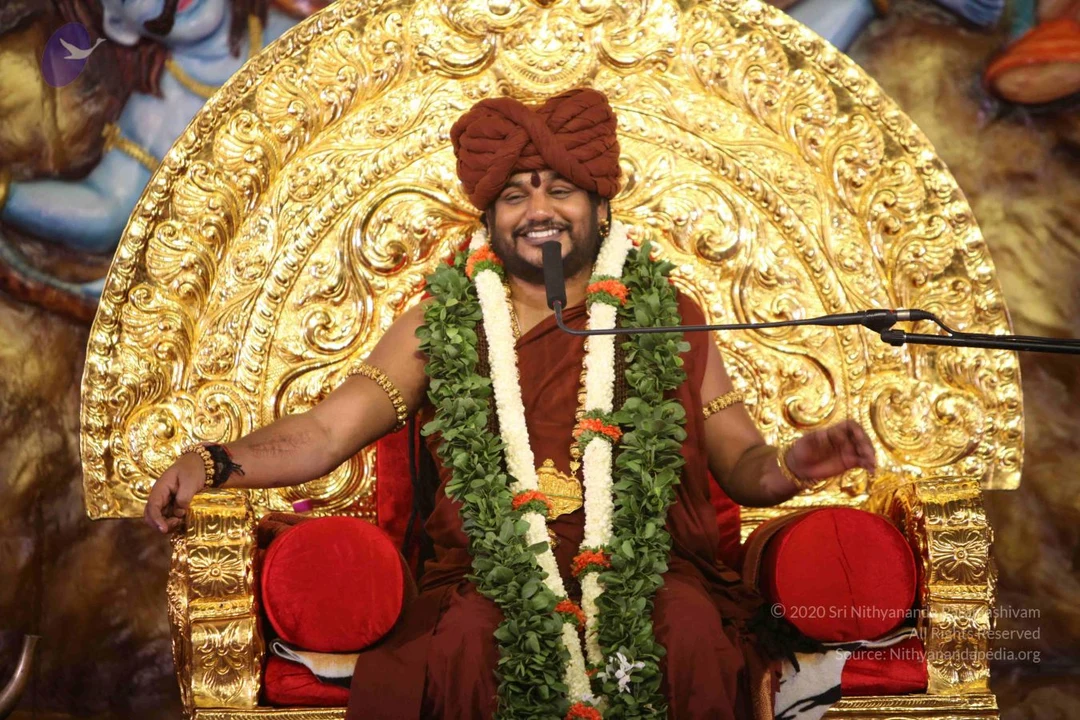
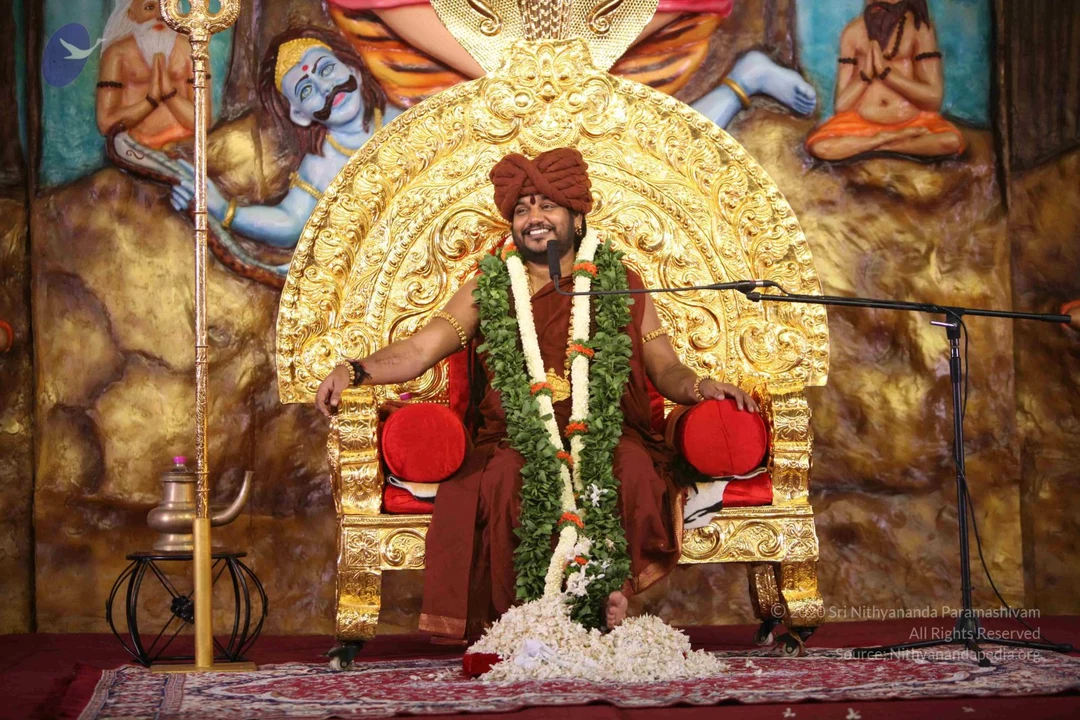
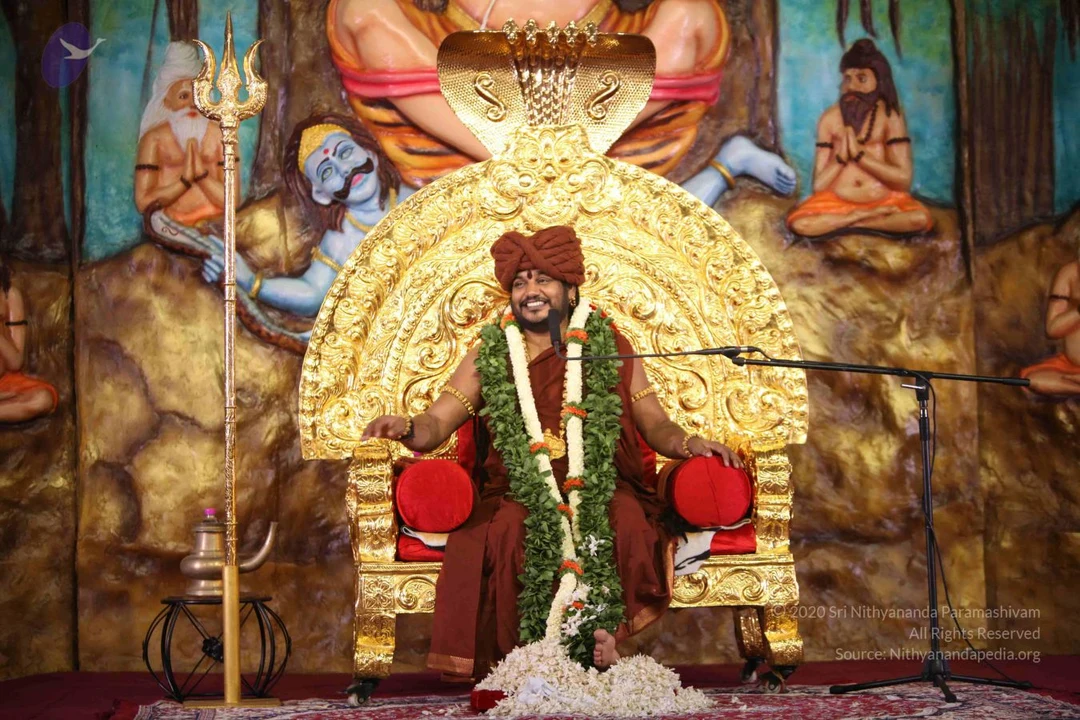
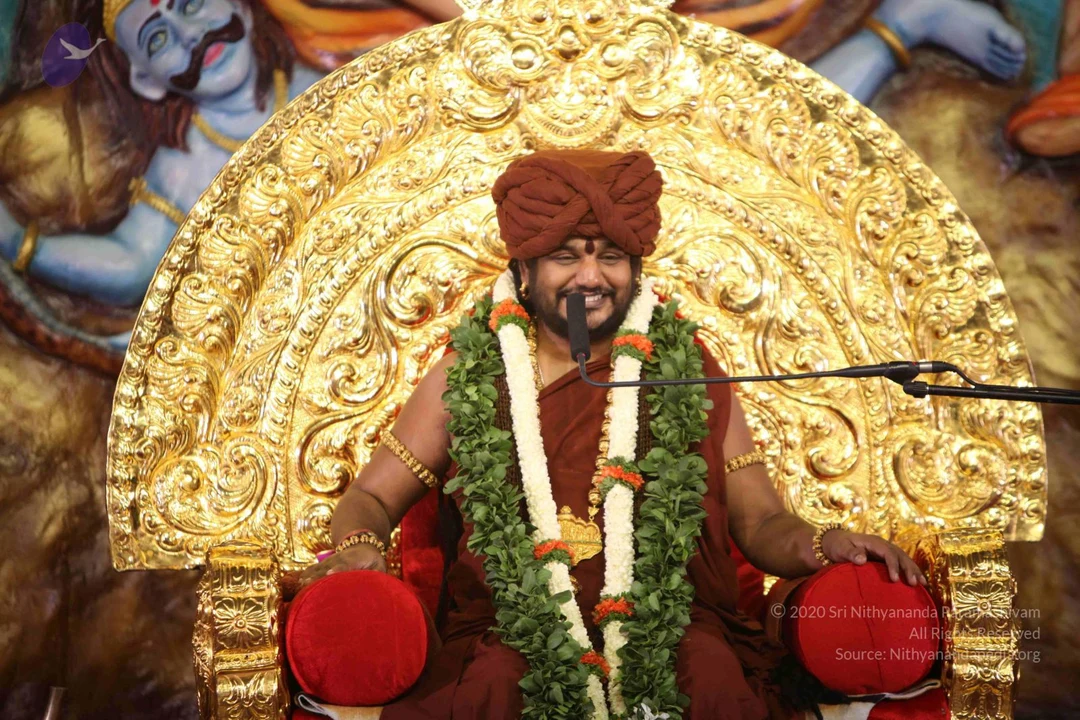
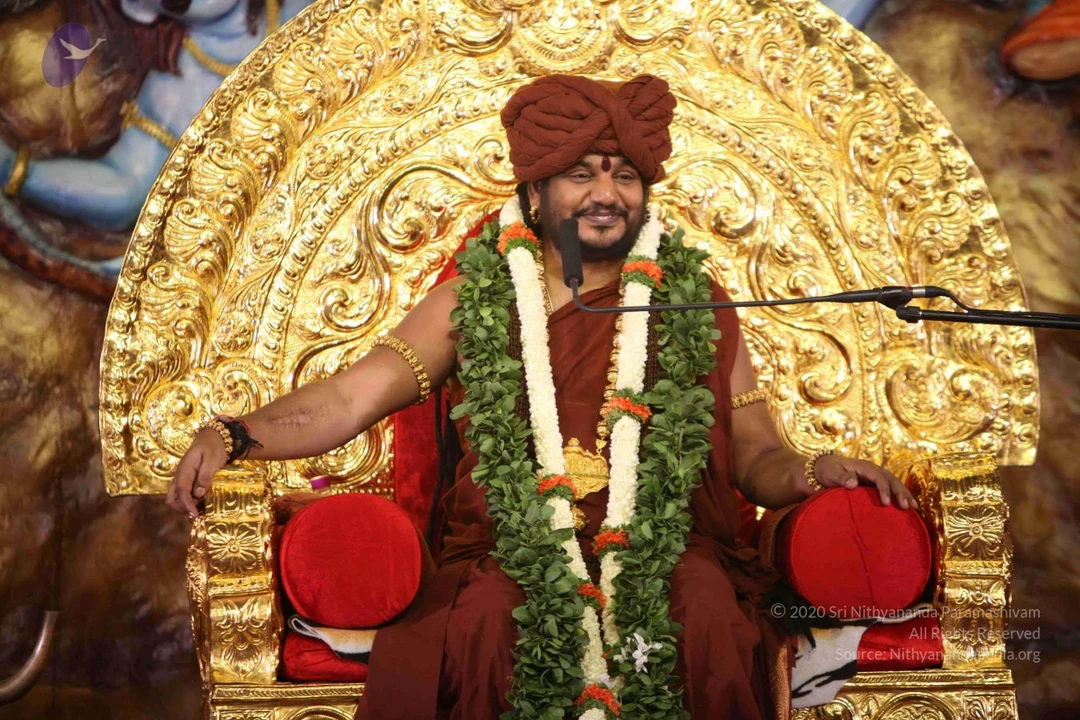
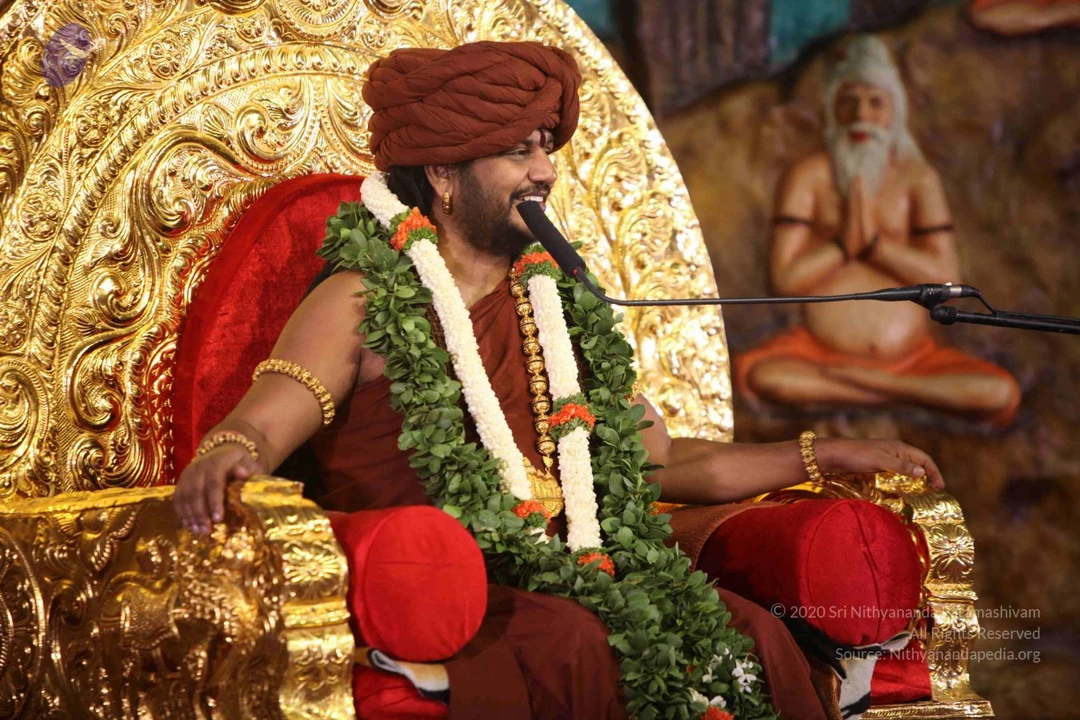
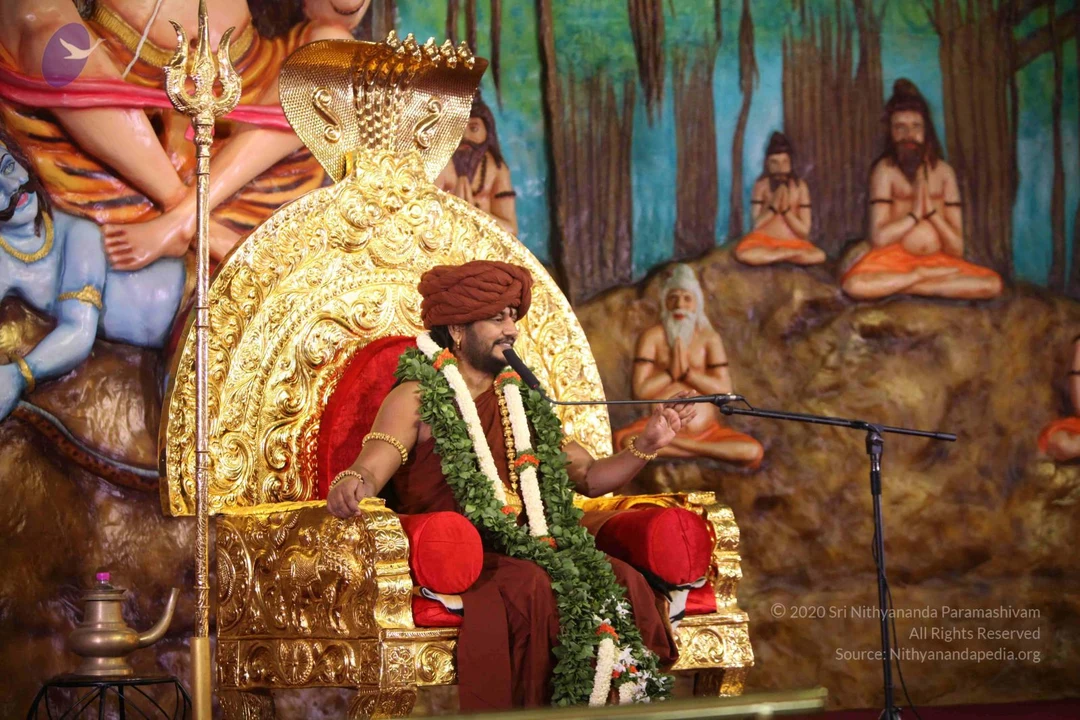
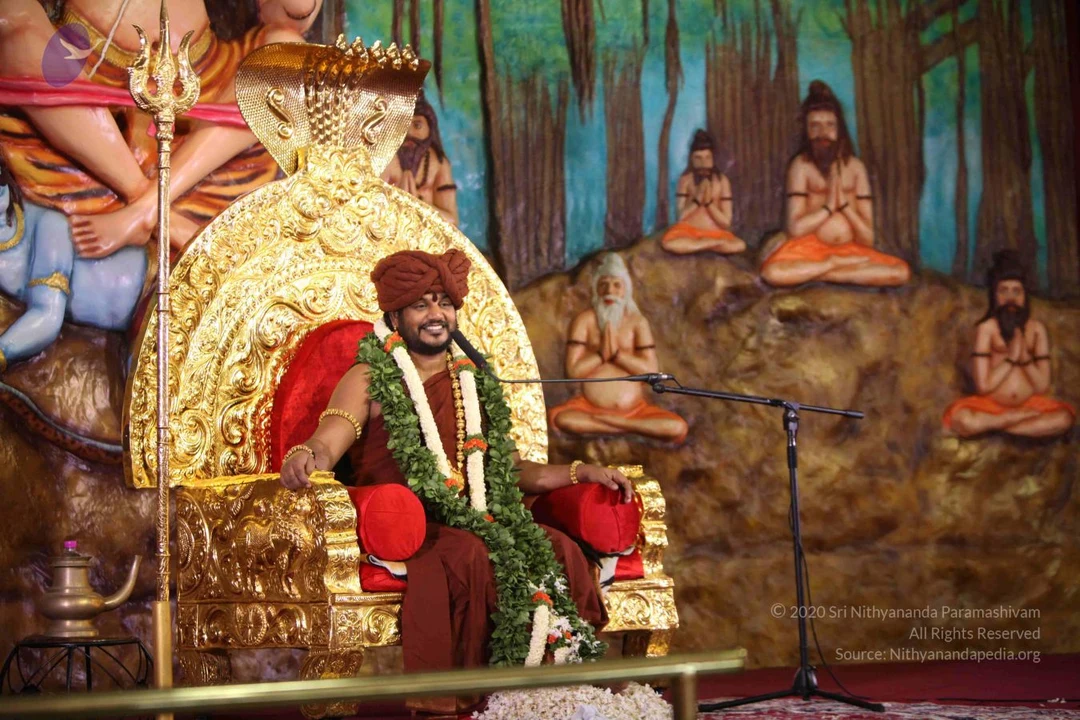
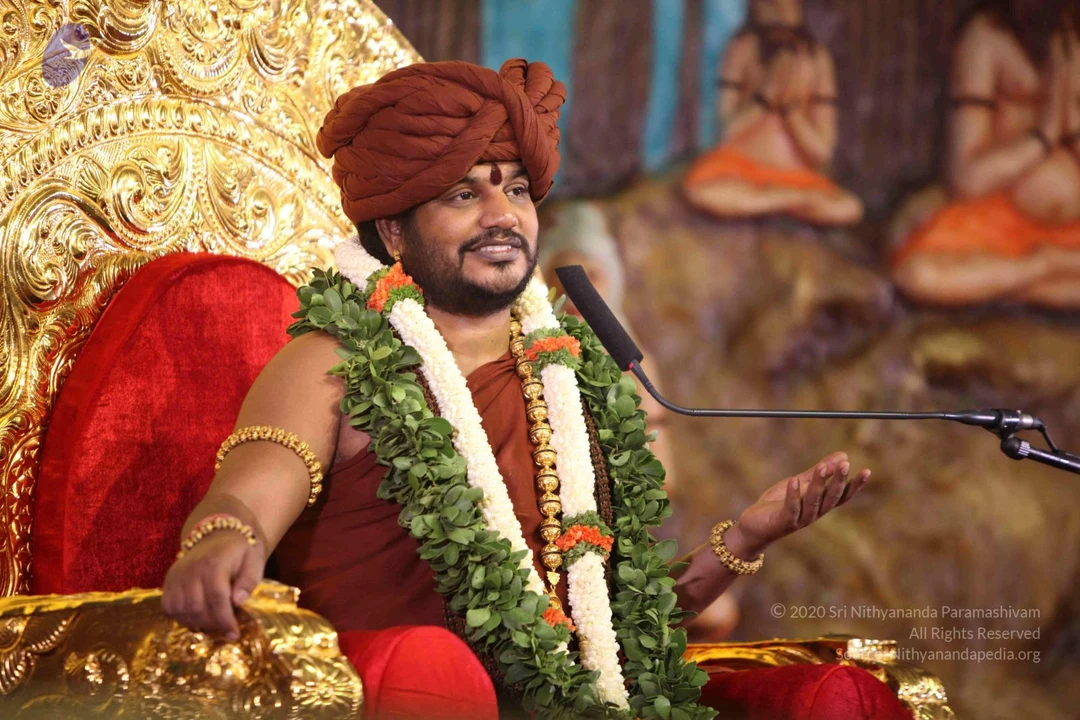
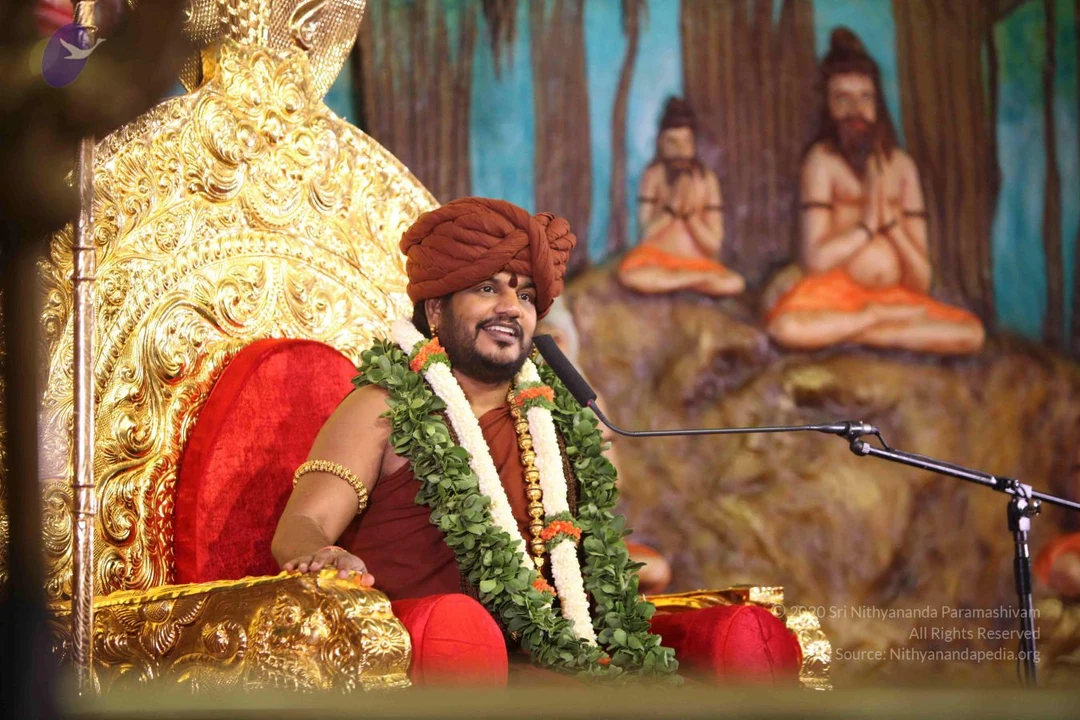
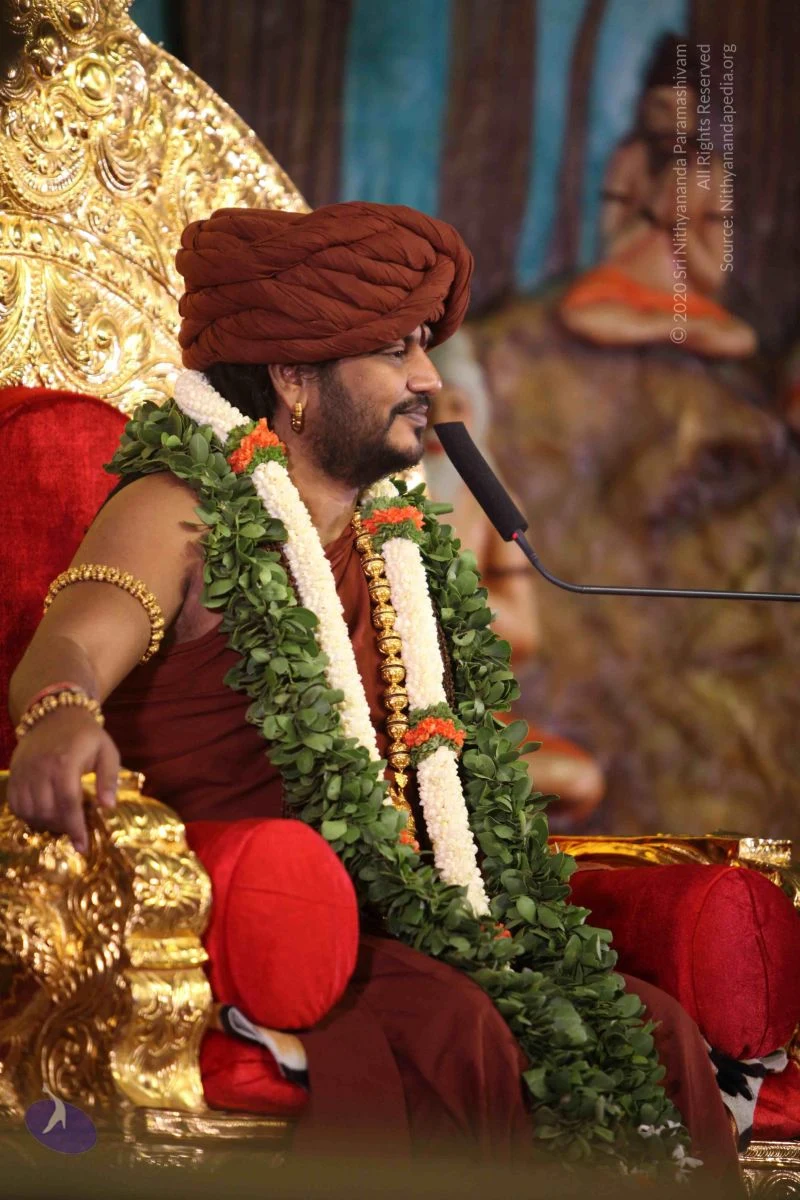
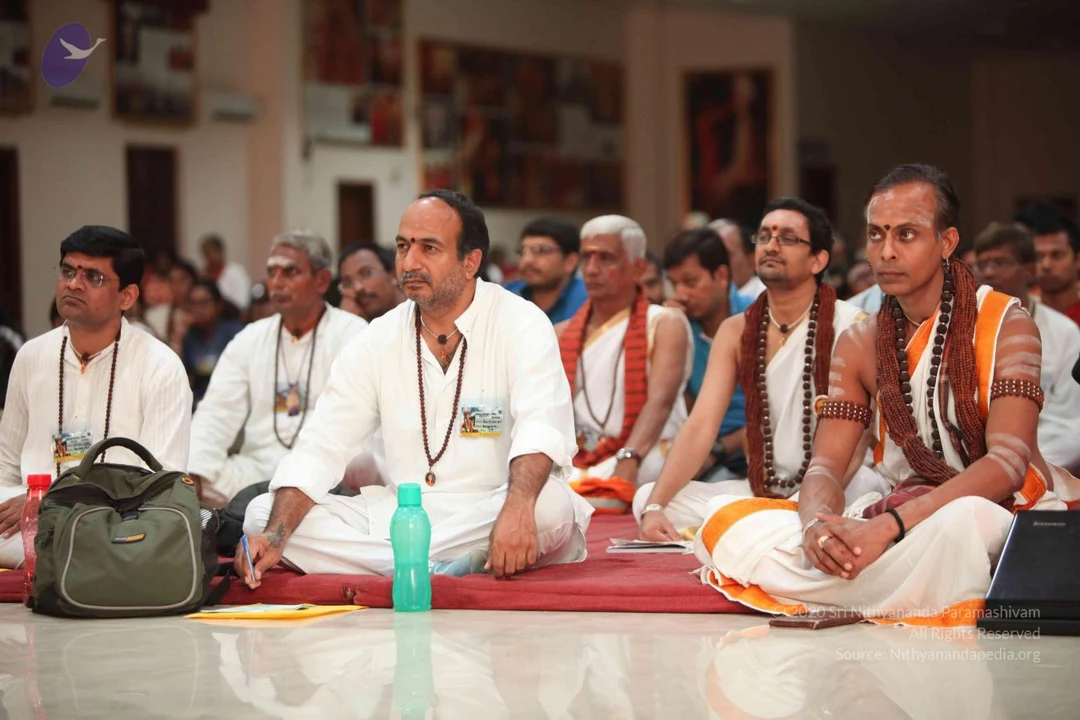
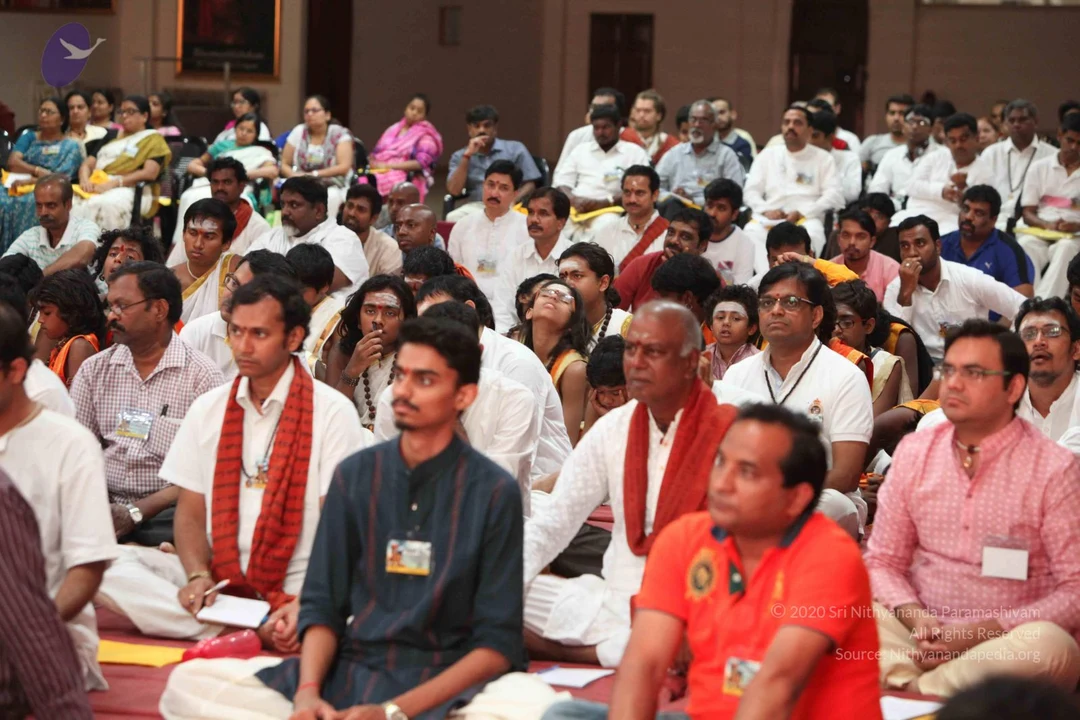
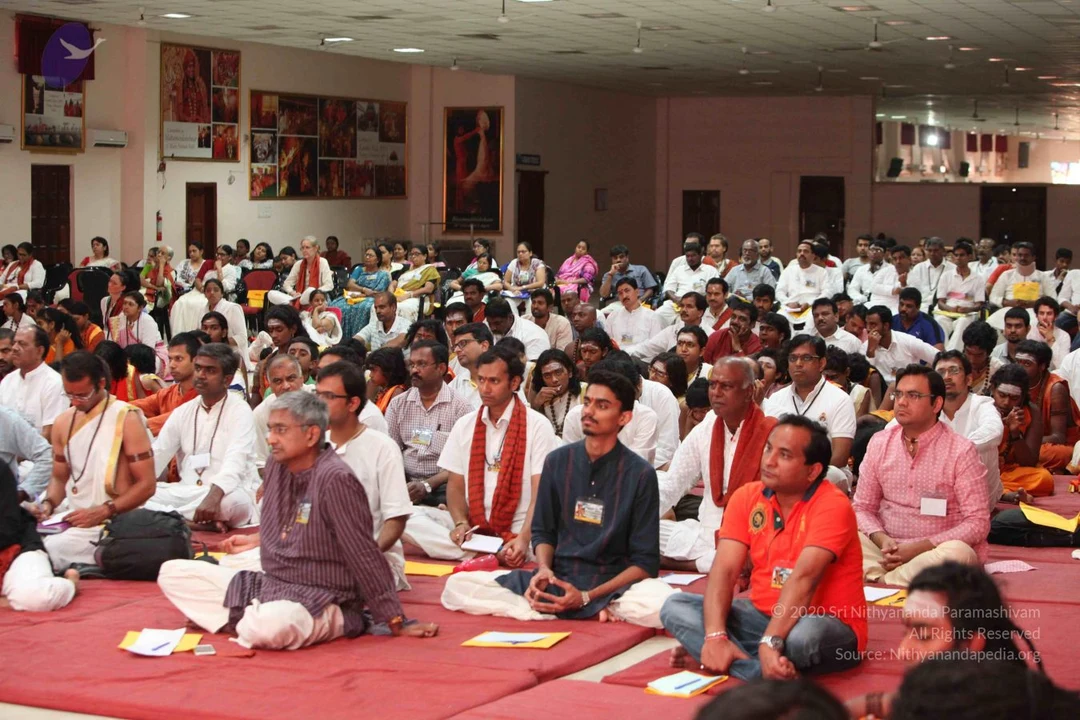
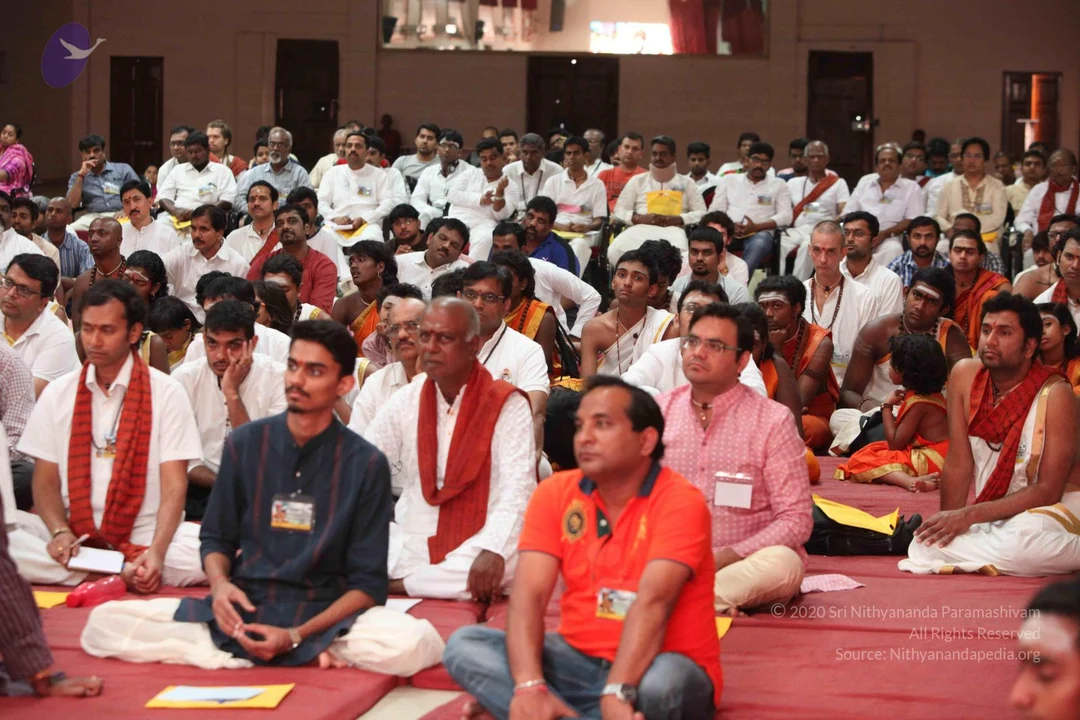
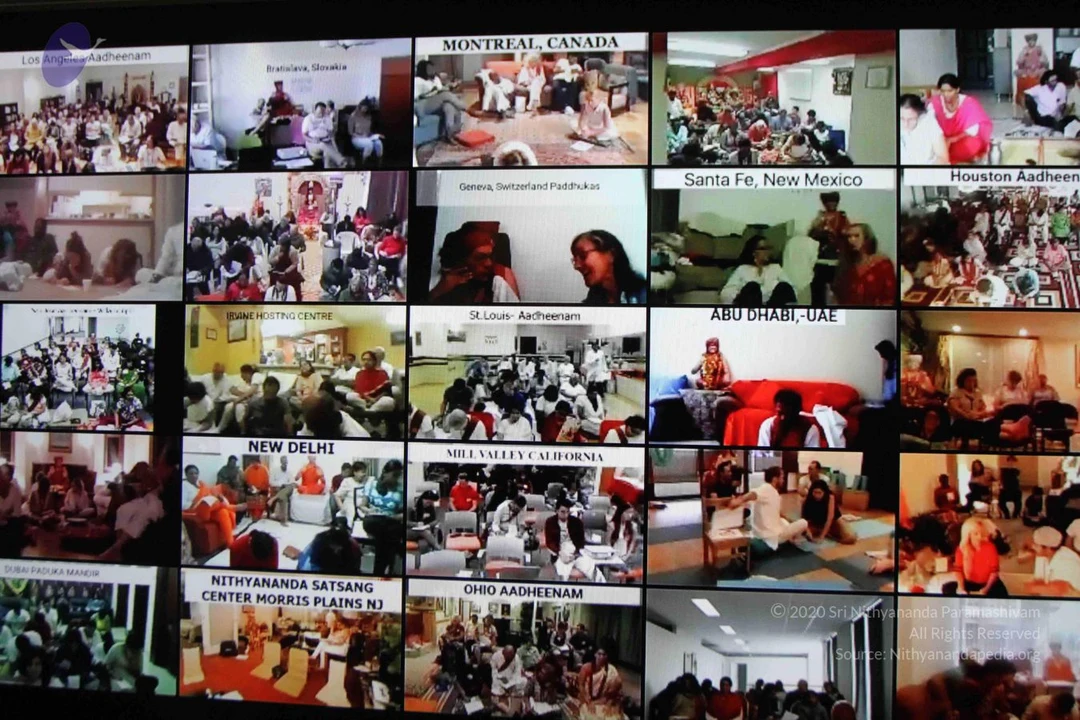
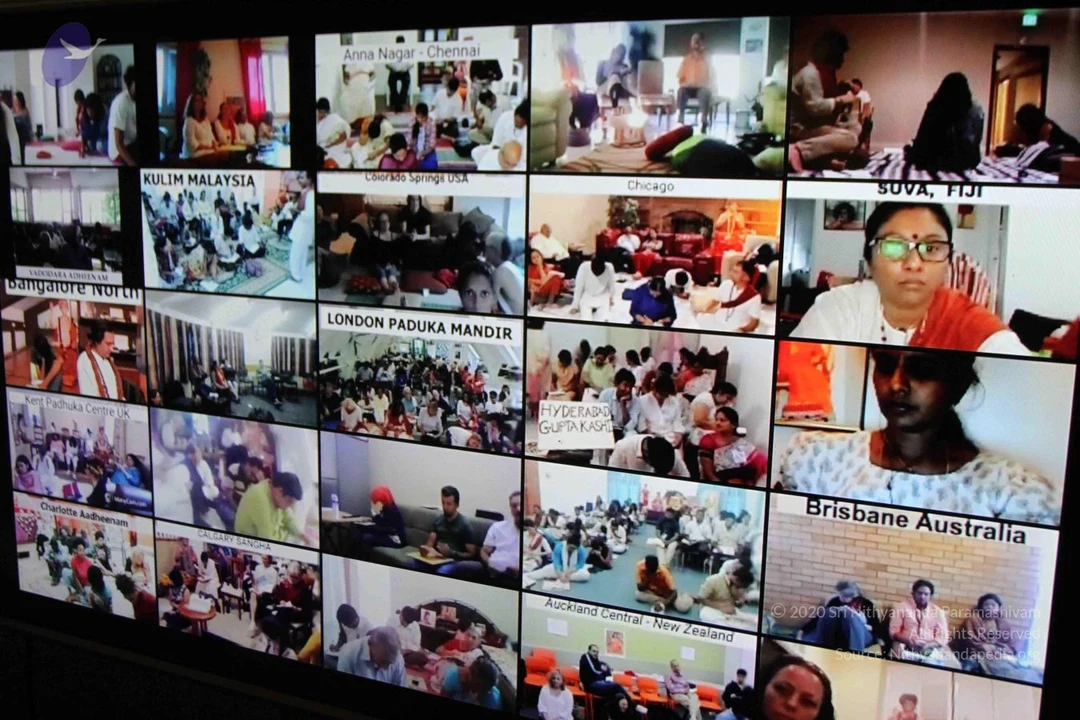
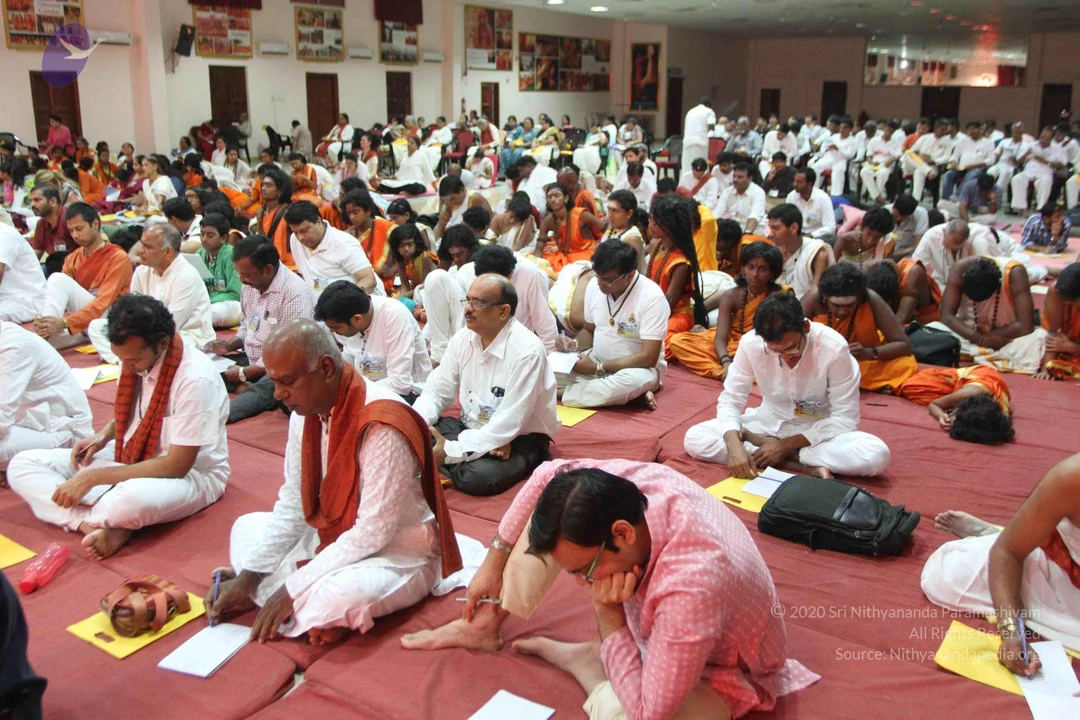
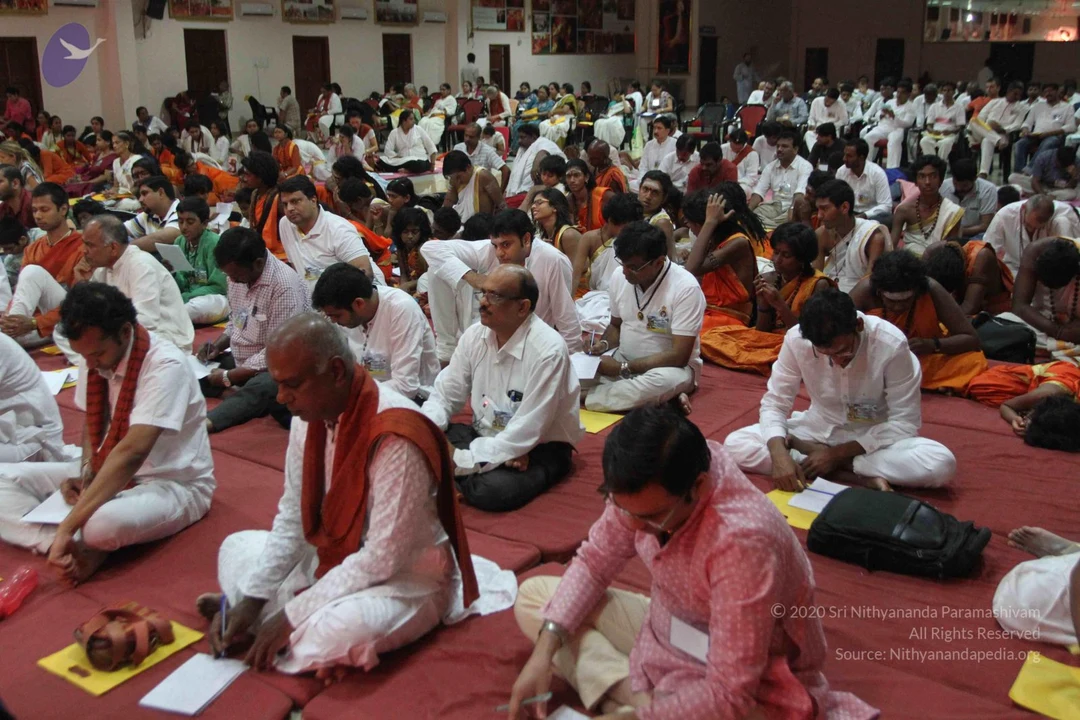
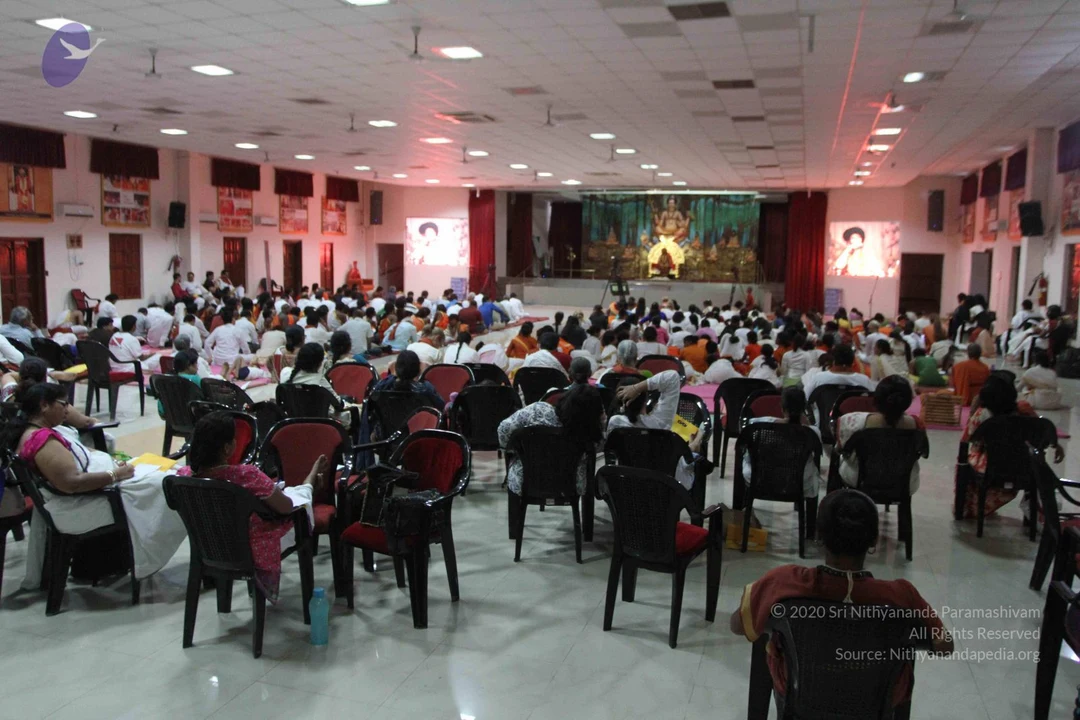
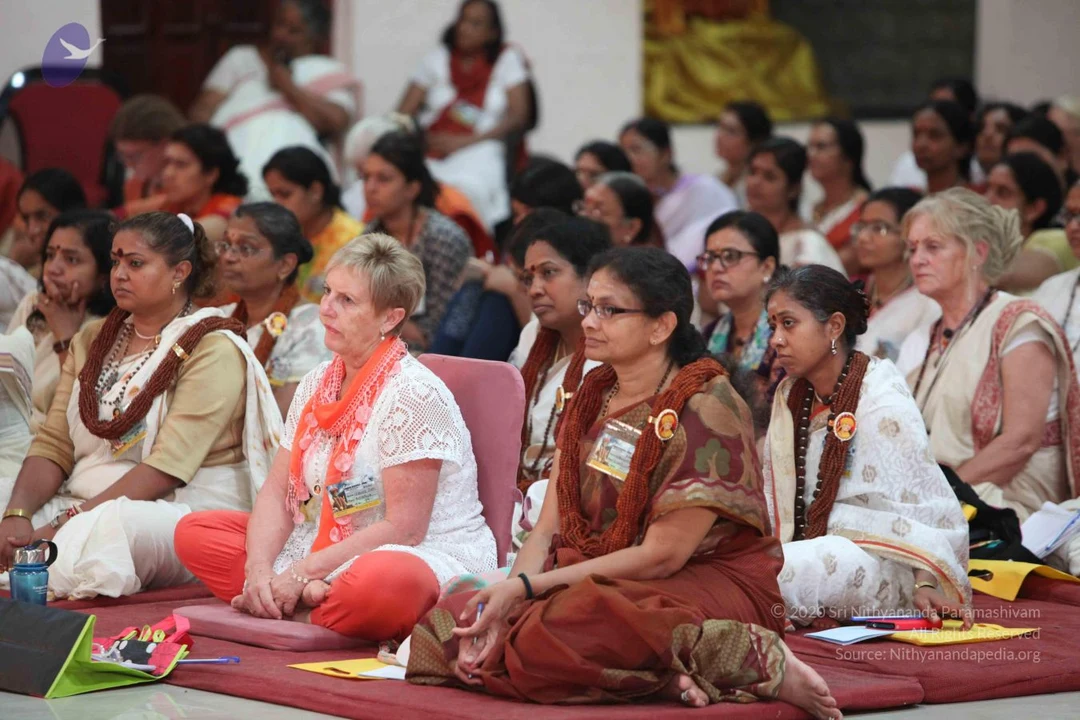
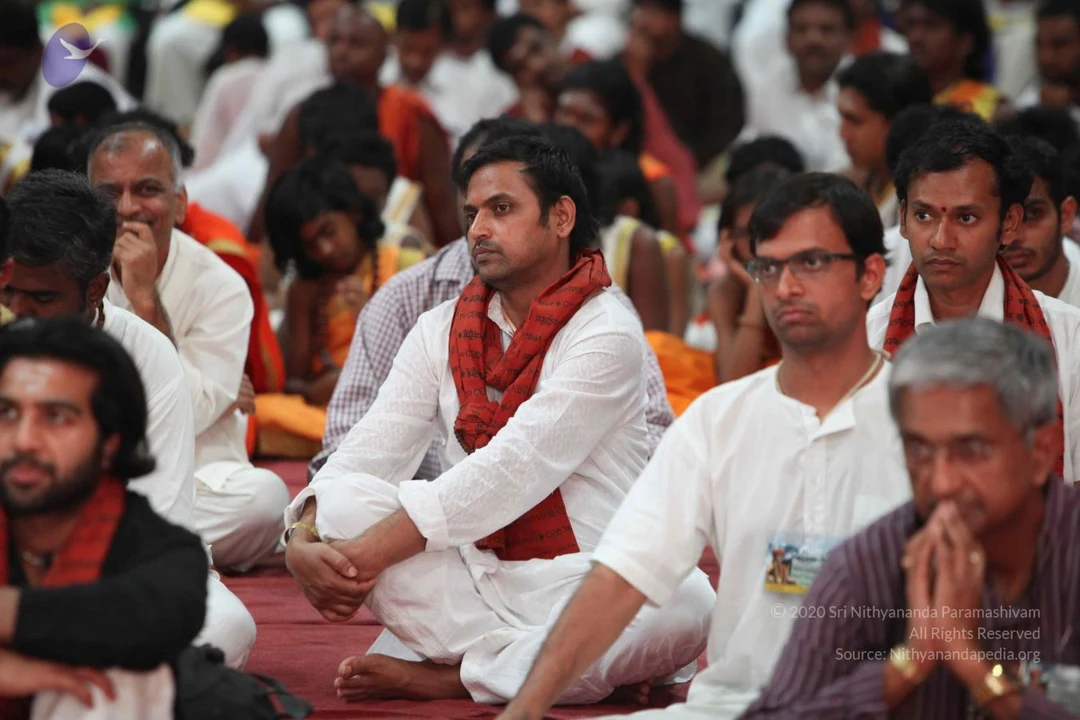
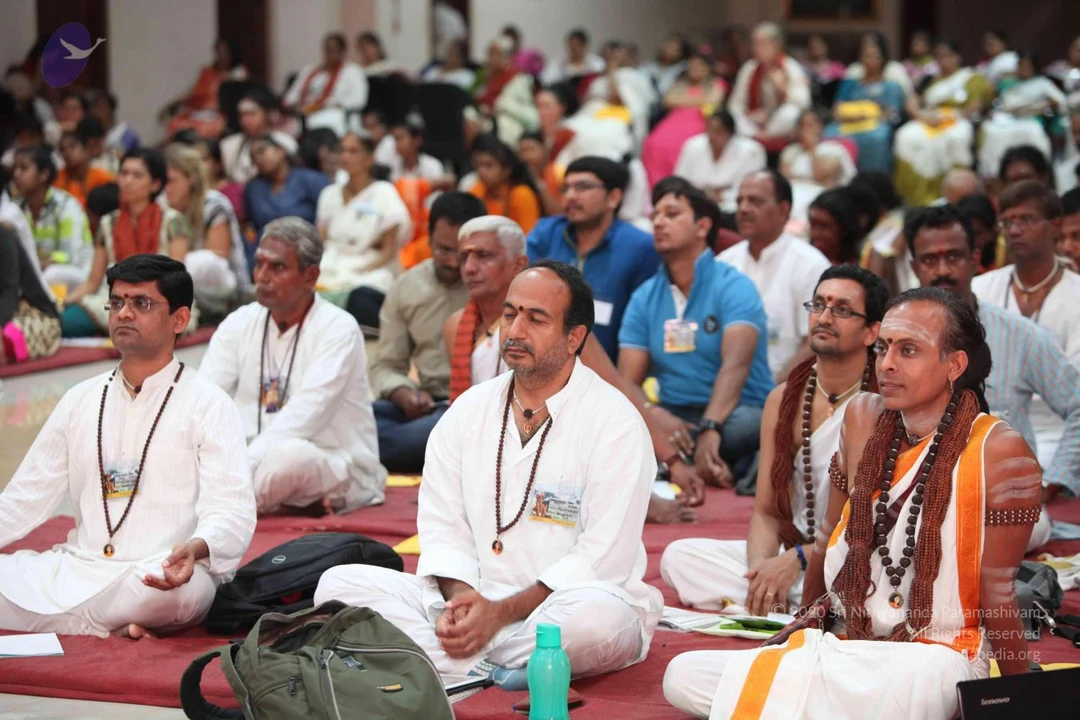
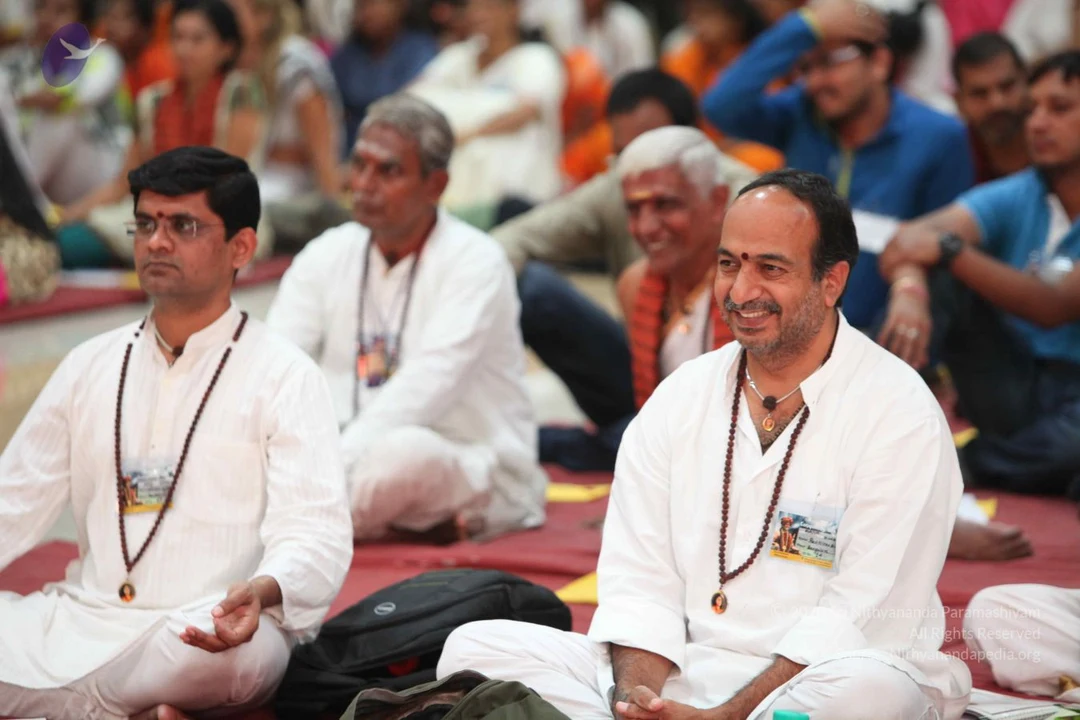
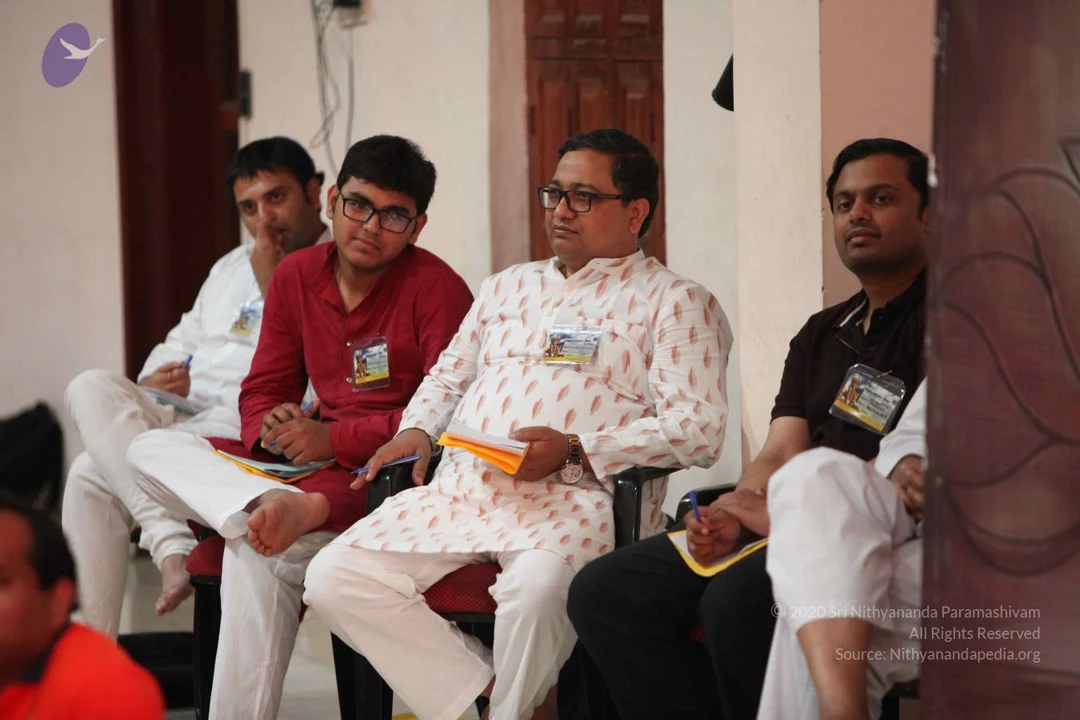
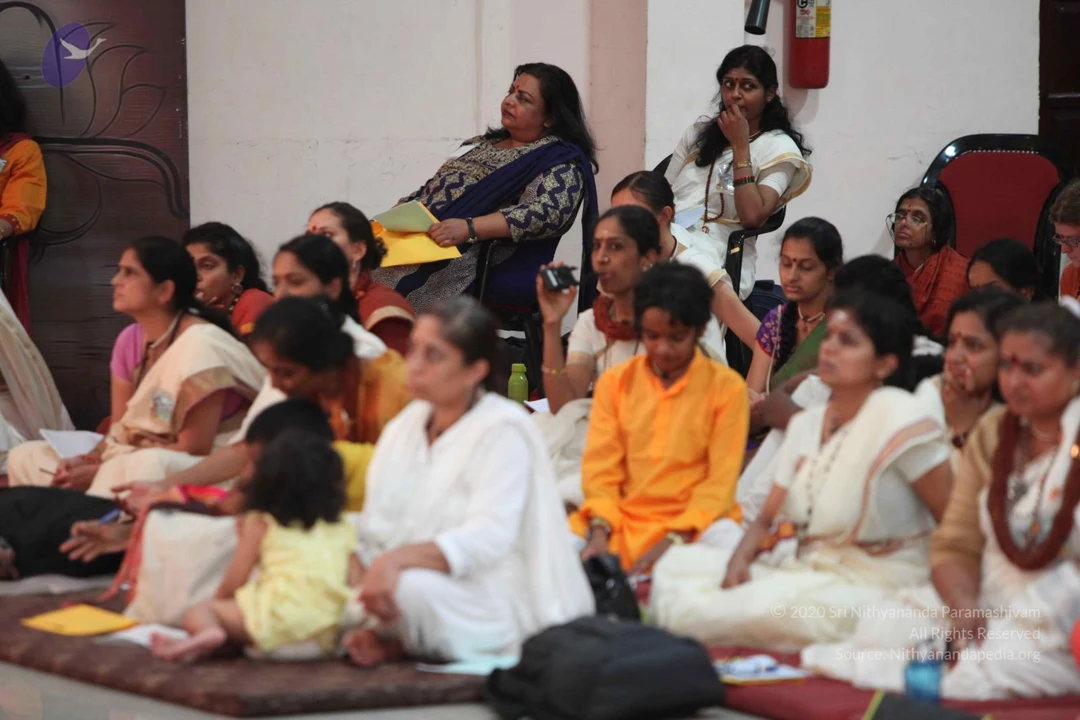
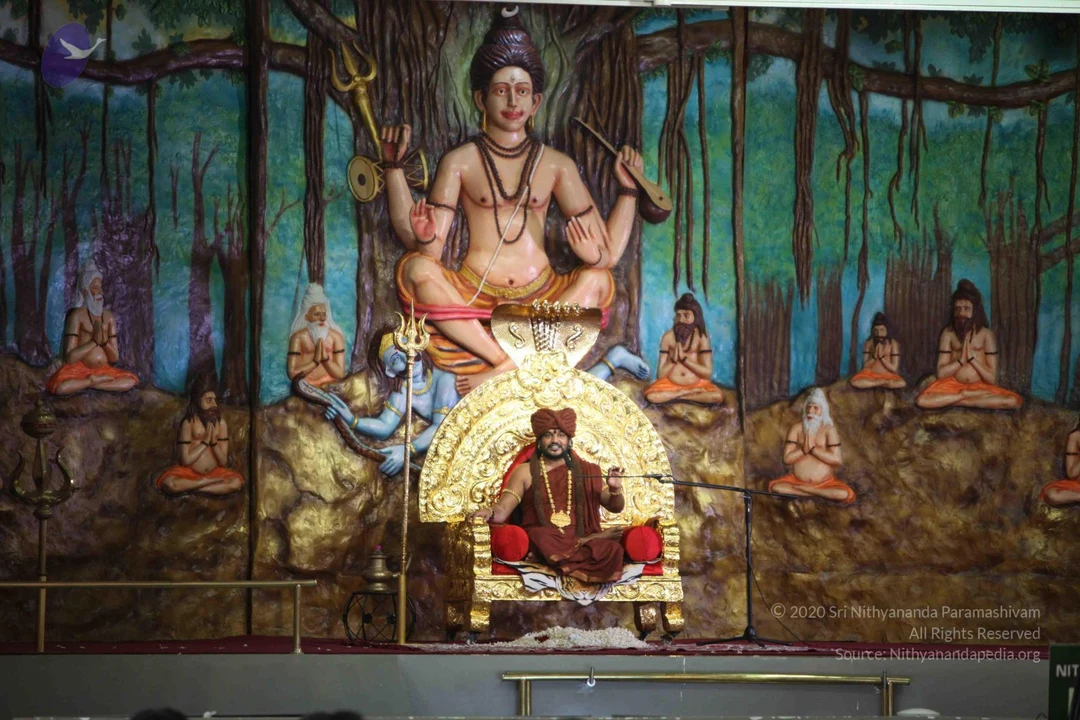
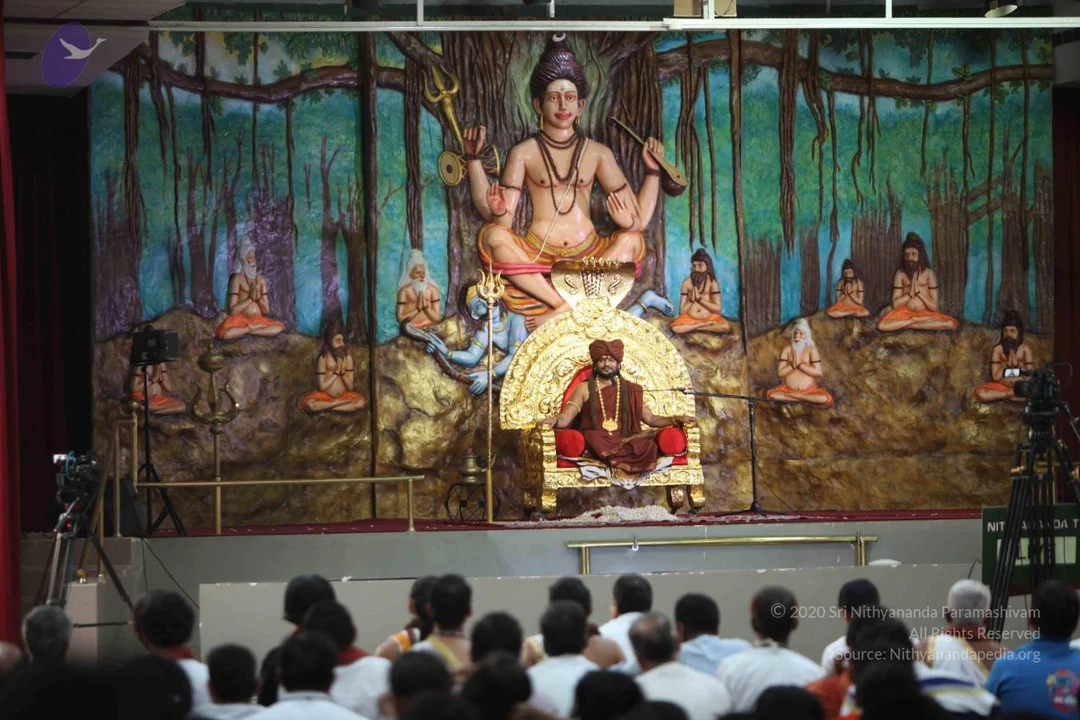
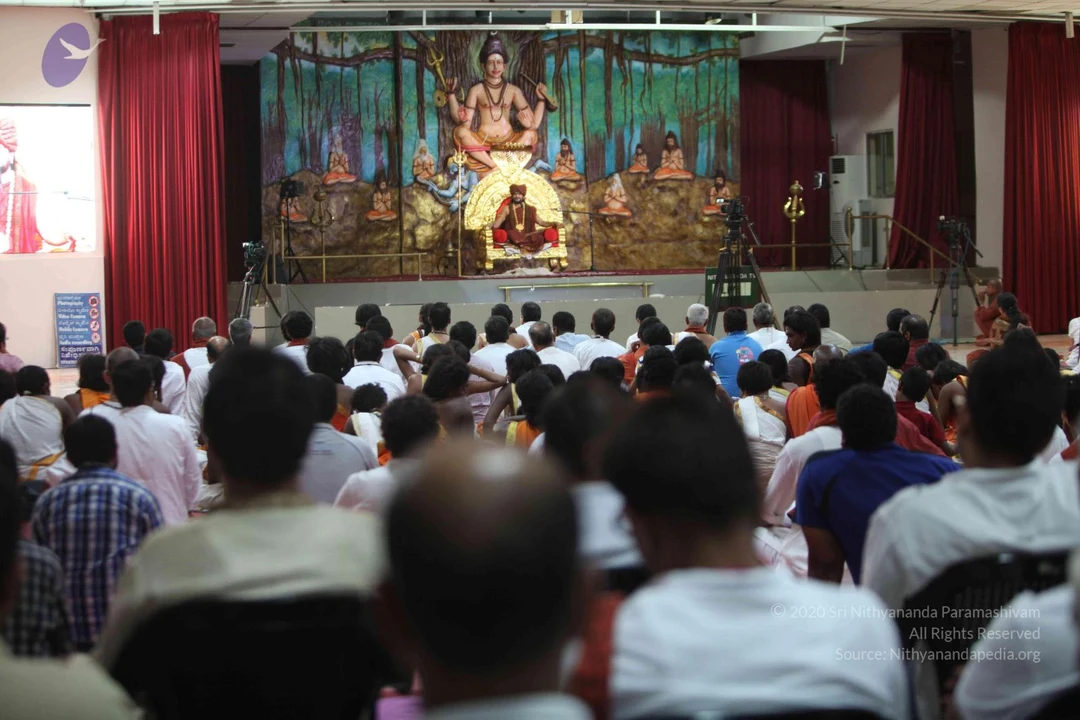
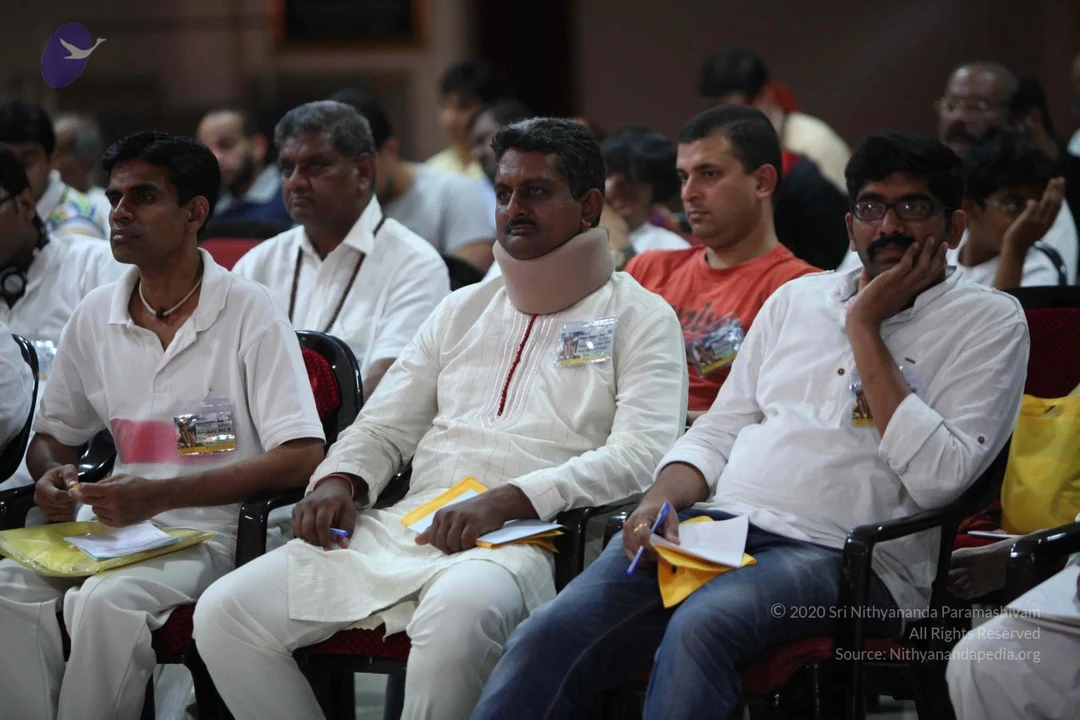
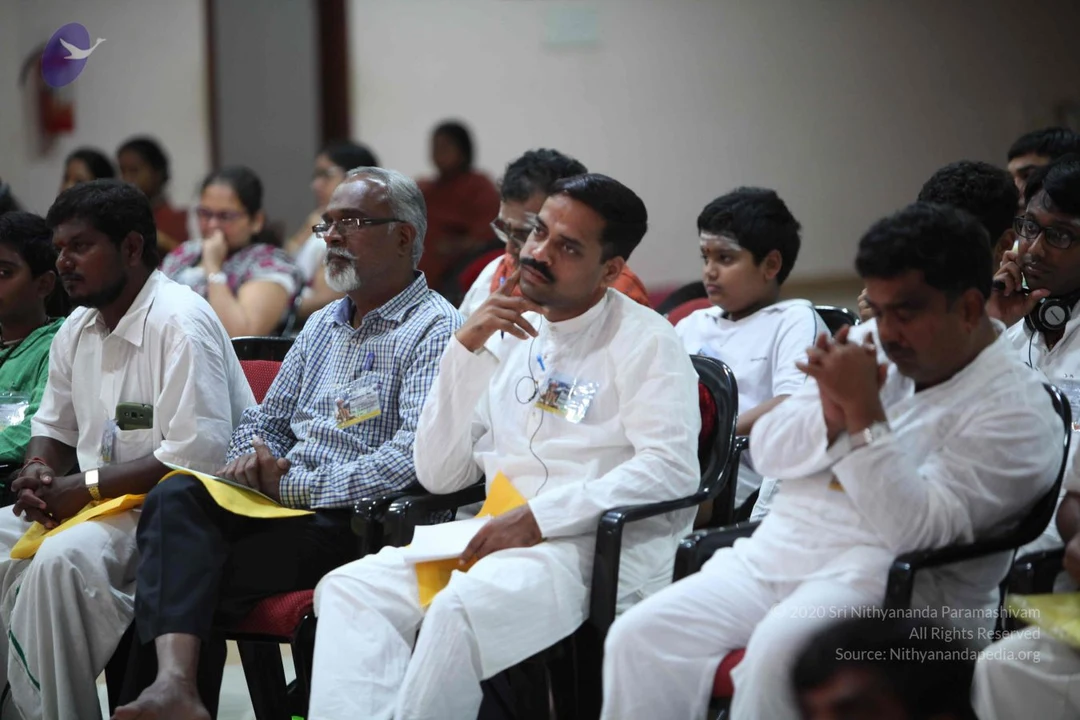
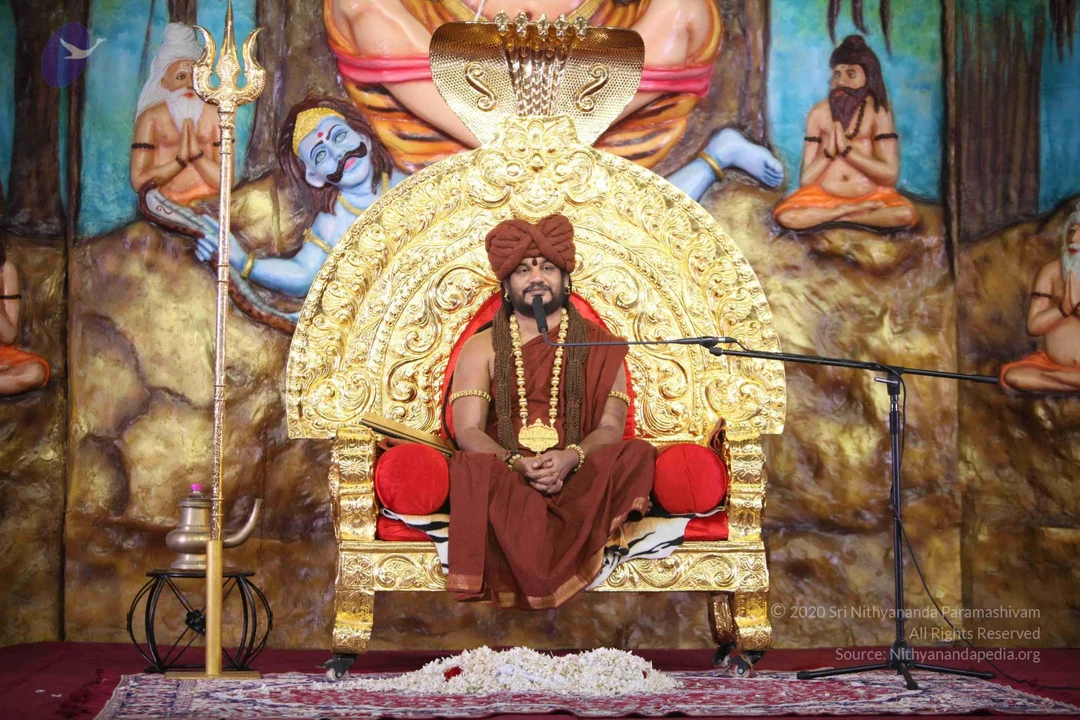
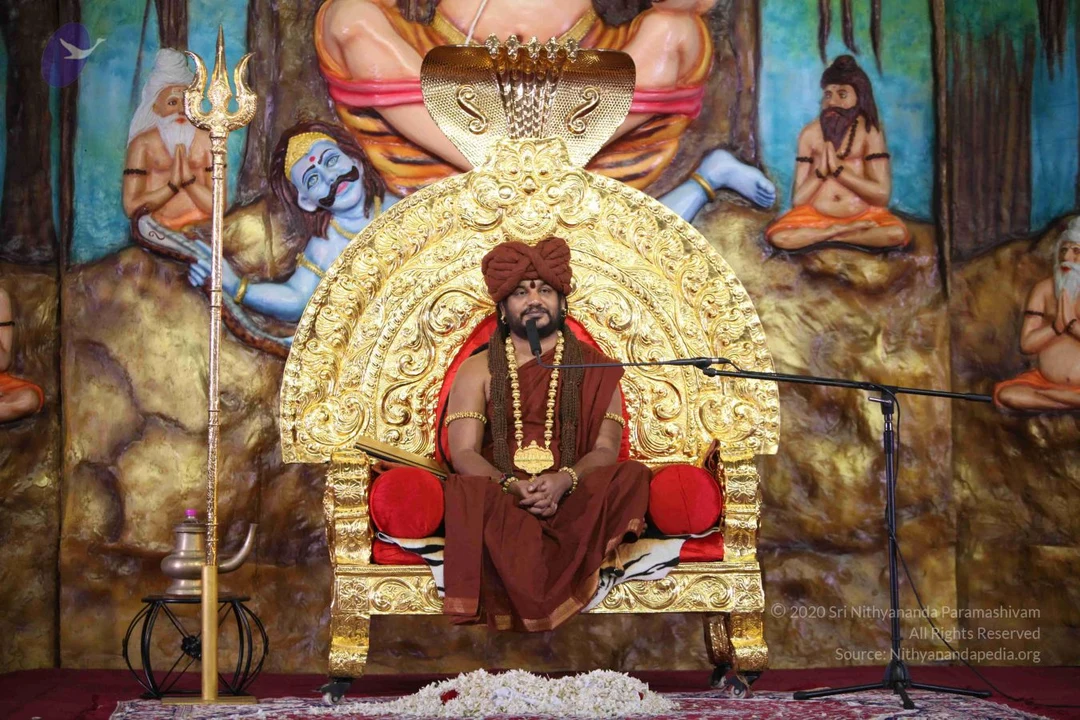
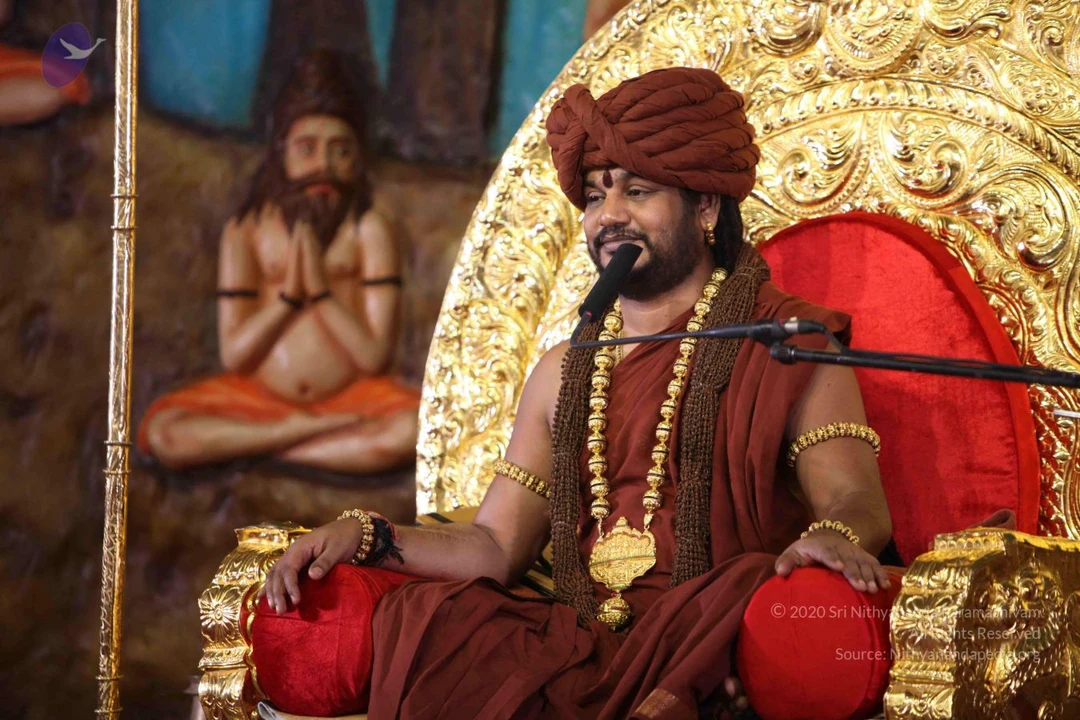
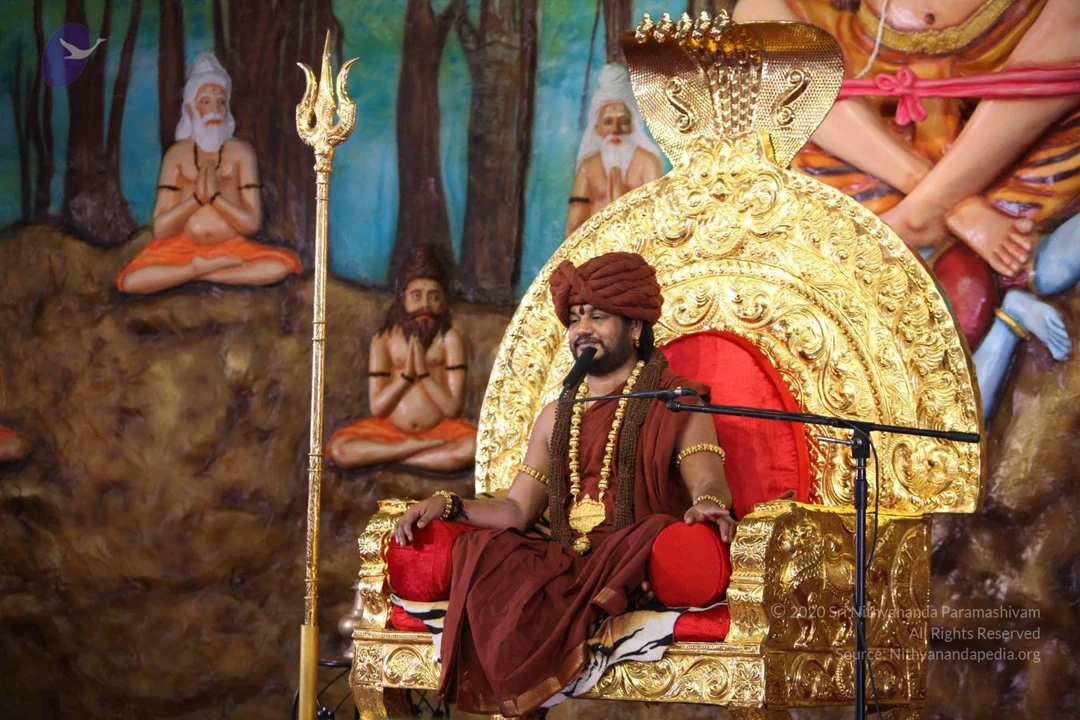
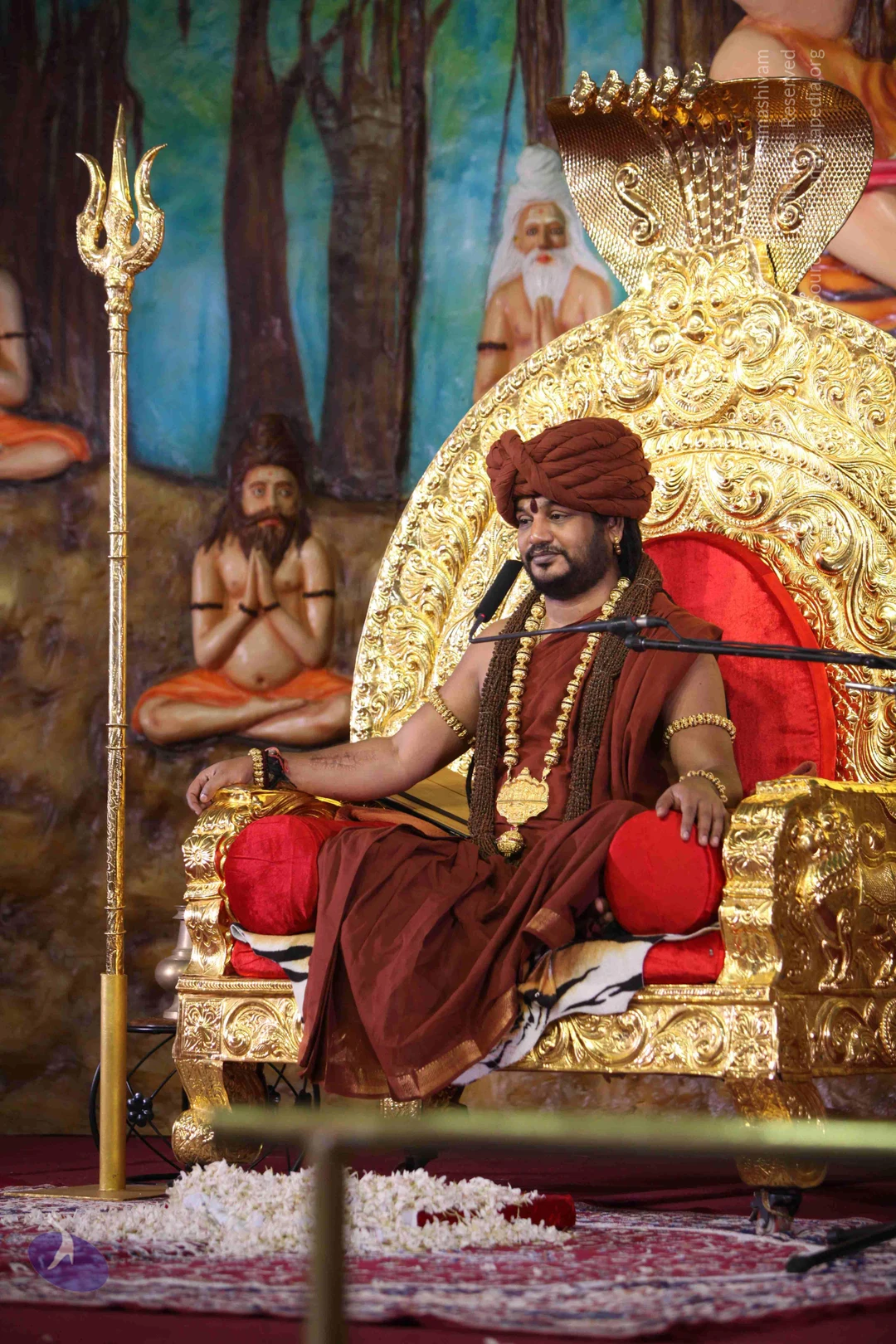
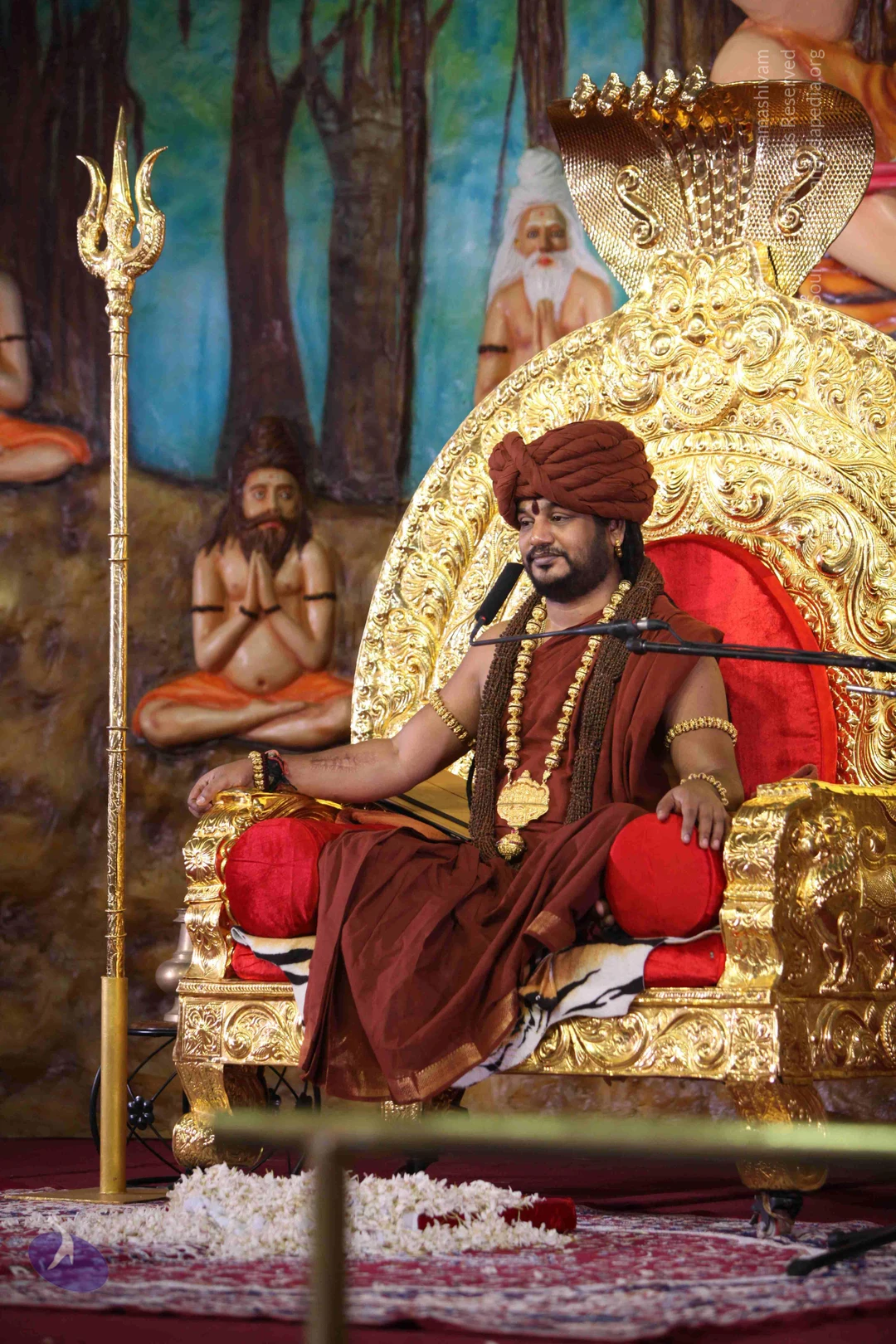
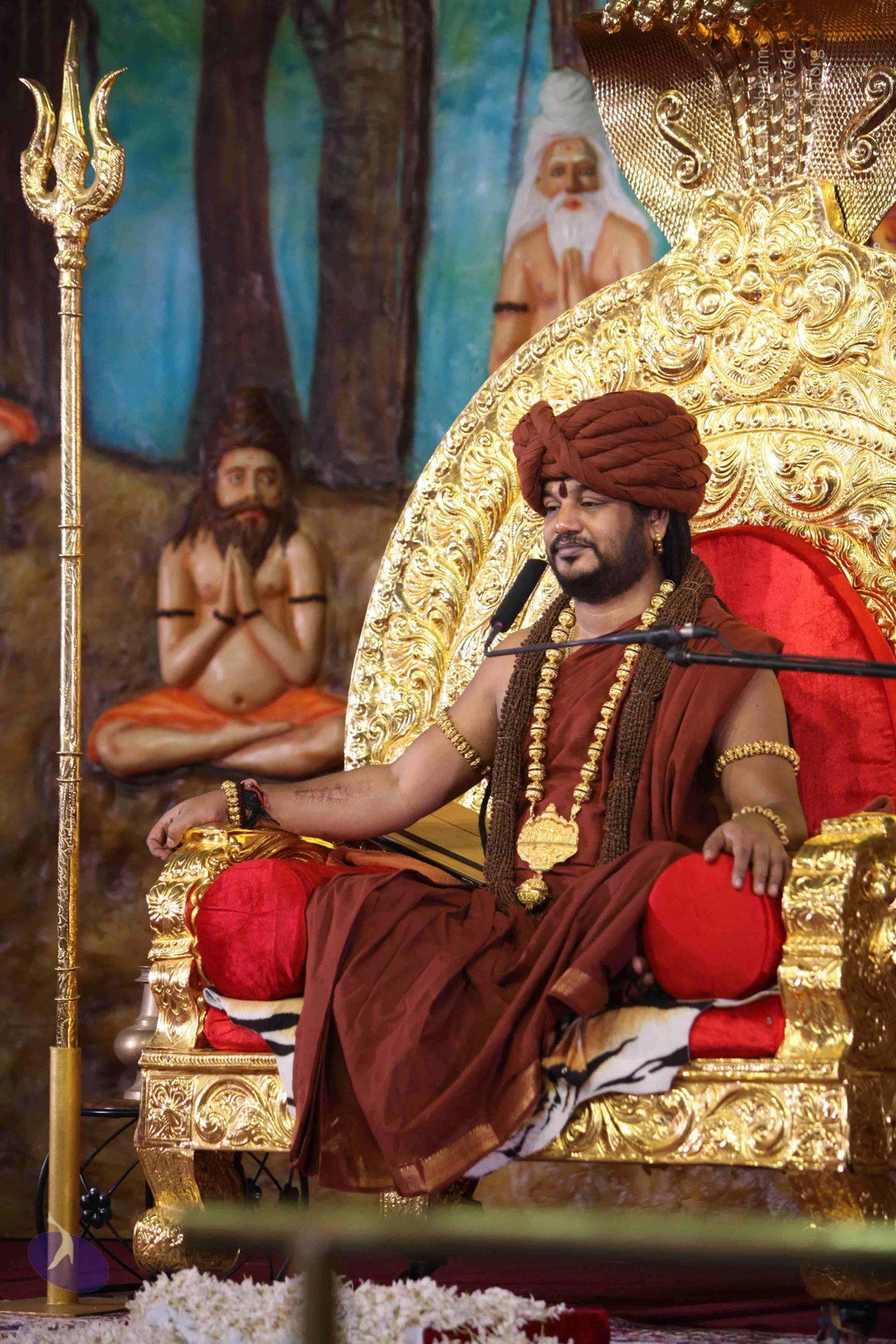
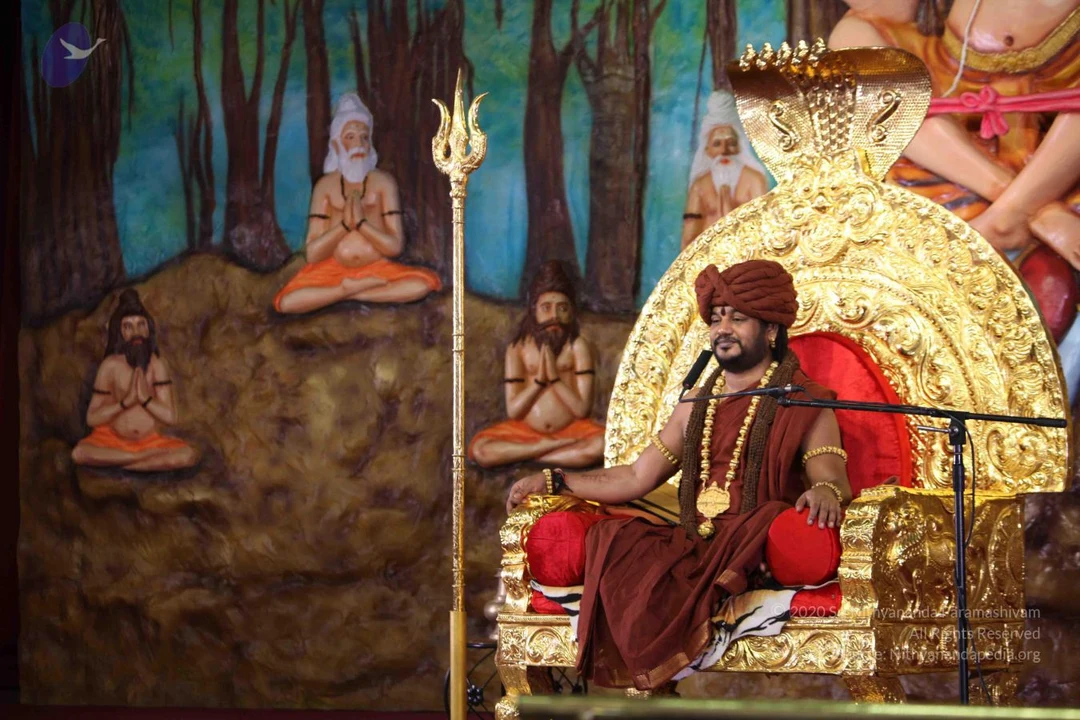
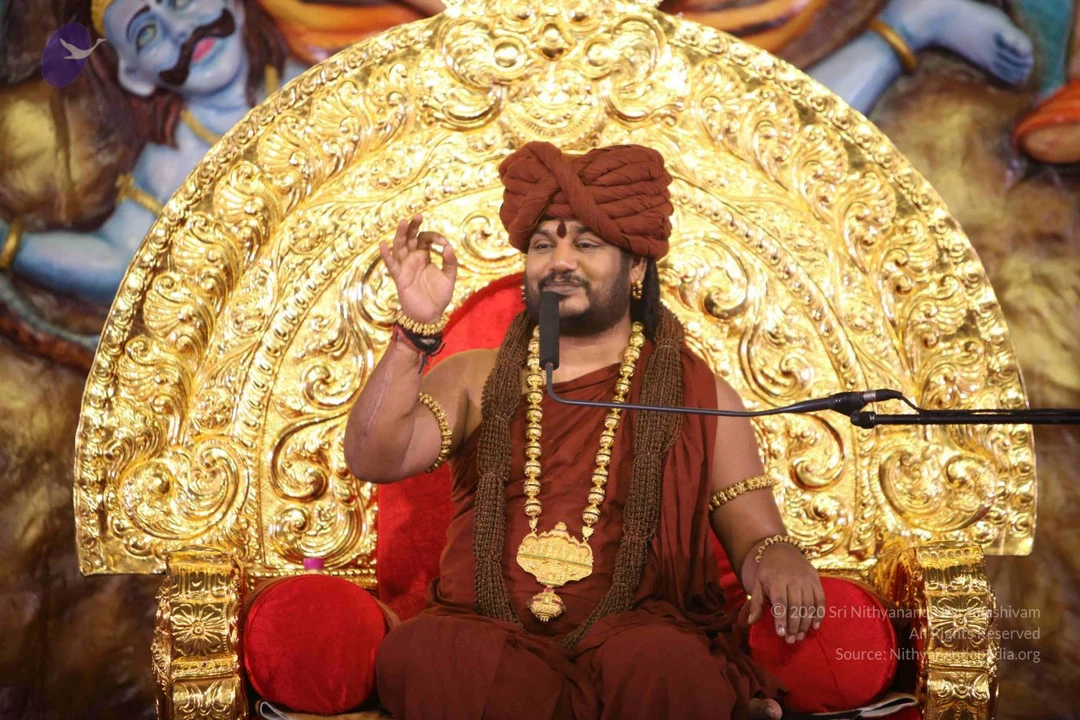
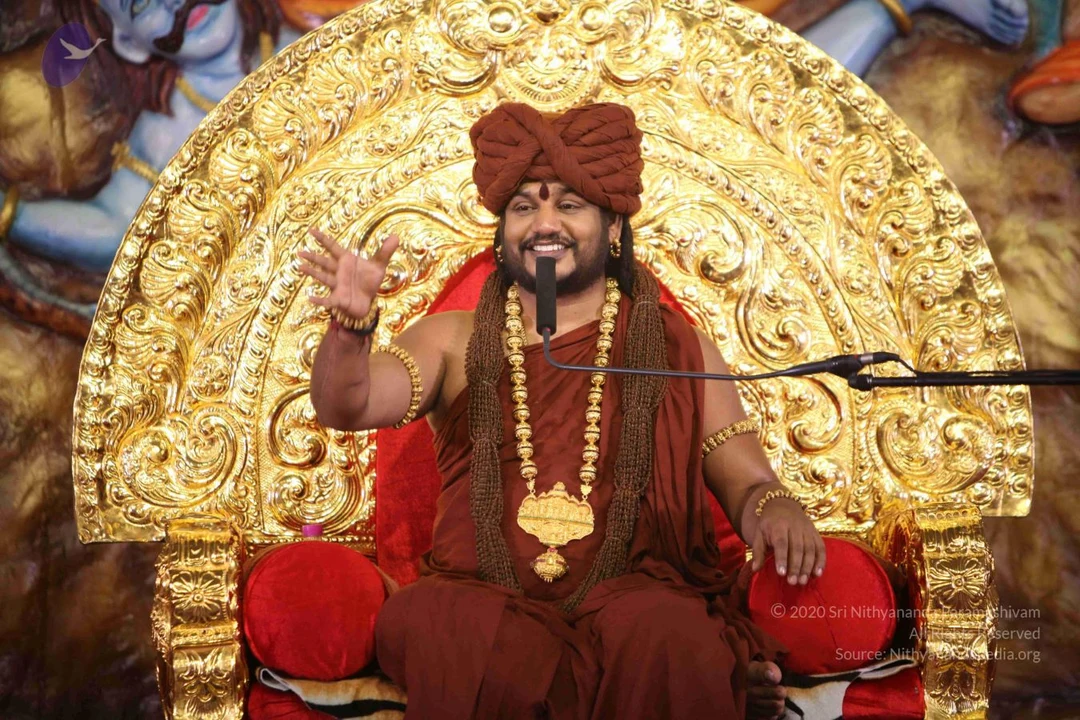
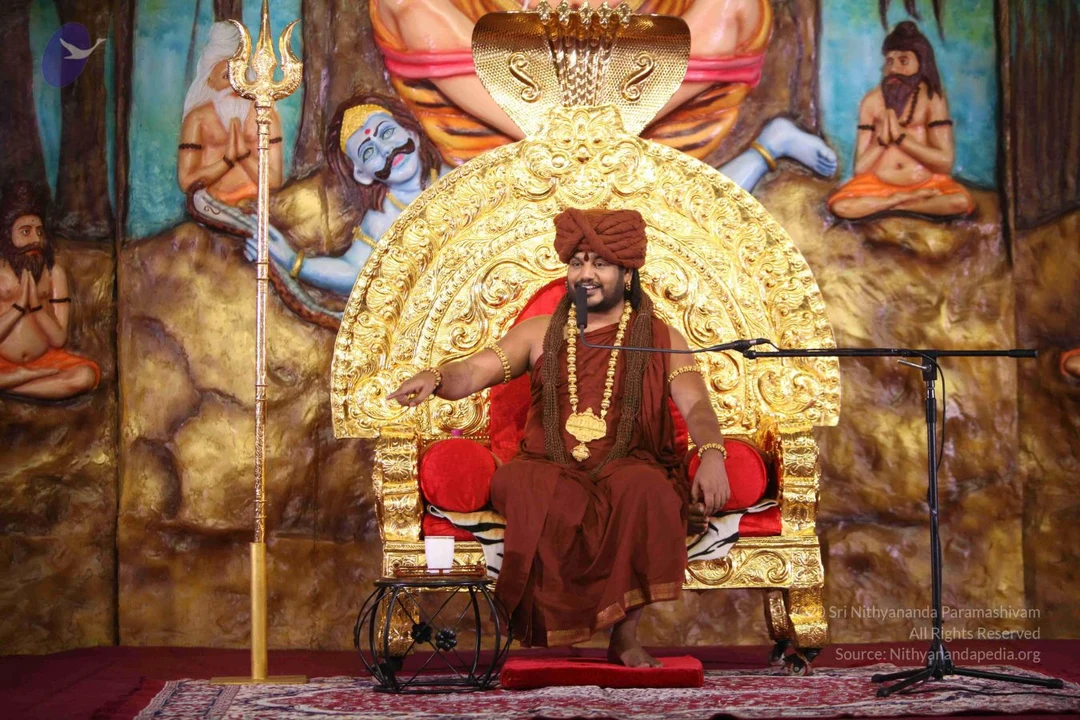
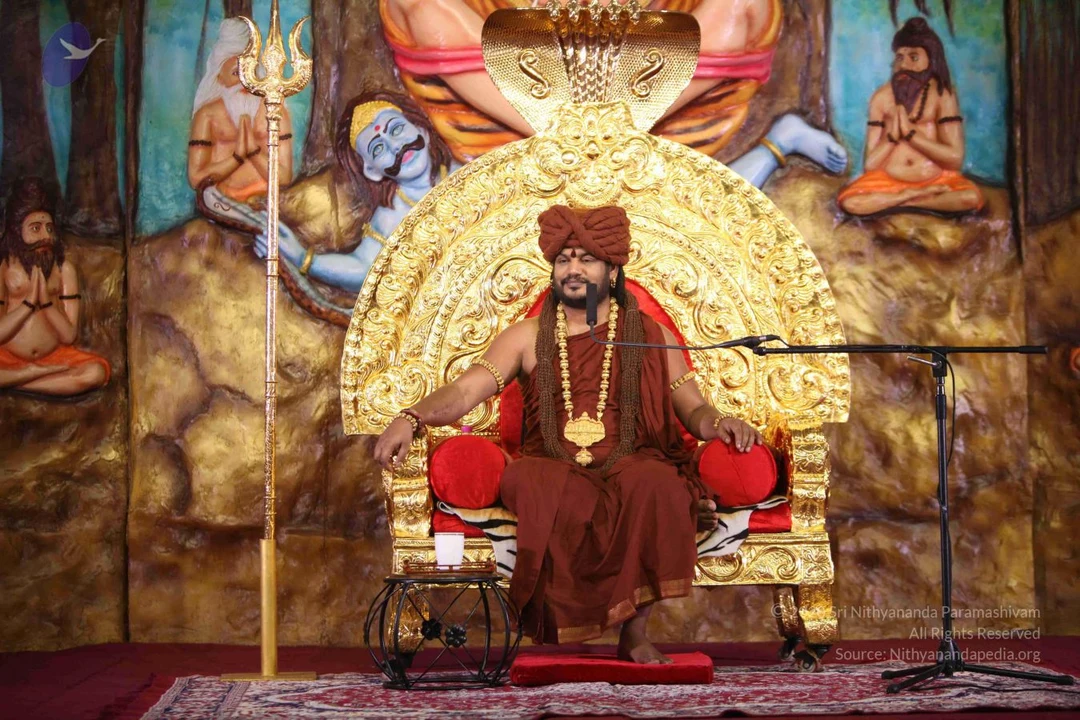
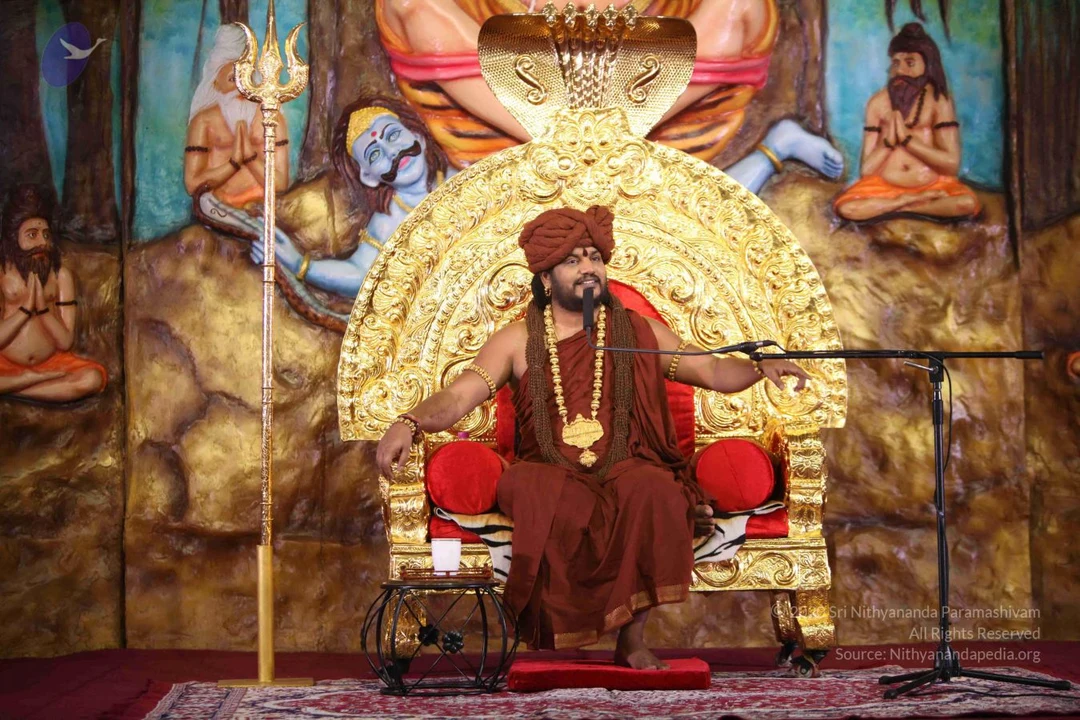
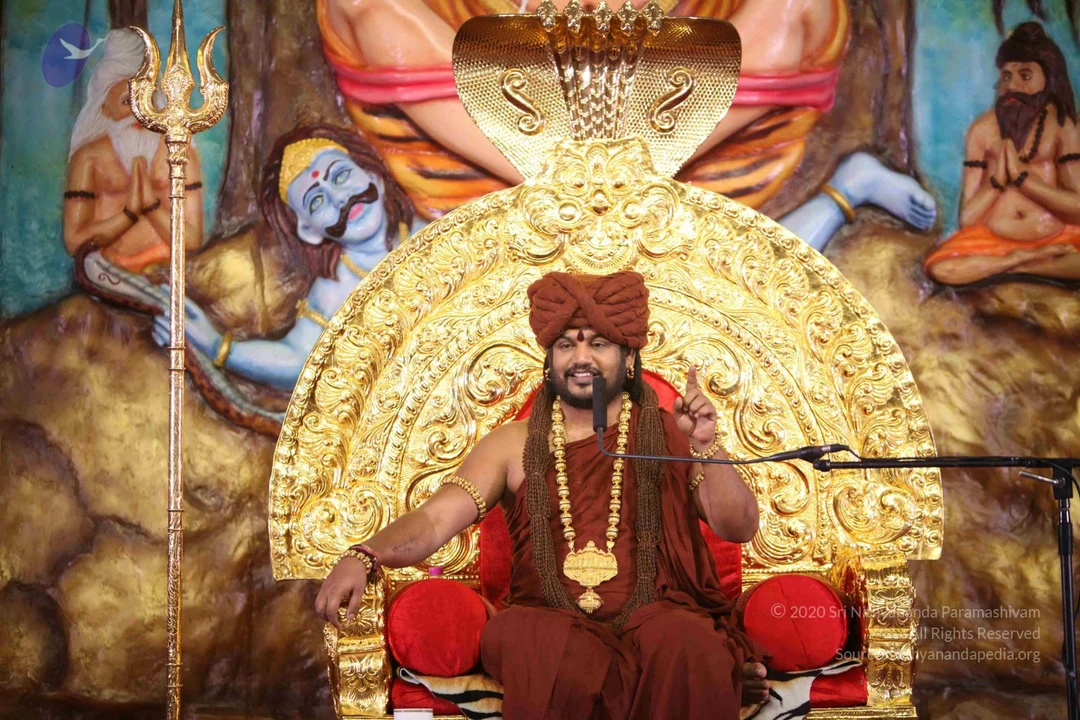
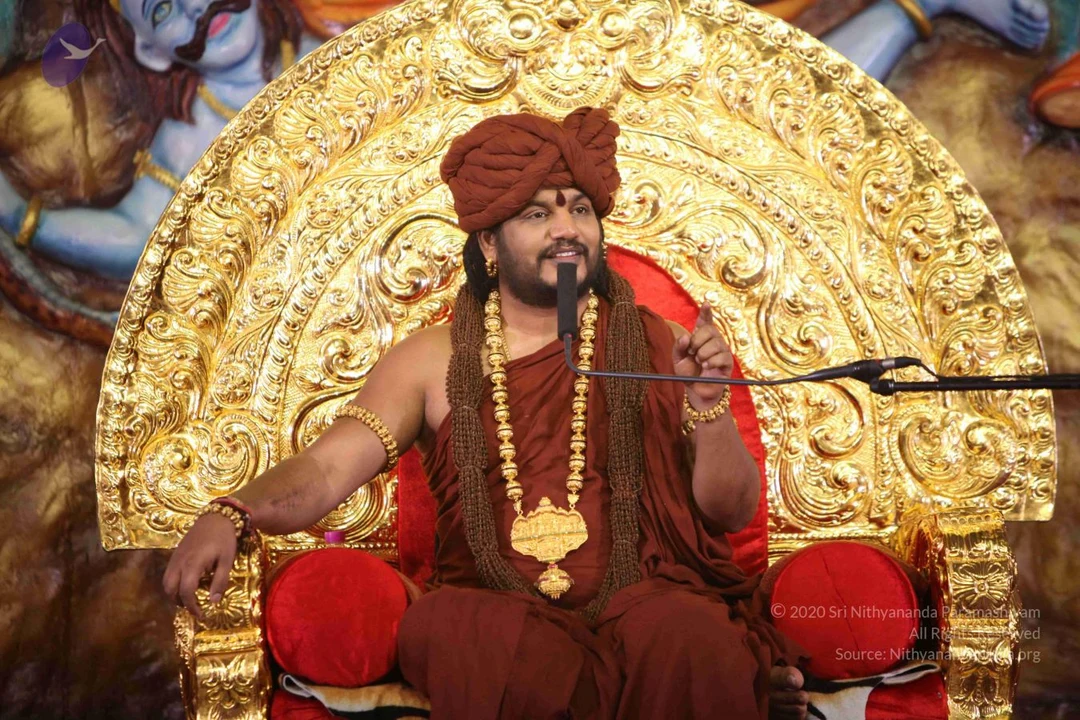
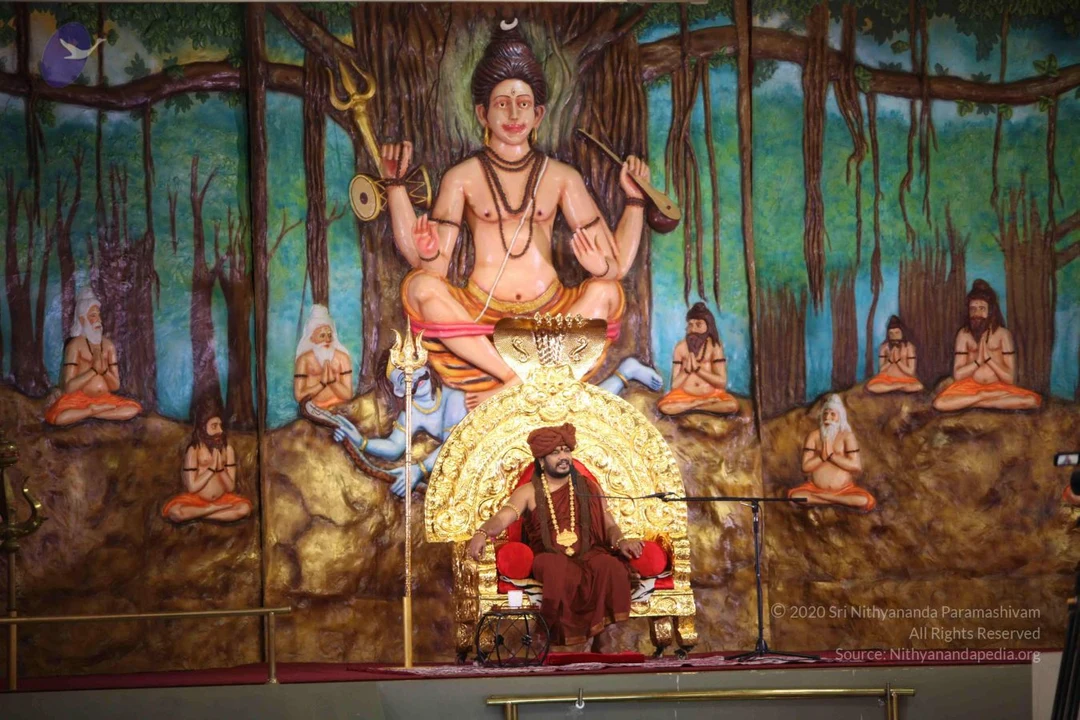
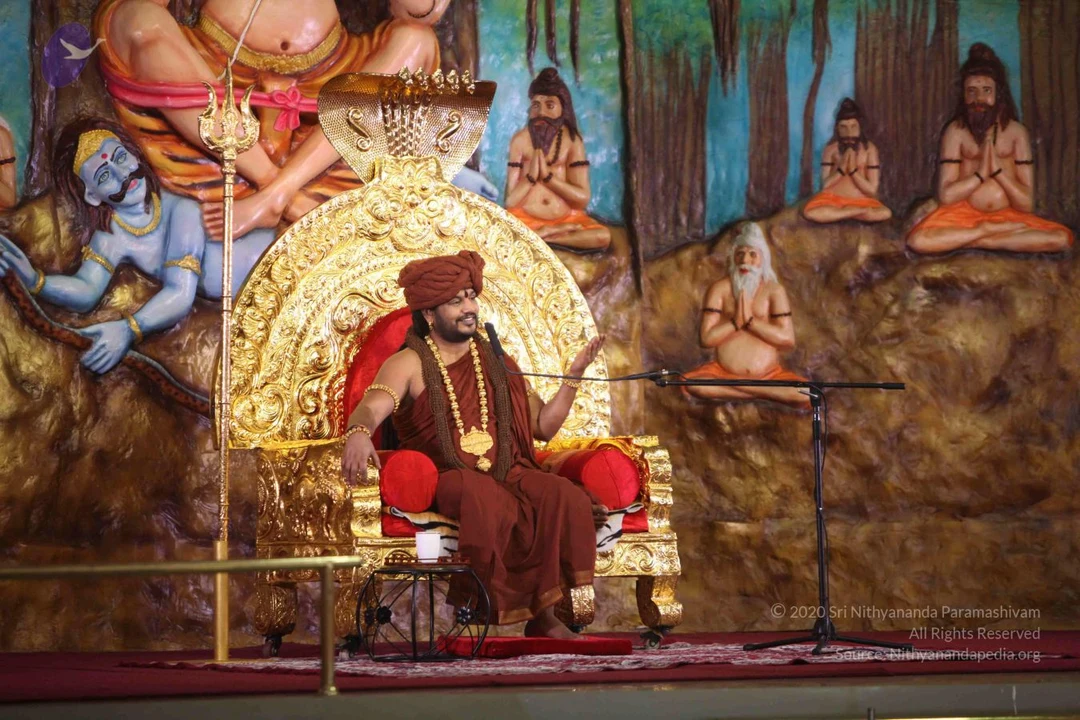
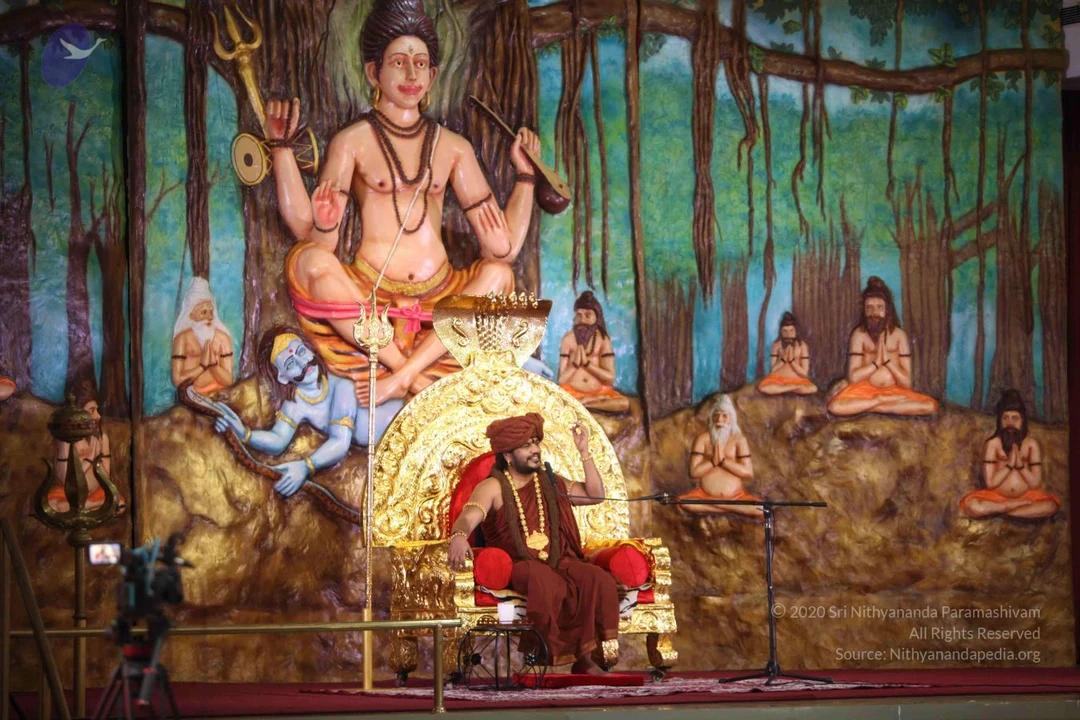
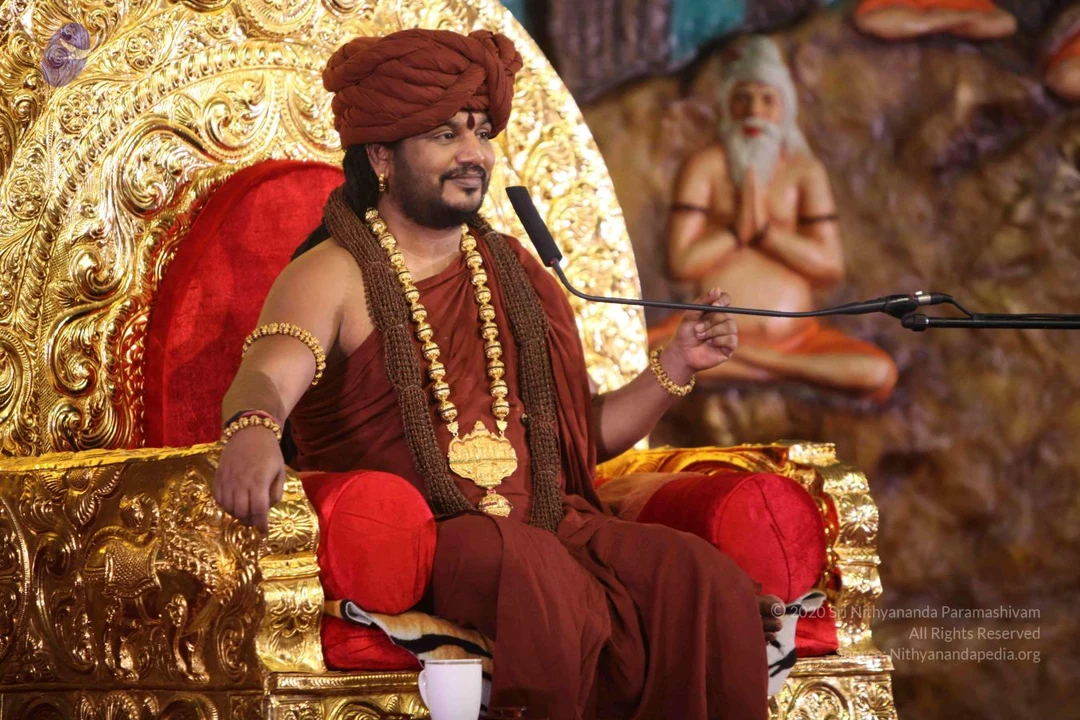
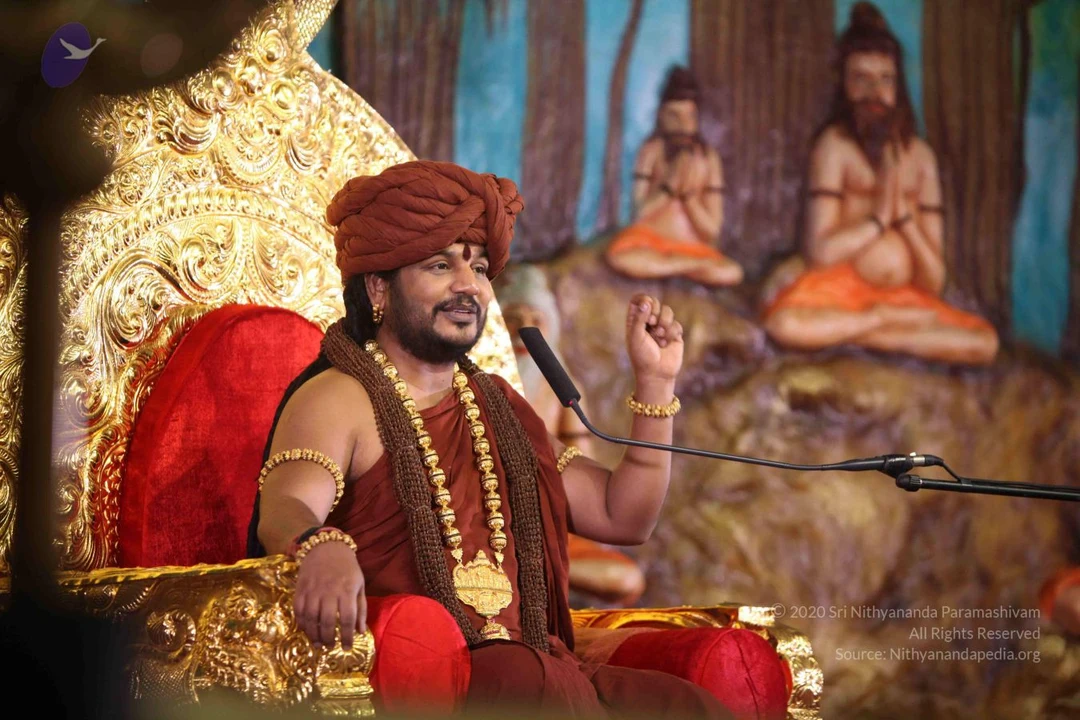
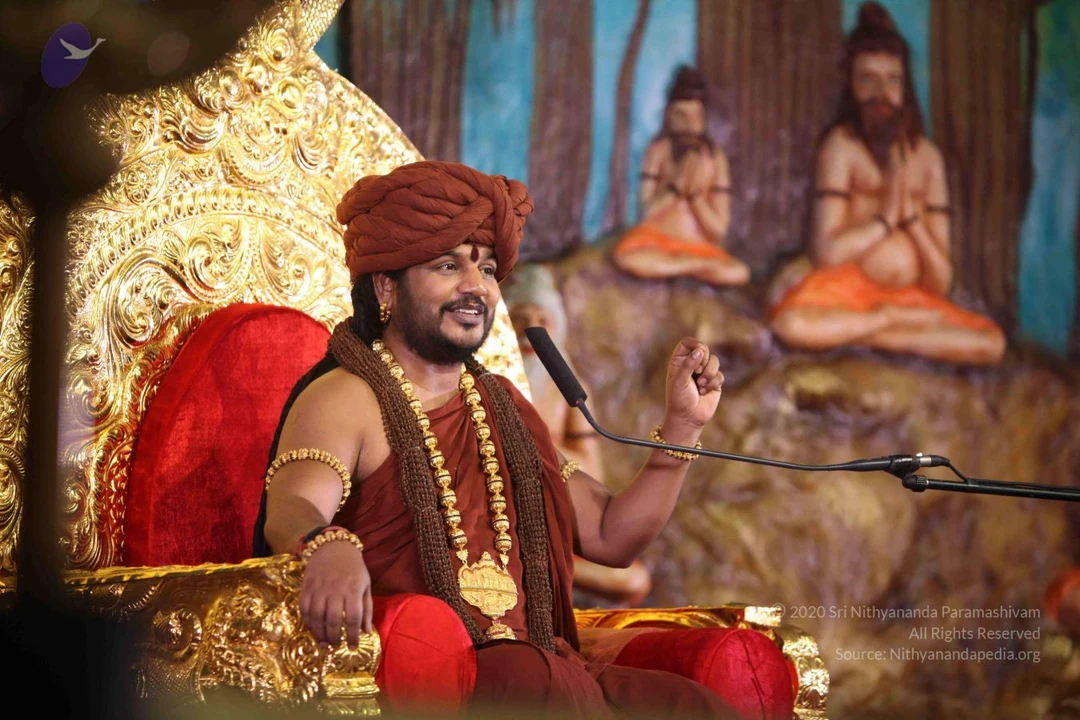
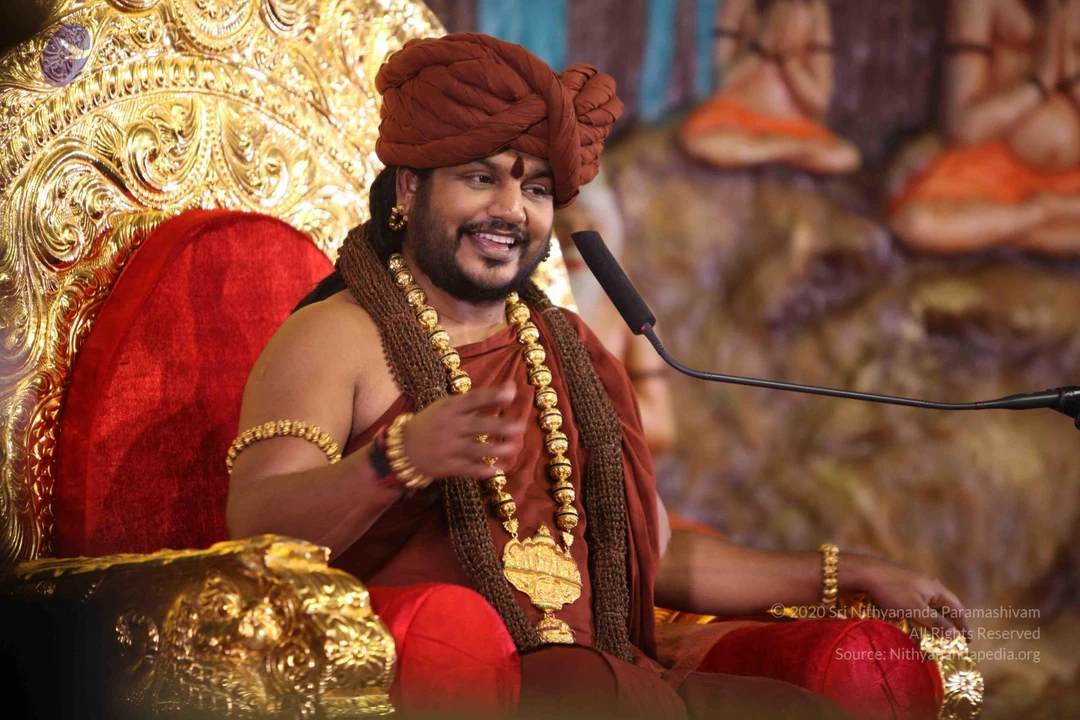
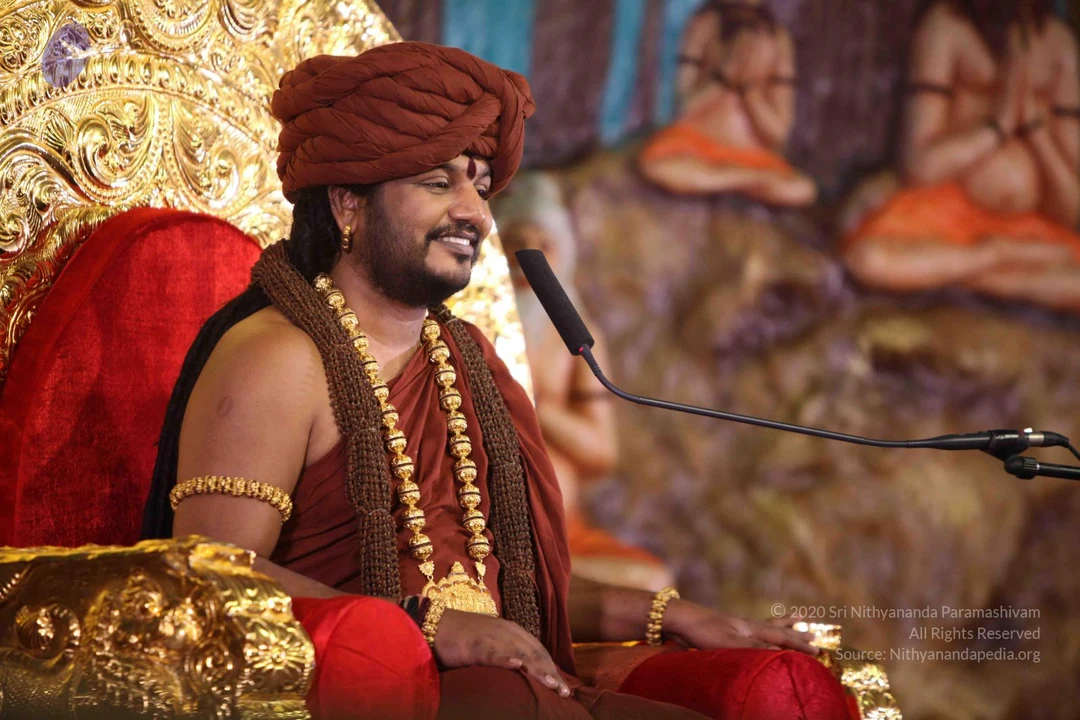
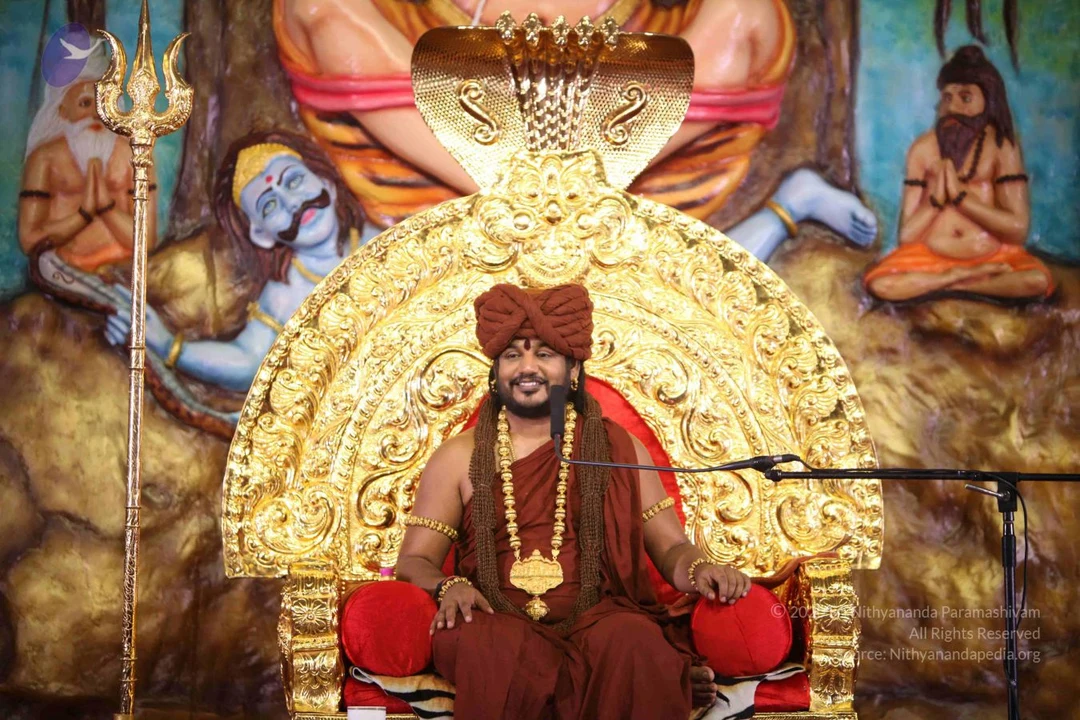
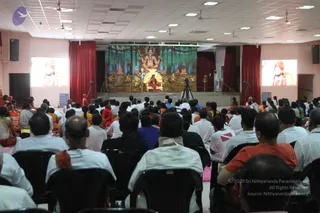
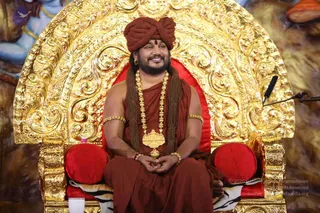
conquering-life-intro


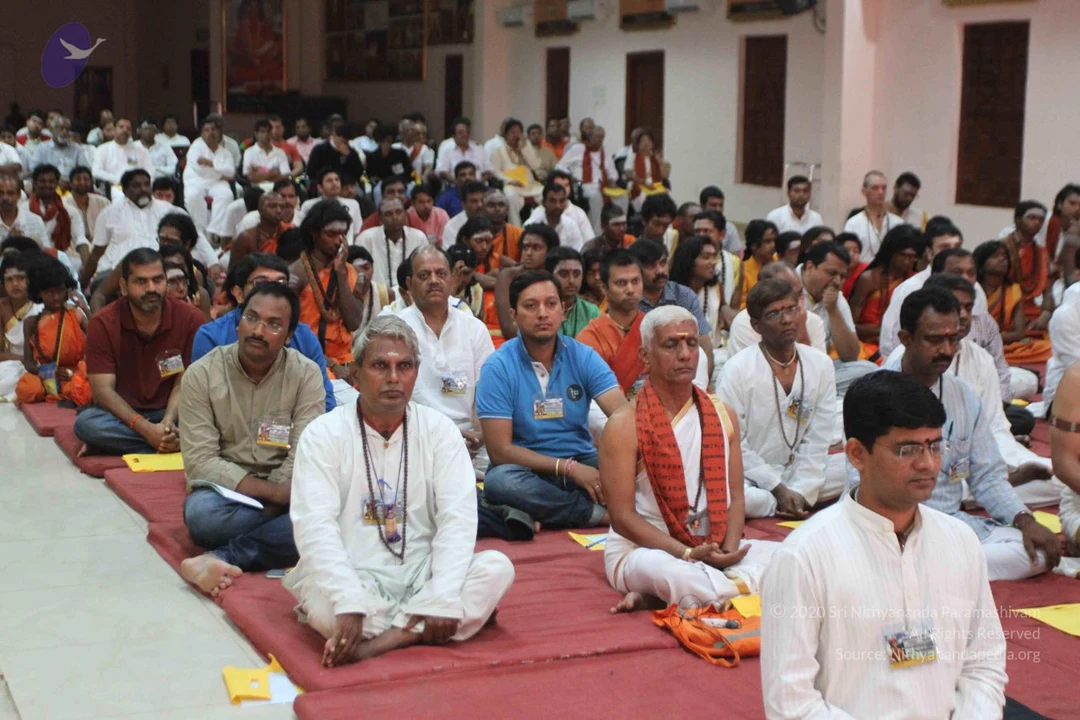

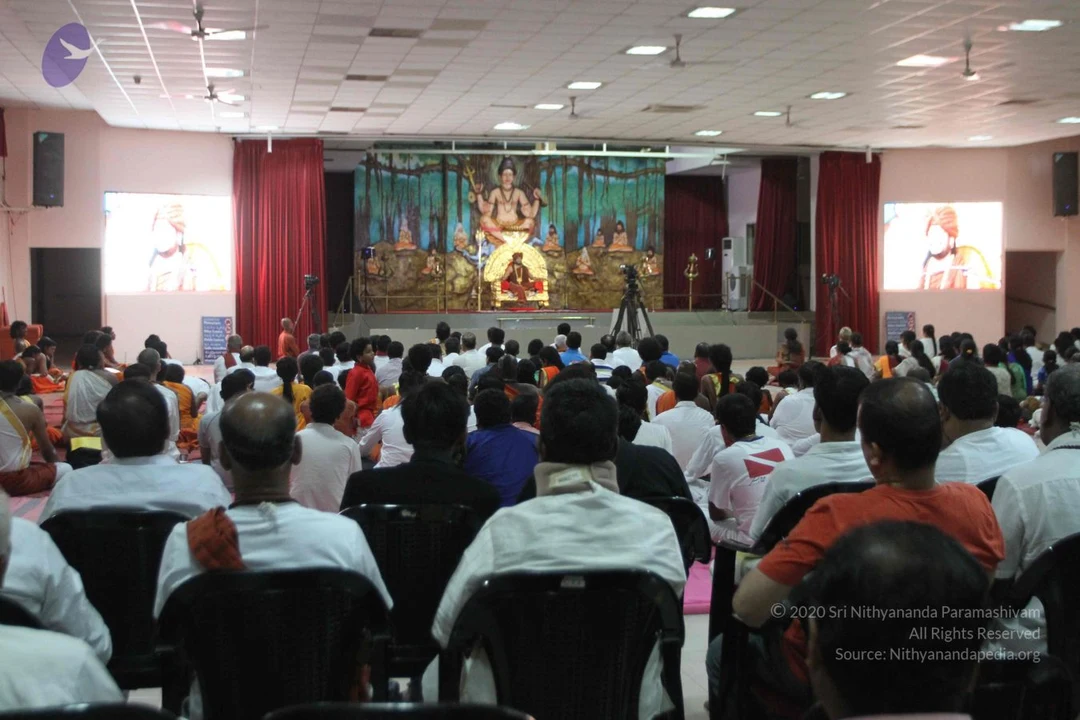
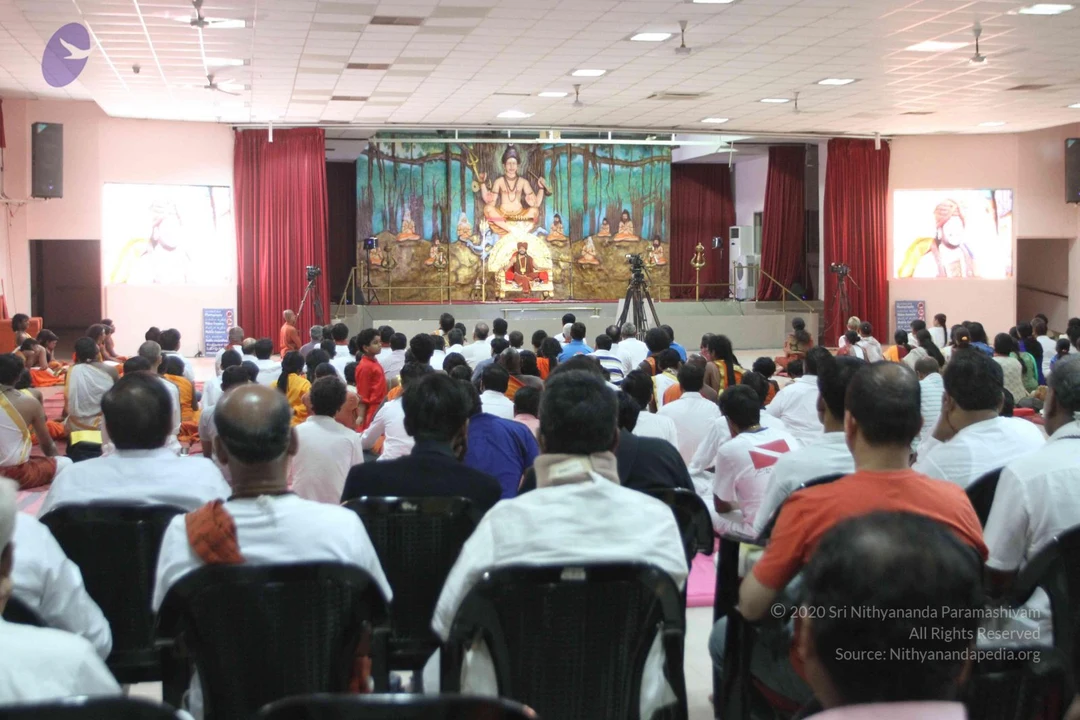





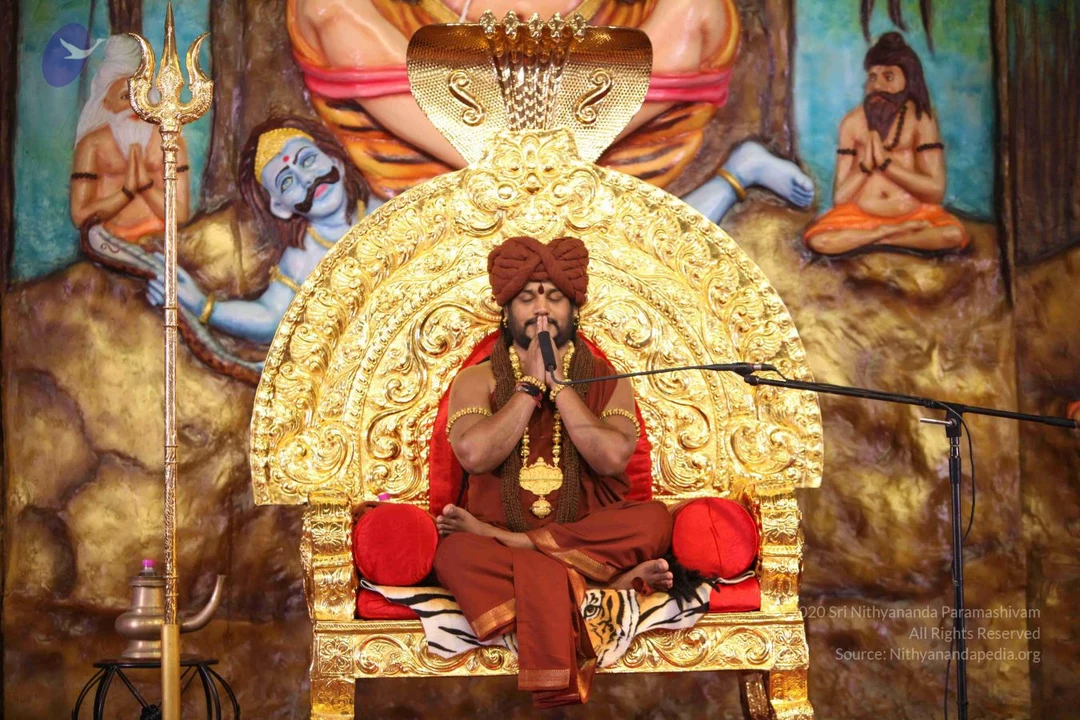
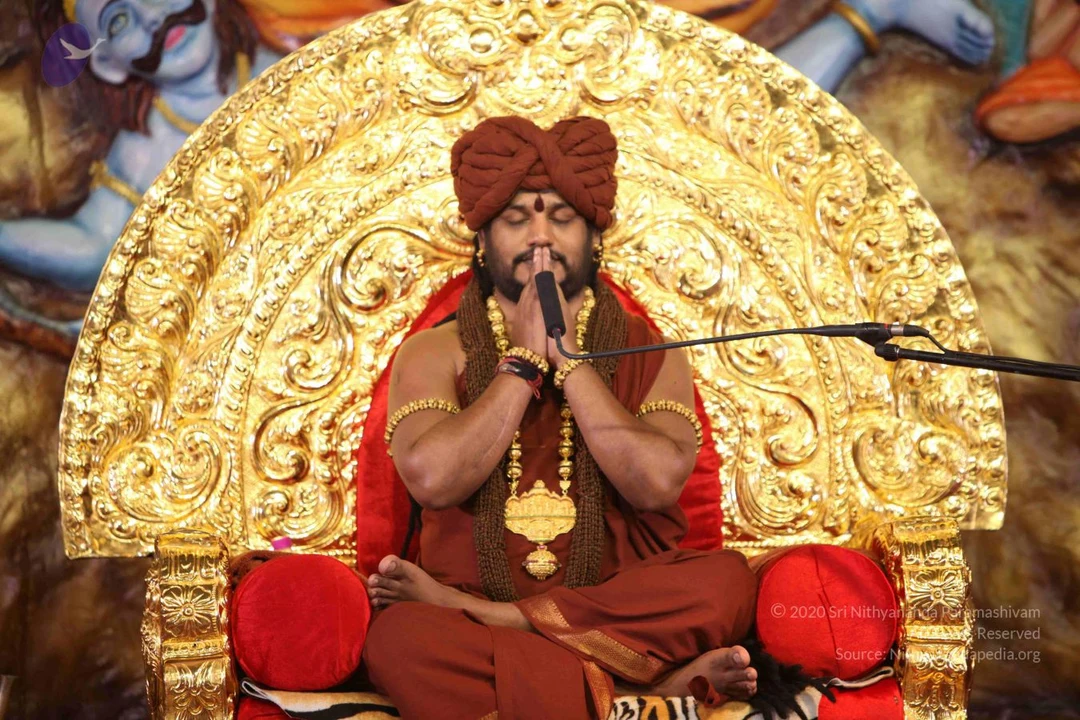
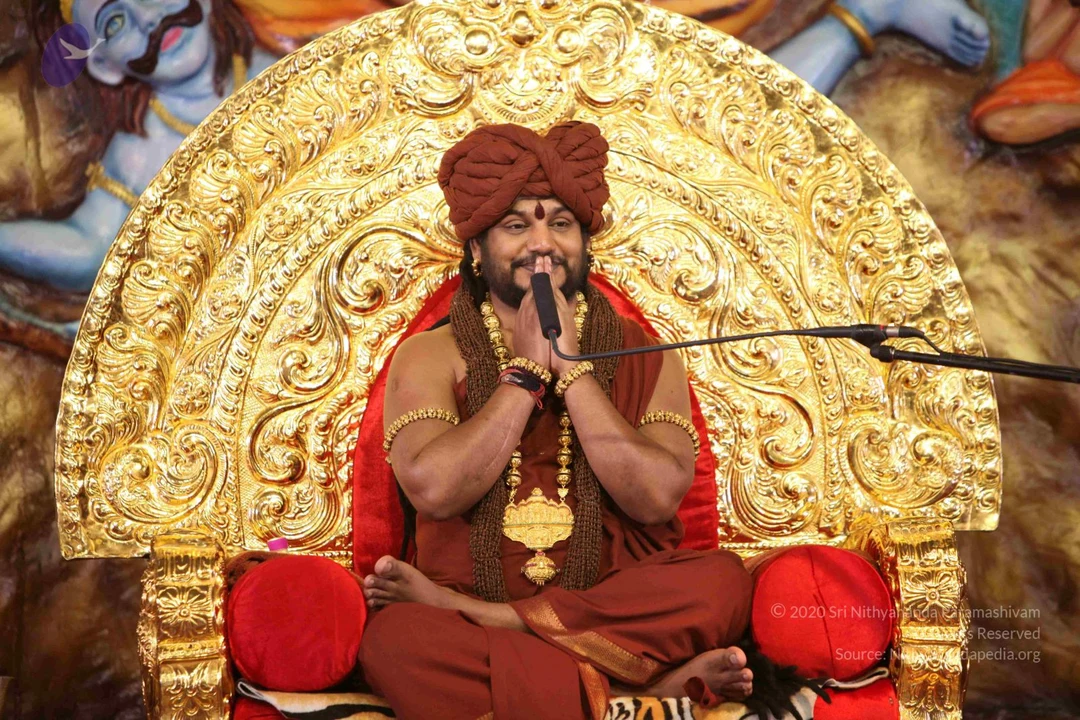




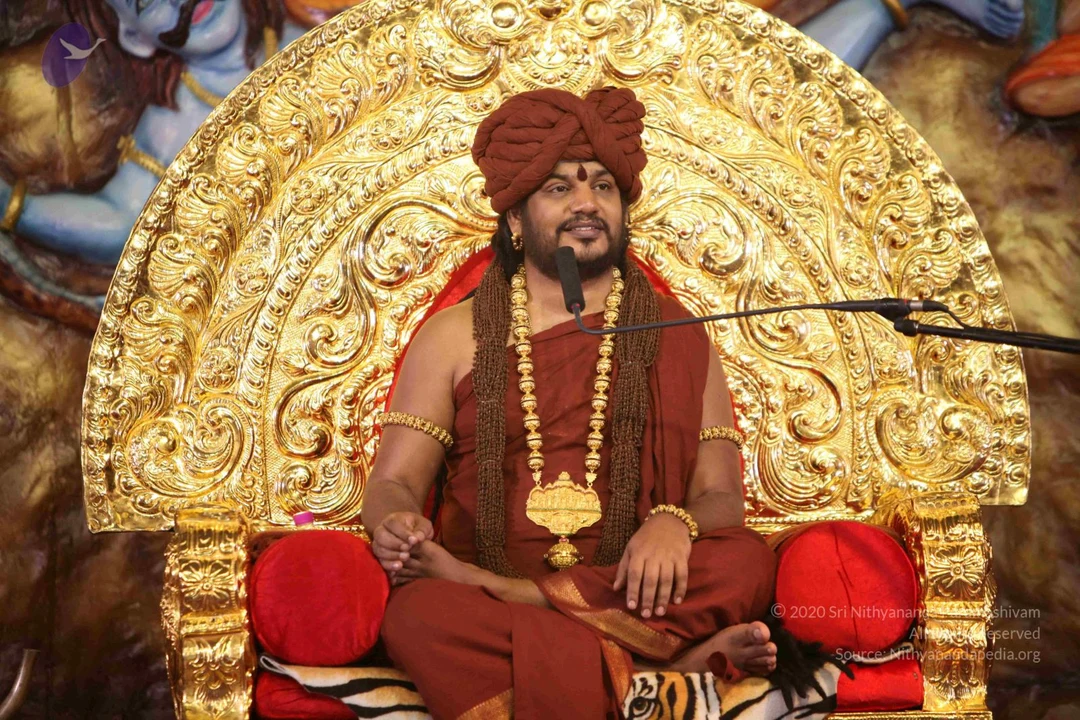






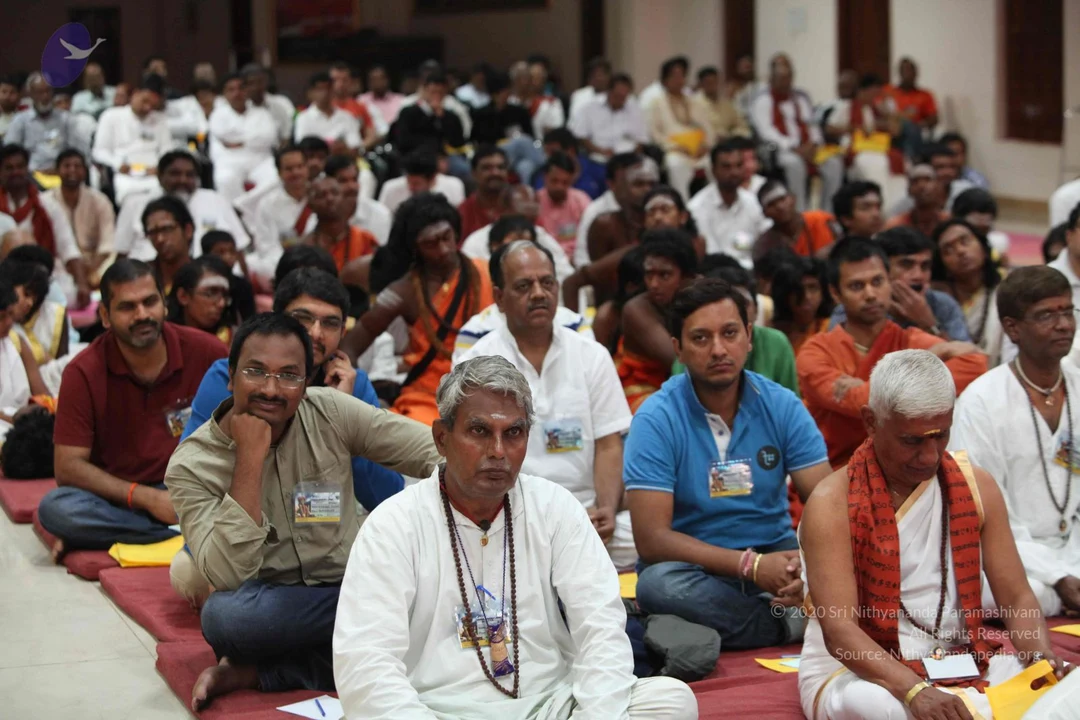
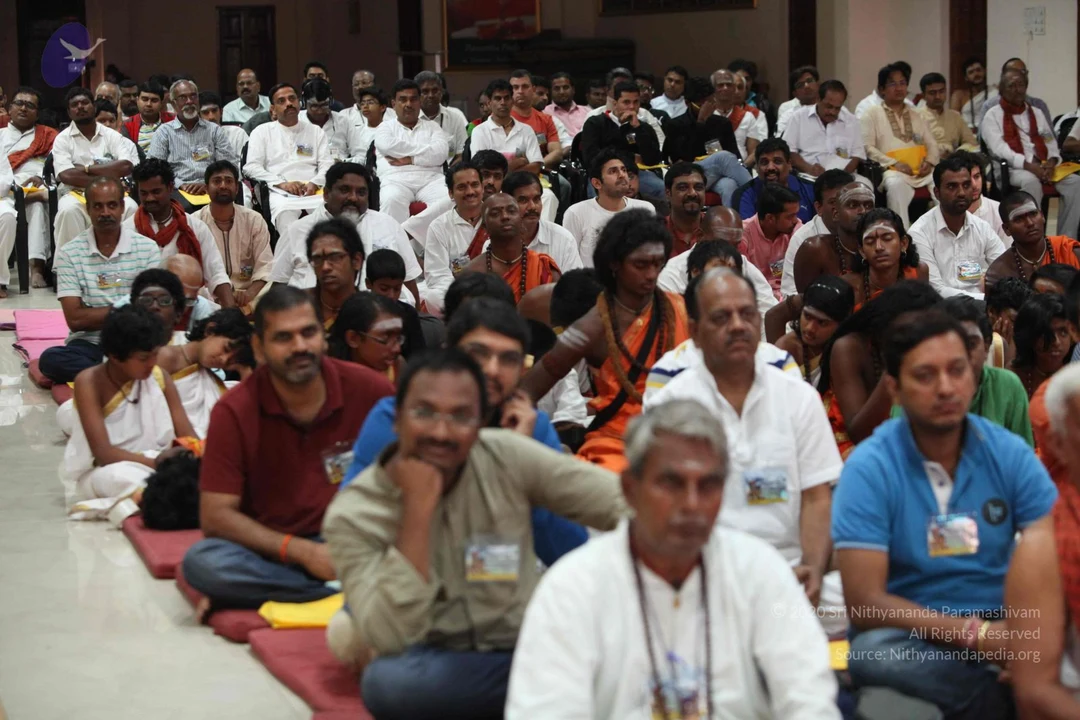
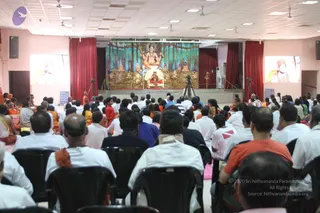
conquering-life-session2



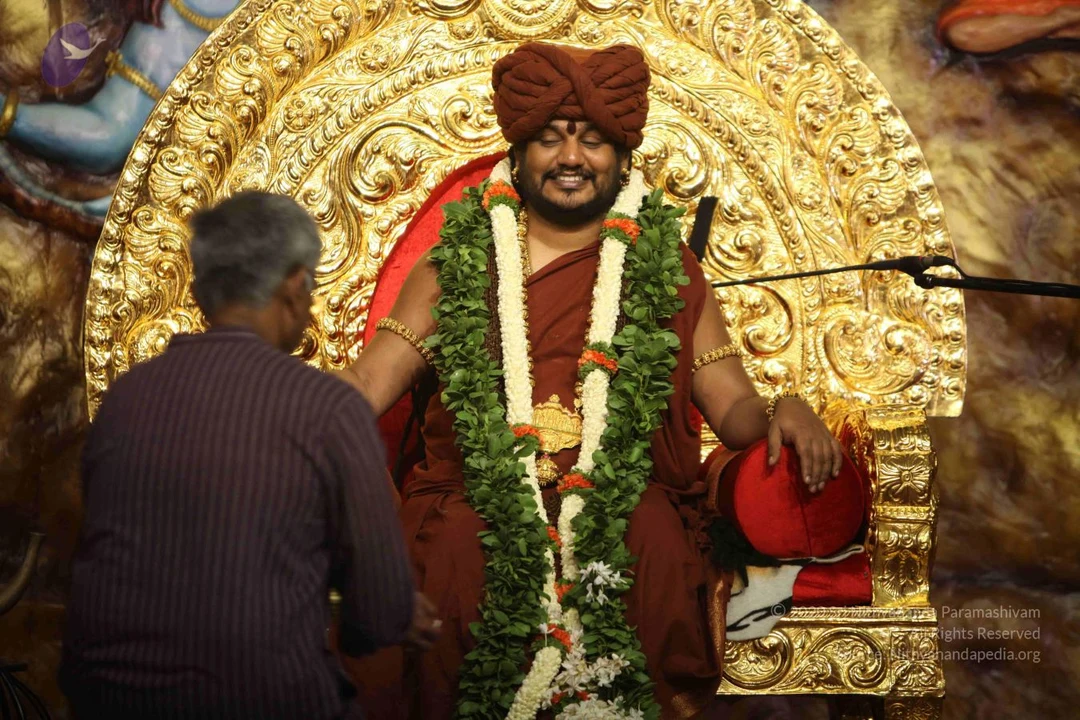
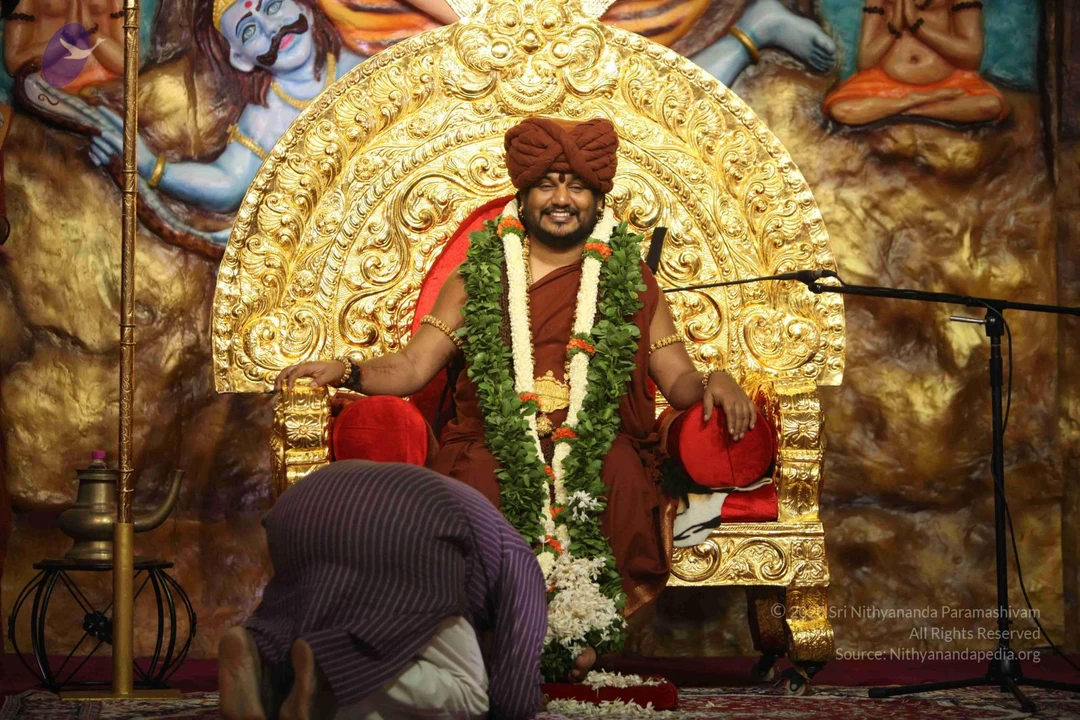
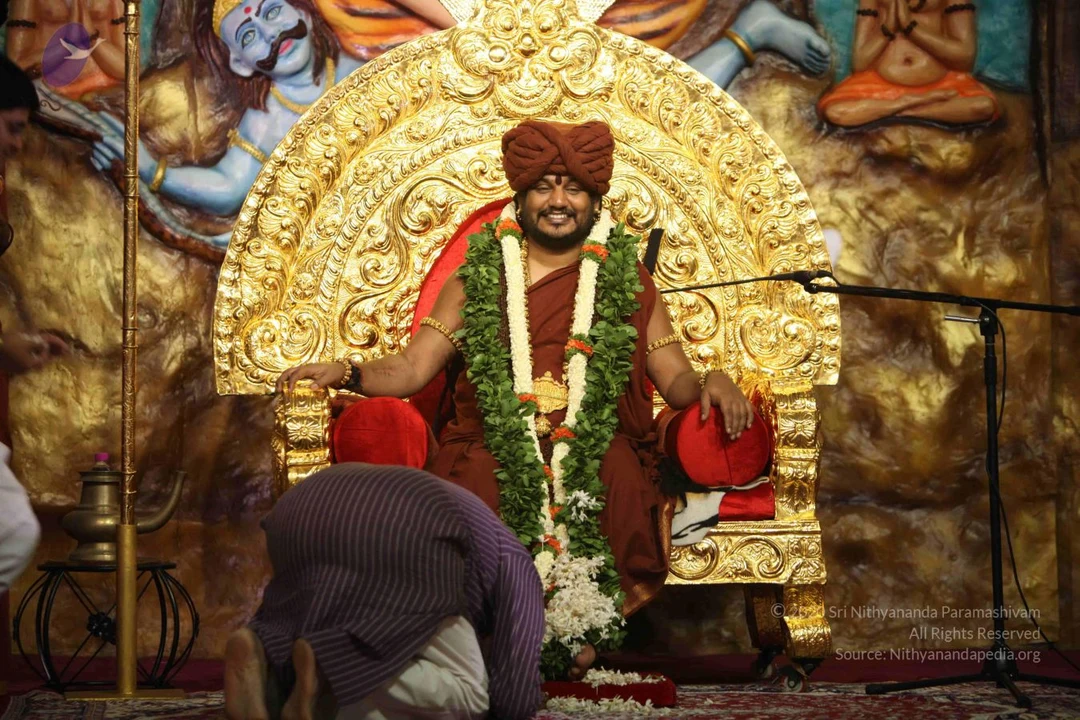




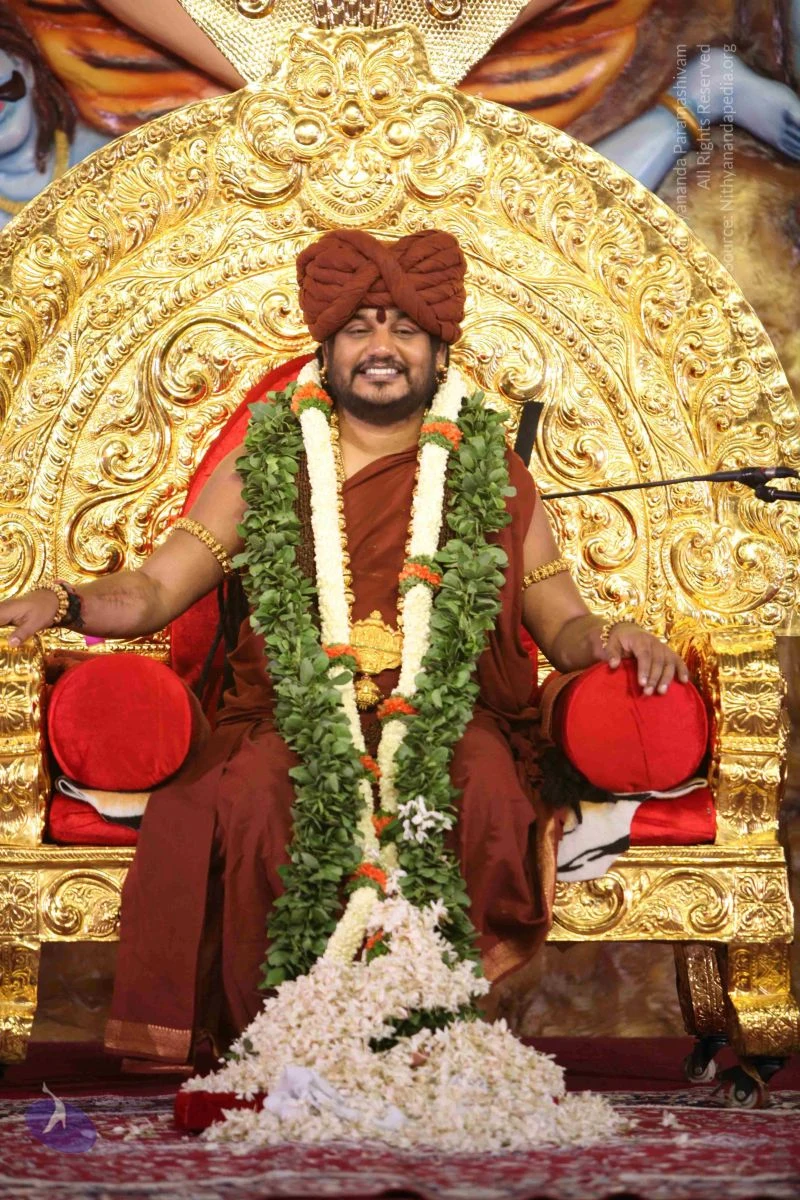
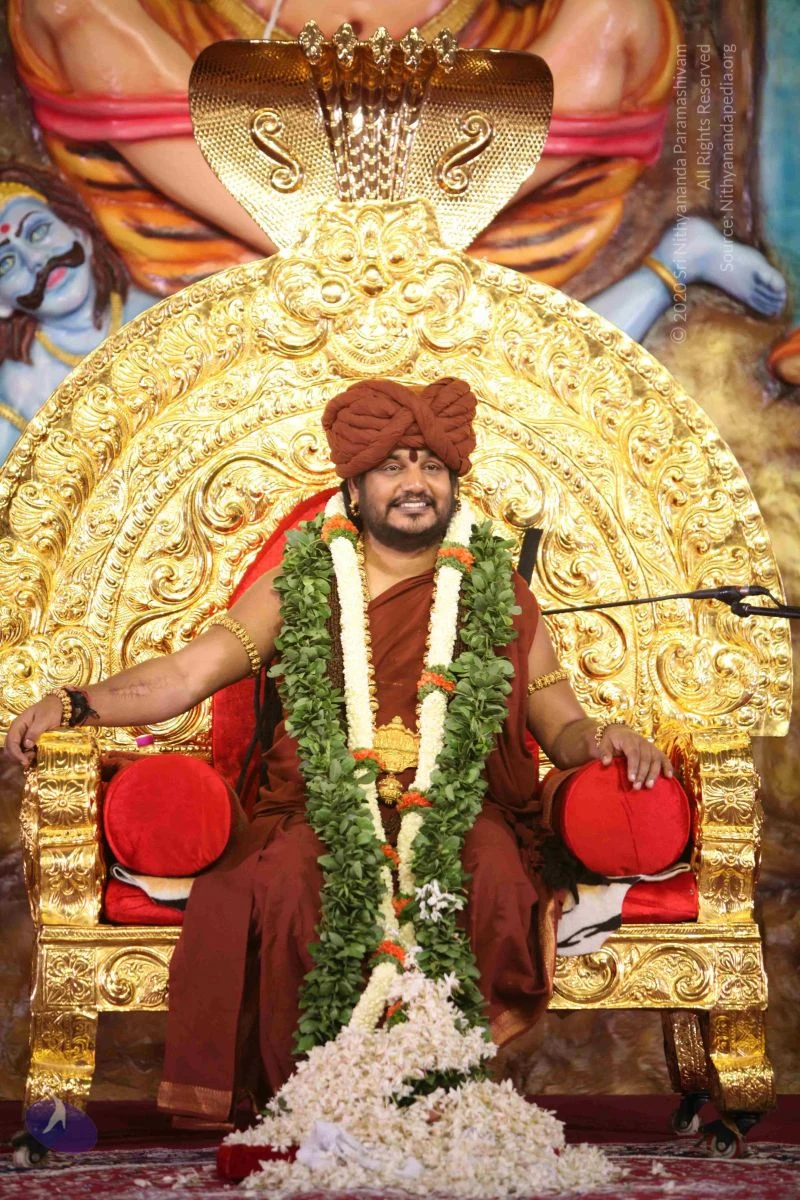

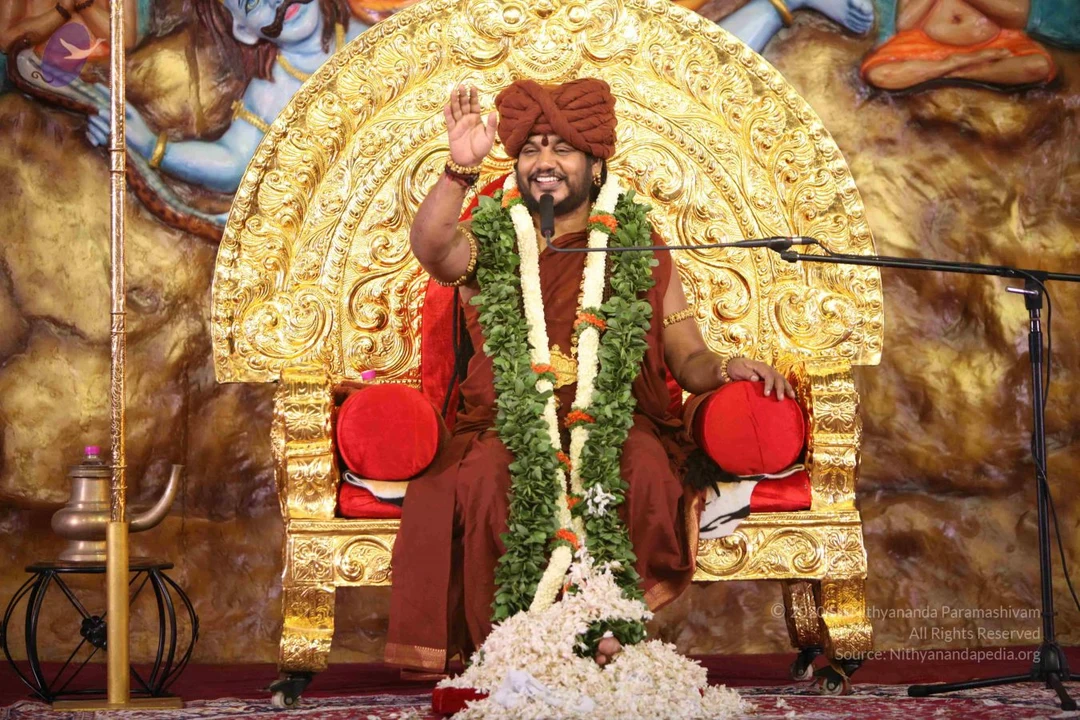
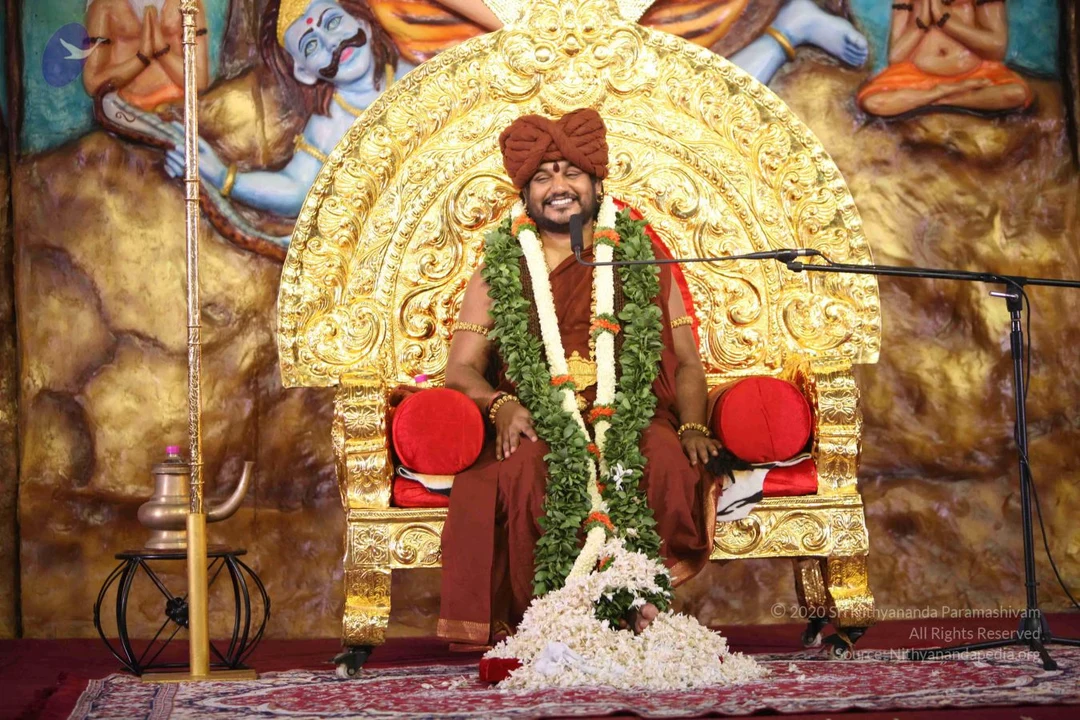
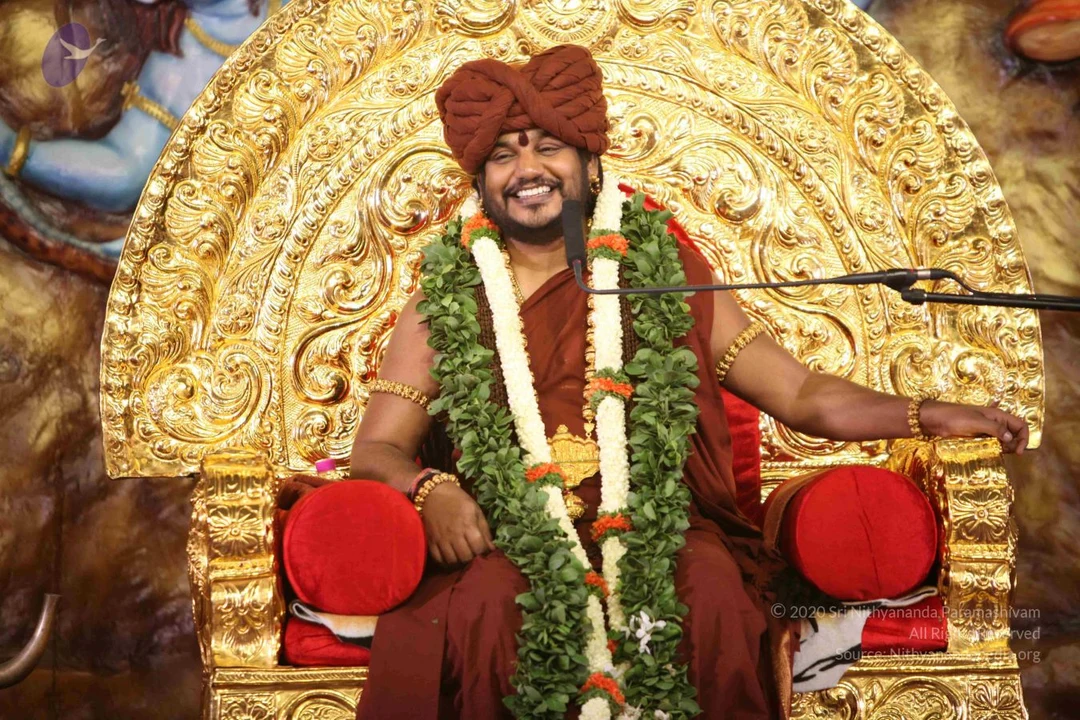
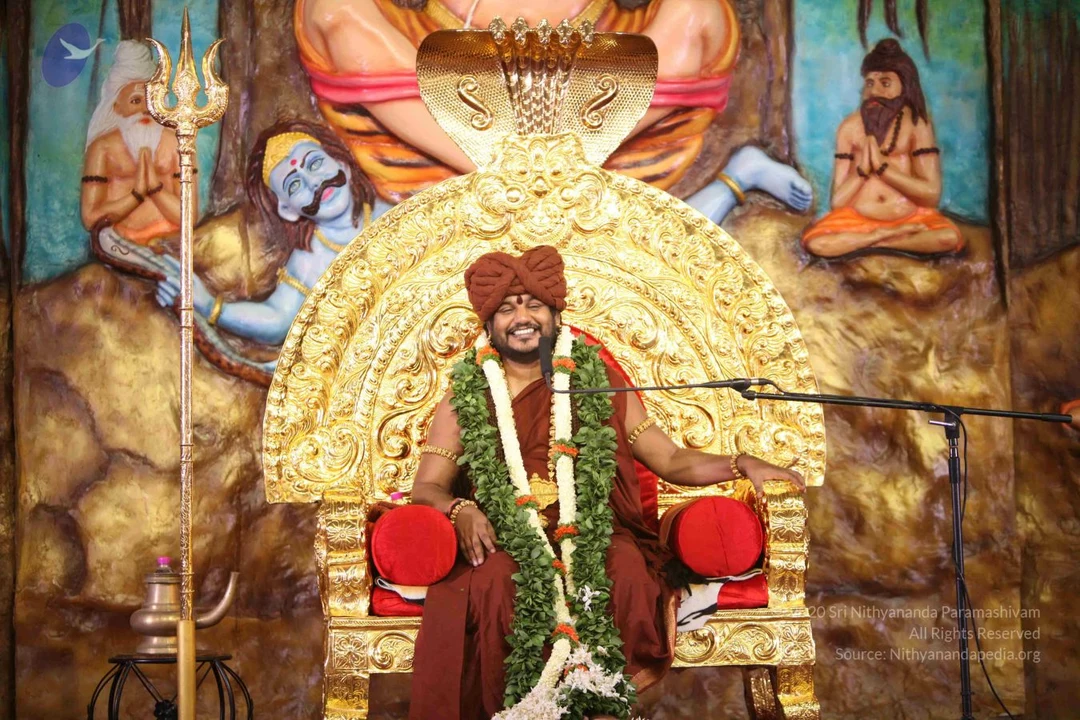
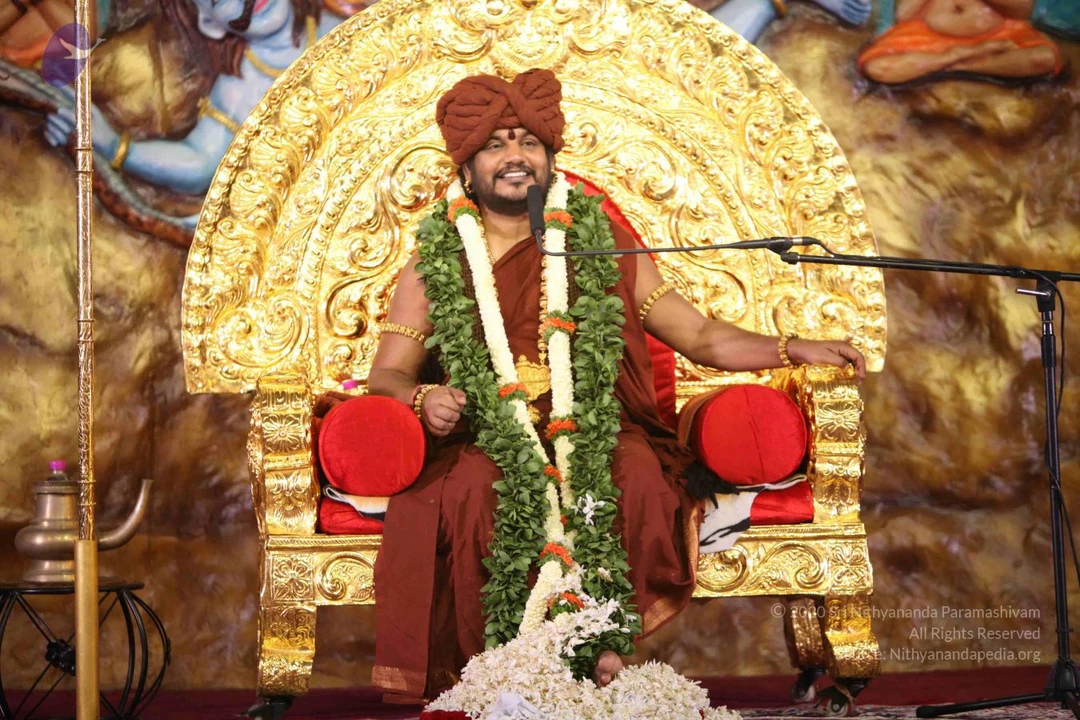










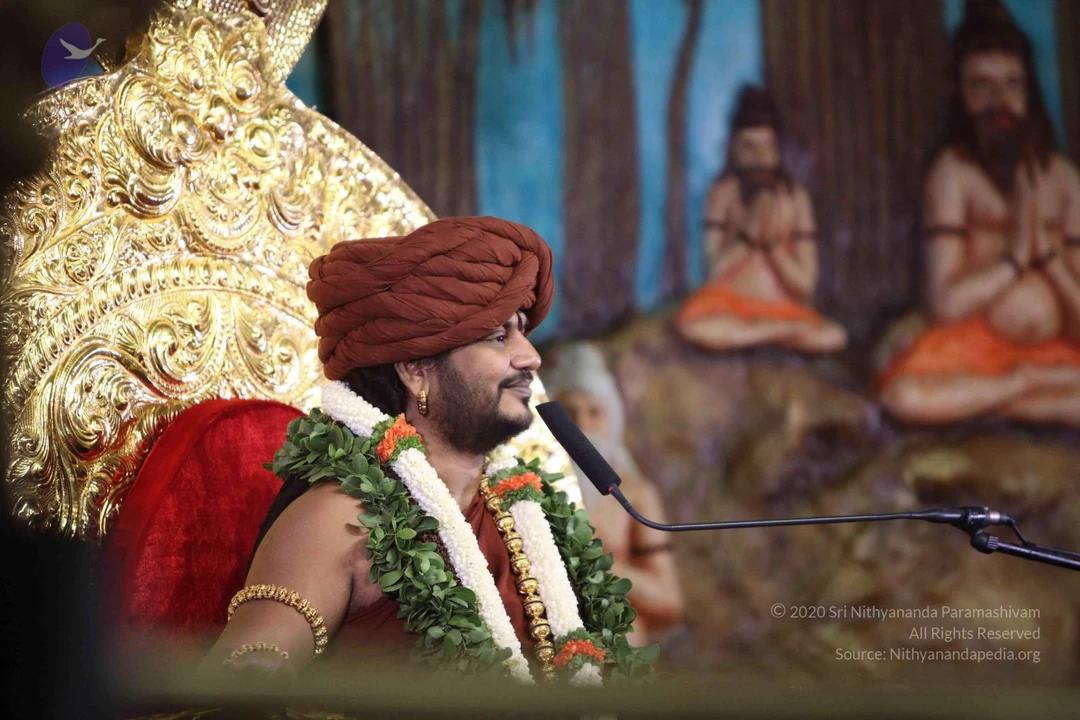

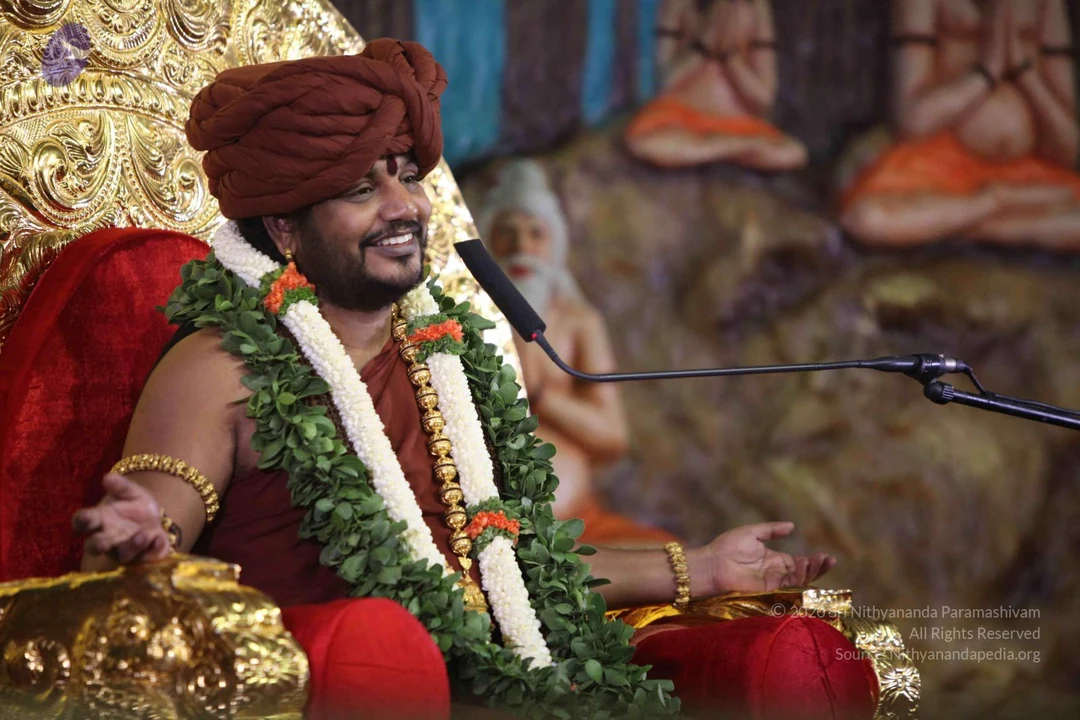
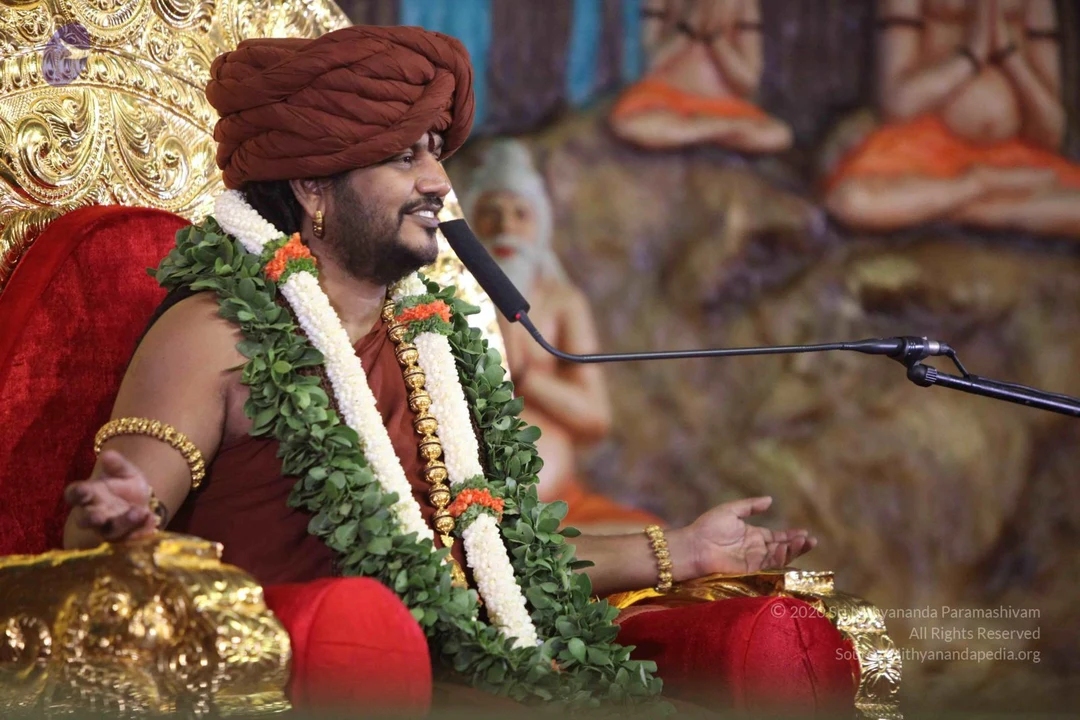
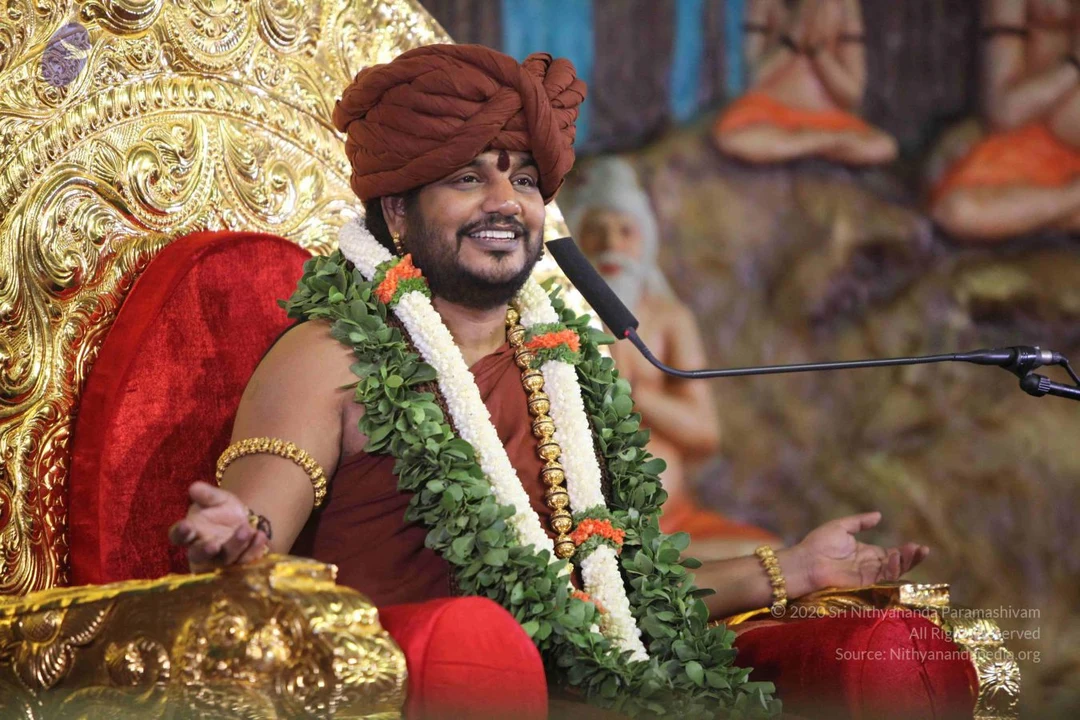

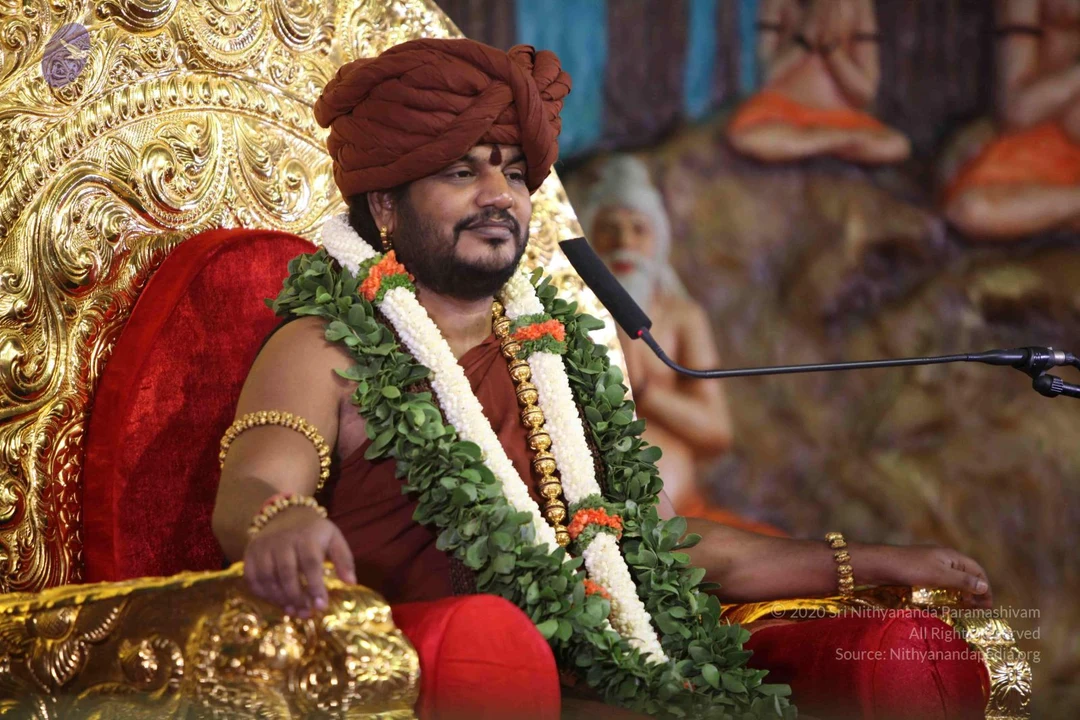
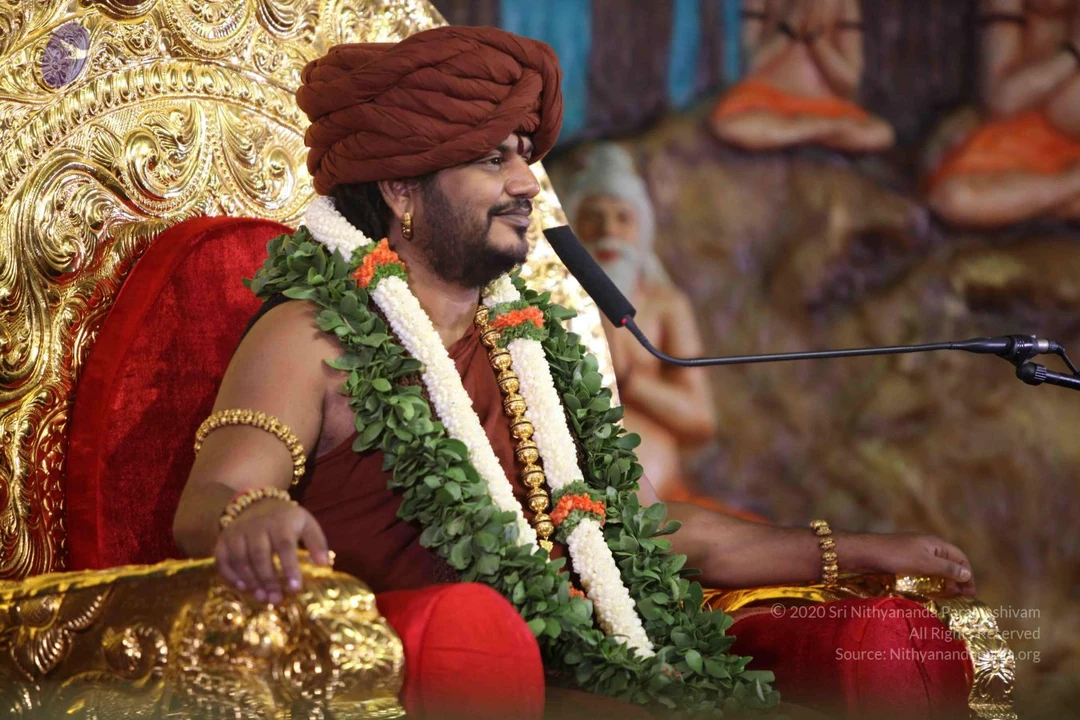
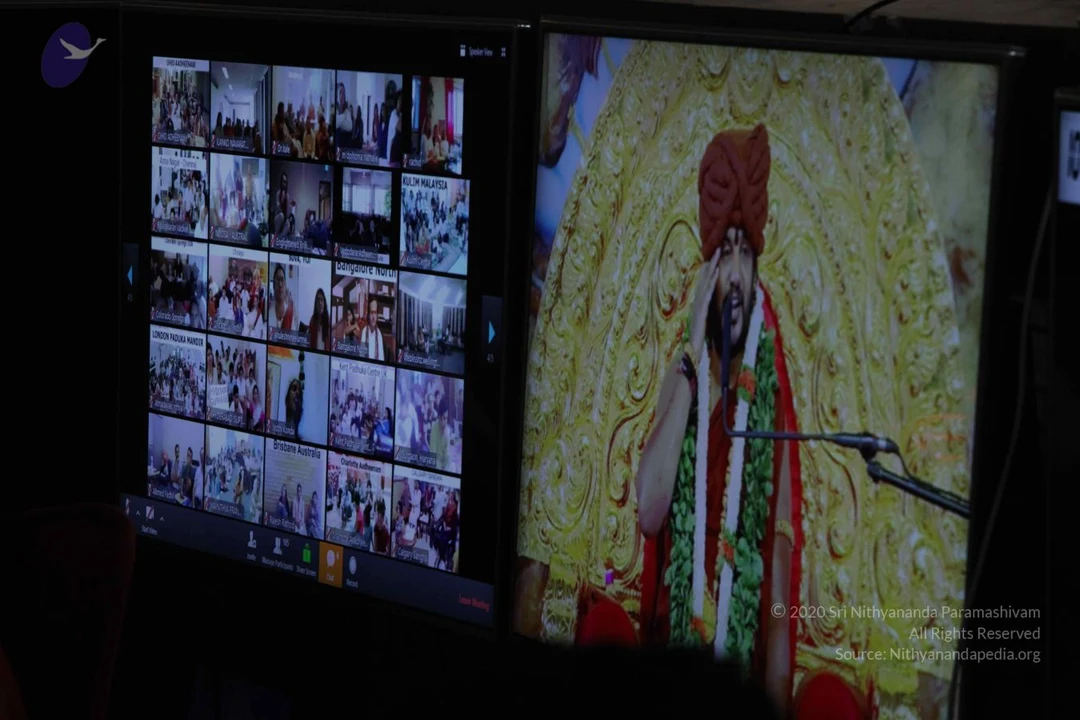

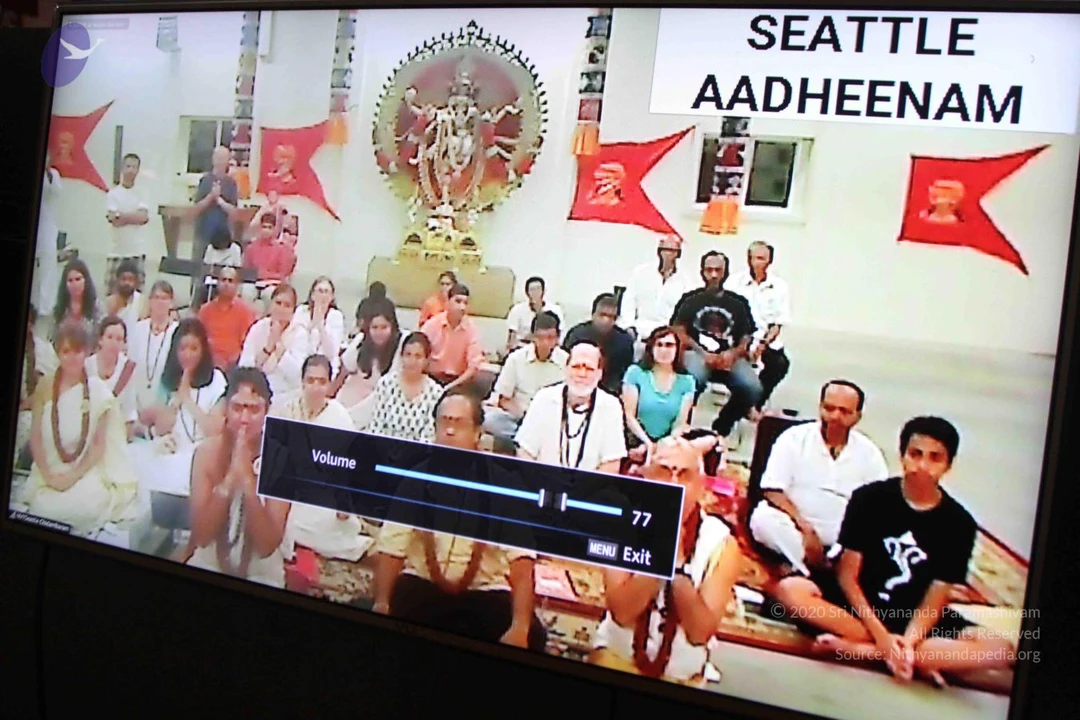













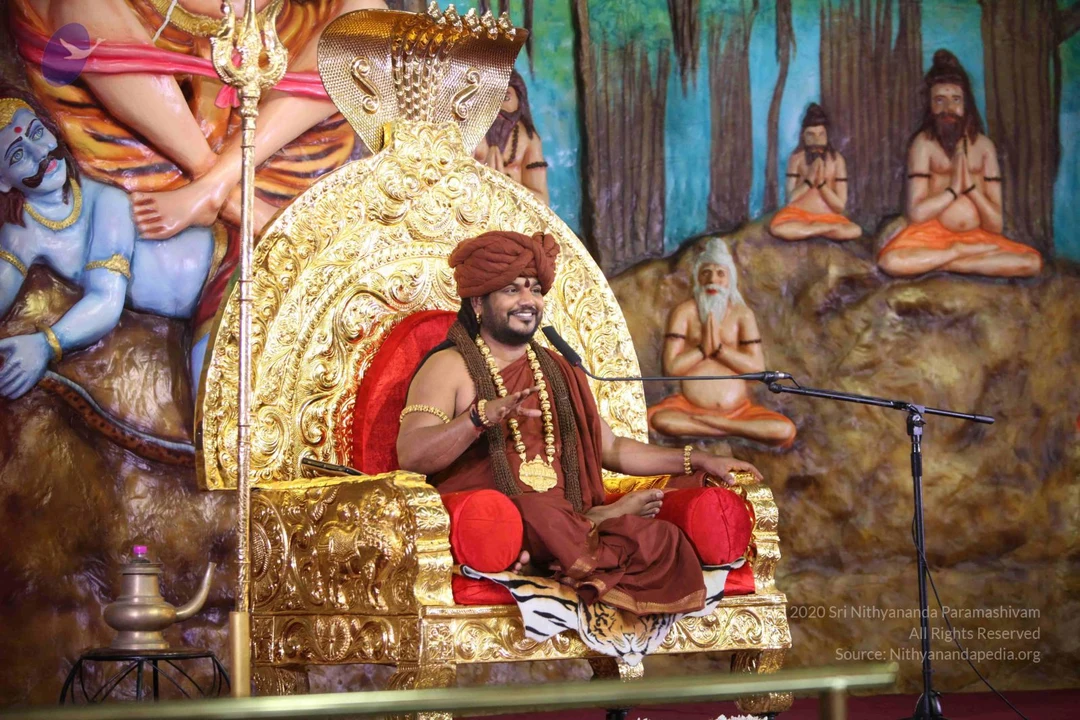



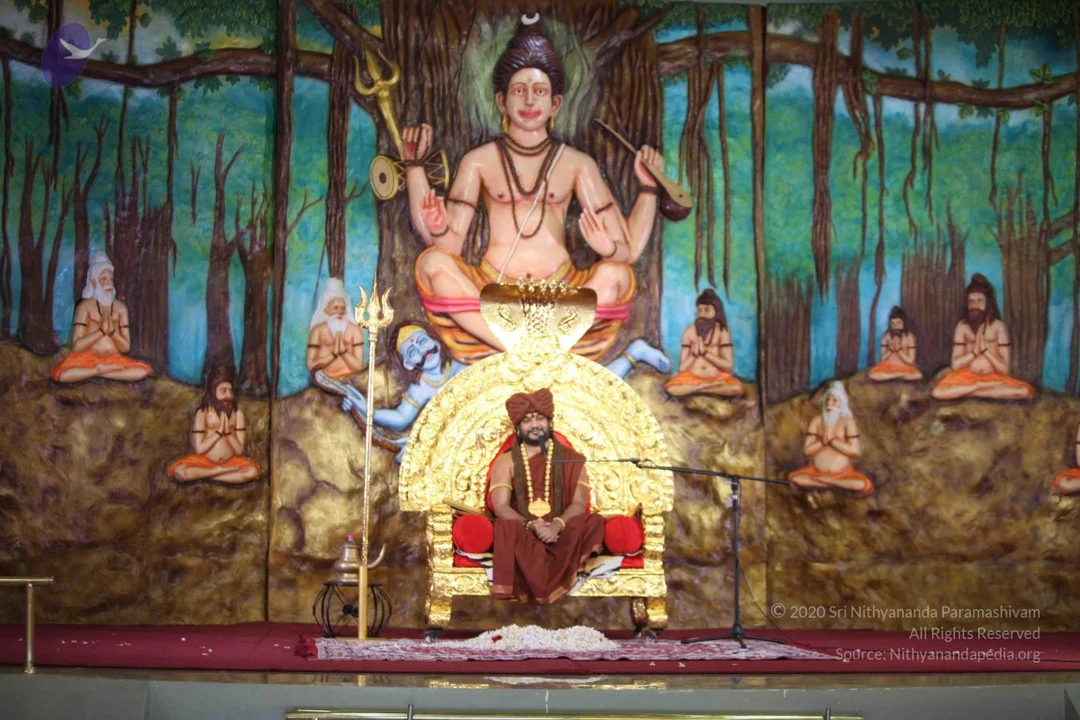


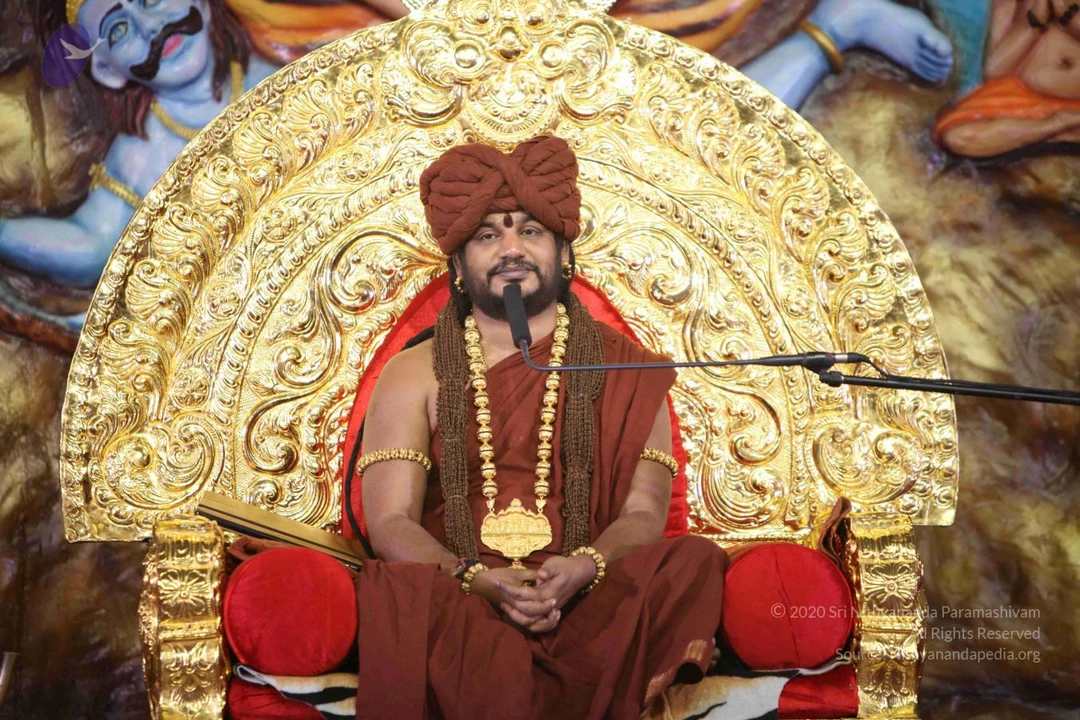
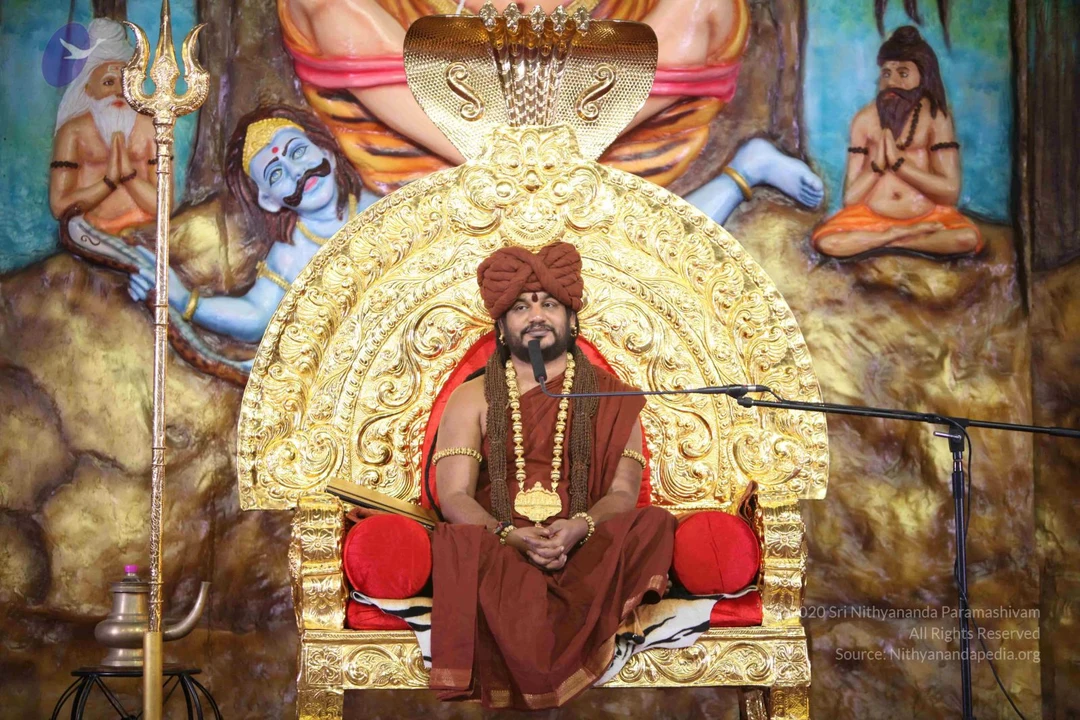




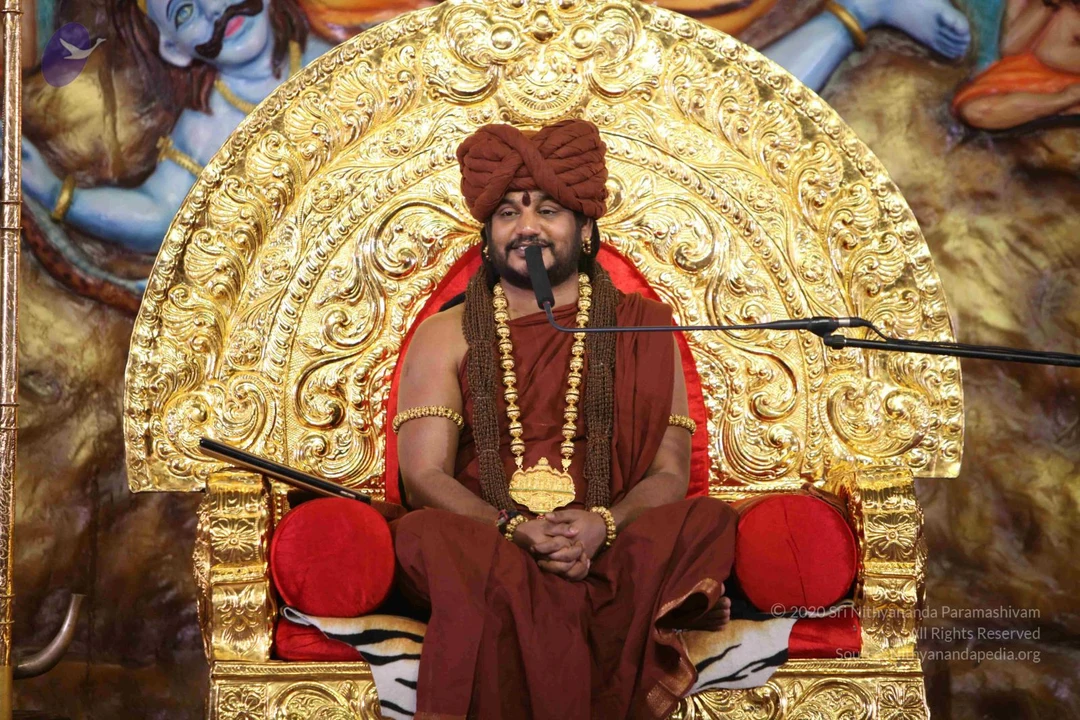

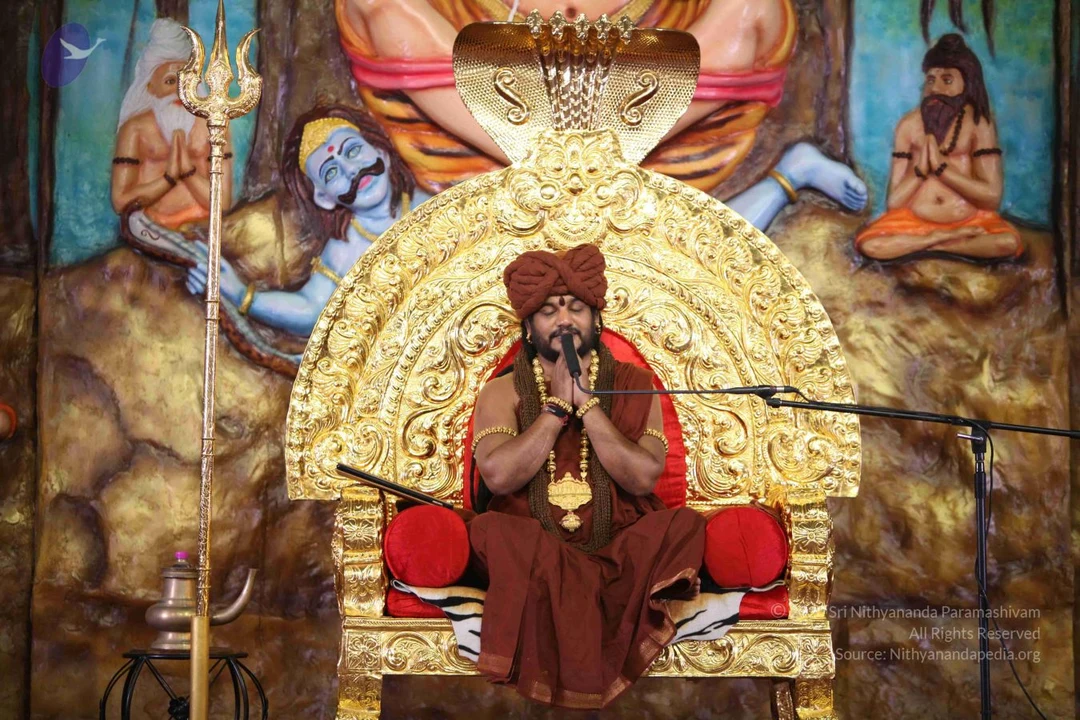


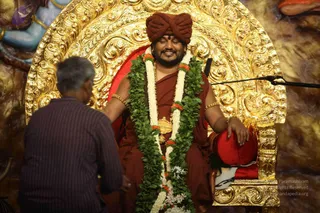
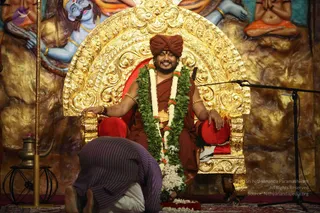
aadi-shaivam tamil satsang
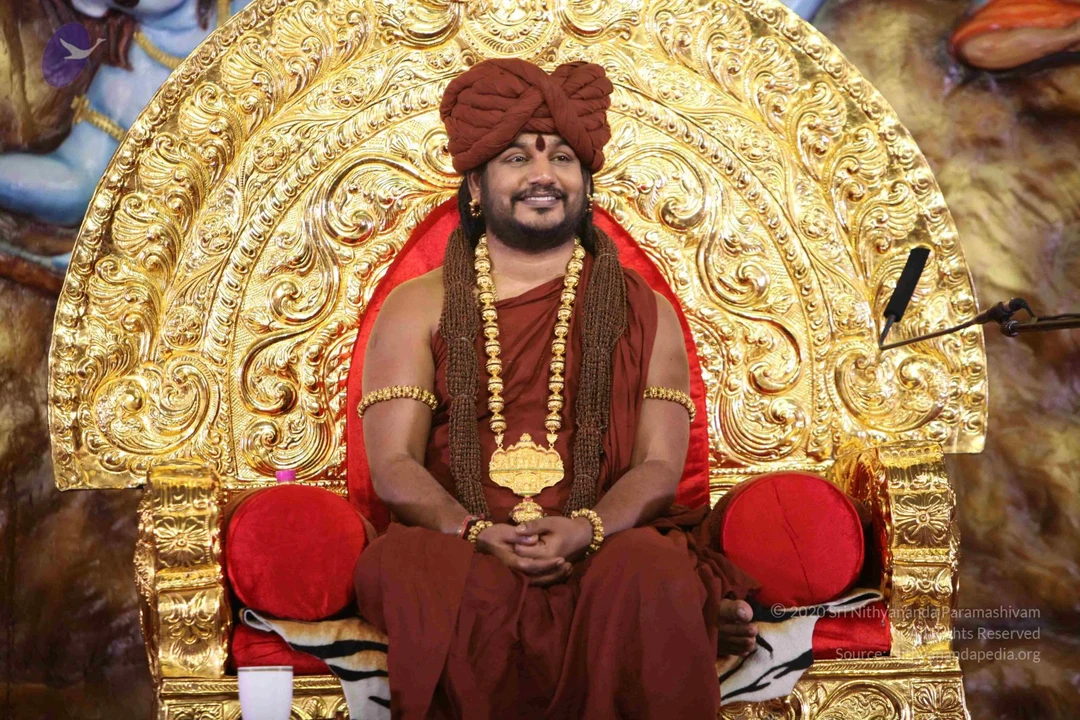

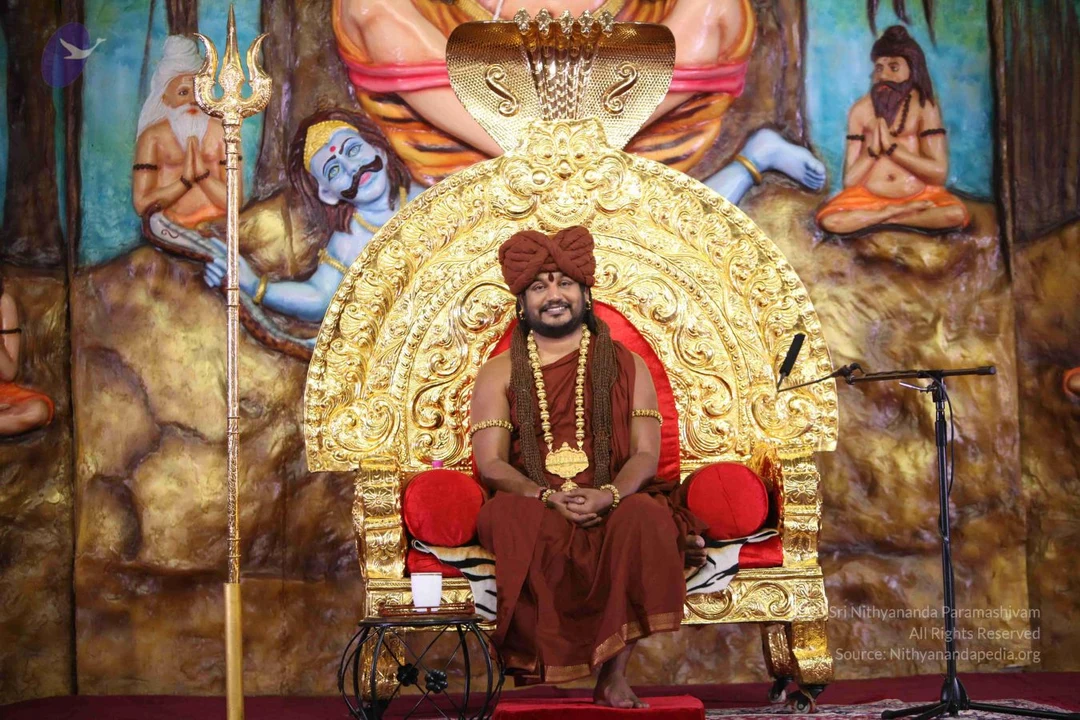














































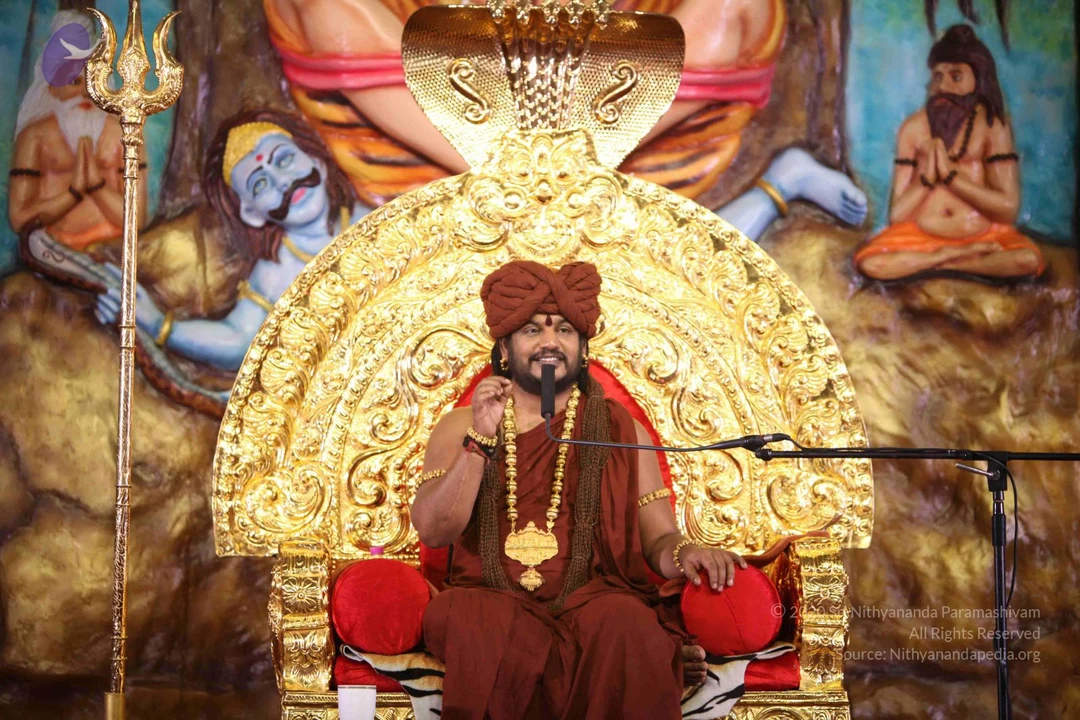
Photos Of The Day:
FB-Photos-of-the-Day
Photos from this day
View all 213 photosconquering-life-intro
33 photosSource gallery

conquering-life-session2
117 photosSource gallery


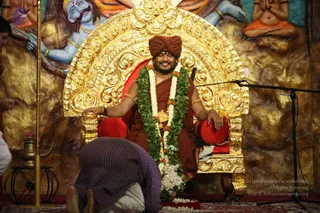
aadi-shaivam tamil satsang
62 photosSource gallery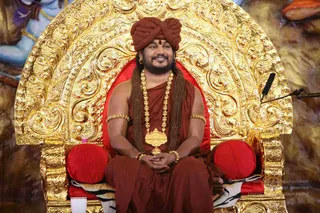
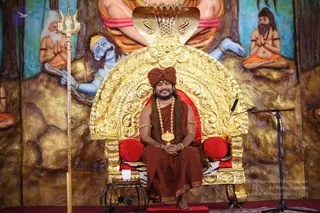
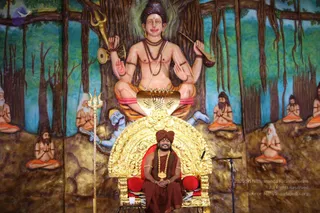


FB-Photos-of-the-Day
1 photoSource gallery