Saturday
22 August 2015
Decide to break your Karma Pattern
- Dated photos
- 286
- Source pages
- 1
- Media
- 11
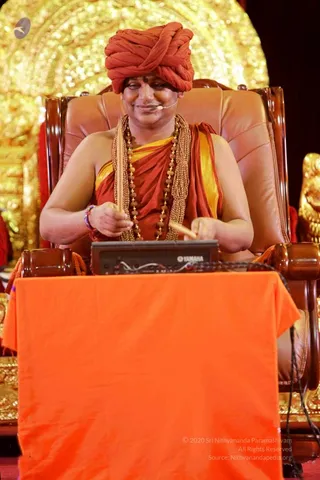
August 22 2015
Original wiki pageTitle:
Decide to break your Karma Pattern
Description:
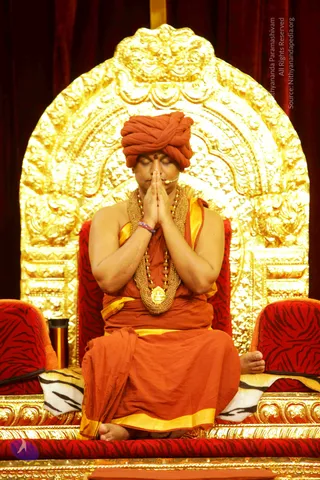
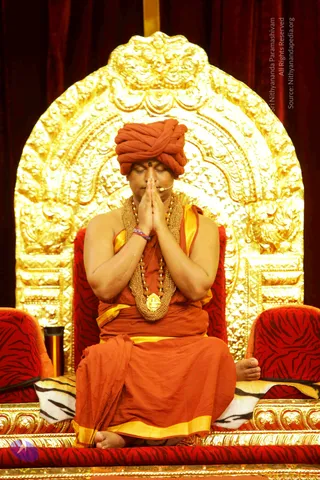
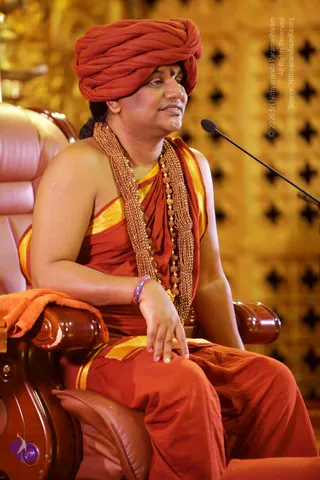
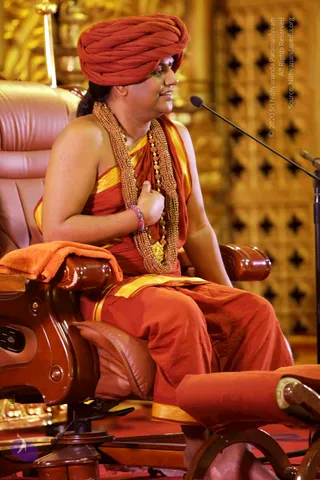
In today's Nithya Satsang, 22 August 2015 on Isavasya Upanishad in Living Advaita Series, Paramahamsa Nithyananda enters into the 11th verse. The essence is to break from feeling stuck, breaking from the karma patterns which we carry. Recognizing the karma pattern in which we are stuck and the ferocious decision to change you. He emphasized the need for our decision to breakthrough from our thought-current and have liberated thinking. When we have any problem, do not suspect your action, suspect the very YOU, which means your thought-currrent, your idea about you, which is creating self-doubt in us. Unfortunately, you celebrate the though-current you have about you, instead of dropping the very self which you cognize as YOU. The good news is - you can break this karma pattern now. Great news is – all it takes is just a decision to undo the decision you took. Vidya or knowledge means recognizing the thought-current in which you stuck and ferociously dropping it and reinventing yourself.
Link to Video:
| Video | Audio |
Transcript:
nithyānandeśvara samārambhām nithyānandeśvari madhyamām | asmat āchārya paryantām vande Guru paramparām ||
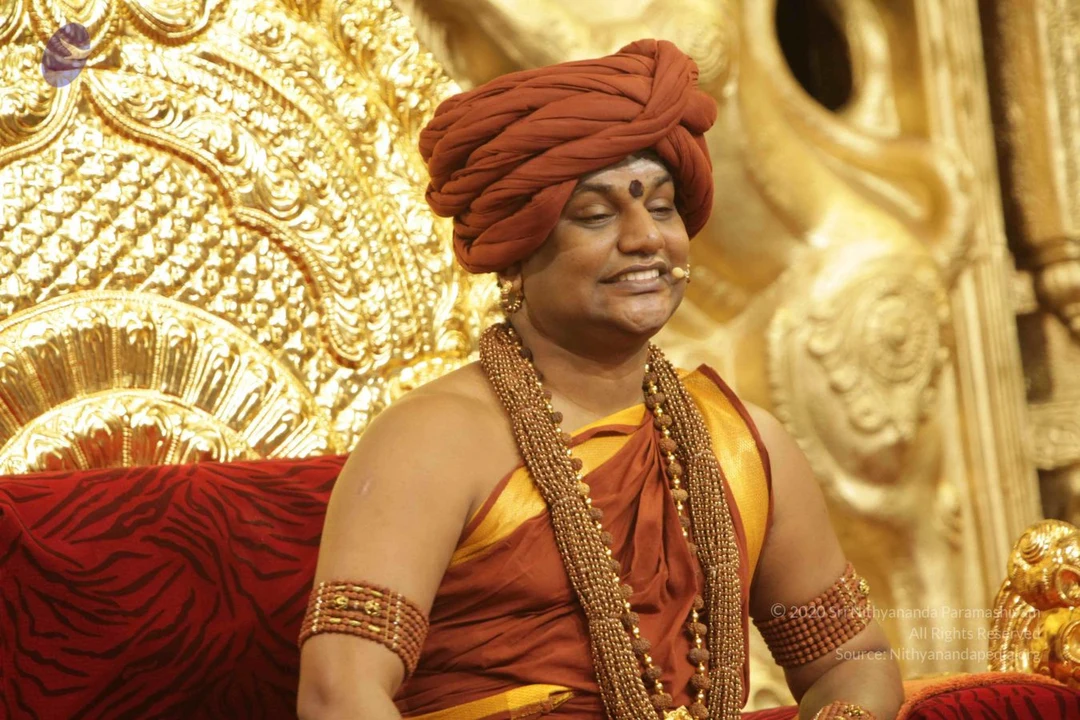
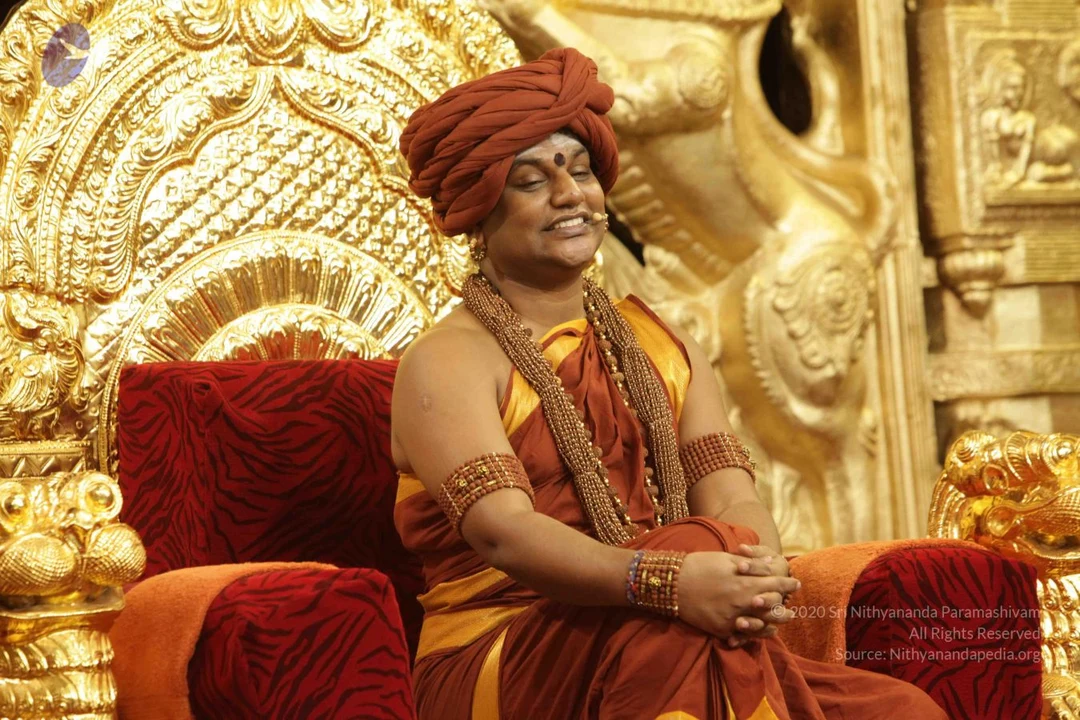
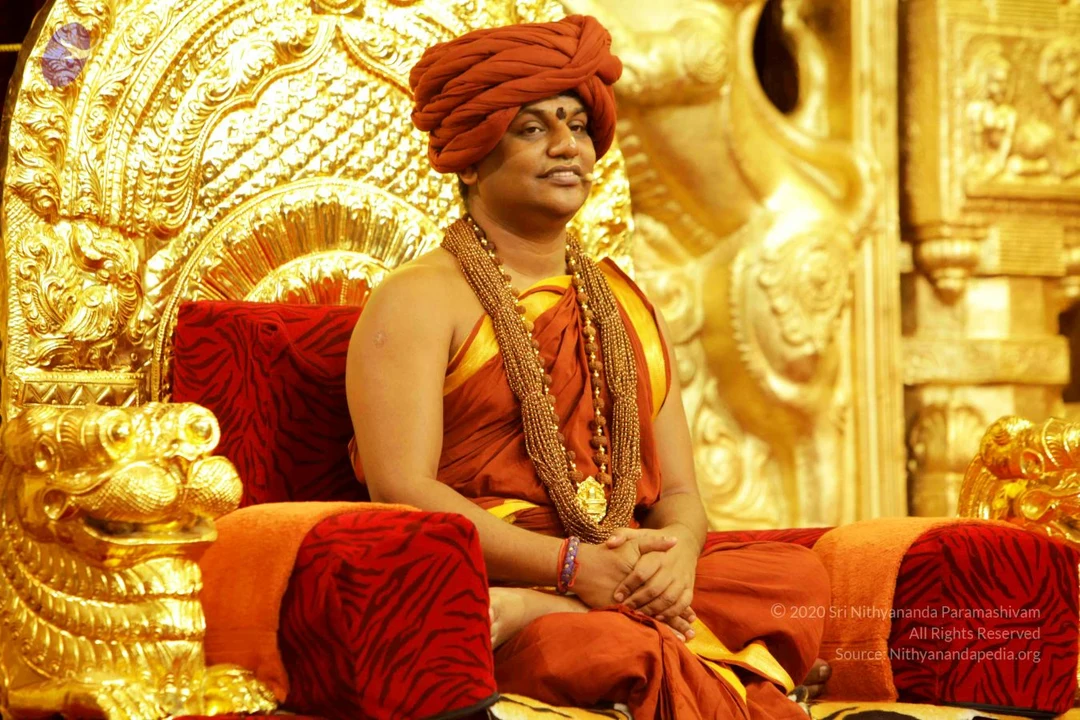
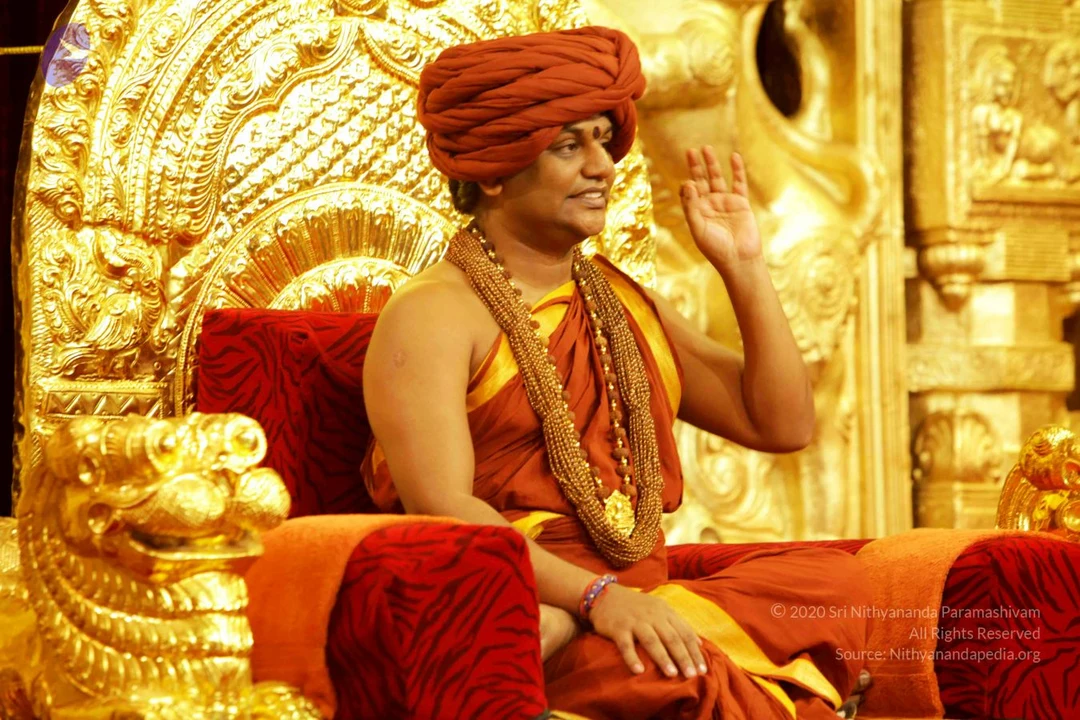
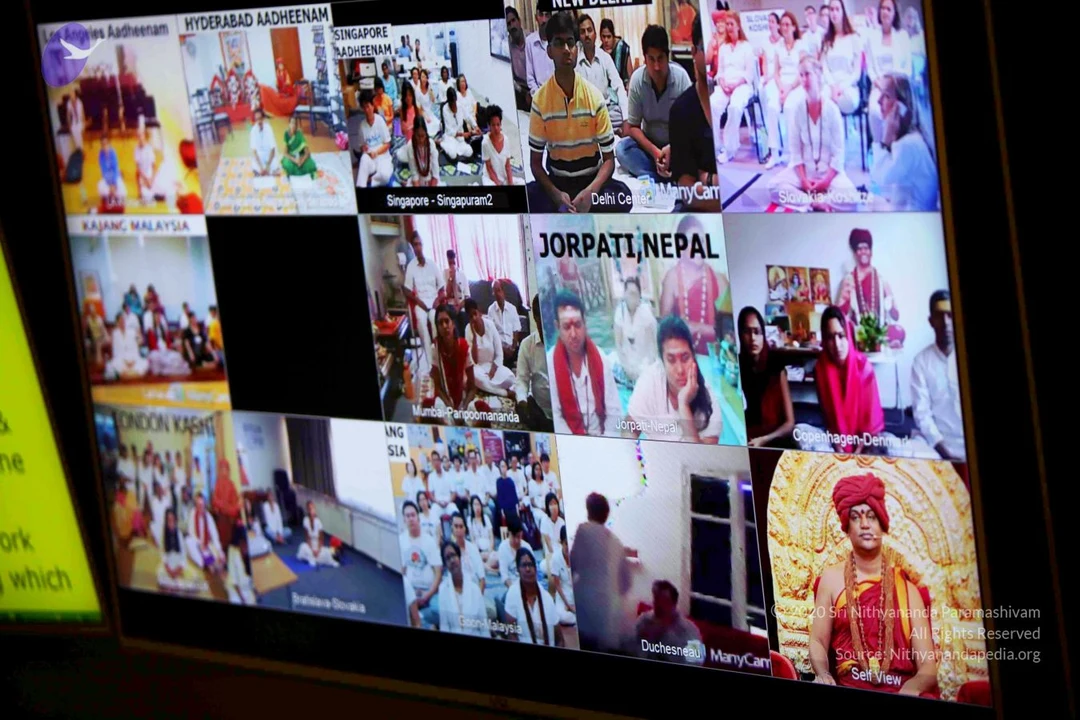
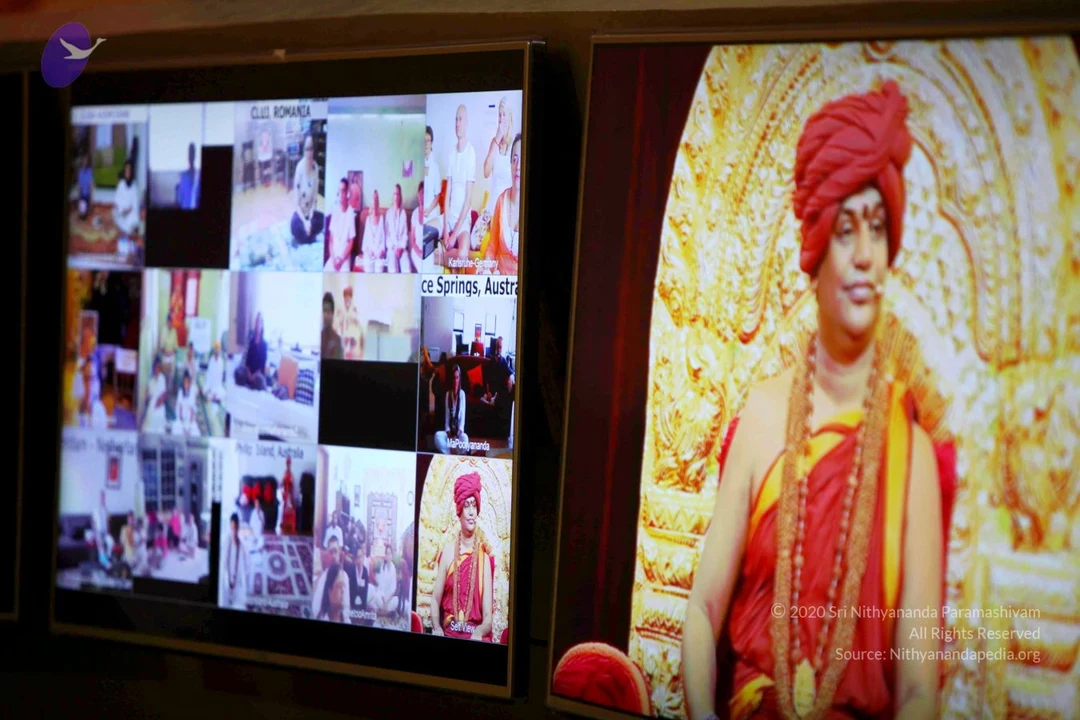
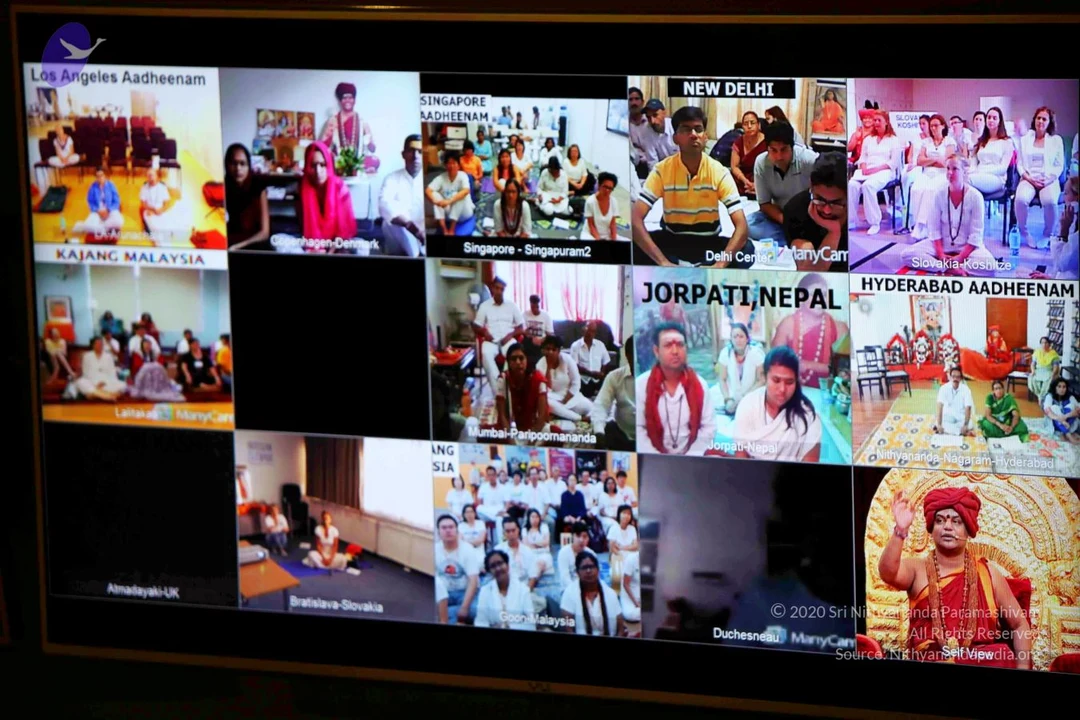
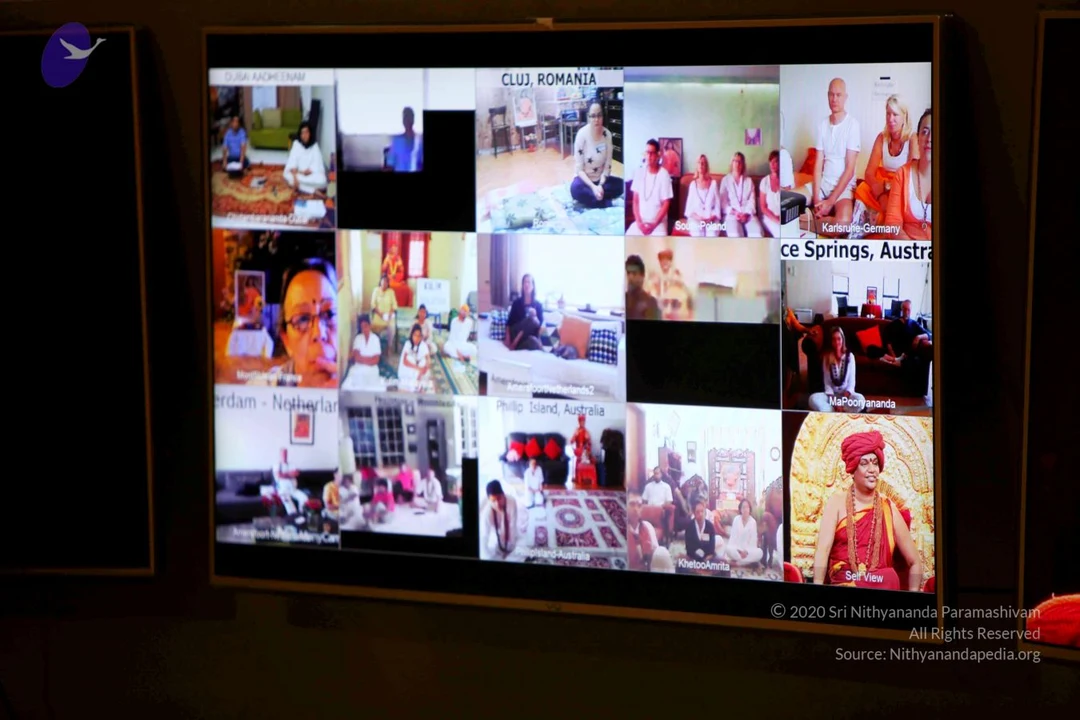
I welcome all of you with My love and respects. I welcome all the devotees, disciples, Samajis, Satsangees, Sri Mahants, Mahants, Thanedar, Kothari, visitors, viewers, today Nithya Kriya Yoga participants, everyone, everyone from around the world sitting with us in Bidadi and all over the world through Nithyananda TV, Sadhana TV, two-way video-conferencing having Nayana Deeksha.
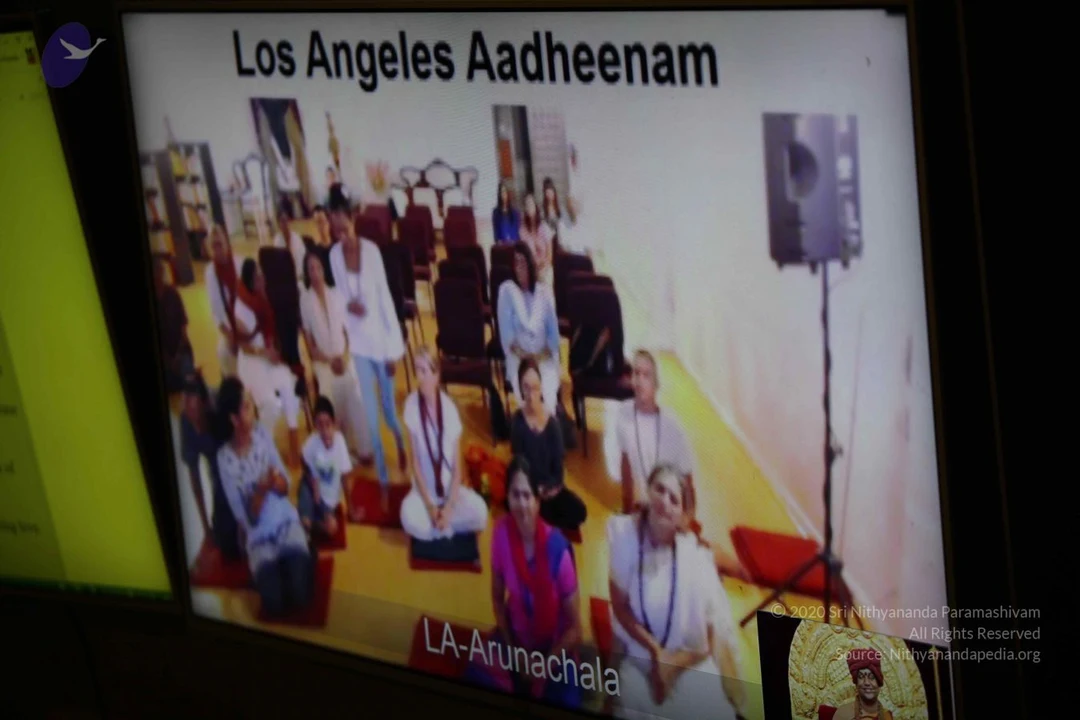
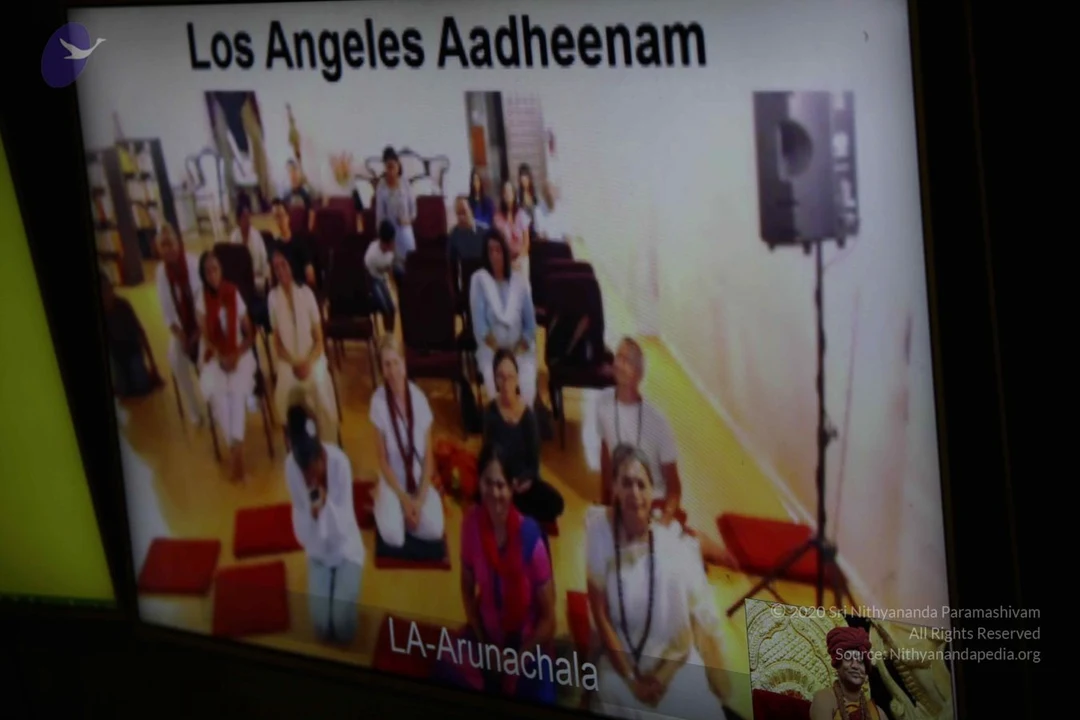
Cities sitting with us having Nayana Deeksha: San Jose Aadheenam, Ohio Aadheenam, Montclair, Kuala Lumpur Aadheenam, Seattle Aadheenam, Oklahama Aadheenam, Phoenix Aadheenam, Guadeloupe Aadheenam, Toronto Aadheenam, Philip Island New Zealand AAadheenam, St Louis, Trinidad Tobago, Houston Aadheenam, Los Angeles Aadheenam, Dakota Dunes, Singapore Aadheenam, Tiruvannamalai Aadheenam, Hyderabad Guptakashi, Hyderabad Aadheenam, Chicago, Ponca City Oklahama, and a lot more cities are joining – New Zealand Aadheenam, Philip Island. I welcome all of you with My love and blessings.
[3:20]
I will continue to expand on Isavasya Upanishad, maybe to refresh your memory, I will have to give a small introduction. Isavasya Upanishad is the first and foremost Upanishad on which I was commenting for some time ago and for various reasons morning satsang got postponed, now it starts again to continue. I’ll expand on the 11th verse of Isavaysa Upanishad. So please repeat along with me the 11th verse:
vidyāṁ cāvidyāṁ ca yas tad vedobhayaṁ saha | avidyayā mṛtyuṁ tīrtvā vidyāmṛtam-aśnute || 11 ||
I will read out the translation.
The one who cognizes the pure essence of these two – vidya and avidya – simultaneously, that is knowing the true and complete knowledge of consciousness and doing the actions from the sacred cognition of consciousness, thereby through avidya crosses over and transcends death and through vidya, experiences and celebrates the nectar of immortality and bliss, the eternal space of oneness with Consciousness.
Listen. Recognizing the karma pattern in which you are stuck, thought current in which you are stuck, and deciding to liberate yourself from that thought current is Vidya. Recognizing karma pattern, thought current in which you are stuck and breaking from that, having a breakthrough from that thought current. Please understand, your decision, your decision to change you, your decision to have a breakthrough in your thought current is required basically to have any breakthrough, and have liberated thinking.
Understand some of these basic truths.
If you have a thought current which can cause some health issues, be informed, that thought current can never give you fulfillment in wealth also, and it can never lead you to Enlightenment also. It cannot give you Completion in any field of your life. Understand, I am not saying Enlightened One will not fall sick, all I am trying to tell you is: if you are working towards Enlightenment, if a thought current is bringing sickness to you, it will not be able to bring Completion to you. Means, the thought current which you are entertaining will bring difficulties not just in one field, in every field. So the repairing of thought current is not going to help, only replacing it is going to help.
When you have a problem do not suspect just your actions, suspect the very YOU. Please understand, do not suspect just your action, suspect the very YOU. Means, your very thought current, your very idea about you. Suspect that very YOU; because change, transformation, re-inventing yourself, having a breakthrough from karma pattern – all this is easy and doable in simple, decision of suspecting your very thought current.
[10:44]
Please understand. Most of us go on suspecting our actions — “I think, morning I am not doing yoga, that is why I am sick”, “I think I don’t go to office in time, that is why I am not earning”, “I think I am not taking right decisions in my office, that is why I am not earning”. All this is suspecting your actions. No. That is not going to solve the issue, that is not going to give you a breakthrough. Suspecting your very cognition about you. See, early morning unable to get up and go for yoga — means you have the deep cognition that is not possible for me. It doesn’t look like me, me, me. It looks like somebody else, not me.
The man who can doubt his thought current will go beyond self-doubt. Actually the ultimate, your Self can never be doubted, it is Self-effulgent. Whatever you can doubt – your self-doubt, self-hatred, self-denial, SDHD – is all about your thought current. You should doubt your thought current which is creating SDHDs in you and complete that SDHD – self-doubt, self-hatred, and self-denial.
Please listen. Do not confuse the words. I am giving you the exact essence.
The thought current which you are having about you, the cognition you carry about you, that is what you celebrate as YOU, even though that is not you. What you celebrate as you, need to be doubted. And, the Completion need to happen for that doubt by dropping that very self which you cognize as ‘you’. I tell you, if you are not able to get up early morning and go for yoga, it is a very simple problem. Or, I am giving you another one example.
You are not able to run your life unless you get your morning tea or coffee. You are not able to relax unless you take out your stress on somebody else. Listen. It may look very simple issue. The simple issue can’t be healed, completed just by you attending to some of your actions. No. Understand. Don’t think that morning not able to get up, that problem will be solved if you learn to become active in the early morning. No. It’s not that people who don’t get sleep early morning are Enlightened Beings, no. You need to dig out and complete that very pattern, you need to dig out and complete with that very pattern — why you are not able to get up? Why you are doing what you are doing? Partially attending, or looking into your problems will never solve the issue. The very thought current need to be renounced.
[15:50 mins]
If you are having headache, be informed, it will not just resonate in your head, it will resonate till the end of your life, wealth, relationship with others, contentment; everything, everything; because it is the thought current. One of the most paradoxical things in the life is…listen, one of the most paradoxical thing in the life — whenever you need to attend the Whole you attend the part. Whenever you need to attend the part you attend the Whole. It is very unfortunate. Whenever you need to attend the Whole you attend the part. Whenever you need to attend the part you attend the Whole. The very thought current with which you operate need to be replaced. The very though current need to be renounced.
If you are entertaining the thought current you don’t have enough energy to wake up in the morning, I tell you, even if you have billions of dollars you will be constantly craving you don’t have enough money to do what you want; because you do not know the power of the money you accumulated and having it. You will consider them as zeros and still continue to feel poor. I tell you, the man who feels active about himself, the kind of a richness he feels, and the man who feels stagnant about himself, the kind of a poverty he feels. I tell you, feeling stuck in your inside is the real poverty. Feeling stuck in your karma pattern , when I say feeling stuck I will define.
Please listen, I will define feeling stuck.
Today you somehow wake up, do little yoga and even go up to the level of kirtan, Guru puja, then 9oclock flat. Then for one week, nothing moves. Again after a week, you attend ‘Karma Webinar’ and you decide to break from that pattern. Again, two days, things move, again you are back to square one, sometimes even square zero. This is what I call feeling stuck in the pattern. Feeling stuck in the pattern, understand.
[20.20 mins]
Unless you give a breakthrough, you give a break for yourself, unless you decide to break from this karma pattern, Completion never happens. Fulfillment can happen only when you break from karma pattern, I tell you. I have seen millions of beings, not just human beings, Gandharva, Kinnara, Kimpurusha, Yaksha, Rakshasa, Bhuta, Preta, Pishaca. I have seen all types of beings; with that clarity I am talking to you.
Person who is stagnant, who feels stuck with the basic issues of body, even if he has billions of dollars under his disposal, even if he owns billions of dollars, he won’t feel himself as wealthy or rich. He will not, I’m telling you. In two plates, if the highest health in one plate and the highest wealth in the other plate, if it is kept and stretched in front of me, I’ll choose highest health. I tell you, because ‘what you feel about you’ decides your fulfillment, your completion. If you are stuck in your health or in any other pattern, that feeling stuck gives you the deep sense of poverty and feeling deprived that life is not fair to you. Life is exploiting you.
Sometime I’ve seen; just a simple skin color, people feel life is not fair to them because life has not given them fairness. The madness of fairness which occupied the slave India from the colonial period, still continuing. I tell you, the day that stupidity of madness towards the fairness disappears, that is the day of independence for India. No really. Still we worship and glorify fair skin. You are taught fair people won’t lie. No, just see in your life: unconsciously you go on behaving: fair people won’t cheat, fair people won’t lie, fair people won’t be bad people. Renounce anything British forced on you, only then will you find your true identity. Oh Bharat, I am talking to you. Oh Bharat! Listen. Renounce the karma pattern forced on you by British, only then you will have a breakthrough. India’s unfair obsession with fair skin. In 2010 India’s whitening cream market was $432 million dollar. It is increasing 20% a year. 233 tons of skin whitening products are sold in India. India spends more money on whitening products then on Coca Cola.
[25:48 mins]
It is actually a country’s karma pattern, the slavery. Country suffers with this karma pattern. I tell you, as long as you don’t give up this whitening attitude and idea, you won’t get out of slavery. Till the last whitening tube cream is thrown out of Bharat, Bharat continues to be slave. Because this idea of fair skin infused into, especially the common man who are not thinking deeply, the amount of suffering they go through, stupid. The amount of suffering they go through, stupid.
The karma pattern, feeling life is not fair to you, feeling stuck. Remember one thing: unless otherwise you liberate yourself. Listen. Unless otherwise you liberate yourself from this karma pattern, thought current, Completion is not possible. The good news I have for you is: you can get out of this karma pattern, you can break this karma pattern NOW. The great news I have is – all it takes is just decision. Because your karma pattern itself is decision by you, it takes only decision to undo the decision which you took. It takes only a decision to undo the decision that you took already, nothing else. Karma is nothing but the wrong decisions you took. Just the right decisions will make it happen.
[29:12 mins]
I have seen the person who can break from karma pattern, he always gets new, new people, situation, understanding, new, new right things to celebrate life, to fulfill himself. And same way, people who can’t break internally only escape from external situation like a running away, disappearing. They never get out of karma, it comes back to them wherever they go, before they go the karma is sitting there.
[In Tamil is a proverb 29:59 mins] Means: if your fortune is coming by train, your misfortune is coming by telegram. No, if you don’t break from inside and just try to break outside, wherever you go, your karma pattern is already sitting there with the Purnakumba [sacred pot] to receive you. Come, come, I am waiting for you only. Where are you escaping?
Feeling stuck and breaking from it is the essence of this verse. Vidya means recognizing where you are stuck and breaking from it. Vidya means recognizing where you are stuck and breaking from it. A strong, pure, ferocious decision to reinvent yourself.
Understand this word: strong, pure ferocious. You can’t be light with yourself. One of the most stupid method of functioning human beings do; they are ferocious with others and light with themselves. It should be the other way. Be ferocious with you to reinvent yourself and be light with others. Let Master do being ferocious with others, you relax. That is His job. Why are you trying to do His job? Master’s job should be done by Master. Be ferocious with yourself to reinvent yourself. Build the will to renounce the karma pattern. Be ferocious to reinvent yourself. Only if you are ferocious, you can get out of the constant suffering you carry thinking in one direction and acting in another one direction.
I have seen people. They sincerely think they want to take responsibility, they should become responsible. They will even start imagining that they are responsible. They won’t even care that few chairs lying down in the backside, which is not proper. Why can’t I take the responsibility to organize and keep them in proper place? They won’t even take that basic responsibility; the carpet is lying like that, or the tables are lying here and there. Sometimes I look around and wonder: is this the place where hundreds live, who talk and think they practice responsibility? And thousands who come and go who are supposed to be learning about responsibility. And I laugh because they want to take the responsibility to change the whole world, but not the hall where we are sitting and practicing. That is what I call Vāsana. Go on thinking in one direction and go on acting in another one direction. Go on thinking, cherishing, that you are responsible, responsible, responsible. Do not move even one inch to that direction. I tell you anything which falls in your eyes, if you know how to put that on somebody else, you will live in such poverty and powerlessness, you will not do even what is your responsibility. It is the definition. A man who can’t organize, it’s for all of you. If you can’t organize those chairs lying – I am not cursing, I am telling you the truth — if you did not feel, if you did not do, you are a failure in your life in all fields. It’s not that I am talking about one chair here, anything which you look around, anything which falls in your eyes, if you know how to dump it on somebody else unconsciously, you will be dumping everything in your life same way to different, different non-existing beings, and live with ghosts. Responsible person lives with Reality. Person who can dump responsibility on others, lives with ghost, bhutas.
Especially if you master the science of thinking in one direction and living in another direction, no one can save you. That is the worst pattern a man can build. Worst pattern a man can build. Thinking in one direction, and acting and living, or inacting – inaction and living in the other direction. Inaction is an action. Karma cannot be repaired, it has to be renounced. Karma cannot be changed, it has to be dropped.
The thought current in which you are stuck, recognizing it and dropping it, is Vidya, knowledge. Cognizing the thought current in which you are stuck and ferociously deciding to drop it and reinvent yourself is Vidya, knowledge.
I bless you all: let you all radiate with integrity, authenticity, responsibility, enriching, causing Living Advaita, the Eternal Bliss, Nithyananda. Thank you. Be Blissful.
Title:
Do I Need Inner Awakening?
Description:
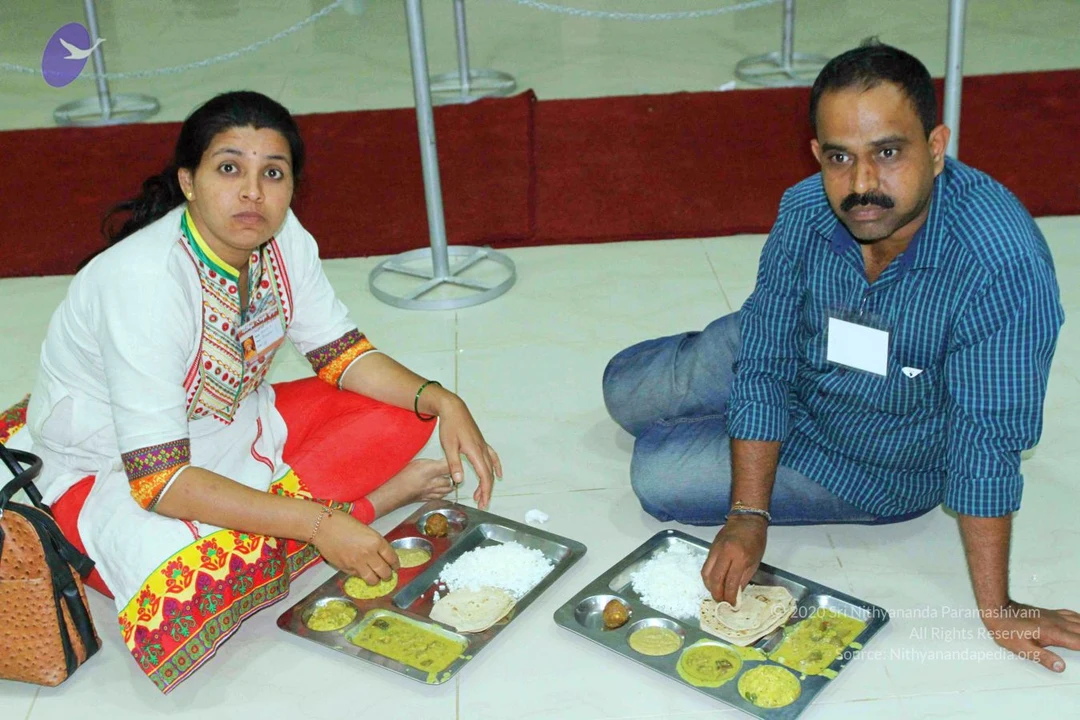
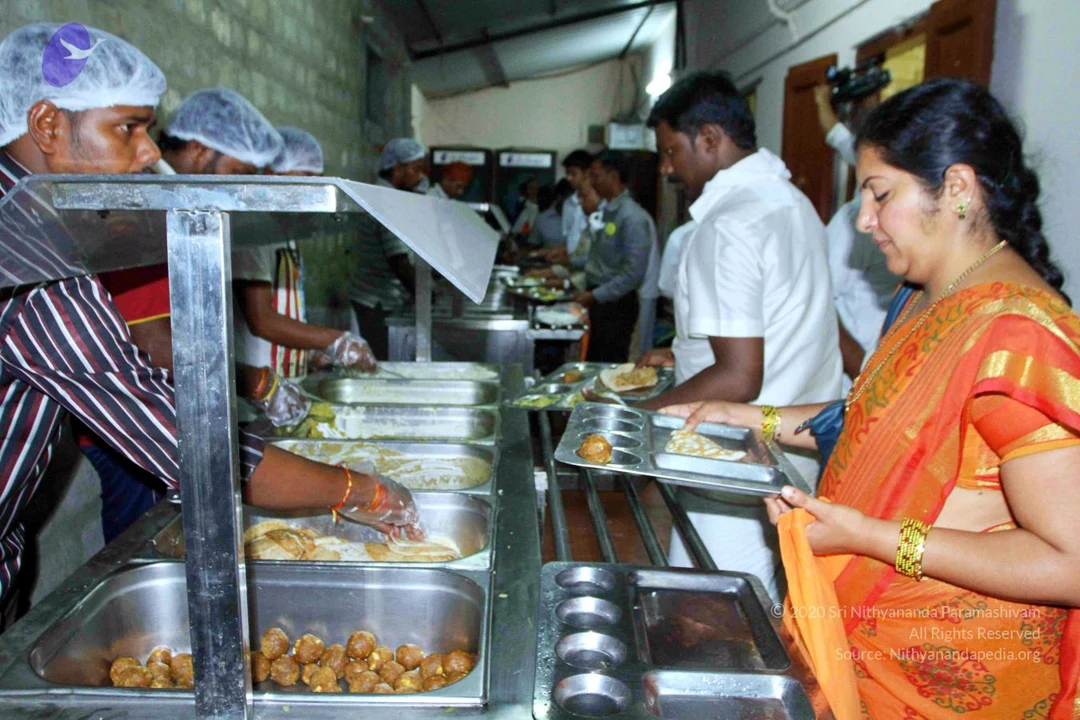
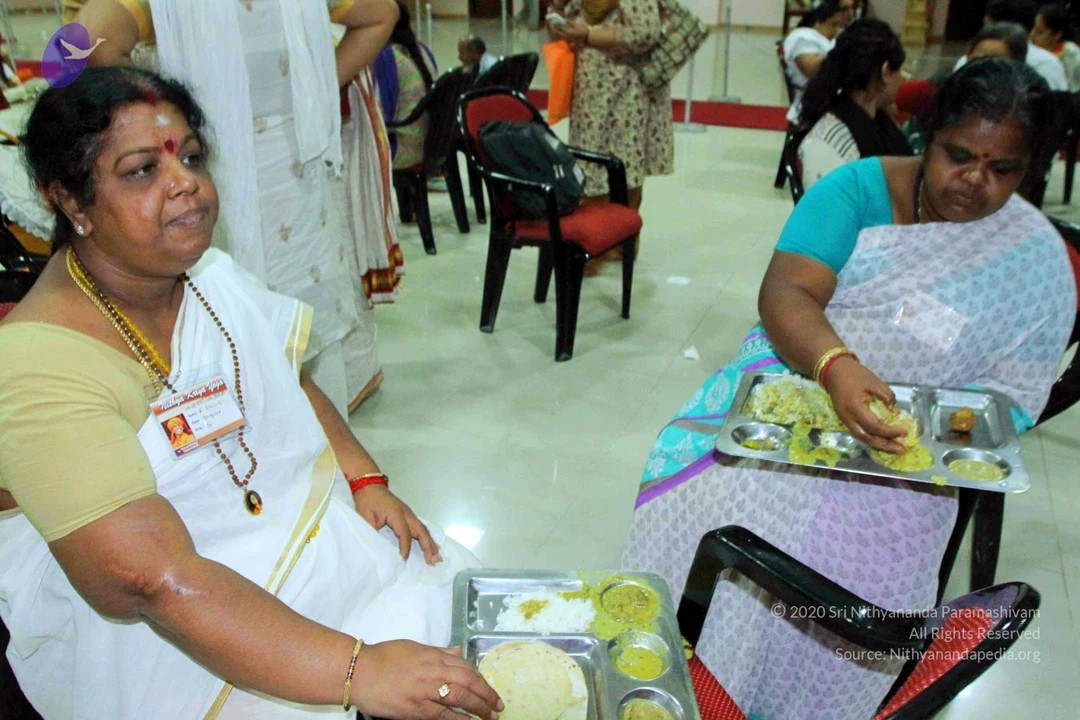
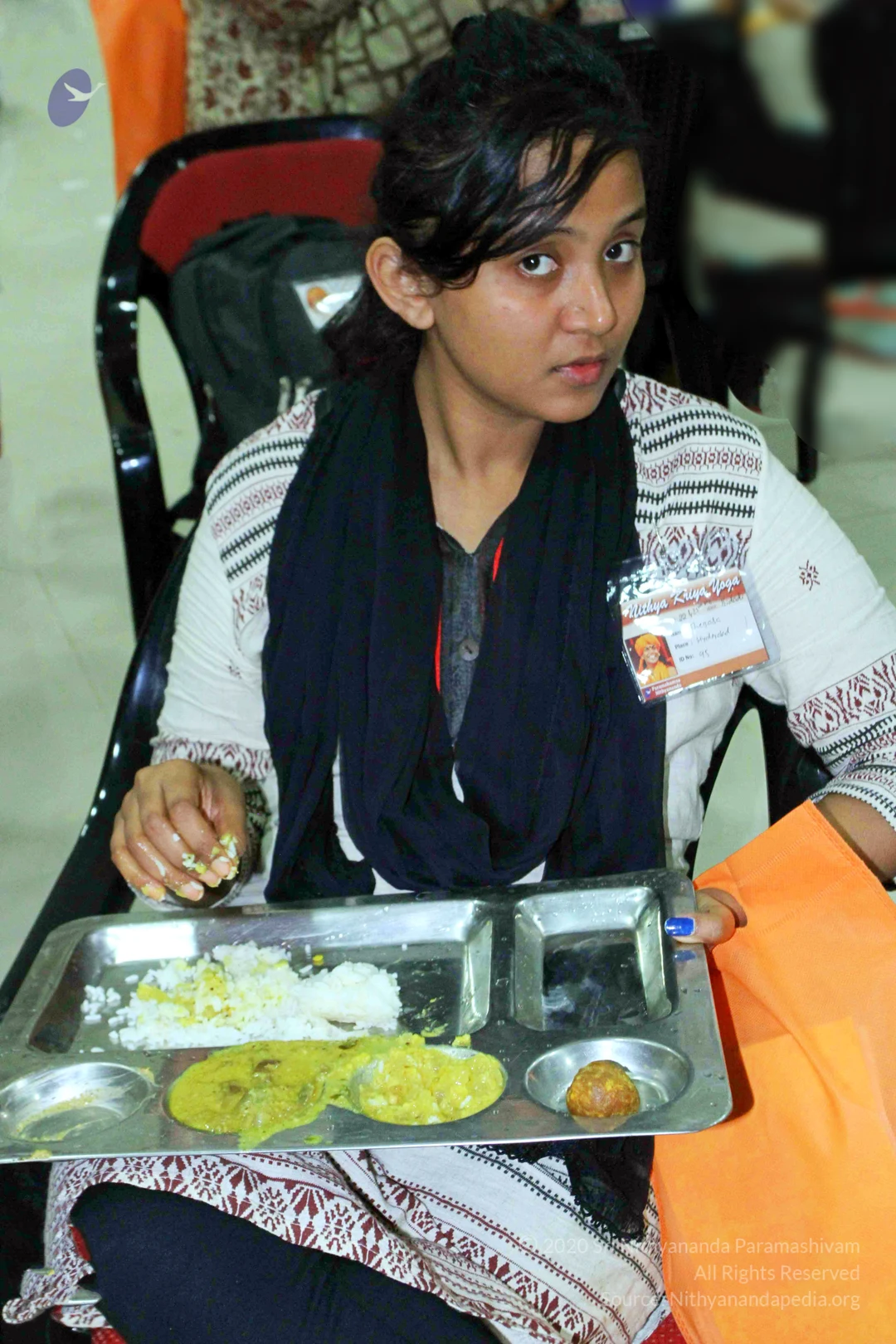
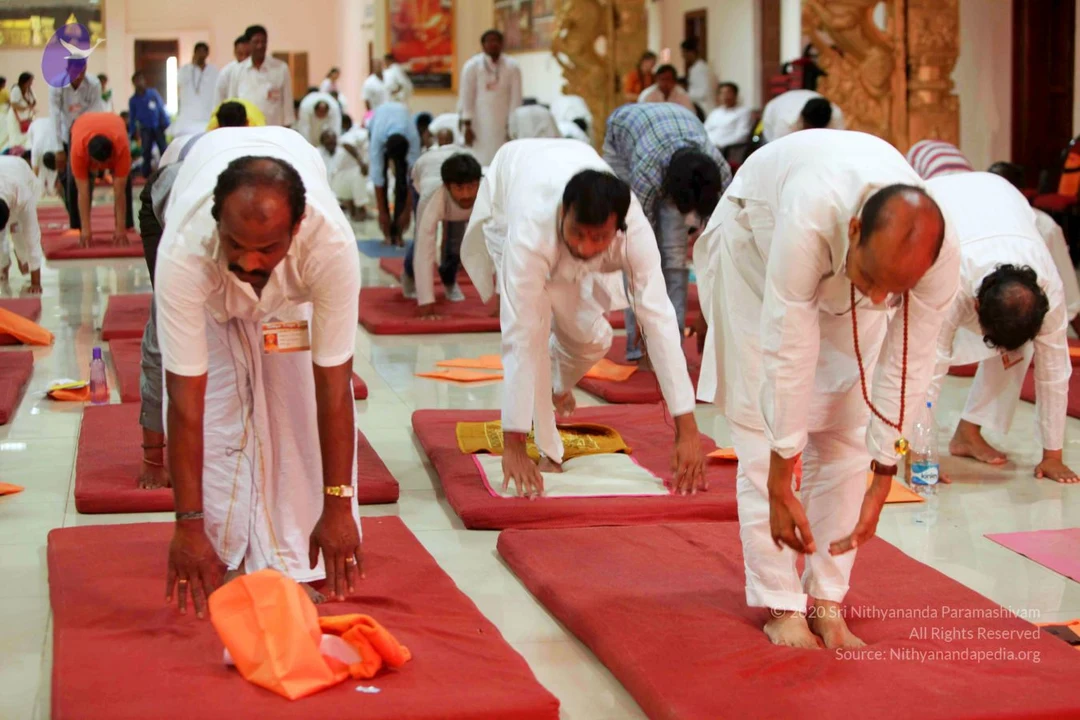
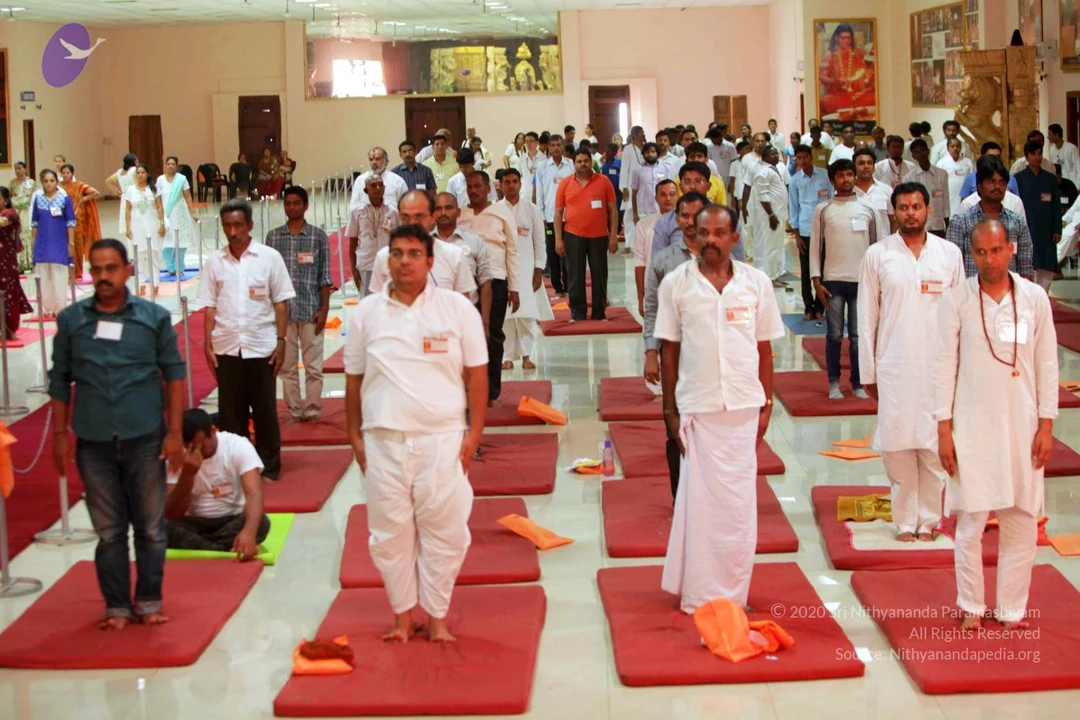
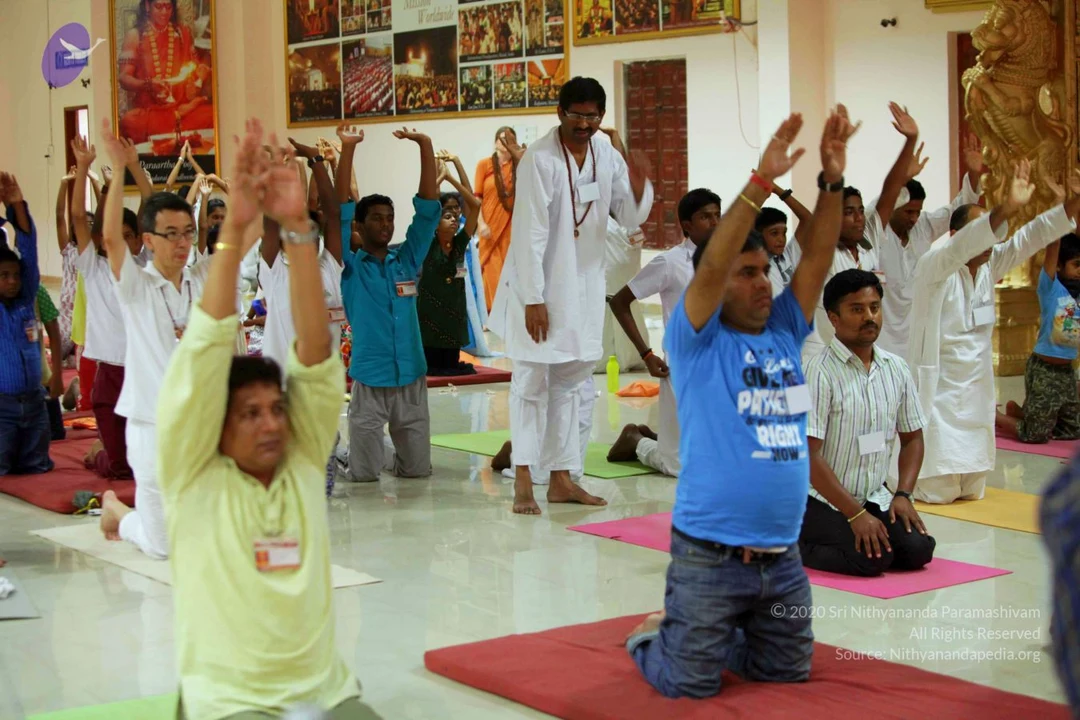
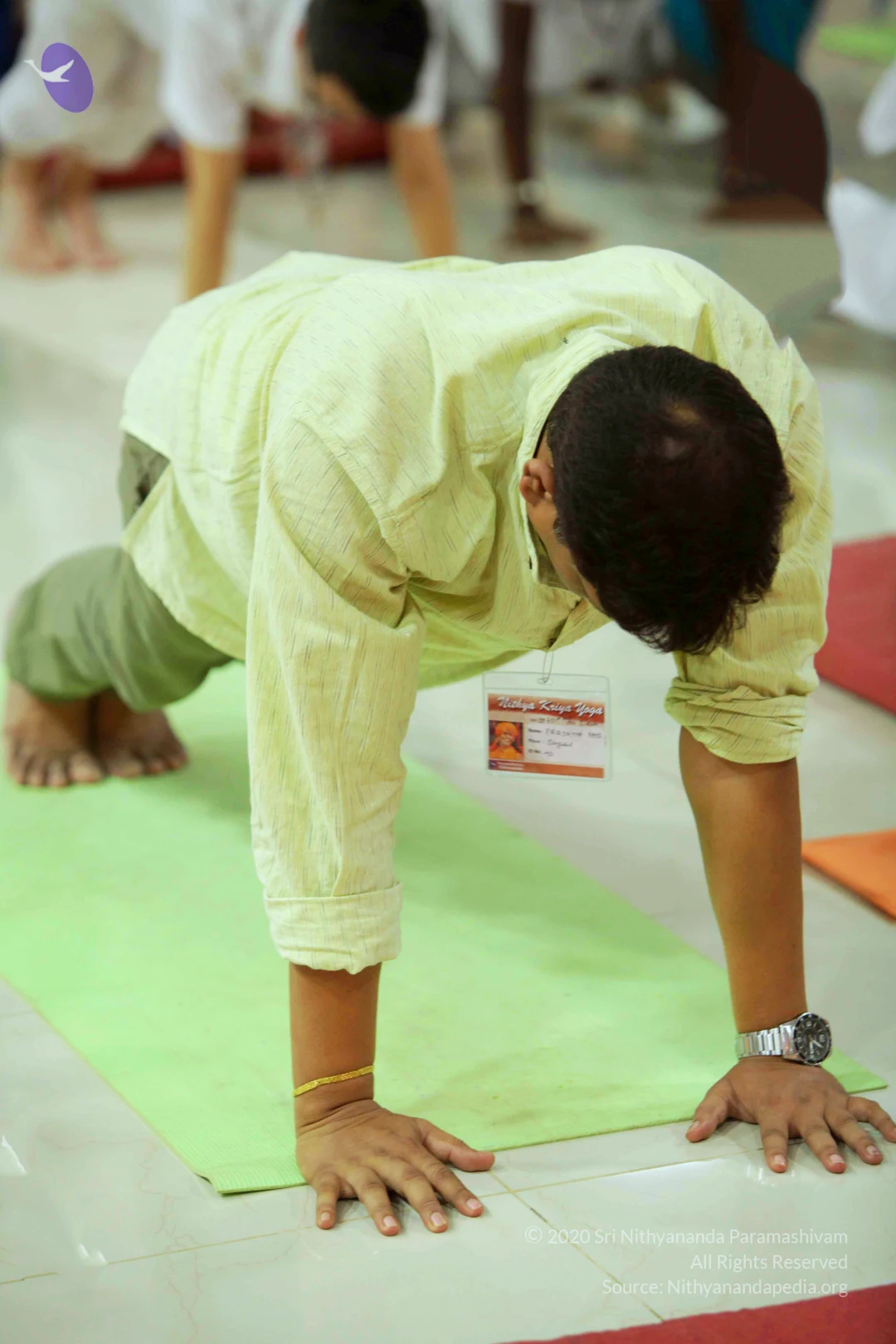
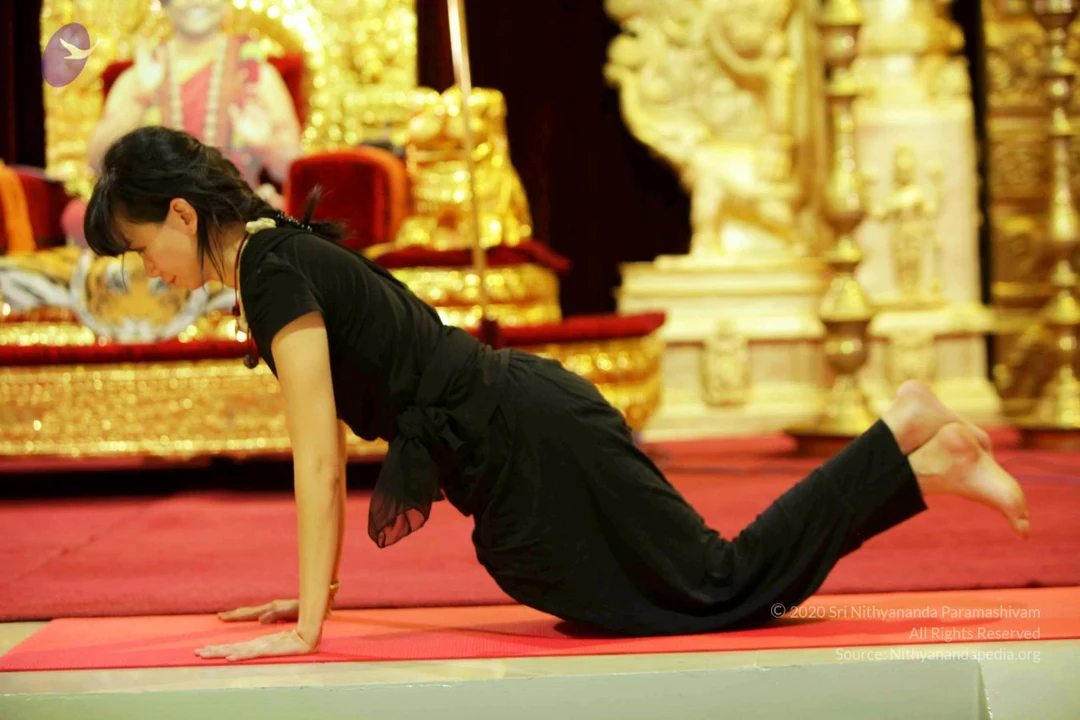
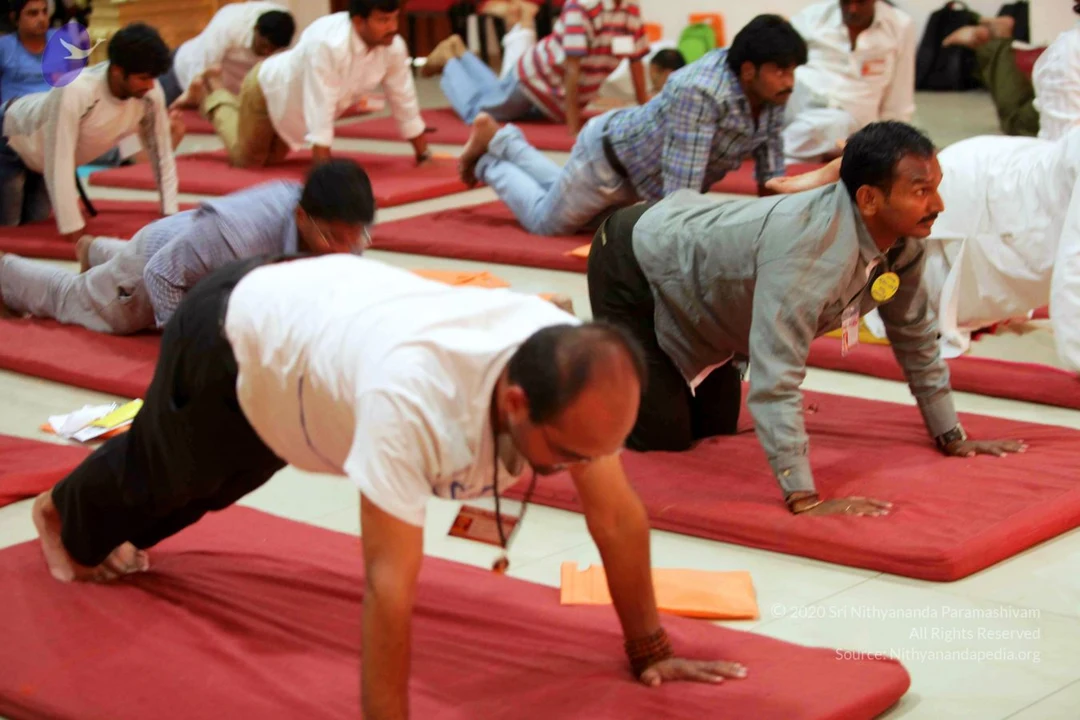
Excerpts from the Nithya Kriya Yoga program held on 22nd to 23rd August 2015 in Bidadi by Paramahamsa Nithyananda
Link to Video:
| Video | Audio |
Title
Purify 5 Layers of Your Existence || Part 1 || Nithya Kriya Yoga || 22 Aug 2015||Adikailaasa, India
Description
Title: Purify 5 Layers of Your Existence Part 1
Name Program: Nithya Kriya Yoga
Session on: Purifying the 5 Layers of Your Existence. The five layers put together is You. Even if one layer is not attended you will not be complete.
Date: 22 Aug 2015
Venue: Adikailaasa, Bengaluru, India
In this video Supreme Pontiff of Hinduism HDH #Nithyananda Paramashivam explains that whatever you want to achieve in life can be achieved. You can Manifest it, you can express it, you can attract it the moment your Being wants it. If your entire being wants something you can achieve it.
He further explains 5 layers of our Being our Existence.
First layer is physical body ( Annamaya Kosha)
Second layer is breathing layer ( Pranamaya Kosha)
Third layer is Mental layer Thinking ( Manomaya Kosha)
Fourth layer is feeling cognition about you (Vijnanamaya Kosha)
Fifth layer is Bliss ( Anandamaya Kosha)
These five layers put together is You. Even if one layer is not attended you will not be complete. Nithya Kriya Yoga program is about purifying these 5 layers.
Link to Video
| Video | Audio |
Title
Awaken Your Kundalini to come out of Fear || Part 3 || Nithya Kriya Yoga || 22 Aug 2015
Description
This video is an excerpt from the Nithya Kriya Yoga program conducted on 22 August 2015 in Adikailaasa, Bengaluru, India. In this video Supreme Pontiff of Hinduism HDH #Nithyananda Paramashivam shares that whenever you think your negativity is a fact you are attacked by fear. Whenever you understand your negativity is a mental pattern you are free from fear. Raising your Kundalini to high energy suddenly your patterns will loose power over you. HDH shares that He will Awaken your Kundalini in such a way that never ever these fear patterns can put you in powerlessness.
Link to Video
| Video | Audio |
Title:
Complete with Your Fear Patterns || Part 2 || Nithya Kriya Yoga
Description
Title: Complete with Your Fear Patterns
Name Program: Nithya Kriya Yoga Part 2
Session on: Identifying and Completing with the Fear Patterns
Date: 22 August 2015
Venue: Adikailaasa, Bengaluru, India
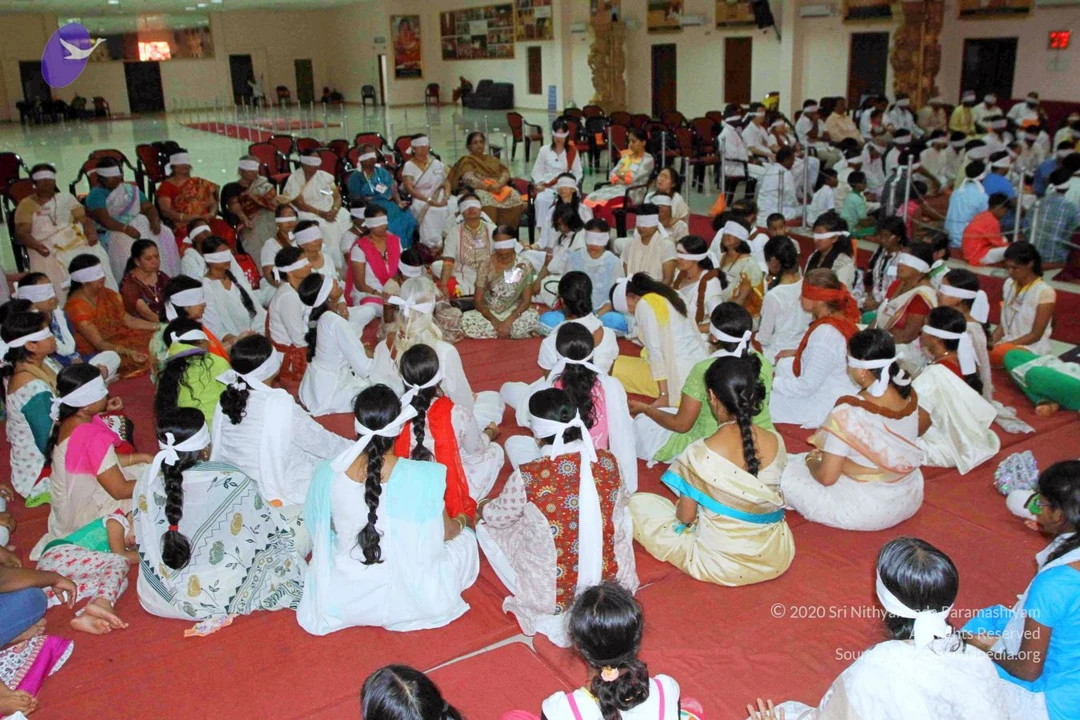
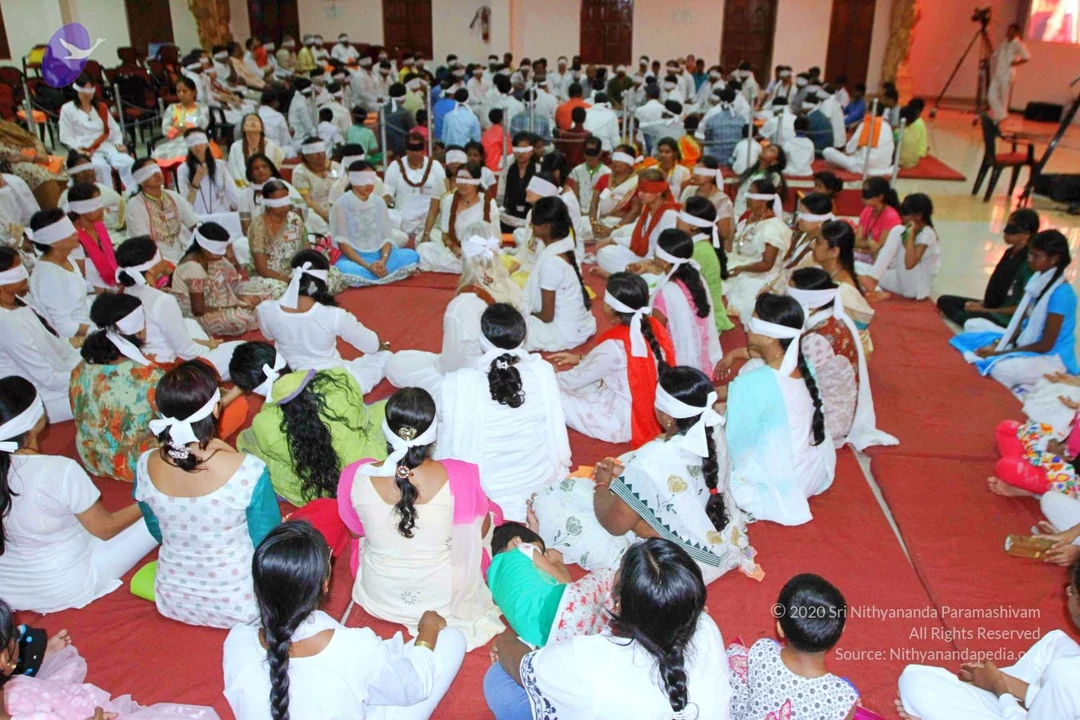
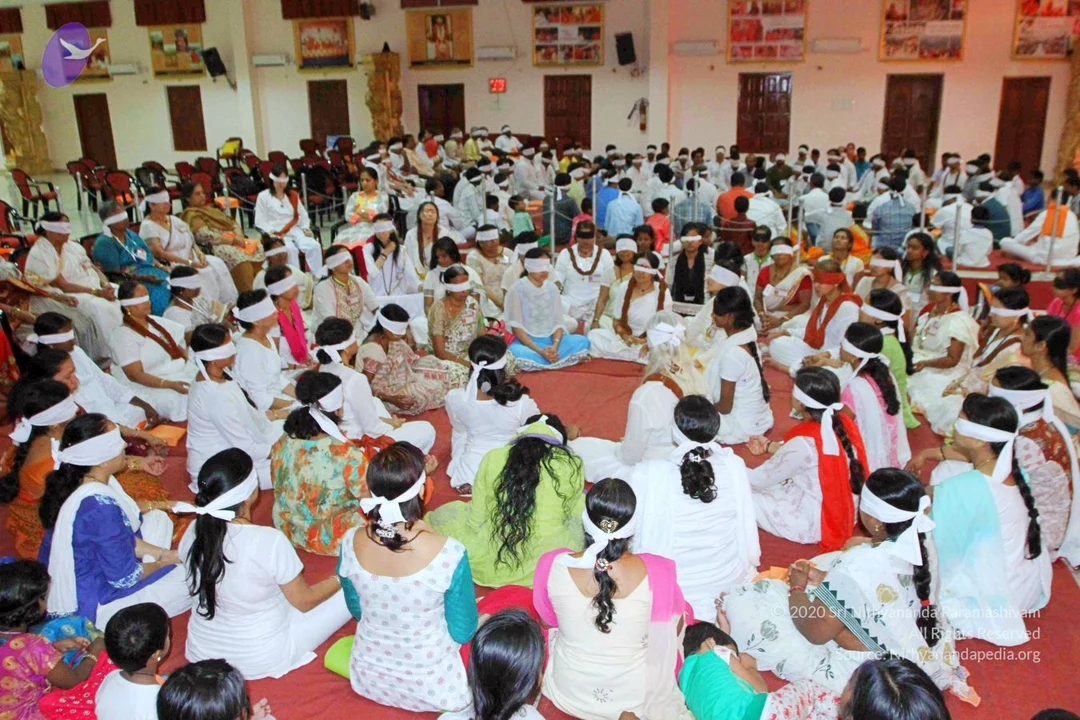
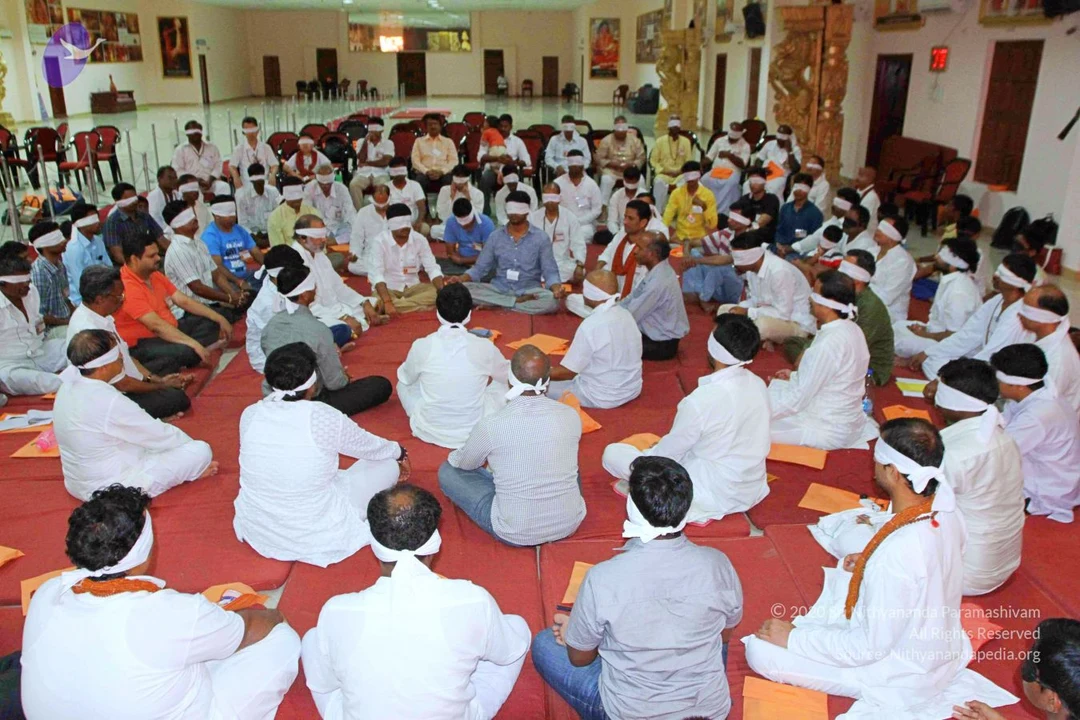
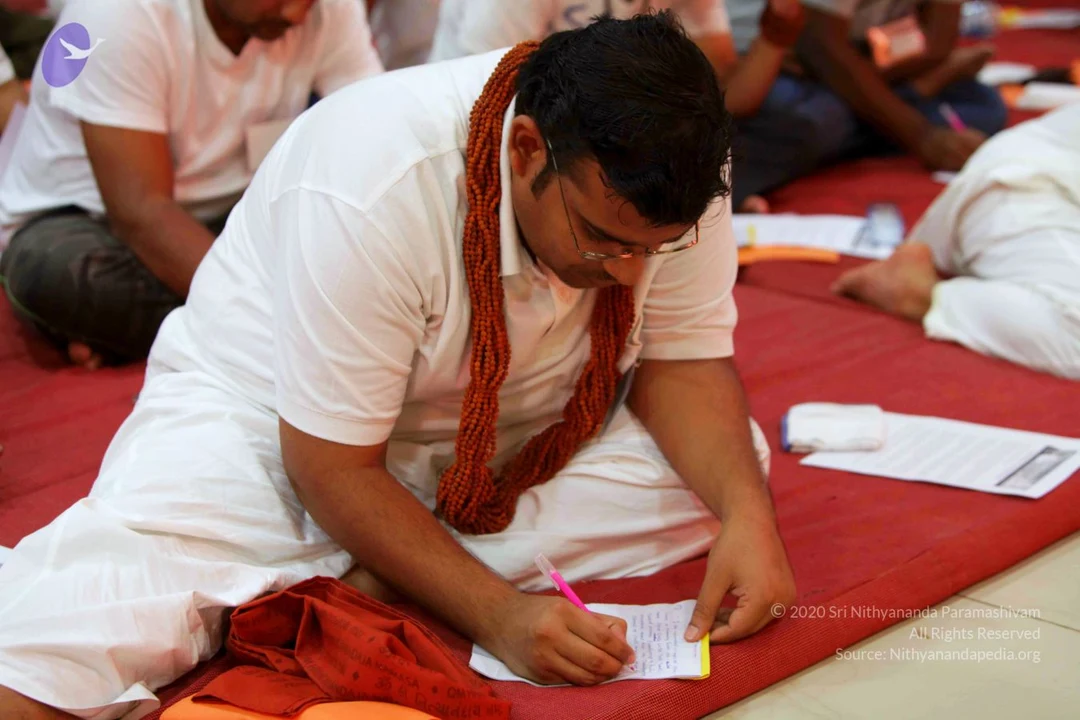
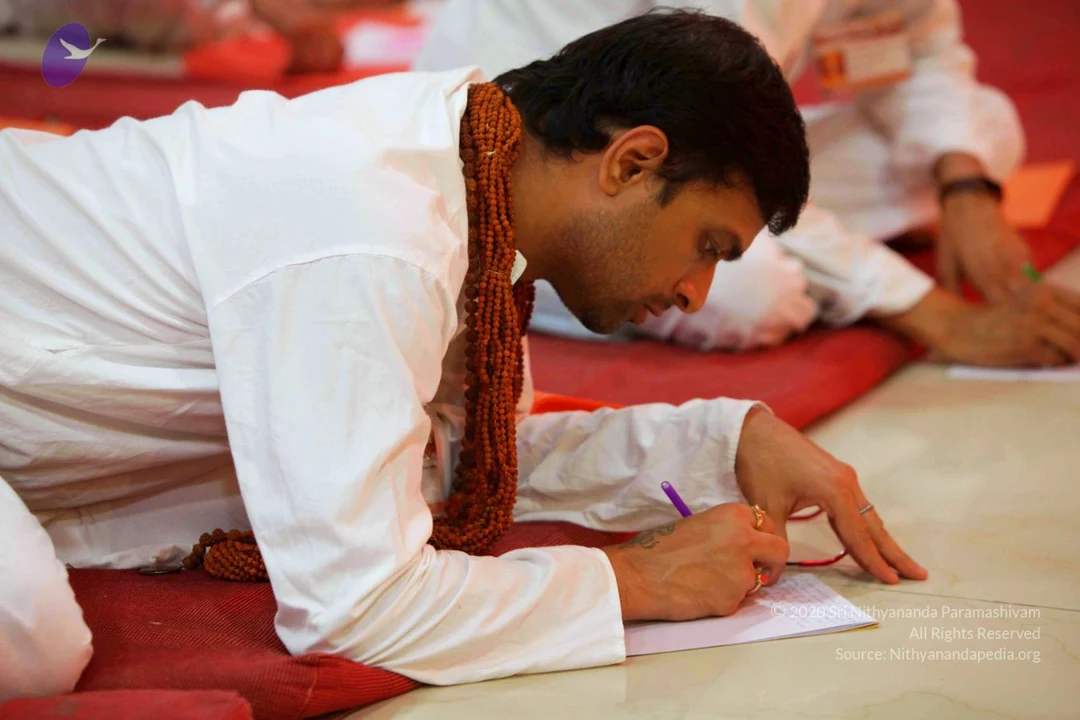
This video is an excerpt from the Nithya Kriya Yoga program conducted on 22 August 2015 in Adikailaasa, Bengaluru, India. In this video Supreme Pontiff of Hinduism HDH #Nithyananda Paramashivam explains to complete with all the #fear patterns you have which is stored in Physical Body. This #Completion can heal many diseases which you are carrying due to your incompletions. It can heal many of your life sufferings, difficulties in life and open up New pathway for Your #Kundalini Shakti.
Link to Video:
| Video | Audio |
Title:
Nithyananda Times, 22nd August, 2015
Link to Video:
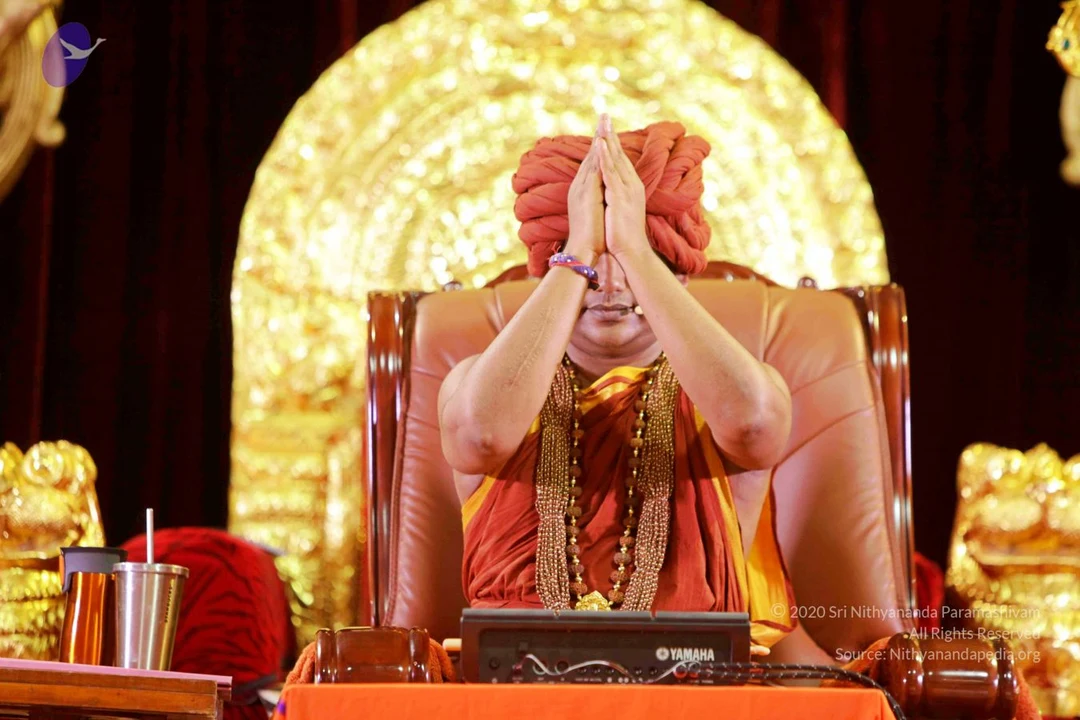
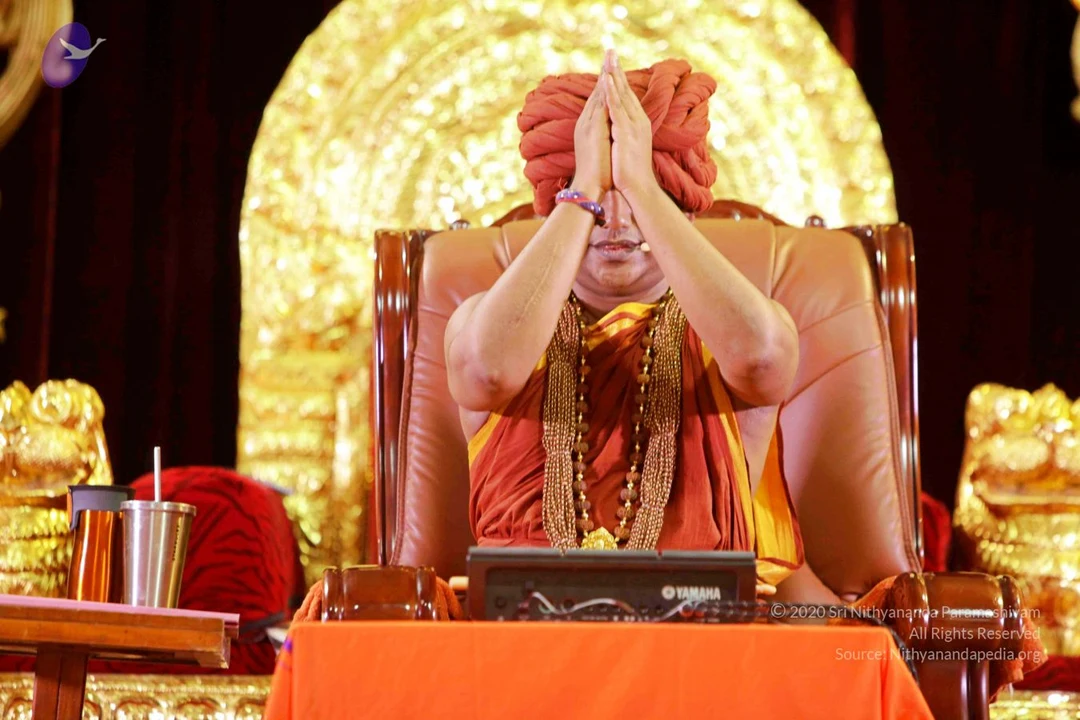
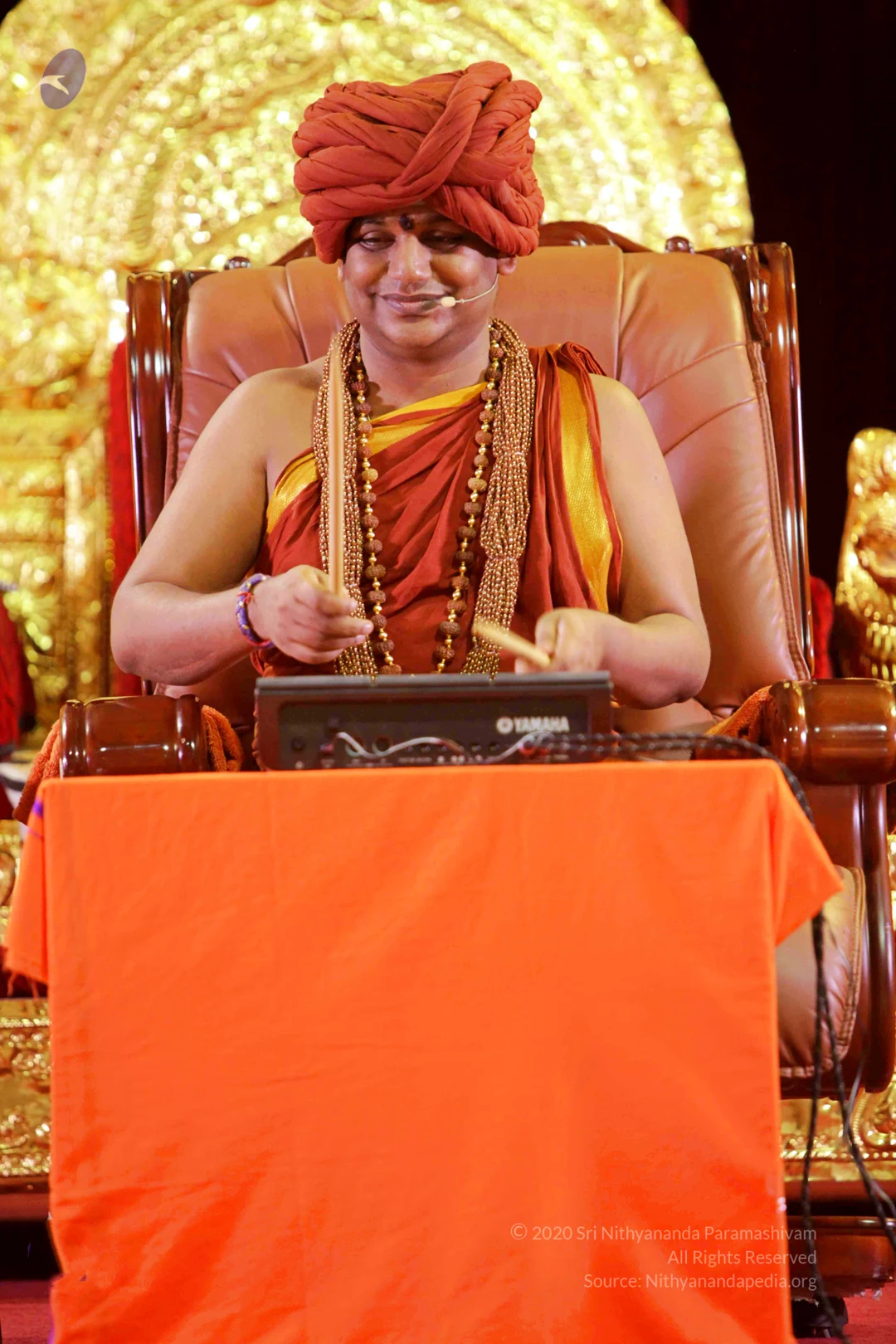
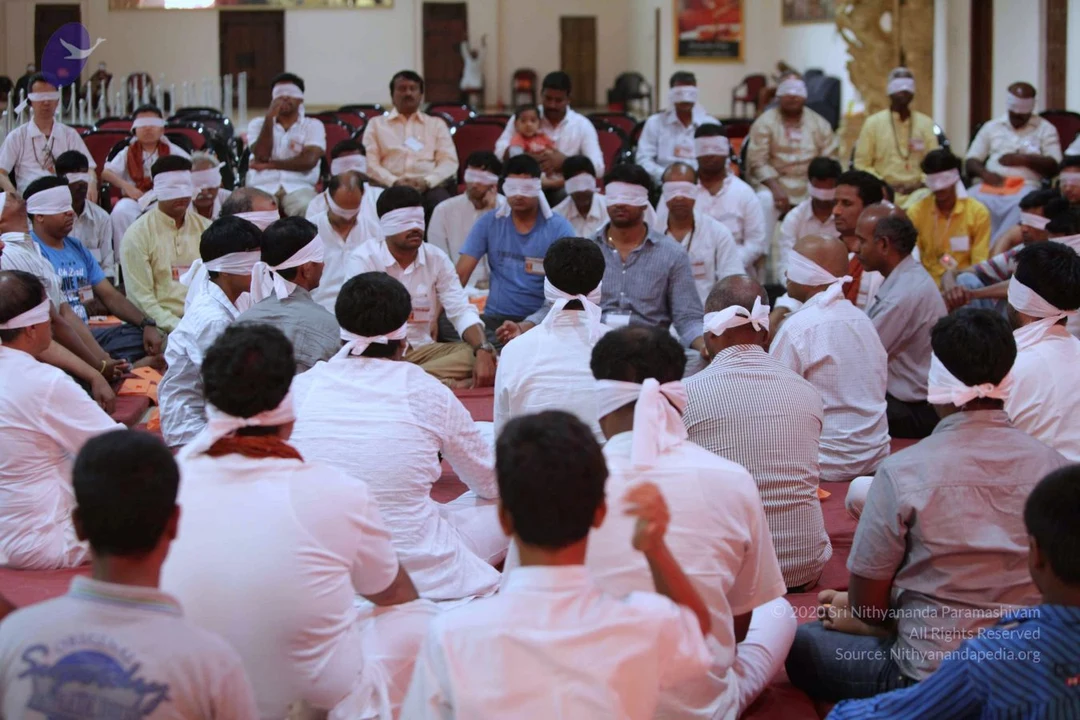
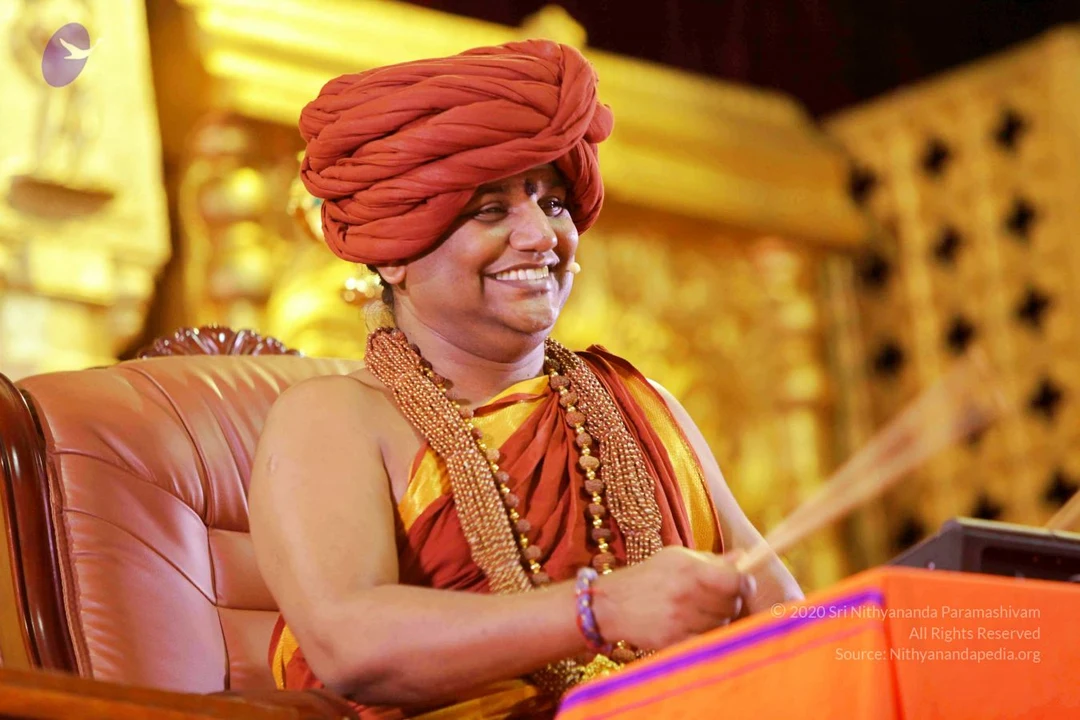
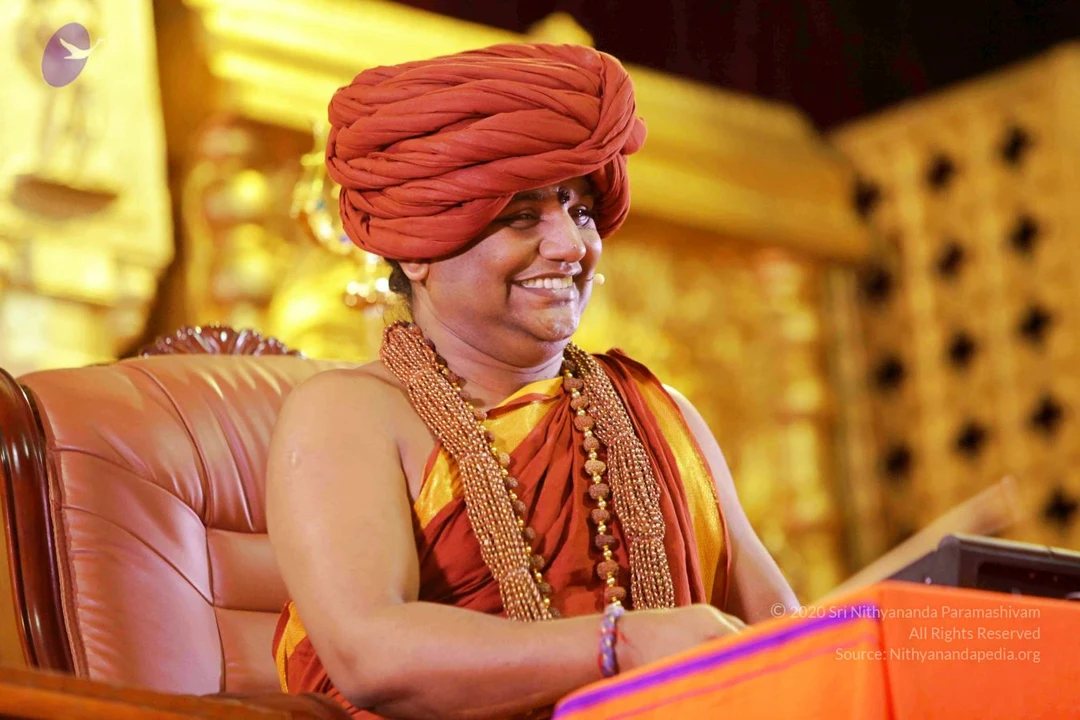
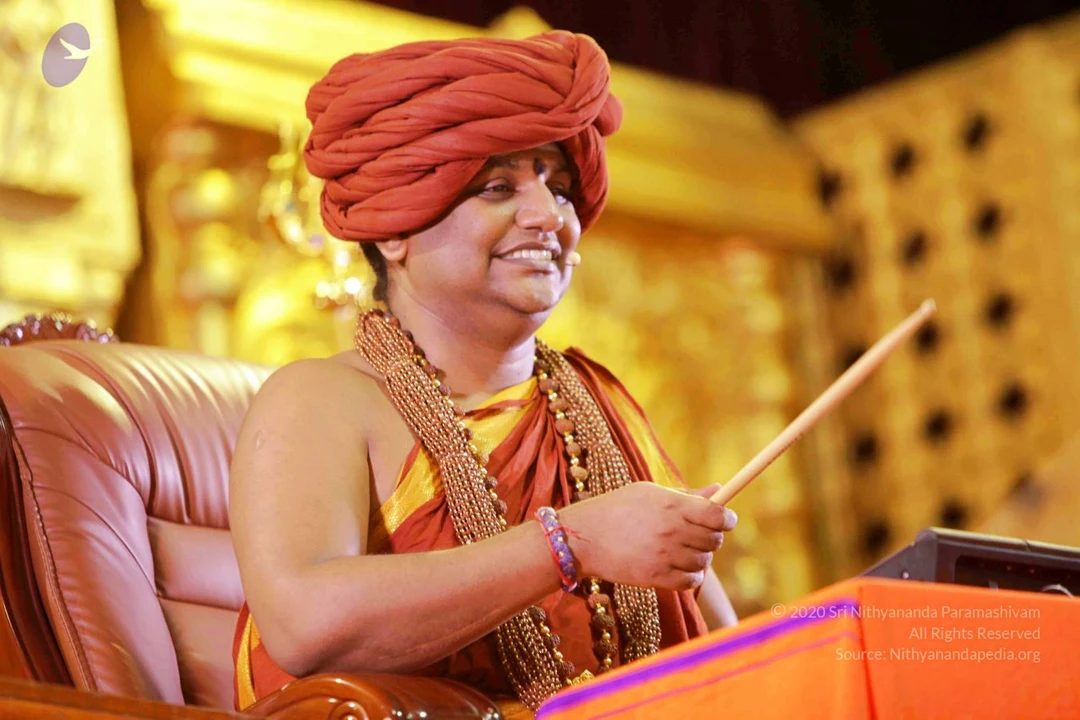
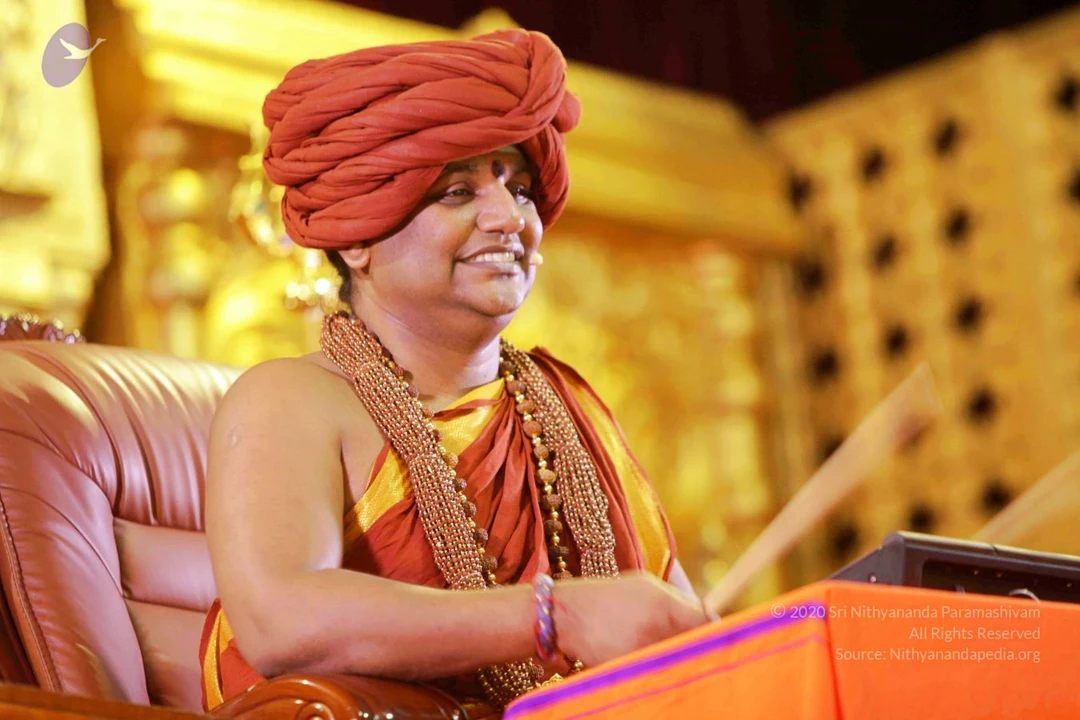
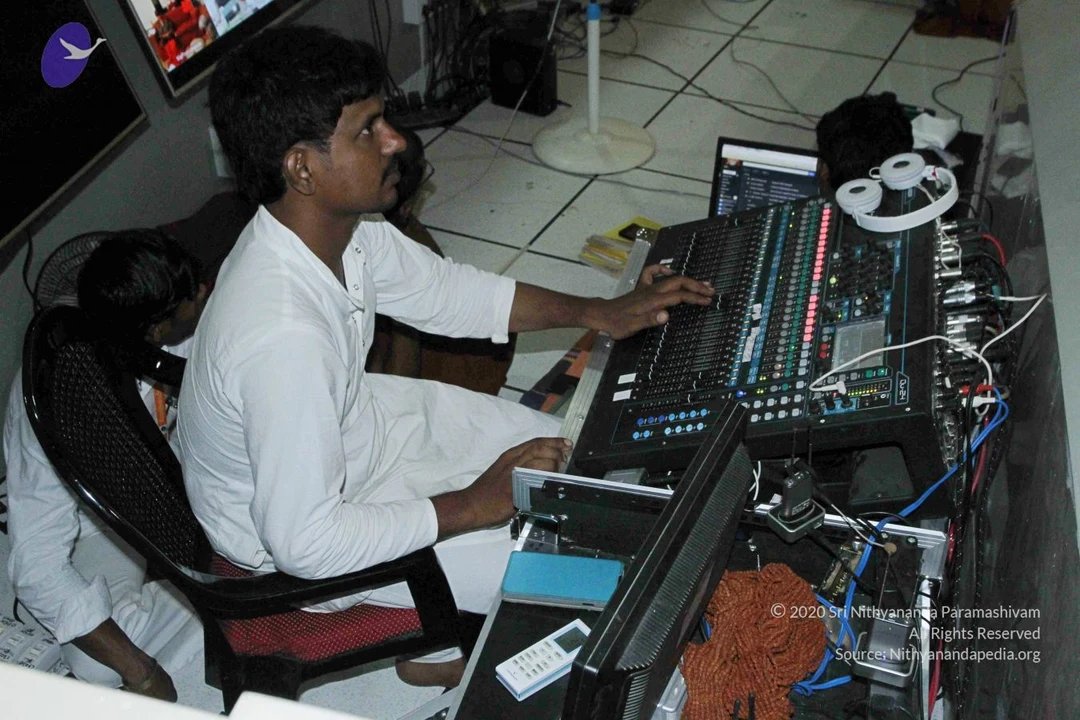
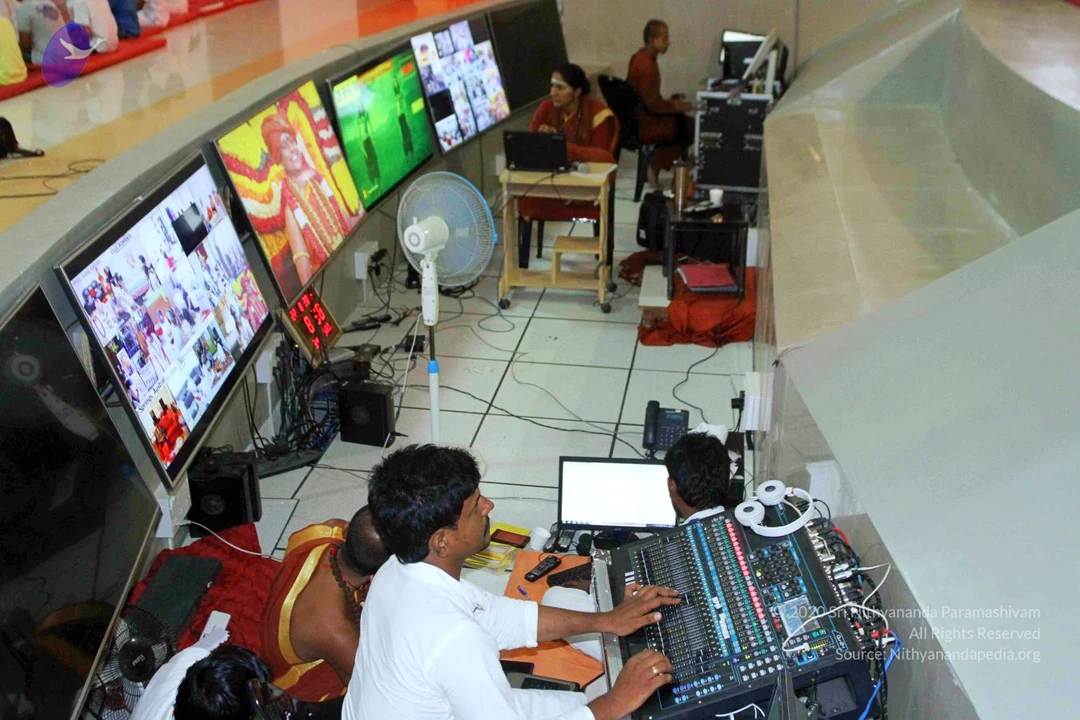
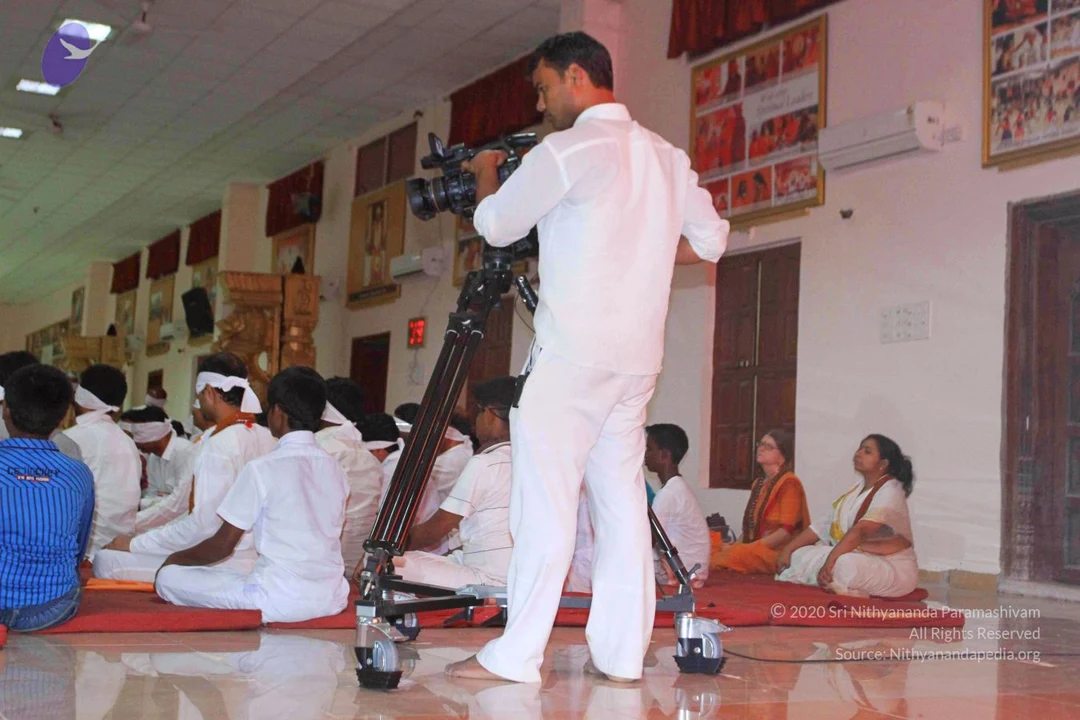
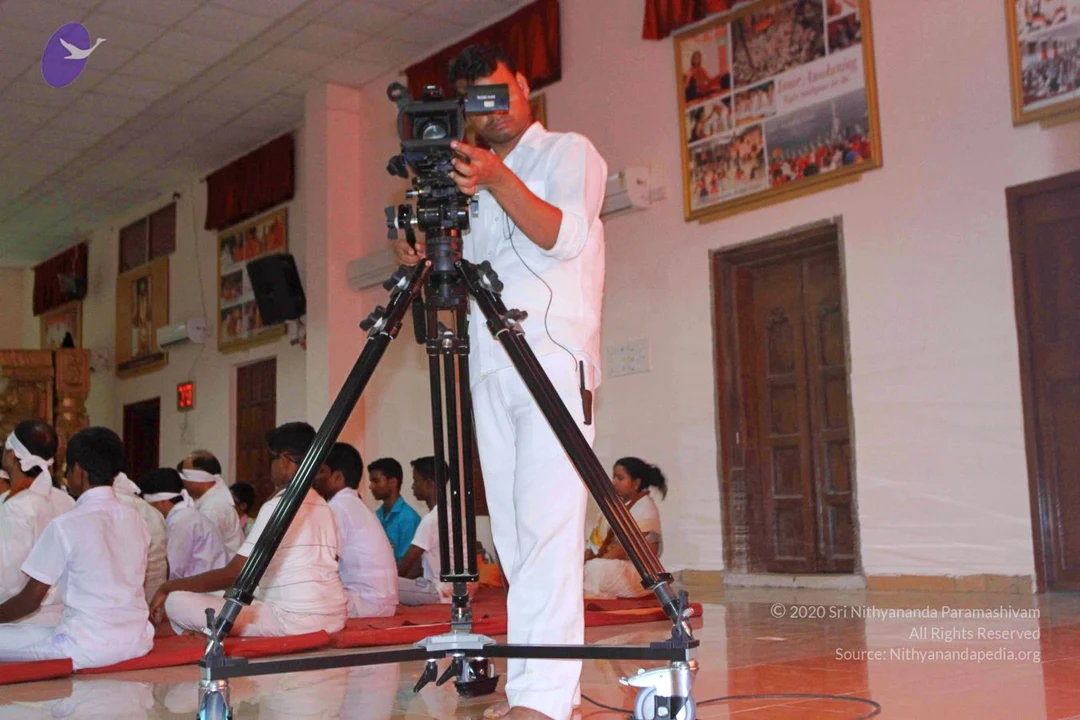
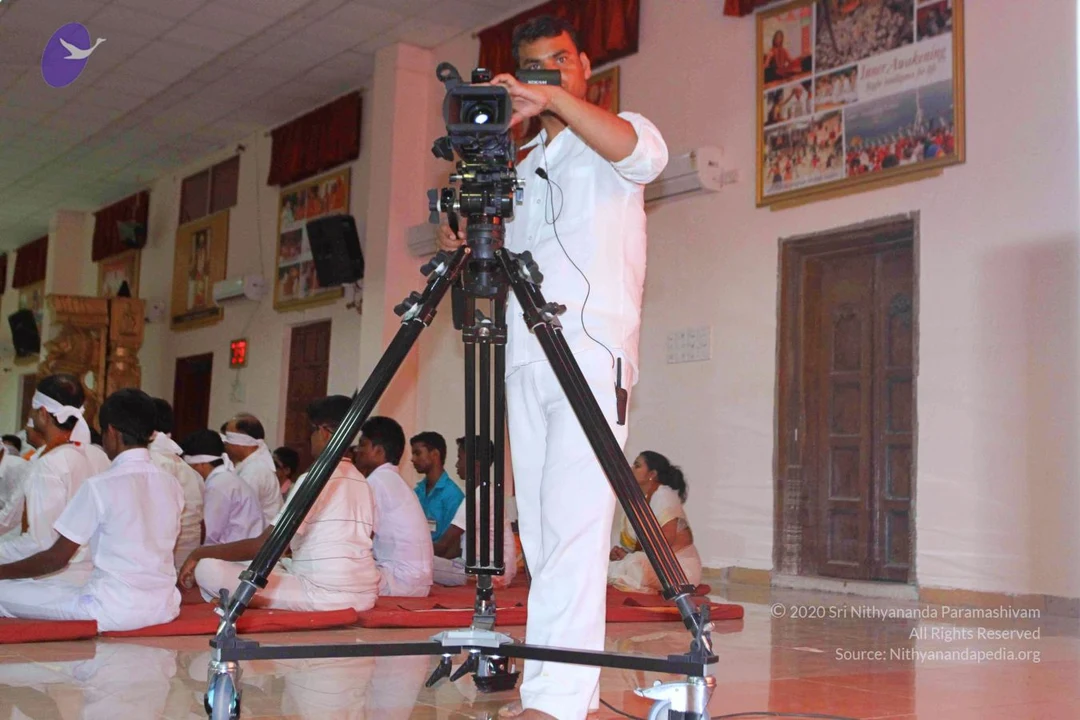
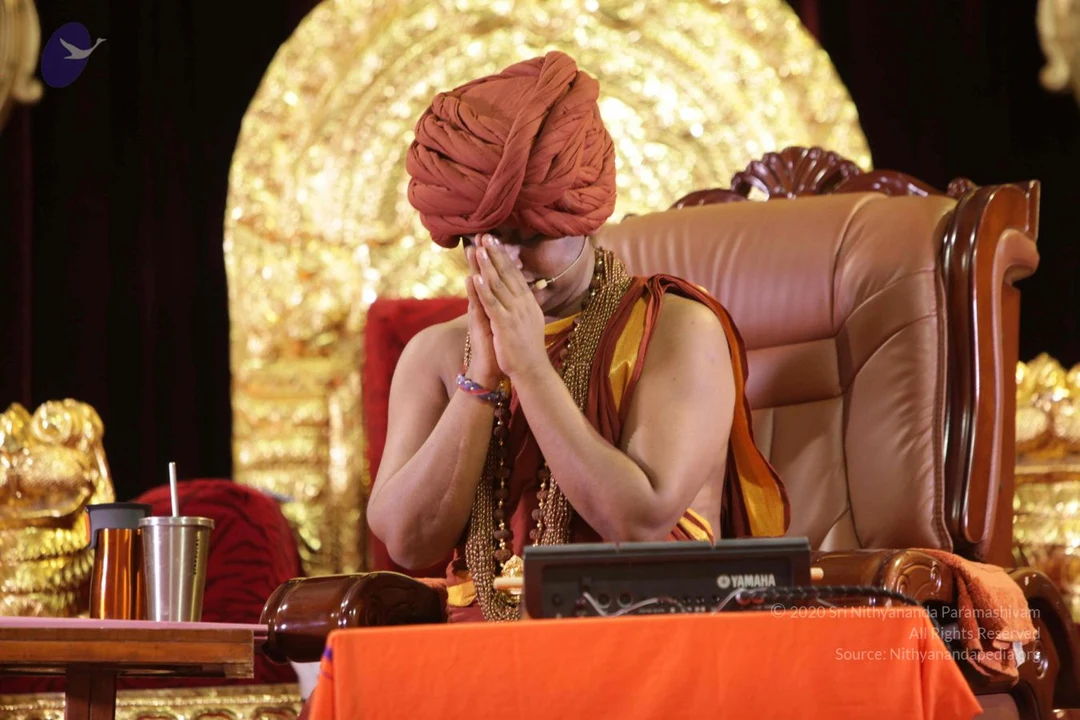
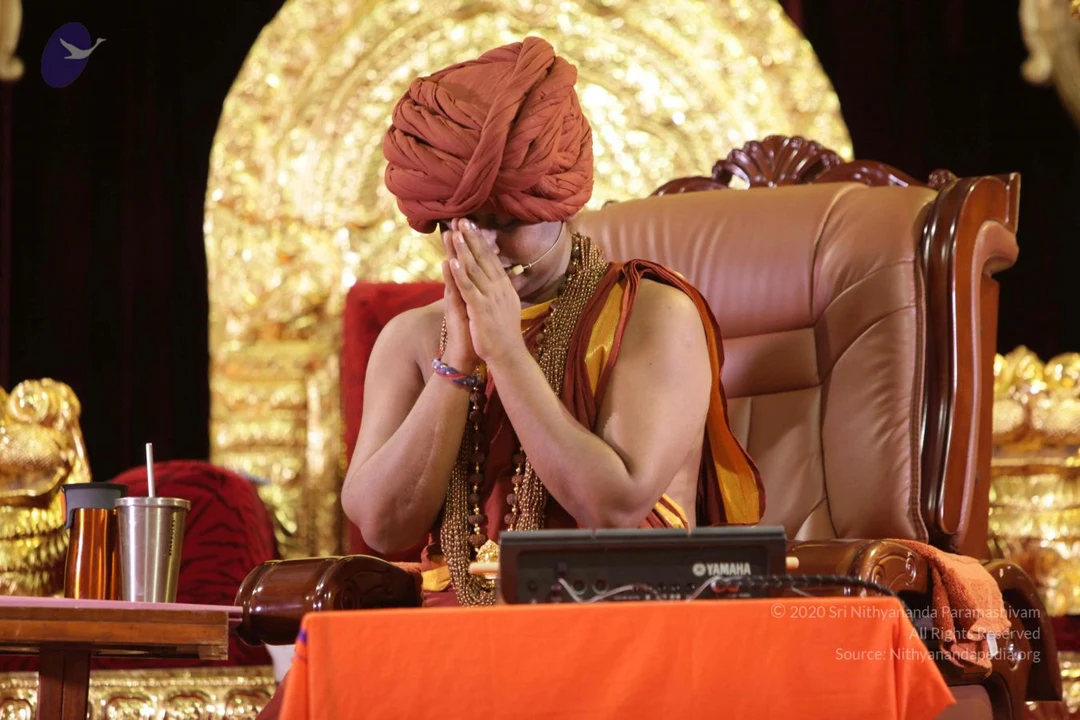
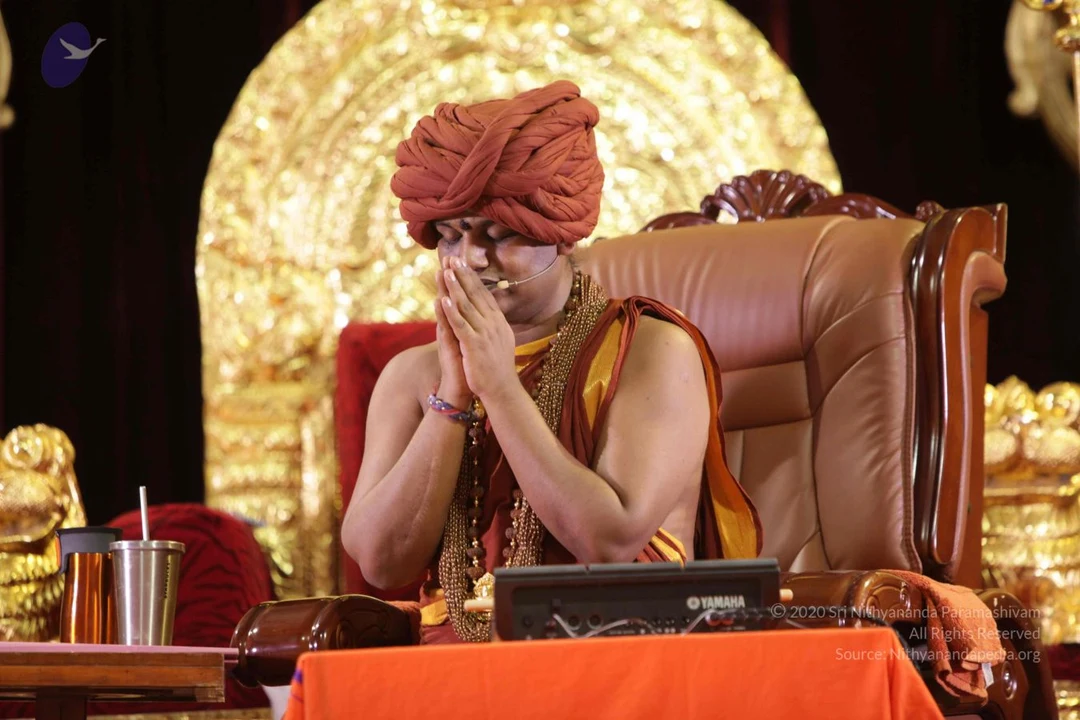
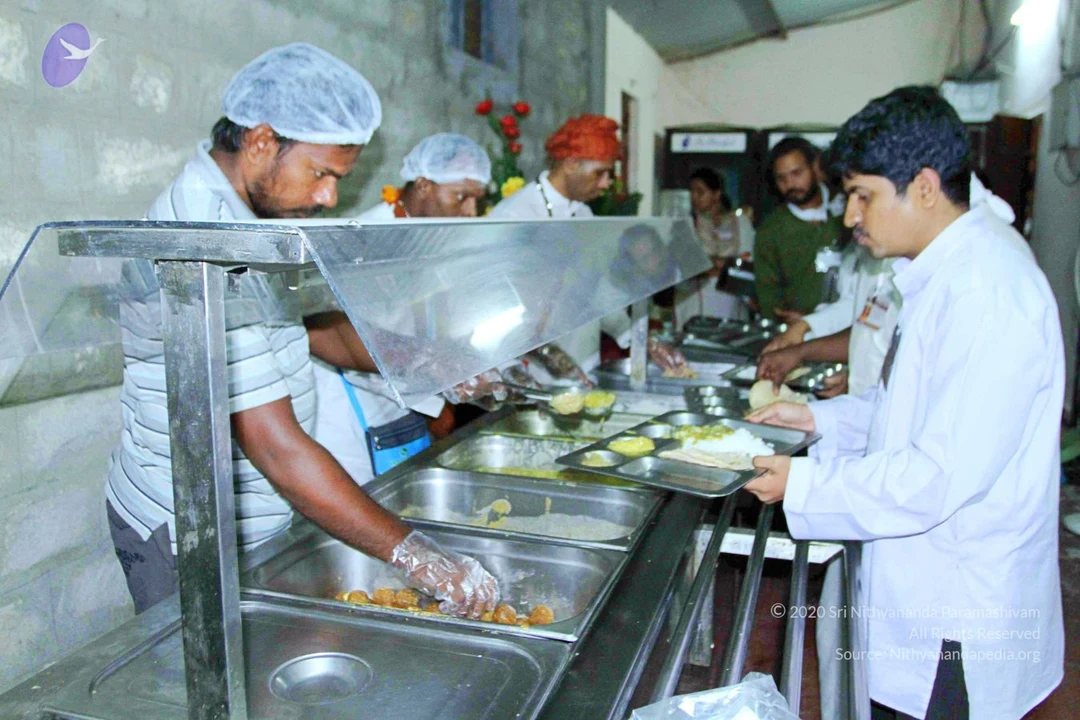
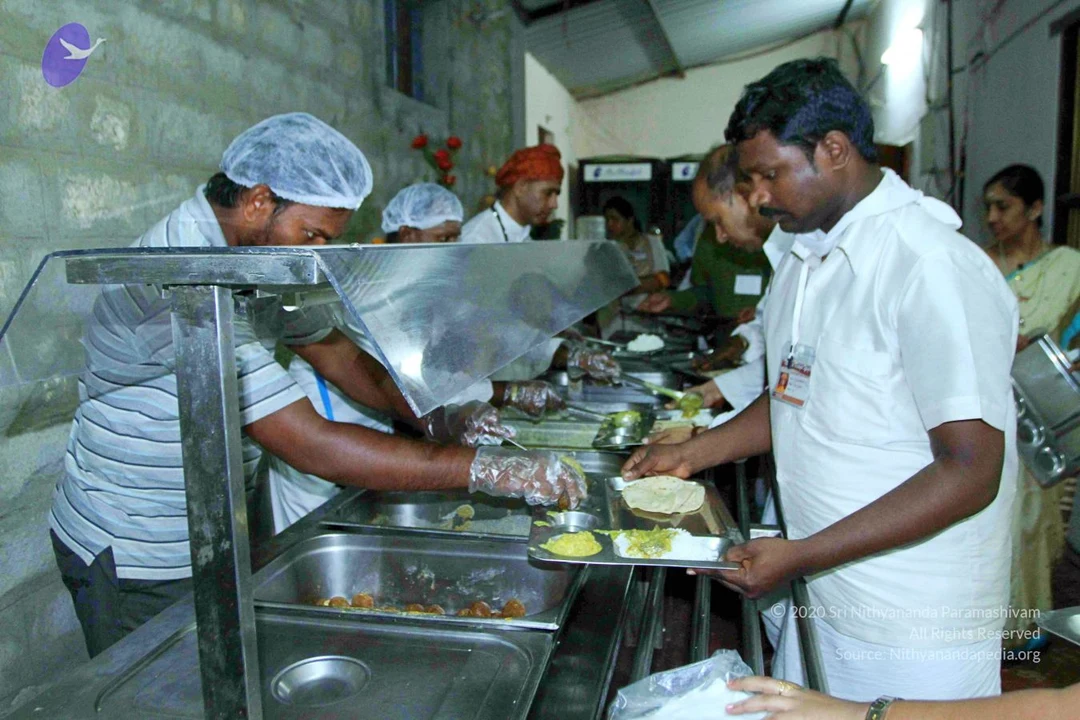
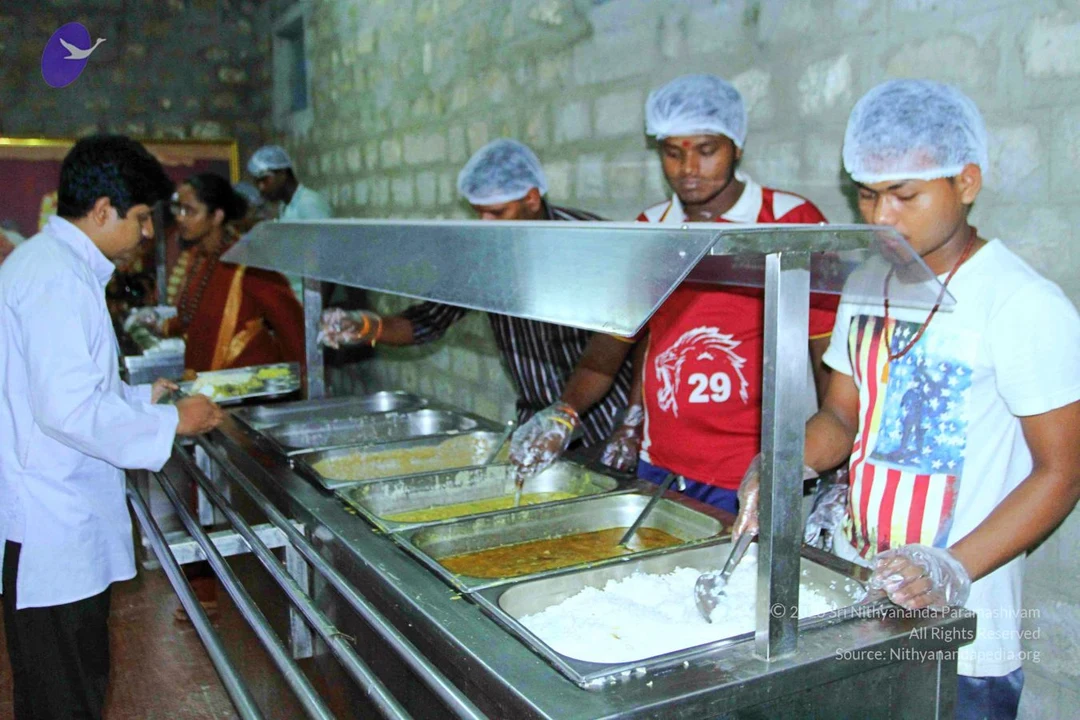
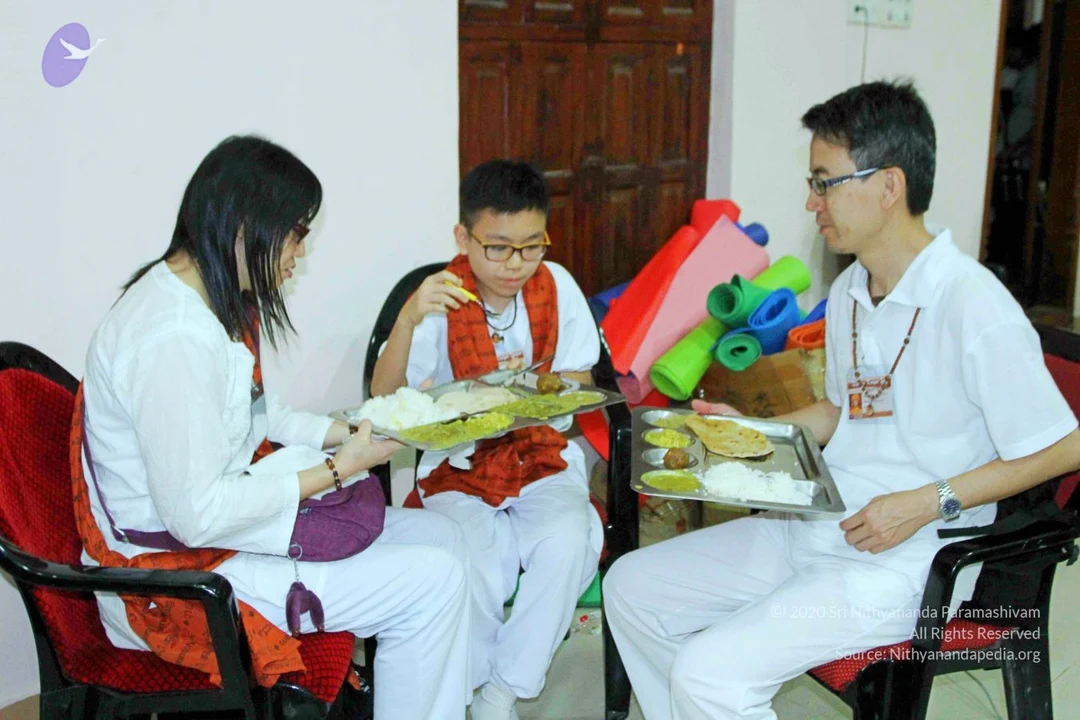
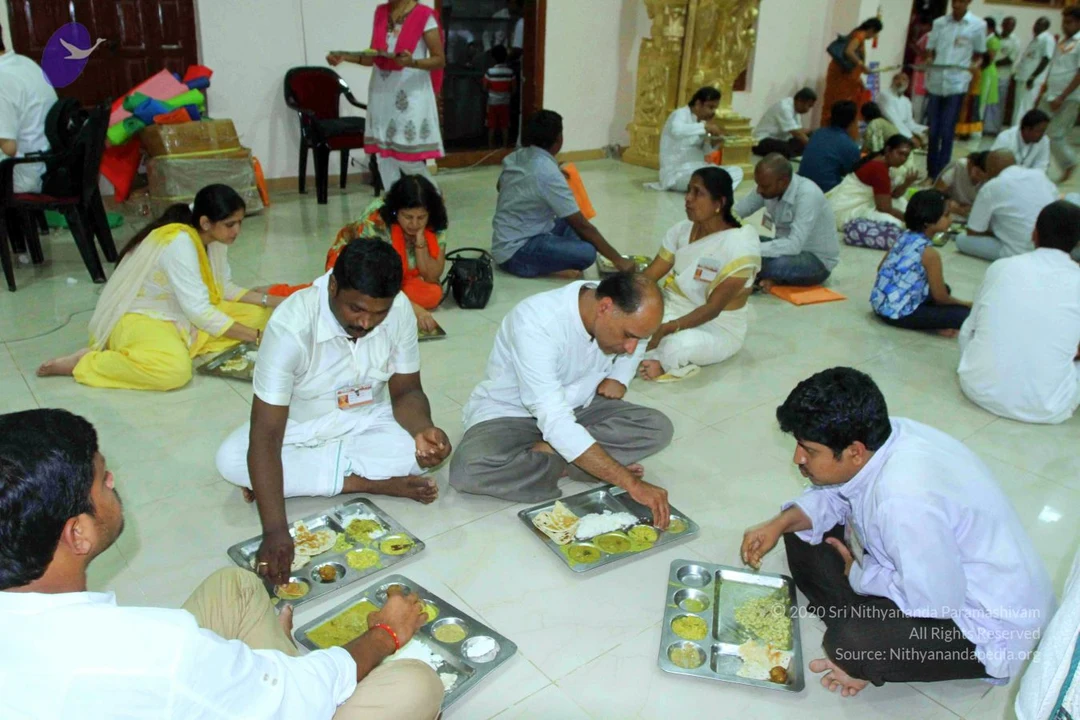
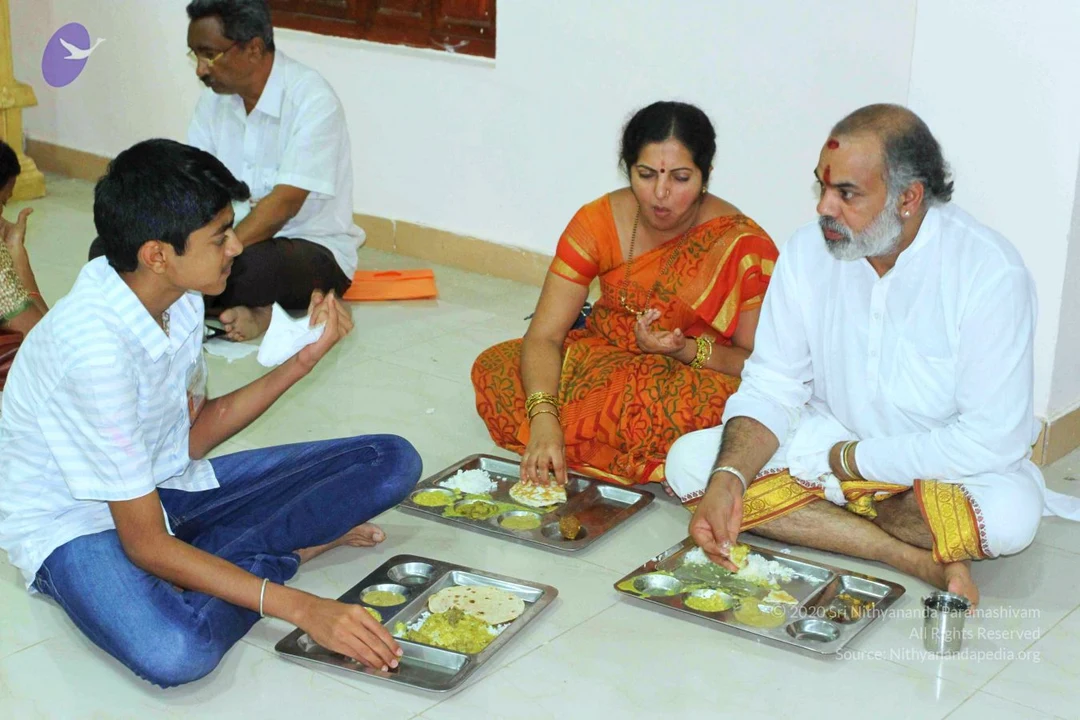
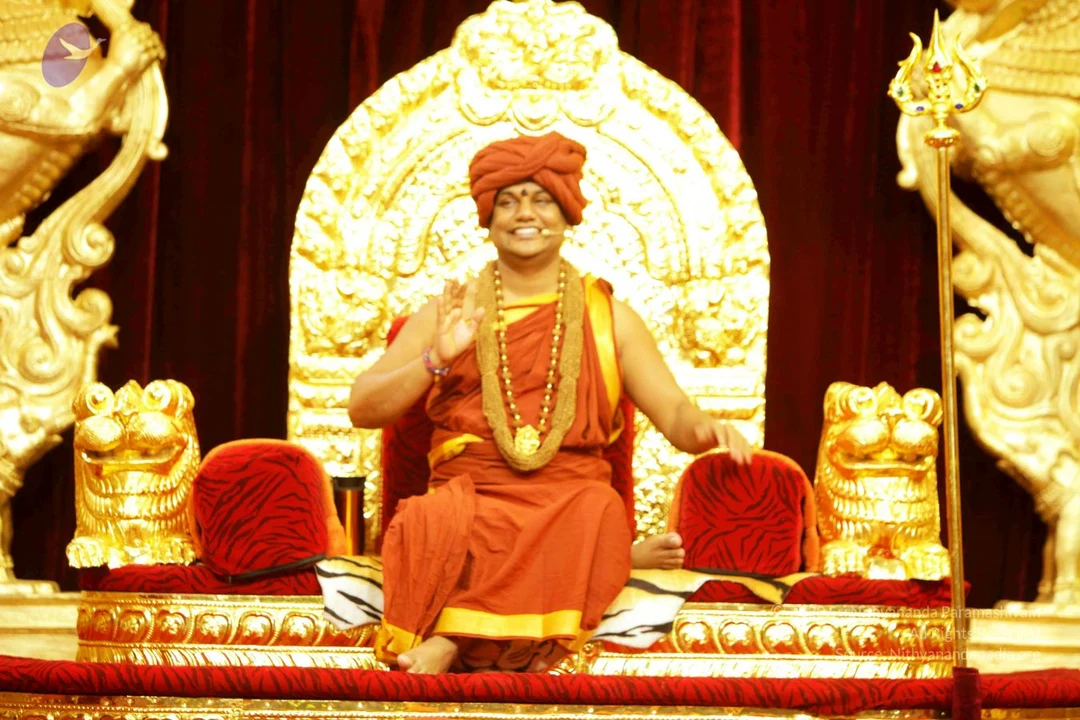
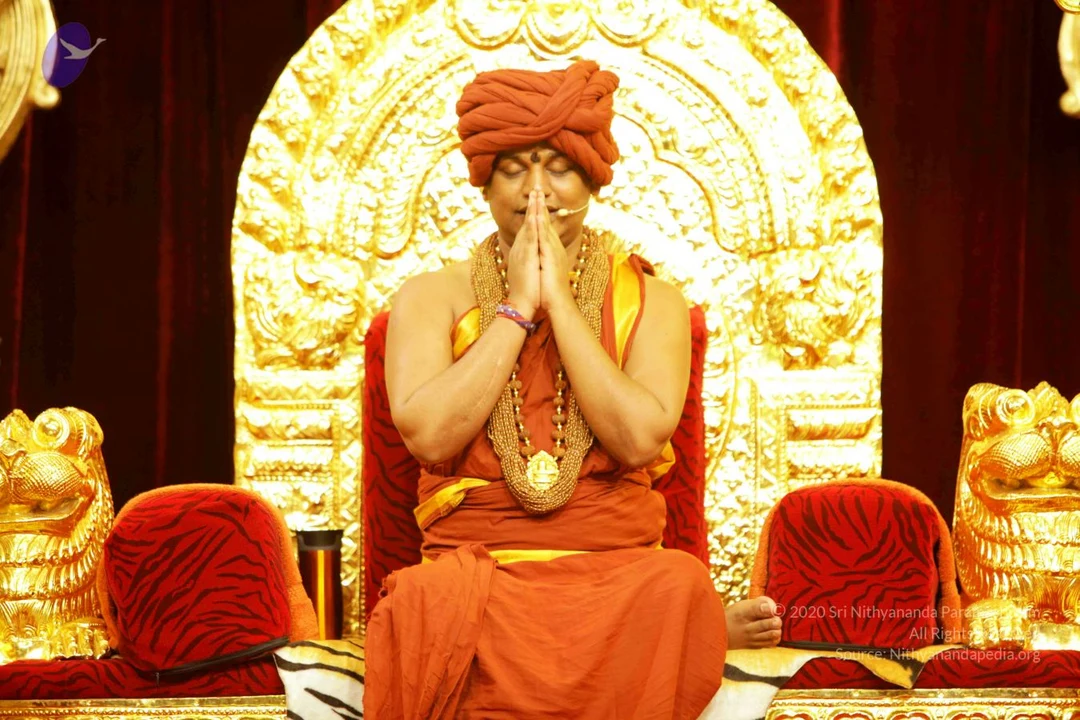
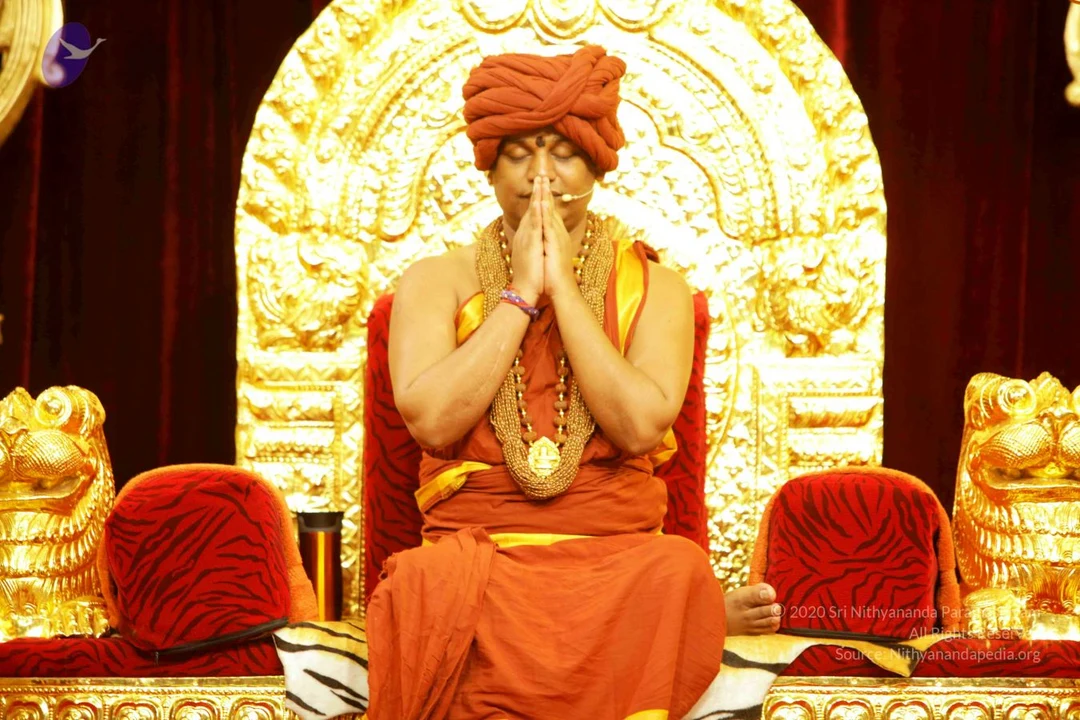
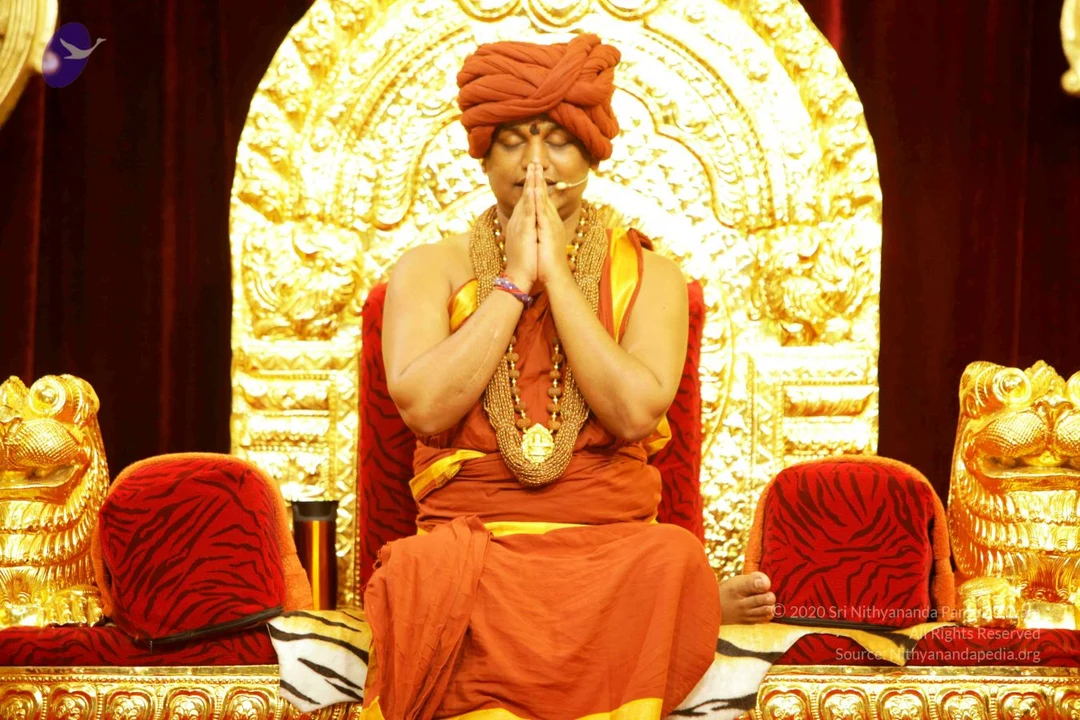
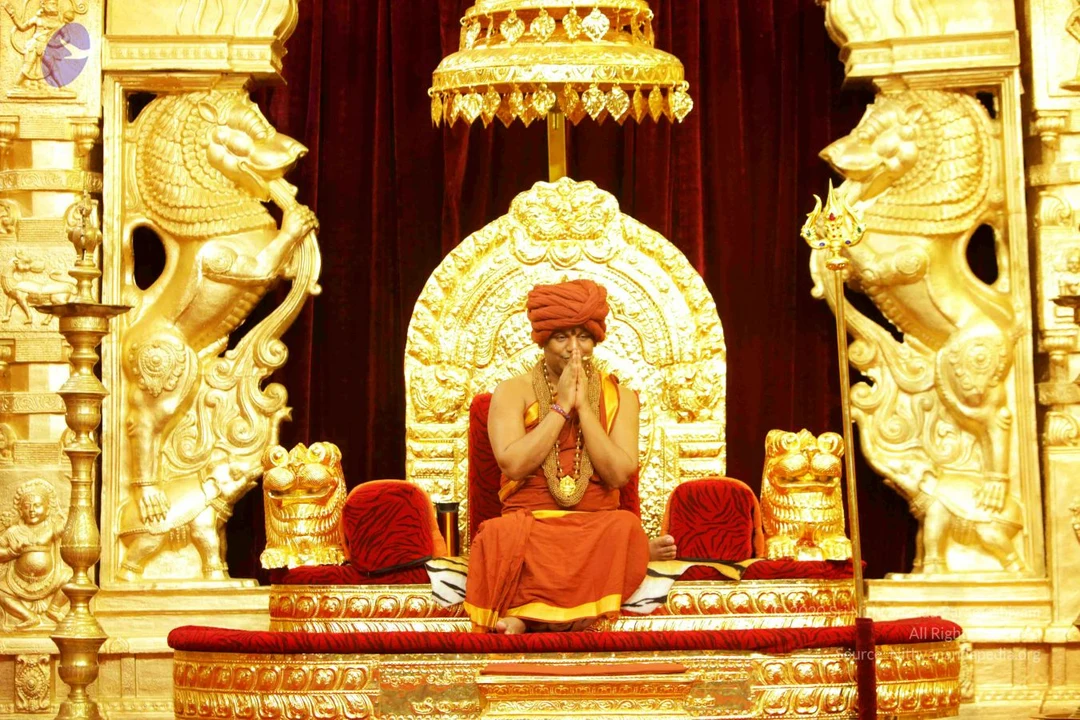
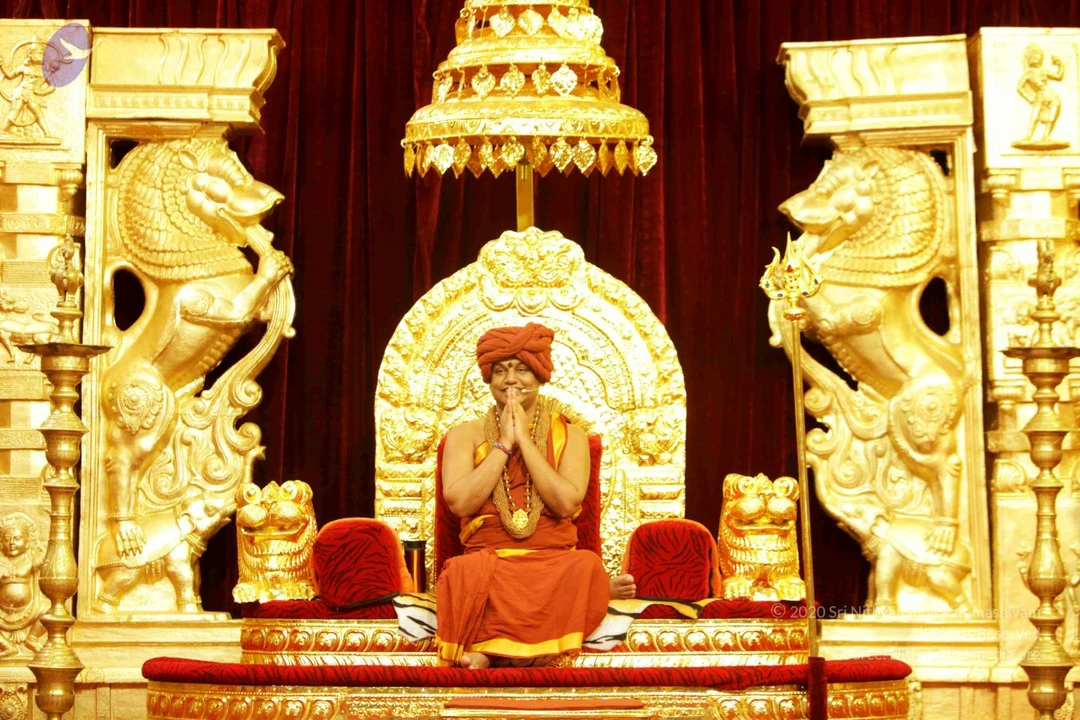
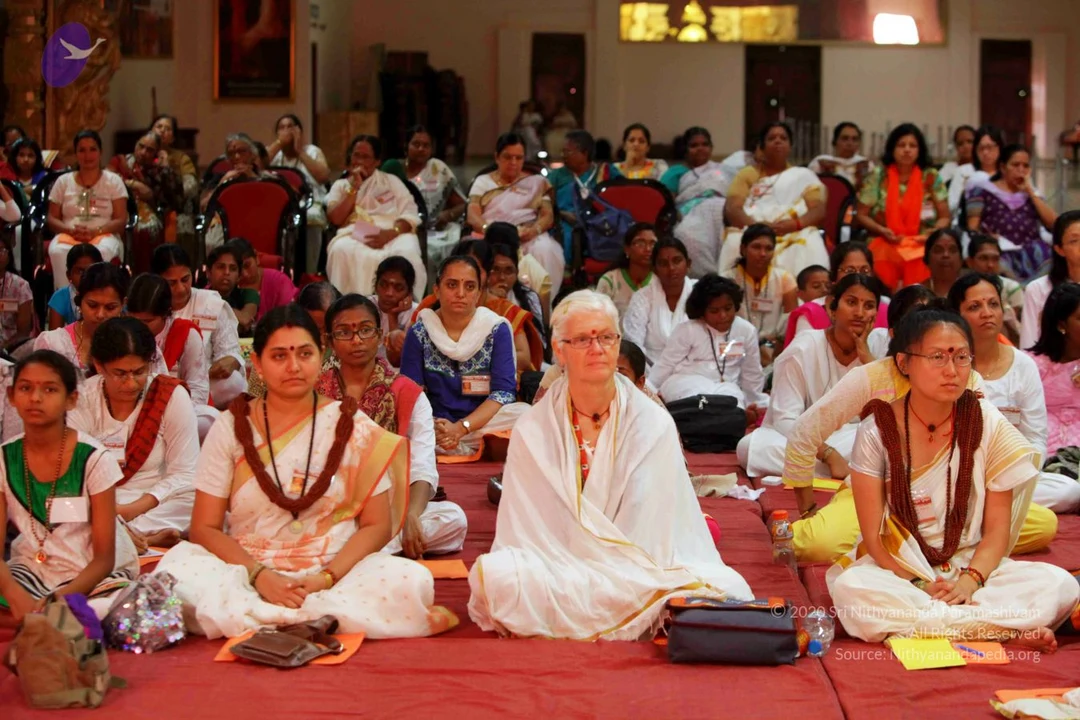
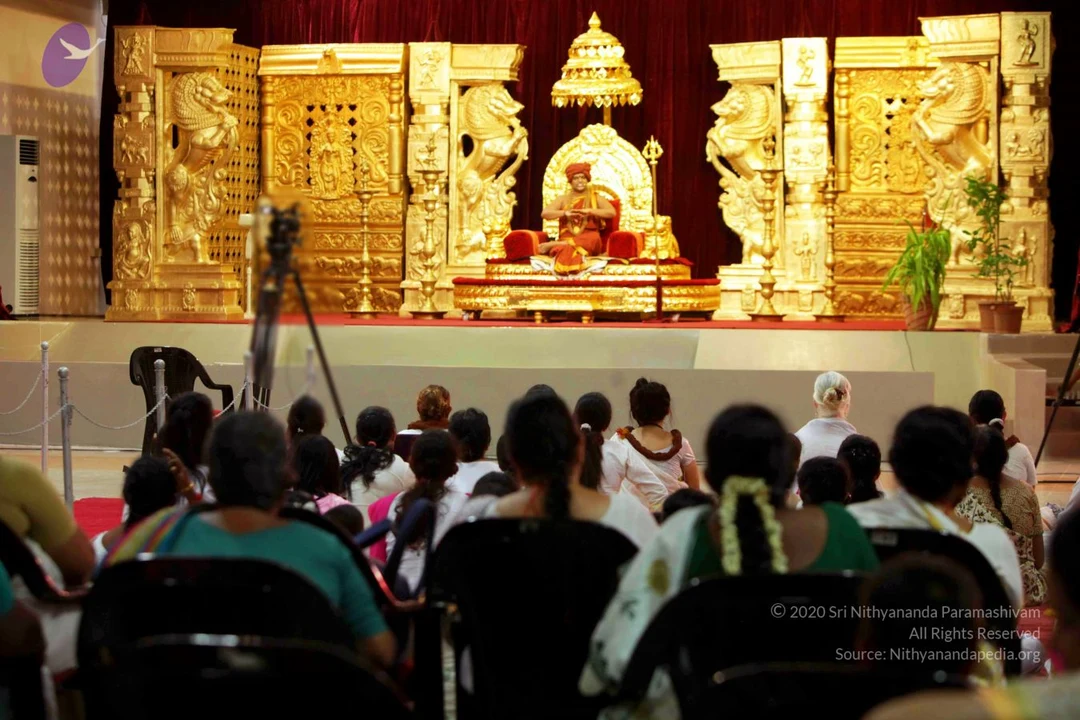
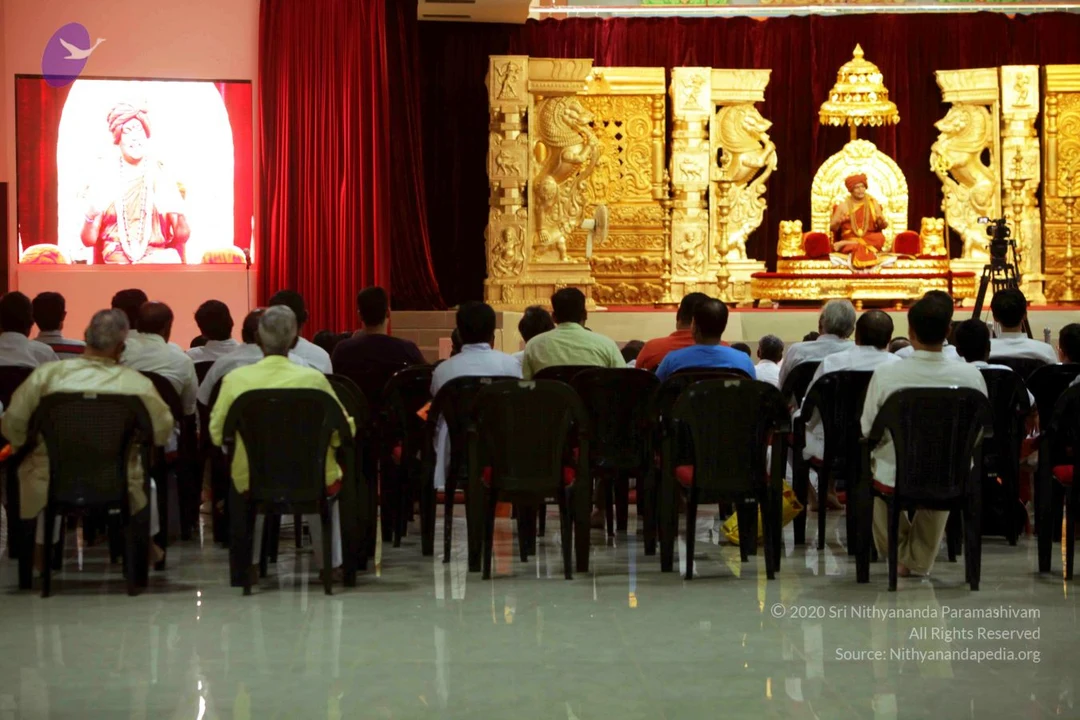
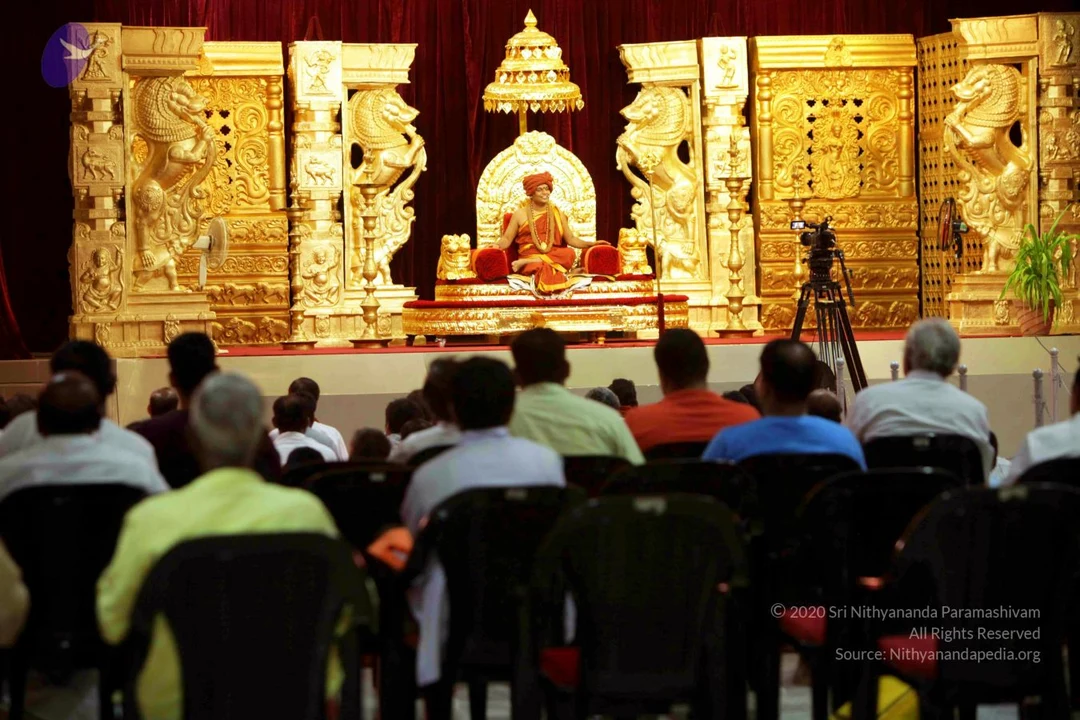
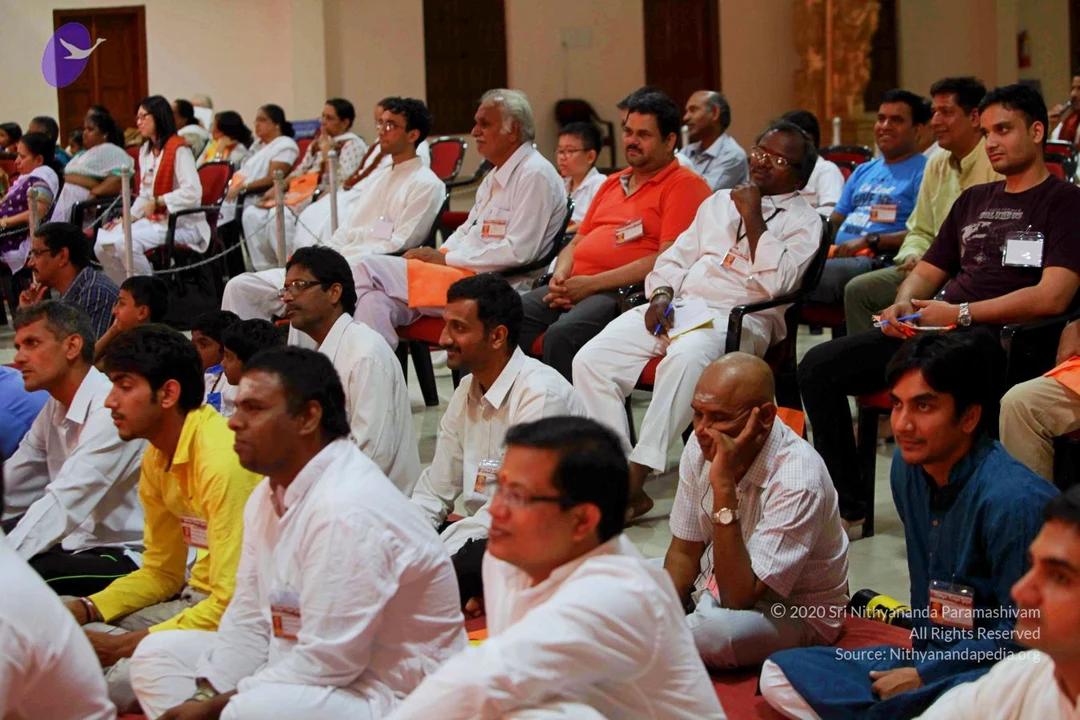
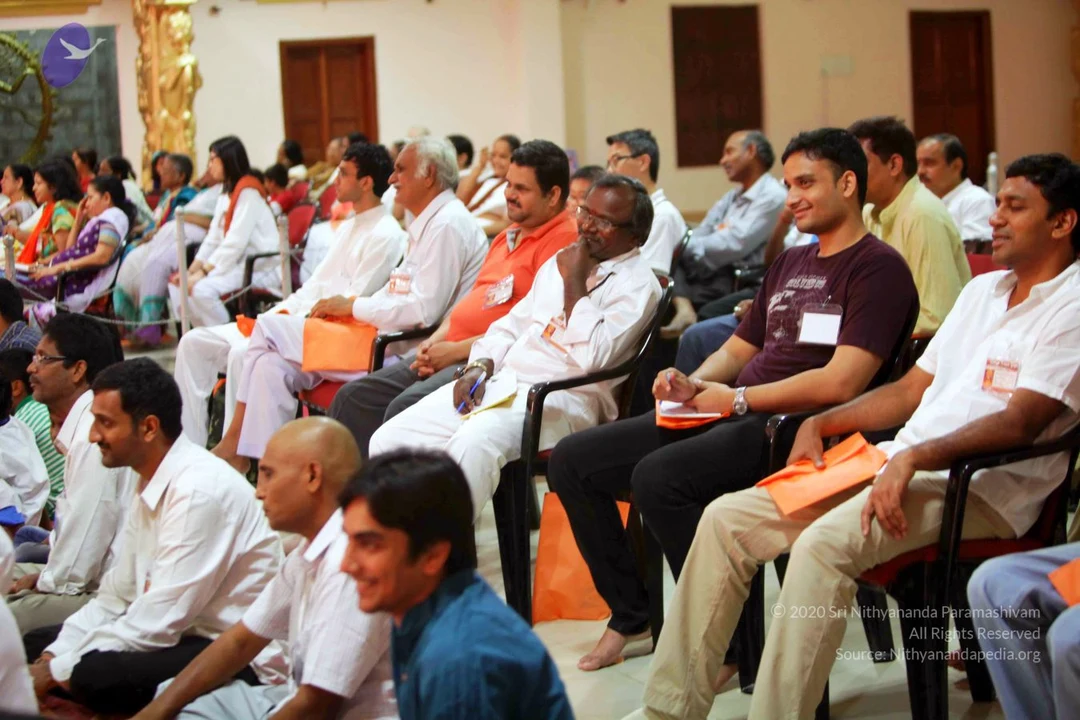
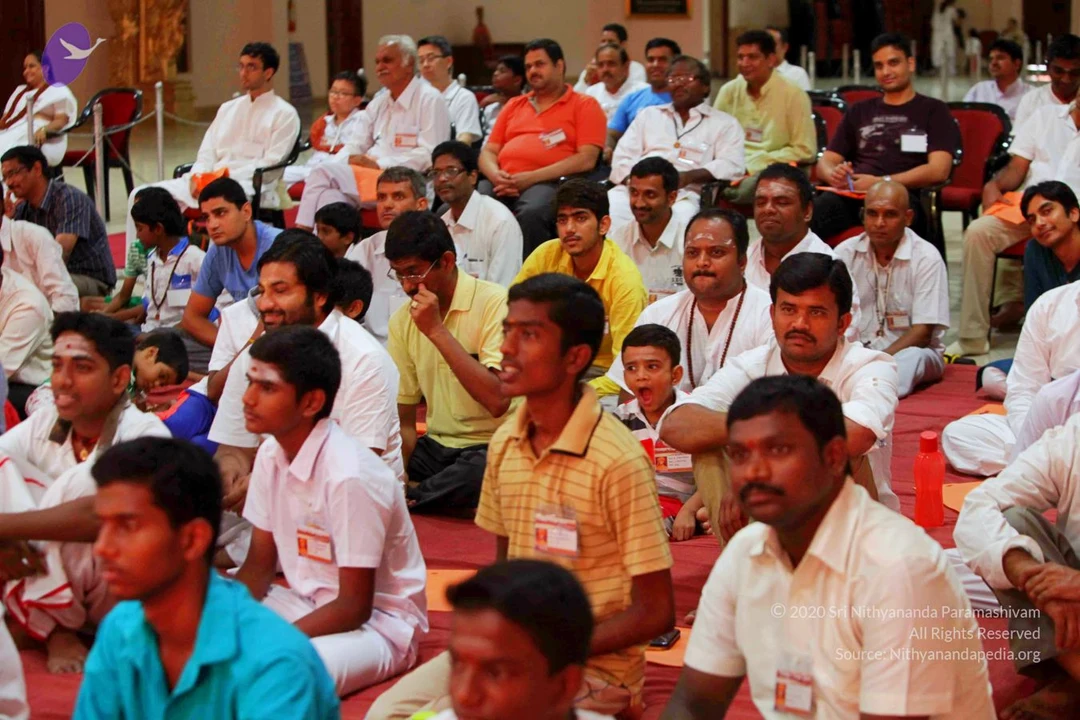
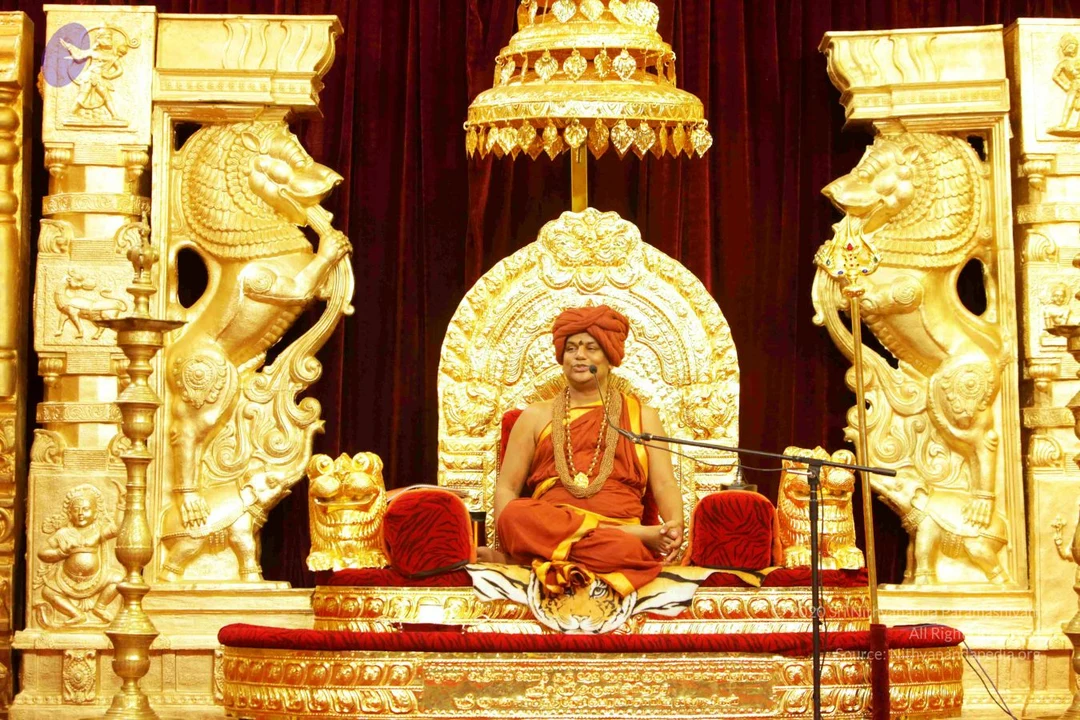
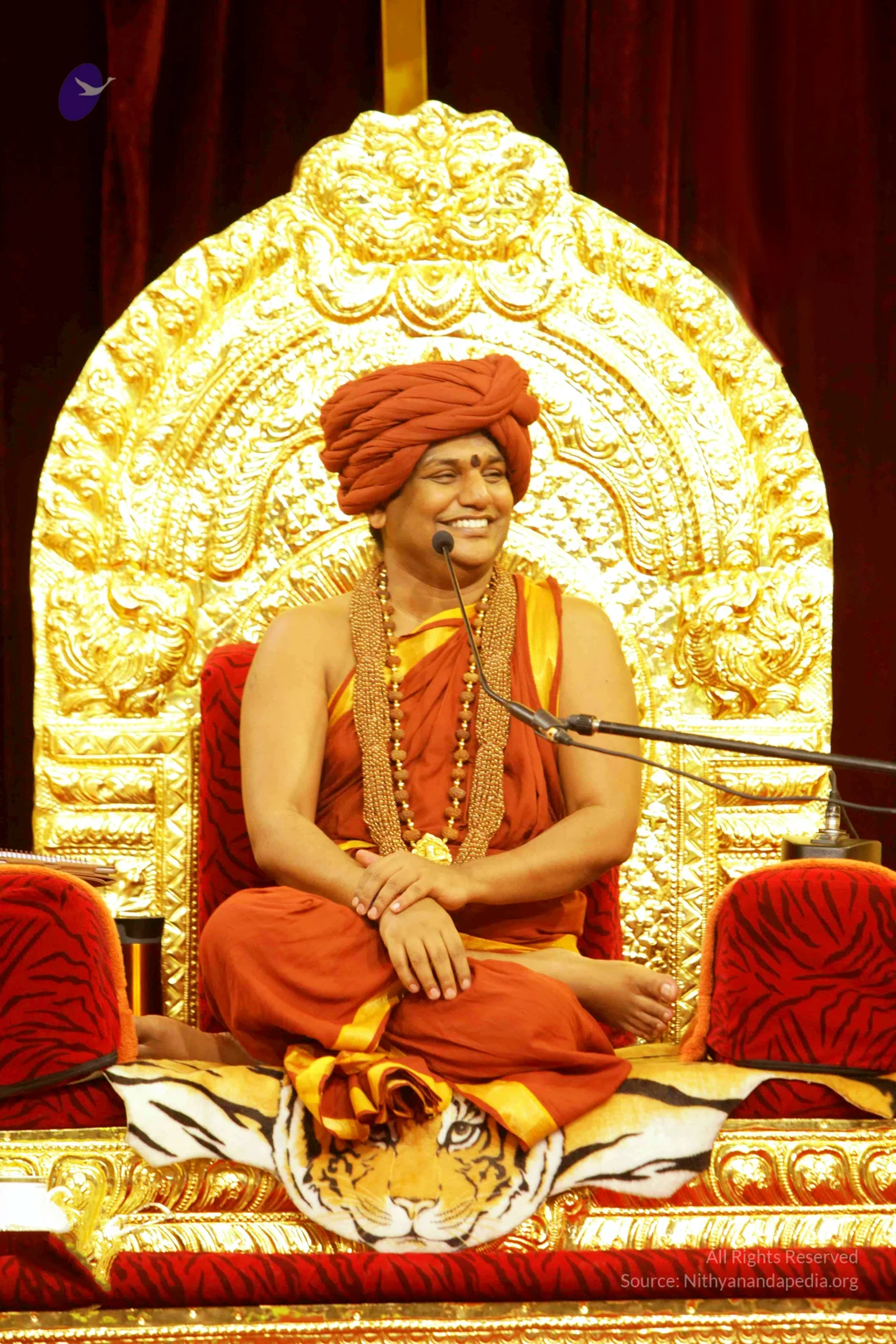
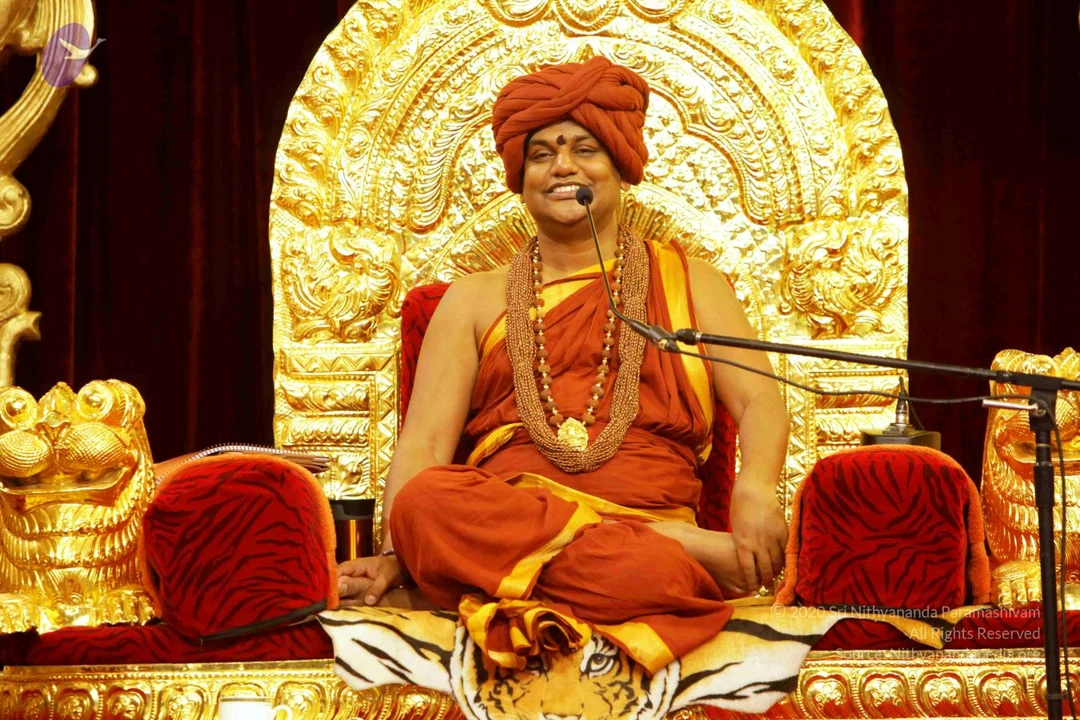
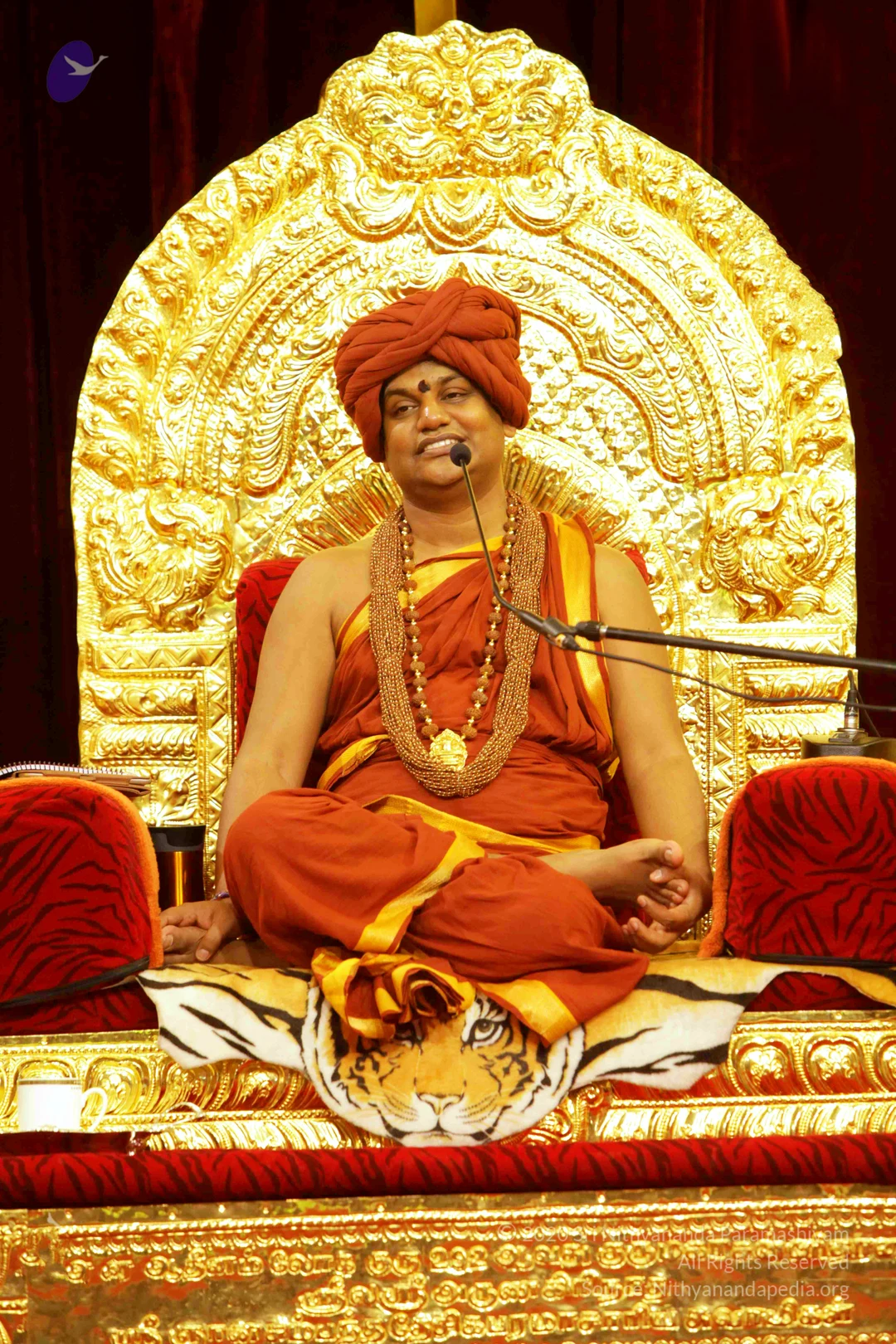
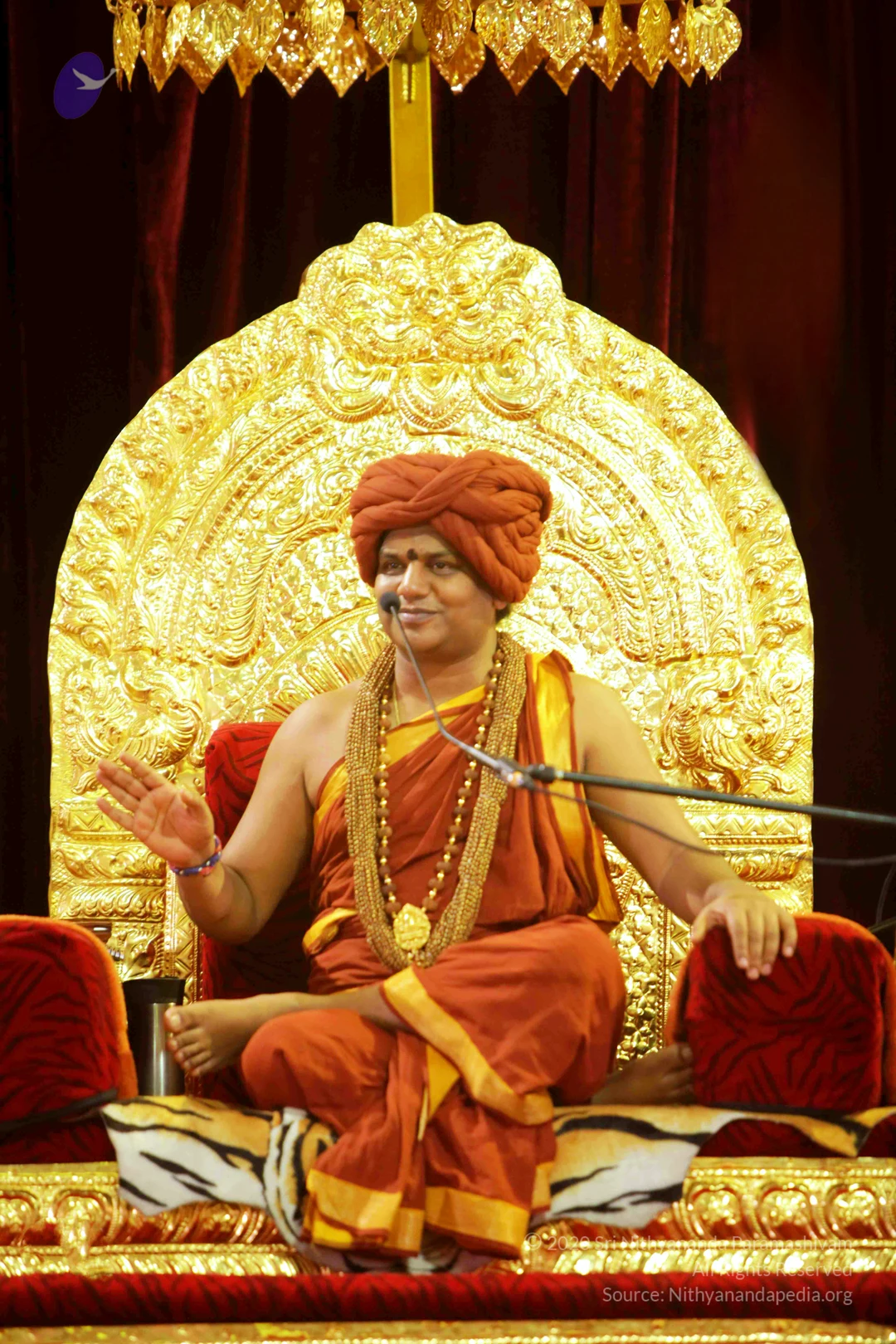
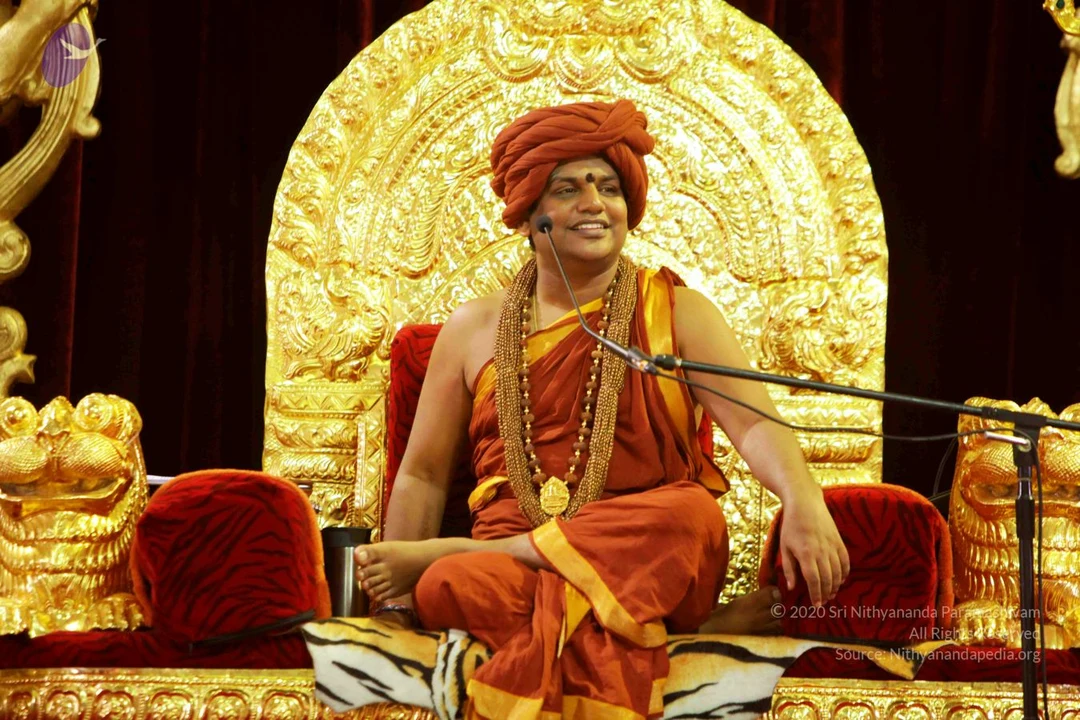
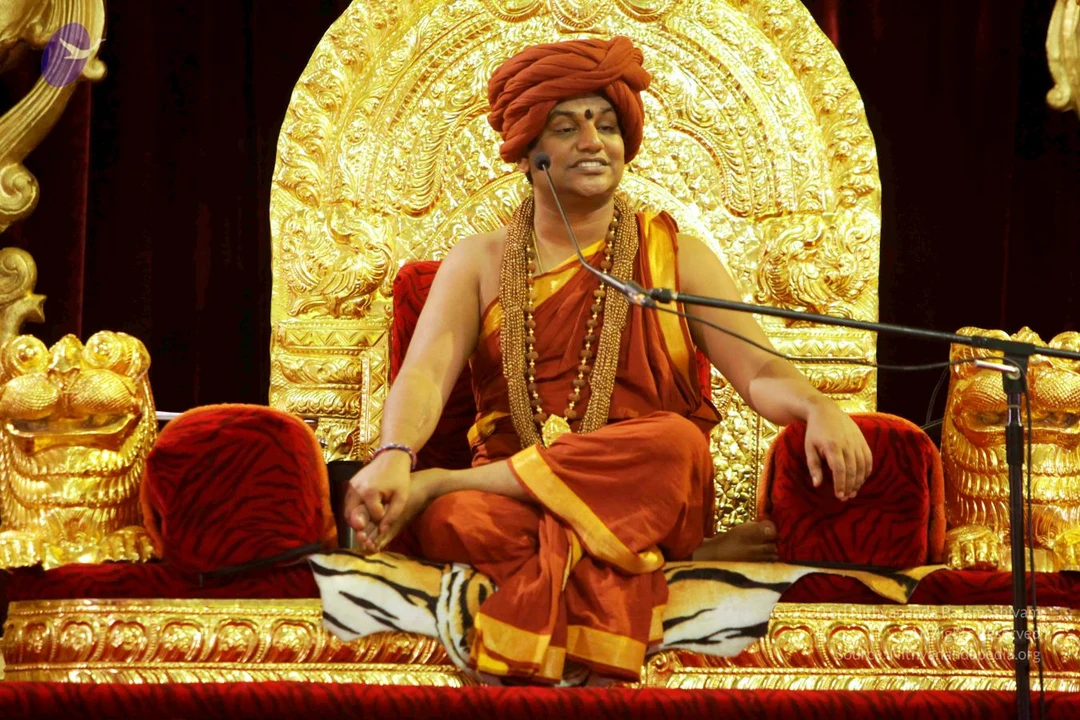
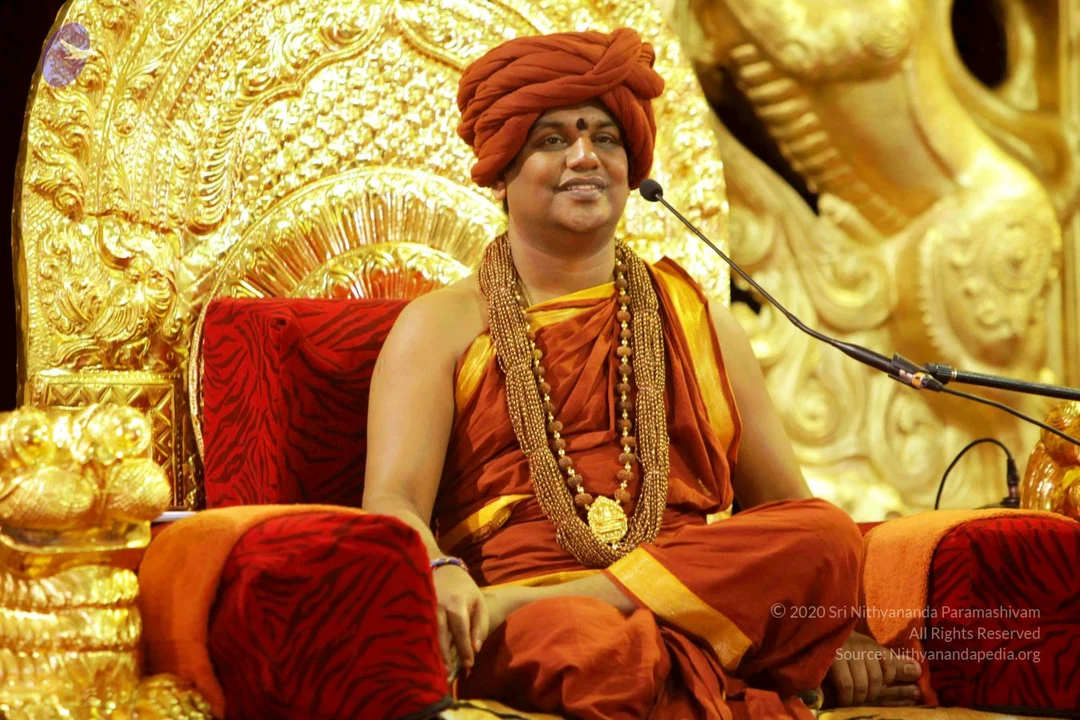
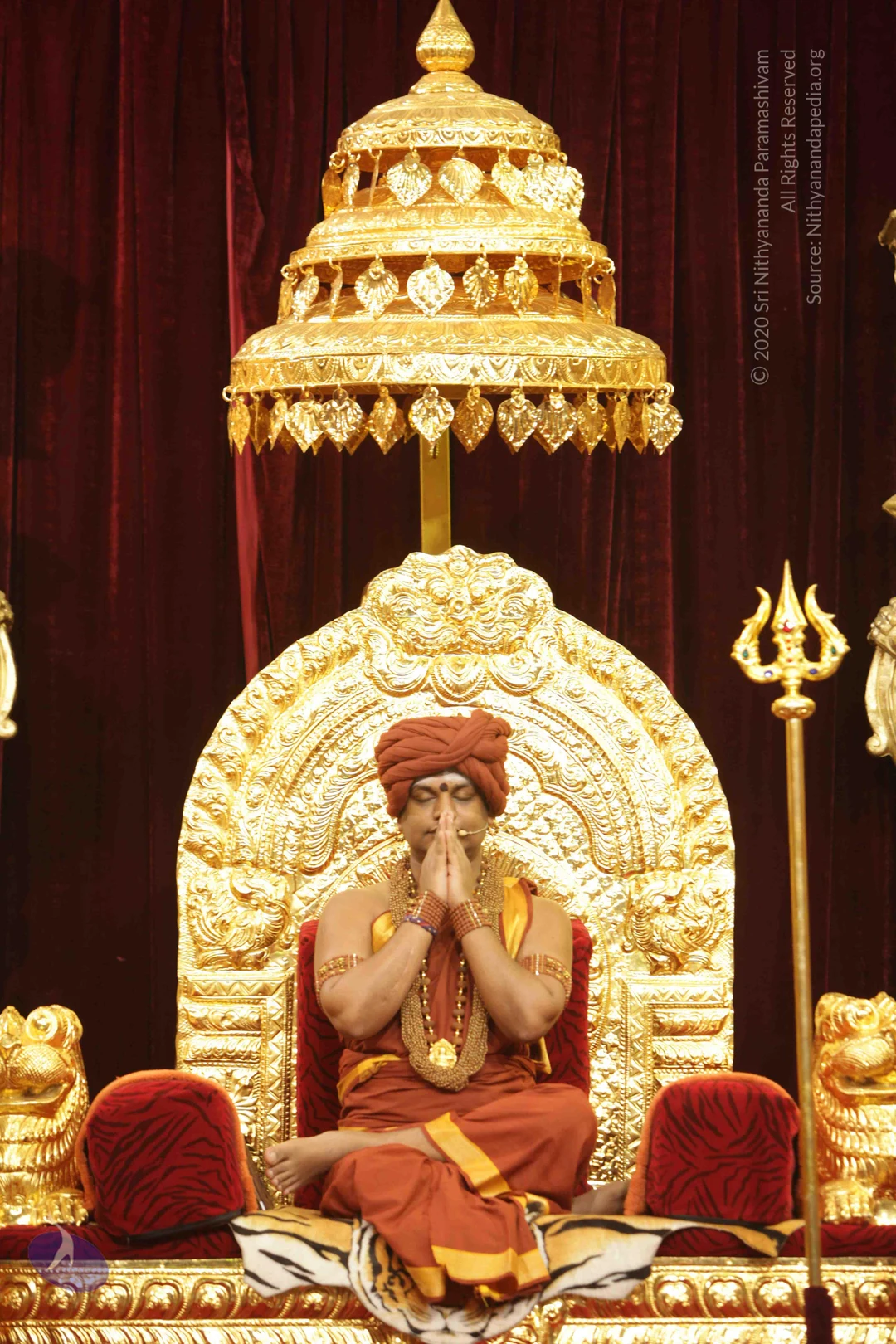
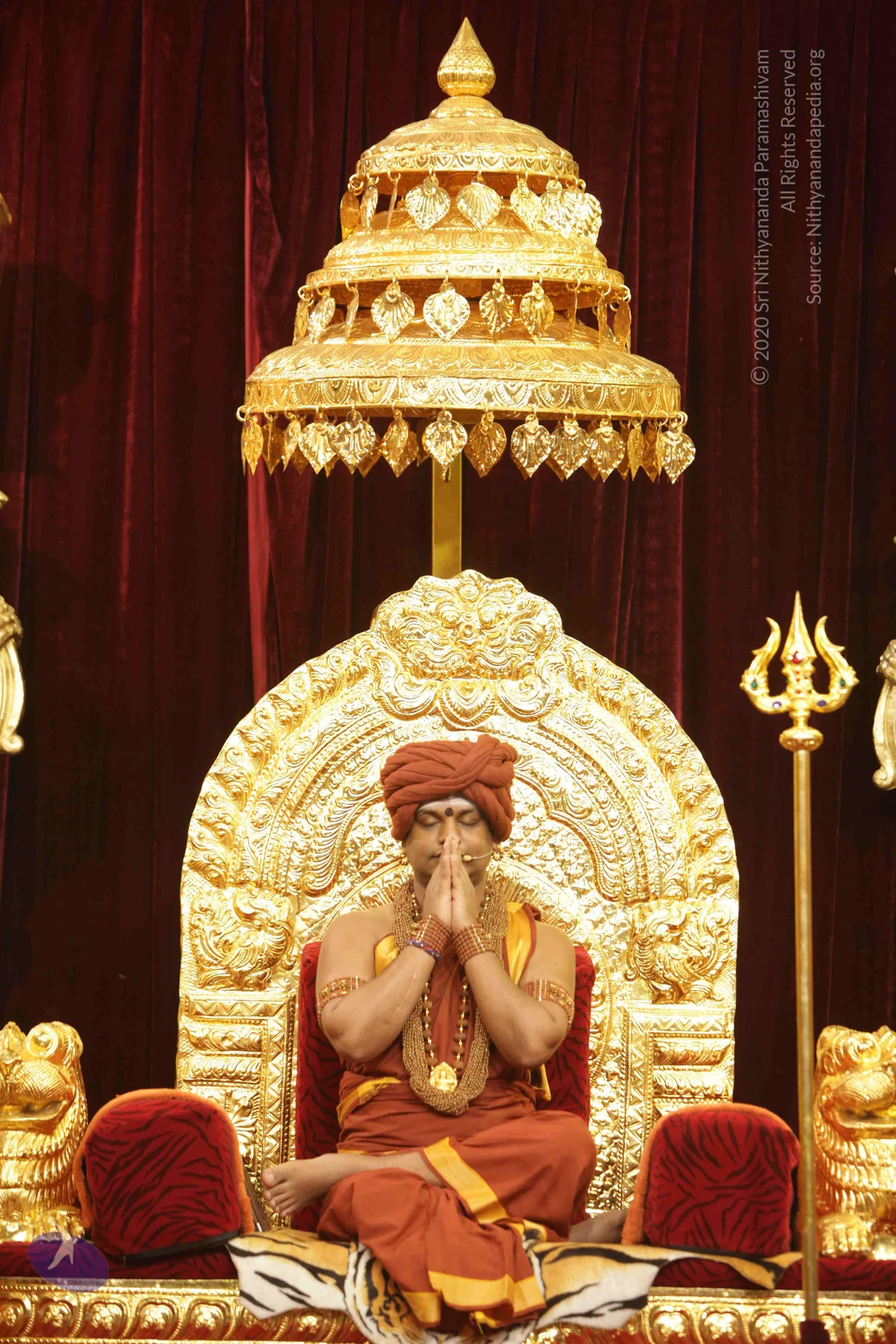
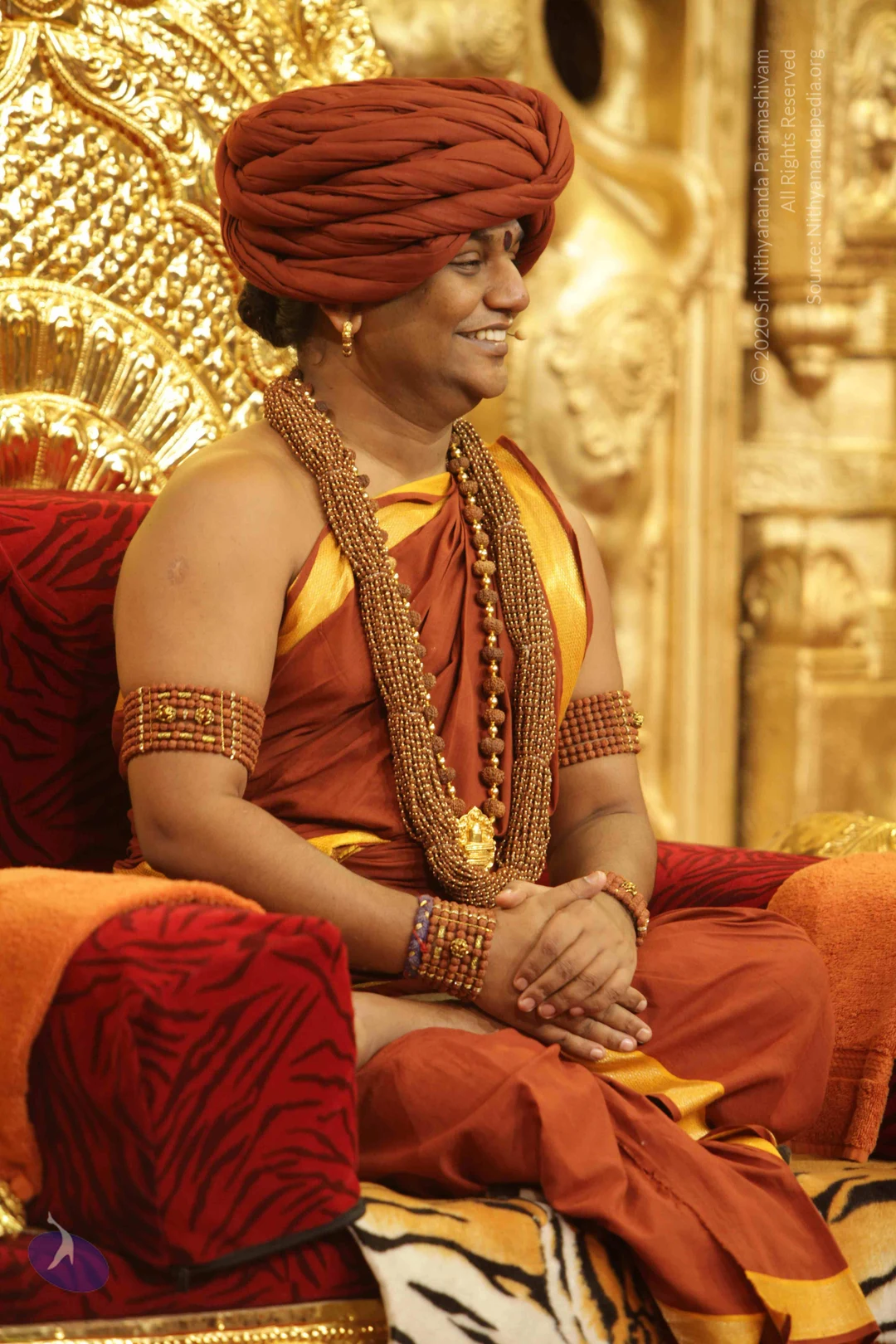
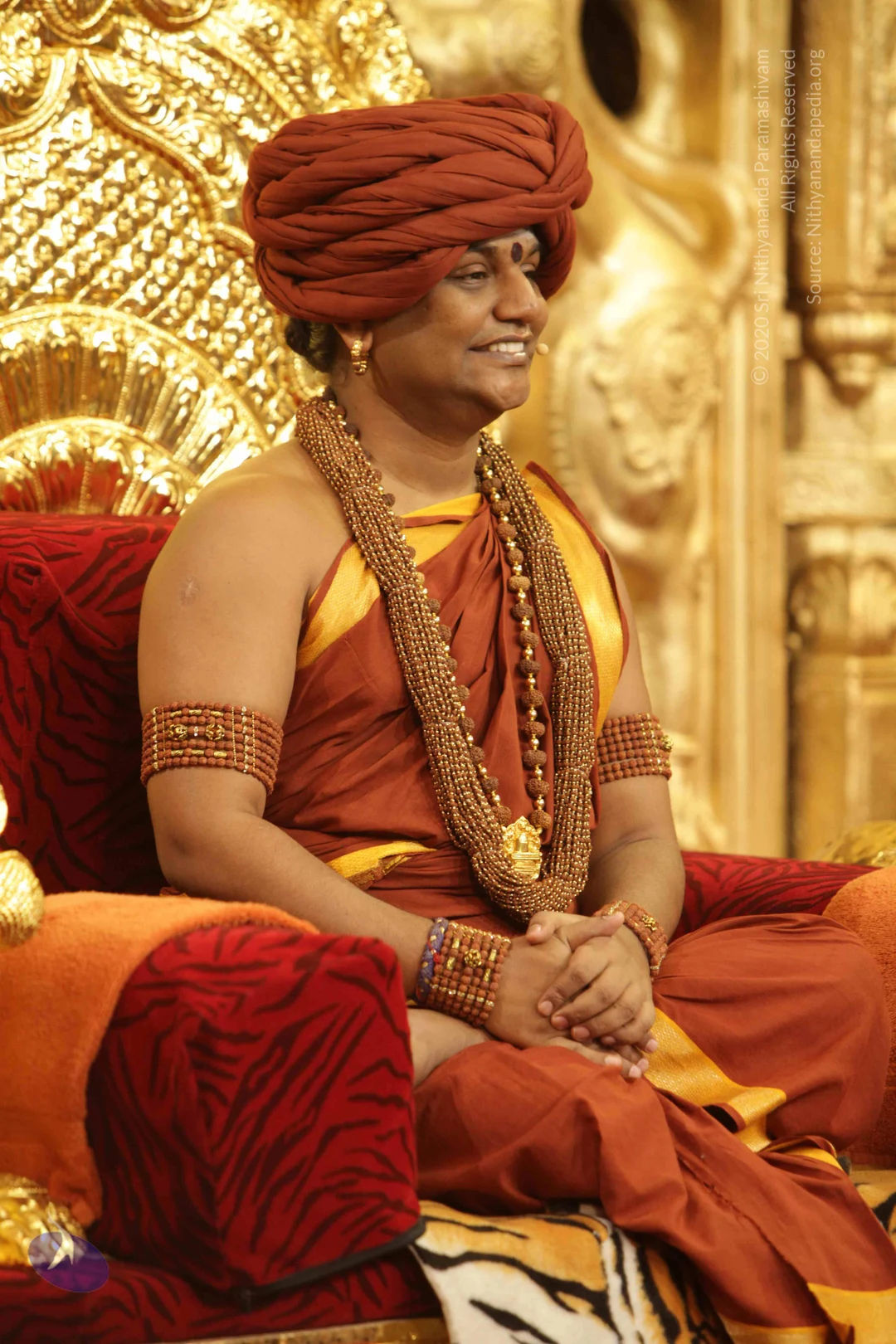
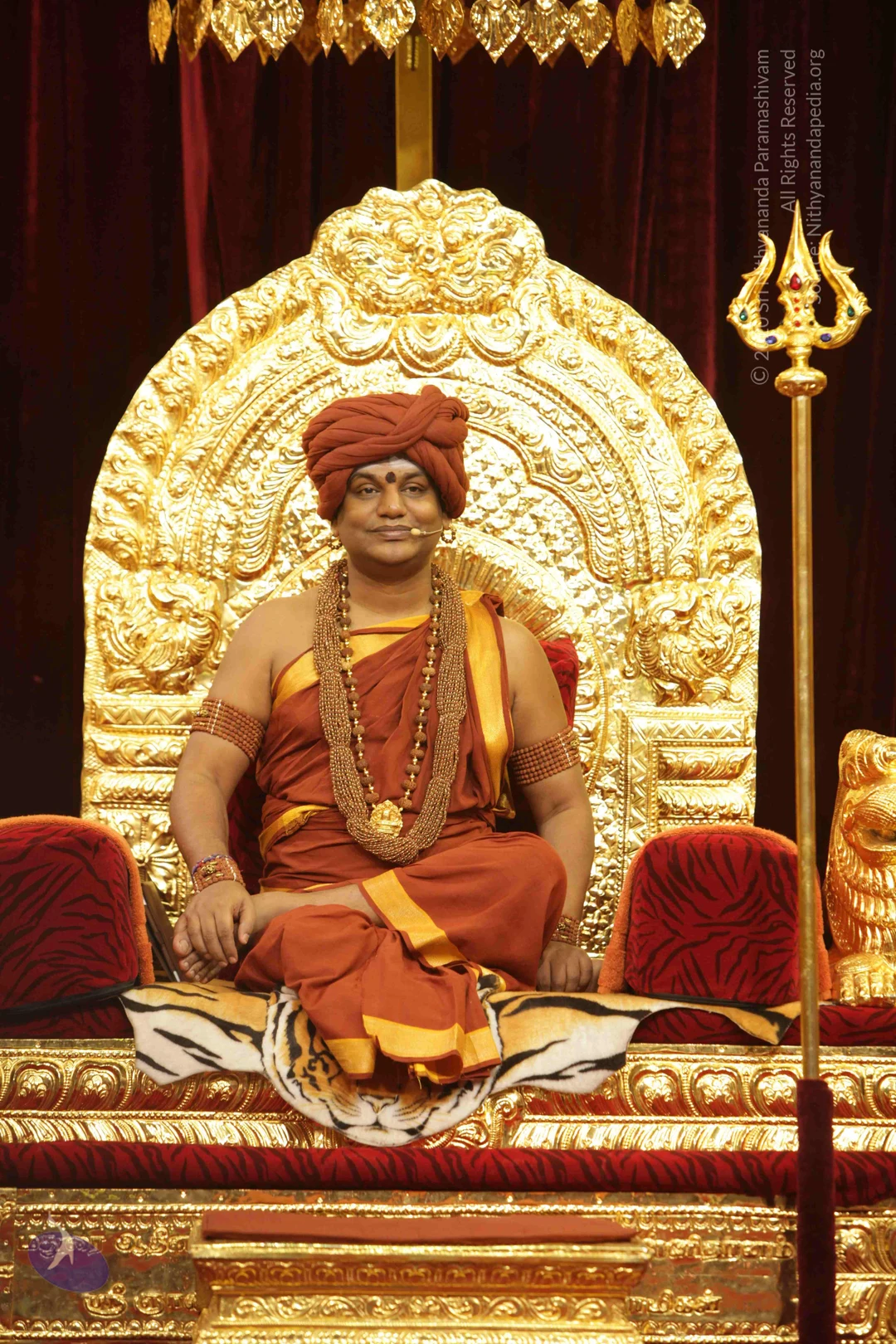
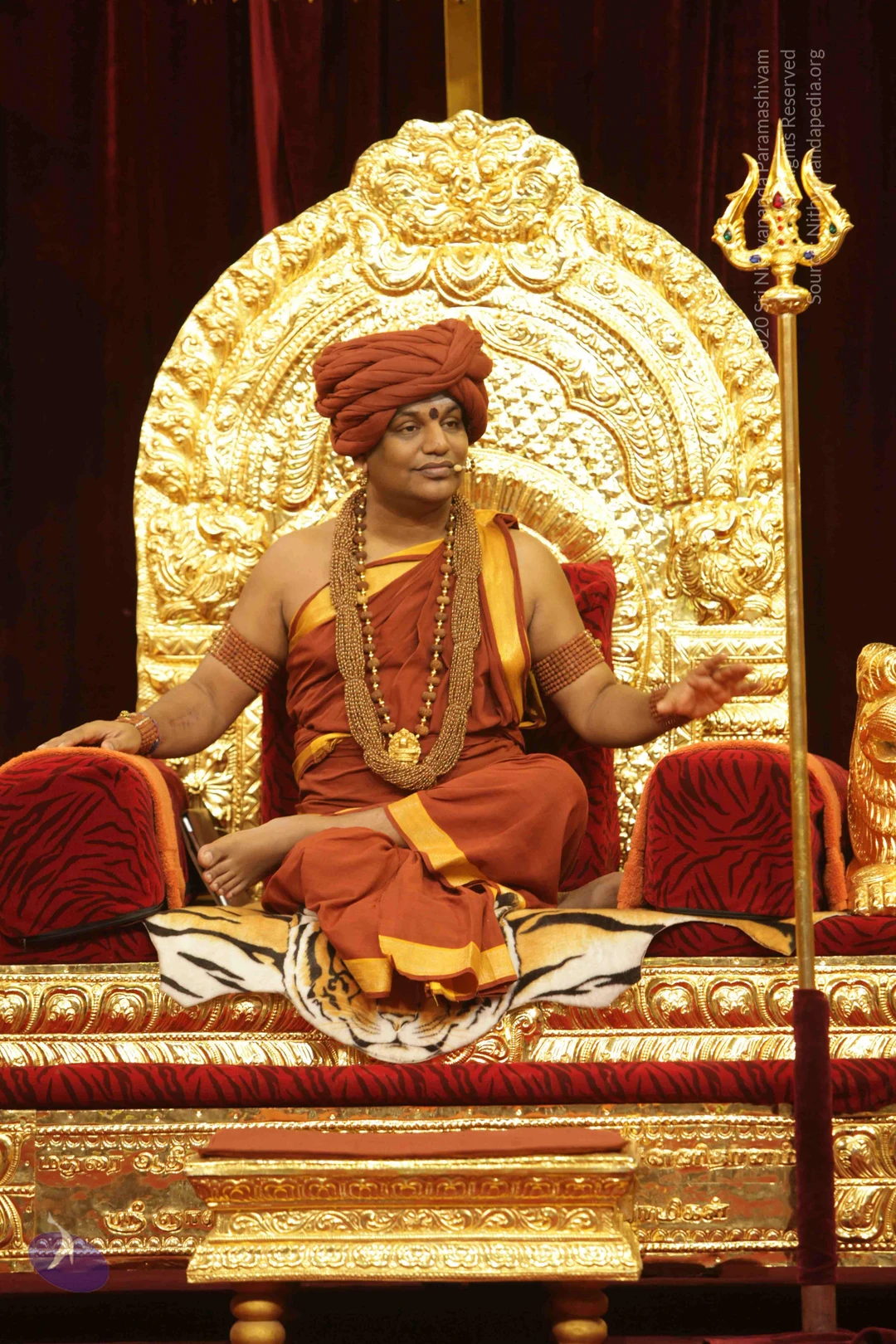
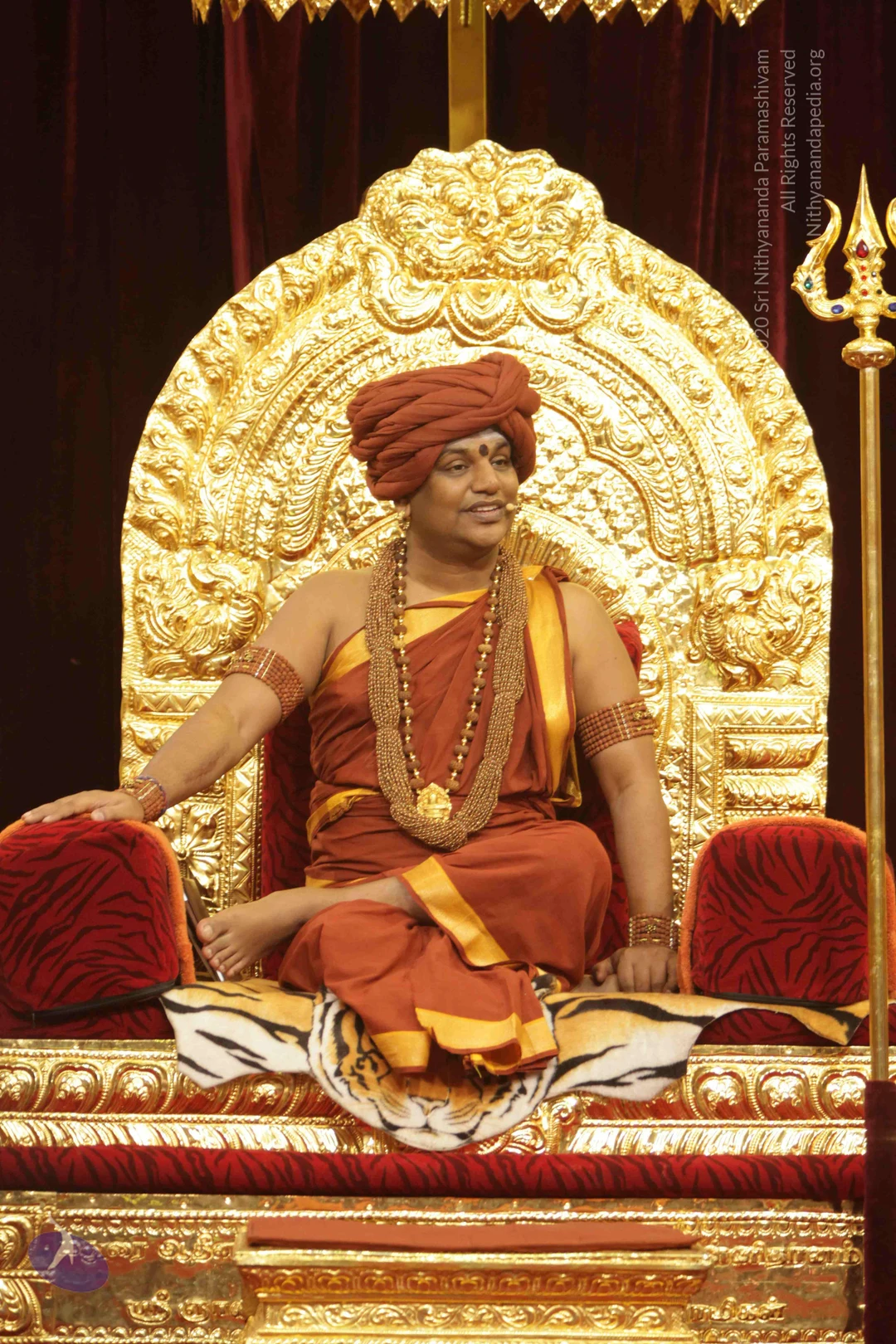
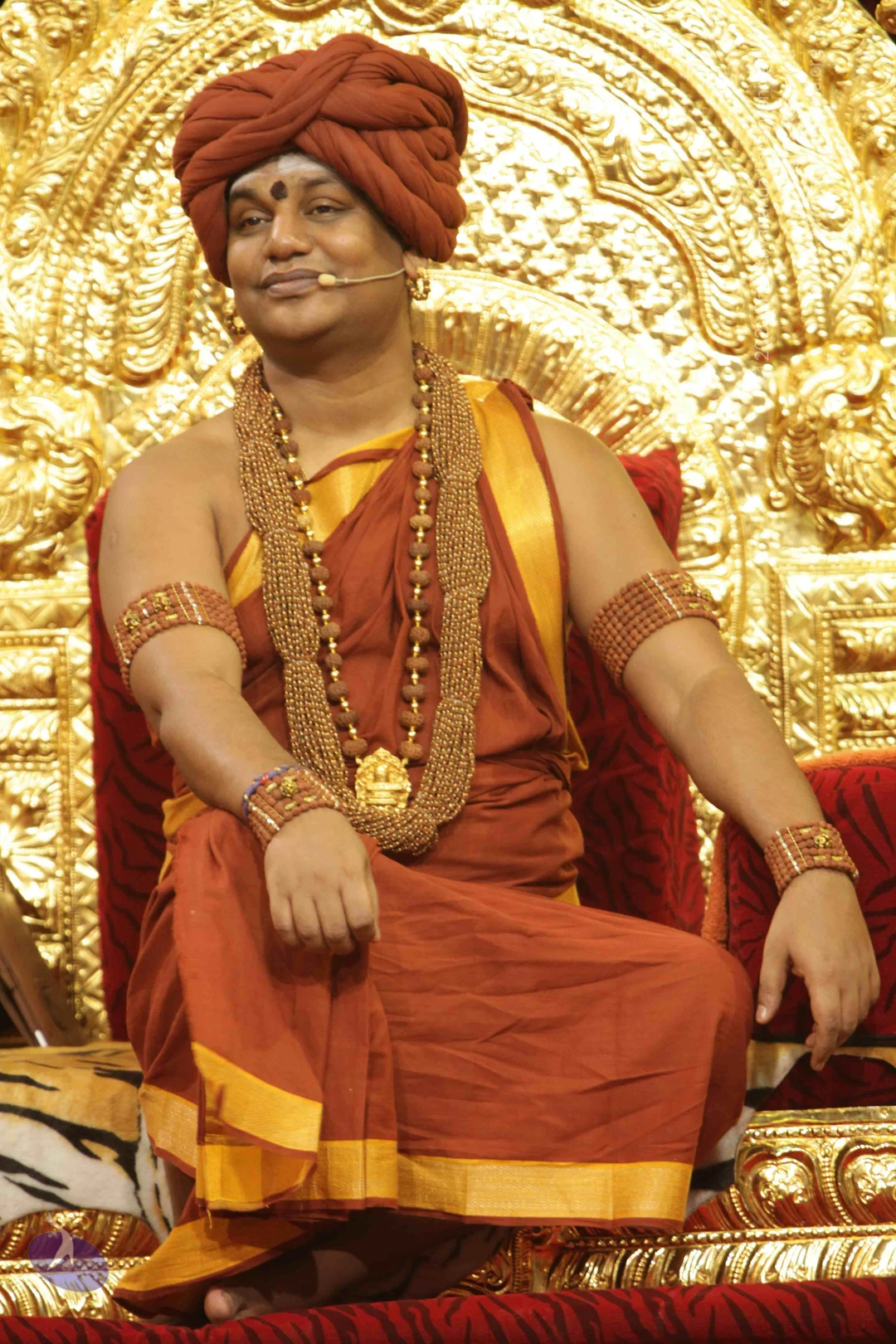
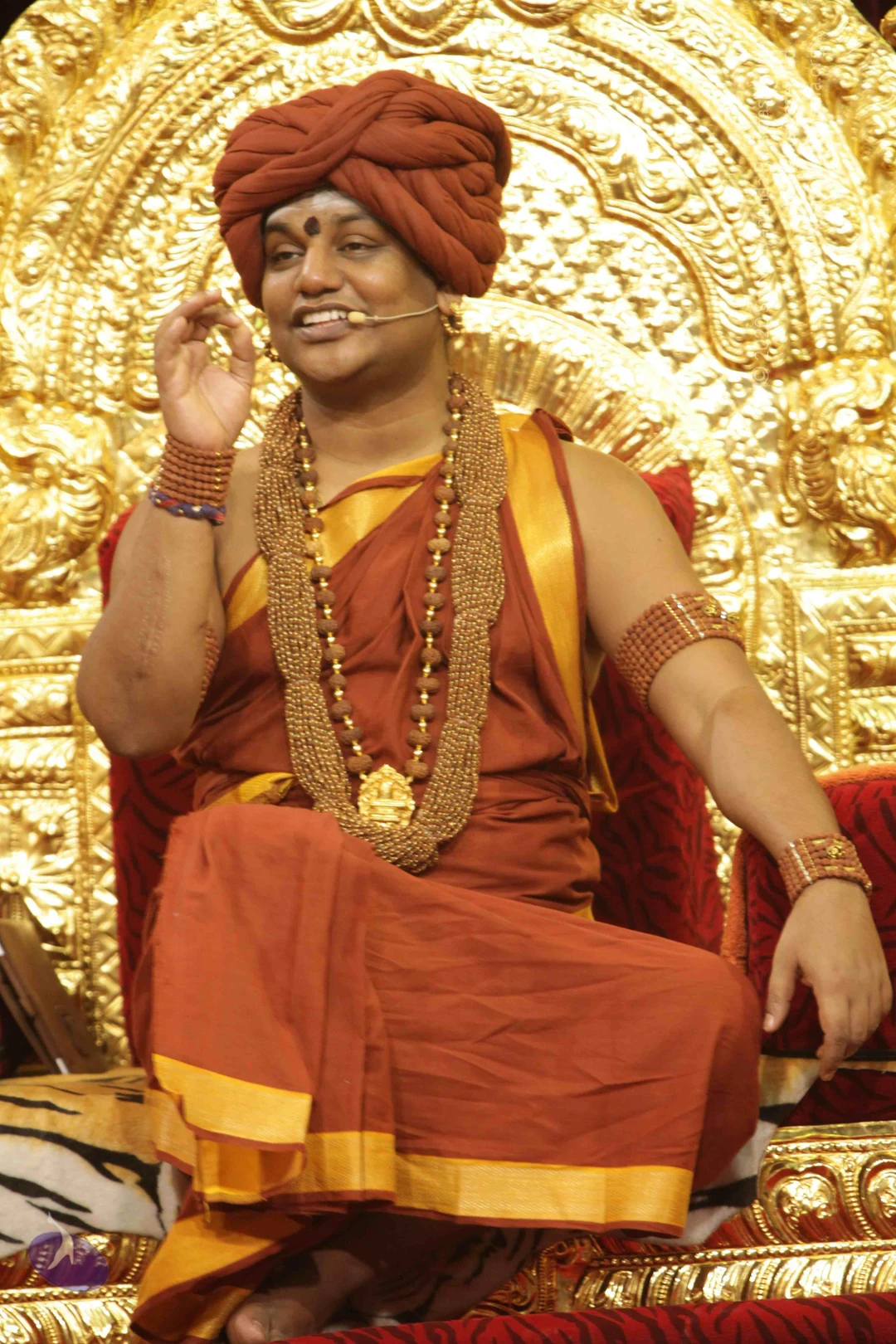
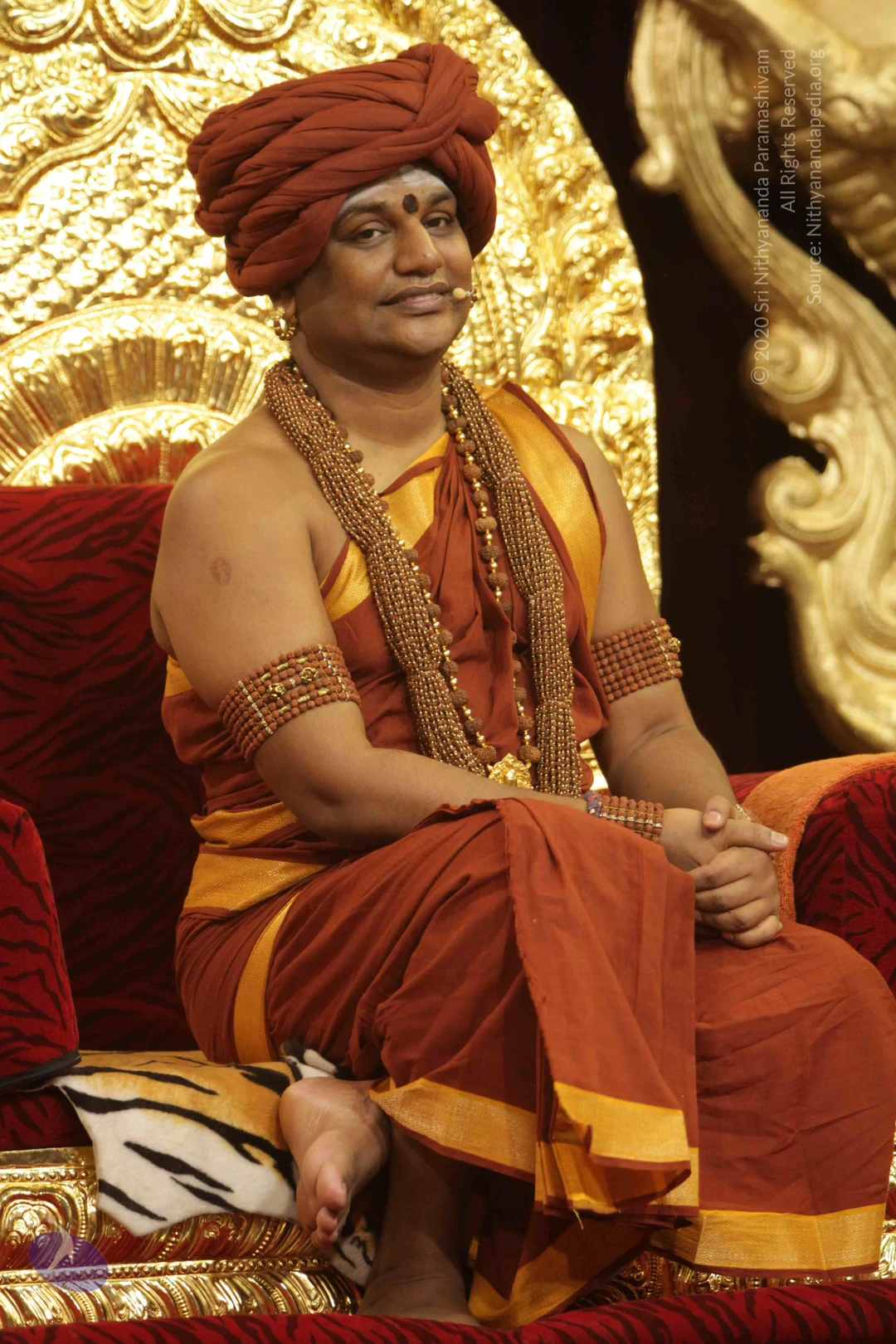
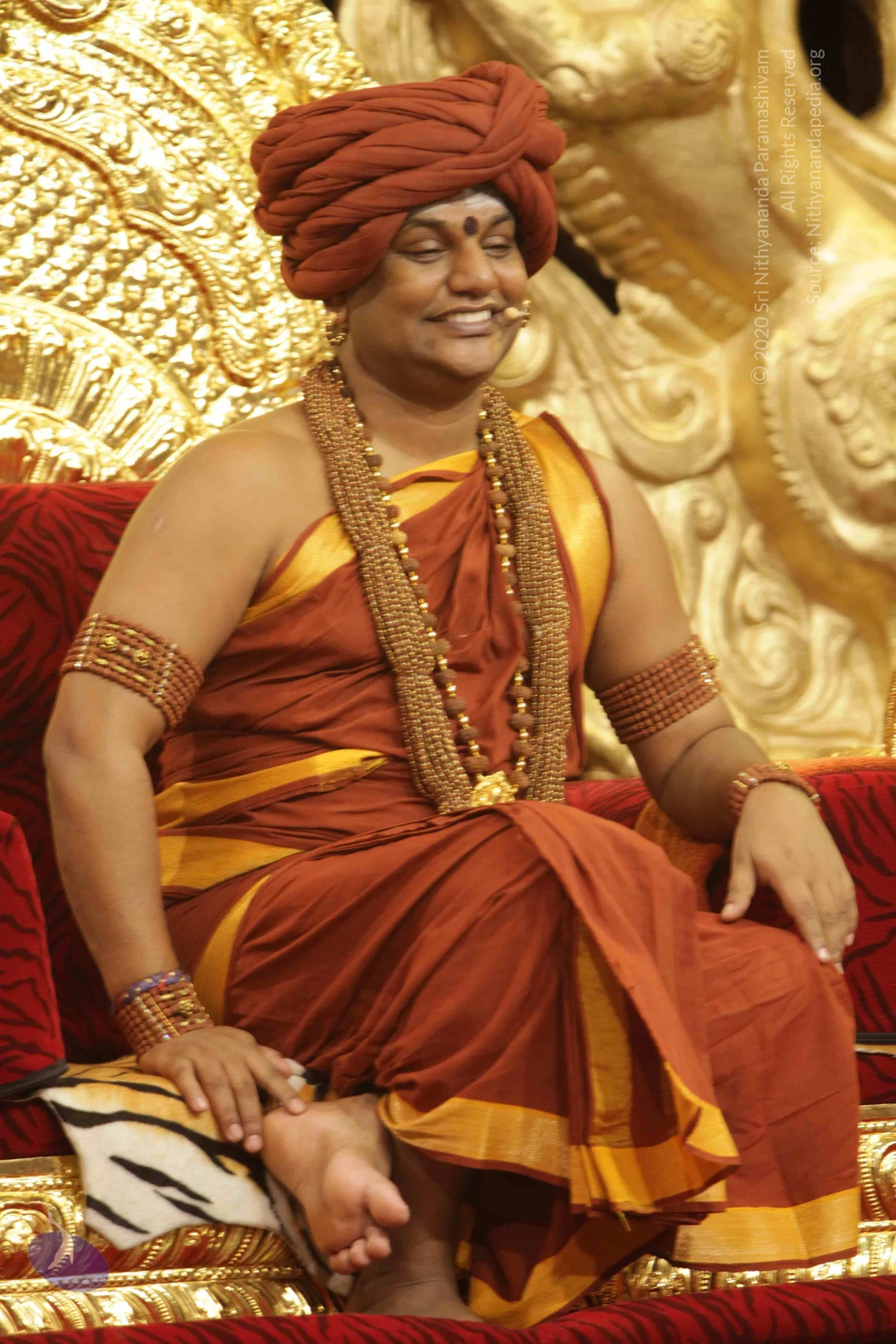
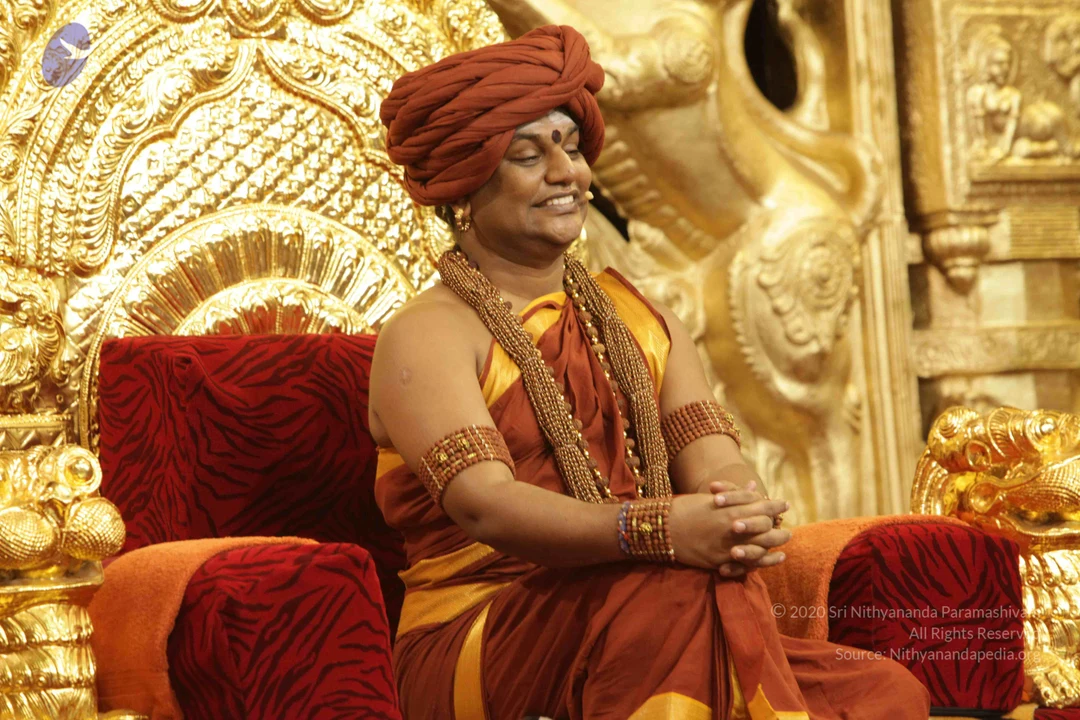
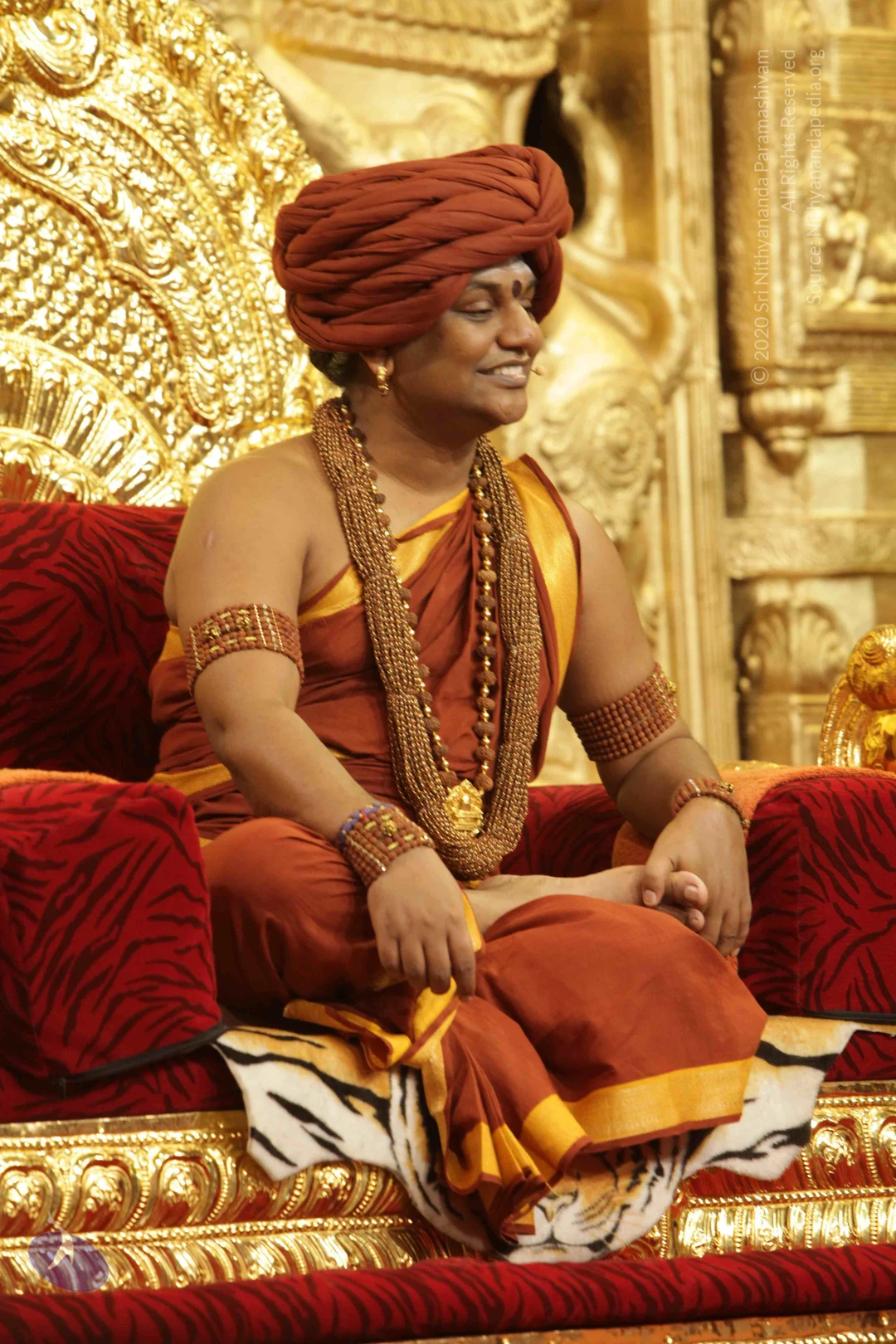
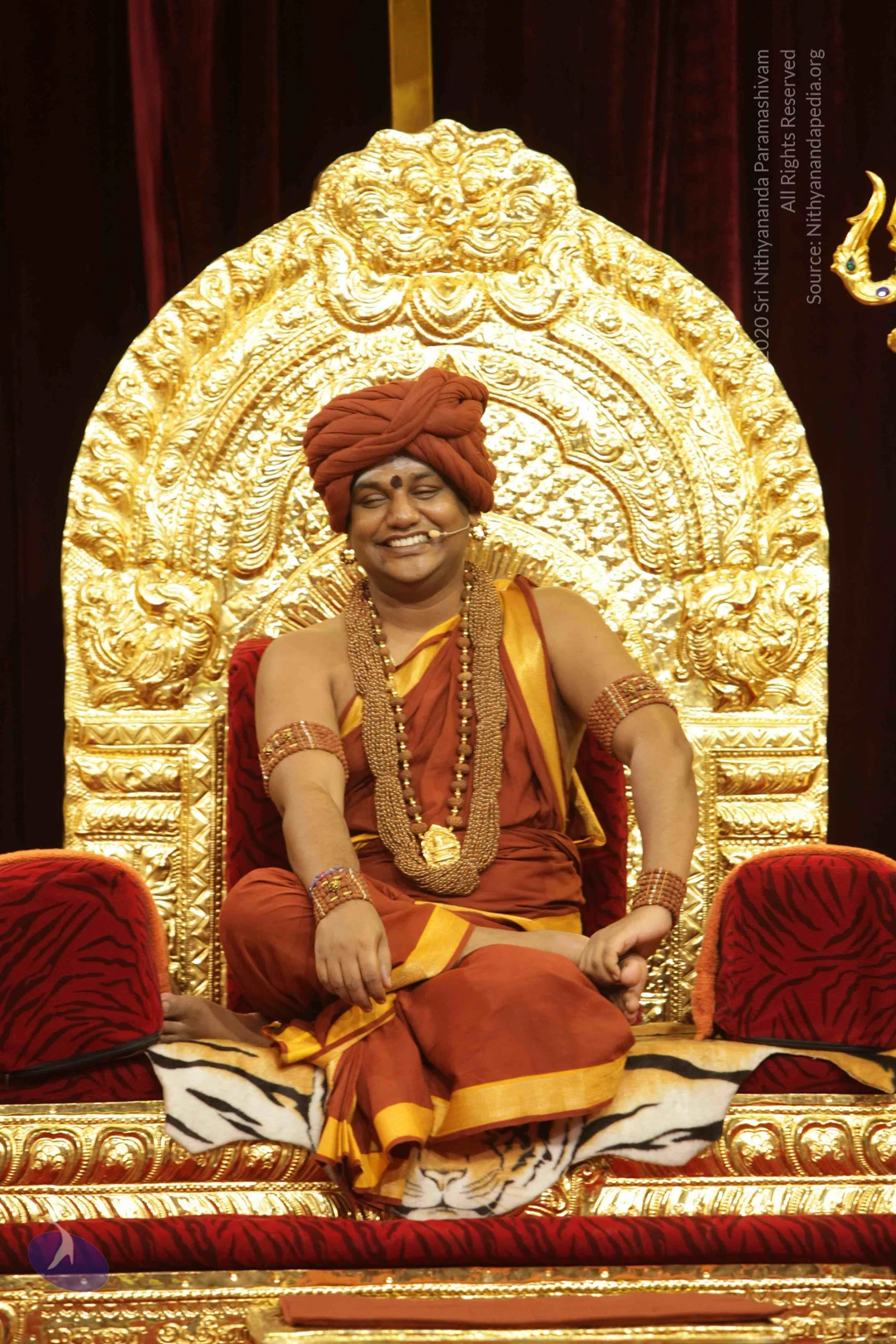
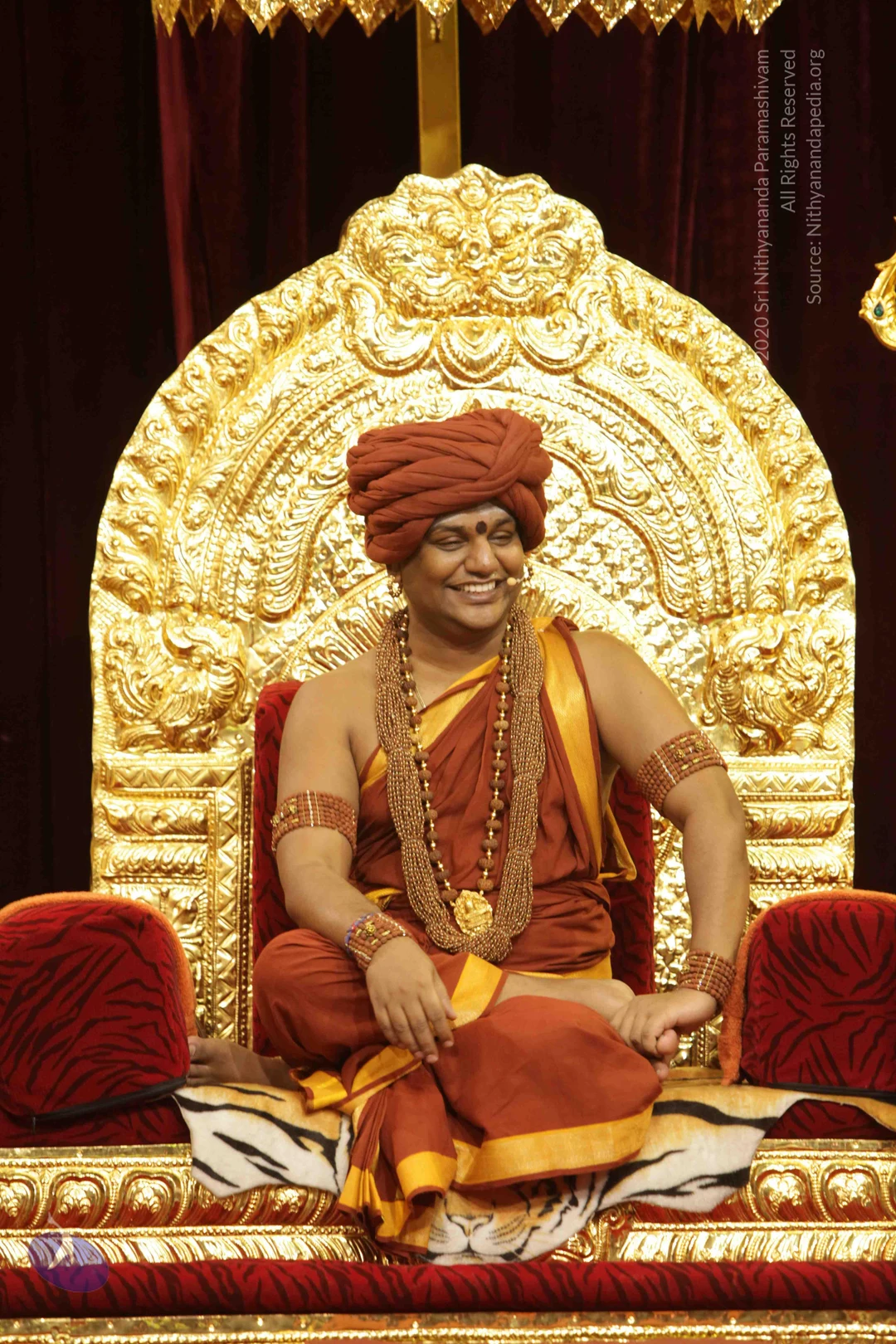
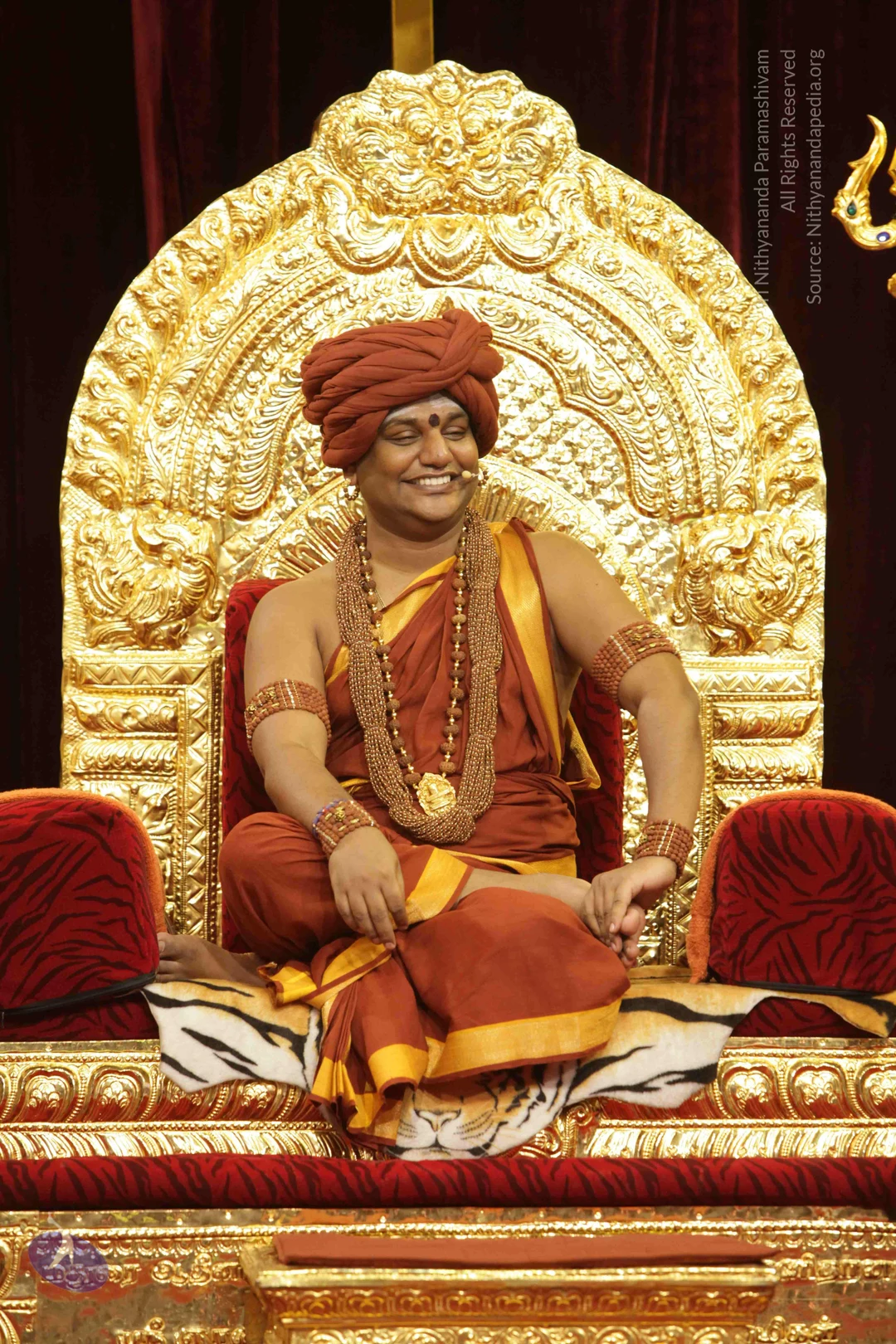
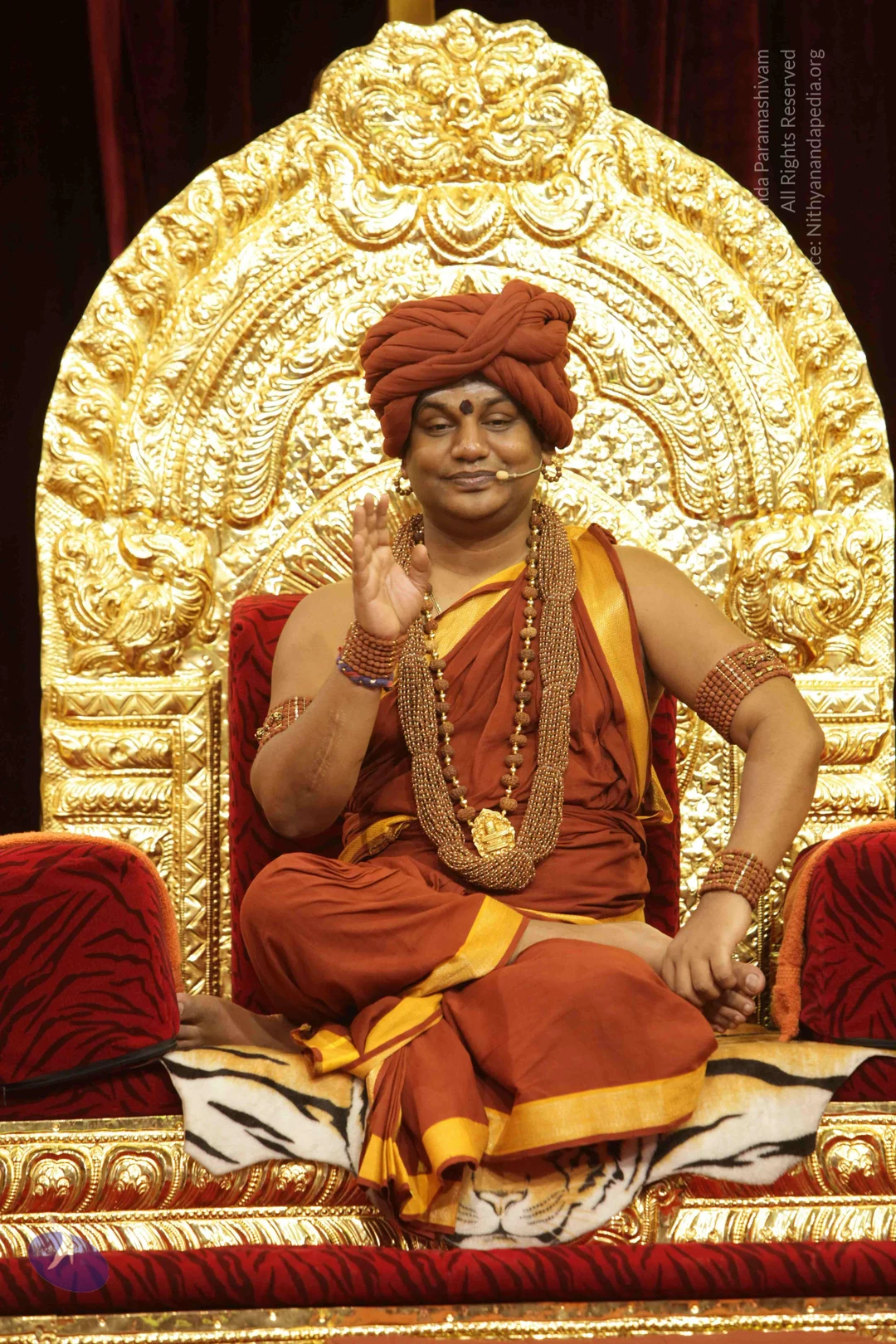
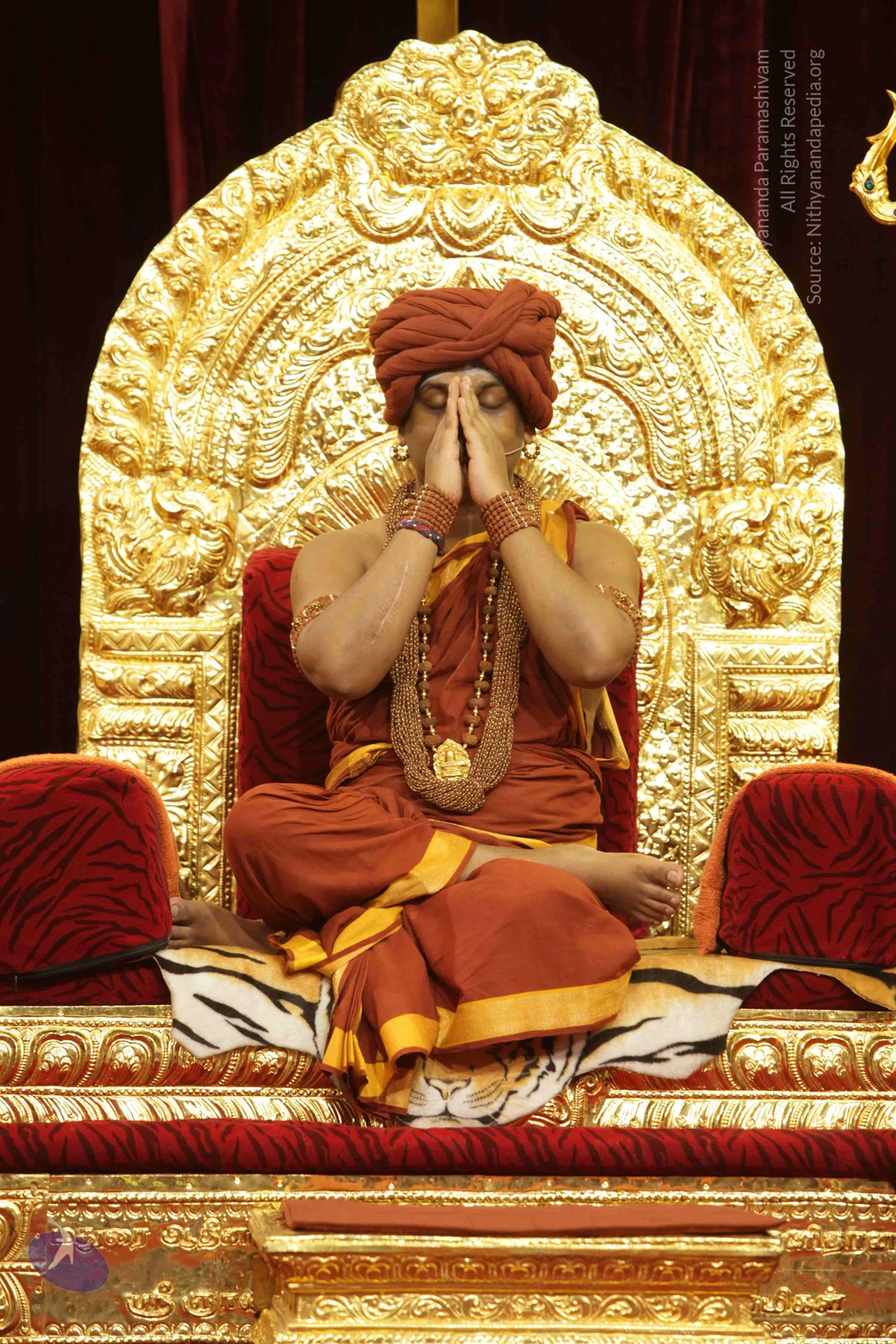
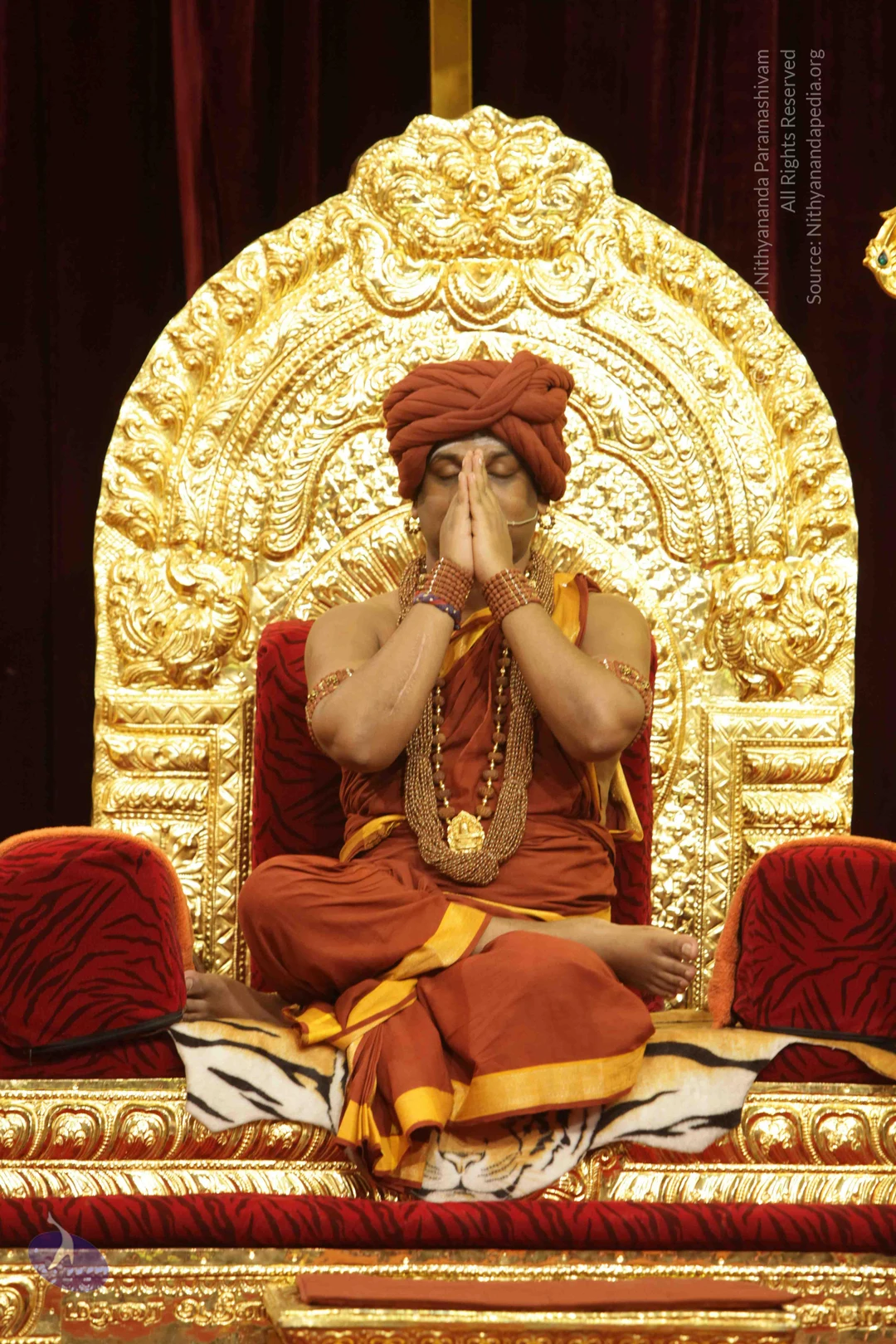
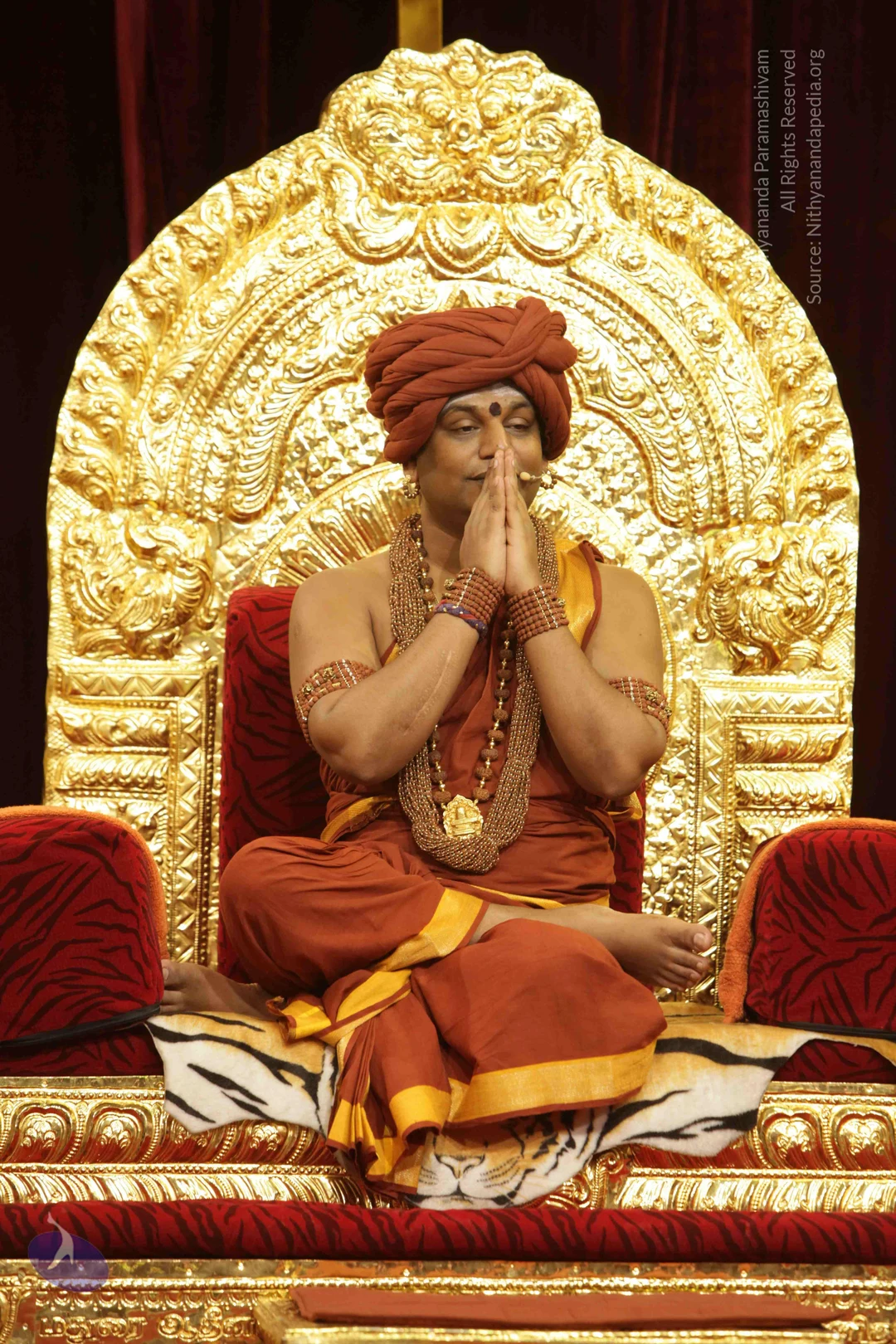
Photos Of The Day:
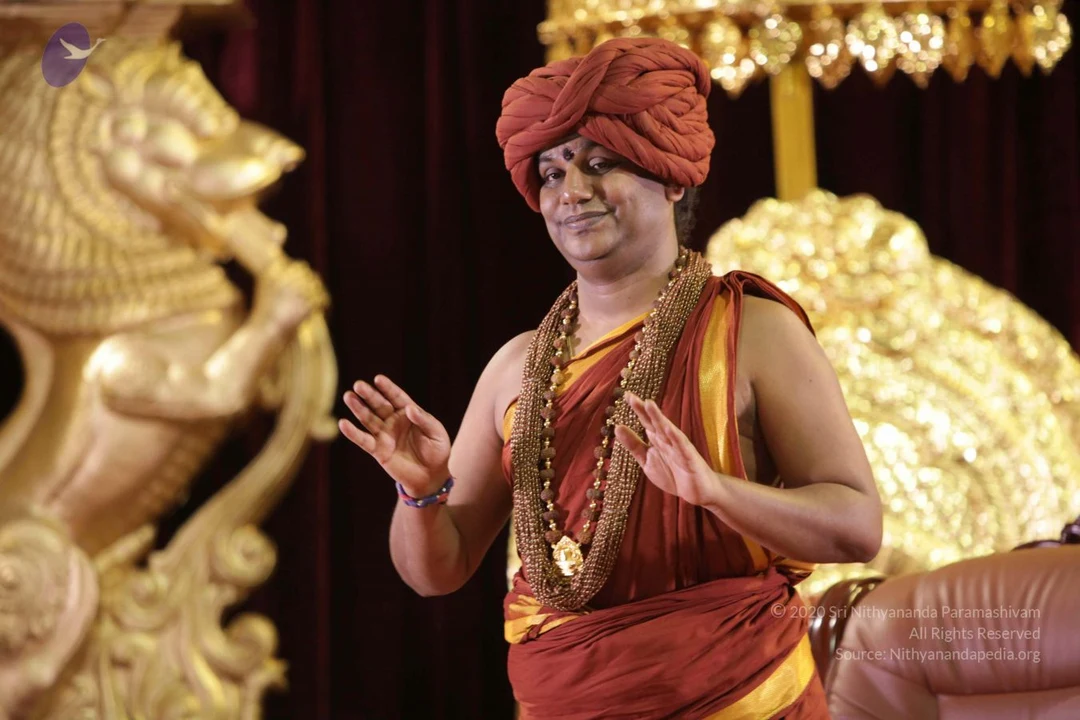
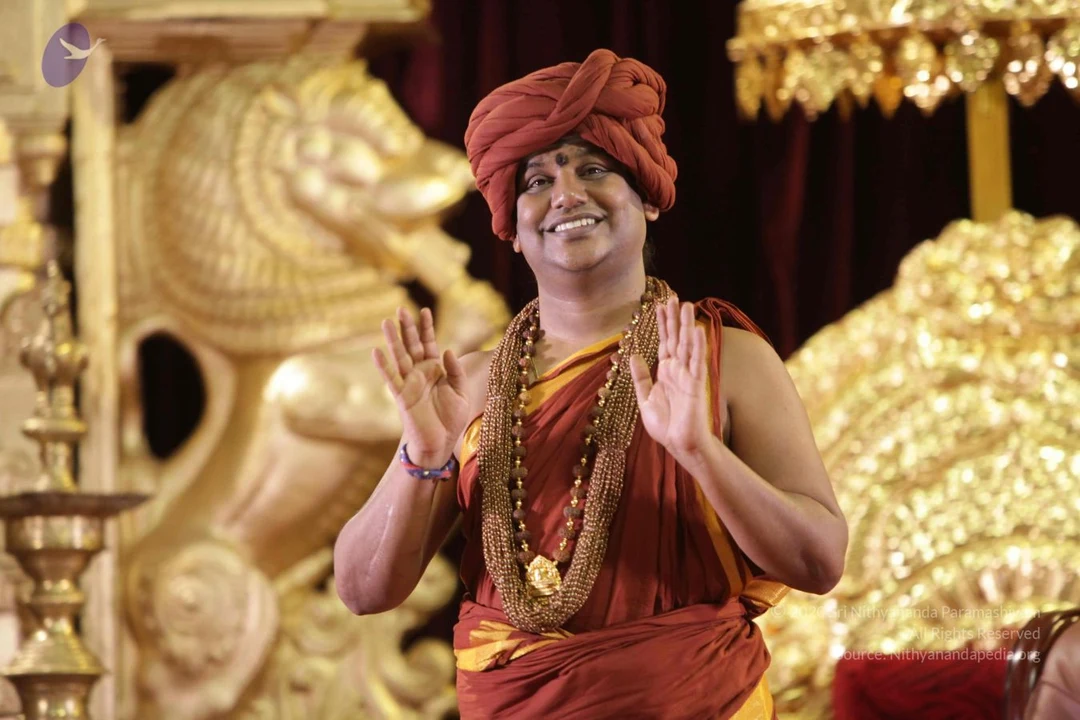
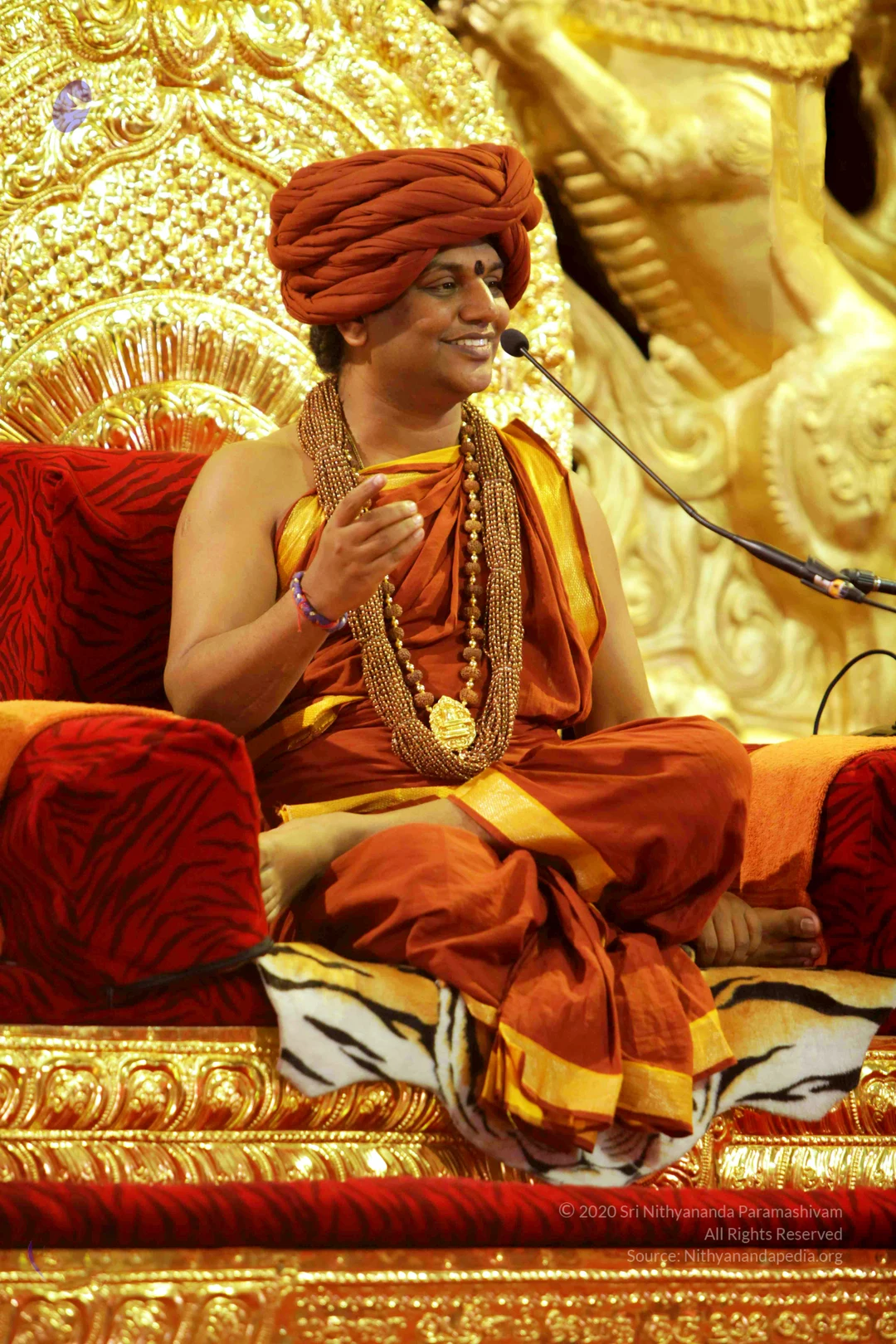
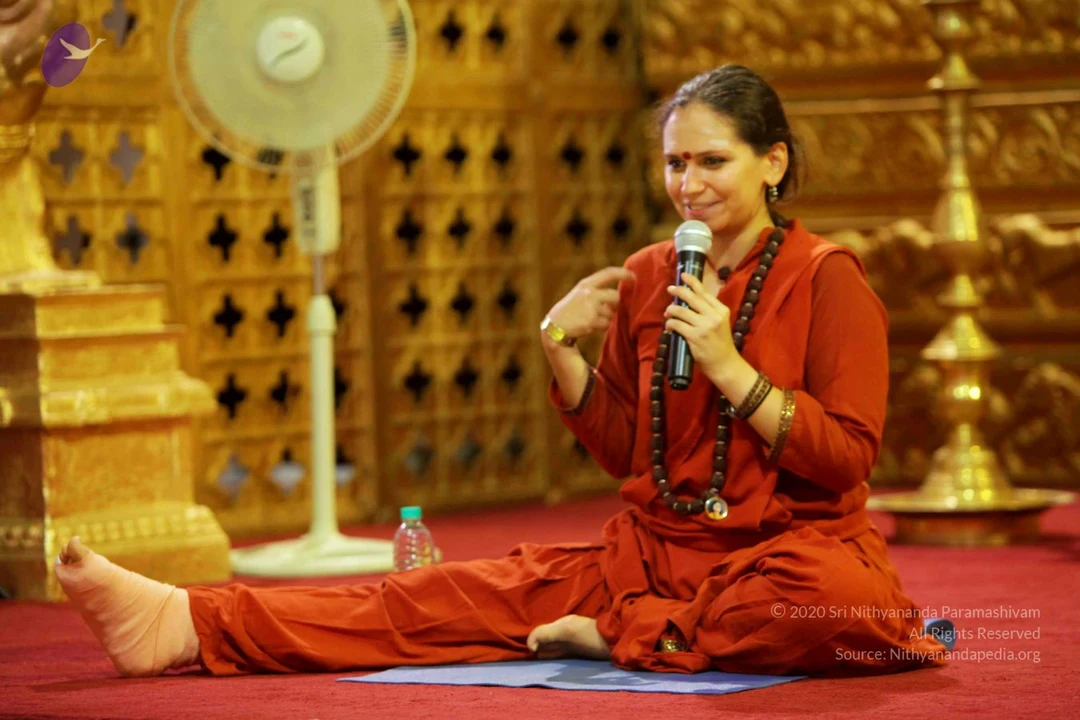
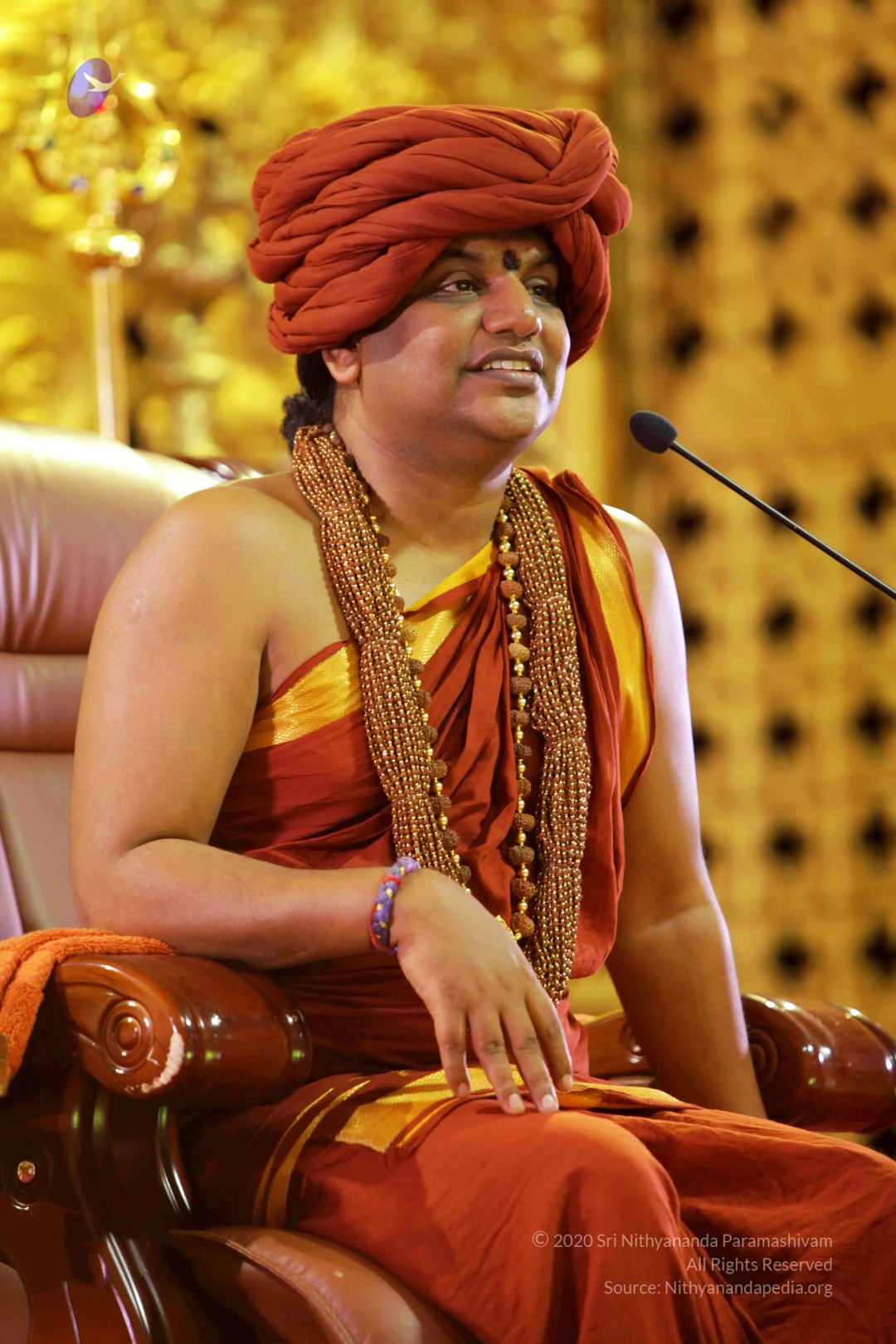
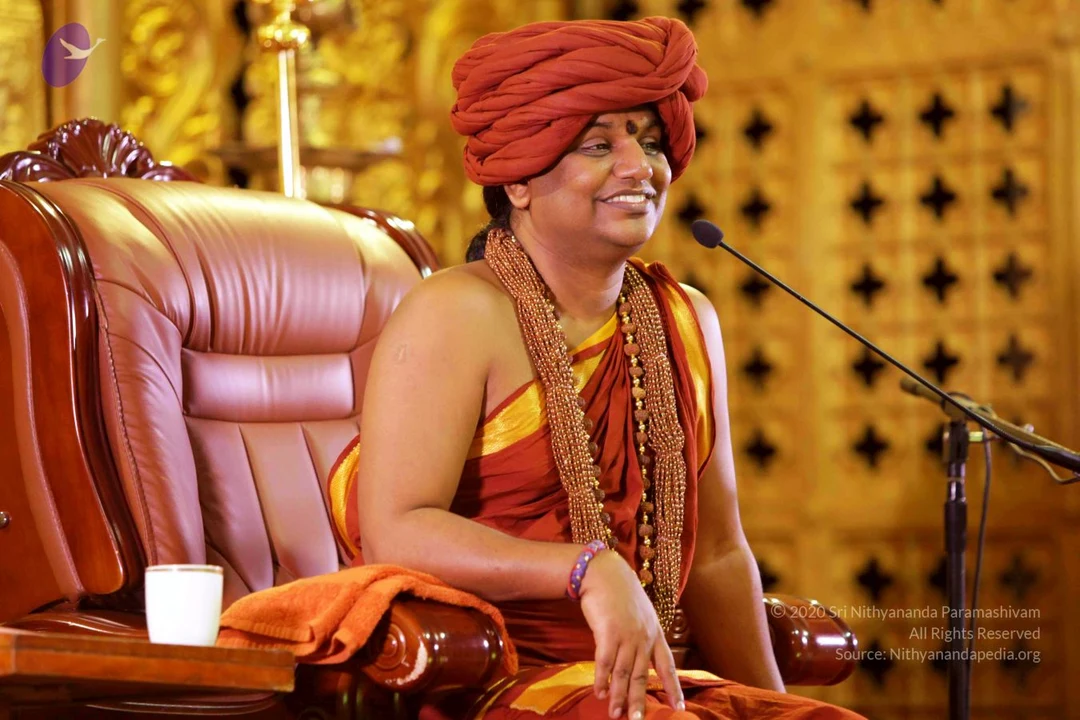
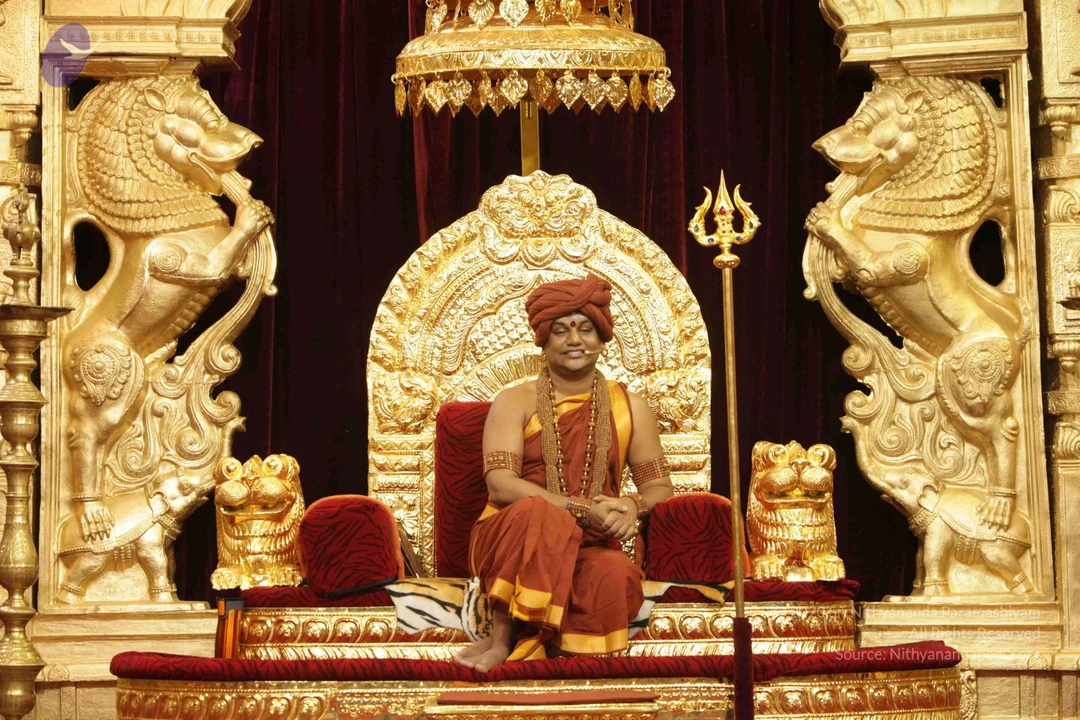
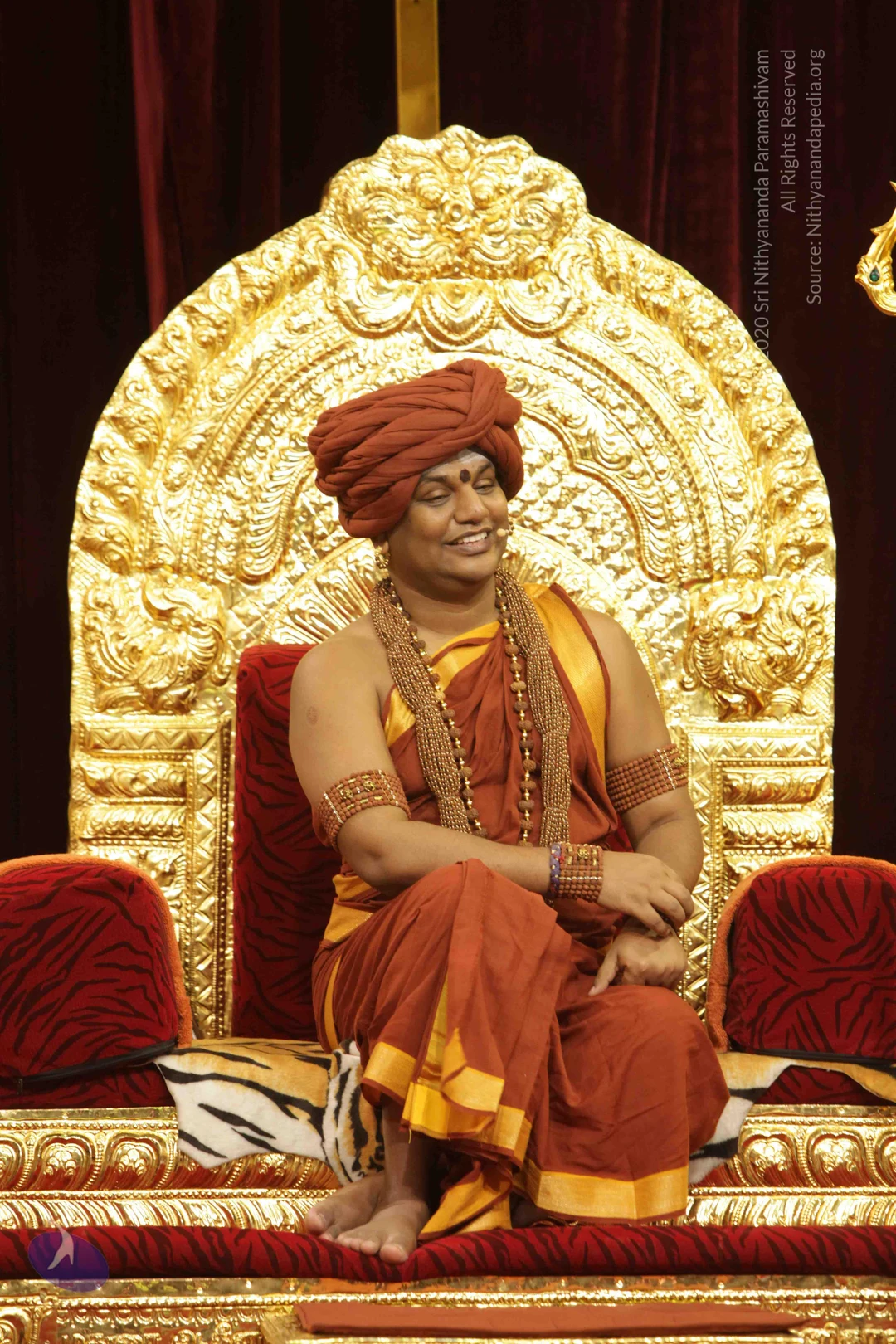
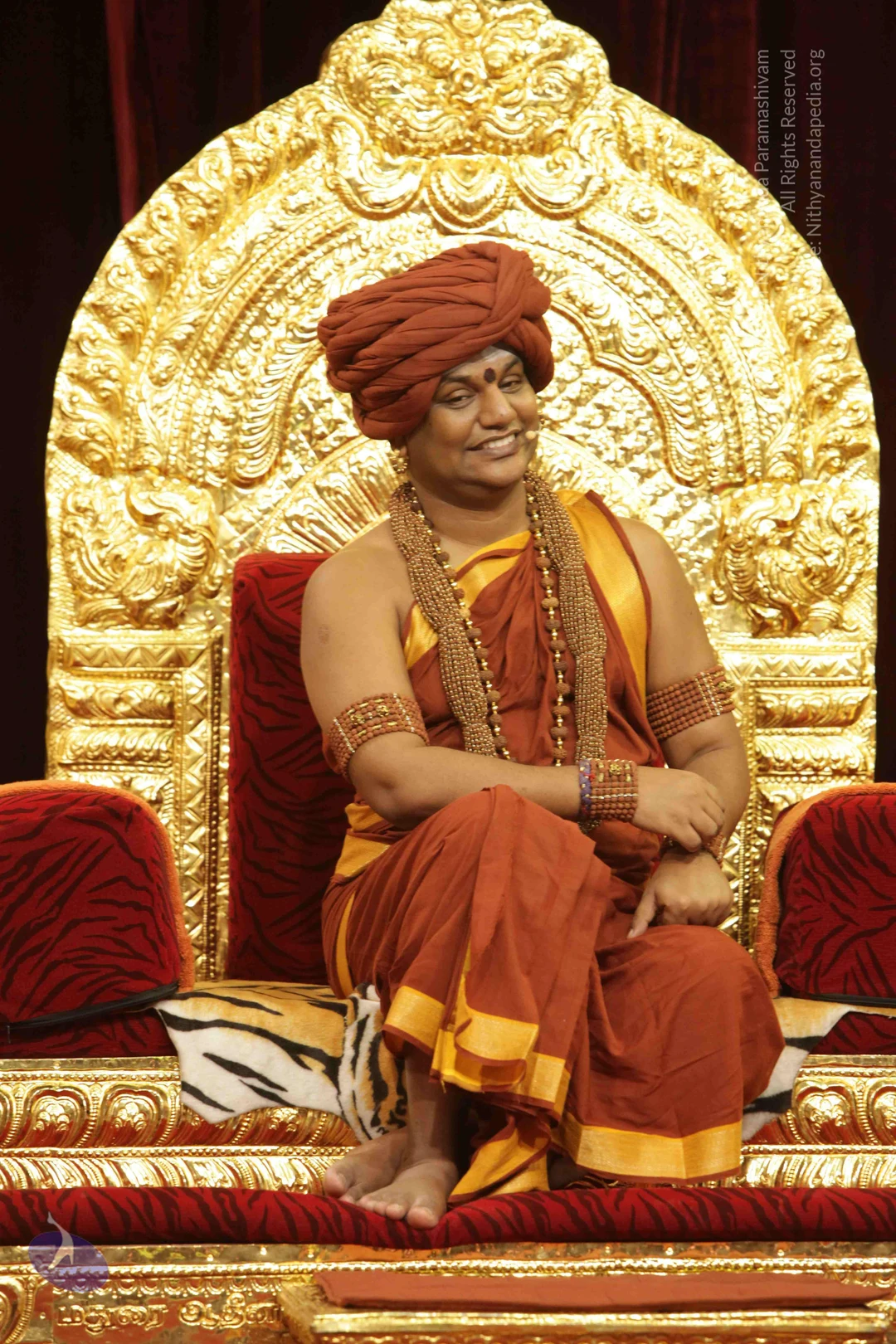
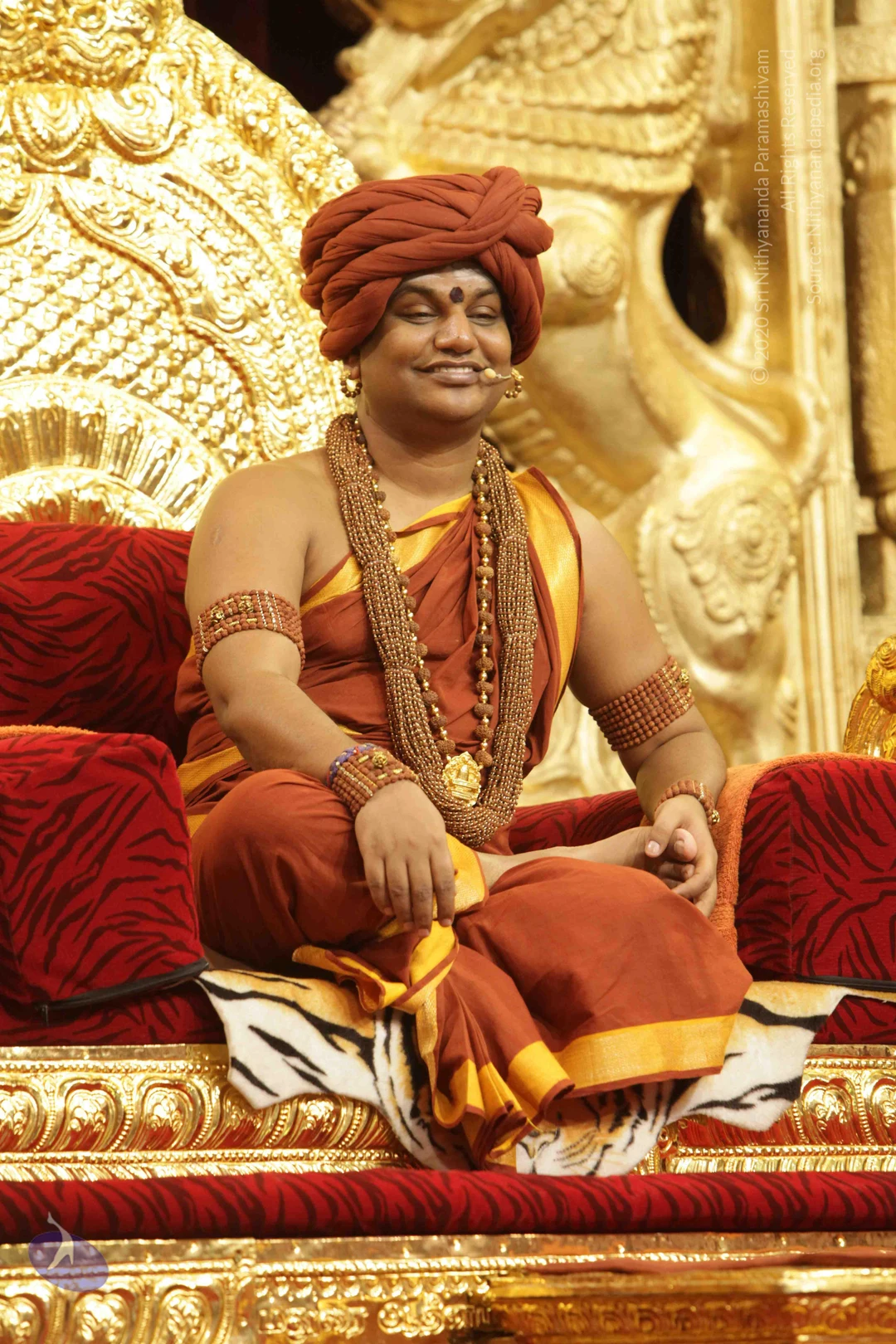
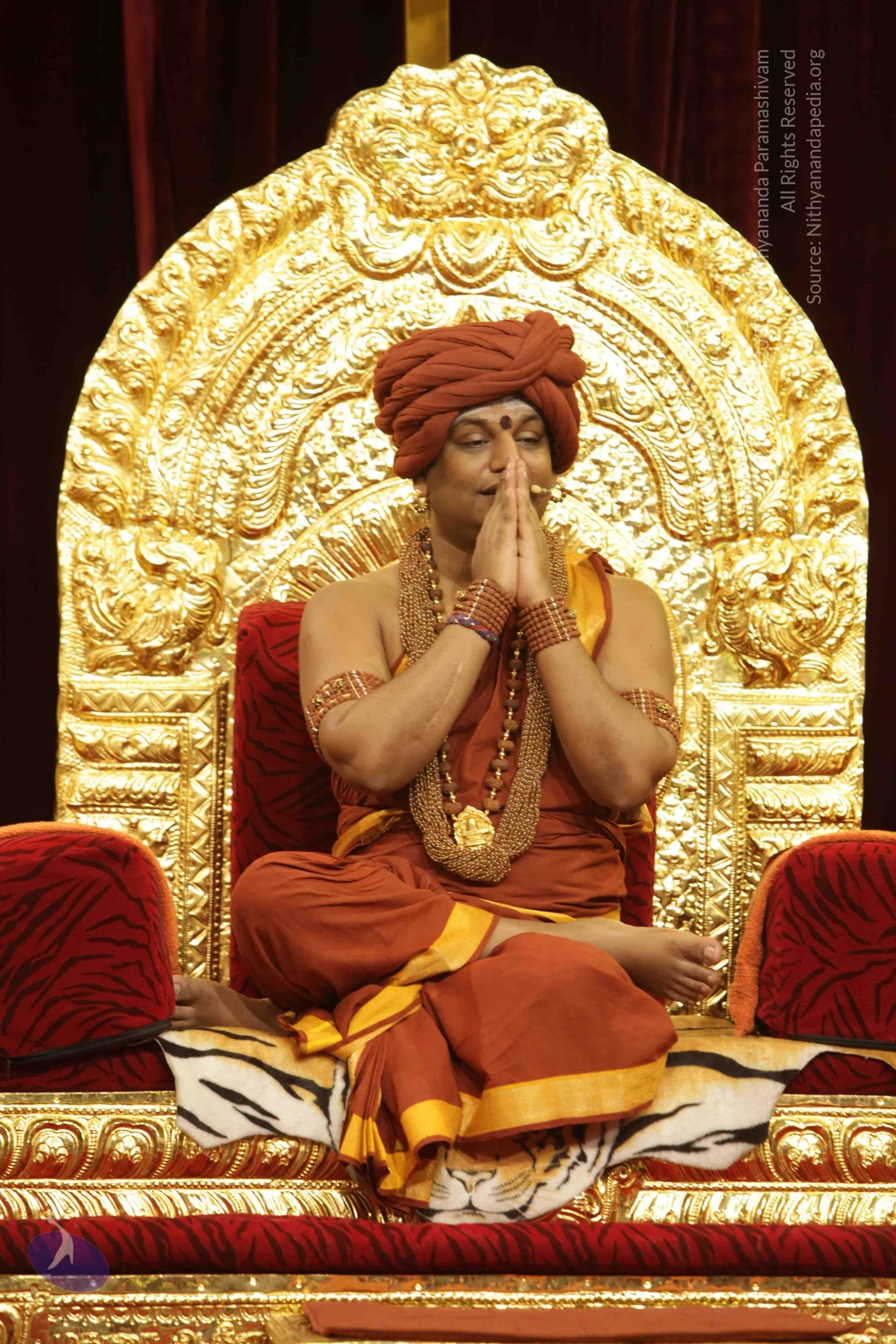
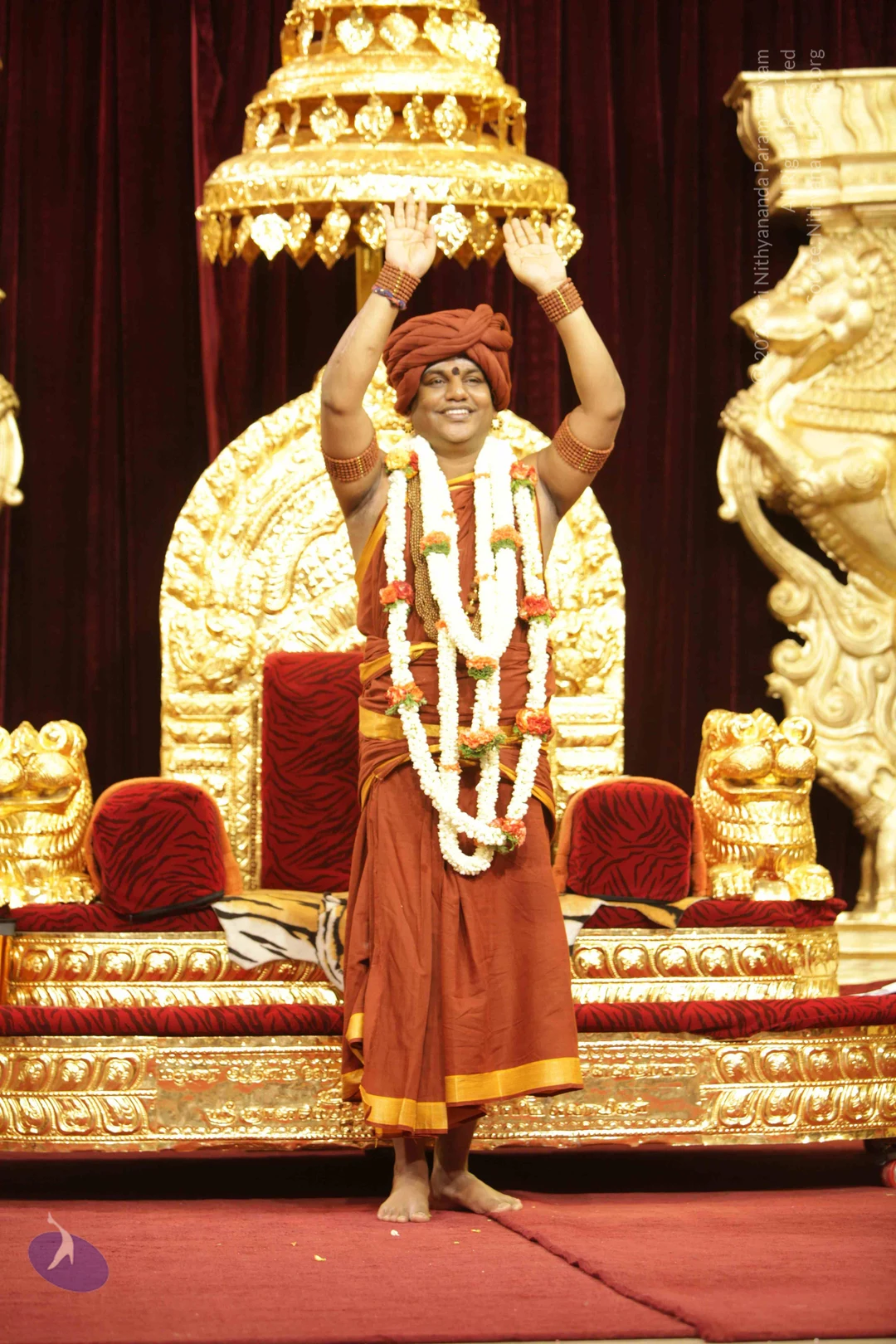
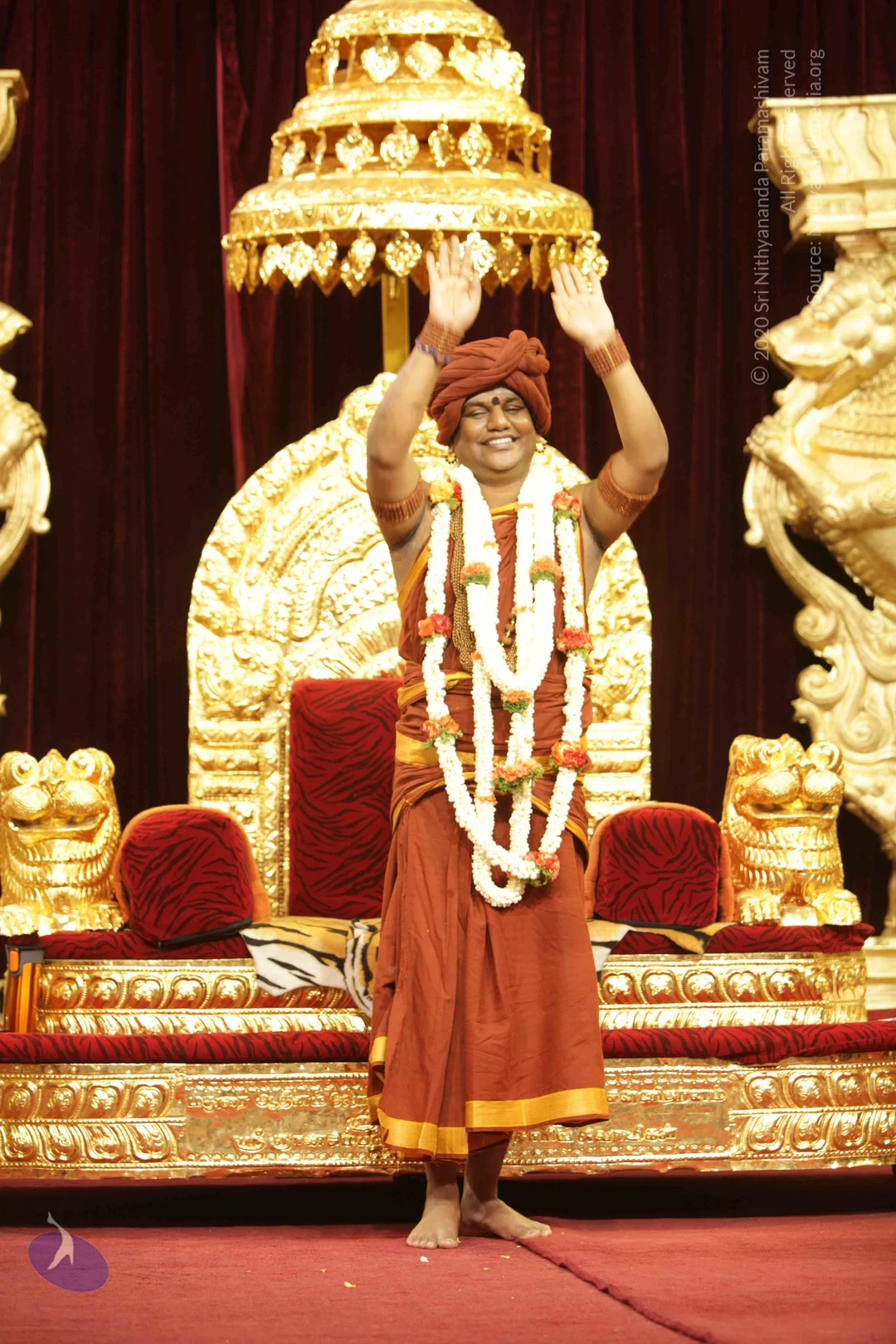
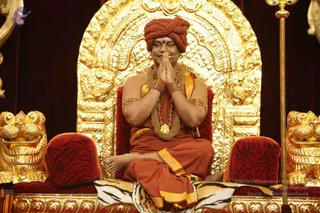
satsang
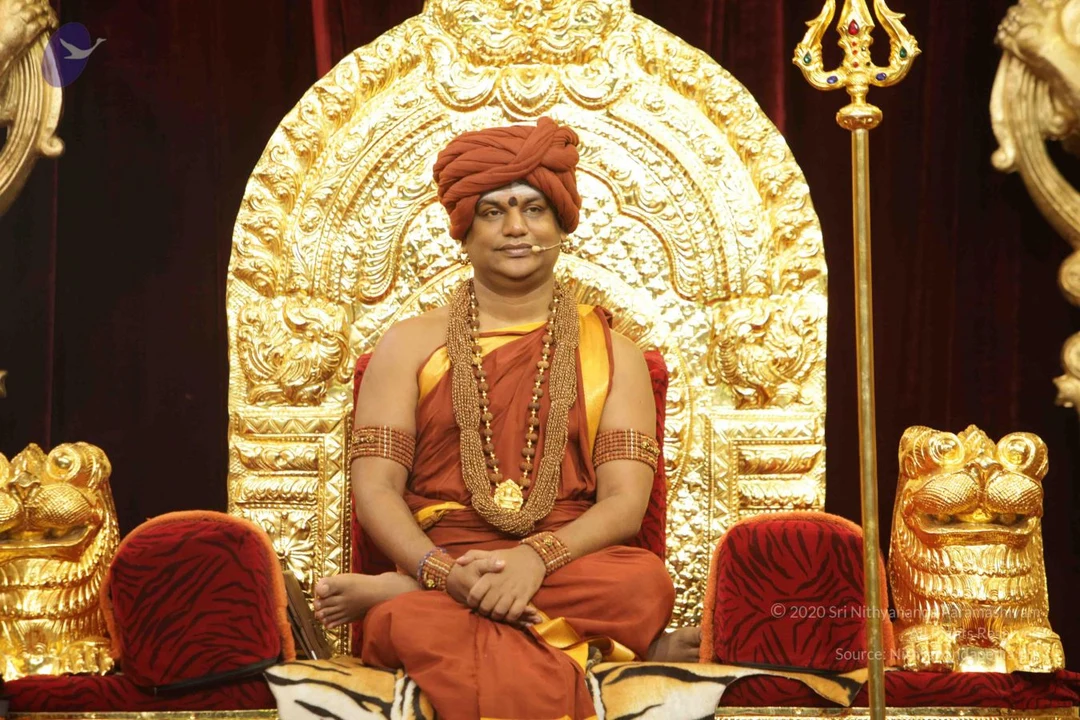
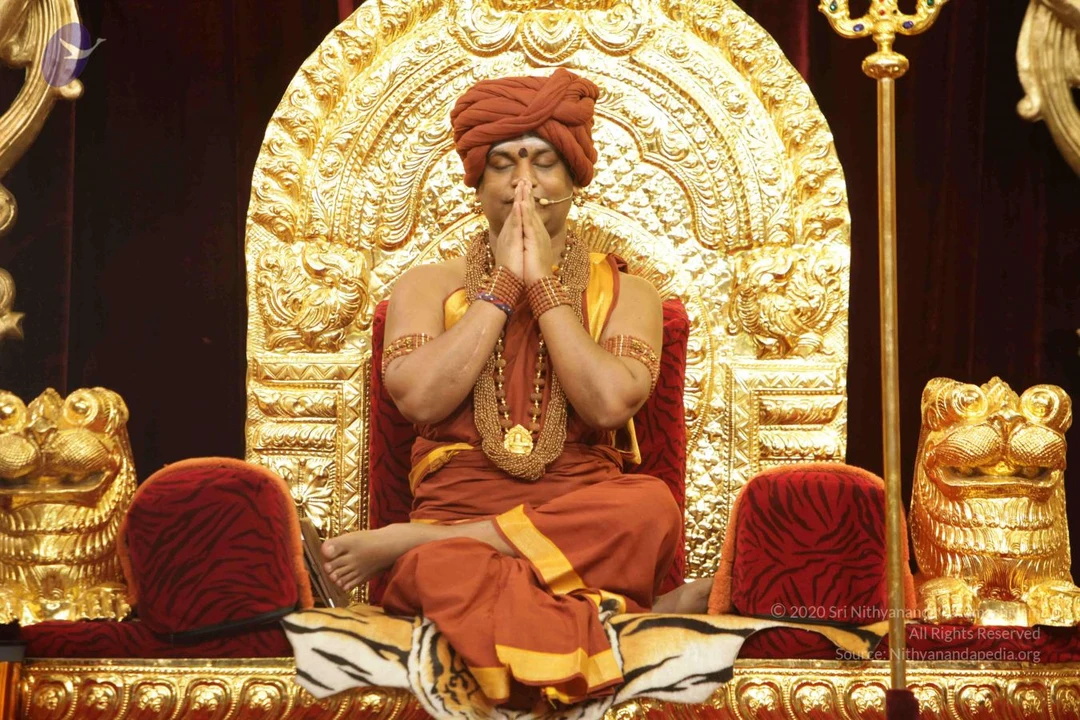
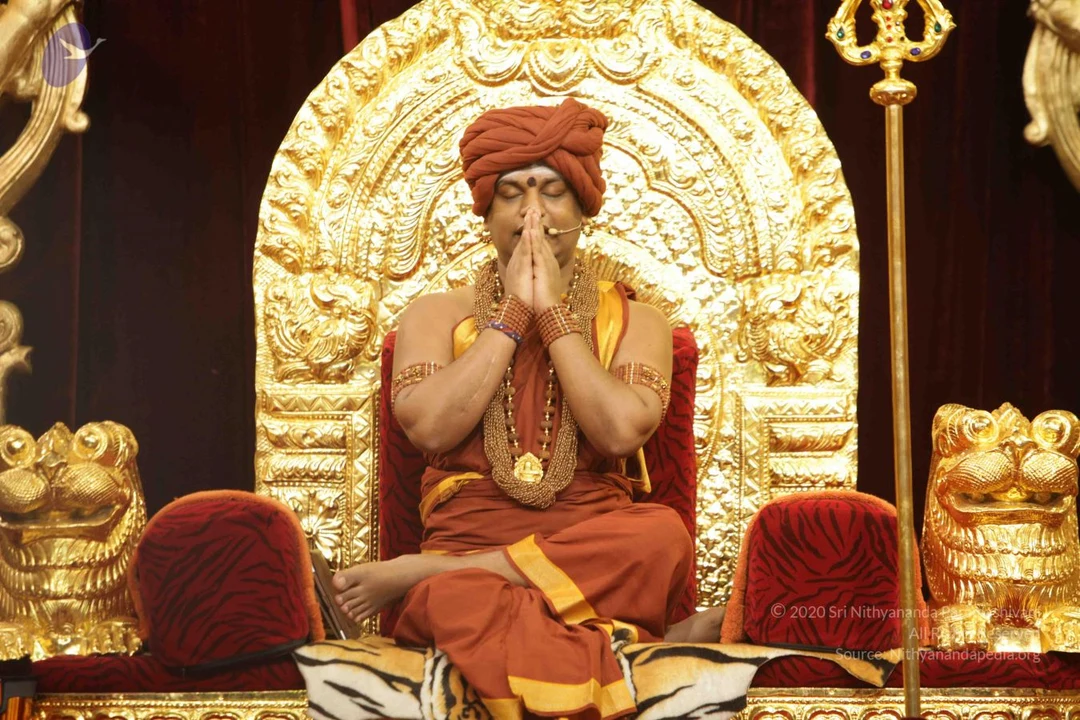
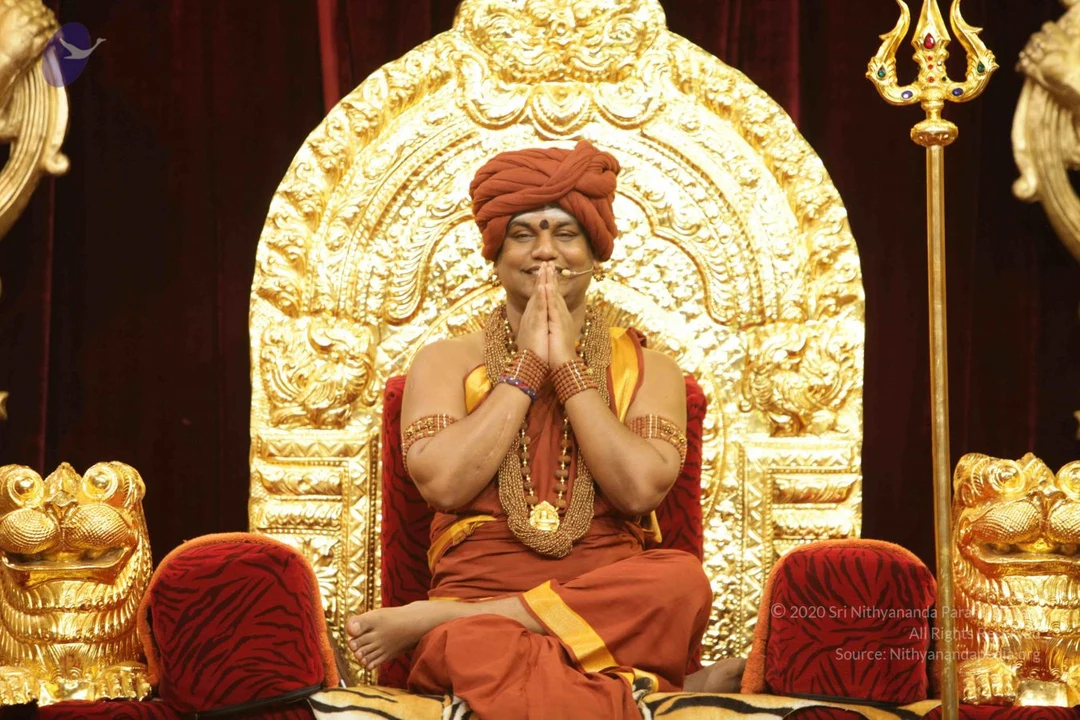
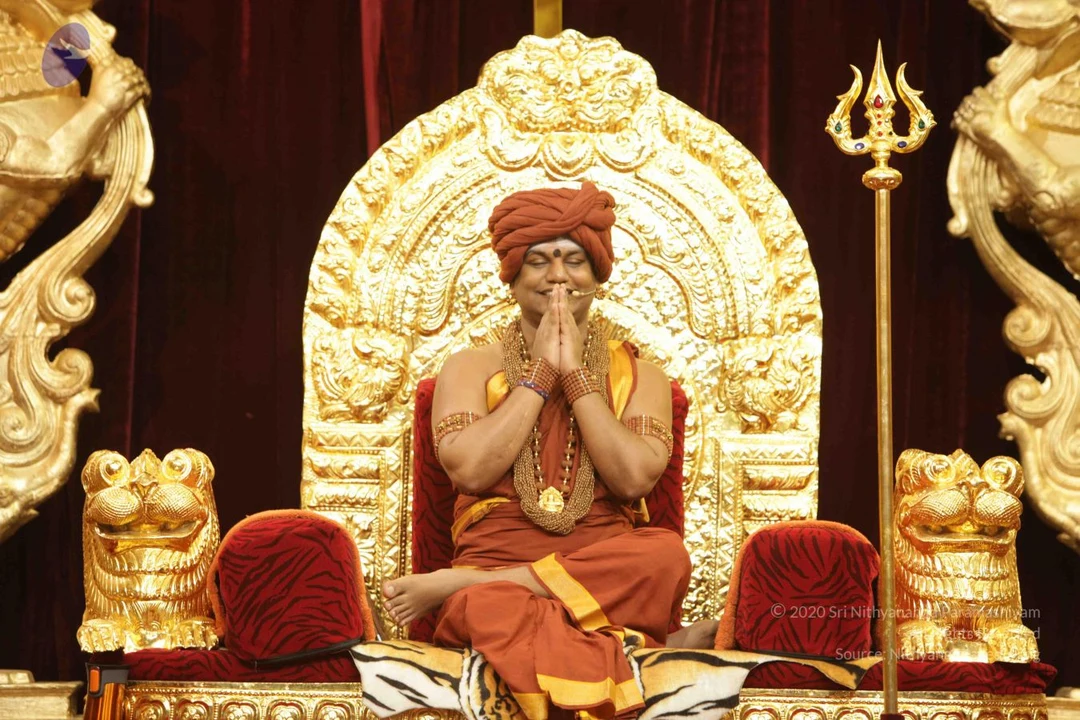
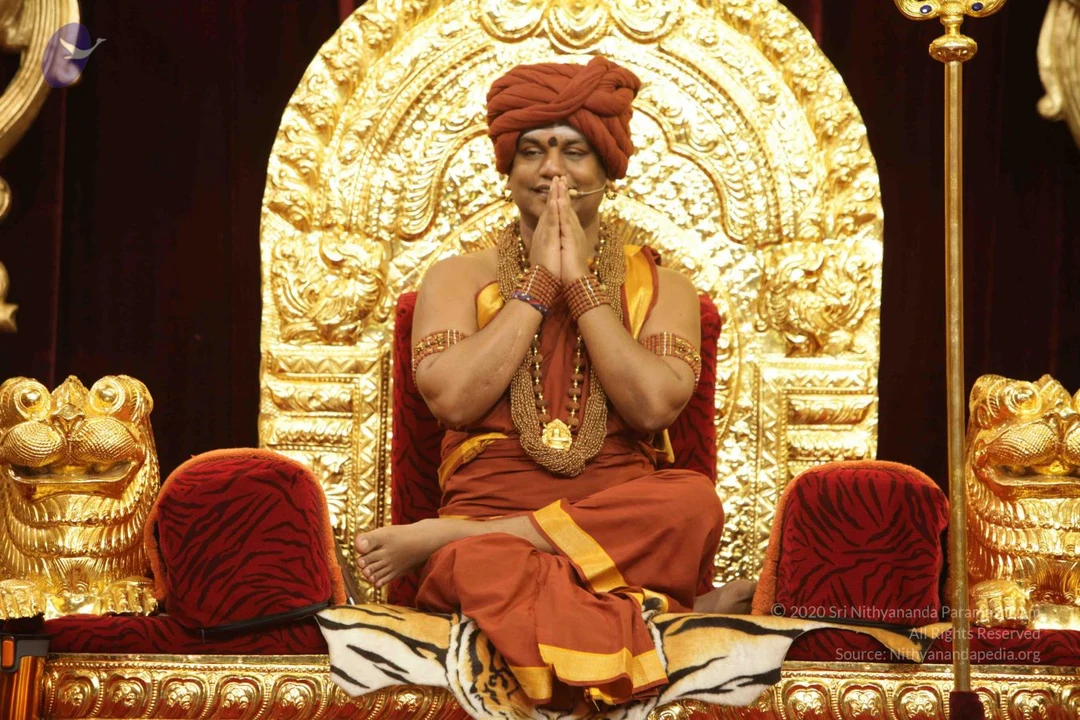
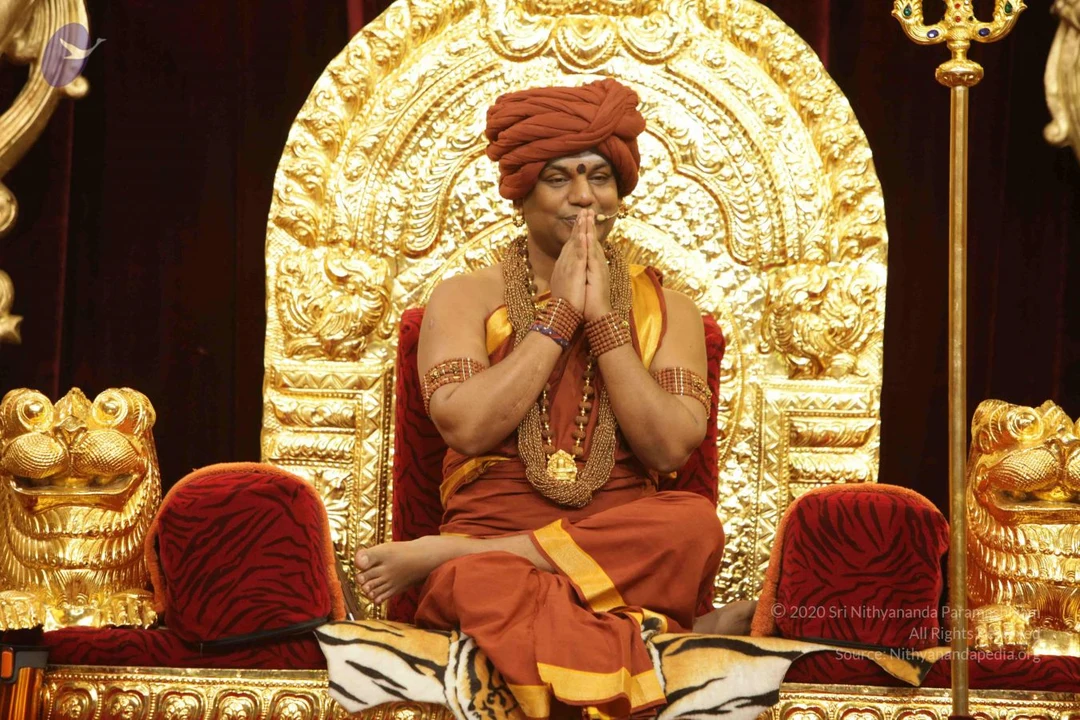

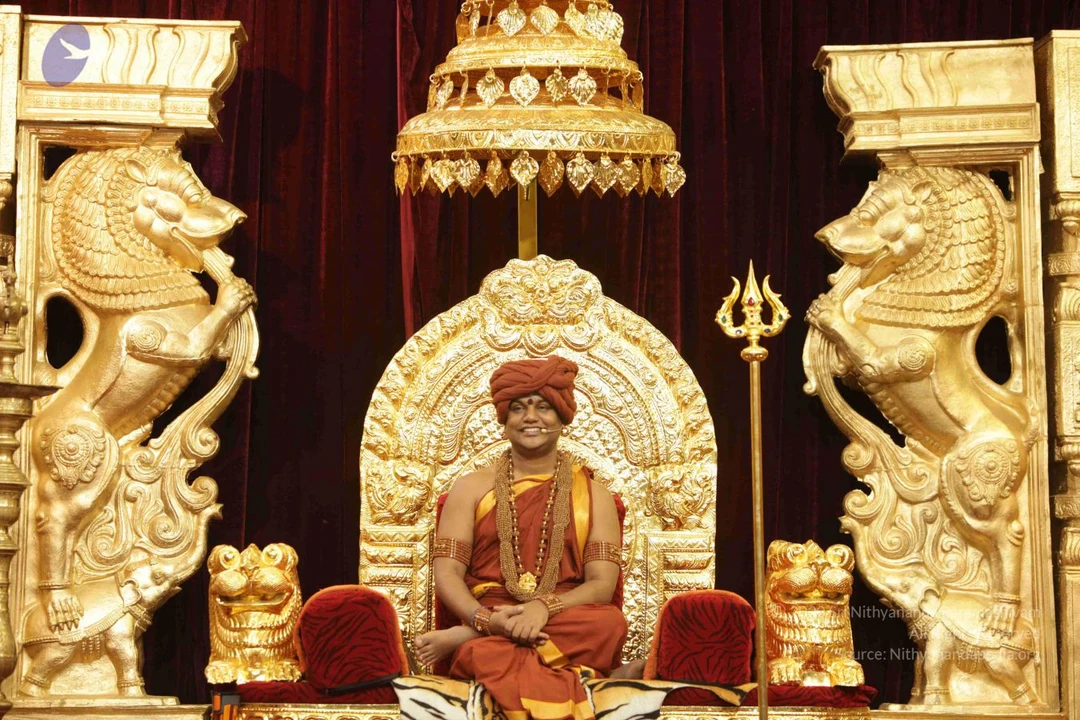
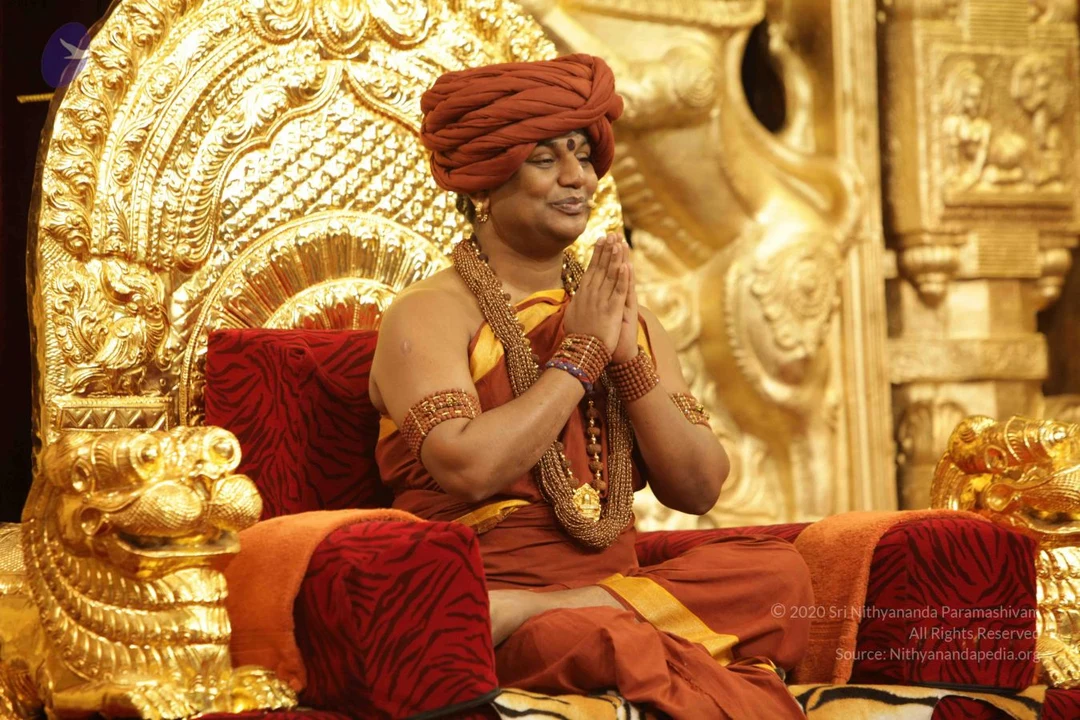
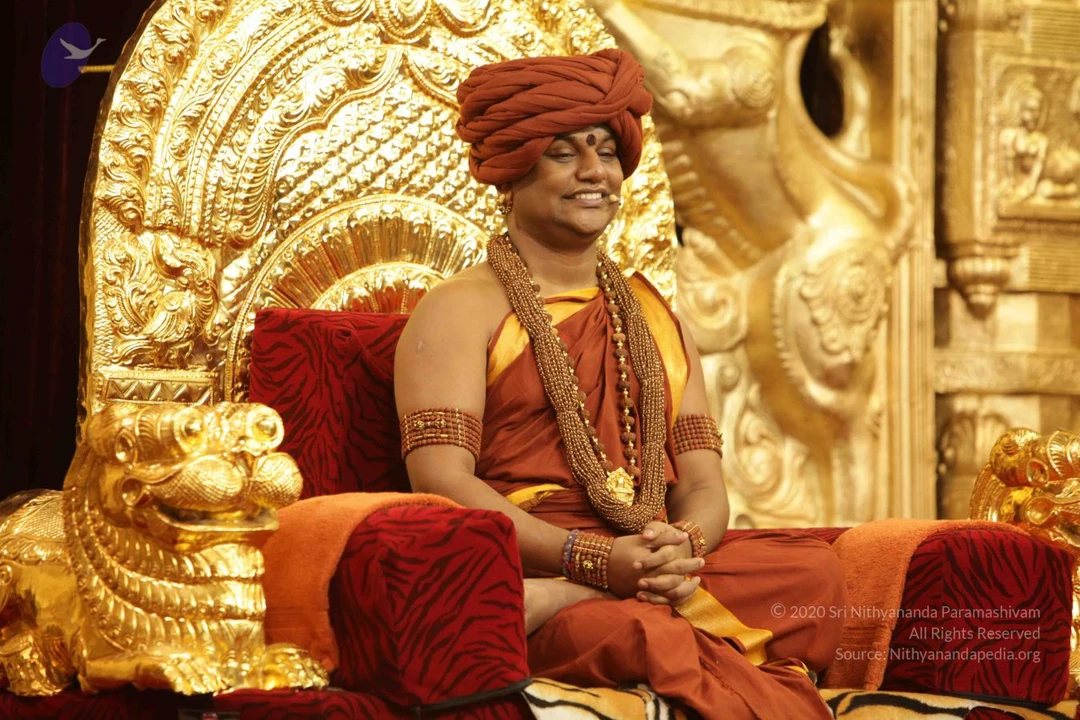
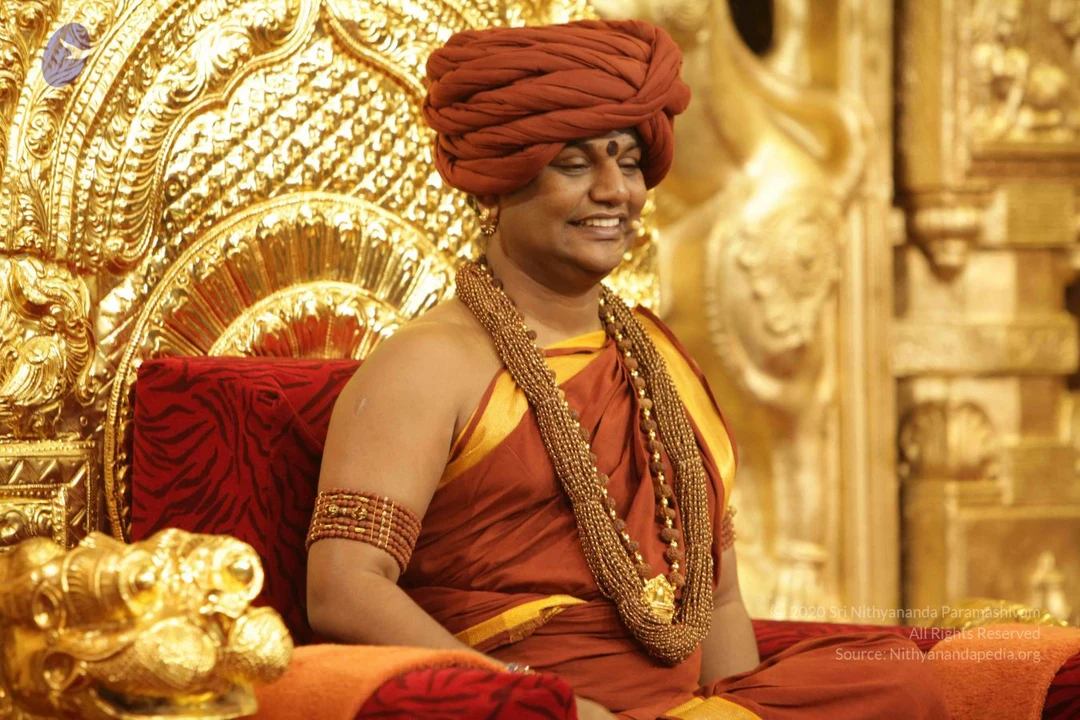
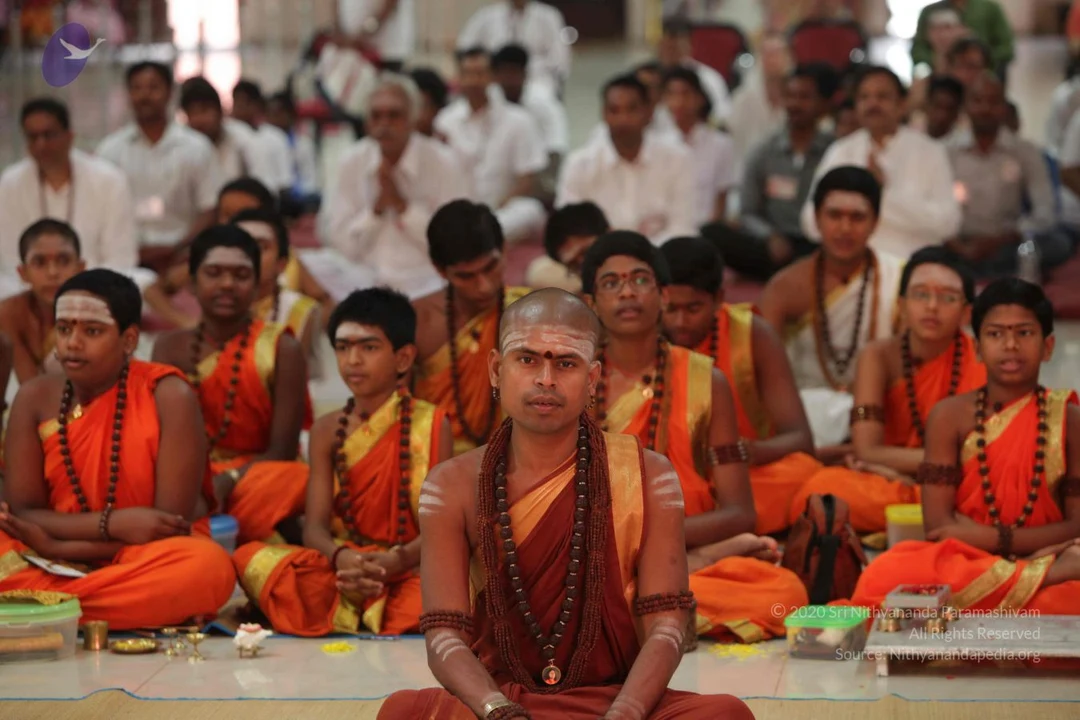
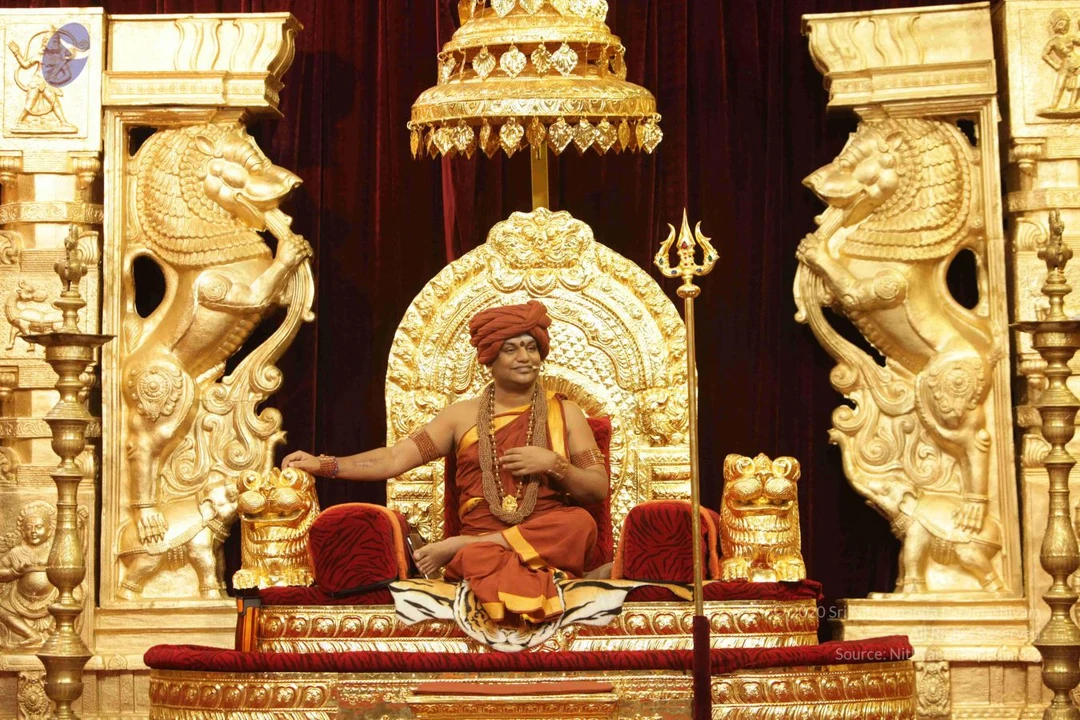
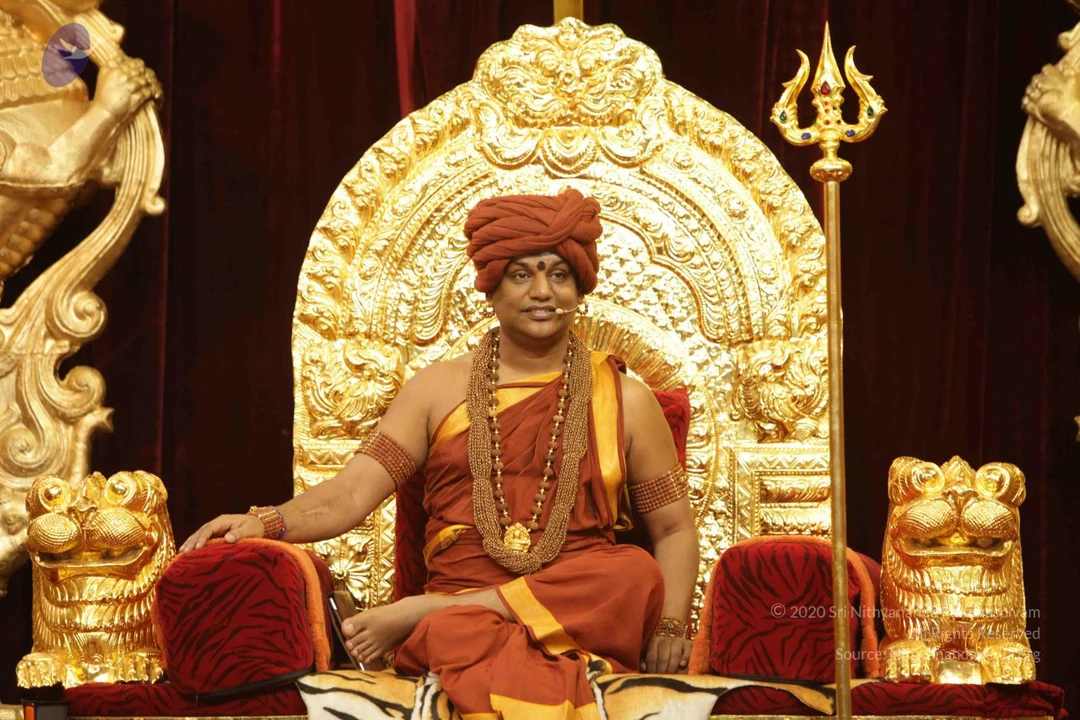
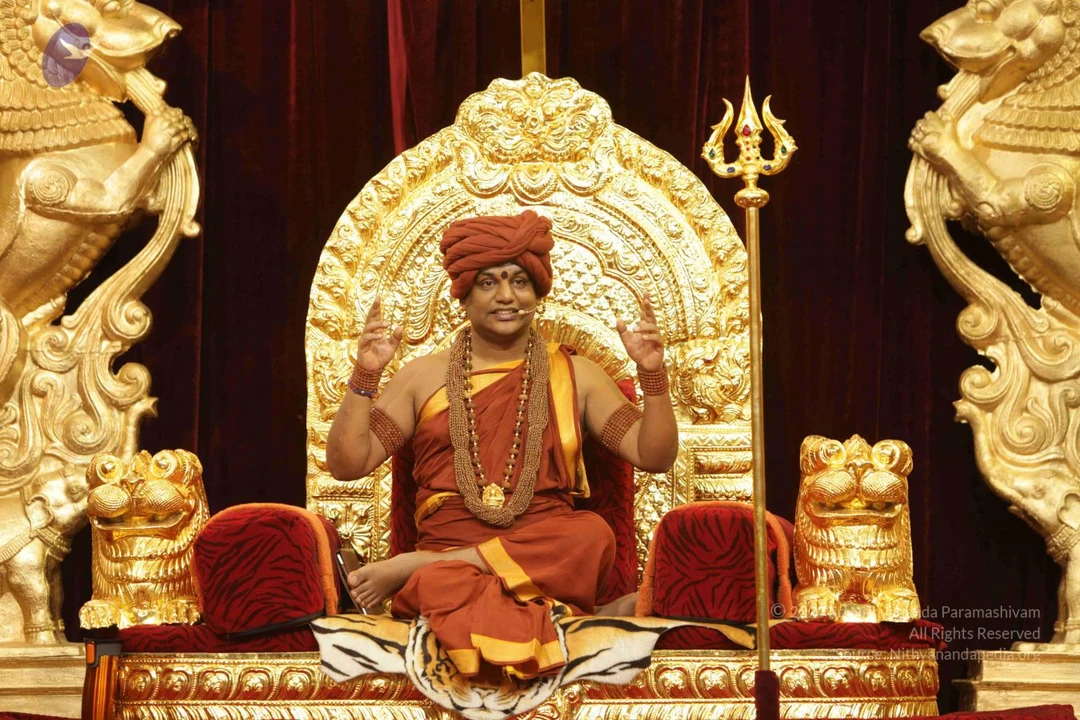
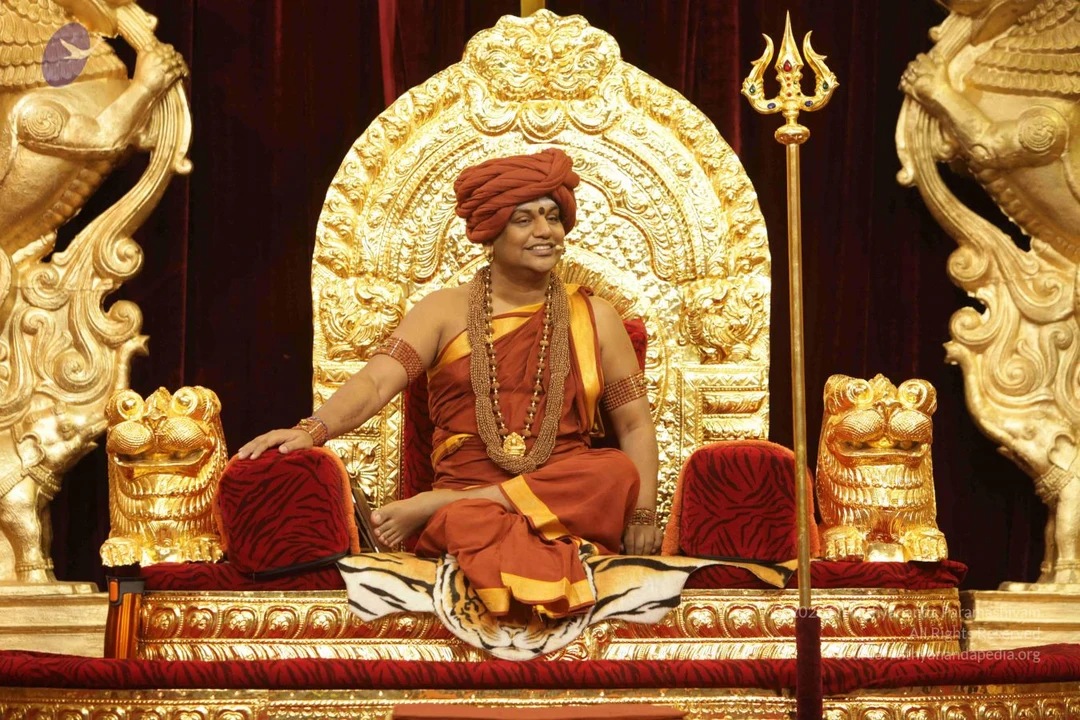
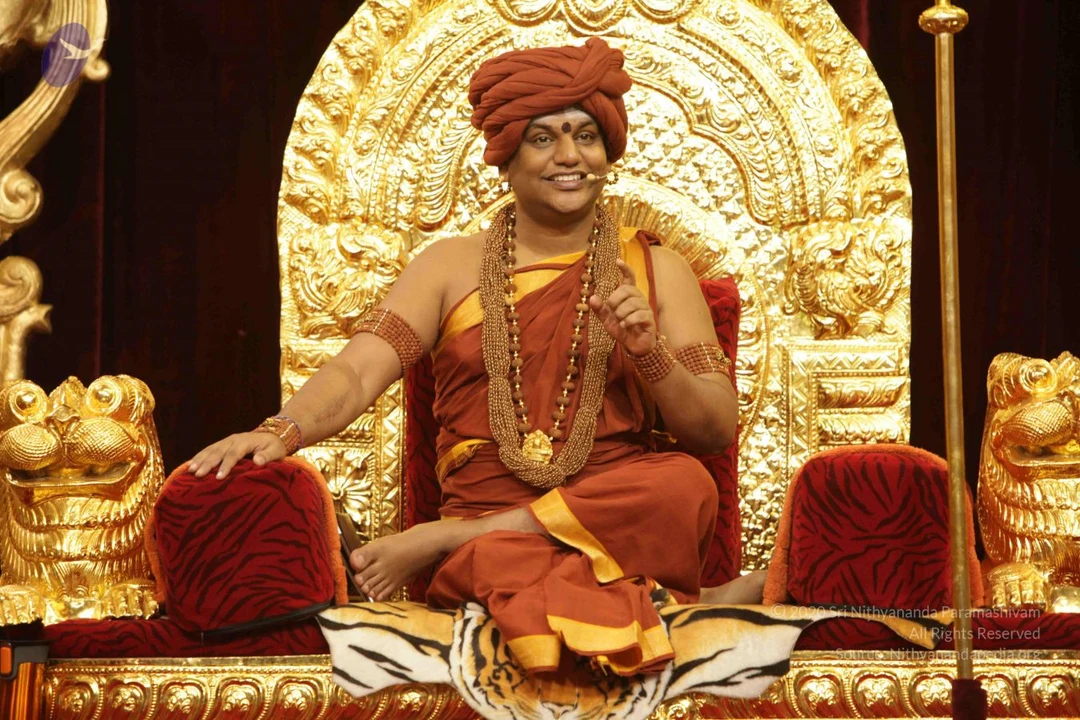
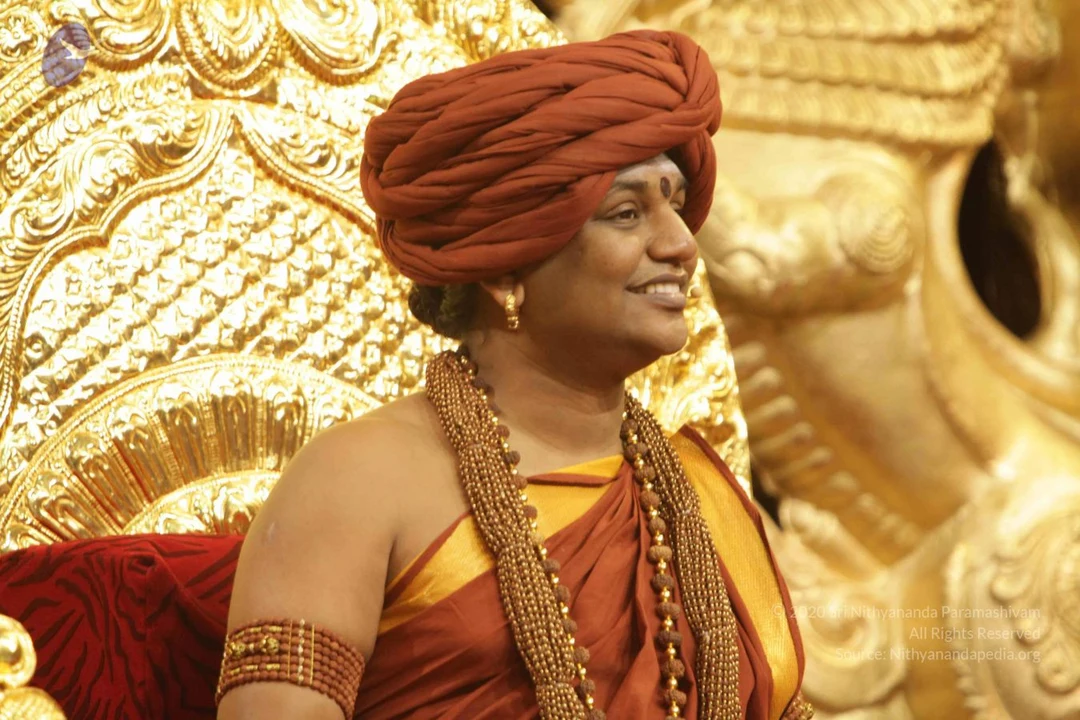
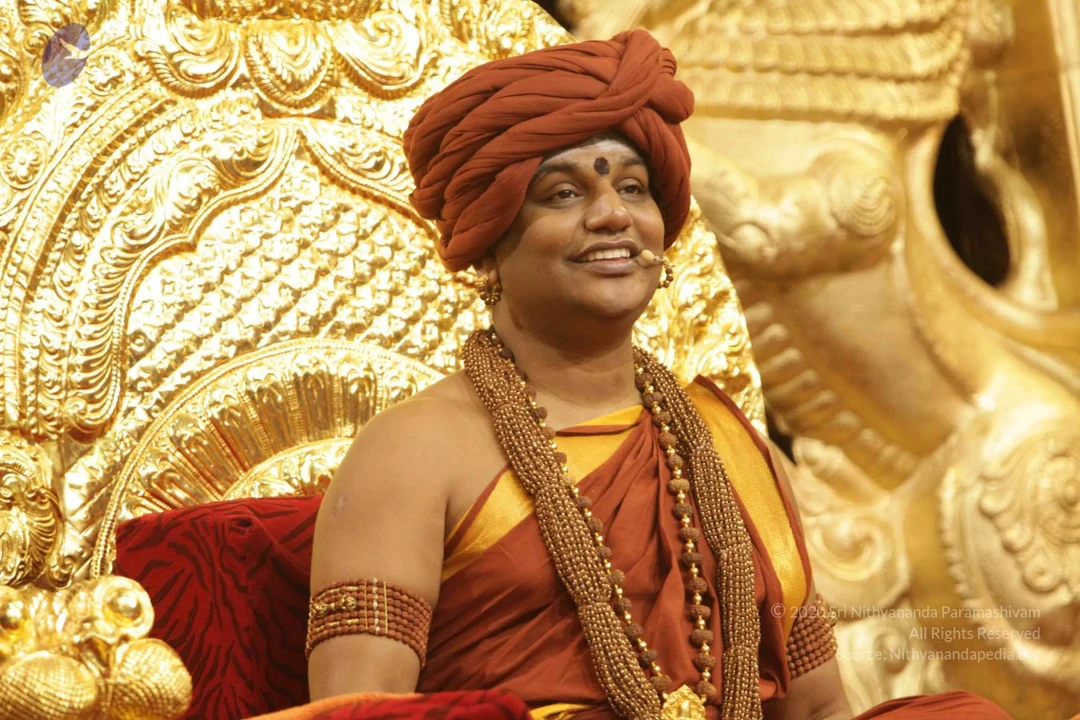
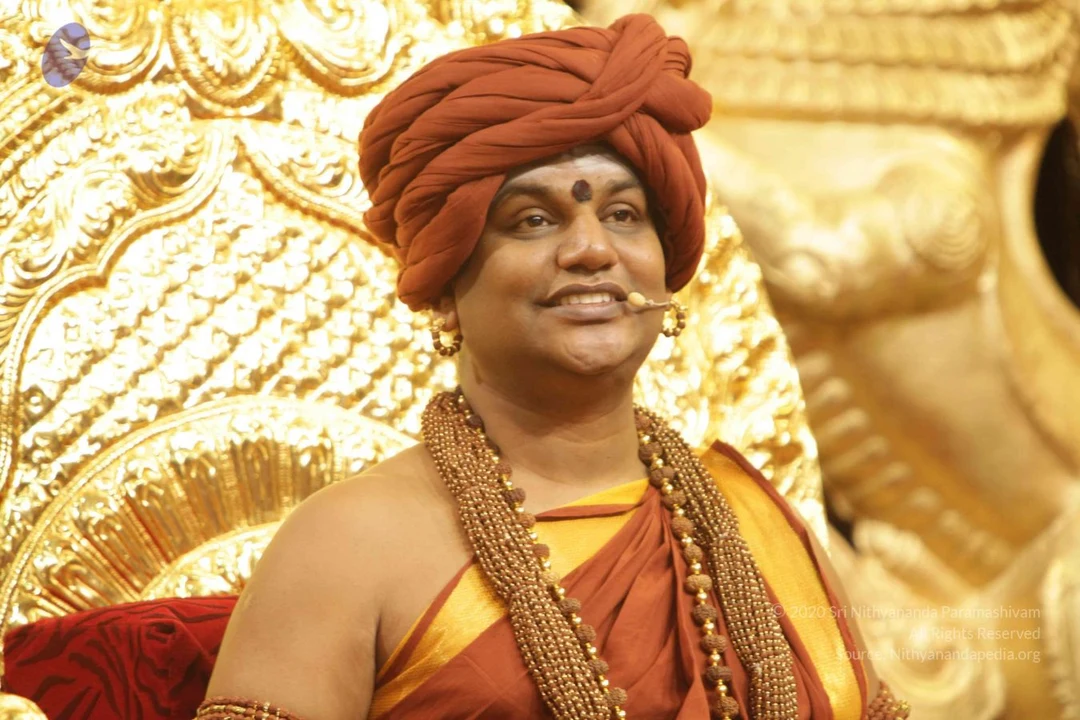
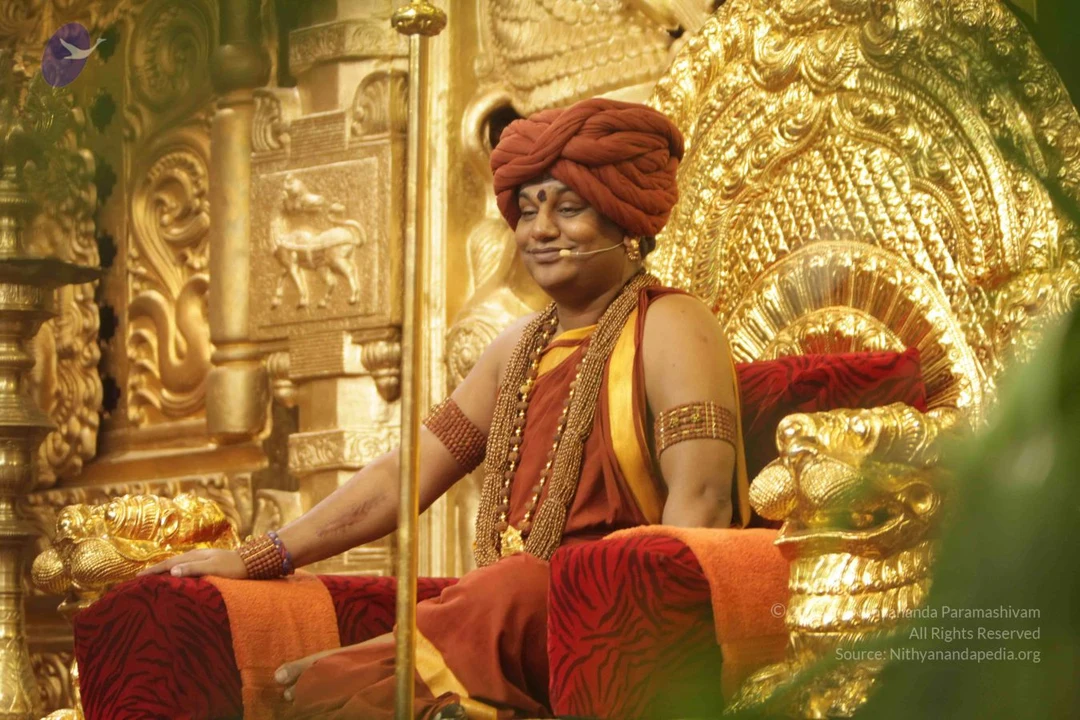
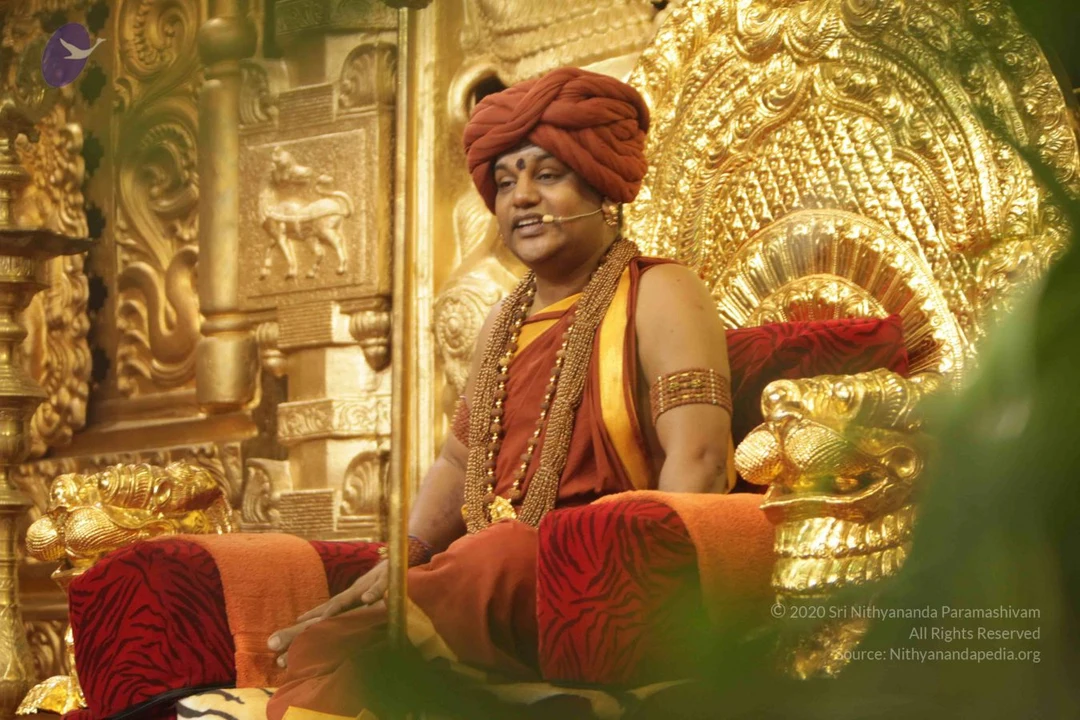
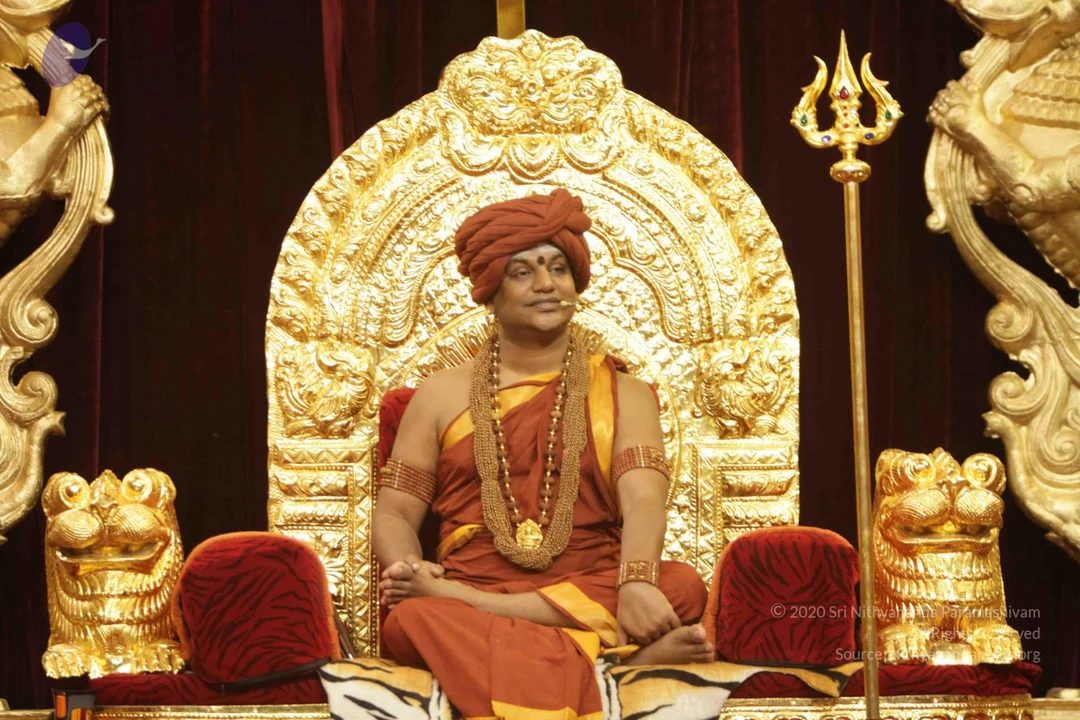
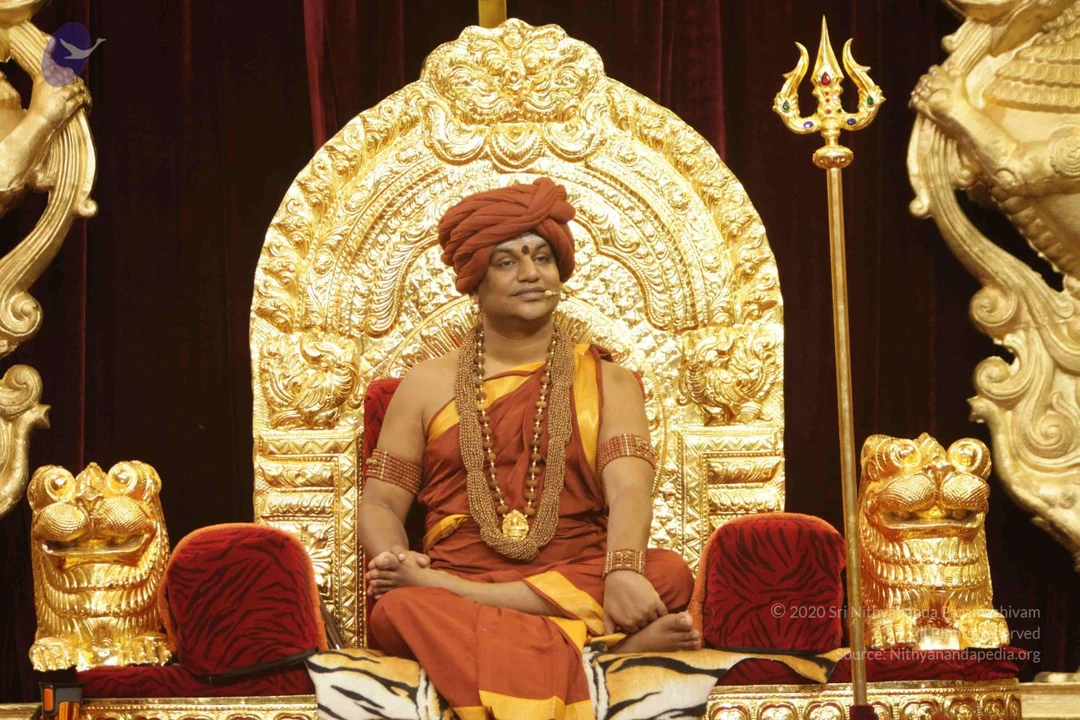
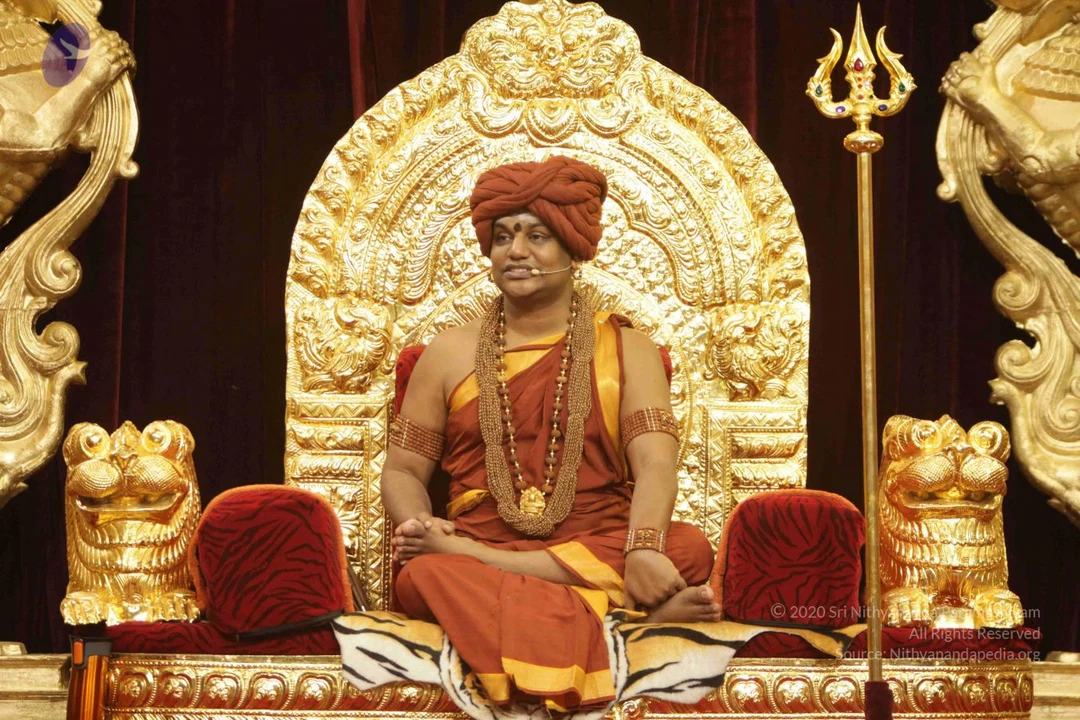
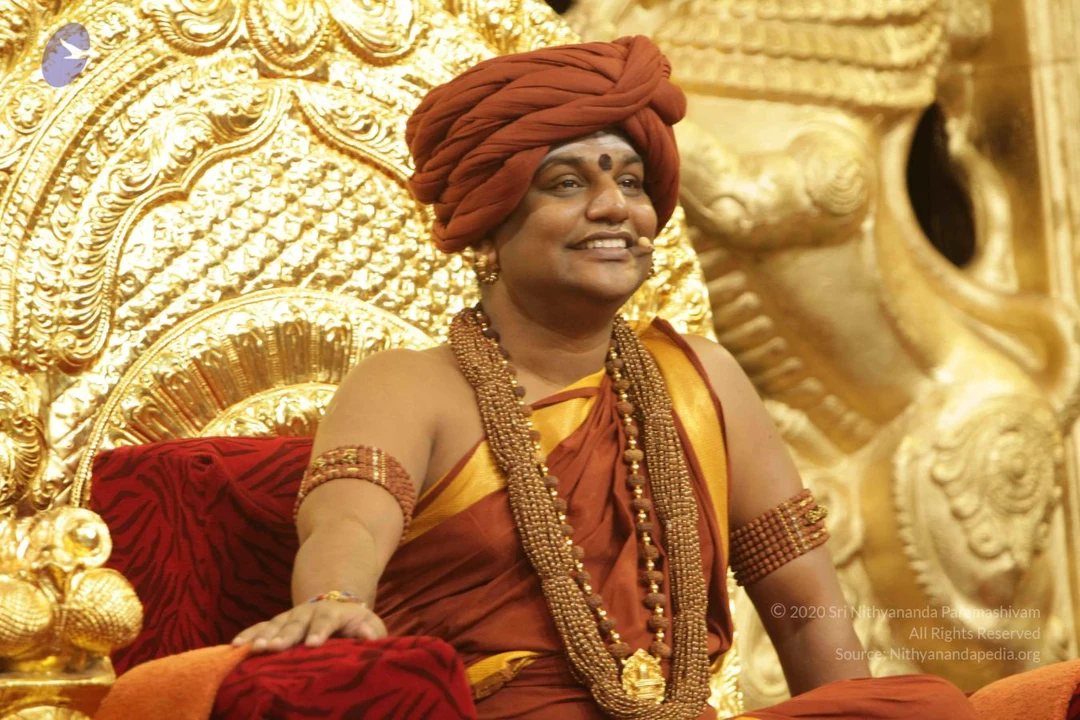
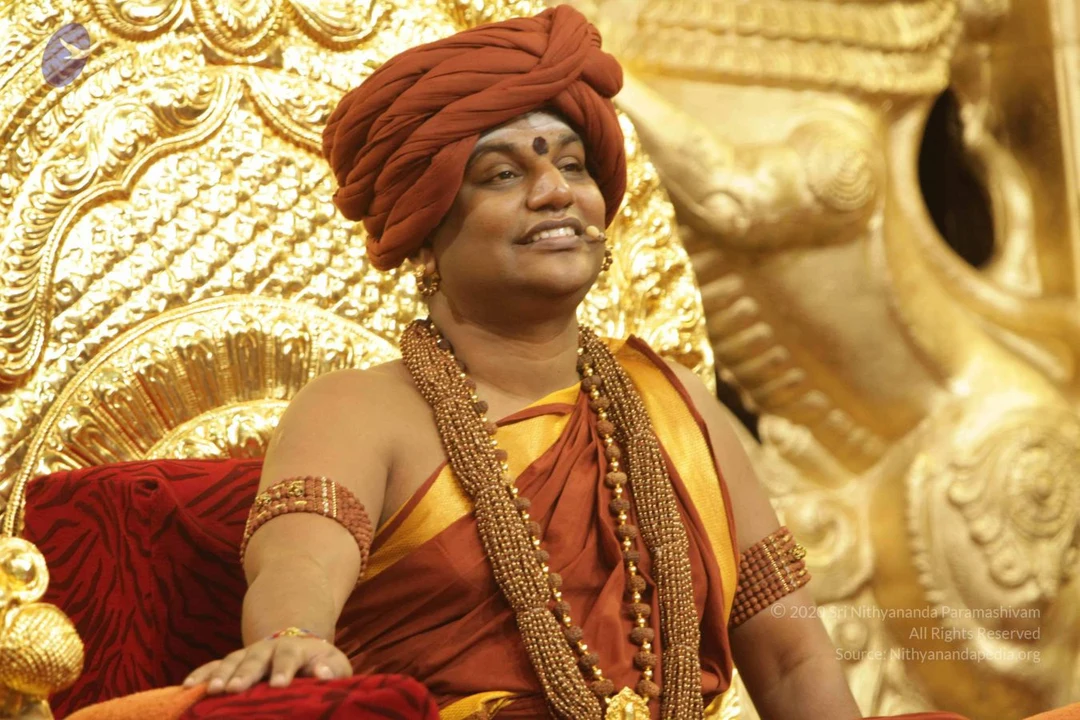
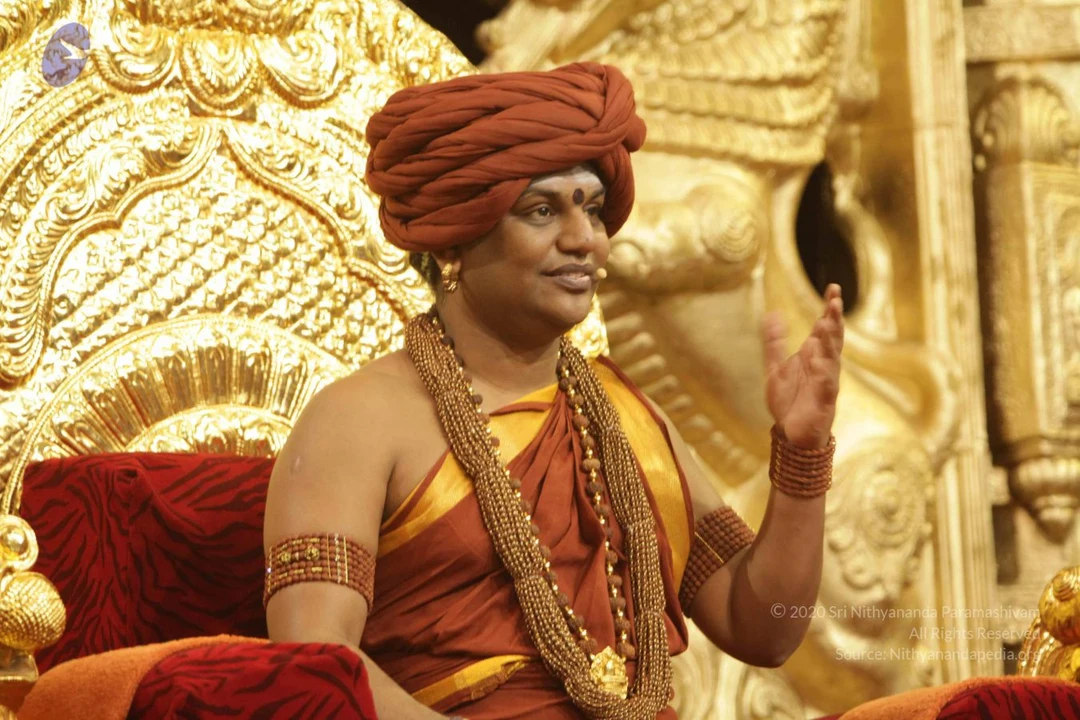
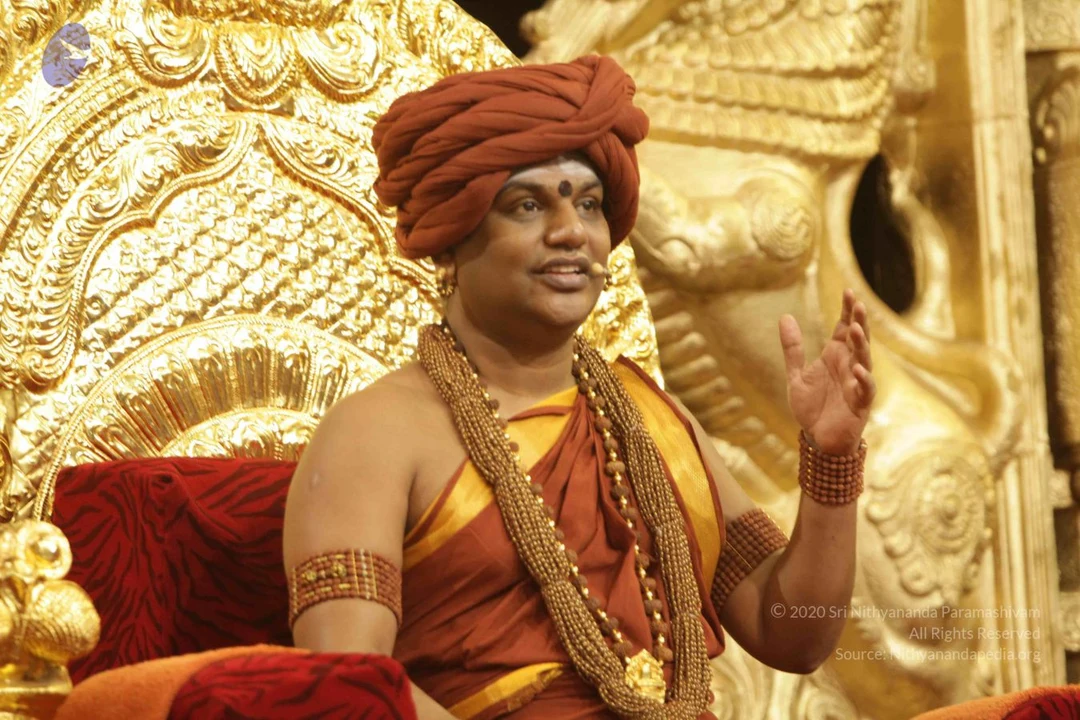
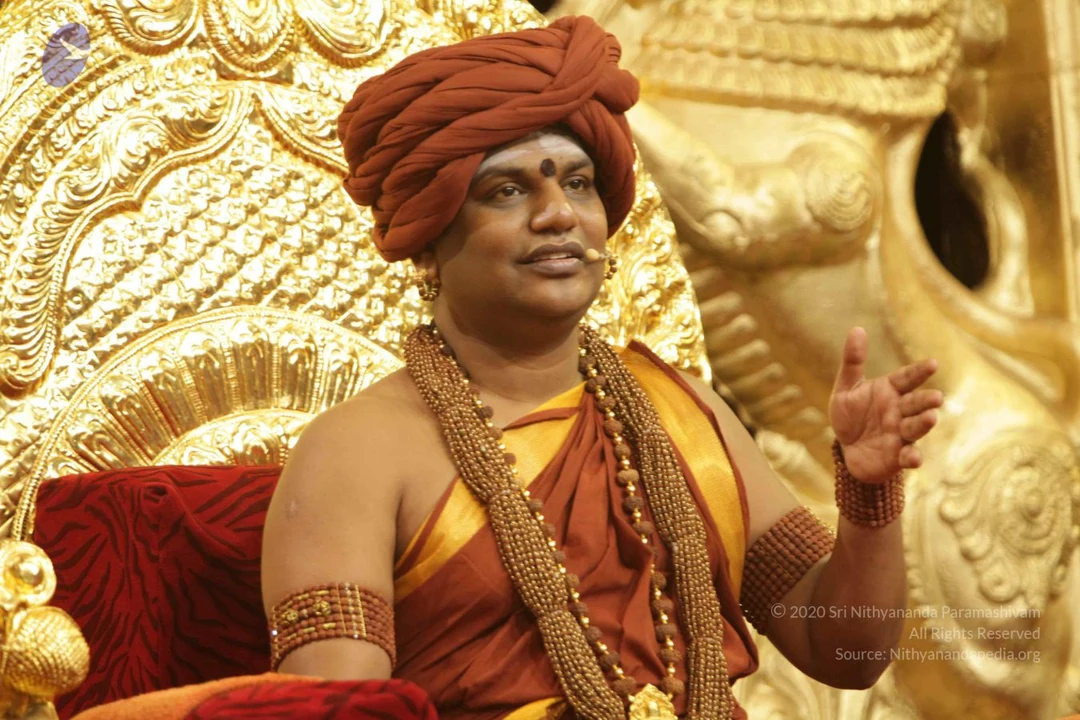
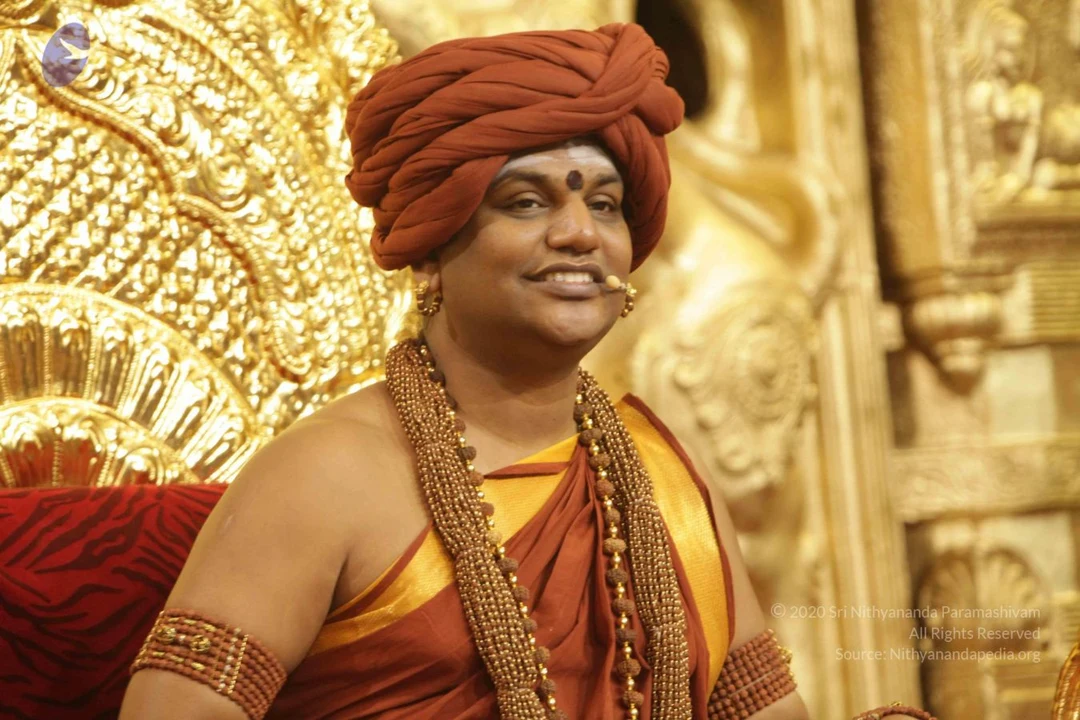
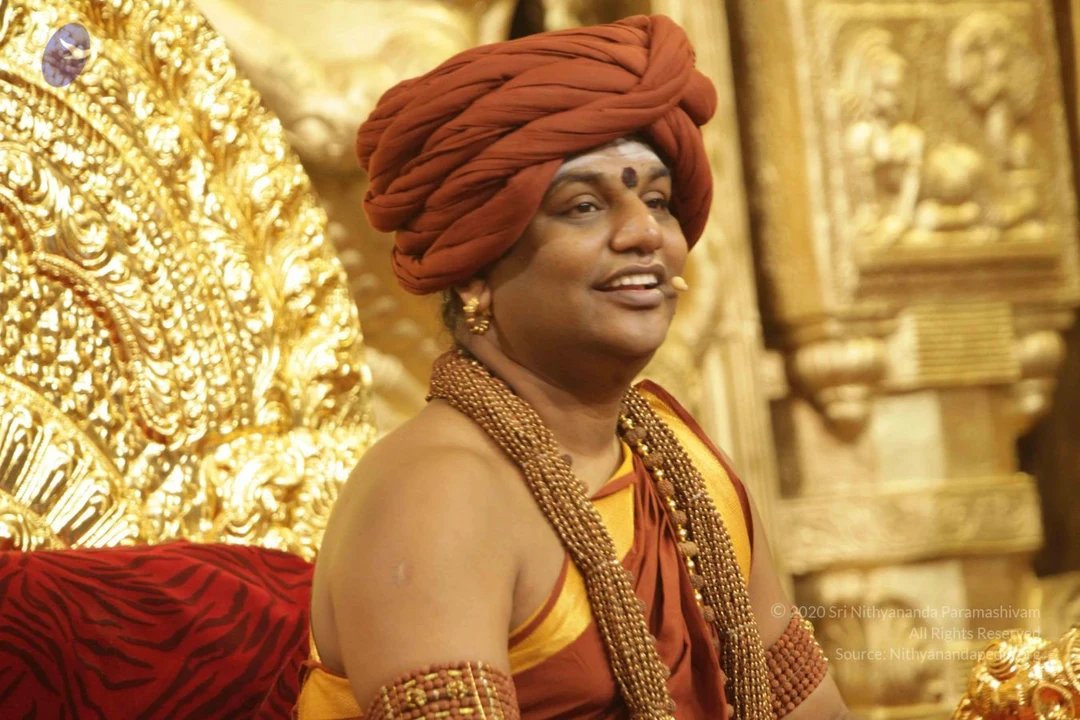
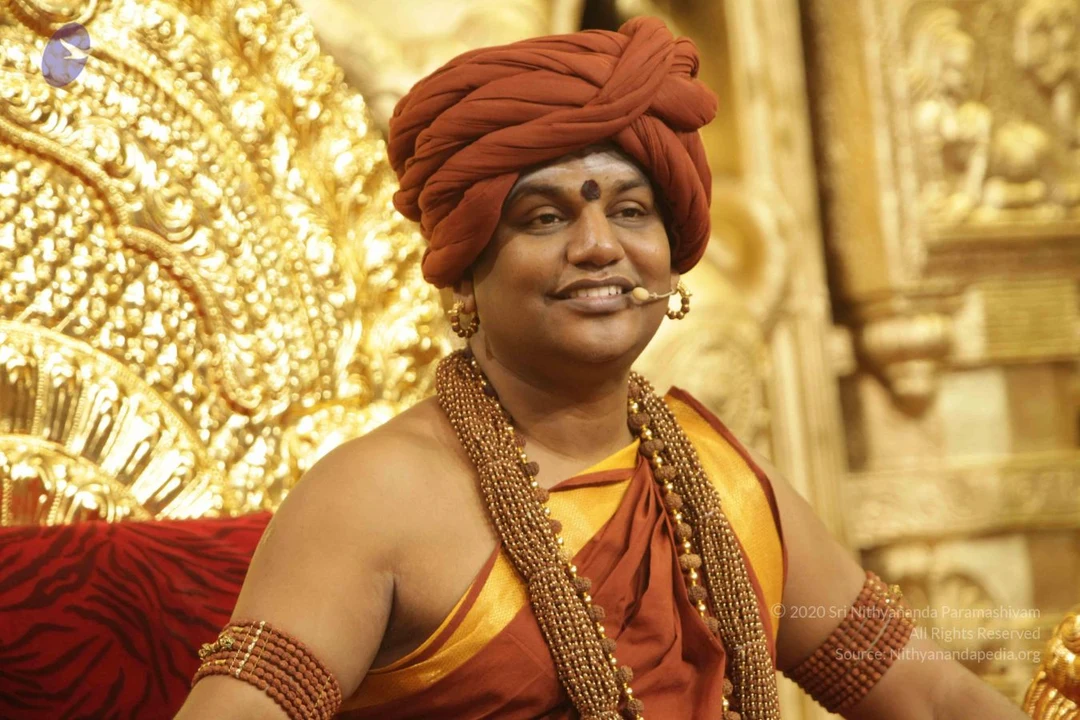
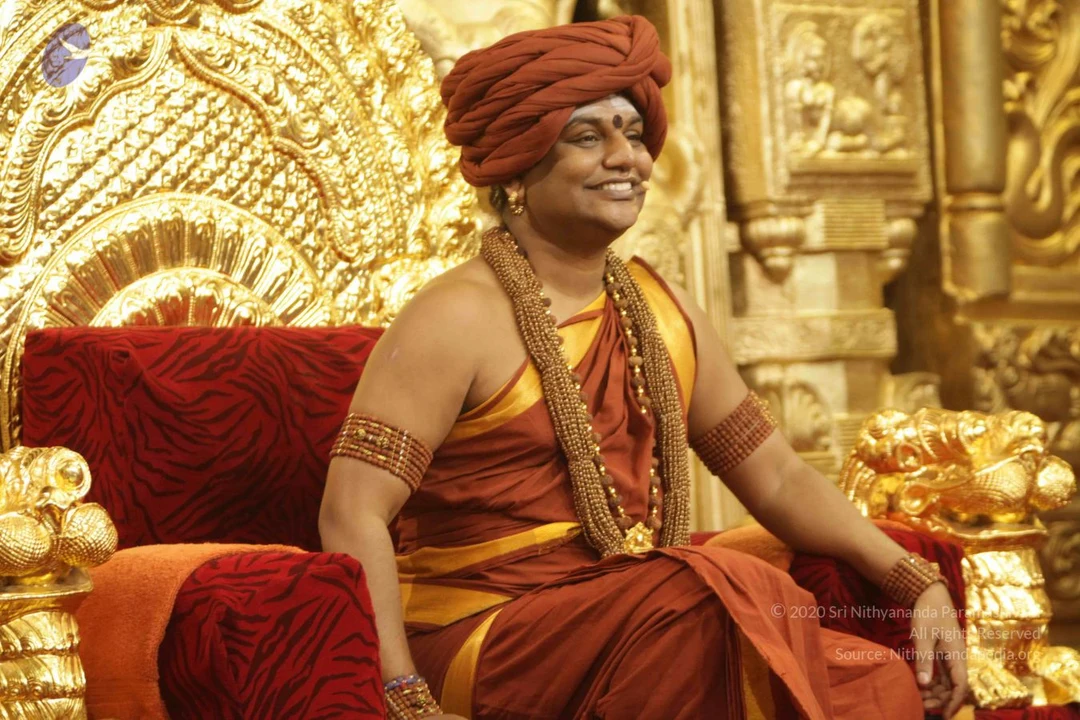
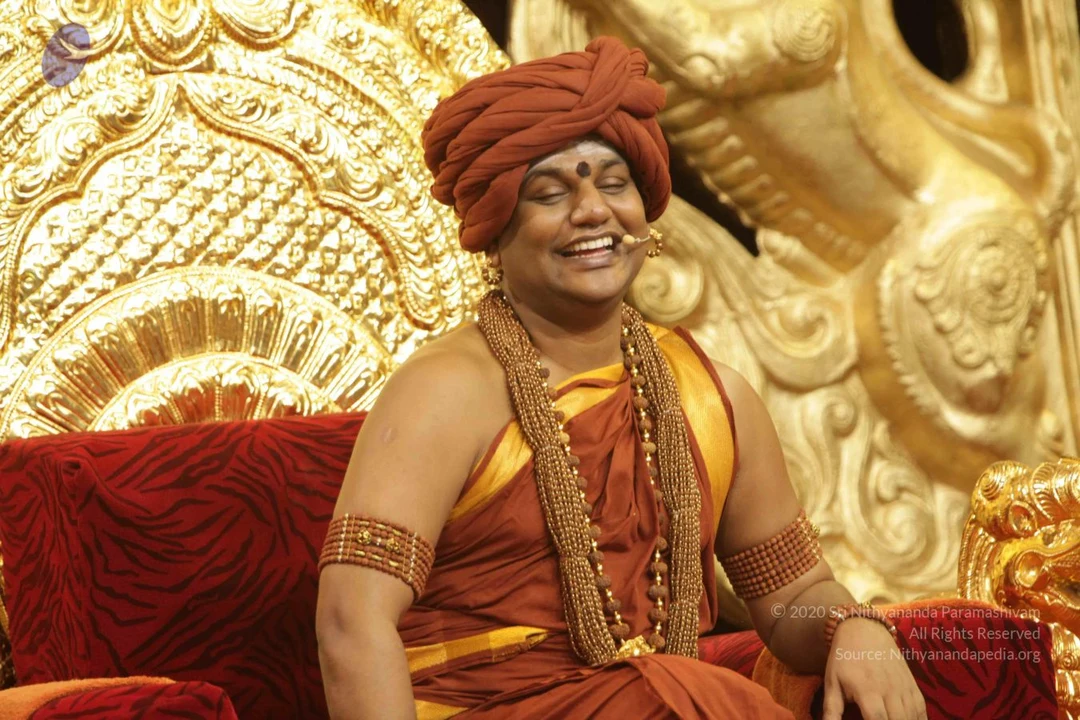
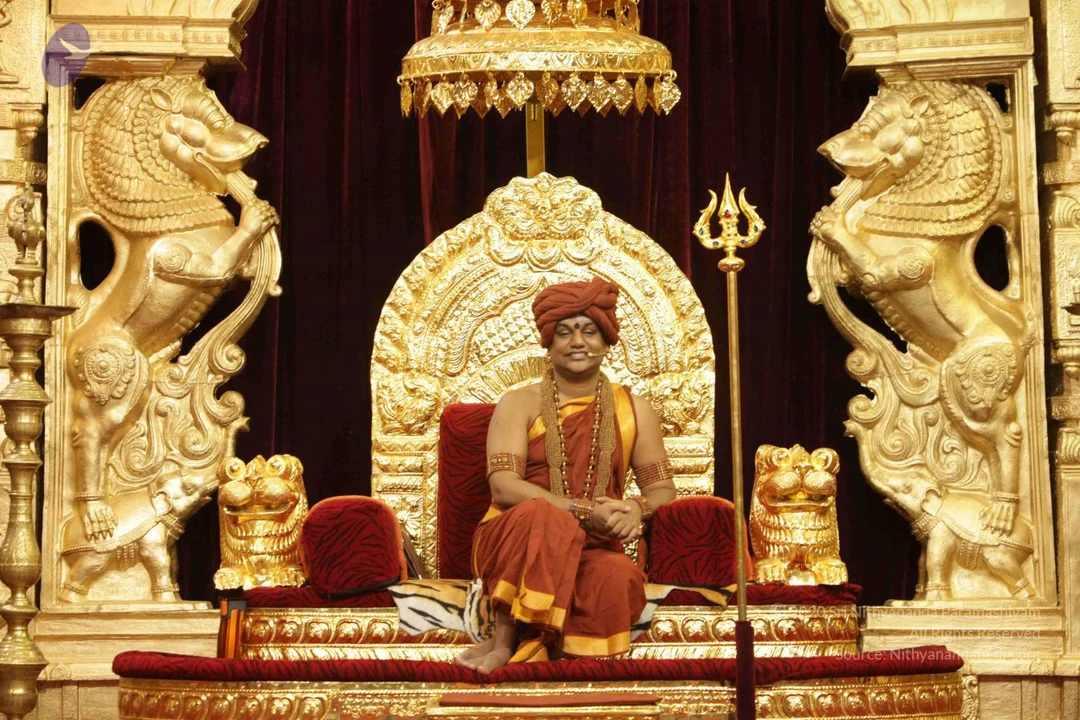
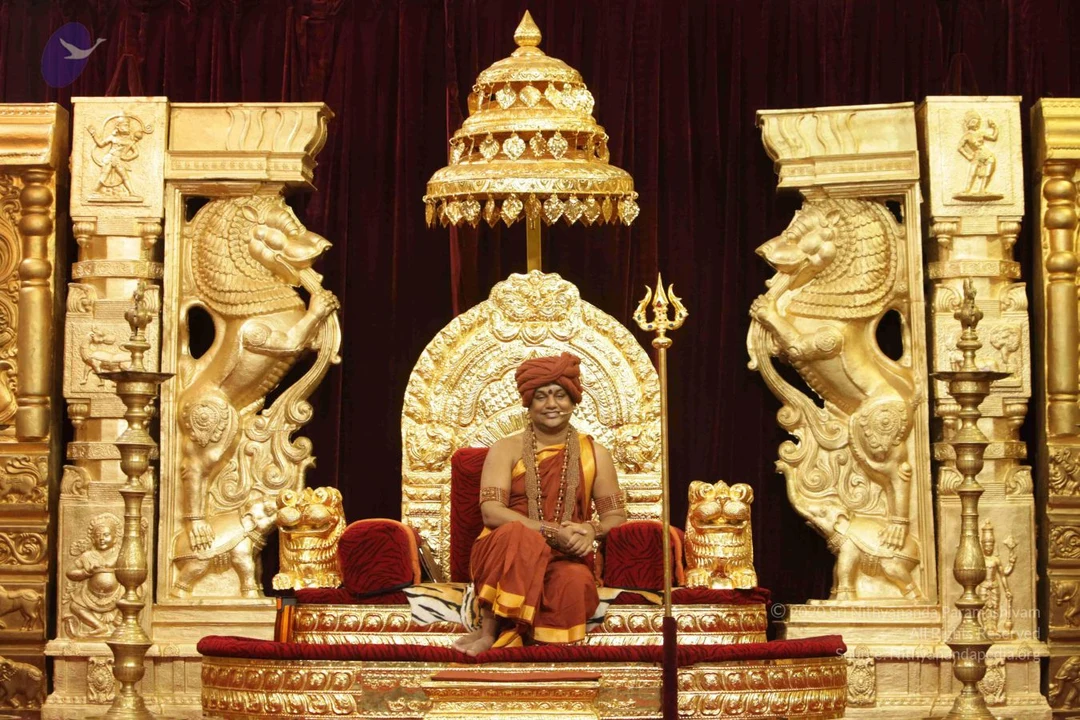
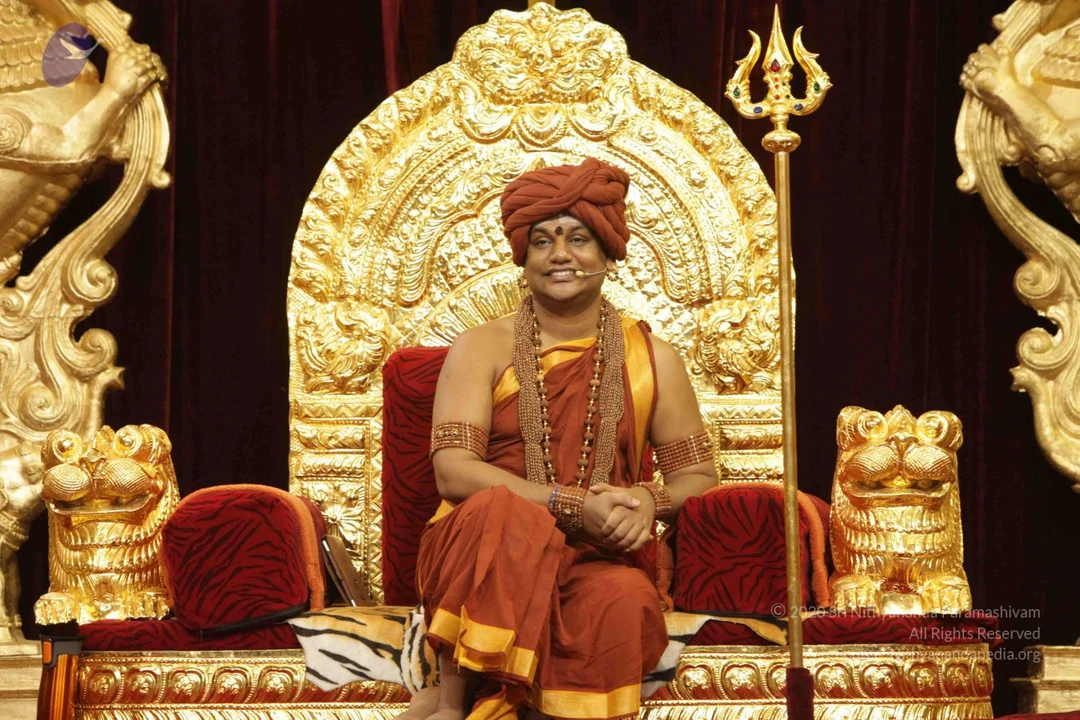
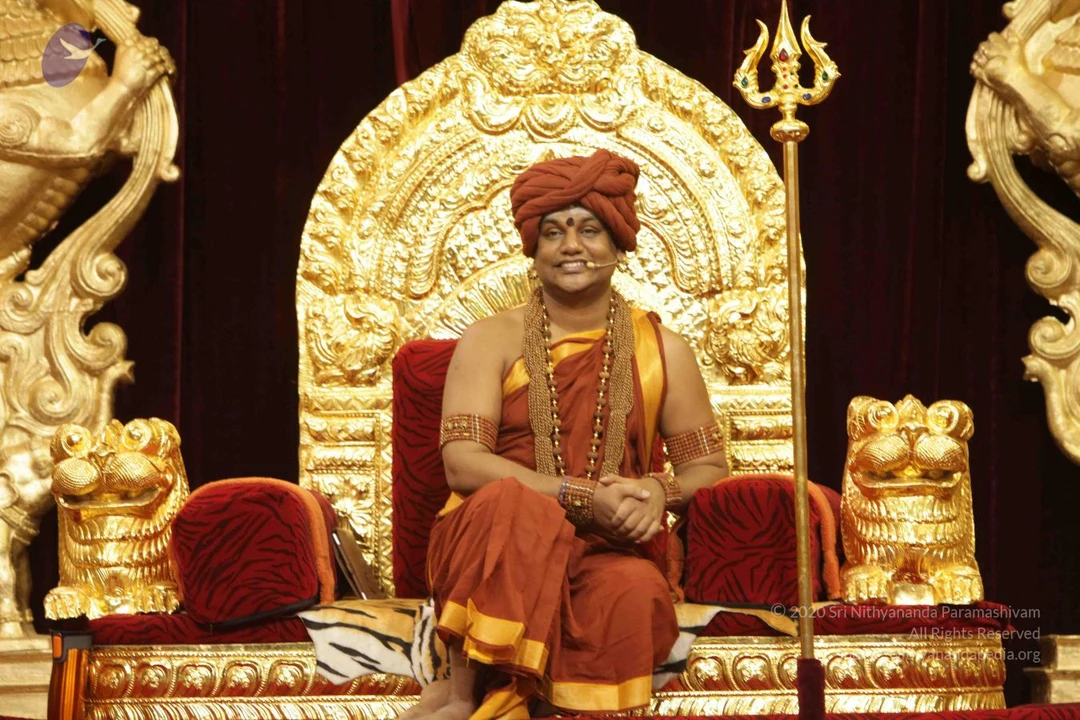
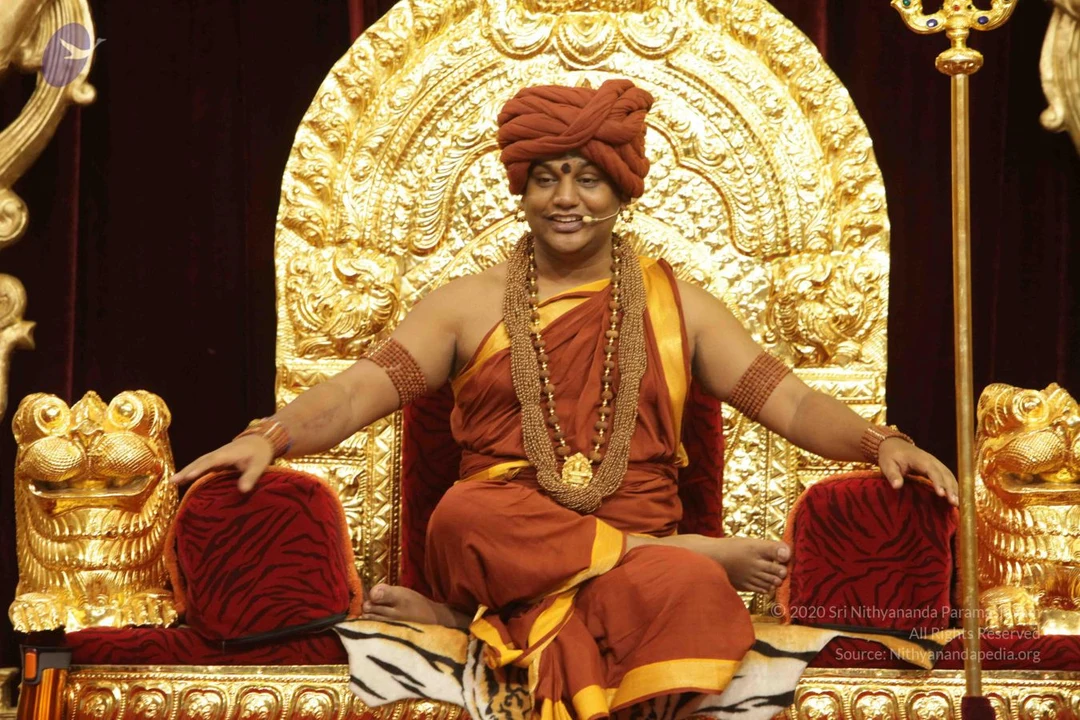
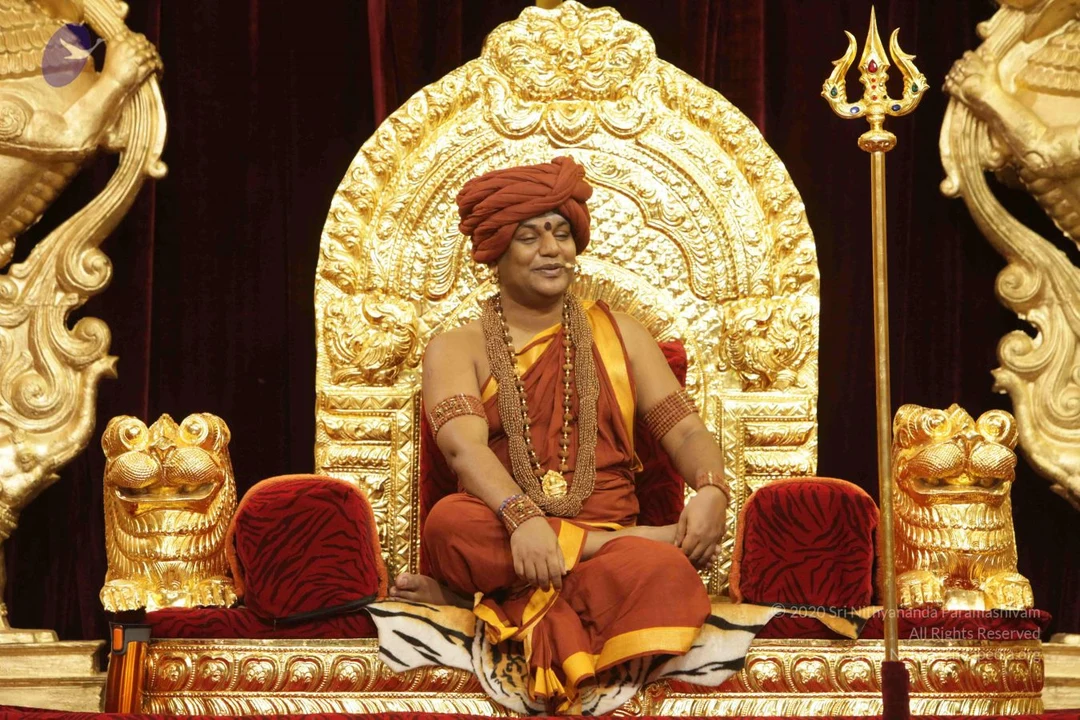
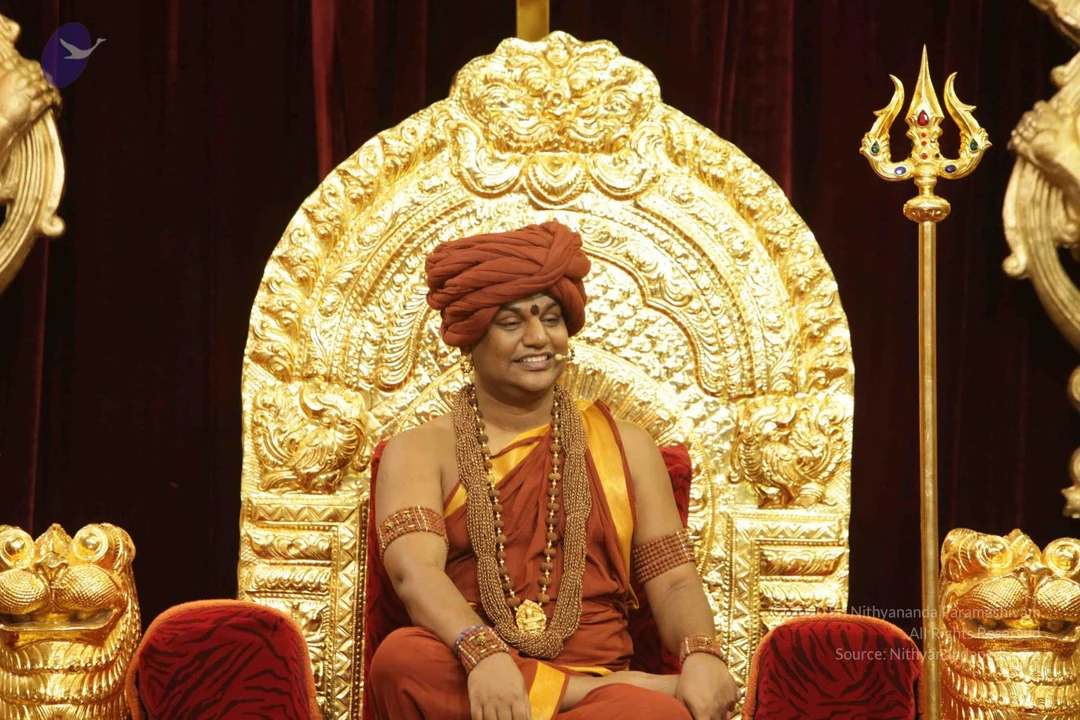
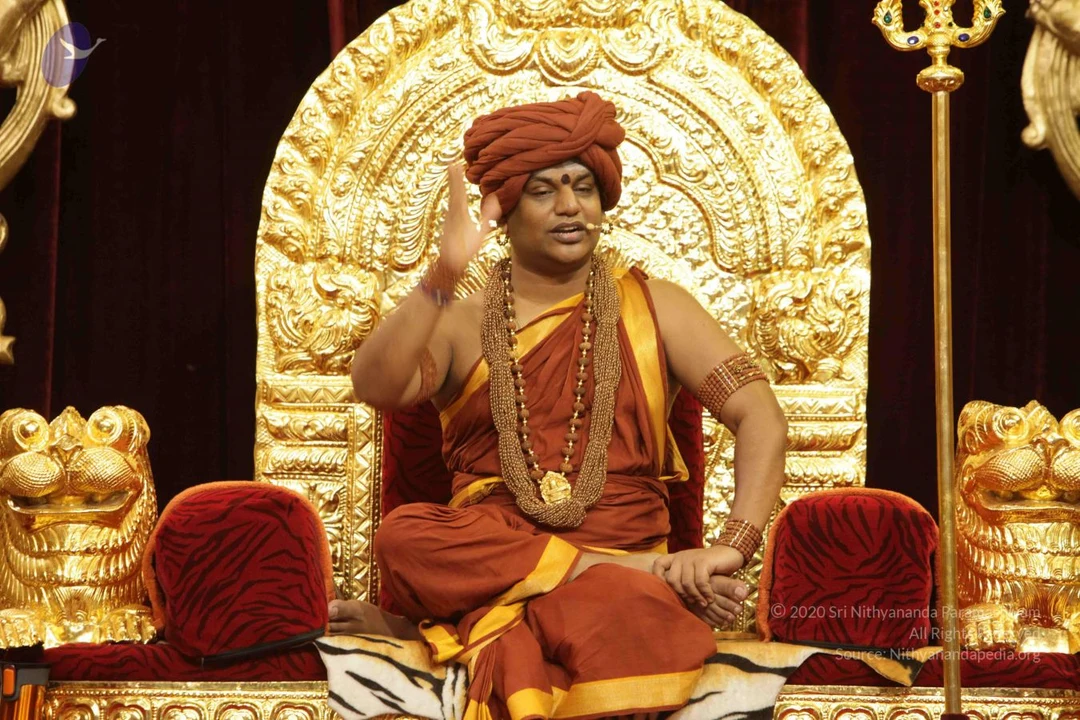
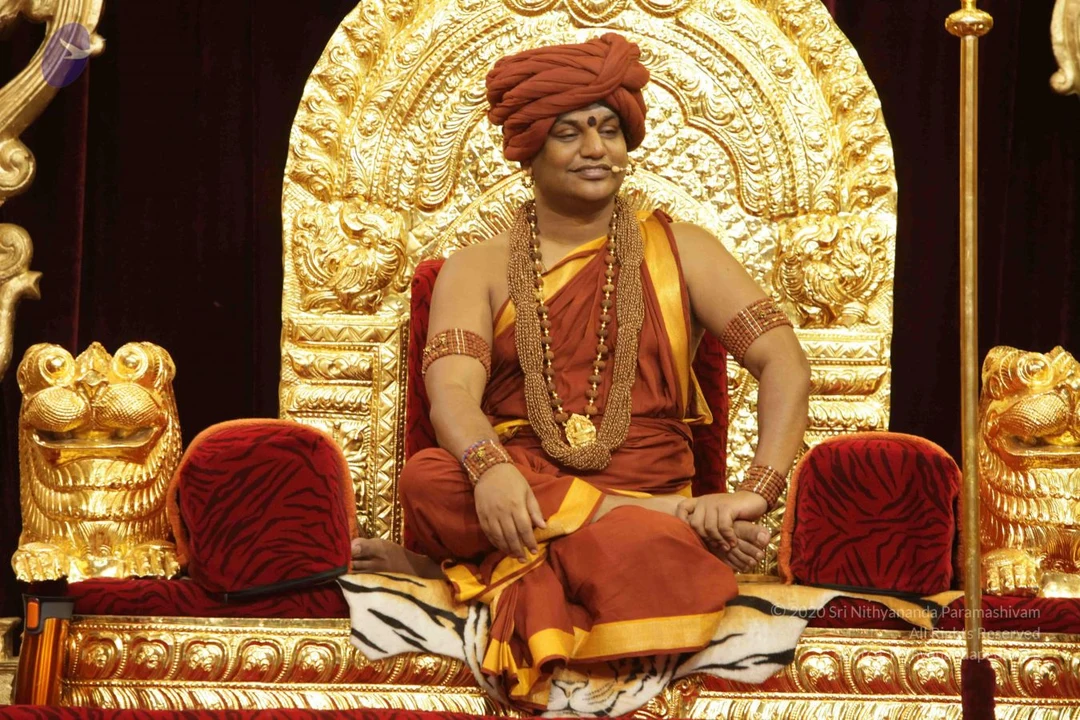
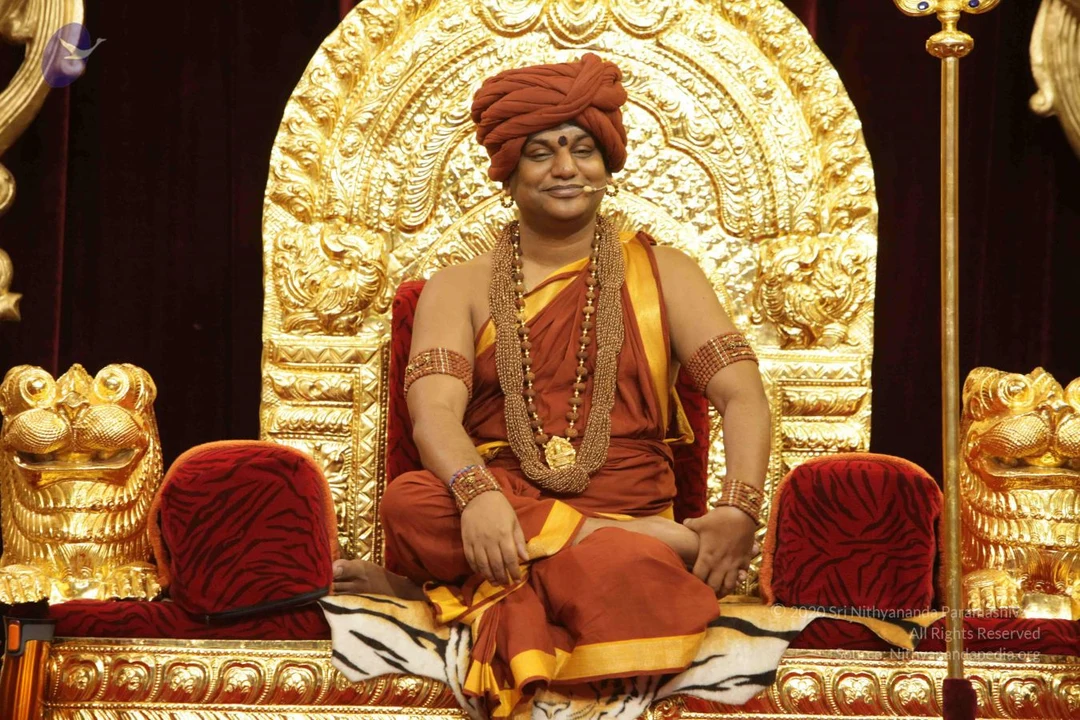
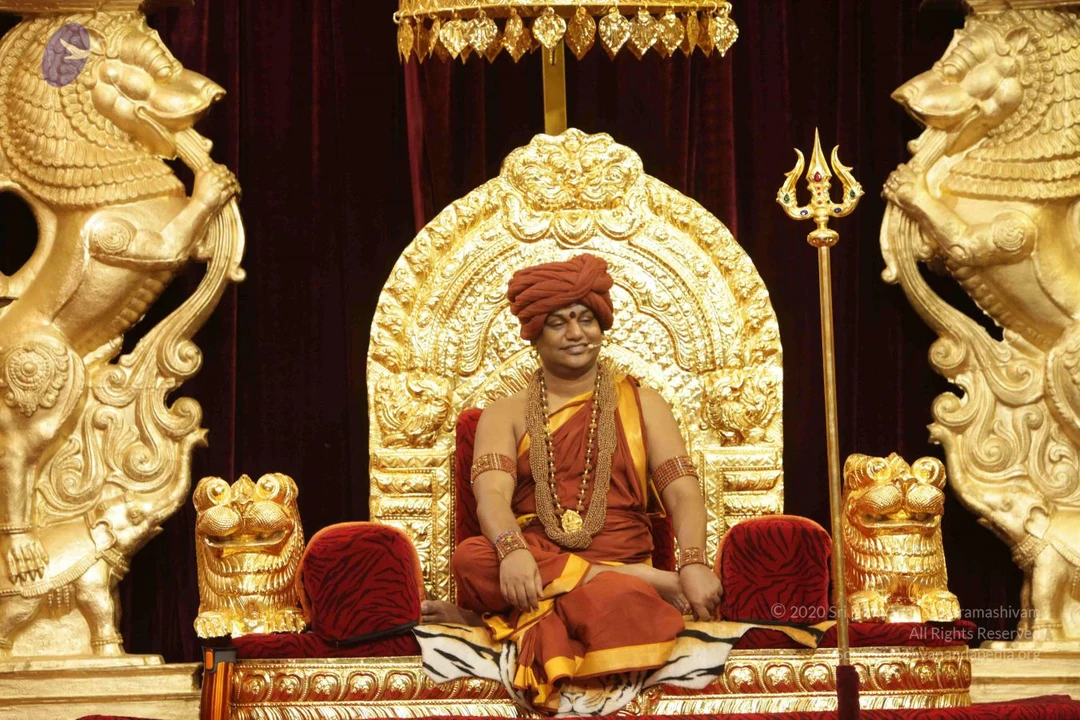
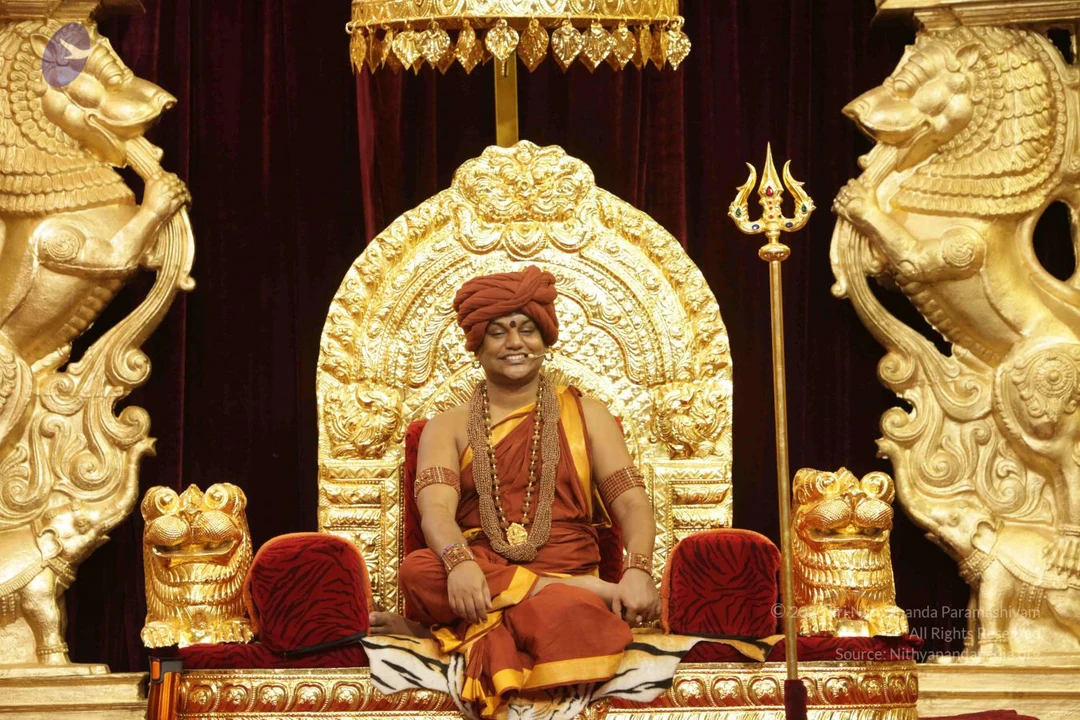
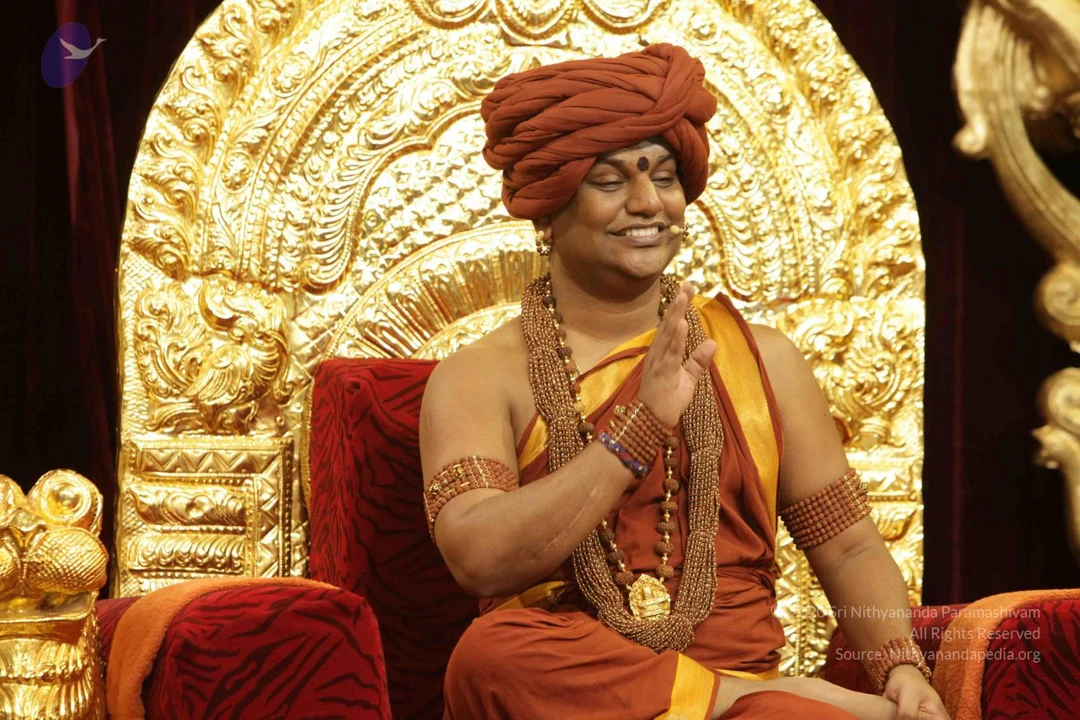

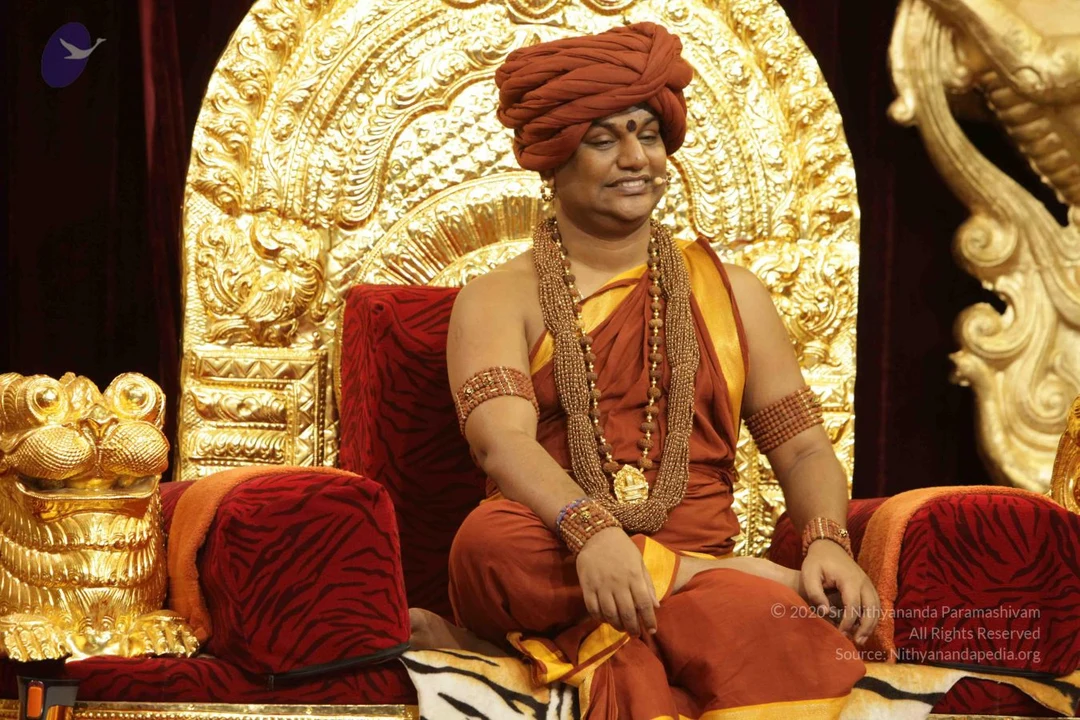
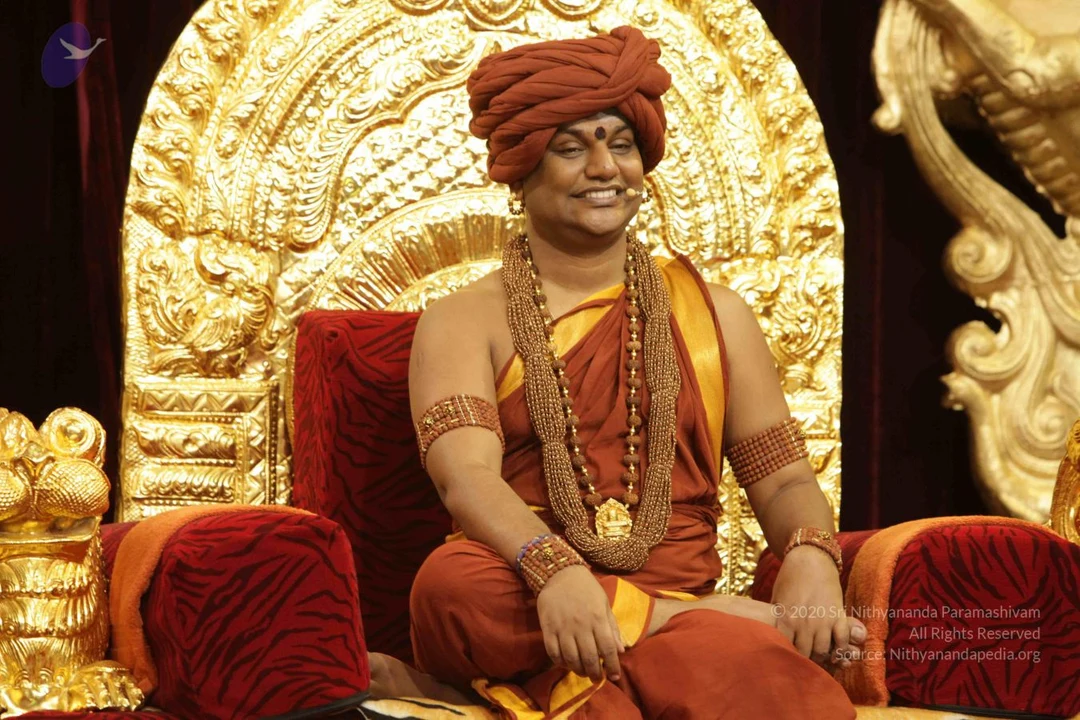
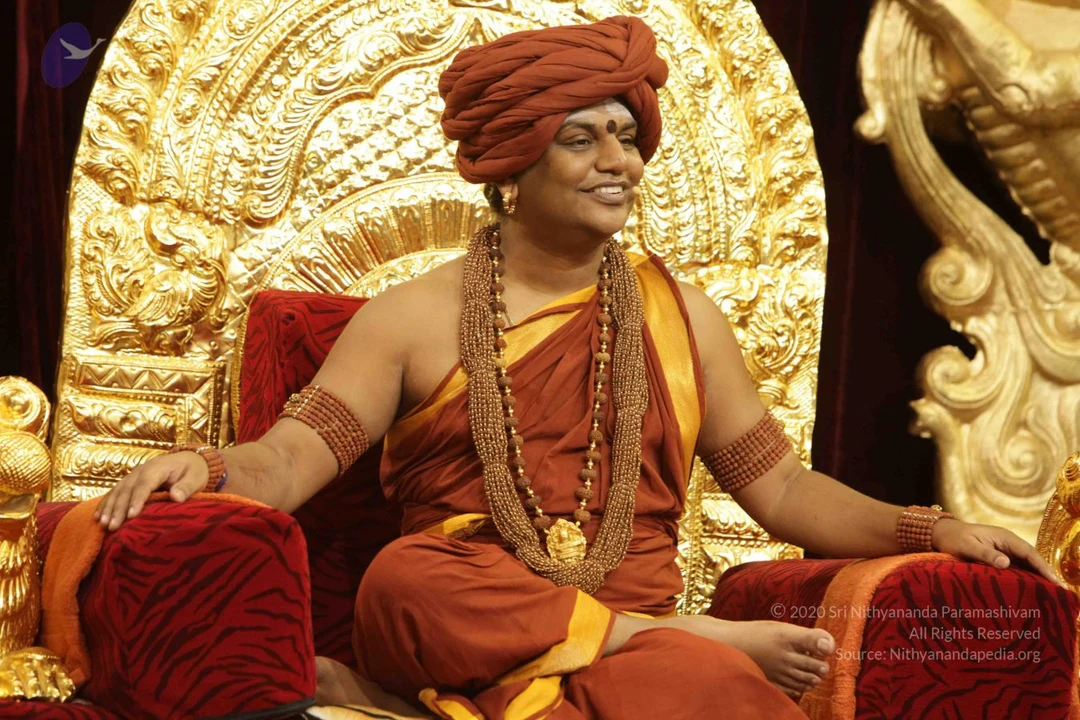
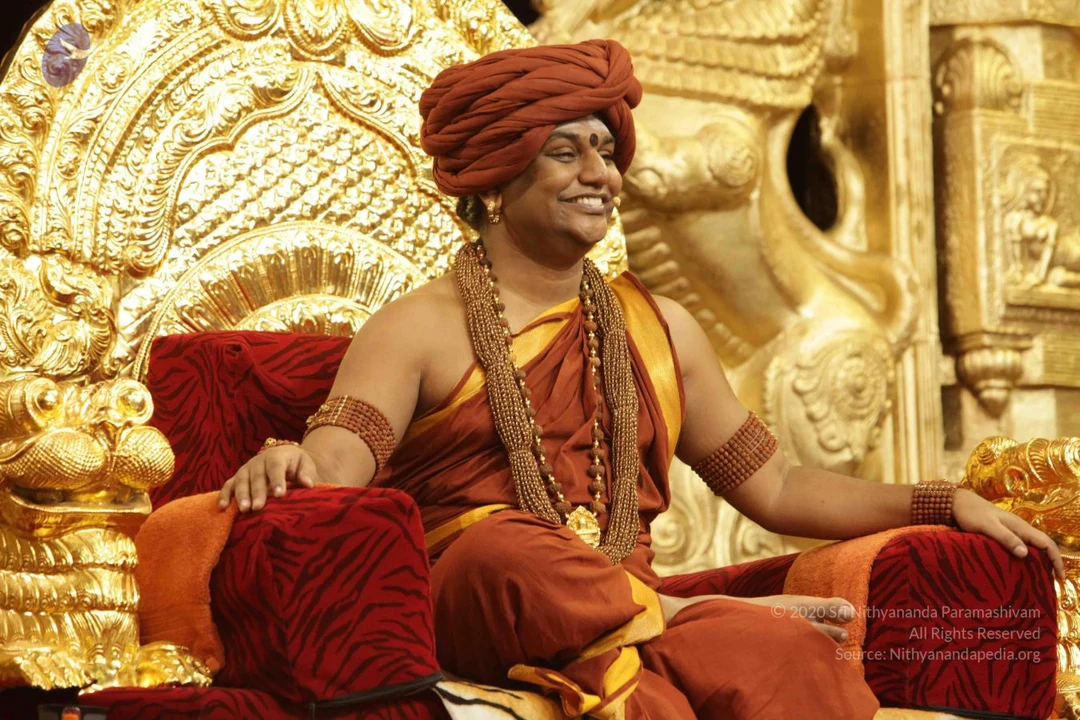
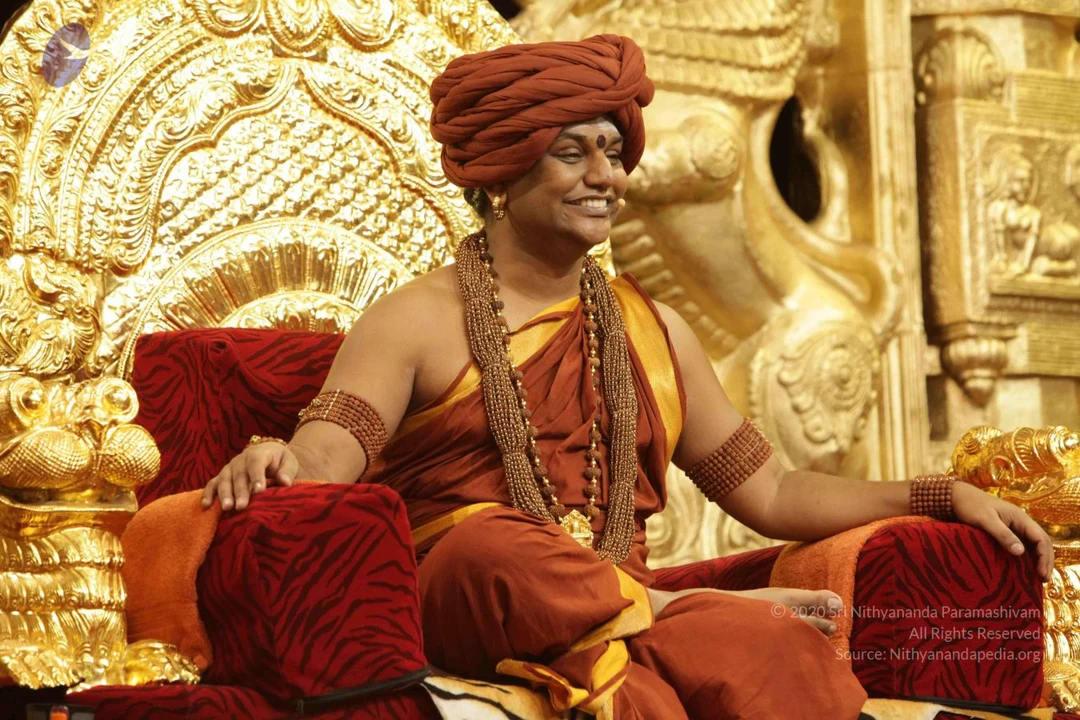
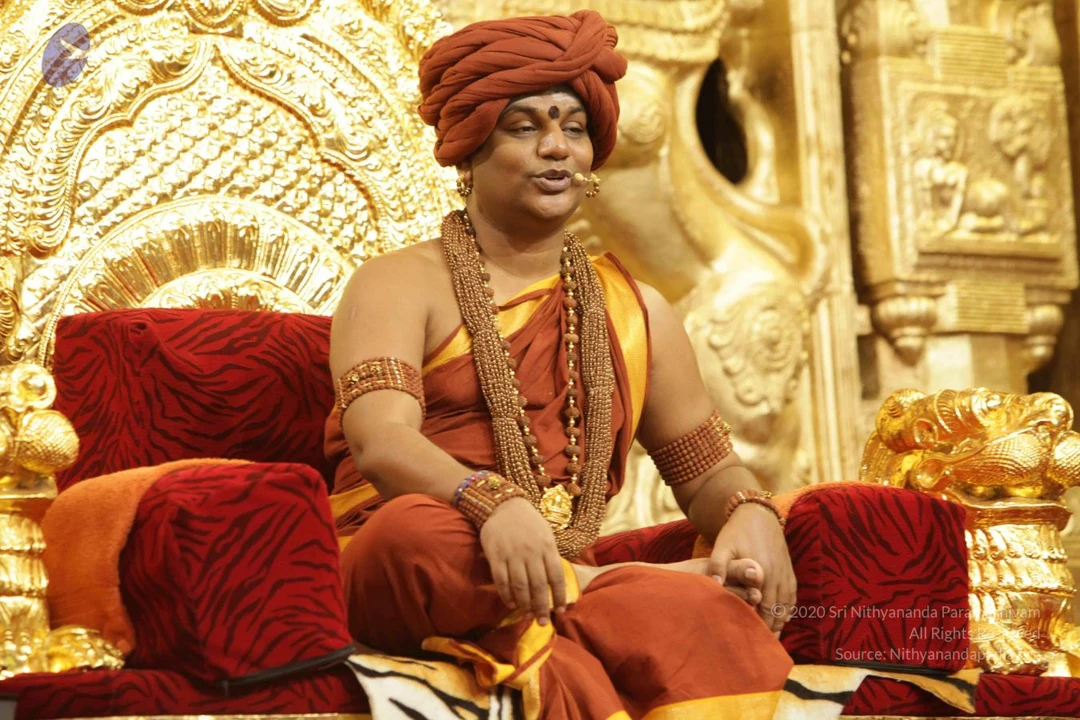
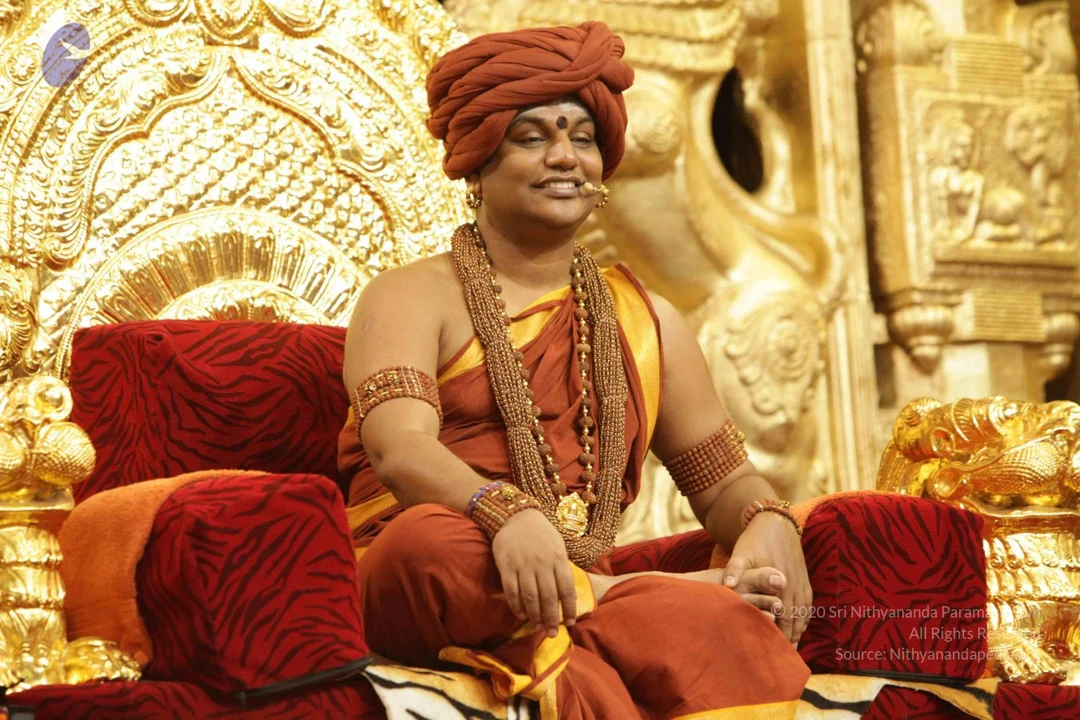
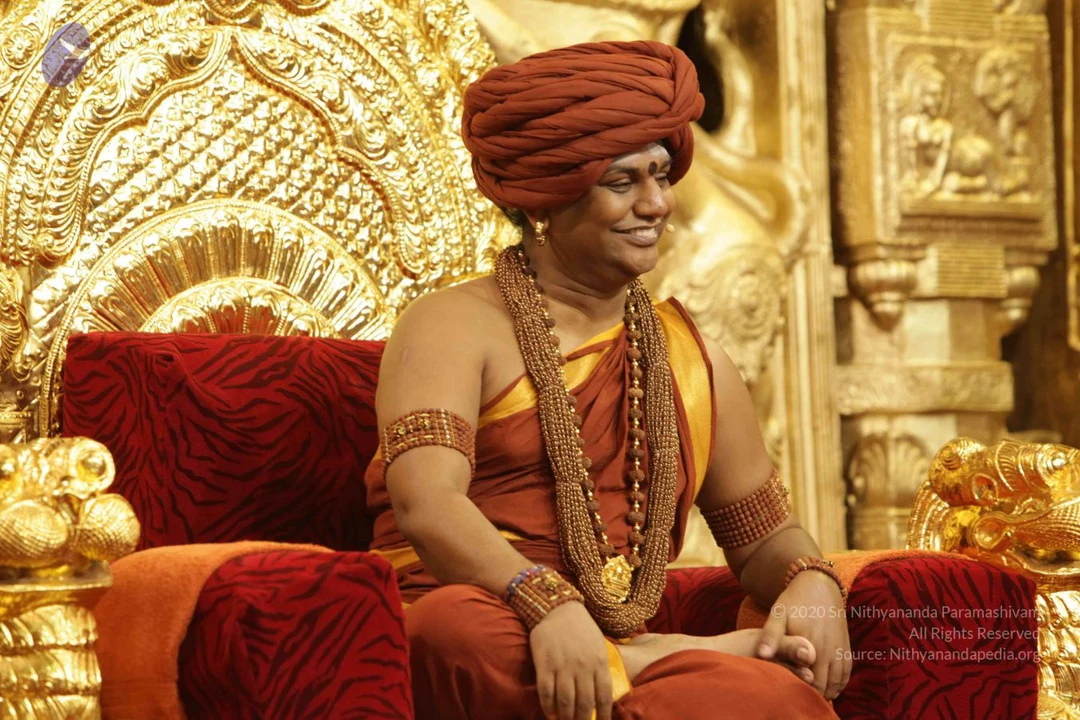
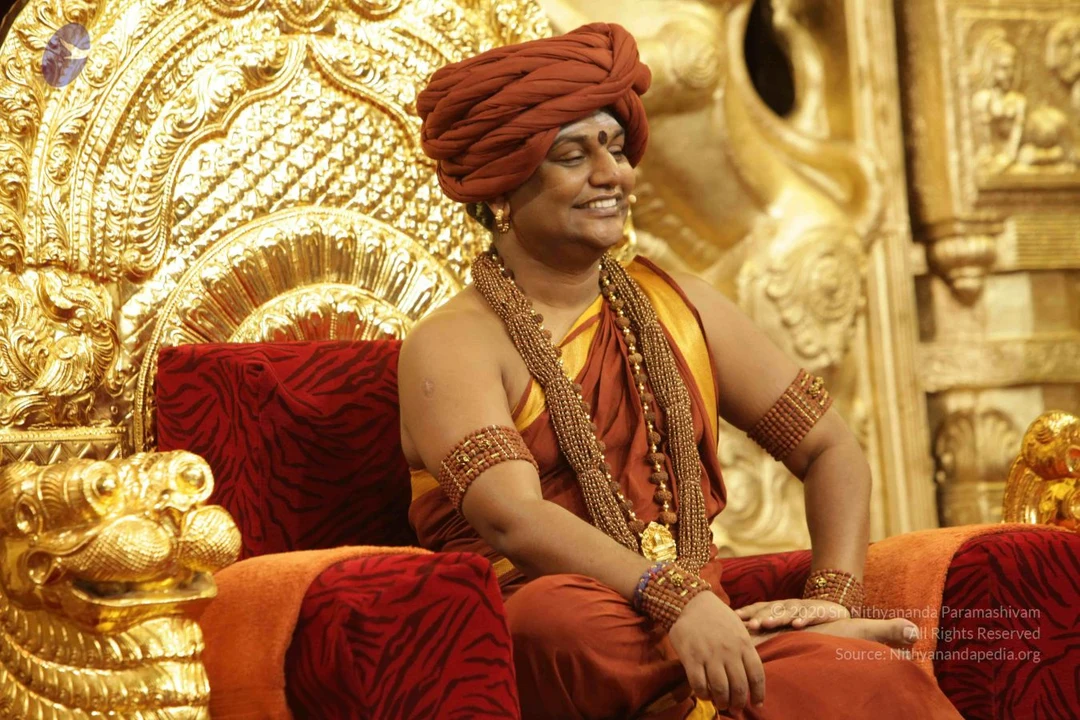
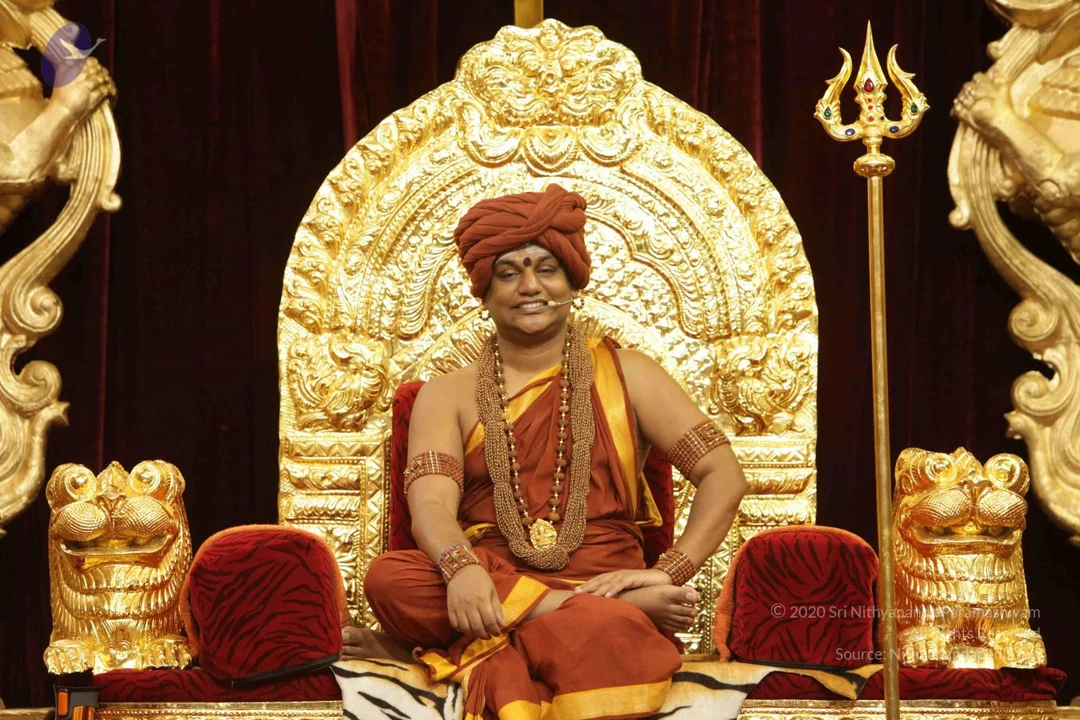
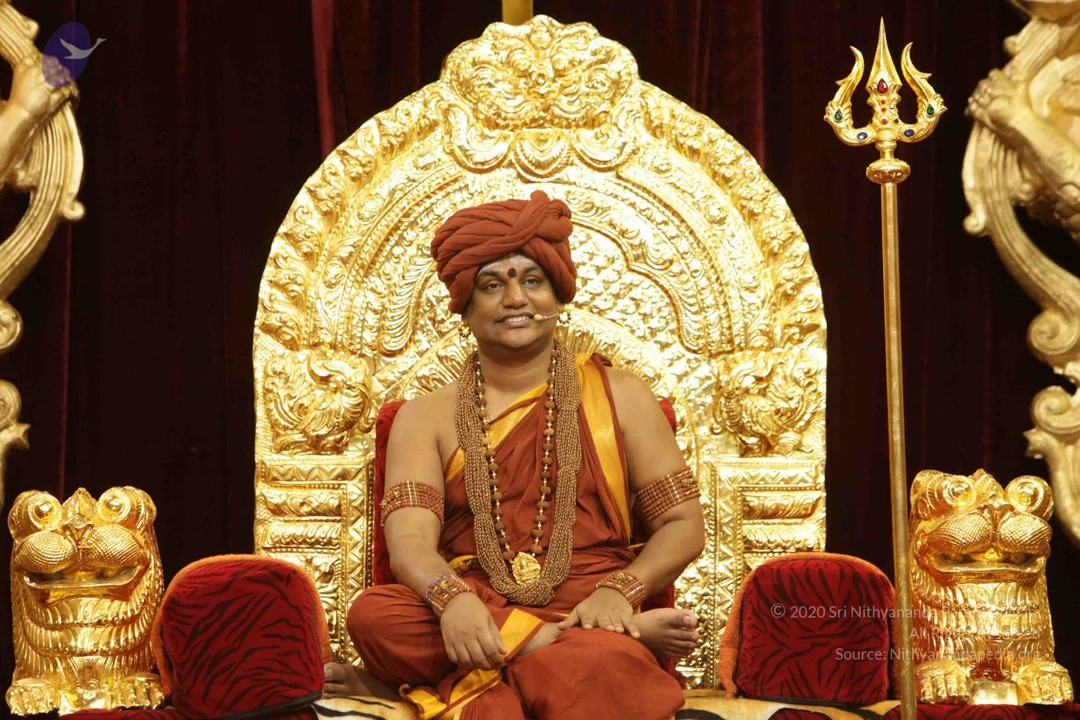
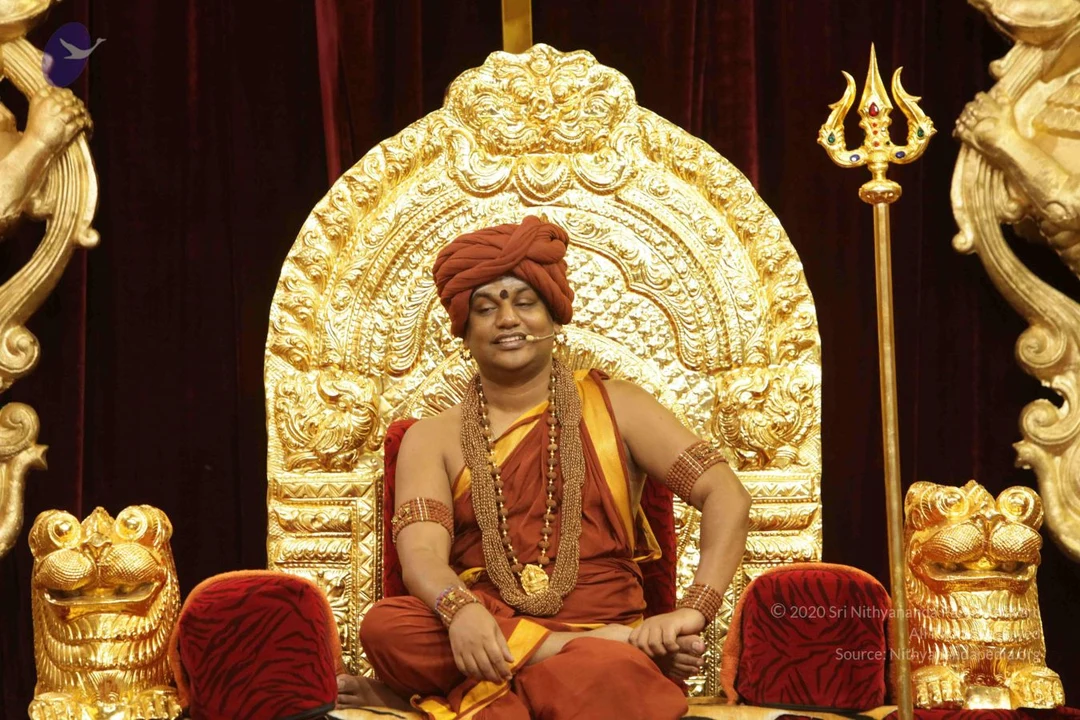
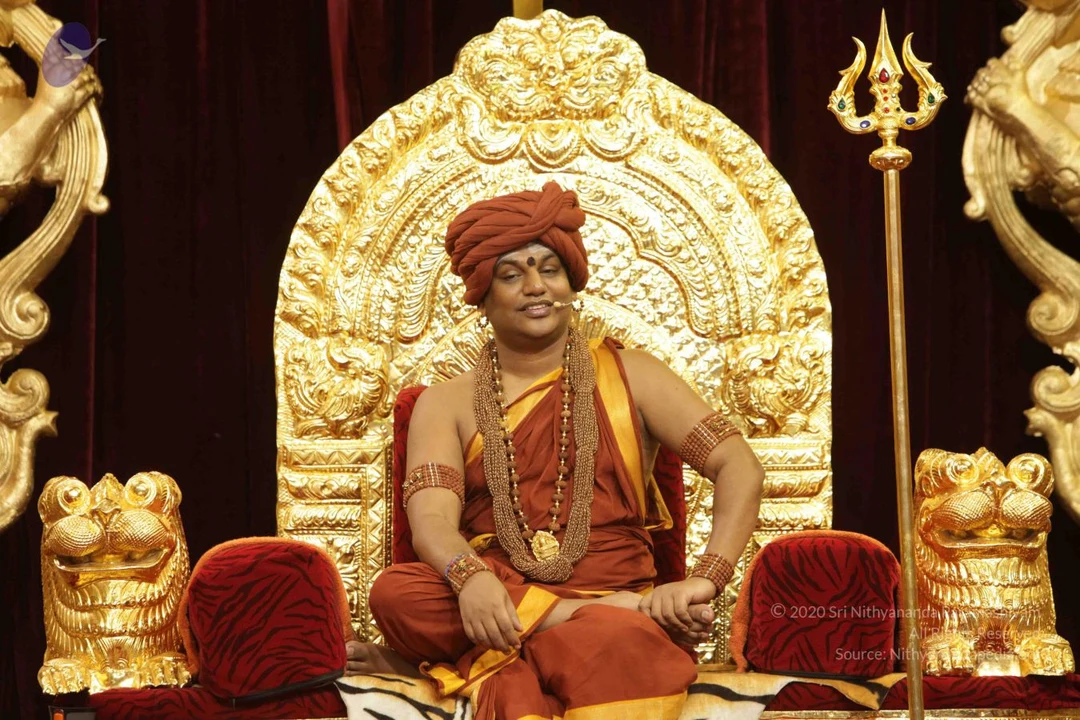
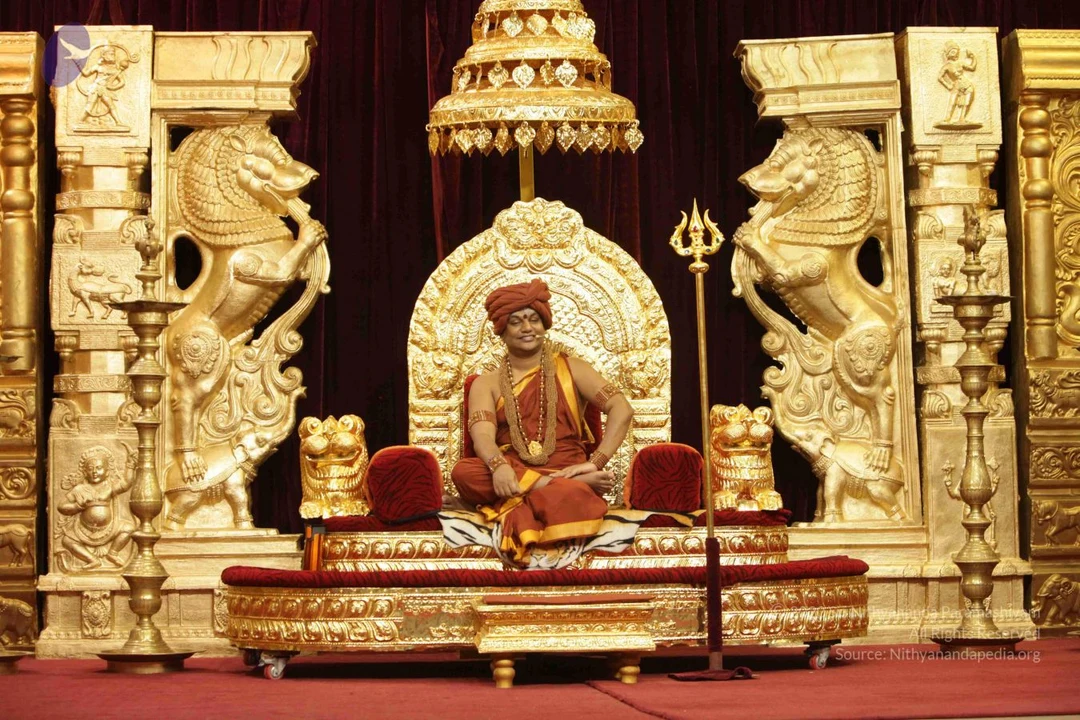
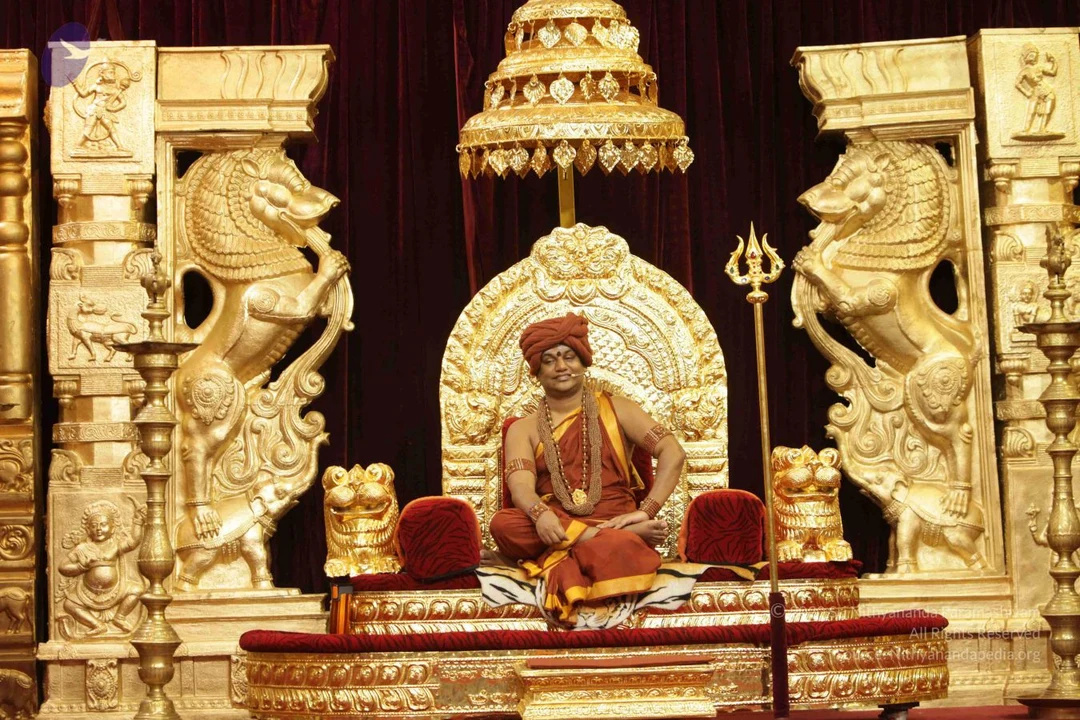
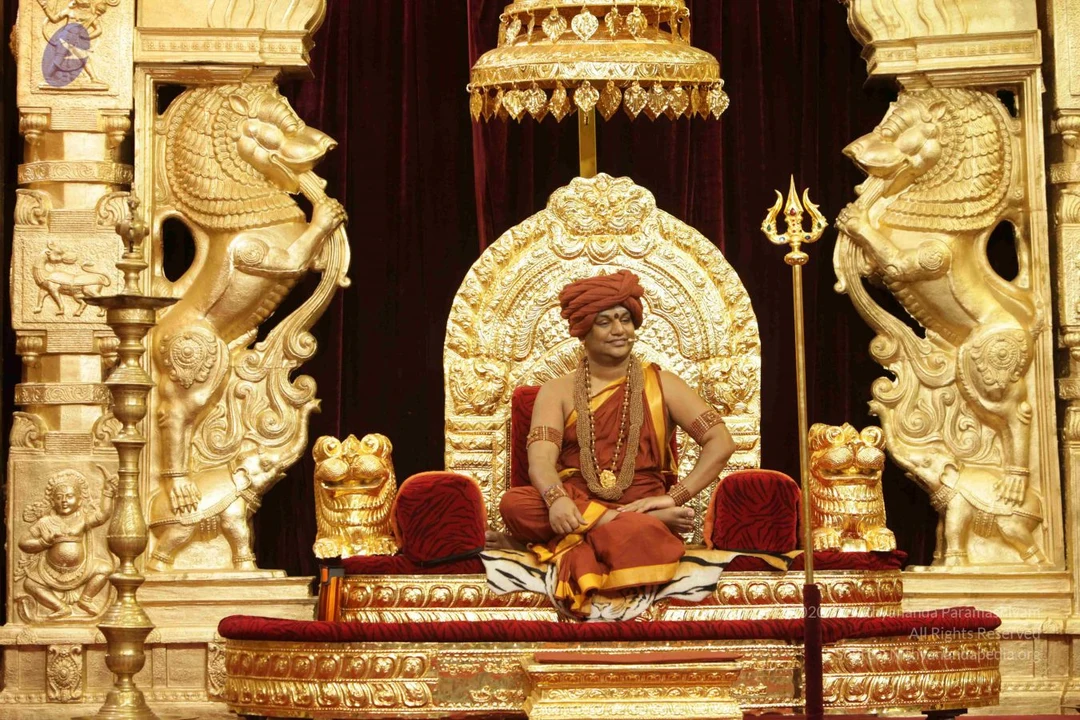
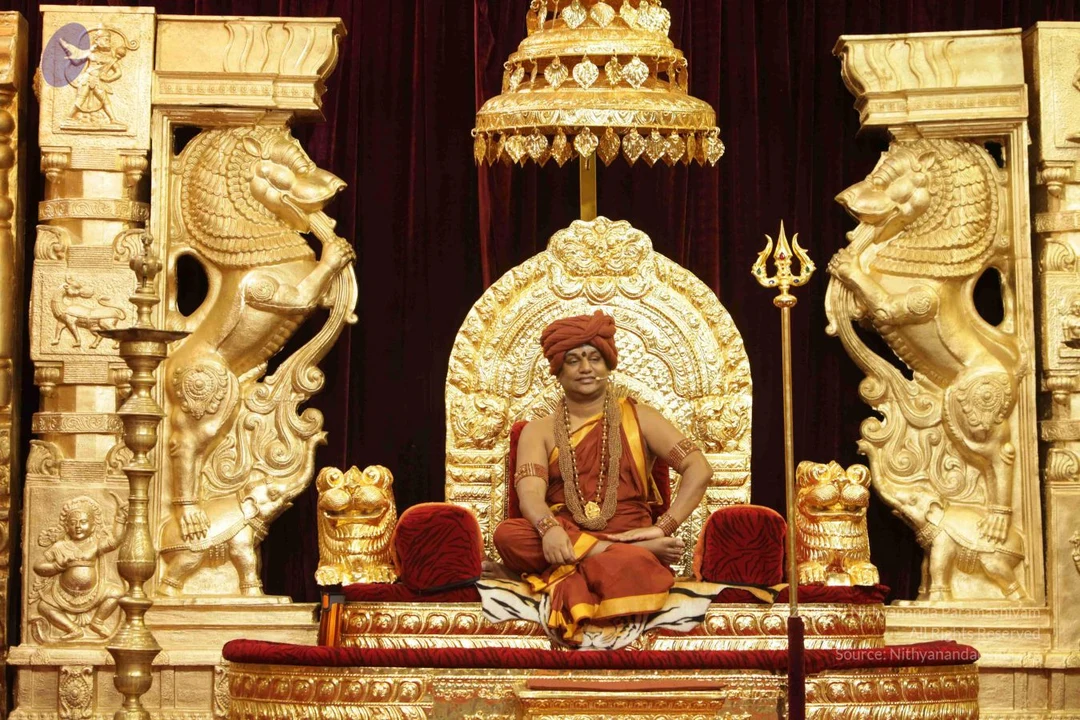
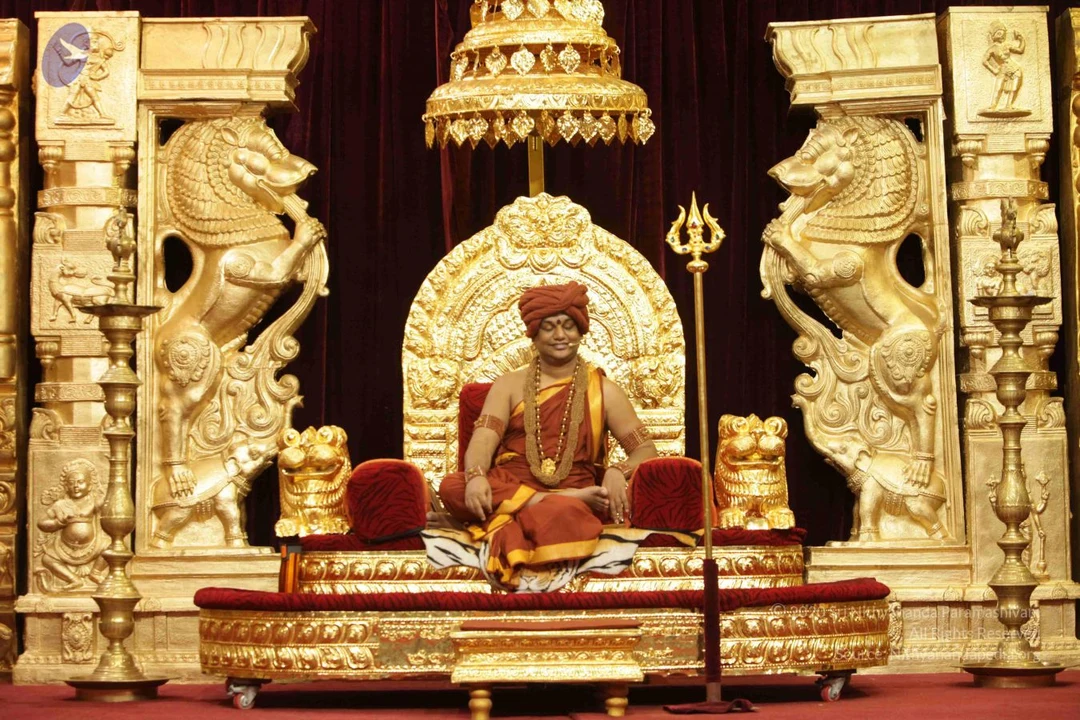
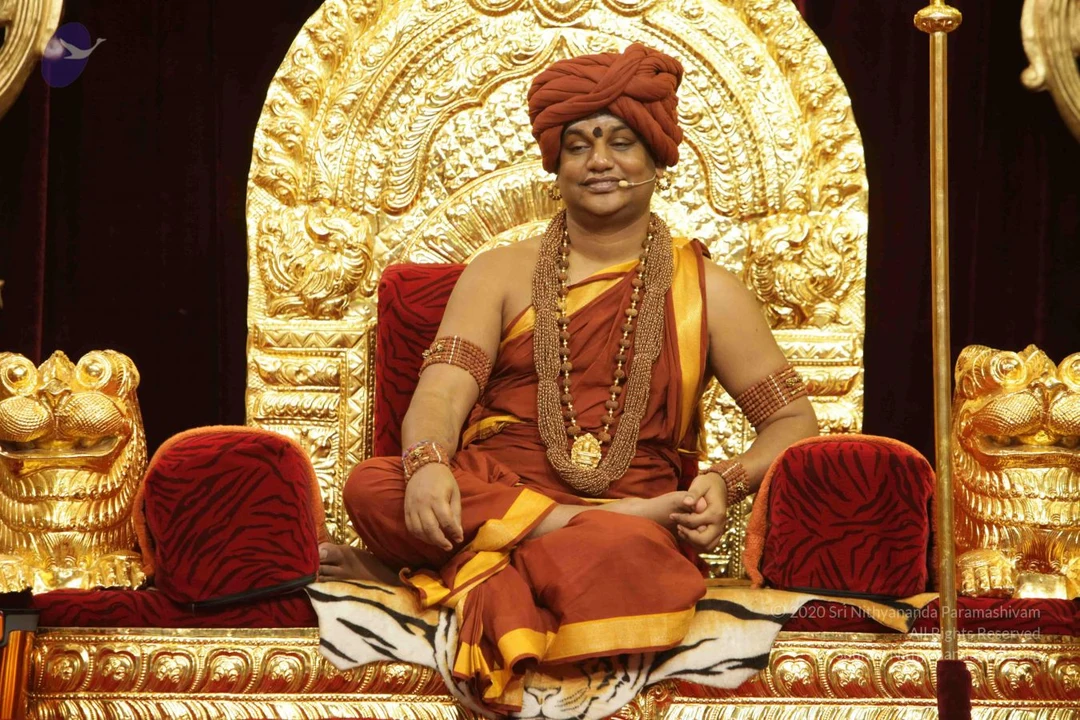
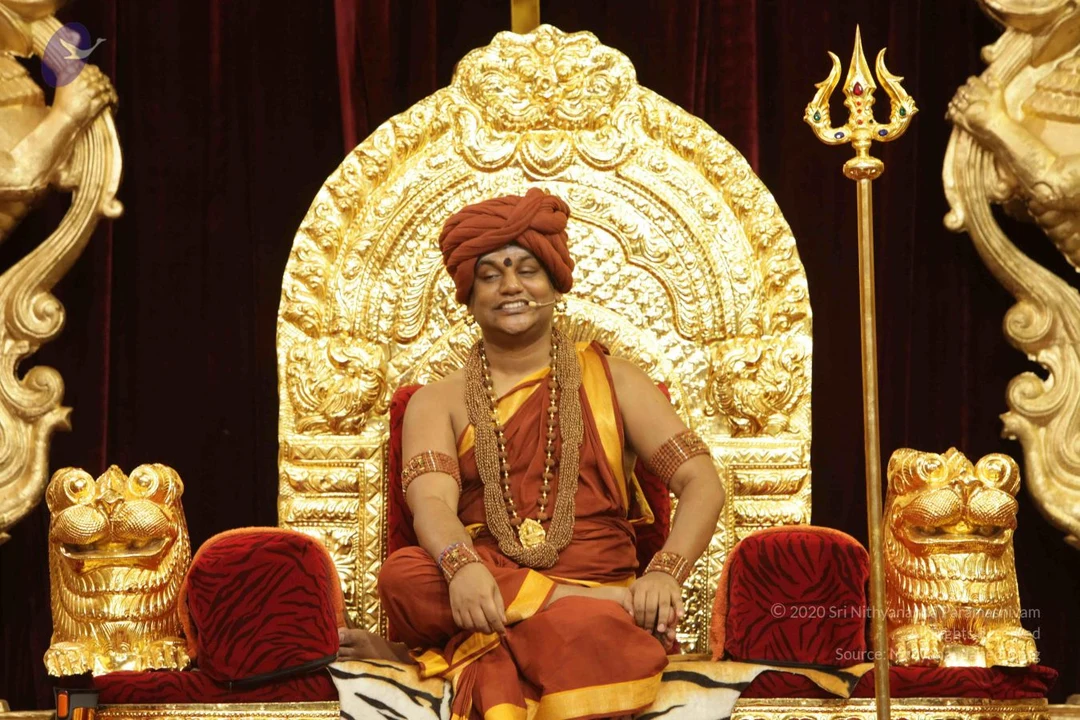
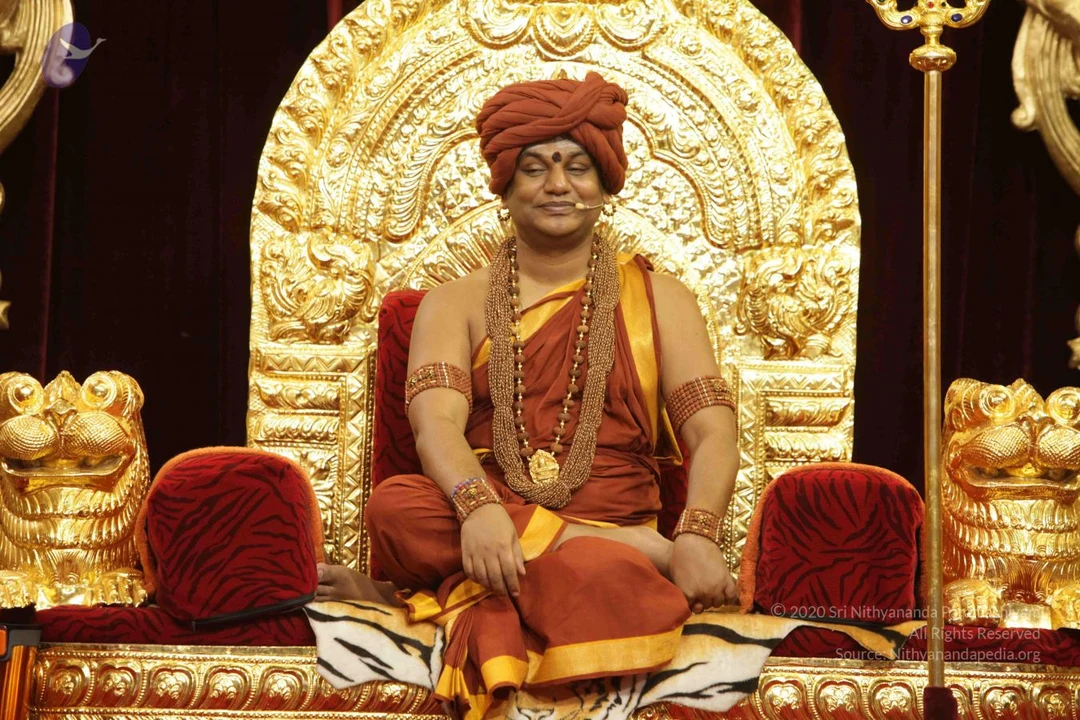
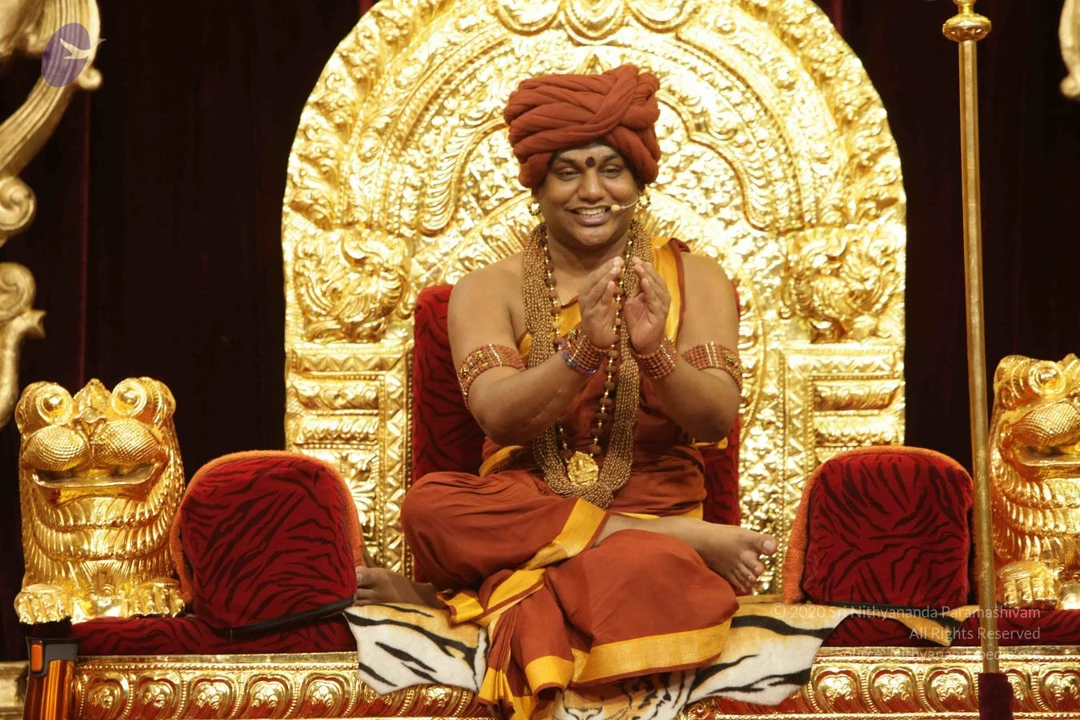
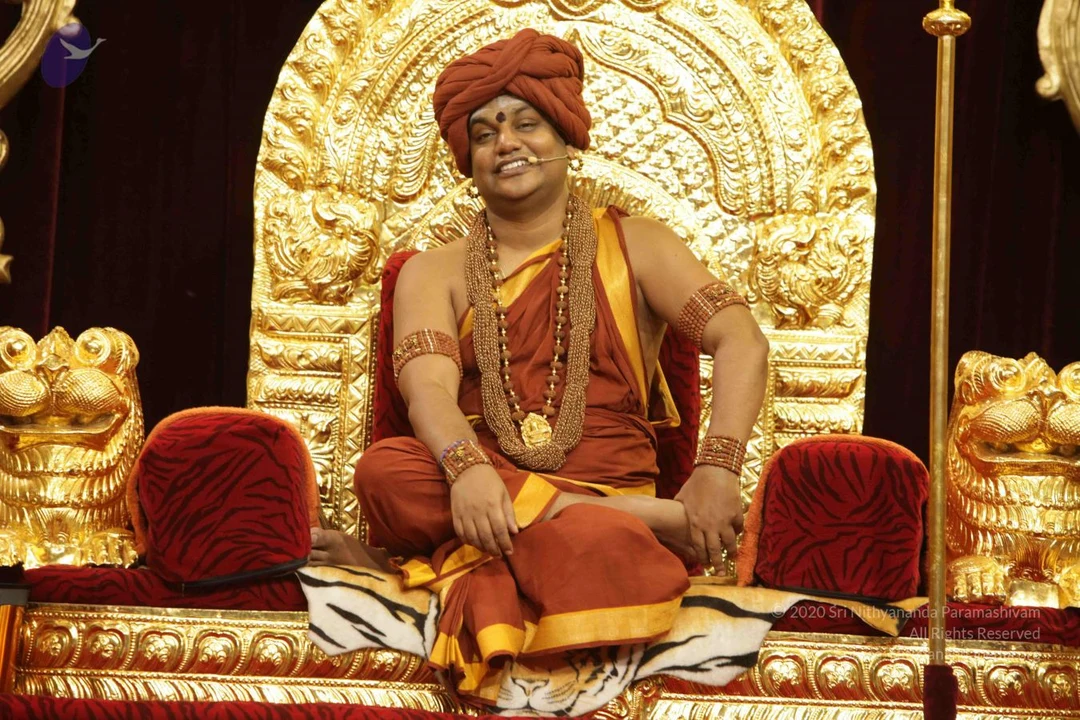
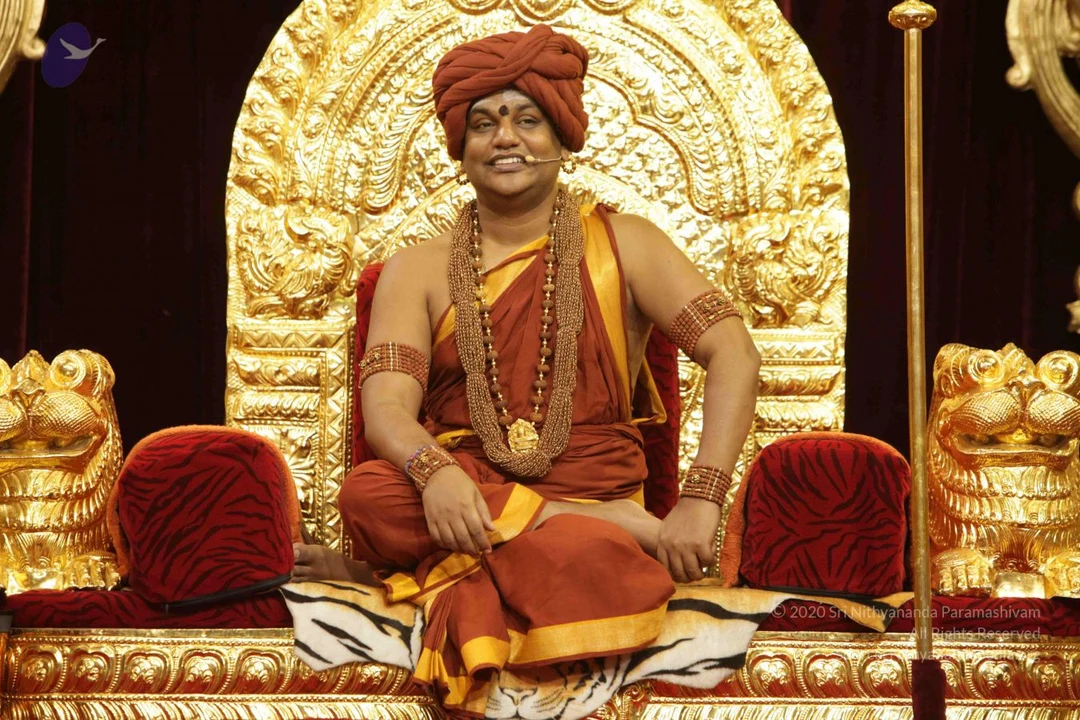
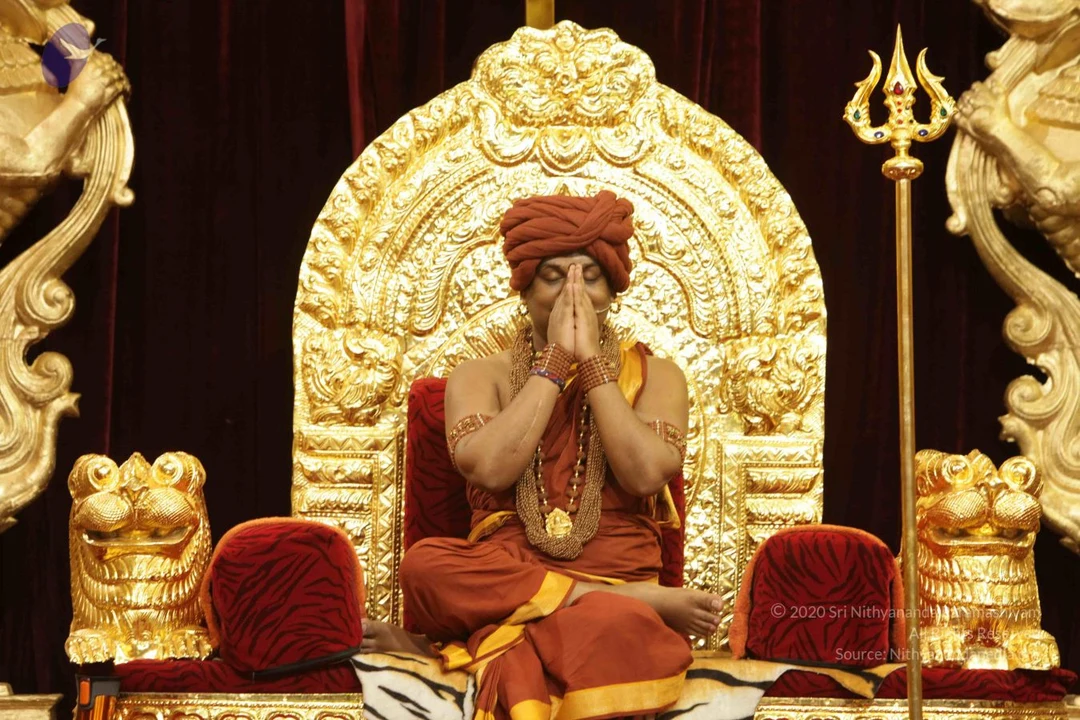
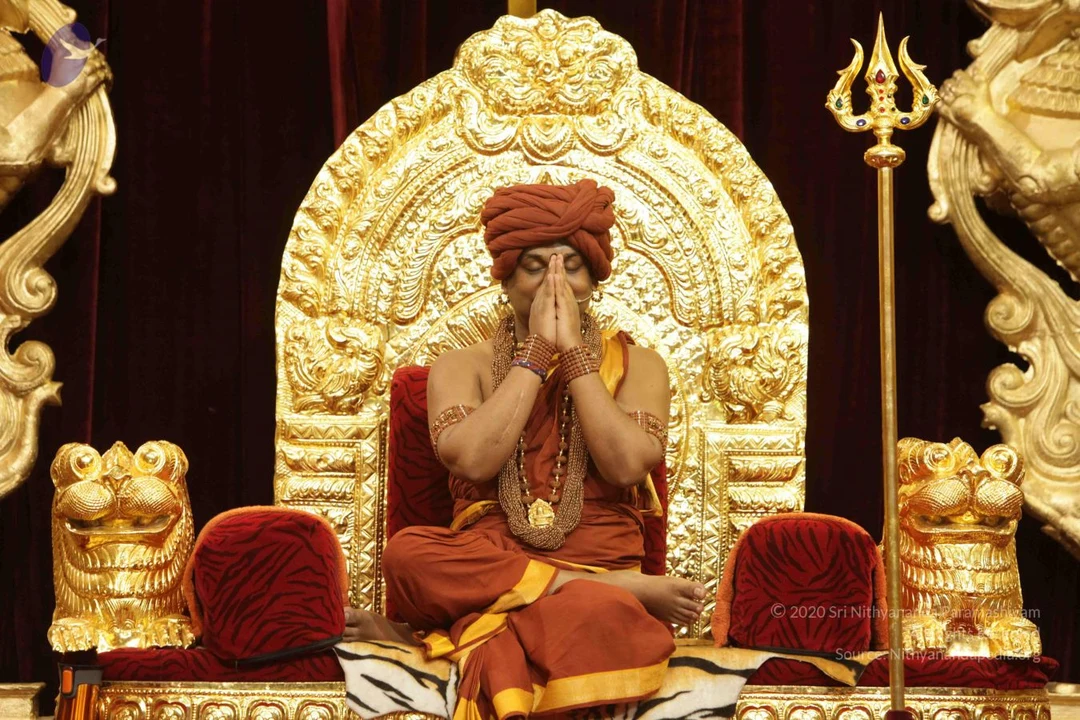
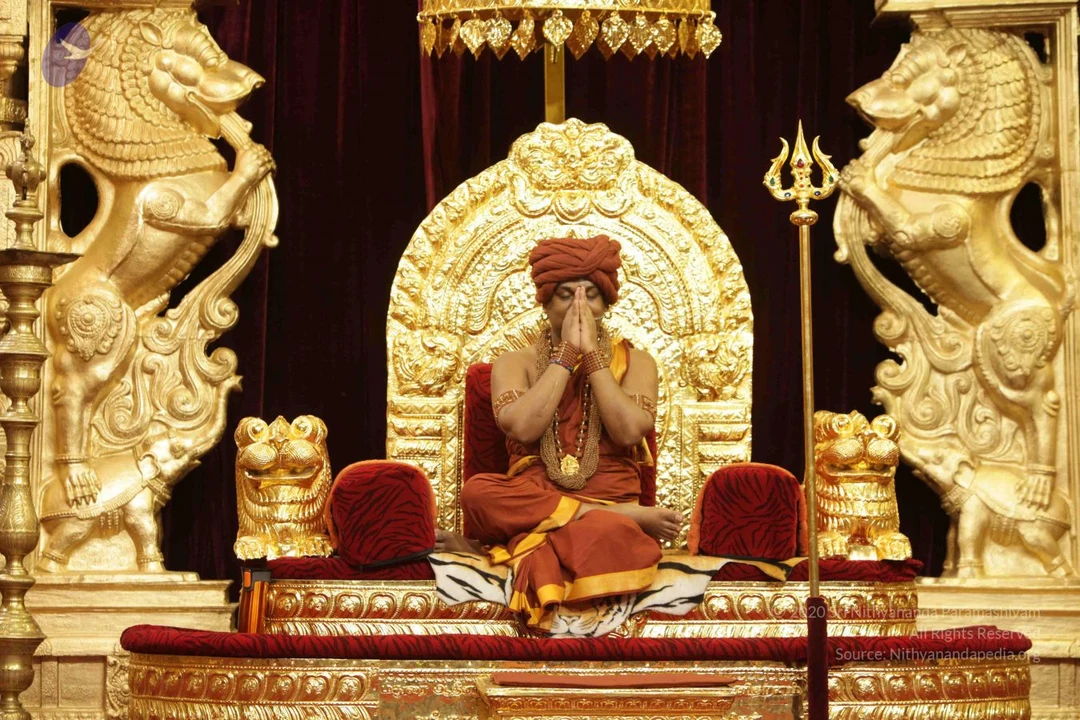
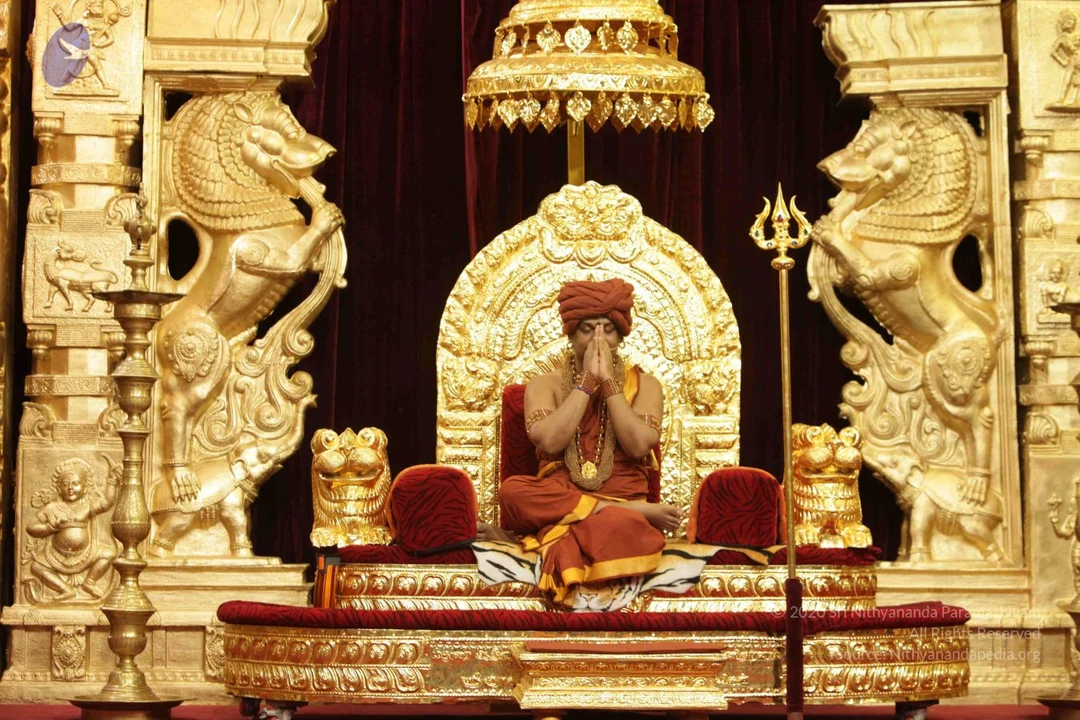
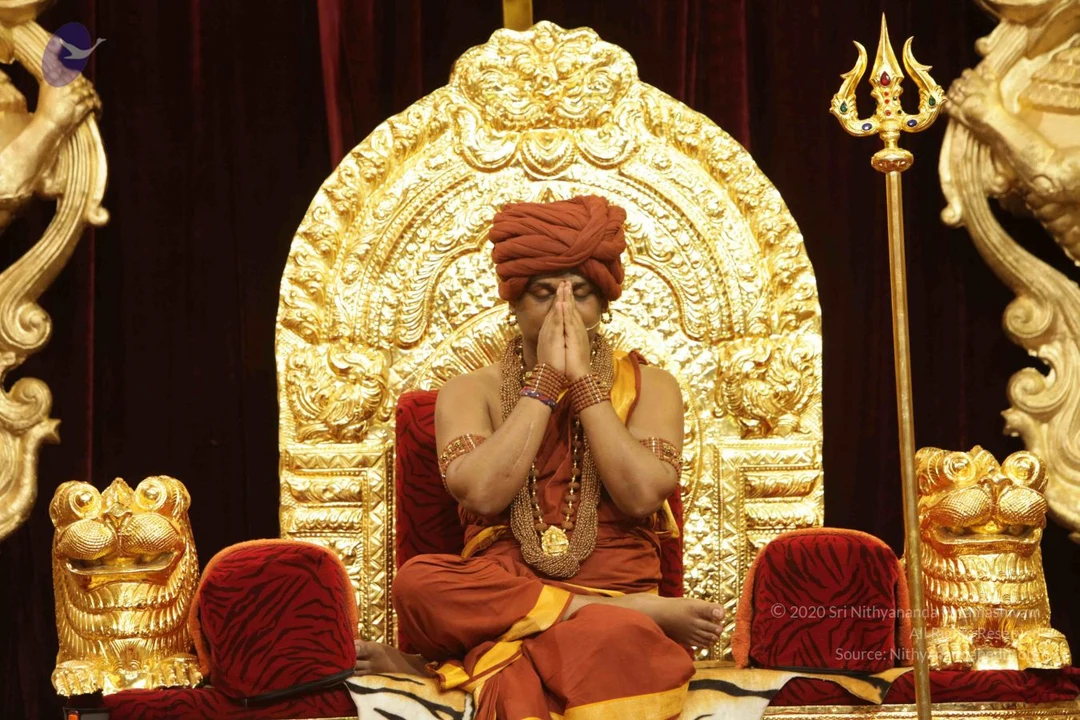
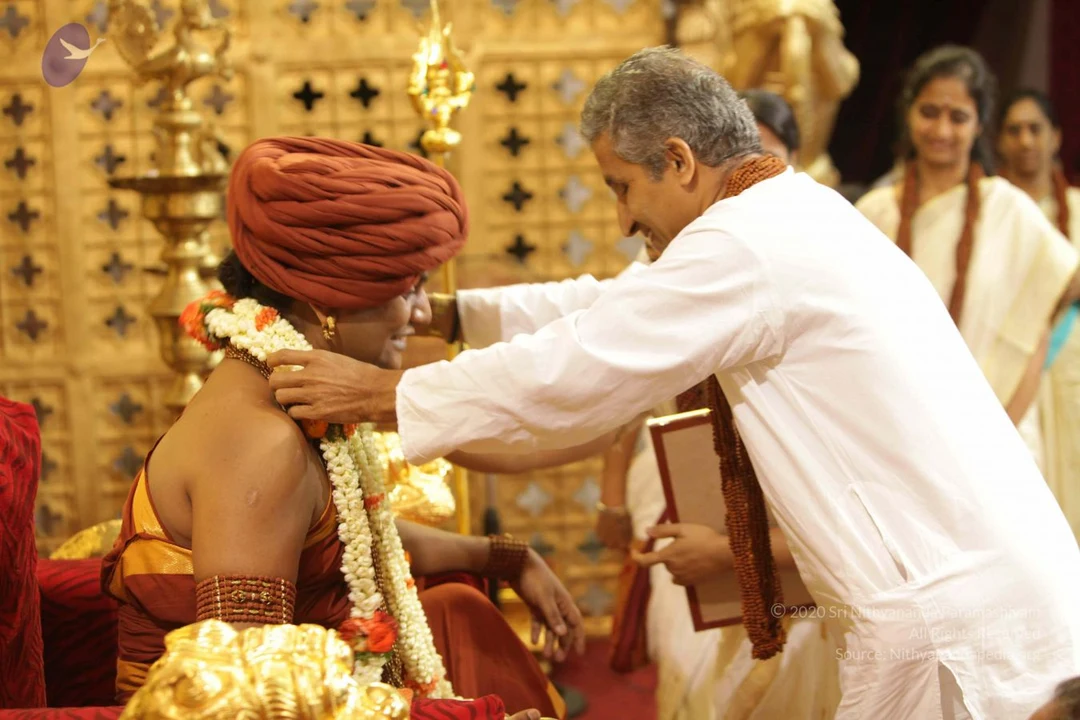
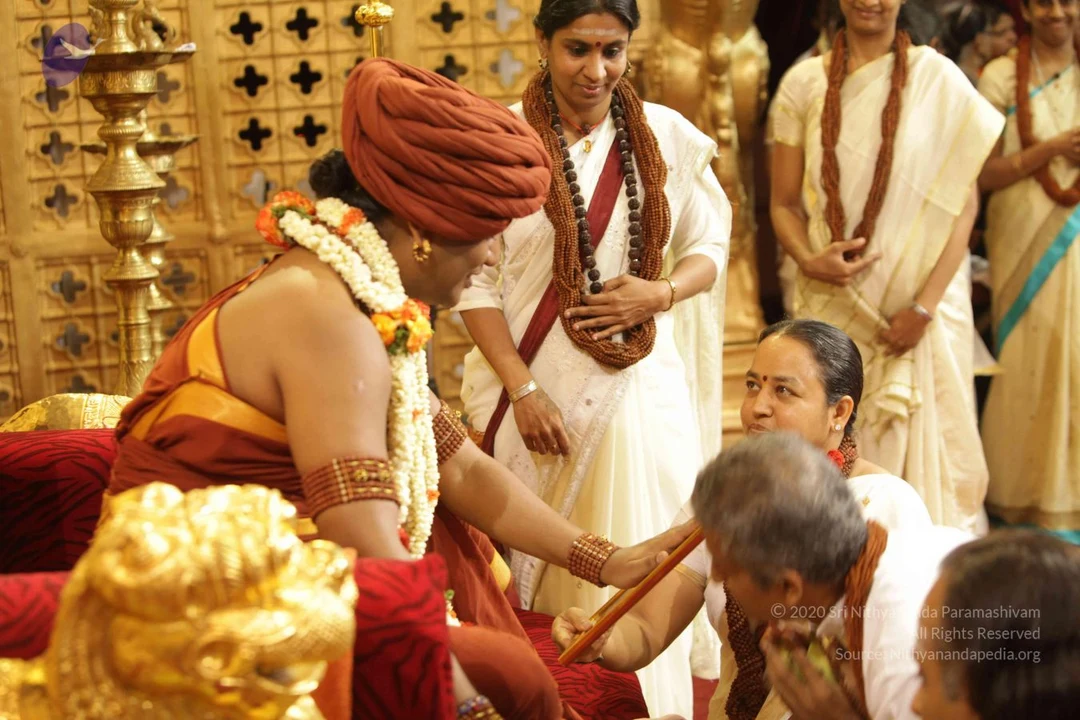
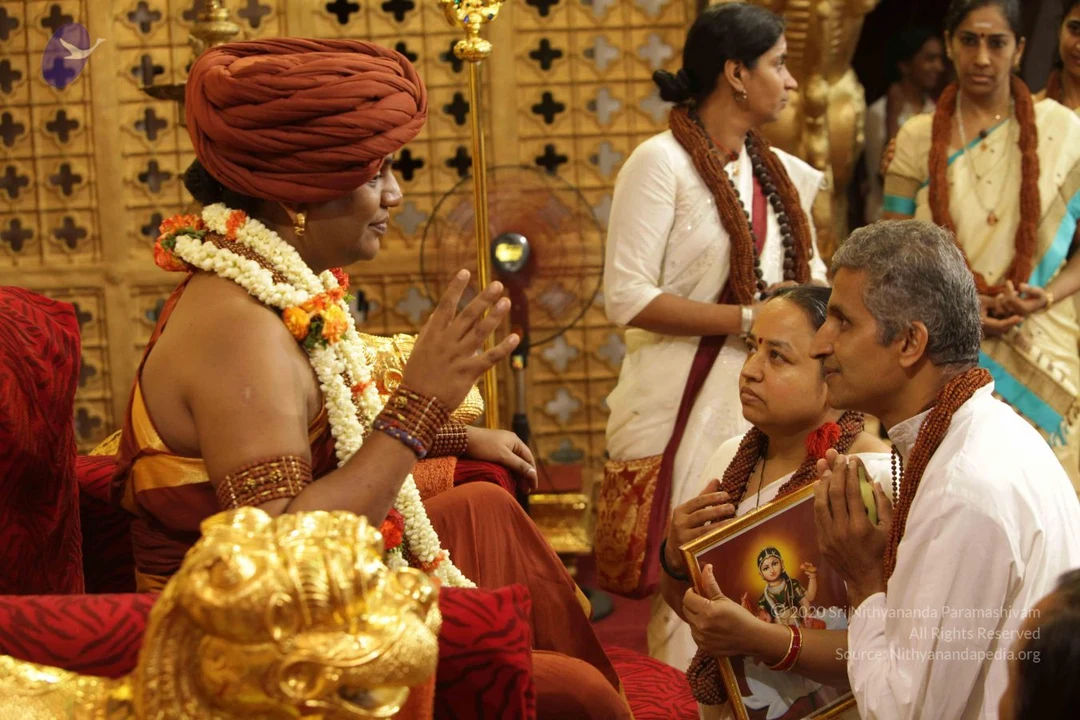
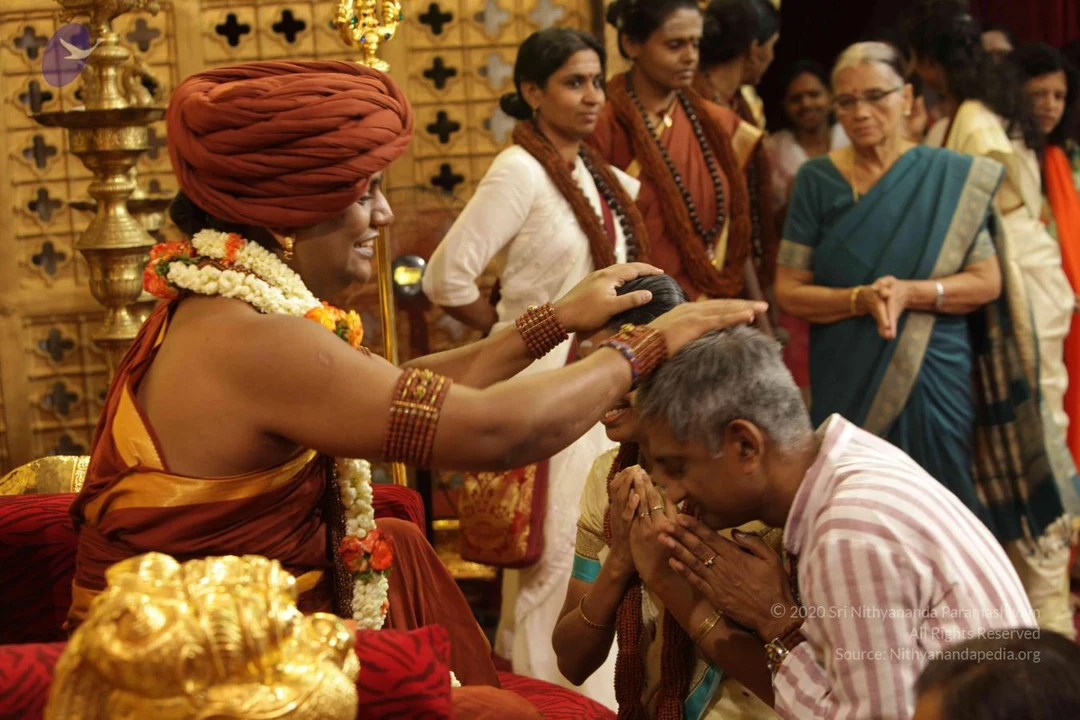
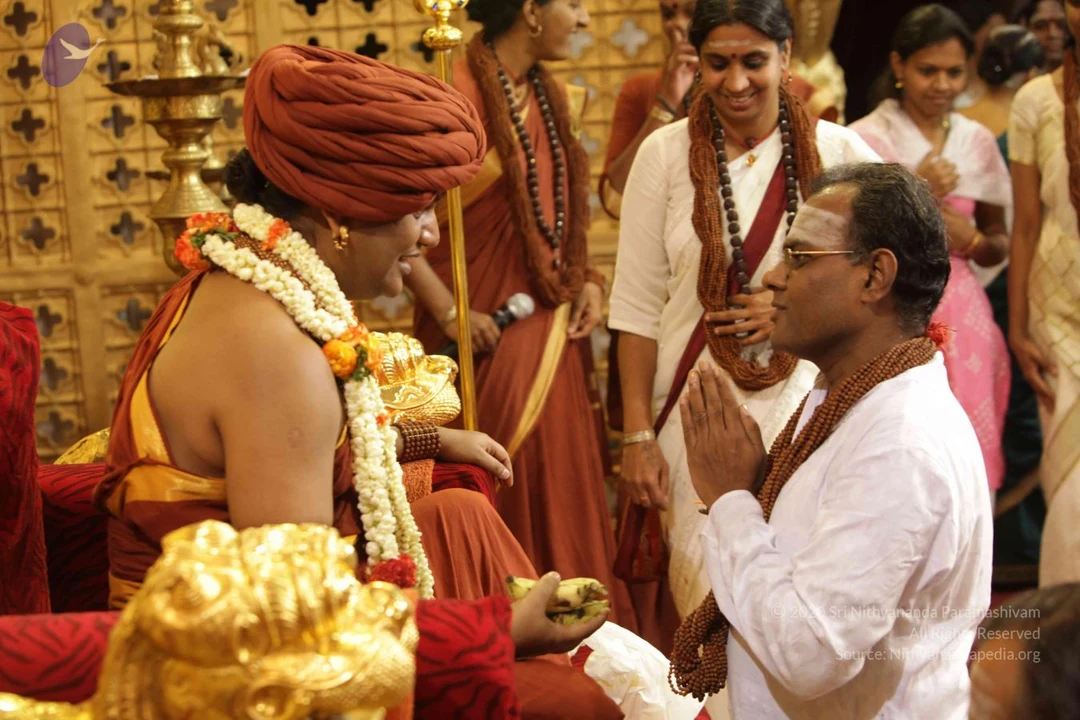
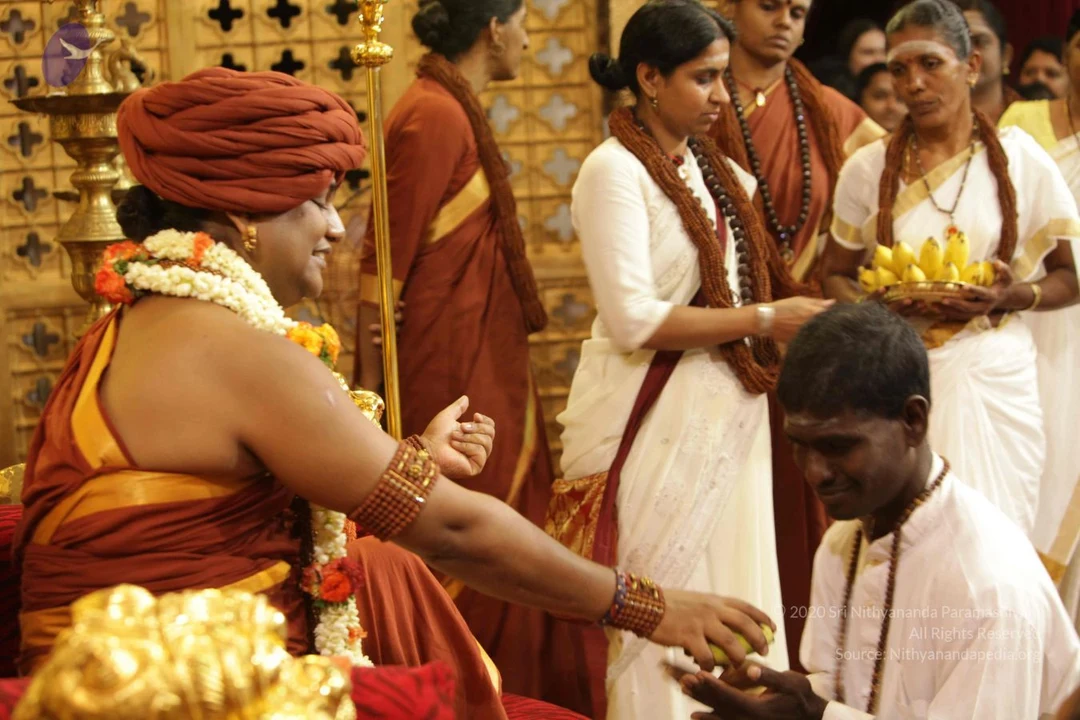
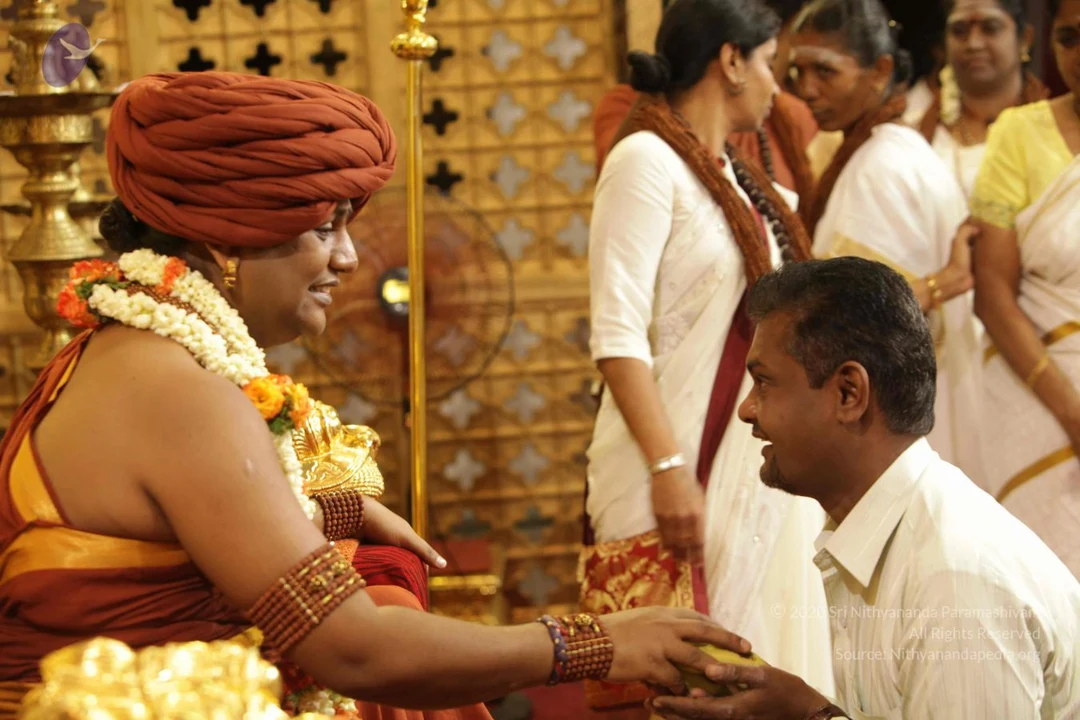
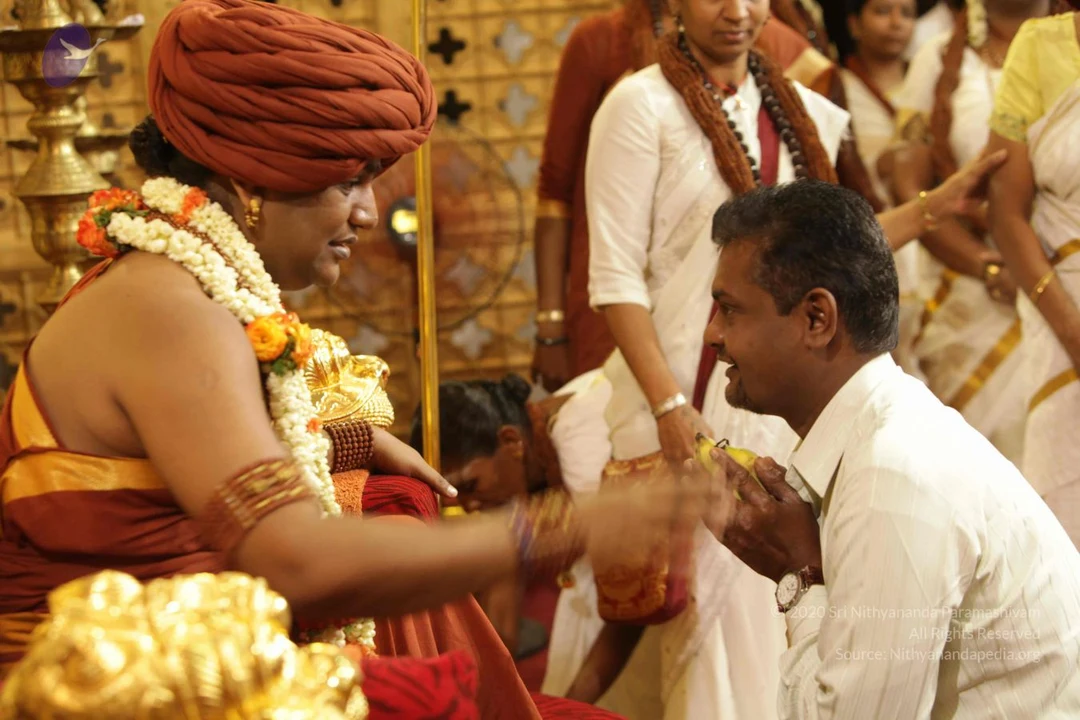
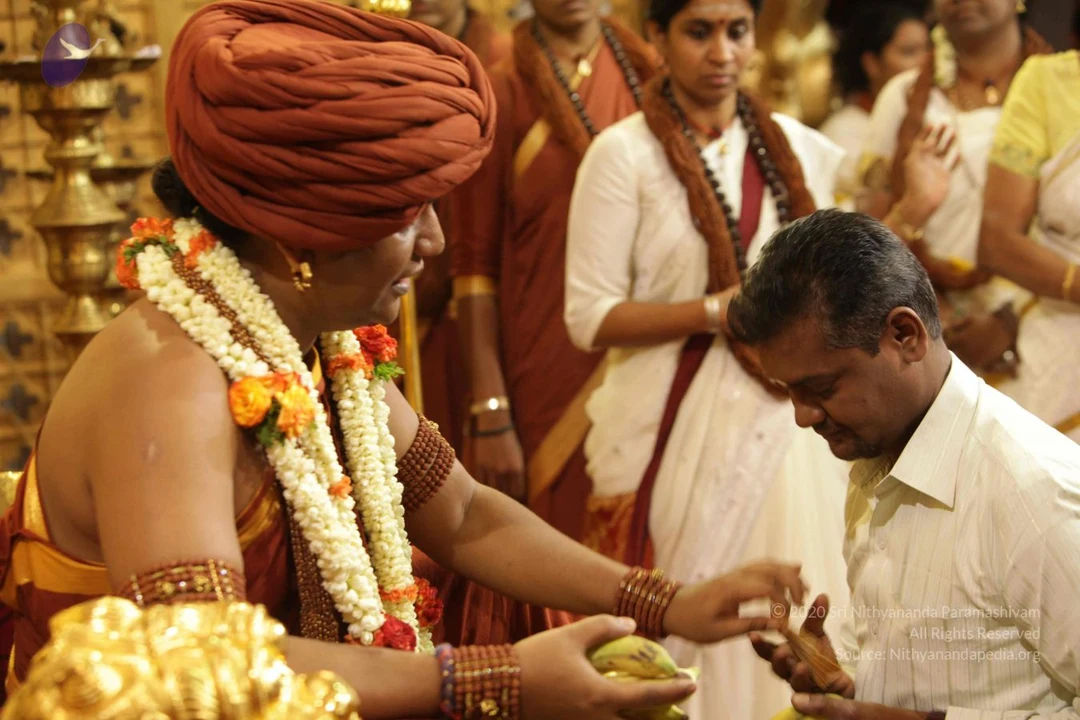
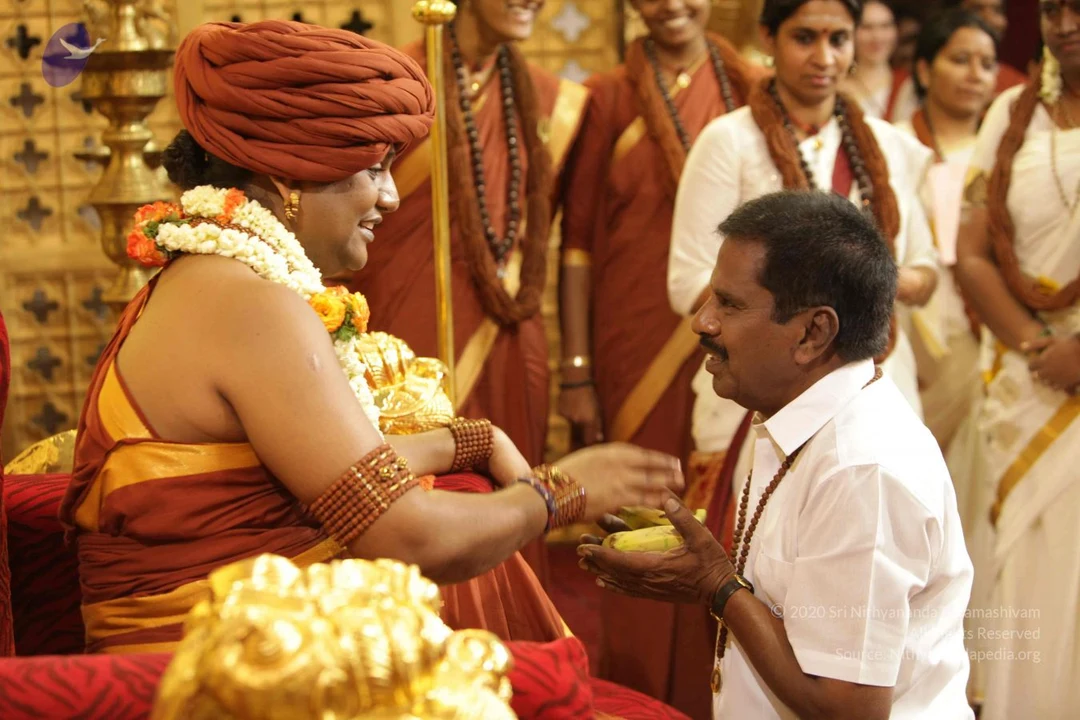
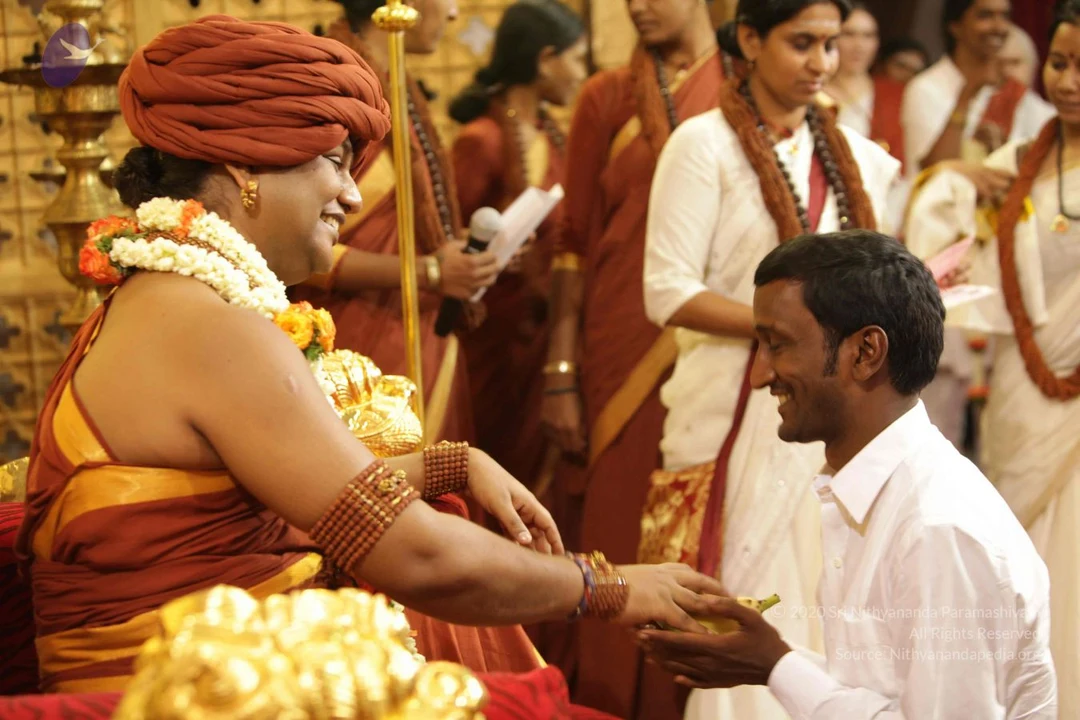
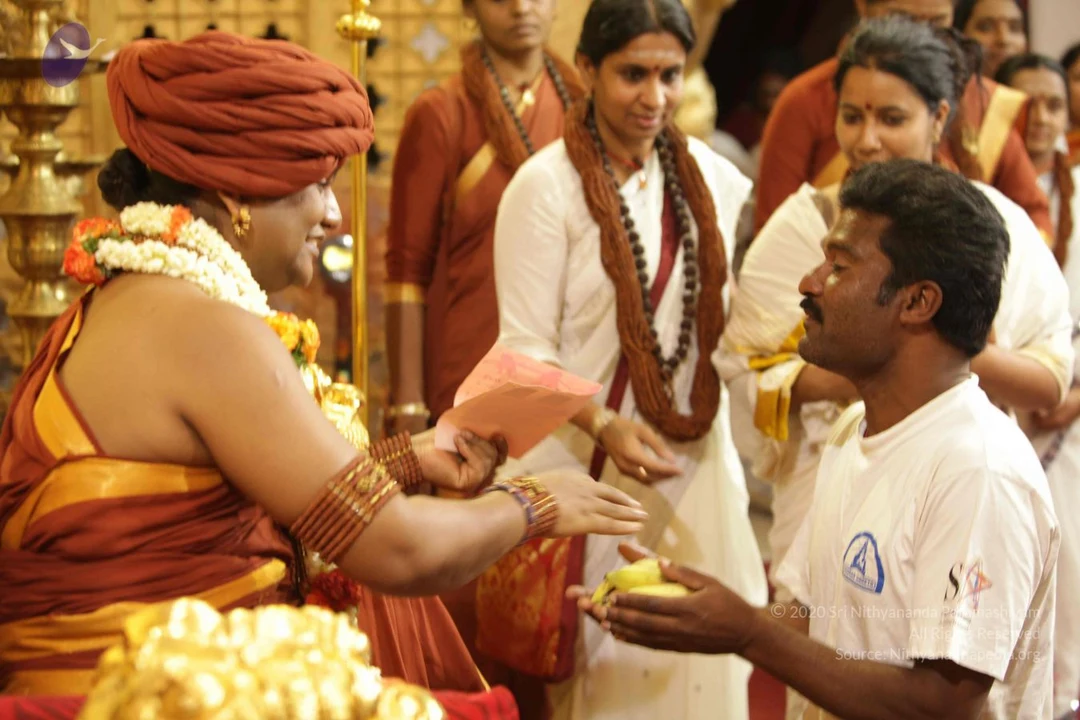
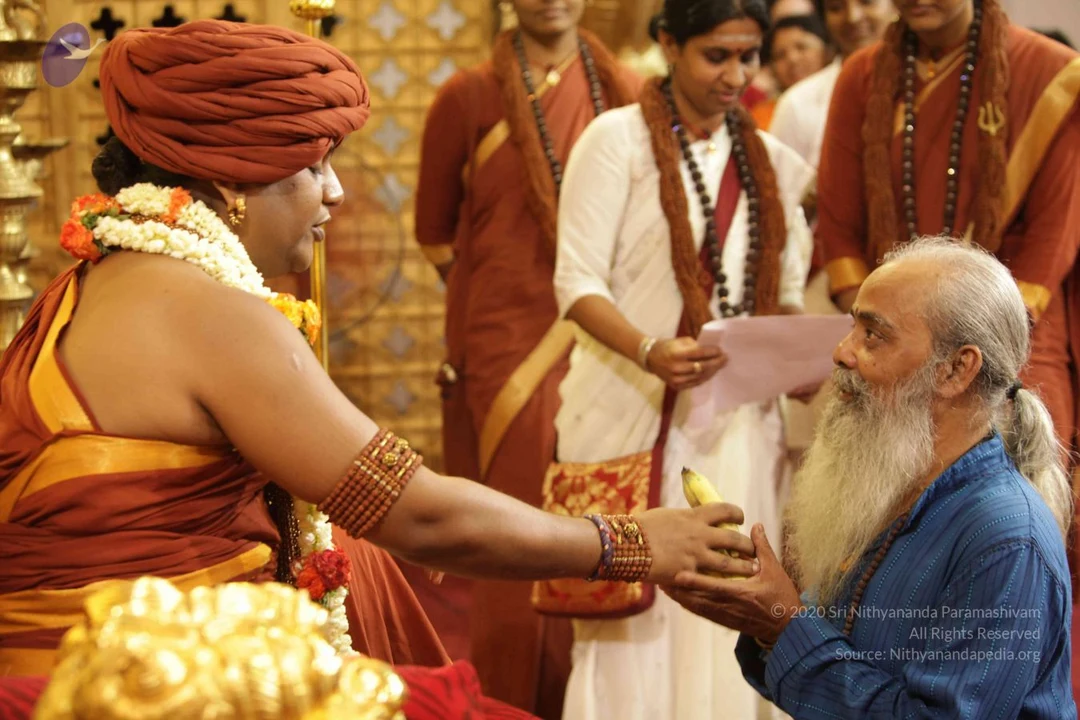
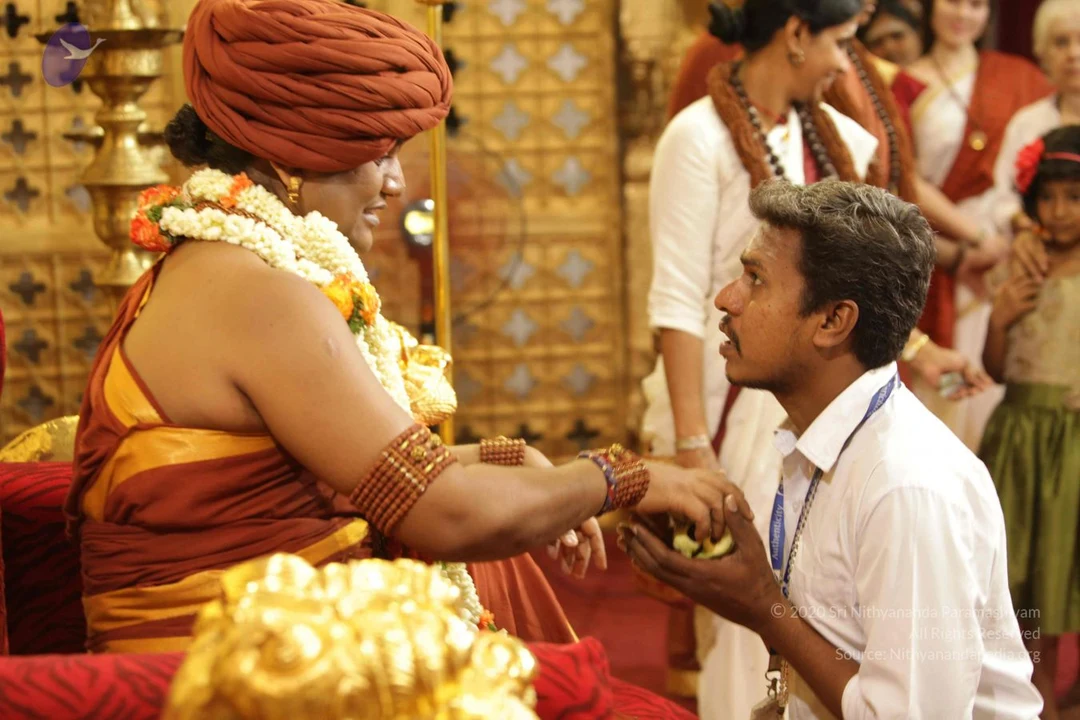
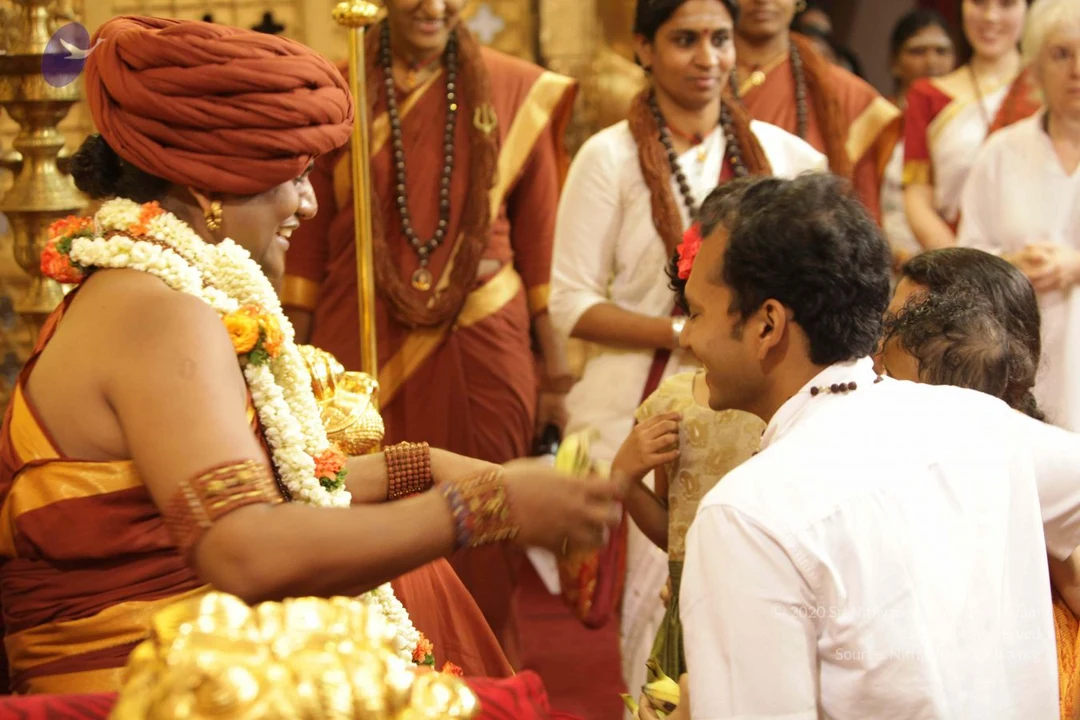

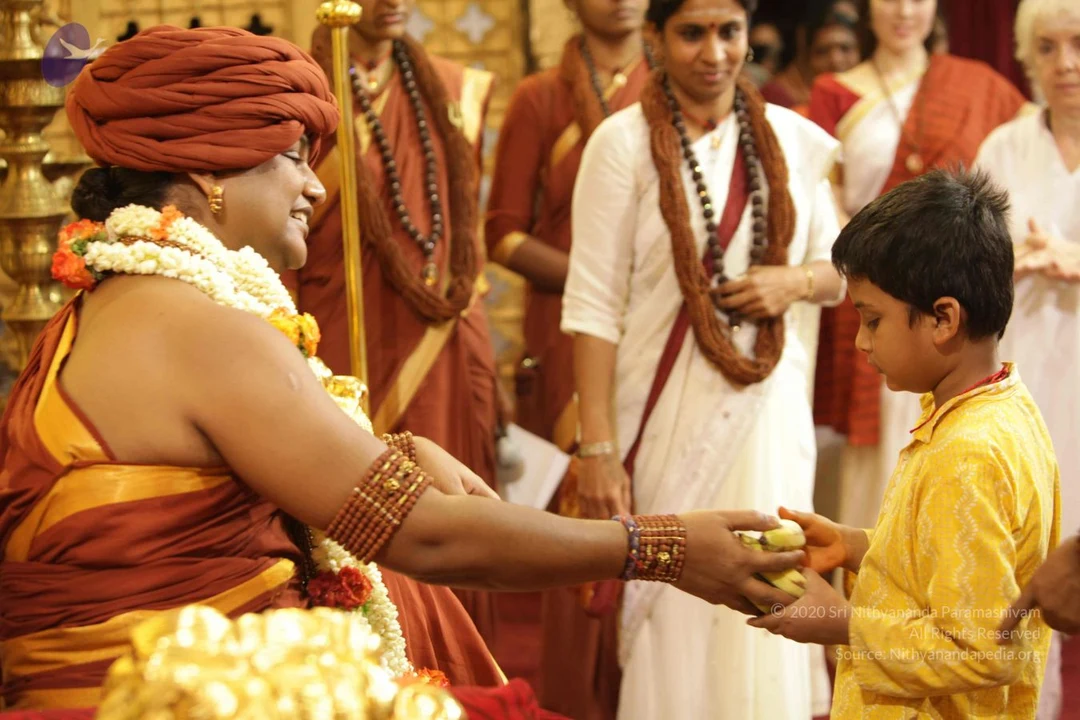
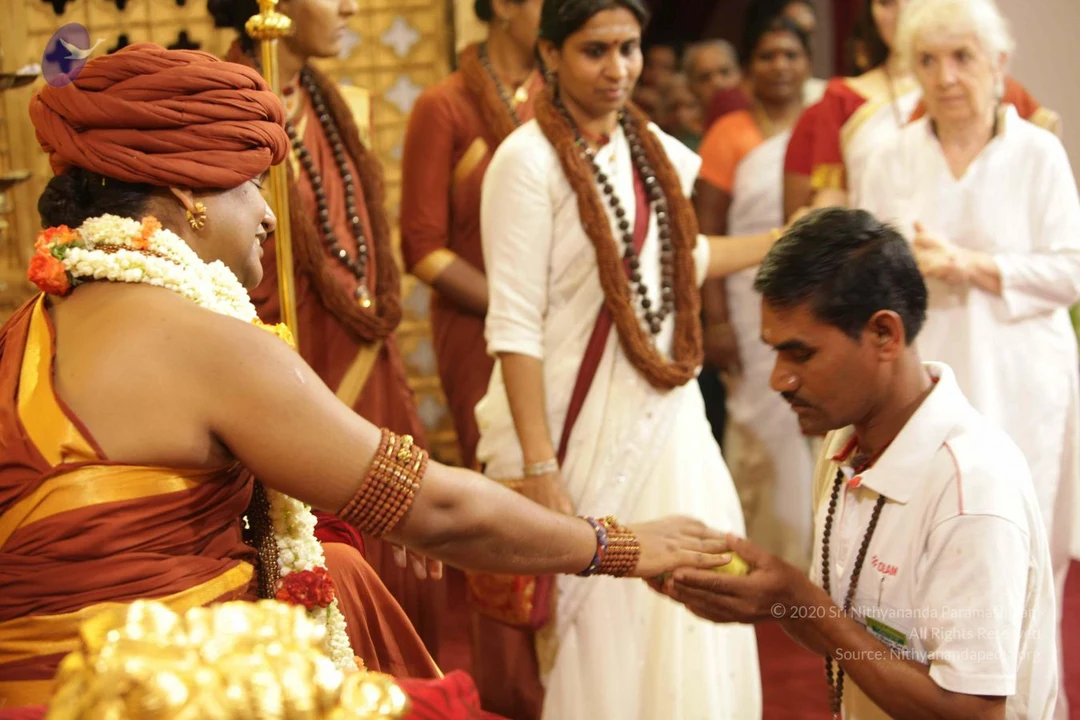
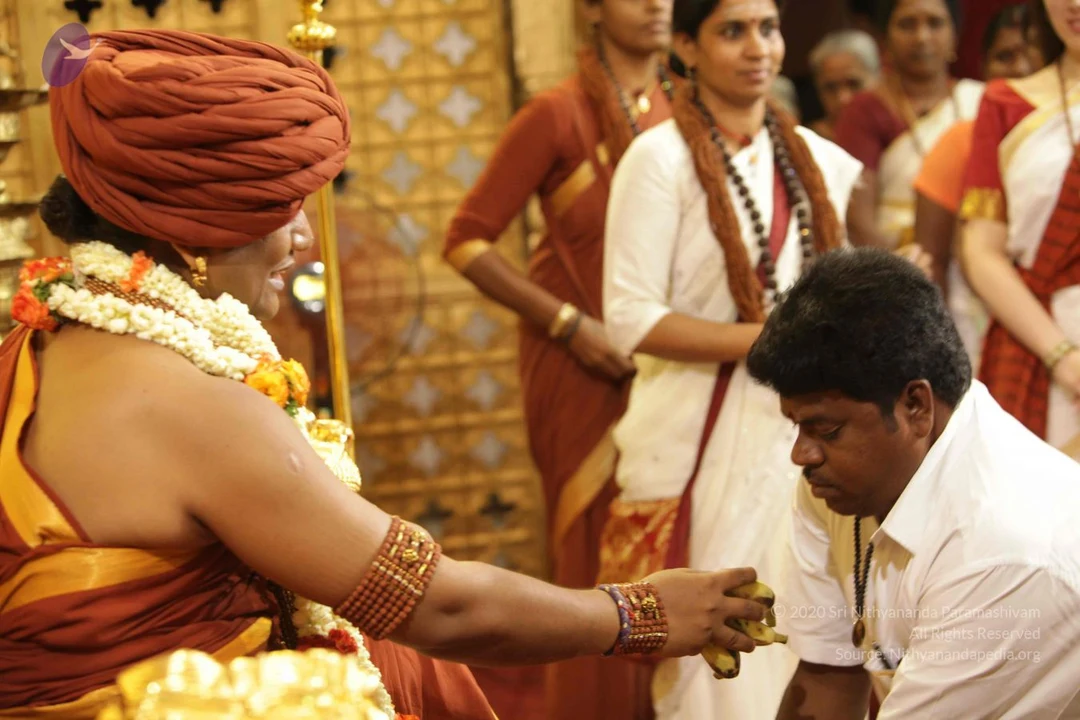
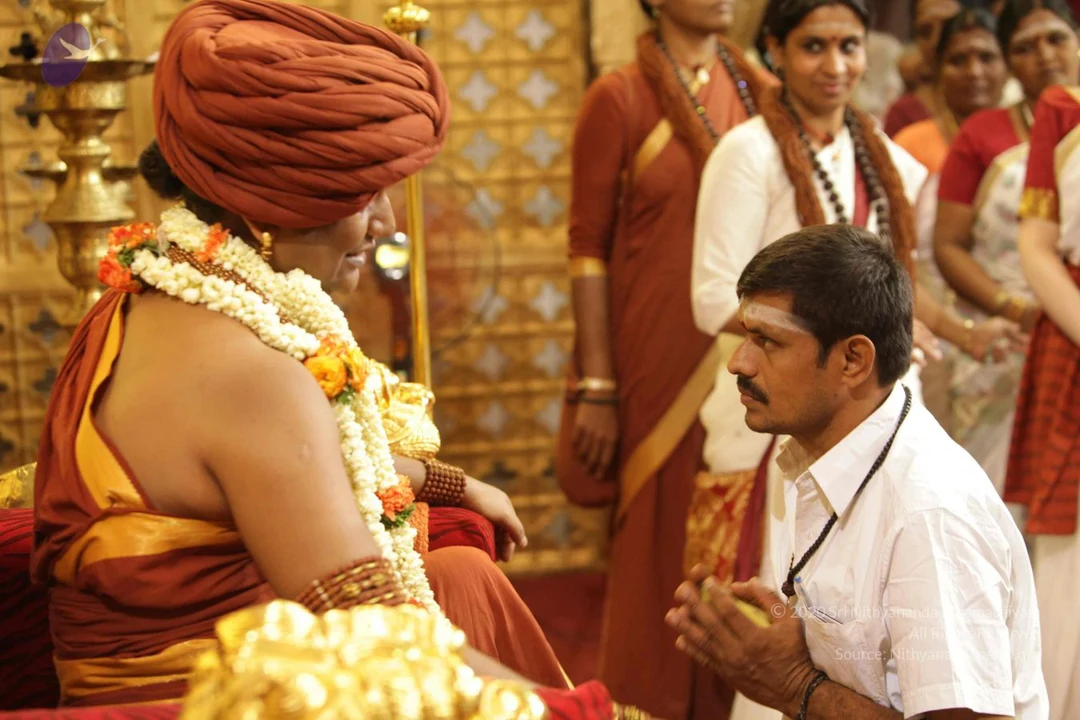
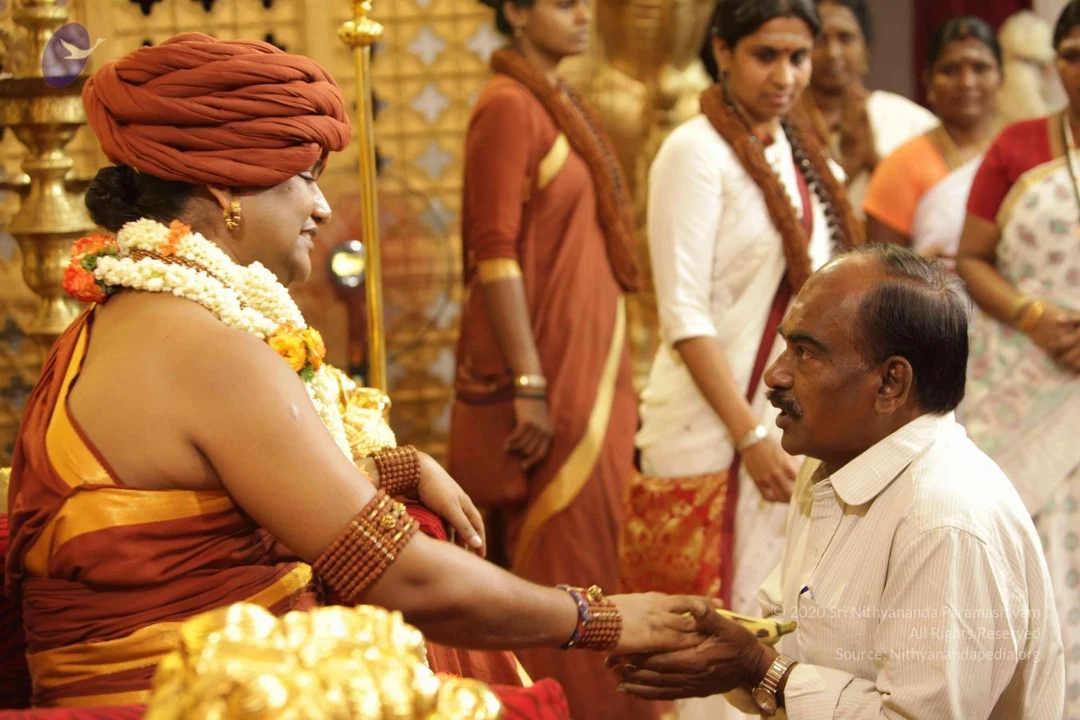
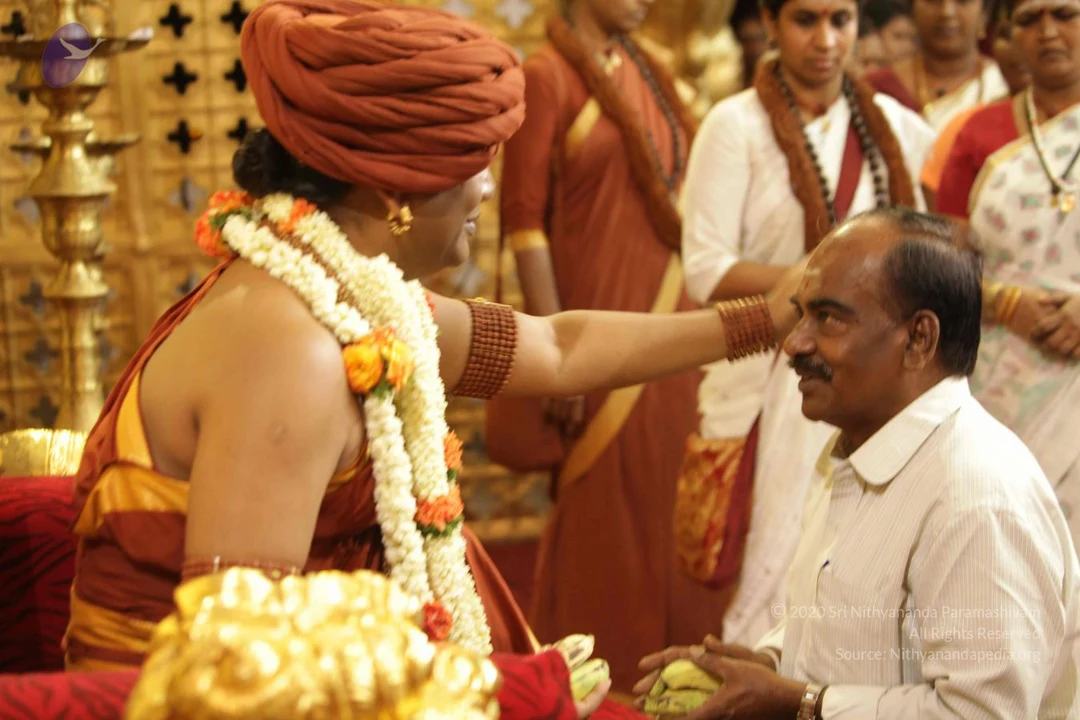
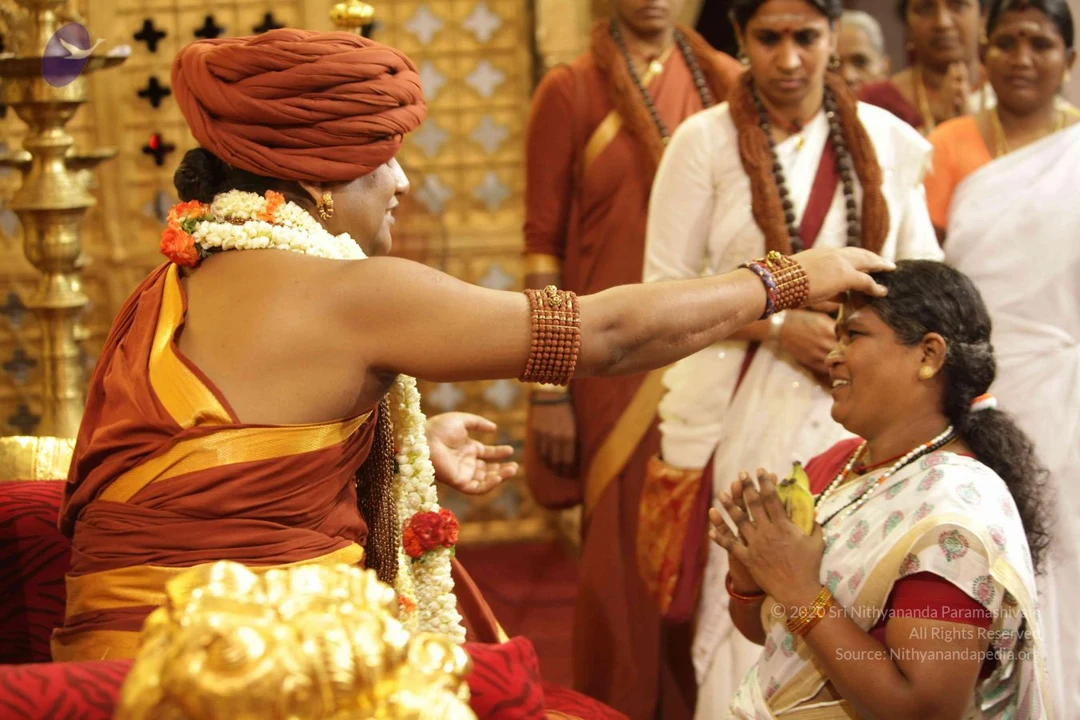
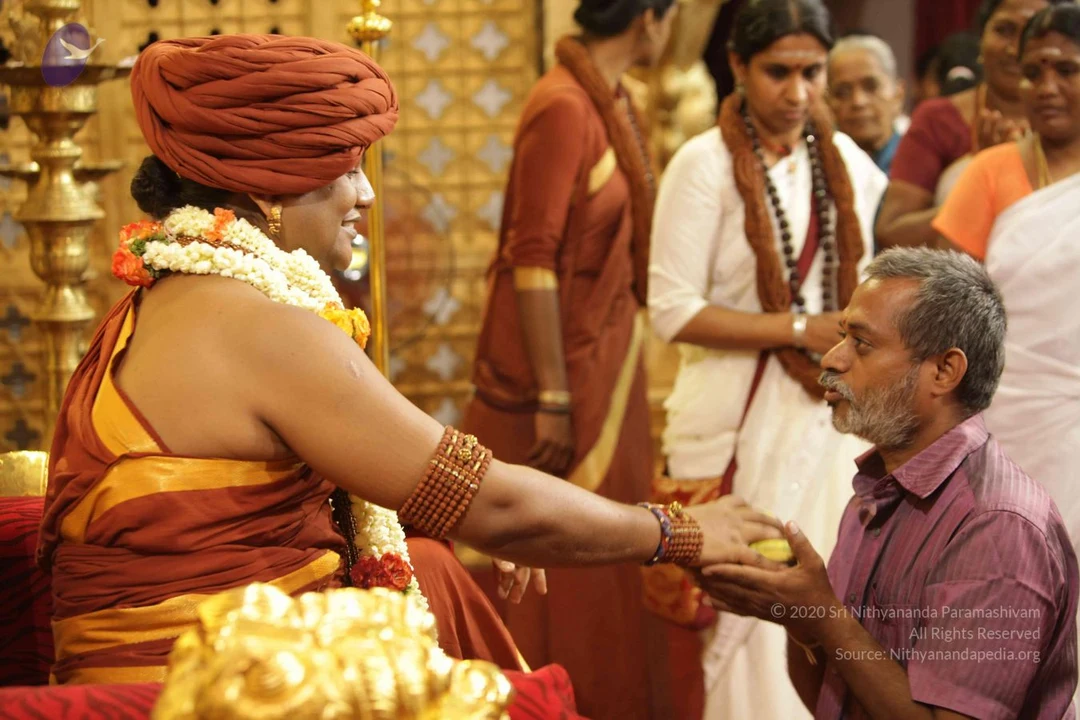
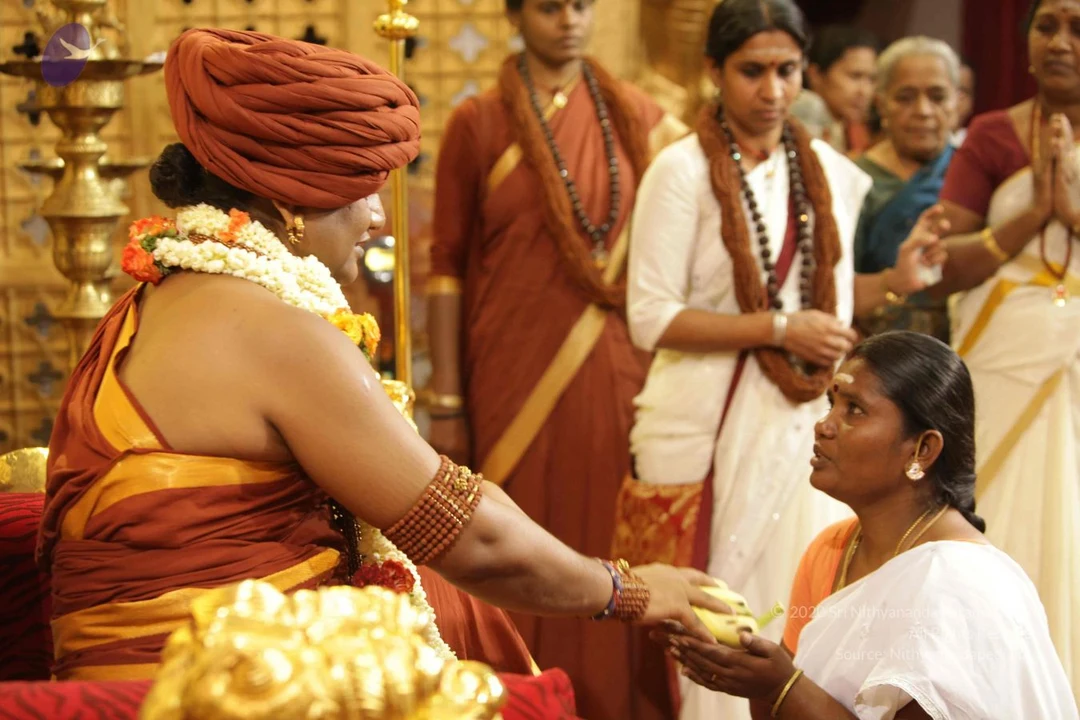
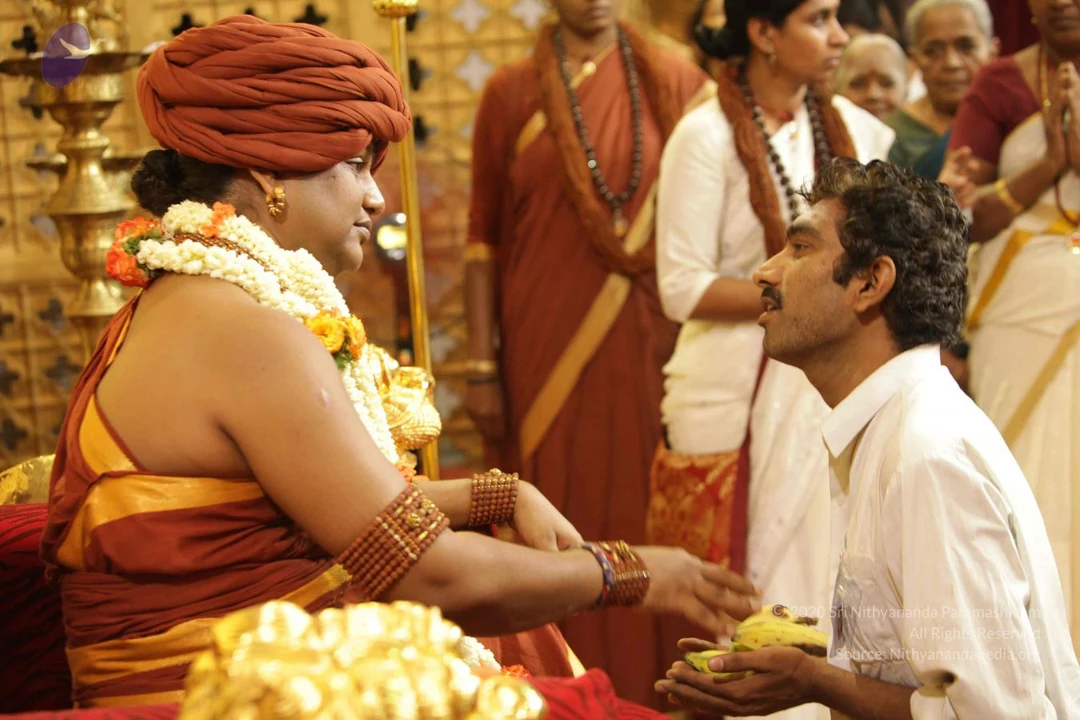
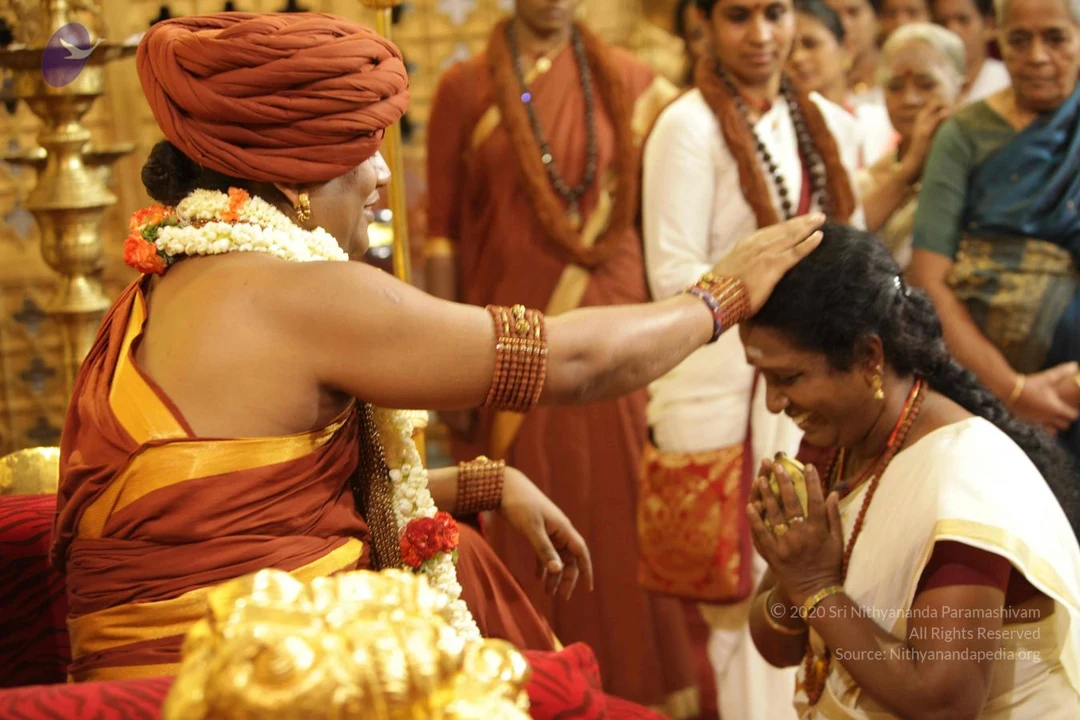
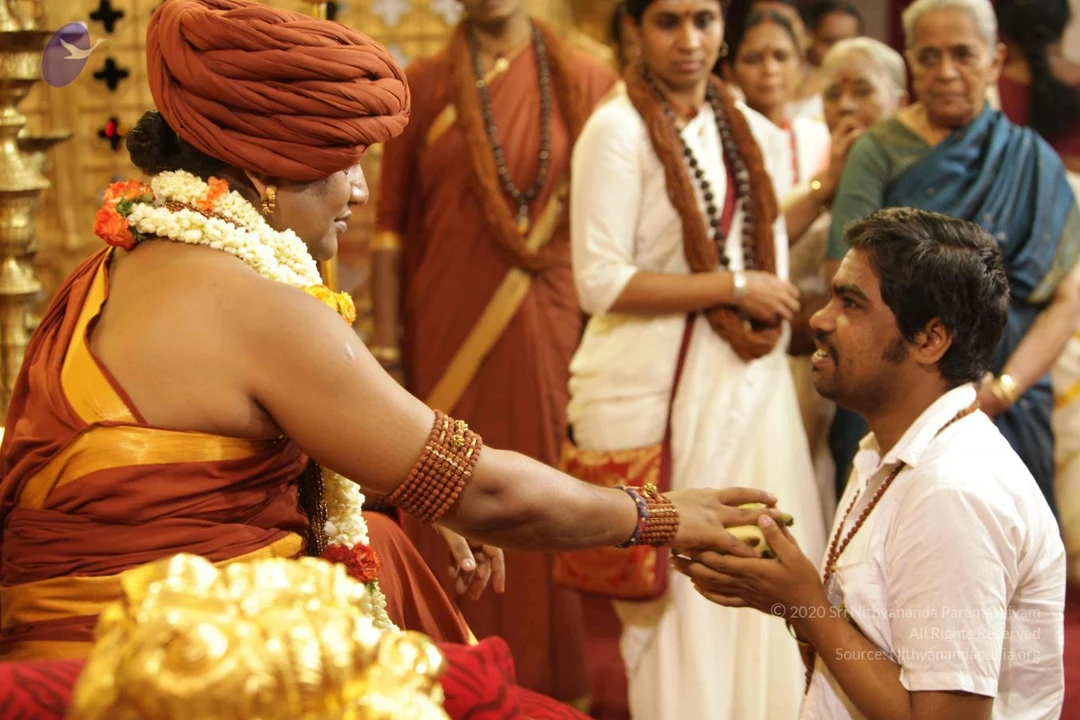
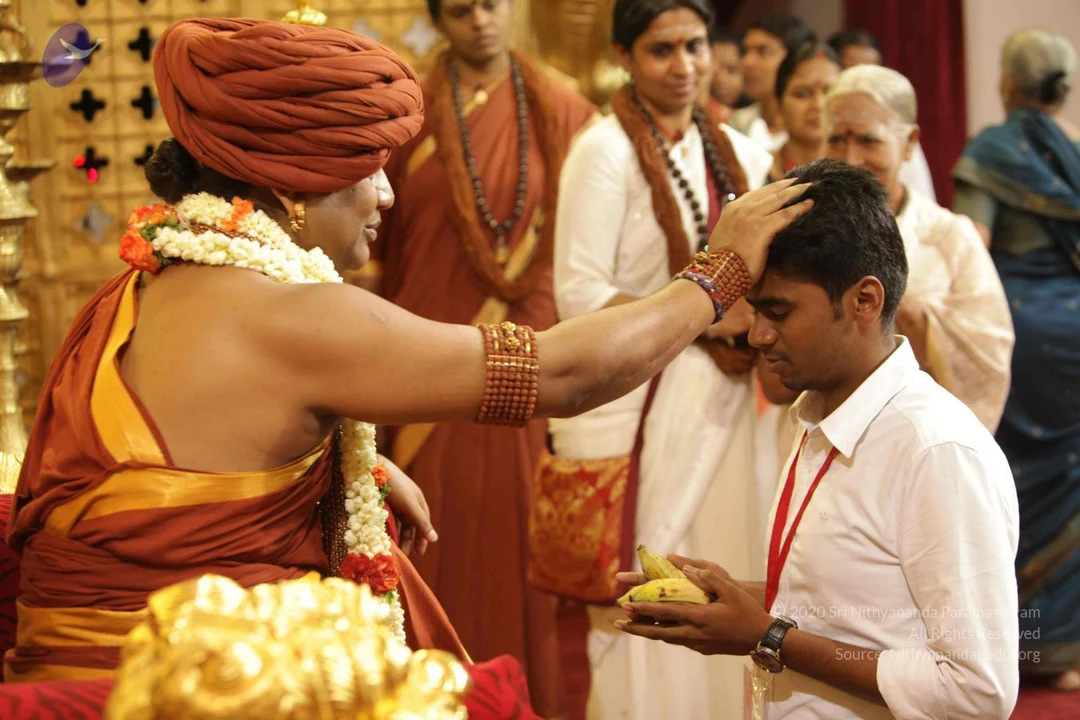
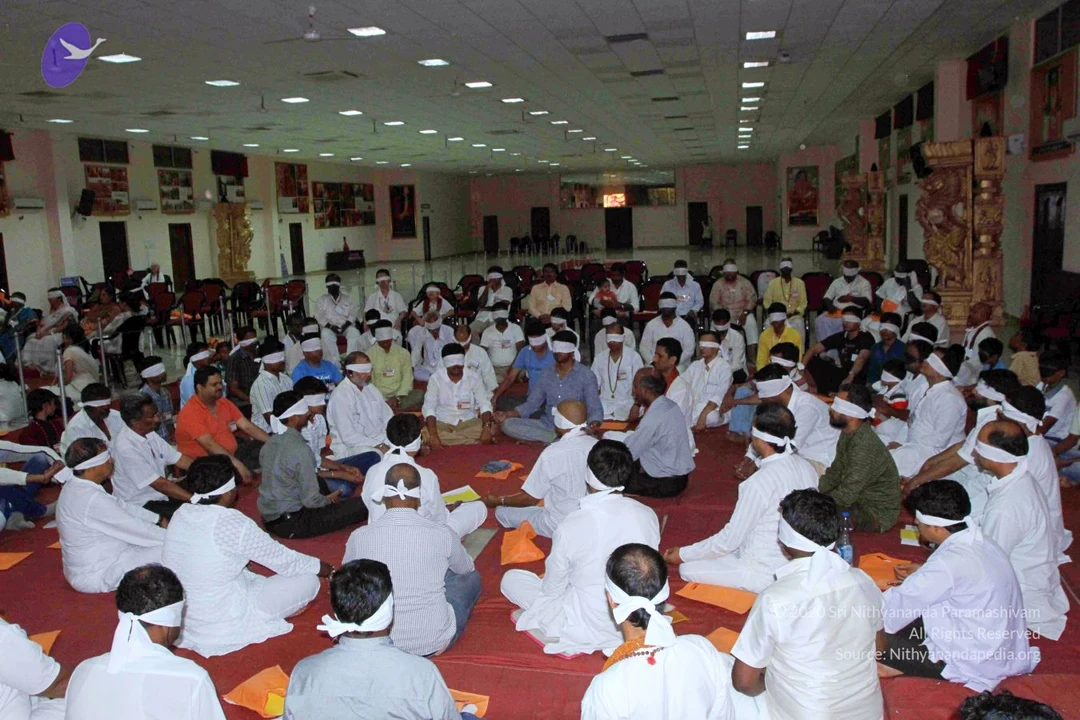
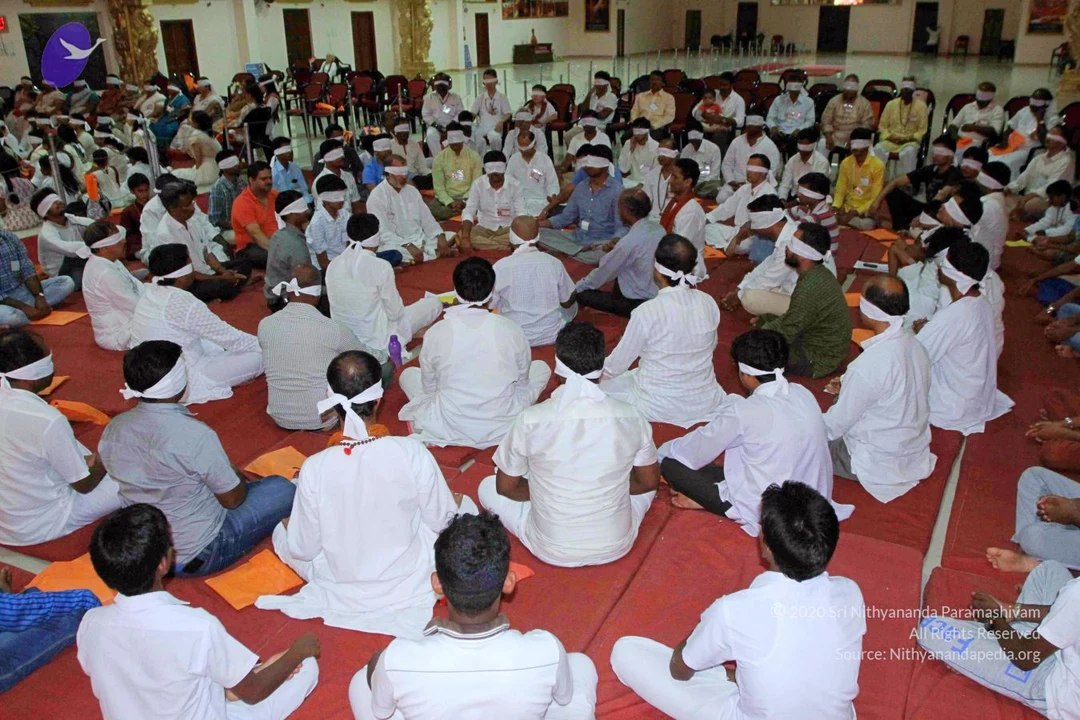
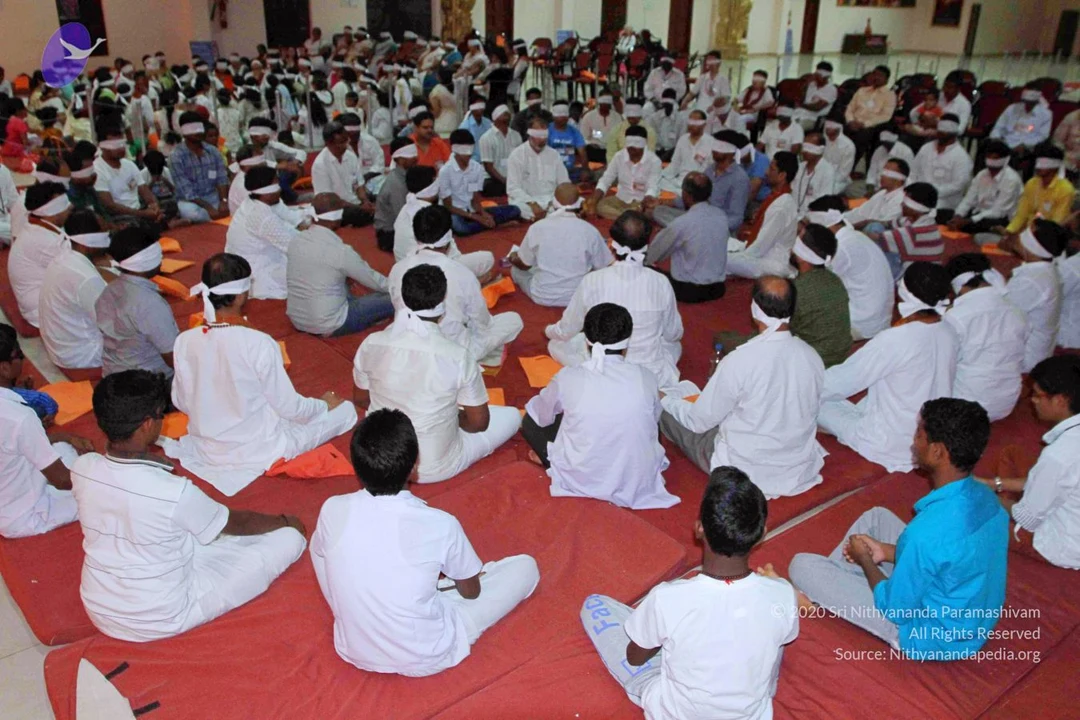
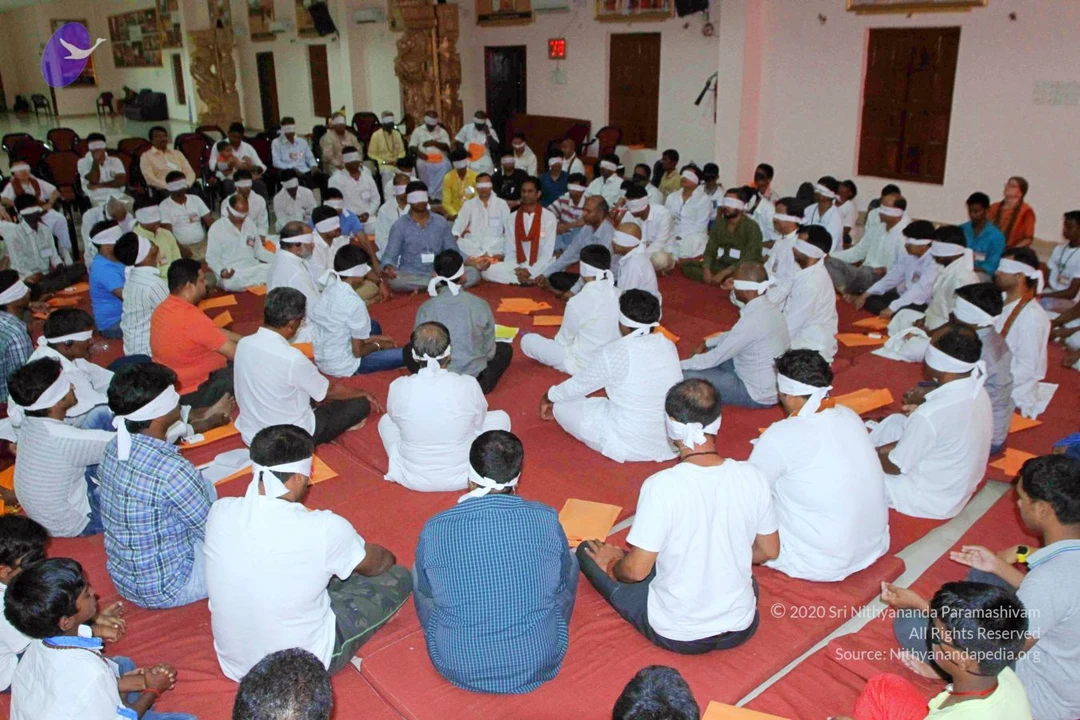
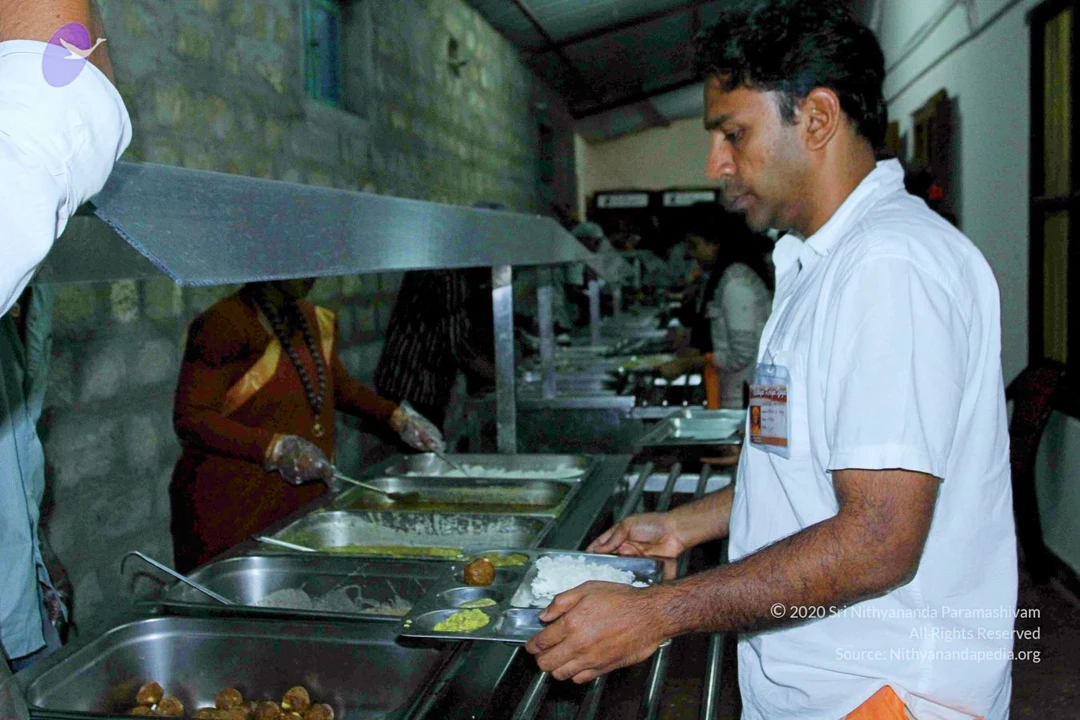
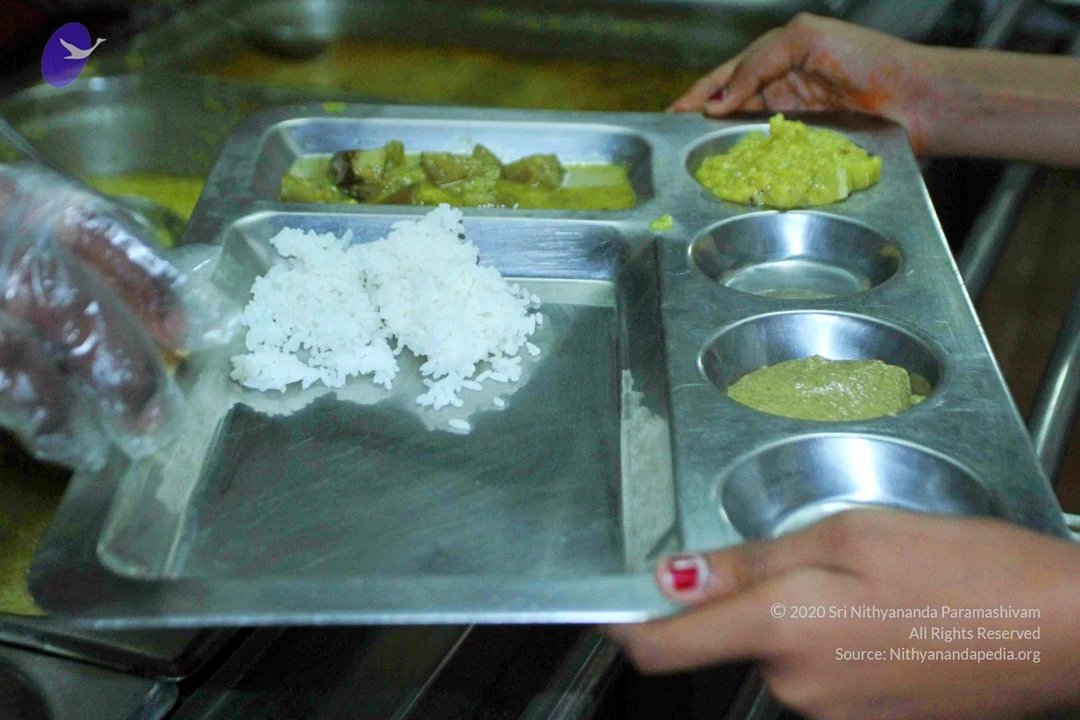
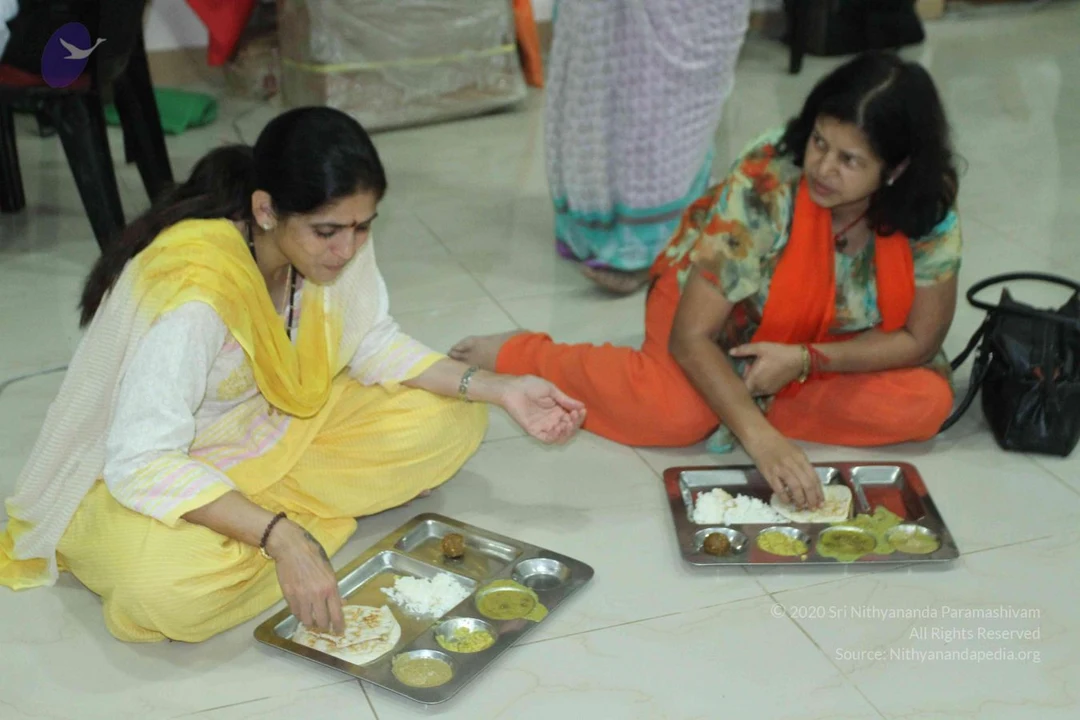
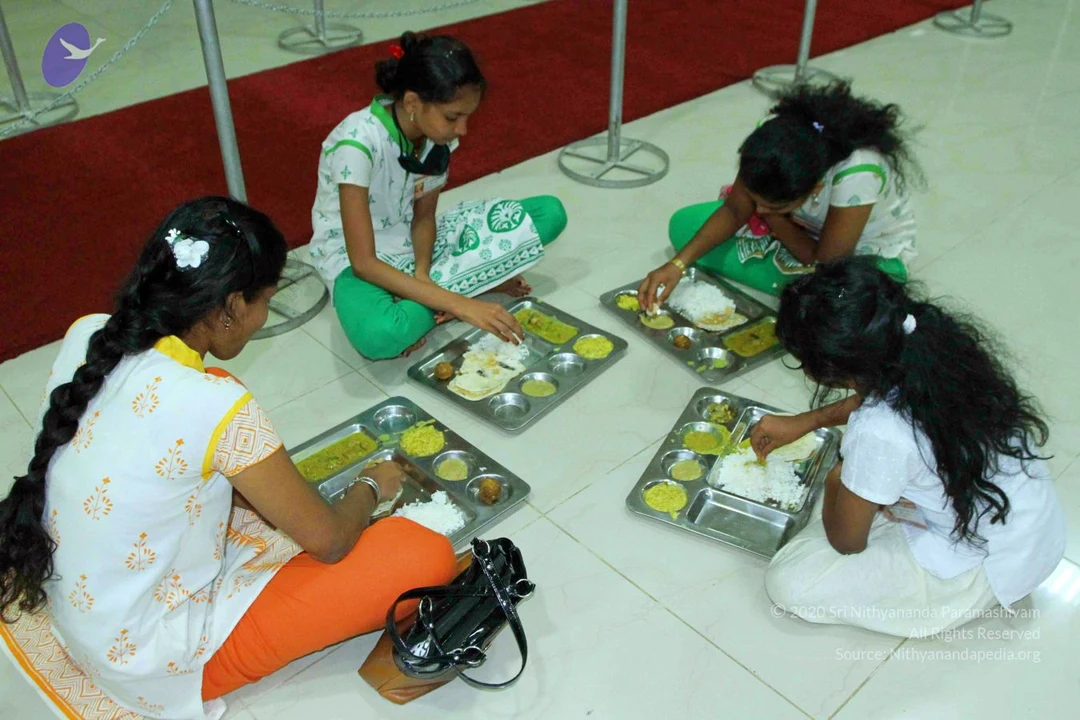
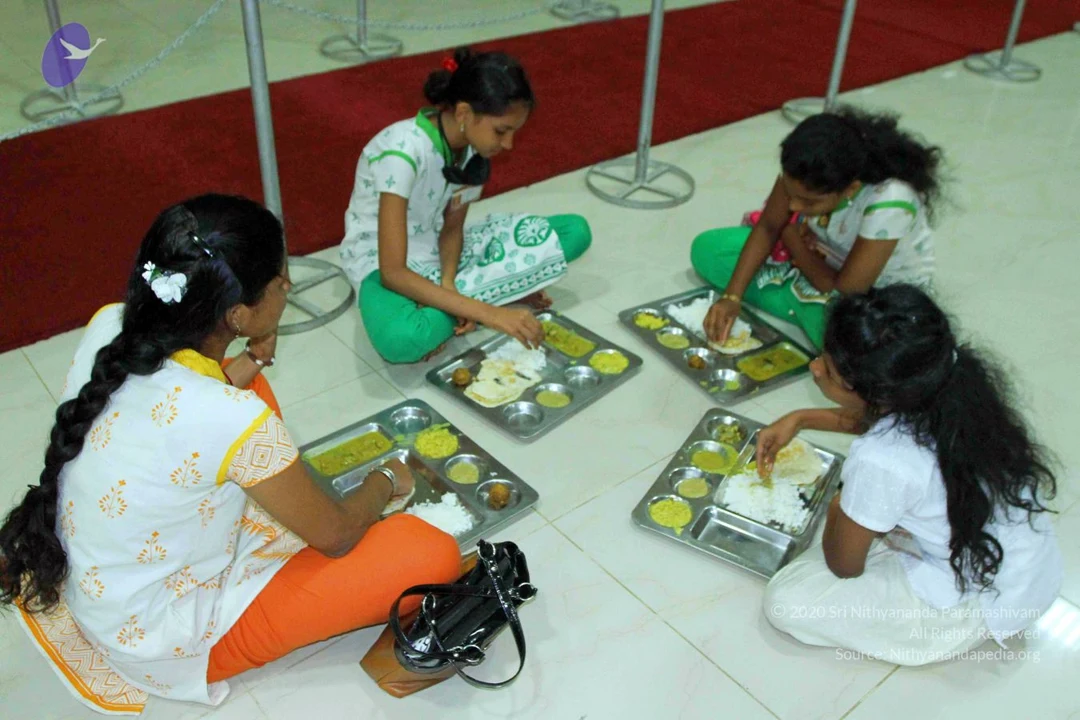
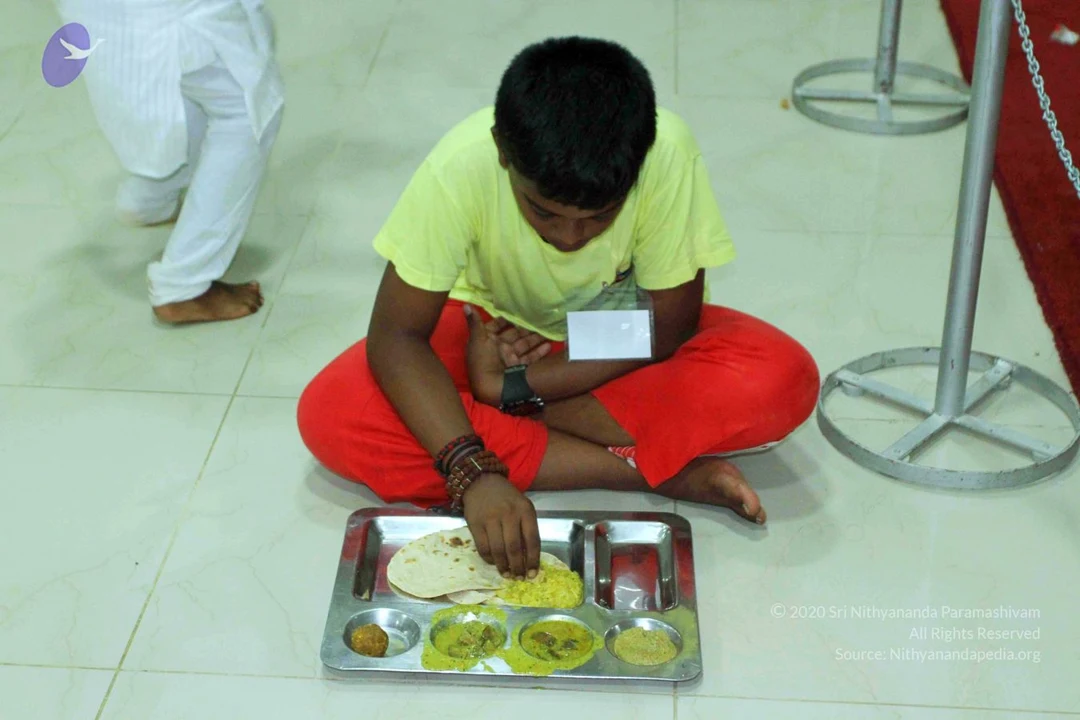
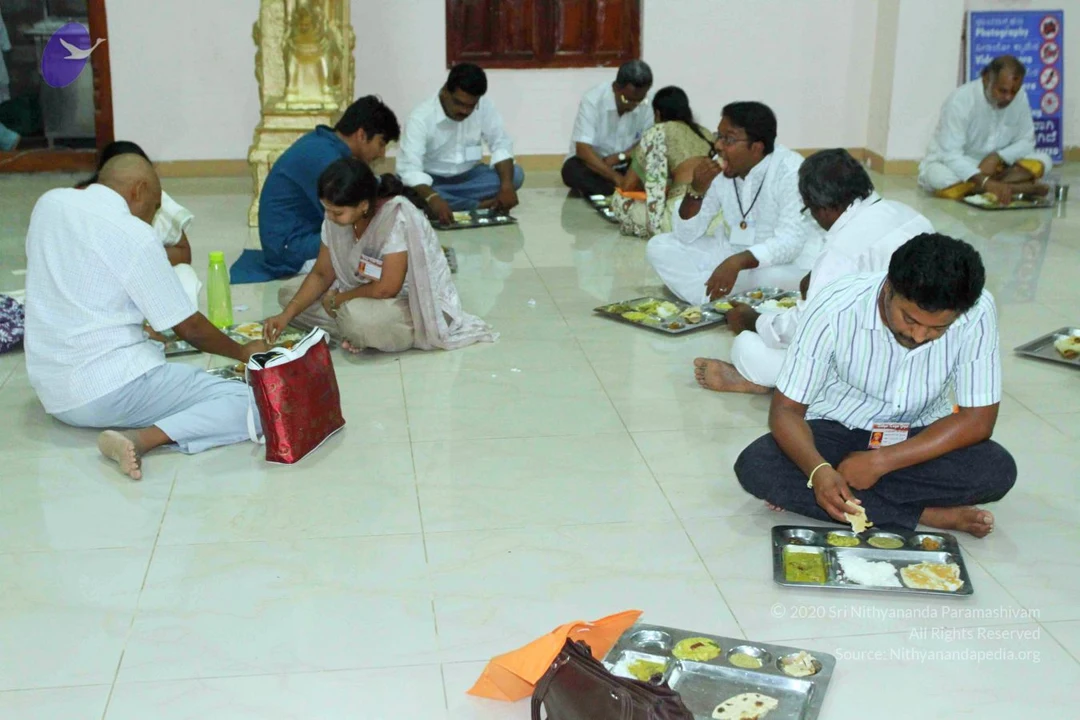
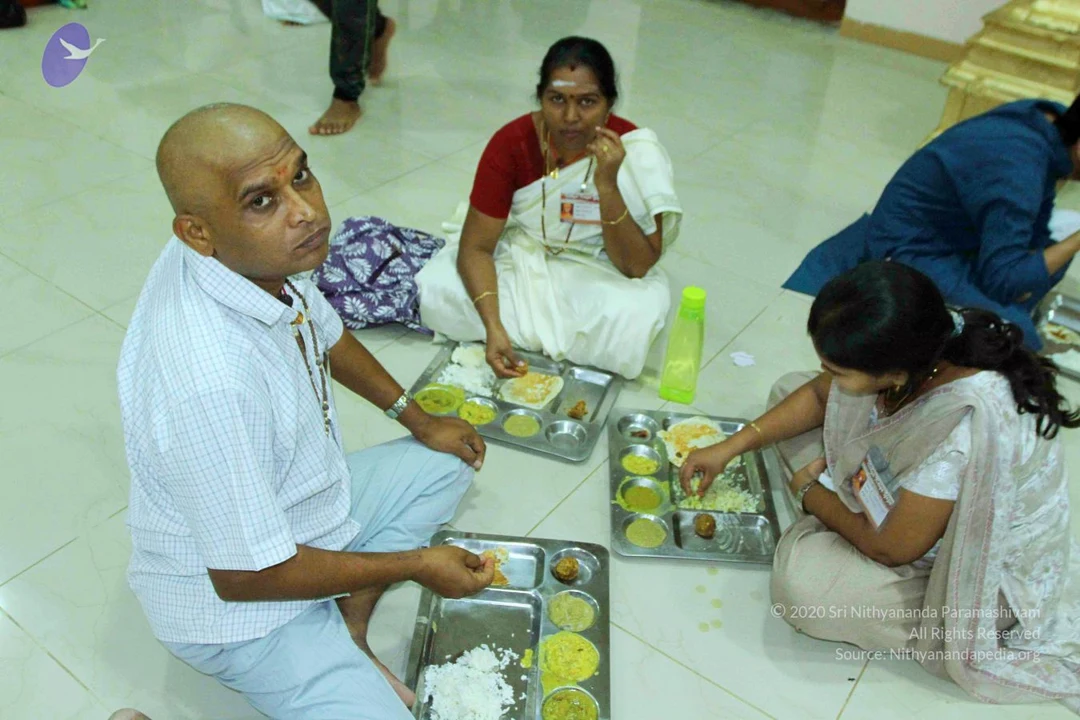
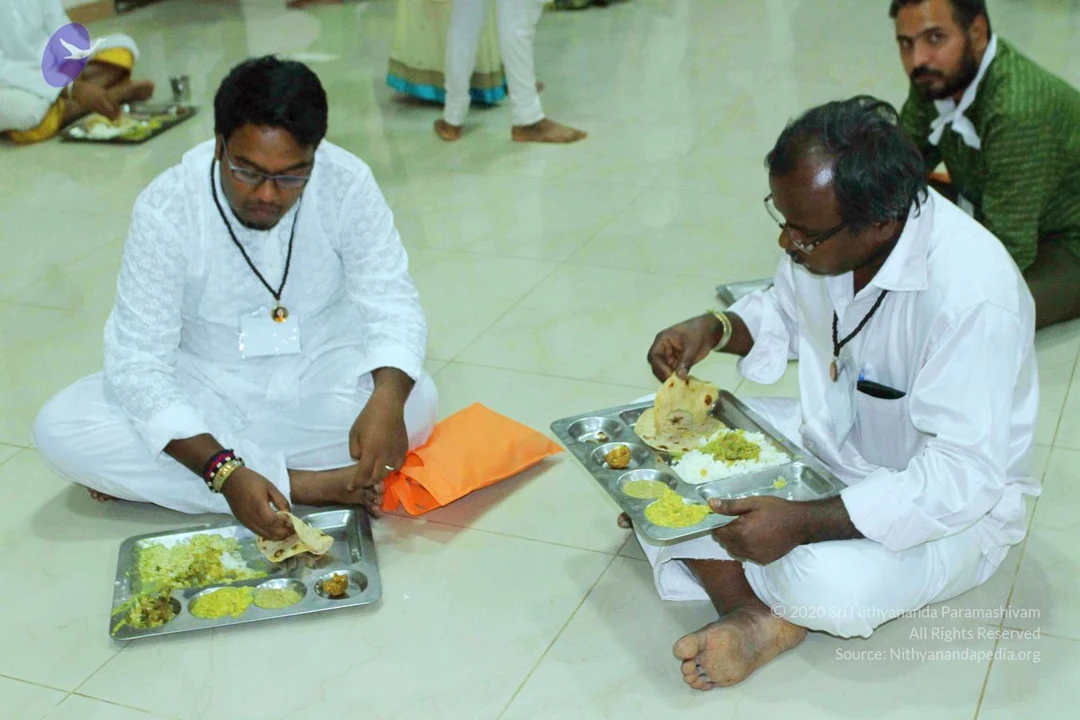
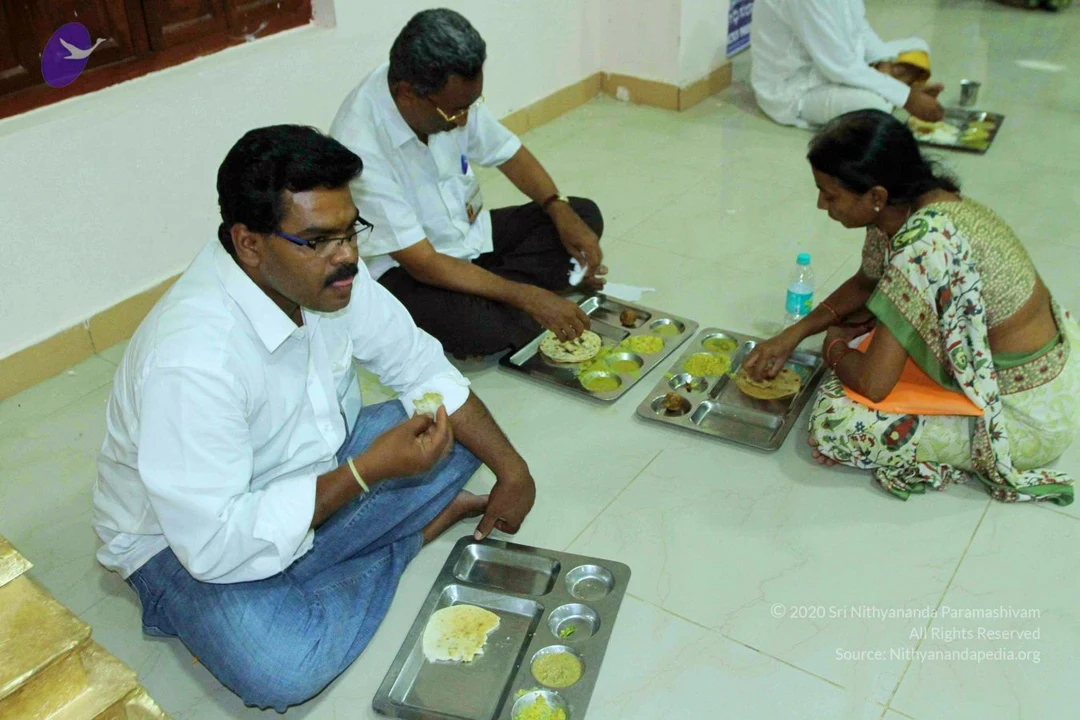
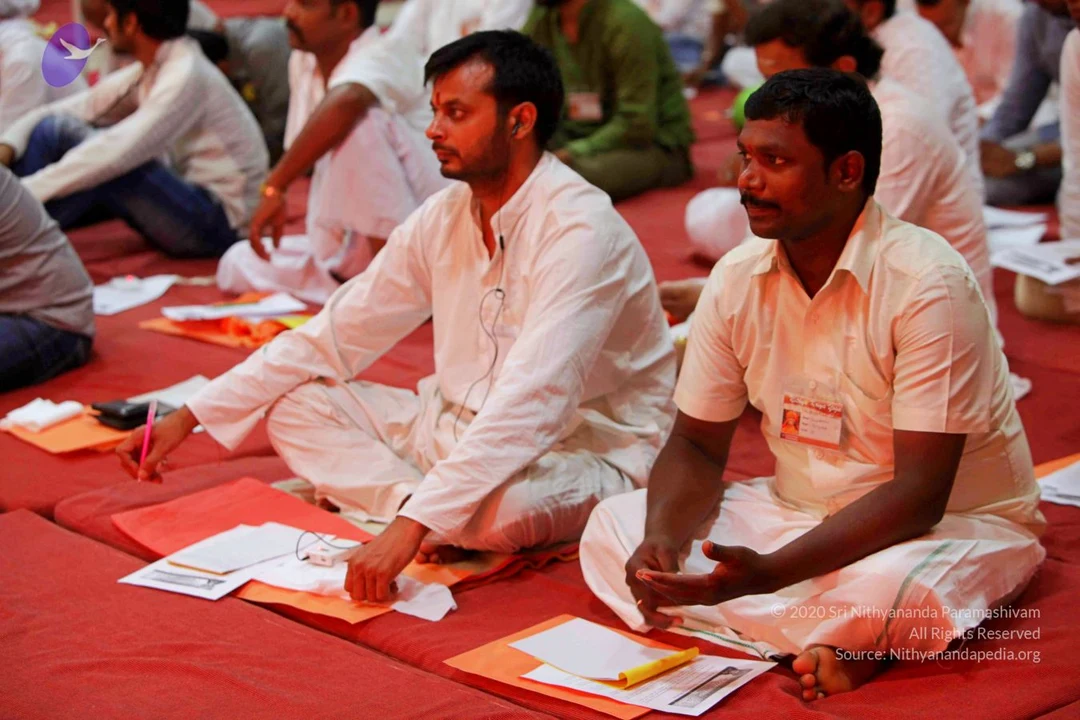
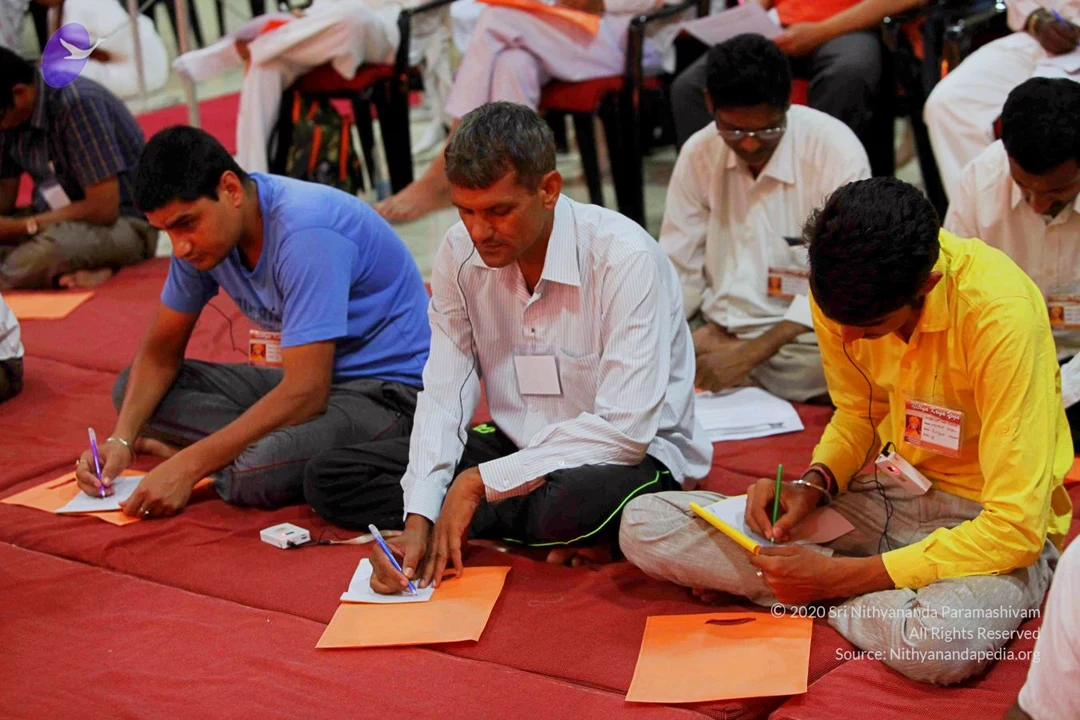
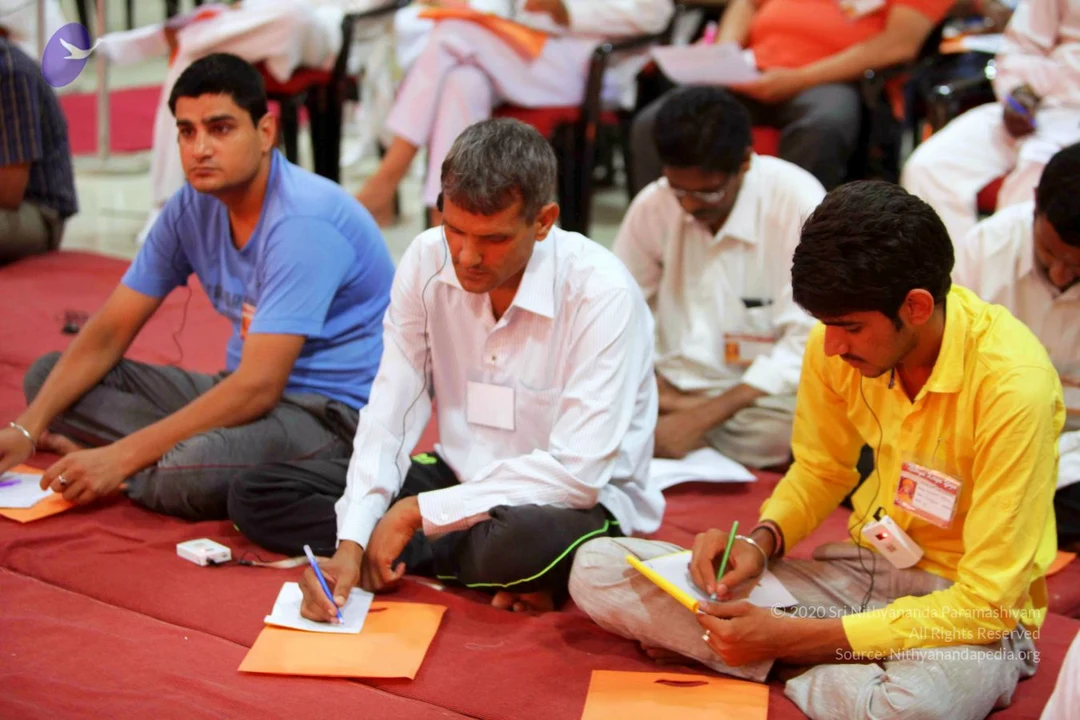
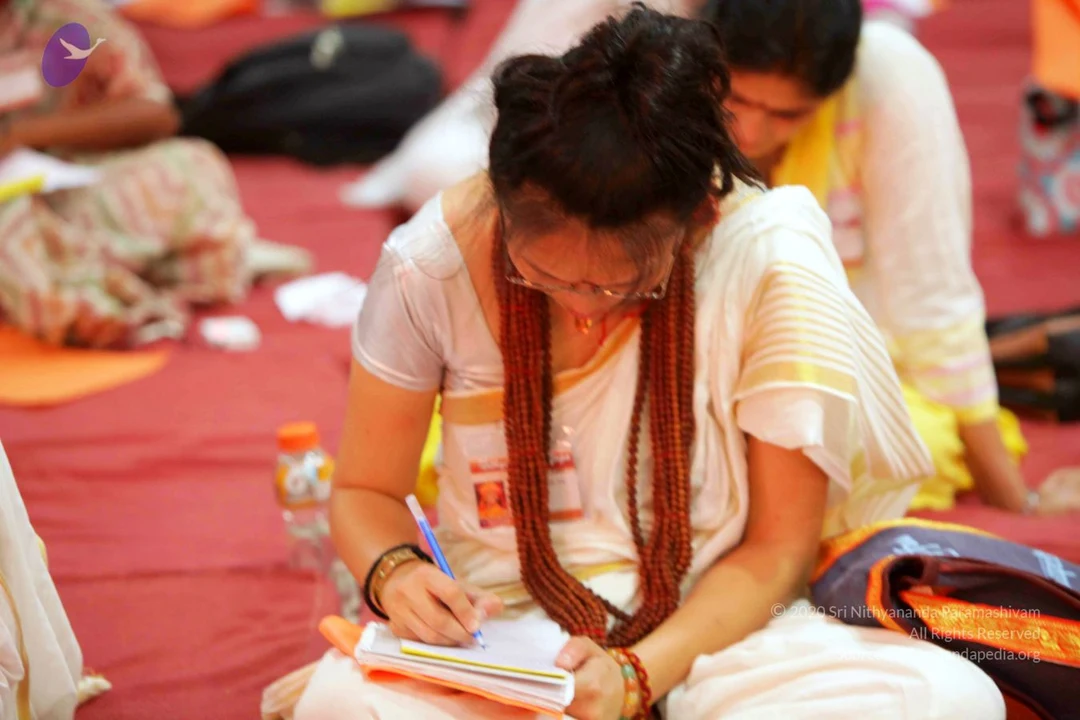
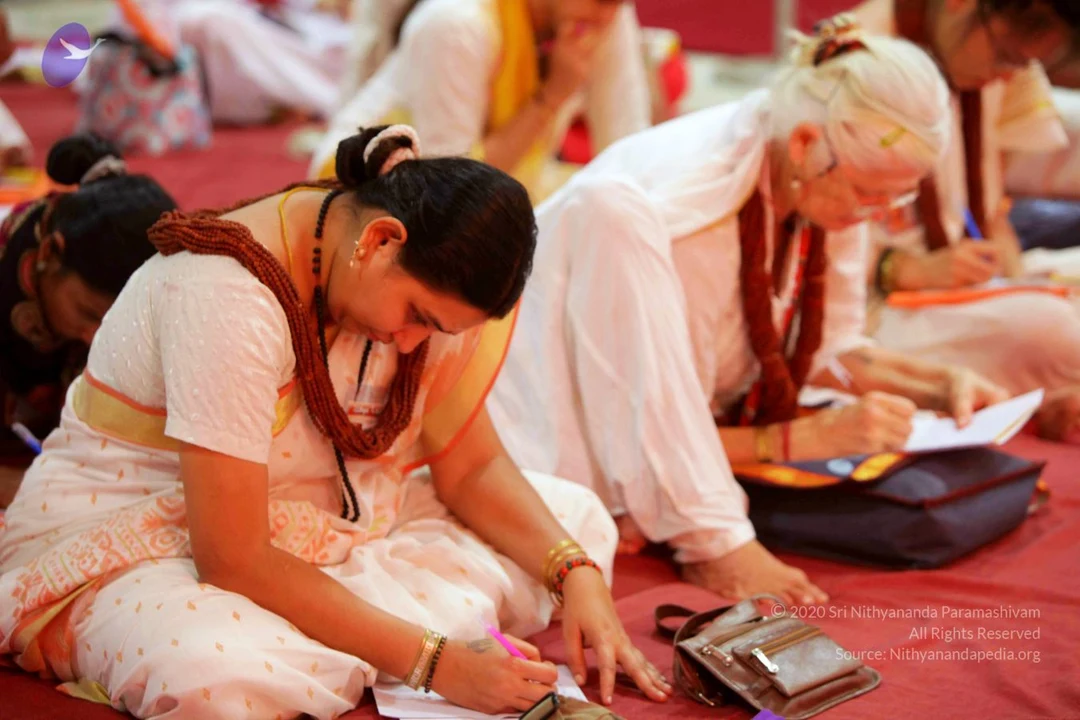
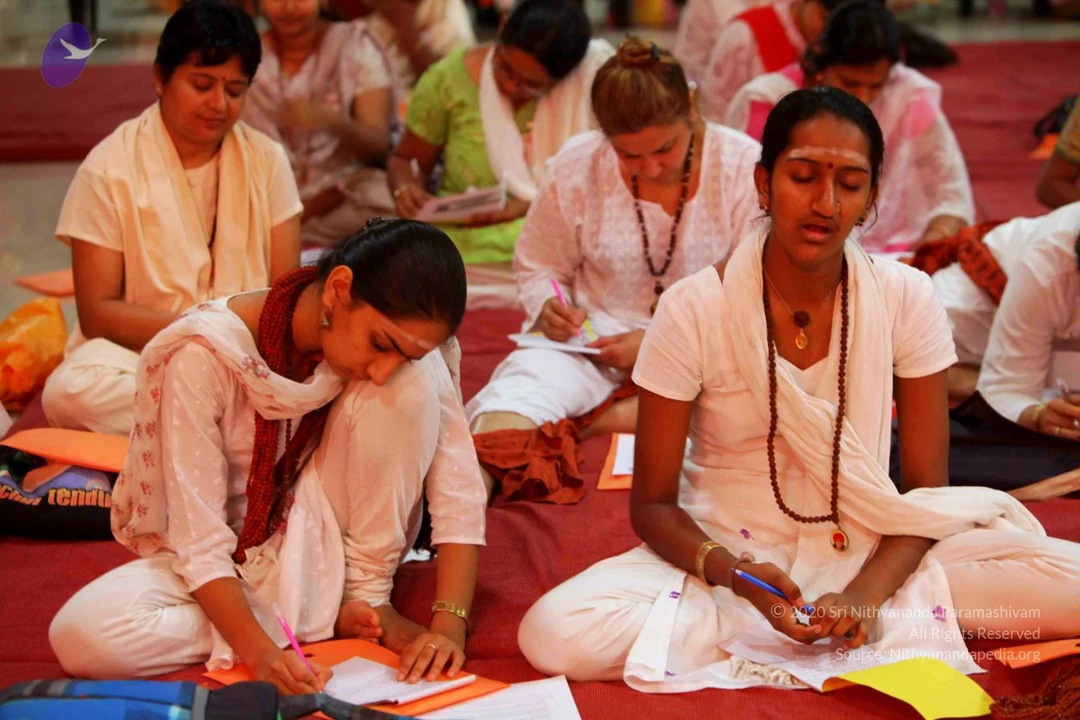
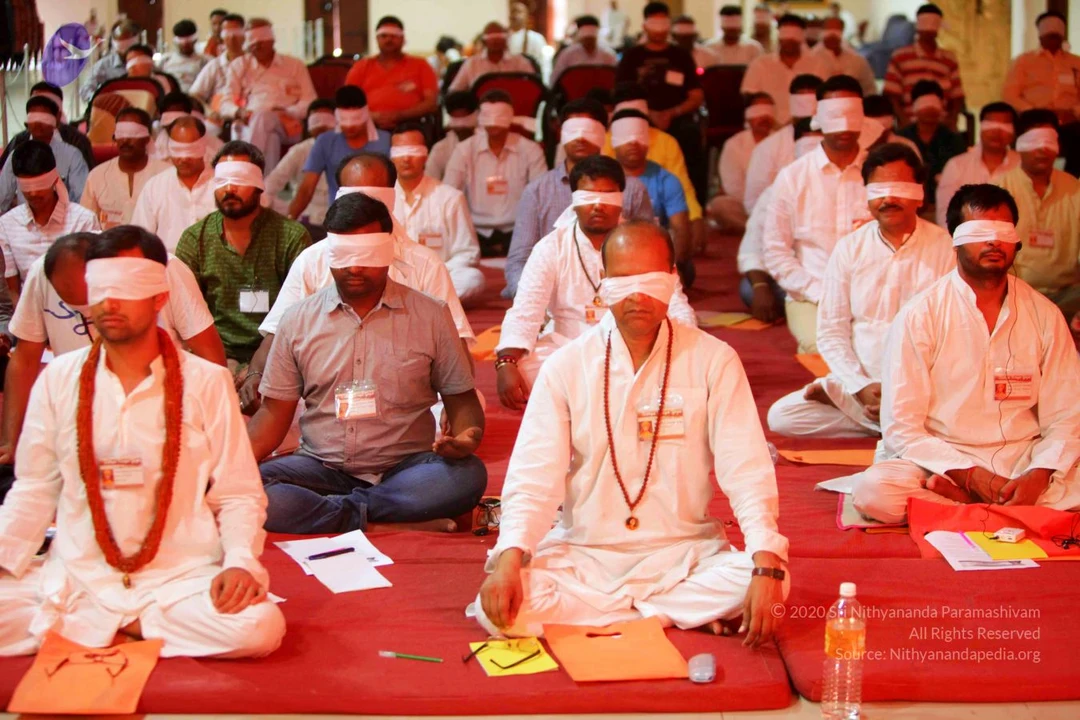
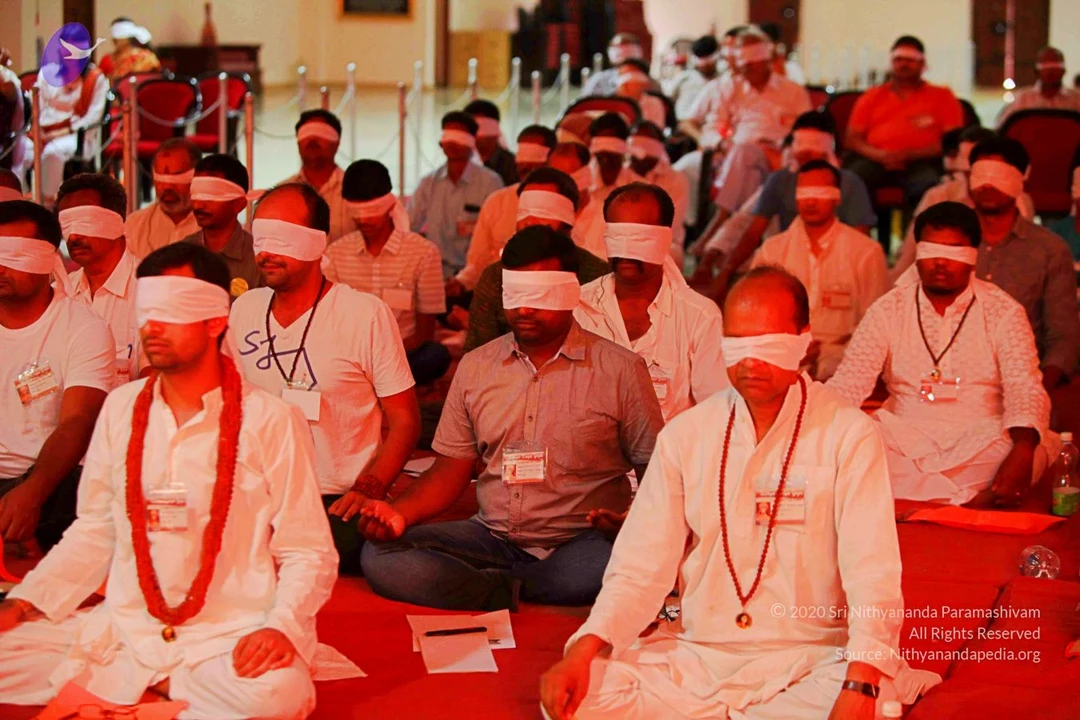
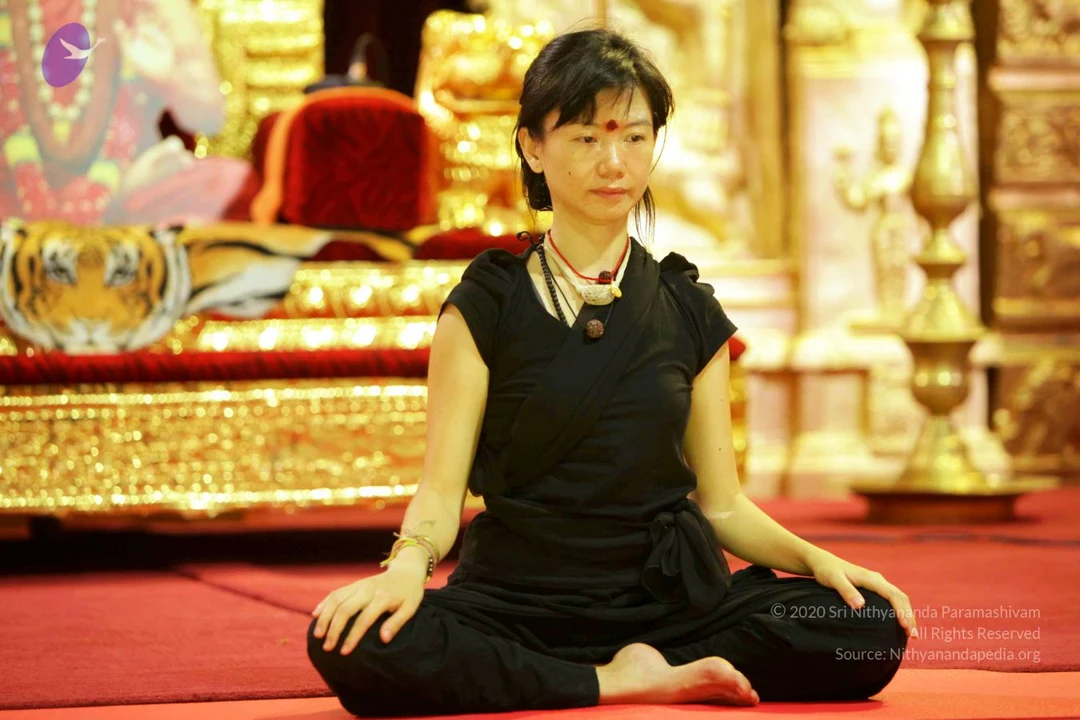
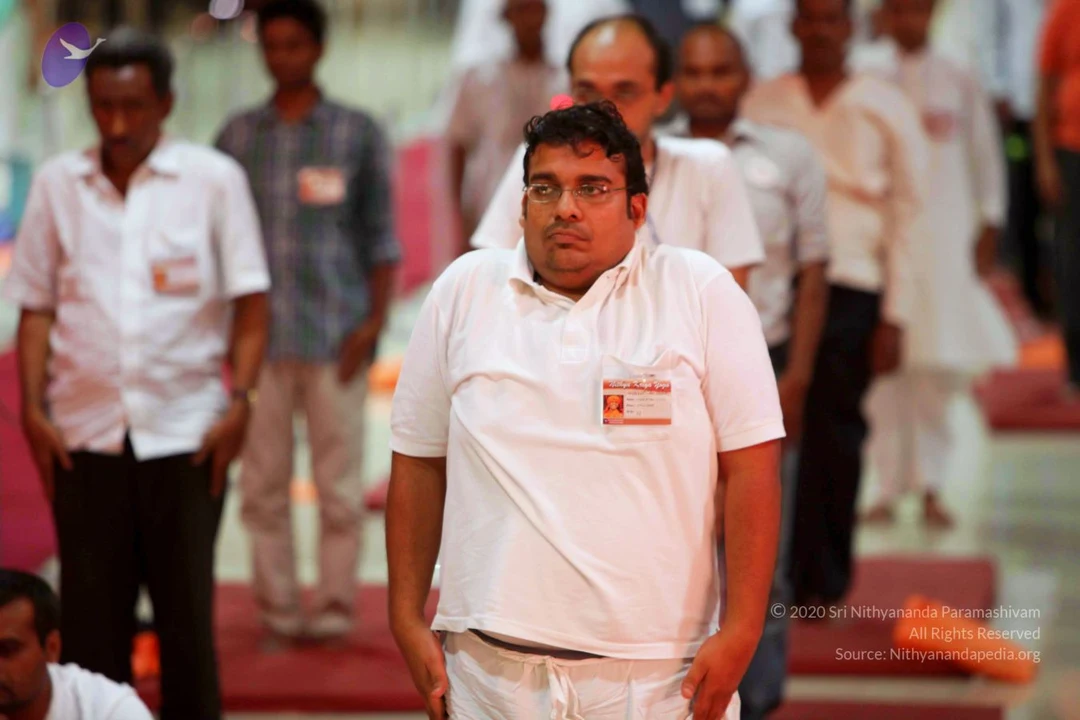
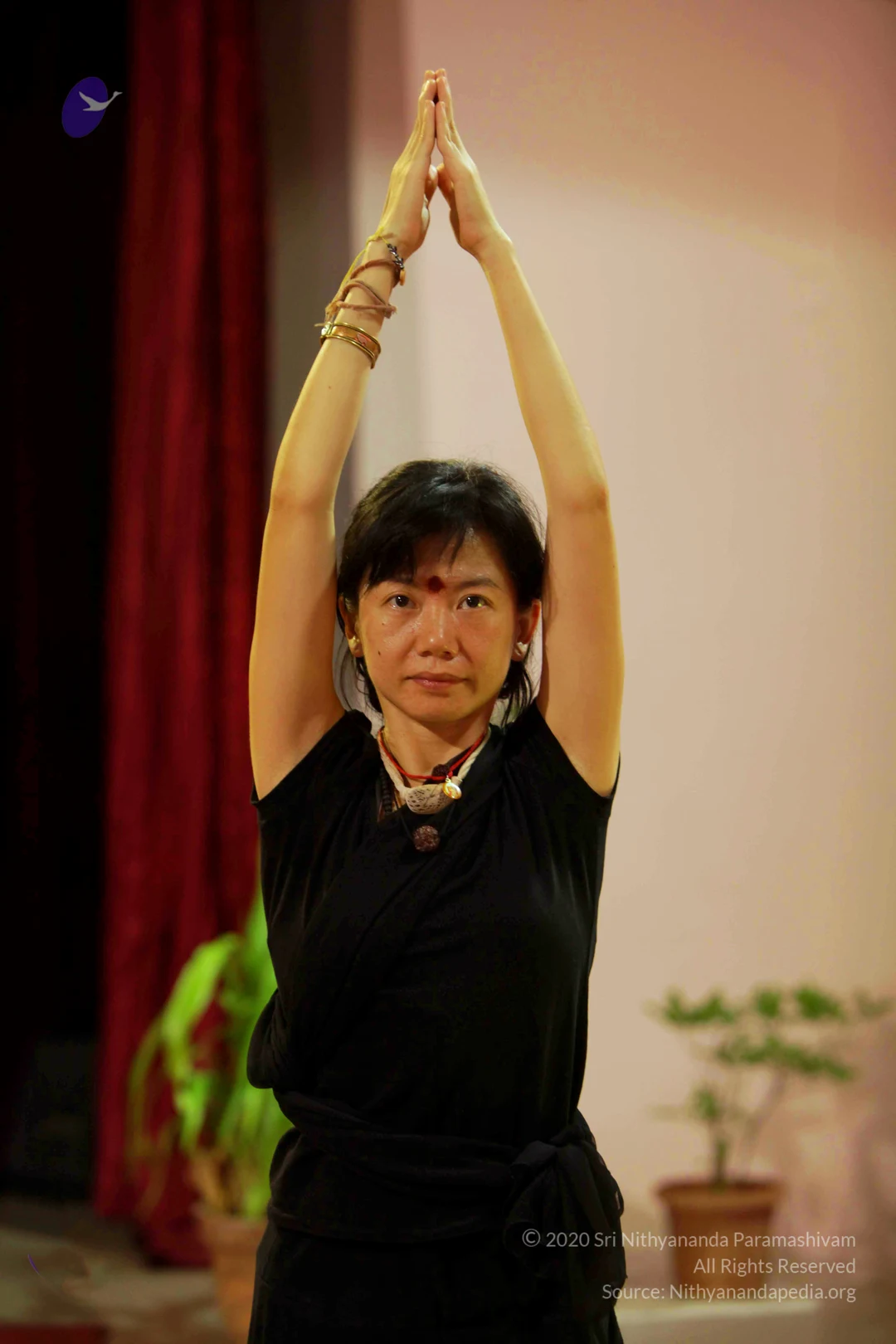
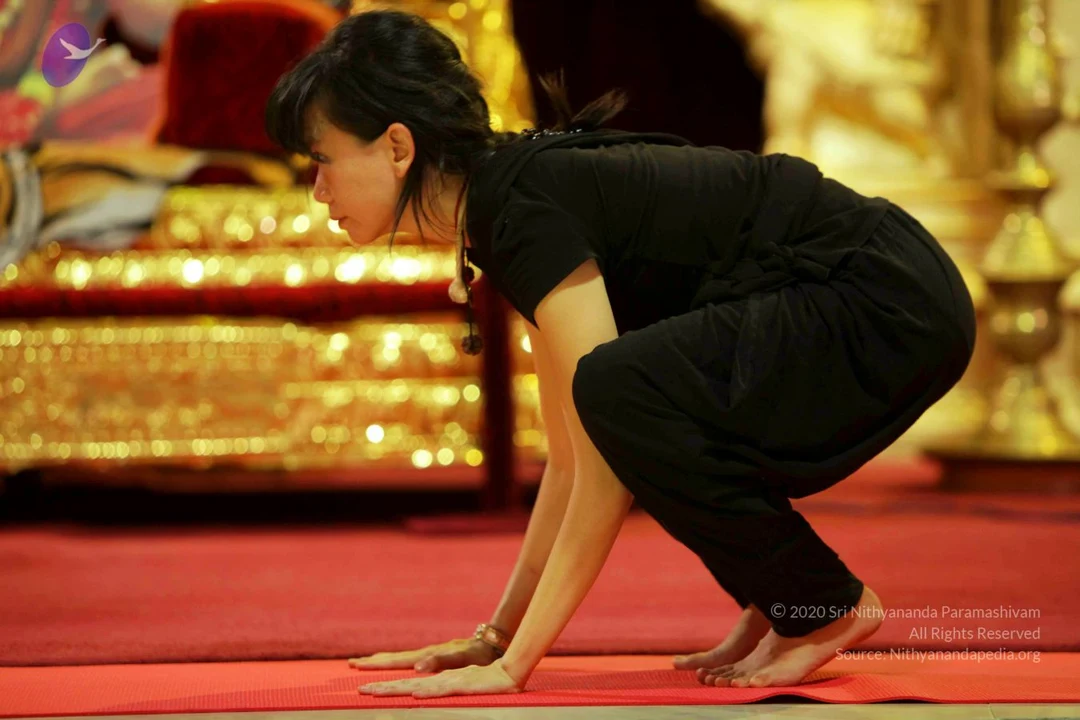
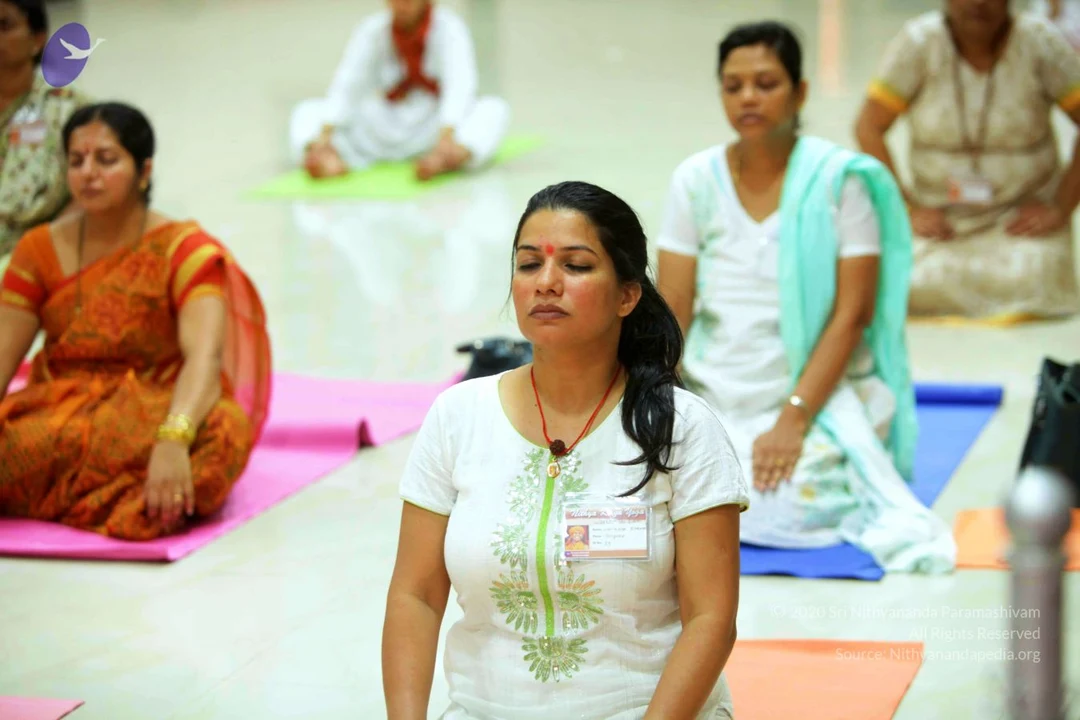
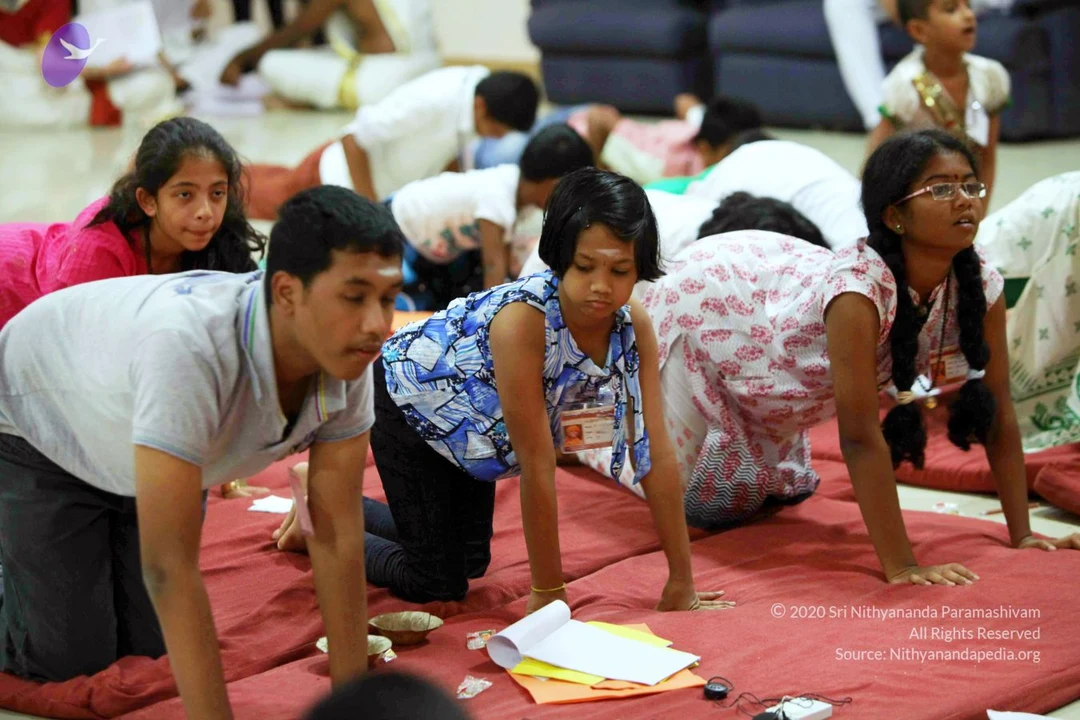
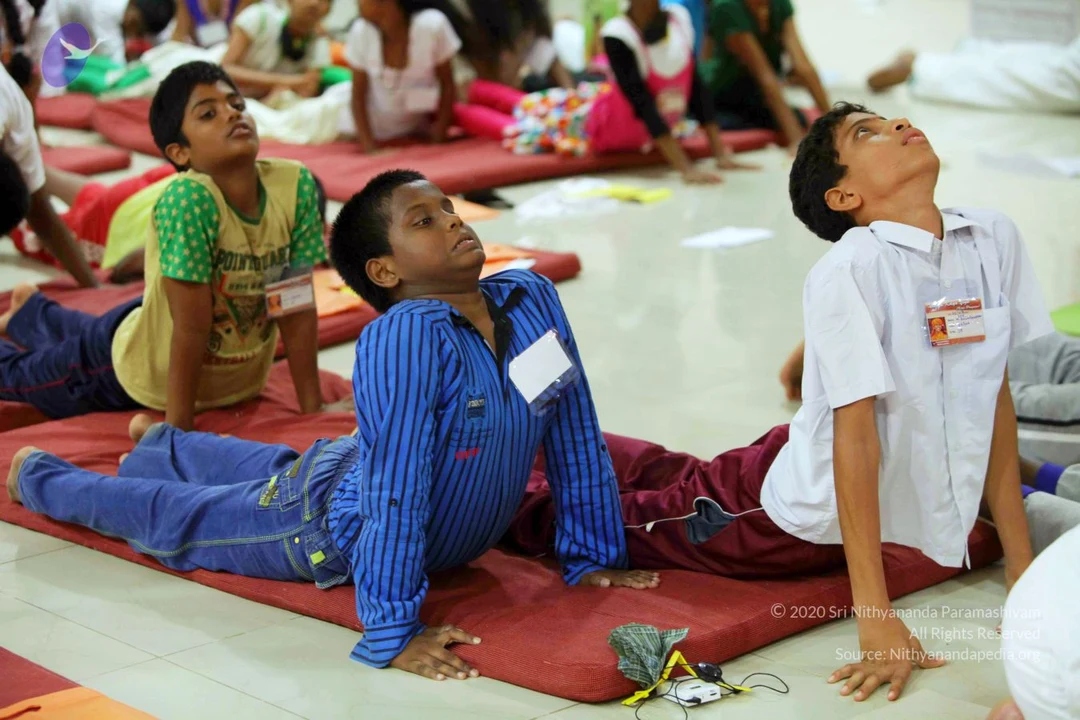
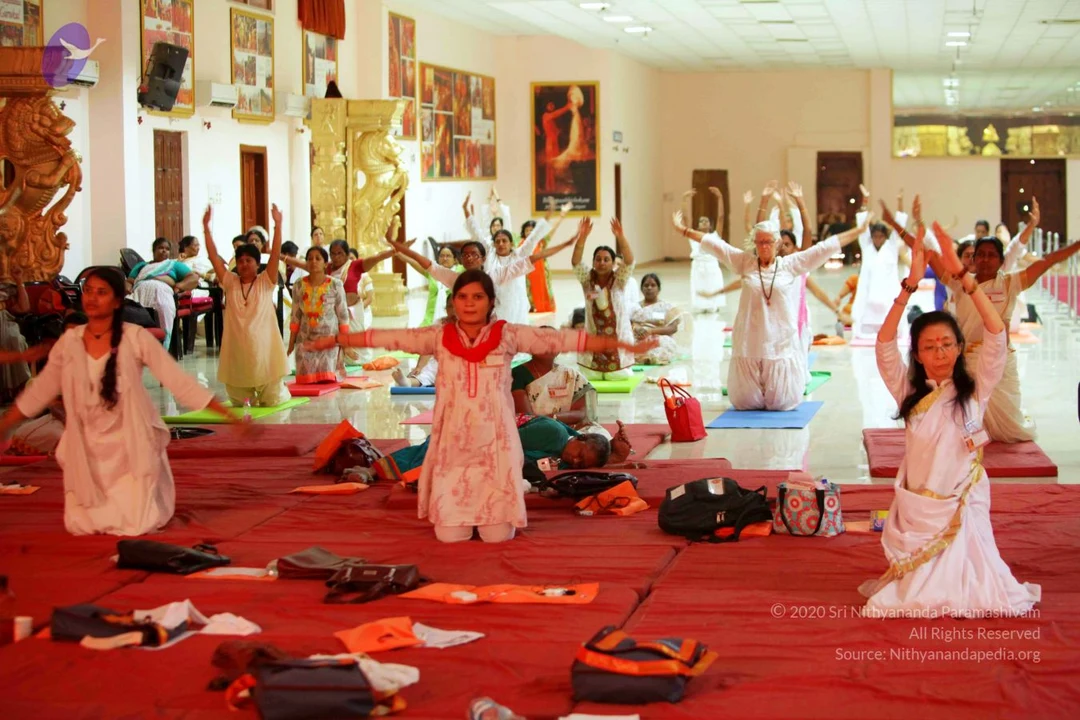
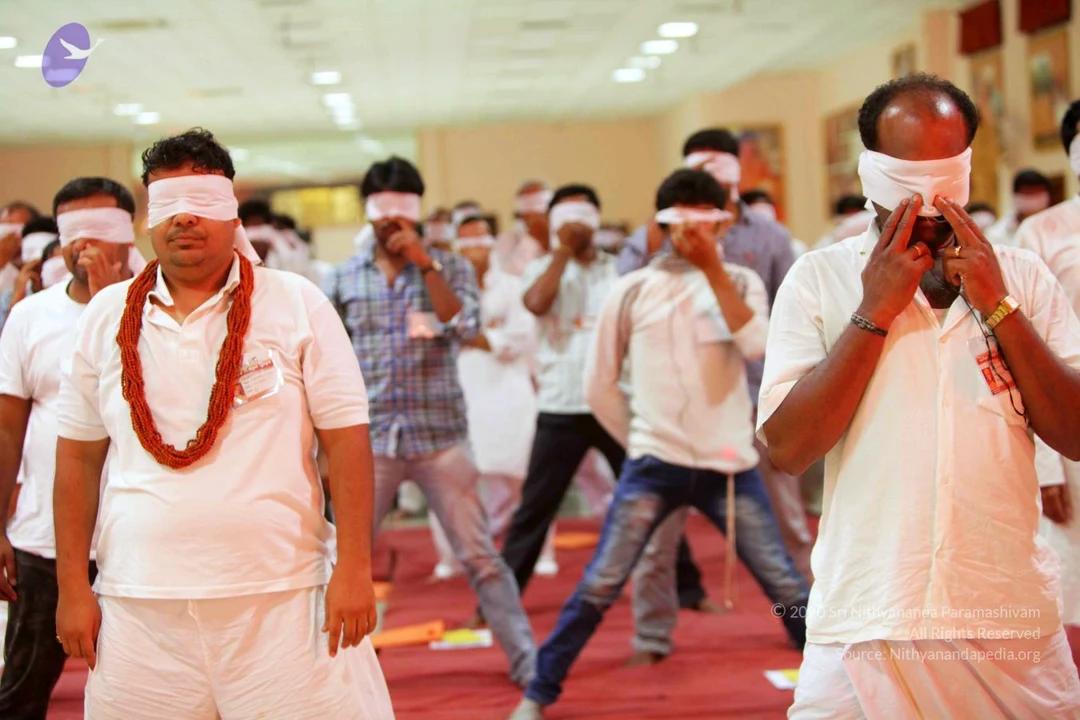
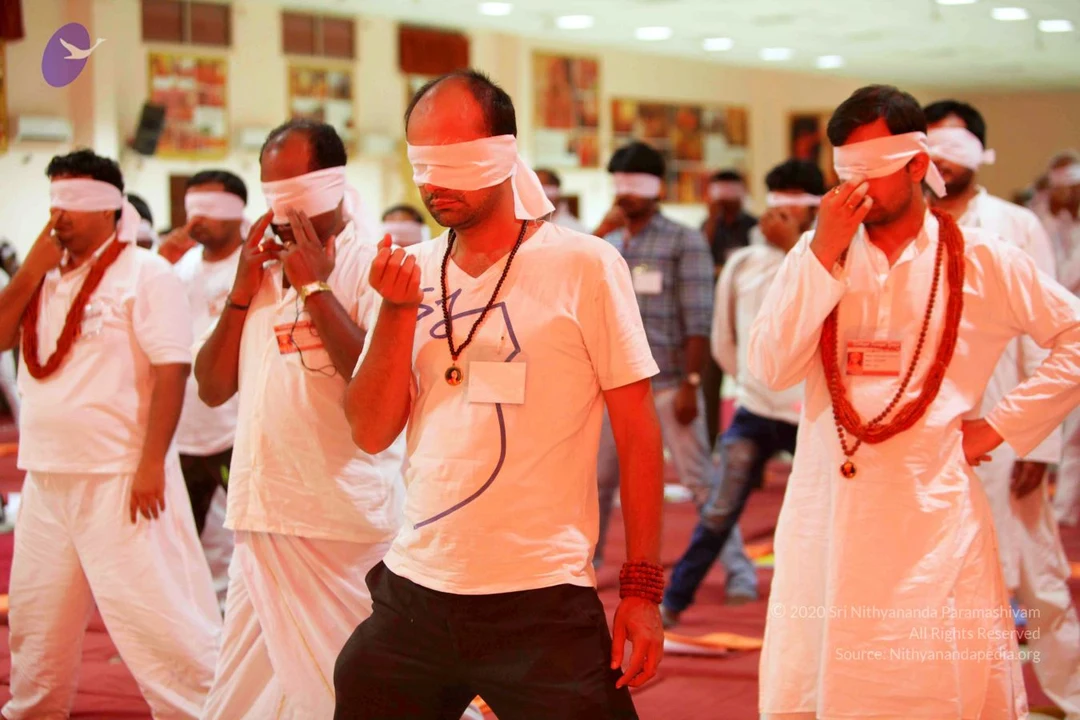
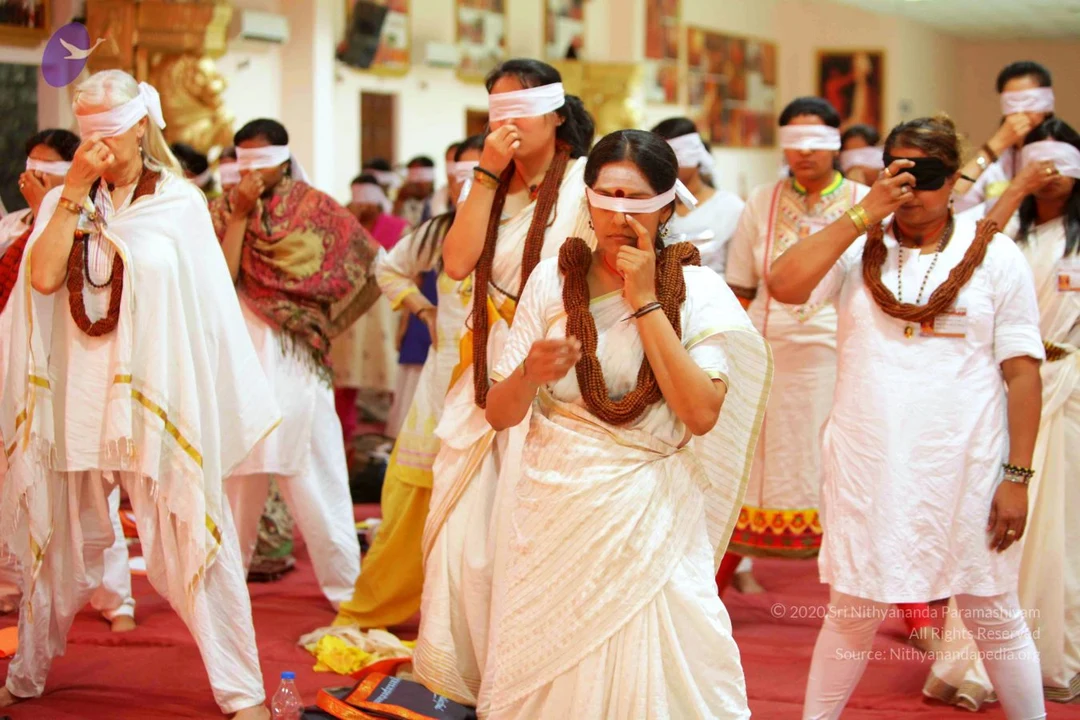
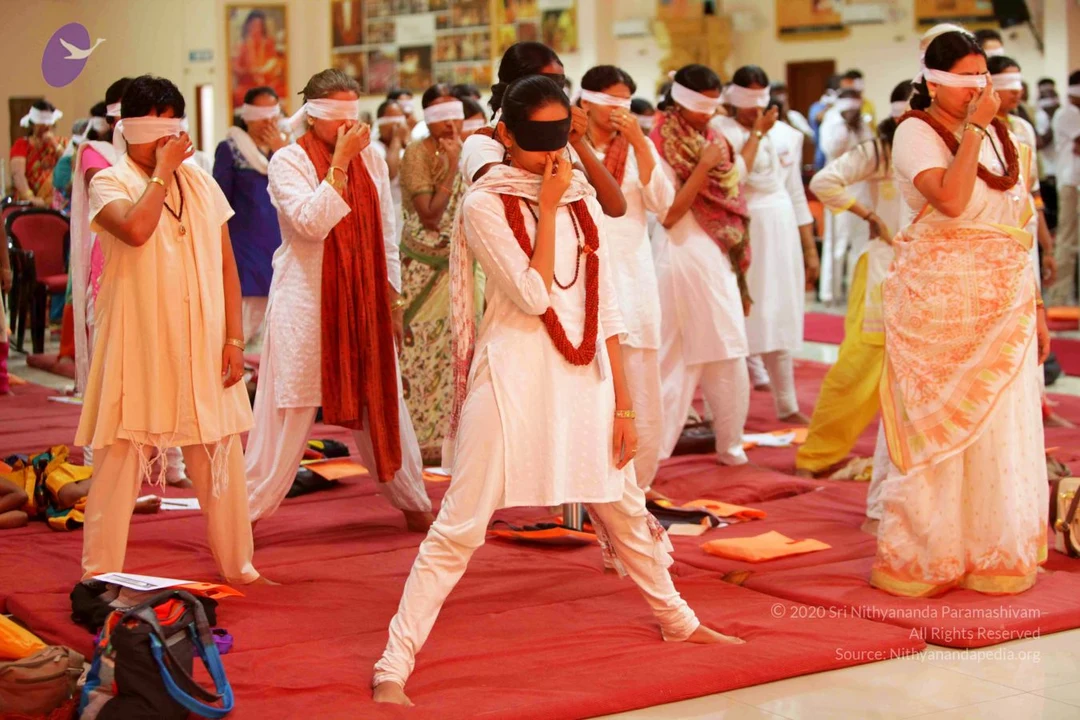
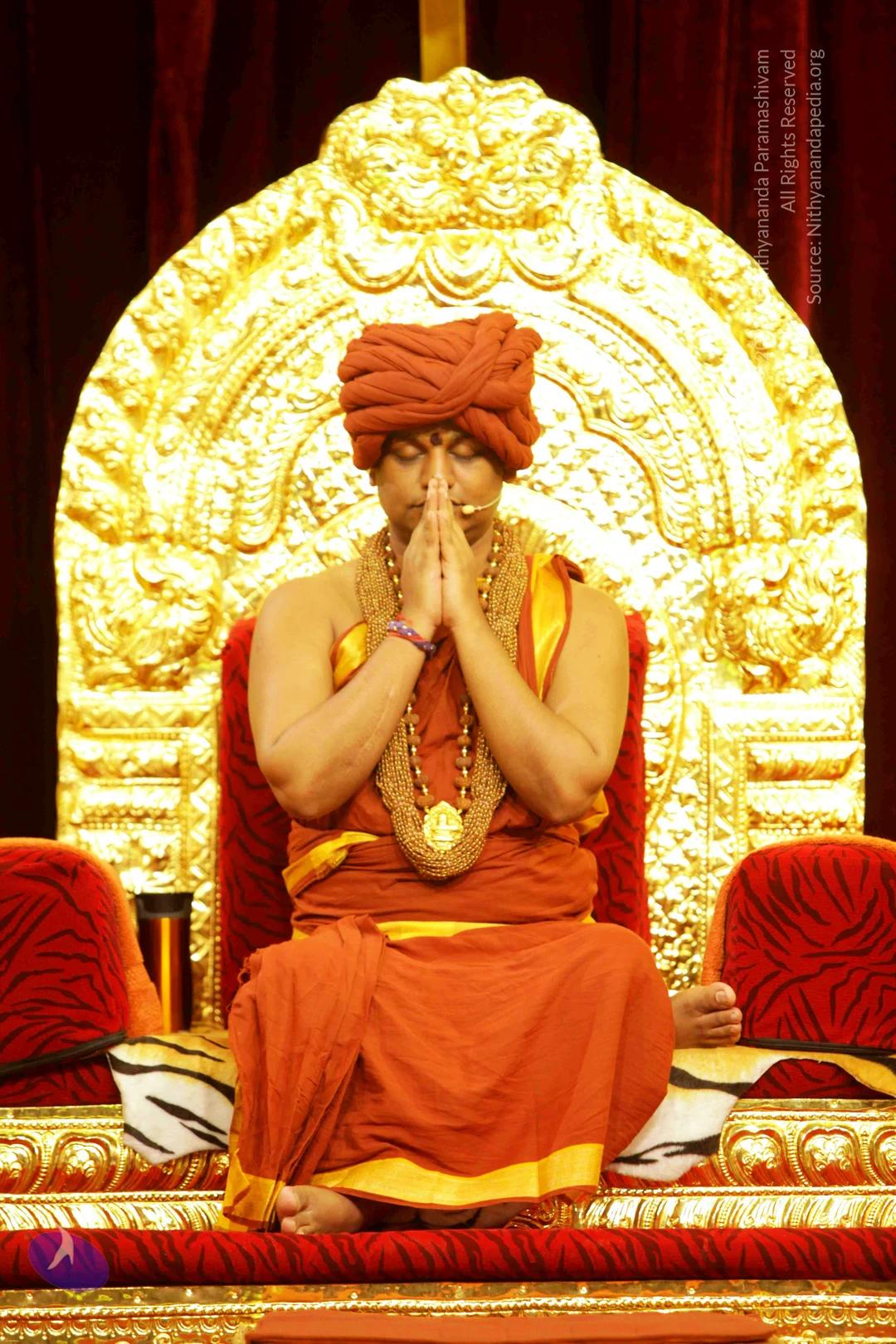
Nithya Kriya Yoga
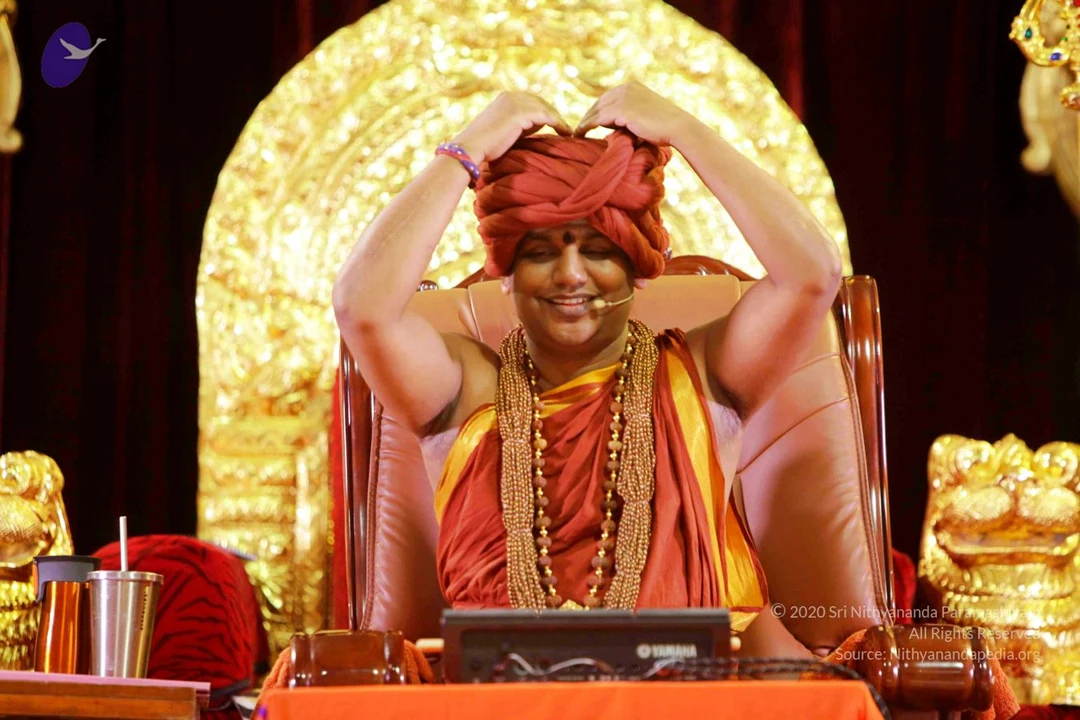
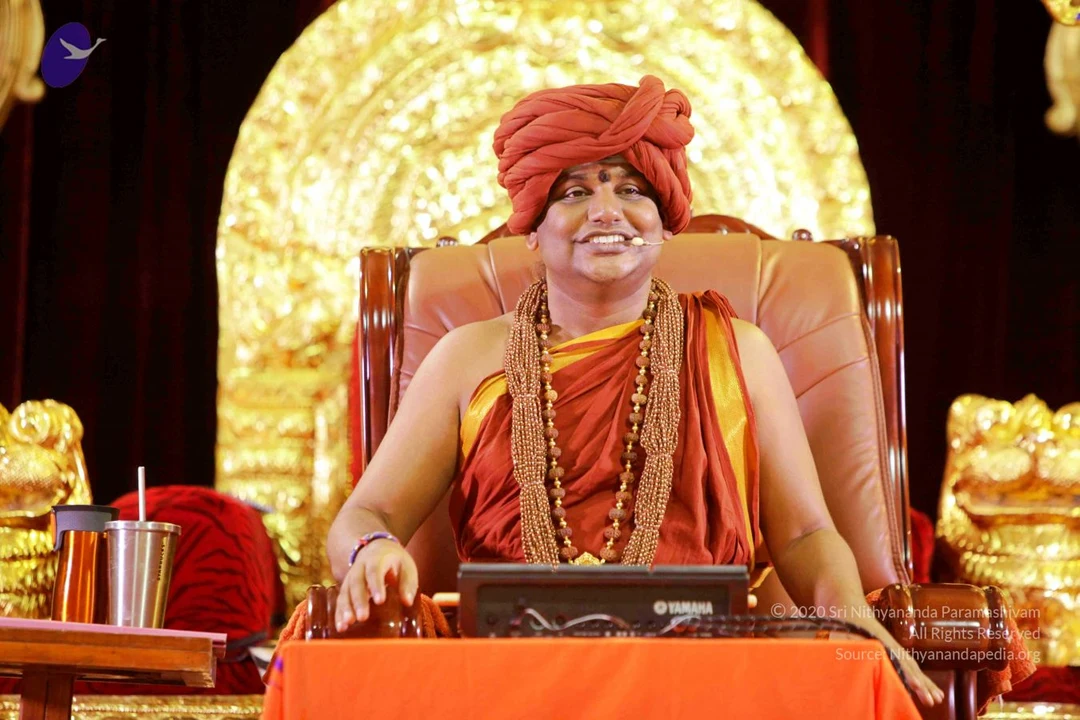
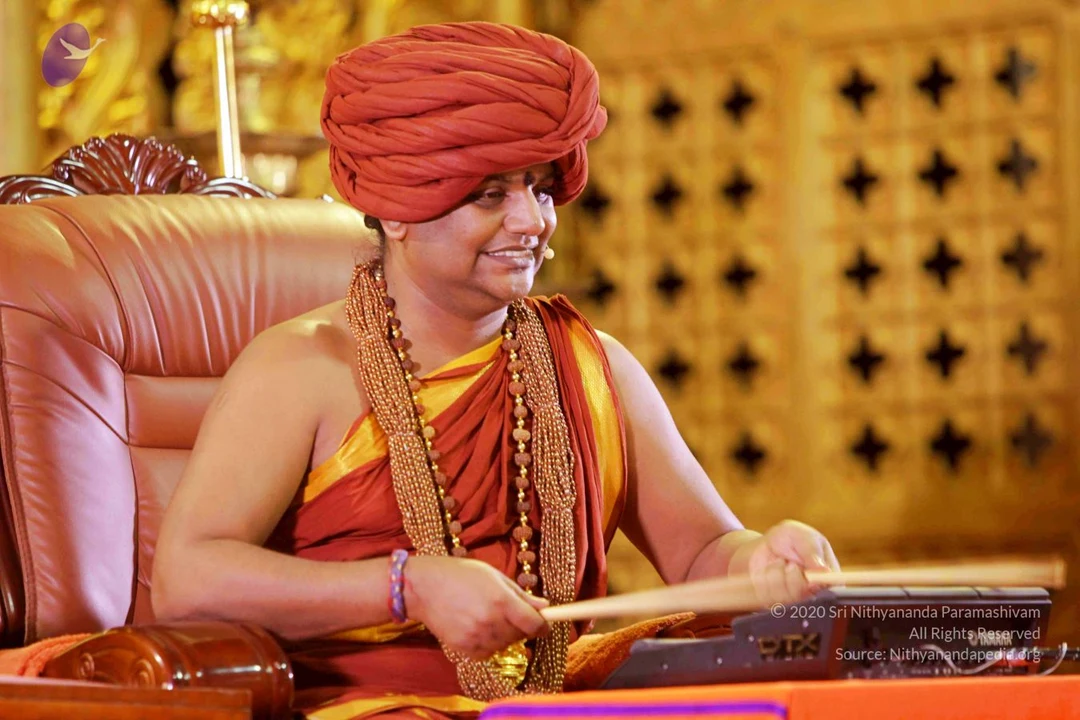
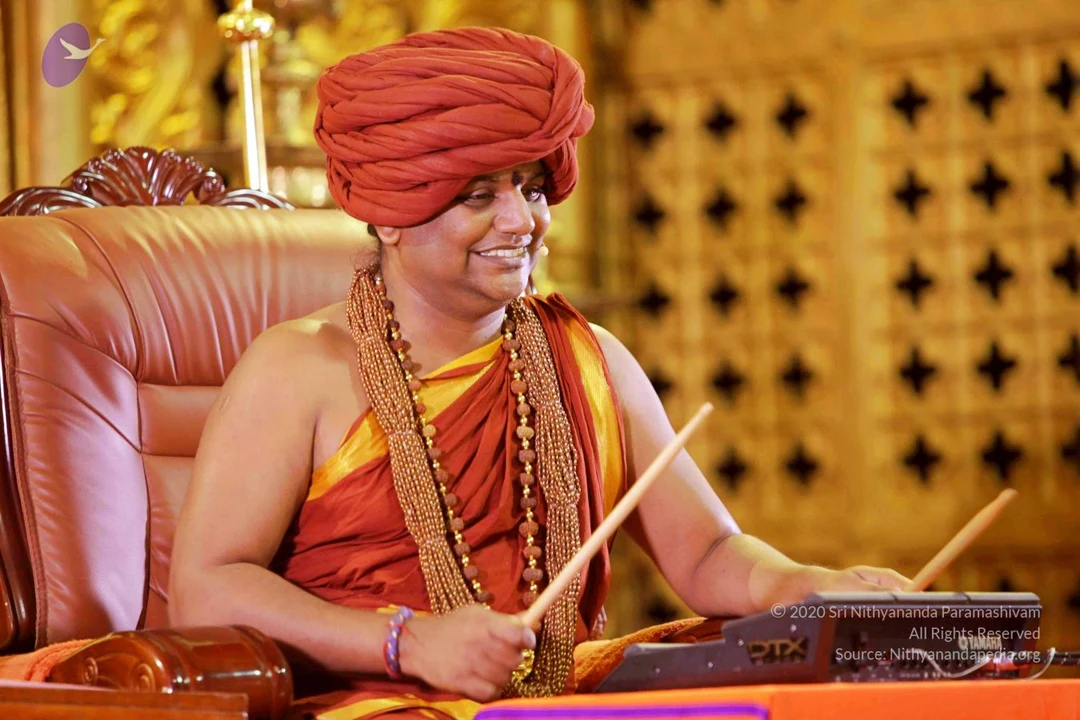
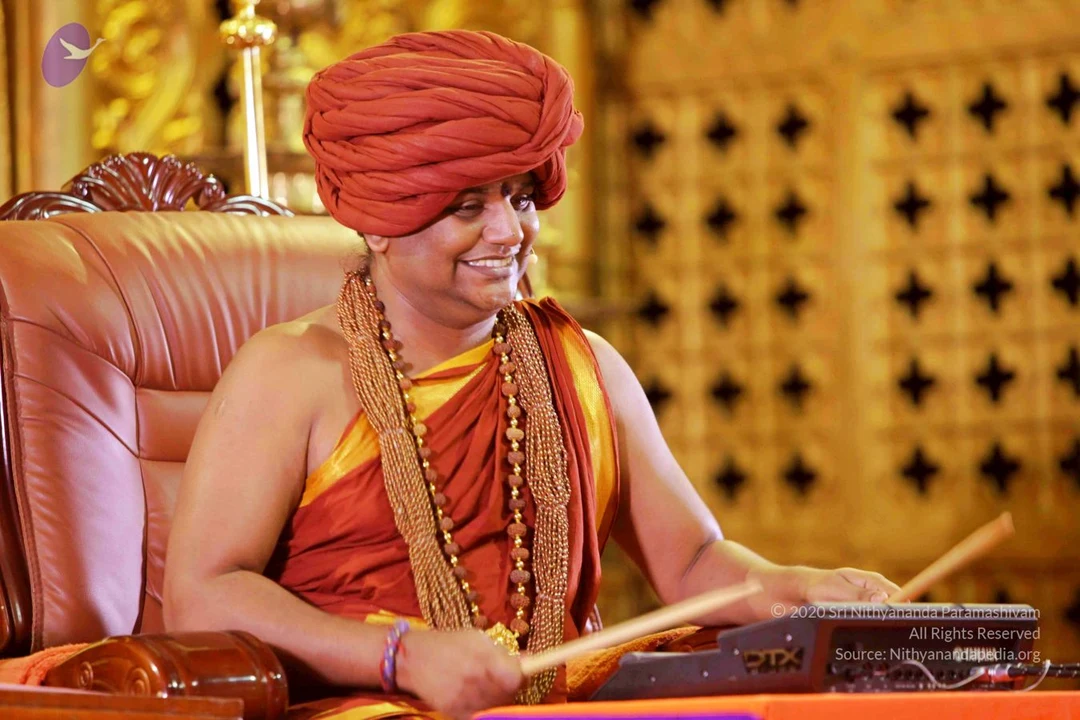
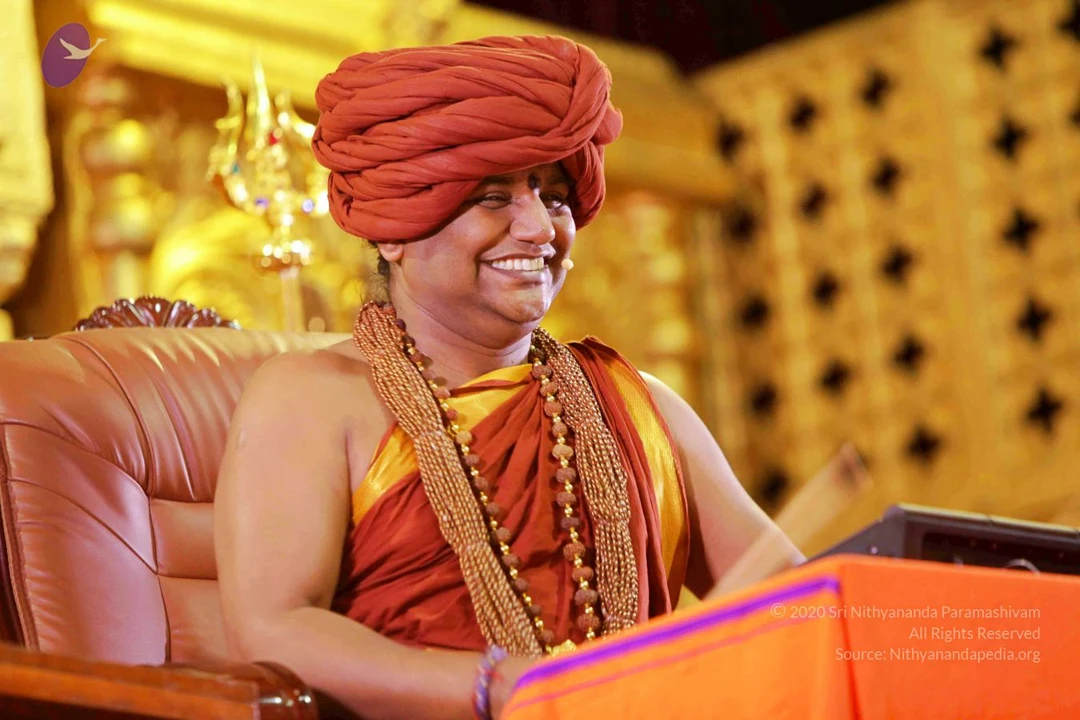
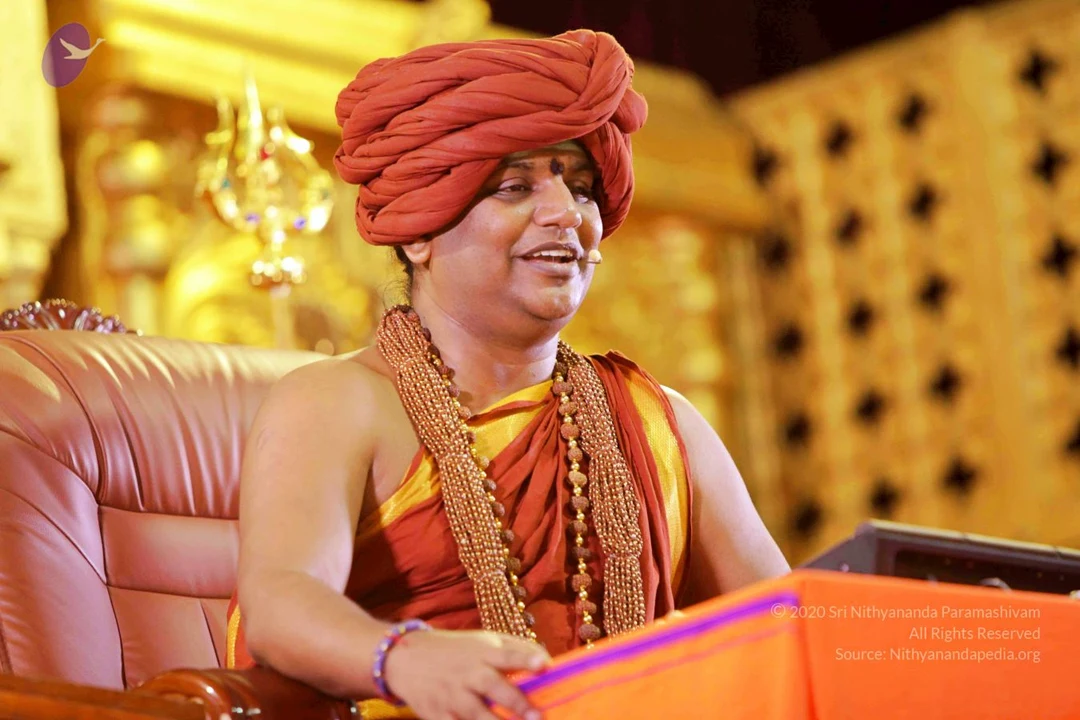
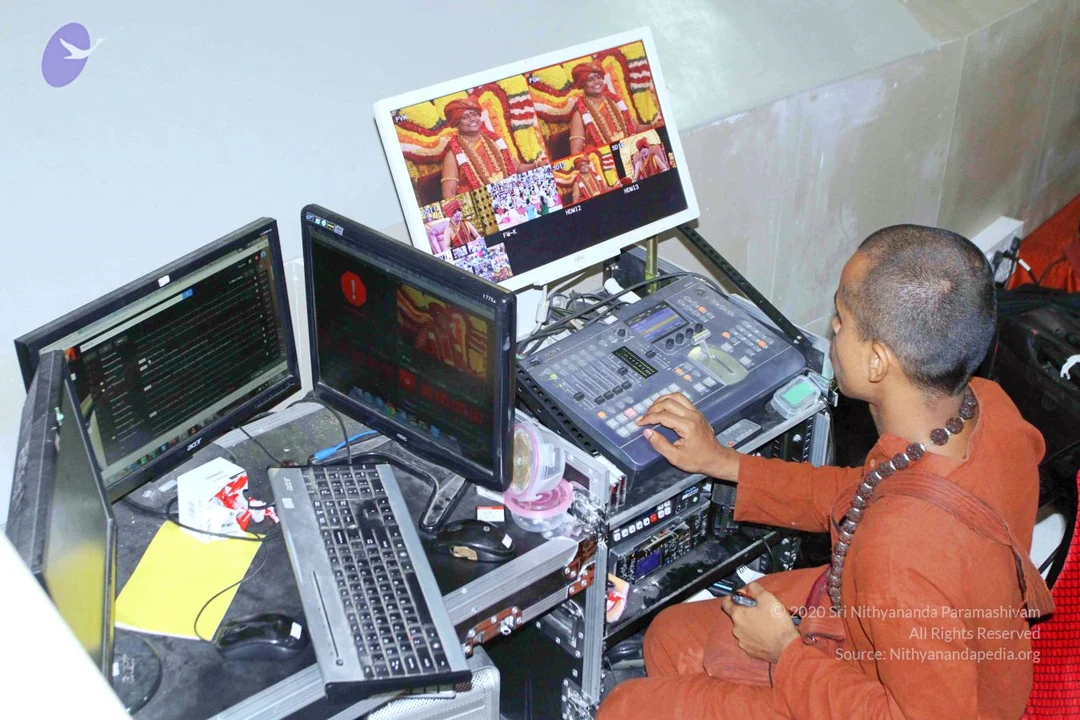
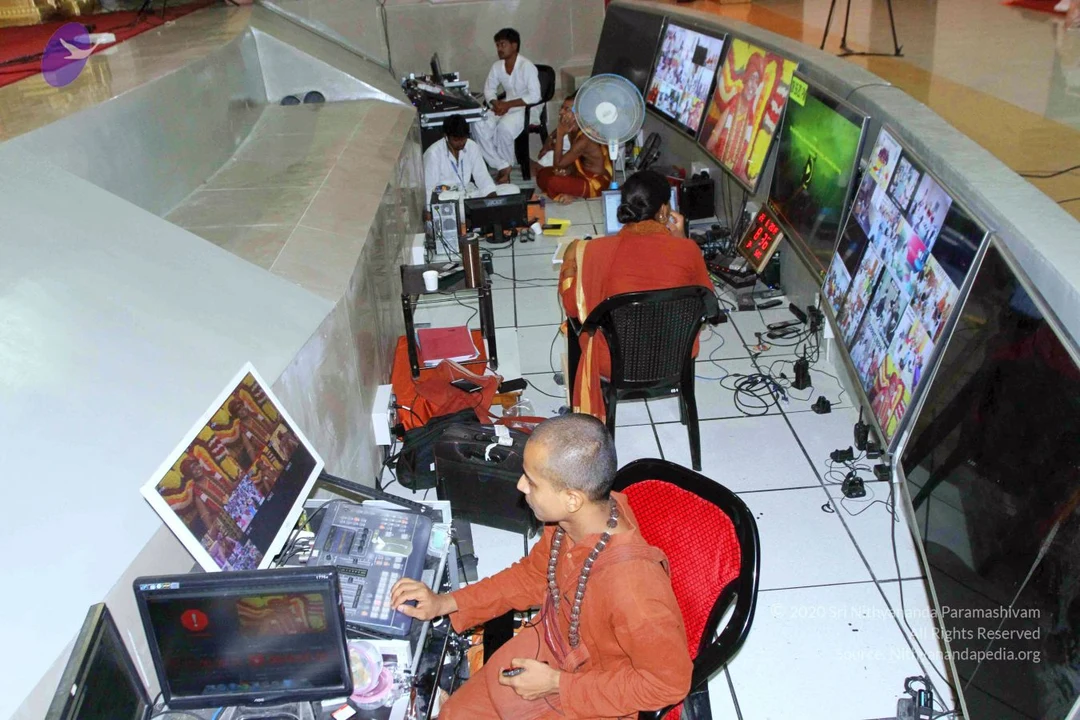
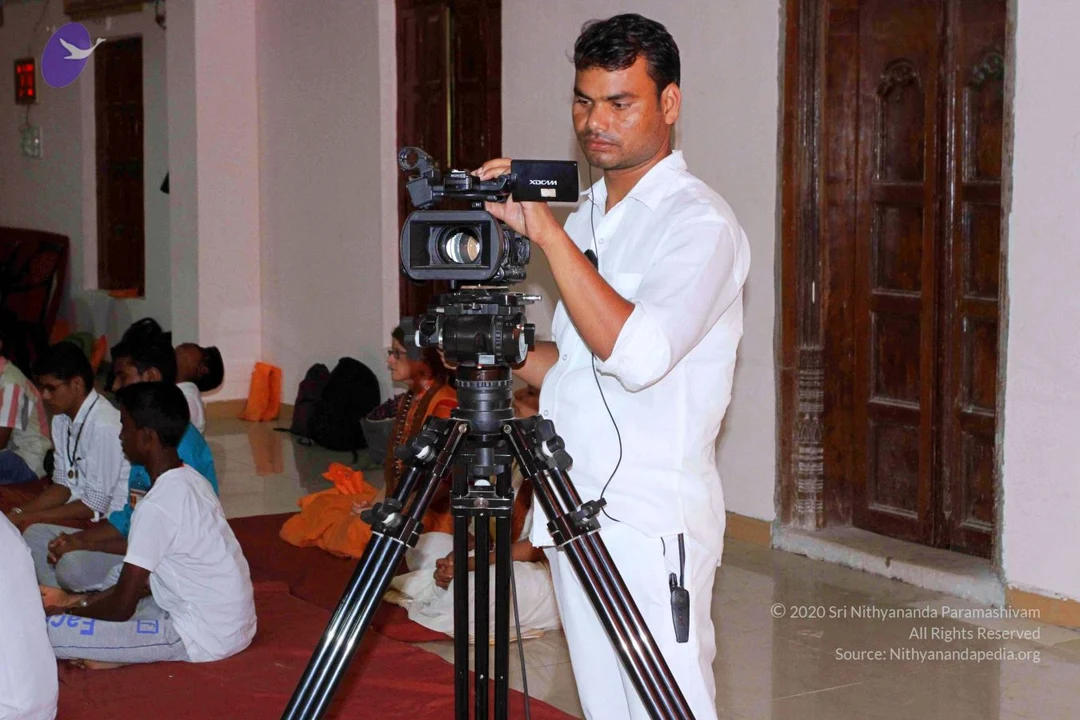
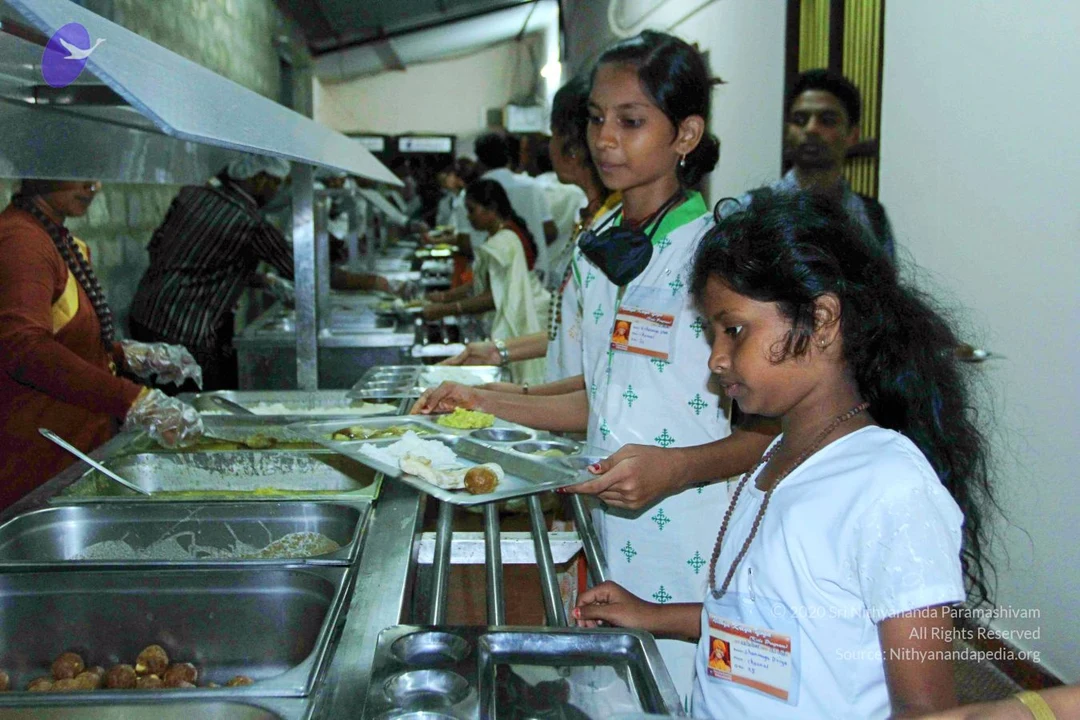
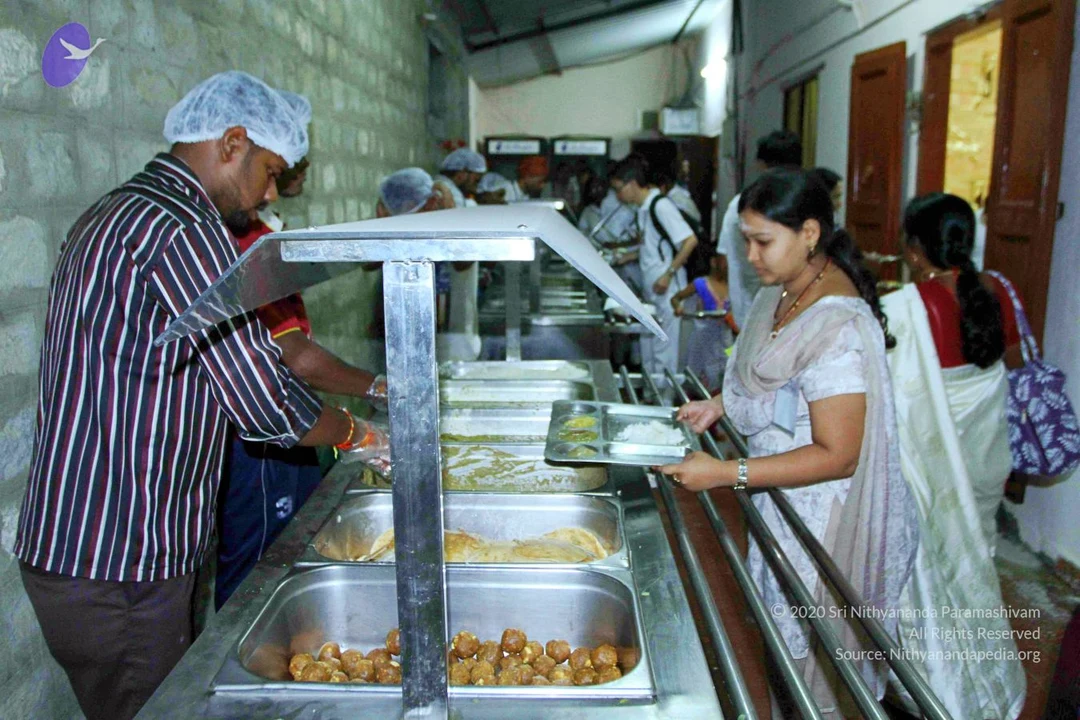
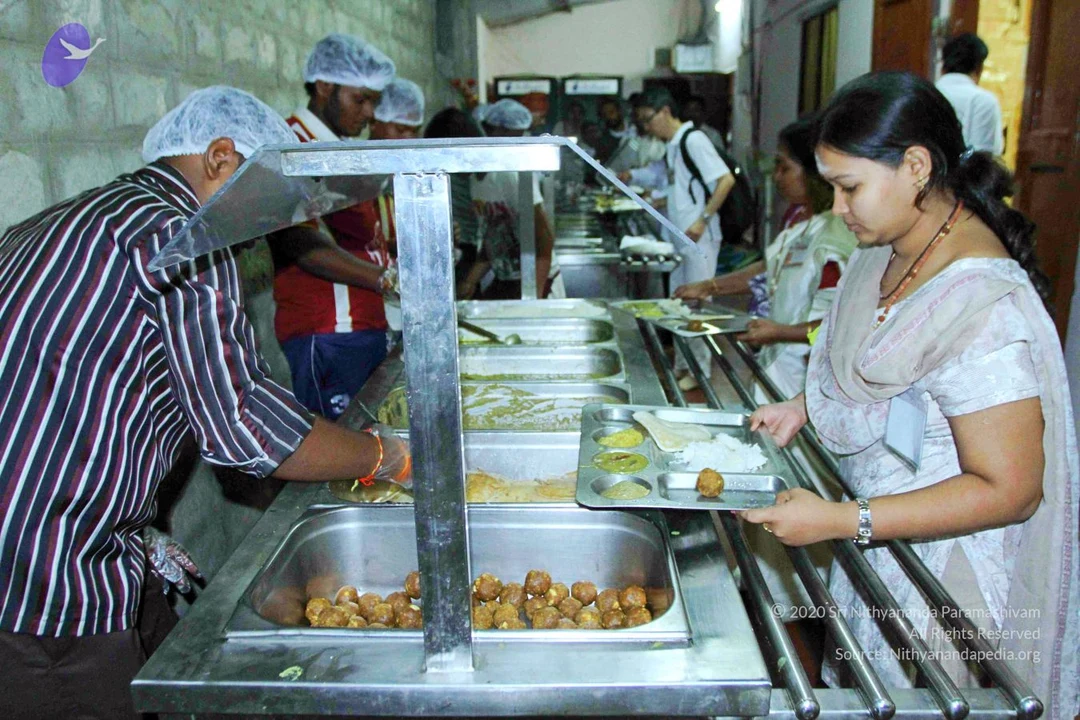
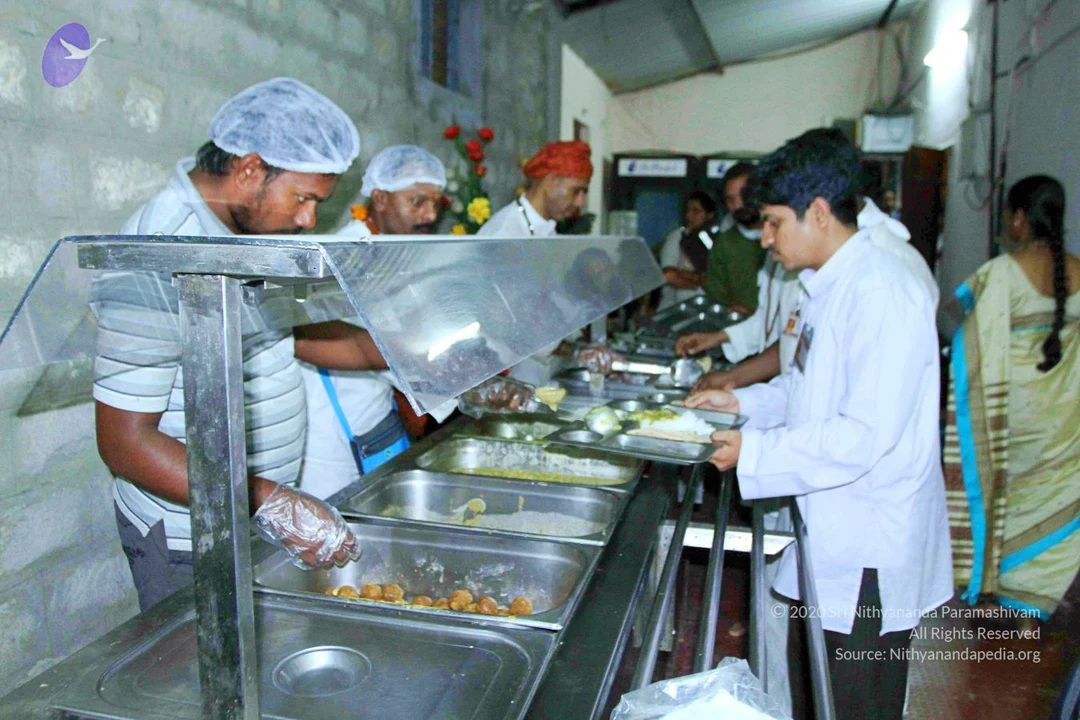
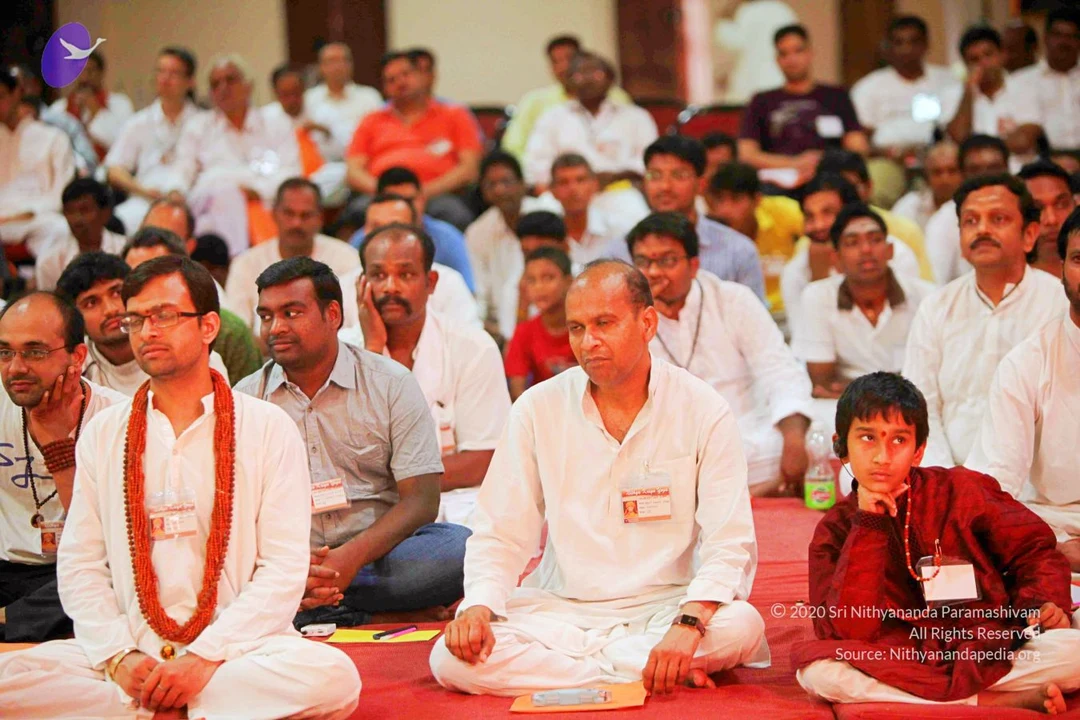
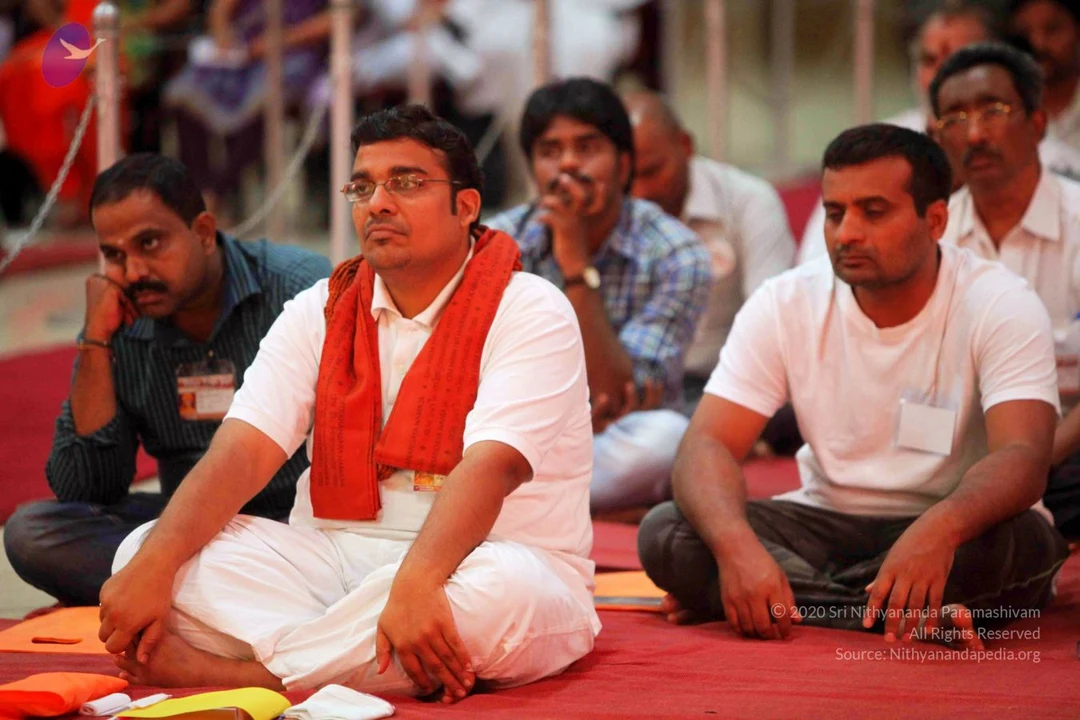
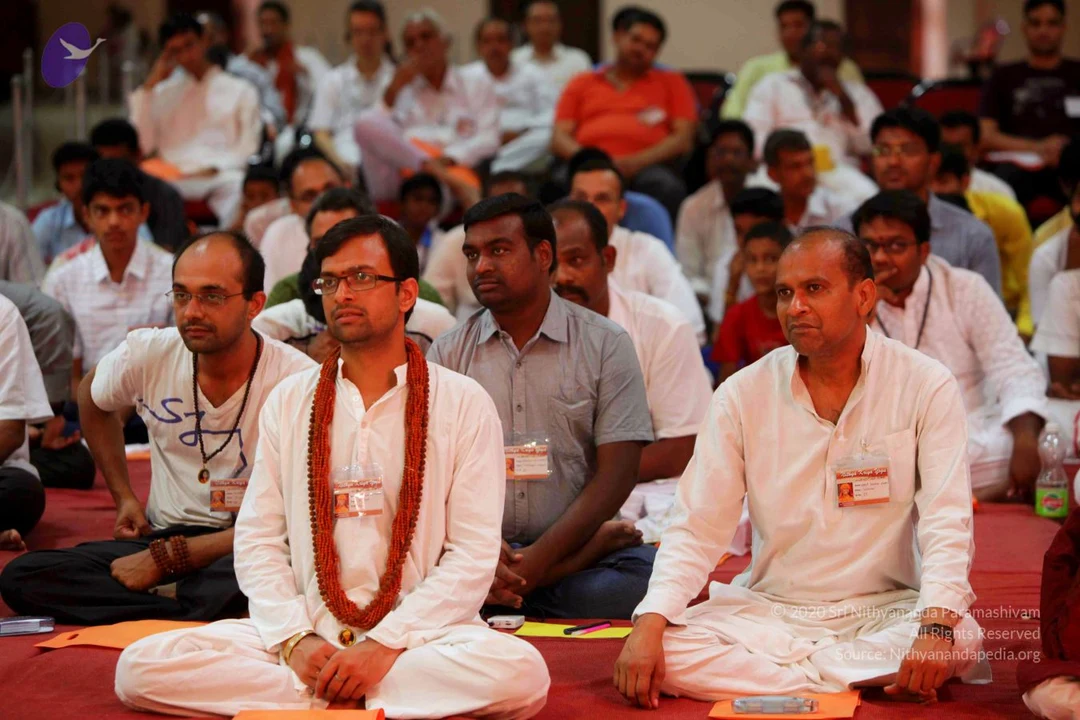
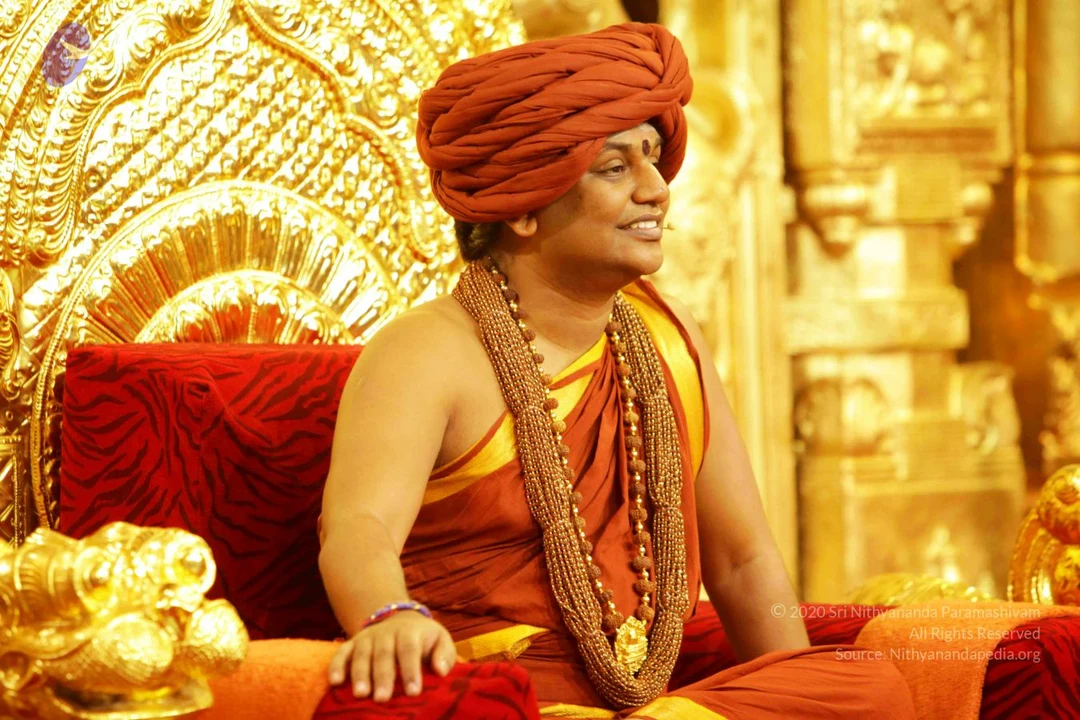

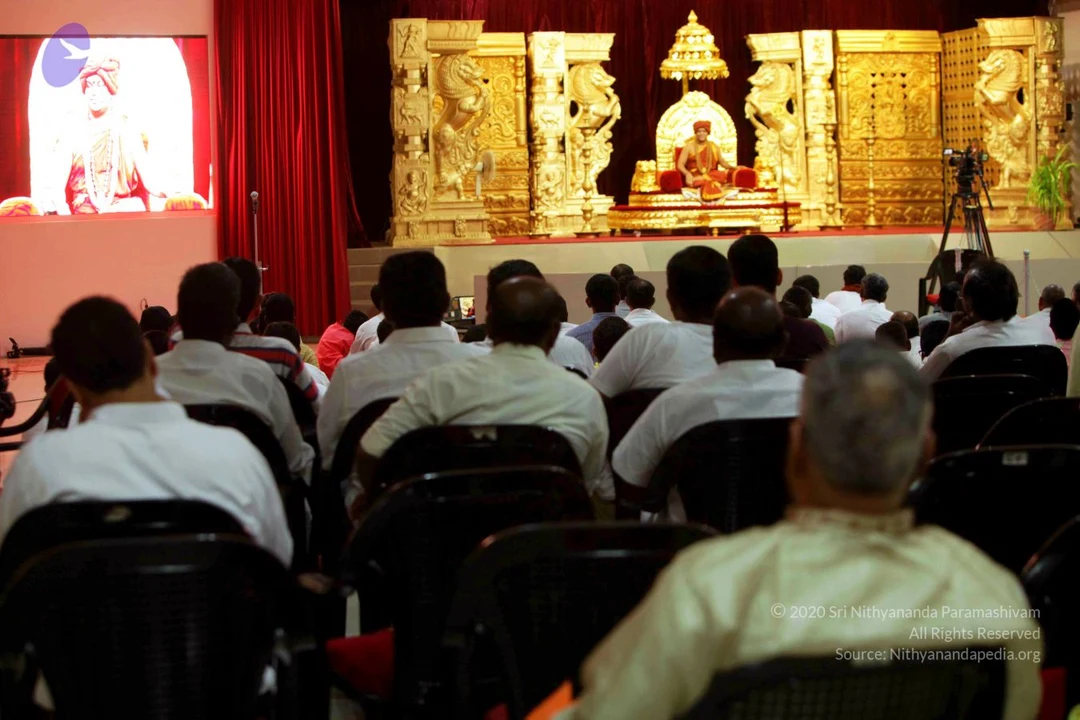
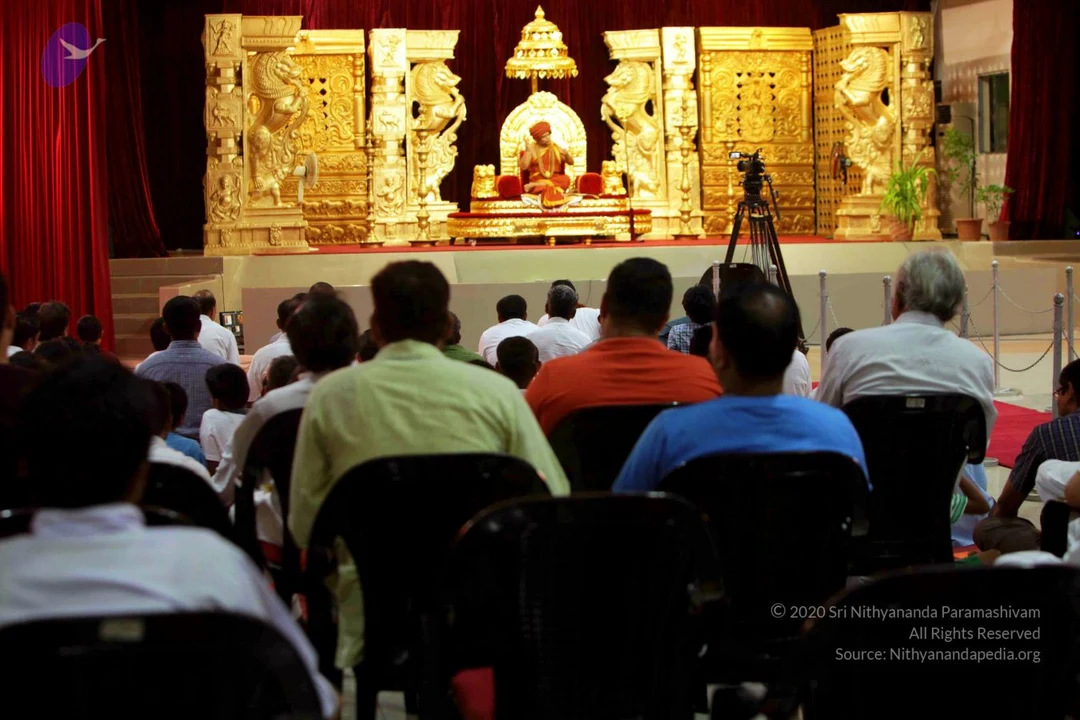
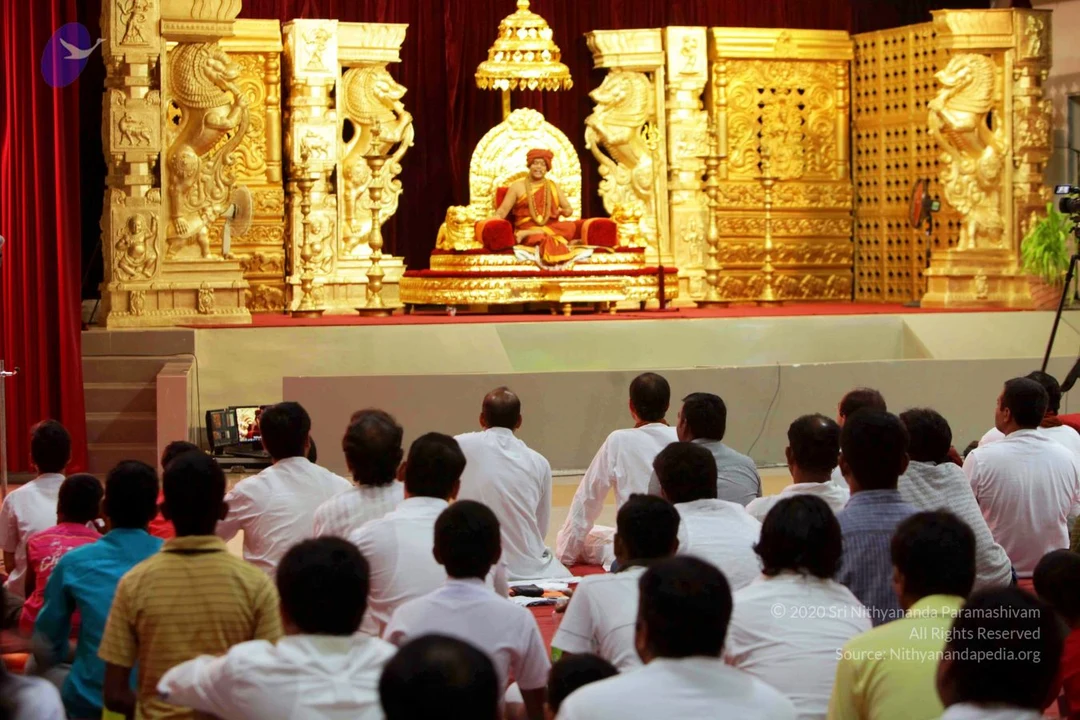
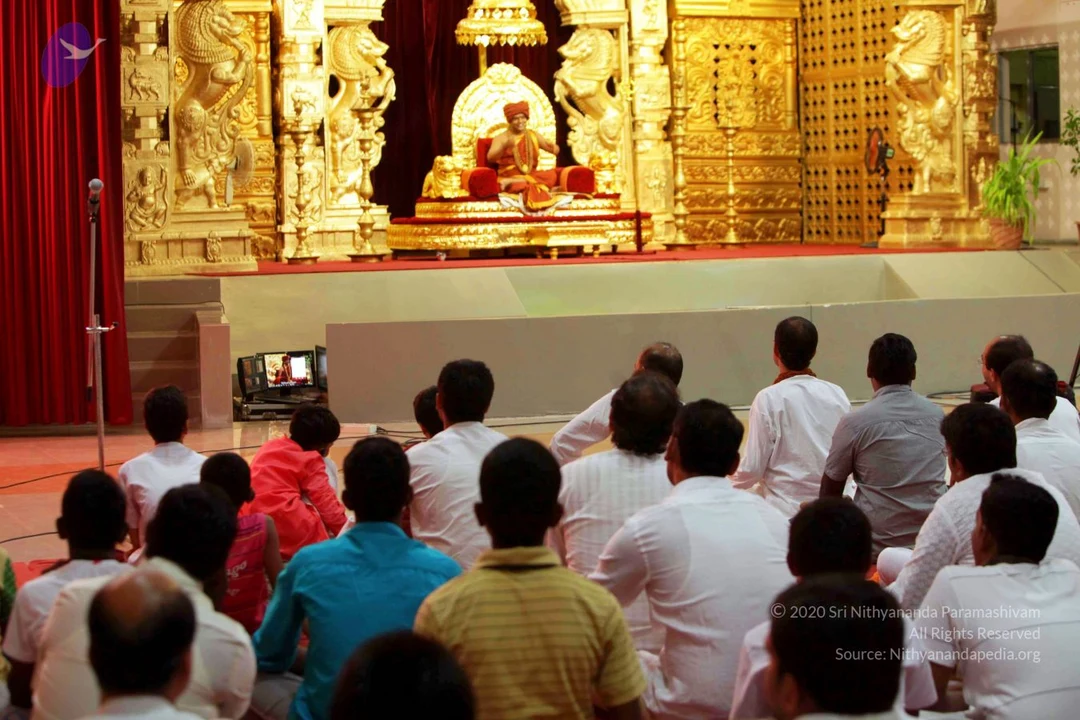
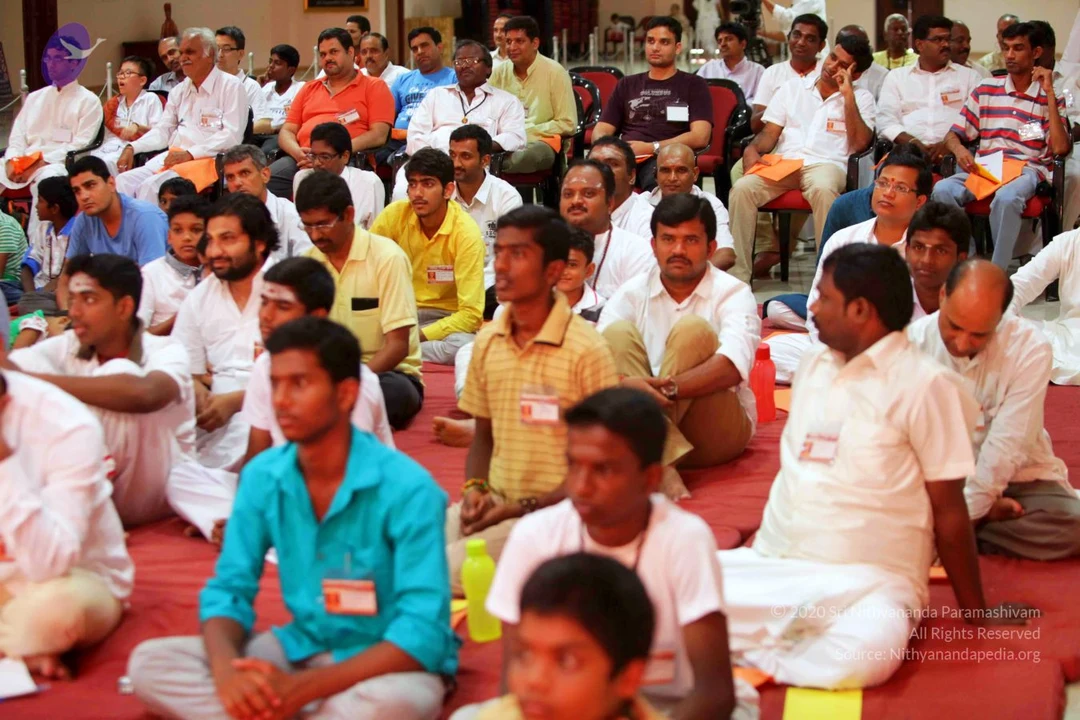
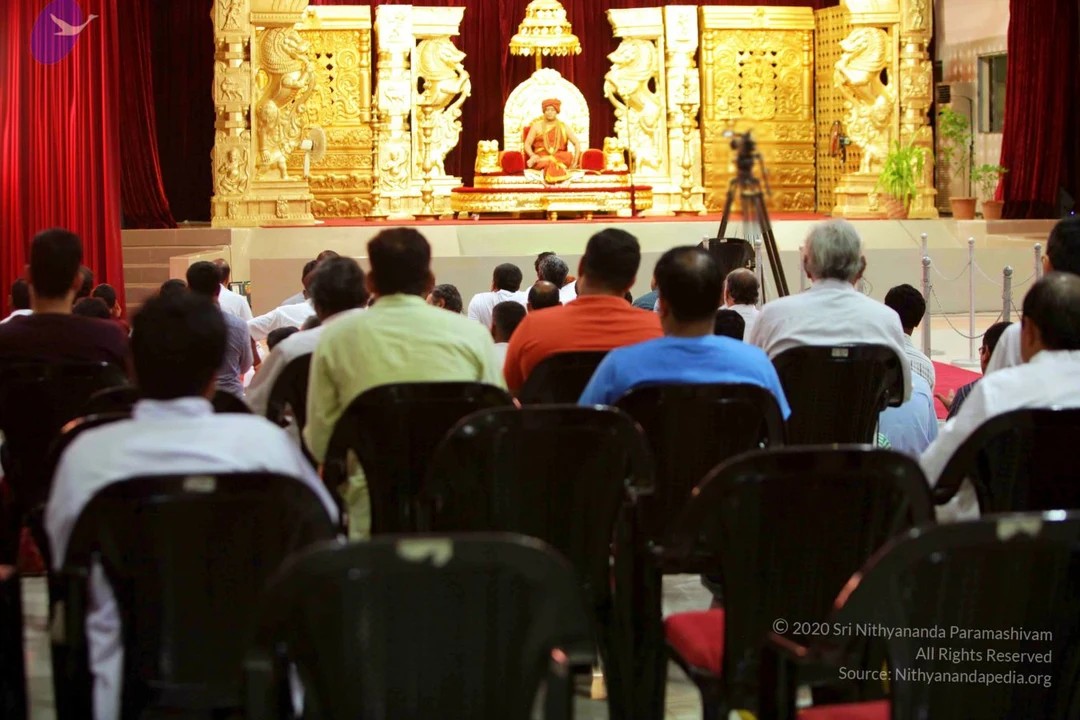



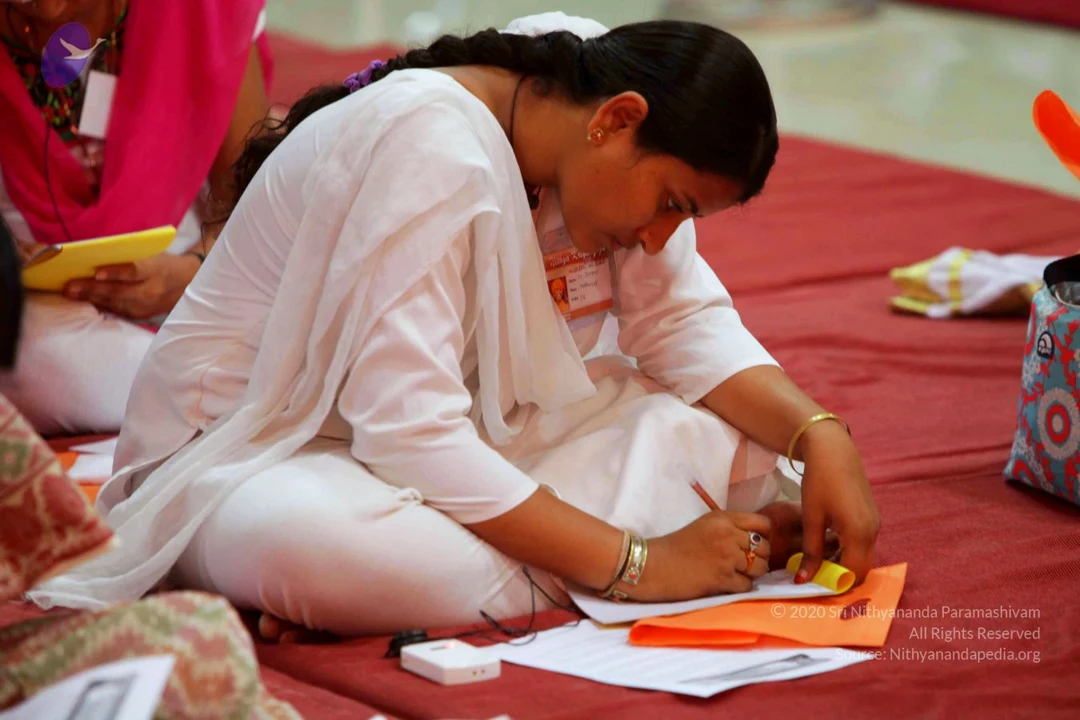
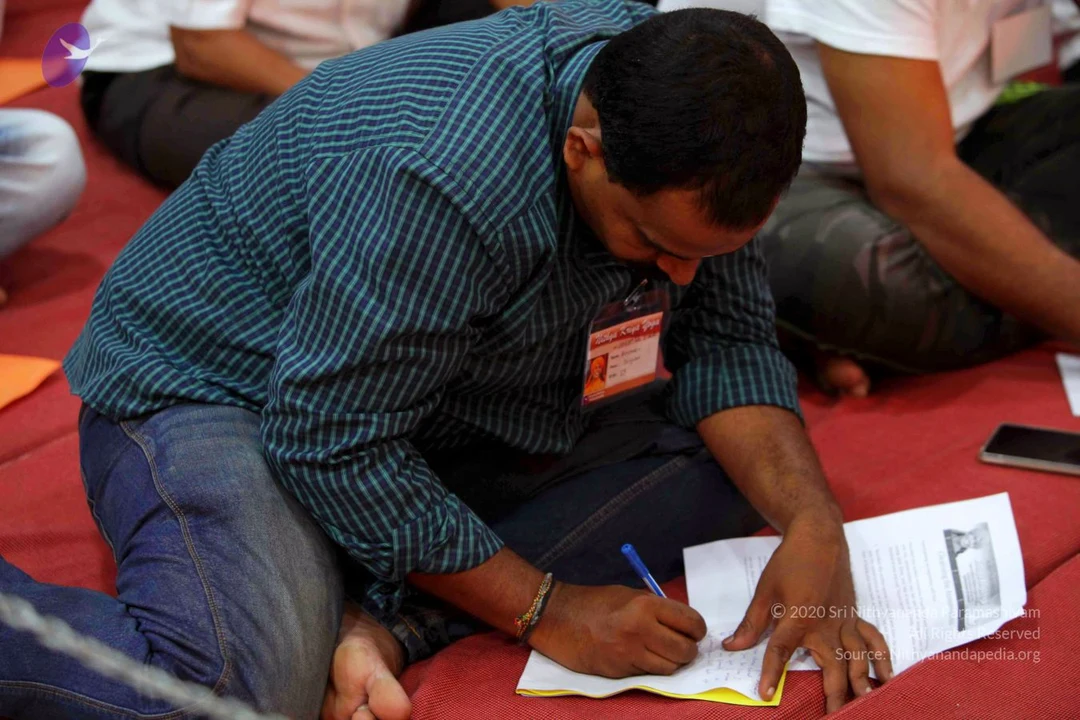
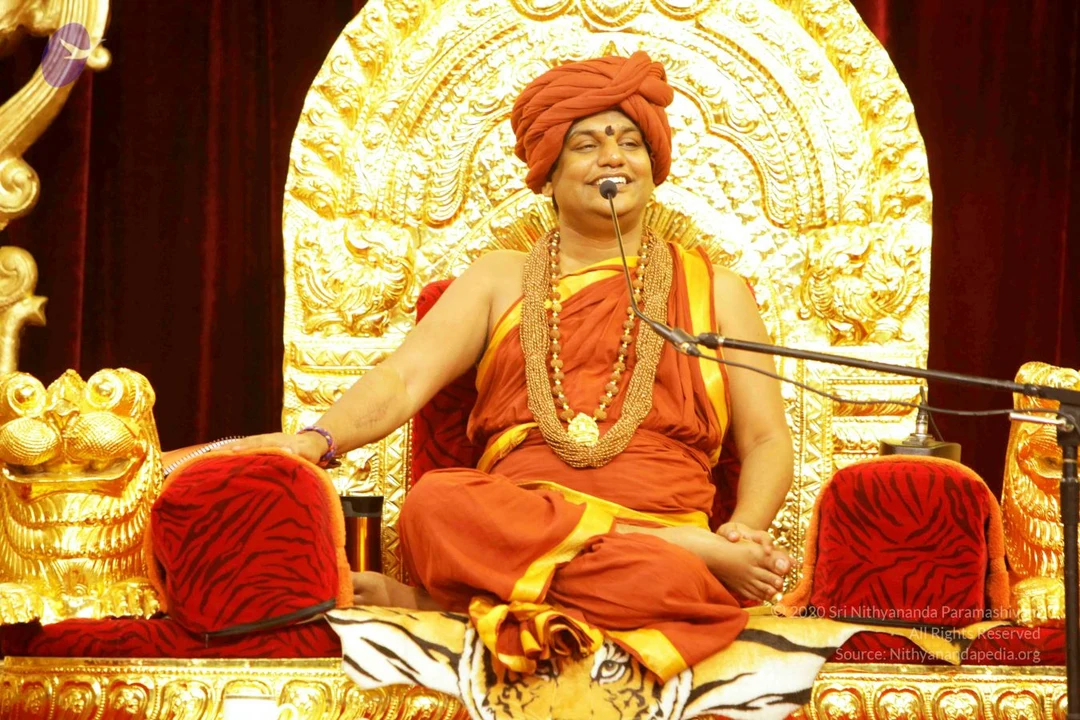
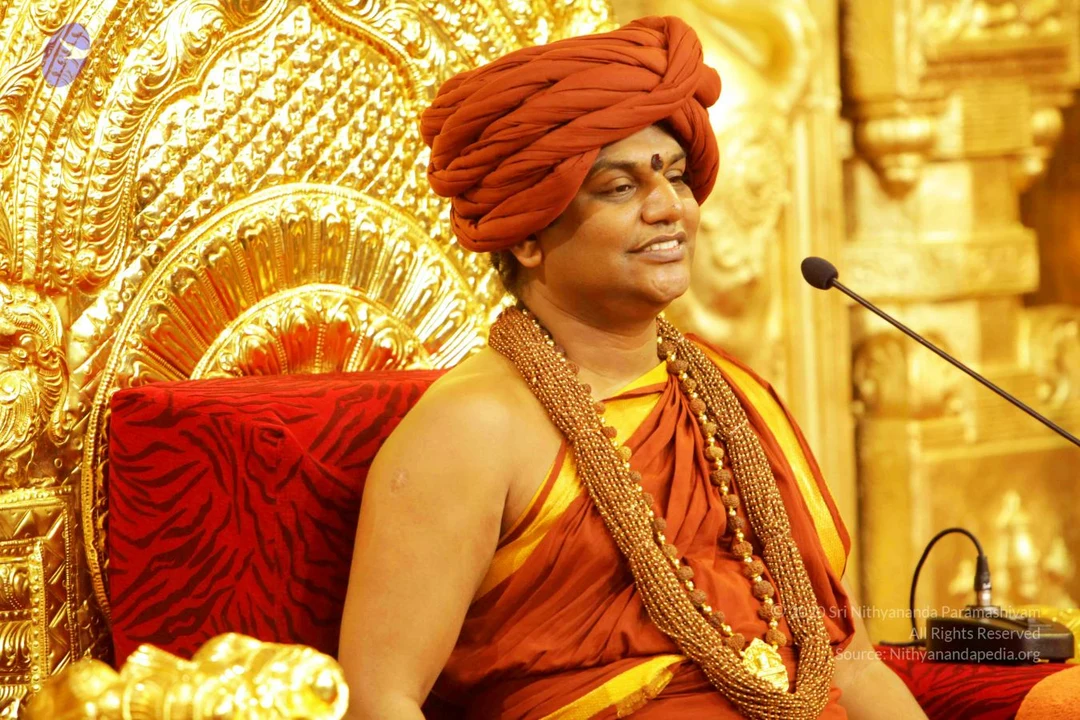


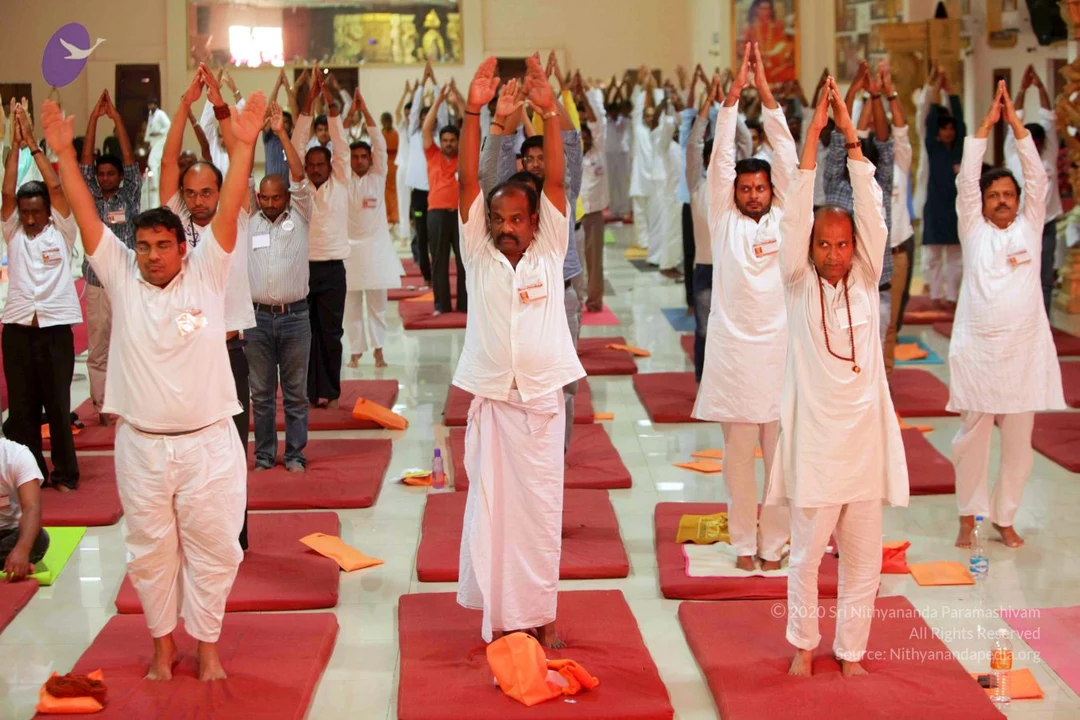
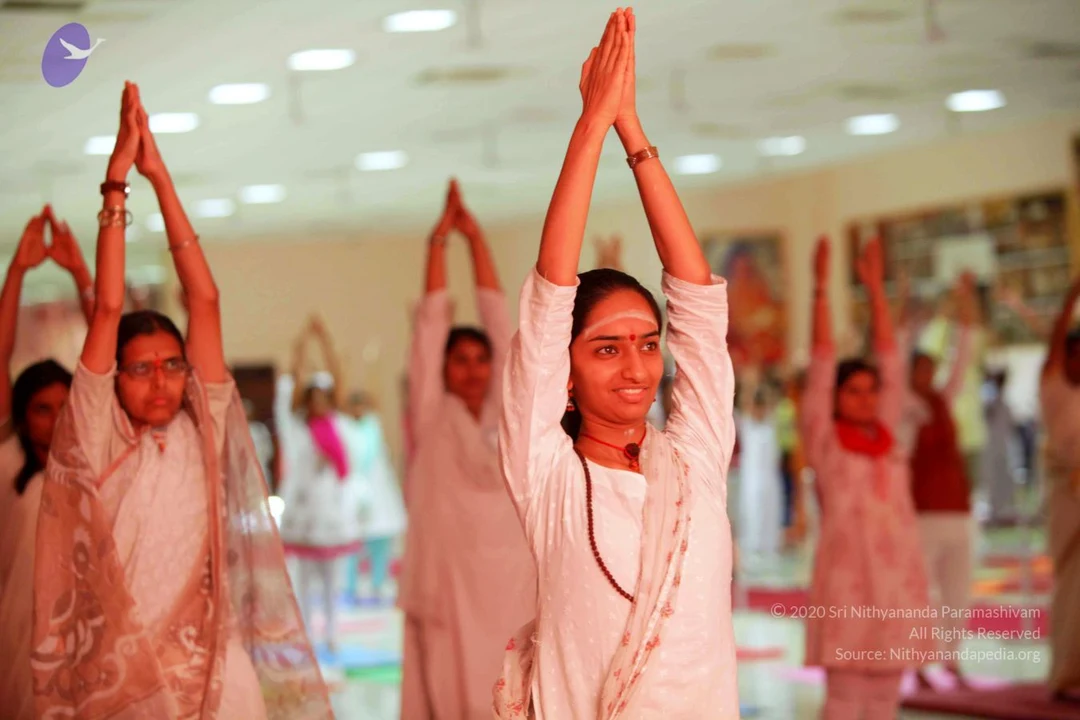
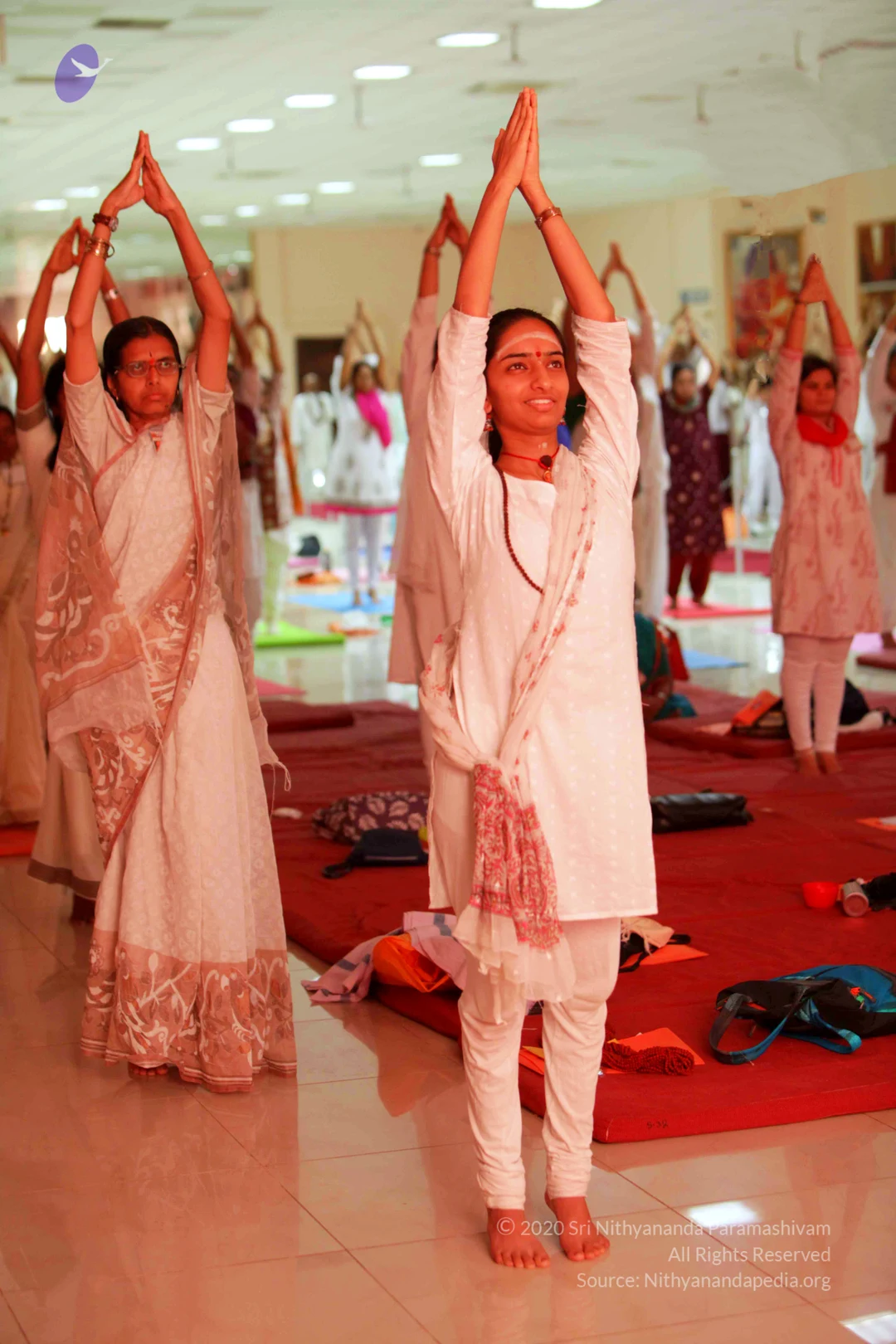
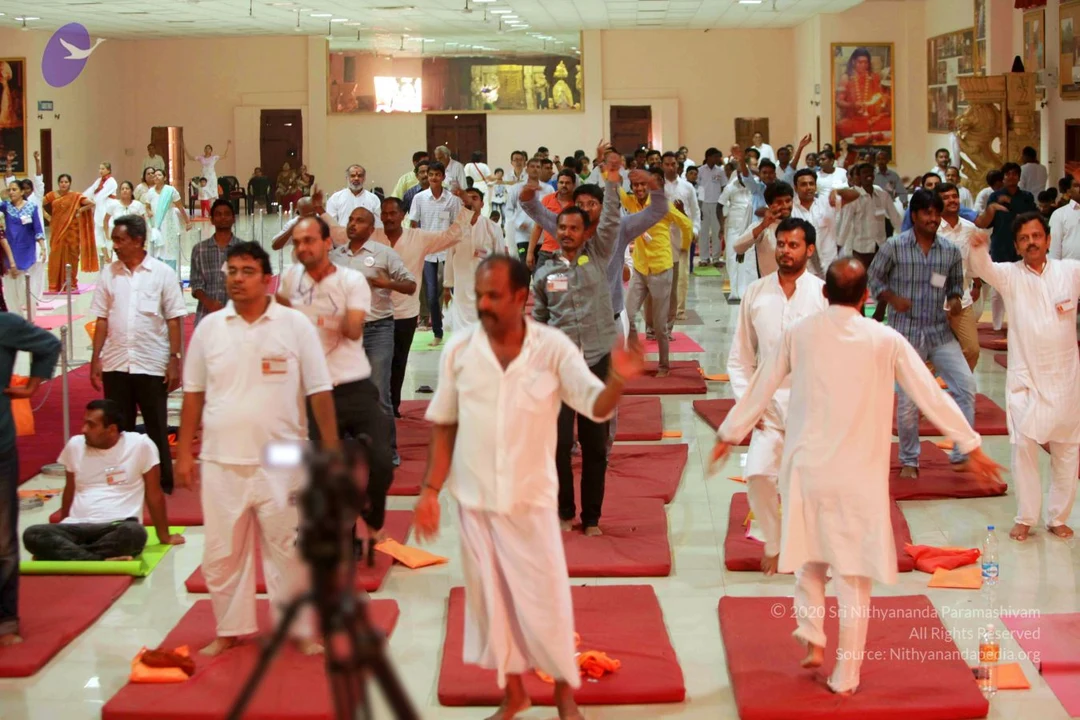
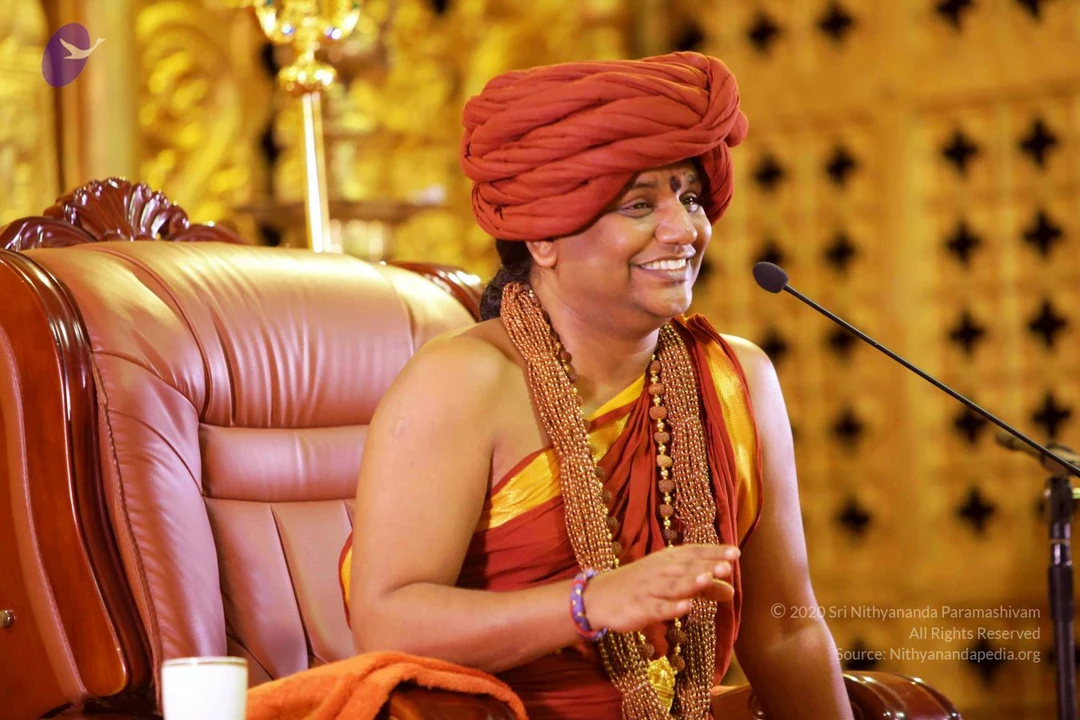
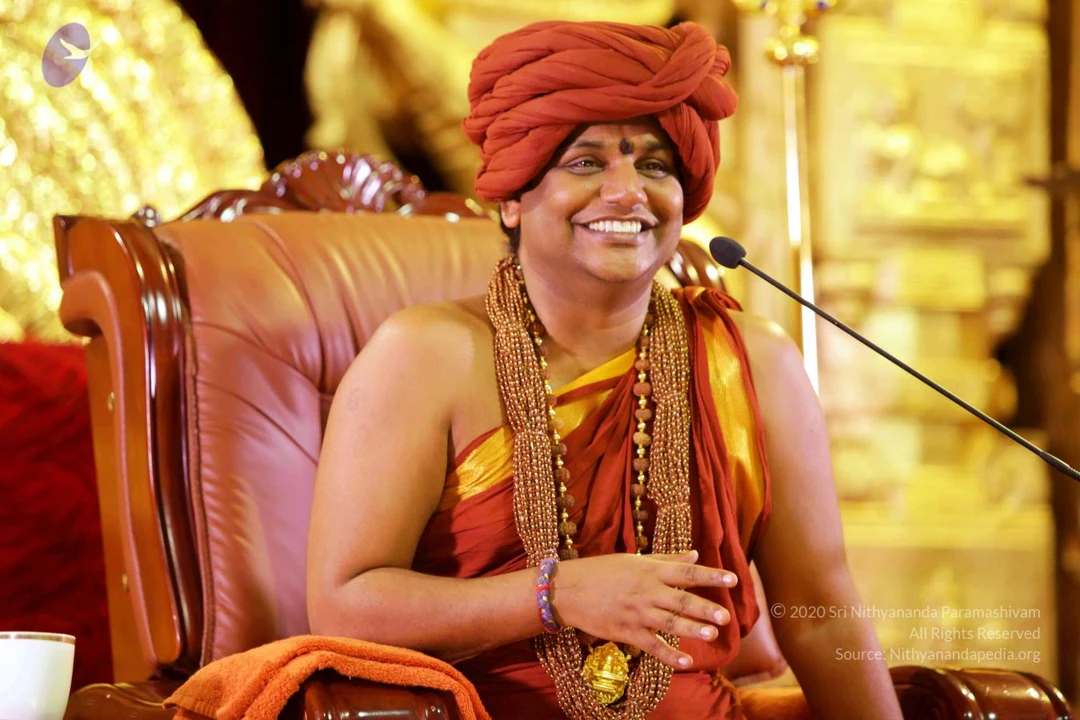
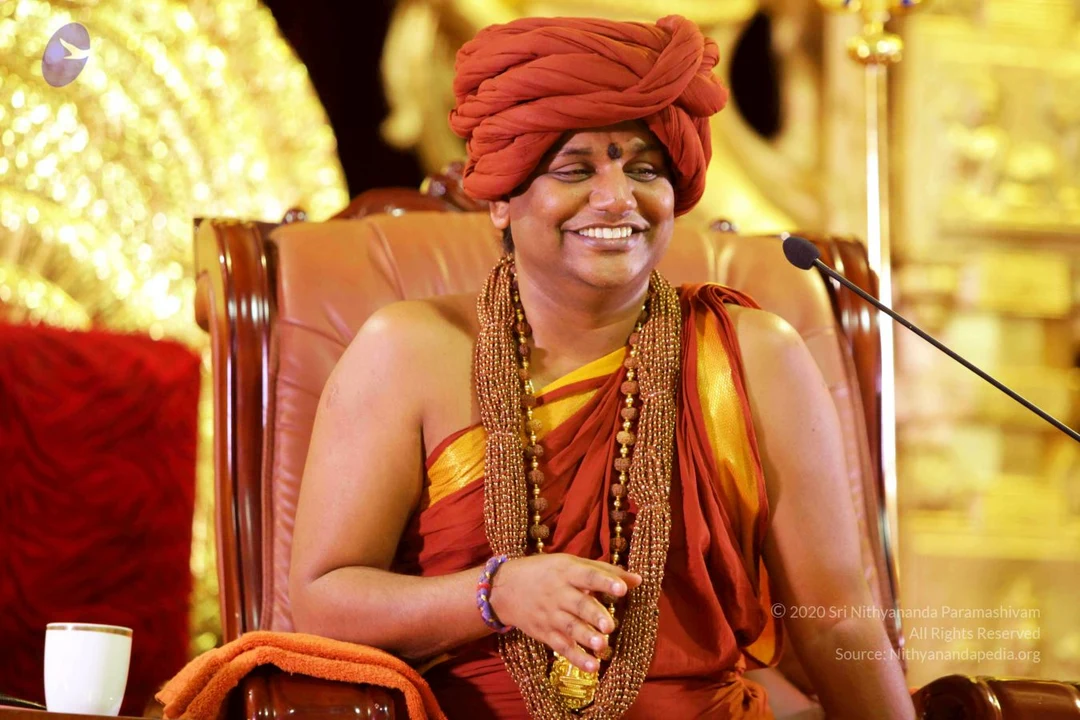
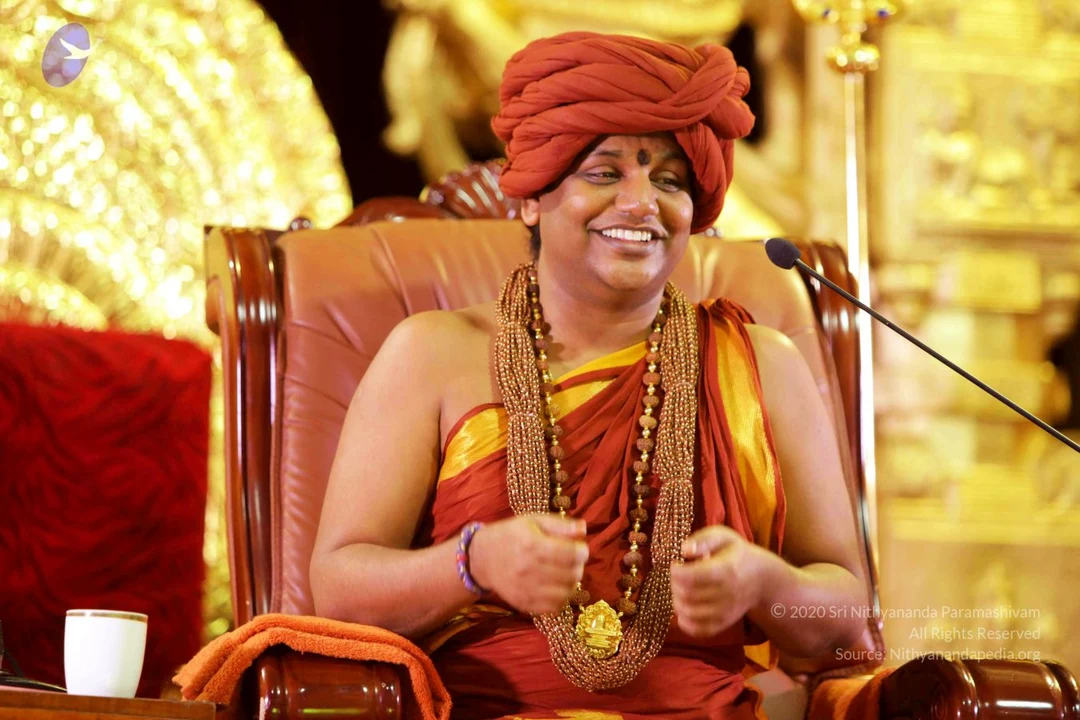
Link to Facebook Page:
https://www.facebook.com/srinithyananda.swami/posts/533902410098096
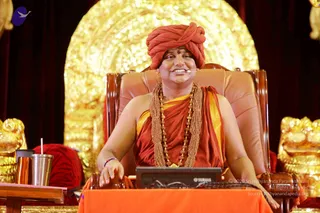
1-Satsang
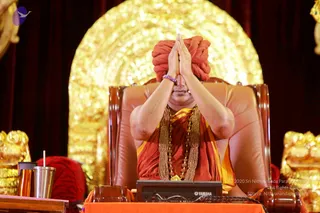
2-NKY
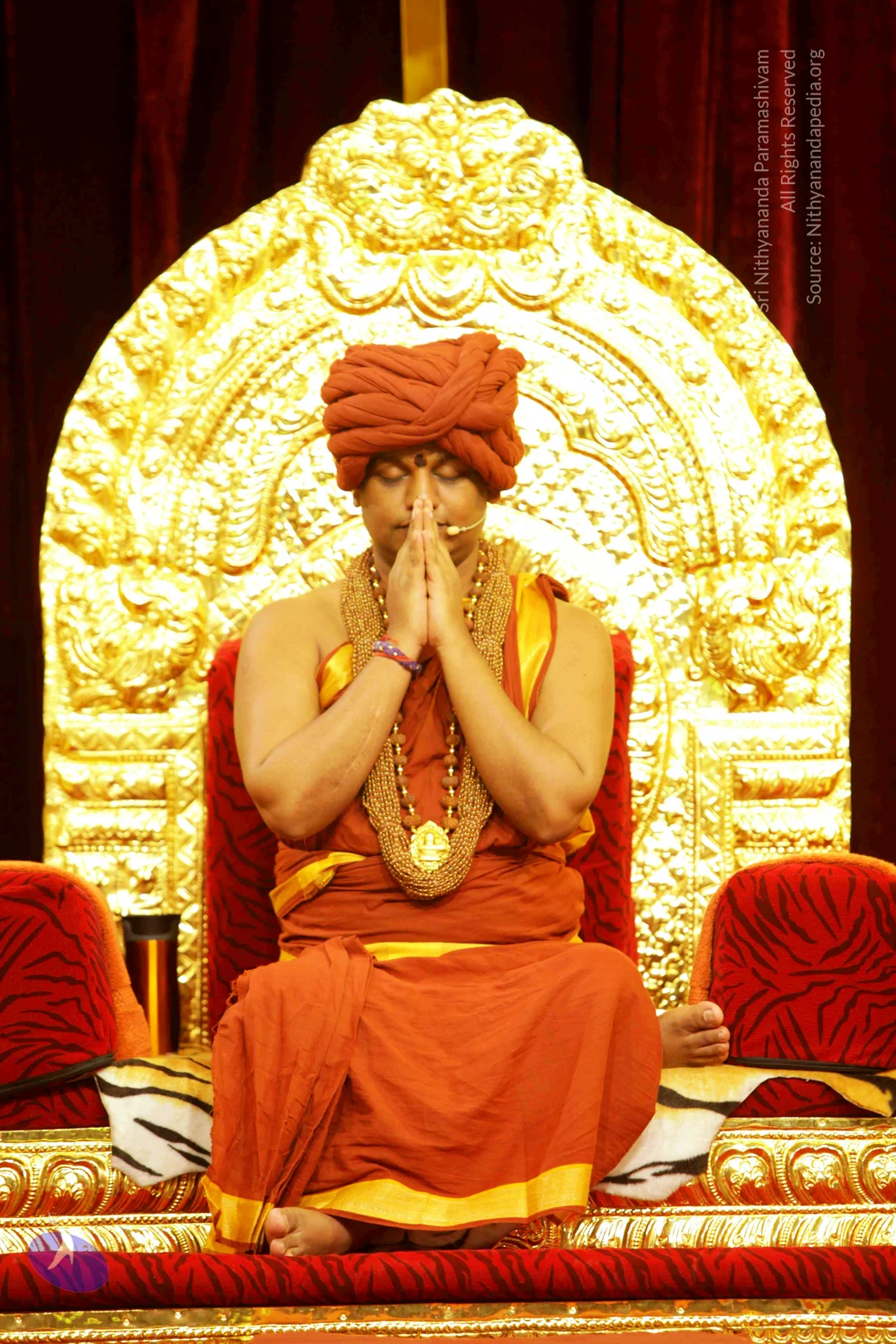
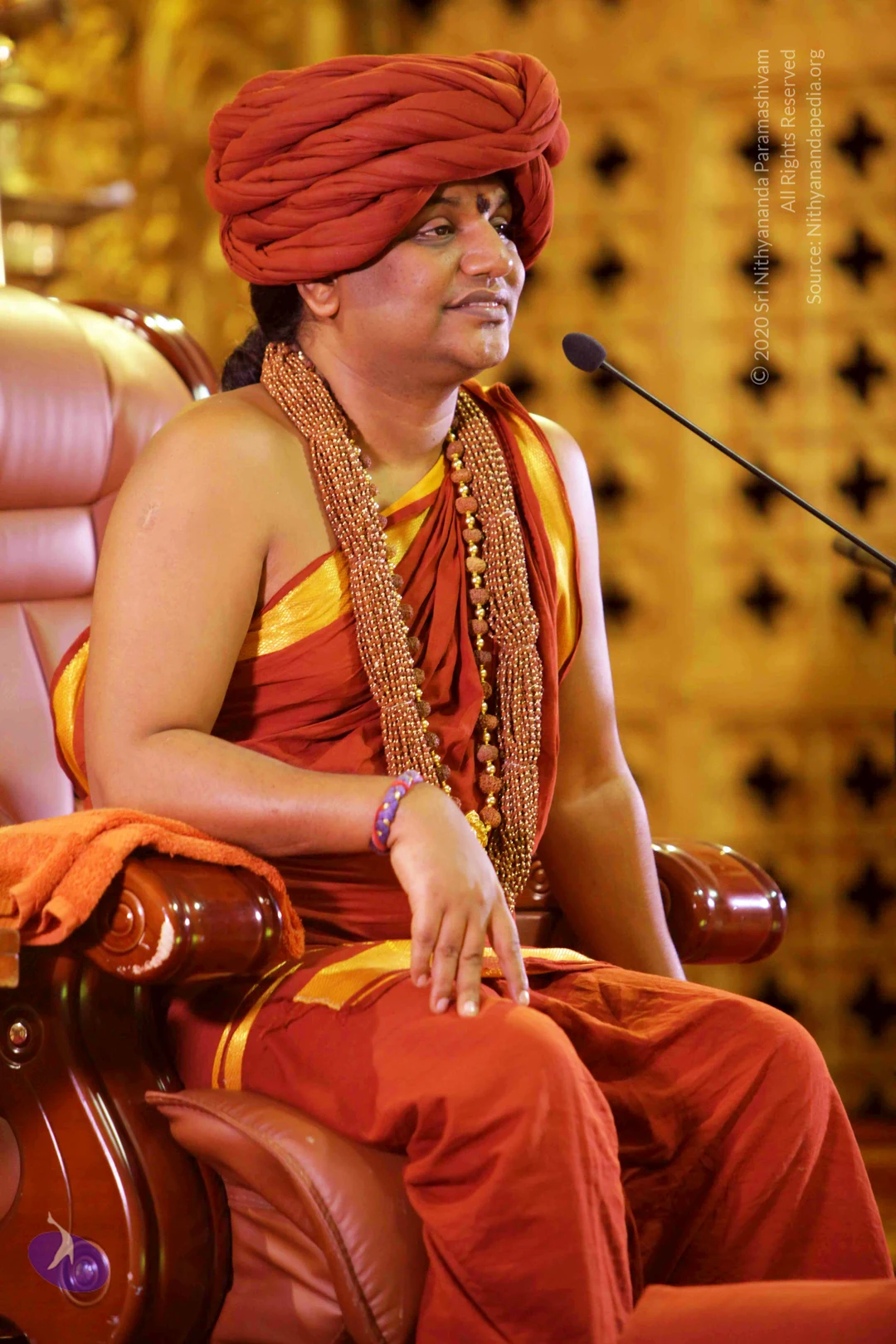
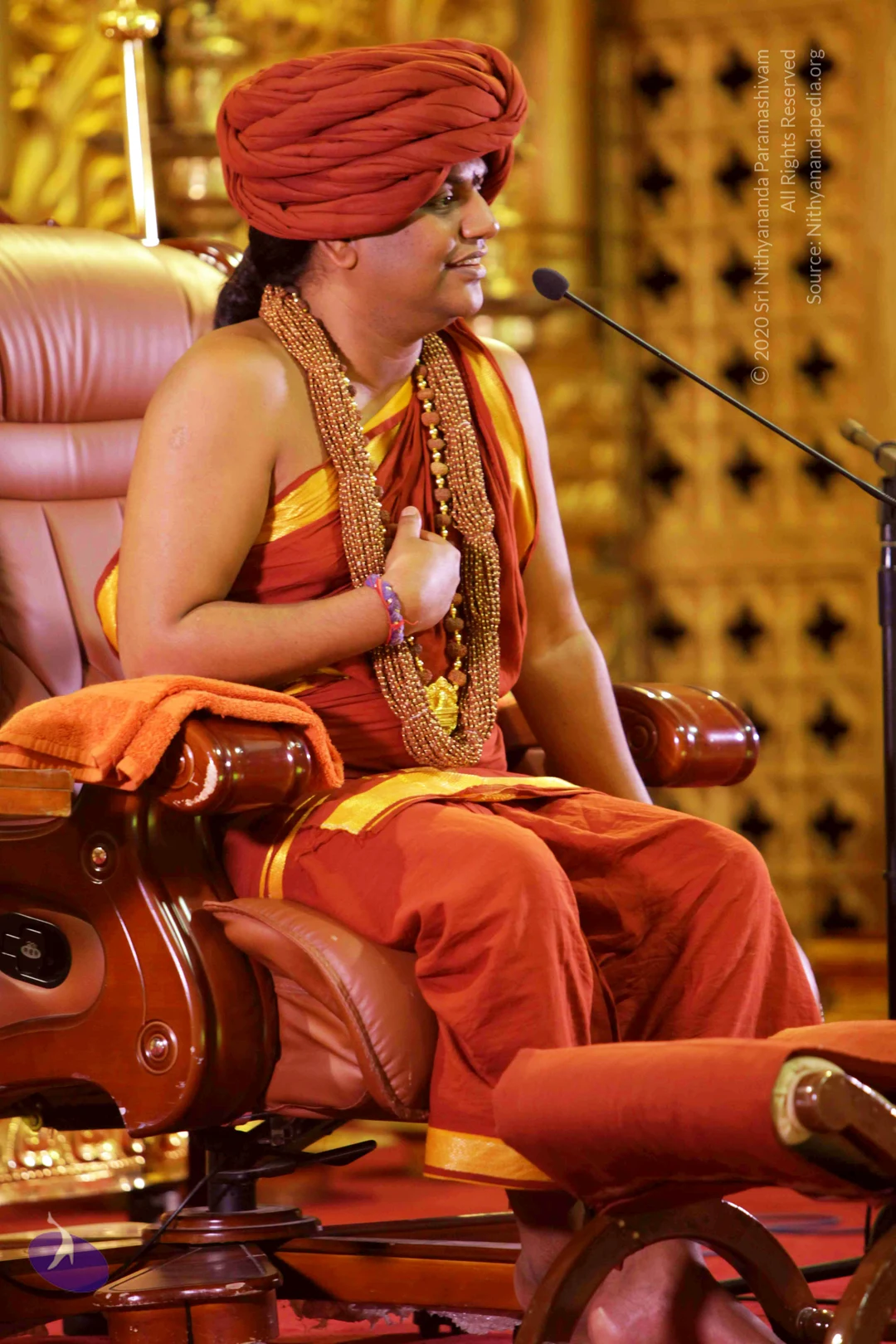
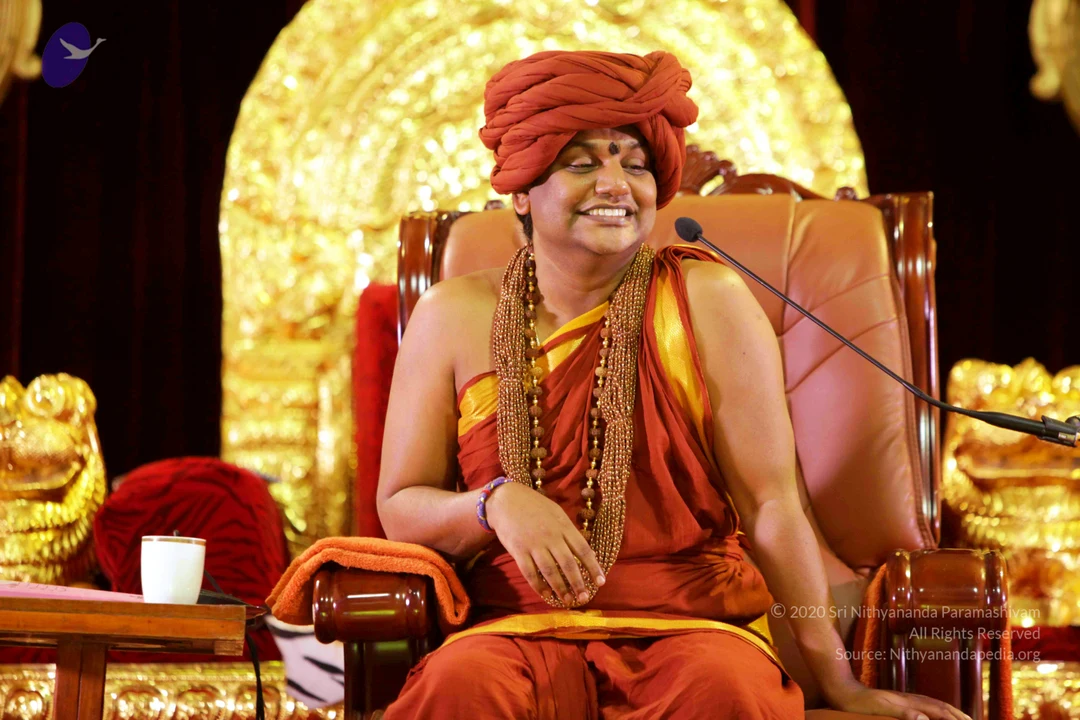
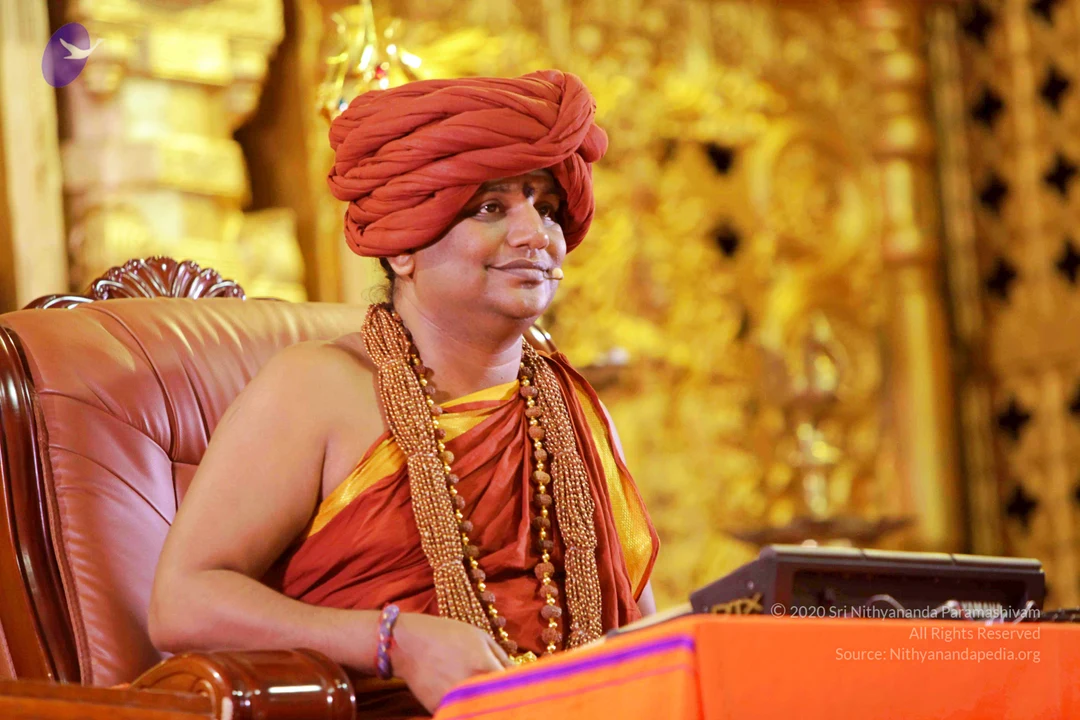
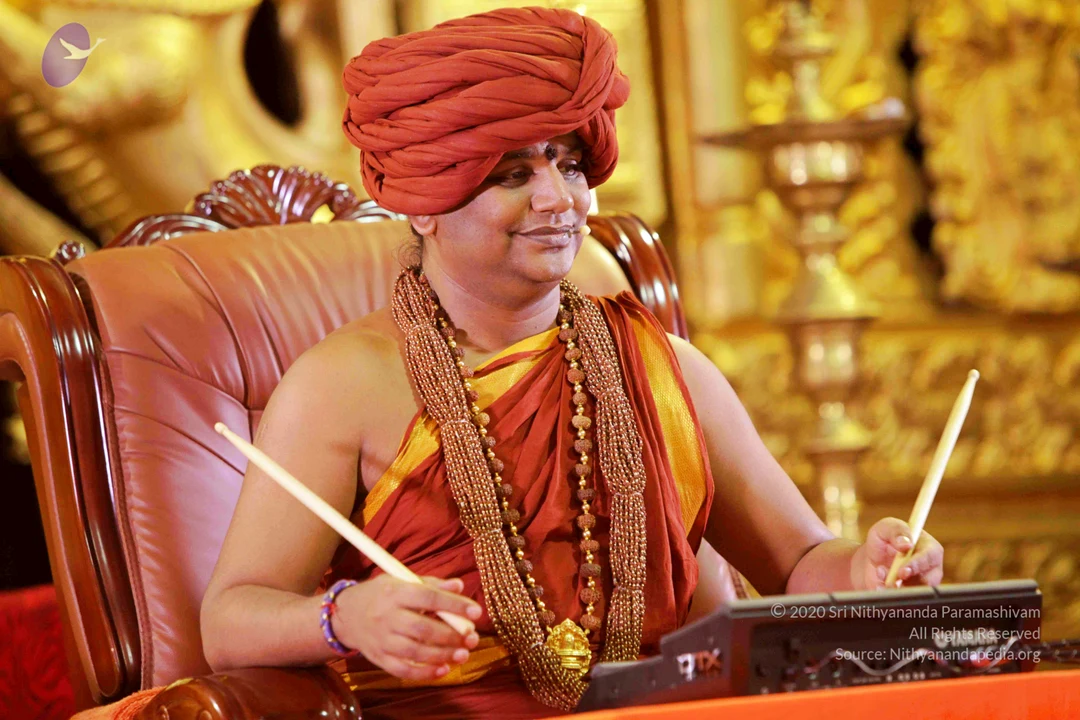
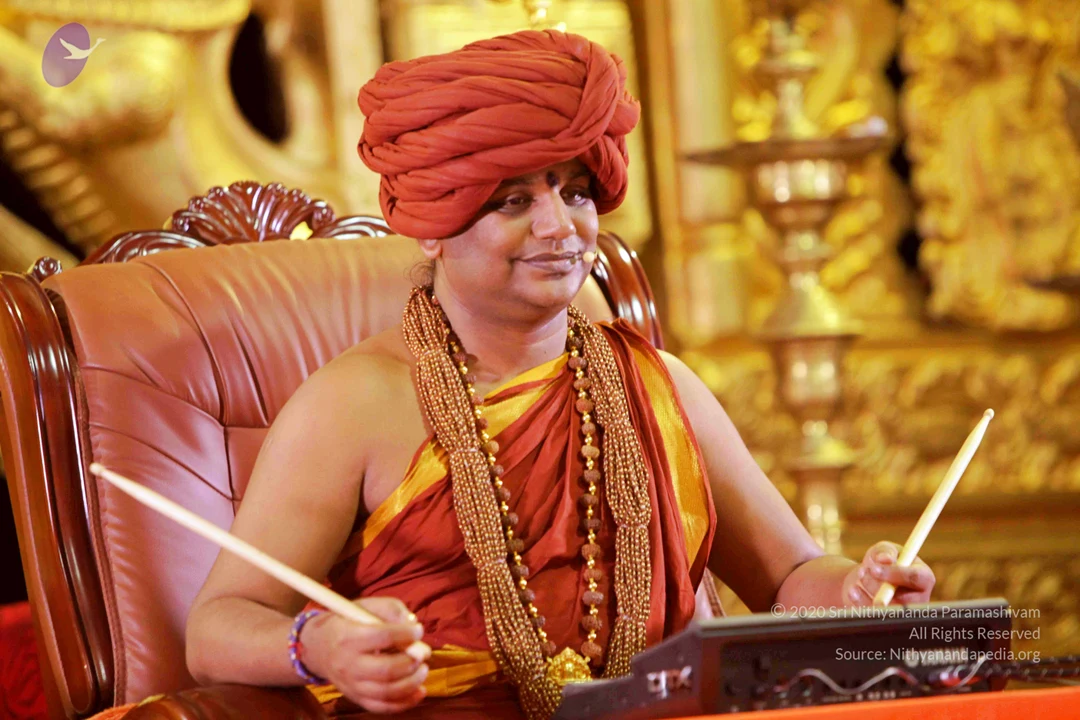
Photos from this day
View all 286 photossatsang
109 photosSource gallery
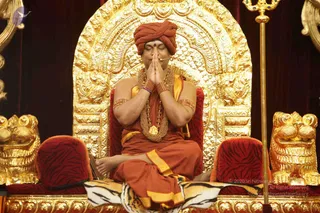
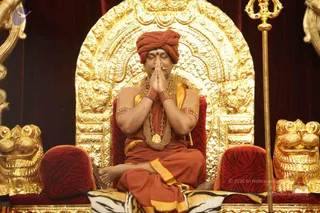
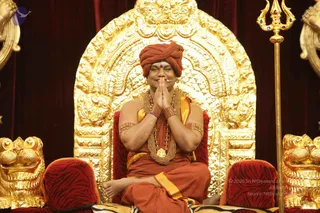
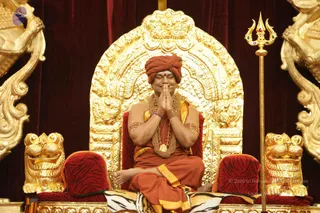
Nithya Kriya Yoga
142 photosSource gallery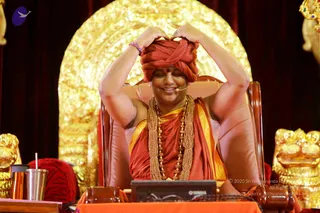
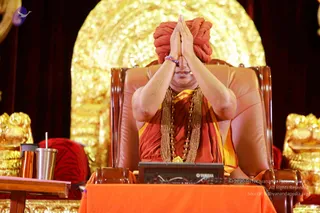
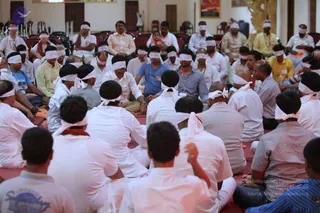
1-Satsang
27 photosSource gallery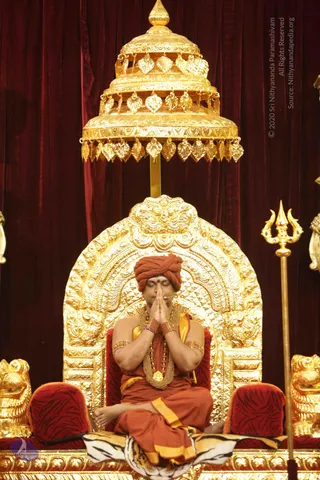
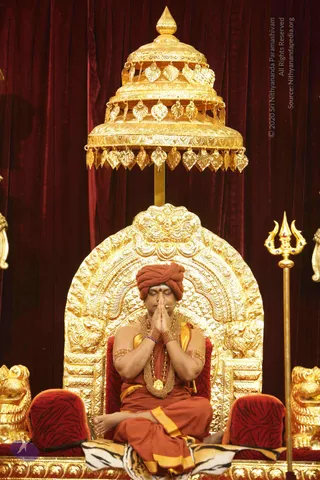
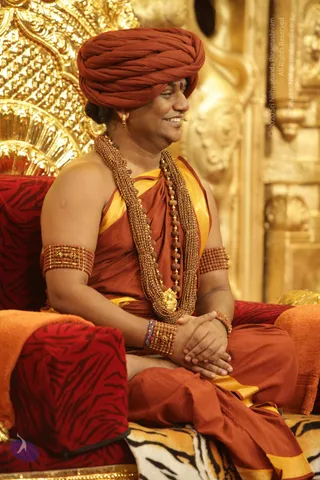
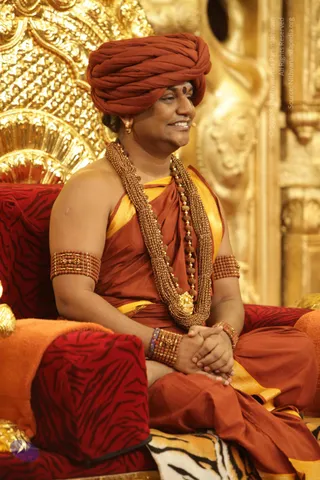
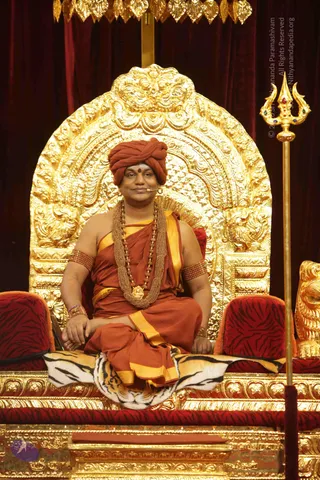
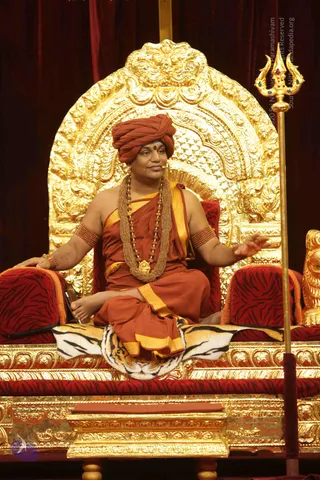
2-NKY
8 photosSource gallery