Wednesday
29 October 2014
Cambodia – A Transcendental Experience
- Dated photos
- 101
- Source pages
- 1
- Media
- 6
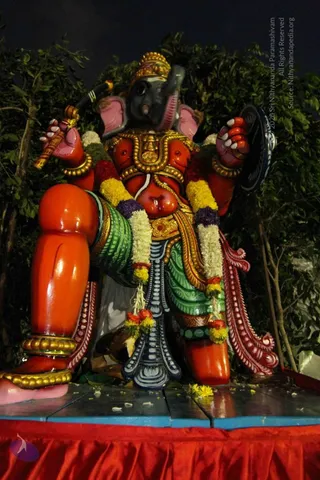
October 29 2014
Original wiki pageTitle:
Cambodia – A Transcendental Experience
Description:
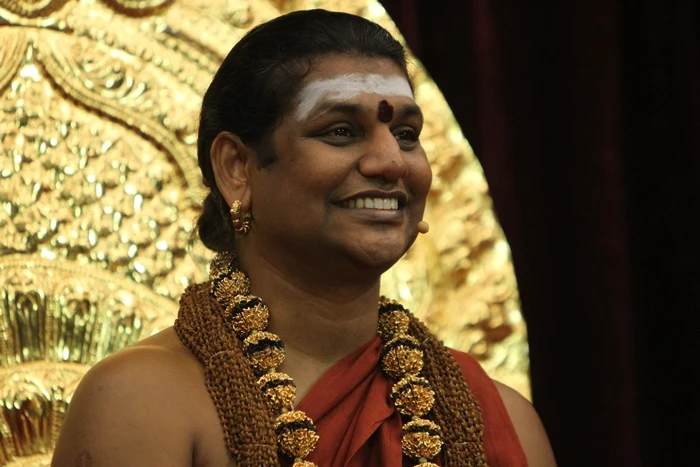
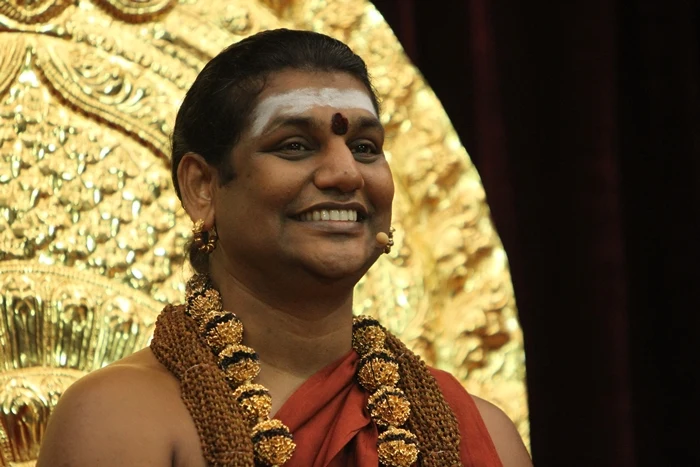
In today’s morning Satsang, Paramahamsa Nithyananda explains how understanding the principles of Advaitha is the law and flow of our life. All spiritual and religious process on Earth are to help us complete with Advaitha. By having completion with Advaitha, all the benefits promised by the science of Advaitha will become a reality in our life; we will literally be omnipresent, omnipotent and omniscient, moving everything.
Link to Video:
| Video | Audio |
Transcript:
Nithyanandeshwara Samaarambhaam Nithyanandeshwari Madhyamaam | Asmath Aachaarya Paryanthaam Vandhey Guru Paramparaam ||
I welcome all the devotees, disciples, samajis, satsanghis, Shrimahants, Mahants, Kotharis, Thanedars, visitors, viewers, sitting with us all over the world, and Shri Shri Shri Suryanarayan Swamiji from Vishwakarma Peeta.
I welcome all of you with my love and respects.
Cities sitting with us all over the world: Phoenix-Kanchipuram Aadheenam, Nithyanandeshwara Hindu Temple-Charlotte, Toronto Aadheenam, Los Angeles Peetam, Hyderabad-Gupta Kashi, Singapore-Singapuram, Nithyanandeshwara Temple-Pudukottai, Indrani-New Jersey, Ohio-Prayag, Hong Kong-Sirkazhi, St. Louis-Tirumala Aadheenam, Tiruvannamalai Aadheenam, High Point-North Carolina, Jorpati-Nepal, Houston-Kalahasti Temple, San Jose-Madurai, Seattle-Chidambaram, Nithyananda Nagar-Rajapalayam Aadheenam, Oman-Sivagangai, Bangalore North, Kuala Lumpur-Palani Aadheenam, High Point-North Carolina, Los Angeles-Hollywood, Amersfoort-Netherlands, Guadeloupe-Rameshwaram, Ravensburg-Germany and more and more cities are joining.
I welcome all of you.
Tiruvannamalai-Aadheenam, Sugarland-Texas Aadheenam.
I welcome all of you with my love and respects.
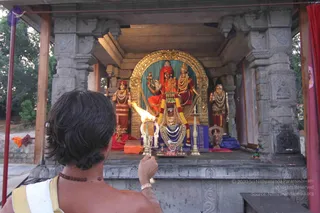
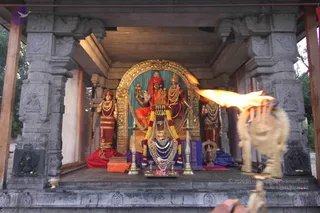
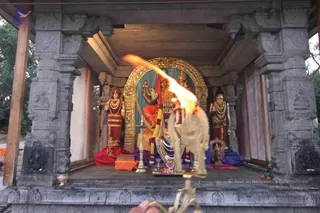
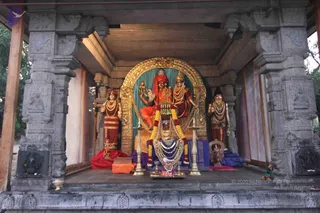
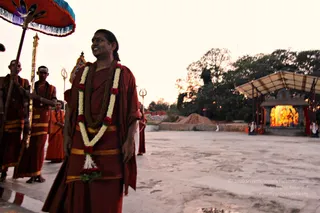
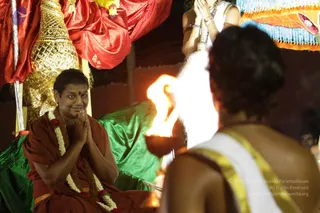
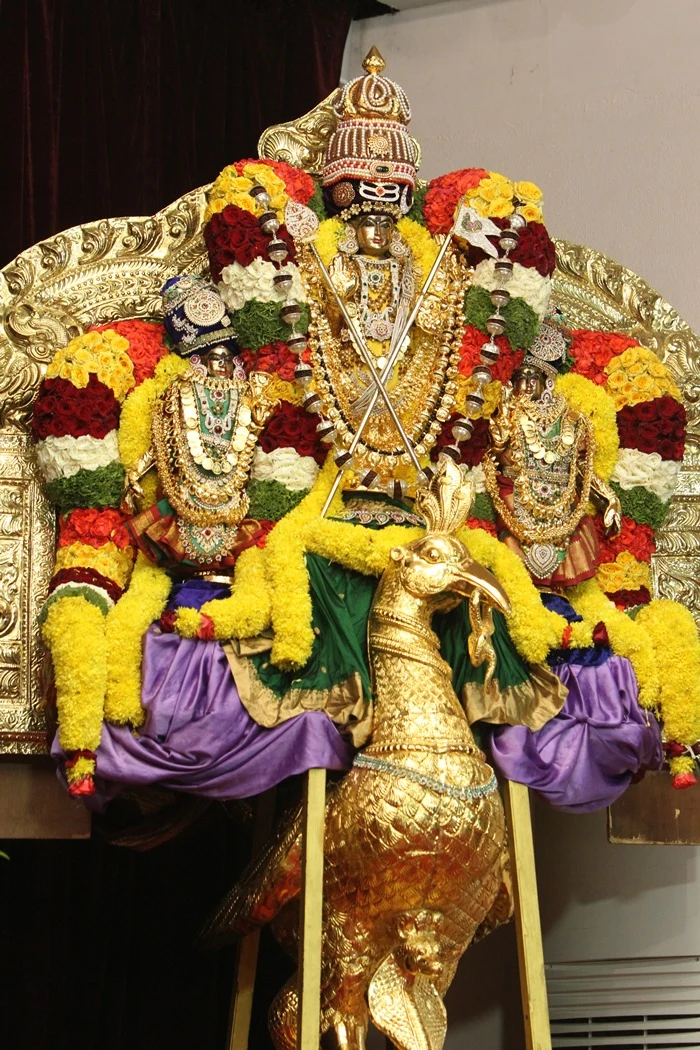
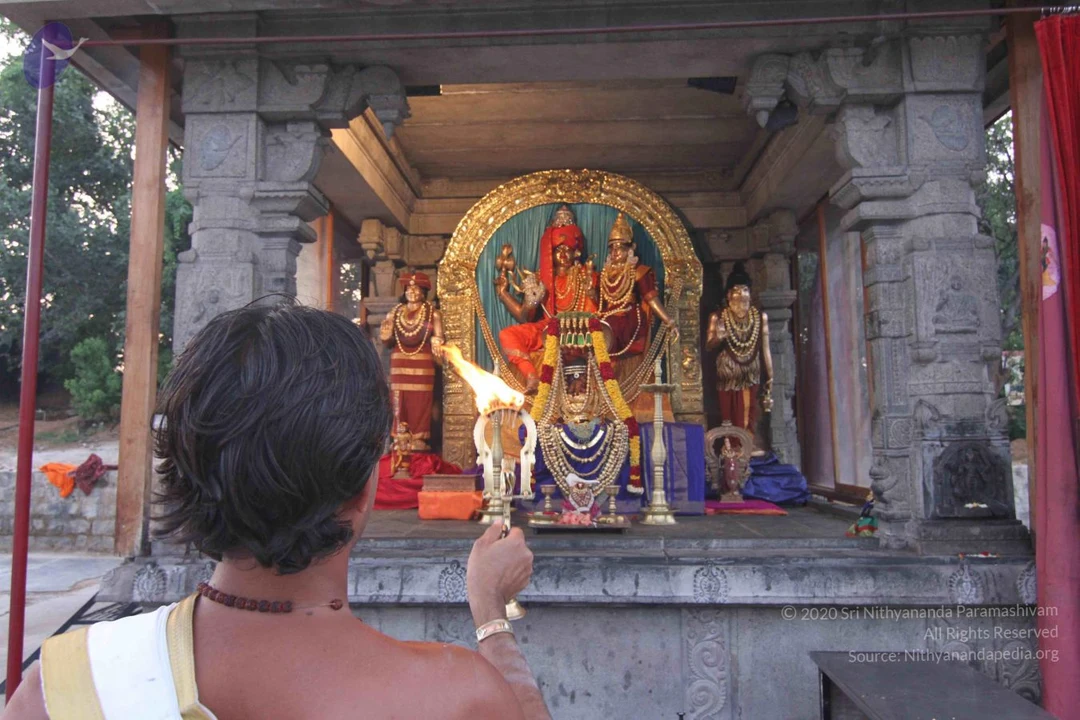
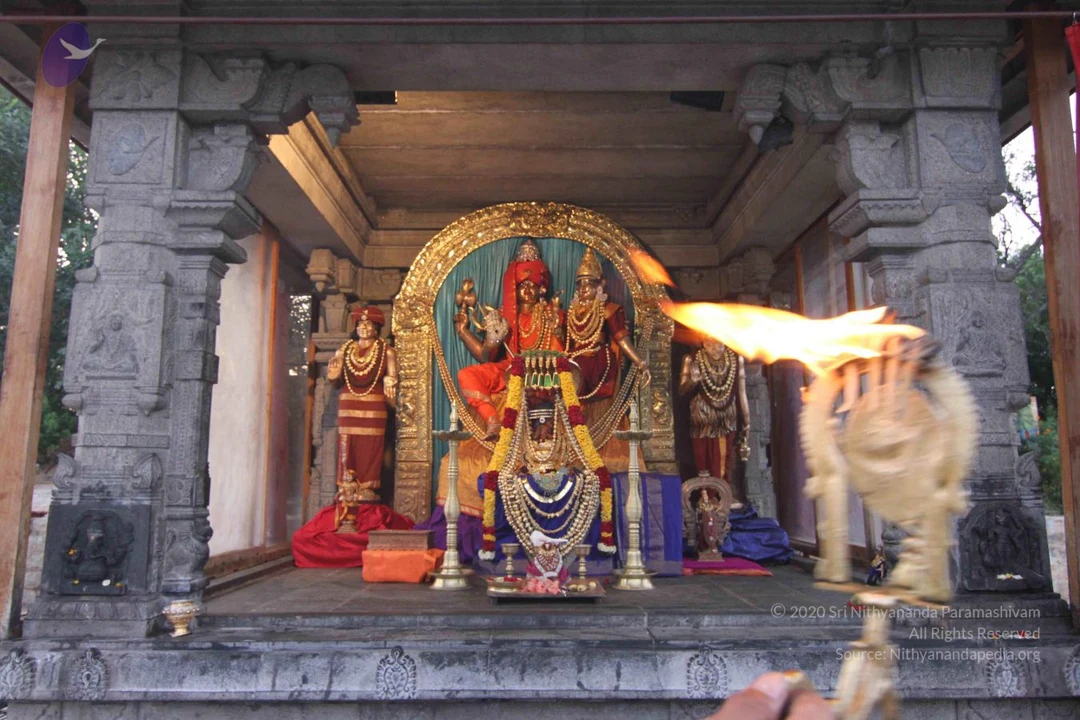
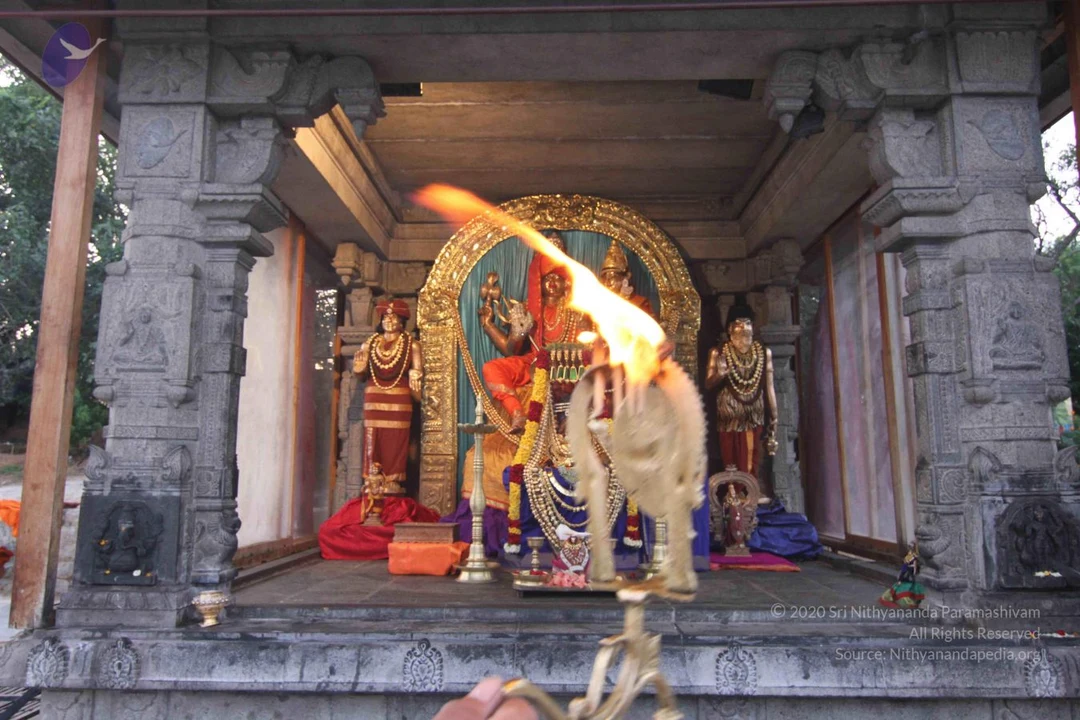
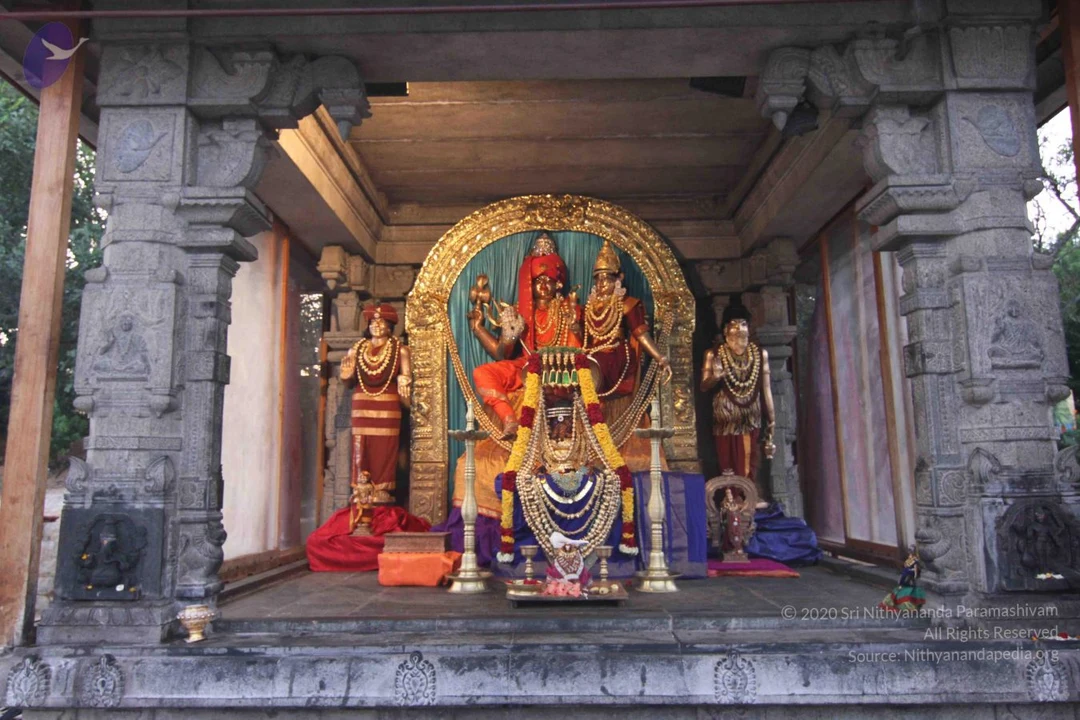
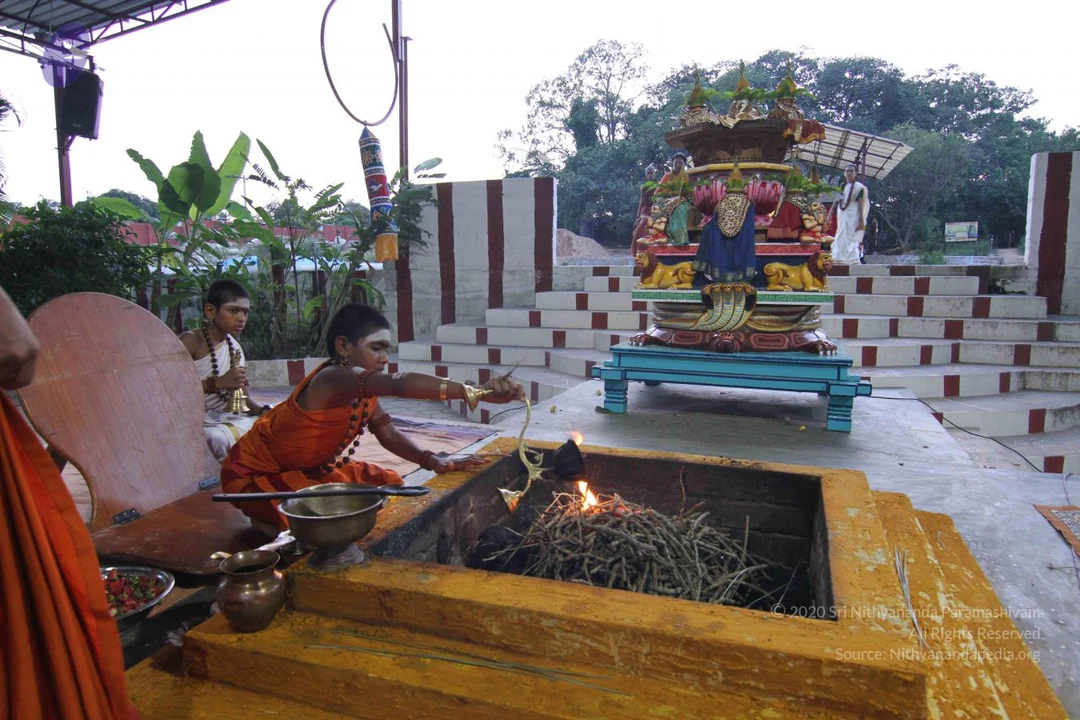
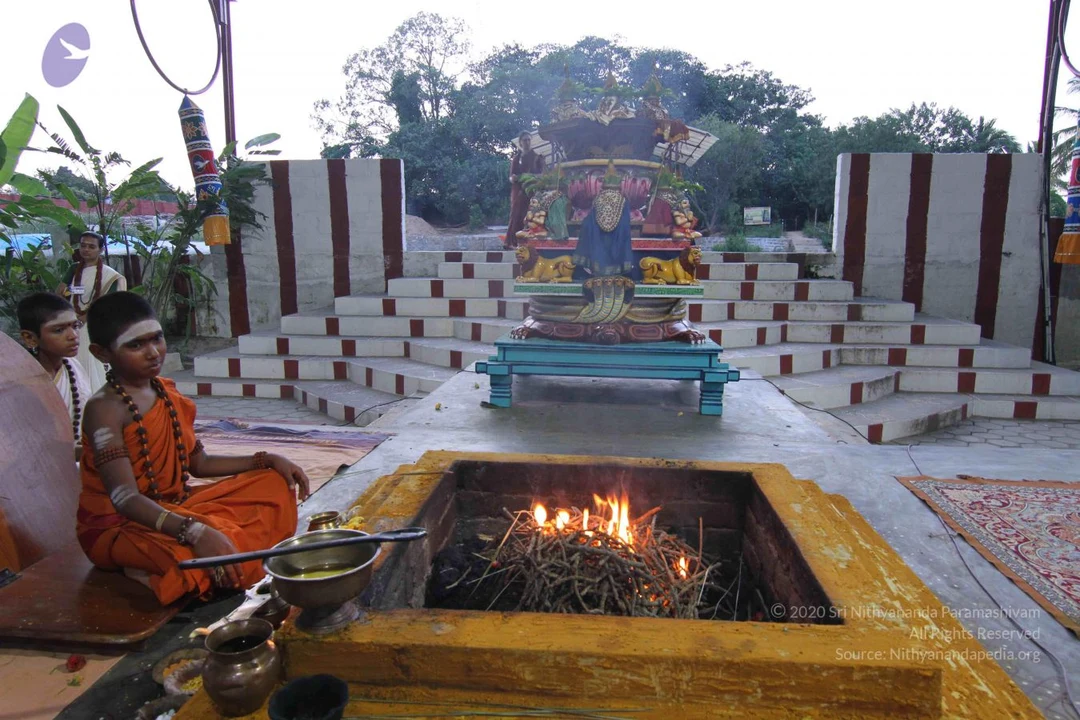
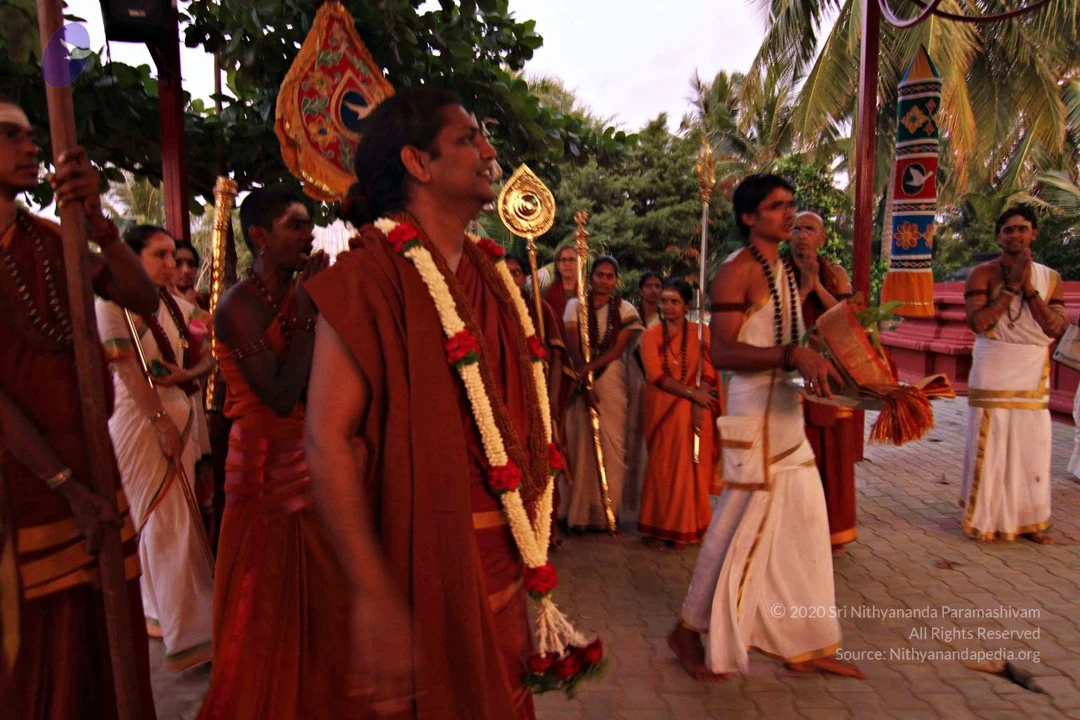
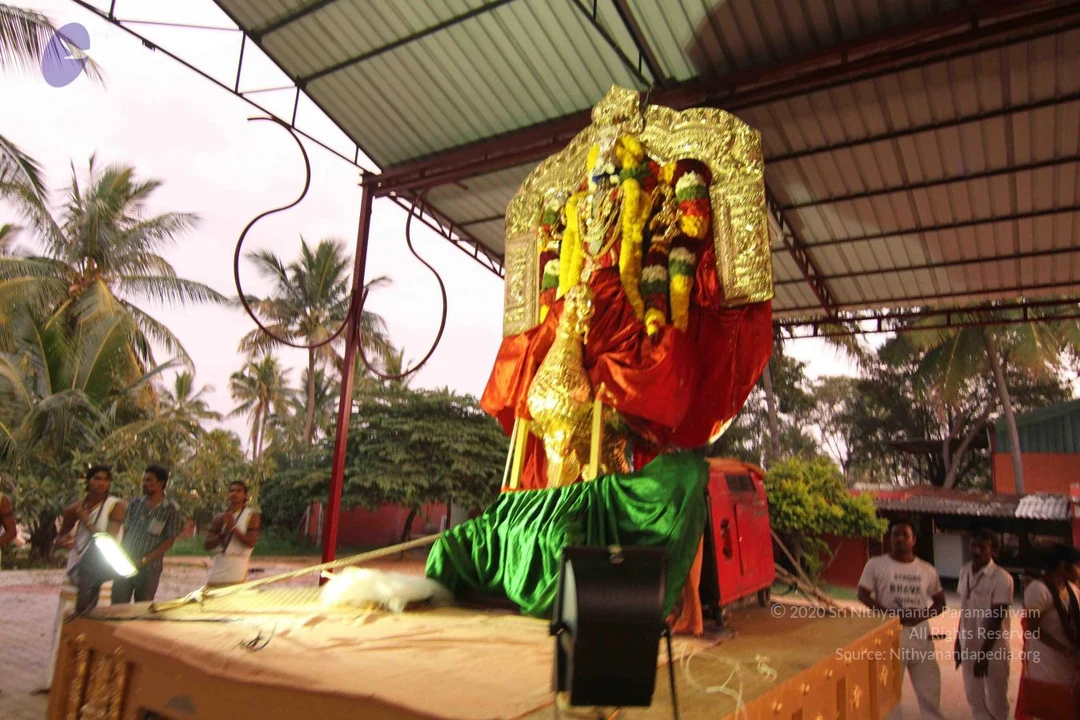
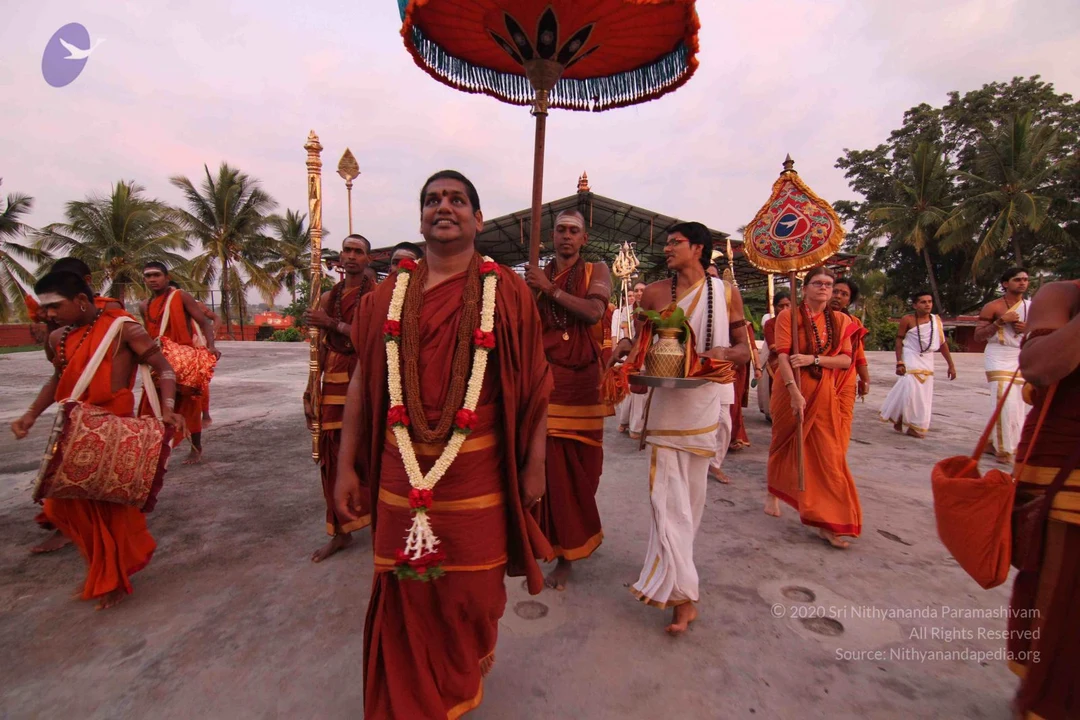
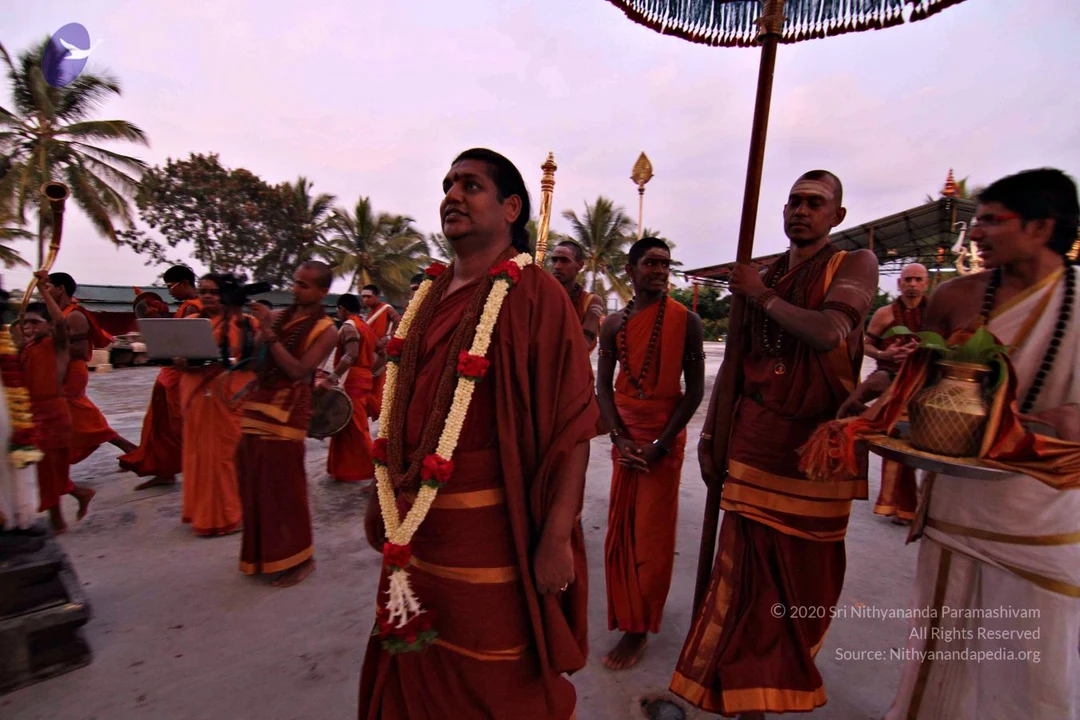
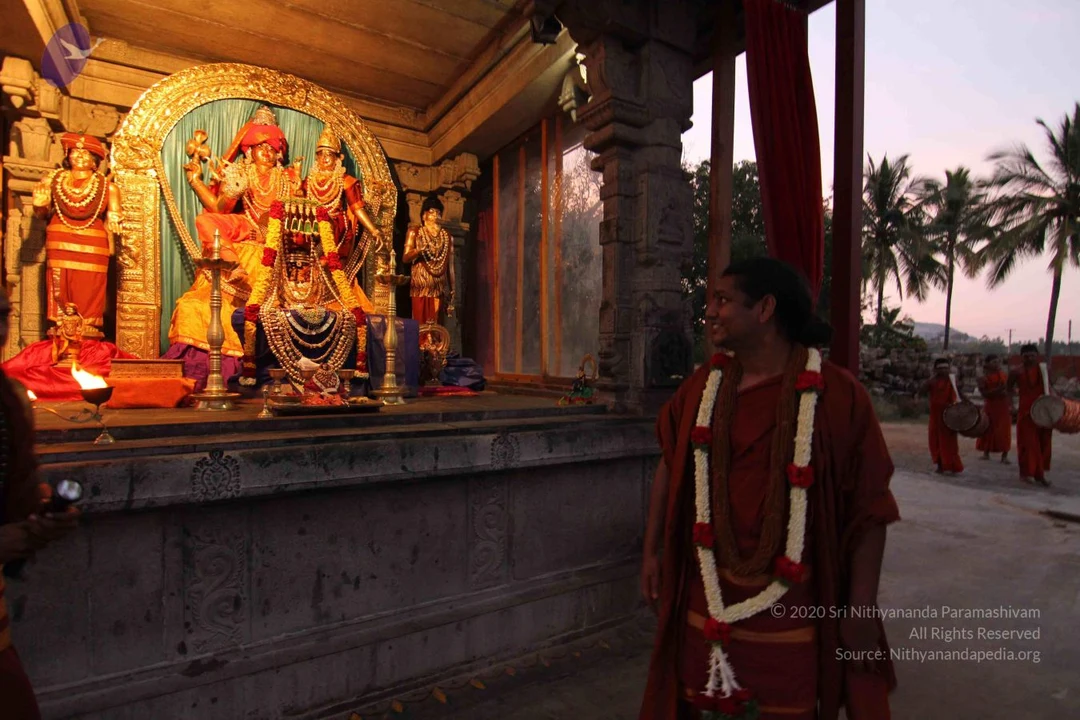
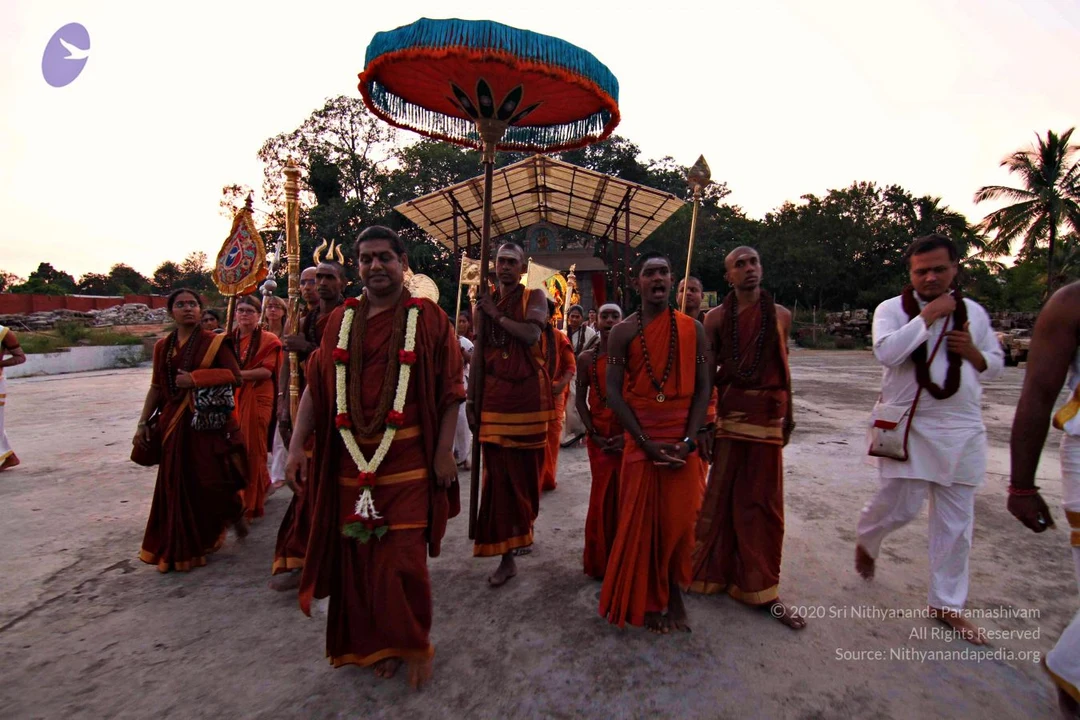
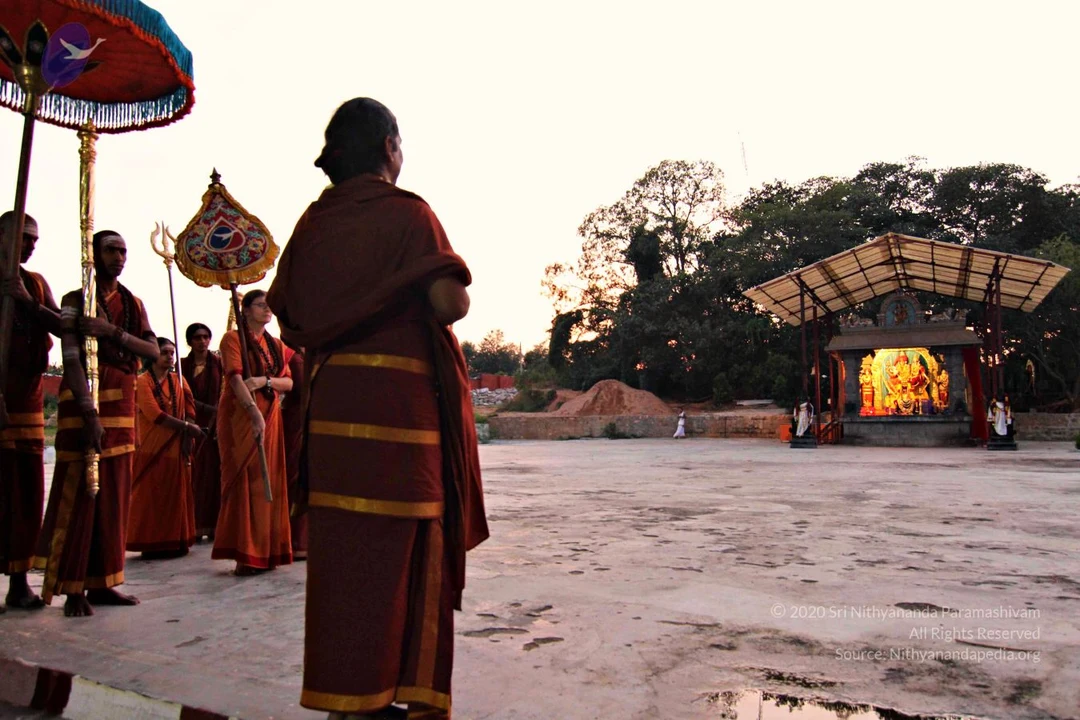
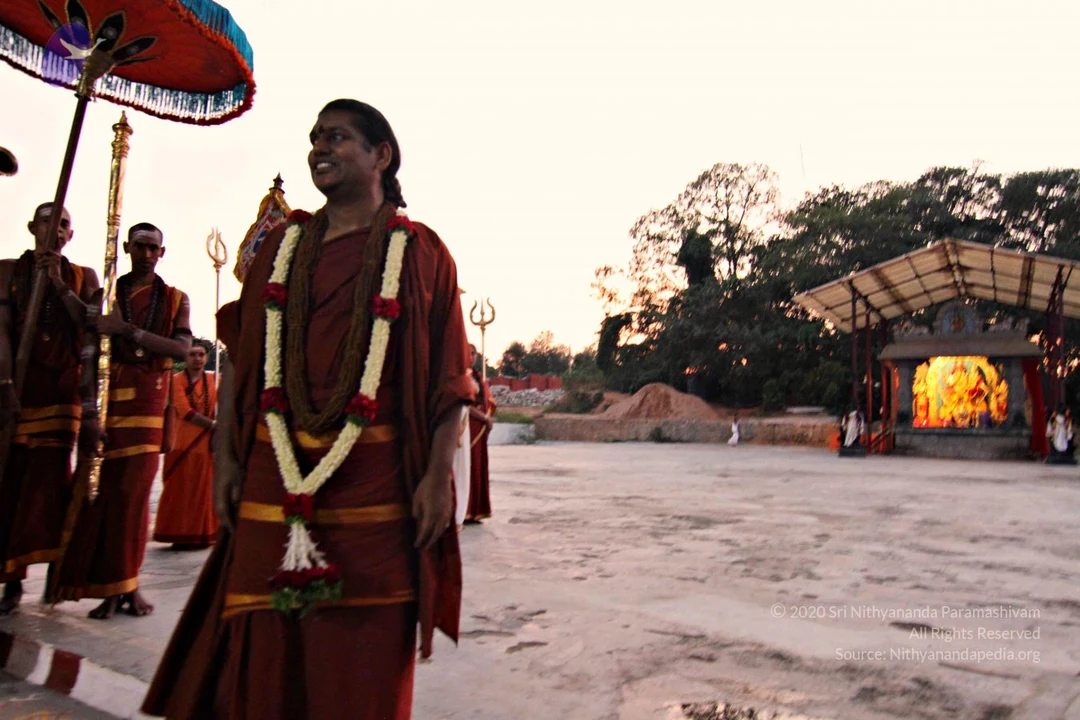
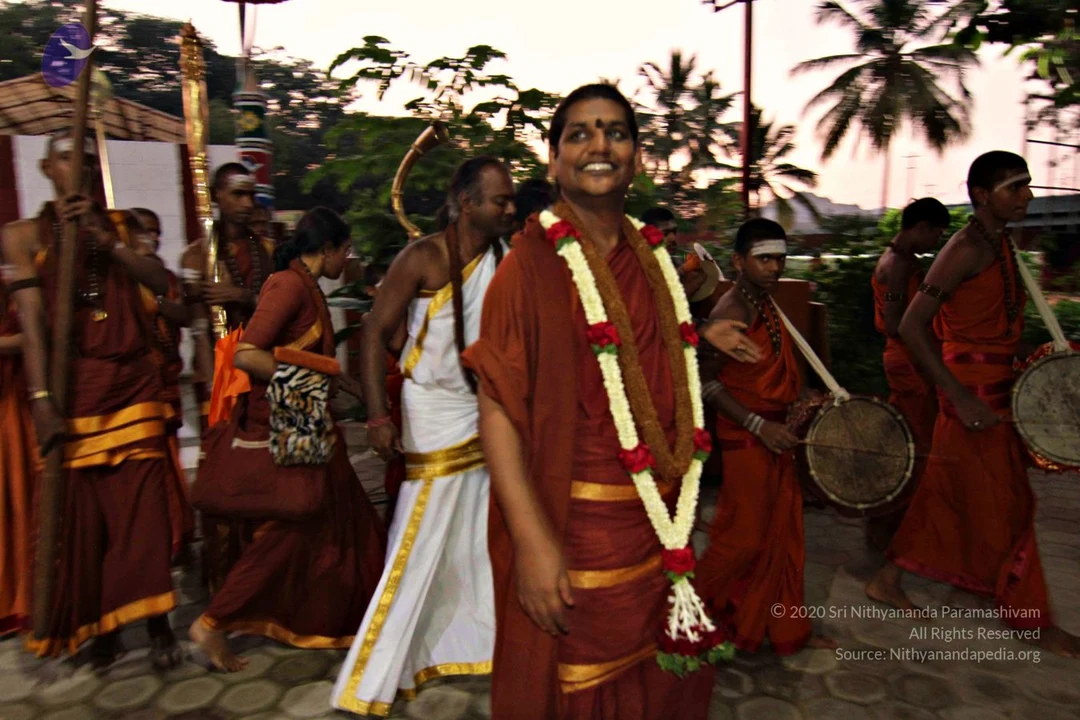
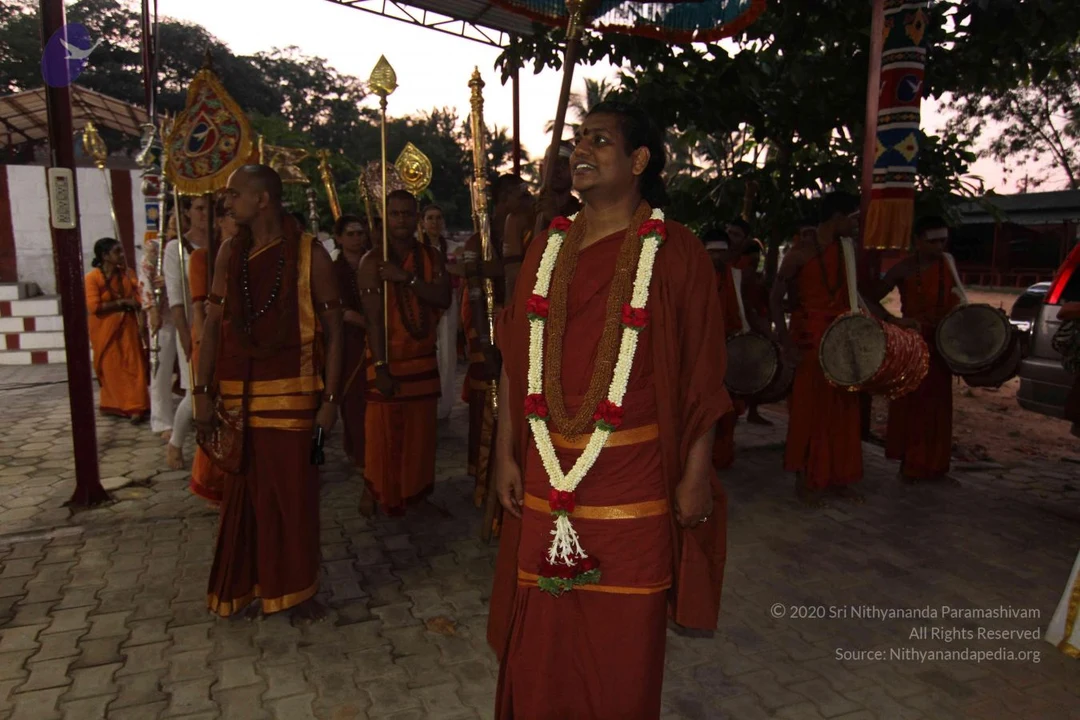
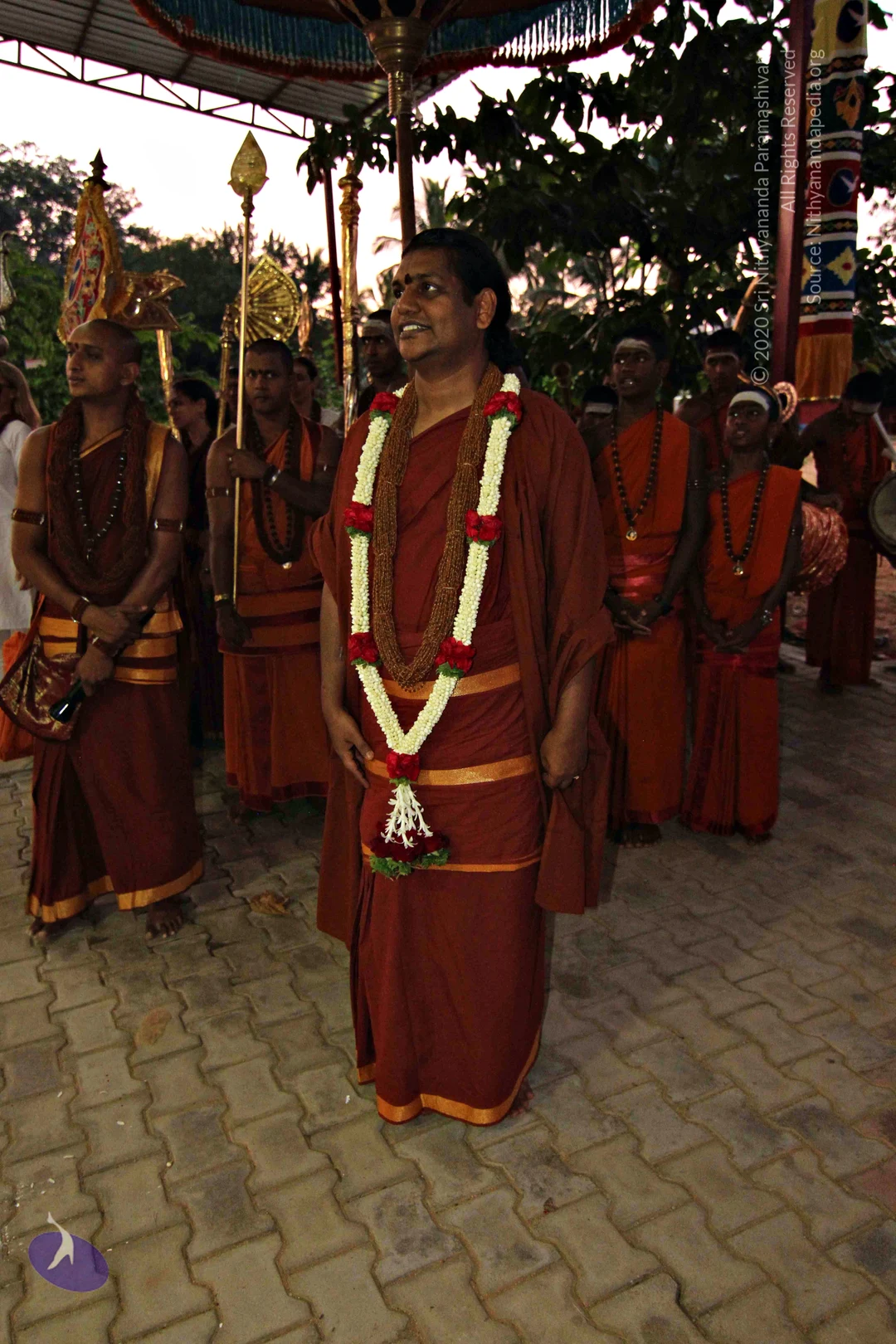
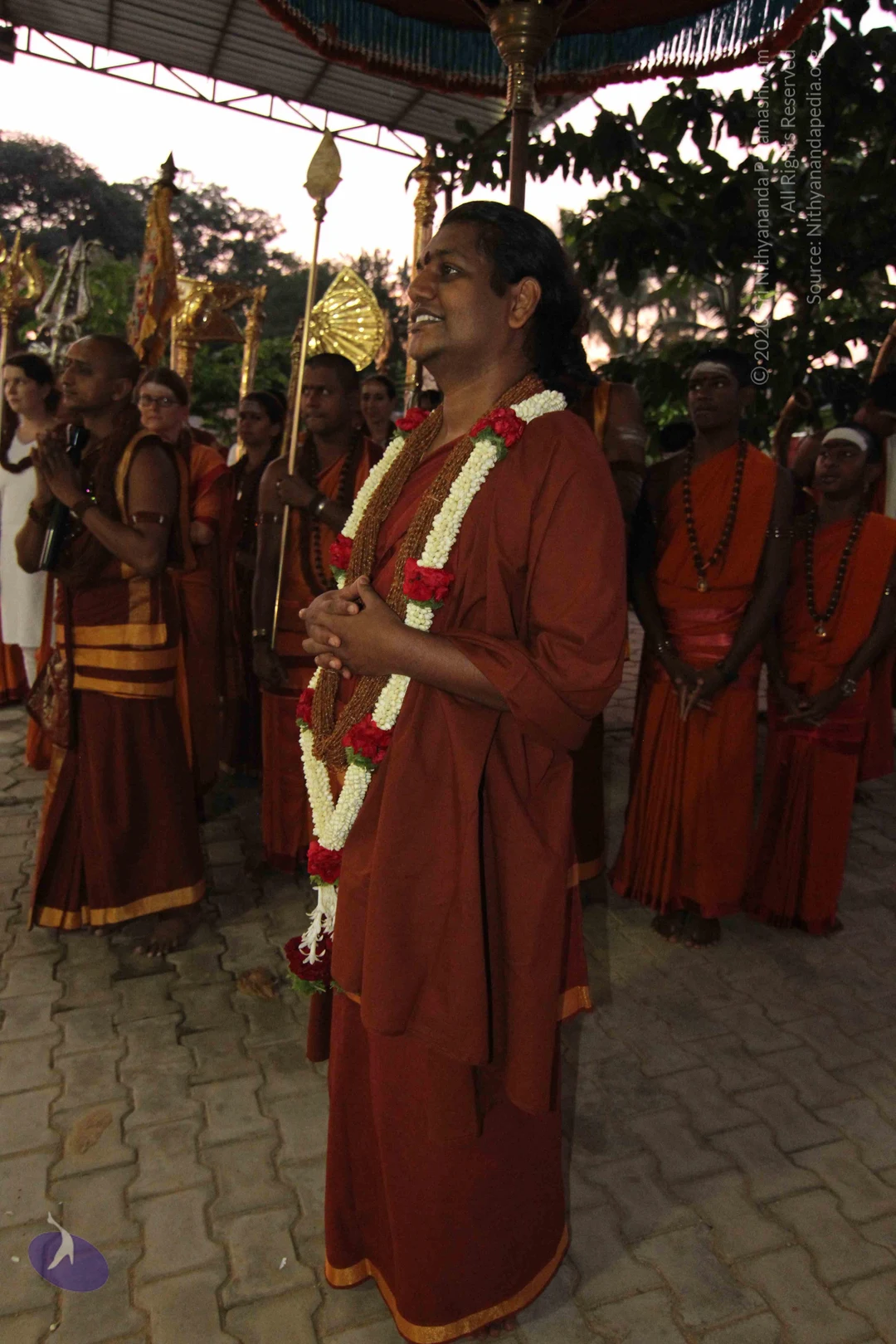
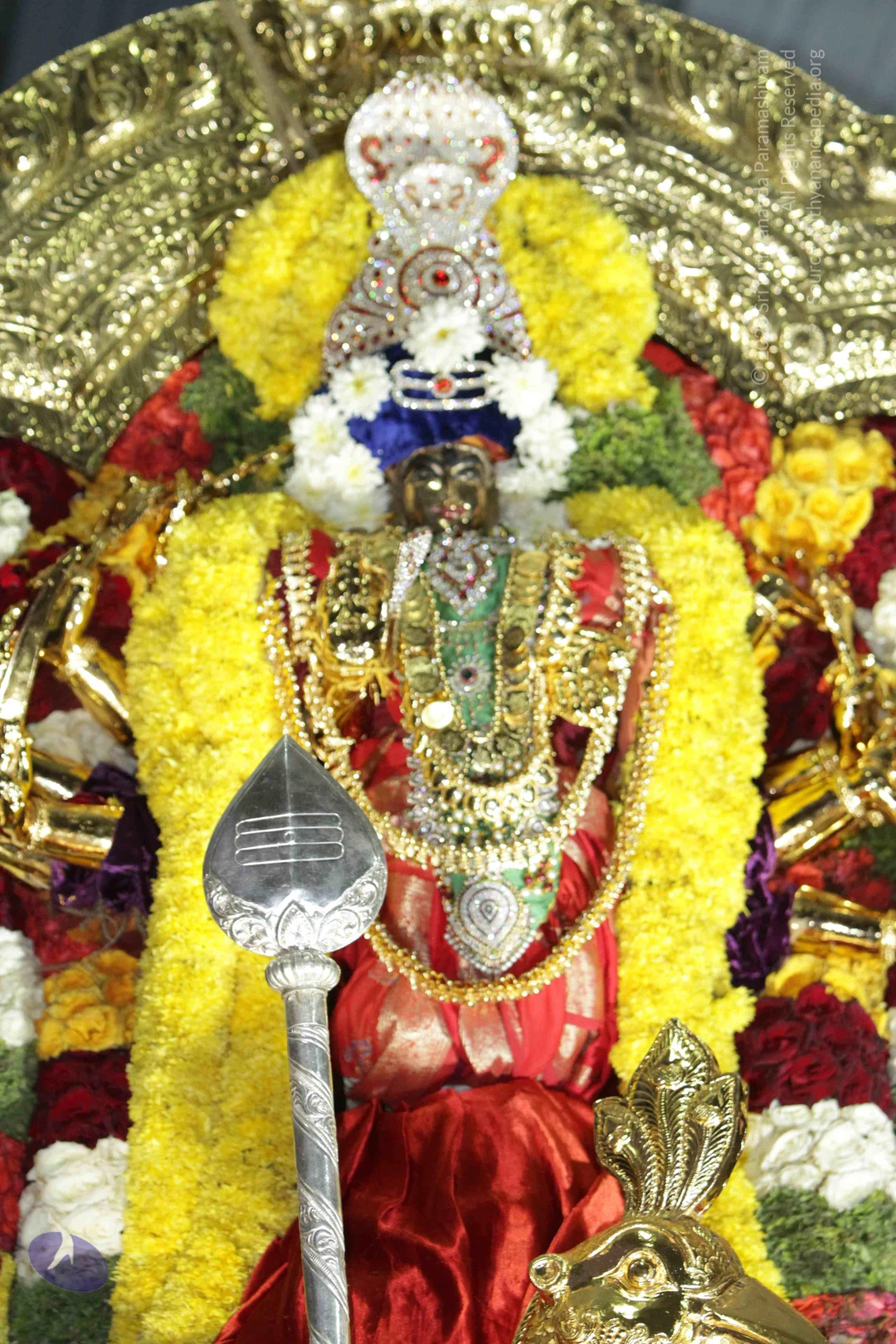
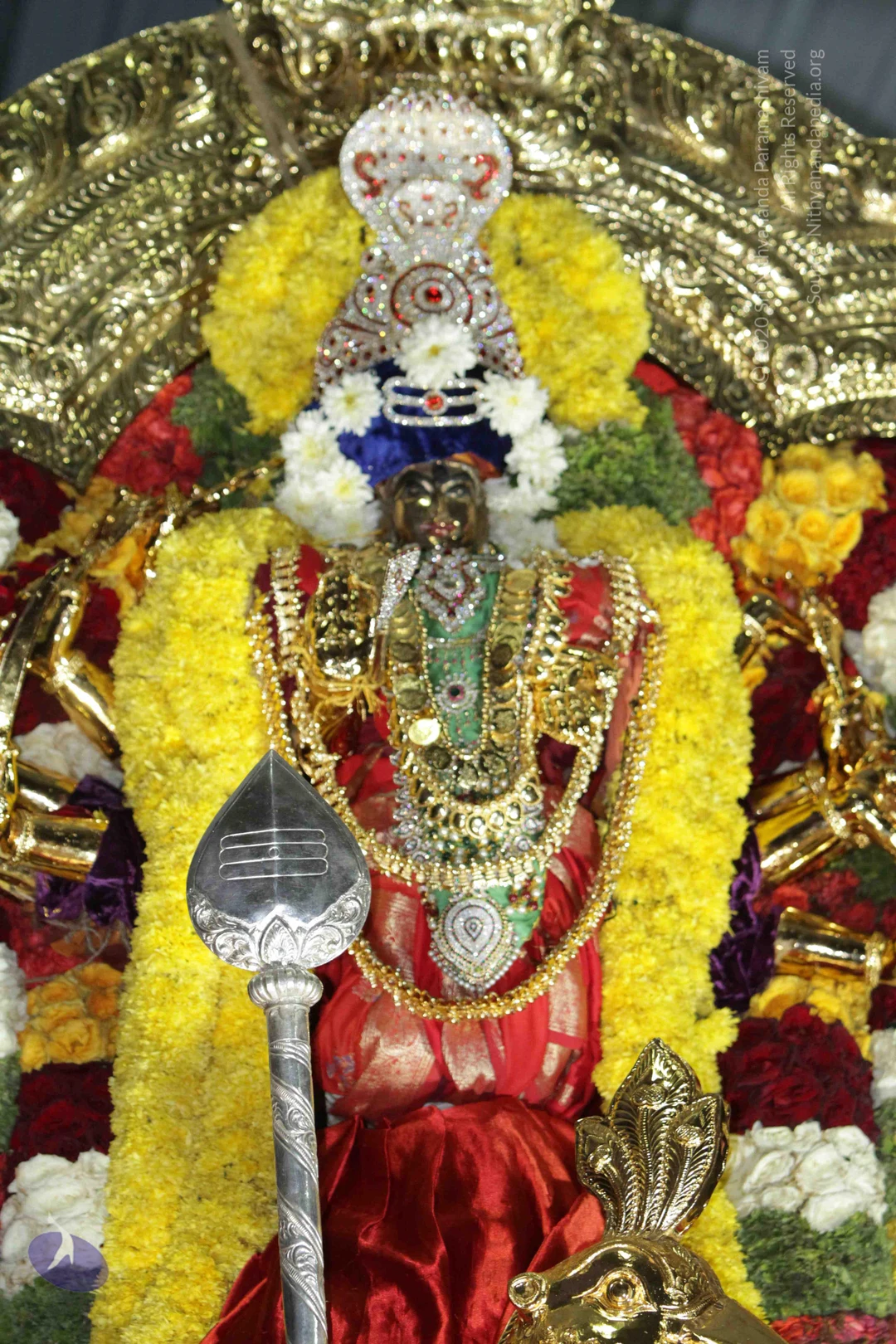
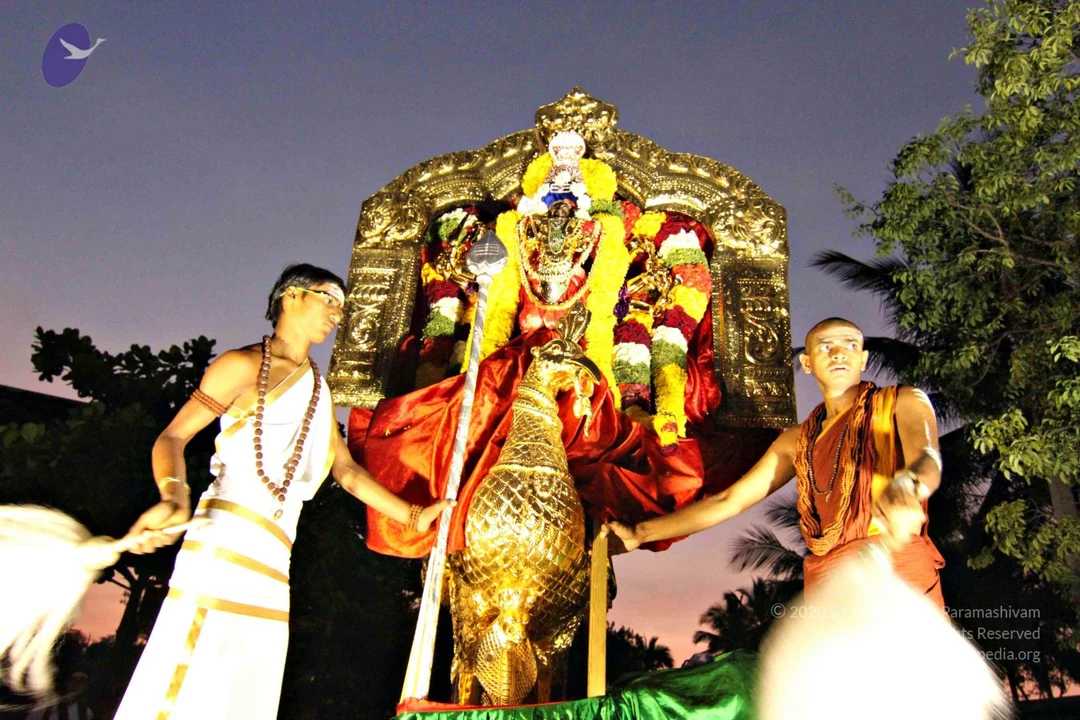
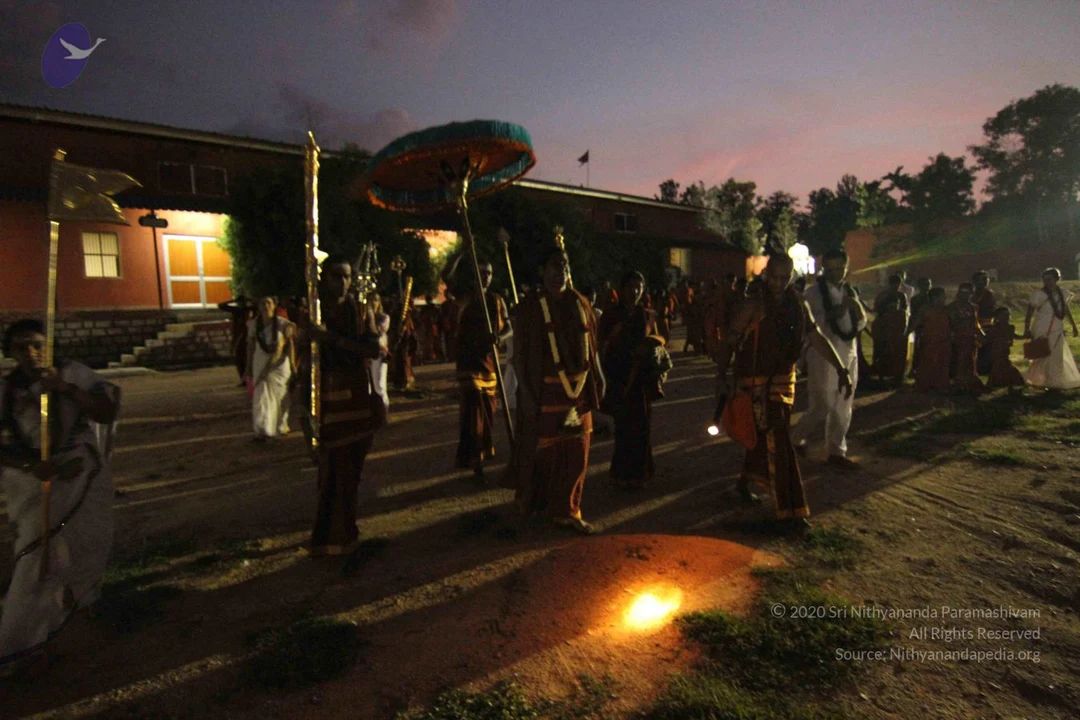
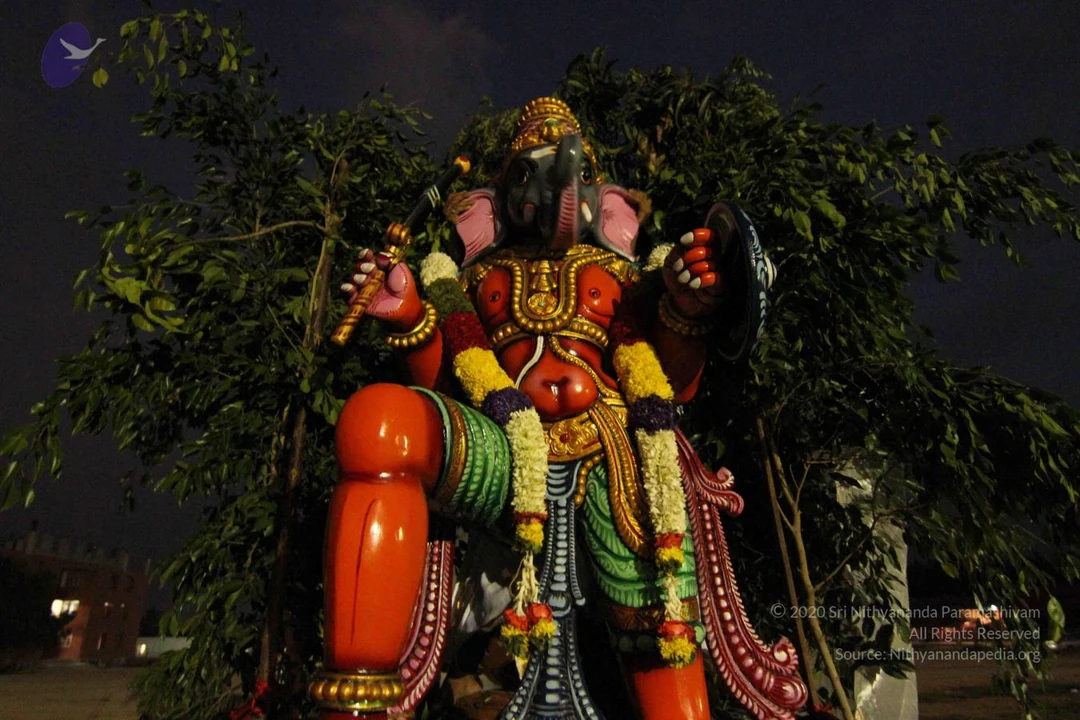
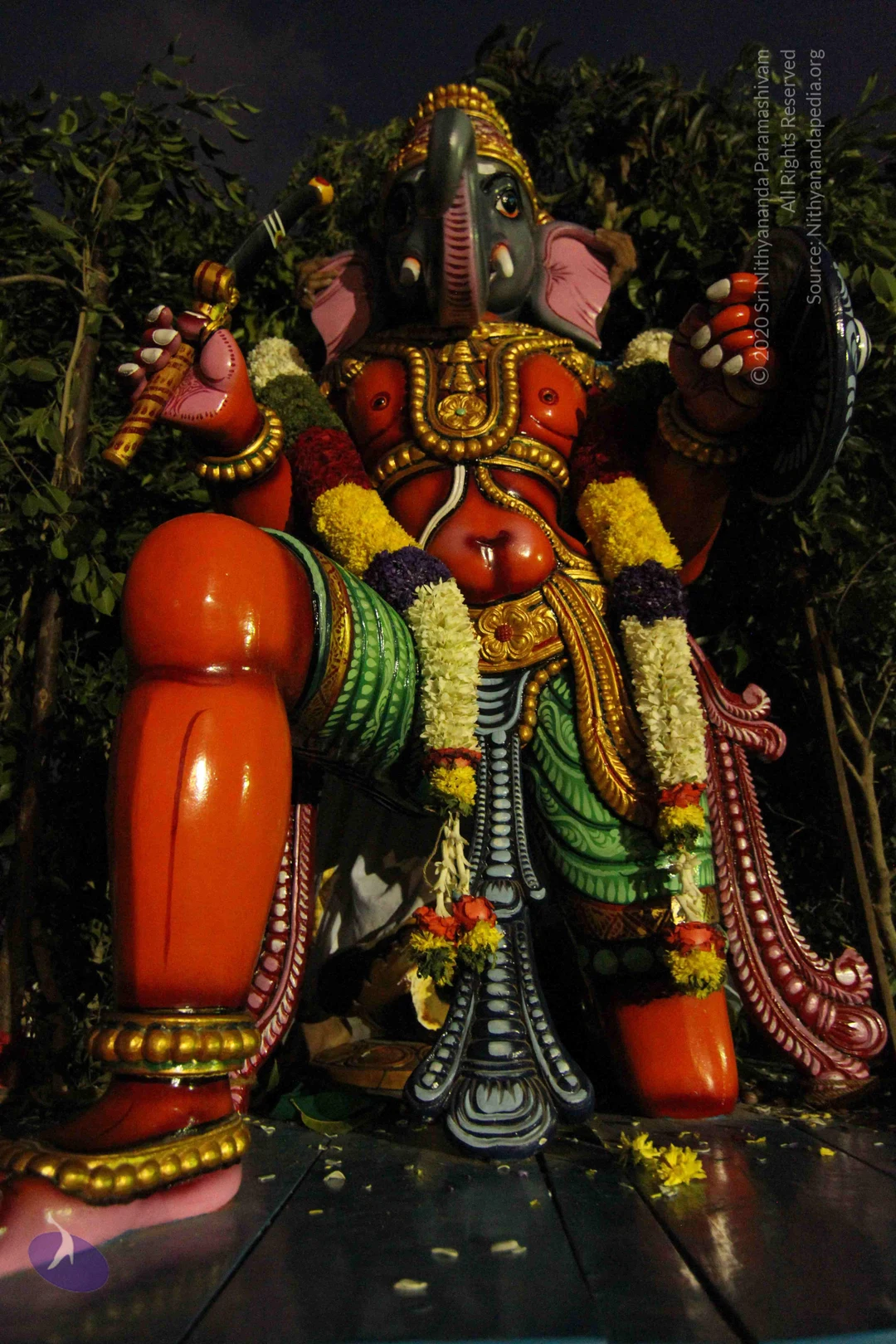
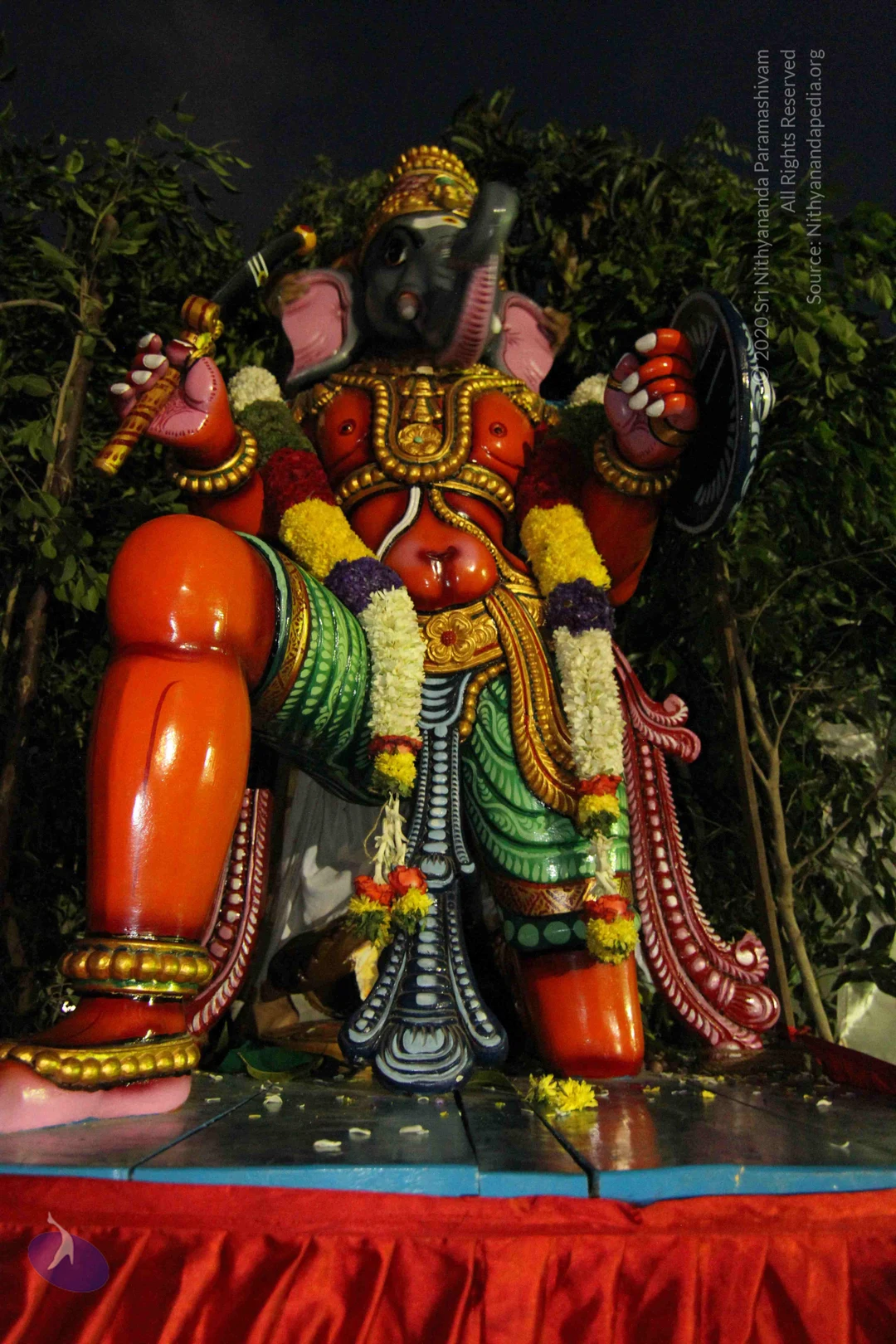
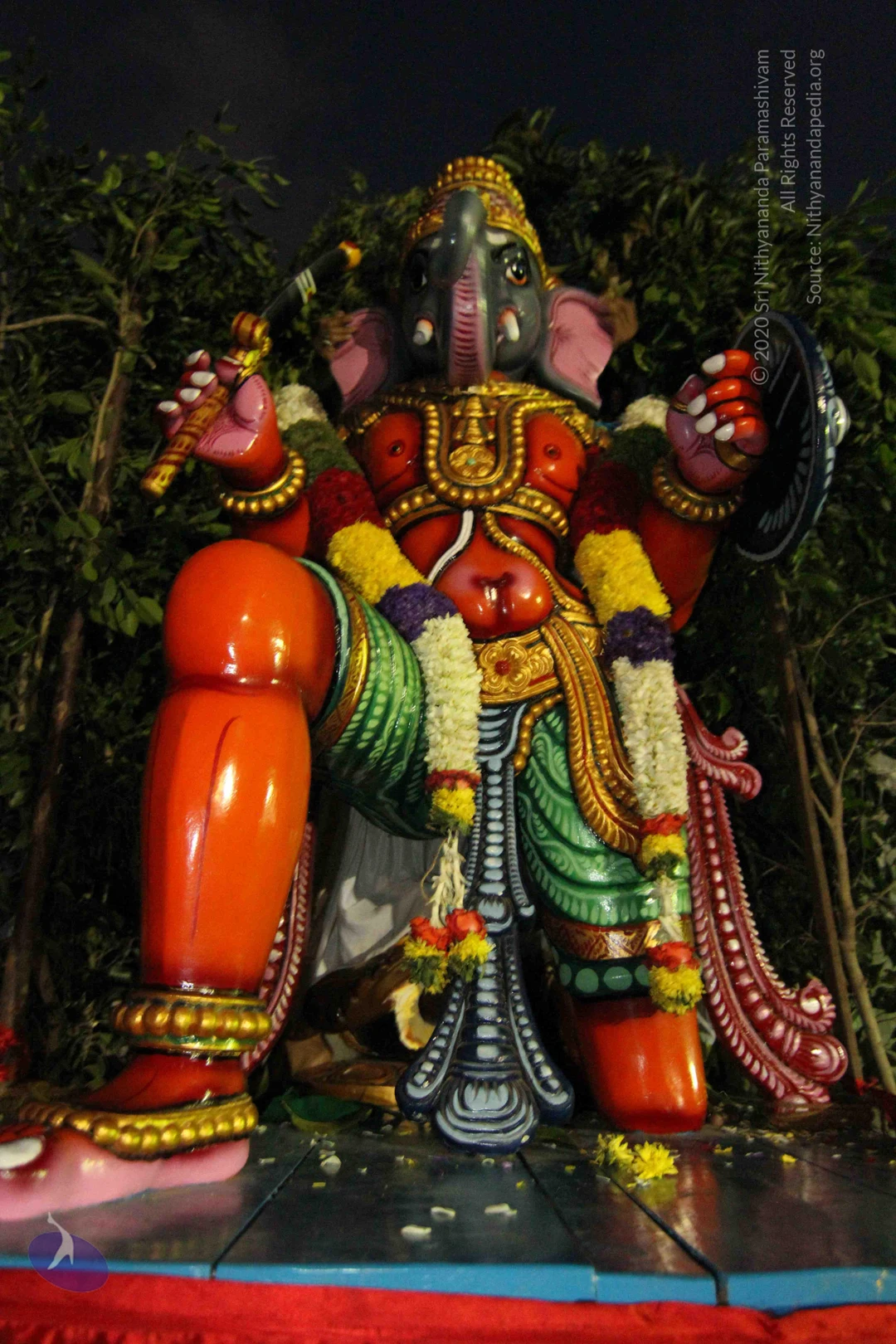
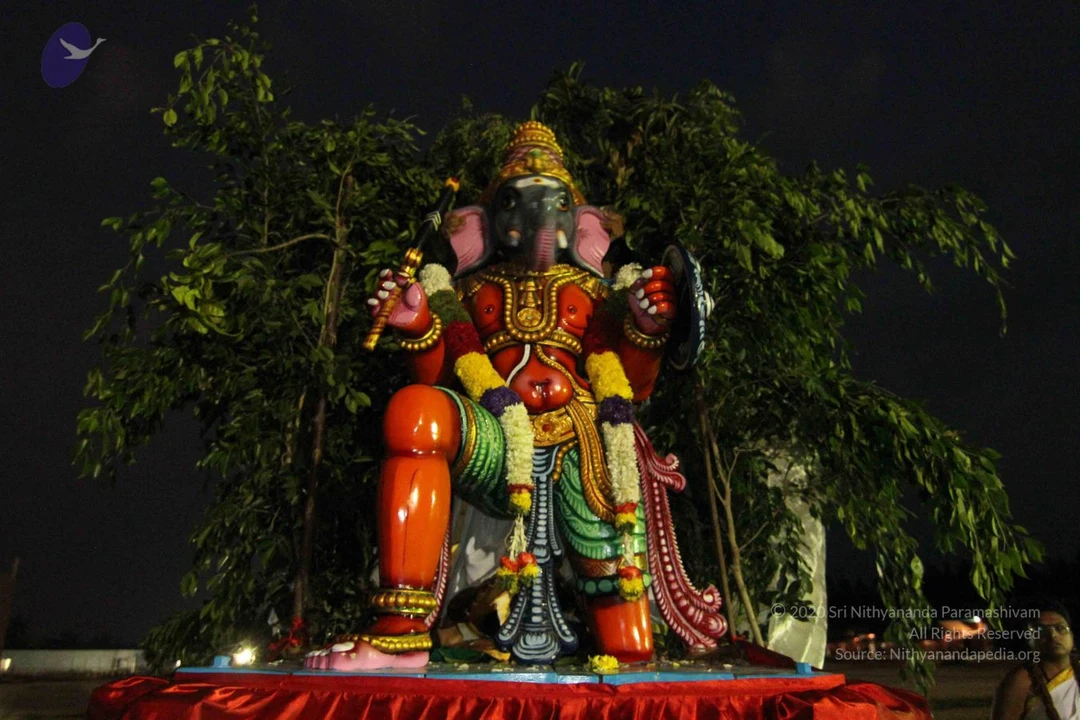
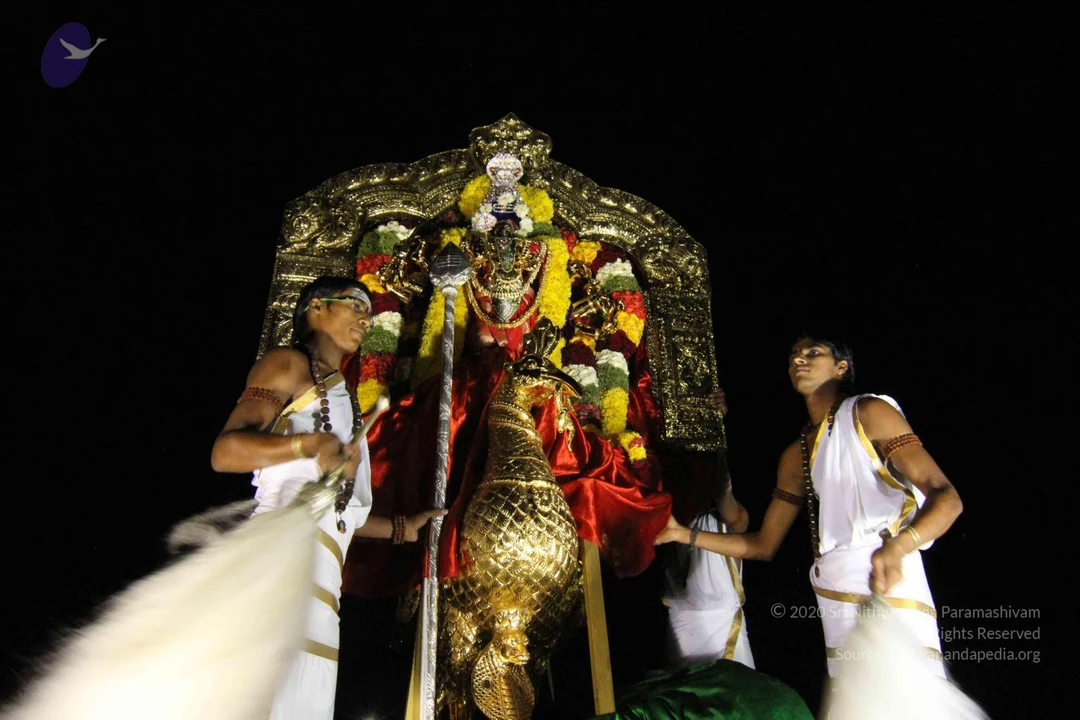
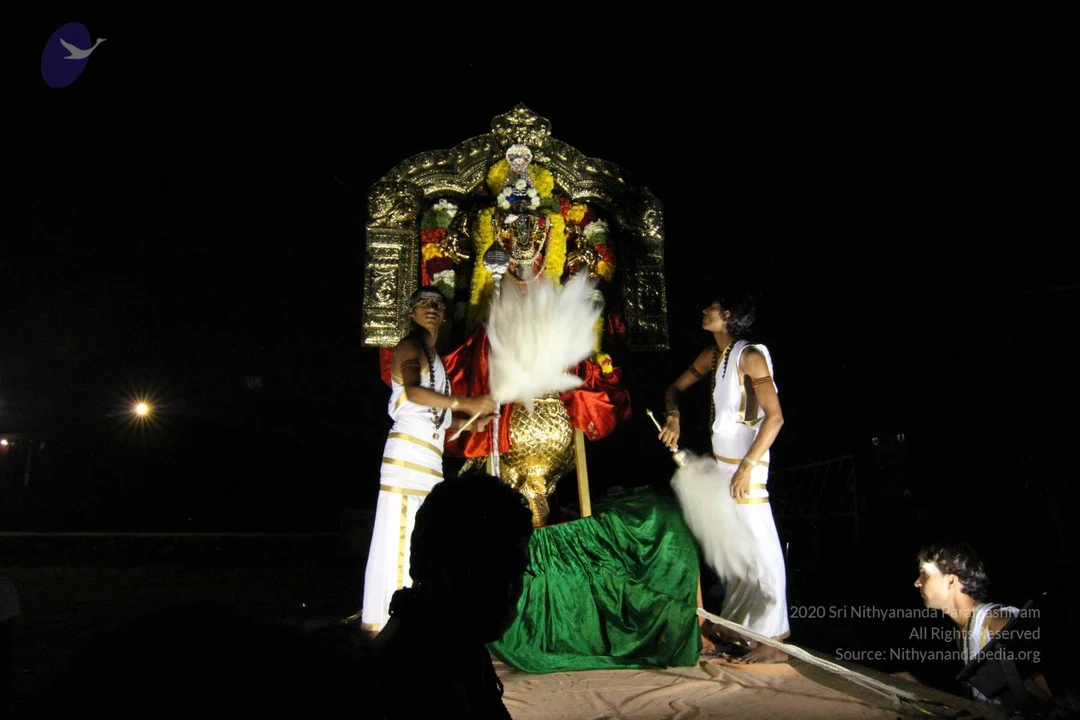
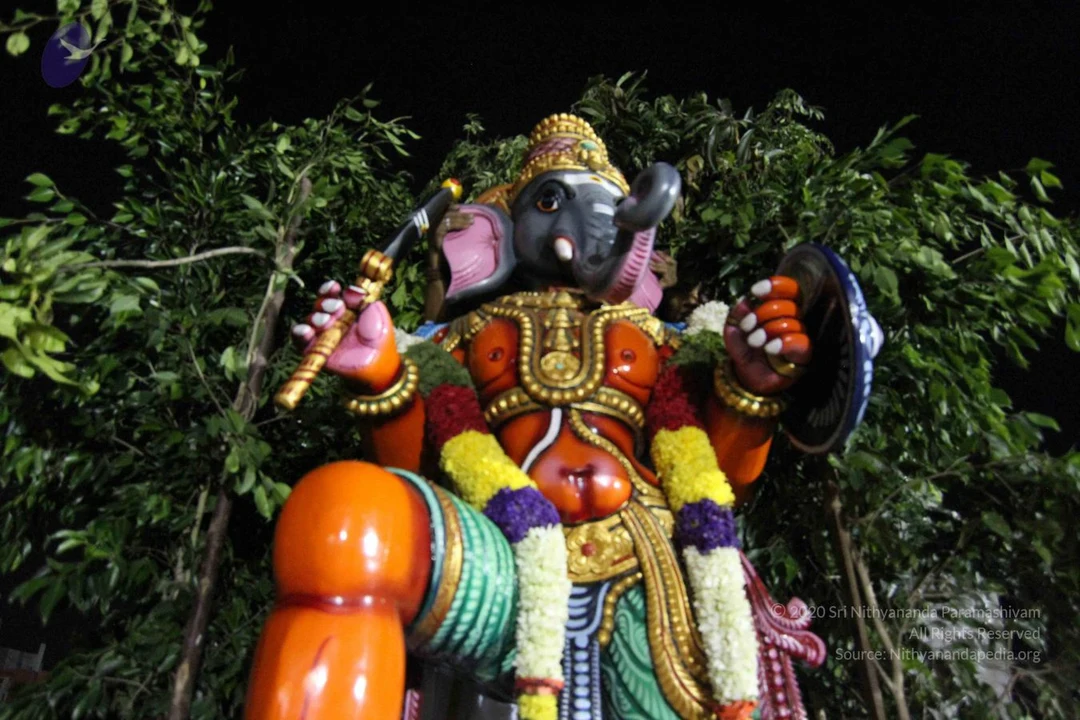
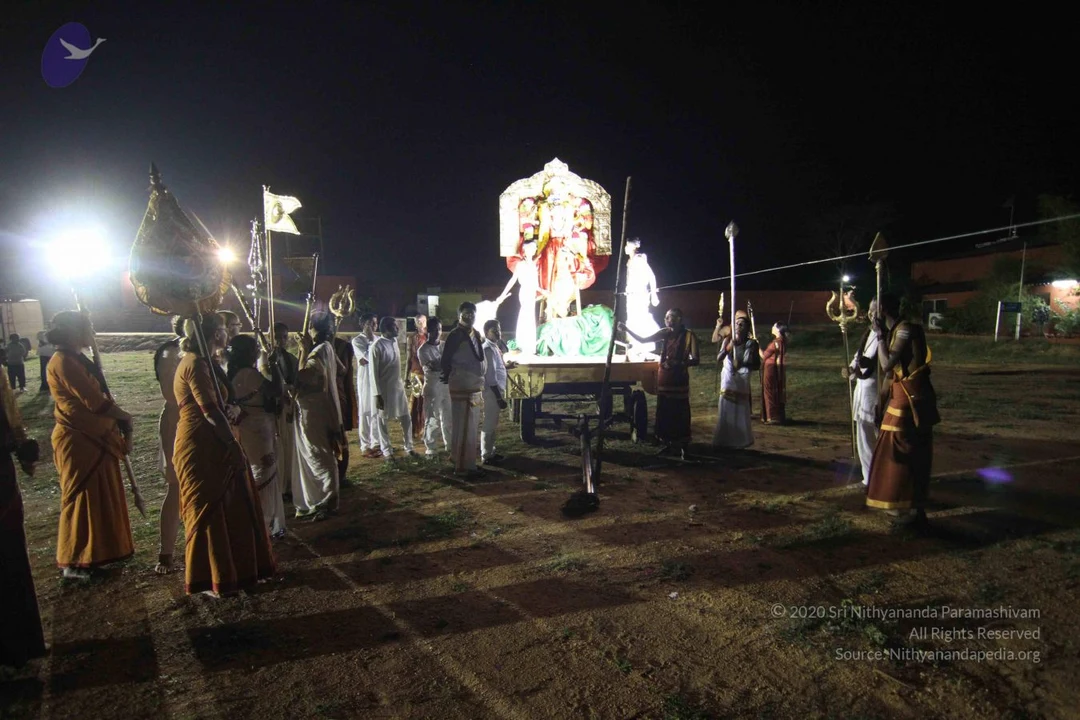
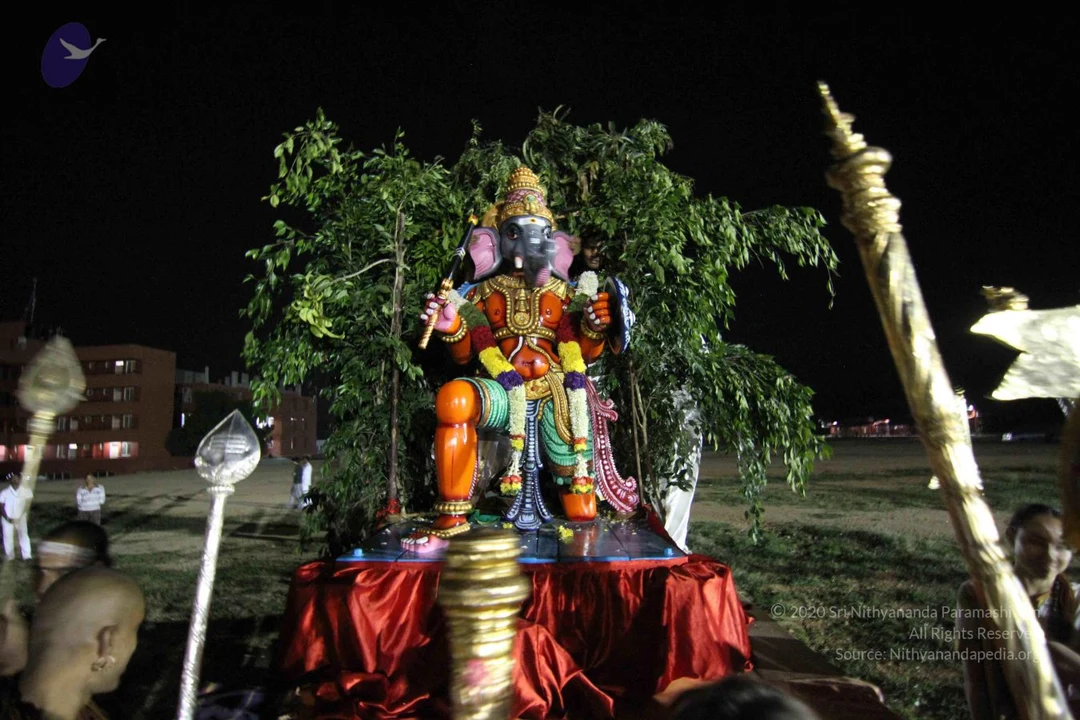
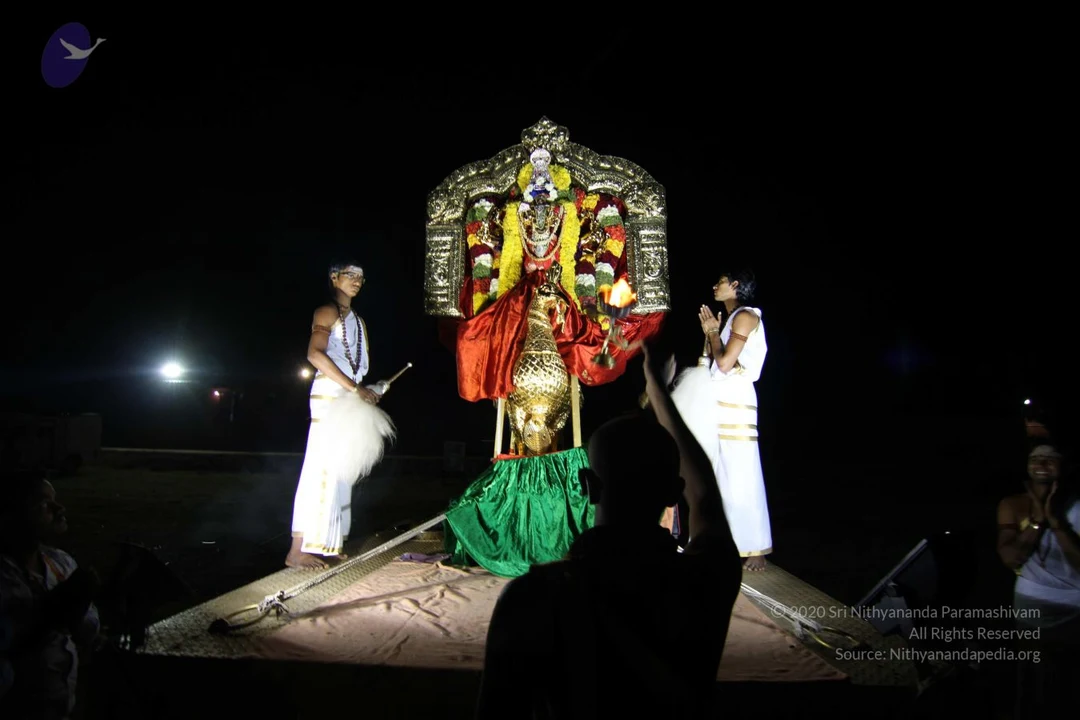
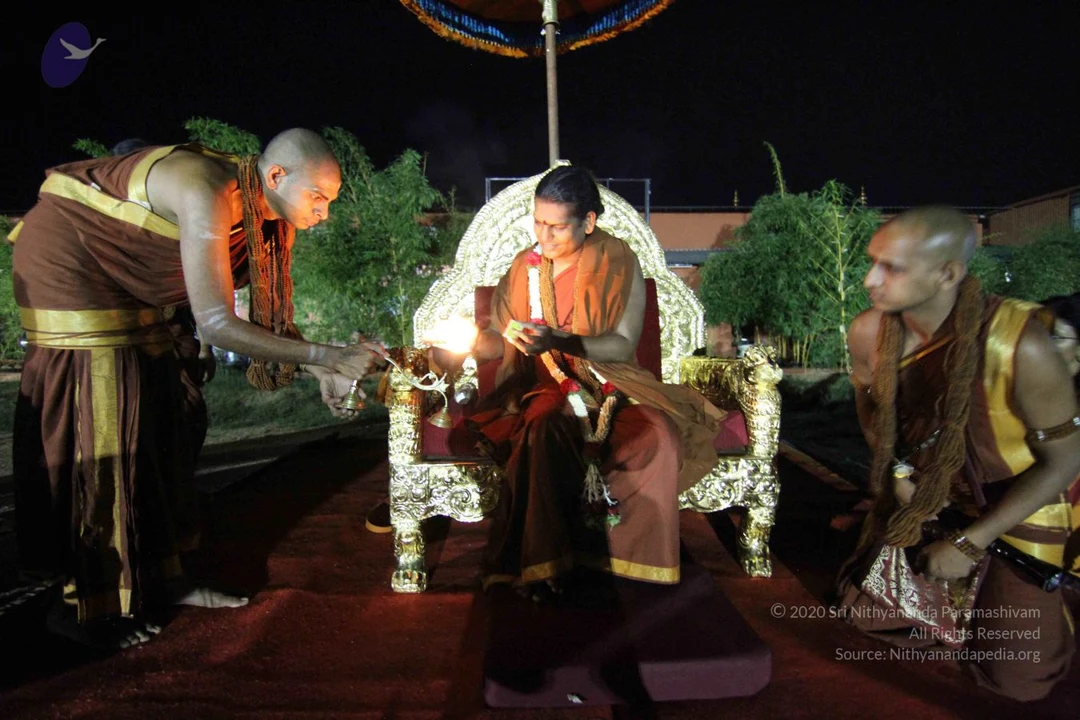
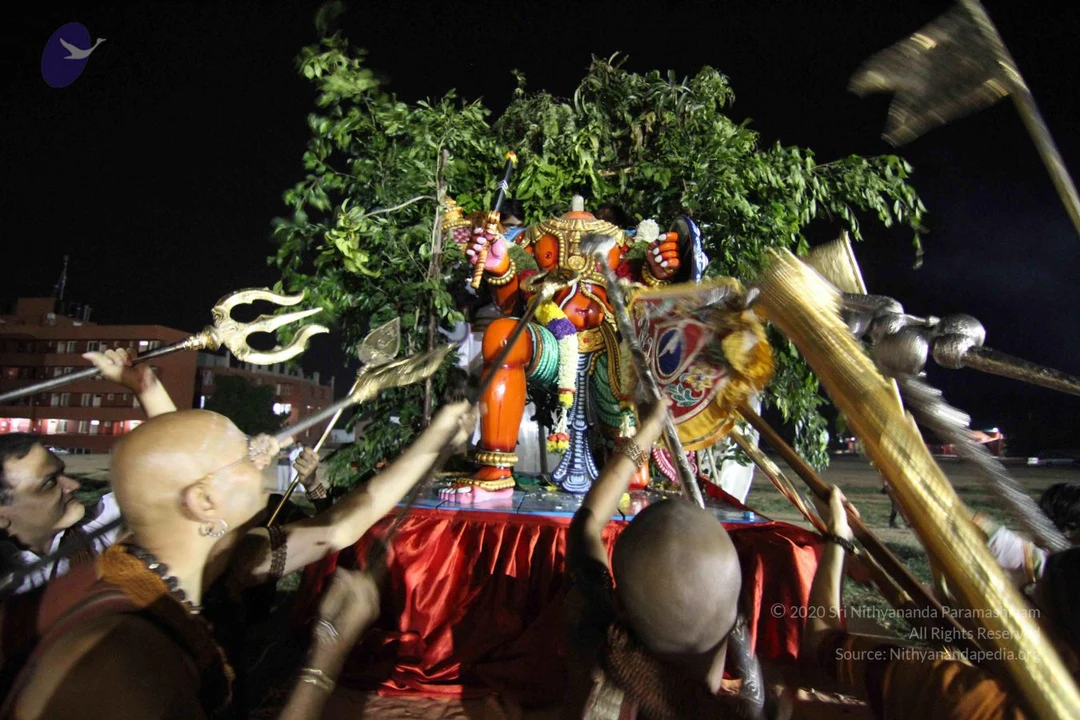
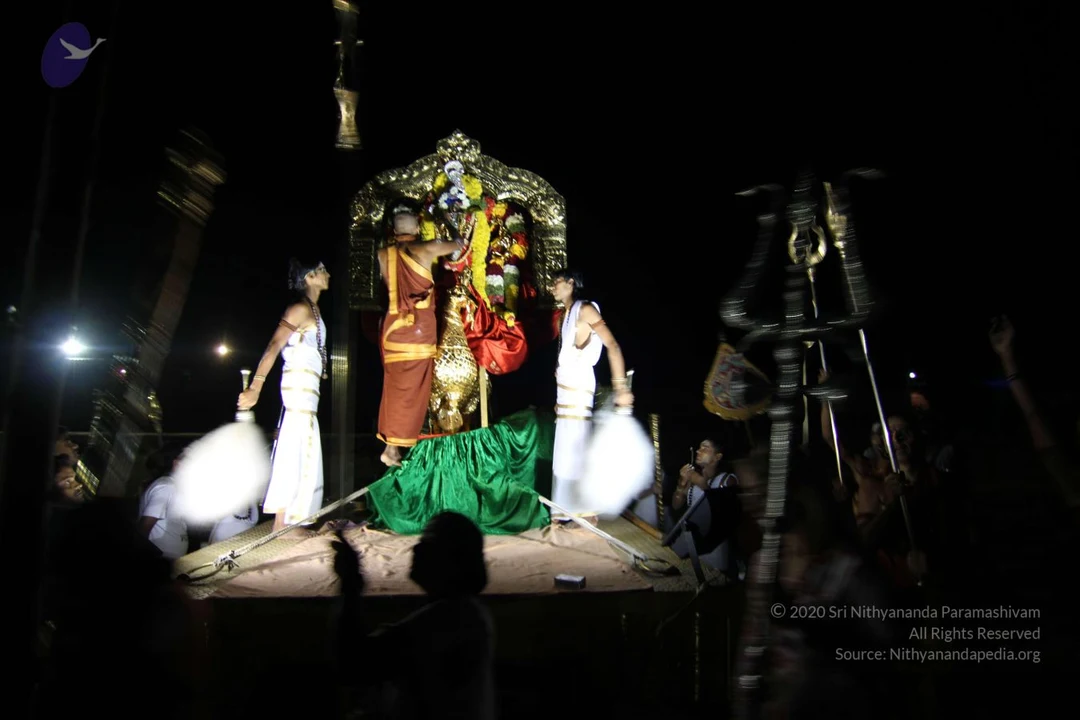
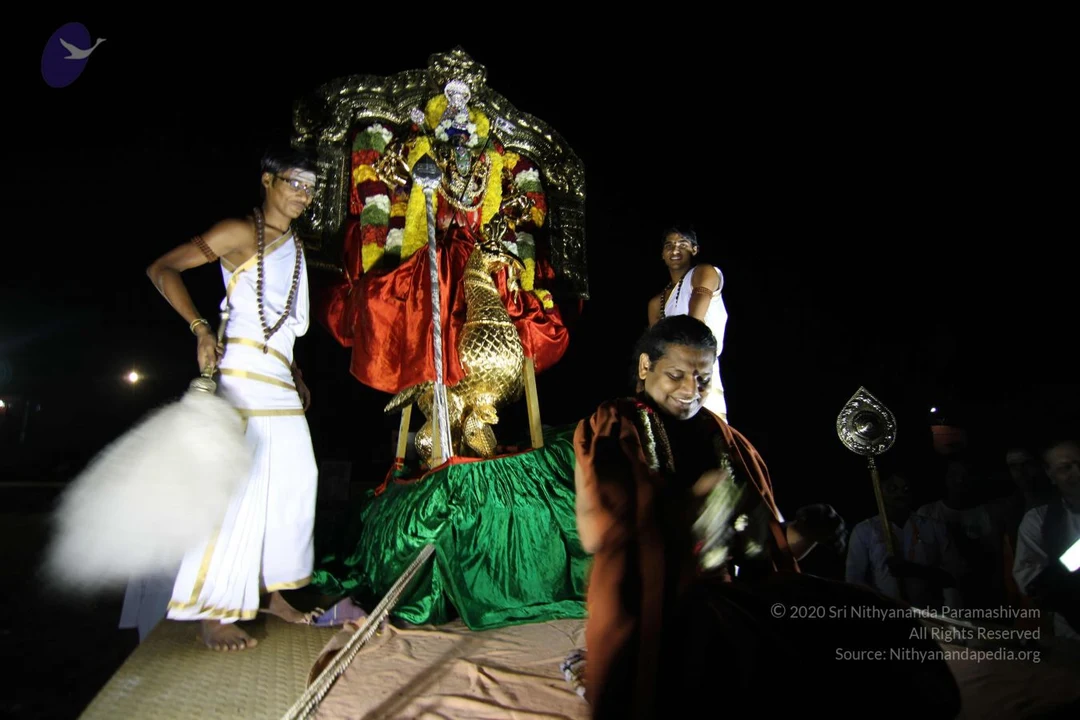
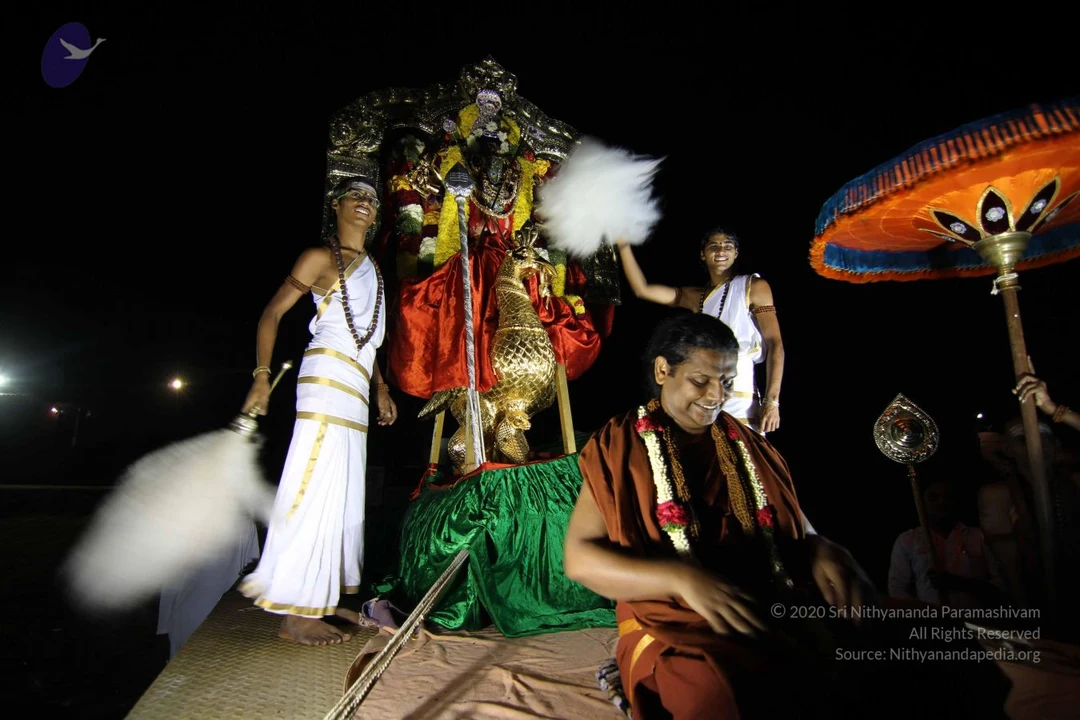
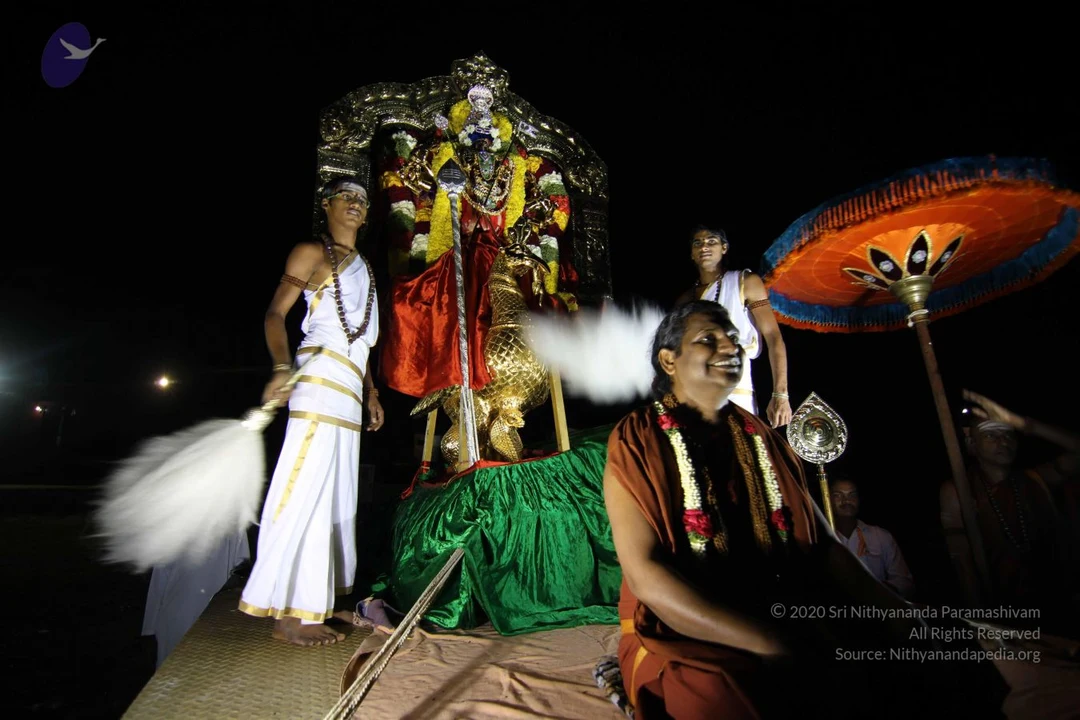
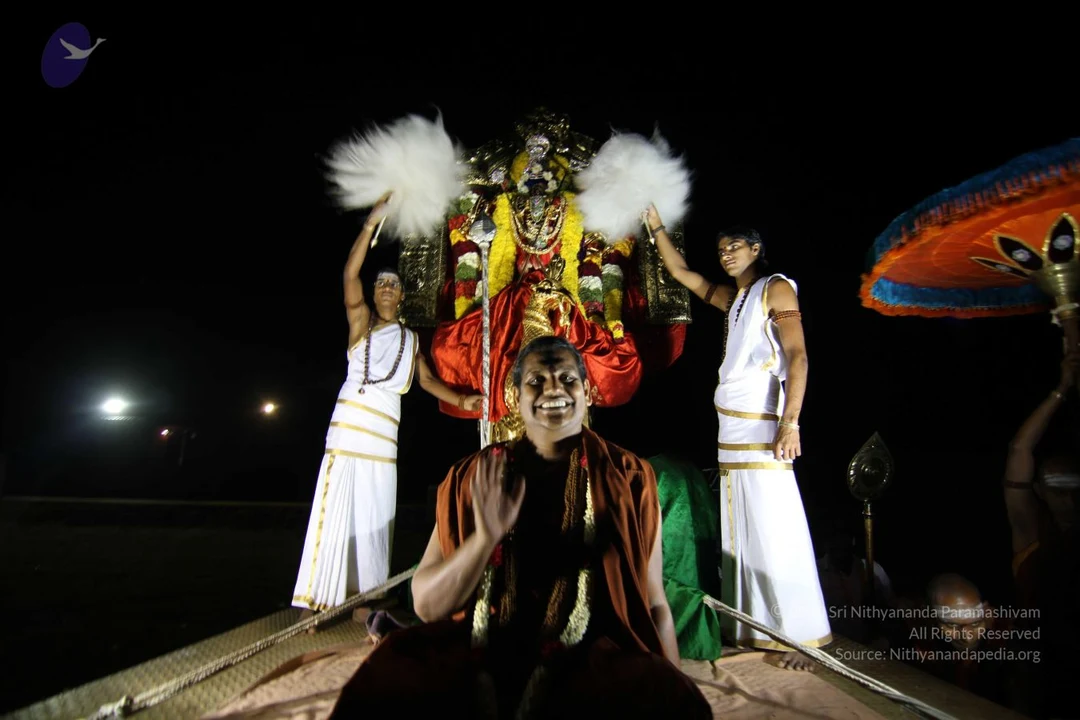
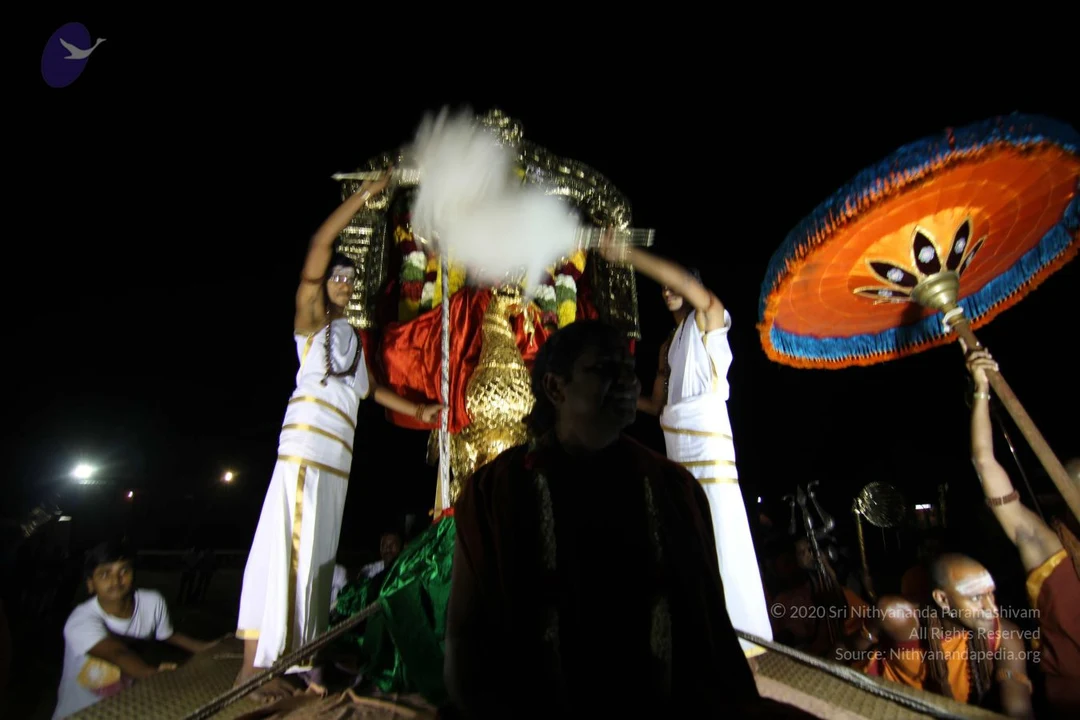
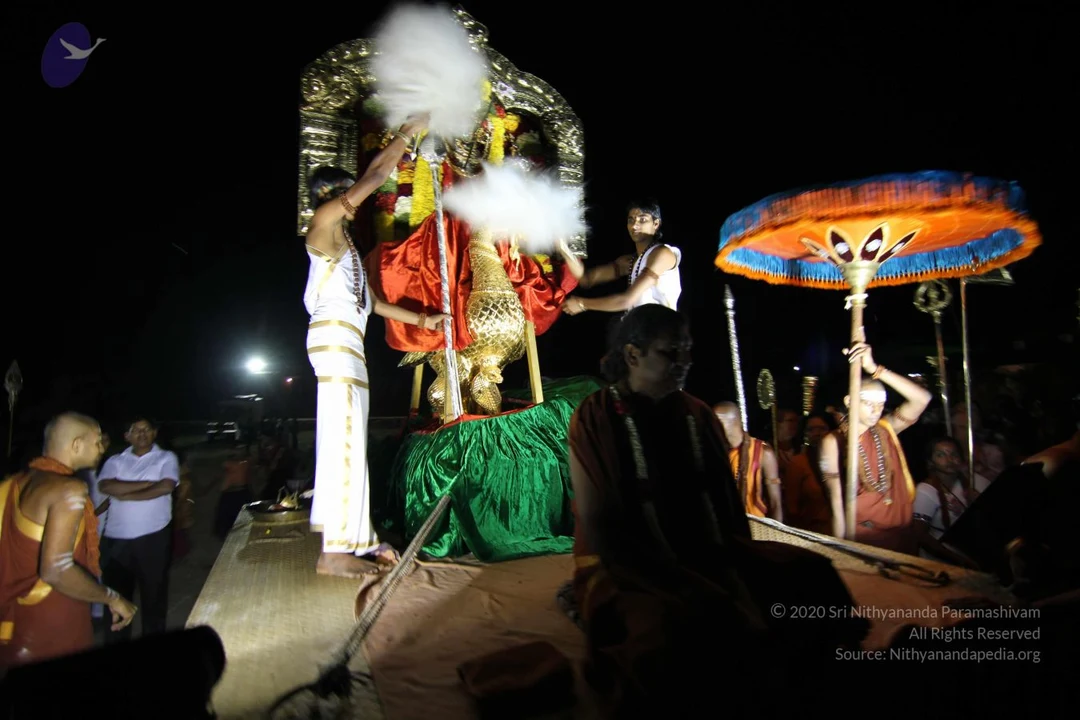
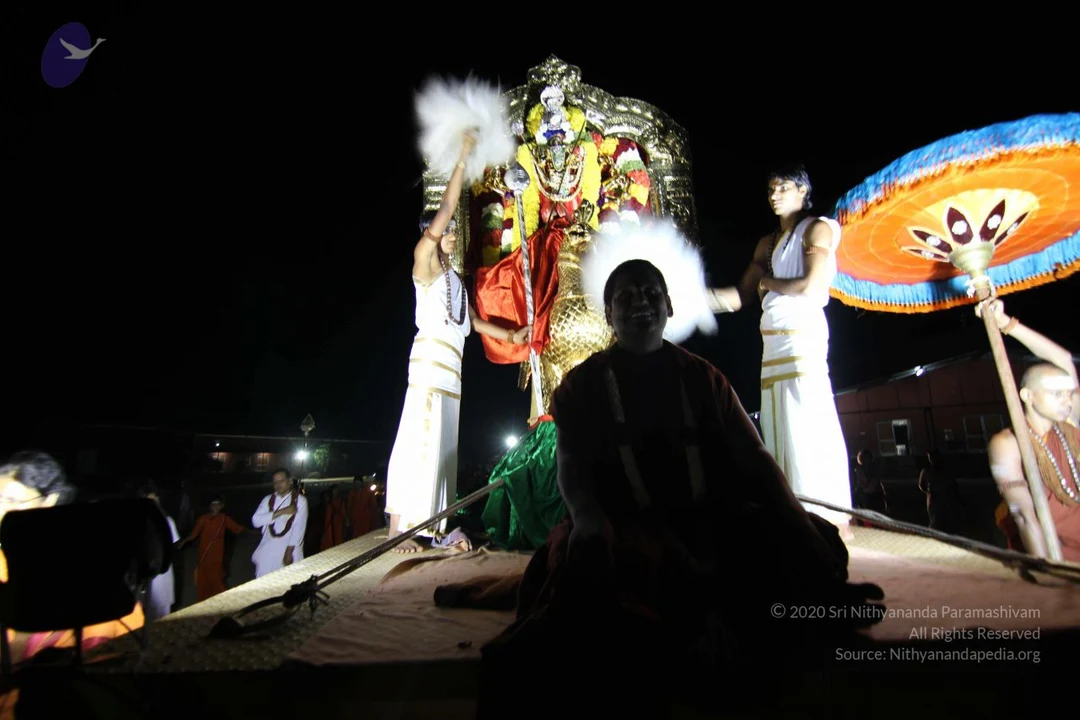
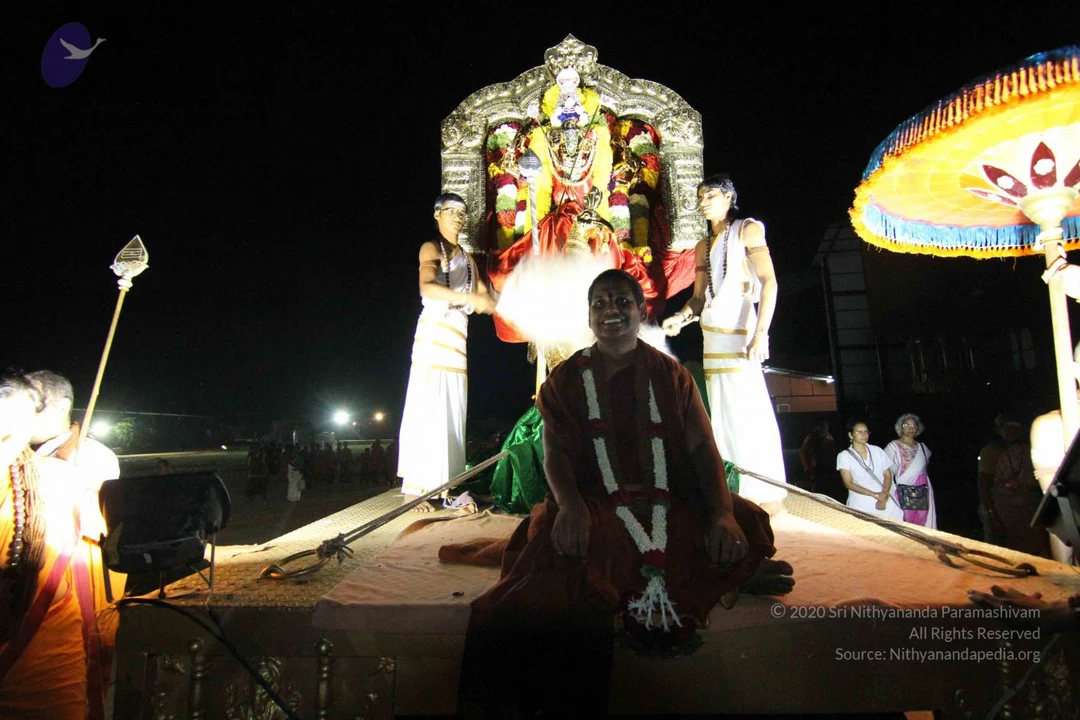
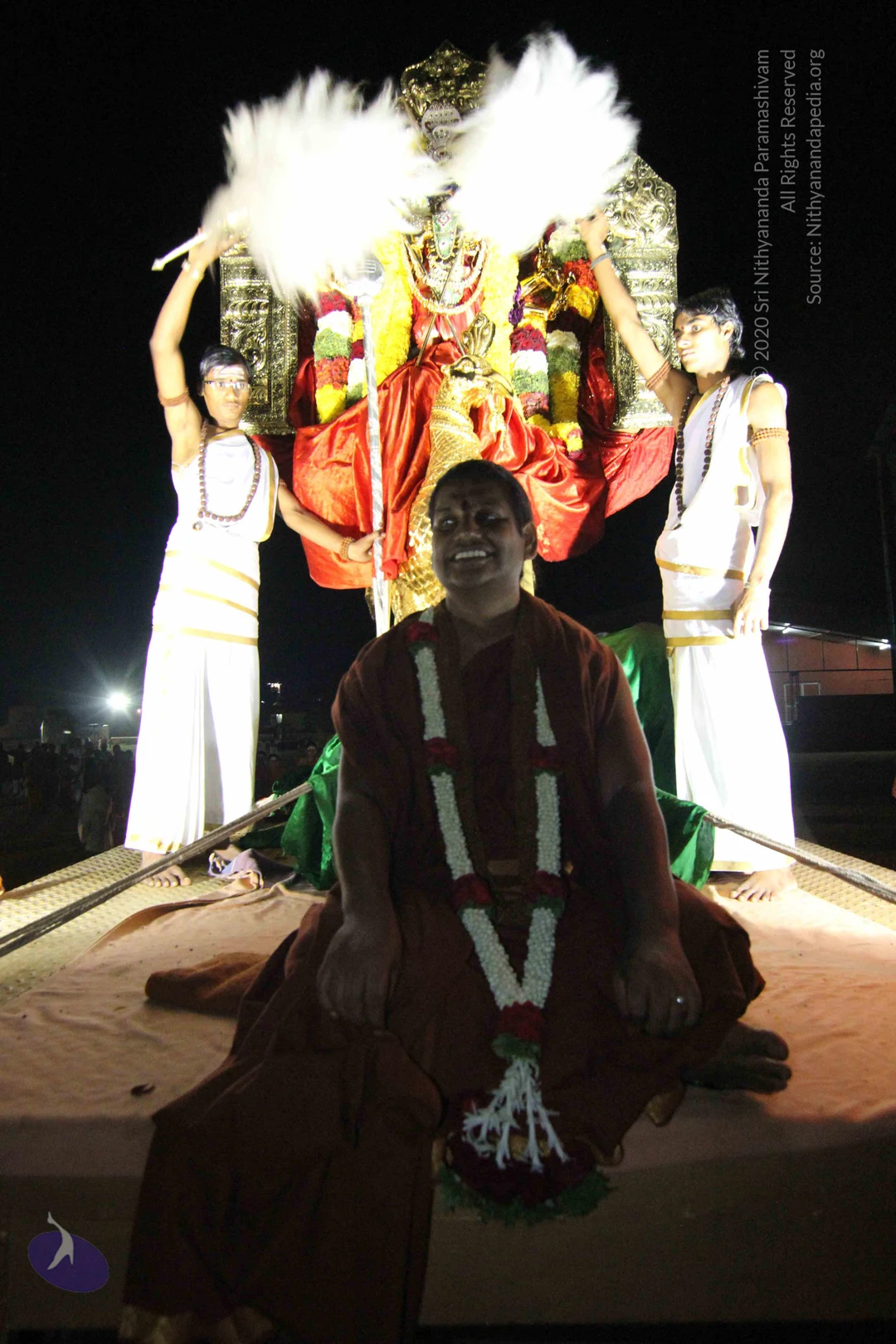
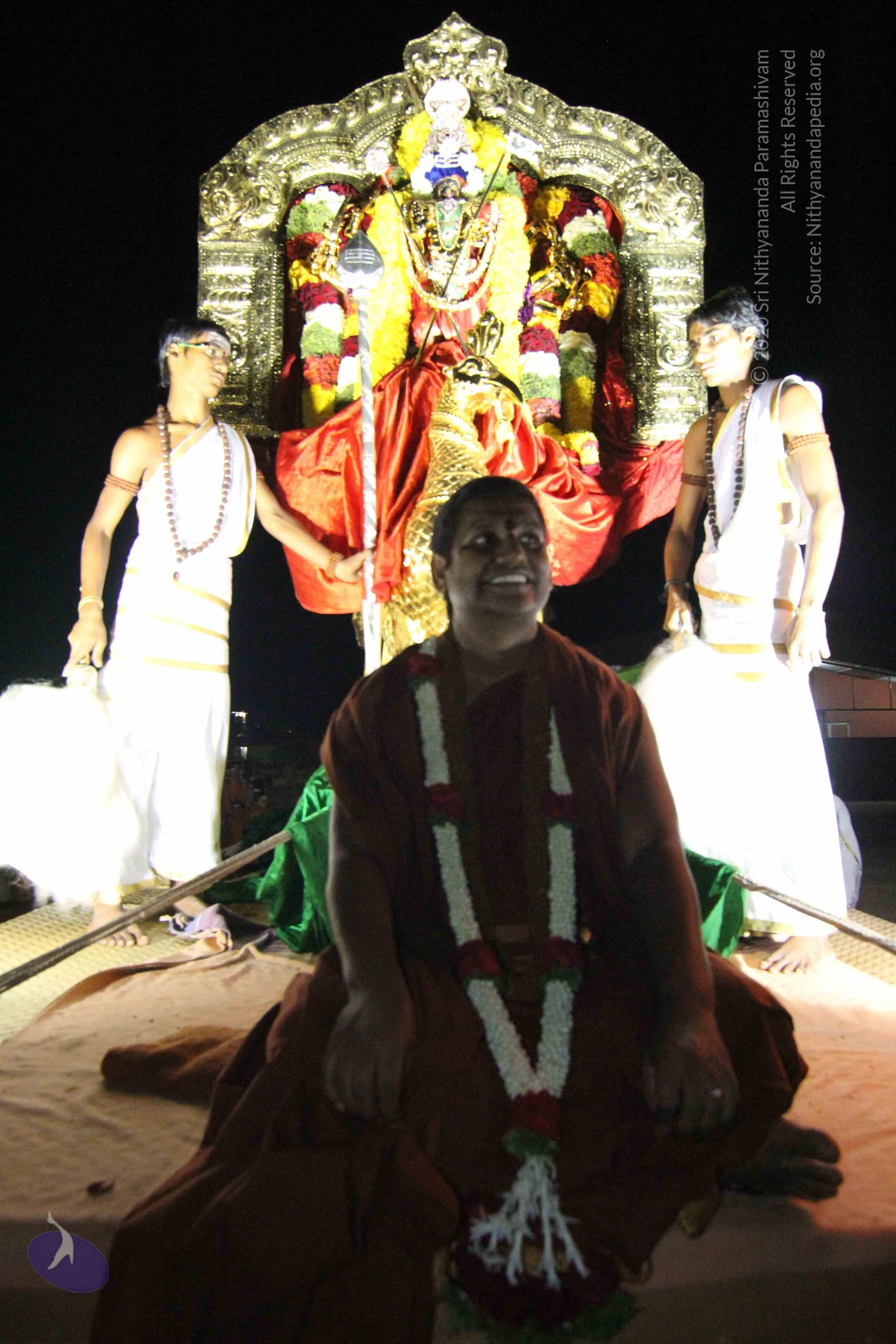
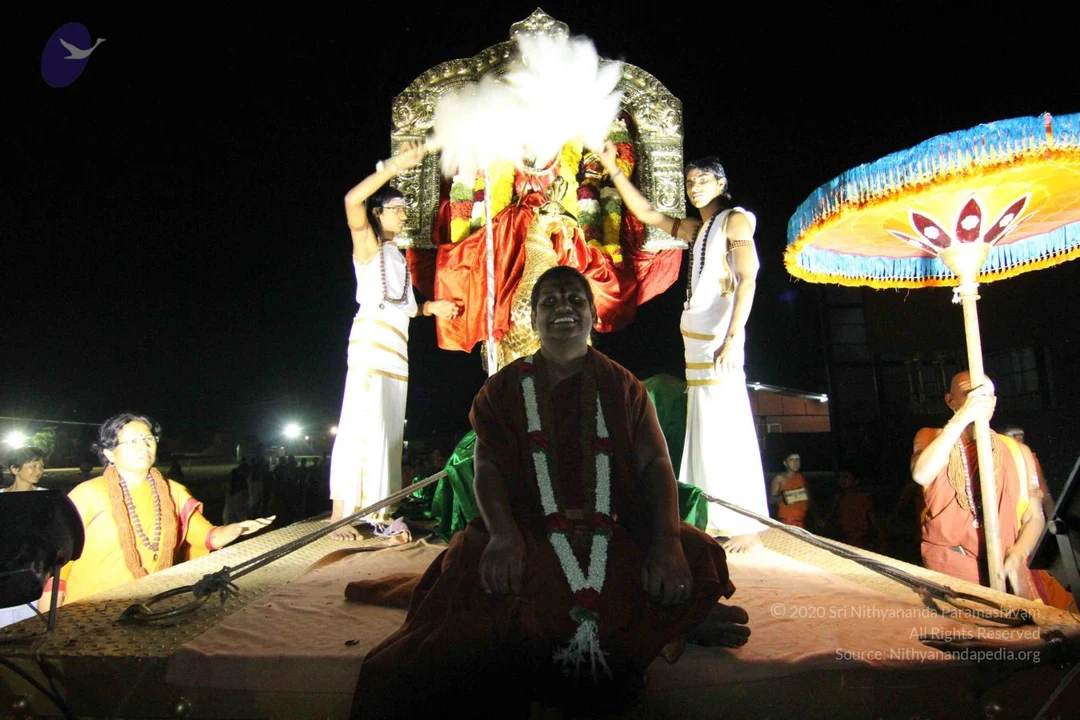
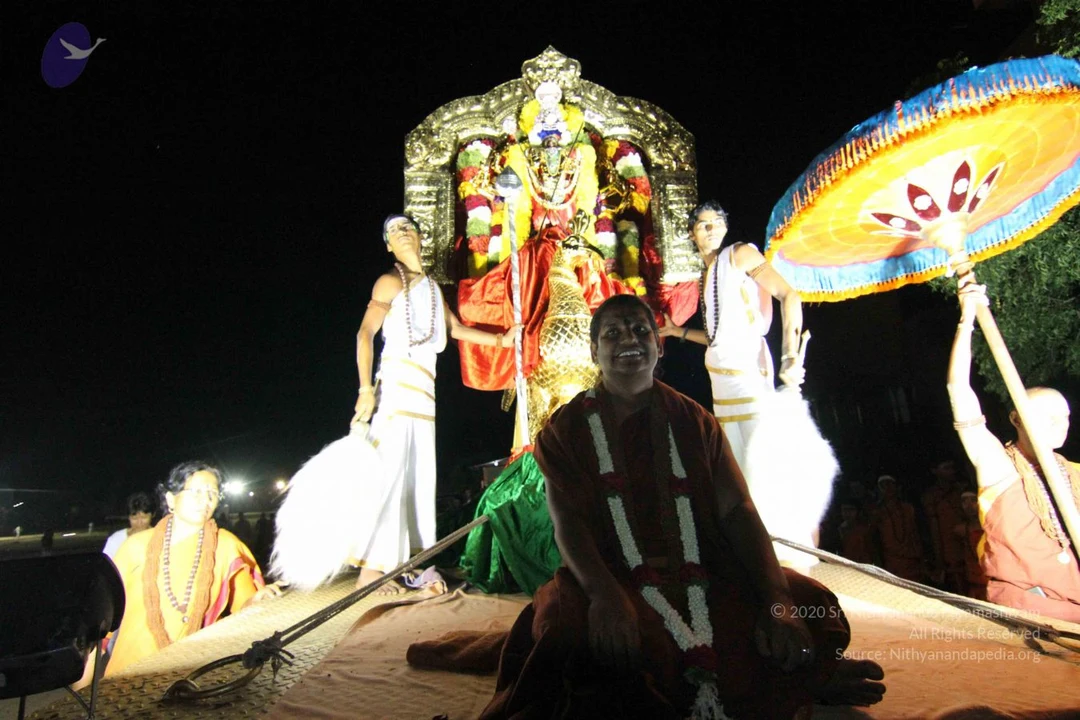
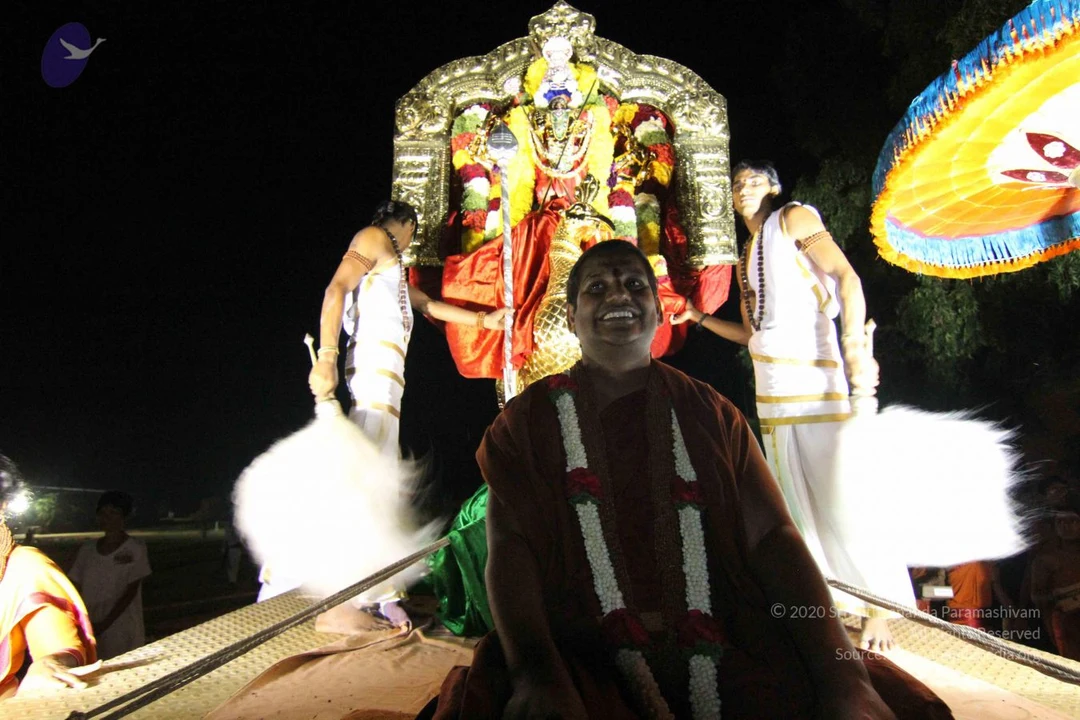
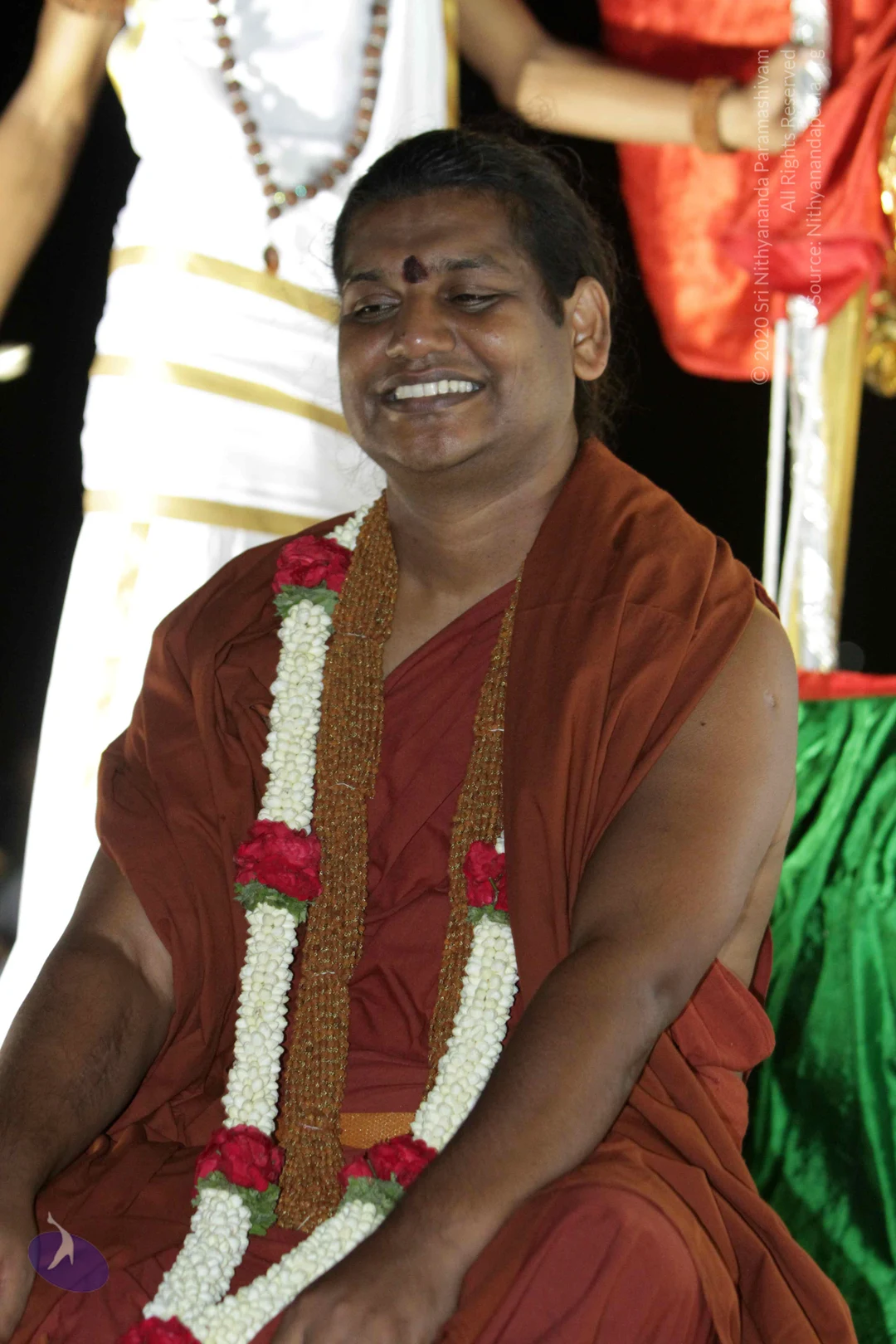
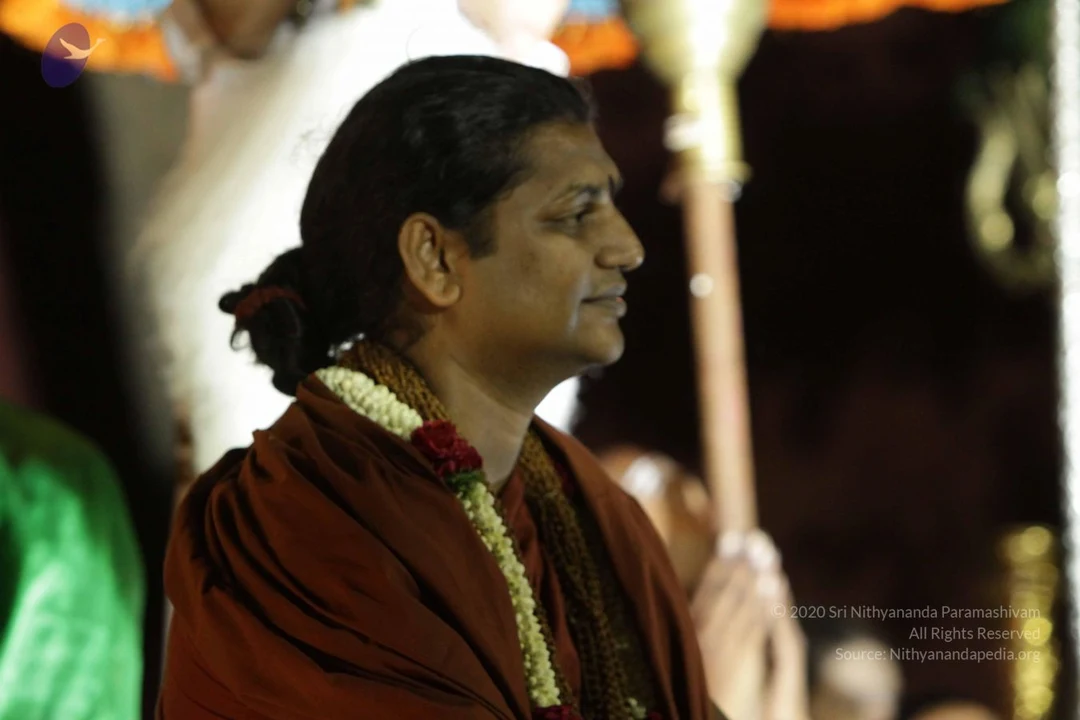
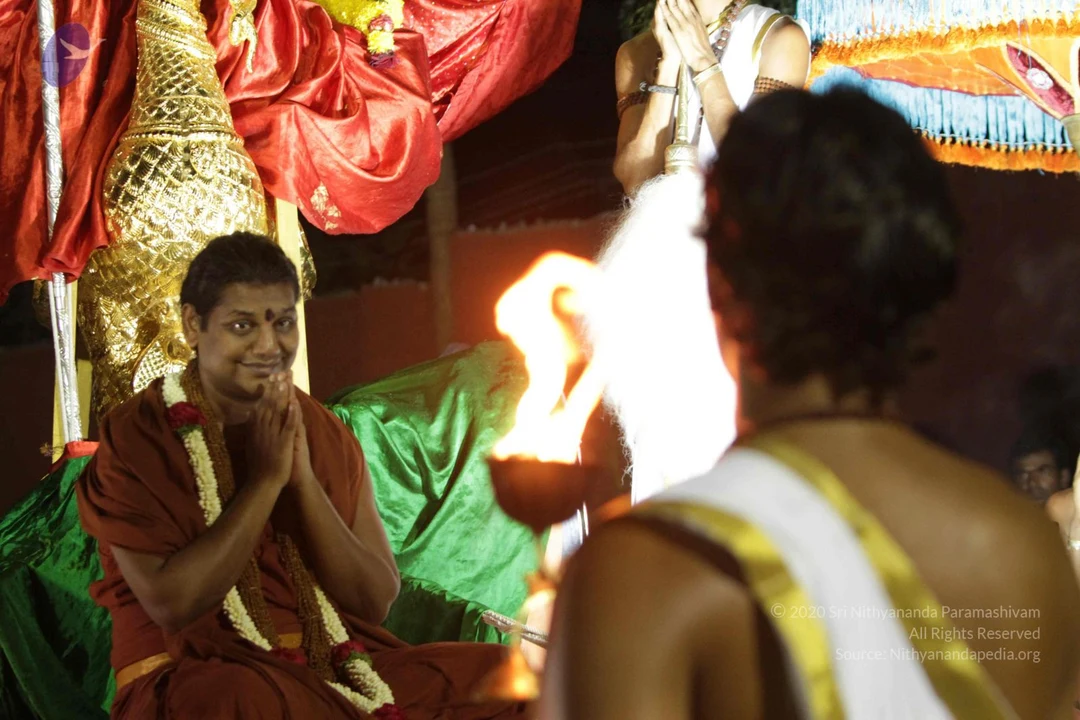
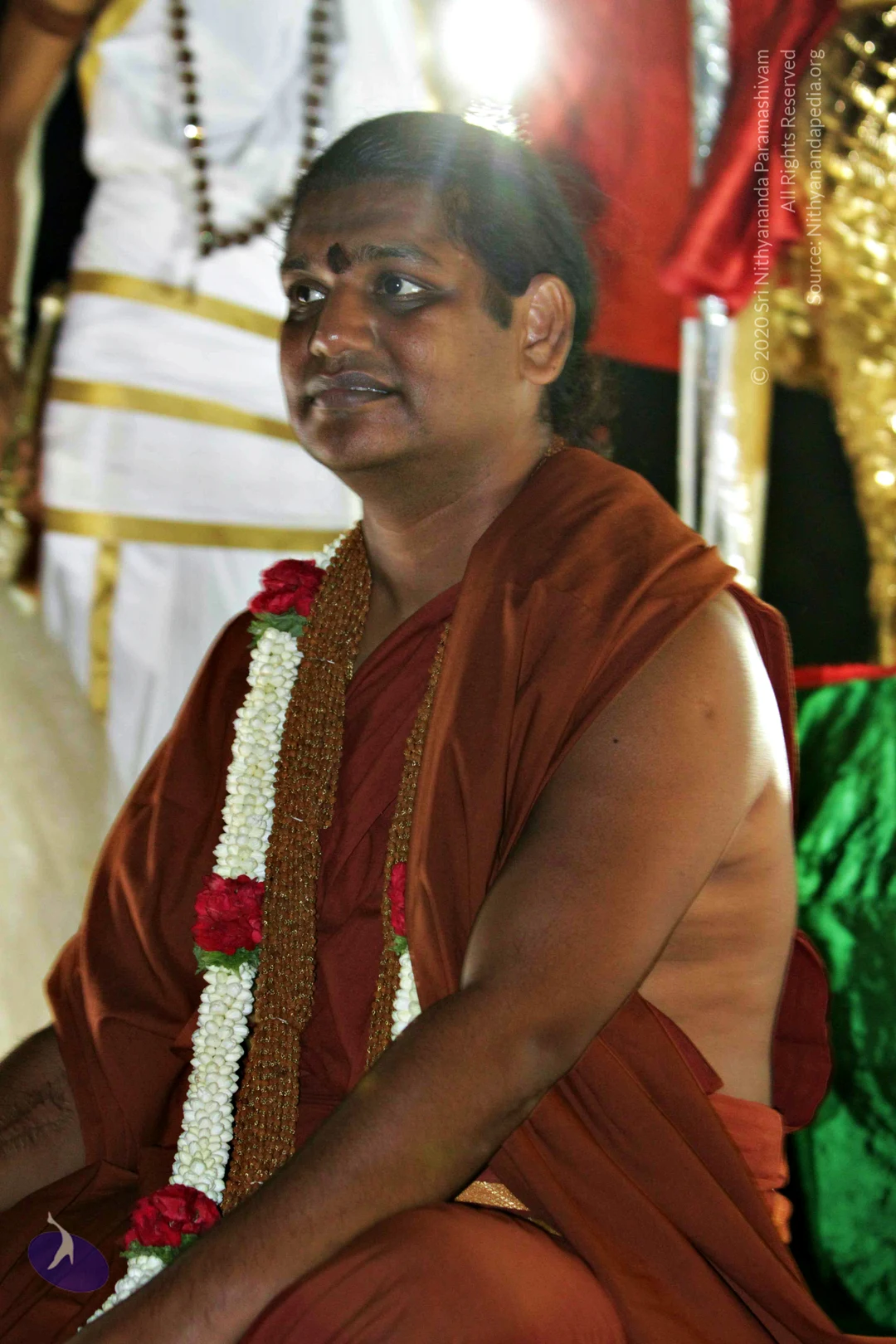
Today, Skandha Sashti Mahothsava sixth day, when Subrahmanya transformed Shoorapadma into his vehicle and glory flag. Today is the day. We are observing the Skandha Sashti sixth day.
Let’s enter into today’s satsang.
Listen. Please listen intensely. Listen carefully. I am going to expand and explain this Mahadeva’s revelation: HAVING COMPLETION WITH ADVAITHIC PRINCIPLE, WITH THE ADVAITHA SIDDHANTHA, WITH ADVAITHA ITSELF.
Please understand, understanding, the principles of Advaitha is law of your life, that is the flow of your life, and having completion with it completely. Everything, all spiritual, religious processes on the Planet Earth, everything, all the spiritual, religious processes on the Planet Earth, whether it is building a temple or ashram, goshala, Veda Patashala, or doing Pranayama, Kriya, Yoga, Puja, Homa. It can be anything, any act but finally, to help you to make complete with the Advaitha, help you to experience Completion with Advaitha, understand helping you to live Dharma, Dhamma - I wanted all of you to understand the power of this spiritual truths.
Please understand, when you experience Completion with Advaitha, everything Advaitha promises will become reality in your life. Ability to understand everything, ability to move everything, literally omnipresent, omnipotent, omniscient, able to understand everything, move everything, align everything as you want, that is what I call “Completion with Advaitha”. With any principle, with any law of life, when you experience Completion, all the things promised through that principle becomes part of you. See it is like if you are complete with your father and mother, whatever belongs to them belongs to you. Whether it is social influence, contacts, money, knowledge, whatever is theirs becomes yours. Actually, in the young age, having Completion with father and mother deeply, at least till the age of fourteen, helps you to understand Completion, I am telling you. That is why I insist if the child is not in the gurukul – of course if he is in the gurukul he is learning Completion with the Cosmos itself - but if the child is not in the gurukul, if you are bringing up the child with you, this should be the basic condition: it should be all the time playing in your lap, whenever the child is with you in the house, whenever time permits; there should be tremendous friendliness and Completion.
Many westerners can’t understand when I say sometimes in my satsangs and programmes, till I left the house, I used to always sleep in the same bed with my mother. Westerners can’t understand. In India it is a lifestyle! The children always sleep with the mother or the father. Even that word “sleeping with” has been polluted and corrupted. I am telling you, children playing with the father and mother, spending time as much as possible, brings tremendous Completion to the kids and makes them understand what is Completion, how Completion empowers you, makes you strong.
When you experience Completion with Advaitha, everything belongs to Advaitha belongs to you, everything belongs to that Dharma belongs to you. Understand, everything belongs to Dhamma belongs to you. Everything belongs to Mahadeva belongs to you. Whether it is building a temple, or creating a Yantra, or using a meditation technique, whatever may be done, everything is done just to make you experience that great truth – Shivoham, Shivoham, Shivoham. Everything is just to make you experience Shivoham.
Listen, in Vedic tradition we even use herbs, so many things to experience Shivoham, to experience the Advaithic Oneness, to awaken Kundalini. First time ever, I am going to reveal that science experientially to all of you in Cambodia Inner Awakening, using the yantras, herbs, mantras. Like Patanjali says, ‘Mani, Mantra, Oushadha’, using all three – Mani, Mantra, Oushadha – using herbs, yantras, mantras, to give you the experience of Shivoham. The largest Yantra ever built on the Planet Earth to experience the Advaithic Oneness is Cambodia. And the greatest Mantra is Shivoham, Oneness with Mahadeva. And the ultimate Yantra is Cambodia. Ultimate Mantra is Shivoham. And ultimate Tantra, technique, the Master’s presence. Technique – the Master’s presence! When all the three merges the real alchemy happens.
Shivoham! The whole Cambodia is going to reverberate with the truth – Shivoham! First time the whole programme is going to be directly working on experiencing the transcendental state of Shivoham, transcendental experience of Shivoham. No theories, no theologies, no philosophies. Direct experience! No theories, no theologies, no philosophies.Direct experience! The whole 21 days is going to be directly experiencing. Kriyas, Mudras, Bandhas, Pranayama, the Siddha herbs, everything is going to be used to awaken your Kundalini Shakthi, to give you the experience of Shivoham, especially working on your Third Eye, awakening your Third Eye.
The Cambodia Inner Awakening is not going to be anything to do with society; it has nothing to do with Completion with others; it has nothing to do with it has nothing to do with others. It is just something to do only you and Cosmos! It is nothing to do between you and humanity; it is something to do only between you and the Cosmos! The mystical dimensions of Shivoham, not just the intelligent dimension of Advaitha, energy dimension of Advaitha! The present Inner Awakening is more intelligence dimension of Advaitha, making you live more peacefully, blissfully, happily, with you, within you and with others who are around you, and completing with all of them and causing your reality, others reality, using the intelligence. Intelligence is the first priority. But the whole Cambodia Inner Awakening, the energy is the first priority, Shakti! The Shakthi of Advaitha, the mystical powers of Advaitha, mystical experiences of Advaitha, the trance of Advaitha!
The word “trance” is abused in English. So I should use the word “transcendental space”, the Samadhi. The word “trance” is used in English like a psychedelic state you experience after taking drug. So, I don’t want to use that word. That word has already been spoiled. I will use the word “transcendental Advaithic space”, “transcendental Advaitha Anubhava”. So the mystical experience, mystical experience. Understand, the mystical experience dimension of Advaitha, the power dimension of Advaitha, you are going to experience that. You are going to experience that! Experience the powerfulness of Shivoham through the transcendental state of Advaitha, transcendental experience of Advaitha. Only when you experience the powers of Advaitha you will have a complete trust and Completion over Advaitha, I tell you. Just the intelligence you may think, ‘Oh, out of my intelligence I did.’ You will forget that that intelligence came out of your Advaithic understanding. But powers you will never be able to forget. Let us experience Advaitha from the dimension of its powers.
Today even this Subrahmanya’s Skandha Sashti is nothing but demonstration of power of Advaitha. Mahadeva’s Third Eye opens and Shoorapadma is destroyed. I don’t want to say the word “killed”; because, Shoorapadma was divided into two, and one part becomes the peacock, and the other part becomes the flag, emblem of Subrahmanya. Even this is the expression of Advaitha.
So essence of today’s satsang:
Experience Completion with powers of Advaitha so that you will start feeling the Completion with Advaitha, living Advaitha, enjoying Advaitha.
With this, I bless you all. Let you all radiate with Integrity, Authenticity, Responsibility, Enriching and Causing eternal bliss, Nithyananda. Thank you. Be blissful!
Title:
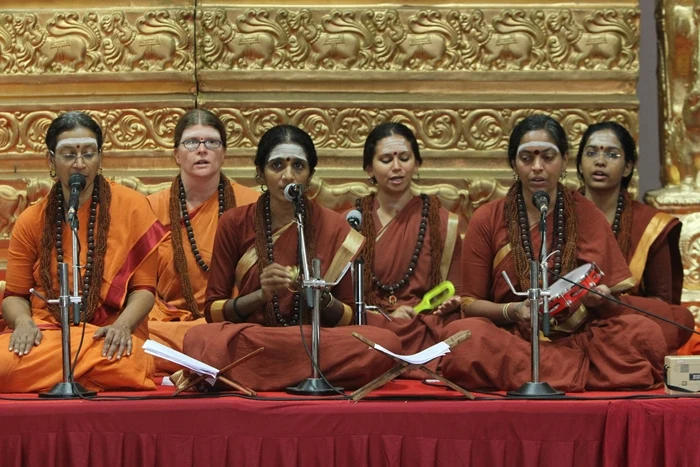
Nithya Kirthan - Bhishajam
Description:
Nithya Kirtan sung in the presence of Paramahamsa Nithyananda on the 29th of October of 2014
Link to Video:
| Video | Audio |
Photos
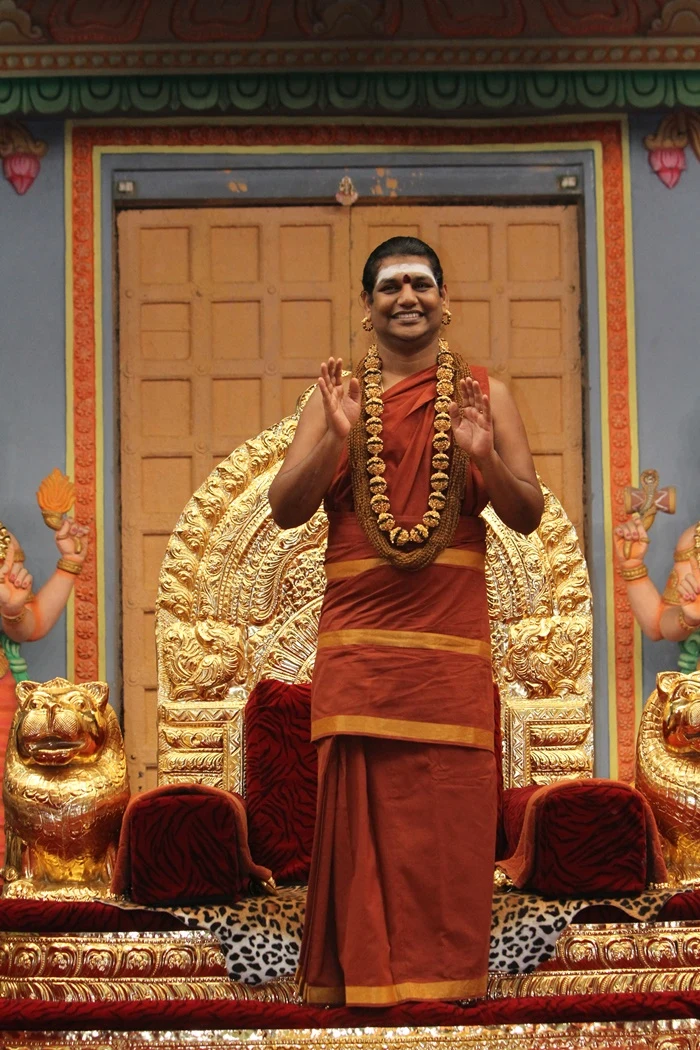
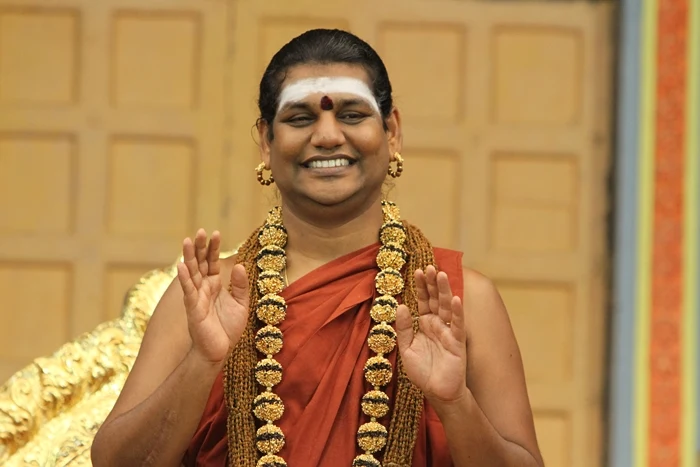
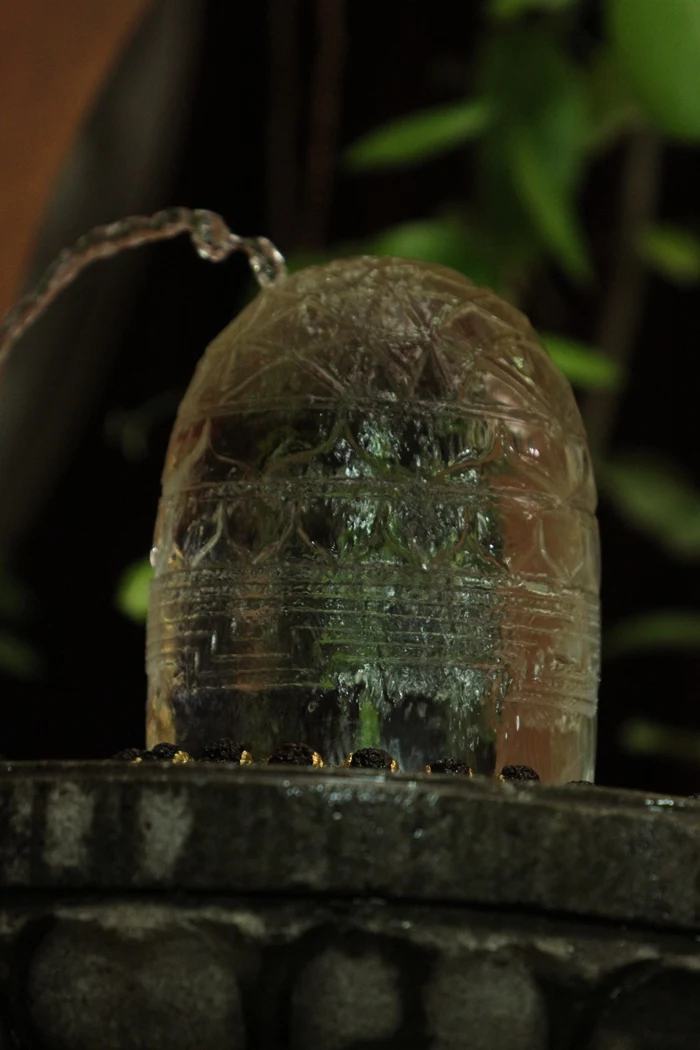
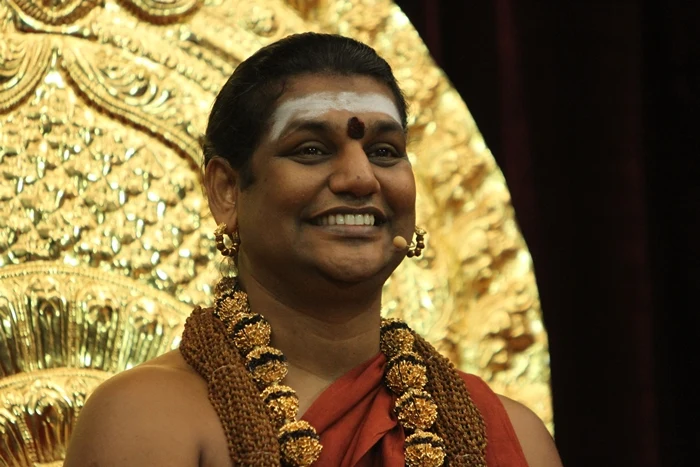
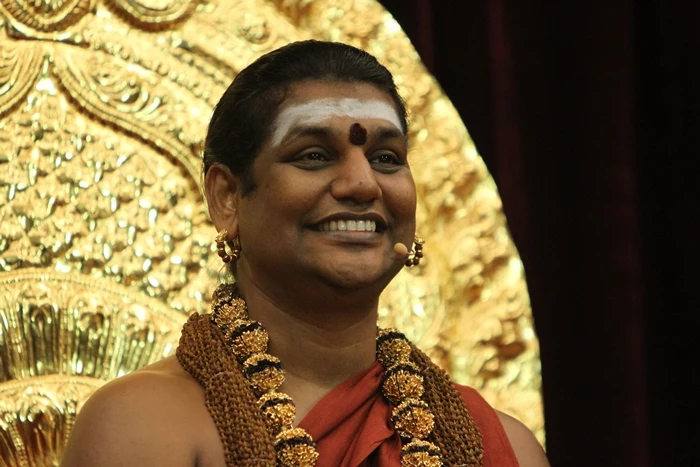
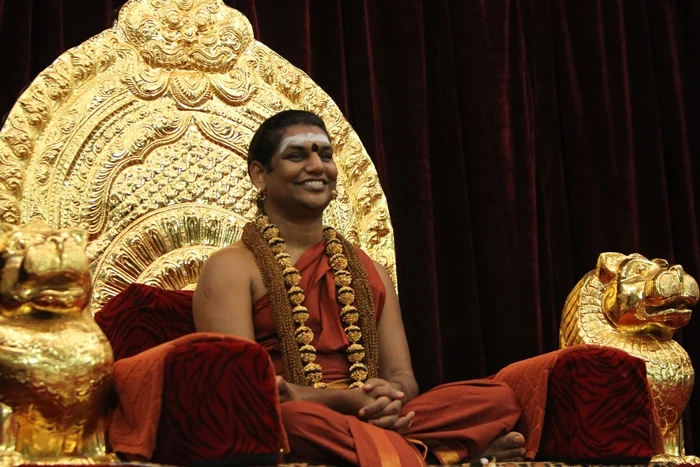
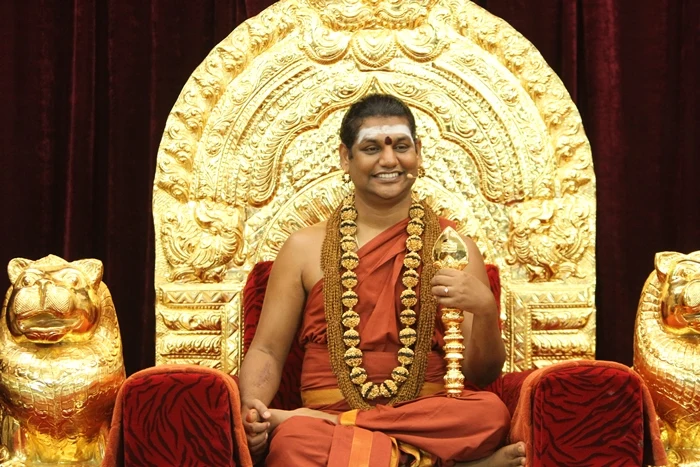
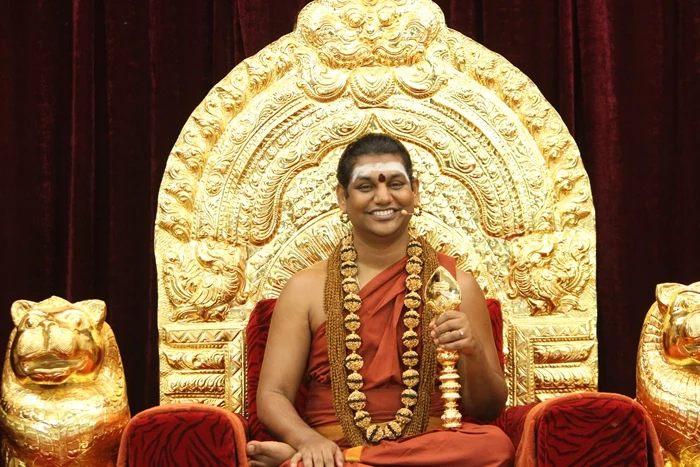
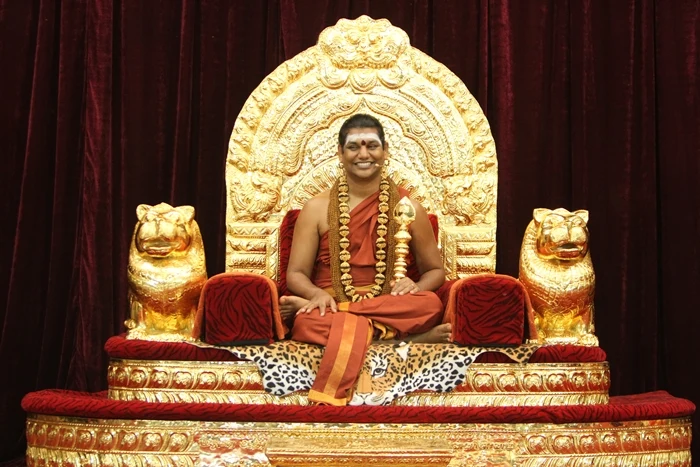
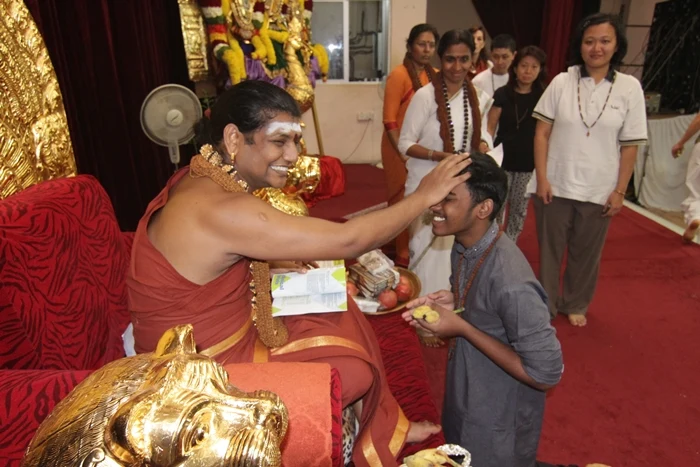
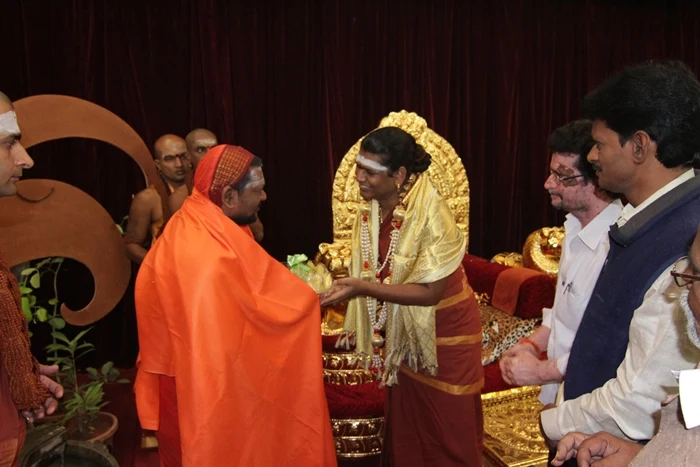
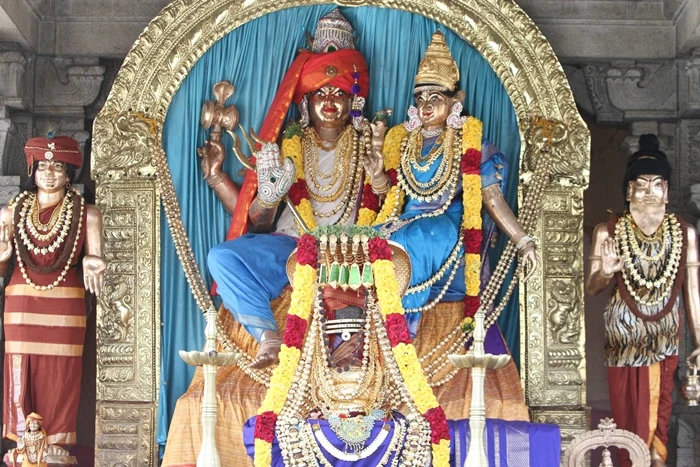
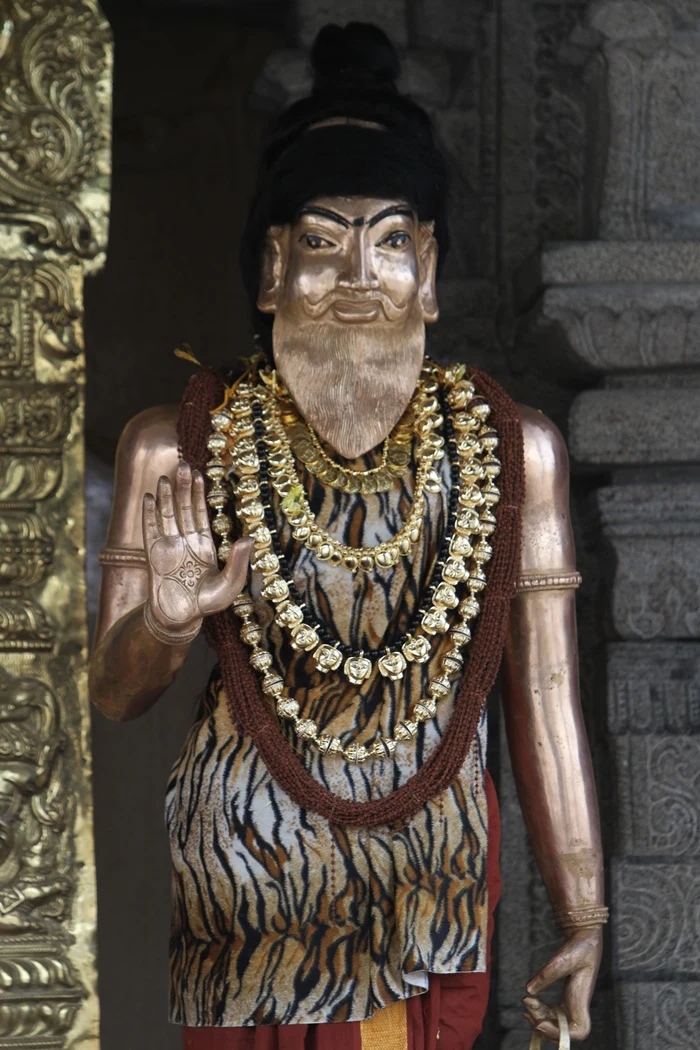
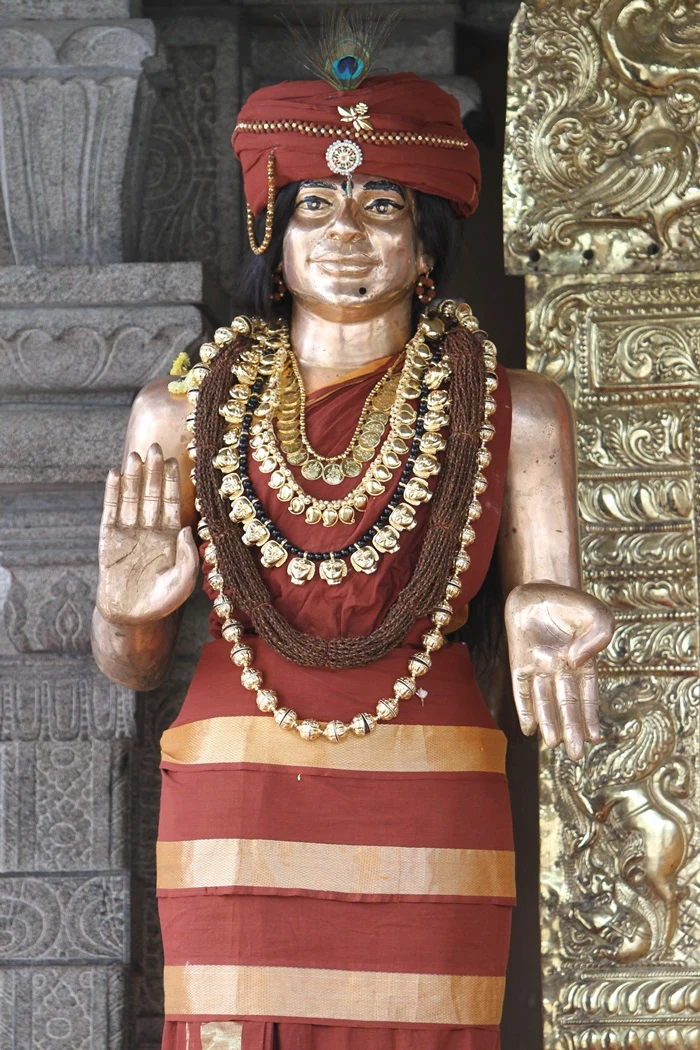
Skandha Sashti Brahmotsava - Sura Samharam | Rudrabishekam | Padukapuja | Nithya Kirthan | Satsang
Sakshi Pramana:
Sharing from Nithyananda Teachers training
| Video | Audio |
Tags:
Paramahamsa Nithyananda, Advaitha, law, Earth.
Photos Of The Day:
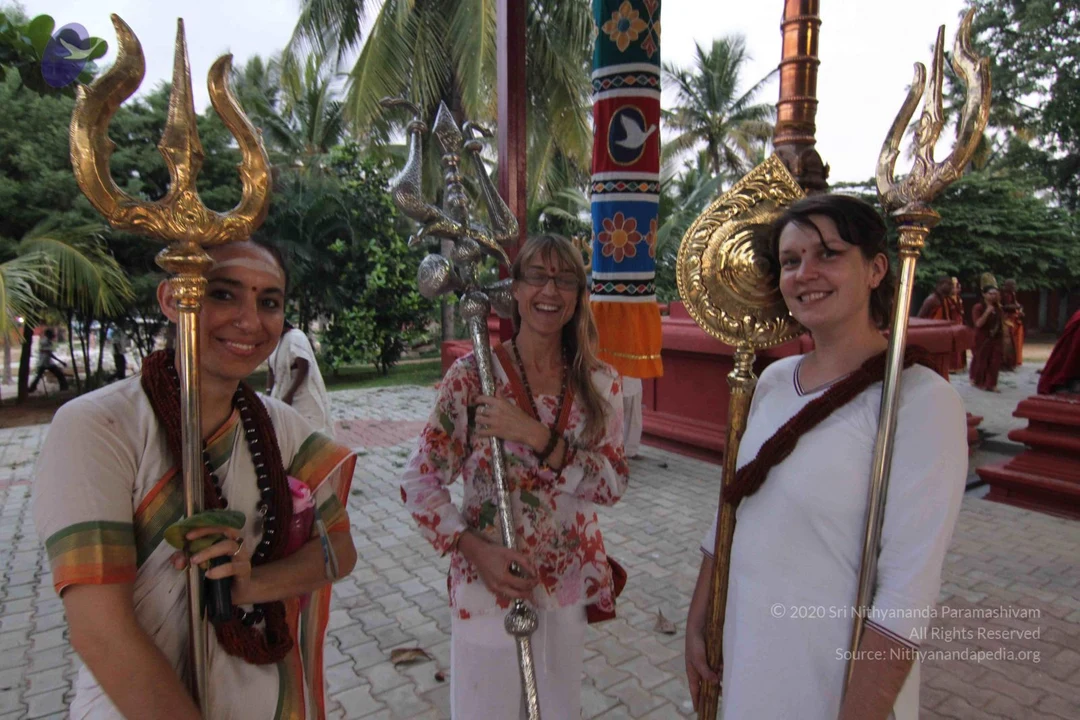
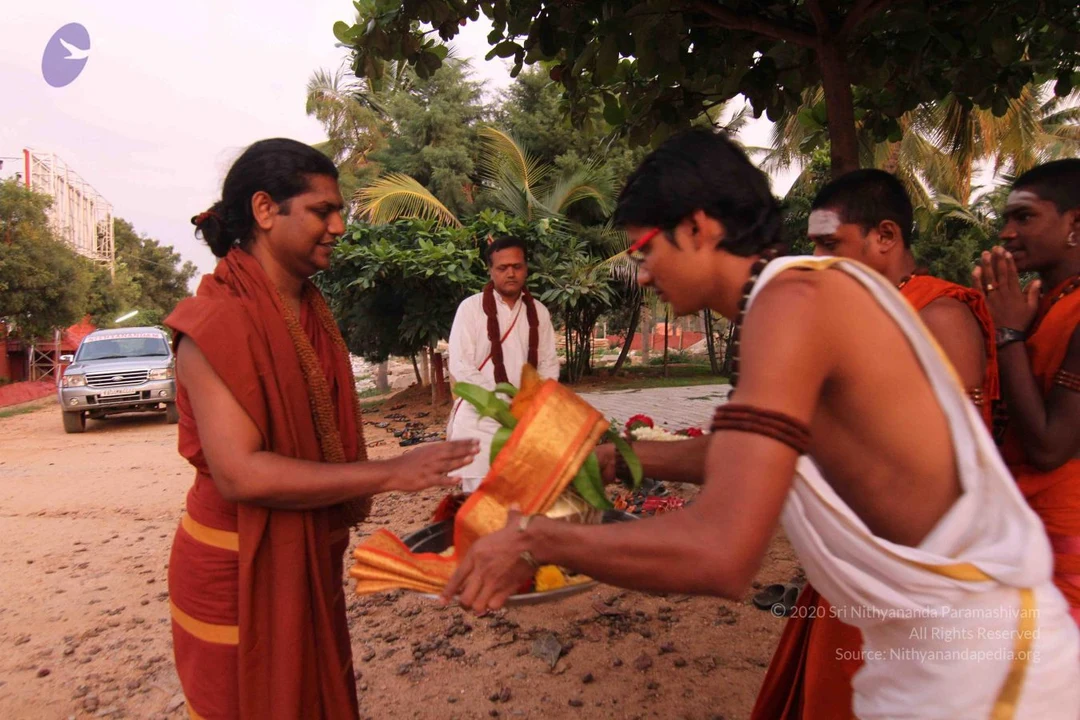
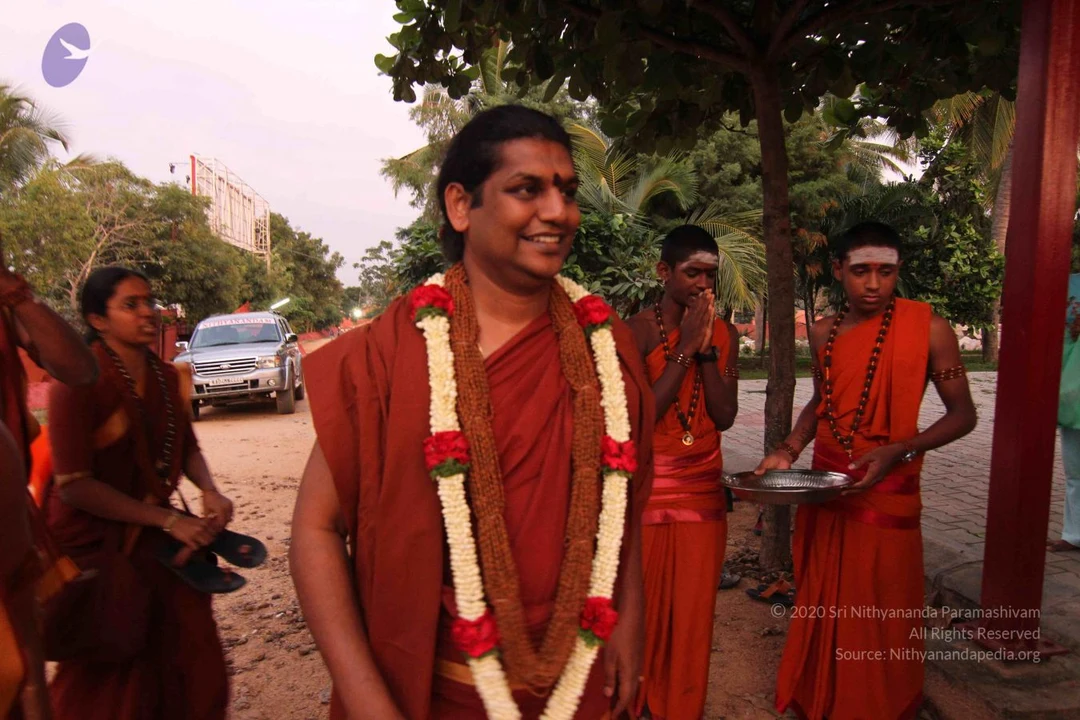
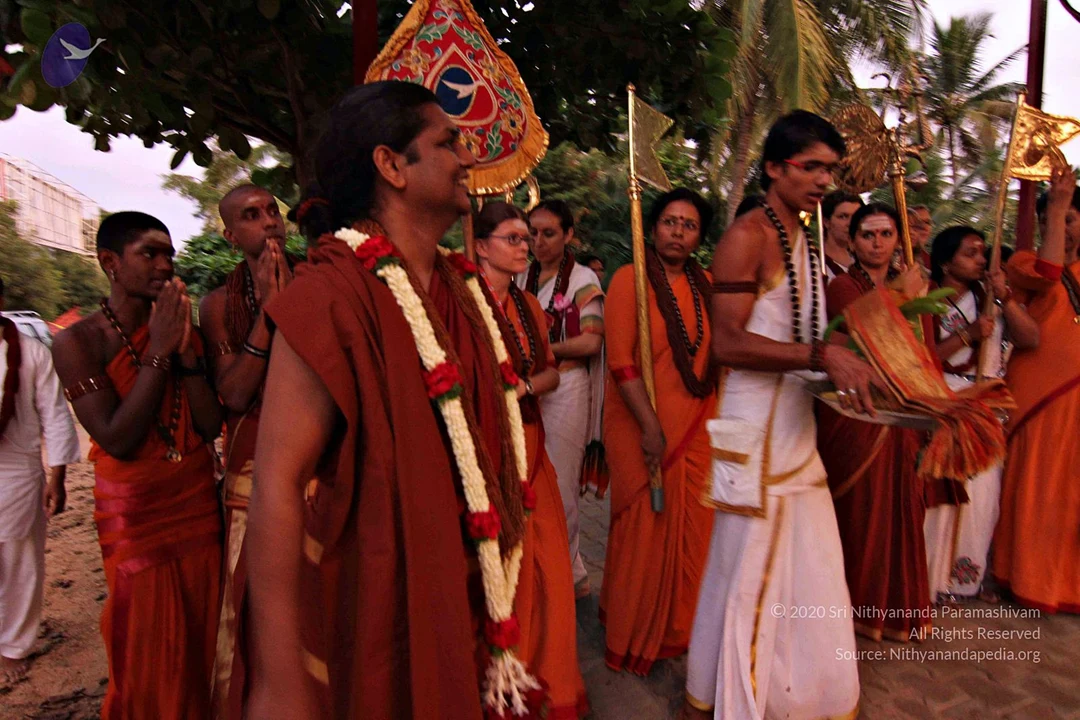
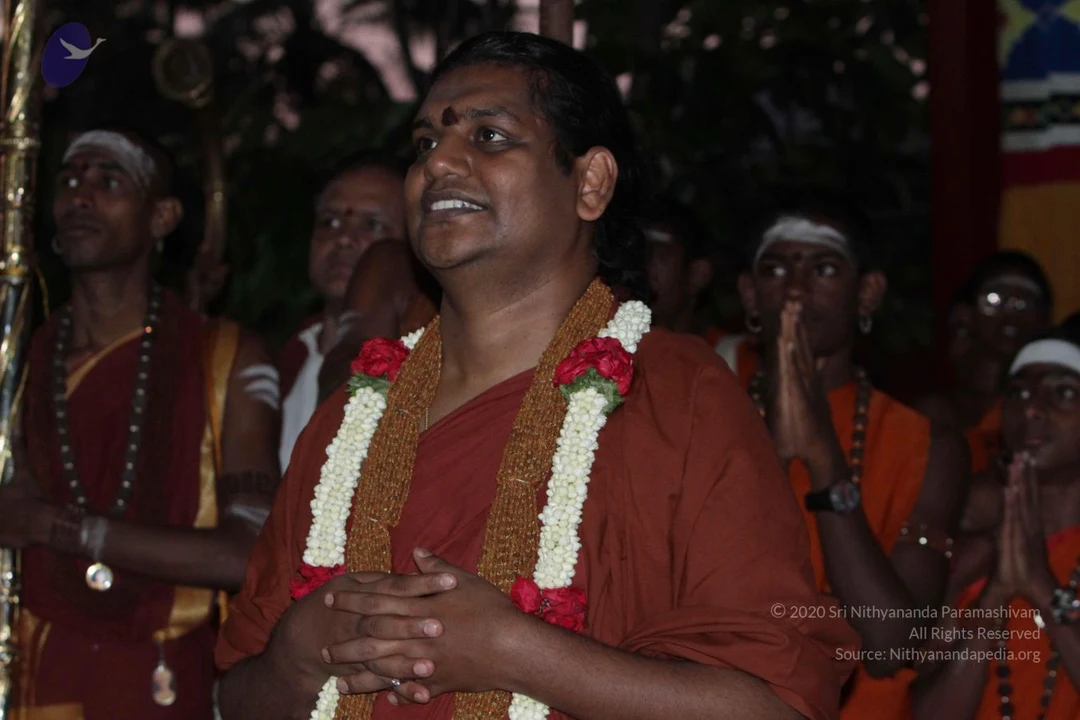
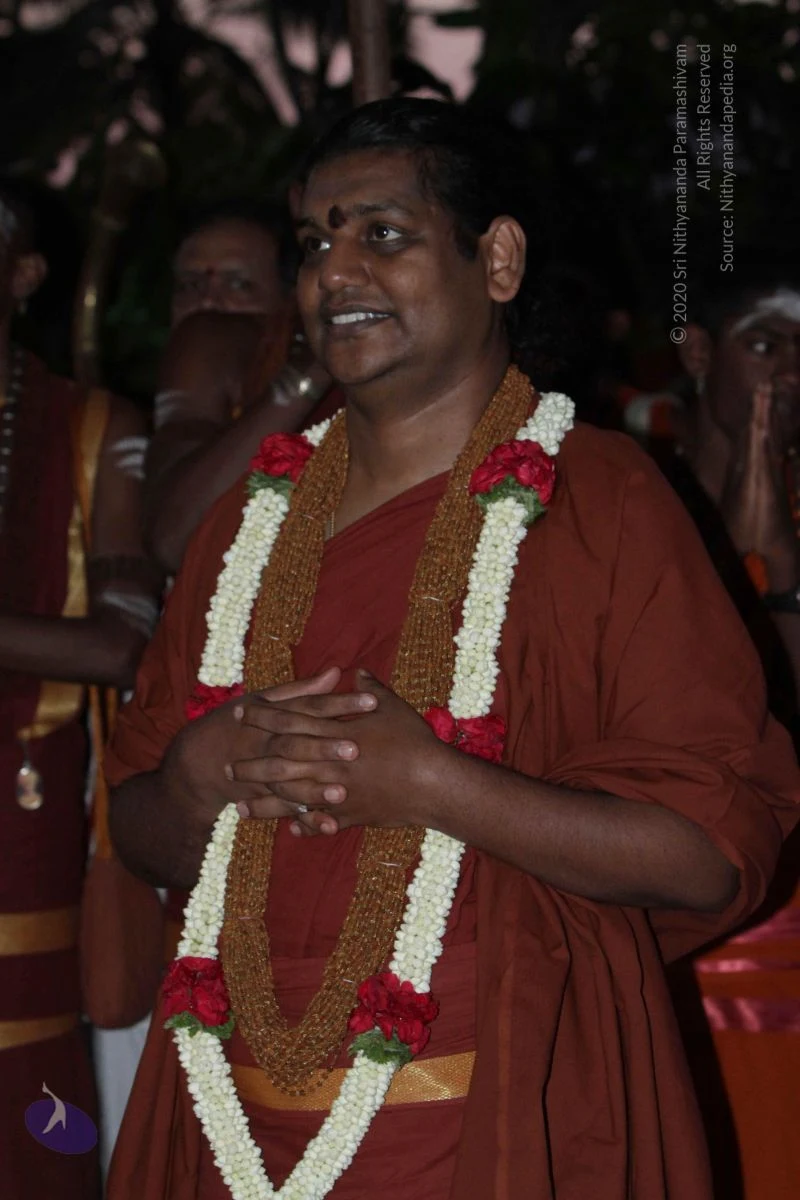
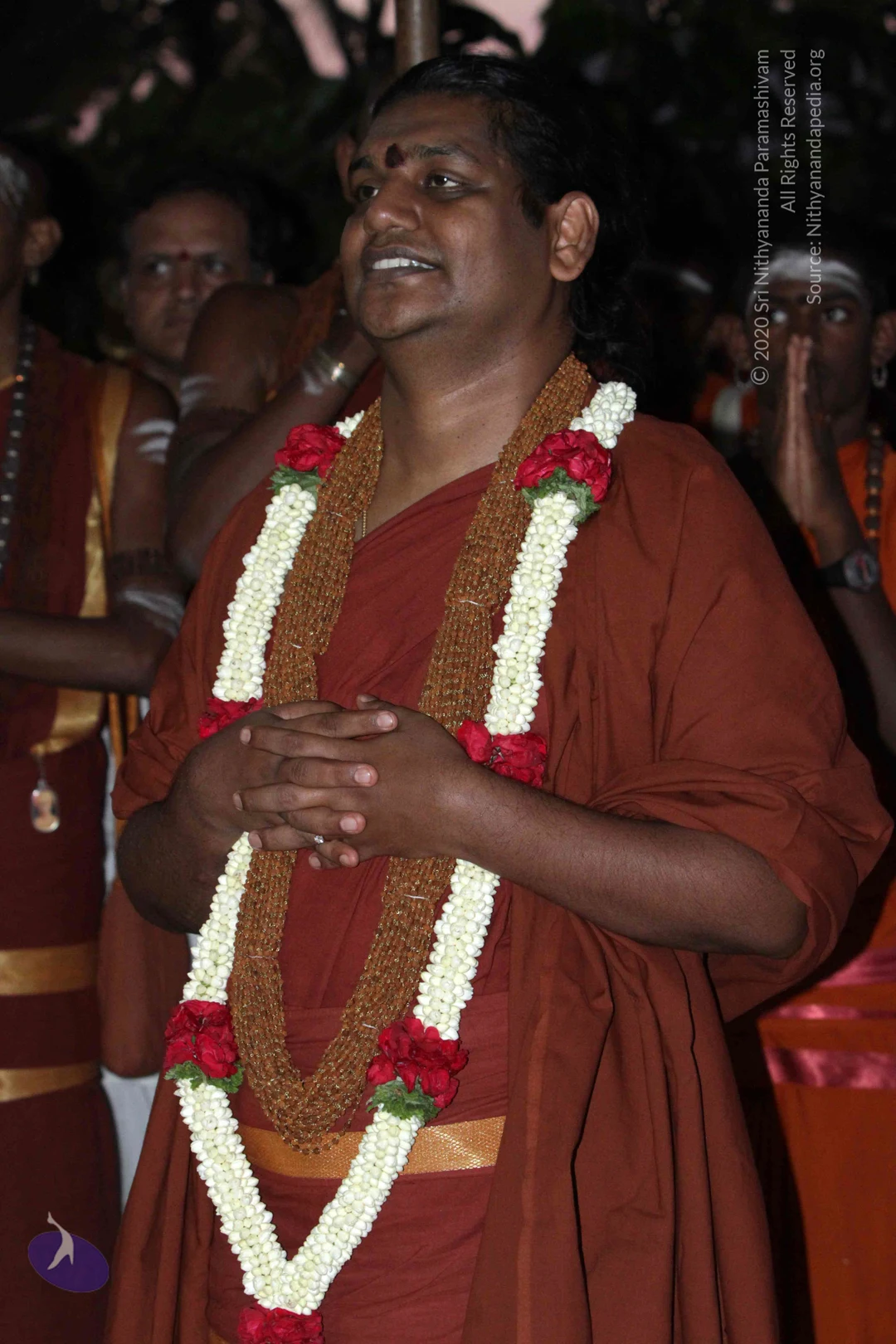
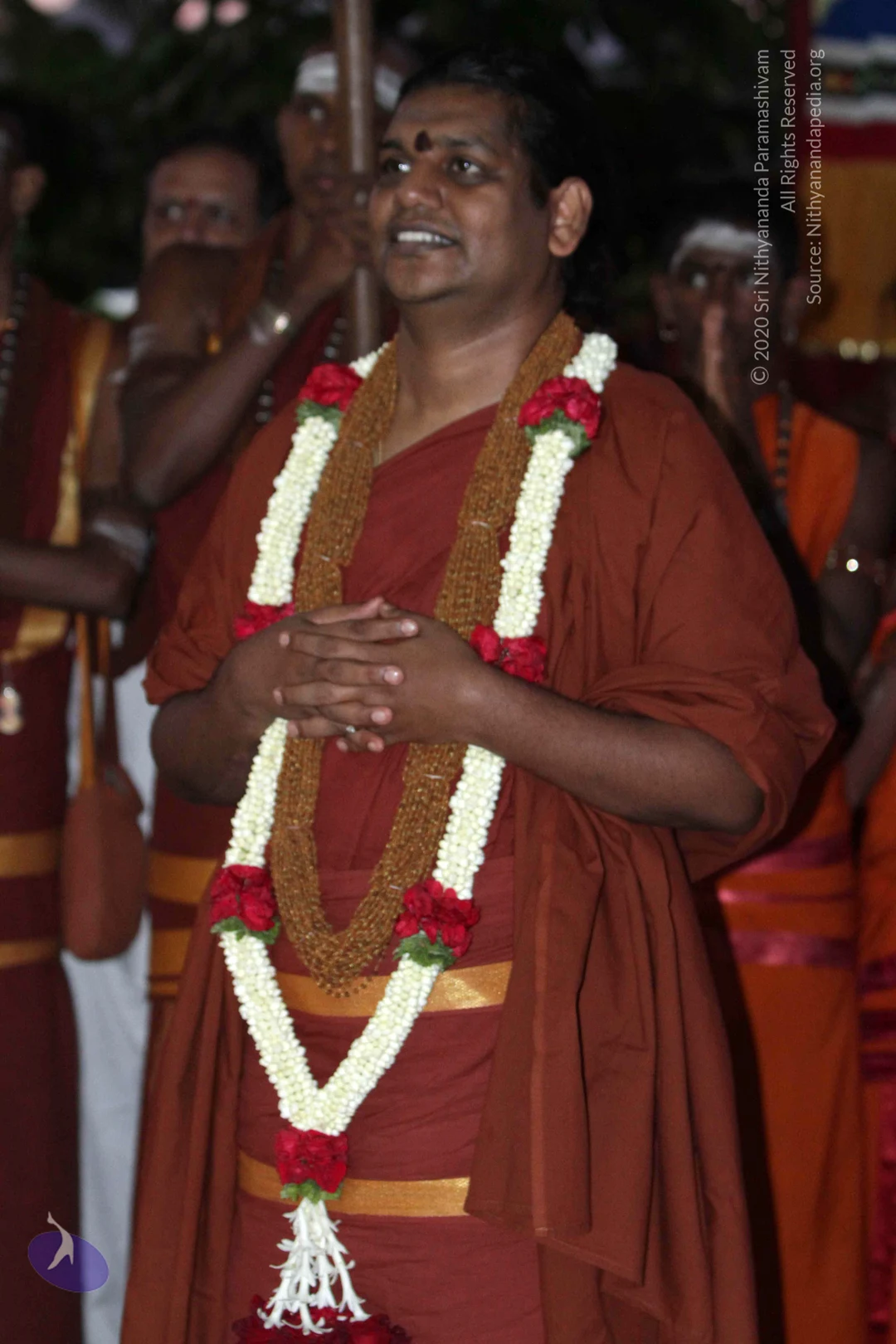
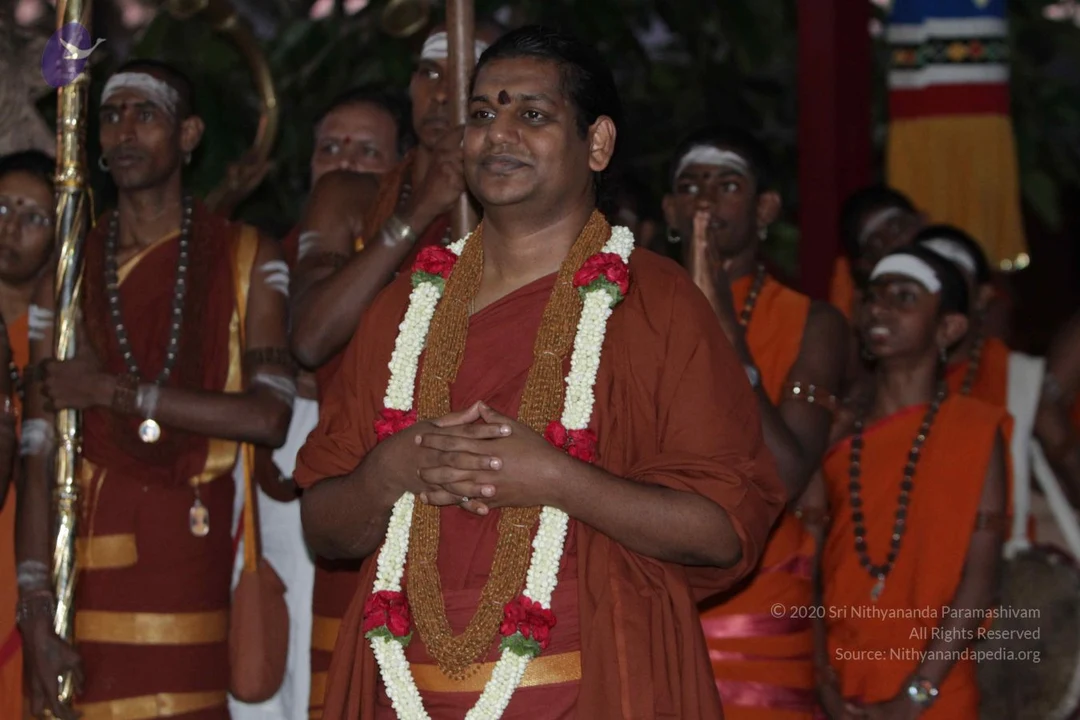
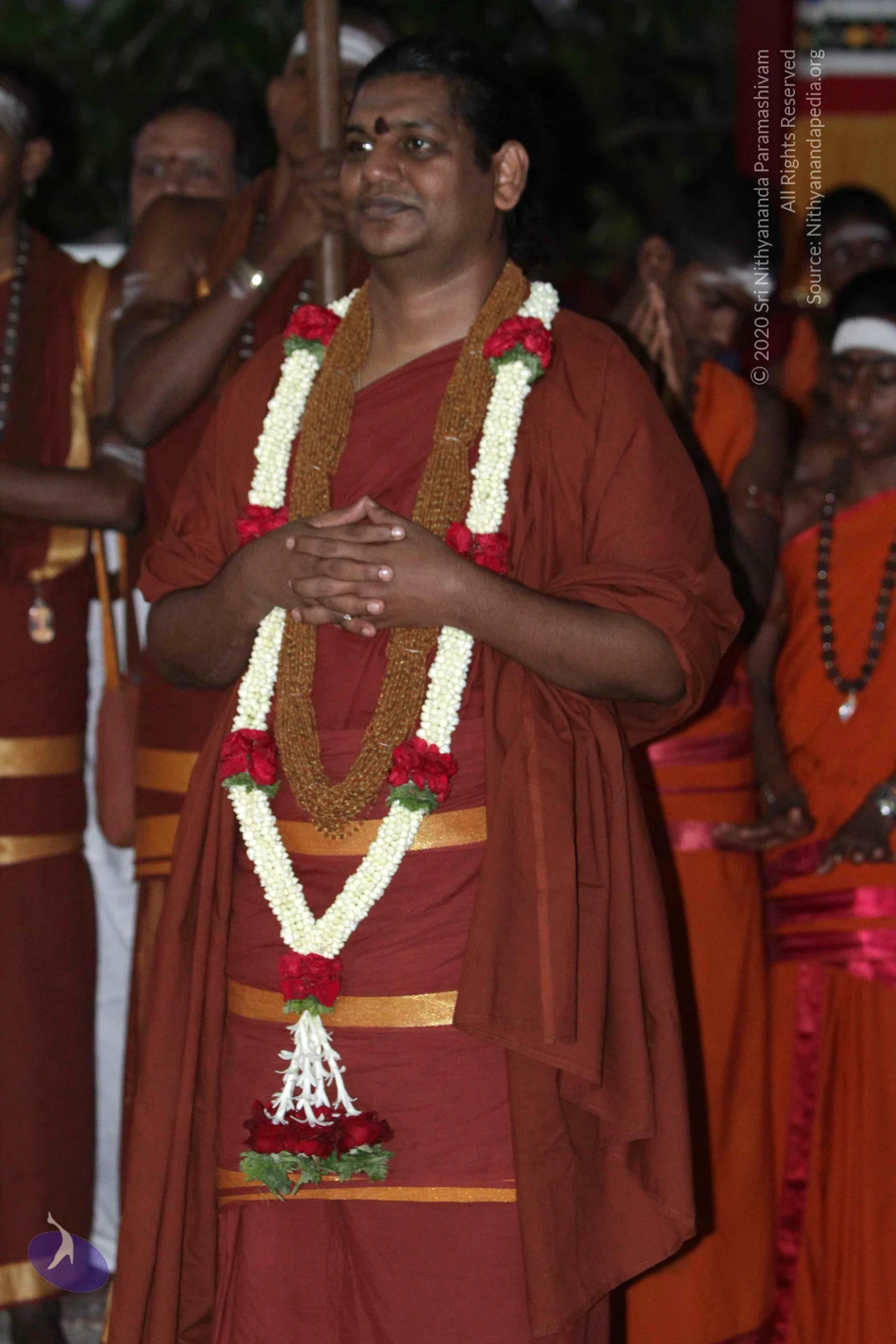
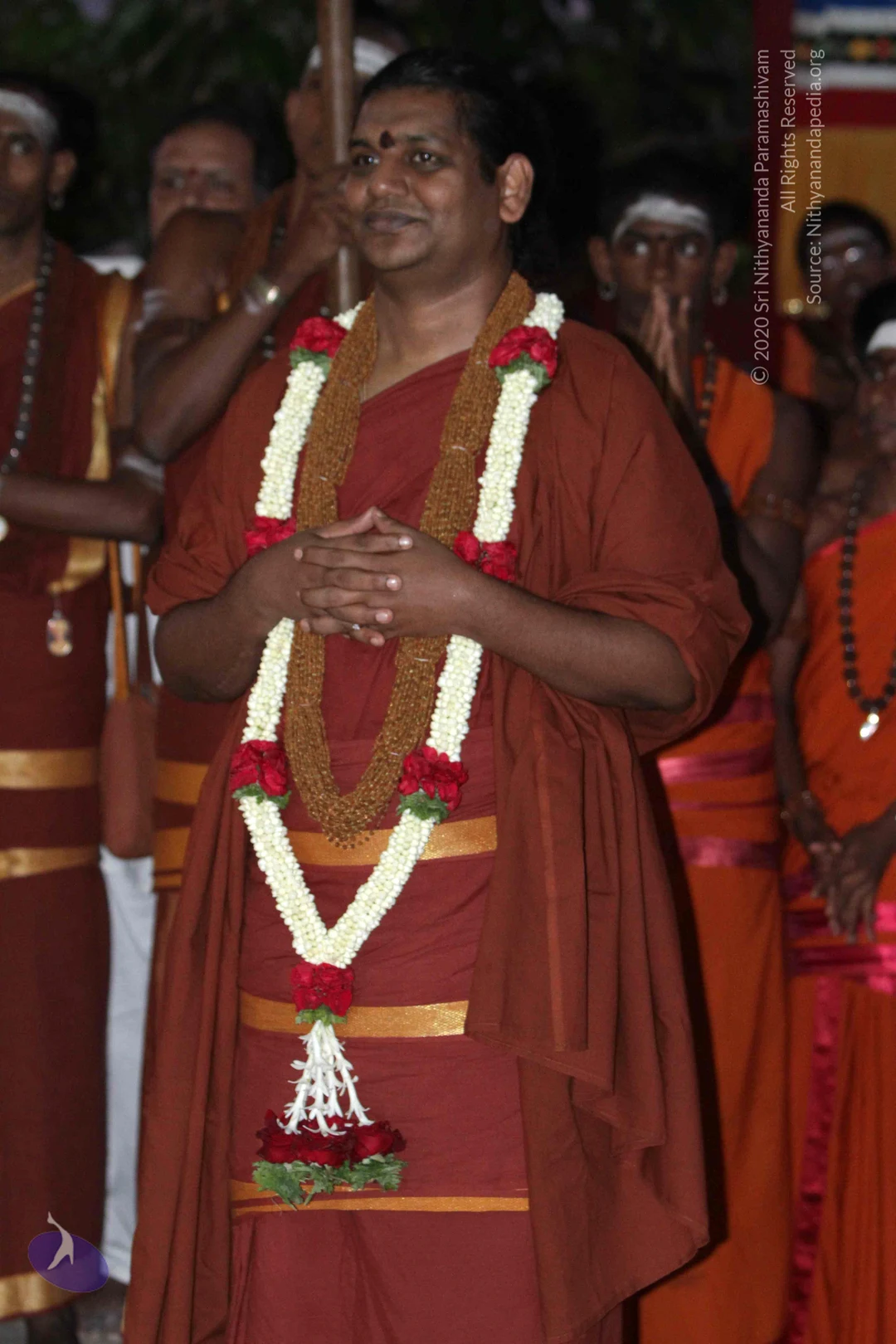
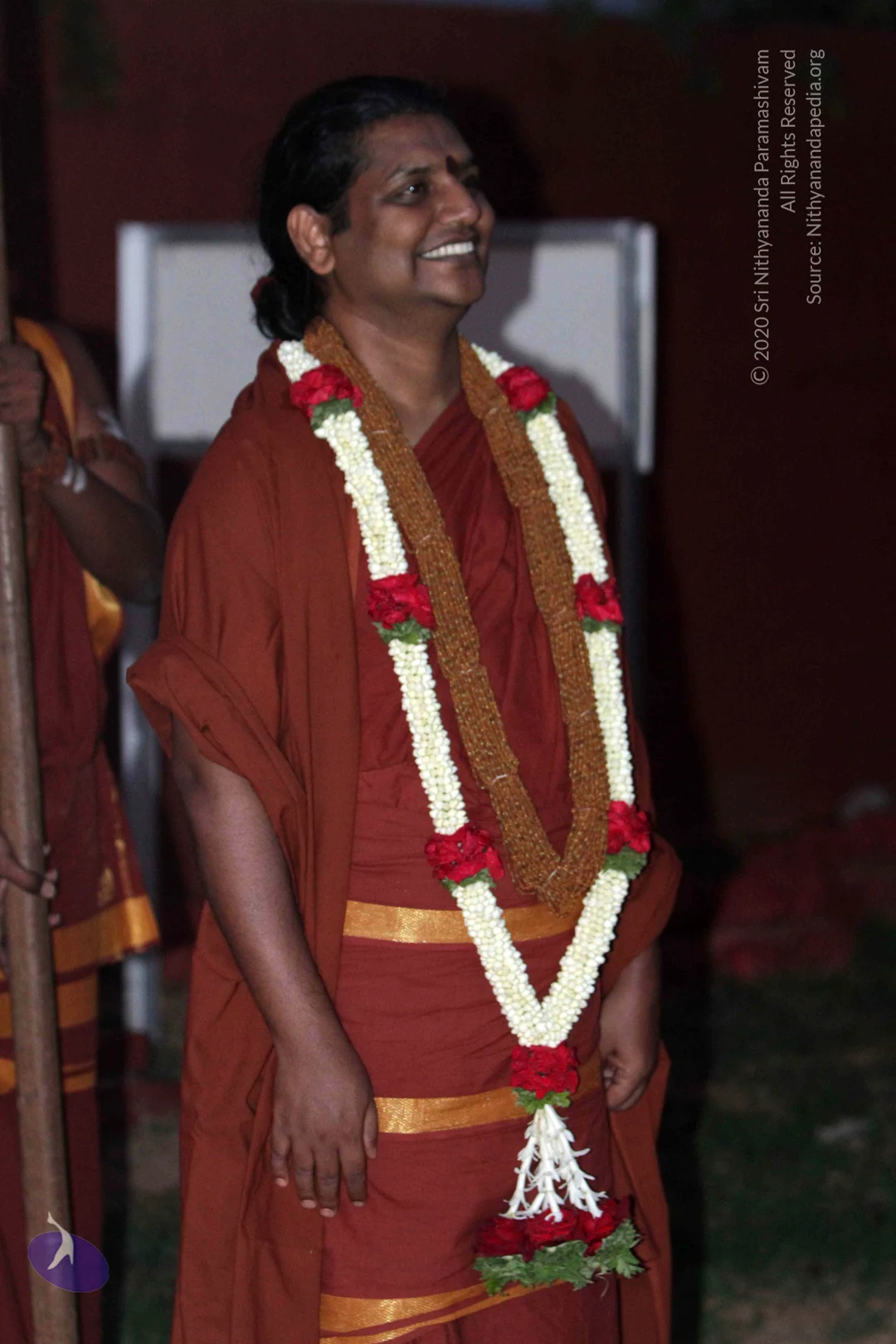
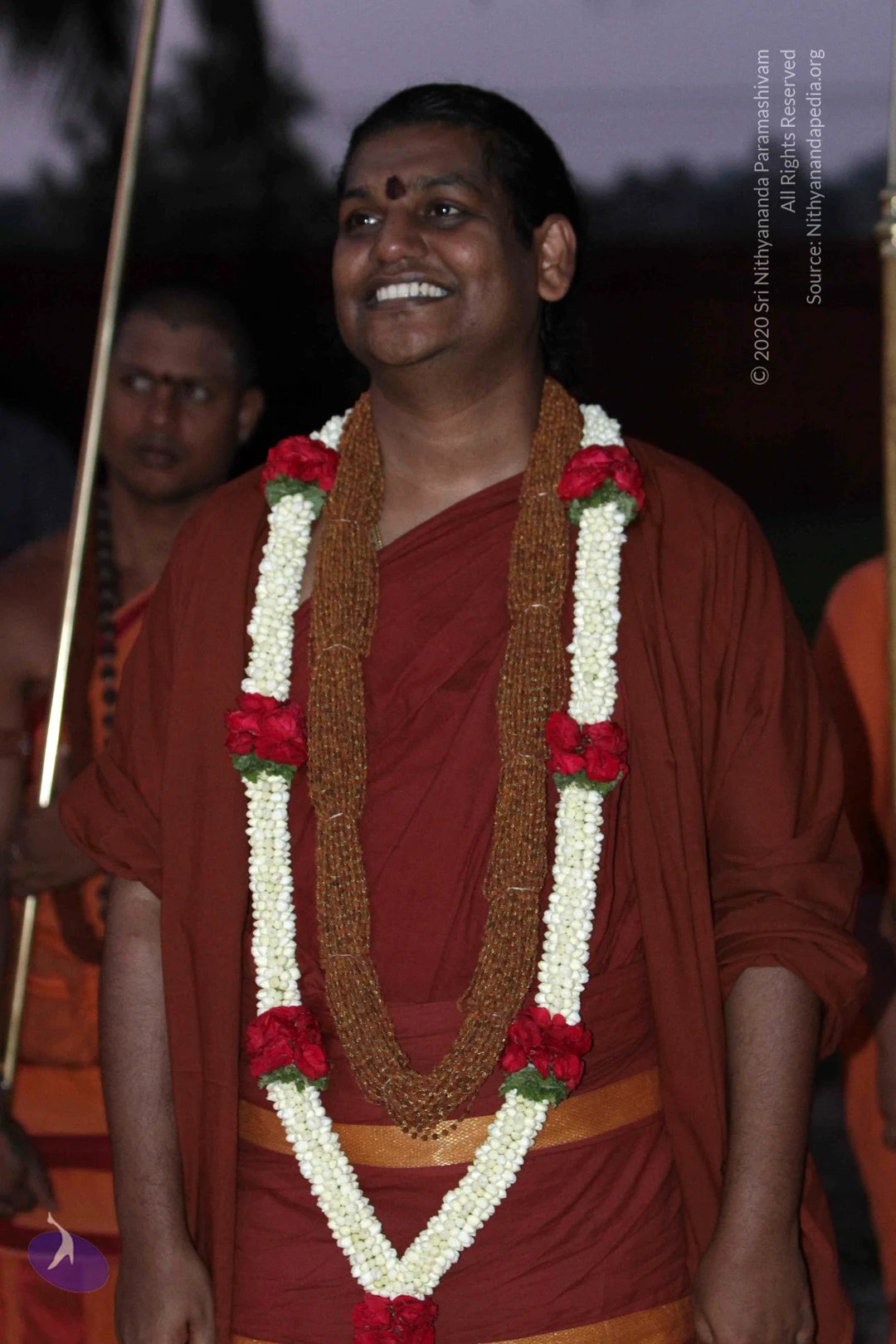
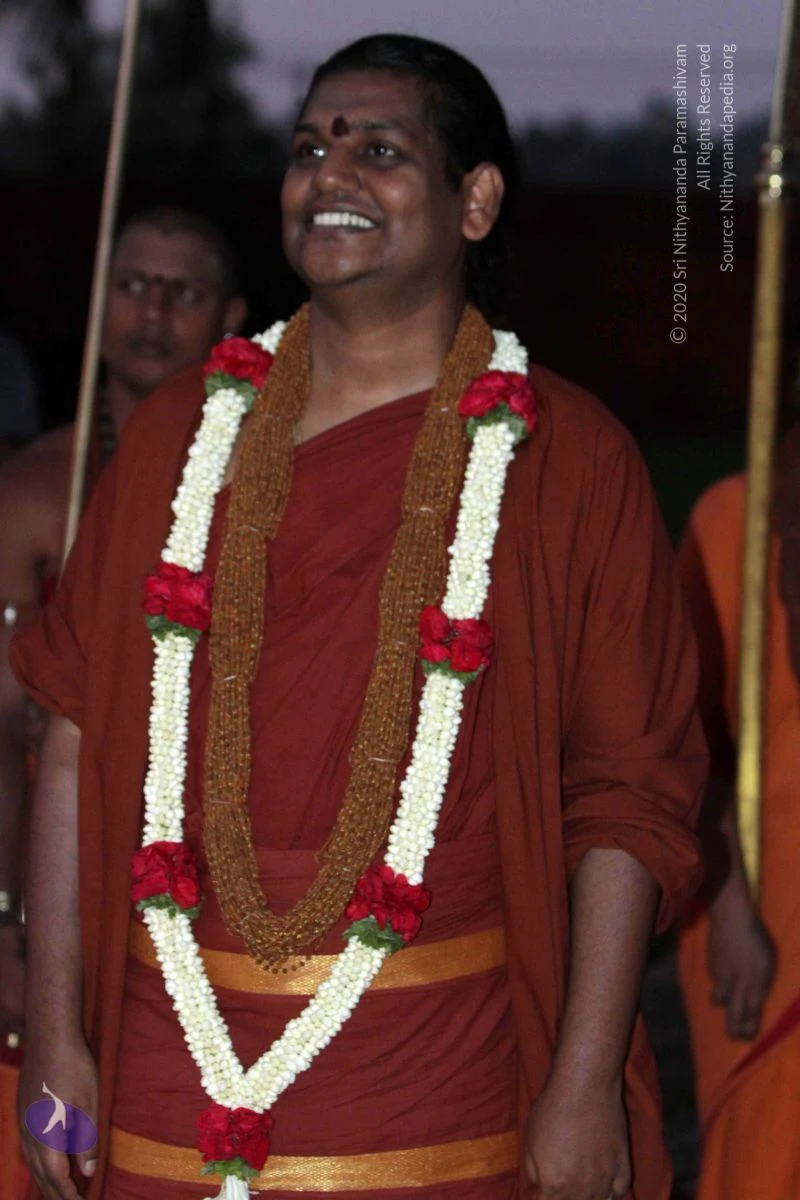
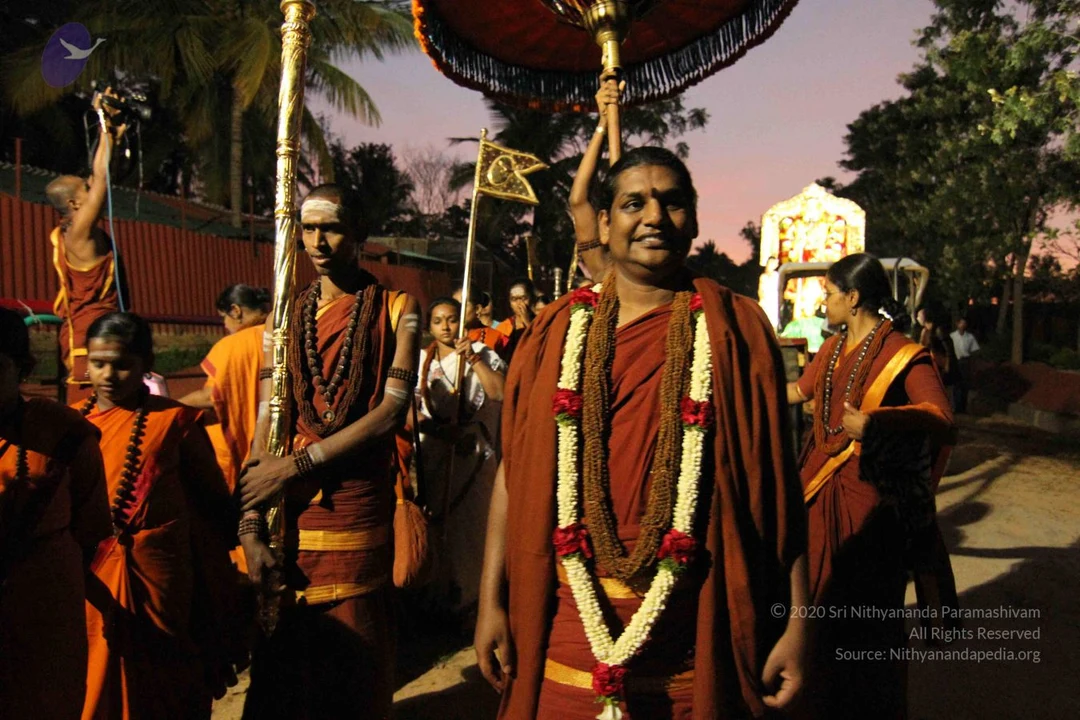
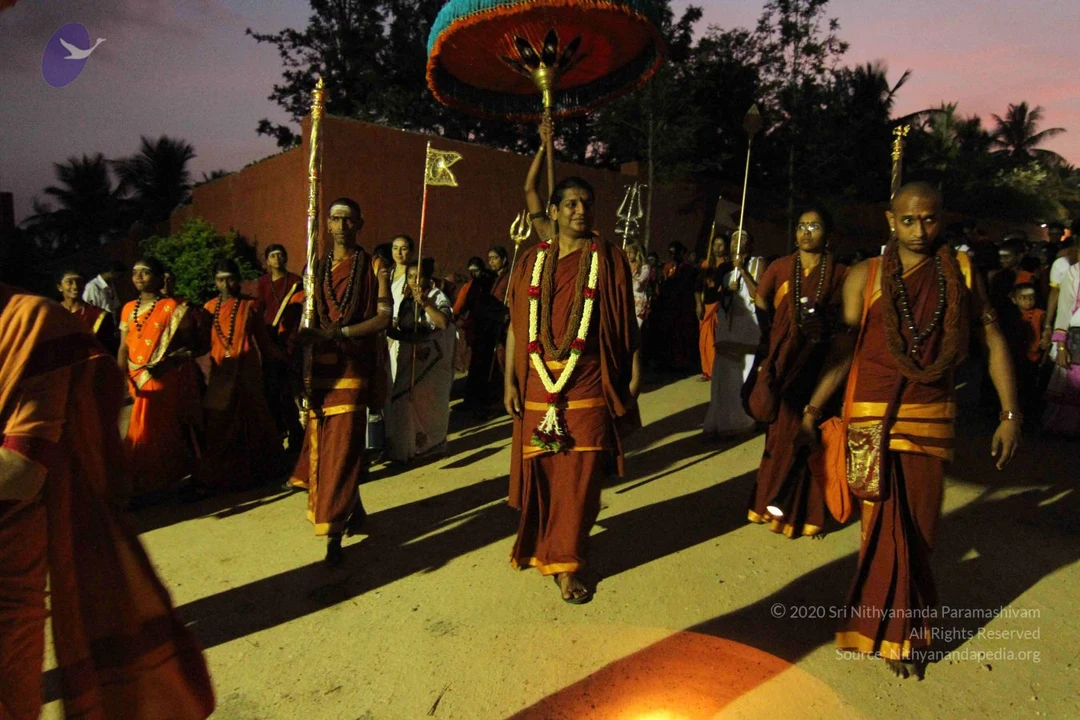
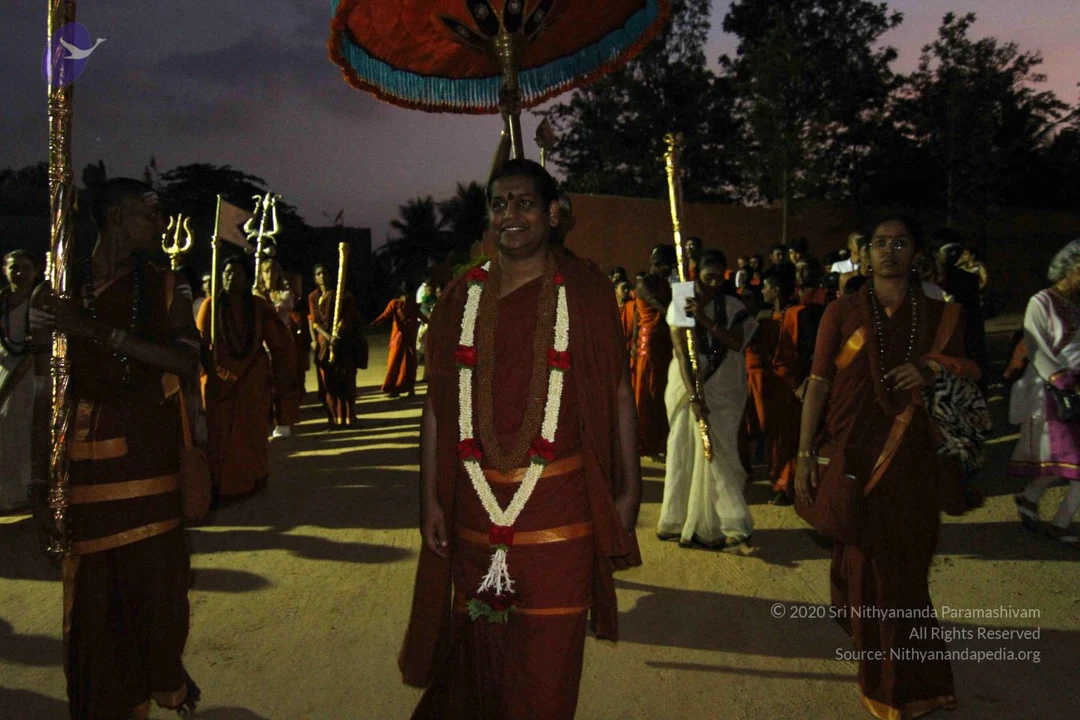
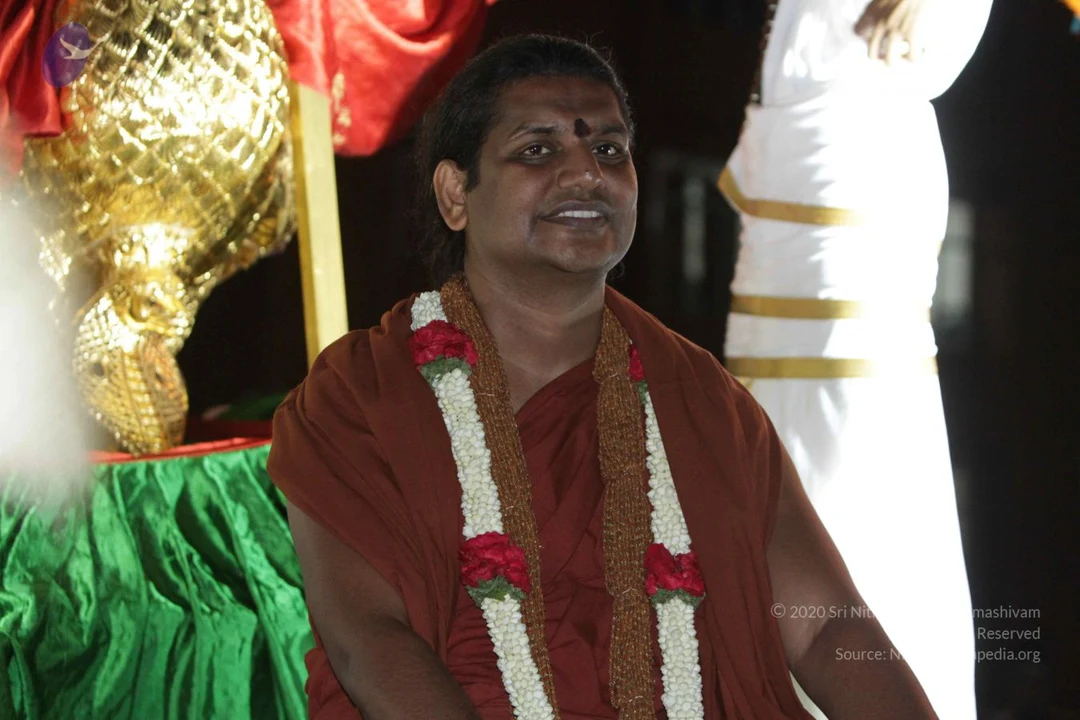
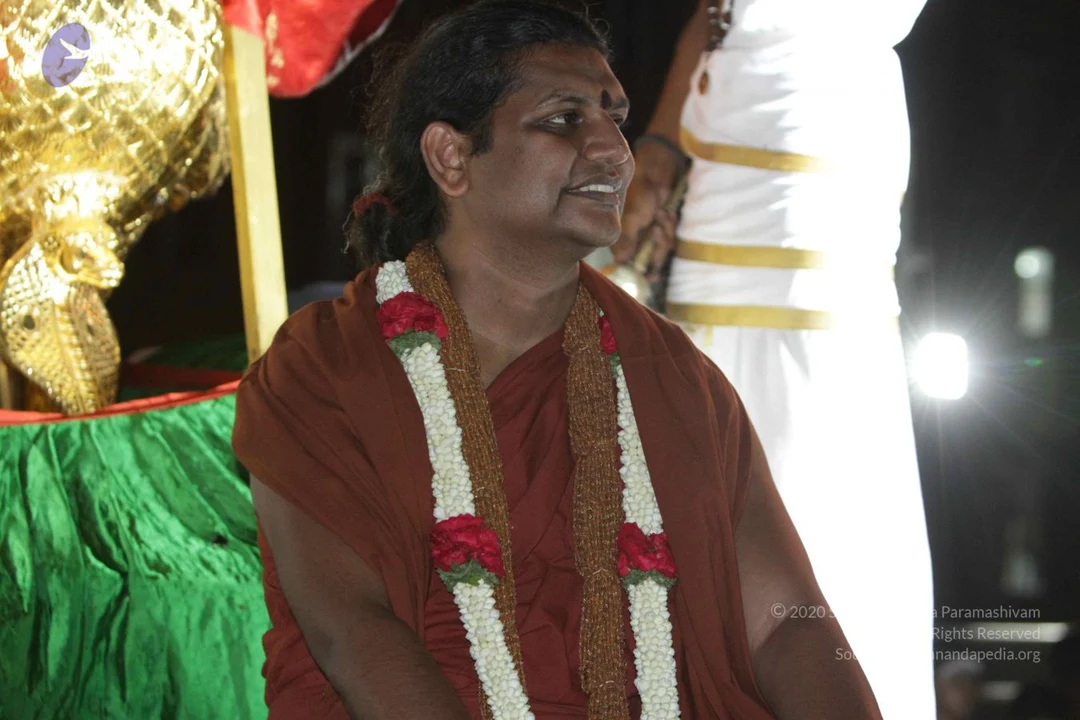
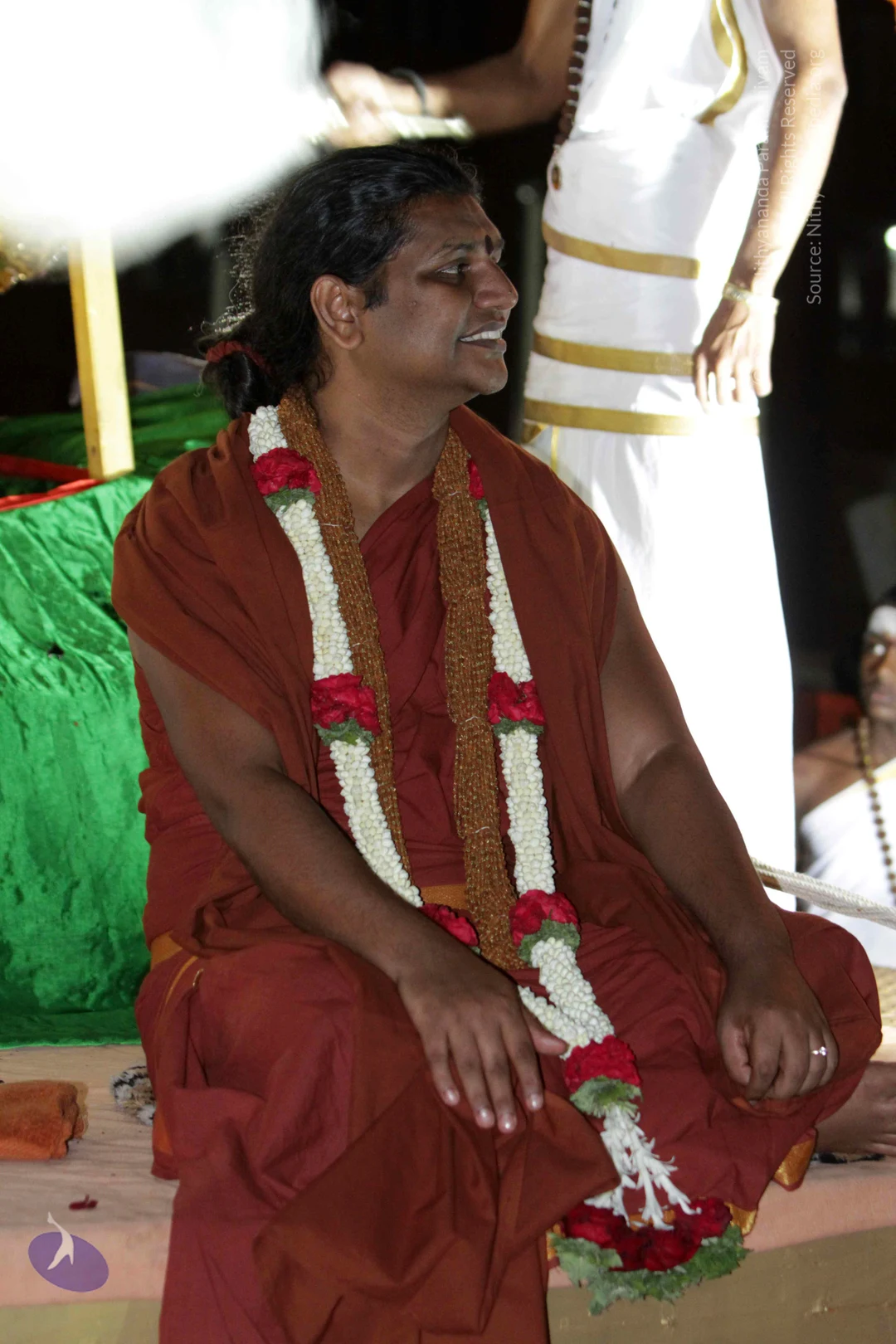
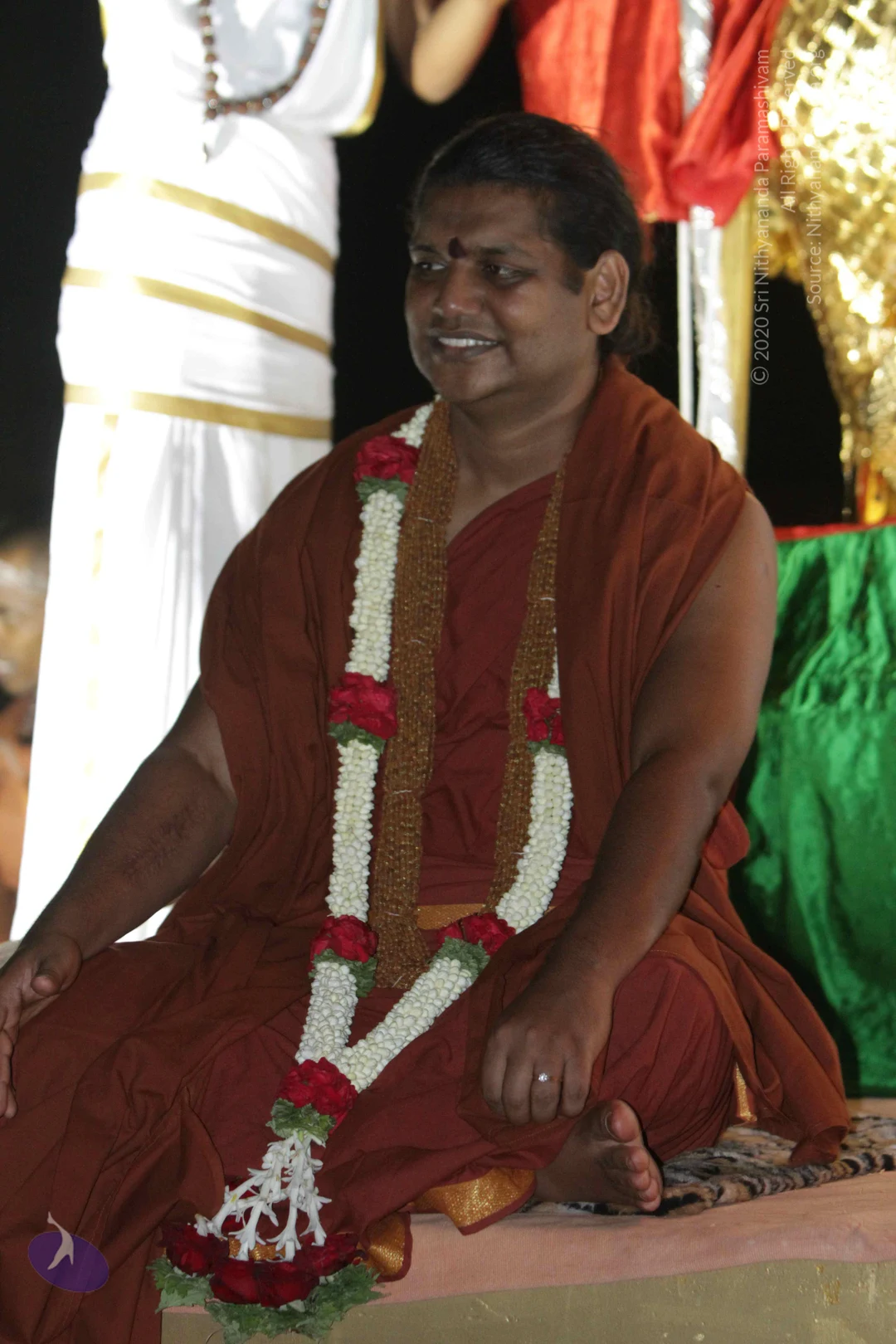
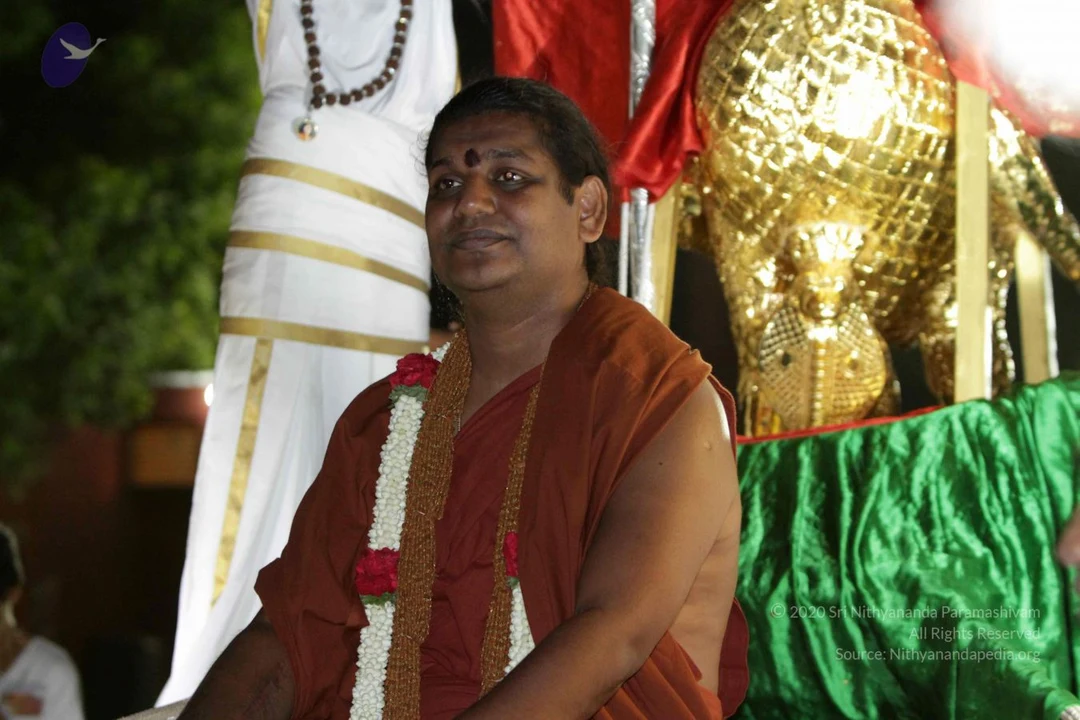
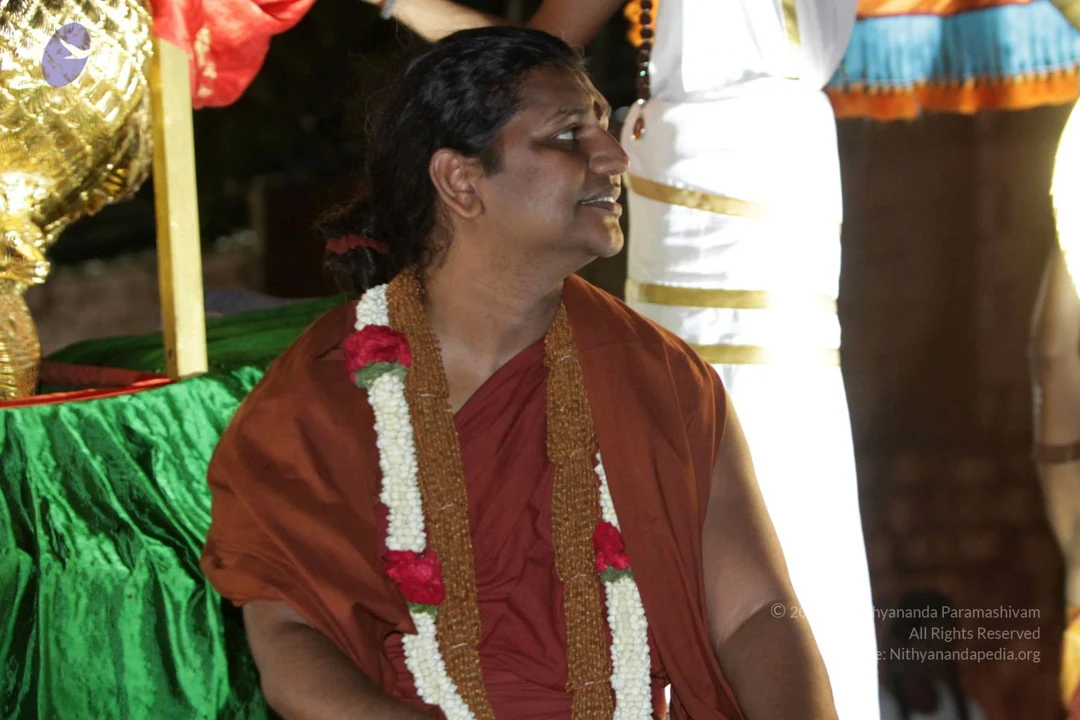
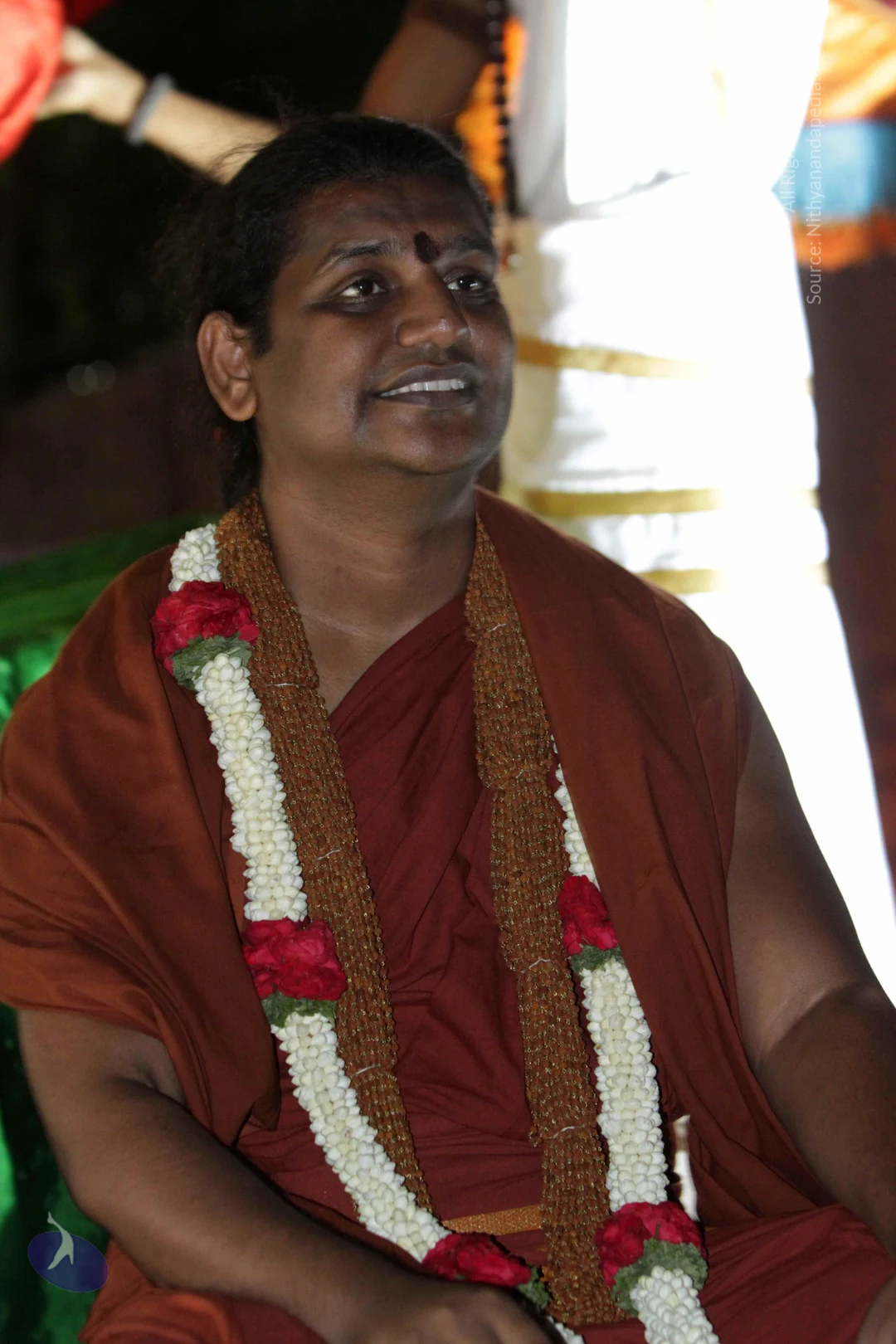
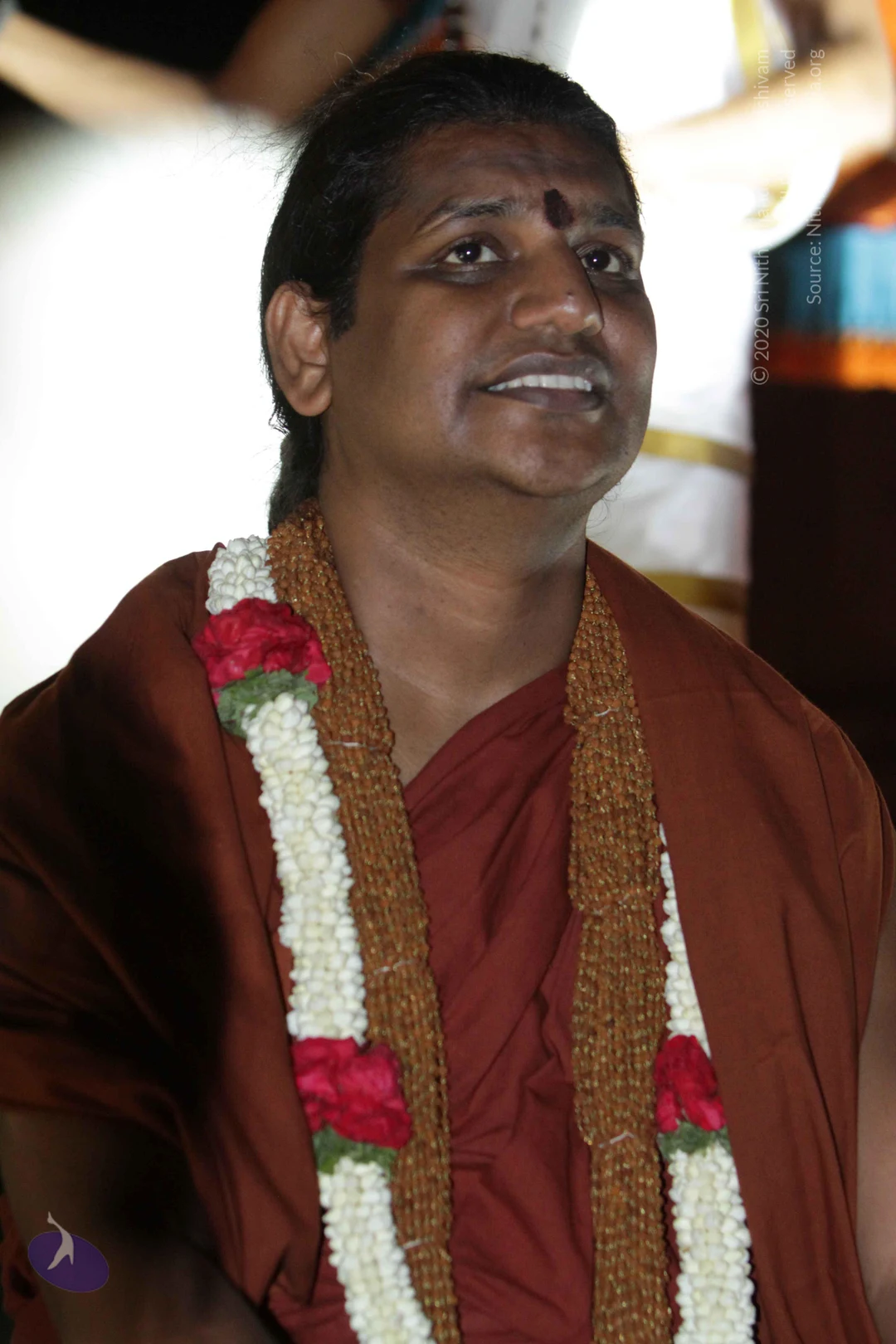
Soorasamharam
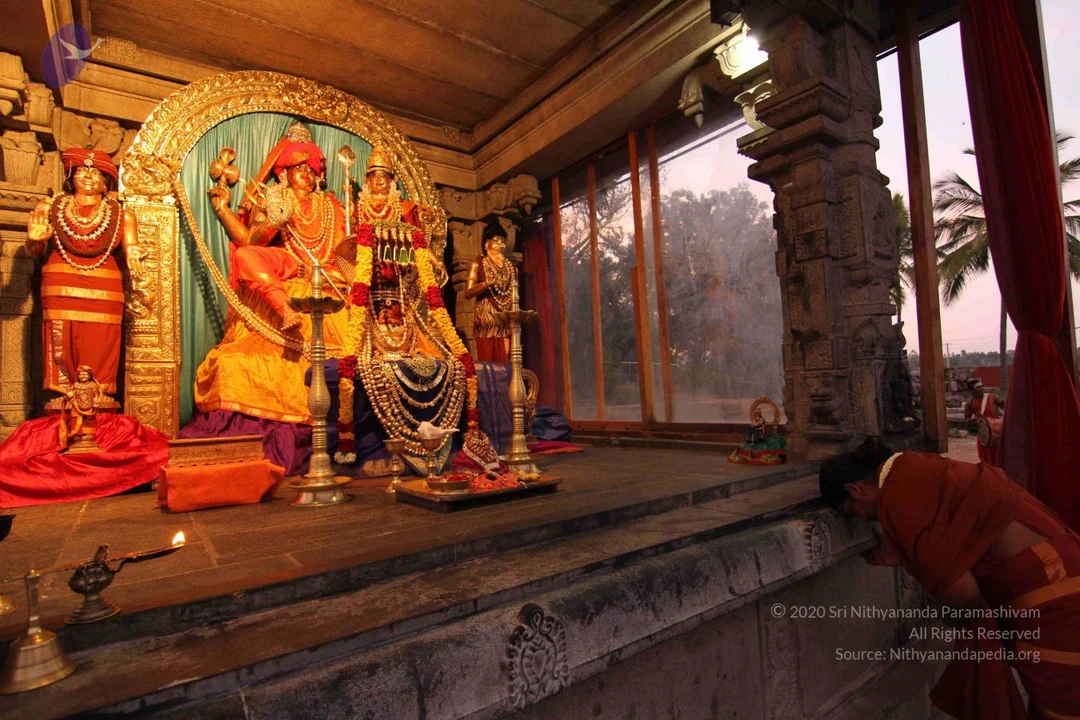
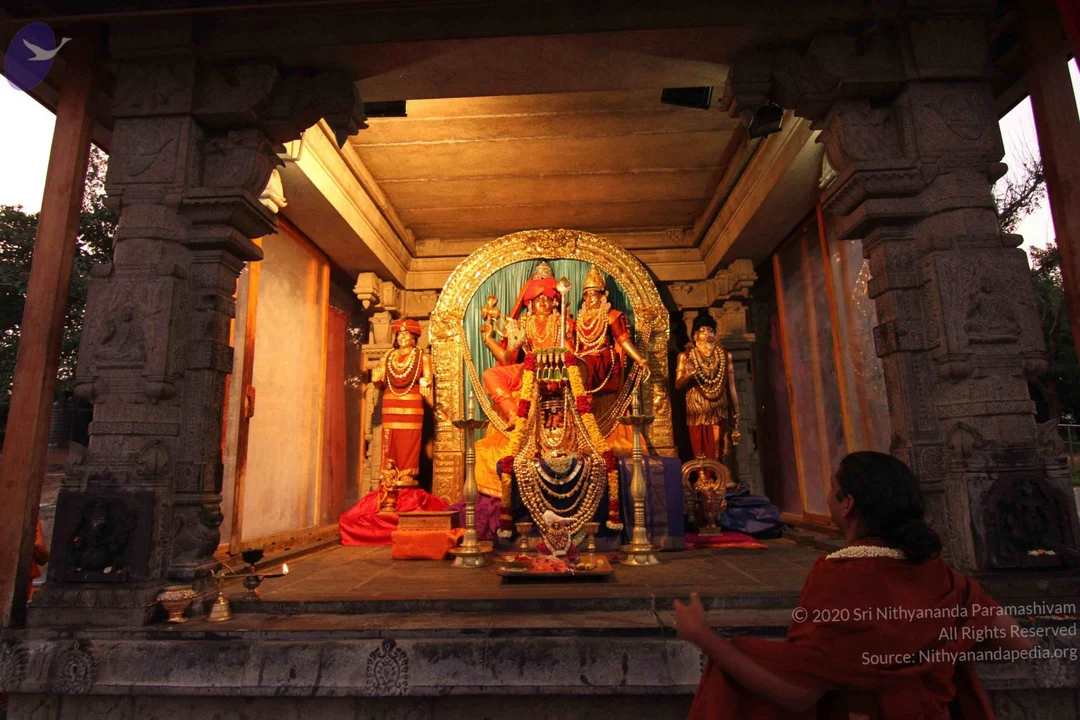
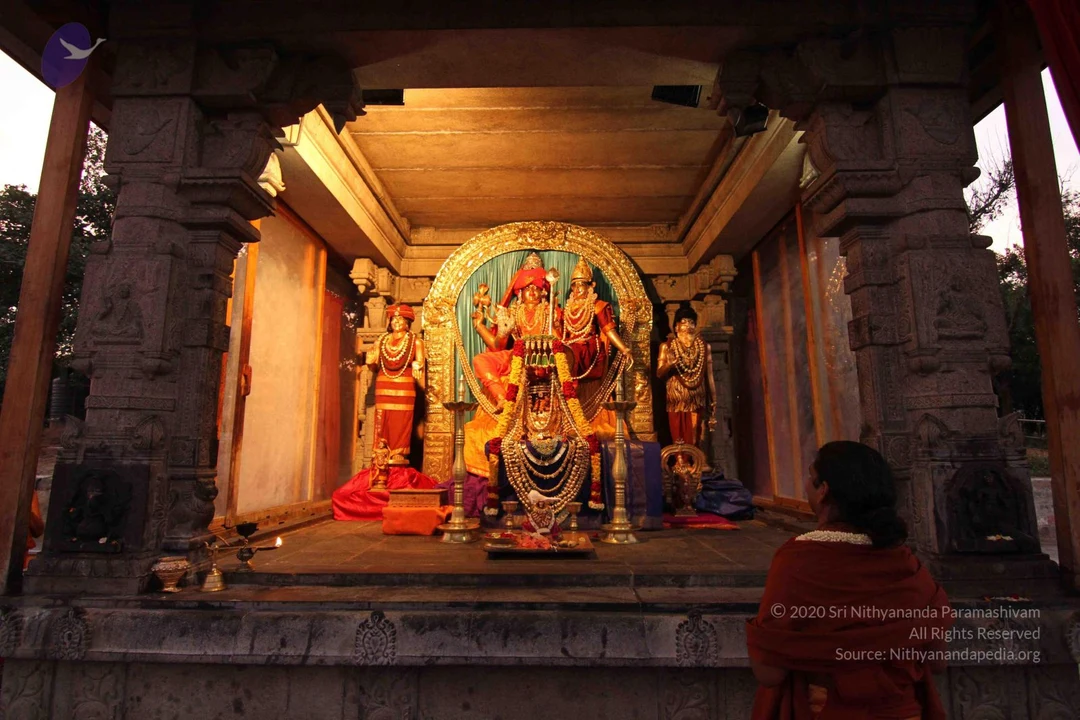
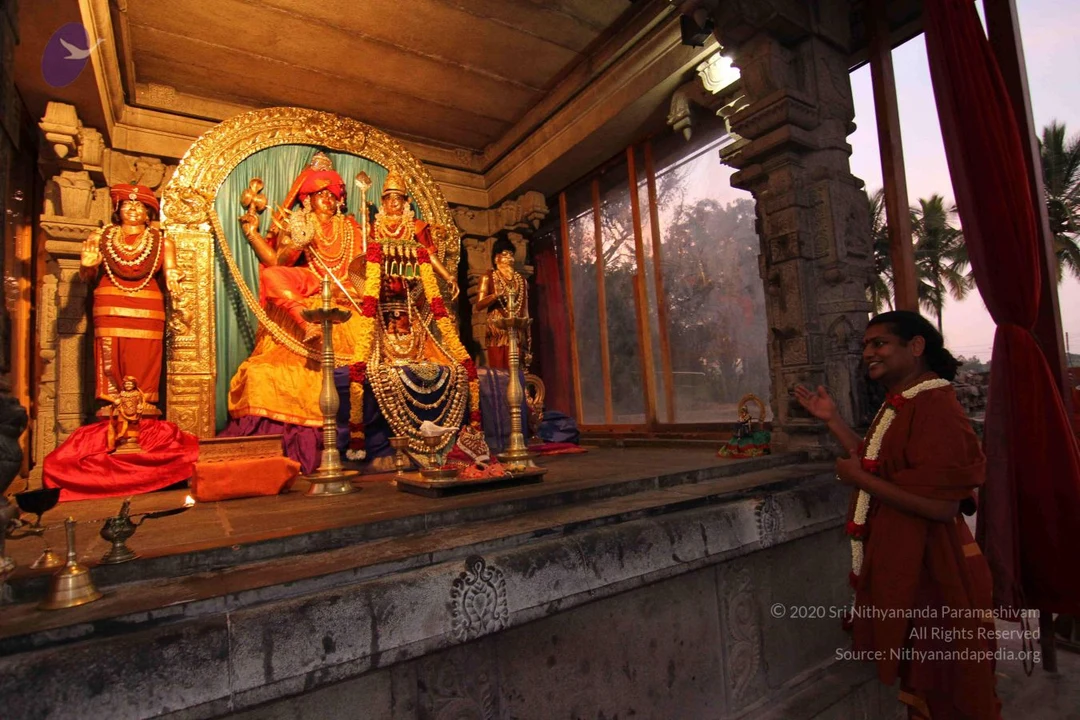
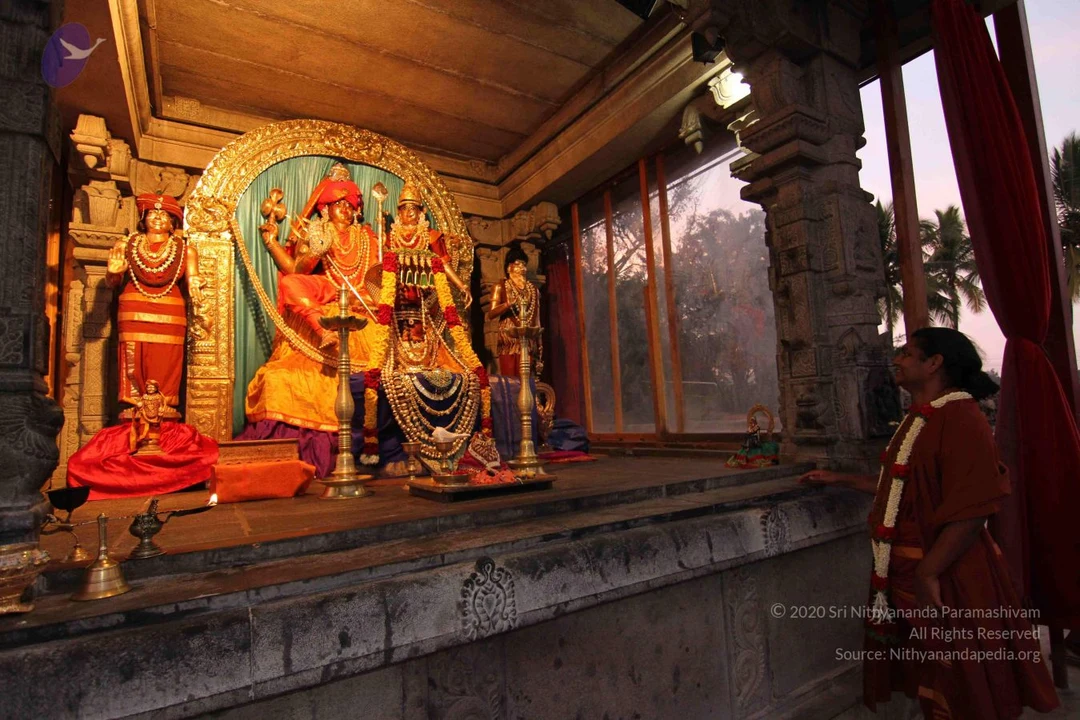
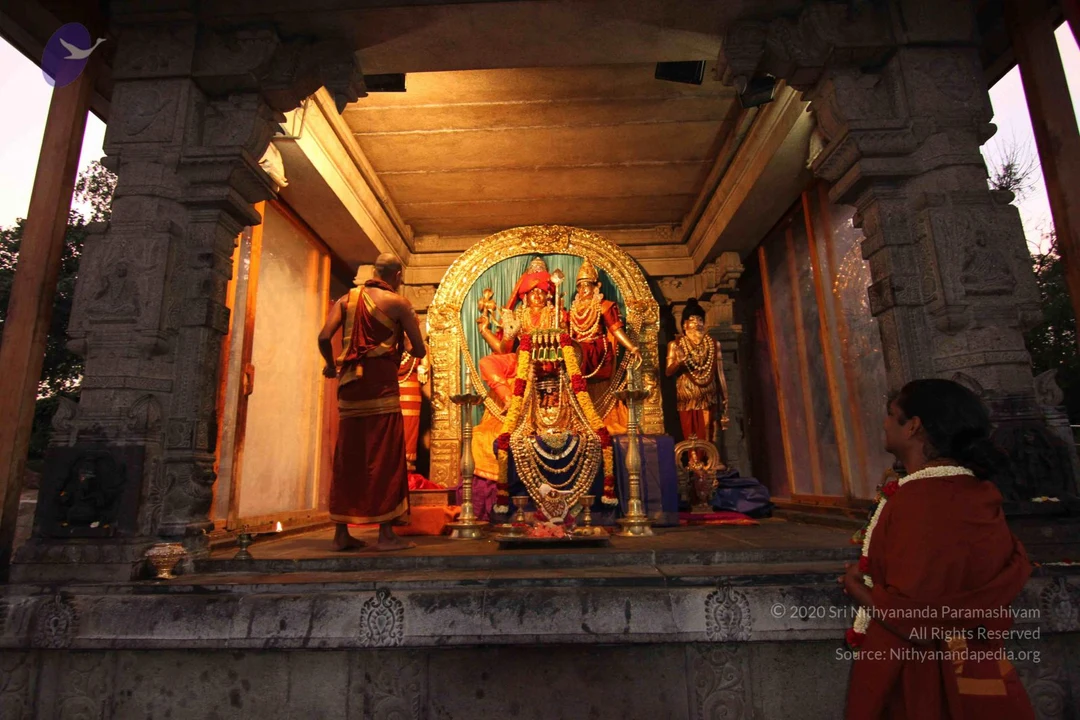
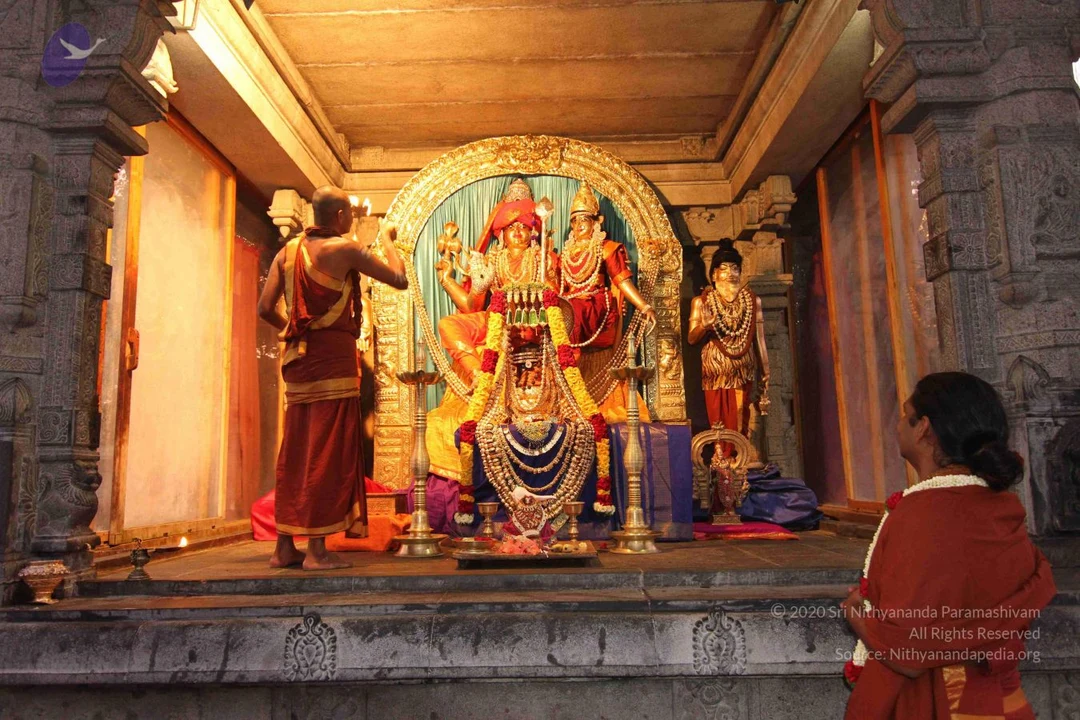
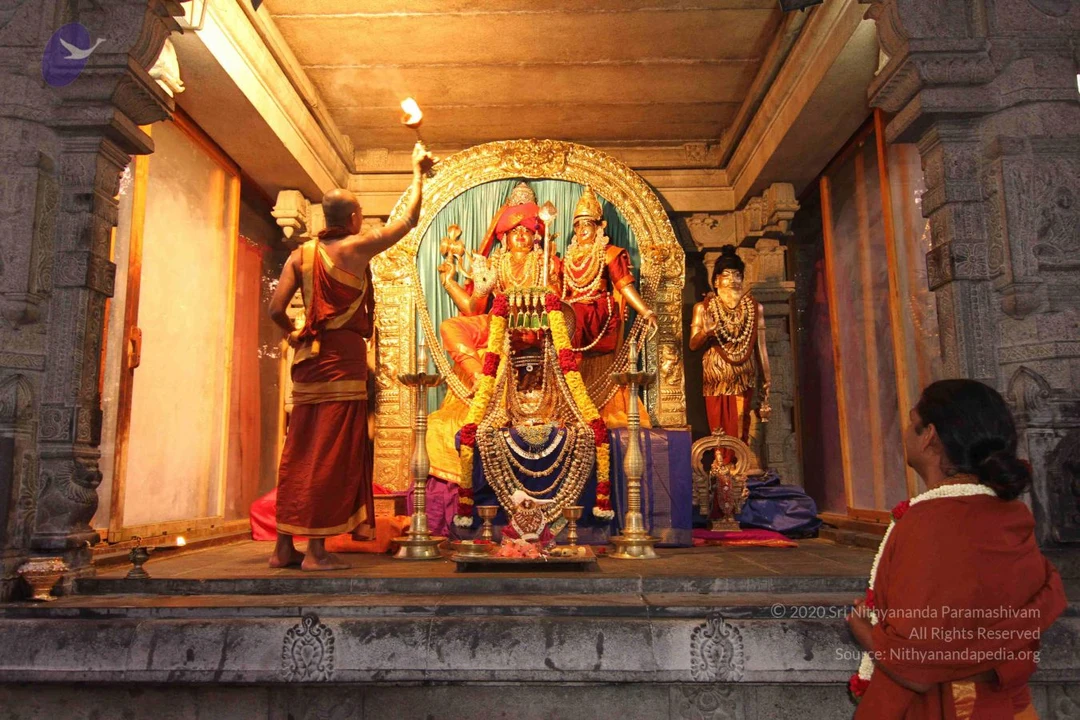

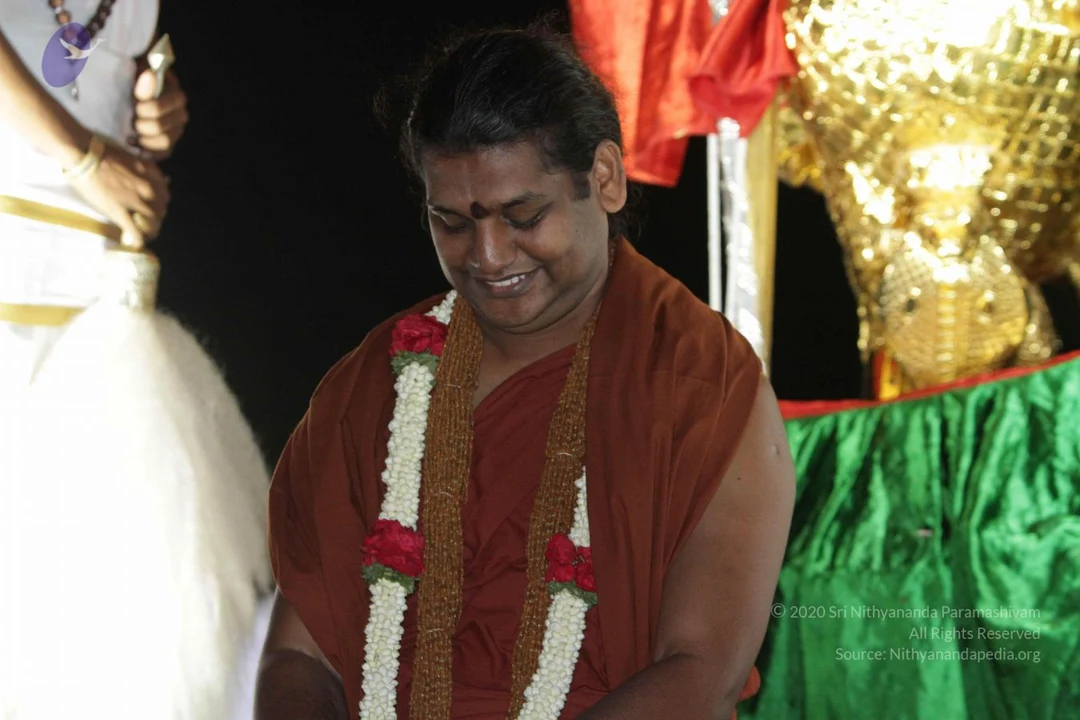
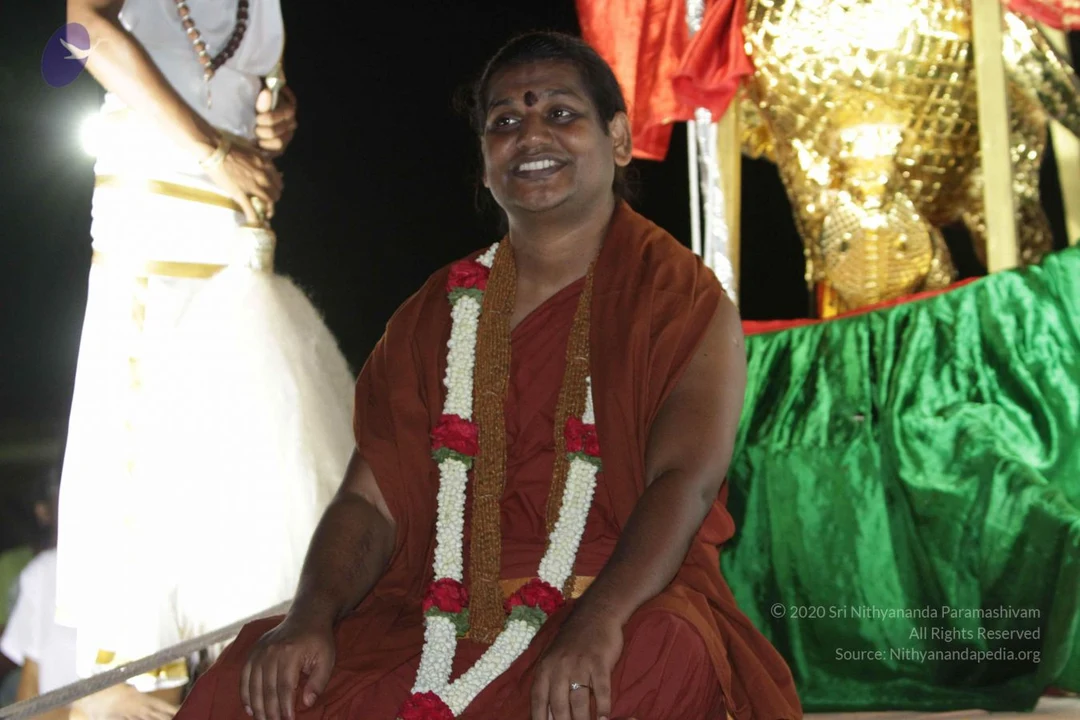
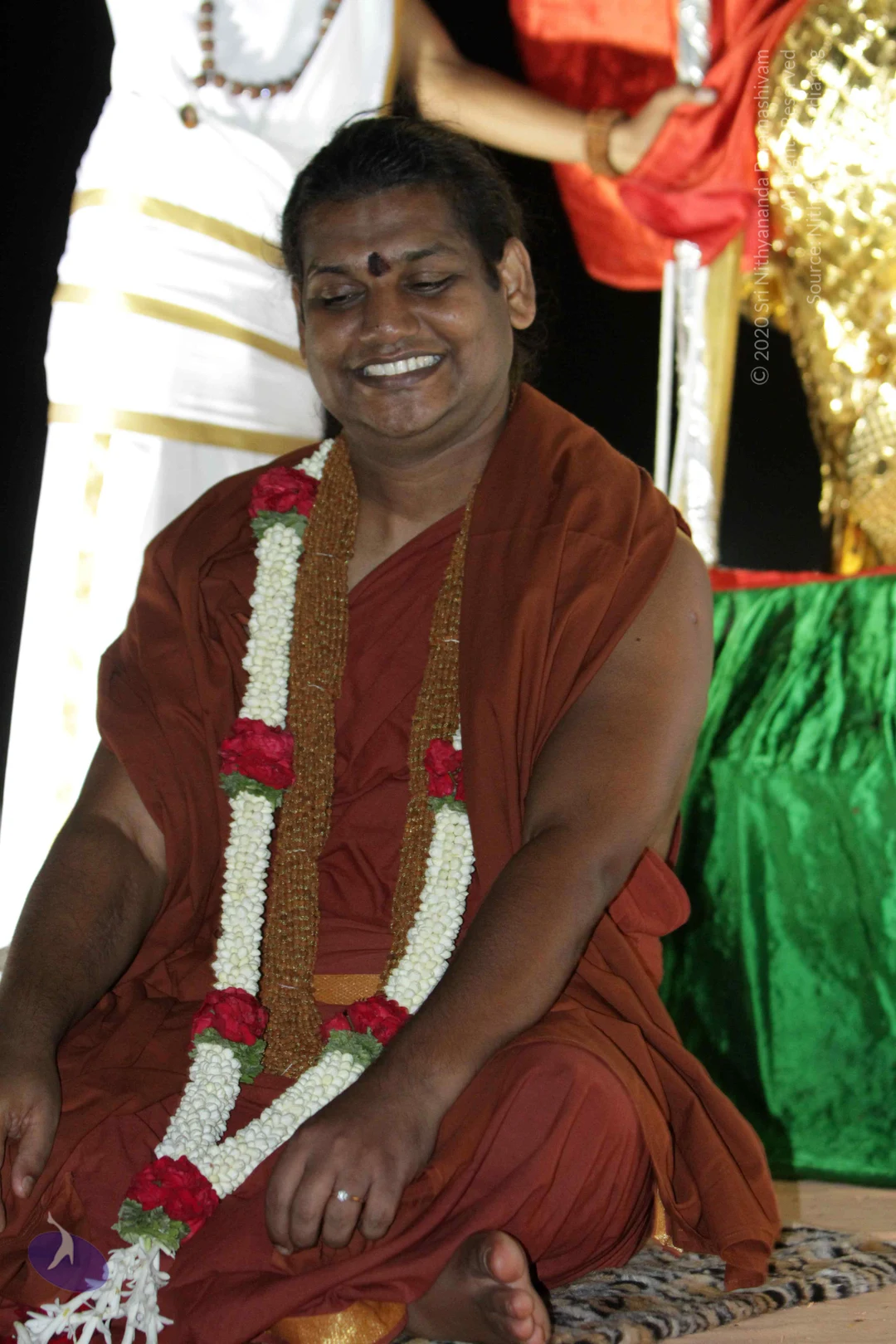
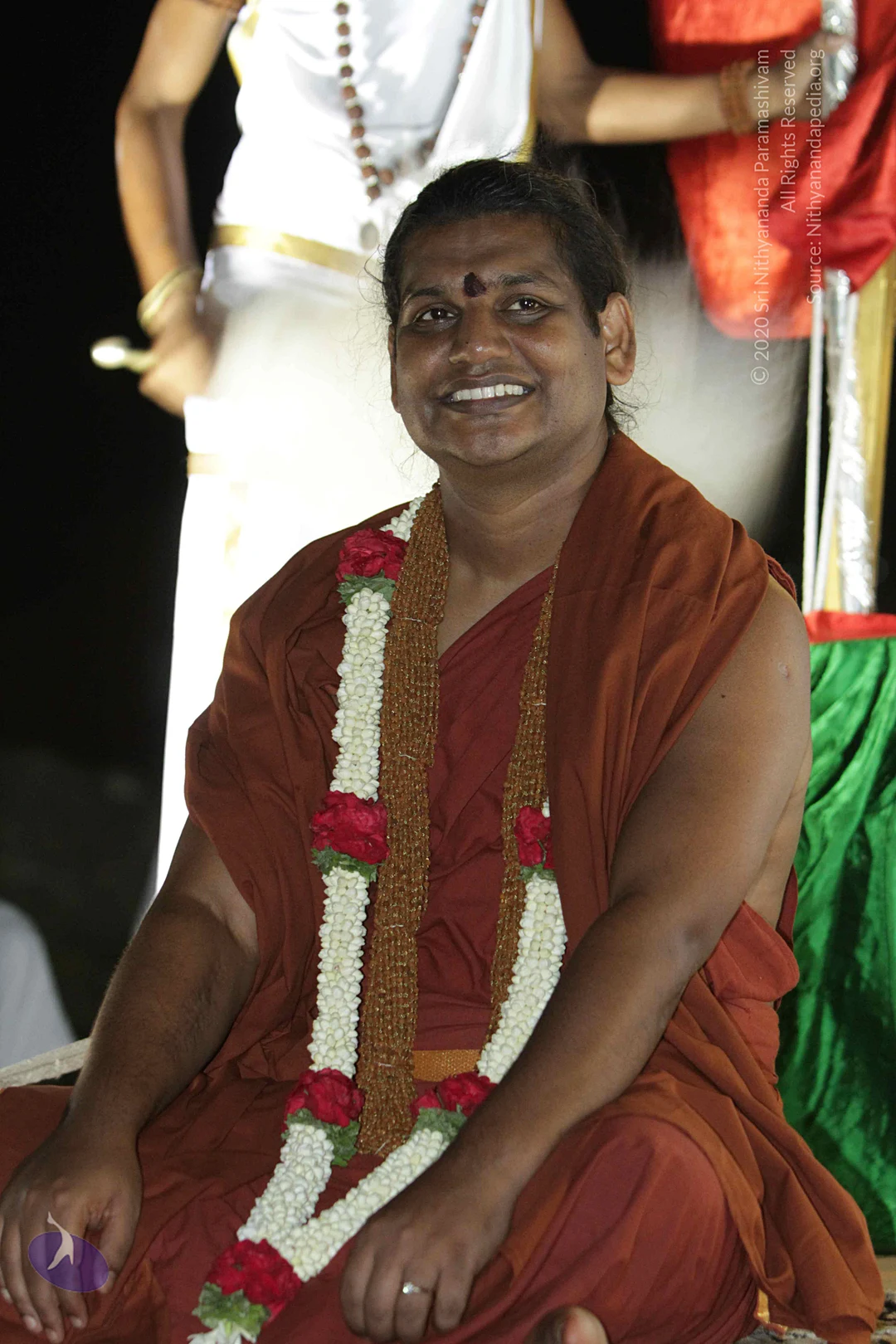
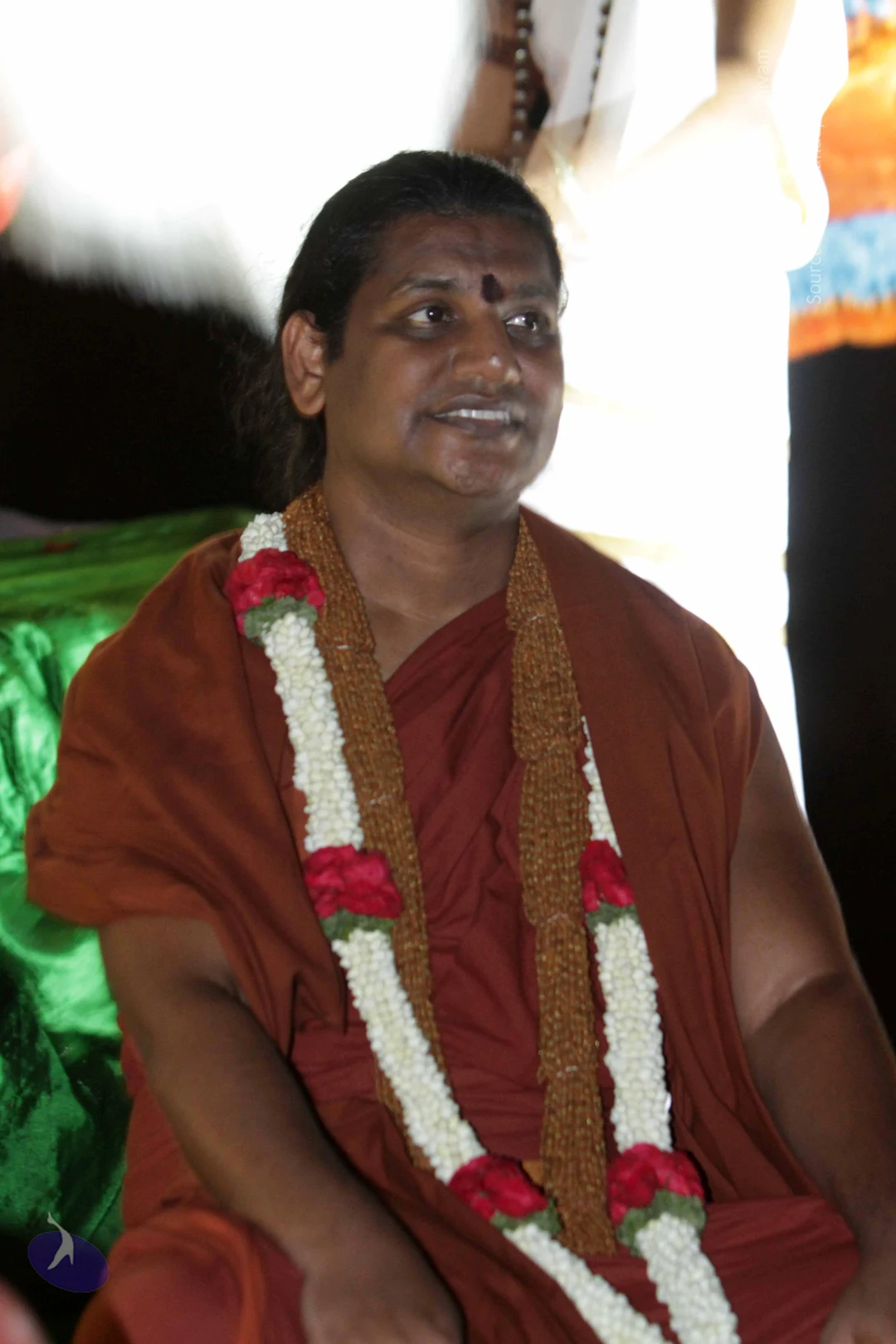
Photos from this day
View all 101 photosSkandha Sashti Brahmotsava - Sura Samharam | Rudrabishekam | Padukapuja | Nithya Kirthan | Satsang
21 photosSource gallery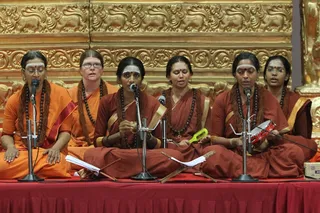
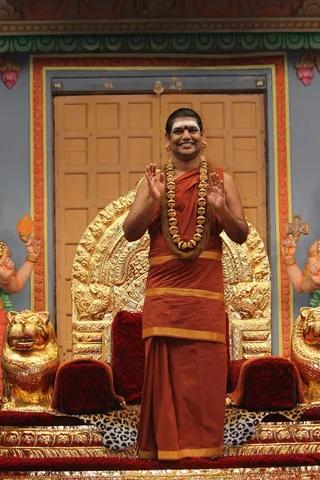
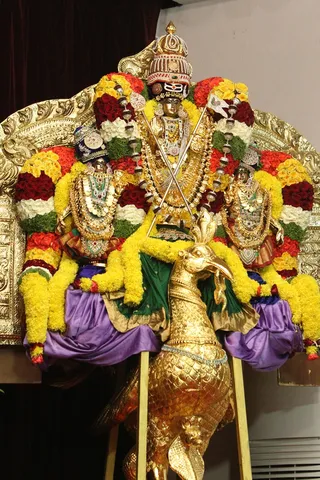

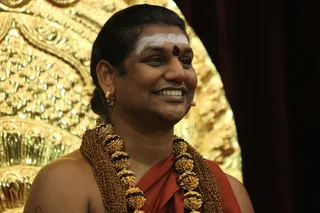
Soorasamharam
80 photosSource gallery